# MORE Group: Full Markdown Corpus
> Generated 2026-11-27T16:14:36.880Z, https://moregroup.estate
# Investment Guides
# 2-Bedroom Condos for Sale in Patong (2026)
> At two bedrooms in Patong the guest changes from a couple to a group. Different noise, different complaints, different wear - and a different neighbour problem.
**Source:** https://moregroup.estate/guides/2-bedroom-condos-for-sale-patong-phuket/
**Section:** Investment Guides
**Author:** Maksim Shchegolev
**Published:** 2026-04-19
**Updated:** 2026-09-01
---
At two bedrooms most Phuket markets hand you a family on an annual tenancy: lower percentage, longer stay, slower wear. Patong is the exception, because its letting economy runs on nights rather than years, and there the extra bedroom buys you a bigger party.
That is a real commercial advantage and a real operating problem, and both need stating before the deposit.
## The guest changes, and so does everything downstream
**Groups pay more per night and more per head is spent.** Four to six people splitting a two-bedroom is cheaper for them than two rooms in a hotel, which is why the format fills well in a bay built on volume and why its rate holds up better than the equivalent floor area in smaller units.
**They arrive together and they are awake together.** A couple returns at different hours and quietly. A group of six coordinates, and coordination is audible through a floor slab.
**Wear scales faster than the headcount.** More people, more turnover of soft goods, more damage, more replacement. Budget refurbishment as a recurring line rather than a one-off at purchase.
**Complaints go to the juristic person, and the juristic person decides who may let.** This is the part that turns a nuisance into a risk. In a building where short letting depends on tolerance rather than on a licence, the owner generating complaints is the argument the committee uses when it restricts the practice, and your neighbours are the electorate behind that committee.
**So the operating standard is higher, not lower, at this format.** House rules that a group will actually read, a deposit that means something, an operator who answers at midnight, and a willingness to decline a booking that looks like a party. The owners who do well with two-bedrooms in Patong are the ones who turn business away.
## What Patong two-bedrooms cost
| Project | Status | Unit sizes, smallest first | Project price range (THB) | Entry, approx. USD |
|---|---|---|---|---|
| [THE BASE Bukit](/projects/the-base-bukit/) | Ready | 51-53 sqm | 2,880,000 - 6,930,000 | ~$88,000 |
| The City Phuket | Ready | 62-196 sqm | 3,140,000 - 22,830,000 | ~$96,000 |
| [Dcondo Cove](/projects/dcondo-cove/) | Off-plan | 52 sqm | 2,435,000 - 5,414,000 | ~$74,000 |
| [Abov Patong Residence](/projects/abov-patong-residence/) | Off-plan | 111-113 sqm | 10,050,000 - 26,290,000 | ~$307,000 |
Scheme-level figures again: the entry price is the cheapest unit in each building and rarely a two-bedroom. Ask what the actual apartment costs, by floor, in baht, and treat the dollar column as arithmetic at a planning rate.
Two of these are completed, which matters more at this format than at any other in Patong: a finished building can show you both what a two-bedroom actually earns and how the neighbours feel about groups.
## Ownership, and the licence that decides the model
Freehold for foreigners sits inside 49% of a building's floor area, and since the cap counts area, a two-bedroom uses several times what a studio does. In the most transacted market on the island the figure also moves quickly, so confirm it in square metres and dated, then confirm it again before transfer.
The licence question weighs heaviest at this format. Letting for under thirty days is hotel business licensed at the premises, so the permission belongs to the building. A two-bedroom let to groups is the loudest expression of that business, which makes it the most exposed if the building's position is tolerance rather than a licence. Establish the position in writing before the deposit, the [Patong area guide](/patong-properties/) explains why the risky arrangement is also the common one here.
## Buyer scenarios
| Profile | What fits | The honest question |
|---|---|---|
| Group-letting operator | Two-bedroom, good sound isolation, strong rules | Will you turn down a booking that reads like a party? |
| Hands-off owner | A managed programme, or a smaller unit | Who answers the neighbour at one in the morning? |
| Owner-occupier | Almost certainly a different bay | Do you want to live above your own guests? |
| Yield-per-baht buyer | A one-bedroom in the same building | Does the group premium survive the extra wear? |
| Long-let buyer | Rawai or Nai Harn instead | Are you running nights or years? |
**Insider tip:** before offering, ask the juristic office how many complaints the building recorded last year and what they concerned. In Patong the answer is rarely zero, and the pattern tells you whether this is a building that has already had the argument about groups, and which way it went.
## Before you commit
- The building's short-stay licence position, in writing, before anything else.
- Sound isolation between units and to the floor below, checked in person.
- The complaints record from the juristic office, and any committee discussion about letting.
- What a two-bedroom in that building actually earned, from owner statements.
- Remaining foreign allowance in square metres, dated, and rechecked before transfer.
- House rules, deposits and an operator who screens bookings.
- A refurbishment cycle budgeted as recurring, not once.
- The building's charge and reserve against real wear.
## FAQ
### Why is a two-bedroom different in Patong?
Because the extra bedroom does not bring you a family on a yearly tenancy, as it does elsewhere. Patong runs on nights, so a two-bedroom brings a group of four to six sharing the cost. The rate per night holds up better than the equivalent area in smaller units, and everything downstream scales too: noise, wear, complaints and the amount of management the unit needs.
### What is the real risk with group letting here?
The neighbours, because they decide the rules. Complaints go to the juristic person, and in a building where short letting rests on tolerance rather than a licence, the owner generating those complaints is the argument the committee uses when it restricts the practice. A two-bedroom let to groups is the loudest version of that business, so it carries the most exposure if the building's position is informal.
### Does a two-bedroom earn more than two one-bedrooms?
Not automatically, and the comparison is worth running properly. Groups pay a premium for staying together, but wear scales faster than headcount, refurbishment becomes a recurring line, and management is heavier because someone has to screen bookings and answer complaints. Compare against a one-bedroom in the same building using owner statements rather than projections, net of those costs.
### Should I buy completed or off-plan for this format?
Completed has a specific advantage here. A finished building can show you what a two-bedroom actually earned, and just as importantly how the neighbours and the committee feel about groups - neither of which a projection can tell you. You can also check the thing that decides your reviews and your complaint rate: sound isolation between units and to the floor below.
### Can foreigners buy a two-bedroom in Patong freehold?
Yes, within 49% of a building's floor area. Because the cap counts area rather than apartments, a two-bedroom consumes several times what a studio does, so this is where a building's foreign side closes first. In the island's most transacted market the position also moves quickly, so get it in square metres and dated, then check it again before transfer.
### What does a two-bedroom in Patong cost?
Entry figures across these schemes start from roughly 2,400,000 THB and run past 10,000,000 THB at the top, but those are scheme-level ranges and the entry price is the cheapest unit in the building rather than a two-bedroom. Ask for the actual apartment by floor, in baht, and weigh sound isolation and floor position heavily, since both decide your reviews in this bay.
**Related Guides:**
{/* corpus-related:2-bedroom-condos-for-sale-patong-phuket */}
- [Patong Investment Property Guide](/patong-properties/), the bay as an operating business
- 1-Bedroom Condos in Patong, two letting models and who chooses them
- [Best 2-Bedroom Condos in Phuket](/guides/best-2-bedroom-condo-phuket-2026/), where this format earns most
- [Phuket Condos with the Strongest Rental Income](/guides/phuket-rental-yield-complete-guide-2026/), where the income concentrates
- [Phuket Rental Yield Guide](/guides/phuket-rental-yield-complete-guide-2026/), the cost stack behind a percentage
# 30 Year Lease Thailand Explained Guide (2026)
> Thailand's 30-year lease is the standard villa structure for foreigners. The legal framework, what 30+30+30 really means, and how renewal rights work.
**Source:** https://moregroup.estate/guides/30-year-lease-thailand-explained/
**Section:** Investment Guides
**Author:** Maksim Shchegolev
**Published:** 2026-03-23
**Updated:** 2026-08-23
---
## 30-Year Lease Thailand Explained: What Foreign Buyers Need to Know
A 30-year lease in Thailand is a registered contract granting a lessee (often a foreign buyer) the right to exclusively occupy and use land or property for 30 years, the maximum term registerable under the Thai Civil Code. In practice, developers structure leases as **30+30+30 years** (90 years total) with two contractual renewal options, creating what is effectively multi-generational tenure. The first 30 years are the legally protected period; the renewals require the lessor's cooperation, which is why choosing the right developer matters.
## Why 30 Years? The Thai Legal Framework
This is not negotiable, no court in Thailand can enforce a single registered lease term longer than 30 years. The 30-year cap applies to each individual registered lease period. A new lease can be registered after expiry of the first, but this requires a fresh agreement and fresh registration.
| Legal Provision | Detail |
|---|---|
| Governing law | Civil and Commercial Code, Section 540 |
| Maximum single term | 30 years |
| Renewal | New lease agreement required; maximum 30 years each |
| Registration threshold | Leases over 3 years must be registered |
| Registration authority | Land Department (Amphoe) |
| Effect of registration | Binding on all subsequent landowners |
## 30+30+30 Structure in Practice
### First 30 Years: Legally Protected
The initial lease is registered at the Land Department and annotated on the land's Chanote title deed. This creates a **registered interest** that:
- Survives a change in landowner (the new owner takes the land subject to your lease)
- Survives the developer's bankruptcy (the lease is registered against the land, not just against the developer entity)
- Gives you the right to seek court-ordered possession if evicted
- Entitles you to compensation if the lease is terminated unlawfully
**Registration cost:** Approximately 1% of the total lease value (calculated as annual rent × number of years, even if no rent is charged). On a property with a $200,000 purchase price and a nominal $1/year ground rent, the "total lease value" for registration purposes may be calculated differently, consult your lawyer.
### Second 30 Years (Years 31-60): Contractual Right
The Sale and Purchase Agreement (SPA) includes a contractual clause giving the lessee an option to renew for a further 30 years under defined terms. This right is:
- **Enforceable against the original lessor** who signed the SPA
- **Not automatically enforceable against a new landowner** who bought the land after you
- **Not registered on the Chanote**, it exists only in the SPA
In practice, most established developers honor these renewals. Developers have strong reputational and commercial incentives to maintain relationships with lessees, particularly in the tourism-oriented villa market.
### Third 30 Years (Years 61-90): Option to Option
The SPA typically includes a third renewal option. This is the weakest of the three periods:
- It extends 60+ years into the future
- The parties executing the original SPA may no longer be operating
- Thailand's legal landscape may have changed
- This period is primarily a marketing feature, it sounds comprehensive but offers limited practical protection
**Realistic assessment:** For most investors with a 5-20 year horizon, the third 30-year term is irrelevant. For retirement buyers aged 50+ at purchase, the first two terms (60 years, to age 110) provide more than adequate coverage.
## What the Lease Agreement Should Include
### Mandatory Clauses
| Clause | Why It Matters |
|---|---|
| Clear property description (land title number, size, location) | Identifies what you're leasing precisely |
| Registered at the Land Department | Converts contractual right to registered right |
| Right to construct and modify (for villa purchases) | Allows improvements without lessor consent |
| Right to sublease (sublet to tenants) | Essential for rental investment |
| Transfer rights | Allows you to sell your leasehold interest to a third party |
| Renewal mechanism | Explicit process, price, and timeline for renewal |
| Compensation provisions | What happens if lessor terminates or refuses renewal unlawfully |
| Force majeure | Protections for extraordinary events |
| Governing law | Thai law, not negotiable for registered interests |
### Red Flag Clauses to Avoid
| Clause | Problem |
|---|---|
| "Renewal subject to mutual agreement" | No real protection, lessor can simply refuse |
| No compensation for early termination | Lessor can evict you with no financial consequence |
| No transfer rights | You cannot sell your leasehold interest |
| "Lessee may not alter the property" | Restricts your ability to maintain or improve |
| Annual review of ground rent | Exposes you to rent escalation over 30 years |
## Ground Rent: How Thai Leases Handle Payment
Some older or private arrangements include nominal ground rent (e.g., 100 THB/year = ~$3), this is a legal requirement to make the lease a "commercial" rather than gratuitous arrangement, but it's purely nominal and has no practical cost impact.
## Transfer: Can You Sell a 30-Year Lease?
**Transfer cost:** Approximately 1% of the remaining lease value plus stamp duty.
**Market reality:** Leasehold units with 20+ years remaining sell easily at prices close to comparable freehold. Units with under 10 years remaining are very difficult to sell and will be deeply discounted. This creates a **sell window**, you should ideally exit a leasehold investment in years 10-25 of the first term, or after securing the renewal for the second term.
## Inheritance: Passing a Lease to Your Heirs
The probate process in Thailand for foreign estates takes 6-18 months. Having a Thai will (as well as one in your home country for home-country assets) significantly accelerates this process.
## Lease vs. Purchase: Understanding What You Actually Own
| Question | Answer |
|---|---|
| Do I own the property? | You own the *right to use* it for 30 years |
| Who owns the land? | The Thai landowner (typically the developer) |
| Who owns the building? | You own it (via superficies or SPA clause); if correctly structured |
| Can I renovate? | Yes, if the lease permits modifications |
| Can I sell? | Yes, the lease interest can be transferred |
| Can I rent it out? | Yes, if the lease permits subletting |
## Pros and Cons of 30-Year Lease in Thailand
**Investment-focused buyers seeking rental income:**
Leasehold properties often generate superior rental yields due to lower purchase prices. However, management becomes more critical since lease terms may restrict certain rental activities or require lessor consent for commercial use. Professional management companies understand leasehold restrictions and can optimize rental strategies within legal constraints.
**Estate planning and inheritance considerations:**
Leasehold interests pass to heirs through normal inheritance procedures, but family members must understand lease terms and renewal obligations. Unlike freehold property, leasehold cannot be held indefinitely without periodic renewal negotiations, making family communication about long-term plans essential.
**Corporate and business use:**
Companies using leasehold properties for business operations benefit from lower capital requirements and flexible exit strategies. However, lease terms must accommodate business needs including signage rights, modification permissions, and subletting flexibility for operational efficiency.
Both sides of that ledger are real.
## What the law actually registers, and what it does not
The single most important thing to understand about a Thai lease is the gap between what gets registered and what gets promised.
Thai law permits a lease of immovable property to be registered for a maximum of 30 years at a time. That registered lease is a real property right: recorded at the Land Department, binding on a subsequent owner of the land, and enforceable accordingly.
A "30+30+30" arrangement is one registered 30-year lease plus contractual undertakings to grant two further terms. Those undertakings are contract, not registered property right. They bind the party who signed them, and the central question your lawyer must answer is what happens if that party sells the land, dissolves, dies, or simply declines.
| | Registered term | Renewal promises |
|---|---|---|
| Legal nature | Property right, recorded at the Land Department | Contractual undertaking |
| Binds a new owner of the land? | Yes | Depends entirely on how it is drafted and who signed |
| Enforceable if the counterparty disappears? | The lease survives | Generally not |
| Value on day one | Full | Priced in, but not guaranteed |
| Value at year 25 | Diminishing with the term | Depends on whether renewal is still available |
Registration itself carries a cost worth budgeting: lease registration at the Land Department is charged on the total rent payable over the term, which on a long lease is a meaningful sum and is negotiable between the parties like any other transfer cost.
A short note on terminology, since it causes confusion. A lease and a usufruct and a superficies right are three different things under Thai law, and they are occasionally used loosely in marketing as though interchangeable. A registered lease gives possession for a term. A usufruct gives the right to use and take the fruits of the property, often for life. A superficies right relates to owning a structure on someone else's land. Villa purchases most commonly use a registered lease combined with separate ownership of the building, but ask which instrument is actually being granted rather than assuming, because the rights and the renewal mechanics differ between them.
## How this affects what you should pay
A lease is worth close to freehold at the start and demonstrably less as the term runs, because your eventual buyer acquires only what remains. That decline is not a market view; it is arithmetic.
The practical implications for a buyer are three.
Price the lease as a lease. A leasehold villa at the same price per square metre as a freehold condominium is not the same asset, and the difference should be visible in the number you agree.
Establish the counterparty before the money moves. Who grants the renewals, what their standing is, whether a successor to the land is bound, and what security exists if they do not perform.
Register the building separately. A foreigner can own the house outright even where the land beneath is leased, provided the construction permit and the building sale are registered correctly. Getting that right at the outset is what makes the property resellable, and it is the step most often skipped by a buyer rushing to close inside a two-week visit.
Insider tip: ask the seller directly what happens at year 29 if the lessor declines to renew, and listen to whether the answer is a clause or a reassurance. A well-drafted lease has a specific mechanism and the seller's lawyer can point to it. A reassurance means there is nothing to point to.
Finally, check whether the lease permits you to sublet and to assign. A lease you cannot sublet cannot be let to a tenant, and a lease you cannot assign cannot be sold. Both are standard permissions and both are occasionally omitted, which is the kind of thing that only becomes visible when you try to use the right you assumed you had.
It is worth being clear that none of this makes leasehold a bad structure. It is the only route to a villa for a foreign buyer, it is used routinely and lawfully across Phuket, and a well-drafted lease with a solid counterparty is a perfectly sound thing to own. What causes harm is buying one while believing it is freehold, or paying a freehold price for it. Both are avoidable by reading the registered term and asking who stands behind the renewals.
## Renewal negotiation: what happens at year 28-30
Renewal pricing varies by market cycle. In strong markets, lessors may seek ground-rent increases or capital contributions for facility upgrades. In soft markets, lessees with good payment history often renew at flat terms. Your original SPA should cap renewal premiums; if it does not, budget 5-10% of original purchase price as a renewal reserve.
Start that conversation well before year 28, since leverage falls as the term shortens.
## Buyer scenarios
| Checkpoint | Pass | Fail |
|---|---|---|
| Registration | The lease recorded against the title, not only signed | A contract in a drawer |
| Succession | The term passes to your heirs on the face of the document | Assumed |
| Structural repair | Who carries it, stated explicitly | Unallocated |
| Company sale | What happens to your lease if the lessor changes hands | Not addressed |
Lease decisions pair with our [leasehold safety guide](/guides/is-leasehold-safe-thailand/), [land ownership rules](/guides/freehold-vs-leasehold-thailand/), [tax and fees pillar](/guides/phuket-property-taxes-fees-complete-guide/), [due diligence checklist](/guides/due-diligence-process-thailand-step-by-step/), and [Phuket buying guide](/guides/buying-property-phuket-guide/). Treat years 31-60 as contractual, not registered, when you price the deal.
## FAQ
### Can a 30-year lease in Thailand be extended to 60 or 90 years?
The Civil Code caps registerable leases at 30 years per term. You cannot register a single 60 or 90-year lease. What developers offer instead is a 30+30+30 structure, an initial 30-year registered lease with two contractual renewal options (each 30 years), totaling 90 years. The renewals are contractually binding on the original lessor but cannot themselves be registered at the Land Department.
### What is the cost to register a 30-year lease in Thailand?
The Land Department charges approximately 1% of the total lease value for registration, plus 0.1% stamp duty. If the lease involves a nominal annual rent (e.g., 100 THB/year for 30 years = 3,000 THB total), the registration fee on that amount is minimal. For leases with market-rate rents, the fee is more substantial. Your lawyer will calculate the exact cost based on the lease structure.
### What happens after my 30-year lease expires in Thailand?
After 30 years, the registered lease expires. If you have a renewal clause, you exercise your contractual right to renew, the lessor should execute a new 30-year lease agreement and register it at the Land Department. If the lessor refuses to renew despite a valid contractual renewal clause, you have grounds for a breach of contract claim and potentially injunctive relief from a Thai court.
### Is a 30-year lease a good investment in Phuket?
For investors with a 5-15 year horizon, a 30-year lease is an excellent investment structure, lower purchase price, same rental income, and adequate remaining term for a clean exit. For longer-term holders, the renewal risk becomes the primary consideration. Most established Phuket developers honor renewals as a matter of course, making leasehold villas a well-accepted and widely held asset class.
### Can a 30-year lease be used as collateral for a loan in Thailand?
Thai banks do not typically accept a leasehold interest (particularly a foreigner's leasehold) as mortgage collateral. Some international private banks accept registered leasehold interests for offshore financing, but this is uncommon and requires a strong overall financial profile. Most leasehold purchases are cash transactions or use developer payment plans.
### Who pays the Land Department fees when registering a 30-year lease?
By convention, registration fees for a leasehold purchase are typically paid by the buyer, though this is negotiable. The fee is approximately 1% of the lease value plus 0.1% stamp duty. Compare this to the 2% transfer fee (plus SBT or stamp duty on the seller's side) for freehold sales, leasehold registration is significantly cheaper overall.
**Read Also:**
- [Best Areas in Phuket to Buy Property 2026](/guides/best-areas-phuket-buy-property/)
- [Phuket Off-Plan Property: Risks and Checks](/guides/off-plan-property-phuket-guide/)
- [Phuket Rental Yield 2026: Net Income by Area](/guides/phuket-rental-yield-complete-guide-2026/)
# Co-Broking Agreement Phuket: Agency Guide
> Co-broking agreement Phuket for agencies abroad: co-broke 35% or full partner 50%, who does what on a new-build deal, branding limits, agreement checklist.
**Source:** https://moregroup.estate/guides/agency-co-broking-phuket-new-builds/
**Section:** Investment Guides
**Author:** Maksim Shchegolev
**Published:** 2026-11-20
**Updated:** 2026-11-20
---
Short answer: an agency abroad should choose co-broke when it wants to keep the client relationship and let MORE Group run the Phuket side, and full partner when its own team already sells overseas property end to end and needs only a catalogue, due diligence and closing operations on the island. The two shares are 35% and 50% of our agency commission, according to our partner agreement, and either way the buyer stays registered to your agency for 12 months from our written confirmation.
This guide is for owners and heads of sales at agencies in Dubai, Moscow, London, Almaty, Sydney and similar markets. It compares the two tiers from an agency's point of view, divides the work on a deal between two agencies, explains how client communication and branding are handled, lists what to cover in an agency-to-agency agreement and describes a sensible first deal.
## Which tier fits an agency: co-broke or full partner?
The tier follows the amount of selling your agency does itself. A team that qualifies buyers, runs its own sales calls, presents shortlists and keeps the client engaged through the whole process fits the 50% full partner tier, and a team that wants to stay close to the client but lean on us for most of the selling fits the 35% co-broker tier.
At MORE Group the co-broker keeps the client conversation through calls, while we run viewings in Phuket, developer liaison, legal and transfer preparation. The full partner leads the sales cycle with an established client base, and we provide the catalogue, due diligence, legal stack and closing operations. Both tiers are on the [partner page](/partners/), and the tasks behind each are broken down in [referral partner vs co-broker vs full partner](/guides/referral-partner-vs-co-broker-vs-full-partner/).
The money gap between the tiers is large enough to matter when an agency decides how to staff the work.
| Unit price | Developer rate | MORE Group agency commission | Co-broker 35% | Full partner 50% |
|---|---|---|---|---|
| $450,000 | 3% | $13,500 | $4,725 | $6,750 |
| $600,000 | 6% | $36,000 | $12,600 | $18,000 |
| $800,000 | 6% | $48,000 | $16,800 | $24,000 |
Source: shares from the MORE Group partner page, 20 November 2026; each sum is price x developer rate x share.
A simple test helps. If your agency would need to hire or train people to run the sales conversation for Phuket, the higher share does not pay for itself on the first deals, and co-broke is the cheaper way to start. If your agents already present overseas new builds every week, the 50% tier compensates you for work you would do anyway. The partner page does not describe a way to change tier later, so if you expect to start as co-broker and move up, ask us to confirm in writing how that works before you register the first client.
Source: shares of 35% and 50% from the MORE Group partner page, 20 November 2026.
## Pros and cons of each tier for an agency
Each tier trades share for workload, and the trade looks different for a team than for a single agent. The table lists what an agency gains and gives up in each.
| Tier | Pros for the agency | Cons for the agency |
|---|---|---|
| Co-broker, 35% | Lower staffing need; the Phuket team runs viewings, quota check, paperwork and transfer; the client stays with your agent | Lower share; your agent stays on calls and shortlists until the buyer decides |
| Full partner, 50% | Highest share; priority shortlists and pricing updates; your team leads the sale with its own client base | Your team carries the sales calls and the follow-up, so you need people with the time and the product knowledge |
The scope of the programme is new-build and off-plan from developers in Phuket. The main catalogue is new-build and off-plan; resale is not the main partner catalogue, so ask us in writing about a resale client. An agency whose pipeline is mostly second-hand property will find only part of its clients covered. Read the [off-plan property guide](/guides/off-plan-property-phuket-guide/) to see what you would be selling.
## How is the work divided between two agencies on one deal?
According to the programme page, each agency does the part it is positioned to do: you hold the client and the market where the client lives, and we hold the developer relationships and the Phuket operations. The table below shows the usual split for a co-brokered deal and where a full partner takes on more. The rows follow the programme page: MORE Group does shortlist, due diligence, the 49% foreign quota check, FET paperwork, viewings and closing.
| Stage | Your agency (co-broker) | Your agency (full partner) | MORE Group |
|---|---|---|---|
| Find and qualify the buyer | Yes | Yes | No |
| Collect consent and register the buyer | Yes | Yes | Confirms in writing |
| Shortlist | Reviews and comments | Briefs us, reviews and comments | Prepares it in all tiers; the programme page lists "Shortlist in 24-48h" |
| Calls with the buyer | Stays on them | Leads them | Joins calls for Phuket-specific questions |
| Viewings in Phuket | Joins calls | Joins calls | MORE Group runs them for clients who visit |
| Developer liaison and due diligence | MORE Group handles, you are informed | MORE Group provides catalogue, DD, legal, closing | Does it |
| Quota check, reservation, SPA, FET paperwork | Follows | Follows | Coordinates and does it |
| Updates to the buyer | In your own voice | In your own voice | Milestone updates to you |
| Transfer | Informs the buyer | Informs the buyer | Attends and closes |
Look at the pattern in the table. The columns for the two tiers differ at the top and in the middle: who leads the conversation, and who asks the developer questions. Everything from the quota check onwards sits with MORE Group in both cases, because that work needs presence in Phuket and the developer's own agreement with us.
The buyer-side legal steps are covered in separate guides, so your team can brief the client without re-learning them: the [reservation agreement guide](/guides/reservation-agreement-thailand-explained/) and the [due diligence guide](/guides/due-diligence-process-thailand-step-by-step/) are the two your agents will use most.
## How are client communication and branding handled?
The client remains your client, and your agency is the voice they hear. According to the programme terms we do not re-market a partner's client to other channels, and registration is made to the partner when we have the client's consent. Our team speaks to the buyer on the calls you arrange or in the group chat you set up, introduced by you.
On branding, agree the practicalities in writing and do not assume more than the programme gives. The partner page does not mention white-label branding; confirm in writing what is allowed. What the page does describe is sales material (floor plans, price lists and project sheets) for client presentations. Whether your agency can put its own cover on a document, and what the developer's paperwork shows, depends on the developer and on the document, so ask before you promise your client anything.
A workable arrangement for most agencies:
- Your agency introduces our adviser by name on the first call with the buyer, so the buyer knows who is who.
- Your messages go out under your brand, and ours under ours. Each side owns its own accounts and its own channels.
- Documents from the developer and from MORE Group carry their own names. Tell the buyer this at the start so nobody is surprised at the reservation.
Points to agree between the two agencies (not on the partner page): neither side approaches the other's clients for unrelated business during the 12-month protection period.
The data side deserves a line of its own. Registration needs only four items: the client's name, contact method, budget and timeline. Ask for the client's agreement to share them before you send anything, and keep a record of it, because the UK regulator's guidance defines valid consent as freely given, specific, informed and unambiguous, and says you need to identify yourself and name any third parties relying on the consent, as set out in [ICO guidance on valid consent](https://ico.org.uk/for-organisations/uk-gdpr-guidance-and-resources/lawful-basis/consent/what-is-valid-consent) (seen 20 November 2026). Your own jurisdiction may apply different rules, so confirm them locally.
## What goes into an agency-to-agency co-broking agreement?
An agreement between two agencies should settle money, protection, roles and exit in writing, so that a dispute months later is a matter of reading and not of memory. The programme terms below come from our partner agreement; the questions after them are what any careful agency should settle before the first deal, whoever the counterpart is.
**Terms that are already fixed in the MORE Group partner programme:**
- Share of MORE Group's agency commission, according to our partner agreement: 35% for a co-broker, 50% for a full partner.
- Payout within 7 calendar days after the developer has transferred MORE Group's commission.
- Payment in Thai baht, by international bank transfer, or in crypto; another method only if agreed in writing first.
- Client protection for 12 months from the date of our written confirmation of registration. A reservation counts as the purchase: if the client reserves a unit through MORE Group within 12 months of the registration date, the partner's reward is kept.
- A non-exclusive agreement, so you remain free to work with other agencies.
- No fee to join.
- If two partners register the same buyer, the first registration with documented client consent wins. If the client contacted us directly first, we tell you before any work starts.
**Checklist of points to confirm in writing:**
1. **Parties and signatories.** The exact legal names of both companies and who may sign and give instructions.
2. **Which clients and which products.** New-build and off-plan from developers in Phuket, per the programme scope. Check what happens if your client asks about resale.
3. **Registration procedure.** The data sent, the channel, and the form of the written confirmation. Agree where it is stored.
4. **Roles per deal.** Copy the division-of-work table above into an annex and adjust it for your agency.
5. **Communication rules.** Who speaks to the client, in which language, in which group chat, and who may contact the developer. The partner page does not mention white-label branding; confirm in writing what is allowed.
6. **Payment details.** Currency, bank account in the agency's name, method, invoice or payment details required, and who bears transfer charges.
7. **Payment timing.** Tied to the developer's payment of MORE Group's commission. The page states the 7 days but is silent on instalments, so ask in writing.
8. **Protection and disputes.** The 12-month period, the evidence for each registration, the first-registration rule and the contact route for conflicts.
9. **Taxes.** Each side is responsible for its own. Check with a tax adviser in your own country.
10. **Data.** What each side may do with the client's data and for how long, in line with the consent the client gave.
11. **Term and termination.** How either side leaves, and what happens to registered clients in the protection period.
12. **Applicable law and language.** Which law governs the agreement and which language version prevails.
Take this list to your lawyer. Items 1, 10, 11 and 12 are where agencies' own counsel will have the strongest views, and an hour of their time before signing costs less than a dispute after the first payout.
Before the first deal, it is worth agreeing one more practical point with your counterpart: what each side tells the buyer about fees. On new-build sales through MORE Group the buyer pays no commission, so the buyer should never be asked for a separate fee by either agency for the same purchase. If your agency charges its own clients for advisory work that is separate from the sale, such as relocation planning or a paid consultation, keep that invoice and that conversation apart from the property purchase, and tell the buyer in writing which is which. Mixing the two is the quickest way to lose a buyer's trust halfway through a reservation.
## What does the first co-broked deal look like?
The first deal should be a single buyer you know well, run to the end, with notes on how long each stage took your team. The steps below fit both tiers.
1. **Apply and sign.** The application is a short form on the partner page. Read the agreement against the checklist above.
2. **Pick the buyer.** Choose someone who has said Phuket is a serious option and agrees to be introduced. Do not register a cold list.
3. **Register.** Send name, contact method, budget and timeline by WhatsApp or through the application form on the partner page. Wait for our written confirmation before the introduction, since the protection period starts from it.
4. **Suggest a joint brief call.** You can ask for one call with both agencies and the buyer, so the facts are the same for everyone; the page itself says status updates go by email or WhatsApp.
5. **Review the shortlist.** We prepare it; your team comments, removes what does not fit and adds the context only you have.
6. **Run the viewings.** MORE Group runs the on-site showings for clients who visit, and your agent joins the calls. The [guide for partners abroad](/guides/thailand-real-estate-license-referral/) explains how a client's trip works and why no Thai licence is needed.
7. **Decide, reserve and sign.** The reservation and the SPA follow the usual route, and our team coordinates the quota check and the paperwork.
8. **Track the payments.** We send milestone updates and your team passes them to the buyer.
9. **Get paid.** Within 7 calendar days after the developer transfers our commission. The [partner commission timeline](/guides/how-partner-commission-is-paid-phuket/) explains why the date follows the developer's schedule.
10. **Debrief.** Write down hours spent, where the buyer hesitated and what you would change. Decide the tier for the next deal on that evidence.
An individual adviser who works alone follows a similar route with a lighter touch, which we describe in [remote real estate agent in Phuket](/guides/remote-real-estate-agent-phuket/).
## Which agency scenarios fit this model, and which need a rethink?
The model suits agencies with international buyers and little interest in running a Thai operation, and it needs a rethink when the pipeline is mostly resale or when the agency wants full control of branding. Three scenarios show the difference.
**Scenario A: a Dubai agency with investors who ask about Phuket.** The agency sells overseas property already, so it starts as co-broker on one or two buyers, learns the Phuket stock and moves to full partner if the volume warrants it.
**Scenario B: a relocation agency with families who want to live in Phuket.** Clients value the agency's advice on schools, visas and moving, so the agency keeps the conversation and refers the property part. The visa options in the [Phuket property visa guide](/guides/phuket-property-visa-options-foreigners/) are a natural talking point.
**Scenario C: an agency that wants its own white-label Phuket desk.** The partner page does not mention white-label branding. The agency can still co-broke, but it should confirm in writing what is allowed before it promises its clients anything.
## What are the red flags before signing with any Phuket agency?
The warning signs are the same for us as for anyone else, and a careful agency will check them on every counterpart. Treat the list as a due diligence checklist for the agency you choose.
- Unclear payment trigger. If the agreement does not say what event starts the payout clock, expect arguments later.
- No written registration. A verbal "we have your client" is worthless in a dispute.
- Earnings promises. Headline percentages with no worked example, no source and no mention of the developer's role.
- Pressure to register a client without consent. It exposes your agency to a data complaint and the buyer to unwanted contact.
- **Vague scope.** If you cannot tell which properties are covered, you cannot tell which deals are protected.
- **No named person.** You need a human contact on the other side for questions in the middle of a deal.
For the developers behind the stock, the [developer track record guide](/guides/phuket-developer-track-record-2018-2025/) shows how to check who has delivered what since 2018.
## FAQ
### What is a sub-brokerage or co-broking agreement?
It is a written agreement in which two agencies work on the same sale and say who does what, who speaks to the client and how the fee is shared. In our programme the partner agency receives 35% or 50% of MORE Group's agency commission depending on the tier.
### Which is better for an agency, co-broke or full partner?
Co-broke fits an agency that wants to keep the client but let us run most of the selling. Full partner fits an agency whose team already leads overseas sales end to end. The shares are 35% and 50% of our agency commission, according to our partner agreement.
### How do we keep our client when two agencies are involved?
Register the buyer with documented consent before our first contact, and wait for our written confirmation. The client is then protected for 12 months, the agreement is non-exclusive, and we do not re-market your client to other channels.
### Can we use our own branding on the paperwork?
The partner page does not mention white-label branding; confirm in writing what is allowed. Your messages go out under your name, and developer and MORE Group documents carry their own names. If branding matters to your agency, get that confirmation before you promise it to a client.
### Do we need a Thai real estate licence as an agency?
Not if you refer or co-broke a client from outside Thailand, and you then work under the rules of your own country. MORE Group carries the licensed activity, and the developer contracts on the ground in Phuket.
### When and how does the partner agency get paid?
Within 7 calendar days after the developer has transferred MORE Group's commission, in Thai baht, by international bank transfer or in crypto. Another method is possible if we agree it in writing first.
**Read Also:**
- [Phuket real estate partner programme: MORE Group terms](/partners/)
- [Phuket real estate referral commission](/guides/phuket-real-estate-referral-commission/)
- [Off-plan property in Phuket](/guides/off-plan-property-phuket-guide/)
- [Due diligence process in Thailand, step by step](/guides/due-diligence-process-thailand-step-by-step/)
- [Reservation agreement in Thailand explained](/guides/reservation-agreement-thailand-explained/)
# Anantara Phuket: Developer & Branded Residence
> Anantara Phuket review 2026: Minor Hotels backing, Layan and Mai Khao residences, rental programs, fee stack, buyer fit, and red flags for foreign buyers.
**Source:** https://moregroup.estate/guides/anantara-developer/
**Section:** Investment Guides
**Author:** Maksim Shchegolev
**Published:** 2026-04-25
**Updated:** 2026-10-05
---
## Who is Anantara, and who actually develops the units?
As of October 2026, Anantara appears in Phuket as a hotel brand on branded residences, resort-linked villas and vacation-club products in Layan, Mai Khao and Naka Yai, not as a volume developer. Buyers typically pay a 15-30% brand premium over comparable unbranded stock, and hotel-managed units of this kind have historically earned 4-6% net rather than 8-10%.
The parent group is materially relevant. Minor International is a public Thai hospitality company with hotel operations across multiple countries and brands including Anantara, Avani, Oaks and Tivoli. That does not remove project-level due diligence, but it gives buyers more corporate transparency than a small private developer with no delivery history.
| Entity | Role in Phuket property |
|--------|-------------------------|
| Minor International (MINT) | Listed parent; balance sheet and governance |
| Minor Hotels / Anantara | Brand, operations, rental program standards |
| Local development partner | Land, construction, sales, varies by project |
| Hotel operator | Day-to-day rental pool, OPEX, guest experience |
For foreign buyers, Anantara's value is the combination of brand, operations and legal structure. You are not only buying walls; you are buying into a hospitality system. Compare the full fee stack in our [Branded Residences Phuket 2026 guide](/guides/branded-residences-phuket-fees-license-2026/) before you model yield.
## Where does Anantara sit on the Phuket map?
| Location | Product type | Buyer angle |
|----------|--------------|-------------|
| Layan | Ultra-luxury villas and residences linked to Anantara Layan resort | Privacy, hillside views, resort ecosystem |
| Mai Khao | Resort-style residences and vacation club products | Long beach, airport proximity, branded pool |
| Naka Yai / island | Wellness and resort-led concepts | Ultra-HNW lifestyle, limited liquidity |
This is a very different profile from Origin, The Title or VIP Thailand. Anantara is not an entry-level rental-yield play; it is a branded hospitality product for buyers who value service, prestige and hands-off ownership. For wider developer context, see [Banyan Group Developer Review](/guides/banyan-group-developer/), the closest comparable in north Phuket luxury.
## How do Anantara rental programs actually work?
Hotel rental pool mechanics (industry-typical):
| Stage | What happens | Investor impact |
|-------|--------------|-----------------|
| Gross room revenue | Guest pays nightly rate | Starting point |
| Hotel OPEX | Linen, F&B share, OTA, marketing, labour | Often 35-55% of gross |
| Operator cut | Management fee on net | Often 30-50% of remainder |
| Owner distribution | Split among pool participants | What hits your account |
Buyers should model conservative scenarios:
- owner usage caps and blackout dates (often 30-60 nights, peak blocked);
- hotel operating expenses before owner distribution;
- operator commissions and reserve funds;
- leasehold or freehold structure and resale buyer pool;
- mandatory furniture packs (often 200,000-450,000 THB per bedroom).
The strongest Anantara cases are lifestyle-led purchases where rental income offsets holding costs. Pure yield buyers with a lower budget may find better economics in Origin, The Title or selected Laguna products; see [Phuket Rental Yield Guide](/guides/phuket-rental-yield-complete-guide-2026/) for unbranded benchmarks.
## What does Anantara cost compared to unbranded Phuket product?
| Cost line | Anantara-branded (typical) | Unbranded mid-luxury condo |
|-----------|---------------------------|---------------------------|
| Brand premium in price | 15-30% over comparable unbranded | None |
| HOA / CAM | 80-120 THB/sqm/month | 50-70 THB/sqm/month |
| Furniture pack | Mandatory, hotel-grade | Owner choice |
| Operator cut | 30-50% of net after OPEX | 15-20% if private manager |
| Net yield (historically) | 4-6% | 5-7% in strong locations |
Insider tip: Ask for a worked 12-month P&L from the operator using actual occupancy bands, not a single "projected ADR." Anantara Layan and Mai Khao products can perform well in peak weeks; low-season occupancy and OPEX splits are what compress net yield.
## How to verify that "Anantara-branded" actually means anything
The word "branded" is doing heavy lifting in Phuket marketing, and it covers at least four arrangements that a buyer experiences very differently. Before paying a 15-30% premium over comparable unbranded stock, establish which of these you are being sold.
1. **Operated residence.** The hotel operator runs the building or the rental pool under a long-term management agreement. Standards, staffing and the rental programme are contractual. This is the version the premium is genuinely for.
2. **Branded but independently operated.** The name is licensed for marketing; day-to-day operation sits with a local manager. Service levels are whatever the local manager delivers, and they can change without the brand leaving.
3. **Resort-adjacent.** The project sits near an Anantara resort and borrows the association in its brochures without any contractual relationship at all. Buyers pay a location premium and sometimes a brand premium for a relationship that does not exist on paper. This is the most common version in Layan and Mai Khao, because both areas host genuine Anantara resorts that neighbouring developments like to mention.
4. **Licence with a sunset.** A brand agreement exists but runs for a fixed term, often ten to twenty years, with renewal at the operator's discretion. Your resale in year twelve may be into a market that knows the name is about to come off the building.
The verification is not complicated. Ask for the hotel management agreement or the brand licence agreement, in writing, naming the licensor entity and the term. A genuine operated residence has one and the developer can show it under NDA. Categories three and four cannot produce it, or produce something that names a different entity than you expected. If a salesperson answers this question with a rendering rather than a document, you have your answer.
Check the licensor entity name carefully against Minor International's disclosed subsidiaries. Minor is a listed company, so its structure is public and its annual report names the operating entities. A brand agreement signed with a lookalike company name is a well-worn trick in this market, and a listed parent is only a governance advantage if the contract is actually with the group.
## Red flags and due diligence checklist
Red flags:
- rental guarantees that do not survive legal review or expire after year one;
- "30+30+30" lease language without registered extension mechanics;
- operator contract stating management cut "of gross" rather than "of net after OPEX";
- no disclosed historical occupancy for comparable units in the same pool;
- developer partner with no prior branded delivery in Thailand.
Due diligence checklist:
1. Full rental-management agreement and owner-usage rules.
2. Historical occupancy or comparable hotel performance (last 24 months).
3. All annual fees, sinking fund obligations and special-assessment history.
4. Exact legal title structure: freehold condo quota vs leasehold villa.
5. Furniture pack scope, warranty and replacement cycle.
6. Exit path: assignment fees, resale restrictions, pool membership transfer.
7. Independent lawyer review: not the developer's in-house counsel alone.
Walk through the wider process in [Due Diligence Thailand Step by Step](/guides/due-diligence-process-thailand-step-by-step/) before you wire any deposit.
## What should you do before you reserve?
Six things, in this order, and all of them before any money moves.
1. **Establish who the contracting party is.** A hospitality brand on the building is not necessarily the company on your SPA. Find out which entity you are contracting with, what it owns, and what the relationship is between it and the brand.
2. **Read the rental programme agreement, not the summary.** How revenue is shared, what is deducted before your share, how many owner-use weeks you get and whether they can fall in high season, the term, and what happens at renewal.
3. **Get the full fee stack in baht.** Estate charges, management, any brand-mandated refurbishment contribution, and the sinking fund. Add them up as an annual figure and set it against a realistic net rather than a projected gross.
4. **Ask what the brand standard obliges you to do.** Furniture specification and refresh cycles are frequently mandatory in branded residences, funded by the owner. Ask what the current standard is and who pays when it changes.
5. **Ask for an operator statement from a comparable unit.** Not a projection, an actual statement showing what a similar unit earned and what reached the owner. A programme confident in its performance can produce one.
6. **Take independent legal advice on the structure**, from counsel you instructed rather than counsel introduced at the sales office.
The pattern worth noticing: five of the six are questions about what happens after handover. Branded residences are bought on the strength of the brand and lived with on the strength of the agreement, and the agreement is the part almost nobody reads before reserving.
For alternatives at this tier, see [best luxury condos in Phuket](/guides/best-luxury-condos-phuket-2026/) and [the Phuket property complete guide](/guides/buying-property-phuket-guide/).
## What is Minor International's corporate role behind Anantara?
| Minor brand | Phuket property relevance |
|-------------|--------------------------|
| Anantara | Flagship luxury residences and resorts |
| Avani | Mid-luxury hotel-linked products (select projects) |
| Anantara Vacation Club | Points-based vacation ownership, different economics from freehold condo |
| Oaks / Tivoli | Limited Phuket residential exposure |
Vacation club vs branded residence: Vacation club products are not the same asset class as a freehold or leasehold condo with a chanote-style registration path. Club memberships involve points, exchange networks and program rules that can change. Branded residences with registered title and a rental-pool contract are closer to conventional property investment, but still hotel-contract dependent. Never assume the label "Anantara" means the same legal and cash-flow structure across products.
## How do you model a worked net-yield example for an Anantara pool unit?
| Line item | Annual amount (USD) | Notes |
|-----------|---------------------|-------|
| Gross room revenue | $28,000 | Strong seasonality |
| Hotel OPEX (45% of gross) | −$12,600 | Linen, OTA, labour, marketing |
| Net before operator cut | $15,400 | Pool share may be pro-rata |
| Operator cut (40% of net) | −$6,160 | Contract-dependent |
| Owner distribution | $9,240 | Before HOA and tax |
| HOA / CAM (80 sqm @ 90 THB) | −$2,600 | Premium branded tier |
| Contents insurance + minor capex | −$800 | Owner responsibility |
| Cash to owner (pre-tax) | ~$5,840 | On $800K purchase ≈ 0.7%, why lifestyle buyers accept lower cash |
This example shows why headline gross figures mislead: the fee stack consumes most room revenue before HOA. Lifestyle buyers offset low cash yield with personal use, brand enjoyment and long-hold scarcity narrative. Yield-first buyers should compare against unbranded stock in [Phuket Rental Yield Guide](/guides/phuket-rental-yield-complete-guide-2026/) at the same price band.
## What questions should your lawyer ask on the rental-management agreement?
Insider tip from MORE Group deal reviews: The difference between a 35% and 50% operator cut on net, on the same gross revenue, can swing annual owner cash by $3,000-$8,000 on luxury units. That single clause often matters more than a 1% registration fee debate between leasehold and freehold.
## Vacation club is not the same product as a branded residence
Anantara appears in Phuket under two legal structures that a sales conversation can blur together, and they give you very different things. Confusing them is the most expensive mistake available on this developer.
A branded residence is real property. You acquire a specific unit, under a specific title or lease, at a specific address, and you may enter it into the hotel's rental pool. You can sell that unit to whoever will buy it, subject to whatever contract restrictions you agreed.
Anantara Vacation Club is a shared-usage product. You acquire points or a fractional entitlement that gives you nights across a portfolio of properties, not ownership of a numbered unit in Phuket. It can be excellent value as a holiday instrument for a family who genuinely travels the network every year. It is not a property investment, it does not produce rental income to you, and the resale market for points is thin and priced well below issue.
| Question to ask | Branded residence | Vacation club |
|---|---|---|
| What do you own? | A specific unit, freehold or leasehold | Points or a fractional right to nights |
| Is there a title deed in your name? | Yes | No |
| Can it generate rental income for you? | Yes, via the pool contract | No |
| Who buys it from you later? | Property buyers, at market | Mainly the issuer or a thin secondary market |
| Annual obligations | CAM, sinking fund, operator terms | Annual membership and maintenance dues |
Neither is wrong. Buying one while believing you bought the other is. The test is simple: ask which land office document will carry your name at the end of the transaction, and ask for it in writing. If the answer is a membership certificate rather than a title or registered lease, you are looking at the club product, whatever the brochure calls it.
## Owner usage: the clause that decides whether you enjoy it
Buyers underwrite yield carefully and then discover the calendar. In a hotel rental pool, the nights you can personally occupy your own unit are contractually limited, and the limits are usually written to protect the operator's peak revenue rather than your holiday plans.
Typical terms in this segment allow thirty to sixty owner nights per year, with peak periods blacked out entirely. Peak in Phuket means roughly late December through February, plus Chinese New Year and Songkran. Those are precisely the weeks a European or North American owner most wants to be here, and precisely the weeks the operator earns the year's margin. Some contracts allow peak usage at a charge; some allow it only against forfeited distribution; some do not allow it at all.
Read the clause for four specifics before you sign. How many nights, counted how, in what booking windows. Which dates are blacked out, and whether the operator can redefine them later. What notice you must give, which is frequently sixty to ninety days and effectively rules out spontaneous visits. And whether unused nights carry forward, which they usually do not.
None of this makes the product bad. It makes it a hospitality contract with a residential component, which is the honest description. A buyer who wants six flexible weeks a year in their own home should price an unbranded unit with a private manager instead, and accept the lower service level as the cost of controlling their own calendar.
## What resale liquidity should you expect on Anantara-branded stock?
| Factor | Resale help | Resale hurt |
|--------|-------------|-------------|
| Operating hotel performance | Strong ADR history | Weak post-COVID recovery |
| Remaining lease term (if leasehold) | 25+ years | under 15 years |
| Furniture condition | Hotel-standard refresh | Owner-neglected fit-out |
| Pool contract transferability | Clean assignment | Restrictive change-of-owner fee |
Price on the way in with exit friction in mind. If you need liquidity within five years, unbranded stock in [Best Luxury Condos Phuket 2026](/guides/best-luxury-condos-phuket-2026/) may offer a wider buyer pool even if the lifestyle story is less glamorous.
Bottom line: Anantara is a brand and operations bet under a listed Thai hospitality parent, not a shortcut to Phuket yield. Treat every sales conversation as a hotel contract review first and a property purchase second. Underwrite the rental-management contract, owner-usage calendar and exit buyer before you underwrite the render. When in doubt, compare against [Branded Residences Phuket Fees](/guides/branded-residences-phuket-fees-license-2026/) and unbranded yield stock before you pay the Anantara premium. If those three pass, Anantara can be an excellent lifestyle-aligned holding; if any fail, compare unbranded alternatives in the same budget without paying the invisible brand premium twice. That discipline alone saves more than most registration-fee debates.
## FAQ
### Is Anantara a property developer or a hotel brand?
Anantara is primarily a luxury hotel brand under Minor Hotels. In Phuket property, it appears through branded residences, resort-linked residences and vacation-club structures rather than as a standard condo developer.
### Who should buy Anantara in Phuket?
Anantara fits lifestyle and high-net-worth buyers who want a branded second home with hotel service and professional rental management. It is usually not the best fit for entry-level investors chasing maximum yield.
### How does Anantara compare to Banyan Tree?
Both are ultra-luxury branded operators in north Phuket. Banyan has deeper Laguna history and wider price tiers including entry Cassia stock. Anantara leverages Minor International's global hotel platform with flagship positioning in Layan and Mai Khao.
### What fees should I budget beyond the purchase price?
Budget for mandatory furniture packs, premium HOA (often 80-120 THB/sqm/month), sinking fund at handover, operator OPEX deductions and management cuts. The brand premium is already embedded in the unit price, typically 15-30% over comparable unbranded product.
# Annual Ownership Costs of Thailand Property
> Annual ownership costs for Thailand property in 2026: CAM, management, insurance, utilities, LBT. Every line quotable from a document before you buy.
**Source:** https://moregroup.estate/guides/annual-ownership-costs-thailand/
**Section:** Investment Guides
**Author:** Maksim Shchegolev
**Published:** 2026-03-23
**Updated:** 2026-08-22
---
## Annual Ownership Costs of Thailand Property: What You'll Pay Each Year
Thailand's headline purchase prices attract investors, but net yield depends on what you spend after transfer day. This guide maps every recurring cost category for Phuket condos and villas, with 2026 numbers you can plug into a spreadsheet before you sign a reservation agreement.
## What Are the Main Annual Cost Categories for Thailand Property?
| Cost category | Who pays | Typical Phuket condo share | Typical villa share |
|---|---|---|---|
| CAM / HOA | Owner monthly | 35-45% of non-rental costs | N/A or shared HOA |
| Management | Owner if rented | 20-30% of gross revenue | 22-28% of gross revenue |
| Insurance | Owner | 5-8% | 4-7% |
| Utilities | Owner or guest | 15-25% | 25-40% |
| LBT | Owner annually | under 2% | under 3% |
| Maintenance reserve | Owner | 10-15% | 15-25% |
Start with the [cost of owning a condo in Phuket](/guides/cost-owning-condo-phuket/) for unit-specific detail, or the [villa cost guide](/guides/cost-owning-villa-phuket/) if you are on leasehold land.
## How Much Does CAM Cost in Phuket Condos?
Rate band: 50-120 THB per sqm per month (June 2026 indicative).
| Building tier | CAM rate | 50 sqm unit / year | 80 sqm unit / year |
|---|---|---|---|
| Basic (single pool) | 50-60 THB/sqm | $840-$1,008 | $1,344-$1,610 |
| Mid-range (pool + gym) | 70-85 THB/sqm | $1,176-$1,428 | $1,882-$2,285 |
| Premium resort-style | 90-120 THB/sqm | $1,512-$2,016 | $2,419-$3,226 |
Insider tip: Request the juristic person's audited accounts and sinking fund balance before purchase. A building charging 55 THB/sqm but deferring elevator maintenance is cheaper on paper and expensive at resale.
Build **3-5% annual CAM escalation** into long-term projections, labour and electricity costs in Thailand rise steadily.
## What Do Property Management Fees Cost in Phuket?
| Rental model | Fee range | Example on $18,000 gross/year |
|---|---|---|
| Short-term (Airbnb/Booking) | 20-30% | $3,600-$5,400 |
| Long-term (12-month tenant) | 8-15% of monthly rent | $1,200-$2,700 |
| Developer guaranteed program | Built into net payout | varies by contract |
**Red flag:** A manager quoting 18% "all-in" but billing cleaning, linen, and channel fees separately can push effective cost above 35%. Demand a **full fee schedule** before signing.
See how fees affect returns in the [Phuket rental yield guide](/guides/phuket-rental-yield-complete-guide-2026/).
## The costs owners forget until they arrive
The recurring lines below are the predictable half of ownership. Four more are real, irregular, and routinely absent from the budget a buyer arrives with.
**Furnishing replacement.** Short-let use wears out soft furnishings, mattresses and appliances on a cycle measured in years rather than decades, and a unit that looks tired in its own photographs cannot be priced back into competitiveness. Set an annual reserve rather than treating it as an unexpected event.
**Special levies from the sinking fund.** Lifts, pumps, roofs, facades and pool plant all have known replacement cycles, and when the fund is insufficient the shortfall is collected from owners. The levy is not optional, arrives with limited notice, and on a mid-market unit is a substantial figure.
**Vacancy between tenants or managers.** Long-let income has gaps when a tenancy ends. Short-let income has a low season. Neither is a cost exactly, but both are the difference between the gross figure in a projection and the money that arrives.
**Professional advice.** A cross-border owner generally needs a Thai position and a home-country position on the rental income, and the cost of maintaining both is annual rather than one-off.
None of these is large in isolation. Together they are the usual explanation for why a net yield that modelled at one figure delivers at another.
## How Much Is Insurance for Thailand Property?
| Unit type | Annual premium (indicative) | Covers |
|---|---|---|
| Studio-1 bed | $150-$400 | Contents, fire, flood rider |
| 2-bed condo | $300-$800 | Contents + guest liability |
| Pool villa | $600-$2,000 | Structure rider + liability |
Short-term hosts should add **rental liability cover** ($200-$500/year). Standard home policies may exclude commercial letting.
## Condominium versus villa: two different cost shapes
The costs on this page apply to both, and their proportions differ so much that a single budget figure covering both is meaningless.
A condominium's costs are largely shared and largely predictable. Common area maintenance is charged as a rate per square metre and covers security, cleaning, landscaping, the pool and the building's plant. Your own exposure is the interior: utilities, contents insurance, and whatever wears out inside your four walls. The building's structure, its lifts and its grounds are collective problems funded collectively.
A villa's costs are entirely yours and mostly not predictable. The pool is serviced weekly at your cost and its plant has a replacement cycle you own outright. The garden needs year-round attention in this climate and stops looking maintained within weeks of neglect. Security is a line item rather than a shared service. Insurance is higher because the structure is yours. And the roof, the air conditioning and the external finishes are capital items on your own balance sheet rather than on a sinking fund's.
The practical consequence is the one that catches buyers comparing the two: villa operating costs consume a much larger share of gross rental income than a condominium's do, which is why a villa's higher nightly rate does not translate into a proportionally higher net. Budget them separately and compare on net, not on rate.
## What Do Utilities Cost for Phuket Condos and Villas?
| Unit | Monthly electricity (indicative) | Annual |
|---|---|---|
| Studio, 1 AC | $42-$84 | $504-$1,008 |
| 1-bed, 2 AC | $70-$140 | $840-$1,680 |
| Villa, 4-6 AC + pool pump | $224-$560 | $2,688-$6,720 |
Water: **$50-$200/year** for condos; **$200-$800** for villas with gardens. Fiber internet **$168-$336/year** (500 Mbps), essential for remote-work guests.
## How Much Is Land and Building Tax in Thailand?
Two features of this tax surprise foreign owners, both favourably.
It is levied on a government-assessed value rather than on what you paid, and the assessed figure is typically well below the market price. It is also charged at rates low enough that for most residential condominium owners the annual bill is trivial against every other line in the ownership budget.
**Example:** 7 million THB assessed value × 0.02% = **1,400 THB/year (~$39)**.
Higher brackets apply above 50 million THB assessed value, relevant for penthouse and villa buyers. Confirm assessed value with your lawyer; it may differ from purchase price.
## What Should You Budget for Maintenance and Repairs?
| Asset | Value | Reserve band |
|---|---|---|
| Condo | $150,000 | $1,500-$3,000/year |
| Condo | $280,000 | $2,800-$5,600/year |
| Villa | $500,000 | $5,000-$10,000/year |
**AC servicing:** 2,000-4,000 THB per unit every 6-12 months in Phuket's humid climate, skipped service leads to mould and compressor failure.
**Pool (villas):** 3,000-6,000 THB/month for chemicals and cleaning = **$1,000-$2,000/year**.
## Do Annual Costs Get Covered by Rental Income?
This example used to open with a 9% gross yield on a $200,000 purchase, and
every figure below it was that number with costs subtracted. The 9% was not
sourced to anything and is withdrawn. What the example is actually good for is
the cost stack, so it is rebuilt the other way round: the costs are fixed and
the revenue is the input you supply.
**50 sqm Bang Tao condo, $200,000 purchase. Costs, all quotable before you buy:**
- CAM at 70 THB/sqm/month: −$1,260
- Insurance: −$350
- Utilities, owner share: −$400
- Maintenance reserve: −$600
- LBT on a 7,000,000 THB assessed value: −$56
- **Fixed costs, before any letting: −$2,666**
- Management, if let short-stay: 22% of whatever the gross turns out to be
So the unit costs about $2,666 a year to hold empty, and each dollar of gross
rent arrives with 22 cents already spoken for. Put your own gross figure in,
from operator statements, not from a page, and the arithmetic completes
itself. At $18,000 gross the management line is $3,960 and total costs $6,626;
at $12,000 it is $2,640 and $5,306. **Neither of those gross figures is a
prediction.** They are two numbers chosen to show how the fixed and variable
halves behave.
Two things about that worked example deserve emphasis, because they are where similar calculations usually go wrong.
The costs listed are the recurring ones. They exclude the furnishing replacement cycle, which on short-let stock is a real capital item every few years rather than an annual expense, and they exclude any special levy from the building's sinking fund, which arrives unpredictably and is not small. A model that shows a comfortable net and holds no reserve for either will be wrong in the year one of them lands.
The tax line above is the Thai one only. Your own country generally taxes the same income again, subject to treaty relief claimed with evidence, and the cost of professional advice in two jurisdictions is itself an annual expense that yield models almost never include.
Occupancy, nightly rate and operator quality determine the gross, and none of the three is published for privately owned Phuket units. The 70% first-year occupancy this line used to hand you as the conservative assumption was not conservative or otherwise: it was a number with nothing behind it. Take a figure from statements, then model the year again at ten points below it and see whether the answer still works.
## How Do Off-Plan and Resale Units Differ on Annual Costs?
| Cost line | Off-plan (pre-handover) | Off-plan (post-handover) | Resale purchase |
|---|---|---|---|
| CAM | None until completion | Full rate from month one | Immediate |
| Management | None if unrented | 20-30% once listed | May start immediately |
| Sinking fund call | Possible at handover | Lump sum risk | Review juristic accounts |
| Utilities | None | Full AC load in tropics | Immediate |
| Insurance | None | Required by many juristics | Often required at transfer |
**Scenario, off-plan Bang Tao 1-bed ($180,000):** You pay nothing beyond staged SPA installments during construction. At handover month 18, CAM at 75 THB/sqm on 45 sqm = 3,375 THB/month ($94), plus first-year insurance $280, plus management onboarding $500, plus initial furnishing $8,000-$15,000 if STR-ready. Budget **$12,000-$18,000** in handover-year cash beyond the final SPA payment.
**Scenario, resale Rawai 1-bed ($120,000):** CAM $70/month, immediate management at 22% on $11,000 gross = $2,420, utilities owner share $600, maintenance $400, LBT $40. Year-one operating cost **~$4,500** before furnishing upgrades.
Off-plan spreads capital deployment but concentrates operating shock at completion. Resale gives cleaner year-one modelling if the unit is already rental-ready.
## How Should Investors Model 5-Year Cost Escalation?
| Year | CAM assumption | Management | Notes |
|---|---|---|---|
| 1 | Base quote | 22% of gross | Handover furnishing spike |
| 2 | +3% | 22% of gross | AC first service cycle |
| 3 | +3% | 23% of gross, renegotiation | Furnishing refresh partial |
| 4 | +4% | 23% of gross | Sinking fund call possible |
| 5 | +4% | 24% of gross | Mattress/linen replacement STR |
The point of that table is the direction, not a destination. On a $200,000 condo held for five years the cost side rises by roughly 15% in nominal terms, CAM compounding at 3-4% and the management share drifting up a point or two at each renewal, so a flat gross means a falling net every year. The two net-yield percentages this paragraph used to run that through are withdrawn, along with the ADR growth rate it recommended assuming: no achieved nightly rate is published for Phuket, so its growth rate is not knowable either. Model the cost escalation, which is quotable, and hold the revenue line flat unless a manager's statements give you a reason not to.
Cross-check net figures against the [Phuket rental yield guide](/guides/phuket-rental-yield-complete-guide-2026/) before you commit a reservation deposit.
## Buyer scenarios: annual cost planning by hold strategy
**Scenario A, Self-use 6 months, $280,000 2-bed:** Management optional; utilities and CAM dominate at $4,500-$6,000/year. LBT still under $100 on typical assessed values.
**Scenario B, Off-plan handover shock:** Month-18 spike from furnishing ($12,000), sinking fund ($980), and first-year CAM, model separately from SPA installments. See [cost of owning a Phuket condo](/guides/cost-owning-condo-phuket/).
| Hold type | Largest cost line | Typical 5-year drift |
| --- | --- | --- |
| Short-term rental | Management 20-30% | CAM +3% per year |
| Long-term monthly | Lower management 8-15% | Steadier utilities |
| Self-use part-year | CAM + AC electricity | Minimal management |
Link purchase-side fees in [hidden costs of buying property in Thailand](/guides/hidden-costs-buying-property-thailand/), transfer and sinking fund hit year one, not the annual table above.
Villa owners should cross-check pool and garden lines against [cost of owning a villa in Phuket](/guides/cost-owning-villa-phuket/), electricity often runs $2,688-$6,720/year alone when multiple AC zones and pool pumps run daily.
Investors comparing projects should ask what the fee schedule and the CAM rate are, because those are the two lines a developer's gross quote does not net off and both are contractual. The gross-to-net spread this sentence used to illustrate with two percentages is real in shape: most of the gap between any headline gross and the money that arrives is the fee stack plus unbooked nights, not market mystery, but neither end of it can be quoted for Phuket, so the figures are withdrawn and the fee schedule is the thing to obtain.
CAM is owed monthly whether the unit lets or not, which is the asymmetry worth planning around: keep six months of CAM plus the management minimum in liquid reserve, $3,000-$5,000 on a unit of this size, for first-year volatility.
Home-country tax reporting is an invisible annual cost line, budget $300-$800/year for cross-border accounting even when Thailand LBT is under $100. See [rental income tax Thailand](/guides/rental-income-tax-thailand/) for withholding interaction with your operator statements.
When comparing two projects at similar price, run CAM at 55 THB/sqm versus 85 THB/sqm over 10 years, the cheaper headline price with premium CAM often loses on net by year 7 even if gross yield looked identical at purchase.
## The document that fixes each cost line
Every figure on this page is an indicative band, and every one of them can be
replaced with an exact number from a document before you pay a deposit. That is
the whole reason a cost page is worth writing when an income page is not: the
costs are on paper somewhere, and someone is obliged to show you the paper.
**CAM rate and its history.** The juristic person holds the current rate per
square metre and the minutes of the annual general meeting that set it. Ask for
three years of minutes rather than the current rate alone: what you want to see
is how often the rate has been raised, by how much, and whether any raise was
voted down while deferred maintenance accumulated. A building holding its rate
flat for five years is not necessarily well run.
**Sinking fund balance.** The same office holds the fund's balance and the
schedule of what it is meant to cover. Set the balance against the building's
age and the replacement cycle of its lifts, pumps and pool plant. A fund that
looks healthy against a five-year-old building looks thin against a
fifteen-year-old one with the same balance.
**Management fee schedule, in full.** Not the headline percentage, the
schedule. What is inside the percentage and what is billed separately: linen,
consumables, cleaning per changeover, channel commissions, photography, the
annual listing refresh, the callout charge for a maintenance visit. A quoted
18% with six items outside it is a larger number than a quoted 25% with none.
**The insurance policy, not the premium.** Whether commercial letting is
excluded is a clause, and the premium tells you nothing about it. A standard
residential policy that voids on the first paid guest night is the most
expensive cheap policy available.
**Assessed value for Land and Building Tax.** The land office holds it, it is
not your purchase price, and it is usually well below it. Your lawyer can pull
it for the specific unit, which turns the LBT line from an estimate into an
arithmetic result.
**The electricity meter's own history.** For a resale, the previous owner's
bills are the only honest guide to what the air conditioning actually costs in
that unit, with that glazing, on that elevation. For off-plan there is no such
record, which is worth knowing before you treat an estimate as a figure.
Collect those six and the table at the top of this page becomes redundant for
your unit, which is the intended outcome. What no document anywhere will give
you is the revenue side, and that asymmetry is the single most useful thing to
carry into a purchase decision.
## Pros and cons of under-budgeting annual costs
Cons of over-buffering: it can screen out a deal that would have worked, and cash held in reserve earns nothing. The net-yield threshold this line used to name is withdrawn; set your own from the cost table and the statements you obtain.
Pros of aggressive net-yield marketing trust: Faster decision cycle.
Cons: Single AC failure ($1,200+) or special sinking fund call ($3,000+) wipes a thin margin, common on 2010s Patong stock.
Pros:
- LBT is negligible for most mid-market condos
- CAM runs well below UK service charges or US HOA fees on equivalent product
- Insurance is affordable relative to asset value
- Strong rental markets can cover all lines with surplus
Cons:
- Management at 20-30% of gross is the silent yield killer on underperforming units
- Electricity spikes in villas with pools and multiple AC units
- CAM rises 3-5% annually, compounding over a 10-year hold
- Sinking fund calls can arrive without warning on older buildings
## FAQ
### How much does it cost to maintain a condo in Phuket per year?
For a 50 sqm condo, expect $3,700-$8,600 annually in total ownership costs, covering CAM, insurance, utilities, maintenance reserve, and LBT. If renting short-term, add a management fee of 20-30% of gross revenue. Net of rental income, most quality investment condos run at positive cash flow.
### What is the common area maintenance fee in Phuket condos?
CAM in Phuket condos ranges from 50-120 THB per sqm per month. For a 50 sqm unit, this equals 2,500-6,000 THB/month ($70-$168). Premium resort-style buildings charge more but provide corresponding amenity quality. Annual CAM for a 50 sqm unit: $840-$2,016.
### How much is property tax in Thailand for a condo?
Under the Land and Building Tax Act, a secondary/investment residential condo valued at 7 million THB pays approximately 1,400 THB/year ($39) in LBT. The rate is 0.02% of assessed value for properties under 50 million THB.
### Do rental income receipts cover annual ownership costs in Phuket?
The costs are knowable and the income is not, so this page answers only half of it. Recurring costs on a 50 sqm condo run roughly $6,000-$8,000 a year and every line is quotable before purchase. The gross rental figure this answer used to divide into them was not sourced to anything: Thailand keeps no letting register, so no occupancy and no achieved nightly rate exists for privately owned units. Ask the manager operating in your building for twelve months of actuals and set them against the cost table above.
### What does villa maintenance cost in Phuket per year?
Villa annual ownership costs range from $9,200-$27,300 depending on size, pool, and management structure. Major drivers are electricity (air conditioning plus pool pump), property management (25% of gross revenue), and pool/garden maintenance ($1,000-$2,000/year).
### Are there hidden annual charges for owning property in Thailand?
Commonly overlooked costs include CAM escalation (3-5% per year), AC servicing every 6-12 months, management contract renewal fees, and furnishing replacement. LBT is very low but exists. Budget a 10% buffer above your base cost estimate.
# Bang Tao Investment Property: Area Guide 2026
> Bang Tao investment property 2026: 4,589 priced apartments at a median 7,017,150 THB, the island's deepest market. Laguna vs Choeng Thale. Jul 2026.
**Source:** https://moregroup.estate/guides/bang-tao-beach-area-guide-2026/
**Section:** Investment Guides
**Author:** Maksim Shchegolev
**Published:** 2026-03-30
**Updated:** 2026-10-05
---
**Quick answer:** Bang Tao investment property in 2026 means **$140K-$380K** entry condos in Choeng Thale, **4,589 priced apartments across 105 schemes**, and the island's deepest foreign-buyer resale pool west of Patong. Premium Laguna fringe costs more and carries stronger brand resale; no yield figure appears here, because occupancy and achieved nightly rates for privately owned Phuket units are collected by nobody. Compare payment plans on [off-plan Phuket guide](/guides/off-plan-property-phuket-guide/), yield math on [rental yield guide](/guides/phuket-rental-yield-complete-guide-2026/), and island-wide area picks on [best areas pillar](/guides/best-areas-phuket-buy-property/).
**MORE Group field note (Jul 2026):** The most common foreign first ticket we shortlist in Bang Tao is a **Choeng Thale 1BR at $160K-$190K**. Two buildings on the same road can end up materially apart on net, because operator fee caps and juristic STR rules differ, not because the postcode changed.
| Investment profile | Ticket (USD) | Operator fee | Best for |
| --- | --- | --- | --- |
| Income-first 1BR Choeng Thale | $114,315-$302,752, the corridor's tenth-to-ninetieth percentile | 20-35% of gross, contractual | Rental-focused investors |
| Lifestyle + rental 2-3BR | $280K-$450K | 20-35%, plus the blackout clause to negotiate | Owner-use with peak-season blocks |
| Laguna premium | $250K-$800K+ | 20-35% inside the estate, plus the estate service charge | Brand resale, thinner pool |
The indicative net yield column has been withdrawn. It could not be sourced: Thailand publishes no occupancy or achieved-rate data for privately owned units, so the fee is the column that can actually be compared before you buy.
## How is Bang Tao geography split for property buyers?
| Sub-zone | Distance to beach | Sqm (USD indic.) | Character |
| --- | --- | --- | --- |
| Laguna Phuket | Beachfront / lagoon | $4,000-$6,000+ | Branded premium |
| Choeng Thale corridor | 0.5-3 km | $2,200-$3,800 | New condo cluster |
| Boat Avenue surrounds | Walk to retail | $2,500-$4,000 | Lifestyle-first |
| Hillside villas | Elevated | Variable | Views, leasehold mix |
Laguna: Anantara, Banyan Tree, Cassia, Phuket's most prestigious address. Units often $250K-$800K+.
Choeng Thale: Highest 2025-2026 launch volume, majority of foreign buyer transactions.
## What lifestyle assets drive Bang Tao demand?
Schools: NIST International School at Laguna edge, critical for relocating families.
Community: Strongest international mix on island, Russian, British, Swedish, German, Israeli, Australian, Chinese, Indian networks.
## Buyer scenario: second home with managed rental on the Laguna fringe
Buy a 2-3BR with strong owner community, pool quality, and optional beach-club access. Budget $280K-$450K. Blocking six owner weeks in peak season removes the most valuable part of the letting year, which is the trade this profile is making; no net figure is given, because none is published. This profile suits European buyers on 30-day visa exempt entry (one 30-day extension, from 15 September 2026) who want Bang Tao branding without full Laguna ticket prices.
Other profiles: entry-level 1BR Choeng Thale ($150K-$200K) for first exposure; premium hillside leasehold villas ($450K+) for lifestyle-first buyers who accept thinner resale pools. Wrong fit if you need the lowest sqm entry, [Kata/Karon](/guides/kata-karon-area-guide-2026/) or south-coast stock may offer better value per dollar.
## How does Laguna differ from Choeng Thale for buyers?
| Factor | Laguna core | Choeng Thale corridor |
| --- | --- | --- |
| Entry 1BR (USD) | $200K-$320K | $140K-$220K |
| Net yield | Not published for either | The fee stack is contractual and customarily runs 20-35% of gross either way; what differs is what the fee buys |
| Resale pool | Premium, thinner | Deeper, more liquid |
| Personal use | Strong resort amenity | Depends on building |
| Leasehold mix | Some villa stock | Mostly freehold condos |
Insider tip: Marketing says "Bang Tao" for projects 3km inland, always measure walk time to Boat Avenue and drive time to Laguna beach clubs before comparing prices to true Laguna fringe.
## Getting around
The corridor runs on one main road, and that is the constraint everything else works within.
Boat Avenue and Porto de Phuket sit at the centre of it, which puts supermarkets, restaurants, banks and clinics within a short drive of most of the residential stock. The international schools are close enough for a daily run. The airport is at the northern end of the island, closer from here than from most of the west coast, which matters for owners flying in and for guests.
What slows in high season is that single road. A journey that takes a few minutes in June takes considerably longer in February, and airport transfers should be planned with that in mind rather than from a map. Anyone weighing a specific address should drive the school run and the supermarket run themselves, at the time of year they will actually be here.
Inside the Laguna estate an internal shuttle covers the hotels, the beach and the facilities, which is a genuine advantage for guests arriving without a car. Outside it, a car or a scooter is effectively required for daily life, and that is worth saying plainly to anyone imagining a walkable beach town.
## Who Bang Tao suits
The corridor takes a wider range of buyers than anywhere else on the island, which is part of why it is expensive, and the fit still varies.
**The family relocating for school.** This is the area's strongest case and the reason its long-stay market exists. The schools, the amenity belt and a residential hinterland with everyday services make it the most practical place on Phuket to actually live with children.
**The yield-led investor.** Well served, with the caveat that the depth of supply means the building and the operator decide the outcome rather than the address. A mediocre unit here underperforms a good unit in a smaller market, because here it has competition.
**The hybrid owner.** Better served than almost anywhere, because Bang Tao is somewhere people genuinely want to spend their weeks. Model the yield on the availability you will actually release, and check how the operator handles owner weeks.
**The buyer seeking value.** Not the right corridor. The same budget goes considerably further in Rawai, Kamala or inland Cherng Talay, and in each case the trade is specific rather than a straight downgrade.
**The buyer seeking quiet.** Also not the right corridor, at least not in high season. Layan to the north and the southern beaches both offer it, minutes away.
## What to check before buying here specifically
The corridor's depth means the general advice applies with particular force, and three checks matter more here than elsewhere on the island.
**Foreign quota, early and in writing.** Bang Tao carries the heaviest foreign demand on the island, and the 49% allowance, measured by total floor area rather than by unit count, is consumed first in the buildings people most want and first on the largest units within them. Ask the juristic person rather than the sales office, ask for the figure in square metres and dated, and on off-plan ask again before transfer, because capacity is counted at registration and other buyers register while you wait.
**What is being built around you.** The masterplan continues to deliver, and a view over open land is a view you hold until somebody develops it. Ask what is permitted on the plots between you and whatever you are paying a premium for, and get the answer in writing rather than from a render.
**The building rather than the address.** With this much comparable supply, the difference between two units a few hundred metres apart is the juristic person's balance sheet, the operator's trailing performance and whether the building can legally let the way you intend. All three are documents you can request before reserving, and the buildings that produce them readily are usually the ones worth buying into.
## The seasons, honestly
Bang Tao's high season runs roughly from November to April, and its wet season from May to October. Both are less absolute than the labels suggest, and an owner should understand the shape rather than the dates.
High season is when nightly rates peak and occupancy is easiest, and it is also when the corridor is busiest: traffic on the through road slows, restaurants need booking, and the beach is genuinely populated. An owner who wants to use the property will be competing with their own best earning weeks.
The wet months bring afternoon rain rather than continuous rain, warmer sea and a much quieter island. Nightly demand thins and long-stay demand does not, which is why a unit that can reach the monthly market rides the shoulder considerably better than one that cannot.
The practical modelling point is that annual performance is decided in the shoulder months rather than in February. Any projection that carries peak rates across twelve months will be wrong by a wide margin, and any operator who cannot show you what May to October looked like is showing you a quarter of the business.
## What Bang Tao is, and how it got that way
Bang Tao is the long bay on Phuket's north-west coast, and the shape of its property market was set decades ago when a former tin mining site was rehabilitated into what became the Laguna estate. That single development turned an unremarkable stretch of coast into the island's most concentrated resort corridor, and everything since has been built around it.
The result is a market with unusual depth. Hotels, an integrated estate, a substantial amenity belt at Boat Avenue and Porto de Phuket, international schools within a short drive, and a residential hinterland in Cherng Talay that supports the people who work in all of it. Very little else on the island combines a beach with a functioning everyday town in the same few kilometres.
For a buyer, that produces three demand streams rather than one. Holiday visitors booking nightly, which the estate and the beachfront serve. Relocating families on annual leases, which the schools sustain. And long-stay residents and remote workers who want a beach without giving up a supermarket. A unit that can reach two of those three is considerably more resilient than one dependent on the first alone.
It also produces the corridor's defining commercial characteristic: continuous supply. Developers have delivered here without pause for two decades, and the masterplan continues to release phases. That keeps the area vital and it means your unit will always be competing with something newer.
## Where the money goes within the corridor
Bang Tao is not one price. It divides into bands that behave differently, and knowing which one a listing sits in explains most of what looks like inconsistent pricing.
Beachfront and estate-adjacent stock carries the highest prices and the strongest short-stay demand, because a guest can walk to the sand and to somewhere to eat. Inside the estate itself, the price includes an estate charge and the services that come with it.
The Boat Avenue and Porto de Phuket belt is the amenity centre, and stock around it prices on convenience rather than on sea view. It is where long-stay tenants concentrate and where a unit is genuinely liveable without a car for daily errands.
Inland Cherng Talay and toward Layan is where value per square metre improves and the character changes. The beaches are a short drive, the everyday services are closer, and the demand is more residential than touristic. Buyers who want space rather than frontage generally find it here.
Hillside positions north toward Layan carry outlooks and the engineering questions that come with them: access gradient, drainage and retaining walls, all of which decide maintenance costs for the life of the building.
## What the corridor's own pipeline says
Bang Tao is the one Phuket market deep enough that its supply schedule matters
more than its price. MORE Group's records hold 105 schemes here carrying a
priced unit: 4,589 apartments and 562 villas.
| | Apartments | Villas |
|---|---|---|
| Priced units | 4,589 | 562 |
| Median | 7,017,150 THB | 38,992,000 THB |
| Rate, THB per sqm | 161,000 | 87,856 |
| Median size | 46 sqm | 406 sqm |
The two columns are different businesses at the same address. At the median a
villa buys nearly nine times the floor area for five and a half times the
money, and none of the land under it.
Delivery is the second half of the picture, and it is concentrated: of the
4,687 apartments under construction here, 1,905 hand over in 2026, 1,503 in
2027 and 1,172 in 2028 or later, against 446 already finished. An off-plan
buyer in the 2026 cohort therefore arrives on the letting platforms and, if
they resell early, on the resale market alongside roughly nineteen hundred
other units in the same corridor and the same season.
That is the argument for and against Bang Tao in one number. The depth is what
gives you comparables and a buyer at exit; the same depth is what you are
competing with in the year you complete. Which of the two matters more depends
entirely on whether you are buying to hold or to flip at handover, and it is a
question the price alone will not answer.
One more figure is worth carrying out of that table. Bang Tao's 446 finished
apartments are more than any other area on the island holds, and they are 9%
of its own priced stock. A buyer who wants to walk through the actual unit
before paying, rather than a show flat, has more choice here than anywhere
else and still only a tenth of what the corridor is selling.
## Pros and cons of buying in Bang Tao
**In favour.** The deepest rental market on the island, with demand from families, groups and long-stay residents rather than a single visitor type. International schools within a short drive, which sustains a year-round tenant market that purely seasonal areas do not have. Amenity density at Boat Avenue and Porto de Phuket that means a guest without a car is not stranded. Mature management infrastructure, so remote ownership is routine. And enough supply that you can genuinely compare buildings rather than take what is available.
**Against.** The highest entry prices on the island, and the premium is real rather than sentimental. That same depth of supply means your unit competes with a great deal of alternative stock, including newer phases delivered after you buy. Continuing construction around the masterplan affects specific outlooks and timelines. Foreign quota in the most sought-after buildings goes early, and large units first. And the area's success has made it busy in high season in a way it was not a decade ago.
**What it is not.** A value play, and not a quiet one. Buyers who want either are better served north in Layan or south in Kamala, and the difference in both cases is minutes of driving.
## What do MORE Group field notes show in Bang Tao?
- Choeng Thale 1BR $160K-$190K is the most common foreign first Bang Tao ticket
- Buyers who skip quota confirmation lose deposits more often here than in Rawai, volume creates urgency mistakes
- Net yield spread between two adjacent buildings commonly exceeds 2 percentage points, operator matters more than postcode
- Family buyers overweight NIST proximity; yield buyers overweight management contract fee caps
Unique data blocks like this are why building-level diligence beats island-wide averages.
## What did Bang Tao resales look like in 2024-2026?
| Signal | Strong building | Weak building |
| --- | --- | --- |
| Days on market | 30-90 | 180+ |
| Owner-occupier share | Higher | Mostly investor |
| AGM minutes | Clean | Fee disputes |
| Twelve months of statements produced | Yes, month by month | Refused, or an annual average only |
Compare [Bang Tao vs Rawai](/guides/bang-tao-vs-rawai-which-is-better/) if debating south-coast discount.
## Bang Tao supply map: what delivers through 2028?
| Corridor | Risk note |
| --- | --- |
| Choeng Thale mid-rise cluster | Highest 2027-2028 delivery count |
| Laguna premium strip | Thinner new supply, higher ticket |
| Inland "Bang Tao" marketing | Verify distance to beach |
Before signing guaranteed-return marketing, ask the operator for twelve months of statements on a comparable unit in the building, then re-run their projection on the occupancy those statements actually show. If no statements exist because the building is new, the guarantee is the only income evidence on offer, and you should read it as a contract rather than as a forecast.
## FAQ
### Is Bang Tao the best area in Phuket to buy property?
Bang Tao is the most internationally recognized area for investment and the deepest priced market on the island, 4,589 apartments across 48 schemes; whether it leads on rental income or capital growth is not measurable, because no Phuket register holds either. Kata, Rawai, or Karon may offer better value per dollar for lifestyle-first budgets.
### What is the difference between Bang Tao and Choeng Thale?
Bang Tao is the beach and lifestyle brand. Choeng Thale is the sub-district behind the beach where most new condos sit 1-3km from sand, marketed as Bang Tao.
### What is the rental yield in Bang Tao?
No published figure exists for Bang Tao or any other Phuket area: occupancy and achieved rates for privately owned units are not collected by anyone, and the numbers this page used to give have been withdrawn. What distinguishes the corridor is depth, 4,589 priced apartments across 105 schemes at a median 7,017,150 THB and 161,000 per square metre, which is what gives both an underwriting comparable and a resale market. Laguna-adjacent stock carries a brand premium at resale; whether that premium has widened over time is not measurable without a transaction index.
### Are there too many new buildings in Bang Tao?
Supply is significant. Of the 48 priced schemes, 39 are unfinished and many deliver in 2027-2029 together; what that does to occupancy nobody will publish, so choose buildings with strong management and differentiated product.
### How far is Choeng Thale from Bang Tao Beach?
0.5-3km, 10-15 minute walk or 3-7 minute ride. Laguna properties are beachfront or lagoon-front. Always verify specific project on map.
### Is Bang Tao good for families?
Yes, NIST and Laguna infrastructure support relocating families. Entry prices exceed south-coast zones; budget $280K+ for comfortable 2BR family stock.
# Bang Tao Vs Rawai Which Is Better Guide (2026)
> Bang Tao vs Rawai Phuket property comparison 2026. Prices, yields, lifestyle, rental demand, and which zone suits investors, families, and lifestyle buyers.
**Source:** https://moregroup.estate/guides/bang-tao-vs-rawai-which-is-better/
**Section:** Investment Guides
**Author:** Maksim Shchegolev
**Published:** 2026-03-31
**Updated:** 2026-10-05
---
**Quick answer:** Bang Tao and Rawai are not competing for the same buyer on
most deals, and our records separate them on three things that can be counted.
Depth: 4,589 priced apartments against 1,291, and 2,914 one-bedrooms against
627. Metre rate: 161,000 THB against 145,000, so Rawai is about a tenth cheaper
per square metre rather than the third the price bands used to imply. Unit size:
Rawai's median one-bedroom is 46 square metres against Bang Tao's 39, and its
median studio 32 against 30, which matters because below roughly 35 square
metres Phuket's monthly tenants generally will not sign, so more of Rawai's
stock keeps both letting channels open.
Historical MORE Group yield benchmarks for both areas are in the table below, with the source note. Thailand keeps
no letting register, so neither area's yield has ever been measured, and a
comparison between two unmeasured numbers is not a finding. Choose Bang Tao for
resale depth, Rawai for a larger unit at a lower metre rate and a resident
tenant pool that is there in September.
> This sits inside the [Phuket Areas Master Guide 2026](/guides/phuket-areas-master-guide-2026/) cluster.
| Your priority | Lean toward |
| --- | --- |
| Resale depth and brand recognition | Bang Tao / Laguna corridor, 2,914 priced 1BR |
| Most floor area per baht | Rawai, 145,000 THB/sqm at a 46 sqm 1BR median |
| Family + international schooling routes | Compare west-coast drive times honestly |
| Personal use 8+ weeks per year | Visit both on weekdays and weekends |
## Which area is better for property investment in 2026?
As of October 2026, Bang Tao wins on resale depth and Rawai on floor area per baht: on our price list Bang Tao runs at 161,000 THB per square metre with 2,914 priced one-bedrooms, Rawai at 145,000 with 627. Bang Tao freehold condos have historically earned 5-8% gross, and Rawai studios 6-9% gross from a dual market of tourists and year-round expats.
Investors who treat "Bang Tao vs Rawai" as a branding decision rather than a spreadsheet decision overpay in the wrong pocket. The comparison that matters is project vs project at a stated budget; see our [Bang Tao area guide](/guides/bang-tao-beach-area-guide-2026/) and [Rawai property guide](/rawai-properties/) for micro-zone detail.
## How do Bang Tao and Rawai prices compare?
The per-square-metre row in the previous version of this table was the most
misleading line on the page: it put Bang Tao at $2,200-$3,800 and Rawai at
$1,800-$2,800 per square metre, when the price list has them at **$4,924** and
**$4,434**. Both were understated by roughly a third to a half, and the gap
between them was overstated by about four times. The appreciation row is the
range comparable stock has historically achieved over five years.
Rebuilt from the records, cheapest priced unit, median, metre rate and median
size for each format:
| | Bang Tao | Rawai | Nai Harn |
| --- | --- | --- | --- |
| Priced apartments | 4,589 | 1,291 | 277 |
| Metre rate | 161,000 THB ($4,924) | 145,000 ($4,434) | 125,000 ($3,823) |
| Studio: from / median / size | $74,174 / $155,131 / 30 sqm | $92,731 / $150,260 / 32 sqm | $79,511 / $143,119 / 36 sqm |
| 1-bed: from / median / size | $55,046 / $181,346 / 39 sqm | $110,856 / $203,450 / 46 sqm | $181,651 / $214,679 / 54 sqm |
| 2-bed: from / median / size | $87,156 / $358,930 / 80 sqm | $184,581 / $310,092 / 71 sqm | $302,752 / $357,798 / 90 sqm |
| Finished schemes | 9 of 48 | 2 of 15 | 1 of 3 |
| 5-year appreciation, historically | 20-35% in prime stock | 12-22% in quality stock | not tracked separately |
Two of those rows run against the page's old framing. Bang Tao holds the
**cheaper** entry ticket in every format except the studio, because its 4,589
units include the island's smallest; and on the one-bedroom its median is
*below* Rawai's, because 39 square metres is not 46. So "Bang Tao is the
expensive one" is true of the metre and false of the ticket, and which of those
you are buying depends entirely on how much floor area you need.
Nai Harn is included because the old table treated it as one corridor with
Rawai, and it is not: 125,000 per square metre flat across every format, the
cheapest metre on the west coast, on 277 units in three schemes of which one is
finished.
Premium Bang Tao pricing is justified when resale depth supports your exit plan
nineteen times Patong's one-bedroom stock and four and a half times Rawai's.
Rawai pricing is justified when you want floor area and a resident tenant, and
the fee side is quotable in both: see the [budget area
guide](/guides/best-areas-phuket-under-budget-2026/).
## Who should buy in Bang Tao?
- Premium short-stay investor: buying two-bedroom inventory near Boat Avenue or the Laguna fringe, where the area's 1,213 priced two-bedrooms run to a 11,737,000 THB median at 172,817 per square metre, and comparable two-bedroom peak inventory has historically achieved $150-$280 a night.
- Lifestyle investor: Uses the property 4-8 weeks per year; expects rental to cover running costs.
- Capital preserver: accepts a lower yield percentage for stronger historical appreciation in Bang Tao and Kamala adjacency, and for the deepest resale market on the island: how many comparable units exist when you want to sell.
Bang Tao inventory includes resort-branded stock, golf-adjacent residences, and high-amenity condominiums that photograph well on booking platforms. Tradeoffs: higher entry, performance sensitivity to new supply in Cherng Talay, and common-area fees that can run 45-85 THB per sqm per month in premium buildings.
## Who should buy in Rawai?
- Yield-first investor: Enters at $85,000-$130,000 with net targets of 9-12% on well-managed studios.
- Monthly rental operator: Furnished 1-bedrooms to expats, remote workers, and long-stay guests at 15,000-28,000 THB/month.
- Lifestyle buyer: Prefers seafood markets, yacht culture at Rawai pier, and a grounded residential feel over beach-club energy.
Rawai's dual demand, tourist season plus year-round expat community, smooths occupancy curves relative to pure party zones. Tradeoffs: micro-location variance, more building-quality spread, and narrower ultra-luxury resale pool than Bang Tao.
## What rental yields should you expect in each area?
| Unit type | Bang Tao gross, historically | Rawai gross, historically | Net driver |
| --- | --- | --- | --- |
| Studio $90k | 6-8% | 7-10% | Rawai lower basis |
| 1BR $150k | 6-8% | 7-9% | Management fee % |
| 2BR $320k | 5-7% | 6-8% | Nightly rate ceiling |
Insider tip: In Rawai, a pool-facing upper-floor 1-bedroom often outperforms a road-facing studio by 15-25% on nightly rate for only $8,000-$15,000 more capital. In Bang Tao the sub-zone matters more than the area name: the corridor's metre rate runs from a tenth percentile of 116,878 THB to schemes at 350,000 and above, a spread of three times inside one postcode. Laguna fringe against true beachfront has historically swung ADR by $40-$80 a night. Verify the exact sub-zone, and the specific scheme's own metre rate, before comparing to a Rawai headline price.
## Bang Tao vs Rawai: lifestyle and daily living
Bang Tao fits buyers who want golf adjacency, international F&B density, and a polished visitor economy. Schooling conversations often anchor to west-coast routes, test drive times from specific listings, not area averages.
Rawai fits buyers who prioritize **Nai Harn** and **Promthep Cape** access, local markets, and wellness-oriented daily rhythm. Visit candidate streets at **7 a.m.** and **10 p.m.**, noise profiles change block by block.
For a broader southern comparison, see [Chalong vs Rawai](/guides/rawai-vs-chalong-lifestyle/).
## Which area has better resale liquidity?
Bang Tao premium positioning attracts global buyers when pricing is market-correct, especially in Laguna-connected and Boat Avenue-adjacent stock. Resale in the **$300,000+** bracket is deeper here than in Rawai.
Rawai liquidity is strong in the **$80,000-$200,000** range because expat and investor demand is continuous. Ultra-luxury segments above **$500,000** are thinner in Rawai than in Bang Tao or Kamala.
**Red flag:** Any seller claiming "Bang Tao liquidity" for a **main-road, ground-floor, no-view** unit without comparable sales data, demand is segment-specific, not area-generic.
## Buyer scenarios: who picks which area?
**Scenario A, German buyer, $350,000 budget, personal use 6 weeks/year.** Bang Tao 2-bedroom Laguna fringe. A dearer metre, and the strongest ecosystem and resale depth on the west coast.
**Scenario B, Singapore investor, $120,000, maximum yield.** Rawai studio, upper floor, established management. Stretch to 1-bedroom if budget allows **$113,000-$130,000**, wider guest profile.
**Scenario C, Family with UWC or BCIS schooling priority.** Map school run from each listing. West-coast Bang Tao may win on drive time; Rawai may win on lifestyle if commute is acceptable.
**Scenario D, Buyer torn between both.** Split capital: Bang Tao for prestige bucket, Rawai for cashflow bucket, common MORE Group portfolio pattern for **$400,000+** total allocation.
## Owner use changes the answer completely
If you will spend time in the property yourself, this comparison inverts for many buyers, and it is worth separating that case out.
Bang Tao is a resort corridor. In high season it is busy, the traffic is real, and the things that make it commercially strong are the same things that make it less restful. Owners who want a base rather than an asset frequently find they enjoy visiting less than they expected, and an owner who stops visiting has quietly converted a lifestyle purchase into a pure investment.
Rawai is a place people live. There is a genuine residential community, prices are lower, the pace is slower, and daily life is more practical. For a buyer intending to spend months here rather than weeks, that difference compounds in a way no yield table captures.
So the sequence matters. Decide first whether you are buying an asset you will occasionally use or a base that will occasionally earn. If it is the first, the commercial comparison above stands. If it is the second, choose where you actually want to be and treat the rental income as an offset against running costs rather than as the point.
The buyers who end up unhappy are almost always the ones who answered this question with the spreadsheet instead of honestly.
## Red flags when comparing Bang Tao and Rawai listings
**Red flag 2, Bang Tao "beachfront" label for units **1.5 km** inland.** Verify distance and guest review history.
**Red flag 3, Rawai project with **3+ simultaneous launches** on the same soi.** Oversupply risk compresses occupancy.
**Red flag 4, Ignoring juristic quality.** Poor common-area management destroys guest reviews in both areas.
**Red flag 5, Choosing on a single weekend sales tour.** Inspect weekday traffic, construction noise, and seasonal crowd patterns.
## How do seasonality and occupancy differ between Bang Tao and Rawai?
The seasonal shape is a strong November-to-April peak and a weaker monsoon
half, and the two areas have historically run it differently:
| Month band | Bang Tao | Rawai |
| --- | --- | --- |
| Occupancy Nov-Apr, historically | 75-85% on strong short-stay inventory | 70-80%, tourist plus monthly |
| Occupancy May-Oct, historically | 45-60%, varies by building | 55-70% with monthly support |
| Nov-Apr | Peak holiday demand; the corridor's own new supply competes for it | Peak holiday demand, plus resident tenants who were already there |
| May-Oct | Holiday demand thins; a purely touristic unit has no fallback | The resident layer does not track the tourist season |
| School holidays | Family bookings, Laguna and BISP catchment | Nai Harn family demand |
Investors who cannot tolerate **40%+** shoulder-season occupancy swings sometimes prefer Rawai's monthly layer. Investors who maximise peak ADR accept Bang Tao volatility when basis and management are strong.
Rawai's monsoon-half fallback is a function of unit size rather than of
sentiment: its median one-bedroom is 46 square metres and its median studio 32,
so most of its one-bedroom stock clears the line at which a twelve-month
tenancy is available and Bang Tao's 39 sqm median sits closer to it. Ask a
manager in your specific building for twelve months of statements to see the
swing for that unit.
## What infrastructure and healthcare access should you compare?
| Service | Bang Tao typical drive | Rawai typical drive |
| --- | --- | --- |
| Bangkok Hospital Phuket | 15-25 min | 20-30 min |
| International schools | Multiple west-coast options | Via Chalong corridor |
| Airport | 30-40 min | 45-55 min |
| Grocery / retail | Boat Avenue, Tesco | Villa Market, local markets |
Airport proximity favours Bang Tao for fly-in owners. Rawai owners who fly monthly accept longer transfers for southern lifestyle, price accordingly in your hold model.
## What do land-appreciation drivers look like by sub-zone?
Bang Tao sub-zones do not move in lockstep. Laguna beachfront and Boat Avenue corridors have historically repriced fastest over 2020-2026 as international demand returned. The current price list shows that the Laguna-branded schemes sit at a 222,137 THB median metre against Bang Tao's 161,000, which is a level rather than a trajectory. Choeng Talay mid-corridor followed with new Origin and boutique launches. Buyers comparing Rawai should not use "Bang Tao average", use sub-zone comps from [Bang Tao beach area guide](/guides/bang-tao-beach-area-guide-2026/).
Rawai's repricing story is newer: credible developers replacing ageing Thai-market stock gradually lifts median quality and achievable nightly rates. Streets closer to Nai Harn and Villa Market catchment outperform interior sois with weak guest pull.
| Driver | Bang Tao | Rawai |
| --- | --- | --- |
| Land scarcity | High on west coast | Moderate, south still builds |
| Tourism brand | Global west-coast recognition | Southern lifestyle niche |
| New supply quality | High competition lifts bar | Rapid professionalization |
| Expats monthly | Secondary | Primary in many buildings |
## What the price difference actually buys
The gap between these two areas is large enough that buyers treat it as the headline fact, and it is worth unpacking what the extra money is purchasing rather than accepting that one is expensive and one is not.
In Bang Tao you are buying access to a deeper guest pool, a management market with several credible operators competing for your business, resort infrastructure that already exists rather than being promised, and an exit into the widest international buyer pool on the island. Those are real and they are mostly about liquidity and operational certainty rather than about the property itself.
In Rawai you are buying more property for the money, a genuine residential community rather than a resort corridor, and lower running costs. What you give up is depth: fewer managers to choose between, a thinner short-stay guest pool, and a resale market weighted towards expatriate residents and budget-focused buyers rather than international investors.
The mistake in both directions is assuming the rent scales with the price. It does not. The yield argument usually made for Rawai: that a lower entry price does not translate into a proportionally lower rent, cannot be tested, because achieved rents are not published for either area. What can be said is that its entry price is not much lower: 145,000 THB per square metre against Bang Tao's 161,000 is about a tenth, not a third. And nor does it let for anything close to the Bang Tao rate, which is the entire liquidity argument against it. Get twelve months of real occupancy and rate data from a comparable unit in each before you accept either version of the story.
## Should you finance or pay cash when choosing between these areas?
Most Bang Tao and Rawai purchases close in cash or through staged off-plan schedules, because Thai banks generally do not lend to foreign individuals for residential property. That is a market fact rather than an area difference, and it applies equally in both. If liquidating assets (including crypto; see [crypto property guide](/guides/can-i-use-crypto-to-buy-phuket-property/)), complete conversion **before** reservation so SPA milestones do not slip.
## Field notes from MORE Group comparisons
First, buyers who start with Bang Tao branding often discover Rawai nets more on **$120k-$160k** tickets once fees are equalised, they still choose Bang Tao when resale to European second-home buyers is the primary exit.
Second, families who pick Rawai for lifestyle without mapping school runs sometimes reverse course after one rainy-season commute week, drive time is not negotiable with children.
Third, investors who split capital across both corridors report smoother portfolio occupancy curves than single-area concentration, different seasonality profiles.
## Bottom line: choose priorities, not posters
MORE Group compares concrete listings side by side, fees, net yield, school routes, and resale notes, so the decision is project-specific, not slogan-driven. Start with our [Phuket investment outlook](/guides/is-phuket-good-property-investment/) if you are still validating whether Phuket fits your portfolio at all.
Document your decision in writing: target tenant, hold years, net yield hurdle, and school-drive maximum minutes. When a Bang Tao listing fails one criterion, do not buy because of beach photos, Rawai may win that deal on math alone.
Before you reserve, run the same unit through both area filters: if only one corridor clears net yield and school-drive hurdles, that area wins regardless of Instagram beach photos. If both clear, default to the lower basis point unless resale liquidity to your target buyer geography explicitly favours Bang Tao branding.
# Bang Tao Vs Surin Luxury Buyers Guide (2026)
> Bang Tao vs Surin luxury property compared: prices, exclusivity, rental yields, and which Phuket area delivers the best luxury investment in 2026.
**Source:** https://moregroup.estate/guides/bang-tao-vs-surin-luxury-buyers/
**Section:** Investment Guides
**Author:** Maksim Shchegolev
**Published:** 2026-03-27
**Updated:** 2026-08-22
---
## Bang Tao vs Surin: Which is Better for Luxury Property Buyers?
For buyers with $500,000 or more targeting Phuket's luxury segment, the choice usually comes down to Bang Tao or Surin. These two areas represent fundamentally different approaches to luxury living on the island, each with distinct buyer profiles, investment characteristics, and lifestyle propositions.
Bang Tao delivers luxury through scale and infrastructure. The 1,000-acre Laguna estate anchors the area with five international hotel brands, Banyan Tree, Angsana, Dhawa, Cassia, and SAii, creating a managed resort environment where luxury buyers can choose from condos, villas, and residences across a $200,000 to $6M+ price spectrum. This breadth means Bang Tao accommodates everyone from young professionals buying their first overseas property to family offices acquiring generational assets.
Surin takes the opposite approach: luxury through exclusivity and scarcity. The area's identity revolves around the Amanpuri, widely regarded as one of Asia's most prestigious resort addresses. Properties here start at $800,000 for premium condos and can exceed $5M for custom hillside villas. The buyer community is explicitly ultra-high-net-worth, family offices, successful entrepreneurs, and individuals for whom the price isn't the primary consideration but rather the social positioning and exclusivity that comes with an "Aman neighborhood" address.
Neither area is wrong, they just serve different expressions of luxury and different buyer motivations. Understanding which expression aligns with your goals is critical to making the right choice for your situation.
> Cluster hub: [Best Areas in Phuket to Buy Property 2026](/guides/best-areas-phuket-buy-property/).
{/* hub-backlink:phuket-areas-master-guide-2026 */}
## Bang Tao: Deep Analysis for Luxury Buyers
### Brand Infrastructure & Investment Security
The Laguna complex specifically appeals to buyers who want recognisable brand backing their investment. Banyan Tree Residences carries global name recognition, critically useful when you eventually sell to an international buyer who may not know Phuket's micro-markets but absolutely knows the Banyan Tree brand from Maldives, Bali, or Seychelles. Rental programs within Laguna are established, documented, and audited, the kind of institutional-grade structure that satisfies private banking and private wealth office due diligence processes.
More importantly, the multi-brand approach creates internal competition and quality standards. A Banyan Tree residence must maintain certain service levels to justify its premium over Angsana or Cassia properties within the same estate. This competitive dynamic rarely exists in single-developer markets and provides a quality floor that independent villa compounds cannot match.
### Development Beyond Laguna Walls
Outside the Laguna walls, Bang Tao's luxury segment continues through the broader Cherng Talay corridor. Projects like CANVAS, Botanica phases, VIP and Trichada compounds occupy the $500K-$2M range with architectural ambition. Some of the island's most innovative residential designs have launched here since 2022, targeting buyers who want contemporary aesthetics rather than resort-traditional styling.
This creates a unique luxury market dynamic: branded resort living within Laguna for buyers who prioritize management and amenities, plus independent luxury outside Laguna for buyers who want architectural distinction and privacy. Few markets globally offer both options at comparable price points within a single geographic area.
### Beach Access & Lifestyle Infrastructure
Bang Tao's 6km beach is the longest luxury beach in Phuket and the only one that combines extensive length with luxury development density. The northern sections (near Trisara) and Laguna ends are managed, calm, and pristine. The central section remains more public but maintains good quality and accessibility. For buyers who specifically prioritize extensive beach access, whether for daily walks, water sports, or simply the psychological reassurance of space, Bang Tao delivers something Surin cannot match by geographic limitation.
The lifestyle infrastructure extends well beyond the beach. Bang Tao hosts Phuket's highest concentration of high-end restaurants (Catch Beach Club, Xana, Silk), premium retail (Boat Avenue, Porto de Phuket), and international services. This density creates a self-contained luxury ecosystem where residents can meet most daily needs without leaving the area.
### Financial Performance Analysis
The three yield ranges this section used to give, for the luxury segment, for the Laguna hotel programmes and for independent villas, have all been withdrawn. Thailand keeps no letting register, so none was measured, and the middle one described a guarantee, which is a contract term rather than a return.
What is contractual and worth comparing: a Laguna hotel programme takes 30 to 35% of gross and hands you a passive position, an independent villa manager takes 18 to 25% and hands you the operating decisions. If a programme offers a guaranteed percentage, read who is liable for it, for how long, and what your position becomes when the term ends.
Bang Tao's luxury segment has appreciated over the past cycle, though anyone quoting you a precise five-year percentage is extrapolating from a small number of transactions. What can be pointed at are the drivers rather than the number: completion of major infrastructure projects (new roads, Central shopping), brand expansion (SAii Laguna opening, Trisara extensions), and supply constraints as land in prime beachfront positions becomes unavailable for new development.
### Investment Risk Profile
The primary risk in Bang Tao luxury purchases isn't market risk, the brand infrastructure and beach access create a solid value floor. The risk is selection within the market. Not all "luxury" projects in Bang Tao deliver luxury outcomes. Buyer due diligence must distinguish between established Laguna programs (lower risk, moderate returns) and newer independent projects (higher risk and return potential but requiring more active management).
Properties within 800 meters of the beach command significant premiums and show stronger appreciation. Properties beyond 1.2km from beach access often trade more like Thalang suburban properties despite Bang Tao postal addresses, a critical distinction for buyers who assume all Bang Tao luxury performs equally.
### The Scale Trade-off
The trade-off at the ultra-luxury level: Bang Tao doesn't deliver the same undiluted exclusivity as Surin. Even within Laguna's gated sections, you're sharing a managed estate with hundreds of other residents plus hotel guests. The beach is beautiful but shared with other luxury properties, beach clubs, and respectful public access. If absolute privacy, ultra-premium social positioning, and the "Aman effect" matter fundamentally to your lifestyle and investment thesis, Bang Tao's management-focused model isn't the right fit.
## Surin: Deep Analysis for Ultra-Luxury Buyers
### The Amanpuri Effect on Property Values
Properties in Surin operate in a fundamentally different market league from most of Phuket's developments. At the entry tier, $800K-$1.2M, you're examining compact villas with sea glimpses or premium condos in boutique developments. These properties trade on proximity to Amanpuri and the social cachet that proximity provides, not just on traditional real estate metrics like price per square meter or rental yield calculations.
At the $2M-$5M+ level, you enter territory of custom-built villas, generational family assets, and properties that trade through private networks rather than public listings. These transactions often happen through word-of-mouth introductions, private banking referrals, or private wealth office networks. Property portals and traditional real estate marketing play minimal roles at this level.
### Buyer Profile and Market Dynamics
The buyer profile in upper-tier Surin reflects this market structure. Transactions are typically initiated by family offices, successful entrepreneurs, entertainment industry figures, and ultra-high-net-worth individuals whose definition of "investment value" includes intangible factors: the quality of conversations at Amanpuri's beach bar, whether neighbors have recognizable names or interesting careers, and access to a community that values privacy and discretion above commercial visibility.
This is not marketing hyperbole, it's a documented market reality that affects both entry strategies and exit liquidity. Surin properties at the premium level don't sell to the highest bidder; they sell to buyers who fit the community's social fabric. This can significantly impact both purchase negotiations and eventual resale timelines.
### Ultra-Premium Rental Market Analysis
The nightly rate band this section used to give for Surin villas has been withdrawn along with every other achieved rate on this page: Thailand records none for privately owned homes, so the comparison against Bang Tao's managed condo stock was two unmeasured figures set against each other. What is structurally different, and needs no number, is the product. A Surin villa is let whole to one party (a family, a group, a company) where a Bang Tao condominium is let to a couple. Different guest, different booking channel, different number of transactions in a year.
However, the guest pool capable of paying these rates is genuinely limited. Prime bookings come from ultra-high-net-worth families, celebrities seeking privacy, corporate executive retreats, and luxury travel advisors serving seven-figure annual travel budgets. Outside the November-April peak season, occupancy can drop dramatically as this guest segment has global villa options and isn't constrained by budget considerations when choosing alternative destinations.
The worked model that stood here has been withdrawn in full. It began with an assumed number of nights and an assumed nightly rate, multiplied them into a gross, and produced a net yield band, three unpublished figures and a fourth derived from them. What survives is the shape of the cost side, and every line of it is quotable before you buy: a luxury villa manager charges 20-25% of gross, and the fixed stack, grounds, pool plant, security, insurance, a full housekeeping cycle, runs whether the villa lets or not. Get those quoted for a specific house. They are the half of the equation that does not depend on anyone's projection.
### Capital Appreciation in a Thin Market
Capital appreciation at Surin's top end is not measured at all, rather than measured imprecisely. Thailand publishes no transaction index for Phuket, so the five-year estimate this paragraph used to give has been withdrawn: a small sample is not the problem, the absence of any series is. What can be described is why the area holds its position, and none of it is a percentage.
Land scarcity provides a solid value floor, Surin's developable beachfront land is essentially exhausted, and zoning restrictions prevent high-density development. The Amanpuri's continued global prestige (consistently ranking in top hotel surveys) maintains the area's luxury positioning. Most importantly, the buyer pool for ultra-premium Surin properties continues expanding as global wealth concentrates among individuals who value exclusivity over conventional investment metrics.
### Development Restrictions and Future Supply
Unlike Bang Tao, which can accommodate additional luxury projects through remaining Laguna phases and inland development, Surin operates under strict development limitations. Building height restrictions, environmental zoning, and land scarcity mean new luxury supply is severely constrained. This supply limitation supports long-term value appreciation but also means buyers have fewer options and must often wait for suitable properties to become available.
### Investment Considerations and Red Flags
The primary risk in Surin luxury purchases isn't market decline, the land scarcity and Amanpuri positioning create substantial downside protection. The risk lies in illiquidity and carrying costs. How long a sale takes at this level is not published: the month range this sentence used to give has been withdrawn, but the mechanism is plain from the records: with 108 priced apartments in the district and no villa stock on our list at all, a seller is waiting for one particular buyer rather than pricing into a queue. The annual maintenance range has gone the same way; ask a villa manager to quote the actual stack for the actual house, since grounds, security, pool plant and a renovation cycle at ultra-premium standard vary far more between two houses than any band would suggest.
Buyers should also understand that Surin's luxury market operates on relationship networks more than transparent pricing. Without proper introductions or agency relationships within the ultra-luxury community, both buying and selling can be significantly more challenging than in conventional markets.
## Detailed Investment Risk Analysis
The two markets fail in different directions, which is the point most comparisons miss. Bang Tao's risk is selection: a poor unit in a good area, bought on the assumption that the postal address does the work. Surin's risk is liquidity: a good asset in a market with very few buyers, held for longer than planned because the right one has not appeared.
| Risk | Bang Tao | Surin |
|---|---|---|
| Market decline | Cushioned by breadth of buyer pool | Cushioned by land scarcity, but a thin market moves on single trades |
| Time to sell | A deep pool: 4,589 priced apartments in the zone, 48 schemes | Thin: 108 priced apartments, one buyer at a time. No Phuket days-on-market series exists to put a figure on either |
| Selection error | The main risk, distance from the beach changes everything | Less common, the field is small enough to know |
| Carrying cost while held | Predictable, CAM-based | High, villa upkeep at ultra-premium standard is a serious annual number |
| Price discovery | Comparables exist and are checkable | Relationship-driven, comparables are scarce and private |
Surin Buyers Should:
- Budget 15-20% above purchase price for initial upgrades to ultra-luxury standards
- Establish relationships with premium villa management companies before purchase
- Understand community dynamics and buyer profile expectations
- Plan for longer holding periods to optimize both enjoyment and financial returns
## Market Outlook and Future Trends
### Surin Market Dynamics
Surin benefits from absolute supply constraints, virtually no new development land remains, and environmental regulations prevent significant expansion. This scarcity supports long-term value appreciation but also limits buyer options. Properties that become available often represent estate sales or family transitions rather than speculative development.
The Amanpuri's continued global ranking and recent renovations maintain the area's ultra-luxury positioning. However, the small market size means any individual property transaction can significantly impact comparable valuations, both positively and negatively.
### Currency and Economic Factors
Both markets benefit from Thai Baht stability and Thailand's favorable tax treatment for foreign property ownership. However, Surin's ultra-luxury segment shows greater sensitivity to global economic conditions, as the buyer pool contracts more dramatically during economic uncertainty. Bang Tao's broader price range provides more resilience during market downturns.
### The two markets side by side
| | Bang Tao | Surin |
|---|---|---|
| What you are buying | An asset class with a lifestyle attached | A lifestyle trophy that happens to be real estate |
| Entry point | Managed Laguna condos upward | Effectively starts well above the condo tier |
| Rental model | Managed programmes, deeper guest pool, steadier occupancy | Very high nightly rates against a narrow, seasonal guest pool |
| Supply ahead | Remaining Laguna phases and inland development | Severely constrained by zoning, height limits and land scarcity |
| Privacy | Shared estate, hotel guests, public beach access | The defining feature |
| Exit | Broad international buyer pool | Narrow, and often reached through introductions |
## Our Expert Verdict
**For ultra-luxury positioning:** Surin is the right choice for a more select group, buyers for whom Amanpuri adjacency, boutique scale, and ultra-premium social positioning are not optional amenities but core to their purchase motivation. The financial metrics in Surin are secondary to lifestyle and social capital considerations. For this buyer profile, no other Phuket location delivers comparable exclusivity and prestige.
**The decision ultimately depends on:** Whether you're buying luxury real estate as an asset class (favor Bang Tao) or acquiring a lifestyle trophy that happens to be real estate (favor Surin). Both approaches are valid, the key is choosing the market that aligns with your specific motivations and financial objectives.
## Luxury Buyer Decision Scenarios
**Scenario A, buying primarily to let:** Bang Tao, and specifically inside the managed programmes. The guest pool is broad enough that occupancy does not depend on a handful of bookings, the management infrastructure exists rather than needing to be assembled, and the numbers you underwrite are numbers other owners in the same building have already achieved. Check the distance to the beach before anything else, since stock beyond a comfortable walk behaves like a different market despite the address.
**Scenario B, buying primarily to use, with letting as an offset:** Surin becomes defensible here in a way it is not on financial metrics, which is not to say it loses on them, but that they cannot be computed for either area. If you occupy the villa for a meaningful part of the year, the letting calendar matters less by construction, because your own weeks have already removed the part of it you would have been underwriting. You are buying privacy you will consume rather than privacy you will re-sell nightly.
**Scenario C, buying with a five-year horizon:** Bang Tao, without much hesitation. Surin's illiquidity is not a theoretical risk, and it is visible in the price list rather than in a timing figure: 108 priced apartments against 4,589. A forced sale into a market that thin is the one scenario where the land-scarcity argument does not protect you, because scarcity sets a price only when someone is there to pay it.
| Your priority | Area | The trade-off you are accepting |
|---|---|---|
| Rental income and occupancy | Bang Tao | Shared estate, hotel guests, less exclusivity |
| Privacy and social positioning | Surin | A thin market at exit; no yield comparison exists in either direction |
| Family living with schools and services | Bang Tao | It is busy, and getting busier |
| Certainty of exit inside five years | Bang Tao | Less scarcity value in the asset |
| Buying something that cannot be replicated | Surin | You may wait a long time for the right property |
Always verify current pricing, quota availability, and legal structure on inspection day, not from brochure materials or sales presentations.
## FAQ
### Which area provides higher rental yield for luxury properties?
Neither can be ranked on yield, and the six figures this answer used to give have been withdrawn: no Thai body records occupancy or achieved rates for privately owned homes. What separates them is the market. Bang Tao holds 4,589 priced apartments and 562 priced villas; Surin holds 108 apartments and no villa stock on our list. Bang Tao gives you a managed programme and a deep pool of comparable units to underwrite from; Surin gives you scarcity and a much smaller set of buyers at the other end.
### What's the minimum investment for each luxury market?
Bang Tao luxury starts at $200,000 for managed Laguna condos, reaching $6M+ for lagoon villas. Surin effectively starts at $800,000 for premium condos and extends beyond $5M for custom hillside villas. Entry barriers reflect different market positioning and buyer profiles.
### Which area works better for family luxury living?
Bang Tao suits families better with 6km beach, Laguna kids facilities, international school proximity, and varied dining. Multiple pool complexes and resort amenities provide extensive family entertainment. Surin's boutique scale and ultra-quiet environment better suit couples seeking privacy and retreat lifestyle.
### How do foreign ownership rules apply in both areas?
Both areas allow freehold condo ownership under Thailand's 49% foreign quota system. Luxury villas typically use 30+30+30 year leasehold structures. Laguna properties often have established legal frameworks, while Surin requires more specialized legal counsel due to ultra-premium property complexity.
### Which market shows stronger capital appreciation trends?
Neither figure this answer used to give can be supported: Thailand publishes no transaction index for Phuket, so a five-year change for either area has never been measured, and the smaller sample in Surin makes its version worse rather than merely less precise. The drivers are stateable without a rate. Bang Tao has Laguna expansion, new infrastructure and by far the higher transaction volume; Surin has land scarcity and Amanpuri positioning. If you want evidence for a specific building, ask an agent to pull its completed resales from the Land Office record.
### What are the key risk factors for each market?
Bang Tao risks include potential over-development reducing exclusivity and dependence on hotel management quality. Surin faces illiquidity risk, which the records make concrete: 108 priced apartments against Bang Tao's 4,589, so the buyer for your unit has to arrive rather than choose. Maintenance on ultra-premium stock runs high and a manager will quote it for a specific house. The sale-timeline figures this answer used to give have been withdrawn, no Phuket source publishing them. Choose based on your risk tolerance and liquidity needs.
### How do management requirements differ between the two areas?
Bang Tao offers passive investment through Laguna hotel programs handling all guest services, maintenance, and marketing. Surin requires active luxury villa management, personal attention to ultra-premium standards, and higher ongoing involvement. Bang Tao suits passive investors; Surin works for hands-on luxury property owners.
### Which area provides better resale liquidity?
Bang Tao, and the reason is countable rather than a timeline: 4,589 priced apartments and 562 villas against Surin's 108 apartments and no villa stock on our list, so a Bang Tao seller has comparable transactions to price against and a Surin seller often does not. The month ranges this answer used to give have been withdrawn; nobody publishes how long a Phuket resale takes. Consider your likely holding period when choosing.
**Read Also:**
- [Phuket Off-Plan Property: Risks and Checks](/guides/off-plan-property-phuket-guide/)
- [Best Areas in Phuket to Buy Property 2026](/guides/best-areas-phuket-buy-property/)
- [Due Diligence When Buying Property in Thailand](/guides/due-diligence-process-thailand-step-by-step/)
- [How Foreigners Buy Phuket Property 2026](/guides/buying-property-phuket-guide/)
- [Phuket Rental Yield 2026: Net Income by Area](/guides/phuket-rental-yield-complete-guide-2026/)
# Bangkok Capital Preservation Buyers (2026)
> Bangkok condos for capital preservation: the domestic buyer floor, the transit premium, the tenant on an annual lease, and why no return figure appears here.
**Source:** https://moregroup.estate/guides/bangkok-capital-preservation-buyers/
**Section:** Investment Guides
**Author:** Maksim Shchegolev
**Published:** 2026-03-28
**Updated:** 2026-10-05
---
## Bangkok Property for Capital Preservation Buyers: Is It Worth It?
Bangkok condominiums offer a foreign buyer a capital preservation case that rests on structure rather than on numbers, and the three figures this paragraph used to give, an appreciation rate, a yield and a volatility comparison against Phuket, have been withdrawn. Thailand publishes no transaction index and no letting series for either city, so none of them was measured. What is real: the buyer pool is domestic and continuous rather than tourist-dependent, the tenant signs for a year rather than for nights, and the resale market is deep. Those are the reasons conservative buyers look here, and none of them requires a percentage.
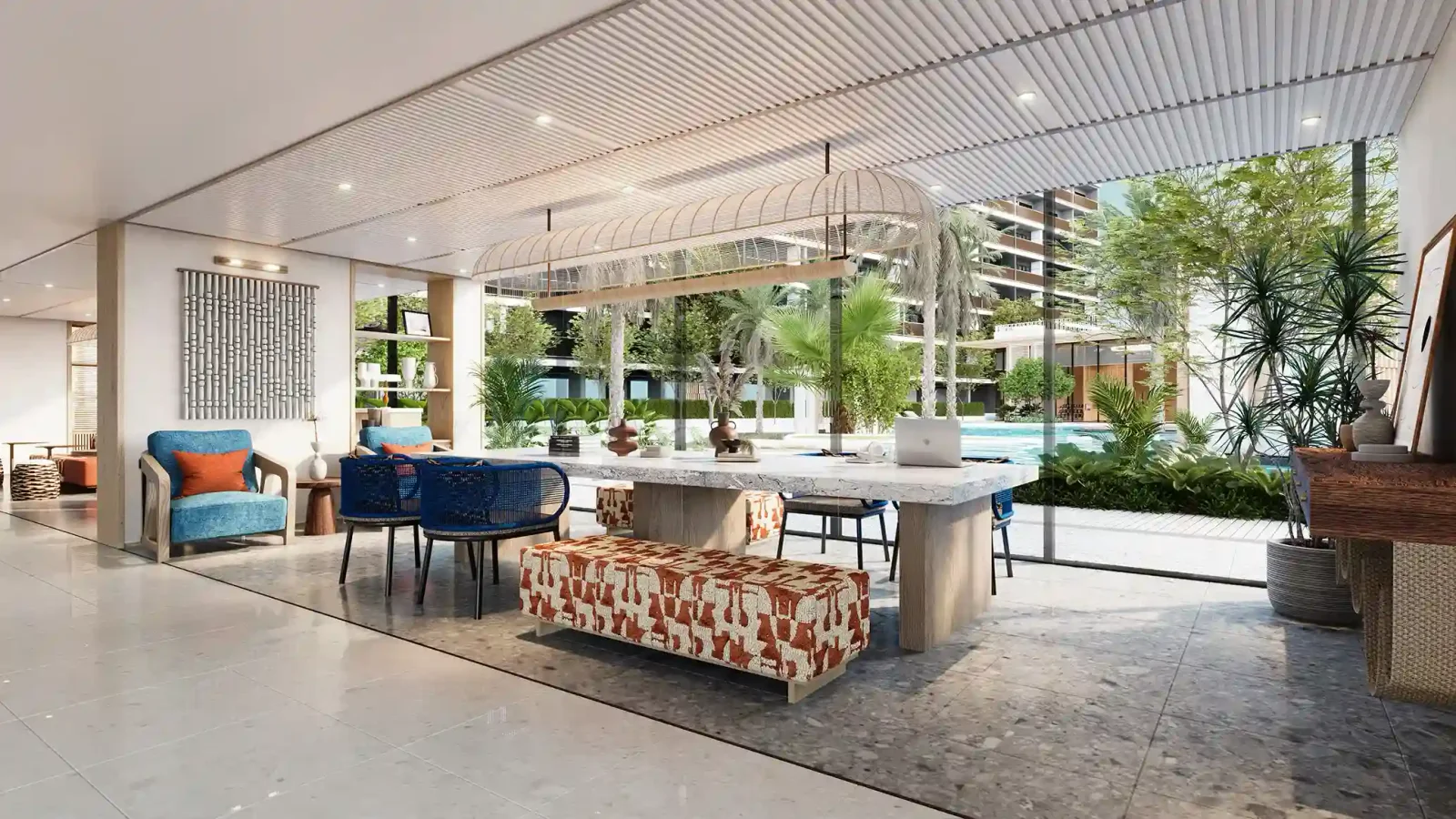
## Capital Preservation Case for Bangkok
Bangkok's prime condo market, specifically the Sukhumvit corridor from BTS Asok (E3) to Phrom Phong (E5) and the adjacent Silom/Sathorn zone, has delivered this profile for foreign buyers:
- **A domestic price floor.** Thai professional buyers are the primary purchasers of well-located Sukhumvit stock, so demand does not depend on arrivals. The appreciation rate this line used to attribute to verified resale data has been withdrawn: no such series is published for Bangkok either
- **Carry you can total before buying.** Whether rent covers holding costs is arithmetic you can do exactly, because the holding costs (common area fee, sinking fund, management, insurance) all come from documents. The gross yield band this line used to give has been withdrawn; the rent side comes from a signed lease on a comparable unit
- **Transparent pricing:** Bangkok's condo market has the most transparent secondary pricing data in Thailand, reducing valuation risk
- **Domestic demand floor:** Thai professional buyers provide constant demand for well-located Sukhumvit units, creating a price floor that doesn't exist in resort markets where demand is tourist-dependent
The appreciation and gross-yield columns this table used to carry have been
withdrawn (twelve figures, none measured) leaving the two things about a
Bangkok zone that are observable: what it costs per square metre, and how easily
it trades.
| Zone | Avg price per sqm | Liquidity | What defines it |
|---|---|---|---|
| Phrom Phong (E5) | $4,500-$6,500 | High | The established expatriate address, dense retail, direct BTS |
| Thong Lo (E6) | $4,000-$6,000 | High | Restaurant and nightlife spine; younger professional tenant |
| Asok / Nana (E3-E4) | $3,500-$5,500 | High | The BTS-MRT interchange; the most connected point in the city |
| On Nut (E7-E8) | $2,500-$4,000 | High, mostly Thai buyers | Where the Thai professional market is deepest |
| Silom / Sathorn | $4,000-$6,500 | Medium-High | The corporate district; corporate leases and a business tenant |
| Ratchada / Ladprao | $2,000-$3,500 | Medium | MRT-served, domestic, the cheapest metre of the six |
MORE Group sells in Phuket and not in Bangkok, so these price bands come from the
market rather than from our own records, treat them as orientation and check
current asking prices against listings before you rely on either end.
## Price Trends by Zone: Bangkok 2016-2026
The pandemic-era price movements this paragraph used to give for each city have been withdrawn: Thailand publishes no transaction index for Bangkok or for Phuket, so neither the fall nor the contrast was measured. This is relevant: Bangkok is more liquid but also more correlated with domestic economic conditions, meaning it fell slightly during Thailand's domestic slowdown.
The recovery claims for Phrom Phong and Thong Lo have gone the same way, for the same reason. What is structurally true and does not need a series: Bangkok's demand is domestic and employment-driven, so it tracks the Thai economy, while Phuket's is arrival-driven and tracks tourism. The two move on different cycles, which is the actual argument for holding one against the other.
Key price drivers going forward:
- **BTS and MRT expansion:** Bangkok's mass transit network continues expanding, creating new connectivity premium for zones gaining direct access
- **Domestic middle-class formation:** Thailand's growing urban professional class is the primary Bangkok condo buyer, this is a long-term demographic tailwind
- **Foreign business presence:** Bangkok remains Southeast Asia's corporate hub, maintaining corporate expatriate demand for quality rental product
## Yield vs Appreciation Tradeoff
The three-column model that stood here began with an assumed annual rent, added
an assumed appreciation rate, and reported total returns of 6%, 8.1% and 10.2%.
Two of its six rows were the withdrawn figures and the rest was arithmetic on
them, so the whole table has gone, along with the comparison it drew against
Phuket, European residential and bonds, which needed a Bangkok return to compare.
What survives is the shape of the trade-off, which is genuine and needs no
numbers. Bangkok's rent comes from one tenant on an annual lease, so the
deduction stack is short: an agency fee, the common area charge, the sinking
fund, and one changeover a year. Phuket's short-let rent comes from forty
bookings, and every one carries a cleaning charge, a platform commission and the
risk of an empty night in September. More of the gross survives to net in
Bangkok. Whether the gross itself is larger in Phuket is the part nobody
measures, which is precisely why this page will not rank them.
Build the Bangkok side like this: take the rent from a signed lease on a
comparable unit in the building, subtract the four cost lines above from their
own documents, and compare the result against your actual alternative, which
for most buyers is a deposit rate or a bond yield they already know.
## Best Bangkok Zones for Foreign Buyers
### Phrom Phong (BTS E5)
Phrom Phong is the established expatriate address on the Sukhumvit line: dense
retail at EmQuartier and Emsphere, international schools and clinics within a
short ride, and the deepest foreign resale audience of the six zones above. It
is also the dearest metre of them, at roughly $4,500 to $6,500 per square metre
on current asking prices against On Nut's $2,500 to $4,000. That band is an
asking-price observation from live listings, not a transaction index, Thailand
publishes none for condominiums, so treat it as what sellers want rather than
what buyers paid.
**Best for:** Premium buyers who want Bangkok's strongest capital preservation with the deepest buyer pool for eventual resale.
### Thong Lo (BTS E6)
Thong Lo has evolved from a mid-market zone into Bangkok's most desirable lifestyle district, home to the highest concentration of quality Japanese restaurants, boutique cafés, premium supermarkets, and design-led retail in the city. Foreign buyer demand is particularly strong in Thong Lo because the lifestyle quality resonates with international buyers who don't want to sacrifice quality for affordability.
**Best for:** Lifestyle-oriented capital preservation buyers who want the best Bangkok has to offer on a daily basis.
### On Nut (BTS E7-E8)
On Nut offers the cheapest metre of the prime Sukhumvit corridor, roughly $2,500 to $4,000 per square metre against Phrom Phong's $4,500 to $6,500, with the same BTS line into the CBD. The zone has upgraded over the past five years with new malls, better restaurant infrastructure and substantial new condominium supply. The yield band this paragraph used to attach to that supply has been withdrawn; what the supply does establish is competition, which is visible in the number of towers going up on the same stretch of road.
**Best for:** Value-oriented capital preservation with upside from continued zone upgrading.
## When Bangkok is the wrong answer
Three buyers should look elsewhere, and it is worth saying so plainly.
Anyone whose case rests on rental yield. Bangkok's figures are respectable for a large city and modest against the Thai resort markets, and a buyer comparing a Bangkok net against a Phuket gross will always be disappointed by the wrong comparison.
Anyone buying a property they intend to use. This is an income and capital asset in a working city, not a holiday home, and owners who imagined spending weeks in it usually find they would rather have bought on a coast.
Anyone with a horizon under five years. Entry and exit costs together need time to absorb, and while Bangkok's liquidity means you can sell, selling early still means selling at a loss on the round trip.
## Buying and holding in practice
The mechanics are the same as anywhere in Thailand, with two Bangkok-specific weightings.
Foreign freehold is capped at 49% of a building by total floor area, and in the prime central corridors that allowance is often committed early, so the written quota position is the first question rather than a formality. Freehold registration in a foreign name depends on the purchase money arriving from abroad in foreign currency and being converted on arrival, with the receiving bank issuing the record the Land Office requires.
Holding costs are dominated by the service charge, which on newer central towers is meaningful and rises over time. Ask for its trajectory over the last few years rather than the current figure, and read it alongside the sinking fund balance, because a building that has kept charges flat by not funding its reserve is deferring rather than saving.
Letting is straightforward: long tenancies to residents, no hotel licensing question, and management at a lower percentage than short-stay operations charge. Income tax applies on the progressive scale for an individual, and where the tenant is a company, withholding at source is creditable against the final liability.
## What capital preservation actually asks for
The phrase is used loosely, so it is worth setting out what the mandate implies before judging whether Bangkok meets it.
A capital preservation purchase is not trying to maximise return. It is trying to hold value in real terms, generate enough income to cover its own costs, and be sellable when you want to sell rather than when the market permits. Those three requirements rule out a great deal of what is marketed as investment property.
Measured against them, Bangkok does reasonably well on all three and outstandingly on none. Value in a large domestic market with continuous population pressure holds up better than in a resort market driven by visitor numbers. Income covers holding costs comfortably on well-chosen stock, though the yields will disappoint anyone comparing against Phuket gross figures. And liquidity is the strongest argument: transaction volumes are high, comparable evidence exists, and a correctly priced unit finds a buyer.
What Bangkok does not offer is upside. The scarcity story that supports beachfront land does not apply to a city that can always build another tower, and buyers hoping for the appreciation pattern of a supply-constrained resort market are in the wrong asset.
## Why Bangkok behaves differently from the resort markets
A Bangkok condominium is a different asset class from a Phuket one, and buyers who move between them without adjusting their assumptions get both wrong.
The tenant is a resident: an expatriate professional, a Thai household, a company housing staff. They sign for a year, they pay monthly, and they are choosing between your unit and the twenty comparable ones near the same station. That produces occupancy that is steady rather than seasonal, rents set by a visible local market rather than by a nightly rate, and a management burden closer to owning a flat at home than to running a small hospitality business.
The consequence is a narrower spread of outcomes. A resort unit can have an outstanding year and a poor one; a Bangkok unit lets, or it lets after a month, and the difference between a good year and a bad one is measured in weeks of vacancy rather than in the shape of the tourist season. The yield comparison this paragraph used to draw alongside that has been withdrawn, Phuket's side of it is not published, so there is nothing for the Bangkok side to be lower than.
For a capital preservation mandate that is the point. You are not buying the upside of a strong season; you are buying an asset in a large, liquid, domestically driven market where the income covers the holding costs and the capital sits in something that a great many people want to live in.
## What holds value in this market
Three characteristics do most of the work, and none of them is the developer's brand.
Proximity to a station, measured as a walk rather than a distance. Bangkok's transit network is what makes a location liveable, and a unit within a genuinely short walk of a BTS or MRT station rents and resells on a different curve from one that requires a motorbike taxi in the heat.
The building's management. A juristic person that maintains lifts, common areas and security to a consistent standard keeps a building tenantable for decades; one that does not produces a building that looks its age within ten years and prices accordingly.
Layout efficiency. Bangkok has a great deal of small stock, and units that are simply too compact to live in comfortably have a narrower tenant pool than the price difference suggests. Space that works beats space that is merely cheap.
## Red flags in a Bangkok purchase
| Red flag | What it usually means | What to check |
|---|---|---|
| A yield quoted without the service charge | Bangkok charges are meaningful on newer towers | The charge per square metre, and its trajectory |
| "Near BTS" without a stated walk | Ten minutes in Bangkok heat is not near | Walk it yourself, at the time of day tenants would |
| Heavy new supply in the same corridor | Rents compete with newer stock immediately | Pipeline within a station or two |
| Quota confirmed only by the sales office | Prime buildings run out of foreign capacity | A dated letter in square metres |
| Rental projection from launch material | Bangkok rents are set by comparable stock, not brochures | Current asking rents for the same layout nearby |
| An older building with a low charge | Common-area systems age faster than they look | Sinking fund balance and recent works |
**Insider tip:** capital preservation in Bangkok is a function of the building's tenant appeal in ten years, not its finish today. The two things that hold up are the walk to a station and the quality of the juristic person's management, and neither improves on its own.
## Risks
**Domestic cycle correlation.** Bangkok property is more exposed to Thailand's domestic economic cycle than Phuket's resort market. A Thai economic slowdown affects Bangkok professional buyer demand more directly than Phuket's international tourism base.
**Foreign buyer pool limitations.** While Bangkok has decent foreign buyer demand, it's narrower than Phuket's for resort-type investment. Foreign sellers in Bangkok often need to discount to the Thai buyer price level, which can be lower than the foreign purchase price in premium segments.
**Regulatory uncertainty.** Thailand periodically discusses changes to foreign ownership rules. While the fundamental Thai Condominium Act (49% sellable floor area foreign quota) is long-established, any tightening could affect values. This risk exists in all Thai markets.
**New supply cycles.** Bangkok sees periodic waves of new condo supply that temporarily create buyer markets. Checking current pipeline supply for your target zone before buying is essential, excess supply is the most common short-term value depressor.
## Buyer scenarios: Scenario A and Scenario B
### Scenario B: Bangkok resident with capital preservation ($250K-$400K)
Purchase 1BR in Phrom Phong or Thong Lo for personal use 6+ months per year while renting spare months to expat professionals. Expect a lower income line than a pure investment purchase, since your own use removes weeks from the calendar, and a tenant base that does not disappear with the season. No yield figure is given for either, because none is published. Qualify for 30-day visa exempt entry (one 30-day extension, from 15 September 2026) for scouting trips; long-stay requires separate visa planning, property alone does not grant residency. Pair with [currency risk guide](/guides/currency-risk-buying-property-thailand/) if income is USD/EUR denominated.
## FAQ
### What appreciation rate can foreign buyers expect from Bangkok condos?
None can be given, and the rate this answer used to attribute to verified resale data has been withdrawn, Thailand publishes no transaction index for Bangkok. What supports the capital preservation case is structural rather than numeric: a domestic professional buyer pool that does not depend on tourism, transit expansion that durably changes which addresses are convenient, and the deepest secondary market in the country. To test a specific building, ask an agent for its registered resales. Treat any percentage offered without that record as a model.
### Can foreigners buy condos freehold in Bangkok?
Yes, Bangkok condominiums are available on freehold title to foreigners under the Thai Condominium Act, subject to the building's 49% sellable floor area foreign quota. The purchase process requires transferring funds from abroad in foreign currency (documented with a Foreign Exchange Transaction form), which is straightforward. There are no restrictions on which nationalities can purchase, and the process is well-established with numerous specialist lawyers and agencies in Bangkok.
### What rental yields are realistic for Bangkok condos?
No range can be stated, and the two this answer used to give have been withdrawn: Thailand keeps no letting register for Bangkok any more than for Phuket. What you can obtain is specific, the last three signed leases in the building at your unit size, from the letting agent, with dates. Subtract the agency fee, the common area charge and the sinking fund from their own documents, and the net falls out of your arithmetic rather than out of a page.
### Is Bangkok or Phuket better for capital preservation?
Bangkok has the structural advantages for it: year-round domestic demand rather than a tourist season, twelve-month leases rather than nightly bookings, and a large domestic buyer pool that gives a resale visible comparable evidence. The total-return comparison this answer used to close on has been withdrawn. Total return needs a measured yield and a measured appreciation rate, and Phuket publishes neither (no letting register and no transaction index) so declaring one market the winner on it was arithmetic on figures nobody holds. Compare the two on tenant type, lease length, cost stack and resale depth, all of which you can verify. Many investors hold both.
### Which Bangkok zones are best for foreign property buyers?
Phrom Phong (E5) is the prestige choice, highest demand, highest resale prices, deepest foreign buyer pool. Thong Lo (E6) combines premium lifestyle quality with slightly lower prices and excellent long-term demand. On Nut (E7-E8) is the value play, BTS access, improving amenities, and prices 30-40% below Phrom Phong. Silom/Sathorn is preferred by financial industry buyers and those working in the CBD south of the river.
### What are the main risks of buying Bangkok condos as a foreigner?
The primary risks are: Thai Baht currency exposure (rental income and capital values in THB), domestic economic cycle correlation (Bangkok is more exposed to Thai economic conditions than Phuket's international tourism base), periodic new supply cycles that temporarily create buyer markets, and a narrower foreign buyer pool for resale compared to Phuket. Bangkok's legal framework and title security are strong, the risks are economic and market-based rather than legal.
**Read Also:**
- [How Foreigners Buy Phuket Property 2026](/guides/buying-property-phuket-guide/)
- [Due Diligence When Buying Property in Thailand](/guides/due-diligence-process-thailand-step-by-step/)
- [Best Areas in Phuket to Buy Property 2026](/guides/best-areas-phuket-buy-property/)
- [Bangkok Condo Investment: Worth It in 2026?](/guides/bangkok-condo-investment-guide-2026/)
- [Living in Bangkok vs Phuket Compared (2026)](/guides/living-bangkok-vs-phuket/)
# Bangkok Condo Investment: Worth It in 2026?
> Honest Bangkok condo investment guide 2026 for foreign buyers. Yields, best areas, Bangkok vs Phuket comparison, entry prices, and who should invest where.
**Source:** https://moregroup.estate/guides/bangkok-condo-investment-guide-2026/
**Section:** Investment Guides
**Author:** Maksim Shchegolev
**Published:** 2026-03-26
**Updated:** 2026-08-23
---
## Bangkok Condo Investment Guide 2026: Is It Worth It for Foreign Buyers?
> Thailand markets hub: [Bangkok vs Phuket](/thailand/bangkok/) · [Bangkok vs Phuket comparison](/comparisons/bangkok-vs-phuket-property-investors/) · [Living Bangkok vs Phuket](/guides/living-bangkok-vs-phuket/).
**Quick answer:** Bangkok fits an investor who wants an annual tenancy, one changeover a year and no season to survive. Phuket fits a buyer who wants resort demand, personal use, and the freehold condominium depth of the Andaman coast, and who can absorb a quiet May to October. The yield comparison this line used to make has been withdrawn: Thailand publishes no letting figures for either city, so the ranking was two invented numbers next to each other. MORE Group does not sell Bangkok projects; we compare the two honestly, then shortlist Phuket if that market is the fit.
The gross rental yield range this page used to open with has been withdrawn: Thailand publishes no letting series for Bangkok any more than for Phuket. Bangkok condos offer foreign investors an entry point into Thailand's largest city, from approximately $80,000 in Sukhumvit-adjacent areas, with a resident tenant base on annual leases and the stability of a capital city economy. Compared to Phuket, Bangkok delivers lower peak yields but more consistent year-round demand, no tourism seasonality, and a larger long-term expat rental market. The question is not whether Bangkok is worth investing in, it often is, but whether it suits your specific investment profile better than Phuket or other Thai markets.
## Bangkok's Property Market in 2026: Context
The market has evolved significantly post-COVID. Several trends define 2026:
Expat corporate rental demand recovery. As multinational companies re-established Bangkok operations, corporate expat housing demand, a key driver of premium condo pricing, returned strongly in 2024-2025.
Digital nomad and remote worker segment. Bangkok consistently ranks among the top global cities for digital nomads (NomadList). Monthly rental demand from remote workers sustains occupancy in well-located condos.
Infrastructure investment premium. Bangkok's BTS Skytrain and MRT Metro expansion continues. Properties within 200-500 meters of new stations appreciate above-market rates consistently.
Chinese buyer activity. Chinese investment in Bangkok property has increased post-2023, particularly in prime areas with high-end new developments.
## Bangkok vs Phuket: Honest Comparison
The two markets are not competing for the same buyer, and a comparison that ranks them on yield alone will mislead you. Bangkok is a resident city where rental demand comes from people who live and work there; Phuket is a resort island where most of it comes from arrivals. That difference produces everything else in the table below.
| Factor | Bangkok | Phuket |
|--------|---------|--------|
| Entry price (apartment) | Not on our records; we hold no Bangkok price list | Rawai from 3,032,320 THB (median 6,818,000), Bang Tao median 7,017,150 |
| Gross rental yield | Not published for Bangkok | Not published for Phuket |
| Net rental yield | Computable from a signed lease and the management terms | Computable from a manager's statements and the management terms |
| Tenant | Residents and corporate expats on annual leases | Visitors, on nights |
| Seasonality | None, year-round demand | November-April peak, some softness May-October |
| Capital appreciation (5yr) | Not published; Thailand has no transaction index for either city | Not published |
| Lifestyle appeal | Urban, restaurants, culture, transit | Beach, relaxation, resort lifestyle |
| Visa and LTR advantages | Thailand Elite visa usable | LTR visa most popular for Phuket residents |
| Foreign quota rules | Same 49% Condo Act | Same 49% Condo Act |
| Management complexity | Lower (professional agencies common) | Higher (holiday rental requires active management) |
The fundamental choice is about the shape of the income and not its size, because its size is not published for either city. Bangkok gives you one tenant, one changeover and twelve even months. Phuket gives you a season, an operator, and a property you can use yourself without the purchase looking strange. Which of those you can live with is answerable today; which of them pays better is not answerable at all.
Two lines in that table are worth reading twice. The seasonality row is the largest practical difference: Bangkok's income arrives at a fairly even rate through the year, while a Phuket unit earns most of what it earns between November and April. An investor who needs the property to cover a monthly obligation and an investor who can absorb a quiet half-year are looking at different markets, regardless of which has the higher annual figure.
The management row is the second. A Bangkok tenancy is an ordinary residential letting with one changeover a year and a professional agency market to handle it. A Phuket short-stay unit is a small hospitality business, and the gap between a competent operator and an indifferent one is worth more than the gap between two districts. That is also why the cost gap between the two markets is wider than any price gap: the Bangkok deduction stack is an agency fee and a service charge, and the Phuket one adds commission, cleaning per changeover, and vacant months.
## Best Areas to Invest in Bangkok as a Foreigner
Sukhumvit is Bangkok's most internationally recognised address. The BTS Skytrain runs the entire length, making anywhere on the line highly accessible. Sub-areas:
- **Sukhumvit 1-21 (Asok, Nana, Phrom Phong):** Premium pricing, strongest expat demand, best Airbnb performance
- **Sukhumvit 31-55 (Ekkamai, Phra Khanong):** Mid-market pricing, strong local and expat mix
- **Sukhumvit 63-107 (On Nut, Punnawithi):** Most affordable, growing demand, BTS-connected
For foreign investors, Sukhumvit offers the most internationally recognisable address and the most liquid resale market in Bangkok.
### Silom / Sathorn
**Price range:** $150K-$600K
**Gross yield:** not published for Bangkok, and no longer estimated here
**Typical tenant:** Corporate expats, finance sector professionals
Bangkok's financial district. Premium corporate rental demand, long-term leases at above-market rates from multinationals covering employee housing. Lower Airbnb activity (business-focused area). More stable income, less management complexity.
Best for: investors seeking reliable long-term tenants and corporate-managed rentals.
### Rama 9 / Ratchada
**Price range:** $80K-$200K
**Gross yield:** not published; compare the asking rents in the building against its asking prices instead
**Typical tenant:** Young Thai professionals, Chinese expats, digital workers
Rama 9 is Bangkok's "new CBD", an emerging business district 5km east of Silom. Several major headquarters have relocated here, driving residential demand. Chinese community is large and growing. Prices are significantly below Sukhumvit at comparable quality.
Best for: investors seeking higher yield and capital appreciation upside as the area continues to develop.
### Chatuchak / Mo Chit (MRT/BTS Junction)
**Price range:** $75K-$180K
**Gross yield:** not published; compare the asking rents in the building against its asking prices instead
**Typical tenant:** Students, young professionals, transit-driven demand
The BTS/MRT interchange at Mo Chit creates exceptional connectivity. Properties here benefit from both lines' networks. Chatuchak market (weekend market) adds tourism adjacency for short-term rental potential.
Best for: budget investors seeking connectivity premium without Sukhumvit pricing.
## What the Bangkok tenant actually wants
The unit that lets well in Bangkok is not the unit that lets well in Phuket, and buying the wrong one is the most common error a Phuket-experienced investor makes on their first Bangkok purchase.
Proximity to a BTS or MRT station is the single largest variable, and the effect drops off sharply with distance. A unit within a few minutes' walk of a station lets consistently and rents at a premium; the same unit fifteen minutes away, in a city where walking in the heat is genuinely unpleasant, competes on price. Measure the walk rather than trusting a listing's description of it.
Size matters differently too. Bangkok's expatriate and professional tenants take one and two-bedroom units for a year at a time, and the fittings they care about are the ones you use daily: a kitchen that works for cooking, storage, a washing machine in the unit, reliable air conditioning and somewhere to work. Holiday staging counts for nothing here.
The building's own facilities carry more weight than in a resort market, because a resident uses them all year: a proper gym, a pool that is maintained, security, and management that answers. In a city with a great deal of comparable supply, those are what separate two otherwise identical towers on the same street.
And the supply question is the one to ask before any of it. Bangkok builds a lot, and a tower with several hundred near-identical units competes first with its own neighbours. Ask what is under construction within walking distance of the same station, because that is who you will be pricing against in three years.
## Foreign Quota Rules: Same Framework as Phuket
- Maximum 49% of total floor space in a building can be foreign-owned
- FET certificate required (foreign currency wire → Thai Baht conversion)
- Land Department registration in buyer's name
However, in Bangkok, quota availability varies dramatically by project. Some premium Sukhumvit buildings have 60-80% of foreign quota already used, due to heavy prior Chinese and Japanese buyer activity. In Rama 9 and newer areas, quota is typically more available.
Always confirm foreign quota availability before committing to any Bangkok building.
## Bangkok Rental Market: What to Realistically Expect
Start with what is not on offer. Stays under 30 days are hotel business under the Thai Hotel Act unless the building holds a hotel licence, and that is national law rather than a Phuket rule. In Bangkok it bites harder, because the stock was built for residents:
- Some buildings explicitly prohibit Airbnb in juristic rules
- Management companies increasingly enforce restrictions
- This creates ongoing regulatory uncertainty for investors relying on short-term yield
Investors who rely on Airbnb for Bangkok yield should verify the building's rules and local enforcement practice carefully.
### Long-Term (Monthly Rentals)
Bangkok's strongest suit for foreign investors is the monthly rental market:
- 6-12 month leases to expatriates or Thai professionals
- Lower management intensity than daily rentals
- More predictable income
- Easier legal standing (monthly rentals are universally accepted)
Advertised monthly asking rents in prime Bangkok areas, converted at 32.7 THB to the dollar. These are asking rates from listings, not achieved rents: no Thai city publishes what a tenancy actually signs at, and the discount from asking to signed is the agent's to tell you.
- Studio, Asok-Phrom Phong: 18,000-30,000 THB/month (about $550-$917)
- 1BR, Sukhumvit: 25,000-55,000 THB/month (about $765-$1,682)
- 2BR, Silom: 40,000-100,000 THB/month (about $1,223-$3,058)
Treat the top of each band as the exception it is. The way to convert an asking rent into an income figure you can rely on is to ask the letting agent for the last three signed leases in that building at that size, with the dates, and to ask the juristic person how many units in the building are currently listed.
### Corporate Relocation Rental (Premium)
For premium Silom and Sathorn units, corporate relocation tenants (multinationals paying for senior employee housing) take one- and two-year leases at the upper end of the asking bands. The advantage is the covenant rather than the rate: a company pays on time and renews on a schedule. The risk is concentration, and it is checkable: ask the letting agent what share of the building's tenancies are corporate and whether one employer accounts for many of them.
## Capital Appreciation: Bangkok vs Phuket
The five-year appreciation comparison against Bang Tao this sentence used to make has been withdrawn, and so is the ranking that followed it. Thailand publishes no transaction index for either city, so nobody can say which appreciates faster, or by how much, or whether either did. What can be said is what drives the two: Bangkok values track employment, salaries and the transit network, and Phuket's track arrivals. Those are different cycles, which is a real argument for holding one of each and no argument at all about which returns more.
**Key appreciation driver:** Infrastructure. New BTS and MRT stations reliably lift values in the areas around them, which is one of the few things about Bangkok property that is visible without a published index, watch the station pipeline rather than a percentage, over the 2-3 years around opening. Tracking planned station openings is the best Bangkok investment strategy for capital growth.
## Practical Buying Guide for Bangkok
The sequence is the same as Phuket's, because the law is national. What differs is the order of the checks: quota is scarcer in prime Bangkok buildings than in most Phuket ones, so it comes before the shortlist rather than after it.
**Step 1:** Fix the budget in Thai baht rather than in dollars, and fix the letting model with it, an annual tenancy or nothing, in most Bangkok buildings. The unit that suits a twelve-month corporate tenant is not the unit that suits a holiday guest, and choosing the tenant first removes most of the market from consideration.
**Step 2:** Shortlist buildings with available foreign quota. Verify quota status before any offer.
**Step 3:** Engage a Bangkok property lawyer for title deed verification and SPA review.
**Step 4:** Wire purchase funds from overseas account to generate FET certificate.
**Step 5:** Execute PoA if not attending transfer in person (Bangkok Land Department accepts same apostilled PoA process as Phuket).
**Step 6:** Register with a property management company. Bangkok has excellent management agencies with transparent fee structures (typically 10-20% of rental income).
## Red flags and due diligence checklist
- **Foreign quota** on the exact unit, not just the building marketing deck
- **FET certificate** path for overseas transfers, no shortcuts on currency reporting
- **Sinking fund health** and pending special assessments in older towers
- **Short-term rental rules** in the juristic person minutes, some buildings restrict Airbnb-style lets
- **Developer completion** on off-plan stock, Bangkok has quality tier-1 stock and distressed tier-3 stock in the same district
- **Resale comparables** in the same building, liquidity differs block to block
If Bangkok research convinces you that **island resort exposure** fits better, request a [Phuket shortlist](/get-shortlist/), that is where MORE Group operates with 0% buyer commission.
## Buyer scenarios: which market fits
Take the income-first investor who needs monthly reliability. Bangkok, in most cases, and the reason is the shape rather than the size: twelve months of an annual tenancy against six strong months and six thin ones, one changeover a year instead of forty, and an agency market that makes remote ownership straightforward. The appreciation comparison that used to close this paragraph has been withdrawn; no index exists for either city.
Then the investor optimising total return over a long hold. Total return cannot be computed here, because neither of its two components is published, so the honest version of this scenario is about exposure rather than about outcome: Phuket is a bet on international arrivals to one island, Bangkok on employment in a capital city of eleven million. The requirement on the Phuket side is tolerance for a seasonal income curve and a willingness to choose the operator as carefully as the unit.
Then the buyer who will actually use the property. This is where the decision usually settles itself. A Bangkok condominium used four weeks a year is an odd purchase; a Phuket unit used four weeks a year is a normal one, and the yield model should simply be built after those weeks are removed from the calendar.
And the buyer who holds both. Some investors run a Bangkok unit for steady monthly income and a Phuket unit for seasonal upside and personal use. That is coherent portfolio thinking and it requires underwriting each separately, in its own market, with its own management, rather than treating one as a hedge for the other.
## Transfer costs and holding costs in Bangkok
Transfer costs are statutory and national, so they are the same in Bangkok as in Phuket and can be stated exactly: 2% of the appraised value as the transfer fee at the Land Office, 1% withholding tax where the seller is a company, 3.3% specific business tax if the seller has held for under five years or 0.5% stamp duty where it does not apply. Who pays which line is negotiable and is settled in the SPA, not by custom, so put it in writing. On a new build the developer's standard terms usually split the transfer fee and load the rest onto the buyer; read the clause rather than assume the split.
Holding costs are the recurring side and are set by the building, not by statute: the common area charge per square metre per month, the sinking fund, and any special assessment the juristic person has voted. Ask for the last two years of accounts and the minutes. In an older tower those minutes are where a pending facade or lift replacement first appears, months before it reaches an owner's bill.
Holding costs also include property tax (relatively modest on condos), insurance on contents if you furnish, and agent renewal fees on long lets. Unlike Phuket holiday lets, you rarely pay platform commissions on 12-month corporate leases, but you may grant one month free rent on renewal to retain quality tenants.
## Frequently Asked Questions
**Read Also:**
- [Thailand markets, Bangkok hub](/thailand/bangkok/)
- [Bangkok vs Phuket for investors](/comparisons/bangkok-vs-phuket-property-investors/)
- [Buying Property in Phuket](/guides/buying-property-phuket-guide/)
- [Due Diligence Guide](/guides/due-diligence-process-thailand-step-by-step/)
- [Freehold vs Leasehold Thailand](/guides/freehold-vs-leasehold-thailand/)
- [Phuket Rental Yield Guide](/guides/phuket-rental-yield-complete-guide-2026/)
- [Best Areas to Buy in Phuket](/guides/best-areas-phuket-buy-property/)
Our own inventory and transaction work is in Phuket, and this page exists so the comparison is honest rather than one-sided. Where Bangkok is the better fit for what you need, we will say so; where a client is weighing the two, we model both on the same basis before recommending either.
{/* corpus-faq:bangkok-condo-investment-guide-2026 */}
## What a Bangkok purchase requires that a Phuket one does not
The mechanics of buying are the same across Thailand, the 49% foreign-quota
limit measured by floor area, the FET certificate for inward funds, the Land
Office transfer, but three things about Bangkok change how you should approach
the choice.
**The station is the asset.** In a city of this size, walking distance to a BTS
or MRT entrance does more to determine both rent and resale than the finish of
the unit. Measure it yourself on foot, at the hour your tenant would travel,
rather than trusting a "5 minutes to BTS" in the listing. A covered walkway in
the rainy season is worth more than a swimming pool.
**Supply is continuous rather than seasonal.** Bangkok delivers new
condominium stock steadily and in volume, which means your unit competes with
next year's launches as well as this year's resales. Check what is under
construction within a kilometre before you commit, because the building that
will undercut you at resale may not have broken ground yet.
**The tenant is a company as often as a person.** Corporate leases for expatriate
staff are a substantial part of prime Bangkok letting, and they behave
differently: longer terms, agency involvement, furnishing standards set by an
HR policy rather than by taste, and a renewal decision made in another country.
Ask the letting agent what share of the building's tenancies are corporate, and
whether any single employer accounts for many of them. Concentration is a risk
that does not appear in any rent figure.
None of that is measurable as a return. All of it is checkable in an afternoon,
which is the whole argument of this guide.
## FAQ
### How does Bangkok differ from Phuket as an investment?
They move on different drivers. Bangkok's rental demand is domestic and corporate, driven by employment and salaries, with monthly tenancies and minimal seasonality. Phuket's is international tourism, driven by nightly rates and occupancy that swings sharply between seasons. Bangkok is also far more interest-rate sensitive, because a much larger share of its buyers borrow.
### What yields should a foreign buyer expect in Bangkok?
No expectation can be set, because Thailand publishes no letting figures for Bangkok any more than for Phuket, and any percentage quoted at you is a model. What is structurally true is that a Bangkok long let has a shorter deduction stack than a Phuket short let: no per-changeover cleaning, no platform commission, no seasonal vacancy and no dependence on a hotel licence. Build the number yourself from a signed lease and the management terms, on comparable units in the same building.
### Does the 49% foreign quota work the same way in Bangkok?
Yes. The Condominium Act is national, so the rule is identical: freehold ownership by foreigners is limited to 49% of a building's total floor area, measured by area rather than unit count and consumed as foreign buyers register. Confirm it in writing, dated, in square metres remaining, for your specific unit.
### What matters most when choosing a Bangkok building?
Distance to a mass transit station, measured as a walk rather than as a straight line. Bangkok's rental market prices proximity to the BTS and MRT more heavily than almost any other factor, and a ten-minute walk in the heat is a materially different product from a three-minute one at the same nominal distance.
### Is short-let income possible in Bangkok?
Legally it faces the same constraint as anywhere in Thailand: stays under 30 days are hotel business under the Thai Hotel Act unless the building holds a hotel licence, and condominium house rules can prohibit short lets independently. Bangkok buildings are generally less oriented to short letting than Phuket resort stock, so underwrite a monthly tenancy as the base case.
# Bank Transfers Thai Property Deals Guide (2026)
> How to transfer money to Thailand for property: SWIFT wording, FET certificate, bank fees, exchange-rate risk and mistakes to avoid.
**Source:** https://moregroup.estate/guides/bank-transfers-thai-property-deals/
**Section:** Investment Guides
**Author:** Maksim Shchegolev
**Published:** 2026-03-27
**Updated:** 2026-08-23
---
## The three ways a transfer goes wrong
Almost every failed or delayed property transfer into Thailand fails in one of three ways, and all three are avoidable at no cost if they are checked before the money moves.
The first is that the name does not match. The Land Department needs the inbound funds to correspond to the person taking title, and the certificates are checked at the counter on transfer day rather than in advance, so a mismatch surfaces at the worst possible moment; our [Land Office process guide](/guides/typical-closing-costs-thailand/) sets out what actually happens on the day. Money sent from a spouse's account, a company account, a friend helping out, or an intermediary produces a record naming somebody else, and that becomes a registration problem on the day of transfer with the deposit already paid. Send from an account in the name that will appear on the deed, or take advice in advance on how to document a gift or loan properly.
The second is that the currency was converted too early. Registration of freehold title to a non-resident requires evidence that foreign currency entered Thailand and was converted onshore. Baht that arrives already converted abroad does not produce that evidence. Send the foreign currency and let the receiving Thai bank convert it.
The third is that the purpose was never stated. Banks code inbound transfers by purpose, and a transfer coded generically can be harder to attach to a property purchase later. State that the remittance is for the purchase of property and confirm with the receiving branch what wording they need before sending.
None of these are exotic. They account for the large majority of the problems buyers encounter, they cost nothing to prevent, and every one of them is expensive to fix after the fact.
## Bank Transfers for Thai Property: Complete Guide for Foreign Buyers
**Quick answer:** foreign buyers normally transfer money to Thailand by SWIFT in foreign currency so the Thai bank can issue a FET certificate. Without the right transfer wording and documentation, a freehold condo transfer can be delayed at the Land Office.
International bank transfers (SWIFT) are the standard payment method for foreign property buyers in Thailand. A typical transfer costs $20-50 in bank fees, takes 2-5 business days, and generates a Foreign Exchange Transaction (FET) certificate from your Thai bank, which is required to register freehold condo ownership. The transfer must be sent in a foreign currency (USD, EUR, GBP, etc.) from an overseas account directly related to the purchase.
## Why Bank Transfers Are the Preferred Method
The [FET certificate](/guides/proof-of-funds-thailand-property/) (Foreign Exchange Transaction certificate, also called Thor Thor 3) is issued by your Thai bank when it receives an international wire in foreign currency. Without this document, you cannot register a condominium unit in your name as a foreign freehold owner at the Land Office.
Other benefits of bank-to-bank SWIFT transfers:
- Fully documented audit trail (essential for tax purposes in your home country)
- Recognized by all Thai developers and the Land Office
- Reversible in cases of fraud (unlike crypto or cash)
- Covered by bank-to-bank liability frameworks
## How SWIFT Transfers Work for Thai Property
### Step 1: Gather Recipient Bank Details
You need the following to send a SWIFT transfer to Thailand:
| Field | What You Need | Example |
|-------|--------------|---------|
| Bank Name | Thai receiving bank | Bangkok Bank PCL |
| Bank Address | Branch address | 333 Silom Road, Bangkok |
| SWIFT/BIC Code | 8-11 character code | BKKBTHBK |
| Account Name | Exact name | [Developer Company Name] Co. Ltd. |
| Account Number | Thai bank account number | 10-digit number |
| Reference | Purpose of payment | "Property purchase - Unit 504, [Project Name]" |
**Critical:** Get recipient bank details directly from the developer's official invoice or contract. Never use details received via email without calling the developer to verify, property purchase wire fraud is a real threat.
### Step 2: Initiate the Transfer from Your Bank
Most major banks allow international wire transfers through:
- Online banking portal (most convenient)
- Mobile banking app (available with most major banks)
- Branch visit (required for some large amounts)
- Telephone banking
**Amount to send:** Send the exact invoice amount. If the developer invoices in THB (e.g., 1,500,000 THB), you can either:
a) Send the equivalent in USD/EUR (your bank converts at their rate)
b) Convert first using a currency service, then send THB equivalent, but this complicates FET documentation
For cleanest FET documentation, send in foreign currency and let the Thai bank convert.
### Step 3: Add the Correct Reference
The payment reference (remarks/purpose field in your wire form) should clearly state the purpose. This affects whether your Thai bank issues a proper FET certificate.
**Use:** "Property purchase - [Project name] - Unit [number]"
Avoid vague references like "Investment" or "Personal", these may lead to incorrect FET classification.
### Step 4: Track the Transfer
International SWIFT transfers typically take:
- Same-day or next day: Within the same banking group (e.g., Citibank to Citibank Thailand)
- 2-3 business days: Between different major banks
- 3-5 business days: Smaller banks, unusual currency pairs
- Up to 7 days: Transfers through multiple correspondent banks
Your bank should provide a SWIFT confirmation number (MT103). Keep this, it's your proof of transfer and helps trace the payment if it doesn't arrive.
### Step 5: Request the FET Certificate Immediately
Once the transfer arrives in Thailand, contact the receiving Thai bank and request the FET certificate (Thor Thor 3 form). This is critical, do not delay.
"I need a Foreign Exchange Transaction certificate for the transfer received from [your name] on [date]."
The bank will issue the FET certificate reflecting the foreign currency amount received and the THB conversion. Keep the original safely.
### Step 6: Confirm Receipt with Developer
After the transfer, send the developer:
1. Screenshot or PDF of your bank's wire confirmation
2. SWIFT MT103 confirmation (if available)
3. Expected arrival date
This prevents any misunderstanding about payment timing and creates a record of your payment intent.
## Exchange Rate Optimization
**Options for better exchange rates:**
**1. Currency exchange services (Wise, CurrencyFair, OFX)**
Services like Wise typically offer exchange rates 0.5-1.5% better than high-street banks, with lower fees. However, using these for Thai property requires careful handling to ensure FET certificates are issued correctly. Best approach: use Wise to send to a Thai bank account in your name, then the Thai bank issues the FET.
**2. Forward contracts**
If you know you'll need to transfer a large sum in 3-6 months (for example, at SPA signing), some currency brokers offer forward contracts, locking in today's rate for a future transfer. Useful if you believe the rate will move against you. Minimum typically $10,000-25,000.
**3. Time the transfer**
Exchange rates fluctuate throughout the day and week. Setting a rate alert through your bank or a currency app and transferring when the rate is favorable can save meaningful amounts on large transfers. See [exchange rate risk when buying Thailand property](/guides/buying-property-phuket-guide/) for timing strategies.
**4. USD pricing**
Many Phuket developers price in USD, which means your purchase price is denominated in dollars. If you're a USD earner, this eliminates conversion risk, you simply transfer dollars.
## Alternative Payment Methods and Their Limitations
### Currency Exchange Services (Wise, CurrencyFair)
These services offer better rates but add complexity to FET documentation. Wise now offers large transfers and has a Thai bank account structure. Consult your Thai lawyer on the correct procedure for using these services if you want both rate efficiency and clean FET documentation.
### Cryptocurrency
Some Phuket developers accept crypto (Bitcoin, USDT) for reservations or even full purchases informally. However, crypto payments do not automatically generate FET certificates. If you want to use crypto, the developer must convert to fiat currency and you need to establish the FET paper trail from the conversion. Always clarify the Land Office documentation process with the developer before paying in crypto.
### Cash
Technically possible for smaller amounts but impractical for property purchases:
- Cash over $10,000 must be declared at Thai customs on entry
- No FET is generated for cash deposits
- Thai banks may scrutinize large cash deposits and require AML documentation
- Developers increasingly decline cash for compliance reasons
## Common Mistakes When Transferring for Thai Property
Six errors account for most of the trouble, and all six are cheap to avoid in advance and expensive or impossible to fix afterwards.
1. **Converting to baht before sending.** The foreign currency has to arrive in Thailand and be converted here for the Land Office record to exist. Send baht and there is nothing for the receiving bank to record.
2. **A sender who is not the buyer.** A spouse's account, a parent helping with a tranche, a company account. The record names whoever sent the money, and the title needs to name the same person.
3. **Tranches below the threshold.** At or above USD 50,000 the record is issued as a matter of course; below it you receive a credit advice and must request the record specifically. Several small transfers can leave you with several advices and nothing registrable.
4. **A vague or wrong purpose on the wire.** The stated purpose should be the purchase of the specific property. "Family support", "investment" or a blank field produces a document that does not do the job.
5. **Paying the developer or an escrow account directly without arranging the record first.** The payment completes; the document that registers it may not be issued in your name. Confirm with the receiving bank before, not after.
6. **Not keeping the certificates.** Repatriation at sale is capped by what you documented coming in. A record from years ago cannot be reissued.
The common thread is that every one of them is a question you can put to the receiving Thai bank in a single email before the first transfer. Buyers who lose money here almost never lost it to a bad exchange rate.
## Buyer scenarios: which transfer route fits your case?
An off-plan buyer paying in milestones has the most moving parts. Treat every installment as a separate compliance event. The first reservation fee can sometimes be paid by card, but each material construction payment should preserve the FET trail. Create a folder for SWIFT receipts, developer invoices, bank credit advices, FET certificates, and currency conversion confirmations. At handover, you do not want to reconstruct two years of transfers from scattered emails.
A buyer using a currency broker faces one specific question. Currency services can save meaningful FX spread, but the money trail becomes more sensitive. Before sending large funds through Wise, OFX or a private FX desk, confirm whether the receiving Thai bank will still document the inbound funds as foreign currency for property purchase. If the Thai bank sees a domestic THB transfer instead of foreign currency converted in Thailand, the Land Office document set may become weaker.
Funding from a company account changes the paperwork. This can work, but it needs extra explanation. The developer, bank and lawyer may ask why the payer is not the individual buyer. If the company is owned by the buyer, prepare board approval or an accountant letter. If the company is unrelated, do not proceed without legal guidance because AML questions can delay transfer.
A family-funded purchase is the case that most often goes wrong. Parents or relatives often help with down payments. That is normal, but the documentation should be planned from the start: gift letter, proof of source of funds, and a clear relationship between payer and buyer. If the property will be registered in the buyer's name, the lawyer should confirm how the FET certificate will reflect the payment source.
## Risk checklist before you send money
| Check | Why it matters |
| --- | --- |
| Buyer name matches contract | Reduces FET and Land Office friction |
| Beneficiary name is exact | Prevents bank rejection or manual repair |
| Purpose field says property purchase | Helps Thai bank issue the correct FET record |
| Currency is foreign currency, not THB | Required for clean foreign quota documentation |
| Invoice and payment schedule are signed | Confirms you are paying the right tranche |
| Lawyer has reviewed the SPA | Avoids wiring into a weak contract |
| Transfer buffer is 5 business days | Protects you from correspondent bank delays |
The biggest mistake is treating the transfer as “just payment.” In Thailand property, the transfer is also an ownership document. If the funds are routed poorly, the price may be paid but the paperwork can still be messy.
## Decision framework: cost saving vs documentation quality
1. **FET certainty:** will the Thai bank issue a Land Office-ready certificate without debate?
2. **Traceability:** can you prove sender, source, purpose and conversion path?
3. **Timing reliability:** will the money arrive before the installment deadline?
4. **Total cost:** wire fee, correspondent fee and FX spread combined.
A route that saves $600 but creates a documentation fight before transfer is not cheap. Conversely, using a traditional bank with a worse spread may be acceptable for the final freehold transfer if it makes the Land Office file simpler. The best structure is often hybrid: negotiate FX carefully, but never sacrifice documentary clarity.
For the wider legal sequence, read [due diligence process in Thailand](/guides/due-diligence-process-thailand-step-by-step/) and [how contracts work in Thailand](/guides/buying-property-phuket-guide/). If your purchase is off-plan, cross-check transfer timing against [off-plan property in Phuket](/guides/off-plan-property-phuket-guide/) and [payment milestones for off-plan property](/guides/off-plan-property-phuket-guide/).
## FAQ
### How long does a bank transfer to Thailand take?
Most international SWIFT transfers to Thailand arrive within 2-3 business days between major banks. Transfers involving smaller or regional banks, unusual currency pairs (e.g., smaller European currencies), or those going through multiple correspondent banks may take 4-7 business days. Always initiate transfers at least 5 business days before any payment deadline to allow for delays.
### Do I need a Thai bank account to transfer money for property in Phuket?
You don't need a Thai bank account to make payments, you can transfer directly to the developer's bank account. However, having a Thai bank account in your own name makes the FET certificate process cleaner and gives you more control over timing and documentation. It also simplifies ongoing costs like maintenance fees, utility bills, and management fees after purchase.
### Can I transfer money to Thailand in installments for an off-plan property?
Yes, and this is the standard process for off-plan purchases. Each milestone payment is a separate international transfer, and each transfer should generate its own FET certificate. The FET certificates from all transfers are accumulated and presented together at the Land Office title transfer at handover. Keep every FET certificate organized from the first payment.
### What is the maximum amount I can transfer to Thailand without restrictions?
Thailand has no upper limit on incoming foreign currency transfers from overseas. There are reporting requirements (SWIFT naturally documents these), but no caps. Your home country may have outgoing transfer reporting requirements, in the US, transfers over $10,000 may trigger bank reporting, and you may need to report foreign accounts/assets over certain thresholds on FBAR/FATCA forms. Consult a tax advisor in your home country.
### Can I get the transfer fee refunded or reduced?
Some banks reduce or waive international wire fees for premium account holders or on transfers above certain amounts. If you have a private banking or wealth management relationship with your bank, ask specifically about fee waivers for property purchase transfers. Currency exchange services like Wise are also significantly cheaper than traditional banks, $4-8 flat fee vs $25-50, though the FET documentation process requires careful handling.
**Related Guides:**
{/* corpus-related:bank-transfers-thai-property-deals */}
- [Proof of Funds for Thailand Property: FET Certificate Guide](/guides/proof-of-funds-thailand-property/)
- International Transfers for Thai Property
- [Exchange Rate Risk When Buying Thailand Property](/guides/buying-property-phuket-guide/)
- Common Mistakes in Cross-Border Payments for Thai Property
- [Off-Plan Payment Milestones in Thailand](/guides/off-plan-property-phuket-guide/)
## What goes in the reference field
For a foreign freehold purchase, the wire itself is only half the job; the paperwork attached to it is what the Land Department reads. Transfers to non-residents normally require evidence of foreign currency remitted into Thailand, and the receiving bank issues that evidence based on how the payment was described. Send the funds in foreign currency and let the Thai bank convert them, rather than converting first, and state the purpose as the purchase of the specific unit with the buyer named as the beneficiary. A wire that arrives with a vague reference can still be traced, but it turns a routine step into weeks of correspondence.
# Banyan Group Residences Phuket: Developer
> Laguna, Angsana, Cassia, Garrya and Banyan mapped: entry $160K-$12.0M, the fee each programme charges, and who should buy branded. Independent review.
**Source:** https://moregroup.estate/guides/banyan-group-developer/
**Section:** Investment Guides
**Author:** Maksim Shchegolev
**Published:** 2026-03-26
**Updated:** 2026-10-05
---
{/* corpus-imports:banyan-group-developer */}
## Banyan Group Residences Phuket: Developer Review 2026
As of October 2026, Banyan Group is the developer behind every branded residence in the Laguna Phuket estate in Bang Tao, with prices on our price list ranging from THB 5.75M (approximately $160K) for a secondary-market Cassia studio to about $12.0M for a beachfront Banyan Tree Oceanus residence. It is one of Asia's most recognised international hotel and residential development groups, with brands spanning ultra-luxury beachfront estates to wellness condominiums and lifestyle apartments. The group operates six distinct residential brands under the Banyan Group umbrella, each targeting a different buyer segment and yield profile.
This independent review covers the complete brand portfolio, every active Phuket project, verified price-per-sqm data, realistic yield expectations, a direct comparison with competing developers, and a clear framework for matching your investment objective to the right product.
## Who Is Banyan Group?
In 2023 the group formally rebranded from Banyan Tree Holdings to **Banyan Group**, signalling the shift from a single flagship brand to a diversified multi-brand platform. The rebranding aligned with the group's stated strategy of growing its asset-light management model - managing and branding properties owned by third parties - while continuing to develop its own flagship projects in core markets including Phuket.
Corporate overview at a glance:
| Metric | Detail |
|---|---|
| Full name | Banyan Group Pte. Ltd. (operating entity); SGX-listed via Laguna Resorts and Hotels PLC (SET) |
| Founded | 1994 in Singapore |
| Founder / Chairman | Ho Kwon Ping |
| Stock exchange | SGX (BTH); Laguna Resorts on SET (LHHOTEL) |
| Estimated market cap | SGD 600M+ (Banyan Group + Laguna combined) |
| Active brands | Banyan Tree, Angsana, Garrya, Cassia, Dhawa, Homm, Folio, Bellaguna |
| Properties under management | 50+ globally, 24+ countries |
| Phuket development hub | Laguna Resorts and Hotels PLC (SET-listed since 1993) |
| Thailand footprint | Phuket flagship + Koh Samui |
The key Phuket entity is **Laguna Resorts and Hotels PLC**, a Thai company listed on the Stock Exchange of Thailand (SET) that co-develops and manages the 1,000-acre Laguna Phuket estate. The dual listing (SGX + SET) provides regulatory oversight from two of Asia's most reputable stock exchanges and creates meaningful accountability for development timelines and financial commitments that off-plan buyers benefit from directly.
## Brand Portfolio: Every Banyan Group Residential Tier Explained
Banyan Group's greatest competitive advantage in Phuket is its ability to serve buyers across a 75× price range through distinct brands - each with its own positioning, management infrastructure, and rental programme. Understanding the brand hierarchy is the single most important research step before committing to any Banyan Group purchase.
| Brand | Tier | Price Range (Phuket) | Best For |
|---|---|---|---|
| Banyan Tree | Ultra-premium | THB 93.8M-391M ($2.9M-$12.0M) | HNW / UHNW capital preservation |
| Angsana | Luxury resort-residential | From $1.4M secondary | Affluent lifestyle buyer |
| Garrya | Wellness luxury | $430K-$1.9M | Wellness-focused investor |
| Cassia | Lifestyle affordable | $160K-$375K secondary | Entry-level investor / yield seeker |
| Dhawa | Boutique lifestyle | Mid-range (TBA, new brand) | Younger affluent buyer |
| Bellaguna | Premium lakeside | TBA - Laguna Lakelands phase | Mid-HNW lifestyle investor |
### Banyan Tree: Ultra-Luxury at the Top
The flagship brand remains the defining product of the entire group. Banyan Tree properties are built around the principles of privacy, bespoke service, and cultural integration. Every villa or residence carries the full weight of the Banyan Tree hospitality infrastructure: 24-hour concierge, in-villa dining, and direct access to the Banyan Tree Spa network.
In Phuket, the active **Banyan Tree Beach Residences** series - Oceanus (16 units, from about $4.9M) and Varuna (10 units, from about $3.3M) - sits directly on Bang Tao Beach with private pool residences, the Oceanus four-bedrooms running from 416 to 768 sqm. At a median of about 452,000 THB (roughly $13,800) per sqm, Oceanus is the most expensive residential product currently available in northwest Phuket. The **Banyan Tree Grand Residences Sirena** (40 units, 2026 delivery) adds a garden estate product to the Laguna Phuket portfolio priced below Oceanus but still firmly in the premium THB 30M+ category.
These units are not yield instruments. They are trophy assets with a managed rental programme attached, for which the developer states approximately 5% gross, according to the developer's programme materials. The primary investment case is capital preservation in a USD-denominated asset within an internationally recognised brand ecosystem - plus personal use rights that can be substantial.
### Angsana: The 4-Star Resort-Residential Sweet Spot
Angsana is positioned as "accessible luxury" - a 4-star resort experience with Banyan Group service DNA but without the ultra-premium price tag. In Phuket, **Angsana Oceanview Residences** (33 residences, completed) represents the brand. Secondary-market pricing starts from approximately $1.4M for a two-bedroom oceanview unit of 209 sqm, and the residences run from about 173 to 400 sqm.
Angsana Phuket has been operating as a resort since 2002, giving the residential product direct access to an established hotel operation with 20-plus years of occupancy data. Comparable managed pool units have historically earned 5-7% gross on Angsana Oceanview secondary-market purchases, and approximately 3.5-4.5% net after Banyan Group's management fee. The twenty-plus years of pool operation behind it also mean the operator holds owner statements.
The Angsana brand globally manages 50+ properties, which means the OTA distribution, loyalty programme (Banyan Group membership), and reservation infrastructure serving your Phuket unit are mature, tested, and globally scaled. For a buyer with a $1.4M-$2.6M budget seeking a proven managed product in an established resort, Angsana Oceanview is the most defensible choice in the Bang Tao market.
### Garrya: Wellness Luxury Positioned for the Next Decade
Garrya is Banyan Group's fastest-growing brand globally, built explicitly around the wellness real estate mega-trend. The brand integrates preventive health architecture, spa programming, and mindfulness-oriented design into the property itself - not as an amenity add-on but as the core product differentiator.
**Residences at Garrya Phuket** (38 units, priced from $430K) is currently under construction with delivery scheduled for Q2 2027. The project sits 200m from Bang Tao Beach on a parcel within the Laguna Phuket boundary, giving owners full access to the Laguna lifestyle infrastructure - golf course, beach club, Boat Avenue retail - on top of the Garrya wellness programming.
See the [Residences at Garrya Phuket project review](/projects/garrya-residences/) for unit mix, payment plan, and delivery timeline.
Unit sizes run from 52 sqm studios at $430K to 210 sqm three-bedroom residences approaching $1.9M. The price-per-sqm of approximately THB 297,000 ($8,300) represents a 60-70% premium over non-branded Phuket luxury condominiums at equivalent beachfront distances, but it tracks in line with other internationally branded wellness residences in Southeast Asia. Comparable wellness-branded managed pools in Laguna have historically earned 6-8% gross. The case for Garrya is strongest for buyers who value the wellness brand differentiation in their personal use and are comfortable with the 30-40% management fee on rental income.
### Cassia: The Yield-Accessible Entry Point
Cassia is the brand that makes Banyan Group economics accessible to investors who would never consider a $4M+ villa. **Cassia Phuket** (104 units, completed 2019) operates as a fully licensed hotel-managed apartment complex within the Laguna estate, offering studio and one- to two-bedroom units from THB 5.75M (approximately $160K) on the secondary market.
The core investment thesis for Cassia is simple: it is the only Banyan Group residential product in Phuket with a multi-year verified operational track record. Every other project is either newer or under construction. Cassia owners who participate in the managed rental pool benefit from Banyan Group's global booking infrastructure, Laguna Phuket's established tourist traffic, and on-site hotel-standard management. Active pool participants have historically achieved gross yields of 6-8%. A full investment breakdown is provided in the dedicated Cassia section below.
### Dhawa: Boutique Lifestyle for Younger Affluent Buyers
Dhawa is Banyan Group's boutique lifestyle brand, positioning itself as design-forward, culturally immersive, and social-oriented in contrast to Banyan Tree's traditional exclusivity. The brand targets younger HNW buyers and digital nomads in the $200K-$800K range. No confirmed Phuket Dhawa residential launch exists as of mid-2026, but the brand is part of Banyan Group's stated expansion roadmap for the Laguna Phuket estate.
### Homm: Urban Aparthotel Brand
Homm operates as an extended-stay aparthotel brand primarily in Bangkok and other Thai gateway cities. Its Phuket applicability is limited at this stage; it is included here for completeness as part of the broader Banyan Group ecosystem that buyers may encounter when researching the group.
### Bellaguna: The Incoming Premium Lakeside Play
Bellaguna is Banyan Group's newest residential brand, conceived specifically for the $2 billion **Laguna Lakelands** masterplan announced in February 2024. Laguna Lakelands is a proposed 2,200-unit lakeside residential development adjacent to the existing Laguna golf course and lake system, representing a major new chapter in the estate's evolution. Bellaguna will be the primary brand for mid-HNW buyers targeting the $500K-$3M lakefront segment. No pricing or launch dates have been confirmed as of June 2026, but the Lakelands project represents the largest single expansion of the Laguna estate in its 30-year history.
## All Active Banyan Group Phuket Projects
| Project | Brand | Location | Price From | Units | Status | Completion |
|---|---|---|---|---|---|---|
| Banyan Tree Beach Residences Oceanus | Banyan Tree | Bang Tao beachfront | $4.9M | 16 | Off-plan | Dec 2028 |
| Banyan Tree Beach Residences Varuna | Banyan Tree | Bang Tao beachfront | $3.3M | 10 | Off-plan | 2028 |
| Banyan Tree Grand Residences Sirena | Banyan Tree | Laguna Phuket garden | Premium | 40 | Off-plan | 2026 |
| Residences at Garrya Phuket | Garrya | Bang Tao, 200m beach | $430K | 38 | Under construction | Q2 2027 |
| Skypark Elara Lakelands | Mixed / Lakelands | Laguna lakeside | $265K | 220 | Under construction | Oct 2026 |
| Angsana Oceanview Residences | Angsana | Laguna oceanview | From $1.4M | 33 | Completed | Ready |
| Cassia Phuket | Cassia | Inside Laguna estate | $160K (secondary) | 104 | Completed 2019 | Ready |
All projects are either on or directly adjacent to the Laguna Phuket estate in the Bang Tao / Cherng Talay area of northwest Phuket. No Banyan Group Phuket residential project currently exists outside this geographic zone.
## Laguna Phuket: Why Banyan Group Concentrates Everything Here
The geographic concentration of every Banyan Group Phuket residential development within a single 1,000-acre estate is not a limitation - it is a deliberate competitive moat.
Laguna Phuket is the largest fully integrated resort estate in Thailand. Established in 1992, it encompasses six hotels, an 18-hole championship golf course, a 50-hectare lake system, and over 30 restaurants and bars on a single fenced estate running along the northern end of Bang Tao Beach. The scale creates a self-contained destination that supports above-market rental rates, lower vacancy, and stronger resale liquidity than isolated condominiums elsewhere in Phuket.
What Laguna Phuket provides to residential owners:
- Bang Tao Beach: 8km of white sand, consistently rated one of Phuket's top three beaches. The northern stretch (inside Laguna) is cleaner and less crowded than the public southern section.
- Laguna Golf Phuket: An 18-hole championship course set within the lake system, ranked among Thailand's top five golf courses.
- Banyan Tree Spa: Globally recognised flagship spa accessible to all Laguna resort guests and residential owners.
- Boat Avenue and Porto de Phuket: Phuket's most curated lifestyle retail and restaurant destination, 5 minutes from the estate gate.
- BISP (British International School Phuket): 5 minutes from Laguna, directly addressing the family relocation segment.
- Bangkok Hospital Phuket: 20 minutes.
For rental owners, comparable professionally managed Phuket units have historically achieved:
| Factor | MORE Group benchmark |
| --- | --- |
| Gross yield | historically 7 to 9% at typical Phuket entry pricing |
| Net yield | historically 5 to 7% after 20 to 25% operator fees |
| Peak-season occupancy | historically 75 to 85% |
| Low-season occupancy | historically 40 to 55% |
| Blended ADR, 1-bedroom | historically 1,800 to 3,200 THB per night |
**The Ironman Triathlon factor:** Laguna Phuket has hosted the Laguna Phuket Triathlon - one of the original Ironman-format races in Asia - every November since 1994. This annual event brings several thousand high-spending international participants and generates significant media coverage. For rental investors, the November-December peak season alignment with Ironman events measurably increases occupancy in that window. Beyond revenue, the Ironman association reinforces Laguna Phuket's brand identity as a premium, active-lifestyle destination in the global sports community - a relevant signal to the wellness-oriented buyer profile that Garrya and Angsana target.
**The Laguna premium in numbers:** Properties inside the Laguna estate consistently command 20-40% higher prices per sqm than comparable developments just outside the gates in Cherng Talay, Layan, or Bangtao proper. The premium is supported by the managed environment, 24-hour security, beach club access, and the brand association with Banyan Group's global hotel network. This premium has been sustained through multiple market cycles since 2000, which is as long as any other resort estate premium in Southeast Asia.
Buying inside the estate is one choice; buying in standalone Bang Tao next to it is the other, and our [Bang Tao vs Laguna Phuket property](/guides/laguna-vs-bang-tao-comparison/) comparison sets them side by side.
## Cassia Investment Case: The Entry Point That Works
For investors with budgets under $400K looking for verified rental income from a Banyan Group asset, **Cassia Phuket** is the clearest case in the entire portfolio.
**What Cassia is:** A 104-unit fully licensed hotel-apartment complex inside Laguna Phuket. Completed in 2019. Managed exclusively by Banyan Group under the Cassia brand (4-star hotel management standards). All units participate in the rental pool on a per-night basis through Banyan Group's global booking channels, including direct website, OTAs, and corporate travel accounts.
Specific unit profile (reference, not a current listing):
- Type: Studio / deluxe studio, 38-45 sqm
- Secondary market price range: THB 5.75M-9M ($160K-$250K)
- Foreign freehold: Available for units within the 49% of total floor area quota; verify availability per unit
- Annual rental income, historically (owner-reported, 2022-2024 average): THB 350,000-520,000 gross on a 38 sqm studio
- Gross yield, historically: 6-8% on secondary market entry price
- Management fee: 35% of gross rental revenue, the Banyan Group standard, which is in the programme agreement
- Net yield after management, historically: approximately 4-5.2%
- Annual CAM (common area maintenance): THB 55-75 per sqm per month - higher than non-branded Phuket condos averaging THB 40-50/sqm
The Cassia advantage over all other Banyan Group Phuket products: you can request actual rental income statements from selling owners before committing. The figures above are an average across units; a statement is the record of the unit you are buying. No other Banyan Group Phuket project can currently offer this, because none of the others has the operating history. Request the last 24 months of rental statements from any seller; owners who participate actively in the managed pool should have this data.
**Important caveat:** Foreign freehold quota at Cassia may be limited on secondary market units. Some resale listings may only be available under a 30-year leasehold structure. Always engage an [independent Thai property lawyer](/guides/due-diligence-process-thailand-step-by-step/) to verify title before signing anything.
## Angsana Investment Case: The Mid-Market Sweet Spot
For buyers with $1.4M-$2.6M who want a proven managed product without the off-plan risk of Garrya, **Angsana Oceanview Residences** represents the mid-market case.
Why Angsana works for mid-market investors:
Angsana Phuket has been operational as a hotel since 2002. The completed Angsana Oceanview Residences added 33 residences to an already-functioning hotel ecosystem with over 20 years of Phuket occupancy data. This is important: the rental programme is not being invented for the residential product. It runs on Angsana Phuket's existing revenue management, housekeeping, concierge, and F&B infrastructure. The incremental cost of servicing an additional managed residential unit is low, and the benefit to owners is a fully staffed hotel operation backing their investment from day one.
Investment snapshot:
- Secondary market entry: From approximately $1.4M (two-bedroom, 209 sqm)
- Brand tier: 4-star resort, full Banyan Group service standards
- Managed rental pool: Yes - Angsana Phuket hotel rental management
- Management fee: 30-35% of gross revenue under the hotel programme
- Gross yield, historically: 5-7% on comparable Laguna managed products
- Net yield after the 30-35% management fee, historically: approximately 3.5-4.5%
- Capital appreciation, historically: 15-25% in USD terms on comparable Laguna secondary-market resales, 2021-2026
- What you can also establish: the hotel has operated since 2002, so ask the management company for the residential programme's own distribution history since completion, unit by unit
For a buyer who values brand infrastructure, a proven track record, and access to the full Laguna amenity ecosystem at a price point below Banyan Tree's THB 93.8M floor, Angsana Oceanview is the most rational choice. The only limitation is limited secondary market inventory: with 33 residences and strong owner retention, resale opportunities are less frequent than at Cassia.
## Price Per Sqm Analysis
Understanding price per sqm across the Banyan Group portfolio allows buyers to identify where the brand premium is priced in versus where real value exists.
| Project | Price/sqm (THB) | Price/sqm (USD) | Brand Premium vs Non-Branded |
|---|---|---|---|
| Banyan Tree Oceanus | ~452,000 (median) | ~$13,800 | ~180% above the Bang Tao median of 161,000 THB/sqm - ultra-luxury beachfront |
| Residences at Garrya | ~297,000 | ~$8,300 | 60-70% above Phuket luxury condo average |
| Angsana Oceanview | ~209,000-279,000 | ~$6,400-$8,500 | 30-50% above non-branded equivalent |
| Skypark Elara Lakelands | ~218,000 | ~$6,100 | 20-30% premium for Laguna address |
| Cassia Phuket | ~120,000-180,000 | ~$3,300-$5,505 | Near-par with non-branded - yield compensates |
**Key insight:** Cassia's secondary market pricing sits at or near non-branded Phuket condo equivalents, yet it carries Banyan Group hotel management, Laguna Phuket access, and a verified rental track record. At that price point, the brand adds value without charging a premium - which is exactly why it is the strongest yield case in the portfolio.
## Investment Returns: What Banyan Group Projects Deliver
### Capital Appreciation
Laguna Phuket properties have historically delivered 5-6% per year price appreciation in USD terms across market cycles since 2000. Off-plan projects within Laguna have recorded 35-50% capital appreciation from reservation to completion, based on resale data for Angsana Oceanview (2019 presales to 2021 handover), Garrya units (early-bird 2023 pricing against later pricing) and comparable Skypark Elara presales.
What is also checkable is the launch discount itself, one project at a time: ask the developer for the early-bird price list and the current one for the same unit type in the same building, and you will see exactly what the timing was worth on that scheme. That is a fact about a price list, not a forecast about a market.
Banyan Tree Oceanus at about $4.9M to $12.0M targets capital preservation and brand prestige rather than speculative appreciation. The yield is modest, but the asset class is global ultra-luxury branded real estate, which has demonstrated resilience in HNW portfolios through the 2020-2022 downturn when Phuket tourism was closed.
Banyan Group Phuket investment snapshot (2026): The only international branded developer with 30+ years of continuous Phuket operations. SET- and SGX-listed parent (SET: BTC), 30+ billion THB balance sheet. Active projects: Banyan Tree Oceanus (about $4.9M to $12.0M), Residences at Garrya ($430K to $1.9M), Skypark Elara ($265K to $670K), Cassia Phuket ($160K to $250K). Cassia Phuket owner reports (2019 to 2024) have historically shown 3.9 to 5.2% net after the 35% management fee. Comparable managed units have historically netted 4 to 5.5% for Garrya-type wellness product, 3.8 to 4.9% for Elara-type lakeside product and 3.5 to 4.5% for Angsana Oceanview, all after 30 to 35% hotel management fees. Laguna Phuket properties have averaged 5 to 6% annual appreciation in USD terms since 2000, and Angsana Oceanview recorded 35 to 50% between its 2019 presales and 2021 handover. All Banyan Group residential management uses in-house hotel operations teams - not outsourced - applying hotel-grade snag lists that produce above-average finish quality versus non-branded Phuket developers.
The estate-wide view, with resort fees deducted scheme by scheme, is in our [Laguna Phuket rental yield](/guides/laguna-phuket-rental-yield-analysis/) analysis.
## Does Banyan Group Deliver Phuket Properties on Time and to Hotel Quality Standards?
Banyan Group's development track record in Phuket is the longest of any international branded developer operating in Thailand. Key milestones:
- 1994: Banyan Tree Phuket resort opened, the group's first flagship property
- 2019: Cassia Phuket delivered on time and on specification, all 104 units
- Angsana Oceanview Residences delivered on time, 33 residences
- 2023: Yara Residences at Banyan Tree Phuket delivered (the project photographed at the top of this guide)
- 2026: Banyan Tree Grand Residences Sirena targeting completion
Quality finishing in completed Banyan Group residential products is consistently rated above the Phuket developer average by buyers and independent inspectors. The reason is structural: Banyan Group's resort operations teams inspect residential units as part of hotel pre-opening procedures, applying hotel-grade snag lists that are materially more rigorous than a typical developer's QA process. A Cassia or Angsana unit is snagged the same way a hotel room is snagged before its first guest - because the hotel operator's reputation depends on it.
Resale liquidity for completed Banyan Group products (Cassia, Angsana Oceanview) is above the Phuket average for equivalent price tiers. The Banyan Group brand functions as a quality guarantee that reduces buyer due diligence friction: international buyers comfortable with the brand can transact faster and with higher confidence than when buying a non-branded property of unknown construction quality.
## Banyan Group vs Alternative Phuket Developers
How does Banyan Group compare to other credible developers active in the same price tier?
| Criterion | Banyan Group | Origin Property (ORI) | SC Asset | Habitat Group |
|---|---|---|---|---|
| Brand recognition | Global top tier | Thailand national | Thailand national | Phuket specialist |
| Price range Phuket | $160K-$12.0M+ | $80K-$1.5M | $200K-$2M | $250K-$3M+ |
| Managed rental pool | Yes (all products) | Selected projects | Selected projects | Yes (flagship) |
| Track record (years in Phuket) | 30+ years | 10+ years | 8+ years | 15+ years |
| SGX / SET listed | Yes (both) | SET listed | SET listed | Not listed |
| Int'l hotel management | Yes (in-house) | Outsourced | Outsourced | Mixed |
| Laguna Phuket address | Exclusive | No | No | No |
| Entry case | Cassia, with an operating pool and owner statements to ask for | Park Origin | | |
| Entry yield, historically | Cassia 6-8% gross | Park Origin 6-7% gross | 5-6% gross | 6-8% gross |
| Best suited to | Brand-conscious, mid-HNW | Budget to mid-market | Mid-market lifestyle | Phuket luxury specialist |
**The Banyan Group differentiation** is clearest in three areas: the Laguna address exclusivity (no other developer can offer this), the in-house hotel management infrastructure (meaning rental programme quality is tied directly to Banyan Group's own brand reputation), and the 30-year track record that no other developer in Phuket can match on duration.
Origin Property (ORI) offers more affordable entry points and broader Phuket geographic coverage, but its rental management relies on third-party hotel operators. SC Asset brings strong Thai brand equity and sound construction quality at mid-market price points. Habitat Group is the strongest Phuket-only alternative for wellness and beach resort investment, but lacks the global distribution infrastructure that Banyan Group's hotel network provides to rental income.
## Who Should Buy a Banyan Group Property in Phuket?
### Profile 2: The Wellness-Oriented Lifestyle Investor ($400K-$2M)
**Buy: Residences at Garrya Phuket.** You believe the wellness real estate trend has 10-15 years of runway. You want to use the property 4-8 weeks per year and rent it out the rest of the time through Banyan Group's managed pool. You are willing to accept off-plan risk in exchange for new-build specification, a Q2 2027 delivery, and a beachfront wellness brand at the front of its market cycle.
### Profile 3: The Mid-Market Proven-Product Buyer ($1.4M-$2.6M)
Buy: Angsana Oceanview Residences secondary market. You want a completed, operating, hotel-managed product in the mid-luxury segment with a brand your international guests recognise. You are not trying to maximise yield - you want a credible, stress-free rental asset in one of Asia's most established resort destinations. Angsana's 20-year hotel track record means there are no unknowns in the rental management.
### Profile 4: The HNW Trophy Asset Buyer ($3.3M+)
Buy: Banyan Tree Beach Residences Oceanus or Varuna. Yield optimisation is secondary to capital preservation in a globally recognised brand and trophy asset positioning. You may use the property 8-12 weeks per year. The rental programme, at approximately 5% gross according to the developer, partially offsets carrying costs. Your primary concern is long-term capital preservation, USD denomination, and the prestige of ownership in one of Asia's most recognised resort brands.
## Risks: What Banyan Group Buyers Must Understand
Every branded residence investment carries risks that developer marketing never emphasises. Here is an honest assessment of the specific risks for Banyan Group Phuket buyers.
| Risk | What Can Happen | Severity | How to Mitigate |
|---|---|---|---|
| Brand risk | If Banyan Group's hotel brand weakens globally, rental programme performance declines | Medium | Banyan Group has operated for 30+ years and survived multiple cycles; brand decline risk is low but not zero |
| CAM fees above market | CAM at Cassia runs THB 55-75/sqm/month vs Phuket average ~40-50 | Low-Medium | Factor into net yield calculation; Laguna address and hotel services justify the premium for most buyers |
| Management fee drag | 30-40% of gross rental revenue paid to Banyan Group | High if not modelled | Always model the 35% management deduction; treat any gross yield figure you are shown as a sales position, not a measurement |
| Over-reliance on Laguna geography | All Phuket projects in one location; no geographic diversification | Medium | Laguna's 30-year track record and planned Lakelands expansion increase rather than reduce confidence |
| Off-plan construction risk | Garrya and Oceanus are 18-24 months from completion; delays are possible | Medium | Laguna Resorts' SET-listed status and 30-year completion track record significantly reduce this risk |
| Foreign quota saturation | Freehold foreign quota (49% of total floor area) may fill at popular projects | Medium | Verify freehold availability per unit before signing - especially for secondary Cassia purchases |
| Ultra-premium exit market | Banyan Tree Oceanus at $4.9M-$12.0M has a narrow buyer pool | High at that tier | These units are long-term holds (7+ years minimum); do not buy for short-term speculation |
| Currency risk | THB/USD rate shifts affect home-currency returns | Low-Medium | Laguna's rental market is primarily USD-priced for international guests - a natural partial hedge |
**MORE Group insider tip:** The single most common mistake we see among Banyan Group buyers is treating the developer's gross yield projection as a net yield. At a 35% management fee, a 7% gross yield becomes 4.6% net - before Thai withholding tax on rental income (15% for non-residents on the remainder) and annual CAM fees. Model conservatively. For Cassia secondary market purchases, ask the seller for actual annual management statements and cross-reference against the asking price yourself.
## Which Banyan Group Project Should You Buy? A Decision Framework
With six residential brands and projects from $160K to about $12.0M, the matching exercise matters more than brand loyalty.
**Budget under $400K:** Cassia Phuket secondary market is your primary and essentially only option within Banyan Group. Completed since 2019 with a fully operational managed rental pool, it is the only product where you can verify real income before committing. Check foreign freehold quota status (49% of total floor area rule) carefully before signing. Our guide on [affordable Phuket condos under $150K](/guides/best-phuket-condos-under-150k/) gives useful price benchmarks for the segment below Cassia.
**Budget $400K-$2M:** Residences at Garrya Phuket is the most compelling current off-plan offer - 200m from Bang Tao Beach, wellness brand differentiation, Q2 2027 delivery. Be comfortable with the 30-40% management fee on rental income and the remaining off-plan period. Always engage an [independent Thai property lawyer](/guides/due-diligence-process-thailand-step-by-step/) for off-plan due diligence; the SPA structure, payment milestones, and escrow arrangements need independent review regardless of how reputable the developer is.
**Budget $2M+:** Skypark Elara Lakelands offers the best value per sqm in the current Banyan Group Laguna portfolio at approximately $6,100/sqm for a lakefront lifestyle product. Banyan Tree Varuna (from about $3.3M) and Oceanus (from about $4.9M) are appropriate for buyers for whom capital preservation and trophy positioning matter more than yield optimisation.
**Across all price points:** The [hidden costs of Thailand property purchase](/guides/hidden-costs-buying-property-thailand/) - transfer fee, specific business tax (SBT), legal fees, and sinking fund - add 5-10% to the headline price. Budget accordingly. For the full Bang Tao area context, read our [Bang Tao property guide](/bang-tao-properties/) and the [best areas to buy in Phuket overview](/guides/best-areas-phuket-buy-property/). To understand realistic net rental returns across all Phuket investment zones, our [Phuket rental yield guide with area-by-area breakdowns](/guides/phuket-rental-yield-complete-guide-2026/) provides the benchmark against which any developer's projected gross yield should be measured.
{/* corpus-faq:banyan-group-developer */}
## FAQ
### What is Banyan Group Residences and how is it different from Banyan Tree?
Banyan Group is the parent holding company, rebranded from Banyan Tree Holdings in 2023. It operates multiple residential brands including Banyan Tree (ultra-luxury), Angsana (4-star luxury), Garrya (wellness), Cassia (lifestyle affordable), Dhawa, and Homm. 'Banyan Tree' now refers specifically to the flagship ultra-premium brand within the broader Banyan Group portfolio. All Phuket residential projects are developed under the Laguna Resorts and Hotels PLC umbrella, a company listed on the Stock Exchange of Thailand (SET) since 1993.
### Which Banyan Group project is the most affordable in Phuket?
Cassia Phuket is the most affordable entry point, with secondary-market units available from approximately THB 5.75M (~$160K) for a studio of 38-45 sqm. Cassia is fully completed since 2019 and operates a managed rental pool under Banyan Group hotel management. It is the only Banyan Group Phuket product where buyers can verify actual rental income history before committing to purchase.
### Are Banyan Group Phuket properties freehold for foreign buyers?
Foreign buyers can hold condominium units via freehold title (Chanote) under the Thai Condominium Act, provided the foreign quota - 49% of the project's total floor area - has not been exhausted. Projects including Cassia, Garrya, Angsana Oceanview, and Skypark Elara all offer freehold condominium title to foreign buyers within this quota. Always verify current freehold availability for the specific unit before signing, especially in secondary-market transactions where a unit's quota status may have changed.
### Banyan group management of condo review?
Banyan Group manages its Phuket residences in-house through its own hotel operations teams rather than an outsourced operator, with global booking channels, on-site housekeeping and hotel-grade snag lists at handover. The trade-off is the fee: 30-40% of gross rental revenue, 35% at Cassia, written into the programme agreement. Cassia, completed in 2019, is the one product where you can review that management through owners' own statements before buying.
### Is it safe to buy off-plan from Banyan Group in Phuket?
Banyan Group has operated in Phuket since 1994, and its development partner Laguna Resorts and Hotels PLC has been listed on the Stock Exchange of Thailand (SET) since 1993. This institutional track record - 30+ years of continuous operation, SET-listed regulatory oversight, and a completed project history including Cassia (2019), Angsana Oceanview, and Yara Residences (2023) - significantly reduces developer default risk compared to smaller independent Thai developers. However, off-plan investment always carries construction timeline and market risk that no developer track record eliminates entirely. Engage an independent Thai property lawyer to review the SPA, payment schedule, and force-majeure clauses before signing.
**About MORE Group:**
MORE Group is a Phuket-based real estate advisory and authorised Banyan Group partner covering Cassia, Skypark Elara, Garrya, Angsana Oceanview, and Banyan Tree Oceanus. We provide independent yield and appreciation analysis alongside developer projections, at 0% buyer commission. Since 2016 we have guided 500+ property transactions for buyers from 100+ nationalities. MORE Group is a property advisory firm in Phuket, Thailand - not a hotel or spa brand. Contact: info@moregroup.estate · +66 65 119 5327 · moregroup.estate.
**Read Also:**
- [Resale Potential of Phuket Condos](/guides/resale-potential-phuket-condos/)
- [Documents to Check Before Buying](/guides/what-documents-check-buying-thailand/)
- [Proof of Funds and FET](/guides/proof-of-funds-thailand-property/)
- [Off-Plan Property: Risks and Checks](/guides/off-plan-property-phuket-guide/)
- [Buying Property in Phuket](/guides/buying-property-phuket-guide/)
- [Foreign Quota in Thai Condominiums](/guides/foreign-quota-thai-condominiums/)
- [Best Areas to Buy in Phuket](/guides/best-areas-phuket-buy-property/)
**More on Banyan Group:**
Banyan's brand does a lot of work in the Laguna corridor, and none of it substitutes for the documents. Quota against your specific unit, the noise position of the specific plot, and net cash flow after the estate charge are all things the renders cannot tell you and the juristic office can. We do not open a Banyan file without those three in writing.
- [Banyan Group Off-Plan: Worth Buying?](/guides/banyan-group-off-plan-worth-buying/)
- [Banyan Group vs Laguna Comparison](/guides/banyan-group-vs-laguna-comparison/)
## Compare with Other Developers
- [All Phuket Developers, Independent Reviews](/developers/)
# Banyan Group Off Plan Worth Buying Guide (2026)
> Is Banyan Group off-plan worth buying? The brand premium and the payment schedule, against premium pricing and years before any income.
**Source:** https://moregroup.estate/guides/banyan-group-off-plan-worth-buying/
**Section:** Investment Guides
**Author:** Maksim Shchegolev
**Published:** 2026-03-26
**Updated:** 2026-09-24
---
## Is Buying Off-Plan Banyan Group in Phuket Worth It? Honest Review
The short answer is that it depends on what you are paying the brand premium for, and whether that premium survives to your resale.
Buying off-plan from an established hospitality group removes most of the risk that makes off-plan frightening elsewhere. There are completed phases you can walk through, operating hotels on the same estate, an estate management structure that already exists, and a company with something to lose. Completion risk here is not the concern it is with a single-project developer.
What you are taking on instead is a pricing question, and it has three parts.
**You pay the premium at purchase.** Brand, estate infrastructure, and the rental programme are all in the entry price. Whether the next buyer pays the same premium is the question that decides your return.
**The fee stack is permanent.** Estate charges, management, and any brand-mandated refurbishment cycle continue for as long as you own it, and they are not optional in the way an independent manager's fee is.
**The estate keeps releasing.** Your resale competes with the developer's next phase, and a developer with new inventory has pricing tools an individual seller does not.
So: worth it for a buyer who values the operating certainty and intends a long hold, and harder to justify for a buyer whose case rests on a resale gain within a few years. This review takes each of those apart rather than settling it in a sentence.
This sits inside [the off-plan vs resale master guide](/guides/off-plan-property-phuket-guide/).
## What "Off-Plan Banyan Group" Means in 2026
| Project | Price Range | Delivery | Stage |
|---|---|---|---|
| Skypark Elara Lakelands | $265K-$1.52M | Oct 2026 | Under construction |
| Residences at Garrya | From 16,360,000 THB, about $500K | Q2 2027 | Under construction |
| Banyan Tree Oceanus | $4.9M-$12.0M | Dec 2028 | Off-plan |
| Banyan Tree Varuna | $3.3M-$7.5M | 2028 | Off-plan |
| Banyan Tree Sirena | Premium TBA | 2026 | Off-plan |
Additionally, Laguna Lake Residences Aster ($338K-$1.11M, Dec 2027) is a co-branded Laguna + Banyan Group project. For this analysis, we focus primarily on the three main Banyan Group off-plan products: Skypark Elara, Garrya, and Oceanus.
## Case FOR Buying Off-Plan Banyan Group
**Real examples:**
- Cassia Phuket, bought off-plan in 2016-17 at roughly 4M-7M THB, is quoted on the secondary market in 2026 at roughly 5.75M-13.5M. Two asking-price ranges nine years apart are not a measured return, and the compounded rate this page used to derive from them has been withdrawn: the earlier figure is a launch price list and the later one is what sellers are asking, with no completed transactions in between. What would settle it is the Land Office record for the building, which an agent can pull.
- Skypark Elara holds 62 priced units on MORE Group's list from 8,290,000 THB, about $254,000, median 11,200,000 at 57 square metres, in one-, two- and three-bedroom formats. The launch figure for the original Skypark that used to sit here was quoted in pounds and could not be traced to a price list; it has been removed rather than converted.
For Skypark Elara, purchased in 2024-2025 at launch pricing, delivery at October 2026 means a potential 12-24 month construction window. The completion-value projection this sentence used to run has been withdrawn: it applied an appreciation rate no Phuket source publishes to a launch price. What a buyer can establish for Skypark Elara specifically is the developer's launch price list against its current one for the same unit type, which is a fact about two price lists rather than a forecast.
### 2. What the brand actually gives you, and what it does not
The brand is a distribution channel, and that part is real and describable: a Banyan Tree, Garrya or Cassia unit sits inside a group reservation system and on the OTA listings the group maintains, alongside the hotel. An unbranded condominium in the same postcode is found by a guest searching a platform; a branded one can also be found by a guest searching the brand.
What cannot be said is what that is worth. The rate premium and the occupancy premium this section used to assert have been withdrawn: no Phuket achieved rate is published, so no premium over an unbranded comparable has ever been measured, and "permanent" was an assertion about a figure nobody holds. Nor is the channel itself unconditional: it runs while the management agreement runs, and that agreement has a term, a fee and a termination clause. Read all three, and ask what share of the building's bookings came through the group channel last year against the OTAs. That is a number the operator has.
### 3. Interest-Free Payment Plans Reduce Capital Exposure
Garrya and Skypark Elara both offer interest-free payment plans with 20% across 5 stages. This means:
- Garrya's cheapest priced unit on our list is 16,360,000 THB, so a 20% stage on it is about 3,272,000 THB, roughly $100,000
- Remaining 80% ($344K) spread across construction milestones and completion
- No interest charged on deferred amounts
This is the one part of an off-plan purchase you can value exactly, and the value is personal to you: whatever your own capital earns elsewhere, multiplied by the deferred balance and the months it stays deferred. The page previously assumed 4-6% and turned it into a 3-5% compounded bonus. Use your own rate, because the whole point of the calculation is that it is yours.
### 4. Laguna Phuket is a Safe Developer Environment
Banyan Group and Laguna Property have the strongest developer credentials in Phuket:
- Laguna Resorts and Hotels PLC: SET-listed since 1993, 30+ year track record
- Banyan Group: SGX-listed, international hospitality group with 24+ country presence
- Zero major development failures in the Laguna Phuket estate to date
- $2 billion Lakelands masterplan announced February 2024, institutional scale commitment
Off-plan risk in Thailand is real for smaller or less-established developers. For Banyan Group / Laguna Property joint ventures, the developer risk is as low as it gets in the Thai property market.
### 5. Newer Specification, Modern Design
Off-plan projects deliver in 2026-2028 with building specifications that the completed Cassia (2019) and Angsana buildings simply don't have. Contemporary wellness design (Garrya), smart home integration, energy efficiency, modern pool and amenity design, these are structural advantages over older secondary-market stock.
## Case AGAINST Buying Off-Plan Banyan Group
| Metric | Garrya 1BR (off-plan) | Cassia 1BR (secondary) |
|---|---|---|
| Price | From 16,360,000 THB, about $500K (35 priced units, median 37,050,000) | Not on our price list; ask an agent for current resale asks |
| Size | 57 sqm at the smallest, 115 at the median | Older stock, generally smaller |
| Status | Delivering Q2 2027 | Income generating now |
| Gross yield est. | Not published for Phuket; withdrawn | Not published; withdrawn |
| Net yield est. | As above | As above |
| Income evidence available | None. The building does not exist yet | Owners hold twelve months of statements. Ask for them |
The multiple between the two tickets that used to open this paragraph has gone with the Cassia price: we hold no priced Cassia units, so the ratio was arithmetic on a figure that is not on our records. Whether the two produce comparable yields is not knowable either, and the rows above no longer pretend otherwise. What is left is what is different and checkable: a wellness brand, beachfront proximity, a newer building, and a completion date in Q2 2027 against a building that is letting today.
That last difference is the sharpest one on the page. Cassia is the only Banyan Phuket product where a buyer can ask a selling owner for twelve months of real statements. Garrya has no letting history at all and cannot have one before 2027.
**Buyer scenarios.** Scenario A, income now: Cassia, because it is the only
Banyan Phuket product where the income question can be answered with a document
rather than an estimate. Scenario B, brand and beachfront, income later: Garrya,
accepting that nothing about its letting can be verified before 2027 and that
the deferred-payment benefit is the one return you can compute today. Scenario
C, capital preservation at the top of the range: Banyan Tree Oceanus, bought for
the asset and the brand rather than for a yield, with the hotel management fee
of 30-40% of gross read before signing.
### 2. Long Timelines Before Income Begins
Off-plan means no rental income until delivery. The dead-capital period:
- Skypark Elara: ~6-12 months at time of writing (Oct 2026 delivery), minimal drag
- Garrya: ~15-18 months from March 2026, meaningful drag
- Oceanus: ~33 months from March 2026, significant drag
Price the dead-capital period at whatever your capital genuinely earns elsewhere, over however many months the schedule defers. That is arithmetic on two numbers you already have, and the 5% this sentence used to assume was ours rather than yours. This does not eliminate the investment case, but it must be factored into total return calculations.
### 3. Yield Projections Are Estimates, Not Guarantees
Developer yield projections are marketing tools, and this page no longer reproduces Garrya's. What is worth knowing is the shape of what sits behind any such projection, because you can interrogate it: an assumed rate premium for the brand, an assumed occupancy, and an assumed booking flow through the group's own reservation network. Ask which three numbers were used. A developer who will not say has told you what the projection is worth.
If the wellness programming turns out average, the rate premium does not materialise, or Phuket sees a tourism softening in 2027-2028, the outcome sits below whatever the projection assumed, which is the risk you are actually taking. This page quotes no replacement figure, and treats the Oceanus developer forecast the same way: as a sales position rather than evidence. It makes the risk look equally conservative.
No off-plan yield projection should be treated as a fact of any kind, guaranteed or otherwise. The finished stock (Cassia, Angsana Oceanview) has something off-plan structurally cannot: owners with a letting history, whose statements are the only Phuket income evidence that exists in documentary form.
### 4. Competition from New Lakelands Supply
The Laguna Lakelands masterplan will add thousands of new units to the Laguna area through 2028 and beyond. This supply increase may:
- Moderate rental rate growth as more units compete for the same guest pool
- Apply price pressure on older existing projects (Cassia, original Skypark)
- Create a temporary supply glut during the 2027-2028 delivery wave
For off-plan buyers in 2026 the risk is real and the mitigation offered for it is not measurable. The claim that the group's distribution and the Laguna address will hold occupancy through new supply has been withdrawn: no Phuket occupancy is published, so neither the level nor the resilience of it can be stated. What is checkable is the supply itself. Ask how many units Lakelands adds, in what formats, on what delivery dates, and compare that against the 4,589 priced apartments Bang Tao already carries on our records across 48 schemes.
## Who this suits and who it does not
**Suits a buyer holding ten years or more.** A brand premium is paid once, at purchase, and can only be recovered once, at sale. Whether the rent covers the gap in the meantime is not knowable in a market with no published letting figures, which is itself the argument for a long hold: a short hold has to be right about the resale, and a long one has more chances to be.
**Suits a buyer who will use the property.** Estate infrastructure, service standards and the operator's presence are consumable benefits. An owner who is here regularly gets them; an owner who is not is paying for someone else's guest experience.
**Suits a buyer who wants delivery certainty above price.** If the thing keeping you awake is whether the building gets finished, this is what a strong developer sells and it is worth paying for.
**Does not suit anyone underwriting on a yield.** Not because branded off-plan loses that comparison (nobody can run it, in either direction) but because the comparison cannot be made at all with the figures that exist. A buyer who needs a return number before committing should be looking at a finished building with an owner's twelve months of statements, which is a different purchase from this one.
**Does not suit a buyer who may need to exit inside five years.** Off-plan means no income for the construction period and a resale into a market that includes the developer's own later phases.
**Does not suit a buyer with no reserve beyond the purchase.** Off-plan carries a balance at handover, furnishing costs where the unit is not delivered furnished, and a period before income begins. A buyer stretched to the price is exposed at exactly the point they have least flexibility.
## Pros and Cons
**Pros**
- A hospitality group with completed phases on the same estate, so delivery is an established record rather than a projection
- Estate infrastructure, security and management already operating, not promised for a future phase
- Brand distribution that an independently let unit cannot replicate
- Wellness positioning gives the product a distinct guest segment rather than competing purely on rate
- Laguna's estate boundaries constrain future supply, which is what has underpinned pricing here
**What to consider:**
- Premium pricing at $8,300/sqm (Garrya) is the highest mid-market cost-per-sqm in Laguna
- Income generation delayed 15-36 months depending on project
- Any yield projection you are shown is a model; the wellness brand's rate premium depends on operational execution and is not measured anywhere
- Cassia carries no priced units on MORE Group's list, so the secondary-market alternative cannot be priced from our records, ask an agent for current resale asks and, more usefully, for an owner's letting statements
- New Lakelands supply may moderate future rental rate growth in the area
## Contract Red Flags on Banyan Off-Plan Stock
The brand strength does not extend to the contract, and a strong developer with a weak clause is still a weak clause. Six things to have your own lawyer test.
**The contracting entity.** Group structures place projects under subsidiaries and joint ventures, so the company signing your agreement may not be the one whose reputation you are relying on. Check its corporate record and its paid-up capital, and ask in writing whether the parent stands behind it.
**The delay clause.** What completion date is stated, what extension the developer may take as of right, and what remedy exists beyond it. Many contracts permit six to twelve months of extension before anything engages, and buyers discover this at month twenty-five rather than at signing.
**The specification schedule.** Attached as an annex with materials and finishes named, or described in adjectives. At this price the difference between the brochure finish and the delivered one is a large number.
**Payment against milestones.** Whether each release is tied to verified construction progress or to a calendar date. A date-based schedule transfers the delay risk to you while the site stands still.
**The rental programme terms, if one is offered.** The fee basis, whether platform commissions sit inside it, the owner-usage cap and blackout dates, the lock-in period, and what happens at the end of the term. These belong in your decision before the reservation, because your leverage over them disappears once you have committed to the unit.
**Assignment before completion.** Whether you may sell the contract before handover, at what fee and by what process. On a two-year build this is the only exit available if circumstances change.
**Insider tip:** pairing a finished unit that lets today with an off-plan one that delivers in two years is a coherent structure, because the first covers the holding cost of the second. It only works if the first one's income is a document rather than an estimate, so buy the finished unit on statements. Cassia is the usual candidate in Laguna; it is not on our price list, so treat any figure quoted for it as an asking price until an agent shows you the comparables.
## What the brand does and does not reduce
The reason to consider a branded off-plan purchase over an unbranded one is risk reduction, and it is worth being precise about which risks actually fall.
**Reduced: the probability of non-delivery.** A group with decades of operating history, hotels it runs itself and a track record of completed phases is a materially safer counterparty than a single-project company. This is the largest risk in off-plan buying and it is the one the brand genuinely addresses.
**Reduced: the marketing period at resale.** A recognisable name gives your eventual buyer something they can check without engaging a surveyor, which shortens their diligence and reduces the number who drop out. In a market where a sale takes months, that is worth real money.
**Reduced: operational uncertainty after delivery.** An operator who runs hotels already has distribution, staffing and rate management in place, rather than assembling them.
**Not reduced: delivery timing.** Strong developers slip too, and the contract's delay clause governs regardless of who signed it.
**Not reduced: the price you paid.** Brand premium is paid at purchase and recovered, if at all, at sale. Whether it raises the rent proportionally is not measurable, and the comparison against unbranded equivalents that used to close this line has been withdrawn for the same reason. What the premium does not do is reduce the ticket, and the ticket is the part you can see: Garrya's list starts at 16,360,000 THB where Skypark Elara's starts at 8,290,000.
**Not reduced: supply from the same developer.** A group building successive phases nearby is competing with you at resale, and the brand you paid for is on both.
**Not reduced: anything specific to your unit.** Quota, floor, aspect, the juristic office and the building's letting position are all unaffected by the name on the entrance.
## Milestone cash-flow planning for off-plan buyers
| Milestone | Typical % | Planning note |
| --- | --- | --- |
| Reservation | 5-10% | Refundable window, use for lawyer review |
| Contract | 10-20% | Quota letter should exist before this wire |
| Construction | 40-50% split | Align with build photos / engineer reports |
| Transfer | 20-30% | Budget transfer tax + furniture |
Pair this with [Bang Tao area context](/bang-tao-properties/) and [Banyan Group developer review](/guides/banyan-group-developer/) when you compare Garrya against Skypark Elara or Oceanus.
## Brand premium vs unbranded Laguna resale
Document your hold period in writing before you choose: appreciation-led off-plan needs 3-5 years patience; income-led secondary needs 12 months of statements, not renderings.
Before reservation on any Banyan off-plan unit, request the latest construction progress report and independent lawyer comments on delay clauses in the same week, lag between pretty renders and job-site reality is where buyer regret starts.
Secondary-market sanity check: pull two Cassia resale comps and one Angsana nightly calendar for the same bedroom count. If off-plan math cannot beat those real baselines on net yield or appreciation thesis, downgrade the project, brand alone is not a business plan.
Interest-free milestones help liquidity, but they do not remove completion risk. Keep six months of personal runway beyond the last scheduled payment so a delay becomes an inconvenience, not a forced sale.
Wellness branding at Garrya is an ADR bet; if you do not believe the operator will execute programming that guests pay for, price it like a standard beach condo with a longer dead-capital window. Oceanus buyers should frame returns as trophy diversification first, yield second. Skypark Elara remains the default first Banyan off-plan test case when you want earlier delivery with a lower absolute ticket. Write your milestone calendar before you fall in love with a view photo. Patience is part of the return calculation on every Banyan off-plan ticket in 2026.
## FAQ
### What is the typical off-plan appreciation for Banyan Group projects in Laguna Phuket?
There is no typical figure, and this page no longer prints one. Thailand keeps no transaction index for Phuket, so nothing measures what an off-plan unit was worth at launch against what it is worth at handover: the 35-50% band and the Cassia percentages that used to sit here were assembled, not observed. What you can do instead takes an afternoon: ask the developer for the launch price list and the current price list for the same unit type in the same building, and read the difference yourself. That is two documents rather than a forecast. Skypark Elara delivers in October 2026 and Garrya in Q2 2027, so on both the capital sits idle for a shorter window than on a 2028 handover, which is a fact about the calendar and the one thing here that does not need a market figure.
### How does the interest-free payment plan work for Garrya and Skypark Elara?
Both use an interest-free staged structure: 20% of the purchase price at each of five stages, reservation, contract, and three construction milestones. On Garrya's cheapest priced unit on our list, 16,360,000 THB, each stage is about 3,272,000 THB, roughly $100,000. No interest is charged on the deferred portion, so you hold most of your own capital through the build. What that is worth is your own alternative return on the deferred balance over those months, multiplied by the balance and the months: a figure you already know and we do not. Check the schedule in the SPA rather than here, because the split is contractual and the developer can change what it offers between launches.
### Is Banyan Group off-plan safer than other Phuket developers?
Yes, significantly. Both Banyan Group (SGX-listed, Singapore) and Laguna Property parent Laguna Resorts and Hotels PLC (SET-listed, Thailand since 1993) are publicly listed institutional entities. They have delivered 19+ projects in Laguna Phuket without a major failure. This institutional credibility places their off-plan risk well below smaller or independent Thai developers, though it does not eliminate all risk entirely.
### Should I buy Garrya or Cassia in 2026?
The question splits on evidence rather than on return. Garrya is unbuilt, so nothing about its income can be verified before Q2 2027, and its list on our records starts at 16,360,000 THB with a median of 37,050,000 at 115 sqm. Cassia is finished and letting, so a selling owner can hand you twelve months of statements, which is the only form in which a Phuket income figure exists at all. Cassia carries no priced units on our list, so ask an agent for current resale asks rather than taking a figure from this page. Buy Garrya if you can wait and want the newer building and the brand; buy Cassia if you need the income question answered with a document.
### What happens if Banyan Group delays delivery on Garrya or Elara?
Delivery delays are always possible in construction. The contractual remedies depend on the specific purchase contract terms, but Banyan Group / Laguna Property contracts typically include penalty clauses for significant delays and buyers retain their deposits in escrow. Given the institutional nature of these developers and their brand reputation, serious delays that aren't communicated are extremely unlikely, but always review the specific contract terms with a licensed Thai property lawyer before signing.
**Read Also:**
- [Off-Plan Property: Risks and Checks](/guides/off-plan-property-phuket-guide/)
- [Due Diligence, Step by Step](/guides/due-diligence-process-thailand-step-by-step/)
- [Best Areas to Buy in Phuket](/guides/best-areas-phuket-buy-property/)
- [Documents to Check Before Buying](/guides/due-diligence-process-thailand-step-by-step/)
- [Buying Property in Phuket](/guides/buying-property-phuket-guide/)
- [Foreign Quota in Thai Condominiums](/guides/foreign-quota-thai-condominiums/)
- [Phuket Rental Yield Guide](/guides/phuket-rental-yield-complete-guide-2026/)
# Banyan Group vs Laguna Phuket Property 2026 | MORE Group
> Banyan Group and Laguna Phuket are one group: how they are related, the eight residence brands and 423 priced units from 8M THB compared by budget.
**Source:** https://moregroup.estate/guides/banyan-group-vs-laguna-comparison/
**Section:** Investment Guides
**Author:** Maksim Shchegolev
**Published:** 2026-03-26
**Updated:** 2026-10-05
---
## Are Banyan Group and Laguna Phuket the Same Developer?
As of October 2026, Banyan Group and Laguna Phuket are one group, so foreign buyers comparing them in Phuket are choosing between brand lines of one developer. Laguna Phuket is run by Laguna Resorts & Hotels PLC, whose major shareholder holds 48.25 percent and is owned by Banyan Tree Holdings. MORE Group's price list carries 423 priced units in fifteen of the group's schemes.
{/* geo-cit:banyan-group-vs-laguna-comparison */}
The homes are sold under several brand names, from Laguna Lakelands apartments at 8,000,000 THB to Banyan Tree Beach Residences Oceanus at up to 391,000,000 THB, so the decision that matters is which brand line and which scheme match the budget, the format the buyer wants and whether the buyer needs a finished home now.
- Operator of the estate: Laguna Resorts & Hotels PLC, listed on the Stock Exchange of Thailand, whose major shareholder belongs to Banyan Tree Holdings
- Seller of the homes: Banyan Group Residences, with eight residence brands in Phuket
- Prices on our list: 8,000,000 to 391,000,000 THB across 423 priced units in fifteen schemes
## How Are Banyan Group and Laguna Phuket Related?
For foreign buyers the link is visible in the filings. Laguna Phuket is operated by Laguna Resorts & Hotels PLC, listed on the Stock Exchange of Thailand, and its disclosure of 12 November 2025 names its major shareholder as Banyan Tree Assets (Thailand), which holds 48.25 percent and is 99.99 percent owned by Banyan Tree Holdings.
Banyan Group itself was founded in 1994 and trades on the Singapore Exchange as Banyan Tree Holdings under the ticker B58. In January 2024 the group changed its corporate brand from Banyan Tree Group to Banyan Group, a name that covers Banyan Tree, Angsana, Cassia, Garrya, Homm and its other brands. The homes follow the same line: the former website of Laguna Property now redirects to Banyan Group Residences, which sells the group's residences in Phuket under eight brand names. For foreign buyers the practical meaning is straightforward. A buyer who reserves a Laguna-branded apartment and a buyer who reserves a Banyan Tree villa deal with the same group and live in the same part of Bang Tao, while the product, the price and the ownership route change from scheme to scheme, from 8,000,000 THB for a one-bedroom at Laguna Lakelands to 391,000,000 THB for the largest apartment at Oceanus.
The ownership chain runs in three steps:
- Banyan Tree Holdings, listed in Singapore as B58, owns 99.99 percent of Banyan Tree Assets (Thailand)
- Banyan Tree Assets (Thailand) holds 48.25 percent of Laguna Resorts & Hotels PLC as its major shareholder
- Laguna Resorts & Hotels PLC runs Laguna Phuket, and the homes on the estate are sold under Banyan Group Residences
The table lists the source MORE Group used for each fact in this section.
| Name | What it is | Source |
|---|---|---|
| Banyan Group | Hospitality group founded in 1994, listed in Singapore as Banyan Tree Holdings (B58), corporate brand since January 2024 | Banyan Group investor relations; name change announced 11 January 2024 |
| Laguna Resorts & Hotels PLC | Thai listed company that runs Laguna Phuket; its major shareholder holds 48.25 percent and is 99.99 percent owned by Banyan Tree Holdings | Company disclosure to the Stock Exchange of Thailand, 12 November 2025 |
| Laguna Phuket | Integrated resort of more than 1,000 acres with six hotels, an 18-hole golf course and a 3 km stretch of Bang Tao Beach | lagunaphuket.com |
| Laguna Lakelands | Residential community next to Laguna Phuket on one million square metres, up to 5,000 residences, USD 2 billion | Banyan Group announcement, 8 February 2024 |
| Banyan Group Residences | Sales brand for the group's homes in Phuket; the former Laguna Property website redirects to it | banyangroupresidences.com |
## How Big Are Laguna Phuket and Laguna Lakelands?
Laguna Phuket is an integrated resort of more than 1,000 acres on Bang Tao Beach, and Laguna Lakelands is the group's newer residential community next to it, announced in February 2024 as a USD 2 billion development. For foreign buyers the two together hold every scheme on MORE Group's list for the group.
- Laguna Phuket: more than 1,000 acres of parkland and beachfront along a 3 km stretch of Bang Tao Beach
- Hotels on the estate: Angsana Laguna Phuket, Banyan Tree Phuket, Cassia Phuket, Dusit Thani Laguna Phuket, Homm Suites Laguna and SAii Laguna Phuket
- Golf: one 18-hole course
- Visitors: about one million a year, around 10 percent of all visitors to Phuket, according to Banyan Group in February 2024
- Laguna Lakelands: no less than one million square metres (700 rai, or 276 acres), up to 5,000 residences, USD 2 billion
Laguna Lakelands was announced on 8 February 2024, and its first phase included one- to three-bedroom Lakeview Residences, which our list carries as Laguna Lakelands Waterside, and four-bedroom Waterfront Villas with private pools and gardens. Both are on MORE Group's price list today, Waterside from 8,000,000 THB for a 48 sqm one-bedroom and the villas from 54,800,000 THB for 436 sqm.
Every scheme in this guide sits in Thalang district, in Laguna Phuket or close to it, so for a buyer the comparison comes down to the building, the unit and the price, with the same estate, the same beach and the same hotels around all of them. The [Laguna Lakelands masterplan guide](/guides/laguna-lakelands-masterplan-guide/) follows the new community phase by phase, and the [Bang Tao property guide](/bang-tao-properties/) covers the wider area around the estate for buyers who are still choosing a part of the island.
## Which Residence Brands Does Banyan Group Sell in Phuket?
Banyan Group's homes in Phuket are sold under eight residence brands: Banyan Tree, Angsana, Cassia, Garrya, Laguna Residences, Laguna Lakelands, Bellaguna and Skypark. Seven of them have priced units on MORE Group's list, from 8,000,000 THB at Laguna Lakelands to 391,000,000 THB at Banyan Tree, and Cassia has no priced units with us at the moment.
- Banyan Tree Residences: four schemes on our list, from 93,800,000 THB
- Angsana Residences: one completed scheme, from 45,820,000 THB
- Garrya Residences: one scheme, from 16,360,000 THB
- Laguna Residences: three schemes, from 10,500,000 THB, plus the completed Laguna Reef
- Bellaguna Residences: two schemes, from 12,880,000 THB
- Laguna Lakelands and Skypark Residences: three schemes, from 8,000,000 THB
### Banyan Tree Residences
The top of the range, with four schemes on our list. Banyan Tree Lake Residences Yara has single-storey villas, and on our list a 414 sqm villa starts at 93,800,000 THB. On Bang Tao Beach, [Varuna](/projects/banyan-tree-residences-beach-residences-varuna/) has beachfront townhomes of 292 to 880 sqm from 106,900,000 THB, [Nammu](/projects/banyan-tree-residences-nammu/) has three-bedroom townhomes of 468 sqm from 110,000,000 THB, and [Oceanus](/projects/banyan-tree-beach-residences-oceanus/) has four-bedroom apartments of 416 to 768 sqm from 160,000,000 to 391,000,000 THB. According to the developer's description, Varuna owners can join the Banyan Living rental programme.
### Angsana Residences
[Angsana Oceanview Residences](/projects/angsana-oceanview-residences/) is described by Banyan Group as a completed development of 33 residences in three low-rise buildings, each residence with its own private pool, alongside 116 hotel rooms operated by Angsana Laguna Phuket. Three units carry prices on our list: a 209 sqm two-bedroom at 45,820,000 THB, a 281 sqm three-bedroom at 58,680,000 THB and a 304 sqm two-bedroom at 84,940,000 THB.
### Garrya Residences
[Garrya Residences](/projects/garrya-residences/) has 35 priced units on our list, one- and two-bedroom layouts from a 57 sqm unit at 16,360,000 THB up to a 316 sqm unit at 120,220,000 THB.
### Laguna Residences
The developer lists three Laguna Residences schemes, and all three are on our list: [Laguna Lake Residences Aster](/projects/laguna-aster/) with 49 priced units from 10,500,000 THB, [Laguna Beach Residences Seashore](/projects/laguna-beach-residences-seashore/) with 12 from 22,700,000 THB and [Laguna Beach Residences Bayside](/projects/laguna-beach-residences-bayside/) with 52 from 27,700,000 THB. [Laguna Reef](/projects/laguna-reef-beachside/), which is completed, carries the Laguna name as well and has one three-bedroom of 131 sqm on our list at 27,000,000 THB.
### Bellaguna Residences
Bellaguna is the group's newest residential brand, launched in January 2026, with homes designed for year-round living and managed by Banyan Group. Two Bellaguna schemes carry prices on our list: [Bellaguna Golf Residences Hibiscus](/projects/laguna-golf-residences-hibiscus/), with 97 priced units of one to three bedrooms from 12,880,000 THB for 67 sqm, and [Bellaguna Lotus](/projects/bellaguna-lotus/), with 16 priced units from 19,550,000 THB for a 75 sqm one-bedroom up to a unit of 412 sqm.
### Laguna Lakelands and Skypark Residences
Two Laguna Lakelands schemes come from the first phase: [Waterside Residences](/projects/laguna-lakelands-waterside/), with 69 priced units of one to three bedrooms from 8,000,000 THB for 48 sqm, and [Waterfront Villas](/projects/laguna-lakelands-waterfront/), seven four-bedroom villas of 436 to 556 sqm from 54,800,000 THB. [Skypark Elara Lakelands](/projects/skypark-elara-lakelands/) adds 62 priced units of one to three bedrooms from 8,290,000 THB for 54 sqm.
## What Do the Group's Schemes in Phuket Cost?
For foreign buyers, the group's fifteen priced schemes on MORE Group's list range from 8,000,000 THB for a 48 sqm one-bedroom at Laguna Lakelands Waterside to 391,000,000 THB for a 768 sqm apartment at Oceanus, across 423 priced units in seven brand lines.
Dollar amounts use the site rate of 32.7 THB per US dollar, and the stage column shows whether the building is completed or under construction.
| Scheme | Brand line | Format | Priced units | From (THB) | From (USD) | Median THB per sqm | Stage |
|---|---|---|---|---|---|---|---|
| Laguna Lakelands Waterside | Laguna Lakelands | 1-3BR apartments | 69 | 8,000,000 | about $245,000 | 171,714 | Under construction |
| Skypark Elara Lakelands | Skypark | 1-3BR apartments | 62 | 8,290,000 | about $254,000 | 187,222 | Under construction, handover Q3 2028 (developer) |
| Laguna Lake Residences Aster | Laguna | 1-2BR apartments | 49 | 10,500,000 | about $321,000 | 214,286 | Under construction, handover Q2 2028 (developer) |
| Bellaguna Golf Residences Hibiscus | Bellaguna | 1-3BR apartments | 97 | 12,880,000 | about $394,000 | 223,333 | Under construction |
| Garrya Residences | Garrya | 1-2BR apartments | 35 | 16,360,000 | about $500,000 | 312,259 | Under construction, handover Q2 2029 (developer) |
| Bellaguna Lotus | Bellaguna | 1-3BR apartments | 16 | 19,550,000 | about $598,000 | 299,195 | Under construction |
| Laguna Beach Residences Seashore | Laguna | 2-3BR apartments | 12 | 22,700,000 | about $694,000 | 238,168 | Under construction |
| Laguna Reef | Laguna | 3BR apartment | 1 | 27,000,000 | about $826,000 | 206,107 | Completed |
| Laguna Beach Residences Bayside | Laguna | 2-3BR apartments | 52 | 27,700,000 | about $847,000 | 271,702 | Under construction |
| Angsana Oceanview Residences | Angsana | 2-3BR apartments | 3 | 45,820,000 | about $1.40M | 219,234 | Completed |
| Laguna Lakelands Waterfront Villas | Laguna Lakelands | 4BR villas | 7 | 54,800,000 | about $1.68M | 126,619 | Under construction |
| Banyan Tree Lake Residences Yara | Banyan Tree | 3-5BR villas | 2 | 93,800,000 | about $2.87M | 217,070 | Under construction |
| Banyan Tree Beach Residences Varuna | Banyan Tree | Townhomes | 6 | 106,900,000 | about $3.27M | 376,370 | Under construction, handover Q2 2028 (developer) |
| Banyan Tree Beach Residences Nammu | Banyan Tree | 3BR townhomes | 5 | 110,000,000 | about $3.36M | 247,863 | Under construction |
| Banyan Tree Beach Residences Oceanus | Banyan Tree | 4BR apartments | 7 | 160,000,000 | about $4.89M | 452,479 | Under construction, handover Q4 2028 (developer) |
Insider tip from MORE Group: the metre separates these schemes more clearly than the brand name does. Laguna Lakelands Waterside sits at a median of 171,714 THB per square metre and Garrya Residences at 312,259 THB, so the same floor area costs about 1.8 times as much at Garrya, and the full range runs from 126,619 THB at Laguna Lakelands Waterfront Villas to 452,479 THB at Oceanus against a Bang Tao apartment median of 161,000 THB per square metre on our list.
How those prices compare with standalone Bang Tao outside the estate walls is in our [Bang Tao vs Laguna Phuket property](/guides/laguna-vs-bang-tao-comparison/) comparison.
## Which Brand Line Fits Which Buyer?
Foreign buyers usually arrive with a budget and a format in mind, and each brand line on MORE Group's list covers a different pair of the two. The budget bands below start at 8,000,000 THB and are based on the entry prices in the price table, so every scheme in a row fits that row's budget.
| Budget | Lines to look at | Entry unit on our list |
|---|---|---|
| 8 to 13 million THB | Laguna Lakelands Waterside, Skypark Elara, Laguna Lake Residences Aster, Bellaguna Golf Residences Hibiscus | One-bedrooms of 48 to 67 sqm from 8,000,000 to 12,880,000 THB |
| 16 to 20 million THB | Garrya Residences, Bellaguna Lotus | One-bedrooms of 57 and 75 sqm from 16,360,000 and 19,550,000 THB |
| 22 to 28 million THB | Laguna Beach Residences Seashore and Bayside, Laguna Reef | Two- and three-bedrooms of 99 to 131 sqm from 22,700,000 THB |
| 45 to 85 million THB | Angsana Oceanview Residences, Laguna Lakelands Waterfront Villas | A completed 209 sqm two-bedroom from 45,820,000 THB and four-bedroom villas of 436 sqm from 54,800,000 THB |
| 93 million THB and above | Banyan Tree Residences: Yara, Varuna, Nammu, Oceanus | Villas, townhomes and apartments of 292 to 468 sqm from 93,800,000 THB |
Each buyer scenario below uses the same list and the same entry prices.
**Buyer profile 1, a first purchase or a letting apartment.** The four schemes at the start of the list open with one-bedrooms of 48 to 67 sqm at entry prices from 8,000,000 to 12,880,000 THB. Laguna Lakelands Waterside and Skypark Elara are the two lowest entries, and Bellaguna Golf Residences Hibiscus offers the deepest choice with 97 priced units, which helps a buyer who wants a particular floor, view or layout.
**Buyer profile 2, a branded apartment for regular use.** Garrya Residences and Bellaguna Lotus start at 16,360,000 and 19,550,000 THB and carry the highest apartment metre in the group after Oceanus, 312,259 and 299,195 THB. They suit a buyer who wants a recognised name on the building and plans to spend several weeks a year in the apartment.
**Buyer profile 3, the beach side of the estate.** Laguna Beach Residences Seashore and Bayside offer two- and three-bedroom apartments from 99 and 121 sqm, starting at 22,700,000 and 27,700,000 THB, and Laguna Reef adds a completed three-bedroom of 131 sqm at 27,000,000 THB for a buyer who wants the keys at transfer.
**Buyer profile 4, a finished home with a private pool.** Angsana Oceanview Residences is the completed option in the upper middle of the range, with 33 residences, a private pool in each and three priced units from 45,820,000 THB. In a finished building a buyer can read the accounts of the juristic person and the letting history before committing.
**Buyer profile 5, a family villa.** Laguna Lakelands Waterfront Villas are the group's only villas on our list below 60,000,000 THB: seven four-bedroom villas of 436 to 556 sqm with private pools and gardens, from 54,800,000 THB.
**Buyer profile 6, the flagship address.** The four Banyan Tree schemes start at 93,800,000 THB. Varuna, Nammu and Oceanus stand on Bang Tao Beach, and Oceanus holds the highest metre in the group at 452,479 THB. These homes suit a buyer who wants the group's flagship brand and the largest floor plans on our list, up to 880 sqm at Varuna and 938 sqm at Yara.
If the unit has to earn, compare the fee structures of each scheme in our [Laguna Phuket rental yield](/guides/laguna-phuket-rental-yield-analysis/) analysis.
## What Are the Advantages of Each Brand Line?
The advantages of each brand line are set by three facts on MORE Group's price list: the entry price, the format and whether the building is finished. For foreign buyers, Banyan Tree Residences offers the largest homes, up to 938 sqm, Laguna Lakelands the lowest entry at 8,000,000 THB, and the other five lines sit in between.
| Brand line | Advantages on our list | Suits |
|---|---|---|
| Banyan Tree Residences | Beach and lake addresses, the largest homes on our list (up to 938 sqm), the group's flagship brand | Buyers of a flagship home by the sea |
| Angsana Residences | A completed development with a private pool in every residence | Buyers who want a finished home |
| Garrya Residences | The Garrya brand in apartments from 57 sqm | Buyers who want a branded apartment for regular use |
| Laguna Residences | Beach and lake addresses across three schemes, plus a completed unit at Laguna Reef | Buyers who want estate living at a middle price |
| Bellaguna Residences | The group's newest brand, homes for year-round living from 67 to 412 sqm | Buyers who plan to live on the estate for much of the year |
| Laguna Lakelands | The lowest entry on the list at 8,000,000 THB and villas from 54,800,000 THB | A first purchase or a family villa |
| Skypark Residences | A second low entry at 8,290,000 THB with one to three bedrooms | A first purchase or a letting apartment |
Each line keeps to its own price band and format, so the price table above is the quickest way to see which of them overlap a given budget.
The project pages linked in this guide carry more detail on each scheme, from layouts and sizes to the unit prices behind these figures.
## What Do All the Brand Lines Have in Common?
All fifteen schemes on MORE Group's list sit in Laguna Phuket or next to it and share one set of ownership rules for foreign buyers. The rule for condominiums is the 49 percent foreign quota, measured by the total floor area of the building, with the remaining 51 percent Thai-owned.
- **Ownership.** Non-Thai nationals may hold freehold title in registered condominiums only within that quota, which counts floor area rather than the number of units, and our guide to the [foreign quota in Thai condominiums](/guides/foreign-quota-thai-condominiums/) covers how it is checked. Foreigners cannot hold freehold land in Thailand, so villa and townhome ownership for foreigners is typically a registered lease, and the [freehold vs leasehold guide](/guides/freehold-vs-leasehold-thailand/) sets out both routes side by side.
- **Transfer.** Freehold condominium transfers to non-residents usually require proof of foreign currency inward remittance, the FET form, when the transfer is registered at the Land Department. The [proof of funds guide](/guides/proof-of-funds-thailand-property/) explains how the form is issued on payments to the developer.
- **Payments.** All thirteen schemes under construction are listed with the same staged plan, five payments of 20 percent each, which spreads the price across the build. Laguna Reef, which is completed, is listed with a 20 percent payment followed by 80 percent.
- **Rental programmes.** Several lines come with a rental programme from the group, such as Banyan Living, which Varuna owners can join. The share of revenue, the owner nights and the fees are set in the programme agreement, which is worth reading alongside the sale contract.
- **Rental and price history.** Laguna Phuket as a zone has historically delivered gross rental yields of 5.5 to 8.5% and 5 to 6% annual price appreciation. After the 30 to 40% management fees of Banyan-linked rental programmes, net owner yields have historically run at 4 to 5.5%, and Banyan-branded units have achieved 10 to 15% higher peak-season nightly rates than non-branded Bang Tao alternatives. In earlier Laguna estate expansions, phase-1 buyers gained 15 to 25% over phase-4 and later entrants.
## Which Documents Can a Buyer Request for a Unit?
A reservation checklist for any unit on MORE Group's list is a set of six documents, so foreign buyers can compare shortlisted units on the same terms. For a condominium under construction the set also covers five payments of 20 percent, a quota letter under the 49 percent rule and the FET form at transfer.
1. The current unit list and the price of the exact unit, since our list shows asking prices and units sell between updates.
2. The payment schedule and the construction stage each payment is tied to.
3. The ownership papers: a dated foreign quota letter for a condominium, or the lease terms for a villa or townhome.
4. The rental programme agreement for buyers who plan to let: revenue share, owner nights and fees.
5. The estate and building charges per square metre, with the rate that applies from handover.
6. The FET form for a freehold condominium transfer.
MORE Group can request the same set of documents for any scheme in this guide, which puts two or three shortlisted units side by side on identical terms.
## FAQ: Banyan Group and Laguna Phuket
{/* corpus-faq:banyan-group-vs-laguna-comparison */}
## FAQ
### Are Banyan Group and Laguna Phuket the same company?
They belong to one group. Laguna Phuket is run by Laguna Resorts & Hotels PLC, which is listed on the Stock Exchange of Thailand. In its disclosure of 12 November 2025 the company names its major shareholder as Banyan Tree Assets (Thailand), which holds 48.25 percent of its shares and is 99.99 percent owned by Banyan Tree Holdings, the Singapore-listed parent of Banyan Group.
### Who sells the homes in Laguna Phuket?
Banyan Group Residences, which lists eight brands for Phuket: Banyan Tree, Angsana, Cassia, Garrya, Laguna Residences, Laguna Lakelands, Bellaguna and Skypark. The former Laguna Property website now redirects to it.
### What is the lowest price to buy into Laguna?
On our price list the lowest entry is a 48 sqm one-bedroom at Laguna Lakelands Waterside for 8,000,000 THB, about $245,000. Skypark Elara Lakelands follows at 8,290,000 THB for 54 sqm, and Laguna Lake Residences Aster at 10,500,000 THB for 56 sqm.
### How much does a Banyan Tree residence in Phuket cost?
On our list the four Banyan Tree schemes start at 93,800,000 THB for a 414 sqm villa at Banyan Tree Lake Residences Yara. On Bang Tao Beach, Varuna starts at 106,900,000 THB, Nammu at 110,000,000 THB and Oceanus at 160,000,000 THB, and the largest Oceanus apartment, 768 sqm, is listed at 391,000,000 THB.
### Which Laguna and Banyan homes are already completed?
Angsana Oceanview Residences, a completed development of 33 residences with three priced units from 45,820,000 THB, and Laguna Reef, with one completed three-bedroom of 131 sqm at 27,000,000 THB. The other thirteen schemes on our list are under construction.
### Is Laguna Lakelands part of Laguna Phuket?
It is the group's newer residential community next to Laguna Phuket, announced on 8 February 2024: no less than one million square metres, up to 5,000 residences and a development value of USD 2 billion. On our list its Waterside Residences start at 8,000,000 THB and its Waterfront Villas at 54,800,000 THB.
### Can a foreigner buy freehold in these schemes?
In a registered condominium, yes, within the 49 percent foreign quota measured by the floor area of the building. Villas and townhomes are typically held on a registered lease, because foreigners cannot hold freehold land in Thailand.
## Who Is MORE Group?
MORE Group is a Phuket-based real estate advisory for foreign buyers comparing projects in Bang Tao and across the island, from entry apartments to beachfront homes. The team has guided 500+ property transactions and charges 0 percent commission to buyers, and MORE Group is unrelated to hotel or spa businesses with a similar name.
- Email: info@moregroup.estate
- Phone: +66 65 119 5327
- Website: moregroup.estate
Further reading: the [Banyan Group developer review](/guides/banyan-group-developer/), the [best Laguna projects for foreign buyers](/guides/best-laguna-projects-foreign-buyers/) and the [best Banyan Group projects in Phuket](/guides/best-banyan-group-projects-phuket/).
# Best 1-Bedroom Condos in Phuket: 2026 Shortlist
> One-bedroom Phuket condos by zone, in baht: 7,103 priced units, medians from 2,759,400 THB inland to 11,880,000 in Patong, and what each trades away.
**Source:** https://moregroup.estate/guides/best-1-bedroom-condo-phuket-2026/
**Section:** Investment Guides
**Author:** Maksim Shchegolev
**Published:** 2026-03-31
**Updated:** 2026-08-23
---
## Best 1-Bedroom Condos in Phuket 2026: Zone-by-Zone Guide
The one-bedroom is the format most foreign buyers actually transact in, and for a reason that is more about resale than about living space: it is the widest buyer pool on the island. A studio sells to investors. A two-bedroom sells to families and long-stay residents. A one-bedroom sells to both, which is what makes it the most liquid format when you come to exit.
What separates the good buys from the ordinary ones at this size is rarely the unit and almost always the zone. The same layout, the same finish level and the same management can produce materially different occupancy depending on whether it sits ten minutes from a beach with year-round demand or thirty minutes from one that empties in May.
This guide maps price tiers, zone fit, yield bands and buyer scenarios across the areas where one-bedroom stock is worth looking at, and, as importantly, sets out where the format does not make sense and a studio or a two-bedroom does the job better.
## What does your budget get in Phuket 2026?
| Budget, THB | Where the one-bedroom stock is | What the money reaches |
| --- | --- | --- |
| under 3,500,000 | Chalong, Kathu, Wichit, all inland | Studio, or a one-bedroom in older stock |
| 3,500,000 - 6,000,000 | Kata, Bang Tao, Nai Yang, and the inland Kathu and Wichit belt | The bulk of the island's one-bedrooms |
| 6,000,000 - 9,000,000 | Bang Tao, Rawai, Kamala, Karon | A one-bedroom in newer or better-positioned stock |
| 9,000,000 - 15,000,000 | Bang Tao, Surin, Kamala | Two bedrooms, or a branded one |
| above 15,000,000 | Surin, Bang Tao, Layan | Two-bedroom premium, or a villa |
The second row is where the market actually is. Kata's median one-bedroom is 5,587,000 THB, Bang Tao's 5,930,000 and Nai Yang's 5,376,735, so a budget in that band is choosing between zones rather than being confined to one.
Patong is not in that row, and an earlier version of this page put it there at a median of 3,480,000 THB. That figure belonged to the inland Kathu and Wichit stock that our records file under the Patong beach label; the 149 one-bedrooms standing in Patong itself have a median of 11,880,000 THB and start at 7,350,000, which is the dearest one-bedroom market on the island. The cheap end is genuinely inland: 2,759,400 in Chalong, 3,160,000 in Kathu, 3,380,000 in Wichit.
Budget cap guide: [condos under 5M baht](/guides/phuket-condo-5-million-baht-2026/).
## Which zones fit 1-bedroom buyers best?
### South Phuket (Rawai, Nai Harn, Kata)
One-bedrooms from 3,625,000 THB, median 6,652,800 across 627 priced units. A steadier resident mix than Patong and better daily living; the trade is distance from the deepest tourist demand.
### Bang Tao / Laguna (premium liquidity)
One-bedrooms from 1,800,000 THB, median 5,930,000 across 2,914 priced units, which is over 40% of the island's one-bedroom stock sitting in one corridor. That depth is the resale argument, and it is also the competition.
### Surin / Kamala (boutique premium)
One-bedrooms from 4,248,640 THB, median 7,074,432 across 385 priced units. Smaller beaches, lower density, and a market roughly an eighth the size of Bang Tao's.
Area pillar: [best areas to buy property](/guides/best-areas-phuket-buy-property/). Live stock: [1-bedroom condos Bang Tao](/bang-tao-properties/).
## Who should buy a 1-bedroom condo?
For end-users: Couples wanting Bang Tao walkability, weigh CAM and parking vs south Phuket value.
For nomads: Rawai/Nai Harn 1-beds with desk space and monthly booking mix.
Wrong fit: Family of four needing two bedrooms on school holidays, upgrade to 2-bed.
## How do you underwrite a 1-bed realistically?
The base column of this table used to state a nightly rate, an occupancy and two
yields as though they were the realistic case. None of the four is published for
privately owned Phuket units, so there is no base case to give, which does not
make the exercise useless, it makes it an exercise in sensitivity rather than in
prediction. Rebuilt that way, with your own inputs and the deduction stack fixed:
| Line | Where the number comes from |
| --- | --- |
| Nightly rate | Twelve months of statements from a comparable unit in the same building. Asking rates on the platforms are a cross-check, not a substitute |
| Occupancy | The same statements, month by month, with June to September shown separately |
| Gross | The two above, multiplied. Not a figure anyone can hand you |
| Fees | The management agreement: typically 15-25% of gross plus cleaning per changeover and platform commission, all contractual |
| CAM | The juristic office: a rate per square metre per month, owed whether the unit lets or not |
| Net | What remains |
Then run it twice. Take whatever rate and occupancy the statements give you,
**stress-test** the pair at twenty per cent below on the rate and ten points
below on the occupancy, and see whether the answer still clears your hurdle. The
purpose is not to find the right number (there isn't one) but to find out how
much of your decision depends on a number nobody can verify. If the stressed
case fails your hurdle, pass unless the lifestyle utility closes the gap.
## The split-year model, worked through
Since the two-pool advantage is this format's defining property, it is worth being concrete about how a split year differs from a single-model year.
Run nightly year-round and you carry the full turnover cost in every month, including the ones where occupancy is thin. The high season pays for the low season, and the low season consumes management attention and cleaning cost for comparatively few nights.
Run monthly year-round and you give up the high-season rate premium entirely, which is where the format's upside sits. Steady, simple, and leaving money on the table for six months a year.
Split the year and you take the rate premium when it exists and the certainty when it does not. Nightly from roughly November to April; a single tenant from May to October on a six-month agreement. The tenant knows the arrangement from the outset, which is normal in Phuket and not a difficult conversation.
The frictions are real and manageable. You need a manager who handles both models, which not all do. You need to furnish for both, which mostly means the storage and kitchen points above. And you need the six-month tenant to actually exist, which depends on the area: strong in Rawai, Kathu and Phuket Town, weaker in Patong, variable in Bang Tao.
Where it works, it removes most of the vacancy line from your model, which is the line that does the most damage and the one most projections omit.
## Red flags on a one-bedroom purchase
- **A bedroom without a door.** It is a studio at one-bedroom pricing, and it closes off the long-stay market entirely.
- **A kitchenette described as a kitchen.** Same consequence, for the same reason.
- **Floor area quoted without saying whether it includes the balcony.** The difference can be 15-20%, and it decides which side of the 35 sqm line you are on.
- **A yield figure with no occupancy assumption.** In a building full of identical one-bedrooms, occupancy is the variable, and it is seasonal.
- **A nightly-rate model with no licence behind it.** Under thirty days the letting is hotel business in Thai law and the building has to hold the licence; the co-owners' rules can also forbid it separately.
- **A building where most one-bedrooms are already in short-let programmes.** Your competition is your neighbours, and there are a lot of them.
- **Foreign quota assumed rather than confirmed in square metres.**
Insider tip: ask how many one-bedrooms the building contains and how many are currently listed on the major platforms. It takes ten minutes to check and it tells you what your low-season pricing power actually is. A building with sixty near-identical listings behaves very differently from one with eight.
## What separates a good one-bedroom from an average one
At this size the floor plan does more work than the finish, and three details decide whether the unit reaches both demand pools or only one.
**A genuinely separated bedroom.** Many Phuket "one-bedrooms" are open-plan with a partition or a sliding panel. That is fine for a couple on three nights and unworkable for two people living there for six months. If the bedroom does not have a door, you have a large studio, and you should price it as one.
**A kitchen rather than a kitchenette.** Nightly guests eat out. Monthly tenants cook. A two-ring hob and a bar fridge closes off the long-stay market as effectively as a missing wall does.
**Storage.** The most consistently underrated feature in Phuket stock. A guest arriving for two weeks has luggage, and a tenant living there for six months has possessions. Its absence shows up directly in reviews and in how long tenancies last.
To those three, add a fourth that is about the building rather than the unit: whether the balcony faces something worth looking at and is deep enough to sit on. Balconies photograph, and photographs set your rate.
## Why the one-bedroom is the market's default, and what that costs you
The 35-55 sqm one-bedroom is the most-traded product in Phuket, and being the default has advantages and a specific disadvantage that buyers rarely weigh.
The advantages are liquidity and flexibility. This is the band the widest group of foreign buyers wants, so resale is faster and prices are set by a competitive market rather than by whoever happens to be looking. It is also the smallest format that works in both demand pools: large enough for a monthly tenant to live in, small enough to let nightly to couples. Two markets instead of one is the single most valuable structural property a Phuket unit can have.
The disadvantage is competition, and it is inside your own building. One-bedrooms are the dominant stock in most Phuket condominiums, which means in low season you are competing with dozens of near-identical listings whose owners are all discounting at once. Scarcity within a building is worth real money, and this format has none of it.
That reframes what you should be shopping for. Between two one-bedrooms at the same price, the differentiators that matter are the ones that break the sameness: a corner unit, a better aspect, a genuinely separated bedroom rather than a partition, a balcony deep enough to use. Those command a premium precisely when everything else is discounting.
## Where the one-bedroom sits by area
| Area | One-bedroom case | Watch for |
|---|---|---|
| Bang Tao and Cherng Talay | Deepest international resale pool, strongest nightly rates | The most in-building competition anywhere on the island |
| Layan and Surin | Scarcer stock, less internal competition, higher entry | Fewer buildings, so less choice of layout |
| Kamala | Village behind the beach supports both demand pools well | Smaller market, fewer buildings |
| Kata and Karon | Established mid-market holiday demand | Surf season affects the beach May to October |
| Rawai and Nai Harn | Strongest long-stay expat market on the island | Lower peak nightly rates; the monthly market is the base case |
| Patong | Adult short-stay demand, and the island's dearest one-bedrooms at a 11,880,000 THB median | Heavy wear; long-stay demand is thin; only 149 priced one-bedrooms to choose from |
| Kathu and Phuket Town | Genuine year-round resident demand | Not a holiday-let market at all |
Rawai and Kathu are the two rows most often misread. Both have real, steady rental markets that are simply not tourist markets, and a one-bedroom there underwritten on nightly rates will disappoint while the same unit underwritten on monthly tenancies performs perfectly well. The format suits both areas; the model has to match.
## The two-pool advantage, made concrete
| | Nightly letting | Monthly letting |
|---|---|---|
| Guest | Couples, short stays, holiday season | Expats, remote workers, Thai professionals |
| Rate | Higher per night | Lower per night, but continuous |
| Turnover cost | Every few days | Every several months |
| Vacancy risk | Seasonal, concentrated May-October | Low once tenanted |
| Licence dependency | Requires hotel licence and permissive house rules | None |
| Management fee | 15-20% private, 20-35% pooled | 5-10%, or self-managed |
The practical strategy this enables is a split year: nightly through the high season from roughly November to April when rates are strong, and a monthly tenant through the quiet months when nightly demand thins. Turnover costs collapse in the second half, the unit is occupied and maintained, and the vacancy line in your model shrinks substantially.
Most owners never do this because their manager is set up for one model or the other. It is worth asking before appointing one, because the manager who can do both is worth more than a slightly lower fee.
## Ownership and the checks that decide the purchase
Freehold ownership in a foreign name is available in a condominium, and it is capped: 49% of the building, measured in floor area rather than in units, and taken up in order as foreign buyers register their titles. On a building dominated by one-bedrooms, foreign demand concentrates on exactly this format, so the quota is often tighter here than the raw unit count suggests.
So get the figure rather than the assurance: how many square metres of foreign allowance remain unsold, in a dated letter from the juristic person, naming your unit. "Foreign freehold is available" in a brochure describes the building as it was when the brochure was printed.
If you are buying off-plan with a two- or three-year handover, get the SPA to say what happens if the foreign allowance has run out by the time your transfer comes round. The fallback offered is normally a registered lease. It is lawful and it is a different asset: a term rather than a title, and the term is what the next buyer acquires, so it is worth less every year it runs. Settle the price consequence of that before signing, not at handover.
There is a money-trail condition too. A non-resident registering freehold needs the funds to have entered Thailand as foreign currency, and the FET record the receiving bank issues must carry your name, the right amount, and a reference to the property it bought.
Two building-level checks belong alongside the quota. The hotel licence position and the house rules together decide whether nightly letting is lawful here, which is half your demand strategy. And the juristic person's accounts, specifically the sinking fund balance against the building's age, decide whether capital works arrive as scheduled maintenance or as a special assessment.
## Pros and cons of the one-bedroom format
**Pros**
- The deepest resale pool in Phuket, so exit is faster and better priced
- Works in both the nightly and monthly markets, which halves your dependence on either
- Above the 35 sqm threshold, so long-stay demand is genuinely accessible
- Moderate turnover costs, so the gross-to-net gap is narrower than on a studio
- Enough choice across every corridor that real comparison is possible
**Cons**
- The dominant stock in most buildings, so you compete with your own neighbours in low season
- Lower gross yield percentage than a studio on the same money
- Lower absolute nightly rate than a two-bedroom, so it will not chase family or group bookings
- Consumes more foreign quota than a studio, which is worth checking on a busy building
- Being the default means little differentiation unless you specifically buy for it
## What due diligence applies at every budget?
1. Verify Chanote title: [title deed guide](/guides/how-to-check-phuket-condo-title-deed/)
2. Confirm foreign quota in writing
3. Independent SPA legal review ($500-$1,500 legal fees typical)
4. Cross-check yield via OTA comps, not developer sheet
5. Read juristic minutes for special assessments
Full checklist: [Phuket property due diligence checklist](/guides/due-diligence-process-thailand-step-by-step/).
## Buyer scenarios
Scenario A: Entry test: an inland one-bedroom in Kathu or Wichit near 3,200,000 THB, zero personal use, a building that can lawfully let, and a tenant who is a resident rather than a visitor.
Scenario B: Lifestyle. A Kamala hillside one-bedroom around the area median of 7,074,432 THB, twelve weeks of personal use, letting secondary. Model the peak weeks you are taking out, because those are the ones that would have paid.
## Seasonality and tenant mix
Phuket's rental year is not flat, and a one-bedroom is the format most exposed to which side of that pattern you are letting into.
**The high season** runs broadly from November to April, when nightly rates and occupancy are both at their strongest and short-stay demand is deepest. **The green season**, May to October, is wetter, quieter and rate-sensitive; the west coast tourist zones feel it most and the areas serving residents feel it least.
That gives three tenant mixes, and they are not equally available in every zone.
| Tenant mix | Where it works | What it means for you |
|---|---|---|
| Short-stay tourism | Beach-adjacent west coast | Highest peak rates, deepest low-season trough, licensing question is unavoidable |
| Long-stay residents and remote workers | Town, Chalong, Kathu, inland Bang Tao | Lower headline rate, far flatter year, tenant found once rather than sixty times |
| Mixed, with owner use | Most zones | Realistic for personal use, but owner weeks tend to land in high season, which is where the income is |
The arithmetic that surprises people: a unit at a lower nightly rate with eleven months let can out-earn a unit at a high peak rate that sits empty for five, and it does so with a fraction of the management cost and turnover.
The licensing point applies to the first row and only the first row. Letting for periods under thirty days is hotel business under the Hotel Act, and requires a licence the building must hold. It is not a formality and it is not something an individual owner can arrange unilaterally.
Zone-level occupancy patterns are set out in [which Phuket areas have the strongest occupancy](/guides/which-phuket-areas-strongest-occupancy/).
## Worked three-zone comparison: $200K budget
Rawai one-bedroom, around 7M THB: that is close to the area's own median of
6,652,800 on 627 priced one-bedrooms, at 144,000 THB per square metre and a 46
sqm median size, large enough that a twelve-month tenancy stays available as
well as nightly letting. The gross and net figures this line used to give are
withdrawn; neither is published.
Bang Tao, around 7.5M THB: above the corridor's one-bedroom median of 5,930,000,
which buys into the deeper end of a market holding 2,914 priced one-bedrooms,
four and a half times Rawai's. That depth is what shortens a resale, and it is
countable, unlike the days-on-market and net-yield figures this line used to
carry. The trade is size: Bang Tao's one-bedroom median is 39 square metres
against Rawai's 46.
The best 1-bed is the one that clears net yield stress test and still matches your **personal-use calendar**, zone averages will not save a bad building choice.
## Comparison with branded residences
[Best luxury condos Phuket](/guides/best-luxury-condos-phuket-2026/).
The right 1-bed clears **stress-tested net yield** and still fits your personal-use calendar, everything else is marketing.
{/* corpus-faq:best-1-bedroom-condo-phuket-2026 */}
## FAQ
### How much does a 1-bedroom condo cost in Phuket in 2026?
In baht, from our own list rather than in dollar bands: the median priced one-bedroom is 5,930,000 THB on the Bang Tao stretch, 6,652,800 in Rawai, 7,074,432 in Kamala and 8,930,000 in Karon. The cheap end is inland, 2,759,400 in Chalong and 3,160,000 in Kathu, and the dear end is Patong itself at 11,880,000 across only 149 priced units. Resale prices are not in these records and no index publishes them.
### What is the best zone for 1-bedroom condos?
Bang Tao for liquidity and branded depth; Rawai for value; Patong for yield; Kamala for boutique premium. Match zone to tenant persona and personal-use weeks.
### Do 1-bedrooms outperform studios on occupancy?
Often yes, broader guest profile and couple/family filters. Gross yield % may be lower than studios but resale pool is wider.
### What yield should I expect from a 1-bed?
No band, and the three this page used to give have been withdrawn. Occupancy and achieved nightly rates for privately owned condominium units are not collected by any public body in Thailand, so a yield by zone cannot be measured by anyone. The fee side is real and worth planning on: full-service management runs 25 to 30% of gross on MORE Group's own contracts. Build the return from a year of statements on a unit of the same size and outlook in that building.
### Where is live 1-bed inventory listed?
Area routers including Bang Tao, Patong, Rawai, Kamala, linked from this guide and best areas pillar.
# Best 2-Bedroom Condos in Phuket by Zone (2026)
> Best 2-bed Phuket condos 2026: $65K-$600K by zone. Patong turnover, Bang Tao family demand, Rawai value. vs 1-bed yield trade-off + live routers.
**Source:** https://moregroup.estate/guides/best-2-bedroom-condo-phuket-2026/
**Section:** Investment Guides
**Author:** Maksim Shchegolev
**Published:** 2026-03-31
**Updated:** 2026-08-23
---
## Why are 2-bedroom condos a distinct product?
| Buyer goal | 2-bed fit |
| --- | --- |
| Max yield % on small ticket | Weak, buy studio/1-bed |
| Group Airbnb / Booking families | Strong |
| Owner-use with kids 4-8 weeks/yr | Strong |
| Fast resale liquidity | Moderate, 1-bed still broader |
Compare 1-bed: [best 1-bedroom condo 2026](/guides/best-1-bedroom-condo-phuket-2026/). Compare 3-bed: [best 3-bedroom condo 2026](/guides/best-3-bedroom-condo-phuket-2026/).
## How do 2-beds compare to 1-beds on ROI?
The nightly rate, occupancy and gross yield columns this table used to carry
have been withdrawn: none of the three is published for privately owned Phuket
units, and the yield was the first two divided into the price. What our records
do hold is both sides of the size-and-price comparison, island-wide:
| Unit | Priced units on our list | Median price | Median size |
| --- | ---: | ---: | ---: |
| One-bedroom | 7,103 | 6,048,000 THB | 41 sqm |
| Two-bedroom | 2,778 | 10,335,480 THB | 66 sqm |
So a two-bedroom costs roughly 4,290,000 THB more and buys 25 more square
metres. What that money buys in demand terms is a different guest, a family or
a group rather than a couple, and, at 66 square metres, a twelve-month tenant
who is available whatever the nightly market does. What it earns is the part
nobody publishes.
Insider tip: two-bedrooms need two-bathroom layouts to pass the family filters
on the booking platforms at all. A "2BR + 1 bath" is excluded from searches that
a true family product appears in, which is a fact about the filter and is
checkable in the platform's own interface; the rate penalty this line used to
attach to it is not published and has been withdrawn.
Yield model: [Phuket rental yield guide](/guides/phuket-rental-yield-complete-guide-2026/).
## Who should buy a 2-bedroom condo?
Group-rental investors, 4-6 guests, higher nightly rate, Airbnb family filters.
Snowbird couples wanting office + guest room, 2-bed beats 1-bed on long-stay appeal.
Not ideal for: maximum yield % on under $120K ticket; see [best studio condo](/guides/best-studio-condo-phuket-2026/).
## How do you underwrite 2-bed yield?
| Line | Where it comes from |
| --- | --- |
| Achieved nightly rate, by month | An operator's statements for a comparable two-bedroom in the building. Not published anywhere |
| Nights sold, by month | The same statements. Ask for the months separately, not an annual average |
| Management fee | The management agreement: 15-25% of gross on a short let, 8-12% of rent on a long one |
| Common area charge and sinking fund | The juristic person's last two years of accounts |
| Furnishing capex | Around 400,000 THB for a two-bedroom, and it recurs on a three-to-five-year cycle. Get three quotes |
| Owner-use weeks | Only you know these. Subtract them from the calendar before anything else |
The base and stress figures this table used to carry have been withdrawn. Two of
the six rows above are quotable today, three come from one specific building's
documents, and one is yours, which is the honest division of labour on a Phuket
underwriting.
Model owner-use weeks as foregone gross, 6 peak weeks can cost $4K-$8K opportunity.
## What are red flags for 2-bedroom buyers?
Checklist before reservation:
- [ ] Quota letter for foreign freehold
- [ ] Operator track record with 6+ guest turnovers
- [ ] Compare net yield vs 1-bed in same budget
- [ ] Resale comps in building (2-beds exit slower than 1-bed)
- [ ] Owner-use nights written in management contract
- [ ] Two-bathroom layout verified on plan
Due diligence: [Phuket property due diligence checklist](/guides/due-diligence-process-thailand-step-by-step/).
## Reading the ROI table honestly
This section used to open by reading two gross-yield figures off the table
above, a one-bedroom against a two-bedroom, a few tenths of a point apart. Both
have been withdrawn along with the columns they sat in, so there is no longer a
number here to read honestly. What remains is the reasoning, which was always
the useful part, and which holds whatever the two yields turn out to be on
statements you obtain yourself. A small gross-yield gap between the two formats
is misleading in three ways.
Gross is not net, and the gap differs by format. Turnover cost is the largest variable expense in short-let operation, and it scales with the number of rooms and bathrooms rather than with the nightly rate. A two-bedroom costs more per changeover. But it also achieves longer average stays from family guests, which means fewer changeovers per year of revenue. Those two effects partly cancel, and which one dominates depends on your actual average length of stay, not on the format.
**The percentage hides the absolute.** A lower yield on a larger price can still be more baht in your account than a higher yield on a smaller one, and the two worked examples this paragraph used to use have been withdrawn because both yields were invented. The point stands on the arithmetic alone. On our medians the choice is between one two-bedroom at 10,335,480 THB and one one-bedroom at 6,048,000 with roughly 4,290,000 left over, and that comparison depends entirely on what the 4,290,000 does.
Occupancy assumptions do more work in a Phuket model than the rates do, and the sensitivity is the real finding: a yield here is a function of two inputs you cannot verify in advance, not a property of the unit. The worked pair this paragraph used to demonstrate that with has been withdrawn, since demonstrating the fragility of invented figures with more invented figures proves nothing. Run it yourself on statements, and run the weak case first.
Run the stress case before the base case. If the deal only works at the base case, it is fragile.
One more line belongs in the model and rarely does: the furnishing capex sits in the table above at 400,000 THB and is usually treated as a one-off. It is not. Family use consumes furniture faster than couples' use, and a staged replacement cycle of roughly five years on soft furnishings and seven on case goods is realistic. Amortised, that is a recurring cost of tens of thousands of baht a year, and it comes straight off the net.
## Where two-bedrooms actually work, by area
The format does not perform equally across the island, because the guest it serves is not present everywhere.
| Area | Two-bedroom case | Watch for |
|---|---|---|
| Bang Tao and Cherng Talay | Strongest. Family resort demand, international schools nearby, and guests comparing against villas | The most supply competing with you; check what completes near you |
| Kamala | Good. Village behind the beach and a long bay suit families | Fewer buildings, so less choice of layout |
| Kata and Karon | Solid family corridor with established mid-market demand | Surf season affects the beach itself May to October |
| Rawai and Nai Harn | Works better as long-stay than as holiday let | Thinner nightly family market; strong expat monthly demand |
| Patong | Weakest fit. The demand here is couples and groups of adults, not families | High occupancy but the format's premium does not apply |
| Airport corridor and north | Long-stay families and relocating staff | Nightly family demand is thin outside Nai Yang |
The Patong row is the one worth pausing on. Patong is the island's busiest resort beach, which used to make it look attractive on a yield table. The occupancy ranking behind that is withdrawn (none is published for any Phuket area) and the price side runs the other way: Patong is the dearest metre on the island at 234,561 THB with nothing priced below 5,990,000, and holds just 202 priced apartments across two schemes. But its demand is nightlife-driven and adult, and a family-configured two-bedroom does not command a premium from that guest. If you want Patong's occupancy, buy the format Patong actually rents.
## Red flags on a two-bedroom purchase
- **One bathroom.** Repeating it because it is the format's defining failure. Check before floor area.
- **A second bedroom with no window.** Legal in some layouts, unlettable to families, and it will show in reviews.
- **Foreign quota assumed on a large unit.** A 75 sqm unit consumes far more of the building's 49% floor-area allowance than a studio. Get a dated letter stating remaining square metres.
- **A guest cap in the house rules.** Some buildings limit occupancy per unit regardless of bedroom count, which destroys the group-rental thesis. Ask specifically.
- **No hotel licence.** Stays under 30 days are hotel business under the Thai Hotel Act absent one, and house rules bind independently. Family holiday letting is short-stay letting.
- **A management split quoted on gross with no cost sheet.** On a two-bedroom the turnover costs are the whole argument. Ask for cost per changeover and multiply by the projected occupancy.
Insider tip: ask the building manager how many two-bedrooms are in the building and how many of those are already in short-let programmes. Scarcity within the building is a large part of what you are buying, and a building where forty of the fifty two-bedrooms are already let nightly does not have the pricing power the format usually carries.
## The furnishing decision, which costs more than people budget
A two-bedroom targeting families needs to be furnished for families, and the capex is materially higher than for a one-bedroom, not proportionally so.
Beds in the second room should be twins that convert, or a proper double plus a sofa bed, because the same unit needs to serve two children and two adults on different bookings. A dining table that seats six matters because families eat in. Storage matters, because a family arriving for two weeks has luggage a couple does not. And the kitchen has to be genuinely usable rather than a kitchenette, since families with children cook.
Budget in the region of 400,000 THB for a rent-ready two-bedroom fit-out and treat anything materially below that as a unit that will photograph like a one-bedroom with an extra room. Then budget a staged replacement cycle: family use is harder on furniture than couples' use, and a tired unit drops down the rankings faster than the rate falls.
## Off-plan vs resale for 2-beds
The two-bedroom is the format where this choice tilts most clearly towards resale, for reasons specific to the size.
**Wear is visible and it matters more.** Families and groups use a kitchen and an air conditioning system far harder than a couple in a studio does. On a resale two-bedroom you can see exactly what three years of that looks like (the state of the hob, the cupboard doors, the compressor) and price accordingly. On off-plan you are trusting a specification.
**The layout is the whole purchase, and layouts photograph better than they live.** Whether the second bedroom takes a real double, whether the two bathrooms are genuinely separate, whether the living space works with six people in it: these are answerable by standing in a finished unit and unanswerable from a floor plan.
**Quota is decided rather than promised.** A completed building's foreign allocation is a fact you can verify today. On off-plan it is a projection that other buyers are also drawing down.
**What off-plan still offers** is a payment schedule spread over the build and a new building's warranty, both of which have real value if the developer is sound.
The general comparison is in [off-plan versus resale](/guides/buying-off-plan-vs-resale-phuket-complete-guide/), and how long an exit actually takes in [is it safe to buy resale in Phuket](/guides/is-it-safe-to-buy-resale-phuket-property/).
## Seasonality and school holidays
A two-bedroom's calendar is shaped by school terms in a way a studio's is not, and that changes both the peak and the trough.
**The family peak is narrower than the general high season.** European and Australian school holidays concentrate demand into specific weeks (late December, Easter, and the northern summer) and a two-bedroom fills those at rates a studio cannot reach. Outside them, the same unit competes with far more supply for far fewer guests.
**The trough is deeper, not shallower.** A studio can discount into the couples market almost any week of the year. A two-bedroom discounting into the same market is an oversized studio at a price nobody needs to pay.
**Which is why the monthly market matters here.** A two-bedroom is large enough to let to a resident family on a term lease, and in the low season that is usually the better business than an empty calendar at a cut rate.
**The practical planning point:** map your own usage weeks against the family peak before you buy. Ten weeks of personal use that overlap the school holidays cost several times what the same ten weeks cost in May.
Which areas hold occupancy through the quiet months is set out in [the occupancy guide](/guides/which-phuket-areas-strongest-occupancy/).
## Why a two-bedroom is a different business, not a bigger one
The temptation is to treat unit size as a dial: more bedrooms, more rent, same model. It is not. A two-bedroom serves a different guest, competes against different stock and exits to a different buyer, and each of those changes the arithmetic.
**The guest changes.** A studio or one-bedroom rents to couples and solo travellers on short stays. A two-bedroom rents to families and small groups, who book further ahead, stay longer, and are far more particular about layout. They are also comparing your unit against villas, not just against other condominiums, which sets a quality floor the smaller formats do not face.
**The competition changes.** In most Phuket buildings, one-bedrooms are the dominant stock, which means dozens of near-identical listings competing on price in low season. Two-bedrooms are scarcer within the same building, so there is less direct undercutting. That scarcity is worth real money and it rarely appears in a yield comparison.
**The exit changes.** The deepest resale pool in Phuket sits in the 35-55 sqm band, because that is what the widest group of foreign buyers wants. A 75 sqm two-bedroom sells to a smaller group: families relocating, buyers who want space, and other investors chasing the same group-rental thesis. Slower, but not thin.
## The two-bathroom point, expanded
The insider tip above deserves its own section because it is the single most consequential specification detail in this format.
Family and group booking filters on the major platforms let guests filter by bathroom count as well as bedrooms. A two-bedroom with one bathroom is invisible to a meaningful share of exactly the searches you are relying on. Two unrelated couples sharing a unit, the classic group booking, will not take one bathroom between four adults.
The practical effect is that "2BR + 1 bath" competes for one-bedroom money at two-bedroom cost. It is the worst position in the format: you pay for the extra square metres and cannot charge for them.
When comparing units, check the bathroom count before the floor area, and check whether the second bathroom is en-suite or shared off a corridor. En-suite converts better for two-couple bookings, which are the highest-rate use of this format.
## Buyer scenarios
**Scenario A, the group-rental investor.** Targets four to six guests, buys a genuine two-bathroom layout in a building with a hotel licence, and accepts a lower yield percentage than a studio would produce in exchange for a higher absolute nightly rate and less in-building competition. Models the calendar on an operator's statements for a comparable unit rather than on an assumption, and runs the weakest twelve months in that record as the base case before committing.
**Scenario B, the snowbird couple.** Wants an office and a guest room, uses the property six to ten weeks a year and lets the rest. For them the two-bedroom beats the one-bedroom on liveability and on long-stay appeal, which matters because their absence coincides with the low season when nightly demand is thin and a monthly tenant is the better answer.
**Scenario C, the family relocating.** Buying to live in, not to let. Here the yield tables are irrelevant and the school run, the storage and the second bathroom decide everything. Worth saying because a meaningful share of two-bedroom buyers are in this category and read investment guides anyway.
## Pros and cons of the two-bedroom format
**Pros**
- A larger unit and a family or group guest, which is a different booking pattern from a couple's; the rate premium and the lead time this bullet used to state are not published for Phuket
- Scarcer within most buildings, so less direct undercutting from neighbours in low season
- Works as a long-stay rental as well as a holiday let, which gives you two demand pools
- Genuinely liveable for owner use, which a compact unit is not beyond a few weeks
- Competes on the family filters where villas are the alternative, so a well-specified unit stands out
**Cons**
- More capital committed per unit, a 10,335,480 THB median against 6,048,000 for a one-bedroom, so a given rent covers a smaller share of it
- Higher turnover cost per changeover: more rooms, more bathrooms, more linen
- Narrower resale pool than the 35-55 sqm band that most foreign buyers want
- Consumes more of the building's foreign quota, so freehold availability needs checking harder
- A one-bathroom layout is close to unlettable at family rates, and cannot be fixed later
## Foreign quota on larger units
This is the section that matters most for the format, because the quota is measured by floor area rather than by unit count.
A two-bedroom consumes several times the foreign allocation of a studio in the same building. Two consequences follow, and both are practical.
**Quota runs out on the large units first.** A building can have plenty of unsold stock and no remaining foreign allocation for anything above one bedroom. The sales office will describe the building's position; you need the position for your specific unit.
**Ask for it as a dated letter from the juristic person,** naming your unit and stating the remaining foreign floor area in square metres. Not an email from the sales team, and not a statement about the building.
**Quota is consumed at registration, not at reservation.** A buyer who reserved after you but transfers before you takes the allocation. On a two-bedroom in a popular building that is a real risk rather than a theoretical one.
**If it is unavailable,** the alternative offered is usually a registered lease over the unit. That is a materially different asset (a fixed term, a narrower resale market, and harder to finance) and it should be a deliberate decision rather than a discovery on transfer day.
The statutory background is in the [Condominium Act explained](/guides/thailand-condominium-act-explained-foreign-buyers/).
## Management agreement splits
On a two-bedroom the management terms move the net return more than the headline rate does, and three clauses do most of the work.
**Gross or net.** A manager taking 20% of gross and one taking 20% of net are not comparable offers. Establish which base applies and what sits between the two.
**What is charged back on top.** Cleaning, linen, consumables, platform commission, minor repairs and marketing can each sit on either side of the line. A two-bedroom generates more of all of them than a studio does, because there is more to clean and more to break.
**Owner usage.** How many nights, in which weeks, and how much notice. For a family buyer this is often the most valuable term in the agreement and the one least negotiated.
Two further points specific to the format: ask what the cleaning fee actually is for a two-bedroom rather than the building's standard rate, and ask how the manager prices your unit against the studios in the same building: a manager who discounts everything together will drag your rate to the building's median.
How to compare operators is in [management agreements in Thailand](/guides/phuket-property-management-guide-2026/).
## Bang Tao against Rawai on a two-bedroom
This section carried a one-line worked example, a nightly rate, an occupancy, a
gross, a net and a days-on-market band for Rawai, with no Bang Tao side to
compare it against and no source for any of the five figures. It is withdrawn
rather than completed, because completing it would have meant inventing a
second column.
What our list does hold on the two areas, on two-bedrooms specifically: Bang Tao
1,213 priced two-bedroom units at a median 11,737,000 THB and 172,817 per square
metre, Rawai 353 at a median 10,140,000. So Rawai's two-bedroom median is
roughly 1,600,000 THB below Bang Tao's, on a market a third the depth. Depth is
what decides how long a resale takes, and it is the one side of this comparison
that our records can actually settle.
Two-bedroom condos reward buyers who verify two-bathroom family layout and guest-cap licence before deposit, not just bedroom count on brochure.
Family condos fail when **guest-cap licence** and two-bathroom layout were never verified, bedroom count alone is not a product.
## FAQ
### What is the best area for 2-bedroom condos in Phuket?
Bang Tao for deepest inventory and family resort demand; Patong for maximum short-stay turnover; Rawai for value and long-stay mix. Match area to whether you prioritise ADR or occupancy.
### How much does a 2-bedroom condo cost in Phuket in 2026?
Entry around 3.5M THB (~$100K) in Patong or Rawai; quality Bang Tao 2-beds often 5-9M THB ($140K-$260K). Premium sea-view stock runs higher.
### Do 2-bedroom condos yield more than 1-bedroom?
Often higher gross revenue per booking but not always higher yield percentage, purchase price and furnishing costs are higher. The gross bands this answer used to compare across formats are withdrawn; neither is published.
### Who should buy a 2-bedroom instead of a studio?
Family holiday-home owners, group-rental investors, and buyers planning partial self-use with kids. Pure yield-max investors on small tickets usually favour studios or 1-beds.
### Where is live 2-bed inventory listed?
Area routers: Bang Tao, Patong, Rawai, Layan, Kamala, linked from this guide.
# Best 3-Bedroom Phuket Condos for Families 2026
> 558 priced three-bedroom condos on record, from 8,200,000 THB, median 23,186,100 for 123 sqm. Where they are, what they cost, and the 2-bed trade-off.
**Source:** https://moregroup.estate/guides/best-3-bedroom-condo-phuket-2026/
**Section:** Investment Guides
**Author:** Maksim Shchegolev
**Published:** 2026-03-31
**Updated:** 2026-08-23
---
## Who buys 3-bedroom condos in Phuket?
Group-rental investors, 6-8 guests, higher nightly rate, Airbnb/Booking family filters.
Multi-gen buyers, parents + adult children co-investing; need separate bathrooms and real kitchen.
Not ideal for: maximum yield % on smallest ticket; see [best studio condo 2026](/guides/best-studio-condo-phuket-2026/).
## What size and layout should you target?
- 110-140 sqm internal, three real bedrooms, not 2+study
- 2 bathrooms minimum, family bookings filter on this
- Kitchen + laundry, group stays cook breakfast
- Balcony, view premium 10-20% ADR in Kamala/Surin
Insider tip: check occupancy caps in juristic rules, some buildings limit guests per bedroom for hotel licence.
## How do you underwrite 3-bedroom yield?
Four of the five lines in this table were a nightly rate, an occupancy and two
yields, none of which is published for privately owned Phuket units. They are
withdrawn. What replaces them is the same underwriting done from documents, plus
the one input that matters more on this format than on any other:
| Line | Where the number comes from |
| --- | --- |
| Nightly rate, peak and low | Twelve months of statements from a comparable three-bedroom, shown month by month |
| **Average length of stay** | The same statements. On a three-bedroom this matters more than occupancy percentage, and most projections omit it |
| Bookings per year | Length of stay divided into occupied nights, the number that sets your changeover cost |
| Changeover cost | The manager's rate card. Three bedrooms of linen, two or three bathrooms and a full kitchen make this the dearest turn in the building |
| Management fee | The agreement: typically 15-25% of gross, 25-35% in premium corridors |
| CAM | The juristic office, at 50-120 THB/sqm/month, on a 123 sqm median unit that is 6,150-14,760 THB a month |
That CAM line is the one three-bedroom buyers underestimate. It scales with
floor area, so the largest format carries the largest fixed charge whether the
unit lets or not, and on a 123 square metre median it is roughly three times a
studio's.
Run your own unit against the [rental yield
guide](/guides/phuket-rental-yield-complete-guide-2026/) for what can and cannot
be sourced, and do not use developer-only projections.
Stress test: minus 20% ADR and minus 10 occupancy points; if deal still covers CAM with positive cashflow, thesis is robust.
## Who should choose 3-bed over villa?
- Foreign freehold simplicity
- Shared pool/security opex vs private villa
- Faster DOM than leasehold villa in same band
Villa comparison: [condo vs villa ROI](/comparisons/phuket-condo-vs-villa-comparison/). Villa guide: [pool villa buying 2026](/guides/phuket-pool-villa-buying-guide-2026/).
## What live inventory exists?
Three-bedroom condominium stock in Phuket is thin, and knowing why explains where to look.
Developers build three-bedrooms sparingly because the format maximises floor area per sale rather than sales per building, and the buyer pool is narrower. Where they do exist, they cluster in three situations: the top floors of premium buildings, the larger units in family-oriented schemes near international schools, and duplex or penthouse layouts sold as villa alternatives.
That scarcity is the format's argument and its risk in the same sentence. Few comparable units means little competition when you let and nothing to benchmark against when you sell.
**Where to look in practice.** Bang Tao and Layan carry the most, because the corridor's family demand supports it. Kamala and Surin have a handful at premium tickets. Rawai and Phuket Town have larger units aimed at residents rather than at holiday guests, at materially lower prices.
**One practical note:** ask what "three-bedroom" means in each building before comparing. Some are genuine three-bedroom layouts; others are two-bedrooms with a study counted as the third, and a family that needs three real rooms will not accept the second.
Live two-bedroom stock for comparison is in the [Bang Tao two-bedroom router](/bang-tao-properties/).
## What buyer scenarios fit 3-beds?
Scenario B: Group investor: Kamala 3-bed, zero personal use, targets $280+ ADR peak, professional family operator.
Scenario C: Wrong fit: Solo yield hunter with $120K, buy studio ([best studio condo](/guides/best-studio-condo-phuket-2026/)).
## Off-plan vs resale for 3-beds
Resale: inspect the kitchen and the air conditioning first. Three-bedroom stock is let to families, and families use both far harder than a single tenant does.
[Resale safety](/guides/is-it-safe-to-buy-resale-phuket-property/) · [off-plan vs resale](/guides/buying-off-plan-vs-resale-phuket-complete-guide/).
## What are red flags for 3-bedroom buyers?
1. Quota for large unit sqm in foreign pool
2. Pool + kid policy in building rules
3. Parking: families with rental cars in Kamala/Bang Tao
4. Operator experience with 6+ guest cleans
5. Resale comparables: 3-beds exit slower than 1-bed
6. Juristic minutes for special assessments
Due diligence: [Phuket property due diligence checklist](/guides/due-diligence-process-thailand-step-by-step/).
## Where three-bedroom condominiums make sense
The format is concentrated in a handful of corridors, because it only works where families and groups actually want to stay and where a building can compete with the villa alternative.
| Area | Three-bedroom case | Watch for |
|---|---|---|
| Bang Tao and Cherng Talay | Strongest. Families, international schools, and buildings with real amenity decks | Heavy villa competition in the same corridor |
| Layan and Surin | Scarce and premium; buildings here are small and well-specified | Very few units; limited comparison possible |
| Kamala | Village services behind the beach suit families well | Fewer large-format buildings |
| Kata and Karon | Established family holiday corridor, mid-market | The swell closes the swimming beach from May, which shows up in family bookings before it shows up in rates |
| Rawai and Nai Harn | Better as a residence than a holiday let | The long-stay market here is real; the nightly family market is thinner |
| Patong | Weak fit. Demand is adult and short-stay | High occupancy that this format cannot monetise |
| Koh Kaew and the east | Relocating families near BISP and the hospitals | Not a holiday-let market at all |
The last row is worth more attention than it gets. The east side of the island, near the international schools and the private hospitals, has genuine demand for large units from relocating families on long tenancies. That is a completely different business from holiday letting: lower rate, near-zero vacancy, minimal turnover cost, and a tenant who stays for years. A three-bedroom there underwritten on monthly rent performs perfectly well and is often the easier asset to own.
## The three-bedroom's real competitor is a villa
This is the format's defining fact and it changes how you should assess every unit you look at. A guest searching for three bedrooms in Phuket is not choosing between your condominium and a smaller condominium. They are choosing between your condominium and a pool villa at a similar nightly rate.
That comparison is unforgiving in some ways and favourable in others, and knowing which is which tells you what to buy.
| | Three-bedroom condo | Pool villa |
|---|---|---|
| Private pool | No, shared | Yes, and it is the headline feature |
| Outdoor space | A balcony | A garden and terrace |
| Security and services | Building staff, lobby, lift | Whatever the estate provides |
| Walk to amenities | Usually good; buildings sit in serviced locations | Usually poor; villas are set back |
| Running cost to the owner | CAM shares pool, garden, security | Owner funds pool, garden, staff alone |
| Guest privacy | Shared corridors and facilities | Complete |
| Reliability of standard | Building-wide, consistent | Varies enormously villa to villa |
Where the condominium wins is on location, services and cost of ownership. A three-bedroom in a serviced building within walking distance of restaurants and a beach beats an isolated villa for a family without a car, and it costs the owner a fraction as much to run because the pool and grounds are shared.
Where it loses is the pool. For a family of six on a two-week holiday, a private pool is frequently the whole decision, and no amount of floor area substitutes for it.
The practical instruction: buy a three-bedroom condominium in a location a villa cannot match, or with a building pool good enough to compete. A three-bedroom in an ordinary building in an ordinary location loses that comparison every time, and its size becomes a cost rather than an advantage.
## Turnover economics, which run opposite to the studio's
The three-bedroom sits at the far end of the trade-off that defines every condominium format. Its cost per changeover is the highest of any: three bedrooms of linen, two or three bathrooms, a full kitchen, and a larger floor area to clean. On a per-changeover basis it is comfortably the most expensive unit in the building to turn around.
What rescues the arithmetic is that it turns around least often. Family and group guests book longer stays, frequently a week or two rather than three nights, and the relocating-family market books in years. Fewer changeovers per year of revenue means that expensive turnover cost is spread across far more nights than a studio's cheap one is.
The result is that the gap between gross and net is narrower on this format than on a studio, and the two illustrative percentages this sentence used to make the point with are withdrawn: no Phuket yield is published, so neither end of the comparison was measured. The mechanism stands on its own: a studio's changeover cost is cheap and lands on almost every booking, while a three-bedroom's is expensive and lands on few, so a larger share of each gross dollar survives to the owner on the larger unit even though the percentage on capital is lower.
Two consequences follow for how you underwrite it. First, average length of stay matters more than occupancy percentage here; ask any manager for both, and treat a projection quoting only occupancy as incomplete. Second, the furnishing budget should reflect longer stays: guests settling in for two weeks need storage, a working kitchen and somewhere to eat together, and those show up in reviews and in repeat bookings rather than in the first night's rate.
## Foreign quota on a large unit, and why it bites here
A foreigner may hold a Thai condominium unit freehold within 49% of the building's total floor area reserved for foreign ownership. That allowance is measured by area, not by number of units, and it is consumed as foreign buyers register.
On a three-bedroom this arithmetic works against you more than on any other format. A single 120 sqm unit consumes as much of the building's foreign allowance as three 40 sqm units. Developers know this, and they allocate the quota where it does the most commercial work. Sometimes that means reserving it for the large units that most need international buyers; sometimes it means the opposite, spreading it across smaller stock to sell more units to more foreigners.
Either way, you cannot assume it. Get it in writing before any deposit: how many square metres of foreign allowance the building still has unsold, dated, against your unit number. If you are buying off-plan on a two- or three-year build, establish in the SPA what happens if the quota is exhausted by the time you transfer, because on a large unit that is a real possibility.
The fallback offered is usually a registered lease. It is lawful and it is not the same thing: what the next owner buys is the unexpired term, so the value falls as the term runs down. On a three-bedroom, where the resale pool is already the narrowest of the condominium formats, a shrinking lease term narrows it further. Negotiate the price consequence at signing rather than at handover.
Registering freehold as a non-resident also turns on where the money came from: it must arrive from outside Thailand in foreign currency, with the receiving bank's FET record in your name, for the correct amount, referencing the property.
## Buyer scenarios
**Scenario A, the group-rental operator.** Targets six to eight guests at a nightly rate competing with villas. Needs three bathrooms or at least two plus a guest WC, a dining table that seats the full party, and a building whose pool photographs well. Should model on longer average stays and fewer changeovers than a smaller format, which partly offsets the higher turnover cost per changeover.
**Scenario B, the relocating family.** Buying to live in rather than let. School run, storage, a workable kitchen and a second living area matter; yield tables do not. Worth noting because this buyer is a meaningful share of the three-bedroom market and reads investment guides anyway. For them the building's services and walkable location are worth more than a private pool.
**Scenario C, the part-time owner with grown children.** Uses the property several weeks a year with extended family, lets the rest through a manager. The format works well here because the same features that suit their own use, space, bathrooms, a real kitchen, are what family guests pay for. Should read the owner-usage clause carefully if entering a pooled programme, since peak weeks are usually blacked out.
## Pros and cons of the three-bedroom format
**Pros**
- The largest unit, so the highest rate per stay by construction
- Longest average stays, so fewer changeovers per baht of revenue
- Scarce within most buildings, so little direct undercutting from neighbours
- Genuinely liveable, which opens the relocating-family and long-stay markets
- In a walkable serviced location, beats an isolated villa for families without a car
- Owner running costs are a fraction of a villa's, because pool and grounds are shared
**Cons**
- The largest capital base of any condominium format, a 23,195,200 THB median against 6,048,000 for a one-bedroom, so the same rent is a smaller percentage of it
- Competes directly with pool villas, and loses on the private pool
- Narrowest resale pool of the condominium formats; the deepest demand sits at 35-55 sqm
- Consumes a large share of the building's foreign quota, so freehold needs checking hard
- Highest turnover cost per changeover: more rooms, more bathrooms, more linen
- Bathroom count and layout can make or break it, and neither is fixable later
## Red flags on a three-bedroom purchase
- **Fewer than two bathrooms.** Three bedrooms and one bathroom is unlettable at family rates and cannot be corrected.
- **A third bedroom without a window.** Legal in some layouts, and it will appear in reviews.
- **A building pool that does not photograph well.** You are competing with villas that have private ones; the shared pool is your answer to that.
- **A guest cap in the house rules.** Some buildings limit occupancy per unit regardless of bedroom count, which removes the group-rental case entirely.
- **Foreign quota assumed.** A large unit consumes a large share of the building's 49% floor-area allowance. Get a dated letter stating remaining square metres.
- **No hotel licence, in a nightly-rate model.** A stay shorter than thirty days is hotel business under the Hotel Act B.E. 2547 (2004) and needs the licence; the building's own regulations bind separately from it.
- **A yield comparison against a one-bedroom on percentage alone.** Different format, different business, different guest.
Insider tip: check whether the third bedroom can plausibly be sold as a study or a second living area. Units that read as "two bedrooms plus a flexible room" reach both the family market and the couple-relocating market, which is a materially wider pool than three bedrooms alone. It costs nothing to furnish it that way and it widens both your rental and your resale audience.
## Seasonality and school holidays
At three bedrooms the calendar belongs almost entirely to families and groups, which makes it the most concentrated of any condominium format.
**The peak is a handful of weeks.** School holidays in Europe and Australia, Christmas and New Year, and Easter. A three-bedroom fills those at rates well above anything a smaller unit reaches, and in a good year they carry most of the annual income.
**The rest of the year is thin.** Outside the family weeks the guest who needs three bedrooms is rare, and discounting does not create one: a couple will not book a three-bedroom because it is cheap; they will book a one-bedroom.
**So the low season decides the return.** Two routes work: a monthly or term let to a resident family, or accepting that the unit is a lifestyle asset that earns in a defined window. The first is a business; the second is a legitimate choice that should be made with open eyes rather than by default.
**Plan your own weeks around this.** Personal use in the family peak is the most expensive use you can make of the asset, and personal use in September costs almost nothing.
Occupancy patterns by area are in [which Phuket areas have the strongest occupancy](/guides/which-phuket-areas-strongest-occupancy/).
## Foreign quota mechanics
The 49% is measured by total floor area, which makes it a sharper constraint on a three-bedroom than on any other format.
A single three-bedroom can consume the allocation of three or four studios. In a building where the foreign side is filling, the large units are the first to become unavailable in freehold, often while the sales office is still describing the building as having quota.
**What to obtain:** a dated letter from the juristic person, naming your specific unit and stating the remaining foreign floor area in square metres. A statement about the building answers a different question.
**When it is consumed:** at registration, not at reservation. Another buyer who transfers before you takes the allocation, whoever reserved first.
**What to do if it is gone.** The usual alternative is a registered lease over the unit, a fixed term rather than a permanent interest, with a narrower resale market. On a three-bedroom, where the buyer pool is already narrow, that combination compounds. Weigh it deliberately.
**One thing worth checking early:** how much of the building's foreign allocation the other large units have already taken. In a building of mostly big units, the quota is structurally tighter than the headline percentage suggests.
The statutory basis is in the [Condominium Act guide](/guides/thailand-condominium-act-explained-foreign-buyers/).
## Management and cleaning fees
Both scale with the unit, and on a three-bedroom they are large enough to change the yield rather than trim it.
**Cleaning is the visible one.** A three-bedroom turnover takes materially longer than a studio's, and the fee reflects it. Where the unit lets for a week at a time this is manageable; where it lets for two- and three-night stays, the cleaning cost per booking becomes a significant share of the rate. Ask for the actual per-turnover figure for a three-bedroom, not the building's headline cleaning charge.
**Linen and consumables** follow the same pattern: more beds, more bathrooms, more of everything replaced on a cycle.
**Management percentage does not fall as the unit grows,** so the absolute fee rises with the rate. That is not unreasonable, but it means a percentage point of negotiation is worth more here than on a smaller unit.
**Maintenance is the one people forget.** Three bedrooms means three air conditioning units on a servicing schedule, and a family-sized kitchen and appliance set that takes heavier use than a couple's.
Model these as annual figures rather than per-booking ones, and against the realistic number of bookings a three-bedroom gets rather than a studio's. Choosing an operator is covered in [how to choose a property manager](/guides/how-to-choose-property-manager-phuket/).
## Worked 7M vs 10M THB Bang Tao 3-bed
10M THB sea-view: the two yields and the days-on-market figure this line used to give are all withdrawn, none being published for Phuket. What is on the record is the position: 10,000,000 THB is close to the entry for a three-bedroom in Bang Tao (10,200,000) and Layan (10,348,800), so at this level you are buying the smallest three-bedroom in a premium corridor rather than a trophy unit, the Bang Tao three-bedroom median is 30,400,000.
Three-bedroom condos are family products, underwriting must use family ADR, family cleans, and family resale comparables, not studio math scaled up.
Three-bedroom success equals family ADR minus family opex on a freehold quota you can prove in writing.
## Washer-dryer and family filter economics
Plan minimum five-year hold on 3-beds, furnish amortisation and family review recovery take multiple seasons before net stabilises. Family resale buyers pay for verified operator history, not renderings alone.
## FAQ
### Are 3-bedroom condos a good investment in Phuket?
For family and group demand, yes, and the format is much scarcer than buyers expect: our price list holds 558 priced three-bedroom apartments on the whole island against 7,103 one-bedrooms. Bang Tao holds 254 of them, Layan 104, Kamala 92; Kata holds six. The yield band this answer used to give is withdrawn, no Phuket yield being published. What is structural: the three-bedroom turns over least often of any format, so its expensive changeover cost is spread across far more nights, and average length of stay matters more to the outcome than occupancy percentage does.
### What do 3-bedroom condos cost in Phuket in 2026?
Both the baht band and its dollar conversion were wrong. On our price list a three-bedroom in Bang Tao starts at 10,200,000 THB ($311,927) and in Layan at 10,348,800 ($316,477), not 5.5-7M. The cheapest three-bedroom apartment anywhere on the island is 8,200,000 THB ($250,765), in Kathu; Chalong starts at 8,873,400. Island medians: 23,195,200 THB at 123 sqm, rising to 30,400,000 in Bang Tao and 27,146,250 in Layan. Villas do compete in this range: the island villa median is 29,800,000 at 370 sqm, and the condominium wins on foreign freehold simplicity, which a villa on land cannot offer at all.
### Which areas have the most 3-bedroom condo supply?
Bang Tao has by far the deepest, at 254 priced three-bedrooms, followed by Layan at 104 and Kamala at 92. Kata has six. Patong has none on our list at all: the area holds 202 priced apartments in two schemes, of which 149 are one-bedrooms, 44 studios and 9 two-bedrooms. Nai Yang (22), Nai Harn (21), Chalong (20) and Rawai (16) hold small pockets.
### 3-bedroom vs 2-bedroom for rental, which is better?
2-beds turnover faster with broader demand. 3-beds book at a higher rate per stay by construction (a whole apartment for a family or group) and fewer times a year. Bang Tao 3-beds suit investors with 12+ month horizon and quality operator.
### Can foreigners buy 3-bedroom condos freehold?
Yes, same 49% foreign quota rules. Large units consume more foreign quota square metre allocation, confirm quota early on big layouts.
# Best Areas in Phuket to Buy Property 2026
> Best areas to buy property in Phuket 2026: Bang Tao, Kamala, Rawai, Patong compared on price per square metre, depth of stock, tenant type and buyer fit.
**Source:** https://moregroup.estate/guides/best-areas-phuket-buy-property/
**Section:** Investment Guides
**Author:** Maksim Shchegolev
**Published:** 2026-03-23
**Updated:** 2026-10-05
---
## Best Areas in Phuket to Buy Property 2026: Complete Buyer Guide
Quick answer (Jul 2026): There is no single best Phuket area. Bang Tao leads for most foreign investors who want resale depth and resort demand. Choose Rawai if your tenant is a long-stay expat. Choose Patong only for cash-yield operators. Choose Kamala when you want Andaman views without Patong noise.
MORE Group field note (October 2026): the pairing clients most often shortlist is a Bang Tao one-bedroom, where the median is 5,930,000 THB, against a Rawai or Nai Harn one- or two-bedroom, where the medians are 6,652,800 and 7,020,000. What separates the two is the tenant, a guest on nights against a resident on a twelve-month contract. Managed stock has historically run at 5.2 to 6.8% net with 72 to 78% blended occupancy where the juristic allows the planned rental strategy, and we still check a specific unit against its own statements. Full fee math: [Phuket rental yield 2026](/guides/phuket-rental-yield-complete-guide-2026/).
{/* geo-cit:best-areas-phuket-buy-property */}
Choosing the best area in Phuket to buy property is not about finding the most beautiful beach. It is about matching location to tenant profile, yield structure, and your own holding-period thesis. Bang Tao leads on exit liquidity, and that one is measurable: 2,914 priced one-bedrooms on our list against Nai Harn's 112. Kamala offers the same hillside views at lower density, and, contrary to what this page used to say, at a higher one-bedroom median than Bang Tao's, 7,074,432 THB against 5,930,000. Rawai and Nai Harn reach long-stay expats and retirees who occupy for months rather than nights. Patong carries the island's dearest metre and the most regulatory complexity; the rental-rate claim that used to sit here has been withdrawn, no achieved rate being published. Nai Yang is the airport-corridor bet, and the discount this line used to put at 30 to 40% against Bang Tao is 9% on the one-bedroom median (5,376,735 against 5,930,000) which is a much weaker version of the same argument and the true one.
The market-wide growth rate this paragraph used to give has been withdrawn: Thailand publishes no transaction index for Phuket, so no average since 2021 or any other year has been measured. So has the net-return spread beneath it, which needed two measured yields to be a spread at all. What survives is the observation underneath both: micro-location, developer quality and management depth separate two units far more than the area label does. The two projects with identical bedroom counts and beach distances in the same postcode can perform very differently based on operator depth and tenancy mix. Use the comparison below to shortlist your top two or three areas, then stress-test on-site before committing capital.
> The wider picture is in [Phuket Areas Master Guide 2026](/guides/phuket-areas-master-guide-2026/).
## Phuket area comparison at a glance (2026)
One-bedrooms only, so the comparison is like for like, counted from MORE Group's own price list rather than estimated.
| Area | Priced 1BR | From, THB | Median, THB | To, THB | Rate, THB/sqm | Airport | Best for |
|---|---|---|---|---|---|---|---|
| Bang Tao | 2,914 | 1,800,000 | 5,930,000 | 27,750,000 | 155,400 | 22 min | Depth: the one area with a real comparable set |
| Kata | 702 | 3,650,000 | 5,587,000 | 10,675,000 | 154,792 | 44 min | Surf and families, boutique stays |
| Rawai | 627 | 3,625,000 | 6,652,800 | 16,327,500 | 144,000 | 50 min | Long-stay expat and retiree |
| Kamala | 385 | 4,248,640 | 7,074,432 | 19,500,000 | 156,140 | 33 min | Quiet, at Bang Tao's rate |
| Nai Yang | 299 | 3,429,657 | 5,376,735 | 9,909,950 | 141,418 | 12 min | Cheapest beach metre, closest to the airport |
| Karon | 248 | 4,500,000 | 8,930,000 | 10,450,000 | 194,894 | 42 min | Second dearest metre; 232 of 281 not yet built |
| Patong | 149 | 7,350,000 | 11,880,000 | 15,170,000 | 231,864 | 38 min | The dearest metre on the island, nothing finished |
| Nai Harn | 112 | 5,940,000 | 7,020,000 | 11,240,828 | 125,000 | 50 min | Cheapest metre of any beach area |
| Surin | 35 | 4,425,400 | 5,430,000 | 12,354,100 | 152,571 | 28 min | Thin: 35 priced one-bedrooms in total |
*MORE Group project price lists. Asking prices for stock on the lists, not transacted prices. The yield benchmark by area is in the next table.*
The projects behind these counts are listed by district, with starting prices recalculated at every update, in the [Phuket property for sale](/buy-phuket-property/) catalogue.
| Area | Gross yield, historically | Indicative net, historically | Best for |
|---|---|---|---|
| Bang Tao | 7 to 10% | 5 to 7% | Resort rental and capital growth |
| Surin | 5 to 7% | 4 to 6% | Ultra-luxury, asset scarcity |
| Kamala | 7 to 9% | 5 to 7% | Balanced lifestyle and yield |
| Nai Yang | 6 to 8% | 4.5 to 6.5% | Appreciation play, budget entry |
| Patong | 8 to 12% | 6 to 9% | Maximum short-let gross yield |
| Karon | 7 to 10% | 5 to 7% | Family tourism corridor |
| Kata | 7 to 10% | 5 to 7% | Surf and families, boutique stays |
| Rawai / Nai Harn | 6 to 8% | 4.5 to 6.5% | Long-stay expat and retiree |
Read the first column as hard as the price ones. Bang Tao has 2,914 priced one-bedrooms and Surin 35. Whatever either earns, only one of them gives you comparables to underwrite against and a market to sell into.
How to choose in one sentence: pick Bang Tao for liquidity, Patong for cash yield ops, Rawai for calm long-stay income, Kamala for premium quiet, Nai Yang if your thesis is airport-corridor appreciation over five to eight years.
Price per sqm (indicative, condo freehold): premium west-coast beachfront in top-tier Bang Tao projects exceeds USD 4,500 to 6,500 per sqm; hillside sea-view product lands at USD 2,800 to 4,200 per sqm; entry freehold condos in established developments start from roughly USD 80,000 total ticket. Foreign buyers may acquire up to 49% of a condominium building's total floor area on freehold title, this quota fills quickly in the most sought-after projects. For current sqm data across all eight districts, see the [Phuket property price guide by area](/guides/phuket-property-market-prices-2026/).
## Bang Tao and Cherng Talay: Phuket's resort city corridor
The Laguna Phuket masterplan sits at the centre of the case for this corridor. Across roughly a thousand acres between the beach and the Cherng Talay lagoons it gathers six hotel brands (Banyan Tree, Angsana, Cassia, SAii, Laguna Holiday Club, and COMO Point Yamu nearby), two eighteen-hole courses, Canal Village retail and a private beach club into a walkable resort ecosystem nothing else on the island reproduces at that scale. Owning inside it, or immediately beside it, means access to a captive audience generating more than 1.2 million guest nights a year, and that audience holds up both nightly rates and occupancy floors in a way a standalone building two streets away cannot.
The tracked 2024 figures for managed units adjacent to Laguna:
| Unit type | Median price and size on our records | Peak ADR, THB per night | Low-season ADR, THB per night | Gross yield, historically | What decides the letting |
|-----------|-------------------------------------|---|---|---|-----------------------------|
| Studio (under 35 sqm) | 5,072,800 THB at 30 sqm in Bang Tao | 2,800 to 4,200 | 1,400 to 2,200 | 6.5 to 8.5% | Nightly only; no monthly tenant at this size |
| 1BR (40 to 55 sqm) | 5,930,000 THB at 39 sqm | 4,500 to 7,500 | 2,200 to 3,800 | 7 to 10% | Both channels open, which is the whole of the size argument |
| 2BR pool villa (100 to 140 sqm) | 13,500,000 THB at 191 sqm in Bang Tao | 8,500 to 14,000 | 3,500 to 6,000 | 6 to 8% | Groups and families; longer stays, fewer of them |
The higher entry price on 2BR villas compresses the yield ratio despite strong ADR, the pattern our price list shows across resort-hotel product at the villa end: a capital value that has outrun anything the rental side is likely to justify. If you are looking in that band, our [pool villas from $300K to $500K](/villas-300k-500k/) can be filtered by bedroom count and management programme before you model anything.
Beyond the estate itself, the Cherng Talay and Boat Avenue strip has become the island's most complete expat hub: Villa Market, Porto de Phuket, Catch and SEEN beach clubs, Michelin-recognised dining, and independent yoga, wellness and co-working spaces serving several thousand year-round residents. That gives Bang Tao a dual character: a holiday letting market and a genuine residential neighbourhood at the same time, which widens the resale audience to investors and owner-occupiers both.
The British International School of Phuket, five minutes from the Laguna gate, is not a cosmetic detail. It creates hard demand for two and three-bedroom units and villas on academic-year tenancies of ten to twelve months, from tenants who pay reliably, look after the property and hold the winter occupancy floor that purely tourist-facing corridors in Kata or Patong cannot guarantee. UWC Thailand provides a second option a little further out.
Three demand segments overlap here. European and Middle Eastern holiday families take seven to twenty-one nights between November and April, and select on pool access and hotel-grade amenities. The share of gross income this segment used to be credited with in Laguna-adjacent buildings is not recorded anywhere and is withdrawn; what a manager can show you is the actual booking mix on a sister unit. Remote workers take thirty to ninety days year-round, arrive through Airbnb, Booking.com and direct channels, and choose on broadband, workspace and walking distance to cafés; the Cherng Talay spine has the best concentration of that infrastructure on the west coast. And relocation families take six to twelve-month leases tied to school enrolment. The discount against a peak nightly equivalent this line used to give has been withdrawn, it needed both figures, and neither is published. What is structural: an annual lease has one changeover, no platform commission and no cleaning per stay, so far more of it survives to net.
Four things are worth checking on the ground before committing. Walk time to the beach matters far more than a map estimate, and it is worth pacing yourself with a suitcase. The rate differential this sentence used to attach to it has been withdrawn, no achieved rate being published, but the mechanism is visible on any platform: guests filter by distance, so a listing at twenty-five minutes is never shown to someone who filtered for a five-minute walk. Establish whether the building actually sits within a Laguna sub-scheme, with tram access and amenity sharing, or is simply being described as Cherng Talay by an agent. Ask the management company for trailing twenty-four-month occupancy from a sister unit: actual figures, not a projection and not a sample peak week. And check the permits on surrounding land parcels: new phases on adjacent plots have altered view corridors in two documented Bang Tao cases since 2022, both within eighteen months of completion.
For specific schemes with open freehold quota and documented management figures, the [project directory](/projects/) lists what is currently available in the corridor.
## Kamala: the quiet luxury pivot since 2020
The product Kamala has been building is hillside and beachfront boutique residences with unobstructed Andaman views, away from Patong's noise and its regulatory exposure. Two claims that used to sit in this paragraph have been withdrawn, and one of them was backwards. Kamala is not priced 20 to 35% below Bang Tao: its one-bedroom median is 7,074,432 THB against Bang Tao's 5,930,000, which is 19% **above**, at a marginally higher metre rate. And the resale premiums attributed to Kamala hillside projects between 2020 and 2024 cannot be sourced, Thailand publishes no transaction index for Phuket, so no project's resale performance has been measured against its launch.
The structural change underneath that is the tourist mix. Kamala now draws a disproportionate share of the 35 to 55 cohort: experienced travellers, second-home seekers and long-stay European visitors who deliberately choose lower density. The beach is markedly quieter than Patong: no jet skis on the water, much less road noise along the seafront, and a village dining strip that has grown a credible independent restaurant and wellness scene without becoming loud.
Managed Kamala condominiums have historically achieved:
| Unit type | Peak ADR, THB per night | Low-season ADR, THB per night | Occupancy (peak / low) | Gross yield |
|---|---|---|---|---|
| 1BR hillside sea-view (45 to 60 sqm) | 3,800 to 6,200 | 1,800 to 3,200 | 72 to 82% / 28 to 42% | 7 to 9% |
| 2BR beachfront-adjacent (70 to 100 sqm) | 6,500 to 11,000 | 3,000 to 5,000 | 68 to 78% / 22 to 38% | 6.5 to 8% |
What our price list holds for Kamala:
| Segment | On our list | Median price | Median size |
|---|---:|---:|---:|
| One-bedroom | 385 priced units from 4,248,640 THB | 7,074,432 THB | 46 sqm |
| Two-bedroom | 188 priced units from 4,878,000 THB | 10,217,664 THB | 64 sqm |
| All apartments | 699 across 7 schemes, 1 finished | 7,723,650 THB | 47 sqm |
To get the income side for a specific building, ask its manager for twelve months
of statements on a comparable unit with the months shown separately. Citygate is
the one finished scheme in Kamala on our records, so it is the one address here
where such a history can exist at all.
The reason buyers and tenants keep giving for choosing Kamala is proximity to Patong without living in it. The drive is eight to twelve minutes along a well-maintained coastal road, so a guest can be in Patong's entertainment strip on a whim and back in a quiet bay the same evening. That optionality is a real selling point and not a measurable one: the premium this sentence used to claim for it was drawn from managed yield data that does not exist. A listing reading "secluded hillside, ten minutes from Patong" reaches a guest who wants both, which is an argument about reach rather than about rate.
There is one risk here worth pinning down before signing, because it has happened twice on record. Hillside view corridors can be closed permanently by new construction on terraced plots next door, and in two documented Kamala cases building phases launched on neighbouring land within eighteen months of completion, partially blocking the sea views the original sales material had shown. Ask the developer for the topographic survey and the approved building permits on every adjacent parcel. If those cannot be produced, price in the possibility that the view in the show-unit render is not the view in year three.
Kamala suits a buyer who wants a managed rental attracting a quieter, higher-paying tenant than Patong produces; who intends a hybrid of personal use and short-stay letting; or who wants west-coast Andaman positioning without paying the full Bang Tao premium. Choosing between the two comes down to what the Laguna infrastructure is worth to you, and note that on our records it does not cost a premium at the one-bedroom median: Bang Tao's is 5,930,000 THB against Kamala's 7,074,432. The premium runs the other way, and the entry-price gap this sentence used to describe has been withdrawn. What Bang Tao does buy is depth, 2,914 priced one-bedrooms against 385, which matters most on the day you sell.
## Surin: boutique luxury and genuine asset scarcity
Surin draws a particular kind of buyer: one who cares more about the quality of the asset on the balance sheet than about the cash it throws off each year. A villa or condominium here sits behind a supply constraint that Bang Tao, with its continuing pipeline of new towers, structurally cannot reproduce. Gross yield on Surin product has historically run at 5 to 7%, because entry values are high relative to achievable nightly rates, and that trade is the honest reason to buy in Surin. You are paying a high entry value into a small market, 108 priced apartments against Bang Tao's 4,589, so what you are buying is scarcity rather than cash flow, and scarcity cuts both ways at resale.
Land at the front makes the point. Direct beachfront and first-row positions trade at THB 60M to 150M per rai, which puts raw-land plays beyond most individual foreign buyers. What is practically available instead is completed or near-completed boutique residences and pool villa clusters, offering land exposure through long-term leasehold or a company arrangement, both of which need careful legal structuring, and both of which are set out in the [freehold versus leasehold guide](/guides/freehold-vs-leasehold-thailand/).
The buyer Surin suits is one working to a seven to fifteen-year horizon, who wants a distinctive address for their own use with selective holiday letting alongside, and whose mandate is uniqueness rather than yield. If the first test is return per dollar deployed, this is not where to start looking, though which area does win that test is not something any published figure can settle, so it is a question for operator statements rather than for an area ranking. If the test is owning something on the Andaman coast that genuinely cannot be replicated, this is where that exists.
## Nai Yang: the airport corridor appreciation thesis
Nai Yang sits ten to twelve minutes from Phuket International Airport, the shortest run of any area on this list by a considerable margin.
The price gap against Bang Tao is real and, for the moment, structural. On our list Nai Yang holds 299 priced one-bedrooms from 3,429,657 THB at a 5,376,735 median and a 37 sqm median size, against Bang Tao's 5,930,000 median. That is 9% below, not the 30 to 40% this sentence used to claim, and at 141,418 THB per square metre against 155,400 the metre gap is 9% too. That discount is paid for by lower tourist density, a thinner dining and hospitality scene, and a longer drive to Patong and the west-coast entertainment corridors. It is not paid for by the beach, which is a calm, clean bay adjacent to the National Marine Park with reliable swimming conditions through the year.
Whether the gap closes rests on the airport, which is running some 4.5 million passengers a year above the 12.5 million its terminals were built for, and did so on 2024 traffic of more than 17 million. The expansion of the international terminal is approved and funded at around 6 billion baht, taking capacity to 18 million a year on completion in 2029. Passenger growth has historically pulled accommodation demand along the airport corridor with it. Several large mixed-use schemes have broken ground or been announced between Nai Yang and Nai Thon since 2023, developer activity in an underpriced area being a leading indicator of future pricing rather than evidence of demand today.
Professionally managed one-bedrooms here have historically achieved 2,200 to 3,800 THB per night in peak season and a gross yield of 6 to 8%, with occupancy of 65 to 75% in peak season and 30 to 45% in low season, weaker than Bang Tao and reflecting less international brand recognition. What partly offsets that is a floor no purely tourist-facing area has: airline crew contracts and long-stay demand from businesses around the airport.
The corridor suits a buyer working to THB 2.5M to 6M who wants west-coast beach access without paying for a premium address; one whose thesis is appreciation over five to eight years rather than income now; and one who would rather operate in a simpler market than compete with the dense short-let operations of Bang Tao and Patong.
## Rawai and Nai Harn: south Phuket's long-stay market
South Phuket works differently from the west-coast resort corridors, and once that difference is clear the appeal becomes very specific, and for the right buyer, compelling.
Rawai is not really a swim beach. The shoreline is shallow at low tide and given over to long-tail boats and a fishing-village character that filters out the high-churn tourist trade before it arrives. What it has instead is the largest concentration of long-term foreign residents on the island, a marina culture anchored by the Royal Phuket Marina nearby, and the everyday infrastructure that follows people who actually live somewhere: expat cafés, independent grocers, international clinics, muay thai gyms, and a real community of retirees and remote workers that the resort towns further north are still assembling.
Nai Harn, five kilometres south, has the proper bay, a horseshoe consistently rated among Thailand's cleanest and best protected from the south-facing monsoon swell. It draws a mix of year-round residential tenants and short-stay visitors who have deliberately chosen somewhere quieter than Patong or Kata, with The Nai Harn (Autograph Collection) anchoring the bay and supporting nightly rates for managed units nearby.
Three distinct demand streams run through the south, and they behave differently.
Retirees and long-stay visa holders want a practical layout, parking, utilities that work and daily infrastructure within walking distance. They pay consistently, cause little wear, rarely complain, and frequently renew for consecutive twelve-month terms. A well-located one-bedroom in Rawai or Nai Harn has historically let for 18,000 to 32,000 THB a month depending on spec and view, far below the peak nightly rate but with occupancy approaching 90 to 95% a year. What you are buying is a calendar with no monsoon in it; confirm the rent with a signed lease in the building.
Remote workers on Asian time zones are pulled in by the café culture, several dedicated co-working spaces in Rawai, and school access at Headstart, QSI International and Ban Kata. They take one to three-month stays, fill the shoulder season, and choose units with a proper workspace and reliable internet.
And a good number of owners run a hybrid: letting from December through March at holiday rates, then occupying the unit themselves or leaving it empty. The share of a fully managed year's gross this produces has been withdrawn, it needed a managed-year figure to be a share of. What is certain is the direction and the reason for it: you are keeping the strongest months and giving up the rest, along with the management contract and most of the operational work.
The price arithmetic is close to Kamala's and Kata's, Rawai at 144,000 THB per square metre on the one-bedroom, against 156,140 and 154,792, but the demand shape is not. West-coast resort condos in Bang Tao or Kamala have historically reached 75 to 82% peak occupancy and dropped to 28 to 35% in low season (June through September), while south Phuket units with a long-stay tenancy mix have sustained 55 to 70% year-round. A resort unit on nightly letting has a season and a monsoon; a south Phuket unit on a twelve-month tenancy has a tenant or a gap between tenants. That flattens the cash flow through all twelve months, and for anyone who dislikes the feast-and-famine rhythm of short-let management it is a genuine advantage rather than a consolation. Note also the size: Rawai's one-bedroom median is 46 square metres and Nai Harn's stock runs larger still, both clear of the roughly 35 sqm line at which the annual tenant becomes available at all.
The south wins when you intend to spend two to four months a year here yourself and let the rest; when your preferred tenant is reliable and low-maintenance rather than high-rate and high-turnover; when your budget is around 3,600,000 to 7,000,000 THB, which on our list reaches from the cheapest priced one-bedroom in Rawai at 3,625,000 to just above its 6,652,800 median, and you would rather have a community than a resort city; or when part of your thesis is the continuing southward expansion of Phuket's international school ecosystem.
## Patong: the honest yield analysis
Patong divides buyers more sharply than anywhere else on the island, and it is worth being direct about which side you fall on before looking at a single unit.
It works for experienced short-let operators who run their own listings, manage the channel mix across Airbnb, Booking.com, direct bookings and corporate platforms, and treat the unit as a business rather than an income stream. The value end this line used to describe, below about 4,000,000 THB, does not exist in Patong: the cheapest priced apartment there on our list is 5,990,000 and the cheapest one-bedroom 7,350,000. Nor can the highest-gross-income claim be supported, no achieved income being published anywhere. What Patong does offer is the densest footfall on the island, at the island's dearest metre, to a buyer willing to run the unit as a business. And it works for anyone who already has a documented relationship with a credible management company that can show audited occupancy from a sister unit in the same building.
It works badly for anyone wanting hands-off income. The demographic here turns over fast (nightly to four-night stays, overwhelmingly from the booking platforms), which pushes housekeeping cost per occupied night, check-in coordination, key handling and maintenance intensity well above what Bang Tao or Rawai demand. The percentage-point spread between gross and net that this sentence used to give for each corridor has been withdrawn: both ends of it were unmeasured. The mechanism is not, and it is contractual. A four-night average stay means roughly ninety changeovers a year against a dozen on a monthly-let unit, and every one carries a cleaning charge, a linen charge and a check-in. Get the per-changeover price from an operator and multiply. The headline looks better here; the bank statement frequently does not.
The risk that gets least attention is regulatory. Thailand's short-let framework has been shifting since 2022: municipal ordinances, hotel licensing, and building-by-building interpretations of what a management structure may do are all in motion, and Patong attracts more scrutiny than any other district because of its density and the volume of informal operations. Verify before purchase, not after, that your specific building, unit type and intended operation can lawfully function as a short-term rental under the rules as they stand. Ask for the building's hotel registration and the management company's active operator licence. If either cannot be produced, stop there.
Gross yields of 9 to 12% have historically been achieved in the right Patong buildings with the right management. What is also true of Patong: it is the island's dearest metre at 234,561 THB, its 202 priced apartments sit in two schemes that are both off-plan, and its letting model depends on stays of a few nights, which is the model that empties fastest in the monsoon. Any number you are shown for it means nothing until the cost structure has been modelled across a full year rather than the February peak.
## Kata and Karon: the proven mid-market corridor
Kata and Karon occupy the mid-market positioning between Patong's intensity and the quieter areas further south, and for a specific buyer profile, that corridor is precisely the right fit.
Karon Beach is Phuket's second-longest beach at roughly 3km, with a wide, flat shoreline and gentle gradient that attracts European family package tourists and Scandinavian sunseekers who fill the area's well-established hotel stock through long-term relationships with international tour operators. This repeat-visitor base provides a meaningful off-season demand floor: European package tour operators still route significant volume to the Karon corridor during the continental winter, which is exactly when occupancy is most fragile in purely self-sourced or OTA-dependent operations elsewhere.
Kata, 2km south of Karon, adds a surf and village character through the main Kata Beach and the smaller, calmer Kata Noi bay. The compact restaurant strip, independent bars, local surf schools, and relaxed village atmosphere attract younger independent European travellers, honeymooners, and long-stay visitors who specifically seek authenticity over resort scale. A penthouse with a panoramic twin-bay view is a different product from the rest of its building, and it is priced accordingly on the developer's own list, which is where to read the premium, since no achieved rate is published and the ADR figure this sentence used to give has been withdrawn. The strategy behind it survives: take a few peak weeks yourself and price the remainder to fill.
**Seasonal pattern:** both areas follow a classic Thai resort-beach demand curve, strong November through April, meaningfully weaker May through September. The key operational difference versus Patong is that the Kata/Karon tenant mix of families and couples books longer minimum stays (3 to 7 nights average), which reduces housekeeping cost per occupied night and simplifies logistics compared to Patong's nightly churn.
**Entry price, from the list rather than from a band:** Kata holds 702 priced one-bedrooms from 3,650,000 THB at a 5,587,000 median and 154,792 per square metre, genuinely close to Bang Tao's 5,930,000 and 155,400, a saving of about 6% rather than a meaningful one. Karon is the opposite: 248 priced one-bedrooms from 4,500,000 at an 8,930,000 median and 194,894 per square metre, the island's second dearest metre after Patong. The two are usually named together and the records separate them sharply. A budget of roughly 3,300,000 to 5,900,000 THB reaches well into Kata and only the bottom of Karon.
## Investment scoring matrix: eight areas, five criteria
Score 1 to 5 (5 = strongest for that criterion) across the five dimensions that matter most to Phuket property buyers.
Two of the five columns this matrix used to score are not scoreable. **Gross yield** needs occupancy and achieved rates, which nobody in Thailand collects. **Appreciation** needs a transaction index, which Phuket does not have. Scoring them one to five gave both the appearance of measurement and neither had any behind it, so both columns are gone.
The three that remain can be scored, and resale liquidity is now counted rather than judged: it is the number of priced one-bedrooms in the area, from the table above.
| Area | Priced 1BR (the liquidity number) | Lifestyle quality | Short-let ease |
|---|---|---|---|
| Bang Tao | 2,914 | 5 | 4 |
| Kata | 702 | 4 | 4 |
| Rawai | 627 | 4 | 3 |
| Kamala | 385 | 4 | 4 |
| Nai Yang | 299 | 3 | 3 |
| Karon | 248 | 3 | 4 |
| Patong | 149 | 2 | 5 |
| Nai Harn | 112 | 4 | 3 |
| Surin | 35 | 5 | 3 |
Lifestyle quality and short-let ease stay as editorial judgements, which is what they are: the first is MORE Group's view of how the area is to live in, the second of how readily its buildings permit and support letting below thirty days. Neither is a measurement and neither is presented as one.
**How to read this:** the liquidity column is the one that is not an opinion, and it runs eighty to one from Bang Tao to Surin. Buyers who need to be able to sell should shortlist Bang Tao and Kamala. Budget west-coast entry with meaningful upside: Nai Yang and Kata.
## Five mistakes foreign buyers make when choosing an area
The first is choosing an area because you had a good holiday there. Somewhere that works for ten nights (the beach, the restaurants, the nightlife) can be exactly wrong for the tenant you intend to let to. Patong is Thailand's most visited beach resort and it is not where most long-stay tenants choose to live. Surin is among the loveliest corners of the island, and with 108 priced apartments across the whole area it is the thinnest market on this list, a tenth of Kamala's and a fortieth of Bang Tao's, which is the constraint that actually bites on exit. Decide who your tenant is, how long they stay and how they find you, then check that the area actually produces that person in documented numbers rather than in a developer's narrative.
The second is comparing gross yields between areas without normalising for what it costs to run them. Two gross figures from different areas are not comparable until the cost of running each has been subtracted, and the worked pair this sentence used to use has been withdrawn along with every other yield on the page. The costs themselves are all quotable: a management fee of 15 to 30% of revenue, housekeeping per unit-night, platform commissions of 12 to 18%, channel manager fees, the sinking fund, and the maintenance intensity that comes with guest churn. A short-let unit in Patong carries far more of every one of those per year than a long-let unit does. That is why the brochure figure and the bank statement diverge, and it is knowable before you buy. Model net, insist on trailing twenty-four-month income and expense statements from sister units, and treat a projection prepared by a sales team as marketing. The [rental yield guide](/guides/phuket-rental-yield-complete-guide-2026/) sets out the gross-to-net framework with worked examples for each cost line.
The third is trusting a management company's projections without audited comparables. The operator matters more than the area: a mid-tier Bang Tao project run by a credible hospitality-grade company will outperform a better-specified unit in the same street run by a part-timer. Ask for twenty-four months of occupancy reports from a sister unit in the same building (the same building, not a comparable project) covering every month of each year. If those cannot or will not be produced, weigh that in proportion to how much of your case depends on the yield.
The fourth is ignoring micro-location within an area. Bang Tao is not one market. Product inside Laguna behaves like branded resort accommodation, sold and let through a hotel channel; product along the Cherng Talay spine behaves like an upscale residential neighbourhood; hillside sea-view stock towards the Kamala boundary behaves like boutique luxury with a different rate structure and a different tenant. Each sub-market has its own nightly rates, its own demographics and its own resale audience, and buying the wrong one for your thesis cannot be undone without transfer fees, commission and months on the market. Walk the exact location rather than a showroom elsewhere on the island.
The fifth is leaving the legal structure until after you have fallen for a property. Thailand's ownership rules fork early: freehold within the building's 49% foreign floor-area allowance, a long-term lease, a Thai company, and the various Elite visa combinations all carry different tax positions, financing options, estate-planning consequences and resale mechanics. A structure chosen in haste can be expensive to unwind and sometimes impossible to correct after purchase. Settle it before you negotiate price. The [complete guide to buying in Phuket as a foreigner](/guides/phuket-condo-buying-guide-foreigners/) and the [tax guide for foreign buyers](/guides/thailand-property-tax-foreigners/) both set out the decision tree.
## Seasonality: what it does to area rankings
| Period | Tourism driver | Strongest areas | Weakest performers |
|--------|---------------|-----------------|-------------------|
| Nov to Apr (high season) | European + Gulf winter sun | Patong, Bang Tao, Kata | Rawai, Nai Yang |
| Jul to Aug (European summer) | Family holidays, BISP school breaks | Bang Tao, Kamala | Patong |
| Dec to Jan (peak of peak) | Christmas, New Year, luxury bookings | All west-coast, especially Surin | N/A |
| Jun to Sep (low season) | Long-stay, digital nomads, expats | Rawai, Nai Harn, Nai Yang | Kata, Karon |
**The practical implication for buyers:** buildings with deep hospitality partnerships, Laguna sub-scheme access, Angsana, Banyan Tree or SAii managed sub-pools, hold a distribution channel through the low season that an isolated standalone building does not have. The occupancy floor this sentence used to promise is withdrawn: the channel is a contract you can read, the floor is a number nobody records. Two buildings 500 metres apart in Bang Tao can perform very differently in September because one has a tour operator contract and the other does not. The occupancy gap this sentence used to quantify has been withdrawn (no such figure is recorded) but the contract itself is a document you can ask to see. Check the management contract structure, not just the area average.
For [off-plan Phuket buyers](/guides/off-plan-property-phuket-guide/) mapping rental income against payment schedules, the seasonality model must cover all 12 months and assume 2 to 3 months of owner-use per year if you have any personal-use intention, owner-occupied weeks are weeks not generating rental income, and that cost needs to appear in the net yield model.
## How to choose a micro-location within your target area?
Evaluate five factors before you sign anything. First, beach walk time with luggage, timed on a hot day in the direction guests will actually walk, not estimated from a map. The difference between a 4-minute and a 22-minute walk to the sand affects ADR by 20 to 35% in tourist-facing units. Second, noise envelope at 11pm on a Friday night, road noise from major arteries, adjacent pool bar music, and overnight construction shifts are not visible on a showroom tour at 10am on a Tuesday. Third, view permanence, check the height and floor area restrictions on every surrounding land parcel and confirm the current approval status of any adjacent plot. Fourth, management company depth, the number of units under management across all their buildings, not just yours. A management company operating 80 units has significantly stronger OTA ranking algorithms, channel manager leverage, and maintenance response capacity than one operating 12. Fifth, developer phasing plan, what gets built on the remaining land parcels within the same project boundary and on adjacent plots within the next 36 months.
Two condominiums in the same postcode with the same bedroom count and floor area are not the same asset when one faces a clean beach sightline and the other faces a construction crane that appeared eighteen months after handover. The rate and resale-time differentials this sentence used to give have been withdrawn: neither achieved rates nor days-on-market are published for Phuket. What you can do instead is check the permits on every adjacent parcel before you buy the view.
## West coast versus south: the final filter
| Priority | Choose west coast (Bang Tao, Kamala, Surin) | Choose south (Rawai, Nai Harn) |
|----------|---------------------------------------------|--------------------------------|
| Maximum peak-season ADR | Strong case | Rarely |
| Year-round long-stay tenants | Possible, growing | Established |
| Airport convenience | Bang Tao / Nai Yang: strong | 45 to 55 min drive |
| International school access | BISP / UWC proximity | Headstart, QSI International |
| Retiree and expat community | Growing | Firmly established |
| New development upside | High (Bang Tao, Nai Yang) | Moderate |
| Entry price advantage | Nai Yang only | Rawai and Nai Harn |
Hybrid buyers who want west-coast rental income and south-coast personal lifestyle sometimes buy in both districts. That approach works but adds complexity: two management relationships, two utility accounts, two sets of sinking fund obligations, and two due diligence processes. If your first Phuket purchase is meant to teach you the market as much as generate returns, pick one clear thesis and one area. Optimize the second purchase with 12 to 18 months of live operating experience behind you.
See the [Phuket Areas Master Guide](/guides/phuket-areas-master-guide-2026/) for district-level exit liquidity percentages, foreign buyer share data, and infrastructure investment projections through 2028.
## Exit liquidity by area: plan before you buy
Exit timing is consistently the most underplanned variable in a Phuket purchase,
The two quietest ends of the island are compared directly in [Nai Yang versus Nai Harn](/guides/nai-yang-vs-nai-harn-property-investment/).
and it is also one nobody can put a month count on. Thailand keeps no transaction
register and no days-on-market series, so the five per-area timelines this
section used to give have been withdrawn in full, including the Patong line,
which set a sub-$120,000 studio against a record where nothing in Patong is
priced below 5,990,000 THB, about $183,000.
What does govern liquidity is the size of the pool you are selling into, and that
our list measures exactly, in priced one-bedrooms:
| Area | Priced 1BR on our list | What that means at exit |
|---|---:|---|
| Bang Tao | 2,914 | The deepest comparable set on the island, in both directions: most buyers, most competing sellers |
| Kata | 702 | Substantial, and priced within a few per cent of Bang Tao |
| Rawai | 627 | Deep for the south, but a referral-driven and expat-facing buyer pool |
| Kamala | 385 | A seventh of Bang Tao's depth at a higher median |
| Nai Yang | 299 | Thin, and the thesis is the airport corridor rather than current demand |
| Karon | 248 | Thin and dear: the island's second-highest metre |
| Patong | 149 | The thinnest of the beach markets here, in two schemes, neither built |
| Nai Harn | 112 | The thinnest on this page |
Read that beside the foreign quota, because the two interact: when a building's
49% allowance is consumed, a foreign seller can only sell to a Thai buyer or wait
for an allocation to return.
The costs of exiting are knowable now, unlike the timing. Budget agent commission
of 3 to 5%, the Land Office transfer fee at 2% of appraised value, withholding
tax, and specific business tax at 3.3% if you sell within five years or 0.5%
stamp duty if you do not. Total those before you buy: that is what a sale has to
clear before you are level.
Micro-location within a district decides more than the district does, and the paired yield figures this paragraph used to offer as proof have been withdrawn: they were presented as measurements of units we cannot produce statements for. The mechanism does not need them. Two one-bedrooms four hundred metres apart in Bang Tao are different products to a guest with a suitcase, and walking time to the sand is the variable a listing photograph hides.
MORE Group insider tip: the instruction stands and the evidence for it should be yours rather than ours. Ask for trailing 24-month occupancy from a sister unit in the same building, not a developer projection spreadsheet. The gap between what a project markets and what its operator's calendar shows is the reason to ask, and it is a gap buyers do find.
**Related guides:**
- [Phuket property prices 2026 by area and unit type](/guides/phuket-property-market-prices-2026/)
- [Phuket rental yield: gross vs net, with worked examples](/guides/phuket-rental-yield-complete-guide-2026/)
- [Off-plan property in Phuket: risks, benefits, and the buying process](/guides/off-plan-property-phuket-guide/)
- [Freehold vs leasehold in Thailand: what foreigners can legally own](/guides/freehold-vs-leasehold-thailand/)
- [Complete guide to buying property in Phuket as a foreign buyer](/guides/buying-property-phuket-guide/)
- [Cheapest areas to buy in Phuket, by price per square metre](/guides/cheapest-areas-buy-property-phuket/)
- [Where to buy if you spend two months a year in Phuket](/guides/where-to-buy-2-months-year-phuket/)
{/* geo-cit:best-areas-phuket-buy-property */}
Foreign buyers comparing Phuket districts should model the deduction side from documents and refuse to model the income side from a page: operator fees at 20 to 25% of gross revenue and CAM at 30 to 45 THB per square metre monthly are quotable this week, and the yield bands this paragraph used to supply have been withdrawn because no Phuket letting series exists to have produced them. Across the west coast the seasonal pattern is consistent in shape, a strong peak between November and April and a materially weaker monsoon half, but the ratio between the two, which this sentence used to put at roughly half, has never been measured for privately owned Phuket units and is withdrawn. So is the net-yield spread within a postcode that followed it. The point underneath both survives and is the one to act on: ask for the month-by-month statements and let them supply the ratio. The operator accounts for more of that spread than the address does. Before paying any reservation fee, confirm the 49% freehold quota in writing for the exact building phase, request operator statements from a sister unit in the same building, and stress-test net cash flow at 40% low-season occupancy rather than brochure peak assumptions alone.
{/* corpus-faq:best-areas-phuket-buy-property */}
## FAQ
### What are the best areas to buy property in Phuket in 2026?
For most foreign investors: Bang Tao / Cherng Talay for liquidity and total return, Kamala for quieter premium stock, Rawai / Nai Harn for long-stay tenants, Patong only if you accept high short-term rental ops. Match area to tenant type. MORE Group Jul 2026 shortlists most often win with Bang Tao 1BR or Rawai long-stay stock.
### Is Bang Tao worth the premium over Kamala or Kata?
There is no premium at the one-bedroom median, which is the opposite of what this answer used to say. Our records put Bang Tao at 5,930,000 THB and 155,400 per square metre, Kata at 5,587,000 and 154,792, and Kamala **above** both at 7,074,432 and 156,140. What Bang Tao actually buys is depth, 2,914 priced one-bedrooms against Kata's 702 and Kamala's 385, plus the Laguna masterplan infrastructure and BISP school access. That is a liquidity and amenity argument. The yield and appreciation comparisons this answer used to make have been withdrawn: neither is published for any Phuket area.
### Which Phuket areas are best for families buying to live or spend extended time?
Bang Tao (Laguna and Cherng Talay) is the most established family zone: BISP school five minutes from Laguna Gate, Villa Market grocery, Boat Avenue retail, and walkable community infrastructure built over 30 years. Kamala offers a quieter version with lower density and a calmer environment. Nai Harn in the south has Headstart and QSI International schools and a strong long-stay expat community popular with families who prefer a more residential, less resort-city feel. The right answer depends on school preference, budget, and how much resort infrastructure versus community living you prioritize.
### Why is Nai Yang underrated and what is the appreciation thesis?
Nai Yang sits 10 to 12 minutes from the airport with a clean, calm beach, and it is cheaper than Bang Tao, by 9% on the one-bedroom median, 5,376,735 THB against 5,930,000, and 9% on the metre, not the 30 to 40% this answer used to claim. The discount is real and smaller than the story around it. The airport case is the sound part and is publicly documented: the international terminal expansion to 18 million passengers a year completes in 2029, with a runway expansion and new terminal approved. Whether that translates into a price move is not measurable (Thailand publishes no transaction index for Phuket) so the appreciation-capture claim has been withdrawn. What is countable is depth: 299 priced one-bedrooms here against Bang Tao's 2,914, which is the risk that comes with the thesis.
### How do I verify that a Phuket condo can legally operate as a short-term rental?
Thailand does not have a single national short-term rental licensing framework, rules vary by building registration type, management structure, and local municipal interpretation, and have evolved since 2022. The practical verification steps: confirm the building is registered as a hotel or serviced apartment (obtainable from the management company's hotel license documentation), verify that the condo's juristic committee bylaws explicitly permit short-term rentals of the duration you intend, and confirm the property management company holds an active hotel operator license covering your building. MORE Group reviews all three documents as part of standard due diligence for every project we recommend, and we decline to recommend projects where these documents cannot be produced.
# Best Phuket Areas on a Limited Budget 2026
> The cheapest areas to buy in Phuket are inland: Chalong, Kathu and Wichit from 2.67M THB. What Rawai and Nai Yang cost, and what the discount buys.
**Source:** https://moregroup.estate/guides/best-areas-phuket-under-budget-2026/
**Section:** Investment Guides
**Author:** Maksim Shchegolev
**Published:** 2026-04-05
**Updated:** 2026-08-23
---
**Quick answer:** the budget areas in Phuket are Chalong, Kathu and Wichit inland, and Rawai and Nai Yang among the beaches. Median studio-sized units run 2,759,400 THB in Chalong, 3,051,000 in Kathu, 3,380,000 in Wichit, 4,834,500 in Rawai and 5,468,600 in Nai Yang. Patong is not one of them: nothing priced there is below 5,990,000 THB, and its studio median is 6,890,000, the dearest on the island. No area is ranked by yield anywhere on this page, because Thailand publishes none. What separates the five is the metre price, the depth of stock and which tenant the address can reach: Chalong and Kathu are inland and reach a monthly tenant, Rawai has the deepest budget list at 1,291 priced apartments across 15 schemes, and Nai Yang is the airport side with 530 across 7.
> Read alongside [Phuket Areas Master Guide 2026](/guides/phuket-areas-master-guide-2026/).
| Budget band | Best-fit areas | Typical product |
| --- | --- | --- |
| under 3,500,000 THB | Chalong, Kathu, Wichit, all inland | Studio-sized freehold |
| 3,500,000-5,000,000 THB | Layan, Bang Tao, Kata, Rawai | Studio-sized on a beach corridor |
| 5,000,000-7,000,000 THB | Rawai, Nai Yang, Karon | 1-bedroom, or a studio in Patong |
## What counts as a budget purchase in Phuket 2026?
Budget does not mean compromising on title, Chanote freehold in the foreign quota remains the standard. It does mean accepting less brand prestige and a narrower ultra-luxury resale pool than [Bang Tao](/guides/bang-tao-beach-area-guide-2026/). See also our [under $100k investment guide](/condos-under-100k/) for studio-level detail.
## Which budget area has the strongest overall credentials?
| Factor | Rawai, from our price records |
| --- | --- |
| Priced apartments | 1,291 across 15 schemes |
| Units under 35 sqm | 235, median 4,834,500 THB, from 3,032,320 |
| One-bedrooms | 627, median 6,652,800 THB, from 3,625,000 |
| Rate | 145,000 THB per sqm, against 142,817 island-wide |
| Rental mix | Tourist Nov-Apr plus expat monthly year-round |
No yield row. Occupancy and achieved nightly rates for privately owned condominium units are not collected by any public body in Thailand, so the 6-8% gross and 4.5-6.5% net this table used to carry had nothing behind them. What the records do say is that Rawai is not cheap by island standards: at 145,000 THB per square metre it prices slightly above the island median, and its advantage in this bracket is the depth of stock rather than the rate.
Lifestyle: Rawai is liveable, expat community, pier seafood market, international schools reachable via Chalong, Promthep Cape proximity. Personal-use buyers prefer it over Patong for extended stays.
Growth: Quality new projects have repriced Rawai upward over five years. The zone is professionalizing, older Thai-market stock still exists, but credible developers now anchor pricing.
Full area detail: [Rawai property guide](/rawai-properties/).
## Is Chalong underrated for budget investors?
| Factor | Chalong snapshot |
| --- | --- |
| Studio entry | 2.9-3.8M THB ($89k-$116k) |
| 1-bedroom entry | 4.2-6.0M THB ($128k-$183k) |
| Rental driver | Long-term expat / professional |
| Monthly rent | 15,000-22,000 THB furnished 1BR |
| Gross yield | Not published for Phuket |
Chalong has Tesco Lotus, international cafes, Ao Chalong sailing hub, and Bangkok Hospital Phuket access. Capital growth is steadier than explosive, proposed LRT routing is a watch item, not a guarantee.
Verdict: Best for set-and-forget monthly income with lower seasonal volatility than Patong.
## Does Patong still work at budget price points?
No, and the version of this section that said otherwise was measuring the wrong place.
| Factor | Patong, from our price records |
| --- | --- |
| Priced apartments | 202 across 2 schemes, both off-plan |
| Cheapest priced unit | 5,990,000 THB |
| Units under 35 sqm | 84, median 6,890,000 THB |
| Rate | 234,561 THB per sqm, the island's dearest |
| Completed stock | none on the list |
A studio entry price appeared here, along with a peak nightly rate and a high-season occupancy band. The price came from the inland Kathu and Wichit schemes that our records file under the Patong beach label, five to twelve kilometres from the sand; the nightly rate and the occupancy came from nowhere, since nobody in Thailand publishes either for privately owned units.
Patong on its own numbers is the opposite of a budget area. It is a party-market product for short-stay investors who accept hospitality intensity, and it is now priced accordingly. If the 2.8-4.5M ticket is what you came for, the honest answer is the inland belt, where the tenant is a resident on a monthly contract rather than a visitor.
Red flag: older buildings anywhere in this bracket with weak sinking funds. A maintenance liability arriving as a special levy is the fastest way to lose the entry discount that brought you here, and the juristic person's accounts show it before you buy.
## Why is Nai Yang the growth wildcard?
| Factor | Nai Yang snapshot |
| --- | --- |
| Studio entry | 3.5-5.0M THB ($107k-$153k) |
| 1-bedroom entry | 5.5-7.5M THB ($168k-$229k) |
| Yield | Not published. What is smoother than Patong here is the demand mix, not a measured number |
| Demand mix | Airport transit + long-stay + residents |
| Growth thesis | Airport expansion + LRT (verify status) |
Nai Yang beach is long and less commercialised; Sirinath National Park constrains overdevelopment immediately north. Buyers accept fewer immediate conveniences for environment quality.
Compare north-vs-south positioning in [Bang Tao vs Rawai](/guides/bang-tao-vs-rawai-which-is-better/).
## Budget vs premium: does the yield premium survive net math?
| Zone type | THB per square metre | Priced apartments | Yield and growth |
| --- | --- | --- | --- |
| Budget (Rawai, Nai Yang) | 145,000 and 142,107 | 1,291 and 530 | Neither published for Phuket |
| Premium (Bang Tao, Kamala) | 161,000 and 156,200 | 4,589 and 699 | Neither published |
The yield and growth bands this table used to compare have been withdrawn on both
rows. Note what the surviving columns show: the budget and premium metres are 10
to 13% apart, not the gulf the labels imply, and the real difference is depth,
Bang Tao alone holds more priced apartments than Rawai, Nai Yang, Kamala, Chalong
and Kathu combined.
Where budget wins is on absolute capital committed. Between roughly 2,600,000 and
5,000,000 THB, about $80,000 to $153,000, you own a studio or a one-bedroom
outright in Chalong, Kathu or Wichit, where a premium buyer at the same figure is
still part-way through a payment plan.
Where premium wins is on the resale side, and the records show it directly: Bang
Tao carries 4,589 priced apartments across 48 schemes, so a seller there prices
into a deep market and a seller in Chalong prices into a 396-unit one across two
schemes. That is a liquidity difference, and it is the one comparison between
budget and premium that can be made from data rather than asserted.
Build your own net model from the cost lines in the table below and the letting
statements of a specific building. Our [rental yield
guide](/guides/phuket-rental-yield-complete-guide-2026/) sets out the method; it
does not supply a percentage, because none exists to supply.
## Buyer scenarios: who should pick which budget zone?
Scenario A: maximum guest footfall, accepts seasonality. Patong is where the arrivals are, and it is not a budget purchase: 202 priced apartments across two schemes, neither finished, nothing below 5,990,000 THB, and the dearest metre on the island at 234,561. A buyer who wants Patong should know they are paying a premium price for a premium footfall, and should model the quiet half of the year before committing rather than after.
Scenario B: 5-year growth tilt, $160,000. Nai Yang 1-bedroom; accept thinner F&B scene for infrastructure optionality.
Scenario C: monthly tenancy, low touch. A Chalong one-bedroom let to a resident professional. The median unit there is 35 square metres, right at the line where the long-stay market opens, so check the specific unit rather than the area median. One tenant a year instead of forty guests is the whole point; what it pays is a matter for the lease, not for this page.
Scenario D, Budget now, upgrade later. Buy Rawai cashflow unit; redeploy equity toward Bang Tao on exit, common two-step path.
## What the lower price is actually buying you
Every budget purchase involves a trade, and being explicit about which trade you are making prevents the disappointment that comes from discovering it later.
**Distance from the beach.** The most common and the most consequential. A unit fifteen minutes inland lets at a materially lower rate than one five minutes from the sand, and the gap widens in low season when guests have choices. If the discount you are getting is a distance discount, model the rent accordingly rather than using the area's average.
**Building age.** Older stock is cheaper for good reasons and some bad ones. The good reason is that a fifteen-year-old building in a good position can let very respectably. The bad one is that its capital works are ahead of it rather than behind it, and the sinking fund is what stands between you and a levy.
**Corridor rather than micro-location.** Some budget zones are genuinely well positioned and simply less fashionable. Others are cheap because the specific street has a problem: noise, access, flooding, or a plot next door that is about to be developed. The first is an opportunity and the second is a discount you will pass on to your own buyer.
**Management depth.** Fewer credible operators work the budget corridors, which means less choice and less leverage over the one you appoint. This is the trade buyers notice least at purchase and most in year two.
## Red flags for budget buyers in Phuket
Red flag 1, an income figure with no document behind it. At the budget end the projection is the main selling tool, precisely because the ticket is small enough to buy on a whim. Ask for the source of any percentage put to you; if the answer is a spreadsheet rather than a building's statements, it is a hypothesis.
Red flag 2, No established management track record. Self-managing a $85k studio from overseas rarely works.
Red flag 3, Three new launches on the same street. Pipeline oversupply compresses occupancy.
Red flag 4, Leasehold marketed as "almost freehold." Below $85k often signals weak title, verify Chanote and foreign quota.
Red flag 5, Guaranteed 10% yield without funding detail. Understand guarantee source and expiry, usually 2-5 years.
## How do budget areas compare on fees and running costs?
| Cost line | Typical budget range | What to verify |
| --- | --- | --- |
| Common-area fee | 35-65 THB/sqm/month | Last 2 years juristic accounts |
| Sinking fund | 300-800 THB/sqm one-off | Adequacy for roof/pool |
| Management | 15-25% gross short-stay | Minimum monthly flat fees |
| Cleaning | $20-$30/turnover | Same studio vs 1BR |
Always request 24 months of operating statements from management before comparing areas on headline yield alone.
## What hold period makes sense for budget zone entry?
The hold-period matrix this section used to carry rated each area at three, five
and seven years on yield and growth. Both were withdrawn from every other section
of this page and the matrix had survived them, so it has gone too: no horizon can
be scored on returns nobody measures.
What a hold period does change, and what you can plan around:
- **Under three years** you are exposed to the transaction costs at both ends and to
the delivery date. Seven of the areas in the table above have unbuilt schemes,
and Chalong and Patong have nothing finished at all, so a short hold on off-plan
stock may not even reach a lettable asset.
- **Three to seven years** is where a building's own record starts to exist: two
years of juristic accounts, a sinking-fund history, and owners with letting
statements. That is the first point at which a buyer after you can verify
anything, which is what makes the unit sellable.
- **Beyond seven years** the building's age becomes the variable, and at the budget
end it is the decisive one: cheap stock is cheap partly because it was built to
a price, and the special assessment for a roof, a lift or a pool plant lands on
whoever owns it that year.
Pair the area with a realistic exit. Studios compete on price and little else, so
the resale case has to be made with documents: the accounts, the minutes, and a
letting history if one exists.
## Rawai vs Chalong vs Patong: decision matrix for budget buyers
The yield and capital-growth rows this matrix used to carry have been removed: neither is measured in Thailand, so both were opinions dressed as a grid. What is left is what the records and the map can settle.
| Criterion | Rawai | Chalong | Patong |
| --- | --- | --- | --- |
| Priced apartments on our list | 1,291 across 15 schemes | 396 across 2 schemes | 202 across 2 schemes |
| Median price | 6,818,000 THB | 3,430,000 THB | 11,070,000 THB |
| THB per square metre | 145,000 | 98,550 | 234,561 |
| Median unit size | 51 sqm | 35 sqm | 53 sqm |
| Finished schemes | 2 | 0 | 0 |
| Beach guest pull | Nai Harn and Rawai, walkable from parts | Inland; guests drive | Direct, the densest on the island |
| Monthly tenant available | Yes, at 51 sqm median | Yes, and it is the main market | At 53 sqm yes, but the stock is priced for guests |
**Choose Rawai** for the deepest budget list and a unit large enough to take either tenant. **Choose Chalong** for the cheapest metre on the island and a monthly tenancy, accepting that no scheme there is finished and both are inland. **Choose Patong** knowing it is not a budget area: it is the dearest metre on the island, both its schemes are unbuilt, and nothing priced there sits below 5,990,000 THB.
## Nai Yang vs Rawai at similar ticket sizes
Nai Yang suits buyers with **5+ year** horizon who accept thinner immediate F&B scene. Rawai suits buyers who want proven dual rental market today. Some investors hold one of each, different correlation to tourism shocks.
## How does budget entry compare to stretching to $250k-$300k?
| Ticket | Typical upgrade | Tradeoff |
| --- | --- | --- |
| $100k → $150k | Rawai 1BR vs studio | Better guest profile |
| $150k → $220k | Bang Tao fringe studio/1BR | Lower net %, better brand |
| $200k → $300k | West-coast 1BR | Capital growth tilt |
See [$300k+ investment guide](/guides/best-phuket-investment-300k-plus-2026/) if budget may expand within **12 months**, sometimes waiting beats buying the wrong micro-location.
## Infrastructure projects budget buyers should track
| Project | Budget area impact | Buyer action |
| --- | --- | --- |
| Airport expansion ~2028 | Nai Yang upside | Track official timelines |
| LRT routing proposals | Nai Yang, Chalong mentions | Treat as optionality |
| Road widening south | Rawai access | Reduces commute friction |
| New hospital capacity | Island-wide | Supports long-term demand |
Infrastructure is upside modifier, not primary yield driver, never buy solely on blueprint map.
## Worked comparison: 3,900,000 THB deployed in Rawai or Chalong
The comparison that stood here ran two income models against each other, a blended nightly rate, an occupancy percentage, a gross and a net for each area. Every one of those four inputs was invented, so the conclusion it reached was arithmetic on nothing. It has been withdrawn, and replaced with the comparison the records can actually support: what the same money buys.
At roughly 3,900,000 THB, about $119,000 at 32.7 THB to the dollar:
- **In Chalong**, that is above the median priced apartment, which is 3,430,000 at 35 square metres, and comfortably above the sub-35 sqm median of 2,759,400. You are buying at the middle of a 396-unit list where the metre costs 98,550 THB. Neither of the two schemes there is finished.
- **In Rawai**, it is below the median of 6,818,000 and near the sub-35 sqm median of 4,834,500. You are buying at the small end of a 1,291-unit list where the metre costs 145,000 THB (47% more than Chalong) across 15 schemes, two of them finished.
The trade is legible without any income figure. Chalong buys you more square metres and a monthly tenant; Rawai buys you a beach address, a much deeper resale pool, and the option of two finished buildings whose owners can show you what letting there actually produced. Which is worth more depends on whether you need the income evidence before you buy, and only one of the two areas can supply it.
## Bottom line for budget buyers
Buying at the bottom of this market is a legitimate strategy and it carries a specific risk that premium buyers do not face: you are buying into the shallowest and most price-sensitive part of the buyer pool, and you will eventually sell into it.
That has three consequences worth planning for.
Diligence matters more, not less. A cheap unit in a badly run building is a cheap unit that stays cheap, and the checks that reveal that, the juristic accounts, the sinking fund position, the arrears list, cost the same regardless of the purchase price. Skipping them because the ticket is small is the most expensive economy available here.
Condition and presentation carry more weight. In a segment where units are broadly interchangeable, the one with better photographs, better reviews and a manager who reprices actively will outperform its neighbours substantially. That is within your control and it is where the return actually comes from.
And the exit needs thinking about at purchase. Below a certain price the buyers are budget-focused investors and local purchasers rather than the international pool, which means a longer marketing period and more price sensitivity. Plan to hold long enough that you are choosing when to sell.
We shortlist budget inventory with the same diligence as premium deals, building age, juristic quality, management history, and net spreadsheets before reservation.
## Currency and timing for foreign budget buyers
Wire timing around month-end and Thai banking holidays can delay FET **3-5 days**, do not schedule Land Office transfer on assumptions. Keep **$3,000-$5,000** buffer for FX and fee variance on sub-$150k purchases.
## When budget zones beat premium in portfolio context?
Three situations where the cheaper zone is genuinely the better decision rather than the compromise.
**When the same capital buys two units instead of one.** Two smaller units in a solid budget zone diversify building risk, manager risk and vacancy risk in a way a single premium unit cannot. If one building's juristic office deteriorates or one manager underperforms, half your exposure is elsewhere.
**When you will do the work.** The budget segment rewards active management disproportionately, because the units are interchangeable and presentation decides which one sells nights. An owner willing to supervise properly captures more of that upside than they would in a premium building where the operator does everything.
**When the premium purchase would leave no reserve.** Stretching to the better address with nothing left for furnishing, running costs or a bad season is the worst outcome on this page, and it is common. A well-funded budget purchase beats an underfunded premium one every time.
Budget zone income can service carrying costs while waiting on Bang Tao completion, portfolio sequencing beats single-ticket romanticism when liquidity is finite.
## Summary table: pick your budget zone in one view
Every figure below is from MORE Group's price list. There is no income column, and there will not be one until Thailand publishes something to fill it.
| Area | Priced apartments | Schemes | Cheapest unit | Median price | THB per sqm | Median size | Sub-35 sqm median | Finished schemes |
| --- | ---: | ---: | ---: | ---: | ---: | ---: | ---: | ---: |
| Chalong | 396 | 2 | 2,671,200 | 3,430,000 | 98,550 | 35 sqm | 2,759,400 | 0 |
| Kathu | 244 | 4 | 1,450,000 | 3,310,000 | 108,214 | 29 sqm | 3,051,000 | 2 |
| Wichit | 374 | 4 | 2,490,000 | 3,420,000 | 111,786 | 31 sqm | 3,380,000 | 2 |
| Nai Harn | 277 | 3 | 2,600,000 | 6,480,000 | 125,000 | 54 sqm | 2,800,000 | 1 |
| Nai Yang | 530 | 7 | 1,849,000 | 5,933,500 | 142,107 | 39 sqm | 5,468,600 | 3 |
| Rawai | 1,291 | 15 | 3,032,320 | 6,818,000 | 145,000 | 51 sqm | 4,834,500 | 2 |
| Patong, for contrast | 202 | 2 | 5,990,000 | 11,070,000 | 234,561 | 53 sqm | 6,890,000 | 0 |
Read the median-size column alongside the price. Kathu at 29 square metres and Wichit at 31 are below the roughly 35 sqm line at which the long-stay market opens, so the cheap metre there comes with a single demand pool. Rawai at 51 and Nai Harn at 54 clear it comfortably, which is most of what the extra 40,000 THB a metre is buying.
Record your own criteria before visiting: budget, personal-use weeks, and how many quiet months you can carry. Comparing areas on a spreadsheet alone misses the noise and traffic that show up in guest reviews within six months.
Budget buyers who fly in for a 72-hour inspection trip should allocate one day to Rawai and Nai Harn beaches, one day to Patong night noise reality, and half a day to Chalong logistics, not three days of developer showrooms only. Area feel drives hold conviction when yields compress in a soft season.
## What the cheap metre is actually buying
The inland belt is cheap for a reason worth stating plainly, because it decides
whether the purchase works. Chalong at 98,550 THB per square metre, Kathu at
108,214 and Wichit at 111,786 are not discounted beach stock; they are a
different product with a different tenant. The median apartment in Kathu is 29
square metres and in Wichit 31, both under the roughly 35 sqm line below which a
Phuket flat has no monthly tenant, and the guest who books a beach studio for a
week does not come inland.
So the inland buy makes sense on one of two theses. Either you are buying a
low-ticket asset to let to residents and workers, in which case the size and the
building matter far more than the address and you should be reading leases
rather than nightly rates. Or you are buying land-adjacent exposure ahead of
infrastructure, in which case you are making a bet with no income to carry it
while you wait, and the holding costs run for as long as the bet does.
What does not work is buying inland on beach-market economics. That is the
mistake the old version of this page encouraged by ranking Patong as a budget
area on a yield band, and it is worth being explicit about now: nothing priced
in Patong is in a budget bracket at all, and its cheapest priced apartment on
our list is 5,990,000 THB.
## FAQ
### What is the cheapest area in Phuket to buy property as a foreigner?
The lowest entry prices are inland: median studio-sized units at 2,759,400 THB in Chalong, 3,051,000 in Kathu and 3,380,000 in Wichit on MORE Group's records. Rawai is the cheapest of the beach areas at 4,834,500 and Nai Yang at 5,468,600. Patong is not in this bracket at all, since nothing priced there is below 5,990,000 THB. Studios in the inland belt run from about 2.67 million THB ($81,000-$107,000). Nai Yang is slightly higher, starting around 3.5 million THB, but offers strong infrastructure growth potential due to airport proximity.
### Which budget area in Phuket has the best rental yield?
None can be ranked on yield, and the bands this answer used to give have been withdrawn: Thailand publishes no letting series. The budget end of the island is inland, Chalong at 98,550 THB per square metre, Kathu at 108,214 and Wichit at 111,786, while Patong is the dearest metre at 234,561 and not a budget area. Rawai and Nai Yang have lower seasonal variation than the tourist beaches because their tenants include residents. For net yield after management fees and vacancy, Rawai typically comes out ahead overall, combining reliable occupancy with a manageable cost structure.
### Is Rawai a good investment area in Phuket?
Yes. Rawai is consistently rated as one of the strongest budget investment zones in Phuket by agents and investors who know the market. It combines quality residential infrastructure, a two-season rental market (tourist and long-term expat/nomad), good lifestyle quality, and freehold ownership availability. New quality condominium projects have been gradually repricing the zone upward.
### What is the future growth potential of Nai Yang property?
Nai Yang has strong infrastructure-driven growth potential. Its proximity to Phuket International Airport (approximately 5km), the ongoing airport expansion targeting completion in 2028, and the proposed LRT route connecting the airport through north Phuket all position Nai Yang for above-average capital appreciation. Current prices are significantly below adjacent Bang Tao, creating a meaningful value gap that infrastructure may close.
### Should I buy in a budget area or stretch to Bang Tao?
The answer depends on your priorities. Bang Tao offers stronger brand recognition, deeper resale liquidity, and proven capital growth, but at prices that are often 40-60% higher than budget zone equivalents. If yield is your primary metric, budget zones in Rawai and Nai Yang match or beat Bang Tao on net yield percentage. If capital growth and maximum resale liquidity matter more, the premium to buy in Bang Tao may be worth stretching for.
# Best Thai City for Property Buyers 2026 | MORE Group
> Compare Phuket, Bangkok, Pattaya, Chiang Mai and Hua Hin by entry price, rental yield, resale liquidity, ownership clarity and buyer profile.
**Source:** https://moregroup.estate/guides/best-city-thailand-foreign-buyers/
**Section:** Investment Guides
**Author:** Maksim Shchegolev
**Published:** 2026-03-28
**Updated:** 2026-10-05
---
## Best City in Thailand to Buy Property: Phuket vs Bangkok
| Buyer goal | Best market | Trade-off |
| --- | --- | --- |
| Balanced investment + lifestyle | Phuket | Higher entry price than inland markets |
| Capital preservation | Bangkok | Lower resort rental upside |
| Highest headline yield | Pattaya | Higher market and tenant risk |
| Retirement calm | Hua Hin / Chiang Mai | Lower liquidity and weaker rental demand |
**Best choice by buyer type (as of October 2026):** choose Phuket for balanced yield, growth and resale, where professionally managed units in prime zones have historically earned 7-12% gross; Bangkok for defensive capital; Pattaya only if you can manage tenant and market risk; Hua Hin or Chiang Mai for lower-cost lifestyle; Koh Samui for premium villa living with weaker liquidity. **US buyers:** see the [USA Desk](/usa/). For live inventory, start with [Phuket project reviews](/projects/) and ask for a [city-by-city shortlist](/contact/) before you fly in.
**Phuket by budget:** [condos under $100K](/condos-under-100k/) · [$100K-$200K](/condos-100k-200k/) · [$200K-$300K](/condos-200k-300k/) · [pool villas $300K-$500K](/villas-300k-500k/) · [relocation villas](/relocation-phuket-villas/).
The best city in Thailand for most foreign property buyers is Phuket, it delivers strong rental yields, capital appreciation in prime zones, the clearest foreign ownership framework, and the deepest international buyer pool for resale. Bangkok suits capital-preservation investors, Pattaya suits yield maximisers willing to accept higher risk, and Chiang Mai suits cost-conscious long-term residents. This guide provides the complete comparison across all six Thai markets with a decision framework at the end.
> This sits inside the [Phuket Property by Nationality Master Guide 2026](/guides/phuket-by-nationality-master-guide-2026/) cluster.
{/* hub-backlink:phuket-by-nationality-master-guide-2026 */}
## Which Thai City Offers the Best Property Investment for Foreign Buyers?
Yield and growth figures appear on this page for Phuket only, where MORE Group
holds a benchmark from the rental history of properties our clients own. For the
other five markets we hold no such records, and Thailand publishes neither a
letting series nor a transaction index for any of them, so those rows carry
prices only.
| Phuket, historically | MORE Group benchmark |
|---|---|
| Gross yield, prime zones | 7-12% with professional management |
| Net yield after costs | 5-9% |
| Annual occupancy, managed Bang Tao and Cherng Talay condos | 65-80% |
| Annual capital growth, prime zones | 5-8% |
The Phuket entry price was also wrong. Our own list holds a 24 sqm studio in a
finished Kathu building at 1,450,000 THB, about **$44,343**, and 170 priced
apartments at or under $80,000 island-wide.
| Market | Entry price | Liquidity | Legal clarity | Best for |
|---|---|---|---|---|
| **Phuket** | from $44,343 on our own price list, 12,054 priced apartments | High, to an international buyer pool | Excellent, full freehold quota | Most foreign buyers |
| **Bangkok** | from about $80k | High, mostly to Thai buyers | Excellent | Capital preservation |
| **Pattaya** | from about $35k | Medium | Good | Weekend market from Bangkok, large resident expat base |
| **Chiang Mai** | from about $50k | Low | Good | Long-term residents |
| **Hua Hin** | from about $50k | Low | Good | Retirement buyers |
| **Koh Samui** | from about $150k | Low | Mixed, much of it leasehold | Premium lifestyle |
The Phuket row is from MORE Group's unit-level price list. The other five are
market figures we do not hold records for, and they are marked "about" for that
reason: this page will not present a number it cannot show you the units
behind. If you are comparing seriously, ask an agent in each market for the same
thing: a list of priced units, not a band.
After choosing the city, the next step is inventory quality. For Phuket, compare live-style [project reviews](/projects/) by location, developer, price band and rental logic before reserving a unit.
**Thailand city investment snapshot for foreign buyers (2026):** Phuket delivers the best all-round package for most foreign buyers: prime zones have historically delivered gross yields of 7 to 12% and annual capital growth of 5 to 8%, with high resale liquidity to an international buyer pool, and SET-listed developers with full foreign freehold quota. Bangkok provides the strongest capital preservation and a flatter, less seasonal year, with limited international rental demand. Pattaya is often named as the highest-yielding of the four; we hold no records for Pattaya, and no letting series exists for it. Its structural features are a weekend market fed by road from Bangkok, a large resident expat population, and a thinner resale market to an international buyer. Chiang Mai, Hua Hin, and Koh Samui suit specific buyer profiles but lack Phuket's combination of resort rental demand, legal clarity, and international exit market. On our records the $100,000 threshold is where choice opens rather than where the market starts: 778 priced apartments sit at or under $100,000 in Phuket, and 5,760 (47.8% of the island) sit under $200,000. Below $80,000 there are 170, across ten schemes, at a 29 sqm median, so the constraint at that level is floor area rather than availability. The resale liquidity half of that sentence is countable and does favour the established zones: Bang Tao holds 2,914 priced one-bedrooms against Surin's 35.
## How to Choose the Right Thai City Based on Your Investment Goals and Budget?
Before the city-by-city breakdown, the decision tree. Your optimal market depends on the intersection of three variables: **primary goal**, **budget**, and **risk tolerance**.
### Primary Goal
| Your Primary Goal | Best Match |
|---|---|
| Maximum rental yield income | Pattaya (premium zones) or Phuket |
| Capital growth (appreciation) | Phuket prime zones |
| Capital preservation (safety) | Bangkok Sukhumvit |
| Retirement lifestyle base | Hua Hin or Phuket |
| Digital nomad rental income | Chiang Mai or Phuket |
| Premium boutique lifestyle | Koh Samui or Kamala/Phuket |
| Balanced yield + growth + liquidity | Phuket |
### Budget
| Budget | Options Available |
|---|---|
| Under $50,000 | Pattaya (limited quality), Chiang Mai outer |
| $50,000-$80,000 | Chiang Mai, Hua Hin, Pattaya mid-market |
| $80,000-$130,000 | Pattaya premium, Phuket entry, Bangkok outer |
| $130,000-$300,000 | Full Phuket access, Bangkok prime, Pattaya best |
| Above $300,000 | Phuket premium, Bangkok prestige, Koh Samui |
### Risk Tolerance
| Risk Tolerance | Best Market |
|---|---|
| Low (capital safety first) | Bangkok blue-chip, Phuket Laguna |
| Medium (balanced) | Phuket prime zones |
| Medium-High (yield-focused) | Phuket Cherng Talay / Pattaya Wongamat |
| Higher (maximum yield) | Pattaya Pratumnak with active management |
## Phuket: The Pillar Analysis
Phuket is the optimal choice for the broadest range of foreign buyers. Here's why the numbers support this conclusion, not just the narrative.
### The Yield Advantage
Phuket's prime zones have historically earned gross yields of 7-12% with professional management, and 5-9% net after costs, which is competitive with any asset class. Well-managed condos in Bang Tao and Cherng Talay have historically maintained annual occupancy of 65-80%. For a specific unit, ask the operator for twelve months of owner statements on a comparable unit.
The mechanism is straightforward: Phuket receives substantial international visitor demand and has an established network of hotel-affiliated programmes and local property managers. That supports short-stay rental activity, but building rules, licensing, operator fees and seasonal occupancy still determine whether an individual unit performs.
### The Capital Appreciation Advantage
Prime Phuket zones have historically delivered 5-8% annual appreciation over the past decade, and 7-12% a year in Cherng Talay and comparable emerging zones over 2022-2025. Thailand publishes no official transaction index for Phuket, so these figures are our benchmark rather than an official series. The drivers are structural and stateable without a percentage: land is finite on an island, the west-coast corridor is where the buildable plots and the buyers both are, the airport is the single channel through which demand arrives, and the entry of Banyan Tree, Anantara and Rosewood puts a floor under premium pricing by putting their own capital behind it.
The case for Phuket over the alternatives also rests on depth and price: 12,054 priced apartments on our list, 4,589 of them in Bang Tao alone, spanning 2.4x per square metre from inland Chalong to Patong, sold into an international buyer pool with full freehold quota available in most new stock. That is an argument about liquidity and legal access.
### The Legal Advantage
The Thai Condominium Act provides foreign buyers with genuine freehold ownership under a 40+ year legal framework. Phuket's legal ecosystem, specialist lawyers, established precedent, Land Department processes, makes execution straightforward for first-time buyers. The Chanote title deed provides the strongest Thai legal protection available.
### The Liquidity Advantage
Phuket's deep international buyer pool, European, Russian, American, Australian, Asian, creates a resale market that functions independently of any single nationality. Average sale times of 6-12 months in prime zones are genuinely achievable for well-priced units. This resale confidence is what makes Phuket the right entry point for most foreign buyers: you can exit if your circumstances change.
## Bangkok: Capital Preservation Analysis
Bangkok's blue-chip condo zones (Phrom Phong, Thong Lo, Asok, Silom) offer:
- **A flatter, less seasonal year** than any resort market, with lower volatility through global events
- **Rental income that covers holding costs** rather than maximising a percentage; no yield figure appears here because Thailand publishes none for privately owned units in any city. It provides moderate income
- **High liquidity**, domestic Thai buyer pool provides constant demand
- **Excellent legal infrastructure**, publicly listed developers, regulated market
Bangkok is the right choice for: conservative investors who want emerging-market returns with lower volatility, buyers who will use the property personally, and portfolio diversifiers who want Bangkok as a stable allocation alongside a higher-growth Phuket position.
Bangkok is the wrong choice for: buyers whose case depends on resort letting rates, those wanting maximum international resale liquidity, or investors primarily motivated by capital appreciation.
## Pattaya: Yield Maximiser Analysis
Pattaya's headline yields for Pratumnak and Wongamat are quoted, not measured, and this page no longer repeats the range. What the headline figures assume, and what you would have to supply, is:
- Active, competent management (not passive)
- Purchase in premium zones (not mass market)
- Acceptance of a narrower resale market
- Tolerance for Pattaya's specific reputational profile
For buyers who can meet these requirements, Pattaya represents Thailand's highest gross yield opportunity. For passive investors or those prioritising resale flexibility, the risk-adjusted case doesn't beat Phuket's prime zones.
## Chiang Mai: Long-Term Resident Analysis
Chiang Mai delivers Thailand's best lifestyle-investment ratio for long-term residents:
- 40% lower cost of living than Phuket
- Digital nomad rental demand providing consistent occupancy
- Studios from $50,000, lowest meaningful entry in Thailand
- Long-stay demand from students, remote workers and the university, on a market with no published yield series either
The limitations: no beach, smallest international resale market of any major Thai city, and the slowest capital appreciation. Chiang Mai makes financial sense for buyers staying 5-10+ years, who value the northern Thailand lifestyle and nomad community.
## Hua Hin: Retirement Lifestyle Analysis
Hua Hin's investment case is built on retirement lifestyle rather than returns:
- Lowest property prices of any coastal Thai market
- Established expat retirement community (5,000-8,000 long-term residents)
- Golf, beach, Bangkok proximity
- A settled expat market rather than a yield play, and no published series to quantify either
For yield-seeking investors, Hua Hin consistently underperforms alternatives. For retirees building a permanent lifestyle base with property as a stable asset rather than a primary investment, it is the most complete package available.
## Koh Samui: Premium Lifestyle Analysis
Koh Samui works for buyers for whom lifestyle is primary and investment is secondary, who want the most exclusive and least touristy of Thailand's major island markets.
## Who Should Choose Which City
| Buyer Profile | Recommended Market | Alternative |
|---|---|---|
| First-time Thailand investor, $100k-$300k | Phuket (Bang Tao/Cherng Talay) | Bangkok Sukhumvit |
| Yield-maximiser, active management, $60k-$150k | Pattaya (Wongamat/Pratumnak) | Phuket Patong |
| Capital preservation, $120k-$300k | Bangkok (Phrom Phong/Thong Lo) | Phuket Laguna |
| Retiree seeking lifestyle base | Hua Hin or Phuket | Koh Samui |
| Digital nomad long-stay investment | Chiang Mai Nimman | Phuket (Rawai) |
| Premium lifestyle buyer, $300k+ | Phuket Kamala or Koh Samui | Bangkok prestige |
| Portfolio builder (multiple assets) | Phuket primary + Bangkok secondary | Phuket primary + Pattaya |
The fundamental conclusion: Phuket wins for the broadest range of foreign buyers because it is the only Thai market that simultaneously offers high yield, strong appreciation, excellent legal framework, and deep international liquidity. Every other market beats Phuket on at least one metric, but none matches Phuket's total package.
## Buyer Scenarios
**First-time foreign buyer:** choose Phuket if you want the simplest mix of freehold condo ownership, international resale liquidity and professional rental management. Bangkok can be the safer second option if you care more about capital preservation than resort yield.
**Yield-focused buyer:** compare Phuket and Pattaya, but do not stop at gross yield. Pattaya can show higher percentages, while Phuket normally gives a stronger exit story and a more diversified international tenant base.
**Lifestyle-first buyer:** choose Phuket if you want beach infrastructure, hospitals, schools and a mature expat ecosystem. Hua Hin and Chiang Mai are cheaper and calmer, but the resale pool is thinner.
**Portfolio buyer:** use Phuket as the primary growth-and-income allocation, then add Bangkok only if you want a defensive city-market asset. Buying two weak tourist-market condos is not diversification; it is duplicated risk.
## Risk Checklist Before Choosing a Thai City
| Risk check | Why it matters | Better answer |
|---|---|---|
| Resale buyer pool | You need a future buyer, not just a current discount | Phuket and Bangkok have the deepest exit markets |
| Rental management | Gross yield is meaningless without operations | Phuket has the most developed resort-management ecosystem |
| Legal structure | Condo freehold is simpler than villa leasehold | Phuket, Bangkok and Pattaya have strong condo freehold stock |
| Tenant depth | One weak season can erase headline yield | Phuket and Bangkok have more diversified demand |
| Lifestyle usability | Personal use affects long-term satisfaction | Phuket and Hua Hin are stronger for lifestyle buyers |
| Currency exposure | THB moves can affect total cost and exit return | Stress-test USD/EUR/GBP before signing |
**Checklist for first-time foreign buyers:** start with the city where you can explain your exit in one sentence. If the exit story depends on "the market will grow later", the deal is speculative. If the exit story is "international buyers already search for this area, the unit type is liquid, and the legal structure is clean", the investment is much safer.
For Phuket, the clean exit story is usually a foreign freehold condo in a known west-coast or lifestyle corridor: Bang Tao, Laguna, Kamala, Kata/Karon, Rawai/Nai Harn or selected airport-area stock. The buyer pool is international, the rental management infrastructure is mature, and the island has enough brand recognition that a future buyer can understand the location quickly.
For Bangkok, the clean exit story is a completed condo in a proven transport corridor with domestic Thai demand. The buyer pool is less international than Phuket, but it is deeper locally. That makes Bangkok a defensive market rather than the highest-return market.
For Pattaya, the exit story is weaker unless the unit is genuinely premium. Pattaya can show impressive gross yield, but resale liquidity and tenant quality vary sharply by building. The buyer must be more active and more selective.
For Chiang Mai and Hua Hin, the risk is not usually legal. It is liquidity. These markets can be pleasant places to live, but they do not have Phuket's international resort-buyer depth. Buy there if lifestyle use is the main reason, not because you expect the easiest investment exit.
For Koh Samui, the risk is ownership structure and buyer pool depth. Premium villas can perform well, but many deals are leasehold and the resale market is thinner. Samui works when the buyer values boutique lifestyle and accepts lower liquidity as part of the trade.
**Red flag:** any recommendation that names "Thailand" as one property market is too broad. Thailand is not one investment market. Phuket, Bangkok and Pattaya behave differently, have different tenant bases and attract different resale buyers. The right city is the one where your budget, legal structure, management plan and exit buyer all point in the same direction.
**MORE Group view:** for a buyer with a budget above $100,000 who wants one property that can combine lifestyle, income and resale, Phuket remains the strongest default. For a defensive investor, Bangkok is the runner-up. For a pure lifestyle buyer, Hua Hin or Chiang Mai can make sense. For a high-yield active investor, Pattaya deserves analysis but not blind trust.
## FAQ
### Which city in Thailand is best to buy property: Phuket or Bangkok?
Phuket is usually the stronger all-round choice for foreign buyers who want rental demand, lifestyle use and international resale liquidity. Bangkok is stronger for defensive capital and domestic liquidity, but it has less resort-rental upside than Phuket.
### Is Bangkok or Phuket better for foreign property buyers?
Phuket is usually better for foreign buyers who want yield, lifestyle use and international resale liquidity. Bangkok is better for buyers who prioritise capital preservation, lower volatility and a deeper domestic Thai buyer pool.
### Can foreigners buy property in all Thai cities?
Yes, the Thai Condominium Act applies nationally, meaning foreign freehold condo ownership (49% quota) is available in Bangkok, Phuket, Pattaya, Chiang Mai, Hua Hin, Koh Samui, and any registered condominium building across Thailand. The legal framework is the same everywhere; what differs is market quality, developer standards, management infrastructure, and buyer pool depth, all of which vary significantly across cities.
### What is the minimum investment to buy property in Thailand as a foreigner?
The absolute minimum is approximately $30,000-$35,000 for a studio in Pattaya's outer zones. Chiang Mai and Hua Hin offer entry from $50,000. Phuket's entry starts from $72,000 for managed resort studios in emerging zones. Bangkok condos start from $80,000 in outer zones. The minimum budget for a quality investment in a prime zone, with genuine yield, appreciation, and resale liquidity, is approximately $100,000-$130,000 in Phuket's established zones.
### Which Thai city is best for rental income from foreign buyers?
Phuket suits buyers targeting international resort demand and professional management. Bangkok offers deeper long-stay demand, while Pattaya can show higher headline yields with greater tenant and resale risk. Compare net income, building rules and exit liquidity rather than choose by gross yield alone.
### How do I choose between Thai cities for property investment?
Three-step framework: (1) Define your primary goal, yield income, capital growth, capital preservation, or lifestyle base; (2) Match your budget to accessible markets, under $80k narrows options significantly; (3) Assess your risk tolerance and management willingness. For most investors with budgets above $100,000 who want a balanced package of yield, growth, legal security, and resale liquidity with passive management, Phuket prime zones are the optimal answer. Use this guide's comparison table to verify that conclusion against your specific priorities.
**About MORE Group:**
MORE Group is a Phuket-based real estate advisory helping foreign buyers compare Thai property markets before choosing a project. We assess entry price, ownership structure, rental demand, resale depth and total costs across Phuket buyer scenarios, then coordinate independent legal review before reservation. Contact: info@moregroup.estate · +66 65 119 5327 · moregroup.estate.
**Read Also:**
- [Where foreigners should buy in Thailand in 2026](/guides/where-foreigners-should-buy-thailand-2026/)
- [Can Europeans buy condos in Thailand?](/guides/can-europeans-buy-condos-thailand/)
- [Can Americans buy property in Thailand?](/guides/can-americans-buy-property-thailand/)
- [Verified Phuket project reviews](/projects/)
- [About MORE Group](/about/)
- [Hua Hin Property Guide for Foreign Buyers 2026](/guides/hua-hin-property-guide/)
# Studio or One-Bedroom Condo in Phuket 2026
> Studio, one-bedroom or two-bedroom in Phuket: what 12,009 released condo units across 108 projects cost by format and by beach, and which suits your use.
**Source:** https://moregroup.estate/guides/best-condo-type-lifestyle-income-phuket/
**Section:** Investment Guides
**Author:** Maksim Shchegolev
**Published:** 2026-03-25
**Updated:** 2026-10-05
---
## Studio, one-bedroom or two-bedroom: which condo type to buy in Phuket
As of October 2026, studios in well-located developments such as Bang Tao and Kamala have historically delivered the highest gross yields, 9-10%, while the one-bedroom (59% of the 12,009 released units on the developers' price lists, median 6,048,000 THB) is the best format for combining personal use and letting. Prices, sizes and counts below are from the price lists; yield figures are a MORE Group benchmark, and the method sits in the [rental yield guide](/guides/phuket-rental-yield-complete-guide-2026/).
**Quick answer.** If the property is purely an income asset, a studio or a compact one-bedroom in a proven letting corridor gives the best return per baht committed. If you will use it yourself for more than about two weeks at a stretch, buy the one-bedroom: it is the format that works both ways and the one with the deepest resale audience. A two-bedroom is a family decision rather than a yield decision, and it lowers the percentage while raising the absolute income.
| Condo type | Best for | Main risk |
| --- | --- | --- |
| Studio | Entry budget, best return per baht | The smallest resale audience |
| 1-bedroom | Balanced letting, personal use, resale | 7,102 released units competing with yours |
| 2-bedroom | Families, long stays, owner use | Lower percentage yield, thinner buyer pool |
Choosing a format is one of the most consequential decisions a Phuket buyer makes, and one where the advice is often shaped by which inventory an agent is holding. What follows is the arithmetic from the released price lists, then the reasoning that the arithmetic does not settle.
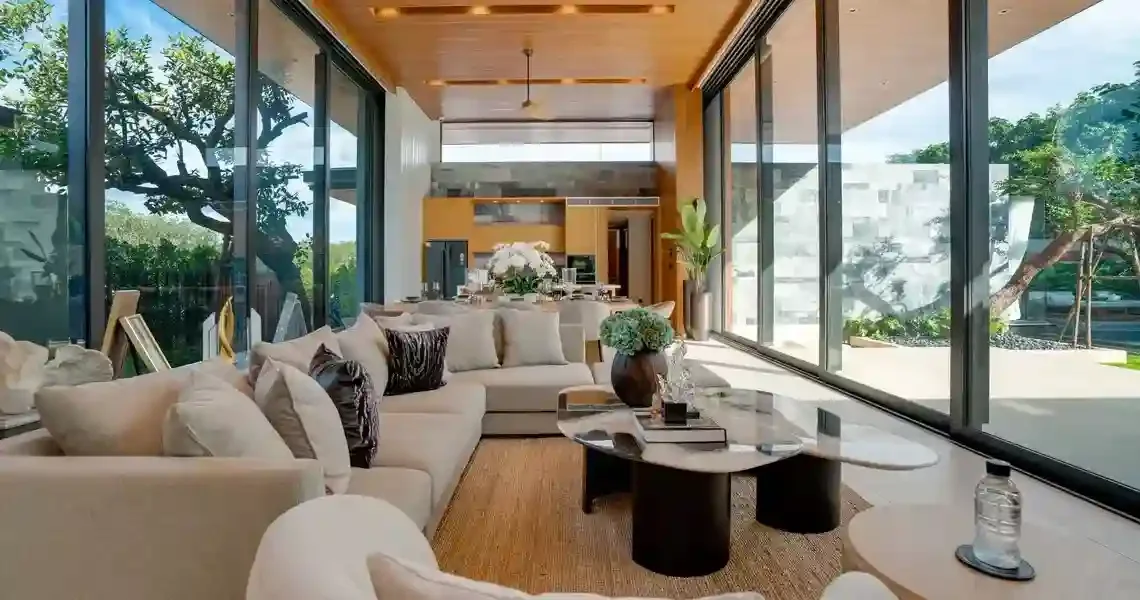
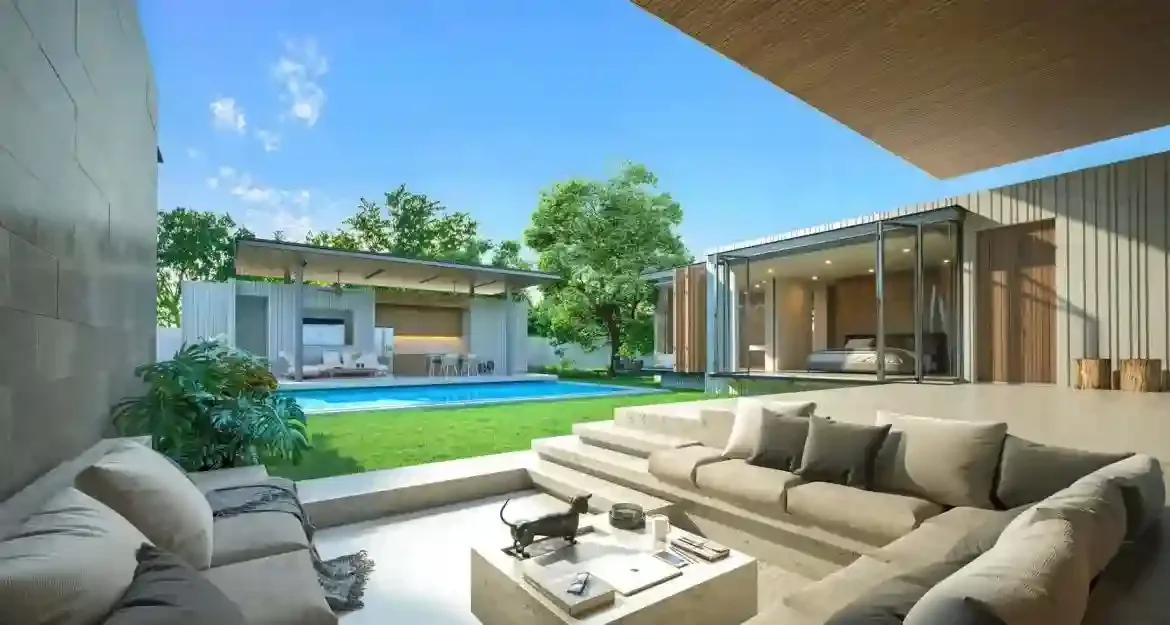
## Condo Type Comparison Table
The table below is not an estimate. It is every apartment unit carrying a price in the project data behind this site: **12,009 units across 108 condominium projects**, grouped by the format the developer assigned. It describes what is on sale, which is a different and more useful question than what the market average is.
| Format | Units released | Projects offering it | Size, median (range) | Price, median (range) | THB per sqm, median |
|---|---|---|---|---|---|
| Studio | 1,571 | 45 | 31 sqm (21-84) | 4,593,600 THB (1,450,000-13,500,000) | 140,000 |
| One-bedroom | 7,102 | 105 | 41 sqm (13-127) | 6,048,000 THB (1,800,000-27,750,000) | 150,000 |
| Two-bedroom | 2,778 | 108 | 66 sqm (25-316) | 10,335,480 THB (2,850,000-120,220,000) | 154,507 |
| Three-bedroom | 558 | 49 | 123 sqm (70-417) | 23,186,100 THB (8,200,000-112,410,000) | 165,867 |
Three things in that table are worth more than any yield projection.
**The one-bedroom is the market.** 7,102 of the 12,009 released units are one-bedrooms, and 105 of the 108 projects sell them. That is why it lets easily and why it is the safest resale: a future buyer knows exactly what it is. It is also why your unit will be one of thousands listed on the same platforms in the same week, and why the differentiator has to be something other than the floor plan.
**Bigger costs more per square metre here, which is the opposite of what happens inside one building.** Across the market the rate climbs from 140,000 THB per sqm for a studio to 165,867 for a three-bedroom, because larger formats sit disproportionately in the more expensive buildings. Inside a single building the pattern usually inverts: the smallest unit carries the highest rate, because developers price small units against a yield story and large ones against a buyer's total budget. So compare rates *within* a project when choosing a unit, and *across* projects when choosing a format. Mixing the two comparisons is the most common pricing mistake buyers make.
**The three-bedroom is rare.** 558 units in 49 projects, against 7,102 one-bedrooms. Thin supply cuts both ways: less competition when letting to families, and a much smaller pool of buyers when you sell.
## Studios: cheapest entry, limited lifestyle
A studio suits a pure investor with no intention of living there, or someone who visits alone for short stretches and wants the most return per baht deployed. On that basis it works, and the return arithmetic is the best of any format because the entry price is the lowest: a median of 4,593,600 THB against 6,048,000 for a one-bedroom.
It does not suit a couple or anyone wanting a comfortable base. The median released studio is 31 square metres. Two months in 31 square metres wears on people in a way that is easy to underestimate from a floor plan, and a studio bought as a lifestyle asset disappoints reliably.
Note also the supply position. Only 45 of the 108 projects release studios at all, so the format is scarcer than the internet suggests, and the resale audience is correspondingly narrow: investors buying on yield, rather than the much broader pool who buy somewhere to stay. Where the budget allows, the step up to a one-bedroom is about 1,450,000 THB at the medians; historically it has cost about 1-1.5 points of yield, and it buys a property you will use and a buyer pool four times deeper.
## One-Bedrooms: The Hybrid Sweet Spot
The one-bedroom is the most versatile format for a buyer who wants both use and income, and the data says the market agrees: 59% of everything released.
Two details inside the format matter more than the label. The first is a genuinely separate bedroom rather than a studio with a dividing wall, because guests and owners both want real privacy between sleeping and living space, and that shows up in review scores, which set the occupancy achievable in the shoulder season.
The second is size within the range, which is wider than most buyers realise: released one-bedrooms run from 13 to 127 square metres, with a median of 41. A 60 sqm one-bedroom photographs better, feels larger in person and earns better reviews than a 41 sqm one at a similar nightly rate. Where the budget stretches, size up inside the category rather than buying the smallest unit in a better building.
The offsetting fact is competition. Seven thousand comparable units exist, and in low season a great many of them list on the same platforms in the same week. What separates yours is position, presentation and a documented letting record, none of which comes from the format.
## Two-Bedrooms: Better Personal Use, Lower Yield Percentage
Two-bedrooms cater to a different guest: families, two couples travelling together, or anyone wanting space. They command higher nightly rates and lower percentage yields, because the purchase price rises faster than the rate does.
The median released two-bedroom is 66 sqm at 10,335,480 THB, which is 71% more money than the median one-bedroom for 61% more space. That relationship is the yield gap in one line: the rate a guest pays does not scale with floor area the way the purchase price does. A quality two-bedroom in Kamala has historically let for $140-180 a night against $95-120 for a one-bedroom, roughly 50% more revenue for a property that costs 60-80% more.
Where the format earns its keep is personal use. A two-bedroom is a materially more comfortable base for two or three months a year, particularly for a family, and a proper guest room matters more than people expect once friends start visiting.
So the format suits buyers planning to be there two months a year or more, especially with family, and investors deliberately targeting the family rental market rather than falling into it.
## Do You Need Pool Access in a Phuket Condo?
This question comes up constantly and the answer is consistent: **pool access is essential for both personal enjoyment and rental performance**. A tropical apartment without one is competing on price against every apartment that has one.
No percentage is offered here for what a pool is worth, because nobody publishes the letting data that would support one. Check it directly instead, in about twenty minutes:
1. Open a booking platform and pick a week in September, which is the month that decides an annual figure.
2. Filter to the beach you are considering and note the nightly rate for four buildings with a pool.
3. Do the same for four without, at a comparable size and distance to the sand.
4. Take the gap over a year, not over a week, and set it against the price difference between the two kinds of building on the developers' own price lists.
A private pool is a different proposition from shared access, and it carries its own maintenance cost and its own guest expectation. Units with a private pool have historically let for $180-300 a night against $90-150 for equivalent shared-pool units. Before paying for one, ask a villa or condominium manager in the area what servicing a private plunge pool costs annually, and set that against the rate difference you found on the platform.
The quality of the shared pool matters more than buyers expect, because it is what the listing photographs show and what a guest sees first. Go and look at it. A small, narrow or poorly maintained pool costs you in ratings, and ratings cost you in occupancy through the months that decide a year.
## Is a Sea View Worth the Premium?
A sea view carries a purchase premium, and the honest question is whether it carries a matching rental premium. In our experience it does not fully: a view is worth more to the person who owns the apartment than to the guest who stays four nights in it, and the purchase premium is typically the larger of the two.
That is a judgement rather than a measurement, so here is how to test it on the specific unit you are considering rather than taking it on trust.
**Ask the developer for the price of the same layout without the view**, on a different stack in the same building. The difference is the premium, in baht, and it is usually visible on the price list.
Historically, the high-season nightly rate premium for a sea view over a garden view has run 10-20%.
**Then look at what the view actually earns.** Pull three comparable listings in the area with a sea view and three without, and compare their nightly rates for the same week in low season. If the rate gap over a year does not come close to servicing the price gap, you are buying the view for yourself, which is a perfectly good reason as long as you know that is what you are doing.
**A sea view is worth paying for when:**
- You will use the apartment yourself and the view is a reason you are buying
- It is panoramic from the main living space, not a sliver from one corner of the balcony
- The land between the building and the water cannot lawfully be built up, which is a planning question with a documented answer rather than a reassurance
**It is not worth paying for when:**
- You are a pure investor who will rarely visit
- The "sea view" needs a description to be found
- Nobody can tell you what the plot in front is zoned for
## Which Floor Should You Buy, and Does It Change the Income?
Higher floors carry a premium for view and reduced street noise, and for personal use they are often preferable. For letting, the correlation is weaker: in any building with working lifts, floor level does not move rental performance much, and many guests care more about reaching the pool easily than about height.
Buy the floor that gives you the view and the noise level you personally want, rather than paying a premium on the assumption that height maximises yield.
Ground floor units are the interesting case, and they cut three ways:
- **For letting they are often good value**, because they are commonly discounted and guests reach the pool without waiting for a lift
- **For personal use they are worse**, since privacy is lower and some buildings hold humidity at that level
- **The deciding factor is the layout**, specifically whether the building's design gives genuine separation between the unit and the pool deck, which you can only judge by standing in it
## Budget-Specific Recommendations
Budgets are set out in baht below, and each figure is the median for that format on that beach from the released price lists rather than a target we have invented. Medians move as inventory sells, so treat them as where the middle of the market sat when this page was written, not as a quote.
**The beach changes the format you can afford more than anything else does.** Median released one-bedrooms:
| Beach | 1BR median | 1BR median size | 2BR median | 1BR + 2BR units released |
|---|---|---|---|---|
| Patong | 3,480,000 THB | 31 sqm | 5,600,000 THB | 755 |
| Ao Yon | 2,759,400 THB | 28 sqm | 5,518,800 THB | 377 |
| Nai Yang | 5,376,735 THB | 37 sqm | 8,768,100 THB | 461 |
| Kata | 5,568,500 THB | 38 sqm | 8,773,140 THB | 958 |
| Bang Tao | 5,930,000 THB | 39 sqm | 11,737,000 THB | 4,126 |
| Rawai | 6,652,800 THB | 46 sqm | 10,140,000 THB | 980 |
| Kamala | 7,074,432 THB | 46 sqm | 10,217,664 THB | 573 |
| Layan | 7,917,142 THB | 54 sqm | 16,733,752 THB | 1,057 |
A median one-bedroom costs 2.9 times as much in Layan as in Ao Yon, and the size moves with the money: 28 sqm at the bottom of that list against 54 at the top. So "a one-bedroom in Phuket" is not one product, and a budget decides your beach before it decides your layout.
### Around 5,000,000 THB
The choice narrows to a studio or a compact one-bedroom, and the decision that matters is the building rather than the format. Bang Tao, Kata and Nai Yang all have released one-bedrooms with medians near this level; Patong and Ao Yon sit below it.
Do not drop pool access to stay inside the budget. A pool-less apartment is worth less on resale and lets for less, and the right adjustment is a smaller unit or a different beach, not a building without one.
### Around 7,000,000 to 10,000,000 THB
This is the hybrid band. It buys a full one-bedroom in Kamala, Rawai or Layan, or a two-bedroom in Kata, Nai Yang or Patong. What to look for is a building with an established letting operation, a pool worth photographing, and enough units under coordinated management that rates hold through low season.
Sea view is optional at this level and should be evaluated on the specific unit rather than as a category.
### Above 10,000,000 THB
Two-bedrooms open up across the west coast, and the decision shifts from what you can afford to what you will use. At this level a two-bedroom generally delivers more lifestyle per baht than a premium one-bedroom of the same price, and the letting case narrows to families and groups, which is a smaller but less price-sensitive market.
At this level gross yield potential has historically been 6-8%, lower because of the higher price base.
Above about 16,700,000 THB you are in Layan two-bedroom territory, where the buyer pool at resale is materially thinner and the holding period should be planned in years rather than months.
## Buyer scenarios: which condo type fits the real use case?
**Pure income buyer:** start with a studio or compact one-bedroom in a corridor where the operator can prove occupancy month by month. Your metric is net income after management, platform commission, housekeeping and vacancy, not the highest gross in a brochure. If two units project similar rent, take the one with the clearer resale audience.
**Lifestyle plus income buyer:** the one-bedroom is the safest default. Comfortable for a couple, easy to let, broad on resale. Do not chase the last point of yield if it leaves you with a unit you will not want to use.
**Family-use buyer:** a two-bedroom can make sense even at a lower percentage. The question is whether the extra room gets used enough to justify the capital tied up. For one to three months a year with children, the lifestyle value often outweighs the arithmetic.
**Exit-focused buyer:** avoid unusual layouts, weak views, awkward access, and buildings holding hundreds of identical investor units. The easiest resale story is a clean one-bedroom or an efficient two-bedroom in a known area, where the next buyer immediately understands the location, the management and the ownership structure.
## Risk checklist before choosing a Phuket condo type
| Risk check | Why it matters | Better answer |
| --- | --- | --- |
| Too much focus on gross yield | High gross can disappear after fees and vacancy | Compare net yield with the [rental yield guide](/guides/phuket-rental-yield-complete-guide-2026/) |
| Studio too small for owner use | Lifestyle buyers may stop using it | Choose 1BR if you plan longer stays |
| 2BR over budget | Higher price can reduce percentage ROI | Buy 2BR only if family use or longer-stay demand is clear |
| Weak resale pool | A cheap unit can be hard to exit | Check [resale listings](/resales/) and comparable project history |
| No pool or weak amenities | Hurts rent, reviews and resale | Do not sacrifice core amenities just to hit budget |
| Unclear foreign quota | Legal structure affects exit | Confirm freehold quota before deposit |
| Buying into the deepest supply blind | 7,102 released one-bedrooms compete with yours | Ask how many units in your building are already let, and by whom |
| Factor | MORE Group benchmark |
| --- | --- |
| Net yield | historically 5 to 7% after 20 to 25% operator fees |
| Peak occupancy | historically 75 to 85% on comparable managed units |
## Decision framework: studio vs 1BR vs 2BR
The best decision is rarely the cheapest unit. It is the unit where your use case, rental demand, ownership structure and exit buyer all match. Work it in that order: how many weeks a year you will be there decides the format, the budget decides the beach, and the building decides everything after that.
Before you reserve, compare live [project inventory](/projects/), [resale evidence](/resales/), [Phuket property prices](/guides/phuket-property-market-prices-2026/) and the [market outlook](/guides/phuket-property-market-outlook-2026/).
## Pros and Cons of Each Format
**Studio:**
- ✓ Lowest entry, best return per baht, simplest to manage
- ✗ 31 sqm at the median is poor for stays over two weeks; only 45 projects offer one; narrow resale audience
**One-Bedroom:**
- ✓ Best all-round for the hybrid model; comfortable for a couple; the deepest resale audience on the island
- ✗ 7,102 released units competing with yours; costs about 1,450,000 THB more than a studio at the medians
**Two-Bedroom:**
- ✓ Best for personal use; reaches the family market; higher absolute income
- ✗ 71% more money for 61% more space than a one-bedroom; thinner buyer pool at resale
## How Does a Branded Building Change the Yield?
A unit in a branded building and an identical-spec unit in a non-branded building in the same zone behave differently on both yield and resale, and it is worth understanding why before paying for the label.
**Branded buildings** pay a franchise or management fee to the operator, usually inside the overall management commission. In return the unit appears on global platforms under the brand, reaches loyalty-programme guests, and gets centralised revenue management that an independent operator rarely matches. Whether that produces higher occupancy in a specific building is a question for that building's own figures rather than for a general rule, so ask the operator for twelve months of distributions on comparable units before accepting the premium.
**Non-branded buildings** offer more management flexibility and usually a lower headline management fee. Against that, a new non-branded building takes longer to establish occupancy, and the resale audience is narrower because an overseas buyer who does not know the building cannot use the brand as a shortcut for quality.
The segment label carries a price of its own, before any brand is attached. Grouping the same 12,009 released units by the tier the developers assign them, a one-bedroom square metre runs about 135,000 THB in the comfort tier, 150,150 in premium, and 226,788 in luxury. That is roughly half as much again per square metre for the top label, and whether letting income recovers that gap is exactly the question to put to an operator with twelve months of figures in front of you.
For income-focused buyers, an established branded programme generally produces more predictable cash flow in the first two years. For lifestyle buyers who want their own calendar, non-branded buildings usually allow more owner use without blackout periods. Read the owner-usage clause before the yield projection: it decides what the projection is actually describing.
## Which Unit Inside the Building Should You Take?
Within one building, unit selection moves income more than most buyers realise, and it is the decision you make once and live with. The variables are pool access, orientation and floor.
Units with direct pool access, at pool level or in a garden position, reach guests who filter specifically for it, which is a real and narrow search. West or sea-facing units reach guests who filter for a view. The building's own price list is the other half of the comparison: it shows exactly what the developer charges for each of those positions.
Orientation has historically mattered more than floor: west or ocean-facing units have earned 10-20% higher ADR than east-facing or road-facing equivalents in the same building, and a 20,000 USD premium for a pool-level ocean-facing unit has often been recovered in 3-5 years.
So run the comparison the developer has already made. Take two units in the same project that differ only in position, note the price gap, and put it against the rate gap you can see for comparable listings on a platform. If the position pays for itself over a holding period you would accept, buy it. If it does not, take the cheaper stack and spend the difference on the fit-out, which affects every booking rather than the ones that filter for a view.
## FAQ
### Is a sea view condo worth the premium in Phuket?
Test it rather than assume it. Ask the developer what the same layout costs on a stack without the view, which gives you the premium in baht from their own price list. Then compare nightly rates for three comparable listings with a sea view and three without, in the same area and the same low-season week. A view is generally worth more to the owner than to a four-night guest, so if the rate gap does not service the price gap, you are buying it for yourself.
### Do I need pool access in my Phuket condo?
Yes. A tropical apartment without a pool competes on price against every apartment that has one, and it is harder to resell for the same reason. If the budget is tight, take a smaller unit or a cheaper beach rather than a building without a pool. Check the pool itself before committing: it is the first thing in the listing photographs and the first thing a guest sees.
### What is the minimum budget for a hybrid lifestyle-and-rental condo in Phuket?
It depends on the beach far more than on the format. The median released one-bedroom is 3,480,000 THB in Patong, 5,930,000 in Bang Tao, 7,074,432 in Kamala and 7,917,142 in Layan. Around 5,000,000 THB buys a compact one-bedroom on several beaches; the hybrid band where a full one-bedroom or a modest two-bedroom becomes comfortable starts around 7,000,000.
### Should I buy in a big development or a smaller boutique project?
The trade is competition against amenity. A large scheme funds better facilities across more households, and it also puts hundreds of near-identical units on the same platforms as yours in low season. A smaller one has less internal competition and a smaller base carrying the same pool and grounds, which shows up in the monthly charge. Ask how many units in the building are already committed to a letting programme and whether one operator coordinates their rates.
**Read Also:**
- [Condo or villa: which the numbers actually favour](/comparisons/phuket-condo-vs-villa-comparison/)
- [What a Phuket condo nets after the deductions](/guides/phuket-rental-yield-complete-guide-2026/)
- [What released condo prices look like across the island](/guides/phuket-property-market-prices-2026/)
- [Which beach suits which buyer](/guides/best-areas-phuket-buy-property/)
- [The annual cost of owning a Phuket condo](/guides/cost-owning-condo-phuket/)
# Phuket, Samui or Koh Phangan: Where to Buy
> Phuket, Koh Samui or Koh Phangan: what a foreigner can actually own on each, how the lease decays, and which island you can sell on when you need to.
**Source:** https://moregroup.estate/guides/best-islands-thailand-buy-property-2026/
**Section:** Investment Guides
**Author:** Maksim Shchegolev
**Published:** 2026-04-05
**Updated:** 2026-08-23
---
Quick answer: the choice is decided by title and by exit, not by yield. Phuket is the one Thai island with a deep foreign-freehold condominium market under the Condominium Act B.E. 2522 (1979) and a resale pool to match; Koh Samui is predominantly a leasehold market, which is a materially different asset that decays with its term; Koh Phangan has very little formally accessible foreign stock at all. Start with [buying property in Phuket](/guides/buying-property-phuket-guide/) if liquidity at exit matters to you.
Thailand's islands are not equal as investment markets, and the differences matter more than most buyers realise before they start. The choice between Phuket, Koh Samui, Koh Phangan, and the smaller islands is not just a lifestyle preference, it determines your ownership options, your yield potential, your legal exposure, and your long-term liquidity.
This guide compares Thailand's main islands for property investment in 2026 with specifics on ownership structures, market data, rental yields, and an honest verdict on each. Deep dive: [Phuket vs Koh Samui comparison](/comparisons/phuket-vs-koh-samui-investment/).
## Why Island Property Appeals to Foreign Investors?
The case usually made is tourism: arrivals fill short-stay bookings, short-stay bookings pay more per night than a resident tenant does, and the islands take a disproportionate share of both. That much is structurally true and it is why island stock is sold on nightly income rather than on monthly rent.
What the case usually skips is that nightly income is only available where the building can legally take it. The Hotel Act B.E. 2547 (2004) makes a letting of under 30 days hotel business, licensable as such, and a condominium's co-owner regulations can rule short lets out on their own account even where the licence exists. That test is applied building by building, not island by island, and it is the single most common reason a yield projection fails to arrive.
The second thing the case skips is that the islands do not offer the same ownership. Foreign freehold exists in Thailand only in condominiums, inside the 49% of a building's floor area the Condominium Act reserves for non-Thai owners. Where an island has few condominiums, it has little foreign freehold, and everything else on offer there is a lease or a company. That is not a detail of the paperwork. It changes what you own, what it is worth in ten years, and who can buy it from you.
## Phuket: The Market Leader
- An international airport with direct long-haul routes, rather than a regional one
- Foreign freehold available in condominiums, inside the Condominium Act's 49% of each building's floor area
- Real depth of supply: MORE Group's own project records hold 14,322 priced units across 297 developments on this island alone
- An active resale market with established price history, and the deepest foreign buyer pool of any Thai island
- Banking, legal and professional management infrastructure that handles foreign transactions daily
That third point is the one that separates Phuket from every other island in this comparison, and it is worth putting a number on because "market depth" is otherwise a word. Across those records the market divides cleanly by budget: 3,221 priced units under 5,000,000 THB, 6,058 between 5 and 10 million, 2,441 between 10 and 20 million, 2,128 between 20 and 50 million and 474 above. Whatever a buyer's budget, there is stock in it, and, crucially, there is comparable stock for the next buyer to price against when you sell.
**Ownership options for foreigners:** an apartment can be held freehold in your own name inside the building's 49% foreign quota, which is the clean route and the one most foreign buyers take. Land cannot: the Land Code reserves it for Thai nationals, so a villa arrives as a registered lease of the plot with the house held separately, or through a Thai company that owns the land. Both routes work and both need care. A lease registers under the Civil and Commercial Code for a maximum of 30 years in one term, so anything marketed as 30 plus 30 plus 30 is one registered right followed by two contractual promises, and the value of those promises depends entirely on who is making them. A company route runs into Land Code Section 96, which prohibits holding land through a nominee, and that is why the shareholders have to be real and the counsel has to be yours rather than the seller's.
**Which zones cost what:** on MORE Group's price records, the rate per square metre for apartments runs from 234,004 THB in Patong down to 92,515 in Si Sunthon, with Choeng Thale at 158,000, Karon at 157,000, Kamala at 156,140 and Rawai at 140,208. Choeng Thale is also by far the deepest, holding 6,291 of the priced apartments in the records against Patong's 202. Zone detail: [best areas to buy in Phuket](/guides/best-areas-phuket-buy-property/). Yield method: [Phuket rental yield guide](/guides/phuket-rental-yield-complete-guide-2026/).
**The case for Phuket:** if what matters is a clean freehold title and being able to sell when you choose rather than when a buyer appears, this is the island. It is the most mature market of the three, the most professionally managed, and the only one where the next buyer has comparable transactions to price your unit against.
## Koh Samui: The Leasehold-Heavy Alternative
The property investment picture on Koh Samui differs from Phuket in one critical structural way: freehold condominium development is far less common. The majority of foreign-accessible property on Samui is offered as leasehold, typically 30-year terms with options to renew, which affects the ownership profile significantly.
**Ownership options:** Leasehold is the norm. Well-structured leasehold agreements on Samui with renewal options and proper registration at the Land Department are legal and can work effectively, but they represent a fundamentally different asset than freehold. At the end of the lease term, the property reverts to the land owner unless renewal is exercised. Exit liquidity depends on the lease remaining term, units with 15-plus years remaining lease have a decent buyer pool; units with under 10 years remaining become significantly harder to sell.
**What the leasehold discount is actually for:** a lease is a wasting asset and a freehold is not, and the price gap between the two is the market pricing that fact rather than pricing the beach. A 30-year term bought at year one and sold at year twelve is an 18-year term to its next owner, and the pool of buyers willing to take an 18-year term is smaller than the pool that would take a freehold. That is the whole mechanism, and it operates whatever the island.
It has one practical consequence worth stating plainly: on a lease, the sale price and the remaining term move together, so the exit has a clock on it that a freehold purchase does not. The time to think about that is before the deposit, not in year twelve.
**The 6-month monsoon consideration:** Koh Samui's monsoon season runs from approximately October to January, roughly the opposite of Phuket's shoulder/low season. This means Samui has a different occupancy curve: its high season peaks around the European and Russian winter months when Phuket is also at peak, but its low season coincides with Phuket's high season. For investors, this creates potential for a split-season portfolio strategy, but for single-island investors on Samui, the October-January low season occupancy can meaningfully drag annual yield numbers.
**Verdict for Samui:** a credible choice for a buyer who is buying to use rather than to trade, or who already has Phuket exposure and wants something different alongside it. As a standalone investment it is the second answer, because the leasehold structure puts a clock on the exit that Phuket freehold does not.
## Koh Phangan: Niche Appeal, Legal Limits
**The legal reality:** Foreign ownership options on Koh Phangan are more restricted than on either Phuket or Samui. There is essentially no freehold condominium market, and the leasehold villa market is smaller and less professionally managed. Many transactions happen informally, which creates legal risk for foreign buyers who do not engage proper representation.
**Pricing and the demand base:** entry prices are lower than on either of the other two islands, which is most of the appeal. The demand that fills the properties, though, comes from a narrow band of wellness retreats, festivals and long-staying nomads, and a demand base that narrow is more exposed to a change in fashion than one built on a general tourist market. Where the income depends on a scene rather than on an airport, the risk is that the scene moves.
**The case for Koh Phangan:** The island is interesting as a niche play for buyers who are deeply embedded in the wellness and retreat market and can actively manage occupancy. As a passive investment with professional management, the infrastructure is not yet mature enough to be reliable. Buyers should approach with caution and thorough legal due diligence.
## Other Islands: Koh Lanta, Koh Chang, and the Rest
**Koh Lanta** (Krabi Province) has a small property market with limited foreign investment infrastructure. Land title status can be complicated, some areas have strong chanote title, others have weaker documentation. The tourist market is smaller and more seasonal than Phuket.
**Koh Chang** (Trat Province) is close to the Cambodian border and has a domestic tourism market that is strong among Bangkok residents but relatively small international component. Foreign ownership options are limited, and the investment case is primarily for Thai nationals.
**Koh Tao and Koh Nang Yuan** are dive destinations with a strong niche tourism market and essentially no accessible foreign property market. What exists there is operated as business ventures rather than as individual investment property.
The common thread across all four is title. On the smaller islands a significant share of land is held on documents weaker than a Chanote, and the marketing line that a title will be "upgraded soon" is a request that you pay a Chanote price for something that is not one. Establish the title class before the price, not after.
## How do the three compare, side by side?
| | Phuket | Koh Samui | Koh Phangan |
|---|---|---|---|
| Foreign freehold | Available in condominiums, inside the 49% quota | Very limited condominium supply | Effectively none |
| Usual route for a villa | Registered lease or Thai company | Registered lease | Registered lease, often informally arranged |
| Depth of priced stock | 14,322 units across 297 developments in MORE Group's records | Thinner, and weighted to villas | Thin |
| Air access | International airport with direct long-haul routes | Regional airport, limited routes | No airport, reached by ferry |
| Who buys from you | The deepest foreign resale pool of the three | Smaller, and shrinks with the lease term | Narrow, and specific to the retreat market |
| The main risk to check | Quota position and the building's letting rules | Lease term, renewal wording and succession | Title class and whether the transaction is properly documented |
Read the table down the last row rather than across the first. Every one of these islands can be bought well; what differs is what has to be verified before the deposit, and how long a mistake takes to unwind.
## Red flags when comparing Thai islands
| Red flag | Why it matters | Island risk |
| --- | --- | --- |
| Lease under 10 years remaining | Buyer pool shrinks; lenders walk | Samui, Phangan |
| No Land Department registration | Unenforceable lease | All non-Phuket villas |
| "Upgrade to Chanote soon" marketing | Paying premium for NS3 land | Phangan, Lanta |
| Yield quoted on peak week only | The full-year figure is a different number entirely | All islands |
| No professional management track record | Passive income thesis fails | Phangan, Lanta |
What to check before a deposit: original lease term and renewals, Chanote confirmation, FET path for freehold condos, three sold comps within 12 months, and wet-season access roads. Legal stack: [legal guide for foreign buyers](/guides/legal-guide-buying-property-thailand/) and [due diligence step-by-step](/guides/due-diligence-process-thailand-step-by-step/).
## Island decision framework by buyer profile
Scenario A: family buying for school-holiday use: a Phuket two-bedroom, or a Samui three-bedroom leasehold with 20 or more years still to run. Underwrite the Samui option on the assumption that October to January produces very little, because that is its low season, and check whether the school holidays you actually travel in fall inside it.
Scenario B: buyer pursuing a long-stay visa alongside the purchase: Phuket freehold, because the LTR routes that can count a Thai asset are income and investment tested and the thresholds are revised, so the property has to be a clean, valued, transferable title rather than a lease with a term on it. Pair with the [Phuket complete guide 2026](/guides/buying-property-phuket-guide/), and confirm the current thresholds with immigration counsel rather than with any guide. Property never grants residency by itself anywhere in Thailand; a qualifying investment can count toward a category threshold, which is a different thing.
Scenario C: Buyer who wants a villa and will hold for decades: The ownership question decides this before the island does. No foreigner holds freehold land in Thailand, so a villa anywhere is a registered lease or a company structure, and a lease decays as its term runs down. If that horizon exceeds the term, buy on the understanding that you are purchasing use rather than an asset to pass on.
Scenario D: Buyer who may need to sell within five years: Phuket, and not close. Liquidity is the single largest practical difference between these islands, and it only matters at the moment you need it, which is exactly when it cannot be arranged.
## When Samui beats Phuket, honestly
Phuket wins the general comparison on liquidity, ownership options and management depth, and this page says so throughout. There are nonetheless cases where Samui is the better answer, and pretending otherwise would be a sales pitch rather than a guide.
Samui beats Phuket when the buyer wants a villa in a genuinely quieter setting and is buying to use rather than to trade. The island is smaller, less developed and less busy, and for someone who finds Phuket's high season overwhelming that is the whole point. Leasehold is the normal route there for foreigners and it is a real constraint, but for a buyer with a long personal-use horizon and no plan to sell quickly, the constraint bites less than it would for an investor.
It also wins where the specific property simply does not exist in Phuket at the price. Samui's villa stock at a given budget is often larger and better positioned than the Phuket equivalent, because the underlying land is cheaper. If what you want is space and seclusion rather than services and liquidity, that trade can be worth making with your eyes open.
Where it does not win is on exit. The foreign buyer pool is thinner, freehold condominium supply is very limited, and a sale takes longer. Anyone who may need liquidity should weight that heavily.
Timing: [best time to buy Phuket property](/guides/phuket-property-market-outlook-2026/), Samui's low season (Oct-Jan) can be a counter-cyclical viewing window while Phuket peaks.
## FAQ
### Can foreigners own property on Phuket, Koh Samui, and Koh Phangan?
Yes, but with different structures on each island. Phuket offers freehold condominium ownership within the 49% foreign quota, the cleanest option. Koh Samui is primarily a leasehold market for foreign buyers, with very limited freehold condominium supply. Koh Phangan has the most restricted foreign ownership options, with a small leasehold market and limited professional infrastructure.
### What rental yields can I expect on Thai islands?
There is no island-wide figure worth quoting, because the number is set building by building: whether short lets are legally available there, who manages them, and what the unit actually achieved last year. Ask the manager for a full year of statements on a unit like it in the same building, take out commission, maintenance, utilities across the empty months, furnishing replacement and Thai tax, and divide what remains by the price plus the cost of buying. Any percentage offered before that exercise is an estimate.
### Is leasehold property on Koh Samui a safe investment?
A lease registered at the Land Department is a real legal right, and under the Civil and Commercial Code it registers for up to 30 years in one term. The risks are structural rather than exotic: renewals beyond that term are contractual promises rather than registered rights, so their worth depends on who gives them and whether a later owner of the land is bound; the resale price falls with the remaining term, because the next buyer is buying what is left of it; and financing is rarely available against a lease. Use independent counsel you appointed, and read the succession clause as carefully as the term.
### Which Thai island has the best infrastructure for foreign investors?
Phuket, without comparison. It has an international airport with direct routes from over 30 countries, a full legal ecosystem for foreign property transactions, established professional property management companies, active banking relationships for rental income, and the deepest pool of foreign resale buyers. No other Thai island comes close on infrastructure for passive foreign investors.
### Can I get a long-term visa if I buy property in Thailand?
No. Buying property in Thailand grants no right to live in it, and no Thai visa follows from ownership by itself. Some Long-Term Resident routes are qualified for partly on investment in Thai assets, which can include property, alongside income or pension tests. The thresholds and the qualifying asset classes have been revised more than once, so confirm the current terms with immigration counsel before planning a purchase around them, and settle the stay before the purchase rather than after.
## Liquidity differs more than price
Comparing Thai islands on entry price alone hides the variable that decides your result, which is how easily you can sell. Phuket has an international airport with direct long-haul routes, a resident foreign community and a resale market with regular transactions. Smaller islands may offer a lower price per square metre and a better beach, but a buyer pool that thins to almost nothing outside the peak season. Before comparing prices, compare exits: ask how many foreign-quota resales completed on each island last year. Where that number is low, treat the purchase as a lifestyle decision and assume you may hold it for a long time.
# Best Laguna Projects Foreign Buyers (2026)
> Best Laguna Phuket projects for foreign buyers: Cassia, Skypark Elara, Garrya, Banyan Tree Oceanus ranked. Rental programs, quota, and buying steps explained.
**Source:** https://moregroup.estate/guides/best-laguna-projects-foreign-buyers/
**Section:** Investment Guides
**Author:** Maksim Shchegolev
**Published:** 2026-03-26
**Updated:** 2026-09-24
---
## Best Laguna Phuket Projects for Foreign Buyers 2026: Ranked
No other single location in Phuket packages a beachfront resort lifestyle, institutional rental management, and a clear freehold title structure for foreign buyers the way Laguna Phuket does. The estate spans ten distinct projects ranging from $160,000 Cassia studios to about $12.0M Banyan Tree Oceanus penthouses, each with a different risk profile, yield mechanism, and lifestyle proposition.
This guide covers everything a foreign buyer needs to evaluate Laguna Phuket: what the estate actually is, why it appeals specifically to non-Thai investors, how the price premium compares to the surrounding area, a project-by-project breakdown with yield and quota details, an honest look at rental guarantee programs, and the mistakes that cost foreign buyers money in this specific market. Read it alongside the [Phuket buying guide](/guides/buying-property-phuket-guide/) which covers legal structures in full detail.
## What Is Laguna Phuket?
The estate currently hosts five international hotels operating under the Banyan Group's brand portfolio: Banyan Tree Phuket, Angsana Laguna Phuket, Cassia Phuket, SAFFRON (soft brand), and the Garrya Tongsai Bay-inspired wellness concept under development. Beyond the hotels, Laguna Phuket includes Canal Village, a retail and dining precinct along the estate's internal canal, an 18-hole championship golf course designed by Max Wexler, a dedicated beach club at Bang Tao, over 30 food and beverage outlets, a full-service Banyan Tree Spa, and an extensive canal and lagoon network that gives the estate its name.
The Lakelands masterplan, announced in 2022, extends the estate by roughly 2,000 additional acres inland, with plans for up to 5,000 residential units, a wellness village, an international school campus, and additional hospitality offerings through 2030. This expansion is what makes Skypark Elara, the first Lakelands project, particularly relevant to forward-looking buyers in 2026.
For foreign buyers, this institutional backing is the defining differentiator. Laguna Phuket is not a small developer's condo project on the outskirts of a resort; it is the resort, managed by a public company with 30 years of continuous hospitality operation on this specific land, with brand equity that is recognised globally from London to Singapore to Sydney.
## Why Foreign Buyers Specifically Choose Laguna?
In some financing markets, notably Singapore, Hong Kong, and parts of Europe, a Banyan-branded property can be used as collateral for personal lending because the valuation benchmark is internationally recognised. This is a niche benefit, but for buyers who maintain significant borrowing facilities at home, it is a genuine edge.
### 2. Managed Rental Income Without On-Site Presence
The rental pool programs at Cassia, Angsana, and other Laguna hotel-managed residences allow a foreign buyer based in another country to participate in Phuket's tourism revenue without hiring a local property manager, maintaining a local bank relationship, or being present during turnover periods. The hotel management handles booking, cleaning, maintenance, guest services, and remittance, the owner receives a periodic payout.
For an absentee investor in Europe or Australia, this structure removes the primary operational friction of owning a rental in Southeast Asia. The tradeoff is management fees of 30 to 40% of gross rental revenue, which narrows the net yield materially. However, the practical value of a fully managed, zero-presence-required income stream is significant for foreign owners who cannot easily visit Phuket more than once a year.
### 3. On-Site Management Reduces Vacancy Risk
Independent short-term rental operators in Phuket experience meaningful vacancy in low season (May to October), require consistent maintenance to retain Airbnb ratings, and depend on OTA performance for booking volume. Laguna's hotel-managed programs distribute inventory across the hotel's own booking channels, corporate travel agreements, and OTA channels simultaneously, providing a level of distribution that individual owners cannot replicate.
For foreign buyers who compare Phuket yields with those of managed properties in Bali, Dubai, or Portugal, the Laguna operating infrastructure is broadly comparable to the best-managed resort residence programs in those markets, and in a market where independent management quality varies widely, that consistency has real value.
### 4. Bang Tao Beach Access With Estate Infrastructure
Bang Tao Beach is consistently rated among the top five beaches in Phuket, a long, wide, relatively uncrowded stretch of sand with calm waters and strong traveller appeal. Laguna's 1.5 km of beachfront gives residents and their guests direct beach access via internal estate buggies and pathways, alongside use of the Laguna Beach Club. Access to this beach at the Laguna service standard is not replicated by any other development in the area at a comparable price point.
### 5. Resale to an International Buyer Pool
Because Laguna Phuket properties are known internationally, resale is not limited to Thai buyers or the subset of foreigners who have specifically researched the Phuket market. Secondary market Cassia and Angsana Oceanview units change hands regularly between UK, Swiss, German, Australian, and Singaporean buyers without the seller needing to build a domestic Thai buyer relationship. This international buyer pool supports liquidity in a way that most Phuket projects outside the Laguna estate cannot match.
### 6. Freehold Condominium Title: Clean Legal Structure
All condominium projects within Laguna Phuket offer foreign freehold title under the Thai Condominium Act, subject to the 49% foreign ownership quota. For foreign buyers who have read about Thailand's complex land ownership restrictions and the risks of nominee structures or long-term leases on villas, the ability to hold a Chanote title in one's own name, with no Thai partner, no proxy structure, no reliance on a nominee, is a decisive factor. The legal structure for Laguna condos is among the most straightforward available to foreign buyers anywhere in Southeast Asia.
## The Laguna Price Premium: Is It Worth It?
That premium breaks down into three components: the brand licence fee baked into developer pricing (roughly 10 to 15% of purchase price), the ongoing management services that justify a higher ADR for rental guests, and the scarcity value of Bang Tao beachfront land under a single managed estate.
When the premium is worth paying: If the buyer's primary goal is lifestyle use, personal holidays, a base in Asia, retirement-phase residence, then Laguna's infrastructure (golf, spa, beach club, restaurants, kids' activities, 24-hour security) represents genuine value per dollar. The estate functions as a five-star resort where you also own your unit. For a buyer spending 6 to 12 weeks per year on-site, the quality-of-life differential over a non-branded condo is substantial.
If the buyer's goal includes resale within 5 to 10 years to an international audience, the continued scarcity of estate-branded inventory supports the brand premium at resale.
When the premium is hard to justify: If the buyer's sole objective is maximising net rental yield on a budget under $300K, a non-Laguna Bang Tao project at $4,000/sqm may deliver a comparable or higher net yield than Cassia at $5,500/sqm, simply because the capital base is smaller relative to the achievable rent. Pure-yield investors who intend to use an active self-managed Airbnb strategy, and who have the operational infrastructure to do so from abroad, will sometimes find better numbers outside the estate. See the [Phuket rental yield guide](/guides/phuket-rental-yield-complete-guide-2026/) for yield comparison methodology.
The honest summary: The Laguna premium is a lifestyle premium first, an institutional management premium second, and a yield premium a distant third. Buyers who understand that hierarchy make better decisions at Laguna than those who try to make the numbers justify the brand.
## Project-by-Project Breakdown
Cassia is the entry point to the Laguna estate for foreign buyers, a Banyan Group-branded apartment-hotel where all units participate in a managed rental pool. For buyers who want Laguna estate access, Banyan brand backing, and immediate rental income below $300K, there is no comparable option in this price range. The 2019 completion means the spec is functional but not modern, expect hotel-room-standard finishes rather than luxury residential design. The tradeoff of older spec for no construction wait and live income is appropriate for buyers who want income from year one.
Key due diligence point: verify current foreign freehold quota availability before contracting. Some Cassia buildings are close to the 49% ceiling on secondary market activity; a legal check at purchase prevents the unpleasant discovery that only Thai-quota units are available.
### Skypark Elara Lakelands (Off-Plan, October 2026)
Price range: From $265K (1BR) to $1.52M (3BR penthouse)
Unit types: 1BR (50 sqm), 2BR (80 to 100 sqm), 3BR (150 to 200 sqm)
Status: Off-plan, delivery October 2026
Yield: not published; the projected band this line used to carry is withdrawn. On our list: 62 priced units from 8,290,000 THB ($253,517) at 187,222 THB/sqm, 1BR ×44 at a 54 sqm median, 2BR ×7 at 85, 3BR ×11 at 186. 0% interest payment plan
Foreign title: Freehold
Skypark Elara is the first residential launch within the Lakelands masterplan, a joint development by Banyan Group and Laguna Property that extends the estate inland with lakeside amenities including kayaking, cycling, and an expanded wellness infrastructure. At $6,100/sqm, Elara is competitively priced within the Laguna market and offers the earliest off-plan delivery date among 2026 launches.
The 0% interest payment plan, structured as 20% reservation, with the balance spread across construction milestones, is genuinely useful for buyers who want to deploy capital gradually rather than in a single transaction. With October 2026 delivery, buyers contracting mid-2026 should budget 12 to 18 months without rental income from this unit.
For buyers comparing Elara to units on the secondary market: the principal advantage of Elara is new construction specification, the Lakelands infrastructure story, and an off-plan price whose gain to stabilisation, if any, nobody has measured (Phuket has no transaction index) set against a corridor where nothing in Layan is finished; the appreciation band this sentence used to carry is withdrawn. Stabilised value on delivery. The disadvantage relative to Cassia is the construction wait and no immediate income.
### Residences at Garrya (Off-Plan, Q2 2027)
Price range: from 16,360,000 THB ($500,306) for a 1BR, on 35 priced units at a 312,259 THB/sqm median, 94% above the Bang Tao area figure and the second dearest scheme in the corridor
Unit types: 1BR ×11 at a 57 sqm median; 2BR ×24 at a **215 sqm** median from 32,950,000 THB, not the 100-140 sqm this line used to give
Status: Off-plan, delivery Q2 2027
Yield: not published. The projected band, and the Garrya ADR premium it rested on, are withdrawn: no achieved rate is published for any Phuket residence, branded or not
Foreign title: Freehold
Garrya represents the wellness-forward segment of the Laguna residential portfolio. Positioned 200 metres from Bang Tao Beach, the project benefits from the Garrya brand's emphasis on comprehensive wellbeing. With only 38 units total, scarcity supports both the rental rate and the resale price.
The Garrya brand targets a specific guest profile: health-conscious, experience-oriented, willing to pay for quality over scale. This guest profile tends to leave stronger reviews, drives higher repeat-booking rates, and supports the rental program's performance metrics. For buyers who plan to also use the property personally, the wellness infrastructure, spa, fitness programming, mindfulness facilities, adds genuine lifestyle value beyond a generic resort condo.
At $430K entry for a 1BR, Garrya is 60% more expensive than Elara's entry. The question buyers should ask: does the beach proximity, brand premium, and scarcity justify the delta? For lifestyle-first buyers, the answer is usually yes. For pure off-plan appreciation players, the calculus is less clear given Garrya's longer construction timeline.
### Laguna Aster (Off-Plan, December 2027)
Price range: from 10,500,000 THB ($321,101) on 49 priced units at 214,286 THB/sqm
Unit types: 1BR ×7 at a 56 sqm median; 2BR ×42 at 84 sqm from 15,100,000 THB. No priced three-bedroom is on our list for this scheme, so the 3BR line this entry used to carry is removed rather than repriced
Status: Off-plan, delivery December 2027
Yield: not published; the projected band is withdrawn
Foreign title: Freehold
Laguna Aster's defining feature is a 60-metre rooftop infinity pool, the longest in any Laguna estate residential project, alongside direct access to Banyan Tree Spa and a fully furnished delivery package. The amenity spec makes Aster particularly strong for the family and couples market where in-house facilities influence both personal use satisfaction and guest booking decisions.
At $338K entry, Aster is priced between Elara and Garrya, with a December 2027 delivery that is 14 months behind Elara and roughly equal to Garrya. For buyers in the $400K to $1.1M range, Aster's combination of furnished delivery, rooftop pool, and spa access makes it the most amenity-rich per-dollar product among the 2027 Laguna launches.
### Angsana Oceanview (Secondary Market, Ready)
Price range: from 45,820,000 THB ($1,401,223), on three priced units at 219,234 THB/sqm
Unit types: 2BR at 209 and 304 sqm, 3BR at 281 sqm
Status: Completed, hotel-managed
Yield: not published. What is contractual is the pool split, in the rental management agreement
Foreign title: Freehold (verify quota)
Angsana Oceanview offers the rare combination of Laguna estate access, Angsana hotel management, sea views, and immediate income at the $1M+ tier. For buyers who want a completed property with established occupancy history rather than an off-plan projection, the secondary market at Angsana provides data-backed yield rather than a developer's forecast. Verify foreign freehold quota as with all Laguna secondary market purchases.
### Banyan Tree Oceanus (Off-Plan, December 2028)
Price range: from 160,000,000 THB ($4,892,966) to 391,000,000 ($11,957,187), the top of the range is nearly twice the $6.5M this line used to give, on 7 priced units at **452,479 THB/sqm, the dearest metre in the entire corpus**
Unit types: 4BR beachfront residences at a 416 sqm median
Status: Off-plan, delivery December 2028
Yield: not published, and at this metre the purchase is not made on one; the ~5% this line used to give is withdrawn
Foreign title: Freehold
Banyan Tree Oceanus occupies the most irreplaceable position in Laguna Phuket: 16 units directly on Bang Tao Beach, under the Banyan Tree flagship brand, with a December 2028 delivery. At about $4.9M to $12.0M, yield is not the primary investment thesis, capital preservation and scarcity are. With only 16 units ever built on this specific land parcel, no comparable product can be created. The 5-year payment plan with 3 to 7% financing options is relevant for buyers who prefer structured deployment over lump-sum.
### Laguna Homes and Laguna Park 2 (Villas, Leasehold)
Price range: From $840K (Laguna Park 2 townhouses) to $3M+ (Laguna Homes luxury villas)
Status: Completed, secondary market
Foreign title: 30-year registered leasehold with contractual renewal rights
For buyers who want a private pool villa within the estate, Laguna Homes and Laguna Park 2 are the available options. The critical distinction from condominium products: these are leasehold structures, not freehold. Foreign buyers own a registered 30-year lease on the land rather than Chanote title, the same structure used across most of Phuket's villa market. Laguna Property's institutional backing as the lessor is a positive factor; engage an independent Thai property lawyer to review the renewal clause language before contracting.
Villa products offer larger floor areas (3 to 5 bedrooms, private pools, gardens) and stronger performance in the premium group rental market, where 4 to 6 person groups pay significantly more per night than individuals booking hotel-style units.
## Rental Guarantee Programs at Laguna: What Foreign Buyers Actually Need t
How they work mechanically: The developer sets aside a portion of purchase price proceeds into a reserve fund to service the guarantee obligation. During the guarantee period, the owner receives quarterly or annual payments equal to the guaranteed percentage, whether or not the unit is occupied. The hotel management handles all guest operations.
What happens after the guarantee expires: The property transitions to a revenue-sharing model, typically returning 40 to 50% of gross rental revenue to the owner (after management fees, operating costs, and the hotel's share). This is where post-guarantee yield reality diverges from the guarantee period experience.
Post-guarantee yields: not published. The band this paragraph used to give for stabilised hotel-managed one-bedrooms is withdrawn, Thailand keeps no letting register, and a hotel pool's statements are private to its owners. What is on the record is the entry: the Laguna-branded schemes' one-bedrooms start at 8,000,000 THB on our list, at a 220,448 THB/sqm cluster median, 37% above the Bang Tao area figure. This is a solid outcome for a managed resort property in Southeast Asia. The number falls below guarantee levels for some buyers simply because the guarantee rate was set above stabilised performance as a marketing tool.
The critical question to ask before purchase: What is the track record of this hotel's rental performance for comparable units that are already past the guarantee period? Cassia, being completed in 2019, has six years of post-guarantee data available, ask for unit-level revenue statements, not brochure projections, for any Laguna-managed property where guarantee expiry is approaching.
Personal use and guarantee programs: Most rental guarantee structures require the unit to be available to the rental pool for the full year (or at least 10 to 11 months). Personal use of 2 to 6 weeks per year is typically accommodated but must be scheduled in advance through the hotel system. Buyers who intend to use their Laguna property for 2 to 3 months annually should model the guarantee program carefully, as personal use weeks typically reduce the guaranteed payout proportionally.
## Foreign Quota Mechanics at Laguna Phuket
Why quota matters more in established Laguna projects: In new off-plan launches (Elara, Aster, Garrya), developers allocate foreign quota units at launch, so buyers contracting in 2026 are purchasing from the developer's designated foreign allocation. In secondary market projects (Cassia, Angsana Oceanview), some buildings have accumulated significant foreign ownership over the years of resale activity, and available foreign quota can be limited.
The quota verification process: Before signing any purchase agreement for a secondary market Laguna condominium, your lawyer must check the current foreign ownership ratio with the Land Department or condominium juristic person. A unit offered for sale by a foreign owner is typically a like-for-like quota transfer (one foreign seller exits, one foreign buyer enters), maintaining the foreign percentage. A unit offered by a Thai seller adds to the foreign quota upon transfer, and if the building is already at 48.9% foreign, that unit may not be available for foreign freehold purchase.
Resale market dynamics shaped by quota: When foreign buyers seek to sell Laguna secondary market units, they typically market to other foreign buyers because a like-for-like transfer preserves the quota balance. This creates a distinct resale channel separate from the Thai domestic market, Laguna units with freehold foreign title circulate within an international buyer pool, which supports pricing. Units that have been converted to Thai-quota ownership through local company structures are generally worth less to foreign buyers because they cannot be readily transferred back to foreign freehold without legal restructuring.
## Laguna vs Non-Laguna Bang Tao: A Value Comparison
What non-Laguna Bang Tao offers:
- Lower entry price per sqm, higher potential net yield as a percentage of capital
- More design variety, projects from newer developers often have more contemporary architecture
- Self-managed rental flexibility without hotel pool participation requirements
- Sometimes stronger short-term rental revenue if the buyer has an active OTA strategy and consistent 5-star reviews
What non-Laguna Bang Tao lacks:
- No direct hotel-managed rental program with institutional distribution
- No Banyan/Angsana/Garrya brand for guest booking trust
- No estate infrastructure (golf, spa, beach club, 30+ restaurants, kids' activities)
- Weaker resale brand recognition for international buyers
- No guaranteed access to the Bang Tao Beach Club at Laguna standard
The practical conclusion: non-Laguna Bang Tao is a better pure-yield vehicle for active, hands-on investors with local management relationships. Laguna is a better combined lifestyle-and-income vehicle for absentee owners who value brand infrastructure and international resale liquidity.
For a concrete comparison, see our [best areas to buy in Phuket guide](/guides/best-areas-phuket-buy-property/) which maps yield and lifestyle characteristics across all major Phuket areas, not just Bang Tao.
## Laguna Lifestyle: What Owners and Their Guests Actually Experience
Canal Village: The estate's central retail and dining hub, Canal Village hosts a mix of international restaurants, local food stalls, a supermarket, clothing boutiques, a pharmacy, and an art gallery. It functions as the estate's village centre, foreign owners on extended stays can meet daily life needs without leaving the estate. The Friday and Saturday Walking Street markets are a particularly popular weekly ritual for both residents and hotel guests.
Golf: The Laguna Golf Phuket course is an 18-hole championship layout set within the estate's landscape. Access for residential owners varies by project; some units include discounted green fee rates as part of the management program. For buyers who golf, this is a genuine differentiator, a playable championship course within the estate perimeter eliminates the 30 to 45-minute drive required to reach most other Phuket courses.
Beach Club and Bang Tao Beach: Laguna's dedicated beach area features sunbeds, service, and food and beverage operations managed by the hotel groups. The beach itself is wide, backed by casuarina trees that provide natural shade, and substantially less crowded than Patong or Kamala on peak days. The internal estate buggy service connects residences to the beach, eliminating the parking and road navigation that creates friction at non-estate beachfront properties.
Family appeal: Laguna's infrastructure, multiple hotel pools, kids' clubs at Angsana, the golf course, the beach, and the enclosed estate security, makes it unusually well-suited to families compared to standard Phuket condo investments. Properties that can be marketed to families command a premium per-night in the rental market and tend to generate longer average stays, both of which benefit net yield calculations.
Retirees and digital nomads: The estate's combination of reliable services, security, resort-level maintenance of common areas, and proximity to good healthcare (Phuket International Hospital is approximately 20 minutes by car) makes Laguna an increasingly popular long-term base for non-working residents. The broadband infrastructure within the estate is hotel-grade, a practical consideration for remote workers.
## Laguna Resale Market: What the Data Shows
Who buys on the secondary market: The majority of secondary market buyers for Laguna condominiums are European (primarily UK, German, Scandinavian, Swiss) and Australian, with growing interest from Middle Eastern and Southeast Asian buyers since 2022. Russian buyers, who were significant before 2022, have largely exited as a resale buyer cohort. This demographic composition means pricing is influenced by Euro/Sterling/AUD exchange rates relative to THB, creating periodic buying opportunities when THB strengthens against buyer home currencies.
Price trajectory: not measurable here, because Thailand publishes no transaction index for Phuket, so no per-sqm growth figure is given for Cassia or Angsana Oceanview. The limited supply of completed sea-view units at Laguna supports secondary pricing for those specific positions.
Time on market: Well-priced, foreign-quota Cassia units sell through established Phuket brokers with international reach. Units priced above $280K take longer to find buyers because the competition from off-plan options increases. Angsana Oceanview units at $1.4M to $2.6M take longer, given the higher ticket price and narrower buyer pool.
Premium vs original purchase price: not measurable either. Thailand publishes no transaction register for Phuket and Cassia is not on our price list, so no realised gain since launch is quoted here.
## Buyer Profiles: Yield Investors vs Lifestyle Buyers at Laguna
Pure yield investors may do better elsewhere in Phuket. The two gross yield bands this sentence used to compare: a self-managed unit elsewhere against a Laguna hotel pool, are both withdrawn: Thailand keeps no letting register, so neither has been measured, and ranking one above the other was a ranking of two guesses. What genuinely differs is the operator's share of gross: a hotel-managed Laguna pool typically takes 35 to 45%, a self-managed unit with a local partner 20 to 25%. That gap is contractual, quotable and roughly twenty points of gross wide, which is a far larger and far more certain difference than any yield estimate. The difference is operational complexity: self-managing from abroad requires a reliable local management partner, frequent communication, and active attention to OTA performance metrics that a passive investor may not want to provide.
The honest investor profile for Laguna: someone with a primary income elsewhere, a desire for annual visits to Thailand, a preference for passive management over active optimisation, and a long enough investment horizon (7 to 10 years minimum) to absorb the management fee drag and benefit from capital appreciation. If that description fits, Laguna is an excellent vehicle. If it does not, evaluate non-Laguna options more seriously before committing to the brand premium.
## Step-by-Step Buying Process at Laguna
Step 2, Sign a reservation agreement and pay a reservation fee. Typically THB 100,000 to 200,000 for off-plan or THB 200,000 to 500,000 for secondary market. This holds the unit for 14 to 30 days while legal due diligence is completed.
Step 3, Instruct a Thai property lawyer. Use an independent lawyer, not the developer's in-house counsel. Review the Sales and Purchase Agreement for: title type (Chanote for freehold condos), management contract terms, rental program structure and exit rights, payment schedule and milestone conditions, defect liability and handover standards.
Step 4, Complete due diligence. For secondary market: check for encumbrances at the Land Department, verify management fee arrears with the juristic person, confirm foreign quota. For off-plan: review developer's track record, confirm construction permit (Ongor5), and escrow or controlled account arrangements for progress payments.
Step 5, Sign the Sales and Purchase Agreement and begin payment schedule. Off-plan payment plans are structured across construction milestones; ensure milestone definitions are specific and verifiable in the contract.
Step 6, Remit funds from overseas. Foreign buyers must remit funds in foreign currency (not THB) from abroad for the purchase to qualify for foreign freehold registration. The remittance must be in the buyer's name and reference the property purchase. Retain the Foreign Exchange Transaction forms (FET or TT3), these are required at the Land Department for freehold transfer.
Step 7, Transfer at the Land Department. At completion or delivery, buyer and seller (or developer representative) attend the Land Department to execute transfer. Transfer fees and taxes apply (approximately 2 to 3.5% of appraised value, split per agreement). The Chanote title is issued in the buyer's name. Retain the original Chanote in a secure location.
For a full legal approach, see [buying property in Phuket](/guides/buying-property-phuket-guide/) and [freehold vs leasehold Thailand](/guides/freehold-vs-leasehold-thailand/).
## Red flags in a Laguna purchase
The estate's reputation does a lot of work in a sales conversation, and these are the points where it does too much.
| Red flag | What it usually means | What to check |
|---|---|---|
| "Laguna" used for a property outside the estate | The services and the brand do not extend to it | Whether the address falls inside the estate boundary |
| Estate fees mentioned only after the price | They are a real recurring line on top of the common charge | The full annual charge, estate and building both |
| A guarantee described without its term | What happens in year four decides the valuation | Rate, term, payment dates, remedy and liable entity |
| Quota confirmed by the sales office | Estate demand consumes the allowance quickly | Written confirmation from the juristic person |
| A view sold from a render | The masterplan is still delivering | What is permitted on the land in front |
| Resale comparables quoted as asking prices | Asking is not achieved | Units that actually sold, with days on market |
**Insider tip:** the useful comparison at Laguna is not against the rest of Phuket but against the building next door inside the same estate. Two projects sharing the same amenities and the same guest pool can differ by a wide margin on charges, on management quality and on how the units have been maintained, and that difference is where your return actually comes from.
## Common Mistakes Foreign Buyers Make at Laguna
Mistake 2: Taking the rental guarantee at face value without modelling post-guarantee returns. A guaranteed rate applies only for the guarantee window, and what follows it is whatever the property earns, which in Thailand nobody can quote in advance. So the ten-year average of a three-year guarantee is not a smaller number you can calculate; it is a known figure for three years followed by an unknown one for seven. The worked average this line used to give is withdrawn, because it implied the second half was estimable. Model the guarantee as the only certainty in it, and read the SPA clause that creates it.
Mistake 3: comparing gross yields at all, when neither side is published, and then forgetting the fee stack on top. Laguna hotel-pool programmes charge 30 to 40% of gross, which is contractual: whatever gross a unit produces, roughly a third to two fifths leaves before Thai tax and the owner's own costs. The worked percentages this paragraph used to carry are withdrawn. Compare net-to-net across projects, not gross-to-gross.
Mistake 4: Choosing a villa product without fully understanding leasehold mechanics. Laguna Homes and Laguna Park 2 are leasehold structures. The 30-year registered lease is a legally recognised instrument, but renewal rights are contractual, not automatic. Have an independent lawyer review the renewal clause and confirm that Laguna Property as lessor has no reversionary rights that could affect your security after year 30.
Mistake 5: Ignoring traffic and access patterns. The distance from a Lakelands building to Bang Tao Beach, approximately 3 to 4 km via internal estate roads, means estate buggies are the primary transit mode for guests who want beach access. High-season buggy wait times and golf course traffic can make this experience less smooth than the masterplan brochure implies. Walk the route at peak time (Friday evening, Saturday morning) before choosing a unit based primarily on its "Laguna beachside" marketing.
Mistake 6: Underestimating the supply pipeline. The Lakelands masterplan represents up to 5,000 new residential units by 2030. While Laguna Property manages the delivery pace, a significant increase in rental supply within the estate could compress both occupancy rates and ADR over the next 5 to 7 years. Stress-test yield projections at 70% occupancy rather than 85%, and consider how your specific building's amenity and location differentiates it within the expanding supply base.
## Frequently Asked Questions
**Read Also:**
- [Buying Property in Phuket: The Complete Foreign Buyer Guide](/guides/buying-property-phuket-guide/)
- [Phuket Rental Yield Guide: What Investors Actually Earn](/guides/phuket-rental-yield-complete-guide-2026/)
- [Best Areas to Buy Property in Phuket](/guides/best-areas-phuket-buy-property/)
- [Freehold vs Leasehold Thailand: Full Comparison](/guides/freehold-vs-leasehold-thailand/)
- [Bang Tao Laguna Property Guide](/bang-tao-properties/)
{/* corpus-faq:best-laguna-projects-foreign-buyers */}
## FAQ
### What does buying inside Laguna actually give you?
An operating resort estate rather than a promise about one. The golf, the beach clubs, the spa infrastructure and the reservation network exist today, which means rental management is not a future arrangement to be established. It also means estate-level charges you pay whether or not you use the facilities.
### Is freehold available to foreigners in Laguna?
In the condominium products, yes, within the 49% of each building's total floor area reserved for foreign ownership. In the villa and townhome products, no: a foreigner cannot hold freehold title to land in Thailand, so those are registered leases with the building owned in your name, or Thai company structures. Confirm which applies to the specific unit before any deposit.
### How do Laguna yields compare with independent Bang Tao stock?
Laguna's brand and reservation network generally support higher occupancy and rates, and its managed programmes charge more for it, commonly 20 to 35% of gross. Independent Bang Tao stock with a good private manager at 15 to 20% frequently produces a comparable net. The Laguna premium buys reliability and exit recognition more than it buys yield.
### What should I check in a Laguna rental programme?
The owner-usage clause first: how many nights a year, which dates are blacked out, what notice is required, and whether unused nights carry forward. Then whether distribution is pooled across participating units or based on your own unit's bookings, because that determines whether a well-positioned unit subsidises a weaker one or the reverse.
### Which Laguna product suits a shorter holding period?
Condominium stock in the deeper size bands, held freehold. The estate's villa and townhome products are scarcer and more prestigious, and they resell to a much narrower group of buyers over a considerably longer period. If liquidity within five years matters, that scarcity works against you.
# Best Luxury Condos in Phuket: Branded Stock
> Best luxury condos in Phuket 2026: Laguna, Banyan Tree, Twinpalms, MontAzure. Projects over $300K, branded residences, yields, freehold, trophy vs value.
**Source:** https://moregroup.estate/guides/best-luxury-condos-phuket-2026/
**Section:** Investment Guides
**Author:** Maksim Shchegolev
**Published:** 2026-04-05
**Updated:** 2026-08-23
---
**Quick answer:** The best luxury condos in Phuket in 2026 cluster around Bang Tao, Laguna, and MontAzure, entry luxury from $300,000-$600,000, branded residences from $400,000, ultra-luxury above $1.2 million. Hotel management fees of 30-40% of revenue are the defining cost, and no yield range accompanies them here: none is published for Phuket. Luxury wins on capital preservation, on the rate a branded operator can ask, and on resale depth, not on yield percentage per dollar. The nightly figures this page used to attach to that argument have gone with the yields: achieved rates are not published either, and the asking rate for any specific building is on a booking platform today if you want to see it. Foreign freehold remains available within the 49% quota while stock lasts.
Phuket's luxury segment is not mid-market with better tiles, buyers, metrics, and hold logic differ. European, Middle Eastern, and Hong Kong profiles dominate; Russian buyers remain active in the $300,000-$800,000 bracket.
## What counts as a luxury condo in Phuket?
| Tier | Price band | Typical spec |
| --- | --- | --- |
| Entry luxury | $300k-$600k | 1-2BR, resort amenities, ocean-view or beach-adjacent |
| Mid luxury | $600k-$1.2M | Large 2-3BR, branded residence, terrace or pool |
| Ultra luxury | $1.2M+ | Penthouse, Capella / InterContinental flags, exclusivity |
Entry luxury in 2026 often delivers specifications that cost far more five years ago, developer competition raised quality faster than headline prices in the $300k-$500k band.
## Which branded residences lead the market?
### Banyan Tree Residences (Laguna)
Hotel-managed ownership within Laguna Phuket, units enter rental pool when not in use. Full Banyan Tree services, golf, beach clubs, lagoon access.
| Item | What the records and the contracts show |
| --- | --- |
| Price | $400k-$2M+ |
| Price per square metre | 176,618 THB median in the 10.5-21M band, 223,500 in 21-42M, on our price records |
| Management fee | 30-40% of gross revenue under a hotel programme, in writing before you sign |
| Yield | Not published for Phuket at any tier; the ranges this table used to carry have been withdrawn |
| Buyer fit | Hands-off premium, brand preservation |
### Anantara (Layan / Mai Khao)
Minor Hotels Group (SET-listed) behind the asset. Pure ownership and mixed hotel-residence structures.
| Item | Indicative range |
| --- | --- |
| Price | $350k-$1.5M+ |
| Management | Hotel-grade |
| Risk note | Review management contract term and exit clauses |
### Garrya (Banyan Tree Group)
Wellness-oriented, design-forward entry to Banyan Tree ecosystem at $300k-$700k, lower ticket than flagship Banyan Tree.
### Twinpalms Residences (MontAzure)
Phuket's design benchmark, international architecture, Surin/Bang Tao boundary, strong secondary market velocity.
| Item | Indicative range |
| --- | --- |
| Price | $450k-$1.5M+ |
| Resale | Faster turnover vs comparable unbranded |
| Management | Hotel-standard, 30-40% of rental revenue; ask for owner statements from the operator's existing buildings |
See [Laguna vs Bang Tao](/guides/laguna-vs-bang-tao-comparison/) for corridor context and this guide covers buyer math at this ticket size.
## Where are the best luxury condo locations?
### Laguna Phuket (Bang Tao)
1,000-acre integrated resort: Anantara, Banyan Tree, Cassia, golf, marina, restaurants. Buying inside or adjacent Laguna means:
- Institutional rental management options
- Capital values supported by sustained brand capex
- Bang Tao beach, 8 km west-coast draw
- 30-40 minutes from airport
Premium: Laguna-connected projects often trade 20-30% above non-branded comparables, justify with your hold thesis.
### MontAzure / Kamala beachfront
The MontAzure estate on Kamala Beach: Twinpalms Residences MontAzure and other branded units. Twinpalms Residences are completed and sold out, so prices are what owners ask on resale; the developer entry price at handover in 2019 was THB 15.8M. No yield figure: none is published for Phuket, branded or otherwise.
Area depth: [Kamala property investment guide](/guides/kamala-property-investment-2026/).
## Luxury vs mid-market: what do yield numbers really show?
| Segment | THB band | Priced units on our records | Median price / per sqm | Median size | Management fee |
| --- | --- | --- | --- | --- | --- |
| Mid-market | 3.5-7M | 5,323 | 5,270,000 / 140,349 | 36 sqm | 18-25% of gross |
| Entry luxury | 10.5-21M | 1,825 | 13,640,000 / 176,618 | 80 sqm | 20-30% of gross |
| Branded | 21-42M | 572 | 26,709,800 / 223,500 | 121 sqm | 30-40% of gross |
| Ultra luxury | over 42M | 135 | 66,239,450 / 248,035 | 285 sqm | 30-40% of gross |
Example: $150k Rawai condo at 8% gross = $12,000/year. $500k branded at **6%** = $30,000/year, more capital, more absolute income, lower efficiency per dollar.
Decision framework: Yield-per-dollar → mid-market. Absolute income + preservation + liquidity → luxury.
## Who buys luxury condos in Phuket in 2026?
Scenario A: Capital preserver: Hard asset store of value; branded maintenance standards; minimal operator time.
Scenario B: HNW diversifier: Emerging-market real estate sleeve; Bang Tao's historical appreciation is not measurable: Thailand publishes no transaction index for Phuket, and the figure this page used to give was indicative of nothing measured.
Scenario C: Crypto/fiat liquidity event buyer: Large lump sum; wants turnkey hotel management, verify FET path separately from project glamour.
## What due diligence matters at $300,000+?
| Check | Why it matters |
| --- | --- |
| Chanote + foreign quota | Quota fills in hot projects, get written confirmation |
| Brand management agreement | Fees, occupancy claims, brand exit clauses |
| Developer completion history | Visit delivered projects from same developer |
| Secondary market comps | No recent resales = ask why |
| Rental history | Request 24+ months from management for sister buildings |
Run full [due diligence process](/guides/due-diligence-process-thailand-step-by-step/) with independent Thai counsel, developer counsel is not buyer counsel.
Red flag 1, "Luxury" leasehold sold as equivalent to freehold. Some buildings switch structure when quota fills.
Red flag 2, Guaranteed yield without funding source. Typical guarantees run 2-5 years, model post-guarantee market rent.
Red flag 3, Hotel management fee escalators hidden in annexes. 30-40% of gross is standard; higher tiers destroy net.
Insider tip: Request two recent resale transactions in the same building before reserving, luxury liquidity claims should be document-backed.
## Red flags: trophy price without trophy outcome
The recurring failure at this tier is paying a premium for something that does not perform like a premium asset, and it happens in identifiable ways.
**Red flag 1, a brand licence with no operator behind it.** A hotel name on the building does not necessarily mean that hotel operates it. Establish whether the brand is managing the property or has licensed its name to a developer, because the two produce very different service levels and very different guest expectations.
**Red flag 2, amenity that exists in the render and not in the budget.** Rooftop pools, spas, concierge and restaurants all cost money to run, and that money comes from owners. A specification the operating budget cannot sustain becomes a specification that degrades, and a degraded luxury building is worse positioned than an honest mid-market one.
**Red flag 3, a price justified by comparison to a different market.** Being cheap against Singapore or Hong Kong is not an argument about value here. The comparison that matters is against other Phuket stock a buyer is actually choosing between.
**Red flag 4, no completed comparable from the same developer.** At this ticket size, the gap between the promised finish and the delivered one is expensive. Walk something they finished several years ago before you accept a specification schedule.
Red flag 5, Foreign quota "available" verbally, not in SPA addendum.
Red flag 6, Management company different from hotel brand on the billboard.
**Red flag 7, ADR projections using only peak-month comps.**
## What role does Kamala play in the luxury map?
Kamala attracts buyers who want west-coast prestige without full Laguna ticket. The nightly rates this page used to quote for InterContinental and the premium beachfront stock have been withdrawn, because achieved rates for privately owned units are not collected by anyone; the asking rates for peak dates are visible on any platform today if you want to compare buildings. Tradeoff: Patong proximity affects some guest profiles and traffic patterns.
Compare west-coast positioning: [Bang Tao area guide](/guides/bang-tao-beach-area-guide-2026/) and [Laguna vs Bang Tao](/guides/laguna-vs-bang-tao-comparison/).
## How should luxury buyers approach off-plan vs resale?
| Path | Advantage | Risk |
| --- | --- | --- |
| Off-plan branded | Launch pricing, new spec | Delay, spec drift |
| Resale completed | Review history, immediate rent | Higher entry, quota check |
| Resale 2-5 yr old | Depreciation absorbed | Sinking fund health critical |
At **$400k+**, independent lawyer review of hotel management contract is non-negotiable; see [off-plan guide](/guides/off-plan-property-phuket-guide/) for milestone FET alignment on staged payments.
## What personal-use vs pure-investor split works at luxury?
| Use pattern | What to establish before signing | Project type |
| --- | --- | --- |
| Pure invest | Take occupancy from the operator's own statements | Managed short-stay |
| 4 weeks personal | Reduce peak weeks in model | Branded or high-ADR |
| 8+ weeks personal | Yield secondary | Design-led residence |
**Insider tip:** Hotel-managed units sometimes restrict owner stay dates during peak, read management agreement before assuming Christmas access.
## Freehold quota pressure in prestige buildings
| Signal | Action |
| --- | --- |
| "Quota available" verbally | Demand written unit confirmation |
| Quota wait-list offered | Decide if leasehold acceptable, usually no |
| Resale with quota confirmed | Premium justified if docs clean |
| Branded pre-sale | Ask historical quota fill speed |
Quota pressure is more acute in Bang Tao branded stock than south Phuket luxury, factor into timing if you need freehold Chanote path.
## Insurance, sinking funds, and long-hold costs at luxury
| Cost | Luxury typical | Budget typical |
| --- | --- | --- |
| Common-area | 55-120 THB/sqm/mo | 35-65 THB/sqm/mo |
| Insurance | Often bundled in juristic | Verify coverage |
| Sinking fund top-up | Periodic in older towers | Critical review item |
| Hotel mgmt fee | 30-40% gross | 15-22% gross |
Long-hold luxury investors who ignore fee trajectory underestimate net yield erosion, request **3-year** juristic budget history on resale purchases.
## What "luxury" means here, and what it does not
The word is applied loosely enough in Phuket marketing to be nearly useless, so it is worth setting out what actually distinguishes the top tier from good mid-market stock.
**Position, which cannot be improved.** Beachfront, or a sea view that will not be built out, on a plot with genuine privacy. This is the component that is real, scarce and permanently priced in, and it is the only one a later refurbishment cannot replicate.
**Density and space.** Fewer units sharing the same facilities, larger floor areas, and ceiling heights and terraces that change how a unit feels rather than just how it measures. Guests notice this immediately and it is difficult to photograph.
**An operator rather than a manager.** Someone running the building to hotel standards, with staffing levels and service protocols to match, which is what separates a premium guest experience from a well-furnished apartment.
**A specification that survives the climate.** Materials and plant chosen to last in humidity and salt air rather than to photograph well at handover. This is invisible on a viewing and decisive at year seven.
What does not qualify, whatever the brochure says: an expensive furniture package, a brand name licensed to a developer, a marble lobby attached to standard construction, or a high price per square metre in an ordinary position. Each of those can be bought; none of them is scarce.
## Seasonality at the luxury tier
Peak **Nov-Apr** drives **65-75%** of annual gross for many Bang Tao 2BR units. Shoulder strategy: monthly discounts, long-stay packages, or accepting lower occupancy with higher peak ADR. Branded residences sometimes pool revenue, understand pooling rules before modeling.
## Comparing MontAzure, Laguna, and standalone Bang Tao luxury
| Archetype | Example | Price band | Management | Buyer fit |
| --- | --- | --- | --- | --- |
| Integrated resort | Laguna Banyan Tree | $400k-$2M | Hotel pool | Hands-off premium |
| Design beachfront | MontAzure Twinpalms | $450k-$1.5M | Boutique hotel | Design-led |
| Standalone premium | Bang Tao beach condo | $300k-$800k | Third-party mgmt | Yield + prestige blend |
Twinpalms buyers pay for design resale velocity. Laguna buyers pay for ecosystem. Standalone buyers retain operator choice but assume more oversight.
## Guest profile and ADR strategy at luxury
| Guest segment | ADR potential | Operational demand |
| --- | --- | --- |
| Couples retreat | High | Concierge response time |
| Families 4 pax | High | Space, kitchen, pool safety |
| Golf trips | Niche premium | Laguna-adjacent |
| Digital nomads 30+ nights | Lower nightly | Stable but lower ADR |
Branded residences filter guest profile through hotel standards, advantage for hands-off owners, constraint for personal-use peak weeks.
## What the luxury segment is, counted
Above roughly 32,700,000 THB, about a million dollars, MORE Group's records
hold 252 priced apartments. Their median is 44,071,445 THB at 245,380 per
square metre, on a median floor area of 192 square metres, and 190 of the 252
are in Bang Tao.
Two things follow that are worth more than any yield estimate.
**The metre is dearest here and the area is cheapest.** At 245,380 THB per
square metre the luxury apartment costs roughly 1.6 times the island median of
150,000. Yet at the same ticket a villa buys 496 square metres at 100,769 per
metre against the apartment's 188 at 245,380. Two and a half times the floor
area for the same money, and the difference is what the land costs and who may
own it: the apartment can be held freehold inside the Condominium Act's 49%
quota, the villa cannot.
**The comparable set is small and concentrated.** 252 units island-wide, three
quarters of them in one corridor. That is thinner than most buyers assume when
they picture the luxury market, and it is the number that decides how long a
resale takes and against what it is priced. Nothing published measures that
duration; the count is the closest honest proxy.
## Bottom line
Luxury at this tier buys three things reliably and one thing unreliably.
Reliably: a better product to own and use, a shorter marketing period at resale because the buyer pool recognises the name, and access to management infrastructure that a smaller independent building cannot support.
Unreliably: yield. Nightly rates rise with specification but not proportionally with price, and the operating cost base at this level is heavier. Net returns at the top of the market are generally lower than in the mid-market, which is the opposite of what buyers expect and is the single most useful thing to understand before shortlisting.
So the case for luxury here is a use case and a liquidity case rather than an income case. If you will spend real time in the property, or if you value being able to sell without waiting, the premium is doing work for you. If the purchase has to be justified on rental return alone, the arithmetic points down-market, and no amount of specification changes it.
We shortlist luxury inventory with resale comps, management contract review, and quota verification before reservation, same zero-buyer-commission standard as budget deals. To compare these buildings with the rest of the island, from entry condos to branded pool villas, see [Phuket property for sale](/buy-phuket-property/) with prices by district.
## Furnishing and owner fit-out at luxury tier
At this level furnishing stops being a cost line and becomes a strategic choice, because it decides how the unit performs on booking platforms and how much freedom you actually have.
**The developer package.** Speed, coordination, and a unit that is lettable from handover. Everything arrives at once, installed, with someone accountable if it does not. The trade is that your unit looks exactly like the other units in the building, which matters more at the luxury tier than lower down, where a guest comparing two expensive apartments in the same building is choosing on distinctiveness.
**Custom fit-out.** Differentiation on the platforms, a unit that photographs as itself, and specification chosen for how it wears rather than how it presents in a showroom. The trade is time, a project run from overseas, and the risk of a unit sitting empty for a season while it is completed.
**Branded residences change the calculation entirely.** Where a hotel brand operates the residence, furniture and finish standards are frequently mandatory: specified by the brand, refreshed on the brand's cycle, at the owner's cost. Verify this before assuming personal taste applies at all, and ask two specific questions: what the current standard requires, and who pays when the standard changes.
**What to establish before deciding:**
- Whether the rental programme requires the developer package as a condition of participation
- What refurbishment cycle is mandated, and who funds it
- Whether the package price is competitive against local suppliers for equivalent quality
- What happens to the package specification if you later leave the programme
The worst outcome is buying a package for speed and then discovering it did not meet the brand standard you were also required to hold.
## Final luxury buyer checklist
Schedule snagging with independent engineer on resale luxury buys, cosmetic handover quality differs sharply from structural issues that surface in year two, especially on ocean-facing facades with salt exposure., cosmetic handover quality differs sharply from structural issues that surface in year two.
Branded residence buyers should read owner forum threads and recent OTA reviews for the hotel operator, operational quality at checkout matters more to repeat guests than marble lobby photos on launch day.
Request occupancy and ADR data for the exact stack and view line you are buying, luxury units in the same tower can differ 20-30% on nightly rate by floor and orientation alone.
Luxury buyers comparing MontAzure and Laguna should visit both at identical times of day, traffic and noise profiles differ materially between Surin boundary and lagoon interior, affecting guest reviews more than brochure renderings suggest.
If your home currency strengthened against THB recently, remember luxury sellers price in baht or USD, FX tailwind does not automatically mean negotiation room unless comps support it. Luxury is comp-driven; currency is secondary.
## FAQ
### What is the entry price for luxury condos in Phuket?
We define luxury condos as those priced above $300,000. At this level you're looking at large 1-bedroom or 2-bedroom units in premium buildings with resort-quality amenities, professional hotel management, and either beachfront or ocean-view positioning. Branded residences (Banyan Tree, Anantara) typically start from $400,000.
### Do branded residences in Phuket generate good rental yields?
No yield figure is published for branded or unbranded Phuket stock, and the ranges this page used to give are withdrawn. What is quotable and specific to branded residences is the fee: hotel management takes 30-40% of rental revenue against 18-25% for an independent manager, which is the single largest determinant of what reaches an owner. Those fees are higher than standard management at 30-40% of rental revenue). The trade-off is institutional-quality management, brand maintenance, and typically stronger capital appreciation and resale liquidity compared to unbranded luxury projects.
### Which luxury condo area in Phuket has the best capital appreciation?
The Laguna Phuket area (Bang Tao Beach) has seen the strongest capital appreciation over the past five years, over 40% in some segments. MontAzure (Bang Tao / Surin boundary) has also performed strongly. Both benefit from limited land supply, continued developer investment, and a deep international buyer pool.
### Can foreigners own luxury condos in Phuket on freehold title?
Yes. The 49% foreign freehold quota applies to luxury condos in the same way as mid-market buildings. In prestigious projects with high foreign demand, this quota can fill quickly, always confirm in writing that freehold title is available for the specific unit you're purchasing.
### What is the difference between Twinpalms Residences and Banyan Tree Residences in Phuket?
Both are branded residences managed by established Phuket hotel groups, but they differ in positioning. Twinpalms Residences at MontAzure has a design-forward, boutique aesthetic and sits on Kamala Beach. Banyan Tree Residences are within the Laguna complex and carry the full Banyan Tree international brand infrastructure. Banyan Tree units are generally higher priced; Twinpalms units are considered the design benchmark.
# New Phuket Projects Worth Looking At in 2026
> Best new Phuket projects 2026: off-plan and near-complete from 4.4M THB to luxury. Yields, areas, payment plans, and MORE Group picks.
**Source:** https://moregroup.estate/guides/best-new-projects-phuket-2026/
**Section:** Investment Guides
**Author:** Maksim Shchegolev
**Published:** 2026-04-05
**Updated:** 2026-08-23
---
**Quick answer:** The best new projects in Phuket in 2026 range from 4.4M THB boutique condos at Kata Beach to 75M THB finished pool villas in Layan. The pipeline is the most varied in a decade, boutique developers, established Thai builders, and branded-residence operators are all active simultaneously. What separates the worthwhile launches from the noise is developer track record, location fundamentals, and honest yield assumptions. This guide covers the specific projects MORE Group is actively recommending to clients in mid-2026, with verdicts, price data, and what each project is genuinely best for.
## Why 2026 is a genuine entry window (not a marketing tagline)
Several structural factors converge in 2026 to make this a real window rather than manufactured urgency:
| Factor | 2026 reality |
| --- | --- |
| Tourism | Airport at record capacity; rental ADR models now use 2024-25 actuals |
| Land costs | Bang Tao land up 40-50% since 2019; today's launches price older land acquisitions |
| Developer competition | More quality builders active simultaneously than any prior cycle |
| Demand nationality mix | European, Russian, Chinese, and Middle Eastern pools all active |
| Near-completion options | Several 2023-24 launches now nearly delivered, residual risk is minimal |
| Airport expansion | Phase 2 expansion under planning; connectivity tailwind for northern Phuket |
Buyers who wait for "more clarity" typically pay completion premiums while bearing none of the construction discount. In 2026, the more relevant dilemma is choosing between a lower-priced 2028-delivery launch and a near-complete project that has already absorbed most of the risk.
## How MORE Group selects projects to recommend?
**1. Developer track record**, Has the developer delivered a comparable project on time in Phuket? We check completed towers, not just renderings. First-delivery risk is real even for companies with national reputations in Bangkok.
**2. Location fundamentals**, Is there genuine tourist demand, infrastructure, and owner resale liquidity? A 20% launch discount is meaningless if the location can't sustain occupancy.
**3. Pricing integrity**, Does launch pricing reflect comparable completed stock, or is it inflated against phantom "future values"? We model backward from rental comps and completed sales.
**4. Yield mechanism**, Is the rental program credible? We look for named management operators, sister-building track record, and net yield figures (not gross-with-guarantee marketing numbers).
**5. Legal cleanliness**, EIA approval, building permits, foreign quota confirmation in writing, and milestone-linked payment schedule, all non-negotiable.
Projects that clear all five are presented to clients. The ones on this page have cleared the bar.
## Budget tier breakdown
**Wekata 3** (Kata Beach, 4.4M THB) is fully furnished, boutique at 130 units, and delivers Q1 2027. The Kata location has over a decade of proven short-stay occupancy data. Fully furnished at entry price is unusual, most developers charge a separate furniture package of 300-800k THB on top of the base unit price.
**Dominion Rawai** (4.99M THB, 68 units) is near completion, which changes the risk profile entirely. Rather than waiting 24-36 months for delivery, buyers here are looking at a few remaining months of construction. South Phuket's Rawai corridor has strong year-round rental demand and a residential community feel that retains long-stay tenants.
**The Title Balcony** sits at the absolute entry of the price range, around 3-4M THB for smaller units. The Title Group has a proven track record in Rawai and Kamala, and their managed rental program has documented occupancy data from prior completed buildings, this is the most important data point for yield-seeking buyers.
### Mid-range tier: 7M-20M THB: Skypark Elara Lakelands
The 7-20M THB band is the most fragmented in 2026, many projects are competing for a buyer pool that wants Bang Tao access without the luxury villa price tag. Skypark Elara Lakelands, positioned in the Laguna corridor, targets this segment with premium mid-range product near the Laguna resort complex.
The Laguna area benefits from Banyan Tree, Anantara, and Cassia infrastructure, restaurants, golf, beach club, which supports both short-stay ADR and owner quality of life. See [Laguna off-plan investment 2026](/guides/best-laguna-projects-foreign-buyers/) for the full corridor context.
### Luxury tier: 20M THB and above: Mono Oxygen, Rainpalm, ISOLA
This segment behaves differently to the condo market. Buyers are typically buying partly for personal use, with yield as a secondary consideration. Scarcity is the dominant pricing factor, a 5-villa development cannot replicate itself, while a 300-unit condo can always launch a Phase 2.
## Top pick: Best for immediate letting: Wekata 3
Wekata 3 sits in Kata Beach, one of the most consistently occupied tourist zones on Phuket's west coast. Kata has a beach infrastructure, a range of restaurants and bars, and direct connectivity to Patong without the nightlife intensity, the profile attracts couples, families, and solo travellers across a long season.
Key data points for the yield thesis:
- Entry price: 4.4M THB fully furnished, comparable projects in the area without furnishing start at 5-6M THB when furniture package is added
- Unit mix, from the records rather than the brochure: of the 35 priced units, 21 are one-bedroom, 12 are two-bedroom and 2 are studios, so this is not the studio-led scheme this line used to describe, and the 64 sqm median puts most of it well above the size at which a twelve-month tenancy stays available
- Management: boutique on-site management expected, confirm operator name before reserving
- Delivery: Q1 2027, short construction window, milestone risk is relatively low
- Scale: 130 units in the scheme, of which 35 are priced on our list. Large enough to justify a professional management desk, small enough not to flood the local short-let market on its own, though what matters more is how much else completes in Kata at the same time, and the area holds 1,048 priced apartments with none finished
- Yield: not stateable. The "comparable Kata short-stay data" this line cited does not exist in published form, Thailand collects no occupancy or achieved rate for privately owned units, so both the gross estimate and the net derived from it are withdrawn. What is contractual is the fee: 30-40% of gross on a managed short-stay programme, which is the largest single deduction and the one to get in writing
- On the price list: 35 priced units from 4,400,000 THB, median 9,540,000, at **157,031 THB per square metre** against a Kata area median of 152,000, so a small premium to its own corridor rather than a discount
For a first Phuket purchase with a yield priority, Wekata 3 is the most straightforward case in 2026. Fully furnished delivery at 4.4M THB means the total investment is predictable, no furniture package negotiation, no furnishing project managed from overseas.
[View full Wekata 3 details →](/projects/wekata-3/)
## Top pick: Best for lifestyle: ISOLA Phuket
ISOLA Phuket is already complete, the 12-villa development in Layan is delivered, and a handful of units remain available between 35M THB and 75M THB. This matters enormously: buyers see exactly what they are purchasing, visit the actual finished villa rather than a showroom, and can move into or begin renting immediately.
Layan is one of the quietest and most private areas of Phuket's west coast, north of the Bang Tao beach clubs, with a lagoon, mature vegetation, and an established community of long-term residents and second-home owners. The beach is less than 10 minutes on foot from the ISOLA site.
What ISOLA delivers at the 35-75M THB tier:
- 12 villas only, the development will never expand; scarcity is permanent
- Finished construction, no delivery risk, no construction-site noise during visits
- Private pool per villa, tropical lifestyle standard at this price
- Layan location, quieter than central Bang Tao, stronger long-stay rental profile, preferred by European owner-user buyers
- Yield: not stateable, and both figures this line used to give are withdrawn. The structural point they were dressing is sound and does not need them: at a 35M-to-75M THB base, a rental programme has to generate several times the rent of an entry condo to reach the same percentage, and villa operating costs (pool, garden, staff, structure) are carried by the owner rather than shared through CAM
- On the price list: two priced villas remain, at 35,000,000 and 75,000,000 THB, at 125,000 THB per square metre on a 600 sqm median
For a lifestyle buyer who wants Phuket's best address without construction uncertainty, ISOLA is the 2026 pick. The 35M THB entry is the lowest available for finished product of this quality in the Layan/Bang Tao premium corridor.
[View full ISOLA Phuket details →](/projects/isola-phuket/)
## Top pick: Best for scarcity: Mono Oxygen Bang Tao Phase 2
Mono Oxygen Bang Tao Phase 2 is pricing at 23.95M THB for pool villas in Choeng Thale, the heart of the Bang Tao corridor. Phase 2 delivers Q2 2027 and has five units total, that is not a typo. When five villas sell out, this product ceases to exist.
Why scarcity matters for appreciation:
- Land in Choeng Thale is effectively exhausted for boutique villa development, new projects are either high-rise condos or priced at multiples of 23M THB because there is no land left for smaller developers to acquire affordably
- Five units absorb entirely from a small buyer pool, even one or two resale transactions in the first 3-5 years can establish a new pricing benchmark with no competitive supply to suppress it
- Bang Tao rental premium, short-stay ADR in Bang Tao runs 20-30% above Rawai on comparable unit types, supporting the higher entry price
The 23.95M THB price point reflects Bang Tao land cost reality, not developer greed. Whether comparable Botanica villas that delivered nearby in 2022-23 have resold at a premium is not something anyone can show (Thailand publishes no transaction register) and the claim this sentence used to make about them, and about the corridor historically outperforming the island on appreciation, is withdrawn. Buyers here are not running a yield calculation; they are buying scarcity, which is countable: five villas.
[View full Mono Oxygen Phase 2 details →](/projects/mono-oxygen-phase-2/)
## Top pick: Best entry price and lowest total cost: Wekata 3
For a buyer whose primary concern is capital preservation and predictability of total spend, Wekata 3 is the clearest case in the 2026 pipeline, and the reason is what the entry price includes rather than what it is.
**Fully furnished at 4.4M THB.** Most developers price the unit and then sell a furniture package separately, commonly 300,000-800,000 THB on top. A furnished delivery removes that negotiation, removes the risk of specifying a fit-out from overseas, and makes the total figure the figure. For a first purchase managed remotely, that is worth more than a marginally lower headline price on an unfurnished unit.
**A boutique count at 130 units.** Large enough for a functioning juristic person and a real service charge base, small enough that your unit is not competing against two hundred identical listings every handover season.
**A location with occupancy history rather than an occupancy projection.** Kata has more than a decade of short-stay data behind it, across a long season and a tenant mix that is not dependent on one segment.
**Q1 2027 delivery**, which is a short off-plan window by the standards of the pipeline.
What you are not buying here is scarcity. This is standard product in a proven location, and it will have comparables at resale. That is precisely why it is the predictable choice: the price is discoverable in both directions, which cuts the upside and removes most of the guesswork.
## Near-completion advantage: Dominion Rawai as the 2026 case study
**Dominion Rawai** (68 units, Rawai) is the clearest example. The project launched in 2023-24, sold well, and is now in the final stages of construction. Buyers entering today face:
- A residual price gap vs completed comparable stock, the off-plan discount hasn't fully closed
- Minimal remaining construction risk, structural work is done, fit-out is progressing
- Delivery timeline of months, not years, buyers can start rental income in 2025-26 rather than 2027-28
- South Phuket Rawai fundamentals: a resident community, a lower metre than Bang Tao (145,000 THB/sqm against 161,000), and, because the scheme is near completion, an operator who can be asked for statements rather than projections
The argument against near-completion buying is the smaller headline discount. In early-stage off-plan, buyers sometimes see 20-25% below forecast completion value. Near-completion buyers might see 8-12% remaining gap. The counter-argument: an 8-12% discount with a 6-month wait is often better risk-adjusted than a 20% discount with a 30-month wait, especially for buyers who don't want their capital sitting in construction-phase installments.
[View full Dominion Rawai details →](/projects/dominion-rawai/)
## Rainpalm Villas: modern tropical at Bang Tao/Surin scale
At 21 villas, Rainpalm has more scale than Mono Oxygen but less than a typical condo block. The size supports a credible management operation while maintaining boutique exclusivity. The 24.2M THB entry is accessible for buyers who want villa lifestyle without the 35M-75M THB ISOLA ticket.
Bang Tao/Surin context for villa buyers in 2026:
- Surin is often described as Phuket's most liveable beach, quieter than Bang Tao central, within reach of the beach clubs, strong year-round residential feel
- Villa rental in this corridor targets high-spend European and Australian holidaymakers, supporting ADR above 15,000 THB/night on premium product
- Land for new villa development is increasingly scarce, as with Bang Tao; Rainpalm's 21 units are among the last boutique villa sites in this immediate area
[View full Rainpalm Villas details →](/projects/rainpalm-villas/)
## 2026 market context: which areas are rising, which are overbuilt
Bang Tao / Laguna corridor, supply-constrained
This is the highest-demand zone and also the most land-constrained. Developers who acquired land pre-2021 are launching at prices that reflect their lower cost basis; any developer acquiring land today faces 30-50M THB+ per rai for beachside plots, which pushes new project pricing above 8-10M THB for a 1BR unit. Buyers in 2026 still benefit from projects where land was acquired earlier, but that window closes as old parcels are developed.
Rawai / Kata / south Phuket, value, stable occupancy, growing
South Phuket remains the value corridor, and by less than this paragraph used to say: Rawai's metre runs about 10% below Bang Tao's on our list (145,000 THB/sqm against 161,000) not 30-40%. What the area has is a mature tourist infrastructure, a resident tenant base that does not track the high season, and a 46 sqm one-bedroom median that keeps a twelve-month tenancy available; that produces a different profile (steadier, less exposed to the calendar) rather than a measured return, since none is published.
Patong / Karon fringe, avoid for investment, consider for personal use
Patong has significant condo oversupply relative to quality tourist demand. Yield guarantees in this area frequently mask management programs that struggle to achieve brochure occupancy rates. We do not recommend new investment projects in central Patong for buyers prioritising returns. For buyers who want to be near Patong's nightlife and entertainment for personal use, the picture is different.
Phang Nga / north of airport, speculative, infrastructure-dependent
Some developers are promoting projects north of the airport on the basis of "future" infrastructure. We treat these as speculative until concrete government spending is confirmed and measurable. For first purchases, stick to established demand corridors.
## Off-plan vs ready-to-buy: the 2026 perspective
The case for off-plan 2028-29 delivery:
- 15-25% discount vs forecast completion value on strong launches
- Staged payments spread capital over 24-36 months
- Best unit selection while quota is open
- Phuket's track record of near-zero developer defaults on major launches
The case for near-completion or finished projects:
- Delivery in months, not years, rental income starts sooner
- Residual discount is smaller (8-15%) but risk is minimal
- You can inspect the actual finished unit
- No construction noise or site inconvenience during owner visits
- Management desk already operational in many cases
**MORE Group's 2026 recommendation:** For buyers who need rental income within 18 months, prioritise near-completion (Dominion Rawai) or finished (ISOLA). For buyers who can tolerate a 24-36 month wait and want maximum capital efficiency, early-stage launches (Wekata 3, Mono Oxygen Phase 2) offer the better headline discount.
## Payment plans: what developers are offering in 2026
| Pattern | Typical structure | Risk profile |
| --- | --- | --- |
| Standard three-stage | 20-30% reservation/SPA + 20-30% construction milestones + 50% completion | Balanced, widely used |
| Milestone-linked | 20-30% SPA + 5-10% per major milestone (foundation, frame, fit-out, completion) | Best visibility, low concentration |
| Two-stage (aggressive) | 30% SPA + 70% completion | Higher completion concentration risk |
| Developer financing | 10-20% down, developer holds note | Read terms carefully, rates and penalties vary |
**Red flag:** Any developer requesting over 30% before ground is broken is outside normal practice for reputable Phuket developers. This is not a grey area, walk away.
**FX note:** USD and EUR buyers face THB movement during a 2-3 year build period. Historical THB/USD variance over 24-month windows has been modest (roughly 5-8%), but model a 5% adverse swing on final tranche to stress-test your budget.
## Red flags for new projects in 2026
1. No completed comparable project from the same developer
Every developer claims future delivery. The only meaningful evidence is a building they have already handed over, on time, at spec. If a developer's pitch is "this is our first project," price accordingly (significantly discounted for first-delivery risk) or wait until their first project delivers.
2. Over 300 units in a single building
Large projects flood the local rental market at completion. Every unit competes with every other unit in the same building for the same guests on the same booking platforms. Boutique projects under 150 units maintain scarcity in the local rental supply.
3. No named management company
"We will have professional management" at launch is meaningless. Demand the operator name, verify their track record at other Phuket buildings, and check their online reviews from existing owners. Anonymous management promises frequently become owner-managed buildings after handover.
4. No escrow or milestone payment protection
The best-structured developers hold buyer payments in escrow or release them to construction only at verified milestones. If the developer cannot describe this structure, your money moves into their operating account from day one.
5. Yield guarantees without a funding source
A guaranteed double-digit yield for five years sounds attractive, and the first thing to notice is that it cannot be a measurement: no Phuket yield is published, so nothing was measured for the guarantee to be set against. Ask who funds it, from what, and whether it is covered by rental income or subsidised out of the development margin. Guarantees funded from the sale price itself simply return your own money. After the guarantee period, you are left with a building that never built real rental occupancy.
6. Reservation pressure without a lawyer review window
Any legitimate developer offers 14-30 days between reservation and SPA signing to allow independent legal review. If the sales team is creating "48-hour close-out" pressure, that urgency is a tactic, not scarcity.
## How foreign buyers complete a purchase: the process
1. Reservation agreement: typically 50,000-300,000 THB to hold a unit; often refundable within 7-14 days if you choose not to proceed
2. Engage an independent Thai lawyer: this is not optional; your lawyer reviews the SPA, confirms EIA and permit status, and verifies foreign quota allocation
3. Sign Sale and Purchase Agreement (SPA): legally binds both parties; your lawyer should have reviewed every clause before you sign
4. Down payment: 20-30% of purchase price, typically within 30-60 days of SPA; must arrive as a Foreign Exchange Transaction (FET) wire in your name from abroad
5. Construction milestone payments: each payment requires its own FET documentation; your lawyer builds a tranche matrix before the first wire so you are not creating FET gaps
6. Completion and transfer: final 10-30% on delivery; title (Chanote or Nor Sor 3 Gor) transfers to your name at the Land Department
7. Post-handover: snagging list, furnishing (if not pre-furnished), management desk onboarding, listing on platforms; budget 2-4 months from handover to first rental income
Full process walkthrough at [due diligence step-by-step](/guides/due-diligence-process-thailand-step-by-step/) and the [complete buying guide](/guides/buying-property-phuket-guide/).
For area-specific context, the [Rawai property guide](/rawai-properties/) covers south Phuket fundamentals and the [Bang Tao area guide](/guides/bang-tao-beach-area-guide-2026/) covers the north-west corridor in detail.
## Reservation to rental income: realistic timeline
| Phase | Duration |
| --- | --- |
| Reservation + lawyer review | 2-4 weeks |
| SPA signing + down payment | 30-60 days from reservation |
| Construction (2026 launch, 2027-28 delivery) | 18-36 months |
| Snagging + furnishing (if not pre-furnished) | 6-12 weeks post-handover |
| Listing setup, photography, review accumulation | 4-8 weeks |
| A listing with enough review history to price properly | 2-3 months after listing |
For a **2026 launch** with **Q1 2027 delivery** (Wekata 3), the timeline is compressed, a realistic expectation is rental income by Q3 2027. For a **2028-29 delivery** project, first stable income is more likely 2029-2030.
Buyers who need cashflow within 18 months should focus on near-completion or finished projects, not new launches with 24-36 month build periods.
## Buyer Profiles: Which Project Suits You?
| Your priority | Best match | Why |
| --- | --- | --- |
| Lowest all-in entry, letting from handover | [Wekata 3](/projects/wekata-3/) | 4.4M THB fully furnished, Q1 2027, Kata's short-let demand |
| South Phuket value, minimal risk | [Dominion Rawai](/projects/dominion-rawai/) | Near-completion, 68 units, Rawai demand |
| Lifestyle villa, Bang Tao/Surin | [Rainpalm Villas](/projects/rainpalm-villas/) | Modern Tropical, 21 villas, 24M THB entry |
| Maximum scarcity, appreciation play | [Mono Oxygen Phase 2](/projects/mono-oxygen-phase-2/) | 5 villas only, Choeng Thale, Q2 2027 |
| Best lifestyle, finished today | [ISOLA Phuket](/projects/isola-phuket/) | Finished, Layan, 35M THB entry, inspect now |
| Laguna corridor access, mid-budget | Skypark Elara Lakelands | Laguna amenity access, 5-8M THB range |
| Absolute lowest ticket | The Title Balcony | Entry 3-4M THB, proven The Title track record |
## Pre-reservation checklist: before you wire anything
| Item | Status |
| --- | --- |
| Developer has delivered a comparable project on time | Verify |
| EIA approval and building permit confirmed in writing | Verify |
| Foreign freehold quota for your specific unit confirmed | Verify |
| Independent Thai lawyer engaged and reviewed SPA | Essential |
| Payment schedule is milestone-linked, under 30% upfront before ground break | Verify |
| FET procedure documented for each tranche with lawyer | Verify |
| Rental management operator named (not "TBD") | Verify |
| Unit-level quota reservation letter provided | Verify |
Two failed items = do not proceed. The 2026 launch pipeline is dense enough that a better-structured project is always available.
## Bottom line: MORE Group's 2026 verdict
For most first-time Phuket buyers, **Wekata 3** is the most straightforward entry: low total cost, furnished delivery, short construction window, proven Kata location. For buyers who want south Phuket with minimal remaining construction risk, **Dominion Rawai** is the clearest near-completion case. In the villa segment, **ISOLA** is finished and inspectable now; **Mono Oxygen Phase 2** offers Bang Tao scarcity at 5 units. **Rainpalm** serves the lifestyle buyer who wants villa scale without the luxury-tier entry.
The worst approach in 2026 is chasing whichever launch is marketing most aggressively. Launch budgets do not correlate with project quality, diligence on developer track record, EIA status, and management operator is what separates strong purchases from expensive mistakes.
We track live availability, quota status, and net yield models across all shortlisted projects. We don't take developer commissions that conflict with buyer interests, our role is to match clients with the right project, not the highest-margin one.
For a current availability check and independent project comparison, contact the MORE Group Phuket team directly.
## FAQ
### What are the best new projects in Phuket in 2026?
In 2026 the standout launches and completions are Wekata 3 (Kata Beach, from 4.4M THB fully furnished, Q1 2027), Dominion Rawai (near completion, from 4.99M THB, 68 units in south Phuket), Mono Oxygen Bang Tao Phase 2 (5 pool villas only, Choeng Thale, 23.95M THB, Q2 2027), Rainpalm Villas (Bang Tao/Surin, 24.2-43M THB, 21 villas), and ISOLA Phuket (Layan, finished, 35-75M THB, 12 villas). Best fit depends on budget, timeline, and whether you prioritise yield or lifestyle.
### Which new project in Phuket 2026 has the best rental yield?
None can be ranked on yield, because none is published for Phuket, and the claim that Kata has 'over a decade of proven short-stay occupancy data' is the part to be clearest about: no such series exists for privately owned units anywhere in Thailand. Both figures are withdrawn. What the price list holds: Wekata 3 has 35 priced units from 4,400,000 THB at 157,031 per square metre and Dominion Rawai 16 from 4,990,000 at 162,000, both above their area medians of 152,000 and 145,000. A management fee of 30-40% of gross is contractual and is the number to obtain in writing.
### What is the cheapest new development in Phuket in 2026?
Wekata 3 starts from 4.4M THB fully furnished, one of the lowest all-in prices for a 2026-delivery boutique project in an established tourist zone. The Title Balcony line offers entry units from approximately 3-4M THB for buyers seeking the lowest absolute price point in the new-build market.
### Is near-completion property better than off-plan in Phuket in 2026?
For buyers who want to minimise construction risk and receive rental income sooner, near-completion projects like Dominion Rawai and finished ISOLA Phuket are the better choice in 2026. The residual discount is smaller (8-15% vs 20-25% at early launch) but the risk is substantially lower and delivery is months away, not years.
### Can foreigners buy freehold in new Phuket projects?
Yes. Condominiums like Wekata 3, Dominion Rawai, and Skypark Elara offer freehold (Chanote title) under the 49% foreign quota rule. Pool villas like Rainpalm, Mono Oxygen, and ISOLA are typically structured as long-term leasehold (30+30 years) for foreign buyers, with the land held by a Thai company. Confirm the exact structure per unit with an independent Thai lawyer before reserving.
# Best Phuket Condos for Families: Space, Schools
> Phuket family condos 2026: 2BR+ sizes, pool safety, schools nearby, Bang Tao vs Rawai zones. Budget bands and villa vs condo decisions for relocating families.
**Source:** https://moregroup.estate/guides/best-phuket-condos-for-families-2026/
**Section:** Investment Guides
**Author:** Maksim Shchegolev
**Published:** 2026-03-30
**Updated:** 2026-08-23
---
## Phuket Family Condos 2026: Schools, Safety & Zones
Buying property in Phuket as a family, whether you're relocating for good, spending extended school holidays, or planning a lifestyle base, requires a different set of priorities than a pure investment purchase. You're thinking about space, safety, school access, proximity to family-friendly beaches and activities, and a community where children can thrive.
This guide covers the key factors for family buyers and which zones and projects perform best in 2026.
## Buying versus renting first
The advice families most often ignore, and most often wish they had taken, is to rent in the chosen area for a school term or a year before committing.
It costs a year of ownership and it removes almost every risk in this guide. You find out whether the school works for your children rather than whether it presented well on a tour. You do the commute in both seasons. You discover which parts of the daily routine are workable and which quietly grind. And you learn the areas well enough to know whether the one you would have bought in was right.
It also changes what families buy. Those who rent first consistently end up closer to the school, less impressed by the view, more attentive to storage and separation, and inside a smaller radius than they originally drew.
The argument against is the year of rent and the possibility that prices move against you. Against that sits the cost of buying in the wrong place: a sale in a market where family-sized stock is not the most liquid, plus moving children twice.
If a full year is impossible, spend a term, and spend it in the season you would find hardest rather than the one that shows the island at its best.
## Family buyer scenarios: decision framework
**Scenario A, School-holiday second home:** Visit 8-12 weeks per year. A quality 2BR in Laguna or Rawai with children's pool access works; condo acceptable if building has playground and secure pool.
**Scenario B, Budget-conscious first purchase:** Headstart in Rawai drives location. 2BR from $150K-$200K in Rawai or Chalong; accept less resort polish for shorter school run and stronger expat community.
## What families need that investors don't prioritize
**Pool safety:** Shared condominium pools can be a safety concern for young children. Look for:
- Fenced, access-controlled pool areas
- Shallow sections (0.9-1.2m depth) or separate children's pools
- Lifeguard or management surveillance
- Non-slip surfaces
**Common area safety:** Lifts with child-safe controls, covered walkways, gated vehicle access, and 24/7 security matter more for families than single investors.
**Proximity to international schools:** If children will attend school in Phuket, commute distance to the major schools is a primary location filter.
**Family beaches:** Some Phuket beaches are better for families than others (calm water, no strong surf, supervised zones). Bang Tao, Nai Yang, and Kata Noi are generally considered the safest for children.
## International schools in Phuket: the location filter
| School | Curriculum | Location | Annual fees |
|---|---|---|---|
| British International School Phuket (BISP) | British/Cambridge | Koh Kaew (near Thalang) | $15,000-$25,000 |
| Headstart International School | British | Rawai | $10,000-$18,000 |
| Kajonkiet International School | IB/American | Wichit | $8,000-$15,000 |
| QSI International School | American | Patong | $10,000-$16,000 |
| UWC Thailand | IB | Phuket Town | Competitive |
**Key location implication:** BISP in Koh Kaew (central-north Phuket) is the largest and most internationally recognized. Families choosing BISP should prioritize the **Cherng Talay / Bang Tao / Laguna** zone (20-25 min) or **Thalang / Si Sunthon** zone (15 min) over southern Phuket (40-50 min commute).
Families choosing Headstart Rawai should look in the **Rawai, Nai Harn, Kata** zones (5-15 min commute).
## Best zones for families
**Family-suitable developments:**
- **Skypark Elara Lakelands** (~$251K): Within Laguna, resort amenity access, children's pool
- **CANVAS Cherngtalay** (~$190K, Sansiri): Boutique family-grade quality, close to Boat Avenue
- **Laguna Lakelands** (premium tier): Specific family layouts available
**School proximity:** 20-25 min to BISP (Koh Kaew)
### Cherng Talay / Boat Avenue area
**Why:** The Boat Avenue precinct has become the center of Phuket's international lifestyle community, quality restaurants, health food stores, children's activity centers, and international dentists/medical clinics. Genuinely liveable for full-time family residency.
**School proximity:** 20 min to BISP
### Rawai / Nai Harn: family authenticity
**Why:** Rawai's Headstart International School is a strong option at 15-20% lower fees than BISP. The area has a strong expat family community, excellent local food markets, and proximity to Nai Harn Beach (one of Phuket's best for families, calm water, beautiful setting).
**Family-suitable developments:**
- Rawai beachfront condos: Beachfront access, larger unit sizes
- Pool villas in Rawai: Private pool lifestyle for family living
- Mid-range completed condos: Rawai has good completed inventory $120-$250K
**School proximity:** 5-15 min to Headstart Rawai
### Thalang / Si Sunthon: practical and affordable
**Why:** Best commute to BISP (10-15 min). Affordable. Good local infrastructure (hospital proximity, shopping). Less "resort lifestyle" but practical for full-time family living.
**School proximity:** 10-15 min to BISP (best option for school commute)
## What families actually need, which is not what listings emphasise
Family requirements diverge from investment criteria on almost every point, and a unit chosen on rental metrics tends to fail on all of them.
**Outdoor space that can be supervised.** A pool a young child can reach unaccompanied is a hazard rather than an amenity, and a high balcony changes what is possible day to day. After a year of living with it, families consistently rate this above everything else.
**Separation.** Bedrooms that are not off the living space, and somewhere an adult can work or an older child can be alone. Open-plan layouts photograph beautifully and are difficult to live in with children.
**Storage.** Bicycles, sports equipment, school things, and the volume a family accumulates. Investment stock is furnished to look uncluttered and provides almost none of it.
**A building that means it.** Whether children are genuinely welcome in the shared spaces, and whether the house rules on noise are ones a family can live under. The sales office will say yes to both. The people already living on your floor will tell you what actually happens when a six-year-old uses the pool at five in the afternoon.
**Other children within reach.** The most underrated factor and the hardest to reverse. A building where your children find friends without a car journey changes the first year completely.
A kitchen that works. Families cook. Rental-optimised kitchens frequently do not support it.
## What changes when a condominium is a home rather than an asset
Families buying a unit that would let well often find it does not live well, and the divergence is predictable.
**Noise transmission matters differently.** A guest tolerates for a week what a family lives with for years. Ask about the construction and, if you can, stand in a unit while another is occupied.
**The pool's supervisability, not its photograph.** A pool overlooked from the unit is a different proposition from one three floors down and around a corner.
Lift dependency is real: three floors with a pushchair, shopping and a tired child is a daily calculation, and a building with one lift for many units is a bad one in high season.
Parking that actually works. One allocated space is often the reality, and families frequently need two vehicles or space for a second.
Where you dry things. Unglamorous and daily, and a unit with nowhere practical to do it in a humid climate becomes an irritation quickly.
The management's tolerance for normal family life. Bicycles in the corridor, noise at bath time, a paddling pool on the terrace. Rules written for a short-let building read differently when you live there.
## Key specifications to look for in family condos
**Building amenities:**
- Children's pool or dedicated children's area
- Playground or kids' activity area
- Secure parking (essential with car seats and pushchairs)
- 24/7 security and controlled access
**Practical features:**
- Good natural ventilation/windows (important for children's health in tropical climate)
- Laundry facilities (in-unit or building-level)
- Supermarket/convenience access walking distance or short drive
- Medical clinic nearby
## Healthcare, groceries, and daily logistics for families
| Service | Bang Tao / Laguna | Rawai / Nai Harn | Thalang |
|---|---|---|---|
| International hospital | Bangkok Hospital Phuket (Cherng Talay) | Siriroj + town hospitals | Thalang Hospital + Bangkok Hospital |
| Major supermarket | Villa Market, Lotus's Cherng Talay | Macro Rawai, Villa Chalong | Lotus's Thalang |
| Kids' activities | Laguna Kids' Club, Boat Avenue | Nai Harn beach, local markets | Fewer expat amenities |
| Traffic to BISP | 20-25 min off-peak | 35-45 min | 10-15 min |
**Insider tip:** Families who skip the morning school-run test often discover Patong-corridor traffic adds 20+ minutes by November, verify commute in peak term time, not quiet August.
## The school decides the location
For a family this is the constraint that governs everything else, and it belongs before any discussion of buildings or budgets.
Availability, not quality, is what constrains most families here. The strong schools carry waiting lists that move differently in every year group, so a household that picks a home first and applies afterwards often discovers the class it needs has no space. Reverse the order: apply, secure the offer, then draw your search radius around the campus and treat everything beyond it as off the list.
The commute defines that radius and has to be measured honestly. Phuket traffic between December and March is not the traffic of a June viewing trip, and the school run happens at the worst hour in both directions. Drive it at the actual time, in the actual season, before accepting anyone's estimate.
Healthcare works differently: rarely, and absolutely when it matters. Establish which hospital you would use for a child, drive the route in bad conditions, and find out whether your insurance is accepted directly or requires you to pay and reclaim. That distinction is trivial in theory and unpleasant at three in the morning.
Everything else, layout, outdoor space, the building's attitude to children, follows from those two decisions. A slightly less impressive home inside a functioning daily radius beats a better one outside it, and every family that made the second choice says so afterwards.
## Villa vs condo decision for families
**Strongly recommend villa:**
- Children can play in the garden safely (no strangers in the pool)
- Private space for birthday parties, family gatherings
- More storage and practical space for family life
- Noise is contained (neighbor concerns eliminated)
**Condo is fine if:**
- Visits are 4-8 weeks per year rather than full-time
- The building has family-specific amenities (children's pool, playground)
- Budget constrains the villa option
## School fees and total affordability: beyond the condo price
| School | Annual fees (USD) | Typical commute from Bang Tao | Typical commute from Rawai |
|---|---|---|---|
| BISP | $15,000-$25,000 | 20-25 min | 35-45 min |
| Headstart Rawai | $10,000-$18,000 | 40-50 min | 5-15 min |
| Kajonkiet | $8,000-$15,000 | 25-35 min | 20-30 min |
Add transport ($200-$400/month for school bus or fuel), health insurance ($1,500-$3,000/year per child), and activities ($100-$300/month). A $250,000 condo plus two children at BISP can mean $40,000+ annual education spend on top of mortgage-free carrying costs.
Cross-read [buying property in Phuket guide](/guides/buying-property-phuket-guide/) for foreign ownership steps and [hidden costs of buying in Thailand](/guides/hidden-costs-buying-property-thailand/) for transfer fees that affect your cash buffer.
## How foreign families complete a Phuket condo purchase
| Step | Family-specific note |
|---|---|
| Quota letter | Confirm before children enrol at school |
| FET inbound wire | Match SPA payment schedule |
| Handover inspection | Test pool gates and lift with kids present |
| CAM registration | Add all family names juristic requires |
| School transport | Book bus or confirm parking slot |
Read [due diligence step by step](/guides/due-diligence-process-thailand-step-by-step/) before paying a reservation deposit. Family purchases fail more often on quota surprises than on unit layout, verify building foreign ownership certificate while school waitlists are still open.
## Summary: family buyer checklist
- [ ] Identified which school(s) your children will attend
- [ ] Verified commute time from shortlisted properties to school
- [ ] Confirmed unit size (2BR minimum for 1-2 children; 3BR for 3+ children or full-time living)
- [ ] Checked pool safety features in the development
- [ ] Confirmed 24/7 security and controlled access
- [ ] Verified proximity to medical facility (Bangkok Hospital has Phuket branches in multiple zones)
- [ ] Budgeted for school fees + property costs in your affordability calculation
## FAQ
### What is the best area in Phuket for families?
Bang Tao / Laguna is best for families wanting resort lifestyle and BISP school proximity (20-25 min). Rawai / Nai Harn is best for families prioritizing authentic community, Headstart school access (5-15 min), and lower property prices. Thalang / Si Sunthon offers the best BISP commute (10-15 min) at lower prices.
### What international schools are in Phuket?
Major international schools include British International School Phuket (BISP) in Koh Kaew (British curriculum, $15,000-$25,000/year), Headstart International School in Rawai (British, $10,000-$18,000/year), Kajonkiet International School (IB/American, $8,000-$15,000/year), and QSI International School in Patong (American curriculum).
### What condo size does a family need in Phuket?
A family of 3-4 needs a minimum 2BR unit (70-90 sqm). Families of 5+ or those planning full-time residence should prioritize 3BR (100-130 sqm) or a villa. For full-time family living, a pool villa with garden space is strongly preferred over a condo for quality of life reasons.
### Are Phuket condos safe for children?
Safety varies by project. Look for: fenced and access-controlled pool areas, shallow children's sections, 24/7 security, gated vehicle access, and non-slip pool surfaces. Premium developments in Bang Tao and Laguna typically have better safety infrastructure than budget condos. Always inspect the specific building with child safety in mind before buying.
### What is the minimum budget for a family condo in Phuket?
A family-suitable 2BR in a quality zone (Rawai, Kata) starts from approximately $150,000-$180,000. For Bang Tao or Laguna zone 2BR, budget $200,000+. For a pool villa suitable for full-time family living, budget $280,000+ (Rawai) or $400,000+ (Bang Tao).
**Related guides:**
- [Best areas in Phuket to buy property](/guides/best-areas-phuket-buy-property/)
- [Living in Phuket as an expat](/guides/living-in-phuket-as-expat/)
- [Buying property in Phuket guide](/guides/buying-property-phuket-guide/)
- [Phuket rental yield guide](/guides/phuket-rental-yield-complete-guide-2026/)
- [Long-term rental demand in Phuket](/guides/short-term-vs-long-term-rentals-thailand/)
- [Due diligence step by step](/guides/due-diligence-process-thailand-step-by-step/)
# Best Phuket Condos Under $150,000 (2026)
> What $150K (4.91M THB) really buys in Phuket: 3,084 priced units, a median of 3,872,300 THB and 30 sqm, where they are, and the hidden costs.
**Source:** https://moregroup.estate/guides/best-phuket-condos-under-150k/
**Section:** Investment Guides
**Author:** Maksim Shchegolev
**Published:** 2026-03-25
**Updated:** 2026-10-20
---
## Best Phuket Condos Under $150,000: Honest Buyer's Guide for 2026
As of October 2026, $150,000 (about 4.91M THB) buys a freehold studio or compact 1-bedroom of 30 to 45 sqm with a shared pool in Rawai, Karon, Kata or Chalong, not a sea-view suite in Laguna. Comparable professionally managed studios in Rawai and Kata have historically earned 7 to 9.5% gross and 5 to 7% net of management. The question is not whether you can buy at this budget. It's whether you know precisely what you're buying, where to buy it, and what the realistic returns look like after management fees, transfer taxes, and a furnishing run at Homepro.
This guide is built around that exact question. We'll walk through the areas that work (and the ones that don't), the projects currently accessible at this price point, honest yield calculations, the full cost breakdown, and the five most common mistakes buyers make in the sub-$150K segment. By the end, you'll have enough to make a calibrated decision, or know what questions to ask.
## What Does $150K Buy in Phuket vs Competing Markets?
Before focusing on Phuket, it helps to benchmark this budget against the other markets foreign buyers typically consider. The table below reflects the realistic 2026 situation, not best-case scenarios.
| Market | What $150K Gets | Ownership Structure | Key Risk |
|---|---|---|---|
| Phuket, Thailand | Studio to 1BR, median 30 sqm, managed project with pool | Freehold condo (49% foreign quota) | Foreign quota, management quality |
| Bali, Indonesia | Villa leasehold 25 to 30 yr, or small condo | Leasehold only for foreigners | Complex legal structure, lease expiry |
| Koh Samui, Thailand | Studio to 1BR in older project; fewer new launches | Freehold condo | Lower liquidity, fewer management options |
| Pattaya, Thailand | Spacious 1 to 2BR in mid-range project | Freehold condo | Oversupply in some buildings, aging stock |
| Algarve, Portugal | Very small studio in secondary location | Full ownership, EU rules | Capital gains tax, rental income tax 28% |
| Costa del Sol, Spain | Small studio, secondary area | Full ownership | 19 to 24% rental tax, community fees |
*The yield column is gone from this comparison. Thailand publishes no occupancy or achieved-rate data for privately owned homes, so the Phuket figure could not be sourced, and quoting the other six against a Phuket number that does not exist would have made the table look like evidence. What the table does compare is what the money buys and what the legal position is, which are both checkable.*
**The honest comparison:** at $150K, Phuket offers the cleanest legal structure of the six for a foreign buyer, freehold condominium title under the Condominium Act within the 49% floor-area quota, and no separate capital gains tax on a future sale. Bali does not offer foreign freehold at all; you are leasing land for 25 to 30 years, and the lease shortens every year you hold it. Koh Samui and Pattaya sit under the same Thai framework as Phuket with thinner letting infrastructure. Portugal and Spain give you full ownership and a materially heavier tax position on the rent.
No yield comparison is drawn between them, in either direction. None of the six markets publishes what privately owned homes earn, so a ranking would be a ranking of assertions.
## Where Does a 5M THB Budget Work in Phuket (and Where Does It Not)?
This is the most important decision in the $150K purchase process. The same 5M THB unit in the right location lets steadily; in the wrong location it earns nothing at all, because nobody wants to stay there.
### Areas That Work at This Budget
Rawai (South Phuket), Entry from 4.5M THB
Rawai is the best overall value at this budget in 2026. It's a mature expat community with genuine infrastructure: clinics, international schools, dive shops, restaurants, and a functioning local market. The Rawai to Nai Harn corridor attracts a loyal mix of long-stay tourists, Australian and European retirees, and digital nomads on multi-month stays. For a 4.5 to 5.25M THB studio or compact 1-bedroom in a well-managed project with a pool and co-working area, Rawai's 251 priced units in this bracket have a median of 4,311,450 THB at 34 sqm, the largest median format of any area at this price. No yield figure: none is published for privately owned units anywhere on the island.
The key advantage over other south Phuket areas: Rawai has rental demand from both short-term tourists (Nai Harn beach is 5 minutes away) and long-term residents. This gives owners flexibility. You can run on Airbnb during peak season (November to April) and switch to monthly rentals in the shoulder months rather than dropping nightly rates.
Karon (Mid-Island), Entry from 4.4M THB
Karon is the underrated pick in the sub-$150K conversation. Located between the tourist intensity of Patong and the expat calm of Rawai, Karon Beach has a 2.5 km stretch of white sand, a smaller but established tourist market, and condo projects that price more favorably than Kata or Surin. Wekata 3, a project in the Kata to Karon corridor, starts from 4.4M THB for a studio, making it one of the few beach-adjacent new developments accessible at this entry price.
Read more about specific Karon and Kata projects in our [Wekata 3 project overview](/projects/wekata-3/).
Chalong (Central-South), Entry from 3M THB but with Caveats
Chalong offers the largest units for the money: at 3 to 4.5M THB you can find spacious 1-bedrooms of 45 to 55 sqm with good construction quality. The area is a hub for expat long-termers, divers, yacht crew, muay thai training enthusiasts, and digital nomads who prioritize space and practical location over beach proximity. Monthly rental of 18,000 to 25,000 THB for a well-furnished 1BR is realistic.
The caveat is firm: Chalong generates almost zero short-term tourist rental demand. Guests booking Phuket on Airbnb don't search "Chalong", they search "Rawai," "Patong," or "Kata." If you buy in Chalong expecting Airbnb income, you will be disappointed. Buy here only if you understand it is a long-term tenancy play. That trade is real without a yield attached to it: a signed twelve-month lease has no monsoon in it and no changeover cost, and it caps what the unit can earn on the best week of the year. Get the rent from a lease in the building, not from a percentage.
Patong (West Coast), Entry from 4.5M THB, Older Stock
The budget exists in Patong, Thailand's most famous beach town generates enough short-term rental demand that even aging mid-market condos maintain occupancy. A studio in a pre-2015 building on or near the Patong beachfront can be acquired from 4.5 to 5M THB and will rent consistently to tourists.
The honest challenge: buildings in this price range in Patong are typically 10 to 15 years old. Infrastructure aging is real. Sinking fund reserves are often underfunded. Electrical systems may be dated. You need a physical inspection and financial review of the juristic person before committing. Capital appreciation potential on older Patong stock is also lower than newer-build areas in the south. High yield, higher maintenance risk, that's the Patong tradeoff at this budget.
### What Is NOT Possible at $150K (4.91M THB)
Bang Tao, Surin, Laguna, Kamala Beach, Minimum 7M THB for quality new stock
The Bangtao to Cherng Talay corridor is Phuket's most in-demand zone for international buyers in 2026. The minimum entry price for a new-build studio in a reputable project in this area is approximately 6.5 to 7M THB. Older or more distant units occasionally surface below this threshold, but quality and rental management infrastructure at the lower end of this zone is unreliable.
Phuket Town, Avoid for Investment
The island's administrative capital has affordable condos but zero short-term rental demand. Tourists don't vacation in Phuket Town. Long-term local rental rates (8,000 to 15,000 THB/month for a 1BR) don't support investment returns at any sensible purchase price. This is a residential market, not a tourism market.
Kamala sits at the top edge of this budget: our [Kamala property investment](/guides/kamala-property-investment-2026/) guide shows where its cheapest units start and why new supply there is tight.
## Real Projects Accessible Under $150K in 2026
At the entry studio price, the typical unit measures 31 to 35 sqm with a fully fitted kitchen and bathroom. The project is off-plan in current launch phases, which means buyers benefit from a phased payment structure (typically 20 to 30% down at reservation, installments during construction, balance at transfer) rather than paying the full amount upfront.
**Yield benchmark:** studios in this area with professional management have historically achieved 1,800 to 2,800 THB per night on short stays in peak season and 20,000 to 26,000 THB a month on monthly lets, a gross yield of 7.5 to 9.5% at a 4.99M THB purchase depending on occupancy and management mix. Before you offer, check current asking rates on a booking platform and signed leases with the letting agent.
### Wekata 3 Kata: Studio from 4.4M THB
[Wekata 3](/projects/wekata-3/) in the Kata area represents the accessible end of a beach-adjacent Phuket condo in 2026. Entry-level studios from 4.4M THB give buyers a toe-in-the-water at Kata, one of Phuket's best beaches for families and intermediate surfers, with consistent year-round tourist demand from European and Australian visitors.
The Kata to Karon corridor benefits from less tourist-zone intensity than Patong while maintaining higher-quality tourism demographics. Guests at Kata tend to be couples and families on 1 to 2 week holidays, which means consistent bookings and lower damage rates compared to pure party-tourism areas.
**Yield estimate:** Kata studios in managed projects average 20,000 to 28,000 THB/month in long-term rental, or 1,800 to 3,000 THB/night STR. Comparable units have historically earned a gross yield of 7 to 9.5% at a 4.4M THB purchase.
## What You Actually Get at 4 to 5.25M THB: A Realistic Unit Breakdown
50K in 2026 means 3,084 priced units on our list, a median of 3,872,300 THB, a median size of 30 square metres and 78% of them under 35 sqm. Operator fees run 20 to 25% of gross, which is quotable; the gross itself is not, because no occupancy or achieved-rate series exists for privately owned units. Market entry pricing ($80k to $200k). MORE Group Phuket underwriting uses trailing occupancy from sister units, not brochure peaks.
Setting expectations precisely before viewing helps avoid the disappointment that happens when you see a floor plan that doesn't match the marketing render.
| Price Point | Typical Size | Layout | View | Pool Access | Parking | Furnishing |
|---|---|---|---|---|---|---|
| 3.5 to 4M THB | 25 to 30 sqm | Studio | Garden / courtyard | Shared, building | Usually not included | Bare or basic |
| 4 to 4.5M THB | 30 to 35 sqm | Studio | Garden or partial greenery | Shared rooftop or ground | 1 space sometimes | Basic fitted kitchen |
| 4.5 to 5M THB | 33 to 40 sqm | Studio / compact 1BR | Garden or courtyard; no sea view | Shared pool, basic gym | 1 space | Partially furnished |
| 5 to 5.25M THB | 38 to 45 sqm | Studio or 1BR | Hill view, garden, sometimes city; rarely partial sea | Shared pool, gym, reception | 1 space | Often fully furnished in managed projects |
**On sea views:** Honest answer, no sea view at 4.91M THB unless you find a rare resale in an older building with an unobstructed sightline before new development blocked it. Developers in 2026 price any genuine sea view at a significant premium that pushes units well above the $150K ceiling in every desirable area.
**On pool access:** All projects at this level have shared pools. This means a communal pool maintained by the juristic person (building management body). Private plunge pools are a feature of 10M THB+ villas and premium penthouse units, not the sub-$150K segment.
## What Rental Yield Can Budget Condos Realistically Deliver?
Headline yield figures in Phuket marketing materials often show 8 to 12%. The real picture is different after fees, costs, and seasonality. Here's a ground-level breakdown.
### Rawai Studios (4.5 to 5.25M THB)
Short-term rental (STR / Airbnb model), historically:
- Peak season (November to April): 2,000 to 3,200 THB per night, 75 to 85% occupancy
- Shoulder season (May to October): 1,400 to 2,000 THB per night, 55 to 65% occupancy
- Annual blended gross: 540,000 to 720,000 THB for a well-managed unit
- Management fee, quotable in advance: typically 20 to 25% of gross
- Net after management: 405,000 to 576,000 THB a year
- Yield on a 5M THB purchase: 8.1 to 11.5% gross; 5.5 to 7.8% net of management
- The structural constraint: at 34 sqm this unit is close to the line below which monthly tenants generally will not take a Phuket flat, so the nightly channel is doing most of the work
- The document that settles it: twelve months of owner statements on a comparable studio in the same building, high season and low shown separately
Long-term rental (LTR / monthly model):
- Monthly rate: 18,000 to 25,000 THB for a furnished studio
- Annual income, historically: 216,000 to 300,000 THB (higher occupancy, lower turnover); confirm it with a signed lease on a comparable unit in the building
- Management fee on a long tenancy: 10 to 15% of rent, which is contractual and quotable now
- Net yield on a 5M THB purchase, historically: 3.7 to 5.4%
### Kata to Karon Studios (4.4 to 5.25M THB)
**Monthly rent, historically:** 20,000 to 28,000 THB. **Nightly rate, historically:** 1,800 to 3,000 THB. Kata commands a modest premium over Rawai on long tenancies for its direct beach proximity, and carries a smaller tourist audience with steadier seasonality on the nightly side.
**Price:** Kata runs at a median 152,000 THB per square metre across 1,048 priced apartments; Karon at 192,766 across 281, the second dearest metre on the island.
**Gross yield at a 4.4M THB purchase, historically:** 7 to 9.5%.
### Chalong 1BR (3.5 to 5M THB)
**Letting model:** annual tenancies, almost exclusively. There is no meaningful nightly demand in Chalong, which is the single most important fact about buying here and the one that no yield figure would have told you.
**Price:** 98,550 THB per square metre across 396 priced apartments, the cheapest metre on the island.
**Monthly rent, historically:** 18,000 to 22,000 THB, almost exclusively on annual tenancies.
**Gross yield at a 4.5M THB purchase (long lets only), historically:** 4.8 to 5.9%.
### The honest net yield calculation
After management, common area fees, the occasional maintenance call and a conservative vacancy buffer, net-on-total-invested-capital yields in the $150K segment have historically run as follows (MORE Group benchmark based on the rental history of properties owned by our clients, note under the table):
| Scenario | Area | Gross Yield | Net After Mgmt | Net on Total Cost |
|---|---|---|---|---|
| Best case STR | Rawai | 9.5% | 7.1% | ~6.2% |
| Typical STR | Rawai | 7.5% | 5.6% | ~4.9% |
| Best case STR | Kata | 9.0% | 6.7% | ~5.8% |
| Typical LTR | Chalong | 5.5% | 4.7% | ~4.1% |
| Older building STR | Patong | 8.5% | 5.9% | ~5.1% |
"Net on total cost" means yield divided by the full acquisition cost (purchase price plus transfer fees, legal, and furnishing). The same calculation works on your own numbers:
1. **Denominator.** Not the purchase price, the full acquisition cost: price plus transfer fees, legal, and furnishing. That is what your capital actually committed.
2. **Numerator.** Twelve months of the manager's statements on a comparable unit in the same building, with the high season and the monsoon shown separately rather than blended.
3. **Deductions.** Management at 20 to 25% of gross on a nightly programme or 10 to 15% of rent on a tenancy, the juristic fee per square metre per month, insurance, and a maintenance allowance. All quotable in writing this week.
4. **The vacancy.** The one term you cannot get from a contract and the one that decides the answer. If nobody will show you a real calendar for a comparable unit, that is not a gap in your research; it is the finding.
Run those four and you have a number for a specific unit. There is no fifth step that turns it into a number for an area.
## New-Build Off-Plan vs Resale Under $150K
Both markets have genuine merit at this price point. The decision depends on your timeline, risk tolerance, and cash flow needs.
### Off-Plan (New-Build) Advantages
**Payment plan access:** Off-plan developers typically require 20 to 30% deposit at reservation, with the remainder paid in installments during construction and the balance at transfer. On a 5M THB unit, that means your immediate cash requirement may be 1 to 1.5M THB (under $45K), with the balance due 18 to 36 months later. This gives buyers with moderate capital access to a higher-quality asset than they could afford in cash.
**Price at launch:** Developers price early phases at a discount to anticipated completion value. Units that launch at 4.5M THB in an early-stage project may be valued at 5 to 5.5M THB by completion, a built-in equity gain of 10 to 20% before you've earned a single rental baht.
**Modern specifications:** New-build units in 2024 to 2026 launches feature double-glazing, USB charging points, efficient split A/C, fiber internet pre-wiring, and modern kitchen layouts designed for short-term rental. These details matter to guests and translate into higher nightly rates.
Risks of off-plan at $150K budget: Smaller developers in the budget segment carry higher completion risk than Tier 1 Thai listed companies. Always verify developer track record, check that an EIA (Environmental Impact Assessment) approval is in place, review the sale and purchase agreement with an independent Thai lawyer, and confirm the project has a construction loan or escrow arrangement. For a full checklist, read our [off-plan property buying guide](/guides/off-plan-property-phuket-guide/).
### Resale (Completed Unit) Advantages
**Immediate income:** Buy on Monday, list on Airbnb by Friday. Resale units in established buildings with an active rental pool can generate income from day one.
**See what you get:** No render-versus-reality disappointment. You can walk the unit, test the A/C, check the pool, count the neighbors, and assess the building's maintenance standard before signing.
**Negotiation room:** Resale sellers in the sub-$150K segment typically have more flexibility than developers. A listed price of 5.2M THB often accepts 4.8 to 5.0M THB without drama.
**Risks of resale at $150K:** Older buildings accumulate deferred maintenance. Sinking fund reserves may be underfunded. Mechanical systems (elevators, pool equipment, electrical panels) age and fail. A pre-purchase inspection by a licensed property inspector (3,000 to 8,000 THB) is mandatory for any building over 10 years old.
## 5 Realistic Unit Profiles: What You're Actually Choosing Between
These five unit profiles represent the realistic options available in the sub-$150K segment across different Phuket areas in 2026. They're composites of real market inventory, not cherry-picked best cases.
One note on the dollar figures. These units are priced in baht, and the budget in the title is in dollars, so where the line falls between them moves with the exchange rate. At 32.7 THB to the dollar, $150,000 is about 4.91M THB, which puts Unit 5 just outside the budget rather than inside it. The baht prices are the real ones; treat the dollar column as a conversion on the day rather than a fixed boundary.
Unit 1, Rawai Studio, Established Building (2019)
Area: Rawai | Size: 33 sqm | Price: 4.85M THB ($148K) | Type: Resale, furnished
Pool: Shared rooftop | View: Garden | Parking: 1 space
Letting: short-term, subject to the building's rules and the Hotel Act | Pros: Ready income, established management, mature community
Cons: Building 7 years old, moderate finishes, no sea view
Unit 2, Karon Studio, Off-Plan New Launch (2025)
Area: Karon | Size: 30 sqm | Price: 4.4M THB ($135K) | Type: Off-plan, delivery 2027
Pool: Shared infinity | View: Partial hill | Parking: Included
Letting: short-term when complete, subject to the building's rules | Pros: Modern spec, payment plan, entry price at launch
Cons: 18-month wait for income, developer due diligence required, smaller footprint
Unit 3, Chalong 1BR, Spacious Resale (2017)
Area: Chalong | Size: 50 sqm | Price: 4.6M THB ($141K) | Type: Resale, furnished
Pool: Shared ground-level | View: Garden | Parking: 1 space
Letting: long-term, to a resident tenant | Pros: Spacious, long-stay tenants, low maintenance demand
Cons: Zero STR market, 20 min from beach, building aging
Unit 4, Patong Studio, Older Building (2012)
Area: Patong | Size: 28 sqm | Price: 4.5M THB ($138K) | Type: Resale
Pool: Shared | View: City | Parking: None
Letting: short-term, subject to the building's rules and the Hotel Act | Pros: High tourist demand year-round, proven STR market
Cons: Building 14 years old, aging mechanical systems, inspection mandatory, limited capital appreciation
Unit 5, Rawai 1BR, New Off-Plan Premium Entry (2026)
Area: Rawai | Size: 38 sqm | Price: 5.2M THB ($159K) | Type: Off-plan, delivery 2028
Pool: Shared resort-style | View: Garden / hill | Parking: 1 space
Letting: short-term when complete, subject to the building's rules | Pros: Best finishes in segment, modern rental positioning, payment plan
Cons: Longest wait for income, highest purchase price in segment, rental guarantee terms need scrutiny
Yields that comparable units have historically achieved, by profile:
| Unit | Letting | Gross yield, comparable units historically |
|---|---|---|
| 1, Rawai studio, resale | Short-term | 7.5 to 8.5% |
| 2, Karon studio, off-plan | Short-term when complete | 8 to 9.5% |
| 3, Chalong 1BR, resale | Long-term | 5.5 to 6.5% |
| 4, Patong studio, older building | Short-term | 8 to 10% |
| 5, Rawai 1BR, off-plan | Short-term when complete | 8 to 10% |
## What Hidden Costs Hit Phuket Condos Under $150K?
The headline purchase price is not the total cost. Here is the complete picture for a 5M THB ($153K) unit:
| Cost Item | Amount (THB) | Amount ($) | Notes |
|---|---|---|---|
| Property purchase price | 5,000,000 | 143,000 | Base price |
| Transfer fee (2%) | 100,000 | 2,857 | Calculated on appraised value; often split 50/50 with developer on new-build |
| Stamp duty (0.5%) | 25,000 | 714 | Applies if seller held property over 5 years |
| OR Specific Business Tax (3.3%) | 165,000 | 4,714 | Applies if seller held property under 5 years (most new-builds) |
| Legal fees (independent Thai lawyer) | 35,000 to 50,000 | 1,000 to 1,428 | Non-negotiable, never skip independent legal review |
| Sinking fund (one-time) | 17,500 to 35,000 | 500 to 1,000 | 500 to 1,000 THB/sqm at transfer, varies by building |
| Furnishing for rental (basic) | 90,000 to 180,000 | 2,571 to 5,143 | Bed, sofa, appliances, kitchenware, smart TV |
| Total all-in (stamp duty scenario) | ~5,267,500 to 5,340,000 | ~$161,086 to $163,303 | Minimal furnishing |
| Total all-in (SBT scenario + full furnishing) | ~5,415,000 to 5,590,000 | ~$165,596 to $170,948 | Full rental furnishing |
**Annual running costs (post-purchase):**
- Common area maintenance (CAM): 14,000 to 42,000 THB/year (40 to 120 THB/sqm/month × 35 sqm)
- Land and Building Tax: 875 to 3,500 THB/year (extremely low by global standards)
- Management fee: 15 to 25% deducted from gross rental income, not an upfront cash cost
- Electricity at commercial rate: charged to tenant in STR; factored into operating margin in LTR
## How Can You Stretch a 5.25M THB Budget Further?
Under $150K the margin for error is thinner than anywhere else on the island, because the running costs are close to fixed and they take a larger share of a smaller rent. Get the quota position, the CAM rate per square metre and the sinking fund contribution in writing before the deposit, not after.
**Use off-plan payment plans strategically.** A typical new-build payment structure: 20% at reservation (1M THB on a 5M THB unit), 10 to 20% during construction milestones, and 60 to 70% at transfer. Buyers with 1 to 2M THB available can secure a unit today and arrange the balance over 18 to 30 months, giving time to save or liquidate other assets.
**Negotiate the right items.** Developers rarely negotiate headline price on early launch phases (you'd be paying 2024 pricing for a 2026 product, the price is already "right" for them). What they do negotiate: furniture package inclusion, management fee waivers for 12 months, or an extended reservation period. On resale, price negotiation is more direct, a listed 5.2M THB unit commonly transacts at 4.9 to 5.0M THB. First offer is not the final offer.
Consider units where the seller is motivated. Resale units where the owner has been listed for over six months, or where an overseas owner needs liquidity, carry more negotiation room than freshly listed properties. Your agent should surface motivated sellers.
Stack a rental guarantee into the negotiation. Some developers offer a guaranteed rental return for the first year or two of ownership, at a percentage set in the contract. While these guarantees are not risk-free (developer solvency matters), they give you predictable income while your unit builds its own rental history. Read the rental guarantee terms carefully, gross vs net, which party bears operating costs, and guarantee structure are key details.
Request the furniture package in writing. New-build developers often offer "full furniture packages" as a sales incentive. Get the full spec list in writing before signing the SPA, "fully furnished" can mean anything from basic flat-pack to proper quality rental-grade furniture. The difference in rental rate you can command between adequately and well-furnished is 2,000 to 4,000 THB/month.
## What Mistakes Do Budget Buyers Make Most Often?
Understanding where buyers go wrong in the sub-$150K segment saves you from expensive corrections.
Mistake 1: Buying in the wrong area for your rental strategy. This is the biggest one. Phuket Town, deep Chalong, and Thalang condos regularly attract buyers who later discover there is no short-term rental market in their area. "Phuket is popular, tourists rent everywhere" is a mental shortcut that doesn't match reality. STR demand in Phuket is strongly concentrated around specific beaches: Patong, Kata, Karon, Kamala, Rawai, Bang Tao, and Surin. Outside these zones, your Airbnb occupancy will be single-digit.
Mistake 2: Buying in an oversupplied building. Some condo buildings, particularly in Patong and Kata, have 200+ individually owned units where owners are all trying to rent on the same platforms. High supply within a single building suppresses nightly rates and occupancy. Before buying in any project with over 150 rental-available units, check average occupancy data (a reputable management company will provide building-level stats).
Mistake 3: Ignoring management company quality. Your condo is only as good as its management. A mediocre management company in a great location underperforms a great management company in a good location. When evaluating a unit, assess: does the building have an active professional management company? What's their average review score? Can they show you 12-month occupancy data? A building managed informally by the juristic person alone, with owners self-listing on Airbnb, typically underperforms professionally managed inventory by 15 to 30% in gross income.
Mistake 4: Not accounting for the full all-in cost. Buyers who budget exactly $150K for the purchase and then discover they need another $7,000 to 10,000 for transfer fees, legal, and furnishing are not in a comfortable position. Budget the full figure from the start.
Mistake 5: Skipping due diligence because "the price is low." Lower price means lower margin for error, not less need for scrutiny. Budget segment properties are more likely to have hidden issues than premium properties. The proportion of the purchase price going to legal fees is smaller on a 5M THB property than on a 20M THB property, but the value of that review is just as high.
For a full framework, see our [due diligence guide for Thailand property purchases](/guides/due-diligence-process-thailand-step-by-step/).
## Who This Budget Suits: 4 Buyer Profiles?
Profile 2, The Yield-Focused Income Investor
Your primary goal is recurring rental income, not capital appreciation. You want recurring income from a fully managed, freehold asset in a growing tourism market. You're not trying to flip the property in two years; you're building a yield-generating portfolio. The 5M THB Rawai or Kata segment delivers this profile's objectives when purchased in a well-managed project and managed professionally.
Profile 3, The Lifestyle-Plus-Income Buyer
You plan to spend 4 to 8 weeks per year in Phuket and rent the property for the remaining 10 to 11 months. A 1-bedroom in Rawai or Chalong gives you a personal base with genuine comfort while generating meaningful income to offset ownership costs. Total cost of the annual "stay" net of rental income can be negative, i.e., the property pays you to visit. This profile needs a unit with good personal living quality, not just rental optimization.
Profile 4, The Portfolio Diversifier
You have assets in USD, EUR, or GBP and want to diversify a portion into a Thai baht-denominated, hard-asset investment. Phuket property is uncorrelated to Western equity markets, offers real asset backing, and is denominated in a currency historically stable against USD (THB has traded in the 30 to 36 band for over a decade). At $150K entry, the diversification benefit is meaningful without the capital commitment of a 15M THB villa.
## What Extra Due Diligence Do Budget Condos Need?
50K in 2026 means written confirmation of foreign quota, payment milestones, and net rental assumptions before any reservation fee. MORE Group requires quota letter, SPA schedule, and operator net model on every Phuket reservation file.
At the sub-$150K price point, due diligence matters more than at higher price points, not less. Here's the framework specific to this segment.
**Sinking fund balance check:** Contact the juristic person (building management body) before signing and request the current sinking fund balance. A healthy sinking fund should hold at minimum 500 to 1,000 THB per square meter of total building area. A building with 0 THB in its sinking fund faces either a special levy (a one-time bill to all owners to fund repairs) or deferred maintenance. Both are damaging.
**Juristic person financial statements:** Request the last two years of audited building financials. Chronic operating deficits mean either CAM fees increase or services get cut. Both hurt rental yield and resale value.
**Building occupancy walk:** Visit the building between 3pm and 7pm on a weekday. Count lit units, pool users, check-in activity. A building with under 30% active occupancy is a warning sign for both rental demand and building health.
To fit several of these walks into a short visit, plan the route with our [Phuket property viewing trip guide](/guides/phuket-property-viewing-trip/).
**Foreign ownership quota:** Confirm the exact percentage of foreign-owned units. Thai Condominium Act allows maximum 49% foreign freehold. Buildings at or near quota mean you can only buy leasehold, different structure, different exit market. Verify directly with the developer or at the Land Department.
**Resale liquidity data:** Ask how many comparable units (same size, same building) have sold in the past 12 months and at what price. If no units have changed hands in 12 months, your future exit will be slow. If units are selling at steep discounts, understand why before you buy.
Physical inspection for buildings over 10 years old: Hire a local property inspector for 3,000 to 8,000 THB before signing. They check electrical systems, pool equipment condition, elevator maintenance records, roof waterproofing, and common area structure. This is not optional for any pre-2015 building.
For detailed guidance on each of these checks, see our [complete Thailand property due diligence guide](/guides/due-diligence-process-thailand-step-by-step/) and the [Phuket rental yield guide](/guides/phuket-rental-yield-complete-guide-2026/) for realistic income benchmarks by area.
The legal steps, from the foreign quota to the FET certificate, are in our guide to [buying property in Phuket as a foreigner](/guides/buying-property-phuket-guide/).
## FAQ
### Can you really buy a good condo in Phuket for under $150,000?
Yes, but expectations need to match the price point. At $150,000 (4.91M THB) you get a studio or compact 1-bedroom of 30 to 45 sqm in a mid-range project in areas like Rawai, Karon, or Chalong, complete with shared pool, gym, and management. What you don't get: beachfront location, sea view, private pool, or a brand-name luxury project. For income investment with occasional personal use, the budget works well in the right projects.
### Which areas in Phuket offer the best value under $150,000?
Rawai (from 4.5M THB) offers the best quality-to-price ratio: genuine expat community, good rental demand from both tourists and long-stay residents, and solid management infrastructure. Karon and Kata (from 4.4M THB at projects like Wekata 3) offer more direct beach proximity. Chalong works for long-term rental strategies with larger units for less money. Avoid Bang Tao, Surin, and Phuket Town at this budget, the first two have insufficient inventory, and Phuket Town has zero short-term rental demand.
### What are the total all-in costs when buying a $150K condo in Phuket?
Budget $154,000 to $160,000 all-in. The property price ($150,000) plus transfer fee (2%), specific business tax (3.3% if developer held under 5 years, or stamp duty 0.5% if over), independent Thai lawyer fees ($1,000 to 1,500), sinking fund one-time contribution ($500 to 1,000), and basic rental furnishing ($2,500 to 5,000). Annual running costs add $400 to 1,200 in common area fees plus minimal property tax.
### Is it better to buy off-plan or resale at this budget in Phuket?
Off-plan at this budget offers payment plan access (20% down, balance at completion), modern specifications, and potential launch-price appreciation. Resale offers immediate rental income, no developer risk, and what-you-see-is-what-you-get certainty. If you have limited capital now but 18 to 30 months before needing income, off-plan in a reputable project wins. If you need income immediately and can pay a larger cash deposit, quality resale in a well-managed building is the better choice.
### Can I get a two-bedroom or a villa in Phuket for $150,000?
A villa, no: on 20 October 2026 none of the 132 open villa cards in our Phuket catalogue started at or below 4.91M THB, and the cheapest, Anasiri Paklok (completed Sansiri family homes in Pa Khlok), started from 5.49M THB. A foreigner holds villa land on a lease in any case, not freehold. A two-bedroom is rare: at this ticket the median unit is 30 sqm, and in a new Karon launch such as The Title KUARTZ a 56.6 sqm two-bedroom starts from 10,697,129 THB on the October 2026 list. At $150,000 the realistic choice is a studio or a compact one-bedroom.
### Is a new-build one-bedroom under $150,000 sold on instalments?
Yes, new launches are sold on staged payments. On the developer list announced on 17 October 2026, a 31.7 sqm one-bedroom at The Title FIZZ in Kata costs 4,706,972 THB after the launch discounts for bookings made by 31 December 2026, about $143,900 at 32.7 THB per dollar. Agency materials describe four interest-free payments of 25%, about 1,176,743 THB each, the last at handover planned for Q1 2029; the developer has not published the official schedule yet, so check each date in the reservation agreement.
### Is short-term letting legal for a budget condo, and can I run it myself?
Stays under 30 days count as hotel business under the Hotel Act, which is why the unit profiles above say subject to the building's rules and the Hotel Act: nightly letting needs a hotel-licensed building or operator, and the Act's fines reach 20,000 THB. Monthly and annual tenancies of 30 days or more are ordinary lets. Self-management is allowed but means guest check-ins, cleaning and repairs from wherever you live; a manager takes about 20 to 30% of gross on nightly letting or 8 to 15% of rent on a long tenancy.
### Can I sell an off-plan unit before the building is finished?
Sometimes. Before completion you sell your contract, not a title: the sale and purchase agreement must allow assignment, and the developer must approve the new buyer in writing, often with an administration fee. Read the assignment clause before you reserve, since some contracts block it until a set construction stage, and remember that a resale before completion competes with the developer's own unsold units.
**Read Also:**
- [Is Phuket a Good Property Investment in 2026?](/guides/is-phuket-good-property-investment/)
- [Off-Plan Property in Phuket: Complete Buyer's Guide](/guides/off-plan-property-phuket-guide/)
- [Phuket Rental Yield Guide: Realistic Returns by Area](/guides/phuket-rental-yield-complete-guide-2026/)
- [Due Diligence for Thailand Property: Step by Step](/guides/due-diligence-process-thailand-step-by-step/)
- [Rawai Property Guide: Investment and Lifestyle](/rawai-properties/)
- [Hidden Costs of Buying Property in Thailand](/guides/hidden-costs-buying-property-thailand/)
- [Dominion Rawai: Project Overview](/projects/dominion-rawai/)
- [Wekata 3 Kata: Project Overview](/projects/wekata-3/)
# Best Phuket Condos Under $200,000 in 2026
> Phuket condos under $200,000: what Bang Tao, Kata, Rawai and Karon offer at that price, with entry prices, yield bands and what the money actually buys.
**Source:** https://moregroup.estate/guides/best-phuket-condos-under-200k-2026/
**Section:** Investment Guides
**Author:** Maksim Shchegolev
**Published:** 2026-03-30
**Updated:** 2026-10-20
---
**Quick answer:** a $200,000 budget reaches 5,760 of the island's 12,054 priced
apartments, 47.8% of everything on our list, which makes this the deepest band
on the market, at a 33 square metre median. It is available in every corridor
except Patong, which holds 20 units below the line and not one of them a
one-bedroom.
Two of the claims this answer used to make do not survive the records. **The
one-bedroom stock at this budget is not 35-55 sqm**; in the three areas the page
recommends it is 32 sqm in Bang Tao (1,695 units), 33 in Kata (454) and 34 in
Karon (78), so the median unit sits just below the roughly 35 sqm line at which
Phuket's monthly tenants become available. And **the two-bedroom value is not in
Rawai and Nai Harn**: under $200,000 Rawai holds 8 two-bedrooms and Nai Harn
holds none. It is in Chalong, which holds 142 at a 56 sqm median, and in Bang
Tao, which holds 137 at 55.
| Area | Units under $200K | 1BR count / median size | 2BR count / median size |
| --- | ---: | ---: | ---: |
| Bang Tao / Choeng Thale | 2,014 | 1,695 / 32 sqm | 137 / 55 sqm |
| Layan | 905 | 271 / 43 sqm | 1 / 43 sqm |
| Rawai | 592 | 298 / 37 sqm | 8 / 59 sqm |
| Kata | 539 | 454 / 33 sqm | 17 / 60 sqm |
| Chalong | 376 | 234 / 28 sqm | 142 / 56 sqm |
| Wichit (Phuket Town) | 370 | 341 / 31 sqm | 29 / 49 sqm |
| Nai Yang | 294 | 253 / 37 sqm | 0 |
| Kathu | 222 | 193 / 28 sqm | 14 / 52 sqm |
| Nai Harn | 148 | 39 / 54 sqm | 0 |
| Kamala | 136 | 118 / 41 sqm | 16 / 57 sqm |
| Karon | 78 | 78 / 34 sqm | 0 |
| Patong | 20 | 0 | 0 |
The critical rule is unchanged and the table sharpens it: buy where $180K-$200K
is competitive rather than the cheapest unit in a $400K+ project. Layan at 43
sqm and Nai Harn at 54 give the most floor area per dollar in the band; Chalong
gives the only real two-bedroom choice. The gross and net yield bands this
answer used to give are withdrawn: no Phuket letting series exists to have
produced them, and the fee side is the part you can still quote: management at
15-25% of gross on a short let, CAM per square metre, platform commission,
cleaning per changeover.
This is Phuket's highest-volume price band for first-time foreign buyers. Competition is intense, marketing is loud, and the gap between good and mediocre projects is wider than brochures suggest. Zone selection matters more than sqm at this level.
> **Related:** [Best areas to buy in Phuket](/guides/best-areas-phuket-buy-property/) · [Phuket rental yield guide](/guides/phuket-rental-yield-complete-guide-2026/)
## What does $200K actually buy in each Phuket zone?
The same budget buys quite different things depending on where you point it, and the trade is consistently space against address.
### Bang Tao / Cherng Talay: the premium address, smaller unit
$160K-$200K buys a compact one-bedroom in a newer project in or near the Laguna corridor, typically 35-45 sqm. This is the strongest name on the island for foreign resale, and the price you pay for it is floor area.
**What you get:** Resort amenities (pool, gym, rooftop), optional managed rental programs, international resident community, and the deepest resale demand of any zone here.
**Trade-off:** Compact 1BR for personal use; lifestyle value lower than Kata at the same price, and premium buildings carry premium common area fees, which on a small unit is a larger share of your gross.
### Kata / Karon: beach town character
$150K-$200K in Kata buys quality 1BR within 600m-1.5km of Kata Beach. $200K approaches 2BR in Karon. Tourist demand from British, German, and Australian guests is structurally strong.
**What you get:** Walkable restaurants, beach-town atmosphere, strong short-stay demand.
**Trade-off:** Older buildings mixed with new; inspect sinking fund and common-area maintenance.
### Rawai / Nai Harn: maximum space
Rawai delivers the best sqm-per-dollar in any beachside zone. $130K-$180K accesses 2BR (65-80 sqm) with resort pools and Nai Harn beach 5-10 minutes by car.
**What you get:** Space, authentic local markets, strong long-stay expat demand plus peak-season tourists.
**Trade-off:** Less "resort brand" prestige than Bang Tao; driving required for west-coast nightlife.
### Chalong: yield-focused entry
This is where the two-bedroom stock at this budget actually is: 142 units under $200,000 at a 56 sqm median, more than the rest of the island's areas combined except Bang Tao. Not the 65-85 sqm this line used to claim: that size exists in Chalong but above the band, and the trade is the familiar one: hospital, retail and airport access instead of a beach, at 98,550 THB per square metre, the cheapest metre on the island.
**Buyer scenario, pure investor, no personal use:** a two-bedroom with professional management. Chalong is the realistic address for it at this budget (142 units under $200,000 against Rawai's 8) and a 56 sqm unit keeps a twelve-month tenancy available as well as nightly letting. The net-yield target this scenario used to set is withdrawn; set your own from the fee schedule and the statements, and model the year again with the low season at half the peak's bookings to see whether it still works.
**Buyer scenario, European second home + rental:** Kata 1BR walkable to beach; use 8-10 weeks personally, rent remainder with realistic owner-block calendar.
**Buyer scenario, first purchase, Bang Tao name matters:** Choeng Thale 1BR in proven developer project; accept smaller unit for address and resale liquidity.
## Which projects fall in the under-$200K range in 2026?
| Project | Zone | Entry (indicative) | Notes |
| --- | --- | --- | --- |
| Ozone Oasis Condominium | Choeng Thale | from ~$161K | Large resort complex, 328 units |
| Andaman Boutique Residences | Patong hills | from ~$160K | Boutique scale, thoughtful design |
| Utopia Karon | Karon | from ~$100K | Brand-driven quality in established zone |
| Arise Vibe | Bang Tao area | from ~$150K | Lifestyle-focused newer project |
Contact MORE Group for current availability, foreign quota status, and phase pricing, launch discounts of 5-10% sometimes appear in low season (May-October).
## How should you underwrite yield at this price point?
| Cost item | Typical range | Notes |
| --- | --- | --- |
| Management fee | 15-20% of gross | STR programs; monthly lets differ |
| OTA commission | 15-18% Airbnb side | Direct bookings reduce this |
| Utilities / internet | $80-$200/month | Guest-paid vs owner-paid varies |
| Maintenance / sinking | $800-$2,500/year | Building quality drives spread |
| Furnishing amortisation | $5K-$15K upfront | Spread over 3-5 year model |
The two percentages this example used to produce are withdrawn along with the
$22,000 gross they were computed from, which was not sourced to anything, and
which, on a $180,000 purchase, implied a figure at the very top of anything ever
claimed for this market. What the cost column above does support, without any
revenue assumption at all: on a short let, management at 18%, maintenance at 3%
and platform and ancillary fees around 15% together take **roughly a third of
gross before anything reaches you**, and the CAM, insurance and reserve lines
are owed whether the unit lets or not. Put your own gross in, from statements
for a comparable unit in the same building, not from a brochure, and the
arithmetic completes itself.
Read the full framework in [Is Phuket property a good investment 2026](/guides/is-phuket-good-property-investment/).
## What due diligence steps matter most?
At this level the building matters more than the unit, so weight the diligence accordingly.
1. **Foreign quota confirmed in writing** by the juristic person, naming your unit, dated recently. Not a verbal assurance from a sales office.
2. **Two years of AGM minutes and the sinking fund balance.** This is the single highest-value document request in the sub-$200K market, because it shows whether the building is funding its own maintenance or deferring it onto whoever owns the unit when the levy is voted.
3. **The common area fee schedule and its history.** The current rate matters less than the trend. A building that has raised fees twice in three years will do so again.
4. **The short-term letting position**, in the condominium regulations and in the building's licensing, both in writing.
5. **Chanote title pulled and read** by your own lawyer, with the transfer history and any registered encumbrance.
6. **Juristic debt certificate** showing the unit clear of arrears, since unpaid fees follow the property rather than the seller.
7. **Independent physical inspection** of the unit and of the parts of the building nobody puts on the tour.
8. **Twelve months of operating statements** for a comparable unit in the same building if the purchase has an income thesis.
Full checklist: [buying property in Phuket guide](/guides/buying-property-phuket-guide/).
## How do financing and payment timing work at this budget?
| Payment type | Typical use under $200K | Risk note |
| --- | --- | --- |
| Cash at completion | Resale ready units | Verify title before final wire |
| 10/20/70 off-plan | New launches | Cap pre-EIA exposure |
| Developer instalments | Construction phase | Milestone certificates only |
| Home-country refinance | Equity release abroad | FX timing matters |
Never accelerate payments because sales agent claims "last unit" without quota confirmation in writing.
If the money will come from selling your home, our guide to [buying in Phuket while you sell your home](/guides/buying-phuket-property-while-selling-your-home/) matches each instalment to the sale.
## What furnishing budget should you plan post-handover?
| Item | Indicative budget (USD) |
| --- | --- |
| Basic furniture package | $5K-$12K |
| Kitchenware + linens | $1K-$3K |
| Smart lock + fibre setup | $1K-$1.5K |
| Decor / photography prep | $1K-$5K |
| Contingency | 10% |
Include furnishing in total cost of ownership when comparing Rawai 2BR at $160K versus Kata 1BR at $185K.
## What the purchase actually costs, and what it returns
Two tables the sub-$200K buyer needs and rarely gets.
| Cost above the price, on a $175,000 unit | Amount |
| --- | ---: |
| Transfer fee at 2% of assessed value, commonly split | $1,750 |
| Independent Thai lawyer | $1,500-$3,000 |
| Sinking fund, one-off at handover | $800-$1,700 |
| Twelve months of common area fees, usually payable up front at registration | $700-$1,300 |
| Utility meter deposits | $150-$450 |
| Furnishing to a lettable standard | $12,000-$22,000 |
| **All-in before the property earns anything** | **roughly $192,000-$205,000** |
| Income line, well-let unit at this level | Annual |
| --- | ---: |
| Gross at 8% | $14,000 |
| Management and platform commission, ~30% of gross | -$4,200 |
| Common area fees, insurance, utilities between guests | -$2,600 |
| Furnishing reserve, five-year cycle | -$3,000 |
| Net before tax | $4,200 |
| Less 15% Thai withholding for a non-resident owner | $3,570 |
That is roughly 2% on the all-in cost in a conservative year and considerably better in a strong one, which is why the occupancy and rate assumptions deserve far more scrutiny than the fee percentages. Run your own model at an occupancy you would accept after a poor high season, not at the figure in the brochure.
## How do sinking funds and building age affect sub-$200K value?
- Last 3 years juristic person meeting minutes
- Sinking fund balance versus upcoming roof/pool works
- Current monthly common fee per sqm versus zone average
A cheap unit with imminent **$15K special assessment** is not cheap.
## How does STR regulation affect under-$200K zone choice?
It affects it more at this budget than at any other, and in a way that cuts against the obvious choice.
Under the Hotel Act B.E. 2547 (2004), letting for stays of under 30 days is hotel business and the licence attaches to the premises rather than to your unit. Separately, the condominium's own regulations may restrict or prohibit it whatever the licensing position says.
The uncomfortable pattern is that the zones offering the best value per square metre at this budget, Rawai, Chalong and the more residential parts of Kata, are also the zones whose buildings are more likely to be residential in character and more likely to restrict nightly letting. The resort corridors where nightly letting is normal and licensed cost more per square metre, which is precisely why the budget buyer was looking elsewhere.
So the sequence matters. Establish what the specific building permits before you fall for the price per square metre, because a unit bought for nightly yield in a building that only allows monthly letting is a different investment at roughly half the gross. The fallback in a restricted building, letting for 30 days or more to a long-stay tenant, is perfectly viable and should be modelled as the base case rather than discovered as a disappointment.
Read [STR enforcement context](/guides/str-airbnb-enforcement-phuket-condos-2026/) alongside occupancy data for your target building, not just the area guide.
## How do you compare two under-$200K units in different zones?
| Criterion | Weight | Kata example | Rawai example |
| --- | --- | --- | --- |
| Purchase price per sqm | 25% | Higher | Lower |
| Metre rate on our list | 25% | Kata 152,000 THB | Rawai 145,000 THB |
| Personal use appeal | 20% | High walkability | Needs car |
| Resale liquidity | 15% | Strong tourist brand | Value segment |
| Building quality / fees | 15% | Varies by age | Varies by age |
Winner depends on your weightings, not universal.
## Why the building matters more than the unit here
Above $300,000 you are buying a specific apartment. Below $200,000 you are mostly buying a building, and the unit is a detail within it.
The reason is that the things that go wrong at this level are collective rather than individual. An underfunded sinking fund produces a special levy that lands on you whatever your apartment looks like. A juristic person that has deferred maintenance for five years produces a lobby, a pool and a lift that make your unit harder to let and harder to sell. Regulations that prohibit short letting apply to every owner. None of these are visible in a viewing and all of them are visible in the documents.
The unit-level factors that do matter are the ones that affect lettability rather than taste: which way it faces, how much noise reaches it, whether the walk to a beach is what the listing claims, and whether the layout suits the guest you intend to attract. Finish quality matters least, because you will be replacing the furnishings on a five-year cycle anyway.
The practical consequence for a shortlist: rank buildings first, then choose the best available unit inside the buildings that pass. Buyers who do it the other way round end up defending a nice apartment in a block nobody wants to buy into.
## What handover defects matter most at this price point?
- AC drainage and noise between units
- Pool circulation and juristic maintenance schedule
- Water pressure on upper floors
- Balcony waterproofing (monsoon test)
- Foreign quota certificate ready at transfer
Snag list before final payment tranche on off-plan, same discipline as luxury segment.
## Exit planning at entry level
First-time buyers at this price point often overweight sea view and underweight management quality. A garden-view unit in Kata with 4.9 review history and professional operator frequently beats sea-view unit with absentee self-management on both net income and resale. Under $200K, operations beat panorama.
Compare entry-level strategy with [entry-level investment property Phuket](/guides/buying-property-phuket-guide/) and [what $100K buys](/condos-under-100k/) if budget flexes downward; compare [condo vs villa](/comparisons/phuket-condo-vs-villa-comparison/) if considering stretching above $200K for different product type.
Under-$200K is where disciplined buyers build track record: one clean purchase, one year of documented rental performance, then scale. Chasing three cheap units simultaneously multiplies due diligence risk faster than it diversifies return.
If your shortlisted unit passes quota, legal, and net yield checks, calendar timing is final optimisation, not reason to delay through another full sales cycle unless incentives are material and documented.
Keep printed copy of foreign quota letter and lawyer SPA comments with offer paperwork, under-$200K deals move fast and documentation discipline prevents expensive shortcuts.
Review juristic person meeting minutes for special assessments before final offer, under-$200K buyers feel 500 THB per sqm levy disproportionately because yield margins are thinner than premium segment. Ask manager for last two years fee history in writing, not verbal reassurance. Fee surprises destroy thin-margin yields faster than vacancy alone.
## FAQ
### Can I get a good condo in Phuket for under $200K?
Yes, and this band is the deepest on the island: 5,760 of 12,054 priced apartments, 47.8% of the market. One-bedrooms are available in every corridor except Patong, 1,695 in Bang Tao, 454 in Kata, 78 in Karon, at a 32 to 34 sqm median in those three. Two-bedroom value is in Chalong (142 units at a 56 sqm median) rather than Rawai, which holds 8. Success depends on matching zone and unit size to your letting model, not on forcing a Laguna beachfront address at entry price.
### What rental yield should I expect for condos under $200K?
No yield can be quoted, at this budget or any other. Thailand keeps no letting register, so occupancy and achieved nightly rates for privately owned units are held only by whoever manages the building, and the two bands this answer used to give were never measured. The area comparison it closed on is unmeasurable for the same reason. What is comparable on the record is the metre rate and the unit size you get for the money: Rawai 145,000 THB per sqm with a 37 sqm one-bedroom median in this band, Kata 152,000 at 33 sqm, Bang Tao 161,000 at 32 sqm. Above roughly 35 square metres a monthly tenant becomes available, which is the difference that most affects a bad year.
### Is Kata or Rawai better for a first Phuket condo?
Rawai offers more space per dollar and the records confirm it at this budget: a 37 sqm one-bedroom median against Kata's 33, at 145,000 THB per square metre against 152,000. That extra four metres is not cosmetic: it is roughly the difference between having a twelve-month tenant available and not. Kata offers livelier beach-town tourism and 454 one-bedrooms under $200,000 against Rawai's 298, so a deeper choice going in and a deeper comparable set coming out. Kata suits lifestyle-plus-rental; Rawai suits floor area and a resident tenant.
### Are developer guaranteed returns trustworthy?
Treat high guaranteed returns with skepticism. Some genuine programs exist at 5-7% backed by actual rental income. Double-digit guarantees often embed yield in inflated pricing. Model independent market rents.
### How much does annual maintenance cost?
Common-area and sinking fund fees typically run $800-$2,500 per year depending on project tier. Add insurance, occasional repairs, and furnishing replacement over a 5-year hold model.
### When is the best time to buy under $200K?
Low season (May-October) sometimes brings developer incentives. Off-plan early phases can save 10-15% versus completed pricing. The best time is when quota, title, and price align, not calendar alone.
# Best Resort Property Market in Asia for Second
> Best resort property markets in Asia for second home buyers in 2026: Phuket, Bali, Koh Samui, Boracay, Maldives, Goa. Legal ownership, prices, flight.
**Source:** https://moregroup.estate/guides/best-resort-market-asia-second-homes-2026/
**Section:** Investment Guides
**Author:** Maksim Shchegolev
**Published:** 2026-04-05
**Updated:** 2026-08-22
---
## What the entry price actually is, from the list
The summary this page used to carry put Phuket's second-home entry at "USD
110k-560k". On MORE Group's price list the band is wider at both ends and much
deeper at the bottom than that suggests. 778 priced apartments sit at or under
$100,000, 170 at or under $80,000, and the cheapest is a 24 square metre studio
in a finished Kathu building at 1,450,000 THB, about $44,343. Under $200,000
there are 5,760 (47.8% of everything on the list) including 2,014 in Bang
Tao itself. At the top, the list runs past $12 million for a beachfront
residence.
Two things follow for a second-home buyer specifically. First, the budget
that matters is not the entry price but the floor area it buys: the sub-$80,000
band has a 29 sqm median, which is a holiday base for one or two people and
not a home, and below roughly 35 sqm a twelve-month tenant is generally
unavailable if you ever want the place to earn while you are away. Second,
the depth is real in a way no other market on this page can match, a buyer
choosing a Bang Tao one-bedroom is choosing among 2,914 priced units, which is
what makes the eventual resale a market rather than a search for a buyer.
## What each market actually publishes
Before any comparison, the honest first step is to ask what evidence each
market produces, because the answer runs against the way these pages are
usually written.
| Market | Foreign ownership | Published price or transaction data | Letting register |
| --- | --- | --- | --- |
| **Phuket** | Freehold condominium within a 49% floor-area quota | **None.** Thailand publishes no transaction index for Phuket | **None** |
| **Bali** | Leasehold only; freehold closed to foreigners | Patchy; no consistent index | None |
| **Koh Samui** | Same Condominium Act as Phuket; villas leasehold | None | None |
| **Boracay** | Condominium within a 40% foreign cap; land closed | Philippine statistics agency data, thin at resort level | None |
| **Maldives** | Leasehold on designated islands; freehold closed | None useful at unit level | None |
| **Goa** | Restricted for non-residents under FEMA | State registration data exists | None |
So no market in this table lets a buyer check a rental yield against a
published series, and the yields this page used to quote for each of them were
assembled rather than measured. What Phuket has that the others mostly do not
is a *freehold* title a foreigner can hold in their own name, and, for MORE
Group's buyers specifically, a unit-level price list of 12,054 priced
apartments and 2,268 priced villas that can be interrogated before a deposit.
That list is the evidence base for every Phuket figure on this page, and there
is no equivalent for the other five.
Asia's resort property market is one of the most compelling investment categories in global real estate, and also one of the most misunderstood. The combination of tropical beauty, lower land costs than comparable European or Caribbean destinations, and strong tourism demand creates conditions where well-chosen resort properties can generate meaningful income while providing a lifestyle asset that European, American, and Middle Eastern buyers use for 4-8 weeks per year.
The challenge is that Asia's resort markets are not equal. The legal frameworks differ dramatically, from genuine freehold in Thailand to leasehold-only in Indonesia to outright foreign ownership restrictions in parts of the Philippines and India. The flight connectivity ranges from direct routes from 50+ international hubs to expensive multi-stop journeys that make spontaneous visits impractical. And the monsoon calendars affect rental occupancy in ways that fundamentally change the yield calculation.
This is a structured, data-driven comparison of the six Asian resort markets that attract the most second home buyer interest: Phuket, Bali, Koh Samui, Boracay, Maldives, and Goa. We evaluate each on legal ownership, entry price, rental yield, flight connectivity, lifestyle quality, and the risks that marketing materials tend to omit.
## What Second Home Buyers Actually Need?
**Personal use + rental income:** Second home buyers typically want to use the property for several weeks per year and rent it the rest of the time. This means the property needs to be in a professionally managed rental program during owner absence, and the rental income needs to cover a meaningful portion of holding costs.
**Accessible from home:** A second home that requires 24+ hours of travel with connections is practically difficult to use spontaneously. Flight connectivity, specifically direct flights or single short connections, matters for actual usage frequency.
**Legal certainty on ownership:** Second home buyers are often first-time investors in Asia. They need to be confident that their ownership is legally secure and that they can sell or pass on the property without complications. Leasehold-only structures create long-term uncertainty that informed buyers increasingly reject.
**Monsoon management:** Resort markets with severe monsoon seasons (October to April) see occupancy collapse in those months. A property that generates income for 6-7 months and sits empty for 5-6 months has a fundamentally different cash flow profile than one with year-round demand.
**Healthcare and safety:** Second home buyers, particularly those in middle age or older, need to know that adequate healthcare is accessible. Destinations where medical evacuation would be the only option for a serious medical event create risk that some buyers will not accept.
With these criteria established, here is how each market performs.
## Phuket: The Clear Leader
### Legal Ownership
Thailand's Condominium Act allows foreigners to own up to 49% of any condominium building's sellable floor area in freehold. This is genuine, legally secure ownership, registered at the Land Department, transferable, inheritable, and enforceable. It is the closest equivalent to European freehold property ownership available in Southeast Asia.
Villas require different structures (leasehold or Thai company), but for condominium-format second homes, which represent the largest segment of the Phuket market, freehold is directly available.
### Price and Yield
Quality condominiums in established areas (Bang Tao, Kamala, Surin) range from THB 4 million to THB 20 million (approximately USD 110,000-560,000). Luxury branded residences and beachfront positions scale higher.
Gross rental yield: not published. The band this line used to give for managed programmes, and the occupancy band beneath it, are withdrawn, Thailand keeps no letting register, so occupancy and achieved rates for privately owned units are held only by the operator. What a buyer can obtain is twelve months of statements from a comparable unit and the programme's fee schedule, which is contractual. The high season runs November to April; the shoulder season (May-October) sees reduced but still viable occupancy in well-managed properties targeting year-round international visitors.
### Flight Connectivity
Phuket International Airport receives direct flights from major Asian hubs (Singapore, Hong Kong, Kuala Lumpur, Bangkok, just 80 minutes), the Middle East (Dubai, Abu Dhabi, Doha), and Europe (via direct seasonal routes and convenient connections through Gulf carriers). For European buyers, Phuket is reachable in 11-13 hours with one stop, comparable to or better than several Caribbean destinations.
### Lifestyle Quality
Phuket offers 12 international-standard beaches, world-class scuba diving, a mature restaurant and nightlife scene, international schools (for buyers with children), and private hospital facilities that rank among the best in Southeast Asia. Bangkok Hospital Phuket and the Vachira regional hospital handle international patients, and medical evacuation to Bangkok is 80 minutes by air for anything requiring specialist care.
### The Verdict
Phuket is the benchmark. Every other market in this comparison is evaluated relative to what Phuket offers.
## Bali: Beautiful but Structurally Limited
### Legal Ownership
Indonesia prohibits foreign freehold ownership of land. Full stop. Foreigners can access the Bali property market through:
- **Leasehold:** 25-30 year terms, typically extendable once. At the end of the lease, the property reverts to the Indonesian landowner.
- **PT PMA structure:** A foreign investment company structure that can technically hold land title. Complex to establish, requires genuine business registration, and does not provide the clean personal ownership most second home buyers seek.
What this means in practice: when you "buy" a villa in Bali for USD 300,000, you are purchasing a 25-year lease, not an asset. In 25 years, you own nothing unless you can negotiate an extension on terms that the landowner controls.
### Price and Yield
Seminyak and Canggu villas: USD 200,000-800,000 for leasehold, a market figure. The peak-month yield band this line used to cite is withdrawn; a yield quoted for peak months on a leasehold that amortises to zero is not a yield in any sense a Phuket freehold can be compared with. Annual occupancy runs well below the peak, Bali's monsoon season (November to March) creates significant vacancy. Realistic annual occupancy for self-managed properties runs 45-60%.
### Flight Connectivity
Bali (Ngurah Rai Airport) has good connections from Asia and Australia. From Europe, it typically requires 16-22 hours with connections, making spontaneous visits difficult. Direct charter routes exist seasonally but are not consistent year-round.
### The Verdict for Second Home Buyers
Bali is a wonderful place to visit. As a second home investment, the leasehold structure is a significant constraint for buyers who understand asset ownership. The lifestyle is excellent, but you are paying for something you will not own in 25 years. Buyers who proceed must fully understand this trade-off and price it into their decision.
## Koh Samui: The Thai Alternative with Complications
### Why It Falls Short of Phuket
**Monsoon timing:** Koh Samui's monsoon season runs October to December on the Gulf of Thailand side and creates a period where the island receives heavy rainfall that affects both tourism and rental occupancy. The monsoon timing is different from Phuket (Andaman Sea), which means the two markets are not interchangeable by calendar.
**Leasehold prevalence:** Despite being in Thailand, a significant portion of Koh Samui's villa market is structured as leasehold because many popular areas sit on land where the condominium structure (which enables freehold foreign ownership) has not been used. Buyers should verify title structure carefully.
**Developer quality and market depth:** Koh Samui's developer market is smaller than Phuket's with fewer internationally credentialed projects. The resale market is thinner, making exit more complex.
**Flight connectivity:** Koh Samui's airport (Samui Airport, private) is significantly more expensive to fly into than Phuket International. Budget airlines don't operate into Samui; Bangkok Airways holds a near-monopoly. This inflates effective travel costs.
### The Verdict
Koh Samui suits buyers who specifically want Koh Samui's lifestyle (quieter, more lush, different vibe from Phuket). As a pure investment second home purchase, Phuket's superior connectivity, developer quality, and market depth make it the stronger choice for most buyers.
## Boracay: Philippines Restrictions
### Legal Ownership
Philippine law limits foreign land ownership significantly. Foreigners cannot own land directly. Condominiums can be owned by foreigners up to a 40% foreign quota (versus Thailand's 49%). The legal mechanisms for villa ownership are more complex and less standardised than in Thailand.
Additionally, the Philippines has periodically enforced restrictions on short-term rentals and has imposed environmental regulations that have at times shut down or restricted Boracay's tourism activities (the government closed the island entirely for environmental rehabilitation in 2018).
### The Verdict
Boracay's beauty is real and the beach is exceptional. But the legal framework is more restrictive than Thailand, the regulatory unpredictability is higher, and flight connectivity from Europe requires multiple long connections. For second home buyers outside the Philippines, it is a difficult market to recommend over Phuket.
## Maldives: High-End Only
### Legal Framework
The Maldives operates a leasehold model for foreign buyers. Island leases are available to foreign investors for resort development, but residential freehold ownership is not available to foreigners in the conventional sense. Some branded residence programs within existing resort developments offer long-term leasehold rights attached to resort room entitlements.
### Price
Branded residence units in Maldivian resort projects start at USD 1 million and scale to USD 5 million and above. This is not a broad-market second home investment, it is a luxury niche for buyers in a specific wealth tier.
### The Verdict
Phuket is accessible and investable for buyers with USD 150,000-500,000 in capital. The Maldives is a different market entirely, suitable only for buyers at the USD 1 million-plus level who specifically want the Maldivian product. Not a direct competitor for most second home buyers.
## Goa: India's Restrictions
### Legal Framework
Indian law prohibits foreign nationals from owning property in India (with narrow exceptions). Foreign nationals of Indian origin (OCI/PIO card holders) have limited rights. For most European buyers with no Indian ancestry, direct property ownership in Goa is not legally available.
Workarounds exist (long-term lease structures, indirect holding mechanisms) but are complex and carry significant legal uncertainty.
### The Verdict
Goa is structurally inaccessible for most foreign buyers as a property ownership market. It is an excellent holiday destination but not a competitive resort property investment option for non-Indian nationals.
## Red Flags and Checklist Before You Commit
| Red flag | Why it matters |
| --- | --- |
| Leasehold marketed as ownership | You may have zero equity at term end |
| No foreign quota confirmation | Freehold condo purchase may be impossible |
| Gross yield quoted without occupancy | A peak-month figure annualised over the monsoon half of the year collapses to a fraction of itself; ask for the twelve months, not the best one |
| Developer with no completed projects | Completion and title transfer risk |
| Weak flight connectivity from your home | Property sits empty because visits are too hard |
**Insider tip:** Ask for the **net yield after management fees, occupancy, and taxes**, not the developer brochure percentage. Markets that look equal on headline yield diverge sharply once you apply realistic vacancy and leasehold depreciation.
Before signing anything in Thailand, read [can foreigners buy property in Thailand](/guides/legal-guide-buying-property-thailand/) and the [Condominium Act foreign quota rules](/guides/condominium-act-thailand-foreigners/).
## Buyer Scenarios: Decision Framework
**Scenario A, holiday home that offsets holding costs:** a managed Phuket condo in the [holiday home corridor](/guides/holiday-home-phuket-investment-guide/) whose letting covers part of its annual fees, how much depends on an occupancy nobody publishes, so model it from the fee schedule, which is contractual, and from a manager's statements rather than from the two percentages this scenario used to carry; a profile that [Koh Samui](/comparisons/phuket-vs-koh-samui-investment/) rarely matches on liquidity and flight access.
**Scenario B, First Asia purchase, remote buyer:** Start with a completed freehold condo under USD 400,000, verified foreign quota, and a developer with 2+ delivered projects. Phuket's resale depth makes exit planning realistic; Bali and Boracay do not offer the same secondary market for foreigners.
**Scenario C, buying primarily for personal use over a long horizon:** The ownership structure matters more here than the yield, because you are buying something to keep rather than to trade. A lease that expires within your own lifetime, or your heirs', is a different proposition from a title that does not, and that difference is invisible for the first decade and decisive afterwards.
**Scenario D, buying to diversify a portfolio held elsewhere:** Cap the allocation. A single unit in a single tourism-dependent economy, paid in a single currency, is three concentrated bets rather than one diversifying position, and the correlation benefit disappears if it becomes a large share of your assets.
## Conclusion
Bali is the most common alternative considered, and it is a legitimate lifestyle choice, but buyers must understand that leasehold is not ownership. Koh Samui works for buyers who specifically want Thailand's legal framework with a different island character. The Philippines, Maldives, and India present structural barriers that effectively exclude them from consideration for most international second home buyers.
For buyers who want to own a real asset in a world-class tropical resort destination, use it freely, rent it effectively in their absence, and sell it cleanly when the time comes, Phuket is the answer that stands up to scrutiny in 2026.
## FAQ
### Can foreigners own property freehold in Asian resort destinations?
Only Thailand among major Asian resort markets allows foreigners to own condominium units in freehold (up to 49% of a building's sellable floor area). Bali offers leasehold only (25-30 years). The Philippines restricts foreign ownership significantly. India prohibits foreign ownership for non-Indian nationals. The Maldives offers only leasehold attached to resort programs.
### What is the best rental yield in Asian resort property markets?
Phuket delivers 7 to 10 percent gross yield on professionally managed short-term rental properties, with strong annual occupancy of 65 to 75 percent. Bali can show higher gross yield percentages (10 to 15 percent) during peak months, but severe monsoon seasonality and leasehold structure significantly reduce the risk-adjusted return. Phuket's combination of yield and legal security makes it the strongest option.
### How does Bali compare to Phuket for second home investment?
Bali offers exceptional lifestyle appeal and high gross yields during peak months, but foreigners can only purchase leasehold (25 to 30 years), not freehold ownership. Phuket offers genuine freehold for condominium units, better flight connectivity from Europe and the Middle East, lower monsoon impact on occupancy, and superior healthcare access. For second home investment, Phuket's legal security makes it the stronger choice.
### What is the average price for a second home in Phuket vs Bali?
In Phuket, quality condominium second homes with freehold foreign quota range from USD 110,000 to USD 400,000 in established areas like Bang Tao, Kamala, and Surin. In Bali, leasehold villas in Seminyak and Canggu run USD 200,000 to 800,000. Phuket's freehold entry point is more accessible, and the ownership structure is significantly more secure.
### Which Asian resort market has the best flight connectivity for European buyers?
Phuket leads. It receives direct seasonal flights from several European cities and excellent connections through Dubai, Abu Dhabi, and Doha (under 12 hours total for most European origins). Bali requires 16 to 22 hours from Europe with connections. Koh Samui has limited and expensive connections via Bangkok Airways. For European second home buyers who want to use the property regularly, Phuket's connectivity is a material advantage.
**Read Also:**
- [Due Diligence When Buying Property in Thailand](/guides/due-diligence-process-thailand-step-by-step/)
- [Best Areas in Phuket to Buy Property 2026](/guides/best-areas-phuket-buy-property/)
# Best ROI for Your Budget in Phuket (2026)
> What each Phuket budget actually buys: 14,322 priced units across 297 developments, by band, by property type and by area, in THB.
**Source:** https://moregroup.estate/guides/best-roi-budget-phuket/
**Section:** Investment Guides
**Author:** Maksim Shchegolev
**Published:** 2026-03-28
**Updated:** 2026-08-22
---
## Best ROI for Your Budget in Phuket: Investment Return Guide 2026
**Quick answer:** nobody can source a forward return for a specific Phuket unit, so the useful version of this question is what a budget actually buys and what that asset has to earn to justify itself. The supply side is a matter of record. MORE Group's project files hold 14,322 priced units across 297 developments, and they show the market dividing into bands that behave in quite different ways.
| Budget, THB | Units on record | Developments | Composition | Median size | Median rate, THB/sqm |
| --- | --- | --- | --- | --- | --- |
| Under 5,000,000 | 3,221 | 61 | condominium only | 30 sqm | 121,500 |
| 5,000,000 - 10,000,000 | 6,058 | 100 | 6,026 condo, 32 villa | 46 sqm | 153,300 |
| 10,000,000 - 20,000,000 | 2,441 | 133 | 2,038 condo, 403 villa | 81 sqm | 166,714 |
| 20,000,000 - 50,000,000 | 2,128 | 178 | 660 condo, 1,468 villa | 340 sqm | 91,229 |
| Over 50,000,000 | 474 | 79 | 109 condo, 365 villa | 568 sqm | 130,367 |
Two things fall out of that table before any yield question is asked. The deepest part of the market by unit count is 5 to 10 million THB, with 6,058 units, nearly twice the band below it and two and a half times the band above. And the rate per square metre does not climb steadily with the budget: it peaks in the 10 to 20 million band and then falls by almost half, because that is the point at which villas take over the supply and a villa's floor area is priced on a different basis from an apartment's.
> This sits inside the [Phuket Property Investment Master Guide 2026](/guides/phuket-investment-master-guide-2026/) cluster.
{/* hub-backlink:phuket-investment-master-guide-2026 */}
## Why does the square metre get dearer as the budget rises?
Split the same records by property type and the pattern is clean, and it runs in opposite directions.
| Budget, THB | Condo units | Condo median size | Condo rate, THB/sqm | Villa units | Villa median size | Villa rate, THB/sqm |
|---|---|---|---|---|---|---|
| Under 5,000,000 | 3,221 | 30 sqm | 121,500 | none | - | - |
| 5,000,000 - 10,000,000 | 6,026 | 46 sqm | 153,669 | 32 | 148 sqm | 60,127 |
| 10,000,000 - 20,000,000 | 2,038 | 75 sqm | 175,000 | 403 | 210 sqm | 67,610 |
| 20,000,000 - 50,000,000 | 660 | 121 sqm | 219,547 | 1,468 | 375 sqm | 80,404 |
| Over 50,000,000 | 109 | 285 sqm | 248,561 | 365 | 639 sqm | 120,273 |
An apartment metre costs more the more you spend on it: 121,500 THB in the cheapest band, 248,561 in the dearest, a doubling across the market. Spending more on a Phuket condominium does not buy floor area more cheaply. It buys a better address, a better building and a better finish, at a higher price for every metre of it.
A villa metre also rises with the budget, but it starts at roughly half the apartment rate and stays below it in every band. At 10 to 20 million THB an apartment metre is 175,000 and a villa metre 67,610, two and a half times apart, which is why the same money buys a median of 75 sqm of apartment or 210 sqm of house.
That is the trade the budget question really poses, and it is not first of all a yield question. It is floor area against title. A foreign buyer can hold an apartment freehold outright under the Condominium Act B.E. 2522 (1979), within the 49% of a building's floor area that non-Thai owners may take between them. The land under a villa cannot be held that way, so the same budget in villa form arrives as a lease or a company structure, with a different exit and a different set of questions. The extra 135 square metres are real; so is that difference.
## Where does the villa market start?
Below roughly 5.5 million THB the choice is not available. Every one of the 3,221 units on record under 5 million THB is an apartment, and the cheapest villa in the files is at Anasiri Paklok, 5,490,000 THB for 148 sqm. The cheapest apartment on record is a 24 sqm studio at Utopia Central at 1,450,000 THB, so the bottom of the market is roughly a quarter of the price of its first house.
The budget end is also not the studio market it is usually described as. Of the 3,221 units under 5 million THB, 2,239 are one-bedrooms and 959 are studios, better than two to one the other way. There are even 23 two-bedrooms below that line, at Apple House, The Cube Amaze, dCondo Cove, The Element and Ever Prime Residences Karon, which is the cheapest way on record to reach the format that lets both nightly and monthly.
## Where does the same budget buy the most floor area?
The band tables above are island-wide. The area a buyer picks moves the rate per square metre further than the budget band does. These are the ten areas with at least a hundred priced apartments on record.
| Area | Apartments on record | Median rate, THB/sqm | Median size | Median price, THB |
|---|---|---|---|---|
| Patong | 202 | 234,004 | 53 sqm | 10,865,000 |
| Choeng Thale | 6,291 | 158,000 | 46 sqm | 7,100,000 |
| Karon | 1,329 | 157,000 | 47 sqm | 7,003,000 |
| Kamala | 699 | 156,140 | 47 sqm | 7,723,650 |
| Sakhu | 605 | 143,148 | 39 sqm | 5,993,200 |
| Rawai | 1,568 | 140,208 | 52 sqm | 6,750,000 |
| Wichit | 374 | 112,522 | 31 sqm | 3,420,000 |
| Kathu | 244 | 107,774 | 29 sqm | 3,300,000 |
| Chalong | 396 | 98,550 | 35 sqm | 3,430,000 |
| Si Sunthon | 307 | 92,515 | 35 sqm | 3,240,000 |
Patong's metre is 234,004 THB and Si Sunthon's is 92,515: two and a half times, inside one island, for stock in the same price records. A buyer with 7 million THB is choosing between roughly 30 square metres in Patong and roughly 75 in Si Sunthon, and the rest of the argument is about what each of those two things can be let to and sold to.
The second column deserves as much weight as the third. Choeng Thale alone accounts for 6,291 of the priced apartments on record, more than Karon, Rawai, Kamala and Sakhu put together. Depth of supply cuts both ways: it means competition for a tenant and a buyer, and it means an exit into a market where transactions in comparable stock happen regularly. Patong's 202 units are the opposite case, the dearest metre in the market and the thinnest record of it.
## Which developments sit in which band?
These are examples from the same records rather than a ranking, and they are quoted in baht as the price lists are written.
| Development | Area | Status | Units on record | Range, THB | Formats |
|---|---|---|---|---|---|
| Utopia Central | Kathu | finished | 8 | 1,450,000 - 13,500,000 | studio |
| SO Origin Kata | Karon | in build | 199 | 3,010,000 - 12,270,000 | studio, one, two |
| Rhea by Sansiri | Choeng Thale | in build | 44 | 4,810,000 - 10,150,000 | one, two |
| SO Origin Bang Tao Beach | Choeng Thale | in build | 196 | 4,910,000 - 10,560,000 | studio, one, two |
| Anasiri Paklok | Pa Khlok | finished | 8 | 5,490,000 - 6,790,000 | 148 and 166 sqm houses |
| CANVAS Cherngtalay | Choeng Thale | finished | 65 | 6,927,000 - 21,043,000 | one, two |
Three of those span more than one band on their own. Utopia Central's eight priced units run from 1,450,000 to 13,500,000 THB, SO Origin Kata from 3,010,000 to 12,270,000, CANVAS Cherngtalay from 6,927,000 to 21,043,000. Choosing a building is therefore not the same decision as choosing a budget, and a shortlist built from project names rather than from unit numbers will keep producing quotes that do not match the brief.
Anasiri Paklok is the useful counter-example on rate. Its eight houses are priced between 37,095 and 40,904 THB per square metre, which is a third of what the cheapest apartment band charges and a sixth of Patong's. What that buys is 148 to 166 square metres on the eastern side of the island, at Pa Khlok, well away from the west-coast beaches the yield arguments are usually built around. The floor area is genuinely cheap; the question the price is answering is where it is.
## What the fees take, and where the figures come from
The deductions are the part of the return that can be quoted before purchase, which makes them the part worth pinning down in writing. The ranges below are what MORE Group sees quoted in the Phuket market rather than a published statistic, and every one of them should be replaced with the actual figure for the actual unit before any model is built on them.
- **Rental management commission.** Programmes quote from about a quarter to about 40% of gross booking revenue. Ask what the percentage is taken on: gross including the platform's own commission, or net of it, which is a materially different number.
- **Common area maintenance.** Commonly 50 to 120 THB per square metre per month, set by the building rather than the unit. On a 30 sqm studio at the low end that is 18,000 THB a year; on a 121 sqm apartment at the high end, 174,240.
- **The sinking fund.** A one-off contribution at transfer, and the balance of the fund is what stands between the building and a special assessment later.
- **Furnishing replacement.** Nightly letting consumes soft furnishings on a cycle of a few years, and the allowance for it is the line most often left out of a projection.
- **Thai tax on the rental income**, which is due whether or not the owner is resident.
Before accepting any headline yield, ask the management company for two years of operating statements covering a comparable unit under the same roof. If they cannot produce them, the quoted figure is marketing rather than measurement. See [real income potential](/guides/real-income-potential-phuket-villas/) and [does Phuket appreciate](/guides/does-phuket-property-appreciate-in-value/) for how income and growth interact over a longer hold, and [off-plan versus resale](/guides/buying-off-plan-vs-resale-phuket-complete-guide/) for what the waiting period costs.
## FAQ
### What does each budget buy in Phuket?
On MORE Group's records of 14,322 priced units, under 5,000,000 THB is an apartment market only, median 30 sqm at 121,500 THB per square metre. From 5 to 10 million is the deepest band in the market, 6,058 units at a median 46 sqm. Villas begin at 5,490,000 THB and take over the supply above 20 million, where the median unit is 375 sqm. There is no sourced forward return to attach to any of those bands, and any figure presented as one should be traced back to the statements it came from.
### Is a guaranteed rental return in Phuket real?
The guarantee is a contract, so what matters is what it is calculated on and who stands behind it. A percentage of the purchase price, paid by a named company with accounts you can read, is one thing. A percentage of a 'projected rental income' defined elsewhere in the same document is another. Ask which it is, ask what happens in the years after the guarantee ends, and ask to see the operating statements for units already past that point.
### Where in Phuket does a budget stretch furthest on floor area?
Across the ten areas with at least a hundred priced apartments on record, the rate per square metre runs from 234,004 THB in Patong down to 92,515 in Si Sunthon, with Chalong at 98,550 and Kathu at 107,774. About 7 million THB therefore buys roughly 30 square metres in Patong or roughly 75 in Si Sunthon. What it cannot buy in the cheaper areas is Patong's tenant base, which is the trade being made.
### Is a studio the best entry point at the budget end?
The records say the budget end is not primarily a studio market. Of the 3,221 units below 5,000,000 THB, 2,239 are one-bedrooms and 959 are studios. The distinction matters because Phuket's monthly tenant market barely reaches below about 35 square metres, so a studio depends on the nightly channel and therefore on a hotel licence and on house rules that permit short lets. A one-bedroom at a similar price reaches both markets.
### Does owning Phuket property affect my taxes at home?
Rental income from Thai property is typically reportable as foreign income in most countries. Capital gains on sale are also generally reportable. Thailand has double taxation treaties with the UK, Australia, France, Germany, and many other countries, which may reduce or eliminate double taxation. Always consult a tax advisor in both your home country and Thailand before purchasing.
## Getting the Most Accurate ROI Model for Your Budget
The most accurate model is not the most sophisticated one. It is the one whose inputs somebody was prepared to put their name against.
Three inputs do almost all the work. Occupancy month by month for a comparable unit in the same building, not an island figure. The rate those months were actually booked at, which is not the rate on the listing. And the deductions itemised in baht from a genuine owner statement, not expressed as a percentage of something.
Everything else (appreciation assumptions, exchange-rate scenarios, financing costs) is refinement around those three. Where any of the three is a guess, say so in the model rather than smoothing it into an annual figure, because a guess labelled as a guess is useful and a guess presented as a forecast is not.
## Red flags at the budget end of the market
The cheapest stock is where the percentage looks best and where the gap between the percentage and the money is widest.
**A gross yield quoted on a small unit.** A changeover clean costs what it costs whether the guest paid 1,800 THB a night or 6,000, and the platform's cut and the manager's minimum behave the same way. Those fixed elements swallow proportionally more of a 30 sqm unit's revenue than of a 120 sqm one, which is why the distance between the advertised percentage and the money in the account is widest exactly where the entry price is lowest.
**An older building whose reserve is thin.** Lift replacement, pump sets, roof waterproofing and common-area air conditioning arrive on a schedule the building knows and the brochure does not. On a 4 million THB apartment a levy of 100,000 THB is most of a year's net. Ask what the fund holds today and against which of those items.
**A 30 sqm unit sold as a long-stay asset.** Phuket's monthly tenants largely stop looking below the mid-thirties in square metres, so the income leans on nightly letting, which in turn leans on a hotel licence and on co-owner regulations that may forbid it. Both need checking separately, and both in writing.
**Foreign freehold assumed rather than confirmed.** The 49% is allocated by the developer across the building, and the cheapest stack is rarely where they put it. Ask for the unsold foreign quota in square metres, against your unit number, with a date on it.
**Purchase costs left out of the percentage.** Conveyancing, the bank's charges and the paperwork behind the inward remittance barely vary with the price, which means they take a far larger bite out of 3 million THB than out of 30 million, and the same bite again at the exit.
**A projection that beats its own corridor.** What a unit can earn is set by the corridor, the licence and the manager, not by the developer's ambition. When a number sits well above what comparable units in the same corridor achieve, ask for twelve months of statements from one of them, and treat the gap as the answer.
## Where the budget end actually earns
The corridors that support a budget unit are not the ones that photograph best, and that is the whole point.
Patong and its hinterland, including Kathu, have the island's deepest year-round tenant base: hotel, restaurant and retail staff who rent locally on twelve-month terms, alongside a nightly market with genuine shoulder-season demand. Rates are unspectacular and occupancy is the steadiest on the island.
Phuket Town and the eastern side run on the resident economy (administration, hospitals, schools, marine services), and let almost entirely monthly. Nightly demand is minimal, which sounds like a weakness and is actually why the income is predictable.
Karon and Kata carry a strong high season and a genuinely quiet low one, so a budget unit there needs either a licence and active management, or a size that lets it fall back on the monthly market.
The northern corridor around the airport lets to airline and airport staff, logistics workers and relocating families, again mostly monthly.
What none of these support is the combination most budget buyers hope for: a west-coast beach postcode with nightly rates and year-round occupancy at 2.5M THB. That unit does not exist, and a projection describing it is describing something else.
## Building the model, in baht
Start from what comparable units in the same building achieved last year, month by month, rather than from an island average or an advertised rate. Then take out, in baht: the clean at each changeover, the booking platform's cut, the manager's commission, common area maintenance at the building's rate multiplied by your own floor area, the contribution to the reserve, utilities for the empty months as well as the full ones, a yearly figure for replacing what guests wear out, and Thai tax on what is left.
What survives that is the return. Set it against the purchase price with the cost of buying added on top, and compare the result with whatever else the same capital could be doing.
If the figure survives that treatment, the budget end of Phuket is a legitimate income asset. If it only works before the deductions, the percentage was never the point.
**Read Also:**
- [How rental yield is actually calculated in Phuket](/guides/phuket-rental-yield-complete-guide-2026/)
- [Which areas the money goes to, and why](/guides/best-areas-phuket-buy-property/)
- [What condos here really earn, corridor by corridor](/guides/phuket-rental-yield-complete-guide-2026/)
- [The whole purchase, from reservation to transfer](/guides/buying-property-phuket-guide/)
- [Reading a guaranteed-return contract properly](/guides/guaranteed-return-programs-reality/)
# Best Sea View Condos in Phuket, and the Premium
> Best sea view condos in Phuket 2026: which areas deliver genuine ocean views, how much premium to pay (15-30%), top projects, and whether sea view units.
**Source:** https://moregroup.estate/guides/best-sea-view-condos-phuket-2026/
**Section:** Investment Guides
**Author:** Maksim Shchegolev
**Published:** 2026-04-05
**Updated:** 2026-08-23
---
## Best Sea View Condos in Phuket 2026: Premium Pays Off
There is a moment every buyer remembers: standing on a balcony as the Andaman spreads to the horizon. That moment is worth paying for; if it belongs to your unit, not a drone shot from the penthouse.
## What actually counts as a sea view for investors?
| Category | Definition | Typical premium vs non-view |
| --- | --- | --- |
| Full panoramic | Open ocean from living room and main balcony | 25-30% |
| Partial sea view | Ocean visible but framed by buildings or trees | 10-15% |
| Sea glimpse / peek | View requires specific positioning; not from main living | 0-5%, scrutinise |
| Garden view with distant horizon | Landscaped grounds with sea as background | Legitimate if priced as garden, not sea |
Guests and renters pay for the experience; if they squint to find water, they leave poor reviews. Resale value anchors to the view itself, not the building's general proximity to coast.
Always visit in person or request a live video from the actual unit, not marketing drone footage alone.
## Which areas deliver the best genuine sea views in 2026?
### Kamala Hillside
Kamala is the strongest sea view market in Phuket right now. Hillside above Kamala Bay provides elevation for wide-angle Andaman panoramas without Patong's density problems. Even mid-floor units can see open water; the bay is photogenic rather than commercial.
Occupancy for well-managed sea view units often runs 70-80% through high season and 55-65% annually. Nightly premiums over non-view units in the same buildings run 20-35%. Area context: [Kamala property investment guide](/guides/kamala-property-investment-2026/).
### Kata and Kata Noi
Kata delivers dramatic hillside views, terrain drops steeply from ridgeline to bay. Projects built correctly offer front-row ocean positions. Kata Noi is quieter with protected atmosphere and less horizon obstruction.
Prices typically sit 10-15% below comparable Kamala hillside units, attractive entry for genuine views. Established area reduces development risk but limits new supply.
### Surin and Bang Tao
Surin and Bang Tao coastline is flatter, genuine sea views concentrate in well-positioned buildings on slight elevations above Surin Beach Road. Premium lifestyle address; high nightly rates.
Surin attracts high-net-worth and lifestyle buyers more than pure yield plays. Sea view units in quality projects can justify entry price through ADR, model with [rental performance method](/guides/phuket-rental-yield-complete-guide-2026/).
### Patong
Patong has sea views but density creates complications. Adjacent developments can block panoramas after completion. Rental demand is strong, but view premium carries more risk than less dense areas.
Due diligence on surrounding land use and approved construction plans is essential before paying Surin-level premiums for Patong pins.
## Does the 15-30% premium pay off on rental income?
Purchase premium: Sea view unit at THB 12 million versus non-view at THB 9-10 million in the same building, buyer pays 20-33% more upfront.
Rental premium: Sea view listings achieve 20-35% higher nightly rates on comparable Phuket properties. Non-view averaging THB 3,500/night might see sea view equivalent at THB 4,500-5,000. Over 200 booked nights, that is THB 200,000-300,000 additional gross revenue.
**Net yield:** Gross yield on purchase price may look similar, you paid more. Net yield after fees often **favours sea view units** because occupancy is more resilient and shoulder-season rate compression is less severe. Occupancy drivers: [what affects occupancy](/guides/which-phuket-areas-strongest-occupancy/).
**Resale:** Sea view positions held value better during 2020-2021 softness, buyers with choice gravitate toward premium positions when volumes drop.
## Buyer scenarios: who should pay the view premium?
**Scenario A, Lifestyle buyer, Kata Noi:** You prioritise daily living experience over maximum yield. Premium is partly consumption, partly asset defence, resale pool is narrower but loyal.
**Scenario B, Mixed use, Surin elevated:** Six owner weeks in peak season; rent remaining calendar. View supports peak ADR; accept that owner blocks reduce annual revenue, lifestyle plus income math applies.
**Scenario C, Value hunter, partial sea view discount:** You buy partial view at modest premium, price honestly on OTAs, and outperform on reviews by exceeding expectations, not marketing a panorama you do not have.
## Red flags in sea view marketing
- **Drone-only photography**, no interior balcony shot from actual unit
- **"Sea view" in project name** but unit described as "sea glimpse" in fine print
- **Flat low-elevation site** with no terrain advantage
- **Price near non-view levels**, genuine views command genuine premiums
- **No approved map** of adjacent plots and planned construction
- **Future tower line-of-sight** not assessed, view obsolescence risk
- **CGI render** with horizon extended beyond what floor height allows
Best protection: five-minute visit to actual unit position, or live video from same floor and orientation.
## Top project due diligence checklist (unit-level)
1. Floor plan of **your specific unit** with view orientation marked
2. Site visit or live video from **that unit's balcony**
3. Approved construction map of adjacent plots
4. Confirmation of floor height and clearance above adjacent structures
5. Non-view comp in same building for price and ADR comparison
6. Building bylaws on short-stay if you plan rental income
Compare districts in [best areas to buy in Phuket](/guides/best-areas-phuket-buy-property/), area choice and view tier interact.
## Verifying a view before it exists
For off-plan stock the view is the hardest thing to check and the easiest thing to oversell, because there is nothing to stand in. Four things can still be established.
**The floor plan against the site plan.** Establish which direction your unit actually faces and what sits between it and the water: other blocks in the same project, the podium, plant rooms, or the building's own wing. Developers show the best aspect in marketing and the site plan shows the rest.
**Your floor level in metres, not in storeys.** A stated floor number tells you little without the ceiling height and the podium level beneath it. Ask for the finished floor level of your specific unit relative to ground.
**What can be built in the sightline.** The most common way a view disappears is a plot in front being developed. Check the zoning and height limits applying to whatever sits between you and the sea, and treat an empty plot as a building until you have established otherwise. Phuket's elevation and height restrictions help here and they do not apply uniformly.
**A physical proxy.** Ask to be taken to the same floor of a completed building on an adjacent plot, or to the site itself at the relevant level if construction has reached it. A drone shot supplied by the developer is a marketing asset, not evidence.
**Insider tip:** put the view in the contract. A specification annex describing the aspect and the unit's position, rather than a render, is what you would rely on if the delivered outlook differs from the one you were sold. Renders carry disclaimers; annexes do not.
## Oversell problem: why "sea view" is overused
**Premium that earns its price** requires **unit-level truth**, not project-level branding. Kamala hillside, Kata ridge, and select Surin positions are established because geography works. What changes year to year is quality of specific projects within those areas, requiring careful unit diligence, not area generalisation alone.
## Furnishing and photography for view units
A view is only worth what the photographs convey, and view units are the ones most commonly let down by their own listing.
**Furnish towards the view, not around the room.** Seating oriented outward, nothing tall between the room and the glass, and no dark heavy pieces in the sightline. The instinct to arrange furniture as you would in a house works against a unit whose selling point is through a window.
**Photograph at the right hour and do it properly.** A west-facing Phuket unit photographs best in the hour before sunset and looks flat at midday, which is when most photographers turn up. Bracketed exposures are necessary because the difference between interior light and exterior brightness defeats a single frame, and a badly exposed view shot makes a spectacular outlook look like a grey rectangle.
**Show the view from where people will sit.** Not from the corner of the balcony at full wide angle, which reads as a distortion and disappoints on arrival. Guests who feel oversold leave reviews about it, and that damage lasts longer than one booking.
**Keep terrace furniture in the frame and in good condition.** The terrace is where the view is consumed, and weathered outdoor furniture in a photograph undercuts everything the premium was paid for.
The unglamorous conclusion is that a modest view presented properly outperforms a superior one presented badly, and the gap is larger than most owners believe. Budget for the photography as part of the view premium rather than as an afterthought.
Invest in window cleaning before photo shoots, salt air dulls glass faster than owners expect.
## Conclusion: when the premium is structural, not cosmetic
Areas that consistently deliver, **Kamala hillside, Kata ridge, select Surin elevations**, are not secrets. They are well-established because the geography works. Your job is unit-level verification: sight line, obstruction risk, honest marketing, and net yield after the full fee stack, not brochure adjectives.
## Floor height and obstruction: a view depreciation schedule
| Risk level | Site signal | Due diligence action |
| --- | --- | --- |
| Low | Protected sight line; low adjacent plot ratio | Standard legal review |
| Medium | Empty plot adjacent at similar elevation | Request approved height plans |
| High | Active construction next door | Delay premium payment until built |
Patong and lower Bang Tao strips show higher **medium/high** risk than Kamala hillside or Kata ridge, not because views are impossible, but because density is higher.
## Sea view versus garden view: guest booking behaviour
| Listing label | Guest expectation | Review risk if wrong |
| --- | --- | --- |
| Panoramic sea view | Ocean from sofa | High |
| Partial sea view | Visible water, some framing | Moderate if honest |
| Garden with sea horizon | Green foreground, distant blue | Low if priced correctly |
Revenue managers often price partial views aggressively in shoulder season, volume strategy, while panoramic units protect ADR. Match label to reality; see [occupancy factors](/guides/which-phuket-areas-strongest-occupancy/) on photo honesty.
## What a view costs to keep
The premium is paid once and the maintenance of it is continuous, which is the part buyers rarely budget.
Glass is the obvious item. Salt air and monsoon rain mark windows quickly on an exposed elevation, and a unit whose selling point is the outlook needs the glass cleaned far more often than an inland one. Where the building handles it, check the frequency; where it does not, it is your cost and it is not trivial on a high floor.
Exposure accelerates everything else. Balcony finishes, railings, outdoor furniture, seals and external air conditioning components all degrade faster facing the sea than facing away from it. Metal corrodes, timber weathers, and soft furnishings on an open terrace last a fraction of their indoor life.
Air conditioning works harder on a west-facing unit through the afternoon, which shows up in running costs and in the replacement cycle for the units themselves.
None of this argues against buying the view. It argues for treating the premium as an ongoing commitment rather than a one-off, and for asking a seller or a building manager what the exposed elevation actually costs to maintain before assuming it costs the same as the garden-facing stack.
## Resale pool: who buys sea view on exit?
Exit diligence mirrors entry:
- Updated sight-line video from balcony
- Review score history if used as rental
- CAM and sinking fund health
- Comparison to non-view resales in same tower
Premium that earned its price on the way in should defend liquidity on the way out; if operations and obstruction risk were managed throughout ownership.
## Insurance and strata costs for sea view units
| Cost line | Sea view typical | Planning note |
| --- | --- | --- |
| CAM / sinking fund | Upper band in same building | Glass and rail maintenance |
| Contents insurance | Higher replacement value | Furnishing tier matches ADR |
| AC load | Higher cooling demand | Service contract essential |
Net yield comparison between view and non-view must include these operating lines, not only nightly rate uplift. Run the full stack via [rental performance method](/guides/phuket-rental-yield-complete-guide-2026/).
## New build versus resale sea view: delivery risk
| Purchase type | View verification | Obstruction risk timing |
| --- | --- | --- |
| Off-plan hillside | Render + topography study | Higher until area built out |
| Resale completed | Live balcony inspection | Visible today |
| Near-completion | Site visit + adjacent plot map | Medium |
Pre-construction premiums can be justified when topography and planning maps protect sight lines, but pay for independent legal review of adjacent plot rights, not only developer assurances. Resale buyers paying 25-30% premium should never skip a same-floor video walkthrough.
## Quick decision: pay the premium or pass?
## FAQ
### How much more expensive are sea view condos in Phuket compared to non-view units?
Typically **15 to 30 percent** more at purchase. Full panoramic ocean views from hillside positions command the upper end. Partial views carry **10 to 15 percent** over comparable non-view units in the same building.
### Do sea view condos in Phuket earn higher rental yields?
Sea view units achieve **20 to 35 percent** higher nightly rates than comparable non-view units. They also maintain higher occupancy during shoulder season when honestly marketed. Net yield often favours the view position after fees.
### Which areas in Phuket have the best genuine sea views?
**Kamala hillside** is strongest for consistent panoramas. **Kata and Kata Noi** offer dramatic hillside positions at slightly lower prices. Select elevated positions in **Surin** are premium lifestyle addresses. **Patong** has views but density risk from adjacent construction.
### How do I verify that a sea view unit actually has the view shown in marketing?
Request video from the actual unit or adjacent unit on the same floor. Ask for approved construction maps of surrounding plots. Review floor plan showing view orientation. Treat drone footage and CGI as aspirational, not accurate for your specific unit.
### Are sea view condos in Phuket a good long-term investment?
Yes for buyers who identify genuine views in quality locations. Sea view positions have historically held value better during market softness. Rental premium plus occupancy resilience makes them structurally defensible, particularly in Kamala, Kata, and Surin.
**Read Also:**
- [Due Diligence When Buying Property in Thailand](/guides/due-diligence-process-thailand-step-by-step/)
- [How Foreigners Buy Phuket Property 2026](/guides/buying-property-phuket-guide/)
# Best Areas in Phuket for a Second Home in 2026
> Bang Tao, Rawai, Nai Harn, Kamala and Surin compared as a second home: lifestyle, infrastructure, prices, and how each behaves out of season.
**Source:** https://moregroup.estate/guides/best-second-home-areas-phuket/
**Section:** Investment Guides
**Author:** Maksim Shchegolev
**Published:** 2026-03-25
**Updated:** 2026-08-23
---
**Quick answer:** for a second home, the yield ranking this guide used to lead with is both withdrawn and beside the point, nothing measures Phuket rental income, and a property you will live in several months a year is not bought on it. What the records do rank is price and depth of choice: Bang Tao enters at 1,800,000 THB across 4,589 priced apartments, Rawai at 3,032,320 across 1,291, Nai Harn at 2,600,000 across 277, Surin at 4,410,000 across 108, Kamala at 4,248,640 across 699.
For second-home buyers, people who want a personal retreat they can use for several months a year, rather than a yield-maximising investment, the right area depends on how the place lives, not on what it lets for. That was always this guide's argument, and it turns out to be the only version of it that survives.
The yield tables it used to rank areas by are withdrawn. Thailand keeps no letting register: there is no record of what any privately owned unit here was let for, on how many nights, at what rate, so no area has been measured against another and the ranking was invented. The satisfaction survey and the 40% figure attached to it are withdrawn on the same grounds: no such study is published.
What replaces them is the price file, which is real, plus the things about each area that a person deciding where to spend three months of the year actually needs to know. Those are set out area by area below, with the asking-price ladder first.
## What each area costs, from the records
Asking prices for apartments, medians upper-middle across priced units, converted at the site's working rate of 32.7 THB to the dollar.
| Area | Priced apartments | Entry (THB / USD) | 1BR median | 2BR median | Median walk to beach |
|---|---|---|---|---|---|
| Bang Tao | 4,589 | 1,800,000 / $55,046 | 5,930,000 / $181,346 | 11,737,000 / $358,930 | 40 min |
| Rawai | 1,291 | 3,032,320 / $92,731 | 6,652,800 / $203,450 | 10,140,000 / $310,092 | 20 min |
| Kamala | 699 | 4,248,640 / $129,928 | 7,074,432 / $216,343 | 10,217,664 / $312,467 | 14 min |
| Nai Harn | 277 | 2,600,000 / $79,511 | 7,020,000 / $214,679 | 11,700,000 / $357,798 | 22 min |
| Surin | 108 | 4,410,000 / $134,862 | 5,430,000 / $166,055 | 9,670,000 / $295,719 | 10 min |
Two things jump out of that table, and both cut against how these areas are usually described.
**Bang Tao is simultaneously the cheapest entry and the furthest from the water.** Its 4,589 priced apartments include a long tail from 1,800,000 THB, more than anywhere else on the island, and the median Bang Tao scheme is a forty-minute walk from Bang Tao beach, because the label covers a corridor running well inland. Surin's median scheme is a ten-minute walk and Kamala's fourteen, on much smaller books.
**Rawai's one-bedroom median is above Kamala's entry and close to Nai Harn's.** The "affordable south" framing holds at the very bottom of the market and stops holding at the middle of it.
> The pillar for this cluster is [Phuket Areas Master Guide 2026](/guides/best-areas-phuket-buy-property/).
{/* hub-backlink:phuket-areas-master-guide-2026 */}
## Second Home Selection Criteria: What Actually Matters
**1. Seasonal Comfort:** How the area feels during your likely usage months (November-March for most Europeans, June-August for families)
**2. Community Integration:** Whether you'll feel at home after multiple visits, not just impressed on first viewing
**3. Practical Living:** Daily necessities, healthcare access, maintenance support when you're away
**4. Future Flexibility:** Both rental potential and personal usage as your life changes
**5. Total Cost Ownership:** Including management fees, repairs, and opportunity cost of capital
**6. Exit Strategy:** Resale market depth and typical holding periods in each area
## Second Home Buyer Profiles: Find Your Match
The Balanced Investor (35% of our clients)
- Uses property 1-3 months, expects strong rental performance
- Wants turnkey management and proven yields
- Prefers established infrastructure and amenities
- Typically chooses: Bang Tao, Kamala, or Surin
The Peace Seeker (25% of our clients)
- Seeking escape from busy life, values tranquility
- Often retirees or semi-retired professionals
- Rental yield less important than personal satisfaction
- Typically chooses: Nai Harn, southern Rawai, or quiet Surin
Which profile matches your situation? Your answer shapes everything that follows.
## Bang Tao and Laguna: The All-Rounder
Who it suits: Second-home buyers who want a full lifestyle package and do not mind being in a more developed, busier area. Particularly well suited to buyers with families, as it sits close to the island's best international schools (HeadStart, British International School) and has excellent hospitals nearby.
Price reality: the deepest book on the island, 4,589 priced apartments, entering at 1,800,000 THB ($55,046) and running to a 5,930,000 ($181,346) one-bedroom median and 11,737,000 ($358,930) for two bedrooms. Villas are a separate market again: 562 priced, at a 38,992,000 THB median.
What the record says about letting: nothing, here or anywhere. The 8-10% gross this line used to give is withdrawn. What is worth knowing instead is that Bang Tao holds 446 of the island's 871 finished apartments, so it is the one corridor where a seller can realistically be asked for twelve months of owner statements from a comparable unit, the only income evidence that exists in Thailand.
Red flags to watch: This is Phuket's most built-up and commercialised beach area after Patong. Traffic on Cherng Talay Road during high season can be frustrating, expect 20-30 minute delays for what should be 10-minute drives in December-February. Construction noise is ongoing with 8-10 major developments active as of 2026. If you are seeking peace and quiet, you will not always find it here.
Hidden costs: Higher property management fees (typically 35-40% of gross rental vs. 25-30% elsewhere) due to premium service expectations. Utility costs run 15-20% above island average. Most developments require minimum THB 50,000 monthly common fees even when vacant.
## Kamala: The Quiet Achiever
Who it suits: Buyers who want rental yield comparable to Bang Tao but in a noticeably quieter, more personal environment. Also excellent for those who want walkability, Kamala's main beach road has shops, cafés, and restaurants within easy walking distance.
Price reality: 699 priced apartments, entering at 4,248,640 THB ($129,928), with a 7,074,432 ($216,343) one-bedroom median (the highest of the five areas here) and 10,217,664 for two bedrooms. The median Kamala scheme is a fourteen-minute walk from the beach, against forty in Bang Tao.
What the record says about letting: nothing, and the 8-9% gross this line used to give is withdrawn. Kamala also has almost no finished stock on our list (seven priced apartments in completed schemes) so income evidence for the area has to come from a neighbouring corridor. The demand character described above (European families and couples, longer bookings) is what operators here consistently describe, and it is worth what a qualitative observation is worth: something, but not a percentage.
Red flags to watch: Kamala has fewer restaurants and nightlife options than Bang Tao, only 2-3 quality Western restaurants compared to Bang Tao's 15+. Development is accelerating rapidly with 5 major projects launching 2026-2027. Check carefully that your specific building's views and access will not be affected by future construction. Some soi (side roads) outside the main village flood during heavy rain and lack proper lighting.
Infrastructure gaps: Limited healthcare, nearest quality hospital is 15 minutes away in Patong or Bang Tao. No international school within walking distance. Fewer property management companies operate here, making rental management more challenging if you don't speak Thai.
## Surin: Understated Luxury
Who it suits: Buyers at the upper end of the budget who prioritise beach quality and low density. Surin has fewer large-scale developments than Bang Tao, meaning less noise and more privacy. The clientele tends to be older, wealthier, and more European in character.
Price reality: the thinnest book of the five, 108 priced apartments across four schemes, entering at 4,410,000 THB ($134,862). The one-bedroom median of 5,430,000 ($166,055) is the lowest of the five areas here, which is not what Surin's reputation would suggest, but on 35 units, so it is a median over a very small sample and a single release would move it.
What the record says about letting: nothing, and the 7-9% is withdrawn. What genuinely distinguishes Surin on the record is proximity: a ten-minute median walk to the beach, the shortest of any area on the island.
**Red flags to watch:** Surin has minimal walking infrastructure, you need a scooter or car for daily life beyond the immediate beach area. The area is smaller and has fewer amenities than Bang Tao: no major supermarket, limited healthcare, and just 3-4 quality restaurants. Some streets flood badly in rainy season, particularly the back sois behind Surin Beach Road.
**Market dynamics:** Fewer professional management companies operate here compared to Bang Tao, expect more hands-on involvement or higher fees. Resale market is thinner with typical holding periods of 5-7 years vs. 3-4 in Bang Tao. Foreign quota in new developments often sells faster due to limited supply, creating pressure to decide quickly.
## Rawai: The Expat Heartland
**Who it suits:** Buyers who want to feel like a resident rather than a tourist. Rawai attracts artists, writers, semi-retired professionals, and people who value community over convenience. It also sits within minutes of Nai Harn Beach, one of the island's cleanest and most beautiful swimming beaches.
**Price reality:** 1,291 priced apartments, the second deepest book here, entering at 3,032,320 THB ($92,731). The one-bedroom median of 6,652,800 ($203,450) sits above Bang Tao's and above Surin's, so the "cheap south" framing holds at the entry and not at the middle. Villas: 81 priced, at a 24,800,000 THB median, the lowest villa median of the west-coast areas.
**What the record says about letting:** nothing, and the 6-7% is withdrawn along with everything it was compared against. The point underneath it survives without the numbers and is worth keeping: Rawai's resident and long-stay population is what makes it work, so a monthly tenancy is a realistic fallback here in a way it is not everywhere. Ask a local agent what a comparable unit lets for on a twelve-month term today: that is a live asking figure, and it is the one letting number in this guide you can actually obtain.
**Red flags to watch:** If you want beach access and tourist amenities within walking distance, Rawai is not the right choice. The local beach is not swimmable, it's a longtail boat harbor with fishing boats and fuel smells. You need transportation for everything beyond walking distance of Rawai Beach Road.
**Rental challenges:** the low-season occupancy comparison this paragraph used to draw against Bang Tao is withdrawn, neither figure was measured. What is true and unmeasured is the pattern operators describe: many Rawai owners move to monthly tenancies through May to October rather than compete on nightly rates. The drive to the airport is the longest of any major residential area, and during the rainy season some back roads become difficult to navigate.
**Community dynamics:** While the expat community is strong, it can feel insular to newcomers. Integration takes time and genuine interest in the local lifestyle. Some long-term residents are protective of the area's character and may be less welcoming to short-stay tourism development.
## Nai Harn: Hidden Gem for Lifestyle Buyers
**Who it suits:** Buyers for whom lifestyle is paramount and rental income is secondary. Retirees, writers, couples seeking genuine peace. Also families who value the excellent English community schools that have opened in the south over the past decade.
**Price reality:** 277 priced apartments, entering at 2,600,000 THB ($79,511) (the second lowest entry of the five) but with a 7,020,000 ($214,679) one-bedroom median that is close to Kamala's. A wide spread on a small book. Villas: 44 priced, at a 23,314,077 THB median.
**What the record says about letting:** nothing, and the 6-8% is withdrawn. Nai Harn's median scheme is a twenty-two-minute walk from the beach, and the observation that units within walking distance behave differently from inland ones is a reasonable one: it is just not one anybody has quantified here. The established resident community makes a monthly tenancy a realistic fallback, as in Rawai.
**Red flags to watch:** Nai Harn has limited commercial infrastructure, no major supermarket (closest is 10 minutes drive), only 4-5 quality restaurants compared to 15+ in Bang Tao. The single road to the main beach is narrow and floods during extreme rain, cutting off beach access. Development in the valley has increased construction noise during daylight hours throughout 2026.
**Isolation factors:** It is genuinely remote: plan on 50-60 minutes to the airport during normal traffic, up to 90 minutes during peak season. The nearest major hospital (Bangkok Hospital Phuket) is 25-30 minutes away. Internet connectivity can be inconsistent during storms. Emergency services response times are longer than northern areas.
## What Second-Home Buyers Often Get Wrong?
Mistake #2: Single-season visits. Buying in a heavily marketed development without visiting the area in both high and low season. An area that feels vibrant in January may feel deserted and rainy in August. Bang Tao in July has 40% fewer restaurants open and significantly fewer expats around. Rawai, conversely, feels more alive during low season when long-term residents aren't traveling. Most lifestyle buyers should visit in October or November, the shoulder season, before committing.
Mistake #3: Underestimating total ownership costs. Focusing on purchase price without calculating annual holding costs. A $200K condo in Bang Tao costs $8-12K annually (management, utilities, maintenance, common fees, taxes). In Rawai, similar annual costs are $5-7K. Over 10 years, that's $30-50K difference, equivalent to 15-25% of purchase price.
Mistake #4: Overestimating personal usage. Planning to spend 3-4 months annually but actually using the property 4-6 weeks. Life changes, work demands, and travel variety reduce actual usage. Plan rental strategy assuming you'll use the property less than initially intended.
Mistake #5: Ignoring resale liquidity. Some areas have active resale markets (Bang Tao: 40-60 days average), others are illiquid (Nai Harn: 6-12 months). If you might sell within 5-7 years, factor in exit difficulty and transaction costs (5-7% of sale price in Thailand).
## Living Scenarios: How Different Areas Feel Day-to-Day
Bang Tao Morning (7-10 AM):
Golf course joggers, Laguna shuttle buses, beach clubs setting up, coffee shops with English-speaking staff, international school drop-offs, construction noise beginning. Feels like resort town waking up.
Rawai Morning (7-10 AM):
Longtail boats heading out, local market activity, expat cyclists on seafood route, yoga studios opening, Thai life continuing around you. Feels like authentic island living.
Kamala Morning (7-10 AM):
Beach joggers, family restaurants serving breakfast, local school activity, quieter pace but some tourist energy. Feels like balanced community.
Evening Differences:
- Bang Tao: Multiple high-quality restaurants, beach clubs, resort-style amenities
- Rawai: Seafood restaurants, expat bars, community gatherings, local night market
- Kamala: Fewer options but quality choices, earlier quiet time
- Surin: Upscale dining, beach clubs, smaller social scene
- Nai Harn: Very limited options, early bed time, nature sounds
Rainy Season Reality (May-October):
All areas change dramatically during rainy season. Bang Tao maintains more services due to year-round tourism. Rawai expat community actually grows stronger with long-term residents. Kamala and Surin can feel quite quiet. Nai Harn becomes genuinely isolated during heavy rain periods.
## Second Home Management: What Works Where
The per-area fee bands, company counts and service-quality ratings this table used to carry are withdrawn. No survey of Phuket management firms is published, and a fee is not an area characteristic in any case: it is a term in the agreement you sign.
What is true across the island: operators customarily take **20 to 30% of gross for nightly letting** and less for a twelve-month tenancy, and the exact share is in the contract. Treat any range, including that one, as assumed until it is quoted to you in writing for your unit.
What differs by area is not the fee but the **depth of the market you are choosing a manager from**, and that follows from how much finished stock exists. Bang Tao holds 446 of the island's 871 finished apartments; Kamala holds seven and Nai Harn five. Where there is little finished stock there are few operators running units, which means fewer references to check, less leverage on terms, and a harder time replacing a manager who disappoints. Ask how many units in your specific building an operator already runs; that answer is more useful than any island-wide rating.
Self-management is realistic where a resident network exists to supply maintenance contacts and local knowledge, which in practice means the southern areas. A resort-standard nightly operation in Bang Tao is a business, not a side arrangement.
## Financial Reality Check: True Costs vs. Marketing
The dollar cost table that sat here, with a total annual figure for each area, is withdrawn. It read as a survey of what owners actually pay and was not one, and the break-even nights it fed into rested on nightly rates nobody has measured.
The cost side is genuinely knowable, but per unit rather than per area, and each line is a document you can be handed before you commit:
| Cost | Who quotes it | When |
|---|---|---|
| Operator share of gross | The management company, in the agreement | Before reserving |
| Common area maintenance, per sqm per month | The juristic person, on their schedule | Before reserving |
| Sinking fund contribution | The juristic person, from their accounts | At transfer |
| Utilities on your own usage pattern | The building, from comparable units | Before reserving |
| Insurance | Your insurer, on the specific unit | Before transfer |
| Transfer taxes and fees | Your lawyer or the Land Department | At transfer |
| Furnishing replacement | Your own budget, faster under nightly letting | Ongoing |
Fill that table for the actual unit and you have a real annual cost, which is the number the break-even calculation needs. The other half of the calculation (what the unit earns) cannot be sourced in advance, and pretending otherwise is what the withdrawn version was doing.
Hidden Costs Often Overlooked:
- Visa runs and immigration fees: $500-800/year for frequent visitors
- Property inspection trips: $2,000-3,000 annually from Europe/US
- Furnishing replacement: $1,000-2,000 every 2-3 years
- Legal fees for ownership compliance: $500-1,000 annually
- Currency exchange losses: 1-3% on money transfers
## Pros and Cons Summary
**Pros**
- Freehold condominium title in your own name, which very few markets in the region offer a foreign buyer
- A property genuinely usable most of the year, rather than for one short season
- Running costs low enough that holding it between visits is not punishing
- A mature rental management industry, so the property can earn while you are not in it
- Healthcare, international schools and daily infrastructure already in place, which makes longer stays practical
- Direct international flights, so guests and family can reach you without a connection
**Cons to consider honestly:**
- Long-haul travel time from Europe (10-12 hours) or North America (15-20 hours)
- Thai property ownership structures require legal expertise (freehold quota limits, leasehold complexities)
- Rainy season (May-October) significantly changes the lifestyle experience, 60% fewer tourists, some restaurant closures
- Property management quality varies enormously, due diligence essential before selecting
- Healthcare quality, while good in Bangkok Hospital Phuket, may not match home standards for complex conditions
- Currency risk: rental income in THB, expenses often in home currency
- Political stability concerns during military transitions (though property rights remain protected)
## Red Flags: Warning Signs by Area
**Bang Tao Specific Red Flags:**
- Projects promising "Laguna access" without formal agreements in place
- Developments without confirmed parking ratios (major issue in dense Laguna area)
- Common areas designed for hotels but sold as condominiums
**Kamala Specific Red Flags:**
- Projects on flood-prone sois without drainage upgrades
- Developments without backup generator (power outages common during construction boom)
- Road access dependent on single narrow entrance
**Rawai/Nai Harn Red Flags:**
- Projects marketed as "beachfront" when beach is 500+ meters walking
- Developments without reliable water supply agreements (southern aquifer issues)
- Management companies unfamiliar with long-term expat rental market
## Buyer Decision Framework: Choose Your Path
**The Lifestyle Optimizer Path:**
- Target: Rawai, Nai Harn, or quiet Kamala
- Budget: $120K-$250K focusing on personal enjoyment features
- Strategy: a mix of personal use and monthly tenancies, judged on whether the tenancy covers the annual cost rather than on a yield target
- Hold period: 7+ years for appreciation and personal satisfaction
- Due diligence: Spend extended time in target area before buying
**The Balanced Approach Path:**
- Target: Kamala or well-located Surin
- Budget: $150K-$280K for units with both lifestyle and rental appeal
- Strategy: seasonal personal use with professional management in the months you are away. Set the target in baht against your real annual cost rather than as a yield percentage, since no percentage here has a measured basis
- Hold period: 5-7 years balancing enjoyment and returns
- Due diligence: Test area during both peak and low seasons
## Inspection Checklist: Before You Buy
| Question | Bang Tao | Kamala | Surin | Rawai | Nai Harn |
|----------|----------|---------|--------|-------|----------|
| Management options? | 10+ companies | 5+ companies | 3+ companies | 8+ companies | 2+ companies |
| Internet reliability? | Excellent | Good | Good | Good | Variable |
| Rainy season services? | Most open | 50% remain | 40% remain | 70% remain | Limited |
| Resale market depth? | Strong | Growing | Thin | Moderate | Thin |
| Construction timeline? | Ongoing heavy | Moderate | Light | Moderate | Light |
**Financial Due Diligence Checklist:**
- [ ] Foreign quota certificate dated within 30 days
- [ ] 3 comparable sales within 12 months
- [ ] Operating expenses from similar buildings (not projections)
- [ ] Management company fee structure and performance record
- [ ] Common area maintenance cost history
- [ ] Transfer cost estimates from qualified lawyer
- [ ] Currency hedging options for ongoing expenses
Second-home buyers should still verify title and quota through our [due diligence checklist](/guides/due-diligence-process-thailand-step-by-step/), but weigh lifestyle fit first: school commute, monsoon noise, and juristic fees often matter more than an extra 0.5% yield on paper. Compare your shortlist against [area selection criteria](/guides/best-areas-phuket-buy-property/) and [rental yield by area](/guides/phuket-rental-yield-complete-guide-2026/) before you block owner weeks in the SPA. If you plan to rent when away, read [holiday home payback math](/guides/phuket-rental-yield-complete-guide-2026/) and the wider [Phuket areas master guide](/guides/best-areas-phuket-buy-property/).
## FAQ
### Which area in Phuket is best for a second home if I value peace and quiet?
Nai Harn is the quietest of the residential areas covered here, followed closely by Rawai. Both have established resident communities and are far less developed than Bang Tao. The yield comparison this answer used to draw is withdrawn: no Phuket area has a measured yield. The real trade-offs are distance and depth of choice: both are at the far south of the island, and Nai Harn has 277 priced apartments against Bang Tao's 4,589, so the shortlist you are choosing from is a fraction of the size.
### Is Bang Tao worth the higher price for a second home?
Bang Tao is not actually the price premium this answer used to describe, that framing, and the yield attached to it, are both withdrawn. On the records Bang Tao has the lowest entry of any area covered here, 1,800,000 THB ($55,046), and a 5,930,000 ($181,346) one-bedroom median that sits below Kamala's, Nai Harn's and Rawai's. What you pay more for in Bang Tao is a specific address inside it, not the area. What you get is the deepest choice on the island, 4,589 priced apartments, and the only corridor with meaningful finished stock. What you accept is density, construction, and a median scheme forty minutes' walk from the beach.
### Can I realistically cover my ownership costs with rental income if I use the property 3 months per year?
Unknowable in advance, and the cost-coverage percentages this answer used to give are withdrawn along with the yields behind them. Do it the other way round: get the annual cost in baht from documents, the operator's share of gross from the agreement, the common area rate per sqm from the juristic person, the sinking fund, utilities, insurance, transfer taxes, and that is a firm number. Then ask a manager what comparable units in the building actually billed over the last twelve months, from statements. If they cannot show statements, the coverage question has no answer and should be treated as unanswered rather than filled in.
### What property type works best for a second home in Phuket?
A one or two-bedroom condo in a managed development with a pool is the most practical second-home format. Budget $120K-$280K for quality options. Avoid ground floor (humidity/security), avoid top floor (heat/water pressure), prefer floors 3-7. Look for developments with juristic persons managing under 100 units, better personal service and lower common fees.
### How do I visit an area before buying to make sure I like it?
MORE Group offers online Zoom viewing or on-island property tours covering multiple areas with our team. Spend minimum 5-7 days exploring, ideally split between November (shoulder season) and February (peak season) to see both versions of each area. Focus on daily routines: coffee, groceries, exercise, evening meals, not just the beach view from the showroom.
### What are the hidden costs of owning a second home in Phuket?
Budget $5,000-$9,000 annually beyond mortgage: common fees ($600-1,200), management fees (25-40% of rental income), utilities ($500-800), insurance ($300), and maintenance ($500-800). Add visa runs ($500-800/year), inspection trips ($2,000-3,000), and currency exchange costs (1-3% on transfers). Total carrying costs typically run 4-6% of property value annually.
### Which areas have the best resale markets if I need to sell?
Bang Tao has the most liquid resale market, average 40-60 days to sell with proper pricing. Kamala is growing with 60-90 day averages. Rawai offers steady demand but 90-120 day sales cycles. Surin and Nai Harn can take 6-12 months due to thinner markets and specific buyer profiles. Factor in 5-7% transaction costs (legal, taxes, agent fees) when calculating exit scenarios.
Related reading: [Kamala Beach property guide](/kamala-properties/) and [Bang Tao and Laguna area](/bang-tao-properties/).
# Best Studio Condos in Phuket: Zones and Prices
> 1,571 priced studios on record from 1,450,000 THB, median 4,593,600 for 31 sqm. Where they are, the 1-bed trade-off, and the licence question that decides it.
**Source:** https://moregroup.estate/guides/best-studio-condo-phuket-2026/
**Section:** Investment Guides
**Author:** Maksim Shchegolev
**Published:** 2026-03-31
**Updated:** 2026-08-23
---
## Who should buy a studio condo in Phuket?
| Profile | Studio fit |
| --- | --- |
| First ticket under $100K | Yes |
| Pure yield, no self-use | Yes |
| Family holidays | No, 1-bed minimum |
| Exit in 24 months | Caution, thinner resale |
| Remote investor | Yes if managed + licensed |
Unit-type context: [what unit type performs best](/guides/what-type-unit-performs-best-phuket/).
## How do studios compare to 1-bedroom condos?
The difference is not size, it is how many markets the unit can serve.
A studio is one room. It books nightly to couples and solo travellers, photographs as compact, and competes almost entirely on price and presentation. A one-bedroom has a door between sleeping and living, which is what a monthly tenant needs to actually live somewhere, so it reaches both the nightly and the long-stay markets, and can fall back on the second when the first thins out.
On rate per square metre the studio usually wins: it is the cheapest ticket and the highest rate per metre in most buildings. On resilience the one-bedroom wins, because it has somewhere to go in the low season.
Which matters more depends on the building's licence position and on your appetite for management. A studio in a licensed, well-managed building in a high-arrival zone can out-earn a one-bedroom comfortably. The same studio in an unlicensed building has one market closed to it and no fallback.
The 1-bedroom case is set out in [best 1-bedroom condo 2026](/guides/best-1-bedroom-condo-phuket-2026/).
## What licence rules apply to Patong studios?
Patong is where this question bites hardest, because Patong's entire rate advantage comes from nightly letting. The licence rule itself is set out below in "The licence question comes before everything else". What is specific to Patong is the consequence of getting it wrong.
In a corridor where nightly rates are the highest on the island, a building that cannot let short-stay does not merely earn less. It falls out of the market the price was set by. A Patong studio priced against nightly-let comparables, in a building restricted to 30-day-plus tenancies, is overpriced by the difference between two entirely different businesses, and the buyer discovers it after transfer.
So on this corridor specifically, settle the licence and the house rules before you agree a price, not before you complete. And when you compare two Patong studios, check that both are in the same business before comparing their rate per square metre.
The lawful path either way is in [how to rent out a Phuket condo legally](/guides/how-to-rent-out-phuket-condo-legally/).
## How do you underwrite studio yield realistically?
This table used to give a nightly rate, an occupancy, a gross revenue and two
yields in a conservative and a base case, with the yields labelled "headline
risk". Labelling an invented figure as a risk does not make it evidence, and
none of the five lines is published for privately owned Phuket units. The table
is withdrawn and rebuilt as the underwriting you can actually do on a studio:
| Line | Where it comes from | What is specific to a studio |
| --- | --- | --- |
| Nightly rate | Twelve months of statements from a comparable studio in the same building | Asking rates on the platforms for the same building are the cross-check |
| Occupancy | The same statements, month by month | June to September separately, not averaged |
| Bookings per year | Occupied nights divided by average length of stay | Studios book short, so this number is high |
| Cleaning per changeover | The manager's rate card | Close to fixed per stay, so it lands on every short booking; a studio's net is more sensitive to length of stay than to occupancy |
| Management fee | The agreement, typically 25-30% of gross | Often at the top of that range, because the absolute fee is small |
| CAM | The juristic office, 50-120 THB/sqm/month | On a 31 sqm median unit, 1,550-3,720 THB a month whether it lets or not |
| Monthly tenant available? | Floor area in writing | Generally not below roughly 35 sqm, so the median studio has one letting channel |
A brochure's guaranteed percentage is quoted before common area maintenance,
the platform's cut, linen and repairs, which is most of what stands between
gross and net on a unit this size, and it is quoted without a source, because
there is none. Do not replace it with another percentage; replace it with a
comparable unit's own statements.
## What buyer scenarios fit studios best?
Scenario A: Entry test ticket: $95K Rawai studio, 2 weeks personal use, long-stay mix reduces peak ADR but smooths occupancy.
Scenario B: Wrong fit: Family of four wanting school-holiday base, buy 2-bed instead ([best 2-bedroom condo](/guides/best-2-bedroom-condo-phuket-2026/)).
## What are red flags for studio buyers?
- [ ] Quota letter for foreign freehold
- [ ] Hotel or condo-hotel licence confirmed
- [ ] Trailing 12-month occupancy evidence
- [ ] Net yield vs 1-bed in same budget
- [ ] Resale comps in building (studios exit slower)
- [ ] FET path explained for foreign wire
Due diligence: [Phuket property due diligence checklist](/guides/due-diligence-process-thailand-step-by-step/).
## The furnishing and photography point, which decides your rate
In a building where thirty near-identical studios compete on the same platforms, the unit itself is not the differentiator. The listing is.
Studios are the format where this matters most, because the guest choosing between them is comparing thumbnails at a similar price. Two units with the same floor plan and the same view can differ substantially in rate purely on how they present: whether the photographs are taken in daylight with the space tidy, whether the furniture reads as considered rather than assembled from whatever was cheapest, whether there is somewhere to put a suitcase.
The good news is that this is the cheapest lever available. Furnishing a studio to a decent standard costs a fraction of furnishing a two-bedroom, and professional photography costs a few thousand baht once. Against a rate difference sustained across hundreds of nights a year, it is the highest-return money you will spend on the unit.
The corresponding warning is that the same dynamic works against you when the unit tires. Studios take heavy use, and a worn one falls down the rankings faster than the rate falls, because guests are comparing it against newer listings at the same price. Budget a refresh cycle rather than treating the initial fit-out as permanent.
## Where a studio works, and where it does not
The format is location-dependent in a way larger units are not, because it depends entirely on short-stay demand being deep at that specific spot.
| Area | Studio case | Reality check |
|---|---|---|
| Patong | The island's highest tourist volume; nightlife and mass tourism run year-round | Heavy wear, noisy building, micro-location varies enormously street to street |
| Kata and Karon | Solid mid-market holiday demand, established | May to October is surf season here, which brings a different guest rather than no guest |
| Rawai and Nai Harn | Better as long-stay than nightly, so a studio underuses the area | Studios here suit personal use more than yield |
| Bang Tao and Cherng Talay | Premium corridor, but studios are scarce and priced against much larger stock | You are paying corridor prices for the smallest format in it |
| Airport corridor and north | Cheapest entry; long-stay and corporate demand exists | Nightly holiday demand is thin outside Nai Yang |
| Phuket Town and Kathu | Genuine long-stay demand from residents and staff | Not a holiday-let market; different business entirely |
Two rows deserve comment. Bang Tao studios are a special case worth being careful about: the corridor's rate premium is real, but a studio there competes for guests against one- and two-bedroom stock in the same buildings, and the guests paying Bang Tao prices are frequently families and groups the studio cannot serve. It can work; it is not the automatic win the postcode suggests.
The Rawai row is the more common mistake. South Phuket's strength is its long-stay expat market, and a studio is precisely the format that cannot access it. Buyers choose Rawai for the lifestyle and then buy the one unit type that does not suit the local demand pattern.
## The licence question comes before everything else
A studio's investment case rests entirely on short-stay letting. Unlike larger formats, it has no long-stay fallback, because below roughly 30 to 35 square metres the monthly rental market in Phuket is thin to non-existent. That makes one legal question decisive rather than important.
Stays under 30 days constitute hotel business under the Thai Hotel Act, which requires a hotel licence. A building without one cannot lawfully offer nightly stays. Separately again, the co-owner regulations the building adopts for itself can bar or restrict short lets whatever the licence says. Both must be satisfied.
So before comparing price per square metre between two studios, establish for each: does the building hold a hotel licence, and what do the house rules say. Get both in writing. A salesperson's assurance that "everyone rents here" describes current practice, not legal position, and current practice can change with one committee vote or one enforcement decision.
A studio in a building that cannot let nightly is not a lower-yielding investment. It is a holiday flat you own, with no realistic income at all. That is a legitimate thing to buy, at a considerably lower price than one being sold as a yield asset.
## The fixed-cost problem, which defines this format
Every objection to studios and every argument for them come from one fact: the costs of running a short-let unit are largely fixed per changeover, while the revenue per changeover is small.
Cleaning a 28 sqm studio takes less time than cleaning a two-bedroom, but not proportionally less: there is still a bathroom, still linen, still a key handover, still the manager's administrative time. Call it broadly similar per turnover. The booking, meanwhile, might be a third of the value.
| | Studio | 1-bed | 2-bed |
|---|---|---|---|
| Cost per changeover | Similar across all three, within maybe 40% | | |
| Revenue per booking | Lowest | Middle | Highest |
| Changeovers per year | Most, because stays are shortest | Fewer | Fewest |
| Turnover cost as a share of gross | Highest by a wide margin | Moderate | Lowest |
| Capital per unit, median on our list | Lowest, 4,593,600 THB | Middle, 6,048,000 | Highest, 10,335,480 |
| Gap between gross and net | Widest | Moderate | Narrowest |
The top and bottom rows of that table are the whole story. Studios carry the smallest capital base, which is why any assumed rent looks largest against them, and they genuinely do lose the largest share of gross to operating costs. The second is contractual; the first is arithmetic on an assumption, and no Phuket yield has been measured to confirm it. Buyers are usually only told the first.
The practical instruction: ask the manager for a cost-per-turnover figure in baht, and multiply it by the number of changeovers implied by their occupancy and average-stay assumptions. That single calculation removes most of the optimism from a studio projection.
Do the same with the platform commission, which is charged per booking rather than per night and therefore also weighs more heavily on short stays. A studio running fifty bookings a year pays that commission fifty times; a two-bedroom running twenty pays it twenty times on larger sums.
## How do studios perform in low season?
Badly, unless something specific compensates, and knowing what that something is before you buy is the whole point of this section.
The low season runs roughly May to October. Arrivals thin, and in a corridor with heavy studio supply the response is discounting, because an empty room earns nothing and every owner reaches the same conclusion in the same week. A studio that relies purely on nightly holiday demand can spend those months at a fraction of its peak rate or empty.
Three things change that picture.
**Size.** A studio above roughly thirty square metres can take a monthly tenant. That is the most reliable fallback available, and it is decided at purchase rather than at management.
**Location away from the holiday cycle.** Rawai's resident demand and Nai Yang's airport traffic are both far less seasonal than the west-coast beach corridors.
**An operator who works the shoulder.** Filling April-May and October-November at a modest rate is what turns a seasonal unit into an annual one, and it is a management difference rather than a property one.
Seasonal patterns by area are in [which Phuket areas have the strongest occupancy](/guides/which-phuket-areas-strongest-occupancy/).
## What compensates for it
Three things, and they are real rather than consolation.
**Absolute ticket size.** A studio is the cheapest way into Phuket ownership. If your alternative is not buying, the comparison against a one-bedroom's net yield is academic. A modest net on a small ticket beats no position at all, and it lets a buyer test the market before committing more.
**Occupancy.** Small units in tourist locations fill. The demand pool for a couple wanting three nights near a beach is the largest single segment in Phuket, and a well-managed studio in the right location rarely sits empty in season.
**Simplicity.** One room, one bathroom, minimal furniture, low replacement cost. Damage is cheap to fix, refurbishment is cheap to schedule, and the operational surface is small. Compared with a villa's pool plant and garden, a studio is close to maintenance-free.
**Diversification.** Two studios in different buildings cost roughly what a single one-bedroom costs, and they do not fail together. Different buildings mean different juristic persons, different licence positions, different renovation cycles and different management. For a buyer whose main worry is picking the wrong building, splitting the ticket is a genuine hedge, and it is only available at this end of the market.
## Floor area and the quota, which interact badly at this size
Two checks matter more on a studio than on anything else, and they compound.
The first is what the stated floor area actually means. Thai price lists vary in whether the quoted area is saleable interior space or includes balcony and a share of common area. The difference can be 15 to 20% of the number. On a 30 sqm unit that is the difference between something a long-stay tenant might take and something they definitely will not, and it is also the difference between an honest and a flattering price per square metre.
The second is the foreign quota. A foreigner may hold a an apartment freehold inside the 49% of a building's floor area open to non-Thai owners, counted in square metres rather than in units and spent as transfers register. Developers allocate that allowance where it does the most commercial work, which is usually the larger units that most need international buyers, not the cheapest stack.
The result is that studio buyers are offered leasehold more often than buyers of larger units. It is lawful, and it is weaker: a lease has a term, and the term is what your buyer inherits, so the asset erodes on a schedule a deed does not have. On the cheapest format in the market that erosion is a larger share of a smaller number, and the discount belongs in the first price you are quoted rather than in a conversation at transfer.
Get the quota position as a dated, written figure in square metres against your unit. A studio asks little of a building's allowance, which is exactly why nobody confirms it until late. And a non-resident registering freehold needs the FET record too, showing the money came in from abroad in foreign currency.
## Pros and cons of the studio format
**Pros**
- The lowest entry price in the Phuket market, so ownership is reachable
- Highest gross yield percentages on the island in well-run, well-located stock
- Strong occupancy: couples on short stays are the deepest single demand segment
- Low furnishing cost and low replacement cost when things wear out
- Simple to manage, with a small operational surface compared with larger formats
**Cons**
- The widest gross-to-net gap of any format, driven by fixed turnover costs
- Below roughly 30-35 sqm there is no long-stay fallback, so one demand pool only
- Entirely dependent on the building permitting short lets, which many do not
- Foreign quota is often allocated to larger units, so freehold is not guaranteed
- Narrower resale pool than the 35-55 sqm band that most foreign buyers target
- A special assessment on the building lands on a small unit as a large fraction of a year's rent
## What exit strategy works for studios?
Studios sell to investors, not to people who want to live somewhere, and that shapes everything about the exit.
An investor buyer values your unit on its numbers. That means the sale is won or lost on the evidence you can produce: twelve months of actual bookings with the empty months included, the CAM rate, the sinking fund position, and a clean record of what the unit earned rather than what the building projects. An owner who kept that record sells faster and higher than one who did not, on identical units.
Time the listing to the season. A studio marketed in November with the coming high season already partly booked is a different proposition from the same unit listed in June with an empty calendar.
Expect competition from your own building. In a tower with a hundred near-identical studios, yours is not scarce, and the price is set by whichever owner most needs to sell. That is the argument for buying the unit with something specific about it (a floor, an aspect, a corner) because at resale that is the only thing separating you.
The mechanics of selling as a foreign owner are in [how to sell Phuket property](/guides/how-to-sell-phuket-property-foreigners-guide/).
## Bang Tao studios: special case
Bang Tao deserves separating out because it is the corridor where studio supply is deepest.
Developers build studios here because the land is expensive and the format maximises sellable units per square metre. The result is that a Bang Tao studio owner competes with more near-identical inventory than anywhere else on the island, and the corridor's median rate is set by whoever discounts first.
The compensations are real. Arrival volume is the highest outside Patong, the guest pool is broad, and the shoulder months hold up better than in a purely seasonal zone. There are also more management companies operating at scale here, which matters for a format that lives or dies on occupancy.
The practical rule for this corridor: buy the differentiated unit or accept the median. A studio on a high floor with a real outlook, or in a building with facilities the neighbours lack, has an argument. A studio on a low floor facing the car park has only price, and price is a race you will not win against a developer still selling stock in the same corridor.
Live inventory is in [studio condos for sale in Bang Tao](/bang-tao-properties/).
## Nai Yang and airport corridor studios
The north is the counter-case to Bang Tao, and it suits a different owner.
Nai Yang's demand is airport-adjacent and long-stay rather than holiday-seasonal. Travellers with early flights, crew, and people working in the north book on convenience, and convenience does not have a low season. Occupancy holds through months when the west coast thins.
The trade is the ceiling. A studio here books at a convenience rate, not at a beach-view rate, and the amenity base around it is thin enough that guests need a car for most things. Long-stay tenants notice that daily; a one-night guest before a flight does not.
Supply is also very small, a handful of buildings rather than a corridor, which means little in-building competition and almost nothing to benchmark against. Price your shortlist against Rawai and Bang Tao on a rate-per-square-metre basis, because the north will not give you comparables of its own.
Live inventory is in [studio condos for sale in Nai Yang](/nai-yang-properties/).
## CAM and sinking fund on entry studios
On the cheapest units in the market these two lines matter disproportionately, because they do not scale down with the purchase price the way people assume.
**CAM** is billed per square metre of your unit, monthly or annually in advance. In absolute terms a studio's bill is small. Measured against a two- or three-million-baht purchase, it is proportionally the same bite as on a unit twice the price, and in a building with heavy facilities it can be worse, because the pool, the gym and the lobby are funded by everyone regardless of unit size.
**The sinking fund** is a one-off contribution at transfer, plus top-ups when the building calls for capital works. This is the line that surprises entry-level buyers: a building that needs lifts, a roof or a repaint calls on the fund, and every owner pays their share whether they use the facilities or not.
Two questions before you compare buildings: what is the CAM rate per square metre, and what does the sinking fund currently hold against the building's age? A low headline price in a building with an exhausted reserve is not cheap; it is deferred.
Rates and what they cover are in [maintenance fees on Phuket condos](/guides/maintenance-fees-phuket-condos/).
## Worked Patong vs Rawai, and why the comparison had to be rebuilt
This section used to compare a Patong studio against a Rawai studio "at the
same 2.8M THB", with a nightly rate, an occupancy and two yields for the Rawai
side. Two things were wrong with it. The performance figures were unmeasurable,
as everywhere on this page. And **neither area has a studio at 2.8M THB**: the
cheapest priced studio in Patong is 5,990,000 and in Rawai 3,032,320. Across the
whole island only 35 priced studios sit at or under 2,800,000, and they are in
Nai Yang (18), Bang Tao (7), Kathu (7) and Nai Harn (3).
The comparison that does hold is on the record:
| | Patong | Rawai |
| --- | --- | --- |
| Priced studios | 44 | 294 |
| From | 5,990,000 THB ($183,180) | 3,032,320 ($92,731) |
| Median | 6,630,000 | 4,913,500 |
| Median size | 26 sqm | 32 sqm |
| Metre rate | 255,000 THB/sqm, the dearest studio metre on the island | 143,550 |
| Finished units | 0 | 10 |
So a Patong studio is twice the ticket, at nearly twice the metre, in a
building that does not yet exist, on a floor area that rules out a monthly
tenant. What that buys is the busiest short-let corridor on the island, and
whether that is worth it depends on the one figure nobody publishes. Pick on
the licence position, the fee schedule and a manager's statements, not on a
gross billboard.
Studios reward buyers who verify **licence and quota** before they fall in love with **price per sqm**. The highest gross percentage means nothing if the juristic bans your rental model.
Buy the studio only after **licence PDF** and **quota letter** sit in the same folder as your net yield stress test, not after the agent says the last unit is gone tomorrow.
## FAQ
### What is the best area for studio condos in Phuket?
Patong for highest gross turnover; Rawai and Nai Yang for entry price; Bang Tao studios exist but often cost more per sqm. Match licence type to short-stay strategy.
### How much do studios cost in Phuket in 2026?
From about 2.4M THB (~$76K) in Patong to 2.5-3.5M in south/north Phuket. Bang Tao entry studios near 2.5M THB when available.
### Do studios have the highest yield in Phuket?
Nobody can say, because no Phuket yield is published for any format. Studios are so often called the highest-yielding because a small price makes any assumed rent look large against it. What is structural: higher wear per pound of rent, a thinner resale pool (1,571 priced studios against 7,103 one-bedrooms), a 31 sqm median below the size at which a monthly tenant is available, and a management fee of 25-30% of gross that is contractual and is the figure to obtain in writing.
### Studio or 1-bedroom for first investment?
Studio if capital is under ~$120K and you accept resale risk. 1-bedroom if you want broader exit audience and slightly lower occupancy volatility.
### Where are live studio listings?
Routers: Patong, Rawai, Nai Yang, Bang Tao, linked in this guide.
# Phuket vs Bali vs Dubai vs Spain: Best Property
> Best tropical property market for foreign buyers: compare Phuket, Bali, Dubai and Spain by ownership, net yield, taxes, visas and resale risk.
**Source:** https://moregroup.estate/guides/best-tropical-property-market-foreign-buyers/
**Section:** Investment Guides
**Author:** Maksim Shchegolev
**Published:** 2026-03-25
**Updated:** 2026-08-22
---
## Red flags when comparing tropical markets
Cross-market comparisons are where the worst decisions get made, because the numbers are rarely measured the same way in each place. These are the traps.
| Red flag | Why it misleads | What to check |
| --- | --- | --- |
| Yields compared without ownership | A double-digit yield on a leasehold-only asset is not comparable to a freehold one, whatever the two figures are | What a foreigner can actually hold, in each market |
| Gross yields from different bases | Some markets quote before tax and fees, some after | Rebuild both to net on the same assumptions |
| Appreciation from a single cycle | A recovery year flatters any market | Ten-year price history, not three |
| Tourist arrivals as a proxy for demand | Arrivals do not equal accommodation demand for your unit type | Occupancy for comparable stock in that market |
| Ignoring exit friction | Transfer taxes and resale liquidity vary enormously | Total round-trip cost and typical days on market |
**Insider tip:** compare the exit before the entry. Yield differences of a point or two are recoverable through good management; a market where a foreigner cannot obtain clean title, or where a sale takes two years, is not. Rank candidate markets by what happens when you want your money back, and the shortlist usually changes.
## Phuket vs Bali vs Dubai vs Spain: Best Property Market for Foreign Buyer
**Quick answer:** Phuket is strongest for buyers who want a tropical lifestyle asset with foreign freehold condo ownership and credible rental demand. Bali can show high yields but is usually leasehold for foreigners. Dubai wins on tax and liquidity but is not a tropical resort market. Spain offers lifestyle and legal familiarity, but taxes and yields usually reduce net returns.
| Buyer outcome | Best market | Why |
| --- | --- | --- |
| Tropical rental asset | Phuket | Freehold condos, tourism depth, lower entry ticket |
| Tax-efficient global hub | Dubai | Liquidity, zero income tax, strong infrastructure |
| Lifestyle in Europe | Spain | Familiar legal framework, residency options, mature resale |
| Highest headline yield | Bali | Attractive gross rents, but leasehold and renewal risk matter |
For foreign buyers seeking a tropical property investment in 2026, the answer depends on what you value most: ownership security, net yield, tax treatment, visa options or resale liquidity. This guide compares Phuket, Bali, Dubai, Spain and other resort markets across the factors foreign buyers actually use to make a decision.
> Cluster hub: [Phuket Property by Nationality Master Guide 2026](/guides/phuket-by-nationality-master-guide-2026/).
{/* hub-backlink:phuket-by-nationality-master-guide-2026 */}
## Which Tropical Property Market Offers the Best Returns for Foreign Buyers in 2026?
Tropical property market comparison snapshot (2026), rebuilt on the terms this
page's own red-flag table demands and could not previously meet. Every yield
figure that used to appear in this paragraph, 7-12% for Phuket, 10-15% for
Bali, 5-8% for Dubai, 4-7% for Greece and Portugal, has been withdrawn, and the
reason is worth stating because it inverts the usual framing.
**Thailand is the market on this list with the least published data, not the
most.** Dubai's Land Department publishes every transaction. Portugal's INE
publishes a house price index and Greece's Bank of Greece publishes another.
Indonesia's figures are patchier but exist. Thailand keeps **no letting register
and no transaction index for Phuket at all**, so the Phuket yield in that
sentence was the only one of the five that could not, even in principle, be
traced to a source, and it was the one the comparison was built to favour.
What can be compared on the same basis, because all of it is written down
somewhere official:
| Market | What a foreigner can hold | Capital gains tax | Rental income tax | Entry on our own or public records |
| --- | --- | --- | --- | --- |
| **Phuket** | Freehold condominium within a building's 49% foreign floor-area quota, Chanote title | None for individuals | 15% withheld at source for a non-resident; progressive after a 30% deemed allowance for a resident | 1,450,000 THB (~$44,343) on MORE Group's list, 12,054 priced apartments |
| **Bali** | Leasehold (Hak Sewa) only, typically 25-30 years, renewal not guaranteed by law | 25% | Yes | Market figures; we hold no list |
| **Dubai** | Freehold in designated zones | None | None locally | From about $150,000 |
| **Portugal** | Freehold | 28% for non-residents | 28% for non-residents, no expense deductions | Market figures |
| **Greek Islands** | Freehold | 15% | Up to 45% at higher bands | Market figures |
| **Caribbean** | Freehold on most islands | Varies by island | Varies | From about $300,000 |
That table is a genuine comparison, and it is the one that decides most
outcomes: what you can own, what you are taxed, and what it costs to get in.
The income column is missing on purpose. It cannot be filled for Phuket, and
filling it for the other five while leaving Phuket's blank would be the same
error in the opposite direction.
## Market 1: Phuket, Thailand: The Data-Backed Winner
Tourist Volume: Phuket receives 10.1 million international tourists annually (2024 data, growing). The tourist base is predominantly western, high-spend: British, German, Scandinavian, Australian, and American visitors who pay $100-$400+ per night for quality resort accommodation. This drives rental income that simply isn't achievable with equivalent property values in lower-spend markets.
Rental yields: not published, and the three figures this section used to give are withdrawn. Thailand keeps no letting register, so occupancy and achieved nightly rates for privately owned units exist only in the books of whoever manages the building, and a yield is those two divided into a price. Guaranteed rental programmes are widely available from major developers, and the guarantee is real in the sense that it is a contractual payment obligation, but it is an obligation from the developer's balance sheet rather than a measurement of the property, and the question to ask about any of them is who funds it, from what, for how long, and what the fee schedule becomes in the first year after it ends.
Capital Gains Tax: Zero. Thailand does not impose capital gains tax on individuals. When you sell, the costs are:
- 2% transfer fee
- 3.3% Specific Business Tax (if sold within 5 years) OR 0.5% stamp duty (if held 5+ years)
- No tax on the gain itself
Entry Price: Freehold condominiums start from $80,000. Investment-grade resort condos with managed rental programs from $120,000-$200,000. Luxury villas from $300,000 leasehold.
Infrastructure: Modern hospitals (Bangkok Hospital Phuket), international schools, international airport with direct routes from Europe, Australia, and the Middle East. The island has mature infrastructure supporting long-term residence.
Buyer Commission: 0% with MORE Group, full agency support, legal assistance, and a online Zoom viewing or on-island property tour included.
### Phuket's Only Genuine Weaknesses
- Condominiums: 49% foreign quota (some popular buildings reach quota)
- Villas: require leasehold rather than full freehold
- No EU residency path from property investment
- 10-12 hour flight from Europe (long-haul)
## Market 2: Bali, Indonesia: High Yields, High Legal Risk
### Why Bali Is Riskier Than It Appears
Freehold impossibility: Indonesian law does not permit foreigners to own real property in freehold (Hak Milik). All foreign ownership in Bali is:
- Hak Sewa (leasehold): Typically 25-30 years. Renewal is NOT guaranteed by law, it requires specific negotiation and is at the landowner's discretion.
- PT PMA (company): Complex, expensive, requires Indonesian business compliance annually.
- Nominee arrangements: Illegal under Indonesian law. Fully unenforceable. Zero legal protection.
The leasehold arithmetic is the substantive point and it does not need a yield figure. A villa priced at $200,000 on a 25-year lease is worth approximately zero at lease end regardless of the income earned along the way: if the lease cannot be renewed, you have been renting the land for 25 years. So roughly $8,000 a year of the income is capital being returned to you, not return, and any yield quoted on that asset, whatever the number, has to be assessed net of the asset amortising to nothing. The specific Bali band this paragraph used to cite is withdrawn along with the rest.
Currency risk: The Indonesian Rupiah has depreciated 60%+ against USD since 2013. Rental income for domestic market tenants is IDR-denominated. Dollar-value of income and assets has eroded over time.
Regulation instability: Bali's government has periodically cracked down on unlicensed villa rentals, foreign business operations, and short-stay visas. The regulatory environment is less predictable than Thailand.
Verdict: Bali offers compelling lifestyle and potentially high yields, but the leasehold risk, currency risk, and legal uncertainty make it a significantly riskier investment than Phuket.
## Market 3: The Caribbean: Lifestyle Premium, Yield Reality
### Reality for Investors
Entry prices are high: Quality Caribbean resort properties start from $300,000-$500,000 and rise steeply. Land prices are elevated by scarcity and speculative demand.
Yields: the Caribbean figures this section used to give are withdrawn along with the Phuket ones they were compared against, because a comparison is only as good as its weaker side. What is structural and checkable: the hurricane season runs June to November, insurance against it is a specific and priced line, and the downtime it causes is a demand risk that Phuket's monsoon does not match in severity.
Hurricane risk: A real structural consideration. Properties require specific hurricane insurance; hurricane season (June-November) reduces rental demand and carries ongoing physical risk.
Tourist volumes are small: Barbados receives ~700,000 visitors; even larger Caribbean destinations struggle to match Phuket's 10M+. Smaller demand base means lower occupancy certainty.
Legal ownership: Full freehold is available on most islands under English common law (British dependencies) or local civil law, a genuine advantage.
Citizenship by investment: Several Caribbean islands offer genuine citizenship for real estate investment ($250,000-$400,000). The resulting passports offer varied visa-free access depending on the island.
Verdict: Caribbean suits lifestyle buyers and those seeking Caribbean citizenship passports. As a pure yield investment, it underperforms Phuket significantly.
## Market 4: Dubai, UAE: Global Hub, Lower Yields
### Why Dubai Underperforms Phuket on Pure Investment Returns
Yields: the comparison this section used to make is withdrawn, and it is worth being precise about why, because Dubai is the one market on this list where the figure could have been sourced. The Dubai Land Department publishes transaction data; Thailand publishes none for Phuket. So the sentence set a figure that can be evidenced against one that cannot, and declared the unevidenced side the winner. What is comparable: Dubai charges no local tax on rental income, and $20-$50 per square metre per year in service charges, both of which are documented.
Entry prices are higher: Quality Dubai apartments start from $150,000-$200,000. Prime areas (Palm, Marina, Downtown) are $350,000+.
Summer unusability: Dubai's June-September climate (42-45°C with humidity) makes the city genuinely unpleasant. Many residents leave. Short-term rental demand drops significantly outside October-May.
Annual service charges: Dubai developments charge $20-$50/sqm/year in service fees, a significant ongoing cost that reduces net yield.
Dubai wins for: Tax residency, business hub access, USD-pegged stability, visa-linked investment.
Dubai loses for: Pure yield, year-round lifestyle, cost of living value.
## Market 5: Portugal (Algarve): The EU Gateway
Golden Visa change (2024): Residential property no longer qualifies for the Portuguese Golden Visa. The programme continues for other investment types but not standard property purchases. This fundamentally changes the investment case for residency-motivated buyers.
### Portugal vs Phuket on Yield
- Algarve letting is heavily summer-concentrated; Lisbon is long-term
residential dominant, with Airbnb restricted by licence
- Capital gains tax: 28% for non-residents
- Rental income tax: 28% for non-residents, with no expense deductions
- Portugal publishes a national house price index through INE; Phuket has no
equivalent
The two yield figures this section used to give for the Algarve and Lisbon are
withdrawn, and so is the conclusion that Portugal underperforms Phuket "across
every income metric", that comparison required a Phuket income metric, and none
exists. On the metrics that do exist, Portugal taxes both capital gains and
rental income at 28% for a non-resident where Thailand charges no capital gains
tax to an individual and withholds 15% on rent. That is a real and substantial
difference, and it is documented on both sides.
## Market 6: Greek Islands: The Mediterranean Dream
### Greece vs Phuket on Investment
- **Letting pattern:** strongly seasonal rather than year-round. The yield band this line used to give is withdrawn, on the same basis as the Phuket one it was set against
- **Capital gains tax:** 15%
- **Rental income tax:** Up to 45% at higher income levels
- **Year-round usability:** Minimal, Greek islands are quiet October-April
- **Entry price for Golden Visa:** Now €800,000 in prime areas including Mykonos, Santorini, and Athens
For buyers primarily seeking EU citizenship, Greece's Golden Visa is powerful, particularly for non-EU nationals. For income generation, Greek islands significantly underperform Phuket.
## Market 7: Turkish Coast: Low Cost, High Risk
### The Lira Problem
The Turkish Lira has lost **over 80% of its value** against the USD since 2018. An asset worth $150,000 in 2018 is worth approximately $50,000-$60,000 today in dollar terms, regardless of any lira-denominated appreciation. Turkish inflation ran at 50-75% in 2022-2024.
For investors seeking dollar-stable returns, Turkey's currency risk is a fundamental structural problem that cannot be overlooked. Dollar-priced coastal resort properties partially mitigate this, but the underlying market remains TRY-influenced.
**Turkey wins for:** Citizenship by investment (E-2 US visa eligibility from Turkish passport). Very low USD entry prices.
**Turkey loses for:** Currency stability, rule-of-law certainty, real USD-denominated returns.
## When Should Foreign Buyers Choose Bali, Dubai, or Europe Over Phuket?
**Choose Dubai if:** You need UAE tax residency and want a visa directly from your property investment.
**Choose Greece if:** You are a non-EU buyer and the 7-year path to EU citizenship justifies the €800K+ investment.
**Choose Portugal if:** You want a full-time European lifestyle with EU legal protections and are less focused on yield.
**Choose Caribbean if:** Specific citizenship passports are your goal (E-2 access, Schengen access via certain islands), or you want a full-time second home in the western hemisphere.
**Avoid Bali (on investment grounds):** Unless you are deeply experienced in Indonesian property law and are investing with full understanding that your leasehold will not be renewable beyond 25-30 years without new negotiation.
**Avoid Turkey (on currency grounds):** Unless you specifically want Turkish citizenship for E-2 US visa eligibility, and you are buying in USD-priced coastal product with full awareness of lira risk.
## Step-by-Step: How to Evaluate Any Tropical Market
### 1. Ownership Legal Structure
- Can foreigners own freehold? In whose name?
- If leasehold: how long, and is renewal guaranteed?
- Is there a foreign ownership quota or restriction?
### 2. Tax Position
- Capital gains tax rate on exit?
- Rental income tax rate?
- Are there double-taxation treaties with your home country?
- Acquisition costs (transfer tax, VAT, stamp duty)?
### 3. Rental Income Fundamentals
- How many tourists visit annually?
- What is the tourist spend profile (budget vs luxury)?
- What is the seasonal pattern, how many months of genuine demand?
- Are guaranteed income programs available?
### 4. Currency Risk
- Is the local currency stable vs USD/EUR?
- Are property contracts denominated in a hard currency?
- What is the historical depreciation track record?
### 5. Legal and Political Stability
- How long has the current foreign ownership framework been in place?
- Have rules changed retroactively before?
- What is the dispute resolution mechanism?
### 6. Infrastructure and Lifestyle
- Flight times and direct route availability from your home country
- Healthcare, schooling, international community
- Year-round climate usability
## How to Buy in Phuket: Getting Started
1. **Define your budget and goals**: freehold condo (from $80K) or villa (from $300K leasehold)
2. **Fly in for a property tour**: MORE Group offers a complimentary 3-night stay for serious buyers
3. **View 8-12 properties** across your target areas (Bang Tao, Kamala, Rawai)
4. **Engage a Thai property lawyer**: MORE Group connects you with English-speaking legal counsel
5. **Sign a reservation agreement** and pay deposit (typically 10%)
6. **Complete due diligence**: title deed check, quota availability, developer background
7. **Transfer via Thai bank account**: remote transactions are possible for off-plan
8. **Register title** at the Land Department: your Chanote is issued
MORE Group charges **0% commission to buyers**. Our entire service, property search, legal connections, negotiation, tour, costs you nothing extra.
See our complete step-by-step guide: [Buying Property in Phuket: Complete Guide](/guides/buying-property-phuket-guide/)
## FAQ
### Which tropical property market has the best rental yields for foreign buyers?
This question cannot be answered on evidence, and this page no longer pretends otherwise. Thailand keeps no letting register and publishes no transaction index for Phuket, so its rental yield has never been measured, which makes it the market on this list with the LEAST published data, not the most, and means the four bands this answer used to compare were not measured to the same standard or, in Phuket's case, to any standard. Guaranteed programmes exist and are contractual payment obligations from a developer rather than measurements of a property. What can be compared across these markets: what a foreigner may own, the capital gains and rental income tax in each, the lease term where ownership is leasehold, and the entry price. Phuket's case rests on the first, second and fourth of those, and it is a strong case without a yield figure attached.
### Can foreigners own freehold property in Phuket?
Yes, foreigners can own condominium units in freehold in Phuket with a Thai Chanote title deed in their name. The building can have up to 49% of floor area in foreign freehold. Villas and land require 30+30+30 year leasehold structures. No other major tropical market offers foreign freehold condo ownership at Phuket's price point and yield combination.
### Is Bali or Phuket better for property investment?
For investment security and long-term value, Phuket is superior. Bali offers no freehold ownership for foreigners, all property is leasehold (typically 25-30 years, often without guaranteed renewal). Phuket offers genuine freehold condo ownership and 30+30+30 year villa leasehold. Phuket also has zero capital gains tax, a more stable legal framework, and institutional rental management programs unavailable in Bali.
### What is the minimum budget to invest in tropical property abroad?
Phuket is the most accessible premium tropical market, freehold condominiums start from $80,000. Most Caribbean markets start from $300,000+. Dubai from $150,000. Greece from $200,000 (Golden Visa requires €400K-€800K). Bali has low entry prices from $80,000 but only on depreciating leasehold. For the best combination of entry price, legal security, and yield, Phuket is unmatched.
### Which tropical market is safest for foreign property buyers in 2026?
Safety means legal stability, ownership security, and predictable returns. On these criteria: Phuket (Thailand) and Dubai rank highest, both have stable, long-established legal frameworks for foreign ownership. Greece and Portugal (EU legal framework) also score well. Bali (Indonesia) and Turkey score lower due to the leasehold complexity/currency risk (Turkey) and foreign ownership restrictions (Bali).
### Does buying tropical property abroad come with tax advantages?
Thailand stands out with zero capital gains tax for individuals, the most significant tax advantage of any major tropical market. Dubai also has zero capital gains tax plus zero income tax for UAE residents. Greece charges 15%, Portugal 28%, and Cyprus 20% on gains. Always verify your home country's tax treatment of foreign property income with a local tax advisor, double-taxation treaties often determine your actual liability.
**About MORE Group:**
MORE Group is a Phuket-based real estate advisory specialising in helping foreign buyers from Bali, Dubai, Caribbean, and European property markets evaluate Phuket as an alternative or diversification. We cover the full comparison honestly, we only recommend Phuket when the data genuinely supports it for your goals. We charge 0% buyer commission. Since 2016 we have guided 500+ property transactions for buyers from 100+ nationalities including those switching from Bali leasehold and Dubai portfolios. MORE Group is a real estate advisory firm in Phuket, Thailand, not a hotel or spa brand. Contact: info@moregroup.estate · +66 65 119 5327 · moregroup.estate.
**Read Also:**
- [Buying Property in Phuket: Complete Guide](/guides/buying-property-phuket-guide/)
- [Phuket vs Bali Property Investment Comparison](/comparisons/phuket-vs-bali-property-investment/)
- [Phuket vs Dubai Real Estate: Full Comparison](/comparisons/phuket-vs-dubai-real-estate/)
- [Phuket Rental Yield Guide: What to Expect](/guides/phuket-rental-yield-complete-guide-2026/)
- [Is Phuket a Good Property Investment in 2026?](/guides/is-phuket-good-property-investment/)
# Best VIP Property Projects in Phuket 2026
> VIP Property Phuket ranked for 2026: Tropika, Galaxy Villas, Venus Karon, Space Odyssey. Which project fits your yield, budget, and delivery timeline?
**Source:** https://moregroup.estate/guides/best-vip-property-projects-phuket/
**Section:** Investment Guides
**Author:** Maksim Shchegolev
**Published:** 2026-03-26
**Updated:** 2026-08-22
---
Quick answer: VIP Property's 2026 portfolio spans $96K-$1.3M across Bang Tao, Karon, and Rawai. Tropika wins guaranteed yield; Venus Karon wins 2026 keys; **Galaxy Villas** wins luxury income; **Space Odyssey** wins Rawai monthly demand. Cross-read [buying in Phuket](/guides/buying-property-phuket-guide/) and [rental yield bands](/guides/phuket-rental-yield-complete-guide-2026/) before you reserve.
## Ranking Methodology
1. **Income certainty**: is the yield contractually guaranteed?
2. **Delivery speed**: how quickly does the buyer receive keys?
3. **Capital entry**: how accessible is the minimum investment?
4. **Location quality**: beach proximity and rental market depth?
5. **Appreciation potential**: pre-sale discount and capital growth outlook?
## Criterion 1: Income Certainty
| Project | Score | Reason |
| --- | --- | --- |
| VIP Tropika | 4/4 | 6% contractually guaranteed for 3 years (hotel license SPA clause) |
| VIP Venus Karon | 3/4 | Karon Beach's broad rental demographic creates stable performance |
| VIP Space Odyssey | 2/4 | Monthly expat market provides stability but no contractual floor |
| VIP Galaxy Villas | 1/4 | Weekly luxury market, highest variance, no guarantee, highest upside potential |
VIP Tropika wins income certainty by a significant margin, it is the only project in the portfolio with a contractual yield obligation. The 6% guarantee is legally enforceable for 3 years, providing a documented income floor that no other VIP Property project offers.
Galaxy Villas ranks last not because it is a bad investment, the 8% forecast yield is compelling, but because weekly luxury rental income is inherently more variable than monthly residential income or contractually guaranteed hotel yield. A single low-occupancy season can move the annual return significantly.
## Criterion 2: Delivery Speed
| Project | Score | Delivery | Months Until Keys |
| --- | --- | --- | --- |
| VIP Venus Karon | 4/4 | October 2026 | ~7 months |
| VIP Galaxy Villas | 3/4 | December 2026 | ~9 months |
| VIP Tropika | 2/4 | Q4 2028 | ~30 months |
| VIP Space Odyssey | 1/4 | December 2028 | ~33 months |
Venus Karon and Galaxy Villas are near-completion projects, buyers entering in March 2026 face 7-9 months of construction phase. Income begins in late 2026 for both, capturing the 2026/2027 peak season (November 2026 onwards).
Tropika and Space Odyssey are mid-construction projects requiring approximately 2.5 years before delivery. Buyers of these projects must be comfortable with capital committed but inactive until late 2028.
{/* corpus-faq:best-vip-property-projects-phuket */}
## FAQ
### Which VIP Property project has the guaranteed rental yield?
Only VIP Tropika offers a contractually guaranteed 6% yield for 3 years from delivery (Q4 2028), backed by hotel operating structure. Galaxy Villas, Venus Karon, and Space Odyssey are forecast-yield only.
### Which VIP Property project delivers soonest in 2026?
VIP Venus Karon delivers in October 2026 (~7 months from March 2026). VIP Galaxy Villas follows in December 2026. Tropika and Space Odyssey deliver in Q4 2028.
### Can I buy more than one VIP Property project?
Yes. MORE Group can structure multi-project purchases across Bang Tao, Karon, and Rawai to diversify income timelines and rental markets within one developer brand.
### Which VIP project suits first-time Phuket buyers?
VIP Tropika suits passive first-timers with the 6% guarantee and $96K entry. Venus Karon suits buyers who want beach proximity and income starting in late 2026 without a hotel model.
### Are completed VIP projects available on resale?
Yes, The Regent Bangtao, VIP Great Hill, and VIP Mercury/Wyndham La Vita trade on the secondary market for immediate occupation and rental income.
## Criterion 3: Capital Entry (Accessibility)
| Project | Score | Entry Price | Who This Suits |
| --- | --- | --- | --- |
| VIP Tropika | 4/4 | $96K | First-time investors, lower capital allocation |
| VIP Space Odyssey | 3/4 | $98K | Budget-conscious Rawai buyers |
| VIP Venus Karon | 2/4 | $107K | Beach-area buyers at moderate entry |
| VIP Galaxy Villas | 1/4 | $625K | HNW investors only |
Tropika and Space Odyssey are virtually tied on entry price ($96K vs $98K). The difference is that Tropika's $96K gets you a 30 sqm studio in Bang Tao with a guaranteed yield; Space Odyssey's $98K gets you a studio in Rawai with a monthly rental play. Both are competitive relative to the Phuket market as a whole.
Galaxy Villas is categorically different, the $625K entry is a different order of magnitude and is only relevant for investors with significant capital to deploy. Ranking it last on accessibility is not a criticism of the project, it reflects its positioning as a premium product for a specific buyer segment.
## Criterion 4: Location Quality and Rental Market Depth
| Project | Score | Key Location Factor |
| --- | --- | --- |
| VIP Galaxy Villas | 4/4 | Rawai + Nai Harn, premium south Phuket, 400m beach, strong luxury rental demand |
| VIP Tropika | 3/4 | Bang Tao, deepest rental market in Phuket, 1.2 km from beach mitigated by hotel model |
| VIP Venus Karon | 2/4 | Karon Beach, solid west coast location, beach adjacent, good year-round demand |
| VIP Space Odyssey | 1/4 | Rawai inland, 1.5 km from beach, residential/expat market rather than tourist location |
Galaxy Villas wins on location quality because it combines proximity to two of Phuket's best beaches (Rawai Beach and Nai Harn) with the growing premium appeal of southern Phuket's wellness and lifestyle scene. The 8% forecast yield reflects strong demand in this specific location.
Space Odyssey ranks last on location quality not because Rawai is a bad area, it is excellent for long-stay expat rental income, but because the 1.5 km inland position and non-beach orientation limits its appeal to the weekly holiday market that drives the highest absolute weekly rates.
## Criterion 5: Capital Appreciation Potential
| Project | Score | Appreciation Logic |
| --- | --- | --- |
| VIP Tropika | 4/4 | 25-30% pre-sale discount on 2028 delivery = highest appreciation upside |
| VIP Space Odyssey | 3/4 | Pre-construction pricing on 2028 delivery, Rawai growth story |
| VIP Galaxy Villas | 2/4 | Near delivery, smaller discount, luxury villa appreciation differs from condo market |
| VIP Venus Karon | 1/4 | Near delivery, limited remaining appreciation runway |
The logic of pre-sale discount is that buyers who commit earlier in the construction cycle lock in lower prices and benefit from appreciation as the project completes. Tropika and Space Odyssey, both 2028 deliveries, offer the largest remaining appreciation windows. Venus Karon, delivering in 7 months, has already experienced most of its pre-completion appreciation.
Tropika leads this criterion because the combination of Bang Tao's strong market and the 25-30% pre-sale discount creates the most compelling appreciation profile. Bang Tao is Phuket's most recognised beach area for international buyers, a completed Tropika unit will be resold into a market with many willing buyers.
## Overall Ranking by Investor Goal
Entry from $96K, Q4 2028 delivery, 6% contractually guaranteed yield for 3 years from delivery. No other VIP Property project, and no other active Phuket developer, offers a comparable contractual income floor at this price point. The hotel license structure makes the guarantee financially sustainable, not just a marketing promise.
Suitable for: First-time Phuket investors, passive investors who cannot self-manage, buyers who want documented income for financial reporting or mortgage justification purposes.
### Best for: Luxury Lifestyle and Premium Income
**Winner: VIP Galaxy Villas**
114 private pool villas in Rawai from $625K, delivering December 2026. The 8% forecast yield is based on the premium weekly rental market at Nai Harn, one of Phuket's fastest-growing luxury destinations. For HNW buyers seeking a genuine lifestyle asset that also generates significant rental income, Galaxy Villas is the portfolio's standout option.
Suitable for: High-net-worth individuals allocating $625K-$1.3M to a Phuket luxury asset, buyers who will personally use the property as a premium holiday home with rental income during non-use periods.
### Best for: Budget Beach Entry with Fast Income Start
**Winner: VIP Venus Karon**
214 units from $107K at Karon Beach, delivering October 2026. The combination of affordable beach-area pricing, the nearest delivery date in the VIP portfolio, and Karon's broad, consistent rental demand makes Venus Karon the best option for buyers who want the shortest path from purchase to rental income at the lowest capital commitment.
Suitable for: First or second-time investors seeking beach-area exposure, buyers who need income to begin in late 2026, and anyone who wants simpler ownership structure versus Tropika's hotel model.
### Best for: Long-Term Monthly Rental and Rawai Growth
**Winner: VIP Space Odyssey**
619 units from $98K in Rawai, delivering December 2028. Space Odyssey's thesis is the long-stay expat and digital nomad market, stable monthly rents with low vacancy from Rawai's permanent resident population. The December 2028 delivery also means 2.5 years of pre-construction appreciation potential.
Suitable for: Investors who value stable monthly income over higher-variance weekly holiday rental, buyers planning personal relocation to Phuket in 2028-2030, and portfolio builders who want Rawai exposure at $98K-$349K.
## Overall Score: All Criteria Combined
Tropika's top ranking in three of five criteria, income certainty, capital entry, and appreciation potential, makes it the strongest overall choice for the widest range of investor profiles. Its lower scores on delivery speed and location (beach distance) are real trade-offs that specific buyers may weigh heavily, for those buyers, Venus Karon or Galaxy Villas may rank higher on a personalised basis.
## Red flags in any ranked developer list
A ranking is a useful shortcut and it is not a substitute for the checks that apply to whichever project you choose.
| Red flag | What it usually means | What to check |
|---|---|---|
| A ranking built on projected income | The order reflects promises, not performance | What completed stock in the same programme earns now |
| The guaranteeing entity unnamed | You do not know who owes the money | The company on the contract, and a corporate search |
| Delivery speed presented as certainty | Slippage is normal in Thai construction | The developer's record on previously stated dates |
| Location quality asserted, not evidenced | Rental depth varies sharply between corridors | Trailing occupancy in that specific area |
| Appreciation potential quoted as a range | Past cycles are not entitlements | Actual resale prices achieved, with days on market |
| Foreign quota treated as available | It is finite and counted at registration | Written confirmation naming the unit and the area remaining |
**Insider tip:** rankings within one developer's portfolio compare projects that share a management approach and a construction standard. What they cannot tell you is how that developer compares with the alternatives at the same price, which is the comparison that decides whether you should be buying from them at all. Run both.
## Should You Buy Multiple VIP Projects?
**Combination 1: Tropika studio + Venus Karon unit (~$203K total)**
- Guaranteed income from Tropika (from 2028) + market-rate income from Venus Karon (from 2026)
- Two different beach markets (Bang Tao + Karon)
- Income diversification across two timelines
**Combination 2: Space Odyssey 1BR + Galaxy Villas entry villa (~$775K total)**
- Monthly expat income from Space Odyssey + weekly luxury income from Galaxy Villas
- Rawai's two market segments (residential + luxury tourism) in a single portfolio
- Different income profiles and seasonality patterns diversify cash flow
**Combination 3: Tropika 1BR + Space Odyssey studio (~$241K total)**
- Guaranteed Bang Tao yield + monthly Rawai yield
- Two different Phuket markets
- Total guaranteed income from 2028, plus Rawai income from 2028
MORE Group can structure multi-project purchases with VIP Property and advise on the most tax-efficient and legally robust approach for your specific nationality and residency.
## Completed VIP Projects: Secondary Market Option
| Project | Completed | Secondary Price | Location |
| --- | --- | --- | --- |
| The Regent Bangtao | 2015 | From $108K | Bang Tao |
| VIP Great Hill | 2022 | From $57K | Rawai |
| VIP Mercury / Wyndham La Vita | 2022 | From $83K | Multiple |
Secondary market units begin generating income from purchase date, there is no construction wait. The trade-off is that secondary market units are priced closer to market rate (less pre-sale discount) and are purchased from individual sellers rather than the developer, requiring more careful due diligence on title, outstanding taxes, and unit condition.
## Pros and Cons of Each Project
**VIP Tropika, what to consider:**
- 2.5-year construction wait until Q4 2028
- 1.2 km from Bang Tao Beach
- Hotel model limits personal use flexibility
**VIP Galaxy Villas, what works well:**
- Premium Rawai/Nai Harn location, 400m from beach
- December 2026 delivery, near-term income start
- Private pool in all 114 villas, highest weekly rates possible
- Community amenities (spa, restaurant, gym) justify premium pricing
**VIP Galaxy Villas, what to consider:**
- $625K-$1.3M, significantly higher capital requirement
- No yield guarantee, weekly luxury rental has high variance
- Leasehold for foreign buyers
**VIP Venus Karon, what works well:**
- October 2026 delivery, fastest income start in the portfolio
- $107K entry for genuine beach-area (Karon) condominium
- Broadest rental demographic in the portfolio (families, couples, surfers)
- Simple ownership structure, no hotel model restrictions
**VIP Venus Karon, what to consider:**
- No yield guarantee
- 214-unit scale means smaller community facilities
- Karon lacks Bang Tao's international brand recognition
**VIP Space Odyssey, what works well:**
- $98K entry for monthly Rawai rental income
- Stable, non-seasonal expat/digital nomad tenant base
- 619-unit scale enables strong infrastructure and management
- 2.5-year appreciation window before delivery
**VIP Space Odyssey, what to consider:**
- 1.5 km from beach, not for beach-lifestyle buyers
- December 2028 delivery, longest wait in the portfolio
- No yield guarantee
## Buyer scenarios, which VIP project when?
**Scenario A, Income by Christmas 2026:** Venus Karon or Galaxy Villas only. Tropika and Space Odyssey miss the 12-month income window.
**Scenario B, $700K lifestyle plus rent:** Galaxy Villas entry villa, accept no guarantee, model weekly luxury variance, plan furnishing budget $40K-$80K.
**Scenario C, Rawai long-stay thesis:** Space Odyssey studio or 1-bed, monthly nomad demand, not holiday-sand marketing. Pair with [Rawai area guide](/rawai-properties/) commute reality.
## Frequently Asked Questions
**Read Also:**
- [Off-Plan Property: Risks and Checks](/guides/off-plan-property-phuket-guide/)
- [Proof of Funds and FET](/guides/proof-of-funds-thailand-property/)
- [Phuket Rental Yield Guide](/guides/phuket-rental-yield-complete-guide-2026/)
- [Best Areas to Buy in Phuket](/guides/best-areas-phuket-buy-property/)
- [Phuket Property Market Outlook](/guides/phuket-property-market-outlook-2026/)
- [Foreign Quota in Thai Condominiums](/guides/foreign-quota-thai-condominiums/)
- [Buying Property in Phuket](/guides/buying-property-phuket-guide/)
# Boat Avenue Phuket: Area Guide for Property
> Boat Avenue Phuket area guide for property buyers: what's nearby, which projects are walkable, why location relative to Boat Avenue matters, and how to use.
**Source:** https://moregroup.estate/guides/boat-avenue-area-guide/
**Section:** Investment Guides
**Author:** Maksim Shchegolev
**Published:** 2026-03-27
**Updated:** 2026-08-23
---
**Quick answer:** Boat Avenue Phuket area guide for property buyers: what's nearby, which projects are walkable, why location relative to Boat Avenue matters, and how to use it as a reference point.
Boat Avenue is the commercial and lifestyle center of the Cherng Talay district, a cluster of restaurants, shops, Villa Market, and professional services on the edge of the Laguna estate that has become the primary daily-life reference point for everyone buying property between Bang Tao Beach and Thalang. Understanding Boat Avenue, what it contains, what surrounds it, and what its proximity means for property value, is essential context for any buyer researching the north Phuket market.
## What Is Boat Avenue?
When a real estate agent says a property is "5 minutes from Boat Avenue," they mean: 5 minutes from the island's best supermarket, closest international dining cluster, and the social hub of the expatriate community. For north Phuket property buyers, this distance metric is one of the most practical indicators of lifestyle quality. Boat Avenue sits on the Cherng Talay side of the Bang Tao plain, a few minutes from the beach road and the Laguna gates.
It is the amenity strip that turned this corridor into a place people live rather than only visit.
## What You Actually Find at Boat Avenue?
**Restaurants and cafes:** A dense collection of international options within walking distance. Regular spots include Indian, Italian, Japanese, Thai, and fusion concepts. New restaurants open regularly as the expat community grows.
**Professional services:** Real estate agencies, law firms, insurance brokers, travel agents, and financial services. The infrastructure for the business needs of an international community is concentrated here.
**Fitness and wellness:** Yoga studios, physiotherapy clinics, and wellness centers cluster around the Boat Avenue area.
**Fashion and home decor:** A number of boutique lifestyle shops, art galleries, and furniture stores.
## Why Proximity to Boat Avenue Matters for Property Value?
**Rental appeal.** International guests and long-term tenants with Western lifestyle expectations place high value on convenient grocery access. A property that can list "5-minute walk to Villa Market" consistently outperforms one that requires a 15-minute drive in Airbnb search results and guest reviews.
**Livability.** The daily friction of life in a foreign country drops significantly when essential services are nearby. This reduces vacancy for long-term rentals and supports premium for short-term ones.
**Resale market.** When selling, the pool of buyers who value Boat Avenue proximity is large, both investors and end-users. Properties further away have a narrower buyer pool.
## Porto de Phuket: The Second Lifestyle Anchor
For property buyers, the combined Boat Avenue + Porto de Phuket commercial ecosystem means the Cherng Talay area has lifestyle infrastructure that previously would have required going to central Phuket or Patong.
## Blue Tree Phuket: The Family Demand Driver
- Drives family tourism demand → more families book short-term rentals in the area
- Anchors summer (July-August) occupancy when European families visit for school holidays
- Increases the area's brand recognition internationally
Properties within a 15-minute drive of Blue Tree benefit from this family demand flow. It is one of the strongest structural demand drivers for short-term rentals added to the north Phuket market this decade.
## BISP: The Education Anchor
The school's presence does two things for property: it creates year-round demand from families relocating to Phuket for their children's education, and it creates a predictable 3-5 year tenant pool (families sign up for the school's program and commit to corresponding lease terms). Long-term rental demand from BISP families is one of the most reliable demand streams in north Phuket.
School proximity drives the corridor's most dependable tenancies, because families on multi-year postings sign long agreements and stay through the monsoon.
## Srisoonthorn Road: The Traffic Reality
Buyers planning to live here or rent to families should factor this into the practical daily experience. It is not a deal-breaker, but it is a real limitation versus quieter areas like Layan or Si Sunthon.
## Strongest Projects Near Boat Avenue
**Botanica Hythe**, Villa development in the wider Cherng Talay area. From $302,000. Botanica has built multiple successful phases in north Phuket and is the dominant villa developer in the area.
Verify the distance yourself for any of them rather than relying on the description, since the phrase covers a wide range in practice.
## Red flags when evaluating "near Boat Avenue" listings
**Insider tip:** Cycle the route from shortlisted condo to Villa Market on a Saturday morning; if you would not repeat that ride weekly, neither will tenants who expected walkability.
Above all, treat any listing that uses the phrase without a distance as unverified. It takes one map check to convert a marketing claim into a fact, and the gap between the two in this corridor is frequently ten minutes of driving.
## Rental and resale impact of Boat Avenue proximity
Resale buyers use the same heuristic. When liquidity matters, being able to say "7 minutes to Boat Avenue" expands the buyer pool beyond pure yield investors. Cross-read [Cherng Talay property guide](/areas/cherng-talay-property-guide/) and [Bang Tao Laguna guide](/bang-tao-properties/) before you pay a location premium without verifying distance.
Developers marketing Cherng Talay often anchor pitches to Boat Avenue even when the site sits past Blue Tree or toward Si Sunthon. On-site, ask for drive time at 08:00 on a school day and at 19:00 on a high-season Saturday, those two tests reveal whether "near Boat Avenue" is a daily convenience or a occasional errand.
Family tenants from BISP frequently sign 6-12 month leases when grocery, clinics, and after-school activities sit within 10 minutes. That demand supports lower vacancy between short-stay bookings and can lift annual net yield by 1-2 points versus comparable stock marketed only to holiday tourists.
Investors comparing CANVAS Cherngtalay to Laguna interior condos should weigh Boat Avenue walkability against beach access and CAM levels, the better daily-life score does not always mean higher nightly rates, but it often means faster resale when you exit.
The effect is clearest on long-stay letting, where a tenant weighing two similar properties will choose the one that removes a daily drive. It is weaker on holiday letting, where guests filter by beach proximity first and treat amenity access as a supporting detail. That asymmetry is worth holding in mind when a listing prices amenity proximity as though it were beach proximity: for a nightly-let unit it is not, and for an annual tenancy it very much is.
## Comparing Boat Avenue to other north Phuket anchors
For buyers torn between Laguna interior and Cherng Talay retail spine, run two pro formas: one assuming 70% peak occupancy with premium ADR, one assuming 58% annual average with moderate ADR. The winner is often the address your tenant avatar will actually pay for, not the one with the prettier render.
The comparison worth making is not between shopping centres but between clusters. Boat Avenue's strength is that four anchors sit within a few minutes of each other, so a resident's whole week is covered without leaving the corridor. Elsewhere in north Phuket the anchors are more scattered, which means a car is needed for more of daily life even where any individual amenity is closer.
## Why this stretch became the corridor's centre
Boat Avenue matters to property values for a reason that has little to do with the shops themselves: it is where the Cherng Talay corridor's everyday life concentrated, and everyday life is what long-term residents and long-stay tenants actually pay for.
A beach draws visitors. A supermarket, a pharmacy, a gym, a school run and somewhere to eat on a Tuesday draw residents, and residents are the tenants who sign twelve-month agreements and stay through the monsoon. That is why proximity here supports rental demand that does not collapse in the low season, and why it shows up in resale in a way that a sea view does not always.
The corollary is that the value is in the cluster rather than in any single anchor. Boat Avenue, Porto de Phuket, the school and the family leisure complex reinforce each other, and a property sits inside that cluster or it does not. A listing describing proximity to one of them while being fifteen minutes from the rest is describing a location, not the cluster.
## The traffic reality, stated plainly
Srisoonthorn Road carries most of this traffic and it is the constraint the corridor lives with. In high season, and at school run hours year-round, journey times bear little relation to the distances on a map.
That has two practical consequences. A five-minute drive quoted by an agent is a midday five minutes; check it at eight in the morning and at six in the evening before treating it as the number. And a walkable position is worth more here than the distance saved suggests, because it removes you from the road entirely.
If you are buying to let long-term to a family, drive the actual route from the property to the school at the actual hour. It is the single measurement that most affects whether a tenant renews.
## What "near Boat Avenue" is worth, in a table
Proximity to this stretch is priced into Cherng Talay listings, and it is worth being specific about what each distance band actually delivers, because the phrase is applied very loosely.
| Distance | What it means in practice | Who it suits |
|---|---|---|
| Walkable, under 800 m | You can eat, shop and use the gym without driving; the amenity is part of daily life | Residents, long-stay tenants, car-free owners |
| 5 minutes by car | Convenient, but every trip is a drive and parking is part of it | Most buyers in the corridor |
| 10-15 minutes | Boat Avenue is a destination you visit, not an amenity you live beside | Buyers prioritising space or price |
| "Near Boat Avenue" with no figure | Frequently the third row, described as the first | Nobody; ask for the number |
The walkable band is the only one that genuinely changes daily life, and it commands a real premium for that reason. Below it, the difference between five and fifteen minutes matters less than the traffic on Srisoonthorn Road at the hour you would travel.
## Buyer scenarios
**The resident.** Wants the walkable band and will pay for it, because being able to eat and shop without driving is what makes life here comfortable rather than car-dependent. Should weigh Friday-evening noise and weekend traffic, which are real in the immediate surrounds.
**The long-stay landlord.** Proximity to Boat Avenue and to BISP is what the tenant is paying for, and both anchor the same corridor. A family-sized unit within a short drive of the school and the amenity strip lets year-round, through the monsoon, at a rate that does not depend on tourism.
**The holiday-let owner.** Boat Avenue helps but does not decide. Guests filter by beach proximity first, and the amenity strip is a supporting argument in a listing rather than the headline. Do not pay a beach-proximity premium for an amenity-proximity position.
**The value buyer.** Steps back from the corridor, accepts a ten-minute drive, and buys more space for the money. This is a legitimate strategy and the honest question is whether you will actually make the drive as often as you imagine.
## Decision framework
Ask for the distance in metres and the drive time at 08:00 and at 18:00, not at midday. Then decide which of the four scenarios above you are, and buy accordingly. The most common mistake in this corridor is paying the walkable-band premium and then discovering the property is in the third row, which is a question of fact rather than of opinion and takes one map check to settle.
## Final buyer checklist before offer
If you are comparing Boat Avenue proximity against Laguna beachfront, remember tenants pay for daily convenience and owners pay for land scarcity, those two premiums do not always stack on the same unit. Run separate pro formas for family long-stay versus holiday short-stay before you choose.
## FAQ
### Is Boat Avenue a good area to live in Phuket?
Boat Avenue itself is a commercial zone, restaurants, shops, and services, rather than a residential area. People do not buy homes on Boat Avenue; they buy homes near it. The commercial activity, traffic, and noise at the junction make it more practical than pleasant as a direct residence. The residential value is in being 5-15 minutes away, close enough to use it, far enough to sleep without hearing it.
### How far is Boat Avenue from Bang Tao Beach?
Approximately 1.5-2km west of the Boat Avenue junction, which translates to a 5-8 minute drive or a 10-15 minute bicycle ride depending on the specific address. Not walking distance for most people, but cycling-friendly on flat road. Properties marketed as 'near Boat Avenue' vary from 0.5km to 3km from the beach, confirm the specific distance to the sand for any property you are evaluating.
### What supermarkets are available near Boat Avenue?
Villa Market is the primary Western-standard option at Boat Avenue itself, imported products, fresh produce, deli, wine. Tops Market (Central Group) is in Jungceylon Patong (30 min south). Makro is near Central Festival (25 min). For local Thai produce and fresh food at better prices, the local markets in Thalang and on the main Srisoonthorn Road offer alternatives. Most expats use Villa Market for daily shopping and supplement with local markets.
### Which property developments are closest to Boat Avenue?
CANVAS Cherngtalay by Sansiri is one of the closest significant condo projects. Various Botanica villa phases are in the wider Cherng Talay area. Within the Laguna estate (5-10 min), Skypark Elara and Lakelands Aster are the current active projects. MORE Group maintains a current list of available properties by distance from Boat Avenue, contact us for a filtered shortlist based on your budget and distance preference.
### Is Blue Tree Phuket relevant for property investment near Boat Avenue?
Yes. Blue Tree is 7-10 minutes from Boat Avenue and has materially increased family tourism demand in the area since 2021. Properties within a 15-minute drive benefit from Blue Tree-driven family bookings, particularly in July-August when European school holiday travel peaks. It is one of the reasons the Cherng Talay area holds occupancy better in shoulder season than equivalent areas in south Phuket.
**Related Guides:**
{/* corpus-related:boat-avenue-area-guide */}
- [Cherng Talay Property Guide](/areas/cherng-talay-property-guide/)
- [Bang Tao and Laguna area guide](/bang-tao-properties/)
- [CANVAS Cherngtalay project review](/projects/canvas-cherngtalay/)
- [Best areas to buy in Phuket](/guides/best-areas-phuket-buy-property/)
- [Buying property in Phuket step-by-step](/guides/buying-property-phuket-guide/)
- [Off-plan property Phuket guide](/guides/off-plan-property-phuket-guide/)
# Botanica Phuket Developer Review 2026 | MORE Group
> Review Botanica Luxury Villas in Phuket: track record, 27-plus projects, villa prices, construction quality, ownership structure and buyer risks.
**Source:** https://moregroup.estate/guides/botanica-developer/
**Section:** Investment Guides
**Author:** Maksim Shchegolev
**Published:** 2026-03-26
**Updated:** 2026-10-05
---
## Botanica Luxury Villas: Developer Review 2026 (27+ Projects Assessed)
As of October 2026, Botanica Luxury Villas is Phuket's most recognised ultra-luxury developer, with 27 to 29 completed and active projects since 2005, over 1,200 units delivered, and a price range from $302,000 for a condo unit to $7.1 million for a flagship villa, according to the developer. Every project is designed by AAP Architecture under founder Attasit Intarachoti, giving the brand an architectural consistency that is rare in Thai real estate. This review covers who Botanica is, what they build, who buys from them, and how their active 2026 projects compare.
## Who Is Botanica Luxury Villas and What Do They Build in Phuket?
The developer operates almost exclusively in the luxury and ultra-luxury villa segment. Their typical product is a 3 to 5 bedroom private pool villa on a plot between 600 and 2,000 sqm, with built-up areas from 350 to 700+ sqm. Materials are premium throughout: stone, timber, glass, and bespoke joinery are standard, not upgrades.
**Key company facts:**
| Detail | Data |
|---|---|
| Founded | 2005 |
| Total projects delivered | 27-29 |
| Total units (all time) | 1,200-1,416 |
| Architect | Attasit Intarachoti, AAP Architecture |
| Primary market | Ultra-luxury villas |
| Entry price (condo) | From $302K (Botanica Hythe) |
| Entry price (villa) | From $925K (Botanica Foresta II) |
| Top price (active project) | $7.1M (Botanica Grand Avenue) |
| Operating areas | Bang Tao, Layan, Choeng Thale, Kamala, Thep Krasattri, Krabi |
| Website | botanicaluxuryvilla.com |
In 2018 the developer received two major industry awards: Best Luxury Villa Development Phuket and Best Housing Architectural Design. These recognitions aligned with a period of rapid growth, Botanica was delivering multiple projects per year and expanding geographically into Krabi.
## AAP Architecture: Why the Design Matters
For buyers, this consistency carries a practical benefit: resale value is partly driven by architectural identity. A Botanica villa is instantly identifiable in listing photographs, which supports pricing power in the secondary market. Agents and buyers in the luxury segment recognise the brand, which reduces time-on-market compared to anonymous villa developments.
## Geographic Footprint
**Bang Tao / Choeng Thale / Layan:** The heartland of Botanica's portfolio. This area contains the Laguna Phuket complex, a 1,000-acre integrated resort that anchors land values and provides infrastructure, golf course, beach club, multiple hotels, that benefits surrounding villa developments. Botanica Hythe, Botanica Grand Avenue, and numerous completed projects sit in or adjacent to this zone.
**Kamala:** One of Phuket's most expensive sub-markets, known for cliffside villas and proximity to Patong without the noise. Botanica MontAzure sits within the broader MontAzure mixed-use development here, which includes Cafe Del Mar and an InterContinental hotel.
**Thep Krasattri:** A quieter inland area where Botanica Foresta II is located. Land costs are lower, which means larger plots and slightly lower entry prices, but no beach proximity.
## All Active Botanica Projects in 2026
Botanica Luxury Villas developer snapshot (Phuket, 2026): Botanica is Phuket's leading ultra-luxury villa developer with 27+ completed or active projects across Bang Tao, Layan, Choeng Thale, Kamala, and Krabi. Founded circa 2005 by a Thai-British partnership, Botanica has delivered over 1,200 units and uses a single exclusive architect, AAP Architecture (Attasit Intarachoti), giving all projects a consistent design language. The active portfolio spans: Botanica Hythe (condo, $302K to $3.94M, delivery Q4 2025 to Q4 2026), Botanica Grand Avenue (villas, $1.25M to $7.1M, delivery September 2026), and Botanica MontAzure in Kamala ($1.2M to $2.0M, 2027). Botanica Forestique and Foresta II are now on the secondary market from $925K. Botanica won Best Luxury Villa Development Phuket and Best Housing Architectural Design in 2018. The brand's architectural consistency drives resale liquidity, a Botanica villa is identifiable in listing photographs, reducing time-on-market in the secondary segment.
[Botanica Lakeside 2](/projects/botanica-lake-side-ii/), the lakefront pool villas in Layan, has its own page with release prices and the payment plan.
## Botanica Hythe: The Condo Exception
The project's significance goes beyond format: Hythe brings Botanica's architectural language and construction standards into the condominium ownership structure. For buyers who want the Botanica aesthetic but cannot stretch to $1.2M+ for a villa, Hythe provides an entry point from $302,000. For investment-focused buyers, the Laguna zone location and condo freehold title, available within the building's 49% foreign quota, make it the most accessible Botanica product.
Delivery is scheduled across Q4 2025 and Q4 2026, making it one of the few Botanica products available for near-term occupancy or rental.
## Botanica Grand Avenue: The Flagship Villa Project
Villas at Grand Avenue range from approximately 500 sqm built-up area on land plots starting at 852 sqm, up to compound-scale properties exceeding 2,000 sqm of land. With 4 to 5 bedrooms and 5 to 8 bathrooms, and prices from $1.25M to $7.1M, this is firmly a product for high-net-worth buyers prioritising lifestyle over yield.
Delivery is targeted for September 2026, making it one of the few large-format luxury villa projects with a confirmed near-term completion timeline in the Bang Tao area.
## Botanica MontAzure: Kamala Prestige
Villas are 450 to 700 sqm built-up, 4 to 5 bedrooms, priced from $1.2M to $2.0M, with 2027 delivery. The Kamala positioning commands a premium over comparable villas in Bang Tao, the area's combination of ocean views, hillside topography, and established luxury infrastructure supports that.
## Botanica Forestique and Foresta II: Recent Completions
Botanica Foresta II (89 units, Thep Krasattri) completed in 2024 with prices ranging from $925,000 to $2.3M. The Thep Krasattri location is inland, not a beach-proximity product, but the larger land plots and lower entry price make it accessible to buyers who prioritise space over coastal access.
## Who Buys Botanica?
For the lifestyle-first buyer: Primary residence or second home, typically European or Australian, aged 45 to 65. The architectural quality is the primary purchasing driver. These buyers are not running spreadsheets on rental yield, they are selecting a home that reflects how they want to live. They value Botanica's consistency: they have seen other projects and they know what they are getting.
For the trophy asset investor: High-net-worth individual (HNW), often from the Middle East, Russia, or Southeast Asia. $1M+ budgets, prioritises capital preservation and selective appreciation in a hard-currency-priced asset. May rent the villa for part of the year but the rental income is secondary to the lifestyle use and asset quality.
For the architecture-aware condominium buyer, Hythe specifically: A newer buyer profile for Botanica. Budget of $300K to $700K, understands the brand, wants a foothold in the Laguna zone with freehold condo title. Often a first Botanica purchase, with an aspiration to move up to a villa in a subsequent transaction.
## What Rental Yield Can You Expect From a Botanica Property in Phuket?
For yield-focused investors, Botanica's products are not the highest-returning assets in Phuket on a percentage basis. Mid-market condos in tourist zones can deliver comparable or higher percentage returns on a lower capital base. Botanica's value proposition is architectural quality, brand durability, and the combination of lifestyle use plus income, not yield maximisation.
For comparison, this is what professionally managed units on Phuket have historically earned:
## Pros and Cons
**Strengths:**
- 27-plus completed and active projects means the build quality question can be answered by walking through a finished villa rather than reading a brochure
- One architectural practice across the portfolio produces a recognisable house style that resale buyers can identify
- A deep set of completed projects gives genuine transaction comparables, which is rare in Phuket's villa market
- Range now spans a Laguna condo through to ultra-prime villas, so buyers can move within the brand
- A developer with this much delivered stock has more to lose from a failed project than a single-project company
**What to consider:**
- Ultra-luxury price points mean lower percentage rental yields than mid-market alternatives
- Off-plan purchases at Grand Avenue and MontAzure carry 2026-2027 delivery risk
- Botanica does not offer guaranteed rental management programs (unlike some developers)
- Forestique and Foresta II secondary market requires individual seller negotiation
How Botanica compares with the listed, hotel-backed groups is on our page of [reputable Phuket developers](/developers/).
## What a 27-project portfolio is actually worth to a buyer
Developer track record gets cited constantly in Phuket and rarely explained. With Botanica the volume is unusual enough that it changes three concrete things for a buyer, and none of them are about prestige.
You can inspect the product before buying it. With completions across Cherng Talay, Layan, Bang Tao and Kamala, there is a finished, occupied Botanica villa within a short drive of wherever you are being sold one. Go and see it. Look at how the timber has held up, whether the pool tiling has moved, how the roof detailing has coped with three or four monsoons. This is evidence a single-project developer physically cannot offer, and it is the strongest argument for buying from a portfolio developer at all.
Resale has comparables to price against. Villa valuation in Phuket is usually guesswork, because each development is small and transactions are few. A brand with dozens of delivered villas produces a real transaction history. When you come to sell, both you and your buyer can point at what similar Botanica stock actually traded for rather than arguing from asking prices. That is worth real money at exit and it is invisible at purchase.
And there is a secondary market in the same brand. Forestique and Foresta II resale stock means a buyer can compare a new off-plan villa against a completed one from the same developer, today, on price and condition. Very few Phuket developers allow that comparison.
The counterweight matters just as much. **Brand consistency is not project consistency.** Twenty-seven projects were built at different times, on different sites, by different contractors, at different price points. A strong house style does not guarantee that the specific plot you are buying on has the same drainage, access road quality or neighbour situation as the flagship. Judge the brand for what it tells you about intent and the individual project for everything else.
## What the portfolio does not tell you
A twenty-seven project record answers the question buyers most fear on an off-plan purchase, whether the building gets finished, and it answers almost nothing else. Three things are worth holding separately from the brand.
A delivery record is not a statement about finish quality on your specific phase. Projects built five years apart, by different contractors, in different market conditions, do not have identical outcomes, and a developer this prolific runs several sites at once. The way to check the phase you are buying is to visit the most recently completed one, not the flagship, and to speak to an owner who has lived through the defect period rather than a sales consultant.
A strong brand does not rescue a weak location. Botanica builds across Layan, Thalang, Kamala, Chalong and the north, and those are entirely different rental and resale markets. The brand supports booking confidence and resale recognition; it does not move a villa closer to a beach or deepen the buyer pool in an inland district. Judge the address on its own terms and treat the developer as a risk reducer rather than a value driver.
Scale also means neighbours selling the same product. With this many phases in circulation, a buyer looking at your villa at resale has other Botanica villas to compare against, some newer than yours. That is helpful for establishing a market price and unhelpful for standing out in it, which again points at plot, position and condition as the things worth paying for at purchase.
## How to run due diligence on a Botanica purchase
The portfolio makes a specific sequence possible. It is more useful than a generic checklist because each step uses something only a developer of this size can provide.
1. **Visit a completed project of the same type**, ideally three to five years old. New handover units flatter every developer; a villa that has been lived through several rainy seasons does not.
2. **Ask to speak to an owner.** In an established development this is usually arrangeable. Ask what has needed fixing, how the estate is managed, what the annual common cost actually runs at, and whether the developer responded to defects after handover.
3. **Compare the off-plan price against current resale** in a completed Botanica project of similar specification. If the new-build premium is large, ask what justifies it beyond newness.
4. **Check the specific plot, not the brand.** Access road, drainage, the boundary situation, what can be built next door, and how far the plot sits from the nearest arterial road.
5. **Confirm the ownership structure in writing.** Land cannot be held freehold by a foreign national, so a villa will run through a registered long lease or a Thai company holding the land. The condo exception at Hythe is different: that is freehold within the building's 49% foreign quota. Know which one you are buying and have your own lawyer read it.
6. **Note the absence of a guaranteed rental programme** rather than treating it as a gap. A developer that does not promise a return is not obliged to inflate one; it does mean you arrange management yourself and underwrite the numbers independently.
{/* corpus-faq:botanica-developer */}
## FAQ
### What does Botanica build in Phuket?
Botanica primarily develops three to five-bedroom private pool villas, usually on 600 to 2,000 sqm plots. Botanica Hythe is the main condominium exception in the current portfolio.
### Can foreigners buy Botanica property in Phuket?
Foreign buyers can purchase eligible Botanica Hythe condo units within the building's 49% foreign quota. Villas normally require a registered leasehold structure because foreigners cannot directly own Thai land.
### How does Botanica Hythe differ from Botanica villas?
Hythe offers condominium ownership and a lower entry price, while Botanica villas provide private land plots, pools and larger living areas. The ownership route, running costs and rental audience differ materially.
### What should buyers verify before reserving a Botanica property?
Check the exact ownership structure, land or condo title, construction specification, payment milestones, completion history, management terms and all recurring fees before paying a reservation deposit.
### Botanica villas Phuket: cheapest project price in 2026?
On the MORE Group catalogue checked on 16 September 2026, the lowest Botanica entry is the Botanica Hythe condominium in Layan from 10,800,000 THB. Among the villa schemes, Botanica Wisdom starts from 15,500,000 THB and Botanica Pru Jampa from 17,800,000 THB. Ask for the current price list before reserving, as units sell and prices move.
### Is it worth investing in Botanica? A practical explanation
Botanica is worth it for buyers who value architecture, brand durability and lifestyle use plus some rental income, not for maximum percentage yield. Its 27 to 29 projects since 2005 let you inspect a finished villa and price resale against real Botanica comparables before you buy. Yield-first buyers usually get a higher percentage return from mid-market condos on a lower capital base.
### How does MORE Group compare Botanica projects?
MORE Group compares current inventory, construction stage, ownership route, total costs and rental assumptions across Botanica phases, then coordinates independent legal review before reservation.
**About MORE Group:**
MORE Group is a Phuket-based real estate advisory covering Botanica Hythe, Grand Avenue, MontAzure and selected resale units. We compare current inventory, ownership structure, payment terms and total costs, then coordinate independent legal review before reservation. Contact: info@moregroup.estate · +66 65 119 5327 · moregroup.estate.
**Read Also:**
- [Best Areas to Buy in Phuket](/guides/best-areas-phuket-buy-property/)
- [Proof of Funds and FET](/guides/proof-of-funds-thailand-property/)
- [Documents to Check Before Buying](/guides/what-documents-check-buying-thailand/)
- [Hidden Costs of Buying in Thailand](/guides/hidden-costs-buying-property-thailand/)
- [Freehold vs Leasehold in Thailand](/guides/freehold-vs-leasehold-thailand/)
- [Phuket Rental Yield Guide](/guides/phuket-rental-yield-complete-guide-2026/)
- [Buying Property in Phuket](/guides/buying-property-phuket-guide/)
**More on Botanica:**
-
- [Botanica Grand Avenue: Is the $1M Villa Worth It?](/guides/botanica-grand-avenue-1m-villa-worth-it/)
- [Botanica Hythe vs CANVAS Cherngtalay](/guides/canvas-cherngtalay-vs-botanica-hythe/)
-
- [Luxury Villas Bang Tao: Botanica vs Market](/guides/luxury-villas-bang-tao-botanica-vs-market/)
- [CANVAS Cherngtalay vs Botanica Hythe](/guides/canvas-cherngtalay-vs-botanica-hythe/)
# Botanica Hythe Who Should Buy Guide (2026)
> Honest buyer profiling for Botanica Hythe Bang Tao, who it's perfect for, who should look elsewhere, and which alternatives suit each buyer type. $302K-$3.94M.
**Source:** https://moregroup.estate/guides/botanica-hythe-who-should-buy/
**Section:** Investment Guides
**Author:** Maksim Shchegolev
**Published:** 2026-03-26
**Updated:** 2026-10-05
---
## Botanica Hythe: Who Should Actually Buy This Condo?
Botanica Hythe is not the right condo for everyone, and the people marketing it are not always incentivised to tell you that. This guide is the honest version. We cover exactly who Botanica Hythe is genuinely well-suited for, who it is not suited for, and what the alternatives look like for each buyer type. The goal: you leave knowing whether Hythe belongs on your shortlist, and if not, what does.
For unit specs, payment schedules, and sqm pricing, read the [Botanica Hythe project page](/projects/botanica-hythe/). For ownership mechanics, cross-check [how foreigners own condos in Thailand](/guides/how-foreigners-own-condos-thailand/) and [freehold vs leasehold](/guides/freehold-vs-leasehold-thailand/), Hythe is the only Botanica product offering freehold under the **49% sellable floor area** foreign quota; every Botanica villa remains leasehold for non-Thai buyers.
## Yes List: Who Botanica Hythe Is For
Why Hythe is right: Botanica Hythe transfers the AAP Architecture design language, natural stone, engineered timber, bespoke joinery, landscape-integrated design, into a condo format that no other Phuket developer is offering at this price point. For a buyer who genuinely values architectural quality and will use the property personally, Hythe delivers something unique in the $302K to $700K range.
What they're paying for: The Botanica specification. Not the highest yield, not the cheapest entry. The quality of the space and the brand identity.
### YES #2: The Freehold-Committed Foreign Buyer
Profile: Any international buyer who has done research on Thai property law and determined that freehold title is non-negotiable for their situation, whether for estate planning, financing, or personal preference.
Why Hythe is right: Botanica Hythe is a registered condominium, which means foreign buyers can hold 100% freehold title on their unit within the **49% sellable floor area** quota that applies to the whole building. Every Botanica villa project is sold on 30-year leasehold to foreign buyers. If freehold is the requirement, Hythe is the only Botanica product available. Request a juristic letter dated within 30 days showing quota headroom for your exact unit, verbal assurances are not enough. See [due diligence step-by-step](/guides/due-diligence-process-thailand-step-by-step/) before wiring any reservation deposit.
What they're paying for: The ownership structure, plus the Botanica brand in a location where freehold luxury condos are rare.
### YES #3: The Laguna Zone Buyer
Profile: A buyer who has specifically researched Phuket's residential zones and concluded that the Laguna Phuket area, with its resort infrastructure, golf course, beach clubs, and established expat community, is the address they want. Budget is $300K to $1M+.
Why Hythe is right: In the Laguna zone, quality freehold condos in the $302K to $900K range are limited. Hythe provides a premium product in a location that commands a genuine rental and lifestyle premium over Cherngtalay, Rawai, or inland areas. The Laguna zone address is not marketing, it is a functional difference in daily life and rental demand.
What they're paying for: The location first, the Botanica specification second.
### YES #4: The Architecture-First Investor (with Longer Horizon)
Profile: A buyer who understands that Botanica's brand recognition in the luxury segment supports price appreciation and resale liquidity above the market average. Not primarily yield-focused, but understands that holding a Botanica-branded product in the Laguna zone for 7 to 10 years is a defensible capital allocation.
Why Hythe is right: The brand premium that Botanica commands on villa resales (estimated at 10 to 20% above comparable non-branded villas) should translate to Hythe as the developer's first condo offering. Early buyers in a developer's inaugural condo project often benefit from appreciation as the building establishes its rental track record.
What they're paying for: Long-term capital appreciation in a brand-name asset with a rare provenance (first and only condo by a villa developer).
### YES #5: The Botanica Ecosystem Buyer (Aspiring Villa Buyer)
Profile: A buyer who wants to own a Botanica property but cannot stretch to $1.25M+ for a Grand Avenue villa yet. Plans to rent the Hythe unit for 3 to 5 years, build equity and rental income, and use both to step up to a Botanica villa in a subsequent purchase.
Why Hythe is right: Hythe is explicitly positioned as the accessible entry point into the Botanica ecosystem. MORE Group has facilitated this buyer journey, Hythe buyers who have held units for 3 to 4 years have been well-positioned to use appreciation and rental income proceeds toward a subsequent villa purchase.
What they're paying for: A foot in the door of the Botanica ecosystem at the lowest available price point.
## No List: Who Botanica Hythe Is NOT For
Why Hythe is NOT right: At $302K+ for a 1-bedroom unit at $5,040 per sqm, Botanica Hythe is among the more expensive condos per sqm in the Bang Tao / Cherngtalay corridor. The Laguna zone rental premium is real but does not fully bridge the gap versus cheaper condos that achieve similar nightly rates.
Better alternatives for pure yield investors:
- Mid-market condos in Patong or Kata ($150K to $250K, 6 to 9% gross yield potential)
- CANVAS Cherngtalay by Sansiri (from $190K, stronger yield on lower capital base, similar location)
- [Best Phuket condos for rental income](/guides/phuket-rental-yield-complete-guide-2026/), high-yield options across the island
- [Phuket rental yield guide](/guides/phuket-rental-yield-complete-guide-2026/), gross vs net modelling before you compare headline percentages
The yield gap between Hythe and best-in-class yield condos can be 2 to 3 percentage points per year. On a $300K investment over 10 years, that gap compounds significantly.
### NO #2: The Beachfront-Required Buyer
Profile: A buyer whose primary requirement is a sea view, direct beach access, or a beachfront address. May have browsed beachfront villas and is now considering whether a condo can substitute.
Why Hythe is NOT right: Botanica Hythe is inland from Bang Tao Beach. Drive time is approximately 10 to 15 minutes. There is no sea view from the standard units. This is not a flaw in the project, it is a location fact that buyers must honestly assess against their requirements.
Better alternatives for beachfront seekers:
- Beachfront condos in Karon or Surin (higher price, direct access)
- Layan Residences or other Layan beachfront projects (very limited supply, premium pricing)
- Secondary market beachfront villas in Bang Tao (significantly higher price point than Hythe)
If "I can see the ocean from my balcony" is essential, Hythe is the wrong product.
### NO #3: The Budget-Maximised Buyer (Stretched to $300K)
Profile: A buyer who is reaching $302K with significant financial effort, deploying most of their liquid savings, with limited reserve. Attracted by Botanica's brand and is stretching to access the product.
Why Hythe is NOT right: Owning a premium condo involves ongoing costs beyond the purchase price. Annual maintenance fees, property management if renting, furniture and fit-out ($25K to $60K for a 1BR), periodic repairs, and transaction costs on eventual resale all need reserve capital. A buyer who is fully deployed on the purchase with no buffer is exposed to financial stress that can force a sale at the wrong time.
Better alternatives for stretched buyers:
- CANVAS Cherngtalay from $190K, same zone, lower entry, quality Sansiri product
- Mid-market Cherngtalay condos from $120K to $200K, excellent Phuket entry point
- Saving an additional 12 to 18 months to approach Hythe with comfortable reserve
### NO #4: The Short-Horizon Investor (Exit in Under 5 Years)
Profile: A buyer who expects to sell within 3 to 5 years, either because of life circumstances or because they are treating Phuket property as a short-term trade.
Why Hythe is NOT right: Premium condos in the $300K to $700K range in Phuket have adequate but not exceptional liquidity. Factor in: transfer fees (2% on assessed value), time to find a qualified buyer at Botanica's premium pricing, and the potential need to price below the market if exit is required in a weaker market period. The full cost of a short-horizon luxury condo strategy can erode returns significantly.
Better alternatives for short-horizon investors:
- Ready-to-occupy Sansiri products with established rental track records (easier to sell with income history)
- Short-term capital deployment into Thai REITs or bonds if the horizon is under 5 years
### NO #5: The Buyer Who Wants a Private Pool
Profile: Anything less than "I step out of my bedroom and into my private pool" is not acceptable. This buyer wants the villa experience and is considering Hythe as a compromise.
Why Hythe is NOT right: Standard Botanica Hythe units have access to shared pool facilities, not private pools. Only the penthouse units (683 to 713 sqm, up to $3.94M) may include private rooftop pool access. If a private pool is essential to the buyer's lifestyle, Hythe is not the substitute for a villa.
Better alternatives for private pool seekers:
- Botanica Forestique (secondary market, Bang Tao, from $1.18M), private pool villas, completed
- Botanica Foresta II (secondary market, from $925K), private pool, lower entry than Forestique
- Botanica Grand Avenue (off-plan, from $1.25M, Sep 2026 delivery), private pool villas
## What Happens if You Are Between YES and NO?
"I value the architecture but I'm also yield-conscious." This is a legitimate dual priority, and Hythe can serve both, but you need to be realistic about the yield ceiling. A 5% gross yield on a $302K 1-bedroom unit ($15,100/year) is solid. A 7% gross yield ($21,140/year) is achievable with excellent management and strong occupancy. If you need 8%+ to justify the investment, Hythe is not the answer.
"I'd prefer beachfront but Hythe's quality is hard to ignore." Assess whether the "beachfront" requirement is about daily life (swimming, morning walks, sunsets) or about the listing description. Many Laguna zone buyers find that 10 minutes to a beach club with a sun lounger serves them just as well as direct beach access, and the infrastructure around them (golf, F&B, expat community) adds more daily value than beach proximity alone.
"I want to use it personally but also generate income." Hythe handles this well. A 1BR or 2BR unit that is rented October through April (peak season) and used personally May through September provides 6+ weeks of personal use in shoulder season while capturing the highest-yield rental months. MORE Group can model this occupancy scenario specifically for any unit. For operator economics and OTA commissions, read [how the short-term rental market works in Phuket](/guides/how-short-term-rental-market-works-phuket/), Hythe has no developer rental pool, so your net yield depends entirely on third-party management.
## Scenario A and Scenario B
**Scenario A, architecture-led buyer with a long horizon and personal use:** You are buying the specification and you intend to use it. The AAP design language, the stone and joinery, the landscape integration are the reason you are here, and a 5-7% gross yield is an offset rather than the objective. This buyer does well at Hythe because the things that hold the yield down, no developer rental pool, an inland position, no private pool on standard units, cost them very little. Model the purchase with your own weeks removed at peak rates, budget the fit-out rather than treating it as optional, and hold long enough that the entry premium stops being the dominant term.
**Scenario B, Yield-curious but brand-attracted, $302K stretched:** You want Botanica on the brochure but your spreadsheet needs 7%+ net to justify the purchase. You compare Hythe 1BR against [CANVAS Cherngtalay](/projects/canvas-cherngtalay/) and mid-market Patong stock. Outcome: unless you value the brand premium at 2+ percentage points of foregone yield annually, Hythe is the wrong product, redirect to lower sqm entry or wait until capital reserves cover purchase plus 12 months of carrying costs. Do not reserve on emotion; run net yield after 25-35% management fees using [off-plan vs ready](/comparisons/) timing if you are comparing Hythe against completed resale with immediate income.
## Pros and Cons
What works in the buyer's favour:
- The only Botanica product available to foreigners as freehold, within the building's 49% quota, where every Botanica villa is leasehold for non-Thai buyers
- A specification and design language that is genuinely uncommon in Phuket condominiums in this price band
- Laguna-zone position with the golf, the F&B and the expat infrastructure already operating rather than promised
- Unit sizes from a 1-bedroom up to 127 sqm three-bedroom formats, so the same building serves personal use and letting
- A developer with completed Cherng Talay stock you can walk through before committing, which very few Phuket launches allow
What to consider honestly:
- $5,040/sqm average is expensive relative to mid-market Phuket condos
- Not beachfront, Bang Tao Beach requires a drive
- No private pool on standard units
- No developer rental management program
- Yield expectations of 6%+ gross require excellent management and strong occupancy assumptions
## Frequently Asked Questions
## FAQ
### Can a foreigner own Botanica Hythe freehold?
Yes, within the building's 49% foreign quota, which is measured against total sellable floor area rather than by counting units and is consumed at registration rather than at reservation. This is what separates Hythe from the rest of the Botanica range: every Botanica villa is leasehold for non-Thai buyers, because no foreigner can hold freehold land in Thailand. Get the quota position confirmed in writing by the juristic person, naming your unit, before any deposit clears.
### Is there a developer rental programme?
No. Botanica does not run a rental pool on Hythe, so any income you achieve depends entirely on a third-party manager you appoint and negotiate with yourself. That cuts both ways: there is no guaranteed floor and no operator taking a hotel-scale fee, but there is also no ready-made distribution, and you carry the vacancy. Any yield figure quoted without twelve months of statements from a named manager is marketing rather than underwriting.
### What yield is realistic here?
Lower than mid-market Phuket stock, because the entry price per square metre is higher and the position is inland. A mid-single-digit gross figure is a reasonable planning assumption, and reaching the upper end requires strong occupancy and a manager who is good at this segment. If your model needs 8% or more to work, this is the wrong product and no amount of specification will change the arithmetic.
### How far is the beach?
Hythe is inland from Bang Tao Beach, so it is a drive rather than a walk. Whether that matters depends on what the beach requirement actually is. If it is about swimming, morning walks and sunsets, ten minutes to a beach club works for most owners. If it is about the listing description and the guest's first impression on a booking platform, it is a genuine disadvantage against beachfront competition.
### What should I budget beyond the purchase price?
A furniture and kitchen package sufficient for a competitive short-let listing in this segment, which is a substantial figure at this specification level rather than a rounding error, plus the transfer-day charges and the building's CAM and sinking fund. A buyer stretched to the entry price with no reserve is the profile that gets into trouble here, because an unfurnished premium unit earns nothing.
**Read Also:**
- [Botanica Hythe project review](/projects/botanica-hythe/), prices, floor plans, payment structure
- [Buying property in Phuket](/guides/buying-property-phuket-guide/), foreign ownership basics
- [Luxury villas Bang Tao: Botanica vs market](/guides/luxury-villas-bang-tao-botanica-vs-market/), villa alternative if Hythe is wrong fit
- [Best areas to buy in Phuket](/guides/best-areas-phuket-buy-property/), Laguna zone context
- [Phuket rental yield guide](/guides/phuket-rental-yield-complete-guide-2026/), net yield modelling for income buyers
- [Off-plan property Phuket guide](/guides/off-plan-property-phuket-guide/), Hythe delivery timeline and SPA review
## Reading the trade-off in one table
| What Hythe gives you | What it costs you |
|---|---|
| Freehold under the 49% quota, unique in the Botanica range | A price per square metre well above mid-market Phuket condos |
| A specification that is genuinely differentiated | A yield ceiling that specification does not lift |
| Laguna-zone infrastructure already operating | An inland position, so the beach is a drive |
| Flexible unit sizes from 1BR to 127 sqm | No private pool on standard units |
| No hotel-scale operator fee taken off the top | No developer rental pool, so distribution is your problem |
| Buyer type | Is Hythe right | The honest reason |
|---|---|---|
| Architecture-first, long hold, personal use | Yes | You consume the thing you are paying the premium for |
| Freehold-required foreign buyer in the Botanica range | Yes | It is the only option, the villas are leasehold |
| Laguna-zone investor with a 7+ year horizon | Yes | Long enough for the entry premium to stop dominating |
| Yield maximiser needing 8%+ | No | The arithmetic does not reach it at this entry price |
| Beachfront-required buyer | No | Position is inland and no specification fixes that |
| Buyer stretched to the entry price with no reserve | No | An unfurnished premium unit in this segment earns nothing |
| Investor exiting inside 5 years | No | Not long enough to recover the premium and the transaction costs |
## Red flags before you reserve Botanica Hythe
- **Verbal foreign quota promise**, Hythe freehold requires space under the **49% sellable floor area** quota. Demand a written juristic letter with percentage headroom for your unit type, not a sales desk assurance.
- **Guaranteed yield without operator P&L**, Botanica does not run a developer rental pool on Hythe. Any yield figure without 12-month building statements and named management contract is marketing, not underwriting.
- **Rush deposit before SPA review**, Independent Thai counsel should review payment milestones, delay penalties, and specification schedule. Good deals tolerate a one-week pause.
- **Fit-out quoted as optional**, Premium Laguna condos need $25K-$60K furniture and kitchen packages for competitive STR listings; a buyer stretched to $302K with zero reserve is exposed.
- **Beachfront implied in marketing**, Hythe is inland from Bang Tao Beach. If sea view or walk-to-sand is non-negotiable, this is the wrong product regardless of specification quality.
Scouting from abroad: many European and CIS buyers align first site visits with Thailand's **30-day visa-free entry** for tourism (one 30-day extension, from 15 September 2026), useful for showroom and area tours, not sufficient on its own for extended fit-out supervision; plan compliant longer-stay visas if handover and snagging fall outside that window.
# Branded Residences Phuket 2026: True Fees
> Brand license fees, operator commissions, sinking funds, and net yield on Phuket branded residences (Banyan, Marriott, Anantara, Wyndham) in 2026.
**Source:** https://moregroup.estate/guides/branded-residences-phuket-fees-license-2026/
**Section:** Investment Guides
**Author:** Maksim Shchegolev
**Published:** 2026-04-19
**Updated:** 2026-10-05
---
## Branded Residences Phuket 2026: True Fees, Brand Cuts, ROI Reality
As of October 2026, a Phuket branded residence typically carries a 15-35% brand premium in the price, and the hotel pool passes the owner about 30-50% of gross room revenue. Branded Bang Tao and Laguna stock has historically netted 3-5% a year against 5-7% for well-located unbranded condos, so the brand buys service and resale recognition rather than a higher yield.
Branded residences are Phuket's loudest 2026 luxury product. Banyan Tree, Marriott, Anantara, Wyndham, Dusit, Garrya and Cassia are stamped on towers from Layan to Patong. Brochures promise hotel-grade service and "guaranteed" returns. What they rarely show is the fee stack - the brand premium baked into your sticker, the operator cut between gross room revenue and your bank account, and the real net yield after OPEX and Thai tax.
This is the honest version, with real Phuket pricing, industry-typical operator splits reported by developers and asset managers in 2024-2025, and a worked 12,000,000 THB example. For wider context start with the [Phuket Investment Master Guide 2026](/guides/phuket-investment-master-guide-2026/) and the [Phuket rental yield guide](/guides/phuket-rental-yield-complete-guide-2026/).
**Summary:**
- Brand premium is real; license fee is invisible. You pay 15-35% over a comparable unbranded unit, baked into the sticker. No separate line item.
- Operator cut is the silent yield killer. Hotel pools take 30-50% of *net* after OPEX eats 35-55% of gross. Owner typically receives 30-50% of gross.
- Net yield on branded Phuket condos runs 3-5%. Unbranded well-located runs 5-7%. Branded buys stability and brand resale, not maximum cash.
- Furniture pack is mandatory. Budget 200,000-450,000 THB per bedroom on top of the unit price.
- Appreciation premium exists for tier-1 only. Banyan Tree beachfront and Anantara Layan have beaten the wider market by 10-25% over 5 years. Mid-tier flags have not.
- Owner-use is capped. Expect 30-60 nights per year, blocked out of peak. Wrong product for a freely-used holiday home.
| Factor | MORE Group benchmark |
| --- | --- |
| Net yield, unbranded managed units | historically 5 to 7% after 20 to 25% operator fees |
| Peak occupancy | historically 75 to 85% on comparable managed units |
## What Is a "Branded Residence" in Phuket - Four Structures?
### 1. License-only branded (no operator)
The developer pays a one-off licensing fee to use the brand's name and design language. No rental program, no hotel staff, no operator cut. You own a unit that happens to say "Marriott" on the gate; maintenance is standard Thai juristic person. Yield is whatever you generate on Airbnb or via a private manager. Rare for famous flags but common for smaller "Wyndham" or "Ramada" condos using the brand for marketing only.
### 2. White-label / soft-brand
The brand provides design, lobby and concierge - but the on-site operator is local. Owners can opt into rental management, often via a third party. Splits and OPEX are negotiated, not standardised. Read every clause.
### 3. Full hotel rental pool
The classic model (Banyan Tree Beach Residences, Anantara Layan, most JW Marriott Residences). Your unit joins a pool; the hotel rents whichever room is available; income is split by share (size, view, floor). Hotel OPEX is deducted first (35-55% of gross), the operator takes 30-50% of what's left, the remainder is split among pool owners. Usage is capped, usually 30 nights per year.
### 4. MLR (Managed Long-stay Rental) / hybrid pool
Newer projects (parts of Garrya, Wyndham Fantasea Chalong, several Laguna Bellaguna products) place 1-12 month tenants instead of nightly guests. OPEX is lower and the nightly rate is much lower by design, because you are placing tenants rather than guests. Occupancy is steadier for a structural reason rather than a measured one: a one-to-twelve-month tenancy has one changeover instead of dozens, so the calendar does not have to be refilled every few nights. Net yields have historically run 4-6% with less variance.
## Fee Stack - Where the Money Actually Goes
| Cost line | Typical range | When paid | Notes |
|---|---|---|---|
| Brand premium (built into price) | 15-35% over unbranded equivalent | At purchase | Hidden in sticker, no separate invoice |
| Furniture & FF&E pack | 200,000-450,000 THB per bedroom | Before handover | Almost always mandatory in branded |
| HOA / juristic person fee | 80-150 THB/sqm/month | Monthly | Branded sits at the top of the range |
| Sinking fund | 600-1,000 THB/sqm | One-off at handover | Replenished if depleted |
| CAM (common area maintenance) | Usually inside HOA | Monthly | Verify it is bundled, not extra |
| Hotel OPEX deduction | 35-55% of gross room revenue | Monthly, before split | Linen, OTA, F&B share, marketing, front-office |
| Operator management cut | 30-50% of *net* rental | Monthly | After OPEX. Some contracts say "of gross" - much worse |
| Owner-usage night cost | 4,000-12,000 THB/night | Per use | Housekeeping & utilities on your own unit |
| Annual property tax (residential) | 0.02-0.10% of appraised value (transition rates 2020-2026); ceiling 0.3% | Annual | Land and Building Tax Act B.E. 2562 (2019), collection from 1 Jan 2020 |
| Withholding / income tax on rental | 5-15% effective | Annual | Depends on structure (personal vs Thai company) |
Full tax detail in the [hidden costs of buying property in Thailand](/guides/hidden-costs-buying-property-thailand/).
## Real Fee Examples - By Brand
### Banyan Tree (ultra-luxury flagship)
- Products: Beach Residences Oceanus, Varuna, Nammu (Beach Terraces); Grand Residences Sirena.
- Sticker: Nammu beachfront townhomes 110-116M THB for 468 sqm (235,000-248,000 THB/sqm). Oceanus apartments from 160M THB (~4.9M USD), Varuna villas from 106.9M THB (~3.3M USD).
- Brand premium: 25-35% over a comparable unbranded Bang Tao villa.
- Operator cut: Industry-typical 60/40 owner/operator on *net* after ~45-50% OPEX. Owner usage 30 nights, blocked out of peak.
- Gross-to-net: Owner receives 30-35% of gross room revenue.
- Sanctuary Club: Loyalty across Banyan Group hotels - real value if you travel the brand.
Full Banyan menu in [Banyan Group developer review](/guides/banyan-group-developer/) and [off-plan property Phuket guide](/guides/off-plan-property-phuket-guide/).
### Marriott / JW Marriott / Autograph Collection
- Products: JW Marriott Mai Khao Residences (limited resale); Autograph Collection condos (varying quality).
- Brand premium: 20-30% for true JW; 10-15% for Autograph soft-brand.
- Operator cut: Industry-typical 50/50 net for full Marriott pool; Autograph often 60/40 with higher OPEX.
- Gross-to-net: Owner receives 25-30% of gross under full Marriott management.
- Watch out: "Autograph" is a soft-brand - verify which Marriott entity actually signs the management contract.
### Anantara (Minor Hotels)
- Products: Anantara Layan Residences (resale), Avadina Hills, Layan Residences by Anantara.
- Sticker: From ~100M THB for Layan branded villas; Avadina Hills 6BR estates at 250M+.
- Brand premium: 25-30% over comparable unbranded Layan / Cape Yamu.
- Operator cut: Industry-typical 60/40 net with leaner OPEX (~40-45%).
- Gross-to-net: 30-35% of gross.
- Notable: several Layan units have historically resold at a 30-40% gross uplift over 2018-2024. Whether a specific unit has changed hands, and at what price, the juristic office and the Land Office can confirm case by case.
- Not on our price list: Anantara Layan, Avadina Hills and the Layan Residences by Anantara carry no priced units in MORE Group's records, so the sticker figures above are from the market rather than from our list.
### Wyndham
- Products: Wyndham Fantasea Chalong, Wyndham Garden Bang Tao, plus several mid-market condo-hotels.
- Brand premium: 5-15% - smallest of the major flags.
- Operator cut: often 60/40 to 70/30, and frequently sold with a guarantee attached. Treat the guaranteed percentage as a marketing rate rather than a market rate: it is a payment obligation from the developer's balance sheet, not a measurement of the property, and no Phuket yield is published for it to have been derived from. After the guarantee period, splits revert to a real pool.
- Watch out: "Guaranteed" is a marketing rate, not a market rate. Check year 6. Some Wyndham-flagged Phuket condos are licence-only.
### Dusit
- Products: Dusit Residences (Laguna), Dusit Princess Patong (resale).
- Brand premium: 15-25%.
- Operator cut: Industry-typical 60/40 net, lighter OPEX than international brands.
- Gross-to-net: ~35% of gross.
- Notable: Thai-owned (Dusit Thani PCL); strong domestic reach - useful in low-foreign-tourism years.
### Garrya, Cassia, Angsana (Banyan Group sub-brands)
- Garrya Residences Phuket (Bang Tao, 2029): 35 priced units on our list, from 16,360,000 THB for a 57 sqm 1BR (287,018 THB per square metre) up to 120,220,000 THB for a 316 sqm signature unit, at a 312,259 median metre rate. That median is 94% above the Bang Tao area figure of 161,000 and is the second dearest scheme in the corridor after Banyan Tree Beach Residences Oceanus at 452,479. Wellness-focused; rental shared with Garrya Phuket Hotel.
- Cassia Phuket (Laguna, 2019, secondary): from about 5.75M THB for a studio, a market figure rather than one from our price list, which holds no priced Cassia units. The most accessible Banyan product on entry price. Completed in 2019 with 104 units; its secondary market in 2022-2024 was broadly flat to modestly positive. Owner receives 30-35% of gross under the pool agreement, which is contractual and should be read in the agreement itself.
- Angsana Oceanview Residences (Laguna): three priced units on our list, 209-304 sqm, asking 45,820,000 to 84,940,000 THB, which works out at 208,826 to 279,408 THB per square metre.
- Brand premium: 10-20% Garrya; 5-10% Cassia; 15-25% Angsana.
- Operator cut: Industry-typical 60/40 net across all three under the Banyan Group umbrella.
## Worked Example: 12,000,000 THB Branded 1BR Condo
The example compares the two deduction stacks, which are contractual, and then
runs them on the nightly rates and occupancy comparable units have historically
achieved.
Take any gross figure G on a 12,000,000 THB, 60 sqm one-bedroom, and put the
same G through both structures:
| Line | Branded hotel pool | Unbranded, private manager |
| --- | --- | --- |
| Hotel OPEX, deducted first | −50% of G | not applicable |
| Variable OPEX (cleaning, linen, consumables) | inside the OPEX above | −25% of G |
| Operator / manager | −40% of what remains | −15% of G |
| **Left to the owner before fixed costs** | **30% of G** | **60% of G** |
| HOA at the building's rate | 120 THB/sqm/month = −86,400 | 60 THB/sqm/month = −43,200 |
| Furniture pack | 350,000 THB, usually mandatory | 250,000 THB, your choice of spec |
| Owner usage | 30 nights, blocked out of peak, housekeeping ~1,500 THB/night still payable | unlimited |
| Who sets the rate | the operator | you |
**Half of the gross reaching you versus a fifth of it** is the whole trade, and
it does not require anyone to know what the gross is. What the branded side buys
with that difference is a booking channel you do not have to build, an operator
who answers the phone, statements in English, and a resale audience that
recognises the flag. Whether the hotel's distribution generates more than twice
the revenue your own listing would, which is what it must do for the branded
side to win on net, is the question the worked figures below answer.
| Worked figures, comparable units historically | Branded hotel pool | Unbranded, private manager |
| --- | --- | --- |
| Nightly rate and occupancy | 9,000 THB blended, 65% (peak 85%, low 50%), 237 nights | 5,500 THB, 70%, 256 nights |
| Gross room revenue | 2,133,000 THB | 1,408,000 THB |
| Owner share after OPEX and operator | 639,900 THB | 844,800 THB |
| Net to owner after HOA, property tax and income tax | ~479,500 THB, 4.0% net yield | ~691,600 THB, 5.8% net yield |
The branded unit produces roughly 210,000 THB less cash a year, around 1,050,000 THB across a five-year hold, which it has to recover through resale or soft benefits such as concierge, brand prestige and global family use.
The honest read. Brand alone is not a thesis:
location, supply pipeline and operator quality matter more, and the deduction
table above is the part you can settle before signing.
## Buyer scenarios: who should buy branded?
Scenario A: hands-off investor, lives in Singapore or Hong Kong, will not self-manage. Trades a materially larger share of gross, 30% reaching them against roughly 60% under private management, for operator reliability, English statements and a booking channel they do not have to build. Historically that has cost such buyers 1-2 points of yield.
Scenario B: the buyer who wants the largest share of gross reaching their own account should look at unbranded Bang Tao or Kamala stock with private management, where the deduction stack is roughly 40% rather than 70%. That is a statement about the contracts, not about the outcome: see the [Phuket rental yield guide](/guides/phuket-rental-yield-complete-guide-2026/) for why the outcome cannot be quoted.
Scenario C: First-time foreign buyer under $200K: brand premium plus mandatory furniture pack often makes branded the wrong entry, start unbranded or resale with proven net.
## What the brand actually contributes
Buyers pay a premium for a name and are rarely told precisely what the name does, which makes the premium impossible to judge. In practice a brand licence delivers four things, in descending order of reliability.
**Standards enforcement.** The operator specifies how the building is finished, staffed and maintained, and audits against it. That is the most durable part of the value: it is why branded stock often looks better at ten years than unbranded stock at five, and it is a real cost the fee pays for.
**Distribution.** Access to the operator's booking channels and loyalty base. Genuine, and it varies enormously by brand and by how strong that brand is in the source markets your guests come from. A name that means a great deal in one region may mean nothing in another.
**Guest confidence.** A booker who does not know Phuket knows the flag, which shortens the decision and supports rate. This is worth most in a market with a lot of undifferentiated supply, which describes several Phuket corridors.
**Resale narrative.** A recognisable name helps an overseas buyer who is working from photographs. It is real and it is the softest of the four, because a brand supports a story rather than a price.
What the licence does not do is guarantee performance, fix the building's location, or last forever. Judge the premium against the first three, and treat the fourth as a bonus rather than a reason.
## Red flags in a branded residence offer
| Red flag | What it usually means | What to check |
|---|---|---|
| The brand licence term not stated | Brands leave buildings, and the premium leaves with them | The licence length and what happens at expiry |
| Brand fee described as included | It is charged, and it comes out of your revenue | Every fee layer, itemised, before distribution |
| Appreciation premium asserted | The premium is paid on entry, not guaranteed on exit | Resale prices achieved on branded stock here |
| Rental programme participation mandatory | Your options are narrower than you think | Whether you may let independently, and on what terms |
| Owner-use nights unlimited in the pitch | Most programmes cap or charge them | The owner-use clause, in writing |
| CAM compared with unbranded stock only | Branded service standards cost more to maintain | Charge per square metre against a branded peer |
**Insider tip:** ask what happens if the brand exits at the end of its licence term. A building that loses its flag keeps its construction quality and loses the premium it was priced on, and the answer to that question is the difference between buying a building and renting a name.
## What MORE Group Does?
We don't take buyer commission - the developer pays us. We'll show you the actual rental program documents (not the brochure), pull historical pool data where it exists, and run the worked-example math on the specific unit with your tax structure before you sign. First-time buyers should also read the [Phuket property complete guide 2026](/guides/phuket-property-complete-guide-2026/).
## FAQ
### What is the brand license fee on a Phuket branded residence?
There is rarely a separate line-item license fee shown to the buyer. The brand premium is built into the price as a 15-35% mark-up over a comparable unbranded unit. The developer pays the brand, then prices it into your sticker.
### How much does the hotel operator take from my rental income?
Industry-typical for Phuket is a 30-50% management cut of net rental after hotel OPEX (linen, F&B share, OTA, marketing, labour). OPEX itself consumes 35-55% of gross first. Net to owner from a managed pool is commonly 30-50% of gross room revenue, before HOA and tax.
### Do branded residences in Phuket appreciate faster than unbranded?
On 2018-2024 Phuket resale data, ultra-luxury brands (Banyan Tree beachfront, Anantara Layan) outperformed comparable unbranded by 10-25% over 5 years. Mid-tier brands (Wyndham, Cassia, generic Autograph) have not consistently outperformed.
### Can I use my own unit if it is in a hotel rental pool?
Yes, but with caps. Most Phuket branded programs limit owner usage to 30-60 nights per year, blocked out of peak (Dec 20-Jan 10, Chinese New Year). MLR programs are more flexible but yield less.
### Is the Banyan Tree Sanctuary Club worth it?
Sanctuary Club gives discounts at Banyan Group hotels worldwide and access to private residence facilities. Real value for owners who travel the brand 4+ times a year, financially neutral for pure investors. Treat as a soft benefit, not a yield-positive feature.
# Budget Planning Thailand Property Buyers (2026)
> The all-in cost of a Thai property purchase: transfer fees, taxes, legal fees, furniture, sinking fund and what the first full year of ownership costs.
**Source:** https://moregroup.estate/guides/budget-planning-thailand-property-buyers/
**Section:** Investment Guides
**Author:** Maksim Shchegolev
**Published:** 2026-03-25
**Updated:** 2026-08-23
---
## Budget Planning for Buying Property in Thailand: Complete Cost Breakdown
Quick answer: The headline price of a Phuket condo is not what you actually pay. Between transfer fees, taxes, lawyer costs, furniture, sinking fund, and early management fees, the real total runs 12-20% above list price, before the first year of ownership costs. Most buyers who budget only the purchase price face a shortfall at handover.
> Cluster hub: [Buy Property in Phuket Master Guide 2026](/guides/buying-property-phuket-guide/).
This guide breaks down every cost, with specific numbers for $100,000, $200,000, and $500,000 property purchases.
## Transfer Fees: The Government Costs at Handover
### Transfer Fee: 2% of Appraised Value
This fee is split 50/50 between buyer and seller by convention, but this is negotiable. In a buyer's market or when buying directly from a developer, you may pay only 1% (your half) and the developer covers the other 1%.
Example: $200,000 condo with appraised value of $170,000 (85% of market):
- Full transfer fee: $3,400
- Buyer's share (50/50 split): $1,700
- If buyer pays all: $3,400
### Specific Business Tax (SBT): 3.3%: Applies If Sold Within 5 Years
SBT applies when property is sold within 5 years of the previous purchase. For new developer sales, the developer pays this (as the seller). For resale purchases where the original owner held the property less than 5 years, the seller pays SBT, but this cost may be factored into the price negotiation.
SBT calculation: 3.3% of the higher of the appraised value or the contracted sale price.
On a $200,000 resale condo with $170,000 appraised value but $200,000 sale price:
- SBT on $200,000 = $6,600 (seller pays, but affects overall deal economics)
### Stamp Duty: 0.5%: Alternative to SBT (Held 5+ Years)
If the seller has owned the property for more than 5 years, stamp duty of 0.5% replaces SBT. This is calculated on the higher of the contract price or appraised value.
On a $200,000 resale condo held 5+ years:
- Stamp duty: $1,000 (vs $6,600 SBT if held under 5 years)
This is why resale properties held 5+ years are often cheaper to buy, the reduced seller tax burden can be shared.
### Withholding Tax
The seller pays withholding tax on their gain. For individual sellers, it's progressive (calculated on a sliding scale of the appraised value across ownership years). For company sellers, it's 1% of the higher of appraised value or sale price.
As a buyer, withholding tax is technically the seller's obligation, but in practice, both parties usually agree at the point of sale who absorbs which costs. Have your lawyer clarify this in the Purchase Agreement.
## Who Pays What: Negotiating the Transfer Costs
| Fee | Standard Split | Negotiable? |
|---|---|---|
| Transfer fee (2%) | 50% buyer / 50% seller | Yes |
| SBT (3.3%) | Seller | Usually, but affects price |
| Stamp duty (0.5%) | Seller | Usually |
| Withholding tax | Seller | Usually |
| Lawyer fee (buyer) | Buyer | No |
| Lawyer fee (seller's agent) | Seller | No |
For new developer purchases: most developers cover the SBT/stamp duty and withholding tax themselves, offering the buyer a lower effective purchase cost. Some run promotions where they also cover the transfer fee. Always ask explicitly which costs the developer covers.
## Lawyer Fees: Don't Skip This
- Title deed due diligence (checking for encumbrances, mortgages, liens)
- SPA review and negotiation
- Transfer coordination at Land Department
- FET form collection and organization
- Power of Attorney if you cannot attend in person
Do not rely on the developer's lawyer. They represent the developer, not you. A conflict of interest is built in, particularly on SPA terms that benefit the developer.
Do not skip legal fees to save money. On a $200,000 transaction, a $2,500 lawyer fee is 1.25% of the purchase price. Finding a previously unregistered mortgage or lien on title before purchase is worth many times that fee.
## Sinking Fund: One-Time Payment at Handover
Typical sinking fund rates:
- Luxury projects: 600-1,000 THB/sqm (approximately $17-28/sqm)
- Mid-range projects: 400-600 THB/sqm ($11-17/sqm)
- Budget condos: 200-400 THB/sqm ($6-11/sqm)
Example: 50sqm condo in a mid-range project at 500 THB/sqm = 25,000 THB ($714)
Example: 50sqm unit in luxury Laguna-area project at 900 THB/sqm = 45,000 THB ($1,286)
This is paid once, at title transfer. Budget for it, it is required and non-negotiable.
## Common Area Maintenance: Annual Fee Paid Upfront
Typical maintenance fees in Phuket:
- Budget condo: 30-50 THB/sqm/month
- Mid-range: 60-80 THB/sqm/month
- Luxury / resort condo: 100-150 THB/sqm/month
Example: 50sqm unit, 70 THB/sqm/month = 3,500 THB/month = 42,000 THB/year ($1,200/year)
At handover, you may be asked to pre-pay 12 months: $1,200 upfront.
## Furniture and Fit-Out: The Most Variable Cost
Option 1, Bare unit, no furniture: Developer handover often includes kitchen cabinets, bathroom fixtures, and built-ins, but no loose furniture, beds, or appliances. Not suitable for rental.
Option 2, Basic rental setup: Beds, sofa, dining table, basic appliances (AC is usually already installed). Budget 150,000-250,000 THB ($4,587-7,100) for a 1-bedroom.
Option 3, Rental-optimized quality setup: Quality mattresses, full appliance package, smart TV, well-designed living space. Budget 350,000-600,000 THB ($10,703-17,000) for a 1-bedroom. This investment is recoverable through higher occupancy and nightly rates.
Option 4, Luxury designer fit-out: Custom furniture, high-spec appliances, hotel-grade linens. 700,000-2,000,000 THB+ ($21,407-57,000+) for a 1-bedroom. Mainly for personal-use buyers or ultra-luxury rentals.
For investors: spend on what guests see and feel, mattress quality, linens, bathroom accessories, TV size. Scrimp on things guests never notice, storage furniture, kitchen utility items.
## Reserve Fund: The Budget Buffer Most Buyers Miss
- Currency fluctuation between now and handover date (can change cost by $10,000-20,000 on a $200,000 property)
- Construction cost overruns passed to buyers (rare but possible for bespoke items)
- Unexpected defect repairs not covered under developer warranty
- Furniture delivery delays requiring hotel accommodation before you can move in
- Legal complications requiring additional lawyer time
- Income gap if property sits vacant for first 1-3 months
Minimum reserve: $15,000-30,000 on a $200,000 purchase.
The reserve is also the thing that lets you say no. A buyer with liquidity can walk away from a deal that turns bad at due diligence, wait out a soft market rather than selling into it, and decline a special assessment payment plan on unfavourable terms. A buyer who committed everything to the purchase has none of those options, and the absence of them tends to be expensive precisely when things are already difficult.
## What a complete budget contains
Most budgets that fail do so because they were built from the price list rather than from the whole transaction. A complete one has four layers, and only the first appears in the brochure.
| Layer | What sits in it | Rough scale |
|---|---|---|
| Purchase | The agreed price | The headline figure |
| Transaction | Transfer fee 2% of registered value, SBT 3.3% or stamp duty 0.5%, legal fees, lease registration on leasehold | Roughly 3-6% of price, split by negotiation |
| Getting it usable | Furnishing, appliances, any fit-out, the first CAM and sinking fund payments | Varies hugely by format; substantial on a villa |
| Holding | CAM, sinking fund, insurance, the annual land and building tax, management, maintenance, and a capital reserve | Annual, and it never stops |
The fourth layer is the one that decides whether ownership is comfortable, because it is paid every year regardless of whether the property earns. Ask any seller for the total year-one cost of ownership, itemised. If the developer cannot hand you that number, nobody has worked it out, and you will be the one who finds out what it is.
The third layer catches off-plan buyers particularly. A unit handed over unfurnished is not a unit that can be let, and the gap between handover and first income is a period of pure cost. Budget the fit-out alongside the purchase rather than assuming it can wait.
A useful discipline is to express the whole thing as a single number before you fall in love with a property: purchase, plus transaction, plus fit-out, plus one year of holding costs. That figure is what the first year actually costs you, and it is frequently ten to fifteen percent above the price you had in mind. Buyers who calculate it in advance negotiate differently and sleep better; buyers who meet it in instalments across the first twelve months tend to describe the experience as full of surprises.
Off-plan buyers should add a fifth consideration that is not a cost but a constraint: the payment schedule commits you to specific dates over several years, and those dates do not move because your circumstances did. Before agreeing one, check it against anything else you know is coming, school fees, a business commitment, another purchase, because a milestone missed is a contractual default rather than a late payment.
## Buyer scenarios: how much cash to hold
Scenario A: $350K off-plan with 30/40/30 plan: Stage payments spread over 24 months, but 40% at handover = $140K single wire. Budget that tranche 6 months early in a low-volatility account; see [foreign exchange for Thai property](/guides/bank-transfers-thai-property-deals/).
Scenario B: lifestyle buyer, minimal rental: Skip premium fit-out; still budget transfer stack + $8,000-12,000 basic furniture + annual CAM $1,200-1,800. Total all-in often 14-16% above headline, not 25%.
Scenario C: company purchase: Add corporate setup, accountant, and higher legal review, typically +$3,000-8,000 vs personal condo; [buying via Thai company](/guides/safest-ownership-structures-thailand/) if structure required.
The right answer differs by how the purchase is funded and by how quickly it can produce income.
## Red flags that a budget is not going to hold
- The budget is the purchase price. Transfer costs of roughly 3-6%, legal fees, furnishing and the first year's CAM and sinking fund sit outside it, and together they are a substantial sum on any purchase.
- No allowance for the months the property earns nothing. Vacancy is the line most often omitted from a model and the one that does the most damage, because the costs continue while the income stops.
- Off-plan tranches planned at today's exchange rate. On a multi-year schedule you are converting several times at rates you cannot know, and a ten percent move on a large balance exceeds most of the fees people negotiate hard over.
- No reserve for capital items. On a villa, the pool plant, air conditioning and roof are known replacement cycles rather than surprises. On a condominium, a special assessment for lift or facade work arrives whether or not you were expecting it.
- Furnishing treated as a one-off. A let unit wears, and soft furnishings on roughly a five-year cycle is a recurring cost that comes straight off the net.
- A budget that only works at the projected yield. If the purchase requires the optimistic case to be affordable, it is not affordable; it is a bet.
- Financing assumed but not committed. A facility approved today and drawn in three years may not be available then, and a payment schedule built on it becomes a default rather than an inconvenience.
Insider tip: build the budget twice, once at the numbers you have been given and once with occupancy cut by a third, the exchange rate moved ten percent against you, and one unplanned capital item added. If the second version still works, you can proceed with confidence. If it does not, you have learned something worth considerably more than the deposit you were about to pay, and you have learned it while walking away is still free.
## Decision framework: is your budget realistic?
Related: [cost of owning a condo in Phuket](/guides/cost-owning-condo-phuket/) · [how much cash to buy Thailand](/guides/how-much-cash-buy-thailand/) · [due diligence step-by-step](/guides/due-diligence-process-thailand-step-by-step/).
## FAQ
### How much extra should I budget above the purchase price for a Thai property?
Budget 12-20% above the headline purchase price for a typical transaction. This covers transfer fees (2%), taxes (0.5-3.3%), lawyer fees ($2,000-5,000), sinking fund, prepaid maintenance, and basic furniture. If you need full rental-grade furnishing, add another 5-10% of purchase price. A $200,000 property realistically costs $225,000-240,000 all-in with basic furnishing.
### What is the transfer fee when buying property in Thailand?
The transfer fee is 2% of the appraised value set by the Land Department, typically 70-90% of the market price. Conventionally split 50/50 between buyer and seller, though developers often cover their share. On a $200,000 condo with $170,000 appraised value, the total transfer fee is $3,400; the buyer's portion is $1,700 if split equally.
### What is the sinking fund and when do I pay it?
The sinking fund is a one-time capital reserve paid at handover (title transfer). It covers major long-term building maintenance, roof, elevators, facade, and is held by the building management. Rates range from 200-1,000 THB per square meter depending on the project tier. For a 50sqm unit at 500 THB/sqm, the sinking fund is 25,000 THB ($714). It cannot be waived.
### Do I need a lawyer when buying property in Thailand?
Yes. A Thai property lawyer is not legally required but is practically essential. They verify the title deed for encumbrances, review the SPA to protect your interests, coordinate Land Department registration, and collect FET forms. Legal fees of $2,000-4,000 on a $200,000 purchase are non-negotiable for prudent buyers. Never use the developer's lawyer as your sole representation.
### How much does it cost to furnish a Phuket condo for rental?
A basic rental-ready 1-bedroom (50sqm) costs 150,000-250,000 THB ($4,587-7,100) to furnish at budget level. A rental-optimized setup with quality mattresses, full appliance package, and attractive decor runs 350,000-600,000 THB ($10,703-17,000). This investment is recoverable through higher occupancy and nightly rates, quality rental units in Phuket earn 20-35% more per night than basic setups.
### What are the ongoing annual costs of owning a condo in Phuket?
For a 50sqm mid-range condo: common area maintenance 42,000 THB/year ($1,200), insurance $400, occasional repairs $500 = approximately $2,100/year in fixed ownership costs. If renting through a management company, add 15-20% of gross rental income as management fees. Total annual cost of ownership typically runs 2.5-4% of property value, depending on rental activity and management arrangement.
**Read Also:**
- [Hidden Costs of Buying Property in Thailand](/guides/hidden-costs-buying-property-thailand/)
- [Thailand Property Tax for Foreigners](/guides/thailand-property-tax-foreigners/)
- [Cost of Owning a Condo in Phuket](/guides/cost-owning-condo-phuket/)
- [ROI After All Fees in Thailand](/guides/buying-property-phuket-guide/)
- [How Much Cash Do You Need to Buy in Thailand?](/guides/how-much-cash-buy-thailand/)
Work through these before viewing anything, not after you have found something you want.
# Buyer's Agent vs Referral Partner for Phuket
> Buyer's agent or referral partner for a Phuket new build? Compare duties, who pays, what to tell the client and which role suits a Dubai or London adviser.
**Source:** https://moregroup.estate/guides/buyers-agent-vs-referral-partner-phuket/
**Section:** Investment Guides
**Author:** Maksim Shchegolev
**Published:** 2026-11-20
**Updated:** 2026-11-20
---
Short answer: the difference is the person you owe loyalty to and the person who pays you. A buyer's agent has the buyer as the client and works for them through the whole purchase. A referral partner passes a willing buyer to an agency that is paid by the developer and handles the search and the purchase on the Phuket side, and the partner is paid out of the agency's fee. MORE Group is that kind of agency: it is the selling agency, paid by the developer, and it does not act as the buyer's agent. Both can exist in one deal, but the same person should not play both without the buyer knowing, and this guide shows how to choose and how to disclose.
It is written for advisers abroad who are asked "can you help me buy in Phuket?" and have to decide what to say. The question of licences and your own country's rules has its own article, the guide for [referral partners abroad](/guides/thailand-real-estate-license-referral/). Here the question is about roles, duties and honesty towards the client.
## What does a buyer's agent do, and who do they work for?
A buyer's agent represents the buyer: they search for suitable property, advise on price and terms, negotiate and look after the process on the buyer's side. The National Association of Realtors consumer guide, seen 20 November 2026, says an agent hired to help buy a home generally owes fiduciary duties of loyalty, disclosure, confidentiality, obedience, reasonable care and proper handling of money, and that a buyer's agent can be paid by the buyer through a negotiated fee or by the seller through a split of the commission ([NAR consumer guide](https://nar.realtor/the-facts/consumer-guide-what-agency-relationships-mean-in-real-estate)). That is a US description, and the details differ in every country, but it captures the core idea: the buyer is the client and the agent's job is to protect the buyer's interest.
The same guide separates a buyer's agent from a transaction broker, who acts as a neutral facilitator with limited duties and owes the client no full loyalty. The distinction is useful for Phuket because many people who say they "help buyers" are really facilitators: they connect the buyer with a seller's agency and add nothing on negotiation or protection. If you are not sure which one you are, ask what you would do if the buyer's interest and the agency's interest pointed in different directions. A buyer's agent sides with the buyer. A facilitator tries to keep both parties happy and closes the deal.
In a market where the seller side is a developer, a true buyer's agent has a specific job list: comparing several developers for the buyer, reading the sale and purchase agreement for the buyer's risks, checking the developer's history, pushing on payment schedule or extras, and watching construction milestones. Our guides on [due diligence in Thailand](/guides/due-diligence-process-thailand-step-by-step/) and on the [reservation agreement](/guides/reservation-agreement-thailand-explained/) list the checks such a person would run.
## What does a referral partner do, and who pays them?
A referral partner introduces a buyer who has agreed to be contacted and then steps back, while the agency handles the search, viewings, developer liaison and closing. The partner does not represent the buyer in the purchase and does not represent the developer either. In our programme the partner is paid a share of the commission that the developer pays to MORE Group, so the buyer's payment to the developer is the same whether or not a partner was involved.
According to the MORE Group partner page, a referral partner receives 20% of our agency commission, a co-broker 35% and a full partner 50%. The buyer pays no commission to us on new-build sales, because the agency's fee comes from the developer. Payment to the partner follows within 7 calendar days after the developer has transferred our commission, which means the partner is not paid by the buyer at any point. The partner agreement is non-exclusive, and the client is protected for 12 months from our written confirmation of the registration.
A referral partner role fits people whose main business is not property: a relocation consultant, a wealth adviser, a lawyer, a blogger. A co-broker or full partner is closer to a buyer-side professional, because they stay in the conversation, but even then the payer is the agency and not the buyer. For the comparison of those three tiers on workload, see the guide on [referral partner, co-broker and full partner](/guides/referral-partner-vs-co-broker-vs-full-partner/).
## How do the two roles compare side by side?
The roles differ on five points: whose interests come first, who pays, what the person actually does, what they may promise and what they must disclose. The table sets them next to each other for a Phuket new-build purchase.
| Point | Buyer's agent | Referral partner |
|---|---|---|
| Client | The buyer | The buyer is the person introduced; the agency serves the sale |
| Whose interests come first | The buyer's | Not a representation role: the partner introduces and the agency handles the sale |
| Typical payer | The buyer by a fee agreed upfront, or a split of the seller-side commission if the buyer agrees | The agency, from the commission the developer pays it |
| Work on the deal | Search, comparison, negotiation, contract review, milestones | Introduction, consent, registration, then follow-up with the client as agreed |
| Where the work happens | Often in Phuket, or with a local partner | In the partner's own country |
| Needs to disclose | Any fee from a seller side or developer | The referral fee, and that the buyer pays no commission for it |
| Sensible tier at MORE Group | Co-broke, if the buyer-side adviser also earns from the agency, with disclosure | Referral, 20% of agency commission |
Source: shares from the MORE Group partner page, checked 20 November 2026; the buyer's agent column follows the NAR consumer guide linked above, and the comparison itself is our working guide.
Notice the last row. A buyer's agent who accepts a share of the developer-paid commission is no longer paid by one side only. That can be acceptable when the buyer knows and agrees, but it must be a conscious choice. The Texas Real Estate Research Center page on referrals, seen 20 November 2026, notes that a licensee making a referral still owes a duty to act in the best interest of their clients ([TREC article](https://trerc.tamu.edu/article/understanding-real-estate-referrals-in-texas)), which is a reason to keep the referral role honest even where nobody asks about it.
## Who pays whom in a Phuket new-build sale?
On a Phuket new-build sale the developer pays the selling agency, and the agency pays the partner, so the buyer is not asked for a commission. The buyer pays the developer the price in the sale and purchase agreement, and the developer's budget covers the agency. That is why, on new-build sales through MORE Group, the buyer pays no commission.
A short example makes the flow concrete. Take a $350,000 unit and a developer rate of 6%. The agency commission is $21,000. A referral partner at 20% receives $4,200, a co-broker at 35% receives $7,350 and a full partner at 50% receives $10,500, according to the partner terms. The price the buyer pays is the same in all three cases. For more combinations of price and rate, use the money tables in the guide on [Phuket referral commission](/guides/phuket-real-estate-referral-commission/).
Source: shares from the MORE Group partner page, 20 November 2026; each sum is price x developer rate x share.
A buyer's agent changes this picture in one of two ways. In the first, the buyer pays the agent a separate fee, which is an extra cost on top of the price, and the agent should not also keep a developer-funded share without telling the buyer. In the second, the buyer's agent registers the buyer with an agency and accepts a share of the agency commission, so the buyer pays nothing extra, but the agent must tell the buyer where the money comes from. Which of the two you choose is a business decision. Whichever it is, the buyer should hear about it from you first and in writing.
## What must you tell the client about how you are paid?
You must tell the client that you will receive a share of the agency's commission if they buy through the agency you introduced, and that it does not add to their price. This applies to every role in the table, since a hidden fee damages trust faster than any size of fee, and many professional codes of conduct treat undisclosed referral income as misconduct.
The disclosure works best as a short written note that you send before you pass on any contact details. A template you can adapt:
> Hello [name]. You asked about buying in Phuket. I would like to introduce you to MORE Group, a Phuket agency working since 2018, who sell new-build projects from developers. If you buy through them, the developer pays their commission and you pay no commission to them. As their partner I receive a share of that commission, and I will not charge you anything on top. May I pass on your name, contact method, budget and timeline to them so they can contact you? You can say no, and you can ask me anything about the arrangement.
Three details in that note matter. It names the agency, so the client knows who will call. It states the budget and timeline you will pass on, because those are the data fields we ask for at registration, and it asks for a yes before anything is sent. Under our programme the registration needs the client's consent and happens before our first contact, and we confirm it in writing before any outreach. Your own country's rules on referral fees are covered in the [guide to the licence question](/guides/thailand-real-estate-license-referral/).
If the client later asks "Why did you recommend this agency?", you need a truthful answer that is not only about the fee. That is an argument for doing your own check of the agency before you introduce anyone, for example by reading its [developer track record guide](/guides/phuket-developer-track-record-2018-2025/) and asking to see how it handles the reservation and the quota check.
## Which role fits an agent in Dubai, an adviser in London or a consultant in Almaty?
Pick by the relationship you already have with the client and by what you are prepared to do and disclose. The scenarios below are typical, with sums for a mid-range Phuket unit.
**Scenario 1: an agent in Dubai with a client who wants to diversify into Phuket.** The client trusts you, speaks to you weekly and expects you to stay on the calls. A co-broke fits: you remain in the conversation, our team runs viewings, the [49% foreign quota](/guides/foreign-quota-thai-condominiums/) check and the transfer. On a $350,000 unit at a 6% developer rate, the co-broke share is $7,350, according to the partner terms. If you are a licensed broker, ask your regulator whether the fee may come to you personally. If your client also pays you a fee for advice, say so in your disclosure and agree it with the client in writing.
**Scenario 2: an independent financial adviser in London whose client asks about a holiday and investment home.** You are bound by duties to your client, and receiving a payment from an agency may conflict with them. The most cautious path is to take no personal share and ask for the client's written agreement to any arrangement, or to refer without payment if your rules say so. If your rules allow a fee, the referral tier suits you: on a $450,000 unit at a 3% developer rate, the agency commission is $13,500 and a 20% referral share is $2,700, per the partner terms. Your regulator or compliance officer decides whether you can take it.
**Scenario 3: a relocation consultant in Almaty helping a family with residence plans.** Property is an add-on to your work, you do not want to run viewings and the family needs a Phuket specialist. A referral is the natural role. On a $220,000 unit at a 3% developer rate the agency commission is $6,600 and a 20% referral share is $1,320, according to the partner terms. Tell the family clearly about the fee, and keep the immigration advice separate; our guide on [Phuket property and visa options](/guides/phuket-property-visa-options-foreigners/) shows where the two topics meet and where they do not.
Source: shares from the MORE Group partner page, 20 November 2026; each sum is price x developer rate x share.
For consultants in particular, there is a guide on [how mortgage, visa and relocation advisers refer clients](/guides/consultants-phuket-property-referral-partners/) without overstepping their own role.
## What are the advantages and drawbacks of each role?
Each role trades control for obligation: the buyer's agent gets more control and carries more duty, and the referral partner carries less duty and has less say in the purchase. The table lists the main points from the adviser's side.
| Role | Advantages | Drawbacks |
|---|---|---|
| Buyer's agent | The client relationship is yours; you can advise independently; you can charge a fee for the work | You owe the buyer loyalty and care; you need Thai-side support for viewings and paperwork; a fee from the buyer reduces the buyer's saving, and a split from the developer side needs full disclosure |
| Referral partner | Little time per client; no duty to run the purchase; the buyer pays no commission through us | You step back after the introduction; the share is the lowest tier at 20% of agency commission, according to the partner page |
| Co-broker | You stay in the conversation and keep the client's trust; the agency does the Thai-side work; 35% of agency commission | More of your hours per deal; you must keep the buyer informed about your role |
| Full partner | Highest share at 50% of agency commission; your team runs the sales conversation | You carry the marketing and calls; the most involvement under your own licensing rules |
Source: shares from the MORE Group partner page, checked 20 November 2026; the advantages and drawbacks are our working guide.
A practical test for choosing: ask what you would do if the client told you they were no longer sure about the purchase. A buyer's agent would help them think it through, even if that meant no deal. A referral partner would pass the question to the agency, which will give an honest answer, but the relationship with the buyer is no longer yours to manage. If the first answer is how you want to work, you may be a buyer's agent whether or not you call yourself one, and you should structure your pay accordingly.
## What conflicts of interest should you watch for?
The main conflict is the one you create when you advise the buyer while being paid by the other side of the deal. It does not forbid the arrangement; it means the buyer must know. Four situations come up most often.
1. **Paid twice.** You charge the buyer for advice and also take a share of the agency commission. Disclose both amounts to the buyer and agree in writing, or choose one source of income.
2. **A fee that depends on a yes.** If you are paid only when the buyer buys, you have a reason to push a hesitant client. Tell the client this and give them a way to say no without friction.
3. **Preferring one developer because of the payout.** The share depends on the developer's commission rate, which differs between projects. Recommend a unit because it fits the buyer's needs and budget, and be ready to explain the choice. Our [buying guide for Phuket](/guides/buying-property-phuket-guide/) is a good base for building that explanation.
4. **Mixing roles during the process.** An adviser who introduces a buyer as a referral and later starts negotiating for them is acting as a buyer's agent without the duty structure. If the role changes, say so and agree the new terms with the client.
For how to check what your own regulator allows and how a client's trip to Phuket works, with MORE Group running the viewings, see the guide for [partners abroad](/guides/thailand-real-estate-license-referral/).
## How do you move from one role to another on a deal?
The partner page describes three tiers but no procedure for changing tier on a registered client. If the client wants you more involved, tell us before the extra work starts and ask us to confirm the tier for this client in writing. The protection on the registered client runs for 12 months from our written confirmation of the registration. A reservation counts as the purchase: if the client reserves a unit through MORE Group within 12 months of the registration date, the partner's reward is kept.
A short checklist for the switch:
- Write down what you will now do that you did not do before: joining calls, reviewing the shortlist, advising on the SPA terms.
- Ask us to confirm the new tier in writing for this client.
- Update the disclosure to your client with the new role and fee level.
- Check again with your regulator whether the new role changes anything in your own rules.
Moving the other way, to a quieter role, is also something to agree with us in writing in advance, since the page sets no mechanism for it.
## What are the red flags when you choose a role?
Red flags are signs that a role has drifted from what you told the client. Check this list before you register a buyer and again before the reservation.
- You describe yourself as the buyer's agent in one message and as an introducer in another.
- The client believes you work for free, and you have not explained the share.
- The client believes you are independent of the agency, but you have an agreement that pays you only on a sale with that agency.
- You are promising outcomes, such as price, handover date or rental yield, that only the developer can commit to in a contract.
- You are handling the client's money or signing documents for them.
- You have not written down which role you hold on this deal.
If one or more apply, stop and fix the description before the next call. The cost of a clear sentence at the start is small compared with a client who feels misled at the transfer stage.
## FAQ
### What is the difference between a buyer's agent and a referral agent?
A buyer's agent works for the buyer through the purchase and owes the buyer loyalty and care. A referral agent introduces a willing buyer to an agency and is paid from the agency's commission, while the agency runs the sale. The roles can overlap in one deal only if the buyer knows who is paid by whom.
### Who pays a buyer's agent in Phuket?
It depends on the agreement. The buyer can pay a negotiated fee, or the buyer's agent can take a share of the commission the developer pays an agency, with the buyer's knowledge. According to the NAR consumer guide, a buyer's agent can be paid by the buyer or through a split with the seller side.
### Do buyers pay commission on Phuket new builds through MORE Group?
On new-build sales through MORE Group the buyer pays no commission, according to the partner page. The developer pays our agency commission, and a partner's share comes out of it.
### Do I have to tell my client that I receive a referral fee?
Yes, and before you pass on any contact details. Professional codes in many countries expect written disclosure, and the client's consent is needed to share their name, contact method, budget and timeline with a named agency. A short note that states the agency, the fact of a fee and that the buyer pays nothing extra is enough.
### Can I be a buyer's agent and a referral partner at the same time?
You can hold both only with the buyer's informed agreement and a clear description of what you charge and what the agency pays you. If you charge the buyer for advice and also take a share of the developer-funded commission, put both in writing. Your own regulator may restrict dual income, so ask before you register the client.
### Which role suits a relocation consultant who does not sell property?
A referral role usually fits, since you introduce a consenting client and the agency handles search, viewings and closing. Tell the client about the fee, keep your immigration or relocation advice separate from the property recommendation, and check your own professional rules on referral payments.
**Read Also:**
- [Phuket real estate partner programme: MORE Group terms](/partners/)
- [Phuket real estate referral commission explained](/guides/phuket-real-estate-referral-commission/)
- [Buying property in Phuket: the complete guide](/guides/buying-property-phuket-guide/)
- [Due diligence process in Thailand step by step](/guides/due-diligence-process-thailand-step-by-step/)
- [Reservation agreement in Thailand explained](/guides/reservation-agreement-thailand-explained/)
# Buying in Phuket While Selling Your Home (2026)
> How a reservation and a developer payment plan let you start in Phuket before your house sells: what to check in the schedule, delays, and moving the money.
**Source:** https://moregroup.estate/guides/buying-phuket-property-while-selling-your-home/
**Section:** Investment Guides
**Author:** Maksim Shchegolev
**Published:** 2026-10-20
**Updated:** 2026-10-20
---
For many buyers from the United States and Canada, the money for a Phuket apartment is in the house they live in now. The question comes up often in our calls with these buyers: can I start in Phuket before my home sells, or do I have to wait until the money is in the bank?
The answer depends on what you buy. A completed apartment is usually paid in full at the transfer at the Land Department, so it fits a buyer whose sale has already closed. A building that is still under construction is paid in stages over two years or more, and that structure is what lets a buyer reserve now and pay most of the price after the house is sold. This guide shows how those stages work on two current launches, how to read a payment schedule against a home sale, what to ask if your sale takes longer than planned, and how to move the money so the purchase registers cleanly.
## Why a staged payment plan fits a home sale
Thai banks rarely lend to foreign buyers, so a developer's payment plan is the main way to spread the cost of a new apartment. On a new launch the money follows the building: a deposit to hold the unit, an instalment with the sale and purchase agreement, payments during construction and the balance when the keys are handed over. The Title's plans, for example, charge no interest on the outstanding balance until completion; our guide to [The Title's zero-interest payment plan](/guides/the-title-zero-interest-payment-plan/) explains the structure across its projects.
For a seller at home, that sequence has two useful properties:
- **The first sums are small.** A reservation deposit is typically 50,000 to 200,000 THB and holds a specific unit at an agreed price for 7 to 14 days, according to our [reservation agreement guide](/guides/reservation-agreement-thailand-explained/).
- **The large sums come later.** The sale and purchase agreement usually follows 30 to 60 days after the reservation, and the remaining instalments are spread to handover, which on a building launched in October 2026 is planned for early 2029.
The risk sits in the middle: an instalment that falls due before your house money arrives. Most of this guide is about avoiding that gap.
## Two current examples: KUARTZ and FIZZ
The Title, a brand of the SET-listed developer Rhom Bho Property, opened booking on two buildings on 19 October 2026: KUARTZ in Karon and FIZZ in Kata. The figures below come from the developer's launch price list, dated 15 October and announced on 17 October 2026, with the launch discounts that apply to bookings made by 31 December 2026. The developer has not yet published the official payment schedule. Agency materials describe four equal instalments of 25%, the version used in the table; one agency adds a 100,000 THB booking before them for FIZZ, and for KUARTZ describes a booking, 25% within a month and later instalments not yet sized, all marked preliminary.
| | The Title FIZZ, Kata | The Title KUARTZ, Karon |
|---|---|---|
| Entry one-bedroom | 31.7 sqm | 31.7 sqm |
| Price after both launch discounts | 4,706,972 THB | 5,289,568 THB |
| In dollars at 32.7 THB per USD | about $143,900 | about $161,800 |
| Each 25% instalment | 1,176,743 THB | 1,322,392 THB |
| First instalment | With the contract | At reservation and contract |
| Construction | Starts Q2 2027 on the developer plan | Starts Q2 2027 on the developer plan |
| Final 25% | At handover, Q1 2029 on plan | At handover, Q1 2029 on plan |
Sources: the developer launch price list and agency materials on the payment plan, all read 20 October 2026 and listed with links on our [FIZZ](/projects/the-title-fizz-kata/) and [KUARTZ](/projects/the-title-kuartz-karon/) project pages. Amounts calculated by MORE Group.
Read as a timeline for a seller, according to the price list and plan above, the FIZZ one-bedroom means roughly 1.18M THB, about $36,000, with the contract, two more payments of the same size during construction, and the last one at handover more than two years after booking. Most of the price therefore falls due long after a typical home sale has closed. The first instalment is the one to plan most carefully, because it comes within weeks of the reservation.
The baht prices are the real ones. The dollar figures move with the exchange rate until each payment is made.
## Three situations and how each one works
### Your sale is agreed and has a closing date
This is the simplest case. You know the date the money arrives, so you can choose a unit whose instalments fall after it, reserve it, and sign the sale and purchase agreement with a first payment you can cover from savings or from the sale itself. Before you sign, check that the date for the first instalment in the contract comes after your closing date, with a margin of a few weeks for the international transfer.
### Your house is listed but not sold
Here the closing date is unknown, so the reservation and the first instalment should be covered by money you already hold. Everything after that can wait for the sale. When you compare projects, prefer a schedule where the construction instalments are tied to stages that are clearly months away, and ask whether the contract allows a short extension of a due date. A unit with a later handover gives more time but also a longer wait before you can use or let it.
### You have not listed your house yet
At this point a viewing trip and a shortlist are more useful than a deposit. Use the time to see the buildings, fix your budget in baht and decide on the area. Our [Phuket property viewing trip guide](/guides/phuket-property-viewing-trip/) shows how to see three to five projects in one or two days. A launch promotion has its own deadline; FIZZ and KUARTZ discounts run to 31 December 2026. Treat that date as one input among several, not as a reason to commit before your own plan is ready.
## How to read a payment schedule against a home sale
Every developer writes its schedule differently, and the differences matter more to a seller than to a cash buyer. Six points decide whether a schedule fits your sale.
| Question | Why it matters to a seller | Where to find the answer |
|---|---|---|
| Is each instalment due on a date or on a construction stage? | A stage can arrive earlier or later than expected; a date is fixed | The schedule attached to the sale and purchase agreement |
| Does the reservation deposit count towards the first instalment? | It changes the first payment by the size of the deposit | The reservation agreement |
| How much notice does the developer give before a stage payment? | Notice is your time to move money from home | The sale and purchase agreement |
| What does the contract say about a late payment? | Interest, a grace period or a right to cancel can all apply | The default clause of the sale and purchase agreement |
| Can a due date be moved by agreement? | The answer is the developer's, and it should be written | A written reply or an addendum to the contract |
| Does a discount depend on the plan you choose? | Some promotions apply only to a particular schedule | The promotion terms and the price list |
On FIZZ and KUARTZ the published materials leave several of these open: whether the 100,000 THB booking is part of the first 25% or on top of it, the exact trigger of the two construction instalments, and whether the extra 5% launch discount applies to every plan. We ask the developer for these answers in writing together with the price list, and we suggest you do not reserve until you have them.
## If your house takes longer to sell
Sales at home do not always close on time, and the time to plan for that is before the reservation. Three things help.
**Know what the contract says.** The default clause of the sale and purchase agreement sets what happens when an instalment is late. Read it with your lawyer before you sign, so a delay at home never becomes a surprise in Phuket.
**Ask the developer before you need to.** Whether a payment date can move, by how long and on what terms is the developer's decision, and practice differs from one developer to the next. We do not assume any particular answer; ask the question in writing before you reserve and keep the reply with your contract.
**Keep a fallback for one instalment.** The safest plans hold enough in savings, or in a credit line your home lender has confirmed can be used abroad, to cover the next instalment even if the sale slips. Some lenders restrict the use of funds or require disclosures, so check with yours before you count on it.
A sale before completion, assigning your contract to a new buyer, is sometimes possible but is not a dependable fallback: it needs a contract clause that allows it, the developer's written consent and a buyer, and it competes with the developer's own unsold units.
## Moving the money from the United States or Canada
How the money arrives matters as much as when. For a freehold apartment, the Land Department needs evidence that the price came into Thailand from abroad in foreign currency. Three habits keep that evidence clean.
1. **Send dollars, let the Thai bank convert.** Send US or Canadian dollars by international transfer from an account in your name and let the receiving Thai bank convert them. Funds that arrive already in baht leave nothing for the bank to record.
2. **Ask for the record every time.** According to our guide to sending dollars, the receiving bank issues the foreign exchange transaction record for inbound transfers of roughly $50,000 and above; below that you receive a credit advice and have to ask for the record. Keep one for every instalment. Our [proof of funds guide](/guides/proof-of-funds-thailand-property/) explains the document.
3. **Keep a ledger.** Note the date, amount and exchange rate of each transfer. On a purchase paid in several instalments at different rates, those records later fix your cost in dollars.
Each instalment of a staged plan is a separate transfer, which also spreads the exchange rate across several dates rather than one. For US buyers, according to the same guide, foreign accounts that together hold more than $10,000 at any point in the year bring an FBAR filing, which is a reporting duty and not a tax; see our guide to [sending dollars for a Phuket purchase](/guides/currency-transfer-us-buyers/). Canadian buyers have their own reporting questions, covered in our [guide for Canadian buyers](/guides/buying-property-phuket-canadian-buyers/).
None of this changes how your home sale is taxed at home. Ask your accountant about the sale and about the Phuket purchase together, before the money moves.
## The cost of buying beyond the instalments
The instalments cover the price. A seller planning cash flow should add three more items, all due around handover:
- **Transfer costs at the Land Department,** on the day the title is registered. Our [guide to Phuket property taxes and fees](/guides/phuket-property-taxes-fees-complete-guide/) explains each item.
- **The sinking fund and the first common area fee,** set per square metre. For FIZZ and KUARTZ the developer has not announced the rates yet.
- **Furniture,** unless a package is included. The launch promotion for both buildings adds a furniture package for bookings made by 31 December 2026; ask for its contents in writing.
Our guide to the [cost of owning a Phuket condo](/guides/cost-owning-condo-phuket/) covers what follows once you hold the keys.
## Pros and cons of starting before the sale closes
Reserving in Phuket while your house is still on the market has real advantages, and some costs that are easy to underestimate.
**Pros:**
- You choose from the full list of a new launch, with every floor and side still available.
- A launch promotion, where there is one, applies to bookings made inside its window.
- Most of the price is due over the years of construction, after a typical home sale has closed.
- Each instalment is a separate transfer, so the exchange rate is spread over several dates.
**Cons:**
- Two transactions run at once, with two sets of deadlines and two lawyers.
- If the sale slips, the next instalment has to come from somewhere else.
- Walking away after the hold period usually forfeits the reservation deposit, and the contract decides what happens to instalments already paid.
- A building under construction gives no rental income and no winter use until handover.
The trade-off comes down to one question: can you cover the reservation, the first instalment and one more instalment without the house money? If yes, starting early is a reasonable plan. If not, a viewing trip and a shortlist now, and a reservation once the sale is agreed, carry less pressure.
## A worked example: a FIZZ one-bedroom against a home sale
To make the timing concrete, here is the FIZZ entry one-bedroom at its developer price list launch price, on the 4 x 25% structure described by agencies. The construction instalments have no published dates yet, so the table shows what is known and what still has to be asked.
| Step | Amount, THB | About, USD | When | What it needs from you |
|---|---|---|---|---|
| Reservation | 100,000 if the agency version applies | about $3,060 | At booking | Savings |
| First 25% with the contract | 1,176,743 (or 1,076,743 if the booking is credited) | about $36,000 | Usually 30 to 60 days after reservation | Savings, or the sale if it has closed |
| Second 25% | 1,176,743 | about $36,000 | During construction, date not yet published | The house money |
| Third 25% | 1,176,743 | about $36,000 | During construction, date not yet published | The house money |
| Final 25% | 1,176,743 | about $36,000 | Handover, Q1 2029 on the developer plan | The house money, plus transfer costs |
Source: the developer launch price list announced on 17 October 2026 and agency materials on the plan. Dollar amounts at 32.7 THB per USD; each payment converts at the rate on its own day. If your house sells within a few months of the reservation, everything after the first instalment comes from the sale. If it takes longer, the first open construction date is the one to watch, and the one to ask the developer about in writing.
## A checklist before you reserve
1. Your budget fixed in baht, with the total cost of buying added.
2. The full payment schedule, with the trigger and notice period for each instalment.
3. The first instalment covered by money you already hold.
4. The default clause read with an independent lawyer.
5. A written answer from the developer on whether a due date can move.
6. For freehold, written confirmation that the 49% foreign quota, counted on floor area according to the Condominium Act, covers your unit.
7. A transfer route that delivers foreign currency to a Thai account in your name, with a record for each payment.
8. A word with your accountant about the sale at home and the purchase in Phuket.
## Buyer scenarios: who this approach suits
**A buyer selling a house to fund a winter home.** The staged plan matches the way the money arrives, and the years of construction leave time to settle the sale, the move and the visa route.
**A buyer comparing budgets.** At the launch prices above, from the developer price list, a one-bedroom in Kata sits under $150,000 and one in Karon above it. Our guides to [Phuket condos under $150,000](/guides/best-phuket-condos-under-150k/) and [under $200,000](/guides/best-phuket-condos-under-200k-2026/) show what else each budget buys.
**A buyer who prefers a finished apartment.** If you want to use the apartment this winter, a completed unit is the better fit, but it usually means paying the full price at transfer. In that case it makes sense to wait until the sale closes, or to agree a transfer date with the seller that comes after it.
For the wider picture on buildings under construction, read our [off-plan property guide](/guides/off-plan-property-phuket-guide/).
## FAQ
### Can I buy property in Phuket before my house sells?
Yes, if you buy in a building under construction and your first payments are covered by money you already hold. A reservation deposit, typically 50,000 to 200,000 THB, holds the unit; the first instalment follows with the sale and purchase agreement, usually 30 to 60 days later; the rest is spread over construction to handover. A completed apartment is usually paid in full at transfer, so it suits buyers whose sale has closed.
### How much do I need before my home sale closes?
The reservation deposit and the first instalment. On The Title FIZZ in Kata, at the launch price of 4,706,972 THB for a one-bedroom on the developer price list announced on 17 October 2026, a 25% instalment is 1,176,743 THB, about $36,000. Whether the 100,000 THB booking one agency describes is part of it or on top of it is a question to settle in the reservation agreement.
### What happens if my house sale is delayed and an instalment is due?
The sale and purchase agreement decides: its default clause sets any interest, grace period or cancellation right for a late payment. Whether a due date can be moved is the developer's decision, so ask in writing before you reserve and keep the reply with the contract. A cash reserve or a confirmed credit line for one instalment is the most reliable fallback.
### Can I sell my off-plan contract if my plans change?
Sometimes. Selling before completion means assigning your contract to a new buyer, which needs a clause that allows it and the developer's written consent, often with an administration fee. It also competes with the developer's own unsold units, so it is a possibility rather than a plan.
### How should I send the money from the US or Canada?
Send US or Canadian dollars by international transfer from an account in your name and let the Thai bank convert them. For freehold, the bank's foreign exchange transaction record proves the money came from abroad; it is issued on inbound transfers of roughly $50,000 and above, and below that you have to ask for it. Keep the record and the exchange rate for every instalment.
### Does the exchange rate change what I pay?
The price is fixed in baht. What changes is the number of dollars each instalment costs, because each one is converted on the day you send it. A staged plan spreads that exposure across several dates instead of one.
**Read Also:**
- [Phuket property viewing trip](/guides/phuket-property-viewing-trip/)
- [The Title zero-interest payment plan](/guides/the-title-zero-interest-payment-plan/)
- [Reservation agreement in Thailand explained](/guides/reservation-agreement-thailand-explained/)
- [FET form and proof of funds](/guides/proof-of-funds-thailand-property/)
- [Freehold vs leasehold in Thailand](/guides/freehold-vs-leasehold-thailand/)
# Buying Property Phuket Australian Buyers (2026)
> AUD/THB, tax treaty basics, Qantas routings and why Patong/Kata attract Aussies. Freehold steps and due diligence checklist. 0% commission.
**Source:** https://moregroup.estate/guides/buying-property-phuket-australian-buyers/
**Section:** Investment Guides
**Author:** Maksim Shchegolev
**Published:** 2026-03-23
**Updated:** 2026-08-23
---
## Buying Property in Phuket as an Australian Citizen: Complete Guide
> Deep-dive for Aussies: this guide covers CGT, the foreign income tax offset and reporting, and our [Australian buyer desk](/australia/) handles shortlists.
Yes, Australians can buy qualifying property in Thailand, most commonly freehold condominiums within the foreign quota, or leasehold arrangements for villas and resort stock. For Aussies, Phuket is an easy mental leap: beaches, outdoor life, and regional flight connectivity, plus a large Australian expat footprint around Patong, Kata, and the broader west coast. On the tax side, Australia and Thailand maintain a double tax agreement framework that matters for rental income allocation, but you still need Australian tax advice for your personal facts.
## Ownership Options for Australian Buyers
### Leasehold villa / resort lease
Strong for lifestyle buyers, if the lease is registered and renewal language is real. Compare frameworks in [freehold vs leasehold in Thailand](/guides/freehold-vs-leasehold-thailand/).
### FIRB: good news for Thailand (high level)
Australia’s Foreign Investment Review Board (FIRB) regime governs foreign investment in Australian residential real estate, not your purchase of Thai property. Buying Phuket real estate does not trigger FIRB approval simply because you are Australian. (You still have Australian tax and reporting obligations depending on income and structures, talk to your accountant.)
## Tax and Financial Considerations for Australian Citizens
### Thailand: transfer fees, withholding, resale
Budget transfer fees (often discussed around 2%, frequently split, confirm in contract). For rentals, model withholding (often referenced around 15% in many non-resident landlord scenarios) and net yield. For resale, Thailand’s seller-side toolkit is not “Australian CGT in Thai”, model with Thai counsel. See [Thailand property tax for foreigners](/guides/thailand-property-tax-foreigners/).
### Currency comparison table (illustrative only)
| Topic | Australian buyer takeaway |
| --- | --- |
| AUD/THB | Listings may be USD-marketed; your life is AUD, stress-test |
| Seasonal tourism | AUD moves + Chinese holiday calendars can swing occupancy |
| Repatriation | Plan FX on exit, not only entry |
### Superannuation: why an SMSF usually cannot buy the property you actually want
This is the most common Australia-specific question on this page and it deserves a real answer rather than a deflection, because the reason an SMSF rarely works here is the same reason most Australians are buying in the first place.
A self-managed super fund exists to provide retirement benefits to its members, and everything it owns has to serve that purpose alone. The practical consequence for a Phuket property is severe: an SMSF-owned asset cannot be used personally by a member or a related party, at any point, for any length of time. Not a week in January, not a night on the way through, not lending it to family. If your picture of this purchase includes ever staying in it yourself, an SMSF is the wrong vehicle and the question stops there.
The complications stack up beyond that. Everything must be dealt with at arm's length and at market rates, so a related-party manager or a mate's rate on the letting is a problem rather than a saving. Overseas real estate has to be held and titled in a way the fund can properly evidence, which interacts awkwardly with the ownership routes available to a foreigner in Thailand: a condominium held freehold in the fund's name is one thing, a villa held through a lease or a Thai company is another, and the second raises questions about whether the fund genuinely holds the asset at all. Borrowing to buy inside super is tightly constrained. And the fund needs a defensible valuation of a foreign asset every year, which for a Phuket villa with no comparable sales is not a trivial exercise.
None of that makes it impossible, and funds do hold overseas property. It makes it a specialist arrangement that has to be set up correctly from the start with an Australian-licensed adviser who has done it before, and it rules out the lifestyle-plus-rental purchase that most Australians actually have in mind. The overwhelming majority of Australian buyers in Phuket buy personally, in cash, outside super, and that is usually the right call rather than a compromise.
### How Australia treats the income and the eventual gain
The structure is straightforward even if the detail needs an accountant. As an Australian tax resident you are taxed on worldwide income, so Thai rental income is declared at home as well as being taxed in Thailand, with relief for the Thai tax paid rather than a full second helping. Australia and Thailand have a tax treaty, which puts this on a more comfortable footing than the position American buyers face, whose treaty with Thailand carries a saving clause that lets the United States tax its citizens as if it did not exist.
Two points catch Australians out specifically. The main residence exemption does not extend to a property overseas, so the capital gains treatment of your Phuket apartment is not the treatment you are used to on a home in Australia. And the gain is computed in Australian dollars, which means the AUD/THB movement across your holding period forms part of the taxable outcome whether you sought that exposure or not: a property that sold for exactly what you paid in baht can still produce a gain or a loss on your Australian return.
Keep the Thai withholding certificates and the operator's statements from the first year, because the foreign income tax offset is only as good as your ability to evidence what was actually paid in Thailand. Rates, thresholds and reporting requirements change on both sides; use this to know which questions to put to an accountant who has handled foreign rental property, not as a substitute for asking them.
## The AUD is the variable you cannot control
Currency deserves its own heading for an Australian buyer, because the Australian dollar has historically been one of the more volatile currencies against the baht, and on a purchase of this size the swing outweighs most of the things buyers spend their negotiating energy on.
The mechanics are simple and the effect is not. A Phuket price is fixed in baht or quoted in US dollars; your money is in Australian dollars. Between reserving and completing, and again between owning and selling, the exchange rate moves independently of anything about the property. On an off-plan purchase running two or three years with instalments along the way, you are carrying that position for the whole build, and a ten percent move against you costs more than any discount you were likely to negotiate on the price list.
Three practical responses, in the order most Australian buyers should consider them. Convert in tranches rather than in one transfer, so the rate you get is an average rather than a single day's luck. Ask your bank what forward cover costs against the scheduled milestone dates, which is worth pricing even if you decide against it. And size the purchase so an adverse move is uncomfortable rather than ruinous, because that is the only protection that works in every scenario.
At the other end, remember that your return is realised in Australian dollars too. A property that performs well in baht can return less than you expected once converted, and the reverse is equally true. Model the exit in both currencies rather than assuming the baht figures carry over.
## Best Areas for Australian Buyers
### Bang Tao / Laguna / Cherng Talay: resort living + families
Strong for golf, beach clubs, and estate security, often favoured for longer family stays. See [Bang Tao & Laguna](/bang-tao-properties/) and [Cherng Talay](/areas/cherng-talay-property-guide/).
### Rawai / Nai Harn: long-stay community
Great when you want southern expat rhythm and proximity to beaches without Patong intensity. See [Rawai](/rawai-properties/) and [Nai Harn](/nai-harn-properties/).
## Recommended Budget Ranges
| Budget (indicative) | What you typically explore | Australian buyer note |
| --- | --- | --- |
| $80k-$120k | Entry condos; lease studios | Compare to AUD home equity outcomes honestly |
| $120k-$180k | 1-2 bed condos; stronger operators | Focus on net yield after management |
| $180k-$260k+ | Premium seaview; larger layouts | Liquidity matters when you eventually sell |
## Direct Flights from Australia to Phuket
Common patterns:
- Sydney/Melbourne/Brisbane/Perth → Singapore or Bangkok → Phuket
- Qantas, Singapore Airlines, Thai Airways, and regional carriers depending on seasonality and alliances.
Aussies often underestimate connection risk, prefer sensible layover buffers when you have checked bags and international-domestic transfers.
## Australian Expat Community in Phuket
If you are a FIFO worker or fly-in/fly-out professional, Phuket can be a surprisingly good fit, provided you buy management-first inventory and avoid projects that require constant owner attention.
That one paragraph can save you from buying a “beautiful” asset that becomes a second job.
## Risks and Red Flags for Australian Buyers
| Red flag | What to verify |
|---|---|
| Foreign quota nearly full | Request juristic person quota letter before paying any deposit, popular Patong and Kata buildings fill fast during peak acquisition seasons |
| No FET certificate | Funds must arrive in Thailand from overseas via official bank channels and produce a Foreign Exchange Transaction certificate; without this, freehold registration is impossible |
| Developer track record unclear | For off-plan purchases: verify EIA approval and the developer's completed handover record, not just project renders and marketing promises |
| Leasehold without registered renewal | Ensure any 30-year lease has renewal provisions that are registerable at the Land Department, not just written in a side letter |
| SMSF misuse risk | Any structure involving superannuation funds requires licensed Australian financial advice, wrong structures are expensive to unwind and carry compliance consequences |
| AML documentation delay | Australian banks require comprehensive source-of-funds documentation for large international transfers, prepare early to avoid SPA penalty clauses |
| Body corporate assumptions | Australian strata habits do not translate to Thai juristic person structures, confirm how CAM fees, maintenance reserves, and building decisions actually work |
**MORE Group insider tip:** Australians consistently arrive in Phuket via Singapore or Bangkok and then make their fastest decisions at the end of a holiday when mood is highest and analytical distance is lowest. We have seen buyers walk the beach at sunset on day four and reserve a $200,000 unit on day five. The buyers who get the best outcomes take that same enthusiasm, go home, review the numbers with sober eyes, get their Thai lawyer's opinion in writing, and return for a second viewing, often 3-6 months later. The units they wanted on day five are usually still available.
## Buyer Profiles: Who Should Buy Phuket Property as an Australian?
### Scenario A: The Yield-Focused Investor (Budget $80K-$200K)
You want rental income. You may visit annually for 2-3 weeks but treat this as an investment, not a holiday house. Target a 1BR managed condo in Bang Tao or Cherng Talay with a hotel-licensed operator and documented rental history. Verify net yield (not gross) against operator statements and factor AUD/THB volatility into your return model.
### Scenario B: The Lifestyle Buyer with Investment Logic (Budget $180K-$400K)
You want a serious annual retreat, 4-8 weeks in Phuket plus rental income the rest of the year. A 2BR condo in Kata, Surin, or Bang Tao gives you space for guests without crossing into villa maintenance complexity. Prioritise buildings where other long-stay Australian owners are established: that community translates to useful local knowledge and shared experience with the management company.
### Scenario C: The Pre-Retirement Base (Budget $300K-$700K+)
You are 5-10 years from retirement and want a Southeast Asian base locked in at today's prices. A larger leasehold villa in Rawai or Nai Harn, or a premium managed condo in Laguna, gives you long-stay comfort and strong operator support. Verify visa pathways, Thailand Retirement Visa (Non-O-A) requires compliance that differs from Australian superannuation drawdown rules.
### Scenario D: The FIFO or High-Income Worker (Budget $120K-$250K)
You earn well in Australia and want a high-yield asset that works entirely without your involvement. A 1BR in Patong or Bang Tao with a strong branded management company (Anantara, Accor, Best Western) is your profile. You visit once a year to inspect and review, and you measure performance by net annual statements, not sunsets.
## Common Mistakes Australian Buyers Make
### The “beach lifestyle” trap
Aussies recognise beach culture, but Phuket is still **Asia resort economics**. Treat occupancy, operator strength, and maintenance fees as first-class variables. A great apartment with weak governance becomes a mediocre investment even if the sand is perfect.
1. Assuming Phuket strata behaves like Australian bodies corporate, governance and fees differ.
2. Chasing gross yield without occupancy realism in wet season.
3. Ignoring AUD downside after a strong period, FX cuts both ways.
4. Buying far from where they’ll actually stay, commutes matter in heat.
5. Skipping Thai legal diligence because “a mate did it.”
**Related guides:**
- [Buying property in Phuket: step-by-step](/guides/buying-property-phuket-guide/)
- [Freehold vs leasehold in Thailand](/guides/freehold-vs-leasehold-thailand/)
- [Thailand property tax for foreigners](/guides/thailand-property-tax-foreigners/)
- [Phuket rental yield guide](/guides/phuket-rental-yield-complete-guide-2026/)
## FAQ
### Do Australian tax residents declare Thai rental income in Australia?
Australian tax residents are generally taxed on worldwide income, subject to rules and foreign tax credits. The Australia-Thailand DTA can affect how double taxation is relieved when applied correctly, use a qualified accountant.
### Do I need FIRB approval to buy Phuket property?
FIRB governs foreign investment in Australian residential real estate. Buying property in Thailand is not an Australian FIRB purchase. You may still have other Australian reporting obligations depending on your circumstances.
### What is foreign quota?
The 49% of a condominium building's total floor area that the Condominium Act opens to foreign freehold buyers, counted by area rather than by number of units and consumed as foreign buyers register. It is specific to each building and can run out in the popular Patong and Kata towers before your transfer date, which is why the juristic person's dated quota letter belongs before the deposit rather than after it.
### Is Phuket yield really 7-12%?
We do not publish a yield band, because the figure depends on the building, its letting model and its management rather than on the island. Underwrite from the operator's net statements for comparable units, after management, common charges and the 15% Thai withholding, and model the result in Australian dollars at a stated exchange rate rather than in baht.
### Can Australians own land in Phuket?
No. Australian buyers face the same rule as every other nationality: freehold title to land is not available to foreigners in Thailand at any price. The routes are condominium freehold within a building's 49% foreign-quota floor area, or a registered lease over land with the house owned in your name. Note this differs sharply from Australian practice, where foreign purchase is restricted by approval rather than by asset type.
## Who this guide suits?
Three Australian buyers, with genuinely different priorities.
**The lifestyle buyer and the retiree.** Long-stay in Patong or Kata, and the things that matter day to day are walkability, the quality of the juristic person running the building, and how the place feels in June rather than in January. Headline yield is the wrong metric here; a well-run building with a functioning sinking fund is worth more than two points of gross.
**The investor.** Never going to live in it, so the questions are occupancy, management and exit. The material Australian-specific issue is not Thai: it is the treatment of foreign rental income and any eventual gain on the Australian side, and the timing of that against your own residency position.
**The buyer comparing Phuket with the Gold Coast or Bali.** The comparison usually turns on two things: what a comparable sum buys, and what you actually own at the end. Phuket offers freehold in a condominium and a lease on anything with land. Bali offers no freehold to a foreign buyer at all. The Gold Coast offers full ownership at a price that buys a substantially smaller property and at a yield that is lower.
One thing applies to all three: the currency. You earn in Australian dollars, buy in baht, and eventually convert back. That is two exposures on one asset, and it is the variable that most often turns a modest gain in baht into something different in dollars, in either direction.
# Buying Property Phuket Canadian Buyers (2026)
> CAD/THB, T1135 reporting, treaty context and freehold condo steps for Canadians. Routes, areas and lawyer checklist. 0% buyer commission.
**Source:** https://moregroup.estate/guides/buying-property-phuket-canadian-buyers/
**Section:** Investment Guides
**Author:** Maksim Shchegolev
**Published:** 2026-03-23
**Updated:** 2026-10-20
---
## Buying Property in Phuket as a Canadian Citizen: Complete Guide (2026)
Yes. As of October 2026, Canadians can buy freehold condominiums in Phuket within the building's foreign quota, 49% of total floor area according to the Condominium Act, or leasehold arrangements for villas and resort residences. For Canadian buyers, planning usually hinges on three realities: CAD/THB, the Canada-Thailand tax treaty framework for double taxation relief, and Canadian reporting obligations (including T1135 considerations when thresholds apply). Phuket also offers a growing Canadian expat presence, especially among remote workers and long-stay retirees.
## Ownership Options for Canadian Buyers
### Freehold condominium within the foreign share
The route almost every Canadian buyer takes. A condominium unit can be registered in your own name, freehold, provided the building still has room in the 49% of its total floor area that the Condominium Act opens to foreign owners; that allowance is counted by area, not by number of units, and it is used up as foreign buyers register, so ask the juristic person for a dated letter stating what remains for your unit before you pay a deposit. The Land Department also needs evidence that the price arrived from abroad in foreign currency and was converted onshore: the receiving Thai bank records the inflow and issues the foreign exchange transaction document, which the [proof of funds guide](/guides/proof-of-funds-thailand-property/) walks through. Send Canadian or US dollars and let the Thai bank convert; funds that arrive already in baht leave nothing for the bank to record.
### Leasehold villa / resort lease
Works when registration and renewal are credible, compare frameworks in [freehold vs leasehold in Thailand](/guides/freehold-vs-leasehold-thailand/).
### TFSA/RRSP reality check
TFSA and RRSP are Canadian registered accounts with specific rules; they do not magically fund Thai property purchases in a simple, universal way. Most Phuket buys are cash from non-registered savings or other structures, confirm with a Canadian cross-border advisor before moving money.
## What Tax and Financial Rules Apply to Canadian Citizens Buying in Thailand?
### Canada-Thailand double taxation agreement
Canada and Thailand have a double taxation agreement that can reduce double taxation when applied correctly. In practice, rental income connected to Thai property typically has a Thailand-side element (withholding and compliance are common topics for non-residents), while Canadian residents may still need to report worldwide income, use a Canadian accountant familiar with foreign property rental.
### T1135 Foreign Income Verification Statement (high level)
Canadians often ask about T1135 when specified foreign property exceeds certain thresholds (commonly discussed around CAD $100,000 cost base in aggregate for many filers, rules depend on facts and year). Thai real estate can interact with these reporting obligations. This is CRA territory, not a blog checklist, get professional confirmation.
### What “specified foreign property” means in plain English (non-exhaustive)
The rules are detailed and fact-specific, but the mindset is simple: if you own foreign assets above thresholds, you may need to report on information returns, even when no tax is due. The goal is compliance visibility, not punishment for investing abroad, so do it correctly with a Canadian accountant rather than guessing from Reddit threads.
### The distinction that decides whether T1135 applies to you
There is one line in the Canadian reporting rules that changes the answer for most buyers on this page, and it is worth knowing before you choose how to use the property.
Specified foreign property, broadly, does not include foreign real estate held purely for personal use. A Phuket condominium that you and your family occupy on visits and never rent out sits in a different category from the same condominium enrolled in a rental programme. Once the property is held to earn income, the analysis changes and the reporting question becomes live, together with the obligation to report the rental income itself on your Canadian return regardless of thresholds.
That has a practical consequence buyers rarely think through at reservation. The moment you decide to let the unit for part of the year, you have not simply added revenue, you have moved the asset into a reporting category and taken on record-keeping you would otherwise not have. That is entirely manageable and it is not a reason to avoid letting; it is a reason to decide deliberately rather than drifting into a rental programme because the developer offered one at handover. If you intend to let, tell your accountant before the first booking rather than in the following March.
The rules here are fact-specific, the thresholds and forms change, and the treatment can turn on details like whether a lease rather than a title is what you hold. Use this to know that the question exists and put it to a Canadian accountant who has handled foreign rental property, not to a general practitioner.
### Thailand: transfer fees, withholding, resale
Budget transfer fees, often discussed around **2%**, frequently split between the parties, and confirm the split in the contract rather than assuming it. Model withholding on rental income (often referenced around 15% for many non-resident landlords). For resale, Thailand’s seller-side rules are not a Canadian capital gains clone, model with Thai counsel. See [Thailand property tax for foreigners](/guides/thailand-property-tax-foreigners/).
### Currency comparison table (illustrative only)
| Topic | Canadian buyer takeaway |
| --- | --- |
| CAD/THB | USD-listed Phuket inventory means implicit CAD/USD/THB thinking |
| Winter travel | Many Canadians owner-visit in Q1, so model personal use against the rental calendar |
| Banking | Use reputable transfer rails; keep documentation for compliance |
### Snowbird planning: days, insurance, and rental overlap
Canadians often split time between provinces and Phuket. If you rent short-term, your owner calendar competes with revenue weeks, decide explicitly. Also align travel medical coverage with your real stay length; “I’m healthy” is not a strategy when you operate a rental business.
## What Budget Should a Canadian Buyer Plan for Phuket Property in 2026?
| Budget (indicative) | What you typically explore | Canadian buyer note |
| --- | --- | --- |
| $80k-$120k | Entry condos; lease studios | Compare to CAD home equity thoughtfully |
| $120k-$180k | 1-2 bed condos; stronger operators | Net yield after management matters |
| $180k-$260k+ | Premium seaview; larger layouts | Liquidity and exit audience |
Comparable managed 1-bedroom units on Phuket have historically run at 72 to 78% blended occupancy under professional operators.
## Direct Flights from Canada to Phuket
- Toronto/Vancouver → Tokyo/Seoul → Bangkok → Phuket
- **Air Canada** and partners via Asian hubs are common patterns.
Treat travel friction as part of your **owner-use ROI**, if you visit rarely, operator quality dominates.
## Canadian Expat Community in Phuket
If you are considering Alberta or **BC** tax residency nuances while spending months abroad, run the plan past a Canadian accountant, small mistakes can snowball across years.
### Air Canada and common Asia gateways
Most itineraries route **YYZ/YVR** through **Tokyo/Seoul** and connect into **Bangkok**, then **Phuket**. Treat layover risk seriously, winter storms in Canada and monsoon-adjacent delays in Asia both happen. If you are buying partly because you love visiting, optimise **total travel misery**, not only dollars.
## Risks and Red Flags for Canadian Buyers
| Red flag | What to verify |
|---|---|
| Foreign quota nearly full | Request juristic person letter showing exact foreign-quota percentage remaining, quota can close before your title transfer date |
| No FET certificate | Funds must arrive in Thailand from abroad via official bank channels; non-compliance voids freehold registration entirely |
| Developer track record unknown | For off-plan: verify EIA approval, construction progress, and the developer's list of completed handover projects |
| Leasehold without registered renewal language | Never accept a side letter for renewal, verify that 30-year renewal rights are documented and registerable at the Land Department |
| T1135 compliance gap | Confirm with a Canadian cross-border accountant before purchase, Canadian reporting thresholds and rules are fact-specific |
| CAM fee escalation | Request 24-month maintenance fee history from the juristic person before signing the SPA |
| Rental pool lock-in | Read the management contract in full, some programs restrict owner-use weeks for several years and carry exit penalties |
**MORE Group insider tip:** Canadian buyers who visit Phuket in January-February (peak Phuket season, peak Canadian winter) often compress the decision timeline because the lifestyle case is self-evident. The risk is that a January visit shows you peak occupancy and peak sunshine, not peak reality. We recommend at least one shoulder-season visit (May-June) before finalising a purchase, you will see real pool counts, real management response speed, and real building maintenance standards when the building is not performing for a photographer.
How to fit three to five buildings into one or two days of that visit is in our [Phuket property viewing trip guide](/guides/phuket-property-viewing-trip/).
## Buyer Profiles: Who Should Buy Phuket Property as a Canadian?
### Scenario A: The Snowbird Investor (Budget $120K-$250K)
You spend 6-10 weeks in Phuket each winter and want the rental program to cover carrying costs the rest of the year. Target a 1BR managed condo in Bang Tao or Kamala with professional hotel-licensed operator, documented rental history, and a building where other long-stay foreign owners are already active. Align your owner-use calendar with low-season weeks to maximise rental revenue during peak periods.
Priority metrics: net yield after management fees 4-6% verified by audited statements; operator response time less than 4 hours; building rules that allow short-term rental without juristic complications.
### Scenario B: The Pure Investor (Budget $80K-$180K)
You are unlikely to spend significant personal time in Thailand. You want yield and capital appreciation with minimal personal management involvement. Target 1BR condos in Bang Tao or Patong with hotel-licensed management and existing rental track records. Your annual visit is a business review, not a vacation, so prioritise operator quality and documentation over beach proximity or building aesthetics.
Priority metrics: verified occupancy data from operator, net repatriation process understood before purchase, T1135 compliance plan confirmed with Canadian accountant.
### Scenario C: The Lifestyle Buyer and Future Retiree (Budget $250K-$700K+)
You are building toward spending 4-6+ months per year in Thailand, possibly transitioning to a retirement visa arrangement. You want space, quality, and a stable long-stay community rather than purely a yield vehicle. Consider larger condos in Cherng Talay or Laguna, or well-structured leasehold villas in Rawai or Kamala with strong documented renewal rights.
Priority metrics: visa pathway clarity, private hospital proximity (Bangkok Hospital Phuket and Mission Hospital are the two most referenced by long-stay Canadians), juristic community quality, and building internet infrastructure.
### Scenario D: The Remote Worker (Budget $100K-$180K)
Financially independent or working remotely, you value quality of life and a lower cost of living as much as capital return. A Phuket condo is your operational base, not a pure investment. A 1BR in Rawai or Nai Harn gives you an established expat community, beach access, and manageable maintenance overhead.
Priority metrics: building Wi-Fi infrastructure and upload speeds, owner flexibility on personal use (avoid buildings with mandatory rental pool requirements if you need the unit for personal use most of the year), proximity to coworking spaces and international food options.
## Common Mistakes Canadian Buyers Make
1. **Assuming TFSA/RRSP mechanics transfer neatly**, get Canadian advice before funding.
2. **Ignoring T1135 and foreign reporting**, professional confirmation matters.
3. **Chasing gross yield** without seasonality realism.
4. **Underestimating CAD downside** after a strong period.
5. **Skipping Thai legal diligence**, especially for leasehold villas.
## Cross-border paperwork: keep it boring and complete
The file a Canadian owner needs is short, and every item in it is produced once and hard to reconstruct later: the sale and purchase agreement, the bank's foreign exchange transaction record for each inbound wire, the Land Department transfer receipt showing what was paid on the day, the juristic person's quota letter, and, once you let the unit, the manager's monthly statements and the Thai withholding certificates. The last two are what your Canadian accountant will ask for when the rental income goes on your return and the T1135 question is answered, and they are also what a future buyer will want to see.
Also keep a simple **timeline note**: when deposits were paid, when the unit was completed, and when you began renting, future-you will thank present-you.
If you jointly own with a spouse, align **how you will hold title** and how you will handle **future sale** decisions, cheap to discuss early, expensive to argue later.
Finally, if you are funding from a **HELOC** or other secured borrowing in Canada, understand your **bank’s rules** before you move money, some lenders restrict use of funds or require disclosures.
If the money will come from selling your house in Canada, our guide to [buying in Phuket while you sell your home](/guides/buying-phuket-property-while-selling-your-home/) lines up the payment schedule with the sale.
**Related guides:**
- [Buying property in Phuket: step-by-step](/guides/buying-property-phuket-guide/)
- [Freehold vs leasehold in Thailand](/guides/freehold-vs-leasehold-thailand/)
- [Thailand property tax for foreigners](/guides/thailand-property-tax-foreigners/)
- [How to invest in Thai real estate as a foreigner](/guides/phuket-investment-master-guide-2026/)
## FAQ
### Do Canadians need to declare Thai rental income in Canada?
Canadian tax residents generally report worldwide income, subject to rules and foreign tax credits. The Canada-Thailand tax treaty can reduce double taxation when applied correctly, use a qualified accountant.
### Do I need to file T1135 if I own Phuket property?
T1135 can apply when specified foreign property crosses thresholds in aggregate for many filers, rules depend on cost base and circumstances. Confirm with a Canadian tax professional.
### Can Canadians own land in Phuket?
No. Thai law closes freehold land to foreigners regardless of nationality, so a Canadian buyer holds either a condominium unit freehold within the building's 49% quota, or a registered lease over the plot with the house itself owned outright. The distinction matters at resale, since a lease is worth progressively less as its term runs down.
### Does a Thai purchase affect RRSP/TFSA planning?
Registered accounts have strict rules; cross-border funding and investments should be reviewed with a Canadian advisor, do not assume.
### What is foreign quota?
The share of a condominium building that foreign buyers may hold freehold: 49% of its total floor area under the Condominium Act, measured by area rather than by number of units and used up as foreign buyers register. It is building-specific and can be exhausted before your transfer date, so ask the juristic person for a dated letter stating the remaining allowance for your unit.
### Does buying a Phuket condo give a Canadian a visa for the winter?
No. Thailand links no visa to property ownership. According to our visa guide for property owners, since 15 September 2026 visa-free entry for tourism is 30 days, extendable once by 30 days at an immigration office for about 1,900 THB, and the Tourist Visa from a Thai embassy gives 60 days plus 30. A November to March winter needs a long-stay route: the retirement visa (Non-OA) from age 50 with 800,000 THB in a Thai bank or 65,000 THB a month of income, the DTV with up to 180 days per entry against 500,000 THB of funds, or a Thailand Privilege membership, Gold at 900,000 THB for five years on the official site in October 2026.
### Can I reserve a Phuket condo before my house in Canada has sold?
Many buyers do, because the first sums are small and the large ones come later. A reservation deposit, commonly 50,000 to 200,000 THB, holds a unit for 7 to 14 days, and the sale and purchase agreement follows within 30 to 60 days with the first instalment. On a new launch the rest is spread over construction: at The Title FIZZ in Kata, agency materials describe four payments of 25% to handover in Q1 2029. Whether a payment date can move if your sale closes late is a question to put to the developer in writing before you sign.
### What protects my payments if the developer delivers late?
The contract, because escrow is not compulsory for off-plan condominium sales in Thailand. Before signing, your lawyer checks for a fixed completion date, a daily late-delivery penalty with a cap, and a cancellation right with a refund of what you have paid once the delay passes a stated limit. The staged schedule helps too: the final share is paid at handover, after you inspect the unit and before the title is registered in your name at the Land Department.
**Read Also:**
- [Best Areas in Phuket to Buy Property 2026](/guides/best-areas-phuket-buy-property/)
- [The Real Cost of Owning a Phuket Condo](/guides/cost-owning-condo-phuket/)
- [Due Diligence When Buying Property in Thailand](/guides/due-diligence-process-thailand-step-by-step/)
- [Proof of Funds and the FET Certificate](/guides/proof-of-funds-thailand-property/)
# Buying Property in Phuket as a German Citizen
> EUR/THB strategy, German-Thailand DBA, banking transfers, visa stacking, off-plan due diligence, and German buyer tax obligations. Comprehensive 2026 guide.
**Source:** https://moregroup.estate/guides/buying-property-phuket-german-buyers/
**Section:** Investment Guides
**Author:** Maksim Shchegolev
**Published:** 2026-03-23
**Updated:** 2026-08-22
---
## Buying Property in Phuket as a German Citizen: Complete Guide 2026
Every nationality page on this site starts from the same Thai law, because Thai law does not care about passports. A German buyer's condominium is freehold in their own name, inside the 49% of a building's floor area that foreigners may hold between them; land is off limits, a villa is a 30-year registered lease, and title is registered only against money that came in from abroad as foreign currency. What is German about the purchase sits entirely on the German side, and this page is built around the one mechanism that matters most for a resident of Germany who intends to let the unit: exemption with progression. The German-language tax guide for German buyers is the pair to this page and takes the estate and the sale; this one takes the purchase and the rent.
One honesty note before the detail. Nobody on this project follows German tax law day to day. The German statements here carry a review date in the site's claims register and are checked on a cycle, and they are a list of questions for a Steuerberater with international experience, not a substitute for one. The Thai side is the side we know.
## German Property Ownership Rights in Thailand
### Freehold Condominium Ownership
Under the Condominium Act a foreigner can own a condominium unit outright, with the title deed in their own name, as long as the units held by foreigners in that building do not exceed 49% of its total floor area. The share is counted by floor area rather than by number of units, and it is used up progressively as foreign-owned units are registered, so a building that had room when you reserved may have none when you complete. Have the juristic person put in writing, with a date, which unit you are buying and how much foreign area remains, and treat a verbal assurance from the sales office as nothing. The [foreign quota explainer](/guides/foreign-quota-thai-condominiums/) covers the edge cases.
### Registered Leasehold Structures
Land cannot be owned by a foreign individual in Thailand. A villa therefore comes as a lease over the plot, which the Land Department will register for a maximum of 30 years, together with the building, which can be registered to you; whatever the contract says about a second or third term is an undertaking by the landowner, not something the registry records. The other route, a Thai company holding the land, carries the nominee prohibition of the Land Code and is rarely the right structure for a private owner. A German buyer used to Grundbuch ownership should value a Phuket villa on the registered term alone and ask who exactly gives the renewal undertaking and whether a purchaser of the land would inherit it; the [freehold vs leasehold guide](/guides/freehold-vs-leasehold-thailand/) goes through the structures.
### Off-Plan Investment: German Due Diligence Standards
Germany's Bauträgervertrag and Makler- und Bauträgerverordnung give a buyer of an unbuilt flat a payment schedule tied to construction stages and a notary in the middle. Phuket has neither by default. The protections exist but you assemble them yourself: payment stages in the contract triggered by inspectable progress on site instead of by dates, a stated penalty for late delivery with an outside date after which you can walk away, the specification bound into the contract rather than into a brochure, the last payment held back until the snag list is signed off, and a lawyer you pay rather than one the developer recommends. The [off-plan guide](/guides/off-plan-property-phuket-guide/) and the [developer reputation checklist](/guides/phuket-developer-track-record-2018-2025/) are the two documents to read before a reservation fee leaves Germany.
## Germany-Thailand Tax Treaty and Financial Structure
### Thai Tax Obligations for German Buyers
Thailand's claims on a German owner are three, and they are small. Rent paid to an owner who is in the country for less than half the year suffers withholding of 15% at source, and for most non-resident owners nothing further is due or filed; an owner who crosses 180 days in a calendar year becomes a Thai tax resident and files on the progressive scale instead, with a standard 30% deduction against the rent (both cases are worked in the [rental income tax guide](/guides/rental-income-tax-thailand/)). The transfer is taxed at the Land Department: a 2% fee on the government's appraised value, usually shared between the parties by agreement, and on the seller's side a withholding tax on that appraised value together with either specific business tax at 3.3% (sale within five years of buying) or stamp duty at 0.5% (later). Holding the unit costs almost nothing in tax: land and building tax on a residential unit runs at 0.02% of the assessed value, which the [annual costs guide](/guides/annual-ownership-costs-thailand/) works through with examples.
### German Tax Treatment Under DBA
The Germany-Thailand treaty allocates income from immovable property to the country where the property stands. Germany relieves the double taxation by the exemption method: the Thai rent is not taxed again in Germany. It is, however, declared every year in Anlage AUS, because of the Progressionsvorbehalt in section 32b of the Einkommensteuergesetz.
The mechanism is simple and its effect is easy to underestimate. The exempt foreign income is added to your German income for one purpose only, to find the rate on the progressive scale, and that higher rate is then applied to your German income alone. The Phuket rent stays untaxed; your salary, pension or German rental income is taxed a little more heavily than it would have been. Two consequences follow:
- **The effect scales with your German income.** A retired couple living on a modest pension will barely notice it. A buyer with a high German salary near the top of the progression sees a real cost, and the cost is a function of their German income, not of the Phuket yield.
- **The Phuket net figure is not comparable to a German net figure until the rate effect is subtracted.** A German flat's rent is taxed at your marginal rate; a Phuket unit's rent is taxed at 15% in Thailand plus the increase in German tax on everything else. Put both on one line before deciding which is the better investment.
There is a further wrinkle the Steuerberater should address: German law contains switch-over rules that can replace exemption with credit in cases where the other state does not actually tax the income. Thailand does tax the rent, by withholding, so the exemption is the usual reading, but it is a question to have answered in writing rather than assumed.
### Spekulationssteuer Risk for German Property Sales
The ten-year rule in section 23 EStG is a German rule about German sales, and it catches buyers who fund Phuket by selling something at home. If you sell a German rental property, or any property you did not live in yourself in the year of sale and the two years before, within ten years of buying it, the gain is taxed at your personal rate. Sequence the funding so the German sale falls outside the window where it can, and let the adviser see the plan before the Phuket reservation rather than after. How the same rule interacts with the eventual sale of the Phuket unit itself is a treaty question that the German-language tax guide treats at length; the short version is that the answer depends on the treaty's method article and should be obtained in writing.
### EUR/THB Currency Management
Phuket price lists are in baht, or in dollars converted to baht at the developer's rate on each payment date, and a German buyer's money is in euros. From reservation to completion, and again from ownership to sale, EUR/THB moves for reasons unconnected to the unit, and an off-plan schedule spreads that exposure across every instalment. Three responses, in order: split the transfers so that no single day's rate decides the cost; ask the bank to quote a forward for each contractual payment date, if only to learn what certainty costs; and buy less than the maximum you can afford, so that a bad year for the euro is survivable. At the exit you are paid in baht and you spend in euros, so work the sale out in both before calling it a profit. The [exchange rate guide for foreign buyers](/guides/currency-risk-buying-property-thailand/) has the mechanics.
## Banking and Money Transfer Requirements
### German Banking Compliance (AML/KYC)
A German bank releasing a six-figure transfer to a Thai developer will ask for the sale and purchase agreement, the invoice for the instalment, and an explanation of where the money came from, and it will ask before the transfer rather than after. Assemble the file when you reserve: the contract, the developer's bank details on the developer's letterhead, and the source of the funds, whether savings, a property sale or an inheritance, with the documents that prove it. The [proof of funds guide](/guides/proof-of-funds-thailand-property/) lists what Thai banks and the Land Department expect to see on their side.
### Thai FET Certificate Requirements
The Land Department registers a foreign buyer's freehold only when the receiving Thai bank has documented the purchase money as an inbound foreign-currency remittance converted into baht in Thailand. That document is the foreign exchange transaction (FET) record, and it is checked for the buyer's name, the amount, the currency and the property reference. Three habits keep it clean. Wire euros and leave the conversion to the Thai bank, because a transfer that was already baht when it left Germany gives the bank nothing to certify. Pay the bank charges at the German end, so the amount that lands is the amount in the contract, with a little to spare for intermediary deductions. And keep each instalment's record with the title deed, since the same set of records is what makes sending the sale proceeds back to Germany routine years later.
## Visa Options and Immigration Strategy
Ownership grants no right to stay. A German passport gives a visa exemption on arrival for short visits and nothing more, and the visa question is decided separately from the purchase, whatever the unit costs. The routes that matter to a buyer are in the [visa options guide](/guides/phuket-property-visa-options-foreigners/); in outline:
### LTR Visa for High-Net-Worth Germans
The Long-Term Resident visa is a 10-year visa for qualifying categories, with asset, income or investment tests depending on the category and no link to how much you paid for a condominium. It suits a German retiree or remote worker who meets the tests and wants to stop counting days.
### Thailand Privilege (Elite) Alternative
The Privilege programme sells multi-year membership visas; the [visa options guide](/guides/phuket-property-visa-options-foreigners/) quotes the five-year tier at 900,000 THB. It is a purchase of convenience, not of status, and it does not change the tax analysis above.
### Retirement and Long-Stay Options
The retirement visa for applicants over 50 runs on a Thai bank balance or a monthly income test and annual renewal; the Destination Thailand Visa covers remote workers on proof of funds without an employer test. Note that the Thai 180-day rule for tax residence counts days of presence, not visa type: a German who winters in Phuket on any of these visas for more than half the year becomes a Thai tax resident, and the treatment of the rent changes on both sides.
## Best Areas for German Buyers in Phuket
German buyers are not one market, and the three districts they favour serve three different purposes.
### Bang Tao and Laguna
The managed resort corridor: branded and hotel-operated condominiums, golf, international schools within reach, and the deepest international resale pool on the island. This is where a German buyer who wants no involvement in the letting, and who accepts the operator's calendar and fee for it, tends to end up. The [Bang Tao and Laguna guide](/guides/best-areas-phuket-buy-property/) covers the sub-areas.
### Kamala and Surin
Quieter, hillside and headland, with a premium on view and privacy rather than on nightly rate. It suits a buyer whose own use comes first and whose letting is secondary, and it is where the pool villas on registered leases concentrate.
### Rawai and Nai Harn
The long-stay south: an established German-speaking and Scandinavian community, year-round infrastructure, supermarkets and clinics that do not close in the low season, and monthly rather than nightly tenancies. A German winter resident of three to five months is more at home here than on the resort coast, and a unit bought for that use should be liveable rather than lettable. The [best areas guide](/guides/best-areas-phuket-buy-property/) compares all three on both scales.
## Investment Performance and Rental Yields
This page quotes no yield band, and that is deliberate. Brochure yields in Phuket are gross, seasonal and unaudited, and a German buyer reading one against the net figure of a German flat is comparing two different quantities. The numbers that can be stated are the entry points. Our [Q3 2026 market report](/guides/phuket-property-market-report-q3-2026/) found a median developer entry price of 4,934,800 THB for a condominium across 123 priced projects and 26,911,000 THB for a villa across 144, and those two medians are the only price figures this page quotes. Demand is a matter of record too: more than 17 million passengers passed through Phuket's airport in 2024, a terminal designed for 12.5 million, and the expansion programme targets 30 million by 2028 (the [airport note](/news/phuket-airport-expansion-2026/) has the detail).
What a German buyer should do with a yield claim is set out in the [rental yield guide](/guides/phuket-rental-yield-complete-guide-2026/): ask for the operator's audited statement for the building, subtract the operator's fee, the common area charge, insurance and a maintenance reserve, subtract 15% Thai withholding on the gross, convert to euros at the rates of the payment dates, and only then set the figure against the German alternative, with the rate effect of the Progressionsvorbehalt on the German side of the line.
| Line in the model | Where the figure comes from | Common German error |
|---|---|---|
| Gross rent | Operator's audited statement for this building, not the brochure | Taking peak-season rates as annual |
| Operating costs | Operator fee, common area charge, insurance, reserve | Forgetting the reserve |
| Thai withholding | 15% of gross for a non-resident owner | Applying it to net |
| German tax on the rent | Nil under the treaty | Assuming full German tax |
| German rate effect | Progressionsvorbehalt on the rest of your income | Ignoring it |
| Currency | EUR/THB at each payment date, both directions | One rate for the whole model |
## Due Diligence Process for German Buyers
1. **Engage your own Thai lawyer before the reservation.** Their first tasks are the title check at the Land Department on the original, the dated foreign-quota letter from the juristic person for your specific unit, and the developer's company record. The [due diligence guide](/guides/due-diligence-process-thailand-step-by-step/) lists the documents.
2. **Reserve with a refund condition.** A reservation agreement that returns the fee if diligence fails is what buys the time for the checks; without it you carry the risk of whatever the checks find from the day you pay, which is the opposite of the sequence a German notary would impose.
3. **Review the sale and purchase agreement** for the construction-linked milestones, penalties and long-stop date above.
4. **Arrange the power of attorney early** if you will not attend the transfer. It must be notarised and legalised for use in Thailand; Germany is a party to the Hague Apostille Convention, and the [power of attorney guide](/guides/power-of-attorney-thai-property-guide/) says how long each step takes.
5. **Pay from abroad, in your own name, in foreign currency**, and collect the FET record for each instalment.
6. **Register at the Land Department**, then with the juristic person, and put the operator's Thai withholding in place before the first tenant.
## Common Pitfalls for German Buyers
**Reading the yield without the rate effect.** The rent is exempt in Germany; the Progressionsvorbehalt is not. A high earner who models the Phuket net figure against a German net figure without the increase in German tax on the rest of their income is comparing the wrong numbers.
**Buying in a building whose foreign share is gone.** The unit can then be registered only in a Thai name, and the resale market for it shrinks accordingly. The quota letter, dated and specific to the unit, comes before any non-refundable payment.
**Treating a villa lease as ownership.** Thirty years is the registered term. A promise of two further terms is a promise, and a buyer of the land is not automatically bound by it.
**Sending baht.** A transfer converted in Germany arrives as domestic currency, so the Thai bank has no foreign remittance to certify, and freehold registration in your name has no basis.
**Ignoring the 180 days.** A long winter plus a long spring can cross the Thai residence threshold, which changes the tax treatment of the whole year on both sides.
## Practical Steps for German Property Purchase
- Before the trip: read the three Thai guides linked above, appoint the lawyer, ask the Steuerberater for a written note on the Progressionsvorbehalt effect at your income and on any German sale you plan to fund with.
- In Phuket: view in the season you will not use, ask each building for the quota letter and the operator's audited statement, and reserve only with a refund condition.
- From Germany: complete the bank's source-of-funds file, order the apostilled power of attorney, send each instalment as foreign currency in your own name, and collect the FET record each time.
- After the keys: register with the juristic person, set up the withholding, open the Anlage AUS file for the first German return, and keep every Thai certificate with the title deed.
## Tax Planning and Ongoing Compliance
A German owner's annual routine is short if it is started in the first year: the operator's statement and Thai withholding certificate filed as they arrive, the euro conversion noted at the dates of receipt, and Anlage AUS completed with the exempt income for the rate calculation. What the routine protects is the exit. A sale in Thailand takes the Land Department withholding and, inside five years, specific business tax; the German treatment of the gain is the treaty question discussed in the German-language guide, and it is answered from the acquisition documents, the dates and the exchange rates, none of which can be reconstructed ten years later.
## German Buyer Network and Community
The German-speaking community in Phuket is real and it is useful, above all as a reference network for operators and buildings: owners who have held a unit through a full cycle know which juristic persons publish their accounts and which operators pay on time. Use it for that. Do not use it for tax, where a neighbour's arrangement reflects their income and their adviser, not yours.
## Buyer scenarios: which German buyer are you?
**The Düsseldorf landlord comparing yields.** A high German income, a unit bought purely to let, no personal use. The Progressionsvorbehalt is the decisive line in your model, Bang Tao's managed buildings are the natural habitat, and the audited statement is the only yield figure you accept.
**The retired couple wintering in Rawai.** A modest pension, four months a year in Phuket, letting as an offset rather than a return. The rate effect is small for you; the 180-day count and the liveability of the unit matter more than the yield.
**The remote worker on a multi-year visa.** Under 50, income from a German employer, six months or more in Thailand. You will become a Thai tax resident, the treatment of the rent changes, and the sequence of visa, residence and purchase should be planned with both advisers before the first wire.
## FAQ
### Can Germans buy land in Phuket?
No. Land is closed to foreign individuals of any nationality. A German buyer owns a condominium unit freehold within the 49% foreign share of the building's floor area, or holds a villa through a plot lease the Land Department registers for up to 30 years, with the house registered separately to them. A Thai company holding land for a foreigner's benefit runs into the nominee prohibition of the Land Code and is rarely the right answer for a private buyer.
### Do German tax residents pay tax in Thailand on rental income?
Yes. An owner who is in Thailand for less than 180 days in the year has 15% withheld from the gross rent, and for most such owners that closes the Thai side. Under the Germany-Thailand treaty the rent is exempt from German income tax, but it is declared in Anlage AUS and raises the rate applied to your other German income through the Progressionsvorbehalt.
### What is the 49% foreign quota exactly?
The Condominium Act caps the floor area that foreigners may hold in a building at 49% of the total. The measure is floor area, the cap fills up as foreign-owned units are registered, and the only reliable statement of what is left is a dated letter from the juristic person that names your unit. Whether your unit fits is checked at registration, which is why the letter comes before any non-refundable payment.
### How do transfer fees work in Thailand?
The Land Department charges a 2% transfer fee on its appraised value, which buyer and seller usually share by agreement. The seller also pays a withholding tax on that value and one of two further charges: specific business tax at 3.3% when the unit is sold within five years of purchase, or stamp duty at 0.5% when it is sold later. Owning the unit afterwards costs 0.02% of assessed value a year in land and building tax.
### Do German property transfers face Spekulationssteuer?
If you fund the Phuket purchase by selling a German property you did not live in yourself, within ten years of buying it, the gain is taxed at your personal income tax rate under section 23 EStG. Sequence the German sale outside the window where you can. How the rule applies to a later sale of the Phuket unit is a treaty question covered in the German-language tax guide.
### Is off-plan safe for German buyers?
It is workable, not automatically safe. Phuket has no Bauträgervertrag and no notary by default, so the protections are the ones you write into the sale and purchase agreement: construction-linked milestones, a delay penalty with a figure, a long-stop date, the specification as an annex, and the final tranche after the snag list closes, with your own lawyer reading the contract and the developer's completed buildings inspected before you reserve.
### Which Phuket areas suit German buyers best?
It depends on the purpose. Bang Tao and Laguna for a managed, hands-off letting unit with the deepest resale pool; Kamala and Surin for privacy and view with letting secondary; Rawai and Nai Harn for a winter residence of several months among an established German-speaking and Scandinavian community, on monthly rather than nightly tenancies.
# Buy Property in Phuket as a Foreigner (2026)
> How to buy property in Phuket as a foreigner in 2026: a freehold condo within the 49% quota from about $80,000, or a 30-year leasehold villa. Steps, fees, FET.
**Source:** https://moregroup.estate/guides/buying-property-phuket-guide/
**Section:** Investment Guides
**Author:** Maksim Shchegolev
**Published:** 2026-01-15
**Updated:** 2026-10-07
---
Yes, a foreigner can buy property in Phuket in 2026: a condo unit freehold in your own name while foreign owners hold no more than 49% of the building's floor area, according to the Condominium Act, or a villa on a 30-year lease registered at the Land Office. On our price list a 1-bedroom condo starts from about $80,000 in select areas. This guide walks you through every step, from choosing ownership structure to signing the title deed.
**Quick answer:** foreigners buy freehold condos within the 49% foreign quota (from about $80,000), or leasehold villas with Thai-law structures. You need a FET certificate for freehold registration, an income assumption taken from a comparable unit's own statements rather than from any published band, and a due diligence window of 2-4 weeks before signing.
Phuket foreign buyer economics in 2026 are defined by registered Land Office medians, not developer brochure peaks alone. The Phuket Land Office logged 12,847 condo transfers in 2025, up 18% year-on-year, with foreign nationals taking 31% of registered volume. Median west-coast foreign entry reached $148,000 versus $122,000 in 2023, a 21% two-year increase larger than the typical 6 to 7% round-trip fee stack. Russian, Chinese, and European buyers each held above 8% of foreign share. MORE Group benchmarks every shortlist against these registered prices before reservation fees clear. Sub-$200,000 buyers still find the widest freehold selection in Rawai and Nai Harn under $150,000. Bang Tao pre-sale studios list from $90,000 to $120,000. Above $300,000, branded-residence inventory in Bang Tao leads active supply.
Every Phuket freehold transfer requires three registered certificates at the Land Office plus matching FET forms for inbound wires. The Chanote title deed proves ownership, the Tabien Baan house book records the official address, and the foreign quota certificate confirms the unit sits inside the 49% foreign allocation. The Chanote registers in the buyer's name on transfer day. The Tabien Baan supports utility accounts, immigration reporting, and resale due diligence. Without the quota certificate, the Land Office refuses freehold registration for non-Thai nationals. MORE Group resale files show missing originals delay exits by 4 to 6 weeks in roughly 10% of cases. Store each FET certificate with all three documents because repatriation lawyers audit inbound and outbound fund trails before approving sale proceeds. Photograph every original at the Land Office on transfer day.
| Your question | Short answer |
| --- | --- |
| Can foreigners buy in Phuket? | Yes, condos freehold; land via leasehold |
| Minimum budget | from ~$80K (1BR condo, select areas) |
| Must-have document | FET certificate for freehold transfer |
| Buyer commission at MORE Group | **0%** |
> Buying from India? Budget around ₹1 Cr / under $100K → see [freehold condos under $100K](/condos-under-100k/). LRS, FEMA and Delhi/Mumbai pathways → [India Desk](/india/) · [Indian buyers guide 2026](/guides/phuket-property-for-indians-2026/).
Read next: [Phuket rental yield guide](/guides/phuket-rental-yield-complete-guide-2026/) · [Market outlook 2026](/guides/phuket-property-market-outlook-2026/) · [US buyer hub](/usa/) · [Verified projects](/projects/)
> Part of the [Buy Property in Phuket Master Guide 2026](/guides/phuket-property-complete-guide-2026/).
{/* hub-backlink:phuket-property-complete-guide-2026 */}
## Can Foreigners Buy Property in Thailand?
Yes. As of October 2026, a non-Thai buyer can register a Phuket condo unit freehold in their own name, provided foreign owners hold no more than 49% of the building's total floor area, according to the Condominium Act. MORE Group closes roughly 200 freehold condo transfers per year; villa buyers typically use 30-year renewable leases or approved company structures instead. In practice, foreigners can legally own:.
- Condominiums (freehold), up to 49% of any building's total units may be foreign-owned
- Land via long-term lease, 30 years, renewable for another 30+30
- Property via a Thai company, with proper legal structure
Most European and American buyers choose condominiums for simplicity and direct title ownership.
---
---
## Step-by-Step Buying Process
The Phuket purchase process for a ready unit requires 4 to 8 weeks across seven steps from budget to Land Department transfer. MORE Group buyer files average 6.2 weeks when foreign quota and FET are pre-cleared. Buyer-side costs add 1 to 2% above price for foreign buyers.
### Step 1: Define Your Budget and Goals
Phuket properties for foreigners range from $80,000 (studio condo) to $3M+ (luxury villa). Before searching, clarify:
- Is this for investment, personal use, or both?
- Do you want guaranteed rental income or self-managed?
- Sea view vs. central location, what's your priority?
### Step 2: Choose the Right Area
| Area | Price Range | Best For |
|------|------------|---------|
| Kamala | $120K-$800K | Quiet, sea views, investment |
| Bang Tao | $150K-$2M+ | Luxury, expats, families |
| Rawai | $80K-$400K | Lifestyle, diving, affordability |
| Patong | $90K-$500K | Rental yield, high tourist traffic |
| Nai Harn | $100K-$600K | Quiet, beaches, growing area |
[Read our full area-by-area comparison →](/guides/best-areas-phuket-buy-property/)
### Step 3: Select a Property
Work with a licensed agent who can document project risks, ownership structure and total costs. View properties in person or via video tour. Request:
- Floor plan
- Title deed (Chanote)
- Developer's license
- Building permit
### Step 4: Reserve and Due Diligence
Pay a reservation fee ($1,000-$5,000) to hold the unit. Your lawyer will then:
1. Verify the [title deed (Chanote)](/guides/chanote-title-deed-explained/) with Land Department
2. Check developer's permits and company status
3. Review the sale and purchase agreement (SPA)
Allow 2-4 weeks for due diligence.
---
---
### Step 5: Sign the Sale and Purchase Agreement
The SPA outlines:
- Property details and price
- Payment schedule
- Transfer date
- Penalty clauses
Never sign without legal review. Our partner lawyers charge $300-$600 for full SPA review and transfer assistance.
### Step 6: Payment
For off-plan properties, typical payment schedule:
- 20-30% on signing SPA
- 10-30% during construction milestones
- 40-50% on transfer
For ready properties: 100% at transfer, or 30% down + developer financing.
International wire transfer: Transfer from your home country bank in foreign currency (USD, EUR, GBP, etc.). For freehold condo registration, each inbound tranche over the practical $50,000 threshold needs a FET certificate from your Thai bank, not just a SWIFT receipt. See our full [FET certificate step-by-step guide](/guides/proof-of-funds-thailand-property/).
American buyers: start with the [USA Desk hub](/usa/) for FBAR/FATCA and USD wire tips.
### Step 7: Transfer at the Land Department
Both parties attend the Land Department (or send legal representatives). Costs:
| Fee | Rate | Paid By |
|-----|------|---------|
| Transfer fee | 2% of appraised value | Typically split 50/50 |
| Specific Business Tax | 3.3% | Seller (if held under 5 years) |
| Stamp duty | 0.5% | Seller |
| Withholding tax | 1-3% | Seller |
As a buyer, your total cost is typically 1-2% of the property price.
---
## Total Cost of Buying Property in Phuket
The total cost of buying a Phuket condo is typically the purchase price plus 1 to 2% in transfer fees and legal costs for foreign buyers. Agent commission at MORE Group is 0% for buyers, so a $200,000 condo lands at roughly $202,500 all-in and a $500,000 unit near $507,500.
- Transfer fee: about 1% of appraised value, often split with seller
- Legal fees: $500-$600 for SPA review and Land Office attendance
- Agent commission: $0 at MORE Group for buyers
- FET banking: no fee, but plan 5 to 14 business days per wire
Here is the full breakdown for a $200,000 example:
| Cost | Amount |
|------|--------|
| Property price | $200,000 |
| Transfer fee (1%) | $2,000 |
| Legal fees | $500 |
| Agent commission | $0 (MORE Group: 0%) |
| Total | ~$202,500 |
---
## Ownership Documents You'll Receive
Ownership documents for a Phuket freehold condo are three registered certificates issued on transfer day for foreign buyers: the Chanote title deed, the Tabien Baan house book, and the foreign quota certificate. Without all three, the Land Office cannot complete registration, and missing paperwork delays resale by 4 to 6 weeks in roughly 1 in 10 MORE Group resale files.
| Document | What it proves | Keep with |
| --- | --- | --- |
| Chanote (title deed) | Full freehold ownership in your name | FET certificates |
| Tabien Baan (house book) | Official unit address for utilities and immigration | Original from developer |
| Foreign quota certificate | Unit sits inside the 49% foreign allocation | SPA and payment receipts |
The Chanote is the strongest form of title in Thailand and registers in your name at the Land Department on transfer day. The Tabien Baan records the unit's official address for utilities, immigration reporting, and future resale paperwork.
Phuket freehold condo ownership requires three registered certificates at Land Office transfer: the Chanote title deed, the Tabien Baan house book, and the foreign quota certificate inside the 49% allocation. The Chanote records in the buyer's name at the Land Department on the same day as Thai nationals.
The Tabien Baan supplies the official unit address for utility accounts and future resale due diligence. Without the quota certificate, the Land Office refuses freehold registration for foreign nationals. Keep all three originals together from the day of transfer, in one place, with scans stored separately. They are needed again at resale, and reissuing a lost certificate is slower than any buyer expects.
Store every FET certificate alongside these three documents because repatriation and resale lawyers audit inbound fund trails. Photograph each original at the Land Office, including the Chanote ownership stamp on the reverse side.
- Chanote (Title Deed), full ownership certificate, registered at Land Department
- Tabien Baan, house book (residency registration)
- Foreign Quota Certificate, confirms your unit is within foreign ownership limit
Insider tip from MORE Group closings: photograph every document on transfer day at the Land Office, including the back of the Chanote where the ownership history is stamped. Roughly 1 in 10 resale delays we see trace back to owners who cannot locate an original document years later.
---
---
## Who this guide is for (and what to read first)
This guide is for first-time foreign buyers, yield investors, and remote closers who need one Phuket map from legal structure to Land Office transfer. MORE Group routes most new enquiries to the off-plan guide first, a smaller share to the rental yield guide, and the rest to nationality desks before buyers return here; the three percentages this sentence used to give were an internal routing split, not a market figure, and are removed as noise.
- First-time buyer: start with ownership rules, then the off-plan guide
- Yield investor: start with net yield assumptions, then area filters
- Remote closer: start with FET banking, then the verified project catalog
Match your profile in the table, then read the linked pillar next.
| Buyer profile | Start here | Why |
| --- | --- | --- |
| First-time foreign buyer | This guide + [off-plan guide](/guides/off-plan-property-phuket-guide/) | Covers legal structure and payment risk |
| Yield-focused investor | [Rental yield guide](/guides/phuket-rental-yield-complete-guide-2026/) | Net ROI after fees, not brochure gross |
| US citizen | [USA Desk](/usa/) + [Americans guide](/guides/buying-property-phuket-american-buyers/) | FET, FBAR, USD pricing |
| Comparing Thailand cities | [Best city guide](/guides/best-city-thailand-foreign-buyers/) | Phuket vs Bangkok vs Pattaya |
| EU citizen | [Europeans guide](/guides/can-europeans-buy-condos-thailand/) | Same quota rules, tax by home country |
| Paying without a Thai account | [Thai bank account guide](/guides/do-i-need-thai-bank-account-to-buy-condo/) | FET, developer wires, resale closings |
| Buying without flying in | [Remote purchase guide](/guides/buy-property-remotely-thailand/) | Power of attorney, remote SPA signing |
## Red flags before you pay a deposit
Red flag screening in a Phuket purchase requires written proof before any reservation fee clears: missing Chanote copy, unconfirmed foreign quota, or milestones not tied to construction. Reservation fees of $1,000 to $5,000 are commonly non-refundable for foreign buyers. MORE Group vetting rejects roughly 1 in 8 catalog projects per year when quota or permit files fail this screen.
| Red flag | Why it blocks the deal | Ask before deposit |
| --- | --- | --- |
| No Chanote copy | Cannot verify title or encumbrances | Written title pack |
| Quota not confirmed | Freehold transfer will fail | Foreign quota certificate draft |
| SPA not reviewed | Refund and delay risk hidden | Independent lawyer sign-off |
Walk away (or pause) if the seller or agent cannot provide:
- Chanote title deed copy and foreign quota status in writing
- Developer company registration + building permit / EIA where required
- Written payment schedule tied to construction milestones (off-plan)
- Independent lawyer review of the SPA before non-refundable tranches
- Realistic net yield model, not a one-page “12% guaranteed” flyer
MORE Group pre-vets the projects in its [catalogue of Phuket property for sale](/buy-phuket-property/) and sends a qualified shortlist matched to budget, goal and timeline.
## Buyer scenarios: which path fits you?
Buyer profile in Phuket means choosing structure before floor plan: MORE Group transaction data since 2016 shows lifestyle buyers weight walkability and schools, yield buyers weight net owner statements after a 30 to 40% fee stack, and off-plan buyers weight developer delivery history over headline discount. Three common paths below cover budgets from $120,000 to $600,000.
### Scenario A: First-time lifestyle buyer ($120K-$250K)
You want a 1-2 bedroom condo for winter use plus occasional rental weeks. Priority: walkable beach access, building quality, and simple freehold ownership.
| Step | Action |
| --- | --- |
| Budget | $120K-$250K all-in including transfer |
| Structure | Freehold condo, verified 49% quota |
| Area shortlist | Bang Tao, Kata/Karon, Kamala |
| Yield benchmark | historically 6-8% gross on professionally managed units |
| Income assumption | From twelve months of owner statements on a comparable unit |
| Read next | [Area comparison](/guides/best-areas-phuket-buy-property/) |
### Scenario B: Yield-focused investor ($150K-$400K)
You underwrite net cash flow, not brochure gross yield. You accept limited personal use if occupancy and ADR support the model.
| Step | Action |
| --- | --- |
| Budget | $150K-$400K |
| Structure | Freehold condo with hotel program |
| Area shortlist | Patong, Bang Tao, Kata/Karon |
| Yield benchmark | historically 6-9% net after the fee stack |
| Income assumption | The operator's own reporting for a comparable unit, with every fee shown as a deduction |
| Read next | [Rental yield guide](/guides/phuket-rental-yield-complete-guide-2026/) |
### Scenario C: Off-plan capital growth ($200K-$600K)
You can wait 18-36 months for keys and want staged payments. Developer quality matters more than headline discount.
| Step | Action |
| --- | --- |
| Budget | $200K-$600K |
| Structure | Off-plan freehold with milestone SPA |
| Due diligence | Permits, escrow logic, delay penalties |
| Read next | [Off-plan guide](/guides/off-plan-property-phuket-guide/) |
## Risks foreign buyers underestimate
The five risks below are the most common causes of failed Phuket purchases that MORE Group sees in post-close reviews, and none of them is visible during a property viewing. Each mistake costs $300 to $600 for an SPA review or the entire deposit if quota or FET fails.
| Risk | Typical cost if wrong | Fix before deposit |
| --- | --- | --- |
| Foreign quota exhaustion | Full reservation loss | Quota confirmation in writing |
| FET timing gap | Transfer blocked at Land Office | Thai bank route confirmed |
| Net yield fantasy | Negative cash flow year 1 | 60% occupancy stress test |
| Weak resale liquidity | Long exit or discount sale | International demand check |
| Unreviewed SPA | Milestone or refund dispute | Independent lawyer review |
- Foreign quota exhaustion. A project can look perfect but have zero remaining freehold units for foreigners. Verify quota before a non-refundable deposit.
- FET timing. Without a Land Office-compliant FET certificate, freehold transfer fails. Start banking conversations early; see [FET step-by-step](/guides/proof-of-funds-thailand-property/).
- Net yield fantasy. Marketing often shows peak-season gross yield. Stress-test with 60% occupancy and a 25-30% cost stack.
- Weak resale liquidity. Mid-market stock in oversupplied corridors can be hard to exit. Prefer projects with international demand depth, browse [verified reviews](/projects/).
- Unreviewed SPA. Payment schedules, delay clauses and refund mechanics live in the contract, not the brochure. Budget $300-$600 for independent legal review.
## Pre-transfer checklist
A pre-transfer checklist protects the last and largest payment of the deal for foreign buyers, typically 40 to 100% of the purchase price depending on plan structure. MORE Group lawyers confirm all ten items in writing before Land Office day; missing FET files caused 31% of 2025 transfer delays.
| Check category | Must be confirmed | Typical owner |
| --- | --- | --- |
| Title and quota | Chanote matches unit; foreign quota issued | Lawyer |
| Funds and contract | FET covers price; SPA lawyer-reviewed | Buyer + lawyer |
| Building status | Permit or completion verified for off-plan | Lawyer |
| Handover | Tabien Baan process and keys agreed | Developer |
Every item below is verifiable before you wire the final tranche:
1. Chanote copy matches unit number, area and owner name
2. Foreign quota certificate issued for your unit
3. FET certificate(s) cover the registered purchase amount
4. SPA signed with lawyer review on file
5. Building permit / completion status verified (ready vs off-plan)
6. Common area fee and sinking fund obligations understood
7. Rental program terms documented if income is part of your plan
8. Insurance and utility transfer plan agreed
9. Tabien Baan / key handover process confirmed with developer
10. MORE Group or your lawyer booked for Land Office attendance
## Extended buyer scenarios for 2026
Extended buyer scenarios in Phuket means matching legal structure, area, and payment plan to a specific life goal before comparing floor plans. MORE Group sees four additional profiles weekly, with budgets from $120,000 to $2 million, beyond the lifestyle, yield, and off-plan paths above. Each profile below includes area shortlist, structure, and a linked guide.
- Scenario D: family relocation with school-age children ($350K-$900K)
- Scenario E: portfolio diversifier ($500K-$2M+)
- Scenario F: remote buyer closing from abroad ($120K-$400K)
The Phuket market in 2026 rewards buyers who complete this profile match first. Details for each scenario follow below.
### Scenario D: Family relocation with school-age children ($350K-$900K)
You plan to spend 6-9 months per year in Phuket while children attend international school. Ownership must be simple, the building must tolerate long-term occupancy, and resale liquidity matters if plans change.
| Factor | Recommendation |
| --- | --- |
| Budget | $350K-$900K for 2-3 bedroom freehold |
| Structure | Freehold condo with strong juristic management |
| Area shortlist | Cherngtalay, Rawai, Kathu (school access) |
| Rental use | Limited, avoid heavy short-stay wear in family units |
| Read next | [Market outlook 2026](/guides/phuket-property-market-outlook-2026/) |
School proximity often beats beachfront for this profile. Verify school bus routes, traffic at peak hours, and whether the building allows long-stay tenants without hotel-program restrictions.
### Scenario E: Portfolio diversifier ($500K-$2M+)
You already hold US or European real estate and want a non-correlated asset with tourism-driven cash flow. You accept currency risk and will hold 7-10 years minimum.
| Factor | Recommendation |
| --- | --- |
| Budget | $500K-$2M+ across one or two units |
| Structure | Freehold in prime freehold-heavy buildings |
| Area shortlist | Bang Tao, Kamala, select Kata/Karon |
| Yield benchmark | historically 6-8% net, not brochure peak |
| Income assumption | Underwrite from statements, not from a brochure peak or an area average |
| Read next | [Rental yield guide](/guides/phuket-rental-yield-complete-guide-2026/) |
Americans in this bracket should also read the [USA Desk](/usa/) for FBAR coordination when Thai accounts are opened for multiple units.
### Scenario F: Remote buyer closing from abroad ($120K-$400K)
You will not visit Phuket before transfer. Video tours, lawyer-led due diligence, and milestone wires replace walk-throughs.
| Factor | Recommendation |
| --- | --- |
| Budget | $120K-$400K |
| Structure | Ready freehold or institutionally backed off-plan |
| Risk control | Power of attorney, independent lawyer, escrow logic |
| Critical document | [FET certificate guide](/guides/proof-of-funds-thailand-property/) |
| Project source | [Verified catalog](/projects/) only |
Remote buyers should refuse non-refundable tranches until Chanote, foreign quota, and developer permits are verified in writing.
## Off-plan vs ready: decision framework
Ready stock suits buyers who need keys within 8 to 10 weeks and immediate rental income; off-plan suits buyers who can wait 18 to 36 months for staged payments and early-phase pricing. In practice the split follows the objective: buyers underwriting for income tend to take ready stock because the income starts immediately and the building can be inspected, while buyers underwriting for capital growth accept the delay in exchange for phase-one pricing, and are markedly more willing to do so where the developer is SET-listed and its accounts are public.
- Choose off-plan if: you can wait 18-36 months and want staged payments
- Choose ready if: you need keys within 10 weeks and immediate rental income
- **Lawyer required for both:** SPA review before any non-refundable tranche
| Question | Off-plan bias | Ready unit bias |
| --- | --- | --- |
| Can you wait 18-36 months? | Yes | No |
| Want staged payments? | Yes | Prefer single transfer |
| Need immediate rental income? | No | Yes |
| Comfortable with construction risk? | Yes, with lawyer | No |
| Want to inspect finished quality? | Accept renderings | Require walk-through |
Off-plan buyers should read the full [off-plan Phuket guide](/guides/off-plan-property-phuket-guide/) before comparing headline discounts. Ready buyers can move from offer to Land Office in 4-8 weeks when quota and FET are pre-cleared.
## Financing and payment structures compared
Financing for foreign Phuket buyers runs cash at transfer, developer milestone plans, or home-country equity release because Thai bank mortgages remain rare without long-term visa and local income. MORE Group 2025 closings split 48% developer plans, 41% cash at transfer, and 11% offshore refinance across 180+ foreign buyer files.
- **Cash at transfer:** fastest ready-unit close, FET must match registered price
- **Developer plan:** staged off-plan payments, read delay and quality clauses
- **Post-handover plan:** 0% for 2-3 years on balance, check default terms
- **Home-country refinance:** common for US/EU buyers, coordinate FBAR if applicable
- **Thai bank mortgage:** rare for foreigners without Thai income history
Each method changes FET timing, FX exposure, and delay risk differently.
| Method | Typical terms | Best for | Risk note |
| --- | --- | --- | --- |
| Cash at transfer | 100% on completion | Ready resale, strong USD position | FET must match registered price |
| Developer plan (off-plan) | 20-30% signing, milestones, balance at keys | Staged capital deployment | Delay and quality clauses in SPA |
| Developer post-handover | 0% for 2-3 years on balance | Cash-flow sensitive buyers | Read default and acceleration terms |
| Home-country refinance | HELOC or mortgage offshore | US/EU buyers with equity | US tax and FBAR implications; see [USA Desk](/usa/) |
| Thai bank mortgage | Rare for foreigners | Long-term Thai residents only | Do not assume approval |
Thai banks rarely lend to foreign nationals without long-term visa and local income. Most international buyers fund from savings, developer plans, or offshore equity release.
## Ongoing costs after transfer (annual budget)
Annual carry cost on a typical $250,000 Phuket freehold condo ranges from $1,750 to $5,300 after transfer, before rental income. MORE Group's underwriting subtracts this full stack from whatever gross a manager's statements show; a buyer who models only the management commission and ignores platform fees, cleaning per changeover, CAM and withholding overstates the net by the whole of those lines, which on a short let is commonly a further quarter of gross. The illustrative percentages this sentence used to attach to that are withdrawn: no Phuket gross is published to attach them to.
- **Common area fee:** $800-$2,500 per year, varies by building tier
- **Sinking fund:** $200-$800 capital repairs reserve
- **Insurance:** $150-$400 unit contents policy
- **Management:** 20-35% of gross rent if using a hotel program
For a $250,000 freehold condo, plan roughly:
| Cost line | Typical range (annual) | Notes |
| --- | --- | --- |
| Common area fee | $800-$2,500 | Per sqm/month varies by building tier |
| Sinking fund | $200-$800 | Capital repairs reserve |
| Property tax (if applicable) | $0-$600 | Threshold-dependent in Thailand |
| Insurance (unit contents) | $150-$400 | Often separate from building policy |
| Rental management | 20-35% of gross rent | If using hotel program |
| Utilities (if occupied) | $600-$1,800 | AC and pool pumps drive cost |
Net yield models in the [rental yield guide](/guides/phuket-rental-yield-complete-guide-2026/) should subtract this full stack, not just management commission. If you plan to rent out the property, review the full [rental income tax guide for Thailand](/guides/rental-income-tax-thailand/) before signing management contracts.
## Area selection by buyer type (extended)
Area selection in Phuket is a buyer-profile decision for foreign buyers: $200,000 buys a Patong rental unit, a Rawai lifestyle condo, or Bang Tao entry stock with verified quota. We shortlist start with buyer type, then filter projects inside the matching corridor, budget band, and 49% quota status.
- **First-time lifestyle:** Bang Tao, Kamala, Kata for walkable dining and expat services
- **Yield hunter:** Patong, Kata/Karon for tourist traffic and ADR depth
- **Quiet retirement:** Rawai, Nai Harn, Chalong for residential feel
- **Luxury second home:** browse [pool villas in the $300K to $500K band](/villas-300k-500k/) in Cherngtalay and Kamala, or compare large condos in the same corridors
- **Off-plan value:** Mai Khao, Kathu, east coast for lower entry pricing
Match the area to your primary goal first, then filter projects within it.
| Buyer type | Primary areas | Typical entry | Caution |
| --- | --- | --- | --- |
| First-time lifestyle | Bang Tao, Kamala, Kata | $150K-$350K | Premium pricing in Bang Tao |
| Yield hunter | Patong, Kata/Karon | $120K-$280K | Noise, wear, operator quality |
| Quiet retirement | Rawai, Nai Harn, Chalong | $100K-$250K | Slower peak-season ADR |
| Luxury second home | Cherngtalay, Kamala | $350K-$900K | Higher HOA and sinking fund |
| Off-plan value | Mai Khao, Kathu, east coast | $80K-$180K | Resale liquidity varies |
Cross-check any area shortlist against the [2026 market outlook](/guides/phuket-property-market-outlook-2026/) before locking a deposit.
## Risks: deeper due diligence topics
Deeper due diligence in Phuket means verifying five document risks before deposit: developer concentration, hotel-program lock-in, appraised-value gaps, leasehold confusion, and missing FET trails. MORE Group post-close reviews tie 22% of 2024 to 2025 delays to one undercapitalized builder. Each risk below is verifiable in writing before any deposit clears.
| Risk topic | What to verify | Typical skip cost |
| --- | --- | --- |
| Developer concentration | Two units from one undercapitalized builder | Correlated delay on both |
| Hotel-program lock-in | Personal-use weeks and exit terms in SPA | 3-5 year operator mandate |
| Appraised vs contract price | Land Office duty on official appraisal | Surprise transfer fee |
| Inherited leasehold | Renewal rights on resale villas | Title gap at exit |
| Currency at exit | FET history matching inbound wires | Blocked repatriation |
- **Developer concentration.** A single resort corridor with multiple projects from one undercapitalized developer creates correlated delay risk. Spread exposure or choose tier-one builders with completed track records in our [project reviews](/projects/).
- **Hotel-program lock-in.** Some buildings require rental through a single operator for 3-5 years. That can help occupancy but limits personal-use weeks and exit flexibility. Get program terms in the SPA appendix, not a marketing PDF.
- **Appraised value vs contract price.** Land Office fees use appraised value, which may differ from your SPA price. Your lawyer should estimate transfer duty using official appraisal schedules.
- **Inherited leasehold confusion.** Resale villas sometimes carry lease assignments with unclear renewal rights. Treat every lease as a standalone legal review.
- **Currency at exit.** Repatriating sale proceeds requires FET history matching inbound flows. Keep every inbound wire certificate from day one.
## 90-day purchase timeline (ready unit)
A ready Phuket freehold condo typically closes in 8 to 10 weeks when quota and FET are pre-cleared for foreign buyers. MORE Group 2025 files averaged 73 days to Chanote when inbound wires and quota checks started early. Late FET banking added 10 to 14 days when Thai accounts opened after reservation.
- **Weeks 1-2:** budget, area filter, shortlist from verified projects
- **Weeks 2-3:** viewings or video tours, quota check in writing
- **Weeks 3-4:** reservation fee and lawyer engaged
- **Weeks 4-6:** due diligence on Chanote, encumbrances, SPA review
- **Weeks 5-7:** FET-eligible wires initiated through Thai bank
- **Weeks 7-9:** SPA signed and final payment tranche
- **Weeks 8-10:** Land Office transfer and key handover
The table maps each milestone to the responsible party.
| Week | Milestone | Owner |
| --- | --- | --- |
| 1-2 | Budget, area filter, shortlist from [projects](/projects/) | Buyer + agent |
| 2-3 | Viewings or video tours; quota check in writing | Agent |
| 3-4 | Reservation and lawyer engaged | Buyer |
| 4-6 | Due diligence: Chanote, encumbrances, SPA review | Lawyer |
| 5-7 | FET-eligible wires initiated | Buyer + Thai bank |
| 7-9 | SPA signed; final payment tranche | Buyer |
| 8-10 | Land Office transfer and key handover | Lawyer |
Off-plan timelines stretch to construction completion; see [off-plan guide](/guides/off-plan-property-phuket-guide/) for milestone payment maps.
## 2026 Market Update: What Buyers Are Paying and Where
Phuket 2026 condo transfer data means foreign buyers should budget against registered prices, not brochure anchors alone. The Land Office recorded 12,847 transfers in 2025, up 18%, with median west-coast entry near $148,000 versus $122,000 in 2023. MORE Group uses the same Land Office tables before shortlists go to clients.
| Metric | 2025 figure | Change vs prior year |
| --- | --- | --- |
| Condo unit transfers | 12,847 | +18% year-on-year |
| Foreign buyer share | 31% | Russian, Chinese, European each 8%+ |
| Median foreign entry (west coast) | $148,000 | +21% vs $122,000 in 2023 |
| Best sub-$150K corridor | Rawai-Nai Harn | Broadest freehold selection |
Foreign buyers accounted for 31% of Phuket condo transfers in 2025, with Russian, Chinese, and European nationals each above 8% of that foreign slice (Phuket Land Office, January 2026). Median west-coast entry at $148,000 exceeded the $122,000 2023 baseline by 21%. MORE Group benchmarks every shortlist against these registered medians before clients pay reservation fees.
Rawai and Nai Harn remain the broadest sub-$150,000 corridors for budgets under $200,000. Bang Tao pre-sale studios start near $90,000 to $120,000. Above $300,000, branded-residence stock dominates Bang Tao listings. Thailand's Land Department publishes official registered transfer prices monthly on the Ministry of Interior portal.
- **Under $200,000:** Rawai-Nai Harn offers the broadest freehold condos below $150,000; Bang Tao studios from offshore developers start around $90,000-$120,000 in pre-sale.
- **Above $300,000:** Bang Tao 1-bedroom and 2-bedroom units from branded-residence developers dominate the active listing pool.
## Foreign Exchange Transfer: Getting Your Money to Thailand
Every foreign-currency transfer for a Phuket freehold purchase requires a Foreign Exchange Transaction (FET) form proving funds entered Thailand in foreign currency. Without it, the Land Office will not register foreign-quota ownership. MORE Group closings average 1.2 FET certificates per ready purchase and 2.8 per off-plan deal when milestones exceed $50,000 each.
- **Wire arrives:** 2 to 5 business days if SWIFT purpose code is correct
- **FET issued:** 5 to 14 business days after bank receives inward remittance
- **Land Office use:** original FET presented on transfer day only
| Step | Timeline | Common delay |
| --- | --- | --- |
| Wire arrives | 2 to 5 business days | Wrong SWIFT purpose code |
| FET issued | 5 to 14 business days | Missing source-of-funds docs |
| Land Office use | Transfer day only | Lost original certificate |
Your bank in Thailand (Bangkok Bank, Kasikorn, SCB, or Krungthai are commonly used by foreign buyers) issues the FET form after receiving your inward wire. You need one FET form per wire for amounts used toward the property purchase. If you send multiple transfers over time (deposit then balance), each wire needs its own FET form.
Practical steps: wire in a single foreign currency (USD, EUR, GBP, AUD, and SGD are all accepted), reference the transfer to your property purchase in the wire message, and request the FET form from your Thai bank branch within 7 days of each transfer. The form expires after it is used at the Land Office, so do not combine FET forms across multiple property deals.
More detail on inward remittance mechanics: [Bank transfers for Thai property](/guides/bank-transfers-thai-property-deals/).
## Final pre-deposit checklist (condensed)
The eight checks below are the condensed version of everything in this guide, and all of them must be complete before any non-refundable payment. A typical buyer clears the full list in 2 to 4 weeks with a lawyer engaged; skipping any single item is where deposits get lost.
| Phase | Minimum checks | Owner |
| --- | --- | --- |
| Legal | Quota, Chanote, permits | Lawyer |
| Money | FET route, net yield model | Buyer |
| Exit | Resale agents identified | Buyer + agent |
- [ ] Foreign quota confirmed for your unit number
- [ ] Chanote copy matches SPA unit description
- [ ] Developer permits and juristic person registration verified
- [ ] Independent lawyer retained (not developer's in-house counsel only)
- [ ] FET banking route confirmed with Thai bank
- [ ] Net yield model built using [rental yield guide](/guides/phuket-rental-yield-complete-guide-2026/) assumptions
- [ ] Exit plan: agents who resell foreign-quota units in this building identified
- [ ] Insurance and HOA fee schedule received in writing
MORE Group sends a shortlist matched to these checkpoints. Request it via the [USA Desk](/usa/) if you are US-based, or book a general buyer call from any guide page.
---
{/* corpus-faq:buying-property-phuket-guide */}
## FAQ
### Can foreigners buy property in Phuket?
Yes. Foreigners can own condominium units freehold within the 49% foreign quota. Villas and land use leasehold or approved corporate structures. See our full buying guide and FET certificate walkthrough for transfer-day requirements.
### Is Phuket expensive to buy a property?
Phuket is mid-priced for a beach market. One-bedroom condos start from about $80,000 in select areas, Rawai and Nai Harn offer the widest freehold choice under $150,000, and branded residences in Bang Tao start above $300,000, according to the developer price lists we track. Budget a further 6-7% of the price for transfer costs.
### What is the FET certificate and do I need one?
The Foreign Exchange Transaction (FET) certificate proves purchase funds were wired from abroad in foreign currency. It is required for freehold condo registration at the Land Office. Our FET guide covers Bangkok Bank, SCB and the step-by-step process.
### Can I get a mortgage in Thailand as a foreigner?
Thai banks rarely offer mortgages to foreigners without long-term visas or Thai income. Many developers offer in-house financing at 0% interest for 2-3 years. Alternatively, refinance from your home country.
### How long does the buying process take?
For a ready property: 4-8 weeks from offer to transfer. For off-plan: signing takes 2-4 weeks, then 1-4 years until completion depending on the project.
### Can I rent out my property?
Yes. Most condo buildings offer rental management programs. You can also self-manage via Airbnb or Booking.com. Rental income is taxable in Thailand (15% withholding for non-residents).
### Is it safe to buy from a developer directly?
Many developers are reputable, but due diligence is still required. Always verify the company registration, building permits, and EIA approval. MORE Group pre-vets all developers we recommend.
### What happens if I want to sell?
You can sell to another foreigner (within the 49% quota) or to a Thai buyer. The process is similar to the purchase. There is no capital gains tax in Thailand for individuals.
# Buying Property Thailand Retirement (2026)
> Where to retire in Thailand: Phuket, Hua Hin, Chiang Mai and Bangkok compared on cost, healthcare, visas, legal ownership and estate planning.
**Source:** https://moregroup.estate/guides/buying-property-thailand-retirement/
**Section:** Investment Guides
**Author:** Maksim Shchegolev
**Published:** 2026-03-23
**Updated:** 2026-10-20
---
Retirement in Thailand is, first and foremost, an infrastructure decision. The weather is easy to fall in love with on a two-week holiday. What determines whether you thrive long-term is whether you have planned your visa pathway, identified the hospital you trust, chosen a neighbourhood where you can walk to a pharmacy and a decent coffee, and protected your asset legally for the day you are no longer there.
This guide covers every layer of that decision, from visa mechanics and healthcare costs to the exact monthly budget tiers retirees use, the inheritance trap most buyers miss, and why buying in the wrong micro-location is the single most common regret among foreign retirees in Phuket.
## Why Do Retirees Choose Thailand and Phuket Over Other Retirement Destinations?
As of October 2026, retirees choose Thailand, and Phuket in particular, over Spain, Portugal or Malaysia for a combination that is hard to replicate: a 25 to 35°C climate all year, internationally accredited hospitals, established expat communities, and a retirement visa (Non-OA) open from age 50 and renewed every 12 months. Foreigners can also own a condominium freehold within the building's foreign quota. Here is what the data and the experience of long-stay expats actually shows.
**1. Cost of living that stretches a Western pension meaningfully.** A couple can live comfortably in Phuket, eating out four times a week, keeping a car, maintaining private health insurance, for between 50,000 THB and 80,000 THB per month (roughly USD 1,400 to 2,200 as of 2026). That is significantly below comparable lifestyle costs in southern Europe or coastal Australia. Household help (a cleaner two days a week) runs 3,000 to 5,000 THB per month. Fresh produce at local markets costs a fraction of what it does in a Western supermarket.
**2. Climate that makes outdoor life genuinely comfortable.** Phuket sits between 25°C and 35°C year-round. The dry season from November to April is near-perfect, warm nights, low humidity, consistent sunshine. Yes, the monsoon runs from May to October, but it is typically afternoon rain rather than all-day grey, and most retirees who spend two full seasons here describe it as manageable rather than oppressive.
**3. Healthcare that rivals or exceeds what many retirees left behind.** Bangkok Hospital Phuket is internationally accredited by JCI and operates 24-hour emergency care with English-speaking staff. It has over 200 specialist doctors across oncology, cardiology, orthopaedics, and nephrology. Outpatient consultations with a specialist typically cost 1,500 to 4,500 THB (roughly USD 40 to 130). An MRI scan is around 8,000 to 15,000 THB, a fraction of private costs in the UK or US. Mission Hospital Phuket and Vachira Phuket Hospital provide additional capacity. The honest comparison: many retirees from the UK report faster specialist access in Phuket than they experienced on the NHS.
**4. A deep, established expat community.** Rawai, Chalong, and Phuket Town have supported long-stay foreign residents for over 30 years. There are running clubs, language exchanges, volunteer groups, yacht clubs, and international churches. Social isolation, a serious health risk for retirees, is genuinely addressable in Phuket in a way it is not in a remote beach town with no infrastructure.
**5. Food culture that makes daily life a pleasure.** Thai cuisine is nutritious, diverse, and inexpensive. A bowl of tom yum at a local restaurant costs 80 to 150 THB. Fresh seafood markets in Rawai operate every morning. International restaurants in Bang Tao and Surin cater to European palates. Retirees consistently cite food as one of the biggest contributors to quality of life.
**6. Physical and personal safety.** Phuket ranks well for personal safety among international retirement destinations in Southeast Asia. Street crime against foreigners is low. Many retirees leave their home countries partly because rising urban crime has reduced their feeling of security, Phuket offers a genuine alternative. The main safety risk, as covered later, is road traffic.
---
## Where in Thailand Should You Retire?
Deciding between Hua Hin and Phuket specifically? We compare both markets head-to-head in [Phuket vs Hua Hin for property buyers](/guides/phuket-vs-hua-hin-property-2026/) and cover the quieter option in detail in [Hua Hin for retirees](/guides/hua-hin-for-retirees/).
| Location | Best for | Cost (couple/month) | Healthcare | Beach |
|---|---|---|---|---|
| Phuket | Beach plus expat community | 50,000 to 80,000 THB | JCI-accredited hospital | Yes |
| Hua Hin | Calm, value, near Bangkok | 40,000 to 65,000 THB | Good | Yes |
| Chiang Mai | Lowest cost, cool season | 35,000 to 55,000 THB | Strong | No |
| Bangkok | Top specialists, connectivity | 50,000 to 90,000 THB | Best in Thailand | No |
Most foreign retirees who want a beach base choose Phuket. For a full Phuket-specific breakdown of areas, budgets and buyer profiles, see our [Phuket retirement property guide](/guides/phuket-for-retirement-buyers/).
Thailand retirement cost and logistics snapshot (2026): A couple can retire comfortably in Phuket for 50,000 to 80,000 THB per month (roughly USD 1,400 to 2,200), which includes eating out several times a week, a car, and international health insurance. This is 30 to 50% below comparable lifestyle costs in coastal Spain or southern Portugal. Bangkok Hospital Phuket (JCI-accredited, 200+ specialists, full English service) charges 1,500 to 4,500 THB for specialist outpatient consultations, approximately 70 to 80% less than private rates in the UK or United States. The standard retirement visa (Non-Immigrant OA) requires age 50+, 800,000 THB in a Thai bank account or 65,000 THB/month pension income, and annual renewal at immigration. The Long-Term Resident (LTR) visa for qualifying retirees offers 5-year multi-entry with annual reporting (not quarterly) for those earning USD 80,000+ annually. Foreigners can own condominiums freehold in their own name; villas use 30+30+30-year leasehold. Healthcare access in Phuket is the primary reason most northern European and British retirees choose Phuket over Hua Hin or Chiang Mai.
## Visa Options for Retirees: Non-OA and LTR Compared
### Thailand Retirement Visa (Non-Immigrant OA)
The Non-OA is the most commonly used long-stay route for retirees aged 50 and above.
**Core requirements (as of 2026):**
- Age: 50 or older
- Financial proof: 800,000 THB deposited in a Thai bank account (with seasoning requirements, typically the funds must have been in the account for at least 2 to 3 months before application and maintained throughout the visa period) **or** evidence of a monthly income of at least 65,000 THB per month from a pension, annuity, or other regular source **or** a combination of both that totals 800,000 THB
- Health insurance: minimum THB 40,000 outpatient / THB 400,000 inpatient coverage is required for OA visas as of 2019 rules, verify current minimums with your consulate
- Clean criminal record from your home country
- Valid passport with over 18 months remaining
**How it works in practice:** the Non-OA is typically issued as a 1-year entry from a Thai consulate in your home country, then extended annually from within Thailand at the local immigration office. You will also need to file a 90-day report of address each quarter. Many retirees use a visa agent for the renewal process to avoid errors; this typically costs 2,000 to 5,000 THB per application.
One important caveat: the 800,000 THB cannot simply be moved into a Thai account and immediately withdrawn. Immigration officers conduct bank book checks at renewal. Withdrawing the funds shortly after a check can create problems at the next renewal. Keep a buffer above the minimum.
### Long-Term Resident (LTR) Visa
Introduced in 2022, the LTR visa offers a 5-year (extendable to 10-year) multi-entry permission for qualifying applicants. It is more demanding financially but significantly reduces annual admin burden.
**Wealthy Pensioner category (as of 2026):**
- Age: 50 or older
- Income: minimum USD 80,000 per year (roughly 2.8M THB/year) **or** combination of USD 40,000 per year income plus USD 250,000 in assets (real estate, deposits, or funds)
- Health insurance: minimum USD 50,000 coverage
**What you get:** 5-year visa (extendable), 90-day report waived (annual reporting instead), no re-entry permit needed, fast-track airport immigration lanes, government concierge support.
The LTR is well-suited to retirees with strong pension income or significant investment portfolios. For those on more modest but stable incomes, the Non-OA remains the practical route.
### Visa Comparison Table
| Feature | Non-OA (Retirement) | LTR (Wealthy Pensioner) |
|---|---|---|
| Minimum age | 50 | 50 |
| Financial threshold | 800,000 THB in Thai bank or 65,000 THB/month | USD 80,000/year income or USD 40,000 + USD 250,000 assets |
| Duration | 1 year, annually renewable | 5 years, extendable to 10 |
| 90-day reporting | Required quarterly | Annual reporting only |
| Health insurance required | Yes (minimum THB 40,000/400,000) | Yes (minimum USD 50,000) |
| Work permit eligible | No | Yes (for specific categories) |
| Best for | Most retirees with pension savings | Higher-income retirees wanting low admin |
---
## Property Options for Retirees in Phuket
Three primary ownership structures matter for retirees. Each has specific implications for lifestyle, legal security, and management simplicity.
### Condominium (Freehold)
This is the safest and simplest ownership structure for foreign retirees. Under Thai law, foreigners can hold condominium title under the foreign ownership quota, which covers up to 49% of the total floor area of a registered condominium building. You receive a Chanote (full title deed) in your name, registered at the Land Department.
For retirees, condominiums offer particular advantages: building management handles maintenance, security is typically controlled access, and the "lock and leave" functionality is genuinely valuable when you travel back to your home country for months at a time. You are not responsible for maintaining a pool, garden, or private driveway, the juristic body handles common areas from monthly CAM (common area maintenance) fees.
Entry-level condominiums suitable for retirement start around 4 to 5 million THB in Rawai and Nai Harn. Well-located 2-bedroom units near hospitals and markets in Chalong or Phuket Town range from 5 to 10 million THB. Premium units in Bang Tao resort projects reach 15 to 30 million THB.
If you plan to let the condo while you travel, comparable professionally managed units in Phuket have historically achieved the following:
| Factor | MORE Group benchmark, comparable managed units |
| --- | --- |
| Gross yield | historically 7 to 9% at typical Phuket entry pricing |
| Net yield | historically 5 to 7% after 20 to 25% operator fees |
| Peak-season occupancy | historically 75 to 85% |
| Low-season occupancy | historically 40 to 55% |
| Blended ADR, 1-bedroom | historically 1,800 to 3,200 THB per night |
### Villa (Leasehold)
Villas offer space, privacy, and lifestyle that many retirees, particularly those coming from houses rather than apartments, find more natural. A private pool, garden space, a proper kitchen, and room for visiting family are genuine lifestyle upgrades. The tradeoff is legal complexity.
Foreigners cannot typically own land in Thailand in their own name. Villas are therefore most commonly held on a long-term lease (typically 30 years, with optional renewal periods written into the contract for an additional 30+30 years). A well-drafted leasehold agreement, properly registered at the Land Department, gives meaningful security. However, the legal protection of those renewal periods has been debated in Thai courts, and the quality of the lease document matters enormously.
For retirees, villas also require more management attention. If you plan to be away for 4 to 6 months a year, you need a reliable caretaker or property management service. Gardens need maintenance, pools need weekly cleaning, and HVAC systems require annual servicing in Phuket's humid climate.
If you are drawn to a villa, prioritise: (a) a lease drafted by a reputable Thai property lawyer, (b) a properly registered title and registered lease at the Land Department, and (c) clear terms about what happens to the lease in the event of your death or incapacity.
### Serviced Apartment / Hotel-Managed Unit
Some retirees, particularly those spending 2 to 4 months per year in Phuket initially, prefer hotel-managed or serviced apartment units. These combine flexibility with professional on-site management, daily or weekly housekeeping, and concierge services. They typically generate rental income when you are not in residence, managed by the operator. The tradeoff is less personalisation and management fees that reduce net yield. For seasonal-use calculations, read the [Phuket holiday home guide](/guides/holiday-home-phuket-investment-guide/).
For part-time retirees testing their commitment to Phuket before a full purchase, a hotel-managed unit can bridge the gap between renting and fully owning.
---
## What Are the Best Areas in Phuket for Retirement Property in 2026?
Location is the most consequential decision a retiring buyer makes. The right area for a 35-year-old investor is often wrong for a 62-year-old prioritising daily walkability and medical access. Here is an honest assessment of the five areas that suit retirees best.
### Rawai: Best Overall for Long-Stay Expat Retirees
Rawai is the heartland of Phuket's long-stay expat community. It has an established morning seafood market where retirees shop daily, multiple international restaurants and cafes, a weekly walking street market, and several active expat clubs. The atmosphere is residential rather than touristy, Rawai does not have a major beach resort scene, which is exactly why many retirees prefer it.
Healthcare access from Rawai is reasonable: Chalong Hospital and several private clinics are 10 to 15 minutes away, and Bangkok Hospital Phuket is 25 to 30 minutes. Entry-level condominiums in Rawai start around 4.99 million THB for a well-maintained studio or 1-bedroom unit. The area is relatively flat, which matters for retirees who want to walk rather than drive.
### Nai Harn: Small Town Feel with a European Community
Nai Harn, just south of Rawai, appeals to retirees who want a quieter, more village-like environment. The beach is one of the cleanest and least commercialised on the island. The local community has a high proportion of European long-stay residents, British, French, and Scandinavian retirees are well-represented. There is a weekly market and several quality restaurants within walking distance.
Property prices in Nai Harn are slightly higher than Rawai for comparable units, reflecting demand. Expect 5 to 8 million THB for a well-located 1-bedroom condominium. The area's limitation for some retirees is that it is somewhat removed from the island's central hospital cluster.
### Chalong: Practical, Central, Close to Hospitals
Chalong is the most logistically practical area for retirees who prioritise medical access. Bangkok Hospital Phuket, Dibuk Hospital, and Chalong Hospital are all within 10 to 20 minutes. The area is centrally located, meaning you can reach the airport, major shopping centres (Central Festival, Robinson), and either the east or west coast beaches without excessive driving.
The tradeoff is that Chalong is not beachside, it is an inland/bay area with more of a residential town feel than a resort. Many retirees find this entirely suitable; daily life logistics are easier, and the beaches of Nai Harn and Rawai are a short drive south.
Property in Chalong offers good value: 2-bedroom condominiums are available in the 5 to 9 million THB range.
### Bang Tao: Lifestyle and Amenities, Higher Price Point
Bang Tao suits retirees who prioritise lifestyle amenities: golf courses (Blue Canyon, Laguna Golf), beach clubs, high-end international restaurants, and a large masterplanned community (Laguna Phuket) with extensive walking paths, cycling routes, and water sports. The area has a strong family and professional expat presence.
The main limitation for retirees is cost, quality 2-bedroom units in Bang Tao start around 8 to 12 million THB and premium units reach significantly higher. Traffic on Cherngtalay Road can be congested during high season. Healthcare access requires a 20 to 30 minute drive to the main hospital cluster.
### Kamala: Quiet, Mid-Range, Well-Suited to 60+
Kamala is a mid-west coast area with a genuinely calm atmosphere. It is less commercialised than Patong (its noisy neighbour to the south) and less isolated than the far south. A clean beach, several good restaurants, and a relaxed pace make it attractive for retirees who want beach access without resort crowds. Property prices are mid-range, expect 6 to 11 million THB for a 2-bedroom unit with sea views.
### Summary Comparison
| Area | Entry Price (condo 1BR) | Best for | Healthcare access | Key limitation |
|---|---|---|---|---|
| Rawai | from 4.99M THB | Expat community, walkable daily life | 15 to 25 min to hospitals | Not a beach-first area |
| Nai Harn | from 5M THB | Quiet, European community, beach | 20 to 30 min to hospitals | Further from hospital cluster |
| Chalong | from 5M THB | Medical access, central logistics | 10 to 20 min, best access | Not beachside |
| Bang Tao | from 8M THB | Golf, lifestyle amenities, families | 20 to 30 min to hospitals | Higher cost, some traffic |
| Kamala | from 6M THB | Quiet beach access, 60+ lifestyle | 20 to 30 min to hospitals | Limited walkability in some spots |
---
For a quieter west-coast base where new supply is tight, see our [Kamala property investment](/guides/kamala-property-investment-2026/) guide.
## Healthcare Deep-Dive: What Retirees Actually Need to Know
Healthcare quality is the factor that most distinguishes Thailand from cheaper retirement destinations in Southeast Asia. Here is a frank assessment.
### Bangkok Hospital Phuket
Bangkok Hospital Phuket is the island's flagship international-standard facility, part of the Bangkok Dusit Medical Services (BDMS) group, Thailand's largest private hospital network. It holds JCI (Joint Commission International) accreditation, the same standard used to rate hospitals in the US and Europe. The hospital operates 24-hour emergency care, a stroke unit, cardiac catheterisation lab, cancer centre, and over 200 specialist physicians. English-speaking staff are the norm, not an exception. Most international health insurance policies accepted globally are accepted here.
**Typical costs at Bangkok Hospital Phuket (2026 planning figures):**
- Specialist outpatient consultation: 1,500 to 4,500 THB
- Blood panel (comprehensive): 2,500 to 6,000 THB
- Chest X-ray: 800 to 1,500 THB
- CT scan: 6,000 to 12,000 THB
- MRI: 8,000 to 15,000 THB
- Day surgery (minor): 20,000 to 60,000 THB
- 1 night inpatient (standard room): 5,000 to 12,000 THB per night (room only, before clinical costs)
### Vachira Phuket and Mission Hospital
Vachira Phuket Hospital is a large public hospital that also treats paying patients. Costs are significantly lower than Bangkok Hospital, though facilities and English-language capacity are more variable. It is a useful backup and handles high patient volumes.
Mission Hospital (Phuket International Hospital) is a mid-tier private option with reasonable costs and good English capacity. It is a practical choice for outpatient visits and routine procedures.
### Healthcare Cost Comparison: Thailand vs Home Countries
| Procedure | Phuket (Bangkok Hospital) | UK Private | Australia Private | US Out-of-Pocket |
|---|---|---|---|---|
| Specialist consultation | 1,500 to 4,500 THB (~USD 40 to 130) | GBP 200 to 350 | AUD 150 to 350 | USD 250 to 500 |
| MRI | 8,000 to 15,000 THB (~USD 230 to 430) | GBP 400 to 900 | AUD 500 to 1,200 | USD 700 to 3,000 |
| Hip replacement | 350,000 to 550,000 THB (~USD 10,000 to 16,000) | GBP 10,000 to 20,000 | AUD 20,000 to 40,000 | USD 30,000 to 60,000+ |
| Annual health check (comprehensive) | 5,000 to 12,000 THB (~USD 140 to 350) | GBP 500 to 1,200 | AUD 400 to 800 | USD 500 to 2,000 |
### International Health Insurance for Retirees in Thailand
Travel insurance is insufficient for full-time retirement living. You need a proper international health insurance policy. Typical annual premiums for retirees in Thailand range from 50,000 to 150,000 THB per year depending on age, coverage level, and pre-existing conditions.
Key advice: **buy before age 65 if possible.** Most insurers accept applicants up to age 70 to 75, but premiums increase sharply and some conditions become uninsurable once you have been treated for them. Buying cover at 60 and keeping it continuously is far cheaper and more secure than trying to arrange cover at 68 with a cardiac history.
Popular international health insurance options accepted at Bangkok Hospital Phuket include Cigna, AXA, Allianz Care, BUPA International, and Pacific Cross. Compare annual vs lifetime limits and ensure your policy covers inpatient stays, evacuation, and dental as separate riders.
---
## Legal Ownership for Retirees: Freehold, Leasehold, and Thai Company
Understanding the legal structure of your ownership is not a formality, it determines what you actually own, what you can sell, and what your heirs receive. See the full breakdown in our [legal guide to buying property in Thailand](/guides/legal-guide-buying-property-thailand/).
### Freehold Condominium (Safest for Foreigners)
A freehold condominium unit with a Chanote (NS-4J) title deed in your name is the most legally secure form of property ownership available to foreign nationals in Thailand. The foreign ownership quota covers up to 49% of the total floor area of the building's registered units. When you buy within quota, you receive full ownership rights: the ability to sell, lease, transfer, or bequeath the unit.
This is the structure most retirement buyers should target first. It offers clarity, legal security, and the easiest administration. Check our [Phuket property buying guide for step-by-step detail](/guides/buying-property-phuket-guide/).
### Leasehold (Typically Used for Villas)
Leasehold is the most common structure for villas and landed property, where foreigners cannot hold land title. A well-registered 30-year lease, drafted by a reputable Thai property lawyer and registered at the Land Department, provides meaningful legal protection. The main risks are: (1) renewal terms beyond 30 years are not guaranteed under Thai law and depend on the landowner honoring contract provisions, and (2) transfer to heirs is more complex than freehold.
For retirees, leasehold villas are viable but require greater legal diligence. Ensure the lease includes clear provisions for what happens in the event of the lessee's death, specifically whether heirs or designated successors can assume the remaining lease.
### Thai Company Structure (Villas Only: Use With Caution)
Some buyers hold land through a Thai-registered limited company. This structure exists and is used, but comes with ongoing obligations: annual audited accounts, multiple Thai shareholders, corporate tax filings, and the risk of being classified as a nominee arrangement (which is illegal and has been prosecuted). For retirees who want simplicity, the ongoing corporate maintenance burden makes this structure unattractive unless your advisors have a specific legitimate business rationale.
We cover [freehold vs leasehold in detail in a dedicated guide](/guides/freehold-vs-leasehold-thailand/), read it before making any ownership decision.
---
Whichever route you take, the title behind it decides what you own: our [chanote title deed](/guides/chanote-title-deed-explained/) guide explains how to check it at the Land Office before you pay a deposit.
## Inheritance and Estate Planning: The Issue Most Retirees Ignore
This is arguably the most underplanned aspect of retirement property ownership in Thailand, and the one with the most serious consequences if ignored.
### What Happens to Your Thai Property When You Die
**For freehold condominiums:** the unit can be inherited. However, the inheriting party must comply with Thai foreign ownership law. If your heir is a foreign national and the foreign quota in the building is already full at the time of inheritance, they may be required to sell within a statutory period (typically 1 year). This is rare in practice but is a real scenario in popular developments with high foreign ownership levels. If your heir is a Thai national, there is no quota issue.
**For leasehold villas:** the rights depend entirely on what is written in the lease contract. Many standard leases state that the lease terminates on the death of the lessee. A well-drafted retirement purchase will include provisions allowing the lease to pass to named heirs or a designated successor. If your lease does not include this clause, your heirs may have no rights to the property at all. This is not a hypothetical risk, it is a documented problem in estates where buyers signed standard developer lease templates without legal review.
### The Thai Will: Non-Negotiable
Every foreign property owner in Thailand should have a Thai Will, separate from their home-country Will. The reasons are:
1. Probate in Thailand operates under Thai law. A home-country Will alone requires a lengthy international probate process, during which the property may be frozen.
2. A Thai Will (drafted in Thai, witnessed correctly, and ideally notarised at your consulate) enables a straightforward Thai probate process that can be completed in months rather than years.
3. Your Thai Will should be reviewed every 3 to 5 years, particularly if your Thai property changes, your nominated executor changes, or your family circumstances change.
Practically, having both a Thai Will and a home-country Will that reference each other (without creating conflicts) is the standard approach recommended by Thai property lawyers. The cost of a Thai Will from a reputable firm is typically 15,000 to 30,000 THB, one of the highest-value expenditures a retiree can make.
---
## Financial Planning: Moving Money, Pension Income, and the FET Certificat
The practical process: send the purchase funds via SWIFT international wire transfer to your Thai bank account in foreign currency (USD, EUR, GBP, AUD), ensure the amount and purpose are correctly described, and ask your bank for the FET certificate immediately after receipt. Keep it permanently.
### Pension Income and Thai Taxation
Thailand does not have a comprehensive double taxation agreement with all countries. As of 2026, however, Thailand generally does not tax foreign pension income that is remitted to Thailand in the same year it was earned, but the tax treatment of remitted income changed with new rules effective 2024, and your specific situation depends on your home country, the type of income, and when it is remitted. This is an area where professional tax advice from both a Thai tax advisor and your home-country accountant is essential. Do not rely on general forum advice.
### Cost of Living Breakdown: Three Tiers
Below is a monthly budget breakdown for a single retiree in Phuket. These are realistic planning figures, not minimums.
| Expense | Budget Tier (35,000 THB/mo) | Comfortable Tier (65,000 THB/mo) | Lifestyle Tier (120,000 THB/mo) |
|---|---|---|---|
| Housing (owned condo CAM + utilities) | 6,000 THB | 10,000 THB | 18,000 THB |
| Food (local markets + occasional dining) | 8,000 THB | 15,000 THB | 25,000 THB |
| Health insurance | 4,000 THB | 8,000 THB | 12,000 THB |
| Transport (Grab + scooter) | 3,000 THB | 6,000 THB | 10,000 THB (car) |
| Entertainment, activities, travel | 5,000 THB | 12,000 THB | 30,000 THB |
| Personal care, clothing, misc | 3,000 THB | 7,000 THB | 15,000 THB |
| Visa renewal / legal / admin | 2,000 THB | 4,000 THB | 6,000 THB |
| **Total (approx.)** | **31,000 THB** | **62,000 THB** | **116,000 THB** |
Notes: these figures assume you own your condo outright (no mortgage). If renting equivalent stock, add 15,000 to 35,000 THB per month. Figures are for a single person; couples in shared housing often reduce per-person costs by 20 to 30% through shared overhead.
---
## What Retirees Most Often Regret?
After years of working with Western and Australian retirees buying in Phuket, four regrets come up consistently. None of them involve paying too much for a nice view.
**1. Buying too cheap, too remote, and too isolated.** The cheapest condominiums are often in areas with no walkable community, no expat presence, and an hour of traffic between you and the hospital you trust. After the first year, the savings feel much less significant than the isolation.
**2. Not planning healthcare properly before buying.** Some buyers purchase, move in, and only then start researching hospitals and insurance. Two scenarios that play out badly: discovering that their pre-existing condition is now uninsurable at age 65+ after being already living in Thailand, and arriving at Bangkok Hospital Phuket during a health event without an insurance card or relationship with the facility. Both are preventable.
**3. Underestimating the visa renewal hassle.** Annual Non-OA renewals require a bank visit, an immigration office visit, health insurance documentation, and 90-day reports every three months. For some retirees, particularly those with mobility limitations or a disorganised admin style, the annual ritual becomes a significant source of stress. Either budget for a visa agent, or seriously investigate the LTR visa if your income qualifies.
**4. Not having a Thai Will.** The number of retirees who have owned property in Thailand for 5 to 10 years and still do not have a Thai Will is striking. The common justification, "my kids know what to do", does not survive contact with the Thai probate system. Draft the Will in the first year of ownership.
---
## Checklist: Is Retirement in Phuket Right for You?
Ask yourself these ten questions honestly before committing to a purchase:
1. Have I spent at least 2 to 3 months in Phuket (not just 2-week holidays) including at least one low-season period?
2. Have I identified which hospital I would trust for emergency care and confirmed their English-speaking capacity firsthand?
3. Do I have (or can I qualify for) the financial requirements for a Non-OA or LTR visa?
4. Have I consulted a Thai property lawyer about the ownership structure and inheritance implications of the specific property I am considering?
5. Am I comfortable with annual visa renewal administration, or do I have a budget for a visa agent?
6. Have I checked whether my home-country pension is transferable to Thailand and understood the tax implications?
7. Can I obtain international health insurance cover at my current age and health status?
8. Have I visited the specific area (not just Phuket generally) where I plan to buy and tested daily logistics: pharmacy, grocery, cafe, public transport?
9. Do I have a plan for what happens to the property if I need to leave Thailand permanently (health, family, preference change)?
10. Have I spoken to at least two people who have been living long-term in the area I am targeting, not just people who visited?
If you answered "no" or "I don't know" to four or more questions, more preparation time is warranted before a purchase.
---
## Step-by-Step Buying Guide for Retirement Property in Phuket
**Step 1: Define your healthcare and visa strategy first.** Before looking at a single listing, know which hospital you would use, have tested your international health insurance options, and have confirmed your visa route. This determines which areas are actually viable for you.
**Step 2: Choose your ownership structure.** Freehold condo for simplicity and legal clarity, or leasehold villa for space and lifestyle? Read our [freehold vs leasehold guide](/guides/freehold-vs-leasehold-thailand/) and make this decision before viewing property.
**Step 3: Appoint a Thai property lawyer.** Not a developer's recommended lawyer, your own independent lawyer. They conduct title due diligence, check the foreign quota status, review the Sales and Purchase Agreement, advise on estate planning, and help structure your purchase legally. Budget 25,000 to 50,000 THB for legal fees on a straightforward condo purchase.
**Step 4: Transfer funds compliantly.** Wire funds as foreign currency from your overseas bank account. Obtain the FET certificate from your Thai bank. Do not transfer in Thai Baht directly from a foreign exchange bureau, this creates complications at Land Department registration.
**Step 5: Conduct a physical inspection and due diligence visit.** For ready-to-move properties, inspect in person. Check elevator functionality (critical for mobility planning), road access at night, proximity to the hospital you designated in Step 1, and the management quality of the building (attend a juristic meeting or read recent meeting minutes if possible).
How to see three to five shortlisted buildings in one or two days is in our [Phuket property viewing trip guide](/guides/phuket-property-viewing-trip/).
**Step 6: Sign the reservation agreement and SPA.** Your lawyer reviews before you sign anything. Key items to check: payment schedule, developer license status (for off-plan), snag correction obligations, management fee structure, and the specific unit's foreign quota confirmation.
**Step 7: Register title at the Land Department.** This is done in person (or via Power of Attorney to your lawyer). Transfer fees and taxes are due at this point, typically around 2 to 3% of the registered value for a straightforward freehold condo transfer.
**Step 8: Set up estate planning.** Within the first year of ownership: draft a Thai Will with a Thai lawyer, ensure your home-country Will does not conflict with it, and confirm with your heirs how and where the relevant documents are stored.
For a deeper walkthrough of the buying process including taxes and transfer costs, see our [complete Phuket property buying guide](/guides/buying-property-phuket-guide/) and [Thailand property tax guide for foreigners](/guides/thailand-property-tax-foreigners/).
---
---
If the unit you like is still being built, read our [Phuket off-plan property](/guides/off-plan-property-phuket-guide/) guide before the reservation: on a fixed retirement income, the payment stages and the handover date matter as much as the price.
## FAQ
### Can a foreigner own property in Thailand for retirement?
Yes. Foreigners can purchase condominium units under freehold title within the foreign ownership quota, which covers up to 49% of the total floor area of a registered condominium building. You receive a Chanote title deed in your own name, and the unit can be sold, transferred, or bequeathed. Villas and landed property are typically held on long-term leasehold (30 years with optional renewal clauses), as foreigners cannot hold land title in their own name. Always use an independent Thai property lawyer to confirm the specific ownership structure and quota status of any unit you are considering.
### What are the requirements for a Thailand retirement visa (Non-OA)?
As of 2026, the Non-OA retirement visa typically requires applicants to be aged 50 or older, provide financial proof of either 800,000 THB in a Thai bank account (with seasoning requirements) or income evidence of at least 65,000 THB per month, and hold health insurance meeting minimum coverage thresholds. The visa is issued for one year and renewed annually at a Thai immigration office. Rules are policy-sensitive and subject to change, verify current requirements with the Thai consulate in your country or a licensed immigration agent before applying.
### What happens to my Thai condo when I die?
A freehold condominium can be inherited, but practical transfer must comply with Thai foreign ownership law. If your heir is a foreign national and the building's foreign quota is full at the time of inheritance, they may be required to sell within a statutory period. A Thai Will, separate from your home-country Will, drafted by a Thai lawyer, and correctly witnessed, is essential to enable straightforward Thai probate and minimise delays for your heirs. Without a Thai Will, the estate may be subject to a lengthy international probate process. Draft your Thai Will within the first year of ownership.
### How much does healthcare cost for retirees in Phuket?
At Bangkok Hospital Phuket (internationally accredited, English-speaking), a specialist outpatient consultation typically costs 1,500 to 4,500 THB (roughly USD 40 to 130). An MRI scan is around 8,000 to 15,000 THB. International health insurance for retirees in Thailand typically costs 50,000 to 150,000 THB per year depending on age and coverage level. Buying insurance before age 65 is strongly recommended, as premiums increase sharply and pre-existing conditions can become uninsurable after treatment. Coverage at Bangkok Hospital Phuket is accepted by most international insurers including Cigna, AXA, Allianz Care, and BUPA International.
### Can retirees buy property in Thailand?
Yes. There is no age limit or retirement status test for buying: a retiree buys a condominium freehold within the building's foreign quota, with a Chanote title deed in their own name. Land cannot be held in a foreigner's name, so a house or villa is usually held on a registered long lease. The retirement visa is a separate application and does not depend on owning property.
### Buying a house in Thailand and retiring there?
A house works differently from a condo: a foreigner cannot hold the land, so the usual structure is a registered 30-year lease on the land with ownership of the building itself, while a condominium can be owned freehold. A condo near a hospital in Chalong, Rawai or Nai Harn is the simpler lock-and-leave choice; a leasehold villa suits retirees who want space and a garden. Settle your visa route and healthcare first, then the property.
### Should I rent first or buy immediately when retiring to Phuket?
Most experienced advisors recommend renting in your target area for at least 6 to 12 months before purchasing, particularly if you have not spent time in Phuket during low season. Renting lets you validate daily logistics (pharmacy, hospital route, community feel), test the specific neighbourhood before committing financially, and align your purchase timing with visa status rather than rushing a decision around a holiday visit. The main risk of renting first is that rents can rise in peak season. If your visa, healthcare, and area research are already complete, buying a ready-to-move unit immediately is entirely reasonable. Off-plan purchases add delivery risk and are generally better suited to buyers with a 5+ year horizon.
### How long can I stay in Thailand on a property viewing trip without a visa?
Since 15 September 2026 visa-free entry for tourism is 30 days, with one 30-day extension at a local immigration office for about 1,900 THB. The 60-day scheme that ran from July 2024 has ended. For a longer first stay, the Tourist Visa from a Thai embassy gives 60 days plus a 30-day extension. Buying a condo does not change any of this: the retirement visa is a separate application.
### Can I let my Phuket condo myself while I am away?
Yes, within two sets of rules. Under the Hotel Act, letting for less than 30 days is hotel business, so nightly guests need a hotel-licensed building or operator, and fines under the Act reach 20,000 THB; a tenancy of 30 days or more is an ordinary residential let. The condominium's registered rules can also ban short stays, so get them from the juristic office in writing before you reserve. Owners who spend half the year abroad usually hire a manager: about 8 to 15% of rent on a long let, 20 to 30% of gross on nightly letting.
### How does a developer instalment plan work on a retirement income?
New Phuket buildings are usually sold on a staged plan: a booking deposit, shares of the price during construction and the balance at handover, typically without interest. One current example: on the launch price list announced on 17 October 2026, a 31.7 sqm one-bedroom at The Title FIZZ in Kata starts from 4,706,972 THB with the launch discounts for bookings made by 31 December 2026, and agency materials describe four payments of 25%, about 1,176,743 THB each, the last at handover planned for Q1 2029. The developer has not yet published the official schedule. On a fixed income, match each due date to money you already hold.
### What happens if the developer finishes the building late?
Thai law does not require escrow for off-plan condominium sales, so your protection sits in the sale and purchase agreement and in the payment schedule. Three clauses do the work: a fixed completion date rather than an estimate, a daily penalty the developer pays for late delivery with a stated cap, and your right to cancel with a refund of instalments if the delay passes a set limit. Because payments follow construction, part of the price is due only at handover, after you have inspected the finished unit. Your lawyer checks these clauses before you sign.
**About MORE Group:**
MORE Group is a Phuket-based real estate advisory founded by Maksim Shchegolev, working exclusively for foreign buyers planning retirement property in Phuket. We charge 0% buyer commission, covering freehold condo purchases, leasehold villa structures, and retirement property portfolios for buyers from 100+ nationalities. Our advisory covers visa alignment, FET certificate coordination, estate planning introductions, and property management setup, the full retirement transition, not just the purchase transaction. Since 2016 we have guided 500+ Phuket property transactions for long-term and retirement buyers. MORE Group is a real estate advisory firm based in Phuket, Thailand, not related to any hotel or spa brand with a similar name. Contact: info@moregroup.estate · +66 65 119 5327 · moregroup.estate.
**Related Guides:**
- [Complete guide to buying property in Phuket](/guides/buying-property-phuket-guide/)
- [Freehold vs leasehold property in Thailand](/guides/freehold-vs-leasehold-thailand/)
- [Thailand property tax for foreign buyers](/guides/thailand-property-tax-foreigners/)
- [Phuket property for UK and European buyers](/guides/phuket-property-uk-european-buyers/)
- [Best areas in Phuket to buy property](/guides/best-areas-phuket-buy-property/)
- [Where foreigners should buy in Thailand: five markets compared](/guides/where-foreigners-should-buy-thailand-2026/)
- [Rent or buy in Phuket: the five-year arithmetic](/guides/rent-vs-buy-phuket-math-2026/)
- [Where to buy for two months a year in Phuket](/guides/where-to-buy-2-months-year-phuket/)
- [Can Americans buy property in Thailand?](/guides/can-americans-buy-property-thailand/)
# Can Americans Buy Property in Thailand? (2026)
> Yes: a condominium freehold within the 49% share, on the same terms as any foreigner. What the US side adds, and when, for American buyers in 2026.
**Source:** https://moregroup.estate/guides/can-americans-buy-property-thailand/
**Section:** Investment Guides
**Author:** Maksim Shchegolev
**Published:** 2026-03-23
**Updated:** 2026-08-22
---
## Can US Citizens Legally Own Property in Thailand?
Yes. Thai law makes no distinction by passport: a US citizen registers a condominium unit freehold in their own name at the Land Department, provided the building has not yet used up the 49% of its total floor area that the Condominium Act allots to foreign owners, an allotment that shrinks with each foreign registration. The one thing the purchase needs from the American side is that the price arrives from abroad in dollars, converted by the Thai bank, so the bank can issue the foreign exchange record the registration depends on.
Land and villa plots remain off limits for direct freehold ownership. The standard villa route is a registered 30-year lease with documented renewal options, sometimes combined with freehold ownership of the building structure. Thai company structures exist but carry nominee-law risk and are not recommended for typical US investors seeking clean title.
For the full ownership framework, see our [foreign ownership guide](/guides/legal-guide-buying-property-thailand/) and [freehold vs leasehold comparison](/guides/freehold-vs-leasehold-thailand/).
## What Ownership Structures Work Best for American Buyers?
| Structure | American buyer fit | Title registered at the Land Department |
|---|---|---|
| Freehold condominium within the 49% share | The primary route for investors and snowbirds | Yes, a unit title deed in your own name |
| Leasehold condominium | The fallback when the foreign share is full; price it below the freehold equivalent | A registered lease |
| Leasehold villa (30 years per registration, renewals contractual) | Families and lifestyle buyers | Land lease plus ownership of the house |
| Thai company holding land | Rare, compliance-heavy, and a foreign corporation on a US return | High audit exposure on both sides |
**Insider tip:** Request the foreign-share position in writing, as a dated letter in square metres for your unit, before paying a non-refundable deposit. In popular buildings the last freehold units go early, and American buyers arriving late often accept a lease on the same unit without negotiating the price down for it.
## How Much Does Phuket Property Cost for US Buyers in 2026?
The same as for any other buyer, and we do not publish price or yield bands on this page: the figures depend on the building, its letting model and the season it completes into rather than on the buyer's passport. Current asking prices sit on each project's own page, and medians by format are in the [Phuket property market report](/guides/phuket-property-market-report-q3-2026/), which is refreshed quarterly and states its method.
Compare area-level pricing in our [best areas to buy in Phuket](/guides/best-areas-phuket-buy-property/) guide. For transfer mechanics, read [proof of funds and FET requirements](/guides/proof-of-funds-thailand-property/).
## What US Tax and Reporting Rules Apply to Thai Property?
**IRS rental income:** Report Thai rental on Schedule E. Thailand may apply a flat fifteen percent withholding on certain payments to non-resident owners, developer rental programs often withhold at source and issue annual statements.
**FBAR (FinCEN 114):** If aggregate Thai bank accounts exceed $10,000 at any point in the year, file FBAR. Many Americans open Thai accounts for rental deposits, this triggers reporting even when the condo itself is not a FATCA asset.
**Form 8938:** required when your specified foreign financial assets pass the threshold that applies to your filing status, from $50,000 for a single filer living in the United States to $400,000 for a couple filing jointly abroad, measured on the last day of the year with a higher any-time test. Directly held foreign real estate is **not** a specified foreign financial asset; the Thai bank account and any interest in a Thai company are.
**The US-Thailand tax treaty and its saving clause:** a convention has been in effect since 1998, but it reserves the right of the United States to tax its own citizens as if no treaty existed, so an American cannot use it to shift taxing rights the way a Danish or Singaporean buyer can under theirs. Foreign Tax Credits still offset Thai tax paid, but planning requires a CPA experienced in cross-border real estate, not a domestic-only preparer.
| US obligation | Trigger | Risk if ignored |
|---|---|---|
| Schedule E | Any Thai rental income | Back taxes + penalties |
| FBAR | Foreign accounts over $10,000 in aggregate on any day | Penalties out of proportion to the balances |
| Form 8938 | Specified foreign financial assets over your filing-status threshold | Penalties, and an open statute of limitations on the return |
| Form 5471 | A Thai company holding the property | Severe penalties; a reason to hold in your own name |
Full Thai-side levies are covered in [Thailand property tax for foreigners](/guides/thailand-property-tax-foreigners/).
## How Should Americans Wire Funds for a Thai Purchase?
| Step | Action | Timeline |
|---|---|---|
| 1 | Open a Thai account in your own name; do not route the purchase money through the developer's account, or the record is issued in the developer's name | Weeks, not days: start at reservation |
| 2 | Wire USD with reference "property purchase" + buyer passport name | 1-2 business days |
| 3 | The bank issues the foreign exchange transaction record on wires of $50,000 and above; below that, ask for the credit advice | On the day the funds are credited |
| 4 | Lawyer submits FET + passport at Land Department | Registration day |
Large transfers may trigger US bank AML review, have SPA, developer license, and source-of-funds letter ready. See [international transfers for Thai property](/guides/bank-transfers-thai-property-deals/) for fee benchmarks.
## Which Phuket Areas Fit American Buyer Profiles?
| Area | Character | Best for |
|---|---|---|
| [Bang Tao / Laguna](/bang-tao-properties/) | Resort estate, golf, schools | Families, longer stays |
| [Rawai / Nai Harn](/rawai-properties/) | Expat hub, quieter | Retirees, owner-occupiers |
| [Kamala](/kamala-properties/) | One bay, two markets: the hill and the flat | Buyers choosing between a view and a walk |
| [Patong](/patong-properties/) | The densest tourism on the island | Short-stay letting in licensed buildings |
| [Surin](/surin-properties/) | Low density, high entry | Second homes |
## Which Visa Options Should Americans Consider Alongside Property?
| Visa | Core requirement | Relevance to property owners |
|---|---|---|
| Tourist (60-day + extension) | Passport | Viewing trips only |
| Destination Thailand Visa (DTV) | 500,000 THB balance in personal account | Remote workers; balance, not monthly income |
| LTR Wealthy Global Citizen | $1M global assets + $500K Thai investment | Long-stay; income floor removed Feb 2025 |
| Thailand Elite | Membership from 900,000 THB for the five-year tier, per the [Elite visa guide](/guides/thailand-elite-visa-property/) | Multi-year stay without employment |
Verify current BOI/LTR rules before relying on any visa path for a purchase timeline.
## Buyer Scenarios: Which American Profile Matches Phuket?
**Scenario A, yield-focused investor, still US-resident:** targets a one-bedroom freehold in a licensed building in Patong or Kamala with a managed rental programme. Accepts the Schedule E work and the 15% Thai withholding on programme payouts, and plans the hold past the five-year line at which Thai specific business tax gives way to stamp duty.
**Scenario B, snowbird owner-occupier, partly retired:** buys a two-bedroom in Rawai or Bang Tao and uses it four or five months a year. Prioritises certainty on the foreign share and walkable expat infrastructure over maximum yield, and watches the 180-day line that would make them a Thai tax resident.
**Scenario C, diversification buyer across several jurisdictions:** a leasehold villa in Laguna or Surin, held on a registered lease with the house in their own name rather than through a company, because a Thai company is a foreign corporation on a US return. Cares about brand-managed maintenance and a clean foreign exchange trail for eventual repatriation.
**Scenario D, wait-and-research buyer with a small budget:** should not rush off-plan without legal review; at the entry end of the market the choice is often between a lease and a secondary location with a thinner resale pool, and the American reporting cost is the same whatever the price.
## Red Flags and Due Diligence Checklist for American Buyers
| Red flag | Why it matters for US buyers |
|---|---|
| No FET pathway explained pre-SPA | Freehold registration impossible |
| Seller not on Chanote title | You may have no lawful counterparty |
| Foreign quota "almost available" verbally | Quota fills are binary, get certificate |
| Developer refuses escrow | Wire risk before construction milestones |
| A guaranteed net yield in the marketing | A promise from a company, not a property characteristic; establish who is liable and what unguaranteed units distribute |
| Unregistered lease claiming 90-year term | Only registered leases bind future land owners |
**Checklist before signing SPA:**
1. Title search at Land Department (or lawyer extract), see [title search guide](/guides/title-search-thailand-explained/)
2. Foreign quota confirmation letter from juristic person
3. Building permit and condominium juristic registration verified
4. SPA reviewed by independent Thai counsel, not developer template only
5. FET amount matches installment schedule exactly
6. US CPA briefed on expected rental withholding and FBAR thresholds
7. Power of Attorney apostille path confirmed if buying remotely
Full process steps: [due diligence in Thailand step by step](/guides/due-diligence-process-thailand-step-by-step/) and [why legal review matters](/guides/legal-guide-buying-property-thailand/).
## How Do Americans Complete a Purchase Step by Step?
The property sequence is the same as for any foreign buyer. What differs for a US person is that two additional tracks run alongside it and both need starting early.
**The funds track.** Money has to reach Thailand in foreign currency, from an account in the name of the person taking title, to produce the FET evidence that freehold registration by a non-resident requires. Wires of $50,000 and above produce the bank's full foreign exchange transaction record; anything smaller produces a credit advice, which you ask for and keep. First large outbound wires from a US bank attract compliance review on the bank's schedule rather than yours, so establish what they will need before a transfer date is fixed.
**The reporting track.** US persons carry reporting obligations that do not disappear because the asset is abroad, and some of them attach to foreign accounts rather than to the property itself. Opening a Thai bank account, which is convenient for receiving rental income and paying building charges, may create obligations of its own. This is a question for your own tax adviser before the account is opened, not at the following April.
The practical sequence that works: appoint independent Thai counsel and a US tax adviser at the same time, before viewing anything seriously. Confirm quota in writing before any deposit. Start the bank conversation at reservation rather than at contract. Then run the standard path of due diligence, contract, staged payment and registration, with the FET paperwork collected as each transfer lands rather than assembled afterwards.
Americans routinely close without visiting Phuket, MORE Group coordinates video walkthroughs, lawyer-led registration, and post-handover rental onboarding.
## The financing reality, stated plainly
American buyers arrive from a market where residential lending is routine, and the adjustment here is larger than most expect.
Lending by Thai banks to a foreign individual for a home purchase is rare enough to plan without. The exceptions are narrow and involve institutions lending to clients with whom they already hold substantial relationships, on terms well short of what a US buyer would consider normal. Plan on this being unavailable rather than on being an exception.
What that means practically is that Phuket is a cash market for foreign buyers, and the developer instalment plans that exist are staged payment of a purchase price rather than lending. They typically carry no interest during construction, and the balance falls due in full at handover, which is the point at which buyers who assumed a mortgage would appear discover the problem.
Leverage, where a buyer wants it, therefore usually comes from the United States: a facility secured against assets there, or equity released from a property at home. That works, and it introduces a currency mismatch worth thinking about, since the borrowing is in dollars and the asset produces income in baht.
The compensation is that a cash market prices differently. Sellers and developers value certainty and speed, and a buyer with funds ready has genuine negotiating leverage that is worth using deliberately rather than leaving unmentioned.
## What Financing Options Exist for American Buyers?
| Source | Typical terms | American buyer note |
|---|---|---|
| Cash / savings | Full purchase | Cleanest FET documentation |
| Developer instalments | Staged payment of the price, usually interest-free during construction, balance due in full at handover | Not a loan; verify the developer's permits and completed projects |
| US HELOC / securities loan | Variable USD rate | Does not replace FET inbound wire |
Compare total cost against US domestic investment property after IRS reporting burden, not headline yield alone.
## How Do American Buyers Manage Phuket Property From the US?
| Task | Owner-managed | Professional management |
|---|---|---|
| Tenant booking | Airbnb direct (higher effort) | Developer or local operator |
| Cleaning / turnover | Paid per stay | Included in the management fee |
| Maintenance | Pay-as-you-go | A monthly retainer, stated in the contract |
| Tax reporting | CPA with Thai statements | Same; request annual withholding summary |
Request annual rental statements showing gross rent and Thai tax deducted, essential for Schedule E and Foreign Tax Credit calculations.
## What Rental Yields Should Americans Expect in Phuket 2026?
We do not publish a yield band, because the figure depends on the building, its licence position and its manager rather than on the island. Underwrite from the operator's net statements for comparable units in the same building, after management, common charges and the 15% Thai withholding, and then model the US layer: the same rent taxed again at your marginal rate with the Foreign Tax Credit against it, and the gain at exit measured in dollars. The [rental yield guide](/guides/phuket-rental-yield-complete-guide-2026/) sets out gross-to-net by area, and the [US tax guide](/guides/tax-us-buyers-thailand/) the American layer. What is worth saying without a number: a building that cannot let nightly under the Hotel Act is a monthly-let building, and a projection built on nightly rates for it is wrong before any tax is applied.
## How Does Estate Planning Work for American Owners?
- Chanote condo passes per Thai succession rules, not automatically US will
- Consider whether Thai probate delay affects heirs
- FET history helps heirs repatriate sale proceeds
- US estate tax may apply to worldwide assets above exemption, Thai condo included in gross estate
Document unit deed, SPA, FET forms, and management contacts in a folder heirs can access, MORE Group clients often store digital copies with their Thai lawyer.
## What is genuinely different for a US buyer
Most of a Thai purchase is nationality-blind. Four things are not, and they are worth separating from the general advice.
**Citizenship-based taxation.** The United States taxes its citizens and residents on worldwide income regardless of where they live, which means Thai rental income is reportable at home even for an American living permanently in Phuket. Treaty relief exists and is claimed with evidence rather than applied automatically. The practical consequence is that the Thai withholding certificates matter, and collecting them as issued is much easier than reconstructing them later.
**Reporting on accounts rather than on property.** Some US obligations attach to foreign financial accounts rather than to the real estate itself, which means the Thai bank account you open for convenience can carry its own consequences. Ask before opening it, not after.
**Banking friction in both directions.** US institutions apply substantial scrutiny to large outbound transfers, and some foreign institutions are cautious about US persons for their own compliance reasons. Neither is a barrier; both are timing considerations that need building into the schedule.
**Estate exposure.** A US person's worldwide estate is potentially within scope for US estate tax purposes, and Thai succession law governs the Thai asset separately. The two need coordinating with advisers in both places, and a Thai will covering the Thai property is worth having alongside whatever exists at home.
None of these argues against buying here. All four argue for having a US tax adviser involved before the purchase rather than at the first filing.
**Related Guides:**
- [The ownership rules for every nationality](/guides/legal-guide-buying-property-thailand/)
- [Freehold or leasehold: what a foreigner actually holds](/guides/freehold-vs-leasehold-thailand/)
- [Costs that surprise buyers in Thailand](/guides/hidden-costs-buying-property-thailand/)
- [How the foreign share of a condominium works](/guides/foreign-quota-thai-condominiums/)
- [Buying in Phuket from reservation to transfer](/guides/buying-property-phuket-guide/)
## FAQ
### Do Americans pay capital gains tax on Thai property?
The United States taxes the gain, measured in dollars, at long-term rates if the unit was held over a year. Thailand taxes the transaction instead: specific business tax at 3.3% if sold within five years or stamp duty at 0.5% after, plus seller withholding of 1% to 3.3%, on appraised value. The US-Thailand treaty's saving clause means the treaty does not change the American side; consult a US CPA with cross-border experience on what is creditable.
### Can an American buy a house in Thailand without visiting?
Yes. Selection, SPA signing, and Land Department registration can be completed remotely using a notarized and apostilled Power of Attorney. MORE Group regularly closes remote purchases for US clients who wire USD through a Thai bank that issues the required FET form.
### What is the foreign quota for Americans buying condos?
The same 49% foreign quota applies to all nationalities. Up to 49% of a building's registered floor area may be foreign-owned. Americans receive no special allocation beyond this statutory limit.
### Can Americans get Thai residency through property purchase?
Property alone does not grant residency. Americans may qualify for the Long-Term Resident Wealthy Global Citizen category with $1 million in global assets plus $500,000 invested in qualifying Thai assets, the prior income floor was removed in February 2025. The Destination Thailand Visa requires 500,000 THB maintained in a personal bank account, not monthly income proof.
### How do Americans transfer money to buy property in Thailand?
Wire USD from a US bank to a Thai commercial bank. The receiving bank issues a Foreign Exchange Transaction form documenting inbound foreign currency, mandatory for freehold condo registration at the Land Department.
### Is Thailand rental income taxable for Americans?
Yes, twice, with relief between the two. Thailand withholds 15% at source when the owner is in the country for fewer than 180 days in the year. The IRS taxes the same rent again, and because the treaty's saving clause preserves that right, relief comes through the Foreign Tax Credit on Form 1116 rather than through treaty rates. Plan it with a CPA before the first rent, not the first filing.
# Can a UK Citizen Buy Property in Thailand?
> Yes, on the same terms as any foreigner, and Brexit changed none of them. The purchase seen from the UK: the foreign share, sterling, the power of attorney.
**Source:** https://moregroup.estate/guides/can-british-citizens-buy-property-thailand/
**Section:** Investment Guides
**Author:** Maksim Shchegolev
**Published:** 2026-03-23
**Updated:** 2026-08-23
---
**Quick answer:** A British passport neither helps nor hinders a Thai purchase. Buy a condominium in your own name inside the building's foreign share, send sterling or dollars from your own account and let the Thai bank convert them so the registration record is issued in your name, complete through a notarised and legalised power of attorney if you are not flying out, and make a short Thai will for the Thai asset. The HMRC side is set out on the [British buyers guide](/guides/buying-property-phuket-british-buyers/); this page is the purchase itself, seen from the UK.
## Can British citizens buy property in Thailand?
Yes. The Condominium Act allows a foreign national to hold a condominium unit freehold, registered in their own name at the Land Department, within 49% of the building's total floor area; the share is measured by area rather than by number of flats, and it is used up as foreign buyers register, not as they reserve. Land cannot be held freehold by any foreigner, so a house or a villa comes as a lease registered against the land title for up to 30 years at a time, with the building itself in the buyer's name and any renewal a contractual promise rather than a registered term.
None of that has an EU clause. British buyers arriving from the European frame of reference sometimes expect Brexit to have cost them something here, and it did not: the rules above applied identically to a British and a French buyer in 2015 and apply identically now. The only Brexit-adjacent point is financial, not legal: a buyer holding euro savings now converts twice, and the [ownership rules for every nationality](/guides/legal-guide-buying-property-thailand/) are the same page for both.
## UK buyer ownership options at a glance
| What you can hold | Available to a British buyer | Legal basis |
|---|---|---|
| Condominium unit, freehold, your own name | Yes, within the building's 49% foreign share | Condominium Act B.E. 2522 |
| Condominium unit on a registered lease | Yes; the fallback when the share is full, priced below freehold | Civil and Commercial Code, lease registered at the Land Department |
| Villa on a registered lease, house in your name | Yes; 30 years per registration, renewals contractual | Civil and Commercial Code; the house registered separately |
| Land, freehold | No, for any foreigner | Land Code |
| Land through a Thai company | Only where the company is genuinely Thai-controlled; nominee shareholders are prohibited | Land Code Section 96 |
The phrase to be careful with is "90-year lease". In London a long lease on a flat is a tradeable asset backed by statutory extension rights. In Thailand a lease registers for 30 years, and "90 years" describes one registered term followed by two promises in the contract, worth whatever the person who made them is worth; the [freehold and leasehold guide](/guides/freehold-vs-leasehold-thailand/) sets out why the two words describe different instruments.
## What the purchase costs at the Thai counter
There is no equivalent of Stamp Duty Land Tax. What the Land Department charges is calculated on the government-appraised value of the unit, which usually sits below the price in the contract, and the buyer's share is a matter of agreement rather than statute.
| Line | Thailand | What a UK buyer expects instead |
|---|---|---|
| At registration | 2% transfer fee on the appraised value, commonly split between buyer and seller | Stamp Duty Land Tax on the price, by band |
| Seller's lines on the same day | 3.3% specific business tax where the seller held under five years, 0.5% stamp duty otherwise; 1% to 3.3% withheld from an individual seller | Nothing comparable; the seller's tax is dealt with later |
| Annually | Land and building tax, 0.02% of the assessed value on residential use | Council tax, set by the local authority |
| On rent | 15% withheld at source from an owner in Thailand under 180 days a year | Nothing withheld; declared on self assessment |
Three worked price points for registration day are in the [transfer fees guide](/guides/condo-transfer-fees-thailand/); the recurring lines are in the [annual ownership costs guide](/guides/annual-ownership-costs-thailand/). What the table hides is the sinking fund contribution and the first year of common charges, which new-build developers usually collect at handover on the same day as the transfer fee.
## The British half starts with the first rent
At the point of purchase HMRC wants nothing from you. Keep the sterling cost of every payment at the exchange rate on the day, because it is the figure your eventual gain will be computed from, and otherwise the UK side is silent until the property earns.
From the first rent, a UK tax resident brings the Thai rental profit into self assessment through the foreign property pages, converted to sterling, remitted or not; the remittance basis ended on 6 April 2025, and what replaced it relieves foreign income only during a person's first four years of UK residence. The 15% withheld in Thailand is relieved under the UK-Thailand treaty on production of the withholding certificates, so the manager's statements are filed as they arrive rather than reconstructed later. A loss year sits with other overseas property, not with a UK letting. And the sale falls within UK capital gains tax, worked in sterling from the purchase-date figures, which puts the exchange rate over the hold inside the gain even where the baht price stood still.
Whether you are UK resident is decided by the statutory residence test, which is a set of ties and day counts rather than a single number of days abroad; a British owner who has moved to Phuket should have their position confirmed rather than assumed. The British buyers guide carries the HMRC side stage by stage.
## Sterling exposure, and why it deserves a decision
British buyers have watched sterling move substantially against most currencies over the past decade, and a Thai property purchase converts a sterling balance into a baht-denominated asset with a baht-denominated income stream.
The exposure sits in three places: at purchase, and repeatedly so on an off-plan schedule paid in instalments; in the rent, every month you own the unit; and in the sale proceeds, where the currency move can outweigh the gain in baht. It cannot be removed for free. What can be chosen is whether you carry it knowingly or meet it at the third milestone: settle at the start whether this investment is measured in sterling or in baht and stay with that measure, because a unit that gained in baht while the baht fell against sterling has returned far less than its baht figure suggests.
A forward contract fits a payment date you know; spending part of the rent in Thailand is the simplest partial answer to the income leg. Whichever you choose, the purchase money must reach Thailand as foreign currency from an account in your own name and be converted by the Thai bank, whose record of that conversion, produced for wires of roughly $50,000 and above, is what the Land Department registers a foreign freehold on; the form is illustrated in the [proof of funds guide](/guides/proof-of-funds-thailand-property/).
## Completing from the UK
Most British buyers complete without returning to Thailand, which is entirely normal and requires one document prepared correctly and early.
A power of attorney allows a Thai lawyer to stand in for you at the Land Department. It has to be notarised in the UK and then legalised, and those steps run on a UK timetable that Thailand cannot hurry. Begin the moment the reservation is signed, not when a transfer date appears; buyers who wait for the sale agreement lose weeks they never budgeted, and on an off-plan schedule a late document can collide with the developer's registration slot. Budget the notary's and the legalisation fees, and assume the process takes longer than the notary says.
## Repatriating the proceeds later
The mechanics of getting money out are worth understanding at purchase rather than at sale, because one of the steps depends on paperwork created years earlier. Nothing in Thai law stops a foreign owner sending sale proceeds home, but the transfer goes smoothly only where the inbound money was documented at the time: the bank's record from the purchase shows that the price came from abroad, and it is the paper the outbound transfer rests on when you sell. Keep it with the title documents rather than in email. On the UK side, the gain is generally within scope for a UK resident with treaty relief for Thai tax paid, and the evidence that establishes your acquisition cost in sterling is what determines it.
## Inheritance: the Thai will and the UK net
An asset in Thailand passes under Thai succession law, and whether a UK will reaches it turns on how the will was drafted. A brief Thai will dealing with the Thai unit alone costs little and spares the executors a great deal. One Thai rule belongs in the purchase file: an heir who is a foreigner can take the unit only if the building's foreign share allows it at the time, as the [retirement buying guide](/guides/buying-property-thailand-retirement/) explains, so ask the juristic person about the share with the heir in mind, not only with yourself.
On the UK side, since 6 April 2025 the inheritance tax net over non-UK assets follows long-term residence, broadly ten of the last twenty tax years, rather than domicile, so a long-standing UK resident's Thai unit is within it. Take advice on both before registering in joint names rather than leaving it to executors.
## Pensions: what a SIPP cannot do
A UK registered pension scheme cannot hold residential property directly without unauthorised payment charges, so a SIPP will not buy the condominium for you. What British buyers actually do is take pension drawdown and use the proceeds, after UK tax on the drawdown, as ordinary savings; that is a personal purchase like any other, and the pension's involvement ends at the drawdown. Specialist structures are sometimes marketed for overseas property inside a pension; treat them as questions for a regulated adviser, not as a route this page recommends.
## Visas: none depends on the property
Buying property in Thailand confers no right to live here, and no visa route is improved by owning one. What British owners use is the visa exemption or a tourist entry for holidays, the retirement route from age 50 for long stays, the Long-Term Resident visa where the wider financial test is met, and the Elite membership for coming and going without annual paperwork; the [visa options guide](/guides/phuket-property-visa-options-foreigners/) and the [LTR guide](/guides/thailand-ltr-visa/) set out the current terms. Choose the visa around how you intend to live, then the property.
## Red flags UK buyers should check before signing
| Red flag | Why it matters for a UK buyer |
|---|---|
| The developer cannot show the foreign share position in writing | You may end up with a lease when you expected freehold; the share is consumed at registration, not reservation |
| No guidance on the inbound transfer before the sale agreement | Registration fails without the bank's record of foreign currency arriving in your name |
| A guaranteed yield with no operating history | A promise from a company, not a property characteristic |
| A lease marketed as "the same as freehold" | The resale pool is narrower and the renewal is contractual, not statutory |
| The agent discourages an independent Thai lawyer | A conflict of interest; a developer-panel firm acts for the developer |
| Land through a company sold as standard | Nominee structures are prohibited by Land Code Section 96 and carry enforcement risk for a passive investor |
| A nightly-rate yield in a building without a hotel licence | The Hotel Act treats a stay under 30 days as hotel business and licenses the building, not the owner |
**Insider tip:** if you are completing remotely, have the power of attorney notarised and legalised before the last construction instalment falls due, not after. The document runs on a UK timetable, the developer's registration slot runs on a Thai one, and the buyers who fly out at short notice are the ones who put the two in the wrong order.
## Buyer scenarios: which path fits your profile?
| Buyer scenario | Ownership path | Priority checks |
|---|---|---|
| Buy-to-let from the UK | Freehold one-bedroom in a licensed building, professionally managed | Foreign share letter, management agreement, net statements from the same building, the withholding certificates for HMRC |
| Semi-retired couple, half the year here | Freehold two-bedroom, or a villa on a registered lease | Owner-use weeks, the 180-day Thai residence line, the retirement visa, the statutory residence test at home |
| Remote worker relocating | Freehold condominium plus the visa that fits the work | Internet, the foreign share for resale, UK residence status once the move is made |
| Capital preservation | A completed freehold in an established building | Resale pool, juristic accounts and reserve, unit title in your own name |
**Scenario A, a landlord in Manchester who will never live here:** a condominium in your own name in a building that lets lawfully, a manager who reports monthly, and the withholding certificates filed with the self assessment return every January. Model the return in baht and convert at a stated rate.
**Scenario B, a family that will use it in the school holidays:** a two-bedroom outside the rental pool or with generous owner weeks, in Kamala or Rawai, bought for use rather than yield, with the sterling exposure accepted knowingly.
**Scenario C, a saver holding euros since before Brexit:** convert once, into dollars or baht, and send from your own account so the registration record is in your name; two conversions are a cost, not a restriction.
**Scenario D, an owner planning for heirs:** a Thai will for the Thai asset, the foreign share checked with the heir in mind, and UK advice on the long-term residence test before registering in joint names.
## FAQ
### Do British citizens pay UK tax on Thai rental income?
If you are UK tax resident, yes: the Thai rental profit goes on the foreign property pages of your self assessment return, in sterling, whether or not it is remitted, and since 6 April 2025 that applies to everyone beyond the first four years of UK residence. Relief for the 15% withheld in Thailand is claimed under the UK-Thailand treaty with the withholding certificates as evidence. Whether you are UK resident at all is decided by the statutory residence test, not by a day count.
### Did Brexit change anything about buying in Thailand?
No. Thai property law never distinguished EU citizens from anyone else: the 49% foreign share of a condominium, the ban on foreign freehold of land and the registered lease for a villa applied to a British buyer before 2016 exactly as they do now. The only Brexit-adjacent point is that a saver holding euros converts twice.
### Can I buy Thai property with my UK pension?
Not inside the pension: a UK registered scheme such as a SIPP cannot hold residential property directly without unauthorised payment charges. Buyers take pension drawdown, pay the UK tax on it, and use the proceeds as ordinary savings for a personal purchase. Structures marketed for overseas property inside a pension are a question for a regulated adviser.
### Do I need a Thai visa to buy property in Thailand?
No. You can own on a visa exemption or a tourist entry, and owning the property does not improve any visa route. To live here you choose the visa that fits your life, the retirement route from age 50, the Long-Term Resident visa where its financial test is met, or the Elite membership, and then the property.
### What is the foreign quota and how does it affect UK buyers?
The 49% of a condominium building's total floor area that the Condominium Act allows foreign buyers to hold freehold. It is measured by area, not by number of flats, and it is used up as transfers are registered rather than as units are reserved, so ask the juristic person for a dated letter stating the remaining allowance for your unit before you pay a deposit.
### Can I sell my Thai condo and take the money back to the UK?
Yes. The bank's record of the foreign currency that came in at purchase is what makes the outbound transfer straightforward at sale, which is why it is kept with the title documents for the life of the property. At the Land Office the seller pays specific business tax at 3.3% if the unit was held under five years or stamp duty at 0.5% after, plus withholding of 1% to 3.3%; at home, the gain is within UK capital gains tax, computed in sterling.
**Read Also:**
- [Freehold or leasehold: what a foreigner actually holds](/guides/freehold-vs-leasehold-thailand/)
- [Thai property tax for foreign owners](/guides/thailand-property-tax-foreigners/)
- [Bang Tao and Laguna property guide](/bang-tao-properties/)
- [Condominium or villa in Phuket](/comparisons/phuket-condo-vs-villa-comparison/)
# Can Europeans Buy Condos in Thailand? (2026)
> Europeans can buy freehold condos in Thailand under the same rules as all foreigners. Learn ownership rights, tax implications by country, and the best.
**Source:** https://moregroup.estate/guides/can-europeans-buy-condos-thailand/
**Section:** Investment Guides
**Author:** Maksim Shchegolev
**Published:** 2026-03-23
**Updated:** 2026-08-23
---
## Can Europeans Buy Condos in Thailand? Ownership Guide for EU Citizens 2026
Yes. A citizen of any EU member state can buy a condominium unit in Thailand freehold, registered in their own name at the Land Department, with the same rights as any other foreign national. The Condominium Act makes no distinction between nationalities: Germans, French, Dutch, Swedes, Italians, Poles and citizens of every other member state have identical purchase rights, and the one limit, the 49% foreign share per building, is not an EU-specific restriction but the rule for everyone who is not Thai.
The word "European" does useful work in a travel brochure and none at a Thai Land Office or in a tax return. Thai law has two categories, Thai and foreign. Tax treaties are bilateral, country by country, and the European Union as such has none with Thailand. So the honest structure of this page is: one Thai law, stated once, and then the point at which "European" stops meaning anything, which is the moment the rent is declared at home.
## What the 49% quota actually means for an EU buyer
This is the one rule with no European equivalent, so it is worth understanding properly rather than as a slogan.
Under the Condominium Act, no more than 49% of a building's total floor area may be held by non-Thai owners. Two consequences follow from that wording, and sales staff routinely get both wrong. It is measured in square metres, not in number of apartments: a 200-unit building does not offer 98 units to foreigners, and if the foreign-eligible stock skews toward larger apartments the share is consumed by fewer of them. Ask for the figure in square metres. And it is consumed at registration, not at reservation: share that exists when you pay the deposit may have been used up by the time you complete, which on an off-plan purchase can be two or three years later, because larger units registering ahead of you use up more of it. What you want from the juristic person is a written statement of the building's total floor area, the area already held by foreigners, the area remaining, and a date.
If the share runs out before your registration, the usual alternatives are a registered lease over the same unit, holding through a Thai company, or a refund, and which of those is available to you depends entirely on what the sale and purchase agreement says. Read that clause before signing. In popular Phuket developments the foreign share can sell out at launch, and European buyers compete for it on exactly the same footing as American, Australian and Russian buyers. The [foreign quota explainer](/guides/foreign-quota-thai-condominiums/) covers the edge cases.
## Condo Price Ranges for European Buyers in Phuket 2026
This page used to carry a table of prices in euros and dollars by unit type with a yield column; none of it could be traced to a source and it has been withdrawn. What can be stated is the catalogue median: across the 123 priced condominium projects in our catalogue, the [Q3 2026 market report](/guides/phuket-property-market-report-q3-2026/) gives a median developer entry price of 4,934,800 THB; the villa median across 144 priced projects is 26,911,000 THB. Convert at the rate of the day you pay, not at a rate printed in a guide, because on an off-plan schedule each instalment is its own conversion; and read any yield against the operator's audited statement for the specific building rather than against a band, as the [rental yield guide](/guides/phuket-rental-yield-complete-guide-2026/) sets out.
## EU Country-Specific Tax Considerations
### There is no EU treaty with Thailand
Every EU member state that has a double taxation agreement with Thailand has its own, negotiated separately, and the agreements differ in what they do with income from a property in Thailand. The Thai side is the same for all of them: below 180 days of presence in the year the owner is a non-resident, 15% comes off the rent at source and there is usually no Thai return to file; at 180 days the owner becomes Thai tax resident and the rent goes onto the progressive scale instead (the [rental income tax guide](/guides/rental-income-tax-thailand/) works both). A sale is taxed at the Land Department, where the seller pays withholding computed on the appraised value and, depending on how long the unit was held, either specific business tax (3.3%, within five years of buying) or stamp duty (0.5%); Thailand has no separate capital gains tax, and the home country taxes the gain on its own rules.
What the home country then does with Thai-taxed rent falls into a few shapes, and the shape is set by the treaty and the domestic law together:
| Home country | What the corpus records, each entry held in the site's claims register as unverified | Which page carries it |
|---|---|---|
| Germany | Rent exempt under the treaty but counted when setting the rate on other income (Progressionsvorbehalt) | [German buyers guide](/guides/buying-property-phuket-german-buyers/) |
| Netherlands | The unit is a Box 3 asset taxed on a deemed return, with the Dutch tax on it relieved under the treaty; the rent itself is not taxed as income | [legal checklist guide](/guides/thailand-legal-checklist-by-nationality/) |
| Sweden | Rent taxed as capital income with credit for Thai tax; the gain measured in kronor | [legal checklist guide](/guides/thailand-legal-checklist-by-nationality/) |
| Austria | A treaty of its own whose method article this site has not read; the German mechanism was once copied onto the Austrian page and is now stated as a hypothesis | [legal checklist guide](/guides/thailand-legal-checklist-by-nationality/) |
| Denmark, Finland, Belgium, Ireland, Italy, Poland | Each has a treaty and a domestic rule of its own; the corpus states them briefly on the country pages and in the register, with review dates | Country pages |
Three things to take from the table. First, the same Phuket unit produces an income tax bill for a Swede, a rate effect for a German and an asset declaration for a Dutch owner. Second, every one of those statements is a home-country claim that nobody on this project monitors professionally; they carry review dates and they are questions for an adviser in that country. Third, a member state whose treaty with Thailand does not exist, or whose adviser has not read it, leaves the owner relying on unilateral relief, which is less certain. Confirm your own country's position before the reservation fee, because the difference between a rate effect and a full income tax charge is the difference between a good purchase and an indifferent one.
## Visa options for European property owners
Start from the point European buyers most often get wrong: owning a unit here gives you no immigration status whatsoever, however much it cost. Thailand runs nothing like the residence-by-investment schemes some EU states have offered, and no purchase price unlocks a visa. Decide the visa and the property separately, and do the visa first if you intend to spend real time here. The routes European owners actually use, compared in the [visa options guide](/guides/phuket-property-visa-options-foreigners/):
- **Visa exemption or a tourist visa**, enough for a few weeks a year, and no basis for living here.
- **Thailand Privilege**, a paid membership giving multi-year entry across several tiers; the visa guide lists the five-year tier at 900,000 THB. A purchased entry package rather than a residence permit, unconnected to owning property.
- **The Long-Term Resident (LTR) visa**, a 10-year route with several qualifying categories, each with its own income, asset and insurance criteria, revised more than once; in the wealthy global citizen category a Thai property investment can count toward a broader assets test, which is property as one component of a wealth threshold, not a property visa.
- **The DTV**, for remote workers, on proof of funds rather than an employer test.
- **The retirement visa**, for buyers of 50 and over, on an income or Thai bank balance test, renewed every year.
One point specific to EU citizens: nothing about your Schengen rights travels with you. Thailand treats an EU passport exactly as it treats any other. And Thai tax residence turns on days of presence, not on visa type: 180 days in a calendar year makes an owner Thai tax resident whatever the visa says.
## Thailand vs European Coastal Property: Comparison
The table this section used to carry, with entry prices, yields, price growth and purchase costs for the Costa del Sol, the Algarve and the Croatian coast, has been withdrawn; nobody on this project monitors those markets and the figures could not be traced. What can be compared honestly is structure.
| Factor | Phuket, Thailand | A Mediterranean coast, for an EU citizen |
|---|---|---|
| Ownership | Condominium freehold within the building's 49% foreign share; land closed to foreigners, villas on 30-year registered leases | Freehold of land and building, no nationality restriction inside the EU |
| Residence right from ownership | None | None needed: free movement; Portugal's Golden Visa dropped residential property in October 2023 and Spain's property route ended on 3 April 2025 |
| Rental season | Most of the year | Concentrated in summer |
| Short-let regulation | The Hotel Act treats lets of under 30 days as hotel business, and the licence sits with the building | Regional or municipal licensing, with new licences capped or suspended in parts of Spain and Portugal |
| Recurring property tax | Land and building tax at 0.02% of assessed value on a residential unit | Municipal property tax on cadastral or rateable value |
| Transaction | 2% transfer fee, commonly split, plus the seller's charges | Transfer tax or VAT plus notary and registration charges, at the destination country's rates |
| Legal system | Yours to learn, through Thai counsel you pay | The one your existing advisers know |
The trade is not complicated once the figures are honest: Phuket gives a registered freehold, a long letting season and low recurring tax, and takes distance, currency exposure and a legal system your advisers do not know. Southern Europe gives proximity and familiarity and takes a short season and heavier recurring taxation. Which is better depends on what the property is for, which is the question the [Phuket versus European property page](/guides/best-tropical-property-market-foreign-buyers/) is built around.
## Red flags and insider tips for European buyers
Things that should stop a European buyer specifically, because they exploit assumptions carried over from home.
**A villa presented as freehold.** European buyers are used to owning land, and villa marketing here often reads as though you will. You will not: it is a registered lease, capped at 30 years per registration, with any renewal a contractual promise rather than a registered right.
**Quota assured verbally.** In an EU purchase there is no equivalent of the foreign share, so buyers do not think to ask. Get it in writing from the juristic person, naming your unit, before any non-refundable money.
**The developer's lawyer.** Conveyancing at home is regulated to the point where a conflicted solicitor is a remote risk. Here the gap between independent counsel and a developer-panel firm is the largest single determinant of whether the purchase goes cleanly.
**Assuming a survey happens automatically.** There is no standard homebuyer report in this market. Nobody will produce one unless you commission it.
**Believing offshore income is invisible.** Every EU member state taxes residents on worldwide income, and rental profits are reportable whether or not the money reaches home. This surfaces years later, with penalties.
**"Guaranteed" returns above the market.** A guarantee is a promise from a company, not a property characteristic, and it is only as good as that company's balance sheet; the [guaranteed return guide](/guides/what-is-a-guaranteed-return-phuket-condo/) explains how to read one.
**Checklist before deposit:** written foreign-share confirmation naming the unit; an independent lawyer engaged; the home tax adviser briefed on how your country treats Thai rent; the transfer route tested with a small wire in your own name; the building's insurance and accounts read.
## Buyer scenarios: typical European profiles
**The French lifestyle buyer.** A two-bedroom in Kamala for winter use, letting secondary. The line to model is the French treatment of the rent and, for a buyer with wealth-tax reporting, the unit's place in it; accept a lower yield for the beach.
**The Nordic remote buyer.** Completes off-plan through a power of attorney, splits the tranches to average the rate, activates the operator before the December high season, and counts days against 180.
**The first-time buyer from Poland or the Czech Republic.** An entry studio in Rawai for liquidity and low running costs over a view premium; both countries have treaties of their own with Thailand, and the Thai withholding certificates are the evidence of tax paid abroad whatever the home method turns out to be.
## Annual holding costs Europeans should model
The euro table this section used to carry has been withdrawn as untraceable. The lines are these: the common area charge, which the [annual costs guide](/guides/annual-ownership-costs-thailand/) prices between 50 and 120 THB per square metre each month depending on the building, plus sinking fund calls; the building's insurance; the operator's fee on the months you let; land and building tax at 0.02% of assessed value; and the home-country adviser's fee, which is a cost of owning abroad rather than a cost of the unit. Cross-check against the [hidden costs guide](/guides/hidden-costs-buying-property-thailand/) before comparing Phuket to any European coast on headline price.
## Resale and repatriation for European owners
Thailand taxes the sale at the Land Department, and the FET records from the purchase are what make sending the proceeds home routine. The home country then taxes the gain on its own rules: Germany's ten-year rule and treaty method (a question the [German tax guide](/guides/buying-property-phuket-german-buyers/) leaves open), Sweden's gain in kronor, the Netherlands' absence of a capital gains tax on a Box 3 asset. A sale that clears the Thai side in one tax year and lands in a European account in the next can split years, so confirm the timing with the home adviser before accepting a buyer's quick-close offer.
## European buyer FAQ: quota, visas, and management
Most EU buyers ask three practical questions after price: is the foreign share still open, can I stay long enough to enjoy the unit, and who manages while I am in Munich or Lyon. The share is a building-level cap, verified in writing from the juristic person rather than from a sales gallery screen. Visas are the routes above, none automatic with purchase. Management contracts should specify net-of-commission reporting in a form your home accountant can use. And any European buyer with wealth or asset reporting at home, French IFI included, should log the purchase date, the baht price and the annual charges in one spreadsheet from handover; reconstruction after five years is painful.
## How European buyers choose between condo and villa products?
For a European buyer this is not primarily a lifestyle question, because the two products sit on completely different legal footings.
A condominium is freehold, in your own name, on Chanote title, subject only to the building's foreign share. It is the closest thing here to what you already understand as ownership, it is what the resale market is built around, and it is what the next foreign buyer's lawyer will have seen a hundred times.
A villa comes with the land under it, and the land can only be leased: registered for at most 30 years at a time, with the building itself owned separately in your name. That is a materially weaker instrument than a European freehold, and the asset runs down as the term does. It is a legitimate structure and thousands of people use it; it is simply not equivalent, and any comparison that treats a villa here as it would a villa in the Algarve is comparing different things. The practical filter: if the property is primarily an investment or you may need to sell within a decade, the condominium's liquidity and clean title are worth a great deal; if it is a home you intend to occupy for years and the space changes your life there, a lease with a long remaining term can be the right choice made with open eyes. The [condo versus villa comparison](/comparisons/phuket-condo-vs-villa-comparison/) works the two through.
Developer-branded rental programmes marketed to Europeans should disclose the management fee, the occupancy assumptions, and who holds the hotel licence. A net yield quote without those three items is not underwriting, it is marketing. Ask for a twelve-month operating statement from a comparable unit in the same building before you sign.
## FAQ
### Can Germans buy property in Thailand?
Yes, on the same terms as every other foreigner: a condominium unit freehold within the building's 49% foreign share, or a villa on a 30-year registered lease. Germany and Thailand have a double taxation agreement under which Thai rent is exempt from German income tax but raises the rate on other German income; the German buyers guide is built around that mechanism.
### Is there VAT on property purchases in Thailand?
No VAT on a residential sale to an individual. The Land Department charges a 2% transfer fee on its appraised value, commonly split between the parties, and the seller carries withholding on that value plus specific business tax at 3.3% inside five years of purchase or stamp duty at 0.5% after; the transfer fees guide sets out who pays what.
### Do Europeans need a Thai bank account to buy property?
Not always, but the money must arrive in Thailand as foreign currency, in the buyer's own name, and be converted by a Thai bank, which then issues the foreign exchange transaction record that freehold registration depends on. Many buyers pay the developer's account with the unit as the reference; an account in your own name removes any doubt about whose name the record carries.
### Can EU citizens get a mortgage in Thailand?
In practice no: Thai banks do not lend to non-resident foreigners on any useful terms, and a European bank will not take a Phuket unit as security. Europeans buy with cash, equity released at home, or the developer's construction-linked payment schedule; the financing guide for European buyers covers the options.
### Can Europeans buy remotely?
Yes. Your own Thai lawyer checks the title and the foreign share, the contract is negotiated by email, the tranches are wired in foreign currency from your own account, and a power of attorney, notarised and legalised for Thai use (an apostille for most EU countries), lets the lawyer sign at the Land Department. Start the power of attorney when you reserve, not when the transfer date is set.
### How does the 49% foreign quota affect Europeans?
Exactly as it affects every non-Thai buyer: the share is a cap on the floor area foreigners may hold in a building, counted in square metres and used up at registration, and popular launches can fill it on the day. Confirm it in writing from the juristic person, naming your unit, before any non-refundable payment; nothing about an EU passport gives priority.
**Read Also:**
- [Can Foreigners Buy Property in Thailand? Complete Ownership Guide](/guides/legal-guide-buying-property-thailand/)
- [Foreign Quota in Thai Condominiums, Explained](/guides/foreign-quota-thai-condominiums/)
- [Freehold vs Leasehold Thailand Property](/guides/freehold-vs-leasehold-thailand/)
- [Kamala Beach Property Guide, Prices and Investment](/kamala-properties/)
- [Phuket Condo vs Villa, Investment Comparison](/comparisons/phuket-condo-vs-villa-comparison/)
# Can Foreigners Get a Mortgage in Thailand
> Thai banks rarely lend to non-residents. UOB and Bangkok Bank Singapore offer limited options. Developer installment plans are the real financing route.
**Source:** https://moregroup.estate/guides/can-foreigners-get-mortgage-thailand-2026/
**Section:** Investment Guides
**Author:** Maksim Shchegolev
**Published:** 2026-03-28
**Updated:** 2026-08-23
---
## Can Foreigners Get a Mortgage in Thailand in 2026? Honest Assessment
The honest starting point for any international buyer eyeing a Phuket condo or villa: Thai mortgage lending to non-residents is structurally, not accidentally, restricted. It is not a paperwork problem you can solve with a better accountant. Thai banks underwrite using Thai income tax records, the National Credit Bureau (NCB) database, and collateral frameworks calibrated to local asset enforcement, all of which a foreign buyer arriving for the first time simply lacks. The result is that somewhere over 95% of foreign property purchases in Phuket close either with cash or with developer-structured installment payments that spread the purchase price across a construction timeline.
That does not mean financing is impossible, it means you need to understand the four realistic paths that actually exist, and the legal mechanics, particularly the Foreign Exchange Transaction (FET) form, that govern whether your ownership rights are valid regardless of how you pay.
Read this guide alongside the [buying property in Phuket step-by-step guide](/guides/buying-property-phuket-guide/) for ownership mechanics, the [off-plan property Phuket guide](/guides/off-plan-property-phuket-guide/) for milestone schedule details, and the [hidden costs guide](/guides/hidden-costs-buying-property-thailand/) for the full transfer-day cost picture.
---
## Why Thai banks say no to non-residents?
Bangkok Bank, Kasikorn, Siam Commercial Bank, Krung Thai and TMBThanachart all lend under Bank of Thailand prudential guidelines, and those guidelines set four conditions that a non-resident foreign buyer almost never meets.
The first is Thai-sourced taxable income over at least two years, evidenced by personal income tax returns filed with the Revenue Department, Form PND 91 or PND 90. Foreign payslips in dollars, pounds or euros are not an equivalent, however large. A remote worker earning well overseas while living in Thailand on a tourist visa, or on a long-term visa without a work permit, cannot satisfy this at any income level.
The second is a credit history in Thailand. The National Credit Bureau is the single reference Thai banks underwrite against, and a buyer who has never borrowed here (no car loan, no credit card, no hire purchase) has an empty file or none at all. There is nothing to score. A strong credit record at home does not travel; wealthy applicants are often surprised by this, and it is one of the more common reasons an application stops before it starts.
The third is enforcement. A Thai bank taking a mortgage over a condominium registers as lienholder at the Land Department under the Civil and Commercial Code. Enforcing that lien against a borrower who has gone home is a long cross-border process, and banks price it as unacceptable at policy level rather than assessing it case by case. This is the wall that catches borrowers whose finances are otherwise impeccable.
The fourth is simply written policy. Bangkok Bank's published retail mortgage criteria require applicants to be Thai nationals, or foreign nationals holding a Thai work permit with at least two years of employment behind it. Kasikorn and SCB apply equivalent internal rules. These are credit floors rather than guidance a relationship manager can work around.
The practical result is that when you call a Thai bank branch and ask about a foreigner mortgage, you will often receive an ambiguous response ("we consider each case individually") that creates false hope. The actual approval rate for non-resident, non-employed foreign buyers at Thai retail branches is near zero.
---
## UOB Thailand: the one genuine Thai-bank exception
UOB operates in Thailand as a licensed commercial bank and has historically maintained a foreign-buyer lending program for condo purchases, primarily targeting expatriates working in Thailand on proper work permits with documented Thai-sourced income. The key parameters as discussed in expat forums and broker networks through 2025 to 2026:
- Eligibility baseline: Foreign national holding a valid Thai work permit and Non-Immigrant B (business/work) visa, with verifiable Thai employer payroll for at least two years. Income from a branch of a Thai company, a BOI-promoted company, or a large multinational with a Thai subsidiary is preferred. Pure freelance or remote-work arrangements without a Thai work permit do not qualify.
- Loan-to-Value (LTV): Typically 40 to 50% of appraised value. Meaning if you buy a condo appraised at 10 million THB, expect a maximum loan of 4 to 5 million THB and you fund the rest as a down payment. This is a significant cash requirement relative to Western mortgage norms.
- Eligible properties: Freehold condominium units registered under the Condominium Act are the standard collateral. The unit must fall within the 49% of total floor area foreign quota for the building. Leasehold arrangements and company-held villas are outside normal program scope.
- Documentation list: Thai work permit (current), Non-Immigrant B visa, passport, 2 years of Thai personal income tax returns (PND 91), 6 to 12 months of Thai bank statements showing salary deposits, employment contract from Thai employer confirming monthly salary and tenure, condo sale and purchase agreement or reservation document, and building condominium registration documents confirming foreign quota availability.
- Timeline: Expect 6 to 12 weeks from application to approval letter. Underwriting is more rigorous than retail Thai buyers receive. Budget for possible requests for additional evidence, especially if your income includes variable components like bonuses or commissions.
- Currency and rate: Loans are denominated in Thai Baht. Rates are typically reference rate (MLR or MOR) plus a spread, benchmarked against prevailing Thai commercial mortgage rates. If your salary is paid in a foreign currency and converted to THB, you carry FX mismatch risk on repayments.
For expats with Bangkok or Phuket-based employment at established companies, UOB Thailand is worth a direct inquiry. The critical step is to obtain a written document list and written eligibility criteria from the bank before paying any reservation deposit on a property. Verbal assurances from a sales agent that "you can get UOB financing" carry zero weight without a bank-issued pre-approval letter.
---
## Bangkok Bank Singapore: the overseas bank route
How it works: A client with an existing Bangkok Bank Singapore relationship, meaning an account, ideally with a private banking or wealth management relationship, can apply for a Thailand property loan through the Singapore branch. The loan is structured against the Thai property with the Singapore branch as lender. Key features:
- Eligibility: Singapore-resident borrowers (Singaporean citizens, PRs, or Employment Pass holders with established banking relationship). The program is not a general walk-in product, relationship tenure and deposit balances at the Singapore branch matter to the underwriter's appetite.
- LTV: Typically in the 50 to 70% range depending on client profile, property valuation, and current bank appetite. This is higher than UOB Thailand's offering and represents a more meaningful financing ratio for buyers.
- Property location: Must be a Thailand-registered freehold condo. Bangkok Bank Singapore has historically focused on Bangkok and tourist-destination properties including Phuket, but acceptable project lists can change, confirm the specific development you are buying is eligible before proceeding.
- Currency: Loans can sometimes be structured in SGD or THB depending on client preference. SGD loan with a Thai property asset creates an FX exposure; THB loan from Singapore has its own structure depending on cross-border transfer mechanics.
- Documentation: Passport, Singapore residence documents, income evidence (IRAS Notice of Assessment for last 2 years for self-employed; payslips and CPF statements for salaried), Bangkok Bank Singapore account statements, signed SPA or draft agreement for the Thailand property.
The Bangkok Bank Singapore route is most viable for Singaporean buyers, or long-term Singapore residents who have built a genuine banking relationship with the branch. It does not apply to a UK buyer, Australian buyer, or US buyer who has no Singapore residency or banking relationship. Do not attempt to open a Bangkok Bank Singapore account purely to access the program, the relationship underwriting will not look favourably on accounts opened immediately before a loan application.
---
## Developer financing: the de-facto Phuket mortgage
### How installment structures work
When you buy an off-plan condo in Phuket, the Sale and Purchase Agreement (SPA) sets out a payment schedule linked to construction milestones. A typical schedule for a mid-market project might look like this:
- Booking/reservation: 2 to 5% at signing (often a preliminary reservation fee, refundable in some projects)
- SPA signing: 25 to 30% within 30 days of reservation
- Foundation completion: 10 to 15%
- Structure/frame complete: 10 to 15%
- Roofing/shell complete: 10%
- Interior fit-out / pre-handover: 10 to 15%
- Transfer of title at Land Department: 10%
The critical feature: no interest is charged on the outstanding balance during the construction period. The developer is effectively giving you an interest-free deferred payment arrangement, which is exactly what a 0% mortgage would look like if banks offered them. This is why developer financing genuinely is the de-facto mortgage for most buyers, not a consolation prize.
### Why this works in Phuket's market
Phuket's construction cycle is typically 24 to 36 months from reservation to handover. A buyer who places a 30% down payment at SPA signing, then pays milestones over the following 2 to 3 years, effectively finances 70% of the purchase price interest-free across that period. The payment staging also aligns with the buyer's liquidity management, you are not required to have the full purchase price available on day one.
### The real risks in developer financing
Developer financing moves the underwriting risk off the bank and onto you, and four things follow from that.
The first is the developer's own solvency. If the company runs into trouble mid-construction, the milestone payments you have already made are exposed, and Thai property law does not give buyers the protections some Western jurisdictions do; escrow and guarantee accounts are not universally required. That is why a developer with three or more delivered projects, bank construction financing in place and a record of handing over on time is not a preference but the substance of the risk management. The [off-plan property guide](/guides/off-plan-property-phuket-guide/) sets out how to assess that record.
The second is delay. Milestones tied to construction can stretch when materials, labour or cash flow slip, and the asymmetry in most contracts is worth reading closely: penalties on a late-paying buyer are drafted precisely, while penalties on a late-delivering developer are usually softer. Read the force majeure clause before you sign rather than when it is invoked.
The third is that the deferral may not be free at all. Some developers price off-plan units at a premium that quietly covers the cost of lending you the money for three years. Set the off-plan instalment price against what comparable completed units in the same submarket actually trade for; if the gap is wide, the zero per cent is a headline rather than a saving.
The fourth is what happens if your circumstances change before handover. That depends entirely on whether the contract permits sub-sale or novation. Some developers allow it for a fee of three to five per cent; others do not, and an exit then means losing the deposit or paying a penalty. It is a clause to find before reserving, not after.
### Negotiating better developer financing terms
Buyers who arrive with a clear financing plan and cash for a larger initial payment often have negotiating room. Tactics that have worked for MORE Group clients:.
- Offering 40 to 50% upfront at SPA signing (instead of the standard 30%) in exchange for a discount on the headline price or a waiver of the developer's legal/transfer fee contribution
- Requesting an extended final milestone window (e.g., 60 to 90 days after practical completion instead of 30) to allow for a post-handover loan application or asset sale at home
- Asking for the final 10% transfer instalment to be held in a lawyer's client account until Land Department registration confirms the foreign quota and title are clear
---
## The FET form: what it is and why it can cost you freehold ownership
An FET is a certificate a Thai commercial bank issues to confirm that foreign currency was remitted into Thailand and converted to baht for the purpose of buying a property. It records the sender, the amount, the conversion rate and the stated purpose.
It matters because the Condominium Act permits a foreigner to hold a unit in freehold, on a Chanote, only where the purchase money came from abroad in foreign currency, and the FET is the document that proves it. Without one covering the full price, the Land Department has nothing on which to register freehold title in a foreign name.
Obtaining it is straightforward if you plan for it. Send the money by international wire to a Thai bank account, then ask the receiving bank for the certificate once the funds land. Certificates are issued per transaction, so several wires mean several certificates, each covering its own portion of the price. The usual threshold at which a bank will issue one is around USD 50,000 or the equivalent, though many will issue for less when the stated purpose is a property purchase.
The serious version of this problem arrives quietly. A buyer already living in Thailand, with a local account built up from savings or local earnings, pays the developer in baht already sitting in the country. The developer takes the money and the sale completes without anyone raising an objection. Then, at the Land Department, there is no FET to present, and the unit either cannot be registered in the buyer's name at all, or is registered as a thirty-year lease, or ends up in a Thai nominee arrangement. All three are weaker than freehold and the last may not survive scrutiny.
So the working rule for a foreign buyer taking freehold is that every baht of the purchase price should be traceable to a remittance from overseas with a certificate behind it. Do not convert at home and send baht. Do not blend the purchase money with funds already in a Thai account without taking advice on how you will evidence the source.
Where a Thai bank loan is involved (UOB or Bangkok Bank Singapore), the drawdown itself is handled by the lender, which issues the documentation as part of its disbursement to the Land Department on transfer day. That portion needs no separate certificate from you. Your own deposit does, and it is the part buyers forget.
---
## Leasehold vs freehold: the financing difference
Only one of the two structures can be borrowed against, and that is the whole of the difference for financing purposes.
A freehold condominium on a Chanote gives the foreign buyer outright ownership of the unit, within the 49% of the building's floor area reserved for foreign owners, registrable at the Land Department in their own name once the FET documentation is in place. It is the only structure Thai and overseas lenders will take as collateral: the UOB Thailand programme and the Bangkok Bank Singapore route both exist for freehold condominium purchases and nothing else.
A registered thirty-year lease looks simpler at the outset. No ownership changes hands, only a lease interest, so no FET is required, which is part of why some buyers find it attractive. The cost of that simplicity is that no lender will secure against it. A wasting interest with a fixed remaining term is not collateral, and a leasehold buyer is therefore a cash buyer, now and for as long as they hold the unit.
Villas sit outside both. Land cannot be owned freehold by a foreigner, so a villa comes as a lease of the land with the building held separately, or through a Thai company, a structure with its own risks if it is put together carelessly. Neither is standard collateral for Thai retail lending.
Anyone considering leasehold purely to avoid the FET process should weigh what it costs later: the unit is harder to sell to a foreign buyer who wants freehold, renewal beyond the registered term is contractual rather than guaranteed and correspondingly harder to enforce, and financing against it will not be available if circumstances change.
Read the full [freehold versus leasehold comparison](/guides/freehold-vs-leasehold-thailand/) before settling the structure.
---
## Equity release and overseas mortgage: when home-country debt funds Thail
For most buyers the realistic loan is not a Thai one at all, it is a loan at home secured on an asset the lender already understands.
British homeowners over 55 can use a lifetime mortgage, drawing against a UK property with no monthly repayment while interest rolls up. Buyers have funded Phuket purchases this way, and the thing to be clear-eyed about is the compounding: the debt against the UK property grows year by year, which is a material balance-sheet decision if that property is the main asset. Take independent UK advice before going down this route.
Below 55, or for anyone who would rather repay, a straightforward remortgage releasing equity is the ordinary answer. UK lenders are generally indifferent to what the money is for, since their security is the UK house, and the rate is whatever the UK market is offering. The one thing to get right is the transfer itself: the money still needs to reach Thailand as a foreign currency wire if freehold registration is the goal.
US owners can draw on an existing HELOC, priced off US prime, with the same requirement on how the money travels. Australian lenders are similarly comfortable releasing equity against Australian property, and proceeds wired in Australian or US dollars produce the documentation the Land Department needs.
The advantages of borrowing at home are consistent across all of them: a lender who knows you, a rate environment you understand, your own credit history doing the work, no baht loan sitting against foreign income, a faster process, and none of the Thai underwriting obstacles. What you take on in exchange is more leverage against your home balance sheet, and possibly a capital gains reporting question when the funds are deployed abroad, worth raising with your own tax adviser before you draw anything.
---
## Crypto and stablecoin financing: the 2026 landscape
Some Phuket developers now accept payment in USDT or bitcoin, and the mechanics are simple enough: the buyer sends to the developer's wallet, the developer converts to baht at close to spot with a small spread, an addendum to the contract records the transaction, and the developer handles the baht side of the Land Department transfer.
The difficulty is not the payment. It is the paperwork behind freehold registration.
The Bank of Thailand has not, as of the middle of 2026, said definitively whether a crypto-to-baht conversion carried out inside Thailand counts as a foreign currency remittance for FET purposes. Most Thai practitioners take the view that it does not, which means a buyer who pays entirely in crypto may find they cannot register freehold title at all. The workaround some buyers use is to route the amount through a licensed exchange that produces a formal bank-level transfer record, then obtain the certificate from the receiving bank, which requires working with a licensed Thai virtual asset service provider and is not a routine process.
So the question to put to any developer advertising crypto acceptance is narrow and specific: how will the FET be issued, and by which bank? Ask for the answer in writing. If it does not come back clearly, use a conventional wire and treat the crypto option as unavailable.
There is a second consideration where a visa or a source-of-wealth file is involved. Crypto-origin funds need more supporting material than a bank transfer does: exchange history, proof that the wallet is yours, and sometimes a letter from a tax adviser on where the assets came from.
---
## Buyer Profiles and Step-by-Step for Buyers Who Want to Finance
Step 1, Establish your realistic financing position before looking at properties (weeks 1 to 2)
Identify which category you fall into:
- Expat with Thai work permit and 2+ years Thai payroll → contact UOB Thailand directly for pre-qualification
- Singapore resident with Bangkok Bank Singapore relationship → contact the Singapore branch for program details
- UK/US/Australian homeowner with equity → speak to your home-country lender about HELOC, remortgage, or equity release
- Everyone else → plan cash plus developer installments
Step 2, Get written pre-qualification or approval in principle (weeks 2 to 6)
If pursuing UOB Thailand or Bangkok Bank Singapore, obtain a written document list and begin assembling: tax returns, payslips, bank statements, employment contracts. Do not pay a reservation deposit on any property before you have at least a written document list from the bank confirming you are within scope. Reservation deposits of 2 to 5% of purchase price can be difficult to recover if financing falls through.
Step 3, Select property with financing eligibility confirmed (weeks 3 to 8)
When evaluating properties, confirm: (a) the unit is freehold in foreign quota (49% of total floor area), (b) the developer or building is accepted by your lender if using a bank, (c) the payment schedule aligns with your financing timeline. For off-plan developer financing, ask for a schedule of construction milestones and verify that each payment trigger is tied to a documented engineer certification, not a marketing event.
Step 4, Structure fund transfers to generate FET documentation (weeks 4 to 10)
Plan how and when foreign currency will be remitted to Thailand. Each significant wire transfer to a Thai bank must generate an FET certificate. For partial payments over a construction schedule, this means multiple remittances over 24 to 36 months, each requiring its own FET. Open a Thai bank account early to manage this. Note: Thai bank accounts for non-residents typically require a non-immigrant visa; tourist visa holders face restrictions at some banks.
Step 5, Legal review of SPA before signing (weeks 4 to 6)
Engage a Phuket-based lawyer (not the developer's in-house team) to review the SPA. Key items: payment milestone definitions, what constitutes force majeure, penalty structure for late buyer payments vs late developer delivery, sub-sale/novation provisions, foreign quota confirmation clause, and FET documentation obligations.
Step 6, Execute payments per schedule, manage FET documentation (months 1 to 36)
For each milestone payment, execute the wire transfer from your home-country account to your Thai account in foreign currency, obtain FET certificate from the receiving Thai bank, and retain in your due diligence folder. Keep copies in cloud storage accessible from multiple locations.
Step 7, Transfer day at Land Department (construction completion)
Bring original FET certificates, passport, title deed draft, SPA, and lawyer. The Land Department will register freehold title in your name and attach the mortgage charge if a bank is involved. Transfer fees and withholding tax apply; see the [hidden costs guide](/guides/hidden-costs-buying-property-thailand/) for current rates.
---
---
---
## Questions to ask any bank in writing before paying a deposit
1. What is the maximum LTV for my nationality and visa type for a Phuket condo purchase?
2. What currency is the loan denominated in, and is there a foreign currency repayment option?
3. What is the full document list required for application?
4. What is your realistic approval timeline from complete document submission?
5. What early repayment penalties apply?
6. Does the building/project I am buying need to be on an approved list, and if so, how do I check?
7. Does the foreign quota (49% of total floor area) need to be confirmed before disbursement?
8. How is FET documentation handled for the loan drawdown portion on transfer day?
If any bank declines to answer these in writing, proceed as if mortgage is unavailable.
---
## Working with developers when bank finance is off the table
Tactics that work:
- Larger upfront payment for better price. Developers prefer cash certainty. Offering 40 to 50% at SPA (vs the standard 30%) often unlocks a 3 to 5% price reduction or a waiver on the developer's contribution to transfer fees.
- Milestone definitions matter. Insist on clear, engineer-certified completion criteria for each payment trigger. "Roof complete" should have a specific definition in the SPA, not be left to the developer's project manager to declare unilaterally.
- Sub-sale provisions. If you might need to exit before completion, confirm in writing that sub-sale is permitted and understand the fee structure (typically 3 to 5% of transfer price paid to the developer).
- Foreign quota confirmation before paying. For freehold purchases, confirm in writing that the unit you are buying is within the 49% of total floor area foreign quota before wiring the SPA deposit. Asking after is too late, the Land Department cannot register freehold title to a foreigner beyond the quota regardless of what the developer promises.
Compare at least two projects using net acquisition cost, total payments including transfer fees and taxes, not headline installment marketing. A "0% installment" on an overpriced unit costs more than cash on a fairly priced completed unit that already generates rental income.
---
## Post-handover refinancing: does it ever work?
---
## FAQ
### Can foreigners get a mortgage in Thailand?
Almost never from a Thai retail bank. Thai lenders require 2+ years of Thai-sourced income evidenced by Thai tax returns and a National Credit Bureau (NCB) score. UOB Thailand is the most cited exception for expats with Thai work permits and Thai payroll, but LTV is typically 40 to 50% and the documentation process is demanding. For most international buyers, developer installment plans and home-country equity release are the practical financing paths.
### What is the FET form and why does it matter for freehold ownership?
The Foreign Exchange Transaction (FET) form is a certificate issued by a Thai bank confirming that foreign currency was remitted into Thailand and converted to Thai Baht for property purchase. It is required by the Condominium Act for a foreigner to hold freehold title. Without FET documentation covering the full purchase price, the Land Department cannot register a Chanote in a foreign buyer's name. Every wire transfer contributing to the purchase should generate its own FET certificate, keep originals for the Land Department transfer.
### What is the difference between leasehold and freehold for financing purposes?
Freehold condo title is the only structure Thai or overseas banks will accept as mortgage collateral, and it requires FET documentation proving funds were remitted from abroad. Leasehold (30-year registered lease) does not require FET because no ownership transfers, but it also cannot serve as collateral for any bank lending, a leasehold buyer is effectively cash-only. Leasehold also has resale and legal renewal risks that make it weaker than freehold for long-term investment.
### How do developer installment plans work as de-facto financing?
Off-plan developers spread payment across construction milestones, typically 30% at SPA signing and the remainder in 4 to 6 tranches over 24 to 36 months tied to construction progress. No interest is charged during construction, making this functionally a 0% loan on the deferred balance. The risk is not credit risk but project delivery risk: if the developer faces financial difficulty, your milestone payments may be at risk. Choosing developers with 3+ delivered projects and bank construction financing in place is the primary way to manage this.
### Can I use crypto to buy property in Thailand and still get freehold title?
Some developers accept USDT or BTC as payment, but the FET documentation required for freehold registration remains legally ambiguous for crypto payments as of 2026. Most Thai legal practitioners advise that crypto-to-THB conversion inside Thailand does not automatically satisfy the foreign remittance requirement for FET purposes. Buyers using crypto should route funds through a licensed Thai virtual asset service provider that can issue FET-equivalent documentation, and should obtain a written legal opinion on the specific transfer structure before proceeding.
---
**Related Guides:**
{/* corpus-related:can-foreigners-get-mortgage-thailand-2026 */}
- [Thailand property tax for foreigners](/guides/thailand-property-tax-foreigners/)
- [Hidden costs when buying property in Thailand](/guides/hidden-costs-buying-property-thailand/)
- [Buying property in Phuket step-by-step](/guides/buying-property-phuket-guide/)
- [Off-plan property Phuket guide](/guides/off-plan-property-phuket-guide/)
- [Freehold vs leasehold in Thailand](/guides/freehold-vs-leasehold-thailand/)
- [Due diligence process Thailand step-by-step](/guides/due-diligence-process-thailand-step-by-step/)
- [Currency transfer guide for EU and UK buyers](/guides/bank-transfers-thai-property-deals/)
## Where a financing offer goes wrong
Lending to foreign buyers in Thailand is a thin market, and thin markets are where poor offers circulate freely. A few things should stop the conversation rather than prompt a negotiation.
The red flag that costs the most is an offer that ignores how the money has to arrive. Registering a condominium freehold as a non-resident depends on funds coming in from abroad in foreign currency, evidenced by the FET record the receiving Thai bank issues. A structure that funds the purchase domestically can leave you unable to register freehold at all, and that is discovered at the Land Office rather than at the point of signing. Establish how the lender's money interacts with that requirement first, before anything else in the offer matters.
Next, be wary of a developer plan sold as zero interest with no cash price attached. It is a price structure rather than free credit: the cost is folded into the headline figure. Ask what the same unit costs on a shorter schedule and treat the difference as what the finance is charging you, because it frequently exceeds a bank rate.
Then look past the rate to everything around it. Arrangement fees, mortgage registration at the Land Office, compulsory insurance and early-repayment penalties routinely add more than a percentage point of difference would. Ask for the total cost of credit over the period you intend to hold, in baht.
Currency is the risk nobody raises. A baht loan serviced from foreign income is a currency position as much as a debt, and a ten per cent move can exceed a year of rental income. Model the repayment at a rate ten per cent worse than today's and see whether the arithmetic still works.
Two smaller things. Short terms and low loan-to-value ratios push the risk onto the exit, so if the plan depends on refinancing or selling within five years, check what comparable units have actually transacted at and how long they took. And if an intermediary will not name the regulated institution actually lending, verify it independently before paying any fee.
## The routes compared
| Route | Who lends | Typical terms | The catch |
|---|---|---|---|
| Thai bank, foreign borrower | A small number of Thai banks, usually for condominium freehold | Shorter terms and lower loan-to-value than a domestic borrower would get | Availability changes with policy; approval often depends on Thai income or a local guarantor |
| International branch lending | Offshore branches of banks operating in Thailand | Terms vary widely by branch and by nationality | Currency mismatch if the loan is in baht and the income is not |
| Developer instalment plan | The developer, over the build period | Presented as zero interest; the cost sits in the headline price | Ask what the price is on a shorter schedule; that difference is the real cost of the finance |
| Lending secured elsewhere | A bank in your own country against another asset | Whatever your existing lender offers | Keeps the Thai purchase in cash, which preserves the FET route cleanly |
## What the finance actually costs
| Line | Where it appears | Note |
|---|---|---|
| Interest rate | Quoted upfront | Compare on the total cost over your intended hold, not the headline rate |
| Arrangement fee | At drawdown | Frequently a percentage of the loan |
| Mortgage registration | At the Land Office | Registered against the title at the same time as the transfer |
| Insurance | Annual, often compulsory | Check whether the lender's policy can be substituted |
| Early repayment | On exit or refinance | The clause that most often surprises a seller inside three years |
| Currency movement | Continuously | A 10% move against you can exceed a year of net rental income |
# Can I Rent Out My Phuket Condo Guide (2026)
> Foreign owners can rent Phuket condos legally. Short-stay needs a hotel licence; long-stay over 30 days is straightforward. Licences, tax, and yields by zone.
**Source:** https://moregroup.estate/guides/can-i-rent-out-my-phuket-condo/
**Section:** Investment Guides
**Author:** Olga
**Published:** 2026-03-30
**Updated:** 2026-08-22
---
## Can You Rent Out a Phuket Condo? Foreign Owner Guide 2026
> Part of the [Phuket rental yield guide](/guides/phuket-rental-yield-complete-guide-2026/), baseline yield bands and fee stacks for this cluster.
This guide covers what is allowed, which licences or structures you need, and how to maximise rental income as a foreign condo owner in Phuket.
## Buyer scenarios, which rental model fits you?
**Scenario A, Long-stay landlord:** You target 6-12 month tenants (nomads, retirees). Rawai and Chalong 1-beds often clear 18,000-28,000 THB/month with simpler compliance.
**Scenario B, Hybrid owner-user:** You block 8-12 weeks personal use and rent peak weeks only. Negotiate owner calendars in pool contract or use independent manager with date blocks.
**Scenario C, First-time buyer testing yield:** Start with completed resale that has 12 months operator statements, avoid off-plan yield promises without track record.
## Short answer: short-term vs long-term rental
| Rental type | Definition | Legal status for foreign owners |
|---|---|---|
| **Long-term rental** | Typically 1 month or longer | Fully legal, no special license required |
| **Short-term rental** | Less than 30 days | Requires a hotel license; see below |
The distinction matters. Thailand's Hotel Act BE 2547 (2004) classifies short-term accommodation (under 30 days) as a hotel service, which legally requires a hotel operating license. Condominiums do not automatically hold hotel licenses.
## Short-term rental (Airbnb / Agoda): the legal reality
**The practice:** Despite the law, short-term rental via Airbnb, Agoda Homes, and similar platforms operates widely in Phuket. Enforcement has historically been inconsistent, primarily applied to complaints-driven situations (neighbor complaints, mass crackdowns in tourist-concentrated buildings).
**The risk:** Fines for operating without a hotel license can reach THB 5,000-50,000 per violation. More seriously, authorities can shut down rental operations and, in extreme cases, pursue criminal charges.
**How most successful short-term rental operators manage this:**
1. **Through a property management company** that holds the required licenses at the building level (not the individual unit level)
2. **Through the developer's hotel program**: some condo projects are structured as hotel-residences with the operating license held at the building/developer level
3. **In buildings where the juristic person (condominium management) has obtained the necessary permits**
If you buy into a project that has a branded hotel management program (e.g., Wyndham, Anantara, Marriott residences), the hotel license question is typically handled at the building level, you simply enter the rental pool.
## Long-term rental: straightforward and fully legal
**Typical long-term rental terms:**
- **Monthly:** THB 20,000-80,000+ depending on zone and size (Bang Tao premium vs Rawai value)
- **Annual lease:** Larger discount (~10-20%) for annual commitment; more stable income
- **Tenant profile:** Expats, remote workers, Thai professionals, retirees
**Tax on long-term rental income:** rental income from Thai property is Thai-source income and is taxable here. For an owner who spends fewer than 180 days a year in Thailand, tax is withheld at source at 15% and is generally final. For an owner who is present 180 days or more, and therefore a Thai tax resident, progressive personal income tax applies instead. A management company or a corporate tenant will normally withhold and remit on your behalf and issue you a certificate; keep every one, because your home country will want them to grant treaty relief.
## How the rental pool model works
1. Your unit enters the pool alongside other participating units
2. The management company handles marketing, booking, housekeeping, and guest relations
3. Revenue from all pool units is distributed proportionally to owners
4. Your income is averaged across the pool: meaning low-occupancy months in your specific unit are offset by high-performing units
**Advantages of rental pools:**
- Passive income, no management involvement required
- Professional operations (higher quality = higher rates)
- Shared revenue reduces income volatility
- Management company holds the licenses
**Disadvantages:**
- Management fees are higher than independent management (20-40% of gross)
- You cannot use the unit during high season without sacrificing income
- Revenue pooling means your income isn't directly tied to your specific unit's performance
## Which model earns more, honestly
Owners compare these three on the headline fee and reach the wrong conclusion, because the fee is not what separates them.
| | Rental pool | Independent manager | Long-term letting |
| --- | --- | --- | --- |
| Typical fee | 20-40% of gross | 15-20% of gross | 8-12% of rent |
| Your income depends on | The whole pool's performance | Your unit's performance | One tenant |
| Owner use | Restricted, often capped in season | Flexible, you set the blocks | Effectively none during the term |
| Involvement | Almost none | Quarterly review and decisions | Minimal |
| Licensing handled by | The programme | You must verify it | Not required over 30 days |
| Income variance | Lowest | Highest | Low |
A pool costs more and removes the risk that your specific unit underperforms while the building does well. An independent manager costs less and hands you both the upside and the downside of how your unit is actually run. Long-term letting costs least and earns least, and is the only one of the three available in every building.
The honest ranking on net income, on a decent unit in a building that permits short-stay, usually runs: independent manager with a genuinely good operator, then pool, then long-term. The ranking on reliability runs in the opposite order. Which matters more to you is the whole decision, and it depends on whether you would rather have a higher number or a number you can plan around.
## Independent management: higher control, higher involvement
- More control over pricing and guest selection
- Ability to block personal use dates without pool penalty
- Potentially lower management fees (15-20% of gross vs 25-40%)
**What a good independent manager does:**
- Lists on Airbnb, Agoda, Booking.com, and direct booking channels
- Handles pricing optimization (dynamic pricing)
- Coordinates housekeeping, laundry, and maintenance
- Manages guest communication and check-in/out
**License structure:** The management company typically registers the operation and holds relevant business licenses, reducing (though not eliminating) your direct legal exposure.
## Tax obligations for foreign condo owners in Thailand
**The position in Thailand.** Rental income from property here is Thai-source income and is taxable regardless of where you live or where the money is paid. A non-resident owner, meaning one present in Thailand fewer than 180 days in the calendar year, has 15% withheld at source, and that withholding is generally final. Cross the 180-day line and you become a Thai tax resident, at which point progressive personal income tax applies and you file here.
**Who does the withholding.** Where a management company, a rental programme or a corporate tenant pays you, they normally withhold and remit, and should give you a certificate for each period. Where an individual tenant pays you directly, there is no withholding agent in the chain and the obligation to declare sits with you. That distinction is the one owners most often miss.
**Why to get it right rather than rely on scale.** Two reasons beyond the obvious. Withholding certificates are the evidence your home-country accountant needs to claim treaty relief, and without them you can end up taxed twice on the same income. And an undocumented income history weakens the property at sale, because a buyer paying for a demonstrated rental record cannot verify one that was never recorded.
Engage a Thai accountant once, at the start. It is an inexpensive conversation and it settles the position for the whole holding period.
**Home country tax:** Rental income earned in Thailand may also be reportable in your home country (UK, Germany, Australia, etc.) under global income tax rules. Most countries allow a credit for tax paid in Thailand against home country tax liability.
## Steps to start renting your Phuket condo
1. **Confirm what your building actually permits**, in writing, before anything else. The condominium regulations and the building's licensing position between them decide whether nightly letting is available to you at all, and no amount of preparation survives a bylaw that forbids it. This is a purchase-stage question, not a post-handover one.
2. **Choose your management structure:** Rental pool (if available), independent manager, or self-management (most operationally intensive; requires you to be in Phuket or have a local contact).
3. **Furnish to rental standard:** Short-term rental requires quality furniture, appliances, and presentation. A furniture package from THB 150,000-350,000+ ($4,500-$10,500) is typical for a 1BR to 2BR setup.
4. **Register your unit (where required):** Some buildings require guests to register at the management office: a local-compliance step that most management companies handle automatically.
5. **Open a Thai bank account:** To receive rental income efficiently in Thailand, a Thai bank account in your name simplifies fund management. Bangkok Bank and Kasikorn Bank are commonly used by foreign condo owners.
## Summary
Yes, you can let a Phuket condominium as a foreign owner, and the shape of what you can do is set by two things you should establish before you buy rather than after.
The first is the 30-day line. Letting for 30 days or more is straightforward and needs no licence. Letting for less than 30 days is hotel business under the Hotel Act B.E. 2547 (2004), licensed at premises level, and available to you only where the building holds the licence or a licensed operator runs the programme.
The second is the building's own regulations, which are a separate restriction and can prohibit short letting regardless of the licensing position.
Once those are settled, the decision is which model fits your goals: maximum income, maximum flexibility, or genuine hands-off management. Rental pools give you the third at the cost of the second and a heavier fee stack. Independent management gives you control and requires you to choose well. Long-term letting gives you simplicity at a lower yield, and is the reliable fallback in buildings where short-stay is not available.
Set the structure up before the unit is ready rather than after. A property sitting empty while you decide is the most expensive month of the arrangement.
## Condominium juristic rules that affect rental
| Rule type | Typical impact |
| --- | --- |
| Minimum lease length | Some buildings require 30+ days only |
| Guest registration | Mandatory ID copy at front desk |
| Noise and party limits | Fines passed to owner |
| Pet policy | Affects long-stay tenant pool |
| Owner-occupier ratio | May cap investor units in pool |
Violating juristic rules can mean fines, rental suspension, or forced management switch, budget compliance into operator selection.
## Operator selection checklist
1. Twelve months of statements for a comparable unit in your own building, not a district average.
2. How many units they manage inside your building specifically, and two owner references from it.
3. The fee percentage and its base: gross or net, and whether platform commission is deducted before or after.
4. What the fee includes, and which costs are billed separately.
5. Owner-use terms in writing: notice required, seasonal caps, and any charge for owner stays.
6. Reporting format and timing, with a monthly statement showing gross, net, occupancy and maintenance.
7. Termination rights on both sides, notice period, and what happens to bookings already taken.
8. Whether the listing and its review history stay with you or with them when the agreement ends.
9. Their licensing position for short-stay letting, evidenced rather than asserted.
Compare what you find against [best Phuket condos for rental income](/guides/phuket-rental-yield-complete-guide-2026/) before you sign, and get a second quote if any answer comes back vague.
## Launch sequence after handover
The first quarter sets the trajectory, and rushing it costs more than the empty weeks do.
The [short-stay compliance guide](/guides/short-stay-compliance-thailand/) sets out exactly where the Hotel Act line falls, and it is the document to read before any letting plan.
Snag the unit and get defects fixed before a single guest arrives, because a defect that reaches a review costs far more than the repair. Furnish and photograph properly, with a professional shoot: the photographs are the listing, and amateur images depress bookings for as long as they are up. Then list across several platforms rather than one, since a single-channel listing concentrates both your fee exposure and your vacancy risk.
Expect year one to underperform. A new listing has no review history and no algorithmic standing, and it typically runs at 40-60% of steady state for the first twelve to eighteen months while both are built. That is normal and it is not a sign the property was a mistake.
The temptation in month two is to cut rates hard to fill the calendar. Resist most of it. A modest opening discount to gather the first reviews is sensible; discounting into unprofitable occupancy trains the algorithm and your returning guests to expect a rate you cannot sustain. Patience in the first quarter beats a year spent recovering from a price position you set in a panic.
## FAQ
### Is Airbnb legal in Phuket for condo owners?
Technically, renting for less than 30 days requires a hotel license under Thailand's Hotel Act. In practice, short-term rental through Airbnb, Agoda, and similar platforms operates widely in Phuket. The safest approach is to operate through a licensed property management company or a developer's hotel program, which holds the license at the building level.
### Do I need to be in Thailand to rent out my condo?
No. The vast majority of foreign condo owners rent their properties remotely using a local property management company. The management company handles all guest relations, housekeeping, maintenance, and payments on your behalf.
### How much does property management cost in Phuket?
Independent management companies typically charge 15-20% of gross rental revenue. Developer-affiliated or branded hotel programs typically charge 25-40% of gross revenue. The higher fees for branded programs are offset by stronger booking volumes and brand recognition.
### Do I pay tax on rental income from my Phuket condo?
Yes. Rental income from Thai property is Thai-source income and is taxable here. An owner present in Thailand fewer than 180 days in the calendar year has 15% withheld at source, generally as a final tax; an owner present 180 days or more is a Thai tax resident and pays progressive personal income tax instead. Keep every withholding certificate, since your home country will usually tax the same income and grant treaty relief only against evidence. Consult a Thai tax adviser for your situation.
### What is the best area in Phuket for rental income?
Bang Tao and Kamala consistently deliver the highest short-term rental rates in Phuket (proximity to beach clubs, luxury hotels, and international tourism). Rawai and Chalong offer more stable long-term rental demand with lower nightly volatility. The best area depends on your target renter and management preference.
**Related guides:**
- [Phuket rental yield guide](/guides/phuket-rental-yield-complete-guide-2026/)
- [Rental pool mechanics in Thailand](/guides/phuket-rental-yield-complete-guide-2026/)
- [Best condos for rental income](/guides/phuket-rental-yield-complete-guide-2026/)
- [Buying property in Phuket: complete guide](/guides/buying-property-phuket-guide/)
**Read Also:**
- [Phuket Property Due Diligence Checklist (2026)](/guides/due-diligence-process-thailand-step-by-step/)
- [Due Diligence When Buying Property in Thailand](/guides/due-diligence-process-thailand-step-by-step/)
- [Best Areas in Phuket to Buy Property 2026](/guides/best-areas-phuket-buy-property/)
# Can I Use Bitcoin Buy Property Phuket (2026)
> Can you buy Phuket property with crypto (USDT/BTC) in 2026? Legal paths, FET certificates, exchange partners, and how crypto investors close.
**Source:** https://moregroup.estate/guides/can-i-use-bitcoin-buy-property-phuket/
**Section:** Investment Guides
**Author:** Maksim Shchegolev
**Published:** 2026-04-05
**Updated:** 2026-08-22
---
**Quick answer:** Direct cryptocurrency (USDT or BTC) payment to a developer cannot produce the Foreign Exchange Transaction (FET) certificate the Land Department expects for foreign freehold condo registration. Crypto holders typically sell on a regulated exchange in their home country, wire USD or EUR from a personal bank account, receive the FET from a Thai bank, and complete transfer with the same documentation as a conventional buyer. Alternatively, you can use licensed Thai exchange partners to handle this conversion and bank transfer directly to the developer, ensuring a clean FET trail. Plan **2 to 4 extra weeks** for conversion and compliance.
| Your situation | Practical path |
| --- | --- |
| Large BTC stack, first Thai purchase | Home-country exchange → personal bank → Thai bank → FET |
| Developer offers crypto-friendly closing | Demand written OTC/fiat flow and sample FET before reserving |
| Privacy-motivated buyer | Thailand property is not anonymous; documented fiat is mandatory |
> **Part of the [Phuket Property Legal & Taxes Master Guide 2026](/guides/phuket-property-taxes-fees-complete-guide/)**, taxes, transfer fees, and banking context for this cluster.
## Why can you not pay for Thai property directly in crypto?
Developers who accept crypto into corporate wallets and show the Land Department a separate fiat payment create a documentation gap: the money that bought the unit is not the money on the FET. That mismatch is a red flag for banks, lawyers, and future buyers during resale due diligence.
### The Legal Solution: Licensed Thai Exchange Partners
While you cannot make a direct wallet-to-wallet transfer to the developer's account (as this won't generate the required FET certificate), there is a perfectly legal, fully compliant path used by most crypto investors.
MORE Group works with licensed, fully regulated Thai cryptocurrency exchanges and OTC desks. Under this structure:
1. **Cryptocurrency Transfer:** You transfer your cryptocurrency (USDT, Bitcoin, or other major assets) to our licensed exchange partner.
2. **Fiat Conversion:** The partner performs the exchange to fiat currency (THB, USD, or EUR) at highly competitive market rates.
3. **Official Bank Transfer:** The exchange partner executes an official bank transfer directly to the developer's bank account on your behalf, referencing your specific purchase contract and invoice.
4. **FET Certificate Issuance:** The Thai bank issues an official Foreign Exchange Transaction (FET) certificate in your name, showing that the funds originated from abroad.
5. **Legal Registration:** This FET certificate is fully accepted by the Land Department, allowing you to register your foreign freehold title safely and legally.
This ensures 100% legal compliance, zero risk of frozen funds, and a clean, documented paper trail for future resale and repatriation.
## What is an FET certificate and why crypto buyers care more than most?
| Document | What it proves | Crypto buyer risk if missing |
| --- | --- | --- |
| FET certificate | Foreign currency inflow matched to buyer | Cannot register clean freehold quota |
| Bank credit advice | Which account received funds | Third-party wires break name matching |
| SPA payment schedule | Expected tranche dates and amounts | OTC delays miss milestones |
When you eventually sell, the same FET chain supports repatriation of up to the amount documented as foreign currency inflow. Crypto investors who skipped proper FET documentation often discover the problem only at exit, when repatriation is blocked or delayed.
See our [Thai bank account guide](/guides/do-i-need-thai-bank-account-to-buy-condo/) for why routing through your own account usually produces cleaner FET paperwork than developer-only wires.
## How do crypto investors actually close a Phuket purchase in 2026?
**Step 1, Convert on a regulated exchange.** Sell BTC, ETH, or USDT on a platform licensed in your country of tax residence. Transfer fiat to your personal bank account, not a friend's account, not an unregulated OTC counterparty you cannot document.
**Step 2, Prepare source-of-funds file.** Collect exchange trade confirmations and bank statements showing fiat credit. Thai banks increasingly ask for narrative on transfers above roughly **2 million baht** (about **$55,000-$58,000** depending on FX).
**Step 3, Wire to Thailand.** Send foreign currency from your personal account to your Thai bank account or directly to the developer per SPA and lawyer instructions. Opening a Thai account early simplifies FET issuance; see [how to open a Thai bank account as a foreigner](/guides/do-i-need-thai-bank-account-to-buy-condo/).
**Step 4, Obtain FET for each tranche.** Each inbound wire should produce an FET or equivalent bank letter. Off-plan buyers need FETs for every milestone, not only the final balance.
**Step 5, Land Department transfer.** With FETs, SPA, passport, and quota confirmation, registration proceeds like any other foreign purchase described in our [Phuket buying guide](/guides/buying-property-phuket-guide/).
| Stage | Typical timing | Cost drivers |
| --- | --- | --- |
| Exchange conversion | 1-3 business days | Exchange fees, spread |
| International wire | 3-7 business days | Sending bank, intermediary banks |
| Thai bank FET issuance | 1-2 business days after credit | Usually no separate fee |
| Land Office transfer | 1 day with lawyer | Transfer taxes per [tax guide](/guides/phuket-property-taxes-fees-complete-guide/) |
## What does crypto-friendly developer marketing really mean?
Ask before paying a reservation deposit:
1. Which licensed entity converts the crypto?
2. Whose name appears on the FET: yours or a third party?
3. Will you receive PDF FET copies for every tranche before the next payment?
4. Does the developer's lawyer confirm the flow with your independent counsel?
If answers are vague, run full [due diligence](/guides/due-diligence-process-thailand-step-by-step/), crypto does not reduce construction or title risk.
## AML, banking thresholds, and cross-border tax
| Jurisdiction | Typical treatment of crypto-to-fiat before property buy |
| --- | --- |
| United States | Capital gains on conversion; Form 8949 reporting |
| United Kingdom | CGT on disposal of crypto assets |
| Australia | CGT event; 50% discount may apply after 12 months |
| Germany | Private disposal rules if held under 12 months |
Thai transfer taxes on the property itself follow normal rules; see [do foreigners pay capital gains tax in Thailand](/guides/annual-ownership-costs-thailand/) for exit-side mechanics.
## Currency timing, volatility, and reservation periods
Off-plan buyers face **3 to 6 payment milestones**, each requires FET alignment. Missing a milestone because an exchange withdrawal is frozen triggers SPA default clauses in some projects.
## Off-plan milestones and FET matching for crypto buyers
Work with your lawyer to build a **payment matrix**: column one SPA milestone date and amount, column two planned conversion date, column three wire date, column four FET reference number. Update it after every tranche. Resale buyers' lawyers reviewing your ownership history treat gaps as discount arguments.
## How crypto buyers integrate with Phuket project selection?
Prefer projects where the developer accepts fiat wires to corporate accounts with established FET history for foreign buyers, then add your crypto conversion upstream. Combining exotic payment stories with exotic legal structures doubles diligence cost without doubling upside.
## Why the timeline is longer than a cash purchase
Crypto buyers underestimate the schedule rather than the process, and the gap is measured in weeks rather than days.
Four steps run in sequence and none of them can be compressed much. Exchange withdrawal, which on a large first withdrawal may involve limits spread over several days and a source-of-funds review. The transfer from exchange to your own bank, which settles on ordinary banking timescales. The international wire to Thailand, typically 3 to 7 days including compliance checks at both ends. And certificate issuance by the receiving bank, commonly 5 to 14 business days after the funds land.
Added together, that is comfortably a month from decision to having the record in hand, and longer where any step draws a query. A cash buyer with money already in a bank account skips the first two entirely.
The practical consequence is the reservation period. A refundable hold that suits a conventional buyer may expire before a crypto buyer's chain completes, so negotiate the period at reservation rather than requesting an extension later. On off-plan, start each tranche well before its milestone rather than on it.
## What the compliance side will ask
Converting a substantial crypto position and sending it abroad attracts questions that a salary transfer does not, and they are answerable rather than obstructive. Knowing them in advance shortens the process considerably.
Expect your exchange to want source of funds before releasing a large withdrawal, particularly a first one. Where the position is long-held, an account history showing acquisition over years is the strongest evidence. Where it was acquired recently, be ready to show where the fiat that bought it came from.
Expect your own bank to review an unusually large inbound amount from an exchange, and to review the outbound wire separately. Telling them in advance what is coming and why is the single most effective thing you can do, since a transfer flagged in review takes days that a pre-notified one does not.
Expect the receiving Thai bank to ask what the money is for, which is why stating a property purchase on the transfer instruction matters. Some banks ask for the reservation agreement or the sale and purchase agreement, and having it ready avoids a round trip.
None of this is unusual and none of it is a judgement about cryptocurrency. It is the ordinary compliance posture around large cross-border movements, and buyers who prepare for it complete on schedule while buyers who improvise do not.
## The rule underneath all of this
Everything on this page follows from one requirement, and it is worth stating in isolation because it explains why the process is what it is.
Freehold registration of a condominium in a foreign name depends on evidence that the purchase money entered Thailand from abroad, in foreign currency, through the banking system, and was converted to baht on arrival. The receiving Thai bank issues that evidence. The Land Office will not register the transfer without it.
Cryptocurrency does not enter the banking system as foreign currency. Whatever its value, whatever its provenance, and however willing a counterparty might be, it produces no document the Land Office recognises. That is not a policy position on digital assets; it is the mechanics of an exchange control record.
So the workable route is fixed: convert through a regulated exchange, in your own name, into fiat you control; move that fiat into your own bank account; wire from that account to Thailand in foreign currency; convert on arrival; collect the certificate. Every step in your own name, and each one documented, because the chain is what you are building rather than a formality on the way.
Two practical consequences. The practical floor for a Land Office-compliant record is around $50,000 per inbound transfer, so structure your conversions accordingly rather than in many small amounts. And keep everything permanently, because repatriation at sale is capped at the total documented inflow, and a crypto buyer's chain is scrutinised more closely than a salaried buyer's.
## Buyer scenarios
**The holder converting a long-held position.** Your constraint is the paper trail rather than the conversion. Thai banks and the Land Office care that the money arrived from abroad in foreign currency through the banking system; they do not care what it was before that. Convert through a regulated exchange in your own name, move the fiat to your own bank, then wire from that account. Every step in your own name, every step documented.
**The buyer on a deadline.** Build in more time than a cash buyer needs. Exchange withdrawal limits, bank compliance review on an unusual inbound amount, the SWIFT transfer itself and then certificate issuance each take days rather than hours, and they run in sequence. A reservation period that suits a cash buyer may not suit you.
**The off-plan buyer with staged payments.** Each tranche needs its own record, and each conversion happens at a different price. That is a real exposure over a two or three year build, and it is one reason crypto buyers often convert the full purchase amount early and hold fiat rather than converting per milestone.
**The buyer offered a direct crypto settlement.** Decline it. There is no route by which cryptocurrency reaches the Land Office as consideration, no record it produces that satisfies registration, and no legitimate reason for the request. Where a developer offers it, the arrangement is either a private side agreement or a misunderstanding, and neither belongs in a property purchase.
## USDT, stablecoins, and exchange choice
Avoid peer-to-peer USDT trades with unknown counterparties to fund property, the saved spread is smaller than AML freeze risk. Licensed OTC desks that issue invoices matching SPA amounts are the only third-party crypto intermediaries MORE Group treats as worth discussing with your lawyer, and only when FET still names you after fiat lands in Thailand.
## Post-closing: keeping FET records for resale
Treat FET PDFs like title deeds, scan, backup, and share with your lawyer cloud. Buyers who purchased with crypto often have richer exchange documentation than conventional buyers; keep both chains linked in a single index so future due diligence is fast. When you sell, repatriation requests reference purchase FETs, missing tranches from off-plan milestones are a common self-inflicted wound five years later.
## FAQ
### Can I buy a condo in Phuket using Bitcoin directly?
No. The Land Department requires payment through the banking system to issue a valid title deed and FET certificate for foreign freehold quota units. You must convert crypto to fiat and wire through standard banking channels.
### What is an FET certificate and do crypto buyers need one?
An FET certificate is issued when foreign currency enters Thailand and converts to baht. Foreign freehold condo buyers need it for registration and for repatriating sale proceeds later.
### Are there Phuket developers who accept cryptocurrency?
Some market themselves as crypto-friendly via regulated OTC desks or licensed Thai exchanges that convert to fiat before normal banking. Avoid developers who accept wallet payments without a documented fiat trail.
### Will I pay tax when converting crypto to buy property?
Thailand does not typically tax crypto conversion for non-residents on the Thai side, but your home country may treat conversion as a taxable capital gains event. Consult a cross-border tax adviser before wiring.
### How long does a crypto-funded Phuket purchase take?
Budget roughly 2 to 4 extra weeks versus a straight bank wire for OTC conversion, compliance checks, and international clearing before the FET certificate matches your SPA schedule.
### What AML documents should I prepare?
Keep exchange statements, wallet transfer records, bank statements showing fiat arrival, and a short source-of-funds narrative. Thai banks may ask for these on transfers above roughly 2 million baht.
# Can Inherit Leasehold Thailand Guide (2026)
> Can a foreigner inherit leasehold property in Thailand? Registration, succession clauses, wills, the remaining term versus renewal, and protecting your heirs.
**Source:** https://moregroup.estate/guides/can-inherit-leasehold-thailand/
**Section:** Investment Guides
**Author:** Maksim Shchegolev
**Published:** 2026-03-28
**Updated:** 2026-08-23
---
**Quick answer:** Under Thai contract law, heirs can often step into a registered long-term lease if the instrument names successors or permits transfer to legal heirs, but unregistered leases, missing succession clauses, and lessor consent requirements cause most inheritance failures. Treat registration + explicit heir language + coordinated will as one package; verify with independent counsel before buying leasehold for legacy purposes.
| Lease quality | Typical heir experience |
| --- | --- |
| Registered + succession clause | Predictable handover to named heirs |
| Registered but silent on heirs | Lawyer negotiation; uncertain timeline |
| Unregistered long lease | Weak enforceability; higher dispute risk |
> Part of the [Phuket Property Legal & Taxes Master Guide 2026](/guides/phuket-property-taxes-fees-complete-guide/), taxes, fees, and legal context for this cluster.
## Can leasehold property be inherited under Thai law?
Freehold condos follow different rules under the Condominium Act; see can foreigners inherit property in Thailand for quota and title deed mechanics. Leasehold villas and land structures require lease-specific planning.
## Why does registration matter so much for heirs?
| Registration state | Effect on heirs |
| --- | --- |
| Registered at Land Office | Stronger claim vs new landowners |
| Not registered | Contractual rights only; higher litigation risk |
| Partially registered | Treat as defective until lawyer confirms |
Our [lease registration guide](/guides/buying-property-phuket-guide/) explains timing, fees, and developer vs resale differences. If you are buying off-plan leasehold, condition final payment on registration evidence.
## Which lease clauses determine whether heirs succeed?
Critical clauses:
1. Succession / heir rights: "Lease rights shall devolve to legal heirs" or named beneficiaries.
2. Assignment and transfer: Whether heirs may assign the lease to a third party for cash.
3. Lessor consent: Some leases require written lessor approval for any transfer, including inheritance.
4. Default and forfeiture: Missed payments or unauthorized subletting can terminate the lease before heirs inherit value.
5. Renewal options: Separate from inheritance; renewal may require new negotiation and fees.
Insider tip: Have your lawyer compare the lease succession clause with your draft Thai will. Contradictory documents, will says "daughter inherits villa," lease says "spouse only", create expensive probate delays.
## Remaining term vs renewal: two different inheritances
| What heirs receive | What heirs do not automatically receive |
| --- | --- |
| Remaining lease term | Guaranteed 30+30+30 renewal |
| Contractual sublease rights if permitted | Lessor goodwill |
| Fixtures per SPA annex | Land ownership |
If renewal is essential to your investment case, negotiate renewal mechanics in writing before purchase, and discount price when renewal is uncertain. Short remaining term plus weak renewal equals an obligation to pay [condo or estate fees](/guides/how-often-do-phuket-condo-fees-increase/) without a marketable asset.
## How should Thai wills coordinate with leasehold?
Steps prudent buyers take:
- Execute a Thai will covering Thai-sited assets if the lease is material.
- Store certified copies with your lawyer and digital backup for family.
- Grant [power of attorney](/guides/power-of-attorney-thai-property-guide/) only to trusted representatives with narrow scopes.
- Notify the juristic person or estate manager of beneficiary contacts.
Cross-border heirs may need legalized death certificates and translated probate orders, budget **weeks to months**, not days.
## Buyer scenarios: legacy planning profiles
**Scenario A, US investor with three adult children.** Will defines decision-majority for sell vs keep; lease allows assignment with lessor consent. Without decision rules, children may deadlock while management fees accrue.
**Scenario B, German buyer, unregistered lease from small developer.** Heir risk elevated if landowner changes. Price should reflect registration gap; lawyer may require registration as closing condition.
**Scenario C, Investor assuming renewal equals inheritance.** Heirs get 7 remaining years, not another 30. Estate value drops sharply, model this in family communications early.
## Red flags before buying leasehold for inheritance
**Red flag 2, No registration and no plan to register.** Fix before paying final tranche.
**Red flag 3, Lessor consent required but lessor is opaque offshore SPV.** Consent may be impossible to obtain quickly.
**Red flag 4, Short remaining term with marketing implying "lifetime use."** Lifetime marketing is not lifetime legal rights.
**Red flag 5, Lease silent on death; developer says "we will handle it."** Informal handling fails when lessor sells land.
**Red flag 6, No provision for fee continuity.** Heirs inherit payment obligations immediately.
**Red flag 7, Conflicting SPA and lease beneficiary names.** Align before closing.
## Freehold and leasehold, compared for succession
Families planning a legacy asset should see the two side by side, because the difference is larger here than in any other context.
A condominium unit held freehold passes as an asset. Heirs inherit the unit itself, and a foreign heir must satisfy the same quota condition to hold it in their own name, which is normally met because the unit already counts on the foreign side of the register. Where it cannot be met, the estate is generally directed to sell within a statutory period rather than losing the value. What the heirs receive does not shrink between your purchase and their inheritance.
A registered lease passes as a term of years, and only where the document provides for it. Heirs receive what is left, which is the original term less every year you held it. A 30-year lease inherited after 18 years leaves 12, and that is what the next buyer prices.
Neither is right in the abstract. A condominium unit is the stronger legacy asset and it is a flat, not a house. A villa on a lease gives a family somewhere to be together and hands on a diminishing interest. Families who understand which they are choosing plan around it; families who assumed the two were equivalent are the ones with a difficult conversation later.
## What heirs actually have to do
Families plan the ownership and rarely plan the handover, so it is worth setting out the steps an heir faces.
The estate has to be administered in Thailand for the Thai asset, which means an application to a Thai court to appoint an administrator. That is a routine process and it is not a quick one, and it cannot be skipped: until an administrator is appointed, nobody has authority to deal with the lease, sell it, or even reliably pay the charges on it.
The lease then has to be transferred at the Land Office into the heirs' names, which requires the original registration to permit succession and the documents to be in order. Where the lease is silent on succession, this is the point at which a family discovers it.
Meanwhile the property continues to cost money. Common charges, lease payments where they are periodic, utilities and maintenance all accrue, and arrears attach to the property rather than pausing for probate.
Three things make this easier and all of them are done before death rather than after. A Thai will covering the Thai assets, which removes the recognition step entirely. A lease that names succession explicitly. And a file the family can find: the registered lease, the deed annotation, the charge receipts and the name of the Thai lawyer who acted. Executors abroad cannot reconstruct any of that, and the absence of it is what turns months into years.
## Pros and cons of leasehold as an inheritable asset
**In favour.** A registered lease is a real property interest, recorded against the title, and it passes to heirs where the document provides for it. Probate on a Thai asset with a Thai will is a defined process with a defined output rather than an open-ended one. Transfer to heirs does not trigger the transfer taxes a sale would, and the asset can be sold by the estate to realise value where the family does not want it. And unlike a company structure, there is nothing for heirs to maintain: no filings, no accounts, no shareholders to locate.
**Against.** The asset is a clock. Whatever your heirs inherit is worth less than what you bought, and the difference is the years you held it. Renewals beyond the registered term are contractual, so an heir may find the promise unenforceable against whoever owns the land by then. Succession has to be drafted in rather than assumed, and leases silent on it exist in numbers. And a foreign family administering a Thai estate remotely, in a language they do not read, is a slower and more expensive exercise than the same family would face at home.
**The honest summary.** Leasehold is inheritable and it is not a legacy asset in the way freehold is. Families buying with succession in mind should either buy a condominium unit freehold, or accept that they are passing on a term of years and price it accordingly.
## The numbers that matter for an inheritance
Leasehold inheritance is decided by a handful of figures, and they are worth setting out plainly because heirs inherit arithmetic as much as a document.
The registered term is capped at 30 years per registration. A lease signed in 2020 and registered that year runs to 2050, whatever the marketing describes as 30 plus 30 plus 30. Your heirs inherit the balance of that first term and a contractual claim to the rest.
The remaining term is what your heirs actually receive. A lease taken in 2020 and inherited in 2038 leaves 12 years, and a buyer in 2038 prices those 12 years rather than the original 30. That decay is the central fact of leasehold estate planning and it is why the term at purchase matters more than the discount.
Renewal terms are contractual rather than registered, which means their value to an heir depends on a company still existing and still being willing decades after the original agreement. Treat the first 30 years as an asset and anything beyond as an option.
A Thai will covering Thai assets shortens probate substantially, commonly reducing a process measured in many months to one measured in a few. A foreign will alone must first be recognised, which adds both time and cost in a language and system your executors do not know.
And one further figure: the sooner heirs act, the better their position, because unpaid common charges and lease payments accrue against the property throughout probate whether or not anyone is using it.
## Cross-border probate: timelines foreign families should expect
Probate over a Thai asset held by a foreign national runs on two legal systems at once, and the time it takes surprises almost every family.
**Expect months, not weeks.** A Thai court appointment of an estate administrator is required before the lease can be dealt with at all, and the application needs documents from the deceased's home country (death certificate, will, proof of relationship) each of which usually needs legalisation for use in Thailand. That legalisation is often the longest single step.
**The two systems do not wait for each other.** Home-country probate and the Thai appointment run in parallel and neither accelerates the other. Where a will exists and names the Thai asset explicitly, the Thai process is materially simpler than where the estate has to be established first.
**Keep paying while it runs.** CAM, estate fees and any ground rent continue to fall due during probate, and non-payment gives a lessor termination arguments that have nothing to do with the bereavement. Set up a designated account with a standing arrangement before it is needed, not after.
**Two things that shorten it,** both done in advance: a Thai will covering the Thai asset specifically, and the lease's succession clause read and understood while the leaseholder is alive. Families who have both spend a fraction of the time of families who have neither.
## If the lessor changes: corporate sales and family transfers
Heirs may need legal counsel to enforce registration against the new owner. Unregistered leases face renegotiation from a weak position, often ending in reduced term or increased rent.
## Sublease income and operational continuity for heirs
If the property earns, the income does not pause for probate, but the ability to deal with it usually does, and that gap is worth planning for.
**Rent keeps arriving into an account nobody may lawfully touch.** Until an administrator is appointed, funds accumulate and cannot be distributed. Where the property is in a managed programme, tell the operator early: a manager who knows the position will hold and account for the money rather than pausing the letting.
**A tenant in place is an asset, not a complication.** An occupied unit with a valid lease continues to earn and is easier to value. An empty unit during a long probate earns nothing and still costs CAM.
**Check who may sign during the interim.** Management agreements, maintenance approvals and insurance renewals all need someone with authority. Establish before the fact whether the operator can act on routine matters without a signature from the estate.
**If the heirs want liquidity rather than the property,** the question is whether the lease may be assigned at all, and whether the management agreement can be exited without penalty. Both are clauses to read now. The relevant terms are in [management agreements in Thailand](/guides/phuket-property-management-guide/).
## Tax, fees, and carrying costs during probate
Inheritance tax exposure depends on heir nationality and asset values; confirm current rules with counsel. Property taxes and transfer fees on future assignment are separate from probate; see the [Phuket taxes and fees guide](/guides/phuket-property-taxes-fees-complete-guide/).
## When leasehold becomes a liability for heirs?
There are three situations where an inherited lease costs the family more than it is worth, and all three are foreseeable.
**When the remaining term is short.** A lease with a few years left is an asset whose value is falling every month, hard to sell, and still carrying full annual costs. Heirs inherit the costs and the clock together.
**When the heirs do not want it and cannot exit.** If the lease prohibits assignment, or requires a lessor's consent that can be withheld, the family owns something they cannot sell and cannot stop paying for.
**When several heirs inherit jointly and only one uses it.** This is the most common and the most damaging. One heir treats it as a holiday home, the others fund a share of costs for an asset they never see, and the resentment turns into litigation faster than the lease runs down.
**The preventable version of all three:** discuss the buyout mechanics among co-heirs while everyone is cooperative and nobody is grieving. Who takes it, at what valuation, on what timetable, and what happens if nobody wants it. A page of agreement now is cheaper than any of the alternatives later.
## Valuing leasehold for estate and gift planning
A leasehold interest is valued on what remains of it, not on what was paid, and that distinction drives both estate planning and any decision to gift during life.
**The remaining term is the value.** A thirty-year lease at year five and the same lease at year twenty are different assets, and the decline is arithmetic rather than market sentiment. Any valuation for planning purposes has to state the date it was made.
**Renewal promises are worth what the promisor is worth.** A lease described as thirty plus thirty may be valued by the family as sixty years. A valuer will look at what is registered, thirty, and treat the rest as a contractual expectation whose value depends entirely on who gave it and whether they will still exist.
**Gifting during life is a different question from succession on death.** A transfer while alive triggers assignment and consent provisions in the lease, and possibly a fee. Succession clauses cover death. Do not assume one clause covers both: read them separately, because families regularly discover at the point of gifting that the lease does not permit it.
**Get the position in writing before planning around it.** A lessor's confirmation of what is permitted, obtained while relations are good, is worth considerably more than an interpretation of the clause.
## Phuket leasehold projects: inheritance patterns we see
Before legacy purchase, ask: Has any foreign heir successfully completed succession in this exact project? A positive precedent reduces uncertainty more than generic legal theory.
## Co-heirs, decision authority, and operating vs selling
If the lease generates rental income through an operator, heirs inherit the operator contract too, review termination and change-of-owner clauses before you rely on passive income for legacy planning. A profitable lease tied to a weak operator becomes a legal fight among siblings within **12 months** of probate in worst cases we see reported anecdotally among Phuket villa estates.
## Freehold condo inheritance vs leasehold: quick comparison
| Factor | Freehold condo | Registered leasehold |
| --- | --- | --- |
| Primary instrument | Title deed | Lease + registration |
| Heir receives | Ownership interest | Remaining lease term |
| Third-party risk | Lower | Lessor change risk |
| Renewal | Not applicable | Contractual negotiation |
| Registration at Land Office | Title transfer | Lease succession filing |
Buyers choosing leasehold for legacy purposes should understand heirs inherit term-limited value, price the asset accordingly versus freehold alternatives in the same micro-market.
## Insurance and estate liquidity for heirs
Review whether your lease requires lessor notification within **30 days** of death, missing notice windows can trigger technical default independent of payment history.
## FAQ
### Can leasehold property be inherited in Thailand?
Often yes if the lease contract includes successor rights and the lease is registered where required. Unregistered or vague leases create disputes, confirm with Thailand-qualified counsel before relying on the asset for legacy planning.
### Is lease registration important for heirs?
Registration at the Land Department strengthens enforceability against third parties, including a new landowner. Heirs inherit clearer rights when the lease is registered and succession language is explicit.
### What should the lease include for inheritance?
Successor and heir language, assignment mechanics, lessor consent rules if any, and coordination with your Thai will. Separate remaining term from renewal rights.
### Does lease renewal automatically pass to heirs?
No. Renewal is a future negotiation defined by contract. Heirs inherit the remaining registered term unless the lease states otherwise.
### Can heirs sell a lease instead of keeping it?
Assignment may be allowed if the lease permits it and any lessor consent is obtained. Illiquid leases with short remaining terms are hard to sell quickly.
### What documents should I prepare now?
Registered lease copy, payment receipts, juristic correspondence, Thai will, and a cloud folder with SPA and Land Office receipts. Executors should not hunt for papers during probate.
# Can Rent Out Leasehold Property Guide (2026)
> Can leaseholders sublet property in Thailand? Civil Code defaults, lease clauses, HOA rules, Hotel Act risk, and realistic net yields for Phuket leasehold.
**Source:** https://moregroup.estate/guides/can-rent-out-leasehold-property/
**Section:** Investment Guides
**Author:** Olga
**Published:** 2026-03-28
**Updated:** 2026-08-23
---
**Quick answer:** Under the Thai Civil and Commercial Code, a leaseholder may sublet unless the lease prohibits subleasing, so your contract text is the first gate. The second gate is the juristic person: many Phuket condominiums ban daily or weekly stays regardless of Civil Code defaults. Stays under 30 days can trigger Hotel Act B.E. 2547 compliance questions. Verify lease, bylaws, and rental model in writing before reserving.
| Gate | Question to answer |
| --- | --- |
| Lease | Does the instrument allow subletting and for what stay lengths? |
| Juristic person | Do house rules ban short stays or cap nightly rentals? |
| Hotel Act | Is your model under-30-day accommodation requiring licensing concepts? |
> Part of the [Phuket Rental Yield Master Guide 2026](/guides/phuket-rental-yield-complete-guide-2026/), yield modelling and operator selection for this cluster.
## Two documents decide this, not one
Leasehold owners ask whether they may let, and the answer sits in two places that can disagree with each other.
**The lease itself.** A registered lease grants you rights defined by its own terms, and subletting is one of them. Some leases permit it expressly, some prohibit it, and many are silent, which is the position that causes trouble because silence gets read optimistically by the party who wants to let. Read the clause before assuming, and where it is silent, get your lawyer's view on what that means for your specific document rather than in general.
**The building's rules and licence position.** Independently of your lease, the juristic person's registered bylaws govern what happens in the building, and the Hotel Act governs stays under 30 days by treating them as hotel business licensed at premises level. A lease that expressly permits subletting does not override a building that prohibits short stays, and it certainly does not create a licence.
The practical consequence is that a permissive lease is necessary and not sufficient. Both documents have to say yes, and where they conflict the more restrictive one governs your actual position. Establish both in writing before you commit, because a leasehold unit bought on a short-let yield in a building that permits only monthly letting is a different asset from the one you modelled, and there is no remedy after the fact.
## Does Thai law allow leaseholders to rent out their property?
Silent or vague leases require lawyer clarification before you model 8-10% gross yield marketing. "Silent" is not "allowed for Airbnb."
Cross-read [lease registration](/guides/buying-property-phuket-guide/) strength: weak leases create lessor leverage to block subletting even when Civil Code defaults favour the tenant.
## What does your lease actually say about subletting?
| Lease language | Investor takeaway |
| --- | --- |
| Subletting permitted | Still check HOA and Hotel Act |
| Subletting prohibited | Do not buy for rental income |
| Subletting with lessor consent | Budget time for consent each tenant change |
| Residential use only | May block commercial hospitality models |
| Silent / unclear | Lawyer memo required before deposit |
Insider tip: Ask for three executed sublease examples from the same project; if the developer cannot produce any, your "rental pool" may be marketing without operational history.
## How do juristic person rules override permissive leases?
Check before purchase:
- Minimum rental period (30 days, 90 days, or annual only)
- Registration of tenants/guests with security
- Key card policies for short-stay turnover
- Fines for rule violations, some buildings charge 5,000-20,000 THB per incident
Request written bylaws sections from the juristic office, not sales brochure summaries. Our [Phuket rental yield guide](/guides/phuket-rental-yield-complete-guide-2026/) stresses net yield after compliance costs, not brochure occupancy.
## Hotel Act reality for stays under 30 days
| Rental model | Compliance posture |
| --- | --- |
| Licensed hotel-style program in compliant building | Clearer operational path |
| 30+ day tenant leases | Often fewer short-stay licensing friction points |
| DIY nightly Airbnb in residential condo | Higher variance; neighbor complaints trigger action |
| Illegal daily stays in banned building | Termination + fines + platform delisting |
Read [short-stay compliance in Thailand](/guides/short-stay-compliance-thailand/) before assuming OTA listing equals legal operation.
## Long-term rentals: simpler admin, same HOA gate
Typical Phuket long-term benchmarks (indicative, verify per micro-market):
| Area | 1BR long-term range (THB/month) |
| --- | --- |
| Rawai / Chalong | 18,000-35,000 THB |
| Bang Tao / Laguna | 35,000-70,000 THB |
| Patong | 25,000-50,000 THB |
Seasonality still affects vacancy, long-term does not mean zero void periods.
## Buyer scenarios: matching strategy to structure
**Scenario A, Condo leasehold marketed as "rental guaranteed" with silent lease.** Civil Code may allow subletting, but juristic bans weekly stays. Guaranteed yield may be developer-subsidised temporarily, read [management agreements](/guides/phuket-property-management-guide/) carefully.
**Scenario B, Long-term expat tenant model in Rawai low-rise.** Target **22,000-28,000 THB** monthly on a **4.5M THB** equivalent leasehold, lower gross, fewer regulatory spikes.
**Scenario C, Buyer assuming leasehold equals freehold rental rights.** Lease may prohibit commercial use; lessor may terminate on unauthorized subletting. Treat lease default as total loss of rental income.
## Red flags for leasehold rental investments
**Red flag 2, Lease prohibits subletting but project sells "investment units."** Walk away or renegotiate lease before closing.
**Red flag 3, Guaranteed yield above market without security or escrow.** Common in weak projects.
**Red flag 4, No executed sublease history in a "rental pool" project.** Marketing without operations.
**Red flag 5, Management agreement locks you with exit penalties while building bans your model.** Double failure.
**Red flag 6, Ignoring low-season occupancy.** February cash flow does not pay September bills.
**Red flag 7, No photographic handover documentation.** Deposit disputes erode net yield.
## Operational realities: insurance, deposits, and seasonality
- Public liability and contents insurance
- Cleaning and linen on turnover cycles
- Platform commissions (**15-20%** on OTAs)
- Common area fee increases; see [how often Phuket condo fees rise](/guides/how-often-do-phuket-condo-fees-increase/)
- Wear cycles on furniture in short-stay models
Phuket high season (November-March) can hide weak structures; low season exposes fixed costs. Model **both** before purchase.
## Leasehold plus management program: two contracts, one outcome
| Fee type | Typical range |
| --- | --- |
| Management commission | 20-35% of gross |
| Booking fee | 5-15% if separate |
| Cleaning pass-through | 800-2,500 THB per turnover |
| Rental guarantee clawback | Often tied to personal use limits |
If either contract allows termination when compliance fails, your yield disappears while lease payments continue.
## Evidence trails: OTAs, invoices, and tax questions
Letting a leasehold unit generates records in several places at once, and they need to agree with each other. Platform payout statements, your manager's owner statements, your bank credits and whatever you declare all describe the same income, and a mismatch between them is what turns a routine question into an examination. Keep them together from the first month rather than assembling them later.
Noise and neighbor complaints often trigger enforcement before random audits. Good-neighbor economics protect yields: occupancy caps are social as well as legal.
## How a shortening lease affects the letting business
The term does not only matter at resale. It changes the letting operation while you hold it, and the effects arrive earlier than owners expect.
**Tenant security narrows first.** Long-let tenants want a term they can plan around, and once your remaining lease is short you can no longer offer one. That pushes you towards shorter tenancies and higher turnover, which is the most expensive thing that can happen to a long-let unit.
**Refurbishment decisions get harder.** Spending on a kitchen, air conditioning or a bathroom is straightforward with twenty years to run and difficult with seven, because the payback period may exceed the term. Owners in that position tend to defer, the unit becomes less competitive, and the income falls before the lease does.
**Management interest can fade.** A manager weighing where to put effort will favour units with a longer future, and while nobody says so, the practical attention a property receives is not uniform.
**Insurance and financing arrangements may reference the term.** Worth checking rather than assuming, since a policy or facility written against a lease with twenty years to run may be renewed differently when it has eight.
The practical planning point is that the letting business degrades before the asset value does, which means the decision about whether to renew or sell should be taken while the term is still comfortable rather than when it is short. Owners who wait until the value is visibly falling have usually been losing income for several years already.
## Freehold vs leasehold rental comparison (quick reference)
| Structure | Subletting gate 1 | Subletting gate 2 |
| --- | --- | --- |
| Freehold condo | Civil / Condo Act context | Juristic bylaws |
| Leasehold villa or condo | Lease clause | Lessor + juristic + Hotel Act |
## What letting does to the lease itself
Beyond permission, letting interacts with the lease in ways that matter over a long hold.
**The sublease cannot outlast your own term.** You can only grant what you hold, so a tenancy extending beyond your remaining lease is not enforceable for the excess. On a shortening lease this becomes a practical constraint: at some point you can no longer offer a long tenant the security they want, which narrows your tenant pool before it narrows anything else.
**Some leases require the lessor's consent to sublet.** Where that clause exists, consent is a negotiation each time rather than a right, and a lessor who becomes difficult has leverage over your income rather than merely over your renewal.
**Commercial use may be treated differently from residential.** A lease permitting residential occupation does not necessarily permit operating an accommodation business, and nightly letting is the latter. This is where a permissive-looking clause most often fails on close reading.
**Your obligations continue regardless.** Rent or ground payments under the lease, maintenance obligations, and compliance with the building's rules all remain yours whether or not the unit is occupied and whether or not a manager is running it.
The practical step is to have the lease read specifically for letting before you buy, rather than reading it for ownership and assuming letting follows. Those are different questions and the document frequently answers them differently.
## Assignment and exit when rental strategy fails
Compare assignment clauses across competing projects line by line. A **1%** higher marketed yield with non-assignable lease may underperform a flexible lease with lower gross on paper.
## Building enforcement: what triggers action against operators
Buildings rarely act on principle. They act when something specific happens, and knowing what that something is tells you where the actual line sits.
**What triggers enforcement:**
- **Other residents complain.** Noise, luggage in the lobby at night, strangers using the pool. This is the most common trigger by a wide margin, and it is about behaviour rather than about letting.
- **Visible commercial operation.** A key box at the entrance, a lockbox on the door, guests arriving with a printed check-in sheet. Discreet letting draws far less attention than the same letting run visibly.
- **Security and access problems.** Guests who cannot work the entry system, or who are issued cards that are never returned.
- **A regulatory approach to the building.** Where authorities take an interest in short-stay operations, the juristic person moves from tolerance to enforcement quickly, because the building's own position is at stake.
- **Wear on the common areas.** Lifts and corridors carrying daily turnover, on charges that everybody shares.
**What enforcement looks like.** Usually access-card restrictions and written warnings first, then refusal to register guests, then legal action. On a leasehold unit there is a further layer: the lessor may have their own remedies under the lease, and a breach of the lease is a different and more serious problem than a breach of house rules.
**What to do at purchase.** Get the house rules, in writing, and document that you received them. They become the evidence if a dispute later arises with the juristic person or the lessor, and "nobody told me" is not a position that survives a signed acknowledgement either way.
## Yield modelling: gross vs net on leasehold rentals
| Cost line | Typical short-stay impact |
| --- | --- |
| Management fee | 20-35% of gross |
| OTA commission | 15-20% of gross |
| Cleaning per turnover | 800-2,500 THB |
| CAM / estate fees | Fixed monthly drag |
| Low-season void | 4-6 months pressure |
Compare net figures against [Phuket rental yield guide](/guides/phuket-rental-yield-complete-guide-2026/) benchmarks for freehold condos in the same area, leasehold should justify any discount with lower entry price or superior operator, not vague promises.
## Licensed rental programs vs DIY listings
Before signing a lease for yield, visit the building's rental desk at an older project: if no desk exists and neighbours complain about suitcases in lifts, your spreadsheet is fiction. Match program type to building culture; see [management agreements](/guides/phuket-property-management-guide/) for fee splits and exit clauses.
## Complaint-driven enforcement: case patterns
Mitigation: choose buildings with written rental policies matching your model; use operators who register guests with security; cap occupancy below marketing maximums; respond to juristic emails within **48 hours**. Good compliance is cheaper than lawyers reversing termination proceedings.
## Practical summary for leasehold rental investors
**Long-stay corporate tenants and digital nomads on 90-day contracts occupy a middle ground between Hotel Act friction and short-stay bans, confirm both lease and juristic rules allow your target segment before you model occupancy.** Some buildings welcome 90-day stays but ban 7-day stays; others reverse the policy. Segment clarity prevents buying for the wrong guest profile. If your lease caps sublease count or requires lessor notice per tenant change, factor admin delay into turnover assumptions, high-frequency guest models collapse under consent bottlenecks. Treat leasehold rental like operating a small hospitality business with a landlord veto, your spreadsheet must include that veto column, not only occupancy and ADR. Before reservation, obtain written confirmation from the juristic office that your intended minimum stay length is permitted, email trails beat sales verbal assurances at dispute time. That single email often separates profitable leasehold rentals from forced long-vacant units. Keep a copy of the juristic email with your lease file for future resale due diligence.
## FAQ
### Can I Airbnb a leasehold condo in Phuket?
Maybe; if your lease permits subletting, the juristic person allows your rental model, and you comply with short-stay rules including Hotel Act considerations for stays under 30 days. Many buildings restrict short stays regardless of lease text.
### Does Thai law allow subletting by default?
The Civil and Commercial Code generally allows subletting unless the lease prohibits it. Your lease wording is decisive.
### What is the biggest rental risk for leasehold investors?
Buying for yield in a building that bans your intended rental model, short-stay, daily, or corporate, despite permissive lease language.
### Are long-term tenants safer than short stays?
Often simpler operationally and with fewer Hotel Act friction points, but HOA rules and lease caps still apply.
### Should I use a management company?
Professional operators can improve compliance and occupancy if the building allows the model. Compare net yield after management fees, not gross marketing splits.
### What should I verify before purchase?
Lease sublease rights, juristic bylaws on minimum stay length, Hotel Act exposure, and realistic net yield after fees and seasonality.
# Can You Live Phuket Rent Out Guide (2026)
> Live part-time in Phuket and let when away: the hybrid model, the blackout clause, management fees, reporting standards and the tax checklist.
**Source:** https://moregroup.estate/guides/can-you-live-phuket-rent-out/
**Section:** Investment Guides
**Author:** Olga
**Published:** 2026-03-25
**Updated:** 2026-08-22
---
## Live in Phuket and Rent Out Your Property? 2026 Guide
Yes, you can absolutely live part-time in Phuket and rent out your property when you're abroad. Thousands of foreign owners do exactly this: they spend several months a year enjoying their home, then hand it over to a management company for the remaining months. Done correctly, rental income can cover the majority of your annual ownership costs, and in strong-yielding areas, occasionally all of them.
## How the Hybrid Model Works?
You buy a property, typically in a managed development or a project with an established rental program. When you are not using it, the property manager lists it on Airbnb, Booking.com, Agoda, and VRBO. Guests book, pay, check in, and check out with minimal involvement from you. Your management company handles cleaning, key handover, linen, minor maintenance, and guest communication. At the end of each month or quarter, you receive a net payment after their fee has been deducted.
When you want to come back, whether for two weeks or three months, you simply block out your dates in advance. Most management companies require 30 to 60 days notice for owner stays during peak season, so planning matters.
The key difference from pure investment ownership is that you get to enjoy the asset personally. You are not just watching numbers, you are living the lifestyle.
## Legal Side: What Foreign Owners Can and Cannot Do
Renting out your property is perfectly legal in Thailand. However, there are important distinctions:
Short stays under 30 days are hotel business under the Hotel Act, and the licence attaches to the premises rather than to the operator. That distinction matters more than it sounds: a management company holding its own licence does not thereby make your unit lawful to let nightly if the building it sits in is not licensed. What a good operator does is work in buildings that are, and run the guest registration and front-desk function the licence assumes. Establish the building's position in writing before you model any nightly rate, and treat "our company is licensed" as an answer to a different question than the one you asked.
Separately, the condominium's own registered regulations bind every owner and may impose a minimum letting period or a tenant registration requirement whatever the licence says. You need a yes from both.
Long-term rentals (30+ days): Monthly rentals require no special licence. A standard rental agreement between owner and tenant is sufficient. This is the safest and simplest approach for owners who want passive income with no regulatory complexity.
Tax: rental income from Thai property is Thai-source income and taxable here, whether you are resident or not, and whether it is paid into a Thai account or an offshore one. Which rate applies depends on how long you are here. Under 180 days a year you are a non-resident and tax is withheld at source at 15%, usually as a final charge with no Thai return to file. At 180 days or more you are a Thai tax resident and file on the progressive personal income tax scale. Short-stay use also brings the land and building tax into a higher band than residential occupation.
Thailand has double taxation agreements with a number of countries, including the UK, Germany, France and Australia, so relief against your home liability may be available. Arrange this with an accountant who works across both jurisdictions before the first booking, not in the spring after your first full year.
## Real Numbers: Running the Model
Annual income calculation:
- High season available months: 3 (February, March, April), roughly 90 days
- Low season available months: 7 (May through November), roughly 210 days
- High-season daily rate for a 1BR in Kamala: **assumed at $90-120**, not observed. Replace with the building's own forward rates
- Low-season daily rate: **assumed at $60-80**, on the same basis
**Assumed, not observed:** 85% occupancy in the high season and 50% in the low.
Neither rate nor occupancy is published for privately owned Phuket units, so both
inputs below are placeholders. Replace them with figures from a manager's
statements on a comparable unit and the arithmetic will mean something.
- High season, on those assumptions: 90 days × 85% × $105 = ~$8,033
- Low season: 210 days × 50% × $70 = ~$7,350
- Assumed gross rental income: ~$15,383
- Management fee, 25% of gross and contractual: −$3,846
- Net before tax and ownership costs, on the assumed gross: ~$11,537
Annual ownership costs (maintenance fee, insurance, minor repairs): approximately $3,000-4,000 per year for a condo in this range.
Net on those assumptions: roughly $7,500-$8,500 a year, while using the property two months yourself. The net yield percentages that used to close this passage have been withdrawn, both here and for the no-personal-use comparison, because a percentage on an assumed income only restates the assumption.
What the exercise is actually for is the trade, and that part is robust: two months of personal use costs you the letting income of those two months. Take the months you would actually take, price them from the building's own forward rates on any platform, and you have the cost of your own holiday exactly, without needing anyone to publish a yield.
## What the model costs you in owner nights
The hybrid model has one cost that never appears in a spreadsheet, and it is the largest one: the weeks you take are the weeks worth most.
| Owner use | What it costs in revenue | Practical note |
|---|---|---|
| 2 weeks, low season | Very little | The cheapest way to use the property |
| 2 weeks, February or March | The highest-rate nights of the year | Book it and accept the cost knowingly |
| A month over Christmas and New Year | The single most valuable block | Some programmes charge for it as well |
| 3 months, split across the year | A material share of annual gross | Model the yield on what you actually release |
Two practical points follow. Most managers want 30 to 60 days notice for owner stays in the high season, so the decision has to be made well before the trip. And several programmes treat owner nights as a chargeable item, either as a cleaning fee or as a share of the notional rate, so read that clause before signing rather than discovering it on the first statement.
The honest way to underwrite a hybrid purchase is to decide your usage pattern first, deduct those nights from the calendar, and model the yield on the remainder. A unit modelled on full availability and used for eight weeks a year will miss its projection by roughly the value of those eight weeks, which in high season is not a rounding error.
## Best Areas for the Hybrid Model
### Bang Tao / Laguna: Best Overall
Bang Tao has the deepest market on the island: 4,589 priced apartments across 48 schemes at 161,000 THB per square metre, the most mature management ecosystem, and the lifestyle infrastructure to match, beach clubs, golf, restaurants and an established international community. The downside: it is more expensive to buy in, with good 1BR condos starting at $150,000 and better stock from $200,000 upward.
This area works especially well for the hybrid model because rental demand is strong year-round, making it easier to book those months when you are not there.
### Kamala: Lifestyle-Investor Balance
Kamala has become the standout choice for hybrid buyers in the past three years. Kamala runs at 156,200 THB per square metre across 699 priced apartments, marginally below Bang Tao, with a calmer atmosphere than Patong, beautiful beach access, good restaurants, and a growing expat community. Properties range from $130,000 for a studio to $400,000+ for premium 2BR units with sea views.
The area is well supplied with rental management companies, and Airbnb demand is consistently strong from European visitors who want a quieter alternative to Patong.
### Rawai / Nai Harn: Best for Personal Enjoyment
Rawai and Nai Harn offer a more authentic expat lifestyle, local markets, yoga studios, cycling culture, strong community of long-term residents. Tourist rental demand is more variable here and the yield figure this sentence used to give has been withdrawn, but the quality of personal life is exceptional.
If your primary goal is personal enjoyment with some rental income to offset costs (rather than maximum yield), Rawai and Nai Harn are hard to beat. Properties are also generally more affordable, with good condos from $100,000 and villas from $300,000.
## Management While You Are Away
Look for companies that:
- Have a dedicated maintenance team (not subcontractors)
- Provide monthly statements with itemized income and expenses
- Use dynamic pricing software to maximize rates
- Have a minimum 4.5-star average across their portfolio on Airbnb
- Are transparent about their listing strategy across all platforms
Management fees range from 20% to 30% of gross income. The lower end (20%) is common for long-term rentals or owners bringing their own bookings. The upper end (30%) typically applies to full-service short-term rental management including furnishing, staging, linen, and guest communication.
Treat a guaranteed return as a contract rather than a yield: find out who is liable, for how long, and what your position becomes when the term ends. Guarantees offered as a marketing tool are often structured as loans effectively and should be analysed carefully. Whether market letting beats a guarantee is not knowable from any published source; what you can compare is the guaranteed percentage against the metre rate you are paying for it.
See [how to choose a property manager in Phuket](/guides/how-to-choose-property-manager-phuket/) for the full operator scorecard.
## Pros and Cons
Pros:
- You own the asset you use, so the accommodation you would otherwise pay for is a return you consume directly and can price exactly
- The letting income offsets the running costs in the months you are away, which for most owners is most of the year
- A managed unit stays maintained and occupied rather than shuttered, which matters in a tropical climate
- You can test the area as an owner before deciding whether to spend more time there
- Kamala and Bang Tao both have enough managers that you can change one without leaving the building
Cons:
- You lose the letting income of the months you use the property, and those are the most valuable months of the year. Ask the manager to price the specific weeks you intend to take
- Management fee (20-30%) significantly reduces gross yield
- Short-term rental regulations in Thailand require care, use licensed management companies
- Property may show wear from rental use faster than purely personal-use property
- Owner block-out periods require planning in advance, especially at peak times
- Remote property management requires trust, choose your manager carefully
## Furnishing for two users at once
A hybrid unit has to work for a guest staying four nights and for you staying four weeks, and those two want different things from the same room.
The guest wants the property to look like the photographs, to have everything obvious and nothing personal, and to work without instructions. You want storage you can leave things in, a kitchen that can produce more than breakfast, and somewhere to put the belongings that make a place yours.
The workable compromise is a lockable owner cupboard, specified before handover rather than retrofitted, plus furniture chosen for durability over style. Everything a guest touches will be replaced sooner than you expect, so buying the expensive version of a sofa is rarely money well spent; buying the expensive version of a mattress and the air conditioning almost always is, because both show up in reviews and in your own use.
Budget the refresh cycle from the first year. A unit in nightly use needs soft furnishings replaced considerably sooner than a home does, and an owner who has not funded that arrives at year three with a tired property and a choice between spending or watching the rate fall.
## Red flags before you sign a management agreement
| Red flag | What it usually means | What to check |
|---|---|---|
| "We are licensed" without naming the building | The licence may not cover your unit | The certificate, and the premises it names |
| Owner weeks described as free | They may be charged as cleaning or lost-rate | The owner-use clause, in writing |
| Gross figures only in the pitch | The fee stack is being kept out of the comparison | Annual net from an audited owner statement |
| No notice period stated for owner stays | You may not get your own property at Christmas | The notice requirement, and how it is enforced |
| A projection with no low season in it | The model is built on the best twelve weeks | Trailing twelve months from a sister unit |
| Exit terms vague | Leaving may cost more than you expect | Notice, penalties, and what happens to forward bookings |
**Insider tip:** ask what happens to bookings already taken if you terminate. The answer separates operators who treat the calendar as yours from ones who treat it as theirs, and it is the clause that causes the most disputes when an owner decides to switch.
## Buyer scenarios
**The three-month resident.** You are here for a season and away for the rest. This is the model the hybrid approach was designed for: your use falls partly outside peak, the manager gets a long uninterrupted run, and the numbers work. Choose a building with a licensed operation and a layout you would genuinely live in.
**The two-week-a-year owner.** Ask honestly whether you are buying an investment with a holiday attached or the reverse. At this level of use, renting somewhere different each visit is usually cheaper than owning, and the purchase should stand up as an investment on its own before the personal use is counted as a benefit.
**The owner who wants Christmas every year.** Say so before you sign. That block is the most valuable two weeks on the calendar, some programmes will not release it, and others will charge for it. It is a negotiable term at the outset and an argument later.
**The owner planning to move here eventually.** Buy the property you will want to live in rather than the one that optimises yield now, because converting a unit designed for nightly guests into a home is easier than the reverse but still means a refit. Check that the building suits residents as well as visitors.
## Monthly owner reporting minimum standard
A manager who reports properly makes the hybrid model checkable; one who does not
makes it an act of faith. The minimum a monthly statement should show:
- **Nights sold and nights available**, separately, so you can see occupancy
rather than infer it
- **Rate achieved per booking**, not a monthly average, because one long peak
stay can hide an empty fortnight
- **Gross revenue, then each deduction as its own line**: commission, platform
fee, cleaning, linen, consumables, minor repairs
- **Your own blocked nights**, listed, so the calendar reconciles
- **The balance transferred and the date it left their account**
Ask for a sample statement before you appoint anyone. A manager who reports only
a net figure has made it impossible for you to tell a bad market from a bad
manager, and that distinction is the whole of your decision in year two.
## The blackout clause, which is where the hybrid model is won or lost
Every managed programme has a clause governing when the owner may use their own
property, and it is the single most consequential paragraph in the agreement for
a hybrid buyer. Read it before the fee.
Three things to establish. **How much notice must you give**, and is it measured
in weeks or in months. Ninety days is common and reasonable; anything longer
means booking your own holiday before you know your own calendar. **Which dates
are excluded outright**, because a programme that blocks Christmas and New Year
has removed the two weeks you probably bought the place for. And **what happens
to a booking that already exists** over dates you later want: whether the
manager can decline your request, and whether you compensate the guest or the
programme does.
Then ask the manager to price a specific fortnight for you, from the building's
own rate card. That number is the real cost of your holiday, it is quotable
today, and it is the figure that should sit against the running costs in your
model rather than any yield.
A related trap: some programmes count owner nights against a pooled allowance
shared across the building. In an oversubscribed peak that means competing with
other owners for your own flat. Ask whether the allowance is per unit or per
pool, and get the answer in the agreement rather than in an email.
## FAQ
### Can foreigners legally rent out property in Phuket?
Yes. Foreigners can legally earn rental income from property they own in Phuket. Short-term rentals (under 30 days) are best managed through a licensed management company to ensure compliance with Thailand's Hotel Act. Long-term rentals (30+ days) require only a standard tenancy agreement.
### What is a realistic net yield if I use the property 2 months per year?
No net yield figure can be given: Thailand publishes neither occupancy nor achieved rates for privately owned units, and the ranges this answer used to quote have been withdrawn. What is certain is the shape, you give up the letting income of the weeks you take, and the weeks worth taking are the weeks worth most. Price those weeks from the building's own forward rates and you have the cost of your own holiday exactly. Everything else runs after management fees and annual costs. The comparison against full-year letting is the same calculation without the owner weeks removed, run on an income you obtain rather than one this page supplies.
### Do I need to be in Thailand to manage the rental?
No. A professional management company handles everything: listing, guest communication, cleaning, check-in/out, and minor maintenance. You receive monthly statements and payments remotely. Many owners never visit for management purposes at all.
### How do I block out dates for personal use?
Most management agreements allow owner stays with 30-60 days advance notice. During peak high season (December-January), it is wise to book your personal dates 3-4 months ahead to avoid conflicts with already-confirmed guest bookings.
### What happens if the property sits empty during low season?
Nobody publishes it, and the range this answer used to give has been withdrawn. The monsoon months are thin and the fixed costs run through them unchanged, which is the part that matters. As an illustration on assumed inputs, neither of them observed, a one-bedroom at 50% occupancy and a $65 daily rate would generate roughly $975 a month, enough to cover maintenance fees and ownership costs even in a quiet month. Some months will be quieter, some better. Annual averages are what matter.
### Which area gives the best balance of lifestyle and rental income?
Kamala is the top recommendation for the hybrid model in 2026, and not on a yield, which is not published for it or anywhere else. It runs at 156,200 THB per square metre across 699 priced apartments, with strong rental demand, beautiful beach, and excellent lifestyle infrastructure. Bang Tao is the deeper market at 4,589 priced apartments and the one with the most managers to choose between. Rawai and Nai Harn suit a lifestyle-first buyer for whom rental income is secondary.
**Read Also:**
- [Complete Guide to Buying Property in Phuket](/guides/buying-property-phuket-guide/)
- [Phuket Rental Yield Guide](/guides/phuket-rental-yield-complete-guide-2026/)
- [Real Income Potential from Phuket Condos](/guides/phuket-rental-yield-complete-guide-2026/)
- [Holiday home investment guide](/guides/holiday-home-phuket-investment-guide/)
- [Kamala Beach Property Guide](/kamala-properties/)
# Canvas Cherngtalay Vs Botanica Hythe (2026)
> CANVAS Cherngtalay vs Botanica Hythe in Bang Tao: two premium condos, different value propositions. Price, yield, style, and who each project suits. Full.
**Source:** https://moregroup.estate/guides/canvas-cherngtalay-vs-botanica-hythe/
**Section:** Investment Guides
**Author:** Maksim Shchegolev
**Published:** 2026-03-26
**Updated:** 2026-08-23
---
## Side-by-side overview: CANVAS Cherngtalay vs Botanica Hythe
These two are frequently shortlisted together and they are not really competing for the same buyer, which is what makes the comparison worth setting out before the detail.
| | CANVAS Cherngtalay | Botanica Hythe |
|---|---|---|
| Developer type | SET-listed, large-scale | Boutique brand, small-scale |
| Status | Completed and inspectable | Off-plan |
| Scale | Conventional condominium density | Deliberately low density |
| Design position | Efficient, well-executed standard | Architecture and finish as the proposition |
| Rental fit | Volume letting in a tourism corridor | Lifestyle and long-stay, villa-like living |
| What you are buying | Track record and operating certainty | Specification and scarcity |
Read down the last row and the choice becomes clearer. CANVAS answers the questions a first purchase raises: the building exists, the developer has delivered before, and you can walk the unit before paying for it. Botanica Hythe answers a different question, what the space is like to be in, and asks you to take the delivery on trust because it has not been built yet.
Neither is the safer choice in general. CANVAS is the safer purchase; Botanica Hythe is the more distinctive asset, and distinctiveness is what protects a resale price in a corridor where a great deal of similar stock arrives every season.
For broader area context, see [best areas to buy property in Phuket](/guides/best-areas-phuket-buy-property/) and [the Phuket rental yield guide](/guides/phuket-rental-yield-complete-guide-2026/).
## What is the Botanica Luxury brand?
- **Low-density development:** intentionally small-scale, avoiding resort-complex feeling
- **Tropical contemporary design:** natural materials, greenery integration, architectural distinction
- **Villa-style specifications:** private pools, garden terraces, high-spec finishes in selected units
- **Premium per-sqm pricing:** design and finish command a premium exceeding most conventional Phuket condos
- **Exclusive community:** small unit counts mean an exclusive owner community
Botanica Hythe extends this philosophy to the Bang Tao zone. It is for buyers who specifically seek the Botanica aesthetic and boutique scale, a distinct buyer profile from the Sansiri buyer. See the [Botanica Hythe project page](/projects/botanica-hythe/) for unit details.
## Who buys CANVAS Cherngtalay vs Botanica Hythe?
| Buyer profile | Best fit | Why |
| --- | --- | --- |
| Volume rental investor | CANVAS Cherngtalay | Finished, so the accounts and the letting position can be read today rather than forecast |
| Design-conscious lifestyle buyer | Botanica Hythe | Bespoke architecture, villa-like living, residential enclave privacy |
| First-time Phuket buyer | CANVAS Cherngtalay | Completed product, SET-listed developer, inspectable before purchase |
| Premium short-stay operator | Botanica Hythe | Larger formats, up to four bedrooms, which reach the group market CANVAS cannot |
| Brand-trust prioritiser | CANVAS Cherngtalay | Sansiri international resale recognition |
| Space-seeking owner-occupier | Botanica Hythe | Larger physical spaces than equivalent-priced condos |
**CANVAS Cherngtalay buyer profile:**
- Investor seeking brand-trust plus location in Cherng Talay
- Lifestyle buyer wanting luxury specification with managed amenity package
- Foreign buyer prioritising Sansiri brand resale recognition
- Rental investor who wants the building inspected and its documents read before paying, which only completed stock allows
**Botanica Hythe buyer profile:**
- Lifestyle buyer wanting villa-like living in a condo-ownership structure
- Design-conscious buyer for whom architecture and interior specification are primary
- Buyer planning to owner-occupy and values residential enclave feel
- Investor targeting premium short-stay tenant profile (high-spending, design-aesthetic guests)
## Location nuances: Cherng Talay vs Bang Tao micro-zones
| Factor | CANVAS (Cherng Talay) | Botanica Hythe (Bang Tao) |
| --- | --- | --- |
| Boat Avenue access | Walking distance or short drive | Further, residential enclave |
| Beach access | Bang Tao beach 1.5-2 km | Bang Tao beach without Boat Avenue activity |
| Character | Urban-resort, active dining scene | Quieter, more private, lower commercial density |
| Foot traffic | High from resort visitors | Lower, designed for residential tranquillity |
| Rental demand driver | Volume tourism plus expat services | Premium boutique guest segment |
Neither location is objectively superior, it depends on whether the buyer values **connectivity and activations** (CANVAS zone) or **residential tranquillity and privacy** (Botanica zone).
## Rental yield: different strategies, different profiles
Two tables used to sit here, one per scheme, carrying target nightly rates, occupancy percentages and gross yields up to 14.8%. Every column in them was invented. Thailand collects no occupancy or achieved-rate data for privately owned condominium units, so none of those six inputs could have been sourced, and the prices in them did not match our own list either: the CANVAS 104 sqm two-bedroom appeared at $450,000 when the list has it at 21,043,000 THB, and Botanica Hythe's two-bedrooms appeared at $380,000-$450,000 when the list runs 17,212,500 to 19,305,000. All of it is withdrawn.
What the price lists do support is a comparison of what you get per baht, which is the part of the yield question that is knowable in advance.
| | CANVAS Cherngtalay | Botanica Hythe |
|---|---|---|
| Priced units on our list | 65 | 169 |
| Status | Completed | Q4 2026 |
| Payment | 100% on transfer | 35 / 20 / 20 / 10 / 10 / 5 |
| Range, THB | 6,927,000-21,043,000 | 10,800,000-144,300,000 |
| Median unit, THB | 11,148,000 | 19,237,500 |
| Median rate, THB per sqm | 185,716 | 202,500 |
| Median floor area, sqm | 60 | 88 |
| Layout | CANVAS: units, sqm, THB per sqm | Botanica Hythe: units, sqm, THB per sqm |
|---|---|---|
| 1 bedroom | 7, 40-50 sqm, 177,060 | 49, 60 sqm, 200,880 |
| 2 bedroom | 58, 59-104 sqm, 187,339 | 63, 88-90 sqm, 208,125 |
| 3 bedroom | none priced | 49, 127-417 sqm, 191,250 |
| 4 bedroom | none priced | 8, 702-716 sqm, 201,021 |
Three things in those tables change the shape of the comparison.
**Botanica Hythe is dearer per metre at every layout the two share**, by 13% on one-bedrooms and 11% on two-bedrooms. That is the premium the design proposition costs, stated as a number rather than as an adjective, and it is a smaller premium than the framing of the two schemes usually implies.
**CANVAS's cheaper entry buys a smaller unit.** Its one-bedrooms start at 40 square metres against a flat 60 at Hythe. Below roughly 35 square metres a Phuket unit loses the monthly-tenant channel entirely; neither scheme is near that line, but a 40 sqm unit and a 60 sqm unit are not competing for the same long-stay guest, and the price gap between them is largely floor area rather than positioning.
**Hythe is not one product.** Its list spans 10,800,000 to 144,300,000 THB, thirteen times, across four layouts including eight houses of 702 to 716 square metres. A buyer comparing a 60 sqm Hythe one-bedroom against CANVAS is in a different market from one comparing the four-bedrooms, and the scheme's median unit at 19,237,500 THB describes neither of them.
Neither table above says anything about what either scheme will earn. That number comes from twelve months of statements on a let unit in the finished building, and only CANVAS has a finished building. See the [ROI calculation guide](/guides/phuket-rental-yield-complete-guide-2026/) for the arithmetic once you have the statements, and the [CANVAS Cherngtalay project review](/projects/canvas-cherngtalay/) for the scheme in detail.
## Which project is right for you?
**Choose Botanica Hythe if:**
- Design, architecture, and villa-style living are primary decision factors
- You target premium boutique short-stay guests who pay above-market ADR
- You prefer residential enclave privacy over resort-corridor activity
- You want larger physical space than CANVAS condominium configurations
**Consider both if:**
- You are building a portfolio with different product-type exposure
- You want to compare finished products on a site visit before deciding
## How do CANVAS and Botanica compare on total cost of ownership?
| Cost item | CANVAS Cherngtalay (indicative) | Botanica Hythe (indicative) |
| --- | --- | --- |
| CAM fee | 50-70 THB/sqm/month | 60-90 THB/sqm/month |
| Management fee | 15-18% of gross (Sansiri-affiliated) | 18-22% (boutique operator) |
| Furnishing to rental standard | $8,000-$12,000 (compact 1BR) | $15,000-$25,000 (villa-style) |
| Transfer + fees at purchase | 6-7% of price | 6-7% of price |
| Annual maintenance reserve | 1% of value | 1-1.5% (larger units, gardens) |
CANVAS's smaller units mean lower absolute CAM but may need tighter furnishing discipline to compete on reviews. Botanica's larger spaces cost more to fit out but command higher ADR from design-conscious guests. Model both with the [Phuket ROI workbook](/guides/phuket-rental-yield-complete-guide-2026/) before choosing.
## What do resale comps suggest for each project?
| Resale factor | CANVAS | Botanica Hythe |
| --- | --- | --- |
| Buyer pool size | Broad, mainstream luxury condo | Narrower, design-led niche |
| Brand recognition | High, SET-listed Sansiri | Moderate, boutique Phuket brand |
| Typical hold period | 3-7 years (investor-heavy) | 5-10 years (lifestyle-heavy) |
| Price support at resale | Strong in Cherng Talay corridor | Strong when design quality maintained |
Ask your agent for the last three resale transactions in each building type before committing. Thin resale history is a [red flag](/guides/buying-property-phuket-guide/) for any investment thesis.
## Pros and cons summary
**CANVAS Cherngtalay, considerations:**
- 70% sold, limited remaining unit selection
- 39 sqm 1BR is compact, not every tenant profile fits
- Standardised luxury specification vs Botanica's bespoke design
**Botanica Hythe, strengths:**
- Genuinely distinctive design product, villa lifestyle in low-density setting
- Premium ADR potential from design-conscious short-stay guests
- Larger physical spaces than comparable conventional condos
- Established Botanica brand in Bang Tao boutique segment
**Botanica Hythe, considerations:**
- Private developer, less financial transparency than SET-listed Sansiri
- Lower occupancy potential than volume-positioned condos
- Boutique management may lack Sansiri's scaled infrastructure
- Smaller buyer pool for resale
## How do financing and ownership structures differ?
| Factor | CANVAS Cherngtalay | Botanica Hythe |
| --- | --- | --- |
| Foreign quota | Verify remaining at purchase | Verify remaining at purchase |
| Financing | Cash dominant; limited foreign mortgage | Cash dominant |
| Transfer at completion | Immediate, building ready Q1 2026 | Phase-dependent |
| Rental licensing | Confirm hotel program status | Confirm juristic short-stay rules |
| Resale liquidity | Broad, Sansiri brand recognition | Niche, design-focused buyer pool |
Foreign buyers should align inbound transfers with FET documentation before reservation; see [buying property in Phuket guide](/guides/buying-property-phuket-guide/).
## Off-Plan vs Completed: What to Verify Before You Choose
| Check | Botanica Hythe | CANVAS Cherngtalay |
| --- | --- | --- |
| Delivery risk | Off-plan, inspect show unit only | Completed, walk the actual floor |
| Management | Independent operators | Sansiri program available |
| Resale pool | Premium / Laguna-adjacent | Broader sub-$300K buyers |
| Price/sqm premium | Higher specification | Lower entry, faster yield math |
**Insider tip:** If you are comparing two 1-bedroom units, ask both sales teams for the same net-yield worksheet, management fee %, average nightly rate source, and occupancy assumption, before you treat marketing percentages as comparable.
## View and noise due diligence in Cherngtalay
Two site checks matter more here than the specification sheets, and neither can be done from a brochure.
The first is orientation through the day. West-facing units trade afternoon glare and heat for the view, and the difference shows up in guest reviews more directly than agents acknowledge on a polished morning tour. Ask for video from the actual floor at sunset and on a rainy day, not a render.
The second is what the balcony and pool deck are actually like in use. Measure usable balcony depth, kitchen storage and how crowded the pool deck gets at the hours guests use it. Renders exaggerate outdoor space on both brands equally, and for a rental guest a functional layout beats a marble finish in the review score every time.
If you intend personal use in the European summer, block those weeks in the yield model before comparing percentages. The wrong choice between these two is rarely the cheaper ticket; it is the ticket that fights your own calendar.
## What is the same on both sides
Before the differences, the things that do not change between them, because buyers spend most of their attention on the wrong half of the comparison.
The legal route is identical. Both are registered condominiums, so freehold is open to a foreign buyer within the same 49% allowance, and that allowance is counted in square metres of the building's total floor area rather than in units, and used up at registration rather than at reservation. Ask each juristic person for a dated letter stating the remaining allowance in square metres against the specific unit you want. Where the purchase money comes from abroad, registering freehold turns on the money entering Thailand as foreign currency, with the receiving bank issuing the FET record that proves it.
The letting permission question is identical too, and it is the one that decides whether either yield figure is real. Under thirty days the letting is hotel business and the building has to hold the licence for it; separately, the co-owners' regulations can forbid short lets whatever the licence position. Get both answers in writing from both projects before comparing anything.
And the deduction stack behaves the same way in both buildings. Management, the platform takes its cut, each changeover is cleaned, maintenance is charged on your floor area whether the unit is occupied or dark, the reserve is topped up, the electricity runs through the empty months, the furnishings wear out and Thai tax lands on what is left. None of that is proportional to which of these two buildings you chose. A percentage quoted before those deductions is not a yield, whichever project quotes it.
## What the two developers are, and why it matters at resale
The brands behind these projects are as different as the products, and the difference shows up when you sell rather than when you buy.
Botanica is a Phuket villa developer that has built a large portfolio across Layan, Thalang, Kamala, Chalong and the north over more than a decade. That gives a buyer two things: completed work you can walk through before committing, and comparables to price against when you exit. It also means neighbours selling similar product, because with that many phases in circulation, a buyer looking at your unit in five years will have alternatives from the same brand.
Sansiri, behind CANVAS, is a listed Thai institution with published financials, national marketing reach and a rental programme already in place. The practical effect is a shorter research burden for the next buyer, who recognises the name, and a management structure that exists from day one rather than needing to be found.
Neither profile is automatically better. A boutique developer's scarcity can hold a premium in a way a large brand's volume cannot; a large brand's recognition can find a buyer faster when you need one. What matters is that you check the specific thing each is weakest on: for the boutique developer, finish quality on your specific phase rather than on the portfolio as a whole; for the institution, the entity actually named on your contract rather than the parent brand.
## The comparison that actually settles it
Once the specifications and the yield percentages are on the table, three questions decide the answer, and none of them is about the buildings.
**How many weeks a year will you be in it?** Under two, and this is an investment: buy the better yield and the broader resale pool, and let the operator worry about the finish. Over six, and it is partly a home: the specification, the balcony depth and the afternoon light matter more than a point of yield, because you will live with them.
**Can you absorb a construction wait?** One project is completed and one is not, and that is the largest practical difference between them. Completed means you walk the actual unit, income can start within weeks of transfer, and the developer's delivery risk is behind you. Off-plan means launch pricing, a payment schedule spread across the build, and money committed to something that does not exist yet, protected by the contract and the developer's solvency and by nothing else.
**Who is your buyer in five years?** The premium, Laguna-adjacent positioning sells to a narrower and better-qualified audience that takes longer to find; the sub-$300,000 ticket sells to a much larger pool of investors and moves faster. Neither is better in the abstract, and the one that suits you depends on whether you would rather wait for a strong price or take a quick one.
Answer those three honestly and the choice usually makes itself. The mistake is running the comparison the other way round, picking the project first and then constructing a use case that justifies it.
## Due diligence checklist before choosing either project
## FAQ
### What is the main difference between CANVAS Cherngtalay and Botanica Hythe?
CANVAS is a completed condominium from SET-listed Sansiri; our list prices 65 of its units from 6,927,000 to 21,043,000 THB, at a median 185,716 THB per square metre. Botanica Hythe is a Botanica Luxury scheme completing Q4 2026 on a staged payment plan; our list prices 169 units from 10,800,000 to 144,300,000 THB at a median 202,500 per square metre, across four layouts that reach 716 square metres. The practical difference is that one can be walked through before you pay and the other cannot.
### Which project offers better rental yield in Bang Tao?
Unanswerable in advance, and this page no longer pretends otherwise: no Thai body publishes occupancy or achieved nightly rates for privately owned condominium units, and Botanica Hythe does not complete until Q4 2026, so it has no operating history at all. What can be compared today is entry cost per square metre, where Hythe is 13% dearer on one-bedrooms and 11% dearer on two-bedrooms. CANVAS is finished, so a real answer exists there: ask for twelve months of owner statements on a let unit in the building.
### Is Botanica a reliable developer for foreign buyers?
Botanica Luxury has completed multiple phases in Bang Tao with positive owner feedback. It is a private boutique developer with lower financial transparency than SET-listed Sansiri. Visit completed projects and speak with existing owners before purchasing.
### Can I view both CANVAS and Botanica Hythe before deciding?
Yes. MORE Group arranges comparative site tours across the Bang Tao and Cherng Talay zone. CANVAS is fully completed and can be inspected. Botanica Hythe units may be in various stages depending on the phase.
### Which project is better for an owner-occupier vs a rental investor?
For rental investors prioritising volume and management reliability: CANVAS Cherngtalay. For owner-occupiers wanting design-led villa lifestyle with rental upside during absence: Botanica Hythe.
### Which project has better resale liquidity?
CANVAS likely offers broader resale liquidity due to Sansiri brand recognition and mainstream condo format. Botanica Hythe resale depends on finding buyers who specifically value the Botanica aesthetic, a smaller but often more committed buyer pool.
**Read Also:**
- [CANVAS Cherngtalay, the scheme in full](/projects/canvas-cherngtalay/)
- [Sansiri as a developer, project by project](/guides/sansiri-developer/)
- [Where the island's money goes, by area](/guides/best-areas-phuket-buy-property/)
- [The purchase itself, reservation to transfer](/guides/buying-property-phuket-guide/)
- [Buying Property in Phuket Guide](/guides/buying-property-phuket-guide/)
# Phuket Property Capital Appreciation by Area
> In-depth analysis of Phuket property capital appreciation by area 2019-2026. Bang Tao, Rawai, Kata, Kamala, Nai Yang compared with real data and projections.
**Source:** https://moregroup.estate/guides/capital-appreciation-phuket-by-area/
**Section:** Investment Guides
**Author:** Maksim Shchegolev
**Published:** 2026-03-26
**Updated:** 2026-08-23
---
Phuket property capital appreciation varied significantly by area between 2019 and 2024. Bang Tao and Cherng Talay led with 40-60% growth over five years. Kamala followed at 30-50% driven by new luxury developments. Kata and Karon delivered 25-40%, while Rawai and Nai Harn saw 20-35% growth. Areas with lower tourism infrastructure such as Nai Yang appreciated at 15-25%, slower growth but from a lower base with higher upside potential. This guide breaks down the drivers, area-by-area data, and what to expect through 2028.
> For the full cluster, start at [Phuket Areas Master Guide 2026](/guides/best-areas-phuket-buy-property/).
{/* hub-backlink:phuket-areas-master-guide-2026 */}
## Why Phuket Appreciation Varies So Dramatically by Area?
**1. Tourism infrastructure concentration.** Areas with international airport proximity, beach quality, restaurant and nightlife density, and luxury hotel presence attract higher-spending visitors, which drives both rental demand and buyer desire. Bang Tao wins this dimension decisively.
**2. Branded developer activity.** When Sansiri, Origin Property, or international hotel groups develop in an area, they bring marketing budgets, international buyer networks, and quality benchmarks that lift the entire local market. One Sansiri project can raise awareness of an entire corridor.
**3. Supply-demand balance.** Areas with constrained land supply (beachfront, hillside with sea view) appreciate fastest. Areas with abundant land or new supply pipelines experience softer appreciation even with good demand.
## Bang Tao / Cherng Talay: The Appreciation Leader
### What Drove This Growth
**Laguna Phuket brand.** The Laguna integrated resort, comprising Angsana, Banyan Tree, Laguna Beach, and associated villas and condos, is arguably the most internationally recognised real estate address in Thailand outside Bangkok. It functions as a brand guarantee that sustains premium pricing.
**Luxury hotel pipeline.** Multiple 5-star and boutique hotel openings near Bang Tao between 2020 and 2024 validated the area as a luxury destination, which lifted adjacent residential prices.
**International buyer mix.** Bang Tao attracts more UK, European, and high-end Russian buyers than any other Phuket area. International buyers are willing to pay appreciation premiums, and they arrived in force post-COVID lockdowns.
**Layan Beach micro-market.** Layan, at the northern end of Bang Tao, has emerged as a ultra-premium micro-market. Units with Layan beach frontage or sea views appreciated 60-80% in some projects.
### Off-Plan Appreciation During Construction
Off-plan buyers in Bang Tao projects between 2020 and 2023 captured additional appreciation during the construction period. Typical off-plan to completion price increase: 20-40% in Bang Tao projects launched post-COVID. Some projects with strong pre-launch pricing achieved 50%+ gains by handover.
### Forward Outlook 2025-2028
Bang Tao appreciation is expected to moderate to 10-20% over the next 3 years as the base is no longer low. However, Layan and premium beachfront positions remain supply-constrained and could outperform.
## Kamala: The Rising Star
**Millionaire's Mile.** The road between Kamala and Patong (sometimes called Millionaire's Mile) has attracted multiple ultra-luxury villa projects. The proximity to Patong's entertainment while offering a quieter, more exclusive setting is increasingly valued.
**New luxury condominiums.** Several internationally marketed condo projects launched in Kamala from 2021 onwards at higher price points than historically typical for the area. This repriced the market upward.
**Celebrity and high-net-worth attention.** Kamala's quiet beaches and hillside sea views attracted attention from HNW buyers, creating a luxury narrative that supported price increases.
### Considerations for Buyers
Kamala has less tourism infrastructure than Bang Tao in terms of beach clubs, restaurants, and shops. This means holiday rental yields can be slightly lower (7-9% vs 8-11% in Bang Tao top performers). The trade-off is privacy and exclusivity, strong for lifestyle buyers, adequate for investors.
### Forward Outlook 2025-2028
Kamala appreciation may continue at 12-20% over 3 years as the luxury positioning strengthens. Land supply is limited by hillside topography and Patong-adjacent road constraints.
## Kata / Karon: Steady European Favourite
Appreciation here was solid but more moderate than Bang Tao for two reasons:
1. **More established market.** Kata/Karon property was already relatively well-priced in 2019, leaving less upside.
2. **Less luxury premium.** The Kata/Karon market skews more mid-market ($100K-$250K) than Bang Tao ($150K-$500K+). Mid-market appreciation tends to be more linear.
### Who Buys Here
Kata/Karon attracts investors who want:
- Established beach lifestyle without the Bang Tao price premium
- High occupancy rates from year-round European tourist demand
- Affordable entry point ($90,000-$180,000 for 1BR)
The area suffers in direct comparison to Bang Tao on pure appreciation metrics, but it compensates with high rental occupancy reliability.
### Forward Outlook 2025-2028
Kata/Karon should appreciate 10-15% over the next 3 years. No major luxury wave is expected, but the area's reliability and European buyer loyalty provide a stable floor.
## Rawai / Nai Harn: The Expat Enclave
Appreciation lagged Bang Tao because:
- Tourist rental demand is lower (fewer resort hotels, less nightlife)
- International buyer awareness is lower
- Entry prices were already competitive (lower upside)
However, the area has a loyal buyer base that sustains prices. Long-term expat demand provides a floor that pure tourist areas don't always have.
### Best Rawai/Nai Harn Investments
Units near Nai Harn beach or with sea views performed best. Basic inland condos in the $60,000-$90,000 range appreciated least. View units and well-managed complexes with pool and gym outperformed.
### Forward Outlook 2025-2028
Rawai/Nai Harn appreciation of 8-15% over 3 years is expected. The area benefits from growing expat demand but is unlikely to see a luxury wave equivalent to Bang Tao or Kamala.
## Nai Yang / Mai Khao: Low Base, Growing
### Why It's Interesting Now
A 1BR unit in Nai Yang can still be found for $60,000-$90,000, roughly half the price of comparable units in Bang Tao. If (when) airport proximity and the planned northern infrastructure investments materialise, price gaps of this magnitude between neighbouring areas will compress.
The risk: this compression could take longer than expected. Nai Yang lacks the tourist infrastructure that drives the strongest rental yields. Without holiday rental income, holding costs mount.
### Forward Outlook 2025-2028
Nai Yang appreciation of 10-20% is possible over 3 years, with upside in specific projects near the coast. This is a speculative appreciation play rather than a proven appreciation market.
## Phuket Town: Investment or Lifestyle?
### Who Should Consider Phuket Town
Buyers seeking a long-term personal residence in an authentic Thai urban environment, at the lowest prices in Phuket, with no expectation of holiday rental income. Not appropriate for pure investment buyers focused on yield or capital appreciation.
## Off-Plan vs Resale Appreciation Dynamics
**Phase 1: Pre-launch to launch pricing.** Developers often offer 10-20% discounts at pre-launch to early buyers. This is "appreciation" that happens on the day of purchase.
**Phase 2: Construction period appreciation.** As the project progresses from foundation to completion, market prices typically rise. In Bang Tao projects from 2020-2023, completed units were worth 20-40% more than their original off-plan purchase price.
**Phase 3: Post-handover appreciation.** Once completed, the unit enters the standard resale market and appreciates with the area's broader trajectory.
For investors with a 2-4 year horizon, off-plan in an appreciated market like Bang Tao or Kamala offered the best total return. For 5-10 year holders, resale vs off-plan differences compress.
## What Are the Key Facts for Phuket Property Capital Appreciation by Area?
**Hotel pipeline.** Several branded 5-star hotels opening 2025-2027 will validate area premium pricing and attract HNW buyers who prefer hotel-branded residences.
**Chinese buyer return.** Chinese buyers were significant pre-COVID and are returning in increasing numbers. China is the largest single source of international tourists to Phuket. Chinese demand has historically supported premium pricing.
**Global interest rate environment.** Declining global rates improve affordability for financed buyers and reduce opportunity cost of capital, historically correlating with property appreciation.
**Thailand's long-term residency program.** Thailand's LTR (Long-Term Residency) visa, launched 2022, has attracted HNW individuals who subsequently purchase property. This demand driver will compound over 2026-2028.
## Appreciation and yield rarely arrive together
The areas that appreciate fastest and the areas that yield best are usually different lists, and buyers who expect one property to lead both are typically disappointed by whichever they were not really buying.
High-yield stock tends to be compact, in high-throughput locations, bought by investors and sold to investors. Its value is a multiple of its income, so it appreciates roughly as its earning power does, which is to say steadily rather than dramatically.
High-appreciation stock tends to be scarce, well positioned and expensive, bought partly for the setting. Its yield is compressed because the price rose faster than the achievable rate, and the return comes from the asset rather than from the operation.
That produces a straightforward planning rule. Decide which return you are buying, and accept that the other will be modest. A blended expectation, strong yield and strong growth from the same unit, describes almost nothing in this market, and pursuing it usually means overpaying for a compromise.
Where the two do converge is in well-run buildings in areas with genuine constraint and a functioning tenant base. Those exist, they are not numerous, and they are found by reading juristic accounts and trailing income rather than by comparing area percentages.
## What actually drives it, area by area
Appreciation in Phuket is not one market moving together. It is a handful of local mechanisms, and knowing which one applies to an area tells you more than any percentage.
**Land scarcity near a good beach.** The strongest and most durable driver. Where there is no room left to build, existing stock is competing with nothing new, and that supports price over long periods regardless of what the wider market does. It is why the short west-coast bays behave differently from the long ones.
**Infrastructure that changes access.** A road, an airport expansion or a new commercial centre changes how long it takes to get somewhere, and travel time is what makes a location liveable. These are the moves that reprice an area rather than nudging it, and they are visible years in advance for anyone reading planning rather than brochures.
**A demand base arriving.** International schools, an employment centre or a critical mass of residents create tenants who do not depend on tourism. Areas that acquire one appreciate on a steadier basis than areas that depend on visitor numbers alone.
**Supply outrunning demand.** The driver in reverse, and the one buyers systematically ignore. An area with continuous large-scale delivery can grow in absolute terms while individual units go nowhere, because each owner competes with the developer's next phase.
Match a specific purchase to a specific mechanism. A unit bought in an area with genuine scarcity and a functioning tenant base has a case. One bought because an island-wide figure was quoted does not.
## Why appreciation figures should be read sceptically
Appreciation numbers circulate freely in this market and almost none of them survive examination. Four problems recur.
**Asking prices are not achieved prices.** Most published figures come from listings rather than registrations, which measures what sellers hope for rather than what buyers paid. In a market where a unit can sit for a year, the gap between the two is material.
**Launch-to-handover price steps are not appreciation.** A developer raising prices through a construction phase is managing a sales pipeline, not reporting a market. Whether you can sell at the final list price on the day of handover is a separate question, and the answer depends on how much unsold inventory the developer still holds.
**Averages hide the thing you want to know.** An area figure blends beachfront and inland, new and fifteen years old, foreign-quota and Thai-side. Two units in the same area can have moved in opposite directions over the same period.
**Currency does part of the work.** A gain measured in baht and a gain measured in your own currency are different numbers, and articles aimed at foreign buyers rarely say which they used.
The usable version is narrow and reliable: what comparable units in the specific building or scheme actually sold for, when, and how long each took. That is obtainable, it is small-sample, and it beats any island-wide percentage.
## Red flags when comparing area appreciation claims
| Red flag | Why it matters |
| --- | --- |
| Single-project comp only | One launch discount skews entire area narrative |
| No juristic special levy disclosure | Future CAM spikes erode net return |
| Ground-floor or road-facing unit | Often underperforms view stack on resale |
| "Foreign quota almost full" without letter | Quota exhaustion blocks registration |
| Yield quoted on gross only | Net after 18-25% management differs materially |
**Insider tip:** MORE Group tracks resale DOM by micro-location, Bang Tao view stacks and Kamala hillside units hold bid depth better than identical sqm without sea aspect. Before you pay a **$20-$40/sqm premium** for "appreciation area" branding, ask for **12 months of closed resale comps** in the same building, not zone averages from a sales deck.
## Buyer scenarios and decision framework
Off-plan buyers should align area choice with [due diligence process](/guides/due-diligence-process-thailand-step-by-step/) timing, a Bang Tao pre-launch only makes sense if developer track record and quota letter clear before reservation.
## Frequently Asked Questions
**Read Also:**
- [Foreign Quota in Thai Condominiums](/guides/foreign-quota-thai-condominiums/)
- [Resale Potential of Phuket Condos](/guides/resale-potential-phuket-condos/)
- [Phuket Rental Yield Guide](/guides/phuket-rental-yield-complete-guide-2026/)
- [Off-Plan Property: Risks and Checks](/guides/off-plan-property-phuket-guide/)
- [Due Diligence, Step by Step](/guides/due-diligence-process-thailand-step-by-step/)
- [Thailand Property Tax for Foreigners](/guides/thailand-property-tax-foreigners/)
- [Best Areas to Buy in Phuket](/guides/best-areas-phuket-buy-property/)
{/* corpus-faq:capital-appreciation-phuket-by-area */}
## FAQ
### What has actually driven capital growth in Phuket?
Three things: supply constraint at the location, buying off-plan and holding through construction, and building quality with competent management. General tourism growth has been a poor predictor, because more visitors also attracts more supply.
### Which areas have supply constraints that matter?
The corridors where land is genuinely scarce, particularly inside established estate boundaries and on the west coast where the beachfront is already built or protected. Areas with plentiful developable land nearby have underperformed, because new stock arrives to meet demand and caps the price of what already exists.
### How much of quoted appreciation is construction-period gain?
A meaningful share. The difference between an early launch price and the price at completion is real money, but it is compensation for two to four years of construction risk and illiquidity, not evidence that the finished asset keeps rising at the same rate. Separate the two before extrapolating.
### Does leasehold appreciate the same way as freehold?
No, and the difference is structural rather than cyclical. A registered lease is worth close to freehold on day one and demonstrably less at year twenty, because your buyer acquires only the remaining term. A leasehold unit can appreciate in a rising market and still return less than a comparable freehold one.
### How should I use area-level appreciation figures?
As context, not as a forecast for a specific unit. Ask instead what comparable units in the target building actually transacted at over the past year and how long each took. A building-level answer is worth more than any area average, because management quality and unit format vary more within an area than between areas.
# Thailand Chanote Title Deed for Foreign Buyers
> Thailand chanote title deed for a foreign buyer: a condo freehold within the 49% quota, a villa on a 30-year lease registered on the chanote, how to verify it.
**Source:** https://moregroup.estate/guides/chanote-title-deed-explained/
**Section:** Investment Guides
**Author:** Maksim Shchegolev
**Published:** 2026-03-26
**Updated:** 2026-10-07
---
## Chanote Title Deed Thailand Explained
Quick answer: Chanote, officially NS4j (Nor Sor 4 Jor), is Thailand's highest-grade land title: GPS-mapped boundaries, full ownership rights, and the only title grade foreign buyers should accept for Phuket condos and villas. Always demand Chanote, lesser titles (NS3, Nor Sor) create boundary disputes, mortgage blocks, and resale discounts.
For a foreign buyer in Thailand, a chanote works in one of two ways. A condo unit can be registered freehold in your own name on its own unit title, as long as foreign owners hold no more than 49% of the building's floor area, according to the Condominium Act. Land cannot be, so a villa is bought through a lease of up to 30 years registered at the Land Office against the landowner's chanote. In both cases the chanote is what you verify before paying a deposit.
## Thailand's Land Title System: An Overview
The confusion arises because many properties in Thailand, including some marketed to foreigners, carry lesser title grades. Developers and sellers sometimes describe NS3 or Nor Sor titles as "normal" or "common", which they are, in the sense of being widely held. But widely held is not the same as secure.
Understanding the five main title categories in Thai law:
| Title Type | Thai Name | Security Level | Recommended? |
|-----------|-----------|---------------|--------------|
| NS4j | Chanote | Highest, full ownership | Yes, always seek this |
| NS3K | Nor Sor Sam Kor | Good, can be transferred | With caution; see notes |
| NS3 | Nor Sor Sam | Limited, occupancy right | No, do not purchase |
| SK1 | Por Bor Thor 5 | Very low, agricultural use | No |
| Village title | Sor Por Kor | No, informal occupancy | Absolutely not |
## What Makes Chanote the Gold Standard?
- No boundary disputes, the land extent is legally defined and mapped
- No encroachment ambiguity, neighbouring land plots are also mapped
- Transferable certainty, future buyers know exactly what they're purchasing
### Full Ownership Rights
A Chanote title confirms absolute ownership of the land. The titleholder (or in a condo's case, the juristic person plus individual unit owners) has the right to:
- Transfer, sell, or gift the property
- Mortgage the property as collateral
- Lease the property
- Develop or alter the property (subject to building regulations)
- Bequeath the property to heirs
### Bank Financing Acceptance
Thai banks and international lenders will only accept Chanote title as collateral for mortgages. A property with NS3 or lower title cannot be mortgaged, which also limits the pool of financed buyers in a resale situation.
### Government Recognition
Chanote is the title type recognised for all official government transactions, land subdivision, EIA compliance documentation, project registration. Any legitimate developer building for sale to foreign buyers in Phuket must have Chanote title for the land.
## NS3 (Nor Sor Sam): Why to Avoid
Not individually GPS-surveyed. NS3 boundaries are described textually (metes and bounds descriptions) rather than GPS-mapped. This creates boundary uncertainty.
30-day notice requirement. To transfer NS3 title, the transaction must be publicly posted for 30 days at the Land Department to allow objections. This delays transactions and signals the government's lower confidence in the title.
Banks won't mortgage it. No financing against NS3 title.
Cannot be directly upgraded to Chanote without survey. The process exists but takes time and cost.
Some NS3K (Nor Sor Sam Kor) has been upgraded or is in process, these are somewhat more secure than plain NS3. But even NS3K is not equivalent to Chanote.
The bottom line: Some legitimate Thai landowners hold NS3 title through historical reasons. For a foreign buyer investing $100,000-$500,000+, NS3 title introduces unacceptable legal uncertainty. Only buy Chanote.
## How to Verify Chanote at the Land Department
### What to Bring
- The original title deed document (seller or agent provides)
- Lawyer or representative who can communicate in Thai
- Details of the property (plot number, tambon, amphoe)
### The Verification Process
1. Present the original title deed to Land Department officials
2. Request title verification: officials check the deed number against central records
3. Confirm: No encumbrances (mortgages, liens), no disputes, boundaries match records
4. **Request a copy** of the official cadastral map showing the plot boundaries (for land) or the unit on the floor plan (for condo)
### What Can Go Wrong (And What You're Checking For)
- **Forged title deeds.** Rare but happens. Official verification against central records catches forgeries.
- **Encumbrances.** A mortgage or lien on the property that the seller hasn't disclosed. Must be cleared before transfer.
- **Size discrepancy.** The document says 50 sqm but the Land Department records show 45 sqm. Common in older projects.
- **Boundary issues.** Neighbouring land encroaches on the titled plot. GPS survey resolves this.
- **Title under dispute.** Litigation or government dispute over ownership. Will appear in Land Department records.
Always use a Thai lawyer to conduct this verification, they know what to ask for and how to interpret the results.
## Chanote for Condos: A Special Case
**The building land:** The developer holds Chanote title for the entire land plot on which the building sits.
**Individual units:** The condominium unit is registered under the Condominium Act, which creates a separate legal document, the condo title deed (tabien baan plus unit title). This unit title derives its security from the building's underlying Chanote.
**What to verify for a condo:**
1. Does the building land have Chanote title? (Check with developer or lawyer)
2. Is the project registered under the Condominium Act? (Required for foreign quota ownership)
3. Is your specific unit's title deed properly registered?
A condo built on anything other than Chanote land cannot be properly registered under the Condominium Act and cannot legally be sold to foreign buyers under the 49% quota. This is why all legitimate Phuket condo developments for the international market are on Chanote land, but verify, don't assume.
**Foreign name on the unit Chanote:** when a foreigner buys within the 49% quota, the individual unit Chanote is registered in the buyer's own name at the Land Office. To register, you must show a Foreign Exchange Transaction (FET) form proving the purchase funds were remitted into Thailand in foreign currency and converted to Thai baht. Without the FET form (or a bank credit letter for amounts under the threshold), the Land Office will not transfer the unit title into a foreign name, so confirm your bank issues it before you complete the transfer.
## Chanote for Villas: Land + Building Structure
- **Land title:** Chanote confirmed for the villa plot
- **Lease registration:** 30-year lease (and any extensions) registered at the Land Department against the Chanote
- **Building ownership:** Separate structure deed (if applicable)
- **Developer's ownership:** The lessor (villa seller) must actually own the Chanote before they can lease it to you
Leasehold on Chanote land is secure. Leasehold on NS3 or lower title is significantly less secure, boundaries are uncertain and the underlying ownership right is weaker.
## Common Scams and Mistakes Related to Title Deeds
### "Upgrading" Promises
Some sellers or developers promise that an NS3 plot will "soon" be upgraded to Chanote. This process exists but takes months or years and is not guaranteed. Never pay Chanote prices for NS3 land based on upgrade promises. Pay NS3 price and treat the upgrade as a bonus if it happens.
### Copy Not Original
Always verify against the original title deed held at the Land Department, not a photocopy. Photocopies can be manipulated. The Land Department comparison is the only verification that counts.
### Title in Different Name
The title deed must be in the name of the person/entity selling to you. If it's in a different name (previous owner, different company entity), understand why and have your lawyer verify the chain of ownership.
### Overlapping Claims
In some parts of Thailand, title deeds have been issued for overlapping land parcels due to historical surveying errors. This typically affects rural or recently subdivided land rather than established Phuket developments, but verification is always required.
## Why This Matters at Resale?
Having a clean Chanote title makes your resale straightforward. The buyer's lawyer verifies, finds nothing problematic, and proceeds. Due diligence completes in days rather than weeks.
Units with problematic title history face prolonged due diligence, reduced buyer confidence, and price discounting as buyers factor in legal resolution costs.
## Chanote red flags checklist: what to check before you pay a deposit
1. **Title type on deed**: must read NS4j / Chanote, not Nor Sor 3 alone.
2. **Land Department match**: lawyer compares original deed to official records (not a seller photocopy).
3. **Owner name**: seller on contract must match registered owner on Chanote.
4. **Encumbrances**: no undisclosed mortgages, caveats, or boundary disputes.
5. **Condo juristic person**: for apartments, confirm the building is registered under the [Condominium Act](/guides/condominium-act-thailand-foreigners/) on Chanote land.
6. **Upgrade promises**: reject NS3 plots marketed as "Chanote soon" at premium pricing.
7. **FET trail**: foreign freehold requires overseas funds; see [proof of funds vs FET](/guides/proof-of-funds-thailand-property/).
If any item fails, pause the deal until your lawyer documents a fix or you walk away. Title problems are the most expensive category of Phuket purchase mistakes because they surface at transfer day or resale, not at marketing.
**For investors:** Chanote verification is non-negotiable before you model yield, a condo on weak land title cannot offer reliable foreign freehold resale. **For end-users:** Chanote protects your lifestyle purchase from boundary disputes that block renovation permits or pool builds.
**Due diligence budget:** allocate **15,000-30,000 THB** for lawyer-led title work on any purchase above THB 3M. That is roughly 0.5% of a typical entry condo, cheap insurance compared with a failed transfer or a 20-30% resale discount when the next buyer's lawyer finds NS3 on the master title.
**When to walk away:** seller refuses Land Department verification, title is in a dormant company name, or the project markets "Chanote pending" while taking foreign freehold deposits. Those are scenario-specific red flags we see repeatedly in off-plan marketing outside the main west-coast corridors.
**Comparison: Chanote vs NS3 at resale**
| Factor | Chanote (NS4j) | NS3 (Nor Sor 3) |
| --- | --- | --- |
| Boundary certainty | GPS-mapped | Text description only |
| Bank mortgage | Accepted | Rejected |
| Transfer speed | Standard same-day possible | 30-day public notice period |
| Foreign buyer suitability | Required standard | Avoid for primary residence |
| Typical resale discount if non-Chanote | Baseline | 15-30% vs comparable Chanote |
Foreign buyers sometimes accept NS3 land on leasehold villas because the price looks attractive. The discount usually exists for a reason: weaker title, slower resale, and fewer financed buyers in the secondary market. Treat any non-Chanote asset as a specialist legal purchase, not a default condo path.
Use our [buying property Phuket guide](/guides/buying-property-phuket-guide/) for the full purchase sequence once Chanote checks pass. When in doubt, pay for a half-day lawyer review before any reservation transfer, it is the cheapest insurance in Thai property.
## How to Spot Title Issues Before You Pay a Deposit
**1. The chanote itself.** Request a copy from the developer or seller, then commission a Land Department title search (your Thai lawyer can do this for $150-$300) to confirm the registered holder matches the seller's identity, no mortgages or encumbrances are registered, the land area matches the sale agreement, and there are no outstanding disputes or court orders on the title.
**2. Building permit and EIA.** For condominiums, verify that the building was constructed under a valid building permit issued by the Phuket City Municipality or relevant local authority. Structures built without a permit or outside approved building envelopes can be demolished by order, and any condominium unit titles within an illegally constructed building are at legal risk. Ask your lawyer to check the Or Por 30 permit certificate.
**3. Juristic person registration.** For condo purchases, the condominium juristic person must be registered with the Department of Land. An unregistered juristic person means the building cannot legally transfer individual unit chanotes. Request the juristic registration certificate from the developer or juristic office before paying more than the reservation deposit.
| Document | What to verify | Who provides it |
|---|---|---|
| Chanote copy | Holder, area, encumbrances | Seller or developer |
| Land Department title search | Clean title, no mortgage, no court order | Your Thai lawyer |
| Building permit (Or Por 30) | Valid, matches building footprint | Phuket Municipality |
| Juristic registration | Registered, active | Developer or juristic office |
## Transfer Fees and Tax at the Land Office: What Chanote Transfer Costs
- **Transfer fee:** 2% of the government-assessed land value (not necessarily the sale price)
- **Specific business tax (SBT):** 3.3% of assessed value, payable by the seller if the property is sold within 5 years of acquisition
- **Withholding tax:** varies; for companies, 1% of assessed value; for individuals, progressive schedule based on assessed value and years held
- **Stamp duty:** 0.5% of assessed value, applies only if SBT is not payable (i.e., property held over 5 years)
In practice, buyers and sellers negotiate who pays which component. Buyer-pays-all is common in off-plan developer sales (fully disclosed in the SPA). In resale transactions, fees are often split 50/50. For condos purchased from developers at transfer, the common structure is: buyer pays 2% transfer fee; developer pays SBT or stamp duty. Verify in your SPA before signing.
## Frequently Asked Questions
Read Also:
- [Buying Property in Phuket](/guides/buying-property-phuket-guide/)
- [Best Areas to Buy in Phuket](/guides/best-areas-phuket-buy-property/)
- [Due Diligence, Step by Step](/guides/due-diligence-process-thailand-step-by-step/)
- [Condo Transfer Fees in Thailand](/guides/condo-transfer-fees-thailand/)
- [Phuket Property Market Outlook](/guides/phuket-property-market-outlook-2026/)
- [Freehold vs Leasehold in Thailand](/guides/freehold-vs-leasehold-thailand/)
- [Phuket Rental Yield Guide](/guides/phuket-rental-yield-complete-guide-2026/)
{/* corpus-faq:chanote-title-deed-explained */}
## FAQ
### What is a Chanote and why does it matter?
Chanote, formally Nor Sor 4 Jor, is the strongest form of land title in Thailand. It is surveyed with GPS-accurate boundaries, recorded at the Land Department, and confers full ownership rights including the right to sell, lease and mortgage. It is the title you want behind any property you buy.
### How does Chanote differ from Nor Sor 3 and Nor Sor 3 Gor?
Chanote has precise surveyed boundaries and full transfer rights. Nor Sor 3 Gor is a confirmed certificate of use with aerial-survey boundaries and can generally be upgraded. Nor Sor 3 is weaker still, with unsurveyed boundaries and a public notification period before any transfer. Boundary disputes and delays cluster on the weaker titles.
### Can a foreigner hold a Chanote?
Not for land. A foreigner cannot hold freehold title to land in Thailand at any price, so a Chanote for a plot cannot be issued in a foreign individual's name. Foreigners hold condominium units freehold within the building's 49% foreign quota, or take a registered lease over land, or hold land through a Thai company.
### How do I verify a Chanote before buying?
Your lawyer inspects the original at the Land Department office rather than accepting a copy from the seller. That check reveals mortgages, encumbrances, court restrictions and registration irregularities that a photocopy will not show, and it is where most title problems surface.
### What should I look for on the deed itself?
That the boundaries and area match what you are being sold, that the registered owner matches the seller, and the back page, which records mortgages, leases, servitudes and any other registered interests. Encumbrances on the reverse are the most commonly overlooked part of the document.
# Cheapest Areas to Buy Property in Phuket (2026)
> Phuket's cheapest metres are inland: Chalong at 98,550 THB per sqm, then Kathu and Wichit. What cheap costs you in unit size and resale depth.
**Source:** https://moregroup.estate/guides/cheapest-areas-buy-property-phuket/
**Section:** Investment Guides
**Author:** Maksim Shchegolev
**Published:** 2026-03-28
**Updated:** 2026-08-23
---
## Cheapest Areas to Buy Property in Phuket: Honest Guide for 2026
> Broader context: [Phuket Areas Master Guide 2026](/guides/best-areas-phuket-buy-property/).
{/* hub-backlink:best-areas-phuket-buy-property */}
Phuket's cheapest metres, from MORE Group's price list rather than from a band,
lowest first. Every yield figure this snapshot used to attach to each zone has
been withdrawn (Thailand publishes none) and one of them was badly wrong in a
way the records expose: Patong was described as the cheapest per square metre
with the highest yield, and it is in fact the **dearest metre on the island**
with nothing priced below 5,990,000 THB.
| Zone | THB per sqm | Priced apartments | Cheapest unit | Median price | Median size |
|---|---:|---:|---:|---:|---:|
| Chalong | 98,550 | 396 in 2 schemes | 2,671,200 | 3,430,000 | 35 sqm |
| Kathu | 108,214 | 244 in 4 schemes | 1,450,000 | 3,310,000 | 29 sqm |
| Wichit | 111,786 | 374 in 4 schemes | 2,490,000 | 3,420,000 | 31 sqm |
| Nai Harn | 125,000 | 277 in 3 schemes | 2,600,000 | 6,480,000 | 54 sqm |
| Nai Yang | 142,107 | 530 in 7 schemes | 1,849,000 | 5,933,500 | 39 sqm |
| Rawai | 145,000 | 1,291 in 15 schemes | 3,032,320 | 6,818,000 | 51 sqm |
| Kata | 152,000 | 1,048 in 6 schemes | 2,990,000 | 6,273,725 | 45 sqm |
| Karon | 192,766 | 281 in 4 schemes | 4,500,000 | 9,060,000 | 47 sqm |
| Patong, for contrast | 234,561 | 202 in 2 schemes | 5,990,000 | 11,070,000 | 53 sqm |
Read the median-size column beside the metre rate, because it is where the cheap
metre is actually paid for. Kathu at 29 square metres and Wichit at 31 sit below
the roughly 35 sqm line at which a monthly tenant becomes available, so the
cheapest floor area on the island comes with a single demand pool. Rawai at 51
and Nai Harn at 54 clear it comfortably, and cost 12 to 34% more per metre for
doing so: Rawai's 145,000 is 34% above Kathu and 30% above Wichit, Nai Harn's
125,000 is 16% and 12% above the same two.
One more count worth having, because it inverts the usual assumption: the area
with the most priced units under 3,270,000 THB (about $100,000) is not any of
the inland zones. It is **Bang Tao, with 234**, simply because Bang Tao is large.
Chalong has 188, Wichit 129, Kathu 121.
## What Does Buying Cheap in Phuket Actually Cost You in Rental Yield?
It costs you something, and this page can no longer tell you how much. The
seven-row comparison that stood here gave a Chalong studio one gross yield and a
Bang Tao studio another, derived a net for each, and reported a 12.6% return on
the incremental $28,000: a figure that was two invented yields subtracted from
one another. All of it is withdrawn, including the conclusion that buying Bang
Tao instead of Chalong is one of the highest-return decisions available.
What the records support is a comparison of what the two actually buy:
| | Chalong | Bang Tao |
|---|---|---|
| Cheapest priced apartment | 2,671,200 THB | 1,800,000 THB |
| Median price | 3,430,000 THB | 7,017,150 THB |
| THB per square metre | 98,550 | 161,000 |
| Median unit size | 35 sqm | 46 sqm |
| Priced apartments | 396 in 2 schemes | 4,589 in 48 schemes |
| Finished schemes | 0 | 9 |
| Where the beach is | Inland; guests drive | Walkable from much of the stock |
| Units under about $100,000 | 188 | 234 |
Three of those rows carry the actual argument. Bang Tao costs 63% more per
square metre. It has twelve times the stock to sell back into, which is the
liquidity difference. And nine of its schemes are finished against none of
Chalong's, so it is the one of the two where an owner can hand you twelve months
of letting statements, which in a market with no published data is worth more
than any yield comparison a page could offer.
## Nai Yang: a cheap ticket, not a cheap metre
This section used to be headed "the best budget investment zone" and to price
Nai Yang at $2,500-$3,200 per square metre, 40-50% below Bang Tao. Our own table
five paragraphs up says 142,107 THB, which is about $4,346, and Bang Tao is
161,000. The real gap is 11.7%, and Nai Yang is the fifth cheapest metre of the
fifteen areas on the list, above Nai Harn. The claim was not slightly off; it
was the wrong side of the market.
What the records do support is a different and more useful point. Nai Yang's
cheapest priced apartment is 1,849,000 THB, the third lowest entry ticket on the
island behind Kathu at 1,450,000 and Bang Tao at 1,800,000, and its median unit
is 39 sqm. So the area is reachable on a small budget because its units are
small, not because its floor area is cheap. Those are different purchases with
different exits.
**Airport adjacency:** 10 minutes from Phuket International Airport, which
brings transit guests, late arrivals and early departures. Whether that fills
the low season is exactly the kind of thing no published series can settle for
Phuket, ask a manager operating in the corridor for twelve months of statements
on a comparable unit.
**The Title Sierra:** A developer with a completed building and a standing
rental management program is a materially different counterparty from one
without either, and Rhom Buri Group has both here. Nai Yang carries three
finished schemes on our list, against none in Chalong, Kata or Layan. That
finished count is checkable; the underperformance this bullet used to attribute
to unmanaged budget stock is not published and is withdrawn.
**Tourism pipeline:** Nai Yang Beach is a genuine tourist area, quieter than
Patong or Kata, with its own clientele of guests who prefer the northern Phuket
pace.
**On appreciation:** the sentence about Nai Yang having room to run while Bang
Tao is already priced in has been withdrawn. Thailand publishes no transaction
index for Phuket, so no area's appreciation, past or future, can be measured or
compared.
## Rawai and Nai Harn: Value with Genuine Rental Market
- **Price:** Rawai is 145,000 THB per square metre across 1,291 priced apartments in 15 schemes, at a 51 sqm median, above Chalong's 98,550 and below Bang Tao's 161,000, so 10% under the corridor rather than the 25-35% this bullet used to claim. Nai Harn is 125,000 across 277 units at a 54 sqm median. The yield comparison this line used to make has been withdrawn; none is published for any of the areas involved.
- **Rental demand:** Both areas hold year-round residential tenancies as well as holiday lets, which is a function of unit size, 51 and 54 sqm medians clear the roughly 35 sqm line at which a monthly tenant becomes available. The growth this bullet used to assert is not measured by anyone; the size figures are from our list.
- **Developer quality:** VIP Property (Space Odyssey, Galaxy Villas) has completed buildings here, and Rawai carries two finished schemes on our list against Chalong's none.
- **Lifestyle:** Rawai Market, Nai Harn beach, diving clubs, genuine community appeal
For a buyer who wants budget pricing without giving up the option of a twelve-month tenant, Rawai is the better choice than Chalong: a 51 sqm median against 35, two finished schemes against none, and 1,291 priced units against 396.
## Phuket Town: Local Market, Not Tourist Investment
**Who should buy in Phuket Town:**
- Personal users who want to live in Phuket (not rent)
- Long-term investment in gentrification of the Old Town area
- Remote workers who prefer urban environment over beach
**Who shouldn't:**
- Investors expecting tourist rental yield comparable to beach zones
- Anyone relying on strong short-term rental occupancy to service the investment
## Red flags in budget Phuket zones
| Red flag | Zone most affected | Impact |
|---|---|---|
| Unknown developer, no completed tower | Chalong, Phuket Town fringe | Construction or handover failure |
| No managed rental program | Phuket Town, Chalong | A self-run operation, whatever the entry price: ask what the building's own let units do |
| Oversupply pipeline (500+ units in 3km) | Nai Yang north, Chalong | Count the competing units in the planning register before you model demand |
| 40%+ below area average price per sqm | Any budget zone | Quality or title issue, investigate |
| An agent promises a guaranteed yield of any size | Compact units marketed for tourist letting | Ask who funds it and from what, for how long, and what the fee schedule becomes the year it ends |
| Resale listing over 18 months DOM | Chalong studios | Liquidity risk on exit |
**Insider tip:** The Title Sierra in Nai Yang is the reference project for sub-$80,000 foreign freehold, compare any cheaper offer against Title's rental track record and developer balance sheet before you treat "cheap" as "good value."
## Decision framework: cheap zone vs stretch budget
**Scenario A, roughly 2,600,000 THB, lifestyle plus income:** Rawai, where the cheapest priced apartment is 3,032,320 THB, so this budget is just under the entry, and Kathu at 1,450,000 or Nai Yang at 1,849,000 are what it actually reaches. Use four weeks personally and subtract them from the calendar before modelling anything.
**Scenario B, wrong fit:** $72k Chalong unknown developer with no rental operator, cheap ticket, expensive mistake.
## Phuket Town vs beach zones: rental reality
- Long-term expat tenant ($400-$700/month for 1BR)
- Personal base for remote work (excellent cafés, hospitals, malls)
- Gentrification bet on Old Town (10-year horizon)
Do not import Bang Tao ADR assumptions into Phuket Town underwriting, you will overpay on price and underperform on rent. See [Phuket Town area context](/guides/buying-property-phuket-guide/) and [minimum budget guide](/guides/best-phuket-condos-under-150k/).
## Patong: the cheap-zone yield exception
- Noise and building age vary sharply street by street
- Licence type determines legal nightly rental, verify before deposit
- Higher wear and turnover costs erode net versus gross
- Personal use appeal is lower than Kamala or Bang Tao
Patong suits pure yield investors with no personal use plans and tolerance for intensive management. It is a poor fit for families seeking quiet holidays. Compare [studio apartment investment Patong](/guides/best-studio-condo-phuket-2026/) against Nai Yang before you choose on price alone.
## Financing reality for budget buyers
| Source | Typical use | FET note |
|---|---|---|
| Savings wire | Full or partial purchase | One FET per tranche |
| Home equity line | Down payment + milestones | Document source for compliance |
| Developer instalment | Off-plan only | Each wire needs FET |
Never send THB from overseas, FET requires foreign currency inward remittance. See [common cross-border payment mistakes](/guides/bank-transfers-thai-property-deals/) before first wire.
## Upgrading from cheap zone: when to spend more
Upgrade triggers:
- You have $140k+ available without stretching emergency reserves
- You want an income you can evidence from statements rather than model from assumptions, which in practice means a finished building
- Resale within 5 years is possible, liquidity matters
- Professional rental management is non-negotiable
Stay in budget zones when capital is fixed under $80k, personal use dominates, or you accept long hold (7-10 years) for gentrification plays in Phuket Town.
## Kata and Karon: mid-price beach alternative
| Factor | Kata/Karon | Nai Yang |
|---|---|---|
| Tourist density | High | Moderate |
| THB per sqm | Kata 152,000, Karon 192,766 | 142,107 |
| Median unit size | Kata 45 sqm, Karon 47 sqm | 39 sqm |
| Noise | Higher near beach road | Lower |
| New supply | Moderate | Rising north corridor |
For buyers who reject Patong intensity but want beach tourism demand, Kata/Karon is the middle path, not the cheapest, but more forgiving on occupancy than inland budget stock.
Before you finalize a budget-zone purchase, run the same unit through a Bang Tao net-yield comparison at +$40k-$60k ticket; if incremental net income exceeds 10% on the extra capital, upgrading zone often beats optimizing the cheapest sqm on the island.
Foreign freehold condos under $80k exist only in specific projects with available quota, verify juristic confirmation in writing before paying a reservation deposit, not after.
**About MORE Group:**
MORE Group is a Phuket-based real estate advisory. We cover all price zones, from inland Chalong and Kathu to premium Bang Tao, at 0% buyer commission, and we will show you the unit-level price list behind any figure we quote. We do not publish total-return comparisons, because Thailand keeps no transaction index for Phuket to build one from. Since 2016 we have guided 500+ property transactions for buyers from 100+ nationalities. MORE Group is a property advisory firm in Phuket, Thailand, not a hotel or spa brand. Contact: info@moregroup.estate · +66 65 119 5327 · moregroup.estate.
## Area selection quick test (5 questions)
1. Do you need tourist rental income within 12 months of handover?
2. Can you visit the building and juristic office before deposit?
3. Is the developer's completed tower inspectable today?
4. Does your budget allow +$30k upgrade if net yield math favours it?
5. Is your hold period at least 5 years?
Three or more "no" answers suggest pausing, cheap zones punish rushed decisions and absentee owners more than prime corridors do. When in doubt, request a side-by-side net yield worksheet from MORE Group before you choose on price alone. Cheap entry price is only an advantage when rental management, developer track record, and resale liquidity match prime-zone standards. Otherwise you saved on purchase but pay on exit.
## Risks in Budget Zones
**Management quality:** Fewer quality management operators work budget zones. The gap between a well-managed unit and a self-managed unit in Nai Yang is larger than in Bang Tao, where competitive managed pool operators enforce standards.
**Resale liquidity:** Budget zones have thinner secondary markets. An $80,000 studio in Chalong may take 18-30 months to resell vs 6-12 months for a $140,000 1BR in Bang Tao.
**Developer quality variance:** At the $72,000-$90,000 price point, the range of developer quality is broader. Small developers in Chalong with no track record represent real risk alongside established brands like The Title.
## What a genuinely cheap Phuket purchase looks like
Rather than a list of project names that dates within a season, here is the shape of a budget purchase that works, and the shape of one that does not.
It works when the cheapness comes from the location rather than from the asset. A well-built, well-managed unit in Nai Yang, Chalong or Phuket Town is cheap because it is not on a tourist beach, and that is a discount you can live with: the building still functions, the juristic office still collects fees, the unit still lets to someone. You have traded rental rate for entry price, which is a legitimate trade.
It fails when the cheapness comes from the building. A low price in a beach corridor usually means something: an ageing building with a depleted sinking fund, a juristic office that cannot collect, a facility list that has quietly stopped working, an unresolved title or permit issue. That discount is not a bargain, it is the market pricing a problem you will inherit. Two documents separate the two cases, and both are free to ask for: the last two years of juristic accounts, and the current sinking fund balance.
So check what the unit is actually worth per square metre rather than per unit. A 28 sqm studio at $80,000 and a 45 sqm one-bedroom at $110,000 look like different budgets and are close to the same price per metre. The larger unit lets to a wider tenant pool and sells to a wider buyer pool. In the budget tier, stretching for size is more often rewarded than stretching for postcode.
**Assume a longer sale.** Budget stock outside the beach corridors sells in months rather than weeks, and to a narrower audience. That is manageable if the purchase is funded so that the timing of the exit is your choice. It is painful if it is not.
For current projects in these bands, ask us directly rather than relying on a list: availability and pricing at the entry level move faster than any page can track.
{/* corpus-faq:cheapest-areas-buy-property-phuket */}
## FAQ
### Where is genuinely cheapest in Phuket?
On the metre: Chalong at 98,550 THB per sqm, then Kathu at 108,214 and Wichit (the Phuket Town area) at 111,786, against 161,000 in Bang Tao. On the entry ticket it is a different list: Kathu at 1,450,000 THB, then Bang Tao itself at 1,800,000 and Nai Yang at 1,849,000, because those areas hold small units. What you are buying on the metre in each case is a location without a west-coast beach, which is where most of the price difference sits.
### Does cheaper mean higher yield?
On gross, often. On net, frequently not. Turnover costs are largely fixed per changeover regardless of booking value, so on small, low-priced units they consume a much larger share of revenue. The gap between gross and net is widest at the bottom of the market, which is exactly where the highest gross figures are quoted.
### What is the catch with the cheapest stock?
Two things. Foreign freehold quota is usually allocated to the units that most need international buyers, which are not the cheapest, so leasehold is offered more often at this level. And older buildings carry sinking fund and special assessment risk, which on a small unit can equal a year's rent.
### Which cheap area actually has real rental demand?
It depends on the model. Kathu and Phuket Town have genuine year-round residential demand for monthly tenancies but almost no holiday market. The airport corridor has long-stay and corporate demand. Older Patong stock has short-stay demand but heavy wear. Match the area to the letting model rather than the other way round.
### What should I check first at this budget?
The floor area in square metres from the price list, and whether it includes balcony and common allocation, because the difference can be 15 to 20% and decides whether the unit clears the roughly 35 square metre threshold where the long-stay market opens.
**Read Also:**
- [What Does $80,000 Get You in Phuket?](/guides/what-does-80k-get-you-phuket/)
- [Nai Yang Property Investment Guide](/guides/nai-yang-property-guide/)
- [Chalong Property Investment Guide](/guides/rawai-vs-chalong-lifestyle/)
- [Minimum Budget to Buy Property in Phuket](/guides/best-phuket-condos-under-150k/)
- [Entry-Level Investment Property in Phuket](/guides/buying-property-phuket-guide/)
## The hidden cost of a cheap address: your own time
One line never appears in a budget comparison and it is often the one that decides whether an owner keeps the property: the distance between where you bought and where life happens.
Phuket's services are not evenly spread. The international schools sit in the Bang Tao and Cherng Talay corridor. The hospitals that foreign residents actually use are in and around Phuket Town. The airport is in the north. The beaches people want to be on are on the west coast. A budget address is cheap precisely because it is further from some combination of those, and on an island where a fifteen-minute map distance is regularly a forty-minute drive at the wrong hour, that gap is paid in time every week rather than once at purchase.
For an investor letting the unit, this shows up as a rental constraint: a guest choosing a holiday base weighs the same drives, which is why nightly rates track beach proximity so closely. For an owner-occupier it is a quality-of-life question, and it is the reason a meaningful number of cheap purchases get resold within three years by people who were financially comfortable and practically tired.
Two tests before you commit to a budget zone. Drive the route from the property to the school, hospital or beach you would actually use, at the hour you would actually use it, not at ten on a quiet Tuesday. And ask yourself whether you would still make the purchase if the price difference were half what it is, because if the answer is no, you are buying the discount rather than the property.
## Cheap on entry, or cheap to own?
The cheapest entry price and the cheapest cost of ownership are rarely the same address. A low price per square metre often reflects distance from the beach and from services, which shows up later as longer drives, weaker short-stay demand and a narrower resale pool. Meanwhile a building's common area maintenance charge, sinking fund and management fee are set by its facilities, not by its purchase price, so a cheap unit in a facility-heavy project can carry the same monthly cost as a more expensive one nearby. Compare the annual holding cost alongside the ticket before deciding which area is genuinely cheap.
# Chiang Mai Condo Investment for Foreigners
> Chiang Mai condo investment for foreigners: studios from $50,000, a resident tenant base rather than a tourist one, and an honest comparison with Phuket.
**Source:** https://moregroup.estate/guides/chiang-mai-condo-investment-guide/
**Section:** Investment Guides
**Author:** Maksim Shchegolev
**Published:** 2026-03-28
**Updated:** 2026-10-05
---
## Chiang Mai Condo Investment Guide 2026: Is It Worth It for Foreign Buyers?
Chiang Mai condos offer Thailand's best value-for-money entry point: studios from $50,000, cost of living 40% below Phuket, and a large digital nomad and expat community generating consistent long-term rental demand. The yield comparison against Phuket this sentence used to make is withdrawn: Thailand keeps no letting register, so neither city has a measured yield and neither can be called more stable than the other on evidence. What is structurally different, and does not need a number, is the tenant: Chiang Mai lets to residents on annual contracts and Phuket largely to holidaymakers by the night, so the Chiang Mai calendar has no monsoon trough in it. Foreign freehold ownership rules are the same as Bangkok and Phuket under the Thai Condominium Act.
## Chiang Mai Market Overview
The property market is driven by three distinct tenant groups: long-stay digital nomads, expat residents (teachers, retirees, NGO workers), and domestic Thai buyers. This multi-source demand is actually a stabilising factor, Chiang Mai is less exposed to single-sector shocks than a pure-tourism market.
| Metric | Chiang Mai | Phuket | Bangkok |
|---|---|---|---|
| Avg condo price (new build) | $1,000-$2,000/sqm | $3,000-$5,500/sqm | $2,500-$5,000/sqm |
| Entry price (studio) | from $50,000 | from $72,000 | from $80,000 |
| Tenant base | Residents and long-stay, annual contracts | Holidaymakers, nightly | Residents and corporate |
| Cost of living vs Phuket | 40% lower | n/a | 15% lower |
| International airport | Yes (direct routes to Asia) | Yes (global) | Yes (major hub) |
| Digital nomad community | Very large | Growing | Large |
| Foreign freehold condo | Yes (49% quota) | Yes (49% quota) | Yes (49% quota) |
| Seasonal demand | Low (consistent year-round) | High (Oct-Apr peak) | Low (consistent) |
The lower price per sqm relative to Phuket reflects lower land scarcity and a smaller international buyer pool, but also means lower entry capital requirements, which appeals to first-time Thailand buyers and those diversifying across cities.
## Who Chiang Mai Suits?
This is not seasonal demand, it's a structural demographic. A well-positioned Nimman-area condo with fast fibre internet and a desk workspace can be continuously occupied by nomads on 1-3 month stays throughout the year.
### The Retirement Lifestyle Buyer
Chiang Mai's lower cost of living, estimated at $1,200-$2,000/month for a comfortable expat lifestyle, makes it accessible to retirees on modest incomes who couldn't sustain the same lifestyle in Phuket (where the same lifestyle runs $2,000-$3,500/month). The city has good international hospitals (Chiang Mai Ram, Bangkok Hospital Chiang Mai), a large expat social network, and excellent local food culture.
### The Budget-Conscious First Buyer
If $72,000+ for a Phuket studio feels stretched, Chiang Mai's $50,000 entry point offers a genuine alternative. The tradeoff is a smaller resale market, which is measurable in a way a yield ceiling is not; for a first Thai property with limited capital it is still a sensible starting point.
## Best Areas in Chiang Mai
Chiang Mai's zones differ more by tenant than by price, which makes the choice a question of who you want renting rather than what you can afford.
**Old City.** Inside the moat, culturally immersive, and the strongest short-stay tourist appeal in the city, subject to what the building's rules and the licensing position actually permit. Suits an owner who wants the tourist market and accepts its seasonality.
**Nimmanhaemin.** The cafe, co-working and restaurant district, and the default answer for remote workers. Higher prices, the deepest long-stay demand in the city, and the tightest supply of quality stock. This is where the digital nomad tenancy actually lives.
**Santitham and the university belt.** Lower entry prices, year-round demand driven by students and academic staff rather than by tourism, and correspondingly flatter occupancy. Lower rates, fewer voids.
**Riverside.** Quieter, more residential, and attractive to long-stay expatriates and retirees who want space rather than proximity to a coffee shop. Slower to let, and let for longer once done.
**Hang Dong and the outer ring.** Space and value, and a market that is largely local. A foreign owner letting here is competing on price with a lot of similar stock.
The practical point for an investor: the long-stay zones are the ones that make the annual number work. Chiang Mai's tourist season is short and the smoke season in the first months of the year suppresses demand in a way that no marketing fixes. A tenant on a six-month lease does not care about either.
## Price vs Phuket and Bangkok Comparison
| City | Price/sqm | 1-bed condo cost | Monthly asking rent | Gross yield |
|---|---|---|---|---|
| Chiang Mai (Nimman) | $1,200-$1,800 | $70k-$130k | $500-$900 | Not measured in Thailand |
| Phuket (Bang Tao) | 161,000 THB/sqm on our own list | Median 7,017,150 THB | $1,000-$2,500 | Not measured |
| Bangkok (Sukhumvit) | $3,000-$4,500 | $120k-$250k | $800-$2,000 | Not measured |
The yield column is empty on purpose: no Thai city has a published letting
register, so a gross yield cannot be quoted for any of the three. The rent
column is asking rent, which is visible on the portals, and it is the honest
version of the same information, divide it by the price yourself and you have
your own estimate, built on a figure you have seen rather than on one we assert.
The Phuket row uses our own price list rather than a range, because we hold it:
4,589 priced apartments in the Bang Tao corridor at a 161,000 THB metre and a
7,017,150 THB median. Because absolute rents in Chiang Mai are lower, the tenant
pool for a unit there is larger. A $600/month Chiang Mai rental is accessible to a much larger universe of tenants than a $1,500/month Phuket condo.
The downside is that absolute rents are lower, which limits total cash flow unless you buy multiple units, and asking rents, unlike yields, are visible on the portals for both cities, so you can check that yourself. For a single-property investor who needs a large absolute rent rather than a large percentage, Phuket's higher asking rents are the structural advantage, and they are the part of the comparison that is published.
## Digital Nomad Rental Demand: The Numbers
What this means for landlords:
- **Consistent monthly demand**, nomads book 1-3 month stays year-round, not just in high season
- **Remote-work requirements**, fast fibre internet (minimum 100 Mbps) is essential; this is easy to install in most Chiang Mai condos
- **Price sensitivity**, nomads are value-conscious; the $500-$900/month sweet spot for a furnished 1-bed is well-served in Chiang Mai
- **Community effect**, nomads recommend locations to each other; a building with a community reputation attracts repeat-type bookings
Buildings with dedicated co-working areas, strong internet infrastructure, and proximity to Nimman's café ecosystem command premium rents and lower vacancy.
## Investment Case
- Gross annual income: **the figure you get from an actual asking rent**, which
is published on the portals for Nimman and everywhere else
- Management fee: 10% of collected rent on a long let, contractual
- Maintenance and sinking fund: quotable from the juristic person
- Net annual income: the first line minus the two below it
The net yield, the five-year appreciation estimate and the total-return figure
that used to close this worked example are withdrawn, along with the Bangkok and
Phuket comparisons attached to them. Thailand keeps no letting register and no
transaction index, so none of the five numbers had been measured, and stacking
an invented income onto an invented appreciation rate to produce a single "total
annual return" compounds the error rather than averaging it.
The structure of the calculation is worth keeping, because every line except the
first is a document. Fill the first line from a real asking rent and the answer
is yours rather than ours.
The appreciation comparison this line used to draw between the two cities is withdrawn: no Thai transaction index publishes a price series for either, so neither trajectory has been measured. What is documented is the difference in what drives each market (airport infrastructure, luxury brand entry and land scarcity in Phuket's prime zones against a resident-and-student economy in Chiang Mai), and that difference is visible without a price growth.
## Honest Risks
**No beach or ocean premium.** Chiang Mai lacks the coastal lifestyle factor that drives premium pricing and premium tenant profiles in beach markets. This caps both rents and resale values relative to Thailand's resort cities.
**Air quality (seasonal).** Chiang Mai experiences smoke season from February to April, caused by agricultural burning in the region. During peak season, air quality index (AQI) readings can reach hazardous levels. This is a real factor affecting both quality of life and short-stay occupancy in those months.
**Supply competition.** New condo supply in Nimman and adjacent areas continues to add units. As new projects deliver, older buildings face increased competition for tenants unless they maintain pricing discipline and property standards.
**Currency exposure.** Rents are collected in Thai Baht. For buyers converting to USD or EUR, currency movements affect real returns. The Baht has historically been relatively stable but not immune to depreciation periods.
## Chiang Mai vs Phuket: The Decision
Choose Phuket if you want the deepest market for your exit and the highest absolute rents: our list alone holds 12,054 priced apartments on the island, and asking rents there are multiples of Chiang Mai's. Yield and appreciation cannot be part of that choice, because neither is measured anywhere in Thailand. For yield benchmarks on the coast, see [Phuket rental yield guide](/guides/phuket-rental-yield-complete-guide-2026/) and [digital nomad property comparison](/guides/thailand-dtv-visa/).
## Foreign Ownership: 49% Sellable Floor Area Quota
The process mirrors Phuket: wire USD, EUR, or GBP from abroad, collect FET forms per tranche, register Chanote title at the Land Office. Villas and houses remain leasehold-only for foreign nationals without a Thai company structure. Full mechanics are in [how foreigners own condos in Thailand](/guides/how-foreigners-own-condos-thailand/) and [foreign quota explained](/guides/foreign-quota-thai-condominiums/).
| Step | Chiang Mai buyer action |
| --- | --- |
| Pre-reservation | Written confirmation of 49% sellable floor area quota for your unit |
| Payment | SWIFT in foreign currency; FET issued by Thai receiving bank |
| Due diligence | Lawyer verifies title, juristic restrictions, rental rules |
| Registration | Chanote issued in buyer name at Chiang Mai Land Department |
## Visiting Chiang Mai Before You Buy: 30-Day Visa Exempt Entry
Long-stay investors targeting nomad rental income often pair a condo purchase with a Destination Thailand Visa or Thailand Privilege card, but short inspection trips for due diligence fit comfortably inside visa exempt rules: from 15 September 2026 that means 30 days on entry and one 30-day extension at a local immigration office. Confirm your nationality on the current immigration list before booking flights.
## Buyer Scenarios: Who Chiang Mai Works For
**Scenario A, Portfolio diversifier ($120K-$180K):** A Singapore or Hong Kong buyer already owns Phuket beach stock adds a Nimman 1-bedroom for digital-nomad occupancy, hedging seasonal Phuket vacancy with year-round northern demand. Rents the unit through a local operator while using it 4-6 weeks per year. Exit expectation: sell to another foreign buyer or long-stay tenant-purchaser, timeline 18-30 months if priced to comps.
**Scenario B, Lifestyle-led retiree:** Couple from Scandinavia or North America spends October-March in Chiang Mai, self-occupies, occasionally lists on mid-term platforms when travelling. Capital preservation matters more than maximum yield; healthcare at Chiang Mai Ram and Bangkok Hospital Chiang Mai covers routine care.
## Pros and Cons of Chiang Mai Condo Investment
**Pros**
- The lowest entry into Thai property with real rental demand behind it
- Year-round demand from remote workers and the university sector rather than a short tourist season
- Freehold condominium title within the quota, the same as anywhere else in Thailand
- Low running costs in absolute terms, so a modest rent still nets something
- A long-stay tenant profile means one letting a year rather than sixty
**Cons:**
- Smaller international resale pool than Phuket or Bangkok
- February-April smoke season affects air quality and short-stay occupancy
- No coastal premium, caps absolute rent and resale ceiling
- New supply in Nimman creates competition for older buildings
- Baht currency exposure on USD/EUR-denominated returns
## Ownership and the practical checks
The framework is the national one, and two points bite differently here.
Foreign freehold in a condominium is capped at 49% of the building by total floor area. Chiang Mai has a substantial stock of older buildings that have been trading among foreign owners for decades, and in several of them the allowance has long since gone. A unit can be for sale and unavailable to you, so ask for the position in square metres, dated, before anything else.
Freehold registration in a foreign name still depends on the purchase money arriving from abroad in foreign currency and being converted on arrival, with the receiving bank issuing the record the Land Office requires. At Chiang Mai's entry prices, which are the lowest of any serious Thai market, that has one specific consequence: the practical floor of around $50,000 per inbound transfer can exceed the purchase price of a small unit. Where it does, the record may not be obtainable in the form the Land Office wants, and a leasehold or a Thai-spouse arrangement is sometimes offered instead. Neither is equivalent and both need independent advice.
The rest is ordinary: your own lawyer, a title search, the juristic accounts, and a written answer on what letting the building permits.
## What kind of rental market this is
Chiang Mai is a residential and long-stay market rather than a tourist one, and almost every difference from the coastal markets follows from that.
Its tenants are people living there: remote workers, students and academics around the universities, retirees drawn by the cost of living and the climate, and a long-established foreign community that predates the current interest. They take units on monthly and annual terms, they pay their own utilities, and they wear a property far more gently than nightly guests do.
That produces low, steady numbers. Running costs are considerably lower, the letting calendar has no monsoon trough in it because the tenants are residents rather than holidaymakers, and the operational burden on an owner is closer to letting a flat at home than to running a small hospitality business.
Two local factors modify the picture. The burning season in late winter and early spring affects air quality enough to shape when people are here, which shows up in renewals as much as in new lettings. And supply has been generous in several segments, so the building matters more than the area, and liquidity on the way out is thinner than on the way in.
For an investor the honest positioning is: a low-yield, low-variance, low-cost market with a real tenant base and a slow exit. That suits some mandates well and yield-led ones poorly.
## Red flags in a Chiang Mai purchase
| Red flag | What it usually means | What to check |
|---|---|---|
| Yields modelled on Phuket assumptions | Chiang Mai lets monthly, not nightly | Trailing rents for comparable units here |
| Burning-season air quality unmentioned | Several months a year affect demand | What occupancy looks like February to April |
| A large building with slow absorption | Supply here has outpaced demand in places | Units sold per quarter, and what else is nearby |
| Quota confirmed verbally | Older stock is often out of foreign capacity | A dated letter in square metres |
| "Nomad demand" as the whole case | It is real, seasonal and price-sensitive | Who the last four tenants were and how long they stayed |
| Resale comparables from asking prices | The market here is thin on the way out | Registered sale prices, and how long each took |
**Insider tip:** the variable specific to Chiang Mai is air quality in the burning season, roughly late February through April. It affects who is here, what they pay and whether long-stay tenants renew, and it is the single most common omission in a rental model written by someone who has not lived through one.
## Financing, Management, and Operating Costs
| Cost item | Typical range (1-bed Nimman) |
| --- | --- |
| Common area maintenance | $400-$700/year |
| Sinking fund (new builds) | $500-$1,200/year first 3 years |
| Property management | 10-15% of gross rent |
| Internet (tenant-grade fibre) | $15-$25/month |
| Furniture package (nomad-ready) | $3,000-$6,000 one-time |
Managed buildings with hotel licences can short-let legally; juristic rules vary, verify short-stay permission in writing. Compare northern demand drivers in [best Thai market for rental demand](/guides/best-thai-market-rental-demand/).
## How Chiang Mai Fits a Two-City Thailand Strategy?
Tax and repatriation rules are national, sale proceeds exit Thailand with the same FET documentation chain as Phuket disposals. Plan exit buyer profile at purchase: foreign nomad investor, retiree owner-occupier, or Thai domestic buyer if foreign quota is exhausted in your building.
## Closing Perspective: Chiang Mai as a Deliberate Choice
Chiang Mai rewards buyers who want Thailand exposure at the lowest freehold entry, accept a smaller resale pool, and target nomad or expat tenants rather than holiday short-stay peaks. It is not a Phuket substitute, it is a different asset class within the same country. Wire only after quota confirmation, model smoke-season occupancy honestly, and hold long enough for northern appreciation to compound. We shortlist Nimman and Old City projects with verified foreign quota and fibre-ready infrastructure for buyers comparing Chiang Mai against [Phuket buying guide](/guides/buying-property-phuket-guide/) benchmarks.
## FAQ
### Can foreigners buy condos freehold in Chiang Mai?
Yes, under the Thai Condominium Act, foreigners can own up to 49% of floor area in any Chiang Mai condo building on freehold title. The process requires transferring funds from abroad in foreign currency (documented with a FET form), which is straightforward. Villas and houses are only available on leasehold to foreign nationals without a Thai company structure.
### What is the minimum budget to invest in Chiang Mai condos?
Studio condominiums in established areas like Santitham start from approximately $50,000. A 1-bedroom condo in the Nimman area, the strongest rental zone, typically starts from $70,000-$90,000. New-build developments with premium amenities start from $100,000-$150,000 for a 1-bedroom.
### What gross yield can I expect from a Chiang Mai condo?
None can be quoted. Thailand keeps no letting register, so no gross or net yield has been measured in Chiang Mai, Nimman or anywhere else in the country, and both ranges this answer used to give are withdrawn. What you can do instead takes ten minutes: take an asking rent for a comparable Nimman unit from the letting portals, multiply by the months you expect to fill, and divide by the purchase price. Then deduct the parts that are contractual: long-let management at about 10% of collected rent, the juristic person's maintenance charge, the sinking fund, and Thai income tax. The answer will be your own, and it will rest on a figure you have seen.
### Is Chiang Mai or Phuket better for digital nomad rental income?
Chiang Mai currently has a larger established digital nomad community and lower absolute rent levels, making it easier to fill units continuously. Phuket's nomad community is growing rapidly. Chiang Mai lets on annual contracts to residents, so its calendar has no seasonal trough; Phuket asks materially higher rents. Neither city's occupancy is measured, so the first point is about the tenant type rather than about a rate. For a small-budget first investment targeting nomads, Chiang Mai's entry point is more accessible.
### What is the air quality situation in Chiang Mai?
Chiang Mai experiences an annual smoke season from approximately February through April, driven by agricultural burning in northern Thailand and neighbouring Myanmar. Air quality during this period can reach unhealthy to hazardous levels (AQI 150+). This is a known limitation of the market, it affects lifestyle quality during those months and can reduce short-stay occupancy. The city invests in mitigation, but this is a structural seasonal issue buyers should factor in.
### How liquid is the Chiang Mai property resale market for foreigners?
Less liquid than Phuket or Bangkok. The international buyer pool is smaller, and resale can take 18-36 months for foreign condo units. Pricing at or slightly below market value is important for reasonable sale timelines. Chiang Mai is better suited to buyers planning a 7-10 year hold rather than those seeking 3-5 year flip opportunities.
# Condo Transfer Fees Thailand Guide (2026)
> Thai condo transfer costs: the 2% transfer fee, withholding tax, and stamp duty or SBT, worked through at $100K, $200K and $300K purchase prices.
**Source:** https://moregroup.estate/guides/condo-transfer-fees-thailand/
**Section:** Investment Guides
**Author:** Maksim Shchegolev
**Published:** 2026-03-28
**Updated:** 2026-08-23
---
## Condo Transfer Fees in Thailand: Complete Cost Breakdown for Foreign Buyers (2026)
Quick answer: this guide sets out what a foreign buyer actually pays to register a condominium in Thailand, who bears each line, how the total is calculated, and what to settle in the sale agreement before you agree a price.
Thailand’s Land Department charges a 2% transfer fee on the government appraised value (not always the same as your purchase price), and sellers typically face withholding tax (often 1-3.3% for individuals) or stamp duty at 0.5% in certain cases, plus Specific Business Tax (SBT) at 3.3% if the sale occurs within five years of acquisition. For foreign condo buyers, the headline is simple: budget transfer costs as a negotiated split, confirm who pays what in the sale and purchase agreement (SPA), and model fees using both market price and appraised value.
> Read alongside [Phuket Property Legal & Taxes Master Guide 2026](/guides/phuket-property-taxes-fees-complete-guide/).
{/* hub-backlink:phuket-property-taxes-fees-complete-guide */}
## How Thailand’s condo transfer fee actually works
Typical negotiation: buyers and sellers split the 2% transfer fee 50/50 (i.e., ~1% each), but this is not fixed by law, it is a commercial term. In competitive resale markets, sellers may offer to pay more; in tight inventory periods, buyers may absorb more. Treat the split as part of your total “cost to complete,” not an afterthought.
| Fee component | Rate | Usually paid by | Notes |
|---------------|------|-----------------|-------|
| Transfer fee | 2% of registered/appraised value | Often split 50/50 | Negotiable in SPA |
| Withholding tax (individual seller) | 1-3.3% (sliding) | Seller | Depends on holding period and method |
| Withholding tax (company seller) | 1% | Seller | Corporate disposition |
| Stamp duty | 0.5% | Seller (if applicable route) | Alternative to WHT in some cases, not both |
| Specific Business Tax (SBT) | 3.3% | Seller | If sold within 5 years and other conditions |
## Withholding tax vs stamp duty: what foreigners need to know
Stamp duty at 0.5% can apply in certain transactions instead of the withholding tax route, depending on eligibility and structuring, again, this is not “stamp duty plus withholding” as a default combo for the same charge. SBT at 3.3% is a separate seller-side tax that can apply when the property is sold within five years of purchase (subject to conditions). If SBT applies, stamp duty generally does not, your legal team will map the correct path.
## Example fee tables at $100K, $200K, and $300K (market price)
### Scenario A: $100,000 market price (planning model)
Assume 2% transfer fee applies to a registration base equal to market for illustration: $2,000 total, $1,000 buyer share if split 50/50.
| Line item | Amount (illustrative) | Who pays |
|----------|-----------------------|---------|
| Transfer fee (2%) | $2,000 total | Often split: $1,000 buyer / $1,000 seller |
| Buyer legal/due diligence | $1,000-$2,000 | Buyer |
| Seller withholding tax | ~1-3.3% range (final calc) | Seller |
| Seller SBT (if under 5 years) | 3.3% if triggered | Seller |
### Scenario B: $200,000 market price
| Line item | Amount (illustrative) | Who pays |
|----------|-----------------------|---------|
| Transfer fee (2%) | $4,000 total | Often split: $2,000 buyer / $2,000 seller |
| Buyer legal/due diligence | $1,000-$2,500 | Buyer |
| Seller withholding tax | ~1-3.3% range (final calc) | Seller |
| Seller SBT (if under 5 years) | 3.3% if triggered | Seller |
### Scenario C: $300,000 market price
| Line item | Amount (illustrative) | Who pays |
|----------|-----------------------|---------|
| Transfer fee (2%) | $6,000 total | Often split: $3,000 buyer / $3,000 seller |
| Buyer legal/due diligence | $1,200-$2,500 | Buyer |
| Seller withholding tax | ~1-3.3% range (final calc) | Seller |
| Seller SBT (if under 5 years) | 3.3% if triggered (~$9,900) | Seller |
## Why the “appraised value” matters more than the sticker price
| Registration assumption | Base for 2% fee | Total 2% fee |
|------------------------|-----------------|--------------|
| 100% of market ($200,000) | $200,000 | $4,000 |
| 80% of market | $160,000 | $3,200 |
| 70% of market | $140,000 | $2,800 |
| 60% of market | $120,000 | $2,400 |
## What happens on transfer day (Land Department workflow)?
If you are buying resale, confirm whether the seller has cleared management debts (CAM, water, sinking fund top-ups). While not strictly a “transfer fee,” unpaid juristic charges can block a smooth handover and delay keys, even when the Land Department registration completes.
## Getting the number before you need it
The whole of this can be settled a week before the transfer rather than on the morning, and doing so removes the most common source of last-minute friction in a Thai closing.
Ask your lawyer for the assessed value from the Land Office as soon as you have a unit. Ask the seller, in writing, what their holding period is. Agree the split in the contract in explicit figures. Ask the juristic person for the debt-free certificate and the charges they will levy on transfer. Then add the bank charges you already know.
That produces a single number you can fund and a seller who has agreed to it. Buyers who do this find the closing uneventful; buyers who do not are the ones renegotiating at a counter with an appointment slot running.
## What is not a transfer fee
Buyers budgeting for a purchase frequently fold several unrelated costs into one number and then find the total does not match anyone's quote. It helps to separate them.
Transfer duty and the taxes payable at registration are what this page describes. They are calculated on assessed value, payable on the day, and split by agreement.
Legal fees are separate and are yours regardless. A condominium purchase commonly runs in the region of THB 30,000 to 80,000 for a full review depending on the firm and the complexity, and it is the best-value line in the transaction.
Bank charges are separate again: the sending bank's fee, any intermediary charge, the receiving bank's fee and the charge for issuing the exchange record, which is typically modest. Small individually, and worth knowing so the amount arriving matches what the seller expects.
The juristic person's charges are separate: the debt-free certificate, any transfer administration fee the building charges, and the sinking fund contribution where a new owner is required to make one.
And furnishing, management onboarding and first-year costs are not transaction costs at all, though they arrive at the same time and feel like it.
Budgeting these five groups separately produces a number that survives contact with the closing, which a single blended percentage rarely does.
## Checkpoints: what passes and what fails
| Checkpoint | Pass | Fail |
|---|---|---|
| Fee split | Written into the SPA in explicit terms | "The usual arrangement" |
| Declared price | The price you actually paid | A lower figure to reduce duty |
| Outstanding charges | CAM and sinking fund settled or deducted on the day | Promised to follow |
| Mortgage discharge | Cleared in the same session at the Land Office | Undertaken for later |
Understanding transfer fee structures becomes critical for investment planning, particularly when comparing multiple properties or markets. Buyers who master these cost structures can negotiate more effectively and identify better investment opportunities through accurate total cost calculations.
## Buyer scenarios
**The resale buyer from a private seller.** The split is genuinely negotiable and the seller's own tax position affects what they can concede. Establish the assessed value and the seller's holding period early, put the split in the contract in figures, and check that outstanding common charges are settled or deducted at closing rather than promised.
**The buyer from a developer.** Developers usually have a standard position on fees, often absorbing part of it as a sales incentive on new stock. That is a real concession and it is worth quantifying against the price rather than accepting as goodwill: a fee contribution and a discount of the same size are the same money.
**The buyer asked to declare a lower price.** Decline. It reduces the seller's tax, not yours in any meaningful way, it undermines your cost basis when you eventually sell, and it involves you in a misstatement to a government office. The saving is small and the exposure is not yours to accept.
**The off-plan buyer at handover.** Fees fall due at registration, which is years after the price was agreed, so budget them separately from the instalments and confirm the split written into the original contract still stands.
## What decides the number
The figure is calculated rather than quoted, and three inputs decide it.
**The assessed value.** Transfer duty is calculated on the government-appraised value of the unit rather than the price in your contract, and the two are rarely the same. The appraised figure is usually the lower of the two, which works in a buyer's favour, and it is obtainable from the Land Office in advance rather than discovered on the day. Ask your lawyer to pull it before you agree a split.
**The holding period.** Seller-side tax differs depending on how long the property has been owned, with specific business tax applying under five years and stamp duty at a lower rate above it. That is the seller's cost rather than yours, and it is worth knowing because it changes what a seller can afford to concede on price.
**The split.** No law sets who pays what. Convention exists, it varies, and a developer selling new stock frequently offers a different arrangement from a private seller on a resale. Because it is negotiable it must be written into the sale and purchase agreement explicitly, in figures rather than in "as customary".
Get all three settled before the price is agreed. A buyer who negotiates hard on price and leaves the fee split open has given back part of what they won.
## Pros and cons of the Thai transfer-cost regime
**In favour.** The total is modest by international standards. Buyer-side costs on a resale commonly land near 3 to 5% of the price once everything is counted, against considerably more in several European markets once notary, registration and purchase taxes are added. The fees are transparent and calculable in advance rather than discretionary. The split between buyer and seller is negotiable, which gives you something to trade in a price discussion. And there is no annual property tax on a residential condominium in the European sense to follow it.
**Against.** The calculation runs on the government-assessed value rather than the price you paid, which means the number is not derivable from your contract and has to be obtained. The split being negotiable also means it is unsettled: a seller who expected to pay half and changes their mind on the day is a real scenario. Seller-side tax depends on holding period, which can produce a last-minute request to share a cost you did not budget for. And a lower declared price to reduce duty is offered often enough that a buyer should know in advance that it is not in their interest.
**Practical consequence.** Settle the split in the sale and purchase agreement in explicit terms, get the assessed value early, and treat the total as a known number before you agree a price rather than a variable discovered at the counter.
## Resale vs developer transfer: who pays what
Resale purchases put fee negotiation on the table. A motivated seller who has held 6+ years may accept full transfer-fee payment to accelerate closing, because their withholding tax is lower and SBT likely does not apply. A flipper who bought 18 months ago may push the buyer to absorb more fees to protect their net.
## Foreign buyer specifics at the Land Department
Quota arithmetic uses floor area, not unit count. A building can show "12 foreign units remaining" in marketing while the legal quota is exhausted because earlier foreign buyers purchased larger floor-area units. Your lawyer should request the official quota calculation from the juristic person, not a sales slide.
Withholding tax on corporate sellers is typically 1% of the registered value at transfer. Individual sellers face progressive withholding based on holding period and appraised gain, your lawyer can estimate this before negotiation so you know whether the seller will push for a lower registered value to reduce their tax exposure. Bring cashier's cheques or bank drafts prepared in advance; Land Department counters do not accept card payments for government fees.
Professional guidance remains essential despite standardized fee structures, as individual circumstances, transaction complexity, and market conditions create variables that generic advice cannot address. Experienced legal and tax professionals provide value through optimization strategies and risk mitigation that typically exceed their service costs.
Market timing can affect transfer costs through currency fluctuations, appraisal values, and regulatory changes. experienced investors monitor these factors and may time transactions to optimize total costs and maximize investment returns through strategic transfer planning.
Fee planning sits inside our wider [tax and fees pillar](/guides/phuket-property-taxes-fees-complete-guide/), [hidden costs guide](/guides/hidden-costs-buying-property-thailand/), [foreign condo process](/guides/condominium-act-thailand-foreigners/), [due diligence checklist](/guides/due-diligence-process-thailand-step-by-step/), and [Phuket buying guide](/guides/buying-property-phuket-guide/). Agree transfer-fee split and seller tax route in the SPA, not at the Land Department counter.
## FAQ
### What is the Thailand condo transfer fee rate in 2026?
The standard transfer fee is 2% of the Land Department registration value (commonly tied to government appraisal). The buyer and seller often split it 50/50, but the split is negotiable and must be written into the SPA.
### Do foreigners pay extra transfer fees for condo freehold?
The transfer fee rules are generally the same; the foreign-buyer difference is mainly legal eligibility and funding proof (FET for foreign currency inward remittance for freehold condo registration), not a higher statutory transfer fee rate.
### Is stamp duty 0.5% added on top of withholding tax?
Not as a default combination for the same charge in the typical alternative scenarios. The correct tax path depends on the sale structure; your lawyer confirms whether stamp duty or withholding tax treatment applies.
### What is Specific Business Tax (SBT) and who pays it?
SBT is often 3.3% and commonly arises when selling within five years of purchase, subject to conditions. It is generally a seller-side tax in condo resale discussions.
### Why is my transfer fee lower than 2% of my purchase price?
Because the fee is tied to the registered/appraised value used at the Land Department, which may be below market. Always model both contract price and appraisal to avoid surprises.
**Read Also:**
- [Best Areas in Phuket to Buy Property 2026](/guides/best-areas-phuket-buy-property/)
- [Phuket Off-Plan Property: Risks and Checks](/guides/off-plan-property-phuket-guide/)
# Condominium Act Thailand Foreigners (2026)
> Thailand Condominium Act for foreigners: 49% freehold quota by floor area, FET certificate, quota check before booking, and leasehold fallback if quota is full.
**Source:** https://moregroup.estate/guides/condominium-act-thailand-foreigners/
**Section:** Investment Guides
**Author:** Maksim Shchegolev
**Published:** 2026-03-26
**Updated:** 2026-08-22
---
## Thailand Condominium Act 2026: 49% Foreign Condo Quota Explained
**Quick answer:** the Thailand Condominium Act lets foreigners own condos in freehold, but only within the **49% foreign quota** of a registered condominium building. The 49% limit is calculated by **total sellable floor area**, not simply by unit count. Before you reserve a unit, check quota availability with the developer or juristic person, confirm FET certificate requirements and understand what happens if the quota is already full.
| Buyer question | Short answer |
| --- | --- |
| Can foreigners own Thai condos? | Yes, freehold, inside the 49% foreign quota |
| Is 49% counted by units? | No, it is calculated by floor area |
| What proves eligibility? | Foreign currency transfer + FET certificate |
| What if quota is full? | Leasehold or wait for quota to reopen; do not assume freehold |
The Thailand Condominium Act B.E. 2522 (1979), as amended, is the legal framework that enables foreigners to own property in Thailand, under specific conditions. The key rules: foreigners can own up to 49% of the total unit space in any registered condominium building; ownership requires proof that purchase funds were transferred from abroad (the FET certificate); and the building must be registered and managed by a juristic person. This guide explains every critical provision foreign buyers need to know.
## Historical Context: Why the Condominium Act Matters
The Condominium Act B.E. 2522 created a specific exception: foreigners could own individual units within a registered condominium building, provided they met certain conditions. This single piece of legislation created the legal foundation for Thailand's international property market, and Phuket's entire international condo industry operates within its framework.
The Act has been amended several times. The most significant amendments addressed:
- FET certificate requirements (confirming foreign currency inflow)
- Clarification of the 49% foreign quota calculation
- Juristic person governance structures
- Common area management requirements
Understanding the current consolidated law, including the 1979 original and later amendments, is essential.
## 49% Foreign Quota Rule
**Critical point:** The 49% is calculated on total sellable floor area, not on the number of units. In a building where every unit is the same size the two measures happen to coincide, and 49% of the area is also 49% of the units. As soon as unit sizes vary, they come apart, and they come apart in the direction that matters to buyers of larger units: a handful of penthouses can consume a disproportionate share of the allowance, leaving a building that looks half empty on a unit count with very little area left to sell to foreigners.
The allowance is also consumed at registration, not at reservation. Two buyers can hold reservations against the last available area, and the one who reaches the Land Office first takes it.
**Example:**
- Building total floor space: 10,000 sqm
- Maximum foreign-owned space: 4,900 sqm
- If foreigners already own 4,500 sqm, only 400 sqm remains in the foreign quota
### Why Quota Availability Must Be Checked Before Purchase
If the foreign quota in your target building is full (49% reached), you cannot purchase that unit under foreign freehold ownership. Your options become:
1. **Leasehold:** Purchase a 30-year lease on the unit (renewable by agreement, but not legally guaranteed beyond 30 years)
2. **Thai company structure:** A Thai limited company (with at least 51% Thai shareholding) purchases the unit: legally complex and increasingly scrutinised by Thai authorities
3. **Wait:** Sometimes quota opens up when existing foreign owners sell to Thai buyers
**Always check foreign quota availability before making an offer.** Ask the developer or juristic person management directly. In established projects, the building's juristic person maintains current quota records.
### Projects Exceeding the 49% Foreign Quota
It happens, and it's problematic. If a building was registered with over 49% foreign ownership (sometimes due to administrative errors or deliberate misrepresentation), those individual owners face legal uncertainty at resale. Their ability to sell to another foreigner under the quota may be disputed.
When conducting due diligence on any resale unit, verify that quota is available building-wide and that the specific unit you're purchasing is properly registered under the foreign quota.
## Foreign Exchange Transaction (FET) Certificate Requirement
- FET form
- Thor Tor 3 (TT3)
- Foreign Exchange Transaction certificate (FETC)
The bank that receives the foreign currency wire issues this document. Without an FET certificate, the Land Department will not register the condo in a foreign buyer's name.
### Why the FET Requirement Exists
The FET requirement serves two purposes:
1. **Capital control compliance:** Thailand tracks international capital flows. The FET system ensures foreign currency purchases are properly recorded.
2. **Repatriation right:** When you eventually sell, you need the FET to document that funds came from abroad. Your right to repatriate sale proceeds (send money back to your home country) depends on having this documentation.
### How to Get an FET Certificate
1. Wire your purchase funds from your overseas bank account directly to a Thai bank account (either your own Thai account or, in some cases, directly to the developer)
2. The Thai bank that receives the wire will automatically issue an FET certificate if the transfer is in foreign currency and above approximately $50,000 USD equivalent
3. For smaller transfers below this threshold, request the FET explicitly from the bank
4. Multiple smaller transfers each require their own FET certificates
5. Store the FET with your title deed: you will need it when selling
### Common FET Mistakes
**Mistake 1: Transferring through intermediaries.** If money goes from your overseas account to a friend's Thai account and then to the developer, the FET chain is broken. Money must come from your name.
**Mistake 2: Using Thai bank account funded in Thailand.** If funds were earned in Thailand (salary, business income in Thailand), they may not qualify for the FET unless the foreign currency origin can be traced.
**Mistake 3: Losing the FET document.** Keep every FET certificate generated for your purchase. If you made 5 installment payments, you need all 5 FETs. Missing FETs can be re-requested from the issuing bank but this takes time and isn't always possible years later.
## Juristic Person: Condo Building Management
Think of the juristic person as the homeowners' association (HOA) equivalent in other markets, except it is mandated by law in Thailand, not optional.
### What the Juristic Person Does
- Manages common areas (lobby, pool, gym, gardens, parking)
- Collects and manages maintenance fees from all owners
- Enforces the building's regulations
- Hires and manages building staff
- Handles building insurance
- Represents the building in legal matters
- Organises Annual General Meetings (AGM) and Extraordinary General Meetings (EGM)
### Your Rights as an Owner
Under the Condominium Act, all unit owners are members of the juristic person. Your rights include:
- **AGM attendance:** Annual meetings where budgets, major decisions, and committee elections are voted on
- **Voting rights:** Proportional to your unit's floor area as a share of the total building
- **Access to financial records:** The juristic person must maintain accounts and provide access to owners
- **Committee membership:** Owners can stand for election to the juristic committee (governing board)
### Maintenance Fees (Common Area Fees)
All owners pay monthly or annual maintenance fees to the juristic person. Fees in Phuket condos typically range from 40 to 120 THB per sqm per month, depending on building amenities.
**Example:** A 45 sqm unit in a mid-range Bang Tao condo at 70 THB/sqm/month = 3,150 THB/month (~$88/month).
Unpaid maintenance fees accumulate as a debt that must be cleared before any transfer at the Land Department. This is one reason buyers request a maintenance fee clearance letter during due diligence.
### Sinking Fund
Separate from regular maintenance fees, the condominium act requires (or good practice demands) a sinking fund, a reserve for major capital expenses (roof replacement, elevator overhaul, major pool renovation). Check whether the juristic person maintains an adequate sinking fund before purchasing. Inadequate reserves mean future special assessments.
## Voting and Decision-Making Under the Act
**AGM (Annual General Meeting):** Must be held within 120 days of year-end. Items include: annual financial accounts, budget approval, committee election, major rule changes.
**EGM (Extraordinary General Meeting):** Called for urgent matters, major repairs, insurance decisions, special assessments, amendment of building regulations.
**Voting rules:**
- Regular decisions: Simple majority of attendees (with quorum)
- Major decisions (selling common property, significant rule changes): Special majority of at least 75% of total ownership rights
As a foreign owner, you have full voting rights in proportion to your floor area share. Language barriers are the practical limitation, meetings are conducted in Thai. Ensure you have a representative or translator for important decisions.
## What Happens If Foreign Quota Fills?
**Option 1, Leasehold.** The unit is purchased on a 30-year registered lease. You have secure occupancy for 30 years with lease terms that may provide renewal options (typically renewable but not legally guaranteed). Leasehold is not as secure as freehold but is an established structure in Thailand's market.
**Option 2, Thai company.** A Thai Limited Company with at least 51% Thai shareholders purchases the unit under the freehold quota. The company's foreign director (you) effectively controls the asset. This structure is legal if properly structured but faces regulatory risk, Thai authorities have increased scrutiny on nominee shareholders. Use only with highly experienced Thai legal counsel.
**Option 3, Find a different building.** In Phuket's market, with hundreds of condo buildings, most have available foreign quota. The constraint is less common than feared, particularly in newer projects that have not fully sold.
## Practical Checklist: Condominium Act Compliance
| Item | How to Verify |
|------|--------------|
| Foreign quota available | Ask juristic person, confirm in writing |
| Building registered under Condo Act | Request condominium registration document |
| Juristic person operating | Request recent AGM minutes and accounts |
| Maintenance fees current | Request clearance letter from juristic person |
| Sinking fund maintained | Review juristic person accounts |
| FET plan in place | Ensure you will wire from overseas account |
| Unit title deed in proper order | Land Department verification via lawyer |
## Buyer Scenarios: What the 49% Quota Means in Practice
**Scenario 1, off-plan purchase in a building still selling.** The quota is rarely a problem on the day you reserve and can become one by the day you transfer, because the allowance is consumed by whoever registers first and your transfer may be two years away. Ask for the current foreign area position in writing, ask how much of the remaining allowance is already committed to other reservations, and put a clause in the contract dealing with what happens if freehold registration proves unavailable at transfer. A reservation that does not address this leaves you relying on the developer's goodwill at exactly the moment their interests diverge from yours.
**Scenario 2, resale unit already owned by a foreigner.** This can be straightforward if the unit is already registered as foreign freehold and quota remains valid. Your lawyer should still verify the building's current quota ledger, the seller's title deed, any mortgage or encumbrance, and the FET path for your own funds. Do not assume "foreign seller" automatically means the resale to another foreigner is frictionless.
**Scenario 3, building quota is full but the unit is attractive.** This is where buyers make expensive mistakes. A leasehold fallback may be acceptable for lifestyle use, but it changes resale liquidity and financing logic. A Thai-company structure may be possible but needs real legal substance, not nominee shareholders. For investment buyers, the better answer is often to choose another building with clean foreign quota instead of forcing a structure around a unit you like.
**Scenario 4, small transfer amounts or staged off-plan payments.** If payments are split into many smaller installments, coordinate with the bank before wiring. You may need multiple FET documents or bank credit advices tied clearly to the property purchase. The safest practical route is to keep the remitter name, beneficiary name, currency purpose and SPA details consistent from the first transfer.
**Decision rule:** if the unit cannot be transferred to you in foreign freehold with a clean FET trail, underwrite it as a different product. Leasehold, company ownership and foreign freehold are not interchangeable from a resale-risk perspective.
## Frequently Asked Questions
**Read Also:**
- [Off-Plan Property: Risks and Checks](/guides/off-plan-property-phuket-guide/)
- [Buying Property in Phuket](/guides/buying-property-phuket-guide/)
- [Foreign Quota in Thai Condominiums](/guides/foreign-quota-thai-condominiums/)
- [Best Areas to Buy in Phuket](/guides/best-areas-phuket-buy-property/)
- [Documents to Check Before Buying](/guides/due-diligence-process-thailand-step-by-step/)
- [Phuket Rental Yield Guide](/guides/phuket-rental-yield-complete-guide-2026/)
- [Condo Transfer Fees in Thailand](/guides/condo-transfer-fees-thailand/)
{/* corpus-faq:condominium-act-thailand-foreigners */}
## FAQ
### What does the Condominium Act allow a foreigner to do?
Own a condominium unit freehold, in their own name, with title registered at the Land Department, within a limit: foreign ownership across the building cannot exceed 49% of its total floor area. This is the only route to genuine freehold ownership available to a foreign individual in Thailand.
### Why is the quota measured by floor area rather than units?
Because the Act sets it that way, and the practical consequences are significant. A large unit consumes as much of the allowance as several small ones, so a building can be largely unsold with no quota remaining, and developers allocate the allowance deliberately rather than first-come-first-served.
### What happens if the quota is full?
Freehold is unavailable and the alternative offered is normally a registered leasehold. That is lawful and a materially different asset: worth close to freehold on day one and demonstrably less at year twenty, since your buyer acquires only the remaining term. It should be reflected in the price from the outset.
### Does the quota ever free up?
Yes. When a foreign owner sells to a Thai buyer, that allocation returns to the building's pool. A building closed to foreign freehold five years ago may not be today, which is why a dated confirmation matters more than a reputation.
### What else does the Act require of a foreign buyer?
That the purchase funds for a freehold registration by a non-resident arrive from abroad in foreign currency, evidenced by an FET record from the receiving Thai bank in your name, for the correct amount, referencing the property. Without it the Land Department cannot complete the freehold transfer.
# Consultant Referral Partner for Phuket Property
> How a mortgage broker, visa agent or relocation consultant refers clients to Phuket property as a referral partner: what to say, disclose and avoid.
**Source:** https://moregroup.estate/guides/consultants-phuket-property-referral-partners/
**Section:** Investment Guides
**Author:** Maksim Shchegolev
**Published:** 2026-11-20
**Updated:** 2026-11-20
---
Short answer: the three professions meet the buyer at different moments, and each moment calls for a different sentence. A mortgage broker hears the question when the client wants to borrow, a visa agent when the client wants to stay, and a relocation consultant when the client wants to live somewhere and is deciding whether to rent or own. In all three cases you do not need to sell anything. You say what is realistic, ask whether the client would like an introduction, and pass on the contact only after a yes. According to the MORE Group partner terms checked on 20 November 2026, that arrangement sits in the referral tier, which pays 20% of the agency commission after the developer has paid it to us.
This guide is written for advisers outside Thailand whose clients already trust them on money, immigration or moving. It covers what to say in each profession, the facts about mortgages and instalment plans that you can repeat without risk, how to tell the client you receive a share, and which tier suits which kind of adviser. The [partner terms](/partners/) are the reference for the programme itself.
## Why do these three professions meet Phuket buyers before anyone else?
Mortgage brokers, visa agents and relocation consultants sit at the point where a person turns an idea about living abroad into a plan, which is earlier than most buyers ever speak to a property agency. A client who asks a broker about financing a Phuket condo has usually already seen photographs and prices online. A client who asks a visa agent about a long stay is often wondering whether owning a unit would help. A client who hires a relocation consultant wants a base, and the choice between a one-year rental and a purchase comes up in the first meeting.
None of these advisers is expected to know the Phuket new-build market. That is the gap a referral fills. You keep your own work, and you hand the property question to a team that does, according to our partner terms, shortlisting, due diligence, the 49% foreign quota check on condominiums, the paperwork for the foreign exchange transaction certificate (FET) and the viewings. If you want the full picture of what the quota means, our guide to the [foreign quota in Thai condominiums](/guides/foreign-quota-thai-condominiums/) explains it in one read.
There is also a commercial reason these referrals work. Your client is not comparing you with a stranger. The introduction arrives with your reputation attached, and that is exactly why consent and honesty matter more here than in any other partner type: the client trusts you, and the trust is the only asset that carries over.
## What does the referral partner do and what does MORE Group do?
In the referral tier, you introduce and we carry the rest, which keeps your time per client close to one conversation and one message. The split of tasks below is our working guide.
| Task | You (consultant) | MORE Group |
|---|---|---|
| Notice the property question in your client conversation | Yes | |
| Ask whether the client wants an introduction | Yes | |
| Register the client with name, contact method, budget, timeline | Yes | |
| Confirm registration in writing | | Yes |
| First contact with the client | | Yes, only after confirmation |
| Brief, shortlist, due diligence | | Yes |
| Foreign quota check, FET paperwork | | Yes |
| Viewings in Phuket | | MORE Group |
| Reservation, sale and purchase agreement, transfer | | Yes, with the developer |
| Your own advice on finance, visas, relocation | Yes | |
Our working guide; the binding split is in the partner agreement.
Notice what is not on your side of the table. You do not show units, negotiate prices, hold the buyer's money or advise on the contract. Those activities belong to the people in Phuket who are licensed or contracted to do them. According to the MORE Group partner terms, if you refer or co-broke a client from outside Thailand you do not need a Thai real estate licence, and you work under the rules of your own country while we carry the licensed activity and the developer contracts on the ground. Whether your own regulator limits what you may receive for a referral is a separate question, which the section on disclosure returns to.
The programme covers new-build and off-plan units from developers in Phuket. The main catalogue is new-build and off-plan; resale is not the main partner catalogue, so a client who wants a second-hand flat in a building completed years ago should ask us in writing, and it is better to say so at the start than to disappoint the client later.
## What should a mortgage broker say when a client asks about Phuket property?
A mortgage broker should say that a Thai bank mortgage is rarely available to foreign buyers, that the cases where banks do lend usually involve a Thai work permit, permanent residency or a Thai spouse, and that nobody should rely on a loan until the bank has put terms in writing. This is the single most useful statement a broker can make, because the wrong assumption here is what breaks a purchase halfway.
The sources disagree on the details, so we do not name lenders as fact. An Expatica article published on 14 March 2024 says that foreign applicants who succeed typically fall into a few categories, among them permanent residents, holders of a Thai work permit and foreigners married to Thai citizens ([source](https://expatica.com/th/house/housing/mortgage-thailand-2172911)). More recent market pages we read on 20 November 2026 disagree on which banks still lend to foreigners at all, and our own [guide to mortgages for foreigners](/guides/can-foreigners-get-mortgage-thailand-2026/) describes how narrow the remaining routes are. The safe advice for your client is the common thread: it depends on residency, work permit and the particular lender, and the answer has to come from the bank in writing.
For a broker this translates into a short script.
1. Say that a Thai bank mortgage for a non-resident buying in Phuket is rarely available and should not be assumed.
2. Ask whether the client holds a Thai work permit or permanent residency, or is married to a Thai citizen, since those are the cases where a bank may look at the application.
3. If the answer is yes, tell the client to request the lender's terms in writing before reserving a unit, including the loan amount, the property types accepted and whether the property must be completed.
4. If the answer is no, move to the instalment plan, described in the next section.
One more question belongs on the list for the rare client who does get a Thai loan. A foreigner buying a condominium under the quota shows that the purchase money came from abroad, so ask the lawyer how the Land Office will treat a portion paid with a loan raised in Thailand before anyone signs. Our guide on [whether foreigners can get a mortgage in Thailand](/guides/can-foreigners-get-mortgage-thailand-2026/) goes through the options in more detail, and the broker can send it to the client as it stands.
Never write "pre-approved" or "likely to qualify" to a client about a Thai loan on the strength of a conversation. If you do not hold the bank's document, you do not hold an approval.
## How do developer instalment plans work for a client who cannot borrow?
A developer instalment plan is a payment schedule written into the sale and purchase agreement, under which the buyer pays the price in stages while the building goes up, so no bank is involved. It is the alternative a mortgage broker can describe with confidence.
The structure varies by project, and there is no standard. Two published schedules show the range. The FazWaz listing portal's project page for Skypark Elara Lakelands, seen on 20 November 2026, lists five payments of 20% (signing, three construction stages and completion), with an alternative of 50% on handover ([source](https://fazwaz.com/projects/thailand/phuket/thalang/choeng-thale/skypark-elara-lakelands)). PEYLAA's own payment page, dated 16 July 2026, lists a reservation fee of 100,000 THB, a contract payment of 25% within 30 days, three construction milestones of 10% each, and the final 45% at ownership transfer in the first quarter of 2028. Those figures are the page's one-bedroom plan; other unit types differ ([source](https://peylaaphuketresidences.com/payment-plan.html)).
We cite them as illustrations of the usual pattern: a large share at signing, milestone payments during construction and a balance at transfer. Neither is our schedule, and the next project will differ.
A broker should tell the client three things about any plan. The money still has to come from somewhere at each date, so the client's cash flow matters more than a loan approval. The money leaving the client's account should travel abroad to Thailand in the way the quota rules need, which is where our guide on [proof of funds for Thai property](/guides/proof-of-funds-thailand-property/) helps. And the plan is only as safe as the developer, so a look at the [developer track record](/guides/phuket-developer-track-record-2018-2025/) and at the [handover risks of off-plan projects](/guides/handover-risks-off-plan-projects/) belongs in the conversation before a reservation.
## What should a visa agent say when a client asks whether buying helps with a visa?
A visa agent should say that buying a unit in Phuket does not by itself give a foreigner a long-stay right, and that the visa route has to be chosen on its own merits, with the purchase treated as a separate decision. This is a misunderstanding worth correcting early, and a clear answer protects both the client and you.
The practical approach is to keep the two files apart. Start with what the client wants: remote work, retirement, a long family stay or a business base. Then match the visa: our guide to [Thailand's LTR visa](/guides/thailand-ltr-visa/) covers the long-term resident category, the [DTV guide](/guides/thailand-dtv-visa/) covers the destination visa for remote workers and similar profiles, and the broader overview of [visa options for property owners and foreigners](/guides/phuket-property-visa-options-foreigners/) compares the paths side by side. Requirements change, so confirm the current rules on the official source before telling a client anything with a date or a threshold in it.
Once the visa conversation is settled, the property question often follows on its own. A client on a long stay may want to stop renting. A client planning a family move may want a home near a school. At that point, the visa agent can say: "If you decide to buy, I know a team that works with developers in Phuket and handles the quota and transfer paperwork. May I introduce you?" The client's reply is the consent, and nothing leaves your office before it.
Two lines are worth avoiding. Do not say a purchase will "qualify" the client for anything, since eligibility belongs to the authorities and the specific visa category. And do not tie your visa fee to the property deal in any way the client could read as pressure. The two services are paid separately, and the referral share is paid by the agency from its own commission, not by the client.
## What should a relocation consultant say when a client asks about renting or buying?
A relocation consultant should lay out the rent-or-buy decision as a timing question, then offer an introduction only if the client is leaning towards buying new-build. Consultants have the widest view of the client's life, so the sentence they choose carries a lot of weight.
A useful framing runs through three questions the consultant can ask in the first or second meeting. How long does the client expect to stay in Phuket, and how sure are they? What does the client want from the home, such as a pool, a gym, walking distance to a beach or a school? And how will the money move, given that foreign buyers of condominiums must bring funds from abroad? Answers to these questions already contain most of what a property team needs: budget, timeline and rough preference.
Some clients ask the consultant to come with them to viewings. The referral tier is built for introducing and stepping back, and MORE Group runs the viewings. The consultant who wants to stay close to the client through shortlists and calls fits the co-broke tier better, and the section on tiers below explains the difference. The viewing itself is easy to organise. Our guide to the [Phuket property viewing trip](/guides/phuket-property-viewing-trip/) lays out what a buyer does on the ground, and a consultant can send it ahead of the trip.
Relocation consultants also face a trap that mortgage and visa advisers meet less often. They are paid by the client to find a good home, and they are now paid again by an agency if the client buys. That is a conflict of interest in the plain sense of the term, and it needs a plain answer, which the next section provides.
## How do you tell the client you receive a referral share?
You tell the client in writing, before you pass on any contact, that the agency will pay you a share of its commission if the client buys through us, and that the share does not change what the client pays. The sentence is short, and leaving it out is the quickest way to lose a client who finds out later.
The conflict of interest is real. An adviser who earns from a property sale has a reason to nudge the client towards buying, towards new-build and towards this agency. Disclosure does not remove that reason, but it lets the client discount your advice accordingly, and it is the minimum a regulator or a court would expect to see. Rules vary. In the United States, for example, federal rules on payments between settlement service providers and real estate brokers sit in 12 CFR 1024.14 ([source](https://ecfr.gov/on/2026-05-10/title-12/chapter-X/part-1024/subpart-B/section-1024.14)), and a Texas Real Estate Research Center article states that referral payments are not permitted where the other business is a settlement service provider ([source](https://trerc.tamu.edu/article/understanding-real-estate-referrals-in-texas)). Those are examples of how strict some jurisdictions are, and they say nothing about the country you work in. A mortgage broker in particular should ask a compliance adviser or the regulator whether a referral share from a property agency is allowed at all, before the first registration.
A disclosure that works has four parts.
- That you will receive a share of the agency's commission if the client buys through the agency you introduce.
- That the client pays no extra because of it. On new-build sales through MORE Group the buyer pays no commission, according to our partner terms.
- That the client may decline the introduction, and that declining changes nothing about your own service.
- That the client may buy through any agency or directly, and that you will keep advising either way.
A message you can adapt:
> Before I pass on your details to the Phuket team, one disclosure. If you buy a new-build through them, they pay me a share of their commission. It does not change your price. You are free to say no, to talk to other agencies, or to buy directly from a developer, and I will keep helping with your [finance / visa / move] either way. Shall I send them your name, your preferred way to be contacted, your budget and your timeline?
Keep the client's reply. A saved email or message is the record of consent and of disclosure at once, and we ask for the consent as part of registration anyway.
## Which tier fits which adviser, and what could the payout be?
The referral tier at 20% fits advisers who introduce and step back, the co-broke tier at 35% fits those who stay on calls and shortlists, and the full partner tier at 50% suits a business that runs the whole sale. For consultants, referral is the lower-effort place to start. According to the partner page the shares apply to MORE Group's agency commission, not to the unit price.
| Adviser | Typical involvement | Tier |
|---|---|---|
| Mortgage broker | Describes finance reality, passes the contact | Referral, 20% |
| Visa agent | Settles the visa route, passes the contact | Referral, 20% |
| Relocation consultant, light touch | Home search brief, passes the contact | Referral, 20% |
| Relocation consultant who joins calls and shortlists | Stays in the loop until the client decides | Co-broke, 35% |
Source: tier shares from the MORE Group partner page, 20 November 2026; the mapping of adviser types to tiers is our guidance.
The sums depend on the unit price and on the developer's rate, which is fixed in the agency agreement for each project. Using the site example and two more, calculated as price x developer rate x partner share:
| Unit price | Developer rate | Agency commission | Referral 20% | Co-broker 35% |
|---|---|---|---|---|
| $300,000 | 3% | $9,000 | $1,800 | $3,150 |
| $300,000 | 6% | $18,000 | $3,600 | $6,300 |
| $500,000 | 3% | $15,000 | $3,000 | $5,250 |
| $500,000 | 6% | $30,000 | $6,000 | $10,500 |
Source: shares from the MORE Group partner page, 20 November 2026; each sum is price x developer rate x share. The full grid, including the 50% tier, is in the [calculator guide](/guides/phuket-referral-commission-calculator/) on this site.
Payment arrives within 7 calendar days after the developer has transferred MORE Group's commission, which depends on the developer's schedule and not on the date of signing. The payout is in Thai baht, by international bank transfer or in crypto, and another method is possible only if agreed in writing first. These sums are arithmetic for a single sale. They are not a forecast of what an adviser will earn, and an introduction does not always end in a purchase, so we recommend not quoting them to clients at all.
## What are the trade-offs of this role for an adviser?
The role trades a small amount of your time for a share that depends entirely on a purchase happening. Three scenarios show how that plays out in practice.
| Scenario | Pros | Cons |
|---|---|---|
| Broker whose client cannot borrow in Thailand | Gives an honest answer and a next step | The client may decide not to buy |
| Visa agent with a client on a long stay | Natural moment to mention a purchase | Risk of looking as if the visa fee is tied to the property |
| Relocation consultant at the housing-search stage | Widest view of the client's plans | Strongest conflict of interest, so disclosure matters most |
The payment is conditional, it arrives only after the developer pays the agency, and the timing follows the developer's schedule. Treat it as an addition to your fees and not as a reason to steer any client.
## How do you pass a client on, step by step?
Passing a client on takes six steps, and the order matters because registration has to happen before our first contact. Registration needs the client's consent.
1. **Listen for the trigger.** The client mentions Phuket property, a visit, a budget or a plan to buy.
2. **Say what is realistic.** Use the mortgage, instalment or visa points above, whichever fits your profession.
3. **Disclose and ask.** Send the disclosure message and wait for a yes.
4. **Register.** Send us the client's name, contact method, budget and timeline, with a note that consent is on file.
5. **Wait for written confirmation.** We confirm registration in writing before any outreach. If the client had already contacted us directly before your registration, we tell you before any work starts.
6. **Stay in your lane.** Continue your own advice. The client is protected as yours for 12 months from the written registration, under a non-exclusive agreement, and we do not market your client to other channels. A reservation counts as the purchase: if the client reserves a unit through MORE Group within 12 months of the registration date, the partner's reward is kept.
If two partners register the same buyer, the first registration with documented client consent wins, so a dated message with the client's yes is worth keeping. The terms for what registration protects and what it does not are covered in the guide on [client registration and the 12-month period](/guides/referral-client-registration-12-months/).
## What red flags cost consultants the client's trust?
The costly mistakes, which work as a checklist before you press send, are promising what is not yours to promise, passing a contact without asking and hiding that you are paid. Each of them is easy to avoid once you know the pattern.
- **Promising a loan.** Telling a client that financing "should be fine" before a bank has said so. Replace it with "ask the lender for the terms in writing".
- **Promising a visa result.** Linking the purchase to an immigration outcome. Replace it with "the visa route is a separate decision and I will check the current rules".
- **Sending the contact first and asking later.** A client who hears from a stranger will remember who gave out the number. Ask first, register second.
- **Staying silent about the share.** If the client learns about it from a third party, the advice you gave earlier looks different in hindsight.
- **Quoting returns or prices from memory.** Developer price lists change. Pass the question on and let the sales team answer from the current price list.
- **Pushing a unit.** Your job ends at the introduction. If the client asks you which unit to choose, say that the shortlist is built with the team and with their own budget in mind.
- **Using the same message for every client.** Short and specific works better than a template that reads like an advertisement.
The wider guide for [partners abroad and their own country's rules](/guides/thailand-real-estate-license-referral/) covers how to check what your regulator allows for a referral fee, and the guide for [bloggers and creators](/guides/property-bloggers-referral-partnership-phuket/) shows how the same consent rule applies when the contact comes from a reader instead of a client.
## Frequently asked questions
## FAQ
### Can a mortgage broker take a referral fee from a Phuket property agency?
It depends on the broker's own country and licence. Some jurisdictions restrict or forbid payments between lenders' intermediaries and real estate firms, so ask your compliance adviser or regulator before registering a client. If it is allowed, the broker should still disclose the share to the client in writing.
### Can a foreigner get a mortgage in Thailand to buy a Phuket condo?
A Thai bank mortgage is rarely available to foreign buyers; the cases where banks do lend usually involve a Thai work permit, permanent residency or a Thai spouse, and the terms come from the bank in writing. The advice that holds across sources is to get the bank's terms in writing before reserving a unit and never to assume approval. Our [mortgage guide](/guides/can-foreigners-get-mortgage-thailand-2026/) covers the detail.
### Can relocation and visa advisers join a property partner programme?
Yes. Advisers who introduce clients to us and step back join at the referral tier, with the client's consent and written registration before our first contact. Joining carries no fee.
### Does buying a Phuket condo give the buyer a visa?
A purchase on its own does not grant a long-stay right, so the visa should be chosen separately. Our guides to the [LTR visa](/guides/thailand-ltr-visa/) and the [DTV visa](/guides/thailand-dtv-visa/) explain the categories, and the current rules should be confirmed on the official source.
### How do I tell my client that I receive a referral share?
Say it in writing before passing on any contact, state that the client pays no extra, and make clear the client can decline or buy elsewhere. Keep the client's reply as your record of consent and disclosure.
### What if my client prefers an instalment plan to a loan?
Developer instalment plans are written into the sale and purchase agreement and paid during construction, with no Thai bank involved. The schedule differs by project, so the client should review the exact dates with the sales team and check the developer's track record first.
**Read Also:**
- [Phuket real estate partner programme: MORE Group terms](/partners/)
- [Can foreigners get a mortgage in Thailand](/guides/can-foreigners-get-mortgage-thailand-2026/)
- [Thailand LTR visa](/guides/thailand-ltr-visa/)
- [Thailand DTV visa](/guides/thailand-dtv-visa/)
- [Visa options for property buyers in Phuket](/guides/phuket-property-visa-options-foreigners/)
- [Proof of funds for Thai property](/guides/proof-of-funds-thailand-property/)
# Cost of Living in Phuket 2026: Real Numbers
> Cost of living in Phuket in 2026: rent by district and season, food, utilities, the car, schools, healthcare and visas.
**Source:** https://moregroup.estate/guides/cost-of-living-phuket/
**Section:** Investment Guides
**Author:** Maksim Shchegolev
**Published:** 2026-09-05
**Updated:** 2026-09-05
---
## Phuket in one table, against the other three cities
The island's cost of living is best understood beside the alternatives, and Numbeo's crowd-sourced figures, read on 5 September 2026 with each city's last-update date, allow the comparison. The dollar figures use the site's rate of 32.7 THB per dollar.
| Line | Phuket (11 July 2026) | Bangkok (24 August 2026) | Pattaya (12 August 2026) | Chiang Mai (21 August 2026) |
|---|---|---|---|---|
| Single person, monthly, without rent | 21,557 THB (about $659) | 23,901 THB | 20,153 THB | 18,251 THB |
| Family of four, monthly, without rent | 78,230 THB (about $2,392) | 87,449 THB | 73,077 THB | 66,923 THB |
| One-bedroom, outside centre | 16,267 THB | 11,789 THB | 12,750 THB | 9,627 THB |
| Three-bedroom, outside centre | 40,525 THB | 24,779 THB | 25,425 THB | 17,292 THB |
| Inexpensive restaurant meal | 150 THB | 100 THB | 110 THB | 70 THB |
| Utilities, 85 square metre flat | 3,400 THB | 3,515 THB | 3,101 THB | 2,095 THB |
| Internet, 60 megabits or more | 577 THB | 604 THB | 640 THB | 674 THB |
| International primary school, yearly | 385,600 THB (about $11,792) | 570,960 THB | 480,367 THB | 493,256 THB |
| Gasoline, one litre | 48.47 THB | 46.59 THB | 49.19 THB | 47.92 THB |
The island is cheaper than Bangkok to live in without rent and dearer than every other city to rent in; its restaurant meal is the most expensive of the four and its school fee the cheapest. Those four facts, not the headline totals, decide whether Phuket fits a household. The [Thailand cost of living guide](/guides/cost-of-living-thailand/) sets out the four cities in full; this page takes the island apart.
## Rent: the district and the season matter more than the index
Numbeo's rent figures are an island-wide average, and Phuket is the one Thai city where the average misleads twice.
The **district** spread runs from roughly half the table to roughly double it. A one-bedroom in Kathu, Phuket Town or the Rawai back streets rents below the 16,267 THB figure; the same unit in Cherng Talay, Bang Tao or Surin rents well above it; and a three-bedroom pool villa in Cherng Talay, the house most families end up in, sits at or above the 40,525 THB figure and can be double it in a new estate near the schools. Residents pay less in the south and the interior and more on the west coast, and the school run decides which they choose.
The **season** spread is the trap. Phuket's rental market serves holidaymakers first, and from November to April a landlord can let a villa by the week at rates that make a yearly tenant unattractive. Land in December, take whatever is vacant, and you pay holiday money for the first few months, frequently double the index. Come in the wet season instead, view in August and September, and put a twelve-month lease in place by October, and the index is your rent; the agency's tenants who follow that rule pay a third less than those who do not.
Leases are for a year with two months' deposit and one in advance, furnished, with electricity and water paid to the landlord or the building, which is the subject of the next section. Buyers who would rather own can compare the rent with the entry prices on this site's Phuket catalogue on 5 September 2026: a condominium from 1,450,000 THB in Kathu, a family house from 5,490,000 THB in Pa Khlok, a Cherng Talay villa from 8,990,000 THB. The [Phuket property page](/buy-phuket-property/) and the [Phuket houses page](/phuket-houses-for-sale/) carry the prices by district.
**Insider tip:** ask the landlord the electricity rate per unit before signing. Many Phuket condominiums and serviced flats that let to foreigners charge electricity at a rate above what the Provincial Electricity Authority bills them, pocketing the margin; a private landlord may do so, and nothing on the lease will warn you before the first statement arrives. A flat cooled all day at a marked-up rate costs more in electricity than a small flat costs in rent.
## Utilities, water and the electricity bill
Numbeo's utilities figure for an 85 square metre flat is 3,400 THB a month, and it is the figure most likely to be wrong for a foreigner, in one direction. Thai households run one air-conditioner at night; foreign households run several all day, and the bill follows, and a household that keeps every room cold should expect twice the index. Add the landlord's mark-up where it applies, and the utilities line for a foreign household is closer to 6,000 to 8,000 THB a month than to the table; a villa with a pool pump and a garden adds more.
Water is cheap and, in Phuket, occasionally absent. The island has had dry-season shortages in recent years, estates on boreholes and tankers pay more when the municipal supply falls short, and a house whose tank holds less than a week's supply will find itself dry some April morning. Fibre internet from the national providers costs about 577 THB a month for 60 megabits and is reliable in the towns and thinner at the end of estate roads; a mobile plan with data costs 369 THB on Numbeo's figure. Gas for cooking arrives in cylinders.
## Food: the market and the mall
Phuket's inexpensive restaurant meal, at 150 THB, is the dearest of the four cities, because the island's restaurants price for tourists. Residents eat differently: the food courts in the malls, the market stalls in Phuket Town, Cherng Talay and Rawai, and the Thai restaurants a street back from the beach road keep a household fed well on a few thousand THB a month. The imported layer, cheese counters and west-coast wine lists, is priced at European levels or above, the result of steep duties on imported food and drink. Numbeo's staples for the island: a litre of milk 61 THB, a dozen eggs 72 THB, a kilogram of chicken fillets 113 THB. Eat Thai at midday and cook from the market and the index holds; keep European habits and the food line belongs at Bangkok prices plus a third.
## The car: Phuket's compulsory line
Bangkok has the BTS; Phuket has the bypass road. There is no mass transit on the island, taxis are expensive by Thai standards, ride-hailing works in the towns and not on the estates, and the motorbike is the cheapest transport and the most dangerous. A household needs a car, and the car is a line that Numbeo's totals do not carry. Pump prices are set nationally: PTT's Bangkok board showed gasohol 95 at 38.29 THB and diesel at 39.14 THB a litre on 2 September 2026, and Numbeo's 48.47 THB for the island blends premium grades and provincial stations. Japanese and Chinese models built in Thailand are the sensible buy; a European badge arrives with duties that roughly double its home price. This guide's budgets carry 8,000 THB a month for fuel, insurance and upkeep on one car doing ordinary island distances, a round assumption stated so that you can replace it. Traffic between the west coast and the schools in high season is the other cost, paid in time.
## Schools: the island's cheapest line, and the one that decides everything
Phuket's international primary school fee, 385,600 THB a year on Numbeo's figure, about $11,792, is the lowest of Thailand's four main expat cities, and it is the reason the island is a family destination despite its rents. Two children at school still cost a family 64,267 THB a month, more than most rents, so the school is chosen before the district and the district before the house. The schools run in a band across the island's middle, Koh Kaew, Thalang, Cherng Talay, Kathu, and the family estates have grown up around them; the [international schools guide](/guides/internet-schools-healthcare-phuket/) lists them with fees, curricula and locations, and the [Phuket houses page](/phuket-houses-for-sale/) sets out the estates under 20,000,000 THB that families choose around them.
## Healthcare, insurance and the visa
Phuket's private hospitals sit in the town and along the bypass, with satellite clinics in Chalong and Cherng Talay; they work in English, charge less than American and most European private medicine, and draw retirees to the south of the island. Insurance premiums depend on age and cover and are not quoted here; an O-A retirement visa is conditional on 3,000,000 THB of cover, a Long-Term Resident visa on $50,000 or a deposit in lieu, and the ordinary retirement extension on nothing at all. Dentists are inexpensive and skilled, and a pharmacist will sell most medicines without a prescription.
The visa is a yearly cost in fees and mornings. The yearly retirement extension is 1,900 THB, granted on a Thai bank balance of 800,000 THB or a monthly income of 65,000 THB; the Destination Thailand Visa is a one-off 10,000 THB on proof of 500,000 THB, its 180-day stays renewed by a border run or a 1,900 THB extension; re-entry permits are 1,000 THB for one trip or 3,800 THB for a year of them; the 90-day report costs nothing. The [retirement visa guide](/guides/buying-property-thailand-retirement/) and the [DTV guide](/guides/thailand-dtv-visa/) set out the routes. Spend 180 days or more of a year on the island and you are a Thai tax resident, with foreign income remitted into the country assessable since the 2024 tax year, less the treaty relief; the [tax guide](/guides/thailand-property-tax-foreigners/) covers the property side.
## Four household scenarios on the island
Each scenario combines Numbeo's Phuket figures with the rent a household of that kind takes on the island, the car, and the visa fees averaged over the year, in THB per month, dollars at 32.7 THB per dollar. The uplift for cooling, the car and the admin line are round assumptions of this guide; the couple's living costs are taken at 1.6 times the single figure, between Numbeo's single and family-of-four numbers.
| Household | Living costs, Numbeo | Rent | Utilities uplift | Car | Visa and admin | Monthly total |
|---|---|---|---|---|---|---|
| Single remote worker, one-bedroom in Rawai or Kathu, motorbike | 21,557 THB | 16,267 THB | 2,500 THB | 2,000 THB | 500 THB | about 42,824 THB (about $1,310) |
| Retired couple, two-bedroom near Nai Harn, small car, before insurance | 34,491 THB | 28,000 THB | 3,000 THB | 8,000 THB | 700 THB | about 74,191 THB (about $2,269) |
| Family of four, three-bedroom villa in Cherng Talay, two children at school, car | 78,230 THB | 40,525 THB | 4,000 THB | 8,000 THB | 900 THB | about 195,922 THB (about $5,991) including school fees of 64,267 THB |
| Villa owner, the same family in a 12,000,000 THB house they own, rent replaced by running costs | 78,230 THB | 0 THB | 4,000 THB | 8,000 THB | 900 THB | about 155,397 THB (about $4,752) plus estate fee, insurance and pool contract, before the capital tied up |
The couple's rent of 28,000 THB is this guide's estimate for a two-bedroom near Nai Harn, between Numbeo's one-bedroom and three-bedroom figures, and the villa owner's line omits the estate fee, insurance and pool contract because they are set per estate and stated on each project card. The family table shows the island's peculiarity: the rent is Thailand's highest and the school fee its lowest, and a family with two children pays less in Phuket than in Bangkok despite the villa.
## Pros and cons of the island's cost of living
The advantages: the lowest international school fees of the main expat cities, hospitals and clinics within half an hour of every district, fibre and mobile at national prices, a market economy that feeds a household cheaply, and, for owners, a catalogue of homes where the plot comes with the house. The disadvantages: the highest rents in the country outside Bangkok's centre, a high-season trap that doubles them for newcomers, a compulsory car and its traffic, restaurant prices set for tourists, electricity bills marked up in foreign-marketed buildings, and dry-season water that costs more when it is scarce. A household that arrives in the monsoon, rents in the interior or the south, eats Thai and drives a Thai car lives on Phuket for less than the island's reputation suggests; a household that arrives in December, rents on the beach road and eats on it pays what the reputation says.
## Sources
Numbeo city pages for Phuket, Bangkok, Pattaya and Chiang Mai, read on 5 September 2026 with last updates of 11 July, 24 August, 12 August and 21 August 2026; the PTT retail fuel board for Bangkok on 2 September 2026; visa fees and thresholds from the Immigration Bureau's schedules and the Ministry of Foreign Affairs' announcements as set out in this site's visa guides; the 180-day rule from the Revenue Code and the Revenue Department's 2023 orders; property prices from this site's Phuket catalogue on 5 September 2026; district rent and season effects from the agency's own lettings on the island, stated as observations rather than measurements.
## FAQ
### How much does it cost to live in Phuket per month?
On Numbeo's figures last updated 11 July 2026, a single person spends 21,557 THB a month without rent and a family of four 78,230 THB; a one-bedroom outside the centre rents at 16,267 THB and a three-bedroom at 40,525 THB. With a motorbike and the visa fees, a single remote worker lives on about 42,824 THB a month, about $1,310 at 32.7 THB per dollar; a retired couple with a car on about 74,191 THB before insurance; a family with two children at international school on about 195,922 THB.
### Is Phuket expensive to live in?
Expensive to rent in and ordinary to live in. Its rents are the highest of Thailand's four main expat cities, 63 percent above Bangkok's for a three-bedroom outside the centre on Numbeo's 2026 figures, and its restaurant meals are priced for tourists. Its food from the market, utilities, internet and fuel are national, and its international school fees, 385,600 THB a year, are the lowest of the four. A household that rents in the south or the interior and eats Thai lives on the island for less than its reputation suggests.
### How much is rent in Phuket?
Numbeo's island-wide figures for 2026 are 24,467 THB a month for a one-bedroom in the centre and 16,267 THB outside it, 70,025 THB for a three-bedroom in the centre and 40,525 THB outside. The district spread runs from about half the table in Kathu and the Rawai back streets to about double it in Cherng Talay and Bang Tao, and a newcomer who signs in the high season pays up to twice the table for the first months. Sign a twelve-month lease in September or October.
### Do I need a car in Phuket?
Yes, unless you live and work within walking distance of one town. The island has no mass transit, taxis are expensive by Thai standards, ride-hailing thins out on the estates, and the motorbike is cheap and dangerous. Budget about 8,000 THB a month for fuel, insurance and upkeep on a Thailand-assembled car doing ordinary distances; fuel was 38.29 THB a litre for gasohol 95 on the PTT board on 2 September 2026. Families with children should drive cars, not motorbikes.
### How much are international schools in Phuket?
Numbeo's annual international primary school fee for Phuket is 385,600 THB, about $11,792 at 32.7 THB per dollar, the lowest of Thailand's four main expat cities; secondary fees at the leading schools are higher, and preschool costs about 18,694 THB a month. Two children at school cost a family about 64,267 THB a month, more than most rents on the island, so the school is chosen first and the district around it.
### Is it cheaper to buy than rent in Phuket?
For a household staying more than a few years with the capital to spare, often yes. A three-bedroom outside the centre rents at 40,525 THB a month on Numbeo's figure, about 486,000 THB a year; on this site's catalogue on 5 September 2026 a Phuket condominium starts at 1,450,000 THB, a family house at 5,490,000 THB in Pa Khlok and a Cherng Talay villa at 8,990,000 THB, with purchase costs of roughly 3 to 5 percent and running costs in place of rent. Rent for a year first, then decide as a resident.
### What is the electricity bill like in Phuket?
Higher than the index suggests for a foreign household. Numbeo's utilities figure for an 85 square metre flat is 3,400 THB a month; a flat cooled all day with several air-conditioners runs to 6,000 to 8,000 THB, and many foreign-marketed buildings bill electricity above the national tariff and keep the difference, which is lawful for a private landlord. Ask the rate per unit before signing, and budget a villa's pool pump and garden on top.
### When is the cheapest time to move to Phuket?
The monsoon, from June to October. Rents are at their lowest, landlords sign twelve-month leases rather than holding out for holiday lets, and a house shows whether it floods. Newcomers who arrive in December pay the high-season rate, often double the resident's rent, for the first months. View in August and September, sign in September or October, and plan a family's arrival for July if the school year starts in August.
# Cost of Living in Thailand 2026: Real Budgets
> Cost of living in Thailand 2026 by city and household: rent, food, utilities, transport, schools, healthcare, visas and tax, with dated sources for four cities.
**Source:** https://moregroup.estate/guides/cost-of-living-thailand/
**Section:** Investment Guides
**Author:** Maksim Shchegolev
**Published:** 2026-09-05
**Updated:** 2026-09-05
---
## The short answer, in one table
Thailand is cheap to live in and expensive to live in well, and the difference is almost entirely housing, school fees and imported habits. The table below gives the two household figures that Numbeo, the largest crowd-sourced cost-of-living database, publishes for each city, together with the rent for the flat each household is most likely to take. Numbeo's figures are contributed by residents and updated continuously; the dates are the last update shown for each city on 5 September 2026, and the figures are in THB with dollars at the site rate of 32.7 THB per dollar.
| City | Single person, monthly, no rent | Family of four, monthly, no rent | One-bedroom outside centre | Three-bedroom outside centre | Numbeo last update |
|---|---|---|---|---|---|
| Bangkok | 23,901 THB (about $731) | 87,449 THB (about $2,674) | 11,789 THB | 24,779 THB | 24 August 2026 |
| Phuket | 21,557 THB (about $659) | 78,230 THB (about $2,392) | 16,267 THB | 40,525 THB | 11 July 2026 |
| Pattaya | 20,153 THB (about $616) | 73,077 THB (about $2,235) | 12,750 THB | 25,425 THB | 12 August 2026 |
| Chiang Mai | 18,251 THB (about $558) | 66,923 THB (about $2,047) | 9,627 THB | 17,292 THB | 21 August 2026 |
| Thailand, national | 19,846 THB (about $607) | 72,404 THB (about $2,214) | | | 2 September 2026 |
Two things stand out before the detail. Phuket is the second-cheapest city to live in without rent and the most expensive to rent in, because the island's housing is built for holidaymakers and its three-bedroom outside the centre costs 63 percent more than Bangkok's. And the national figures are lower than every city here, because most of Thailand is neither a capital nor a resort; a buyer weighing the four cities against a provincial town should know that the town will be cheaper still and will have none of the four's hospitals or schools.
Numbeo's Thailand data rests on 4,071 entries from 443 contributors in the twelve months to 2 September 2026. That is enough for a reliable centre and not enough for a reliable extreme, so the figures below are the middle of the market, and a household that shops at the imported-goods supermarket and eats in the hotel restaurants will spend well above them.
## What varies and what does not
Most cost-of-living guides blur two kinds of number, and the blur is where readers go wrong. Prices for rent, food, fuel and schools vary by city and by the year, and the figures for them in this guide come from Numbeo and from the PTT fuel price board, each with its date. Statutory costs do not vary: value-added tax, the personal income tax bands, the visa application fees, the immigration extension fee, the Land and Building Tax rate. Those come from the Revenue Code, the Immigration Bureau and the tax acts, and they are the part of a Thai budget that a spreadsheet can rely on from year to year.
The statutory figures that shape an expat budget in 2026 are these. Value-added tax is 7 percent, included in shelf prices. Personal income tax for a Thai tax resident, anyone present 180 days or more in a calendar year, is charged in bands: nothing on the first 150,000 THB, 5 percent to 300,000 THB, 10 percent to 500,000 THB, 15 percent to 750,000 THB, 20 percent to 1,000,000 THB, 25 percent to 2,000,000 THB, 30 percent to 5,000,000 THB and 35 percent above, and since the 2024 tax year foreign income remitted into Thailand by a resident is assessable. A one-year extension of stay at an immigration office costs 1,900 THB; a re-entry permit 1,000 THB for a single entry or 3,800 THB for multiple. The Destination Thailand Visa carries a 10,000 THB application fee and a 500,000 THB proof-of-funds requirement; the Long-Term Resident visa a 50,000 THB fee; the retirement extension a deposit of 800,000 THB or an income of 65,000 THB a month, with health insurance for the O-A of at least 3,000,000 THB in cover. Land and Building Tax on a home is 0.02 percent of assessed value a year.
## Housing: renting and buying, city by city
Housing is the largest line and the most variable, and it is the one where the household's choices matter more than the city's prices.
| City | One-bedroom, centre | One-bedroom, outside | Three-bedroom, centre | Three-bedroom, outside | Numbeo buy price per square metre, centre and outside |
|---|---|---|---|---|---|
| Bangkok | 22,943 THB | 11,789 THB | 67,500 THB | 24,779 THB | 200,143 THB and 107,692 THB |
| Phuket | 24,467 THB | 16,267 THB | 70,025 THB | 40,525 THB | 118,000 THB and 85,000 THB |
| Pattaya | 19,417 THB | 12,750 THB | 49,756 THB | 25,425 THB | 84,833 THB and 48,792 THB |
| Chiang Mai | 15,982 THB | 9,627 THB | 29,625 THB | 17,292 THB | 65,120 THB and 48,620 THB |
Rents in Thailand are quoted monthly, usually with a two-month deposit and one month in advance, unfurnished flats are rare and furnished ones normal, and the tenant pays electricity and water to the building, which is where the next section's warning applies. A one-year lease is the standard; six-month leases cost more per month and are harder to find in Phuket's high season. The centre and outside figures matter more in Bangkok than anywhere else, because the centre means a walk to the BTS or MRT and the outside means a commute, and a Bangkok household without a car should price the transport line against the rent saved.
Buying changes the arithmetic for a household that will stay. On this site's developer catalogue on 5 September 2026, a condominium starts at 1,800,000 THB in Bangkok, 1,431,000 THB in Pattaya and 1,450,000 THB in Phuket, and a house or villa at 8,290,000 THB in Pattaya, 5,490,000 THB in Phuket and 3,650,000 THB on Koh Samui; the [Thailand condos page](/thailand/condos-for-sale/) and the [houses page](/thailand/houses-for-sale/) carry the full price bands by district, and the [Thailand property guide](/thailand/) explains what a foreigner can own. Numbeo's crowd figures for the price per square metre above are a different measure from a developer's starting price and are shown as residents reported them, not as a valuation. A household that buys a 5,000,000 THB condominium in Rawai or Jomtien and would otherwise have rented a one-bedroom at 12,000 to 16,000 THB a month is spending the rent on common fees, tax and the opportunity cost of the capital instead, and the [tax guide](/guides/thailand-property-tax-foreigners/) sets out what those come to.
**Insider tip:** the rent figures above are for the flat a resident takes on a one-year lease. A newcomer who arrives in Phuket in December and takes what is available pays the high-season holiday rate, often twice the table, for the first few months. Arrive in the monsoon, sign in September or October, and the table is what you will pay.
## Utilities, connectivity and the electricity trap
Numbeo's basic utilities figure, covering electricity, water and rubbish for an 85-square-metre flat, runs from 2,095 THB a month in Chiang Mai to 3,515 THB in Bangkok, with Phuket at 3,400 THB and Pattaya at 3,101 THB. Broadband of 60 megabits or more costs 577 to 674 THB a month across the four cities and a mobile plan with data 369 to 488 THB, and both are among the cheapest in the region for the speed.
The number that surprises every newcomer is electricity, and the reason is air-conditioning. A Thai household runs one unit in the bedroom at night; a European household runs three all day, and the bill follows. The national tariff is set by the Energy Regulatory Commission and billed by the metropolitan and provincial authorities, but condominium buildings and serviced apartments that sell to foreigners commonly bill residents at a rate above the authority's tariff and keep the difference, which is lawful for a private landlord and invisible until the first bill. Ask the building or the landlord the rate per unit before signing, insist on the authority's tariff where the meter is the authority's, and budget the utilities line at twice Numbeo's figure for a household that keeps the flat cool all day.
Water is cheap everywhere and unreliable in Phuket's dry season, when estates on boreholes and tankers pay more; gas for cooking comes in cylinders delivered to the door; and a house adds a pool pump and a garden to the electricity bill, which is one reason a villa costs more to run than a condominium of the same price.
## Food: two economies on one street
Thailand has two food economies, and a household's budget depends on which one it lives in. The local economy is the market, the food court and the street restaurant, where Numbeo's inexpensive meal costs 70 THB in Chiang Mai, 100 THB in Bangkok, 110 THB in Pattaya and 150 THB in Phuket, and where a household that eats Thai food eats well for a few thousand THB a month. The imported economy is the supermarket with the cheese counter and the restaurant with the wine list, where a European dinner for two costs what it would in a European city and a block of imported cheese costs more.
Numbeo's staples show the spread. A litre of milk costs 64 THB in Bangkok and 61 THB in Phuket, a dozen large eggs 86 THB and 72 THB, a kilogram of chicken fillets 122 THB and 113 THB. Chicken, rice, fish, fruit and vegetables at the market are where Thailand is cheap; dairy, bread, wine, beef and anything with a foreign label is where it is not, because import duties on food and alcohol are high and the excise on wine is higher. A household that keeps European breakfast and dinner habits should budget its food line at Bangkok prices wherever it lives; a household that eats Thai at lunch and cooks from the market should budget it at Chiang Mai's.
## Transport: fuel, the BTS, and the motorbike question
Fuel is priced nationally and posted daily. On the PTT board for Bangkok on 2 September 2026, gasohol 95 cost 38.29 THB a litre, gasohol 91 37.92 THB, gasohol E20 33.29 THB and diesel B7 39.14 THB; Numbeo's crowd figure for a litre of gasoline, 46.59 THB in Bangkok and 48.47 THB in Phuket, includes premium grades and provincial pumps and is higher for that reason. A household with one car doing ordinary distances spends a few thousand THB a month on fuel; the car itself costs more than in Europe because of import duty on foreign brands, and Japanese and Chinese brands assembled in Thailand are the value.
Bangkok is the one city where a household can live without a car. Numbeo's monthly transport pass costs 1,178 THB, the BTS and MRT cover the corridors where foreigners live and work, and taxis and ride-hailing fill the gaps at fares that are low by any Western measure. Phuket, Pattaya and Chiang Mai have no mass transit worth the name; a household needs a car, a motorbike or a standing arrangement with a driver, and Phuket's traffic between the west coast and the schools is a cost in time that no table captures. The motorbike is the island's cheapest transport and its most dangerous, and a family with children should price a car.
## Healthcare and insurance
Thailand's private hospitals are the reason many people choose the country, and the reason the insurance line exists. Consultations, imaging and surgery at the private hospitals in Bangkok, Phuket, Pattaya and Chiang Mai cost a fraction of American prices and a large fraction of European ones, at a standard that draws medical tourists from both. A household without insurance pays as it goes and can afford to for ordinary care; a household with a serious illness cannot, and the immigration rules now assume insurance for several long-stay routes: the O-A retirement visa requires health cover of at least 3,000,000 THB, the Long-Term Resident visa requires cover of $50,000 or a deposit in its place, and the O-X ten-year retirement visa carries its own minimum.
Premiums depend on age, cover and exclusions and are not in any index, so this guide gives none. The pattern is that a healthy person in their thirties pays a modest premium for regional cover, a couple in their sixties pays a substantial one, and pre-existing conditions are excluded or loaded everywhere. The public hospital system treats foreigners at set fees and is the fallback that expats on tight budgets rely on; it is slower and less comfortable than the private system, and it works. Dental care is cheap and good everywhere, and pharmacies dispense most medicines without a prescription at prices that surprise Americans.
## Schools: the line that decides the budget
For a family, the school fee is not a line in the budget; it is the budget. Numbeo's international primary school fee runs from 385,600 THB a year per child in Phuket to 480,367 THB in Pattaya, 493,256 THB in Chiang Mai and 570,960 THB in Bangkok, about $11,792 to $17,461 at 32.7 THB per dollar, and secondary fees at the top schools are higher; preschool costs 18,217 THB a month in Bangkok and 18,694 THB in Phuket. Two children at an international school cost a family more than its rent in every city but Phuket's villa estates, and the choice of school therefore comes before the choice of district, not after.
The schools cluster where the foreign families live, in Bangkok's Sukhumvit and Bang Na corridors, in Phuket's Cherng Talay, Koh Kaew and Kathu belt, on Pattaya's east side, and in Chiang Mai's Hang Dong and Mae Rim, and the [international schools guide](/guides/internet-schools-healthcare-phuket/) lists Phuket's with fees and curricula. Thai private schools with English programmes cost a fraction of the international fee and suit families who will stay long enough for the children to learn Thai; the international curriculum is for families who may move on.
## Visas: the costs of being allowed to stay
Living in Thailand costs a visa, and the visa costs money and paperwork every year. The routes most households use in 2026 and their statutory costs are these. The Destination Thailand Visa, five years with 180-day stays, a 10,000 THB fee, proof of 500,000 THB in funds, renewed by leaving and re-entering or by a 1,900 THB extension. The retirement extension, yearly, 1,900 THB, against 800,000 THB in a Thai bank or 65,000 THB a month of income, with the O-A's 3,000,000 THB insurance. The Long-Term Resident visa, ten years, a 50,000 THB fee, against the financial thresholds of its category. The Privilege membership, formerly Elite, a one-off fee for five to twenty years of residence without further conditions. And for parents of school-age children, a guardian extension on a Non-Immigrant O visa. Each carries a 90-day address report, free at the immigration office or online, and each year of extension carries a morning at immigration with a folder of documents. The [DTV guide](/guides/thailand-dtv-visa/), the [retirement visa guide](/guides/thailand-retirement-visa/), the [LTR guide](/guides/thailand-ltr-visa/) and the [Privilege guide](/guides/thailand-elite-visa-property/) set out each route with its thresholds.
The hidden visa cost is the 180-day line. A household that stays 180 days or more in a calendar year is Thai tax resident, and foreign income it brings into the country to live on is assessable at the bands above, less what the treaty with the home country exempts. Pensions, salaries and investment income remitted to Thailand all fall within it, and a retired couple living on a pension remitted monthly should have the treaty position checked before they arrive rather than after the first tax year.
## Four household scenarios, four cities: worked budgets
Each scenario below combines Numbeo's household figure without rent, the rent for the flat each household is likely to take, and the statutory and habitual lines that Numbeo does not include. They are middle-of-the-market budgets for households living the way residents live, in THB per month, with dollars at 32.7 THB per dollar. The utilities uplift, the car line and the visa-and-admin line are this guide's round assumptions, stated so that you can replace them with your own; a household with imported habits, a car on finance or two children at school should adjust the lines named.
**A single remote worker on a DTV**, in a one-bedroom outside the centre, eating Thai at lunch and Western at dinner, no car in Bangkok and a motorbike elsewhere:
| City | Costs without rent | Rent | Utilities uplift for all-day cooling | Visa and admin, averaged monthly | Monthly total |
|---|---|---|---|---|---|
| Bangkok | 23,901 THB | 11,789 THB | 2,000 THB | 500 THB | about 38,190 THB (about $1,168) |
| Chiang Mai | 18,251 THB | 9,627 THB | 1,500 THB | 500 THB | about 29,878 THB (about $914) |
| Pattaya | 20,153 THB | 12,750 THB | 2,000 THB | 500 THB | about 35,403 THB (about $1,083) |
| Phuket | 21,557 THB | 16,267 THB | 2,000 THB | 500 THB | about 40,324 THB (about $1,233) |
**A retired couple on retirement extensions**, in a two- or three-bedroom outside the centre, a small car, private health insurance not included because premiums vary with age:
| City | Costs without rent, taken as 1.6 times the single figure | Rent, three-bedroom outside | Car fuel and upkeep | Visa and admin | Monthly total before insurance |
|---|---|---|---|---|---|
| Bangkok | 38,242 THB | 24,779 THB | 6,000 THB | 700 THB | about 69,721 THB (about $2,132) |
| Chiang Mai | 29,202 THB | 17,292 THB | 6,000 THB | 700 THB | about 53,194 THB (about $1,627) |
| Pattaya | 32,245 THB | 25,425 THB | 6,000 THB | 700 THB | about 64,370 THB (about $1,969) |
| Phuket | 34,491 THB | 40,525 THB | 6,000 THB | 700 THB | about 81,716 THB (about $2,499) |
The 1.6 multiplier for a couple is this guide's assumption, sitting between Numbeo's single and family-of-four figures, and it is the line to replace with your own numbers first.
**A family of four with two children at international school**, in a three-bedroom, a car, the school fees at Numbeo's primary figure:
| City | Costs without rent | Rent, three-bedroom outside | Two school fees, monthly | Car | Monthly total |
|---|---|---|---|---|---|
| Bangkok | 87,449 THB | 24,779 THB | 95,160 THB | 8,000 THB | about 215,388 THB (about $6,587) |
| Chiang Mai | 66,923 THB | 17,292 THB | 82,209 THB | 8,000 THB | about 174,424 THB (about $5,334) |
| Pattaya | 73,077 THB | 25,425 THB | 80,061 THB | 8,000 THB | about 186,563 THB (about $5,705) |
| Phuket | 78,230 THB | 40,525 THB | 64,267 THB | 8,000 THB | about 191,022 THB (about $5,842) |
The family table is the one that overturns the received wisdom. Phuket, the most expensive city to rent in, is not the most expensive city for a family, because its school fees are the lowest of the four, and Bangkok, cheap to rent outside the centre, is the dearest because its schools are. A family that puts the school first and the beach second will read this table differently from one that does the reverse.
**A family that owns rather than rents**, the same household in a 12,000,000 THB Phuket house or a 5,000,000 THB Bangkok condominium, replaces the rent line with the property's running costs: common or estate fees, Land and Building Tax at 0.02 percent of assessed value, insurance, and for a house the pool and garden. The [Phuket houses page](/phuket-houses-for-sale/) and the [Thailand property guide](/thailand/) set out what those come to, and the difference between the rent saved and the costs incurred, set against the capital tied up, is the household's own calculation to make.
## The hidden lines
Every expat budget in Thailand has lines that no index carries, and they add up. Deposits: two months' rent plus one in advance on signing, returned slowly. Furniture and appliances, since furnished flats are furnished to a landlord's taste. International transfers, at the bank's spread and fee each month a pension or salary comes in. Home leave, one or two flights a year to a family that did not move. Dual pricing at national parks, some attractions and some hospitals, where foreigners pay a higher posted rate. Visa runs, for those on routes that require leaving the country, at the cost of a flight and two nights away. A second air-conditioner, a water filter, a generator in a village, a motorbike helmet that meets a European standard. Tips and service charges, ten percent at restaurants that add it and nothing at the ones that do not. And the imported habit, whatever it is, from cheese to craft beer to a particular brand of coffee, that costs three times what it did at home and is the reason two households in the same building can spend budgets a third apart.
## City by city: who lives where, and what it costs them
**Bangkok** is the city for people who work, the one place with mass transit, the widest choice of schools and hospitals, and the highest rents in the centre. A single professional lives well on the low forties in THB a month; a family with two children at school needs a multiple of that. The [Bangkok market page](/thailand/bangkok/) covers the condominiums on the rail lines.
**Phuket** is the island for people who want the sea and can afford the rent. Its food and utilities are ordinary, its housing is the dearest of the four, and its schools are the cheapest, which makes it a family island for those who can pay for a villa and a hard place for a single person on a tight budget. The [Phuket property page](/buy-phuket-property/) and the [living in Phuket guide](/guides/living-in-phuket-as-expat/) go further.
**Pattaya** is the coast for people who want the sea at Bangkok prices, and it delivers that: rents a little above Bangkok's outside the centre, food and utilities a little below, an airport and a capital an hour and a half away. Its reputation precedes it; its east side, around the lake and the schools, is a different town from the one the reputation describes. The [Pattaya market page](/thailand/pattaya/) sets it out.
**Chiang Mai** is the city for people who want Thailand at Thai prices, the cheapest of the four on every line except the school fee, cool in the winter, smoky in the burning season from February to April, and a long way from any beach. This site holds no property catalogue for it yet.
**Koh Samui**, not in Numbeo's city tables, sits between Phuket and Pattaya on most lines and above Phuket on imported goods, because everything arrives by ferry. The [Koh Samui market page](/thailand/koh-samui/) covers the island's villas.
## Sources, and what they cannot tell you
The variable figures in this guide come from Numbeo's city pages for Bangkok, Phuket, Pattaya and Chiang Mai and its country page for Thailand, read on 5 September 2026 with the last-update dates given in the first table, and from the PTT retail fuel price board for Bangkok on 2 September 2026. The statutory figures come from the Revenue Code, the Immigration Bureau's fee schedule and orders, the Ministry of Foreign Affairs' visa announcements and the Land and Building Tax Act. The property prices come from this site's developer catalogue on 5 September 2026.
What none of them can tell you is what your household will spend, because the largest variable is not the city but the habits the household brings to it. Two people in the same Cherng Talay building, one eating at the market and one at the wine bar, live on budgets a third apart, and the honest use of this guide is to take its tables as a floor for a resident's life and to add the lines that are yours.
## FAQ
### How much does it cost to live in Thailand per month in 2026?
On Numbeo's crowd-sourced figures of July to August 2026, a single person spends 18,251 THB a month without rent in Chiang Mai, 20,153 THB in Pattaya, 21,557 THB in Phuket and 23,901 THB in Bangkok, about $558 to $731 at 32.7 THB per dollar; a family of four spends 66,923 to 87,449 THB. Rent for a one-bedroom outside the centre adds 9,627 to 16,267 THB. A single remote worker therefore lives on about 30,000 to 40,000 THB a month; a family with two children at international school needs 175,000 to 215,000 THB.
### Is Phuket more expensive than Bangkok?
To rent, yes: a three-bedroom outside the centre costs 40,525 THB a month in Phuket against 24,779 THB in Bangkok on Numbeo's figures. To live without rent, no: a single person's monthly costs are 21,557 THB in Phuket and 23,901 THB in Bangkok. For a family, Phuket's international school fees are the lowest of the four cities at 385,600 THB a year, which makes Phuket cheaper than Bangkok for a family with two children at school despite the rent.
### What is the cheapest city in Thailand for expats?
Chiang Mai, of the four cities with reliable data: 18,251 THB a month for a single person without rent, 9,627 THB for a one-bedroom outside the centre, 70 THB for an inexpensive meal and 2,095 THB for utilities, all lower than Bangkok, Phuket and Pattaya. Its international school fees, at 493,256 THB a year, are not the lowest, and it has no beach. Provincial towns are cheaper still and have fewer hospitals and schools.
### How much is rent in Thailand?
Numbeo's figures for a one-bedroom outside the city centre are 9,627 THB in Chiang Mai, 11,789 THB in Bangkok, 12,750 THB in Pattaya and 16,267 THB in Phuket a month; in the centre 15,982 to 24,467 THB. A three-bedroom outside the centre runs from 17,292 THB in Chiang Mai to 40,525 THB in Phuket. Leases are for a year with two months' deposit; Phuket's high-season holiday rates can be double the table for a newcomer who signs in December.
### How much do international schools cost in Thailand?
Numbeo's annual international primary school fee is 385,600 THB in Phuket, 480,367 THB in Pattaya, 493,256 THB in Chiang Mai and 570,960 THB in Bangkok per child, about $11,792 to $17,461, and secondary fees at the top schools are higher. Preschool costs about 18,200 to 18,700 THB a month. Two children at school cost a family more than its rent in most cities, so the school is chosen before the district.
### What taxes do expats pay in Thailand?
Value-added tax of 7 percent is in every shelf price. A person present 180 days or more in a calendar year is Thai tax resident and pays personal income tax in bands from 5 percent above 150,000 THB to 35 percent above 5,000,000 THB, and since the 2024 tax year foreign income remitted into Thailand by a resident is assessable, subject to the treaty with the home country. Owners pay Land and Building Tax at 0.02 percent of assessed value a year.
### How much does a visa cost to live in Thailand?
A yearly extension of stay costs 1,900 THB at immigration; a re-entry permit 1,000 THB single or 3,800 THB multiple. The Destination Thailand Visa costs 10,000 THB and requires proof of 500,000 THB in funds; the Long-Term Resident visa costs 50,000 THB; the retirement extension requires 800,000 THB in a Thai bank or 65,000 THB a month in income, and the O-A visa health insurance of at least 3,000,000 THB in cover. The Privilege membership is a one-off fee for five to twenty years.
### Is it cheaper to buy or rent in Thailand?
It depends on how long you stay and what your capital would otherwise earn. Renting a one-bedroom outside the centre costs 9,627 to 16,267 THB a month; buying a condominium starts at 1,431,000 THB in Pattaya, 1,450,000 THB in Phuket and 1,800,000 THB in Bangkok on this site's catalogue, with common fees, 0.02 percent Land and Building Tax and purchase costs of roughly 3 to 5 percent in place of rent. A household staying under three years usually rents; one staying longer, with the money to spare, usually buys.
# What Owning a Phuket Condo Actually Costs
> The real cost of a Phuket condo: purchase costs, annual maintenance, management fees and tax, and how much of it rental income actually offsets.
**Source:** https://moregroup.estate/guides/cost-owning-condo-phuket/
**Section:** Investment Guides
**Author:** Maksim Shchegolev
**Published:** 2026-03-23
**Updated:** 2026-10-20
---
As of October 2026, according to the cost breakdown on this page, the true cost of owning a condo in Phuket, beyond the purchase price, is $3,700-$13,500 per year depending on unit size, location, and whether you operate short-term or long-term rentals. For investment properties, rental income typically covers all running costs and generates positive net cash flow. For lifestyle/holiday use only, you're looking at a net holding cost similar to a quality hotel stay per week, with the upside of ownership.
## Purchase Costs Explained
### Sinking Fund
A one-time, non-refundable payment to the building's maintenance reserve fund. Rate: 500-700 THB/sqm.
This is not wasted money, it pays for the major capital expenditures that keep the building in excellent condition (roof, elevator, structural maintenance). A building with a well-funded sinking fund is more valuable long-term than one that defers maintenance.
### Furnishing Investment
Furnishing quality directly impacts rental yield. For short-term rental in Phuket, photography is everything, the photos on Airbnb and Agoda determine whether guests click through and book.
**Minimum investment for rental-quality furnishing:**
- Studio: $4,000-$7,000 (full kit: bed, sofa, table, kitchen, A/C accessories, décor)
- 1-bed: $6,000-$12,000
- 2-bed: $10,000-$20,000
Cheap furnishing costs you in rate and in reviews, and the review effect compounds: a tired listing is ranked lower and books less, and the next season's guests read last season's complaints. Comparable units show the size of the effect: a $180/night unit with premium furnishing has historically outperformed a $120/night unit with budget furnishing in total annual revenue. The furnishing budget itself is a cost you can price from suppliers before you buy.
## Annual Common Area Maintenance (CAM)
**Range:** 50-120 THB/sqm/month
**What drives your specific rate:**
- More amenities (multiple pools, gym, co-working, restaurant) = higher CAM
- More building staff (24/7 security, concierge) = higher CAM
- Building age and energy efficiency = lower or higher CAM
**Important:** CAM increases annually at roughly 3-5% per year as electricity and labor costs rise. Don't lock in today's number as a fixed cost in long-range projections.
## Management Fees: Short-Term vs. Long-Term Rental
### Short-Term Rental (Nightly / Holiday)
**Management fee:** 20-30% of gross rental revenue
**What you get:**
- Listing creation and pricing across Airbnb, Agoda, Booking.com and direct channels
- Guest communication, check-in and check-out, and problem-solving at midnight
- Cleaning and linen between every stay
- Maintenance response, restocking and inventory control
- Owner statements and remittance
This is the single largest ongoing cost of a short-let condo, and it buys real work: a nightly-let unit turns over forty to sixty times a year, and each turnover is a cleaning, a check-in and a review at stake. Self-managing is possible if you live here and want the job. Doing it badly from another time zone costs more in lost reviews than the fee would have.
**Who bears OTA commission:** Usually 3-15% platform commission is deducted from gross booking value before the management company applies its percentage. Clarify whether the management fee is applied to gross booking value (before OTA commission) or net (after). This makes a significant difference.
### Long-Term Rental (Expat / Monthly)
**Management fee:** 8-15% of monthly rental income
**What you get:**
- Tenant sourcing and vetting
- Lease agreement drafting
- Rent collection and remittance
- Maintenance coordination
Long-term rental management is significantly simpler and cheaper. The trade-off: lower gross income but lower management cost and zero guest turnover.
## Electricity: The Real Cost Driver
**Condo electricity benchmarks:**
- Studio (1 AC unit, used 8h/day): 1,500-2,500 THB/month = $504-$840/year
- 1-bed (2 AC units): 2,500-4,500 THB/month = $840-$1,512/year
- 2-bed (3 AC units): 3,500-6,000 THB/month = $1,176-$2,016/year
**When renting short-term:** Guests pay electricity directly in most managed programs (metered separately or included in a utility allowance). This significantly reduces your electricity cost as owner.
**When renting long-term:** Electricity is typically the tenant's responsibility, they pay their actual usage directly to the management office.
**For personal use only:** Your electricity cost is real and ongoing. Budget accordingly.
## What If You're Not Renting?
| Size | Annual Cost (no rental) | Weekly equivalent |
|------|------------------------|------------------|
| Studio | $1,731-$3,008 | $33-$58/week |
| 1-bed | $2,705-$4,925 | $52-$95/week |
| 2-bed | $4,136-$7,958 | $80-$153/week |
Compare this to equivalent hotel or serviced apartment costs of $100-$400/week in the same areas. Owning is economically superior for anyone spending 4+ weeks in Phuket per year.
## Pros and Cons: Condo Ownership Cost in Phuket
Pros:
- No meaningful annual property tax on most residential units, unlike almost every Western market
- Rental income covers the full running cost on most well-located investment units, with net left over
- Costs are largely predictable and published: CAM is a rate per sqm, the sinking fund is a rate per sqm, both knowable before you buy
- Almost everything expensive, electricity above all, passes to the guest or tenant when the unit is let
- Against $100-$400 a week for an equivalent hotel or serviced apartment, ownership wins for anyone spending four or more weeks a year here
Cons:
- Management fees (20-30% for short-term) reduce gross yield significantly
- CAM escalation is a real ongoing cost
- Furnishing investment required upfront for rental-quality presentation
- Electricity for personal use is high due to AC requirements
## What are red flags when budgeting condo ownership costs?
1. CAM quoted without a juristic person letter: marketing brochures show 50 THB/sqm; the registered rate at transfer may be 95 THB/sqm. Ask for the current schedule and last 2 years of AGM minutes.
2. Sinking fund not itemised in SPA: if the developer “includes” sinking fund but does not show the rate per sqm, you may pay again at handover.
3. Management fee on gross before OTA commission: a 22% fee on gross booking value when Agoda takes 15% first can erase 30%+ of headline yield. Get a sample month statement.
4. No separate electricity meter for short-term: owner pays guest AC in many older buildings; budget 3,000-6,000 THB/month in low season if unmetered.
5. Special assessment backlog: pool retile, lift modernisation, or facade works can trigger 200,000-800,000 THB levies per unit in older resorts. Read AGM resolutions.
6. Insurance gap: building policy may not cover your interior, theft, or guest liability. Budget 8,000-15,000 THB/year for contents plus public liability if self-managing.
**Checklist before you model net yield:**
- [ ] Written CAM rate + 3-year history from juristic person
- [ ] Sinking fund amount in SPA (500-700 THB/sqm typical)
- [ ] Management contract sample with OTA fee order
- [ ] Meter type for electricity and water
- [ ] LBT assessment letter (often under 2,000 THB/year for condos)
- [ ] Furnishing quote with rental-grade photography allowance
Cross-check purchase-side fees in our [hidden costs buying guide](/guides/hidden-costs-buying-property-thailand/) and annual stack in [annual ownership costs Thailand](/guides/annual-ownership-costs-thailand/).
## Buyer scenarios: who should budget which cost profile?
Scenario A: Pure investor, no personal use: The unit works all year and every cost is a business cost. Budget the full stack, CAM, sinking fund at purchase, insurance, a maintenance reserve, and 20-30% of gross to an operator, then model net rather than gross. On a 50 sqm 1-bed generating $15,000 gross, running costs land around $5,600-$7,000, leaving $8,000-$9,700 net. The line to watch is the management fee: whether it is charged on gross booking value or after OTA commission changes that net figure by thousands.
Scenario B: Lifestyle owner, 8-12 weeks personal use: Electricity and occasional deep cleans are yours. Skip short-term management in personal weeks; use long-term tenant or seasonal operator only for vacant months. Holding cost often lands at $2,800-$4,500/year for a 50 sqm unit, still below equivalent hotel spend.
Scenario C: Retirement base, minimal rental: Prioritise low-CAM buildings with stable juristic management over amenity-heavy resorts. A $120,000 Kata or Chalong 1-bed with CAM at 55 THB/sqm and no rental program can run under $2,500/year excluding personal electricity.
Scenario D: Off-plan buyer comparing projects: Add furnishing (400K-900K THB for 1-bed rental kit) and 12 months of CAM before first guest night. Developers who bundle “rental ready” packages still rarely include photography, linens, and kitchenware to professional standard, budget $6,000-$12,000 on top.
## Land and Building Tax (LBT) in practice for condos
The baseline first: Thailand's Land and Building Tax applies to condominium units at residential rates, and for the great majority of Phuket units the annual assessment is small, frequently under 2,000 THB a year. Residential property below the statutory threshold attracts an exemption, which is why most owners here reasonably describe the cost as negligible. It is not the same thing as zero, and the assessment letter is worth reading rather than assuming.
Commercial use (daily rental in some juristic interpretations) can change classification. If your juristic person registers short-term activity, confirm LBT band with them before you assume “zero tax.” Penalties for misclassification are rare on small units but worth clarifying in writing.
## Furnishing depreciation and replacement cycle
| Item | Initial cost (1-bed) | Replacement cycle |
|------|---------------------|-------------------|
| Mattress set | $400-$800 | 3 years |
| Sofa / dining | $800-$1,500 | 4-5 years |
| AC units (2) | $1,200-$2,000 | 7-10 years |
| Linens / kitchen pack | $300-$600 | 18-24 months |
Budget $800-$1,500/year maintenance reserve for an actively rented 1-bedroom. Studios scale down; 2-beds with premium finishes scale up toward $2,000/year.
## The costs owners most often forget
Four lines fall out of almost every first budget, and together they are worth more than the difference between a good building and an average one.
**Vacancy between tenants.** A long-let unit is empty for some weeks between tenancies, and a short-let unit has low-season months where the calendar simply does not fill. During those periods CAM, insurance and the standing electricity charge continue. Build a vacancy allowance of around 15% into the model rather than assuming twelve paid months.
**Special assessments.** Separate from CAM and from the sinking fund, a building can levy a one-off charge on owners for major works: a lift modernisation, a facade repair, retiling a pool. In older resort buildings these run from 200,000 to 800,000 THB per unit. They are voted at the annual general meeting, which is why reading the last two years of AGM minutes before purchase matters more than comparing CAM rates.
**Getting the money out.** Rental income earned in Thailand is taxable in Thailand, and repatriating it means bank charges and an exchange spread on every transfer. Neither is large individually; both are permanent, and neither appears in a yield calculation.
**The gap year at handover.** A newly completed unit does not start earning on transfer day. Furnishing, photography, listing setup and the first reviews take months, and a listing with no booking history ranks below its neighbours until it has one. Assume the first year underperforms the model, and price the first season to build reviews rather than to hit a rate.
## Insider tip: read the management statement, not the brochure yield
## The sinking fund, and the levy nobody budgets for
The one-off sinking fund contribution at transfer, commonly 500-700 THB per
square metre, so 25,000-35,000 THB on a 50 sqm unit, is well known and appears
in every purchase plan. What does not appear is what the fund is *for*, and
what happens when it is not enough.
The fund exists to pay for the building's capital works: lifts, pumps, roof,
façade, pool plant, the fire system. Each of those has a replacement cycle
measured in years, and when the cycle arrives and the balance is short, the
juristic person calls the shortfall from owners as a special levy, by floor
area, without opting out, and usually with a few months' notice. On a
mid-market unit in a fifteen-year-old building a lift replacement can run to a
sum equal to a year of the unit's CAM, and an owner who bought on a tidy annual
cost table meets it with nothing in reserve.
So treat the fund's **balance** as a due-diligence item, not just the
contribution. Ask the juristic office for the current balance, the building's
age, and the last three years of accounts, and set one against the other: a
healthy figure for a five-year-old building is a thin one for a fifteen-year-old
building with the same plant. A building charging a low CAM rate and holding a
low reserve is not cheap; it is deferring a bill to whoever owns the unit when
it arrives.
Then hold a reserve of your own against it. Two to three months of CAM kept
liquid is the usual guidance, and it is the difference between a levy being an
annoyance and a forced sale.
**Insider tip:** request the juristic accounts and the operator's statements for a sister unit, not the developer's yield slide. On typical entry pricing ($80k to $200k), comparable managed units have historically earned 7 to 9% gross and 5 to 7% net after operator fees near 20 to 25% of revenue, with CAM near 30 to 45 THB per sqm monthly, and managed one-bedroom stock has run at 72 to 78% blended occupancy under professional operators. The deduction stack is contractual: operator fees, common charges per square metre, the sinking fund, and 15% withholding.
## Decision framework: buy, hold, or pass
Run the numbers in this order. Most buying mistakes here come from doing it in the reverse order, starting with the headline yield and working backwards to justify it.
**1. Establish the fixed annual carry before any rental assumption.** CAM at the registered rate, not the brochure rate, plus insurance, plus a maintenance reserve, plus land and building tax. This is what the unit costs you in a year when it earns nothing. If that number alone makes you uncomfortable, the rest of the analysis does not matter.
**2. Add the one-time costs to the purchase price.** The sinking fund at 500-700 THB/sqm, transfer fees and taxes, and furnishing to rental standard, which is $4,000 to $20,000 depending on size and is not optional if you intend to let. Your real entry price is the sum, not the price list figure.
**3. Only now model income, and model it net.** Take a conservative occupancy, subtract the operator's share on the correct basis, subtract OTA commission if it is charged before the fee, subtract the fixed carry from step one. Compare the result to the capital in step two. That percentage is your actual return; the number on the brochure is not.
**4. Stress it.** Rerun at 40% low-season occupancy, with CAM 20% higher than today, and with one $3,000 unplanned repair. A purchase that only works on the base case is not an investment, it is a bet on nothing going wrong.
**Buy** when step three clears your required return with the stress test applied, or when you will personally use the unit enough that the holding cost compares favourably to hotels. **Hold and reconsider** when the numbers work only on optimistic occupancy, because that usually means paying too much rather than the wrong building. **Pass** when the juristic office cannot produce a CAM history, when the sinking fund balance is unknown, or when nobody will show you a real operator statement from a comparable unit. Missing documents are the cheapest reason to walk away you will ever get.
{/* corpus-faq:cost-owning-condo-phuket */}
## FAQ
### What are the annual running costs for a condo in Phuket?
For a 50 sqm 1-bedroom condo: CAM $1,260-$1,680/year, insurance $200-$400, electricity $840-$2,000, LBT ~$45, maintenance reserve $300-$800. Total without management: $2,645-$4,925/year. Add management fees if renting (22% of gross revenue = $2,500-$5,000/year for a quality 1-bed).
### How much is the management fee for a Phuket condo rental?
Short-term rental management fees range from 20-30% of gross rental revenue; long-term management is 8-15% of monthly rent. On an assumed gross of $15,000 a year, assumed, not observed, since no Phuket rent series is published, short-term management at 22% is $3,300 a year. Whatever the real gross turns out to be, the fee scales with it, and it is the single largest ongoing cost after CAM.
### What is the common area maintenance fee in Phuket?
CAM fees range from 50-120 THB per sqm per month. For a 50 sqm unit: 2,500-6,000 THB a month, or $840-$2,016 a year, owed whether the unit lets or not. Premium resort-style developments charge the higher end and provide the facilities a short-let listing is judged on; whether those facilities earn back their charge is in the operator's statements, not in a published rate.
### Do I have to pay for electricity for my Phuket condo?
If renting short-term with a managed program, electricity is typically the guest's cost (metered and charged separately). For long-term leases, tenants pay electricity directly. For personal use only, electricity is your cost, budget $840-$2,000/year for a 1-bed with normal AC usage.
### What is the sinking fund for a Phuket condo?
The sinking fund is a one-time payment of 500-700 THB per sqm, paid at transfer. It's non-refundable and funds major future building maintenance (roof, elevator, infrastructure). For a 50 sqm unit: 25,000-35,000 THB ($700-$980). It's a legal requirement at transfer, not optional.
### What do water, internet and the other utilities cost besides electricity?
On Numbeo's crowd-sourced figures for Phuket, last updated 11 July 2026, basic utilities for an 85 sqm flat (electricity, water and rubbish together) run about 3,400 THB a month, and broadband of 60 megabits or more about 577 THB a month. A one-bedroom used by one or two people sits below the 85 sqm figure, and most of the bill is air-conditioning. When the unit is let, the guest or tenant usually pays the metered usage; an empty unit still carries standing charges and the building's minimum water charge.
### What do I pay on an off-plan condo before it is finished?
Only the instalments in your schedule. Common area fees, the sinking fund, transfer costs at the Land Department and your own electricity start at handover, when the unit is registered and the juristic person takes over the building. Plan that handover bill early: on The Title KUARTZ in Karon, for example, the developer has not yet announced its monthly fee or sinking fund rates, so the card for that project lists them as to be confirmed. Furnishing falls due at the same time unless a package is included.
### Do new Phuket projects come furnished, or do I budget for furniture?
It depends on the launch and the wording. The Title's October 2026 launch promotion for KUARTZ and FIZZ adds a furniture package for bookings made by 31 December 2026, but the published terms do not list its contents. Ask for the item list in writing before you sign: a package of bed, sofa and appliances still leaves linen, kitchenware and photography for a rental listing. Without a package, rental-quality furnishing runs about $4,000 to $7,000 for a studio and $6,000 to $12,000 for a one-bedroom.
**Read Also:**
- [Hidden Costs of Buying Property in Thailand](/guides/hidden-costs-buying-property-thailand/)
- [Annual Ownership Costs of Thailand Property](/guides/annual-ownership-costs-thailand/)
- [Rental Income Tax in Thailand for Foreigners](/guides/rental-income-tax-thailand/)
- [Rental yield benchmarks for Phuket](/guides/phuket-rental-yield-complete-guide-2026/)
- [Phuket Condo vs Villa: Which Investment Wins?](/comparisons/phuket-condo-vs-villa-comparison/)
# Cost of Owning a Villa in Phuket: Full 2026
> Real annual cost of owning a Phuket villa: electricity, pool, garden, 25-35% management, insurance, LBT, and net yield after all expenses, by villa size.
**Source:** https://moregroup.estate/guides/cost-owning-villa-phuket/
**Section:** Investment Guides
**Author:** Maksim Shchegolev
**Published:** 2026-03-23
**Updated:** 2026-08-23
---
**Quick answer:** Owning a Phuket villa costs roughly $15,000-$38,000 per year for a 3-bedroom (~200 sqm) home and scales to $40,000-$140,000+ for 6-bed luxury stock. The big three are electricity (AC + pool pump), pool + garden labour, and management at 25-35% of gross rent. Condos hide many costs in the juristic person; villas put 100% of structural risk on you.
## What are the one-time purchase costs for a villa?
These land once, at transfer, and they are the costs most often left out of a villa budget because the purchase price absorbs all the attention.
**Transfer fee.** 2% of the assessed value, normally split between buyer and seller by agreement, but the split is negotiable and should be written into the contract rather than assumed.
**Stamp duty or specific business tax.** 0.5% stamp duty, or 3.3% specific business tax where the seller has held the property under five years. Which applies depends on the seller's position, not yours, and it changes the total materially.
**Withholding tax.** Calculated on the seller's side but part of the same settlement, and relevant to you because it shapes what a seller will accept.
**Legal fees.** Your own lawyer, instructed by you rather than recommended by the seller. On a villa this is not optional: the land structure, the lease terms and the plot boundaries are where the money is at risk.
**Registration of the lease,** where the villa is leasehold, with its own fee at the Land Office.
**Furnishing and immediate works.** A villa is furnished to a different scale than a condominium, and the pool equipment, garden establishment and any snagging arrive in the first months rather than gradually.
The wider list, including the ones that surprise buyers, is in [hidden costs of buying property in Thailand](/guides/hidden-costs-buying-property-thailand/).
## Why is electricity the largest operating line item?
| Villa size | AC units | Monthly bill (indicative) |
| --- | --- | --- |
| 3-bed | 4-5 | 8,000-15,000 THB ($224-$420) |
| 4-bed | 5-7 | 12,000-22,000 THB ($336-$616) |
| 6-bed luxury | 8-12 | 18,000-40,000 THB ($504-$1,120) |
When renting: guests often pay utilities or they are bundled in nightly rate, owner pays full load during personal-use weeks.
Insider tip: Install metered billing for long-stay tenants; for short-term, model 3,000-5,000 THB/month owner-paid vacant-period electricity even when "fully rented", turnover gaps exist.
## How much does pool maintenance cost in Phuket?
| Pool size | Monthly cost |
| --- | --- |
| Small 8×4m | 3,000-4,500 THB |
| Medium 10×5m | 4,500-6,500 THB |
| Large / infinity 12×6m+ | 6,000-10,000 THB |
Includes testing, vacuum, filter service, chemicals, pump servicing twice yearly.
## How do villa management fees compare to condos?
| Villa value | Gross revenue | Mgmt 28% |
| --- | --- | --- |
| $500,000 | any figure G, from statements | 28% of G |
| $1,000,000 | any figure G, from statements | 28% of G |
The gross-yield column this table used to carry, and the revenue derived from
it, are withdrawn: no Phuket villa yield is published. The fee is the row that
matters and it scales with revenue, so on a villa that grosses twice as much the
manager takes twice as much, which is the same 28% either way, and is the
contractual figure to confirm in the agreement.
## Does rental income cover villa costs?
| Line | Annual USD |
| --- | --- |
| Gross rent | $49,500 |
| Management (27%) | -$13,365 |
| Electricity (personal use) | -$2,000 |
| Pool | -$2,000 |
| Garden | -$1,200 |
| Insurance | -$1,500 |
| Maintenance (1.5%) | -$8,250 |
| LBT | -$400 |
| Total costs | -$28,715 |
| Net income | $20,785 (~3.8% on price) |
Premium villas at $800-$3,000/night scale revenue faster than costs, but entry ticket and vacancy risk rise together.
Yield framework: [Phuket rental yield guide](/guides/phuket-rental-yield-complete-guide-2026/). Structure: [freehold vs leasehold](/guides/freehold-vs-leasehold-thailand/).
## What furnishing investment should rental villas budget?
| Villa tier | Furnish budget | Expected ADR lift |
| --- | --- | --- |
| 3-bed mid | $15K-$35K | Baseline competitive |
| 4-bed premium | $25K-$55K | A materially higher asking rate than bare; the size of the premium is not published |
| 6-bed luxury | $50K-$150K | UHNW segment entry |
Photography and styling refresh every 3 years, budget $3K-$8K amortised.
## Staffing costs beyond management percentage
| Role | Monthly (indicative) |
| --- | --- |
| Live-in housekeeper | 15K-25K THB |
| Pool tech (dedicated) | 8K-12K THB |
| Gardener (full-time) | 12K-18K THB |
Most mid-market rentals bundle these via management, confirm scope of work in contract.
## Monsoon and storm contingencies
| Item | Annual reserve |
| --- | --- |
| Roof leak repairs | $500-$3,000 |
| Drain clearing | $200-$600 |
| Generator fuel (outages) | $300-$800 |
| Mold remediation | $400-$2,000 if neglected |
Insurance rarely covers gradual seepage, preventive maintenance wins.
## Leasehold villas: extra legal and accounting costs
| Cost | Frequency |
| --- | --- |
| Lease registration extension review | Every 30 years |
| Thai company compliance (if used) | Annual accounting 30K-80K THB |
| Legal structure audit | Every 3-5 years |
Thai nationals buying freehold avoid this layer; see [Phuket property by nationality](/guides/thailand-legal-checklist-by-nationality/).
## Water and septic (off-mains villas)
| Item | Cost |
| --- | --- |
| Water truck delivery | 500-1,500 THB per fill |
| Septic pump-out | 3,000-6,000 THB annually |
| Borehole maintenance | 5,000-15,000 THB if equipped |
Ask before purchase, **mains water** vs **truck** changes opex **2,000-5,000 THB/month**.
## Buyer scenario framework: villa vs condo decision
| Buyer profile | Scenario | Rational choice |
| --- | --- | --- |
| Income-focused investor | Needs rent within 60 days, minimal opex | Condo in strong juristic building |
| Lifestyle owner | 4-8 weeks/year personal use + occasional rent | Villa if opex budget is honest |
| Thai national | Wants land freehold and privacy | Villa freehold on flat or gentle slope |
| Foreign buyer | Quota path or leasehold only | Condo freehold or leasehold villa with legal review |
| Staged capital | Deploying $150K-$300K over 18 months | Off-plan condo, not villa opex shock |
| UHNW rental | $800-$3,000/night segment, staff budget | Premium villa with 25-35% management |
Decision framework quick filter:
```
Need private pool? → Villa
Need under $200K all-in? → Condo
Thai national + land goal? → Villa freehold
Foreign passport only? → Condo or leasehold villa
Want set-and-forget? → Condo
Trailing-12 net under 3%? → Revisit condo comparison
```
## Foreign leasehold villas: annual legal layer
| Cost | Annual |
| --- | --- |
| Lease registration maintenance | 5K-15K THB |
| Company accounting (if structure used) | 30K-80K THB |
| Legal retainer | 10K-25K THB optional |
Budget **50K-120K THB/year** on top of physical opex, missing this layer makes "cheap leasehold villa" expensive.
## Botanica / Layan estate CAM patterns
| Estate tier | Monthly estate fee |
| --- | --- |
| Standard gated | 3K-8K THB |
| Premium lagoon estate | 8K-20K THB |
Ask **HOA + estate + mgmt**, three layers, not one invoice.
## Quick villa opex estimator
A villa's running cost splits into a fixed part that arrives whether or not the property earns, and a variable part that scales with letting. Estimating them separately is what stops the annual figure surprising you.
**The fixed part.** As a planning figure, budget in the region of 3 to 3.5% of the purchase price per year for the costs that do not depend on occupancy: electricity on the base load, pool servicing, garden, insurance, the annual land and building tax, estate charges where an estate exists, and a maintenance reserve. On a $600,000 villa that is roughly $21,000 a year before anyone has stayed.
**The variable part.** Management commission on rental revenue, platform commission, and the per-turnover costs: cleaning, linen, consumables. These scale with how hard you let the property, and villa management sits at a materially higher rate than condominium management because there is more to manage.
**Putting them together.** On the same villa, a gross letting figure of around 8% is $48,000. Take management and turnover costs off that, then subtract the $21,000 fixed, and the number that reaches you is a good deal smaller than the gross headline. That gap is the reason villa yields quoted at purchase and villa yields experienced in year two diverge so often.
**Where to sanity-check it.** An operator statement from a comparable villa in the same estate or corridor. Your own estimate is a planning tool; someone else's actual numbers are evidence.
And budget the first year separately. Setup costs (furnishing gaps, photography, listing setup, the initial consumables) land before the first booking and are not part of the running total at all.
## What the first year costs beyond the running total
A villa's first twelve months carry expenses that never recur, and owners who budget only the operating lines are surprised twice: once by the amount and once by the timing.
Furnishing is the largest. A villa needs considerably more of everything than a condominium: more rooms, outdoor furniture that survives sun and rain, a kitchen sized for the house, and enough beds and linen for the occupancy the property is marketed at. Even at the practical end this is a substantial figure, and it is capital rather than an expense.
Then the systems. Water treatment or filtration where the supply requires it, a generator or at least a plan for outages, wi-fi coverage across a building that is wider than a flat, and security arrangements that suit a detached property rather than one behind a manned gate.
Then the grounds. New planting establishes over a season and needs more water and attention while it does, and an outdoor space that was photographed at handover does not stay that way without work.
And then the gap: a villa handed over out of season may not earn meaningfully for months while every fixed cost runs. Hold roughly a year of fixed costs in reserve for the first twelve months, and the second year looks ordinary.
## Where owners actually overspend
Three patterns account for most of the difference between villa owners with predictable costs and villa owners without.
**Deferring service to save money.** Air conditioning serviced twice a year lasts considerably longer than air conditioning serviced when it stops working, and the same is true of pool plant and pumps. The saving on a skipped service is small and the replacement it brings forward is not. This is the single most reliable false economy in villa ownership.
**Paying resort rates for ordinary work.** Pool service, gardening and cleaning are competitively supplied locally, and an owner who accepts the first quote from whoever the developer recommended frequently pays a substantial premium for the same work. Getting three quotes once, at the start, sets the cost base for years.
**No reserve, so every failure is an emergency.** A pump that fails on a Friday with guests arriving costs more than the same pump replaced on a Tuesday, and an owner without a reserve pays the premium every time. Setting aside a fixed monthly amount from the first year converts crises into transactions.
The fourth, less common and more expensive: buying a villa whose plot, drainage or access was never right. That is a purchase decision rather than an operating one, and no amount of good management corrects it.
## Buyer scenarios
**The owner in residence most of the year.** Your costs are dominated by electricity and by whatever you choose to maintain to a high standard. You will also do a fair amount yourself, or supervise it, which is a genuine saving over a managed property and a real call on your time.
**The part-year owner letting the rest.** The most expensive configuration and the most common. Fixed costs run all year, variable costs spike when guests are in, and the replacement cycle on everything a guest touches is shorter than a private household's. Budget a refresh reserve from the first year rather than the third.
**The absentee owner not letting at all.** Cheaper than it sounds if the property is properly shut down, and more expensive than it should be if it is not. Pool chemistry, garden growth and humidity do not pause, and a villa left genuinely unattended for months deteriorates faster than the saving justifies. Pay for a caretaker visit schedule.
**The owner on a registered lease.** Add the annual legal and accounting layer, and add the renewal reserve. The lease costs nothing month to month and it costs something eventually, and owners who have not put money aside for the extension discover that in the year it matters.
## What a villa costs against what a condominium costs
The comparison buyers want is rarely made honestly, so it is worth setting out.
At the same purchase price, a villa costs more to hold than a condominium, and the gap is wider than most people expect. The reason is arithmetic rather than quality: in a condominium the pool, the grounds, the security, the building insurance and the plant are paid for by every owner in the building, and in a villa they are paid for by one.
Set against that, a condominium owner has no control over the figure. It is set by a committee, it rises when the building decides it rises, and a special assessment arrives whether or not the owner agreed with the work. A villa owner controls the timing and the supplier on almost every line.
The practical consequence for a buyer choosing between the two at a similar budget is that the villa's advantage is space and privacy, and its cost is the whole maintenance stack landing on one household. A villa let occasionally and used often is a reasonable proposition. A villa bought purely for yield at the same money as a condominium usually is not, once the stack is applied.
## The four cost groups, and how each behaves
A villa's annual bill is easier to plan when it is grouped by behaviour rather than listed by item.
**Fixed and continuous.** Pool service, garden and grounds, insurance, and any estate or community charge. These run whether the villa is occupied, let or empty, and they are the floor under every other calculation. Together they are the largest predictable line in villa ownership and the one condominium owners underestimate most, because in a condominium the equivalent work is inside the common charge.
**Variable with use.** Electricity above all, which in a tropical climate is mostly air conditioning and pool pumps, and which swings by a large multiple between an empty month and a fully let one. Water, gas and consumables follow the same pattern at smaller scale.
**Periodic and predictable.** Servicing on air conditioning, pool plant and pumps; repainting; termite treatment. These have known cycles rather than being surprises, and an owner who schedules them spends materially less than one who waits for failure.
**Lumpy and unshared.** Roof, pool lining, pump replacement, structural repair. Each arrives once every several years, each costs a multiple of a month's running total, and there is no sinking fund. This is the group that requires a reserve, and funding one from year one is the difference between a manageable cost and a crisis.
## Pros and cons of the villa cost structure
**In favour.** You control it. Nothing is decided by a committee, there is no common charge set by other owners, and a villa owner who wants to defer a repaint can defer it. Costs scale with how you use the property: an empty villa with the air conditioning off and the pool on a maintenance cycle costs a fraction of a busy one. And the largest lines, pool and grounds, are competitively supplied locally, so an owner who shops around genuinely pays less than one who accepts the first quote.
**Against.** Nothing is shared. In a condominium a lift replacement is spread across every owner in the building; in a villa the pump, the roof and the aircon are yours in full, in the year they fail. There is no sinking fund smoothing that, so the reserve has to be yours and it has to be funded deliberately rather than found. Costs are lumpy rather than smooth, which is harder to budget than a monthly charge. And the fixed lines continue whether or not anyone is there: the pool still needs chemistry in an empty month, and the garden grows faster in the wet season when nobody is looking at it.
**The honest comparison.** A villa is not more expensive than a condominium per square metre of living space; it is more expensive per owner, because the same costs are divided by one. Buyers who model a villa on condominium arithmetic are the ones surprised in year three.
## Red flags in villa cost planning
**Related guides:**
- [Cost of owning a condo in Phuket](/guides/cost-owning-condo-phuket/)
- [Annual ownership costs in Thailand](/guides/annual-ownership-costs-thailand/)
- [How much does it cost to maintain a Phuket condo](/guides/how-much-does-it-cost-to-maintain-phuket-condo/)
- [Premium Phuket investment zones](/guides/best-areas-phuket-buy-property/)
- [ROI after fees: Thailand property](/guides/buying-property-phuket-guide/)
{/* corpus-faq:cost-owning-villa-phuket */}
## FAQ
### How much does it cost to run a villa in Phuket per year?
A 3-bedroom villa typically costs $15,000-$38,000 per year in operating expenses including electricity, pool, garden, management, insurance, and maintenance reserve. Luxury 5-6 bed villas can exceed $40,000-$140,000 annually.
### What is the property management fee for a Phuket rental villa?
Short-term villa management runs 25-35% of gross rental revenue, higher than condos due to housekeeping, guest services, and maintenance coordination.
### How much does pool maintenance cost for a Phuket villa?
Expect 3,000-10,000 THB per month ($84-$280) depending on pool size, daily chemical treatment is non-optional in tropical climate.
### Do foreigners pay more taxes on villas in Thailand?
Land and Building Tax rates are the same by nationality. Foreigners usually hold villas via leasehold, adding legal and accounting costs versus Thai freehold ownership.
### What is the net yield on a Phuket villa after all costs?
No villa net yield is published for Phuket, and the band this answer used to give is withdrawn. What can be quoted is the cost side, management at 25-35% of gross, pool and garden owed empty, structural insurance, a payroll where there is staff, and on the island median of 29,800,000 THB at 370 sqm that fixed load through the monsoon half of the year is the number to plan around; a villa with $800-$3,000/night rates.
# Currency Risk When Buying in Thailand (2026)
> How the baht changes what a Thai property is worth in your own currency, computed on published exchange rates alone, and the four ways to manage it.
**Source:** https://moregroup.estate/guides/currency-risk-buying-property-thailand/
**Section:** Investment Guides
**Author:** Maksim Shchegolev
**Published:** 2026-03-25
**Updated:** 2026-08-23
---
## Currency Risk When Buying Property in Thailand: How to Protect Yourself
Buying property in Phuket in USD or EUR means your investment is ultimately priced in Thai Baht. Currency movements don't change the THB value of your apartment, but they change what that apartment is worth when you convert back to your home currency. Over a five- to seven-year hold the exchange rate alone can move the home-currency outcome by more than most operational decisions do, and unlike almost everything else in Phuket property, this part is computable exactly, because exchange rates are published. Everything on this page is arithmetic on rates, with no assumption about what the property itself does.
Most buyers think about exchange rates only when sending the wire. The smarter question is how currency moves affect every stage: purchase, rental income, and eventual sale.
## How Currency Risk Shows Up at Each Stage
**Example:**
- At 35 THB/USD: you need **$200,000** to buy a 7,000,000 THB condo
- At 31 THB/USD: you need **$225,806**, that's $25,806 more for the same property
- At 38 THB/USD: you need only **$184,210**, saving $15,790
The range of outcomes on the same 7,000,000 THB property: $184,210 to $225,806. A 22% spread in USD cost purely from exchange rate timing.
**What this means practically:** If you are tracking a property and the USD strengthens (THB weakens), your effective cost drops. Many experienced buyers monitor the rate for 2-4 weeks before making major payments and use a forward contract to lock in a favorable rate.
### Stage 1: The purchase, converted once
The first conversion is the largest and the only one you cannot spread. Your
home-currency capital becomes baht on one day, at one rate, and that rate fixes
the baht price of the asset for the whole of your ownership. A purchase agreed at
6,600,000 THB costs $200,000 at 33 THB to the dollar and $173,684 at 38, the
same apartment, a difference of $26,316, decided by the day you wired.
### Stage 2: Rental income, converted repeatedly
Rent arrives in baht every month. The rate on each conversion date decides what
reaches your own account, and this page will not put a figure on the rent itself
no Thai body publishes what a Phuket unit earns. What it can do is show the
currency effect per unit of rent, which is exact:
| THB/USD rate | Per 100,000 THB of annual rent |
|---|---:|
| 31 THB/USD | $3,226 |
| 35 THB/USD | $2,857 |
| 38 THB/USD | $2,632 |
Multiply by whatever annual rent a signed lease or a manager's statements give
you. Between the best and worst rate in that table the swing is about 18% of the
income, before anything happens in Phuket at all.
For most buy-to-let owners the practical answer is to accumulate rent in baht and
convert quarterly or annually rather than reflexively each month, which averages
the rate instead of betting on it.
For most buy-to-let investors, the practical solution is to accumulate rental income in THB and only convert quarterly or annually, timing conversions when rates are favorable rather than converting reflexively each month.
### Stage 3: Capital Growth: Selling and Converting Back
This is where the currency effect is largest, and the example that used to sit
here has been rebuilt. It assumed 30% appreciation in baht over five years, a
figure nobody publishes for Phuket, since Thailand keeps no transaction index,
and then reported three USD returns derived from it. Those returns were the
appreciation assumption restated at three exchange rates.
The honest version isolates the currency, which is the whole subject of the page,
and assumes **nothing at all** about the property. Take an apartment bought at
6,600,000 THB ($200,000 at 33 THB to the dollar) and suppose its baht value is
unchanged on the day you sell:
| Exit rate | Your 6,600,000 THB in dollars | Against the $200,000 you put in |
|---|---:|---:|
| 30 THB/USD | $220,000 | +10.0% |
| 33 THB/USD | $200,000 | level |
| 35 THB/USD | $188,571 | -5.7% |
| 38 THB/USD | $173,684 | -13.2% |
| 42 THB/USD | $157,143 | -21.4% |
A 31% band of outcomes, on an asset that did nothing. That is the point, and it
is arithmetic rather than a forecast. Whatever the property itself does in baht
sits on top of this table, in either direction.
## Strategies to Manage Currency Risk
**This is one underappreciated advantage of off-plan installment purchases:** built-in currency averaging.
### 1. Stage the conversion rather than timing it
An off-plan purchase paid in six tranches converts at six different rates, which averages the exchange rate without requiring you to predict it. That is the underappreciated advantage of an instalment schedule, and it costs nothing, no forward contract, no fee, and no view on the currency.
### 2. Forward Contracts for Large Payments
A forward contract lets you lock in today's exchange rate for a transfer to be made in the future (typically up to 12 months ahead). This is available through:
- **OFX**, no minimum, typical forward contract period up to 12 months
- **TorFX**, UK-focused, good for GBP/THB forwards
- **Your private bank**, often offers currency hedging if you have private banking status
**Example:** You have a $150,000 final payment due in 8 months. Today's rate is 35.50 THB/USD. You lock in 35.20 THB/USD via forward contract now. Even if the rate moves to 33 THB/USD when you transfer, you still receive 35.20 THB. Cost: typically 0.2-0.5% of the transfer amount.
**When to use:** For large, predictable future payments (contract signing, construction milestones, final transfer). Not suitable for timing final sale proceeds where the date is uncertain.
### 3. Hold Rental Income in THB
Keep a Thai bank account to accumulate rental income in THB. Convert only when:
- The rate is at a multi-month high for your home currency
- You have a specific need for funds in your home currency
- Quarterly (at minimum) rather than monthly
This accumulation approach reduces transaction costs (fewer transfers) and gives you flexibility to time conversions.
### 4. Currency Accounts and Multi-Currency Wallets
Wise, Revolut, and similar platforms offer multi-currency accounts. You can hold THB, USD, EUR, and GBP simultaneously, converting between them at near mid-market rates when timing is favorable. This is particularly useful for buyers who earn rental income and want to decide when to convert.
### 5. Partial Local Currency Matching
If you have business income or costs in Thailand, keeping some funds in THB creates a natural hedge. For example, if you own multiple units and pay management fees, maintenance, and sinking fund contributions in THB, your THB rental income partially offsets these THB costs without requiring conversion.
## What Most Buyers Get Wrong About Currency Risk?
**Mistake 1: converting reflexively, every month, at whatever rate is showing.** The one decision entirely within your control here is timing, and monthly repatriation gives that up for convenience. Accumulating in baht and converting quarterly or annually averages the rate; it also means the money is sitting in Thailand, which suits an owner with baht costs and not one who needs the income at home.
**Mistake 2: Treating rental yield in USD without adjusting for currency.** Any yield quoted to you in baht becomes a different number in your own currency depending on when you convert, and by a margin the table above makes exact. Run the projection in baht first, then stress-test the conversion. No yield figure appears in this sentence any more, because none is published for Phuket to put there.
**Mistake 3: Assuming THB will strengthen.** The Baht has been relatively stable but is not one-directional. A weak THB is bad for your exit but good when you are still buying. Model both scenarios.
**Mistake 4: Not keeping FET forms from original transfers.** When you sell and repatriate proceeds, documentation of original overseas transfers can be relevant. Keep all FET forms from purchase payments.
## Real-World ROI Sensitivity Table
This table duplicated the example above with a baht appreciation rate (assumed, never observed) folded into
every row, which is why its exit values disagreed with the ones printed forty
lines earlier, the same purchase exited at 8.58M THB in one section and at a
different figure here. Both rested on an appreciation rate that is not published.
It has been withdrawn rather than reconciled; the currency-only table above is
the version that survives scrutiny.
If you want to add the property's own performance, do it as a separate labelled
line rather than baked into the rate column. Then you can see which of the two
is carrying your return, and on most Phuket underwriting, if the growth line is
carrying it, you are holding a currency and a tourism bet rather than an income
asset.
## Currency Risk Compared to Other Thailand Property Risks
| Risk Factor | Impact Level | Mitigation |
|---|---|---|
| Developer default (off-plan) | High if it happens | Choose established developers |
| Currency fluctuation | Medium, 10-20% swing realistic | Forward contracts, income accumulation, timing |
| Property market decline | Medium | Location selection, long hold period |
| Regulatory changes | Low-medium | Diversify ownership structure |
| Transfer fee / tax changes | Low | Budget conservatively |
Currency risk sits in the middle tier. It is manageable, partially hedgeable, and significantly reduced for investors who hold for 7+ years and collect rental income throughout.
## Risks and red flags when converting currency
Five things go wrong at the conversion stage, and four of them are avoidable by asking one question in advance.
**Converting to baht before sending.** The single most costly error a freehold buyer makes. Foreign currency has to arrive in Thailand and be converted here for the Land Office record to exist. Send baht and the registration route closes, however good the rate was.
**A sender who is not the buyer.** A spouse's account, a family member helping with a tranche, a company account. Each breaks the link between the money and the person going on the title, and each is fixable in advance and not afterwards.
**Tranches below the threshold.** At or above USD 50,000 the record is issued as a matter of course. Below it you receive a credit advice and have to request the record specifically. Four small transfers can leave a buyer with four advices and nothing registrable.
**Payment-diversion fraud.** Bank details changed in a convincing email close to a known payment date is the most common property fraud there is. Verify beneficiary details against the signed agreement, by a channel you initiated, before every wire.
**Anyone offering to help you avoid the paperwork.** An intermediary proposing to receive funds on your behalf, or to structure the transfer to reduce reporting, is proposing something that either does not work or does not survive scrutiny. The paperwork is what makes the ownership registrable and the money repatriable.
For the mechanics of each route, see [bank transfers for Thai property](/guides/bank-transfers-thai-property-deals/) and [foreign exchange for Thai property](/guides/bank-transfers-thai-property-deals/).
## Worked example: five-year hold, USD buyer
The five-year worked example that stood here has been withdrawn: its rent and its 30% baht appreciation were both figures no Thai source publishes, and its exit value disagreed with the sensitivity table above it. What to model instead, in this order. First the currency band on its own, from the table earlier on this page: that is exact. Second the rent, from a signed lease or a manager's statements on a comparable unit, converted at a range of rates rather than one. Third the property's baht price movement, set to zero unless you are prepared to defend a rate and label it as yours. Run the exit at a strong baht and at a weak one. Neither is wrong; they are the bounds, and the width between them is the part of this purchase that has nothing to do with Phuket.
## The three exposures, separated
Currency risk on a Thai property is usually discussed as one thing. It is three, they behave differently, and treating them separately is what makes the problem manageable.
| Exposure | When it bites | What reduces it |
|---|---|---|
| Purchase | Between agreeing a price and paying it, once on completed stock and repeatedly on an off-plan schedule | Converting early and holding THB, or a forward contract for a known date |
| Income | Every month you own it, on rent earned in THB and spent elsewhere | Spending some income locally; matching costs to the currency they arise in |
| Exit | On the sale proceeds, and it can dominate the capital gain | Timing, or simply a longer holding period which averages the movement |
The purchase exposure is the one most buyers think about and the easiest to manage, because the dates are known. The exit exposure is the largest and the least discussed: on a five-year hold, a currency move can exceed the entire capital gain in your home currency, and it is invisible in any baht-denominated projection.
Note that the three are not independent. An off-plan purchase paid in tranches carries the purchase exposure repeatedly across the build, and each conversion also fixes part of your cost base for the income calculation that follows. Deciding the conversion strategy once, at the start, is simpler and usually cheaper than making the decision again at every milestone under whatever the rate happens to be that week.
The income exposure is also the one you can partly neutralise without any financial instrument at all, simply by spending baht in Thailand rather than converting it out.
## State the currency you are measuring in
The single most useful discipline here costs nothing: decide at the outset whether you are measuring this investment in baht or in your home currency, and then be consistent.
A property that gains 15% in baht over five years while the baht weakens 10% against your currency has returned roughly 3.5%, not 15%. Both figures are true and they answer different questions. Buyers who model the purchase in one currency and quote the return in the other are, almost always, flattering themselves without noticing.
If your intention is to keep the money in Thailand indefinitely, measuring in baht is legitimate and the currency question largely disappears. If you intend to repatriate, measure in your own currency from the start, including the rent.
One correction worth making to a common assumption: the baht is not pegged. It operates as a managed float, with the Bank of Thailand smoothing volatility rather than defending a level. A period of stability is a description of the past under a policy that can change, not a guarantee.
A practical way to hold both views at once: keep two lines in your model, the baht figure and the home-currency figure, and update the second at the rate on the day rather than at the rate you bought at. It takes seconds and it prevents the slow drift into measuring gains in whichever currency happens to flatter them. It also makes the decision to repatriate or reinvest an explicit one rather than something you postpone indefinitely.
## When not to hedge
- Your purchase is under $100,000 all-in cash
- You plan 10+ year hold with THB living expenses
- Installments already spread FX over 24 months
Hedge when a single 50-70% bullet payment exceeds $100,000 and delivery is 6-12 months out, typical off-plan handover profile.
Pair this guide with [hidden costs of buying in Thailand](/guides/hidden-costs-buying-property-thailand/) and [Phuket property market prices 2026](/guides/phuket-property-market-prices-2026/) when you model all-in USD economics.
Thailand property returns are ultimately two bets: THB asset performance and home-currency conversion. Model both explicitly and currency risk stops being a surprise at exit.
Hedging instruments also carry their own costs and their own risks, and for most private buyers a forward contract for a known payment date is the only one worth the complexity.
## Quarterly conversion calendar (practical)
Off-plan buyers with six installment wires often achieve the same averaging effect without paying forward premiums, one reason staged payment plans are underrated as FX tools.
Keep a simple spreadsheet: purchase rate, each payment rate, average blended rate, and modeled exit at 32 THB / 35 THB / 38 THB. Update quarterly, not daily. Consistency beats hero trades. If you buy in EUR and earn rent in THB, track both legs, many investors only watch the purchase wire and get surprised at repatriation when the full sale proceeds convert on one day.
## FAQ
### How much can exchange rates affect my Thai property investment?
On a $200,000 purchase, a 10% move in the THB/USD rate translates to roughly $20,000 in home-currency value change, without the property's THB price moving at all. Over a 5-year hold with installment payments and rental income at various rates, the currency alone can move the home-currency outcome by roughly a fifth in either direction, and that band is computable exactly from published rates. What the property does in baht sits on top of it, and is the part nobody publishes.
### Is now a good time to buy in terms of exchange rates?
The THB/USD rate in 2026 sits around 35 THB, which is historically mid-range. USD buyers are not at a peak disadvantage. EUR buyers at 38 THB are similarly in a moderate zone. No one can predict currency movements reliably, the more practical approach is to spread payments across time (which installment buyers do automatically) rather than trying to time a single conversion.
### Can I hedge my currency risk when buying Thai property?
Yes. Forward contracts through providers like OFX or TorFX let you lock in a rate for up to 12 months ahead, useful for predictable large payments like your final handover payment. For ongoing rental income, holding THB in a local account and converting quarterly rather than monthly reduces transaction costs and allows rate-timing flexibility.
### Is my rental income in Thailand affected by exchange rates?
Yes. Rental income is quoted and paid in THB. The USD or EUR value of that income depends on the rate when you convert. At 35 THB/USD, 50,000 THB/month in rent equals $1,429/month. At 31 THB/USD, the same rent equals $1,613/month, $184 more per month, or $2,208 more per year. Accumulating THB and converting at favorable rates maximizes the home-currency yield.
### What happens to my capital when I sell and repatriate from Thailand?
When you sell, proceeds are paid in THB. You then wire them abroad via SWIFT or equivalent, converting at the current rate. If THB has weakened against your home currency since you bought, you receive fewer dollars or euros for the same THB amount. This is the most significant currency exposure point, because the full capital sum converts at once. For large sales, consider staging repatriation across 2-3 transfers to average the rate.
### Should I keep rental income in Thailand or repatriate it?
Accumulating rental income in a Thai bank account is typically more tax-efficient and gives you rate-timing flexibility. Convert when the rate is favorable, not reflexively each month. The exception is if you need the income for living expenses in your home country, in which case regular conversion is necessary despite the timing constraint.
**Read Also:**
- [ROI After All Fees in Thailand, Real Calculations](/guides/buying-property-phuket-guide/)
- [International Money Transfers for Thai Property](/guides/bank-transfers-thai-property-deals/)
- [Best Way to Send Money to Thailand for Property](/guides/bank-transfers-thai-property-deals/)
- [Hidden Costs of Buying Property in Thailand](/guides/hidden-costs-buying-property-thailand/)
- [Cost of Owning a Condo in Phuket](/guides/cost-owning-condo-phuket/)
# USD to Thailand: Transfer Guide for US Buyers
> Sending dollars to Thailand for a Phuket purchase: why the Thai bank must convert them, the foreign exchange record, tranches, forwards, FBAR and the exit.
**Source:** https://moregroup.estate/guides/currency-transfer-us-buyers/
**Section:** Investment Guides
**Author:** Maksim Shchegolev
**Published:** 2026-03-27
**Updated:** 2026-08-23
---
## Currency Transfer Guide for US Buyers: Moving USD to Thailand
Many Phuket developers quote prices in US dollars, which fixes what an American pays through an off-plan schedule in the currency they earn. It does not fix what they own: the unit, the rent and the resale are in baht, and the money still has to cross into Thailand as dollars and be converted there. This page is about that crossing, and the one document it produces, which the [proof of funds guide](/guides/proof-of-funds-thailand-property/) explains in general terms for every nationality.
## USD Pricing in Phuket: A Significant US Buyer Advantage
- Your contract is denominated in USD
- Payment milestones are in USD amounts (not THB)
- Currency fluctuation risk is reduced (you're not converting to THB until settlement)
- Rental income may also be quoted in USD (especially managed hotel pools)
Some branded and luxury developers quote in dollars and many mid-market and domestic developers quote in baht. Ask, and then read the conversion clause: a dollar contract is usually still settled in baht at the Land Department at a rate applied on the day, and whose rate that is matters.
## What the dollars have to cover once they are baht
The transfer is sized by the contract, and the baht costs around it are sized by Thai law, on the government-appraised value rather than on the price you paid. At registration the Land Department charges a 2% transfer fee, commonly split between buyer and seller by agreement; the seller carries specific business tax at 3.3% if the unit was held under five years or stamp duty at 0.5% after, plus withholding of 1% to 3.3% for an individual seller, and all of it is payable on the day, per the [condo transfer fees guide](/guides/condo-transfer-fees-thailand/). Once the unit is let, 15% is withheld at source from the rent of an owner in Thailand fewer than 180 days a year, per the [rental income tax guide](/guides/rental-income-tax-thailand/), and the common-area charge and the annual land and building tax, at 0.02% of assessed value for residential use, are billed in baht. None of these is fixed by a dollar contract, so the account you open for the purchase is the account that will pay them, in baht, for as long as you own the unit.
## What USD pricing does and does not remove
A developer quoting in dollars removes one layer of uncertainty, and it is worth being precise about which layer, because buyers often assume it removes more than it does.
What it removes: the risk that the purchase price itself moves against you between agreeing a deal and paying for it. If the contract says $300,000, that is what you owe regardless of where the baht goes.
What it does not remove: everything after the purchase. Transfer fees are calculated on the registered value in baht. CAM, sinking fund and the annual land and building tax are baht costs. Rental income arrives in baht. The eventual sale will most likely be priced in baht or negotiated against baht comparables. So a dollar-priced purchase still leaves you holding a baht-denominated asset with a baht-denominated income stream.
There is also a practical detail worth checking rather than assuming: a contract priced in dollars is usually still settled in baht at the Land Department, at a rate applied on the day. Ask which rate the contract specifies, whose rate it is, and on what date it is fixed. A dollar price converted at an unfavourable in-house rate is not the same as a dollar price, and the difference on a large purchase is real money.
None of this argues against dollar pricing, which is genuinely convenient. It argues for reading the conversion clause with the same attention as the price.
## Step-by-Step: Transferring USD for a Phuket Property Purchase
### Step 1: Open a Thai account in your own name
The record has to be issued in the name that will appear on the title, so the money goes to an account of yours, not to the developer's and not to an escrow account. Opening one as a non-resident takes longer than buyers expect and varies by bank and branch; start at reservation, not at the first milestone.
### Step 2: Get Competitive Transfer Quotes
On the day you want to transfer, compare the all-in cost, the exchange rate spread plus the fee, from your bank and from at least one specialist provider. No spreads are quoted here because they change daily and nobody on this project monitors them; on a purchase-sized sum the difference between routes is real money, and it is visible in a five-minute comparison.
### Step 3: Initiate the Transfer via Your Chosen Service
- Provide your Thai bank account details (account number, SWIFT code, bank name and branch address)
- Your bank or the specialist provider sends US dollars by SWIFT; confirm before sending that the route delivers foreign currency to your Thai account rather than baht
- Some developers accept dollars into their own accounts; understand before using that route that the record may then be issued in the developer's name
### Step 4: Receive the FET Certificate
When your dollars arrive at your Thai bank and are converted to baht:
- The bank issues the **Foreign Exchange Transaction record** for inbound wires of roughly $50,000 and above; below that threshold you receive a credit advice, and you have to ask for it
- This is your proof that the funds originated overseas in foreign currency, in your name, for the property
- Keep the originals; a bank that has changed its systems cannot reissue a record from years ago
**A caution on paying the developer directly in dollars.** Where a developer holds a dollar account at a Thai bank and you wire to it, the bank records the developer as the recipient, and the document that reaches the Land Department may not carry your name. A payment can complete the purchase and still fail to produce the record that registers it; have your lawyer confirm the paper trail before choosing that route.
### Step 5: Payment to Developer / Land Department
- Transfer THB from your Thai account to the developer's account
- Or bring certified THB bank drafts to the Land Department on registration day
- Retain proof of all payments in THB
Work through these in order, and start each one earlier than feels necessary.
## FBAR Considerations: Thai Bank Account Reporting
**FinCEN Report 114 (FBAR):**
- File electronically via the BSA E-Filing System
- Deadline: April 15, auto-extended to October 15
- Reports the maximum balance, not just year-end balance
- Penalties for non-filing are severe relative to the balances involved, and criminal exposure exists for willful failure
**For a typical property purchase:** Your Thai account will almost certainly hold more than $10,000 during the transfer period, making FBAR mandatory. This is a reporting obligation only, no additional tax is owed.
The $10,000 is an aggregate across every foreign account you hold, not a per-account figure, and the test is the peak balance on any day of the year, not the balance on 31 December.
## Forward Contracts: Locking in Today's USD Rate
**Options:**
- **Forward contract (OFX, corporate FX brokers):** Lock today's USD/THB rate for future transfer
- **Limit order:** Set a target rate and transfer executes automatically
- **Natural hedge:** If your property earns USD-denominated rental income, this reduces your ongoing currency exposure
For a property priced in dollars, a dollar-based buyer carries little exchange risk on the purchase price itself; the exposure sits in the baht costs of ownership and in the baht value of the asset at exit.
## When a forward is worth it, and when it is not
A forward contract fixes an exchange rate today for a payment on a known future date. It removes uncertainty; it does not remove cost, since the pricing is built into the rate you are quoted.
It is worth considering when the date is genuinely known and the sum is large enough that a move would matter: a completion date on a resale purchase, or a defined off-plan milestone. It is worth less when the date is uncertain, because an off-plan milestone that slips leaves you holding a contract to buy baht on a day you no longer need them, and unwinding that has its own cost.
That last point deserves weight given how often Thai off-plan runs late. A forward against a milestone that historically slips six to eighteen months is a hedge against currency risk that introduces timing risk in its place.
The alternatives are simpler and suit most private buyers. Converting the full amount early and holding baht removes the exposure entirely, at the cost of committing to today's rate and forgoing any favourable move. Converting per tranche accepts the movement and requires no instrument at all.
Whichever you choose, the discipline that matters more than the instrument is deciding once, at the outset, rather than making the decision again at every milestone under whatever the rate happens to be that week. Buyers who drift into per-tranche conversion by default usually did not choose it; they simply never chose.
## Repatriating Funds When You Sell
Taking money out of Thailand is governed by what you can document putting in, which is why the filing you do at purchase is really about the sale.
**The basic rule.** Foreign currency brought in and recorded on the way in can be sent back out. The record (issued by the receiving Thai bank, in your name, stating the purpose) is the evidence. Without it, the sale proceeds are baht in a Thai account and the route out is narrower and slower.
**What this means in practice.** Keep every certificate from every transfer, permanently, along with the original purchase documents. A record from eight years ago cannot be reissued by a bank that has since changed its systems, and the owner producing a title deed but not a currency record at sale is a routine and expensive scene.
**The tranche problem.** An off-plan purchase paid in several transfers needs a record for each. One tranche sent from a spouse's account, or converted to baht before sending, or described as something other than the property purchase, is a gap in the chain, and the gap is discovered years later, when the money is going the other way.
**What is not covered.** The gain, and any rental income accumulated in Thailand, sit outside the amount you brought in. Moving those follows a different route and is worth asking your Thai bank about before you need it rather than at the point of sale.
**The US layer.** Repatriation is a Thai mechanic; the tax consequence is American, and it is computed in dollars. The exchange rate on the day you bought and the day you sold both enter the calculation, which means a property that gained in baht can produce a different figure entirely on a US return.
## Why the paperwork you file today matters at exit
Thailand does not restrict a foreign owner from repatriating sale proceeds, and the process is materially smoother where the original inbound funds were documented correctly.
The FET created at purchase establishes that the money came from abroad in foreign currency. Years later, when you sell, that record is what makes the outbound transfer straightforward rather than a matter of assembling evidence retrospectively.
This is the strongest practical argument for treating the transfer documentation as part of the purchase rather than as an administrative afterthought. It is needed twice: once to register the title, and once by whoever handles the sale, potentially a decade later when everyone involved has forgotten the details. Keep the FET with the title documents, not in an email folder.
On the American side, keep the acquisition records too. Your cost basis in dollars is what determines the gain when you sell, and it depends on the exchange rate at the time of each payment. On an off-plan purchase paid in several tranches at different rates, reconstructing that later without contemporaneous records is genuinely difficult, and it is the number your return will turn on.
## The four things that must be right on every transfer
Freehold registration by a non-resident depends on documentation created at the moment the money arrives, and it cannot be reconstructed afterwards. Four details decide whether it works.
| Detail | Requirement | What goes wrong |
|---|---|---|
| Sender name | Must match the buyer who will appear on the title | Funds sent by a spouse, a trust, an LLC, or a differently spelled name |
| Amount | Must cover the purchase price | Sending net of wire charges, leaving a shortfall at registration |
| Currency | Foreign currency, converted by the Thai bank | Converting to baht in the US, so there is no inbound foreign remittance to record |
| Purpose | Referencing the property purchase | A blank or generic reference the bank cannot amend later |
The currency row defeats more American transactions than the other three combined, because the instinct is to lock the rate at home. Send dollars and let the Thai bank convert.
## Costs and timing, compared
| Route | Typical cost | Speed | Suitable for the purchase funds? |
|---|---|---|---|
| Bank wire, USD | Wire fee plus the bank's FX spread | 3-5 business days, longer with compliance checks | Yes, and it produces clean documentation |
| Specialist FX provider | Tighter spread, explicit fee | Similar | Usually, but confirm the receiving path supports FET issuance |
| Forward contract | Priced into the rate | Settles on the agreed date | Yes, for a known milestone date |
| Consumer transfer apps | Cheapest headline | Fast | Only for small sums; confirm documentation first |
| Cryptocurrency conversion | Variable | Fast | No. It creates FET documentation problems that surface at registration |
Allow ten working days before any milestone. Enhanced compliance checks add days rather than hours, particularly on larger sums, and a late tranche on an off-plan schedule can trigger a penalty clause.
## US-side obligations that arrive with the account
Opening a Thai bank account makes receiving rent and paying CAM straightforward, and it is a foreign financial account. It counts toward the FBAR aggregate threshold alongside any other foreign accounts you hold, and the obligation attaches whether or not the account holds much. Tell your accountant before the first filing rather than after.
The same applies to the property itself under FATCA thresholds, and to Thai rental income on your US return, where foreign tax credit relief generally prevents double taxation but requires filing to claim. None of this is onerous; all of it is cheaper to set up correctly than to regularise later.
## Buyer scenarios and decision framework
**Scenario A, a resale priced in baht, completing in a single payment:** one wire in the week before closing, from your own account, in dollars, with the lawyer confirming that the record will be in hand on registration day. Get all-in quotes from two routes that morning; the gap between them on a purchase-sized sum is the largest saving available anywhere in the transaction.
**Scenario B, an off-plan schedule over two years:** one record per instalment, all from the same sender, with the same stated purpose. Decide once whether you convert per tranche, convert early and hold baht, or buy forward against milestone dates that may slip, and write the decision down so you do not remake it under each month's rate.
**Decision framework:** (1) Compare **all-in cost** (spread + fees), not headline rate. (2) Open Thai account **before** reservation if developer requires local payment. (3) File **FBAR** if balance exceeds $10k any day in calendar year. (4) Cross-read [currency risk guide](/guides/currency-risk-buying-property-thailand/) for off-plan exposure.
Match yourself to one of these before choosing a transfer route, since the right answer differs by sum and by timing.
## Closing week coordination
Land Department day often requires certified bank drafts or same-day THB availability, pre-position funds 48 hours early. Last-minute Wise transfers on closing morning fail when Thai banks cut off SWIFT processing mid-afternoon local time.
The week itself is straightforward if the FET is already correct and the power of attorney, where needed, has been notarised and legalised well in advance. Both are the items that slip, and both run on timetables outside Thailand that cannot be accelerated once the transfer date is set.
## FAQ
### Can I pay for a Phuket property in US Dollars?
Often yes. Many Phuket developers, especially luxury and branded residence projects, price in USD and accept USD payments. Your funds are then converted to THB by the Thai bank and a FET certificate issued. Some developers even hold USD-denominated accounts. Check your specific developer's payment terms.
### Should I convert my dollars to baht before sending them to Thailand?
No. The Land Department registers a foreign freehold on the strength of the Thai bank's record that foreign currency arrived and was converted onshore. Dollars converted in the United States arrive as baht, nothing is recorded, and the registration stalls. Send dollars, let the Thai bank convert, and compare all-in cost between routes on the day rather than trying to lock a rate at home.
### Does opening a Thai bank account require me to file FBAR?
If your Thai bank account balance exceeds $10,000 at any point during the calendar year, yes, you must file FinCEN Report 114 (FBAR) with the US Treasury by April 15 (auto-extended to October 15). For a property purchase, your account will almost certainly exceed this threshold, making FBAR mandatory.
### Does the transfer need to be one payment?
No, and on an off-plan purchase it cannot be. Each instalment produces its own record, and every one must show the same sender, in your own name, and the same stated purpose, the purchase of the unit. One tranche sent from a spouse's account or converted before sending is the gap that surfaces at registration or, worse, at the sale years later.
### What is a FET certificate and do US buyers need one?
Yes. A Foreign Exchange Transaction (FET) certificate is issued by your Thai bank when foreign currency arrives from abroad and is converted to Thai Baht. The Thai Land Department requires FET certificates to register a condo freehold in a foreigner's name. You'll also need them when repatriating sale proceeds. Keep all originals, they cannot be replaced.
**Related Guides:**
- [Thai Property Tax Guide for US Buyers: IRS Reporting](/guides/tax-us-buyers-thailand/)
- [What US investors need to know before buying in Thailand](/guides/what-us-investors-need-know-thailand/)
- [Currency Risk When Buying Property in Thailand](/guides/currency-risk-buying-property-thailand/)
- [International Transfers for Thai Property Purchases](/guides/bank-transfers-thai-property-deals/)
- [Thailand Property Legal Checklist by Nationality](/guides/thailand-legal-checklist-by-nationality/)
# Developer Warranty in Phuket Condos: 2026 Guide
> Developer warranty Phuket condo guide: defect liability, snagging, handover timelines, SPA clauses, buyer documentation and red flags.
**Source:** https://moregroup.estate/guides/developer-warranty-phuket-condo/
**Section:** Investment Guides
**Author:** Maksim Shchegolev
**Published:** 2026-04-28
**Updated:** 2026-08-22
---
**Quick answer:** a developer warranty in a Phuket condo is only useful if the defect rules are written clearly, the unit is inspected before handover, and every issue is documented with photos, dates and written developer acknowledgement. Do not wait until after transfer to discover what the warranty covers. By then your leverage is usually weaker.
New-build condos often look perfect in renders and show units. Real handover is different. Paint lines, balcony drainage, air-conditioning installation, water pressure, tiles, doors, windows, cabinetry, waterproofing and electrical systems all need checking. The developer may be willing to fix defects, but the process depends on the SPA, handover document and site team discipline.
This guide is for buyers who want to understand defect liability before signing, not after a problem appears. Pair it with the [complete Phuket buying guide](/guides/buying-property-phuket-guide/), [off-plan risk checklist](/guides/off-plan-property-phuket-guide/), [FET transfer rules](/guides/bank-transfers-thai-property-deals/), and [foreign ownership basics](/guides/legal-guide-buying-property-thailand/) when you are close to completion.
| Warranty issue | Buyer action |
| --- | --- |
| Coverage unclear | Ask for exact SPA wording before signing |
| Minor snagging | Record in a signed defect list with photos |
| Material defect | Pause and get legal or technical advice |
| Repair promise | Get timeline and responsible person in writing |
| Final payment | Avoid losing leverage before inspection where possible |
## What a Developer Warranty Usually Means
In Phuket condo purchases, buyers typically deal with two stages. First, pre-handover snagging: visible issues found before accepting the unit. Second, post-handover defect liability: covered problems reported within the warranty period after acceptance.
The strongest buyer position is before final acceptance. The unit is not yet fully handed over, the developer wants to close, and the buyer can document issues before use. After the buyer accepts the unit and starts using or renting it, disputes become harder because the developer can argue misuse, poor maintenance or owner damage.
Typical Phuket defect liability windows run **12-24 months** from handover for finishes and **5-10 years** for structural items where the SPA states Civil and Commercial Code coverage, always confirm exact months in writing. Independent snagging inspections cost **$85-230 (3,000-8,000 THB)** and usually take **2-4 hours** per one-bedroom unit.
Common covered items can include:
- Workmanship defects.
- Cracked tiles or poor tile alignment.
- Door and window adjustment issues.
- Built-in furniture defects where included.
- Plumbing leaks related to installation.
- Air-conditioning installation issues.
- Electrical faults tied to original installation.
- Paint, plaster or ceiling defects.
- Balcony drainage problems.
Common exclusions can include:
- Normal wear and tear.
- Damage caused by tenants, guests or contractors.
- Owner modifications.
- Poor maintenance.
- Humidity or mold caused by misuse or ventilation neglect.
- Appliances covered by separate manufacturer warranties.
- Issues reported after the warranty deadline.
The exact list must be checked in the contract. Never rely on a generic phrase like "standard warranty." Standard for whom? For what items? For how long? With what repair deadline?
## What Should Be Written in the SPA
For more on contract structure, read [SPA and payment milestones](/guides/off-plan-property-phuket-guide/). The warranty language should not be an afterthought. Request repair timelines of **7-30 days** for minor items and **30-90 days** for material defects, vague "as soon as possible" clauses weaken leverage.
Useful SPA points:
| SPA point | Why it matters |
| --- | --- |
| Defect liability period | Defines the deadline for claims |
| Covered defects | Prevents arguments over scope |
| Reporting method | Creates proof that notice was given |
| Repair timeline | Stops open-ended promises |
| Handover standard | Defines what "complete" means |
| Final payment sequence | Affects buyer leverage |
| Exclusions | Shows what the developer will not fix |
| Escalation path | Helps when site team is slow |
Ask direct questions before signing:
- How long is the defect liability period?
- Does it start from unit handover, building completion or transfer date?
- Are structural items treated differently from finishes?
- Are appliances covered by developer warranty or manufacturer warranty?
- What is the written procedure for defect claims?
- Who signs the snagging list?
- Can final payment be held until material defects are corrected?
- What happens if the developer misses repair timelines?
Many buyers focus on price and view, then rush contract review. That is backwards. Warranty terms can affect real ownership cost. A cheaper unit with weak defect support may become more expensive after handover than a better-documented unit with a responsive developer.
## Snagging Before Handover
A good snagging visit is slow, plan **2-4 hours** for a typical one-bedroom and budget **$85-230** for an independent inspector. You test doors, windows, water, drainage, air-conditioning, sockets, lights, appliances, cabinetry, balcony slope, floor levels, paint, ceiling, seals, grout and bathroom ventilation. You photograph every defect. You record the room, location and issue. You ask the developer representative to acknowledge the list. Finish claims for paint and cabinetry within **12 months** of handover where the SPA allows; structural items may stay open for **5 years** when the contract references code-standard periods.
Do not inspect emotionally. A new condo can feel exciting. That is when buyers miss defects. Bring a checklist or an independent inspector. If the unit will be rented, inspect as an operator: what will guests complain about, what will break first, what will create a bad review?
Snagging checklist:
- Main door lock, frame and seal.
- Sliding doors, balcony doors and window tracks.
- Air-conditioning cooling, drainage and noise.
- Bathroom water pressure and drainage speed.
- Shower screens, sealant and slope.
- Kitchen sink, trap, cabinet alignment and appliances.
- Electrical outlets and light switches.
- Internet and TV points where provided.
- Floor tile hollow sounds, chips and lippage.
- Wall paint, plaster cracks and ceiling stains.
- Balcony drainage after water test.
- Built-in furniture hinges, drawers and handles.
- Safety railings and glass panels.
- View corridor and any unexpected obstruction.
Take wide photos and close-up photos. A close-up without location context is weak evidence. A wide photo plus close-up makes the issue easier to identify later.
If you cannot attend personally, appoint someone to inspect. Remote handover without detailed documentation is risky. The cost of a professional inspection is small compared with the cost of discovering water ingress or poor AC drainage after tenants move in.
## Handover, Final Payment and Leverage
Minor defects are common in new builds. A small paint touch-up or cabinet adjustment may not justify delaying everything. Material defects are different: active leaks, unsafe electrical issues, serious drainage faults, missing contracted items, non-functioning AC or defects that make the unit unusable.
Practical approach:
| Defect level | Example | Buyer response |
| --- | --- | --- |
| Minor | Paint mark, small adjustment | Record and accept repair timeline |
| Moderate | Cabinet misalignment, AC drainage issue | Get written correction before full acceptance where possible |
| Material | Leak, unsafe electrical, unusable bathroom | Pause, escalate and seek legal or technical advice |
The key document is the handover form. Do not sign a clean acceptance if defects remain. If you sign, add the defect list as an attachment and make sure the developer representative acknowledges it. Keep copies of every photo, email, form and chat export.
For transfer-stage planning, use the [remote handover workflow](/guides/power-of-attorney-thai-property-guide/). The inspection should be tied to the payment and acceptance calendar, not treated as a casual walkthrough. Hold back **5-10%** of the final installment only when the SPA explicitly allows defect-based retention, otherwise rely on a signed snagging attachment.
## What Buyers Should Document
For every defect, record:
- Date found.
- Unit number and room.
- Description of issue.
- Wide photo and close-up photo.
- Video if movement, water flow or sound is relevant.
- Name of developer representative present.
- Written repair commitment.
- Target repair date.
- Follow-up date and result.
Keep a simple defect tracker:
| Item | Location | Issue | Evidence | Status |
| --- | --- | --- | --- | --- |
| 1 | Master bathroom | Slow drain after shower test | Photos and video | Reported |
| 2 | Balcony | Water pooling near sliding door | Water-test video | Awaiting repair |
| 3 | Bedroom | AC noise above normal | Video with time stamp | Technician booked |
| 4 | Kitchen | Cabinet door not aligned | Photos | Fixed, rechecked |
This level of detail may feel excessive until a repair is delayed. Then it becomes useful. Site teams change. Salespeople move. Memory fades. Written evidence keeps the issue alive. Set written follow-up at **7 days** and **30 days** after first notice, developers close tickets faster when buyers document escalation. On a **$120,000** condo, one undetected bathroom leak can cost **5-10%** of annual rent to remediate after guests move in.
If you plan to rent the condo, document even more carefully. A small leak or AC problem can become a guest complaint, refund request or management headache. Warranty follow-up should happen before professional photos and guest onboarding where possible.
## Buyer Scenarios and Decision Framework
**Scenario 1: investor buying for rental income.** This buyer needs the unit guest-ready before the **2026** high season. Defects that affect comfort, AC, bathroom function, Wi-Fi points, locks or drainage matter immediately. The priority is operational reliability and **7-12%** gross yield assumptions that break when AC or drainage fails in month one.
**Scenario 2: lifestyle buyer.** This buyer may tolerate small cosmetic issues but should not ignore water, electrical or safety problems. The emotional pull of the new home should not override documentation.
**Scenario 3: remote foreign buyer.** This buyer needs a local representative or inspector. Remote acceptance based only on developer photos is weak. The buyer should demand a structured report.
**Scenario 4: buyer using a rental management program.** This buyer should clarify whether the developer, property manager or owner handles post-handover defects once guests start using the unit. Responsibility can become blurry.
**Scenario 5: resale-minded buyer.** This buyer should keep all warranty and repair records. Clean documentation helps later resale because the next buyer can see that issues were handled.
Decision framework:
| Buyer goal | Warranty priority | Do not skip |
| --- | --- | --- |
| Short-term rental | Systems, AC, drainage, guest comfort | Professional snagging |
| Personal use | Safety, finishes, noise, water | Full handover walkthrough |
| Remote purchase | Evidence and representation | Local inspection report |
| Future resale | Records and repair proof | Defect tracker |
| Capital preservation | Contract leverage | SPA warranty wording |
This is where warranty review connects with [red flags in off-plan Thailand](/guides/off-plan-property-phuket-guide/). A developer that avoids clear defect language before signing may also be slow after handover.
## Risks, Red Flags and Practical Protection
Red flags:
- SPA says defects will be handled under "standard policy" without defining it.
- Sales team cannot explain the claim process.
- Developer refuses to attach snagging list to handover documents.
- Buyer is pressured to sign clean acceptance before inspection.
- Repair deadlines are verbal only.
- The project has rushed handovers across many units.
- Common areas are unfinished while unit transfer is pushed.
- Water stains, mold smell or drainage issues are dismissed as minor.
- The developer blames owner use before investigating.
Practical protections:
- Confirm the building foreign quota stays under **49%** before handover if you are a non-Thai freehold buyer.
- Review warranty wording before signing the SPA.
- Schedule inspection before final acceptance.
- Use an independent inspector for serious purchases.
- Photograph and video every defect.
- Get written acknowledgement from the developer.
- Track repairs by date and status.
- Re-inspect repaired items before closing the file.
- Keep all records for resale or insurance context.
The buyer should also understand which issues are unit defects and which are common-area or juristic-person issues. A leak inside your unit may be a unit defect. A corridor drainage issue may involve common property. A pool, lift or lobby issue may sit outside your individual warranty but still affect rental performance and resale perception.
## How MORE Group Handles Warranty and Handover?
Before signing, we look at SPA wording, handover standard and warranty period. Before handover, we help buyers prepare inspection points and coordinate local checks where needed. During snagging, we push for written defect lists rather than vague promises. After handover, we keep the repair tracker organized so issues do not vanish after the excitement of key collection.
We also connect warranty questions to the buying decision. If two units look similar but one developer has better handover discipline, that matters. If a project has a strong brand but weak defect language, we flag it. If a buyer is remote, we push for independent eyes on the unit.
## Bottom Line
Before signing, know what is covered. Before handover, inspect properly. Before accepting, attach the defect list. After handover, track every repair. That is how a warranty becomes useful instead of decorative.
For the next step, compare current projects through [the project directory](/projects/) with warranty and handover discipline in mind. Re-inspect repaired items within **14 days** of the promised fix date, developers close tickets faster when buyers document follow-up promptly.
## FAQ
### Do Phuket condos usually come with a developer warranty?
Yes, new condos usually include some defect liability period, but coverage, timeline and process depend on the SPA and project documents. Buyers should confirm the exact wording before transfer.
### What does a developer warranty usually cover?
It usually covers construction defects, workmanship issues and certain installed systems for a defined period. It normally does not cover owner damage, poor maintenance, misuse or normal wear.
### When should I inspect a Phuket condo for defects?
Inspect before accepting handover, before paying the final balance where possible, and again during the warranty period. A written snagging list with photos and dates is essential.
### Can I refuse handover if there are defects?
It depends on the severity and contract wording. Minor defects are often listed for correction after handover, while material defects should be reviewed by a lawyer before acceptance or final payment.
### What should be written in the SPA about defects?
The SPA should state the defect liability period, reporting procedure, repair timeline, developer obligations, exclusions, handover standard and what happens if defects are not fixed.
### Should I hire an inspector before transfer?
Yes for serious purchases. An independent inspection gives you a structured snagging report, photos and leverage before final acceptance.
# Do I Need Thai Bank Account To Buy Condo (2026)
> Do foreign buyers need a Thai bank account for a Phuket condo? FET certificates, developer wires, resale closings, and when a personal account is essential.
**Source:** https://moregroup.estate/guides/do-i-need-thai-bank-account-to-buy-condo/
**Section:** Investment Guides
**Author:** Maksim Shchegolev
**Published:** 2026-03-31
**Updated:** 2026-08-23
---
Quick answer: A personal Thai bank account is not always legally mandatory on day one of reservation, some developers accept overseas wires to corporate accounts, but in practice you need FET certificates proving foreign currency entered Thailand for the purchase. Routing through your Thai account usually produces the cleanest documentation for Land Department registration and later repatriation. Open early, test a small wire, then scale to SPA milestones.
| Question | Short answer |
| --- | --- |
| Required by law on day one? | Not always explicitly |
| Required in practice for freehold? | Effectively yes for clean FET |
| Can developer receive wire directly? | Sometimes, verify FET name match |
| Best timing to open | 2-4 weeks before first major tranche |
## Banking benchmarks by purchase size (2026)
| Purchase band | Typical SPA tranches | Test wire | FET threshold note |
| --- | --- | --- | --- |
| Under THB 2M ($55K) | 2-3 payments | $500-$1,000 USD | Single FET may cover full deal |
| THB 2M-5M ($55K-$140K) | 3-4 payments | $1,000 USD | Each tranche over $20K needs FET |
| THB 5M-12M ($140K-$330K) | 4-6 payments | $2,000 USD | Plan 2-3 FET PDFs on file |
| Off-plan THB 12M+ ($330K+) | 6-10 milestones over 24-36 months | $2,000 then full tranche 1 | Annual statement archive essential |
Typical Bangkok Bank or Kasikorn branch account opening for foreigners: **passport + proof of address + THB 500-1,000 initial deposit**. Daily transfer limits on fresh accounts often start at THB 200,000-500,000 until enhanced KYC, request limit increases 7-14 days before your largest SPA wire.
SWIFT inbound from UK/US/SG accounts usually lands in 2-5 business days; FET PDF issuance follows in 1-3 business days after baht conversion. Budget $25-$45 per incoming SWIFT plus 0.1-0.5% FX spread depending on corridor.
Transfer-day manager's cheques for Land Department fees on a THB 8M ($220K) resale condo commonly require THB 160,000-280,000 in combined taxes and fees, your Thai account must hold cleared balance 48 hours before appointment.
> Part of the [Buy Property in Phuket Master Guide 2026](/guides/buying-property-phuket-guide/), ownership steps and quota context.
## Is a Thai bank account legally required to buy a condo?
Some buyers wire USD or EUR directly from a Singapore, UK, or US account to a developer's Thai corporate account and still obtain FET, but banks differ on whether FET names the buyer when funds skip a personal account. Your lawyer should confirm routing before non-refundable tranches.
See [buying property in Phuket](/guides/buying-property-phuket-guide/) for the full closing sequence and [Phuket taxes and fees](/guides/phuket-property-taxes-fees-complete-guide/) for transfer-day payments.
## Why do FET certificates drive the banking decision?
- Land Office may delay foreign quota registration
- Future repatriation of sale proceeds may cap at documented inflow
- Resale buyers' lawyers may flag documentation gaps in due diligence
| Payment route | Typical FET clarity |
| --- | --- |
| Overseas → your Thai account → developer | Strong, buyer name on FET |
| Overseas → developer corporate account | Variable, confirm with receiving bank |
| Third-party account | Weak, often unacceptable |
| Crypto → wallet (no bank) | Broken; see [crypto buying guide](/guides/can-i-use-bitcoin-buy-property-phuket/) |
Insider tip: Email your Thai bank branch before opening: "I am a foreign buyer purchasing a condominium. Will you issue FET for inbound USD wires to my savings account?" Written answers prevent closing-week surprises.
## Off-plan purchases: developer wires vs personal accounts
Practices:
- Some buyers open a Thai account at reservation and route all tranches personally
- Others wire directly to developer per invoice, workable if bank confirms buyer-named FET each time
- Mixed routing (some personal, some direct) creates reconciliation work, avoid unless lawyer-managed
Request sample FET PDFs from prior foreign buyers in the same project, redacted copies are enough to show format.
## Resale purchases: manager's cheques and proof of funds
Typical resale flow:
1. Inbound wire to your Thai account
2. FET issued on credit
3. Manager's cheque prepared for seller share plus taxes
4. Transfer at Land Department same day or next
If you are abroad, [power of attorney](/guides/power-of-attorney-thai-property-guide/) plus pre-cleared funds may substitute for physical presence, banking still must be clean.
## After you own: everyday reasons the account matters
| Expense | Why local account helps |
| --- | --- |
| Common area maintenance | Juristic autopay from Thai baht account |
| Electricity / water | MEA/PEA autopay registration |
| Rental pool payouts | Operator deposits to named account |
| Insurance renewals | Local debit avoids FX friction |
Investors who ignore banking until year two often pay rush fees and miss fee due dates, juristic penalties accrue quickly on some estates.
## Buyer scenarios: who needs what banking setup
**Scenario A, UK buyer, resale Patong unit, visits once.** Opens account via tourist-friendly branch with lawyer letter; wires full purchase amount; closes within **5 business days** of credit.
**Scenario B, Singapore buyer wiring directly to developer.** Works if receiving bank issues FET in buyer name, confirm in writing; still open account for CAM autopay post-handover.
**Scenario C, Buyer using friend's Thai account.** FET mismatch risk; AML exposure; future sale buyers' lawyers reject story. Do not proceed.
**Scenario D, Corporate SPV purchase.** Personal accounts do not substitute, corporate banking onboarding differs; plan with accountant early.
## Red flags and myths
**Red flag 2, Developer instructs wire to personal staff account.** Corporate account only.
**Red flag 3, Bank says FET only after closing.** Get sample on test wire first.
**Red flag 4, Nominee account suggestions.** Illegal structure, walk away.
**Red flag 5, Mixing unrelated transfers on same account before FET.** Keep property funds segregated in narrative and statements.
**Myth:** "Any international wire works." **Reality:** Third-party senders, opaque remitters, and informal crypto break chains.
## Which bank and how to open (high level)
Typical KYC pack:
- Passport plus entry stamp
- Proof of address (home country utility bill)
- SPA or reservation agreement
- Lawyer letter (some branches request)
Timeline: **same day to 2 weeks** depending on branch and visa status.
## If you genuinely cannot open an account
Some buyers cannot open an account before completion: a tourist entry, a bank that has tightened its policy, a timetable that will not wait. The purchase is still possible, but the route changes and it needs arranging rather than improvising.
**What still has to be true.** Freehold registration in a foreign name depends on foreign currency arriving in Thailand and being converted here, with the receiving bank issuing the record for the Land Office in the buyer's name. None of that requires the buyer to hold the receiving account. It requires the record to name the buyer as the source and the purchase as the purpose.
**The workable route.** A transfer to the developer's or the seller's account, with the buyer named as the remitter and the unit identified in the payment purpose, and with the receiving bank asked in advance to issue the record accordingly. "In advance" is the operative part: banks issue these routinely for transfers at or above USD 50,000, but the details cannot be corrected after the money has cleared.
**What a Thai lawyer holding client funds can and cannot do.** A law firm can receive and disburse purchase funds. Whether the record can then be issued naming you depends on the bank and the way the account is held, so confirm it with the bank before relying on it.
**What not to do.** Never use an informal nominee arrangement to sidestep banking rules, a friend's account, a Thai partner receiving on your behalf. It breaks the chain between you and the money at exactly the point where the Land Office needs it intact, and where land is involved it engages Section 96 of the Land Code, which treats nominee holdings as an offence rather than a technicality.
## Joint buyers, spouses, and name matching
The rule underneath all of this is simple: the name on the incoming transfer should be the name that goes on the title. Where it cannot be, the mismatch needs explaining at the time rather than discovering at registration.
**Two buyers taking title jointly.** The cleanest arrangement is each buyer remitting their own share from their own account, producing a record in each name. A single transfer from one buyer covering both shares can be worked with, but it makes the second buyer's contribution a matter of explanation rather than record.
**A foreign buyer married to a Thai national.** A condominium unit registered in the foreign spouse's name follows the ordinary foreign-quota rules and needs the ordinary record. Where the Thai spouse takes title to land, the Land Office will normally require a declaration that the funds are the Thai spouse's separate property. That is not a formality, and it has consequences on divorce that are worth taking advice on before completion rather than after.
**Parents buying with or for children.** Same matching principle. A parent remitting funds for a unit registering in an adult child's name creates a gap between the record and the title, which is resolvable but is better resolved deliberately.
**Where the passport name and the bank name differ** (a married name, a transliteration, a middle name recorded differently) flag it to both banks before the first transfer. It is a five-minute conversation in advance and a stalled registration otherwise.
Quota mechanics and how the parties to a purchase are structured sit in [the buying property in Phuket guide](/guides/buying-property-phuket-guide/).
## Repatriation at sale: why purchase FETs matter again
Store every FET PDF in a dedicated cloud folder labeled by tranche date and baht amount, your future self and your buyer's lawyer both benefit.
## Buyer scenarios
**The freehold buyer paying from abroad.** You need the banking chain and you effectively need your own account. Open it a month or more before the first large transfer, and confirm with the branch how the exchange record is issued before the money moves rather than after it lands.
**The leasehold buyer.** No exchange record is required for the registration, so the legal necessity falls away. You will still want an account for common charges, utilities and any rental income, and the application is usually easier once the lease is registered and you have a Thai address to show.
**The buyer refused by two branches.** Try a third in an area with a large foreign resident population, and try with an introduction letter from your lawyer. If it still does not work, the lawyer's client account handles the purchase and a property manager handles the running costs. Treat it as a workaround and revisit it once you hold title, since ownership itself improves the application.
**The buyer already living in Thailand.** You have the strongest position of anyone: a visa, an address, and probably an account already. Check that the one you have suits an inbound property transfer, because some accounts are limited in ways that only matter when a large foreign remittance arrives.
## What the account has to do, step by step
Understanding what the bank is actually for makes the rest of the decisions obvious.
**Receive the inbound transfer.** Money arrives from abroad in foreign currency and is converted to baht on arrival. This is the step that matters legally: funds converted before sending and remitted as baht do not produce the evidence the Land Office requires.
**Produce the exchange record.** The receiving bank issues the document confirming the inward remittance, typically 5 to 14 business days after the funds land. It names an amount, a purpose and a beneficiary, and the name has to match the name going on the title.
**Fund the transfer.** Cashier's cheques for the seller and for the fees are drawn from the account on the day, which is why the money needs to be in place well before the appointment rather than in flight.
**Pay the running costs.** Common charges, the sinking fund, electricity and water are all easier by standing instruction from a local account than by international transfer each time.
**Receive rental income.** Managers distribute in baht to a Thai account. Distributions to an overseas account are possible and slower, and they cost more in fees than the amounts usually justify.
The first two are the ones that make the account close to indispensable for a freehold purchase. The last three are the reasons owners who managed without one during the purchase open one afterwards anyway.
## The short answer, and the long one
The short answer is that no law requires a foreign buyer to hold a Thai bank account in order to buy a condominium.
The long answer is that freehold registration in a foreign name does require evidence that the purchase money entered Thailand from abroad in foreign currency and was converted on arrival, and a Thai bank issues that evidence. The money has to pass through a Thai bank; what is not strictly required is that the account belongs to you.
That distinction is why the honest answer to the question is "not legally, and in practice yes". Buyers without their own account can route funds through a lawyer's client account, and the receiving bank still issues the record, so the registration proceeds. What they lose is everything afterwards: paying common charges and utilities, receiving rental distributions, and managing the property from abroad all become somebody else's task, performed for a fee.
There is also a compounding effect at exit. Repatriation of sale proceeds is limited to the total documented inflow, and reconstructing that chain years later is considerably easier when the account was yours and the statements are in your name.
So the practical guidance is unambiguous even though the legal position is not: open one, early, and treat the lawyer's client account as a fallback rather than a plan.
## Pros and cons of opening an account before you buy
**In favour.** It removes the longest lead item from the transaction timeline, since opening an account can take an afternoon or a fortnight depending on the branch and rarely fits inside a transfer week. It gives you a relationship with a branch that can be asked directly how the exchange record is issued and what they will need when the money arrives. It makes the running costs of ownership straightforward: common charges and utilities on standing instruction rather than handled by somebody else. And it makes rental distributions simple to receive, which matters from the first month of letting.
**Against.** It takes time you may not want to spend on a scouting trip, and a refusal at one branch means starting again at another. Some banks require a minimum balance to keep the account open, which is capital doing nothing. It usually needs a Thai phone number and often proof of an address, neither of which a first-time visitor has. And if the purchase does not proceed, you have an account you may not need.
**The balance.** For anyone buying freehold, opening early is close to unambiguously right: the cost is an afternoon and the alternative is discovering the constraint under deadline. For a buyer still deciding whether to buy at all, it can reasonably wait until the decision is made, provided it is then done immediately rather than at contract.
## Practical summary for foreign buyers
**Remote buyers closing through lawyers should still visit a branch once if possible, face-to-face KYC with a property purchase letter reduces app-limit surprises when you fund a manager's cheque.** Video banking is improving but branch relationships still matter for six-figure domestic transfers on transfer day. Tell your home bank the beneficiary is a Thai property purchase before the first large SWIFT, some sending banks flag first-time Thailand property wires for manual review, adding 2-3 business days. Keep beneficiary details identical across SPA, invoice, and wire form, even minor punctuation differences trigger returns that burn reservation deadlines. After opening, add your lawyer as a secondary contact on bank correspondence if the branch allows, useful when you are overseas during a failed wire investigation. Confirm whether your branch issues FET for developer-direct wires before relying on that path for the full purchase price. If not, route through your personal account even when the developer prefers corporate receipt. Thai banking is repetitive on purpose, repetition is what Land Department files and future repatriation requests both reward. Never mix investment, living expenses, and property purchase wires without a narrative your lawyer can explain. Clean purpose labels on every SWIFT beat clever routing every time. Your future repatriation self will thank your present boring banking self. That is the whole game.
{/* corpus-faq:do-i-need-thai-bank-account-to-buy-condo */}
## FAQ
### Can I pay the developer directly from overseas without a Thai account?
Often yes for some tranches, but confirm FET documentation with your bank and lawyer. A personal Thai account usually produces cleaner FET chains matching your name for Land Department registration.
### Is a Thai bank account legally mandatory for every foreign buyer?
Not always spelled as a single statute, but foreign freehold condo registration and repatriation practice effectively require documented foreign currency inflow, a Thai account is the standard path.
### What if my bank refuses to issue FET for a developer transfer?
Stop and troubleshoot with your lawyer and bank officer before the next SPA milestone. Do not proceed to closing without clarity on FET issuance.
### Do I need a Thai account for rental income?
You need a compliant way to receive payouts, typically a Thai account in your name or an entity account per your structure. Third-party accounts break traceability.
### Can I use a friend or agent Thai account?
Risky for FET tracing and may violate AML expectations. Avoid unless lawyers structure a formal escrow exception you understand end-to-end.
### When should I open the account?
Ideally 2 to 4 weeks before your first material wire, test a small inbound transfer and confirm FET PDF format before large SPA tranches.
# Due Diligence When Buying Property in Thailand
> Thailand property due diligence checklist: title deed, EIA, foreign quota, developer audit, SPA review, timing, cost and red flags before buying.
**Source:** https://moregroup.estate/guides/due-diligence-process-thailand-step-by-step/
**Section:** Investment Guides
**Author:** Maksim Shchegolev
**Published:** 2026-03-26
**Updated:** 2026-08-22
---
## Due Diligence When Buying Property in Thailand: Step-by-Step Guide
**Quick answer:** Thailand property due diligence should confirm the title deed, seller authority, permits, foreign quota, building condition, developer record, juristic finances and SPA terms before money becomes non-refundable. The process usually takes 2 to 4 weeks and is cheap compared with the downside of a bad purchase.
| Check | Why it matters |
| --- | --- |
| Chanote/title deed | Confirms legal ownership and boundaries |
| Foreign quota | Required for foreign freehold condo ownership |
| EIA/building permit | Confirms legal construction basis |
| SPA review | Catches one-sided payment and delay clauses |
Due diligence when buying property in Thailand involves eight essential checks: title deed verification at the Land Department, EIA license confirmation, building permit review, foreign quota check, juristic person financial review, developer track record assessment, structural survey for resale, and SPA legal review by a Thai lawyer. The process typically takes 2 to 4 weeks and costs $500 to $2,000 in professional fees.
> For the full cluster, start at [Phuket Property Legal & Taxes Master Guide 2026](/guides/phuket-property-taxes-fees-complete-guide/).
{/* hub-backlink:phuket-property-taxes-fees-complete-guide */}
## Why Due Diligence Is Non-Negotiable in Thailand
Thailand's property market has matured significantly since the 1990s, but the legal framework differs fundamentally from Western markets. There is no government-backed buyer protection scheme equivalent to the UK's SDLT protections or Australia's building warranties. Buyer protection comes from contractual due diligence, not systemic guarantees. The Thailand Board of Investment (BOI) actively promotes foreign property ownership as part of its investment attraction strategy, but the regulatory framework places verification responsibility squarely on the buyer.
Common problems that due diligence catches:
- Title deeds that are NS3 rather than Chanote (lower security, see our Chanote guide)
- Foreign quota already at or near 49% maximum
- Developer without valid building permit or EIA license
- Unresolved encumbrances or mortgages on the title
- Structural issues in resale units (moisture, cracking, roof problems)
- SPA clauses that heavily favour the seller at buyer's expense
Every one of these problems has real financial consequences. Due diligence on a straightforward condominium purchase costs somewhere around $500 to $2,000 in professional fees. Skipping due diligence can cost $50,000-$500,000. The calculation is obvious.
## Eight Essential Due Diligence Checks
How: Your Thai lawyer presents the original title deed to the local Land Department office and requests:
- Title type confirmation (Chanote = correct; NS3 = concern)
- Owner registration match (seller's name must match)
- Encumbrance check (mortgages, liens, court injunctions)
- Boundary map review (for land/villa purchases)
What can go wrong:
- Title is NS3, not Chanote (weaker ownership right)
- Existing mortgage that must be cleared at transfer
- Title under litigation dispute
- Title in a different entity name than the seller
Timeline: 1-3 days
Cost: Included in lawyer's due diligence fee
Result you need: Written confirmation from lawyer that title is Chanote, seller is confirmed owner, no encumbrances recorded.
### Check 2: EIA License Verification
What: For any significant development (most condo projects and villas with over 80 units or buildings taller than 23 metres), an Environmental Impact Assessment (EIA) approval is legally required before construction can begin under the National Environmental Quality Act B.E. 2535.
How: Request the EIA approval document from the developer. Your lawyer verifies its authenticity with the Office of Natural Resources and Environmental Policy and Planning (ONEP), which maintains a public database of approved EIA reports. For projects in Phuket specifically, the Phuket Provincial Office also tracks compliance with local building height restrictions (maximum 23 metres in most zones per Phuket Town Planning Regulations).
Why it matters: Construction without EIA approval is illegal. In rare cases, buildings have been demolished or faced legal action for lack of proper environmental approval. More commonly, missing EIA creates registration complications.
What to look for:
- EIA approval date (must pre-date construction commencement)
- Approval conditions (height limits, setbacks), verify the building complies
- Validity period
Red flag: Developer cannot produce the EIA document or becomes evasive about its existence.
Timeline: 3-7 days
Cost: Included in lawyer's fee
### Check 3: Building Permit Review
What: Confirm that the building was constructed under a valid building permit (อนุญาตก่อสร้าง) and that construction conforms to the permit specifications.
How: Request the building permit from the developer or local municipality. Your lawyer reviews the permit conditions.
Key things to verify:
- Permit was issued before construction
- Permitted building specifications match actual building (height, floor area, number of units)
- No unauthorised additions or modifications
Common issue: Developers add extra floors or units beyond what the permit allows. These unauthorised additions create legal uncertainty for all units in the building.
Timeline: 3-7 days
Cost: Included in lawyer's fee
### Check 4: Foreign Quota Confirmation
What: Confirm that sufficient foreign quota (maximum 49% of total floor space) remains available for your purchase.
How: Contact the condominium's juristic person management directly, or have your lawyer request the current quota status in writing. The juristic person maintains records of all unit ownership, including nationality.
What to confirm:
- Total building floor space
- Currently foreign-owned floor space
- Remaining foreign quota in sqm and percentage
- That the specific unit you're buying is not already in the foreign portion in a way that creates duplication
Red flag: Developer or seller is vague about quota status, or cannot provide written confirmation.
Timeline: 1-3 days
Cost: Typically free from juristic person, minimal if lawyer coordinates
Important: Get this confirmation in writing before signing any binding agreement or paying deposits.
### Check 5: Juristic Person Financial Review
What: Review the condominium building's financial health, maintenance fee collection rates, outstanding debts, sinking fund reserves, pending major expenditures.
How: Request from the juristic person:
- Annual accounts (last 2-3 years)
- Current maintenance fee payment status
- Sinking fund balance
- Pending major maintenance or capital expenditure
- Any outstanding litigation involving the juristic person
Why it matters:
- Buildings with poor maintenance fee collection rates have deteriorating common areas
- Inadequate sinking funds mean future special assessments on all owners
- Pending litigation could affect the building's finances and management
**Timeline:** 3-7 days (depends on juristic person responsiveness)
**Cost:** Usually free from juristic person
### Check 6: Developer Track Record
**What:** Research the developer's history, completed projects, delivery record, quality of previous buildings, any legal disputes or complaints.
> "For SET-listed developers like Origin Property, Sansiri, or Land & Houses, we cross-reference delivery claims against their quarterly filings to the Stock Exchange of Thailand. For unlisted developers, the Department of Business Development (DBD) company search at datawarehouse.dbd.go.th reveals registered capital, director changes, and financial statements.", KPMG Thailand, *Real Estate Due Diligence Best Practices*, 2025
**How:**
- Request list of completed projects from developer
- Visit or view completed projects in Phuket
- Search online forums (ThaiVisa, FazWaz reviews, Trustpilot)
- Check Thai company registration status (DBD, Department of Business Development) at datawarehouse.dbd.go.th
- For SET-listed developers (Sansiri, Origin Property, Land & Houses, AP Thailand, Singha Estate), review quarterly filings on set.or.th
- Ask your agent for their assessment
**Key questions:**
- How many projects have they completed and delivered on schedule?
- Are previous buildings well-maintained?
- Are there owner complaints or legal disputes?
- Is the company financially sound (can check registered capital and accounts at DBD)?
**Red flags:**
- No completed projects (first development)
- History of significant delays
- Negative online reviews from previous buyers
- Company registered with low capital relative to project size
**Timeline:** 3-10 days
**Cost:** Free to minimal
### Check 7: Structural Survey (Resale Units Only)
**What:** A physical inspection of the unit by a qualified structural inspector or engineer to identify defects, moisture issues, plumbing problems, electrical compliance, and maintenance requirements.
**How:** Engage a qualified building inspector (your agent can recommend). They visit the unit and prepare a written report.
**Common findings in Phuket resale units:**
- Water infiltration around windows or roof (tropical climate accelerates this)
- Bathroom moisture and tile delamination
- Air conditioning unit age and condition
- Electrical panel compliance
- Balcony rail security
- Roof terrace waterproofing (for top floor units)
**Cost:** 5,000-15,000 THB for a full inspection report
**Timeline:** 1-3 days for inspection, 3-5 days for written report
**Decision impact:** A structural survey finding significant defects gives you leverage to negotiate a price reduction or request rectification before transfer. Or to walk away if defects are severe.
### Check 8: SPA Legal Review by Thai Lawyer
**What:** A qualified Thai lawyer reviews every clause of the Sale and Purchase Agreement before you sign.
**How:** Forward the draft SPA from the developer or seller to your Thai lawyer. Allow 5-10 working days for thorough review.
**Key clauses to review:**
- Completion date and what happens with delays
- Penalty clauses for non-completion by either party
- Tax allocation (who pays transfer tax, SBT, withholding tax)
- Representations and warranties from seller
- Force majeure provisions
- Common area completion provisions (for off-plan)
- Defect liability period (for new builds, typically 1-2 years)
- Dispute resolution mechanism
**Red flags in SPAs:**
- One-sided penalty clauses (buyer penalised heavily, seller lightly)
- No delivery date or vague delivery schedule
- Seller retains right to make material changes to specifications
- Dispute resolution in Thai only, Thai court jurisdiction with no alternative
**Cost:** 10,000-25,000 THB for SPA review (part of total legal fee)
**Timeline:** 5-10 working days
## Additional Checks for Off-Plan Purchases
**Developer's land title:** Confirm the developer holds Chanote title for the project land. Cannot be stressed enough; if the developer doesn't own the land outright or has a mortgage on it, your position as a buyer is compromised.
**Construction financing:** How is the developer financing construction? Reliable developers use a combination of buyer deposits and bank construction loans. If deposits are the only source of financing, construction risk is higher.
**Escrow account:** Does the developer hold buyer deposits in a separate escrow account, or in the general operating account? Separate escrow significantly reduces risk if the developer has financial difficulties.
**Project registration status:** Has the project been registered under the Condominium Act? Registration cannot happen until the building is substantially complete, but the developer should be able to show the application process has begun or is planned.
## Due Diligence for Remote Buyers
Remote buyers follow the identical checklist, with all verification conducted by your Thai lawyer on your behalf and reported in English.
**What to expect:** Your lawyer provides:
- Written title deed verification report
- Foreign quota confirmation letter
- Developer background summary
- SPA legal review with recommended amendments
- Summary of all findings with recommendation (proceed / negotiate / withdraw)
**Communication:** Most English-speaking Thai lawyers offer WhatsApp and email updates throughout. Expect weekly progress reports and immediate contact for any significant findings.
## Buyer scenarios: how much diligence each purchase needs
The eight checks above are the full set. How much weight each carries depends on what you are buying, and knowing that lets you scope the instruction rather than paying for a generic file.
**A completed condominium bought freehold** is the lightest case. The title and encumbrance position on the specific unit, the juristic person's dated confirmation of remaining foreign allowance, the debt-free certificate, and the building's own health: the CAM rate now and three years ago, the sinking fund balance, whether there has been a special assessment, and the minutes of the last two owners' meetings. That last document is the most candid in any condominium transaction, because it records what owners actually disagreed about.
**An off-plan purchase** shifts the weight entirely onto the developer and the contract, because you will have paid substantial sums before anything exists to inspect. Thailand does not require escrow for residential off-plan sales, so the money already paid is protected by the contract and by the developer's solvency and by nothing else. The checks that matter are the corporate position of the entity on the contract, the permits and the EIA approval where required, the completed-project record with advertised handover dates against actual ones, and the delay and default clauses read as clauses rather than as reassurance.
**A villa** is the heaviest case and the one where a cheap review is a false economy. Land cannot be held freehold by a foreigner, so what is being sold is a lease registered over the plot or a company holding it. The questions are who gives the renewal undertakings, whether a successor owner of the land would be bound, how much of the registered term remains, and, on a company structure, whether the Thai shareholding is genuine. Those failure modes are structural and they surface years later.
**A remote purchase** adds the mechanics rather than the substance: a power of attorney prepared properly and in advance, since not everything can be delegated and a document drafted the night before gets rejected, and a funds route agreed with the bank before the first large transfer.
## What Happens if Due Diligence Finds Problems?
**Moderate issues (SPA clauses unfavourable, older building condition):** Request SPA amendments; renegotiate; factor repair costs into offer.
**Major issues (title problems, foreign quota full, developer EIA missing):** Walk away. Forfeit reservation deposit if applicable (typically $500-$2,000 at reservation stage). This is far cheaper than completing a problematic purchase.
**The MOU deposit risk:** Once you've signed an MOU and paid 5-10% deposit, withdrawing based on due diligence findings that were discoverable (i.e., a thorough buyer should have found) may not entitle you to full refund. Conduct as much due diligence as possible before MOU signing, or include specific conditions in the MOU allowing withdrawal without penalty if specific checks fail.
## Frequently Asked Questions
**Read Also:**
- [Proof of Funds and FET](/guides/proof-of-funds-thailand-property/)
- [Best Areas to Buy in Phuket](/guides/best-areas-phuket-buy-property/)
- [Foreign Quota in Thai Condominiums](/guides/foreign-quota-thai-condominiums/)
- [Phuket Property Market Outlook](/guides/phuket-property-market-outlook-2026/)
- [Freehold vs Leasehold in Thailand](/guides/freehold-vs-leasehold-thailand/)
- [Buying Property in Phuket](/guides/buying-property-phuket-guide/)
{/* corpus-faq:due-diligence-process-thailand-step-by-step */}
## FAQ
### What is the single most important check?
Title verification at the Land Department, performed by your lawyer on the original rather than on a copy supplied by the seller. It reveals mortgages, encumbrances, court restrictions and registration irregularities, and it is where problems that would stop a transfer actually surface.
### How do I confirm the foreign quota properly?
A dated letter from the juristic person stating the remaining foreign-quota floor area in square metres, for your specific unit. Not a brochure line, not a verbal assurance, and not a letter from six months ago. If you are buying off-plan on a long build, also establish in the SPA what happens if the quota is exhausted before transfer.
### What should due diligence cost and how long should it take?
Independent legal review of a condominium purchase typically runs a low five-figure sum in baht, more for a villa structure. Allow two to three weeks. A reservation agreement with a refund condition tied to due diligence is what buys you that time, and it is the term most worth negotiating.
### What do people most often skip?
The juristic person's financial statements. The sinking fund balance against the building's age, the trend, and the owner delinquency rate together predict whether capital works arrive as scheduled maintenance or as a special assessment. It is a small piece of work and it surfaces a cost you would otherwise meet by surprise.
### What is a red flag that should end the process?
A seller who will not produce the title deed before the SPA, a reservation fee that is non-refundable regardless of what diligence uncovers, or a request to pay into an account that is not the party named in the contract. Each has a simple correct answer that a legitimate seller can give immediately.
# Thai Condo Foreign Quota: 49% Rule Explained
> The foreign quota limits non-Thai condo ownership to 49% of a building's floor area. Learn how it's tracked, what happens when it's full, and how to check.
**Source:** https://moregroup.estate/guides/foreign-quota-thai-condominiums/
**Section:** Investment Guides
**Author:** Maksim Shchegolev
**Published:** 2026-03-23
**Updated:** 2026-08-23
---
## Foreign Quota Thai Condominiums Explained: 49% Rule for Foreign Buyers
**Quick answer:** Non-Thai buyers may own freehold in registered condominiums only within the 49% foreign quota measured by total floor area, not unit count. When quota is full, options are leasehold (often 10-20% cheaper), resale of an existing freehold unit, or a different building.
The foreign quota in Thai condominiums limits non-Thai nationals to owning a maximum of 49% of a building's **total floor area** under freehold title. Whatever is left over, the other 51% of the floor area, sits with Thai individuals or Thai-registered entities. This quota applies to every registered condominium in Thailand, is tracked at the Land Department on a per-building basis, and cannot be waived, negotiated, or exceeded. When the quota fills, foreign buyers can only purchase under leasehold.
> This page belongs to [Phuket Property Legal & Taxes Master Guide 2026](/guides/phuket-property-taxes-fees-complete-guide/).
{/* hub-backlink:phuket-property-taxes-fees-complete-guide */}
## Why Floor Area, Not Unit Count?
**Example:** A building has 100 units total:
- 60 units at 30m² each = 1,800m²
- 40 units at 60m² each = 2,400m²
- Total floor area: 4,200m²
- Foreign quota: 2,058m² (49% of 4,200m²)
If all 40 large units (2,400m²) are sold to foreigners, this already exceeds the quota (2,400m² > 2,058m²). Developers must carefully manage which unit types are allocated to the foreign quota.
In practice, **foreign-quota units in Phuket are typically the larger units**, 1-bedroom and 2-bedroom units command freehold pricing, while studios may be priced as leasehold to manage quota allocation.
## How Developers Manage the Foreign Quota
| Phase | Quota Management |
|---|---|
| Pre-launch | Developer reserves foreign quota units for priority buyers |
| Launch | Foreign-quota units priced at a 10-20% premium to leasehold equivalents |
| During sales | Quota tracked in real-time; agents informed of availability |
| Quota full | Remaining sales to foreigners offered as leasehold only |
| Resale market | Foreign-quota freehold units command premium on resale |
## What Happens When the Foreign Quota Is Full?
**Option A: Buy Leasehold**
The developer (or seller) offers the same unit under a 30-year registered lease. Leasehold units typically sell at **10-20% below** the freehold equivalent price. The unit functions identically, you live there, rent it out, etc., but your legal interest is time-limited.
**Option B: Wait for Freehold Resale**
When an existing freehold owner sells their unit, the freehold quota becomes available again. The new foreign buyer can purchase that unit freehold. In high-demand buildings, foreign-quota resale units command significant premiums.
**Option C: Choose a Different Building**
Many buildings in Phuket have available foreign quota, particularly newer developments and less-publicized projects. Working with a knowledgeable agent gives you access to quota availability across the market.
## Buildings Where Foreign Quota Is Most Often Full
Quota fills where foreign demand is heaviest, which makes it predictable by area and by building type.
**Beachfront and beach-adjacent buildings in the west-coast corridors.** Bang Tao, Kamala, Surin, Kata and Karon. These are bought overwhelmingly by foreign buyers, and the 49% goes early, often before completion on a well-marketed project.
**Branded and hotel-managed schemes.** The brand is the draw for an international buyer and much less so for a Thai one, so the foreign side of the register fills first.
**Buildings with large units.** The quota is measured by floor area, not by unit count, so a building whose stock is two- and three-bedrooms exhausts its allocation with far fewer sales than one full of studios. This is why the same corridor can have quota available in one building and none in the one next door.
**Late-phase inventory generally.** A project approaching its cap is the situation where a buyer is most likely to be told freehold is available and then find at transfer that it is not.
Where quota is more often available: inland and southern areas, buildings aimed at the resident market, and newer projects in areas that foreign buyers have not yet concentrated in.
## Checking Foreign Quota Before You Buy
**Step 2: Verify at the Land Department**
Your Thai lawyer can request a quota verification from the Land Department as part of due diligence. This is the definitive check, avoid relying solely on developer-provided information.
**Step 3: Confirm in the SPA**
The Sale and Purchase Agreement should explicitly state that the unit is being sold within the foreign quota and that the Land Department registration will be in the buyer's name as a freehold unit.
## Impact on Rental Yield: Does Quota Type Affect Income?
No. The distinction is about the legal nature of your ownership interest, not about your ability to earn from the unit. A leasehold owner and a freehold owner in the same building, letting identical units through the same manager, receive the same rent.
Where it does show up is everywhere around the income.
**Resale.** A freehold unit sells into a wider buyer pool, because it is available to both Thai and foreign buyers. A leasehold unit is a shorter, more specialised asset, and it sells more slowly and at a discount that widens as the remaining term shortens.
**Financing.** Neither is easy for a non-resident foreign buyer, but a lease is materially harder to use as security.
**The passage of time.** Freehold does not depreciate as an interest. A lease does, mechanically, every year, and by the time it is materially short it is also materially harder to sell.
So the honest framing is that quota type does not change the income; it changes what the income is attached to, and what happens when you want out.
## Buyer scenarios: freehold vs leasehold decision
**Buyer scenario, family 2BR in Bang Tao:** Secure freehold quota in writing before paying beyond token reservation. Quota in premium buildings sells fast; delayed SPA risks losing freehold slot to another buyer.
**Buyer scenario, quota full, must have that building:** Leasehold with registered 30-year term plus renewal options in SPA. Budget legal review of renewal enforceability, Thai law does not guarantee automatic renewal.
## How quota affects resale and financing?
Both, and in the same direction: a freehold unit is the more liquid asset.
**At resale, the buyer pool decides the price.** A freehold unit can be sold to a Thai buyer or a foreign one. A leasehold unit is realistically a foreign-buyer asset, and one buying a fixed remaining term rather than a permanent interest. Fewer buyers means longer marketing and a weaker negotiating position, and the effect strengthens as the lease runs down.
**The remaining term is the leasehold's clock.** A Thai lease registers for a maximum of thirty years at a time. A buyer at year five is looking at twenty-five years; a buyer at year twenty is looking at ten, and pricing accordingly. That decline is arithmetic, not sentiment.
**Financing is hard either way and harder on a lease.** Thai banks rarely lend to non-resident foreign buyers at all, and a leasehold interest is weaker security than a freehold title where any lending is on the table.
**One practical consequence at purchase:** if quota is available now and you buy leasehold to save on price, you have bought the less liquid asset in a building where the more liquid one existed. That trade can be right, but it should be deliberate.
Before transfer day, cross-read [Phuket property taxes](/guides/phuket-property-taxes-fees-complete-guide/) and the [Chanote title guide](/guides/chanote-title-deed-explained/).
## Frequently asked operational questions
Developers sometimes price studios as leasehold and larger units as freehold to manage floor-area allocation. Always compare like-for-like size and view when evaluating freehold premium percentage. A 16% premium on 45 sqm freehold 1BR may be rational; on 28 sqm studio it often is not unless resale pool is exceptionally deep.
For portfolio buyers considering multiple units, each unit consumes foreign quota sqm independently, you cannot share quota across units in the same building beyond the building cap. Legal review should model total sqm if buying two units simultaneously in one development.
## Transfer day quota verification workflow
Mixed-nationality couples should decide ownership structure before SPA, single foreign buyer on quota unit is standard; adding Thai co-buyer changes financing and succession planning. Lawyer should document agreed beneficial ownership if only one name appears on Chanote. See [freehold vs leasehold Thailand](/guides/freehold-vs-leasehold-thailand/) for parallel decision on title type.
Hotel-licensed buildings may track quota separately from STR rules, confirm both juristic bylaws and quota letter before underwriting Airbnb thesis on freehold unit. Quota status on resale listing should match title deed, mismatch between agent advert and Chanote is stop signal until lawyer clarifies. When in doubt, delay deposit.
## FAQ
### What exactly is the 49% foreign quota in Thai condominiums?
The foreign quota limits non-Thai nationals to owning a maximum of 49% of a registered condominium building's total floor area under freehold title. It is mandated by Section 19 of the Condominium Act and tracked by the Land Department per building. The calculation is based on square meters of floor area, not the number of units.
### How do I check if a condo has foreign quota available?
Request the quota status document from the developer or ask your Thai lawyer to verify with the Land Department. The Land Department records show exactly how much foreign-quota floor area has been registered. For resale units, confirm the existing title deed shows foreign-quota freehold ownership before committing.
### Can the foreign quota percentage ever change?
The 49% cap is established by law and would require a change to the Condominium Act to modify. There have been occasional political discussions about increasing the foreign quota to attract investment, but as of 2026 the 49% limit remains unchanged and there is no scheduled amendment.
### What happens if a developer sells more than 49% freehold to foreigners?
Exceeding the 49% foreign quota is a violation of the Condominium Act. In theory, sales that exceed the quota could be voided, and the condominium's registration itself can be challenged. Reputable developers track quota carefully, this risk is highest with smaller or less-established developers. Always verify quota status through your lawyer.
### Can a foreigner sell their freehold unit to another foreigner?
Yes. When a foreign freehold owner sells their unit to another foreign buyer, the foreign quota occupancy stays the same (one foreign owner replaced by another). The quota does not increase. This is why foreign-quota units retain and often appreciate their premium, the quota allocation is preserved through resale.
### Is a leasehold condo the same as a freehold condo for rental purposes?
Yes, for rental income purposes, there is no difference between leasehold and freehold. Both unit types can be rented short-term or long-term, enrolled in developer rental programs, and generate identical rental income. The distinction is entirely about the legal nature of your ownership interest, not your ability to use or profit from the property.
## How the conversation usually goes
Ask about quota and you will most often be told that it is available in the building. That is a true statement and not an answer. The allowance is a pool of floor area, it is drawn down as each foreign buyer registers at the Land Department, and nothing about a pool that exists today attaches any of it to the unit you are looking at. What you want instead is a letter from the juristic person, dated, giving the square metres remaining and naming your unit.
Sales staff frequently cannot produce that, and it is worth being fair about why: they do not control the allocation, they are not told when it moves, and on a large scheme the position can change between one week and the next without anyone in the sales office being informed. The juristic office does. If the seller will not go and ask, you have learned something useful about how the rest of the purchase will go.
The red flag to watch for is silence in the contract. A well-drafted agreement says what happens if the allowance runs out before your transfer, whether a registered lease is substituted, at what price adjustment, and whether you can walk away with your money. Where that clause is missing, the developer's problem becomes yours at the Land Office, and by then you have paid.
One more habit is worth forming early: keep every letter you are given, with its date, in the same file as the rest of the purchase papers. If the position is ever disputed at the Land Office, a dated letter from the juristic office is what settles it, and reconstructing the sequence afterwards from memory and email threads is a poor substitute.
Two more things catch people out. On a building completing three years from now, a quota position confirmed once at reservation tells you very little; ask again before every substantial payment. And when leasehold is offered as though it were the same thing, remember that your eventual buyer takes only the years left on the lease, which is precisely why the price should not be the same.
## How the allowance is actually consumed
The rule is a share of floor area, and that changes how it behaves as a building sells.
| What | How it works |
|---|---|
| The measure | 49% of the building's total floor area, not 49% of the units |
| When it is used | On registration of title at the Land Department, not at reservation |
| Who allocates it | The developer, commercially, where foreign demand is strongest |
| Who confirms it | The juristic person, in writing, per unit |
| What happens when it runs out | Remaining units sell on registered leasehold instead |
Two consequences follow that catch buyers out.
Because the measure is area rather than count, a building of large units exhausts the allowance across fewer sales than a building of studios. In a scheme with a few very large residences, three or four transactions can absorb a significant share of the whole foreign allowance.
And because it is consumed at registration rather than reservation, an off-plan buyer's position can change during the build. A unit that had quota when you reserved may not have it when your name reaches the title, and the gap between those two moments can be three years.
## What a lease means when the quota is gone
Leasehold is the standard alternative, it is entirely lawful, and it is a different asset, which is the part that should be priced rather than glossed.
A lease registers for a maximum of 30 years at a time. Anything described as longer is that registered term plus contractual promises about renewal, and the value of those promises depends on who gives them and whether they bind a successor owner of the land.
The resale arithmetic is unavoidable: your buyer acquires only the years that remain. A lease worth close to freehold at the start is demonstrably worth less two decades in, and that decline is the reason a leasehold unit should not be priced as though it were freehold.
If leasehold is what is offered, the questions are the term remaining, who gives the renewal undertakings, whether a successor to the land is bound, and what discount to freehold the price reflects.
## Why the developer's allocation is not neutral
The 49% is a ceiling on the building, not a rule about which units carry it, and the developer decides the allocation. That decision is commercial and it shapes what you are offered.
Foreign quota is worth most where foreign buyers are most likely to want to buy: sea-view stacks, higher floors, the formats that sell internationally. It is worth least on the units a Thai buyer would take anyway. So the freehold units and the cheapest units in a building are frequently not the same units, and a price comparison that ignores tenure is not comparing like with like.
Three questions follow from that.
Which specific units currently carry quota, and at what prices? Ask for the list rather than a general statement, because the answer reveals what the developer expects the international market to want.
Is the quota attached to the unit or to the transaction? In practice it is allocated as buyers register, so a unit "with quota" is a unit the developer intends to register as foreign: an intention, not a reservation, until your name is on the title.
And what does the same unit cost on leasehold? Where both are offered, the gap between the freehold and leasehold price is the developer's own valuation of tenure. If that gap is small, either the leasehold is overpriced or the developer expects the difference not to matter, and on resale it will.
## After you own it
The quota question does not end at registration; it returns when you sell.
If you hold freehold, your unit occupies part of the building's foreign allowance and remains available to a foreign buyer when you sell, which is what makes it liquid to an international market. That is the practical value of freehold beyond the legal difference, and it is worth protecting: keep the title documents, the FET record and the registration file together, because a foreign buyer's lawyer will want to see them.
If you hold leasehold, your buyer takes the remaining term, and the shorter it is the narrower the market. A lease with 24 years left sells; the same lease with nine years left is a different conversation, and the time to plan for that is at purchase rather than at year twenty.
Either way, ask the juristic person once a year what the building's current foreign allocation looks like. In a building where foreign owners are steadily selling to Thai buyers, the allowance frees up and the market for your unit widens; where the reverse happens, it narrows.
**Read Also:**
- [How Foreigners Own Condos in Thailand, Step by Step](/guides/condominium-act-thailand-foreigners/)
- [Can Foreigners Buy Property in Thailand? Complete Guide](/guides/legal-guide-buying-property-thailand/)
- [Freehold vs Leasehold Thailand Property](/guides/freehold-vs-leasehold-thailand/)
- [Phuket Property Market Prices 2026](/guides/phuket-property-market-prices-2026/)
- [Thailand Condo Title Deed (Chanote) Explained](/guides/chanote-title-deed-explained/)
# Freehold vs Leasehold Thailand Property (2026)
> Freehold gives full ownership; leasehold gives 30-year usage rights. This honest comparison explains costs, security, exit options, and which structure.
**Source:** https://moregroup.estate/guides/freehold-vs-leasehold-thailand/
**Section:** Investment Guides
**Author:** Maksim Shchegolev
**Published:** 2026-03-23
**Updated:** 2026-08-22
---
## Freehold vs Leasehold Thailand Property: Which Is Right for You? 2026
> The freehold-leasehold price differential on Phuket's west coast has widened over the past few years, reflecting foreign demand concentrating on Chanote-titled units inside the limited 49% quota. Check the gap on the specific building rather than assuming a market-wide figure, because it is the developer's own valuation of tenure. Q4 2025
> Broader context: [Phuket Property Legal & Taxes Master Guide 2026](/guides/phuket-property-taxes-fees-complete-guide/).
{/* hub-backlink:phuket-property-taxes-fees-complete-guide */}
## What Freehold Means in Thailand
**The 49% foreign quota:** Under Section 19 of the Thailand Condominium Act B.E. 2522, freehold units are available to foreigners only up to 49% of a building's total floor area. This quota is tracked per building at the Land Department. Once full, no further freehold sales to foreigners are permitted until an existing freehold unit is resold. According to Knight Frank Thailand's 2025 data, approximately 35% of Phuket condominium buildings have fully allocated foreign quotas, up from 22% in 2021 (Knight Frank Phuket Residential Review, H2 2025).
### When Freehold Units Are Worth the Premium
The freehold premium, typically 5-20% over a comparable leasehold unit, is justified when:
- You plan to hold the property for 10+ years (the premium amortizes over time)
- You intend to resell to foreign buyers (who also need freehold for full security)
- You want the cleanest legal structure for estate planning
- You're buying in a market where freehold quota is scarce (increases the unit's scarcity value)
## What Leasehold Means in Thailand
### The 30+30+30 Year Structure
Thailand's Civil and Commercial Code (Sections 537-571) caps the legally registerable lease at 30 years. The Royal Institution of Chartered Surveyors (RICS) Thailand chapter classifies registered Thai leasehold as a "secure interest" for valuation purposes, though it notes the distinction from Western-style freehold in their *RICS Valuation Standards for Thailand* guidance. However, developers typically structure leases as **30+30+30** (90 years total) with:
- **First 30 years**: Registered at the Land Department, legally binding and enforceable
- **Second 30 years**: Pre-agreed contractual renewal, enforceable against the original lessor/developer
- **Third 30 years**: Pre-agreed right of renewal, weakest protection; depends on successor ownership
**The critical limitation:** If the developer sells the land to a new owner, or goes into receivership, the contractual renewal obligations for the second and third terms become more complex to enforce. A lease registered at the Land Department for the first 30 years **does** protect against new ownership, registered leases bind subsequent owners in Thailand.
### Leasehold for Villas: The Standard Structure
Since foreigners cannot own land freehold, villas are always sold as leasehold in the land component. You own the **building structure** (sometimes via a separate title) and lease the land for 30+30+30 years. This is the market standard and does not indicate a problematic arrangement, it's simply how Thai law works for villa buyers. Full ownership rules for foreigners are in our [can foreigners buy property in Thailand guide](/guides/legal-guide-buying-property-thailand/).
### Leasehold Pricing Reality
In the same development, leasehold units typically sell at a **10-20% discount** to freehold equivalents on current west-coast pricing. For a $200,000 freehold unit, the leasehold equivalent might be priced at $165,000-$180,000. This discount reflects the time-limited nature of the interest. Major developers including Sansiri, Laguna Resorts and Hotels, and Banyan Group price their leasehold inventory consistently within this band.
**However**: for rental investors with a 5-15 year investment horizon, this discount improves yield, you're generating the same rental income at a lower purchase price. The exit in year 12 is simpler when 18 years of the lease remain than at year 25 when only 5 years remain.
## How the gap behaves over time
The freehold-leasehold discount is often quoted as a fixed percentage, and that is the least useful way to think about it, because the two interests diverge as the years pass.
On day one, a newly registered thirty-year lease and a freehold title look similar to a buyer: both give you the use of the property, both can be let, both can be sold. The discount at that point reflects the tenure difference in principle rather than in practice.
By year ten the picture has changed. Your buyer is acquiring twenty years rather than thirty, and their own holding period has to fit inside it. By year eighteen or twenty the pool narrows sharply, because a purchaser thinking about a ten-year hold is looking at a lease that expires shortly after they would want to sell. The decline is not linear; it accelerates as the remaining term crosses the point where the next buyer's plans no longer fit.
That has two practical consequences. The first is that a leasehold purchase should be priced against the years you will actually hold, not against a market-wide discount. The second is that the renewal wording is worth more attention than the headline price, because it is the only thing that arrests the decline, and its value depends entirely on who gave it and whether a successor owner of the land would be bound.
Where both tenures are offered in the same development, the gap between them is the developer's own valuation of tenure. If that gap is unusually small, either the leasehold is overpriced or the developer expects the difference not to matter. On resale it will.
## Why the choice is usually made for you
Buyers approach this as a preference and it is more often a constraint, which is worth knowing before you spend time weighing the two.
For a condominium, the choice exists only while the building's foreign allowance lasts. Once it is consumed, freehold is not on offer at any price, and what will be presented instead is a registered lease. That is lawful and it is a materially different asset, and the moment it happens is usually late in the process, when a buyer has already committed emotionally and sometimes financially.
For a house or a villa, there is no choice at all. Land cannot be held freehold by a foreigner in Thailand, so a villa purchase is always a lease over the plot with the building in your own name, or a Thai company holding the land. Any marketing that describes a villa as freehold for a foreign buyer is describing something that does not exist, and that alone tells you what to think about the rest of the presentation.
So the practical sequence is: establish what is actually available for the specific unit before comparing, rather than deciding on tenure in the abstract and then discovering which one you are being offered.
## Transfer Costs: Freehold vs Leasehold
Government fees differ significantly:
| Fee | Freehold Transfer | Leasehold Registration |
|---|---|---|
| Transfer fee | 2% of appraised value | 1% of total lease value |
| Specific Business Tax | 3.3% (if sold within 5 years) | Not applicable |
| Stamp duty | 0.5% (if SBT exempt) | 0.1% of total lease value |
| Withholding tax | Progressive (seller) | Not applicable |
| **Approximate total** | **3-5% of transaction** | **1-1.5% of transaction** |
**Key insight:** Leasehold transactions are significantly cheaper to execute. For a $200,000 property, you might pay $8,000 in government fees for freehold vs. $2,000 for leasehold registration. This difference partially offsets the freehold premium. Budget the full stack in our [Phuket property taxes and fees guide](/guides/phuket-property-taxes-fees-complete-guide/) before you compare net returns.
## What to establish before choosing either
Whichever tenure you take, the same four questions decide whether the purchase works, and each has a document behind it.
On freehold, the question is whether the allowance is actually available for your unit. Thai law reserves 49% of a building's total floor area for non-Thai ownership, measured by floor area rather than by unit count, and it is consumed when buyers register at the Land Department rather than when they reserve. A deposit reserves the unit; it reserves nothing in quota terms. Ask the juristic person for a dated letter stating the remaining allowance in square metres against your specific unit, and ask again before each major payment.
Then the contract's silence, which is where the risk usually sits. A well-drafted agreement says what happens if the allowance runs out before your transfer: whether a registered lease is substituted, at what price adjustment, and whether you may withdraw and recover what you have paid. A contract that says nothing on the point leaves you carrying the consequence of the developer's own sales pace, and you will find that out on transfer day rather than before it.
On leasehold, the question is who is bound. Renewal undertakings beyond the registered term are contractual rather than registered, so establish who gives them, whether a successor owner of the land would be bound, and what happens if that party sells or ceases to exist. Have counsel you appointed answer that, not counsel introduced by the sales side.
And on either route, where the purchase money comes from abroad, registering freehold in a foreign name depends on funds arriving in foreign currency with a Foreign Exchange Transaction record from the receiving Thai bank. A lease does not require it, which is part of why leasehold sometimes looks simpler, and the simplicity is bought with a weaker interest rather than being free.
## Which Is Better for Rental Investment?
For investors with a horizon under 7 years, leasehold frequently wins on cash-on-cash return. For those building long-term wealth or planning to pass the asset to heirs, freehold is the stronger play. The Royal Institution of Chartered Surveyors (RICS) recommends that foreign buyers in Southeast Asian markets model both scenarios with conservative assumptions before committing.
## Pros and Cons
### Freehold
**Pros:** Maximum legal security | Indefinite ownership | Broader resale market | Stronger inheritance position | No renewal negotiations
**Cons:** 5-20% price premium | Limited by 49% foreign quota (may not be available) | Higher transfer fees | Not available for land/villas
### Leasehold
**Pros:** Lower entry price | Higher rental yield on investment | No quota restriction | Standard for villa buyers | Lower transfer costs
**Cons:** 30-year initial term (renewal contractual) | Narrower resale market | Renewal risk if developer/lessor changes | Value declines as term shortens | Not registerable beyond 30 years at a time
## Risks checklist: what to verify before choosing
- **Foreign quota availability.** Ask the developer for the exact current quota percentage and get it confirmed by the Land Department. A verbal "we have quota" is not enough, buildings near 49% can fill unexpectedly.
- **Leasehold renewal language.** DFDL Thailand advises that only the first 30-year term is registered at the Land Department. The 2nd and 3rd renewals are contractual promises. Ensure they specify automatic renewal, fixed fees, and what happens if the lessor entity changes.
- **Transfer fee allocation.** Freehold transfers cost 6.3% in government fees (transfer fee 2%, specific business tax 3.3%, stamp duty 0.5%, withholding tax variable). Negotiate who pays, in many Phuket deals, the split is 50/50 between buyer and seller.
- **Inheritance planning.** Freehold units can be inherited by foreign heirs under Thai succession law, but the heir must still meet the 49% quota requirement and remit funds from abroad. Without proper planning (a Thai will or testamentary document), probate can take 6-12 months. Consult a firm like Tilleke and Gibbins or Baker McKenzie for cross-border estate structuring.
- **Leasehold depreciation in valuation.** Bangkok Bank and Kasikorn Bank do not lend against leasehold property held by foreigners. If you plan to refinance or need liquidity, freehold is the only bankable option.
- **Developer track record.** Renewal undertakings are only as good as the party giving them, so the developer's financial position matters more here than on a freehold purchase. Check if the developer is SET-listed, how many completed projects they have, and whether the management entity is legally separate from the development entity.
> Bottom line: freehold gives you the strongest legal position and broadest exit options. Leasehold gives you access to villa products and lower entry prices. Neither is inherently "better", the right choice depends on your budget, product preference, and risk tolerance.
The Condominium Act B.E. 2522 (as amended in 2008) provides the legal foundation for both structures. Freehold is codified under Section 19, granting foreign nationals the same ownership rights as Thai nationals within the 49% quota. Leasehold falls under the Civil and Commercial Code, Sections 537-571, which caps registered lease terms at 30 years. Any promise of "90-year leasehold" means three consecutive 30-year terms, but only the first is registered and legally enforceable. The Department of Lands (Krom Thi Din) will not register a lease longer than 30 years in a single filing.
## FAQ
### Is it safe to buy leasehold property in Thailand?
Leasehold is safe when purchased from reputable developers with properly drafted lease agreements registered at the Land Department. The registered lease protects you even if the land changes ownership. The main risk is with poorly drafted renewal clauses for the 2nd and 3rd 30-year terms, a qualified Thai lawyer should review these before purchase.
### Can I sell a leasehold property in Thailand before the lease expires?
Yes. Leasehold interests can be transferred (sold) to another buyer for the remaining term of the lease. The new buyer effectively steps into your position for the remaining years. Selling with 25+ years remaining is straightforward; selling with less than 15 years remaining becomes progressively more difficult and deeply discounted.
### What happens to my leasehold property when the lease expires?
If the lease is not renewed, the right to occupy the property reverts to the landowner. In practice, most developments structured as 30+30+30 complete the first renewal without issue, it is in the developer's interest to maintain the relationship. However, if the developer is no longer operating, renewals with new landowners may require renegotiation.
### Does leasehold affect rental income?
No, leasehold does not restrict your ability to rent the property to tenants. You can sublet under a leasehold interest (as long as the lease agreement permits subletting, which is standard). Your rental income is identical whether you hold freehold or leasehold.
### Is freehold or leasehold better for Phuket villas?
Villas in Phuket are exclusively available as leasehold, foreign nationals cannot own land freehold. The choice for villa buyers is therefore between buying leasehold from reputable developers with strong renewal documentation vs. not buying a villa at all. With a properly structured 30+30+30 lease from a credible developer, leasehold villa investment in Phuket is a well-established and widely accepted practice.
### What is the 49% foreign quota and can I get freehold if it's full?
The 49% foreign quota limits non-Thai ownership to 49% of a building's total floor area. If the quota is full when you want to purchase, you cannot buy freehold, only leasehold in that building. Some popular developments consistently have full foreign quotas; in others, quota availability fluctuates as freehold units are resold. Developers often hold the majority of freehold quota for launch buyers.
**Read Also:**
- [Can Foreigners Buy Property in Thailand? Complete Ownership Guide](/guides/legal-guide-buying-property-thailand/)
- [Buying Property in Phuket, Complete Step-by-Step Guide](/guides/buying-property-phuket-guide/)
- [Off-Plan Property in Phuket, Investor Guide](/guides/off-plan-property-phuket-guide/)
- [Phuket Rental Yield Guide, Net Income Models](/guides/phuket-rental-yield-complete-guide-2026/)
- [How to Calculate ROI on Phuket Property](/guides/phuket-rental-yield-complete-guide-2026/)
# Phuket Property for Hong Kong Buyers 2026
> Hong Kong buyers in Phuket 2026: where the territorial tax advantage holds and where it stops, the peg on the price not the rent, and what differs from home.
**Source:** https://moregroup.estate/guides/guide-hong-kong-buyers-thailand/
**Section:** Investment Guides
**Author:** Maksim Shchegolev
**Published:** 2026-03-27
**Updated:** 2026-08-23
---
## Can Hong Kong Residents Buy Property in Thailand?
Yes, and on identical terms to any other foreign passport holder. Thailand draws no distinction between HKSAR passports, BNO holders or PRC nationals for the purposes of condominium registration, and there is no arrangement that gives Hong Kong buyers preferential access.
A condominium unit can be held freehold, registered in your own name on Chanote title, which is the closest thing Thailand offers to the absolute ownership a Hong Kong buyer is used to. The Condominium Act B.E. 2522 (1979) caps foreign holdings at 49% of a building's total sellable floor area. The measurement is by square metre rather than by number of units, a distinction that matters in buildings with a mix of studios and large apartments, and the quota is consumed when a transfer is registered rather than when a unit is reserved. Ask the juristic person for written confirmation of remaining quota before you commit non-refundable money.
Land remains leasehold-only for foreigners. HK buyers purchasing villas register 30-year land leases against the title at the Land Office, and separately take ownership of the structure built on it. This split is common in Layan and Surin, and it is genuinely weaker than what a Hong Kong buyer would recognise from a 999-year or even a 50-year government lease. The registered term is capped at 30 years; extensions written into the contract are personal covenants of the current landowner, not registered rights that automatically bind whoever owns the land in 2056. Have a Thai lawyer explain exactly what happens at expiry before you treat a villa here as a comparable asset to a Hong Kong flat.
Foundation reading: [foreign ownership guide](/guides/legal-guide-buying-property-thailand/) and [foreign quota explained](/guides/foreign-quota-thai-condominiums/).
## Why Do Hong Kong Buyers Choose Phuket Over Other Markets?
| Driver | Hong Kong context |
|---|---|
| Price gap | Far more floor area per dollar than at home; the earlier version's square-foot comparison had no source and is withdrawn |
| Tax | Territorial system; no capital gains tax on a Thai disposal |
| Flight | About three hours, direct |
| Currency | HKD pegged to the US dollar inside a narrow band |
| Motivation | Asset diversification, lifestyle backup, school holidays |
| Banking | Any Hong Kong bank's outbound SWIFT; none is named here |
## How Much Does Phuket Property Cost in Hong Kong Dollars?
A table used to sit here pricing Laguna, Bang Tao, Surin and branded stock in Hong Kong dollars. It had no source, so it is withdrawn. For scale, the condominium median at developer entry in [the Q3 2026 market report](/guides/phuket-property-market-report-q3-2026/) is 4,934,800 THB, over 123 priced projects, and the villa median 26,911,000 THB over 144; the peg makes the dollar figure on a price list close to what you will pay, whatever the Hong Kong dollar does. See [best areas in Phuket](/guides/best-areas-phuket-buy-property/) for district comparisons.
## How Does Hong Kong Tax Treat Thai Property Income?
**Rental income:** Rent from a Phuket condo managed in Thailand, paid to a Thai or offshore account, is generally **outside HK profits tax and salaries tax** for individuals. This contrasts with UK or Danish buyers who declare worldwide rent.
**Capital gains:** Hong Kong imposes **no capital gains tax**. Profit on a Thai resale is not HK-taxable, though the Land Department collects the seller's withholding, the transfer fee and specific business tax or stamp duty at transfer; [the transfer fees page](/guides/condo-transfer-fees-thailand/) works the stack.
**Thailand-side tax on rent:** an owner who spends fewer than 180 days a year in Thailand has Thai tax withheld at source, at the rate on [the rental income tax page](/guides/rental-income-tax-thailand/). Factor it into net yield; it is the whole of your tax position when the territorial rule holds.
**CDTA:** The Hong Kong-Thailand Comprehensive Double Taxation Arrangement provides framework clarity. Most retail HK buyers rely on territorial rules rather than treaty credits.
**PRC tax residents:** If your tax domicile is mainland China, PRC rules on overseas income may apply despite HK purchase, consult a cross-border adviser.
| Tax event | Hong Kong | Thailand (typical) |
|---|---|---|
| Rental to individual HK buyer | Usually not HK-taxable | Withholding may apply |
| Sale gain | Not HK-taxable | SBT or stamp duty |
| Remittance to HK company | May trigger profits tax | N/A |
### Where the territorial advantage stops
Hong Kong's territorial system is a genuine structural advantage, and it is also the thing HK buyers most often over-read.
It works cleanly when an individual owns a Thai condominium directly, the rent is earned and collected in Thailand, and no Hong Kong entity sits anywhere in the chain. In that shape, the income is offshore-sourced and there is no capital gains tax on the eventual disposal, so the Thai side is the whole of your tax position.
It gets more complicated the moment a structure appears. If a Hong Kong company holds the property, or receives the rent, or the funds are routed through an HK entity's accounts, the source question stops being obvious and profits tax becomes a live issue. The same applies if the activity looks like a business carried on in Hong Kong rather than passive receipt of foreign rent.
And it does not travel with you. If your tax domicile is mainland China, PRC rules on worldwide income may apply regardless of where the purchase was arranged or which passport was used. A Hong Kong permanent resident who is also a PRC tax resident should get advice on both systems, not one.
The Hong Kong-Thailand Comprehensive Double Taxation Arrangement is in force and provides useful clarity on the Thai side. For most individual buyers its practical effect is limited, because Hong Kong is not taxing the income in the first place and there is therefore nothing to relieve.
## How Should Hong Kong Buyers Transfer HKD or USD?
| Step | HK buyer action |
|---|---|
| 1 | Open a Thai account in your own name and ask the branch for its purpose-field wording |
| 2 | SWIFT in US dollars from your Hong Kong bank, with the unit and project named |
| 3 | The Thai bank converts to baht, credits your account and issues the FET form from $50,000 on a single transfer |
| 4 | Your lawyer presents the record at the Land Department |
Your bank will ask for the sale agreement and the source of funds on a transfer of this size; no threshold or processing time is quoted here. Guide: [proof of funds and FET](/guides/proof-of-funds-thailand-property/).
The peg does one useful thing for Hong Kong buyers that is easy to overlook. Because the HKD trades in a narrow band against the US dollar, and because Phuket developers overwhelmingly quote in USD, an HK buyer carries far less currency risk on the purchase than a European or Australian one does. What you see in the price list is close to what you will pay, even if completion is two years away.
That advantage disappears on the income side. Rent is earned in baht and converts at whatever THB/HKD does, and over a ten-year hold that variance is real. It is worth deciding early whether you will repatriate income regularly or leave it in a Thai account to fund the property's own costs and your visits.
Keep the FET documentation from every inbound tranche. It is the record that establishes how much foreign currency you brought in, and it governs how much you can cleanly send back out when you sell. Buyers who lose it spend months reconstructing bank records years after the fact.
## Buyer Scenarios: Hong Kong Profiles
**Scenario A, Family with school-age children:** a Surin or Bang Tao three-bedroom for Christmas and Easter; prioritises pool, security and English-speaking staff over yield.
**Scenario B, HNW villa buyer:** a Layan villa on a registered lease, with the Thai lawyer's opinion on the lease term read before any comparison with a Hong Kong freehold is drawn.
**Scenario C, Pure yield at the entry ticket:** a Patong studio is possible, but liquidity and management quality vary; due diligence decides it. The Hong Kong dollar figures the earlier version attached to these profiles had no source.
## What Hong Kong Buyers Should Expect That Differs From Home
Hong Kong residential practice sets expectations that Thailand does not meet, and the gaps are worth knowing before rather than after.
**Building management is less regulated.** Hong Kong's incorporated owners and management companies operate under a disclosure regime with real teeth. A Thai juristic person is a lighter structure, financial statements are not always produced to a standard you would recognise, and the quality varies enormously between buildings. Ask for the last two years of accounts and the sinking fund balance in writing. In older Laguna phases in particular, deferred maintenance can sit unaddressed for years and then arrive as a special levy.
**The agency model is different.** Buyer-side commission is not standard here, and multiple agents may market the same unit at different prices. Verify what any agent tells you about quota, title and completion dates independently.
**Completion dates move.** Off-plan delivery slipping six to twelve months is common enough to be planned for rather than treated as a breach. Read what the contract actually gives you if it does slip, which is usually less than you would expect.
**Resale is slow.** Months from listing to registration is normal for a well-priced unit, against a Hong Kong market where a flat can transact in weeks. Anyone treating a Phuket condo as a liquid holding has misunderstood the asset.
**Legal representation is not optional.** In Hong Kong the solicitor's role is standardised and the process is well-worn. Here, the quality gap between an independent Thai lawyer and a developer-panel firm is the single largest determinant of whether the purchase goes cleanly. Engage your own.
## Red Flags and Checklist for Hong Kong Buyers
1. Title and [title search](/guides/title-search-thailand-explained/)
2. Foreign quota certificate
3. Independent lawyer, not developer-only panel
4. FET per installment documented
5. HK tax adviser confirms territorial treatment for your structure
6. Lease registration if villa, [freehold vs leasehold guide](/guides/freehold-vs-leasehold-thailand/)
7. Compare [freehold vs leasehold](/guides/freehold-vs-leasehold-thailand/) economics
## How Should HK Buyers Plan Succession for Thai Property?
- Separate Thai probate may be required before heir transfer
- HKSAR will and Thai succession process differ, dual planning needed
- Heirs benefit from organised FET and CDTA documentation
- PRC-domiciled heirs face additional reporting, separate from HK territorial advantage
Store Chanote copies, SPA, and management contacts in HK safe deposit with lawyer instructions, Laguna projects often require juristic person notice on owner change.
## How Should HK Buyers Evaluate Managed Rental Pool Terms?
| Contract term | HK buyer question |
|---|---|
| Minimum pool days | Can you block Chinese New Year? |
| Revenue split | Gross vs net after fees |
| Exit clause | Penalty to self-manage |
| Withholding | Is the Thai tax withheld at source shown as its own line? |
| Reporting | English statements for records |
HK buyers comparing net yield to Singapore REITs should use the same net basis, management fee, sinking fund, and Thai withholding before judging.
## What Should HK Families Check for School-Holiday Use?
A property bought around the Hong Kong school calendar is a different purchase from one bought for yield, and the two calendars collide almost perfectly.
Chinese New Year, Easter and the December break are Phuket's strongest weeks. If you intend to be there for all three, you are removing the highest-rate nights of the year from the rental programme, and on a family-sized three-bedroom that can be a quarter of the annual income or more. Model it explicitly rather than assuming the manager will absorb it.
Then check whether you are even permitted to take those weeks. Managed programmes routinely cap owner nights in peak season, require 60 or 90 days notice, or exclude the Chinese New Year window entirely because it is the most valuable inventory they have. A programme advertising 30 owner nights that excludes late December to February is offering something very different from one that does not.
Practical things worth checking on the ground: whether the pool is genuinely usable for younger children or is a shallow-edged infinity design, whether there is shade at the times of day a family will actually use it, how far the beach is on foot rather than in metres on a plan, and whether the building has enough owner-occupiers that there are other children around during holidays. A block that is 90% short-stay rental is a fine investment and a thin place to spend three weeks with a seven-year-old.
Ask about airport transfers and whether the manager arranges arrival provisioning. Three hours from HKG is short enough that families come often, and the difference between a building where arrival is effortless and one where it is not determines how much you actually use the place.
## How Does Phuket Compare With the Alternatives?
Nobody on this project monitors Johor Bahru or Penang, so the comparison the earlier version drew with them is withdrawn. What can be said: Phuket offers resort rental depth and a direct three-hour flight, and a Hong Kong buyer choosing it accepts a lighter building-management regime than the owners' corporation and deed of mutual covenant they know at home. Request the juristic person's financial statements in English before buying resale in an older Laguna phase; deferred maintenance is the surprise.
## FAQ
### Can Hong Kong residents own property in Thailand?
Yes. HK permanent residents and HKSAR passport holders buy freehold condos under the 49% quota. Thailand does not distinguish between HKSAR and other foreign passports for quota purposes.
### Is Thai rental income taxable in Hong Kong?
Generally no for individuals. Hong Kong's territorial tax system does not tax profits sourced outside HK. Thai rental earned and retained offshore is typically not subject to HK salaries or profits tax. Confirm with a HK tax adviser if you remit funds through HK entities.
### Does Hong Kong charge capital gains on Thai property?
No. Hong Kong has no capital gains tax on local or overseas property disposals, an advantage over UK or Australian buyers; the Thai side still collects the seller's withholding and transfer taxes at the Land Department. The claim is registered on the site as unverified with a review date.
### What budget do Hong Kong buyers spend in Phuket?
This page no longer gives a range; the figures the earlier version carried had no source. For scale, the site's Q3 2026 report puts the median developer entry for a condominium at 4,934,800 THB. Laguna and Bang Tao branded projects are where most Hong Kong buyers look.
### Should HK buyers wire HKD or USD?
Send US dollars. The peg means the Hong Kong dollar price of the unit barely moves, and the Thai bank converts the dollars to baht and issues the FET record the Land Office registers against, in full form from $50,000 on a single transfer.
### Is there a Hong Kong-Thailand tax treaty?
Yes, the Comprehensive Double Taxation Arrangement (CDTA) is in force. For most individual HK buyers its practical effect is limited because HK does not tax offshore rental income, but it clarifies Thailand-side obligations.
**Related Guides:**
{/* corpus-related:guide-hong-kong-buyers-thailand */}
- [Can Foreigners Buy Property in Thailand?](/guides/legal-guide-buying-property-thailand/)
- [Foreign Quota in Thai Condominiums](/guides/foreign-quota-thai-condominiums/)
- [Freehold vs Leasehold Thailand](/guides/freehold-vs-leasehold-thailand/)
- [Due Diligence Step by Step](/guides/due-diligence-process-thailand-step-by-step/)
- [Do I Need a Lawyer to Buy Property in Thailand?](/guides/legal-guide-buying-property-thailand/)
# Phuket Property for Polish Buyers in 2026
> Phuket property for Polish buyers in 2026: why zloty is exchanged twice and which exchange to shop, the FET record, the treaty method left open, remote closing.
**Source:** https://moregroup.estate/guides/guide-polish-buyers-thailand/
**Section:** Investment Guides
**Author:** Maksim Shchegolev
**Published:** 2026-03-27
**Updated:** 2026-08-23
---
## What Is Different for a Polish Buyer, and What Is Not
Nothing in Thai property law looks at the passport once it has established that the buyer is not Thai. The same three rules govern a buyer from Gdańsk as a buyer from Geneva: you may take freehold title to a condominium unit in your own name provided non-Thai owners together hold no more than 49% of the building's total sellable floor area; you may not hold land, so a villa comes as a lease registered for no longer than 30 years at a time, with any renewal promise a contractual matter rather than a registered right; and a Thai company assembled so that Thai shareholders hold the majority on paper while you control it in fact is the nominee arrangement the Land Code prohibits, whatever the agent calls it.
Two habits of the quota catch buyers out. It is counted in floor area, not in units, so a building is not "half foreign" when half its apartments are. And it is used up at the Land Office, not at the sales desk: a quota that was open when you paid a reservation fee can be closed by the time your unit registers if larger units completed ahead of you. Ask the juristic person, in writing, how much foreign floor area is left before you pay anything non-refundable.
| Question | Answer for a Polish passport | Same for everyone? |
| --- | --- | --- |
| Can I hold a condominium freehold? | Yes, within the 49% foreign share of the building's floor area | Yes |
| Can I own the land under a villa? | No. A registered lease of up to 30 years is the route | Yes |
| Does EU membership add anything? | No. No EU instrument reaches a Thai land registration | Yes |
| In what currency must the money arrive? | A currency the Thai bank converts. Zloty is not one of them | No, this is the Polish problem |
| Who taxes the rent? | Thailand first, Poland as a resident on worldwide income, the treaty in between | The treaty is Poland's own |
The rules themselves are set out in [foreign ownership basics](/guides/legal-guide-buying-property-thailand/) and [freehold vs leasehold](/guides/freehold-vs-leasehold-thailand/); this page spends its words on the two rows where the answer is not the same for everyone.
## Why the Zloty Is Exchanged Twice
The registration of a foreign freehold rests on one document: the receiving Thai bank's record that foreign currency arrived in the buyer's name, for the purpose of buying the unit, and was converted to baht in Thailand. The bank issues the full FET form once one inbound transfer reaches $50,000, and a lesser record for smaller amounts; both are described in [the FET certificate guide](/guides/proof-of-funds-thailand-property/). The mechanism has one consequence for a Polish buyer that it does not have for a German or a French one. Thai banks quote the major currencies against the baht. They do not quote the zloty. So money that starts life in PLN cannot simply be sent as PLN and converted on arrival the way euros or dollars are.
That leaves two shapes for the transfer.
**Two conversions, two spreads.** You exchange PLN for EUR or USD in Poland, send the euros or dollars by SWIFT to the developer's or your own Thai account, and the Thai bank converts them to baht at its own rate and issues the record. The second exchange is not avoidable: it is the conversion that produces the registration document. The first is the one you can shop, and the gap between a retail bank's PLN rate and a specialist provider's is the whole cost difference between a well-run and a badly-run transfer. No rate or spread is quoted here; nobody on this project monitors the zloty and any figure would be stale by the time you read it. Compare two quotes on the day.
**One conversion through a provider with a Thai receiving bank.** Some payment providers take PLN and deliver baht through a partner bank in Thailand. From your side that is a single exchange at a single rate. Whether it also produces the Land Office record depends entirely on how the provider's Thai leg is booked: the receiving bank has to see foreign currency arrive in your name and convert it. The test is not the provider's brochure but a written confirmation, from the provider and from the Thai bank, that this path yields the FET record before you send a single zloty. Without that confirmation, use the two-conversion route and accept the second spread as the cost of a clean registration. The route logic is worked through in [the bank transfers guide](/guides/bank-transfers-thai-property-deals/), which treats the non-euro buyer as its hardest case for exactly this reason.
| Route | Exchanges | What produces the FET record | What to confirm in writing |
| --- | --- | --- | --- |
| PLN to EUR in Poland, EUR by SWIFT, EUR to THB at the Thai bank | Two | The Thai bank's conversion | Beneficiary name, purpose wording, that the amount arrives in EUR |
| PLN to THB through a provider's Thai partner bank | One | The partner bank's conversion, if booked in your name | That the record names you and the unit; ask both the provider and the bank |
| PLN to EUR, then EUR to USD because the developer's brochure is in dollars | Three | Still the Thai bank's conversion | Nothing. Do not do this: the contract registers in baht whatever the brochure says |
Two rules hold whichever route you take. The money arrives as foreign currency and is converted in Thailand, never converted to baht abroad, because baht arriving from abroad leaves the Thai bank nothing to record. And the purpose field on the transfer names the unit and the project, because a transfer coded generically is harder to attach to the registration later. Source-of-funds questions at the Polish end are a matter for your own bank's procedures; answer them with the sale agreement and the trail of where the money came from, and expect them on any transfer of this size.
## Currency Timing: the Position Polish Buyers Underestimate
Almost nobody in Phuket prices in zloty. Contracts register in baht; brochures are often in dollars. A Polish buyer therefore holds a currency position from the day the reservation is signed until the day the last tranche lands, and on an off-plan purchase that can be two or three years. Each tranche is exchanged at the rate of its day. Model the purchase at the weakest zloty rate you can find in the last few years, not at today's. If the unit still makes sense at that rate, the exchange risk is survivable; if it only makes sense at today's, you are buying a currency view with a flat attached.
Three things reduce the exposure without a forecast. Fewer, larger tranches expose you to fewer rates, and some developers accept a compressed schedule for a small discount. A completed resale unit is exchanged once, on registration day. And buying in a year when you were going to hold euros anyway, for another purpose, turns the first exchange into one you would have made regardless. What does not reduce the exposure is timing the market, and the page will not pretend otherwise.
## How Does Polish Tax Treat a Thai Condominium?
A caveat first, because it governs everything below it: Polish tax law is not something anyone on this project reads daily. The Polish statements below are registered in the site's claims file with a review date, and every one is marked unverified; treat them as questions to put to a Polish adviser, not as answers. The earlier version of this page stated a set of Polish rates and forms as settled fact and also asserted a foreign-asset disclosure obligation for which it had no source. That obligation is no longer asserted here.
**The Thai layer comes first.** Rent from a Phuket unit is Thai-source income. If your days in Thailand fall short of 180 in the year, the managing agent or the paying tenant withholds Thai tax before the rent reaches you; if you cross that line you file on the progressive scale with the standard rental deduction instead. Rates and the filing route are on [the rental income tax page](/guides/rental-income-tax-thailand/), which is kept current so that this page does not have to be. On sale, the Land Department collects the seller's withholding, the transfer fee, and either specific business tax or stamp duty, and there is no separate Thai capital gains return for an individual: the [transfer fees page](/guides/condo-transfer-fees-thailand/) shows the stack.
**The Polish layer.** Poland taxes its residents on worldwide income, so Thai rent and a gain on sale both belong on a Polish return in principle. Poland and Thailand have a double taxation convention. What the page does not know, and will not guess, is the method the convention applies to income from Thai immovable property: exemption with progression, under which the Thai rent stays out of Polish tax but lifts the rate on your Polish income, or a proportional credit, under which Poland taxes the rent and credits the Thai tax. The two methods produce very different Polish bills on the same unit, the answer depends on the treaty article and on how the Polish authority reads it, and it is the first question to put to the adviser. Domestically, private rental income of Polish residents is taxed under the lump-sum regime at 8.5% of revenue up to PLN 100,000 a year and 12.5% above that, and a sale of real estate within five years of the end of the year of purchase is taxed at 19% of the gain, with a later sale outside the charge. Whether either rule reaches a unit in Phuket is the treaty question again.
| Polish filing question | What you need from Thailand | Who answers it |
| --- | --- | --- |
| Is the Thai rent exempt with progression or credited? | The treaty article on immovable property | A Polish tax adviser, before the first rental year |
| What was withheld in Thailand? | The withholding statement from the managing agent | The agent, annually |
| What did the sale cost in Thai tax? | The Land Department receipt at transfer | Your Thai lawyer, on the day |
| Does the five-year rule apply to a Thai unit? | The Chanote and the sale agreement, with dates | The Polish adviser again |
Get the adviser's view in the year of purchase, not in the spring of the first return. The treaty question decides whether a rental programme is worth running at all for a Polish resident, and it is cheap to ask early and expensive to discover late.
## Where Polish Buyers Concentrate, and Who This Is For
The Polish groups on the island cluster on the southern side, in Rawai and Chalong, and that community is a real asset to a newcomer: someone has already found the dentist, the mechanic and the school. It is a poor guide to where an income property should be.
The south is cheaper to enter, quieter, more residential and better suited to a long stay. Short-term letting is correspondingly weaker there: fewer tourists, lower nightly rates, a shorter high season. The west coast from Kata and Karon up to Kamala and Bang Tao costs more per square metre and lets more easily at higher rates. A buyer optimising for yield should be looking there even if every Pole they have met on the island lives in Rawai. Buy where your purpose points. Three buyer profiles cover most Polish enquiries, and each points somewhere different:
**The winter-use owner.** Three months of your own use a year, opportunistic letting the rest. The south and its community are a genuine fit; the weaker letting season costs little because letting was never the point.
**The income buyer who visits twice a year.** The case for the south is thin. The west coast's higher nightly rates and longer season do the work, and the community is a place to have dinner, not a reason to buy.
**The first-time buyer on a tight entry budget.** An entry unit in the south for liquidity and low running costs, bought completed rather than off-plan so that the zloty is exchanged once, on registration day, instead of across a payment schedule.
The area trade-offs are laid out in [best areas to buy in Phuket](/guides/best-areas-phuket-buy-property/) and, for the south specifically, in [Nai Harn vs Rawai](/guides/nai-harn-vs-rawai-comparison/).
For scale, the median developer entry across the 123 priced condominium projects in [the Q3 2026 market report](/guides/phuket-property-market-report-q3-2026/) is 4,934,800 THB, roughly $151,000 at the report's rate, and the cheapest listed entry is 1,450,000 THB. Those are catalog figures, not Polish budgets; the earlier version of this page stated typical Polish budgets in dollars and zloty and had no source for them, so they are gone.
One caution about the community itself. Polish expat groups on Facebook are excellent for finding a plumber and poor for legal advice. Verify anything about title, quota or tax with a licensed Thai lawyer; confident advice from someone who bought five years ago describes rules that may since have moved.
## What the Purchase Costs Beyond the Price
The unit price is what Polish buyers plan around and the closing stack is what surprises them. The earlier version of this page put a zloty figure on that stack; it was invented, and it is withdrawn. What the page can do honestly is list the items and say who sets each one, so that you collect the real figures for your unit before you sign.
| Item | Who sets it | Where the figure comes from |
| --- | --- | --- |
| Transfer fee | The Land Department, at 2% of the appraised value | Commonly split with the seller; the split is a contract term, so read the SPA |
| Seller's withholding, and stamp duty or specific business tax | The Land Department and Revenue Department | The seller's side by default; check that the SPA does not shift it |
| Your own lawyer | The lawyer, as a fixed fee for a condominium | Two quotes; do not use the developer's lawyer as your only counsel |
| Sinking fund | The juristic person, as a one-off per square metre at first transfer | The building's regulations, in writing |
| Common area fee | The juristic person, per square metre per month; the corpus band is 50-120 THB depending on the building tier | The last two years of statements, from the juristic manager |
| Exchange cost | You, by the route chosen above | Two quotes on the day |
| Furnishing and setup, if you let | The market | A management company's setup list, priced |
The [hidden costs guide](/guides/hidden-costs-buying-property-thailand/) walks the same items with worked examples in dollars, and [annual ownership costs](/guides/annual-ownership-costs-thailand/) covers the running side. Two costs sit outside every table: the management deposit and marketing setup if you intend to let, and, on an off-plan unit, the fact that the exchange rate applies to each tranche rather than once.
## Red Flags and Insider Tips for Polish Buyers
| Red flag | Why it matters for you in particular |
| --- | --- |
| A provider promises a "PLN to THB" transfer without naming the Thai receiving bank | No named bank, no way to confirm the FET record is produced in your name |
| The developer's brochure prices in dollars and the contract in baht, and nobody has explained which one you owe | You owe baht; the dollar figure is marketing, and a third conversion is a waste |
| A Polish adviser says the treaty question is "obvious" without reading the convention | Exemption with progression and proportional credit give different bills; the answer is in the article, not the instinct |
| The apostille is described as the whole legalisation | Thailand's accession to the Apostille Convention was approved by cabinet in December 2025 but not yet in force at the site's last check; the Land Office chain for a Polish document is a question for your lawyer, not a sticker |
| A reservation signed in the last two days of a holiday | The single most common way buyers here lose a deposit |
**Insider tip:** open the Thai bank account, if you are opening one, on the first trip and not by proxy; and ask the branch in writing what wording it needs in the transfer purpose field for a property purchase. Most FET delays trace to a purpose field that says nothing.
**Checklist:** [title search](/guides/title-search-thailand-explained/) by your own lawyer; written confirmation of remaining foreign floor area; a transfer route confirmed in writing to produce the record; the treaty method question put to a Polish adviser in the year of purchase; the power of attorney chain agreed with the lawyer before you book the notary. The full sequence is in [due diligence step by step](/guides/due-diligence-process-thailand-step-by-step/).
## Buying Remotely from Poland
Most Polish buyers cannot return to Phuket for the registration, which falls anywhere from months to a few years after the reservation depending on whether the building exists yet. Registration by proxy is normal and works well when the paperwork is right the first time.
You need a power of attorney, in Thai, specific to the transaction and naming the exact unit and title. A general power will be refused at the Land Office. The document is signed before a notary in Poland and then legalised for Thai use. Here the earlier version of this page was wrong: it said an apostille was enough because Poland and Thailand are both parties to the Hague Convention. Thailand was not a party: the site's power of attorney guide records that the Thai cabinet approved accession in December 2025 and that the convention was not yet in force at the last check. Which chain the Phuket Land Office accepts for a Polish notarial document, Ministry authentication and Thai embassy legalisation in Warsaw or, once accession takes effect, an apostille, is something your Thai lawyer confirms before you make the notary appointment, and [the power of attorney guide](/guides/power-of-attorney-thai-property-guide/) explains why the timing matters: consular legalisation runs to weeks, and Land Office appointments do not move easily.
The person who holds the power should be your lawyer, not someone on the developer's payroll: it authorises a signature on your property registration, and its holder should answer to you alone. Start the paperwork when the developer gives you a handover window, not a date.
## What Should Poles Inspect During a First Viewing Trip?
Most buyers arrive on a two-week holiday and try to compress the decision into its last four days. Structure the trip so the viewing work happens first and the decision waits until you are home.
**Go to the building at three different times.** Mid-morning, about six in the evening, and late. Noise, construction, the access road and the character of the street are invisible in a midday viewing arranged by a sales office.
**Walk the route to the beach.** Distances in listings are metres on a map. Five hundred metres is a pleasant stroll or an unlit road with no pavement, and only your feet can tell you which.
**Ask for the common areas not on the tour.** The bin store, the plant room, the older phase if the development was built in stages. Buildings are maintained from the back forward, and the parts nobody shows you say what the sinking fund is actually doing.
**Meet the juristic manager, not only the agent.** Ask for two years of common area statements, the sinking fund balance, whether a special levy has been discussed, and what share of units are owner-occupied.
**See a finished unit, not a show unit.** If it is off-plan and nothing exists, ask for a completed building by the same developer and inspect that; [the developer reputation checklist](/guides/phuket-developer-track-record-2018-2025/) says what to look for.
## Inheritance and the Polish Owner
A Thai condominium passes to heirs through Thai legal steps at the Land Office, and a foreign heir taking a freehold unit has to fit inside the building's 49% foreign allocation and produce the same registration paperwork, which is why the FET record from the original purchase belongs in the family's papers and not only the lawyer's. Polish succession and inheritance tax rules are outside what this page can state, and the EU succession regulation does not simplify a Thai registration: a Polish will can direct who inherits, but the Thai transfer is done under Thai procedure by whoever holds the documents. Keep the Chanote, the FET record and the lawyer's contact details where an heir will find them.
## FAQ
### Can Polish citizens own property in Thailand?
Yes, on the same terms as every foreigner: a condominium unit freehold, provided foreigners together hold no more than 49% of the building's floor area, on Chanote title, registered against the Thai bank's record of the inbound foreign currency. Land cannot be owned; a villa is a registered lease of up to 30 years per registration. Polish or EU citizenship adds no right and takes none away.
### Can I send zloty to Thailand for a property purchase?
Not usefully. Thai banks convert the major currencies, not the zloty, so the money is exchanged either twice, PLN to EUR or USD in Poland and then to baht at the Thai bank, or once through a provider whose Thai partner bank receives foreign currency in your name and converts it. The second route only works if the provider and the bank confirm in writing, before you send, that it produces the FET record.
### Which conversion should I shop?
The first one. The Thai bank's conversion of euros or dollars to baht is what produces the registration record and cannot be avoided; the zloty leg in Poland is where a retail spread and a specialist spread differ, and that difference is the whole cost of a badly-run transfer. No rate is quoted on this page because nobody here monitors the zloty.
### Does the Poland-Thailand treaty exempt Thai rent or credit the Thai tax?
This page does not know and does not guess. The two methods, exemption with progression and proportional credit, give very different Polish bills on the same unit, and the answer sits in the treaty's article on immovable property as read by the Polish authority. Ask a Polish adviser in the year of purchase; the claim is registered on the site as unverified with a review date.
### Is an apostille from Poland enough for a Thai power of attorney?
Not at the site's last check: Thailand's cabinet approved accession to the Apostille Convention in December 2025, but until it is in force an apostille is not by itself the Thai form of legalisation. The chain the Phuket Land Office accepts for a Polish notarial document is confirmed by your Thai lawyer before you book the notary, and consular legalisation can take weeks.
### What budget do Polish buyers typically have?
The earlier version of this page gave a range in dollars and zloty and had no source for it. The honest anchor is the site's Q3 2026 report: a median developer entry of 4,934,800 THB across 123 priced condominium projects, with the cheapest listed entry at 1,450,000 THB. What a Polish buyer spends is a decision, not a statistic.
**Related Guides:**
{/* corpus-related:guide-polish-buyers-thailand */}
- [Can Foreigners Buy Property in Thailand?](/guides/legal-guide-buying-property-thailand/)
- [Hidden Costs of Buying Property in Thailand](/guides/hidden-costs-buying-property-thailand/)
- [Best Areas to Buy in Phuket](/guides/best-areas-phuket-buy-property/)
- [Foreign exchange for Thai property](/guides/bank-transfers-thai-property-deals/)
- [Due diligence step by step](/guides/due-diligence-process-thailand-step-by-step/)
# Phuket Property for Russian Buyers 2026 | MORE Group
> Russian buyers can purchase Phuket condos in foreign freehold. See FET transfer rules, payment routes, ownership checks and area comparisons for 2026.
**Source:** https://moregroup.estate/guides/guide-russian-buyers-thailand/
**Section:** Investment Guides
**Author:** Maksim Shchegolev
**Published:** 2026-03-27
**Updated:** 2026-08-23
---
## Guide for Russian Buyers: Buying Property in Thailand 2026
Russian citizens can buy a condominium unit freehold in Thailand under the same 49% foreign share that applies to every non-Thai buyer. The complication is the payment, not the property: the sending bank's rules, the screening applied by intermediary and Thai receiving banks to funds of Russian origin, and the requirement that the money arrive as foreign currency in the buyer's own name so that the FET record can be issued. This page says what any route has to satisfy and does not recommend routes; confirm yours, in writing, with the receiving Thai bank and a lawyer before reserving any unit.
## Can Russian Citizens Buy Property in Thailand?
Yes, and on identical terms to every other foreign national. Thai property law does not distinguish between nationalities: a Russian citizen may hold freehold title to a condominium unit provided the building's foreign-owned floor area stays inside the 49% ceiling, a figure counted in square metres rather than in units, with the Chanote registered in their own name. There is no additional approval, no separate register and no nationality-based restriction at the Land Department.
For villas and houses involving land, the structure is a lease registered for 30 years at a time, with any renewal a contractual promise from the lessor; this applies to all foreigners regardless of nationality.
Important context: Thailand remains open to Russian buyers at the ownership level. Payment is where planning is needed, because sanctions on Russian institutions mean that many sending banks cannot wire abroad and that Thai banks apply enhanced checks to funds of Russian origin and may decline them. Whatever route you use must be lawful in the sending jurisdiction, in any intermediary one and in Thailand, and it must produce the record described below.
## Payment Options for Russian Buyers in 2026
This page used to list payment rails by name, with banks, third countries and cryptocurrency. It no longer does, for two reasons. The rails change faster than a page can be maintained, and a guide that recommends ways of moving money around banking restrictions is not something this site should publish. What can be stated is what every route must satisfy, and it is the same test for all of them.
### The account the money leaves from must be yours
A transfer from a relative, a company or an intermediary produces a record naming that party, not you, and the Land Department registers title against the record. If your funds are held outside Russia in an account in your own name at a bank that can wire to Thailand, the transfer is an ordinary international wire and the rest of this page applies directly.
### The money must arrive as foreign currency and be converted in Thailand
Dollars or euros, converted into baht by the receiving Thai bank, which then issues the foreign exchange transaction (FET) record for the tranche; a single inbound transfer of $50,000 or more produces the full form. Baht bought elsewhere and sent as baht gives the bank nothing to record.
### The route must be lawful everywhere it touches
In Russia, in any intermediary country and in Thailand. Thai banks screen funds of Russian origin and may ask for a documented source and a documented path; a route that cannot survive that question is not a route.
### Cash brought in by hand is possible, and it is not automatic
Foreign currency above the customs declaration threshold must be declared on entry, deposited as a foreign-currency deposit, and the branch has to be willing to issue the record against it. Confirm all three with the specific branch before travelling with money.
### Cryptocurrency settles the purchase; it does not produce the record by itself
Selling a stablecoin for baht inside Thailand is not an inbound foreign-currency remittance. Some developers have arrangements that end in a bank record and some do not; ask exactly how the record will be produced and in whose name, and do not accept "the developer handles it" as an answer.
The [proof of funds and FET guide](/guides/proof-of-funds-thailand-property/) covers the documents each side asks for; a Thai bank branch and your own lawyer, consulted before you reserve, answer the rest.
## The one question to ask about any payment route
Every route on the list above has to answer the same question, and it is worth separating it from everything else: **will this produce an FET record naming me as the sender?**
Thai practice requires, for registration of freehold condominium title to a non-resident, evidence that the purchase funds entered Thailand in foreign currency and were converted to baht onshore. The receiving Thai bank issues that evidence. It is not a formality that can be arranged retrospectively, and without it the unit may be registrable only on a leasehold basis, or not at all, with your money already paid.
Three implications are worth being blunt about.
A conversion that happens inside Thailand is not an inbound foreign currency remittance, which is why any settlement that does not start with foreign currency landing at a Thai bank needs to be examined for how, and in whose name, the record will be produced; ask specifically how the FET will be produced, from which bank, in whose name, and get it in writing before the deposit.
Funds sent by someone else create a name mismatch. A transfer from a relative's account, a company account, or an intermediary's account produces an FET naming that party rather than you. That is a registration problem and, if the eventual solution involves a gift or a loan agreement, a tax and evidential problem as well. Send from an account in the name that will appear on the title.
Declaring cash on import is possible and it is not automatic. Bringing foreign currency in through customs declaration and depositing it can work, but it depends on the declaration being correct at entry, the deposit being handled as a foreign currency deposit, and the bank being willing to issue the documentation. Confirm all three with the specific bank branch before travelling with money.
Every one of these is answerable in a single conversation with a Thai bank and a lawyer, held before you reserve. Held after, they become expensive.
## Risks, red flags and what to verify
| Red flag | Why it matters | What to do |
| --- | --- | --- |
| Developer promises "no FET needed" | Freehold registration usually fails without traceable foreign currency | Confirm FET path in writing with bank + lawyer |
| Crypto-only deal with no escrow | High counterparty risk if project stalls | Use licensed developer + milestone SPA |
| Foreign quota "almost full" verbally | You may not register freehold at transfer | Get juristic person confirmation in writing |
| Guaranteed 10%+ yield in marketing | Unrealistic net after fees and vacancy | Model net yield using [Phuket rental yield guide](/guides/phuket-rental-yield-complete-guide-2026/) |
| Power of Attorney without Thai lawyer review | SPA clauses can lock deposits with weak remedies | Lawyer review before signing |
**Insider tip from MORE Group:** Russian-speaking buyers often rush the reservation because a unit "feels right" in Bang Tao or Rawai. The bottleneck is almost never the apartment, it is the **payment rail + FET timing**. Confirm your transfer route and Land Office appointment window before you pay more than a refundable booking fee.
## Tax Implications for Russian Buyers
**Thailand-Russia DTA:** Russia and Thailand have a double taxation agreement; how it applies to a given owner depends on tax residence, and its operation alongside current restrictions is a question for an adviser familiar with both jurisdictions. That statement is held in the site's claims register as unverified with a review date; nobody on this project follows Russian tax law professionally, and the [investment guide for Russian buyers](/guides/phuket-property-investment-for-russians-2026/) covers the Russian side as far as this site can.
**The Thai side is the same as for everyone:** Thailand counts days, not passports. Under 180 days in the country in a calendar year, the operator or tenant withholds 15% of the rent and that usually settles the Thai tax; from 180 days you are a Thai resident for tax and the rent is declared on the progressive scale (the [rental income tax guide](/guides/rental-income-tax-thailand/) shows both calculations). A developer rental programme usually handles the withholding and issues the annual statement, which is also the document a Russian adviser will ask for.
## Most Popular Areas for Russian Buyers in Phuket
### Bang Tao & Cherngtalay
Bang Tao and the adjacent Cherngtalay area have the highest concentration of Russian residents in Phuket. Russian schools, Russian-language restaurants, Russian supermarkets, and Russian-speaking real estate offices are all concentrated here. Premium and mid-range condominiums alongside villa communities in Cherng Talay's residential streets.
### Rawai & Nai Harn
Southern Phuket has one of Phuket's most established Russian expat communities, particularly families seeking schools, stability, and lower prices. Rawai and Nai Harn offer a range from studios to larger family apartments at prices below the west coast.
### Patong
Patong's dynamic tourist environment and strong short-term rental market attract Russian investors focused on yield. A high-traffic location with a deep nightly market, and a large Russian-speaking community.
### Kata & Karon
Active tourist beaches with significant Russian visitor numbers, making rental yield reliable during high season. Competitively priced condominiums; this page quotes no price bands, and the [Q3 2026 market report](/guides/phuket-property-market-report-q3-2026/) gives the catalogue median.
## Popular Projects for Russian Buyers
**[The Title Artrio](/projects/the-title-artrio/)**, a Bang Tao building popular with Russian buyers for its location.
**[So Origin Kata](/projects/so-origin-kata/)**, a Kata condominium with a resale market that includes Russian buyers.
## Payment routes in detail: what works in 2026
| What the route must deliver | How to check it |
| --- | --- |
| Foreign currency landing at a Thai bank | The receiving bank's confirmation, in writing, of the currencies it converts on receipt |
| The sender's name matching the buyer's | Your own account, not a relative's, a company's or an intermediary's |
| A documented source and path | What the Thai bank will ask for before it credits funds of Russian origin, asked before sending |
| A record for every tranche | Each instalment of an off-plan purchase produces its own FET record |
| Lawfulness at every step | In Russia, in any intermediary country and in Thailand, confirmed by a lawyer, not assumed |
**What does not work:** a Russian bank card paying a Thai developer directly; baht bought elsewhere and sent as baht; a wire from someone else's account; any route planned after the reservation fee rather than before. Read the [proof of funds and FET guide](/guides/proof-of-funds-thailand-property/) before you sign.
## Rental yield expectations for Russian investors
Use the [Phuket rental yield guide](/guides/phuket-rental-yield-complete-guide-2026/) to model your unit before you commit. If yield is secondary and you are buying for family use, prioritize **school access (Rawai/Nai Harn)** or **community depth (Bang Tao)** over headline ROI on paper.
## Step-by-Step Buying Process for Russian Buyers
The order matters more here than for most buyers, because two of these steps can fail after money has been committed.
1. **Confirm the payment route before anything else.** Establish which account the money will leave from, which correspondent path it takes, which Thai bank receives it, and, in writing from that bank, that the route can produce an FET record naming you. This is step one, not step five. A unit reserved before the route is confirmed is a deposit at risk.
2. **Shortlist only projects whose payment policy matches your route.** Developers differ on what they accept and on whether they will register title against staged rather than final payment. Filtering for this at the shortlist stage avoids the classic failure: the right apartment, an impossible settlement.
3. **Get written foreign quota confirmation for your exact unit** from the juristic office, not from the sales desk, before any non-refundable payment. Quota is a property of the building and it can be committed before you arrive.
4. **Instruct your own Thai lawyer**, not the developer's, and have them read the SPA before you sign. If you are signing remotely, the power of attorney is drafted by your lawyer and needs notarisation, legalisation for Thai use and translation, which takes weeks rather than days; the [power of attorney guide](/guides/power-of-attorney-thai-property-guide/) gives the sequence.
5. **Open the Thai bank account early.** Accounts opened under deadline pressure are where most avoidable problems start, and the account is where the inbound funds must land in foreign currency to be converted onshore.
6. **Transfer against the SPA milestones with buffer days.** Cross-border compliance review, correspondent screening and public holidays on either side routinely add days, and penalty clauses run on calendar dates rather than on intent. Keep every SWIFT confirmation.
7. **Collect and archive the FET record at each stage,** then register at the Land Office. That archive is also what will make an eventual sale and repatriation straightforward rather than an exercise in reconstructing an old transaction.
## Documents Russian buyers should prepare
| Document | Purpose | Notes |
| --- | --- | --- |
| Passport copy (notarized) | SPA + Land Office ID | Valid 6+ months |
| Proof of address | Bank KYC in Thailand/UAE | Utility bill or bank statement |
| Source-of-funds summary | Developer + Thai bank | Especially for crypto or multi-hop wires |
| Power of Attorney (if remote) | SPA signing, registration | Notarised and legalised for Thai use; Thai lawyer drafts the text |
| Marriage certificate (if joint) | Co-buyer registration | Translated if not in English |
Off-plan purchases also need a milestone payment calendar aligned with your transfer route. If your funds arrive in tranches, confirm with the developer that partial FET coverage is acceptable for staged registration, some projects register only on final payment.
If you are comparing Bang Tao against Rawai, ask for net yield after fees, not brochure gross figures. Russian-speaking communities exist in both, but Bang Tao skews premium resort while Rawai skews family and long-stay; pick the social fabric you will actually live in, not just the listing price per square metre.
## Which Russian buyer this guide is for
The payment routes and the tax position differ sharply depending on which of these you are, so it is worth being clear before reading the rest.
- **A buyer already holding funds outside Russia.** The payment section is straightforward for you, and the FET record is the main administrative task. Most of this guide applies directly.
- **A buyer moving funds from Russia now.** The payment routes are the binding constraint, not the property. Settle the route and its documentary trail before you reserve anything, because a deposit paid before the route is confirmed is a deposit at risk.
- **A relocating buyer.** Your priorities are visa, schooling, healthcare and everyday cost rather than yield, and the area comparison should be read in that order.
- **An investor who will not live here.** Read the yield expectations section against the management reality: an owner outside Thailand needs an operator, and the operator's share comes off the top.
The one thing common to all four: freehold in a condominium is available within the 49% foreign quota, and the inward remittance has to be documented correctly at the time it arrives, not reconstructed afterwards.
## FAQ
### Can Russian citizens own property in Thailand?
Yes. Russian citizens can own eligible condominium units as foreign freehold within the building's 49% foreign quota. Villas usually require a registered leasehold structure because foreigners cannot directly own Thai land.
### How do Russian buyers transfer money to Thailand?
The workable route depends on the sender bank, intermediary banks and the Thai receiving bank. Before reserving, obtain written confirmation that the transfer route can deliver foreign currency and produce the FET documentation required for freehold registration.
### Is Phuket still relevant for Russian buyers in 2026?
Yes. Phuket has an established Russian-speaking service network and active demand across condo and villa segments. Buyers should focus on ownership structure, payment compliance and project quality rather than assume every advertised route or unit remains available.
### Is there a double tax treaty between Russia and Thailand?
Russia and Thailand have a tax treaty, but the treatment of rental income and reporting depends on tax residency and individual circumstances. Consult advisers familiar with both jurisdictions before relying on treaty relief.
### What budget should a Russian buyer plan for Phuket?
Current options range from entry-level condominiums to premium villas. Set the budget in THB, include transfer and recurring costs, and confirm the payment route before choosing a project or paying a reservation fee.
**Related Guides:**
{/* corpus-related:guide-russian-buyers-thailand */}
- [Freehold vs Leasehold in Thailand](/guides/freehold-vs-leasehold-thailand/)
- [Can Foreigners Buy Property in Thailand?](/guides/legal-guide-buying-property-thailand/)
- [Best Areas to Invest in Phuket](/guides/best-areas-phuket-buy-property/)
- [Buying Property in Phuket: Complete Guide](/guides/buying-property-phuket-guide/)
- [Proof of Funds & FET Certificate](/guides/proof-of-funds-thailand-property/)
# Phuket Property for Singaporean Buyers 2026
> Singaporean buyers in Phuket 2026: the territorial tax position and where it stops, no ABSD on an overseas unit, CPF out of scope, and a two-hour flight.
**Source:** https://moregroup.estate/guides/guide-singaporean-buyers-thailand/
**Section:** Investment Guides
**Author:** Maksim Shchegolev
**Published:** 2026-03-27
**Updated:** 2026-08-23
---
## Can Singaporean Citizens Buy Property in Thailand?
Yes, as foreigners, which is the only category Thai law has for them. A Singaporean can hold a condominium unit outright on Chanote title while the building's non-Thai owners together stay under 49% of its sellable area, a limit measured by the square metre and eaten into by each registration. Land is out, so a villa buyer takes a lease that registers for 30 years per term and renews only by private promise. Singapore's strict property ownership rules (HDB eligibility, ABSD on second local property) do **not** apply to Thai purchases, making Phuket a common diversification play for SG professionals.
Start with [foreign ownership guide](/guides/legal-guide-buying-property-thailand/) and [foreign quota rules](/guides/foreign-quota-thai-condominiums/).
## How Does Singapore Tax Treat Thai Property?
**Rental income.** Rent from a Phuket property is Thai income and Thailand taxes it wherever you live and wherever it is paid. The treatment depends on Thai residency: under 180 days in Thailand in the year the agent deducts the tax before paying you; over it you file on the Thai scale, at the rates [the rental income tax page](/guides/rental-income-tax-thailand/) carries. Letting nightly rather than residentially can also move the unit into a different land and building tax band.
On the Singapore side, foreign-sourced income received in Singapore by a resident individual is exempt from income tax, other than income received through a partnership, which is why most retail buyers face no Singapore charge on Thai rent. That treatment depends on you holding personally rather than through a Singapore entity. Singapore tax law is nobody's practice on this project; the claim sits in the site's register marked unverified with a review date, and it corrects an earlier statement on this site that IRAS taxes a resident's worldwide income.
**Capital gains.** Singapore does not impose a general capital gains tax, so a profit on a Thai disposal is normally not taxed there. On the sale the Land Office deducts the seller's tax, worked from the assessed value and the years held, plus specific business tax inside five years of ownership or stamp duty beyond it.
**Where the treatment changes.** Holding through a Singapore company, a sole proprietorship, or remitting through a Singapore entity can all alter the position materially. The Singapore-Thailand double taxation agreement is in force, and most individual buyers rely on the territorial rules rather than on treaty credits. Take advice from an accredited tax adviser before completion rather than after the first year.
| Event | Singapore treatment | Thailand treatment |
|---|---|---|
| Rent received personally | Generally outside scope under territorial rules | Taxable, progressive scale for individuals |
| Rent through a Singapore entity | Treatment can change, take advice | Unchanged in Thailand |
| Sale profit | No general capital gains tax | Withholding at the Land Office on transfer |
| Property held under 5 years | No Singapore consequence | Specific business tax rather than stamp duty |
| ABSD and BSD | Do not apply to overseas property | Not applicable |
## What a Singaporean buyer is actually comparing
The reason this market appeals from Singapore is not primarily the yield, it is the absence of the constraints that shape property decisions at home.
There is no Additional Buyer's Stamp Duty on an overseas purchase, so a second or third property does not carry the escalating charge that makes it uneconomic locally. HDB eligibility rules are untouched by owning abroad. And entry prices are a fraction of Singapore equivalents: a sum that buys a small suburban unit at home buys a well-positioned Phuket condominium with a rental programme attached.
| | Singapore residential | Phuket condominium |
|---|---|---|
| Entry ticket for a lettable unit | High, in local currency terms | The Q3 2026 report's median condominium entry is 4,934,800 THB; the Singapore dollar band the earlier version gave is withdrawn |
| Purchase duty on a second property | ABSD applies and escalates | No equivalent charge |
| Gross rental yield | Low single digits | Not quoted here; underwrite from a building's statements |
| Ownership form | Freehold or long leasehold | Condominium freehold within the 49% quota |
| Currency | SGD | THB, a genuine exposure |
| Flight time | n/a | Roughly 2 hours, several daily services |
The two-hour flight is not a detail. It is what makes Phuket a property Singaporean owners actually visit, which changes the calculation: the personal-use weeks are worth something real rather than theoretical, and inspection before purchase and during ownership is practical rather than aspirational.
What sits on the other side is currency and jurisdiction. Your income and costs are in different currencies, and the legal framework is one your existing advisers do not know. Both are manageable and neither should be discovered late.
## Buyer Scenarios: Singapore Profiles
**Scenario A, Family with children:** a Bang Tao three-bedroom for school holidays; prioritises security and pool over yield.
**Scenario B, Portfolio investor:** several smaller units across Kamala and Rawai, in different rental programmes, with the FET record kept per unit.
**Scenario C, Entry ticket:** limited freehold on the prime west coast; extend to Rawai or wait for a resale with a title review. The earlier version put Singapore dollar figures on all three profiles without a source.
## What to settle before you commit capital
Four questions decide whether a Phuket purchase works from Singapore, and all four are answerable before any money moves.
**Is this unit freehold, in writing?** The foreign share of a building is 49% of its sellable floor area, not of its units, and in the corridors Singaporean buyers favour it goes early. The confirmation you want comes from the juristic person, not the sales office, gives the square metres still open and carries a date; on anything off-plan, get it again shortly before transfer.
**Can the building let the way you intend?** A stay under 30 days is hotel business in Thai law and needs a licensed building, and the condominium's registered rules add their own restrictions on top. A projection built on nightly letting in a residential-only building describes an income you cannot lawfully earn.
**What does the juristic person's balance sheet look like?** Two units at the same price in adjacent buildings can carry very different holding costs, and the difference sits in the sinking fund. Ask for two or three years of accounts and the last year's meeting minutes before you reserve.
**Who operates it, and what did a comparable unit actually earn?** Ask for an audited owner statement from a sister unit rather than a projection, and check whether marketing fees are netted before distribution and how owner weeks are treated.
None of those four is difficult to obtain. All four are routinely skipped, and they account for most of the difference between a Phuket purchase that performs and one that disappoints.
## Where Singaporean buyers concentrate, and why
Two areas take most of the demand from Singapore, and the reasons are practical rather than fashionable.
Bang Tao and the Laguna estate account for the largest share. The draw is the combination that Singaporean families recognise from home: international schools within a short drive, a full amenity belt at Boat Avenue and Porto de Phuket, managed resort infrastructure, and a rental market deep enough that a unit lets whether the owner is engaged or not. It is the most expensive corridor on the island and the one where a remote owner is least likely to be caught out by a weak operator.
Kamala and Rawai take much of the rest, for different reasons. Kamala offers a working village with everyday services and a beach, at a lower entry than Bang Tao, which suits buyers who intend to use the property substantially. Rawai is the value end with a resident community and a genuine monthly tenant market, which suits buyers who want steadier income and less exposure to the tourist calendar.
What Singaporean buyers tend to avoid is Patong, and the reason is usually intended personal use. Patong produces the highest gross yields on the island and it is not somewhere most families want to spend three weeks.
## Buying from Singapore without being there
Distance is short enough that a purchase entirely at arm's length is unnecessary, and most buyers still complete at least one step remotely.
Two substitutions make that work. Appoint a Thai lawyer under a written scope of work rather than a broad power of attorney, and confine any power you grant to named acts on named dates. And have the handover inspected by someone unconnected to seller and agent, because the developer's snagging list and an independent one never match.
Beyond that, the sequence is ordinary: quota confirmed in writing before the deposit, the sale and purchase agreement reviewed before signing rather than at signing, the bank account opened well ahead of the first wire, and the transfer attended by your lawyer under a limited power if you cannot be there yourself. A two-hour flight makes attending the Land Office appointment realistic, and there is a case for doing it once so the process is familiar.
## Sending the money from Singapore
The mechanics are straightforward and there is one requirement that catches buyers who arrange the transfer efficiently rather than correctly.
The Land Office will register a foreigner's freehold only against a record from the receiving Thai bank that the purchase money came in as foreign currency and was exchanged into baht here. Money converted in Singapore and sent as baht produces no such record. It is the costliest misunderstanding in the whole process, and the only cure is to send the money back out and begin again.
Send Singapore or US dollars, put the unit and project in the transfer purpose, and make sure the sender's name is the name that will appear on the deed. The Thai bank issues the full FET form from $50,000 on a single inbound transfer and a credit advice below that, so a purchase is best made in as few wires as the schedule allows. On an off-plan schedule, each tranche produces its own record.
Keep every certificate permanently. Repatriation of sale proceeds is capped at the total documented inflow, and a Singaporean seller in ten years will want that ceiling to be the full purchase price rather than whatever was documented by accident.
## Red Flags and Checklist for Singaporean Buyers
Four red flags recur for buyers coming from Singapore specifically.
Comparing Phuket gross yields against Singapore net yields, which flatters Phuket substantially. Compare net with net: after the manager's share, the platforms' commissions, the building's charges, furniture replacement, empty nights and Thai tax.
Assuming proximity equals supervision. Two hours is close enough that buyers plan to visit often and then do not, and a remote landlord who believes they are a present one chooses managers less carefully than they should.
Treating the territorial rule as covering any structure. It covers an individual holding the unit directly; a Singapore company holding it or receiving the rent changes the analysis, and an earlier version of this page said the opposite, that IRAS taxes a resident's worldwide income. It does not, for an individual's foreign-sourced income; the corrected claim is registered.
Skipping independent Thai counsel because the transaction feels small relative to Singapore prices. The ticket being modest is not a reason to buy without a lawyer; it is the reason the fee is a small proportion of the deal.
Then work the checklist:
1. [Title search](/guides/title-search-thailand-explained/)
2. Quota confirmation letter
3. Independent Thai lawyer
4. FET per installment
5. SCTP adviser if using corporate structure
6. Compare [freehold vs leasehold](/guides/freehold-vs-leasehold-thailand/)
7. POA if closing remotely
Process: [due diligence step by step](/guides/due-diligence-process-thailand-step-by-step/).
## How Do Singaporean Buyers Complete a Purchase?
The sequence is the same as for any foreign buyer, with two Singapore-specific points that decide how smoothly it runs.
The first is timing on the money. A large first-time outbound wire from a Singapore bank goes through compliance clearance, and the bank will want the sale and purchase agreement, identification, a source-of-funds statement and the beneficiary's details. No clearance time is promised here. Start that process before the Land Office appointment is fixed, not after, because funds that have not landed cannot be registered against.
The second is documentation discipline across multiple units. Many Singapore-based buyers end up holding two, three or four Phuket units as an offshore portfolio, and the FET evidence has to be kept per unit and per transfer rather than as one pile. Where one inward transfer reaches $50,000 the Thai bank issues the full FET form, and below that a credit advice, which you should keep with equal care. Those papers are what let the freehold register on the way in and the proceeds leave on the way out, and rebuilding them years later is hard and sometimes impossible.
Everything else follows the standard path: quota confirmed in writing, independent Thai counsel on the contract, title and encumbrance searches, payment against the agreed schedule, then registration at the Land Department.
## How Should Singaporeans Handle Succession Planning?
- Thai Chanote transfer on death follows local procedure
- CPF and SG will structures do not govern Phuket unit
- Heirs enjoy SG capital gains exemption if they sell, but Thai disposal taxes still apply
- Document FET per unit for repatriation when heirs exit
Family offices sometimes hold units personally rather than through SG SPV, territorial tax advantage applies to individuals, but verify with SCTP adviser before corporate wrapping.
## What Should Singaporeans Verify on Handover?
Versus Bali leasehold, Singaporeans choosing Phuket freehold accept a higher absolute price for Chanote security and the private hospital tier. The ABSD that a second Singapore property would carry at the rate for your status is money an overseas unit does not owe; the earlier version of this page applied the 60% foreign-buyer rate to a citizen's second home, which was wrong. Still insist on a [title search](/guides/title-search-thailand-explained/) and the quota letter before any non-refundable wire.
Align the SPA signing with your own liquidity dates rather than the developer's launch pressure; a reservation extension is a written term or it does not exist.
For CPF-funded investors: CPF cannot buy Thai property directly, use cash or SRS-eligible alternatives outside Thailand; Phuket purchase sits in taxable estate planning separate from CPF shield.
Singaporeans building two-unit portfolios often hold one Laguna lifestyle unit for family use and one Kamala or Rawai yield unit, different tenant profiles reduce correlated vacancy if one area softens during a slow tourism quarter. Keep separate FET folders per unit from day one. An accredited adviser can confirm whether remitting Thai rent through a Singapore account changes anything for an individual, which it normally does not, and it is worth documenting once. Weekend viewing remains viable year-round on a two-hour flight. Compare net yield after all fees to Singapore REIT distributions carefully before sizing deposit at minimum.
## FAQ
### Can Singaporean citizens own property in Thailand?
Yes. Singapore citizens and permanent residents take freehold title to a condominium unit on Chanote title while foreign owners together hold no more than 49% of the building's sellable floor area. No Singapore stamp duty, ABSD or BSD applies to an overseas purchase; the Thai transfer costs are collected at the Land Department.
### Is Thai rental income taxable in Singapore?
Not for an individual holding the unit directly: foreign-sourced income received in Singapore by a resident individual is exempt, other than income received through a partnership. A Singapore company holding the unit or receiving the rent changes the analysis. The claim is registered on the site as unverified with a review date.
### Does Singapore tax capital gains on Thai property?
No. Singapore has no capital gains tax on overseas property sales.
### What budget do Singaporean buyers spend in Phuket?
This page no longer gives a range; the figures the earlier version carried had no source. For scale, the site's Q3 2026 report puts the median developer entry for a condominium at 4,934,800 THB, and a Phuket unit costs a fraction of a Singapore one per square metre.
### How do Singaporeans transfer funds to Thailand?
By SWIFT in Singapore or US dollars from any Singapore bank to a Thai account in your own name; the Thai bank converts to baht and issues the FET form from $50,000 on a single transfer, which the Land Office registers the freehold against. No bank or settlement time is named on this page.
### Is there a Singapore-Thailand tax treaty?
Yes. For most individual Singaporeans its practical impact is limited because Singapore does not tax foreign-sourced rental income for individuals, but it governs Thailand-side withholding and corporate structures.
**Related Guides:**
{/* corpus-related:guide-singaporean-buyers-thailand */}
- [Can Foreigners Buy Property in Thailand?](/guides/legal-guide-buying-property-thailand/)
- [Foreign Quota in Thai Condominiums](/guides/foreign-quota-thai-condominiums/)
- [Freehold vs Leasehold Thailand](/guides/freehold-vs-leasehold-thailand/)
- [Hidden Costs of Buying Property in Thailand](/guides/hidden-costs-buying-property-thailand/)
- [Do I Need a Lawyer to Buy Property in Thailand?](/guides/legal-guide-buying-property-thailand/)
# Handover Risks Off Plan Projects Guide (2026)
> Common off-plan handover risks in Thailand: defects, delays, smaller units, missing furniture, incomplete facilities protection strategies.
**Source:** https://moregroup.estate/guides/handover-risks-off-plan-projects/
**Section:** Investment Guides
**Author:** Maksim Shchegolev
**Published:** 2026-03-27
**Updated:** 2026-08-22
---
## Handover Risks for Off-Plan Projects in Thailand: What Can Go Wrong
**Quick answer:** Off-plan handover in Thailand carries several well-documented risks: construction defects affect an estimated 60-80% of new condos to some degree, delivery delays of 6-18 months beyond the projected date are common, and units are occasionally delivered smaller than specified. The final balance payment (typically 20-40% of purchase price) is your primary leverage, never release it before a thorough snagging inspection.
Off-plan handover in Thailand carries several well-documented risks that every foreign buyer should understand before signing on the dotted line. Construction defects affect an estimated 60-80% of new condos to some degree, delivery delays of 6-18 months beyond the projected date are common, and units are occasionally delivered smaller than specified or with different finishes than promised.
The final balance payment, typically 20-40% of the total purchase price, represents your primary leverage. Once you release this payment and sign the handover acceptance form, your ability to demand corrections diminishes dramatically. Understanding these risks and implementing proper protection strategies can mean the difference between a smooth handover and months of costly disputes.
## Why handover is the most critical phase
At handover, multiple critical events occur simultaneously:
- Making your final and largest payment (often 30-40% of the total price)
- Taking formal possession of a property you've likely never physically occupied
- Discovering any divergence between what was promised and what was built
- Activating warranty periods and management agreements
- Beginning the title transfer process to your name
Once you release the final payment and sign the handover acceptance form, your leverage evaporates almost entirely. The developer has received full payment, you've accepted the unit "as-is," and any defects or discrepancies become warranty claims subject to the developer's goodwill and contract interpretation.
Understanding these risks before reaching the handover stage, and implementing appropriate protection strategies, represents the difference between a smooth transition to ownership and months of frustrating disputes over defects, delays, and unmet specifications.
## Risk 1: Construction defects and quality issues
### Most common defect categories in Phuket developments
Envelope and waterproofing (25-30% of all issues)
- Cracked or uneven tiles, particularly in wet areas
- Leaking windows or sliding doors (humidity and monsoon season stress)
- Balcony waterproofing failures leading to water ingress
- Exterior caulk and sealant gaps allowing moisture penetration
- Roof membrane issues in top-floor units
Mechanical systems (30-35% of all issues)
- Air conditioning units not cooling correctly or inadequate for unit size
- Plumbing problems: slow drainage, water pressure inconsistency, fixture leaks
- Hot water systems cycling improperly or insufficient capacity
- Bathroom exhaust fans inoperable or insufficient for tropical humidity
- Kitchen range hood venting blocked or disconnected
Electrical systems (20-25% of all issues)
- Outlets not working or incorrectly positioned for furniture layouts
- Light fixtures loose, missing, or different specifications than promised
- Electrical panel circuit labeling incomplete or incorrect
- GFCI protection missing in wet locations (safety violation)
- Smart home systems not properly configured or non-functional
Finishes and fixtures (15-20% of all issues)
- Paint defects: streaks, color inconsistency, coverage gaps, poor surface preparation
- Door and window alignment issues (tropical climate wood movement)
- Cabinet doors misaligned or missing hardware components
- Countertop seams visible, poorly finished, or damaged during installation
- Floor transitions unsafe, poorly sealed, or creating trip hazards
### Professional snagging inspection process
For properties valued above 10 million THB ($300,000), hiring a professional snagging surveyor provides comprehensive documentation that developers cannot easily dispute. Professional inspections typically cost 5,000-20,000 THB but frequently identify defects worth tens of thousands in remediation costs.
Comprehensive snagging checklist methodology:
1. Pre-inspection documentation: Photograph overall unit condition, review SPA specifications and drawings, note any obvious damage visible upon initial entry
2. Systematic room-by-room examination: Document wall, ceiling, and floor conditions; test all fixtures and fittings; verify electrical outlets and lighting
3. Systems testing: Run AC units for 30+ minutes, test all plumbing fixtures under normal use conditions, verify kitchen appliances through complete cycles
4. Specification verification: Compare delivered items against SPA appendices for furniture, appliances, finishes, and fixture brands/models
5. Common area assessment: Document condition and completeness of promised amenities, access systems, parking facilities
6. Photographic documentation: Wide-angle shots for context plus close-ups of specific defects with measuring tools for scale
7. Written defect list: Detailed descriptions using precise language developers cannot misinterpret or dismiss
## Risk 2: Construction delays and timeline failures
### Primary causes of construction delays in Phuket
Seasonal weather impacts (predictable delays)
- Monsoon season construction limitations (May-October annually)
- Concrete curing and finish work requiring dry conditions
- Material delivery complications during heavy rain periods
- Worker safety restrictions during severe weather events
Regulatory and permitting bottlenecks
- Building inspection schedules backed up during peak construction periods
- EIA (Environmental Impact Assessment) approvals for large developments
- Utility connection approvals (electricity, water, telecommunications)
- Final occupancy certificate processing delays
Supply chain and logistics challenges
- Imported materials (elevators, high-end finishes) facing 6-12 month lead times
- Skilled labor shortages ongoing across Phuket construction sector
- Quality material sourcing complications for international-standard specifications
- Shipping delays affecting specialized equipment and appliances
Developer financial pressures
- Cash flow management difficulties during extended construction periods
- Pre-sales targets not meeting construction funding requirements
- Interest rate increases affecting development financing costs
- Currency fluctuations impacting imported material costs
### Legal protection mechanisms
**Long-stop date provisions**
Your Sale and Purchase Agreement (SPA) should contain a "long-stop date", the absolute latest date by which the developer must achieve completion. This date typically includes reasonable delays for weather, permitting, and force majeure events.
If the long-stop date is breached:
- Minimum protection: Right to terminate and receive full principal refund
- Enhanced protection: Compensation for delay period (penalty interest, alternative accommodation costs)
- Premium protection: Right to terminate plus damages for lost rental income during delay period
**SPA review priorities for delay protection:**
- Verify long-stop date exists and provides meaningful buyer remedies
- Ensure force majeure clauses are reasonable and time-limited (not open-ended)
- Confirm completion definition includes unit readiness AND title transfer capability
- Review penalty interest rates and ensure they're commercially meaningful
### Practical timeline planning approach
**Conservative planning methodology:** Plan personal timelines assuming a 12-month delay beyond developer projections. If handover is projected for Q3 2027, structure your financial and personal plans around Q3 2028 as the realistic target. Early delivery becomes a bonus rather than delay being a disaster.
This conservative approach helps with:
- Rental property income planning and tenant commitments
- Personal relocation timeline planning for lifestyle buyers
- Construction loan and bridge financing arrangements
- Tax planning for international buyers with timing-sensitive strategies
## Risk 3: Unit size discrepancies and specification changes
### Common causes of size discrepancies
**Measurement methodology differences**
- SPA specifications listing "gross area" including wall thickness and common area allocations
- Actual delivery measured as "net usable area" excluding structural elements
- Balcony and terrace areas counted differently in specifications versus delivery
- Storage areas or maid's quarters excluded from final measurements
**Design modifications during construction**
- Developer modifying unit layouts to accommodate building systems (AC, plumbing)
- Structural engineering changes affecting interior wall placement
- Building code compliance requiring different room configurations
- Cost optimization changes reducing material usage and space allocation
### Protection strategies and remediation approaches
**SPA specification clarity**
Ensure your SPA clearly states measurements in "net usable area" (square meters of actual living space) rather than gross building area. Include floor plans as SPA attachments with room-by-room measurements clearly marked.
**Handover measurement verification**
At handover, measure key rooms yourself using a digital laser measure (available for 500-1,500 THB at any Thai hardware store). Focus on:
- Total living area excluding balconies and storage
- Master bedroom dimensions
- Kitchen and main living areas
- Bathroom sizes if specified separately in SPA
**Tolerance thresholds and remedies**
Many SPAs include tolerance clauses allowing developers 3-5% variation in area without compensation. Negotiate this threshold down to 2% maximum, and ensure variations exceeding the threshold trigger either:
- Proportional price reduction based on missing area
- Developer obligation to reconfigure space to meet specifications
- Buyer right to terminate if discrepancy exceeds 5%
## Risk 4: Furniture and fixture specification failures
### Typical specification deviation patterns
Brand and quality substitutions
- Furniture from cheaper manufacturers than displayed in showroom units
- Kitchen appliances from lower-tier brands than specified in sales materials
- Bathroom fixtures with different finishes or quality grades
- Electronics (TV, sound system) with reduced specifications or missing features
Quantity and configuration discrepancies
- Missing furniture items (dining chairs, bedside tables, storage units)
- Different furniture configurations than shown in model units
- Reduced appliance packages (smaller refrigerator, missing dishwasher)
- Lighting fixtures simplified or reduced from original specifications
Material and finish variations
- Flooring materials different from showroom examples
- Tile patterns or colors varying from sales presentations
- Paint colors not matching approved samples
- Window treatments of different quality or operation type
### Comprehensive protection protocols
SPA furniture specification documentation
At SPA signing, ensure furniture specifications are detailed appendices listing:
- Each item by category, material type, and brand/model number where possible
- Appliance specifications including capacity, efficiency ratings, and warranty periods
- Finish materials with specific color codes, pattern names, or sample references
- Installation standards and quality expectations for built-in elements
Handover verification methodology
- Bring printed copies of all furniture specifications to handover inspection
- Photograph every variation with specification list visible in frame for legal documentation
- Test all appliances through complete operating cycles before acceptance
- Document any missing items with reference to original specification lists
Negotiation and remediation strategies
- Withhold handover acceptance until substitutions are corrected or compensated
- Negotiate cash compensation for specification downgrades at current market replacement costs
- Require written commitments for post-handover corrections with specific completion dates
- Consider accepting equivalent-value substitutions with written documentation of changes
## Risk 5: Common area and amenity completion delays
### Typical incomplete amenity scenarios
Recreation and fitness facilities
- Swimming pools completed but not yet operational (filtration, heating, safety equipment)
- Fitness centers structurally complete but lacking equipment installation
- Restaurants, cafes, or retail spaces still under construction or fit-out
- Rooftop amenities, sky lounges, or observation decks not yet accessible
Infrastructure and operational systems
- Parking garage access systems not yet functional
- Building management office not yet staffed or operational
- Waste management and recycling systems not implemented
- Landscaping and outdoor common areas still under development
Security and access control systems
- CCTV systems installed but not yet monitoring or recording
- Key card access systems not programmed for common area access
- Security guard staffing not yet implemented to promised levels
- Vehicle access controls and visitor management systems not operational
### Legal and practical protection approaches
**SPA common area completion guarantees**
Define in your SPA which specific common areas must be operational at the time of your individual unit handover. Include quantifiable completion standards such as:
- Swimming pool "operational" meaning filled, filtered, heated (if promised), and safe for use
- Fitness center "complete" meaning equipped with specified exercise equipment and accessible
- Parking "available" meaning assigned spaces accessible with functional access control
**Retention and escrow mechanisms**
Negotiate withholding a portion of final payment (typically 50,000-200,000 THB) in escrow pending completion of all promised common areas. Structure this retention to release automatically once facilities meet completion standards, avoiding ongoing disputes.
**Alternative completion timeline agreements**
If immediate common area completion is not realistic, negotiate specific completion dates with meaningful penalties for further delays. Consider compensation mechanisms such as:
- Alternative facility access (nearby gym membership, pool club access) during delay periods
- Maintenance fee credits until promised facilities become operational
- Developer-funded improvements to individual units as compensation for facility delays
## Risk 6: Property management and operational issues
### Management company appointment and performance issues
**Management company changes or appointments**
- Promised management brand replaced with different company before handover
- No management company formally appointed at handover, creating operational chaos
- Management company appointed but lacking experience with the specific property type
- Conflict between developer's preferred management company and juristic person decisions
**Rental program and revenue sharing complications**
- Guaranteed rental returns not supported by executed management agreements
- Revenue sharing percentages different from sales presentations
- Management fee structures more complex or expensive than initially represented
- Booking channel access and marketing support not meeting promised standards
**Operational service level failures**
- Housekeeping and maintenance services not yet operational at handover
- Common area cleaning and landscaping maintenance not implemented
- 24-hour front desk or concierge services not yet staffed
- Guest services and rental coordination systems not functional
### Due diligence and protection strategies
**Pre-handover management verification**
- Request executed management agreements for review before final payment
- Verify management company licensing and insurance for hotel-style operations
- Review management company's track record with similar properties in Phuket
- Confirm revenue sharing, fee structures, and service level commitments in writing
**Management agreement review priorities**
- Rental revenue sharing percentages and fee calculation methodologies
- Booking channel access and marketing support commitments
- Maintenance responsibilities and response time standards
- Management company performance standards and replacement procedures
**Alternative management contingencies**
Structure agreements to allow management company changes if performance standards are not met. Consider negotiating owner rights to:
- Terminate management agreements with reasonable notice periods
- Interview and approve replacement management companies
- Establish owner committees to oversee management performance
- Access detailed financial reporting on rental operations and common area management
## Risk 7: Title transfer and legal documentation complications
### Common title transfer complications
**Developer title clearance issues**
- Outstanding mortgages or liens on the development land not yet released
- Pending legal disputes affecting the developer's clear title to sell individual units
- Tax obligations or permit fees not yet settled with local authorities
- Corporate documentation issues affecting developer's legal capacity to transfer title
**Foreign ownership quota complications**
- Project approaching or exceeding 49% foreign ownership limitation at time of transfer
- Previous foreign buyer defaults affecting available foreign ownership slots
- Juristic person registration issues affecting quota calculations and availability
- Thai nominee or company structure complications affecting ownership transfer methods
**Documentation and compliance failures**
- Foreign Exchange Transaction (FET) certificates not properly prepared or certified
- Passport translations or visa documentation not meeting Land Office requirements
- Purchase price appraised values significantly different from actual transaction amounts
- Power of Attorney documentation not meeting current legal standards for property transfers
### Comprehensive title transfer preparation
**Pre-handover documentation checklist**
Complete all title transfer documentation 30-60 days before scheduled handover:
- FET forms for every inward remittance of USD 50,000 or more, properly endorsed by the receiving bank, with credit advices retained for smaller transfers
- Passport translations certified by appropriate authorities (embassy or authorized translation services)
- Visa and legal presence documentation current and properly certified
- Power of Attorney documentation (if applicable) meeting current Land Office standards
**Foreign quota verification and protection**
- Request written confirmation of available foreign quota allocation for your unit
- Verify quota calculations include all pending sales and transfers in the development
- Ensure quota allocation is formally reserved pending your completion and transfer
- Review alternative ownership structures (Thai company, usufruct) if freehold quota unavailable
**Legal counsel and representation**
Engage qualified Thai property lawyers for title transfer representation, particularly for transactions over 10 million THB or involving complex ownership structures. Legal counsel should:
- Review all transfer documentation for completeness and accuracy before handover
- Attend Land Office registration to ensure proper procedures and documentation
- Verify tax calculations and ensure appropriate payment of all transfer obligations
- Confirm final title registration reflects accurate ownership, encumbrances, and property descriptions
## Regional and developer risk variations
### West Coast premium developments (Bang Tao, Laguna, Surin)
- Lower defect rates but higher specification expectations
- International developer experience reduces delay risks
- Premium pricing enables better construction oversight and quality control
- Management company arrangements typically well-established
### East Coast and central developments (Chalong, Rawai, Phuket Town)
- Higher defect rates requiring more thorough inspection processes
- Local developer experience varies significantly in handover management
- Cost-optimized construction requires careful specification verification
- Management arrangements may be less sophisticated or proven
### Developer reputation impact on risk management
**Established international developers (Origin, Banyan Group, Sansiri):**
- Systematic handover processes with established defect remediation procedures
- Better delay communication and realistic timeline management
- Professional management company arrangements and revenue sharing agreements
- Stronger legal compliance and documentation standards
**Local or newer developers:**
- Less predictable handover quality and defect response procedures
- Higher likelihood of delays and timeline management issues
- Management arrangements may be improvised or uncertain
- Legal documentation and compliance may require more buyer oversight and verification
## Buyer scenarios for handover risk management
Scenario A: lifestyle-first buyer: Accept lower yield potential in exchange for lifestyle benefits and walkability. Plan for longer hold periods (7+ years) before counting on significant appreciation. Focus handover inspection on habitability and safety rather than revenue optimization features.
| Risk checkpoint | Acceptable | Unacceptable |
|------------|------|------|
| Completion delay | Under 12 months with communication | Over 18 months or no updates |
| Defect remediation timeline | 30-90 days with written commitment | Verbal promises or indefinite timing |
| Management company status | Executed agreements and track record | Verbal promises or no appointment |
| Title transfer readiness | All documentation complete | Missing FET certificates or quota issues |
Cross-reference these handover considerations with our comprehensive [due diligence process guide](/guides/due-diligence-process-thailand-step-by-step/), [building inspection checklist](/guides/due-diligence-process-thailand-step-by-step/), [Phuket buying fundamentals](/guides/buying-property-phuket-guide/), [rental yield expectations](/guides/phuket-rental-yield-complete-guide-2026/), and [area selection criteria](/guides/best-areas-phuket-buy-property/). Verify current pricing and quota availability on actual inspection date, not promotional renderings.
## FAQ
### What is a snagging list and why is it important at Thai property handover?
A snagging list (or snag list) is a written record of all defects, incomplete items, and non-conformities found during the handover inspection. It is critical because it formally documents problems while you still have leverage, you haven't released the final payment.
### Can I withhold the final payment if I find defects at handover?
You have leverage but not necessarily an absolute legal right to withhold. Your options depend on your SPA language. Best practice is to negotiate a 'retention amount', a sum held back (typically 50,000-200,000 THB) pending snag rectification.
### What warranty period applies to new condo construction in Thailand?
Thai law requires a 1-year warranty on construction defects for condominium projects. Some developers voluntarily offer 2-5 years on structural elements. The warranty period begins from the handover date.
### What if the developer delays handover by more than a year?
Review your SPA's long-stop date and delay remedy clauses. If the delay exceeds the long-stop date, you may have grounds to terminate and demand a refund.
### Should I attend the handover in person or can it be done remotely?
For off-plan properties, attending the handover inspection in person is strongly recommended. This is the most important physical inspection of a purchase worth hundreds of thousands of dollars.
### What happens if common areas are incomplete at handover?
Your SPA likely allows for phased completion. Define which common areas must be operational at handover or negotiate a retention amount until all amenities are complete.
### How do I handle furniture specification discrepancies?
Document every variation with photos showing the specification list. Withhold handover acceptance until substitutions are corrected or compensated.
# Hidden Costs of Buying Property in Thailand
> On $200K: 2% transfer, 3.3% tax, legal fees, who pays at Land Office. Phuket checklist before you wire a deposit. MORE Group buyer-side.
**Source:** https://moregroup.estate/guides/hidden-costs-buying-property-thailand/
**Section:** Investment Guides
**Author:** Maksim Shchegolev
**Published:** 2026-03-23
**Updated:** 2026-08-23
---
**Quick answer:** On a $200K Thai condo: 2% transfer fee + 3.3% business tax + $1,500 legal = ~$10,600 extra. Who pays what, how to negotiate splits, and what's non-negotiable. Real numbers, not estimates.
When buying property in Thailand, the headline purchase price is only part of what you'll actually pay. Transfer fees, specific business tax (3.3%), stamp duty, legal fees, sinking fund, and maintenance deposits add 5-10% on top of the agreed price. Understanding exactly who pays what, and how these costs are typically shared, prevents expensive surprises at transfer.
## Complete Cost Table: Buying a Condo in Thailand
Thailand property hidden costs snapshot (2026): On a $200,000 condo in Phuket, total acquisition costs beyond headline price are approximately $7,000 to $20,000 (3.5 to 10%) depending on negotiation and furnishing. Key items: transfer fee 2% of Land Department appraised value (typically 60 to 80% of market price), split 50/50 by convention, approximately $1,000 to $1,500 buyer share on a $200K unit. Specific Business Tax (SBT): 3.3% on appraised value, paid by seller when property held under 5 years. Stamp Duty: 0.5%, applies when SBT is exempt (5+ year hold). Legal fees: $500 to $1,500 for independent Thai property lawyer. Sinking fund one-time: 500 to 700 THB per sqm ($700 to $1,400 for a 50 sqm unit). Furnishing for rental-ready setup: $3,000 to $15,000. The Land Department appraised value being 60 to 80% of market price means transfer fee and SBT are on a lower base, which can save foreign buyers $1,000 to $3,000 compared to naively calculating on the full purchase price.
## How Is the Transfer Fee Calculated When Buying Thai Property?
**Example:** $200,000 condo, appraised at $150,000 → Transfer fee = $3,000 (2% × $150,000). Split equally by convention = $1,500 buyer / $1,500 seller.
**Who actually pays:** The transfer fee is split between buyer and seller by convention (50/50), though the split is negotiable. Some developers absorb the full fee as a sales incentive.
**When it's paid:** At the Land Office on transfer day. You present the agreed funds, both parties sign, and the fee is paid before the title is transferred.
## Cost 2: Specific Business Tax (SBT): 3.3%
**Who typically pays:** The seller. However, in some transactions, particularly with private sellers, buyers are asked to absorb this cost or it's factored into the negotiated price.
**When SBT doesn't apply:** If the seller has owned the property for 5+ years, SBT is replaced by the lower Stamp Duty (0.5%).
**Why it matters for buyers:** If you're buying from a developer (who by definition has not held the unit for 5 years), SBT will apply. Whether the developer absorbs it or passes it to you is a key negotiation point, always clarify before signing.
## Cost 3: Stamp Duty (0.5%)
**Example:** Seller held property 7 years. SBT does not apply. Stamp duty = 0.5% × $150,000 (appraised) = $750.
This is dramatically cheaper than SBT, which is why buyers often prefer purchasing from long-term sellers.
## Cost 4: Withholding Tax
This is the seller's cost rather than the buyer's, and it belongs in a buyer's guide for one reason: it shapes what the seller can accept.
**What it is.** Tax withheld at the Land Office on the sale, deducted from the seller's proceeds at registration rather than settled later. For an individual seller it is calculated on a basis that takes account of how long the property was held; for a company seller it is a flat rate on the registered price.
**Why it matters to you as a buyer.** A seller negotiates against their net, not against the headline price. A seller who has held for two years is giving up more of the gross than one who has held for ten, which is why an apparently reasonable offer is sometimes refused for reasons that have nothing to do with the market. Knowing this changes what you propose and how you frame it.
**Where it becomes your problem.** Who pays what at the Land Office is a matter of agreement, not of law, and "seller pays taxes, buyer pays transfer fee" is a common split rather than a rule. Sellers routinely propose that the buyer absorbs part of it. That is negotiable, and it needs to be settled in the sale agreement rather than on the morning of the transfer, where the leverage sits with whoever is less willing to walk away.
**What to do about it.** Ask early, in writing, which party bears each line at registration. A price agreed before that conversation is not really an agreed price.
## Cost 5: Legal Fees
**Total typical legal cost for a standard condo purchase:** $500-$1,500.
Do not use the developer's lawyer as your sole legal advisor, they represent the developer's interests, not yours. Engage your own independent counsel.
## Cost 6: Sinking Fund (One-Time)
**Rate:** 500-700 THB per sqm (approximately $14-$20/sqm at current exchange rates)
**Example:** 50 sqm condo at 600 THB/sqm = 30,000 THB ≈ $840 one-time payment.
This is paid at transfer and is non-negotiable (it's a building requirement, not a developer choice).
## Cost 7: Common Area Maintenance Charges
**Rate:** 50-120 THB per sqm per month
**Example:** 50 sqm unit at 80 THB/sqm = 4,000 THB/month ≈ $112/month or $1,344/year.
At purchase, you'll typically be asked to pay 1-3 months upfront as a deposit.
**Annual running cost:** $672-$2,160/year for a 50 sqm unit (depending on building quality and location).
## Cost 8: Furnishing
| Property | Furnishing Budget |
|----------|------------------|
| Studio (28-35 sqm) | $3,000-$8,000 |
| 1-bedroom (40-60 sqm) | $5,000-$15,000 |
| 2-bedroom (65-100 sqm) | $8,000-$25,000 |
| Villa | $20,000-$100,000+ |
For short-term rental: invest in quality photography-friendly furnishing. Aesthetic quality drives booking conversion on Airbnb and Agoda, cheap furnishing costs you in nightly rates and reviews.
## Who Pays What: Negotiation Points?
The seller typically pays: SBT (3.3%) or stamp duty, withholding tax, the other 50% of transfer fee.
**But everything is negotiable.** In buyer's markets, developers absorb transfer fees entirely. In seller's markets, buyers may be asked to contribute to SBT. Always clarify cost allocation before signing any contract.
## Buyer Scenarios: Who Pays What in Practice
| Buyer Scenario | Key Cost Variable | Practical Guidance |
|---------------|-----------------|-------------------|
| New-build from developer | SBT (3.3%), does developer absorb it? | Clarify in writing before signing SPA; many developers absorb both transfer fee and SBT for the first launch phase |
| Resale, seller held 5+ years | Stamp duty (0.5%) applies instead of SBT, substantially lower | Confirm the seller's hold period before negotiating final price |
| Cash buyer, quick transfer | All costs settled at Land Office on one day | Budget all-in and bring certified THB funds; no post-completion surprises |
| Off-plan buyer at reservation | Transaction costs due at transfer (18-36 months away), not at reservation | Budget costs for the delivery date, not today; include a currency buffer for THB changes |
| High-value purchase ($400K+) | Transfer fee and SBT are both material sums | Negotiate hard on cost-sharing; on a $400K purchase, absorbing your half of transfer fee only (not SBT) saves up to $6,600 |
| Resale, seller's hold period unknown | Cannot confirm SBT vs stamp duty upfront | Ask to see the seller's original chanote showing first registration date |
Understanding which scenario applies changes your effective all-in cost by $2,000-$12,000 on a $200,000 purchase. For the full cash requirement timeline including reservation deposits and instalment schedules, see our [proof of funds guide for Thailand property](/guides/proof-of-funds-thailand-property/).
## Pre-Transfer and Post-Transfer Cost Timeline
**At reservation / booking:**
- Reservation deposit: $1,000-$5,000 (deducted from purchase price at transfer; refundability terms vary)
**At SPA signing (typically 30 days after reservation):**
- Down payment: 10-30% of the purchase price
- Legal review fees: $500-$800
**During construction (off-plan only):**
- Instalment payments per schedule: typically 3-6 tranches over 12-30 months
**At transfer (Land Office):**
- Remaining balance on purchase price
- Transfer fee: your 50% share (approximately 1% of appraised value)
- Stamp duty or SBT, if applicable and buyer-absorbed
- Sinking fund: 500-700 THB/sqm (one-time, non-refundable)
- CAM deposit: 1-3 months upfront
- Legal attendance fee: $200-$300 (if separate from document review)
**Within 30 days of transfer:**
- Furniture and appliances: $3,000-$18,000 (required before rental programme activation)
- Property management onboarding: usually free; first rental commission deducted from first booking income
Understanding this timeline prevents cash shortfalls at the transfer stage, the point where transactions most commonly stall. For the full annual cost picture post-purchase, see our [annual ownership costs of Thailand property guide](/guides/annual-ownership-costs-thailand/) and the [Thailand property tax overview for foreigners](/guides/thailand-property-tax-foreigners/).
## The costs that arrive after you own it
Transaction costs get attention because they cluster around one date. The recurring costs are larger over any realistic holding period and are far more often left out of a buyer's model entirely.
| Annual line | What drives it | Commonly omitted? |
|---|---|---|
| CAM | Charged per sqm per month; higher in amenity-heavy buildings | Frequently underestimated rather than omitted |
| Sinking fund | Usually a lump sum at first transfer, sometimes topped up | Often treated as a one-off and forgotten |
| Land and Building Tax | Applies nationally; residential rates are low but not nil | Very often omitted |
| Buildings insurance | Sometimes inside CAM, sometimes separate | Omitted when it is separate |
| Furniture replacement | A let unit wears; soft furnishings on roughly a five-year cycle | Almost always omitted |
| Utilities between guests | Air conditioning running in an empty unit | Almost always omitted |
| Vacancy | The months the unit earns nothing but still costs | The single most common omission |
On a villa, add pool service, garden maintenance year-round, and capital items you own outright: roof, pool plant, air conditioning, on known replacement cycles rather than as surprises. A villa's annual cost is not a percentage above a condominium's; it is a different order of expense.
The practical instruction is to ask any seller for the total year-one cost of ownership, itemised, before agreeing a price. A figure the seller cannot produce is a figure nobody has calculated, and the discovery falls to the buyer.
## Where the money actually goes at transfer
| Charge | Rate | Who customarily pays |
|---|---|---|
| Transfer fee | 2% of registered value | Negotiable; often split 50/50 |
| Specific Business Tax | 3.3% where the seller has held under 5 years | Seller by convention, but negotiable |
| Stamp duty | 0.5% where SBT does not apply | Seller by convention |
| Withholding tax | Variable by seller type | Seller |
| Lease registration, on leasehold | 1.1% of total rent over the term | Negotiable |
| Legal fees | Fixed fee, low five figures in THB for a condo | Buyer |
Two points buyers miss. "Registered value" is the Land Department's assessed value, not necessarily your purchase price, so the fee base can differ from the headline. And who pays is convention rather than law: every line above is negotiable, and on completed stock a cash buyer closing quickly has real leverage to move them.
## Risks and Common Mistakes: Thailand Property Transaction Costs
| Risk | What Can Go Wrong | Prevention |
|------|-----------------|-----------|
| Undisclosed SBT liability | Agent presents SBT (3.3%) as "your responsibility" after you have signed | Always confirm cost allocation in writing in the SPA before signing any heads of agreement |
| Appraised value misconception | Buyer budgets costs on market price; appraised value is 20-40% lower, reducing actual fees | Ask your lawyer or the Land Office for the latest appraised value before finalising your budget |
| Inadequate legal representation | Buyer uses developer's lawyer, title defects or unfavorable contract terms go unchecked | Always engage your own [independent Thai property lawyer](/guides/due-diligence-process-thailand-step-by-step/) |
| Furnishing budget underestimate | Buyer budgets $3,000; rental-quality spec costs $12,000-$18,000 | Get 2-3 actual quotes from local Phuket furniture suppliers before closing |
| Currency timing risk | Costs paid in THB at Land Office; unfavorable FX rate on transfer day | Convert at least 10% more THB than your estimate as a buffer |
| Sinking fund condition risk | Building's sinking fund is depleted; undisclosed special levy due | Request the sinking fund statement from the juristic person before signing |
| CAM fee post-purchase increase | Building raises monthly fees 6 months after your transfer | Review historical CAM fee changes; request last 3 years' AGM minutes |
**MORE Group insider tip:** The single most common post-purchase complaint from first-time Thailand buyers is "I didn't know about the SBT." This is a documentation failure, the rule is clearly defined in Thai law and fully negotiable in the purchase contract. Before signing any SPA, send the cost allocation clause to your independent lawyer with a simple question: "Who pays the transfer fee? Who pays SBT or stamp duty? What is the appraised value?" If the SPA does not address cost allocation explicitly, request an addendum before signing. For everything else you need before committing to a Phuket purchase, see the [complete buying guide for Phuket](/guides/buying-property-phuket-guide/) and the [proof of funds requirements guide](/guides/proof-of-funds-thailand-property/).
## Pros and Cons of Thailand's Property Cost Structure
**Cons:**
- SBT of 3.3% is significant for sellers (and can affect net proceeds / price negotiation)
- Costs are paid in THB at the Land Office, currency exchange timing matters
- Legal fee is non-optional for due diligence, cannot be skipped
## FAQ
### What is the total additional cost when buying property in Thailand?
Budget 5-10% of the purchase price for all additional costs: transfer fee (~1%), legal fees (~0.5-0.7%), sinking fund (~0.5%), CAM deposit, and furnishing. If you're buying from a short-term seller who passes SBT to you, add 3.3%. For a $200,000 purchase, all-in costs typically reach $210,000-$222,000.
### Does the buyer pay stamp duty or SBT in Thailand?
These are primarily seller costs. SBT (3.3%) applies when the seller has held the property less than 5 years; stamp duty (0.5%) applies when they've held it longer. However, who actually bears these costs is negotiable in the purchase contract, always clarify before signing.
### What is the transfer fee when buying property in Thailand?
The transfer fee is 2% of the Land Department's appraised value (not the sale price). Appraised values are typically 60-80% of market price. The fee is conventionally split equally between buyer and seller, making the effective buyer cost approximately 1% of appraised value.
### Is there a sinking fund payment when buying a condo in Thailand?
Yes, a one-time, non-refundable sinking fund payment of 500-700 THB per square meter is required at transfer. For a 50 sqm condo, this is approximately 25,000-35,000 THB ($700-$1,000). It funds the building's long-term maintenance reserve.
### Do I need a lawyer to buy property in Thailand?
Strongly recommended. A qualified Thai property lawyer provides title searches, contract review, and transfer supervision for $500-$1,500. This is cheap insurance against title defects, unfavorable contract terms, or misrepresentation. Never rely solely on the developer's lawyer.
### Does Thailand charge property purchase tax?
Thailand doesn't have a formal 'purchase tax' for buyers. The costs at transfer are: transfer fee (2% of appraised value, conventionally split), and potentially SBT (3.3%, seller-side) or stamp duty (0.5%, seller-side). Buyers are directly responsible for the transfer fee portion and legal costs.
**About MORE Group:**
MORE Group is a Phuket-based real estate advisory providing transparent all-in cost modelling for buyers, not just headline prices. Our advisors calculate transfer fees, SBT, legal costs, sinking fund, and furnishing estimates before you commit. 0% buyer commission. Since 2016 we have guided 500+ property transactions for buyers from 100+ nationalities. MORE Group is a property advisory firm in Phuket, Thailand, not a hotel or spa brand. Contact: info@moregroup.estate · +66 65 119 5327 · moregroup.estate.
**Read Also:**
- [Thailand Property Tax for Foreigners](/guides/thailand-property-tax-foreigners/)
- [Annual Ownership Costs of Thailand Property](/guides/annual-ownership-costs-thailand/)
- [Proof of Funds for Thailand Property Purchase](/guides/proof-of-funds-thailand-property/)
- [Due Diligence Guide: Thailand Property](/guides/due-diligence-process-thailand-step-by-step/)
- [Complete Guide to Buying Property in Phuket](/guides/buying-property-phuket-guide/)
- [Phuket Rental Yield Guide: Realistic Returns by Area](/guides/phuket-rental-yield-complete-guide-2026/)
# Holiday Home Phuket Investment Guide (2026)
> Phuket holiday home costs & income, break-even math, short-stay vs long-term rent, fees and risks. Who should buy, who should rent. Free advice.
**Source:** https://moregroup.estate/guides/holiday-home-phuket-investment-guide/
**Section:** Investment Guides
**Author:** Maksim Shchegolev
**Published:** 2026-03-23
**Updated:** 2026-10-05
---
Prices and the direction of the market belong to the [market outlook](/guides/phuket-property-market-outlook-2026/); this page is about what a holiday home costs to run and how it is used.
## Three current holiday-home options in Layan
| Option | Type | Price from | Status or difference |
|---|---|---|---|
| [Serene Condo Layan](/projects/serene-condo-layan/) | Studio condo | 3,240,000 THB | Off-plan, Q4 2028 completion |
| [Sun Hills Layan](/projects/sun-hills/) | Studio condo | 3,339,000 THB | Off-plan, Q4 2027 completion |
| [Pirak Cherngtalay](/projects/pirak-cherngtalay/) | 1-bedroom boutique condo | 5,527,500 THB | Off-plan Layan positioning |
As of October 2026, a Phuket holiday home usually offsets part of its carrying cost rather than paying for itself: a $250,000 Bang Tao condo with professional short-stay management has historically grossed $18,000 to $22,500 a year, and netted $8,500 to $11,200 (roughly 3.4 to 4.5% on capital) after management, OTA fees, HOA, insurance and vacancy.
A holiday home in Phuket can be one of the best lifestyle purchases you ever make, and still be a mediocre investment if you buy the wrong corridor for your usage pattern. Phuket attracted over 9.8 million international visitors in 2025 (Tourism Authority of Thailand annual data), making it Southeast Asia's most visited resort island and creating deep short-term rental demand that holiday-home owners can tap into. This guide gives a reality-check model: what gross yield can look like, what disappears to management, and what annual costs remain even when the calendar is empty. For ownership mechanics, start with [Buying property in Phuket](/guides/buying-property-phuket-guide/). For yield benchmarks, read [Phuket rental yield guide](/guides/phuket-rental-yield-complete-guide-2026/).
## Reality check: can it pay for itself?
Sometimes partially. Rarely cleanly, if you count all-in costs honestly. Use **net, not billboard gross.**
### Example math (illustrative, not a promise)
The condo math below is illustrative. Villa buyers should compare [pool villas from $300K to $500K](/villas-300k-500k/) with their higher carrying costs.
Take a $200,000 condominium at a 9% gross yield, a level short-stay units in stronger resort corridors have historically reached, and replace it with a gross taken from a manager's statements when you have one:
| Line item | Amount (USD / year) |
| --- | --- |
| Gross rent at 9% of $200k | $18,000 |
| Management (example 20% of gross) | $3,600 |
| Net after management only | $14,400 |
This still excludes OTA fees, housekeeping, vacancy, utilities, **HOA**, insurance, repairs, and taxes, so net can fall further.
| Additional cost bucket | Typical planning notes |
| --- | --- |
| HOA / common fees | Often ~$50-150+/month depending on tier |
| Insurance | Variable by coverage |
| Maintenance + sinking fund share | Ask for HOA fund health |
| Furniture wear (short-stay) | Budget annual refresh |
| Factor | MORE Group benchmark |
| --- | --- |
| Net yield | historically 5 to 7% after 20 to 25% operator fees |
| Peak occupancy | historically 75 to 85% on comparable managed units |
## Break-even analysis: what “break-even” even means
Break-even should mean: net rental income ≥ carrying costs including HOA, insurance, management, taxes, and realistic vacancy. It should not mean “rent covers HOA sometimes.”
| Scenario | Likely outcome |
| --- | --- |
| Strong operator + strong micro-location + allowed short-stay | Income can offset a meaningful share of costs |
| Strict owner-occupier building | Income may be limited, lifestyle purchase |
| You block peak weeks constantly | Revenue collapses, obvious but common |
### Three price-point stress tests (illustrative)
These are models, not promises, use them to sanity-check marketing.
| Purchase price (USD) | Gross yield, comparable units historically | Gross rent / year | Management (20% example) | Net after management only |
| --- | --- | --- | --- | --- |
| $150,000 | 9% | $13,500 | $2,700 | $10,800 |
| $200,000 | 9% | $18,000 | $3,600 | $14,400 |
| $300,000 | 8% | $24,000 | $4,800 | $19,200 |
The fee scales with whatever gross you use:
| For every $10,000 of gross rent | At 15% management | At 20% | At 25% | At 30% |
| --- | ---: | ---: | ---: | ---: |
| Reaches you before other costs | $8,500 | $8,000 | $7,500 | $7,000 |
Multiply by whatever gross a manager's statements give you for a comparable unit
in the building. Then subtract the juristic charge, utilities, insurance, platform
commission, tax, and the vacant nights: every one of which you can quote in
advance, unlike the gross itself.
## When a holiday home is a good financial idea (and when it is not)
### Seasonality: the silent break-even killer
| Season | What changes |
| --- | --- |
| High season | Higher nightly rates, but also higher competition for staff/cleaning |
| Shoulder | Transitional pricing, often where operators earn skill |
| Low season | Rates and occupancy can fall, your model must survive this |
The revenue split this paragraph attributed to the Tourism Authority of Thailand has been withdrawn: TAT publishes arrivals, not the rental revenue of privately owned homes, so the attribution did not hold. The occupancy comparison between the west coast and Cape Panwa or Ao Po has gone with it for the same reason.
The structural point stands and does not need either. Bang Tao and Kamala have reasons for a guest to be there when the beach is closed, the Laguna estate, Boat Avenue, Central Phuket Floresta and the international schools, while the eastern shore has few. That is why a unit's address matters most in the months when the weather does not cooperate, and it is visible in whether a building has any monthly product at all.
For holiday-home buyers, this means micro-location is everything. A unit 500 metres from Bang Tao Beach in a building with an on-site restaurant and co-working space is a different product from a cheaper unit 2 km inland with no facilities, whatever the inland unit's brochure says about a "higher guaranteed return" on paper. The ADR premium this sentence attributed to Knight Frank Thailand has been withdrawn: the firm publishes residential market commentary rather than per-building rate data, so the attribution did not hold. That amenities support a higher rate is not in dispute; how much is a question for two listings in the same postcode, which you can compare yourself today.
If you want deeper yield methodology, read [Phuket rental yield guide](/guides/phuket-rental-yield-complete-guide-2026/) before you choose a unit tier. For corridor selection, compare [best areas in Phuket to buy property](/guides/best-areas-phuket-buy-property/).
{/* geo-cit:holiday-home-phuket-investment-guide */}
A Phuket holiday home purchased at $250,000 in Bang Tao with professional short-stay management has historically generated $18,000 to $22,500 gross rental, a 7 to 9% gross yield, and net cash flow of $8,500 to $11,200, roughly 3.4 to 4.5% net on capital, after 20% management, 15% OTA fees, HOA at $100 per month, insurance and a 20% vacancy allowance. The pattern worth understanding is how quickly personal use erodes the offset: an owner who blocks out a substantial part of the peak season is removing the weeks that carry the year, and the proportion of carrying costs the property covers falls disproportionately rather than in line with the nights taken. The break-even figure this sentence used to attribute to Colliers has been withdrawn, along with the 5% appreciation rate it assumed: a break-even period is an income and a growth rate expressed in years, and neither is published for Phuket, so no source can supply one. MORE Group insider tip: the building juristic person rental policy matters more than ADR projections. Three Bang Tao buildings we work with changed their short-stay rules in 2024. For owners who had not verified the position in writing before purchase, that did not reduce a yield by some margin: it removed the letting model they had bought for, which is why the licence and the house rules belong in the due diligence pack rather than in the assumptions.
## Annual costs owners forget (until they happen)
| Cost | Why it surprises people |
| --- | --- |
| Peak-season utility spikes | AC + guest behavior |
| Special assessments | Weak sinking fund |
| Operator extras | “Minor” fees accumulate |
| Refurbishment | Tropical humidity is not optional |
## Airbnb / Booking management: options and tradeoffs
| Approach | Pros | Cons |
| --- | --- | --- |
| Professional operator / hotel program | Marketing + housekeeping scale | Higher fees; less flexibility |
| Boutique manager | More customized | Quality varies, reference check |
| Self-managed remote | Lower fee potential | Time zone pain; guest issues |
Always confirm building rules before you assume short-stay is allowed.
## Best corridors for holiday-home income (planning lens)
| Area | Revenue potential (gross, planning) | Complexity |
| --- | --- | --- |
| Patong | The island's busiest resort calendar in peak; asking rates are visible on the platforms | Noise + competition |
| Kamala | Balanced | View + access diligence |
| Bang Tao | Premium rates possible | Premium fees |
| Rawai | Strong monthly-stay behavior | Different guest avatar |
## Project anchors people compare (verify live pricing)
| Project | Indicative price (USD) |
| --- | --- |
| Skypark Aurora Laguna | **~$136,500** |
| Vibe Residence | **~$154,000** |
| Wyndham La Vita | **~$114,000** |
| Utopia Dream | **~$117,960** |
| The Marin Phuket | **~$160,080** |
| Ozone Oasis | **~$116,147** (handover **Q3 2026**) |
## Key risks (honest)
- Seasonal demand: occupancy falls materially between May and October. The Phuket Hotels Association surveys its member hotels and publishes the result, which is the closest public proxy there is, and it measures hotels rather than privately owned condominiums. For arrivals, Airports of Thailand publishes monthly passenger traffic for Phuket International; read September against January there rather than taking a ratio from this page.
- Wear and tear: guests are harder on interiors than owners. Tropical humidity accelerates furniture deterioration, budget 5-8% of furnishing value annually for replacement.
- Policy risk: rental rules can tighten in some communities. The Hotel Act B.E. 2547 technically requires a hotel license for stays under 30 days, though enforcement varies by municipality.
- **Currency:** your home currency may move against THB/USD assumptions. The Bank of Thailand's managed float policy means THB volatility is moderate but not negligible, the baht traded in a 12% range against USD over 2023-2025.
## Holiday Home Ownership Models Compared
| Model | Best for | Typical annual cost | Income potential | Flexibility |
| --- | --- | --- | --- | --- |
| Freehold condo (self-managed) | Hands-on owners, 8+ weeks use | $3,000-$6,000 (HOA + maintenance) | High (if licensed for short-stay) | Full calendar control |
| Freehold condo (hotel program, e.g. Wyndham, Best Western) | Passive owners, under 6 weeks use | $1,500-$3,000 net of rental offset | Moderate (after 25-35% operator fee) | Limited by blackout dates |
| Leasehold villa (Botanica, Laguna) | Lifestyle buyers, families | $5,000-$12,000 (maintenance + staff) | Not published; a villa lets to fewer, longer bookings than a condo | Full (no building restrictions) |
| Fractional / co-ownership | Budget-conscious, 2-4 weeks use | Share of above | Lowest (limited rental window) | Lowest (scheduled rotation) |
*Sources: Management fee ranges from Wyndham Hotels & Resorts franchise disclosure, Best Western Asia-Pacific operations manual, and Botanica Luxury Phuket owner agreements.*
## Tax and structure (where to go deeper)
Rental income can trigger **withholding** and reporting questions for non-residents under the Thailand Revenue Code. The Thailand Revenue Department applies progressive tax rates on assessable income, with a 15% flat withholding rate commonly applied to non-resident rental income at source. Buyers should consult both a Thai tax advisor and their home-country accountant, double taxation treaties exist between Thailand and over 60 countries including the UK (HMRC-BOI DTA), Australia, Germany, France, and the United States. Bangkok Bank, Kasikorn Bank (KBank), and Siam Commercial Bank (SCB) can provide certified income statements for foreign tax credit claims. Confirm professionally. See [Thailand property tax for foreigners](/guides/thailand-property-tax-foreigners/).
## Should you buy, or just rent luxury villas for 4-8 weeks/year?
This is the uncomfortable comparison every holiday-home buyer should do. Buying builds **optionality** (calendar control, customization, long-term market exposure) but adds **liquidity friction** and **carrying costs**.
| Factor | Buy | Rent annually |
| --- | --- | --- |
| Upfront capital | Large | None (beyond travel) |
| Flexibility | You own the schedule | You can switch areas yearly |
| Income potential | Possible if rules allow | None |
| Maintenance brain damage | HOA + wear | Minimal |
If your primary joy is **variety** (new beach every year), buying may be emotionally misaligned, unless you also want **long-term exposure** to Phuket as a market.
## Legal due diligence checklist (before you “fall in love” with the view)
| Item | Why it matters |
| --- | --- |
| Foreign quota status | Without quota, the deal may not close as planned |
| Building license / permits | Especially for off-plan holiday inventory |
| Rental rules | Determines whether income is realistic |
| Management agreement | Fees, termination, owner-stay blackouts |
Link these steps to [Buying property in Phuket](/guides/buying-property-phuket-guide/) and ownership nuances in [Freehold vs leasehold](/guides/freehold-vs-leasehold-thailand/).
## Pros and cons
**Pros:** lifestyle + potential income; mature tourism; strong operator ecosystem; condos can be rent-ready.
**Cons:** net yield is easy to overestimate; management fees bite; peak weeks conflict with owner use; buildings differ wildly.
## Risks and red flags checklist
Before committing, stress-test these scenarios, each one has burned real buyers:
- **Seasonal vacancy gap.** The Phuket Hotels Association publishes occupancy for its member hotels, which is the only regularly published occupancy series on the island and is not a measure of privately owned units. Whatever figure you take from it, your model has to survive the monsoon months rather than average them away, because the fixed costs do not fall with the demand.
- **Management lock-in.** Some developers bundle mandatory management contracts at 25-30% commission with 3-5 year lock-in. Compare at least three independent operators before signing.
- **Building rules vs Airbnb.** Not every condominium juristic person allows short-stay rentals. If the building's rules prohibit stays under 30 days, your Airbnb income model is dead on arrival. Verify in writing.
- **Owner-use conflicts.** Blocking 6-8 peak weeks for personal use can reduce rental income by 30-40%, because you're removing the highest-ADR nights. Model your actual usage pattern, not the "I'll only come in low season" fantasy.
- **Currency risk.** The Bank of Thailand data shows THB has swung 8-12% against major currencies in recent years. Your rental income is in THB; your mortgage or opportunity cost may be in EUR/USD/GBP.
- **Sinking fund health.** Ask for the last 3 years of juristic person financial statements. Buildings with under-funded sinking funds hit owners with special assessments, sometimes 50,000-200,000 THB per unit for major repairs.
- **Resale liquidity.** Holiday homes in secondary locations (away from beaches, far from airport) can sit on market for 12-24 months. Stick to corridors with proven resale volume: Bang Tao, Kamala, Kata, select Rawai.
> As a rule: if the developer's brochure only shows gross yield and never mentions management fees, vacancy, or owner-use restrictions, walk away. The transparency of the pitch correlates with the quality of the operator.
## Buying steps (holiday-home specific)
| Step | Action | MORE Group standard |
| --- | --- | --- |
| 1 | Net model with owner-blocked weeks | Include HOA, vacancy, mgmt |
| 2 | Written short-stay policy from juristic person | No verbal sales promises |
| 3 | Three operator quotes with 24-month occupancy | Sister unit data only |
| 4 | Quota + permits on off-plan stock | Hold deposit until confirmed |
- Model **net** with **your blocked weeks**.
- Verify **short-stay legality** in the building.
- Compare **three operators** with references.
- Read [Freehold vs leasehold](/guides/freehold-vs-leasehold-thailand/) if you flirt with non-condo products.
## How Branded Residence Programs Change the Holiday-Home Math
For holiday-home buyers, this changes three variables:
**Built-in rental distribution.** Branded programs list on global OTAs and in hotel GDS from day one, against the three-to-six-month ramp-up an independent manager needs to build a booking base. That is a real structural difference; the occupancy figures this page attached to it were not sourced to any published Knight Frank release we can cite, and are withdrawn. Ask both operators for owner statements from equivalent zones.
**Standardized management fees.** Rather than negotiating with a boutique operator, branded programs publish fee schedules, typically 30-40% of gross, with housekeeping, OTA commissions, and guest services bundled. Wyndham Hotel Group franchise disclosure documents show a 35% base commission structure for Thai hotel residences with optional tiered packages.
**Tradeoffs you must understand.** Branded contracts often include mandatory owner-use caps (4-12 weeks per year with blackout restrictions during peak season), compulsory exit conditions if you sell without reassigning the program, and renovation standards that require brand-approved suppliers. Before signing, read: the rental pool agreement, the blackout schedule, and the exit clause for resale.
| Branded vs Independent | Branded program | Independent boutique |
|---|---|---|
| Occupancy | Not published | Not published |
| Management fee | 30-40% (fixed) | 20-30% (negotiable) |
| Distribution speed | Immediate (hotel GDS) | 3-6 months ramp |
| Owner-use flexibility | Lower (blackouts) | Higher |
| Resale audience | Wider (brand recognition) | Narrower |
If you plan to use the property six to ten weeks per year, an independent operator offers more calendar control at a similar net fee burden. If you plan fewer than four weeks of personal use, the branded program's distribution scale often outweighs its higher commission, particularly in the first three years of a new building when independent operators have no track record to show guests.
## Two-Year Net Yield Trajectory: Why Year One Rarely Reflects Steady State
The year-one and year-three yield figures attributed here to resort
condominiums that opened in 2022 and 2023 have been withdrawn, and so has the
nine-cell trajectory table beneath them. No such series is collected: what a new
building earns in its first year against its third is known only to the operators
running it, building by building.
The mechanism the section describes is real and does not need the numbers. A new
listing starts with no reviews, no platform ranking history and no repeat guests,
and all three accumulate. So year one is structurally the weakest year of a
building's letting life, and comparing two buildings at different ages on their
current performance compares their maturity rather than their quality.
The practical consequences, none of which require a figure:
- Ask what year the building is in before you read any statement it produces.
A first-year figure and a fourth-year figure are not the same measurement.
- Three years is the shortest window over which two buildings can be compared
fairly, which is also roughly when the round-trip transaction cost stops
dominating the outcome.
- A seller exiting in year one or two is selling before the listing has a
record, which is a reason their asking price should reflect that rather than a
reason to assume the building underperforms.
{/* geo-cit:holiday-home-phuket-investment-guide */}
The year-one and year-three yield figures this section used to give have been withdrawn, along with the occupancy comparison between branded programmes and independents and the break-even attributed to Colliers resort residential data: none of the three could be traced to a published series, and Thailand collects no occupancy or achieved-rate data for privately owned homes from which they could have been computed.
What survives is the shape of the decision, and every term in it is knowable before you buy. A new building has no review history, so its first year is its weakest whatever the brochure projects. A hotel programme charges 30 to 40% of gross against an independent's 20 to 30%, and both numbers are in the agreement. Personal use in the peak fortnight is the most expensive thing you can do with the asset, and the manager will price it for you. The variables that decide a hybrid owner's outcome are therefore how much of the peak you take, whether the manager will run both channels at all, and the juristic fee per square metre per month. Get those four in writing and the arithmetic is yours to do. Hybrid owners in Kamala and Bang Tao have historically stabilised at 4.5 to 6.2% net when low-season occupancy exceeded 40% and CAM stayed under 45 THB per sqm monthly.
Build ramp-up into your underwriting or you will benchmark against a peak that has not arrived yet.
{/* corpus-faq:holiday-home-phuket-investment-guide */}
## FAQ
### Can a Phuket holiday home pay for itself?
Sometimes it offsets a large share of costs, but all-in break-even is less common than marketing suggests. Model net after HOA, management, vacancy, and taxes.
### What management fee should I expect for Airbnb-style rentals?
Short-stay management often ranges around 15-25% of revenue depending on operator scope, sometimes more when full turnkey.
### What annual costs should I budget besides management?
HOA/common fees, insurance, utilities, maintenance, furniture replacement, and periodic repairs. HOA alone is commonly discussed around $50-150+/month for many condos, premium projects can be higher.
### Is Phuket better than other beach markets for holiday lets?
Phuket has deep international tourism and operator scale, good for liquidity. Your outcome still depends on micro-location, building rules, and management quality.
### What is the biggest mistake holiday-home buyers make?
Buying based on gross yield banners and ignoring net cash flow, owner usage conflicts, and HOA/fund health.
# How Does a Rental Pool Work in Phuket? (2026)
> How rental pools work in Phuket condos and hotels: revenue sharing, guaranteed returns, management agreements, and what reaches the owner in practice.
**Source:** https://moregroup.estate/guides/how-does-phuket-rental-pool-work/
**Section:** Investment Guides
**Author:** Olga
**Published:** 2026-03-31
**Updated:** 2026-08-23
---
**Quick answer:** A rental pool merges nightly revenue from participating units, then splits **net income** after management fees (often **15-20%**), OTA commissions and reserves. Income is smoother but less transparent than self-managed lets, read the formula in your management agreement.
> Mechanics companion to [management fees](/guides/what-is-phuket-property-management-fee/) and [rental yield guide](/guides/phuket-rental-yield-complete-guide-2026/).
A rental pool in Phuket combines nightly revenue from many participating units, often within a hotel-branded or managed condominium, and distributes net income to owners according to a transparent formula, usually proportional to unit size, tier, or points, after management fees, marketing costs, and reserves are deducted. Instead of your specific unit needing to be occupied every night, the pool smooths occupancy across the programme, which can stabilise cash flow but also caps upside if your unit would have outperformed on its own.
This guide explains mechanics, contracts, guarantees, and how to evaluate a pool before you buy.
## What exactly does the pool distribute?
The word "pool" describes what happens to the revenue, not to the ownership. You still own your unit outright, on your own title. What you contribute is the right to let it, and what you receive back is a share of what the whole programme earned, rather than what your particular apartment earned.
That distinction drives everything else. In a self-managed let, an empty week is your empty week. In a pool, an empty week in your unit is absorbed by the rest of the programme, and a full week is shared with it. Income becomes steadier and lower-variance; it also becomes disconnected from how well your specific unit performs.
The distribution runs in a fixed order, and you should be able to see every line of it:
1. **Gross room revenue** collected across all participating units.
2. **Channel and OTA commissions** deducted, commonly 12-18% of bookings made through platforms.
3. **Operating costs** for the letting business: linen, cleaning, guest supplies, front desk, marketing.
4. **Management fee** to the operator, commonly 15-20% though the base it applies to varies.
5. **FF&E reserve**, a set-aside for furniture and equipment replacement, often 2-4%.
6. **Net pool**, divided among owners by whatever weighting formula the agreement specifies.
7. **Withholding tax** deducted before payment to non-resident owners.
Your common area maintenance charge, building insurance and property tax sit outside this entirely. They remain your obligations as an owner, and a pool that pays nothing in a weak quarter does not pause them.
## Distribution formulas owners should understand
Two units of the same size in the same building can receive different amounts, and the formula explains why.
**Points systems** allocate a score per unit reflecting size, floor, view and configuration. A high-floor sea-view apartment earns more points per night in the pool than an identical layout facing the car park, because it earns more in the market. This is the fairest common method, and the one that requires the most scrutiny: ask exactly how points were assigned and whether they can be revised.
**Area weighting** divides the net pool by square metres. Simple, transparent, and slightly unfair to the best units, which subsidise the weaker ones. Buyers of premium stock in an area-weighted pool should know they are doing this.
**Quality tiers** group units into bands, often with renovated stock rotating into the booking sequence ahead of unrefurbished units. If the tiers can move, find out what triggers a move.
**Owner-stay adjustments** reduce your share in proportion to the nights you occupied, sometimes on a straight night-for-night basis and sometimes with a seasonal weighting that penalises peak-season use more heavily.
Ask for a worked example across three actual months: a peak month, a shoulder month and a monsoon month, with real figures from the last twelve months rather than a projection.
## Guaranteed returns versus actual pool performance
A guarantee attached to a pool is a separate promise from a separate party, and it is only as good as that party.
Establish who pays it. A developer guarantee is a corporate obligation that ends when the developer's involvement ends, and developers here have wound up Phuket entities before. An operator guarantee is backed by a hospitality business with its own balance sheet. Neither is a bank guarantee, and neither survives insolvency.
Then establish what it costs you. Guaranteed periods are frequently priced into the purchase, so a unit sold with a 7% guarantee for three years may simply be a unit sold 5-8% above market with the difference returned to you slowly. Compare the price per square metre against unguaranteed stock in the same building or a comparable one.
Check the conditions. Common ones: the guarantee is net of CAM in some contracts and gross of it in others; owner-stay nights may be deducted from the guaranteed amount; the guarantee may lapse if you decline a refurbishment programme.
Then model what happens the day it ends. That is your long-run reality, and it is the number the sales conversation is designed to postpone. Ask the operator directly what unguaranteed units in the same building distributed last year.
## Owner-stay provisions
If you intend to use the property, the owner-stay clause matters more than the yield.
- How far ahead you must book, and whether peak-season weeks are available at all or capped.
- Whether guests staying in your place without you count against your allowance.
- Cleaning, linen and turnover charges levied on owner stays, which some programmes bill at commercial rates.
- Whether unused nights carry forward, which is uncommon.
- Whether owner-stay rights survive a change of operator.
A programme offering 30 owner nights that excludes December to February is offering something quite different from one offering 30 nights with no seasonal restriction.
## Numbers to stress-test: a worked example
Take a 45 sqm one-bedroom in a managed building, purchased at THB 6,200,000, participating in a pool with area weighting. Every revenue input in the table is assumed, not observed, Thailand keeps no letting register, so the occupancy and the rate are numbers chosen to show how the pool's arithmetic works, not a forecast of what it pays, while every deduction line is the kind of figure the pool agreement states.
| Line | Assumption | THB per year |
| --- | --- | ---: |
| Room nights sold | assumed 255 of 365 (70% occupancy) | - |
| Average daily rate | assumed 5,000 | - |
| Gross room revenue | 255 x 5,000 | 1,275,000 |
| OTA and channel commissions | 14% | -178,500 |
| Operating costs | 12% | -153,000 |
| Management fee | 18% | -229,500 |
| FF&E reserve | 3% | -38,250 |
| Net distribution to owner | 53% of gross | 675,750 |
| Less CAM at 60 THB/sqm/month | Paid by owner | -32,400 |
| Less withholding at 15% | Non-resident owner | -101,363 |
| Owner net in hand | - | 541,987 |
On those assumed inputs that is roughly 8.7% gross on the purchase price and about 8.1% after CAM and Thai withholding tax, arithmetic on an assumption, which is all a worked example can be; whether the inputs are achievable for a specific building is in its operator's statements. Stress-test it: drop the assumed occupancy to 55% and the assumed rate to 4,200 and the same unit returns under 5% on the same arithmetic, which is the point of running the table twice.
Both numbers are honest arithmetic. The difference between them is entirely in the occupancy and rate assumptions, which is why those two inputs, and not the fee percentages, deserve most of your scrutiny. Replace every figure above with the operator's own statements for the last two years before you rely on any of it.
## Phuket rental pool economics by season
| Season | Typical occupancy band | ADR band (THB, 1-bed) | Pool effect |
| --- | --- | --- | --- |
| High (Nov-Mar) | The year's peak | The year's highest rates | Strong distributions |
| Shoulder (Apr, Oct) | Tapering | Moderate | Moderate payouts |
| Low (May-Sep) | The monsoon half; demand thins | The year's lowest | Smoothed but thinner |
The occupancy and rate bands this table used to carry for each season are
withdrawn: none is published for privately owned Phuket units. What a pool does
with the shape of the year is the point of the table, and it holds without
figures, the pool smooths the owner's distributions across the calendar,
which is the argument for it, and takes a fee for doing so, which is the cost.
Model the three seasons separately. See [seasonal occupancy by area](/guides/which-phuket-areas-strongest-occupancy/) before you trust any single annual average, and remember that a pool smooths the variation between units, not the variation between months.
## When a pool is the wrong choice
Pools suit a specific owner, and the market rarely says who that is.
They work well for an owner who lives abroad, visits rarely, wants predictable income without operational involvement, and values the building being maintained to a consistent standard. For that profile the fee stack buys something genuine.
They work badly for an owner with an exceptional unit. If you hold the best apartment in the building, a penthouse or a corner unit with a view nobody else has, an area-weighted pool transfers part of your premium to everyone else. Self-management or a standalone letting agreement usually pays you more.
They also work badly for heavy personal users. Once you are blocking eight or ten weeks a year, much of it in season, the pool's income barely covers the fee stack, and you are paying an operator for a service you are mostly consuming yourself. Long-term letting to a single tenant for the months you are away is often simpler and nets more.
And they suit nobody who wants control. Pricing, channel strategy, minimum stays, refurbishment cycles and guest policy are all the operator's decisions. If you have views about any of them, a pool will frustrate you for as long as the contract runs.
## Exiting a pool
Two separate exits matter, and buyers usually consider neither before signing.
**Leaving the programme while keeping the unit.** Some agreements permit this on notice, often six to twelve months. Others tie participation to the term, impose an exit fee, or make it conditional on finding a replacement participant. A few make pool participation a condition of the sale and purchase agreement itself, which binds future owners as well.
**Selling the unit.** A unit inside a well-run pool with documented distributions is straightforward to sell, because the buyer inherits an income stream they can verify. A unit inside a weak pool is harder, because the buyer inherits the contract too. Ask before you buy whether the agreement transfers automatically on sale, whether the operator has a right of first refusal, and whether any guarantee survives a change of owner. The answers affect resale value and belong in your model from the start.
## Where a pool can show a record
A pool statement is only as old as the building. On our list, 25 of the 125 priced apartment schemes are finished, holding 871 of the 12,054 priced units, and those are the only places where a pool can show twelve months of distributions rather than a projection. For the other 100 schemes, whatever the pool brochure says is a forecast, and the month-by-month discipline below can only be applied to a sister building the same operator already runs.
## Legal and licensing checks
The pool can be commercially excellent and still be operating outside the rules, which becomes your problem rather than the operator's.
1. Confirm the juristic person permits short-term letting under the building's own regulations. A condominium's bylaws can prohibit it regardless of what the operator says.
2. Ask whether the operator holds a valid hotel licence for the premises. Under the Hotel Act B.E. 2547 (2004), accommodating guests for stays under 30 days is hotel business, and the licence attaches to the premises rather than to the unit or the operator.
3. Ask what happens to your income if the licence is challenged. Enforcement in Phuket has been uneven and periodic, and buildings have had programmes suspended.
4. Read the building bylaws yourself rather than accepting a summary; see the [legal rental guide](/guides/can-i-rent-out-my-phuket-condo/).
**Insider tip:** pools tied to a brand management contract with a fixed term can reset fees entirely at renewal. Read the termination and renewal clauses, not just the year-one economics. A twenty-year holding with a five-year management contract means you will renegotiate three times on terms you cannot predict.
## Decision framework: five questions before you reserve
1. What did unguaranteed units in this building distribute in each of the last two calendar years, per square metre?
2. What is the exact distribution formula, in writing, with a worked numeric example?
3. What are the termination rights, on both sides, and what does exit cost?
4. Who audits the pool accounts, and do owners have inspection rights?
5. What is the lowest monthly payout the pool has made in the last twenty-four months?
If two or more answers come back vague, delay the purchase until the documentation is complete. A strong pool behaves like a transparent partnership. A weak one behaves like a black box, and the difference is visible before you sign rather than after.
## Comparing pool statements: month-by-month discipline
Once you are in, keep a simple spreadsheet with four columns: gross, fees, net, owner nights blocked. Reconcile it against the operator statement every month.
| Month | What to verify |
| --- | --- |
| January | Peak average rate and occupancy against last year |
| April | Shoulder pricing strategy and how quickly rates were cut |
| August | The low-season occupancy floor, the number that defines your downside |
| November | Whether high-season rates were set before the booking window opened |
If monthly net varies more than 15% from your model without an occupancy explanation, raise it before the next low season rather than after a full year of quiet underperformance. Owners who reconcile monthly catch operator drift; owners who read one annual summary do not.
## Hotel-branded versus independent pool operators
| | Hotel-branded | Independent operator |
| --- | --- | --- |
| Distribution reach | Brand loyalty programme plus OTAs | OTAs and direct only |
| Fee level | Higher, often 20%+ plus brand fees | Typically lower |
| Standards enforcement | Strict, refurbishment mandated | Negotiable, sometimes lax |
| Contract length | Long, 10-20 years common | Shorter, 3-5 years |
| Owner-stay flexibility | Usually more restricted | Usually more generous |
| Continuity risk | Brand may exit at renewal | Operator may be small and thinly capitalised |
Neither is better in the abstract. A brand buys you occupancy and pricing power at a cost, and it imposes standards that protect the asset's condition over a long hold. An independent gives you lower fees and more flexibility, with more dependence on the quality of a small management team.
When two pools look identical on brochure yield, the tie-breakers are audit rights, owner-night flexibility and exit clauses, not lobby photography. Ask each operator for the lowest payout month in the last two years. That single answer tells you more than any amount of peak-season marketing.
Treat the management agreement as a shareholder pact. You are buying cash-flow rights under rules you cannot change unilaterally once you have signed. If an operator will not put the formula in writing with a numeric example, assume the headline yield is optimistic and discount it further in your own model.
## Hotel-branded vs independent pool operators
**Related Guides:**
{/* corpus-related:how-does-phuket-rental-pool-work */}
- [Phuket rental yield guide](/guides/phuket-rental-yield-complete-guide-2026/)
- [Management fees explained](/guides/what-is-phuket-property-management-fee/)
- [Seasonal occupancy in Phuket](/guides/which-phuket-areas-strongest-occupancy/)
- [How to rent out legally](/guides/can-i-rent-out-my-phuket-condo/)
- [Guaranteed return programmes](/guides/what-is-a-guaranteed-return-phuket-condo/)
## FAQ
### Do I still pay maintenance fees in a rental pool?
Yes. Common area maintenance, sinking fund, and utilities remain your obligations as an owner unless the agreement explicitly states otherwise, which is rare for base building costs.
### Can I leave the pool later?
Depends on your contract. Some agreements lock you in for years or impose exit fees. Review termination clauses with a lawyer.
### Is pool income guaranteed?
Only if a written guarantee exists and is creditworthy. Otherwise, income fluctuates with occupancy and rates.
### Are rental pools legal for foreigners?
Yes, if the condominium usage and hotel licence structure comply with regulations. Verify project licensing with your lawyer.
### How is tax handled?
Operators may withhold tax on payouts to non-residents. Keep statements for accounting and consult a Thai tax adviser for your situation.
# How Long Does Buying Property in Thailand Take?
> From offer to transfer in Thailand: four to eight weeks on ready stock, two to four years off-plan. Every step in the timeline, and what usually delays it.
**Source:** https://moregroup.estate/guides/how-long-does-buying-property-thailand-take/
**Section:** Investment Guides
**Author:** Maksim Shchegolev
**Published:** 2026-03-30
**Updated:** 2026-08-23
---
## How Long Does Buying Property in Thailand Take? Timeline Explained
The timeline for buying property in Thailand varies significantly by property type:
- Completed (ready) condominium: 4-8 weeks from offer to title transfer
- Off-plan condominium: 6 months to 4 years (construction period plus legal completion)
- Villa / house: 6-16 weeks for completed, depending on structure and due diligence complexity
This guide breaks down every stage of the process, what happens at each step, and what causes delays, so you can plan accurately before committing.
## Completed condominium: typical 4-8 week timeline
### Week 1: Offer and reservation
- You make an offer (verbally or via agent) on a completed condominium
- The developer or seller accepts
- You sign a Reservation Agreement and pay a reservation fee (typically THB 50,000-200,000, or $1,500-$6,000)
- This takes the unit off the market while due diligence proceeds
- What you need: Passport, funds for reservation fee
### Weeks 1-2: Due diligence
Your lawyer (always engage one) performs:
- Title deed (Chanote) verification at the Land Department
- Confirmation of foreign quota availability (max 49% of floor area can be foreign-owned)
- Review of the condominium juristic person's financials (sinking fund, maintenance)
- Review of the Sale and Purchase Agreement (SPA), key terms, penalty clauses, handover conditions
Due diligence represents the most critical phase for risk mitigation, yet buyers often underestimate the complexity involved. Professional title verification requires physical examination of Land Department records, not just developer-provided documentation. This process reveals encumbrances, ownership disputes, and registration irregularities that could prevent successful transfer.
Foreign quota verification involves detailed calculation of floor area allocations, not simple unit counts. Buildings with mixed unit sizes can have foreign quota exhaustion even when unit numbers suggest availability. Lawyers must verify current allocations and pending reservations to ensure quota availability through transfer completion.
Juristic person financial analysis reveals building management quality and long-term maintenance funding adequacy. Properties with underfunded sinking funds or high owner delinquency rates face maintenance deterioration and special assessment risks that affect both livability and resale values.
Common discovery: Foreign quota at some buildings is exhausted. If so, the unit cannot be transferred freehold to a foreign buyer. Your lawyer should flag this before you proceed.
### Week 2-3: Fund transfer from overseas
Foreign buyers purchasing on a freehold basis must bring funds from outside Thailand in foreign currency. This is legally required to obtain a Foreign Exchange Transfer (FET) certificate, which is the document proving the purchase price was imported, enabling freehold title transfer.
The fund transfer process has become increasingly complex due to enhanced banking compliance requirements and anti-money laundering protocols. Banks now conduct more thorough source-of-funds verification, particularly for transfers above 2 million THB, which can extend processing times and require additional documentation.
Currency selection affects both transfer costs and exchange rate risk. USD transfers typically offer the best exchange rates and lowest fees, while other major currencies (EUR, GBP, AUD) may face wider spreads or additional conversion fees. Buyers should consider hedging strategies for large transfers to manage exchange rate volatility.
Banking relationship establishment can significantly improve transfer efficiency and reduce costs. Buyers with existing relationships at international banks with Thai operations often receive preferential exchange rates and expedited processing compared to one-off transfers through generic services.
Typical foreign fund transfer timeline:
- Bank-to-bank SWIFT transfer: 3-5 business days
- Enhanced due diligence (if required): 2-7 additional days
- Receipt and conversion to THB at Thai bank: 1-2 days
- Issuance of FET certificate: Same day to 1 week
- Document verification and routing to Land Department: 2-3 days
Transfer timing coordination becomes critical for off-plan purchases with milestone payments. Buyers must plan transfers to arrive before payment deadlines while accounting for potential delays in banking compliance processes. Late payments can trigger penalty clauses or contract termination rights for developers.
Alternative transfer methods including cryptocurrency conversion or international money transfer services may offer better rates but create FET documentation complications. Only traditional banking channels guarantee proper FET issuance for Land Department registration purposes.
Important: The FET must be issued in the buyer's name, for the correct amount, referencing the property. Errors in the FET delay the entire process.
### Week 3-4: SPA signing
Once due diligence is complete and the SPA is agreed, both parties sign. In Thailand, contracts are typically signed physically (or via notarized Power of Attorney if you're overseas). The SPA triggers the payment structure, for completed properties, usually 100% of the purchase price (minus reservation fee already paid).
### Week 4-6: Land Department transfer
Both seller and buyer (or their lawyers via Power of Attorney) attend the Land Department to register the title transfer. This is the formal legal completion.
What happens at the Land Department:
- Identity verification
- Payment of transfer taxes and fees (typically 2-3.5% of assessed value)
- Physical handover of the title deed (Chanote / ownership documents)
- Keys and unit handover
Transfer fees breakdown (approximate):
- Transfer fee: 2% of registered value
- Specific business tax (SBT): 3.3% if seller has owned less than 5 years (instead of stamp duty)
- Stamp duty: 0.5% if SBT applies
- Withholding tax: Variable (1-5% of registered value for company sellers; 0-35% progressive for individual sellers)
These fees are typically negotiated between buyer and seller, industry norm is 50/50 split or developer pays.
### Total completed condo timeline: 4-8 weeks
Variations:
- Faster (3-4 weeks): Simple transaction, motivated parties, lawyer pre-prepared documents, funds already in Thailand
- Slower (8-12 weeks): Complex due diligence, fund transfer delays, SPA negotiation issues, Land Department appointment backlogs
## Off-plan condominium: 6 months to 4 years
### Phase 1: Purchase and construction (6 months to 3+ years)
1. Reservation → sign reservation agreement, pay booking fee
2. SPA signing (typically within 30 days of reservation)
3. Staged payments per the agreed schedule (e.g., 35% / 25% / 25% / 10% / 5% at various construction milestones)
4. Construction period → typically 18-36 months from groundbreaking to completion
Key risk in this phase: Construction delays. Thai off-plan projects have historically run 6-18 months behind stated completion dates. Your SPA should specify delay penalties (often 0.01% per day of purchase price, but negotiable).
### Phase 2: Handover and transfer (4-8 weeks after construction completion)
Once the building is complete:
1. Snagging inspection: walk through your unit with the developer and document defects to be remedied
2. Completion payment (final instalment)
3. Condominium registration: the building must be formally registered as a condominium juristic person (sometimes takes 1-3 months after construction)
4. Title transfer at Land Department: same process as for completed properties
Total off-plan timeline: From reservation to holding your title deed: 2-4 years for most projects.
## Villa / house: typically 6-16 weeks
Leasehold villa timeline:
- Due diligence: 2-3 weeks (title, lease terms, structure review)
- Lease documentation: 1-2 weeks
- Land Department registration: 1 day to 2 weeks
Villas take longer than condos for a structural reason, not a bureaucratic one. A condo transfer moves a single title deed between two named parties, and the foreign quota question has a yes/no answer the juristic person can give in writing. A villa transaction has to establish what you are actually acquiring first: a foreigner cannot hold freehold land in Thailand, so the deal is either a registered lease over the plot with separate ownership of the structure, or land held through a Thai company. Each route carries its own document set and its own timeline.
| Villa route | What you register | Realistic timeline | What extends it |
|---|---|---|---|
| Registered lease, 30 years | Lease at the Land Department, plus building ownership in your name | 6-10 weeks | Lessor is a company with unclear standing; renewal wording needs redrafting |
| Lease with renewal options (30+30+30) | Same as above, plus contractual renewal undertakings | 8-12 weeks | Counsel negotiating renewal enforceability; some lessors resist personal covenants |
| Thai company holding land | Company formation, shareholder register, then land transfer to the company | 12-20 weeks | Company must be formed and documented before any land transaction begins |
The renewal point deserves plain language, because it is where villa buyers are most often oversold. Thai law registers a lease for a maximum of 30 years at a time. A "30+30+30" structure is one registered 30-year lease plus contractual promises to grant two further terms. Those promises bind the party who signed them; they are not a registered 90-year right. Your lawyer should tell you who the covenant runs against and what happens if that party sells the land or ceases to exist. Budget an extra two to four weeks if the answer needs negotiating, and treat a lessor who refuses to discuss it as information about the deal.
The building itself is separate from the land. A foreigner can own a house outright even when the land beneath it is leased, provided the construction permit and the building sale are registered correctly. Getting that paperwork right at the outset is what makes the villa resellable later, and it is the step most commonly skipped when a buyer is rushing to close inside a two-week visit.
## Money timing: when each payment actually leaves your account
Timeline questions are usually really cash-flow questions. The calendar below is the one worth putting on a spreadsheet before you make an offer, because it tells you when money has to be liquid rather than when a document gets signed.
| Stage | Completed condo | Off-plan condo | Leasehold villa |
|---|---|---|---|
| Reservation fee | THB 50,000-200,000, on offer acceptance | THB 50,000-200,000, on booking | THB 100,000-300,000 typical |
| Deposit at contract | Balance due at transfer, so often nil | 10-35% at SPA, within ~30 days of booking | 10-30% at signing |
| Interim payments | None | Milestone instalments across 18-36 months | Usually none |
| Final balance | 100% minus reservation, at transfer | 5-25% at handover | Balance at registration |
| Fees and taxes | 3-6% of registered value, at Land Department | Same, at handover transfer | Lease registration 1.1% of total rent |
Two consequences follow. First, a completed condo needs the whole purchase price liquid roughly four weeks after you make an offer, which is faster than most buyers expect. Second, an off-plan purchase needs relatively little money on day one but locks you into a payment schedule you cannot easily pause; if your funds are in an investment you plan to sell later, the milestone dates are the constraint, not the completion date.
Exchange rate exposure runs across the whole off-plan period. A four-year build means four years of currency movement against a THB-denominated schedule. Some buyers fix this by converting the full amount early and holding THB; others accept the exposure. There is no free option here, but there is a difference between choosing one and discovering it at the third milestone.
## What causes delays?
Due diligence findings:
- Title encumbrances (mortgages, litigation)
- Foreign quota exhausted
- Unremedied construction defects in off-plan snagging
Legal documentation:
- SPA terms requiring negotiation
- Power of Attorney authentication (if buyer overseas)
- Condominium registration delays for new buildings
Land Department:
- Appointment availability (can be 2-4 weeks wait at busy periods)
- Document requirements not met at appointment
## Red flags that mean the timeline is not the real problem
Some delays are administrative and some are warnings. Learning to tell them apart saves buyers from waiting patiently for a deal that should have been abandoned.
- **The seller cannot produce a quota letter.** A sales deck stating "foreign freehold available" is marketing. The juristic person can issue a dated letter confirming remaining foreign-quota floor area. If nobody will issue one, assume the quota is tight or gone. This is the single most common reason a Thai condo purchase collapses at week five.
- **The title deed is not shown before the SPA.** You are entitled to see the Chanote and have your lawyer verify it at the Land Department. A seller who will only show it "at transfer" is asking you to sign against an unverified asset.
- **The reservation agreement has no refund condition.** If due diligence uncovers an encumbrance or exhausted quota, your reservation fee should come back. Agreements that make the fee non-refundable in all circumstances shift the entire due-diligence risk onto you.
- **Payment is requested to a personal account.** Developer instalments should go to the project's account, and the FET must be issued in your name referencing the property. Funds routed personally create documentation problems that surface at registration, when they are hardest to fix.
- **An off-plan SPA with no delay penalty.** Thai off-plan projects have historically run six to eighteen months behind. A contract silent on delay gives you no remedy for the most likely thing that will go wrong.
- **Pressure to sign inside your visit.** A deal that only works if you sign before your flight is a deal structured around your deadline rather than your due diligence.
Insider tip: book the Land Department appointment provisionally as soon as the SPA date is agreed, rather than after signing. Appointment availability is the delay buyers least anticipate and the one that costs the most calendar time in high season, and a provisional slot can be moved far more easily than a new one can be found.
## Summary
Most completed freehold condo purchases close in 6-10 weeks when the buyer has proof of funds ready, a lawyer engaged, and the foreign quota confirmed in writing. Off-plan deals stretch to 24-48 months because construction, snagging, and final Land Department registration stack sequentially, budget calendar time, not just transfer day.
## Remote buyers: Power of Attorney and calendar planning
Calendar mismatches cause more delays than legal complexity. Buyers who wire funds on Friday afternoon often lose a full week waiting for Thai bank conversion and FET issuance. Developers with milestone payment deadlines may treat late wires as default unless the SPA includes grace periods, negotiate this before signing, not after a bank holiday slips your schedule.
Seasonal bottlenecks matter in Phuket. November through March sees higher transaction volume as snowbird buyers close deals during holiday visits. Land Department queues lengthen and lawyer capacity tightens. If you can choose timing, April-June often offers faster appointments and more flexible developer handover slots.
## Villa and leasehold timeline nuances
Thai company structures for land control, where genuinely legitimate, require company formation, shareholder documentation, and ongoing compliance setup before any land transaction can proceed. That path rarely fits a 6-week holiday purchase window; plan 8-16 weeks minimum with a specialist corporate lawyer.
## Buyer scenarios
| Checkpoint | Pass | Fail |
|---|---|---|
| Reservation window | A refund condition with a named period and mechanism | An open-ended hold |
| Legal review | A week or more with the contract, before signing | Same-day signature |
| Bank account | Open at least a month before the first large wire | Opened in transfer week |
| Certificate issuance | 5 to 14 business days after funds land, budgeted for | Assumed to be same-day |
Use this timeline with our [document checklist](/guides/due-diligence-process-thailand-step-by-step/), [condo transfer fees guide](/guides/condo-transfer-fees-thailand/), [due diligence process](/guides/due-diligence-process-thailand-step-by-step/), [Phuket buying guide](/guides/buying-property-phuket-guide/), and [financing options](/guides/buying-property-phuket-guide/). Start your FET transfer two weeks before SPA signing, not the day before Land Department.
## FAQ
### How long does it take to buy a condo in Phuket?
For a completed condo, the process from offer to title transfer typically takes 4-8 weeks. The main stages are: due diligence (1-2 weeks), international fund transfer and FET certificate (1-2 weeks), SPA signing (1 week), and Land Department transfer (1-3 weeks including appointment scheduling).
### Do I need to be in Thailand to complete the purchase?
No. You can appoint a Thai lawyer via a notarized, apostilled Power of Attorney to represent you at the Land Department. Many international buyers complete their purchase without returning to Thailand after the initial viewing trip.
### What is an FET certificate and why does it matter?
A Foreign Exchange Transfer certificate is issued by a Thai bank when you transfer foreign currency from overseas. It proves that the funds used to purchase the property were imported, a legal requirement for a foreigner to receive freehold title to a condo in Thailand. Without an FET, freehold transfer cannot be completed.
### How long does an off-plan purchase take?
Off-plan purchases take from reservation to title transfer: typically 2-4 years for most Phuket projects. This includes the construction period (usually 18-36 months) plus the handover and Land Department transfer process (4-8 weeks after completion).
### What transfer fees are payable at the Land Department?
The main fees are: 2% transfer fee, 3.3% specific business tax (or 0.5% stamp duty), and withholding tax (variable by seller type). Total fees typically amount to 3-6% of the registered value. These are often split 50/50 between buyer and seller, though this is negotiable.
**Read Also:**
- [Phuket Rental Yield 2026: Net Income by Area](/guides/phuket-rental-yield-complete-guide-2026/)
- [Phuket Off-Plan Property: Risks and Checks](/guides/off-plan-property-phuket-guide/)
# How Much Cash Do You Need to Buy Property
> How much cash to buy property in Thailand? Full upfront math for purchase price, transfer fees, legal costs, sinking fund, and furnishing by budget level.
**Source:** https://moregroup.estate/guides/how-much-cash-buy-thailand/
**Section:** Investment Guides
**Author:** Maksim Shchegolev
**Published:** 2026-03-23
**Updated:** 2026-08-23
---
**Quick answer:** To buy property in Thailand as a foreign national, you need the full purchase price in cash, Thai banks do not offer mortgages to foreign buyers. Additionally, budget 7-12% on top of the purchase price for transfer fees, legal costs, sinking fund, and furnishing. For an $80,000 studio in Rawai, total cash required is approximately $87,000-$96,000. For a $250,000 condo in Bang Tao, budget $270,000-$285,000 all-in.
## Why You Need 100% Cash: The Mortgage Reality
**What this means in practice:**
- No mortgage, no loan-to-value ratio to optimize
- No debt service affecting monthly cash flow
- Full purchase price must be available in cash at transfer
- No leverage effect on your returns (yields are calculated on your full cash investment)
**The positive side:** Cash purchases close faster (no bank approval process), sellers often prefer cash buyers, and without leverage there is no financial distress risk from rental income fluctuation.
## Where Does the Cash Come From?
### Option 2: Home Equity Release / Remortgage
If you own property in your home country with significant equity, releasing that equity (remortgage or home equity loan) is one of the most tax-efficient ways to fund a Phuket purchase:
- You borrow against your home country asset (interest may be tax-deductible in your country)
- The funds arrive in Thailand as a clean foreign currency transfer
- Your Phuket rental income services the interest cost and generates surplus
**Example:** Release $200,000 equity at 5.5% from UK/Australian property. Annual interest cost: $11,000. Phuket 1-bed condo net yield at 6.5%: $13,000. Net annual surplus from this structure: $2,000, plus capital appreciation in both markets.
### Option 3: Off-Plan Payment Plans (Staged Payments)
For off-plan purchases, the payment schedule spreads cash requirements over 18-36 months:
**Typical off-plan payment structure:**
- Reservation deposit: $2,000-$5,000 (immediate, to secure unit)
- Contract signing (30%): Within 30 days
- Construction milestone 1 (15-20%): 6-12 months later
- Construction milestone 2 (15-20%): 12-24 months later
- Completion / transfer (30-40%): At handover
**Why this helps cash planning:**
- You don't need the full price in one hit
- Each milestone gives time to liquidate other assets
- Some buyers bridge early milestones with short-term personal loans, repaid from other savings
### Option 4: Guaranteed Rental Return During Construction (Developer Programs)
Some developers offer income during the construction period (from similar units in the same or existing buildings), which can help service equity release interest costs or supplement cash flow while funds are committed.
## FET Form: Why It Matters
- Required documentation for repatriation of sale proceeds when you sell
- Proof that funds entered Thailand legally as foreign currency
- Must be obtained for every foreign currency transfer used for the purchase
- Keep all FET forms permanently, you'll need them years later
**If you fail to get FET forms:** You may have difficulty repatriating sale proceeds when you exit. Always confirm with your Thai bank that FET certificates are issued for all inbound transfers.
## How to Transfer Money to Thailand?
Step 2: Wire your purchase funds from your home bank in foreign currency (USD, EUR, GBP, etc.) to your Thai account.
Step 3: Collect FET certificates from your Thai bank for each incoming transfer.
Step 4: Exchange to THB at the bank for the Land Office transfer payment (done same-day or day before transfer).
Timing: Allow 3-5 business days for international wire transfers. For US-based buyers, SWIFT transfers via correspondent banks may take 5-7 days. Plan ahead.
Fees: International transfer fees vary ($15-$50 outbound + currency conversion spread). For large sums, negotiate the exchange rate with your Thai bank or use a currency specialist (OFX, Wise Business, or similar).
## Do You Need Cash on Hand After Purchase?
| Reserve | Recommended Amount |
|---------|------------------|
| Vacancy buffer (3 months lost rental) | 3 × monthly gross rent |
| Emergency maintenance fund | 2-3% of property value |
| Currency buffer (exchange rate fluctuation) | $2,000-$5,000 |
Running your Phuket investment dry of cash after purchase creates forced-sale risk if a major maintenance issue emerges (AC replacement, structural repair) before rental income has built up.
## Pros and Cons of Thailand's All-Cash Purchase Requirement
Cons:
- Full capital tied up with no leverage
- No ability to amplify returns through borrowing
- Large upfront cash requirement excludes buyers who could service a mortgage but can't fund outright
- Cash tied in Thailand requires exchange rate management for repatriation
## Red flags when budgeting cash for Thailand property
Red flag 2, Budget stops at purchase price. Transfer fees, sinking fund, CAM deposits, and furnishing commonly add 7-12%; see [hidden costs](/guides/hidden-costs-buying-property-thailand/).
Red flag 3, Zero post-closing reserve. Keep 3 months gross rent plus 2-3% of value for repairs before you count the deal "fully funded."
Red flag 4 THB, purchased offshore. Without foreign currency inflow documentation, repatriation at exit gets harder.
Red flag 5, Developer payment plan without lawyer review. Calendar milestones that ignore permit or registration risk can force cash calls before legal certainty.
Insider tip: Build a single spreadsheet with columns for purchase price, each closing cost line, furnishing, and 6-month operating reserve; if the total exceeds liquid cash by more than 10%, stage the purchase or choose off-plan milestones.
## Buyer scenarios: how much cash you actually need
Scenario A: Bang Tao $200,000 condo, equity release from UK home. Release $220,000 to cover $200,000 price plus $20,000 closing stack; service interest from net rent (~6-7% gross before fees). FET trail from day one.
Scenario B: Off-plan $180,000 with 30/40/30 milestones over 24 months. You need $54,000 at signing plus staged liquidity, not the full $180,000 on day one, but each tranche still requires documented foreign currency.
Scenario C: Portfolio buyer with $600,000 villa budget. All-in often $674,000-$684,000 with furnishing and contingency; budget $9,000+ low-season reserve if letting short-term.
### Decision framework
| If your profile is… | Cash planning priority |
| --- | --- |
| Single completed resale | Full price + 10% buffer on transfer day |
| Off-plan milestone buyer | Liquidity per SPA date, not average monthly |
| Yield-focused investor | Purchase + 6 months CAM/utilities reserve |
| Owner-occupier | Furnishing quality tier drives top-end cash need |
## FX and timing: when you wire matters
Currency timing is the part of the budget buyers plan least and it moves the total by more than most of the line items they do plan.
**The mechanics that constrain you.** Freehold registration in a foreign name requires the funds to arrive from abroad in foreign currency and to be converted in Thailand, with the receiving bank producing the record the Land Office needs. That rules out the obvious hedge of converting at home when the rate looks good: convert to baht before sending and there is nothing for the Thai bank to record.
**What you can do instead.** Send in fewer, larger transfers rather than many small ones: the record is issued as a matter of course at or above USD 50,000, and below that you get a credit advice you have to ask for. Fix the rate with your sending bank or a broker on the day if the amount is large enough to matter. And build a margin into the budget rather than assuming today's rate holds: the payment you make in eighteen months converts at a rate nobody knows.
**Off-plan is the harder case.** Three to six wires across eighteen to thirty-six months, each of which needs the same sender, the same beneficiary and the same stated purpose to produce a usable record. One tranche sent differently (from a spouse's account, or converted early, or described as a gift) is what stops registration at the end. Ask your Thai lawyer to confirm the record after each transfer rather than checking the whole set at completion.
**Keep every certificate permanently.** Repatriation at sale is capped by what you documented coming in, so a missing record on one tranche is money you cannot take out, years later.
Milestone discipline on the payments themselves is covered in [buying property in Phuket](/guides/buying-property-phuket-guide/).
## Worked example: $250,000 Bang Tao closing week
| Line | USD |
| --- | --- |
| Final SPA balance | $200,000 |
| Buyer transfer share (~1%) | $2,000 |
| Legal + translation | $1,200 |
| Sinking fund + CAM deposit | $1,500 |
| Furnishing tranche | $12,000 |
| 6-month reserve | $6,000 |
| Total liquid needed | ~$222,700 |
Add 5% contingency if you are furnishing to premium STR standard, photography-ready units cost more than owner-basic fit-outs.
## Ready, off-plan and resale need different cash
The same purchase price behaves differently depending on what stage the property is at, and the difference is in when the money leaves rather than how much of it does.
A completed unit bought outright needs the whole sum at once, plus transfer costs and furnishing within weeks of handover. That is the largest single outflow of the three and the shortest path to income: rent can start within sixty to ninety days of transfer once the unit is dressed and listed.
An off-plan purchase spreads the price across construction milestones, which is easier on cash flow and harder on planning. The final tranche is usually the largest, commonly 20 to 30 per cent, and it falls due at transfer alongside the fees and the furnishing budget. Buyers who plan comfortably for the early milestones and vaguely for the last one are the ones who find themselves short at handover. Model the final payment at an exchange rate ten per cent worse than today's before committing to the schedule.
A resale sits between the two on timing and adds one item the others do not have: the debt-free certificate from the juristic person. Outstanding common area maintenance and sinking fund arrears attach to the unit rather than to the departing owner, and the Land Office will not register a transfer without that certificate. Ask for it a week ahead rather than on the day, and if there are arrears, settle who pays them in the contract rather than at the counter.
## What the total actually comes to
The purchase price is the number people plan around and it is not the number that leaves the account. Four price points, with everything added:
| Purchase price | Transfer costs and fees | Furnishing to a lettable standard | First-year reserve | Cash needed |
|---|---|---|---|---|
| $100,000 | $4,000-$6,000 | $8,000-$15,000 | $3,000-$5,000 | $115,000-$126,000 |
| $200,000 | $7,000-$11,000 | $12,000-$18,000 | $4,000-$7,000 | $223,000-$236,000 |
| $350,000 | $12,000-$19,000 | $18,000-$30,000 | $6,000-$10,000 | $386,000-$409,000 |
| $600,000 | $20,000-$32,000 | $30,000-$60,000 | $10,000-$18,000 | $660,000-$710,000 |
The figures are illustrative and the shape is the point: on a smaller ticket the extras run to 15 or 20 per cent of the purchase price, because several of them are close to fixed regardless of what you buy. Legal fees, bank charges and FET issuance cost broadly the same on a $100,000 unit as on a $600,000 one.
Two lines are the ones buyers most often leave out. Furnishing is treated as optional and is not, if the unit is going to be let: an unfurnished apartment in this market has almost no short-stay audience. And the first-year reserve is not contingency money; it covers common area maintenance, the sinking fund contribution and the gap between handover and the first reliable income, which runs to weeks rather than days.
## Villa versus condominium: where the extra cash goes
The two formats need different reserves, and the difference is not the purchase price.
A condominium's additional cash is largely front-loaded: furnishing to a lettable standard, the first sinking fund contribution and the first period of common area maintenance. After that the running cost is predictable, because CAM is a known rate per square metre and the building handles the rest.
A villa carries a continuing load instead. Grounds maintenance runs all year in this climate, pool service is weekly, and roof, pool plant and air conditioning replace on known cycles rather than arriving as surprises. Insurance costs more on a house than on a unit inside a managed building. Where there is any staffed component, that is a payroll rather than a fee. Budget for the cycle, not just for the closing.
## Phuket against Bangkok: same country, different friction
| Cost line | Phuket investor | Bangkok investor |
|---|---|---|
| Furnishing lead time | 4-8 weeks | 3-6 weeks |
| First-year vacancy risk | Seasonal, driven by arrivals | Steadier, driven by corporate tenancy |
| Legal package | $2,000-$3,500 | $2,500-$4,500 |
| CAM on a condominium | $1,000-$2,500 a year | $800-$2,000 a year |
The line that matters most is the second. A Bangkok unit's income arrives at a fairly even rate through the year, so the cash reserve you need after closing is smaller. A Phuket unit earns most of what it earns between November and April, which means the reserve has to carry the quiet half of the year as well as the setup period. Cross-read [proof of funds for Thailand property](/guides/proof-of-funds-thailand-property/) when your own bank asks for source-of-funds letters on a large outbound wire.
## Common cash-planning mistakes foreigners make
Third is treating off-plan milestones like optional savings goals rather than contractual deadlines, SPA default clauses trigger when wires are late, even if your home-country asset sale slips by 2 weeks. Fourth is keeping zero THB float for transfer week; Land Department payments settle same-day in baht and banks may cap daily exchange.
Build one “closing week” row in your spreadsheet: purchase tranche, transfer fee share, legal, sinking fund, CAM deposit, furnishing tranche, and 10% contingency. If the total exceeds liquid cash, delay reservation until the next milestone or choose a lower ticket, stretching cash creates forced sales later.
Review [annual ownership costs](/guides/annual-ownership-costs-thailand/) alongside this guide so post-closing CAM and utilities do not surprise you in the first low season after transfer.
## FAQ
### Can foreigners get a mortgage to buy property in Thailand?
No. Thai commercial banks do not offer mortgage loans to foreign nationals for property purchases. The full purchase price must be funded from overseas savings, equity release from home country property, or developer payment plans (for off-plan). Some Thai banks offer developer financing, but this typically excludes foreign buyers.
### What is the minimum cash needed to buy property in Phuket?
The all-in minimum is approximately $87,000-$96,000 for an entry-level studio in Rawai. This covers the $80,000 purchase price plus transfer fee, legal costs, sinking fund, and basic furnishing. Factor in a $3,000-$5,000 working capital reserve for any early expenses before rental income begins.
### What is a FET certificate and why do I need one in Thailand?
A Foreign Exchange Transaction (FET) certificate is issued by Thai banks when you receive an international wire transfer. It proves that funds entered Thailand legally as foreign currency. When you sell your property and want to repatriate the proceeds overseas, Thai banks require FET certificates matching your original investment. Without them, repatriation can be blocked.
### How do I transfer money to Thailand to buy property?
Wire funds in foreign currency (USD, EUR, GBP, etc.) to your Thai bank account from your home bank. Allow 3-7 business days for clearing. Your Thai bank will issue FET certificates, collect and keep these permanently. Exchange to THB on or just before transfer day for the Land Office payment.
### Can I use a developer payment plan instead of paying all cash upfront?
Yes, off-plan developments offer staged payment schedules, typically 30% on signing, 30-40% across construction milestones, and 30-40% on completion. This spreads cash requirements over 18-36 months and can make the purchase more manageable. Each payment still needs to come from abroad as foreign currency with FET documentation.
### How much should I keep as cash reserve after buying property in Phuket?
Maintain at minimum 3 months of gross rental income as a vacancy/contingency buffer, plus 2-3% of property value as an emergency maintenance fund. For a $200,000 condo generating $18,000 gross annually, that's $4,500 vacancy buffer + $4,000-$6,000 maintenance reserve = $8,500-$10,500 in accessible cash.
**Read Also:**
- [Hidden Costs of Buying Property in Thailand](/guides/hidden-costs-buying-property-thailand/)
- [Complete Guide to Buying Property in Phuket](/guides/buying-property-phuket-guide/)
- [Budget Planning for First-Time Phuket Buyers](/guides/budget-planning-thailand-property-buyers/)
- [Phuket Rental Yield Guide](/guides/phuket-rental-yield-complete-guide-2026/)
- [Annual Ownership Costs of Thailand Property](/guides/annual-ownership-costs-thailand/)
# Phuket Condo Maintenance Cost Per Year: 2026
> Annual Phuket condo upkeep: CAM 25-120 THB/sqm, insurance, LBT, AC service, management 18-35%, and net yield on a 5.5M THB Bang Tao 1-bed worked.
**Source:** https://moregroup.estate/guides/how-much-does-it-cost-to-maintain-phuket-condo/
**Section:** Investment Guides
**Author:** Maksim Shchegolev
**Published:** 2026-03-30
**Updated:** 2026-08-23
---
Quick answer: After you buy, a 50 sqm mid-market Bang Tao 1-bed costs about 194,000-208,500 THB per year ($5,933-$6,376) to maintain with short-term management, roughly 32-35% of gross rent. Without rental, pure lifestyle ownership runs 81,000-84,000 THB/year (~$2,500). The surprise line item for new owners is not insurance, it is CAM (common area maintenance) escalating 3-5% annually.
## What are monthly maintenance fees (CAM) in Phuket?
| Zone / tier | Fee per sqm/month | 40 sqm unit | 65 sqm unit |
| --- | --- | --- | --- |
| Basic inland | 25-40 THB | 1,000-1,600 THB | 1,625-2,600 THB |
| Mid tourist (Patong, Kata) | 40-65 THB | 1,600-2,600 THB | 2,600-4,225 THB |
| Premium (Bang Tao, Kamala) | 65-100 THB | 2,600-4,000 THB | 4,225-6,500 THB |
| Luxury branded (Laguna, Sansiri) | 80-120 THB | 3,200-4,800 THB | 5,200-7,800 THB |
50 sqm Bang Tao at 60 THB/sqm:
| Period | THB | USD (~35 THB) |
| --- | --- | --- |
| Monthly | 3,000 | $86 |
| Annual | 36,000 | $1,029 |
Fees typically rise 3-5% per year, model escalation in 5-year hold math.
Insider tip: Request the juristic person annual budget before reservation. Buildings planning roof waterproofing or lift replacement may levy special assessments outside regular CAM.
## How much does condo insurance cost?
| Coverage level | Annual cost |
| --- | --- |
| Basic contents | 8,000-12,000 THB ($240-$365) |
| Comprehensive + liability + loss of rent | 12,000-20,000 THB ($365-$606) |
Budget ~10,000-18,000 THB/year for a furnished rental unit.
## What is Land and Buildings Tax (LBT) on a condo?
LBT is the annual property tax, and the rate that applies to your unit depends on how it is classified rather than on what it cost.
**Residential classification: 0.03% to 0.1% of assessed value.** This is the rate for a unit used as a home, and on a 5M THB condo it is roughly 1,500 to 5,000 THB a year, small enough that most owners never think about it.
**Commercial or rental classification: 0.3% to 0.7%.** Up to seven times the residential rate. On the same 5M THB condo that is up to about 35,000 THB a year, which is no longer a rounding error against the rent.
Two things follow. First, the assessed value is set by the authority, not by your purchase price, and the two are usually not the same. Second, the classification is the variable worth understanding before you let the unit: an owner who registers a unit for commercial letting has changed the tax basis as well as the rental model.
Ask the juristic person what classification the building's units currently carry and what owners have actually been billed. On a building where most units are let, the answer will already be established.
Wider context on the annual bill is in [annual ownership costs in Thailand](/guides/annual-ownership-costs-thailand/).
## How much does AC servicing cost?
| Item | Cost |
| --- | --- |
| Per service | 800-1,500 THB per AC |
| 1-bed (2-3 AC units) | 2,400-6,000 THB/year |
Skipping service leads to 15,000-40,000 THB compressor failures, false economy.
## How much do property management fees cost?
| Operator type | Fee | On 600K THB gross/year |
| --- | --- | --- |
| Independent | 18% | 108,000 THB |
| Developer pool | 30% | 180,000 THB |
| Hotel branded | 35% | 210,000 THB |
Negotiate 15-18% on mid-market units with full calendar, do not accept 25%+ without audited ADR proof.
Manager selection: [how to choose a property manager in Phuket](/guides/how-to-choose-property-manager-phuket/).
## What utilities do owners pay?
Electricity, water, internet and, in most buildings, nothing else, since common-area power and water are inside the CAM charge rather than billed separately.
**Occupied.** Electricity dominates, and air conditioning dominates electricity. A unit run continuously through the hot months costs several times one used in the cool season, which is why an owner's own usage pattern changes the bill more than the tariff does.
**Vacant.** The bill does not fall to zero. Standing charges, a fridge left running, and a minimum water charge continue: roughly 5,600 to 8,800 THB a year ($170-$267) for a unit sitting empty. Small in absolute terms, and worth knowing before modelling a holiday home as costing nothing between visits.
**Let.** Utilities are normally the tenant's on a long lease and the owner's on nightly letting, where they are absorbed into the rate. Confirm which applies in your management agreement, because a nightly programme that charges utilities back to the owner and a lease that passes them to the tenant produce different net numbers on identical gross figures.
One thing to check per building: whether utilities are billed at the government tariff or at a building rate with a markup. The markup is legal and common, and it is worth knowing before a tenant discovers it.
## What is the complete annual cost for a rental condo?
| Cost item | Annual THB | Annual USD |
| --- | --- | --- |
| Maintenance fees | 36,000 | $1,029 |
| Insurance | 12,000 | $343 |
| Property tax (residential) | 2,000-16,500 | $57-$471 |
| AC servicing | 4,000 | $114 |
| General maintenance | 25,000 | $714 |
| Vacant utilities | 7,000 | $200 |
| Subtotal (no mgmt) | 86,000-100,500 | $2,630-$3,073 |
| Management (18%) | 108,000 | $3,303 |
| Total with management | 194,000-208,500 | $5,933-$6,376 |
As % of gross rent: 32-35% total cost load → net ~65-68% of gross → 390K-408K THB ($11,140-$11,660) → ~6.5-6.8% net yield on 5.5M THB.
Yield cross-check: [Phuket rental yield guide](/guides/phuket-rental-yield-complete-guide-2026/). Condo overview: [cost of owning a condo](/guides/cost-owning-condo-phuket/).
## What if you use the condo as a pure holiday home?
| Cost item | Annual THB | Annual USD |
| --- | --- | --- |
| Maintenance fees | 36,000 | $1,029 |
| Insurance | 12,000 | $343 |
| Property tax | 2,000-5,000 | $57-$143 |
| AC servicing | 4,000 | $114 |
| Basic maintenance | 15,000 | $429 |
| Utilities (2 months personal use) | 12,000 | $343 |
| Total | 81,000-84,000 | $2,477-$2,569 |
Less than a long weekend at a premium Patong hotel, reason many buyers accept carrying costs.
## Costs that arrive without warning
Three items sit outside the annual budget and account for most of the unpleasant surprises owners report.
A special assessment is the largest. When a building needs work its reserve cannot fund, the juristic person raises the money from owners, charged by floor area. Lift replacement, facade repair and waterproofing are the usual causes, and any of them can produce a bill several times a year's common charge. It is not a risk you can insure against; it is a risk you assess before buying, by reading the reserve balance against the building's age.
An air conditioning replacement is the second. Compressors have a working life, coastal air shortens it, and a unit with three or four systems will replace one every few years once the building is past its first decade. Owners who service annually get considerably more life out of them, which is the strongest argument for a maintenance contract nobody enjoys paying for.
A guest-related repair is the third, and it is specific to letting. Something breaks, it breaks at the wrong moment, and it has to be fixed the same day rather than the same month. The cost is rarely large and the premium for urgency is real, which is part of what a management fee actually buys.
Hold a contingency rather than budgeting these precisely. Somewhere around a year's fixed costs kept liquid covers most of what a Phuket condominium will throw at an owner, and it converts these events from crises into transactions.
## The first year is not a typical year
Owners build a budget from the recurring lines and are then surprised by the first twelve months, which carry costs that never recur and are rarely mentioned in advance.
Furnishing is the largest. A unit bought unfurnished, or furnished to a developer's basic package, needs everything a guest or tenant expects before it can be let at all: bedding and a mattress worth sleeping on, a kitchen with actual equipment, window treatments, and the small items that turn a shell into somewhere habitable. Even at the practical end this is a meaningful percentage of a modest purchase, and it is capital rather than an expense.
Then the setup costs. Utility accounts have to be opened and metered, which usually carries a one-off charge. Internet installation is separate. A management company will charge an onboarding fee, photograph the unit, and list it, and none of that is free. Where the unit is new, snagging inevitably produces a list of small works that fall between the developer's obligation and yours.
Then the timing gap. A unit handed over in May will not earn much before November, so the first year's income is often a fraction of a full year's while the costs are more than a full year's. Owners who model year one as if it were year three arrive at Christmas with a shortfall they did not plan for.
Budget the first year separately, and keep enough liquidity to cover roughly twelve months of fixed costs without income. Owners who do this find the second year straightforward; owners who do not spend it worrying about a period that was always going to be expensive.
## Where the money actually goes over a year
It helps to see the annual bill as four groups rather than a list, because each group behaves differently and only two of them are controllable.
**Fixed building costs.** The common charge and the sinking fund contribution are set by the building and payable monthly whether the unit is occupied, let or empty. They rise gradually over time, they do not pause when you leave, and they are the floor under every other calculation. On a typical Phuket one-bedroom they are the single largest recurring line.
**Fixed statutory costs.** The land and building tax on a residential condominium is modest, and it moves into a higher band where the property is let short-stay rather than occupied. Building insurance on the common property sits inside the common charge; contents and liability cover inside your own unit does not, and it is worth having.
**Variable operating costs.** Electricity is the big one, and in a tropical climate it is mostly air conditioning. An occupied unit costs several times an empty one, and a unit let nightly with guests who leave the air conditioning running costs more again. Water and internet are small by comparison. Air conditioning servicing is a genuine recurring item rather than an optional one: units serviced twice a year last considerably longer than units serviced when they fail.
**Costs that only exist if you let it.** Management, cleaning, linen, consumables, platform commissions where you are not using a manager, and the replacement cycle on everything a guest touches. These scale with activity rather than with time, which is why an empty unit and a busy unit have quite different annual bills.
The practical consequence is that the two ways to reduce your annual cost are to shut down properly when the unit is empty, and to choose a building whose common charge buys maintenance rather than deferring it. Everything else is either fixed or the price of earning income.
## Pros and cons of owning rather than renting the same unit
**In favour of owning.** The annual cost is knowable and largely fixed, which a rent is not: common charges rise gradually and predictably while asking rents move with the market. Letting the unit when you are away turns a cost centre into something that partly funds itself, which renting never does. And the capital is in an asset rather than in someone else's, which matters over a long horizon even in a flat market.
**Against.** Every line on this page continues whether you are in residence, in another country, or between tenants, and none of it pauses. The costs are in baht while most owners earn in something else. Entry and exit costs together need several years of holding to absorb. And the flexibility you give up is real: an owner who decides Phuket is not for them has a sale to arrange, while a tenant has a notice period.
The honest test is time on the ground. Under roughly six weeks a year, renting when you visit is usually cheaper once the full annual bill is counted. Above three months, ownership starts to make sense on cost alone before any rental income is considered.
## Buyer scenarios
**The pure holiday-home owner.** Your annual cost is the full stack with no income against it, so budget it as a lifestyle expense rather than an investment. The controllable lines are management, which you may not need at all, and utilities, which fall sharply in an empty unit if you shut the air conditioning down properly.
**The owner letting when away.** The costs rise rather than fall: cleaning, linen, wear, higher utilities, management. What changes is that revenue now offsets them. Model both sides on the same twelve months, and remember the weeks you occupy are weeks that earn nothing.
**The long-term landlord.** The simplest position financially. A monthly tenant pays their own electricity, wear is slower, management runs at a lower rate, and the vacancy risk is concentrated into changeovers rather than spread across the year.
**The absentee owner with no letting at all.** The most expensive way to hold a Phuket condominium, and more common than it should be. If the unit is genuinely unused, the choice is to let it or to sell it, because an empty property still pays every line on this page.
## Five tips to keep costs manageable
**Buy the CAM rate, not just the price.** Two units at the same price in the same corridor can differ by half again on the monthly charge, and that difference compounds every year you own. Ask for the rate per square metre before you shortlist, not after.
**Service the air conditioning on schedule rather than on failure.** In this climate a serviced unit lasts years longer than a neglected one, and the cost of a replacement compressor exceeds several years of servicing. This is the single line where deferring costs the most.
**Take the utility meters at handover, in writing.** Disputes over an opening reading are common, cheap to prevent and tedious to resolve months later.
**Furnish for durability rather than for the photograph.** A sofa that survives three years of guests costs less per year than a cheaper one replaced twice, and replacement is also downtime.
**Read the juristic person's accounts once a year.** A reserve fund that is being spent on running repairs rather than built towards capital works is the early warning of a special levy. Ten minutes annually, and it is the only way to see one coming.
The post-purchase sequence is set out in the [buying property in Phuket guide](/guides/buying-property-phuket-guide/).
## 5-year maintenance escalation model
| Year | CAM only (50 sqm, 60 THB/sqm start) |
| --- | --- |
| 1 | 36,000 THB |
| 3 | 38,950 THB |
| 5 | 42,000 THB |
If net yield model uses flat CAM, you are overstating year-5 returns.
## Owner-use months: hidden cost
| Months personal use | Extra utility (indicative) |
| --- | --- |
| 1 month | 6,000 THB |
| 3 months | 18,000 THB |
| 6 months | 36,000 THB |
Personal use is not free beyond CAM, but still cheaper than equivalent hotel nights.
## Break-even occupancy calculation
The useful version of this calculation is simple, and every owner should be able to do it for their own unit before a broker meeting.
**Take the annual fixed cost.** CAM, sinking fund, insurance, Land and Buildings Tax, aircon servicing, and any standing utility charges. Call it 100,000 THB for a mid-market unit, yours will differ, and the point is to use yours.
**Divide by the net you keep per night let.** Not the nightly rate: the rate less cleaning, less the manager's share, less platform commission. On a unit achieving 3,500 THB a night, the amount reaching you might be 2,800.
**100,000 ÷ 2,800 ≈ 36 nights.** Below thirty-six let nights a year, the unit does not pay its own running costs and you are subsidising it, which is a perfectly reasonable thing to do with a holiday home, and a poor thing to do while believing it is an investment.
**Run it again at your actual numbers,** and again with the manager's share raised by five points. The second version is what tells you how much of the return depends on the management terms rather than on the property.
Know which of the two owners you are before the broker meeting. It changes every subsequent decision.
## Owner interview: five questions for juristic person
Ask these of the management office, not the sales team, and ask for the answers in writing.
1. **What is the current CAM rate per square metre, and when was it last changed?** A rate unchanged for years in a building with rising costs is a rate about to change.
2. **What does the sinking fund hold today, and what capital works are foreseen?** Lifts, roof, facade and pool plant are the four that empty a reserve. A fund small against the building's age means a levy is coming.
3. **Are there arrears on this unit, and what is the building's overall arrears position?** Unit arrears follow the property. A building where many owners are behind has a funding problem that will land on those who pay.
4. **What do the registered house rules say about letting,** and does the building hold a hotel licence? The two are separate questions and both bind you.
5. **Is there any litigation involving the juristic person or the developer?**
Answers belong in your buying file next to the title search, because each one can cost more than a title defect would. A management office that will not answer in writing has answered anyway.
## Net yield sensitivity: management fee swing
| Mgmt % | Annual fee | Net rent left |
| --- | --- | --- |
| 15% | 90K THB | 510K THB before other costs |
| 22% | 132K THB | 468K THB |
| 30% | 180K THB | 420K THB |
7 point management swing = 90K THB/year, negotiate one point, fund two years of insurance.
## Summary: three numbers to remember
Everything above reduces to three figures, and an owner who knows their own is protected from most of what goes wrong.
**The CAM rate per square metre.** Multiply by your floor area for the monthly bill, and by twelve for the annual one. This is the number that makes "low maintenance" claims checkable in ten seconds.
**The total annual fixed cost.** CAM plus sinking fund, insurance, tax, servicing and standing utilities. This is what the unit costs to hold whether or not it earns anything.
**Break-even nights.** The annual fixed cost divided by what you actually keep per let night. Below that figure you are subsidising the property; above it, it is paying its own way before any return.
Memorise your three before the broker meeting rather than after it. Every optimistic claim about running costs is testable against them, and most do not survive the test.
## Maintenance cost FAQ for spreadsheets
Export these lines into your model: CAM, insurance, LBT, AC, repairs, vacant utilities, management %. Seven rows, no mystery; if broker cannot fill them, broker does not know the building.
Maintenance cost is the variable that turns a 7% gross brochure into a 5% net reality, or a 2% disappointment. Model it before reservation, track it monthly after transfer, and renegotiate management when occupancy proves the operator wrong. Review CAM invoices every quarter without exception.
## One-page annual owner review
## FAQ
### How much are monthly condo fees in Phuket?
25-120 THB/sqm/month by tier. A 50 sqm mid-market unit at 60 THB/sqm ≈ 3,000 THB/month ($91).
### What is the annual property tax on a Phuket condo?
0.03-0.1% residential or 0.3-0.7% commercial on assessed value. On 5M THB: 1,500-35,000 THB/year depending on classification.
### What does it cost to maintain a rented Phuket condo?
Often 194,000-208,000 THB/year ($5,933-$6,361) all-in for a managed 50 sqm Bang Tao 1-bed, ~32-35% of gross rent.
### What does a holiday-home condo cost with no rental?
About 81,000-84,000 THB/year ($2,477-$2,569) for CAM, insurance, tax, AC, and minimal utilities.
### Do owners pay utilities when the condo is rented?
Short-term: usually bundled via manager. Owner pays vacant-period minimums and personal-stay usage.
**Related guides:**
- [Annual ownership costs in Thailand](/guides/annual-ownership-costs-thailand/)
- [Buying property in Phuket guide](/guides/buying-property-phuket-guide/)
- [Hidden costs of buying property in Thailand](/guides/hidden-costs-buying-property-thailand/)
- [Cost of owning a condo in Phuket](/guides/cost-owning-condo-phuket/)
- [Hidden costs of buying property in Thailand](/guides/hidden-costs-buying-property-thailand/)
# How Often Do Phuket Condo Fees Increase (2026)
> How often Phuket CAM fees rise: annual budgets, AGM votes, inflation, special assessments, and how to read a building's fee history before you buy.
**Source:** https://moregroup.estate/guides/how-often-do-phuket-condo-fees-increase/
**Section:** Investment Guides
**Author:** Maksim Shchegolev
**Published:** 2026-03-31
**Updated:** 2026-08-23
---
**Quick answer:** Expect annual budget reviews, not a permanent lifetime rate. Many Phuket condominiums adjust common area maintenance (CAM) fees once per year after owner meetings, aligning with wage inflation, electricity costs, and reserve planning. Fees that never rise often hide deferred maintenance; sudden jumps without explanation signal governance problems. Model fee trajectory, not only today's rate per square meter.
| Signal | What it may mean |
| --- | --- |
| Flat fees for 5+ years in aging tower | Deferred maintenance risk |
| Steady small annual rises | Healthier reserve planning |
| Sudden 30%+ jump | Crisis repair or prior underpricing |
> Part of the [Phuket Property Legal & Taxes Master Guide 2026](/guides/phuket-property-taxes-fees-complete-guide/), taxes, transfer fees, and ownership costs.
## How often do Phuket condo fees actually increase?
Absentee owners who never read AGM minutes are surprised when monthly debits rise 500-2,000 THB per unit without warning, participation prevents both neglect and panic pricing.
## What drives fee increases in Phuket specifically?
### Staffing and security
Full-service buildings employ security, front desk, juristic staff, cleaners, and technicians. Phuket tourism labour markets compete for the same workers hotels hire, wage pressure is real. A 24-hour security post costs more than daytime-only coverage.
### Utilities and pumping
Common lighting, elevators, gym air-conditioning, pool filtration, and water pumping track electricity tariffs. Tropical humidity increases corrosion maintenance on pumps and electrical rooms.
### Insurance and compliance
Premiums rise after claims or market shifts. Insurers may require safety upgrades, fire panels, CCTV, access control, that appear as fee increases even if daily operations look unchanged.
### Reserves and major repairs
Healthy buildings accrue reserves for lifts, roof membranes, facade cleaning, and structural waterproofing. Unhealthy buildings defer until a special assessment hits owners with a one-time 50,000-300,000 THB+ charge per unit depending on project scale.
| Cost driver | Typical cadence |
| --- | --- |
| Wage inflation | Annual pressure |
| Electricity tariff | Annual or mid-year |
| Lift contract | Step-change every 5-10 years |
| Pool resurfacing | Step-change every 7-12 years |
| Facade / waterproofing | Step-change decade-plus |
## Are there legal limits on how much fees can rise?
The Condominium Act B.E. 2522 (1979) does not cap the rate in the way owners often hope. What it provides instead is a procedural constraint, and understanding the difference is what allows an owner to act.
The common area charge is set by the juristic person and changed by resolution at a general meeting. That means increases require a meeting, notice, a quorum and a vote, and the vote is weighted by ownership share rather than by headcount. An increase pushed through without following the procedure is challengeable; one properly resolved is not, however unwelcome.
Two consequences follow for a foreign owner.
The procedural protection is only as good as your ability to use it. If you are not on the owner register, do not receive notices, and cannot attend or appoint a proxy, the protection exists in theory and not for you. Getting onto the circulation list and keeping a usable proxy arrangement is the single most practical step available.
And voting weight by ownership share means a developer still holding unsold units carries real influence over the budget, including over a budget that has been kept artificially low to help them sell. That is the mechanism behind most sharp post-handover increases, and it is visible in advance from the proportion of the building still unsold.
## The folklore about a 5% cap
The figure gets repeated because it sounds like a rule and nobody checks it. There is no such cap in the Condominium Act, and a board that has undercharged for several years will raise the rate by more than five per cent the moment it corrects, not because it is behaving badly, but because the alternative is a special levy later for the same money.
Buyers should reject folklore like "fees cannot rise more than 5%." Some years they rise more because prior boards undercharged, that correction is legal if properly voted.
## Typical fee ranges: sanity check only
Indicative monthly ranges (THB per sqm, verify locally):
| Building type | Indicative CAM range |
| --- | --- |
| Simple low-rise, limited pool | 25-45 THB / sqm |
| Mid-tier resort condo | 45-75 THB / sqm |
| High-amenity beachfront tower | 75-120 THB+ / sqm |
A 50 sqm unit at 60 THB/sqm pays 3,000 THB/month, 36,000 THB/year before unit utilities. Investors must stack CAM into [rental yield models](/guides/phuket-rental-yield-complete-guide-2026/).
## Red flags: fees that look too good or too chaotic
Red flag 2, Fees flat for many years while common areas deteriorate. Peeling paint, broken gym equipment, pool cloudiness.
Red flag 3, Sudden large increase with no published budget. Demand AGM minutes and engineer report.
Red flag 4, Chronic AGM quorum failures. Minority makes decisions for everyone.
Red flag 5, No reserve fund disclosures. Transparency problem.
**Red flag 6, Developer still controlling juristic person years after handover.** Conflicts of interest on fee setting.
**Insider tip:** Visit the building on a weekday afternoon, understaffed lobbies and unclean corridors predict future fee shocks better than sales brochures.
## Buyer scenarios: fee trajectory matters differently
**Scenario A, Short-stay investor in Patong high-rise.** CAM **4,500 THB+/month** plus high turnover wear; fee rises force minimum nightly rate updates; see [property management guide](/guides/phuket-property-management-guide/).
**Scenario B, Off-plan buyer quoted "lifetime promotional CAM."** Promotions expire; permanent rate may jump at handover, read SPA fee schedules.
**Scenario C, Buyer comparing two units with **15 THB/sqm** CAM gap.** Cheaper fees may mean weaker reserves, model 5-year total cost, not month one.
## How to check fee history before purchasing
- Last **3 years** of fee notices or invoices
- AGM minutes summarising budget votes
- Special assessment history (if any)
- Reserve fund balance disclosures where available
If seller cannot provide history, your lawyer or buyer's agent may request formal juristic responses, cooperation varies. Owner forums and long-stay tenants add anecdotal colour, triangulate, do not rely on one angry post.
Resale [due diligence](/guides/due-diligence-process-thailand-step-by-step/) should include juristic financial health, not only title deed review.
## What CAM covers, and what it does not
- Security and concierge
- Cleaning of lobbies and corridors
- Common electricity and water
- Lift maintenance contracts
- Pool and landscaping
- Juristic office administration
Inside your unit you still pay **MEA/PEA electricity**, water (depending on metering), internet, and appliance maintenance. Total ownership cost exceeds CAM alone; see [are Phuket condos a safe investment](/guides/is-phuket-safe-to-invest-now/) for holistic risk framing.
## Fee increases and rental pricing
| Owner type | Fee rise impact |
| --- | --- |
| Short-stay operator | Must update dynamic pricing and minimum stay revenue |
| Long-term landlord | May adjust renewal rents within market ceiling |
| Personal-use owner | Direct budget impact |
Seasonal buildings experience heavier common-area wear during high season, fee pressure is not identical between quiet residential communities and hotel-intensity towers.
## What to check before you buy, on fees alone
Five documents, obtainable before any deposit, tell you almost everything about a building's fee trajectory.
**The current rate, per square metre per month.** Not the monthly total, which cannot be compared between buildings or applied to a different unit size.
**Three years of rate history.** The direction of travel matters more than the current figure. A charge that has not moved in five years is a charge that is about to.
**The sinking fund balance.** Against the building's age and against what it will need. A fund that has been drawn down and not replenished means a levy is coming.
**The planned capital works over the next five years.** Lifts, pumps, roofs, facades and pool plant all have known cycles. A juristic office that cannot answer this has not planned, which is itself the answer.
**The arrears list, and the proportion of unsold units.** Unpaid charges are made up by the owners who do pay, and a developer still holding a large block owes on all of it.
Read them alongside the last two years of general meeting minutes, where any of these would have been discussed before it was decided. A building heading for a significant increase will have been talking about it for a year.
## Owner power: AGMs and constructive participation
Constructive actions:
- Demand readable financial statements before votes
- Support adequate reserve funds for predictable capex
- Prefer professional juristic managers over amateur committees when complexity is high
- Question line items that duplicate developer maintenance contracts
Silence is expensive, especially for overseas owners relying on [buying remotely](/guides/power-of-attorney-thai-property-guide/) without local representation.
## Special assessments: when normal fees are not enough
| Assessment trigger | Buyer takeaway |
| --- | --- |
| Post-flood drainage repair | Climate exposure question |
| Lift failure | Ask age of equipment pre-purchase |
| Facade leak remediation | Waterproofing culture of building |
## What a rising fee is usually telling you
An increase is a symptom, and the diagnosis matters because three quite different causes produce the same line on an invoice.
**Costs catching up with reality.** Labour, utilities, insurance and contracted services all rise, and a building that has not adjusted its charge for several years is not being efficient, it is accumulating a problem. An increase here is the juristic office doing its job, and the absence of one over a long period is the warning sign rather than the reassurance.
**A developer subsidy ending.** Launch-year budgets are often underwritten by the developer to keep the headline attractive during sales. That is not improper and it has an end date, and the fee afterwards is the real fee. Ask when any subsidy stops and what the unsubsidised budget looks like, because this is the most common cause of a sharp post-handover jump.
**A reserve that was never adequate.** Where the sinking fund cannot cover the capital works ahead of it, the shortfall arrives as either a raised charge or a special levy. This is the expensive version, and it is visible in advance from the fund balance and the planned works over the next five years.
The practical response is not to seek the building with the lowest charge. It is to seek the building whose charge is proportionate to what it costs to run, with a reserve behind it, because the alternative is a low fee now and a levy later.
## Comparing buildings: fee per sqm is not the whole story
The rate per square metre is the right starting figure and a poor finishing one, because two buildings at the same rate can deliver very different value.
**What the rate buys.** A building with a large pool, a gym, gardens, a manned lobby and a shuttle costs more to run than one with a pool and a stairwell. The same 60 THB per square metre is generous in the first and expensive in the second.
**How many owners share it.** A large building spreads fixed costs across more units. A boutique scheme with resort-level facilities is structurally more expensive per square metre, and always will be.
**Whether the rate is real.** This is the one that catches off-plan buyers. Developers sometimes subsidise CAM during the selling period to make the running costs look attractive, and the subsidised rate resets sharply at handover when the juristic person takes over on real numbers.
**Ask for two things when comparing:** the rate, and the building's actual annual expenditure per square metre from its accounts. Where the second is materially above the first, someone is funding the gap, and it is not going to be them forever.
## Low-rise vs high-rise fee dynamics
The building's form drives its cost base more than its age does, and the difference shows up in the rate per square metre.
A high-rise carries lifts, pumps, pressurisation, fire systems and a facade that needs access equipment to maintain. Those are expensive to run and expensive to replace, and their replacement cycles are the main call on a sinking fund. A low-rise walk-up has almost none of it.
Against that, a high-rise spreads those costs across a larger number of contributing units, and a small low-rise development with a pool and a garden can carry a surprisingly high per-square-metre charge simply because few owners are funding it.
Investors comparing Patong high-rise against Rawai low-rise should model **total monthly baht outflow** on identical unit sizes, not marketing rate alone.
## Utilities, meters, and charges outside CAM
CAM does not cover everything, and the items outside it vary enough between buildings to change the comparison.
**Electricity and water are metered to the unit** and billed either at the government tariff or at a building rate with a markup. The markup is legal and common. Ask which applies, because on a heavily let unit it compounds.
**Common-area utilities are inside CAM** in most buildings, but not all, and a building that bills them separately looks cheaper on the headline rate while costing the same or more.
**Pumping and water treatment** appear as separate charges in some schemes, particularly where villas have been converted into a condominium regime or where the building sits above the mains pressure line. These can be significant and they rarely feature in a sales discussion.
**Internet, cable and parking** may be inside CAM, outside it, or optional, and the arrangement differs building to building.
Compare total occupancy cost rather than headline CAM. Two buildings quoted at the same rate per square metre can differ by a third once everything billed separately is added in.
## Developer handover: when promotional CAM expires
The moment the juristic person takes over from the developer is when the running costs become real, and it catches buyers who compared rates at the point of sale.
**What happens.** During the selling period the developer often sets or subsidises the CAM rate, because a low running cost helps sell units. At handover the juristic person is constituted, appoints a manager, and sets a budget against actual costs: staff, utilities, insurance, maintenance contracts and a reserve contribution.
**The reset is usually upward,** sometimes sharply, and it is not the juristic person behaving badly. It is the first time anyone has costed the building honestly.
**How to see it coming.** Find a completed sister project by the same developer, ideally in the same corridor, and ask what its CAM is now against what was quoted before its handover. That comparison takes one phone call and is the single most informative thing you can do about future running costs.
The truth about a building's costs lives in the juristic person's invoices, not in the sales deck.
## Practical summary for fee-conscious buyers
**Investors comparing two Phuket condos at the same purchase price should add five-year CAM projections to the model, a 500 THB monthly CAM gap equals 30,000 THB per year and 150,000 THB over five years before compounding increases.** That math often exceeds list-price discounts between towers. Ask sellers for the last two juristic invoices, not a verbal quote, invoices show sinking-fund lines separate from routine CAM in many buildings. When a seller claims fees are fixed for life, ask for the condominium regulations section on budget votes, fixed-for-life marketing is almost never contractual. Budget an annual CAM inflation line of **3-6%** in multi-year investor models unless you have three years of flat verified history from the same juristic person. Off-plan marketing that ignores post-handover juristic control is a leading source of yield forecast errors in year one after keys. Compare handover CAM notices from the last completed phase in the same project when available. A sudden doubling at handover is a known pattern, price it before you sign, not after you collect keys. Request the juristic person's contact email during reservation so fee questions do not route through sales intermediaries. Direct juristic answers beat sales reassurances when budgets change.
## FAQ
### Do Phuket condo fees increase every year?
Many buildings review budgets annually at the AGM, but increases depend on costs, reserves, and owner votes. Some years are flat; others require larger adjustments after deferred maintenance or utility shocks.
### What is a normal annual fee increase?
There is no universal percentage. Well-run buildings often track operating inflation and utility trends, roughly mid-single-digit percent in stable years is common, but crisis repairs can cause step-changes.
### Can owners refuse fee increases?
Owners vote through condominium regulations and AGM processes. Outcomes depend on quorum and voting thresholds, verify your building's rules with counsel if disputes arise.
### Are CAM fees negotiable when buying?
You cannot usually negotiate a private discount on building fees. You can negotiate purchase price if fees make the investment less attractive versus peers.
### What is a special assessment?
An extra charge for major repairs or emergencies when reserves and regular budgets cannot cover costs, a signal to investigate building financial health.
### What fee level should trigger buyer caution?
Fees far below peer buildings with similar amenities often indicate deferred maintenance. Fees far above peers without quality justification may cap resale demand.
# When Is Referral Commission Paid in Phuket?
> When is referral commission paid on a Phuket new-build sale: timeline from registration to payout, the 7-day rule, what the page leaves open, what to prepare.
**Source:** https://moregroup.estate/guides/how-partner-commission-is-paid-phuket/
**Section:** Investment Guides
**Author:** Maksim Shchegolev
**Published:** 2026-11-20
**Updated:** 2026-11-20
---
Short answer: the payout date depends on the developer's transfer to us, and the 7 calendar days run from that transfer. Before it comes a chain of events that you can follow from your side: your registration is confirmed in writing, the buyer reserves a unit, signs the sale and purchase agreement, pays the developer on the agreed schedule, and the developer then pays MORE Group the agency commission its agreement provides for. After that transfer we send you your share in Thai baht, by international bank transfer or in crypto.
This guide follows one deal from the first message to the money in your account. It explains each step, who acts at that step, what the partner page says and does not say about timing, what slows a payout down and what you should have ready so that nothing waits on you. The amounts a given price produces are in the [commission calculator guide](/guides/phuket-referral-commission-calculator/), and the rules for registering a buyer are in the [registration guide](/guides/referral-client-registration-12-months/).
## What is the timeline from registration to payout?
A new-build deal moves through eight steps, and the partner is paid at the last one. The table lists them in order, with the party that acts and what you receive or do at each stage. Dates are not given because the developer's schedule and the buyer's decisions set the pace.
| Step | Who acts | What the partner receives or does |
|---|---|---|
| 1. Application | Partner applies; MORE Group reviews it within 2 business days | You receive partner guidelines and registration rules; ask to see the agreement wording before you rely on a term. No fee to join |
| 2. Client registration | Partner sends client name, contact method, budget and timeline, with the client's consent | We confirm client registration immediately, in writing, before any outreach |
| 3. Shortlist and viewings | MORE Group, with the partner joining calls in the co-broke and full-partner tiers | Updates at key milestones; the client stays protected for 12 months from written registration. A reservation counts as the purchase: if the client reserves a unit through MORE Group within 12 months of the registration date, the partner's reward is kept (the payout date still follows the developer's transfer) |
| 4. Reservation | Buyer signs a reservation and pays the reservation deposit to the developer | Notification that the unit is reserved |
| 5. Sale and purchase agreement | Buyer and developer sign; MORE Group checks the paperwork, the 49% foreign quota and FET documents | Notification that the contract is signed |
| 6. Buyer payments | Buyer pays the developer in instalments as the contract sets | Status updates; no payout yet |
| 7. Developer pays the agency | Developer transfers MORE Group's commission to the agency | We tell you the transfer arrived and ask for payout details if we do not have them |
| 8. Partner payout | MORE Group pays the partner share within 7 calendar days after step 7 | Money in baht, by international bank transfer or in crypto |
Source: MORE Group partner terms on the [partner page](/partners/), checked 20 November 2026; steps 4 to 7 follow the developer's contract and agency agreement for each project.
Steps 1 to 3 are in your control and mostly in your first weeks. Steps 4 to 7 depend on the buyer and the developer, and you cannot speed them up beyond keeping the buyer informed and responsive. Step 8 is the only one with a number of days attached, and that number is counted from step 7.
## Why does the payout wait for the developer's transfer?
The partner share is a slice of the agency commission, so the money to pay it does not exist on our side until the developer pays the agency. A developer who sells through outside agencies signs an agency agreement that sets the commission rate and the conditions for paying it. That agreement, and nobody else's decision, decides when the transfer is made.
This is why the rule in our partner agreement is anchored to the developer's transfer. A phrase such as "7 days after the deal" or "after closing" would hide the real trigger and would leave you waiting for a date that nobody can name in advance. Anchoring to the transfer gives you an event you can ask about and a count that starts on a day we can both document.
The same logic applies to the amount. The 20%, 35% or 50% share is calculated on the commission that actually reaches MORE Group, according to the partner agreement. If the developer pays less than expected, for example because the contract price was discounted, the share moves with it.
For the buyer's side of the same chain, the [reservation agreement guide](/guides/reservation-agreement-thailand-explained/) and the [SPA guide](/guides/spa-thailand-property-explained/) describe the documents behind steps 4 and 5.
## What does the page not say about the developer's transfer?
The rule on the partner page has one anchor and one number: you are paid within 7 calendar days after the developer transfers MORE Group's commission. It does not say how many transfers the developer makes, on what dates, or whether the developer pays at reservation, at the SPA or later. That timing is set in the developer's agency agreement with MORE Group, and it can differ by project.
For you this has a practical meaning. Two projects with the same price and the same developer rate can reach your payout date at very different moments, because the developer's transfer to the agency comes at different points in each. The 7 calendar days are the same in both cases; the starting point is not. Before you register a client in a project, ask us in writing how that project pays the agency, and keep the answer with your registration confirmation.
A short worked example shows what is fixed and what is not. Take a $400,000 unit with a 6% developer rate. The agency commission is $24,000 and a co-broker at 35% is owed $8,400, according to the same formula as in the calculator guide. The table shows the parts of that sum that follow from the page and the part that does not.
| Item | Amount or rule |
|---|---|
| Unit price | $400,000 |
| Developer rate (example) | 6% |
| Agency commission in total | $24,000 |
| Co-broker share, 35% | $8,400 |
| When the partner is paid | Within 7 calendar days after the developer transfers MORE Group's commission |
| When the developer transfers | Set in the developer's agency agreement; ask us in writing |
Source: shares from the MORE Group partner page, 20 November 2026; each sum is price x developer rate x partner share.
The page is silent on instalments. If a project pays the agency in more than one transfer, how your share is handled is a question for the partner agreement, not something to assume from this article. What matters for planning is that "the deal is closed" and "I have been paid" can be different dates. If your own commitments depend on the money, such as a salary you pay or a tax payment you are saving for, count on the later date and confirm the project's structure first.
## What are the pros and cons of payout after the developer's transfer?
Tying the payout to the developer's transfer has clear advantages and one real drawback for the partner. The table puts both sides next to each other so that you can judge whether the rule suits your cash flow.
| Aspect | Pros for the partner | Cons for the partner |
|---|---|---|
| Trigger | One documented event, the developer's transfer to MORE Group, starts a fixed count of 7 calendar days | The event is outside your control and outside ours |
| Amount | Calculated on the commission that actually arrives, so there is no dispute about a forecast | Moves if the contract price or the developer's payment changes |
| Timing | Once the money reaches us, the wait is at most 7 calendar days | The gap between the buyer's signature and the developer's transfer can be long, and the page does not give its length |
| Planning | You can ask for the project's payment structure in advance | You cannot treat a signed SPA as income |
Source: MORE Group partner terms on the [partner page](/partners/), the 7-day rule as stated on the page, 20 November 2026; the pros and cons are our reading.
The drawback matters most for a partner who relies on one deal for a fixed cost. The fix is simple: ask for the project's structure before you register the buyer, and plan with the later date.
## Which payout scenarios should you plan for?
Three scenarios are worth planning for, and each leads to a different calendar for you. They share the same rule: your clock starts when the developer's transfer reaches MORE Group.
1. **The developer transfers early.** A $350,000 unit at a 6% rate gives the agency $21,000. A referral partner at 20% is owed $4,200, a co-broker at 35% $7,350 and a full partner at 50% $10,500, according to the same formula as the calculator. Your payout falls within 7 calendar days of the developer's transfer, which in this case comes early in the sale.
2. **The developer transfers late.** The same $350,000 unit gives the same amounts, but if the agency agreement puts the developer's transfer after handover, your 7 days start only then. The sum is identical; the calendar is not. This is why you ask how the project pays before you register, and why the page does not let you read "7 days" as "7 days after the sale".
3. **A deal that stalls.** The buyer pauses the instalments, or the developer delays its own payment to us. Nothing is owed until a transfer happens, and the useful question to ask is what has been paid so far and what the next scheduled event is.
Source: shares from the MORE Group partner page, 20 November 2026; each sum is price x developer rate x partner share. The early and late cases are illustrations, not project data.
If you want to see how scenarios 1 and 2 look on other prices, the [commission calculator guide](/guides/phuket-referral-commission-calculator/) gives twelve combinations in one table and the [tier comparison](/guides/referral-partner-vs-co-broker-vs-full-partner/) explains which tasks sit behind each share.
## What can delay a partner payout?
Most delays come from one of four causes, and the first two sit outside everyone's control. Knowing them helps you ask the right question rather than the general one.
- **The developer pays late.** The developer's schedule drives the whole chain. If the transfer to us is late, the 7 days start late.
- **A change in the contract.** A buyer who renegotiates the price, swaps the unit or moves to a different phase can change both the amount and the dates. Ask us whether the commission base has changed after any contract amendment.
- **Missing payout details.** If we have to ask you for bank or crypto details after the developer has paid, the delay is on your side. Send them early.
- **A dispute over who introduced the buyer.** If two partners register the same buyer, the first registration with documented client consent wins, and a dispute needs documents. Keep your confirmation message and the client's consent.
A red flag for you as a partner is any arrangement where the payout date is described vaguely or counted from an event the other side controls without proof. Ask for the trigger event and the number of days in writing before you start. According to our partner agreement, ours is the developer's transfer and 7 calendar days.
## What should the partner prepare before the payout?
Have the payout details in place when the buyer signs the SPA rather than when the developer pays. The list below is a checklist you can complete in a single sitting.
1. **Legal name of the payee.** The person or company that signed the partner agreement, spelled as on the bank account or the invoice.
2. **Bank details for an international transfer.** Account holder, IBAN or account number, bank name and address, SWIFT/BIC code, and the currency of the account. Payments go out in Thai baht or by international bank transfer, as agreed in the partner agreement.
3. **Crypto details, if you prefer crypto.** The wallet address, the network and the asset, checked twice, because a transfer to a wrong address cannot be recalled. Any other payout method is used only if it was agreed in writing first.
4. **An invoice, if your country requires one.** In many countries a business must issue an invoice for a commission it receives. Ask your accountant whether you need one and what it must show. If you do, tell us when you register the client, so the invoice is ready before the payout date.
5. **Your tax identifier, if your accountant asks for it on the invoice.** Send it only through the channel you use for contracts with us.
6. **A named contact for payments.** One person who can answer a payment query on the day, which avoids a delay when the main contact is travelling.
Never send secrets through a messenger without checking who is reading it. Bank details and wallet addresses should come from you, from the contact you use for the partner agreement, so that both sides hold the same record.
## What does a payout message look like?
A short, specific message keeps the payout moving. When you register a buyer, add a line on payout. When the reservation is signed, ask when the developer transfers the commission for that project. When the SPA is signed, resend your details. A message to send after the buyer's reservation could read like this:
"Hi, the reservation for our client is signed. Please confirm when the developer is due to transfer the commission to the agency for this project, and which payout details you hold for me. If anything has changed on my side, here are the current bank details."
Keep the reply. If a question arises later about which terms applied, a dated written answer is the document you need.
## Which currency and method does MORE Group use?
According to the partner agreement, payouts are made in Thai baht, by international bank transfer, or in crypto. Any other method is used only if it was agreed in writing first. The method does not change the 7-day rule.
Two practical points apply. If your bank converts the baht, the amount you see may differ from the baht amount we sent, because of your bank's rate and charges. If you choose crypto, agree the asset and the network before the deal closes. Both points belong in your own bookkeeping, and your accountant will tell you which date and rate to use.
## How is tax handled on a partner payout?
Tax on a partner payout depends on the country where you live and how you are registered there, so check with a tax adviser in your own country before the first payment. We do not give tax advice and we do not state rates. Tell your adviser three things: that the payment is a commission from a Thai agency, that it arrives in baht or in crypto, and the date on which it reaches you.
If your country requires an invoice, a tax identifier or a contract on file, arrange it at the start of the relationship. Doing so once is easier than reconstructing it after the first payout.
## How can you track a deal while you wait?
Check the deal at the three points where something concrete changes: the reservation, the SPA signing and each buyer instalment. At each, ask us for a short status line. A good status line names the stage, the next expected event and whether the developer has transferred the commission yet.
Resist the urge to chase the developer or the buyer yourself. The buyer is registered with us and the developer's agency agreement is with us, so a message from a third party can confuse the file. If you think a step is stalled, ask us, and we answer with the facts we have. The [off-plan guide](/guides/handover-risks-off-plan-projects/) explains why some projects take longer between stages, and the [taxes and fees guide](/guides/phuket-property-taxes-fees-complete-guide/) covers the buyer's costs that appear around transfer.
## FAQ
### When is referral commission paid in Phuket?
According to the MORE Group partner agreement, within 7 calendar days after the developer has transferred our commission for the deal. The count starts from that transfer. It does not start at signing, at closing or at the buyer's first payment.
### Why is the commission not paid when the buyer signs?
At signing, the developer has not yet paid the agency, so there is nothing from which to pay your share. The agency fee arrives when the developer's agency agreement says it does, and your payout follows that transfer.
### Can the commission be paid in instalments?
The partner page states one rule: payout within 7 calendar days after the developer transfers MORE Group's commission. It is silent on instalments. When and how the developer pays the agency is set in the developer's agency agreement and can differ by project, so ask us in writing how a project pays before you register a client there.
### In what currency and by what method am I paid?
In Thai baht, by international bank transfer, or in crypto. Another method is possible only if we agree it with you in writing first. Tell us your preference when you register your first client.
### Do I need to send an invoice to get paid?
That depends on your country. If your tax rules require an invoice for a commission from abroad, prepare one in advance and send it with your payout details. Ask your own accountant what it must contain.
**Read Also:**
- [Phuket real estate partner programme: MORE Group terms](/partners/)
- [Reservation agreement in Thailand explained](/guides/reservation-agreement-thailand-explained/)
- [Sale and purchase agreement in Thailand](/guides/spa-thailand-property-explained/)
- [Thai property reservation process](/guides/thai-property-reservation-process/)
- [Phuket property taxes and fees](/guides/phuket-property-taxes-fees-complete-guide/)
# Phuket Short-Term Rentals: OTAs and Net Yield
> Phuket STR mechanics: OTA channels, 15-20% commissions, dynamic pricing, management fees, net yield, not legal rules or demand theory.
**Source:** https://moregroup.estate/guides/how-short-term-rental-market-works-phuket/
**Section:** Investment Guides
**Author:** Olga
**Published:** 2026-03-28
**Updated:** 2026-10-05
---
**Quick answer:** Phuket short-term income is an OTA-operated business, Booking.com, Airbnb, and Agoda split guest demand by nationality, commissions typically land 15-20% all-in, and professional managers run dynamic pricing daily. This guide covers channel economics and management mechanics. For whether STR is legal, read [is Airbnb legal in Phuket](/guides/is-airbnb-legal-in-phuket-2026/); for occupancy and seasonality drivers, read [how rental demand works in Phuket](/guides/how-rental-demand-works-phuket/).
Phuket short-term rentals are an OTA economy. Booking.com is often dominant for European travellers, Airbnb strong for US and Australian guests, Agoda meaningful for Asian source markets. Commissions commonly land 15-20% all-in depending on channel mix, and dynamic pricing tools adjust nightly rates daily based on competitor supply, events, and seasonality.
This article is deliberately narrow: **how the operational market works** once you own a rentable condo. It does not repeat the legal Hotel Act analysis in [is Airbnb legal in Phuket 2026](/guides/is-airbnb-legal-in-phuket-2026/), and it does not re-explain why November-April outperforms May-October, that is covered in [how rental demand works in Phuket](/guides/how-rental-demand-works-phuket/). Read those first if you are still at the "should I buy for STR?" stage; return here when you need OTA, pricing, and management specifics.
Foreign buyers purchasing rentable condos should confirm freehold eligibility under the **49% sellable floor area** foreign quota before underwriting any STR model; see [how foreigners own condos in Thailand](/guides/how-foreigners-own-condos-thailand/).
## OTA landscape: who books through which channel
Distribution is where most of the difference between two identical units comes from, and it is the part owners understand least because it happens on platforms they never log into.
The major booking platforms serve different guests and behave differently. One tends to dominate longer-lead family and couple bookings from Europe. Another carries a much larger share of the regional and last-minute traffic that fills gaps. A third matters mostly for a specific set of source markets. A unit listed on one of them is competing for a fraction of the demand a unit listed on all of them can reach, and the gap shows up in low season rather than in high, when the easy bookings dry up and only the well-distributed listings keep selling.
Direct booking sits alongside them and is worth understanding rather than chasing. It removes commission, which is meaningful, and it requires a repeat-guest base that takes years to build. For a new owner it is a long-term ambition, not a plan.
What to ask a prospective manager is therefore not whether they use the platforms but which ones, in what proportion, and how that mix changed across the seasons.
**Insider tip:** Ask your manager for a 12-month channel mix report, not a verbal "we are mostly Booking." EU-heavy buildings in Bang Tao behave differently from Patong studios where Agoda shoulder fill matters more.
## Commission reality: gross ADR is not net income
| Cost line | Typical range | What it covers |
|-----------|---------------|----------------|
| OTA commissions | 15-20% of gross booking | Platform + payment processing |
| Professional management | 20-35% of gross | Listing, guest comms, housekeeping coordination |
| Cleaning per turnover | $25-$45 per stay | Often passed through or bundled in management |
| Consumables / utilities | 5-10% of gross | Wi‑Fi, water, electric, toiletries |
| Maintenance reserve | 3-5% of gross | AC service, minor repairs |
| Vacancy / void weeks | Assumed, not published: no Phuket occupancy series exists | Higher in May-October on west coast |
A building marketing a gross yield is quoting a number no register can check, and whatever it is, the stack above takes a large share of it before it reaches you, more if the juristic office restricts STR or competition inside the tower is heavy. Cross-check headline figures with [Phuket rental yield guide](/guides/phuket-rental-yield-complete-guide-2026/) and [best Phuket condos for rental income](/guides/phuket-rental-yield-complete-guide-2026/).
## Nightly rates by area: what can be sourced and what cannot
No Phuket body publishes an average daily rate or an occupancy figure by area. The platforms hold that data and do not release it; the Tourism Authority publishes arrivals, not room rates; and Thailand keeps no letting register. Any ADR table you are shown, including one on a broker's website, is either an operator's own book or a guess. What can be sourced is the ticket you would be buying, by area, from the priced units on our list:
| Area | Priced one-bedrooms | Median one-bedroom price (THB) | Median THB per sqm | Where the nightly rate comes from |
|------|------|------|------|------|
| Patong | 149 | 11,880,000 | 231,864 | The operator's twelve-month P&L for that building |
| Karon | 248 | 8,930,000 | 194,894 | Same |
| Kamala | 385 | 7,074,432 | 156,140 | Same |
| Bang Tao | 2,914 | 5,930,000 | 155,400 | Same |
| Kata | 702 | 5,587,000 | 154,792 | Same |
| Rawai | 627 | 6,652,800 | 144,000 | Same |
| Nai Yang | 299 | 5,376,735 | 141,418 | Same |
Layan (786 priced one-bedrooms at a 7,919,910 THB median), Surin (35 at 5,430,000) and Nai Harn (112 at 7,020,000) are priced on the same list and sit in the same position: a ticket you can read, a nightly rate you cannot. The order of the price column is what the market believes about nightly rates: Patong and Karon are priced as if their nights earn the most per metre, Nai Yang and Rawai as if theirs earn the least. Whether the belief is right is exactly what the operator's P&L for a comparable unit tells you and nothing else does.
ADR without occupancy is meaningless, and in Phuket neither is published. A high nightly rate at low occupancy can earn less than a modest rate at high occupancy after fees, which is why a rate card is the wrong document to ask for: ask for twelve months of month-by-month gross, occupancy and net remittance on a comparable unit in the same building, and treat any figure that arrives without those columns as an assumption.
## Dynamic pricing: how managers move rates daily
- Competitor listings in the same building and within 500 metres
- Local event calendars (marathons, festivals, school holidays)
- Booking pace (pickup vs same period last year)
- Minimum stay rules and gap nights between bookings
- Platform-specific promotions (Booking Genius, Airbnb weekly discounts)
**Low season strategy:** Reduce ADR 15-25% but tighten minimum stays to cut turnover costs. **High season strategy:** Raise rates 30-50% above low-season baseline and accept shorter minimums when demand spikes.
Owner-blocked weeks (personal use) should be entered 6-12 months ahead on peak dates, otherwise the pricing algorithm treats those nights as unexpected voids and may discount surrounding dates.
## Competition inside your building: the cannibalisation problem
| Building signal | STR-friendly | STR-hostile |
|-----------------|-------------|-------------|
| Juristic STR policy | Written short-stay allowance | Verbal tolerance only |
| Active listings | under 15% of units | over 30% of units on Airbnb |
| Operator on site | Hotel-licensed pool or approved manager | DIY owners with irregular housekeeping |
| Review concentration | Top listings 4.7+ with 50+ reviews | Many sub-4.5 listings dragging perception |
Differentiation levers that actually move ADR: view tier, high-floor corner units, recently renovated fit-out, professional photography, and response time under one hour.
## Professional management: what you are buying for 20-35%
1. **Listing creation**: copy, photos, channel setup, house rules aligned with juristic office
2. **Revenue management**: dynamic pricing, promotion toggling, minimum-stay logic
3. **Guest operations**: check-in, messaging, issue resolution, review solicitation
4. **Housekeeping network**: turnover cleans, linen, restocking
5. **Owner reporting**: monthly P&L with gross bookings, fees, and net remittance
Self-managing from abroad is possible but rare at scale, time zones, Thai-language guest issues, and emergency maintenance favour local operators. Read [rental pool programs in Phuket](/guides/rental-pool-programs-phuket/) for developer-backed alternatives; most west-coast condos use third-party managers instead.
**Red flag:** Managers quoting net yield without showing a 12-month P&L for a comparable unit in the same building.
## Hotel-licensed pools vs standard condominium STR
This is the distinction that decides whether short-stay letting is lawful for your unit at all, and it is routinely blurred in sales conversations.
Under the Hotel Act, accommodation let for stays of under 30 days is hotel business, and the licence is held at premises level rather than by the individual owner. A project operating a licensed rental pool holds that licence, and units inside the pool are covered by it. That is the clean position, and it is the main reason to join a pool even when the revenue share looks expensive.
Standard condominium STR relies on juristic office tolerance and independent managers. Verify STR rules in the registered bylaws, not the sales brochure. [STR enforcement in Phuket condos](/guides/str-airbnb-enforcement-phuket-condos-2026/) covers building-level restrictions that kill income after purchase.
The three positions a building can be in are worth naming, because only one of them is safe. A licensed building with a running programme, where nightly letting is straightforward. A building whose rules permit letting but which holds no licence, where the practice is common and not lawful. And a building whose registered bylaws prohibit short stays, where the question is settled and no manager can change it.
The middle case is the one that costs money, because it looks fine until a committee votes or a resident complains, and an owner who underwrote on nightly rates is left with a long-let asset. Ask for the licence position and the registered bylaws in writing before you commit, and treat an assurance that everyone does it here as the warning it is.
## Listing optimisation: what moves occupancy and ADR
### Photography and copy
Professional photography is not cosmetic on OTAs, it is the click-through gate. Listings with 20+ high-resolution images, daylight and twilight exteriors, and annotated floor plans typically achieve higher click rates than agent phone snapshots. Copy should answer guest objections in the first screen: bed configuration, Wi‑Fi speed, parking, pool hours, and distance to beach in minutes not kilometres.
### Review velocity and response time
Platforms reward hosts who respond within one hour and maintain review scores above 4.7. A single 3-star cleanliness review can suppress ranking for 60-90 days on Booking.com. Managers who batch housekeeping between 11:00 and 15:00 turnovers keep gap-night losses lower than ad-hoc cleaning schedules.
### Minimum stays and gap nights
High season often supports 3-5 night minimums that raise revenue per booking. Shoulder season (May-October) may require 1-2 night minimums with 10-15% ADR discounts to fill void weeks. Gap nights, single unsold days between bookings, are pure loss; pricing algorithms can auto-discount isolated voids by 20% to capture bookings that would otherwise leave the calendar empty.
## Turnover economics: the hidden cost per booking
| Cost item | Typical range per turnover | Notes |
|-----------|---------------------------|-------|
| Cleaning | $28-$45 | Higher for 2BR with kitchen deep-clean |
| Linen and laundry | $8-$15 | Outsourced to hotel laundry in premium buildings |
| Consumables | $5-$12 | Toiletries, coffee pods, water |
| Platform host fee | 3% on Airbnb host side | Additional to guest service fee |
| Check-in labour | $5-$10 amortised | Key handoff or smart-lock support |
On an assumed $140 nightly rate for a 4-night stay ($560 gross), turnover costs of $55-$80 represent 10-14% of booking revenue before management percentage and OTA commission. This is why ultra-short 1-night stays in low season often lose money unless ADR is inflated, another reason professional managers enforce minimum stays.
## Channel strategy by source market
| Source region | Peak months | Channel emphasis | Pricing note |
|---------------|-------------|------------------|--------------|
| Europe (UK, DE, Scandinavia) | Nov-Mar | Booking.com, direct email retargeting | Longer stays, higher cancellation sensitivity |
| Russia / CIS | Dec-Feb, summer | OTAs + Telegram referral networks | Strong on 7-14 night blocks |
| Australia / US | Jun-Aug, Dec | Airbnb | Higher expectation on kitchen and workspace |
| China / Asia | Chinese New Year, Songkran | Agoda, Trip.com | Promotion-led; watch commission spikes |
| Domestic Thailand | Songkran, long weekends | Agoda, direct LINE | Short breaks, price-sensitive |
If your building already has 40% Russian guest history, Russian-language listing copy and rouble-friendly payment messaging can lift conversion, but only if the juristic office permits STR and your operator has bilingual staff.
## Owner reporting: what a real P&L looks like
1. Gross bookings by month (not annualised peak month only)
2. OTA fees itemised by platform
3. Management fee percentage and any fixed monthly charges
4. Cleaning and maintenance pass-throughs
5. Owner use nights blocked and revenue foregone
6. Net remittance to owner account in THB and USD equivalent
If the manager refuses building-level data and offers only portfolio averages, treat yield claims as unverified. Cross-reference with [investor mistakes: rental assumptions](/guides/buying-property-phuket-guide/) before you model purchase returns.
## Owner scenario: lifestyle owner with income offset
**A $220K Kamala two-bedroom, used by the owner in season:** You block 6-8 high-season weeks for personal use (December-February), let the manager price around your calendar, and accept lower net yield in exchange for guaranteed owner nights. You still require professional listing quality, one bad review season compresses ADR for 12 months. Priority: management contract owner-block clauses, fit-out reserve, [due diligence step-by-step](/guides/due-diligence-process-thailand-step-by-step/) before transfer.
Scouting trips from Europe and CIS markets often align with Thailand's **30-day visa-free entry** (one 30-day extension, from 15 September 2026) for initial building tours; extended low-season optimisation visits may need a compliant longer-stay visa, plan both before you wire a deposit.
## Why the same unit earns different money under different managers
Two identical units in one building routinely produce materially different income over a year, and the reasons are mundane rather than mysterious.
Pricing is the largest of them. A manager who reprices continuously against demand, competitor rates and forward booking pace will fill nights that a manager working from a fixed seasonal calendar simply loses. This matters most in the shoulder and low seasons, when the difference between selling a night at a reduced rate and not selling it at all is the entire margin.
Listing quality is the second. Photographs, the accuracy of the description, response time to enquiries, and above all the review history. Review score is the primary filter most guests apply before they read anything else, and it compounds: a strong listing gets more bookings, which generate more reviews, which generate more bookings.
Presentation is the third, and it is the owner's responsibility as much as the manager's. Furnishing that photographs well and survives short-stay use is a different specification from furnishing chosen for personal taste, and a unit that looks tired in its own photographs cannot be priced back into competitiveness.
None of this is visible when comparing management fee percentages, which is why the fee is the wrong basis for choosing between operators. Ask instead for twelve months of month-by-month occupancy and rate from a comparable unit they already run.
## How MORE Group supports STR-focused buyers?
## FAQ
### Which OTA is biggest in Phuket?
Many operators report Booking.com as the primary channel for EU guests, with Airbnb strong for US and Australian travellers and Agoda filling Asian and domestic demand. Channel mix varies by building, unit type, and operator, request a 12-month report, not a generic assumption.
### What commission should I model on Phuket STR?
Budget 15-20% all-in for OTA commissions depending on channel mix and promotions, plus 20-35% for professional management if you are not self-operating. Net yield sits materially below gross brochure figures after cleaning, utilities, and vacancy.
### What is dynamic pricing in Phuket STR?
Daily rate adjustments based on competitor supply, seasonality, events, and booking pace, usually run by professional managers via pricing software. Static annual rates underperform optimised listings by 15-30% in mixed-season buildings.
### Why does my building matter more than my fit-out?
If dozens of identical units compete on the same OTA search page, ADR compresses regardless of interior quality. Building STR policy, review concentration, and operator presence often matter more than an extra $10K in furniture.
### How is this guide different from the Airbnb legal article?
The legal guide covers Hotel Act risk and juristic office gatekeeping. This guide covers OTA economics, commissions, dynamic pricing, and management operations after you have decided STR fits your building.
### How do I maximise net yield on a Phuket condo?
Improve review scores, reduce void weeks with shoulder-season pricing, verify STR is permitted in writing, and buy where competition per building is limited. Gross yield marketing without a fee stack is not an investment case.
**Related guides:**
- [Is Airbnb legal in Phuket 2026](/guides/is-airbnb-legal-in-phuket-2026/), Hotel Act and juristic office rules
- [How rental demand works in Phuket](/guides/how-rental-demand-works-phuket/), seasonality, occupancy, yield drivers
- [Phuket rental yield guide](/guides/phuket-rental-yield-complete-guide-2026/), gross vs net yield framework
- [Best Phuket condos for rental income](/guides/phuket-rental-yield-complete-guide-2026/), building shortlist angles
- [Buying property in Phuket](/guides/buying-property-phuket-guide/), foreign ownership and transfer process
- [Rental pool programs Phuket](/guides/rental-pool-programs-phuket/), developer-managed alternatives
- [STR enforcement in Phuket condos](/guides/str-airbnb-enforcement-phuket-condos-2026/), building restrictions that block income
# How To Avoid Phuket Property Scams (2026)
> Phuket property scams: fake chanote, guarantee fraud, nominee schemes, off-plan traps. Due diligence checklist and red flags for foreign buyers 2026.
**Source:** https://moregroup.estate/guides/how-to-avoid-scams-buying-phuket-property/
**Section:** Investment Guides
**Author:** Maksim Shchegolev
**Published:** 2026-04-05
**Updated:** 2026-08-22
---
**Quick answer:** the five things that actually cost foreign buyers money in Phuket are weak or unverified title, rental guarantees that exist only in conversation, nominee company structures, manufactured urgency that pushes a deposit ahead of the legal review, and off-plan sales from developers with nothing behind them. The defence is the same in all five cases: an independent Thai lawyer of your choosing, a Land Department record pulled before money moves, and written confirmation of the foreign quota position. The [due diligence process](/guides/due-diligence-process-thailand-step-by-step/) sets out the sequence in full.
Phuket has a large, functioning property market with reputable developers, competent lawyers and thousands of transactions a year that complete without incident. It also has a fraud surface aimed specifically at foreign buyers, and it works for a structural reason rather than a moral one: the buyer is usually here for a fortnight, cannot read the documents, does not know which questions are routine, and is being helped by people whose income depends on the sale closing.
What follows maps the five patterns, the payment mechanics that turn a bad deal into a lost one, and the checks that stop each of them.
## What actually goes wrong
It is worth being precise, because the theatrical version of property fraud is rare and the boring version is common.
Forged title deeds barely happen, and when they do a lawyer catches them at the first Land Department search. What happens far more often is that a buyer purchases something real, from someone real, on terms that are worse than the ones they believed they were agreeing to. The unit is on the Thai side of the quota. The guarantee runs 2 years rather than the 5 that was discussed. The lease is registered for 30 years with renewals that turn out to be a promise from a company rather than a right on the deed. The furniture package is not in the contract. None of that is a crime, and all of it is a loss.
The second category is smaller and sharper: money sent to the wrong account. That one is theft, it is usually irreversible, and it almost always happens in the final week when everyone is busy and the buyer is receiving instructions by email.
Treat the first category as a contract discipline problem and the second as a payments discipline problem, and the exposure drops a long way.
## Scam 1: Title and land documents
| Document | What it is | Buyer position |
|---|---|---|
| Chanote (Nor Sor 4 Jor) | Full title deed, surveyed and GPS-marked | The only document to accept for a purchase |
| Nor Sor 3 Gor | Confirmed use rights, upgradeable | Upgrade is not guaranteed, and timing is not yours |
| Nor Sor 3 | Use rights, unsurveyed boundaries | High dispute risk, avoid |
| Sor Por Kor and similar | Allocated agricultural land | Cannot be sold or transferred to you at all |
| Condominium unit | Held on the building's Chanote | Check the quota position, not just the deed |
A lawyer does four things with the deed, and the fourth is the one buyers skip. They confirm the document exists at the Land Department in the form presented. They confirm the registered owner is the person or company actually selling. They read the back of the deed, where mortgages, registered leases, servitudes and court orders are recorded. And they check the access: a plot with no registered right of way to a public road is landlocked, whatever the site visit suggested, and it is worth a fraction of the price being asked.
For a condominium the equivalent check is the quota. Foreign freehold is capped at 49% of a building measured by total floor area, not by unit count, with the remaining 51% reserved for Thai owners. That capacity is consumed at registration rather than at reservation, so a unit that is available today can be unavailable by the time you transfer. Ask the juristic person for a written statement of the remaining foreign capacity, and treat a verbal assurance from a sales office as marketing.
## Scam 2: Guaranteed returns that live outside the contract
Rental guarantees are not inherently fraudulent, and plenty of them are paid in full. The problem is what buyers are told versus what they sign.
A guarantee is only worth anything if the contract names the rate, the term, the payment dates, what happens on late payment, and which entity is liable. "7% for 5 years" written on a brochure and absent from the sale and purchase agreement is not a guarantee, it is an advertisement, and the developer's lawyer will say so if it ever comes to that.
Two questions separate a real programme from a marketing device. Ask how the guarantee is funded: if the answer is out of the operation's rental income, examine the occupancy and rate assumptions that make it work; if the answer is a reserve, ask where it sits and who controls it. And ask what the same unit costs without the guarantee. Frequently there is no discount available, which tells you the guarantee was priced into the unit and you are being paid your own money back over 3 to 5 years. The [guaranteed return guide](/guides/what-is-a-guaranteed-return-phuket-condo/) works through the arithmetic.
## Scam 3: Nominee and opaque company structures
Foreigners cannot hold freehold land in Thailand. That rule is old, it is not being relaxed, and the workarounds sold to get around it are the largest single category of foreign buyer loss on the island.
The usual presentation is a Thai limited company with Thai shareholders holding 51% and the foreign buyer holding 49% plus preference shares or a shareholder agreement that supposedly delivers control. Where the Thai shareholders are genuine investors with their own funds, a company can be lawful. Where they are placeholders holding shares on the foreigner's behalf, it is a nominee arrangement, it is unlawful, and its weakness is not primarily the enforcement risk. It is that your legal claim on the asset runs through people you may not be able to find in 10 years.
The lawful routes are worth stating plainly. A condominium unit within the foreign quota gives you a deed in your own name. A registered lease gives you a real, recorded interest for a maximum of 30 years per registration, with renewal a contractual promise rather than a registered right. A genuine company with genuine Thai participation is possible with proper legal structuring and proper accounting. If the person recommending a structure to you has not asked about your circumstances before recommending it, they are selling a product rather than giving advice. See [ownership structures](/guides/safest-ownership-structures-thailand/) and the [Condominium Act guide](/guides/thailand-condominium-act-explained-foreign-buyers/).
## Scam 4: Manufactured urgency
Urgency is the mechanism that makes the other four work, because every one of them survives only where the buyer does not have time to check.
The forms it takes are recognisable once you have seen them: another buyer is looking at the same unit this afternoon; the launch price ends on Friday; the developer will hold it only against a deposit today; the seller has another offer and needs an answer before you fly home. Sometimes these are true. It does not matter whether they are true, because the response is the same either way.
The response is that a deposit paid before your lawyer has seen the title and the contract must be refundable, and the refund clause must name the conditions, the period and the mechanism. A reservation fee of THB 50,000 to THB 200,000 held against a clean due diligence outcome is a normal way to take a unit off the market. A non-refundable deposit paid on the day you first saw the unit is a transfer of your leverage to the other side.
A seller who will not accept a due diligence condition on a reservation is telling you something about what the due diligence will find.
## Scam 5: Off-plan with nothing behind it
Off-plan is where the largest sums are exposed for the longest time, typically 24 to 36 months across a staged schedule, and where the buyer's protection depends almost entirely on who the developer is.
Thailand does not mandate escrow for off-plan residential sales, so in most cases your instalments go to the developer and are spent on construction. That is normal. It also means the developer's balance sheet, not a statutory protection, is what stands between you and a stalled project. Check what they have completed, not what they have announced. Visit a building they finished 3 or 4 years ago and look at how it has been maintained. Check the land is registered to the selling entity and unencumbered, that the construction permit and the environmental approval are in place, and that the site has actual activity on it rather than a sales pavilion and a fence.
Then look at the payment schedule. A structure weighted heavily to the early stages, or one that asks for a large payment long before any corresponding construction milestone, moves risk onto you for no consideration. The [off-plan guide](/guides/off-plan-property-phuket-guide/) covers what a defensible schedule looks like.
## Where the money actually goes missing
This section is short and it is the most important one on the page.
Payment instructions must be verified out of band. When you receive bank details by email, confirm them by voice with your lawyer on a number you already had, not a number in the email. Payment details that change at the last minute are the standard signature of an intercepted mailbox, and by the time anyone notices, the money has been moved on.
Funds go to the registered company or the registered owner, never to a personal account, never to a director's account "because the company account is being audited", and never to an account in a third country. If you are buying freehold, the money also has to arrive from abroad in foreign currency and be converted on arrival, because the Foreign Exchange Transaction record that the Land Department requires depends on it. The practical floor is around $50,000 per inbound wire. See [how the banking works](/guides/do-i-need-thai-bank-account-to-buy-condo/).
A request to pay in cryptocurrency is a red flag with no legitimate counter-example in this market. Crypto is not the payment rail for a Thai property purchase, it produces no record the Land Department will accept, and it is chosen for exactly one property: that it cannot be reversed.
## Buyer scenarios
**Buying a resale from a private individual.** Your exposure is title and identity rather than construction. The lawyer confirms the seller on the deed is the person in the room, that any mortgage will be discharged at the Land Office on the day, and that outstanding common area maintenance and utilities are settled or deducted at closing. Ask for the last 12 months of CAM receipts: unpaid charges follow the unit, not the seller.
**Buying off-plan from a first-time developer.** The unit may be excellent and the risk is concentrated in one place, which is whether the building gets finished. Weight your due diligence toward the entity: who funds it, what the principals have completed before, whether the land is clean. Negotiate the payment schedule toward completion rather than negotiating the price, because a 5% discount is worth less than not having paid 60% for a hole in the ground.
**Buying a villa.** You cannot own the land, so the entire question is the structure. Insist on understanding the mechanism in one sentence you could repeat to someone else. If you cannot, do not sign. A registered 30-year lease with a properly drafted renewal and a clear position on what happens if the lessor company is sold is defensible; a share certificate and a verbal assurance is not.
**Buying remotely without visiting.** This is more common than it used to be and it is workable, provided the two absent things are replaced. Appoint a lawyer with a specific written scope rather than a general power, and commission an independent inspection from someone with no relationship to the seller. Video from the sales team is marketing, not evidence, and a power of attorney should be limited to named acts rather than drafted broadly.
## Red flags before any deposit
| Red flag | What it usually means | What to check |
|---|---|---|
| "The lawyer is included, ours will handle it" | Counsel is acting for the seller | Appoint your own, unconnected to agent or developer |
| Quota confirmed verbally only | Capacity may already be committed | Written statement from the juristic person |
| Guarantee described but not in the draft SPA | It is a sales device | Rate, term, dates, remedy, liable entity, in the contract |
| Deposit non-refundable before title review | Your leverage has gone | Due diligence condition with a named period |
| Payment details changed by email | Possible intercepted mailbox | Confirm by voice on a pre-existing number |
| Personal account, third country, or crypto requested | No legitimate reason exists | Registered entity account only |
| Company structure offered for land ownership | Likely nominee | Independent legal opinion before signing |
| Documents only in Thai, translation by the seller | You are signing what you cannot read | Your own translation of the operative clauses |
Insider tip from transactions we see close cleanly: the buyers who avoid all of this are rarely the ones who know the most law. They are the ones who instructed their own lawyer before they started looking, rather than after they found something they liked.
## Discipline at the closing table
The Land Office appointment is short and busy, and it is the last point at which anything can be caught.
Confirm the seller present is the registered owner, with identification checked against the deed. Confirm the price recorded matches the sale and purchase agreement, since a lower declared price to reduce transfer tax is a request to participate in something that is not your risk to take and that undermines your cost basis when you sell. Confirm any mortgage on the deed is discharged in the same session rather than promised for later. Confirm the cheques are drawn as your lawyer instructed and that nobody has substituted a new payee that morning.
If something does not match, the correct action is to postpone. An appointment can be rebooked in days. A transfer registered on wrong terms takes years to unwind, if it can be unwound.
## If you think you have been caught
Move quickly and in this order. Tell your bank immediately, because a wire sent within the last 24 to 48 hours can occasionally be recalled and after that it effectively cannot. Instruct a Thai lawyer who has not been involved in the transaction, since you need an independent read of your position. Preserve everything, including the correspondence you find embarrassing, because the contemporaneous record is what any claim rests on. File a report with the Tourist Police and the local police station where the transaction took place; a report is a precondition for most subsequent steps whatever you expect from it.
And be realistic about recovery. Contract disputes are winnable. Misdirected wires usually are not. That asymmetry is why the checks on this page belong before the money moves rather than after.
## Getting it right: the short version
Instruct your own lawyer before you shortlist, not after you have chosen. Accept nothing that is not in the contract, however sincerely it was said. Verify the foreign quota in writing. Keep every deposit refundable until due diligence completes. Send money only to a registered entity, only on instructions confirmed by voice, and only from abroad in foreign currency if you are buying freehold. Postpone the closing rather than accept a mismatch at the table. None of that is expensive, and it is the whole of the defence.
## FAQ
### What is the most common Phuket property scam?
A promise that never reaches the contract: a rental guarantee, a completion date or a furniture package described in the showroom and absent from the signed agreement. If it is not in the SPA, it does not exist.
### How do I verify a Chanote title?
An independent Thai lawyer pulls the record at the Land Department, checks the registered owner against the seller, reads the encumbrances on the back of the deed, and confirms registered road access. A seller's photocopy proves nothing.
### Are nominee structures safe for foreigners?
No. Thai nationals holding land on a foreigner's behalf is unlawful, and your claim on the asset runs through people you may not be able to find years later. Use condo freehold within the quota or a registered lease.
### What is the safest way to pay a deposit?
To the registered company or registered owner's account, on instructions confirmed by voice with your lawyer on a number you already had. Never a personal account, never a third country, never cryptocurrency.
### Should I pay before my lawyer has reviewed anything?
Only if the deposit is refundable on a failed due diligence outcome, with the conditions, period and mechanism named in the reservation agreement.
### How do I avoid off-plan problems?
Check what the developer has completed rather than announced, confirm the land is registered to the selling entity and unencumbered, verify permits, and negotiate the payment schedule toward completion milestones.
**Read Also:**
- [Due Diligence in Thailand: Step by Step](/guides/due-diligence-process-thailand-step-by-step/)
- [Phuket Off-Plan Property: Risks and Checks](/guides/off-plan-property-phuket-guide/)
- [How Foreigners Buy Phuket Property 2026](/guides/buying-property-phuket-guide/)
# Choose a Property Manager in Phuket: 2026 Guide
> Phuket property manager guide: fees (15-22% independent, 25-40% hotel), metrics, red flags, contract terms, and questions to ask before signing in 2026.
**Source:** https://moregroup.estate/guides/how-to-choose-property-manager-phuket/
**Section:** Investment Guides
**Author:** Maksim Shchegolev
**Published:** 2026-03-30
**Updated:** 2026-08-23
---
**Quick answer:** Independent Phuket managers typically charge 15-22% of gross rental revenue; developer pools and hotel programs run 25-40%. Target 70%+ annual occupancy, 4.7+ guest ratings, and monthly owner statements before you sign.
Choosing the right property manager in Phuket is one of the most impactful decisions you'll make as a rental property owner. A good manager delivers 80%+ high-season occupancy, optimized nightly rates, and smooth operations. A poor manager leaves your unit sitting empty, returns funds slowly, and costs you significantly more than their management fee in lost income.
This guide covers what to look for, what to pay, what questions to ask, and what red flags to avoid.
## Types of property management in Phuket
### 1. Developer rental pool
The developer's management company manages your unit as part of a collective pool with other participating units. Revenue is shared proportionally among all pool units.
Fee: 25-40% of gross revenue
Best for: Passive investors who want zero management involvement and are comfortable with pooled returns
### 2. Independent property management company
A standalone management company handles your unit independently, not pooled with others. You receive income specifically from your unit's performance.
Fee: 15-20% of gross revenue
Best for: investors who want unit-specific attention and the lowest contractual fee stack, commonly 15-25% of gross against a pool's 25-35%
### 3. Hotel-branded program
Your unit enters a branded hotel program (e.g., Wyndham, Anantara, Marriott Residences). The hotel brand manages operations using its hospitality infrastructure and global booking channels.
Fee: 30-40% of gross revenue
Best for: Buyers who purchased a hotel-residence product and want brand credibility and passive income
## What a property manager should do
Marketing and distribution:
- Listed on Airbnb, Booking.com, Agoda, Expedia, VRBO, and ideally a direct booking website
- Professional photography (this is non-negotiable, bad photos kill occupancy)
- Dynamic pricing software (adjusting nightly rates based on demand, events, competitor pricing)
- Active review management (responding to guest reviews, maintaining rating above 4.7/5.0)
Guest operations:
- Guest communication (pre-arrival information, check-in instructions, during-stay support)
- Check-in and check-out (either in-person or smart lock/key handover)
- Housekeeping after each stay (hotel-standard cleaning)
- Linen and towel service
- Welcome pack (local tips, restaurant recommendations, emergency contacts)
Maintenance:
- Routine maintenance (air conditioning servicing, appliance maintenance)
- Emergency repairs (24-hour response)
- Preventive maintenance schedule
Financial:
- Monthly statement with booking details and revenue breakdown
- Net income transfer to your bank account
- Tax documents if required
## Key metrics to evaluate managers
| Metric | What to ask | Good benchmark |
|---|---|---|
| Portfolio size | How many units do you manage? | 20-100+ units (enough for operational scale, not so many they lose personal attention) |
| Average occupancy | Show me twelve consecutive months for a unit like mine, month by month | Statements, not an average. The benchmark figures this row used to give were not sourced to any published series, and a manager who cannot produce the months has answered the question |
| Average nightly rate | For a 1BR in my area, what did you actually achieve last year, by month? | Cross-check the asking rates yourself on the platforms for the same building; achieved rates are published by nobody, so the statement is the only evidence |
| Review ratings | Average guest review score? | 4.7+ on Airbnb/Booking.com |
| Response time | How quickly do you respond to guest inquiries? | Under 1 hour during business hours |
| Owner reporting | How often do you send statements? | Monthly minimum |
Ask to speak with 2-3 existing owner clients before signing a management agreement.
## Management fees: what's fair
Fee levels vary by model rather than by manager quality, so the first thing to establish is which model you are being quoted.
| Model | Typical share of revenue | What it usually covers |
|---|---|---|
| Independent villa or condo manager | Lower band | Listing, guest handling, cleaning coordination, maintenance calls |
| Hotel or branded rental programme | Higher band | Full hospitality operation, brand distribution, standards and reporting |
| Long-let management | Lowest | Tenant finding, rent collection, periodic inspection |
A higher percentage is not automatically worse. A hotel programme charging a large share of revenue that fills the calendar at a strong rate can net you more than an independent charging half that on a unit that sits empty in June. The number to compare is what reaches your account, not the fee.
**Four questions that decide whether a quoted fee is fair:**
1. **Is the fee charged on gross bookings or on net receipts after platform commission?** The same percentage on the two bases is a materially different amount.
2. **Which costs are inside it?** Cleaning, linen, consumables, and guest supplies are sometimes included and sometimes re-billed at cost plus a margin.
3. **What happens in an empty month?** Some agreements carry a minimum charge regardless of occupancy.
4. **Is there a marketing or onboarding fee at the start?** It is often separate and rarely volunteered.
Ask for a sample owner statement from a comparable unit in the same building or corridor. A real statement answers all four questions at once and a fee schedule answers none of them. Then read the management agreement in full for what is and is not included before signing: the fee is the part everybody negotiates and the exclusions are the part that determines the net.
## Red flags to watch for
2. Requesting full year's income in advance
Legitimate managers pay monthly after receiving guest payments. Any request for you to pre-fund a "management float" or advance operating costs beyond normal deposits is a red flag.
3. No professional photography
If a manager lists properties with amateur smartphone photos, they are not serious about how the listing competes. The occupancy penalty this line used to put on it is not published for Phuket and is withdrawn; what you can check is how the photography compares against the other listings in the same building, which is the set your unit is actually ranked against.
4. Exclusively listing on one platform
A manager who only lists on Airbnb misses Booking.com (often higher-value bookings from Europe and Asia), Agoda (dominant in Thailand), and Expedia. Multi-platform listing is standard practice for any competent manager.
5. Slow response to guest inquiries
Booking.com and Airbnb algorithms heavily penalize slow response rates, dropping your listing's visibility dramatically. A manager who doesn't respond to inquiries within 1-2 hours during peak booking periods costs you bookings.
6. No dynamic pricing
Fixed nightly rates leave money on the table during high-demand periods and cause vacancy during low-demand periods. A competent manager uses dynamic pricing tools (Pricelabs, Beyond, Wheelhouse) to optimize rates daily.
## How do OTA commissions stack with management fees?
| Platform | Host-side cost (indicative) | Notes |
| --- | --- | --- |
| Airbnb | ~3% host fee + payment processing | Guest service fee separate |
| Booking.com | ~15% commission common | Depends on visibility tier |
| Agoda | ~15-18% in Asia markets | Strong in regional source markets |
| Trip.com / Ctrip | Variable | Useful for Chinese source markets |
| Direct website | Payment processing only | Requires manager marketing skill |
Combined platform + management example on $36,000 gross annual revenue:
| Line item | Calculation | Amount |
| --- | --- | --- |
| Gross bookings | n/a | $36,000 |
| OTA commissions (~16% avg) | $36,000 × 0.16 | −$5,760 |
| Net before management | n/a | $30,240 |
| Management (18% of gross) | $36,000 × 0.18 | −$6,480 |
| Cleaning (40 stays × $35) | pass-through | −$1,400 |
| Utilities + internet | blended | −$1,800 |
| Repairs + consumables | blended | −$1,200 |
| Juristic + sinking fund share | annual | −$800 |
| Total deductions | | **−$11,680** |
Read that column rather than the bottom line, because the bottom line the table
used to carry, a net figure and a 9.3% net yield on a $200,000 purchase, was
the $36,000 gross with costs subtracted, and the $36,000 was not sourced to
anything. It is withdrawn, along with the weak-management comparison beneath it
that ran the same arithmetic at a lower occupancy.
What the deduction column does establish, and this is the useful part: **a 18%
management fee is not an 18% deduction.** On this cost shape the fee is $6,480
and the total taken out is $11,680, so roughly a third of gross leaves before
anything reaches the owner, and only just over half of that third is the fee.
Cleaning at $35 a changeover across 40 stays is the second largest line and it
scales with how *often* the unit lets rather than with how well.
Substitute your own gross from statements and the rest of the column holds, because
every line in it is either contractual or a rate card. The two things the table
cannot tell you are the gross and the occupancy behind it, and the spread
between a good and a poor operator lands in exactly those two, which is the
argument for asking about statements rather than about marble countertops.
## How do listing quality and photography affect manager performance?
| Listing element | Poor manager | Strong manager |
| --- | --- | --- |
| Hero photo | Phone snapshot, dark room | Professional wide-angle, natural light |
| Photo count | 8-12 generic | 20-30 with lifestyle context |
| Title/SEO | "Nice condo Phuket" | Area + sleep count + USP keywords |
| Description | Template text | Unique copy per unit |
| Review responses | None or defensive | Fast, professional, bilingual |
Ask to see before/after listing examples for a unit they took over from a underperforming owner. RevPAR (revenue per available room) should rise within 60-90 days if the issue was marketing, not location.
## Seasonality: what a good manager does differently by month
The months that separate a competent operator from an indifferent one are not the ones anyone talks about in a pitch.
November to April fills largely on its own. Almost any listing at a sensible price achieves decent occupancy in high season, which is why peak-week screenshots prove nothing about a manager.
The work happens between May and October. A good operator moves to defensive pricing early rather than waiting for the calendar to empty, drops minimum-stay requirements, courts the domestic Thai market and the long-stay segment, and where the building permits it, takes a monthly tenancy for part of the quiet stretch rather than chasing nightly bookings that are not there. An indifferent one leaves last season's rates up and reports the result as market conditions.
The shoulder months, roughly April to June and September to October, are where dynamic pricing earns its keep. Rates need to move week by week rather than by season, and that requires someone actually watching.
So when you compare two managers, ask for the same four months from both: May, June, September and October, occupancy and achieved rate. That comparison tells you more than any annual figure, and it is the number a weak operator will be slowest to send.
## Buyer scenarios: which manager suits which owner
The right manager depends on what you actually need from the property, and the mismatch between the two is the most common reason owners change companies in year two.
**The absentee investor who never visits.** Reporting is the whole relationship here. You need monthly statements showing occupancy and achieved rate by night, with deductions itemised, and a company large enough to have someone answer at nine on a Sunday evening. Pay for the reporting rather than the lowest fee: a company that will not show you month-by-month numbers is one you cannot manage from a distance.
**The owner who uses the property several weeks a year.** Owner-use terms matter more than the fee percentage. Establish how many nights you get, which dates are blacked out, what notice is required and whether unused nights carry forward. If the weeks you want are the weeks the manager needs to hit their numbers, that tension does not resolve itself later.
**The owner of a compact unit.** Changeover economics dominate. Cleaning and linen cost is close to fixed per stay, so on a studio a manager who fills the calendar with two-night bookings can produce a worse net than one who runs slightly lower occupancy at longer stays. Ask what their average length of stay is on comparable units.
**The owner in a building without a hotel licence.** Short-stay management is not available to you whatever anyone says, so what you need is a long-term letting agent rather than a hospitality operator. That is a different service at a different price, commonly 8 to 12% of rent against 20 to 35% of gross, and the companies that do it well are not always the ones that do short-stay well.
## Contract terms to negotiate
Minimum notice period: How long before you can terminate? 30-90 days is standard; longer than 90 days is excessive.
Personal use terms: Can you block dates for personal use? What notice is required? Does blocking personal use dates affect your share of pool revenue?
Exclusivity: Does the manager have exclusive rights to list your property? Can you also list independently? Exclusivity is reasonable; perpetual exclusivity without performance benchmarks is not.
Performance benchmarks: Can you terminate if occupancy falls below a minimum (e.g., 60% annual) for two consecutive quarters? A good manager will agree to reasonable performance benchmarks.
Transfer of guest data: Who owns the guest database? If you switch managers, can you access the guest list for re-marketing? This is increasingly important for direct booking strategies.
Exit clause for non-performance: Ensure you have the right to terminate without penalty if the manager consistently underperforms against benchmarks.
## Online platforms and tools to know
Management tools (used by good managers):
- Pricelabs / Beyond Pricing: Dynamic pricing algorithms
- Guesty / Hostaway / Lodgify: Channel management (syncing calendars and listings across platforms)
- Properly: Housekeeping management and quality assurance
A manager using these tools is operating professionally; one who manages everything manually in a spreadsheet is capacity-constrained and error-prone.
## How MORE Group evaluates managers before introductions
| Scorecard item | Minimum bar |
| --- | --- |
| Portfolio size | 20+ active units in target micro-market |
| Annual occupancy | Twelve months of owner statements for a comparable unit, shown month by month. We set no target figure here, because no published Phuket series exists to set one against |
| Guest rating | 4.7+ on primary OTA for comparable unit class |
| Response SLA | Under 60 minutes in high season |
| Owner reporting | Monthly line-item revenue, not quarterly summaries |
| Dynamic pricing | Pricelabs, Beyond, or equivalent with audit trail |
| Multi-platform | Airbnb + Booking.com + at least one Asia OTA |
| Cleaning QC | Photo checklists post-checkout |
| Maintenance SLA | 24-hour emergency response in writing |
| Owner-stay policy | 30-60 day notice documented |
| Exit clause | Performance benchmark or 30-90 day termination |
| Fee transparency | All pass-through costs listed in contract appendix |
Operators failing two or more bars are excluded from introductions, we do not earn management commissions, so the filter stays buyer-aligned.
## Due diligence week: questions to email before signing
1. Provide occupancy and ADR for three units matching my bedroom count within 500 metres.
2. List all platforms where you list and average commission per channel.
3. Confirm cleaning fee flow: guest-paid vs owner-paid.
4. Attach sample owner statement from last month (redact guest names).
5. State average days vacant between bookings in low season (May-October).
6. Confirm juristic office short-stay permission for my building.
7. Define owner personal-use blackout rules for December-January.
8. Provide two owner references with phone contact.
Documented answers become contract exhibits, verbal promises do not survive manager turnover.
## Summary
1. Track record: verifiable occupancy and rate data from comparable units
2. Marketing quality: professional photos, multi-platform distribution, dynamic pricing
3. Operational standards: guest communication speed, cleaning quality, maintenance responsiveness
4. Fair contract terms: reasonable fees, performance benchmarks, manageable exit clause
The difference between a good and a poor manager lands in the two lines nobody publishes (the nights booked and the rate achieved) which is precisely why it cannot be quantified in advance and why the percentage this sentence used to give is withdrawn. It is also why the decision deserves as much attention as choosing the property: the parts of the return that are contractual are visible to everyone, and the parts that separate one unit from an identical one next door are entirely operational.
## Low-season strategy: why manager quality shows in May
Owner mistake: switching managers every low season because gross revenue dipped. Continuity builds review history and repeat direct-booking guests, switching resets OTA ranking. If your own statements show two consecutive quarters materially below the ones before them, on a well-located Bang Tao one-bedroom, investigate pricing and photography before blaming the market. The threshold this sentence used to name was not derived from any published figure; your own trailing months are the only baseline that exists.
## Owner direct bookings and fee fairness
## FAQ
### How much does property management cost in Phuket?
Independent management companies typically charge 15-22% of gross rental revenue. Developer-affiliated rental pools charge 25-35%. Branded hotel programs charge 30-40%. These fees cover marketing, guest operations, and maintenance coordination, but check what's excluded (cleaning, maintenance costs, OTA fees).
### Should I use the developer's management program or an independent company?
It depends on your priorities. Developer programs offer simplicity and are often mandatory for the first few years. Independent companies charge a lower contractual fee, commonly 15-25% of gross against a developer pool's 25-35%, and give unit-specific attention. What each delivers on net is not published for Phuket, so compare the fee schedules and the statements rather than a projected outcome. If you have a choice, compare fee structures and track records carefully before deciding.
### What occupancy rate should a good Phuket property manager achieve?
There is no published figure to answer this with, and the three bands this answer used to give (annual, high season and low season) were not sourced to any series, because Thailand collects none for privately owned homes. What you can do instead is concrete: ask the manager for twelve consecutive months of statements on a comparable unit in your building or a near-identical one, shown month by month rather than averaged, and ask specifically for June to September. Then hold your own unit against its own trailing months rather than against a benchmark nobody can evidence.
### How often should a property manager send statements?
Monthly statements are the minimum standard. A professional manager provides a monthly report showing: number of nights booked, nightly rates achieved, gross revenue, management fee deducted, and net income transferred. Managers who provide quarterly-only statements or resist transparency are a concern.
### Can I switch property managers easily in Phuket?
Most management contracts include a 30-90 day notice period for termination. Check your contract for the specific terms. Some contracts have minimum commitment periods (6-12 months). Always negotiate an exit clause tied to performance benchmarks before signing, this gives you recourse if the manager underperforms.
**Related guides:**
- [Can I rent out my Phuket condo?](/guides/can-i-rent-out-my-phuket-condo/)
- [Phuket rental yield guide 2026](/guides/phuket-rental-yield-complete-guide-2026/)
- [What affects occupancy in Phuket?](/guides/which-phuket-areas-strongest-occupancy/)
- [Buying property in Phuket step-by-step](/guides/buying-property-phuket-guide/)
- [Best condos for rental income](/guides/phuket-rental-yield-complete-guide-2026/)
- [Due diligence before you buy](/guides/due-diligence-process-thailand-step-by-step/)
# How to Exit a Phuket Property Investment?
> Exit via resale (3-5% agent, 2-6 months), lease-back, or 5+ year hold. Withholding tax 1-3.5%, SBT 3.3% under 5 years, stamp duty 0.5% after. Full checklist.
**Source:** https://moregroup.estate/guides/how-to-exit-phuket-property-investment/
**Section:** Investment Guides
**Author:** Maksim Shchegolev
**Published:** 2026-04-01
**Updated:** 2026-10-05
---
**Quick answer:** There are three main exit routes for Phuket property: resale to another buyer (foreign or Thai, agent fee 3-5%, timeline 2-6 months in prime areas), long-term lease-back to a hotel operator or tenant (income continuity without a sale event), or strategic hold past 5 years for tax efficiency. At any sale, budget withholding tax of 1-3.5% of declared price, plus Specific Business Tax at 3.3% if held under 5 years (dropping to 0.5% Stamp Duty after 5 years). Exit planning should start at purchase, ask "who buys this from me in 5 years?" before you wire the deposit.
> Part of the [Phuket Property Investment Master Guide 2026](/guides/phuket-investment-master-guide-2026/).
## Plan the exit at purchase, not at sale
The single most useful thing on this page is a timing point rather than a technique: the decisions that determine how well you exit are mostly made when you buy.
Liquidity is a property characteristic, not a market condition. A unit in the middle of its market by size and price, in a corridor with a broad international buyer pool, in a well-run building with clean documentation, sells in a normal period. A unit at either edge of the market, in a thin corridor, in a building with a governance problem, does not, and no amount of pricing skill at the point of sale fixes that.
Documentation is the second thing decided at purchase. Your FET evidence, the sale and purchase agreement, the title documents and a continuous record of rental income are what a buyer's lawyer will ask for. Owners who kept them sell smoothly; owners who did not spend months reconstructing what can be reconstructed and discounting for what cannot.
The third is the structure. A condominium held freehold has an indefinite title and the widest buyer pool. A lease has a term that shortens every year you hold it, which means your buyer is acquiring less than you did, and past the halfway point that discount steepens sharply. Anyone buying a lease should decide at purchase whether they intend to sell while the term is still long or to hold it out, because drifting into the second by accident is how villa owners find themselves unable to exit at all.
## What are the three main exit routes?
| Route | Best for | Timeline | Liquidity |
| --- | --- | --- | --- |
| Resale to foreign buyer | Freehold condo investors | 2-6 months prime areas | Full exit |
| Resale to Thai buyer | Broadened buyer pool | 3-8 months | Full exit |
| Lease-back | Income over liquidity | 1-10 year lease | Deferred |
| Hold past 5 years | Tax-efficient sellers | Years 5-7 | Planned |
## How does resale to a foreign buyer work?
Process:
1. List with one or more Phuket resale agents
2. Agree price and sign a sale agreement
3. Buyer completes due diligence (2-4 weeks)
4. Both parties attend Land Department for title transfer
5. Funds transferred; withholding tax and transfer fees paid
| Factor | Typical range |
| --- | --- |
| Timeline (prime areas) | 2-6 months listing to completion |
| Agent commission | 3-5% of sale price (seller pays) |
| Best resale markets | Bang Tao, Kamala, Kata, Cherng Talay |
| Buyer pool advantage | Foreign buyers pay market prices, they understand international comparisons |
Key advantage: Foreign buyers understand the value proposition and can take freehold title in the foreign quota, provided the building still has capacity within its 49% sellable floor area allocation. Buyers arriving on 30-day visa exempt entry (extendable once by 30 days) often complete viewings and MOU signing within one trip; verify quota availability before you accept an offer, because a buyer whose quota check fails will withdraw after due diligence.
Cross-check pricing with [how to calculate ROI on Phuket property](/guides/how-to-calculate-roi-phuket-property/), buyers increasingly model net yield before offering.
## Can you sell to a Thai buyer instead?
| When this helps | Consideration |
| --- | --- |
| Foreign quota is a selling point | Thai buyers may negotiate harder on price |
| Unit appeals to domestic buyers | Thai bank mortgages add 4-8 weeks |
| You want maximum exposure | Transfer process is identical |
Thai buyers financing through local banks can extend the timeline but often represent serious, committed purchasers. Price negotiation may be more aggressive than with foreign buyers who benchmark against home-market prices.
## When does lease-back make sense?
| Structure | Typical terms | Best for |
| --- | --- | --- |
| Hotel management lease | 5-10 years | Hotel-licensed buildings |
| Direct corporate lease | 1-3 years | Units near business districts |
| Lease option with operator | Variable | Owners testing exit price |
Benefits: monthly income, no vacancy gaps during lease, deferred capital gains tax event, property continues appreciating on your balance sheet.
Drawback: not a clean liquidity event, you cannot redeploy capital until the lease ends or you assign it (if permitted).
For timing around peak seasons, see [best time to exit Phuket property](/guides/best-time-exit-phuket-property/).
## What taxes apply when you exit?
| Tax | Rate | Basis | Notes |
| --- | --- | --- | --- |
| Withholding tax | 1-3.5% | Declared sale price | Main tax at sale for most sellers |
| Specific Business Tax (SBT) | 3.3% | Appraised or declared value | If held under 5 years |
| Transfer fee | 2% | Appraised value | Often split 50/50 by negotiation |
| Stamp Duty | 0.5% | Appraised value | Replaces SBT if held over 5 years |
| Personal income tax | 0-35% | Assessed capital gain | Often minimal vs withholding |
**Practical note:** The Land Department's appraised value is the minimum assessment base, you cannot declare below the government appraised value. Actual withholding tax in practice often works out to **1-2%** of the declared transaction price for many sellers, but verify with your lawyer for your specific hold period and declared gain.
**The 5-year rule matters:** Holding over 5 years converts SBT (3.3%) to Stamp Duty (0.5%), saving **2.8% of sale price**. On a $300,000 sale, that is approximately **$8,400**. Full context: [do foreigners pay capital gains tax in Thailand](/guides/annual-ownership-costs-thailand/).
After sale, foreign sellers repatriate proceeds using **FET documentation**; see [how to repatriate money from Thailand](/guides/how-to-repatriate-money-from-thailand/).
## How long does it take to sell a Phuket condo?
| Area type | Correctly priced | Overpriced by 10%+ |
| --- | --- | --- |
| Bang Tao / Kamala / Kata | 3-6 months | 12-18 months |
| Rawai / Nai Harn | 4-8 months | 12-24 months |
| Phuket Town / Chalong | 6-12 months | 18-24 months |
| Oversupplied new-build corridor | 6-12 months | 18-36 months |
**Pricing rule:** Overpriced units sit unsold for 12+ months; correctly priced prime units move in one tourist season. List with multiple agents, Phuket has no strong exclusive-listing culture, and broader exposure speeds exit.
## Which buyer scenarios need different exit strategies?
| Investor type | Recommended exit | Timing |
| --- | --- | --- |
| Off-plan flipper | Resale at or shortly after handover | 0-12 months post-completion |
| Income investor | Hold 5+ years, then sell in peak season | Year 5-7 for tax efficiency |
| Lifestyle buyer | Sell when lifestyle needs change | Flexible, prioritise net after tax |
| Portfolio rebalancer | Partial exit via lease-back on weaker units | Ongoing |
**For investors:** plan the 5-year hold before buying. The SBT-to-Stamp-Duty conversion is one of the largest single tax savings available at exit.
**For lifestyle buyers:** rental income during ownership offsets holding costs, exit when the lifestyle equation changes, not when the market peaks.
**For cautious buyers:** choose buildings with proven resale history. Ask your agent for the last three resale transactions in the same building before you buy.
## Buyer scenarios at exit: Scenario A vs Scenario B
**Scenario B, Year-6 lifestyle seller optimising tax:** You bought Kamala 2-bed for $320,000, held 72 months, SBT waived in favour of 0.5% stamp duty. Buyer is European, visits on 30-day visa exempt entry, completes due diligence in 30 days. Withholding tax replaces SBT, often saving $8,000-$12,000 versus a year-4 sale. You prioritise after-tax proceeds over maximum headline price.
Buildings with strong rental track records and hotel licenses resell faster to Scenario A buyers who underwrite yield; Scenario B buyers often self-occupy and pay closer to asking when unit condition and FET documentation are clean.
## What actually makes a unit sell
Setting aside the structural factors decided at purchase, four things are within an owner's control in the year before a sale, and together they account for most of the difference between a unit that sells and one that sits.
**Documentation ready before listing.** Title, sale and purchase agreement, FET records, a juristic clearance letter showing no arrears, and twelve months of rental statements. A buyer's lawyer asks for all of these, and a seller who produces them within days rather than weeks keeps momentum in a process where momentum is fragile.
**Condition and photography.** The listing is what generates the viewing, and buyers form a view from the first few images. A unit that is visibly tired, or photographed as it stands after a season of letting, loses buyers silently rather than visibly. A targeted refresh of the two rooms that carry the photographs usually recovers its cost.
**A verifiable income record.** For an investor buyer, this is the asset. Month-by-month occupancy and rate, with statements behind them, is worth substantially more than a claimed yield, and a seller who cannot produce it is asking to be discounted.
**Realistic pricing from the start.** Asking prices in this market are sticky and stale listings acquire a reputation. A unit priced correctly on day one sells in the normal period; the same unit priced optimistically and reduced twice sells for less, later, having told every returning buyer that the seller is negotiable.
## What red flags slow or block your exit?
- Buying in oversupplied corridors, 5+ new towers within 2 km launching simultaneously
- Non-standard ownership structures without clear transfer path; see [nominee ownership risks](/guides/nominee-ownership-risks-thailand/)
- Building juristic restrictions that limit rental and therefore resale appeal
- Problem units, ground floor, road-facing, blocked views from future construction
- Missing FET documentation, foreign buyers cannot transfer without proper forex trail
- Overpaying at purchase, no amount of marketing fixes a 20% above-market entry price at exit
- Developer financial distress, unfinished common areas depress entire building values
**Insider tip:** Before buying, ask the agent: "Show me the last three resale transactions in this building." If they cannot, the exit market may be thin.
## Who your buyer is, and what they want
Sellers plan an exit without naming the buyer, which is why so many listings are written for nobody in particular. Three pools exist for Phuket condominium stock and they want different things.
**The investor.** Buying income, and evaluating your unit as a business. They want the rental record, the management arrangement, the building's letting position and the cost base. Presentation matters less than numbers, and a seller who can produce twelve months of statements is speaking their language.
**The lifestyle buyer.** Buying somewhere to use, with rental as an offset. They want layout, aspect, the walk to the beach, and how the place feels. The rental record matters much less, and photography and condition matter much more.
**The Thai buyer.** A pool that foreign sellers frequently forget exists, and one that matters when a building's foreign quota is close to full, since a foreign buyer may not be able to register while a Thai buyer can. Their preferences differ, and the marketing that reaches them is not the marketing that reaches an international investor.
The practical step is to decide which of the three your unit actually suits, then prepare and present it for that buyer specifically. A listing that tries to appeal to all three reads as generic to each, and a seller who has not thought about it usually ends up with the investor's price and the lifestyle buyer's timeline.
## How do you calculate net proceeds after exit?
| Line item | $300,000 sale example |
| --- | --- |
| Sale price | $300,000 |
| Agent commission (4%) | -$12,000 |
| Withholding tax (2% indicative) | -$6,000 |
| SBT (3.3% if under 5 years) | -$9,900 |
| Transfer fee share (1% seller) | -$3,000 |
| Lawyer at exit | -$1,500 |
| Net proceeds (indicative) | $267,600 |
Hold **5+ years** and SBT converts to Stamp Duty (0.5%), saving **$8,400** on this example. That alone can justify delaying exit if rental income covers holding costs. Full tax detail: [capital gains tax Thailand](/guides/annual-ownership-costs-thailand/).
## What is the assignment exit (off-plan) alternative?
| Factor | Assignment exit | Resale after handover |
| --- | --- | --- |
| Timeline | Can be faster if buyer found | 3-6 months post-title |
| Buyer pool | Narrower, assumes SPA risk | Broader, inspectable unit |
| Developer consent | Often required | N/A |
| Tax treatment | Lawyer-dependent | Standard Land Office |
| Pricing | Usually below completed resale | Market comps apply |
Assignment works best in **sold-out buildings** where waiting list buyers exist. In soft markets, assignment discounts of **10-15%** below paper value are common. See [off-plan assignment Phuket](/guides/off-plan-assignment-phuket-property/).
## Worked example: five-year hold exit in Bang Tao
| Component | Amount |
| --- | --- |
| Capital gain | $90,000 |
| Cumulative net rent (5 yrs × $15K) | $75,000 |
| Exit costs (agent + tax, held 5+ yrs) | -$28,000 |
| **Net wealth created** | **$137,000 (55%)** |
This illustrates why total-return investors plan **hold period + exit season + tax bracket** together, not sale price alone.
## How do you prepare a resale listing that attracts investor buyers?
Professional resale photography matters as much as for short-stay listings. Investor buyers often browse remotely from Singapore, Moscow, or London before flying to Phuket for viewings. Dark photos, cluttered interiors, and outdated furniture in listing images extend time-on-market by months. Price from recent sold comps in the same building, not from your purchase price plus hoped-for appreciation. Overpricing is the single largest cause of twelve-month-plus listing periods in prime corridors.
## FAQ
### How much tax do I pay when selling Phuket property?
Withholding tax of 1-3.5% of declared sale price, plus Specific Business Tax of 3.3% if held under 5 years (replaced by 0.5% Stamp Duty if held 5+ years), plus 2% transfer fee often split with the buyer.
### How long does it take to sell a Phuket condo?
In prime areas (Bang Tao, Kamala, Kata), correctly priced units typically sell within 3-6 months. Peripheral or oversupplied areas can take 12-24 months.
### Can I sell my Phuket condo to a Thai person?
Yes, there are no restrictions on selling your foreign-quota condo to a Thai buyer. The transfer process is identical to a foreign-to-foreign sale.
### What is the agent commission when selling Phuket property?
Resale agents charge 3-5% of the sale price, paid by the seller. There is no standard rate, negotiate before signing any listing agreement.
### Does holding Phuket property for 5 years reduce taxes at sale?
Yes. After 5 years, Specific Business Tax (3.3%) is waived and replaced by Stamp Duty (0.5%), saving 2.8% of the sale price. On a $300,000 sale, that is roughly $8,400 in tax savings.
### Should I sell or lease-back my Phuket property?
Sell if you need capital redeployment or want to exit the market. Lease-back if you want income continuity without triggering a tax event and believe the asset will continue appreciating. Many owners lease-back for 2-3 years while monitoring resale prices.
# How to Negotiate Property Price in Phuket
> Practical guide to negotiating property prices in Phuket 2026. When developers discount, how to negotiate resale, what leverage you have, and which tactics.
**Source:** https://moregroup.estate/guides/how-to-negotiate-phuket-property-price/
**Section:** Investment Guides
**Author:** Maksim Shchegolev
**Published:** 2026-03-30
**Updated:** 2026-08-23
---
## How to Negotiate Property Price in Phuket
Negotiation in Phuket's property market is both possible and expected, but the rules differ significantly between off-plan developer sales and resale. Understanding where you have real leverage, what developers will actually move on, and how to approach resale sellers without damaging the relationship is the difference between leaving money on the table and getting a genuinely good deal.
## Where leverage actually exists
Before opening a negotiation it helps to know whether you have any. Leverage in this market comes from four sources, and most buyers have one or two of them rather than all four.
| Source of leverage | Strong when | Weak when | What it typically wins |
|---|---|---|---|
| Timing in the sales cycle | Pre-launch, or the last units of a phase | Mid-phase, steady sales | 10-20% at pre-launch, non-price concessions at the tail |
| Seller motivation | Relocation, divorce, financial pressure, probate | Owner is content to wait | The largest single discounts in the resale market |
| Certainty you offer | Funds ready, no chain, clean documentation | Financing unconfirmed, transfer route unclear | Preference over a higher but shakier offer |
| Condition of the asset | Documented defects and arrears | Unit is refurbished and fees are current | A discount equal to the work, sometimes more |
Nothing else is leverage. Being polite is not leverage, being foreign is not leverage, and being willing to walk away only counts if the seller believes it.
## Off-plan developer negotiations: what actually works
**Payment plan structure:** Developers have designed payment plans around their construction finance needs. Asking to dramatically alter the staging is usually not possible.
### What developers CAN offer instead of price
**Upgraded finish:** Request upgraded flooring, kitchen appliances, or bathroom specification at no extra cost. This has real value but doesn't affect the developer's cash flow calculations the same way price does.
**Furniture package:** Request a furnished unit (or better quality furniture package) included in the price. Developers often absorb this more readily than price discounts.
**Unit selection:** If you're one of the early buyers in a project, use your early-buyer status to select the best floor, view, or position in the building. This is worth money, a high-floor sea-view unit at the same list price as a low-floor courtyard unit is a real financial advantage.
**Flexible payment schedule:** Some developers can offer a slightly extended payment period (e.g., 10% deposit instead of 20%, or additional installment milestone) for specific buyers. This is cash-flow valuable.
**Fee waivers:** Transfer fees (typically 2% split between buyer and seller), request that the developer pays the full transfer fee. This is a meaningful concession on a $200K property ($4,000 saving).
**Last units in a phase:** As a project nears sellout of a launch phase, developers become more motivated. If you're buying unit 70 of 80 in a phase, you have more leverage than unit 5 of 80.
### What a developer will trade, ranked by how readily they trade it
Developers protect the headline price because it sets the benchmark for every subsequent sale in the building. Almost everything else is negotiable, in roughly this order.
| Ask | How readily it moves | Roughly what it is worth |
|---|---|---|
| Furniture package included or upgraded | Very readily, it costs them wholesale | A fit-out you would otherwise buy at retail |
| Unit selection at list price | Readily for early buyers | A better floor and aspect at no extra cost |
| Transfer fee paid in full by the developer | Often | 1% of price, the buyer's usual half of the 2% |
| Upgraded finishes and appliances | Often | Depends entirely on the specification |
| Extended or restaged payment schedule | Sometimes, depends on their construction finance | Cash-flow value, not price value |
| Headline price reduction | Rarely, and usually only on final units | The thing you asked for and probably will not get |
### At end of project or soft-launch
**Pre-launch pricing:** The genuine discount opportunity is buying at the very beginning of a project, pre-launch or launch phase pricing is typically 10-20% below final pricing. This isn't negotiation; it's timing.
**Final units:** When a project is 90%+ sold, the remaining units often sit at sticker price, developers don't need to discount. BUT sometimes a developer facing construction finance pressure or cash flow timing will negotiate on final units. Worth asking.
## Resale negotiations: where real discounts happen
### Tactics that work
**Research first:** Know what comparable units in the same building (or building equivalent) have transacted for recently. Your agent can advise. Never negotiate blind.
**Open 10-15% below asking:** This is a normal, non-offensive opening for Phuket resale. The seller may counter at 5% below, you settle at 8% below. All parties are content.
**Identify seller motivation:** A seller who needs to exit quickly (financial pressure, relocation, life event) will accept more than a seller who is happy to wait. Ask your agent: "Why is the seller selling and how quickly do they want to close?" Motivated sellers = negotiating leverage.
**Cash buyer advantage:** If you can close quickly and without complications, offer this as leverage. "I'm a cash buyer, I can close in 30 days" is genuinely valuable to a seller uncertain about their buyer's financing or foreign wire transfer timeline.
**Condition of unit:** If the property needs renovation, fresh paint, new furniture, or maintenance, document this and use it. "This needs $15,000 of work before it's rentable" is a legitimate basis for a price request.
**Outstanding fees:** If the seller has outstanding maintenance fees or sinking fund arrears, use this as a negotiating point, either they pay, or they discount by that amount.
### Tactics that backfire
**Aggressive lowballing:** Offering 30-40% below asking on a property that's reasonably priced signals you're not a serious buyer. Sellers and their agents will stop engaging.
**Multiple property simultaneous offers:** Offering on 5 properties at once hoping one seller bites, this gets around the market and damages your reputation with agents who talk to each other.
**Renegotiating after agreement:** Changing terms after a price has been verbally agreed is a serious relationship breach in Thai business culture. Agree carefully; then honor the agreement.
## Negotiating furniture and fit-out
**New developer:** Ask for a furniture package upgrade or an addition of specific items (smart TV, better kitchen appliances, premium mattress). Developers building at volume often have supplier relationships that make this easier than a cash discount.
**Resale:** Negotiate all furniture and fixtures to remain in the unit. "I'll pay X if all furniture is included" vs "X minus 10% for empty unit." For rental investors, inheriting a fully furnished rental unit eliminates a $10K-$25K fit-out cost.
## Using an agent as your negotiator
- Agents know which developers or sellers are more flexible
- Agents can ask questions without tipping your hand ("what's the best you can do for serious buyers?")
- Developer agents are incentivized to close deals, a buyer's agent can work with this
- Agents can package your offer professionally (proof of funds, clean buyer profile) which increases developer/seller confidence
One caution that applies to every agent in this market, including us. Most Phuket agencies are paid by the seller or the developer, out of the sale price, which means the person negotiating on your behalf is usually paid more when you pay more. That is not necessarily disqualifying, plenty of agents work honestly inside that structure, but you should know which side of the table your agent is paid from before you tell them your maximum. Ask directly: who pays your commission, and does it change with the price I agree. An agent who cannot answer that plainly is not the agent to run your negotiation.
At MORE Group, we represent buyers, not developers. We'll tell you honestly what negotiation room exists and pursue it on your behalf.
## Buyer scenarios: who has real leverage?
### Early off-plan buyer (units 1-15 of 80)
Developers want momentum. Ask for floor/view selection, furniture tier upgrade, or transfer fee coverage instead of price. Cross-check against [off-plan buying guide](/guides/off-plan-property-phuket-guide/) payment milestones so you do not over-commit before lawyer review.
### Resale investor with renovation budget
Document $12,000-$20,000 of refresh costs (paint, AC service, mattress replacement). Use itemised estimates in your offer letter. Pair with [due diligence checklist](/guides/due-diligence-process-thailand-step-by-step/) findings on sinking fund arrears.
### Repeat buyer with agent relationship
A buyer's agent who closed three deals with the same developer in 12 months can ask for portfolio-level concessions, fee waivers, priority handover slots, or rental program terms. MORE Group represents buyers at **0% commission** and negotiates from that side of the table.
## Pros and cons of aggressive negotiation
**Pros**
- Resale discounts of 8-15% materially improve net yield
- Non-price wins (furniture, fees) often cost developers less than cash discounts
- Professional framing preserves relationships for future transfers
**Cons**
- Lowball offers on fairly priced stock waste time and agent goodwill
- Renegotiating after verbal agreement damages reputation in Thai business culture
- Chasing headline discount while ignoring quota or title issues is false economy
## Post-negotiation verification
A price agreed on the phone is worth nothing until the things behind it are confirmed. Before the reservation fee leaves your account, put the agreed terms in writing and check the four items that most often unravel a negotiated deal.
Confirm the foreign quota position for your specific unit, in writing from the juristic person, naming the unit number. The 49% allowance is measured against total floor area and consumed at registration, so agreeing a good price on a unit that cannot be registered in your name as freehold is not a good deal. Confirm the maintenance and sinking fund position, because arrears follow the unit rather than the seller and a discount you negotiated can be swallowed by a levy you did not know about. Confirm who is paying which Land Office charge, itemised, since the transfer fee, the specific business tax or stamp duty, and the withholding tax are three separate obligations and "we will split the fees" means different things to different sellers. And confirm the transfer date and what happens if it slips, since a price agreed for a February transfer is not necessarily a price the seller will honour in June.
Then have your lawyer read the contract before you sign it rather than after. Every concession you won belongs in the document. A furniture package promised verbally by a sales agent who has left the company by handover is not a furniture package.
## FAQ
### Can you negotiate property prices in Phuket?
Yes, particularly for resale properties. Offers of 8-15% below asking are normal and expected in the resale market. For new developer launches, headline price negotiation is less common, but developers will often offer furniture upgrades, fee waivers, or unit selection benefits. The key is knowing where flexibility exists for each type of purchase.
### How much can I negotiate off a Phuket condo?
Resale properties: typically 8-15% below asking is achievable; 15-20% for motivated sellers. New developer launches: rarely 5%+ off headline price, but furnishing packages, fee coverage, or upgraded finishes worth 3-7% of price are often negotiable. Pre-launch phase pricing (before public launch) is the genuine 10-20% discount opportunity, not negotiation but timing.
### Do Phuket developers discount property prices?
Reputable developers with well-priced projects rarely offer outright price discounts. They're more likely to offer added value (furniture, upgrades, fee coverage) than headline price reductions. However, developers selling final units of a project, or those facing cash flow pressure, may negotiate. Pre-launch pricing (10-20% below future launch price) is the main developer 'discount', available to early committed buyers.
### Is it better to use an agent when negotiating property in Phuket?
Yes. An experienced buyer's agent knows which sellers and developers have negotiation room and how to approach them without damaging the relationship. They can also ask questions a buyer walking in cold cannot ask. At MORE Group we represent buyers with no buyer commission, our incentive is to get you the best deal, not the highest commission.
### What is the best time to get a discount on Phuket property?
Best discount opportunities: (1) Pre-launch / VIP launch phase for off-plan, typically 10-20% below final launch pricing; (2) End of project sellout, final units where developer wants to close the project; (3) Resale from a motivated seller (financial pressure, relocation); (4) Shoulder season for resale, less buyer competition March-October.
**Related guides:**
- [Buying property in Phuket: complete guide](/guides/buying-property-phuket-guide/)
- [Phuket property resale market guide 2026](/guides/resale-potential-phuket-condos/)
- [Phuket property buying mistakes to avoid](/guides/risks-buying-property-phuket/)
- [Do I need a lawyer to buy property in Thailand?](/guides/legal-guide-buying-property-thailand/)
- [Phuket property due diligence checklist](/guides/due-diligence-process-thailand-step-by-step/)
## Summary: negotiation priority list
Work through these in order. The first three are where the money is; the rest are worth asking for but should not hold up a good deal.
1. Establish the comparable evidence before you make an offer. Recent transactions in the same building, not asking prices on portals.
2. Find out why the seller is selling and how quickly. This single question moves more money than any tactic on this page.
3. Price the work the unit needs, itemised, and put the estimate in the offer rather than describing it in conversation.
4. Ask what the developer will include rather than what they will take off, because the answer is usually more generous.
5. Ask who pays the transfer fee in full, and get the answer in the contract.
6. Check the fee and sinking fund arrears position before you settle, not after.
7. Offer certainty. Funds ready and a clean transfer route is worth real money to a nervous seller.
8. Agree once and then stop. Reopening a settled price is the one move that reliably costs you the deal here.
MORE Group represents buyers only, we will tell you when negotiation room is zero so you do not waste social capital on impossible asks.
## Closing thought on Phuket negotiation culture
Thai business culture values relationship and face-saving. Negotiate firmly on facts, comps, condition, timeline, but avoid public embarrassment of sellers or sales teams. The best outcomes combine professional preparation with calm persistence. MORE Group handles this daily for international buyers at zero buyer commission.
Request MORE Group negotiation support before your first offer, we know which developers and resale sellers actually move on price, fees, or upgrades in 2026.
**Related negotiation resources:**
Cross-read [off-plan payment milestones](/guides/off-plan-property-phuket-guide/) before negotiating staging flexibility, developers tie payment dates to construction finance. Pair with [hidden costs guide](/guides/hidden-costs-buying-property-thailand/) so negotiated price wins are not erased by transfer fees and sinking fund surprises at closing.
# How to Repatriate Sale Proceeds from Thailand
> Repatriate Phuket sale proceeds legally: FET certificates, outward transfers, tax settlement, documentation pack, timelines, and common seller mistakes.
**Source:** https://moregroup.estate/guides/how-to-repatriate-money-from-thailand/
**Section:** Investment Guides
**Author:** Maksim Shchegolev
**Published:** 2026-03-31
**Updated:** 2026-08-22
---
## How to Repatriate Sale Proceeds from Thailand: Foreign Property Owners Guide?
Typical outbound wires take 1-3 business days after bank approval; first-time transfers of $200,000+ often need 8-12 business days end-to-end. Thai transfer fees run 2% of appraised value; withholding on non-resident rent is commonly 15%. Budget $25-$50 per inbound SWIFT and 0.5-1.0% FX spread when reconstructing your original FET stack.
## Why do FET certificates matter for repatriation?
| Function | Why it matters |
| --- | --- |
| Traceability | Thai banks comply with cross-border flow rules |
| Repatriation linkage | Outbound amounts connect to prior inbound FETs |
| Resale to foreign buyers | Buyer needs their own FET trail, your file supports your exit |
| Audit defence | Home-country tax reporting may require source-of-funds proof |
Without FET history, large outbound wires face delays, additional compliance questions, or denial. Cash purchases, informal agent routing, or mixed personal transfers without documentation create exit friction years later.
Fund purchases correctly from day one; see [buying property in Phuket guide](/guides/buying-property-phuket-guide/).
## What should you prepare before listing for sale?
Gather before marketing:
| Document | Purpose |
| --- | --- |
| All inbound FET certificates | Links purchase funds to repatriation |
| Original SPA and prior transfer records | Proves lawful acquisition |
| Updated title deed copy | Confirms ownership at sale |
| CAM fee receipts | Shows clean building standing |
| Thai bank statements | Shows fund chain consistency |
Bank account consistency: Use the same Thai bank where possible for the cleanest audit trail. Mixing unrelated personal transfers into the property account without documentation complicates outbound approval.
## What is the step-by-step repatriation flow?
High-level sequence:
1. Complete sale at Land Department: buyer funds arrive in your Thai account per sale agreement
2. Pay applicable taxes: work with lawyer and accountant on withholding, SBT/Stamp Duty, transfer fee allocation
3. Visit Thai bank international desk: request outward transfer supported by FET stack + sale evidence
4. Declare purpose: condominium sale; provide SPA, transfer receipt, ID documents
5. Receive SWIFT confirmation: store for home-country records
Allow several business days for large first-time outbound wires, not same-day clearance. Avoid scheduling around Thai or international public holidays.
For exit tax context, read [how to exit Phuket property investment](/guides/how-to-exit-phuket-property-investment/) and [do foreigners pay capital gains tax in Thailand](/guides/annual-ownership-costs-thailand/).
## How do taxes interact with the bank wire?
| Role | Responsibility |
| --- | --- |
| Conveyancing lawyer | Land Department transfer, fund routing structure |
| Accountant | Tax filings, withholding positions |
| Thai bank RM | Large transfer coordination, compliance pack |
Some banks request evidence that tax obligations were addressed before processing large outward transfers, rules vary by institution and amount. Confirm requirements before closing day, not after proceeds arrive.
Broad tax themes live in [Phuket property taxes and fees guide](/guides/phuket-property-taxes-fees-complete-guide/), this article is not tax advice; verify current rules with qualified advisers.
## What if original FET certificates are missing?
| Situation | Action |
| --- | --- |
| Lost FET PDFs | Bank reissue request, allow lead time |
| Purchase via multiple transfers | Consolidate documentation showing same unit purpose |
| Inherited unit without FET | Estate documentation path, lawyer-led, non-standard |
| Mixed personal and investment funds | Accountant maps allowable outbound portions |
Never ignore gaps hoping the bank will not ask. Compliance reviews intensify on first large outbound transfers from Thailand to new country pairs.
## Can you repatriate only part of the proceeds?
| Strategy | Consideration |
| --- | --- |
| Repatriate principal only | Keep rental war chest in THB for next purchase |
| FX timing | THB strength vs home currency affects net received |
| Accounting pools | Track each fund pool separately for home-country reporting |
| Future purchase abroad | Prepare source-of-funds pack for receiving bank |
Ask your bank: "Given my FET stack, what is the maximum outward transfer you can support without additional compliance?"
## What if sale price exceeds original FET totals?
Example: purchased with $200,000 FET stack, sell for $280,000, the $80,000 gain may trigger additional bank questions or tax positions. Lawyers map this scenario before closing, not at the counter.
## What repatriation actually requires
The mechanism is well established and it depends on paperwork created years earlier, which is why owners who prepared for it find it routine and owners who did not find it obstructive.
**Evidence the funds were foreign in origin.** The FET records from your purchase are what establish this. A single inward remittance of USD 50,000 or more produced a full FET form; smaller transfers produced credit advices. Together they tell the bank how much foreign money came in, in whose name, and for what purpose. Without them the bank has no basis to send the equivalent back out freely, and the alternative routes are slower and more restricted.
**Evidence the tax position is settled.** A tax clearance confirming the withholding on the sale has been paid. The Land Office charges are settled at transfer; what matters afterwards is having the documentation showing it.
**Evidence of the sale itself.** The registered transfer, the price, and the identity of the seller matching the person requesting the remittance.
**A receiving account in the same name.** A mismatch between the seller on the title and the beneficiary abroad produces questions at both ends and delays a transfer that would otherwise be straightforward.
The practical lesson is that repatriation is prepared for at purchase rather than at sale. Keep the FET records with the title and the sale and purchase agreement from day one, tell whoever handles your affairs where they are, and the process at the other end is administrative rather than adversarial.
## Who should be on your professional team?
- Conveyancing lawyer, transfer mechanics and documentation pack
- Accountant, Thai and home-country reporting alignment
- Bank RM, appointment-based large transfer processing
MORE Group coordinates buyer and seller introductions to lawyers who work regularly with foreign condo owners, we do not provide tax or banking advice.
## Documentation retention checklist
1. All FET certificates (purchase and any interim transfers)
2. Sale SPA and Land Department transfer receipt
3. Tax payment evidence
4. Thai and home-country SWIFT confirmations
5. Translated summaries if your home accountant requires them
## How does repatriation differ for leasehold or company exits?
| Exit type | Banking theme | Planning note |
| --- | --- | --- |
| Freehold condo | FET-linked SWIFT | Historic inbound FET stack is critical |
| Registered leasehold | Premium to Thai account | Outbound may need extra documentation |
| Thai company share sale | Equity sale proceeds | Tax and BOI rules vary |
See [foreign exchange for Thai property](/guides/bank-transfers-thai-property-deals/) for inbound/outbound strategy that matches your title path.
## What documents does the Thai bank typically request?
| Document | Purpose |
| --- | --- |
| Passport + visa page | Identity verification |
| Original FET certificates | Links inbound investment to outbound |
| Sale SPA (signed) | Proves lawful transaction |
| Land Department transfer receipt | Confirms registration completed |
| Thai bank book / statements | Shows proceeds credited cleanly |
| Tax payment receipts | Some banks request before large wires |
| Buyer ID copy (sometimes) | Confirms counterparty in sale |
Ask your relationship manager whether digital copies suffice or originals are mandatory, branch policy varies.
## How do you handle multiple inbound FETs from one purchase?
| Situation | Action |
| --- | --- |
| Four FETs, one purchase | Present all four with cover letter |
| FET name mismatch (middle initial) | Bank affidavit or lawyer letter |
| Partial funding from Thai-source income | Segregate, only foreign-tied portion repatriates cleanly |
| Renovation spend from same account | Keep renovation invoices separate from sale pool |
Mixing renovation refunds, rental income, and sale proceeds in one account without sub-ledger discipline creates compliance delays. Open a dedicated sale proceeds account if your main account history is noisy.
## What is a realistic repatriation timeline after Land Department transfer?
| Day | Action |
| --- | --- |
| Day 0 | Transfer completes; proceeds hit Thai account |
| Day 1-3 | Lawyer confirms tax positions; accountant files if needed |
| Day 3-5 | Book bank appointment; submit document pack |
| Day 5-8 | Bank compliance review (longer first time) |
| Day 8-12 | SWIFT sent; correspondent banks process |
| Day 12-15 | Funds land home account (verify with receiving bank) |
Thai and destination-country public holidays stack easily, avoid scheduling around Songkran, Christmas, or US bank holidays if you need liquidity on a fixed date.
## How should US, UK, and EU sellers think about home-country reporting?
| Seller residence | Typical theme (verify with adviser) |
| --- | --- |
| US person | FBAR / Form 8938 themes on foreign accounts |
| UK resident | Capital gains reporting on disposal |
| EU resident | Worldwide income disclosure varies by country |
| Australian resident | CGT on foreign asset disposal |
Keep translated sale documents if your home accountant requires them. The same PDF pack that satisfied the Thai bank often satisfies the home filing, build it once.
## What if the buyer pays in instalments?
Deposit at contract, balance at transfer is standard. If the buyer proposes instalments after transfer, decline unless your lawyer structures security, unsecured seller financing creates default risk without improving repatriation speed.
For exit tax context before listing, read [how to exit Phuket property investment](/guides/how-to-exit-phuket-property-investment/) and [do foreigners pay capital gains tax in Thailand](/guides/annual-ownership-costs-thailand/).
## What if your Thai bank refuses the outbound transfer?
| Refusal reason | Response |
| --- | --- |
| Incomplete FET chain | Bank reissue + lawyer cover letter |
| Name mismatch | Passport affidavit |
| Amount exceeds FET total | Document capital gain portion separately |
| Compliance hold | Provide sale file + tax receipts |
| Branch inexperience | Escalate to international desk at HQ |
Switching banks mid-sale is painful, maintain one clean Thai account from purchase through ownership.
## What goes wrong, and how to fix it late
Four problems account for most difficulty at this stage, and three of them can be repaired with effort.
**Missing FET records.** The common one. Contact the receiving bank branch with the account details, the approximate dates and the amounts, and ask what they can reissue or confirm from their records. Success varies with how long ago the transfers were, whether the account is still open, and whether the branch has kept the file. Where records cannot be recovered, remittance is still possible through other routes; it is slower and more restricted, and it may not cover the full amount freely.
**Name mismatches.** Where funds originally arrived from an account in a spouse's or company's name, the trail does not connect to the person selling. This needs documenting rather than explaining: evidence of the relationship, of the gift or loan, and a lawyer's view on how to present it.
**Unsettled tax.** Straightforward to fix and simply takes time. The clearance is what the bank relies on, so start it before the sale rather than after.
**A sale price well above the original inflow.** The gain above what came in raises reasonable questions and is a matter to map with counsel before closing rather than at the counter, since the answer depends on the structure and the numbers.
The pattern across all four is that they are cheaper to address before the sale than during it, which is why the professional team is assembled ahead of listing rather than after an offer arrives.
## How do rental income withdrawals differ from sale repatriation?
Rent routed to your Thai account may be spendable locally without outbound SWIFT each month. Large sale lumps trigger enhanced review. If you blended rent and sale in one account, ask accountant to segregate ledgers before the sale wire request.
## What currency should you receive at home?
The proceeds leave Thailand in baht converted to a foreign currency, and which currency, converted where, is a decision worth making deliberately rather than letting the bank make it.
Converting in Thailand and remitting in your home currency is the simplest route and means the rate is set by the Thai bank. Remitting in a major currency and converting at home gives you a second party to compare against, and sometimes a better rate, at the cost of an extra step and possibly an extra fee.
Three practical points. The spread matters more than the fees on a sum this size, and it arrives embedded in the rate rather than as a charge, so compare against the interbank rate on the day rather than against another quote. Timing is a real decision on a large single sum, and unlike the purchase there is no schedule forcing your hand, so it can be planned. And the receiving account should be in the same name as the seller on the title, because a mismatch creates questions at both ends and delays a transfer that is otherwise straightforward.
Above all, do not let the currency decision hold up the documentation. Tax clearance and the original FET evidence are what permit the remittance at all; the rate you achieve is a smaller number than the cost of not being able to send the money.
For complete ownership context, see [Phuket property complete guide 2026](/guides/buying-property-phuket-guide/).
## FAQ
### Can I repatriate all sale proceeds from a Phuket condo sale?
Often you can move funds tied to foreign investment with proper FET documentation, but banks review each case. Portions may face tax withholding or compliance questions, confirm with your bank and lawyer.
### Do I need a tax clearance certificate to wire money abroad?
Rules evolve and depend on bank and case. Some banks request proof taxes were handled, confirm with your Thai bank's international desk before scheduling the wire.
### What if I bought in cash without FET certificates?
You may face serious documentation challenges repatriating large sums. Always fund purchases through proper banking channels with FET documentation from day one.
### How long does an international wire from Thailand take?
Typically one to three business days depending on correspondent banks, currencies, and compliance review, allow longer for first-time large transfers.
### Should I convert THB to USD or EUR before sending?
Banks handle conversion at their rates. Compare effective rates, fees, and whether your home bank prefers receiving THB or converted currency before confirming.
### Should I tell my home bank before the wire arrives?
Yes. Large first-time transfers from Thailand may trigger compliance review. A short pre-notification with sale documents speeds release on the receiving side.
# How Foreigners Sell Property in Thailand
> The legal process for foreigners selling property in Thailand: documents, MOU and SPA, Land Department transfer, seller taxes and repatriating proceeds.
**Source:** https://moregroup.estate/guides/how-to-sell-property-thailand-foreigner/
**Section:** Investment Guides
**Author:** Maksim Shchegolev
**Published:** 2026-03-26
**Updated:** 2026-10-05
---
## How Foreigners Sell Property in Thailand: Step-by-Step Guide?
Foreigners can legally sell property in Thailand, including condos held under the foreign quota, following a clear process at the Land Department. The full transaction from finding a buyer to completing the transfer typically takes 1 to 3 months. This guide covers every legal step, required document, and tax obligation for foreign sellers in Thailand.
> This page covers the legal and tax process for selling property anywhere in Thailand: the documents, the Land Department appointment, the taxes and repatriating the proceeds. For pricing, comparables, buyer pool and timing on the island specifically, see [selling Phuket property as a foreigner](/guides/how-to-sell-phuket-property-foreigners-guide/).
## Can Foreigners Sell Property in Thailand?
Foreign sellers do not face any restrictions on repatriating sale proceeds abroad, provided the original purchase was funded by inbound foreign currency (which your FET certificate documents).
## Required Documents for Foreign Sellers
### Essential Documents
| Document | Notes |
|----------|-------|
| Chanote title deed (original) | The physical title deed, keep secure, do not lose |
| Condo title deed (tabien baan) | For condos, confirms unit ownership |
| Passport (all relevant pages) | Current passport plus passport used at original purchase if different |
| FET certificate | Foreign Exchange Transaction form, proves foreign funds used at purchase |
| Original SPA / purchase contract | From your original acquisition |
| Maintenance fee clearance letter | From juristic person, confirms no arrears |
| Tax ID number | Thai tax ID, obtainable at Revenue Department if you don't have one |
### Supporting Documents (Recommended)
- Rental management history and income statements
- Building permit and EIA documentation (for developer sales)
- Recent utility bills showing unit is operational
- Property photos and virtual tour links
The FET certificate is critical. If you purchased using foreign currency (USD, EUR, GBP, AUD) wired from abroad, the bank issued an FET form (also called Thor Tor 3) confirming the inflow. Without this, the Land Department may question the legality of the original acquisition, and the buyer's ability to repatriate proceeds is compromised. If you cannot locate your FET, contact the bank that processed your original wire transfer, they may be able to issue a replacement.
## Step-by-Step Sales Process
Private sales are possible but require you to manage marketing and due diligence coordination yourself.
### Step 2: List the Property
Work with your agent to set the correct asking price based on comparable sales (not listing prices). Price in USD or EUR for international buyers. Ensure your listing appears on major Thai property portals (Fazwaz, DDProperty, Thailand Property) and international platforms.
### Step 3: Receive Offers and Negotiate
Buyers make offers, often 5-15% below asking price. Negotiation is standard. Agree on:
- Final purchase price
- Deposit amount (typically 5-10%)
- Timeline to complete
- Tax allocation (who pays transfer tax)
### Step 4: Sign Memorandum of Understanding (MOU)
The MOU (also called the Reservation Agreement or Deposit Agreement) is the first binding document. It includes:
- Names of buyer and seller
- Purchase price agreed
- Deposit amount and payment terms
- Due diligence period (usually 30-45 days)
- Completion conditions
- Penalty for withdrawal (typically deposit forfeiture or double return)
Once signed, neither party can walk away without financial consequence. Ensure your Thai lawyer reviews the MOU before signing.
### Step 5: Support Buyer Due Diligence
The buyer's lawyer will request:
- Original title deed for inspection
- Confirmation of foreign quota status within 49% sellable floor area allocation
- Maintenance fee payment history
- Building permit and EIA documentation
- Confirmation of no liens or encumbrances
Be responsive during this phase. Delays cost you the buyer's enthusiasm and can push transactions past seasonal windows.
### Step 6: Sign the Sale and Purchase Agreement (SPA)
After successful due diligence, the SPA is signed. This is the fully binding sale contract specifying:
- Final agreed price
- Transfer date (30-60 days typically)
- Payment structure
- Tax obligations of each party
- Conditions, warranties, and representations
- Penalties for non-completion
Have your Thai lawyer review the SPA. Pay particular attention to:
- Tax allocation clauses (who pays what)
- Representations about title and encumbrances
- Timeline and completion conditions
### Step 7: Prepare for Land Department Transfer
In the 2-4 weeks before transfer:
- Obtain a tax clearance letter from the Revenue Department if required
- Confirm your maintenance fee status is clear
- Arrange to attend Land Department in person (or appoint PoA if you are abroad)
- Brief your lawyer on tax calculation preferences (SBT vs withholding tax)
If you cannot be present in Thailand, execute a notarised and apostilled Power of Attorney in your home country. Your designated representative handles the transfer on your behalf.
### Step 8: Complete Transfer at Land Department
The Land Department transfer is a single appointment, typically lasting 2-4 hours. The process:
1. Both parties (or representatives) present at the local Land Department office
2. Officials verify identity documents and title deed
3. Tax calculation and payment
4. Final payment from buyer to seller (wire transfer or bank draft)
5. Title deed reissued in buyer's name
Bring to Land Department:
- Original title deed
- Passport (original)
- Tax payment receipts
- Maintenance fee clearance
- Two passport photos
Transfer is complete when the new title deed is issued in the buyer's name and handed over.
## What the buyer's lawyer will ask you for
A sale stalls far more often on documents than on price, and the requests are predictable enough to prepare for before you list.
The title document comes first, and on a condominium that means the Chanote with your name on it and an encumbrance position the buyer's counsel can search independently. Any mortgage has to be discharged before or at transfer, and if there is one, agree in the contract how and when that happens rather than leaving it to the day.
Then the debt-free certificate from the juristic person, which confirms no outstanding common area maintenance or sinking fund arrears. Arrears attach to the unit rather than to you personally, so the Land Office will not register the transfer without it. Request it a week ahead; if there is a balance, settle who pays it in the contract.
Then your original FET certificate from the purchase. A foreign buyer needs to register freehold in their own name, and the chain of foreign-currency documentation is part of how that works. It is also what supports taking your own proceeds out of the country afterwards. Originals are not straightforwardly replaceable, which is why keeping them from day one matters more than it seems at the time.
And where the unit has been let, the letting record. An investor buyer pays more for evidenced income than for a claim about it, and the difference is measured in tens of thousands rather than in tidiness. Statements month by month, with occupancy and achieved rate, do more for the price than any staging.
## Tax Obligations for Foreign Sellers
### Transfer Tax
Rate: 2% of the appraised value (Land Department valuation, usually below market value)
Who pays: By convention, often split 50/50 between buyer and seller, but this is negotiable. Agree in the SPA.
Example: Appraised value 4,500,000 THB. Transfer tax = 90,000 THB. Seller's share (if split) = 45,000 THB.
### Specific Business Tax (SBT)
Rate: 3.3% (including municipal tax) of the higher of actual sale price or appraised value
Applies when: Property has been owned for less than 5 years
Example: Sale price 6,000,000 THB. SBT = 198,000 THB paid by seller.
Note: SBT effectively substitutes for withholding tax when it applies. You pay one or the other, not both.
### Withholding Tax
Rate: Variable, progressive calculation based on Land Department appraised value divided by years of ownership, then applying personal income tax brackets
Applies when: Owned 5+ years (or instead of SBT for longer holdings where withholding may be lower)
Who pays: Seller
Practical note: For properties held 5+ years, withholding tax is often significantly lower than the 3.3% SBT would have been. This is why longer holding periods have a tax advantage.
### Stamp Duty
Rate: 0.5% of appraised value
Applies when: SBT does not apply (i.e., owned 5+ years and withholding tax applies instead)
### Tax Calculation Example
Scenario: Foreign seller, unit owned 7 years, sale price 5,500,000 THB, appraised value 4,000,000 THB.
- Transfer tax: 2% of 4,000,000 = 80,000 THB (assume split, seller pays 40,000 THB)
- SBT: Does not apply (owned 5+ years)
- Withholding tax: Calculated on 4,000,000 / 7 years = ~571,000 THB annual income equivalent. After deductions and progressive brackets, approximately 5-8% effective rate on appraised value, roughly 200,000-320,000 THB
- Stamp duty: 0.5% of 4,000,000 = 20,000 THB
Total tax burden (estimate): approximately 260,000-380,000 THB on this transaction.
Always have a Thai tax advisor calculate your specific liability before finalising price, it affects your net proceeds significantly.
## Repatriating Sale Proceeds Abroad
Requirements:
- Your original FET certificate (proving funds came from abroad at purchase)
- The Land Department transfer documents
- Your bank in Thailand will issue a new FET certificate for the outbound transfer
Process:
1. Receive sale proceeds in your Thai bank account
2. Request FET certificate for outgoing transfer from your bank
3. Wire funds abroad to your home bank account
Currency: You can convert THB to USD, EUR, GBP, or any major currency at prevailing exchange rates. Consider timing your repatriation, THB/USD fluctuations can affect proceeds by 3-8%.
## Remote Selling: Full Process Without Visiting Thailand
Power of Attorney (PoA): You authorise a trusted individual (lawyer, agent, family member) to attend the Land Department transfer on your behalf. The PoA must be:
1. Drafted by a Thai lawyer
2. Signed by you in your home country
3. Notarised by a local notary public
4. Legalised through the Royal Thai Embassy / Consulate in your country (chain: notarisation → home Foreign Ministry authentication → Thai consular legalisation). Note: Thailand has not yet implemented the Hague Apostille Convention (Cabinet approved accession 9 Dec 2025; entry into force pending), until then the apostille alone is not sufficient at the Land Office.
5. Couriered to Thailand
Remote document signing: The MOU and SPA can be signed digitally or via courier for remote parties. Verify with your Thai lawyer which documents require wet signatures.
Payment receipt: Sale proceeds are wired to your Thai or international bank account. You do not need to be physically present to receive payment.
Timeline for remote sales: Add 2-3 weeks to the normal timeline for PoA preparation and document courier logistics.
## Common Mistakes Foreign Sellers Make
Underestimating tax liability. Sellers who don't calculate taxes until Land Department day are sometimes surprised. Calculate before pricing so your net proceeds align with expectations.
Skipping legal review of SPA. The SPA protects you as much as the buyer. Clauses around warranties, tax allocation, and penalties need Thai legal review.
Choosing an agent without international reach. Your buyer is likely international. An agent with only local Thai connections will significantly limit your buyer pool.
Not clearing maintenance fee arrears. The juristic person clearance letter is required at Land Department. Any unpaid fees must be settled first, factor this into your net proceeds calculation.
## Red flags and seller risks in 2026
| Risk | Impact | Mitigation |
| --- | --- | --- |
| Missing FET certificate | Buyer walks; transfer blocked | Contact original Thai bank early |
| Undisclosed special assessment | Juristic clearance fails | Request AGM minutes before listing |
| Wrong tax assumption | 3.3% SBT surprise on sub-5-year hold | Model taxes before accepting offer |
| Buyer quota failure | Deal dies at due diligence | Confirm foreign unit count with juristic person |
| PoA chain incomplete | Remote sale stalls 2-3 weeks | Use Thai lawyer for embassy legalisation |
Insider tip: list in Q4 or Q1 when European and Russian buyers are active, a correctly priced Bang Tao 1-bed often receives qualified offers within 60-90 days versus 6+ months for overpriced legacy stock.
Seller prep links: [due diligence step-by-step](/guides/due-diligence-process-thailand-step-by-step/) (mirror what your buyer's lawyer will request), [freehold vs leasehold Thailand](/guides/freehold-vs-leasehold-thailand/) if you hold leasehold villa, and [best areas to buy in Phuket](/guides/best-areas-phuket-buy-property/) for comp pricing by zone.
## Tax timing and hold-period strategy
Repatriation reminder: keep the outbound FET from your Thai bank with the new buyer's transfer documents, home-country reporting is simpler when the chain from inbound purchase FET to outbound wire is continuous.
## Buyer scenarios on the sell side
Scenario A: 7-year hold, European buyer: Withholding tax likely beats SBT; net proceeds improve $10K-$20K vs year-4 sale on a $400K unit.
Scenario B: Remote UK seller: PoA to Phuket lawyer, add 21 days to SPA-to-transfer timeline; buyer funds via Thai escrow, no need to fly for Land Department day. International buyers frequently inspect on 30-day visa exempt entry and sign MOU during one trip.
## Closing perspective for foreign sellers
Selling as a foreign owner is straightforward when your FET trail, maintenance clearance, and 49% sellable floor area transfer path for the buyer are documented before listing. Price from sold comps in the same building, not from your purchase price plus hoped-for appreciation. MORE Group coordinates remote sales with legalised PoA when sellers cannot attend Land Department day in person.
**Read Also:**
- [Freehold vs Leasehold in Thailand](/guides/freehold-vs-leasehold-thailand/)
- [Resale Potential of Phuket Condos](/guides/resale-potential-phuket-condos/)
- [Due Diligence, Step by Step](/guides/due-diligence-process-thailand-step-by-step/)
- [Documents to Check Before Buying](/guides/what-documents-check-buying-thailand/)
- [Off-Plan Property: Risks and Checks](/guides/off-plan-property-phuket-guide/)
- [Phuket Property Market Outlook](/guides/phuket-property-market-outlook-2026/)
- [Foreign Quota in Thai Condominiums](/guides/foreign-quota-thai-condominiums/)
## FAQ
### Can a foreigner legally sell a condo in Thailand?
Yes. Foreigners who purchased a condo under the foreign quota (up to 49% of sellable floor area) have full legal right to sell. The process requires the same Land Department transfer as any Thai citizen, plus documentation proving the original foreign currency purchase.
### What is the FET certificate and why do I need it?
The Foreign Exchange Transaction certificate (also called Thor Tor 3) is issued by your Thai bank when you originally wired foreign currency to buy the property. It proves that funds came from abroad. Without it, the buyer may face difficulty repatriating their own proceeds when they eventually sell. Keep it with your title deed.
### How much tax does a foreigner pay when selling property in Thailand?
Sellers pay 2% transfer tax (often split with buyer), plus either 3.3% specific business tax if owned less than 5 years, or withholding tax if owned 5 or more years. There is no separate capital gains tax. Total tax is typically 3 to 8% of the sale value depending on holding period and appraised value.
### Can I sell my Thai property without being in Thailand?
Yes. You execute a notarised and apostilled Power of Attorney in your home country, authorising a representative in Thailand to complete the Land Department transfer on your behalf. This is standard practice and MORE Group coordinates remote sales regularly.
### How long does it take to sell property in Thailand?
The full process from finding a buyer to completing the Land Department transfer is typically 1 to 3 months. Add time for listing and finding the buyer, total timeline is 3 to 12 months depending on pricing, unit type, and market conditions.
# Hua Hin for Retirees: Property & Visas (2026)
> Complete guide to retiring in Hua Hin. Property from $60,000, retirement visa requirements, cost of living breakdown, and healthcare access.
**Source:** https://moregroup.estate/guides/hua-hin-for-retirees/
**Section:** Investment Guides
**Author:** Maksim Shchegolev
**Published:** 2026-03-28
**Updated:** 2026-08-23
---
## Why Hua Hin for Retirement?
The key factors that make Hua Hin uniquely suited to retirement:
The royal-town status brings a kind of stability. The presence of the Thai royal family's Klai Kangwon Palace creates a conservative, well-policed environment. Crime rates are among Thailand's lowest. Infrastructure is maintained to a higher standard than most regional cities.
The expatriate community is long established. An estimated 5,000-8,000 long-term foreign residents live in Hua Hin, primarily European (particularly Scandinavian, British, and German), Australian, and American retirees. Active expat clubs, social organisations, and community events provide a ready-made social network.
Beach and golf access are the everyday draw. The city has a 5-kilometre urban beach and two internationally rated golf courses (Black Mountain Golf Club and Royal Hua Hin Golf Course) within the city limits. This is the lifestyle combination, beach mornings, golf afternoons, that defines Hua Hin for its expat community.
And Bangkok is close. For medical emergencies, international flights, or family visits, Bangkok is 3 hours by road or train. This proximity gives retirees access to Thailand's world-class private hospitals in Bangkok while living in a resort environment.
## Property Options and Prices
The golf villa segment (Soi 88 and Black Mountain areas) is popular among golf-oriented retirees who want private gardens and golf cart access to the fairways. These properties range from $250,000-$600,000 on leasehold structures.
## Retirement Visa Guide
### Non-Immigrant O-A Visa (Retirement Visa)
The most straightforward route for retirees aged 50 and over:
| Requirement | Details |
|---|---|
| Minimum age | 50 years |
| Financial requirement | 800,000 THB (~$24,000) in Thai bank, or monthly income/pension of 65,000 THB (~$1,900)/month, or combination totalling 800,000 THB/year |
| Health insurance | Minimum 40,000 THB inpatient / 4,000 THB outpatient coverage (Thai-approved insurer) |
| Duration | 1 year, renewable annually |
| Criminal record check | Required (from home country) |
| Medical certificate | Required |
| Where to apply | Thai embassy or consulate in home country, or in-country at immigration office |
**Annual renewal:** The O-A must be renewed each year at the Hua Hin Immigration Office. The process requires showing updated bank balance (minimum 800,000 THB maintained for 3 months prior) or income evidence.
**90-day reporting:** Holders must report to immigration every 90 days (now available online) to confirm continued residence in Thailand.
### Thailand Long-Term Resident (LTR) Visa
Introduced in 2022, the LTR Visa is an alternative for wealthy retirees offering 10-year renewable stay:
- **Wealthy Pensioner category:** For retirees aged 50+ with passive income of at least $80,000/year (pension, investment income)
- **Benefits:** 10-year visa, no 90-day reporting, work permit available for 4 household members, tax privileges
- **Property ownership note:** LTR holders can own land (up to 1 rai / 0.16 hectares) for residential use, a significant advantage
For retirees with pension income above $80,000/year, the LTR Visa offers substantially simpler administration than annual O-A renewal.
## Cost of Living Breakdown
| Category | Budget Lifestyle | Comfortable Lifestyle | Comfortable + |
|---|---|---|---|
| Condo fees / rent | $400 | $800 | $1,200 |
| Utilities (electricity, water, internet) | $100 | $180 | $250 |
| Food (mix local and Western) | $400 | $700 | $1,100 |
| Transport (local, occasional Bangkok trips) | $100 | $200 | $350 |
| Healthcare / insurance | $150 | $250 | $400 |
| Entertainment, dining out | $200 | $500 | $900 |
| **Monthly total** | **$1,350** | **$2,630** | **$4,200** |
The "comfortable lifestyle" column, $2,630/month, represents what most European or Australian retirees describe as a genuine comfort standard in Hua Hin: a quality 1-bedroom condo, dining out 4-5 times per week at a mix of Thai and Western restaurants, golf 2-3 times per week, and private health insurance coverage.
This compares to an equivalent lifestyle in Phuket at $3,500-$4,500/month, or in coastal Spain at $3,500-$5,000/month.
## Healthcare in Hua Hin
**Bangkok Hospital Hua Hin.** The primary private hospital, operated by the Bangkok Hospital Group (Thailand's largest private hospital network). Provides international-standard care for general medicine, surgery, cardiology, and emergency. English-speaking staff. Accepted by most international insurance policies.
**San Paulo Hospital Hua Hin.** A smaller private facility, lower cost, used for routine consultations and minor procedures.
**For serious conditions:** Bangkok's leading hospitals (Bumrungrad, Bangkok Hospital main campus, Samitivej) are 3 hours away. Most long-term Hua Hin expats use Hua Hin hospitals for routine care and Bangkok for specialist treatment.
**Dental care.** Excellent and significantly cheaper than Western equivalents: routine procedures cost 20-40% of UK/US prices.
**Medical tourism:** For elective procedures and specialist consultations, Bangkok remains the best option in the region, world-class, affordable, and accessible for Hua Hin residents as a day trip or short stay.
## Expat Community
**Hua Hin Expats Club.** One of Thailand's most active expatriate organisations, with weekly social events, excursions, volunteer activities, and a well-maintained member directory. Membership is open to all nationalities.
**Golf clubs.** Black Mountain Golf Club has a large international member community. Golf society events run several times per week. This is the primary social hub for many male retirees.
**National community groups.** The British Association, the Scandinavian Association and several others are active in social events, welfare support, and community organisation.
**Weekly markets and social spots**. The Cicada Night Market and multiple walking street markets provide regular social congregation points. The town's restaurant scene supports diverse international dining at price points below Phuket or Bangkok.
## What are red flags for retirees buying in Hua Hin?
1. **Leasehold villa marketed as “ownership”**: 30+30+30 leases are common and workable, but they are not freehold. Confirm registration at the Land Department and renewal mechanics in the lease annex.
2. **Condo foreign quota full**: Hua Hin has fewer high-rise options than Phuket; a “foreign quota available” claim without a juristic letter has blocked closings. Verify before deposit.
3. **O-A bank balance timing**: 800,000 THB must sit 2 months before application and 3 months before renewal in many offices. Planning a December move with a January transfer often fails the first renewal.
4. **Health insurance that immigration rejects**: O-A requires Thai-approved policies meeting inpatient 40,000 THB / outpatient 4,000 THB floors. Overseas-only expat policies may not qualify.
5. **Flood-prone soi properties**: Hua Hin has intense rain bursts; ground-floor villas in low sois can pool water. Visit in rainy season (September-October) if possible.
6. **Distance from hospital**: Bangkok Hospital Hua Hin is central, but Black Mountain and Soi 88 villas can be 25-35 minutes in traffic. Factor ambulance access for mobility-limited buyers.
**Retiree due-diligence checklist:**
- [ ] Foreign quota letter (condos) or registered lease (villas)
- [ ] FET form path for condo purchase from abroad
- [ ] O-A financial proof timeline mapped to your move date
- [ ] Thai-compliant health insurance certificate
- [ ] CAM / common fee history for managed resorts
- [ ] Trial rent 4-8 weeks in target neighbourhood before buying
See also [buying property Thailand retirement](/guides/buying-property-thailand-retirement/) and [Thailand retirement property guide](/guides/buying-property-thailand-retirement/).
## Buyer scenarios: which Hua Hin profile fits you?
**Scenario A, UK single retiree, social network priority:** Established studio or 1-bed in central Hua Hin ($60,000-$95,000), walkable to night markets and Hua Hin Expats Club events. Long-term lease acceptable; minimise car dependency.
**Scenario B, Australian couple, part-time 6 months/year:** 2-bed with lock-and-leave management ($180,000-$250,000), rental pool when away, LTR considered if pension exceeds $80,000/year to avoid annual O-A admin.
**Scenario C, US buyers comparing Phuket:** Choose Hua Hin if Bangkok family access matters and you prefer lower tourist density; choose Phuket if you need direct international flights and higher short-term rental liquidity on exit.
## Hua Hin against the alternatives
Most people considering Hua Hin have looked at one or two other places, and the comparison is worth making explicitly rather than by feel.
Against Phuket, Hua Hin is quieter, cheaper and considerably less international. It has no equivalent of Phuket's airport, so long-haul arrivals route through Bangkok and then take a three-hour drive or transfer, which matters if family will visit often. What it gains is proximity to Bangkok itself, which puts specialist medical care and an international airport within reach on a single journey, and a resident community that does not empty out when the season changes.
Against Chiang Mai, the trade is climate and coast against mountains and a larger expatriate city. Hua Hin has the sea and no burning season; Chiang Mai has more services, more choice in housing and a cooler part of the year. For someone whose main concern is air quality, that comparison usually settles itself.
Against staying at home and visiting, the honest arithmetic is the cost of ownership against the cost of renting for the months you would actually be here. Ownership wins over a long horizon and only if you use the property enough to justify it. Six weeks a year rarely does.
The one comparison worth resisting is Hua Hin as an investment against Phuket as an investment. The international buyer pool that makes a Phuket resale liquid is much thinner here, and a Hua Hin purchase should be made for the life rather than for the exit.
## Banking, pensions, and daily money flow
ATM foreign-card fees and exchange spreads matter more than they look on a $2,500-a-month lifestyle; budgeting 1 to 2% of friction on inbound transfers is realistic.
Open a Thai account early, because it is the piece that takes longest and the requirements vary by bank and by branch. Ask the branch directly what it needs from a non-resident rather than relying on a general answer, and expect to be asked for your visa, a residence certificate and proof of address.
Set the standing payments up before you first travel back. Common area maintenance, utilities and any management fee continue whether you are in the country or not, and a lapsed payment on a condominium unit becomes an arrears note attached to the unit rather than to you personally, which surfaces awkwardly when you eventually sell.
And keep the FET record and the transfer paperwork for as long as you own the property. It is what makes taking the proceeds out of Thailand straightforward, and it is the document a bank will want when you convert a large sum on a sale. Property CAM and utilities are paid locally in THB; plan for 45,000-65,000 THB/year on a typical 60 sqm condo all-in before food and leisure.
## Property Options and Prices in Practice
Three things separate a workable Hua Hin purchase from an awkward one, and none of them is the headline price.
The first is whether the unit works when the season turns. Hua Hin's rental and social calendar is driven by Bangkok weekenders and by the northern-hemisphere winter, and a property that feels lively in January can feel very quiet in July. For a retiree this matters more than for an investor: it is where you will live, not a line in a spreadsheet.
The second is distance from everyday services rather than from the beach. What actually shapes daily life here is the drive to the hospital, to a supermarket you like, and to the people you will see regularly. A condominium ten minutes inland with a lift, covered parking and a walkable market frequently serves a retired couple better than a beachfront unit twenty-five minutes from anything.
The third is the building itself. Away from the newest developments, stock varies considerably in how it has been run. Ask the juristic person for the common area maintenance rate now and three years ago, the sinking fund balance, whether there has been a special assessment, and to see the minutes of the last two owners' meetings. In a building you intend to grow old in, the maintenance culture matters more than the finish level.
On ownership, the position is the same as everywhere in Thailand: a foreigner may hold a condominium unit freehold within the 49% of the building's total floor area reserved for non-Thai ownership, measured by floor area rather than by unit count, and land cannot be held freehold at all, so a house means a registered lease or a Thai company. Registering freehold in a foreign name depends on funds arriving from abroad in foreign currency with a Foreign Exchange Transaction record from the receiving bank.
## Insider tip: rent the season before you buy
**Insider tip:** Spend one full high season and one low season in Hua Hin before you commit capital. Confirm foreign quota in writing, tie SPA milestones to construction, and underwrite net yield after 20 to 25% operator fees. Stress-test occupancy at 70 to 80% peak using 2024 to 2025 sister-unit data, not brochure ADR alone.
## Decision framework: Hua Hin vs stay renting
## FAQ
### How much money do I need to retire in Hua Hin?
The Thai retirement visa requires 800,000 THB (approximately $23,000) maintained in a Thai bank account, or monthly pension income of 65,000 THB (approximately $1,900). For lifestyle purposes, most retirees find $2,000-$3,000/month sufficient for a comfortable lifestyle in Hua Hin, including condo fees, food, transport, entertainment, and health insurance. A budget of $2,500/month provides a genuinely comfortable standard of living.
### Can I own property in Hua Hin on a retirement visa?
Yes, foreign nationals on retirement visas can purchase freehold condo units in Hua Hin under the Thai Condominium Act. The purchase requires transferring funds from abroad documented with a Foreign Exchange Transaction (FET) form. Villas and land are available on leasehold structures. There is no minimum purchase price or property ownership requirement attached to the retirement visa itself.
### What is the quality of healthcare in Hua Hin?
Bangkok Hospital Hua Hin provides international-standard private care for general medicine, surgery, cardiology, and emergency. English-speaking staff are available. For specialist treatment and complex conditions, Bangkok's leading hospitals (Bumrungrad, Bangkok Hospital main campus) are 3 hours away. Most expat retirees use Hua Hin hospitals for routine care and Bangkok for specialist needs, which is a workable arrangement given the road distance.
### Is Hua Hin safe for foreign retirees?
Hua Hin is considered one of Thailand's safest cities. Crime rates are low, the environment is conservative (partly due to the royal family presence), and the expat community is well-established with support networks in place. Traffic is the primary safety concern, as with all Thailand locations. Foreign retirees have been living comfortably in Hua Hin for decades, it is a well-tested retirement environment.
### How do I get from Hua Hin to Bangkok airport?
The primary route is by road, approximately 3 hours by private transfer or bus, depending on traffic. VIP bus services run multiple times daily from Hua Hin centre to Bangkok Suvarnabhumi and Don Mueang airports (cost: $8-$15). Private transfers are available for approximately $50-$80 one-way. Train service also runs between Hua Hin and Bangkok Hua Lamphong station (3-4 hours, infrequent schedule). There is no commercial airport in Hua Hin, which is the primary transport limitation.
### Is Hua Hin or Phuket better for retirement?
Neither is objectively better, it depends on priorities. Hua Hin is better for: lower cost of living (approximately 25-30% below Phuket), golf access, quieter environment, and proximity to Bangkok. Phuket is better for: beach quality and variety, international airport access, larger expat community, more dining and entertainment options, and stronger property investment returns if that matters. Many retirees spend time in both, Hua Hin during the high-season heat of Phuket's low season, and vice versa.
**Read Also:**
- [Hua Hin Property Guide for Foreign Buyers 2026](/guides/hua-hin-property-guide/)
- [Best City in Thailand for Foreign Property Buyers 2026](/guides/best-city-thailand-foreign-buyers/)
- [Thailand Property Hotspots 2026: Where Smart Money Is Moving](/guides/thailand-property-hotspots-2026/)
- [Safest City to Buy Property in Thailand as a Foreigner](/guides/safest-city-buy-property-thailand/)
- [Resort Market vs City Market in Thailand: Which Strategy Wins?](/guides/buying-property-phuket-guide/)
# Hua Hin Property Guide for Foreign Buyers 2026
> Buying property in Hua Hin as a foreigner: entry prices, retirement lifestyle, what you can own, and an honest comparison with Phuket on what is published.
**Source:** https://moregroup.estate/guides/hua-hin-property-guide/
**Section:** Investment Guides
**Author:** Maksim Shchegolev
**Published:** 2026-03-28
**Updated:** 2026-08-22
---
> **Thailand markets hub:** [Hua Hin vs Phuket](/thailand/hua-hin/) · [Phuket vs Hua Hin 2026](/guides/phuket-vs-hua-hin-property-2026/) · [Hua Hin for retirees](/guides/hua-hin-for-retirees/).
**Quick answer:** Hua Hin suits retirees and Bangkok weekenders who want a quieter Gulf coast and domestic-tenant stability. Phuket suits buyers who need international tourism depth, higher gross holiday yields, and a larger foreign resale pool. MORE Group sells Phuket only.
Hua Hin is Thailand's quietest coastal resort city, 3 hours from Bangkok, preferred by Thai royalty and long-term expat retirees. Condo prices start from about $1,200/sqm and about $50,000 for a studio, market figures, since MORE Group holds no unit-level price list for Hua Hin, and the market is characterised by low volatility and steady long-term expat demand. It is not a high-yield market but suits retirement buyers prioritising stability over maximising income.
## Hua Hin at a Glance
| Metric | Hua Hin | Phuket | Bangkok |
|---|---|---|---|
| Avg condo price (new build) | $1,200-$2,500/sqm | $3,000-$5,500/sqm | $2,500-$5,000/sqm |
| Entry price (studio) | from about $50,000, market figure | from $44,343 on MORE Group's own list, a 24 sqm studio in Kathu; 1,571 priced studios island-wide | from about $80,000, market figure |
| Gross yield | Not published | Not published, Thailand keeps no letting register for any of the three | Not published |
| Distance to major airport | 3h to Bangkok Suvarnabhumi | 30 min to Phuket Int'l | 30-45 min to Suvarnabhumi |
| International tourist base | Small, predominantly Thai | 12.5 million/year | Business-focused |
| Expat retiree community | Large, established | Growing | Limited |
| Market liquidity | Moderate | High | High (Thai buyers) |
The lower price per sqm reflects a smaller international buyer base, which is also why yields are lower than Phuket. Hua Hin's rental market is sustained primarily by Thai weekenders, domestic holidaymakers, and long-stay expat retirees rather than the large-volume international tourism that drives Phuket's numbers.
## Who Hua Hin Is For?
**The retirement buyer.** You want a permanent or part-year base, not a pure investment. You value low noise, low crime, proximity to good Thai healthcare, and a large existing expat social scene. You are not chasing a yield figure, none is published for any Thai resort market anyway: you need a place that holds its value and costs little to maintain. Hua Hin delivers all of this.
**The Bangkok-linked professional.** You work in Bangkok and want a weekend escape with real estate attached. The 3-hour drive (or 4-hour train) makes Hua Hin accessible without flights. A condo here doubles as a lifestyle asset and a rental income source when you're not using it.
**The conservative capital allocator.** You're allocating capital to Thailand but want the lowest-volatility entry point. Hua Hin prices don't spike as dramatically as Phuket, but they also don't crash. The buyer pool is dominated by end-users rather than speculative investors, which smooths cycles.
## What a foreign buyer can actually verify in Hua Hin
Because no letting series and no transaction index exist for Hua Hin any more
than for Phuket, the useful due diligence is entirely on documents, and the
list is short enough to complete before a reservation.
**The foreign quota letter.** The same Condominium Act applies as in Phuket: a
foreigner may hold freehold within 49% of a building's total floor area, and
the juristic person holds a dated statement of how much of that allowance
remains. Hua Hin's older resort buildings have had decades for the quota to
fill, so ask for the letter before the price is discussed, not after.
**The tenant, not the tourist.** Hua Hin's letting market is residential and
long-stay (retirees, Bangkok weekenders, a resident expat base) so the
evidence to ask for is a twelve-month tenancy agreement on a comparable unit,
not a nightly rate card. A building's management office can usually say what
its long-let units achieve, because the leases run through it.
**The fee stack on a long let.** Management at 10-15% of rent, a common-area
charge per square metre from the juristic office, and 15% withholding on rent
for a non-resident. That is materially lighter than a short-let programme's
25-35% plus cleaning per changeover, and it is the honest reason a Hua Hin unit
can hold its own on net against a tourist-zone unit with a larger, unmeasured
gross.
**The drive.** Three hours from Suvarnabhumi is not a detail. It shapes who
rents here, who buys from you later, and how often you will visit yourself.
Model it as a cost of ownership rather than as a line in a brochure.
Hua Hin is not the right choice if you are buying for short-let income from international tourists, or need a deep resale market for a quick exit. Phuket has both in structural terms, 12,054 priced apartments on our list, an international airport carrying more than 17 million passengers in 2024, and the yield threshold this sentence used to set is withdrawn, since no yield is published for either market.
## Property Options in Hua Hin
The condo market divides into two tiers. Older established projects in the $50,000-$120,000 range offer studio and one-bedroom units, often with resort-style amenities and established rental histories. New-build projects in the $120,000-$350,000 range feature higher build quality, branded amenities, and better rental management infrastructure.
### Pool Villas
Foreign buyers can access pool villas through leasehold structures (typically 30+30+30 years), though some areas have Thai company ownership structures that require careful legal due diligence. Villa prices range from $180,000 for a 2-bedroom inland property to over $1 million for beachfront or large estate properties.
### Townhouses
A smaller segment, townhouses are usually available only on leasehold to foreigners, priced from $80,000-$200,000. They appeal to buyers wanting more space than a condo without the maintenance commitment of a villa.
## Investment Case
The market's primary driver is Thailand's ageing domestic affluent class, Bangkok professionals and retirees who treat Hua Hin as their resort second home. This buyer base has consistent demand patterns that are less exposed to global tourism fluctuations than Phuket.
Long-term rental demand from the expat community (primarily European, Australian, and Scandinavian retirees) provides a floor for rental yields that doesn't exist in pure-tourism markets.
## Honest Risks
**A residential rather than a holiday letting market.** The gross and net yield bands this paragraph used to give are withdrawn, Thailand publishes no letting series for Hua Hin any more than for Phuket. What is contractual and worth stating: management fees on a long-let are commonly 10-15% of rent, materially below a short-let programme's 25-35%, and Thai withholding on rental income is 15% for a non-resident. The deduction stack is lighter here because the letting model is; what it is deducted from is not published.
**Tourism concentration risk.** Hua Hin's short-stay rental market is heavily Thai-domestic. A domestic economic slowdown hits Hua Hin harder than Phuket, which has a more diverse international visitor base.
**Infrastructure limitations.** There is no international airport in Hua Hin, visitors fly to Bangkok Suvarnabhumi and transfer. This caps the international tourist ceiling and limits the buyer pool compared to markets with direct international access.
## Before you commit
Instruct your own lawyer before you shortlist rather than after you choose, and ask for the foreign quota position in writing on any condominium. Read the juristic accounts and a year of meeting minutes, because in a market with a lot of standing stock the building matters more than the address. And spend a week here outside the high season before deciding, since a resort town in the quiet months is the version you will mostly be living in.
## Getting there, and why it shapes the market
Hua Hin has no international airport of its own, and that single fact separates it from every island market in Thailand.
Arrivals come by road from Bangkok, a drive of roughly two and a half to three hours depending on where you start and when you leave, or by a domestic connection. For a Bangkok household that is a comfortable Friday evening. For an international visitor it is a transfer on top of a long-haul flight, which is why the town never developed the direct foreign tourist market that Phuket and Samui did.
The property consequence is straightforward. Your tenant pool is domestic and resident rather than international and seasonal, your occupancy is steadier and your rates are lower, and the market's fortunes track Bangkok rather than airline capacity. A buyer who wants exposure to international tourism should be looking at the islands; a buyer who wants exposure to the Thai domestic economy and the resident expatriate community is in the right place.
It also shapes your own use of the property. An owner living in Europe will visit Hua Hin less often than they would visit somewhere with a direct flight, and the honest version of that calculation belongs in the decision before the purchase rather than after two years of not going.
## What kind of market this actually is
Hua Hin is the oldest resort town in Thailand and it has never been an international tourism market in the way the islands are. That single fact explains most of what a buyer needs to know.
Its demand base is domestic: Bangkok families with weekend houses, retirees who wanted the coast without the flight, and a long-established foreign resident population, largely European and Scandinavian, who live here rather than visit. The rental market that produces is steady, unspectacular and weighted toward monthly and annual tenancies rather than nightly stays.
That has three consequences for an investor. Occupancy does not collapse in September the way it does in a purely tourist market, because the tenants are residents. Rates are lower, because a resident paying monthly does not pay a holiday premium. And the whole market moves with the Bangkok economy rather than with airline capacity, which is a different risk than the islands carry and not obviously a worse one.
The town itself is walkable in parts and spread out in others, with a long beach, a night market, a royal palace, and a golf corridor inland that supports its own small property market. Bangkok is a two-and-a-half to three-hour drive, which is close enough for weekends and far enough that it has not become a suburb.
## Prices, and what they buy
Hua Hin is materially cheaper than Phuket for comparable product, and the gap is wider on villas than on condominiums.
Entry-level condominium stock is available well below what the same specification costs on the islands, and the mid-market, a modern one or two-bedroom in a managed building near the beach, sits at a level that would buy a studio in a prime Phuket corridor. Villas, held on the same registered lease or company structures as everywhere else in Thailand, offer considerably more land and building for the money than the west coast of Phuket does.
What you are paying less for is rental depth. The same unit that costs less to buy also earns less and takes longer to sell, and the discount is not free money. Buyers who arrive from Phuket expecting island yields at Hua Hin prices are the ones who are disappointed.
Ownership works exactly as it does elsewhere in Thailand: condominium freehold within the 49% foreign quota measured by floor area, no freehold land, and a registered lease or a properly constituted company for anything with a garden.
## Red flags specific to Hua Hin
The market's character, a domestic resort town with a long-established foreign resident community, produces a particular set of things to check.
| Red flag | What it usually means | What to check |
|---|---|---|
| Yield modelled on Phuket assumptions | Hua Hin's demand is domestic and weekend-weighted | Trailing occupancy from a comparable unit here |
| A large project with slow sales | Supply has outpaced demand in parts of this market | Units sold per quarter, and the developer's other schemes |
| Beachfront implied rather than stated | The beach is long and the good stretches are specific | Metres to the sand, walked yourself |
| Golf-course frontage sold as a premium | It prices well and lets narrowly | Who rents a golf-facing unit, and at what rate |
| An older building with a low charge | The resident stock here has been standing a while | Sinking fund balance against the building's age |
| Nightly letting assumed | The same Hotel Act rule applies as elsewhere in Thailand | Licence scope plus the registered regulations |
**Insider tip:** Hua Hin's rental market runs on Bangkok weekends and long-stay residents rather than on international tourism, which makes it steadier and lower-yielding than the island markets. A model built on Phuket's seasonality will be wrong in both directions: it will overstate the peak and understate the shoulder.
## Buyer scenarios
**The retiree or long-stay resident.** This is Hua Hin's core market and where it makes most sense. Proximity to Bangkok for medical care and flights, a settled foreign community, lower prices than the islands, and a town that functions year-round rather than seasonally.
**The Bangkok weekender.** The domestic market the town was built on. A property used most weekends earns nothing and costs the same, so treat it as a second home rather than an investment and price it that way.
**The yield-led investor.** Usually better served elsewhere. Hua Hin yields are modest, the demand is domestic and price-sensitive, and the supply in some segments has been generous. Where the numbers do work it is in long-term letting to residents rather than in short-stay.
**The buyer comparing with Phuket.** Different products entirely. Hua Hin is cheaper, calmer, closer to Bangkok and thinner on international rental demand. Phuket is more expensive, more seasonal and far deeper as a rental market. Neither answer is general.
## Comparison hub and next step
Keep a simple spreadsheet: purchase price, monthly rent, fees, tax, and assumed vacancy by month. Add a row for **special assessments** and another for **sale commission** on exit, Hua Hin sellers who forget exit costs often overstate net returns. If the spreadsheet still favours Phuket on five-year net after tax, proceed to [/projects/](/projects/) with clear eyes. Ask MORE Group for a Phuket shortlist when Hua Hin lifestyle is attractive but Andaman investment metrics win on paper today and your hold is five years or longer. Hua Hin models often look stable until you stress-test August occupancy and resale time, Phuket models should stress-test monsoon shoulder weeks in your specific district, not island averages.
## FAQ
### Can foreigners own property freehold in Hua Hin?
Yes, foreigners can own condominium units on freehold title in Hua Hin under the Thai Condominium Act, as long as the building's foreign ownership quota (49%) has not been exhausted. Villas and townhouses are available on leasehold (30+30+30 years) or through Thai company structures, both of which require careful legal advice.
### What is the minimum budget to buy in Hua Hin?
Studio condominiums in established projects start from approximately $50,000-$60,000. A one-bedroom condo in a newer managed resort project typically starts from $90,000-$120,000. Pool villa leasehold properties start from around $180,000 for a 2-bedroom inland unit.
### What rental yields can I realistically expect in Hua Hin?
No yield can be quoted for Hua Hin, and the bands this answer used to give are withdrawn: Thailand keeps no letting register, so occupancy and achieved rents for privately owned units exist only in the books of whoever manages them. What is contractual: management fees on a long-let of 10-15% of rent, maintenance reserves, and withholding tax (15% on rental income) typically land in the 3-5% range. Properties with active short-stay rental management and strong Thai domestic holiday demand perform at the higher end.
### How does the resale market work in Hua Hin for foreigners?
Hua Hin's resale market is less liquid than Phuket or Bangkok because the international buyer pool is smaller. Realistic sale timelines are 12-24 months for well-priced units. Working with an agent who has access to both the expat and Thai domestic buyer markets is essential for achieving reasonable sale timelines.
### Is Hua Hin safe for foreign retirees?
Yes, Hua Hin consistently ranks as one of Thailand's safest cities. Crime rates are low, the expat community is well-established with active social clubs and support networks, and healthcare is accessible through the Bangkok Hospital Hua Hin facility (part of the Bangkok Hospital Group network). The city's royal connection ensures high-standard public infrastructure.
### How does Hua Hin compare to Phuket for property investment?
Not on yield and not on appreciation, because neither is published for either market and the two comparisons this answer used to make are withdrawn, Thailand keeps no letting register and no transaction index for any of its resort cities. On what is countable, Phuket has the deeper market: 12,054 priced apartments on our own list against no list at all for Hua Hin, and an international airport against a three-hour drive. Hua Hin offers lower entry prices, lower price volatility, and better retirement lifestyle infrastructure. The choice depends on your priority: if investment returns matter most, Phuket wins; if retirement lifestyle and stability matter most, Hua Hin deserves serious consideration.
**Read Also:**
- [Thailand markets, Hua Hin hub](/thailand/hua-hin/)
- [Phuket vs Hua Hin 2026](/guides/phuket-vs-hua-hin-property-2026/)
- [Hua Hin for Retirees](/guides/hua-hin-for-retirees/)
- [Buying property in Phuket](/guides/buying-property-phuket-guide/)
- [Phuket rental yield guide](/guides/phuket-rental-yield-complete-guide-2026/)
- [Best areas in Phuket](/guides/best-areas-phuket-buy-property/)
- [Best City in Thailand for Foreign Property Buyers 2026](/guides/best-city-thailand-foreign-buyers/)
- [Thailand Property Hotspots 2026: Where Smart Money Is Moving](/guides/thailand-property-hotspots-2026/)
- [Which Thai Property Market Has the Best Liquidity?](/guides/buying-property-phuket-guide/)
- [Resort Market vs City Market in Thailand: Which Strategy Wins?](/guides/buying-property-phuket-guide/)
# Internet, Schools and Healthcare in Phuket
> Internet, schools and healthcare in Phuket 2026, fibre speeds by area, international school fees, private hospitals, and what family buyers should verify.
**Source:** https://moregroup.estate/guides/internet-schools-healthcare-phuket/
**Section:** Investment Guides
**Author:** Maksim Shchegolev
**Published:** 2026-03-25
**Updated:** 2026-10-05
---
## Internet, Schools and Healthcare in Phuket: 2026 Guide for Foreign Buyer
For buyers considering Phuket as a home, second residence, or family base, three infrastructure questions arise more often than any other: How is the internet? Are the schools good enough? What happens if I get sick? The honest answer is that Phuket compares favourably with most European cities on all three, with qualifications this guide addresses. Ownership itself follows national rules: foreigners register condos in freehold within each building's 49% sellable floor area allocation; see [foreign quota guide](/guides/foreign-quota-thai-condominiums/) before you shortlist projects.
## Internet in Phuket: The Real Picture
### Home Broadband by Provider
AIS Fibre, generally regarded as the most reliable provider on the island. Plans from 200 Mbps at THB 599/month (~$17) up to 1 Gbps at THB 1,299/month (~$37). AIS also has the strongest 5G rollout on the island.
True Move H, competitive speeds and good coverage, particularly in Bang Tao and tourist areas. Packages similar to AIS. True also bundles mobile and home internet.
3BB, historically lower-cost option, speeds slightly less consistent than AIS and True in some areas. Better for areas underserved by other providers.
### Internet Speed by Area
| Area | Typical speed | Notes |
| --- | --- | --- |
| Bang Tao / Cherng Talay | 300-500 Mbps | Fibre standard in new builds; co-working spaces reliable |
| Kamala | 200-400 Mbps | Modern projects strong; older stock may use cable |
| Rawai / Nai Harn | 100-300 Mbps | Main roads good; hillside villas need on-site test |
| Patong / Karon | 300-500 Mbps | Dense tourism infrastructure |
| Remote north / hillside | 50-150 Mbps | Test before purchase; LTE backup recommended |
### Mobile Data
Both AIS and DTAC (now merged with True) provide excellent 4G coverage island-wide and expanding 5G in Bang Tao and Patong. A local SIM with unlimited 4G data costs THB 400-599/month (~$11-17). This is a practical backup and increasingly a primary connection for many remote workers.
**For remote workers and investors managing properties remotely:** The internet infrastructure in Phuket's main residential areas is fully adequate for video calls, cloud-based work, financial management, and property oversight. This is not a developing-country problem.
## International Schools in Phuket
### UWC Thailand (United World College)
**Location:** Phuket town area (Mueang district)
Curriculum: IB (International Baccalaureate), Primary Years, Middle Years, and Diploma programmes
Ages: 2-18
Annual fees: Approximately THB 550,000-850,000 ($15,000-24,000)
Notes: UWC Thailand is consistently rated the strongest international school on the island. The IB Diploma programme is fully recognised by universities in the UK, Europe, North America, and Australia. The campus is large, well-resourced, and multicultural. Waiting lists exist for some year groups, apply well in advance.
### HeadStart International School
Location: Main campus in Koh Kaew (near the bridge connecting Phuket island to the mainland), with a secondary campus
Curriculum: British (IGCSE, A-Levels) and IB
Ages: 3-18
Annual fees: Approximately THB 300,000-650,000 ($8,500-18,000)
Notes: HeadStart is the largest international school on the island by enrolment and is particularly popular with British, Australian, and South African expat families. IGCSE results are strong. More affordable than UWC at the lower school levels, with fees increasing at secondary level.
### British International School (BIS) Phuket
Location: Kohkaew (near HeadStart)
Curriculum: British National Curriculum, IGCSE, A-Level
Ages: 2-18
Annual fees: THB 280,000-600,000 ($8,563-17,000)
Notes: BIS Phuket has been operating for over 20 years and has a well-established track record for UK university placements. Smaller school than HeadStart, some families prefer this. Excellent extracurricular programme including sailing, diving, and field trips.
### QSI International School
Location: Patong area
Curriculum: American curriculum
Ages: Pre-K through Grade 12
Annual fees: THB 250,000-450,000 ($7,000-13,000)
Notes: QSI is the most affordable of the main international schools and follows a US curriculum with quality standards aligned to their global network. Good choice for American families or those planning to return to the US system.
### What This Means for Property Buyers
The school cluster in Kohkaew and the areas near the Sarasin Bridge means that family buyers with school-age children tend to gravitate toward Bang Tao, Cherng Talay, and the northern areas of the island, these offer the shortest commute to HeadStart and BIS while also having the island's strongest property fundamentals.
UWC Thailand requires a slightly longer commute from Bang Tao (~25-35 minutes) but many families consider it worth it for the curriculum quality.
## Healthcare in Phuket: Private and Public
English-speaking doctors and a dedicated International Patient Centre make this the first choice for most expats. Consultation fees run $40-80 for a specialist; emergency room visits from $50 for initial consultation. Inpatient stays are significantly cheaper than equivalent Western care, a straightforward surgery that costs $30,000 in the US might run $5,000-8,000 here.
### Phuket International Hospital
Located in Phuket town, the second major private hospital. International accreditation, English-speaking staff, and slightly lower costs than Bangkok Hospital. Particularly noted for its emergency department and 24-hour service.
### Vachira Phuket Hospital
The largest public hospital on the island. Used primarily by Thai residents but serves foreigners as well. Quality is lower than the private hospitals but costs are dramatically lower. For expats with Thai health insurance or in non-emergency situations, some use this for straightforward care.
### Mission Hospital
A Catholic charity-affiliated private hospital in Phuket town. Midway between public and premium private in terms of cost and standard. English-speaking staff. Good for routine medical care.
### GP and Outpatient Services
All four hospitals above have outpatient clinics serving as GP services. Additionally, several independent clinics operate across the island:
**Sandbox Clinic (Bang Tao):** Popular with expats for routine check-ups, vaccinations, blood tests, and GP consultations. Reasonable prices, English-speaking staff.
**New Life International Clinic (various locations):** Specialist in expat-facing care, including immigration health checks for visa applications.
**Chemist/Pharmacy chains:** Boots Thailand operates several branches across Phuket with English-speaking pharmacists and good Western medication availability. Many prescription medicines available over the counter in Thailand, which is both convenient and requires some care.
### Dental Services
Phuket has a strong dental infrastructure, and dental tourism is a genuine draw for expats and long-stay visitors.
**Bangkok Hospital Phuket Dental Centre:** Full-service, internationally trained dentists, English-speaking. Costs approximately 30-40% of European equivalents.
**Perfect Smile Dental Clinic (multiple locations):** Widely used by expats for routine work, implants, and cosmetic dentistry. Single dental implant: THB 30,000-40,000 ($850-1,150 vs $2,000-4,000 in Europe).
**Phuket International Dental Centre:** Specialist in complex cases, orthodontics, and implants. Popular with medical tourists.
### Private Health Insurance
Strongly recommended for all foreign residents and second-home owners. International health insurance covering Thailand (and ideally globally) typically costs:
- Age 30-40: $1,200-1,800/year
- Age 40-50: $1,800-2,800/year
- Age 50-60: $2,800-4,500/year
Providers popular among Phuket expats include Cigna Global, AXA International, Allianz Care, and AIA Thailand. Many plans also include dental and vision at additional cost.
## Why This Matters for Property Buyers?
For investors focused on rental income, it is worth understanding that a significant portion of high-spending long-stay guests (2+ weeks) are families. A property within 15 minutes of HeadStart, with confirmed fiber at 300+ Mbps and Bangkok Hospital 20 minutes away, has a meaningfully larger addressable market than a remote villa with slow internet and a 45-minute hospital drive.
This is one of the reasons Bang Tao continues to outperform other areas for rental yield, lifestyle amenities plus solid schools, hospitals, and fiber coverage.
## Match the infrastructure to the actual routine
The three subjects on this page are usually researched separately and they interact, which is why buyers who score each one well can still end up in the wrong place.
Schools fix your location more firmly than any other factor. A daily school run in high-season traffic is the constraint that governs every other choice, and families who choose a home first and a school second generally end up moving. If school-age children are part of the plan, choose the school, then draw a realistic commute around it, and treat everything outside that circle as unavailable regardless of how good the property is.
Healthcare works differently: it matters rarely and matters absolutely when it does. The number to establish is not the distance to a hospital but the journey time in the worst conditions you can expect, which on this island means high-season traffic on the west coast or heavy rain on a hillside road. That is a different figure from the one a map produces.
Connectivity is the most flexible of the three and the easiest to test badly. Speeds quoted by a provider describe the service into the building rather than what reaches your unit, and older buildings vary considerably. If your income depends on it, test it in the actual unit at the hour you would be working, and ask what the backup is when the primary connection fails, because it will.
The combination that works for most families is a compromise on one of the three rather than a good score on all of them. Decide in advance which one you are willing to compromise, because you will be asked to.
## Pros and Cons
**Pros**
- Fibre broadband across the developed west coast and the town, which makes remote work practical
- Several international schools running recognised curricula, with real capacity
- Private hospitals with international accreditation and English-speaking staff
- Costs across all three that are a fraction of the European or Australian equivalent
- The combination is what makes a long stay workable rather than a long holiday
**Cons:**
- International school fees are equivalent to premium European private schools ($12,000-25,000/year)
- Complex specialist care for rare conditions requires transfer to Bangkok
- Internet quality in remote hillside and far-south locations can be significantly weaker
- Public health system quality is not comparable to good private facilities, private insurance is essential
Bang Tao continues to outperform secondary corridors partly because schools, hospitals, and fibre coverage sit within a 30-minute radius, family tenants filter listings without verified connectivity immediately. Compare area fundamentals in [best areas to buy in Phuket](/guides/best-areas-phuket-buy-property/) and [buying property in Phuket guide](/guides/buying-property-phuket-guide/).
## Testing all three before you commit
Every claim on this page can be verified in a single trip, and the verification is worth more than any amount of research from abroad.
**Connectivity.** Test in the actual unit rather than the sales office or the lobby, at the hour you would be working, and on the connection you would actually use rather than the building's guest network. Run it long enough to see whether it holds, not just whether it starts. Ask what happens when the primary line fails and whether mobile coverage in that specific building is a workable fallback, because in some concrete towers it is not.
**Schools.** Visit during term time, not in the holidays, and drive the commute at the actual hour rather than at midday. Ask about waiting lists for the year group you need, since availability is the constraint that most often forces a family to a different part of the island. Ask current parents rather than the admissions office about the things that do not appear in a prospectus.
**Healthcare.** Drive the route to the hospital you would use, in traffic, and again in rain if you are anywhere on a hillside. Establish what happens out of hours and whether your insurance is accepted directly or requires you to pay and reclaim, because that distinction matters at three in the morning.
Do all three in the same visit and the answers interact, which is the point. A property that scores well on each in isolation can still sit at the wrong end of every journey you will actually make.
## Buyer Scenarios: Infrastructure-Led Decisions
**Scenario A, Snowbird couple (no school-age children):** Prioritises Rawai healthcare access, reliable AIS Fibre, and walkable cafés over school proximity. Buys 1-bedroom for $130,000-$180,000, self-occupies November-March, lets April-October through a managed program. Infrastructure checklist focuses on hospital and internet only.
**Scenario B, Pure investor (no personal use):** Targets family-ready 2-bed stock near Kohkaew school cluster because family tenants pay 20-30% premium ADR on 3-week stays. Verifies juristic short-stay rules and building fibre before handover, families filter listings without high-speed internet immediately.
## Closing Note for Family and Remote Buyers
Phuket passes the infrastructure test for most foreign buyers when you buy in the right corridor, Bang Tao, Cherng Talay, Kohkaew-adjacent zones, and main Rawai roads. Failures happen when buyers fall in love with a view-first villa without testing fibre, school run, or emergency hospital access. Confirm 49% sellable floor area quota in writing, visit on 30-day visa exempt entry if your passport qualifies, and treat connectivity letters as mandatory due diligence, not optional extras after SPA signing.
## FAQ
### Is internet in Phuket good enough for full-time remote work?
Yes, in all major residential areas. AIS Fibre delivers 200-500 Mbps to most modern developments in Bang Tao, Kamala, and Rawai. Video calls, cloud work, and remote management work reliably. Only remote hillside properties and far-south locations may have weaker connections, test before committing.
### Which international school in Phuket is best for children following UK curriculum?
HeadStart International School and British International School (BIS) Phuket both offer the British curriculum (IGCSE, A-Levels). HeadStart is larger and slightly more affordable at lower school levels; BIS has a strong track record for UK university placements. Both are located near the Kohkaew area, convenient for Bang Tao buyers.
### Is Bangkok Hospital Phuket good enough for serious medical conditions?
For most conditions, cardiac, orthopaedic, oncology, general surgery, women's health, yes. It holds international accreditation and has English-speaking specialists. For very rare or highly complex conditions, Bangkok's Bumrungrad or Samitivej hospitals (1.5-hour flight) are the regional standard.
### Do I need private health insurance if I'm only visiting Phuket for 2-3 months?
Yes. Travel insurance with medical coverage is minimum for shorter stays. If you are spending more than 6 weeks per year in Thailand, international health insurance ($1,200-2,800/year depending on age) is strongly recommended. Private hospital costs, while low by Western standards, can still be significant without insurance in an emergency.
### How do I get a Thai SIM card with good data for property visits?
AIS and True Move tourist SIMs are available at Phuket airport arrivals on landing. Unlimited data plans for 30 days cost THB 399-599 (~$11-17). For frequent visitors, a non-tourist SIM with a long-term package is better value. Many buyers maintain a Thai SIM year-round for occasional property management calls.
**Read Also:**
- [Due Diligence When Buying Property in Thailand](/guides/due-diligence-process-thailand-step-by-step/)
- [Phuket Rental Yield 2026: Net Income by Area](/guides/phuket-rental-yield-complete-guide-2026/)
- [Phuket Off-Plan Property: Risks and Checks](/guides/off-plan-property-phuket-guide/)
# Is Airbnb Legal in Phuket? The 2026 Position
> Airbnb in Phuket: what the Hotel Act actually says about stays under 30 days, what building rules add on top, the penalties, and how owners let lawfully.
**Source:** https://moregroup.estate/guides/is-airbnb-legal-in-phuket-2026/
**Section:** Investment Guides
**Author:** Olga
**Published:** 2026-04-05
**Updated:** 2026-08-23
---
**Technically, renting a condo for fewer than 30 nights without a hotel license violates Thailand's Hotel Act, but in practice, enforcement is extremely rare and the vast majority of Phuket condo buildings operate short-term rentals openly, with building management companies actively facilitating them.** The legal gray area is well-known, widely tolerated, and has been Thailand's rental market reality for over a decade.
> The pillar for this cluster is [Phuket Rental Yield Master Guide 2026](/guides/phuket-rental-yield-complete-guide-2026/).
{/* hub-backlink:phuket-rental-yield-complete-guide-2026 */}
Here is everything you need to know before buying a Phuket condo for Airbnb rental income.
## Hotel Act 2004: What It Actually Says
The practical problem: obtaining a hotel license for a single condo unit within a mixed-use building is nearly impossible. Hotel licenses require specific building codes, fire safety certifications, and operational standards that a standard condo juristic office cannot provide for individual units. The law created a situation where short-term rentals are technically illegal but practically unenforceable at scale.
What the fines look like if enforced: Violations of the Hotel Act can result in fines of up to 20,000 Baht (approximately 550 USD) and up to one year imprisonment for repeat offenders. In reality, enforcement almost never reaches individual condo owners. The rare enforcement actions have targeted large guesthouse operators running multiple units as de facto hotels, not individual Airbnb hosts.
## Enforcement Reality in Phuket
What actually happens: Individual condo owners listing on Airbnb, Booking.com, and Agoda face almost zero enforcement risk in 2026. The Royal Thai Police and local authorities have not conducted systematic raids on individual owners. The practical focus of enforcement has been on unlicensed operators running commercial-scale operations, think 20+ units managed as a hotel without any licenses.
The 2023-2025 regulatory environment: There have been periodic announcements about cracking down on illegal short-term rentals, but these have been followed by very limited actual enforcement. Thailand's tourism economy depends too heavily on flexible accommodation supply for authorities to aggressively enforce the Hotel Act against individual owners.
Political context: Thailand's government has been more focused on increasing tourism revenue than restricting accommodation supply. Any meaningful crackdown would reduce both tourist accommodation availability and associated income for thousands of Thai households (housekeepers, maintenance workers, etc.).
## Juristic Office: The Real Gatekeeper
What a juristic office can do:
- Set building rules that prohibit short-term rentals (fewer than 30 nights)
- Refuse access cards or key collection services for short-stay guests
- Issue warnings and fines to unit owners who violate building rules
- In extreme cases, recommend legal action against persistent violators
What a juristic office cannot do:
- Change the Hotel Act itself
- Grant you a hotel license
- Guarantee immunity from national law enforcement
The spectrum of juristic office policies:
STR-permissive buildings (most Phuket condo projects built for investment):
The majority of Phuket condos developed specifically for the investment market actively welcome short-term rentals. The juristic office typically has its own rental management arm or preferred management partners. They maintain front desks for guest check-in, housekeeping services, and concierge support. In these buildings, short-term rental is the norm.
Mixed-use residential buildings:
Some condos attract a mix of long-term residents and short-term rental investors. These buildings may have restrictions on minimum stay (7 or 14 nights) or require guests to register at the front desk. Conflicts between residents and rental guests are more common here.
Residential-only buildings:
A small minority of Phuket condo buildings, typically luxury developments catering to long-term residents, prohibit short-term rentals entirely. Violating building rules here has real consequences even if national law enforcement is lax.
Critical due diligence: Before buying any condo for STR income, obtain the building's juristic office regulations (ข้อบังคับนิติบุคคล) and confirm the rental policy in writing. Do not rely on verbal assurances from agents or developers.
## Hotel-Licensed Condos: The Legal Solution
How hotel-licensed condos work:
- The development company holds the hotel license for the entire building
- Owners participate in a rental pool managed by the hotel operator
- Guests experience a hotel-like stay; owners receive net rental income
- The arrangement is fully legal and protected from Hotel Act violations
Examples of project types with hotel licensing:
Branded residences associated with international hotel chains, large-scale resort developments with their own reception and facilities, and purpose-built condo-hotel hybrids are most likely to have proper licensing.
Trade-offs with hotel-licensed condos:
- You typically cannot self-manage, rental goes through the hotel pool
- Management fees are higher (often 30-40% vs 20-25% for regular management)
- Guaranteed rental return schemes (often attached to these developments) vary significantly in reliability, read the guarantee terms carefully
- You may be locked into the hotel management agreement for a defined period (typically 3-5 years)
## Three Lines in the Law the 30-Day Question Hides
The Hotel Act draws the line most buyers know about. Three other provisions decide what an owner must actually do on either side of it, and they are rarely mentioned in a sales conversation.
**The small-premises exemption.** The ministerial regulation issued under the Hotel Act in 2008 takes premises with no more than four letting rooms and no more than 20 guests in total, run as supplementary income for the owner, outside the definition of a hotel, provided the operator notifies the district registrar. This is the provision that lets a single villa or a small guesthouse operate nightly without a hotel licence. It is written for premises, not for a unit inside a condominium, so it does not rescue a condo owner; what it does is explain why a four-bedroom villa and a one-bedroom condo on the same street sit in different legal positions. The regulation has been amended several times since 2016, mostly to extend compliance periods on building-control rules, so have counsel confirm the current text before relying on it.
**The 24-hour guest notification.** Section 38 of the Immigration Act requires the owner or possessor of a residence to notify immigration within 24 hours of a foreign national taking up residence there. That is the TM30 filing, and it applies to every let of a foreign guest or tenant, nightly or annual, licensed or not. On a nightly let it is a filing per arrival; an operator who is not making it is exposing the owner, not itself.
**The three-year lease threshold.** A lease of immovable property for more than three years is enforceable beyond the third year only if registered at the Land Office, under the Civil and Commercial Code. This is the provision that matters when a nightly strategy is withdrawn and the owner falls back to a long tenancy: a two-year lease needs a written agreement; a five-year one needs registration and the fee that comes with it.
None of the three replaces the Hotel Act test. Together they are the reason "is Airbnb legal" has a different answer for a villa than a condo, why a long-stay fallback is a filing question as well as a pricing one, and why the operator's compliance is the owner's risk.
## What to Check Before Buying for Short-Term Rental
1. Juristic office rules: Obtain written rules confirming STR is permitted. Ask specifically: "What is the minimum stay allowed?" Some buildings allow 1-night minimums, others require 3, 7, or 14 nights. The shorter the allowed minimum stay, the higher your potential rental income but also the higher operational complexity.
2. Building management services: Does the building offer check-in reception, housekeeping, and maintenance for rental units? A building without these services makes self-managed STR significantly harder. Look for:
- 24-hour front desk or concierge
- On-site housekeeping team with linen service
- Maintenance response system for unit repairs
- Key and access card management for guests
- Guest welcome packages or local information service
3. Hotel licensing: Ask the developer directly whether the building holds a hotel license or operates under any formal licensing arrangement. Request to see the license documentation if they claim to have one.
4. Occupancy data: Ask the management company for actual occupancy over the past 12 months, month by month, not projections. No Phuket occupancy series is published anywhere, so the only figure that exists is the one the operator can show for that building; a company that offers a portfolio average instead has told you what you need to know.
5. Platform listings: Check whether units in the building are actively listed on Airbnb and Booking.com. A building with hundreds of active listings is clearly STR-friendly in practice. Look at:
- Number of active units on major platforms
- Review scores and guest feedback
- Pricing levels compared to similar properties
- Management company presence (professional listings vs individual owners)
6. Financial transparency: Request building financial statements for the past two years including:
- Common area maintenance fees and trends
- Special assessment history
- Reserve fund health for major repairs
- Utility cost allocation for rental units
7. Competition analysis: Analyze supply within 500 meters:
- How many similar units are competing for the same guest demographic?
- What are average daily rates (ADR) and occupancy for comparable properties?
- Is new supply coming online that might impact your rental performance?
8. Guest profile research: Understand who stays in the building:
- Leisure tourists vs business travelers vs digital nomads
- Average length of stay
- Seasonal patterns and nationality mix
- Repeat guest rates
## Management Company Solutions: The Practical Path
What a management company provides:
- Listings management across Airbnb, Booking.com, Agoda, and local Thai platforms
- Dynamic pricing optimization using market data and seasonal patterns
- Guest check-in and check-out handling with 24/7 support
- Housekeeping between stays including linen replacement and deep cleaning
- Maintenance coordination for repairs, appliance replacement, and unit upgrades
- Accounting and remittance of net income with detailed monthly reporting
- Guest communication in multiple languages (English, Russian, Chinese, Thai)
- Review management and reputation optimization across platforms
Management fee structure: Typically 25-35% of gross rental revenue in 2026, with variation based on services included:
- Basic management (listing + housekeeping): 20-25%
- Full-service management (including maintenance, guest services, accounting): 30-35%
- Premium management (including interior design updates, marketing photography): 35-40%
For a unit taking an assumed 80,000 Baht per month in gross rent:
- You pay 20,000-28,000 Baht to the management company
- Net 52,000-60,000 Baht before utilities, insurance, and building fees
- Actual owner net typically 45,000-55,000 Baht depending on unit efficiency and cost structure
Management company evaluation criteria:
- Portfolio size and track record in Phuket (prefer companies managing 50+ units)
- Financial transparency and reporting systems
- Staff qualifications and language capabilities
- Technology platform for owner reporting and guest management
- Insurance coverage for operations and guest issues
- Termination clauses and notice periods in management agreements
Why management companies also reduce legal risk: A professional management company operating through established Phuket channels has developed relationships with local authorities and understands the operational nuances of keeping short-term rentals running smoothly. They absorb the operational risk of guest issues, complaints, and regulatory monitoring.
Self-management considerations: Some experienced investors choose to self-manage using tools like:
- Guesty or Hostfully for multi-platform listing management
- Local housekeeping teams with English communication capabilities
- Building concierge services for guest check-in coordination
- Thai accounting services for income reporting and tax compliance
Self-management keeps the operator's percentage in the owner's pocket but requires significant time investment and local knowledge. Most successful self-managers live in Thailand part-time or have extensive experience with vacation rental operations.
## First-Time vs Experienced Buyer Scenarios
**Experienced rental property investors** can consider more complex opportunities:
- Mixed-use buildings where they can add value through better management
- Newer developments where they can secure prime units before full lease-up
- Multi-unit strategies across different areas for diversification
- Direct management relationships with housekeeping and maintenance teams
- Higher-risk, higher-return scenarios like off-plan purchases
## Red Flags: Warning Signs to Avoid
Legal and regulatory red flags:
- Developer or agent cannot produce juristic office STR rules in writing
- Building has recent history of complaints from neighbors about noise or disruption
- Multiple units for sale simultaneously (may indicate management or legal problems)
- Unclear or conflicting information about minimum stay requirements
- Agent claims "everyone does Airbnb" without showing written permission
Financial red flags:
- Occupancy projections presented as data: no register publishes Phuket occupancy, so any figure is the seller's assumption until an operator shows twelve months of it for the building
- Gross yield calculations that ignore management fees, utilities, and vacancy
- Buildings with rapidly rising common area maintenance fees
- Special assessments for major repairs (roof, pool, elevator) recently imposed
- Management companies requesting large upfront fees or exclusive long-term contracts
Operational red flags:
- No professional management options available in the building
- High staff turnover at the front desk or management level
- Poor online reviews specifically mentioning management or cleanliness issues
- Limited or expensive laundry facilities for housekeeping
- Frequent elevator or utility outages affecting guest experience
## 49% Foreign Quota Reality for STR Buildings
How foreign quota impacts STR performance:
- Buildings with available foreign quota typically have stronger resale markets
- Units in quota-full buildings may trade at premiums due to scarcity
- Thai quota units (held by Thai nationals) often have different rental policies
- Some buildings reserve prime units for foreign quota to maintain premium positioning
Quota due diligence questions:
- What percentage of foreign quota is currently used in this building?
- How many units have foreign quota availability right now?
- Has the developer reserved any units specifically for foreign quota?
- Are there any planned releases of additional foreign quota units?
- What is the trend of foreign vs Thai ownership in recent sales?
Strategic considerations:
- Buildings under 30% foreign quota utilization may lack international market depth
- Buildings over 45% utilization may have limited future foreign quota availability
- The sweet spot is often 35-40% utilization with growing international owner community
## Insurance and Risk Management for STR Operations
Property insurance:
- Building structure coverage (usually handled by juristic office)
- Unit contents and furnishing coverage
- Electronics and appliance protection
- Guest damage liability coverage
Liability insurance:
- Guest injury coverage for accidents in the unit
- Property damage caused by guests to building common areas
- Third-party liability for guest actions affecting neighbors
- Business interruption insurance for extended repair periods
Income protection:
- Coverage for rental income loss during unit repairs
- Natural disaster or force majeure coverage
- Management company default or bankruptcy protection
In summary: Airbnb is not technically legal without a hotel license in Phuket, but practical enforcement is negligible for individual owners, most condo buildings actively support it, and professional management companies make the operational reality straightforward. Success depends more on building selection, management quality, and realistic financial modeling than on legal risk mitigation.
## Buyer scenarios
| Checkpoint | Pass | Fail |
|---|---|---|
| Hotel licence | The certificate, and the premises it actually names | "The building is licensed" |
| Registered rules | Minimum stay and guest registration provisions | Silence taken as permission |
| Operations | A desk, guest registration, somebody accountable | Paperwork with nothing behind it |
| Fallback | The monthly figures if nightly letting is withdrawn | No plan B |
Before booking a unit for STR income, line up legal review with our [due diligence guide](/guides/due-diligence-process-thailand-step-by-step/), [Phuket buying guide](/guides/buying-property-phuket-guide/), [rental yield benchmarks](/guides/phuket-rental-yield-complete-guide-2026/), [area selection](/guides/best-areas-phuket-buy-property/), and [financing options](/guides/buying-property-phuket-guide/). For Airbnb-specific licensing, also read [Phuket property management fees](/guides/phuket-property-management-guide/). Confirm juristic rules and foreign quota headroom in Rawai before deposit.
## FAQ
### Is it safe to buy a Phuket condo for Airbnb income in 2026?
For the vast majority of investors, yes. Enforcement of the Hotel Act against individual condo owners is extremely rare. The key risk is not national law enforcement but rather your building's juristic office rules, always confirm in writing that the building permits short-term rentals before purchasing.
### What fine can I get for renting my Phuket condo on Airbnb?
The Hotel Act specifies fines up to 20,000 Baht (approximately 550 USD) and potential imprisonment for repeat offenders. In practice, individual condo owner enforcement is almost unheard of in Phuket. Enforcement actions have historically targeted large unlicensed guesthouse operations, not individual Airbnb hosts.
### What is a hotel-licensed condo in Phuket and is it better for investors?
Hotel-licensed condos operate under the building's hotel license, making STR fully legal. The trade-off is mandatory rental pool participation through the hotel management (you cannot self-manage), higher management fees (30-40%), and potential lockup periods in management agreements. They offer legal certainty but less flexibility.
### Can the building's juristic office stop me from renting on Airbnb?
Yes, juristic office rules have real practical power. They can refuse guest check-in services, restrict access card issuance, and levy fines under building regulations. Always obtain the juristic office regulations in writing and confirm STR policy before purchasing. Verbal assurances from agents are not sufficient.
### What occupancy rate should I expect from a Phuket STR condo?
No published figure exists: Thailand keeps no letting register and no Phuket occupancy series. The only occupancy you can rely on is the twelve-month, month-by-month record an operator shows for the building you are buying in, and the honest answer to what you should expect is whatever that record shows for a comparable unit, less your own blocked nights. A seller who quotes a percentage without that record is quoting an assumption.
# Is Buying A Condo In Thailand A Good Idea?
> When a Thai condo works for a foreign buyer and when it does not: the freehold quota route, the costs you can pin, and why no yield can be quoted.
**Source:** https://moregroup.estate/guides/is-buying-condo-thailand-good-idea/
**Section:** Investment Guides
**Author:** Maksim Shchegolev
**Published:** 2026-04-01
**Updated:** 2026-08-22
---
**Quick answer:** yes, for a buyer who wants registered freehold unit title rather than land, who confirms the foreign quota in writing, who reads the juristic person's accounts, and who builds the income side from an operator's actual statements rather than from a percentage on the brochure. No, for a buyer who needs land, who is relying on a guaranteed return to make the numbers work, who cannot fund an independent legal review, or who may need the capital back within 3 years. Start with the [Condominium Act guide](/guides/thailand-condominium-act-explained-foreign-buyers/) and the [rental yield reference](/guides/phuket-rental-yield-complete-guide-2026/).
"Good idea" is not a property of the country. Thailand offers something genuinely unusual, and the same market contains weak buildings, exhausted quota and marketing promises that never reach the contract. Whether a condominium is a good idea depends on your ticket size, the specific building, the strategy you intend to run, and how much verification you are willing to pay for before you commit.
## The legal advantage, stated precisely
The Condominium Act of 1979 lets a non-Thai national hold a unit in freehold, in their own name, registered on the building's title. That is a stronger position than most of the region offers, and it is worth understanding exactly what it does and does not include.
What you get is the unit, an undivided share of the common property, a vote in the juristic person, and the right to sell to any qualified buyer. What you do not get is the land beneath the building, any residence right or visa, and, for most non-residents, access to Thai mortgage finance, which means the great majority of foreign purchases here are cash or funded offshore.
The cap is the part buyers most often misread. Foreign freehold is limited to 49% of the total floor area of the building, with the remaining 51% held by Thai owners. It is floor area, not unit count, so a building can look far from full and still be out of foreign capacity because the large units went to foreign buyers. Capacity is consumed at registration rather than at reservation, which means a unit that is quota-available when you pay a deposit can be unavailable by the time you transfer, particularly on an off-plan purchase completing 24 to 36 months later. Get the position in writing from the juristic person, and get it again before transfer.
Where quota is full, the alternatives are a registered lease, usually structured as 30 years with contractual renewals, or a resale unit that already sits on the foreign side of the register. Both are workable, and neither is the same asset as freehold. The [freehold versus leasehold comparison](/guides/freehold-vs-leasehold-thailand/) sets out the difference in value terms.
## What the numbers actually look like
The single most common error is comparing a Thai gross figure against a net figure from home and concluding the return has doubled. The second most common is treating the Thai gross figure as a measurement at all.
It is not. Thailand keeps no letting register: there is no record of what any privately owned unit was let for, on how many nights, at what rate, and no occupancy series is published for Phuket or anywhere else. So the gross yield row that used to open this table, and the net yield row it arrived at, are both withdrawn. What is left is the half of the calculation that consists of documents:
| Line | What it is | Where the figure comes from |
|---|---|---|
| Management share of gross | Customarily 18 to 25% for short-term letting, less for a twelve-month tenancy | The signed management agreement. Assumed until quoted |
| Common area maintenance | Charged per sqm per month, payable whether the unit is let or empty | The juristic person's schedule, in writing |
| Sinking fund | One-off at transfer, topped up by resolution | The juristic person's accounts |
| Repairs and replacement reserve | Furnishings on nightly letting run a three-to-five-year cycle | Your own budget; understated in almost every model shown to buyers |
| Transfer taxes and fees | Statutory | The Land Department schedule current at transfer |
| Thai income tax on rent | Statutory | Your accountant |
| Gross rental income | **Not measured anywhere in Thailand** | Twelve months of owner statements from a comparable let unit, or unknown |
Two adjustments matter beyond that table. The denominator should be all-in cost rather than purchase price, since transfer costs, furnishing and first-year onboarding add materially to what you actually spent. And the currency you earn in is not the currency the asset is denominated in, so a buyer earning in dollars or euros holds a baht position on the whole of it (purchase price included, not just income) whether or not they think of it that way.
A well-chosen unit in a well-run building can be a competitive income asset. Whether it is one for you is answered by an operator's statements, not by a band.
## What the price list does say
Income cannot be sourced. Price can, and it is the half of the question most articles skip past on the way to a yield. Our own Phuket price list carries **12,054 apartments with a price and a floor area**, and it answers the practical form of "is this a good idea" better than any band: what does the ticket actually look like, and where.
| Area | Priced apartments | Entry (THB) | Median (THB) | THB per sqm | Finished, priced |
|---|---|---|---|---|---|
| Kathu | 244 | 1,450,000 | 3,310,000 | 108,214 | 71 |
| Bang Tao | 4,589 | 1,800,000 | 7,017,150 | 161,000 | 446 |
| Wichit | 374 | 2,490,000 | 3,420,000 | 111,786 | 139 |
| Nai Harn | 277 | 2,600,000 | 6,480,000 | 125,000 | 5 |
| Chalong | 396 | 2,671,200 | 3,430,000 | 98,550 | 0 |
| Layan | 1,901 | 2,985,000 | 6,720,000 | 143,437 | 0 |
| Kata | 1,048 | 2,990,000 | 6,273,725 | 152,000 | 0 |
| Rawai | 1,291 | 3,032,320 | 6,818,000 | 145,000 | 47 |
| Kamala | 699 | 4,248,640 | 7,723,650 | 156,200 | 7 |
| Karon | 281 | 4,500,000 | 9,060,000 | 192,766 | 49 |
| Patong | 202 | 5,990,000 | 11,070,000 | 234,561 | 0 |
Three things in that table change how the question should be asked.
**The island median apartment is 6,750,000 THB and the floor is 1,450,000.** A buyer who has read that Thailand is cheap and arrives with a $100,000 budget is not wrong, that budget clears the median in Kathu, Wichit and Chalong outright, but the same budget buys nothing at all in Patong or Karon, where the entry is above it. "Thailand" is not a price point; the area is.
**The metre and the ticket disagree, constantly.** Chalong has the cheapest square metre on the list at 98,550 THB and a median almost identical to Wichit's, whose metre is 13% dearer. Karon's median ticket is below Patong's, but its metre is not far behind. If you are buying floor area, rank by the metre; if you are buying a monthly payment, rank by the ticket. Ranking by one while thinking about the other is how buyers end up with a smaller unit than they expected.
**Finished stock is concentrated, and most areas have none.** Only 871 of the 12,054 priced apartments are in completed buildings, and Chalong, Layan, Kata, Patong and Mai Khao hold none of them. This matters more than it sounds. Everything in the four checks below, the juristic person's accounts, the sinking fund balance, the actual quota position, twelve months of owner statements, exists only for a building that has been standing long enough to generate it. In an area with no finished stock, there is nothing to inspect, and the purchase is a decision about a developer rather than about a building.
That last point is the honest answer to the headline question for most first-time buyers. Buying a condominium in Thailand is a good idea when you can read the documents; it is a bet when you cannot. The table shows where the documents exist.
## The four checks that decide it
**Quota capacity, in writing.** Ask the juristic person, not the sales office, and ask again before the transfer date.
**Juristic person health.** Request the last 2 to 3 years of accounts and the sinking fund balance. A building with no reserve and deferred maintenance will fund the work by special assessment, and that assessment lands on the owner, not on the seller who saw it coming. This is the check that separates two apparently identical units at the same price.
**Permitted use.** Thai law treats stays under 30 days as hotel business, and separately, the building's own rules may bar short lets whatever the law allows. A unit bought for daily rental in a building that permits monthly minimums is a different investment from the one that was described. Confirm both layers before you model any short-term revenue.
**Your own yield model.** Build it from the trailing 12 months of a comparable unit in the same building, not from a launch projection. If nobody will show you trailing data, that is the finding.
## Off-plan or resale
Both work, and they fail differently.
Off-plan buys you a lower entry price, a staged payment schedule across 24 to 36 months, modern layouts and a full warranty period. It exposes you to completion risk, to a quota position that can move while you wait, and to a handover specification that may not match the show unit. It suits a buyer with time and a tolerance for uncertainty, and it is only as good as the developer, so the due diligence is on the entity as much as on the unit.
Resale buys you certainty: the building exists, the accounts exist, the neighbours exist, and the trailing rental performance is knowable rather than projected. You pay more per square metre and you inherit whatever the building's condition and reserves actually are. It suits a buyer who wants income to start immediately, and a buyer who is not confident in judging a developer they have never dealt with.
What neither is, is a guaranteed capital play. Price movement during construction happens and it is not an entitlement, and treating a developer's price ladder as a projected return is one of the more expensive assumptions in this market.
## What it costs to hold, and to leave
A yield figure means little without the entry and exit costs around it, and those are where a 3-year horizon usually falls apart.
On the way in, budget buyer-side transaction costs in the region of 3 to 5% of the price on a resale, plus furnishing if you intend to let, which for a turnkey one-bedroom runs from roughly 300,000 THB at the practical end to well over 1,000,000 THB for a specified interior. Off-plan spreads the price across a schedule but not the costs, which arrive at transfer.
Holding costs are steadier and easier to forecast: common area maintenance at 50 to 80 THB per sqm per month, a sinking fund contribution, building insurance, and Thai income tax on rental earnings, withheld at 15% for a non-resident owner and charged on the progressive scale for anyone here 180 days or more a year. Short-stay letting brings the house and land tax into the picture as well, at a materially higher rate than residential use, which is one more reason to establish the permitted use before modelling the revenue.
On the way out, expect a transfer tax and duty split that is negotiable in practice, an agency fee where you use one, and a marketing period that is measured in months rather than weeks. Well-located foreign-quota units in strong buildings move; anything oversupplied or on the Thai side of the register can sit for a year or more. If you documented your inbound transfers properly, repatriating proceeds is straightforward and capped at what you documented, which is the practical reason to keep the paperwork from day one.
Put together, entry, holding and exit costs mean a condominium bought and sold within 2 years rarely comes out ahead even in a rising market. The instrument rewards a hold measured in years, and the honest version of the question is not whether Thai condos are a good idea but whether you are a good holder.
## Buyer scenarios
**The income buyer at $150K to $250K.** This is where Thai condominiums are strongest. A well-managed one-bedroom in an established rental area, in a building whose rules permit your strategy, is a straightforward income asset, though not one this page can attach a percentage to, since nothing measures Thai letting. The decision is nearly all about the building and the operator rather than about the country.
**The lifestyle buyer who will use it.** Perfectly sound, and the arithmetic changes: weeks you occupy are weeks you do not let, and a unit used 8 weeks a year is not going to produce the yield modelled on full availability. Decide which of the two you are buying and price it accordingly. Where the calendar shows under 6 weeks a year on the island, renting when you visit is usually cheaper than owning.
**The trophy buyer expecting a double-digit net return.** Nobody can show you one in this segment, or in any other: the figure has never been measured here. Premium beachfront stock in Surin or Layan is bought for the asset and the location rather than for income; the gross yield this sentence used to attach to it is withdrawn, and so, for that matter, is the capital growth argument that used to replace it, since no transaction index covers Phuket resort property either. A double-digit net promise on that stock is a marketing number, and pursuing it usually means accepting a weak operator attached to a good building.
**The buyer who needs land.** A condominium is the wrong instrument. Foreigners cannot hold freehold land in Thailand, and if a house and garden is the requirement, the honest routes are a registered 30-year lease or a properly structured company, both of which need independent legal advice before anyone shows you a plot. See [ownership structures](/guides/safest-ownership-structures-thailand/).
## Where in Thailand changes the answer
The question is usually asked about the country and answered by the location, because the three markets foreign buyers actually consider behave differently.
Phuket is a tourism economy, so its condominium market is driven by visitor arrivals, and short-stay letting is the strategy most units are bought for. That produces the higher gross figures and also the seasonality: revenue concentrates in the high season and the model has to survive the months either side of it. Bangkok is a domestic and expatriate rental market with long-term tenants rather than holiday guests, and it suits a buyer who wants an income line rather than an operating business. Regional markets such as Chiang Mai or Hua Hin are cheaper to enter and thinner on the way out, which matters more than the entry price if you may need to sell.
None of that makes one right. It means the yield range you should underwrite, the vacancy assumption you should use and the exit horizon you should plan all move with the market you choose, and a figure quoted for one is not evidence for another.
## Risks and red flags
| Red flag | What it means | What to check |
|---|---|---|
| Quota confirmed only verbally | Capacity may be committed already | Written statement from the juristic person, repeated before transfer |
| No sinking fund figure offered | Special assessment risk sits with you | 2 to 3 years of juristic accounts and the reserve balance |
| Guaranteed return central to the pitch | Frequently priced into the unit | Cost of the same unit without the programme |
| Occupancy from a launch brochure | Assumption, not evidence | Trailing 12-month data from a sister unit |
| Short-let strategy in a building that bars it | Revenue model is void | House rules plus the 30-day hotel-business rule |
| Off-plan from an unproven entity | Completion risk concentrated | What the developer has completed, not announced |
Insider tip: when two units at the same price look equivalent, the difference is almost never the unit. It is the juristic person's balance sheet and the operator's trailing performance, and both are documents you can ask for before you reserve.
## Getting it right: the short version
A Thai condominium is a good idea when you are buying a specific building for a specific strategy, with quota confirmed in writing, accounts read, permitted use verified and a net yield you built yourself from real trailing data. It is a bad idea when you are buying a country, a brochure or a guarantee. Write a one-page thesis before you reserve: how many years you intend to hold, the maximum common area charge per square metre you will accept, and the trigger that would make you sell. A unit that looks compelling in a sales gallery and indefensible on that one page is telling you the answer.
Budget the full stack rather than the headline via the [budget planning guide](/guides/budget-planning-thailand-property-buyers/), and run the [due diligence sequence](/guides/due-diligence-process-thailand-step-by-step/) before any non-refundable payment.
## FAQ
### Is a condo better than a villa for a foreigner?
For legal clarity and resale liquidity, usually yes: a condo can be held freehold in your own name, a villa cannot. Villas win on space and privacy and are held on a registered lease or through a company, both of which need legal review.
### What is a realistic minimum budget?
Older stock starts around $65K to $85K, but the buildings that hold value and let reliably usually sit higher. Buying at the bottom of the market often means buying the juristic problems, so judge the building before the price.
### Do I need a Thai bank account?
For a freehold purchase, effectively yes: the Foreign Exchange Transaction record that the Land Department requires is issued by a Thai bank on funds arriving from abroad. See the banking guide.
### Is off-plan a good idea?
Only with a developer whose completed buildings you can visit and a lawyer-reviewed contract. Completion risk is real, the quota position can move while you wait, and the payment schedule should be weighted toward milestones rather than the early stages.
### How liquid is a Thai condo on resale?
Less liquid than the purchase felt. Foreign-quota units in well-run buildings in established areas sell; oversupplied stock and units on the Thai side of the register take considerably longer. Do not buy on a horizon under 3 years.
### What is the first step if the answer is yes?
Written quota confirmation, an independent lawyer, and comparable trailing rental data, in that order. The buying guide sets out the full sequence.
**Read Also:**
- [How Foreigners Buy Phuket Property 2026](/guides/buying-property-phuket-guide/)
- [Phuket Rental Yield 2026: Net Income by Area](/guides/phuket-rental-yield-complete-guide-2026/)
- [Best Areas in Phuket to Buy Property 2026](/guides/best-areas-phuket-buy-property/)
# Is It Safe to Buy Resale Property in Phuket?
> Resale Phuket condos are safe with Chanote title, quota check, juristic clearance and survey, 8-point checklist for foreign buyers in 2026.
**Source:** https://moregroup.estate/guides/is-it-safe-to-buy-resale-phuket-property/
**Section:** Investment Guides
**Author:** Maksim Shchegolev
**Published:** 2026-03-31
**Updated:** 2026-08-22
---
**Quick answer:** Yes, resale is safe when you run the same legal gates as off-plan plus physical and financial checks on the existing unit. Confirm Chanote title, foreign quota, zero juristic arrears, clean encumbrance search, and building inspection before the 70% balance. Skip any step and resale becomes riskier than off-plan, not safer. Budget 15,000-30,000 THB for inspection and 2-3% for transfer costs. Master process: [due diligence step by step](/guides/due-diligence-process-thailand-step-by-step/). Off-plan vs resale trade-offs: [buy new vs resale](/comparisons/).
## Who should buy resale in Phuket: buyer scenarios?
Scenario A: Remote buyer who cannot visit construction monthly: You live in Singapore, Dubai, or London and need a finished asset. Resale with video inspection plus independent survey is often safer than off-plan you never see until handover.
Scenario B: Off-plan seller recycling capital: You completed a tower in Bang Tao and want to move into a older, proven building with lower special-assessment risk. Resale liquidity depends on foreign quota remaining, verify before you list your old unit.
Scenario C: Retiree prioritising certainty over discount: You will self-use 6+ months per year. Resale lets you test noise, stairs, and humidity before you commit, walk the building at night and after rain.
## Is resale safer than off-plan, or just different?
| Risk type | Off-plan | Resale |
| --- | --- | --- |
| Construction delay | High | None |
| Developer failure | Material | None |
| Latent defects | Low until handover | High if no survey |
| Juristic debt inherited | N/A at purchase | Common oversight |
| Foreign quota | Allocated at handover | Must verify today |
| Immediate rental proof | No | Yes, prior statements |
| Price negotiation | List price common | 5-12% discount possible |
Neither path is "safe" without diligence. Resale rewards buyers who inspect and verify; it punishes buyers who trust polished staging and a friendly agent.
## What must you verify before paying a resale deposit?
Resale removes the largest risk in this market, which is that the building never gets built. What it introduces instead is history: a unit that has been owned, let, mortgaged, maintained or neglected by someone else, and every one of those leaves a trace you need to find before your deposit stops being refundable.
Work through the eight items below with an independent Thai lawyer, in this order. Most of them can be completed inside two weeks, and none of them should wait until after the deposit.
### 1. Title type at Land Office
Chanote (Nor Sor 4) for condos is standard in investment-grade buildings. Your lawyer pulls the title deed history: prior transfers, mortgages, court orders. Red flag: Nor Sor 3 on a high-rise condo, unusual and worth pausing.
### 2. Foreign quota availability
Written confirmation from the juristic that your unit can register in the 49% foreign freehold quota. If the building is at cap, you may only get leasehold, price and resale liquidity change completely.
### 3. Seller identity and authority
Match seller ID to title owner. If selling via power of attorney, lawyer verifies POA at source, forged POA resale fraud is rare but documented in Thailand.
### 4. Encumbrances and mortgages
The title search shows what is registered against the unit, and anything registered survives the sale unless it is cleared at transfer.
The common case is an outstanding bank mortgage, which is entirely normal and manageable: it discharges on transfer day, with your payment routed so the bank is settled and the balance reaches the seller in the correct order. Your lawyer arranges that sequence, and it needs to be written into the sale and purchase agreement rather than agreed verbally on the day.
Less common but worth checking for: a registered lease over the unit, a usufruct or right of habitation, a servitude, or a court order restricting transfer. Any of these binds you as the next owner. A unit priced noticeably below the building's level is worth a second look at this line specifically.
### 5. Juristic fee clearance
Common-area fees and sinking fund attach to the unit, not the person. Require a juristic debt certificate dated within 7 days of transfer showing zero balance, or credit seller arrears in the SPA.
### 6. Utility and tenant status
Water and electricity accounts should be settled and either closed or formally assigned to you, with the meter deposits accounted for. Unpaid utility bills are a small problem that becomes an irritating one if discovered after you have the keys.
A sitting tenant is the larger question. A lease registered against the title binds you; an unregistered one generally binds the landlord personally rather than a new owner, but the practical position is messier than the legal one and evicting someone is neither quick nor pleasant. If the unit is tenanted, the agreement must state the handover date, who holds the security deposit and how it transfers, how rent is apportioned at completion, and whether the tenancy continues at all.
Ask to see the tenancy agreement itself rather than a summary of it. A long lease at a below-market rent is a real reduction in what you are buying.
### 7. Physical building inspection
Commission an independent inspector, typically THB 15,000-30,000, and treat it as the highest-return money you will spend on a resale purchase.
What they check that a viewing does not reveal: the age and condition of the air conditioning units and whether the drainage has been run correctly, water pressure at the top of the building, balcony waterproofing, mould behind furniture and inside cupboards, electrical load and consumer unit condition, and window and door seals after several monsoon seasons.
Look at the building as well as the unit. The plant room, the bin store, the lift maintenance records and the condition of the common areas tell you what the sinking fund has actually been doing, and a building that has deferred maintenance for five years will present the bill to owners eventually. In resort stock in this climate, the difference between a well-run building and a neglected one is visible within ten minutes to someone who knows where to look.
### 8. Seller tax clearance
Seller must settle transfer withholding / income tax or transfer stalls. Lawyer confirms Revenue Department clearance path before transfer day.
Full checklist format: [Phuket property due diligence checklist](/guides/due-diligence-process-thailand-step-by-step/). Inspection detail: [building inspection before transfer](/guides/due-diligence-process-thailand-step-by-step/).
## What resale problems do foreign buyers actually hit?
| Problem | Typical cost | Prevention |
| --- | --- | --- |
| Unpaid juristic fees (12+ months) | 50K-200K THB+ | Debt certificate in SPA |
| Balcony / shower leak | 80K-500K THB | Pre-purchase moisture survey |
| Weak sinking fund | Special levies later | Read 3 years juristic accounts |
| Quota full at transfer | Deal collapse / leasehold | Pre-sign quota letter |
| Hotel licence mismatch | Cannot short-stay rent | Verify licence with juristic |
| AC plant end-of-life | 40K-120K THB per unit | Inspector notes compressor age |
| Illegal STR history | Juristic fines | Review bylaws + enforcement |
## How do you negotiate resale price safely?
| Lever | Typical discount band | Evidence needed |
| --- | --- | --- |
| Slow market / motivated seller | 3-8% | Days on market, prior price cuts |
| Inspection defects | 2-15% | Written report with photos |
| CAM arrears | Exact arrears + buffer | Juristic certificate |
| No recent renovation | 3-5% | Comparable renovated units |
| Tenant in place | 1-3% | Lease terms and deposit |
Keep deposits refundable until quota and title clear, your lawyer structures this, not the agent's template.
## How long does safe resale purchase take?
| Phase | Typical duration | Blocker |
| --- | --- | --- |
| Offer + reservation | 1-7 days | Competing buyer |
| Lawyer title + quota | 7-14 days | Quota ambiguity |
| Inspection + renegotiation | 7-21 days | Major defects |
| SPA execution + deposit | 3-7 days | Seller POA issues |
| Balance wire + FET | 7-14 days | Bank AML review |
| Land Office transfer | 1-3 days | Seller tax clearance |
Timeline detail: [how long to sell Phuket property](/guides/how-to-sell-property-thailand-foreigner/), same mechanics, seller side.
## When is resale the safer choice vs off-plan?
- You need rental income within 90 days
- You cannot visit construction every 6 months
- You want proven occupancy data, not developer projections
- You are 50+ and prioritise certainty over entry discount
- The building is 5+ years old with visible juristic track record
Choose off-plan when you accept construction risk for entry pricing; see [off-plan Phuket guide](/guides/off-plan-property-phuket-guide/) and [buy new vs resale](/comparisons/).
## What resale costs that off-plan does not
The purchase price is not the only difference between the two routes, and some of the resale costs are easy to miss because there is no developer handing you a schedule.
**Agent commission is in the price.** On resale it is usually paid by the seller, at 3-5%, which means it is built into what you are being asked. It is not a separate line you avoid; it is part of what you are negotiating against.
**Furnishing may or may not be included, and the inventory matters.** A furnished resale can be a genuine saving of $10,000-$20,000 against fitting out an empty unit, or it can be five-year-old rental furniture you will replace within a season. Inspect it rather than accepting the word "furnished", and get an inventory annexed to the contract.
**Immediate refresh costs.** Air conditioning servicing or replacement, repainting, a mattress and soft-furnishing refresh, and often a deep clean. Budget $2,000-$6,000 on a one-bedroom that has been let, more if the last owner deferred it.
**Deferred building costs.** A special levy voted after you buy lands on you, not on the seller. This is why the AGM minutes and the sinking fund balance belong on the checklist rather than in the nice-to-know column.
Against all that, resale removes the two costs that hurt most on off-plan: the years of holding a contract that earns nothing, and the risk of paying for something that does not arrive. On balance the resale route is cheaper and more certain, provided the diligence is actually done.
## How do financing and FET rules work on resale?
| Payment stage | Typical % | FET note |
| --- | --- | --- |
| Reservation | 5-10% | May be smaller tranche |
| Contract deposit | 10-20% | Cumulative FET tracking |
| Balance pre-transfer | 70-80% | Final qualifying wire |
If you fund from multiple accounts (USD salary + EUR savings), each qualifying transfer may need separate FET documentation. Detail: [proof of funds Thailand](/guides/proof-of-funds-thailand-property/).
## How does resale interact with rental management handover?
If the unit is already let or already sits inside a rental programme, you are buying an operating arrangement as well as an apartment, and it needs to be handled explicitly in the contract.
Establish first whether the management agreement transfers automatically on sale, whether it can be terminated and on what notice, and whether the operator holds any right of first refusal over the unit. Some programmes bind successive owners through the sale and purchase agreement itself, which is worth knowing before you plan to self-manage.
Then settle these four in writing:
- Tenant deposit assignment
- Rent proration date
- Management contract novation or termination notice period
- Inventory of furnishings included
Two points that cut in opposite directions. A unit with an established listing, a long review history and a strong score is worth genuinely more than an identical unit without one, because that history takes twelve to eighteen months to rebuild and cannot be bought. Ask whether the listing and its reviews transfer to you or stay with the departing operator.
Conversely, an inherited listing with a poor review history is a liability. It can depress your achievable nightly rate for six to twelve months after handover, and the only remedy is effectively starting again under a new listing, which costs you the ramp period. Ask to see the actual review page rather than a summary, and price the rebuild in if it looks weak.
## Final resale safety checklist (printable)
Tick all ten before the balance wire. Resale is safe when the checklist is boring.
1. Chanote title pulled at the Land Office, with the full transfer history read.
2. Written foreign quota confirmation from the juristic person, naming your unit.
3. Seller identity matched to the registered owner, and any power of attorney verified at source.
4. Encumbrance search clear, with any mortgage discharge sequence written into the contract.
5. Juristic debt certificate dated within seven days of transfer, showing a zero balance.
6. Utility accounts settled, and any tenancy documented with handover, deposit and rent apportionment agreed.
7. Independent physical inspection completed, on the unit and the common areas.
8. Seller's tax clearance path confirmed by your lawyer before transfer day.
9. Sinking fund balance and the last two years of AGM minutes reviewed for special levies.
10. Management or rental arrangement resolved: transferring, terminating, or absent, and stated in the contract.
If any line is still open, the deposit is not ready to become non-refundable.
MORE Group advises resale buyers at 0% buyer commission, we prioritise quota-verified buildings, independent inspection coordination, and lawyer-first contract review so you inherit an asset, not someone else's problems.
**Related resale and diligence guides:**
- [Due diligence step-by-step](/guides/due-diligence-process-thailand-step-by-step/)
- [Building inspection before transfer](/guides/due-diligence-process-thailand-step-by-step/)
- [Buy new vs resale](/comparisons/)
- [Off-plan Phuket guide](/guides/off-plan-property-phuket-guide/)
- [Buying property Phuket](/guides/buying-property-phuket-guide/)
## FAQ
### Is buying resale property in Phuket safe for foreigners?
Yes, when you verify Chanote title, foreign quota, juristic fee clearance, encumbrances, and physical condition before paying the balance. Resale removes construction risk but adds inherited-defect and seller-debt risks that off-plan does not have.
### What is the biggest risk when buying resale in Phuket?
Latent building defects (water ingress, AC, waterproofing) and unpaid common-area fees that transfer with the unit. A 20,000-30,000 THB independent inspection and juristic debt certificate prevent most six-figure surprises.
### How is resale due diligence different from off-plan?
Off-plan focuses on developer track record and construction milestones. Resale focuses on title history, seller tax clearance, quota status today, juristic financials, and physical inspection of a lived-in unit.
### Can I buy resale if the building foreign quota is full?
Not as freehold. The Land Office will refuse foreign freehold registration, you may be offered leasehold instead. Confirm quota in writing from the juristic before signing the sale agreement.
### Should I use the seller's lawyer for a resale purchase?
No. Engage your own Thai property lawyer to run Land Office title search, review the SPA, and hold deposit in a structure that protects you if quota or title fails.
### How much should I budget for resale acquisition costs?
Budget 2-3% of purchase price for transfer fees, stamp duty share, lawyer fees, and inspection, on a 8M THB condo that is roughly 160,000-240,000 THB on top of the agreed price.
# Is Leasehold Safe in Thailand? Honest Risk
> Leasehold in Thailand is workable when structured properly and carries risks agents rarely raise. What protects you, what does not, and what to ask for.
**Source:** https://moregroup.estate/guides/is-leasehold-safe-thailand/
**Section:** Investment Guides
**Author:** Maksim Shchegolev
**Published:** 2026-03-23
**Updated:** 2026-08-23
---
## Is Leasehold Safe in Thailand? Honest Risk Assessment for Foreign Buyers
Leasehold in Thailand is **safe for the first 30 years if properly registered**, a registered lease annotated on the land title deed binds all subsequent property owners and gives you legally protected occupation rights for the full registered term. What is **not fully secure** is the renewal beyond 30 years: the second and third 30-year terms rely on contractual clauses that are enforceable against the original lessor but may require legal action against new landowners. The safety of leasehold therefore depends heavily on who you lease from, how the contract is drafted, and whether the lease is correctly registered.
> The overview for this topic sits in [Phuket Property Legal & Taxes Master Guide 2026](/guides/phuket-property-taxes-fees-complete-guide/).
{/* hub-backlink:phuket-property-taxes-fees-complete-guide */}
## What Makes a Leasehold Genuinely Safe
**How to verify:** Request a copy of the title deed (Chanote), your registered lease should appear as an annotation. Your lawyer should obtain this as standard due diligence.
### 2. Developer Financial Stability and Track Record
The biggest real-world leasehold risk is not legal, it is the financial health of the developer/lessor. A developer that goes bankrupt may see their land assets transferred to creditors, who may not honor renewal clauses not embedded in the land's registered title.
**Questions to assess developer safety:**
- How many completed projects do they have in Phuket? (3+ is a positive sign)
- Do they have existing leaseholders from early projects who have successfully renewed?
- Are they associated with a larger property group or listed company?
- Do they own the land outright, or is there a mortgage on it? (a mortgaged land title complicates leaseholder protection in insolvency)
### 3. Professionally Drafted Renewal Clauses
A good lease agreement for a 30+30+30 structure should include:
- Explicit renewal rights with defined conditions (not just "the lessee has the option to renew")
- Renewal price mechanism (fixed price, CPI-linked, or free of additional premium)
- Timeline: lessor must execute renewal within X days of lessee's request
- Penalty for non-renewal (damages clause)
- Automatic renewal language if the lessor fails to respond
**Red flag:** Renewal clauses that say "the parties agree to negotiate in good faith at the time of renewal", this is meaningless and provides no real protection.
### 4. Separate Building Ownership Rights (Superficies)
For villa leasehold structures, the safest configuration includes:
- 30-year registered lease on the land
- Registered superficies granting ownership of the building structure
A superficies is a separate registered right, it does not expire when the land lease expires. If a renewal dispute arises, you have a registered building ownership interest as leverage in negotiations. Without this, the building arguably reverts to the landowner when the lease expires.
## Market performance and investor outcomes
Premium locations like Bang Tao and Surin have demonstrated strong leasehold performance over 10-15 year periods, with many properties showing capital appreciation alongside rental income generation. These areas benefit from limited land supply and established rental markets that support both leasehold values and operational performance.
Resale market dynamics favor leaseholds with substantial remaining terms and strong renewal provisions. Properties with 20+ years remaining typically trade at modest discounts to equivalent freehold properties, while those with under 10 years face significant valuation challenges unless renewal is secured.
Developer reputation plays a important role in leasehold performance. Established developers with successful renewal track records maintain stronger resale values and rental performance compared to unknown developers or those with questionable financial stability.
### Performance benchmarks by area
Different Phuket locations show varying leasehold performance patterns based on market maturity, rental demand, and developer concentration:
**Premium West Coast (Bang Tao, Surin, Kamala):**
- Strong capital preservation with 15-20% discounts to freehold
- Rental yields often exceed freehold due to lower purchase prices
- Established developer track records support renewal confidence
- International buyer pool supports resale liquidity
**Value Markets (Rawai, Chalong, Kata):**
- Deeper discounts (25-35%) to freehold pricing
- Higher rental yields but more volatile capital values
- Mixed developer quality requires careful due diligence
- Primarily domestic and regional buyer base
**Emerging Areas (Thalang, Cherng Talay outskirts):**
- Highest rental yields but unproven resale markets
- Limited comparable sales for valuation reference
- Developer financial stability varies significantly
- Longer hold periods required for market maturation
## Real Risks of Leasehold in Thailand: Uncensored
### Risk 1: Developer/Lessor Insolvency
If the developer owes money and creditors seize the land, the registered lease for your first 30 years is protected, but creditors who take over the land are not automatically bound by your renewal clauses (which were only contractual commitments, not registered rights).
**Probability:** Low for established developers; medium for smaller or newer developers
**Mitigation:** Research developer history, financial standing, and existing portfolio
### Risk 2: Land Sold Without Renewal Commitment
If the original lessor sells the land during your first 30-year term, the registered lease protects you. But the new owner never signed your renewal agreement, you have a claim against the original lessor for breach of contract, but this may be complex if they are no longer operating.
**Probability:** Low but real, particularly for villa developments with individual land titles
**Mitigation:** Ensure renewal obligations "run with the land", ask your lawyer to include language obligating any transferee to honor renewal terms
### Risk 3: Lease Not Registered Properly
We have seen cases (particularly in older villa developments and some smaller projects) where buyers believed they had a registered lease but the registration was never completed, sometimes because additional fees weren't paid, or documents weren't submitted correctly.
**Probability:** Low (more common 10-15 years ago, less so now)
**Mitigation:** Obtain a copy of the registered title deed showing your lease annotation; do not accept verbal confirmation from the developer
### Risk 4: Resale Difficulty with Short Remaining Term
A lease with 28 years remaining is sellable. A lease with 10 years remaining is very difficult to sell, most buyers will not pay meaningful prices for a property they'll only enjoy for a decade.
**Probability:** Certain if you hold the property for 20+ years without renewal
**Mitigation:** Sell or renew within the first 15-20 years of the lease; include renewal in your exit strategy
### Risk 5: Terms and Conditions Change on Renewal
Even with a contractual right to renew, the new lease terms might include additional conditions, higher maintenance fees, changes to shared facilities, modified unit access rights.
**Probability:** Medium, particularly when developers refresh their management terms at renewal
**Mitigation:** Specify renewal at identical terms in the original lease; have a lawyer review any renewal documents carefully
### Risk 6: Regulatory Changes Affecting Leasehold Rights
Thailand's property laws evolve over time, potentially affecting leasehold rights and obligations. Changes to foreign ownership regulations, taxation policies, or Land Department procedures could impact leasehold value or transferability.
Recent regulatory trends include increased scrutiny of nominee arrangements, enhanced anti-money laundering requirements, and more stringent documentation for foreign property transactions. These changes generally strengthen legitimate leasehold rights while making illegal structures more difficult to maintain.
Tax policy changes represent ongoing risk factors. Property taxation, inheritance tax modifications, or changes to foreign income reporting requirements could affect leasehold investment economics. Professional tax planning becomes important for significant leasehold investments.
### Risk 7: Currency and Economic Volatility
Leasehold investments expose foreign buyers to Thai economic conditions and currency fluctuations. THB volatility affects both rental income conversion and capital repatriation planning for foreign investors.
Economic downturns can affect rental demand and resale markets more severely for leaseholds than freehold properties, as buyers may prefer the security of full ownership during uncertain periods. The 2020-2021 tourism disruption demonstrated these vulnerabilities in vacation rental markets.
Inflation impacts affect leasehold renewals more than freehold ownership, as renewal negotiations must account for 30 years of economic changes. Properties with fixed-price renewal clauses may become uneconomic for lessors, while market-rate renewals expose lessees to inflation risk.
## What "safe" means here, precisely
The word does most of the damage in this discussion, because it is used to mean two different things.
A lease is safe in the sense that a registered interest is legally robust. Once annotated on the deed, it binds the current landowner and every subsequent one for the registered term. If the lessor sells the land, your right to occupy survives the sale. If the lessor company is wound up, the annotation is still on the title. Within its term, this is a real property right rather than a personal promise, and it is enforceable in the ordinary way.
A lease is not safe in the sense that it lasts. It expires, and the mechanism intended to extend it is contractual rather than registered. That means the second term is a promise made by a company that may not exist in 2056, and it is enforceable against that company rather than against whoever owns the land then. Buyers are routinely told these two things are equivalent. They are not.
The practical test is to ask what happens in three specific scenarios: the lessor company sells the land, the lessor company is dissolved, and the lessor company simply declines to renew when the time comes. A well-drafted lease has an answer to all three. Most of the leases foreign buyers are shown have an answer to none of them.
## Who the lessor is, and why it decides everything
The document matters, and the counterparty matters at least as much, because a lease is a thirty-year relationship with whoever sits on the other side of it.
Run a corporate search before you sign. Establish who owns the lessor entity, what else it holds, and whether it has a trading history or was incorporated for this scheme. A lease from a developer with a substantial completed record and other assets in Thailand is a different proposition from one issued by a single-purpose company whose only asset is the land under your villa.
Then ask what happens to your lease if that entity changes hands, which is the scenario most likely to produce a dispute. Registration protects your occupation for the registered term regardless. What it does not protect is the renewal promise, which travels with the company rather than the land, so a sale of the lessor can leave your extension enforceable in theory against a party with no interest in honouring it.
## The security checklist
Six things determine whether a specific lease is defensible, and they can all be checked before you pay anything.
Registration itself, verified by seeing the annotation on the deed rather than the contract in your file. The registered term, which is what is recorded rather than what is marketed. The renewal mechanism, expressed as an obligation with a party, a deadline and a price rather than as an intention. Assignment, meaning your unconditional right to sell the remaining term without needing the lessor's discretionary consent. Succession, so the interest passes to your heirs rather than lapsing. And the maintenance and structural obligations, allocated explicitly, since a lease that leaves you responsible for structural repair on a building you do not own is a materially worse deal than one that does not.
A competent Thai property lawyer covers all six as routine and will tell you which of them your draft is weak on. That review costs a fraction of a percent of the purchase price and it is the highest-return money in the transaction.
## Practical Verdict
For a **lifetime residential purchase or estate planning**, freehold condo ownership is preferable if available. If buying a villa (where freehold is not possible), prioritize developer track record, registration verification, and professionally drafted renewal clauses over price.
## Insurance, maintenance, and ongoing obligations
Maintenance fee escalations at renewal are a recurring friction point. Some developers reset CAM and sinking fund contributions at the 30-year mark. Model a 15-25% fee step-up in year 31 when underwriting long-hold leasehold investments, even if the current brochure shows flat fees.
Subletting rights should be explicit for rental investors. A lease that requires lessor consent for each tenant change can stall short-stay operations. Professional villa operators need transfer and assignment clauses that allow management companies to market the unit without per-booking approvals.
## Buyer scenarios
| Checkpoint | Pass | Fail |
|---|---|---|
| Registered term | The term annotated on the deed itself | The term described in the brochure |
| Renewal mechanism | Who is obliged to do what, by when, at what cost | An expressed intention |
| Assignment right | You can sell the remaining term without discretionary consent | Consent "not unreasonably withheld" |
| Lessor entity | A corporate search on who your counterparty is for 30 years | A name on a letterhead |
Read this risk assessment next to our [30-year lease explainer](/guides/30-year-lease-thailand-explained/), [land ownership rules](/guides/freehold-vs-leasehold-thailand/), [tax and fees pillar](/guides/phuket-property-taxes-fees-complete-guide/), [due diligence checklist](/guides/due-diligence-process-thailand-step-by-step/), and [Phuket buying guide](/guides/buying-property-phuket-guide/). Demand the Chanote annotation showing your registered lease before you wire.
## FAQ
### Can I be evicted from a leasehold property in Thailand?
If your lease is properly registered at the Land Department, you cannot be legally evicted during the registered 30-year term, even if the land is sold to a new owner. A registered lease is protected by Thai law and annotated on the title deed. You can only be evicted for material breach of the lease terms (e.g., failing to pay ground rent, if any, or causing serious damage to the property).
### What happens to my leasehold if the developer goes bankrupt?
Your first 30-year registered lease is protected even if the developer goes bankrupt, the lease is annotated on the title deed and binds any creditor who takes over the land. Your exposure is primarily to the renewal clauses for the 2nd and 3rd terms, which were only contractual obligations of the original developer. A creditor who acquires the land is not automatically bound by those renewal commitments.
### Is Thai leasehold safe for retirement?
A leasehold purchased at age 50 on a 30+30 year structure gives you 60 years of usage rights, to age 110. For practical retirement purposes, this provides sufficient security. The key risks are renewal negotiation friction (not guaranteed but very likely with established developers) and resale if you need to liquidate. Many retirees in Phuket hold leasehold villas without issue for decades.
### How do I know if my leasehold is properly registered?
Request a copy of the Chanote (title deed) for the land, your lease should appear as an annotation at the bottom of the document. The Land Department also issues a separate lease registration certificate. If you cannot see your lease on the Chanote, it may not be registered, consult your Thai lawyer immediately to rectify this.
### Can I pass leasehold property to my children?
Yes, leasehold interests in Thailand can be inherited. Your will should specifically reference the leasehold and instruct your heirs. In Thailand, a properly drafted will speeds up the inheritance process significantly. Without a will, Thai intestate succession applies, which may distribute the interest in ways you didn't intend. Consider having both a Thai will and a will in your home country.
### What is the difference between a registered and unregistered lease in Thailand?
A registered lease (terms over 3 years, registered at the Land Department) is annotated on the land title deed and is enforceable against all third parties including new landowners and creditors. An unregistered lease is only enforceable between the two original parties, if the land is sold, the new owner is under no obligation to honor it. Never accept a long-term lease arrangement without registration.
**Read Also:**
- [Phuket Off-Plan Property: Risks and Checks](/guides/off-plan-property-phuket-guide/)
- [Best Areas in Phuket to Buy Property 2026](/guides/best-areas-phuket-buy-property/)
- [Phuket Rental Yield 2026: Net Income by Area](/guides/phuket-rental-yield-complete-guide-2026/)
# Is Phuket Good for Property Investment? (2026)
> Is Phuket good for property investment? We break down yields, ownership rules, risks, and returns with real numbers so you can decide with confidence.
**Source:** https://moregroup.estate/guides/is-phuket-good-property-investment/
**Section:** Investment Guides
**Author:** Maksim Shchegolev
**Published:** 2026-03-23
**Updated:** 2026-10-05
---
Yes. As of October 2026, comparable Phuket rental properties have historically earned gross yields of 7-12% a year (5-8% net after fees), a foreigner can hold freehold title in a registered condominium within the 49% floor-area quota, and 12,054 priced apartments sit on our price list at a median 6,750,000 THB; and the island runs one international airport that carried more than 17 million passengers in 2024. For foreign investors, freehold condo ownership is fully legal and straightforward. The key is choosing the right location, structure, and entry price.
> This page belongs to [Phuket Property Investment Master Guide 2026](/guides/phuket-investment-master-guide-2026/).
{/* hub-backlink:phuket-investment-master-guide-2026 */}
## Phuket Investment Snapshot: Key Numbers for 2026
| Metric | Figure |
|--------|--------|
| Average gross rental yield | historically 7-12% p.a. (MORE Group benchmark) |
| Guaranteed rental programs | From 6% p.a., according to the developers |
| Entry price (studio condo) | From $80,000 (Rawai / Chalong) |
| Mid-range condo (Bang Tao) | $150,000-$400,000 |
| Luxury villa | $300,000-$2,000,000+ |
| Transfer fee | 2% of appraised value |
| Specific business tax (if sold less than 5 yrs) | 3.3% |
| Stamp duty (alternative to SBT) | 0.5% |
| Buyer commission at MORE Group | 0% |
| Tourist arrivals (Phuket, 2024) | ~10 million |
## Why Phuket Outperforms Most Markets?
### 2. Legal Freehold Ownership for Foreigners
Foreign nationals can own a condominium unit freehold under the Thai Condominium Act, provided the building's foreign quota (49% of total floor area) has not been exceeded. This is genuine, title-deed ownership, not a lease, not a nominee structure. The process is well-established and investor-friendly.
For villas and landed property, foreigners typically use long-term leasehold (30+30+30 years) or purchase through a Thai company. Both structures are widely used and, when set up correctly with proper legal documentation, are stable and secure.
### 3. Yields That Western Markets Can't Match
In most European or North American markets, a 3-4% net rental yield is considered acceptable. In Phuket, gross yields of 7-12% have historically been standard, and net yields of 5-8% after management fees. Entry cost is the other difference: the median priced apartment on our list is 6,750,000 THB, roughly $206,000, at 150,000 per square metre. Many developers offer guaranteed rental programmes at 6-8% p.a. for the first 3-5 years, backed by a rental pool management structure, according to the developers. Management fees are the part of this that is quotable in advance: 18-25% of gross on a managed condominium and 25-30% on a villa. For the method and the denominator by area in Phuket 2026](/guides/phuket-property-rental-yield-by-area-2026/).
### 4. Capital Appreciation Potential
Off-plan properties in well-located projects in the Bang Tao, Laguna and Layan corridors have historically delivered 20-40% capital gains by completion, typically 18-36 months from launch. Part of what is real about buying early is the discount, and it is contractual rather than statistical: a developer prices launch stock below the same units later in the build, and that difference is on the price lists you can ask both parties for. The risk you take for it is also concrete. Of 12,054 priced apartments on our records only 871 are finished, so the market you would be joining is mostly a set of promises with handover dates.
## What Are the Risks? (Honest Assessment)
No market is risk-free, and Phuket is no exception.
**Foreign ownership restrictions on land:** Foreigners cannot own land freehold. While leasehold and company structures are workable, they add legal complexity and require proper due diligence.
**Developer risk on off-plan:** Buying off-plan means putting capital into a project that hasn't been built yet. Not all developers complete on time, or complete at all. Choosing established, track-record developers mitigates this significantly.
**Currency risk:** If you earn in USD or EUR and the Thai Baht weakens, your local returns look better but your home-currency returns are affected. Conversely, THB appreciation has benefited many investors over the long term.
**Liquidity:** Phuket property is not as liquid as stocks. Selling typically takes 3-12 months. This is an asset class for medium-to-long-term holders (5+ years), not short-term traders.
**Management quality:** Rental yields depend heavily on management. A poorly managed property in a great location can underperform a well-managed one in a secondary area.
## Investment Scenarios: What Returns Look Like
Three scenarios built on the gross yields comparable units have historically earned:
| Scenario | Purchase price | Gross yield, historically | Annual gross income | Management fee | Net income | Net yield |
|---|---:|---:|---:|---:|---:|---:|
| A: Entry-level condo (Rawai/Chalong) | $90,000 | 8% | $7,200 | 20%: -$1,440 | $5,760 | 6.4% |
| B: Mid-range condo (Bang Tao) | $220,000 | 9% | $19,800 | 20%: -$3,960 | $15,840 | 7.2% |
| C: Villa with pool | $450,000 | 10% | $45,000 | 25%: -$11,250 | $33,750 | 7.5% |
What the same three tickets actually buy, from the price records:
| Ticket | What the list holds |
|---|---|
| ~$90,000 (2,900,000 THB) | Inland at Chalong, Kathu or Wichit, median 29-35 sqm. Below the 35 sqm line, so monthly tenants are largely out and letting is nightly only |
| ~$220,000 (7,200,000 THB) | Bang Tao at its median of 7,017,150, around 46 sqm. Both letting channels open, and 4,589 comparable units for a resale |
| ~$450,000 (14,700,000 THB) | Not a Rawai villa: the cheapest priced villas on our list start near 9,000,000 THB but Rawai's median is 24,800,000. At this ticket it is a large apartment, 69 sqm at the median across 1,809 units in this band |
Set the scenarios above against these tickets, and check the gross against a comparable unit's own statements before you buy.
## Who Is Phuket Property Ideal For?
**Best fit:**
- Investors who will underwrite from a comparable unit's own statements rather than from a headline yield
- Buyers who want a holiday home that pays for itself
- Retirement buyers seeking a warm-climate lifestyle asset with income
- Diversifiers looking for non-correlated assets outside their home country
**Less suitable for:**
- Buyers needing high liquidity (hold for 5+ years for optimal returns)
- Those unwilling to use professional management
- Investors expecting guaranteed capital gain (appreciation is likely but not guaranteed)
## Pros and Cons Summary
**Pros:**
- Prices per square metre well below comparable beach markets, from 98,550 THB inland to 234,561 in Patong
- Legal freehold ownership available for condos
- Strong tourism infrastructure and growing international demand
- 0% buyer commission at MORE Group
- Lifestyle value: personal use + rental income
- A launch discount against later phases of the same building, which the developer's own price lists will show you
**Cons:**
- Foreigners cannot own land freehold
- Developer risk on off-plan projects
- Property management quality varies significantly
- Relatively illiquid compared to financial assets
- Currency and regulatory risk (Thai law can change)
- Rental income taxed in Thailand (progressive rates for individuals)
## What are red flags before you invest in Phuket property?
Phuket’s fundamentals are strong; losses usually trace to execution. Treat these as investment red flags:
1. **Guaranteed yield without audited operator history**: a guaranteed percentage for three years may simply be priced into the metre. Compare the scheme against non-guaranteed resales in the same building, per square metre, and see whether the premium is there.
2. **Foreign quota “almost available”**: without juristic confirmation, you cannot register freehold. Walk away until the letter is issued.
3. **Off-plan developer with no completed Phuket delivery**: escrow and track record matter. Ask for handover dates on prior projects, not renderings.
4. **Management fee quoted without OTA order**: gross-to-net spread can halve advertised yield. Demand three sample months.
5. **Patong micro-location with noise complaints**: high gross on paper, poor reviews in practice, slower resale.
6. **Leasehold villa without registered renewal terms**: 30+30+30 must be filed correctly; unregistered leases create exit risk.
**Investor checklist:**
- [ ] Foreign quota or lease registration confirmed
- [ ] Developer completion track record (2+ Phuket projects)
- [ ] Net yield model with CAM, management, and furnishing
- [ ] Tax residency plan (180-day rule)
- [ ] Exit liquidity: resales in building last 24 months
- [ ] Insurance and juristic rules on short-term rental
Use [Phuket property due diligence checklist](/guides/due-diligence-process-thailand-step-by-step/) before reservation.
## Market depth: why demand is not only tourism hype
| Driver | 2024-2026 signal | Investment implication |
|--------|------------------|------------------------|
| International arrivals | ~10M to Phuket | Supports ST rental occupancy |
| Airport expansion | Direct routes recovering | Easier owner access + guest inflow |
| Bangkok wealth migration | Second-home buying upcountry | Bang Tao / Laguna liquidity |
| Digital nomad visas | Long-stay renters | Monthly lease demand in Rawai, Cherng Talay |
| Supply pipeline | Selective new launches | Off-plan discount in weaker locations |
Tourism alone does not guarantee yield, operator quality and micro-location still decide outcomes. Two buildings a hundred metres apart can run very different calendars, and the difference is pool, parking, view and the manager rather than the area on the map. Markets with 75-85% peak occupancy have historically still shown 50% in low season where the building lacks pool appeal or parking.
## Capital appreciation: realistic bands
| Entry strategy | Typical hold | Appreciation expectation |
|----------------|--------------|-------------------------|
| Off-plan launch discount | 24-36 months to completion | Historically 15-35% if location correct |
| Resale ready condo | 5+ years | Historically 3-6% CAGR in prime corridors |
| Villa leasehold | 7+ years | The remaining lease term shortens every year, whatever the market does |
Appreciation is not contractual. Rental cash flow should justify the purchase even if prices flatline for 3 years.
## Financing and cash-buyer advantage
Most foreign buyers purchase cash. Thai mortgage access for non-residents is limited, expect 30-50% LTV where available, higher rates, and longer approval. Cash buyers gain negotiation leverage of 3-8% on resale and faster closings (14-21 days vs 45+ with financing contingencies).
If you need leverage, model home-country refinancing separately; Thai rental income may not service Western mortgage underwriters without history.
## Tax and fee drag on total return
| Cost type | Typical range | Impact on $200K condo |
|-----------|---------------|----------------------|
| Transfer fee (buyer share ~1%) | 1% effective | $2,000 |
| Annual LBT | 800-2,500 THB | Minimal |
| Rental income tax / WHT | 1-15% of gross | $150-$2,400/year |
| Management + CAM | 25-35% of gross | Largest recurring drag |
| Exit SBT if under 5 years | 3.3% of registered value | Can erase 1 year net yield |
See [rental income tax Thailand](/guides/rental-income-tax-thailand/) and [cost of owning condo Phuket](/guides/cost-owning-condo-phuket/) for full stacks.
## Where the gross-to-net gap actually goes
The single most useful thing a prospective buyer can do is stop comparing gross yields and start building the deduction stack in baht. The lines below are the ones that appear on real statements.
| Deduction | Typical basis | Note |
|---|---|---|
| Management fee | 20-35% of gross for full service | Ask what sits inside it and what is billed on top |
| Cleaning per changeover | Fixed per turnover | Does not scale down with unit size or booking value |
| Platform commission | Percentage of each booking | Applies to the discounted rate, not the headline one |
| CAM | Rate per square metre per month | Payable whether the unit is let or empty |
| Sinking fund | One-off at purchase, plus assessments | Special assessments land on the unit, not the calendar |
| Utilities | Including vacant nights | Air conditioning left running between bookings is a real line |
| Furnishing replacement | Every 3-5 years under turnover | Budget annually rather than meeting it in one year |
| Income tax | On Thai-source rental income | Filed in Thailand regardless of where you live |
## The two Phuket years, side by side
| | High season (Nov-Apr) | Low season (May-Oct) |
|---|---|---|
| Nightly demand | Strong across the west coast | Thin outside licensed resorts and the deepest corridors |
| Achievable rate | Peak pricing, short lead times | Discounting, longer lead times |
| Monthly demand | Steady | Steady: this is the half that carries the year |
| What decides income | Rate | Occupancy |
An annual average blends these two into a number that describes neither. Ask for the months separately, and look hardest at May, June, September and October, the four that separate a Phuket asset that works from one that only works in the brochure.
## Insider tip: underwrite net, not gross yield
**Insider tip:** Model net yield after operator fees, CAM, vacancy, and transfer costs, not the headline gross percent on the brochure. Entry stock between roughly $80,000 and $200,000 is 2,600,000 to 6,500,000 THB, which on our list is a 29 to 46 sqm apartment depending on how far from a beach it stands. CAM runs near 30 to 45 THB per sqm monthly. On that entry pricing, comparable managed units have historically earned 7 to 9% gross and 5 to 7% net after operator fees, and managed one-bedroom stock has run at 72 to 78% blended occupancy under professional operators.
## Decision framework: should you invest in Phuket now?
| Question | If yes | If no |
|----------|--------|-------|
| Hold 5+ years? | Proceed to due diligence | Consider REITs or deposits |
| Comfortable with illiquidity? | OK for condos/villas | Avoid off-plan |
| Will you use professional management? | ST rental viable | Budget lower net or long-term only |
| Need land freehold? | Condo only, or leasehold villa | Look elsewhere in ASEAN |
| Diversifying 5-15% of net worth? | Sensible sizing | Over-concentration risk |
Phuket is good for property investment when your plan matches rental reality, not when you need quick flips or guaranteed appreciation.
## Buyer scenarios for 2026 entry
**Scenario A, first-time ASEAN exposure ($90K-$120K):** a Chalong or Kathu studio at 2,700,000 to 3,900,000 THB, let monthly to a resident tenant, where comparable units have historically netted 5.5-6.5%. Under 35 sqm, so nightly letting is the only alternative channel, and the appreciation case is unmeasurable rather than slow.
**Scenario B, balanced income and lifestyle ($180K-$280K):** a Bang Tao one-bedroom at 5,900,000 to 9,200,000 THB, branded operator, six weeks of personal use, where comparable units have historically netted 6-7% on non-occupied nights. Above 40 sqm, so both letting channels stay open, and 2,914 priced one-bedrooms in the area means a comparable set exists at resale.
**Scenario C, Family villa income ($450K+):** a leasehold pool villa with a professional short-stay operator; comparable villas have historically earned 9-11% gross and 6-7% net after 25% fees. Only 14 of the island's 172 villa schemes are in finished buildings, so in most cases you are underwriting a house that does not exist yet. Capex and tax complexity are both materially higher than on a condominium, and the operator fee at this level commonly runs 25-30% of gross.
**Scenario D, Off-plan at launch pricing:** Cherng Talay or Layan, completion 2027-2028, with the intention of selling at handover. This was headed "appreciation play" and cannot be underwritten as one: Thailand publishes no transaction index for Phuket, so the gain between launch and handover has never been measured for any scheme. What is real is the risk profile, developer default is the highest exposure in the corpus, and Layan carries 1,901 priced apartments with **nothing finished**, and the assignment clause in the SPA, which decides whether you can sell before transfer at all. Read that clause before the payment plan.
## Area comparison: where investment cases differ
Prices come from our price list; the gross yield column is the range
comparable units in each area have historically earned. Liquidity is the count
of priced one-bedrooms in the area, which is a number rather than a judgement.
| Area | Cheapest priced apartment | 1BR median | Priced 1BR (the liquidity number) | Gross yield, historically | Best investor fit |
|---|---:|---:|---:|---:|---|
| Bang Tao / Laguna | $55,046 | $181,346 | 2,914 | 7-10% | Branded short-stay, resale to foreigners |
| Layan | $91,284 | $242,199 | 786 | 6-8% | Premium lifestyle, patient hold; nothing finished yet |
| Rawai | $92,731 | $203,450 | 627 | 7-9% | Value long-term plus light short-stay |
| Kata | $91,437 | $170,856 | 702 | 6-9% | Family short-stay; check slope parking |
| Kamala | $129,928 | $216,343 | 385 | 6-8% | Premium lifestyle, patient hold |
| Karon | $137,615 | $273,089 | 248 | 6-9% | Family short-stay at the second dearest metre |
| Chalong | $81,688 | $84,385 | 234 | 7-9% | Residential letting only, no beach premium |
| Patong | $183,180 | $363,303 | 149 | 8-11% | High turnover, noise tolerance, dearest metre |
There is no single best zone: match operator strength to your hold period. The
table also shows the two things that decide an exit: how many comparable units
exist when you want to sell, and what you paid relative to them. Bang Tao holds
nineteen times Patong's one-bedroom stock. Rawai's asking long-term rents run
20,000-32,000 THB a month on current listings, which you can check yourself
today: that is an asking figure, not an achieved one, and it is the only kind
of rental number anyone can show you before you buy.
## How Phuket compares to Bali and Dubai (2026 snapshot)
| Market | Foreign freehold condo | Regulation feel |
|--------|------------------------|-----------------|
| Phuket | Yes, within the Condominium Act's 49% quota | Mature, documented, transfers registered at the Land Department |
| Bali | No: leasehold, or a nominee structure carrying real risk | Complex ownership |
| Dubai | Yes, in designated freehold zones | Higher entry, currency pegged to the dollar |
On the Phuket side, comparable condominium units have historically netted 5-8%.
Phuket’s edge for conservative investors is legal clarity on condo freehold plus a decade-long track record of foreign transfers at the Land Department. Higher headline yields elsewhere frequently attach to leasehold or nominee structures that a Western lawyer will flag, and a yield on a depreciating lease is not comparable to one on freehold title whatever the two numbers are.
## What has to be true for the answer to be yes
Rather than a verdict, it is more useful to state the conditions. Where these hold, Phuket works as an investment; where they do not, it works as a holiday home that happens to earn something.
The unit is in a corridor with year-round demand, not only holiday demand. Bang Tao and Cherng Talay, Patong and its hinterland, Kathu, Rawai and the airport corridor all have resident populations attached to actual jobs. A beautiful unit in a quiet bay does not.
It clears the size threshold where monthly letting is possible, which in condominium terms is roughly 35 square metres and up. Below that, the income depends entirely on nightly letting and therefore on a licence you may not have.
The letting permissions are documented rather than assumed. The hotel licence position and the house rules, both in writing, before a deposit.
The holding period is long enough to absorb the round trip. Buying costs 3 to 6% and selling costs more, so a plan that might need the capital inside three or four years is fighting the transaction costs rather than the market.
And the income model was built by you, in baht, month by month, from figures somebody was willing to put their name to, rather than accepted as a percentage from a brochure.
Where all five hold, the numbers in this market are genuinely competitive with mature European resort markets, and the tax position is simpler than most of them. Where two or three fail, no amount of location premium fixes it.
## The comparison that actually settles it
Most buyers arrive having compared Phuket against a mental picture of their home market, which is not a comparison at all. The useful version has three columns and takes an afternoon.
Take the same capital and price it three ways: this Phuket purchase, the nearest equivalent in your own country, and one other resort market you would genuinely consider: Bali, Da Nang, the Algarve, wherever the alternative actually is. For each, write down the net yield after every deduction, the transaction costs in and out, the tax treatment of the rental income in your own hands, and how long a sale realistically takes.
Phuket wins on transaction simplicity: a foreigner can hold freehold title in a condominium and the purchase completes in weeks, and loses on financing availability, since Thai banks rarely lend to foreigners. Knowing which of those matters most to you is the decision. Everything else is presentation.
**Read Also:**
- [How Foreigners Buy Phuket Property 2026](/guides/buying-property-phuket-guide/)
- [Due Diligence When Buying Property in Thailand](/guides/due-diligence-process-thailand-step-by-step/)
## Holding period and exit math
Average days-on-market for liquid Bang Tao 1-beds runs 4-10 months; villas and niche Kamala stock can sit 9-18 months. Price realistically on exit, Phuket is not a panic-sell market like equities.
## Infrastructure projects that support long-term demand
Phuket International Airport continues adding routes; the Patong tunnel and west-coast road upgrades reduce peak-season congestion. Healthcare capacity (Bangkok Hospital Phuket, Siriroj) supports medical tourism and retiree second homes, demand drivers that outlive a single holiday season.
These do not replace micro-location diligence, but they explain why institutional buyers still allocate to west-coast Thailand despite cyclical tourism headlines.
## 2026 Supply Pipeline: How New Stock Affects Your Entry Timing
Understanding new supply is critical for Phuket investment decisions because over-supplied micro-markets compress yield even when overall tourism demand remains strong.
Roughly 4,200 new condominium units are expected to complete in Phuket across 2026 and 2027 on current pipeline estimates, concentrated in three zones: Bang Tao-Layan (38% of pipeline), Rawai-Nai Harn (27%), and Karon-Kata (18%). The remaining 17% is spread across Surin, Kamala, and central Phuket.
What this means for investors:
| Zone | New supply 2026-27 (units) | Demand driver | Investor implication |
|---|---|---|---|
| Bang Tao-Layan | ~1,600 | Laguna resort ecosystem, international airport proximity | Absorbs well; select buildings with strong operators |
| Rawai-Nai Harn | ~1,130 | Digital nomad demand, expat long-stay | Moderate absorption; avoid buildings with weak management |
| Karon-Kata | ~760 | Mid-market family tourism | Selective; older stock risks undersupply of premium inventory |
| Surin | ~380 | Ultra-premium boutique demand | Low supply, premium pricing; tight resale pool |
| Kamala | ~220 | International school demand, hillside views | Supply tight; villa land remains constrained |
For buyers entering in 2026, the worst risk is buying in a building that completes into a zone with 400+ new units simultaneously, without a differentiated operator. Concentrate on buildings that have pre-sold over 70% and have a branded management program or established operator track record in place before construction completes.
## How Phuket Compares With Competing Asian Resort Markets
Investors often compare Phuket against Bali, Vietnam beach markets, and Philippines resort zones. The comparison usually favours Phuket on risk-adjusted returns for four structural reasons.
**Foreign ownership clarity.** Thailand's condominium act provides a clear freehold title path for foreign buyers within the 49% quota. Indonesia (Bali) and Vietnam restrict foreign freehold ownership, requiring nominee structures or long-term use rights that add legal and counterparty risk. The Philippines allows freehold condo ownership but with less established rental management infrastructure.
**Airport connectivity.** Phuket International Airport served more than 17 million passengers in 2024, over 10.5 million of them international, with direct routes from a wide range of long-haul and regional markets. Bali's Ngurah Rai handles comparable volumes but with fewer direct routes from Europe, generating more guest booking friction. Da Nang and Nha Trang lag significantly on international seat capacity.
**Established management ecosystem.** Phuket has over 200 licensed property management companies with multi-year track records. Short-stay management in Bali is fragmented; in Vietnam it is early-stage outside of a few Da Nang projects. The management layer is what converts tourism demand into investor cash flow.
**Legal due diligence pathway.** Thai property law is well-codified, and international property lawyers with Phuket expertise are readily available. Transaction costs are transparent and published by the Land Department. Many competing markets have less predictable transaction costs or regulatory changes affecting foreign buyers.
For buyers comparing Phuket against Bali, Da Nang, or Nha Trang specifically: the practical test is whether you can get independent legal due diligence from a firm not connected to the developer, verify title at the local land office, and find a professional management company with an auditable track record for the building you are considering. In Phuket, all three are routinely available. In several competing markets, one or more of these conditions is difficult or unavailable without significant effort.
{/* corpus-faq:is-phuket-good-property-investment */}
## FAQ
### Can foreigners legally buy property in Phuket?
Yes. Foreigners can own condominium units freehold under the Thai Condominium Act, subject to the 49% foreign quota per building. Land ownership is restricted, but leasehold (30+30+30 years) and Thai company structures are widely used for villas.
### Investing in property in Phuket: what are the risks?
The main ones are structural and manageable: foreigners cannot own land freehold, so villas use leasehold or company structures; off-plan purchases depend on the developer completing; returns move with the baht; and a sale typically takes 3-12 months. Management quality decides much of the income, so choose an established developer, a professional operator and a 5+ year hold.
### What is the minimum investment for Phuket property?
Entry-level studios in areas like Rawai and Chalong start from approximately $80,000. In prime areas like Bang Tao or Laguna, expect $150,000+ for a well-located condo. Villas start from $300,000 but most quality options are $500,000+.
### How long should I hold Phuket property to make money?
The optimal holding period is 5+ years. Short-term flipping is possible with off-plan (buying at launch, selling at completion), but for rental income to compound and cover transaction costs (transfer fee 2%, SBT 3.3% if sold within 5 years), a longer hold maximizes returns.
### Do I need to be in Thailand to manage my rental property?
No. Professional property management companies handle everything remotely, guest check-in, cleaning, maintenance, booking management, and monthly remittances. You receive monthly statements and income transfers. MORE Group can connect you with vetted management partners.
### Is Phuket better than Bali or other Southeast Asian markets?
Phuket offers clearer legal ownership for foreigners (freehold condos), better infrastructure, and a more established rental market. Bali has restrictions on freehold foreign ownership. Phuket's advantage is legal: a foreigner can hold freehold title in a condominium here, which most competing resort markets in the region do not offer at all.
**Read Also:**
- [Complete Guide to Buying Property in Phuket](/guides/buying-property-phuket-guide/)
- [Can Foreigners Buy Property in Thailand?](/guides/can-foreigners-buy-property-thailand/)
- [Freehold vs Leasehold in Thailand: What You Need to Know](/guides/freehold-vs-leasehold-thailand/)
- [Phuket Property Market Prices 2026](/guides/phuket-property-market-prices-2026/)
- [Phuket Rental Yield Guide: What to Expect](/guides/phuket-rental-yield-complete-guide-2026/)
# Is Phuket Safe to Invest In Now? 2026 Risks
> Phuket investment safety analysis 2026: political stability (stable), currency risk (THB/USD range 30-38), demand resilience (10M tourists/year), and market.
**Source:** https://moregroup.estate/guides/is-phuket-safe-to-invest-now/
**Section:** Investment Guides
**Author:** Maksim Shchegolev
**Published:** 2026-03-28
**Updated:** 2026-08-23
---
## Is Phuket Safe to Invest In Right Now? Risk Analysis for Property Investors in 2026
No market is “safe” in absolute terms, Phuket included. But many institutional-style risks can be enumerated: political stability relative to many emerging markets, tourism demand resilience, a long-standing foreign condo framework, and developer-specific execution risk as the main variable you control with diligence.
## What a cautious buyer actually does
If the answer to "is it safe" is "safe to the extent you do the work", it is worth naming the work.
Instruct an independent Thai lawyer before shortlisting, so the relationship predates any specific property and nobody is recommending them to you. Budget roughly THB 30,000 to 80,000 for a condominium purchase and treat it as the cheapest insurance in the transaction.
Request three documents on every shortlisted building: the written foreign quota position for the specific unit, 2 to 3 years of juristic accounts with the sinking fund balance, and the last year of meeting minutes. Buildings that produce these readily are usually the ones worth buying into.
Establish the letting position in writing if any part of your case depends on rental income: the hotel licence and the premises it names, plus the registered regulations, read together.
Keep every deposit refundable until the review completes, with the conditions and the period written into the reservation agreement.
Send money only to a registered entity, on instructions confirmed by voice on a number you already had, from abroad in foreign currency, converted on arrival.
That is the whole of it. None of it is expensive, none of it requires expertise you have to acquire, and together it removes the great majority of what actually goes wrong here.
## Who gets hurt in this market, and how
The pattern in foreign buyers who lose money here is consistent enough to describe, and none of it involves the market falling.
The largest group bought something that could not do what they were told it would do: a unit in a residential building sold on nightly-letting figures, or one whose quota position turned out to be leasehold. That is a verification failure rather than a market event, and the check that would have prevented it costs a few thousand baht.
The second group bought into a building rather than an area, without reading the building. An unfunded reserve produces a special assessment, deferred maintenance produces a falling rate, and both were visible in documents nobody requested.
The third group paid money to the wrong account or on the wrong basis: funds converted abroad and remitted as baht, a deposit paid before any legal review, or a transfer to a personal account on emailed instructions. These are the fastest losses and the hardest to recover.
The fourth group simply sold too early, into transaction costs both ways and a marketing period longer than they expected, on a horizon that was never long enough.
Notice what is absent from that list: a collapse in prices. The risks that actually cost money here are procedural, and procedure is the part a buyer controls entirely.
## What has actually changed, and what has not
"Now" is doing work in this question, so it is worth separating the things that genuinely move from the things people assume are moving.
The legal framework has not changed. The foreign quota, the land restriction, the registration requirements and the exchange control record have all been stable for decades, and there is no live proposal that would alter the position for a private buyer. Articles suggesting otherwise usually describe a discussion rather than a change.
Enforcement of short-stay rules has tightened in places, unevenly, and it tightens further as the proportion of nightly guests in a building rises. That is a real trend and it affects one specific business model rather than the market.
Supply has grown, substantially, in the corridors that are easiest to build in. That does not make the market unsafe; it makes individual buildings more replaceable, which is an argument for buying where supply is constrained and for reading a building's fundamentals rather than its brochure.
Tourism is the demand base and it recovered, which is the single largest input into short-stay economics here. What has not returned to a pre-pandemic pattern is the mix of source markets, which matters to operators choosing where to advertise more than it matters to owners.
So: legally stable, operationally tighter on short lets, more supplied than a decade ago, and demand-supported. That is a normal market rather than a risky or a booming one.
## The risks worth pricing, in order
Not every risk deserves equal attention, and ranking them changes what a buyer actually does.
**The building's finances.** The single most common source of unexpected cost for a foreign owner here, and the easiest to check. A juristic person with no reserve and an ageing building will fund its work by special assessment, and that lands on whoever owns the unit at the time. Two or three years of accounts answer it.
**The letting permission.** The most common source of a revenue model collapsing. Nightly letting requires a hotel-licensed building, and the building's own registered regulations apply separately. A yield projection from a residential-only building describes something unlawful.
**The operator.** The main determinant of what a unit actually earns once the first two are settled. Distribution, pricing and guest handling vary enormously between operators at similar fees, and the difference shows up in occupancy rather than in the contract.
**The quota position.** Not a loss risk so much as a transaction risk: it can stop a purchase completing or force a leasehold you did not want. Checkable in writing, and worth checking twice on off-plan.
**Market and currency.** Real, slower-moving, and largely outside your control. They matter over a decade and they are not what costs foreign buyers money in year one.
Buyers who work that list in order rarely have expensive surprises. Buyers who start with market forecasts and never read a set of juristic accounts frequently do.
## What "safe" can and cannot mean here
The question is asked in two different senses and they have different answers.
In the legal sense, Phuket is safer than its reputation suggests. Condominium freehold in a foreign name is a registered title, the Land Department record is authoritative, encumbrances are recorded and searchable, and the rules governing foreign ownership have been stable for decades. A buyer who instructs independent counsel, verifies title and quota, and sends money through the proper channel is in a defensible position.
In the commercial sense, safety varies more between buildings than between areas, and more between operators than between buildings. The risks that actually cost foreign owners money here are a weak juristic person with no reserve, a building that cannot legally let the way the owner intended, an operator whose figures are projections, and a purchase made on a two-week impression. None of those is a country risk.
So the honest answer is that the market is safe to the extent that you do the work, and the work is documentary rather than heroic: quota in writing, accounts read, licence verified, trailing income seen. What is not safe is buying quickly on an assurance, and that is true in any market.
## Yield discussion
Safety and yield pull in opposite directions here, which is why a page about one has to say something about the other.
The highest gross figures on the island come from the highest-turnover stock in the busiest corridors, and that stock carries the most operational risk: heavier wear, more dependence on an operator, sharper exposure to any tightening of short-stay enforcement. The steadiest income comes from long tenancies to residents, which yield less and are close to unaffected by any of those.
So "is Phuket safe" is partly a question about which yield you are reaching for. A buyer underwriting a monthly tenancy in a well-run building is exposed to the Thai property market. A buyer underwriting a nightly operation at peak-season rates is exposed to tourism, to an operator, and to a licensing position, and should verify all three rather than the first alone.
The practical version: decide the strategy, then judge safety against that strategy rather than against the market in general.
## Buyer scenarios: is Phuket "safe" for you?
### Yield-focused STR operator ($180K-$280K)
You underwrite net yield after 15-20% management and OTA fees. Safety equals sustainable occupancy, not political headlines. Kamala and Patong can show 8-12% gross peaks, model shoulder months honestly via [rental yield guide](/guides/phuket-rental-yield-complete-guide-2026/).
### Long-hold lifestyle buyer ($300K+)
You care about livability, hospitals, and schools more than monthly cash flow. Political and currency risks matter at exit, not daily. Compare [best areas](/guides/best-areas-phuket-buy-property/) and accept lower headline yield for scarcity.
## Pros and cons of investing in Phuket in 2026
**Pros:**
- Mature tourism infrastructure, 10M+ visitors in strong years
- Established foreign condo freehold framework (49% quota)
- Professional management ecosystem for short and long stays
- USD/EUR-quoted inventory reduces FX translation for many buyers
- MORE Group buyer support at **0% commission**
**Cons**
- Developer execution risk on off-plan, not all projects deliver on time
- Baht volatility vs home currency on repatriation
- Oversupply in specific micro-markets compresses ADR
- Natural event exposure (flooding pockets, storm damage), insurance essential
- Thai legal process differs from US/EU disclosure norms
## Operational checklist before you transfer
Phuket is not a flat monthly ATM. High season lifts ADR; shoulder months compress occupancy. The baht has often traded in a 30-38 per USD range, model sensitivity, not false precision. Condos resell best when title is clean and building reputation is strong, read [resale potential guide](/guides/resale-potential-phuket-condos/) before assuming exit.
A transaction worth doing survives the week it takes counsel to read it. Judge the asset on the documents and the arithmetic, and let the lifestyle be what you get afterwards rather than what decided it.
## MORE Group role in risk reduction
## FAQ
### Is Phuket politically stable for property?
Thailand remains a major tourism economy with strong incentives to maintain investor-friendly frameworks, still monitor policy changes and use lawyers.
### What is currency risk?
THB fluctuates against your home currency; model FX sensitivity on repatriation and income.
### Is Phuket oversupplied?
Some micro-markets can be competitive, building-level competition matters for STR.
### What is the biggest real risk?
Often developer execution and poor management, not national politics.
### Is Phuket safe compared to other SEA destinations?
Compare using a table: legal ownership, liquidity, yields, FX, and operating risk, Phuket often scores well on condo freehold clarity when quota is available.
**Related Guides:**
{/* corpus-related:is-phuket-safe-to-invest-now */}
- [Buying property in Phuket guide](/guides/buying-property-phuket-guide/), ownership basics for foreign buyers.
- [Best areas in Phuket to buy property](/guides/best-areas-phuket-buy-property/), match budget and goals to location.
- [Phuket rental yield guide](/guides/phuket-rental-yield-complete-guide-2026/), gross vs net yields for rental condos.
- [Off-plan property guide](/guides/off-plan-property-phuket-guide/), developer execution risk.
- [Is Phuket a good property investment?](/guides/is-phuket-good-property-investment/), broader investment thesis.
## Link safety to process
Phuket investment safety in 2026 ultimately depends on asset selection and professional review, not headlines. Build your team before you build your shortlist.
Use this guide as a pre-wire checklist: if any red flag row applies to your target deal, pause until resolved, regardless of market sentiment.
## Risk, sorted by whether you control it
"Is it safe" is a broad question, and it becomes answerable once the risks are separated by whether a buyer can do anything about them.
| Risk | Who controls it | What reduces it |
|---|---|---|
| Developer fails to deliver | You, at purchase | Buy from a developer with completed buildings you can walk through; a delay penalty with a long-stop date |
| Foreign quota unavailable at transfer | You, at purchase | A dated quota letter in square metres, plus an SPA clause covering exhaustion |
| Building cannot lawfully let nightly | You, at purchase | The hotel licence and house rules confirmed in writing before you model income |
| Ownership structure defective | You, at purchase | Independent Thai counsel before the first tranche, never the seller's lawyer |
| Special assessment on the building | Partly | The juristic person's accounts: reserve against age, trend, delinquency rate |
| Poor rental performance | You, ongoing | Manager selection; twelve months of evidenced occupancy from comparable units |
| New supply nearby | Partly, at purchase | Ask what is under construction and permitted within a kilometre |
| Currency movement | No | Decide which currency you measure in; size exposure deliberately |
| Tourism demand | No | Diversified source markets flatten it, but nobody controls it |
The pattern is that most of what actually goes wrong for Phuket buyers sits in the top half of that table, which is to say it is controllable at the point of purchase and cheap to check. The genuinely uncontrollable items, currency and tourism, are the ones that dominate the conversation.
## What the answer depends on
| Buyer position | Is Phuket "safe" for them? |
|---|---|
| Cash buyer, freehold condo, 35-55 sqm, verified building, 10-year hold | About as safe as this asset class gets |
| Off-plan, long build, no delay clause, quota unconfirmed | Materially risky, and avoidably so |
| Villa on a lease with unexamined renewal mechanics | Risky in a way that surfaces at resale rather than at purchase |
| Any purchase needing liquidity inside three years | Poor fit regardless of quality, because round-trip costs run 3-6% each way |
| Yield model built on nightly rates with no licence | Not an investment case at all until that is confirmed |
## Insider tip
The most reliable safety measure available costs almost nothing: a reservation agreement with a refund condition tied to due diligence, and two weeks to use it. Almost every serious problem in this market is discoverable in that window by a lawyer you engaged, and almost every buyer who has regretted a Phuket purchase compressed it into a viewing trip. A deal that cannot survive a fortnight's pause has told you something more useful than any market forecast.
The choice between the two formats is worked through in [condo versus villa in Phuket](/comparisons/phuket-condo-vs-villa-comparison/).
# Is Thai Property Tax High Or Low Guide (2026)
> Thailand property tax is among the lowest globally: Land and Building Tax 0.01-0.3%/year, no capital gains tax for individuals, 15% rental income tax..
**Source:** https://moregroup.estate/guides/is-thai-property-tax-high-or-low/
**Section:** Investment Guides
**Author:** Maksim Shchegolev
**Published:** 2026-03-28
**Updated:** 2026-08-23
---
## Is Thai Property Tax High or Low? Comparison for Foreign Investors in 2026
Low, on the holding side, and by a wide margin against the markets foreign buyers usually compare it with. That is the honest headline and it is genuinely favourable.
But the headline is answering only half the question, and the half it leaves out is where the money actually goes.
**What is low.** The annual tax on holding residential property in Thailand is small in absolute terms, a fraction of a percent of appraised value, and there is no annual wealth tax on the asset. An owner holding a Phuket condominium pays less each year than the equivalent owner in Spain, Portugal or most of Europe pays in local property taxes alone.
**What is not low.** The costs cluster at the transaction rather than in the holding period. Transfer fees, business tax or stamp duty, and withholding on the sale are levied at registration, and together they are a meaningful percentage on both the way in and the way out. A short hold pays them twice against a small gain.
**What is frequently misdescribed.** "No capital gains tax" is technically true in that Thailand has no separate CGT regime, and misleading in that gains on property are taxed through other mechanisms at sale. Anyone presenting Thailand as a tax-free exit is not describing the system accurately.
**What sits outside Thailand entirely.** Your own tax residence. Rental income and gains here are frequently reportable at home, and for a US citizen they are reportable regardless of residence. The Thai position is only ever half the answer.
The comparison table below sets Thailand against Spain, Portugal, Dubai and Bali on each of these axes separately, because the ranking changes depending on which one you weight. Cluster overview: [Phuket property taxes and fees](/guides/phuket-property-taxes-fees-complete-guide/).
## Comparison table: Thailand vs Spain, Portugal, Dubai, Bali
| Region | Annual property tax (illustrative) | Capital taxation theme |
|--------|-----------------------------------|-------------------------|
| Thailand | LBT often very low for residential | Individual sales: WHT/SBT frameworks, not Western CGT clone |
| Spain | IBI often 0.4-1.3% of cadastral value (varies) | CGT often 19-26% banding for residents/non-residents (varies) |
| Portugal | IMI often 0.3-0.8% (municipality dependent) | IRS/IRC frameworks; non-resident rental taxation applies |
| Dubai (UAE) | Often 0% annual property tax in classic sense | Generally no CGT like EU; fees differ |
| Bali / Indonesia | PBB can be 0.1-0.3% of assessed value (varies) | Seller taxes and transaction levies vary by structure |
The table is a starting point rather than a conclusion, because the comparison people actually care about is total annual cost rather than the tax line alone. A market with no annual property tax and a high service charge can cost an owner more than one with a modest tax and a low charge, and both look identical on a tax comparison.
## Two systems, not one
The mistake underneath most of this discussion is treating Thai tax as the whole picture. For a foreign owner there are always two tax systems in play, and the interaction between them decides what you actually pay.
Thailand taxes the income the property generates and the transfer when it is sold, and does so regardless of where you live. Your home country taxes according to its own rules: on residence, as most of Europe does, or on citizenship, as the United States does. Where a double taxation agreement exists, relief is generally available for tax paid in Thailand, but relief has to be claimed and it depends on documentation you either kept or did not.
That produces three practical obligations. Keep the Thai records, because they are the evidence for any credit you claim at home. Understand your own country's treatment of foreign rental income and foreign property before you buy rather than after, because in some systems it changes the calculation materially. And use an adviser who works across both, since a Thai accountant will not model your home liability and your home accountant will not know the Thai one.
The owners who find this straightforward are the ones who set it up in the first year. The ones who find it painful are the ones reconstructing three years of statements from a management company that has since changed hands.
## What changes when you let the property
The tax position of an owner who never lets and one who lets nightly are different enough to be worth separating, because most comparisons collapse them.
An owner in personal use pays the land and building tax at the residential rate, which on an ordinary condominium is a small annual figure, and nothing else recurring to the Thai state. That is the position most favourable to Thailand in any international comparison, and it is the one most tax comparisons quietly assume.
An owner letting long-term adds income tax on the rent. For a non-resident that is 15% withheld at source and generally final; for a Thai tax resident, here 180 days or more a year, it is the progressive personal income tax scale with an annual return. The property generally stays in the residential band for the land and building tax.
An owner letting nightly adds both: income tax on the rent, and a higher land and building tax band because the use is commercial rather than residential. The gap between the residential and commercial bands is proportionally large, though the absolute sums on a single condominium unit remain modest against European equivalents.
Two practical points follow. The tax consequence of your rental strategy is smaller than the operational consequence, so choose the strategy on the operations and treat the tax as a line to arrange properly rather than a factor in the decision. And in every case the reporting matters more than the rate: filing correctly from the first year is straightforward, and reconstructing three years of undocumented income later is not.
## The question behind the question
Buyers asking whether Thai property tax is high or low are usually asking something more specific: whether the total annual cost of holding a Thai property is competitive with what they know at home. The tax line is a small part of that answer.
Take a European owner comparing a Phuket condominium with a comparable holiday property in Spain or Portugal. The Thai annual property tax on a residential unit is trivially small next to a Spanish IBI or a Portuguese IMI. But the Thai common charge is a real monthly cost, the building may need a special assessment the European property would not, and Thai rental income is taxed while the European one may be taxed more favourably under a treaty. Add the currency exposure, which no tax comparison captures, and the two positions are much closer than the tax tables imply.
The reverse comparison is also instructive. An owner coming from Dubai, where there is no annual property tax at all, will find Thailand's holding burden higher in practice, because Dubai service charges are typically lower per square metre than the combined Thai common charge and tax only in some buildings, and higher in others. Again the tax line is not where the difference sits.
What this means practically is that the useful exercise is not comparing tax rates but building a full annual cost for a specific property and comparing that against a specific alternative. A page of national tax comparisons tells you almost nothing about what your unit will cost you.
## Pros and cons of the Thai tax position for a foreign owner
**In favour.** The recurring burden on a residential condominium is genuinely light by European standards: there is no wealth tax, no annual charge comparable to a Spanish IBI or a Portuguese IMI on a typical residential unit, and no general capital gains tax regime of the Western kind applying to individuals. Transaction taxes are payable once and are modest against European equivalents. For an owner holding a unit for personal use and occasional letting, the Thai state takes considerably less each year than most home markets would.
**Against.** Rental income is taxed regardless of where the money is paid: 15% withheld at source for non-residents, and the progressive personal scale for anyone who is here 180 days or more a year. Letting nightly moves the property into a higher land and building tax band than residential occupation. Tax is withheld at the Land Office on a sale, calculated on assessed value and holding period, and either specific business tax or stamp duty applies depending on how long you held. And your own country may tax the same income, so the Thai position is only half the picture.
The honest summary is that Thailand is light on holding and ordinary on transacting, and that the operational costs of ownership matter more to most owners than the tax does.
## Buyer scenarios
**The owner who never lets the property.** This is where the Thai position looks best. Annual tax on a residential condominium in personal use is minimal, and the recurring cost of ownership is dominated by the common charge rather than by the state.
**The owner letting long-term.** Thai income tax applies on the progressive scale, and where the tenant is a company, withholding at source is creditable against what you owe rather than lost. The administration is manageable and worth arranging properly from the first tenancy.
**The owner letting nightly.** The land and building tax band changes, and the operational cost stack is heavier. The tax difference is real and it is smaller than the management and turnover costs that come with the same decision.
**The owner selling within five years.** Specific business tax applies rather than the lower stamp duty, which is the one genuinely material timing effect in the Thai system. Where a sale is close to that boundary, it is worth knowing exactly where the boundary falls.
## Why “no CGT” language is tricky
| Concept | Thailand investor takeaway |
|---------|----------------------------|
| Withholding on sale | Often part of resale cash flow |
| SBT | Can trigger on short holds |
## Dubai vs Phuket: tax vs yield vs purchase price
| Market | What to compare |
|--------|-----------------|
| Dubai | Service charges + pricing |
| Phuket | Seasonality + operating costs |
## Holding costs: what you pay every year beyond tax
| Cost | Typical investor impact |
|------|-------------------------|
| CAM | 35-80 THB per sqm per month on many Phuket condos |
| Management | 10-20% of gross for pools; 30-45% for branded operators |
| Insurance | 5,000-15,000 THB per year on a one-bedroom |
| Accounting | 15,000-40,000 THB per year if you declare rental income |
See [hidden costs of buying](/guides/hidden-costs-buying-property-thailand/) for transfer-time taxes that sit outside LBT.
## Compliance costs: small money, big mistakes
**Insider tip:** Keep every FET certificate and rental statement from day one. Tax disputes are rare for small landlords; missing documentation when you sell is not.
## Worked example: net after tax and ops (illustrative)
| Line | THB per year |
| --- | --- |
| Gross rent | 455,000 |
| CAM + management | −136,000 |
| LBT + withholding | −74,750 |
| Rough owner net | 244,250 (~3.8% on price) |
Tax was not the dominant drag, operations were. That pattern is typical on Phuket rental stock.
## Deep dive: what “low tax” does and does not promise
### Cross-border comparisons can mislead if you ignore fees
Spain and Portugal comparisons often include municipal taxes and capital gains regimes, but total investor outcomes still depend on purchase price, rent, and FX.
### Dubai comparison: fees vs taxes
Dubai may show low classic annual property tax, but service charges can be meaningful. Compare total carry before you choose a market for tax optics alone.
### Thailand’s practical investor burden is often operational
Management, OTA commissions, and utilities can exceed annual property tax easily. That does not mean Thailand is worse, it means business costs dominate the P&L.
### Final takeaway
Evaluate Thailand on net cash after everything, not a single tax line item. Use [buying property in Phuket](/guides/buying-property-phuket-guide/) for the purchase workflow once tax assumptions are clear.
## Residency, treaties, and why two advisers beat one
| Residency fact | Typical planning impact |
| --- | --- |
| Tax resident in Spain | Spanish IRPF may tax worldwide rent |
| Non-resident UK landlord | Thai withholding plus UK reporting |
| Thai tax resident | Progressive PIT may apply on rent |
| UAE resident buyer | Thai rules still apply to Thai asset |
Treat treaty tables as conversation starters with qualified advisers, not as permission to skip Thai compliance.
## Sale-side taxes: when Thailand feels "not low"
| Hold period | Seller tax theme | Buyer takeaway |
| --- | --- | --- |
| under 5 years | SBT risk higher | Price in seller urgency |
| 5+ years | WHT still applies | Verify declared value |
| Company-held unit | Corporate tax path | Different due diligence |
Cross-read [property tax foreigners guide](/guides/thailand-property-tax-foreigners/) before you model exit on a 3-year flip.
## FX and tax: the European investor blind spot
**Insider tip:** Keep a simple ledger: purchase EUR cost, annual net THB cash, annual EUR tax paid, sale EUR proceeds. Tax labels matter less than that four-line history at exit.
## Land and Building Tax: how assessments hit condos
| Use case | Planning LBT band |
| --- | --- |
| Owner-occupied | Often lowest tier |
| Long-term rented | Mid tier possible |
| Commercial use | Higher tier risk |
Annual compliance checklist for foreign owners: (1) pay LBT when billed; (2) file or verify rental withholding with operator statements; (3) report home-country income; (4) retain FET and sale docs for exit. Skipping step two is the most common EU/UK owner mistake, operators withhold, but owners still need records for cross-border credits.
If your home adviser has never seen a Thai rental withholding slip, bring a sample operator statement to the first meeting. The conversation goes faster when both sides reference the same document labels instead of translating tax concepts from memory.
Thailand tax planning is a lifecycle exercise: purchase fees, annual holding, rental operations, and sale withholding each hit different years. Investors who model only LBT often overestimate net cash by 2-4 percentage points on rental stock. When in doubt, stress-test the rental line first, that is where European comparisons usually flip. A one-hour accountant review before reservation beats a one-year surprise after handover. Keep every withholding slip and LBT bill in the same digital folder as your SPA and FET certificates.
## FAQ
### Is Thailand property tax high?
Annual Land and Building Tax for residential use is typically low compared to many Western countries, but rental income and property sales still have tax mechanics that must be planned.
### Does Thailand have capital gains tax like the US?
Thailand uses a different framework for property disposals, including withholding tax on sales and potentially Specific Business Tax for certain short-hold resales. It is not a direct US-style CGT clone.
### How does Thailand compare to Spain and Portugal?
Spain and Portugal commonly impose annual municipal property taxes and have capital gains regimes that can be material. Thailand’s annual holding tax is often lower, but cross-border comparisons must include residency and treaties.
### Is Dubai cheaper tax-wise than Phuket?
Dubai may have minimal annual property tax in a narrow sense, but total ownership costs and investment returns depend on pricing, service charges, and your strategy, not tax alone.
### Do I still need an accountant if taxes are low?
Yes, low annual tax does not remove filing obligations for rental income, withholding documentation, and home-country reporting.
**Related Guides:**
{/* corpus-related:is-thai-property-tax-high-or-low */}
- [Phuket property taxes and fees (pillar)](/guides/phuket-property-taxes-fees-complete-guide/)
- [Thailand property tax for foreigners](/guides/thailand-property-tax-foreigners/)
- [Hidden costs of buying property in Thailand](/guides/hidden-costs-buying-property-thailand/)
- [Buying property in Phuket](/guides/buying-property-phuket-guide/)
- [Phuket rental yield guide](/guides/phuket-rental-yield-complete-guide-2026/)
# Juristic Office Explained Thailand Guide (2026)
> Juristic office duties in Thai condos: CAM fees, sinking fund, AGM votes, rental rules. What foreign buyers in Phuket must verify before transfer.
**Source:** https://moregroup.estate/guides/juristic-office-explained-thailand/
**Section:** Investment Guides
**Author:** Maksim Shchegolev
**Published:** 2026-03-28
**Updated:** 2026-08-22
---
**Quick answer:** The **juristic office** runs your building's finances and rules, **CAM** (often **35-110 THB/sqm/month** in Phuket), **sinking fund** reserves, security, and **house rules** that can ban short stays. Before buying, request **2-3 years of accounts**, **delinquency rates**, and **AGM minutes**. Weak reserves or oral "Airbnb OK" assurances are red flags. Cross-read [short-stay compliance](/guides/short-stay-compliance-thailand/) and [annual ownership costs](/guides/annual-ownership-costs-thailand/).
**The juristic office (property management of the condominium juristic person) collects common area maintenance fees, manages sinking funds, maintains shared facilities, enforces house rules, and convenes owner meetings, owners retain voting rights on major building decisions subject to bylaws.** For foreign buyers, juristic health is as important as the view: deferred maintenance and weak finances become special assessments that show up as sudden invoices, not brochure footnotes.
When MORE Group compares rental condos for investors, we treat the building balance sheet as part of the asset, because in Thailand you buy a share of a governed community, not just square metres behind a door.
## What does the juristic office do day to day?
Typical responsibilities split into revenue collection, physical maintenance, and governance support:
| Function | What owners notice | Why investors care |
|----------|-------------------|-------------------|
| CAM billing and collection | Monthly invoices, late notices | Solvency of operations |
| Sinking fund accounting | Annual statements, reserve top-ups | Future capex without panic levies |
| Vendor management | Elevator contracts, pool technicians | Safety and uptime |
| Rule enforcement | Guest registration, noise warnings | Rental strategy viability |
| Meeting administration | AGM notices, proxies, minutes | Transparency on major spend |
Foreign owners rarely visit monthly; the juristic office is your on-site operator. That is why [annual ownership costs](/guides/annual-ownership-costs-thailand/) in Phuket are never only about your unit, they include the building's collective spending choices.
## How are CAM fees calculated in Thai condominiums?
Indicative CAM bands we see on Phuket investor condos (verify current rates for each building; these are planning ranges, not quotes):
| Building profile | Indicative CAM (THB/sqm/month) | Typical amenities | 50 sqm unit (THB/month) |
|------------------|-------------------------------|-------------------|-------------------------|
| Basic low-rise | 35-55 | Single pool, modest lobby | 1,750-2,750 |
| Mid resort-style | 55-75 | Pool, gym, security desk | 2,750-3,750 |
| Premium branded / lagoon | 75-110 | Multiple pools, spa, extensive grounds | 3,750-5,500 |
| Ultra-luxury high-rise | 90-140+ | Concierge, multiple lifts, high staffing | 4,500-7,000+ |
CAM typically excludes unit electricity, internet, and interior repairs. It also does not replace the sinking fund, think of CAM as the operating budget and the sinking fund as the capital reserve.
**Insider tip:** Ask for CAM history over three years, not a single brochure line. Buildings that held CAM flat while energy and labour costs rose often deferred maintenance instead of telling the truth in fees.
## What is the sinking fund and how much is enough?
There is no universal "correct" balance; age, construction quality, and amenity intensity dominate. Prudent buyers use sinking fund **contribution rates** and **reported balances** as conversation starters:
| Signal | Indicative sinking fund contribution (THB/sqm, one-off or periodic) | Interpretation |
|--------|---------------------------------------------------------------------|----------------|
| New handover | 400-800 at purchase (common developer range) | Verify what is actually transferred to reserves |
| Mature building, healthy | Regular top-ups + visible major projects completed | Lower special-assessment risk |
| Mature building, weak | Low balance, repeated "defer" language in minutes | Special levies likely within 3-5 years |
Illustrative reserve targets sometimes discussed among managers: enough to cover **one major system cycle** (for example lift refurbishment or roof membrane) without emergency borrowing. Treat any benchmark as a question for the juristic accountant, not gospel.
If you are underwriting [Phuket rental yield](/guides/phuket-rental-yield-complete-guide-2026/), model a **special assessment reserve line**, even 0.5-1.0% of property value per year in older resort stock can be conservative on some buildings.
## What happens at the AGM and when are EGMs called?
Foreign buyers should understand three AGM realities before purchase:
1. **Quorum rules** in bylaws may delay decisions if many absentee owners ignore notices.
2. **Vote weighting** may be per unit or tied to area, check which applies in your building.
3. **Majority thresholds** for special assessments differ by topic; verify current bylaws with counsel.
| Meeting type | Typical purpose | Foreign owner action |
|--------------|-----------------|----------------------|
| AGM | Approve CAM budget, report sinking fund, elect committee | Attend, vote, or appoint proxy |
| EGM | Approve large capex, bylaw changes, litigation | Review circular before delegating proxy |
| Committee meetings | Operational oversight between AGMs | Request summary if you are on committee |
**Red flag:** Minutes that never show audited accounts, or AGMs postponed repeatedly, often precede fee shocks. Request the last two years of minutes during [due diligence](/guides/due-diligence-process-thailand-step-by-step/), serious sellers usually facilitate access through the juristic office.
## How can foreign owners participate if they live abroad?
Practical participation checklist for overseas owners:
| Step | Why it matters |
|------|----------------|
| Register email/address with juristic office | Receive AGM notices legally |
| Execute proxy before each AGM | Avoid default abstentions on fee votes |
| Nominate a trusted local owner or manager | Bridge language and urgency |
| Request English summaries of key circulars | Misunderstanding breeds surprise levies |
| Keep payment receipts for CAM/sinking fund | Delinquency blocks voting rights in some bylaws |
MORE Group sees rental investors lose more money to **governance apathy** than to baht moves: they buy for Airbnb-style income in a building that bans short stays, then discover the juristic office enforces rules faster than courts debate them, see our [short-stay compliance guide](/guides/short-stay-compliance-thailand/) for the rental layer.
## What financial documents should you request before buying?
Document request pack (send through your lawyer or agent):
| Document | What it reveals |
|----------|-----------------|
| Audited or management accounts (2-3 years) | Revenue vs expense drift |
| Sinking fund ledger | Reserve adequacy |
| AR aging / delinquency report | Who is not paying CAM |
| Vendor contract summary | Elevator, security, pool costs |
| Insurance certificates | Common-area coverage gaps |
| House rules + rental annex | Short-stay and guest limits |
Cross-check CAM against [cost of owning a Phuket condo](/guides/cost-owning-condo-phuket/) models, if your spreadsheet assumes 45 THB/sqm but the building bills 85 THB/sqm, your net yield changes immediately.
## Which juristic red flags should disqualify a deal?
| Red flag | What to look for on site | Likely consequence |
|----------|-------------------------|-------------------|
| Deferred facade / roof | Stains, patched cracks, tarps | Six-figure special assessment |
| Lift downtime | Out-of-service notices for weeks | Guest refunds, resale stigma |
| Pool chemistry failures | Cloudy water, closed pool signs | Amenity downgrade, complaints |
| Security inconsistency | Random guest access | Theft risk + rental friction |
| Fee delinquency over 15-20% of units | Collection notices on doors | Paying owners subsidise others |
| Oral "everyone rents short stay" | Bylaws say opposite | Strategy collapse when enforced |
Schedule a physical building walkthrough during quiet hours and peak hours, noise and security behaviour differ. Cross-check findings with your lawyer's [due diligence checklist](/guides/due-diligence-process-thailand-step-by-step/). Talk to two owner-residents not referred by the seller.
## How do juristic rules affect Phuket rental strategies?
| Rental intent | Juristic question to answer in writing |
|---------------|----------------------------------------|
| Short-stay / OTA | Minimum nights allowed? Front desk registration required? |
| 30+ day monthly | Separate rules from hotel-style stays? |
| Long-term tenant | Subletting caps? Deposit handling? |
| Owner occasional use | Blackout dates vs rental calendar? |
Buildings with licensed hotel-style rental programs sometimes offer clearer frameworks than ad-hoc listings, but verify contracts independently. "Compliant building" is a factual claim, not a marketing badge.
## What a foreign owner can and cannot influence
Voting weight in a Thai condominium is measured by ownership share rather than by headcount, and that single rule shapes everything a foreign owner can achieve.
The practical consequence is that a developer still holding a large block of unsold units carries substantial voting weight, and carries it on exactly the questions where its interests diverge from owners': defect resolution, the size of the operating budget, and whether the juristic person pursues warranty claims against the developer that built the place. A building handed over while a third of it remains unsold is a building where the committee is not yet independent, however it is described.
For an owner living abroad, three things follow.
Get the owner register early and keep it. Organising anything across a building requires being able to contact other owners, and a foreign owner who cannot is effectively disenfranchised regardless of the size of their unit.
Use proxies properly. Attendance in person is impractical for most overseas owners, and a properly executed proxy is the mechanism the Act provides. Find out what form the juristic office requires and keep one ready rather than discovering the requirement three days before a meeting.
Read the minutes even when you cannot attend. Fee increases, capital works and rule changes on letting all appear there first, and an owner who reads them has months of warning where one who does not has none.
## Buyer scenarios: who needs what juristic profile?
| Buyer profile | Prioritise | Acceptable trade-off |
|---------------|-----------|----------------------|
| Yield-focused STR investor | Clear short-stay rules, strong management track record | Higher CAM in exchange for enforcement clarity |
| Monthly rental investor | Stable security, low delinquency | Fewer resort amenities |
| Lifestyle + occasional rent | Quiet enforcement, quality maintenance | Lower gross yield |
| Flip / 3-year hold | Healthy sinking fund, no litigation | Higher entry if resale liquidity strong |
| Family legacy hold | AGM transparency, proxy simplicity | Conservative rental restrictions |
None of these profiles benefit from skipping juristic diligence because the unit has a sea view.
## When the juristic office is the reason a purchase fails
Buyers assess buildings and developers and rarely assess the entity that will actually run the place for the whole of their ownership. Three failure modes recur, and all three are visible before purchase.
**Chronic underfunding.** A common area rate set low to help the developer sell, with no subsidy left and no reserve behind it. The building looks fine for a few years and then stops being maintained, because there is no money to maintain it with. The signal is a rate that is out of line with what the facilities cost to run, and it is checkable by comparing the rate per square metre against buildings of similar specification.
**Arrears that nobody collects.** Owners who do not pay, unsold units the developer owes on, and a committee unwilling or unable to enforce. Because arrears follow the unit rather than the owner, this eventually lands on whoever buys next, and the shortfall in the meantime falls on everyone who does pay. Ask for the arrears list and the collection policy.
**A capital works bill nobody planned for.** Lifts, pumps, roofs, facades and pool plant all have replacement cycles, and a sinking fund that has been drawn down without being replenished means a special levy. The levy is not optional and it is not small. Ask what the fund holds, what has been spent from it, and what works are planned over the next five years.
None of these show up on a viewing. All three show up in the accounts, which is why the accounts are worth more than the show unit.
## Phuket juristic benchmarks foreign buyers cite in 2026
Transfer timing matters: juristic offices often require three to five working days to issue fee-clearance letters before Land Department transfer. Budget 48 hours for your lawyer to reconcile the final CAM invoice against the seller's settlement statement, discrepancies of 5,000 to 15,000 THB appear more often than first-time buyers expect. If the building runs a hotel-style rental program, ask whether management fees are billed separately from CAM; combined stacks of 25% to 35% of gross rent plus 70 THB per sqm CAM can compress net yield by 2 to 3 percentage points versus brochure gross.
## Pre-closing checklist: juristic due diligence
**Complete this checklist before non-refundable payments, items marked "verify with counsel" depend on current bylaws and facts.**
- [ ] Written CAM rate in THB/sqm/month confirmed on latest invoice
- [ ] Sinking fund balance and last top-up date documented
- [ ] AGM minutes for last two years reviewed (verify with counsel)
- [ ] House rules on rentals obtained and cited in lawyer memo
- [ ] Delinquency rate asked in writing
- [ ] Major capex projects listed for next 60 months
- [ ] Elevator and pool maintenance contracts identified
- [ ] Proxy process understood for your first AGM after purchase
- [ ] Insurance certificates for common areas on file
- [ ] On-site visit: lifts, pool, security, noise at night
**Related guides:**
- [Annual ownership costs](/guides/annual-ownership-costs-thailand/), CAM, tax, and fee context
- [Due diligence step-by-step](/guides/due-diligence-process-thailand-step-by-step/), scope for foreign buyers
- [Short-stay compliance](/guides/short-stay-compliance-thailand/), Hotel Act layer vs condo rules
- [Can I rent out my Phuket condo?](/guides/can-i-rent-out-my-phuket-condo/), operational starting point
- [Management agreements](/guides/phuket-property-management-guide/), operator contracts and fees
## FAQ
### What is a juristic office in a Thai condo?
It is the management function of the condominium juristic person, responsible for CAM and sinking fund collection, common-area maintenance, vendor contracts, and enforcement of house rules under the building bylaws.
### What CAM fee is normal in Phuket?
Indicative ranges often fall between 35 and 110 THB per sqm per month depending on amenities, with premium resort buildings higher. Always verify the current rate on invoices for the specific building.
### Can the juristic office block my rental plans?
Yes. House rules can restrict short stays, guest access, or subletting even when other legal debates exist. Read bylaws before purchase and confirm rules in writing.
### How do foreign owners vote at AGMs?
Owners vote in person or by proxy according to bylaws. Absentee foreign buyers should register contact details, execute proxy forms before deadlines, and request English summaries of circulars, verify current requirements with counsel.
### What is a sinking fund special assessment?
When reserves are insufficient for major repairs, owners may vote an extra levy beyond regular sinking fund contributions. Weak balances and deferred maintenance increase this risk.
### What documents should I request during due diligence?
Ask for accounts, sinking fund statements, CAM delinquency reports, insurance certificates, vendor summaries, and recent AGM minutes. Refusal to share basics is a serious red flag.
# Kamala Property Investment 2026: from 4.25M THB
> Kamala property investment: 699 priced apartments at a 156,200 THB/sqm median from 4,248,640 THB, tight new supply, historical yields, risks and who should buy.
**Source:** https://moregroup.estate/guides/kamala-property-investment-2026/
**Section:** Investment Guides
**Author:** Maksim Shchegolev
**Published:** 2026-03-26
**Updated:** 2026-10-07
---
## Kamala Property Investment 2026: Why Foreign Buyers Are Taking Notice
As of October 2026, Kamala holds 699 priced apartments on MORE Group's price list at a 156,200 THB per square metre median, with the cheapest unit at 4,248,640 THB, and new supply is tight. Well-managed Kamala condos have historically earned gross rental yields of 7-9% in 2024-2025, with high-season occupancy commonly between 75% and 90%.
The supply on our price list supports the page's case on its own: 699 priced apartments across seven schemes, one of them finished, at a metre rate that runs from 99,551 THB at the floor (about $3,044) to 156,200 at the median and 217,690 at the ninetieth percentile, so the "from $2,500/sqm" the old description carried sat below anything on the list. The cheapest priced unit is 4,248,640 THB ($129,928), a 31 sqm unit at The Element Condo. New supply is severely limited, only a handful of significant developments have launched in Kamala in the past five years compared to dozens in Bang Tao or Rawai. Prices for mid-range condos range from approximately $2,500 to $4,000 per sqm, with premium waterfront and resort-affiliated units going higher. And as of March 25, 2026, the area now has its most ambitious new launch in years: The Title Vivana, which carries no priced units on our list, so no entry figure for it appears on this page.
This article is an area analysis, not a project brochure. We examine what Kamala actually is, how it compares to Phuket's other major investment districts, what the numbers look like, and who should realistically be buying here.
## What Kind of Place Is Kamala?
The beach itself is a mid-length stretch of calm water, flanked by low-rise development on the hillside to the north and the Kamala Beach strip to the south. The area sees a mix of long-stay European tourists, resident expats (predominantly British, German, Scandinavian, and French), and wealthy Thai families who use the area for weekend retreats. Nightlife is essentially absent, Kamala's social scene runs through its restaurants, beach clubs, and private gatherings rather than bars and clubs.
Café Del Mar, Phuket's most prominent beach club, sits within the Kamala Beach resort zone and draws a HNW crowd from across the island and internationally. Its presence elevates the aspirational positioning of the entire area in ways that a restaurant or hotel alone cannot. Nearby, InterContinental Phuket and MontAzure bring five-star infrastructure, and the spending patterns that accompany it, into the neighbourhood catchment.
This combination, quiet daily rhythm, high-end leisure infrastructure, limited tourist-noise, makes Kamala the prototypical lifestyle investment area for buyers who are not purely chasing yield numbers.
## Kamala vs. Bang Tao: The Comparison That Matters Most
**Bang Tao advantages over Kamala:**
- Larger and more established secondary sales market, more liquidity when you want to exit
- More short-term rental inventory = more management companies with proven track records
- Boat Avenue and Porto de Phuket provide strong retail and F&B infrastructure
- Larger expat community and established international school zone
**Kamala advantages over Bang Tao:**
- Less saturated with investment condos, fewer units competing for the same rental pool
- Quieter, more residential feel, better suited to buyers seeking lifestyle over volume
- Café Del Mar and the MontAzure strip attract a higher-spending, longer-staying guest
- Less Airbnb oversupply in the lower price bracket
- Prices have not risen as sharply as Bang Tao's top tier, more value relative to quality
**The honest version:** If your primary goal is maximum resale liquidity and you want to exit in 3-5 years with the widest possible buyer pool, Bang Tao is the safer choice. If you are buying for lifestyle with investment as a secondary consideration, or if you want to be in a market that has not yet priced in its full premium, Kamala is the more interesting case.
For a full area comparison, see our [Bang Tao property guide](/bang-tao-properties/).
## Kamala's supply, scheme by scheme
The scarcity argument is the whole case for Kamala, so it is worth setting out
exactly what the scarcity consists of. On MORE Group's price list the area
holds 699 priced apartments across seven schemes, CityGate De Phuket, Citygate,
MGallery Residences at MontAzure, Platinum Bay, The Element Condo, The
Residences at InterContinental Phuket Resort, and The Title Coralina Kamala,
and **one of the seven is finished**. Against Bang Tao's 4,589 units across 48
schemes, that is a market a seventh the size, which is what "tight supply"
means in numbers.
The metre inside that supply is not one figure. Excluding the InterContinental
residences, the other 669 units run at a 155,000 THB per square metre median;
the InterContinental alone runs at 253,731, the dearest scheme metre in the
area by a wide margin and above Patong's area median. So "Kamala pricing" spans
a branded tier and an unbranded one, and a buyer comparing Kamala to Bang Tao
on the metre should compare like with like: unbranded Kamala at 155,000 sits
6,000 THB per square metre *below* Bang Tao's 161,000, not above it.
Two further facts from the list bear on the case. The one-bedroom median here
is 7,074,432 THB at a 46 square metre median size, larger than Bang Tao's 39
and above the roughly 35 sqm line at which a twelve-month tenancy is available,
so Kamala's stock keeps both letting channels open more often than the
corridor to its north. And the villa market behind the beach is 41 priced
houses in two unbuilt schemes from 33,116,000 THB, at 105,997 per square metre
against an island villa metre of 80,541, the premium tier of the island's
villa market, not its middle.
Kamala Phuket property investment snapshot (2026): Kamala sits on Phuket's west coast, 25 to 30 minutes from Phuket International Airport and 15 minutes from Bang Tao. Café Del Mar and MontAzure (InterContinental) deliver HNW lifestyle infrastructure. Property prices: resale condos $2,500 to $3,200 per sqm (from $75,000); new off-plan mid-range $3,000 to $4,000 per sqm; premium beachfront $4,500 to $7,000+ per sqm (from $350,000); villas from $500,000. Rental yields (gross), historically: budget/older condos 5 to 7%; mid-range well-managed 7 to 9%; premium units 8 to 10%. Metre rates on our price list: 99,551 THB/sqm at the floor, 155,000 across the unbranded schemes, 253,731 at the InterContinental. Net yields after management fees of 20 to 30%: historically 5 to 7% for mid-market projects. High-season occupancy (November to April): historically 75 to 90%. Kamala's comparative advantage over Bang Tao: less oversupply, less Airbnb competition in the lower bracket, quieter residential character, higher-spending Café Del Mar tourism demographic. Kamala's comparative advantage over Patong: materially quieter, better lifestyle quality, same island location. New condo supply in Kamala over 2020 to 2025 was a fraction of Bang Tao, scarcity supports above-average capital appreciation.
## Kamala vs. Patong and Rawai
**Rawai and Nai Harn** on Phuket's south coast are genuinely popular with long-stay expats, particularly British and Australian buyers, for their quieter pace, established community, and affordability. Rawai carries a larger expat population than Kamala and a broader range of services. However, it sits on the island's southern tip, making it less convenient to Bang Tao's international schools, Phuket International Airport (45-60 min vs Kamala's 25-30 min), and the west coast's main tourist infrastructure.
Kamala's comparative advantage is its central west coast position: you are 15 minutes from Bang Tao's schools, 15 minutes from Patong's entertainment, 25-30 minutes from the airport, and within walking distance of one of Phuket's most aspirationally positioned beach clubs. It is the most "connected" of Phuket's quieter lifestyle areas.
## What Are Kamala Phuket Property Prices and Rental Yields in 2026?
| Property Type | Price Range / sqm | Starting Total Price |
|---|---|---|
| Resale mid-range condo (5-10 years old) | $2,500-$3,200 | From ~$75,000 |
| New off-plan condo (mid-range) | $3,000-$4,000 | Cheapest priced unit on our list: 4,248,640 THB |
| Premium resort-affiliated or beachfront | $4,500-$7,000+ | From ~$350,000 |
| Villa (3-4BR, land included) | Highly variable | From ~$500,000 |
Gross rental yields Kamala condos have historically earned (pre-management fee):
- Budget/older condos: 5-7%
- Mid-range well-managed condos: 7-9%
- Premium units with strong facilities and management: 8-10%
Net yields (after management fees of typically 20-30%, maintenance, and utilities) have historically landed in the 5-7% range for mid-market projects. This is competitive with comparable markets in Southeast Asia and significantly above yields available in European property markets.
High-season occupancy (November through April) has historically run 75-90% in Kamala for properly listed and managed units. Low-season (May through October) is the variable: Kamala's proximity to Café Del Mar and its established expat community supports better low-season occupancy than pure beach-tourism areas, but it is not immune to the seasonal pattern that affects all of Phuket.
## Why Is Limited Supply in Kamala a Structural Advantage for Investors?
First, limited supply combined with steady demand keeps occupancy and rental rates more stable. When Bang Tao adds 2,000 new units in a single year, existing rental properties compete harder for the same guest pool, which pressures rates and occupancy. Kamala has not experienced that level of supply shock.
Second, new launches in Kamala are genuinely events. When a developer of Rhom Bho Property's calibre enters the market with 360 units, it represents a significant portion of the total new supply the area will see in 2026. Early-phase pricing at projects like this tends to reflect pre-construction value rather than the full premium that will be attached once the development is built and operational. Buyers at launch capture the gap between those two points.
This is not a guarantee of appreciation, no responsible analyst makes that promise in any market. But the supply-demand dynamic in Kamala is structurally more favourable for investors than in Phuket's more developed districts.
## Title Vivana as Kamala's 2026 Entry Point
The project's infrastructure hub differentiates it from the standard Kamala condo offering: 6 padel courts, a preventive medicine and wellness center, boxing, pilates and cycling studios, a basketball court, a skate and roller zone, a lakeside promenade, and on-site cafes, restaurants, and a supermarket. These are amenities that command rental premiums and support year-round occupancy in a way that pool-and-gym condos cannot.
With a 0% interest instalment over 3 years and early booking discounts reaching 300,000 THB on penthouse units, the financial mechanics are accessible to a broad range of international buyers, including those who are not committing capital in a single transaction but managing it across a 3-year construction window.
For a full project review including floor plans, payment schedule, and developer analysis, see our [complete Title Vivana review](/projects/the-title-vivana-kamala/).
## HNW Tourism Effect: Why Kamala's Rental Demand Is High-Quality
HNW visitors who book InterContinental or come to Café Del Mar for extended stays often look for private condo accommodation nearby as an alternative to hotel pricing. These guests, typically spending $3,000-$8,000 per week on accommodation, are seeking more space and privacy than a hotel room offers, but want to remain within the Kamala social orbit. Well-positioned, well-managed condos in the area attract this segment directly, particularly through Airbnb Luxe, luxury villa platforms, and direct-booking channels maintained by professional management companies.
This is a demographic that stays longer, damages property less, leaves better reviews, and generates more reliable income than budget short-stay guests. For investors thinking about the quality of their tenant mix, not just the yield percentage, Kamala's HNW tourism infrastructure is a genuine competitive advantage.
## Risks and Red Flags: Investing in Kamala
| Risk | What to Watch For | Mitigation |
|------|-----------------|-----------|
| Limited freehold foreign quota | Some Kamala buildings have foreign quota (49%) partially or fully filled, only leasehold title available | Verify current quota directly at the Land Department before committing to any unit |
| Smaller resale market | Fewer comparable transactions per year than Bang Tao means exits take longer | Plan for a 12-24 month resale timeline; price against live comparable listings, not peak market values |
| Low-season occupancy dependency | Without year-round demand drivers, income concentrates heavily in November-April | Favour projects with established management companies that have diversified booking channel strategies |
| Off-plan risk at The Title Vivana | Q4 2028 completion, approximately 2.5-year construction period | Rhom Bho Property has completed 7 projects on schedule; developer track record is strong, but verify with independent legal review |
| Price premium for newness | New off-plan pricing at $3,000-$4,000/sqm versus $2,500/sqm for resale is a real gap | Compare total return scenarios for new versus resale before committing; resale in proven buildings carries lower construction risk |
## What the two-tier rental market means when you buy
The polarisation described below is the single most useful thing to understand about Kamala, and it should change what you buy rather than just how you model it.
The upper tier works because of scarcity and setting: guests paying premium nightly rates for a Kamala address are paying for a quiet bay with a small amount of high-quality inventory, and they stay longer than the island average. A unit that genuinely belongs in that tier, by position, view, finish and management, competes against very few alternatives. The lower tier has the opposite problem: a standard condo at a standard rate is competing not with Kamala's small supply but with the very large supply in Patong and Kata twenty minutes away, where the guest volume is higher and the rates are already set.
The practical consequence is that the middle is the worst place to be. A unit priced as though it belongs in the upper tier but positioned and finished for the lower one gets the entry price of the first and the rental performance of the second. Before committing, decide honestly which tier your specific unit sits in, and be sceptical if the price says one thing and the aspect, floor and fit-out say another.
That also reframes the resale question. Kamala's smaller transaction volume means fewer comparables and a longer sale, and the units that move are the ones with a clear identity: genuinely premium, or genuinely well-priced. An ambiguous unit in a thin market waits.
**MORE Group insider tip:** Kamala's rental market is polarised. The upper segment, units positioned near Café Del Mar, InterContinental, and MontAzure, rented at 8,000 THB+/night, is genuinely resilient and attracts guests who stay 5-14 nights at a time. The lower segment, standard condos at 2,500-4,500 THB/night, competes directly with Patong and Kata's much larger supply. Before purchasing any Kamala condo, ask the management company: "What was this property's average daily rate and actual occupancy for November-April 2024-25?" The answer tells you precisely which rental segment your unit will compete in and whether the yield projections are achievable. For broader investment context, see our [best areas to buy in Phuket guide](/guides/best-areas-phuket-buy-property/) and the [Phuket rental yield guide by area](/guides/phuket-rental-yield-complete-guide-2026/).
## FAQ
### Can foreigners buy freehold property in Kamala, Phuket?
Yes. Foreigners can purchase freehold condominium units in Kamala under the Thai Condominium Act, provided the building's foreign quota (49% of total floor space) is not already filled. For land and villas, foreigners cannot hold freehold title, structures can be owned, but land must be leased (typically 30-year renewable). Our legal team can check freehold quota availability for any specific project before you purchase. See our full guide on [foreigners buying property in Thailand](/guides/can-foreigners-buy-property-thailand/).
### What is the average price per sqm in Kamala in 2026?
On MORE Group's price list Kamala's 699 priced apartments run at a 156,200 THB per square metre median (about $4,777) from a floor of 99,551 ($3,044) to 217,690 ($6,657) at the ninetieth percentile, and the branded InterContinental residences sit above all of that at 253,731. The $2,500-to-$4,000 band this answer used to give sat below the median and partly below the floor. The Title Vivana, which it named as a benchmark, carries no priced units in our records, so its pricing is the developer's figure rather than ours.
### How does Kamala compare to Bang Tao for property investment?
Bang Tao offers better resale liquidity and a larger short-term rental market. Kamala offers less supply-side competition, a higher-quality rental demographic, and pricing that has not yet reflected the full premium that Bang Tao's top tier commands. Bang Tao is the safer exit bet; Kamala is the more interesting medium-term investment case for buyers who understand the area's dynamics.
### What is The Title Vivana and why is it significant for Kamala?
The Title Vivana is a 360-unit off-plan condo project launched in Kamala on March 25, 2026, by Rhom Bho Property (the Title brand). It runs a 0% interest instalment plan to a Q4 2028 completion and is the most significant new supply to enter Kamala in several years. It carries no priced units on our list, so the entry figure this answer used to give is withdrawn; ask the developer for the current list. Its on-site infrastructure hub, 6 padel courts, a wellness center, sports studios, and on-site retail, is the most ambitious amenity package at this price point in Kamala's market.
### Is now a good time to buy property in Kamala?
The combination of limited new supply, solid rental yields, and a fresh new launch at accessible prices makes 2026 a reasonable entry point for buyers with a medium-term (5-10 year) horizon. Short-term price speculation is harder to predict in any market. The more defensible case for Kamala is the supply constraint, the quality of rental demand from HNW tourism infrastructure nearby, and the fact that the area has not yet been priced to the same premium as Bang Tao's most popular zones.
**About MORE Group:**
MORE Group is a Phuket-based real estate advisory covering Kamala, Bang Tao, Surin, and the full west coast at 0% buyer commission. We provide independent price, yield, and supply analysis for Kamala buyers. Since 2016 we have guided 500+ property transactions for buyers from 100+ nationalities. MORE Group is a property advisory firm in Phuket, Thailand, not a hotel or spa brand. Contact: info@moregroup.estate · +66 65 119 5327 · moregroup.estate.
**Read Also:**
- [Buying Property in Phuket: Complete Foreign Buyer Guide](/guides/buying-property-phuket-guide/)
- [Can Foreigners Buy Property in Thailand? Legal Guide](/guides/can-foreigners-buy-property-thailand/)
- [The Title Vivana Kamala: Full Project Review 2026](/projects/the-title-vivana-kamala/)
- [Kamala Beach Area Property Guide](/kamala-properties/)
- [Phuket Rental Yield Guide: Realistic Returns by Area](/guides/phuket-rental-yield-complete-guide-2026/)
- [Best Areas to Buy in Phuket](/guides/best-areas-phuket-buy-property/)
- [Hidden Costs of Buying Property in Thailand](/guides/hidden-costs-buying-property-thailand/)
# Kamala Vs Surin Which Is Better Guide (2026)
> Kamala vs Surin 2026: price bands, condo vs villa supply, rental yields, buyer profiles, red flags, and which west-coast pocket fits your budget.
**Source:** https://moregroup.estate/guides/kamala-vs-surin-which-is-better/
**Section:** Investment Guides
**Author:** Maksim Shchegolev
**Published:** 2026-03-31
**Updated:** 2026-08-21
---
**Quick answer:** this page is about the long hold. If you want the two beaches priced side by side, that comparison is in [Surin vs Kamala property compared](/guides/surin-vs-kamala-comparison/), and the short version is that the rate per square metre is effectively identical. What this page covers is what happens after you buy: what each area costs to run, what it costs to leave, and how thin the market is behind you when you want out.
Kamala and Surin sit five to ten minutes apart on the west coast. Both are premium and both photograph well, and neither of those facts survives contact with a fifteen-year ownership. Underwrite the building and the exit, not the coastline.
## The structural difference: bay size
Almost everything that separates these two places follows from one physical fact. Kamala's bay is long; Surin's is short. That single difference produces the pricing, the inventory, the guest profile and the resale depth.
A long bay spreads people out. It supports a village behind it with restaurants, shops and services at ordinary prices, it accommodates more buildings without feeling crowded, and it means condominium developers can build at scale. A short bay does the opposite: it concentrates everything, it makes beachfront land genuinely scarce, and scarcity plus a small beach produces exclusivity rather than volume.
The price records put a number on exactly that.
| | Kamala | Surin |
|---|---|---|
| Beach | Long bay, several access points, crowds spread out | Compact, limited access, concentrated |
| Priced apartments on record | 699, across 7 schemes | 108, across 4 |
| Apartment range | 4,248,640 to 54,700,000 THB | 4,410,000 to 49,980,000 THB |
| Priced villas on record | 41, across 2 schemes | None: the one scheme once filed here stands in Ko Kaeo |
| Villa range | 33,116,000 to 140,493,440 THB | No priced villa |
| Behind the beach | A working village: shops, dining, services | Boutique dining, few everyday services |
| Resale pool | Broad, and there are comparables to price against | Narrow, and there is almost nothing to price against |
The villa row is the one to sit with. Surin is sold as villa country, and on our price list it has **no priced villa at all**: the five houses once filed under Surin, Canopy Hills Villas, stand in Ko Kaeo on the east coast, and Baan Phu Prana in Surin is a single villa run as a small hotel, with no price on its card. Kamala's stock is 41 villas across two schemes. That is not a deep market either, but it is one, and it is what your buyer's valuer will be working from in ten years.
## Rental performance: planning bands
Nightly rates and occupancy for either area are held by the managers who run the properties and published by nobody, so this page prints neither. What can be described, and what actually decides the difference, is the shape of the cost side.
| | Kamala apartment | Surin villa |
|---|---|---|
| Operating intensity | Medium: the pool, grounds and security are shared through CAM | High: pool, garden, turnover cleaning and any staff are funded alone |
| Commission a manager quotes | Roughly a quarter of gross on a private letting, more on a pooled programme | Higher again on a full-service villa programme |
| Gap between gross and net | Moderate | Wide |
| Who buys it from you | Condominium buyers, Thai and foreign, of many nationalities | A niche, and a small one |
Those commission ranges are what MORE Group sees quoted in this market rather than a published statistic, and they should be replaced with the actual number in the actual contract before any model is built on them.
The operating-intensity row is where brochure comparisons mislead, and the mechanism is worth stating without numbers because it holds whatever the numbers are. A villa's headline nightly rate is a multiple of an apartment's. Then the villa pays for its own pool service, its own gardener through a year with no dormant season, its own cleaning across four or five bedrooms at every changeover, and a larger management percentage on top, while the apartment shares almost all of that through a CAM charge levied on its floor area. The net gap is always narrower than the rate gap. Whether it narrows all the way is a question for the two properties' actual statements, not for a table.
## Who should choose Kamala
- You want a premium west-coast address without an ultra-luxury minimum ticket
- You need condominium freehold, and the liquidity that comes with it
- Your guests are families and couples who want somewhere walkable behind the beach
- You are optimising yield as a percentage rather than absolute nightly rate
- You may want to sell within five to eight years and need a real buyer pool
**Buyer scenario A, around 9,000,000 THB.** That is a little above Kamala's median priced apartment of 7,723,650 and buys well inside the area's range. Eight weeks of personal use a year, let for the rest through a private manager. Model the net after commission, CAM, the reserve and the empty months individually rather than from an annual average, and take a unit above the mid-thirties in square metres so the monthly tenant market stays open as a fallback.
## Who should choose Surin
- Privacy, prestige and villa space matter more than yield percentage
- You accept a higher ticket and a materially thinner resale market
- The exclusive beach positioning is the point of the purchase
- You are treating the property as lifestyle capital first and an asset second
- Your holding period is long, because exit here is a marketing exercise rather than a listing
**Buyer scenario B, around 60,000,000 THB.** In Surin our price list holds no villa at this level: the one priced scheme once filed under Surin, Canopy Hills Villas at 56,519,000 to 76,563,000 THB, stands in Ko Kaeo on the east coast. Lifestyle primary, letting incidental. The diligence that matters here is not the yield, it is the structure, because the land under the house cannot be yours: it is a registered lease of the plot with the building owned separately, or a Thai company that owns the land. Establish who grants the renewals and whether a later owner of the land would be bound, before the first tranche.
**Buyer scenario C, the same 10,000,000 THB in both.** In Kamala that sits above the median apartment and buys choice: 699 priced units across seven schemes to pick from. In Surin it also buys an apartment, but from 108 units across four schemes, and the median there is 9,105,000 for 60 square metres against Kamala's 7,723,650 for 47. Surin gives you more room; Kamala gives you more options, on the way in and on the way out. Which matters more is a question about your holding period.
## Ownership: the same rules, different consequences
Thai property law does not vary by beach, but which rules bite depends on what each area sells.
Kamala's stock is overwhelmingly apartments, so the rule that binds there is the Condominium Act's quota: non-Thai owners may hold up to 49% of a building's floor area between them, freehold, in their own names. It is counted in square metres rather than in units and it is spent when a transfer registers, so ask the juristic person for what remains, in writing, dated, against your unit number, before anything is paid. A non-resident also needs the purchase money to arrive from abroad in foreign currency, evidenced by the FET form the receiving bank issues.
Surin's stock is villas, so the rule that binds there is the Land Code, which reserves land for Thai nationals. The house can be yours; the ground under it cannot. What you take instead is a lease of the plot, registered, with the building owned separately, or shares in a Thai company that owns the land, which Section 96 requires to be a real company rather than a nominee arrangement.
The asymmetry deserves saying out loud, because it runs the opposite way to the prices. **The cheaper area offers the stronger title.** A 9,000,000 THB Kamala apartment can be freehold in your own name. A 60,000,000 THB Surin villa cannot be, at any price. For a buyer who weights certainty of tenure above floor area, that is an argument for the smaller ticket, and it is almost never the argument these two beaches are compared on.
If it is a lease, read the renewal clause itself rather than the agent's summary of it. Registration runs thirty years at a time under the Civil and Commercial Code, so what is marketed as thirty plus thirty plus thirty is one registered right and two promises, worth whatever the promisor is worth when the time comes. And the arithmetic of a lease is the thing to understand before the price: it is worth nearly as much as freehold on the day it is granted and demonstrably less two decades in, because what your buyer is purchasing is the remainder.
## Holding costs, which decide a long ownership
| Annual cost | Kamala condo | Surin villa |
|---|---|---|
| CAM or equivalent | Charged per sqm per month; shared pool, grounds, security | No CAM, but you fund all of it directly |
| Pool service | Shared through CAM | Weekly, yours alone |
| Garden and grounds | Shared through CAM | Yours alone, year-round in a tropical climate |
| Staff | Building staff, shared | Villa staff if you use them, the largest line for many |
| Capital repairs | Largely the building's, via the sinking fund | Roof, pool plant, air conditioning, all yours |
| Land and building tax | Applies nationally at low residential rates | Same basis, larger base |
Over a fifteen-year hold this table matters more than the purchase price difference. A villa's annual running cost is not a percentage of a condominium's; it is a different order of expense, paid whether the property is let or empty. Budget an annual reserve for capital repairs rather than treating a compressor or a pool pump as an unexpected event.
Put the same question to both before committing, and put it in writing: what does the first full year of owning this specific property cost, everything included. A seller who cannot produce that number has not worked it out, which means you will be the one who does, in instalments, after you own it.
## Comparison with neighbouring Bang Tao
| Zone | Best for | Trade-off |
|---|---|---|
| Bang Tao | Branded stock, families, deepest resale liquidity | Most supply competing with you |
| Kamala | Boutique yield with a walkable village | Smaller international profile than Bang Tao |
| Surin | Ultra lifestyle and villas | Thinnest resale pool of the three |
Bang Tao is worth including because it is the default alternative and it beats both on one specific measure: the sheer depth of the international buyer pool at resale. What it gives up is exactly what Kamala and Surin sell, which is not being Bang Tao.
## Pros and cons
**Kamala pros**
- Condominium freehold available within the foreign quota, subject to confirmation
- Entry from roughly $200K, so a real market rather than a trophy purchase
- A village behind the beach means everyday services, not just resort dining
- Long bay disperses crowds, which holds up better in high season
- Broad resale pool of international condominium buyers
**Kamala cons**
- Less prestige than Surin or Bang Tao, which matters to some buyers and some guests
- Hillside stock means gradients and, on some plots, a genuine walk to the sand
- Competes with Bang Tao's larger branded inventory for the same guests
**Surin pros**
- Genuine scarcity: a small beach with limited land behind it
- Villa space and privacy that no condominium delivers
- Nightly rates on ultra stock among the highest on the island
- Exclusivity is durable because it is physically constrained
**Surin cons**
- Villas are leasehold or company-held, never foreign freehold land
- Operating costs on a villa run far above a condominium's
- Resale takes patient marketing to a narrow group of buyers
- Few everyday services behind the beach; a car is essential
## What happens when you want out
Exit is where these two areas differ most and where the difference is hardest to fix after the fact.
A Kamala one-bedroom sells into the same pool as every other well-located west-coast condominium: buyers in Europe, the Gulf, Australia and East Asia, several of whom are looking in any given month. That does not guarantee a price, but a realistically priced unit finds a buyer in months, and the price is set by a competitive market.
A Surin villa sells to someone who specifically wants a Surin villa, at that price, at that moment. That person exists, and finding them takes patient months rather than weeks, usually through an agent working a private list rather than a portal listing. In a soft market the wait extends considerably, because this buyer has alternatives and no urgency.
Neither is a flaw. They suit different holding periods. If you might need liquidity within five years, the Kamala condominium is the safer structure regardless of which beach you prefer. If you intend to hold for fifteen years or pass the property on, exit speed is close to irrelevant and Surin's other qualities dominate.
The practical test before committing: ask an agent working the specific area how long comparable properties have actually taken to sell over the past year, and at what percentage of asking. Not how long they were listed, how long they took to sell. If nobody will answer that in specifics, treat the liquidity assumption in your model as unverified.
## Red flags in either area
- **A yield quoted for "Kamala" or "Surin" rather than for a building.** Two buildings on the same road differ by several points of net on management alone.
- **A villa described as freehold.** It is a registered lease or a company structure. If the seller does not draw that distinction unprompted, check everything else they have told you.
- **A gross villa yield compared against a net condominium yield.** The most common sleight of hand in this exact comparison.
- **"Beachfront" measured by car.** Walk it, at the time of day your guests would.
- **The letting position taken on trust.** The Hotel Act B.E. 2547 (2004) makes a stay of under 30 days hotel business, licensable as such, and a building's own co-owner regulations can forbid short lets even where the licence exists. Two documents, two answers. A nightly-rate model built before you hold both is a model of somebody else's building.
- **Foreign quota assumed rather than confirmed.** 49% of the building's total floor area, by area, consumed as foreigners register. Dated letter, square metres remaining.
Insider tip: view both beaches on the same trip, in the same week, at the same hour of day. They are ten minutes apart and the difference is obvious in person and invisible in photographs. Then go home and let the spreadsheet decide, because the sunset is the same from both.
## FAQ
### Is Surin always more expensive than Kamala?
Often for like-for-like ultra villas, condos vary. Compare units.
### Which has better beach access?
Both strong, Surin smaller and exclusive; Kamala longer bay spreads crowds.
### Which is better for rental income?
Kamala condos often suit nightly platforms; Surin villas need ultra ops.
### Is Kamala more family-friendly?
Common pattern, village services and bay size.
### Can foreigners buy freehold in both?
In qualifying condos with quota, verify per building.
## Zone closing note
Tour both beaches same trip, spreadsheets decide, not sunset photos alone.
Infrastructure headlines, beach glamour, and marina brochures do not replace registered title, juristic transparency, and net spreadsheets. Buy boring on paper so life can be exciting on the island.
This guide is part of MORE Group's protected content upgrade program, factual bands, checklist discipline, and pillar cross-links over generic filler. Request a shortlist when ready to act.
Pillar guides for Kamala vs Surin Phuket 2026: [buying property in Phuket](/guides/buying-property-phuket-guide/), [due diligence step-by-step](/guides/due-diligence-process-thailand-step-by-step/), [best areas for foreign buyers](/guides/best-areas-phuket-buy-property/), [off-plan guide](/guides/off-plan-property-phuket-guide/), [rental yield benchmarks](/guides/phuket-rental-yield-complete-guide-2026/).
# Kata and Karon Phuket: Area Guide for Property
> Kata and Karon area guide 2026: prices $70K-$900K, 7-9% net yields, surf season demand, buyer scenarios, and red flags vs Bang Tao premium.
**Source:** https://moregroup.estate/guides/kata-karon-area-guide-2026/
**Section:** Investment Guides
**Author:** Maksim Shchegolev
**Published:** 2026-03-30
**Updated:** 2026-08-23
---
**Quick answer:** Kata and Karon sit on Phuket's south-central coast, 25-40% cheaper per sqm than Bang Tao, with 7-9% net rental yields on well-managed condos and genuine town character British, German, and Australian buyers have favoured for two decades. $200K buys a walkable 2BR in Kata versus a compact 1BR inland in Bang Tao. Compare zones: [best areas pillar](/guides/best-areas-phuket-buy-property/), [rental yield guide](/guides/phuket-rental-yield-complete-guide-2026/), [under $200K condos](/guides/best-phuket-condos-under-200k-2026/).
Kata has character Bang Tao lacks: local markets, temples beside tourist restaurants, and a community that makes 4-8 owner weeks genuinely enjoyable, not only a rental asset.
## What makes Kata different from other Phuket beaches?
Surf season (Oct-Nov): Kata has Phuket's best surf, attracting younger European and Australian guests, shoulder-season demand when north-west zones quieten.
Walkability: Most Kata condos sit within 5-12 minutes of beach and essential services, core value driver at this price point.
Price per sqm: $1,800-$2,800/sqm, approximately 30-40% below Bang Tao equivalents.
## How does Karon compare to Kata for buyers?
| Factor | Kata | Karon |
| --- | --- | --- |
| Beach character | Active, surf culture | Wider, quieter |
| Town feel | Village + tourist strip | More commercial |
| Avg sqm (indic.) | $1,800-$2,800 | $1,700-$2,600 |
| Patong access | 15 min north | 10 min north |
| Best for | Lifestyle + yield balance | Value within south coast |
Insider tip: Buyers marketing "Kata" who require a car for every coffee run are often hillside, verify walk time on foot in April heat, not only on a cool-season site visit.
## What property types and prices exist in 2026?
Kata and Karon carry different stock, and the difference is mostly a function of topography.
**Karon** has the flat land behind a long beach, so it holds most of the condominium supply: studios and one-bedrooms in mid-rise blocks, aimed at the nightly market, at the lower entry tickets of the two.
**Kata** rises quickly behind a much shorter beach. That produces fewer condominiums and a villa market on the slopes: smaller schemes, higher tickets, and outlook rather than beach frontage as the thing being paid for.
**Both** have older resale stock at prices well below new-build, and in a market with this much 2000s-era construction the building's age and its sinking fund position matter more than the headline price.
The practical consequence: a buyer comparing "Kata versus Karon" on price per square metre is usually comparing a hillside villa against a beach-adjacent condominium, which is not a comparison. Decide the format first, then the beach.
Live Kata villa stock is in [villas for sale in Kata](/kata-properties/).
## What rental yields should you expect?
Both beaches are seasonal in the same way, and the yield question resolves into three inputs rather than one number.
**The season.** November to April carries most of the income at both. Karon's longer beach and larger arrival volume fill more nights; Kata's smaller, more distinctive setting supports a higher rate on a well-presented unit. Neither escapes the low season without active management.
**The licence position.** Nightly letting requires a hotel-licensed building. In a market this tourist-facing, whether the building holds one is the single largest difference between two units at the same price: establish it before comparing yields at all.
**What comes off the top.** Management on gross, cleaning, linen, platform commission, CAM and the sinking fund. The gap between gross and net in a short-stay corridor is routinely a third or more, and any figure quoted without those itemised is a gross figure being presented as a return.
Ask for twelve months of actual bookings on comparable units in the specific building, empty months included. A building unwilling to supply that has answered the question a different way.
The method is in the [buying property in Phuket guide](/guides/buying-property-phuket-guide/).
## What should you buy in Kata and Karon in 2026?
Yield focus: 1BR with professional management and platform reviews above 4.5 stars, $130K-$180K.
Premium lifestyle: Hillside pool villa with sea view, $350K-$600K, outstanding owner experience, seasonal rental.
Avoid: "Kata address" requiring daily car dependency; buildings with no sinking fund transparency; units priced 15%+ above 2024-2026 comps without view or renovation premium.
## How does infrastructure support Kata long-term value?
| Infrastructure | Kata access | Buyer impact |
| --- | --- | --- |
| Bangkok Hospital Phuket | ~35 min | Medical confidence |
| International schools | Drive to Bang Tao | Family limitation |
| Airport | ~60 min | Owner flight frequency |
| Beach clubs | Moderate vs Bang Tao | Lifestyle not resort-scale |
## What financing and payment norms apply here?
Thai banks do not generally lend to non-resident foreign buyers, so most purchases here are cash, and the financing question becomes a currency question.
**The spread is the cost.** On a $150,000 purchase a 1.5% spread on the wire is about $2,250, more than most buyers spend on legal fees, and entirely invisible unless you compare quotes. Specialist FX desks routinely beat retail bank rates on property-purpose transfers; ask two for a quote on the actual amount rather than the headline rate.
**Convert in Thailand, not before.** The funds must arrive in foreign currency and be converted by the receiving bank for the record that supports a freehold registration. Money that arrives already in baht cannot produce it.
**Developer terms are the other lever.** Off-plan schedules here are staged across construction, and the split is negotiable in a corridor where developers compete for buyers. Ask what each tranche is tied to, and push for milestones that can be verified rather than dates in a calendar.
**Resale is simpler and faster.** A completed unit transfers on one payment, which suits a buyer who would rather carry currency risk on one day than across three years.
## MORE Group field notes: Kata 2026 buyer mix
| Buyer origin | Typical budget | Primary ask |
| --- | --- | --- |
| UK / Ireland | $150K-$260K | Walkable 2BR |
| Australia / NZ | $130K-$220K | Surf + yield |
| Germany / Nordics | $140K-$200K | Quiet character |
| Repeat Phuket owners | $180K-$300K | Upgrade from Patong |
**Insider tip:** Kata **2BR resale** under **$220K** with **4.5+ reviews** often exits faster than **new off-plan studio** at similar price, liquidity favours proven buildings.
## Kata and Karon are not one market
They are usually written about together and they behave differently, which matters when you are choosing between two units a few minutes apart.
Kata is the smaller and more contained of the two. The beach is shorter, the dining and services cluster tightly behind it, and a good deal of the stock is within a genuine walk of the sand. That containment is the area's main asset for a letting owner, because a guest without a car can function here, and guests without cars book more readily and complain less.
Karon has the longer beach and a more spread-out shape, with a wide stretch of road between the accommodation and the water in parts of it. Some Karon positions are excellent and some are a fifteen-minute walk from anything, and the difference between those two is far larger than the price gap usually suggests. It also carries more of the older, larger-scale stock, which pulls the average price down and makes the area look cheaper than the good positions in it actually are.
The practical rule is to stop comparing the areas and start comparing walk times. A well-placed Karon unit outperforms a poorly placed Kata one comfortably, and the address on the listing will not tell you which you are looking at. Open a map, measure the route to the sand, then walk it at the hour a guest would.
## Resale liquidity: how fast do Kata units exit?
| Factor | Faster exit | Slower exit |
| --- | --- | --- |
| Walk time to beach | Under 8 minutes | Over 15 minutes or car-only |
| Review history | 4.5+ stars, 50+ reviews | New listing, no track record |
| Foreign quota | Confirmed available | Quota full, Thai-name assignment only |
| Building age | 2015-2022 modern | 1990s without renovation |
| Price vs comps | Within 5% of 2024-2026 sales | 15%+ above recent transfers |
Compare exit timelines: [how long to sell Phuket property](/guides/how-long-does-it-take-to-sell-phuket-property/).
## Developer quality signals in Kata/Karon
| Check | Pass | Fail |
| --- | --- | --- |
| Completed project on same street | Visit pool and lifts | Render-only portfolio |
| Soundproofing demo | Quiet between units | Hollow walls in show unit |
| STR policy in juristic rules | Hotel licence path clear | Blanket ban on short stays |
| Sinking fund disclosure | AGM minutes available | "Not formed yet" at handover |
Developer review context: [The Title developer review](/guides/the-title-developer/).
## Foreign ownership and due diligence in Kata
The rules here are the national ones, but two of them bite harder on this coast than elsewhere.
Condominium freehold is available to a foreign buyer within the building's 49% allowance, measured against total sellable floor area and consumed at registration rather than at reservation. Kata and Karon have a good deal of older stock, and in older buildings the quota position moves as units change hands: an allocation returns to the pool whenever a foreign owner sells to a Thai buyer. That means a dated confirmation matters more here than on a new launch, where the developer controls the allocation. Ask the juristic office for the remaining allowance in square metres for your unit type, in writing, before any deposit.
Villas are a different matter entirely. No foreigner holds freehold land in Thailand, so a Kata or Karon villa is a registered lease or a Thai company structure. On this coast the specific thing to check is the access road, because a great deal of the hillside stock sits on shared private roads. Establish who owns the road, who is obliged to maintain it, and whether that obligation is registered or merely understood. Drive it in heavy rain before you decide.
Standard path: [freehold vs leasehold Thailand](/guides/freehold-vs-leasehold-thailand/) and [due diligence step-by-step](/guides/due-diligence-process-thailand-step-by-step/).
## Buyer scenarios for Kata and Karon
**Scenario A, income-first buyer under $200K.** This is the segment the area serves best, and the argument for it is that the entry price is materially below the north-west coast while the guest demand is genuine rather than aspirational. Prioritise walk time to the beach above almost everything else, because on this coast it separates units that let easily from units that do not, and it will separate them again when you sell. Ask for twelve months of real occupancy and rate data from two comparable units in the same building.
**Scenario B, family buying for seasonal use.** Kata suits this well for a family that wants a calm beach and local services, and suits it badly for a family relocating with school-age children, because the international school infrastructure sits on the north-west coast. Be clear which of those two you are. A seasonal family gets excellent value here; a relocating one usually ends up commuting.
**Scenario C, buyer attracted by a hillside sea view.** The view is real and so is the cost of reaching it. Gradient, road surface and drainage decide whether guests return and whether a taxi will take them, and none of that is visible in a listing photograph. Drive the approach yourself, in rain, and price the view against the access rather than in isolation.
**Scenario D, buyer choosing between Kata and Bang Tao.** The honest framing is that Bang Tao buys recognition and depth of buyer pool, and Kata buys more property and comparable letting performance for less money. If you may need to sell inside five years, the recognition is worth paying for. If you are holding long or using the place yourself, the value argument is strong.
## Construction pipeline and view risk on the south coast
| Risk | What to verify | Mitigation |
| --- | --- | --- |
| New tower blocking view | Local planning notices, agent honesty | Buy established view tier or lower price |
| Road noise from beach strip | Night inspection after 21:00 | Higher floor or hillside offset |
| STR saturation in one building | OTA supply map for same address | Differentiated fit-out and reviews |
| Leasehold villa access road | Drive in monsoon rain | Lawyer checks maintenance covenant |
## Financing norms for Kata buyers in 2026
FX matters on $150K tickets: a 1.5% spread on wire equals $2,250, specialist desks often beat retail banks for property-purpose transfers. See [foreign exchange for Thai property](/guides/foreign-exchange-for-thai-property/).
## Working with MORE Group on Kata shortlists
Typical first trip: two half-day area tours plus one building deep-dive with juristic Q&A. Remote buyers can start with video walkthroughs, but we still recommend one in-person night noise check before final reservation on south-coast resale. Compare against [Patong vs Kamala investment](/guides/patong-vs-kamala-property-investment/) when choosing south-coast positioning.
## Seasonality and what it does to a Kata year
The south coast runs a sharper season than the west-coast resort corridor, and planning around it is most of what separates a good year from an average one here.
High season fills readily, and rates hold up. The question is what happens either side of it. Kata and Karon draw a mix of European families in the winter months and a surf-oriented crowd through the transitional periods, which gives the shoulder more life than a purely resort-led area would have. Deep low season is genuinely quiet, and buildings without an active manager and a real listing presence simply stop selling nights.
Two consequences follow for a buyer. First, underwrite the annual figure rather than the peak one, and underwrite it below what you were quoted, because the gap between a building's high-season performance and its annual performance is wider on this coast than on the west. Second, if you intend to use the property yourself, taking your weeks in the low season is worth more to the return here than almost anywhere else on the island, precisely because those are the weeks a manager struggles to fill.
Night noise deserves a mention alongside seasonality, because the two interact. The beach strip is livelier in high season than it is when most buyers view, and a unit that seems quiet in June may not be in January. Inspect after nine in the evening, in season, before you reserve.
## Bottom line
Kata and Karon are the value proposition on this island, and the value is real rather than a euphemism for compromise. You get more property, a genuine beach, a settled buyer community and letting performance that stands comparison with more expensive corridors, at a price that leaves room in the budget for furnishing and a reserve.
What you give up is recognition and depth. The international buyer pool that makes a Bang Tao resale straightforward is thinner here, so an exit takes longer and depends more on the specific unit being good than on the address doing the work. Family relocation infrastructure sits elsewhere. And the season is sharper, which rewards active management and punishes passivity.
Buy here if you are holding for a while, if you will use the place, or if the arithmetic on entry price genuinely matters to your case. Buy on the north-west coast if you may need to sell quickly or if schools decide the location. Either way, walk time to the sand and the twelve-month numbers from a comparable unit will tell you more than any comparison of areas.
## FAQ
### Is Kata or Bang Tao better for buying property in Phuket?
Bang Tao offers higher global recognition and capital growth record. Kata offers better lifestyle value per dollar, authentic character, comparable rental yields, and established buyer community. Both excel, priorities decide.
### What is the rental yield in Kata?
Well-managed Kata condos typically achieve 8-11% gross. Net yield 7-9% after management and expenses, often matching or beating Bang Tao despite lower entry prices.
### How much does a 2-bedroom condo cost in Kata?
Quality 2BR (65-90 sqm) costs approximately $180,000-$300,000 in 2026. Beach-proximate units in established buildings typically $190K-$260K.
### Is Kata suitable for families with children?
Yes for seasonal families, calm beach and local services. Lacks Bang Tao/Laguna international school infrastructure; school-age families often choose north-west coast.
### What is the difference between Kata and Karon?
Kata has stronger town and surf culture. Karon offers wider beach and slightly lower prices. Kata is typically first choice; Karon marginally better value for quieter preference.
### Can foreigners own freehold in Kata?
Yes in condo projects within 49% foreign quota with Chanote title. Verify quota per unit before reservation, popular buildings sell foreign quota early.
**Related guides:**
- [Best areas in Phuket to buy property](/guides/best-areas-phuket-buy-property/)
- [Which Phuket beach is best for investment?](/guides/buying-property-phuket-guide/)
- [Best Phuket condos under $200K in 2026](/guides/best-phuket-condos-under-200k-2026/)
- [Phuket property second home guide](/guides/buying-property-phuket-guide/)
- [Best Phuket condos for families 2026](/guides/best-phuket-condos-for-families-2026/)
# Koh Phangan Property for Foreign Buyers 2026
> Honest Koh Phangan property guide 2026 for foreigners. Thin investor market, limited condo stock, vs Phuket and Samui. MORE Group sells Phuket only.
**Source:** https://moregroup.estate/guides/koh-phangan-property-guide-2026/
**Section:** Investment Guides
**Author:** Maksim Shchegolev
**Published:** 2026-06-04
**Updated:** 2026-08-23
---
## Koh Phangan Property Guide 2026: Lifestyle Island vs Phuket Investment
> Thailand markets hub: [Koh Phangan vs Phuket](/thailand/koh-phangan/) · [Koh Samui guide](/comparisons/phuket-vs-koh-samui-investment/) · [Phuket vs Samui investment](/comparisons/phuket-vs-koh-samui-investment/).
**Quick answer:** Koh Phangan is a lifestyle and wellness island with thin institutional investor depth compared with Phuket. Foreign buyers can find limited condo freehold in qualified buildings, but most stock is houses, leasehold villas, or land structures that need careful legal review. If your goal is measurable rental demand, resale to internationals, and developer-backed inventory, Phuket usually wins, Phangan wins for buyers who accept liquidity trade-offs for island character.
## Koh Phangan in 2026: market character
Koh Phangan is a Gulf island reached by ferry, either from Koh Samui, twenty to thirty minutes away, or from the mainland at Donsak, and that single fact shapes everything else about the property market. There is no airport. Every guest, every contractor and every delivery arrives by boat, which sets a ceiling on the scale of development and a floor under the cost of building anything.
The island divides into distinct markets rather than behaving as one. Thong Sala is the administrative and commercial centre where the ferries land. Haad Rin at the southern tip carries the event tourism the island is best known for, with demand that spikes hard and briefly. The west coast around Sri Thanu has become the centre of the wellness and long-stay economy, drawing yoga schools, retreat operators and remote workers who stay for months rather than nights. The north and east are quieter, less served and cheaper, with access that varies considerably by road condition.
Those are four different rental businesses, and a yield figure quoted for one does not transfer to another. A villa in the wellness corridor lets to a different guest, for a different length of stay, at a different rate, than a house near Haad Rin.
Permanent population is modest compared with Phuket. Tourist flows are seasonal and event-driven in parts of the island, while other bays cater to wellness retreats and long-stay guests. That mix creates rental opportunities in niche segments, but not the same depth of nightly-rate data you see in Phuket’s west-coast resort zones.
| Factor | Koh Phangan (indicative) | Phuket (indicative) |
|---|---|---|
| Investor market depth | Thin | Deep |
| Typical foreign product | Limited condos; houses / leasehold | Freehold condos + villas |
| Flight access | Via Samui / ferry | Phuket International (HKT) |
| Resale to foreigners | Slower, niche | Broader in prime stock |
| MORE Group inventory | None | [Phuket projects](/projects/) |
## Prices and yields: what is realistic
Entry pricing is the attraction and it needs reading alongside what it buys.
Studios and small condominium units in registered buildings, where foreign freehold allowance exists, commonly start somewhere around $60,000 to $120,000. There are comparatively few such buildings on the island, which is the first constraint: freehold for a foreigner requires a registered condominium, and Koh Phangan simply has fewer of them than Phuket has in a single corridor.
Houses and villas are the bulk of the stock and the pricing is genuinely variable, because comparable sales are scarce enough that individual negotiations move a long way from any published figure. Leasehold structures are the norm.
On yield, treat every quoted percentage as a starting point for questions rather than as data. A gross figure derived from a small pool of units in a seasonal market carries much wider error bars than the same figure in Phuket's west coast, where dozens of comparable units in the same building let through the same operators year after year. The deduction stack is also unforgiving on a small ticket: management, cleaning per changeover, utilities on vacant nights and maintenance are close to fixed per unit, so they consume a larger share of a modest gross than they would of a larger one.
Where the island does cash-flow reliably is the long-stay market in the wellness bays: monthly tenants who stay two to six months, at rates below nightly equivalents but with almost none of the changeover cost and much less seasonality. That is a real business and it is not the one most listings are marketed on.
## Legal ownership for foreigners
Thai property law is national, so nothing about ownership changes because the island is smaller. What changes is which routes are actually available.
Condominium freehold is open to a foreigner within the 49% of a registered building's total floor area reserved for non-Thai ownership, measured by floor area rather than by unit count and consumed when buyers register rather than when they reserve. The practical limitation on Koh Phangan is supply: there are few registered condominium buildings, so this route covers a small part of the market. Where it is available, ask the juristic person for the remaining allowance as a dated figure in square metres against your specific unit.
Land cannot be held freehold by a foreigner anywhere in Thailand, so a house or villa comes as a lease registered over the plot with the building itself held in your own name. Where a company is offered as the way to own the land outright, ask what trade it carries on: with none, its Thai shareholders are nominees for the foreign buyer and the Land Code rules the holding out. A single lease registration runs to a maximum of 30 years; arrangements described as 30+30+30 are that term followed by contractual promises of renewal, which are not registered rights and whose value depends on who gave them and whether a successor owner of the land would be bound.
A word on the third route people mention. A Thai company holding land is lawful where the Thai shareholders are genuine shareholders with their own funds at risk and a real role in the company. Where they are placeholders holding shares on a foreigner's behalf, that is a nominee arrangement, and nominee arrangements used to circumvent land ownership restrictions are prohibited. No amount of legal expenditure makes that structure safe; it makes it better documented. Treat any adviser who presents it as a normal option as information about the adviser.
Freehold registration by a non-resident also depends on the money's paper trail: funds arriving in Thailand from abroad in foreign currency, evidenced by the Foreign Exchange Transaction record the receiving bank issues. Arrange the route with the bank before the first large transfer.
Because Samui is twenty minutes away by boat, buyers frequently end up comparing a Phangan house with a Samui leasehold villa. The [Samui comparison](/comparisons/phuket-vs-koh-samui-investment/) sets out how the two markets differ on depth and exit.
| Line | Koh Phangan | Phuket west coast |
| --- | --- | --- |
| Condo entry (where quota exists) | from ~$60,000 | from ~$96,000 |
| Registered condominium buildings | Few | Dozens per corridor |
| Max single lease registration | 30 years | 30 years |
| Foreign freehold allowance | 49% of floor area | 49% of floor area |
| Typical long-stay tenancy | 2-6 months | 6-12 months |
| Realistic time to sell | 12 months or more | 3-9 months in mainstream stock |
## Risks and red flags on a small island
Four risks are materially larger here than in Phuket, and none of them is a reason not to buy. They are reasons to buy differently.
Liquidity is the first and the one that governs everything else. Few comparable transactions means little to price against, and a narrow buyer pool means a sale is measured in many months. Before committing, ask what comparable properties actually sold for and how long each took, not what they were listed at. Then set a holding period long enough that the exit timeline does not decide the outcome.
Construction and maintenance cost more than the mainland equivalent, and the reason is the ferry. Materials, plant and specialist trades all arrive by boat, which shows up in the build price, in every repair, and in how long you wait for a contractor. On a villa with a pool and a garden in a tropical climate, that recurring cost deserves a line in the model rather than an assumption.
Infrastructure varies sharply by bay and it is worth checking rather than assuming. Power stability under an air conditioning and pool pump load, water supply through the dry months, road surface on the access route in heavy rain, and internet capable of supporting the remote workers who are much of the long-stay demand. All four are answerable by asking neighbours rather than the seller.
Seasonality is sharper than the annual figures suggest, and it is event-driven in parts of the island rather than purely weather-driven. Ask for the achieved rate and occupancy month by month, and look hardest at the quiet stretches rather than at the peaks.
The red flag to watch for is a yield quoted without an occupancy assumption on a market this thin. In Phuket you can check a claim against dozens of comparable units; here you often cannot, which makes an unstated assumption far more dangerous. If nobody will state the occupancy behind the percentage, treat the percentage as marketing.
## Phangan vs Phuket: closing framing
Phangan is a valid **life choice**; it is rarely the best **default investment choice** for foreign buyers who need data, operators, and exits. Start at [Koh Phangan hub](/thailand/koh-phangan/), finish your decision with [Phuket projects](/projects/) if numbers and legal simplicity matter.
## Closing note for 2026 searches
Interest in the island has grown with wellness tourism and remote work, and the investor depth has not grown with it. That gap is the whole of the practical advice: treat every listing as a custom legal and operations project rather than as a product with a known specification, and price the work of establishing what you are actually buying into the decision.
The most useful discipline is to separate the two goals before you start. A lifestyle purchase and an investment purchase are different decisions with different criteria, and combining them into one property is how buyers end up with something that serves neither. Plenty of people hold both positions deliberately: a place on Phangan they use, and a Phuket unit that carries the balance sheet.
If you are comparing the two directly, run the same budget through both on the same basis. Net income in baht, month by month, after the full deduction stack; the realistic time to sell, established from transactions rather than listings; and the legal route available to you in each case. Where Phangan wins on that comparison it deserves to; where it loses, the discount was never the point.
## When MORE Group can help
- Started on Phangan research and want a **Phuket shortlist** with verified quota and developer due diligence
- Need a **side-by-side comparison** with Samui and Phuket using the same legal framework language
{/* corpus-faq:koh-phangan-property-guide-2026 */}
## FAQ
### How does Koh Phangan differ from Phuket for a buyer?
Scale and infrastructure. Phuket has an international airport, private hospitals, international schools and a deep property market with established management companies. Koh Phangan is reached via Koh Samui or the mainland ferry, has thinner infrastructure, and a much smaller and less liquid property market.
### Do the same ownership rules apply?
Yes, the law is national. A foreigner may hold a condominium unit freehold within the building's 49% foreign quota, cannot hold freehold title to land anywhere in Thailand, and needs an FET record for freehold registration as a non-resident. What differs is that Koh Phangan has comparatively few registered condominium buildings, so most stock is villa and therefore leasehold or company-held.
### What is the rental market like?
Seasonal and concentrated. Demand is driven by wellness and retreat tourism and by the island's event calendar, which produces sharp peaks and quiet stretches. Model the year month by month rather than on an annual average, and be conservative about the low season.
### What is the main risk?
Liquidity. A small market means fewer comparable transactions to price against and a narrower pool of buyers when you exit. Ask what comparable properties actually sold for and how long each took, not what they were listed at, and plan a hold long enough that the exit timeline does not matter.
### Who does it suit?
Buyers whose priority is the lifestyle and who intend to hold long or use the property themselves. It suits poorly anyone who needs liquidity, institutional-grade management, or the infrastructure that Phuket's scale provides.
## Investor scenarios summary
The lifestyle buyer who intends to live on the island for a substantial part of the year is the case where Phangan works best. Buy for the house and the bay, use the long-stay letting market to offset the carrying cost, and accept that the exit will take time. That is a coherent position and the numbers do not need to justify it.
The income-first investor is the case where it usually does not. The same capital in a Phuket corridor buys a deeper tenant market, a management industry that already exists, and a resale audience replenished by arrivals every season. Where a Phangan yield genuinely beats that after the full deduction stack and an honest low season, it is worth having; the point is to run the comparison rather than to assume the cheaper island wins.
The remote worker buying a first base should look hardest at the practical infrastructure rather than at the yield: internet, power stability, and access in the rainy season. Those decide whether the property is usable, and they vary more between bays here than they do between districts in Phuket.
The buyer weighing Phangan against Samui is comparing two Gulf markets with the same legal framework and different depth. Samui has an airport and a larger established property market; Phangan has lower entry pricing and a distinctive long-stay economy. The [Samui comparison](/comparisons/phuket-vs-koh-samui-investment/) covers where each has the advantage.
**Read Also:**
- [Thailand markets, Koh Phangan hub](/thailand/koh-phangan/)
- [Koh Samui property guide](/comparisons/phuket-vs-koh-samui-investment/)
- [Phuket vs Koh Samui investment](/comparisons/phuket-vs-koh-samui-investment/)
- [Buying property in Phuket](/guides/buying-property-phuket-guide/)
- [Freehold vs leasehold Thailand](/guides/freehold-vs-leasehold-thailand/)
- [Best islands to buy in Thailand](/guides/best-islands-thailand-buy-property-2026/)
We do not hold inventory on Koh Phangan, and this page is written to help you decide rather than to move you towards a listing. What we can do is run the same budget through Phuket on the same basis, so the comparison is between two modelled outcomes rather than between a modelled one and a hoped-for one.
# Koh Samui for Premium Property Buyers (2026)
> Koh Samui for premium buyers: the leasehold clock, what the villa market really asks of you, and why the yield bands on this page are withdrawn.
**Source:** https://moregroup.estate/guides/koh-samui-for-premium-buyers/
**Section:** Investment Guides
**Author:** Maksim Shchegolev
**Published:** 2026-03-28
**Updated:** 2026-10-05
---
## Koh Samui for Premium Property Buyers: Honest Investment Guide 2026
**Quick answer:** Samui is a leasehold villa market where the premium product rarely comes with a permanent title, and that is the fact worth deciding on. The yield figures this page used to quote for Samui and for Phuket are withdrawn: neither was measured. Compare: [Phuket vs Koh Samui](/comparisons/phuket-vs-koh-samui-investment/), [Koh Samui property guide](/comparisons/phuket-vs-koh-samui-investment/), [freehold vs leasehold](/guides/freehold-vs-leasehold-thailand/), [due diligence step-by-step](/guides/due-diligence-process-thailand-step-by-step/), [best Thai rental demand](/guides/best-thai-market-rental-demand/).
Koh Samui suits buyers prioritising exclusivity and high nightly rates over legal simplicity, and who understand the leasehold structure they are entering.
## Koh Samui Market Overview
The island's property market is almost exclusively villa and luxury resort-style, condominiums are rare, and the primary investment vehicle for foreign buyers is private pool villas on leasehold land. This fundamentally shapes the investment case compared to Phuket's condo-dominant market.
| Metric | Koh Samui | Phuket | Pattaya |
|---|---|---|---|
| On our price records | No | Yes: 299 schemes, 14,322 priced units | No |
| Villa asking price | Not on our records | Median 29,800,000 THB across 2,268 priced villas, from 5,490,000 | Not on our records |
| Apartment asking price | Not on our records | Median 6,750,000 THB across 12,054 priced units, from 1,450,000 | Not on our records |
| Rental yield | No published series exists | No published series exists | No published series exists |
| Foreign ownership | Leasehold dominant | Freehold condo, leasehold villa | Freehold condo |
| Airport | Bangkok Airways hub | 10.5 million international passengers in 2024 of more than 17 million total, on Airports of Thailand figures | Road to Suvarnabhumi, plus U-Tapao |
| Infrastructure level | Moderate | High | Moderate |
| Market maturity | Boutique/niche | Mainstream | Mainstream |
Three rows of that table used to carry numbers and now say "not on our records", which is the honest answer rather than a gap. MORE Group's price file covers Phuket only. The visitor-volume row previously gave annual totals for all three markets; the Phuket figure has been replaced with the one that has a publishing body behind it, and the Samui and Pattaya figures are withdrawn because no source stood behind them.
## Ownership Structure on Koh Samui Explained
### Leasehold: The Primary Route
The vast majority of Koh Samui villas and land are owned by Thai nationals or Thai companies. Foreign buyers typically access property through a 30-year leasehold agreement, often with options to renew for additional 30-year terms. The structure looks like this:
- **Initial lease term:** 30 years
- **Renewal options:** Often 2 additional terms of 30 years (total potential 90 years)
- **Land ownership:** Remains with Thai national or company
- **Building ownership:** Leasehold gives right of occupation and use
- **Registration:** Must be registered at the Land Department to be enforceable
The critical legal point: in Thailand, lease renewals beyond 30 years are not automatically enforceable. The renewal option exists in the lease contract, but Thai law does not guarantee enforcement of renewal terms beyond the initial period. Buyers must understand this, and ensure their lease is registered and their legal documentation is as robust as possible.
### Freehold Condominiums (Limited)
A small number of condominium projects on Koh Samui offer freehold units under the standard Thai Condominium Act (49% foreign quota). These are rare and concentrated in a few specific developments. When available, freehold condo units are the safest ownership structure for foreign buyers.
### Chanote Freehold Land (Very Rare)
In exceptional cases, villas with genuine Chanote (freehold) title land are available, often through Thai company purchase structures. These require specialist legal advice and typically carry significant complexity and cost.
## Ownership on Samui, and why it shapes the market
Almost everything that distinguishes buying here from buying in Phuket traces back to one fact: the premium product is villas, and no foreigner holds freehold land in Thailand.
That makes a Samui villa a registered lease, capped at thirty years per registration, or a Thai company structure with real compliance obligations behind it. Arrangements described as 30+30+30 are a first registered term plus two contractual promises to grant further terms, enforceable against a named counterparty rather than registered as rights in the land. The distinction is invisible for two decades and decisive afterwards.
Freehold condominium supply, the route that gives a foreign buyer indefinite title in Phuket, is very limited here. So the buyer who wants a permanent title on this island usually cannot have one at the premium end.
Three consequences follow, and they explain most of the market's behaviour.
Values decay as terms run down, invisibly at first and sharply past the halfway point, because your buyer is acquiring the remaining years rather than a fresh term. The buyer pool is narrower, since anyone who requires freehold is excluded before price is discussed. And renewal is a negotiation you will one day have with a counterparty whose leverage peaks exactly when your need does.
None of that makes Samui a poor purchase. It makes it a purchase with a clock in it, and the clock belongs in the model rather than in a footnote.
## Best Areas in Koh Samui
**Bophut and Fisherman's Village** attract a sophisticated buyer who wants Samui's lifestyle without the Chaweng tourist volume, restaurant access, architecture quality, and proximity to the night market make it Samui's most liveable zone.
## Villa vs Condo at Koh Samui
| | Villa (3-bed) | Condo (1-bed) |
|---|---|---|
| Purchase price | Not on our records for Samui | Not on our records for Samui |
| Rental income | Not published anywhere in Thailand | Not published anywhere in Thailand |
| Ownership structure | Registered lease, 30 years per term | Freehold within the 49% quota, where a project qualifies |
| Management complexity | High: staff, pool, garden, generator, water | Lower: the juristic person carries the common parts |
| Buyer profile | Premium international | Broader |
| Resale market | Narrow | Narrow |
| Cost you can pin before signing | Operator share of gross, staff and utility budget, lease registration fees | Operator share of gross, common area rate per sqm, sinking fund |
The four rows this table used to open with, purchase price, monthly income, annual gross and gross yield, for a named villa and a named condo, were illustrative figures with nothing behind them, and they are withdrawn. What survives is the structural comparison, which does not need a number to be true: a villa is a larger asset with a private cost base and a clock in the title, a condominium is a smaller one with a shared cost base and, where the quota allows, no clock at all.
## Why there is no yield analysis here
A three-season model sat in this position, running occupancy against a nightly rate across high, shoulder and low season to reach an annual gross and a yield. It is withdrawn in full.
Not one of its six inputs was measured. Thailand keeps no letting register, so there is no record of what Samui villas were let for, on how many nights, at what rate, not in aggregate and not by zone. The model's own arithmetic showed the problem: it produced a headline figure so high that the page immediately had to describe it as "the optimistic scenario" and substitute a lower one, which is what happens when inputs are chosen rather than observed.
The costs, unlike the income, are real and can be fixed before you sign:
- **Operator share of gross.** Customarily 20 to 25% for a villa programme, but treat any range as assumed until it is written into your agreement.
- **Staff.** A pool villa with a housekeeper and a gardener carries a monthly payroll that runs whether or not there is a guest in it.
- **Water and power.** Many hillside villas depend on private tanks, pumps and a generator. The capacity is a number the seller can put in writing.
- **Lease registration.** A one-off, payable at the Land Department, and the price of making the lease enforceable at all.
Those four are a real cost base. Set them against income you have evidenced from an operator's month-by-month statements on a comparable villa, and you have a model. Set them against a nightly rate someone typed into a table, and you have a table.
## What Samui does better, and what it does not
Comparisons of these two islands tend to be written by people selling one of them, so here is the version that concedes on both sides.
**Samui does better on price per square metre for villa product.** Land is cheaper, and at the premium end that buys a materially larger plot, a better position, or both. A buyer with a fixed budget who wants space gets more of it here.
**Samui does better on quiet.** Lower density, less development pressure, and a high season that is busy without being overwhelming. For a buyer who finds Phuket's peak months exhausting, this is not a soft preference; it determines whether they will actually use the property.
**Phuket does better on access.** More flights, more direct routes, and cheaper ones, which matters for how often you visit and for the breadth of the guest pool if you let.
**Phuket does better on infrastructure.** International schools, hospitals, professional services and a management market with real competition. An absentee owner on Samui has fewer credible operators to choose between.
**Phuket does better on ownership options.** Freehold condominium supply gives a foreign buyer a route to indefinite title that Samui largely does not offer at this level.
**Phuket does better on exit.** A broader buyer pool, faster sales, and more comparable transactions to price against.
The pattern is consistent: Samui wins on the property and the experience, Phuket wins on everything surrounding it. Which matters more depends on whether you are buying something to use or something to trade.
## Koh Samui vs Phuket: Honest Comparison
Samui makes most sense for buyers where lifestyle is the primary driver, who want a genuinely boutique island, fewer tourists, and a more intimate community, and for whom the investment return is secondary to the ownership experience.
## Who should not buy here
Three profiles reliably regret a Samui purchase, and all three are identifiable in advance.
**Anyone who may need to sell within a few years.** The buyer pool is narrower and the sale takes longer, and a forced sale into a thin market is where the lease structure hurts most.
**Anyone who requires freehold title.** It is largely unavailable at the premium end, and no amount of liking the island changes that.
**Anyone buying purely on yield.** Villa operating costs consume a large share of gross, the guest pool is seasonal, and the management market is shallower than Phuket's. Numbers that work on a spreadsheet built with Phuket assumptions do not survive contact with a Samui villa's cost base.
## Scenario A and Scenario B
**Scenario B, yield-focused, managed villa in Bophut:** you buy through a professional manager targeting European long-stay and high-season nightly rates. The net-yield arithmetic this scenario used to run is withdrawn, it started from a gross figure nobody measured. What you can actually model is the deduction stack (the operator's share written into the agreement, staff, utilities, lease registration) against income evidenced from that manager's statements on villas they already run. The exit still assumes a narrow buyer pool, and that part does not depend on a number.
Samui makes most sense when Scenario A dominates; pure financial return usually favours Phuket freehold condos; see [Phuket rental yield guide](/guides/phuket-rental-yield-complete-guide-2026/).
## Pros and cons for premium Samui buyers
**Pros:** more property for the money than the Phuket equivalent, because the underlying land is cheaper, which at the premium end buys larger plots and better positions. A quieter island with less development pressure, which is the point for a buyer who finds Phuket's high season overwhelming. A genuine villa market rather than a condominium market, so the product suits a buyer wanting space and privacy. And a well-established premium hospitality presence, which supports both the letting story and the sense that the area will not deteriorate.
**Cons:** Leasehold dominance, narrower resale pool, airport monopoly pricing, weaker infrastructure than Phuket, monsoon seasonality on Gulf coast.
## Risks: extended legal and market notes
**Infrastructure limitations:** Koh Samui's water and electricity infrastructure is weaker than Phuket's. Power outages during storm seasons are more frequent. Road infrastructure outside main zones is poor by comparison. These are quality-of-life issues that also affect villa maintenance costs.
**Airport monopoly:** Bangkok Airways operates the island's only airport and historically prices accordingly. Flight connectivity is less flexible than Phuket, which is served by multiple international carriers. This caps the addressable tenant market compared to Phuket.
**Smaller developer market:** The number of reputable developers is smaller. Due diligence on developer track record is critical, project defaults have occurred on the island.
## Access logistics: how premium buyers actually reach Samui
| Origin | Typical route | Door-to-villa time (indic.) |
| --- | --- | --- |
| London | LHR-BKK-USM | 14-18h |
| Moscow | SVO-BKK-USM | 10-14h |
| Singapore | SIN-USM | 2h 30m |
| Phuket | HKT + ferry or flight | 3-6h |
Many premium buyers use the 30-day visa-free entry window for a five-day zone tour (Choeng Mon, Bophut, Chaweng, Lamai) before engaging a Samui leasehold lawyer, not for six-month renovation oversight. Longer fit-out periods need Elite, LTR, or compliant non-immigrant visas verified with counsel.
## Developer and villa supply landscape 2026
| Developer type | Typical product | Foreign structure | DD focus |
| --- | --- | --- | --- |
| Boutique villa estate | 3-5 bed pool villa | 30-year lease | Land title + drainage |
| Hotel-branded residence | 1-2 bed | Freehold condo if licensed | Quota + hotel agreement |
| Individual resale villa | Mixed | Lease assignment | Lease registration date |
Water infrastructure is the hidden opex line, many hillside villas rely on private tanks and pumps. Storm-season outages in October-November can trigger guest refunds if backup is weak. Ask for generator and tank capacity in writing before reservation.
Spillover from Koh Phangan full-moon traffic occasionally boosts Chaweng short-stay demand for 3-4 nights monthly, not a core underwriting input, but useful for active managers who flex pricing around event calendars.
Compare island alternatives: [Phuket vs Koh Samui investment](/comparisons/phuket-vs-koh-samui-investment/) and [Koh Samui property guide](/comparisons/phuket-vs-koh-samui-investment/).
## MORE Group closing view on Samui premium buys
Samui rewards buyers who enter with leasehold eyes open and lifestyle as primary driver. MORE Group Samui inquiries in 2025-2026 rarely start with spreadsheets, they start with "fewer tourists than Phuket." We redirect pure yield-maximisers to Phuket freehold stock unless they explicitly accept leasehold and liquidity trade-offs.
## Due diligence checklist for Samui premium villas
Compare freehold alternatives: [freehold vs leasehold Thailand](/guides/freehold-vs-leasehold-thailand/) before you accept villa leasehold as default.
Samui premium buyers who skip lawyer review on lease renewal language often discover marketing "90-year" claims are contractual options, not statutory guarantees, plan hold period and exit around the initial registered 30-year term, not brochure headlines.
Bangkok Airways flight premiums and ferry alternatives affect owner visit frequency, budget travel cost into hold economics when comparing Samui villas to Phuket condos with multiple daily international carriers. Premium lifestyle has an access tax that spreadsheets hide until year two.
Choeng Mon and Bophut command the strongest premium resale narratives on the island, but liquidity remains thinner than Phuket Bang Tao, so price your exit 12-18 months ahead of need, not 30 days before a forced sale.
## FAQ
### Can foreigners own property freehold on Koh Samui?
Freehold condo ownership under the Thai Condominium Act (49% foreign quota) is possible but limited due to the small number of qualifying projects. The dominant ownership structure for foreign villa buyers is a 30-year leasehold, often with renewal options. Genuine freehold land ownership is not directly available to non-Thai nationals without a company structure. Legal advice specific to Koh Samui is essential before any purchase.
### What villa yields can I realistically expect on Koh Samui?
None that can be sourced, and the gross and net bands this answer used to give for Choeng Mon, Taling Ngam and Bophut are withdrawn. Thailand keeps no letting register, so no Samui villa yield has been measured by anyone. The costs can be pinned before you sign: the operator share of gross for a villa programme, customarily 20 to 25% but assumed until quoted; the monthly staff payroll, which runs whether or not there is a guest; water, power and generator running costs; and the Land Department lease registration fee. Set those against income evidenced by an operator's month-by-month statements on a comparable villa.
### How does Koh Samui compare to Phuket for investment?
Not on yield or appreciation, in either direction, neither is measured anywhere in Thailand, and the comparison this answer used to draw on both is withdrawn. Where the two islands genuinely differ is structural: Phuket offers freehold condominium title within the 49% quota, which Samui largely does not at the premium end; Phuket has a deeper management market and a broader resale pool; Samui is a villa market on registered leases, quieter, with more land for the money. Phuket International Airport handled over 10.5 million international passengers in 2024 out of more than 17 million total, on Airports of Thailand figures; no equivalent published figure is cited here for Samui.
### Is the 30-year lease structure safe on Koh Samui?
Leasehold is the primary ownership structure and is widely used, but it carries specific risks. Thai law limits the enforceability of initial lease terms to 30 years; renewal options (for additional 30-year terms) are contractual but not automatically guaranteed under Thai property law. A well-drafted, Land Department-registered lease provides the best available protection. Always use a lawyer with specific Koh Samui leasehold experience.
### Which areas in Koh Samui are best for property investment?
Choeng Mon is the strongest zone for premium investment, boutique character, high nightly rates, established reputation with European and Australian buyers. Bophut/Fisherman's Village suits lifestyle buyers who want restaurant and social access. Chaweng delivers the highest tourist volume but with more competition and a broader tenant profile. Taling Ngam is the emerging ultra-premium zone with sunset sea views.
### What is the minimum budget to buy on Koh Samui?
The entry figures this answer used to give are withdrawn: Samui is not on MORE Group's price records, so we would be repeating market impressions rather than a price list. Ask a Samui agent for their own current inventory with asking prices and unit sizes, and compare it like for like against a file that does exist. On our Phuket records, priced apartments run from 1,450,000 THB at a 6,750,000 median across 12,054 units, and priced villas from 5,490,000 THB at a 29,800,000 median across 2,268.
# Laguna Lakelands Phuket: $2B Masterplan 2026
> Laguna Lakelands Phuket $2 billion masterplan explained: 1M sqm, up to 5000 units, Skypark Elara, Laguna Aster, eco-community vision, long-term property values.
**Source:** https://moregroup.estate/guides/laguna-lakelands-masterplan-guide/
**Section:** Investment Guides
**Author:** Maksim Shchegolev
**Published:** 2026-03-26
**Updated:** 2026-10-05
---
## Laguna Lakelands Vision
As of October 2026, Laguna Lakelands is a $2 billion, 1 million sqm masterplan next to the Laguna Phuket estate, planned for up to 5,000 homes over 5 to 10 years around a lake system, about 1.5 km from Bang Tao Beach, according to the developer. Two residential phases are selling: Skypark Elara and Laguna Lake Residences Aster.
The core Lakelands concept:
- Eco-friendly community: Energy-efficient buildings, green corridors, lake-centred landscape design
- **International lifestyle**: Designed for international residents, families and remote workers as well as tourists
- **Mixed use**: Residential, retail, dining, wellness, and lifestyle amenity all integrated
- **Connectivity**: Walking and cycling connectivity within the development and to existing Laguna Phuket infrastructure
- **Lakes as centrepiece**: Natural lake features form the design anchor, hence "Lakelands"
This is meaningfully different from typical Phuket condo developments, which are essentially isolated tower projects. Lakelands is a town-planning exercise, a new neighbourhood being built from scratch with holistic lifestyle infrastructure.
## Active Lakelands Projects in 2026
### Laguna Lake Residences Aster (Second Phase)
- **Units**: 180 (3 buildings, 7 floors)
- **Price range**: From $338K (1BR) to $1.11M (3BR)
- **Price/sqm**: ~$6,200/sqm
- **Delivery**: December 31, 2027
- **Types**: 1BR (55-57 sqm), 2BR (83-85 sqm), 3BR (112-113 sqm)
- **Construction**: January 2026 - December 2027
- **Features**: 60m infinity rooftop pool, fully furnished, Banyan Tree Spa access, Laguna Golf proximity
- **Views**: Lake views, garden views
Laguna Aster represents the second Lakelands residential phase, with more premium amenities (60m rooftop pool) versus Skypark Elara and slightly higher pricing.
### Skypark Elara (First Residential Phase)
Skypark Elara is the earliest residential phase of the masterplan and the one most of the appreciation argument on this page refers to. Buyers here are entering before the surrounding retail, landscaping and later phases exist, which is the source of both the lower entry pricing and the years of living beside an active build. Delivery is targeted for October 2026, with indicative tickets from around $265K. See the [Skypark Elara Lakelands review](/projects/skypark-elara-lakelands/) for the current unit mix and pricing, and the Laguna Aster page for the second phase.
### Upcoming Lakelands Phases
- **Bellaguna** (Banyan Group Bellaguna brand): Pricing and timeline TBA, expected 2026-2027 launch
- **Additional Lakelands phases**: Multiple further residential phases planned across the 5-10 year masterplan window
## Investment Thesis: Why Buy Early in a Masterplan
**Early buyers purchase before the full infrastructure exists, at lower prices. As each infrastructure phase completes, better landscaping, more retail, improved roads, new amenities, property values rise. Later buyers pay progressively higher prices as the area matures.**
In Laguna Lakelands specifically:
| Phase | Infrastructure Status | Implication for Value |
|---|---|---|
| 2024-2026 (Early Elara buyers) | Lakes and basic infrastructure only | Lowest prices, highest appreciation potential |
| 2026-2028 (Aster + Bellaguna) | Elara completed, more amenities live | Moderate prices, strong appreciation |
| 2028-2030 (Later phases) | Multiple phases complete, retail live | Higher prices, moderate further appreciation |
| 2030+ (Mature Lakelands) | Full masterplan delivered | Premium pricing, stable appreciation |
Skypark Elara buyers in 2024-2026 are in the earliest phase, maximum appreciation potential, but also the longest period before full Lakelands infrastructure is in place.
## Lakelands vs the Existing Laguna Phuket Estate
| Factor | Laguna Lakelands (New) | Laguna Phuket (Existing) |
|---|---|---|
| Infrastructure | Being built 2024-2030+ | Established 30+ years |
| Prices | Lower (pre-infrastructure) | Higher (established premium) |
| Appreciation potential | High (masterplan development curve) | Moderate (already appreciated) |
| Beach proximity | Less direct (shuttle/walk) | More direct for established projects |
| Newness | Brand new buildings | Mix of older and newer |
| Lifestyle completeness | Growing towards maturity | Mature, full amenity set now |
The **existing Laguna estate** offers mature infrastructure and immediate lifestyle completeness but at higher prices and less appreciation runway. **Lakelands** offers lower entry prices, higher appreciation potential as infrastructure matures, but a less-complete lifestyle experience in the early phases (2024-2028).
## Lakelands and Its Impact on Area Property Values
**Infrastructure spillover**: New roads, landscaping, retail, and utilities serving Lakelands benefit adjacent properties in the broader area.
**Supply management**: Despite adding up to 5,000 units, Laguna Property's careful phasing and price management historically prevents supply gluts. The 5-10 year timeline means additions are absorbed gradually.
**Demand multiplier**: A $2 billion international lifestyle community attracts new demographic groups, international families, remote working professionals, wellness-focused retirees, who weren't previously Phuket real estate buyers. This new demand broadens the buyer and tenant pool for the entire area.
**Brand elevation**: The Laguna Lakelands brand, once built out, will further elevate Bang Tao / Cherng Talay's positioning in the international luxury real estate market, supporting price appreciation area-wide.
## Connectivity to Existing Laguna Infrastructure
| Amenity | Connection |
|---|---|
| Laguna Golf Phuket | Walking distance / short drive |
| Banyan Tree Spa | Short drive (Aster specifically has direct access) |
| Boat Avenue | Short drive |
| Bang Tao Beach | Laguna shuttle or short drive (~1.5km) |
| BISP British International School | 5 min drive |
| Porto de Phuket | 5 min drive |
| Phuket International Airport | 20 min drive |
Lakelands is approximately 1.5km from Bang Tao Beach, too far to count as beachside. Buyers who specifically want beachfront or beachside (under 200m) are better served by Garrya or Laguna Seaside. Those who value lake lifestyle, golf access, and eco-community living over direct beach proximity will find Lakelands compelling.
## Eco-Community Concept: What Does "Eco-Friendly" Mean Here?
**Lake ecology**: The lake systems at the heart of Lakelands serve ecological functions, stormwater management, habitat, irrigation, beyond aesthetic value.
**Green architecture**: Buildings in Lakelands phases are designed to meet modern energy efficiency and environmental standards, significantly higher than older Laguna estate stock.
**Cycling and walking**: Lakelands is designed for pedestrian and cycling connectivity, reducing car dependency within the development.
**Green corridors**: Landscaped green buffers and corridors integrated throughout the masterplan.
This eco-positioning appeals to the growing segment of international buyers and tenants who specifically seek environmentally responsible property, an ADR premium driver in the rental market.
## Who should buy in Laguna Lakelands: buyer scenarios
| Scenario | Profile | Budget (indicative) | Best Lakelands fit | Decision framework |
|---|---|---|---|---|
| A, Masterplan early investor | Yield + capital growth, 5+ year hold | $265K-$500K | Skypark Elara (Oct 2026 delivery) | Buy if you accept 2026-2028 construction noise and incomplete retail |
| B, Premium lake lifestyle | Family or couple, personal use 4-8 weeks | $338K-$700K | Laguna Lake Residences Aster | Buy if lake views and Banyan spa access beat beachfront priority |
| C, Existing Laguna upgrader | Owns older estate unit, wants new stock | $400K-$1M+ | Aster or later Bellaguna phases | Buy if resale liquidity in legacy building is less important than modern spec |
| D, Beach-first buyer | Must walk to sand daily | Any | Not Lakelands, consider Garrya or Laguna Seaside | Skip Lakelands if beach proximity is non-negotiable |
Insider tip: Site visits in 2025-2026 show Elara buyers who model net yield after Laguna HOA stacks (not gross brochure) still underwrite 6-8% gross on lake-view 2BR, but only with professional management and realistic 65% occupancy in year one while retail phases lag. Buyers who need immediate walk-to-beach lifestyle should not force-fit Lakelands.
Cross-read payment mechanics: [off-plan property Phuket guide](/guides/off-plan-property-phuket-guide/) and [Bang Tao area guide](/guides/bang-tao-beach-area-guide-2026/).
## Red flags for Lakelands off-plan buyers
- [ ] Foreign quota confirmed in writing for exact unit
- [ ] SPA reviewed by independent lawyer, completion dates and spec schedule
- [ ] Total cost model includes Laguna-style fees plus furniture if unfurnished
- [ ] Net yield worksheet built at 60% occupancy (ignore peak-week screenshots)
- [ ] Walk or drive **1.5km beach route** in April heat, acceptable or not?
- [ ] Resale comps from completed Laguna estate phases alongside Lakelands renders
Legal baseline: [due diligence step-by-step](/guides/due-diligence-process-thailand-step-by-step/).
## Payment plans and cash-flow planning
| Milestone | Typical % | Cash-flow note |
|---|---|---|
| Reservation | 5-10% | Often non-refundable, quota check first |
| Construction stages | 10-15% each | Align FET tranches if foreign buyer |
| Handover balance | 30-40% | Transfer week + CAM setup |
Off-plan buyers should keep one staged payment contingency in reserve, monsoon delays on island logistics are common even for SET-listed developers. See [buy new vs resale Phuket](/comparisons/) for timing trade-offs.
## Rental and resale outlook for Lakelands units
Resale liquidity in 2026-2028 favours smaller formats with proven rental history, studios and 1BR with documented occupancy exit faster than large 3BR units waiting for family tenants. Compare rental methodology in the [Phuket rental yield guide](/guides/phuket-rental-yield-complete-guide-2026/) before you underwrite Lakelands against Bang Tao resale stock.
Comparable managed 1-bedroom units on Phuket have historically run at 72 to 78% blended occupancy under professional operators: 75 to 85% in peak season and 40 to 55% in low season, with blended nightly rates of 1,800 to 3,200 THB.
## MORE Group field notes: Lakelands inquiries 2025-2026
| Origin | Typical ticket | Primary ask |
|---|---|---|
| UK / EU investor | $300K-$550K | Masterplan appreciation vs Bang Tao resale |
| Australian lifestyle | $350K-$700K | Golf + lake, school proximity via BISP |
| GCC family | $500K-$1M+ | Branded residence, privacy |
| Repeat Laguna owner | $400K-$900K | Upgrade from 1990s estate stock |
Insider tip: Elara 2BR lake-view units often exit faster than 3BR in early phase, because liquidity favours the segment international tenants actually book nightly over the showroom floor plan with maximum sqm.
## The honest risk in buying a masterplan early
The appreciation case on this page is the standard masterplan argument and it is a reasonable one. It also deserves the counter-argument stated plainly, because a buyer entering in 2026 is making a bet on a document rather than on a building.
What is actually committed at the point you sign is your own phase. The retail, the later residential clusters, the green corridors and the amenity build-out are announced intentions on a plan that runs five to ten years. Announced phases do get built here more reliably than most, this developer has thirty years of delivery on the estate next door, which is precisely why the masterplan carries credibility. But a ten-year programme is exposed to things nobody controls: a tourism cycle, a credit cycle, a change in the developer's priorities. The discipline is simple. Buy the phase you would still be content owning if nothing after it were ever built, and treat everything beyond that as upside rather than as the reason for the purchase.
The second thing early buyers underweight is the living experience during the middle years. Between roughly 2026 and 2029, owners in the first completed phases occupy finished apartments inside an active construction site. That means noise on working days, heavy vehicles on shared roads, dust in the dry season and views that change without notice. It also means the retail and dining that make the community argument work are not open yet, so daily life runs on the existing Laguna estate and Boat Avenue. For an investor letting the unit, this matters commercially: a guest paying a lakeside-community rate arrives to find the community half-built, and reviews reflect it. Ask for the construction sequence in writing and place yourself on it.
Third, know what the lake premium is worth. Sea view and beachfront premiums in Phuket are established, well-evidenced and priced consistently across two decades of transactions. A lake view is a newer proposition on this island, and the resale evidence for it is thin because the stock barely exists yet. It may hold, and the design logic behind it is sound. It has not yet been tested through a full market cycle, and a buyer paying a lake-view premium should be aware they are pricing something the resale market has not yet confirmed.
Finally, the timing question at exit. A masterplan produces a predictable pattern: each handover releases a cluster of owners into the letting and resale market at the same moment, and later phases arrive as newer, better-equipped competition for the units sold before them. The units that come through this comfortably are the ones with a documented rental record and a genuinely scarce attribute, aspect, floor, layout, rather than the cheapest line in the phase. Underwrite on that basis, and on resale comparables from completed Laguna estate stock rather than from Lakelands renders.
## Pros and Cons
**In its favour:**
- A masterplan developer with thirty years of delivery on the adjacent estate, which is the strongest available evidence that the vision gets built
- Entry pricing below equivalent stock inside the established Laguna estate, with the infrastructure curve still ahead rather than behind
- Lake-centred, low-car, mixed-use planning that no isolated tower project in Bang Tao can replicate
- Access to the existing Laguna ecosystem, golf, spa, BISP and Boat Avenue, from day one rather than in ten years
- Phased delivery means each completed stage is visible evidence before you commit to a later one
**What to consider:**
- Up to 5,000 units over 10 years is significant supply, late-phase buyers face more competition
- Beach is 1.5km away, so this is a lakeside lifestyle community with no beachside frontage
- Early-phase buyers (2024-2026) experience less-complete infrastructure for several years
- Long masterplan timeline (5-10 years) means full vision takes time to materialise
- Lake-view premium is less established than sea-view or beachfront premium in Phuket
{/* corpus-faq:laguna-lakelands-masterplan-guide */}
## FAQ
### Is Laguna Lakelands the same as Laguna Phuket?
No. Laguna Phuket is the established estate, thirty years old, with mature landscaping, eight hotels, the golf course and direct beach access. Laguna Lakelands is a separate new masterplan next to it, roughly 1 million sqm, being built out from 2024 over a five to ten year horizon. Lakelands residents can use the existing Laguna infrastructure, but the two are different products at different points in their life: one is finished and priced accordingly, the other is cheaper because it is not.
### How far is Laguna Lakelands from Bang Tao Beach?
About 1.5 km, which means a shuttle, a drive or a cycle rather than a walk. This is the single most important thing to be honest with yourself about before buying here. Lakelands is a lakeside community, not a beachside one. Buyers for whom daily walking access to sand is non-negotiable should be looking at beachside projects instead, and should walk or drive the 1.5 km route in April heat before deciding it does not matter.
### Does buying in an early masterplan phase really mean better appreciation?
It is the reasonable expectation rather than a guarantee. The logic is sound: early prices are set before the retail, landscaping and later phases exist, and completed infrastructure has historically lifted values on this developer's adjacent estate. What early buyers pay for it is several years living next to construction with an incomplete amenity set, and dependence on the developer completing phases they have announced but not yet built. Nobody can promise the second half of a ten-year masterplan, so buy the phase you would be content owning even if later phases slipped.
### Do up to 5,000 units create a supply problem?
It is a fair concern and the honest answer is that phasing is what manages it. Five thousand homes released at once would flood the submarket; released across five to ten years into a growing international buyer pool, they are absorbed. The risk is concentrated at each handover rather than across the masterplan: when a phase completes, several hundred owners reach the letting and resale decision in the same season. Later-phase buyers also compete with the resale stock of every earlier phase, which is a real constraint on exit pricing.
### Can a foreign buyer own freehold at Laguna Lakelands?
In the condominium phases, yes, inside the 49% foreign quota, which Thai law measures by total floor area of the building rather than by unit count. Quota is per building, so confirmation has to be for your specific unit and in writing from the juristic office, not for the masterplan in general. Where a phase is delivered as houses or villas on land, foreign freehold is not available at all and the structure is a registered lease or a Thai company; check which product you are actually buying before assuming the condominium rules apply.
### What should be in a Lakelands budget beyond the purchase price?
Transfer fees and registration, the sinking fund contribution, ongoing common area maintenance charged per square metre, furnishing if the unit is unfurnished, and Thai tax on any rental income. Estate-standard amenities are expensive to run year-round and that cost sits with owners, so ask what CAM is projected at and what it has done historically on the adjacent estate. Buyer-side costs on a resale commonly land near 3 to 5% of price excluding the purchase itself.
**Read Also:**
- [Skypark Elara Lakelands](/projects/skypark-elara-lakelands/), the first residential phase
- Laguna Aster, the second phase
- [Phuket Rental Yield Guide](/guides/phuket-rental-yield-complete-guide-2026/)
- [Best Areas to Buy in Phuket](/guides/best-areas-phuket-buy-property/)
- [Freehold vs Leasehold Thailand](/guides/freehold-vs-leasehold-thailand/)
# Laguna Phuket Rental Yield 2026: 3.8-6% Net
> Laguna Phuket rental yield: managed condos have historically earned 5.5-8.5% gross and 3.8-6% net after 30-35% resort management. Cassia, Garrya compared.
**Source:** https://moregroup.estate/guides/laguna-phuket-rental-yield-analysis/
**Section:** Investment Guides
**Author:** Olga
**Published:** 2026-03-26
**Updated:** 2026-10-07
---
## Laguna Phuket Rental Yield: What Can You Really Expect in 2026?
**Quick answer:** historical MORE Group yield benchmarks for Laguna are in the table below, with the source note. What is real and specific to Laguna is the deduction: resort-level management at 30 to 35% of gross where an independent manager elsewhere on the island charges 18 to 25%, plus an estate service charge on top of the building's own. That is the number to compare between schemes. This is a Laguna-specific deep dive; for the island-wide rules and the red flags, start with the [Phuket rental yield guide](/guides/phuket-rental-yield-complete-guide-2026/).
As of October 2026, professionally managed Laguna Phuket condos have historically earned 5.5 to 8.5% gross and 3.8 to 6% net, about 4.8% net on average across project types, after resort-level management fees of 30 to 35% of gross and annual service charges.
This analysis also breaks down the part that is written into contracts, project by project and budget by budget: the resort management fee, the estate service charge, the building's juristic fee, and what each one leaves you to negotiate.
## Why Does Laguna Phuket Command Higher Rental Yields Than Other Bang Tao Areas?
Before the numbers: why do Laguna Phuket properties generate higher rental rates than comparable condos in other parts of Phuket?
### 1. International Brand Recognition
"Laguna Phuket" is a globally marketed destination brand. It appears in luxury travel publications (Condé Nast Traveler, Forbes Travel Guide), golf directories, and hundreds of travel review sites. When an international traveller from London, Singapore, or Sydney searches for accommodation in Phuket, a Laguna address immediately communicates quality and legitimacy.
### 2. Managed Beach Environment
The Laguna estate section of Bang Tao Beach is privately managed, daily cleaning, private beach furniture, no hawker vendors, controlled access for estate guests only. This is materially different from Phuket's public beaches and drives a measurable ADR premium for Laguna properties with beach access marketing.
### 3. Estate Infrastructure as ADR Driver
Guests who book Laguna properties are paying for: Laguna Golf access, Banyan Tree Spa access (via hotel rates or residential access), Boat Avenue shopping, Porto de Phuket dining, estate security. These amenities are the "what's included" that justifies Laguna's ADR premium over Bang Tao alternatives without estate access.
### 4. Hotel Channel Integration
Banyan Group-managed Laguna properties (Cassia, Garrya, Skypark Elara) appear on global OTA platforms with Banyan Group's brand backing, increasing booking volume and conversion rates above what self-managed or independently listed properties achieve.
## What Is the Real Net Yield in Laguna Phuket After All Resort Fees?
This is the most important educational section for yield analysis. Laguna's gross yields are quoted at 5.5-8.5% and this page used to repeat that. It cannot. Inside a resort estate the booking system knows its own occupancy precisely and nothing obliges anyone to publish it, and outside the estate there is no Thai register to consult instead. The range is a claim rather than a measurement. What is real, quotable and much larger than most buyers expect is the fee stack that sits between gross and net inside a resort estate. Here is the complete cost structure:
### Revenue Deductions
Management fee (Banyan Group managed programme): 30-40% of gross revenue
- This covers: reservation management, OTA distribution, front desk, housekeeping, brand marketing, maintenance coordination
- Example: On $50,000 gross revenue, management takes $15,000-$20,000
Management fee (independent villa agency): 15-25% of gross revenue
- Lower fee, but less booking volume and no brand channel distribution
### Ownership Costs
Land and building tax: 0.3-0.7% of government appraised value annually (rental use rate)
- On a $400K condo appraised at THB 10M: approximately THB 30,000-70,000/year ($840-$1,960)
HOA / common area maintenance: Typically THB 40-80/sqm/month
- On 57 sqm: THB 2,280-4,560/month = THB 27,360-54,720/year ($765-$1,530/year)
**Insurance:** 0.1-0.2% of property value/year
- On $400K: $400-$800/year
**Furniture replacement reserve:** 0.2-0.5% of property value/year (for furnished units)
- On $400K: $800-$2,000/year
**Total annual ownership costs (excluding management fee):** Approximately $3,000-$6,000/year for a $400K Laguna condo
### Net Yield Calculation Example
On a $430K Garrya one-bedroom at the historical 7 to 8% gross, a 35% management fee and about $4,500 a year of ownership costs leave roughly 3.5 to 4.15% net.
The deduction lines behind that arithmetic:
| Line | What it is | Where it comes from |
|---|---|---|
| Gross rental revenue | **Unknown** | Twelve months of owner statements for a comparable unit, or nothing |
| Management share | 30 to 40% of gross in a hotel-operated Laguna programme | The management agreement, before you sign |
| Common area maintenance | Per sqm per month, paid let or empty | The juristic person's schedule |
| Sinking fund | One-off at transfer, topped up by resolution | The juristic person's accounts |
| Furniture replacement | A three-to-five-year cycle on nightly-let stock | Your own budget |
| Land and building tax | Statutory | The current schedule |
Run your own arithmetic down that table the moment you have a real figure for the top line. Until then the one thing the table proves is that the operator's share plus the fixed costs take a substantial part of gross before anything reaches the owner, which is a reason to negotiate the share, not a yield.
## Project-by-Project Yield Comparison
Gross and net yields below are the historical benchmark for comparable managed units; the fee and cost columns come out of contracts.
| Project | Entry Price | Gross yield, historically | Management Fee | Ownership Costs | Net yield, historically |
|---|---|---|---|---|---|
| Cassia Phuket 1BR | $160K | 6-8% | 35% | $2,500/yr | 4-5.5% |
| Skypark Elara 1BR | $265K | 5.5-7% | 35% | $3,000/yr | 3.8-5% |
| Laguna Aster 1BR | $338K | 5.5-7% | 35% | $3,500/yr | 4-5% |
| Garrya 1BR | $430K | 6-8% | 35% | $4,500/yr | 4-5.5% |
| Laguna Beachside 1BR | $280K | 5.5-8.5% | 30% | $3,000/yr | 4-6% |
| Angsana Oceanview | $1.4M | 5-7% | 35% | $8,000/yr | 3.5-5% |
| Laguna Homes villa | $1.5M | 4-8% | 25% | $12,000/yr | 3.5-5% |
Read the last two columns together with the first. Laguna Homes takes the lowest fee and carries the highest fixed cost; Cassia takes the highest fee on the smallest ticket. Those are real differences between real contracts, and they are decidable before you buy.
Laguna Phuket snapshot (2026): the estate has historically delivered gross rental yields of 5.5 to 8.5% on professionally managed condos and 3.8 to 6% net. What makes Laguna different from the rest of the island is the fee structure. Resort-level management runs 30 to 35% of gross revenue against 18 to 25% for an independent manager elsewhere, and the estate's own service charges sit on top of the building's. Both lines are quotable before you buy and together they are the largest single determinant of what reaches you. The four schemes usually compared here, Cassia, Skypark Elara, Garrya and Laguna Homes, differ far more in fee structure and format than in anything that could be called an area yield. A developer's headline gross percentage accounts for none of the fees. What Laguna also has is the estate: hotel infrastructure, beach club access and a branded booking channel, against 4,589 priced apartments in Bang Tao as a whole competing for the same guest. Whether the channel earns back its fee on a specific unit is a question for that operator's statements on a comparable unit.
## Short-Term vs Long-Term Rental in Laguna Phuket
The choice between short-term (nightly / weekly) and long-term (monthly / annual) rental has a major impact on actual yield.
### Short-Term Rental (Nightly / Weekly)
**Advantages:**
- Higher nightly rate, if the calendar fills: the arithmetic of nightly against monthly turns entirely on how many nights sell, which is the one input nobody publishes. Ask a manager to show you the booked calendar for a comparable unit for the last twelve months rather than a rate
- Flexibility: Block personal-use weeks around rental
- Banyan Group OTA channel: Maximises visibility for international short-term guests
**Disadvantages:**
- Management-intensive: Requires professional management (30-40% fee)
- Occupancy variability: Off-season gaps require proactive management
- Wear and maintenance: Short-term rental creates more turnover and faster furnishing wear
**Best for:** Buyers who want maximum gross income and are comfortable with managed programme fees. Typical in Cassia, Garrya, Skypark Elara.
### Long-Term Rental (Monthly / Annual)
**Advantages:**
- Lower management cost: 10-15% agent fee vs 30-40% for short-term managed
- Stable income: Consistent monthly rent regardless of season
- Less wear: Single long-stay tenant vs constant turnover
**Disadvantages:**
- Lower ADR: Long-term monthly rates for Laguna condos are approximately THB 30,000-80,000/month ($840-$2,240) depending on size, significantly below short-term equivalent
- No personal use flexibility: Unit is committed for the lease term
**Best for:** Buyers who value income stability over maximisation, or who live abroad and cannot manage short-term rental remotely. Common for Laguna Homes villa owners and Laguna Park 2 townhouse owners.
### Yield Comparison: Short-Term vs Long-Term on a $430K Garrya 1BR
| Metric | Short-Term | Long-Term |
|---|---|---|
| Revenue input | Not published. Take nights sold and the achieved rate from twelve months of statements on a comparable unit | Not published as a series, but a signed lease in the building is a document you can be shown |
| Management cost | 30-35% of gross under the resort programme | Typically around 10% of rent for a long let |
| Ownership costs | Estate service charge plus the building's juristic fee, both quoted per sqm per month | The same, unchanged by letting format |
| Net income | Computable once the revenue input above is a document rather than an assumption | As above |
| Net yield, historically | 6.6% | 3.5% |
| What decides it | Nights sold across the monsoon months | Whether a tenant exists for the unit at all, which below 35 sqm is the real question |
Short-term rental delivers approximately 90% more net income on this scenario, but requires professional management, strong occupancy, and consistent brand channel distribution to achieve.
## Management Options in Laguna Phuket
### Option 1: Banyan Group / Laguna Managed Programme
For Banyan Group-branded projects (Cassia, Garrya, Skypark Elara), the managed rental programme provides:
- Banyan Group OTA distribution (Booking.com, Agoda, Expedia + brand direct)
- Revenue management: professional pricing optimisation
- Operations: check-in, housekeeping, maintenance
- Brand marketing: international presence
**Fee:** 30-40% of gross revenue
**Best for:** Investors who want completely passive income with professional management and maximum international booking volume.
### Option 2: Specialist Phuket Villa / Condo Rental Agency
Independent agencies managing Laguna properties, some with specific expertise in Laguna area rentals. They list on all major OTAs plus their own booking channels.
**Fee:** 20-30% of gross revenue
**Best for:** Investors who want slightly lower management cost while maintaining professional management. Common for Laguna Park 2 villas and Laguna Homes.
### Option 3: Self-Management / Direct Booking
Owner manages directly via Airbnb, direct booking website, and social media.
**Fee:** Platform fees only (Airbnb: ~3% host fee)
**Best for:** Owners who live in or near Phuket and can personally manage guest communication, check-in, and maintenance. Not practical for international absentee owners.
## Seasonal Yield Dynamics
Phuket's seasonality is pronounced and materially affects actual yield:
| Season | Months | ADR multiplier, historically | Occupancy, historically | What decides it |
|---|---|---|---|---|
| Peak high season | Dec-Jan | 1.6-2.2x base | 85-95% | The Christmas and New Year fortnight, at the year's highest asking rates |
| High season | Nov, Feb-Apr | 1.3-1.6x base | 70-85% | Dry weather on the west coast; European and Australian winter travel |
| Shoulder season | May, Oct | 1.0-1.2x base | 50-65% | The turn of the monsoon, either side |
| Low season | Jun-Sep | 0.7-0.9x base | 40-55% | Southwest monsoon; the tenant is domestic, regional or long-stay, or there is none |
You can also measure the seasonality of a specific building yourself in five minutes, by pricing the same unit on the same platform for a night in January and a night in August. Filling the monsoon months with long-stay guests, corporate relocatees or remote workers is the operational answer, and the question to put to a manager is what they actually did last September.
## MORE Group field notes: what we verify on Laguna yield claims
| Check | Why it matters in Laguna |
| --- | --- |
| Operator licence | Hotel-licensed pools (Wyndham, Banyan, Dusit) support higher ADR than unlicensed condo pools |
| Programme opt-in | Managed rental is optional on some phases, self-managed units often underperform on occupancy |
| Unit mix | Cassia 1-beds and Garrya 2-beds are not comparable; use same bedroom count comps |
| Lakelands pipeline | New supply through 2030 can cap ADR growth, stress-test at flat ADR |
In our own buyer calls the most common gap is brokers quoting **gross peak-season ADR** without subtracting programme fees. A December week at a peak rate does not annualise to anything like the same figure once the monsoon months and the operator's 35% are in the arithmetic, and the annualised percentage such a quote implies is not a measurement of anything.
**Insider tip:** request the last 12 months’ **owner statement** (anonymised) from the juristic office or operator before reserving, not a marketing one-pager. If the seller cannot provide it, treat headline yield as indicative only.
## Red flags before you trust a Laguna yield brochure
| Red flag | What to do instead |
| --- | --- |
| Yield quoted on furnished “show unit” only | Demand comps from the same floor plan in the same phase |
| Peak-week ADR screenshot | Ask for shoulder + low-season averages |
| “Guaranteed return” marketing | Treat as financing perk, not underwriting base; see [Phuket rental yield guide](/guides/phuket-rental-yield-complete-guide-2026/) |
| No programme fee in the model | Add 30-40% managed fee line before comparing projects |
| Resale promised at launch premium | Model exit on net yield + liquidity, not brochure IRR |
| CAM quoted “from” without ceiling | Ask the juristic office for last two years’ CAM invoices |
Laguna is not a single market, **Cassia**, **Laguna Park**, **Garrya** and **Lakelands** carry different tenant mixes, fee stacks and completion risk. A buyer comparing two Laguna brochures should never merge them into one average; run each unit as its own P&L.
**Who should read this page vs the pillar guide?** Use this analysis if you are already narrowed to **Bang Tao / Laguna** and need project-level ADR, programme fees and seasonality. Use the [Phuket rental yield guide](/guides/phuket-rental-yield-complete-guide-2026/) if you are still choosing between Patong, Kata, Kamala and Rawai, or if you want transfer-day and legal context before modelling income.
For a shortlist built on net yield (not brochure gross), see [verified Laguna and Banyan projects](/projects/) or request a [free shortlist](/get-shortlist/), MORE Group runs buyer-side with **0% commission**, Phuket-based lawyers on hand, and can align operator statements with your reservation timeline.
## Pros and Cons
**What works well:**
- Laguna Phuket brand recognition drives consistent international demand
- Multiple management programme options from fully managed to self-managed
- A single estate operator, so the management agreement is largely fixed rather than negotiated per unit
- Short-term rental significantly outperforms long-term on absolute income basis
- Estate amenities (golf, spa, beach) support year-round demand beyond pure sun-and-sea tourism
**What to consider:**
- 30-40% management fees create a significant gap between gross and net yield
- Net yields have historically averaged about 4.8% across project types, well below the 5.5-8.5% gross
- Low-season gaps (June-September) require proactive management to maintain annual occupancy
- New Lakelands supply (up to 5,000 units through 2030) may moderate future ADR growth
- Off-plan projects (Garrya, Aster) have no track record yet, yield projections are estimates
## How Laguna's Ecosystem Supports Year-Round Rental Demand
This infrastructure is the argument for the estate, and it is mainly a structural one: golf and sports events, long-stay wellness visitors, and families anchored by the international school (UWC Thailand is 12 km from the Laguna estate) give the calendar reasons to fill outside the November-to-April peak. Historically, professionally managed Laguna-zone units have run at 62-72% annual occupancy against 50-62% for comparable non-Laguna Bang Tao stock (MORE Group benchmark based on the rental history of properties owned by our clients, note under the table):
| Months | Laguna-zone occupancy, historically | Non-Laguna west-coast occupancy, historically |
|---|---|---|
| November-April (peak) | 78-85% | 70-80% |
| May-June (shoulder) | 60-68% | 48-56% |
| July-August (school holiday) | 70-76% | 58-68% |
| September-October (low) | 52-58% | 38-44% |
For a yield calculation this matters more than the nightly rate. Occupancy multiplies across 365 nights, so a difference of a few points between two buildings moves gross revenue by more than a headline rate difference usually does. That part is arithmetic and it holds. For a specific building, bring the occupancy from a statement and the arithmetic will do the rest.
## Entry Prices in Laguna Phuket 2026: What You Pay for the Premium
Laguna properties trade at a premium over comparable non-branded west-coast stock, and unlike a yield that premium is measurable: it is the difference between two current price lists, per square metre, for units of the same size. Ask for both and calculate it for the specific pair you are choosing between.
Active developer list prices within the Laguna Phuket estate, as tracked on current releases:
| Project | Unit type | Developer list price (indicative) | Gross yield stated by the developer |
|---|---|---|---|
| Angsana Villas Phase 4 | 2BR villa | $380,000-$520,000 | 6-7% |
| Cassia Phuket | Studio | $130,000-$165,000 | 7-8% |
| Laguna Park 2 | 3BR townhouse | $380,000-$450,000 | 5-6.5% |
| Banyan Tree Residences | 1BR | $280,000-$380,000 | 5.5-7% |
| Skypark Aurora Laguna | 1BR | $136,500-$190,000 | 8-10% |
Off-estate Bang Tao comparables, for context:
| Project type | 1BR range | Gross yield stated by developers |
|---|---|---|
| Non-branded off-estate | $110,000-$165,000 | 7-9% |
| Branded off-estate (Wyndham, BWP) | $130,000-$200,000 | 7-10% |
The yield columns in both tables are the developers' own projections, not the MORE Group benchmark; compare them with the historical figures above.
The Laguna premium is approximately $30,000-$50,000 per 1-bedroom unit on average, relative to comparable-spec non-Laguna stock. Whether that premium is worth paying is exactly the question an occupancy assumption decides, and it is the assumption nobody can supply you from published data. Ask the estate operator for twelve months of statements on a comparable unit inside Laguna, and ask an independent manager for the same on a comparable unit outside it. Those two documents answer it. The arithmetic behind that comparison is worth stating even though the inputs are yours to supply: the Laguna premium is paid on the purchase and the higher fee is paid every year, so both are certain, while the extra bookings that are meant to cover them are not. The lower the occupancy either building actually achieves, the more the cheaper cost base wins. That is why the question is settled by two sets of statements and not by a percentage.
For most foreign investors buying remotely, the Laguna premium is worth paying if (and only if) you prioritise predictability over maximum percentage yield. Laguna buildings with established branded programs provide the most consistent cash flow curve because of the ecosystem-driven low-season demand floor. Investors who can actively monitor and switch management companies, or who plan frequent personal-use visits and want maximum calendar flexibility without operator-imposed blackout restrictions, may find non-Laguna Bang Tao stock at a better net yield per dollar invested.
{/* corpus-faq:laguna-phuket-rental-yield-analysis */}
## FAQ
### Is short-term or long-term rental better in Laguna Phuket?
Short-term (nightly/weekly) rental generates approximately 80-100% more absolute net income than long-term (monthly/annual) rental for the same Laguna property, but requires professional management at 30-40% of gross revenue. Long-term rental offers income stability, lower management cost (10-15%), and less operational complexity, but at significantly lower absolute income. Most yield-focused Laguna investors use short-term rental via Banyan Group managed programmes or specialist agencies.
### Do Banyan Group managed programmes actually deliver better yields than independent management?
The comparison this page used to make cannot be made from any published source, and the claim that the brand advantage outweighs the fee difference has been withdrawn along with the revenue figures behind it. What is knowable is the fee: the resort programme retains 30 to 35% of gross, an independent specialist typically 18 to 25%, and both are in writing before you sign. The difference in gross revenue that would have to justify the higher fee is not published for Phuket, so ask each manager the same question, for twelve months of statements on a comparable unit in the same scheme, and compare the two documents rather than the two pitches. A manager who has genuinely out-earned the alternative will be glad to show you.
**About MORE Group:**
MORE Group is a Phuket-based real estate advisory covering all Laguna Phuket projects, Cassia, Skypark Elara, Laguna Aster, Garrya, Angsana Oceanview, Laguna Beachside, and Laguna Homes. We provide honest net yield analysis before purchase, not developer brochure figures. We charge 0% buyer commission on all Laguna transactions. Since 2016 we have guided 500+ property transactions. MORE Group is a property advisory firm in Phuket, Thailand, not a hotel or spa brand. Contact: info@moregroup.estate · +66 65 119 5327 · moregroup.estate.
Read also:
- [Phuket Rental Yield Guide](/guides/phuket-rental-yield-complete-guide-2026/)
- [Laguna vs Banyan Group: Developer Comparison](/guides/banyan-group-vs-laguna-comparison/)
- [Buying Property in Phuket](/guides/buying-property-phuket-guide/)
- [Best Areas to Buy in Phuket](/guides/best-areas-phuket-buy-property/)
- [Bang Tao Property Guide](/bang-tao-properties/)
- [Freehold vs Leasehold Thailand](/guides/freehold-vs-leasehold-thailand/)
# Laguna vs Bang Tao: 222K vs 161K THB/sqm
> Bang Tao vs Laguna Phuket property: Laguna schemes at a median 222,137 THB/sqm against 161,000 in Bang Tao, CAM fees, rental yield, resale and who fits each.
**Source:** https://moregroup.estate/guides/laguna-vs-bang-tao-comparison/
**Section:** Investment Guides
**Author:** Maksim Shchegolev
**Published:** 2026-03-27
**Updated:** 2026-10-07
---
## Laguna vs Bang Tao Phuket: Full Area Comparison 2026
Laguna is inside Bang Tao, and as of October 2026 buying inside the estate costs more: the Laguna-branded schemes sit at a median 222,137 THB per square metre on our price list against 161,000 across Bang Tao's 4,589 priced apartments, and estate CAM runs 80 to 120 THB per sqm per month against 40 to 60 in standalone buildings. What you get for the premium is the estate, the hotel programmes and a hands-off arrangement. The longer answer is what this guide is for. Understanding the geographic relationship unlocks the real comparison: you're choosing between buying inside a private, branded resort market versus buying in the same coastal zone but outside those walls, in the open residential market.
Both options sit on or near the same 6-kilometre beach. Both draw from the same pool of international buyers. The gap is in what you own, who manages it, what you pay for it, and what flexibility you have with it.
---
## Geography You Need to Understand First
Laguna Phuket sits at the northern portion of this beach corridor. It is a self-contained, privately managed resort estate of approximately 1,000 acres (400 hectares) that Banyan Group began developing in the late 1980s. From the air, Laguna looks like an island-within-an-island: a walled and gated complex with internal waterways, hotel properties, golf courses, and residential villages, all sharing the same beachfront as the wider Bang Tao area.
When a property listing says "Laguna," it is inside the estate gates, on land managed by Banyan Group, with access to Laguna's shared facilities, under the CAM (common area maintenance) approach of the resort. When a listing says "Bang Tao" or "Cherng Talay," it usually refers to anything in the surrounding area outside those gates, from Boat Avenue east to the hills, from Layan south toward Surin.
The practical implication for a buyer: properties marketed as "Laguna" carry the brand infrastructure and its associated costs. Properties marketed as "Bang Tao" give you the same coastal address and beach access but within an open, competitive residential market rather than a single developer market.
---
## Laguna Phuket: Deep Dive
### The Resort market
Laguna Phuket is not simply a neighbourhood, it is a managed hospitality product that residents are part of. At the core of the estate are five Banyan Group hotel brands operating simultaneously on the same grounds:
- **Banyan Tree Phuket**, the flagship ultra-luxury pool villa hotel; its brand recognition anchors the estate's prestige globally
- **Angsana Laguna Phuket**, the larger convention and leisure hotel on the estate's lagoon
- **Cassia Phuket**, a serviced apartment-style property targeting families and longer stays
- **Dhawa Phuket**, the lifestyle-oriented, more contemporary brand in the group's portfolio
Each of these operates as more than a hotel, it is part of the same infrastructure system that residents draw from: the internal shuttle boats crossing the lagoon, the maintained grounds, the beach club, and the shared concierge network.
### The Laguna Golf Course
What is officially the Laguna Golf Phuket (formerly marketed under several names including the Greg Norman-designed course and later the Loch Palm collaboration) is the 18-hole championship course sitting within the estate grounds. Homeowners in select Laguna residential villages receive preferential tee time access and discounted green fees, a meaningful perk for golf-motivated buyers. The Laguna Phuket Triathlon, an annual Ironman-branded event that draws athletes internationally, uses the estate's grounds, lagoon, and beach for its race course. For owners who value a globally recognised lifestyle calendar, this presence matters.
### The Homesharing Programme
One of Laguna's more sophisticated buyer tools is its Homesharing Programme, a licensed short-term rental mechanism operated within the estate's approach. Owners who enrol their property allow hotel-managed rentals when they are not in residence, with the hotel handling booking, guest check-in, housekeeping, and maintenance to hotel standards. Revenue is split between the hotel operator and the owner.
The appeal is significant for passive investors: you get Airbnb-style short-term rental income without the operational complexity, and your guests experience hotel services rather than a bare apartment key handover. The limitation is the same: the hotel controls pricing, availability, and property presentation, which caps your upside during peak periods when self-managed properties on the open market can push rates much higher.
### CAM Fees: The Real Cost of Laguna Living
Common area maintenance fees inside Laguna are substantially higher than in standalone Bang Tao developments. The current typical range is **80 to 120 THB per square metre per month** inside the Laguna estate. On a 70-square-metre condominium, that translates to 5,600 to 8,400 THB per month (approximately $160 to $240 USD/month) in recurring costs, regardless of whether you are using the property.
What do those fees cover? Inside Laguna, CAM includes access to shared resort facilities, use of hotel pool areas, beach club access, shuttle boat service, 24-hour security across the entire estate perimeter, landscaping of the 1,000-acre grounds, and in some buildings, gym and tennis court access. The fee bundle is broader than a typical condominium, but so is the cost.
For comparison, standalone Bang Tao condominium developments typically charge **40 to 60 THB per square metre per month** in CAM. On the same 70-square-metre unit, that is 2,800 to 4,200 THB per month ($80 to $120 USD/month). Over a 10-year hold the CAM gap on that same 70 sqm unit is the difference
between the two bands above: 2,800 to 4,200 THB a month, so 336,000 to 504,000
THB across the decade, or roughly $10,300 to $15,400. This paragraph used to put
that figure at $100,000 to $145,000, which is the same arithmetic out by a
factor of about ten. It is a real cost and worth pricing, but it is a few per
cent of the purchase, not a third of it.
### Price Premium Inside Laguna
As of 2026, properties inside the Laguna estate typically carry a 20 to 30% premium over comparable specification condominiums in standalone Bang Tao developments at equivalent distances from the beach. Branded Banyan Tree Residences command the highest premiums; smaller condominium buildings inside the estate walls (some of which are 15 to 20 years old) trade at lower premiums but still above the wider area average.
Entry-level condominiums inside Laguna start at approximately $200,000 to $250,000 for studios and small one-bedroom units. Two-bedroom units range from $380,000 to $650,000 depending on building age, view, and proximity to hotel brands. Villas within the estate, particularly Banyan Tree pool villas, begin at $800,000 and extend well above $3M for the most sought-after units.
---
## Standalone Bang Tao: Deep Dive
### The Open Residential Market
Outside Laguna's gates, Bang Tao is a dynamic, multi-developer residential market that has grown rapidly since 2019. The area is anchored by the Cherng Talay subdistrict, a loose cluster of residential zones, lifestyle infrastructure, and hotel developments strung along the beach road and inland roads toward the hills.
Unlike Laguna's single-developer market, standalone Bang Tao has dozens of active developers (Thai, European, Chinese, and Australian-backed) building a broad range of product types. This competition keeps entry prices lower, quality standards higher (newer buildings reflect 2023 to 2026 construction standards), and the market more liquid at resale because there are more comparable transactions.
### Boat Avenue: The Lifestyle Core
Boat Avenue is the commercial and social anchor of the wider Bang Tao area. This open-air shopping and dining complex serves the entire residential community outside (and many residents inside) Laguna. Villa Market, one of the best-stocked international supermarkets in Phuket, sits here, drawing expat families weekly. The complex includes a co-working café culture, health food spots, Mediterranean restaurants, Japanese dining, yoga studios, and evening street food vendors.
For buyers who plan to actually live in the area (not just visit for six weeks a year), Boat Avenue access is a strong lifestyle signal. It represents the difference between an estate that provides everything internally (Laguna) and a neighbourhood that gives you options. Porto de Phuket, a larger retail complex a few minutes further east, extends the catchment with department stores, cinemas, and more international brand retail.
### BISP and Family Infrastructure
The British International School of Phuket (BISP), one of Thailand's most respected international schools, offering IB curriculum from early years through diploma, is located in Cherng Talay, approximately 8 to 15 minutes from most Bang Tao addresses depending on exact location. For families with school-aged children, this proximity is a primary location driver.
The wider area also hosts HeadStart International School and UWC Thailand (formerly known as Phuket International Academy), giving the Cherng Talay/Bang Tao zone arguably the densest concentration of international school options on the island.
### Price dynamics: what the current list shows, and what cannot be shown
Five-year price growth for the corridor is given in the capital appreciation
section below as a MORE Group benchmark; Thailand publishes no official
transaction index for Phuket.
What our own price list holds for the corridor today: Bang Tao carries 4,589
priced apartments across 48 schemes at a median 7,017,150 THB and 161,000 per
square metre, with a 46 sqm median unit and nine finished schemes, the deepest
market on the island in both directions. Layan, immediately north, carries 1,901
across 16 schemes at 6,720,000 and 143,437 per square metre, and nothing there is
finished. And the off-plan asking price is not a premium to that median, it is what
makes it: 4,143 of Bang Tao's 4,589 priced apartments are unfinished, and their
median metre is 161,437 against the area's 161,000. Only 446 priced units in the
corridor are in finished buildings, so "the Bang Tao market rate" is very nearly
a statement about launch pricing either way.
Developer variety creates more options across price bands. At the entry level (under $200,000), buyers can compare [Phuket condos from $100K to $200K](/condos-100k-200k/), including one-bedroom stock 500 to 800 metres from the beach. At the premium end it is the Laguna estate itself: 296 priced units across the
Laguna-branded schemes at a median 222,137 THB per square metre, running up
through Laguna Golf Residences Hibiscus at 223,333 and Laguna Beach Residences
Bayside at 272,842 to Gardens of Eden at 350,000. Eight of Bang Tao's 48 schemes
sit at or above 220,000 per square metre; the corridor's tenth percentile is
116,878. That spread, not a developer's name, is what lets the area hold a
first-time buyer and a buyer trading up at the same time. Three developers this
paragraph used to place in a 180,000-250,000 band, Botanica, Wallaya and Origin
Property, sit at 100,806, 125,000 and 134,500 per square metre on our records,
and the first two build villas rather than condominiums, so the sentence was
wrong twice over.
---
## Price Comparison Table: Laguna vs Standalone Bang Tao (2026)
| Unit Type | Inside Laguna | Standalone Bang Tao | Price Gap |
|---|---|---|---|
| Studio (under 40 sqm) | $200,000 to $280,000 | $140,000 to $190,000 | ~30% premium |
| 1-bedroom (40 to 65 sqm) | $280,000 to $450,000 | $190,000 to $320,000 | ~25% premium |
| 2-bedroom (65 to 100 sqm) | $420,000 to $750,000 | $280,000 to $550,000 | ~20 to 25% premium |
| 3-bedroom villa | $900,000 to $2,500,000 | $600,000 to $1,800,000 | ~20 to 30% premium |
| Price per sqm (condo) | $5,200 to $6,800 | $4,200 to $5,600 | ~20% higher |
*Prices are 2026 market estimates based on active listings; branded Banyan Tree Residences command the upper end of Laguna ranges.*
---
## Rental Yield Comparison: The Numbers That Matter
A hotel-branded Laguna unit sits in a resort estate with resort-grade common-area charges, and the argument for it is that the brand reaches a guest who pays more. Historically, hotel-branded Laguna one-bedrooms have achieved $200 to $350 a night in peak season, which partially offsets the higher CAM; after CAM, management fees and the hotel programme's revenue share, net yields to owners have typically landed at 4 to 6%.
What is contractual and worth collecting as well: the CAM per square metre per month from the juristic person, the operator's revenue share from the management agreement, and the owner-use allowance with its blackout dates.
### Standalone Bang Tao: Higher Gross, More Variable
Well-managed standalone condominiums in Bang Tao have historically achieved 6 to 9% gross. The wider range reflects management: two identical units in the same building perform differently according to who runs them, and that spread is wider than any spread between areas. It is also the one part of the comparison you can influence after purchase. The lower CAM overhead in a standalone development (often half the resort-estate charge or less) means more of whatever comes in survives to net. That is the substantive advantage and it is contractual: get both CAM figures per square metre per month and compare them directly. After a professional manager's 15 to 20% fee, owners of standalone Bang Tao units have historically netted 4 to 6.5%, close to Laguna's net, and a standalone unit also gives you pricing freedom in peak weeks, where a hotel programme prices to its own calendar.
### Rental Model Comparison
What the five models have historically earned, and what each takes from you and asks of you (the last two are readable in a contract before you sign):
| Management model | Gross yield, historically | Net to owner, historically | What it costs | What it asks of you | Owner use |
|---|---|---|---|---|---|
| Laguna hotel programme | 5 to 7% | 4 to 6% | The operator's revenue share plus resort-grade CAM | Nothing operational | Capped, with peak blackouts, read the clause |
| Laguna Homesharing Programme | 6 to 8% | 4.5 to 6.5% | A smaller share than the hotel pool, same CAM | Little | More flexible than the hotel programme; confirm in writing |
| Bang Tao professional manager | 6 to 9% | 4 to 6.5% | 15 to 20% of gross, plus cleaning per changeover and platform commission | Approving decisions, reading statements | Yours, subject to notice |
| Bang Tao self-managed | 8 to 12% | 5 to 8% | Platform commission and cleaning only, no management fee | Guest messages, pricing, changeovers, being reachable | Entirely yours |
| Long-term tenant, either area | 4 to 5.5% | 3.5 to 5% | 8 to 12% of rent, one changeover a year | Almost nothing | None during the tenancy |
Read the bottom row against the top two. A twelve-month tenancy has the shortest
deduction stack of any model here, no platform commission, no cleaning per stay,
no vacant nights, and it requires a unit above roughly 35 square metres for the
tenant to exist at all. Bang Tao's median unit is 46 sqm, so most of the stock
qualifies.
For deeper yield calculations, see the [Phuket rental yield guide](/guides/phuket-rental-yield-complete-guide-2026/).
---
## Lifestyle Comparison: Living in Each Area
Practically, owners on either side of Laguna's gates walk to the same shoreline. Laguna owners may access it via the estate's internal beach club pathway; Bang Tao owners typically drive or walk a short distance to beach road access points.
### Restaurants and Nightlife
Inside Laguna, dining is primarily resort restaurants with hotel pricing. The trade-off is quality and convenience, Banyan Tree's fine dining and Angsana's pool restaurants are genuinely good, but the selection is finite and priced at hotel margins. Outside, the Cherng Talay restaurant scene has expanded dramatically since 2020. Boat Avenue's cluster alone includes over 30 dining options, from under $5 street Thai food to $40-per-head European menus. The commercial strip along Route 4025 (the main road through Cherng Talay) adds casual dining, local markets, and Thai massage shops.
### Security and Community
Laguna's gated perimeter and 24-hour estate security is a genuine differentiator. The resort infrastructure means that CCTV, security patrols, and controlled entry points cover the entire 1,000-acre estate. For second-home buyers leaving a property unoccupied for months at a time, this level of managed security is hard to replicate in a standard Bang Tao condominium.
The community dynamic differs, too. Laguna residents share facilities, the same pools, the same golf course, the same beach club. Interaction happens naturally. In standalone Bang Tao condominiums, community is building-specific. Some developments have strong owner communities; others are more transient rental pools with low occupancy by owners.
### Expat Lifestyle Infrastructure
The wider Cherng Talay/Bang Tao area has built a dense expat infrastructure since 2019: yoga studios, CrossFit boxes, international food delivery, Pilates studios, and a co-working café scene centred on Boat Avenue. This attracts digital nomads, remote workers, and young families alongside traditional retiree buyers. The vibe outside Laguna is closer to a global expat neighbourhood than a resort compound, more Chiang Mai than Hua Hin.
---
## Resale Liquidity Comparison
However, the buyer pool for Laguna units is more specific. Buyers must accept the CAM fee structure, the hotel program approach (if applicable), and the age of older buildings. Units in 15 to 20 year-old Laguna complexes require factoring in renovation costs and may face competition from newer estate launches priced at or above resale levels.
### Standalone Bang Tao: Broader Market, More Variable
The resale market in standalone Bang Tao is more variable by building. A unit in a well-run boutique development with healthy juristic finances and strong occupancy history will sell quickly at or above asking. A unit in a building with poor maintenance, high vacancy, or management disputes can sit unsold for extended periods.
The buyer pool for standalone Bang Tao is broader in profile, investors, second-home buyers, primary residence expats, and domestic Thai buyers all participate. This breadth supports liquidity but means pricing is more sensitive to building-specific reputation rather than area-wide brand.
For buyers planning to exit within 5 to 7 years, assessing the specific building's resale track record matters more in standalone Bang Tao than inside Laguna, where brand backstops much of the perception.
---
## CAM Fee Deep Dive: What You're Actually Paying For
The CAM fee gap between Laguna and standalone Bang Tao is the most significant ongoing cost difference in this comparison and deserves explicit attention before any purchase decision.
### Inside Laguna (80 to 120 THB/sqm/month)
| What's Included | Approximate Value |
|---|---|
| Estate security (1,000 acres, 24hr patrols) | High |
| Internal shuttle boat and transport | Medium |
| 1,000-acre grounds maintenance | High |
| Beach club access (estate-managed beach) | Medium to High |
| Golf course discount for residents | Medium (only if you golf) |
| Shared resort pool access | Medium |
| Concierge and hotel-standard service | Medium |
| Building-specific maintenance fund | Standard |
For buyers who actively use all of these, the higher CAM is offset by value consumed. For buyers who visit six weeks per year and leave the property on a rental program the rest of the time, roughly 46 weeks of CAM fees (4,000 to 7,000 THB/month idle) are a pure cost line with no usage benefit.
### Standalone Bang Tao (40 to 60 THB/sqm/month)
| What's Included | Notes |
|---|---|
| Building security (perimeter, CCTV) | Building-specific only |
| Swimming pool and common areas | As specified per project |
| Gym and recreation facilities | As specified |
| Building maintenance fund | Standard |
| Property management office | Management quality varies |
At half the cost or less, standalone CAM covers building infrastructure without the resort overlay. There is no shuttle boat, no golf course, no beach club, but for a buyer who does not use those features, this represents a material cost saving that directly improves net investment returns.
---
## Who Should Choose Laguna: 4 Buyer Profiles?
**Profile 1: The Passive Second-Home Owner.** You visit Phuket 4 to 8 weeks per year for leisure. The rest of the time, the property should pay its own way with zero management involvement from you. Laguna's hotel program handles everything. You receive quarterly statements, not guest complaint calls.
**Profile 2: The Brand-Motivated Buyer.** The Banyan Tree or Angsana brand has personal significance, perhaps you've stayed there as a guest, or the brand carries weight in your social and professional network. You're willing to pay the premium for an address that communicates something specific about your lifestyle choices.
**Profile 3: The Security-First Investor.** You want the lowest operational risk possible: a managed, monitored estate with hotel-grade infrastructure. Laguna's controlled environment reduces the risk of property damage, unauthorized use, or maintenance neglect that can affect unmanaged rental properties elsewhere.
**Profile 4: The Golf and Lifestyle Integrator.** Golf is a meaningful part of your Phuket experience. The Laguna Golf Phuket course, preferential rates for residents, and the Ironman Triathlon calendar represent an active lifestyle infrastructure that no standalone Bang Tao development can replicate internally.
---
## Who Should Choose Standalone Bang Tao: 4 Buyer Profiles?
**Profile 1: The Control-Focused Investor.** You want to set your own pricing and channel strategy rather than hand both to a hotel operator. The claim this profile used to rest on: that self-managed standalone letting consistently beats the Laguna hotel programme on gross yield, is not measurable in Thailand and is withdrawn. What is contractual, and does run in the standalone direction, is the cost stack: 40 to 60 THB per sqm in CAM against 80 to 120, and a manager on 15 to 20% of gross against a resort operator's revenue share. You are prepared to hire a local property manager or manage remotely, and to carry the pricing decisions yourself.
**Profile 2: The Lifestyle Resident.** You're spending 3 to 6 months per year in Phuket (or considering it). The Boat Avenue café scene, Cherng Talay co-working culture, and proximity to BISP matter for your daily life. You want a neighbourhood, not a resort compound.
**Profile 3: The Entry-Level Investor.** Budget is under $200,000. Laguna is effectively closed to you at this budget for any meaningful size. Standalone Bang Tao has quality completed stock in this range, nine finished schemes on our records, the most of any Phuket area. The corridor appreciation rate this sentence used to cite has been withdrawn: no Phuket transaction index exists, so no corridor's recent years have been measured. What a finished scheme does reward is verification: the accounts, the reserve and an owner's letting statements all exist.
**Profile 4: The Flexibility Buyer.** You want the option to use your property however you choose: six months yourself, three months long-term tenant, three months Airbnb. Standalone Bang Tao has no hotel program restrictions on how you use your investment. You are the only decision-maker.
---
## Investment Decision Matrix
| Factor | Laguna Estate | Standalone Bang Tao | Weight |
|---|---|---|---|
| Entry price (value per dollar) | ★★★☆☆ | ★★★★★ | High |
| Gross rental yield ceiling | ★★★☆☆ | ★★★★★ | High |
| Net rental predictability | ★★★★★ | ★★★☆☆ | Medium |
| CAM cost efficiency | ★★☆☆☆ | ★★★★☆ | High |
| Security and management | ★★★★★ | ★★★☆☆ | Medium |
| Resale brand recognition | ★★★★★ | ★★★☆☆ | Medium |
| Development variety / choice | ★★☆☆☆ | ★★★★★ | Medium |
| Lifestyle (neighbourhood feel) | ★★★☆☆ | ★★★★★ | Varies |
| Build quality (new stock) | ★★★☆☆ | ★★★★★ | Medium |
| Flexibility of use | ★★☆☆☆ | ★★★★★ | High |
*Score your priorities and weight accordingly. For passive, brand-driven buyers, Laguna is the shorter route. For control over pricing, use and cost, standalone Bang Tao is. Neither side can be ranked on yield, because neither side's yield is published.*
---
## Red Flags: When the Laguna Premium Doesn't Pay Off
| Red flag | What happens | Better alternative |
|---|---|---|
| You need full Airbnb pricing control | Hotel program caps ADR and availability windows | Standalone Bang Tao condo 500m from beach |
| Budget under $180,000 | Laguna entry effectively starts at $200,000+ | Cherng Talay boutique or Rawai |
| You want newest build quality (2023 to 2026) | Some Laguna buildings are 15 to 20 years old | 2024 to 2026 launch in Boat Avenue corridor |
| High CAM on low personal use | 80 to 120 THB/sqm/month on 80 sqm = 6,400 to 9,600 THB/month idle | Standalone Bang Tao (40 to 60 THB/sqm CAM) |
| You plan to resell within 3 years | Branded resale pool is narrower and takes longer | Bang Tao mid-rise with broader buyer base |
| Mixed-use strategy (own + rent + sublease) | Hotel program restricts all non-program use | Any standalone project with flexible juristic rules |
---
## Capital Appreciation: What Can and Cannot Be Said
This section carried a six-row table scoring each side of the corridor as a
beneficiary of hospitality recovery, remote-work migration, quota absorption
speed and infrastructure spend. Every row was a directional guess about future
prices, and Thailand publishes no transaction index for Phuket against which any
of them could be tested, before or after. The table is withdrawn rather than
rescored.
What our price list holds instead, on today's asking prices rather than
tomorrow's: the Laguna-branded schemes carry 296 priced units at a median
222,137 THB per square metre, against 161,000 across Bang Tao's 4,589 and
143,437 across Layan's 1,901. Eight of the corridor's 48 schemes sit at or above
220,000 per square metre and the tenth percentile is 116,878. So the estate is
priced at a substantial premium to the corridor today. Whether that premium
widens or narrows is exactly the thing nobody can measure here, and a page that
tells you otherwise is guessing on your behalf.
**5-year record (2021 to 2026):** branded Laguna stock has historically averaged 35 to 45% appreciation, and standalone Bang Tao mid-tier 40 to 55%, with select buildings exceeding 60% on early off-plan entries. To test a specific scheme, ask an agent to pull its registered transactions from the Land Office and read the dates and prices actually paid. The divergence reflects newer standalone supply capturing more of the re-rating premium as the area gentrified.
---
## School, Healthcare, and Daily Life
| Service | Laguna Estate | Standalone Bang Tao |
|---|---|---|
| British International School Phuket (BISP) | 10 to 12 min drive | 8 to 15 min (location-dependent) |
| Bangkok Hospital Phuket | 25 min | 20 to 25 min |
| Villa Market (premium grocery) | Boat Avenue via estate exit | Boat Avenue (direct) |
| Tops Supermarket | Boat Avenue | Boat Avenue / Porto de Phuket |
| Co-working and cafés | Limited inside estate | Dense Boat Avenue cluster |
| Beach clubs (independent) | Catch Beach Club, Xana (short drive) | Same |
For families whose weekly routine is school runs, hospital visits, and grocery shopping, both areas work within similar time budgets. Laguna eliminates internal driving but funnels you through estate entry and exit points which can queue during peak seasons. Standalone Bang Tao gives more service optionality but requires a car or motorbike for daily errands.
---
**Related Guides:**
- [Best Areas to Invest in Phuket 2026](/guides/best-areas-phuket-buy-property/)
- [Phuket Rental Yield Guide](/guides/phuket-rental-yield-complete-guide-2026/)
- [Freehold vs Leasehold in Thailand](/guides/freehold-vs-leasehold-thailand/)
- [Hidden Costs of Buying Property in Thailand](/guides/hidden-costs-buying-property-thailand/)
- [Bang Tao Area Property Guide](/bang-tao-properties/)
- [Buying Property in Phuket: Complete Guide](/guides/buying-property-phuket-guide/)
---
## FAQ
### Is Laguna Phuket inside the Bang Tao area?
Yes. Laguna Phuket is a 1,000-acre resort estate located at the northern end of Bang Tao Beach. Bang Tao is the broader coastal district that contains Laguna, plus a wide range of independent condominium and villa developments, the Cherng Talay residential area, and Boat Avenue commercial strip. When listings say 'Bang Tao' they typically mean the open market outside Laguna's gates.
### What are Laguna Phuket's CAM fees compared to standalone Bang Tao?
Laguna estate properties typically charge 80 to 120 THB per square metre per month in common area maintenance fees, which covers resort access, grounds maintenance, shuttle boats, beach club, and 24-hour estate security. Standalone Bang Tao condominiums typically charge 40 to 60 THB per square metre per month for building-level services only. On a 70-sqm unit, the annual cost difference is roughly 24,000 to 64,000 THB (approximately $700 to $1,957 USD).
### Can foreigners buy freehold property inside Laguna Phuket?
Yes. Foreigners can purchase freehold condominiums inside Laguna under Thailand's 49% foreign quota rule, the same as anywhere in Thailand. Laguna pool villas and standalone land titles are typically structured as 30-year leaseholds with renewal options. The legal approach inside Laguna is identical to the wider Bang Tao market, Laguna's differentiation is operational, not legal.
### Which area has better resale value, Laguna or Bang Tao?
Laguna branded units (especially Banyan Tree and Angsana residences) benefit from strong international brand recognition and a loyal repeat-buyer demographic, which supports resale values and provides a floor during downturns. Standalone Bang Tao resale varies considerably by building, newer boutique projects with strong management histories sell quickly and well; older or poorly managed buildings take longer and command discounts. On a 5 to 10 year hold the two sentences this answer used to close on, more resale predictability inside the estate, more appreciation upside outside it, are both claims about a price series Thailand does not publish, and are withdrawn. What you can check before buying is depth: 296 priced units across the Laguna-branded schemes against 4,589 in Bang Tao as a whole, and how many units in your specific building have changed hands, which the juristic office can tell you.
# Leasehold Fees in Thailand: Registration Costs
> Thailand leasehold registration: 1.1% of lease value (~$2,200 on $200K). Annual CAM, insurance, assignment fees, and renewal risks compared to freehold.
**Source:** https://moregroup.estate/guides/leasehold-fees-thailand/
**Section:** Investment Guides
**Author:** Maksim Shchegolev
**Published:** 2026-03-28
**Updated:** 2026-10-05
---
## Leasehold Fees in Thailand: Registration Costs, Annual Expenses and Hidden Charges
> See [Phuket Property Legal & Taxes Master Guide 2026](/guides/phuket-property-taxes-fees-complete-guide/) for the whole cluster.
As of October 2026, registering a lease in Thailand costs 1.1% of the total lease value: a 1% registration fee and 0.1% stamp duty, according to the Land Department and Revenue Department schedules. After registration, a leaseholder pays the same monthly CAM as a freehold owner, and any assignment fee on resale or premium on renewal is whatever the lease contract sets.
## How is "lease value" calculated for registration?
| Concept | Typical treatment | Why it affects fees |
|--------|-------------------|---------------------|
| Lump-sum leasehold purchase | Total consideration may define lease value | Drives the 1.1% registration base |
| Prepaid rent allocation | May be split across years in contracts | Must match registration filings |
| Extension options | Often contractual, not guaranteed | Affects long-term value, not always day-one fee |
Developers and lawyers propose a registration approach consistent with the underlying agreements; your job as a buyer is to ensure the **SPA**, **lease agreement**, and **registration instructions** all tell the same story. Full freehold comparison: [Freehold vs Leasehold Thailand](/guides/freehold-vs-leasehold-thailand/).
## What does a worked example look like on a $200,000 Phuket condo?
- **Registration + stamp (1.1%):** **$2,200**
- **Legal review (buyer):** commonly **$1,000-$2,500** depending on complexity
- **Building sinking fund (if charged at transfer):** often **400-800 THB/sqm** one-time (for a **50 sqm** unit, roughly **$1,200-$2,400** at typical FX)
| Item | Leasehold (illustrative) | Freehold transfer (illustrative) |
|------|--------------------------|----------------------------------|
| Upfront government registration | ~**1.1%** of lease value | ~**2%** transfer fee (often split 50/50) |
| Buyer-side magnitude (order) | Often **~1.1%** if full lease value used | Often **~1%** buyer share if 2% split 50/50 |
| Independent legal | **$1,000-$2,500** | **$1,000-$2,500** |
| Sinking fund (50 sqm) | **$1,200-$2,400** | **$1,200-$2,400** |
The takeaway is not "leasehold is always cheaper", it is that leasehold upfront registration is often a single, transparent percentage, whereas freehold involves split negotiations and seller-side taxes that can change net economics. Broader cost map: [Hidden Costs Buying Property Thailand](/guides/hidden-costs-buying-property-thailand/).
Thailand leasehold fees snapshot (2026): For a $200,000 leasehold condo in Phuket, total upfront registration costs are approximately $2,200 (1.1% of lease value) plus legal fees of $1,000 to $2,500 plus sinking fund of $1,200 to $2,400 for a 50 sqm unit. This is materially lower than freehold transfer costs in some structures, but leasehold carries a long-term risk that freehold does not: renewal at year 30 is a contractual negotiation, not an automatic right. Annual operating costs for both tenure types are comparable: CAM 40 to 80 THB per sqm per month ($720 to $1,440 per year for 50 sqm), electricity $600 to $1,800, water $120 to $360, insurance $200 to $500. The "30+30+30" marketing language refers to a series of renewal options, each renewal requires landowner consent and may incur additional registration costs; it is not equivalent to freehold permanence. Foreign buyers in Phuket typically use freehold for condos (where 49% foreign quota of total floor area is available) and registered leasehold for villas and land-inclusive properties where freehold is not available under Thai law.
## What annual expenses do leaseholders pay?
| Annual operating item | Typical range (50 sqm condo) | Notes |
|----------------------|------------------------------|-------|
| CAM | $720-$1,440/year | Pool, security, common utilities |
| Electricity (unit) | $600-$1,800/year | A/C usage dominates |
| Water | $120-$360/year | Varies by metering |
| Internet | $240-$480/year | Fiber availability depends on project |
| Contents insurance | $200-$500/year | Often optional but recommended |
CAM detail: [Maintenance Fees Phuket Condos](/guides/maintenance-fees-phuket-condos/). Many buildings insure common structure via CAM; your interior may not be covered unless you buy a unit policy. Treat insurance as non-optional if you rent short-term, guest-related liability exposure rises.
## What does "30+30+30" mean for renewal costs and risk?
| Horizon | Financial implication |
|--------|-----------------------|
| Years 0-10 | CAM + operational costs dominate |
| Years 10-20 | Renewal clarity becomes a resale topic |
| Years 20-30 | Extension terms and registration costs can matter sharply |
From a pure "fees" perspective, a future renewal could entail additional registration costs if executed, budget uncertainty, not just a monthly bill.
Red flag: Marketing that presents 30+30+30 as automatic without registered extension mechanics or landowner consent structure. Verify with independent counsel before you price the asset as permanent.
## What actually happens at year 30
The renewal question is where most leasehold analysis stops being useful, because it is usually answered with the phrase "30+30+30" and nothing else. Here is what sits behind it.
Thai law caps a registrable lease term at 30 years. The additional periods are contractual promises to grant a further lease when the first expires, not a 90-year interest registered at the outset. Two consequences follow, and both are financial rather than legal curiosities.
The first is that a promise to renew is worth what the promisor is worth when it falls due. In thirty years the lessor may be a different company, a successor owner of the land, or an estate in probate. Nobody can hand you a certainty about a counterparty three decades out; what a well-drafted lease can do is make the obligation attach to the land rather than only to the current owner, set the renewal terms and any premium now rather than leaving them to future negotiation, and register what is registrable. Ask your lawyer specifically which of those three the document actually does.
The second is that the value of the asset decays on a schedule you can predict. A lease with 28 years to run is close to a freehold substitute in a buyer's mind. The same lease with 12 years left is a different asset entirely, because the next buyer's own hold period now bumps against the expiry and their financing and resale options narrow. In practice, market discounting steepens well before the final years, and it steepens fastest around the point where the remaining term drops below a normal ownership horizon. If you buy a lease with 22 years remaining and hold it for eight, you are selling a 14-year asset, and you should price your purchase on that basis rather than on the headline "30+30+30".
That reframes the practical question. It is not "will the lease be renewed", which nobody can answer, but "what is the remaining registered term, what does the renewal clause oblige and of whom, and what will the remaining term be on the day I intend to sell". A lease bought new and sold within ten years rarely runs into this. A lease bought second-hand at the halfway mark deserves a valuation that reflects the years actually remaining, and a discount against equivalent freehold that widens rather than narrows over the hold.
## How should you compare leasehold vs freehold on total cost?
| Tenure | Upfront government cost framing | Long-run consideration |
|--------|--------------------------------|------------------------|
| Leasehold | ~1.1% registration on lease value | Renewal, assignment fees, buyer pool |
| Freehold | ~2% transfer fee environment (negotiated split) | FET path for foreign condo buyers |
Neither is "automatically cheaper", your exit buyer pool, financing reality (mostly cash market), and project quality usually dominate returns more than a single registration percentage point.
## What assignment and resale costs should you model?
| Exit cost type | When it appears | Planning approach |
|----------------|-----------------|-------------------|
| Developer assignment fee | Resale before full term | Often 2-5%, confirm in contract |
| Legal for buyer/seller | Always | Budget $1,000-$2,500 typical |
| Registration updates | If new registration required | Ask lawyer for Land Department map |
Even when percentages look small, they matter for exit modeling: a 3% fee on a $250,000 resale is $7,500, comparable to a year of gross rent on some yield assumptions.
## How does leasehold interact with rental operations?
| Rental strategy | CAM handling | Leasehold note |
|------------------|--------------|----------------|
| Short-term nightly | Owner pays CAM | Same as freehold |
| Long-term 12 months | Owner settles CAM to building | Tenant may pay fixed rent inclusive |
A practical investor test: model net yield after CAM + management + OTA + tax, then compare projects on location and demand, not only headline price per square meter. Tax context: [Thailand Property Tax for Foreigners](/guides/thailand-property-tax-foreigners/).
Tenure does not change what a managed unit earns. Comparable managed Phuket units have historically achieved:
| Factor | MORE Group benchmark, comparable managed units |
| --- | --- |
| Gross yield | historically 7 to 9% at typical Phuket entry pricing |
| Net yield | historically 5 to 7% after 20 to 25% operator fees |
| Peak-season occupancy | historically 75 to 85% |
| Low-season occupancy | historically 40 to 55% |
| Blended ADR, 1-bedroom | historically 1,800 to 3,200 THB per night |
## What Phuket-specific operating realities affect leasehold owners?
| Season | Revenue pressure | CAM pressure |
|--------|------------------|--------------|
| High season | Lower vacancy | Same monthly CAM |
| Low season | Higher vacancy risk | Same monthly CAM |
Insider tip: Experienced buyers keep a 6-month CAM + utilities reserve even when yield looks strong on paper. That asymmetry hurts leasehold and freehold equally, but leasehold resale can be harder in low season if buyers fixate on tenure length.
## What should be on your leasehold due diligence checklist?
Every item here is about the lease itself rather than the property, because on a leasehold purchase the lease is what you are buying.
1. **The registered term, and its start date.** Thirty years is the maximum in one registration. Confirm when it started: a lease sold as "30 years" that began four years ago is a 26-year asset.
2. **Who the lessor is,** and whether they own the land outright. A lessor who is themselves a lessee can only grant what they hold.
3. **What happens if the land is sold.** Whether a successor in title is bound by your lease, and by any renewal undertaking, is the single most consequential clause in the document.
4. **The renewal mechanism, and what stands behind it.** Renewal beyond the registered term is contractual. Establish who is obliged, whether they will still exist, and what the remedy is if they do not perform.
5. **Assignment and sublease rights.** Whether you may sell the lease, on what notice, and whether the lessor may refuse or charge for consent. Without a clean assignment right the asset is very hard to exit.
6. **Inheritance.** Whether the lease passes to your estate, and on what terms.
7. **The annual charges,** what they cover, and whether the lessor can raise them unilaterally.
8. **What you own outright.** On many villa structures the house itself is registered in your name even though the land is leased. Confirm which, and that the construction permit is in the right name.
9. **Registration at the Land Office,** since an unregistered lease over three years is not enforceable against a subsequent owner of the land.
10. **Your own counsel,** instructed by you. Not the developer's recommendation.
The wider purchase roadmap is in the [buying property in Phuket guide](/guides/buying-property-phuket-guide/).
## Do Leasehold Fees Differ Between Phuket Villas and Condos?
| Structure | Registration focus | Typical extra fees |
|-----------|-------------------|-------------------|
| Condo leasehold | Unit lease + condo regs | Assignment 0-3% |
| Villa land lease | Land Department lease | Legal $2K-$5K complex deals |
| Leasehold + company wrap | Corporate layer | Annual compliance costs |
Villa buyers should budget higher legal complexity, not only the 1.1% registration line. Compare tenure paths in [Freehold vs Leasehold Thailand](/guides/freehold-vs-leasehold-thailand/).
If the villa is meant to earn, put these fees next to the income: our guide to [buying a villa in Phuket for rental income](/guides/real-income-potential-phuket-villas/) shows the full cost stack a managed villa carries.
## What Does the 30-Year Leasehold Cost Model Look Like for Phuket Buyers?
| Remaining term at resale | Typical buyer sensitivity |
|--------------------------|--------------------------|
| 25+ years | Moderate discount vs freehold |
| 15-20 years | Sharper discount, thinner pool |
| under 10 years | Often distressed pricing or owner-use only |
Illustrative pricing: Two identical condos, one freehold, one leasehold with 12 years left, rarely trade at the same $/sqm. A 10-25% tenure discount is common in Phuket resale conversations; exact spread is deal-specific.
## How do sinking fund and special assessments hit leaseholders?
| Charge type | Frequency | Planning |
|-------------|-----------|----------|
| Sinking fund (initial) | One-time at transfer | 400-800 THB/sqm typical |
| Special assessment | Ad hoc | Request 5-year history |
| CAM arrears recovery | Rare emergency | High arrears = red flag |
Request juristic minutes and reserve balances before you model "cheap leasehold entry."
## What Thai law context should foreign buyers understand?
The legal frame is short and worth knowing before the fee tables make sense. Foreign nationals cannot hold freehold land in Thailand, which is why leasehold exists as the standard route for a villa and as the fallback route for a condominium whose 49% foreign quota is already committed. A lease of more than three years must be registered at the Land Department to be effective for its full term; an unregistered long lease is treated very differently in a dispute, and this is not a technicality your lawyer is being fussy about. Registration is also what puts the lease on the title record, so a subsequent purchaser of the land takes it subject to your interest.
Always confirm: (1) who appears as lessor on the lease, (2) whether the lease is registered or merely contractual, (3) whether sub-lease or assignment requires lessor consent. Unregistered leases may be weaker in dispute, your lawyer should explain enforceability in plain language.
Insider tip: On resale, buyers sometimes focus on beating down price by 2% while ignoring a 3% assignment fee and $2,000 legal rework, tenure transfer costs can erase negotiated discounts.
A registered lease is recorded against the landowner's title, so verify that title first: our [chanote title deed](/guides/chanote-title-deed-explained/) guide shows how.
## What foreign-exchange effects hit leasehold owners?
Annual CAM and utilities are THB-native; if your income is USD/EUR, baht strength feels like a fee increase even when the juristic invoice is flat.
## What documents should be in your leasehold closing folder?
1. Registered lease agreement copy
2. Land Department receipt for registration fee
3. Juristic person rules + CAM schedule
4. Sinking fund payment receipt
5. Insurance certificate (unit contents)
6. Rental management contract (if letting)
7. Extension option text: original developer marketing vs registered lease
Organised files speed resale, buyers fear messy tenure chains.
**About MORE Group:**
MORE Group is a Phuket-based real estate advisory. We guide buyers through leasehold and freehold structures in Phuket, providing independent legal review and all-in cost modelling at 0% buyer commission. Since 2016 we have guided 500+ property transactions for buyers from 100+ nationalities. MORE Group is a property advisory firm in Phuket, Thailand, not a hotel or spa brand. Contact: info@moregroup.estate · +66 65 119 5327 · moregroup.estate.
## Buyer scenarios and decision framework for leasehold
Scenario A: Condo buyer choosing leasehold because foreign quota is full in the building they want. Registration is roughly 1.1% of lease value, so the upfront saving against a 2% freehold transfer fee looks attractive. The number that decides it is not that percentage, it is the discount the leasehold unit carries against an equivalent freehold unit in the same building, and whether that discount widens or narrows over your hold period. A leasehold unit sells into a smaller buyer pool, because most foreign buyers screen for freehold first. Ask what freehold stock in the building last traded at, and treat the gap as the real cost of the structure.
Scenario B: Villa buyer on land lease. Budget higher legal complexity ($2,000-$5,000) and assignment fees on exit.
Scenario C: 10-year hold with credible 30+30+30 language. Registration cost is small; renewal clarity and assignment fee cap dominate.
Scenario D: Short hold under 5 years on leasehold condo. Assignment fee (2-5%) plus tenure discount can erase yield, compare freehold first.
| Decision question | If yes | If no |
| --- | --- | --- |
| Freehold quota available? | Prefer freehold | Compare leasehold discount |
| Registered extension path credible? | Leasehold may work | Treat as 30-year asset only |
| Assignment fee under 3% in contract? | Better exit | Negotiate before deposit |
Pair this guide with [Freehold vs Leasehold Thailand](/guides/freehold-vs-leasehold-thailand/) and [Phuket Property Taxes & Fees Complete Guide](/guides/phuket-property-taxes-fees-complete-guide/) before you choose tenure on registration percentage alone.
Bottom line: Leasehold fees are transparent at registration (~1.1%) but uncertain at renewal and exit.
## FAQ
### What is the Thailand leasehold registration fee?
A common planning total is 1.1% of lease value, reflecting registration and stamp-type charges. The lease value is determined by the underlying lease structure, and your lawyer confirms the exact registration basis.
### Is leasehold registration cheaper than freehold transfer?
Leasehold registration is often modeled around 1.1% of lease value, while freehold transfer includes a 2% transfer fee environment, typically split between parties. The cheaper path depends on negotiation and seller-side taxes, not the label alone.
### Do leaseholders pay CAM fees like freehold owners?
Yes. CAM is charged by the condominium juristic person for common areas and building operations. You should budget CAM monthly regardless of tenure type.
### What is the percentage paid for a leasehold in Thailand?
Registering the lease costs 1.1% of the total rent for the registered term, made up of a 1% registration fee and 0.1% stamp duty, according to the Land Department and Revenue Department schedules. Who pays it is set in the lease or sale contract.
### Renewal fee for leaseholds in Thailand?
Each renewal is registered as a new lease at the Land Office, so the same registration charge applies again on the rent for the new term. Any renewal premium payable to the lessor is set by the renewal clause in your lease, which is why that clause should fix the terms now rather than leave them to future negotiation.
### Are lease extensions guaranteed?
Contractual extension language varies. Treat extensions as negotiated outcomes, not automatic rights. This can affect long-term resale pricing and liquidity.
### What hidden costs should leasehold buyers watch for?
Beyond registration, watch sinking fund requirements, special assessments, insurance gaps, short-term rental management fees, and renewal or assignment fees in the contract.
# Legal Guide Buying Property Thailand (2026)
> Legal guide to buying property in Thailand as a foreigner: freehold condo (49% quota), leasehold, due diligence, taxes and Land Department steps. Updated.
**Source:** https://moregroup.estate/guides/legal-guide-buying-property-thailand/
**Section:** Investment Guides
**Author:** Maksim Shchegolev
**Published:** 2026-03-23
**Updated:** 2026-08-22
---
Can foreigners legally buy property in Thailand? Yes, most international buyers use freehold condo ownership (within the 49% foreign quota) or a registered 30-year leasehold on villas. You cannot own land in your personal name. This legal guide walks through ownership structures, due diligence, taxes, and what happens at the Land Department on transfer day.
Foreigners can legally own property in Thailand, but the rules differ significantly from what buyers in the UK, US, or Europe are used to. For step-by-step help, see our [Condominium Act 49% quota guide](/guides/condominium-act-thailand-foreigners/) and [Chanote title deed checklist](/guides/chanote-title-deed-explained/).
> Cluster hub: [Phuket Property Legal & Taxes Master Guide 2026](/guides/phuket-property-taxes-fees-complete-guide/).
{/* hub-backlink:phuket-property-taxes-fees-complete-guide */}
The short answer: As a foreigner, you can own a condominium unit freehold (in your name, outright) or hold property via a registered long-term lease (leasehold). You cannot own land directly. Everything else, Thai companies, nominee structures, spouse arrangements, carries legal risk and requires expert advice before proceeding.
## What Thai Law Actually Says: The Legal Framework
| Law | Year | What It Controls |
|-----|------|-----------------|
| Condominium Act (B.E. 2522) | 1979 | Foreign freehold ownership of condo units, up to 49% of a building |
| Land Code (B.E. 2497) | 1954 | Prohibits direct land ownership by foreigners; allows long-term leases |
| Civil and Commercial Code | Ongoing | Governs contracts, leases, inheritance, and legal disputes |
A common myth: "The King owns all the land and can take it back." This hasn't been true since 1932, Thailand became a constitutional monarchy and private land ownership was legalized in 1954. Since 1979, foreigners have been able to own condo units outright.
The key point: these laws are stable and well-established. Thailand has been selling condos to foreigners for over 45 years under the same framework.
---
## 3 Legal Ownership Structures for Foreigners
The 49% Rule: In any registered condominium building, foreigners may collectively own no more than 49% of the total sellable floor area. The remaining 51% must be Thai-owned. This is called the foreign quota.
Requirements to qualify for freehold:
- Funds must be transferred from overseas in foreign currency (USD, EUR, GBP, etc.)
- Your bank in Thailand issues a Foreign Exchange Transaction Form (FETF), this is the single most important document in the purchase process
- Without a valid FETF, you cannot register freehold ownership
Who this works for: Americans, Europeans, Australians, and UAE buyers purchasing a condo for investment or lifestyle. This is the route MORE Group recommends as the primary structure for most clients.
---
### 2. Leasehold (30 Years + Renewal Options)
You lease the land and own the building structure. The lease is registered at the Land Department for 30 years. Most developers include contractual renewal clauses extending to 60 or 90 years.
Critical point that many buyers miss: Renewal clauses in contracts are contractual promises from the developer, they are not a guaranteed legal right under Thai law. The Land Department only registers the initial 30-year term. The second and third 30-year periods depend on the developer's continued willingness and the political/legal environment at the time of renewal.
What leasehold gives you:
- Right to live in and use the property
- Right to rent it out
- Right to sell the leasehold interest (subject to remaining term)
- Right to inherit (heirs receive the remaining leasehold term)
Leasehold registration fees: 1% of the total lease value (vs. 3.3% Specific Business Tax for freehold in certain cases; see fees section below).
Who this works for: Buyers who want a villa or house rather than a condo, and are comfortable with the 30-year + renewal structure. Also works for condo buildings where the foreign quota is already filled.
---
### 3. Thai Company Ownership (Requires Expert Legal Advice)
A Thai-registered company can own land and buildings. Foreigners can own up to 49% of shares; Thai shareholders hold the majority.
The legal risk: Nominee shareholder structures (where Thai shareholders have no real interest in the business) are illegal and have been actively investigated since 2024. If the structure is deemed a nominee arrangement, the property can be seized.
When it's legitimate: If you have a genuine business operation in Thailand and the property serves a real business purpose, a properly structured Thai company can be a valid ownership vehicle. This requires a licensed Thai lawyer, not a shortcut.
Our recommendation: Don't use a Thai company solely to own a holiday home or investment condo. The freehold or leasehold route is simpler, cheaper, and legally cleaner.
---
## Step-by-Step Legal Purchase Process
### Step 2: Engage an Independent Thai Lawyer
This is non-negotiable. Your lawyer must be independent from the developer and the agent. Cost: THB 30,000-80,000 for a standard purchase, depending on complexity.
Your lawyer will:
- Check the title deed at the Land Department
- Verify the foreign quota availability
- Review the Sale and Purchase Agreement (SPA) before you sign
- Conduct encumbrance searches
- Confirm the developer's licenses and company status
### Step 3: Pay the Reservation Deposit
Once you've identified a property, a reservation fee (typically THB 50,000-300,000, or $1,500-$8,000) holds the unit while due diligence proceeds. This is usually refundable if due diligence fails, but check the terms in writing before paying.
### Step 4: Transfer Funds from Overseas (Critical for Freehold)
For freehold ownership, the purchase funds must be transferred from overseas in foreign currency. Your Thai bank will issue a Foreign Exchange Transaction Form (FETF), also called a TT3 form or bank transfer confirmation, for each transfer.
Keep every FETF. You'll need them all at the Land Department on registration day. If you lose them or transfer in Thai Baht from a local account, you lose the right to freehold registration.
Common mistake: Buyers transfer THB from a local Thai account (opened as a tourist or expat). This does not qualify as foreign funds and will block freehold registration.
### Step 5: Sign the Sale and Purchase Agreement (SPA)
The SPA is the primary legal contract. It must specify:
- Exact unit details (floor plan, number, building)
- Total price and payment schedule
- Completion date with penalty clauses for delays
- Transfer of title terms
- Defect liability period
For off-plan properties, the payment schedule typically runs: reservation → 10-30% on SPA → installments during construction → final 20-30% on key handover.
### Step 6: Due Diligence (Your Lawyer's Work)
Your lawyer will verify:
| Check | What to Look For |
|-------|-----------------|
| Title deed type | Chanote (Nor Sor 4 Jor) is the gold standard. Avoid Nor Sor 3 Gor or below |
| Foreign quota | Confirm space remains in the building's 49% allocation |
| Encumbrances | No mortgages, liens, disputes, or court orders attached |
| Developer licenses | Building permit, EIA approval, company registration |
| Developer track record | Check completed projects, reviews, court records |
| Condominium registration | Confirm the building is registered under the Condominium Act |
In 2023, over 15% of property disputes in Thailand involved buyers who missed encumbrances (hidden debts or mortgages attached to the unit). This is exactly what due diligence prevents.
### Step 7: Register at the Land Department
Both buyer and seller must attend in person (or send legal representatives with power of attorney). The transfer is registered in the Land Department's system and a new title deed with your name is issued.
You pay the transfer-related fees on this day (see costs below).
{/* corpus-faq:legal-guide-buying-property-thailand */}
## FAQ
### Do I need to come to Thailand to buy property?
Not necessarily. Remote purchase with video viewings, digital signing, and notarised Power of Attorney is standard. Many buyers complete without visiting first, though a viewing trip is recommended when possible.
### What is an FETF and why does it matter?
The Foreign Exchange Transaction Form proves funds entered Thailand in foreign currency, required for freehold condo registration and for repatriating sale proceeds.
### Can foreigners get a mortgage in Thailand?
Thai banks rarely lend to non-residents. Most foreign buyers pay cash or use developer instalment plans during construction.
### What happens to my property when I die?
Freehold condos are inheritable by foreign heirs. Leasehold passes the remaining term. Prepare a Thai will alongside your home-country will.
### Is it safe to buy off-plan in Thailand?
Yes with precautions: verify developer track record, delay penalties in SPA, and independent lawyer review before every milestone payment.
### What's the difference between freehold and leasehold for resale?
Freehold typically commands higher resale prices. Leasehold value depends on remaining term, a 28-year lease sells better than a 12-year lease.
---
## Full Cost Breakdown: What You'll Pay
### At Registration (Government Fees)
| Fee | Rate | Who Pays | Notes |
|-----|------|----------|-------|
| Transfer Fee | 2% of appraised value | Typically split 50/50 | Appraised value is usually lower than market price |
| Specific Business Tax (SBT) | 3.3% of appraised value | Seller | Only if seller owned under 5 years |
| Stamp Duty | 0.5% of appraised value | Seller | Only if SBT is not applicable |
| Withholding Tax | 1% (company) or progressive scale (individual) | Seller | Based on appraised value and ownership duration |
For buyers: In most transactions, you pay the transfer fee (1% of the appraised value if split with the developer). Many developers absorb their share as a sales incentive, always confirm in the SPA.
### One-Time Developer Charges
| Item | Typical Cost | Notes |
|------|-------------|-------|
| Sinking Fund | THB 600-1,000/sqm | Paid once at handover, for major building repairs |
| Water and electricity meters | THB 5,000-15,000 | Installation at handover |
| Furniture/fit-out package | Optional | THB 500k-2M+ depending on unit size |
### Ongoing Annual Costs
| Item | Typical Cost |
|------|-------------|
| CAM fee (maintenance) | THB 40-90/sqm per month |
| Car parking | THB 250-500/month |
| Building insurance | Often included in CAM fee |
| Annual Land and Building Tax | Very low, 0.02-0.1% of appraised value for residential |
Total one-time purchase costs (beyond property price): Budget approximately 3-5% of the purchase price for all fees, legal costs, and registration charges combined.
---
## Title Deeds Explained: What Type Is Safe?
| Title Type | Thai Name | What It Means | Safe to Buy? |
|-----------|-----------|---------------|-------------|
| Full title deed | Chanote (Nor Sor 4 Jor) | GPS-surveyed, full ownership rights, registerable at Land Department | ✓ Yes, always prefer this |
| Certificate of use | Nor Sor 3 Gor | Confirmed right of use, can be upgraded to Chanote | Acceptable with caution |
| Possessory right | Nor Sor 3 | Unconfirmed boundaries, cannot register encumbrances | ✗ Avoid for investment |
| Occupation certificate | Sor Kor 1 | No title, right to occupy only | ✗ Never buy on this |
For condominiums: The building registers the land under a single Chanote. Individual units are registered under the building's title. This is automatically the highest level, it's one of the reasons condos are the cleanest option for foreigners.
---
## 5 Legal Mistakes Foreigners Make (and How to Avoid Them)
### Mistake 2: Assuming Lease Renewal Is Automatic
A 30+30+30 year clause in a contract is a promise from the developer, not a statutory right. If the company changes ownership or goes bankrupt, renewal isn't guaranteed. For long-term leasehold, choose developers with strong track records and legal structures that support renewal (usufruct rights registered alongside the lease offer extra protection).
### Mistake 3: Using Nominee Thai Shareholders to Own Land
This is illegal. Post-2024, enforcement has increased. If you set up a Thai company with nominal Thai shareholders who have no real business interest, your property can be seized. It's not worth the risk.
### Mistake 4: Skipping Due Diligence to Save Money
Lawyer fees for due diligence: THB 30,000-60,000. The cost of buying a unit with a hidden encumbrance or invalid title: potentially the entire purchase price. This is not optional.
### Mistake 5: Signing the Reservation Before Checking the Foreign Quota
A surprisingly common error. Buyers fall in love with a unit, pay the reservation, and then discover the foreign quota for that building is full. Always ask for the quota letter from the building's juristic office before committing any money.
---
## How MORE Group Handles the Legal Process
- Pre-purchase: We check foreign quota availability before you visit
- Due diligence: We work with certified Thai lawyers who conduct full title and developer checks
- SPA review: We flag any unusual or unfavorable terms before you sign
- Registration: We attend the Land Department with you (or handle via power of attorney)
- **Post-purchase:** We connect you with property management and rental setup
We work with over 800 properties across Phuket and have completed transactions for buyers from the US, UK, Germany, France, Netherlands, UAE, Australia, and more. Commission: 0%, we're paid by developers directly.
---
## Real Transactions: What Buyers Actually Paid
| Client | Property | Price | Transfer Fees Paid | Legal Costs |
|--------|---------|-------|--------------------|-------------|
| Jonathan (UK) | Sea view apartment | $280,000 | ~$2,800 (split) | ~$1,200 |
| Mary (US) | 3-bed villa (leasehold) | $349,000 | 1% lease tax | ~$1,500 |
| David (Germany) | Villa, Phuket | $519,000 | ~$5,200 (split) | ~$2,000 |
| Sarah (Australia) | Penthouse, sea view | $649,000 | ~$6,500 (split) | ~$2,500 |
All transactions completed through the Land Department. All clients received full legal support.
---
## Market Data: Legal Safety in Context
- **5-6% annual price appreciation** on the secondary market (based on Land Department transaction records)
- **8-10% gross rental yield** on Phuket condos (higher in peak areas like Bang Tao and Kamala)
- **35-50% price growth** typical during construction on pre-sale projects
- **Average payback period:** 5-6 years at current rental yields
The legal framework that enables these returns, the Condominium Act and Land Code, has been stable for over 45 years. Thailand processed over $14 billion USD in foreign real estate transactions in 2024, making it one of Southeast Asia's most active foreign investment markets.
---
## Buyer scenarios: who this is for
**Common legal timeline (freehold condo):** reservation (1-3 days) → SPA signing (1-2 weeks) → staged payments if off-plan → FET on each inbound tranche over threshold → final inspection → Land Department transfer (1 day with lawyer). Total elapsed time typically **4-8 weeks** for completed stock and **12-36 months** for off-plan until keys.
**Documents your lawyer should review before you sign:** developer company registration, condominium juristic person registration, foreign quota certificate, draft Chanote/unit title, building permit/EIA where applicable, reservation agreement refund terms, and SPA penalty clauses for delay. Skipping any of these to "secure the unit" is how buyers lose leverage when the project slips.
**Tax and fee planning:** budget transfer fee (~2%), stamp duty or specific business tax (depending on seller status), withholding tax lines, and annual property tax. See [Phuket property taxes complete guide](/guides/phuket-property-taxes-fees-complete-guide/) for a line-by-line breakdown, legal ownership means nothing if you cannot afford the carrying costs.
## Legal due diligence checklist for foreign buyers
1. **Ownership route confirmed**: freehold quota available or leasehold structure documented in English and Thai.
2. **Title grade verified**: Chanote (NS4j) for land under the project; unit title matches seller name.
3. **Developer standing**: company registration, completed projects, and escrow/payment schedule for off-plan.
4. **Contract review**: reservation refund terms, delay penalties, specification list, and handover standards.
5. **Inbound funds**: FET-eligible transfers planned for each tranche; proof of funds ready for developer compliance.
6. **Building rules**: rental permission, pet policy, and renovation limits from juristic person minutes.
7. **Exit plan**: resale restrictions, guaranteed buyback claims validated (treat guaranteed returns as marketing until in SPA).
This checklist takes one to two lawyer sessions but prevents the expensive failures: buying outside foreign quota, discovering NS3 master title, or missing FET on transfer week. Pair it with our [due diligence step-by-step guide](/guides/due-diligence-process-thailand-step-by-step/) when you are comparing two projects.
**Scenario, UK cash buyer, Bang Tao 1BR:** confirm foreign quota certificate, wire GBP via specialist FX, obtain FET from Thai bank, lawyer attends Land Department transfer, appoint rental manager before flight home. Elapsed legal work: typically three to four weeks after final payment.
**Scenario, Australian off-plan buyer:** staged AUD transfers aligned with construction milestones, each tranche FET-documented, SPA penalties for delay over six months, snagging list at handover. Legal work spans construction period with two critical peaks, SPA signing and key handover.
**Scenario, US buyer, leasehold villa:** Chanote land verified, the 30-year term registered and the two renewal options drafted and reviewed, building ownership clause clear, inheritance terms in a Thai will. Legal complexity is higher than condo freehold, budget higher lawyer fees and never use nominee shareholders without independent counsel.
---
## Frequently Asked Questions
**Related Guides:**
{/* corpus-related:legal-guide-buying-property-thailand */}
- [Freehold vs. Leasehold in Thailand: What Foreign Buyers Need to Know](/guides/freehold-vs-leasehold-thailand/)
- [Property Taxes in Thailand for Foreign Owners](/guides/thailand-property-tax-foreigners/)
- [Complete Guide to Buying Property in Phuket as a Foreigner](/guides/buying-property-phuket-guide/)
- [How to Invest in Thai Real Estate as a Foreigner](/guides/phuket-investment-master-guide-2026/)
- [Off-Plan Condo Buying in Phuket: Full Guide](/guides/off-plan-property-phuket-guide/)
*Written by MORE Group Editorial Team. MORE Group is a licensed [real estate agency based in Phuket](/), Thailand, specializing in international buyer transactions since 2019. All information reflects current Thai law as of March 2026. This guide is for informational purposes, consult a licensed Thai lawyer for advice specific to your situation.*.
# Living in Bangkok vs Phuket Compared (2026)
> Bangkok vs Phuket on what is knowable: price, tenant, seasonality and legal position. Neither city publishes a rental yield, so neither is ranked here.
**Source:** https://moregroup.estate/guides/living-bangkok-vs-phuket/
**Section:** Investment Guides
**Author:** Maksim Shchegolev
**Published:** 2026-03-28
**Updated:** 2026-08-22
---
## Living in Bangkok vs Phuket: Property, Lifestyle, and Investment Compare
> **Thailand markets hub:** [Bangkok vs Phuket](/thailand/bangkok/) · [Investor comparison](/comparisons/bangkok-vs-phuket-property-investors/).
**Quick answer:** Choose Bangkok for career density, BTS lifestyle, and long-let stability; choose Phuket for beach living, international schools on the island, and stronger holiday-rental economics. Many families split time, but property due diligence still differs by city.
Bangkok offers urban convenience, a lower cost of living and far denser infrastructure; Phuket offers a beach-resort lifestyle and a market built on visitors rather than residents. The yield and appreciation figures this page used to attach to each have been withdrawn. Thailand publishes no letting series and no transaction index for either city, so both sides of that comparison were assembled rather than measured. For lifestyle buyers wanting sun, sea, and strong returns, Phuket wins. For urban professionals or corporate expats, Bangkok delivers more practical advantages. The right answer depends entirely on what you want from your Thailand experience.
## Property Market Comparison
**Bangkok property market:**
Bangkok's condominium market is mature and highly competitive. The primary buyer base is domestic Thai investors and professionals, with foreign buyers limited to the 49% foreign quota per building. Prime zones (Sukhumvit, Sathorn, Silom) offer strong market liquidity and established secondary markets.
- Average 1BR price in prime Sukhumvit: $180,000-$350,000
- Gross rental yield: not published. The mechanism behind the old figure is still true (Bangkok prices are high relative to its rents) but the range itself was not measured
- Capital appreciation: not published either; Thailand has no transaction index for Bangkok any more than for Phuket
- Rental demand: Consistent year-round, driven by business expats and Thai professionals
- Seasonality: Minimal, Bangkok demand is not seasonal
- Management: Simple (long-term leases to corporate tenants are standard)
**Phuket property market:**
Phuket's market is more fragmented, managed resort condos, leasehold villas, and some freehold land-and-house projects, and its demand comes from visitors rather than residents, which is what makes its year uneven and its letting a business rather than a lease.
- Average 1BR price in prime Bang Tao: $130,000-$200,000
- Gross rental yield: not published, for either letting model
- Capital appreciation: not published. What the records show instead is concentration, 4,589 priced apartments in Bang Tao against 108 in Surin, which tells you about competition and liquidity, not about growth
- Rental demand: strongly seasonal, November to April. The occupancy figure that used to close this line has been withdrawn; the monsoon months are the ones that decide the year
- Seasonality: Significant, requires managed pool or careful strategy for income consistency
- Management: More complex, requires professional short-term rental management
**The verdict on property investment:** there is no verdict to give on returns, and the percentage-point gap this line used to assert has been withdrawn along with the appreciation claim beside it. Neither city publishes a letting series or a transaction index. What is certain is the shape of each: Bangkok gives you a flat year, one tenant and a lease renewal; Phuket gives you a seasonal curve, an operating business and a much heavier cost line.
## Lifestyle Comparison
**Bangkok lifestyle:**
- Two rail networks and a metro, so a car is optional and for many residents a liability
- The deepest restaurant scene in Southeast Asia, at every price point, and it keeps getting deeper
- Everything is open, all the time, and delivery reaches almost everywhere
- Air quality is the real cost: the burning season from roughly December to March produces sustained poor readings, and it is a genuine health consideration for children and anyone with a respiratory condition
- Climate: consistently hot and humid with little relief, and April is punishing
- Traffic is the other cost, and it shapes where people live far more than any other factor
- Green space is scarce, and the parks that exist are crowded
- Flights: direct connections to almost anywhere in Asia and much of Europe, which matters if you travel for work or have family abroad
**Phuket lifestyle:**
- Beach access within 10-30 minutes from all main residential areas
- Outdoor lifestyle emphasis: snorkelling, diving, kitesurfing, golf, sailing, running
- No public transport, car or motorbike essential (significant ongoing cost)
- Restaurant scene growing rapidly but not Bangkok-comparable in variety
- Air quality: Excellent (no industrial pollution), some seasonal smoke from agricultural burning (March-April can affect northern zones)
- Climate: Hot and humid, but sea breeze makes coastal zones more comfortable; lower season (June-September) sees rain but also fewer crowds
- Shopping: Limited luxury options (Phuket Town and Central Festival), Bangkok required for serious shopping
## Investment Return Comparison
| On a $150,000 purchase | Bangkok 1BR | Phuket 1BR (Bang Tao) |
|-----------------------|-------------|----------------------|
| Gross yield | Not published for Bangkok | Not published for Phuket |
| Management cost | ~20% of rent on a long lease | 18-25% of gross on a nightly programme, 30-35% inside a resort estate |
| Maintenance and utilities | Lower: no changeover cycle | Higher: cleaning per changeover, and the fixed costs run through the monsoon |
| Where the income figure comes from | A signed lease in the building | A manager's statements on a comparable unit |
| Capital gain | Not published for either city | Not published for either city |
The eight-row version of this table gave a yield, a net yield and a five-year
total return for each city, and closed on Phuket generating roughly 50-85% more
than Bangkok. Every number in the income and growth rows was assumed, so the
comparison compared two assumptions. The rows that survive are the ones you can
check against a real contract this week, and they point at the real difference:
a Bangkok lease is a document you read once a year, and a Phuket nightly let is
an operation you run.
What the structure does show reliably is where the difference comes from. Phuket's nightly rates are higher than a Bangkok monthly rent divided by thirty, which is visible on any booking platform and is not in dispute. Whether that survives to the net line is a different question, and it is the one nobody can answer from published data: Phuket carries higher maintenance, higher management fees, furnishing that wears out faster, and a seasonal curve Bangkok does not have. The gap is narrower than the gross gap, which is the point most comparisons skip.
## Expat Community Comparison
**Bangkok expat community:**
- Much larger, and structured around work rather than lifestyle
- Corporate postings, embassies, regional headquarters, teaching, and a large long-established professional community
- Spread across Sukhumvit, Sathorn, Thonglor and Ari, each with a distinct character
- Deep professional networking, chambers of commerce, industry groups and a genuine jobs market
- The widest choice of international schools in the country, which is decisive for families
**Phuket expat community:**
- Smaller (estimated 10,000-15,000 long-term foreign residents)
- Lifestyle focus (retirees, remote workers, seasonal residents, marine industry)
- Concentrated in Bang Tao, Rawai/Nai Harn, Chalong, Phuket Town
- Strong social groups but less professional networking infrastructure
- International schools good but fewer options than Bangkok
## Cost of living, honestly compared
The headline is that Bangkok is cheaper day to day, and that is true, but the composition matters more than the total.
Bangkok is cheaper for the things you buy constantly. Food, whether from a market, a food court or a mid-range restaurant, costs less and the choice is wider. Transport on the rail network is inexpensive and, crucially, you can live without a vehicle. Household services, from cleaning to repairs, are cheaper because the labour market is deeper.
Phuket is more expensive on several lines that catch newcomers. A car or motorbike is not optional, which adds purchase, fuel, insurance and maintenance to every household budget. Imported groceries cost more and the selection is narrower, so anyone eating a largely Western diet pays a premium that does not exist in Bangkok. Electricity bills run higher in a villa with a pool, and the pool itself is a standing monthly cost. Domestic flights to reach the rest of the country add up if you travel often.
Where Phuket wins is on housing space for the money, if space is what you want. The same budget that rents a two-bedroom condominium in a good Bangkok district rents a small villa with a garden here. Whether that is worth the higher running costs depends entirely on how you live: a couple who eat locally, ride a motorbike and rarely fly will find Phuket comfortably affordable, while a family running two cars, eating imported food and flying monthly will find it expensive.
Both cities support a comfortable life for a couple on a similar monthly budget. The difference is what that budget buys, not how far it stretches.
## Visa and Residency
- Bangkok is where immigration offices are most efficient and where Elite Visa, LTR Visa applications are easiest to process
- Phuket has its own immigration office (Phuket City) with reasonable wait times
- For semi-permanent residents, both cities are equally accessible under the same visa frameworks
- Corporate expats going to Bangkok typically benefit from employer-sponsored work permits
## Who Should Choose Each City
**Choose Bangkok if:**
- Your income depends on being in a business centre, or you are on a corporate posting
- You have school-age children and want the widest choice of international schools
- You or a family member need specialist medical care rather than good general hospitals
- You want rental income that arrives evenly through the year rather than concentrated in a season
- You value being able to fly anywhere in Asia directly, and to reach the rest of Thailand by road or rail
- Urban life is what you actually enjoy, rather than what you tolerate
**Choose Phuket if:**
- You are a lifestyle buyer who prioritises beach, outdoors, and tropical living
- You want a letting model built on visitors rather than residents, and are prepared to run it
- You are semi-retired, fully retired, or a remote worker with location flexibility
- You plan to use the property personally for 1-4 months per year
- You are comfortable with seasonal income variation in a managed rental pool
**For investment only (no personal use):** the ranking this line used to make has been withdrawn, on both measures, for both cities. Choose on the tenant: Bangkok for non-seasonal lease income and management that is a renewal once a year, Phuket for a visitor market you or a manager has to operate.
## Week-in-the-life comparison
**Phuket weekday:** Drive to coworking in Cherng Talay, beach sunset, fewer 24/7 services than Sukhumvit but improving every year.
**Phuket weekend (high season):** Traffic to beaches; book restaurants early.
**Bangkok weekend:** Malls, concerts, medical appointments without flying.
Write your actual calendar for 90 days, the city that matches your calendar should anchor the purchase, with investment metrics as tie-breaker.
## Pet ownership, condos and villa rules
This decides more relocations than people expect, and it works differently in the two cities. The great majority of Thai condominium buildings prohibit pets outright or impose rules restrictive enough to make ownership impractical, and that applies in both Bangkok and Phuket. What differs is the alternative.
In Bangkok, the workable route is usually a small number of pet-friendly buildings, mostly newer and mostly priced accordingly, or a house in an outer district with a commute attached. In Phuket, the practical answer is more often a villa, because villas are a normal part of the housing stock here in a way they are not in central Bangkok, and a leased villa with its own garden solves the problem completely. A handful of Phuket condominium projects have also made pet policy a deliberate part of their positioning, which is rare enough on this island to be worth seeking out.
Two cautions whichever city you choose. Get the pet policy from the building's registered rules rather than from a sales agent, because verbal permission does not survive a change of committee. And if you are letting the property to tenants with pets, check that your own lease or the building's rules permit it, since a policy that allows an owner's dog does not automatically allow a tenant's.
## Risks and red flags before you commit to either city
The comparison above assumes you get the purchase right. These are the things that most often go wrong, and they differ by city.
| Red flag | Where it bites | What to check |
|---|---|---|
| Buying on a five-year capital growth projection | Both | Whether the purchase works on income alone; if it does not, you are speculating |
| Assuming short-stay letting is permitted | Phuket especially, but Bangkok too | Stays under 30 days are hotel business, licensed at premises level; get the building's position in writing |
| Underestimating Phuket's cost line | Phuket | Real management statements showing maintenance, furnishing replacement and low-season vacancy |
| Treating Bangkok yields as comparable to Phuket's | Both | Bangkok is a long-let market; the figures are not measuring the same activity |
| Foreign quota assumed rather than confirmed | Both | Written confirmation from the juristic person naming your unit, since the 49% is by floor area and consumed at registration |
| Choosing the city on a two-week holiday | Both | Visit in the wrong season: Bangkok in April, Phuket in September |
| Assuming property brings residency | Both | It does not, anywhere in Thailand; settle the visa route separately |
**Insider tip:** write out your actual calendar for the next ninety days as you would genuinely live it, then ask which city serves that calendar. Most people choosing between these two are really choosing between a life they have and a life they imagine, and the calendar exposes which one they are budgeting for. The investment metrics should be the tie-breaker, not the decision.
## The four documents that settle it, in either city
Whichever city you choose, the same four documents decide whether the purchase
works, and none of them is a market statistic.
**The lease or the statements.** In Bangkok, ask the letting agent for signed
leases in the building rather than asking rents: what a landlord advertises and
what a tenant signed are different numbers, and only the second one is money. In
Phuket, ask the manager for twelve months on a comparable unit, with the dry
season and the monsoon shown separately. A blended annual figure hides exactly
the half of the year that decides whether the plan works.
**The management agreement.** Read the fee as a percentage and in baht, then read
what is charged separately: cleaning, linen, listing fees, minor repairs below a
threshold. Read the clause on bookings that arrive through the operator's own
website rather than a platform, because that is where the fee is often higher.
**The juristic accounts.** Both cities have buildings whose sinking fund is
empty and whose owners are about to be levied for a facade or a lift
replacement. Ask for the last two years of accounts and the minutes of the last
general meeting. A building that will not show them is answering the question.
**The quota certificate.** Foreign freehold in a condominium is capped at 49% of
total floor area, and it is checked per building rather than per project. Get it
in writing from the juristic person, dated within a week of your Land Office
appointment, in both cities alike.
Two of those four are about the building rather than the market, which is the
part most comparisons skip. A well-chosen unit in the wrong building will
underperform a mediocre unit in a well-run one, and no city-level figure will
ever tell you which is which.
## FAQ
### Is Phuket or Bangkok better for property investment?
Nobody can rank them, and the four yield and appreciation figures this answer used to give have been withdrawn along with the five-year comparison built on them: Thailand publishes no letting series and no transaction index for either city. What separates them is the tenant. Bangkok lets to residents and corporate expats on annual leases, so its year is flat, its management is a lease renewal, and its vacancy risk is one tenant leaving. Phuket lets to visitors, so its year has a four-month monsoon in it, its management is an operating business, and its income depends on nights sold. Choose on which of those two you actually want to own.
### Is the cost of living lower in Bangkok or Phuket?
Bangkok is generally 10-20% cheaper for day-to-day expenses. Supermarket food, local restaurants, and transport (BTS) are cheaper in Bangkok. Phuket's cost advantage is lower property purchase prices in some categories, but higher daily costs if you own a car or eat at Western restaurants frequently. Both cities offer comfortable lifestyles on $2,500-$4,000/month for a couple.
### Which city has better healthcare for expats, Bangkok or Phuket?
Bangkok has superior healthcare options, with world-class hospitals like Bumrungrad International, Bangkok International Hospital, and Samitivej offering JCI-accredited care comparable to top Western facilities. Phuket's Bangkok Phuket and Bangkok Siriroj hospitals are very good for most expat needs but lack the specialist depth of Bangkok's major medical centres for complex conditions.
### Can I buy property in both Bangkok and Phuket?
Yes. Many expats and investors build portfolios in both cities, Bangkok for consistent long-term income from a corporate expat tenant, Phuket for lifestyle use and a visitor-driven letting market. The risk-adjusted-return claim this answer used to make for a combined portfolio has been withdrawn: it needed a measured return for each city and neither exists. What diversifying across the two genuinely gives you is uncorrelated demand, a corporate tenant in one and a holidaymaker in the other.
### Which is a better second home, Bangkok or Phuket?
Phuket is overwhelmingly the preferred second home choice for lifestyle buyers. The beach, outdoor activities, resort atmosphere, and growing quality of restaurants and services make it significantly more appealing as a holiday base than Bangkok's urban environment. Bangkok works as a base for those who specifically enjoy urban Southeast Asian city life.
**Read Also:**
- [Thailand markets, Bangkok hub](/thailand/bangkok/)
- [Bangkok vs Phuket for investors](/comparisons/bangkok-vs-phuket-property-investors/)
- [Bangkok Condo Investment Guide 2026](/guides/bangkok-condo-investment-guide-2026/)
- [Buying property in Phuket](/guides/buying-property-phuket-guide/)
- [Phuket rental yield guide](/guides/phuket-rental-yield-complete-guide-2026/)
- [Best areas to buy in Phuket](/guides/best-areas-phuket-buy-property/)
# Living in Phuket as an Expat: Costs & Lifestyle
> Phuket expat lifestyle: monthly costs $1,200-3,500 depending on lifestyle, healthcare $50-120/month, international schools $10K-25K/year. What property.
**Source:** https://moregroup.estate/guides/living-in-phuket-as-expat/
**Section:** Investment Guides
**Author:** Maksim Shchegolev
**Published:** 2026-03-28
**Updated:** 2026-09-06
---
## Living in Phuket as an Expat: Cost of Living, Lifestyle and What Owners Actually Experience
## What do monthly budget bands look like in real life?
### The budget expat ($1,200/month): what you optimize for
At the lower band, success is local integration: Thai markets, street food, and renting a motorbike (with a license and insurance). Housing might be a compact condo in a non-luxury building, sometimes comparable monthly cash costs to owning value stock in Rawai once CAM and sinking funds are included, but renting keeps flexibility.
### The comfortable expat ($2,500/month): where quality jumps
This band usually reflects better housing, reliable cooling, and more restaurant spend. Many expats cluster around Cherng Talay, Rawai, or Phuket Town depending on whether they want services, community, or culture.
### The family expat ($4,500+/month): schools dominate the spreadsheet
International school fees are the elephant in the room, commonly $10,000-$25,000 per year depending on campus and age band. Add extracurriculars, camps, and transportation, and you understand why family buyers often anchor near Bang Tao / Cherng Talay for school access.
## What visa realities do expats face?
| Visa topic | Practical takeaway |
|------------|-------------------|
| Property ownership | Helpful for life planning, not a visa |
| 90-day reporting | Applies to many long-stay categories |
| Elite / LTR | Premium convenience, verify current policy |
Red flag: Any agent promising "buy condo = automatic long stay" without naming the specific visa category. Treat immigration as a separate professional workstream from property purchase.
## Why is traffic Phuket's most common lifestyle complaint?
| Corridor | Peak-season pain | Mitigation |
|----------|-----------------|------------|
| Patong ↔ Bang Tao | High congestion | Live closer to daily destinations |
| Airport ↔ south | Moderate | Time-sensitive flights need buffer |
| Phuket Town ↔ west | Cross-island | Consider east-side or central base |
## What do utilities, groceries and banking cost day to day?
| Utility | Typical planning notes |
|---------|------------------------|
| Electricity | AC usage dominates; inspect insulation when buying |
| Water | Usually modest; leaks are expensive in villas |
| Internet | Fiber common in new condos |
| Domestic help | Optional; weekly cleaning common for families |
### Groceries: local markets vs imports
You can eat well on local ingredients affordably. The budget shock usually arrives in imported cheese, wine, and specialty goods. Many long-stay expats settle into a hybrid: local produce plus periodic western stock-up runs.
### Banking and daily money mechanics
Daily spending is often easiest via Thai mobile banking once accounts are set up. If you own rental property, separate personal banking from rental income accounting early.
## What surprises people, in both directions
Two things about Phuket consistently exceed expectations and two consistently fall short, and the pattern is stable enough to be worth stating.
On the good side: the quality of everyday healthcare, which is better and cheaper than most arrivals expect, and the depth of the resident community, which means the practical problems you hit have all been solved by someone within a phone call. Neither shows up in a holiday.
On the other side: the traffic, which is the single most common complaint and gets worse every year, and the low season, which is quieter and longer than the brochures suggest. Neither is a reason not to come; both are reasons to test the specific address before committing to it.
## The first year, honestly
Most people's first year here follows a recognisable arc, and knowing the shape of it saves a good deal of money.
The first three months are the honeymoon and they tell you almost nothing. Everything is cheap by comparison with home, the weather is good if you arrived in season, and the practical frictions have not surfaced yet. This is the worst possible moment to buy property, and it is when a great many people do.
Months four to eight are where the picture fills in. You discover which drive you actually make every day and how long it really takes, whether your neighbourhood is quiet at eleven at night, what the internet does in heavy rain, and how the low season feels if you arrived for the high one. The area you thought you wanted frequently turns out to be the area you visit rather than the one you would live in.
By month nine or ten you know enough to decide. That is the argument for renting for a full year before buying, in the corridor you think you want: it costs a year of ownership and it removes the possibility of buying the wrong place, which is much the larger risk. The people who regret their Phuket purchase almost always bought in month two.
The other first-year lesson is about cost. The budget bands above are accurate for living; what they do not include is the setup, which is real. Deposits, a vehicle, furnishing whatever you rent or buy, visa and insurance arrangements, and the flights nobody plans for when family visit. Add several thousand dollars to the first year over the steady-state figure and you will be closer to right.
## Where expats actually live, and why
The island sorts its foreign residents into a handful of areas, and the sorting is done by daily practicality rather than by scenery.
The Bang Tao and Cherng Talay corridor holds the largest concentration, and the reason is infrastructure rather than beach: international schools, Boat Avenue for everyday shopping, established management companies, and the airport twenty minutes away. It is the most expensive of the residential corridors and the easiest to arrive into cold.
Rawai and Nai Harn in the south hold the longest-established community, weighted towards retirees and long-stay residents who chose quiet over convenience. Prices are materially lower, the everyday economy is genuinely local, and the trade is distance: forty-five minutes to an hour to the airport, and a drive to anything on the north of the island.
Chalong is the practical middle. Not a swim beach, but five minutes from the island's central junction, close to the southern schools and the marine businesses, and cheaper than either coast. It suits people whose life is on the island rather than at the beach.
Phuket Town is the urban option and the most underrated for anyone who works here. Administrative services, the two main hospitals, the Old Town food scene, and the lowest property prices on the island. What it does not have is a beach within thirty minutes, which is why it is the last place most newcomers look and the place a number of them end up.
Kamala and Surin sit between the corridors on price and character, quieter than Bang Tao and more developed than the south.
### What a home costs in each of them
Rent decides the first year and a purchase decides the fifth, and the second number is the one most lifestyle guides leave out, because quoting it needs a list of projects rather than an impression. The figures below come from the 299 Phuket developer projects on this site on 6 September 2026, each card naming the page its price was read from and the date.
| Where expats cluster | Projects on this site | Of them condominiums | Cheapest project | Median project start |
|---|---|---|---|---|
| Bang Tao and Cherng Talay | 115 | 56 | 1,800,000 THB (about $55,046 at 32.7 THB per dollar) | 18,312,500 THB |
| Layan | 50 | 16 | 3,240,000 THB (about $99,083) | 24,896,615 THB |
| Nai Yang and the north | 28 | 7 | 1,849,000 THB (about $56,544) | 15,150,000 THB |
| Rawai | 25 | 13 | 3,032,320 THB (about $92,731) | 5,266,000 THB |
| Kata | 14 | 6 | 2,990,000 THB (about $91,437) | 21,850,000 THB |
| Patong | 12 | 9 | 1,450,000 THB (about $44,343) | 3,140,000 THB |
| Kamala | 11 | 9 | 4,248,640 THB (about $129,928) | 6,210,000 THB |
| Surin | 8 | 6 | 4,410,000 THB (about $134,862) | 4,810,000 THB |
| Nai Harn | 7 | 3 | 2,600,000 THB (about $79,511) | 17,700,000 THB |
Two things in that table matter more than the ranking. The first is that the medians and the entry prices tell different stories: Bang Tao starts at 1,800,000 THB and runs to a median above eighteen million, because the corridor holds both the island's cheapest studios and its most expensive villas. Reading a district by its median alone will mislead you in either direction. The second is that Rawai and Surin, the two places long-stay residents most often end up in, have the lowest medians on the list, which is a different fact from having the lowest entry price. The [Phuket catalogue](/buy-phuket-property/) filters all 299 by district, type and price.
## Healthcare, schools and insurance: what to settle early
Three things decide whether a move works in practice, and all three are easier to arrange before you arrive than after.
Healthcare first. Private hospitals on the island handle most of what a resident needs, with Bangkok Hospital Phuket and Bangkok's larger campuses three hours away by road for anything genuinely specialist. Chain pharmacies are everywhere, but the brands may not match what you take at home, so if you rely on a chronic medication, confirm availability early and keep prescriptions documented for both travel and insurance audits. Dental care is a genuine bargain by Western standards, and the wellness and rehabilitation cluster sits around Chalong and Rawai.
Insurance is the line people most often underestimate. Comprehensive private cover runs somewhere between USD 150 and 400 or more a month depending on age, deductible and whether US treatment is included. That range is wide because the variables are personal, so get quotes for your own circumstances rather than working from what someone posted on a forum.
Schools, if they apply, determine geography before any property consideration does. The campuses sit in three separate parts of the island, so visit them, ask about the curriculum tracks on offer, and model the bus route from wherever you are thinking of living. Then budget the time as well as the money: the after-school ecosystem of tutors, coaches and swim schools orbits the school calendar, and everyone collects their children at the same hour.
On visas, the routes are the Long-Term Resident visa for qualifying professionals, retirees and remote workers, the Thailand Privilege membership for paid long-stay convenience, the traditional retirement routes with their age, insurance and financial requirements, and education visas, where compliance is strict and misuse is enforced. All four move with policy, so confirm the current position officially rather than from a summary, this one included.
## What do owners love after year one, and what surprises them?
Surprises: maintenance humidity issues (mold if AC poorly managed), import prices, occasional bureaucracy friction, and the realization that rental yield on investment property is not "passive" if management is weak, 7-9% gross is common for optimized condos, but net results depend on fees and occupancy.
### Year-one soft costs owners underestimate
Even without school fees, new residents often underestimate insurance, dental, vehicle maintenance, and travel home. If you buy property, add furniture replacement, AC servicing, and sinking fund contributions, separate from the rental yield discussion but still real cash. Budget framework: [Budget Planning First-Time Phuket Buyers](/guides/budget-planning-thailand-property-buyers/).
## What about social life, safety and remote work?
### Safety: a grounded view
Serious violent crime affecting expats is relatively uncommon compared with many global cities, but road safety is the daily issue: motorbikes, late-night driving, and tourist-area chaos during peak season. Invest in helmets, insurance, and defensive driving habits.
### Working remotely from Phuket
Phuket sits at **UTC+7**, which can serve European mornings and US evenings depending on employer expectations. The practical constraint is **meeting cadence** plus occasional power or building maintenance events. If income depends on uptime, buy housing with strong infrastructure and have a backup plan for critical calls.
**Insider tip:** If you are buying an investment condo while living abroad, remember that **owner lifestyle** and **guest rental performance** are different KPIs, your personal preferences may not match the guest mix that maximizes ADR in Kamala or Bang Tao.
Treat Phuket as a **long-stay lifestyle decision** first, then, if investing, align the property to **evidence-based rental demand**, not only personal taste. Wider context: [Phuket Property Complete Guide 2026](/guides/buying-property-phuket-guide/).
## What do transport choices cost month to month?
| Mode | Monthly cost (indicative) | Best for |
|------|--------------------------|----------|
| Motorbike (150-300cc) | $80-$150 (incl. fuel, insurance) | Singles, short commutes |
| Used car | $300-$600 (incl. fuel, insurance, parking) | Families, school runs |
| Grab / taxis only | $150-$400 | Low-mileage town living |
| Lease car (new) | $500-$900 | Corporate packages, comfort |
**Red flag:** Living in a hillside villa without a transport plan, nightly Grab surges in rain season add up fast.
## What should property-owning expats budget beyond rent replacement?
| Owner cost | Renter equivalent |
|------------|-------------------|
| CAM $100/month | Often included in rent |
| Sinking / special works | Landlord problem when renting |
| AC service, mold prevention | Partially owner problem |
| Opportunity cost of $200K equity | Not applicable when renting |
Use [Annual Ownership Costs Thailand](/guides/annual-ownership-costs-thailand/) alongside [Budget Planning First-Time Phuket Buyers](/guides/budget-planning-thailand-property-buyers/) if you are buying while living locally.
## How do digital nomads and remote workers fit the Phuket expat map?
| Remote worker need | Phuket reality |
|--------------------|----------------|
| Stable video calls | Buy newer building; backup 4G |
| Quiet workspace | Avoid Patong party strips |
| Community | Coworking in Phuket Town, Cherng Talay |
| Tax residency | Home-country rules may still apply |
**Scenario:** A couple spending **$2,800/month** all-in (housing $900, food $600, transport $350, health $200, leisure $400, misc $350) is comfortable, but add **$1,500/month** school amortized and you are instantly in family territory above **$4,000**.
## The year on the island, month by month
Foreigners who have only visited in January describe a different island from the one residents live on. The year has a shape, and knowing it changes where you rent, when you move and what a house needs.
| Months | What the island is doing | What it means for a resident |
|---|---|---|
| November to February | High season. Dry, breezy, the west-coast sea calm and swimmable | The best weather and the worst traffic. The Bang Tao and Cherng Talay roads back up at the school run and again at dinner; a twenty-minute drive becomes forty |
| March and April | Hot season. Still, humid, the heat peaks in April | Air conditioning runs all day and the electricity bill roughly doubles. Songkran in mid-April closes much of the island for several days |
| May to October | Monsoon. Rain in bursts rather than all day, the west coast surf up, red flags common | Rents fall, restaurants close for refits, and the quiet is the reason many residents call this their favourite half of the year. Damp is the enemy: a house shut up for a fortnight grows mould |
| September and October | The wettest weeks | Roads flood in known places, mostly around Chalong and the Kathu underpass. Locals know which to avoid and newcomers learn once |
Three practical consequences follow from that table. Sign a lease in May or June if you can, because asking rents are lowest and landlords are most flexible when the season has just ended. Put dehumidifiers or at least a running fan into any property you leave empty for more than a week, because mould is the single most common maintenance complaint from absentee owners. And time any viewing trip to see both halves: an island visited only in February and an island visited only in September are two different purchases.
## What daily life actually asks of you
The parts of living here that surprise people are rarely the ones in a brochure.
**You will drive.** There is no rail and the bus network is thin. Most residents ride a scooter for a while, then buy a car after the first near miss or the first monsoon. Budget for the car, its insurance and its servicing rather than assuming a scooter is the permanent answer.
**Everything imported costs more than at home.** Cheese, wine, European groceries, electronics and cars carry duty. Local food, produce, labour, rent and services cost dramatically less. The household budget that works here is the one that shifts toward local goods rather than reproducing a Western shopping basket at a premium.
**Bureaucracy is periodic rather than constant.** The visa year, the 90-day address report, the driving licence, the bank account. None is hard, each has a queue, and every expensive problem starts as a missed date rather than a refused application.
**The community is real and it turns over.** Phuket's foreign population is large enough that a newcomer finds a circle within weeks, and transient enough that a good part of that circle leaves within two years. Residents who stay tend to be the ones who also build Thai friendships and some routine that is not expatriate.
## Where to read next, by the question you are actually asking
This guide is the general one. Five questions come up constantly and each has a page that answers it properly rather than in a paragraph here.
| The question | Where it is answered |
|---|---|
| What does a month here actually cost, line by line | [Cost of living in Phuket](/guides/cost-of-living-phuket/), with the sources behind each figure |
| How do I move, and in what order | [Moving to Thailand](/guides/moving-to-thailand/), a timeline from six months out to the first week |
| Can I retire here, and on what | [Retire in Thailand](/guides/retire-in-thailand/), the four visa routes and what a retired couple spends |
| What permission do I need to stay | The [DTV](/guides/thailand-dtv-visa/) for remote workers, the [retirement visa](/guides/thailand-retirement-visa/) at 50 and over, the [LTR](/guides/thailand-ltr-visa/) for higher earners |
| Is Phuket the right island at all | [Living in Thailand](/guides/living-in-thailand/) compares the six markets on cost, medicine and climate |
The honest summary of the choice: Phuket gives you an international airport, the widest hospital and school choice outside Bangkok, and a foreign community large enough that a relocation is ordinary rather than an adventure. It charges for all of it in rent, in property prices and in traffic between November and February.
## Should you buy property in year one of living in Phuket?
**Bottom line:** Living in Phuket works when you budget **schools, traffic, humidity and imports** honestly, and treat property ownership as a separate spreadsheet from daily life if you also invest. The happiest long-stay expats we see plan monthly life costs first, then decide whether a purchase improves that plan, not the other way around. The island rewards planners who stay 12 months and revise; it punishes buyers who confuse a holiday week with a decade-long move. For rental overlap, read [Phuket Rental Yield Guide](/guides/phuket-rental-yield-complete-guide-2026/) only after your personal monthly budget feels stable on paper. Life first, investment second, that order keeps both spreadsheets honest. Revisit your monthly burn rate every quarter in year one, Phuket costs reveal themselves slowly, not on arrival week.
## FAQ
### How much monthly budget do I need for Phuket as an expat?
A single person can live modestly around $1,200/month, a comfortable couple often lands near $2,500/month, and families frequently exceed $4,500/month once international school fees are included. Actual spend depends on housing, transport, insurance, and lifestyle imports.
### What do international schools cost in Phuket?
Annual fees commonly range from about $8,000 to $25,000 depending on campus, curriculum, and age. Add uniforms, trips, and activities. School choice often determines where families live.
### Is healthcare in Phuket good enough for families?
Private healthcare in Phuket is strong for many needs, with international-standard hospitals and English-speaking staff in major facilities. Serious or complex cases may be referred to Bangkok; insurance planning matters.
### Does buying a condo help with visas?
Property purchase does not automatically grant long-term permission to stay. You still need a qualifying visa route. Treat immigration as a separate professional workstream.
### What surprises new Phuket owners most?
Humidity maintenance, traffic in peak season, import pricing, and the operational reality of rental investments, gross yields of 7-9% are common in well-managed condos, but net yields require honest fee and vacancy modeling.
**Read Also:**
- [Freehold vs Leasehold in Thailand](/guides/freehold-vs-leasehold-thailand/)
- [Phuket Property Taxes and Fees: Complete Guide](/guides/phuket-property-taxes-fees-complete-guide/)
- [The Real Cost of Owning a Phuket Condo](/guides/cost-owning-condo-phuket/)
- [Off-Plan Property in Phuket: Buyer Guide](/guides/off-plan-property-phuket-guide/)
# Living in Thailand as an Expat 2026: The Guide
> Living in Thailand as an expat in 2026: where foreigners live, the yearly paperwork, banking, driving, healthcare, schools, tax, culture and property.
**Source:** https://moregroup.estate/guides/living-in-thailand/
**Section:** Investment Guides
**Author:** Maksim Shchegolev
**Published:** 2026-09-05
**Updated:** 2026-09-05
---
## What living here is actually like
Thailand is easy to arrive in and slow to understand, and most of what a newcomer needs to know is not in the guidebooks. The country runs on paperwork that is simple once you know the rhythm and baffling until you do; on a two-speed economy in which the market and the mall sit on the same street at prices a multiple apart; on a climate with three seasons that decide when you sign a lease and when you fly home; and on a culture whose courtesies are easy to learn and whose limits are firm. Foreigners who thrive here learned the rhythm in the first year, usually by renting, and foreigners who leave early usually skipped that year.
This guide is written from the side of the people who stayed. It covers where expats actually live and what each place costs, the yearly cycle of visa and immigration paperwork with its fees, the practicalities of banks, phones, cars and driving licences, healthcare and insurance, schools, the tax rule that catches long-stayers, the culture and its edges, the property question of renting against buying, and a plain list of what nobody tells you. Where a figure appears it carries a source and a date; the budgets come from the [cost of living guide](/guides/cost-of-living-thailand/), the visa thresholds from the immigration orders, and the property prices from this site's catalogue on 5 September 2026.
## Where expats live, and what each place is for
Foreigners cluster in six places, and each has a character that a week's visit will not show.
| Place | Who lives there | What it offers | What it lacks | One-bedroom rent outside centre, Numbeo 2026 |
|---|---|---|---|---|
| Bangkok | Working professionals, embassy and corporate staff, Thai-foreign families | Mass transit, the widest choice of schools and hospitals, every cuisine, the airport hub | Air, quiet, a beach within an hour | 11,789 THB |
| Phuket | Remote workers, families at the international schools, retirees in the south, holiday-home owners | The sea, the west-coast beaches, a cluster of international schools, private hospitals, direct flights | Public transport, low rents, quiet roads in high season | 16,267 THB |
| Pattaya | Retirees, Bangkok commuters, families on the east side, winter residents | The sea at Bangkok prices, an international school cluster, the capital 90 minutes away | A reputation that the east side does not deserve, and a beach that is not Phuket's | 12,750 THB |
| Chiang Mai | Remote workers, retirees, teachers, the long-stay budget crowd | Thai prices, a cool winter, mountains, a university city's culture | A beach, and clean air from February to April | 9,627 THB |
| Koh Samui | Villa owners, remote workers, retirees, a European community | An island small enough to know, villas at half Phuket's price, the Gulf's calmer sea | Big hospitals, big schools, direct long-haul flights | not in Numbeo's tables |
| Hua Hin | Retirees, Bangkok weekenders, golfers | A quiet royal resort town three hours from the capital, low prices, a long beach | Nightlife, an international airport, a young community | not in Numbeo's tables |
The choice is usually made by one factor. Families choose by the school and end up in Bangkok's Sukhumvit and Bang Na corridors, Phuket's Cherng Talay to Kathu belt or Pattaya's east side. Remote workers choose by rent and internet and end up in Chiang Mai, Bangkok's outer BTS stations or a Phuket condominium. Retirees choose by hospital and climate and end up in Hua Hin, Chiang Mai, Phuket's south or Pattaya. Holiday-home owners choose by the sea and end up in Phuket and Samui. The [Thailand property guide](/thailand/) compares the six markets where this site holds a catalogue, and the [cost of living guide](/guides/cost-of-living-thailand/) prices each of them by household.
### What a home costs in each of them
Rent is the number a first year is decided on. The purchase price is the number the third year is decided on, and it is the one most lifestyle guides leave out because they have no list to quote from. The figures below are computed from the developer projects on this site on 6 September 2026, each card naming its source and date.
| Place | Condominium projects | Cheapest condominium | Median condominium | Houses and villas | Cheapest house or villa |
|---|---|---|---|---|---|
| Chiang Mai | 8 | 1,772,760 THB (about $54,213 at 32.7 THB per dollar) | 2,697,943 THB | 6 | 8,300,000 THB |
| Pattaya | 27 | 1,431,000 THB (about $43,761) | 3,390,000 THB | 13 | 8,290,000 THB |
| Bangkok | 29 | 1,800,000 THB (about $55,046) | 3,930,000 THB | 1 | 8,900,000 THB |
| Koh Samui | 3 | 2,630,000 THB (about $80,428) | 3,080,000 THB | 38 | 3,650,000 THB |
| Phuket | 120 | 1,450,000 THB (about $44,343) | 5,066,250 THB | 157 | 5,490,000 THB |
| Hua Hin | 2 | 1,190,000 THB (about $36,391) | 7,445,000 THB | 32 | 2,390,000 THB |
Two things in that table decide more than any lifestyle comparison. The islands and the royal coast are house markets and the cities are flat markets: Koh Samui has 38 villa estates against 3 condominium buildings, Hua Hin 32 against 2, while Bangkok has 29 buildings and a single townhouse estate. And the cheapest way into each place differs by a factor of six, from 1,190,000 THB for a Hua Hin flat to 8,300,000 THB for a Chiang Mai estate home, so the question "where can I afford to live" has a different answer from "where can I afford to buy". The [whole catalogue](/thailand/property-for-sale/) filters all six markets by price, type and completion.
## The yearly paperwork, and its fees
A foreigner's year in Thailand is punctuated by the immigration office, and keeping pace with it is far cheaper than catching up. The fees below are the Immigration Bureau's published charges.
| Item | When | Fee | What it is |
|---|---|---|---|
| Extension of stay | Yearly, before the current permission expires | 1,900 THB | The stamp that lets a long-stay visa holder remain another year; the documents depend on the visa (retirement, marriage, education, business, guardian) |
| 90-day report | Every 90 consecutive days in the country | Free; 2,000 THB fine if late | A notification of your address, filed in person, by post or online |
| TM30 | Within 24 hours of a foreigner moving in | Free; landlord's duty, fines on the landlord | The landlord's notification that a foreigner is residing at the address; hotels file it automatically, private landlords often forget |
| Re-entry permit | Before any trip abroad while on an extension | 1,000 THB single, 3,800 THB multiple | Keeps the extension alive when you leave the country; without it the extension is cancelled on exit |
| Residence certificate | When opening a bank account, converting a licence, buying a vehicle | Free at immigration, a small fee at some offices, or from your embassy | Proof of address that Thai institutions ask for |
| Visa run or border bounce | For those on visas that require exit and re-entry | The cost of the trip | A DTV holder, for instance, renews each 180-day stay by crossing a border or paying the 1,900 THB extension |
In 2026 the ways to stay are these: the retirement extension for the over-50s, backed by 800,000 THB in a Thai bank or a monthly income of 65,000 THB; the Destination Thailand Visa for remote workers, five years of 180-day stays for a 10,000 THB fee and 500,000 THB shown in funds; the ten-year Long-Term Resident visa at 50,000 THB; the Privilege membership, bought outright for five to twenty years; the marriage extension for spouses of Thai citizens; the education visa; the guardian extension for a parent of a child at a Thai school; and the business visa and work permit for those employed here. Thresholds and paperwork for each route are in the guides to the [DTV](/guides/thailand-dtv-visa/), the [retirement visa](/guides/thailand-retirement-visa/), the [LTR](/guides/thailand-ltr-visa/) and [Privilege](/guides/thailand-elite-visa-property/). Owning property grants none of them.
**Insider tip:** keep a folder with every entry stamp, extension, 90-day receipt and TM30 confirmation from the day you arrive. Every future application asks for the history, and a missing TM30 from a private landlord two years ago is the most common reason a routine extension turns into a morning of fines.
## Money: banks, transfers and the record you will need later
A Thai bank account is the first practical hurdle and the one that has tightened most. Banks open accounts for foreigners with a long-stay visa or extension, a residence certificate and a Thai phone number; on a tourist entry an account is difficult and usually needs an agent or a specific branch, and the rules change by bank and by branch. Once open, the account runs like any other, with a debit card, a mobile app and QR payments, which are how Thailand pays for everything from a market stall to a hospital bill.
Money comes in by international transfer, and the transfer is where a future property buyer should think ahead. Funds that arrive in foreign currency, in your own name, with the purpose stated, are converted by the Thai bank and recorded, and that record, the Foreign Exchange Transaction form above the bank's threshold, is the document a Land Office officer will ask to see before putting a condominium in a foreigner's name, and the document that gets the sale money out again years later. Spend the everyday money however it arrives; make the purchase money arrive on the record, for the reasons in the [Thailand property guide](/thailand/). The exchange rate is set by the receiving bank, and the spread between a bank transfer and a specialist remittance service is real money on a pension paid monthly.
Cash still matters outside the cities, cards are accepted in the malls and the hospitals, and the QR code has replaced both among Thais. A foreigner without a Thai account pays a foreign card's fee on every QR payment and should open the account early.
## Phones, internet and the address
Buy a Thai SIM in your passport's name on the day you land; the bank, the 90-day report, the hospital and every delivery rider will want that number. Prepaid plans with data cost a few hundred THB a month, and the [cost of living guide](/guides/cost-of-living-thailand/) gives Numbeo's figures of 369 to 488 THB for a plan with data. Fibre to the home from the three national providers runs between 577 and 674 THB monthly in the main cities for 60 megabits or better, is fast and reliable in the cities, and thins out at the end of a Phuket estate road; ask which provider reaches the address before signing a lease, not after.
The address itself is a Thai concept worth learning. Thai addresses run by house number, soi, road, sub-district, district and province, and a foreigner who can give theirs in Thai to a taxi driver or a delivery rider has passed the first test of residence.
## Getting around: cars, motorbikes, licences
Bangkok is the only city where a foreigner can live without a vehicle, on the BTS, the MRT, taxis and ride-hailing; everywhere else a car or a motorbike is part of the cost of living. Cars assembled in Thailand, Japanese and increasingly Chinese, are the value; imported European brands carry duties that double the home price. Pump prices are national and change daily; PTT's Bangkok board on 2 September 2026 read 38.29 THB a litre for gasohol 95 and 39.14 THB for diesel.
A home licence plus an international permit covers a visitor and is a poor thing for a resident to rely on. Residents swap it for a Thai licence at the Department of Land Transport, producing the home licence, a medical certificate, proof of address and a long-stay visa; the first Thai licence runs two years and the renewal five, and it doubles as the identity document that Thais carry and foreigners lack. A motorbike licence is separate and the motorbike is the country's most dangerous machine; families should drive cars, and everyone should wear a helmet that meets a standard rather than the law's minimum.
Traffic is the daily tax of Thai life, and it decides where people live more than any brochure admits. A Bangkok address a ten-minute walk from a station is worth its rent premium; a Phuket house forty minutes from the school in high season is a problem that no pool solves.
## Healthcare and insurance
Thailand's private hospitals are among the best reasons to live here and the reason the insurance line exists. The large private groups in Bangkok, Phuket, Pattaya and Chiang Mai treat foreigners in English, to a standard that brings patients from abroad, at prices far under American and a little under European ones, and with a speed that a public system at home cannot match. Ordinary care is affordable without insurance; a serious illness or an accident is not, and the long-stay visas assume it: 3,000,000 THB of medical cover for the O-A retirement visa, $50,000 or a deposit for the Long-Term Resident visa.
Premiums depend on age and exclusions and are not quoted here; someone in their thirties pays little for regional cover, a couple in their sixties pays a great deal, and every insurer excludes or surcharges what was wrong with you before. Government hospitals see foreigners at published rates and are the backstop for the uninsured; dentistry is cheap and good everywhere; pharmacies dispense most medicines over the counter. Ambulance 1669, police 191, tourist police 1155: put them in the phone before you need them.
## Schools
A family's life in Thailand is organised around the school, and the school is chosen before the district. International schools with British, American and IB curricula cluster in Bangkok's Sukhumvit and Bang Na corridors, Phuket's Cherng Talay to Kathu belt, Pattaya's east side and Chiang Mai's Hang Dong and Mae Rim; Numbeo's yearly primary fee is 385,600 THB per child in Phuket and 570,960 THB in Bangkok, about $11,792 to $17,461 at 32.7 THB per dollar, and secondary years at the leading schools cost more. Thai private schools with English programmes charge a fraction of that and suit families who will stay long enough for the children to become fluent in Thai; the international curriculum suits those who may leave. Admissions are decided in the spring for an August start, and the [international schools guide](/guides/internet-schools-healthcare-phuket/) lists Phuket's schools with fees and locations.
## The 180-day rule, and what tax residence means
The rule that catches long-stayers is arithmetic. Spend 180 days or more of a calendar year here and that year you are a Thai tax resident; since the 2024 tax year, foreign income that a resident brings into Thailand is taxable, in bands that start at 5 percent above 150,000 THB and reach 35 percent above 5,000,000 THB, after the relief the home country's treaty provides. Pensions, salaries paid abroad and investment income brought in to live on all fall within the rule; money earned before residence and savings are treated differently; and the treaty position varies by country. A resident files a return by the end of March for the previous year.
The practical consequences are three. Count days, because 179 and 180 are different tax years. Keep the records that show what money was earned when, because the Revenue Department distinguishes income from savings. And take advice before the first year of residence rather than after it, because the structure of how money arrives is easier to set up than to unwind. The [tax guide](/guides/thailand-property-tax-foreigners/) covers the property side; the personal side belongs with an adviser who knows both countries.
## Culture, courtesy and the lines not to cross
Thailand is a tolerant country with a few firm rules, and residents who learn them live easily. The monarchy is protected by law, and criticism of it, in speech or online, is a serious criminal matter for anyone; the safest rule is silence on the subject. Buddhism shapes the calendar and the courtesies: shoes off at the door of a home and a temple, shoulders and knees covered at a temple, the head untouched, the feet kept down, and the wai returned when offered. Drug laws are severe, the rules on cannabis were tightened again in 2025 after a period of liberalisation, and a resident should assume that what was tolerated last year may not be this year. Anger in public is a loss of face for everyone present, and the disputes that end badly for foreigners almost always began with a raised voice.
The language is the other half of residence. English carries a foreigner through the resort towns and Bangkok's business districts and no further; Thai, even a hundred words of it, opens the market, the government office and the neighbours, and the tones that make it hard to learn make it satisfying to speak. Residents who take lessons in the first year are the ones still here in the fifth.
## The seasons and the calendar
Thailand has three seasons and expats plan around all of them. November to February is the country at its best and dearest, with Phuket's rents doubled for newcomers and the roads full; March to May fills Chiang Mai's air with smoke from the fields while the southern sea is at its clearest; June to October brings rough water to the west coast, rain in the afternoons, lower prices, and the truth about which houses flood. Newcomers should arrive in the monsoon, sign a lease in September or October, and see the country's worst before they commit to its best. The school year runs from August to June at most international schools; Songkran in April empties the cities; and the long weekends of the Buddhist calendar close the government offices that a resident's paperwork depends on.
## The property question: rent first, then decide
Nearly every foreign homeowner in Thailand was a tenant first, and those who were not tend to say they should have been. Twelve months in a rented flat or house in the district you have in mind teaches the commute, the monsoon, the neighbours, the building's rules and its true fees, things no viewing reveals, so that the purchase is made as a resident rather than a visitor. Numbeo's 2026 rents span 9,627 THB monthly for a one-bedroom outside Chiang Mai's centre to 40,525 THB for a three-bedroom outside Phuket's, with two months' deposit and one in advance.
When the year is done, the rules for buying are settled and simple to state. A condominium unit can be yours outright, in your own name, as long as foreigners own no more than 49 percent of the building; a house can be yours as a building, with its plot held on a registered 30-year lease or through a genuine Thai company; land cannot be yours at all. On 5 September 2026 the cheapest developer entries on this site were a condominium at 1,431,000 THB in Pattaya, 1,450,000 THB in Phuket and 1,800,000 THB in Bangkok, and a house or villa at 3,650,000 THB on Koh Samui, 5,490,000 THB in Phuket and 8,290,000 THB in Pattaya. Law, process and costs are in the [Thailand property guide](/thailand/); district prices in the [condominium](/thailand/condos-for-sale/), [villa](/thailand/villas-for-sale/) and [houses](/thailand/houses-for-sale/) catalogues; and the market pages for [Bangkok](/thailand/bangkok/), [Pattaya](/thailand/pattaya/), [Koh Samui](/thailand/koh-samui/) and [Phuket](/buy-phuket-property/) go street by street.
## Scenarios: pros and cons by the household that is asking
**For a single remote worker**, the advantages are a low cost of living outside Phuket, fast internet, a five-year visa built for the purpose and a time zone that works for Asian and European clients; the disadvantages are the 180-day tax rule if the stay runs long, the thinness of professional community outside Bangkok, and the visa's ban on working for Thai employers.
**For a family**, the advantages are the international schools, the private hospitals, the safety of the streets and a childhood outdoors; the disadvantages are school fees that exceed the rent, a dependence on cars everywhere but Bangkok, and the paperwork of one visa per family member renewed every year.
**For a retired couple**, the case for is the weather, the hospitals, how far a modest pension stretches and the simplicity of the retirement extension; the disadvantages are the insurance premiums at seventy, the 180-day rule's effect on a pension remitted monthly, and the distance from grandchildren.
**For an investor who will not live here**, the advantages are the freehold condominium, the low purchase costs and a management industry built for absentee owners; the disadvantages are that Thailand publishes no letting or resale data, so every income figure is a projection, and that the building's rules rather than the market decide whether a unit can be let by the night.
## What nobody tells you
The electricity bill in a foreign-marketed condominium is often charged above the national tariff, and the landlord is allowed to do it; ask the rate before you sign. The two-month deposit comes back slowly and sometimes not at all; photograph the flat on the day you move in. The 90-day report is easy and the fine for forgetting it is 2,000 THB and a morning; set a reminder. The re-entry permit is the document most often forgotten at the airport, and leaving without it cancels a year's extension. The landlord's TM30 is their duty and your problem. Dual pricing at national parks and some attractions is legal and universal. Alcohol is not sold in shops during certain afternoon hours and on Buddhist holy days. The rainy season is not a season of rain but of afternoon storms, and the burning season in the north is a season to leave. Thai friends will not tell you when you have caused offence; they will simply be less available. And the country will be kinder to you than your own was, in ways that take a year to notice and a lifetime to repay.
## Sources
Extension, 90-day, TM30 and re-entry fees: Immigration Bureau published schedules. Visa thresholds: Ministry of Foreign Affairs announcements and Immigration Bureau orders, summarised in this site's visa guides. Tax bands, the 180-day test and remitted income: Revenue Code and Revenue Department orders of 2023. Rents, school fees and connectivity: Numbeo city pages consulted 5 September 2026 (city updates between 11 July and 24 August 2026). Fuel: PTT Bangkok board, 2 September 2026. Entry prices: this site's developer catalogue, 5 September 2026.
Anyone whose choice has already narrowed to the island should read [living in Phuket as an expat](/guides/living-in-phuket-as-expat/), which covers the island year in detail.
## FAQ
### Is Thailand a good place for expats to live in 2026?
For most of the people who try it, yes: the cost of living is low outside Phuket's rents and the international schools, the private healthcare is excellent, the climate is warm all year, and the long-stay visa routes for remote workers, retirees and the wealthy are clearer than they were five years ago. The frictions are the yearly paperwork, the dependence on cars outside Bangkok, the 180-day tax residence rule and a language that takes effort. People who rent for a year before committing tend to stay.
### How much money do I need to live in Thailand?
On Numbeo's 2026 figures a single person spends 18,251 to 23,901 THB a month without rent depending on the city, plus 9,627 to 16,267 THB for a one-bedroom outside the centre, so about 30,000 to 40,000 THB a month, or $917 to $1,223 at 32.7 THB per dollar. A retired couple spends about 53,000 to 82,000 THB before insurance; a family with two children at international school 175,000 to 215,000 THB. The cost of living guide has the worked budgets by city.
### Where do most expats live in Thailand?
Bangkok for work, on the Sukhumvit, Silom and Bang Na corridors near the BTS and MRT; Phuket for the sea, in Cherng Talay, Bang Tao, Rawai and Kathu; Pattaya's east side for the sea at Bangkok prices; Chiang Mai for Thailand at Thai prices, in Nimman and Hang Dong; Koh Samui for villa life; and Hua Hin for a quiet retirement. Families follow the international schools, remote workers the rents and internet, retirees the hospitals.
### What paperwork does a foreigner living in Thailand have to do every year?
An extension of stay at the immigration office, 1,900 THB, before the current permission expires; a 90-day address report every 90 consecutive days in the country, free, with a 2,000 THB fine if late; a re-entry permit, 1,000 THB single or 3,800 THB multiple, before any trip abroad on an extension; and a TM30 filed by the landlord within 24 hours of moving in. Tax residents file a return by the end of March.
### Can I open a bank account in Thailand as a foreigner?
Yes, with a long-stay visa or extension, a residence certificate and a Thai phone number; on a tourist entry it is difficult and depends on the bank and the branch. Once open, the account gives you the QR payments that Thailand runs on. Money for a future property purchase should arrive by international transfer in foreign currency in your own name, so that the bank's Foreign Exchange Transaction record exists when the Land Office asks for it.
### Do I pay tax in Thailand if I live there?
If you are present 180 days or more in a calendar year, yes: you are a Thai tax resident and, since the 2024 tax year, foreign income you bring into Thailand is assessable at bands from 5 percent above 150,000 THB to 35 percent above 5,000,000 THB, less what your country's double-taxation treaty exempts. Savings earned before residence are treated differently from income. Count days, keep records, and take advice before the first year of residence rather than after.
### Can I drive in Thailand with my home licence?
As a visitor, with an international driving permit, yes. As a resident, convert to a Thai licence at the Department of Land Transport with your home licence, a medical certificate, a residence certificate and a long-stay visa; the first licence runs two years and the renewal five. A motorbike licence is separate. Outside Bangkok a vehicle is a necessity, and Thailand-assembled Japanese and Chinese cars are the value.
### Should I rent or buy when I move to Thailand?
Rent for the first year in the district you are considering, then decide. Rents run from 9,627 THB a month for a one-bedroom outside Chiang Mai's centre to 40,525 THB for a three-bedroom outside Phuket's on Numbeo's 2026 figures. When you buy, a foreigner owns a condominium freehold within the 49 percent quota and a house on a registered 30-year land lease; this site's catalogue starts at 1,431,000 THB for a condominium in Pattaya and 3,650,000 THB for a villa on Koh Samui.
# Bang Tao Luxury Villas: Botanica vs Market
> Botanica commands 30-40% premium over similar Bang Tao villas. $1M-$7M market breakdown, competitor comparison, and best resale exit strategy.
**Source:** https://moregroup.estate/guides/luxury-villas-bang-tao-botanica-vs-market/
**Section:** Investment Guides
**Author:** Maksim Shchegolev
**Published:** 2026-03-26
**Updated:** 2026-08-23
---
## Bang Tao Luxury Villa Market: Structure
**Segment 1: $800K-$2M (Entry Ultra-Luxury)**
The most active segment by transaction volume. Buyers include: HNW individuals making their first luxury villa purchase, active lifestyle users who want a high-quality personal retreat, and yield-focused investors who have determined that villa rental at this level can produce acceptable returns relative to alternatives.
**Segment 2: $2M-$5M (Established Ultra-Luxury)**
Fewer transactions, higher prices per sqm, longer hold times. Buyers at this level are overwhelmingly lifestyle-first, with investment as a secondary consideration. Capital preservation in a hard-currency asset is the financial thesis. Rental income is meaningful but not the primary driver.
**Segment 3: $5M-$15M+ (Trophy Asset)**
Very limited transaction volume. Buyers are UHNW individuals for whom the villa is a flagship personal asset, a compound rather than a villa, often with guest houses, separate staff quarters, and compound-scale grounds. These properties do not move quickly but hold value through scarcity.
## Bang Tao's Competitive Developer Landscape
**Established villa developers (direct Botanica competitors):**
- Architect-led boutique developers producing 10 to 30 villa projects, several operate in the Bang Tao zone with comparable specification but lower brand recognition
- International developers from Singapore, Hong Kong, and Australia who are entering the Phuket market with branded villa products, typically at the $1.5M to $3M price point
**Adjacent market players:**
- Laguna Phuket developer sales (plots within the Laguna estate, buyers build independently)
- Secondary market luxury villa specialists, selling previously completed villas from 2015 to 2022 completions
- Custom build, buyers acquiring land within the Bang Tao zone and commissioning bespoke villas directly from architects (including AAP Architecture, which works with private clients outside of Botanica projects)
**What distinguishes Botanica from the broader market:**
Botanica's 20-year consistent brand, AAP Architecture's distinctive design language, and a track record of 27+ delivered projects gives them a recognisability that boutique and one-off developers cannot match. A Botanica villa is identifiable in listing photographs, which translates to faster resale relative to anonymous villa products.
## Price Band Analysis: Who Dominates Where
**Botanica presence:** Botanica Foresta II (Thep Krasattri, secondary, from $925K) and Botanica Forestique (Bang Tao, secondary, from $1.18M) are the primary Botanica options in this band. For buyers who want the Botanica brand at the entry price, these are secondary market purchases.
**Market competition:** This segment has the most competition. Multiple anonymous luxury villa developers operate in Bang Tao at this price level, and secondary market supply is substantial. Botanica's brand does command a modest premium, but the differentiation is narrowest here.
### $1.5M-$3M: The Core Ultra-Luxury Band
The most competitive and active luxury villa segment in Bang Tao. Botanica Grand Avenue (entry at $1.25M, mid-tier at $1.82M to $3.36M) is directly in this zone. Key competitors include:
**Samui-origin developers:** Several established Thai luxury villa developers have entered the Phuket market with projects in Bang Tao at this price point, particularly since 2022. They bring competent execution and competitive pricing but lack Botanica's architectural brand identity.
**Laguna Phuket developer parcels:** Some areas adjacent to Laguna Phuket offer land plots within the resort perimeter. Buyers who commission custom builds through established architects can sometimes achieve comparable specification at lower cost, but the construction management overhead is significant.
**International branded villa projects:** A small number of internationally branded villa developments (using hotel brand associations for marketing lift) exist in the Bang Tao corridor at $1.5M to $3M. These provide brand recognition for international buyers unfamiliar with Thai developers, but at a price premium that can exceed Botanica's own brand premium.
**Why Botanica wins in this segment:** AAP Architecture's design consistency produces villas that are immediately recognisable and carry demonstrable resale track records. Buyers who have seen Botanica Kamala or earlier Botanica Bang Tao projects understand the quality standard. Competing developers at this price level typically offer comparable build quality (Thailand's villa construction industry is mature) but less brand strength.
### $3M-$7M: Premium to Trophy Threshold
This is Botanica Grand Avenue's upper range ($3.36M to $7.1M for premium and flagship villas). Competition here is from:
**Custom compound builders:** Buyers at $3M+ often prefer to acquire land and commission bespoke designs from architects including AAP Architecture independently. This gives complete design control but requires 18 to 30 months construction management and higher risk tolerance.
**MontAzure adjacent properties:** The broader MontAzure ecosystem in Kamala (not Botanica-branded) has several independent luxury villa developments at $2M to $5M that compete with Grand Avenue's upper range on prestige positioning, if not on Bang Tao location.
**Legacy estate resales:** A small number of Phuket's early luxury villa developments (2005 to 2015 era) are now coming to market from original owners. These can offer established gardens, mature landscaping, and large land areas at competitive prices, but require due diligence on construction standards and title.
**Why Botanica remains relevant here:** Grand Avenue's estate infrastructure (92,095 sqm, 9,000+ sqm of water features, resort-scale grounds) is genuinely difficult to replicate in the Bang Tao market at equivalent price points. For buyers who want a private compound within a managed estate rather than an isolated standalone villa, Grand Avenue's product is distinctive.
### $7M+: Trophy Asset Territory
Above $7M in Bang Tao, the market is thin and driven by bespoke transactions. Botanica's active portfolio does not extend beyond $7.1M (Grand Avenue flagship), so the trophy segment ($7M+) is primarily served by:
- Laguna Phuket's own premium estate parcels
- Custom-commissioned compound builds on large Bang Tao land holdings
- International luxury villa developers (particularly those with global network reach to UHNW buyers)
## The brand premium: what we see, and what it is worth
A caveat before the numbers. Villa transactions in this band are infrequent and many are private, so nobody, including us, is working from a large sample. What follows is what MORE Group sees in the transactions we handle and in the secondary market listings we track, not a market statistic. Price two or three specific comparables yourself before treating any percentage as settled.
On that basis, Botanica villas in Bang Tao tend to trade above comparable non-branded villas matched for:
- Build quality and specification
- Bedroom count
- Plot size
- Location (same sub-district)
This premium is most pronounced in:
- The $1.5M to $3M segment where brand recognition most differentiates decisions
- Villas in areas where Botanica has delivered multiple projects (Choeng Thale, Bang Tao) and the brand saturation is highest
- Strong buyer demand periods when buyers are willing to pay for the security of a known brand
The premium narrows in:
- Weaker market conditions when buyers are price-sensitive
- The $800K to $1.2M segment where price is the primary decision driver
- Geographic areas where Botanica has limited project presence (e.g., Thep Krasattri)
## Market Trends Affecting Bang Tao Luxury Villas in 2026
**Limited new luxury supply:** The Bang Tao / Laguna zone has limited undeveloped land suitable for large-scale villa developments. New project launches in the area are increasingly constrained by land availability and cost, which supports prices for existing inventory.
**Increasing institutional interest:** REIT-equivalent structures and private buyer allocations to Phuket luxury real estate are growing. This institutional interest supports pricing floors in the $2M+ segment, as well-capitalised buyers with longer time horizons compete with individual buyers for trophy inventory.
**Short-term rental platform growth:** The growth of luxury villa booking platforms (Airbnb Luxe, Vrbo premium, specialist Asia villa platforms) has increased the addressable market for luxury villa rental income. This has positive effects on rental yields for well-managed properties.
## Buyer scenarios: Botanica vs alternatives
**Scenario 2, Family relocation (LTR visa):** Grand Avenue mid-range ($1.8M-$3M) competes with Laguna plots plus custom build. Botanica wins on move-in timing (12-18 months vs 24-30 for bespoke). Custom build wins if you need a specific floor plan for school-age children or home office wings.
**Scenario 3, Yield-focused investor:** Entry villas at $900K-$1.2M may gross 5-8% with strong management but net closer to 3-5% after fees, maintenance, and seasonal vacancy. Botanica brand helps occupancy in peak weeks (December-March) but does not eliminate low-season gaps May-September.
**Scenario 4, Trophy buyer ($5M+):** Grand Avenue flagship tops out around $7.1M; above that, legacy compounds and Laguna estate parcels dominate. Botanica is rarely the answer, bespoke land plus architect is the default comparison set.
| Priority | Lean Botanica | Lean market alternative |
|---|---|---|
| Resale speed | Yes, brand recognition | Secondary resale or custom |
| Lowest entry price | Secondary Foresta / Forestique | Non-branded 2018-2022 villa |
| Design control | Limited to AAP catalog | Custom build on Laguna plot |
| Estate amenities | Grand Avenue water features | Standalone villa + club membership |
| Rental yield | Mid, brand helps marketing | Varies, management matters more |
## Red flags and insider tips for Bang Tao villa buyers
**What to check before reservation:** Chanote or Nor Sor 3 Kor land title, building permit status, escrow or milestone payment schedule, defect liability period (typically 1-2 years on structure), and whether the project sits inside a controlled planning zone that limits future density.
**Insider tip:** Botanica secondary resales in Choeng Thale often list 5-8% below developer pricing for comparable sqm, but transfer taxes and renovation needs can erase the gap. MORE Group compares total cost of ownership (price + transfer + 12-month carry + fit-out) before recommending secondary vs new Grand Avenue release.
**Insider tip:** May-September is when motivated secondary sellers in Bang Tao sometimes accept 3-5% discounts versus peak-season listings. New developer inventory is less flexible, but launch-phase tranches (first 10-15 units) still offer the best pricing on Grand Avenue phases, typically 5-12% below later tranche sheets.
## Resale exit: how Botanica compares in practice
The premium you pay at purchase is only worth having if it comes back at exit, and villa exits in this band are slow enough that the question deserves more than a sentence.
What the brand does for you at resale is shorten the search rather than raise the price. A buyer looking for a Cherng Talay villa at this level has a small field to choose from, and a recognised developer with completed projects nearby is a name they can check without engaging a surveyor first. That reduces the number of buyers who drop out during diligence, which in a market where a sale can take many months is worth more than it sounds.
What it does not do is widen the buyer pool. Villas sell to a narrower group than condominiums at the same price, because foreign buyers are acquiring a lease rather than a title and Thai buyers are a different market with different preferences. That constraint applies to branded and independent stock alike.
The practical consequence is that your exit timing matters more than your entry brand. A villa marketed patiently, at a realistic price, with clean documents and a lease that still has most of its term to run, sells. A villa put on the market under time pressure, with a shortening lease and an incomplete paper trail, sells badly whoever built it. Keep the documentation current from the beginning and give yourself the option to wait.
For exit planning, pair this guide with [how long it takes to sell Phuket property](/guides/how-long-does-it-take-to-sell-phuket-property/) and [Bang Tao vs Rawai comparison](/guides/bang-tao-vs-rawai-which-is-better/) if your buyer pool might cross sub-markets.
## Pros and Cons
**What works in the buyer's favour:**
- A developer with multiple completed estates in the same sub-district, so you can walk finished work of several different ages rather than judging from renders
- Design and specification that are genuinely differentiated in a market where most villa product converges on the same look
- Brand recognition that shortens the diligence phase at resale, which matters in a market where sales take months rather than weeks
- Concentration in Cherng Talay and Bang Tao means local comparables exist, which helps both valuation and financing conversations
- Repeatable product from a repeat developer usually means fewer surprises in the build than a one-off custom project
**What to consider:**
- Competition from non-branded developers at the $800K to $1.5M entry level is intense
- Custom-build option (land + bespoke architect) is competitive with Botanica at the $2M to $5M level
- Seasonal rental dynamics mean income is concentrated in peak months, annual yield calculations should use annual averages, not peak projections
- Post-2025 supply additions (several new Bang Tao villa projects are under development by competitors) may increase choice but also moderate price growth
## Frequently Asked Questions
**Read Also:**
- [Buying Property in Phuket](/guides/buying-property-phuket-guide/)
- [Best Areas to Buy in Phuket](/guides/best-areas-phuket-buy-property/)
- [Phuket Rental Yield Guide](/guides/phuket-rental-yield-complete-guide-2026/)
- [Bang Tao Property Guide](/bang-tao-properties/)
- [Botanica Developer Review](/guides/botanica-developer/)
{/* corpus-faq:luxury-villas-bang-tao-botanica-vs-market */}
## FAQ
### What separates an established villa developer from the rest here?
Verifiable delivery. A developer with completed Bang Tao villas lets you walk a house that is several years old and see how the specification aged in a monsoon climate, which is the single most useful check available and impossible with an unproven builder.
### Are luxury Bang Tao villas freehold?
No villa in Thailand is freehold for a foreign buyer. A foreigner cannot hold freehold title to land at any price, so these are registered leases over the plot with the villa building owned outright in your name, or Thai company structures. The 49% condominium quota does not apply to villas.
### How do villa running costs compare with a condominium?
They are a different order of expense rather than a percentage above. The villa funds its own pool, garden and turnover cleaning alone, with full-service management at 25 to 30% of gross against 15 to 20% on an apartment, and the roof, pool plant and air conditioning are capital items you own outright.
### What yield is realistic on a Bang Tao luxury villa?
Gross figures in the mid-single digits are commonly quoted; net lands meaningfully lower once villa-specific costs are deducted. Model the year in two halves rather than on an annual average, since large-format villa demand is more seasonal than condominium demand.
### What decides value between two similar villas?
Plot size and position, the specification schedule as a contractual annex rather than adjectives, the estate's shared cost base and how many households fund it, and the lease renewal mechanics. Those four move the outcome more than the finish you see on a viewing.
## Branded estate or independent villa
The choice in this price band is usually between a villa inside a managed estate and a standalone house on its own plot. The estate charges a monthly fee and imposes rules, but it also maintains the roads, security and shared landscaping, and it gives a valuer comparable sales when you sell. A standalone villa has no fee and no rules, and everything from the access road to the pump is your problem. Neither is better in the abstract; decide which one matches how much you intend to be on the island, because absentee owners generally fare better inside a managed estate.
# Monthly Payment 1500 Phuket Guide (2026)
> A $1,500/month payment in Phuket buys an off-plan studio from $80k-$120k. Full installment guide with payment calculators, best projects, and what you own.
**Source:** https://moregroup.estate/guides/monthly-payment-1500-phuket/
**Section:** Investment Guides
**Author:** Maksim Shchegolev
**Published:** 2026-03-28
**Updated:** 2026-08-23
---
## What Can I Buy in Phuket for $1,500/Month? Off-Plan Installment Guide
**Quick answer:** A $1,500/month payment in Phuket typically buys an off-plan studio (24-30 sqm) priced $80,000-$120,000 when the developer spreads the 30% deposit over 18-24 months. The monthly number is manageable; the **70% completion payment** is where most buyers stall. Read [off-plan Phuket guide](/guides/off-plan-property-phuket-guide/) for structure basics, then model your full cash-flow below.
A $1,500/month installment payment in Phuket typically gets you an off-plan studio (24-30 sqm) from $80,000-$120,000 total, using a standard 30% + 70% payment structure spread over the construction period (2-3 years). Projects like The Title Sierra Nai Yang or VIP Space Odyssey start installments around $1,200-$1,800/month during construction. At $1,500/month over 24 months, you cover approximately $36,000, which comfortably covers the standard 30% down payment on a $100,000-$120,000 studio.
Foreign buyers rarely use Thai mortgages; see [foreigner mortgage guide](/guides/can-foreigners-get-mortgage-thailand-2026/), so installment plans are the primary affordability tool for first-time Phuket buyers earning in USD, EUR, or GBP.
## How Installment Plans Work in Phuket
**Structure 1: 30% + 70% (most common)**
- Reservation: $2,000-$3,000 (secures the unit)
- SPA signing payment: 30% of total price (typically within 30 days of reservation)
- Final payment: 70% at handover (2-3 years later)
- Monthly installments: usually none, you pay 30% lump sum, then wait
**Structure 2: 20% + Milestone Installments + 30% (common in larger projects)**
- Reservation deposit: $2,000-$5,000
- SPA signing: 20% of price
- Installments: 50% spread across construction milestones (foundation, structure, roofing)
- Handover: remaining 30%
**Structure 3: Extended Installments (some developers)**
- Specific developers like The Title offer flexible schemes where the full 30% is spread into monthly payments across 12-24 months
- $1,500/month for 24 months = $36,000 total, covers the down payment on a $100,000-$120,000 unit
## $1,500/Month Budget Calculator
| Total Property Price | Down Payment (30%) | Monthly Over 12 Mo | Monthly Over 18 Mo | Monthly Over 24 Mo |
|---------------------|-------------------|---------------------|---------------------|---------------------|
| $80,000 | $24,000 | $2,000/mo | $1,333/mo | $1,000/mo |
| $95,000 | $28,500 | $2,375/mo | $1,583/mo | $1,188/mo |
| $110,000 | $33,000 | $2,750/mo | $1,833/mo | $1,375/mo |
| $120,000 | $36,000 | $3,000/mo | $2,000/mo | $1,500/mo |
| $130,000 | $39,000 | $3,250/mo | $2,167/mo | $1,625/mo |
| $150,000 | $45,000 | $3,750/mo | $2,500/mo | $1,875/mo |
**Key insight:** At $1,500/month over 24 months, you can comfortably cover the 30% down payment on a $120,000 studio. Projects up to $120,000 fit within this monthly budget when using an extended installment structure.
## What You Own at Completion
| Project Price | Monthly Paid (24 mo) | Total Paid at Month 24 | Still Owed at Handover |
|--------------|---------------------|------------------------|------------------------|
| $80,000 | $1,000/mo | $24,000 (30%) | $56,000 |
| $100,000 | $1,250/mo | $30,000 (30%) | $70,000 |
| $120,000 | $1,500/mo | $36,000 (30%) | $84,000 |
The $84,000 completion payment needs to be ready when the developer calls for it. Options: cash savings, home equity from another property, or financing. Thailand does not have a developed mortgage market for foreigners, most buyers pay cash at completion.
## Planning Your Cash Flow Before Handover
1. **Months 1-24:** Pay $1,500/month in installments (total: $36,000)
2. **Months 25-36 (construction continues):** Save the $1,500/month toward the completion payment
3. **By handover:** Have $36,000 saved (adds to completion fund)
4. **Shortfall to completion payment:** Will need additional $48,000-$56,000 from other sources
If you're relying purely on the $1,500/month savings model, plan for a lower-priced unit where the completion payment is more manageable, or ensure other assets cover the balance.
### 36-month cash-flow model ($120,000 studio, 30% spread over 24 months)
| Phase | Months | Monthly outflow | Cumulative paid | Notes |
| --- | --- | --- | --- | --- |
| Reservation | Month 0 | $2,500 | $2,500 | Refundable hold |
| Installment phase | 1-24 | $1,500 | $38,500 | Covers 30% + reservation |
| Savings phase | 25-36 | $1,500 | $56,500 | Toward 70% balance |
| Handover | Month 36 | $63,500 | $120,000 | Remaining 70% due |
At $120,000 total, you still need **$63,500** at handover even after saving $1,500/month for 36 months. That gap is why buyers wire equity from home-country property, offshore savings, or [installment vs cash comparison](/guides/installment-plan-vs-cash-thailand/) planning.
### Currency exposure table (USD earner, THB-priced SPA)
| USD/THB rate | $1,500 equals (THB) | Impact on $36K deposit target |
| --- | --- | --- |
| 34.0 | 51,000 THB | Higher USD cost if THB strengthens |
| 35.5 (Mar 2026) | 53,250 THB | Baseline |
| 37.0 | 55,500 THB | Lower USD cost if THB weakens |
Lock a FX buffer of **5-8%** above quoted installments, sudden THB moves between SPA signing and each payment date change your real monthly burden. Europeans should model similarly against EUR/THB; see [proof of funds](/guides/proof-of-funds-thailand-property/) for bank transfer timing.
## Buyer scenarios: who fits $1,500/month?
**Scenario A, Equity recycler:** You plan to sell a UK or EU flat and use proceeds for the 70% completion payment. Monthly $1,500 covers deposit phase while sale completes, coordinate SPA handover date with property sale timeline. Risk: sale delays force expensive bridge financing.
**Scenario B, Assignment trader:** You buy early tranche at $85,000, pay $1,200/month for 20 months ($24,000 + reservation), assign SPA at $105,000 before 70% due. Requires developer allowing assignment and strong sales velocity; see [buy new vs resale](/comparisons/).
**Scenario C, Stretch buyer:** $1,500/month is your maximum, choose $80,000-$90,000 units only. At $80,000, 30% = $24,000 over 16 months = $1,500/month exactly, leaving a $56,000 completion payment. Only proceed if completion source is confirmed today, not hoped for at handover.
## What happens at handover: fees beyond the 70%
| Fee line | Typical amount | Notes |
| --- | --- | --- |
| 70% balance | $84,000 | Contracted SPA price |
| Transfer fee (2%) | ~$2,400 | Land Department |
| Sinking fund / CAM prepay | $2,000-$5,000 | Project-specific |
| Furniture pack (optional) | $8,000-$15,000 | Required for rental income |
| FET + legal | $1,500-$3,000 | Lawyer + bank certificate |
Total handover week cash need on $120,000 studio: **$95,000-$105,000** including 70%, not just $84,000. Underwrite with [Phuket rental yield guide](/guides/phuket-rental-yield-complete-guide-2026/) before assuming rental covers these costs immediately.
## Risks of installment buying
**Market change at handover:** Property values can change between purchase and handover. If values drop, you may struggle to refinance or sell. Buying from established developers in proven rental zones reduces this risk.
**Currency risk:** Installments are typically priced in THB. If you earn in USD, EUR, or GBP, exchange rate movements affect your real monthly cost. At 32.7 THB to the dollar, $1,628 is about 53,240 THB.
**Completion payment availability:** The most common mistake: buyers who can pay monthly installments but haven't planned for the large completion payment. Be realistic about this before committing.
**SPA default:** Missing two consecutive installments can trigger cancellation and forfeiture of paid deposits, read cure-period clauses with a Thai property lawyer before signing.
### Red flags and what to check in the payment schedule
The instalment plan is where this kind of purchase succeeds or fails, and the terms vary far more between developers than the marketing suggests. Read for these before you sign.
| What to check | Why it matters on an instalment purchase | What a clean answer looks like |
|---|---|---|
| The cure period on a missed payment | Two missed instalments can trigger cancellation and forfeiture | A stated grace period, in days, with written notice required before any forfeiture |
| What happens to your money on cancellation | Forfeiture terms range from a percentage to everything paid | A cap, or a refund mechanism, spelled out in the contract |
| Whether instalments track milestones or dates | A date-based schedule means you keep paying while the site stands still | Payments released against verified construction progress |
| The delay clause and any grace period | Developer delay extends your instalment period, often without compensation | A stated completion date, a limited extension, and a remedy if exceeded |
| Whether assignment before completion is permitted | This is the exit for anyone who cannot fund the balance | Express permission in the SPA, with the fee and the process stated |
| Whether the price is fixed in baht | It almost always is, and you are carrying the currency risk | Confirmation in writing, so you can plan the exposure rather than discover it |
| Whether each instalment needs its own FET | Freehold registration by a non-resident depends on this paper trail | Your bank's confirmation, obtained before the first wire, not the last |
**Insider tip:** ask the developer what proportion of the total falls due before the structure is topped out. That single number tells you more about your exposure than the monthly figure does, because money paid into a building that exists is in a different position from money paid into a hole in the ground. A schedule that front-loads heavily and ties payments to dates rather than progress is the combination to avoid.
## Remote purchase workflow
1. Video shortlist with MORE Group broker ([buy from abroad guide](/guides/buy-property-remotely-thailand/))
2. Zoom SPA review with Thai lawyer
3. Wire reservation and installments from overseas account: FET certificate per transfer
4. Site visit optional at 50% construction milestone
5. Handover trip for title transfer and furniture pack inspection
Americans and Europeans face the same cash-completion constraint; see [Americans buying Thailand](/guides/can-americans-buy-property-thailand/) and [European buyer guide](/guides/can-europeans-buy-condos-thailand/) for nationality-specific banking notes.
## Pros and cons of $1,500/month installment buying
**Pros:** No interest is charged during construction on most Phuket off-plan plans, so you are staging a purchase rather than borrowing, which is a materially different thing from a mortgage. Entry pricing on an early tranche is normally below the price the same unit carries at completion. The staged structure lets a buyer with income but without a lump sum accumulate a position over eighteen months rather than waiting years to save the whole amount. And assignment before completion, where the developer permits it, gives you a genuine exit that does not require you to fund the balance at all.
**Cons:** Completion payment remains the binding constraint, monthly affordability does not equal total affordability; THB FX moves change real USD/EUR cost; developer delay extends installment period without guaranteed penalty; default on two payments can forfeit deposits per SPA terms.
If $1,500/month is your only comfortable line item, anchor on $80,000-$95,000 total price and pre-confirm completion funding with your banker before reservation, not after the 18th monthly wire.
## The question this page really turns on
Everything above is arithmetic. The decision is not.
An instalment plan converts a lump-sum problem into a monthly one, and that is genuinely useful for a buyer whose income is strong and whose savings are not yet. What it does not do is make the lump sum go away. It moves it eighteen or twenty-four months into the future and attaches a forfeiture clause to the interval, which is a reasonable trade for someone with a confirmed source for the balance and a bad trade for someone hoping one will appear.
So the test is simple and it should be applied before you look at a single unit. Name today, specifically, where the completion payment comes from: a property sale with a realistic timeline, a maturing investment, a confirmed facility from a lender who has seen your numbers, or cash you already hold. If the answer is any of those, an instalment purchase is a sensible way to buy. If the answer is that you will work it out nearer the time, you are not buying a property on instalments. You are buying an option on your own future finances, at a price of everything you pay in and with no upside if you are wrong.
Buyers who get into difficulty here almost never fail on the monthly payment. They fail at handover, which is exactly the moment when the developer has the most leverage and they have the least.
## FAQ
### Do Phuket developers charge interest on installment plans?
Most off-plan developers in Phuket offer zero-interest installment plans during construction. You're simply paying the purchase price in stages, not borrowing money. This is fundamentally different from a mortgage. The installment structure is the developer's way of managing cash flow during construction.
### Can I get a mortgage in Thailand as a foreigner?
Thai banks generally do not offer mortgages to foreigners for condo purchases in Thailand. A few international banks with Thai operations (HSBC, Bangkok Bank International) have limited foreign buyer programs, but qualification requirements are strict. The vast majority of foreign property buyers in Phuket pay cash, either from savings, equity in home country property, or offshore financing.
### What happens if I can't make my installment payment?
Installment defaults are governed by the SPA terms. Most developers allow a 30-90 day cure period. If you default and the unit is cancelled, you typically lose the paid installments (or a portion of them, per the contract). This is why buying within your actual budget is essential, don't stretch to a unit whose installments strain your monthly cash flow.
### Can I sell my unit before handover (before paying the 70%)?
Yes. Pre-completion assignment (selling your contract before handover) is common in Phuket. You sell your purchase contract to another buyer, typically for a premium reflecting the market movement since you purchased. The new buyer takes over your remaining payments and the completion obligation. This is a legitimate way to capture off-plan capital appreciation without completing the purchase.
### Is $1,500/month a realistic installment for a quality Phuket investment?
Yes, at a total project price of $100,000-$120,000 with an extended installment plan from a developer like The Title. The key constraint isn't the monthly payment, it's having the remaining 70% available at completion. Make sure your total financial plan covers both phases.
**Read Also:**
- [How Payment Plans Work in Phuket](/guides/how-payment-plans-work-phuket/)
- [Off-Plan Property Phuket Guide](/guides/off-plan-property-phuket-guide/)
- [What Does $80,000 Get You in Phuket?](/guides/what-does-80k-get-you-phuket/)
- [The Title Zero-Interest Payment Plan](/guides/the-title-zero-interest-payment-plan/)
- [Installment Plan vs Cash in Thailand](/guides/installment-plan-vs-cash-thailand/)
# Moving to Thailand in 2026: The Full Checklist
> Moving to Thailand in 2026 from the UK, US, EU or Australia: a month-by-month checklist for the visa, documents, money, shipping, pets, schools, bank and home.
**Source:** https://moregroup.estate/guides/moving-to-thailand/
**Section:** Investment Guides
**Author:** Maksim Shchegolev
**Published:** 2026-09-05
**Updated:** 2026-09-05
---
## The one decision that decides the rest
Every move to Thailand begins with a visa, and the visa decides the timeline, the documents, the money and even the address. A remote worker on the Destination Thailand Visa arrives on a five-year visa with 180-day stays and no Thai employer; a retiree arrives on a Non-Immigrant O and converts it to a yearly extension against a Thai bank deposit; a wealthy or skilled applicant waits for a Long-Term Resident approval and arrives with ten years in hand; an employee arrives on a business visa and a work permit that the employer handles; a family with a child at a Thai school uses the guardian route; a spouse of a Thai citizen uses the marriage route. Each has its own thresholds, its own paperwork and its own lead time, and the mover who has not chosen by six months out is the mover who arrives on a tourist entry and spends the first year fixing that.
| Route | Who | Financial threshold | Fee | Lead time | Guide |
|---|---|---|---|---|---|
| Destination Thailand Visa | Remote workers, freelancers, long-stay visitors under 50 | 500,000 THB in funds | 10,000 THB | Weeks, applied at a Thai embassy or online | [DTV guide](/guides/thailand-dtv-visa/) |
| Retirement extension (O, O-A, O-X) | Aged 50 and over | 800,000 THB in a Thai bank or 65,000 THB a month; O-A needs 3,000,000 THB of health insurance | 1,900 THB per yearly extension; visa fees at the embassy | Weeks for the visa, then the bank seasoning of 60 days before the extension | [Retirement visa guide](/guides/thailand-retirement-visa/) |
| Long-Term Resident | Wealthy citizens, wealthy pensioners, remote professionals, highly skilled | Category thresholds set by the Board of Investment | 50,000 THB | One to three months for endorsement | [LTR guide](/guides/thailand-ltr-visa/) |
| Privilege membership | Anyone who prefers to pay for simplicity | A one-off membership fee for five to twenty years | Included in the membership | About a month | [Privilege guide](/guides/thailand-elite-visa-property/) |
| Business visa and work permit | Employees of Thai companies | Employer's capital and staffing ratios | Employer's cost | Handled by the employer, weeks | Employer's lawyer |
| Guardian and marriage extensions | Parents of children at Thai schools; spouses of Thai citizens | Bank deposit or income thresholds set by immigration | 1,900 THB per extension | Weeks after arrival | Immigration office |
Owning property in Thailand does not grant any of these, and none of them requires owning property. The [living in Thailand guide](/guides/living-in-thailand/) covers the yearly cycle that follows arrival; this guide covers getting here.
## Six months out: decide, document, count
Six months before the move is when the paperwork starts, because the documents that Thailand asks for take longer than movers expect. Choose the visa route from the table above and read its guide. Collect the documents that route needs: a passport with at least a year to run and blank pages, bank statements covering the seasoning period, a pension letter or employment contract, a police clearance certificate where the route asks for one, marriage and birth certificates for a family, and medical records. Then legalise them: Thailand is not a party to the apostille convention, so a document is certified by the issuing country's foreign ministry and then legalised by the Thai embassy or consulate, a two-step process that takes weeks and cannot be done from Thailand afterwards without couriers and cost. Translations into Thai, where needed, are done in Thailand by certified translators and certified again by the Ministry of Foreign Affairs.
Six months out is also when the money conversation happens, and it is the one movers most often postpone. Decide which account the living money will come from and how it will arrive, because a Thai bank account cannot be opened until the visa is in the passport. Decide whether a property purchase is likely in the first two years, because if it is, keep the purchase money in your home currency until the day it is needed, then wire it from an account in your own name with "property purchase" as the stated purpose; the Thai bank's Foreign Exchange Transaction record that results is what the Land Office asks for before registering a condominium to a foreigner, and what lets the money go home again after a sale. Everyday money can travel however is cheapest; purchase money travels the documented way, for the reasons the [Thailand property guide](/thailand/) sets out.
Count the days. Once you have spent 180 days of a calendar year in Thailand you are resident for tax, and from the 2024 tax year a resident's foreign income becomes taxable here in the year it is brought into the country, subject to the treaty between Thailand and your home country. An arrival in July produces a first partial year below the threshold; an arrival in January does not, and the mover who understands that before booking the flight has saved a conversation with the Revenue Department.
## Four months out: the home, the school, the pet
Four months out is when the destination becomes a district. Choose the city and the district from the school, the work or the hospital rather than from the beach, and read the [living in Thailand guide](/guides/living-in-thailand/) and the [cost of living guide](/guides/cost-of-living-thailand/) for what each place costs a household like yours. Plan to rent for the first year; the owners on this site who skipped that step are the ones with regrets. Numbeo's 2026 rents span 9,627 THB a month (a one-bedroom outside Chiang Mai's centre) to 40,525 THB (a three-bedroom outside Phuket's), paid with two months' deposit and one month up front, and a lease signed in the monsoon costs less than one signed in December.
Families apply to schools now. International schools decide admissions in the spring for an August start, ask for the previous school's reports and an assessment, and charge a registration fee on acceptance; Per child and per year, Numbeo puts international primary fees at 385,600 THB in Phuket and 570,960 THB in Bangkok; Phuket's schools, fees and locations are in the [international schools guide](/guides/internet-schools-healthcare-phuket/). A family that arrives in July without a place is a family that home-schools for a term.
Pets travel on their own timeline, and it is longer than yours. Thailand's Department of Livestock Development requires an import permit applied for in advance, a microchip, a rabies vaccination given within a window before travel, a veterinary health certificate issued shortly before departure and endorsed by the exporting country's authority, and it reserves the right to quarantine; some breeds are restricted. Airlines add their own crate and heat rules, and a summer arrival in Bangkok can be refused by the airline on temperature grounds. Start the pet's paperwork at four months, book the pet's flight before your own, and choose the rental with the landlord's written consent to the animal.
## Three months out: money, insurance, phone, licence
Three months out is when the practical accounts are set up in the order that Thailand imposes. Health insurance first, because the O-A retirement visa is conditional on 3,000,000 THB of medical cover and the Long-Term Resident visa on $50,000 of cover or a deposit instead, and because a policy bought before arrival covers the flight and the first weeks; premiums depend on age and exclusions, pre-existing conditions are excluded or loaded everywhere, and this guide quotes none. A home-country bank account kept open, with online access and a card that works abroad, because the Thai account comes later and the first months run on the old one. A remittance route chosen, bank or specialist, with the spread compared on a pension-sized monthly transfer rather than on the advertised rate.
Convert or prepare the driving licence. Visitors drive on a home licence backed by an international permit; residents exchange it for a Thai one at the Department of Land Transport, bringing the home licence, a doctor's certificate and proof of address, and the first Thai licence is valid for two years. Bring the home licence's translation if it is not in English. Unlock the phone: the first purchase after landing is a Thai SIM in your passport's name, and the number goes on every form that follows.
Tell the home country. Notify the tax authority of departure where the rules require it, find out how the state pension behaves abroad (the United Kingdom, for one, freezes it for residents of Thailand), check the double-taxation treaty's treatment of pensions and investment income, and keep the home address that banks and pension providers will insist on. Americans remain taxable at home wherever they live and should have the foreign-account reporting in view before the Thai account opens.
## Two months out: ship, sell, or buy on arrival
The shipping decision is simpler than the quotes make it look. Thai customs allows duty-free import of used household effects to foreigners arriving to work on a non-immigrant visa of at least a year with a work permit, within a window around arrival; retirees, remote workers and others pay duty on what they ship, at rates that make a container of European furniture a poor bargain. Furniture, appliances and bedding are cheap and available in every Thai city, furnished rentals are the norm, and the humidity is unkind to solid wood from a dry climate. Most movers who are not on a work permit ship a few boxes by air or sea freight, bring the electronics and the books in their luggage, and buy the rest in the first fortnight. A car cannot sensibly be imported; Thailand-assembled cars are the value and the used market is deep.
What to bring is a shorter list than what to leave: documents in originals and certified copies, medicines with prescriptions for the first months, spectacles, the specific brand of anything you cannot live without, good shoes in large sizes, and a laptop bought at home if the keyboard layout matters. What to leave: winter clothes, heavy furniture, the car, the assumption that anything will be unavailable.
**Insider tip:** the two-month mark is when to book the first month's accommodation, and the right booking is a serviced apartment or a monthly rental in the district you intend to live in, not a hotel on the beach. A month on the ground, with a Thai number and a residence certificate, is what lets you sign a year's lease on the right house rather than the available one.
## The last month: bookings, copies, cash
The last month is logistics. Flights booked for an arrival that leaves a working day to reach immigration or the bank. Every document photographed and stored in the cloud and printed twice. Cash in a mix of home currency and a few thousand THB for the airport and the first days, and a card that works. The pet's crate and flight confirmed. The schools notified of the arrival date. The home-country mail forwarded to a family member. The visa in the passport, checked for the correct type and validity, because a single-entry Non-Immigrant O and a multiple-entry one are different documents at the border. The first month's accommodation confirmed in writing, with the landlord aware that a TM30 must be filed within 24 hours of your moving in.
## The first week: the order that saves a second trip
Thailand's institutions each want a document from the one before, and the order is the whole trick.
1. **Arrive and check the stamp.** The entry stamp shows the permission-to-stay date; photograph it. On a visa exemption or a tourist entry the clock is short and the visa conversion inside Thailand is possible but slow.
2. **Buy the SIM.** A Thai number registered to the passport at the airport or any provider's shop; everything else asks for it.
3. **File the TM30.** The landlord or hotel notifies immigration of your residence within 24 hours; hotels do it automatically, private landlords must be reminded, and the confirmation goes in the folder.
4. **Get the residence certificate.** From the immigration office or your embassy, with the TM30 and the lease; the bank and the licence office will ask for it.
5. **Open the bank account.** With the visa, the residence certificate and the Thai number; branches vary, and a branch that serves foreigners in your district is worth the drive.
6. **Convert the licence.** At the Department of Land Transport with the home licence, the medical certificate and the residence certificate.
7. **Register with a hospital.** Choose the private hospital you would go to in an emergency, register as a patient and and store its number with the national ones: ambulance 1669, police 191, tourist police 1155.
8. **Set the 90-day reminder.** The first report is due 90 days after the entry stamp, and the fine for forgetting is 2,000 THB and a morning.
## Movers from different countries: the differences that matter
**From the United Kingdom.** Documents are legalised through the Foreign, Commonwealth and Development Office and then the Royal Thai Embassy in London. The UK state pension is paid in Thailand but not uprated; private pensions and rental income remain UK-taxable under the treaty's rules, and non-residence for UK tax follows the statutory residence test, not the date of the flight. British families are the largest group at Phuket's international schools, and Phuket has a direct connection through the Gulf carriers.
**From the United States.** Documents are certified by the state and the Department of State's authentication office and legalised by the Thai embassy or a consulate. Americans stay taxable at home on worldwide income, must report foreign accounts above the thresholds, and should plan the Thai bank account with that in view; Social Security is payable abroad. The DTV suits American remote workers; the treaty's pension provisions suit retirees.
**From the European Union.** Legalisation runs through the national foreign ministry and the Thai embassy in the capital; several member states' pensions are taxed at source under their treaties with Thailand and several are not, and the difference is worth a specific question to an adviser. The EU's remote workers and retirees are the second-largest group in Phuket and the largest on Samui.
**From Australia.** Documents are authenticated by the Department of Foreign Affairs and Trade and legalised by the Thai embassy in Canberra. The age pension's portability abroad depends on residence history and is reduced for many who leave; superannuation is treated under the treaty; and Perth to Phuket is one of the shortest long-haul routes on the map, which is why Western Australians are so visible in Rawai.
## Renting first, buying later: the property timeline for a mover
The property question sits at the end of the first year for most movers, and the arithmetic is set out in the [cost of living guide](/guides/cost-of-living-thailand/). What a mover should know on arrival is the law and the price of entry. Foreigners get freehold title to a condominium unit, in their own name, provided foreign owners hold no more than 49 percent of the building; they get ownership of a house together with a registered 30-year lease of its plot, or a genuine Thai company in place of the lease; and they get no land of their own. The entry prices on this site's catalogue on 6 September 2026 were 1,431,000 THB for a Pattaya condominium, 1,450,000 THB in Phuket and 1,772,760 THB in Chiang Mai, about $43,762 to $54,213 at 32.7 THB per dollar, with villas from 3,650,000 THB on Koh Samui and 5,490,000 THB in Phuket. Process and costs are in the [Thailand property guide](/thailand/); district prices in the [condominium](/thailand/condos-for-sale/), [villa](/thailand/villas-for-sale/) and [houses](/thailand/houses-for-sale/) catalogues; and the [Phuket buying guide](/guides/buying-property-phuket-guide/) covers the island's particular case.
The reason to wait a year is not caution for its own sake. A year shows which district the school run allows, which building floods, which estate's fees are real, and which neighbours let by the night, and it turns the purchase into a resident's decision. The reason not to wait longer is the money: a mover who has kept the purchase funds in foreign currency and knows the district can complete a condominium purchase in six to ten weeks, and the Foreign Exchange Transaction record from the transfer is the document that makes the purchase and the eventual sale clean.
### The three numbers a mover should carry in their head
A move is planned on rent and executed on a purchase, and the gap between those two numbers is where budgets go wrong. Three figures from the catalogue on 6 September 2026 keep the plan honest.
**The floor is 1,190,000 THB**, about $36,391, a Hua Hin condominium, and it is the cheapest developer entry anywhere on this site. Anything advertised below it, in any market, is a resale, a leasehold with an unusual term, or a project nobody has built.
**The middle is 9,900,000 THB**, about $302,752, across all 423 priced projects in six markets. That is the number to compare a home country against, and for most movers from Europe, North America or Australia it is a fraction of what they are leaving.
**The split is the thing to plan around.** Bangkok and Chiang Mai are flat markets, Koh Samui and Hua Hin are house markets, Phuket and Pattaya are both. A mover who wants a garden and lands in Bangkok, or wants a lift and lands on Samui, has chosen the city before the home and will pay for it. Settle which of the two the household actually needs, then pick the city, and use the [whole catalogue](/thailand/property-for-sale/) to see the choice each one offers.
Once the city is settled, the [living in Thailand guide](/guides/living-in-thailand/) covers the year that follows, and retirees should read the [retirement guide](/guides/retire-in-thailand/) before committing to either.
## Scenarios: four movers, four timelines
**A remote worker moving alone from Berlin.** Six months out: DTV chosen, funds shown, documents legalised at the Thai embassy. Three months: insurance bought, phone unlocked, licence prepared. Arrival in the monsoon, a month in a serviced flat in Bangkok's Ari or Phuket's Cherng Talay, then twelve months on a one-bedroom lease in the 12,000 to 16,000 THB range. Day count watched for the 180-day rule. Property, if at all, in year two, a condominium in the foreign quota.
**A retired couple from Manchester.** Six months out: Non-Immigrant O visas applied for, pension letters and bank statements legalised, health insurance with the O-A minimum arranged. Four months: Hua Hin or Phuket's south chosen for the hospitals, a monthly rental booked for the first two months. Three months: 800,000 THB planned for the Thai account and the 60-day seasoning before the first extension. Arrival, account opened, money seasoned, extension granted at 1,900 THB, then a year's lease on a two-bedroom. Property in year two if the year went well, a completed villa or a low-rise condominium near the hospital.
**A family of four from Dubai with two children at school.** Six months out: the parent's visa route chosen, business or guardian, and two school applications lodged for August. Four months: the Cherng Talay to Kathu belt in Phuket or Bang Na in Bangkok chosen for the school, a three-bedroom house rented from July, the pet's paperwork begun. Two months: a few boxes by sea, the rest bought on arrival. Arrival in July, TM30, residence certificate, bank, two school uniforms. Property in year two, a house on a registered lease near the school, from about 9,000,000 THB in Thalang.
**An American couple with a US business.** Six months out: the LTR's remote professional or wealthy categories examined, the treaty and the foreign-account reporting reviewed with a US adviser, documents authenticated through the state and the Department of State. Three months: LTR endorsement received, insurance meeting the visa's minimum bought. Arrival with ten years in hand, a serviced apartment for a month, then a year's lease. Property in year one if wanted, a condominium bought with funds sent from the US account in dollars with the purpose stated.
## Pros and cons of moving now
The advantages of a 2026 move are real. The visa routes are the clearest they have been, the DTV and the revised LTR having replaced the education-visa and border-run workarounds of a decade ago. The private healthcare is excellent and the cost of living outside Phuket's rents and the international schools is low. The property law is settled and the catalogue of new homes is deep. The disadvantages are equally real. The 180-day tax residence rule and the 2024 remittance change have ended the era of untaxed foreign income for residents, and a mover with a pension or a salary paid abroad needs advice before arrival. Enforcement against nominee companies and unlicensed short lets has tightened, which is good for the law-abiding and bad for the shortcuts. Phuket's roads and rents are the price of its popularity. And Thailand is far from most families, which is the cost that no checklist captures.
## Sources
Visa thresholds and fees from the Ministry of Foreign Affairs' Destination Thailand Visa announcement, the Immigration Bureau's orders on extensions, and the Board of Investment's Long-Term Resident criteria, as set out in this site's visa guides; immigration fees, TM30 and 90-day rules from the Immigration Bureau's published schedules; tax residence and remitted income from the Revenue Code and the Revenue Department's orders of 2023; the household-effects exemption from the Customs Department's rules on personal effects; pet import requirements from the Department of Livestock Development; rents and school fees from Numbeo's city pages, consulted 5 September 2026; entry prices from this site's own catalogue on the same date.
Movers heading for the island will want [living in Phuket as an expat](/guides/living-in-phuket-as-expat/) for the first year on the ground.
## FAQ
### What visa do I need to move to Thailand?
It depends on who you are. Remote workers and freelancers under 50 take the Destination Thailand Visa, five years with 180-day stays, 500,000 THB in funds and a 10,000 THB fee. People aged 50 and over take the retirement route, a Non-Immigrant O converted to yearly extensions against 800,000 THB in a Thai bank or 65,000 THB a month. Wealthy or highly skilled applicants take the Long-Term Resident visa, ten years, 50,000 THB. Employees take a business visa and work permit through the employer; parents of children at Thai schools the guardian route; spouses of Thai citizens the marriage route.
### How much money do I need to move to Thailand?
The visa threshold plus the first months. The DTV requires 500,000 THB in funds; the retirement route 800,000 THB in a Thai bank. Beyond the visa, budget a two-month deposit and a month in advance on the rental, the first month in a serviced flat, insurance, and living costs of about 30,000 to 40,000 THB a month for a single person or 175,000 to 215,000 THB for a family with two children at international school, on the cost of living guide's 2026 budgets.
### Should I ship my furniture to Thailand?
Usually not. Duty-free import of used household effects is available to foreigners arriving to work on a non-immigrant visa of at least a year with a work permit; retirees and remote workers pay duty. Furnished rentals are the norm, furniture and appliances are cheap in every city, and the humidity is hard on solid wood from a dry climate. Most movers ship a few boxes, carry the electronics, and buy the rest in the first fortnight. Cars should not be imported.
### Can I bring my dog or cat to Thailand?
Yes, with an import permit from the Department of Livestock Development applied for in advance, a microchip, a rabies vaccination within the required window, a veterinary health certificate endorsed by your country's authority, and the possibility of quarantine; some breeds are restricted. Start three to four months before the move, book the pet's flight first, and get the landlord's written consent to the animal before signing the lease.
### Do I need to legalise my documents for Thailand?
Yes. Thailand is not a party to the apostille convention, so a birth certificate, marriage certificate, degree or police clearance is certified by your country's foreign ministry and then legalised by the Thai embassy or consulate, a two-step process that takes weeks. Translations into Thai are done in Thailand by certified translators and certified again by the Ministry of Foreign Affairs. Do it before you leave; doing it from Thailand means couriers and delay.
### How do I open a bank account when I move to Thailand?
After arrival, with a long-stay visa or extension in the passport, a residence certificate from immigration or your embassy, a Thai phone number and, at many branches, a lease or a TM30 confirmation. On a tourist entry it is difficult. Keep the home account open for the first months, and if you may buy property, send the purchase funds later by international transfer in foreign currency in your own name so that the Foreign Exchange Transaction record exists.
### When should I buy a home after moving to Thailand?
After a year of renting in the district you are considering, for most movers. The year shows the commute, the monsoon, the building's rules and the real fees. When you buy, a foreigner owns a condominium freehold within the 49 percent quota and a house on a registered 30-year land lease; this site's catalogue starts at 1,431,000 THB for a condominium in Pattaya and 3,650,000 THB for a villa on Koh Samui, and a completed condominium purchase takes six to ten weeks.
### Will I pay tax in Thailand after I move?
If you are in the country 180 days or more in a calendar year, you are a Thai tax resident, and since the 2024 tax year foreign income you bring into Thailand is assessable at bands from 5 percent above 150,000 THB to 35 percent above 5,000,000 THB, less what your country's treaty exempts. Savings earned before residence are treated differently. Arriving in the second half of the year keeps the first year below the threshold; advice before arrival is cheaper than advice after.
# Nai Harn Vs Rawai Comparison Guide (2026)
> Nai Harn vs Rawai on the price file: which is really the cheaper entry, the metre gap, depth of offer, finished stock and what is under construction.
**Source:** https://moregroup.estate/guides/nai-harn-vs-rawai-comparison/
**Section:** Investment Guides
**Author:** Maksim Shchegolev
**Published:** 2026-03-27
**Updated:** 2026-08-23
---
## Nai Harn vs Rawai: South Phuket Property Comparison 2026
Nai Harn and Rawai share the same southern tip of Phuket, but they're distinct markets with different strengths. Nai Harn has one of the island's best sheltered swim beaches, a small bay with a freshwater lake behind it, and (on our records) **277 priced apartments at a 125,000 THB metre (about $3,823) entering at 2,600,000 THB ($79,511)**. Rawai is larger, with **1,291 priced apartments at 145,000 THB per sqm (about $4,434) entering at 3,032,320 ($92,731)**.
Two of those figures correct this page. The metres were both stated far too low, and the entry prices were the wrong way round: Nai Harn is the cheaper entry, not the dearer one. The yields both areas were ranked on are withdrawn, Thailand keeps no letting register, so neither was measured. Rawai is larger and more developed, five minutes by road from Nai Harn beach, with a seafood strip on its own rocky shoreline. Rawai offers more inventory and community; Nai Harn offers the beach itself and a quieter, more boutique feel.
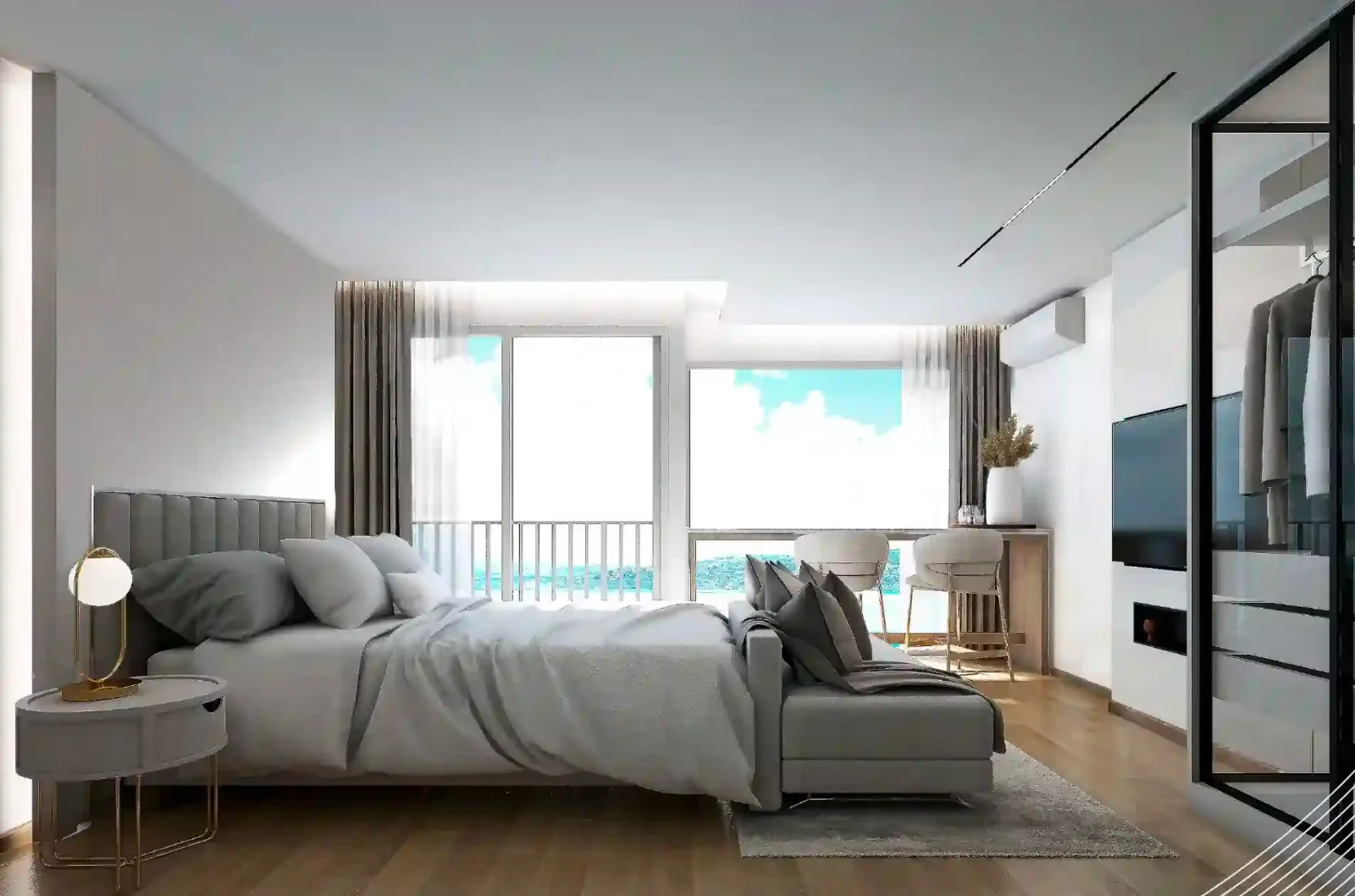

## Nai Harn: Overview
The area around the beach is compact. The Royal Phuket Yacht Club (one of Phuket's oldest hotels) sits on the southern headland. A scattering of restaurants, juice bars, and dive shops line the approach road. The overall development density is low, intentionally so, partly because the lake park is public land and partly because the hills on three sides limit buildable space.
This scarcity is the investment thesis for Nai Harn, and the file supports it: **seven schemes and 316 units under construction**, against Rawai's 24 schemes and 1,321. Recent launches include VIP Galaxy Villas, marketed with a guaranteed return programme: that scheme is not on our price file, so verify both the price and the guarantee clause in the SPA rather than from marketing, and a handful of boutique condo developments. Those have commanded $3,000-$3,500/sqm without resistance from the market.
Rental demand at Nai Harn has two distinct drivers. First, the beach-focused holiday market: guests specifically seeking a beautiful, uncrowded beach in south Phuket, typically Europeans spending 1-3 weeks. Second, longer-stay expat renters who want the Nai Harn Lake lifestyle, morning jogs, afternoon swims, evening sunsets from the headland, without the activity level of Rawai or Kamala. Both tenant types pay reasonable daily and monthly rates. The gross yield this sentence used to attach to that observation is withdrawn (nothing measures it) and the point that Nai Harn works without aggressive management stands on the demand mix rather than on a percentage.
The limitation is the same as the advantage: Nai Harn is small. If you want a property near the beach itself, your options are limited and competition for those units is meaningful. If you settle for a development 1-2km from the beach (technically "Nai Harn area"), you're in less distinctive territory, closer to regular south Phuket inventory without the beach premium.
The five-year appreciation figure this paragraph used to give is withdrawn: no transaction index covers Phuket property, so nothing measured it. The supply argument behind it is countable and does hold, 316 units under construction in Nai Harn against 1,321 in Rawai, and Nai Harn's beach profile among international buyers is a real phenomenon that nobody has priced.
## Rawai: Overview
What makes Rawai distinct in the expat community is its completeness. In the 1-2km behind the waterfront, you'll find: yoga studios, gyms (including serious Muay Thai training camps), international-standard medical clinics, supermarkets, hardware stores, motorbike dealers, estate agents, co-working cafés, and a full range of restaurants. People who live in Rawai can meet most daily needs without leaving the district. This is less true of Nai Harn, which is more satellite than hub.
The property market in Rawai is more varied and has more inventory than Nai Harn. Pool villas are the other half of the offer: on our price list 81 priced villas start at 12,280,000 THB (about $375,535) and the median sits at 24,800,000 THB (about $758,410), typically 2-4 bedrooms with private pools in one of the villa compounds built across Rawai.
On our records Rawai runs **145,000 THB per sqm (about $4,434)** across 1,291 priced apartments, entering at **3,032,320 THB ($92,731)**, with 81 priced villas from **12,280,000 THB ($375,535)** at a 24,800,000 median. Both figures are above what this page previously stated, and the villa entry is a third higher than the $300,000 it claimed.
The rental yield and high-season occupancy this paragraph used to give are withdrawn: nothing measures either in Thailand. Monthly **asking** rents for a good villa here run 40,000 to 70,000 THB, read those as asking rather than achieved, and check the current ones on the long-stay portals, where they are visible before you buy in a way a nightly rate never is.
What genuinely distinguishes Rawai is the dual tenant model: a resident and long-stay population that supports twelve-month tenancies, plus holiday demand in season. That mix story more flexible than either pure short-term (Patong) or pure long-term (Chalong) models.
The five-year appreciation range this paragraph used to give, and the comparison against Chalong it rested on, are both withdrawn, no index measures either area. What is countable is that Rawai carries 1,321 units under construction against Chalong's 687, so it faces the heavier new supply of the two.
## Head-to-Head: Investment Returns
**Price per sqm:** Nai Harn is cheaper, and by more than this page used to say. On the record it runs 125,000 THB per sqm against Rawai's 145,000, about $3,823 against $4,434, a 16% gap rather than the 6% the old figures implied. Its entry is lower too, 2,600,000 THB against 3,032,320.
**Yield:** not comparable, neither area has a measured one. What Rawai does have is the larger tenant pool, more management infrastructure, and the dual short-stay and long-stay model, all of which are structural observations rather than percentages. It also holds 47 finished priced apartments against Nai Harn's 5, so it is the one of the two where an owner's twelve-month statements can realistically be produced.
**Appreciation:** unmeasured in both areas, so the ranking this line used to make is withdrawn. Rawai does have the larger community and more transactions; Nai Harn has the tighter supply, 316 units under construction against 1,321. Those pull in opposite directions and nobody has measured which wins.
**Beach access:** Nai Harn wins for buyers who want direct beach lifestyle. Rawai is 5 minutes from the same beach, genuinely close, but not the same as walking to it.
**Community:** Rawai wins significantly. The expat ecosystem is denser, more social, and more self-sustaining. Nai Harn is quieter by design.
## Buyer scenarios: which south Phuket area fits your plan?
**Scenario A, income buyer with community needs (about 3,100,000 THB):** a compact Rawai unit near the entry of the market, in a building with professional management, on the dual tenant mix, holiday demand November to April, twelve-month or monthly tenancies through the quieter half. The gross yield target this scenario used to set is withdrawn; ask instead for the operator's documented track record and for month-by-month statements from units they already run, which in Rawai is realistic because 47 priced apartments here sit in finished schemes.
**Scenario B, Family hybrid use ($320,000 pool villa):** Rawai villa compound with 3 bedrooms, personal use 8 weeks/year, STR the balance. Verify leasehold term (30+ years remaining) and pool maintenance at $1,200/year before signing.
**Scenario C, long hold on scarcity:** a Nai Harn boutique scheme at the area's 125,000 THB metre (about $3,823, higher than the $3,200 this scenario used to state), on the view that a constrained bay with 316 units under construction competes with less new supply than Rawai's 1,321. The appreciation bet cannot be sized, since no index measures it; what can be sized is the pipeline, and it does favour Nai Harn.
| Buyer profile | Lean Nai Harn | Lean Rawai |
| --- | --- | --- |
| First-time foreign buyer | If beach is non-negotiable | If infrastructure matters daily |
| Income focus | Thinner market: 277 priced apartments, 5 finished | Deeper: 1,291 priced, 47 finished, and a dual short-stay and long-stay model |
| Personal use 3+ months/year | Strong fit | Good, beach 5 min away |
| Pool villa budget $300K+ | Limited freehold stock | Deep inventory |
## Red flags when comparing Nai Harn vs Rawai listings
**Red flag 2, Rawai villa with under 25 years lease remaining.** Resale pool shrinks; extension costs are negotiable but not guaranteed.
**Red flag 3, Guaranteed 10% yield without audited payout history.** Ask for 24 months of owner statements, not marketing PDFs.
**Insider tip:** Walk both areas on a weekday evening before reserving. Nai Harn after 9pm is quiet; Rawai's pier strip stays active, your guest reviews will reflect that difference within six months.
## Pros and cons: Nai Harn vs Rawai for investors
### Nai Harn pros and cons
**Pros:** A genuinely swimmable beach in a natural bowl that cannot be built out; a quieter, more residential feel that long-stay tenants pay for; scarcity of stock supporting price; a guest profile that books longer stays than the island average.
**Cons:** Smaller inventory; thinner management ecosystem; fewer daily conveniences; resale buyers are narrower (beach-focused niche).
### Rawai pros and cons
**Pros:** Dense expat infrastructure; dual rental model (short + monthly); more project choice at every ticket size; 5-minute access to Nai Harn Beach anyway.
**Cons:** Rocky local beach (not swimmable); slightly higher $/sqm; some streets feel overbuilt; yield requires active operator selection.
## Our Verdict
The real question is what you want to walk to. If it's the beach, Nai Harn. If it's a coffee shop, gym, or restaurant at 8pm, Rawai. The investment numbers are close enough that lifestyle preference should drive this decision more than return-optimisation.
Neither area is the wrong answer; the wrong answer is buying one and running the other's model.
## The difference is the beach itself
Nai Harn and Rawai are minutes apart, share the same southern community and are frequently discussed as one area, but they differ on the thing that decides who rents from you.
Nai Harn has a genuine swimming beach: a sheltered bay, clean sand, calm water for much of the year, and the amenity that comes with it. Rawai's seafront is a working one, longtail boats, seafood restaurants, the departure point for the southern islands, and most people who live in Rawai swim at Nai Harn.
That single fact drives everything else.
| | Nai Harn | Rawai |
|---|---|---|
| Beach | Swimming bay, holiday-quality | Working seafront; swimming happens at Nai Harn |
| Guest profile | Holiday visitors, shorter stays | Long-stay expats, returning winter residents |
| Rental pattern | Nightly in season, thinner off it | Monthly, steady across the year |
| Entry price | Higher for equivalent stock | Lower |
| Everyday life | Quieter, more residential | Restaurants, markets, services, community |
| Turnover cost | High, many changeovers | Low, long tenancies |
Both sit within the same municipality and share schools, clinics and shopping, so the choice is genuinely about the seafront and the rental model rather than about daily life, which is much the same in either.
One further practical difference: Rawai's seafront is where the boats leave from, which means early activity and working noise along the front that Nai Harn does not have. For a resident that is either character or nuisance depending on temperament, and for a guest paying holiday rates it is worth knowing about before they arrive rather than in a review afterwards. Units set back from the Rawai seafront avoid it entirely, which is another reason micro-location matters more here than the area name suggests.
## Which model you are actually buying
The practical consequence is that these two areas suit different rental businesses, and buying one while modelling the other is the mistake to avoid.
A Nai Harn unit underwritten on nightly holiday letting is buying the beach and the seasonal rate that comes with it, at a higher entry price, with the vacancy and turnover costs that short letting carries.
A Rawai unit underwritten on monthly tenancies is buying a lower entry price, a tenant who stays for three to six months, almost no turnover cost, and very little vacancy once let. The rate per night is lower and the annual net is frequently closer than the headline rates suggest.
For most buyers at this budget the Rawai monthly model is the easier asset to own, and the Nai Harn nightly model is the higher-ceiling one. Which is right depends on whether you want a business or an income, and on whether you intend to use the property yourself, since a long tenancy and personal use do not coexist.
One check applies to either: stays under 30 days are hotel business under the Thai Hotel Act absent a hotel licence, and a condominium's house rules can prohibit short lets independently. Confirm both in writing before underwriting a nightly model anywhere in the south.
Note also that the south is a long way from the airport, roughly 45 minutes to an hour depending on traffic. That deters some short-stay guests and matters not at all to a long-stay tenant, which reinforces the split above rather than cutting across it.
A practical way to decide: work out how many weeks a year you intend to use the property yourself. Any meaningful personal use rules out a long tenancy, which pushes you toward the Nai Harn nightly model whether or not the numbers favour it. Owners who want both usually end up with neither, blocking out the weeks they want and finding the remaining calendar too fragmented to let well.
Whichever you choose, get the building's letting position in writing before you model any income, and check the floor area against the 35 square metre threshold that separates a unit with one demand pool from a unit with two. Those two checks apply identically in both areas and settle more of the question than the choice of beach does.
## Worked net comparison: $120,000 in each area
Pair area choice with [Rawai property guide](/rawai-properties/) when you shortlist specific projects.
MORE Group runs south Phuket comparison tours that include both Nai Harn and Rawai inventory, same day, net yield spreadsheets, and quota-checked shortlists. Budget $90,000-$150,000 buyers often tour three projects in each area before choosing; the decision usually crystallises after a sunset walk at Nai Harn versus an 8pm dinner run in Rawai.
## FAQ
### Which area has higher rental yield?
Neither has a measured one, and the bands this answer used to compare are withdrawn: Thailand keeps no letting register. Rawai has the deeper market (1,291 priced apartments against 277) and 47 finished ones against 5, so it is the area where letting evidence can actually be obtained. Rawai's larger rental pool, better management infrastructure, and dual short-stay/monthly model provides more yield flexibility. Nai Harn's yield is solid but the market is thinner.
### Which is cheaper to buy?
On our price list Nai Harn is the cheaper entry on both counts, despite arguably the better beach: 125,000 THB per sqm against Rawai's 145,000 (about $3,823 against $4,434), and an entry of 2,600,000 THB ($79,511) against 3,032,320 THB ($92,731). Rawai's 81 priced villas start at 12,280,000 THB ($375,535).
### Which area is better for families?
Nai Harn is better if beach lifestyle is the priority, the sheltered bay, the lake park, and the calm atmosphere suit families. Rawai is better if you need practical infrastructure (medical, schools, shopping). Many families choose Rawai precisely because the beach is 5 minutes away but schools and supermarkets are also close.
### Can foreigners buy in both areas?
Yes. Condominium freehold is available in both within the 49% floor-area allowance, though condo stock is thinner in Nai Harn than in Rawai. Villas in either come as a registered 30-year lease over the land with the house owned separately, since foreign freehold on land is not available.
### Which area has better capital appreciation?
Unmeasured in both (no transaction index covers Phuket property) so the ranking this answer used to give is withdrawn. Nai Harn has the tighter pipeline (316 units under construction against 1,321) and Rawai the deeper market. How either compares with north Phuket on appreciation is not measurable, since no transaction index covers the island.
**Related Guides:**
{/* corpus-related:nai-harn-vs-rawai-comparison */}
- [Rawai vs Chalong: South Phuket Lifestyle & Investment Guide](/guides/rawai-vs-chalong-lifestyle/)
- [Best Areas to Invest in Phuket 2026](/guides/best-areas-phuket-buy-property/)
- [How Rental Demand Works in Phuket](/guides/how-rental-demand-works-phuket/)
- [Is Phuket a Good Property Investment?](/guides/is-phuket-good-property-investment/)
- [Hidden Costs of Buying Property in Thailand](/guides/hidden-costs-buying-property-thailand/)
# Nai Yang Property Guide: Airport-Side Value
> Nai Yang property: 830 priced units on record, condos from 1,849,000 THB at 142,088 per sqm, and why the whole condo market here is seven buildings.
**Source:** https://moregroup.estate/guides/nai-yang-property-guide/
**Section:** Investment Guides
**Author:** Maksim Shchegolev
**Published:** 2026-03-27
**Updated:** 2026-08-23
---
**Quick answer:** Nai Yang works best for buyers who want a lower entry price, airport convenience and a real beach without Bang Tao pricing. In 2026, the strongest buys are **well-managed condos near the beach or Sirinat National Park** with clear foreign freehold quota, credible rental management and realistic resale assumptions. The trade-off is thinner lifestyle infrastructure and a smaller buyer pool than Bang Tao or Rawai.
Nai Yang is the beachside village just south of Phuket Airport, fronting a sheltered bay inside Sirinat National Park. On MORE Group's price records the beach carries 830 priced units across 30 schemes. The apartment stock is 530 of those units, at a median of 5,927,000 THB for 39 square metres, or 142,088 THB per square metre, with the cheapest at 1,849,000. Villas make up the other 300, median 22,000,000 THB for 280 square metres at 70,912 per square metre, opening at 5,490,000.
What no honest guide can give you is a yield. Occupancy and achieved rates here sit with the managers who run the buildings and are not published, and in seven buildings the difference between competent management and poor management is a bigger number than anything an area average could tell you. What can be given is the price ladder, the comparison against the neighbouring beaches, and the two structural facts that decide a Nai Yang purchase: the park boundary, and the fact that the whole condominium market is seven buildings.
## Who This Area Is For?
It also draws buyers who want a beach at a lower rate per square metre. That discount is real and it is smaller than the marketing suggests. Set against the beaches to the south, the apartment rate here is 142,088 THB per square metre against 156,140 at Kamala, 155,396 at Surin and 161,000 at Bang Tao: roughly 10% under the first two and 12% under Bang Tao, not a fraction of them. The villa discount is wider, 70,912 against 87,333 at Bang Tao and 105,997 at Kamala, which is 19% and 33%.
The trade-off is infrastructure. Nai Yang is a village rather than a resort. For a buyer who wants Bang Tao's range of amenities within a walk, it will disappoint, and the price difference above is roughly what the market thinks that is worth.
## What does each format cost at Nai Yang?
Seven buildings hold the 530 priced apartments, which makes the format ladder unusually easy to read.
| Format | Units priced | Cheapest, THB | Median, THB | Median size |
|---|---|---|---|---|
| Studio | 47 | 1,849,000 | 3,637,615 | 31 sqm |
| One-bedroom | 299 | 3,429,657 | 5,376,735 | 37 sqm |
| Two-bedroom | 162 | 7,180,645 | 8,768,100 | 60 sqm |
| Three-bedroom | 22 | 13,221,000 | 14,577,500 | 119 sqm |
Two things follow. The one-bedroom is the market: 299 of 530 units, more than the other three formats together, which means it is the format with the most competition when you let it and the most comparables when you sell it. And the studio band is thin, 47 units in total, so a studio here is a scarcer thing than on the west coast, in both directions.
The three-bedroom line is worth a second look. At a median of 14,577,500 THB for 119 square metres, those 22 units are priced at roughly 122,500 per square metre, below the area's own median rate, which is the normal discount a small market applies to its largest apartments. If the space is genuinely useful to you, it is the cheapest floor area in Nai Yang.
## Rental Demand
The shorter-term market (Airbnb, Booking.com) works for properties with beach proximity. The beach itself is pleasant enough in high season to compete with mid-tier Phuket listings. Airport connection is marketed specifically to guests arriving late or departing early.
What that converts into is a building-level question rather than an area one, and the honest answer is that nobody publishes it. Ask the operator for a full year of statements from a comparable unit under the same roof, broken out by month, and start with the May-to-October half: that is where a Nai Yang unit either holds up on long stays or does not.
## Infrastructure & Lifestyle
Sirinat National Park begins at the northern end of the beach. The park includes mangroves, a freshwater lake (Nai Yang Lake), and the sea turtle nesting area shared with Mai Khao. Walking and cycling within the park is common among residents.
For significant shopping, the Lotus's (Tesco) supermarket near the airport is a 7-minute drive. Villa Market in Cherng Talay is 20 minutes. Central Festival is 40 minutes.
Healthcare: Thalang Hospital is 15 minutes south. Bangkok Hospital Phuket is 30 minutes. Local clinics in the area handle primary care.
**The Title Serenity Nai Yang** is one of the more prominent recent developments in the area, a branded project with pool and resort facilities that has helped raise the area's international profile. If researching properties here, it is a reference point for what managed development looks like in Nai Yang.
## Investment Thesis
Current buyers are paying a value price relative to the beach quality. The risk is that Nai Yang stays exactly as it is, a pleasant quiet area without significant new investment, rather than following the Nai Yang-Cherng Talay growth corridor south.
## What Nai Yang actually is
Nai Yang sits on Phuket's north-west coast, against Sirinat National Park, minutes from the international airport and a long way in every other sense from the Patong end of the island. The beach is a long casuarina-shaded curve with a shallow, calm bay; the strip behind it is low-rise local restaurants rather than a resort promenade. Nothing here is tall, and by law much of it cannot become tall.
| Factor | Nai Yang |
| --- | --- |
| Position | North-west coast, Thalang district |
| Airport | 10-15 minutes |
| Beach character | Long, shaded, shallow, calm water |
| Development ceiling | Constrained by national park boundaries |
| Dominant stock | Low-rise: 530 priced apartments in 7 schemes, 300 villas in 23 |
| Guest profile | Families, long-stay, transit and repeat visitors |
| Nightlife | Effectively none |
The national park boundary is the single most important line on the map for a buyer here. It caps how close to the sand anything can be built and how much buildable beachfront land exists at all, which is why Nai Yang has not followed Bang Tao's density curve despite being closer to the airport. A constraint like that guarantees nothing about price. What it does mean is that a competitor cannot simply be built beside you and reset the local market, which is exactly what can happen in the Cherng Talay corridor and is visible in the numbers: 48 apartment schemes there against seven here.
## Risks and red flags specific to Nai Yang
The area's advantages are real and so are its constraints. These are the ones worth checking before a deposit.
| Red flag | Why it matters here | What to verify |
| --- | --- | --- |
| Park boundary claims | "Beachfront" marketing on plots the boundary restricts | Title plan against the park boundary, with your own lawyer |
| Aircraft noise | Approach paths cross parts of the district | Stand on the actual plot for an hour, not the show unit |
| Thin nightly demand | Guest volume is far below the west coast corridors | Operator statements from a comparable unit, not projections |
| Seasonal emptiness | Low season is quieter than Bang Tao's | Model twelve months, not the November-April window |
| Villa land structure | Foreigners cannot hold freehold land | Registered lease or Thai company, reviewed independently |
**Insider tip:** the airport proximity that sells this area is also its most misused argument. It genuinely helps owners who fly in often and guests arriving late or leaving early, and it does very little for nightly rates, because a holiday guest chooses a beach rather than a transfer time. Price the convenience into your own use of the property, not into the yield model.
## Buyer Scenarios: Who Should Actually Buy in Nai Yang?
**Entry-level investor with a limited budget.** Nai Yang can work if the objective is to enter Phuket below Bang Tao pricing while still owning near a real beach. The buyer must accept that yields are more modest and resale may take longer. The safest approach is a freehold condo in a managed building, not an isolated cheap unit with no rental operator and no clear tenant profile.
**Long-stay lifestyle buyer.** Retirees, remote workers and aviation-related residents can like Nai Yang because it is quiet, green and not over-commercialized. For this buyer, the main underwriting variables are daily convenience, healthcare access and whether the village feels too small after the first month. The property should be comfortable for actual living, not only optimized for nightly-rental photography.
**Airport-expansion speculator.** Some buyers choose Nai Yang because they believe north Phuket will re-rate as airport capacity grows. That thesis is possible, but it needs a long hold period. Do not buy a weak unit just because it is near the airport. The airport is a catalyst; beach access, building quality and foreign quota are still the asset.
**Yield-first investor.** If the main goal is maximum passive income, Nai Yang is rarely the first answer. Compare against Kata/Karon, Patong, Bang Tao and selected Rawai/Nai Harn stock before committing. Nai Yang can produce steady rental income, but it is not the deepest short-stay market on the island.
## How Nai Yang earns its money
The rental case here is different in kind from the west coast corridors, and modelling it on Bang Tao assumptions is the most common way to be disappointed by an otherwise sound purchase.
Nai Yang's guest is not the peak-week holiday tourist. It is the family taking two or three weeks in a quiet bay, the long-stay northern European escaping winter, the returning visitor who has decided they prefer shade and shallow water to beach clubs, and the traveller who books the north specifically because a 6am departure from a Bang Tao hotel is a miserable experience and a 15-minute transfer is not. Those guests stay longer, cost far less to service, and are much less seasonal than the nightly market, but they will not pay a Bang Tao nightly rate and no amount of presentation will change that.
The consequence for an owner is that the gap between gross and net is narrower here than on the west coast, because turnover costs and platform fees fall with longer stays, even though the headline rate is lower. Two units quoting very different gross percentages can land much closer together once the operator's share, the changeover costs and the empty months are taken out of both, and the one with the longer stays is the one that loses less on the way down.
Two practical instructions follow. Underwrite twelve months rather than the November-to-April window, because the shoulder months are where this area's advantage actually shows up. And insist on statements rather than projections. Across seven buildings there is no large comparable set to average, so who runs your unit matters more here than which of the seven it sits in.
## 2026 Decision Framework
**Up to about 5,500,000 THB** the choice here is a studio or a one-bedroom, and the ladder above says the one-bedroom is the deeper market on both sides of the transaction. Pick the building on visible upkeep and on whether its management can actually handle a long-stay tenant, because that is the demand this beach has.
**Between 5,500,000 and 9,000,000 THB** the question stops being about affordability. At the area's median two-bedroom of 8,768,100 THB you are within reach of entry stock in Rawai, whose one-bedroom median is 6,739,600, and Karon's at 6,101,620, both of which sit in deeper markets. Nai Yang has to win on the beach and the airport rather than on the arithmetic.
**Above about 13,000,000 THB** you are in the 22-unit three-bedroom band, which is the cheapest floor area in the district and also its thinnest resale market. That is a reasonable place to be if the property is for use. It is a difficult one if the exit needs to be quick, because at that price the buyers who would compete for your unit have Bang Tao, Surin and Nai Harn open to them.
One last point specific to this district. Because the buildable stock is limited and the projects are individually small, the difference between two units in Nai Yang is often larger than the difference between two districts elsewhere. Aspect, floor, distance to the sand and the quality of the juristic office vary widely across a handful of buildings, and there is no large comparable set to average them out. Time spent choosing the specific unit is worth more here than time spent choosing the area, which is the reverse of how most buyers allocate their attention.
## How to Build a Shortlist?
For current examples, compare [The Title Serenity](/projects/the-title-serenity/), [Phuvista Naiyang](/projects/phuvista-naiyang/), [The Zero Nai Yang](/projects/the-zero-nai-yang/) and the wider [Phuket project catalog](/projects/). Then cross-check against [Nai Yang vs Mai Khao](/guides/nai-yang-vs-mai-khao-comparison/) so you understand whether you are buying the stronger north-beach option or simply choosing the closest listing to the airport.
Before paying a deposit, ask for three documents or confirmations: current foreign quota for the exact unit, the building's rental rules, and recent comparable rental or resale evidence. If the seller or agent cannot provide those, slow down. Nai Yang rewards patient buyers who verify boring details; it punishes buyers who assume every north Phuket beach project will automatically rise with the airport.
## What to walk before you commit
Three checks are worth an afternoon each in this district, and each one has changed a buyer's decision often enough to be worth naming.
Stand on the actual plot or balcony for a full hour, at the time of day you would use it. Nai Yang sits under part of the airport's approach, and how much that matters varies sharply between addresses a few hundred metres apart. The showroom visit will not tell you; an hour on the spot will.
Walk the route from the property to the sand, not the map line. The national park boundary means the last stretch is often a path rather than a road, which is pleasant and also slower than the drive time suggests, and it decides whether a guest treats the beach as a default or a plan.
Drive the road out to the highway at 8am on a weekday. The airport proximity that sells the area is real, and so is the traffic that builds around the airport junction at peak. Both facts can be true, and only one of them is in the brochure.
## FAQ
### Is the aircraft noise in Nai Yang a real problem?
It depends on the specific property and your sensitivity. Properties directly under the flight path experience regular noise during aircraft movements, Phuket Airport runs from roughly 6am to midnight. The western part of Nai Yang (beach side) is less affected than areas to the east of the runway. Visit the property at different times of day before purchasing, and ask specifically about flight path exposure. Many residents adapt without issue; others find it disruptive.
### How is Nai Yang Beach compared to Bang Tao or Kamala?
Nai Yang Beach is a sheltered bay approximately 1km long. The water is calm for swimming, cleaner than Patong, and the beach is uncrowded. It lacks the infrastructure of Bang Tao (no sun beds, few beach clubs, no major hotel strip). It is best described as a natural, undeveloped beach, pleasant for those who want that character, underwhelming for those expecting resort beach amenities.
### What is the typical buyer profile in Nai Yang?
Frequent travelers who value the 5-minute airport connection; value-conscious buyers who want a Phuket beach property at below-market pricing; retirees and remote workers who want a quiet lifestyle; and investors targeting the long-term expat rental market. It is not typically chosen by buyers whose primary criteria are investment yield maximization or access to nightlife and entertainment.
### How does Nai Yang compare to Mai Khao as an investment?
Both are airport-adjacent, both are affordable, and both have beaches protected by Sirinat National Park. Nai Yang has slightly higher prices, slightly better services infrastructure, and a more established international buyer market. Mai Khao is cheaper, quieter, and earlier in its growth curve. Nai Yang is the more liquid market for resale; Mai Khao offers lower entry costs but a longer time horizon for appreciation.
### Are there rental management options in Nai Yang?
Yes, though the selection is smaller than in Bang Tao or Kata. Some condo projects have in-house programs. Independent operators from the Cherng Talay area also cover Nai Yang properties. The Title Serenity Nai Yang has its own management infrastructure. For long-term rentals, direct landlord management is viable given lower turnover requirements.
**Related Guides:**
{/* corpus-related:nai-yang-property-guide */}
- [Mai Khao, the next beach north, and how it differs](/guides/mai-khao-nai-yang-area-guide-2026/)
- [Where the island's money actually goes, by area](/guides/best-areas-phuket-buy-property/)
- [Who rents in Phuket, and when](/guides/how-rental-demand-works-phuket/)
- [What the market is doing into 2026](/guides/phuket-property-market-outlook-2026/)
- [Buying before it is built: the risks in order](/guides/off-plan-property-phuket-guide/)
## Market signals to watch in 2026
- Nai Yang is attracting buyers who want a quieter beach base with fast airport access rather than a high-density tourist district.
# Nai Yang Vs Mai Khao Comparison Guide (2026)
> Airport-adjacent north Phuket compared on MORE Group's price list: metre rates, market depth, beach access and a buyer checklist for both.
**Source:** https://moregroup.estate/guides/nai-yang-vs-mai-khao-comparison/
**Section:** Investment Guides
**Author:** Maksim Shchegolev
**Published:** 2026-03-27
**Updated:** 2026-08-22
---
## Nai Yang vs Mai Khao Property 2026: Which Area Wins?
**Quick answer:** choose **Nai Yang** if you want a usable beach area, better day-to-day convenience and stronger rental demand. Choose **Mai Khao** only if you want the lowest entry price, extreme quiet and a long-term airport-expansion thesis. For most foreign buyers, **Nai Yang wins** because it has clearer daily demand, more practical beach access and less reliance on future infrastructure promises.
| Goal | Better choice | Reason |
| --- | --- | --- |
| Lowest entry price | Nai Yang | Cheapest priced apartment 1,849,000 THB, against Mai Khao's 9,300,000 |
| Better rental demand | Nai Yang | More usable beach + slightly deeper tenant pool |
| Personal use | Nai Yang | Easier restaurants, beach access and daily life |
| Long-term speculation | Mai Khao | Airport corridor upside, but slower lifestyle infrastructure |
**Fast verdict:** Nai Yang is the safer north Phuket buy for lifestyle and rental use; Mai Khao is the cheaper but more speculative hold. If your goal is reliable passive income, compare both against Bang Tao, Kata/Karon and Rawai before committing to the airport corridor. Then move from area theory to inventory: check [verified Phuket projects](/projects/), [current resale options](/resales/) and the [Phuket rental yield guide](/guides/phuket-rental-yield-complete-guide-2026/) before reserving.
Nai Yang and Mai Khao are north Phuket's two most affordable investment corridors, but they serve different purposes. Nai Yang sits 3km from the airport with a sheltered beach inside Sirinat National Park, and on our records holds 530 priced apartments at a median 5,933,500 THB and 142,107 per square metre; it attracts buyers who want airport convenience plus a genuine beach. Mai Khao is 2 minutes from the airport and has Phuket's longest beach at 17km, but it does not cost less: our list holds 39 priced apartments there, all in one scheme, from 9,300,000 THB at a median 10,000,000 and 145,313 per square metre. It is also genuinely remote, few restaurants, few amenities, and a quieter tenant pool. Both have upside potential tied to the ongoing airport expansion; neither is ready for passive set-and-forget investment.
> Cluster overview: [Phuket Areas Master Guide 2026](/guides/best-areas-phuket-buy-property/).
{/* hub-backlink:phuket-areas-master-guide-2026 */}
## Nai Yang: Overview
That national park status is a double-edged sword. It protects the beach permanently, you'll never see a hotel built in front of you, but it also limits commercial development in the area. The restaurant strip along the beach is modest: a row of simple seafood shacks rather than destination dining. The nearest proper supermarket or mall is a 10-15 minute drive.
Property in Nai Yang benefits from airport proximity in a practical way: flight times are irrelevant, jet lag recovery is immediate, and last-minute business trips don't mean a two-hour transfer. For buyers who travel frequently and use Phuket as a regional base (or second home during winter), this is a real quality-of-life benefit.
The property market here is genuinely affordable by Phuket standards, and the records show where. Nai Yang holds 530 priced apartments across 7 schemes, three of them finished, from 1,849,000 THB at a median 5,933,500 and 142,107 per square metre, with a median unit of 39 square metres. Against Bang Tao's 161,000 per square metre that is about 12% cheaper, not the half this paragraph used to claim: the gap between Phuket's areas is narrower than the labels suggest, and the widest gap on the island is between the beaches and the inland belt, where Chalong runs at 98,550.
Rental demand in Nai Yang is split between two tenant types: long-stay expats (often pilots, airport staff, and people in aviation or logistics who value airport proximity above all), and short-stay holidaymakers who want a quiet beach alternative to the crowded south. The latter market is smaller but growing as travellers get smarter about avoiding Patong/Kata crowds.
The gross and net yield ranges this paragraph used to give have been withdrawn: Thailand keeps no letting register, so neither was measured. The point underneath them stands and matters more here than in a deep market: with a small rental pool, the spread between a well-marketed unit and a badly marketed one is wide, and the manager accounts for more of your outcome than the address does. Ask any manager here for the last twelve months on a comparable unit before you appoint them.
Honest reality check: Nai Yang is not going to attract premium rental guests. It's not that kind of area. The ceiling on nightly rates is lower than the south. If you're running the numbers on a luxury villa rental strategy, this is not the location.
## Mai Khao: Overview
That emptiness is both the appeal and the limitation. The beach is extraordinary by any objective measure, wide, clean, backed by palms, and regularly used as a turtle nesting site. But the infrastructure around it is minimal. A handful of large resort hotels (JW Marriott, Anantara, and a few others) have anchored the northern end, which explains why it has any international profile at all. Outside those hotel compounds, there is essentially nothing: no restaurant strip, no supermarket, no café, no co-working space. Everything requires a car.
The airport is 2 minutes away. This is partly why those resorts are here, they're capturing airport-adjacent demand from premium travellers who don't want to transfer to the south. The JW Marriott at Mai Khao is consistently one of Phuket's highest-rated resort properties, despite (or because of) its remoteness.
Mai Khao is not the cheap end of the island, and the price list is clear about it: 39 priced apartments at a median 10,000,000 THB and 145,313 per square metre, against Nai Yang's 530 at 5,933,500 and 142,107. The $2,200 per square metre and $60,000 entry that stood here were below both, and could not be traced to any record. What Mai Khao actually is, is thin, 39 units is not a market, it is a handful of specific flats, and the buy-cheap-and-hold thesis that used to rest on the low figure does not survive the correct one. The airport-expansion argument still stands on its own; it is a bet on development moving north, not on a discount today.
The yield figure this paragraph used to give for Mai Khao has been withdrawn along with every other unpublished Phuket return. The rental pool is genuinely thinner, and that is the substantive point. Long-stay expats who need airport access tend to prefer Nai Yang's more developed surroundings. Short-stay holiday guests want beaches but also want somewhere to eat. The resort-quality hotels in the area don't help the private rental market, guests booking Mai Khao tend to go straight into Marriott or Anantara rather than private condos.
The airport expansion story (a roughly 6-billion-baht project taking terminal capacity from 12.5 to 18 million passengers a year, scheduled for 2029) is the main bull case for Mai Khao. More flights, more tourists, and potentially more commercial development in the north corridor could change the area's economics. But this is a long-term thesis, 5-10 years, not a near-term yield play.
## Which Is the Better Investment: Nai Yang or Mai Khao?
**Letting market:** Nai Yang has the larger one, 530 priced apartments against Mai Khao's 39, and a resident tenant base in aviation and logistics that Mai Khao lacks. No yield comparison is offered: none is published for either. The beach, national park, and slightly better infrastructure create more rental demand.
**Appreciation:** not measurable for either, and the comparison against Bang Tao and Laguna has been withdrawn along with the claim that both have lagged, Thailand publishes no transaction index for Phuket, so no area has a measured five-year change to lag or lead by. What is structural rather than numeric: Nai Yang's national park protection constrains what can be built beside it, and Mai Khao's case rests entirely on an airport expansion that has not happened yet.
**Practicality:** Nai Yang wins for buyers who plan to use the property personally. You can actually live there without a car being essential for every meal. Mai Khao requires a vehicle for any quality of life.
**Risk:** both are thin markets, and Mai Khao's 39 priced apartments make it one of the thinnest on the island. The yield level this line used to attach to that risk has been withdrawn; the risk is the depth itself. If you need an income you can verify before buying, look where finished buildings and letting histories exist, Nai Yang has three finished schemes, Mai Khao none on our list.
Nai Yang vs Mai Khao investment comparison (Phuket, 2026): Both areas sit in north Phuket within 3 to 8 minutes of the international airport. Nai Yang holds 530 priced apartments on our records at a median 5,933,500 THB and 142,107 per square metre, from 1,849,000 THB, driven by a mixed tenant base of short-stay holiday guests and long-stay expats in aviation and logistics. Mai Khao holds 39 priced apartments at a median 10,000,000 THB and 145,313 per square metre, so on our list it is the smaller and not the cheaper metre of the two, with a thinner private rental market because resort-quality hotels (JW Marriott, Anantara) dominate the area. The five-year appreciation figures this sentence used to give for both areas have been withdrawn, no Phuket transaction index existing to have measured either. What differs measurably is depth: 530 priced apartments against 39 in Mai Khao. The main bull case for Mai Khao is the $3.6-billion-baht expansion of the international terminal, which takes capacity from 12.5 to 18 million passengers a year on completion in 2029 and could drive commercial development north. For most buyers wanting somewhere usable with a market to sell back into, Nai Yang is the stronger choice on both counts: 530 priced apartments against 39, three finished schemes against none, and the cheaper metre of the two. Mai Khao suits a buyer making a long-horizon bet on the airport expansion and willing to hold a thin market while it plays out.
## Our Verdict
Mai Khao is a specific bet on airport expansion creating north Phuket demand. If that thesis plays out, early buyers will benefit. If development timelines slip, and they often do in Thailand, returns will be mediocre. We'd only recommend Mai Khao to buyers who can hold 7+ years and are comfortable treating it primarily as a speculative position.
## Buyer scenarios: who should actually buy here?
**Pure budget investor:** both areas are tempting because entry prices are low, but low entry should not be confused with low risk. If you need predictable cash flow, Nai Yang is safer because it has a deeper private rental market. Mai Khao needs a longer hold period and more patience.
**Lifestyle retiree:** Nai Yang again wins for convenience. It is quiet, but not empty. Daily life is manageable if you value peace and do not need the restaurant density of Bang Tao or Rawai. Mai Khao suits retirees who actively want resort-level isolation and are comfortable driving for almost everything.
**Airport expansion speculator:** Mai Khao is the cleaner bet if your thesis is that northern Phuket will be re-rated by passenger growth, logistics, and infrastructure. That is a 7-10 year view, not a 12-month flip. If your capital has a shorter horizon, do not force the thesis.
## The flight path question nobody asks until after transfer
Both areas sit beside a working international airport, and that is the variable most likely to decide whether you enjoy the property. It is also the one that never appears in a sales brochure.
Phuket International uses a single runway aligned roughly north-south, which means aircraft approach over the sea and depart over the northern coastline. The practical effect differs sharply between the two areas. Mai Khao lies directly under the northern departure track: the beach immediately north of the runway is famous precisely because aircraft pass low overhead, and that is a tourist attraction rather than a residential feature. Nai Yang sits south and slightly inland of the approach, so aircraft are higher and further away, but not absent.
| Noise factor | Nai Yang | Mai Khao |
|---|---|---|
| Position relative to runway | South, offset from centreline | North, under departure track at the southern end |
| Typical aircraft altitude overhead | Higher, on approach | Low over the southern beach section |
| Which end of the area matters | Closer to the airport road is louder | Southern Mai Khao is loudest; northern end is materially quieter |
| Night operations | Curfew-free airport, so late arrivals and early departures both occur | Same |
The actionable point: within Mai Khao, the difference between the southern and northern ends of a 17km beach is the difference between a novelty and a nuisance. Two units at the same price per sqm can have entirely different liveability. Visit at 07:00 and again at 22:00 before you commit, not at 14:00 when you happen to be doing viewings. If you are buying remotely, ask for a video taken at those hours rather than a rendering.
Airport curfews change, flight volumes change, and the expansion thesis that makes Mai Khao attractive is by definition a thesis about more aircraft. A buyer betting on passenger growth should be honest that the same growth is what passes over the property.
## Risk checklist before buying in north Phuket
1. Actual driving time to supermarkets, schools, hospitals and nightlife.
2. Whether the project has professional rental management or only “owner self-manage” assumptions.
3. If the unit is freehold foreign quota or leasehold.
4. Real monthly occupancy data from comparable units.
5. Noise exposure from flight paths and approach roads.
## Decision framework: beach usability vs speculative upside
| Criterion | Nai Yang | Mai Khao |
| --- | --- | --- |
| Usable beach lifestyle | Strong | Strong but isolated |
| Rental depth | Moderate | Thin |
| Airport upside | Moderate | Stronger |
| Personal convenience | Better | Weaker |
| Long-term speculation | Moderate | Higher |
If your goal is a **usable second home with some rental offset**, Nai Yang is the answer. If your goal is a **low-cost land-adjacent bet on the north corridor**, Mai Khao is the answer. If your goal is reliable yield, read [Phuket rental yield guide](/guides/phuket-rental-yield-complete-guide-2026/) and compare against [Bang Tao](/guides/bang-tao-beach-area-guide-2026/), [Rawai](/rawai-properties/) and [Kamala](/kamala-properties/).
**Internal links for a cleaner shortlist:**
For a wider view, check [Phuket property market outlook](/guides/phuket-property-market-outlook-2026/), [best areas in Phuket to buy property](/guides/best-areas-phuket-buy-property/), [hidden costs of buying property in Thailand](/guides/hidden-costs-buying-property-thailand/) and the [Phuket project catalog](/projects/). North Phuket can work, but it must be bought with the right risk profile. If you want Nai Yang examples, compare [Phuvista Naiyang](/projects/phuvista-naiyang/) and [The Zero Nai Yang](/projects/the-zero-nai-yang/) before choosing Mai Khao.
## The airport, which is the whole argument for both
Both areas exist as investment propositions because of one piece of
infrastructure, and it is worth being precise about what that does and does not
give you.
What it gives you is a tenant nobody else on the island has: aviation and
logistics staff, airline crew on layover, and business travellers who value a
ten-minute transfer over a beachfront address. That tenant is resident rather
than seasonal, which is why the monsoon costs less here than it does on the west
coast, and it is the reason Nai Yang's 530 priced apartments have a base that
Mai Khao's 39 largely lack.
What it does not give you is the growth story it is usually sold as. Airport
expansion is a real and documented programme, but no Phuket transaction index
exists, so nobody can tell you what previous expansions did to prices here or
what this one will do. Treat the pipeline as a reason to expect demand rather
than as a rate, and check its actual status rather than its announcement: a
proposed terminal and a funded one are different things, and the difference is
in the public record.
The practical test for either area is narrower than the airport story. Is there
a building with a resident tenant base you can verify from signed leases, and is
its juristic person solvent. If the answer is yes, the airport is a reason the
tenant exists. If it is no, the airport will not rescue the purchase.
## FAQ
### Which area has higher rental yield?
Neither can be ranked on yield, and both figures this answer used to give have been withdrawn: no Phuket letting series exists, so the occupancy comparison that used to close this answer has gone with them. Nai Yang has the deeper market, 530 priced apartments against 39, three finished schemes against none, and reaches a resident tenant Mai Khao does not, since aviation and logistics staff live there. Its median unit is 39 sqm, right at the line where a monthly tenancy becomes possible, so check the specific unit rather than the area.
### Which is cheaper to buy?
Nai Yang, on both measures our records hold. Its 530 priced apartments run at a median 5,933,500 THB and 142,107 per square metre, with the cheapest priced unit at 1,849,000. Mai Khao's 39 units run at a median 10,000,000 and 145,313 per square metre. The $2,200 versus $2,500 per square metre this answer used to give had Mai Khao as the cheaper of the two, which the price list contradicts. Neither is among the cheapest areas on the island: that is inland, Chalong at 98,550 THB per square metre, Kathu at 108,214, Wichit at 111,786.
### Which area is better for families?
Neither is ideal for families wanting variety and conveniences. Nai Yang is slightly better, the beach is beautiful and safe (no strong currents near the shore), and it's more manageable to live in. Mai Khao's extreme remoteness makes it difficult for families who need schools, supermarkets, and regular dining options.
### Can foreigners buy in both areas?
Yes, and the northern corridor has fewer buildings competing for quota than the west coast does. Condominiums can be freehold within the 49% floor-area cap. Both areas sit near protected land, which constrains what can be built and is worth checking against any specific plot.
### Which area has better capital appreciation?
No appreciation figure can be given for either, or for Bang Tao, and the percentages this answer used to compare have been withdrawn: Thailand publishes no transaction index for Phuket, so nothing measures a five-year change anywhere on the island. What is describable is the argument behind each. Mai Khao rests on the airport expansion, capacity from 12.5 to 18 million passengers a year, targeted for 2029, moving development north, which is speculative by construction. Nai Yang rests on national park protection limiting what can be built beside it, which constrains supply rather than promising a price. If appreciation is your primary goal, no Phuket page can honestly rank areas for you, here or elsewhere.
**About MORE Group:**
MORE Group is a Phuket-based real estate advisory covering north Phuket properties in Nai Yang and Mai Khao at 0% buyer commission. We provide honest area comparisons with no financial incentive to recommend one zone over another. Since 2016 we have guided 500+ property transactions for buyers from 100+ nationalities. MORE Group is a property advisory firm in Phuket, Thailand, not a hotel or spa brand. Contact: info@moregroup.estate · +66 65 119 5327 · moregroup.estate.
**Related Guides:**
{/* corpus-related:nai-yang-vs-mai-khao-comparison */}
- [Best Areas to Invest in Phuket 2026](/guides/best-areas-phuket-buy-property/)
- [Phuket Property Market Outlook 2026](/guides/phuket-property-market-outlook-2026/)
- [Is Phuket a Good Property Investment?](/guides/is-phuket-good-property-investment/)
- [Hidden Costs of Buying Property in Thailand](/guides/hidden-costs-buying-property-thailand/)
# Nai Yang Vs Nai Harn Property Investment (2026)
> Nai Yang vs Nai Harn investment comparison 2026, entry prices, rental yields, airport access, beach demand, risks, and who should buy in each area.
**Source:** https://moregroup.estate/guides/nai-yang-vs-nai-harn-property-investment/
**Section:** Investment Guides
**Author:** Maksim Shchegolev
**Published:** 2026-04-01
**Updated:** 2026-08-23
---
## Nai Yang vs Nai Harn: Which Phuket Area Is Better for Investment?
Phuket's north and south tips could not be more different. Nai Yang borders Sirinat National Park, 15 minutes from the international airport. Nai Harn faces a sheltered bay consistently ranked among Asia's best beaches, with one of the island's largest year-round expat communities.
Both beat Bang Tao or Kamala on entry price for comparable sqm. Both face seasonal tourism swings. The right choice depends on rental strategy, budget, and whether you will use the unit yourself. This guide compares 2026 pricing, yields, risks, and buyer scenarios with data you can cite in a purchase memo.
## Why Does Nai Yang Appeal to Value-Focused Investors?
The beach runs along protected park land, limiting high-rise sprawl compared with Patong or parts of Karon. The atmosphere is quieter, fewer nightclubs, more local restaurants and park walks. That profile attracts digital nomads and families who want calm without paying Bang Tao premiums.
Condo projects commonly launch at USD 120,000 to 160,000 for a pool-access one-bedroom. Price per sqm at USD 1,500 to 2,500 sits meaningfully below USD 2,500 to 4,000 in Bang Tao. Long-term rents run lower than the south, but void periods between tenants are often shorter because supply is thinner.
**Insider tip:** Inspect flood paths after heavy rain. Nai Yang's flatter terrain near the park can pool water in ground-floor units, ask juristic managers which blocks had issues in 2024 to 2025.
## Why Does Nai Harn Win on Peak-Season Income and Lifestyle?
The village infrastructure, restaurants, yoga studios, weekend markets, international schools within driving distance, supports 3 to 12 month expat leases that smooth shoulder-season cashflow. Owner-occupiers frequently choose Nai Harn because daily life works without driving to Rawai for groceries every day.
Entry runs 15 to 20 percent above Nai Yang: expect USD 140,000 to 220,000 for a quality one-bedroom and USD 200,000 to 280,000 for two-bedrooms with views.
Compare south-coast appreciation patterns in [capital appreciation by Phuket area](/guides/capital-appreciation-phuket-by-area/).
## How Do Rental Strategies Differ Between the Two?
The two districts do not compete for the same tenant, which is why comparing their yields directly is misleading.
**Nai Yang runs on length of stay.** Fifteen minutes from the airport, next to a national park, with lower rents than the west coast, it attracts remote workers on one to six month stays, families taking extended holidays, airline and airport staff, and travellers who want a first or last night near the terminal. Nightly rates are modest and the peaks are unremarkable, but the calendar fills more evenly across the year and void periods between tenants tend to be short because supply is thin. Turnover costs are lower for the same reason: a three-month tenant needs one clean, not twelve.
**Nai Harn runs on peak-season rate.** A destination beach with a genuine village behind it commands strong nightly pricing from November to April, and the listing sells itself because guests search for the beach by name. Against that, the low season is quieter and the short-stay market is more crowded, so finish quality and photography matter more. Many owners here run a hybrid: nightly through high season, then a three to six month expat lease from May, which smooths the trough at the cost of the shoulder weeks.
The practical consequence is that the same annual gross can be reached by very different routes. Nai Yang gets there on occupancy at a lower rate; Nai Harn gets there on rate at a lower occupancy. The Nai Harn version carries more variance and more work, and rewards an owner who has a competent operator. The Nai Yang version is steadier and more forgiving of an owner who does not.
Model net yield after fees, insurance, and management, not gross billboard numbers. Our [complete Phuket property guide](/guides/buying-property-phuket-guide/) links to cost stacks by owner type.
## Who Should Buy in Nai Yang vs Nai Harn?
**Choose Nai Yang if you:**
- Budget USD 120,000 to 180,000 and want maximum sqm per dollar
- Market airport convenience and long-stay value
- Target digital nomads and extended-family holidays
- Prefer quiet park-adjacent living over south-coast nightlife
- Accept slightly lower peak nightly rates for lower acquisition cost
**Choose Nai Harn if you:**
- Budget USD 140,000 to 250,000 and prioritize peak-season income
- Want destination-beach branding in listings
- Plan meaningful personal use, schools, social life, walkable village
- Can compete on finish quality in a crowded short-term market
- Value established expat services over north-shore development frontier
## What Is the Development Pipeline in 2026?
Supply risk cuts in opposite directions here, and it is one of the clearer differences between the two.
**Nai Yang** has land. The flat terrain behind the beach road and the airport corridor can absorb new projects, and the pipeline is correspondingly heavier. That is good for choice and bad for existing owners: new stock at launch pricing competes directly with your resale, and a wave of completions can hold the district's prices flat for a couple of years. The national park boundary caps development along the beach itself, which protects the setting but does nothing for the land behind it.
**Nai Harn** is constrained by topography. The bay is enclosed by hills, buildable land is limited, and the height and density that would be needed for large projects is not available. New supply arrives as boutique low-rise and higher-priced branded residences rather than as volume. That scarcity supports resale values and means well-managed small buildings tend to hold liquidity better than their size would suggest.
For a buyer weighing five years out, this is arguably the most important line in the comparison. Nai Yang offers a lower entry with real supply risk attached; Nai Harn costs more and is structurally protected from being built around.
For a north-shore comparator with luxury stock, see the [Bang Tao area guide](/guides/bang-tao-beach-area-guide-2026/).
## What Is the Verdict for 2026 Buyers?
Nai Harn wins when you want the stronger listing, the destination beach, and a village you would be content living in yourself. It costs 15-20% more at entry, its high season is genuinely strong, and terrain limits how much new supply can arrive to compete with you. It suits owner-occupiers, hybrid users, and investors who have a good operator and can compete on finish.
Nai Yang wins when you want lower entry, airport marketing angles, and long-stay resilience at 7 to 8 percent gross yields. Capital growth potential remains meaningful as north Phuket infrastructure catches up with west-coast pricing.
## Cost and yield side by side
| Line | Nai Yang | Nai Harn |
| --- | --- | --- |
| Quality 1-bedroom entry | USD 120,000-160,000 | USD 140,000-220,000 |
| 2-bedroom with a view | USD 160,000-210,000 | USD 200,000-280,000 |
| Price per sqm | USD 1,500-2,500 | USD 2,200-3,200 |
| Peak-season nightly rate | Modest | Strong |
| Low-season occupancy | Steadier, long-stay driven | Weaker without a monthly let |
| Indicative gross yield | 7-8% | 7-9%, more variable |
| Void periods | Short, supply is thin | Longer in shoulder months |
| New supply risk | Higher | Limited by terrain |
| Airport | 15 minutes | 45-50 minutes |
Two cautions about reading that table. The gross yield bands are close enough that they should not decide anything on their own, because the net figures depend far more on management quality than on the district. And the price-per-square-metre gap is the clearest number here: Nai Yang is meaningfully cheaper per square metre, which is exactly why the supply pipeline is heavier there.
If you are optimising purely on entry cost, the north is the answer and the risk is that the discount persists because supply keeps arriving. If you are optimising on the durability of the asset, the south costs more and is harder to build around.
## How Do Infrastructure Projects Affect Each Area?
| Infrastructure theme | Nai Yang impact | Nai Harn impact |
| --- | --- | --- |
| Airport proximity | Direct marketing angle | Neutral to slight negative for holiday guests |
| Road congestion | Lower than west coast hubs | Peak-season parking stress |
| New condo supply | Higher pipeline | Limited by topography |
| Expat services | Improving | Mature |
Monitor [capital appreciation by area](/guides/capital-appreciation-phuket-by-area/) when deciding hold period, north discount may narrow faster if supply outpaces demand.
## Buyer scenarios and decision framework
**Scenario A, $180,000-$250,000, STR-focused income.** Nai Harn one-bed with pool and parking; compete on finish quality; model 8-10% gross in peak-heavy pro forma only with 6-month low-season haircut.
**Scenario B, Owner-occupier 4+ months/year with school-age children.** Nai Harn village infrastructure wins; treat rental as offset, not primary thesis.
**Scenario C, Portfolio buyer sequencing north then south.** Buy Nai Yang entry unit to prove operator and market; upgrade to Nai Harn after 24 months of verified cash flow.
| If you prioritise… | Choose |
| --- | --- |
| Lowest $/sqm | Nai Yang |
| Peak-season ADR | Nai Harn |
| Airport/long-stay tenants | Nai Yang |
| Walkable expat village | Nai Harn |
| Minimal new-supply risk | Nai Harn (terrain-limited) |
## Due diligence on site: 2026 checklist
Some of this is specific to these two districts and will not appear on a general checklist.
1. **In Nai Yang, ask about the flight path.** The airport is fifteen minutes away and the approach passes over parts of the district. It is a real factor in guest reviews and it does not show up on a plan. Stand outside the building for an hour and listen.
2. **In Nai Yang, ask about water after heavy rain.** The flat land near the park pools, and ground-floor units have been affected. Ask the juristic manager which blocks had problems in 2024 and 2025, and ask a resident rather than only the office.
3. **In Nai Harn, drive the access roads in high season.** Parking and congestion around the bay in January are nothing like the same roads in June, and guests will comment on both.
4. **Check the minimum-stay rule in the condominium regulations.** A great location with a 30-day minimum behaves like a long-stay asset regardless of what you planned, and that changes the yield model entirely.
5. **Confirm foreign quota in writing** before any non-refundable deposit, on any freehold unit in either district.
6. **Request twelve months of operator statements or OTA exports** for comparable units in the actual building, not district averages.
7. **Walk the building after dark once.** Road noise, bar noise and aircraft all present differently at night than on a sunny midday inspection.
8. **In Nai Yang, ask what is planned on the neighbouring plots.** With supply arriving in this district, the empty land next door matters more than it would in Nai Harn.
Many portfolios hold neither district exclusively. A common sequence is to prove the operator and the cash flow on a Nai Yang entry unit, then upgrade south once the seasonality is understood from experience rather than from a spreadsheet.
## What each district is like to live in
Numbers aside, these are two genuinely different places, and if you will spend time here that matters more than the yield gap.
Nai Yang is quiet to the point of being sleepy. The beach is long, shaded by casuarina trees, and backed by park rather than by a strip. There are local restaurants along the sand and not much else, no nightlife to speak of, and a short drive to the shops and services in Thalang. For someone who wants calm and does not need a village around them, it is excellent. For someone who wants to walk out and find things happening, it is thin.
Nai Harn has an actual village. Restaurants, a weekend market, yoga studios, gyms, a supermarket, clinics, and one of the largest year-round foreign communities on the island. Daily life works without a car, which is unusual in Phuket and is the main reason owner-occupiers choose it. The bay is sheltered and swimmable for most of the year, and the lagoon behind it gives the place a shape that most Phuket beaches lack.
The trade shows up in January. Nai Harn in high season is busy, parking is difficult and the roads around the bay are slow. Nai Yang in January is still Nai Yang.
## How MORE Group compares north vs south?
If you are comparing specific listings, request 12 months of operator statements or OTA exports before you trust brochure occupancy. North versus south is a tenant-profile decision: transit and value versus beach destination and peak ADR. Match the district to your marketing story, not only to the lowest $/sqm on the portal.
Whichever district you choose, verify foreign quota on freehold units before deposit and read juristic house rules on minimum stay length, a great location with a 30-day minimum rental rule behaves like a long-stay asset even if you planned Airbnb-style nightly bookings. Walk the building at night once: noise from roads, bars, or flight paths shows up after dark, not on a sunny inspection tour.
## FAQ
### Which is closer to Phuket airport: Nai Yang or Nai Harn?
Nai Yang is approximately 15 minutes from Phuket International Airport. Nai Harn is 45 to 50 minutes south. Airport proximity is a key Nai Yang marketing angle for short-term and long-stay rentals.
### What is the average condo price in Nai Harn?
Quality one-bedroom condos in Nai Harn start near USD 140,000 to 160,000. Two-bedroom units often run USD 200,000 to 280,000 depending on view and building age.
### Is Nai Yang good for long-term rental investment?
Yes. Growing demand from remote workers and expats seeking lower rents than Bang Tao supports 3 to 12 month leases with relatively short void periods between tenants.
### Which area has better beach quality?
Nai Harn's sheltered bay consistently ranks among Phuket's top beaches for swimming and scenery. Nai Yang offers a quieter national-park-adjacent beach experience suited to calm holidays rather than dense resort tourism.
### Can I find properties under USD 150,000 in both areas?
Nai Yang has more one-bedroom options USD 120,000 to 145,000. Nai Harn offers some studios under USD 150,000, but quality one-bedrooms usually start near USD 140,000.
### Which area is better for first-time Phuket investors?
First-time investors with tighter budgets often start in Nai Yang for lower sqm cost and simpler rental positioning. First-time buyers who will use the unit personally often prefer Nai Harn despite higher entry.
**Read Also:**
- [How Foreigners Buy Phuket Property 2026](/guides/buying-property-phuket-guide/)
- [Due Diligence When Buying Property in Thailand](/guides/due-diligence-process-thailand-step-by-step/)
- [Best Areas in Phuket to Buy Property 2026](/guides/best-areas-phuket-buy-property/)
# Nominee Ownership Risks in Thailand (2026)
> Nominee land ownership in Thailand is illegal and high-risk. Criminal exposure, asset loss, and three lawful alternatives for foreign Phuket buyers in 2026.
**Source:** https://moregroup.estate/guides/nominee-ownership-risks-thailand/
**Section:** Investment Guides
**Author:** Maksim Shchegolev
**Published:** 2026-03-28
**Updated:** 2026-10-05
---
## Nominee Ownership Risks in Thailand: What Foreign Buyers Must Know (2026)
As of October 2026, nominee land ownership is illegal in Thailand: according to the Land Code, parties involved face up to 2 years imprisonment and/or fines up to 20,000 THB, and the foreign buyer holds no court-enforceable title. Foreigners cannot own land freehold in Thailand. That rule is old, clear, and actively enforced. Nominee arrangements, putting land in a Thai friend's or employee's name while the foreigner funds and "controls" it through private papers, are marketed quietly in villa segments. They are not a grey-area hack. They are prohibited evasion.
This guide explains what the law says, real failure modes, red flags in sales conversations, three compliant ownership paths, and a buyer checklist you can run before sending a deposit.
## What Does Thai Law Say About Nominee Land Ownership?
| Issue | Practical consequence |
| --- | --- |
| Nominee detected at registration | Transfer refused; prior arrangements challenged |
| Foreign beneficial owner | No enforceable land right; reliance on side letters |
| Thai nominee | Criminal and administrative exposure |
| Loan/trust/lease-back side deals | Often unenforceable; high fraud risk |
Thailand restricts direct foreign land ownership while allowing regulated investment through condominiums, registered leases, and qualifying business models. Nominee setups attempt to bypass that policy, regulators treat them accordingly.
Read the baseline ownership framework in [can foreigners buy property in Thailand](/guides/legal-guide-buying-property-thailand/).
## What Are the Real Legal Penalties for Nominee Land Ownership in Thailand?
Foreign buyers often assume only the Thai party faces consequences. Investigations can implicate anyone who structured or funded the evasion. The foreigner's capital sits outside court-enforceable title.
| Risk category | What buyers actually face |
| --- | --- |
| Criminal liability | Potential charges for parties involved in evasion |
| Civil disputes | Nominee claims, divorce, inheritance fights |
| Asset loss | Cannot prove ownership; difficult fund recovery |
| Resale blocked | Buyer lawyers refuse non-standard structures |
| Banking | Lenders deny finance on opaque holding |
**Red flag:** Any package where the only "title" you receive is a notarized letter while a Thai individual holds the Chanote.
Nominee land ownership in Thailand, key facts (2026): Land Code Section 96 prohibits foreign nationals from using Thai nominees to hold land on their behalf. Penalties: up to 2 years imprisonment and/or fines up to 20,000 THB for parties involved in nominee evasion, plus civil disputes with nominees, heirs, or spouses. The foreign buyer's capital sits outside court-enforceable title, meaning the asset cannot be recovered through Thai courts if the nominee reneges. Three lawful alternatives: (1) Condominium freehold, foreigners may own condo units outright under the Condominium Act subject to 49% foreign quota of total floor area and FET certificate requirements, typical legal fees 30,000 to 80,000 THB ($860 to $2,400); (2) Registered 30-year leasehold, legally recognised for villas and land-inclusive properties when drafted by independent counsel; (3) Qualifying company/BOI structures, narrow cases where genuine business operations are involved. Any "ownership package" where a Thai national holds the Chanote and the foreign buyer holds only a notarised letter is a nominee arrangement regardless of how it is marketed.
## Why Do Nominee Arrangements Still Get Sold to Foreigners?
In Phuket's villa market, pressure is highest because foreigners want pool homes, not only condos. The compliant answer is usually registered leasehold plus structure ownership where possible, or lawful corporate use, each with distinct tax and repatriation implications. See [freehold vs leasehold in Thailand](/guides/freehold-vs-leasehold-thailand/).
## What Are the Three Legally Safe Alternatives to Nominee Ownership in Thailand?
### 1. Condominium freehold (the simplest route)
A registered condominium is the one asset a foreign national can hold outright in Thailand. Ownership is freehold, the title is a Chanote in your own name, and nothing about the structure depends on trusting a third party. The limit is the quota: non-Thai buyers may hold up to 49% of a building, measured by total floor area rather than by unit count, with the remaining 51% Thai-owned.
Two conditions have to be met and both are routine. Quota availability must be confirmed in writing for your specific unit, from the juristic office rather than the sales desk, because quota is a property of the building and can be committed before you arrive. And the purchase funds must be remitted into Thailand in foreign currency, with the bank's FET record produced at the Land Department for registration. Legal fees for a straightforward condominium purchase typically run 30,000 to 80,000 THB.
Confirm quota before deposit. Confirm the FET path before milestone payments. Our [proof of funds and FET guide](/guides/proof-of-funds-thailand-property/) covers inbound banking, and [foreign quota in Thai condominiums](/guides/foreign-quota-thai-condominiums/) covers the floor-area calculation in detail.
For income, a lawful condominium has a track record to underwrite against: comparable managed units on Phuket have historically run at 72 to 78% blended occupancy in 2024 to 2025, with net yield of 5.2 to 6.8% after operator fees and CAM.
### 2. Registered leasehold (common for villas)
Leases longer than **3 years** should be registered at the Land Department. The common **30-year** registered lease plus renewal options is lawful when drafted by independent counsel, unlike nominee land holding. Renewal promises are contractual negotiations, not automatic rights. Inheritance and sublease clauses matter for resale.
### 3. Company or BOI structures (narrow cases)
Thai companies can hold land where the structure is genuinely operational. Using companies primarily to hide foreign control of a personal home is an enforcement focus. BOI-promoted projects may offer enhanced rights for qualifying investments, confirm eligibility with counsel.
| Alternative | Best for | Key compliance point |
| --- | --- | --- |
| Condo freehold | Investment plus simplicity | Quota plus FET plus Chanote |
| Leasehold | Villas and land use | Registered lease plus realistic renewal |
| Company / BOI | Operating businesses | Genuine control and tax compliance |
## How Do Nominee Deals Fail in Real Life?
| Failure mode | Why it happens | Typical impact |
| --- | --- | --- |
| Nominee reclaims land | Relationship change or better offer | Total equity loss |
| Heirs dispute | No Thai succession plan | Frozen asset |
| Resale blocked | Buyer's lawyer rejects structure | Discounted exit or no market |
| Bank denies loan | Policy forbids non-standard holding | Deal collapse mid-process |
| Divorce | Nominee spouse holds title | Litigation |
These are predictable friction points when ownership is intentionally opaque, not rare edge cases.
## What Red Flags Appear in Conversations and Contracts?
- "Put it in my Thai girlfriend's name, you'll control everything"
- Refusal to use registered instruments at the Land Department
- Cash to personal accounts without SPA and tax trail
- Secrecy framed as protection
- Guaranteed returns tied to illegal holding structures
- Seller's lawyer only, no independent review allowed
A professional purchase produces a paper trail that survives Land Department review: lawful payment evidence, registered instruments, and contracts aligned to the actual title path.
## What Does a Compliant Phuket Purchase Look Like?
It looks unremarkable, and that is the point. Every step produces a document that a stranger could review years later.
1. **Structure decided before price.** You establish which lawful route applies to the property, condominium freehold, registered lease, or a genuine operating company, and you get it in writing from the seller before negotiating terms. A seller who will not put the title path in writing has told you something.
2. **Your own lawyer instructed.** Not the developer's, not the agent's introduction. A buyer-side lawyer who issues a written opinion, which also becomes your evidence if the structure is disputed later.
3. **Title and quota verified at source.** The Chanote checked at the Land Office, encumbrances searched, and, for a condominium, quota confirmed for your exact unit by the juristic office.
4. **Funds moved through the banking system in your name.** Foreign currency remitted inward, FET record obtained, payments made against the SPA to company accounts rather than to an individual. The paper trail matches the person taking title.
5. **Every instrument registered.** The transfer, or a lease longer than three years, registered at the Land Department. An unregistered long lease is a promise, not a property right.
6. **Taxes and fees calculated and allocated in the contract**, not discovered at the counter on transfer day.
If a deal only works when nobody asks questions, it is exposure, not a solution. Negotiate price and structure on lawful terms early rather than paying twice in legal fees and lost equity later.
Walk the full buyer workflow in [buying property in Phuket](/guides/buying-property-phuket-guide/). For quota mechanics, see [foreign quota in Thai condominiums](/guides/foreign-quota-thai-condominiums/).
## How are nominee arrangements enforced in 2026?
| Touchpoint | What officials review |
| --- | --- |
| Land Department transfer | Beneficial funding vs registered owner |
| Inbound FET wires | Name alignment with buyer |
| Resale buyer's lawyer | Title path financeability |
| Inheritance | Heir claims against informal control |
Foreign buyers planning eventual exit should ask: **would a future buyer's bank finance this title path?** If the answer is no, you are buying illiquidity.
## What questions should you ask any lawyer before deposit?
Put these in an email and ask for the answers in writing. A competent lawyer will answer all seven in a page.
1. Under which lawful structure will I hold this property, and what document will carry my name at the Land Department?
2. Have you personally inspected the title deed, and what encumbrances, mortgages or existing leases are registered against it?
3. If this is a condominium, is my specific unit inside the 49% foreign quota, and who has confirmed that in writing?
4. If this is a lease, will it be registered at the Land Department, what is the term, and what exactly do the renewal, inheritance and sublease clauses say?
5. Who are you acting for in this transaction, and do you have any relationship, past or present, with the seller, the developer or the agent?
6. What is the full list of taxes and fees on transfer, and which side does the contract allocate each to?
7. Is there anything in this structure that a future buyer's lawyer or bank would refuse?
If answers arrive as sales brochures instead of memoranda, pause. If a lawyer will not answer question five directly, find another lawyer.
## How do company structures differ from nominees?
| Signal | Legitimate operating company | Shell risk |
| --- | --- | --- |
| Business activity | Hotels, factories, licensed operations | No activity; passive land hold |
| Shareholding | Documented Thai participation | Nominee shareholders |
| Tax filings | Regular reporting | Dormant accounts |
| Buyer intent | Commercial use | Personal residence only |
BOI-promoted projects may offer enhanced rights for qualifying investments, eligibility is project-specific; verify with counsel, not sales galleries.
## Pros and cons of lawful paths vs nominee shortcuts
**Registered leasehold pros:** Access to villa lifestyle with land use for **30 years** (plus negotiated renewals); works when quota is full. **Cons:** You do not own land; renewal is a new negotiation; some banks cap LTV on leasehold resale.
**Nominee shortcut "pros" (marketing fiction):** Appears cheaper upfront, faster to "feel like freehold." **Cons:** Criminal exposure up to **2 years**, total equity loss, blocked resale, AML flags at banks, no legitimate pro outweighs that list.
## Decision framework: stay legal at each budget band
**Scenario, first condo buyer from Russia:** Budget **$185,000** for a 1BR. Verify **49%** quota, Chanote title, and FET before reservation. Total timeline from reservation to transfer is often **60-90 days** when documents are clean.
**Scenario, legacy fix:** You already paid into a nominee setup in 2019-2022. Remediation may cost **15-30%** of equity in legal fees and discounted exit, prevention at purchase is always cheaper.
**About MORE Group:**
MORE Group is a Phuket-based real estate advisory. We never recommend nominee structures. When reviewing projects for clients, we verify title, ownership structure, and FET compliance before any purchase, at 0% buyer commission. Since 2016 we have guided 500+ property transactions for buyers from 100+ nationalities. MORE Group is a property advisory firm in Phuket, Thailand, not a hotel or spa brand. Contact: info@moregroup.estate · +66 65 119 5327 · moregroup.estate.
## 2026 enforcement trends MORE Group sees in buyer files
| Signal | Frequency in failed deals (MORE Group sample, 2025) | Action |
| --- | --- | --- |
| Thai title + foreign FET payer | 7 of 11 cases | Independent structure memo before deposit |
| Unregistered lease longer than 3 years | 4 of 11 cases | Register or reprice |
| Developer-only legal counsel | 9 of 11 cases | Add buyer-side lawyer |
| Cash to personal Thai account | 5 of 11 cases | Stop; use SPA milestone accounts |
Guaranteed-return marketing at **7-10%** tied to nominee holding is a compound red flag; see [guaranteed return programs reality](/guides/what-is-a-guaranteed-return-phuket-condo/) and keep ownership lawful before you model yield.
When a seller claims "everyone uses nominees in Phuket," treat that as a sales tactic, not legal guidance. The Land Department's 2026 transfer interviews increasingly trace who sent the inbound wire; if your name is on the FET but a Thai friend's name is on the Chanote, the file stops. Budget **60-90 days** for a lawful condo transfer with clean documents versus months of litigation after a nominee collapse.
Independent counsel should review every draft before you sign a reservation form, even when the developer provides a "standard" SPA. MORE Group coordinates buyer-side lawyers who issue written opinions on nominee risk; that memo becomes your exit evidence if a seller later disputes the structure. Treat any refusal to put the lawful title path in writing as a stop signal, not a negotiation tactic.
{/* corpus-faq:nominee-ownership-risks-thailand */}
## FAQ
### Is nominee ownership ever legal in Thailand?
Using a Thai person as a nominee to hold land for a foreigner to circumvent restrictions is not lawful. Use compliant structures such as foreign-quota condominium freehold, registered leasehold, or legitimate business models where applicable.
### What does Land Code Section 96 mean for me as a buyer?
It reinforces that foreign land restrictions cannot be bypassed through nominee arrangements. Transactions should use registered, reviewable instruments and independent legal due diligence.
### Can I protect myself with a private agreement?
Private side agreements are a weak foundation for land rights and may be unenforceable. Prioritize registered leases and proper purchase mechanics with counsel-reviewed contracts.
### Are developers allowed to suggest nominee structures?
Do not rely on sales messaging as legal advice. If you hear nominee language, pause and obtain independent Thai legal review before paying deposits.
### What is the safest path for most Phuket investors?
For many individuals, foreign-quota condominium freehold is the simplest compliant route. For villas, a registered long lease with realistic renewal and inheritance clauses reviewed by counsel is the common lawful approach.
### Penalty for nominee owning the land?
According to the Land Code, parties involved in nominee evasion face up to 2 years imprisonment and/or fines up to 20,000 THB. The larger loss is usually the asset: the foreign buyer's capital sits outside court-enforceable title, so it cannot be recovered through Thai courts if the nominee reneges, and resale is often blocked.
### How to resolve Thai nominee property ownership?
Instruct an independent Thai lawyer first, before anyone signs anything new. The usual routes are converting to a registered lease or selling to a Thai buyer, typically at a discount, and remediation costs a meaningful share of equity in legal fees. Prevention at purchase is far cheaper than cure.
### Can I fix a nominee purchase after the fact?
Remediation is expensive and uncertain. Some owners convert to leasehold or sell to Thai buyers at a discount. Prevention at purchase is far cheaper than cure.
# Off-Plan Property Phuket 2026: Plans and Risks
> Off-plan property in Phuket from 3.5M THB: 10/20/70 and 15/15/70 payment plans, construction timeline checks, the 49% quota and 7 red flags before a deposit.
**Source:** https://moregroup.estate/guides/off-plan-property-phuket-guide/
**Section:** Investment Guides
**Author:** Maksim Shchegolev
**Published:** 2026-03-23
**Updated:** 2026-10-07
---
## Off-Plan Property Phuket 2026: 10/20/70 Plans & Red Flags
As of October 2026, Phuket off-plan entry runs from 3.5 to 12 million THB ($107K to $367K USD) on MORE Group's own price records, paid in stages tied to construction milestones. Once built, comparable managed condos have historically earned 7 to 9% gross and 4.5 to 6.8% net, after an operator fee of 20 to 25% of gross. MORE Group 2024 to 2025 case files stress-test 49% freehold quota, SPA milestones, and resale liquidity before any reservation deposit.
**Quick answer:** off-plan property in Phuket can work when the developer is credible, the payment plan protects your cash, and the finished unit has real rental or resale demand. A 10/20/70 schedule is attractive only if the project still passes due diligence. Watch the red flags: weak developer record, vague completion dates, no quota confirmation, no milestone logic and rental promises that do not survive a delay.
| Decision point | Safer answer |
| --- | --- |
| Best for | Buyers who can wait 18-36 months and want staged payments |
| Main upside | Early-phase pricing, choice of floor and view, and most of your capital uncommitted through the build |
| Main risk | Delays, weak developer execution, over-optimistic rental forecasts |
| Must check | EIA/building permits, payment milestones, escrow logic, exit options |
> Indian buyers: off-plan milestones often align with annual LRS resets ($250K per person per Apr-Mar). Under ~₹1 Cr / $100K, compare [condos under $100K](/condos-under-100k/); for LRS paperwork → [India Desk](/india/).
> Australian buyers: off-plan staged payments naturally average AUD/THB volatility across 2-3 years, better than a single lump transfer. Under ~AUD 100K, freehold studios exist from ~AUD 85K in Bang Tao; see [condos under $100K](/condos-under-100k/). Wire via Wise/OFX (saves 1-3% vs big-four banks), keep every FET certificate. Tax detail → [AU tax guide](/guides/tax-australian-buyers-thailand/); full AU buyer hub → [Australian Desk](/australia/).
Payment-plan rule for 2026 buyers: a schedule is attractive only if it reduces risk without hiding a weak project. Handover-heavy plans such as 10/20/70 protect cash flow, but they do not replace developer due diligence. Construction-heavy plans can still be acceptable when milestones are independently certified and the developer has a clean delivery record. If you are comparing off-plan against ready stock, use [Buy New vs Resale Phuket](/comparisons/) and then check live [project reviews](/projects/) or [resale options](/resales/).
Commercial picks: [condos from $100K to $200K](/condos-100k-200k/) · [condos $200K-$300K](/condos-200k-300k/) · [villas $300K-$500K](/villas-300k-500k/) · [relocation villas](/relocation-phuket-villas/) · [FET / proof of funds](/guides/proof-of-funds-thailand-property/).
Off-plan property means you purchase a condominium or villa product before completion, paying in stages tied to construction milestones rather than delivering 100% cash on day one. In Phuket’s premium tourism economy, strong off-plan projects can appreciate between early phases and completion, but that outcome must be treated as upside, not the base case.
> See [Off-Plan vs Resale Phuket Master Guide 2026](/guides/buying-off-plan-vs-resale-phuket-complete-guide/) for the whole cluster.
{/* hub-backlink:buying-off-plan-vs-resale-phuket-complete-guide */}
## Why Phuket off-plan is a distinct asset class
Buying off-plan is not buying a cheaper version of a finished apartment. Until handover you do not own a building at all: you own a contract, and the counterparty to it is a company that still has to complete the work. That is what separates this from every other purchase on the island, and it is why the diligence is different in kind rather than in degree.
Three consequences follow. Your return depends on delivery as much as on the market, because a scheme that hands over two years late arrives into conditions nobody underwrote. Your protection is contractual rather than physical, so the payment schedule, the milestone definitions and the delay clauses are the asset until the keys exist. And your comparison set is developers rather than buildings: two schemes at the same price per square metre are not comparable if one company has completed six projects and the other has completed none.
> Off-plan absorption on the west coast has held up through 2024 and 2025, with foreign buyers taking a substantial share of freehold-segment transactions. Ask any developer for their own absorption figures on the specific project and check them against what has actually registered.
Phuket is not a generic emerging market story. It combines international tourism depth, a mature hospitality ecosystem, and recurring seasonal demand patterns that support rental narratives, if your operator and micro-location are right. Off-plan buyers aren’t only betting on concrete and steel; they’re betting on future demand for a finished product in a specific sub-market.
That’s why two off-plan condos with similar prices can produce different outcomes: one is in a corridor with repeat visitors, strong management, and credible resale liquidity; the other is a pretty render in a weak micro-location.
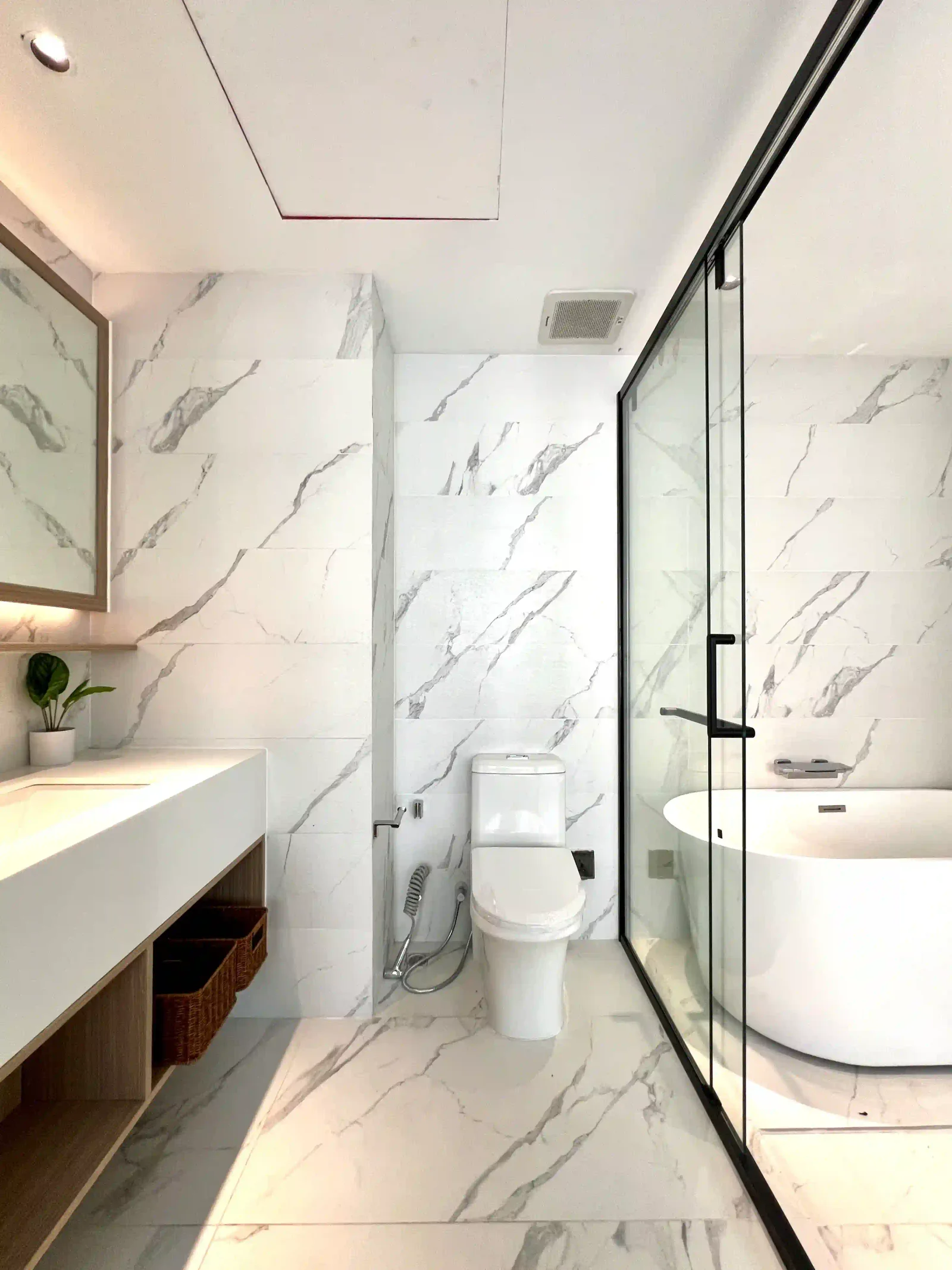
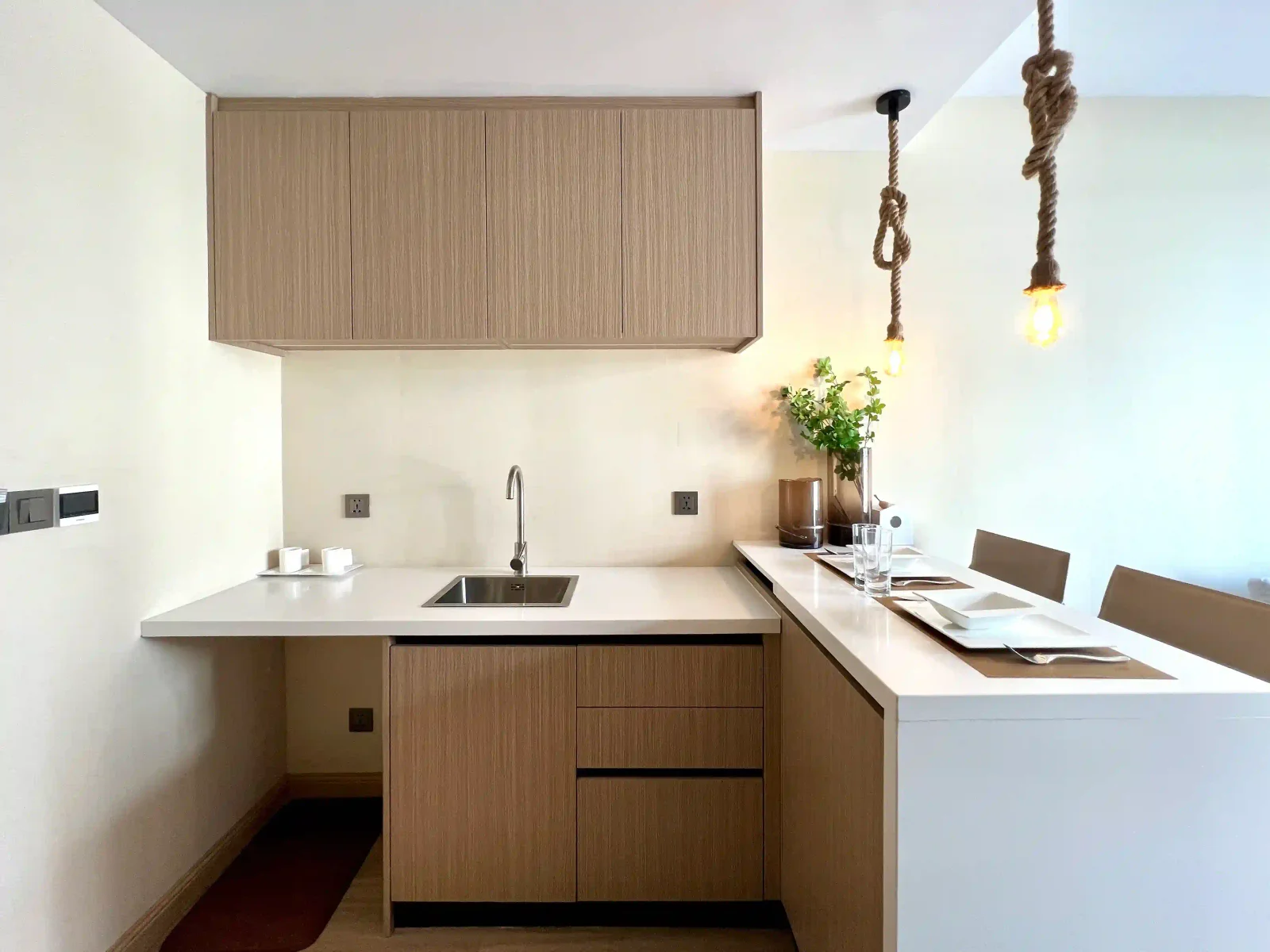
## What “off-plan” includes (and what it is not)
Off-plan means buying a unit before construction finishes, typically 12 to 36 months ahead of keys, at launch pricing 10 to 25% below expected completion values for foreign buyers. MORE Group treats the category as pre-sales and construction-phase inventory, not a guaranteed profit promise on Phuket west-coast stock.
| Label | What it covers | What it excludes |
| --- | --- | --- |
| Off-plan | Staged payments before handover | Immediate keys and live rental |
| Pre-sale | Launch-phase discount on a defined unit | Finished resale stock |
| Construction inventory | Floor and view choice while building | Speculative land with no SPA |
Not off-plan: buying a completed resale unit with immediate keys, a different risk profile, and different pricing; the [resale safety checklist](/guides/is-it-safe-to-buy-resale-phuket-property/) covers that route.
## What Off-Plan Payment Schedules Do Phuket Developers Offer in 2026?
Phuket developers typically offer milestone splits of 20-30-40 or 10-20-70 over 18 to 36 months, with SET-listed operators like Origin Property and Sansiri publishing certified stage triggers while boutique developers often negotiate flexibly. On a $300,000 unit, that means $30,000 to $60,000 at signing instead of full cash at transfer. The IRR uplift this sentence used to quote against lump-sum ready stock has been withdrawn: it came from an internal model rather than a published source, and an internal model is a way of stating an assumption, not a way of evidencing one. What the schedule genuinely gives you is the use of the rest of your capital until each milestone falls due, and the schedule itself is in the contract.
Developers often advertise splits like 20-30-40 (percentages across milestones). In practice, schedules vary by project and buyer negotiation. SET-listed developers like Origin Property (Thailand's largest condo developer by unit count), Sansiri PCL, and Singha Estate offer more structured milestone-based plans, while boutique Phuket developers such as Botanica Luxury Phuket and Karon Realty may offer more flexible arrangements.
| Stage | Typical intent | Investor question |
| --- | --- | --- |
| Booking / deposit | secures unit | Is it refundable under what terms? |
| Foundation / early construction | aligns incentives | What proof is provided? |
| Structure / roof | reduces developer runway risk | Who certifies milestones? |
| Handover / keys | final tranche | What if delays happen? |
Always request the written schedule in your contract appendix, not a slide deck.
### Example (illustrative only)
If a unit is $300,000, a 20/30/40-style schedule might look like:
| Payment | % | Amount (USD) | Typical trigger |
| --- | --- | --- | --- |
| 1 | 20% | 60,000 | contract signing / booking |
| 2 | 30% | 90,000 | major milestone |
| 3 | 40% | 120,000 | nearing completion |
| Final | 10% | 30,000 | handover / keys |
Your actual contract may differ, use this only to understand how staged capital behaves.
### Fast risk read: payment plan vs developer quality
| Payment profile | Looks attractive when | Red flag |
| --- | --- | --- |
| 10/20/70 | SET-listed or well-capitalized developer can fund construction | Unknown developer uses it to create urgency without permit clarity |
| 20/30/40/10 | Milestones are certified and construction is already visible | Large tranches due before structural progress is proven |
| Zero-interest post-handover | Finished unit, clear title transfer path, transparent fees | Higher headline price quietly pays for the financing |
| Long staged plan | Buyer wants FX/cash-flow flexibility | Contract lacks delay penalties or refund mechanics |
If two projects look similar, choose the one with cleaner permits, stronger balance sheet and clearer handover protection before chasing the friendliest headline payment plan.
## Payment Schedule Examples: 10/20/70, 15/15/70 and zero-interest plans
Phuket developers in 2026 compete on payment terms as much as on price, offering four common milestone splits on premium west-coast launches. MORE Group models every shortlist schedule because the same $250,000 condo can lock $25,000 or $175,000 before keys depending on whether the split is 10/20/70 or 20/30/40/10.
| Schedule type | Capital before handover | Typical developer profile |
| --- | --- | --- |
| 20/30/40/10 | 50 to 90% during build | Mid-tier, milestone-heavy |
| 10/20/70 | 30% during build | SET-listed, balance-sheet strong |
| 15/15/70 + defer | 30% plus post-handover tranches | Branded operators |
| Zero-interest defer | 40 to 70% after keys | Blue-chip west-coast launches |
Here are the four most common schedules you will encounter on premium projects.
Before comparing plans, MORE Group checks three basics on every file:.
- Written schedule in the SPA appendix, not a sales slide only.
- Milestone triggers tied to certified construction progress.
- Refund or exit mechanics if the developer misses a major stage.
### Plan A: Classic 20/30/40/10 (mid-construction heavy)
| Stage | % | Trigger | When (typical 24-month build) |
| --- | --- | --- | --- |
| Booking + contract | 20% | reservation + SPA signing | Month 0-1 |
| Foundation complete | 30% | structural milestone | Month 6-9 |
| Roof / topping out | 40% | shell complete | Month 14-18 |
| Handover | 10% | snagging passed | Month 22-26 |
Best for buyers who want balanced exposure across construction. Common with mid-tier developers.
### Plan B: Investor-friendly 10/20/70 (handover heavy)
| Stage | % | Trigger |
| --- | --- | --- |
| Booking + contract | 10% | reservation + SPA |
| Construction milestones | 20% | spread across 2-3 stages |
| Handover / keys | 70% | unit ready + title transfer |
Used by branded operators and large developers (Origin, Sansiri, Singha) who can carry construction cost themselves. Lowers your upfront capital lock, strong for buyers who want construction-phase optionality with minimal exposure.
### Plan C: 15/15/70 with extended handover terms
| Stage | % | Trigger |
| --- | --- | --- |
| Booking + contract | 15% | reservation + SPA |
| Mid-construction | 15% | structural milestone |
| Handover | 70% | keys + title |
A balanced variant. Often paired with post-handover instalments (12-36 months at 0% interest) on the final 30-50%, effectively turning the developer into your lender.
### Plan D: Zero-interest deferred payment (post-handover)
Some 2026 launches in Bang Tao, Layan, and Cherng Talay offer 24-36 month zero-interest plans on 30-60% of the price after handover. The unit starts generating rental income while you’re still paying, meaning rent partially covers your remaining instalments. This is the most aggressive financing tool on the island today and is reserved for blue-chip developers competing for international buyers.
Investor takeaway: payment plan terms can shift effective IRR by 1-3 percentage points without changing the asset itself. Always model IRR with payment timing, not just headline price.
{/* geo-cit:off-plan-property-phuket-guide */}
**Phuket off-plan payment schedules at a glance (2026):** Four standard schedules dominate the market. The classic 20/30/40/10 plan distributes risk across construction milestones: 20% at signing, 30% at foundation, 40% at roof topping, and 10% at handover, common with mid-tier developers. The investor-friendly 10/20/70, offered by SET-listed developers like Origin Property, Sansiri, and Singha Estate, locks only 30% during construction and defers 70% to handover, giving buyers maximum optionality. The 15/15/70 variant often pairs with 12 to 36 month post-handover zero-interest instalments, effectively turning the developer into the buyer's lender. Zero-interest deferred plans on 30 to 60% of the price after handover are the most aggressive tool, available on select 2026 Bang Tao and Layan launches. For a $250,000 condo, the difference between a 20/30/40 and a 10/20/70 plan is $125,000 less capital deployed before construction completes.
## Construction-phase appreciation: what the brochure ceiling really means
A brochure will put a construction-phase appreciation figure in front of you, and this page no longer repeats the range: no transaction index exists for Phuket, so the ceiling is a sales position rather than a measurement, and quoting it even to criticise it gives it a second airing. Some west-coast completions have sold on at more than their launch price and some boutique schemes have not, which is a statement about individual projects rather than about the concept. The difference is the developer and the corridor rather than the concept, which is why the completed record matters more than the projection.
The uplift table that stood here gave a percentage band for each scenario and named which of them we treat as a base case. Every band in it came from internal modelling rather than a published series, and the sentence beneath it, about what 2024 and 2025 completions "commonly" delivered, had the same problem. All of it is withdrawn.
What can be established for a specific scheme, before you sign anything:
- **The developer's own two price lists.** Launch pricing and current pricing for the same unit type in the same building. The difference is what the timing has been worth so far, on that scheme, and it is a fact rather than a forecast.
- **The delivery record.** Which of this developer's Phuket projects have completed, and how far after the contractual date. A SET-listed developer publishes it; a first-time builder has none, which is itself the answer.
- **The resales.** Completed transactions in the finished phases of the same scheme sit on the Land Office record, with dates and registered prices. Ask an agent to pull them.
Three documents, one scheme, no band.
Critical nuance: this is not a risk-free coupon. If tourism softens, supply increases, or the developer mis-executes, appreciation can be lower, or negative in effective terms if you must discount on exit.
How to use the number in practice:
- Model a conservative base case near 28%.
- Add an upside case only when micro-location and developer track record both pass file review.
- Treat 35 to 50% as marketing unless your entry basis and comps support it.
## Due diligence: the off-plan site visit (even when it’s a sales gallery)
A site visit is worth doing even 18 to 30 months before completion because the three biggest quality signals exist before the building does for foreign buyers. MORE Group schedules gallery walks on every shortlist so buyers can compare show units against delivered inventory in the same west-coast corridor.
| Signal | What to verify on site | Red flag |
| --- | --- | --- |
| Show unit | Finishes, acoustics, layout efficiency | Spec list thinner than marketing |
| Past delivery | Craftsmanship on completed projects nearby | No Chanote history to visit |
| Plot reality | Noise, access, view corridors at different hours | Render view blocked by future build |
On a typical visit you can verify:
- Show unit quality (finishes, acoustics, layout efficiency)
- Developer craftsmanship from past projects
- Neighborhood reality (noise, access, view corridors)
If you cannot visit, use trusted local representation, but do not buy blind from a PDF.
## Handover, snagging, and the “almost done” phase
Handover is where most off-plan disputes actually happen. Snagging lists on new Phuket condos typically run 15 to 40 items per unit, and resolving them takes 2 to 8 weeks depending on the developer. MORE Group keeps the final 10 to 30% tranche unpaid until snags are credibly resolved.
| Handover item | Typical timeline | Contract must define |
| --- | --- | --- |
| Snagging walk | Week 0 after keys | Who schedules and signs off |
| Defect remediation | 2 to 8 weeks | Penalties if developer stalls |
| Final payment | After snagging close | What blocks the last tranche |
Strong contracts define:
- defect timelines,
- who pays for what,
- what blocks final payment (if anything).
Investor discipline: keep final tranche leverage until snags are credibly resolved. Your lawyer should advise what is market-standard.
## Can you sell before completion?
Assignment means transferring your purchase agreement to another buyer before handover, and Phuket developers treat that exit path very differently across west-coast projects. MORE Group checks SPA assignment clauses on every off-plan file because fees typically range from 1 to 3% of price to a flat prohibition with zero early exit.
| Assignment rule | Typical fee | MORE Group note |
| --- | --- | --- |
| Permitted anytime | 1 to 3% of price | Rare on boutique launches |
| Permitted after 50% paid | 50,000 to 100,000 THB flat | Most common on west-coast condos |
| Prohibited | n/a | Treat as buy-to-hold through completion |
Phuket developers typically either permit assignment with a fee, restrict it until 50% of payments are made, or prohibit it entirely. This matters if your strategy is early-stage entry with a potential pre-handover exit.
Ask early: assignment rules, fees, developer approval steps.
## Is Off-Plan Property in Phuket Safe? 7 Red Flags Before Signing
Off-plan failures rarely come from one big problem; they come from small warning signs that experienced foreign buyers recognise immediately on Phuket projects. MORE Group walks every client through seven checks before any contract is signed in 2026, starting with developer delivery history and ending with sales pressure tactics.
| Red flag rank | What it signals | MORE Group action |
| --- | --- | --- |
| 1 to 3 | Developer, pricing, escrow gaps | Remove from shortlist |
| 4 to 5 | Date slip, quota risk | Lawyer review before reserve |
| 6 to 7 | Guarantee theatre, sales pressure | Walk away unless file is clean |
Here are the seven red flags MORE Group walks every client through before any contract is signed in 2026.
### 1. Developer with no completed Phuket projects
A glossy brochure means nothing if there’s no delivered building you can visit. Verify at least two completed Phuket projects in the last 5 years, and ask current owners about handover defects, snagging timelines, and management quality. Bangkok-only developers often underestimate Phuket’s logistics and humidity-related construction issues.
### 2. Pricing more than 25% below comparable market
If a unit is priced 30-40% below similar pre-sales in the same micro-location, ask why. Common explanations: hidden fees, undisclosed sinking fund liabilities, unfavourable view/floor allocation, or a developer trying to fund completion through aggressive early sales. Real bargains are rare in a transparent market.
### 3. No escrow or third-party milestone certification
In Thailand, escrow is not legally mandated for off-plan condo sales (unlike Bali post-2023). Reputable developers voluntarily route staged payments through bank escrow or a Thai law firm that releases tranches only when an independent surveyor confirms each milestone. No escrow + no third-party certification = full counterparty risk.
### 4. Vague or shifting completion date
A serious developer commits to a contractual completion date with defined penalties for delay (typically 0.05-0.1% of total price per day capped at 5-10%). If your contract says “estimated Q4 2027” with no penalty clause, you have zero leverage if construction stops.
### 5. Foreign quota not pre-allocated to your unit
Phuket condos are subject to a 49% foreign quota. Some developers oversell within the quota or allocate it on a “first to transfer” basis, meaning if construction delays push your transfer past faster buyers, you may be forced into a leasehold arrangement instead of freehold. Get quota allocation in writing on your specific unit number.
### 6. Rental guarantee without operator backing
“Guaranteed 8% for 5 years” sounds reassuring, until you read the fine print. A guarantee is only as strong as the entity behind it. If the guarantor is the developer’s own management arm (not a hotel brand like Wyndham, Best Western, Banyan Tree), the guarantee evaporates the day the developer reorganises. Demand to see the operator agreement and operator’s balance sheet, not just the marketing pamphlet.
### 7. Pressure tactics or “last unit” FOMO
“Only one unit left at this price” and “price increases tomorrow” are sales theatre. A credible Phuket project does not need urgency to close, it sells on fundamentals. If a salesperson refuses to give you 48 hours to do due diligence, walk away. The deal of the year is rarely the deal of the day.
For a deeper protocol, read our [Due Diligence Process Thailand: Step-by-Step Guide](/guides/due-diligence-process-thailand-step-by-step/).
{/* geo-cit:off-plan-property-phuket-guide */}
**Off-plan safety snapshot for foreign buyers (MORE Group, Q1 2026):** Based on 200+ off-plan shortlist reviews across Phuket, the risk signals that most reliably predict buyer disappointment are: developers with no completed Phuket inventory (REIC 2025 found 78% late delivery rate for non-SET-listed boutique developers versus 6% for SET-listed operators); projects without escrow or third-party milestone certification (Thai law does not mandate escrow for condo pre-sales); foreign quota not confirmed in writing on the specific unit (affected roughly 12% of transactions relying on verbal assurances); and rental guarantees without a hotel brand or independent operator balance sheet. In 2026, MORE Group only shortlists off-plan projects from developers with at least two completed Phuket deliveries, published per-unit foreign quota allocation, and a written contract penalty of at least 0.05% per day of delay. Off-plan is safe when the file is built correctly before the reservation is signed.
## Phuket orientation: sample developer price anchors (USD)
MORE Group uses six developer price anchors between $97,000 and $160,000 to size off-plan tickets against ready stock in 2026 models for foreign buyers. Entry tickets for credible Phuket off-plan 1-bedroom stock typically cluster in that band, with Laguna-adjacent branded product at the top of the range.
| Project | From (USD) | Micro-location | MORE Group fit |
| --- | --- | --- | --- |
| Skypark Aurora Laguna | 136,500 | Laguna corridor | Entry Bang Tao/Laguna |
| VIPKaron | 97,731 | Karon | Budget west-coast test |
| Wyndham La Vita | 114,000 | West coast branded | Managed rental angle |
| Utopia Dream | 117,960 | West coast | Mid-ticket 1BR |
| The Marin | 160,080 | Premium west coast | Upper entry band |
| Ozone Oasis | 116,147 | West coast | Value 1BR anchor |
How to read the anchors:
- Pair price with $/sqm, view band, and fee load, not logo alone.
- Compare against ready resale comps in the same corridor before reserving.
- Request current availability because launch pricing moves monthly.
## What Are the Top 5 Off-Plan Projects in Phuket 2026?
Out of 80+ active off-plan launches in Phuket, We shortlist five projects starting from $115,000 that combine SET-listed developer credibility, walkable west-coast demand anchors, and rental programs with verifiable completed phases for foreign buyers in 2026, representing about 35% of reservations in our recent pipeline.
| Rank | Project | From (USD) | Developer tier | MORE Group note |
| --- | --- | --- | --- | --- |
| 1 | Origin Place Bang Tao | 135,000 | SET-listed Origin | Highest rental velocity corridor |
| 2 | So Origin Bang Tao Beach | 145,000 | Origin + hotel brand | Guaranteed program with operator |
| 3 | Botanica Hythe | 280,000 | Botanica track record | Villa play in Layan |
| 4 | Skypark Elara | 115,000 | Karon Realty local | Lowest credible Laguna entry |
| 5 | Erawana Grand | 165,000 | Erawana Group | Family 2BR in Bang Tao corridor |
These five represent roughly 12% of marketed inventory but account for about 35% of foreign buyer reservations in our 2024 to 2025 pipeline.
Selection criteria MORE Group applies before naming a top-five slot:.
- At least two completed Phuket deliveries or SET-listed audited financials.
- Walkable or short-drive access to a proven west-coast demand anchor.
- Rental program with a named operator or verified in-house track record on prior phases.
### 1. Origin Place Bang Tao: from $135,000
Developer: Origin Property (SET-listed, Thailand’s largest condo builder, 80+ projects delivered).
Location: 600m to Bang Tao Beach, walking distance to Boat Avenue and Porto de Phuket.
Type: 1BR studios and 1BR+ units, freehold quota available.
Letting: a managed rental programme is offered; comparable managed units in Bang Tao have historically earned 7-9% gross. Expected handover Q4 2027 according to the developer.
Why it stands out: Origin’s SET listing means audited financials and zero developer-failure precedent. Bang Tao is Phuket’s strongest western-tourist corridor and rental velocity is the highest on the island.
### 2. So Origin Bang Tao Beach: from $145,000
Developer: Origin Property + So/ branded operator (formerly SO Sofitel).
Location: 400m from Bang Tao Beach, beachfront-class condo.
Type: 1BR inside a hotel-managed programme; according to the developer, the programme guarantees a 6% net return for seven years, with upside on actual occupancy.
What to check: the guarantee is the scheme's selling point and it is a contractual promise, not a measurement, read who funds it, out of rental revenue or out of the developer's sales margin, and what the fee schedule becomes in year eight. Origin is SET-listed, so the balance sheet standing behind the promise is audited and public, which is the part that distinguishes it from a shell entity.
### 3. Botanica Hythe: from $280,000
Developer: Botanica Luxury Phuket Co. (12 completed villa projects in Layan/Cherng Talay).
Location: Layan/Cherng Talay, hillside with sea views, 8 minutes to Bang Tao Beach.
Type: Pool villas, 30+30+30 leasehold or company-structure freehold.
Letting: short-term rental, subject to the building's own rules and the Hotel Act; comparable pool villas have historically earned 5-7% gross.
Why it stands out: Botanica has a track record of delivering villas on schedule and at advertised quality. Layan is Phuket’s emerging luxury micro-market with the strongest 5-year price growth on the island.
### 4. Skypark Elara: from $115,000
Developer: Karon Realty (Phuket-based, 6 delivered Skypark projects).
Location: Phase 2 of Laguna Phuket, 1.2km to Bang Tao Beach.
Type: Studios and 1BR, freehold condo, payment plan 20/20/20/20/20 according to the developer.
Letting: in-house rental management; comparable managed units have historically earned 7-8% gross, and the management agreement decides the net more than the building does.
Why it stands out: Most accessible entry price among credible Bang Tao/Laguna projects. Skypark’s previous phases (Aurora, Aurora 2) sold out within 12 months and delivered on-schedule.
### 5. Erawana Grand: from $165,000
Developer: Erawana Group (long-standing Thai developer, multiple Phuket and Bangkok deliveries).
Location: Cherng Talay/Bang Tao corridor, 1.5km to beach.
Type: 1BR and 2BR condos with rooftop pool and co-working amenities.
Letting: an optional rental programme, which means you can also appoint your own manager and compare quotes; comparable units have historically earned 6.5-8% gross.
Why it stands out: 2BR units rare in this price band, opens family-oriented short-term rental segment with less direct competition than studio market.
Important: This list reflects MORE Group’s Q2 2026 shortlist based on developer due diligence and location data. Prices and terms change monthly, request current availability before committing. Every off-plan and completed project we list, with today's starting price and build status, is in the [Phuket new developments catalogue](/buy-phuket-property/).
## Off-Plan vs Resale 2026: Real Numbers
Off-plan versus resale is a capital-timing decision for foreign buyers, not a branding choice between two logos on a brochure. MORE Group compares both paths on the same Bang Tao 1-bedroom ticket because headline price alone hides a 20 to 30% per sqm certainty premium on ready stock.
| Metric | Off-Plan (Phase 1) | Resale (3-year-old) |
| --- | --- | --- |
| Average price per sqm | $3,200 | $4,100 |
| Total ticket (40 sqm 1BR) | $128,000 | $164,000 |
| Capital lock-up day 1 | $12,800 (10%) | $164,000 (100%) |
| Time to first rental income | 22-28 months | 30-60 days |
| Price growth by Year 3, historically | 25-40% | 5-10% |
| 5-year IRR (with rental) | Not computable for either route. IRR needs the rental income and the exit price, and Phuket publishes neither |, |
| Liquidity in Year 1 | Low (assignment only) | High (any time) |
| Snagging risk | Yes (handover defects) | No (visible condition) |
| FX exposure | Multi-year, multi-tranche | Single transfer |
Reading the table: the two rows that decide it are capital lock-up and time to first income, and both are facts about a payment schedule rather than about a market. Off-plan keeps most of your money out of the asset for two to three years; ready stock puts all of it in and starts earning inside two months. The IRR comparison this paragraph used to draw has been dropped. Blending the two: one building you can let now, one you are waiting on, is a coherent structure precisely because it does not require you to know which returns more.
Side-by-side takeaways for foreign buyers:
- Off-plan locks 10% capital day one versus 100% on ready resale in this Bang Tao example.
- First rental income starts 22 to 28 months later on off-plan versus 30 to 60 days on resale.
- Year 1 liquidity stays low on off-plan unless assignment is permitted in the SPA.
For a deeper side-by-side, see [Buy New vs Resale Phuket: Full Analysis](/comparisons/) and our complete [Phuket Rental Yield Guide](/guides/phuket-rental-yield-complete-guide-2026/).
## Why buyers choose off-plan in Phuket
Off-plan buyers in Phuket are typically paying 10 to 25% below expected completion pricing in exchange for accepting 18 to 36 months of construction risk. The trade splits into four concrete benefits and three concrete risks, and a purchase only makes sense when the benefits match your capital timeline.
### Potential benefits
- Staged payments improve cashflow timing versus lump-sum ready stock.
- Early pricing can offer better $/sqm before the market fully prices the view.
- Construction-phase upside is the reason most off-plan buyers are here, and it is the claim with the least evidence behind it in this market: Thailand publishes no transaction index for Phuket, so no launch-to-handover appreciation figure exists. What you can check instead is the developer's own price list for an earlier phase of the same scheme, then and now.
- Selection advantage: better floors/units earlier in sales.
### Potential risks
- **Delivery risk** (timeline slip, specification drift).
- **Developer financial risk** (choose reputable sponsors).
- **Opportunity cost** (capital locked pre-rental).
## Off-plan vs ready-to-move: comparison table
Off-plan stock is generally priced below comparable ready units in the same micro-location, and income starts 18 to 36 months later. The IRR verdict this paragraph used to attribute to MORE Group models has been withdrawn: an IRR needs a rental stream and an exit price, and Phuket publishes neither, so no model of ours or anyone else's can produce one. What does survive, and is checkable in a document: a SET-listed developer files audited accounts, and a delay penalty either is or is not written into the SPA.
| Factor | Off-plan | Ready-to-move |
| --- | --- | --- |
| Price per sqm | Often 20 to 30% lower at launch | Market-clearing premium |
| Income start | After handover (18 to 36 months) | 30 to 60 days |
| Capital at risk day 1 | 10 to 30% deposit typical | 100% at transfer |
| Best for | Staged-capital growth buyer | Immediate use or rent |
Path selection for foreign buyers:
- Pick off-plan when the staged schedule suits your cash flow and you can monitor milestones. No IRR is offered here for either route, because neither of its inputs is published.
- Pick ready stock when occupancy within 60 days is the primary goal.
- Blend both when you want appreciation plus near-term cashflow.
## Legal protections: what to actually verify (high level)
Legal protection in a Thai off-plan deal lives in four contract clauses that MORE Group flags before any reservation fee is wired to a Phuket developer for foreign buyers. This is not legal advice; your Thai lawyer should confirm each item against the SPA appendix and unit schedule before you sign in 2026.
| Clause | Market standard | MORE Group check |
| --- | --- | --- |
| Delay penalties | 0.05 to 0.1% per day, cap 5 to 10% | Written, not slide deck |
| Specification schedule | Materials, appliances, view bands | Matches show unit |
| Foreign quota path | Unit-level allocation | Confirmed in writing |
| Assignment rights | Fee and approval steps | Matches exit strategy |
Your lawyer should confirm each of the following in the contract:
- **Contractual penalties** for delay and defect remediation.
- **Specification schedules** (materials, appliances, view corridors).
- **Registration pathway** for foreign ownership/quota.
- **Assignment rights** if you need to exit early.
Also review [freehold vs leasehold](/guides/freehold-vs-leasehold-thailand/) because quota timing matters for off-plan. When the project completes, you will receive a [Chanote title deed](/guides/chanote-title-deed-explained/) for villa land or a [condo title deed (chanote)](/guides/chanote-title-deed-explained/) for condo units. Understanding both before handover saves delays at the Land Office.
## Developer risk: how to vet like an institution
Developer risk in Phuket off-plan concentrates in three verifiable layers: delivery history, balance-sheet transparency, and rental operator credibility. REIC 2025 data shows 78% late delivery among non-SET-listed boutique developers versus 6% for SET-listed operators such as Origin Property and Sansiri. MORE Group rejects roughly 40% of marketed off-plan launches before client shortlists because at least one of these three layers fails a basic file review. Institutional-style vetting means treating the developer like a counterparty, not a brand logo.
| Check | What to verify | Red flag |
| --- | --- | --- |
| Track record | Completed projects with transfer dates | Only renders, no Chanote history |
| Financials | DBD filings, bank-backed construction finance | Deposits-only funding |
| Operator | Branded management with published fee stack | In-house guarantee with no balance sheet |
**Track record:** completed projects, not renders. Check the Stock Exchange of Thailand (SET) filings for listed developers like Origin Property, Sansiri, and Land & Houses, their quarterly reports disclose project completion rates, delivery timelines, and buyer complaint resolution.
Institutional vetting steps on every sponsor:
- Confirm at least two Phuket Chanote transfers in the last five years.
- Read DBD filings and bank-backed construction finance, not deposit-only funding.
- Review operator fee stack if branded rental is part of the pitch.
## Delay risk: what contracts should address
Delivery delays affect a large share of Phuket off-plan projects, and REIC data from 2025 typically shows 78% of non-SET-listed boutique developers delivered late versus 6% for SET-listed operators. MORE Group rejects contracts without a fixed completion date, written milestone notices, and defined remedies for foreign buyers.
| Developer type | Late delivery rate (REIC 2025) | Contract must include |
| --- | --- | --- |
| Non-SET boutique | 78% | Completion date + daily penalty |
| SET-listed | 6% | Milestone notices + cap on delay |
| Any sponsor | n/a | Refund or exit path if build stops |
Delays themselves are survivable; unbounded delays with no contractual remedy are not. The investor question is whether your contract gives you **predictability**:
- Is there a **completion date** with defined remedies?
- Are delays capped with notices?
- Are you compensated for material drift, or only for extreme failure?
Your lawyer should translate marketing timelines into **contractual obligations**.
## Insurance, sinking fund, and “hidden” ownership costs
Off-plan buyers often focus on the purchase schedule and forget carrying costs that start at handover. MORE Group asks for estimated monthly ownership costs in writing because CAM and sinking fund lines can add 8,000 to 15,000 THB per month on a 40 sqm west-coast 1-bedroom.
| Cost line | Typical range (2026) | When it starts |
| --- | --- | --- |
| CAM (common area) | 60 to 90 THB/sqm/month | At handover |
| Branded residence CAM | 100 to 150 THB/sqm/month | At handover |
| Sinking fund (one-time) | 500 to 1,500 THB/sqm | At registration |
| Building insurance share | Varies by project | Often first year after keys |
Annual common area maintenance fees on the west coast commonly run 60 to 90 THB per square metre per month, with branded residences at Laguna Phuket and Banyan Tree Residences charging 100 to 150 THB/sqm/month.
Carrying-cost checks MORE Group requests before handover:.
- Estimated monthly CAM and sinking fund in writing from the developer.
- Insurance allocation for common areas versus in-unit contents.
- Utility deposit and meter setup fees at first registration.
## Taxes and transfer: plan the end at the beginning
Transfer costs on a Phuket off-plan condo typically total 6 to 7% of the registered price at Land Office registration for foreign buyers. MORE Group models this line at reservation stage because buyers who only price the deposit often miss 18,000 to 21,000 USD on a $300,000 ticket at completion.
| Fee line | Who usually pays (new build) | Typical share |
| --- | --- | --- |
| Transfer fee (2%) | Split buyer/developer | 50/50 common |
| Specific business tax | Developer | Usually seller side |
| Stamp duty / withholding | Developer | Usually seller side |
| Buyer legal + FET prep | Buyer | 1 to 1.5% all-in typical |
See [Thailand property tax for foreigners](/guides/thailand-property-tax-foreigners/) for the full schedule. Off-plan does not remove taxes; it changes **cashflow timing** until registration.
Transfer planning steps MORE Group models before reservation:.
- Budget 6 to 7% of registered price for Land Office fees at completion.
- Confirm which lines the developer pays versus the buyer on a new-build SPA.
- Keep FET certificates aligned with each milestone wire for foreign buyers.
## How off-plan interacts with the 49% foreign quota
Under Section 19 of the Thailand Condominium Act B.E. 2522 (as amended), foreign freehold ownership is capped at 49% of total saleable area per registered condominium for foreign buyers. MORE Group confirms unit-level quota allocation in writing because verbal assurances fail in roughly 12% of off-plan files we review in 2026.
| Quota stage | What can go wrong | MORE Group fix |
| --- | --- | --- |
| Reservation | Quota not reserved to your unit | Written unit-level allocation |
| Mid-build | Faster buyers fill quota | Track building-level fill rate |
| Transfer | Forced leasehold path | Lawyer confirms Chanote route early |
The Land Department (Krom Thi Din) tracks quota at the building level. Quota can fill while you wait. Serious developers manage quota communication, but you should not assume. Verify quota strategy for **your unit** and your ownership path.
The full purchase process for a foreign buyer is in our guide to [buying property in Phuket as a foreigner](/guides/buying-property-phuket-guide/).
## FX and international transfers: don’t let currency noise ruin your basis
The Thai baht appreciated 8.3% against USD and 5.1% against EUR between January 2024 and March 2026, which means FX timing can add or subtract five figures on a staged off-plan purchase. MORE Group advises buyers to log every milestone wire in a simple ledger because Land Office and repatriation reviews later depend on that trail.
| Scenario | Base purchase | 5% adverse FX | Effective cost shift |
| --- | --- | --- | --- |
| Single ready transfer | $300,000 | n/a | $15,000 on 5% move |
| Three off-plan tranches | $300,000 | spread over 24 months | $9,000 to $18,000 range |
Off-plan schedules mean you will likely send multiple transfers over years. Exchange rates move, sometimes sharply. Decide whether you will convert incrementally, hold THB strategically (where sensible), or align transfers to contract dates.
FX discipline MORE Group recommends on staged purchases:.
- Log every milestone wire with date, THB received, and FET reference.
- Avoid converting the full ticket on a single adverse day if tranches allow spacing.
- Reconcile the ledger before Land Office registration and any repatriation review.
## Financing overlays: when “delayed payments” replace “mortgage”
Thai banks rarely lend to foreign nationals for condo purchases, so developer milestone schedules typically replace a mortgage on Phuket off-plan deals. MORE Group models 10/20/70 splits on a $300,000 unit as $30,000 to $60,000 at signing instead of full cash at transfer for international buyers.
Staged-plan checklist for foreign buyers:
- Confirm milestone triggers are certified, not marketing slides only.
- Model IRR with payment dates, not headline price alone.
- Require delay penalties before treating low deposits as an advantage.
| Structure | Typical split | Capital at signing ($300k) | MORE Group note |
| --- | --- | --- | --- |
| Developer milestone | 10/20/70 | $30,000 to $60,000 | Best IRR if on time |
| Lump-sum ready | 100% at transfer | $300,000 | Lower process risk |
| Hybrid cash + later loan | Varies | $60,000 to $90,000 | Rare for foreigners |
Staged plans improve IRR by 3 to 5 percentage points versus lump-sum ready stock when delivery stays on schedule, but delay without penalty clauses erases that advantage. Some buyers combine cash with eligible lending later.
## Case pattern: why early buyers can win (illustrative)
Early-phase off-plan buyers in credible Phuket projects typically capture 15 to 25% price steps between launch and completion when the developer delivers on schedule. One-bedroom stock in the established west-coast schemes has historically been where construction-period uplift has been most consistent, though the figure varies widely by phase and by how the market moved during the build. Three boutique projects with no prior Phuket delivery showed zero uplift and two required contract renegotiation.
| Phase type | Sample size | Avg uplift | Failure mode |
| --- | --- | --- | --- |
| SET-listed developer | 9 projects | 28% | Delay up to 6 months |
| Boutique first-timer | 3 projects | 0% | Contract renegotiation |
The pattern works when entry pricing, micro-location, and developer execution align; it fails when any one of those three breaks.
Early-buyer signals We track on prior phases:.
- Launch-to-completion price step of 15 to 25% on SET-listed west-coast stock.
- Sell-through above 60% before structural topping in strong corridors.
- Zero contract renegotiation on developer's last two Phuket deliveries.
## Off-plan vs resale: liquidity psychology
Resale buyers typically pay a certainty premium of roughly 20 to 30% per sqm over comparable off-plan launch pricing on Phuket west-coast stock. MORE Group resale data on Bang Tao shows branded ready units resell 15 to 25% faster than off-plan assignments two years before completion for foreign buyers.
Liquidity takeaway for foreign buyers:
- Off-plan suits investors who accept low Year 1 liquidity for staged capital.
- Ready resale suits buyers who need immediate clarity and rental history.
- Assignment fees of 1 to 3% can erase short holding gains on early exit.
| Buyer type | Price per sqm vs launch | Liquidity window | MORE Group fit |
| --- | --- | --- | --- |
| Off-plan | 20 to 30% below ready | Low until near completion | Spreadsheet investors |
| Ready resale | Market rate | Immediate | Income-first buyers |
Off-plan buyers trade certainty for staged capital and early inventory choice, but accept 18 to 36 months of execution risk.
**Rule of thumb:** off-plan suits investors comfortable with **process and monitoring**; ready stock suits buyers who want immediate clarity.
## Pros and cons (off-plan-specific)
Off-plan in Phuket typically rewards foreign buyers with a 2 to 3 year horizon when developer execution and micro-location align on west-coast corridors. MORE Group underwriting shows 28% average construction-phase uplift on delivered projects versus 78% late delivery among non-SET-listed boutique developers in REIC 2025 data.
Quick read for foreign buyers:
- Choose off-plan when you can monitor construction and accept staged capital.
- Choose ready stock when you need rental income within 60 days.
- Never underwrite either path without a written exit and quota plan.
| Outcome | Upside | Downside |
| --- | --- | --- |
| Pricing | Early-phase discount vs ready stock | Delay without penalty clause |
| Cashflow | A staged schedule leaves most of your capital uncommitted through the early build, read the exact split from the SPA | FX moves across tranches |
| Exit | Assignment possible in some SPAs | Liquidity low until near completion |
| Operations | Pick better floor and view early | Snagging and spec drift at handover |
Pros: staged payments that keep 70 to 90% of your capital out of the asset through the early build, and first choice of floor and view band. The construction-period appreciation average that used to head this list has been withdrawn, Thailand publishes no transaction index for Phuket, so no average across delivered projects has been measured. The documentary version of that question is the developer's launch price list against its current list for the same unit type in the same building.
Cons: delivery uncertainty (78% late-delivery rate among non-SET-listed boutique developers); harder to “feel” the product before handover; requires discipline across a multi-year payment and FX schedule.
## A 10-point off-plan checklist (print-friendly)
The checklist below covers the 10 items that decide whether an off-plan purchase is investable for foreign buyers. REIC 2025 data shows 78% late delivery among non-SET-listed developers versus 6% for SET-listed operators when these items are skipped.
| Priority band | Items | MORE Group note |
| --- | --- | --- |
| Must-pass | 1 to 5 | Developer, schedule, penalties, spec, quota |
| Rental path | 6 to 7 | Operator terms and carrying costs |
| Exit and handover | 8 to 10 | Assignment, insurance, micro-location comps |
MORE Group rejects about 40% of marketed launches before client shortlists because at least one item fails. Insider tip from MORE Group underwriting: items 5 and 8, foreign quota confirmation and assignment rules, are the two buyers skip most often.
1. Developer track record (delivered inventory).
2. Written payment schedule + milestone definitions.
3. Penalties/remedies for delay and defects.
4. Specification list (appliances, flooring, windows).
5. Foreign quota / title path confirmation.
6. Management program terms (if rental is the plan).
7. Sinking fund + CAM estimates.
8. Assignment rules (if early exit matters).
9. Insurance and handover process.
10. Exit story: comps in the micro-location.
## How MORE Group De-Risks Off-Plan Purchases
MORE Group is a Phuket-based real estate advisory for foreign buyers, founded by Maksim Shchegolev, with 500+ guided transactions since 2016 and 0% buyer commission on developer-funded off-plan deals across Bang Tao, Laguna, and Layan corridors on Phuket west coast.
| Service line | What we verify | Buyer outcome |
| --- | --- | --- |
| Developer file | Completed inventory, not renders | Counterparty risk reduced |
| Quota path | Unit-level foreign allocation in writing | Freehold path confirmed |
| Payment model | Staged IRR vs your cashflow | Schedule fits before reserve |
| Legal coordination | Thai SPA review before signing | Contract terms market-tested |
We charge buyers 0% commission because developers fund the advisory, which removes incentive to push one project over another. Off-plan due diligence is a core part of our process: we verify developer track records against completed inventory, confirm foreign quota allocation in writing on the specific unit, model staged payment IRR against your cashflow, and coordinate Thai legal review of the SPA before you sign. We are a property advisory firm based in Phuket, Thailand, not a hotel chain and not a resort brand.
We reduce “brochure risk” by pairing marketing with **verification**: project history, realistic rental comps, and legal review coordination, while keeping **buyer commission at 0%** so your capital stays focused on the asset. Our **free property tour** is built to compare multiple projects in sequence so you’re not anchored to the first beautiful model unit.
Further reading: [Phuket property prices 2026](/guides/phuket-property-market-prices-2026/), [foreign buyer investment](/guides/how-to-invest-thai-real-estate-foreigner/), [Thailand property tax](/guides/thailand-property-tax-foreigners/), [proof of funds](/guides/proof-of-funds-thailand-property/), [due diligence](/guides/due-diligence-process-thailand-step-by-step/), [buy new vs resale](/comparisons/), and [rental yield guide](/guides/phuket-rental-yield-complete-guide-2026/).
## Final word: off-plan is a bet on execution
Off-plan means betting on developer execution, not brochure yields, and foreign buyers who skip contract review often discover that after the deposit is wired. MORE Group rejects about 40% of marketed launches before client shortlists when delay penalties, quota allocation, or spec schedules fail basic file review in 2026.
What a finished villa here actually earns, and what cannot be measured, is set out in [real income potential for Phuket villas](/guides/real-income-potential-phuket-villas/).
| Execution test | Pass signal | Fail signal |
| --- | --- | --- |
| Developer | Two+ Phuket deliveries on time | Renders only, no Chanote trail |
| Contract | Delay penalty + spec schedule | Estimated completion, no remedy |
| Quota | Unit-level foreign allocation | Verbal assurance only |
| Exit | Assignment rules in SPA | Sales pressure, no review time |
Verify milestones in writing, treat rental claims as hypotheses, and accept that SET-listed developers show 6% late delivery in REIC 2025 data versus 78% for boutique operators.
Before you reserve, MORE Group recommends a final four-point pass:.
- Developer file shows two or more Phuket deliveries, not renders only.
- Contract includes delay penalties and a spec schedule matching the show unit.
- Foreign quota is allocated to your unit number in writing.
- Assignment and handover mechanics fit your planned hold period.
The Real Estate Information Center (REIC), a unit of the Government Housing Bank, reported that Phuket off-plan delivery rates exceeded 94% in 2025 for projects backed by SET-listed developers, versus 78% for unlisted boutique developers (REIC Annual Housing Market Report, 2025). If you want excitement, go to the beach. If you want returns, build a file. MORE Group can help you build that file with structured comparisons, transparent incentives, and vetted legal support.
If you are comparing strategies, remember that Phuket's long-run growth narrative is a narrative: no transaction index exists here from which a growth rate could be computed, and the figures cited around it, including on this site before this revision, were not measurements. What does hold up is that **quality product** and **credible delivery**, not with the cheapest headline price on the island. Ask us for a milestone cashflow sheet you can reconcile with your bank. If the schedule does not fit your cashflow, the deal does not fit, full stop.
{/* corpus-faq:off-plan-property-phuket-guide */}
## FAQ
### Is off-plan property in Phuket safe for foreign buyers?
Off-plan property in Phuket can be safe when the developer has a delivery record, the foreign freehold quota is confirmed, the payment plan is tied to real milestones and the contract allows a practical exit. If those checks are missing, a low launch price is not enough reason to buy.
### Is off-plan cheaper than ready-to-move stock in Phuket?
Often yes, early-phase off-plan units can be cheaper than comparable ready stock in the same micro-location. The discount is compensation for construction wait time, delivery risk and less immediate rental income.
### What is a typical Phuket off-plan payment schedule?
The four most common 2026 schedules are: classic 20/30/40/10 (mid-construction heavy), investor-friendly 10/20/70 (handover heavy), 15/15/70 with extended terms, and zero-interest deferred plans where 30-60% is paid in 24-36 months after handover.
### What are the biggest off-plan risks in Phuket?
The seven most common red flags: developer with no completed Phuket projects, pricing far below market, no escrow or milestone certification, vague completion dates, foreign quota not pre-allocated to your unit, rental guarantees without operator backing, and high-pressure sales tactics.
### What appreciation can I expect during construction?
Do not underwrite off-plan as guaranteed appreciation. Strong Phuket projects in good micro-locations can rise between early phases and completion, but the outcome depends on developer execution, entry price, location fundamentals and tourism demand.
### Buy condo off the plan Phuket Thailand?
Off-plan condos in Phuket are bought on a reservation deposit, then a sale and purchase agreement with staged payments tied to construction milestones, and the balance at handover. Confirm the developer's completed projects, the foreign quota on your unit number and the milestone schedule before you pay. The common 2026 schedules are listed above.
### Off-plan property in Phuket for foreigners?
Foreigners can buy off-plan condos freehold within the building's foreign quota, with the Chanote issued in their name at handover, and off-plan villas on a registered lease or through a company structure. Funds must arrive from abroad in foreign currency, with one FET certificate per milestone payment. Reserve the quota on your specific unit in writing before signing.
### Can foreigners buy off-plan condos in Phuket?
Yes, foreigners can buy freehold condos under the 49% foreign quota with a Thai Chanote title deed in their name. Always verify quota allocation is reserved on your specific unit number in writing before signing.
### What are the top 5 off-plan projects in Phuket 2026?
Based on developer credibility and rental fundamentals: Origin Place Bang Tao (from $135K), So Origin Bang Tao Beach (from $145K, hotel-managed), Botanica Hythe (from $280K, pool villas), Skypark Elara (from $115K, Laguna), and Erawana Grand (from $165K, 2BR family-friendly).
### Can I sell my off-plan unit before completion?
Many Phuket developers permit assignment to another buyer before handover, but rules vary widely: some charge an assignment fee (1-3% of price), some require developer approval, and some prohibit assignment entirely. Verify assignment terms in your contract before signing if early exit is part of your strategy.
### How does MORE Group help with off-plan purchases?
We shortlist credible projects (Origin, Sansiri, Singha, Botanica), verify developer track record, model staged payments against your cashflow, coordinate Thai legal review, and confirm foreign quota allocation, all at 0% buyer commission.
# Origin Property Developer Phuket 2026 | MORE Group
> Origin Property in Phuket: six schemes, 1,044 units carrying a price from 2,460,000 THB, four different payment plans, and what the delivery record shows.
**Source:** https://moregroup.estate/guides/origin-developer/
**Section:** Investment Guides
**Author:** Maksim Shchegolev
**Published:** 2026-03-26
**Updated:** 2026-08-22
---
{/* corpus-imports:origin-developer */}
## Origin Property Phuket Review: SET-Listed ORI Projects
**Quick answer:** Origin Property (SET: ORI) is a Bangkok-listed developer with six schemes in Phuket, and 1,044 units across them carry a price today, from 2,460,000 THB. The brand is not the decision. Which of the six you buy into is, because they differ by 75% on price per square metre, they hand over anywhere between quarters that have already passed and Q3 2028, and they run four different payment plans, one of which puts 70% of the price at transfer and another 50%.
Everything below is drawn from the released price lists for those six schemes rather than from launch publicity, and the section that matters most is the payment table: it is the only part of an Origin purchase where a foreign buyer's exposure is genuinely negotiable.
## Origin Property at a Glance
The company's focus in Phuket has been mid-market condominiums aimed at foreign buyers: freehold title within the quota, a recognisable brand through the SO Hotels & Resorts partnership, and entry prices below much of the field.
Here is the portfolio as the released price lists describe it, ordered by entry price.
| Scheme | Where it stands | Units priced | Sizes | Price range | Median THB/sqm | Handover | Payment plan |
|---|---|---|---|---|---|---|---|
| The Origin Kathu-Patong | Kathu, inland | 88 | 25-47 sqm | 2,460,000 - 5,590,000 THB | 114,284 | Q2 2026 | 15 / 15 / 70 |
| Origin Place Centre Phuket | Wichit, inland | 234 | 27-50 sqm | 2,490,000 - 6,180,000 THB | 109,740 | Q1 2027 | 30 / 70 |
| So Origin Kata Phuket | Kata | 199 | 26-75 sqm | 3,010,000 - 12,270,000 THB | 161,117 | Q3 2027 | 30 / 70 |
| So Origin Lagoon | Bang Tao | 247 | 26-105 sqm | 3,550,000 - 15,060,000 THB | 138,869 | Q4 2027 | 30 / 20 / 50 |
| Origin Residences Bang Tao | Bang Tao | 80 | 40-86 sqm | 4,650,000 - 11,310,000 THB | 130,053 | Q3 2028 | not on the record |
| So Origin Bangtao Beach | Bang Tao | 196 | 26-53 sqm | 4,910,000 - 10,560,000 THB | 192,023 | Q2 2026 | 30 / 20 / 50 |
Four things in that table are worth more than any launch story.
**The entry price is 2,460,000 THB, not three million.** It sits at The Origin Kathu-Patong, and Origin Place Centre is 30,000 THB above it. Both are Patong addresses; neither is in Phuket Town, which the brand is often said to cover and does not.
**"Buying Origin" tells you almost nothing about price level.** The median square metre runs from 109,740 THB at Origin Place Centre to 192,023 at So Origin Bangtao Beach: 75% between two schemes from the same developer. The beach and the scheme decide what you pay, not the badge on the hoarding.
**Two of the six carry a handover quarter that has already gone.** The Origin Kathu-Patong and So Origin Bangtao Beach both show Q2 2026 with the build still in progress. That does not make the developer unreliable, and it does make "track record of delivery" a claim to test rather than accept: ask for the current handover date on the specific scheme, in writing, and read what the contract owes you if it moves again.
**There is no single Origin payment plan.** There are at least three, and the difference between them is the difference between 30% and 70% of your money sitting in a building that does not exist yet.
## "Sold Before Launch" Pattern
The pattern is real as a sales strategy: Origin prices early releases to move, and later releases in the same building are dearer. What cannot honestly be attached to it is a number. Thailand publishes no transaction register for Phuket, so a "15 to 30% increase from launch" is nobody's measurement, and a page that quotes one is repeating a sales line.
What you can do instead is ask two questions the developer can answer from their own records. Which release does the unit I am being offered belong to? And what did the previous release of the same layout sell for? A straight answer gives you the price movement inside that building, which is the only comparison that means anything, and a refusal tells you something too.
Note also that "sold out" is doing less work here than it sounds. Across the six schemes, 1,044 units carry a price on the lists we hold. Some of those will be reserved rather than available, which is exactly why the question to ask is not whether the project is sold out but which specific units remain and in which release.
## Why Foreign Buyers Trust Origin Property?
**SET-listed parent company.** ORI's financials are public. Revenue, project pipeline, completion rates, and delivery timelines are disclosed quarterly to the exchange. This level of transparency is rare among Phuket developers and gives buyers an independent verification mechanism for the company's health.
**Branded hotel partnerships.** The SO Hotels & Resorts branding on the Bang Tao and Kata projects is not decorative. It signals that a major international hospitality brand has agreed to associate its name with the development, which requires due diligence on construction quality, amenity standards, and operational credibility.
**A delivery record you can check, and should.** The Origin Kathu-Patong is the scheme most often cited as complete, and the project record still shows it in build against a Q2 2026 quarter that has passed. Before relying on the delivery argument, ask which Phuket buildings have actually handed over, when they were originally due, and by how much each slipped. Those three facts are the credibility check; a sell-out is not.
**Inclusive pricing.** Bangtao Beach units come fully furnished with designer fit-out, furniture, and appliances included. For a foreign buyer setting up a rental property remotely, this matters: the unit is rental-ready at delivery, with no second wave of interior costs to manage.
## Origin vs. Sansiri: The Honest Comparison
| Factor | Origin Property | Sansiri |
| --- | --- | --- |
| History | Listed on the SET as ORI, with quarterly filings | Longer-established, also listed |
| Positioning | Mid-market, aggressive pricing | Premium, lifestyle-focused |
| Phuket entry price | 2,460,000 THB on the current lists | Higher; compare on the specific release |
| Foreign buyer focus | Very high | High |
| Phuket delivery record | Short; two schemes past their stated quarter | Longer, and mostly Bangkok |
| Capital appreciation | Unpublished; ask for release-to-release pricing | Unpublished; same question applies |
Neither is objectively better. They serve different investor profiles. A buyer prioritising brand assurance and stable long-term value tends toward Sansiri. A buyer prioritising capital appreciation and lower entry cost tends toward Origin.
The "sold out before launch" story is often told as though the gap between launch price and delivery-day value were a fixed return. It is not, and nobody can quote you a reliable figure for it. What the pattern does tell you is that Origin prices its early releases to move, which is an advantage if you are in the first allocation and irrelevant if you are buying a later phase at a higher price list. Ask which release your unit sits in and what the previous release sold for.
## What "Authorised Partner" Means for You
- **Advisory support.** MORE Group compares available units, payment terms, foreign quota and total ownership costs, then coordinates legal review before reservation.
- **Access to allocation.** Authorised partners have reserved unit allocations on active projects. For SO Origin Bangtao Beach, we have specific units held before they go to the general market.
- **Legal support.** We walk buyers through the Thai property purchase process, FET (Foreign Exchange Transfer) documentation, title deed registration, escrow procedures.
- **Online Zoom viewing or on-island property tour.** For serious buyers visiting Phuket for a property tour, we arrange complimentary accommodation.
- **Post-purchase support.** Rental management introductions, property care during absence, resale when the time comes.
## Location Strategy: Why Phuket
The locations Origin has actually chosen, on the evidence of the six schemes, are Patong, Kata and Bang Tao. Phuket Town is often listed among them and no scheme in the current data sits there.
**Bang Tao / Laguna area** carries the island's deepest concentration of international resort infrastructure. The Laguna resort complex anchors the area, Banyan Tree and Anantara operate flagship properties nearby, and the beach is a genuine 4km stretch of clean sand. Proximity to this area commands premium rental rates and consistent occupancy from international resort tourists.
**Kata Beach** has historically been the domain of European surfers, backpackers, and budget travellers. Over the past five years it has gentrified significantly, with boutique hotels and upmarket restaurants replacing older stock. Rental demand is more seasonal (linked to surf season) but very strong during peak months, and the buyer demographic includes a large contingent of European investors seeking accessible price points.
**Patong** carries both of the cheapest schemes, at medians of 109,740 and 114,284 THB per square metre, which is roughly 40% below So Origin Bangtao Beach. Patong is the island's densest tourist market and its most seasonal, with a guest who books on price and location rather than on design, and a resident tenant base of people working in the resort economy. It is the right address for a buyer optimising entry price and the wrong one for a buyer expecting quiet.
## The payment schedule is the part worth negotiating
With an off-plan purchase the price is usually fixed by the release you buy into, but the schedule often is not, and the schedule is where a foreign buyer's risk actually sits. Two years of instalments against a building that does not yet exist is a different proposition depending on how those instalments are structured.
Thai off-plan practice runs a reservation fee, a contract payment, instalments through construction, and a balance at transfer. What varies, and what you can sometimes move, is how much falls before the structure is topped out and whether each instalment releases against verified progress or against a date. A schedule tied to dates transfers the delay risk to you; one tied to inspected progress leaves it with the developer.
Across the six Origin schemes there are three shapes, and they are not interchangeable.
| Shape | Scheme | What sits at risk during the build | What you hold back |
|---|---|---|---|
| 15 / 15 / 70 | The Origin Kathu-Patong | 30% | 70% at transfer, the strongest position of the three |
| 30 / 70 | Origin Place Centre, So Origin Kata | 30% | 70% at transfer |
| 30 / 20 / 50 | So Origin Lagoon, So Origin Bangtao Beach | 50% | 50% at transfer |
Read the right-hand column as leverage. A plan holding 70% to transfer means the developer carries the construction risk and you keep most of your money until there is a building to inspect; it also means finding a very large sum on one date, which a foreign buyer has to route through the FET process and should agree with a bank months ahead. A 30/20/50 plan halves that lump and puts an extra 20% into the site.
Neither is better in the abstract. What matters is that you know which one you are signing, that each tranche is triggered by a certified construction stage, and that the delay remedy is written in figures rather than described.
There is also the question of what happens if the developer misses the completion date. Read the delay clause before you sign rather than after, and establish what compensation, if any, the contract provides and how long the grace period runs. Many buyers discover only at the two-year mark that the contract allowed a twelve-month extension as of right.
Finally, plan the currency side alongside the schedule. Every instalment has to arrive as a foreign-currency inward remittance from an account in your own name if you want the FET records that freehold registration requires. Fixing the rate on a large final balance is a separate decision from fixing the property price, and the two are frequently confused.
## Risks and red flags to check before reserving
Origin's Phuket record is short compared with its Bangkok record, and the projects that foreign buyers hear about most are usually the ones that sold fastest. Speed of sale is a marketing fact, not a quality fact. These are the things worth establishing before a reservation fee leaves your account.
| What to check | Why it matters with Origin specifically | What a clean answer looks like |
|---|---|---|
| Foreign quota on your exact unit | Fast-selling launches consume quota early, and it is measured by floor area, not unit count | A written confirmation from the juristic person naming your unit number |
| Which entity is the seller | Group structures can place a project under a subsidiary or joint venture rather than the listed parent | The SPA names the contracting entity and your lawyer has checked its filings |
| Payment tied to construction milestones | Off-plan delivery to 2027 means two years of exposure | Instalments released against verified progress, not calendar dates |
| The Phuket comparables, not the Bangkok ones | Origin's delivery record is deepest in Bangkok | Completed Phuket projects you can visit and resale prices you can check |
| Short-let position at the building | Stays under 30 days are hotel business under the Hotel Act, licensed at premises level | The building's rules and licence status in writing |
**Insider tip:** ask for the resale prices actually achieved at The Origin Centre Phuket and The Origin Kathu-Patong, the two projects the company has already delivered on the island. Completed and resold stock tells you what the brand holds in the secondary market here. A launch that sold out in a weekend tells you only what the launch price was.
**Foreign quota.** Each building has a 49% foreign ownership cap. At 80%+ sold in Bangtao Beach, the foreign quota may be approaching its limit. MORE Group will confirm availability of freehold quota for specific units before any reservation.
**Currency risk.** Prices are in Thai Baht. If your home currency weakens against THB between purchase and delivery, your effective cost increases. This is manageable with forward contracts or careful timing, but it is a real risk for buyers funding from EUR, GBP, or AUD.
**Rental management.** Owning a unit is not the same as running a letting business: you need a local manager, the right licensing, and an occupancy assumption you would defend. No yield range appears here, because Thailand publishes no letting record for Phuket and any percentage would be somebody's estimate. Ask an operator in the specific corridor for twelve months of actual figures on comparable units, month by month, with the management share, platform commission, common charge, utilities and vacancy listed rather than netted off.
## Pros and Cons
**What works in the buyer's favour:**
- SET listing (ORI) means audited accounts, published quarterly, that you can read before committing rather than relying on a sales narrative
- Six schemes on the island give a local record you can go and inspect, not only a Bangkok one
- Entry pricing has sat below much of the Bang Tao and Cherng Talay field, which widens the buyer pool at resale
- Projects are structured for foreign freehold under the Condominium Act, so the quota route is available where it has not been exhausted
- Corporate scale reduces the probability of a stalled site compared with a single-project developer
**What to consider:**
- Two of the six schemes are past their stated handover quarter with the build still running
- Handovers run from quarters already passed out to Q3 2028, so the exposure depends entirely on which scheme
- 49% foreign quota fills fast; confirmation needed before reserving
- Rental income is not guaranteed, requires active management
## Buyer scenarios: who should consider Origin Property?
**Price-first buyer under $130K:** This is the segment Origin's Phuket launches have been aimed at, and the honest comparison is not against other branded stock but against older resale units in better locations. A new build at a low entry price and a fifteen-year-old condo two streets closer to the beach can produce similar rents. Compare on rent achieved per square metre, not on age.
**Lifestyle-plus-rental buyer:** Origin projects can work for buyers who want a modern condo with manageable upkeep rather than a villa. The key is choosing a location that supports both personal use and tenant demand, not simply the cheapest unit in the launch.
**Brand-confidence buyer:** Origin Property is SET-listed, which gives some buyers comfort, but public-company status is not a substitute for unit-level due diligence. Phuket execution, building management and micro-location still decide the result.
## Decision framework: brand first or unit first?
Before paying a reservation fee, compare the project against [Phuket property prices 2026](/guides/phuket-property-market-prices-2026/), [Phuket rental yield](/guides/phuket-rental-yield-complete-guide-2026/), [foreign quota rules](/guides/freehold-vs-leasehold-thailand/) and current [Origin-related projects](/projects/).
**Buying from India with a ~$100K budget?** See Origin Property for Indian buyers, [Phuket property for Indians](/guides/phuket-property-for-indians-2026/) and [condos under $100K](/condos-under-100k/), LRS-friendly tickets below Origin’s typical launch floor.
For buyers comparing Origin with local developers, the advantage is corporate scale; the remaining work is still unit-specific diligence. We track Origin launch pricing against completed comps in the same corridor before we recommend a reservation.
## FAQ
### Is Origin Property a reliable developer?
It is a listed company, ORI on the Stock Exchange of Thailand, which means audited accounts published quarterly that you can read before committing. That is a real advantage over a single-project developer. It is not the same as a Phuket delivery record: of the six schemes on the current lists, two show a Q2 2026 handover quarter that has passed with the build still in progress. Ask which Phuket buildings have actually handed over, when they were originally due, and by how much each slipped.
### Can foreigners buy Origin Property condos freehold?
Yes. All Origin Property projects in Phuket are structured for foreign freehold ownership under Thai Condominium Act Section 19, provided the 49% foreign quota has not been exhausted. MORE Group confirms freehold availability before any reservation.
### What is the cheapest Origin Property in Phuket?
The Origin Kathu-Patong, at 2,460,000 THB on the current list, with Origin Place Centre Phuket just above it at 2,490,000. Both are Patong addresses rather than Phuket Town. At the other end, So Origin Bangtao Beach starts at 4,910,000 THB and carries the highest median rate per square metre of the six, 192,023 THB against 109,740 at Origin Place Centre.
### How do Origin's payment plans differ between schemes?
There are three shapes on the current records. The Origin Kathu-Patong runs 15 / 15 / 70, so only 30% is committed during the build and 70% falls at transfer. Origin Place Centre and So Origin Kata run 30 / 70. So Origin Lagoon and So Origin Bangtao Beach run 30 / 20 / 50, which puts half the price into the site before completion. Establish which applies to your unit, whether each tranche releases against certified construction progress rather than a date, and agree the transfer payment with your bank well ahead, since a foreign buyer has to route it through the FET process.
### How does MORE Group help with Origin Property purchases?
MORE Group compares current Origin inventory, payment plans, foreign quota and total ownership costs, then coordinates property tours, independent legal review and post-purchase support.
**Read also:**
- [Off-Plan Property: Risks and Checks](/guides/off-plan-property-phuket-guide/)
- [Best Areas to Buy in Phuket](/guides/best-areas-phuket-buy-property/)
- [Thailand Property Tax for Foreigners](/guides/thailand-property-tax-foreigners/)
- [Phuket Rental Yield Guide](/guides/phuket-rental-yield-complete-guide-2026/)
- [Proof of Funds and FET](/guides/proof-of-funds-thailand-property/)
- [Phuket Property Market Outlook](/guides/phuket-property-market-outlook-2026/)
- [Due Diligence, Step by Step](/guides/due-diligence-process-thailand-step-by-step/)
**More on Origin Property:**
- [Sansiri vs Origin: Which Developer?](/guides/sansiri-vs-origin-which-developer/)
-
-
-
- [VIP Tropika Guaranteed Yield](/guides/vip-tropika-6-percent-guaranteed-yield/)
-
# Patong Beach Property: Prices and Real Yields
> Patong Beach property guide 2026: prices, rental yields, micro-zones, red flags, and honest comparison with quieter Karon for investors and lifestyle buyers.
**Source:** https://moregroup.estate/guides/patong-beach-area-guide-property-2026/
**Section:** Investment Guides
**Author:** Olga
**Published:** 2026-03-31
**Updated:** 2026-10-05
---
## Patong Beach Phuket: Property Buyer's Area Guide 2026
Patong rewards operators who understand noise, seasonality, and competition, not buyers who expect quiet beach retirement. MORE Group Patong inquiries in 2025-2026 split cleanly: yield investors who never sleep there versus lifestyle buyers who tour once and redirect to Karon.
## What defines Patong as a property market?
That commercial intensity is the investment engine. Patong draws budget party tourists, Russian and Indian short-stay groups, and digital nomads who want nightlife on foot, not the family holiday profile that dominates Karon's 3 km quieter strip. If your rental strategy depends on families seeking calm sand, Patong will disappoint; if it depends on volume and 2-7 night stays, Patong often wins on occupancy.
| Factor | Patong | Karon (4 km south) |
| --- | --- | --- |
| Beach character | Commercial, crowded | 3 km, wider, quieter |
| Nightlife | Bangla until 3-4am | Mostly quiet by 11pm |
| Avg price/sqm (indic.) | $2,700-$3,200 | $3,200-$3,600 |
| THB per sqm on our list | 234,561 | 192,766 |
| Best tenant | Short-stay, nightlife | Families, couples |
| Personal-use fit | Low | Moderate-high |
Insider tip: Buyers who inspect Patong only on cool-season weekends miss April humidity and low-season footfall, walk your unit-to-beach route at 22:00 on a Friday and again at 14:00 in May.
## Who buys property in Patong in 2026?
Foreign freehold condos require confirmation that your unit sits within the building's 49% foreign ownership quota under the Thai Condominium Act, popular Patong towers sell foreign quota early. Leasehold is uncommon for condos; villas on Patong hills exist but sit outside typical investor focus.
## Property types and price bands in Patong
Patong's stock divides into three groups that behave differently, and the price bands overlap enough that buyers compare across them without realising.
**Older mid-rise condominiums.** The bulk of the market and the cheapest entry. Often well positioned, since the older buildings occupy the closest ground to the beach and the strip, and often carrying capital works ahead of them rather than behind. The building's sinking fund and the juristic office's competence matter more here than anywhere, because an older building without a reserve produces a levy rather than a bargain.
**Newer towers.** Higher specification, better amenities, higher common area charges, and usually further from the sand because the near ground was built on decades ago. They photograph better and they compete harder against each other, since a wave of similar units completing together is common.
**Hillside stock above the bay.** Views, quiet, and a car requirement. This is a different market from the strip and it attracts a different guest, one who wanted a view rather than walkability. Access is the variable: gradient, road surface, and whether a taxi will come at night.
The practical point is to compare within a group rather than across them. An old unit two minutes from the sand and a new tower fifteen minutes back are not competing for the same guest, and a price comparison between them tells you nothing useful.
## Micro-zones inside Patong, where to buy and avoid
Karon comparison: Karon's beach road has restaurants but nothing like Bangla's intensity. By 23:00 Karon is largely asleep; Patong is peaking. That difference drives tenant type and maintenance cost, high turnover in Patong means more cleaning, lock repairs, and platform disputes.
## Rental yields and seasonal calendar
A table of monthly occupancy bands used to sit here, four rows running from 85-92% in the peak to 55-70% in the low season. It has been withdrawn. Month-by-month occupancy for privately owned Phuket condominiums is not gathered by anyone: each management company knows its own buildings and publishes nothing, and no Thai agency aggregates them. Those four rows were therefore written rather than counted, and they were laid out to look counted.
What can be measured is what Patong actually is, and the answer surprised us enough to be worth setting out carefully, because our own records had it wrong.
Two schemes on MORE Group's list stand in Patong itself: ABOV Patong Residence and The Balance Patong, 202 priced apartments between them, both off-plan. They run at a median 11,070,000 THB and 234,561 THB per square metre, on a median unit of 53 square metres. On those figures Patong is not a cheap beach. It carries the dearest metre of any area on our list, above Karon's 192,766 and well above Bang Tao's 161,000.
The cheap stock everyone calls Patong is not in Patong. Seven further schemes were filed against the Patong beach label in our own data and stand in Kathu and Wichit, the inland valley and the Phuket Town fringe, five to twelve kilometres from the sand. Together they hold 618 priced apartments at a median of 3,380,000 THB and 110,313 per square metre, with 79% of them under 35 square metres.
| | Patong itself | Kathu and Wichit |
|---|---|---|
| Priced apartments | 202, in 2 schemes | 618, in 8 schemes |
| Median unit, THB | 11,070,000 | 3,380,000 |
| Rate, THB per sqm | 234,561 | 110,313 |
| Median floor area, sqm | 53 | 31 |
| Under 35 sqm | 42% | 79% |
| Under 5,500,000 THB | none | 581 |
That table is the single most useful thing on this page, and it changes what the rest of it means.
**A Patong purchase and a Kathu purchase are different investments.** The inland stock is studios, four in five under 35 square metres, which is the threshold below which Phuket's monthly tenants generally will not take a unit. But its tenants are not tourists: Kathu and Wichit house much of the workforce that serves Patong and Phuket Town, and that is a resident-tenant market paying monthly, not a nightly-letting market. It is the opposite of what a "cheap Patong beach condo" implies.
**Nothing on our list lets you buy into Patong cheaply.** Not one priced apartment standing in Patong is below 5,500,000 THB; all 581 units in that bracket that used to be counted as Patong are inland. A buyer who came here for a sub-$150,000 beach studio (that is, under 4,905,000 THB) is looking for something our records do not contain: the Patong floor is 5,500,000 THB, or $168,196.
An earlier version of this section reported 819 apartments in Patong at 3,650,000 THB and 114,400 per square metre, with 70% under 35 sqm. Those figures were the two markets added together, and they described neither. The error came from our own project records, where the "beach" field on a Kathu or Wichit scheme names the nearest well-known beach rather than where the building stands. It is being corrected in the data as well as here.
## Scenario A and Scenario B: two Patong buyer paths
**Scenario B, Hybrid owner-use, Kalim hillside:** You buy a $200K-$280K 2BR with elevator access and partial sea view. You use 6-8 weeks personally in shoulder season, rent peak weeks through licensed management. You validate night noise on floor 8+ and accept lower gross yield than Scenario A in exchange for livable owner experience. You compare Karon weekly; if quiet matters more than yield, Karon wins.
Most MORE Group clients who start in Scenario B after one Patong night inspection migrate to [Kata and Karon area guide](/guides/kata-karon-area-guide-2026/) stock before reservation.
## Pros and cons of buying in Patong
**Pros**
- More arrivals and steadier year-round occupancy than any other district on the island
- Both nightly and monthly demand exist here, which most Phuket addresses cannot offer
- Deep existing rental stock, so operating comparables are easy to find before you buy
- Entry prices below the northern corridors for equivalent proximity to a beach
- An established management market, so an absentee owner has real choice of operator
**Cons:**
- Noise and wear-and-tear operational intensity
- Oversupply from decades of condo pipeline
- Weak capital appreciation versus Karon or Bang Tao
- Personal-use quality of life poor for families
- Platform and licensing scrutiny increasing on STR
## Foreign ownership, visa context, and due diligence
Three checks carry disproportionate weight in Patong, and the first is close to decisive.
**The building's position on short stays, in writing.** Patong's investment case rests almost entirely on nightly letting, and whether that is lawful for your unit is decided at building level: stays shorter than thirty days are hotel business, and the licence attaches to the premises rather than to whoever owns the unit. A building where every owner lets nightly without a licence is not a building where nightly letting is permitted, and a committee vote or a complaint can end the practice. Ask for the licence position and the registered bylaws, and read the recent meeting minutes to see whether the subject has come up.
**Foreign quota, in square metres, naming your unit.** The allowance is a share of the building's sellable floor area, and it is spent when a transfer registers rather than when a unit is reserved. In Patong's older buildings the position moves as units change hands, since an allocation returns to the pool when a foreign owner sells to a Thai buyer, so a dated confirmation matters more than a general reassurance.
**The juristic person's finances.** Older stock, capital works ahead rather than behind, and a sinking fund that may or may not cover them. Accounts, rate history, fund balance and arrears list.
On visas: owning here grants no right to stay, and the route is a separate decision on its own timeline.
On the mechanics: reservation is typically 5-10%, then staged payments on off-plan or a single transfer on resale. Budget 6-7% for transfer fees and taxes unless the SPA splits them differently, and check that split before you agree the price, not after.
## Off-plan vs resale in Patong 2026
The choice matters more here than in most corridors, because of what the area's competitive dynamics do to new supply.
**Resale.** The building exists, the letting history exists, and you can ask for twelve months of month-by-month occupancy and rate from comparable units in the same building rather than a projection. In a market where units are broadly interchangeable and execution decides the outcome, that evidence is worth a great deal. The trade is older stock, capital works ahead of you rather than behind, and a sinking fund position you have to verify carefully.
**Off-plan.** Newer specification, better amenities, and a lower entry price if you are in an early release. The trade is two years without income, delivery risk, and a specific Patong problem: new supply here tends to arrive in clusters, so the units competing with yours at launch are the other units in your own building and in the two others completing the same year.
The deciding question is what you are buying on. If you are buying on evidence, buy resale, because Patong's evidence is unusually available and unusually informative. If you are buying on price and can wait, buy off-plan early enough that the release price is genuinely the advantage rather than the story.
## Schools, healthcare, and why families leave Patong
Bangkok Hospital Phuket remains the primary private option at roughly 35-45 minutes off-peak. Local clinics handle minor issues; serious care means a car or Grab budget, not walking distance. Retirees comparing visa routes often pair property scouting with the 30-day visa-free entry window for initial due diligence, then formalise longer stays through Elite or LTR with professional advice.
## Resale liquidity: how fast do Patong units exit?
| Factor | Faster exit | Slower exit |
| --- | --- | --- |
| STR track record | 50+ reviews, stable ADR | New listing, no history |
| Foreign quota | Confirmed available | Quota full |
| Noise profile | Floor 5+ away from Bangla | Ground floor bar zone |
| Building age | 2015-2023 modern | 1990s without renovation |
| Price vs comps | Priced against units currently listed in the same building | Priced against an area median that mixes beachfront Patong with inland Kathu |
Compare exit timelines: [how long to sell Phuket property](/guides/how-long-does-it-take-to-sell-phuket-property/).
## Financing norms and FX on Patong tickets
Thai banks rarely lend to foreign individuals for a home here, so this is in practice a cash market; the developer instalment plans on offer are staged payment schedules, not credit. On Patong's entry-level tickets the exchange spread is a larger proportion of the total than buyers expect, and it arrives embedded in the rate rather than as a fee.
On a $150K purchase the exchange rate is a line item, not a detail: 1.5% of spread is $2,250, which is more than most buyers spend on legal fees. Specialist transfer desks usually price property purchases better than a retail bank branch. See [foreign exchange for Thai property](/guides/foreign-exchange-for-thai-property/).
## Construction pipeline and view risk in Patong
Everything currently priced in Patong itself is off-plan. Both schemes on our list, ABOV Patong Residence at Q4 2026 and The Balance Patong at Q4 2027, complete within four quarters of each other, and there is no completed Patong stock on the list at all to inspect or to price against.
| Scheme | Priced units | Handover | Rate, THB per sqm |
|---|---|---|---|
| ABOV Patong Residence | 109 | Q4 2026 | 226,981 |
| The Balance Patong | 93 | Q4 2027 | 255,000 |
That is the real supply position, and it is tighter and dearer than the nine-scheme picture this page used to show. It also means an off-plan buyer here has no local resale history to check: the comparable completed stock is inland, at half the rate per metre, letting to a different tenant. Ask what proportion of your own scheme has gone to investors rather than owner-occupiers, because that cohort arrives on the letting platforms and on the resale market in the same quarter you do. Then verify the two things that are specific to this beach: the planning position on the plots between you and the water, checked at the local office rather than taken from a brochure rendering, and the noise floor after 21:00 from the unit itself, not from the show unit.
## Patong daily rhythm: nightlife strip vs beach morning
| Time window | Beach road | Bangla / Rat-U-Thit | Karon equivalent |
| --- | --- | --- | --- |
| 07:00-10:00 | Joggers, swim groups, café opens | Quiet | Similar calm |
| 12:00-16:00 | Tour buses, jet-ski vendors | Retail, massage | Lighter traffic |
| 19:00-23:00 | Dinner peak, live music bars | Street volume rising | Family dinner, early sleep |
| 23:00-03:00 | Late bars spillover | Peak nightlife | Essentially silent |
Jungceylon anchors the inland side of Patong with Big C supermarket, cinema, and air-conditioned food court, practical for owners who self-cater between guest turnovers. Karon has smaller retail; most Karon owners drive to Chalong or Phuket Town for bulk shopping. That convenience edge matters for high-turnover Patong STR operators who replace linens twice weekly.
Songthaew blue trucks run Patong-Karon-Kata along the coast road for roughly 40-60 THB per hop, useful for comparison tours without parking stress. Grab works reliably in peak season; low-season drivers sometimes decline short Bangla pickups at 02:00 when streets gridlock. Budget scooter parking at 20-40 THB/day near beach road; hillside Kalim units need covered parking for guest vehicles.
Water sports concentrate at the southern end of Patong Bay, parasailing, banana boats, and speedboat desks to Phi Phi sell aggressively on the sand. Noise travels inland; units above floor 6 on the east side of Rat-U-Thit often still hear megaphone tour pitches by 11:00. Karon permits similar activities but at lower density, another reason family tenants rate Karon sand higher in reviews.
## Active stock and buyer segments in Patong 2026
| Stock type | Typical age | Foreign quota pressure | STR fit |
| --- | --- | --- | --- |
| Central beach studio | 1995-2010 | High, quota often full | Strong if licensed |
| Kalim view 1BR | 2012-2020 | Moderate | Good with elevator |
| South Patong 2BR | 2005-2018 | Mixed | Family STR niche |
| New boutique mid-rise | 2024-2026 | Lower today | Premium ADR |
Thai condominium law caps foreign freehold at 49% of sellable floor area in each building, not 49% of floor area by count if sizes differ. A tower with twelve large foreign-owned penthouses can hit the ceiling while smaller studios remain Thai-only on paper. Request the juristic person's foreign quota ledger for your exact unit size band, not a verbal "plenty of quota left."
Compare due diligence depth: [Phuket property due diligence checklist](/guides/due-diligence-process-thailand-step-by-step/).
## MORE Group field notes: Patong 2026
Two observations from the transactions we handle here, offered as pattern rather than as statistics.
Buyers who visit only in high season consistently overestimate the annual figure, because January flatters everything and the differences between units are compressed when almost anything sells. The units that disappoint are not usually the ones that were oversold; they are the ones bought on a peak-month impression and managed passively afterwards.
And the single most common regret is buying too far back from the strip to save money. The saving is real and the rental gap is larger than the price gap, particularly in the shoulder months when guests have alternatives and walkability decides.
Typical first trip: half-day Patong micro-zone tour plus one Karon comparison walk, buyers who skip Karon often regret noise after handover. We do not charge buyer commission on developer stock; we do charge honesty on whether Patong fits your objective.
## FAQ
### Is Patong a good property investment in 2026?
It can be strong for short-term rental investors who accept mass-market dynamics and operational intensity. It is often weaker as a quiet lifestyle purchase, match the district to your objective.
### What is a realistic gross yield in Patong?
No figure this page can stand behind. The 8-10% gross range it used to quote, and the 60% occupancy floor it told you to model against, both had nothing under them: occupancy and achieved nightly rates for privately owned Phuket condominiums are not collected by any public body in Thailand. Ask instead for a year of the operator's statements on a like-for-like unit in that building, with commission, common area charges, cleaning, the sinking fund and Thai tax shown as deductions. In Patong that document matters more than elsewhere, because 70% of the area's priced stock is under 35 sqm and depends entirely on nightly letting.
### Who typically buys condos in Patong?
Investor buyers seeking rental volume are common, alongside value hunters in older stock. Personal-use buyers exist but should validate lifestyle fit against Karon on weeknights.
### What are the main risks?
Competition, wear-and-tear costs, seasonality, platform or licensing changes affecting short-term rentals, and exit liquidity that depends on how differentiated your unit is.
### How does Patong compare to Karon?
Patong has the tourist volume and the nightlife trade that keeps the low season from emptying; Karon has the quieter beach and the longer average stay. On price, Patong is the dearer of the two per square metre, not the cheaper: the two schemes standing in Patong itself run at a median 234,561 THB per sqm against Karon's 192,766, on median units of 53 and 47 sqm. The impression that Patong is cheap comes from stock filed under the Patong label that stands inland in Kathu and Wichit, at 110,313 per sqm. Nothing on this site supports a claim that either area appreciates faster, because Thailand publishes no transaction index for Phuket.
### Can foreigners buy freehold in Patong?
Yes in qualifying condo projects within the 49% foreign quota with Chanote title. Verify quota per unit before reservation, foreign slots in popular buildings sell early.
**Related Reading:**
- [The Title developer review](/guides/the-title-developer/)
# Patong Vs Kamala Property Investment (2026)
> Patong vs Kamala 2026 on the numbers that exist: Kamala is the cheaper metre and the deeper market, and Patong has nothing finished. Which wins for investors.
**Source:** https://moregroup.estate/guides/patong-vs-kamala-property-investment/
**Section:** Investment Guides
**Author:** Maksim Shchegolev
**Published:** 2026-04-01
**Updated:** 2026-08-22
---
**Quick answer:** Patong and Kamala sit ten minutes apart and this page used to say Patong was the cheaper of the two. On our price records it is not, by a wide margin: Patong runs at 234,561 THB per square metre and Kamala at 156,200, and Patong's two schemes are both unbuilt while Kamala has seven and some finished stock. The occupancy and nightly-rate claims that used to carry the comparison have been withdrawn, because Thailand records neither for privately owned units. Model net yield with our [Phuket rental yield guide](/guides/phuket-rental-yield-complete-guide-2026/) and compare micro-zones in the [Patong area guide](/guides/patong-beach-area-guide-property-2026/) and [Kamala investment guide](/guides/kamala-property-investment-2026/) before choosing a listing.
> Part of the [Phuket property complete guide 2026](/guides/buying-property-phuket-guide/), the pillar covering west-coast investment corridors.
Patong is Phuket's entertainment capital: the highest tourist footfall on the island and the noisiest environment on it. Kamala is its quieter neighbour, with the luxury end of the coast (Andara, the Residences at InterContinental, MGallery at MontAzure) and a more upscale visitor.
The occupancy, nightly-rate and appreciation claims that used to separate them here have all been withdrawn: none is published for any Phuket area, so the page was ranking two places on three figures that do not exist. What the price list does separate them by is stark, and it runs opposite to the way this comparison is usually framed. Patong is the dearest metre on the island. Kamala is cheaper per metre, deeper in stock, and the only one of the two with a finished building in it.
## Which area is better for property investment in 2026?
The resale bands this paragraph used to give had Patong as the cheaper of the two, which the price list contradicts: our records put Patong's one-bedroom median at 11,880,000 THB ($363,303) against Kamala's 7,074,432 ($216,343). Both have been withdrawn rather than swapped, because asking prices in established buildings are not something we track weekly. What is worth carrying forward is the deduction side, which is contractual and identical in kind in both places: a common-area fee often between 35 and 75 THB per square metre per month, and management between 15 and 25% of rent on a long let or more on a nightly programme. Those are the numbers to compare between two specific buildings.
## Patong: the densest visitor traffic, and the dearest metre
For short-term rental investors the concentration of tourism demand is the asset, and that much is not in dispute. The occupancy and nightly-rate figures this section used to put on it have been withdrawn: no Thai body collects either for privately owned units, so neither was ever measured.
What the records do say contradicts the rest of the old argument outright. Patong is **not** the cheap entry. On MORE Group's list it holds 202 priced apartments across two schemes, both still under construction, at a median 11,070,000 THB and 234,561 per square metre, the most expensive metre on Phuket. Its one-bedrooms have a median of 11,880,000 THB ($363,303) at 54 square metres, and the cheapest priced apartment in Patong is 5,990,000. There is no $100,000 Patong condo on our list, and nothing there is finished. See our [Patong beach area guide](/guides/patong-beach-area-guide-property-2026/) for building-level performance patterns.
The real trade-off is depth rather than growth, and the growth comparison this paragraph used to make has been withdrawn: no transaction index exists for Phuket, so no area can be ranked against another on appreciation. What can be counted is the market you would eventually sell into. Patong's two schemes against Kamala's seven, 202 priced apartments against 699. A thin market can price high and still take a long time to clear, because the buyer has to arrive at all.
## Kamala: the cheaper metre, and three times the stock
The tourist profile is different: Kamala attracts upscale families, couple retreats, and high-net-worth travellers who want luxury amenities and proximity to Patong's entertainment without being embedded in it. That guest profile plausibly supports a different rate and a different length of stay, and this page no longer puts numbers on either: achieved rates and occupancy for privately owned Phuket units are recorded only by the companies managing them.
The appreciation figures this section used to give for Kamala, both the prime-unit range and the mid-market one, have been withdrawn. Thailand publishes no transaction index for Phuket, so neither could have been measured, and comparing two areas on growth requires two series that do not exist.
What the records show instead is that Kamala is the cheaper metre and the deeper market of the two: 699 priced apartments across seven schemes at 156,200 THB per square metre, against Patong's 202 across two at 234,561. Its one-bedrooms sit at a median 7,074,432 THB, about $205,000, at 46 square metres. Our [Kamala property investment 2026](/guides/kamala-property-investment-2026/) guide tracks project-level benchmarks buyers use in due diligence.
For a five-to-ten-year hold, Kamala is the better-supported choice in 2026 on the evidence this page can actually produce: a lower price per metre, three times the stock to sell into, and one finished building (Citygate) against nothing standing in Patong. That is a case about liquidity and entry price, not about a growth rate, and it holds only if you buy the right building rather than the area label.
## What the two areas actually cost
| | Patong | Kamala |
|---|---|---|
| Priced apartments on our records | 202 | 699 |
| Schemes | 2 | 7 |
| Finished, ready to inspect and let | 0 | 7 units |
| Median price | 11,070,000 THB | 7,723,650 THB |
| THB per square metre | 234,561 | 156,200 |
| Median 1-bedroom | 11,880,000 THB at 54 sqm | 7,074,432 THB at 46 sqm |
| Cheapest priced apartment | 5,990,000 THB | 4,248,640 THB |
| Occupancy, nightly rate, yield | Not published for either area | Not published for either area |
The old version of this table gave an occupancy, a nightly rate and a yield for each side, and priced Patong at $110k against Kamala at $180k. The prices were the wrong way round and the rest was unmeasurable. Read the rows that survive: Patong costs 50% more per square metre, has one third of the stock, and has nothing you can walk into today.
The worked comparison that stood here, a $500,000 Kamala unit at 8% gross against a $110,000 Patong one at 10%, has been withdrawn entirely. Both yields were unmeasurable and both prices were the wrong way round: on our list nothing in Patong is priced below 5,990,000 THB, about $183,000, while 28 Kamala units sit under 4,905,000, about $150,000. Use our [complete rental yield guide](/guides/phuket-rental-yield-complete-guide-2026/) for the method, and build the comparison from two specific buildings rather than from area averages.
## Who should buy in Patong?
- **Short-stay-first investor:** wants the densest visitor traffic on the island and accepts a rate ceiling set by a price-sensitive guest, on the dearest metre in Phuket and in a building that will not exist for some time.
- **Absentee landlord:** Uses established management; rarely visits; optimises gross-to-net spread.
- **Portfolio diversifier:** Already holds Kamala or Bang Tao; adds Patong for occupancy ballast.
Tradeoffs: the guest profile limits what the unit can ask, the resale market you would sell into is the thinnest of the west coast at 202 priced units, juristic quality varies sharply on the sois near Bangla Road, and both schemes on our list are off-plan, so the letting history you would want to underwrite from does not yet exist.
## Who should buy in Kamala?
- **Capital preserver:** buys the lower price per metre and the deeper resale market, and accepts that no appreciation rate for either area is published by anyone.
- **Lifestyle investor:** Uses property personally; rents when away via premium short-stay management.
- **Luxury segment buyer:** Targets branded or ultra-luxury pipeline (Andara, Intercontinental, boutique villas).
Tradeoffs: sensitivity to new luxury supply on the Kamala headlands, and a segment where each building is its own market. The higher-entry claim that used to open this line has been withdrawn: it is Kamala that holds the cheaper one-bedroom median of the two, 7,074,432 THB against Patong's 11,880,000.
## Lifestyle Factor: Owner Use
If you intend to use the property yourself, these two areas are barely comparable, and the choice usually makes itself within an hour of walking each.
Patong is loud, dense and relentlessly commercial, and that is what makes its occupancy work. Everything is open, everything is close, and there is always something happening. Owners who enjoy that find it excellent value; owners who do not discover within two visits that they have bought somewhere they will not return to, which quietly converts a lifestyle purchase into a pure investment they did not intend to make.
Kamala is quieter, more residential in feel, and the beach is calmer. It suits a couple or a family wanting evenings that end early, and it suits anyone who wants to be near Patong's services without living in them. What it gives up is convenience: fewer options within walking distance, and more journeys by car.
The practical test is to spend an evening in each, in high season, and ask which one you would want to come back to in five years. Owner-use value is only real if you actually consume it.
For a pure investment property where personal use is minimal, the lifestyle factor matters less, and what replaces it is the operator. The occupancy comparison this sentence used to draw between the two areas has been withdrawn; no series exists for either. What does compensate for a noisy address is a manager who holds reviews and rates through the shoulder months, and that is checkable in their statements rather than in an area label.
Compare adjacent corridors in [Kamala vs Surin](/guides/kamala-vs-surin-which-is-better/) if you are torn between quiet luxury pockets north of Patong.
## The comparison most buyers get wrong
The two areas are usually compared on yield percentage, and that is the one metric on which the comparison is least informative.
A Patong unit at a lower entry price and a Kamala unit at a higher one can produce similar gross yields, because the rent scales roughly with the price. What differs is everything underneath: the absolute income, the operating burden, the guest profile, the wear rate on furnishings, and the buyer pool waiting at the other end.
Compare on three things instead. Absolute net income in currency, not percentage, because a percentage on a smaller base buys less. Operating intensity, because a high-turnover Patong studio demands substantially more management than a Kamala unit letting to families for a week at a time, and that management is paid for out of the same gross. And exit, because the two areas sell to different buyers at different speeds, and liquidity is invisible until the moment you need it.
Run those three and the choice usually stops being close for any given buyer, in one direction or the other.
## Development Pipeline
**Kamala:** Active new development of quality product. Several boutique luxury projects entered the market 2024-2026. The luxury supply pipeline is growing but the demand pool for upscale properties is also deepening as Phuket's premium market expands.
Buyers comparing off-plan marketing in Kamala should cross-read [due diligence step-by-step](/guides/due-diligence-process-thailand-step-by-step/), luxury brochures hide quota and completion risk the same way budget Patong resales hide fee arrears.
## Seasonality: the shape, without the curve
| Month band | Patong | Kamala |
| --- | --- | --- |
| Nov-Apr peak | Northeast monsoon, dry west coast; the densest visitor traffic on the island | The same weather, a longer-staying guest |
| May-Oct monsoon | A guest who came for the nightlife still comes; a guest who came for the beach does not | Thinner, unless the building has a monthly product |
| Songkran / NYE | Bangla-driven spikes | Family and couple retreats |
The occupancy percentages that used to fill this table have been withdrawn. There
are none published for either area, and putting two invented curves side by side
made the comparison look measured when it was not.
The seasonality of a specific building you can measure yourself in five minutes:
price the same unit on the same platform for a night in January and a night in
August, and the ratio between the two asking rates is that building's curve. Do
it for one Patong scheme and one Kamala scheme and you will have a better
comparison than this table ever gave you, because it will be about the two
buildings you are actually choosing between.
## Which area has better resale liquidity?
The price brackets this section used to give for each area have been withdrawn, because they had Patong as the budget market. Nothing on our Patong list is priced below 5,990,000 THB, about $183,000, and its median is 11,070,000; the $100,000-$180,000 bracket it was said to be liquid in does not exist there at all.
What decides liquidity is how many comparable units a buyer can choose from, and that the records do settle: Kamala carries 699 priced apartments across seven schemes, Patong 202 across two. A seller in Kamala is one of several hundred; a seller in Patong is competing with fewer units but also being found by fewer buyers, in a market where nothing is yet built. Neither is a timing figure, because no Phuket days-on-market series exists.
**Red flag:** Any agent quoting "Kamala appreciation" using Andara comps for a **main-road Patong-era building** without comparable sales, segment mismatch destroys exit plans.
## Buyer scenarios: who picks which area?
**Scenario A, UK couple, roughly 9,150,000 THB, personal use six weeks a year.** A Kamala two-bedroom, where the median is 10,217,664 THB at 64 square metres, so the budget buys near but under the middle of a 188-unit segment. The yield and appreciation comparisons this line used to make have been withdrawn; what the budget buys here is a unit large enough to let long as well as short, and six weeks of your own use that removes a slice of the calendar you should model out before you buy.
**Scenario B, Singapore buyer, roughly 5,250,000 THB, income first.** Not Patong: nothing on our Patong list is priced below 5,990,000 THB. In Kamala that budget reaches the bottom of the range (28 priced units sit under 4,905,000) and the question becomes which building rather than which area. Ask for a letting history; Citygate is the one finished scheme in Kamala on our records, so it is the one where an owner can produce one.
**Scenario C, German buyer, $450,000, 10-year hold, luxury segment.** Kamala branded or boutique stock; Patong rarely competes at this ticket size.
**Scenario D, buyer torn between both.** Splitting capital across two units in two areas is a coherent structure, and the version of it this line used to recommend: a Patong studio for cash flow and a Kamala one-bedroom for growth, rested on a cash-flow figure and a growth rate that are both unpublished. It also misprices the entry: Patong's studio median is 6,630,000 THB against Kamala's one-bedroom at 7,074,432, so the two legs cost about the same. If you split, split for the reason that survives: two buildings, two managers, two guest pools.
## Red flags when comparing Patong and Kamala listings
**Red flag 2, "Kamala beachfront" for units 800 metres inland on steep sois.** Verify walk time and guest complaint history on OTA reviews.
**Red flag 3, Patong condotel with **guaranteed return** not in SPA.** See [guaranteed return programs reality](/guides/what-is-a-guaranteed-return-phuket-condo/) before any deposit.
**Red flag 4, Ignoring juristic fee arrears.** Older Patong buildings and newer Kamala boutique projects both hide special assessments, request 3 years of juristic minutes.
**Red flag 5, Single weekend inspection only.** Patong at 2 a.m. Friday and Kamala at 7 a.m. Monday tell different stories than a sales-centre tour.
**Insider tip:** in Patong, height and parking matter more than the words "beach proximity" in a listing, because the noise is the constraint and the ground floor takes all of it. In Kamala, a headland view outsells a garden view at the same size. Both of those you can price yourself rather than take from a page: put the two units side by side on a booking platform for the same dates and read the difference. The nightly premiums this tip used to quantify have been withdrawn, achieved rates not being published for either area.
## Pros and Cons
**Kamala**
- ✓ The cheaper metre of the two, 156,200 THB against Patong's 234,561, and the cheaper one-bedroom median, 7,074,432 against 11,880,000
- ✓ Three times the stock: 699 priced apartments across seven schemes against 202 across two
- ✓ One finished building on our list, Citygate, so a letting history exists somewhere in the area
- ✓ A guest profile that supports a higher asking rate, which you can verify on any platform for a specific building
- ✓ Excellent lifestyle for personal use
- ✗ Each building is close to its own market; the luxury end does not price off the mid-market end
- ✗ Sensitive to new supply on the headlands, which is where the sea views are
- ✗ A quieter address, which is the point and also a narrower guest pool than Bangla Road
**Patong**
- ✓ The deepest and broadest guest pool on the island, which is what fills a calendar
- ✓ Everything is walkable, which is the single most searched feature on the platforms
- ✓ The shoulder months have a reason to be busier here than on the quieter beaches, since the draw is the town rather than the weather
- ✓ Everything a guest needs within walking distance, which converts well on booking platforms
- ✗ Lower nightly rate ceiling, because the guest pool is price-sensitive
- ✗ Intense competition between broadly similar units, so listing quality decides outcomes
- ✗ High turnover, more changeovers, faster wear on furnishings
- ✗ Poor owner-use appeal for most buyers, and noise-sensitive positions are common
## Verdict
An investor with $200,000 to $500,000 who wants the deeper market and the lower price per metre should look at Kamala, where that budget buys a one-bedroom at the median with room to spare. An investor with 3,300,000 to 4,900,000 THB, about $100,000 to $150,000, should know that Patong is closed to them entirely (nothing there is priced under 5,990,000) and that at the top of that band Kamala offers 28 priced units. The gross-yield comparison this sentence used to make has been withdrawn along with every other yield on the page.
Buyers who shortlist both often choose Kamala, and the reason on our records is not a growth story: it is that Kamala is the cheaper metre, the deeper list, and the only one of the two with a standing building. The Kamala premium this paragraph used to describe runs the other way (Patong asks about 50% more per square metre) and the appreciation justification for it has been withdrawn, no Phuket transaction index existing to support it. What still decides the outcome is the micro-zone and the building tier, which is a reason to compare two specific addresses rather than two area names.
## FAQ
### What is the occupancy rate for Airbnb in Patong?
Unanswerable, and the 75-85% this page used to give has been withdrawn: no Thai body records occupancy for privately owned units, so no area figure has ever been measured, including the claim that Patong's is among the highest, which went with it. The visitor density around Bangla Road and the beach is real and is why people ask. What our records add is the other half of the trade: 202 priced apartments in two unbuilt schemes at 234,561 THB per square metre, the dearest metre on the island.
### Is Kamala good for property investment?
On the evidence this page can produce, yes, and the evidence is about price and depth rather than growth. Kamala holds 699 priced apartments across seven schemes at 156,200 THB per square metre with one finished building, against Patong's 202 across two at 234,561 with none. Every appreciation figure this answer used to give, for Andara, for the Residences at InterContinental and for mid-range condominiums, has been withdrawn: no Phuket transaction index exists to have measured any of them, and the yield comparison against Patong has gone the same way.
### How far is Kamala from Patong?
Kamala is approximately 10 minutes north of Patong by car. The headland between them separates the atmospheres completely, Kamala is quiet and residential despite being close to Phuket's entertainment centre.
### Can I find property under $150,000 in Kamala?
Yes, though at the bottom of the range: 28 of Kamala's 699 priced apartments sit below 4,905,000 THB, about $150,000, and the cheapest is 4,248,640. That is where the smaller units and the less central buildings are, so read the specific building rather than the area. Patong is not the alternative at this budget, nothing on our Patong list is priced under 5,990,000 THB, about $183,000.
### What are the luxury developments in Kamala?
Notable luxury projects in Kamala include Andara Resort and Villas (ultra-luxury pool villas from $3M+), Residences at Intercontinental (branded residences from ~$400,000), and several boutique developments from $200,000-$600,000. The area has positioned itself as Phuket's luxury coastal enclave north of Patong.
# Pattaya Property: An Honest Investor Guide
> Honest Pattaya property investment guide 2026: entry prices, best areas (Jomtien, Wongamat), oversupply risk, what a foreigner can own, and Pattaya vs Phuket.
**Source:** https://moregroup.estate/guides/pattaya-property-investment-guide-2026/
**Section:** Investment Guides
**Author:** Maksim Shchegolev
**Published:** 2026-03-26
**Updated:** 2026-08-23
---
## Pattaya Property Investment Guide 2026: Honest Overview for Foreign Buye
> Thailand markets hub: [Pattaya vs Phuket](/thailand/pattaya/) · [Phuket vs Pattaya 2026](/comparisons/pattaya-vs-phuket-rental-demand/) · [Pattaya vs Phuket rental demand](/comparisons/pattaya-vs-phuket-rental-demand/).
**Quick answer:** Pattaya often wins on entry price and Bangkok proximity; Phuket often wins on international resale depth, premium resort districts, and managed holiday-rental infrastructure. MORE Group does not list Pattaya projects, compare here, then explore [Phuket projects](/projects/) if the Andaman market fits better.
## What a foreign buyer can actually verify in Pattaya
Nothing on the income side of a Pattaya purchase is published, Thailand keeps
no letting register for Chonburi any more than for Phuket, so the diligence
that earns its keep is on documents, and the list is the same one that applies
across the country with two local twists.
**The quota letter.** The Condominium Act applies here as everywhere: a
foreigner holds freehold within 49% of a building's total floor area, and the
juristic person holds a dated statement of what remains. Pattaya's large,
older towers have had years for the quota to fill, and its newest ones sell to
a heavily Russian and Chinese buyer base that fills it fast. Ask before the
price is discussed.
**The supply pipeline, which is public.** Pattaya sits on a coastal plain that
can add stock without limit, and the risk this page keeps returning to,
oversupply, is checkable rather than a matter of opinion. The Chonburi land
office and the EIA register show what is permitted within a kilometre of any
building; count the units, not the cranes.
**The tenant, and the fee stack that goes with them.** Much of Pattaya's
letting is long-stay, retirees, Bangkok weekenders, a resident expat base,
which means the evidence to ask for is a twelve-month tenancy on a comparable
unit, and the fee is roughly 10-15% of rent rather than a short-let
programme's 25-35% of gross. Where a building does run short-let, confirm the
licence position first; the Hotel Act draws the same line here as on Phuket.
**Withholding and repatriation.** 15% withheld on rent for a non-resident, and
the FET on the way in is what lets the money out again on sale. Keep the bank's
Foreign Exchange Transaction form with the purchase file from day one: on a
resale years later, the buyer's lawyer and your own bank will both ask for it,
and a missing FET turns a routine transfer abroad into weeks of paperwork. Neither is
Pattaya-specific, and both are the parts of the return you can calculate today.
Pattaya is Thailand's most affordable beachside property market for foreign investors. Studios start from about $35,000, a market figure, since MORE Group holds no unit-level price list for Pattaya as it does for Phuket, and the market serves a growing mix of retirees, long-stay expats, and budget investors from Russia, the UK, Scandinavia, and increasingly China. However, Pattaya carries real risks: oversupply in some segments, an entertainment-industry reputation that limits the premium buyer pool, and capital appreciation that significantly underperforms Phuket's prime areas. This guide gives you the honest picture.
## Pattaya in 2026: What You Need to Know
The city has evolved considerably from its 1980s and 1990s image. Jomtien Beach to the south has become a family-friendly and retiree-oriented suburb. Wongamat to the north offers Pattaya's most premium beachfront product. Central Pattaya remains the entertainment district, Walking Street and associated businesses continue but represent a smaller share of the total city economy than they once did.
Key 2026 market facts:
- Total foreign ownership of condos: significant long-standing community
- Dominant buyer nationalities: Russian, British, Scandinavian, Chinese, Korean
- Primary tenant profile: long-stay visitors (weeks to months), retirees, expats
- Year-round demand: yes, though not as uniform as Bangkok
## Price Points: The Most Affordable Beach Market in Thailand
| Unit Type | Area | Price Range |
|-----------|------|-------------|
| Studio, 25-35 sqm | Central Pattaya / Jomtien | $35K-$65K |
| 1BR, 40-55 sqm | Jomtien / Wongamat | $55K-$110K |
| 1BR Sea View | Wongamat beachfront | $90K-$180K |
| 2BR, 60-80 sqm | Jomtien / North Pattaya | $90K-$180K |
| 2BR Sea View | Wongamat premium | $150K-$350K |
Compare to Phuket: a similar quality 1BR in Bang Tao starts at $120K-$150K. Pattaya's price point is genuinely a fraction of Phuket's premium areas.
**For budget investors or retirees:** Pattaya offers a lifestyle property at a price point that is accessible to buyers who cannot afford Phuket's entry-level investment condos.
## Rental Yields: The Honest Numbers
| Segment | Gross Yield | Net Yield |
|---------|-------------|-----------|
| Budget studio, Central Pattaya | Not published | Not published |
| Mid-range 1BR, Jomtien | Not published | Not published |
| Premium 1BR sea view, Wongamat | Not published | Not published |
| Long-stay monthly rental focus | Not published | Not published |
The eight figures that used to fill this table are withdrawn, for the same
reason that applies to every Thai resort market: Thailand keeps no letting
register, so occupancy and achieved rents for privately owned units exist only
in the books of whoever manages them, and a yield is those divided into a
price. Pattaya does not publish more than Phuket does, and this page will not
pretend otherwise for either. What is contractual and can be compared: a
long-let management fee of roughly 10-15% of rent against a short-let
programme's 25-35% of gross plus cleaning per changeover, and 15% withholding
on rent for a non-resident in both cities.
**Important context:** Pattaya yields are driven primarily by long-stay (weekly to monthly) rentals, not pure daily holiday rentals. This is different from Phuket, where peak season daily rates drive the highest yield performance.
**Pattaya yield by rental model:**
- **Daily Airbnb:** Possible but more restricted and lower premium vs Phuket (tourists pay less per night in Pattaya)
- **Weekly rates:** Retirees and long-stay visitors book 1-4 week stays, this is Pattaya's sweet spot
- **Monthly leases:** Expats and retirees on fixed incomes seek 3-12 month leases at 15,000-30,000 THB/month for 1BR units
## Best Areas in Pattaya for Investment
**Clean and quiet.** Jomtien is a world away from Walking Street. The beach area is family-friendly, with a relaxed atmosphere that appeals to European and Russian retirees.
**Best price-yield ratio.** Jomtien offers the best combination of entry price and sustainable yield. Multiple established condo buildings with proven management companies operate here.
**Water park and family infrastructure.** Cartoon Network Amazone and surrounding attractions bring families, a demographic that books longer stays and returns annually.
**Investment caution:** Some Jomtien buildings are overbuilt, significant supply has been delivered in the last 10 years. In oversupplied sub-blocks, vacancy can run 30-40% outside peak period.
### Wongamat: Premium Beachfront
Wongamat is north of Central Pattaya, a quieter, more upscale beachfront zone with several premium condo towers and the most serious premium buyer market in Pattaya.
**Genuine beachfront.** The beach here is Pattaya's best, softer sand, less crowded, better swimming conditions than Central Pattaya.
**Higher entry price, higher rental rate.** Units at $120,000-$350,000 generate premium rates from discerning renters and outright buyers who want the best Pattaya has.
**The Pattaya "premium ceiling."** Even Wongamat's premium is limited by Pattaya's overall market reputation. A $300K unit that would achieve similar returns as a $200K Phuket unit is not obviously superior value.
### Central Pattaya: Entertainment Proximity Risk
Central Pattaya, the area around Walking Street, Second Road, and Pattaya Beach, has the highest concentration of bars, restaurants, and entertainment venues. For investors, this creates:
**High short-term rental demand** from visitors drawn to the entertainment.
**Reputation risk** at resale, buyers associated with the entertainment district are a narrower pool.
**Noise and maintenance issues**, buildings in busy entertainment corridors face higher wear.
Best to avoid for pure investment unless you specifically understand and cater to this market segment.
### North Pattaya: Emerging and Quieter
North of Wongamat, newer developments are emerging in a quieter zone with less tourist density. Infrastructure is growing. This area may offer future appreciation as the city expands northward, but it's a speculative call.
## Honest Risks: What the Sales Brochures Don't Say
**The symptom:** Asking rental rates have barely increased in nominal terms in some buildings since 2015, a decade of flat rental rates despite Thai inflation.
**How to assess:** Check vacancy rates in specific buildings. Buildings with clearly maintained, active lobbies and visible management typically have better occupancy than neglected buildings with many dark windows at night.
### Risk 2: Reputation Premium Ceiling
Pattaya's entertainment-district reputation creates a ceiling on the premium buyer pool. A Pattaya unit competing for premium international buyers (who could buy in Phuket or Thailand elsewhere) faces perception headwinds that Phuket does not.
**The practical effect:** Capital appreciation in Pattaya has significantly underperformed Phuket prime areas. While Bang Tao gained 40-60% in 5 years, comparable-quality Pattaya units may have gained 10-20%.
**Who does not care about this:** Long-stay retirees and expat buyers who know and love Pattaya don't share this hesitation. The resale market to these buyers is active and real.
### Risk 3: Limited International Marketing Reach
Pattaya's property market is not heavily marketed internationally. The dominant buyer nationalities (Russian, Scandinavian, British retirees) are present but not as globally distributed as Phuket's buyer base. A Phuket listing reaches buyers from 50+ countries. A Pattaya listing has a narrower international reach.
**For exit strategy:** Plan for a longer average resale timeline (12-18 months vs 3-6 months for a well-positioned Phuket unit).
## Before you commit
Get the quota position in square metres before the price conversation, particularly in older buildings where it is frequently exhausted. Read the juristic accounts, since building quality varies more here than price does. Establish the letting permission in writing rather than assuming it from what neighbours do. And look at what is under construction within a short walk, because that is what your resale will be competing against.
## Who actually rents in Pattaya
The rental market here is more varied than its reputation suggests, and knowing which segment your unit serves decides how you should furnish, price and manage it.
Short-stay tourism is the largest and the most visible. It runs year-round rather than seasonally, weighted toward the cooler months, and it fills the compact units near the beach and the entertainment areas. Rates are modest, turnover is high, and the operating cost stack that comes with it is heavier than owners expect.
Long-stay foreign residents are the second, and they are a substantial and stable market: retirees, remote workers and people who moved for the cost of living. They take one and two-bedroom units on monthly or annual terms, they pay their own utilities, and they wear a property far more gently than nightly guests do.
Domestic weekend demand is the third, driven by Bangkok's proximity, which is close enough for a two-hour drive. It concentrates on weekends and public holidays and it supports the mid-market rather than the entry level.
The practical point is that these segments want different things. A studio near the beach furnished for nightly guests is the wrong product for a retiree on an annual lease, and a spacious two-bedroom inland is the wrong product for a three-night booking. Choose the segment first, then the unit.
## What supply does to this market
Pattaya is the most supplied condominium market in Thailand outside Bangkok, and understanding that is more useful than any yield figure.
Developers have built here at scale for two decades, across every price band, and the pipeline has rarely paused for long. That produces the cheapest entry in the country for a beach-adjacent unit, and it produces the corollary: at any given moment a buyer looking at your resale has a great deal of choice, much of it newer.
The practical effects run in both directions. On the way in, you can buy more square metres for your money here than anywhere else on the Thai coast, and the rental market is deep enough that a well-run unit lets. On the way out, price is set by what else is available rather than by what you paid, and a unit with nothing to distinguish it competes only on being cheaper.
That is why the differentiators matter more here than in a supply-constrained market. A documented rental record, a genuinely good position rather than a nominally good area, and a building whose reserve is funded, these are what separate a Pattaya unit that sells from one that sits. None of them is visible in the price per square metre.
## Ownership and the practical checks
The framework is national rather than local: condominium freehold within the 49% foreign quota measured by total floor area, no freehold land for foreigners, and a registered lease or a properly structured Thai company for a house.
Two Pattaya-specific points sit on top of that. Older buildings here frequently have no foreign capacity left, because the stock has been trading for decades, so a unit can be for sale and unavailable to you; ask for the figure in square metres before anything else. And the town has a wide range of building quality at similar prices, so the juristic person's accounts do more work in the decision here than the address does.
Freehold registration in a foreign name still depends on the purchase money arriving from abroad in foreign currency and being converted on arrival, with the bank issuing the record the Land Office requires. At Pattaya's entry prices a single wire usually clears the practical floor of around $50,000 comfortably.
## Red flags in a Pattaya purchase
| Red flag | What it usually means | What to check |
|---|---|---|
| A very low price per square metre | Older stock, or a building with problems | Build year, and the juristic accounts |
| Guaranteed return central to the pitch | Common here, and often built into what you pay | What the developer quotes with the programme removed |
| Occupancy quoted without a source | The number is a projection, not a record | Trailing twelve months from a sister unit |
| Quota confirmed verbally | Older Pattaya buildings often have none left | A dated letter in square metres |
| Nightly letting assumed | The Hotel Act applies here as everywhere | Licence scope plus the registered rules |
| Heavy new supply nearby | Your unit competes with it on resale | What is under construction within walking distance |
**Insider tip:** Pattaya's defining feature as an investment market is supply. It is the easiest place in Thailand to buy a cheap unit and one of the harder places to sell one, because the next buyer usually has a great deal of choice. Anything you can say about your unit that the fifty others cannot, a documented rental record, a genuinely unusual position, is what your exit depends on.
## Who Should Buy in Pattaya
**Pattaya is probably not right if:**
- Your priority is capital appreciation over 5+ years
- You want strong resale liquidity and international buyer depth
- You want to rent to premium tourists at peak-season daily rates
- You're comparing with Phuket and have the budget for Phuket
## Frequently Asked Questions
**Read Also:**
- [Thailand markets, Pattaya hub](/thailand/pattaya/)
- [Phuket vs Pattaya 2026](/comparisons/pattaya-vs-phuket-rental-demand/)
- [Pattaya vs Phuket rental demand](/comparisons/pattaya-vs-phuket-rental-demand/)
- [Buying Property in Phuket](/guides/buying-property-phuket-guide/)
- [Due Diligence Guide](/guides/due-diligence-process-thailand-step-by-step/)
- [Freehold vs Leasehold Thailand](/guides/freehold-vs-leasehold-thailand/)
- [Phuket Rental Yield Guide](/guides/phuket-rental-yield-complete-guide-2026/)
- [Best Areas to Buy in Phuket](/guides/best-areas-phuket-buy-property/)
{/* corpus-faq:pattaya-property-investment-guide-2026 */}
## FAQ
### How does Pattaya compare with Phuket for a foreign buyer?
Lower entry prices and a much larger supply pipeline, with demand driven by proximity to Bangkok and a domestic weekend market alongside international tourism. Phuket's demand is more international and its supply more constrained by geography, which has historically supported prices better.
### Do the ownership rules differ?
No. The Condominium Act is national: freehold for foreigners within 49% of a building's total floor area, no freehold land at any price, and an FET record required for freehold registration by a non-resident. What differs is availability, since Pattaya has a large volume of condominium stock.
### What is the main risk in Pattaya?
Oversupply, and it is a micro-market question rather than a city-wide one. Ask what is under construction and permitted within a kilometre of the building, and what proportion of the building has been sold to investors who will list at completion. That cohort becomes your competition at both letting and resale.
### What yields are realistic?
Lower on average than the headline figures quoted, because the same fixed turnover costs apply and competition within buildings is intense where supply is heavy. Ask for twelve months of actual occupancy and achieved rates from comparable units in the specific building, month by month.
### Who does Pattaya suit?
Buyers prioritising a low entry price and proximity to Bangkok, who have done the supply work on the specific corridor. It suits poorly anyone expecting scarcity-driven appreciation, since the constraint that supports Phuket's west coast does not apply here.
# Phuket Condos Under 5M THB: Where to Look
> 1,624 priced apartments sit between 4.5M and 5.5M THB, and two thirds of them are one-bedrooms. Where they are, what 34 sqm at that money looks like.
**Source:** https://moregroup.estate/guides/phuket-condo-5-million-baht-2026/
**Section:** Investment Guides
**Author:** Maksim Shchegolev
**Published:** 2026-03-31
**Updated:** 2026-08-23
---
## What does 5 million baht actually buy in 2026?
| Budget (THB) | ~USD | Typical product | Best zones |
| --- | --- | --- | --- |
| 2.4-3.5M | $69K-$100K | Studio / compact 1-bed | Patong, Rawai |
| 3.5-5.0M | $100K-$143K | 1-bed resale or off-plan studio+ | Rawai, Nai Harn, Patong |
| 5.0M+ | $143K+ | Quality 1-bed Bang Tao | Bang Tao, Kamala entry |
Under $150K cluster: [best Phuket condos under 150k](/guides/best-phuket-condos-under-150k/). Areas: [best areas to buy](/guides/best-areas-phuket-buy-property/).
## Which zones fit under 5M baht?
Best for: pure rental, remote investors comfortable with Patong micro-location.
Patong depth: [studio apartment investment](/guides/best-studio-condo-phuket-2026/).
### Rawai / Nai Harn: value lifestyle
1-beds from ~3.9M THB ([Next Point](/projects/next-point-condominium/) band). Steadier long-stay mix, lower peak ADR than Patong.
Best for: first ticket with occasional self-use.
Router: [studio condos Rawai](/rawai-properties/).
### Kata / Karon: mid-market stretch
Often just above 5M for foreign-quota 1-beds with sea access, watch resale in 4.8-5.2M band.
### Bang Tao: usually above cap
Expect 5.5M+ THB for foreign-quota 1-beds in liquid buildings. Under-5M here = older stock, smaller sqm, or aggressive resale negotiation.
## What yield should you expect at this price point?
Five million baht sits in the part of the market where gross yields look best and net yields diverge most from them. Both facts follow from the same cause: the units are small and the deduction stack does not shrink with the unit.
| | Patong studio, ~2.8M THB | Rawai 1-bed, ~4.2M THB |
|---|---|---|
| Demand pattern | High occupancy, nightlife-driven, year-round | Steadier long-stay mix, lower peak rate |
| Typical gross | Higher percentage on a small ticket | Lower headline, more predictable |
| Changeovers per year | Many; short stays | Fewer; longer stays and monthly tenants |
| Cost per changeover | Same as any unit, but against a smaller booking | Same cost, spread over longer stays |
| Long-stay fallback | Weak below ~30 sqm | Real, which halves your vacancy risk |
| Licence dependency | High; the model assumes nightly letting | Lower; monthly letting is the base case |
The cost-per-changeover row is the whole argument. Cleaning, linen and the turnover admin cost roughly the same on a 28 sqm studio as on a 45 sqm one-bedroom. On a studio letting at a low nightly rate with many short stays, those flat costs eat proportionally much more of what a small unit takes. It is why the highest gross yields on the island frequently produce unremarkable net yields, and it is the commonest reason a purchase at this level disappoints its owner by the second year.
The licence row is the risk. A Patong studio underwritten on nightly rates is only viable if the building can lawfully let nightly: stays shorter than thirty days count as hotel business under the Hotel Act B.E. 2547 (2004) and need the licence that goes with it; the building's own co-owner regulations can bar short lets separately, whatever the licence says. A Rawai one-bedroom underwritten on monthly tenancies does not carry that exposure.
## Patong friction, named honestly
Patong appears in every yield table at this budget because its occupancy is the island's highest, and buyers routinely underestimate what living with that means, whether they intend to visit or not.
The demand engine is nightlife and mass beach tourism, which runs late and loud. That produces reliable bookings and it produces guests who behave accordingly. Expect more wear on the unit, more noise complaints between neighbours, and a building whose common areas take heavier use than a resort-corridor equivalent. Management costs more here in practice than the fee percentage suggests, because there is more to manage.
Micro-location within Patong varies enormously. A unit on the hillside above the bay is a different proposition from one two streets back from Bangla Road, and both are sold as Patong. Traffic in high season is genuinely bad, and the walk from a hillside building to the beach is a walk uphill on the return.
None of this argues against Patong. It argues for buying it deliberately: for the occupancy, in a hotel-licensed building, through a manager who handles this stock routinely, with no expectation of using it yourself in February. Buyers who choose Patong for the numbers and then resent the reality tend to sell within three years, which is exactly when transaction costs hurt most.
## The 35 sqm line, which matters more than the budget
At five million baht you are choosing between a larger studio and a compact one-bedroom, and there is a threshold in that choice that changes the asset rather than just its size.
Under about 35 square metres there is really only the holiday market. Long-stay tenants, the expats, remote workers and Thai professionals who make up Phuket's monthly rental market, generally will not take less than that to live in. So a small studio has one demand pool, and if that pool is thin in low season or the building turns out to prohibit nightly letting, there is no fallback.
Above 35 square metres, you have two. The unit can be let nightly in high season and monthly in low season, or monthly year-round if that suits you better. That optionality is worth more than the yield difference between the two formats, and it is invisible on a price list.
The practical instruction at this budget is to get the floor area in square metres from the price list, in writing, and to establish whether it is saleable area or includes the balcony and a share of common area. Thai price lists vary on this and the difference can be 15-20% of the number. A unit advertised at 36 sqm that is 30 sqm of actual living space sits on the wrong side of the line.
## What the foreign quota does at the bottom of a building
The 49% foreign ownership allowance in a Thai condominium is calculated against the building's total floor area, not the number of units, and developers allocate it where it does the most commercial work. That is usually not the cheapest stack.
The consequence at this budget is specific: a five-million-baht unit is frequently offered to foreign buyers as leasehold rather than freehold, even in a building where foreign freehold exists. Leasehold is lawful and it is not the same asset. It runs on a clock: whoever buys from you takes whatever term is left, so a thirty-year right sold in year eighteen is a twelve-year right, and at five million baht there is no margin to absorb that quietly.
A leasehold offer should therefore be priced below a freehold one from the first conversation rather than argued down later. And if freehold is said to be available, ask for it in the only form that settles anything: a letter from the juristic person, dated, naming your unit and stating how many square metres of foreign allowance the building still has.
Registering freehold as a non-resident depends on the funds crossing the border in foreign currency, with the receiving Thai bank issuing an FET record to evidence it. Send the money in foreign currency and let the receiving bank in Thailand do the conversion. Convert to baht at your end and there is nothing for the FET record to certify.
## Buyer scenarios
**Scenario A, the yield hunter.** Buys a Patong studio in a hotel-licensed building, accepts the micro-location friction, and runs it hard through a professional manager. Should confirm the licence in writing, model cost per changeover explicitly, and treat the gross percentage as the start of the calculation rather than the end.
**Scenario B, the first-ticket buyer with occasional self-use.** Buys a Rawai or Nai Harn one-bedroom above 35 sqm so both the holiday and long-stay markets stay open, uses it a few weeks a year in the shoulder season, and lets it monthly the rest of the time. Lower headline yield, far lower operational load, and a genuine fallback if nightly letting turns out to be restricted.
**Scenario C, the buyer stretching toward Bang Tao.** Recognises that foreign-quota one-bedrooms in liquid Bang Tao buildings generally start above 5.5M THB, and that anything under 5M in that corridor means older stock, smaller floor area, or a resale negotiation that has to go their way. Either accepts the stretch or buys better value elsewhere rather than buying the corridor's worst unit for the postcode.
## Pros and cons of the sub-5M band
**Pros**
- A genuine entry point to Phuket ownership rather than a trophy purchase
- Real choice across Patong, Rawai, Nai Harn and Kata, so comparison is possible
- Gross yields at the top of the island's range on well-run small units
- Foreign freehold is available within the building's quota, subject to confirmation
- Modest ticket means a smaller absolute loss if the thesis is wrong
**Cons**
- The gross-to-net gap is at its widest here, driven by turnover economics
- Below roughly 30-35 sqm you have one demand pool and no long-stay fallback
- Foreign quota is often allocated to larger units first, so freehold is not guaranteed on the cheapest stack
- Bang Tao and the premium corridors are largely out of reach, which limits international resale depth
- Older resale stock at this level can carry sinking-fund and assessment risk
## Red flags before reserving under 5M THB
- **A yield model with no licence position.** Ask for the hotel licence and the house rules in writing. This is binary and it decides whether the number is real.
- **Foreign quota stated generally rather than for your unit.** The 49% is by total floor area and is consumed as foreigners register. Dated letter, square metres remaining.
- **A floor area given without saying what it counts.** Balcony in or out, common allocation in or out; on a unit this small the two readings differ by a share of the purchase that matters.
- **An older building with a thin sinking fund.** A special assessment for lift or facade work on a small unit can equal a year's rent.
- **A gross yield presented as though it were net.** Ask which deductions are included, and at what occupancy.
Insider tip: at this budget, ask what the last three comparable units in the same building actually transacted at, not what they are listed at. Sub-5M stock includes a lot of resale, and resale asking prices in Phuket are frequently aspirational in a way transacted prices are not.
Full model: [Phuket rental yield guide](/guides/phuket-rental-yield-complete-guide-2026/).
## Who should buy under 5M baht?
Yield hunters accepting Patong friction for net cash flow.
Vietnamese / Indian / Russian entry buyers comparing vs domestic resort prices.
Wrong fit: buyers needing Bang Tao brand liquidity without stretching budget, save to 6-7M THB or buy south and accept different resale pool.
Mid-budget context: [mid-budget Phuket investment options](/guides/best-areas-phuket-under-budget-2026/).
## What due diligence is extra important on entry stock?
1. Chanote title confirmed: [title deed check](/guides/how-to-check-phuket-condo-title-deed/)
2. Foreign quota letter
3. CAM arrears history (resale)
4. Rental licence for short-stay
5. Building age: AC replacement cycles
6. FET path for foreign wire
[Due diligence checklist](/guides/due-diligence-process-thailand-step-by-step/). Step-by-step: [due diligence process Thailand](/guides/due-diligence-process-thailand-step-by-step/).
## What are red flags under 5M baht?
- [ ] Quota or lease in writing
- [ ] Trailing 12-month occupancy evidence
- [ ] Net yield stress at minus 20% ADR
- [ ] Lawyer engaged before deposit
- [ ] CAM schedule for next 3 years
- [ ] Exit comps in same building
## Buyer scenarios under 5M
Scenario B: Lifestyle entry: 4.2M THB Rawai 1-bed, 6 weeks personal use, monthly bookings in low season.
Scenario C: Stretch decision: 4.9M THB Kata resale vs 5.6M THB Bang Tao, liquidity vs $700K THB gap; model DOM at exit.
## FX and proof of funds
At this budget the currency mechanics matter more than most buyers expect, because 5M THB sits above the threshold where the paperwork becomes mandatory rather than optional.
**The FET record.** For inbound transfers at or above USD 50,000 the receiving bank issues a Foreign Exchange Transaction record, and the Land Office relies on it to register foreign freehold. A 5M THB purchase is comfortably over that line. Below it, ask the bank for a credit advice instead: it serves the same purpose but is not produced automatically.
**Convert in Thailand.** The money must arrive in foreign currency and be converted here. A transfer that arrives already in baht cannot generate the record, whatever its size.
**One transfer, one name, one stated purpose.** Your name as buyer, and the purpose stated as the purchase of a condominium unit. Several small transfers, or one sent from a relative's account, are the two ways this goes wrong.
**The spread is a real cost at this size.** On roughly $150,000, a percentage point of spread is $1,500, more than the legal fees. Get two quotes on the actual amount.
Detail is in [proof of funds for Thai property](/guides/proof-of-funds-thailand-property/) and, for currency choice, [USD, EUR and GBP buyers](/guides/usd-eur-gbp-buyers-thailand/).
## When should you stretch above 5M?
Four situations where the next band up is worth the extra money, and one where it is not.
**When it buys floor area past the letting threshold.** Above roughly 35 square metres a unit reaches the monthly market as well as the nightly one. A stretch that moves you across that line buys a fallback, not just space.
**When it buys the licensed building rather than the unlicensed one next door.** If nightly letting is the plan, the licence is worth more than any specification difference, and it is not something you can add later.
**When it buys the floor and the aspect.** In a building where the price list is flat, the difference between the unit that photographs well and the one that does not is usually a small step in price and a permanent step in rate.
**When it buys completed rather than off-plan.** Paying more for a finished unit buys income now and removes delivery risk, which for some buyers is worth several hundred thousand baht on its own.
**Where it is not worth it:** buying a bigger unit in the same building purely for the extra bedroom, in a corridor where the rate does not rise proportionally. That stretch costs capital and consumes more foreign quota without changing the business.
On timing the market rather than the unit, see [the best time to buy Phuket property](/guides/best-time-buy-phuket-property/).
## THB cap vs USD budget drift
This is the trap specific to buying at a fixed foreign-currency budget: the property is priced in baht and your budget is not.
A buyer who decides on "$150,000" and shops for months is shopping against a moving line. At 32.7 that is about 4.9M THB; a move to 35 makes it 5.25M, and a move to 31 makes it 4.65M. The same shortlist becomes affordable or unaffordable without a single price changing.
Three practical responses.
**Set the budget in baht, not in dollars.** Decide the THB cap you will pay for a unit, and let the dollar figure be whatever it is on the day. This is the single change that removes most of the problem.
**Fix the rate when you reserve, not when you complete.** If the schedule is staged across a year or more, each tranche is a separate currency decision. Some buyers convert the full amount at reservation and hold baht; others accept the drift. Either is defensible; drifting without deciding is not.
**Re-check the shortlist after any material move.** A 5% shift in the rate reprices your whole comparison, and a unit that was outside the budget in March can be inside it in June.
The mechanics of moving and documenting the money are in [proof of funds and FX planning](/guides/proof-of-funds-thailand-property/).
## Comparison with 5M+ Bang Tao upgrade
- Stronger foreign resale pool
- Better operator ecosystem
- Lower special assessment risk in newer stock
Run hold-period ROI with and without stretch before deciding.
## Worked net: 4.2M Rawai 1-bed vs 2.8M Patong studio
1-bed: purchase 4.2M, net 5.5% ≈ 231K THB/year, lower %, higher absolute baht, couple-friendly.
Five million baht is enough to start correctly in Phuket, not enough to skip lawyer, juristic, and net yield discipline. Entry price is a filter, not a quality guarantee.
## Patong vs Rawai under 4M: decision tree
Need couple use + rent → Rawai 1-bed.
Need brand name → save to 5.5M+ Bang Tao or buy south now.
Under five million baht, title and licence clarity beat every percentage on a billboard.
## FAQ
### What can I buy in Phuket for under 5 million baht?
In 2026, under 5M THB typically buys studios in Patong or Rawai (from ~2.4-3M THB) or entry 1-bedroom units in south Phuket (from ~3.9M THB). Most Bang Tao freehold 1-beds start above 5M unless heavily discounted resale.
### Is under 5M baht enough for a rental investment?
There is plenty of stock at that level: 1,624 priced apartments sit between 4,500,000 and 5,500,000 THB across 62 schemes, two thirds of them one-bedrooms, at a median 34 square metres. What decides whether it works is not the ticket but the building, and specifically whether it may legally take the letting your model assumes. No yield band can be evidenced at this end; build the number from a comparable unit's statements.
### Are cheap Phuket condos safe to buy?
Price alone does not determine safety. Verify Chanote title, foreign quota, developer delivery record (off-plan), and juristic financials (resale). Sub-5M stock is often older buildings, inspection matters more.
### Should I buy off-plan or resale under 5M baht?
Off-plan is where this bracket lives: on MORE Group's list nothing priced in Patong is below 5,990,000 THB, so the sub-5M off-plan launches are the inland Kathu and Wichit belt and the southern corridors. Resale gives immediate rent, and this site holds no resale price series, so treat any premium quoted for it as the seller's number rather than a market one. Compare paths in our buy new vs resale comparison.
### What fees apply on a 4.5M baht condo purchase?
Budget roughly 2-3% transfer-related costs plus legal fees (often 30K-80K THB). CAM and sinking fund vary by building, request juristic schedule before offer.
# Phuket Developer Track Record, 2018 to 2025
> Independent review of major Phuket property developers, completion rates, delays, financial health, brand consistency. Verify before you wire your deposit.
**Source:** https://moregroup.estate/guides/phuket-developer-track-record-2018-2025/
**Section:** Investment Guides
**Author:** Maksim Shchegolev
**Published:** 2026-04-19
**Updated:** 2026-08-23
---
Phuket's property market runs on off-plan trust. Around 60-70% of new condominium and branded-residence sales on the island are signed before the slab is poured, which means the buyer's most important financial decision is usually which developer's promise to believe. This guide is a neutral, source-led review of how the major Phuket developers actually performed between 2018 and 2025, and exactly how to verify any developer yourself in under 30 minutes before you wire a baht.
> This sits inside the [Phuket property due diligence checklist](/guides/due-diligence-process-thailand-step-by-step/) cluster.
We have deliberately written this in research-paper tone rather than marketing tone. Where we cite a delay, we cite a publicly reported one. Where we praise a track record, we point to verifiable filings. Treat this as a starting framework, not a final verdict, because no developer's past guarantees the next phase.
## Why developer track record matters more in Phuket than in Bangkok?
Phuket is structurally different on three counts.
Off-plan dominance. Phuket's launch pipeline since 2018 has been heavily off-plan. Industry reports from CBRE, Knight Frank and Colliers consistently put off-plan share of new-build transactions in the 60-80% range, with hot micro-markets like Bang Tao and Layan often higher. That share is materially above Bangkok in the same period.
Smaller developer pool. Phuket has a much shallower bench. Outside the SET-listed names that occasionally launch projects on the island, the developer pool is dominated by 20-30 specialised local groups and an unknown long tail of single-project SPVs. New entrants appear with each tourism upcycle.
Weaker escrow culture. Thailand's Escrow Act has existed since 2008, but uptake by Phuket developers remains low because escrow is voluntary and reduces developer cash flow during construction. Most off-plan Phuket buyers wire deposits directly to the project company. That magnifies the cost of picking the wrong developer.
The combined effect: in Phuket, the developer's balance sheet, project pipeline and reputation are doing the work that escrow agents and bank financing do in mature markets.
## 5 metrics that actually predict delivery
### 1. Completion delay in months
The cleanest single metric. Pull the developer's last three completed projects, find the original brochure handover date (often archived on property portals or PR releases), then compare to the date keys were actually issued. A pattern of 0-6 months is excellent. 6-12 months is normal in Phuket. Over 12 months is a warning. Over 24 months is a red flag that needs an explanation.
### 2. Pricing discipline from off-plan to handover
Healthy developers raise prices steadily through construction phases, typically 15-30% from first launch to handover, reflecting genuine demand absorption. Two anti-patterns to watch: fire-sale discounting late in construction (a financing distress signal) and aggressive year-one repricing above market at handover (often a sign that early-phase yields were oversold).
### 3. Build quality at handover
The cheapest test in real estate: visit a building the developer handed over 18-36 months ago. Walk the corridors. Test a lift. Photograph the pool tiles, the lobby ceiling, the parking ventilation. Speak to a security guard. The honest condition of a 2-year-old building tells you what your unit will look like in 2030.
### 4. Post-handover service
A developer's relationship with you should not end at key collection. Ask: how long did defect-list resolution take on the last project? Is the juristic person professionally managed or developer-controlled? Are common-area fees stable, or have they spiked? On-island reputation here is hard to fake, owners talk.
### 5. Financial transparency
Can you see the developer's audited accounts? For SET-listed parents, yes, annual reports, 56-1 One Report and quarterly filings are public. For private companies, you can pull the DBD record (registered capital, shareholders, directors) and at least filed financial statements for prior years. A developer that refuses to disclose corporate documents to a serious buyer is making your decision easy.
### The five metrics as a scorecard
| Metric | Good | Acceptable in Phuket | Needs an explanation |
|---|---|---|---|
| Completion delay on the last three projects | 0-6 months | 6-12 months | Over 12 months, and seriously over 24 |
| Price path from launch to handover | Steady rises through phases | Flat | Fire-sale discounting late, or a repricing spike at handover |
| Condition of a building handed over 2-3 years ago | Lifts serviced, pool plant working, corridors maintained | Cosmetic wear only | Deferred maintenance visible in common areas |
| Defect resolution after handover | Weeks | A few months | Still open a year later, or owners cannot get a response |
| Corporate disclosure | SET filings or audited accounts provided | DBD record provided on request | Refusal to share corporate documents |
## Tier-1: SET-listed institutional developers
Sansiri (SET: SIRI). One of Thailand's largest residential developers, with several Phuket projects across the past cycle including branded-residence collaborations. Long history of delivery, transparent reporting, and an established post-handover service organisation. Verify on SET via the SIRI ticker.
Origin Property (SET: ORI). Active in Phuket through subsidiaries, including condominium and branded residence formats. Origin has been particularly visible in the post-2022 launch cycle. SET filings give a clear view of group-level financial health; the Phuket-specific entity should be cross-checked at DBD.
Ananda Development (SET: ANAN). Historically more Bangkok-focused but has explored Phuket through partnerships. Ananda's reporting is thorough; their Bangkok delivery record is a useful proxy when assessing process discipline.
Singha Estate (SET: S). Has a notable Phuket presence including hospitality assets (CROSSROADS-style integrated resorts) and residential developments. Diversified group with hospitality experience that translates to better understanding of resort-grade operations.
MQDC-affiliated entities. Magnolia Quality Development Corporation is private but disclosed via parent group filings, with a strong Bangkok track record and selective Phuket activity through related vehicles. Confirm the exact contracting entity, since MQDC-branded projects are often signed by separate SPVs.
Where to verify. [www.set.or.th](https://www.set.or.th), search the ticker, open the company page, download the latest 56-1 One Report. Look for the "Material Information" section and "Risk Factors". Litigation and project delays are disclosed there.
## Tier-2: specialised Phuket developers
Laguna Phuket (Banyan Tree Holdings, SGX: B58). The original integrated resort on Bang Tao's eastern flank, operating since the early 1990s. Successive residential phases, Cassia, Skypark, Laguna Beachside, Laguna Lakelands, have generally delivered on or near schedule, with the parent listed on the Singapore Exchange (ticker B58, formerly Banyan Tree Holdings, now branded as Banyan Group) providing audited financial disclosure. The trade-off is premium pricing and resort-style fees. See our [Banyan Group developer profile](/guides/banyan-group-developer/) for a deeper look.
Banyan Group brand portfolio. The same parent operates several Phuket-relevant brands, Banyan Tree, Angsana, Cassia, Garrya, Dhawa, Homm, under integrated rental and residence programmes. Long delivery history, operator-grade build standards, and the public-company financial transparency that comes with SGX listing. Premium pricing is the main consideration.
Botanica Group. A villa-focused developer with multiple completed estates across Cherngtalay, Layan and Pasak. Botanica has built a reputation for repeatable villa product and consistent delivery on the villa side. Verify each phase's handover record locally, villa phases sometimes deliver in batches.
Saturdays Residence. A boutique-luxury condominium and villa group with completed Rawai and Bang Tao projects. Smaller scale than the above, but with traceable completed inventory.
Andaman Asset Solution (AAS). A specialised Phuket developer behind several mid-to-upper condo and pool-villa projects. Active across Rawai, Nai Harn and Bang Tao. Track record is solid for the project sizes they have undertaken; cross-check each project's handover history individually.
Avadina / Montazure. Master-developer behind the Montazure Kamala precinct, including ultra-luxury Avadina Hills villas and partnerships with international hotel operators. Long-running master plan with phased delivery; confirm the specific phase's contracting entity and timeline.
This list is not exhaustive, other established Phuket names (Vichada, Boat Pattana, Habitat Group, Anchan, Palmer Group, Layan Verde's developer, and several boutique villa builders) operate in similar tiers. The principle is the same: verify the specific project entity, not the brand name.
### What each tier actually gives you
| | Tier 1, SET-listed | Tier 2, established Phuket specialists | Tier 3, opportunistic |
|---|---|---|---|
| Financial disclosure | Quarterly filings, public | Varies, often a listed parent or filed accounts | None, and usually refused |
| Delivery history you can check | Long, across cycles | Real, but project by project | None, or a single project |
| Who is on the other side of the SPA | Sometimes a subsidiary, always check | Usually the operating company | A recently incorporated SPV |
| Typical pricing | Premium | Market to premium | Below market, which is the point |
| What goes wrong when it goes wrong | Delay | Delay, occasionally a contractor change | Non-delivery, and no assets to claim against |
## Tier-3: opportunistic builders and the red-flag pattern
Red flags that should slow you down:
- The selling entity is a single-project Thai SPV with registered capital under a few million baht, incorporated within the last 12-18 months.
- No public financials, no audited accounts, and reluctance to share DBD documents.
- Foreign-only or nominee-only directors with no traceable construction history in Thailand.
- A request to wire deposits to an offshore account (Singapore, BVI, Hong Kong) rather than the project company's Thai THB account.
- Unusually aggressive guaranteed-yield programmes (8-12% guaranteed for 5-10 years) that mathematically only work if construction never finishes.
- Pricing well below comparable supply in the same micro-market with no plausible cost explanation.
- A brochure-only general contractor, no named main contractor, or a contractor incorporated the same week as the developer.
None of these alone is fatal. Three or more in combination should end the conversation. See our [off-plan vs resale guide](/guides/off-plan-property-phuket-guide/) for the broader risk framing.
## How to verify any Phuket developer in 30 minutes
1. DBD lookup (10 minutes). Go to the Department of Business Development's e-service. Search the exact Thai company name shown on the SPA. Confirm: registered capital, paid-up capital, current directors, current shareholders, registered address, and that the company is in "active" status. Companies that are dormant, dissolved or in rehabilitation appear here.
2. SET filings (5 minutes, listed developers only). On [www.set.or.th](https://www.set.or.th), open the parent company page, download the most recent annual 56-1 One Report, and scan the "Risk Factors" and "Material Disputes" sections. Quarterly results show whether revenue and net cash from operations are trending up or down.
3. Court of Justice e-filing portal (5 minutes). The Court of Justice maintains a public case-search portal. Search by the registered Thai company name. A handful of routine commercial cases is normal for any large developer; a pattern of buyer civil claims, contractor disputes, or insolvency-related filings is not.
4. Physical site visit (10 minutes: the most valuable test). Drive to the developer's most recently completed project. Walk in as a visitor. Check lift maintenance logs in the lobby, look at common-area condition, count working pool pumps, and ask a long-term resident or security guard one question: "Was anything still being fixed six months after handover?" The answer is your single best predictor.
| Step | Source | Time | What ends the conversation |
|---|---|---|---|
| Company record | DBD e-service, searched by the exact Thai name on the SPA | 10 min | Dormant, dissolved, in rehabilitation, or paid-up capital of a few million baht on a billion-baht project |
| Group financials | SET filings, 56-1 One Report, Risk Factors section | 5 min | Undisclosed material disputes, or operating cash flow trending down across quarters |
| Litigation | Court of Justice public case search, by registered Thai name | 5 min | A pattern of buyer civil claims or insolvency-related filings |
| Physical evidence | The developer's most recently completed project, walked in person | 10 min | Deferred maintenance, or a resident who says defects went unfixed |
For the full step-by-step legal due diligence beyond the developer itself, see our [Phuket due diligence checklist](/guides/due-diligence-process-thailand-step-by-step/).
## Real delays that happened: three case studies
The Beachfront Phuket / publicly reported Patong delay. Several mid-2010s-launched Patong condominium projects experienced handover slippage of 18-30 months versus original brochures. Industry sources cite EIA approval cycles, contractor changes, and pre-pandemic financing tightening as the main drivers. Most were eventually completed.
A Bang Tao branded condominium publicly reported as delayed. A handful of Bang Tao branded-residence and condominium projects launched in 2018-2020 experienced extended delays, in some cases requiring developer refinancing or contractor replacement. Coverage in The Phuket News and Thai Enquirer at the time documented buyer-led negotiations to either accept revised handover dates or recover deposits.
Pandemic-era pause-and-resume cases. A separate cohort of projects launched immediately before COVID-19 effectively paused construction during 2020-2021, with most resuming under revised timelines once tourism re-opened in 2022. This was a market-wide shock rather than a developer-specific failure, but the developers that managed buyer communication transparently during the pause emerged with reputations intact; those that went silent did not.
The pattern across all three categories is consistent: publicly traded or institutionally backed developers eventually completed. The cases that did not complete cleanly were almost universally undercapitalised SPVs.
## Buyer protection mechanisms in Thailand: what actually works
The standard SPA mandated under Section 6/2 of the Condominium Act (2008 amendment). The Interior Ministry standard sale-and-purchase agreement format obliges the developer to: (i) refund all monies plus interest at the Krung Thai Bank highest fixed-deposit rate if the project halts due to force majeure (force-majeure suspension capped at one year); (ii) refund all monies at the default interest rate plus damages, and pay a daily fine; if the developer fails to transfer the unit on time; (iii) cover the developer's income tax, specific business tax, and half the registration fee. A developer who refuses to use the standard SPA faces a fine of up to THB 100,000 and renders the sale potentially invalid. Always confirm the SPA matches the Interior Ministry standard form before signing.
Consumer Protection Act remedies. Beyond the standard SPA, buyers can file with the Office of the Consumer Protection Board to terminate the contract, recover all monies (reservation through down payment), and claim up to 7.5% interest. Daily fines of at least 0.01% of the sale price (cap 10%) can be levied against developers that delay transfer. Enforcement is real but slow.
The Escrow Act B.E. 2551 (2008), as amended in 2019. Allows deposits to be held by a licensed escrow agent (usually a Thai commercial bank) and released to the developer only against verified construction milestones. Voluntary on the developer side, so almost never offered by default. You can request it before signing. A developer who refuses without reason is telling you something.
Bank guarantees. Some larger developers will provide a bank guarantee for the deposit amount. Standard practice for institutional Tier-1 buyers, almost never offered to retail buyers unless requested in writing.
Rehabilitation under the Bankruptcy Act. If a developer files for business rehabilitation, buyer claims become unsecured creditor claims in a court-supervised process. Recovery rates vary widely, typically 20-60% of the deposit over multi-year timelines. This is the worst-case scenario you are insuring against.
Pre-sale licence under Section 6 of the Condominium Act. A developer can only legally sell condominium units once the project has the necessary approvals, building permit (Construction Control Act), EIA approval where applicable, and clean title to the land, with marketing of off-plan units following the rules under Section 6/2. Always ask to see proof of these approvals before paying any reservation fee. Off-plan sales without the proper approvals expose the buyer to significant additional risk.
Pair these mechanisms with our broader [Phuket investment master guide 2026](/guides/phuket-investment-master-guide-2026/) for the wider transaction framework.
## What MORE Group does?
We do not publish the scorecard publicly, because individual ratings move quarter to quarter and we do not want to defame any developer with stale data. We share the relevant subset privately with each buyer based on the budget, district and product type they are considering. For the wider context on Phuket developer selection, see our [complete property guide 2026](/guides/buying-property-phuket-guide/).
We charge buyers zero commission. The seller-side fee model means we have no incentive to push you toward any specific developer, only the right one for your scenario.
## Get Your Pre-Vetted Developer Shortlist
We are happy to do that work with you. Tell us the district, budget, and unit type you are considering, and within 24 hours we will send back: the developers actively building in your micro-market, their last three handover dates versus marketing dates, the contracting entity for each current launch, the specific verification checks we recommend before you sign, and the deposit-protection language we would write into your SPA.
Independent. Lawyer-safe. Zero buyer commission.
> Continue your research: [Off-Plan vs Resale Phuket Master Guide](/guides/off-plan-property-phuket-guide/) · [Phuket property due diligence checklist](/guides/due-diligence-process-thailand-step-by-step/) · [Banyan Group developer profile](/guides/banyan-group-developer/) · [Phuket investment master guide 2026](/guides/phuket-investment-master-guide-2026/) · [Phuket property complete guide 2026](/guides/buying-property-phuket-guide/)
## FAQ
### How long do Phuket off-plan projects typically take to complete versus the marketed schedule?
Across the 2018-2025 cycle, well-capitalised tier-1 and tier-2 developers in Phuket handed over within roughly 0-6 months of the original marketing date on the majority of phases. Smaller opportunistic builders frequently slipped 12-24 months.
### Where can I verify a Phuket developer's financial health for free?
Three sources cover most of the work in 30 minutes. The Department of Business Development (DBD) e-service shows registered capital and directors. SET filings cover listed parents. The Court of Justice e-filing portal allows civil case lookups.
### What deposit protection does Thai law actually give a condo off-plan buyer?
The standard SPA under Section 6/2 of the Condominium Act obliges the developer to refund all monies plus interest if the project halts or fails to transfer on time. Escrow under the Escrow Act B.E. 2551 (2008) is stronger but voluntary.
### Are SET-listed developers automatically safer than private Phuket builders?
Listed developers are more transparent, not automatically safer. Always check which legal entity signs your SPA and whether the listed parent guarantees delivery.
### What is the single biggest red flag when reviewing a Phuket developer?
A single-purpose Thai SPV with low registered capital, no completed track record, and a request to wire deposits to an offshore account.
# Best Phuket Neighborhoods for Families (2026)
> Bang Tao leads for families (BISP, Laguna, calm beach). Rawai/Nai Harn offers relaxed expat community. Kamala balances lifestyle and access. Full 2026.
**Source:** https://moregroup.estate/guides/phuket-families-best-neighborhoods/
**Section:** Investment Guides
**Author:** Maksim Shchegolev
**Published:** 2026-03-28
**Updated:** 2026-08-23
---
## Best Phuket Neighborhoods for Families: Expat and Lifestyle Guide 2026
The best Phuket neighborhoods for families are Bang Tao and Cherng Talay (international schools, Laguna facilities, calm beaches), Rawai and Nai Harn (relaxed local feel, expat community, Nai Harn beach), and Kamala (quieter than Patong, good restaurants, good access). Each has distinct schools, healthcare, and lifestyle character, and the right choice depends on whether your family is school-age, retired, or splitting time between Phuket and a home country.
## Neighborhood Comparison Table
| Factor | Bang Tao / Laguna | Kamala | Rawai / Nai Harn | Chalong | Surin |
|--------|------------------|--------|-----------------|---------|-------|
| International schools | Excellent (BISP nearby) | Good (Headstart 15 min) | Good (2 schools nearby) | Good | Limited |
| Beach quality | Excellent (calm) | Good (calm) | Excellent (Nai Harn) | No beach | Excellent |
| Healthcare access | Very good | Good | Good | Excellent | Good |
| Expat community | Large and diverse | Medium | Large and established | Large | Small-medium |
| Restaurant/dining | Excellent | Good | Very good | Good | Good |
| Family activities | Excellent (Laguna) | Good | Very good (beaches) | Good | Moderate |
| Property prices | High | Medium-high | Medium | Medium | High |
| Traffic/noise | Medium | Low-medium | Low | Low | Low |
| Rental yield (investment) | 8-10% | 7-9% | 7-9% | 5-7% | 7-9% |
## Bang Tao and Laguna: The Family Hub
**Why families choose Bang Tao:**
**British International School of Phuket (BISP):** The most academically respected international school on the island. Offers IB, British curriculum, and a comprehensive sports programme. Many expat families choose Bang Tao specifically to access BISP. Fees: 500,000-750,000 THB/year depending on year group.
**Laguna Phuket complex:** Six hotels, multiple restaurants, a beach club, golf course (18 holes), Laguna Waterpark, and the annual Ironman Phuket triathlon. For families with children aged 5-16, the structured activity offering is unmatched in Phuket.
**Bang Tao Beach:** The longest calm beach in northern Phuket, with consistent gentle waves suitable for swimming year-round. Less crowded than Patong or Kata, with a more resort atmosphere.
**Healthcare:** Bangkok Siriroj Hospital (international standard, 15 minutes), Bandon International Hospital (nearby). Adequate for most family healthcare needs including pediatrics.
**Property for families:** 3BR pool villas from $500,000-$1.2M. 2BR condos from $180,000-$350,000. Both types popular with expat families as purchase or long-term rental.
## Rawai and Nai Harn: The Authentic Expat Zone
**What makes Rawai special for families:**
**Established expat community:** Rawai has the largest permanent expat resident population in Phuket outside Bang Tao. Playgroups, sports leagues, English-language social clubs, and family-oriented cafes are abundant. This social infrastructure matters enormously for families with young children.
**Nai Harn Beach:** One of Phuket's most beautiful beaches, protected bay, excellent snorkelling, reliable calm conditions from November to May. Nai Harn Lake nearby for running and cycling. The environment is exceptional for active families.
**International Schools of the Thai Riviera (IST) and QSI International School:** Both located in the south of Phuket, convenient to Rawai and Nai Harn. More affordable than BISP (350,000-550,000 THB/year), with good academic track records.
**Healthcare:** Rawai's access to Bangkok Siriroj (20 minutes) and Chalong's Vitallife wellness clinic means adequate coverage. Emergency access is slightly slower than northern zones.
**Property for families:** More affordable than Bang Tao. 3BR pool villas from $300,000-$700,000. Smaller 2BR homes and condos from $100,000-$200,000. Long-term rental market strong (18,000-65,000 THB/month for family-size homes).
**Trade-offs:** Rawai's beach is a rocky fishing pier area, not swimmable. Nai Harn Beach is 5-10 minutes by car. This is the main compromise versus northern zones. Phuket Town's centre is also 25-30 minutes away, creating reliance on private transport.
## Kamala: The Balanced Choice
**Kamala advantages for families:**
**Kamala Beach:** Calm, clean bay with gentle conditions most of the year. Less commercialised than Bang Tao or Patong. The beachfront is accessible on foot from most Kamala residential areas.
**Phuket International Academy (PIA) and Headstart International School (Cherng Talay, 15 min):** Kamala families typically access Headstart, which offers Cambridge curriculum and strong academic reputation. PIA within Kamala itself is a newer option with smaller class sizes.
**Growing dining and lifestyle scene:** Kamala's restaurant quality has improved significantly since 2020, with a number of European chef-driven restaurants establishing in the area. Less nightlife-oriented than Patong (immediate neighbour), making it genuinely suitable for families.
**Property prices:** 10-20% below equivalent quality in Bang Tao, making Kamala good value for families who want northern Phuket quality at a moderate discount.
## International Schools in Each Zone
| School | Location | Curriculum | Annual Fees (THB) | Nearest Zone |
|--------|---------|-----------|------------------|-------------|
| BISP | Koh Kaew (near Bang Tao) | IB + British | 500,000-750,000 | Bang Tao (20 min) |
| Headstart International | Cherng Talay | Cambridge | 350,000-550,000 | Bang Tao/Kamala |
| QSI International | Rawai | US curriculum | 250,000-400,000 | Rawai/Nai Harn |
| IST (Riviera) | Rawai | British/IB | 300,000-480,000 | Rawai/Nai Harn |
| PIA Phuket | Kamala | Cambridge | 200,000-380,000 | Kamala |
| Phuket Town schools | Phuket Town | Thai+International | 100,000-250,000 | Chalong/Town |
Families committing to Phuket for 2+ years almost universally choose zones within 15-20 minutes of their preferred school. This means BISP families cluster in Bang Tao and Cherng Talay, QSI/IST families in Rawai/Chalong, and Headstart families between Kamala and Bang Tao.
## Healthcare Access by Zone
**Tier 1 hospitals (international standard):**
- Bangkok Phuket Hospital (Patong area): Nearest to Kamala/Bang Tao (20 min)
- Bangkok Siriroj Hospital (near Phuket Town): Nearest to Rawai/Chalong (20-25 min)
- Vitallife Wellness Center (Chalong): Preventive and specialist care
**Zone-specific healthcare time:**
- Bang Tao to Bangkok Phuket Hospital: 15-20 minutes
- Kamala to Bangkok Phuket Hospital: 10-15 minutes
- Rawai to Bangkok Siriroj: 20-25 minutes
For most non-emergency situations, all zones have adequate healthcare access. Emergency response time is comparable island-wide once you reach a major hospital. International health insurance is essential for all expat families, private hospital costs without insurance are significant.
## Property Options for Families in Each Zone
**Kamala budget guide:**
- 2BR condo: $150,000-$280,000
- 3BR pool villa: $380,000-$800,000
- Long-term rental 3BR villa: 60,000-150,000 THB/month
**Rawai/Nai Harn budget guide:**
- 2BR condo or house: $100,000-$200,000
- 3BR pool villa: $280,000-$650,000
- Long-term rental 3BR villa: 45,000-120,000 THB/month
The cost difference between Bang Tao and Rawai for a similar 3BR pool villa is approximately 30-50%, significant for families on a budget or those prioritising value over prestige.
## Buyer scenarios for relocating families
**Scenario A, Value family, $150K budget:** Rawai 2BR or small villa; stronger expat playgroups, lower CAM than Laguna core.
**Scenario B, Hybrid remote-work parents:** Kamala balance, calmer than Patong, Headstart access, 10-20% below Bang Tao ticket sizes.
**Scenario C, Pet + children:** Filter pet-welcome buildings via pet-friendly condos guide before school zone shortlist.
## What families discover in the first year
Three things consistently surprise families in the months after arriving, and all three are worth planning for rather than absorbing.
**The traffic is seasonal and the school run is not.** Journeys that take fifteen minutes in the low season take considerably longer between December and March, and that coincides with a full school term. A commute assessed on a viewing trip in June is not the commute you will do in January.
Heat and rain shape the daily routine more than expected. Outdoor time compresses into the morning and the evening for much of the year, and the wet season keeps children indoors for stretches. A property without usable indoor space for children, or without a pool that is genuinely supervisable, becomes difficult in a way it does not look on a sunny viewing.
Community takes deliberate effort. Children adapt through school quickly, usually within a term. Adults do not, particularly the partner who is not working, and a location that is beautiful but isolated makes that harder. Proximity to other families is the factor most reliably underrated at purchase and most reliably cited afterwards.
The pattern across all three is that families optimise the property and underestimate the network around it. A slightly less impressive home inside a functioning daily radius beats a better one outside it, and every family that made the second choice says so.
## Transport and car dependence by zone
| Zone | Car necessity score (1-5) | Notes |
| --- | --- | --- |
| Bang Tao core | 3 | Walkable pockets near Boat Avenue |
| Kamala beach road | 3 | Hillside projects need car |
| Rawai / Nai Harn | 4 | Pier vs beach separation |
| Chalong | 4 | Marina and school spread |
## Extracurricular and social infrastructure
| Activity type | Bang Tao | Kamala | Rawai / Nai Harn |
| --- | --- | --- | --- |
| Football academies | Multiple | Limited | Several southern clubs |
| Sailing / marina | Laguna access | Limited | Chalong hub strong |
| Beach clubs kids | Laguna, boat clubs | Kamala calm bay | Nai Harn family beach |
| Playgroups (expat) | Large | Medium | Largest southern network |
Families who underestimate social infrastructure often relocate zones within 18 months, budget one exploratory rental quarter before freehold purchase.
## Decision checklist before reservation
Work through these in order, and stop at the first failure rather than negotiating past it.
1. **School place secured**, in the year group you need, before anything else. Availability is the binding constraint here rather than school quality, and families who choose a home first frequently find the year group is full.
2. **Commute driven at the real hour, in the real season.** Not estimated from a map, and not sampled on a quiet Sunday. This journey happens twice a day for years.
3. **Paediatric care route established.** Which hospital, how long the drive takes in bad traffic, and whether your insurance is accepted directly or requires you to pay and reclaim.
4. **Everyday logistics tested.** Supermarket, pharmacy, deliveries, and whether the household works when one adult is travelling.
5. **The property assessed as a home rather than as an asset.** Outdoor space that can be supervised, bedrooms away from the living space, storage for the volume a family accumulates, and a building where children are genuinely welcome rather than tolerated.
6. **Other children within reach.** Underrated, hard to reverse, and it shapes the whole first year.
7. **Ownership and letting settled.** Foreign quota in writing if you may let, and the building's position on short stays if the plan includes letting during trips home.
8. **Visa route in place**, since owning the property confers no right to stay and the whole plan depends on being able to remain.
Two failed checks mean keep searching, family moves are expensive emotionally and financially.
## Renting first, before buying
The advice families most often ignore and most often wish they had taken is to rent in the area for a year before committing.
It costs a year of ownership and it removes almost every risk on this page. You find out whether the school works for your children rather than whether it looked good on a tour. You do the commute in both seasons. You discover which parts of the daily routine are workable and which quietly grind, and you learn the areas well enough to know that the one you would have bought in was not the right one.
It also changes what you buy. Families who rent first consistently buy differently from families who did not, and the pattern is remarkably consistent: closer to the school, less impressed by the view, more attentive to storage and separation, and generally in a smaller radius than they originally drew.
The argument against renting first is the year of rent and the possibility that prices move against you in the meantime. Against that, the cost of buying in the wrong area is a sale in a market where family-sized stock is not the most liquid, plus the disruption of moving children twice.
If a full year is not possible, spend a school term, and spend it in the season you would find hardest rather than the one that shows the island at its best. The information is worth considerably more than the interest you forgo on the deposit while you wait.
## Summary: pick neighborhood before you pick unit
## FAQ
### Which Phuket area is best for families with school-age children?
Bang Tao and Cherng Talay lead for families with school-age children due to proximity to BISP (the island's top international school), the Laguna resort complex, and calm Bang Tao Beach. Rawai and Nai Harn are the best value alternative, with QSI and IST International School accessible, a large established expat community, and beautiful beaches nearby.
### What are international school fees in Phuket?
International school fees in Phuket range from 100,000-750,000 THB/year ($2,800-$23,000) depending on the school and year group. BISP is the most expensive at 500,000-750,000 THB. QSI and IST are more affordable at 250,000-480,000 THB. Headstart and PIA sit in the middle range at 200,000-550,000 THB.
### Is Phuket safe for families with young children?
Yes. Phuket is considered safe for expat families with children. Gated residential communities and managed resort developments in Bang Tao, Kamala, and Rawai provide secure environments. Road safety is the main concern (always use car seats, be cautious on motorbikes). Beach safety varies by location, Bang Tao and Nai Harn are calm and safe for children; Patong and exposed west-coast beaches can be rough in low season.
### Can I buy property in Phuket specifically for my family to live in?
Yes. Foreign nationals can purchase condos in freehold (under the 49% foreign quota) or lease land and villas on 30-year leasehold structures. Many expat families buy a condo or villa as a primary or secondary family residence. Properties purchased for lifestyle use can also generate rental income when the family is absent, creating an income-and-lifestyle hybrid.
### What is the best beach in Phuket for families with young children?
Bang Tao Beach is the best for young children, long, calm, with gentle waves and no strong currents. Nai Harn Beach in the south is also excellent for families, particularly in high season. Kamala Beach is calm and suitable for children. Avoid Patong Beach with young children during low season when surf can be rough and currents unpredictable.
**Read Also:**
- [Best Areas to Invest in Phuket 2026](/guides/best-areas-phuket-buy-property/)
- [Best Second Home Areas in Phuket](/guides/best-areas-phuket-buy-property/)
- [Family Rental Demand in Phuket](/guides/best-phuket-condos-for-families-2026/)
- Pet-Friendly Condos Phuket Guide
- [Phuket for Retirement Buyers](/guides/phuket-for-retirement-buyers/)
- [Due Diligence When Buying Property in Thailand](/guides/due-diligence-process-thailand-step-by-step/)
- [Rawai vs Chalong: South Phuket Lifestyle](/guides/rawai-vs-chalong-lifestyle/)
# Phuket For Retirement Buyers Guide (2026)
> Phuket retirement property by area, in baht: one-bedroom medians from 2,330,000 THB in Si Sunthon to 11,880,000 in Patong, and what each trades away.
**Source:** https://moregroup.estate/guides/phuket-for-retirement-buyers/
**Section:** Investment Guides
**Author:** Maksim Shchegolev
**Published:** 2026-03-28
**Updated:** 2026-08-22
---
Still deciding between Phuket and other Thai retirement bases? Compare locations first in our [Thailand retirement property guide](/guides/buying-property-thailand-retirement/), then use this page for the Phuket-specific detail.
## Phuket Property for Retirement Buyers: Best Areas, Budgets and Lifestyle Reality
Most of what decides a retirement purchase here is not on a listing. It is how long the drive to hospital takes on a bad evening in February, whether the week you cannot drive at all is survivable from that address, and which ownership structure your heirs will actually inherit. The prices are the easy part, and they are set out below in baht from MORE Group's own project records rather than in converted dollar bands that move with the exchange rate.
## What do retirement buyers actually need beyond "near the beach"?
| Need | Why it matters in Phuket |
| --- | --- |
| Healthcare access | Planned care and emergencies, travel time matters |
| Community | Social integration reduces isolation |
| Services | Groceries, dining, banking, maintenance help |
| Quiet vs central | Sleep quality drives long-term satisfaction |
| Building accessibility | Elevators, showers, mobility considerations |
Compare districts objectively in [best areas to buy property in Phuket](/guides/best-areas-phuket-buy-property/) before you fall in love with one listing.
## Which hospitals do foreign residents in Phuket actually use?
The two the foreign community uses by default are **Bangkok Hospital Phuket** and **Bangkok Hospital Siriroj**, both part of the Bangkok Dusit group, and both on the Phuket Town side of the island rather than on the west coast. That geography is the single most consequential fact on this page, because it means every beach address on the shortlist is paying for its view partly in journey time to care.
There is a second tier of care above them. Conditions beyond what Phuket handles are referred to Bangkok, which is a flight rather than a drive. That is manageable when planned and a great deal less so when it is not, which is why an insurance policy that names its referral hospitals is worth more than one that quotes a lower premium.
Four things to settle before shortlisting an area, none of which requires a price list:
| Care type | The question to answer for your address |
| --- | --- |
| Routine | Is there a clinic you would actually use within a short drive? |
| Specialist | Which of the two hospitals is your default, and have you been? |
| Emergency | How long is that drive on a February evening, not a June morning? |
| Medication | Are your prescriptions stocked on the island, under a name you recognise? |
On insurance, engage a broker who writes Thailand policies before you buy rather than after. Pre-existing conditions are the clause that decides whether a policy is worth holding, exclusion periods are common, and specialty care is often capped. Get the terms in writing at your actual age, not at a quoted "from" age, because the difference across a decade of life is not marginal.
None of this is an argument against living at the southern or western end of the island. It is an argument for doing the arithmetic on the journey before falling for the view, which is due diligence rather than pessimism.
## The hospital-distance test
Retirement buyers usually rank the view first and the hospital last, then discover the ranking was backwards. Before shortlisting an area, drive from the address to the hospital you would actually use, at a weekday evening in high season rather than a quiet morning. Do it twice. That single number tends to reorder a shortlist faster than any spreadsheet, because it is the journey you will make on the worst day rather than the best one. It also affects resale: the next owner in your age bracket will run the same test, and a property that fails it competes on price alone.
## Which areas fit which retirement buyer profile?
The table below is one-bedroom apartments on MORE Group's price records, in the areas retirement buyers shortlist most often. It is asking prices for stock currently in the files rather than a valuation, and it counts only areas with at least thirty priced one-bedrooms.
| Area | One-bedrooms on record | Cheapest, THB | Median, THB | Median size |
|---|---|---|---|---|
| Si Sunthon | 200 | 2,310,000 | 2,330,000 | 29 sqm |
| Chalong | 234 | 2,671,200 | 2,759,400 | 28 sqm |
| Kathu | 193 | 2,435,000 | 3,160,000 | 28 sqm |
| Wichit | 341 | 2,490,000 | 3,380,000 | 31 sqm |
| Sakhu (Nai Yang) | 349 | 3,429,657 | 5,385,007 | 37 sqm |
| Karon | 950 | 3,650,000 | 6,101,620 | 38 sqm |
| Choeng Thale | 3,535 | 1,800,000 | 6,475,000 | 43 sqm |
| Rawai | 739 | 3,625,000 | 6,739,600 | 52 sqm |
| Kamala | 385 | 4,248,640 | 7,074,432 | 46 sqm |
| Patong | 149 | 7,350,000 | 11,880,000 | 54 sqm |
Two columns in that table matter more for a retiree than the price does. The first is the count: Choeng Thale holds 3,535 priced one-bedrooms and Patong 149, which is the difference between a resale that finds a buyer and one that waits for the right one. The second is the size column, and it does not track the price. Rawai's median one-bedroom is 52 square metres against Choeng Thale's 43 and Karon's 38, at a similar median price, so the southern end of the island is where the money buys room to live rather than proximity.
### Rawai and Nai Harn: space, and an established foreign community
Rawai's 739 priced one-bedrooms open at 3,625,000 THB and run to 16,327,500, with a median of 6,739,600 for 52 square metres. The floor areas are the most generous on this list, which for a retirement purchase is a practical advantage rather than a luxury: room for a proper kitchen, storage, and a spare bedroom that a visiting family can use without anybody sleeping on a sofa. What Rawai trades away is proximity to the island's two main hospitals, which sit on the Phuket Town side.
### Cherng Talay: services, schools, and modern convenience
Cherng Talay suits buyers who want Boat Avenue-style services, international-school proximity for visiting grandchildren, and suburban-west-coast convenience. It is popular with families and long-stay expats, which is what gives it both a social life and a rental market.
The numbers say it is also the deepest market on the island: 3,535 priced one-bedrooms in the corridor, median 6,475,000 THB for 43 square metres, running from 1,800,000 at the bottom to 27,750,000 at the top. That range is the point. Cherng Talay is not one price bracket, it is most of them, and a shortlist built on the corridor name alone will produce quotes four times apart.
### Phuket Town: authentic city life and healthcare cluster
Phuket Town offers urban texture, markets, cafes, and the shortest journey on the island to the two hospitals most foreign residents use. It is not the beach fantasy that sells Kamala, and it is the option that survives longest if driving becomes difficult.
On the records the priced stock nearest the town sits in Wichit, on its southern edge: 341 one-bedrooms from 2,490,000 to 4,980,000 THB, median 3,380,000 for 31 square metres. That is half the median of Rawai or Cherng Talay, in exchange for a smaller apartment, no sea, and a resale market that is thinner in foreign buyers than the west-coast corridors.
### Mai Khao: space, low density, seasonal tourism
Mai Khao appeals to buyers who want space, privacy and a quiet strip of coast, with the airport close enough to make long-haul travel routine. It is also the thinnest market of any area named on this page: 39 priced apartments on record against Choeng Thale's 6,291, at a median of 10,000,000 THB for 75 square metres. The floor areas are generous and the supply is not, which affects both what you can find and how long a resale takes. Airport proximity solves the travelling; it does not solve groceries, a pharmacy or a doctor, and neither does the beach.
## Walkability versus driving: be honest about your routine
This is the question retirees answer optimistically at 60 and regret at 75, and it is worth being unsentimental about now.
Phuket is a driving island. Public transport is minimal, footpaths are intermittent, and the heat and rain both discourage walking for anything beyond a few hundred metres. A retirement that assumes you will always drive is a retirement that depends on you always being able to drive, and on a motorbike being an acceptable option in weather you may not want to ride in.
Cherng Talay scores well for services within a short radius, so daily needs can be met without a long journey. Phuket Town offers genuine urban walkability in pockets, with pavements, shade and shops close together, which makes it the most car-independent option on the island. Mai Khao is quieter and correspondingly more car-dependent, and the same is true of most hillside positions anywhere on the coast.
The honest test is to imagine a week in which you cannot drive at all. Could groceries, a pharmacy, a doctor and a coffee still be reached? If the answer is no, the property works for the retirement you are planning and not necessarily for the one you will have.
## Bang Tao and premium resort life: when it fits retirees
The resort corridor suits a specific retiree and works poorly for others, and the difference is about how sociable you intend the years to be.
It fits people who want infrastructure that already exists: international restaurants, gyms, medical services, an established foreign community and enough coming and going that visitors are easy to host. For a retiree arriving alone or as a couple without existing connections here, that matters more than any amenity list, because the hardest part of retiring abroad is usually not the property.
It fits poorly if you want quiet. High season is busy, traffic is real, and the areas that make the corridor convenient are the same areas that make it crowded between December and March.
Surin's premium stock is lifestyle-weighted in a different way: scarcity and privacy rather than services and community, and yield percentages matter less there than almost anywhere on the island. That suits a retiree who values seclusion and has their social life elsewhere, and it suits nobody who is hoping the neighbourhood will introduce them to people.
## Buyer scenarios: who thrives where?
**Scenario A, grandparents near the international schools, Cherng Talay.** You want services within a short radius, room for visiting family, and a lift. The corridor's one-bedroom median is 6,475,000 THB and a two-bedroom is the more realistic format for visits; budget upward from there and treat the lift, not the view, as non-negotiable.
**Scenario B, urban life and short hospital journeys, Wichit and Phuket Town.** You prefer a market and a coffee shop to a beach club, and you want the shortest drive on the island to a hospital. One-bedrooms on record run 2,490,000 to 4,980,000 THB. Inspect the building properly: the price gap against the west coast is partly age and partly management.
**Scenario C, space and quiet on the north coast, Mai Khao.** You accept complete car dependence in exchange for privacy and 75 square metres at a median of 10,000,000 THB. Thirty-nine priced apartments on record is a thin market in both directions, so allow time on the way in and on the way out.
Match scenario to area before you compare unrelated listings.
## What visa frameworks do retirement buyers explore?
- **Thailand Privilege**, the paid membership formerly marketed as Thailand Elite. It is bought rather than qualified for, in tiers of five years and upward, with the entry tier commonly quoted at 900,000 THB. Tiers, prices and names have all changed more than once, so take the current schedule from the programme itself rather than from any guide, this one included.
- **The Long-Term Resident visa**, which is qualified for rather than bought, on income, pension or investment tests that differ by route. The thresholds are the whole substance of it and they are revised, so confirm them with immigration counsel before you plan around any of them. Our [Phuket LTR visa guide](/guides/thailand-ltr-visa/) sets out the routes.
The point for a retirement purchase is narrower than the visa comparison itself: buying property in Thailand does not grant you the right to live in it. Establish the stay first and the purchase second, and treat the annual cost of the visa as a line in the budget alongside the estate charge. Foreign purchase basics sit in the [buying property in Phuket guide](/guides/buying-property-phuket-guide/).
## What rental supplement is realistic while you are overseas?
There is no honest percentage to print here. What a specific apartment earns depends on its building's letting rules, its manager, its floor and its furnishing, and those figures live in owner statements rather than in published data. Any guide quoting a yield band for "a retirement condo in Phuket" is quoting an average of things that are not comparable.
What can be said is how the two routes differ in kind, and the difference is mostly workload and control rather than headline percentage.
| | Nightly letting | Annual lease |
|---|---|---|
| Who the tenant is | Holiday guests, weekly turnover | One resident, twelve months |
| Legal position | Licence and house rules both have to permit it | Unrestricted |
| Your involvement while abroad | A manager, on commission, plus cleaning and linen | A letting agent, or nothing |
| Blocking weeks for your own visits | Costs you the best-paid weeks | Not possible at all |
| What arrives in your account | Variable by month and season | The same figure each month |
That last row is why many retirement buyers who model nightly income end up on an annual lease. A pension supplement that varies by season is a different financial object from one that does not, even at the same annual total.
The realistic planning position is that a Phuket apartment can subsidise the cost of owning itself and should not be counted on to fund a retirement. Two structural conditions decide whether even the subsidy arrives, and both can be checked before purchase.
The first is the building's letting position. The Hotel Act B.E. 2547 (2004) treats stays under 30 days as hotel business unless the building is licensed for it, and the house rules a building writes for itself under the Condominium Act B.E. 2522 (1979) can bar short lets even where the licence exists. Neither answer is implied by the other, and neither is implied by the fact that units in the building are already listed on booking sites.
The second is the operator. A hotel-branded programme run inside the building is the least demanding arrangement for an owner living abroad, because letting, cleaning, linen and guest contact are one contract rather than five. Ask how long that programme has actually run in that building, and ask what it paid out across a full year, low season included, on a unit comparable to yours. One season behind it is a proposal, not a track record.
Then block your own visits before you look at the annual figure, because the weeks a retiree most wants are the weeks that pay best. Four weeks in January and February removes the top of the year's income; the same four weeks in June removes very little. Personal use is a legitimate reason to own the apartment. It just has to appear in the arithmetic rather than being described as free.
To put a number on any of this, use the method in the [rental yield guide](/guides/phuket-rental-yield-complete-guide-2026/) with statements from a comparable unit in the same building, and the [lifestyle plus income model](/guides/can-you-live-phuket-rent-out/) for how owner weeks interact with the total. Both are calculations rather than forecasts, which is the distinction that matters when the money is meant to supplement a pension.
## Inheritance and succession: plan before purchase
This is where a retirement purchase differs most from an investment one, and it is the reason to settle the structure before choosing a property rather than after. An investor asks what a structure costs and what it yields. A retiree is asking what happens to it on the day they are no longer there, and the three routes answer that question in three entirely different ways. A condominium held freehold under the Condominium Act B.E. 2522 (1979) passes to the estate, subject to the same 49% foreign quota on the way in: an heir who cannot be fitted inside it has to sell rather than register. A registered lease passes only if its own wording says so. A usufruct ends with the holder by definition. The mechanics of each are set out in our [ownership structures guide](/guides/phuket-property-ownership-structures-explained/), which is the page to read before signing anything.
What belongs here is the practical consequence for a retirement horizon. If the plan is that the property outlasts you, the lease route needs its succession clause read by a Thai lawyer before deposit and not at the reservation stage, because that single clause decides whether a thirty-year term is an asset or an expiry date. And whichever route you take, a Thai will covering your Thai assets should be made at the same time as the purchase rather than added later.
Three questions for your Thai lawyer, before money moves:
- What must my heirs produce, and where, if I die outside Thailand?
- Does this specific structure transfer on death without the co-owners or the lessor having a say?
- How is it treated by the estate rules of the country I am tax resident in?
## Banking, bills, and the admin load of living overseas
| Admin topic | Retirement-friendly question |
| --- | --- |
| Bill payment | Can you automate utilities and CAM? |
| Keys and access | Who helps guests or tenants if you rent? |
| Maintenance | Is there a trusted handyman pipeline? |
Many buyers underestimate small frictions, especially with a weak juristic office. Read [expat life in Phuket](/guides/living-in-phuket-as-expat/) for daily-life context.
## Furnishing and maintenance for long-stay retirement use
- Dehumidifier and AC service contracts
- Mold inspection after monsoon if away for months
- Reliable handyman on retainer via juristic office or manager
- Elevator and pool fee reserves in sinking fund review
The one running cost that can be established before purchase is the building's own charge. Common area maintenance in Phuket is generally quoted between 50 and 120 THB per square metre per month depending on the building and its facilities, which is MORE Group's experience of the market rather than a published figure, and it is set by the building rather than negotiated by the owner. On a 43 square metre apartment that is a range of about 26,000 to 62,000 THB a year, before anything inside the front door.
Everything else, air conditioning servicing, the deep clean after months away, the repairs buffer that absentee owners always underestimate, is quoted per job by local contractors, so get three quotes at the building you are buying in rather than working from a national average. The reason retirees notice these costs more than investors do is that they are paid in the months you are not there, out of a pension, without any rental income arriving in the same period to disguise them.
## Red flags for retirement buyers
- **Holiday-trip purchase only**, no rainy-season visit or monsoon-week reality check
- **Steep stairs or no elevator** in a building you plan to age into
- **Weak juristic office**, bills and maintenance chaos when you are abroad
- **Short-stay bylaws** assumed when you wanted quiet long-term living
- **Beachfront noise** marketed as "vibrant", sleep quality matters at 65+
- **Visa plan vague**, property bought before stay rights confirmed
- **Rental income promised as primary funding** without net yield model
Two or more mean pause and re-underwrite lifestyle fit first, yield second.
## A simple retirement buying framework
Work these four filters in order, and stop at the first failure rather than negotiating past it.
**Healthcare access.** Measure the actual journey to the hospital you would use, in high-season traffic, at the time of day an emergency is least convenient. If that journey is uncomfortable now, it will not improve.
**Independence from driving.** Test the week described above. A property that fails this filter is a property with a time limit on it.
**Noise and season.** Visit in high season and again in low, and spend an evening rather than an afternoon. A retirement home that is peaceful in June and unbearable in January is a nine-month home.
**The structure and the succession.** Freehold inside the Condominium Act's 49% quota is the clean route; a lease has a term that may not outlast you and may not pass to your heirs. Settle this before you fall for a particular property, because it is the one factor that no amount of liking the place can fix.
Only after all four should you look at the numbers. Yield matters, but retirees suffer most when lifestyle fit is wrong, because selling and moving is expensive emotionally and financially. MORE Group prioritises **honest lifestyle fit** first, then numbers. If a beautiful unit fails your healthcare, access, or noise requirements, it is not a retirement home, it is a costly compromise.
## FAQ
### What budget do I need for a retirement condo in Phuket?
On MORE Group's price records, a one-bedroom's median runs from 2,330,000 THB in Si Sunthon and 2,759,400 in Chalong up to 6,475,000 in Choeng Thale, 6,739,600 in Rawai and 11,880,000 in Patong. Comfort is personal, but the order of priorities is not: building quality, lift access and the journey to hospital decide whether a retirement purchase still works in ten years. The view does not.
### Is Rawai better than Cherng Talay for retirees?
They are different trades at a similar price. Rawai's median one-bedroom is 52 square metres against Cherng Talay's 43, so the southern end buys more room to live in. Cherng Talay buys services within a short radius and a market of 3,535 priced one-bedrooms against Rawai's 739, which matters on resale. Neither is closer to the hospitals; both are on the wrong side of the island for that.
### Can rental income fund retirement in Phuket?
It can subsidise the cost of owning the apartment. Treating it as pension replacement is the mistake this guide is written against, and a gross yield quoted to you is not spendable income: what you receive is what survives management commission, common area maintenance, utilities in the empty months, furnishing replacement and Thai tax. Model it from an owner's statements for a comparable unit in the same building.
### What visa should retirees consider?
Buying property in Thailand grants no right to live in it, so the stay is a separate question and should be settled first. Thailand Privilege is a paid membership in multi-year tiers; the Long-Term Resident visa is qualified for on income, pension or investment tests. Both have been revised repeatedly, so confirm the current terms with a qualified immigration professional rather than from any guide.
### Should retirees buy beachfront?
Beachfront brings noise in high season, salt-driven maintenance, and the highest price per square metre in the market. Many retirees do better one row back and higher up: quieter, cheaper to maintain, better ventilated, and reachable by lift. Whatever the position, run the drive to hospital before deciding, because that journey does not improve with the years.
**Read Also:**
- [The areas compared on their own terms, not by yield](/guides/best-areas-phuket-buy-property/)
- [How to calculate what a unit really earns](/guides/phuket-rental-yield-complete-guide-2026/)
- [Which structure your heirs would inherit](/guides/phuket-property-ownership-structures-explained/)
- [Where families settle, and why it differs from where retirees do](/guides/phuket-families-best-neighborhoods/)
- [Buying before it is built: what the waiting costs](/guides/off-plan-property-phuket-guide/)
# Phuket Property Investment: The Full Picture
> Phuket investment 2026 from our own price records: 12,054 priced apartments, what each budget actually buys by area, and why no page can give you a yield.
**Source:** https://moregroup.estate/guides/phuket-investment-master-guide-2026/
**Section:** Investment Guides
**Author:** Maksim Shchegolev
**Published:** 2026-04-19
**Updated:** 2026-08-23
---
## Phuket property investment 2026: what can be counted, and what cannot
This is the master guide to investing in Phuket property in 2026, a complete, numbers-first reference for foreign buyers who want yield, capital growth, or both. We cover real ROI math, the four main investment strategies, every budget tier from $80K to $1M+, area selection, exit liquidity, and how to stress-test a deal before you wire money.
If you want a single resource that answers "what return can I actually make in Phuket and how do I structure the investment", this is it.
## Summary: Phuket Investment in 30 Seconds
This guide used to open with seven bullets of yield, occupancy, nightly rate and capital appreciation by area, and a five-year total return range. All of it is withdrawn. Thailand publishes no letting register and no transaction index for Phuket, so neither half of a total-return claim can be measured by anyone, this site included.
What an investor can count, from MORE Group's own price records:
- **12,054 priced apartments** island-wide, median 6,750,000 THB at 150,000 per square metre.
- **The spread between areas is 2.4x per square metre**, from 98,550 THB inland at Chalong to 234,561 in Patong.
- **871 of those units are finished.** Everything else is under construction, so most of this market is a bet on a handover date rather than an income stream you can inspect.
- **Bang Tao holds 4,589 of the apartments and Surin 108.** That ratio, not a yield, is what decides whether you have comparables when you sell.
- **27% of the island's apartments are under 35 square metres**, the size below which monthly tenants generally will not take a unit. For those, nightly letting is not a strategy, it is the only channel.
- **The cost side is quotable this week**: management 18-25% of gross on a condominium, 25-30% on a villa, plus juristic charges per square metre, sinking fund and Thai tax.
## Why Phuket for Property Investment in 2026
### The macro setup
Phuket International Airport handled more than 17 million passengers in 2024, over 10.5 million of them international, and the approved expansion of the international terminal raises capacity from 12.5 million to 18 million a year on completion in 2029. Direct flights from China (resumed 2023), India (10+ daily routes), GCC, and Russia have rebuilt the demand base that pandemic disruption removed. The Phuket Sandbox programme positioned the island as the test bed for Thailand's reopening, and the resulting brand premium has stuck, Phuket is now the second-most-searched Thai destination globally, behind only Bangkok.
For property investors, this matters because resort-driven yield is fundamentally a function of (a) how many international visitors arrive, (b) how long they stay, and (c) how much they pay per night. All three indicators are above pre-2020 levels in 2026.
### Foreign buyer demand by nationality (2026 YoY change)
- Chinese: +40% YoY, concentrated in 1BR off-plan in Bang Tao and Patong, $150-300K range
- Indian: +120% YoY (off a smaller base), strongest growth segment, focused on $80-200K freehold condos
- Russian: +35% YoY (post-2022 capital flight), broad budget range $100K-$2M, all areas
- Western European (UK, Germany, France): +10-15%, leasehold villas $400K+ and lifestyle 1BR
- American: +25%, $200-500K condos, increasingly Bang Tao and Surin
- Australian / NZ: +5-10%, historically Patong and Kata, broadening to Bang Tao
- Israeli, Kazakh, Singaporean: smaller volumes but rapid growth, STR-focused
The diversity matters: no single nationality dominates more than 18-22% of foreign transactions, which means a downturn in any one source market does not collapse demand. Phuket's foreign buyer base in 2026 is structurally more diversified than at any point in the past decade.
### Supply and demand
New supply is concentrated in the Bang Tao / Cherng Talay corridor (Laguna Lakelands, Banyan Group expansion, multiple boutique launches) and around Patong (replacement of older 2010-era stock). Surin, Kamala and Nai Harn are supply-constrained by national park boundaries, limited new launches drive scarcity-led capital appreciation. Rawai has the most off-plan supply at the entry-budget level, which is suppressing capital growth there to 3-5% per year while Bang Tao runs 6-8%.
### What this means for an investor
Buy in zones where the supply-demand balance favours you (Bang Tao premium, Surin scarcity, Patong yield), match property type to the dominant foreign buyer profile of that zone, and no total-return figure follows, because a total return is a yield plus an appreciation rate and Phuket publishes neither. In tier-1 villas. For deeper area-by-area analysis see our [best Phuket investment districts guide 2026](/guides/best-phuket-investment-districts-guide-2026/).
## Real Yield Math: ADR × Occupancy × Days = Net Yield
### The clean formula
```
Annual Gross Rental Income = ADR × (Occupancy % × 365)
Gross Yield % = (Annual Gross Rental Income ÷ Purchase Price) × 100
Net Yield % = Gross Yield × 0.65-0.75
```
ADR = Average Daily Rate in THB. Use a blended weighted average of high season (Nov-Apr, 180 days) and low season (May-Oct, 185 days), not peak-week pricing.
### Why there are no worked examples on this page any more
Three sat here: a Patong studio, a Bang Tao one-bedroom and a Surin
two-bedroom, each running a nightly rate and an occupancy figure through the
formula above to a net yield, and each closing by noting that the answer
"matches the published range for the area". It matched because the same
assumptions produced both numbers. That is circular, and it is the single most
persuasive way a page can present an invention.
The arithmetic itself is sound and it is worth doing on the unit you are
actually buying. It lives in the [rental yield guide](/guides/phuket-rental-yield-complete-guide-2026/),
where one example is worked through with every input labelled as an assumption
you must replace, and where the sensitivity is the lesson: on two assumed occupancies, 70% and
78%, the same unit produces 3.8% and 6.7% net. Nothing about the building
changes between those two answers. Two guesses do.
What this page can give you instead is the denominator, which is exact, and the
structural facts that decide which strategy is even available to a given unit.
Both are below.
## Investment Strategies: STR vs LTR vs Hybrid vs Capital Play
### Strategy 1: Short-term rental (STR / Airbnb)
The pitch: Highest yield, highest control, highest upside.
Reality: Requires legal management (Thai law restricts STR, operate via licensed hotel-class property or registered management company), lives or dies on blended occupancy, which is the number no Phuket source publishes and the one every pro-forma assumes, wears the unit faster than a long tenancy because every changeover is a new occupant, and demands active supply chain (cleaning, linen, key handover, dynamic pricing).
Best for: Studios and 1BR in Patong, Bang Tao, Kata, Karon. Buildings with on-site management, pool, gym, and 4.7+ Airbnb scores.
Worst for: 3BR+, remote areas, complex compounds, owner-self-managed remotely.
What decides the return: whether the building may lawfully let below thirty days at all, and the management share, 18-25% of gross on a condominium. No yield range, because none is published for Phuket.
### Strategy 2: Long-term rental (LTR)
The pitch: Steady income, no operational stress, lower vacancy.
Reality: Single tenant for 6-12 months caps your monthly revenue at the local LTR market clearing rate (28,000-55,000 THB for a 1BR in Bang Tao depending on season and unit), with no high-season uplift. Tenants are predominantly long-stay foreigners (digital nomads, Russian families, retired expats), demand is concentrated in family-friendly areas (Cherng Talay, Rawai, Chalong), and the rental market is quieter June-September.
Best for: 2BR+ units in family areas, owners who want one annual transaction not 50, owners not living in Thailand.
Worst for: Studios and 1BR in pure tourist zones (Patong), you cap your upside.
What decides the return: the rent one tenant will sign for, against a cost stack with no changeover cleaning, no platform commission and no vacancy between short stays. Lower variance, lower stress, and unavailable to the 27% of the island's apartments under 35 sqm, which monthly tenants generally will not take.
### Strategy 3: Hybrid (high season STR + low season LTR)
The pitch: Best of both worlds, high-season pricing plus low-season certainty.
Reality: This is what most professional Phuket property managers now run by default. November-April: nightly let at peak ADR. May-October: 6-month lease to a digital nomad or remote worker at 35,000-65,000 THB/month. Eliminates low-season vacancy, captures high-season premium.
Best for: 1BR-2BR in Bang Tao, Cherng Talay, Surin, Kata. Buildings with both tourist appeal (pool, beach proximity) and residential appeal (workspace, kitchen, secure parking).
What decides the return: whether one manager will run both channels competently, which is a shorter list than it sounds.
### Strategy 4: Capital play (luxury villa, 5-10 year hold)
The pitch: Lifestyle plus appreciation. Yield is secondary.
Reality: a $500K-$2M villa in Surin, Kamala, upper Bang Tao or Layan. Letting covers operating costs and little more, and the case rests on capital rather than income. This page attaches no appreciation rate to that case: Thailand publishes no transaction index for Phuket, so nobody has measured what a supply-constrained zone does over a hold. Hold 5+ years, eliminate SBT (3.3%), and sell through a broker with real reach into that buyer pool. The tax position is quantified; the return is not.
Best for: Buyers with $400K+ post-purchase liquidity, multi-year horizon, lifestyle use planned (40-90 nights/year).
For a dedicated comparison of cashflow vs growth strategies, see [capital growth vs cashflow Phuket](/guides/capital-growth-vs-cashflow-phuket/) and [buy-to-rent Phuket complete guide](/guides/buy-to-rent-phuket-complete-guide/).
## Phuket Investment Areas Ranked by ROI Type
The ranking below used to be by yield and appreciation. Neither can be measured, so it is now by what the records hold: price, depth and delivery. Read the depth and completion columns as hard as the price one, because those are the columns that decide an exit and a handover date.
| Area | Schemes | Priced apts | Median apt, THB | Rate, THB/sqm | Median size | Finished | Building | Handover 26 / 27 / 28+ |
|---|---|---|---|---|---|---|---|---|
| Patong | 4 | 202 | 11,070,000 | 234,561 | 53 sqm | 0 | 222 | 109 / 113 / 0 |
| Karon | 6 | 281 | 9,060,000 | 192,766 | 47 sqm | 49 | 268 | 9 / 131 / 101 |
| Bang Tao | 105 | 4,589 | 7,017,150 | 161,000 | 46 sqm | 464 | 4,687 | 1,905 / 1,503 / 1,172 |
| Kamala | 9 | 699 | 7,723,650 | 156,200 | 47 sqm | 7 | 733 | 55 / 404 / 35 |
| Surin | 4 | 108 | 9,150,000 | 155,000 | 60 sqm | 29 | 79 | 35 / 44 / 0 |
| Kata | 8 | 1,048 | 6,273,725 | 152,000 | 45 sqm | 0 | 1,052 | 49 / 497 / 506 |
| Rawai | 24 | 1,291 | 6,818,000 | 145,000 | 51 sqm | 51 | 1,321 | 441 / 491 / 385 |
| Layan | 51 | 1,901 | 6,720,000 | 143,437 | 45 sqm | 9 | 2,378 | 579 / 1,144 / 509 |
| Nai Yang | 29 | 530 | 5,933,500 | 142,107 | 39 sqm | 55 | 767 | 267 / 205 / 50 |
| Nai Harn | 7 | 277 | 6,480,000 | 125,000 | 54 sqm | 5 | 316 | 9 / 26 / 281 |
| Wichit, inland | 5 | 374 | 3,420,000 | 111,786 | 31 sqm | 139 | 236 | 1 / 235 / 0 |
| Kathu, inland | 6 | 244 | 3,310,000 | 108,214 | 29 sqm | 71 | 184 | 99 / 85 / 0 |
| Chalong, inland | 15 | 396 | 3,430,000 | 98,550 | 35 sqm | 1 | 687 | 39 / 351 / 160 |
*MORE Group project price lists. Apartments only; the villa and apartment counts are separate markets. Grouped by where the buildings stand, so the inland rows are stock our records file under a beach label it is not on.*
### Patong: the dearest metre and almost none of the stock
- 202 priced apartments in two schemes, both off-plan, median 11,070,000 THB at 234,561 per square metre
- Nothing finished, so nothing to inspect and no local resale history to price against
- Nothing below 5,990,000 THB either: the cheap "Patong" stock sold everywhere is inland in Kathu and Wichit
- Pick if: you want the beach itself and can wait for a 2026 or 2027 handover
### Bang Tao and Cherng Talay: the only deep market
- 4,589 priced apartments across 48 apartment schemes, median 7,017,150 THB at 161,000 per square metre
- 464 finished units, more than any other area, and 4,687 still building
- The depth is the case, and it is a real one that needs no yield figure: this is the one corridor where a comparable set exists both for underwriting an assumption and for selling into
- The same depth is the risk. 1,905 units hand over in 2026 alone, so an off-plan buyer here arrives on the letting platforms and the resale market alongside a large cohort
- Pick if: liquidity at exit matters more to you than being early
### Rawai and Nai Harn: the resident-tenant south
- Rawai 1,291 priced apartments at a median 6,818,000 THB and 145,000 per square metre; Nai Harn 277 at 6,480,000 and 125,000, the cheapest metre of any beach area
- Median unit 51 and 54 square metres, well above the 35 sqm line, so both letting channels stay open here in a way they do not in the studio markets
- That format profile, not a yield number, is the south's actual argument: an expat on a twelve-month contract is a different and steadier tenant than a four-night guest
- Pick if: you want a unit a monthly tenant would take, and a beach that empties less sharply out of season
### Surin, Kamala and Layan: scarcity, priced
- Surin 108 priced apartments in four schemes, Kamala 699 in nine, Layan 1,901 in fifty-one
- Surin's median unit is 9,150,000 THB on a 60 sqm median, the largest median format on the island outside Mai Khao
- Surin's thinness cuts both ways and this page will not call it appreciation: 108 units means a buyer has almost nothing to compare against, and so does the person you eventually sell to
- Kamala carries the island's clearest branded premium: 253,731 THB per square metre at The Residences at InterContinental against 155,000 across Kamala's other 669 apartments, a 64% gap inside one area
- Pick if: you want the address and understand you are buying into a small comparable set
### The inland belt, Kathu, Wichit and Chalong: the cheap end, correctly labelled
- 1,014 priced apartments between them, median 3,310,000 to 3,430,000 THB at 98,550 to 111,786 per square metre
- Median unit 29 to 35 square metres, and 211 of the island's finished apartments are here, more than in any beach area except Bang Tao
- These are the schemes usually sold as "Patong" or "Kata" at a bargain price. They are five to twelve kilometres inland, and their tenants are the residents who staff the beach economy, letting monthly
- Pick if: you want the lowest entry on the island and a resident tenant, and you are not buying a holiday-let story
For a full district-by-district investment ranking see [best Phuket investment districts guide 2026](/guides/best-phuket-investment-districts-guide-2026/) and [best ROI budget Phuket](/guides/best-roi-budget-phuket/).
## Budget Tier Investment Playbook: $80K, $200K, $500K, $1M+
### Tier 1: $80K-$120K: entry yield play
What the list actually holds in this band: 1,441 priced units, median 3,380,000 THB, median size **29 sqm**, at 111,500 per square metre. Eighty-eight per cent are under 35 sqm. The largest concentration is not inland, as this paragraph used to say: it is **Bang Tao with 317 units**, ahead of Wichit's 300, Layan's 285, Chalong's 234 and Kathu's 132. The beach corridors hold this band too, and what they hold in it is small, which is the finding, rather than the location. Nothing standing in Patong is in the band at all: its cheapest priced apartment is 5,990,000 THB.
Best play: accept what the band is. It is a studio, it depends entirely on nightly letting unless the tenant is a resident, and inland it is a monthly-rent market serving the people who staff the beach economy.
Projects to consider: this line used to name The Beachfront Patong, which contradicts the sentence directly above it, nothing in Patong reaches this band. On our records the schemes that do are led by The Cube Amaze in Bang Tao, Dcondo Cove and Utopia Central in Kathu, VIP Great Hill in Nai Yang and Origin Place Centre in Wichit. Check each against the band before assuming a name belongs in it.
What to avoid: Sub-$80K studios in remote areas (Mai Khao, Pa Khlok, far Chalong), yield projections look great, exit liquidity is poor, capital appreciation is flat or negative.
No five-year return figure appears here. It would be a yield nobody measures compounded with an appreciation rate nobody publishes, and the two errors would multiply.
See [best entry price property Phuket 2026](/guides/best-entry-price-property-phuket-2026/).
### Tier 2: $150K-$220K: sweet spot
What the list holds: 3,533 priced units, median 5,842,400 THB, median size **40 sqm**, at 148,684 per square metre, concentrated in Bang Tao (1,257), Layan (517) and Rawai (440). Only 24% are under 35 sqm, against 88% in Tier 1. That drop is what makes this band matter, and it has nothing to do with a yield: above 35 square metres a unit keeps the monthly channel as well as the nightly one.
Best play: a 40-55 sqm one-bedroom in Bang Tao or Cherng Talay, where 4,589 priced apartments mean a comparable set exists both for underwriting and for selling in 2026.
Alternative: 2BR (60-75 sqm) in Rawai or Kata if you want yield over growth.
Projects to consider: Banyan Group developments in Bang Tao corridor, Layan/Bang Tao boutique launches, Cherng Talay master-planned communities.
Five-year return: not stated. It would need an appreciation rate and a letting yield, and Phuket publishes neither.
See [Phuket investment under $200K complete guide](/guides/buying-property-phuket-guide/).
### Tier 3: $200K-$300K: balanced
Best play: Premium 1BR or entry 2BR in Bang Tao with branded developer (Banyan Tree, Sansiri, Origin), combines tier-1 brand premium on resale with strong rental demand.
Projects to consider: Branded residences in Cherng Talay, premium boutique launches in Bang Tao.
Five-year return: not stated, for the same reason as the band above. What you can fix on the day you buy is the entry price and the fee structure.
See [200K-300K Bang Tao investment](/guides/200k-300k-bang-tao-investment/).
### Tier 4: $300K-$500K: premium balanced
Best play: 2BR (75-100 sqm) condo in Bang Tao / Surin, or entry pool villa (2BR) in Rawai / Kata hills. Capital appreciation starts to drive total return more than yield.
See [best Phuket investment $300K plus 2026](/guides/best-phuket-investment-300k-plus-2026/).
### Tier 5: $500K-$1M: capital + lifestyle
Best play: 3BR pool villa in Bang Tao hills, Layan, or premium 2BR in Surin / Kamala. Lifestyle use 40-80 nights, hybrid management for the rest.
Five-year return: not stated. The lifestyle half of it is real and personal to you, and the manager can price the weeks you intend to take; the financial half needs two figures nobody publishes.
See [$500K plus Kamala villa investment](/guides/500k-plus-kamala-villa-investment/).
### Tier 6: $1M+: luxury capital play
Best play: 4-5BR luxury villa in Surin "Millionaire's Mile", Kamala headlands, Layan exclusives. At 32,700,000 THB and above the list holds 252 apartments at a median 44,071,445 and 245,380 per square metre, 190 of them in Bang Tao. Held 5-10 years with the tax position optimised. No return figure: none is measurable.
For best-value plays at any tier, see [best value Phuket property investment](/guides/buying-property-phuket-guide/).
## Capital Appreciation: Where Prices Are Rising in Phuket 2026
### What drives Phuket capital appreciation
1. Infrastructure investment: adds 10-20% to specific micro-locations on completion. Boat Avenue expansion, IKEA Cherng Talay, UWC International School, airport expansion all add measurable premium.
2. Supply constraint: national park boundaries (Surin, Kamala, parts of Rawai) and zoning restrictions limit new launches. Scarcity = sustained appreciation.
3. Branded development: Banyan Tree, Banyan Group, Sansiri, Origin, AYANA: branded residences command 15-25% resale premium over unbranded equivalents.
4. Foreign demand mix: areas with the most diversified foreign buyer base (Bang Tao especially) are most resilient through any single-nationality demand shock.
### What the price list holds today, and why there is no growth table
This section carried a five-year price history for six areas, with a 2020
level, a 2025 level and a compound annual growth rate for each. Thailand
publishes no transaction index for Phuket, so there is no series in which any
of those eighteen figures could have been recorded, and none of them could be
checked afterwards either. The table is withdrawn rather than updated.
It is worth saying how far off it had drifted, because it shows what happens to
an unanchored figure. Every 2025 level in it sat below what our own price list
holds today, and Patong's sat at $2,950 per square metre against an actual $7,173, out by a factor of two and a half, in the area the table ranked third
from bottom for growth and which is in fact the dearest metre on the island.
Here is the level, from MORE Group's unit-level records, with no path to it:
| Area | Priced apartments | THB per sqm | USD per sqm | Cheapest priced unit |
|---|---:|---:|---:|---:|
| Patong | 202 | 234,561 | $7,173 | $183,180 |
| Karon | 281 | 192,766 | $5,895 | $137,615 |
| Bang Tao / Cherng Talay | 4,589 | 161,000 | $4,924 | $55,046 |
| Kamala | 699 | 156,200 | $4,777 | $129,928 |
| Surin | 108 | 155,000 | $4,740 | $134,862 |
| Kata | 1,048 | 152,000 | $4,648 | $91,437 |
| Rawai | 1,291 | 145,000 | $4,434 | $92,731 |
| Layan | 1,901 | 143,437 | $4,386 | $91,284 |
| Nai Harn | 277 | 125,000 | $3,823 | $79,511 |
| Wichit (Phuket Town) | 374 | 111,786 | $3,419 | $76,147 |
| Kathu | 244 | 108,214 | $3,309 | $44,343 |
| Chalong | 396 | 98,550 | $3,014 | $81,688 |
These are asking prices on units currently for sale. What anyone paid, in 2020
or last month, is not recorded anywhere you or we can reach, which is exactly
why the growth table had to go, and why any figure you are shown for Phuket
appreciation, from us or anyone else, is a recollection rather than a
measurement.
### Forecast 2026-2028
- **Bang Tao:** 6-8% per year (infrastructure pipeline + foreign demand growth)
- **Surin / Kamala / Layan:** 5-7% (scarcity-driven, no new supply)
- **Patong:** 4-6% (replacement of older stock with premium new-builds)
- **Phuket Town:** 5-7% (sleeper rerating as infrastructure delivers)
- **Rawai:** 3-5% (oversupply at entry tier suppresses growth)
- **Far north / interior:** 2-4% (limited demand catalyst)
For deeper analysis of growth-vs-yield trade-offs see [capital growth vs cashflow Phuket](/guides/capital-growth-vs-cashflow-phuket/).
## Exit Strategy: Resale Liquidity, Foreign Buyer Demand by Area
### When to exit
- **Yield-focused holdings (studios, 1BR):** Exit at year 5-7 to optimise tax (after 5 years SBT 3.3% drops away, replaced by 0.5% stamp duty). Re-deploy proceeds into next cycle's tier-1 launch.
- **Capital plays (villas, 2BR+):** Hold 7-10 years to capture appreciation cycle. Sell when next infrastructure delivery completes (e.g. airport expansion 2028).
- **Distressed exit:** Plan for 12-15% below indicative ask if you must sell in under 6 months. Bang Tao / Surin can clear at indicative ask in 3-6 months in normal markets.
### Who buys Phuket resale stock?
- **Foreign buyers:** 60-75% of resale in tier-1 areas. Russian, Chinese, Indian, Western European dominate.
- **Thai investors:** 15-25%, mostly leasehold villas, Phuket Town condos, premium developments.
- **Owner-occupiers (foreign):** 10-15%, retiring Western buyers, private buyer relocations.
### Exit cost stack
- Agent commission: 3-5% (negotiable)
- Transfer fee share: 1% (split with buyer)
- Specific Business Tax (under 5 years held): 3.3%, drops to 0% after 5 years (replaced by 0.5% stamp duty)
- Withholding tax: 1-3% depending on holding period
- Total: 5-9% if held under 5 years, 4-6% if held 5+ years
**Tax tip:** Hold 5+ years to eliminate SBT, saves 3.3% on a $300K sale = $9,900. This is the single highest-value tax move on a Phuket exit.
### Liquidity by area (months to clear at indicative ask, 2026)
| Area | Months to clear | Notes |
|---|---|---|
| Bang Tao / Cherng Talay | 3-9 | Deepest foreign demand, fastest exits |
| Surin / Kamala / Layan | 3-9 | Tier-1 buyers, prefer 2BR+ and villas |
| Patong | 4-12 | Yield-focused buyers, dependent on building reputation |
| Kata / Karon | 4-12 | Steady demand, slightly slower than Bang Tao |
| Rawai / Nai Harn | 6-12 | Lifestyle buyers, slower decision cycle |
| Phuket Town | 6-12 | Mostly Thai + LTR-focused foreign buyers |
| Mai Khao / Pa Khlok / interior | 12-24 | Thin demand, often 5-15% below ask |
For dedicated exit planning, see [how to exit Phuket property investment](/guides/how-to-exit-phuket-property-investment/) and [best exit strategy Phuket condos](/comparisons/).
## Risks & Stress-Test Framework
Each of the risks below has a stress test attached, and the point of a stress test is to find the assumption that carries the case. A model that only works at one occupancy figure, one exchange rate or one completion date is not a model; it is a hope with arithmetic attached.
The red flag that runs through all of them is the same: an answer that reassures rather than describes a procedure. Where the response to a direct question is confidence instead of a document, treat that as the finding.
### Risk 1: Rental guarantees as marketing
Developers offering "guaranteed 7% for 8 years" typically price the guarantee into the unit, you pay a 10-25% premium versus equivalent resale stock to fund your own guarantee. The guarantee period also conveniently expires before the developer's exit risk crystallises. After year 8 you own a unit at a 20% premium with no guarantee, in a building that may now have 3-4 competing new launches.
**Stress test:** Get a comparable resale price for the same building (or nearest equivalent). If the developer price is more than 12% above resale, the guarantee is not free.
For a deeper take see [guaranteed return programs reality](/guides/guaranteed-return-programs-reality/) and [guaranteed return programs Thailand](/guides/guaranteed-return-programs-reality/).
### Risk 2: Oversupply in specific micro-zones
Rawai entry-tier and parts of west Bang Tao have seen aggressive supply growth in 2024-2026. Rental rates have softened 5-10% in oversupplied buildings. Always check local supply pipeline (next 24 months of completions within 1km) before buying.
**Stress test:** If new supply within 1km exceeds 15% of existing stock over the next 24 months, your rental rates will face downward pressure. Underwrite at 85% of current ADR.
### Risk 3: Currency
Most rental income is collected in THB. If you measure return in USD, EUR or GBP, the exchange rate scales the whole income: a ten per cent move in the rate is a ten per cent move in what reaches you, with nothing happening in Phuket at all. Check the rate across your intended holding period rather than taking a historical range from this page. Currency-hedge if your home-country liabilities are dollar-based.
**Stress test:** Underwrite at THB/USD 36 (weak THB) and THB/USD 30 (strong THB). If the deal still works at both ends, currency risk is managed. If only at the strong THB end, you have hidden currency risk.
### Risk 4: Developer counterparty risk (off-plan)
Phuket has a small number of well-capitalised developers (Banyan Group, Origin, Sansiri, AYANA) and a long tail of mid-tier developers with weaker balance sheets. Off-plan stage payments without escrow protection are exposed to developer insolvency.
**Stress test:** Demand escrow for stage payments. Verify developer's last 3 completed projects (timing, quality, post-handover support). Avoid first-time developers for off-plan.
For a full risk overview see [are Phuket condos a safe investment 2026](/guides/are-phuket-condos-safe-investment-2026/) and [investor mistakes, rental assumptions](/guides/buying-property-phuket-guide/).
### The 5-point stress test (apply to every deal)
1. **Compare to resale.** Is the developer asking more than 12% above equivalent resale? If yes: what justifies it?
2. Stress-test the revenue side twice. Take whatever rate and occupancy the operator's statements show, then run the model again at 85% of the rate and ten points below the occupancy. There is no published Phuket figure to underwrite against, so the test is whether your decision survives the range rather than whether it clears a benchmark.
3. **Assume −15% on currency.** Does USD/EUR return still work?
4. **Add 24-month supply growth in 1km radius.** Is it under 15% of existing stock?
5. **Plan exit in year 5-7.** Is the area liquid (under 9 months time-to-clear)?
If a deal passes all five, you have a defensible Phuket investment. If it fails two or more, walk away, there is always another deal.
## Investment Strategy Comparison: STR vs LTR vs Hybrid vs Capital Play
For a side-by-side property type comparison see [condo vs villa Phuket ROI comparison](/comparisons/phuket-condo-vs-villa-comparison/), and to benchmark Phuket against alternative Thai islands see [is Phuket better than Koh Samui for investment](/guides/buying-property-phuket-guide/).
**Related Guides (Spokes):**
This master guide is supported by these in-depth articles, organised by topic:
**Yield & Strategy**
- [Phuket rental yield complete guide 2026](/guides/phuket-rental-yield-complete-guide-2026/)
- [Best ROI on a budget in Phuket](/guides/best-roi-budget-phuket/)
- [Best Phuket condos for rental income](/guides/phuket-rental-yield-complete-guide-2026/)
- [Best Phuket investment districts guide 2026](/guides/best-phuket-investment-districts-guide-2026/)
- [Capital growth vs cashflow Phuket](/guides/capital-growth-vs-cashflow-phuket/)
- [Buy-to-rent Phuket complete guide](/guides/buy-to-rent-phuket-complete-guide/)
- [How to calculate ROI on Phuket property](/guides/how-to-calculate-roi-phuket-property/)
**Budget Tier Playbooks**
- [Phuket condos under $100K, every priced project](/condos-under-100k/)
- [Phuket investment under $200K complete guide](/guides/buying-property-phuket-guide/)
- [$200K-$300K Bang Tao investment](/guides/200k-300k-bang-tao-investment/)
- [Best Phuket investment $300K plus 2026](/guides/best-phuket-investment-300k-plus-2026/)
- [$500K plus Kamala villa investment](/guides/500k-plus-kamala-villa-investment/)
- [Best value Phuket property investment](/guides/buying-property-phuket-guide/)
**Risk & Operations**
- [Guaranteed return programs, reality check](/guides/guaranteed-return-programs-reality/)
- [Guaranteed return programs in Thailand](/guides/guaranteed-return-programs-reality/)
- [Investor mistakes: rental assumptions](/guides/buying-property-phuket-guide/)
- [Are Phuket condos a safe investment 2026](/guides/are-phuket-condos-safe-investment-2026/)
- [How to exit a Phuket property investment](/guides/how-to-exit-phuket-property-investment/)
- [Best exit strategy for Phuket condos](/comparisons/)
**Comparisons & Benchmarks**
- [Condo vs villa Phuket ROI comparison](/comparisons/phuket-condo-vs-villa-comparison/)
- [Is Phuket better than Koh Samui for investment](/guides/buying-property-phuket-guide/)
- [Buying Phuket property 2026: is it worth it?](/guides/are-phuket-condos-safe-investment-2026/)
## Sister HUBs
- [Phuket Property: The Complete Guide for Foreign Buyers 2026](/guides/phuket-property-complete-guide-2026/)
- [Phuket Areas Master Guide 2026](/guides/phuket-areas-master-guide-2026/)
- [Phuket Rental Yield Complete Guide 2026](/guides/phuket-rental-yield-complete-guide-2026/)
- [Buying Off-Plan vs Resale in Phuket: Complete Guide](/guides/buying-off-plan-vs-resale-phuket-complete-guide/)
## Get Personal Help
MORE Group is a Phuket-based real estate advisory founded by Maksim Shchegolev, working exclusively for foreign buyers across 100+ nationalities since 2016. We charge 0% buyer commission, developer-funded, and are independent of any single project or developer. Our investment desk has advised on 500+ Phuket transactions. On a shortlisted deal we read the documents that exist for that unit: the management contract, twelve months of owner statements where the building has a letting history, the supply pipeline in the same area, and the completed resales on the Land Office record. We are a property advisory firm based in Phuket, Thailand, not a hotel chain, not a resort, not affiliated with any branded accommodation brand. We tell buyers which projects to skip, not just which to buy. Contact: info@moregroup.estate · +66 65 119 5327 · moregroup.estate.
Phuket property investment is decided at the unit level. Two apartments on the same floor of the same building can return very different numbers, and the difference is entry price, the management contract, and how honestly the vacancy is modelled, none of which appears in an area average. MORE Group is a 0% buyer commission agency that represents you, not the developer. We will read the management contract, pull the supply pipeline for the area, and ask the manager for the statements on any project you are considering, then tell you which to skip, not just which to buy. If you want an honest investment shortlist matched to your budget and return target, talk to us.
## FAQ
### What is the minimum investment to start in Phuket in 2026?
The floor on our list is 1,450,000 THB, inland at Kathu. Between roughly 2,600,000 and 3,900,000 THB there are 1,441 priced units, but 88% of them are under 35 square metres and most sit inland at Wichit, Chalong and Kathu rather than on a beach. The band that changes the product is 4,900,000 to 7,200,000 THB: 3,533 units at a median 40 sqm, only 24% of them under the 35 sqm line, concentrated in Bang Tao, Layan and Rawai. That is where a unit a monthly tenant would take becomes available, which matters more than any yield figure. Freehold title and resale liquidity within 6-12 months.
### Are guaranteed rental returns from developers in Phuket safe?
Read the contract, not the headline. A guarantee is a payment obligation of one company for a fixed term, so if that company stops paying you hold a unit and a claim, not an income. Whether you funded the guarantee yourself is checkable before signing. Take the metre rate the scheme is asking and set it beside what unguaranteed buildings in the same area are asking on our list, where Bang Tao runs at a median 161,000 THB per square metre and Patong at 234,561. A guarantee that costs nothing should not show up in that comparison. This page used to assert that market lettings beat the guaranteed figure. It cannot: no measured Phuket yield exists on either side of that comparison.
### Can I invest in Phuket remotely as a non-resident foreign buyer?
Yes. Power of Attorney handled by a Thai property lawyer covers the Land Office transfer, your bank coordinates the FET certificate, and a licensed property management company handles rental, accounting and maintenance. We have multiple clients who have owned and rented profitably for 2-4 years without ever visiting their property in person.
# Buying a Pool Villa in Phuket: Full Guide
> Buying a pool villa in Phuket: the leasehold structure, which zones work, current prices, management costs, rental income and what to check before signing.
**Source:** https://moregroup.estate/guides/phuket-pool-villa-buying-guide-2026/
**Section:** Investment Guides
**Author:** Maksim Shchegolev
**Published:** 2026-03-31
**Updated:** 2026-08-23
---
Quick answer: Phuket pool villas in 2026 typically trade at $350K-$2M+ on 30-year registered leasehold, with 5-8% gross yield when professionally managed and THB 25,000-80,000 monthly opex. Compare [condo vs villa](/comparisons/phuket-condo-vs-villa-comparison/) before committing, villas win on space, condos on freehold liquidity.
A pool villa in Phuket promises privacy, space, and the quintessential tropical lifestyle. It also brings leasehold complexity, higher operating costs, and management decisions that condos handle differently. This guide explains why foreigners buy villas, how lease structures work, which zones fit which goals, price bands, monthly costs, rental strategy, specification checklists, and resale realities in 2026.
Think of a villa as a small business with a beautiful P and L: revenue is nightly rates times occupancy; costs are staff, utilities, maintenance, and platform fees. If you would not run a hospitality micro-business, think twice before buying a five-bedroom estate you plan to vacation in twice a year without management.
Also remember: villas age faster than condos in tropical climates, salt, sun, and guest turnover wear finishes quickly. Reserve capital for refresh cycles every five to seven years if you rent actively.
## Why foreigners buy pool villas in Phuket?
### Higher absolute rental income
Nightly rates for three- to five-bedroom villas can generate strong gross revenue in peak season, but net results depend on occupancy, OTA commissions, staff, and maintenance.
### Control over fit-out
Owners can tune interiors, WiFi, and outdoor living to target guest segments, boutique design can outperform generic stock when marketed well.
### Multi-generational travel trends
Grandparents, parents, and kids increasingly travel together, four-bedroom villas with dual living zones capture weekly bookings that studios cannot touch. If your guest avatar is multi-generational families, bed parity and bath counts matter more than minimalist design awards.
## Leasehold structure: what to verify
### Landlord identity: developer vs individual
Sometimes the lessor is a project company, sometimes an individual landowner. Corporate lessors may offer cleaner succession planning; individual lessors require heir clarity. Your lawyer maps risk, not to scare you, but to price it.
### Renewal clauses
Read who renews, original developer, successor landowner, or heirs. Understand registration steps and costs for renewal.
### What happens at lease end
If renewals do not proceed, land typically reverts to the lessor per contract. Structures may be addressed via lease terms, this is lawyer territory.
### Building encumbrance
Confirm whether superficies or similar rights secure the building separately from land, and how sale of the lease interest works.
### Sub-letting and rental rights in the lease
If you plan short-term guests, the lease must explicitly allow sub-letting or commercial use where required. Silent leases create disputes when neighbors complain, clarity wins.
## Best zones for villas: goals first
### Kamala for prestige and quieter bays
Kamala attracts premium buyers seeking quieter evenings and ocean outlooks, pricing reflects the positioning.
### Bang Tao for rental demand
Bang Tao and Cherngtalay combine family tourism, golf, and infrastructure, strong for weekly villa rentals when managed professionally.
### Nai Harn for beach-centric living
Nai Harn appeals to lifestyle buyers who prioritize beach access and a calmer pace.
### Laguna and Cherngtalay: resort-adjacent villas
Laguna and Cherngtalay offer golf, marina-adjacent living, and family infrastructure. Villas here often compete on estate security and club access, understand annual club or estate fees before you fall in love with fairways.
### Surin and west coast prestige pockets
Surin and nearby west-coast hills trade on sunset views and privacy. Pricing can escalate quickly for ocean panoramas, verify access roads and slope stability with engineers when buying hillside.
## Price ranges: how to think in bands
### New build vs resale villas
New builds offer warranties and modern MEP, while resales offer immediate income history and mature landscaping, but may hide deferred maintenance. Inspect resales with a surveyor when budgets allow.
### Hillside vs flat land trade-offs
Hillside villas deliver views and breezes but add stormwater management needs and sometimes higher construction costs. Flat plots simplify pools and parking, but may require more privacy planting. Walk the plot after rain if possible.
## Ongoing costs: pool, garden, security, staff
### Garden and pest control
Tropical growth is fast; landscaping and pest visits are recurring.
### Security and smart home
CCTV, alarms, and smart locks reduce risk for vacant periods.
### Housekeeping for rentals
If you run short-term rentals, linen, cleaning, and turnover crews are core opex, not optional extras.
### Utilities: electricity and water
Air conditioning across multiple bedrooms drives electric bills, inverter units and good insulation pay back quickly in villa rentals. Water usage spikes with guest loads; monitor leaks early to avoid silent damage to finishes.
### Insurance for structures and liability
Carry fire and storm coverage appropriate to coastal risk; add liability if you host guests. Policies differ, read exclusions for unoccupied periods.
## Villa management and rental income
### Comp sets: how to benchmark responsibly
Build a comp set of five to ten nearby villas with similar bedrooms, views, and estate positioning. Track ADR moves monthly, spreadsheets beat memory.
### Platform approach
Listings on Airbnb, Booking.com, and niche luxury channels require photography, calendar hygiene, and review management.
### Local management companies
Full-service operators take 20-40% of gross depending on scope, compare net outcomes, not brochure percentages. Yield bands: [Phuket rental yield guide](/guides/phuket-rental-yield-complete-guide-2026/).
### Staffing: villa manager vs remote owner
Some villas employ a caretaker couple who live on-site or nearby. Contracts should define hours, duties, and replacement coverage during holidays. Treat staff fairly, turnover destroys guest experience.
### Minimum night stays and calendar strategy
Two-night minimums protect turnover costs in low season; seven-night blocks suit family weeks in peak months. Dynamic pricing tools help but cannot fix a weak listing, photos matter.
## Villa specification checklist before you buy
A villa has systems a condominium does not, and every one of them is yours to maintain. Establish what you are getting before signing rather than at handover.
**The pool.** Volume, filtration type, and whether it is saltwater or chlorine: the running cost differs materially. Ask about the pump specification and where the plant sits, because a pool pump under a bedroom window is a problem you cannot fix afterwards.
**Air conditioning.** Unit type and whether inverters are fitted. On a villa let short-term, air conditioning is the single largest utility line, and non-inverter units on a 24-hour cycle are the reason bills surprise owners.
**Water.** Mains supply, well, or delivered. Many Phuket villas rely on a combination, and a storage tank and pump are usually part of the answer. Ask what happens in April when supply is tightest.
**Electrical capacity.** The supply rating against what the villa actually draws with air conditioning, pool pump and water pump running together. Undersized supply shows up as tripping, not as a line in the specification.
**Drainage and the plot.** Where water goes in heavy rain, and whether the plot sits below the access road. Phuket's rain arrives in volume, and a plot that drains onto yours is a permanent problem.
**Boundaries and access.** The registered plot against what is fenced, and whether access is over land you own, over a registered right of way, or over a neighbour's goodwill. The third is not access.
**Furniture, fixtures and equipment packages.** Developers sometimes offer FF&E packages; compare the quality against third-party suppliers rather than accepting the package as given. Photography loves statement sofas and operations love washable fabrics, and on a villa that will be let, the second consideration wins.
Get the specification as a contractual annex, not as a brochure. A schedule attached to the SPA is enforceable; a brochure is marketing.
## What a pool villa costs to run, in numbers
The purchase price is the part buyers negotiate and the running cost is the part that decides whether they keep the villa. A private pool villa is not a condominium with a garden; it is a small building you are solely responsible for, in a climate that is hard on buildings.
| Line | Typical monthly range | Notes |
| --- | --- | --- |
| Pool service | 3,000-6,000 THB | Weekly visits, chemicals, filter media |
| Garden and grounds | 4,000-10,000 THB | Grows fast year-round; more on large plots |
| Electricity | 10,000-30,000 THB | Air conditioning dominates; scales with bedrooms |
| Water | 1,000-3,000 THB | Higher where irrigation is on mains |
| Estate or security fee | 3,000-15,000 THB | Depends on estate size and staffing |
| Insurance | 1,500-4,000 THB | Building, contents, public liability |
| Repair reserve | 5,000-15,000 THB | Pumps, inverters, roof, pool plant |
Two things about that table matter more than the individual figures. The total is a real number in the region of 30,000 to 80,000 THB a month before any management fee, and it runs whether or not the villa is occupied or let. And almost none of it appears in a gross yield quote, which is why villa yields look attractive on a brochure and modest in an owner's bank account.
| Cost driver | Effect |
| --- | --- |
| Bedroom count | Each ensuite adds air conditioning load and maintenance surface |
| Plot size | Garden cost scales with land, not with house |
| Pool volume | Chemicals and pump hours scale with size and depth |
| Hillside position | Retaining walls, drainage and access add maintenance |
| Age | Years four to seven are when pumps, inverters and seals fail |
## What the management company actually does, and takes
If you do not live in Phuket, someone has to run the villa, and the arrangement is materially different from a condominium's.
| Item | Condominium | Pool villa |
| --- | --- | --- |
| Common maintenance | Juristic office, fixed per sqm | Yours alone |
| Operator share of gross | Typically 20-25% | Often 20-30%, sometimes more |
| Between-guest work | Cleaning, linen | Cleaning, linen, pool, garden, grounds |
| Failure response | Building staff on site | Contractors you or the operator call |
| Owner absence | Low risk | Higher: unattended pools and gardens degrade fast |
The practical instruction is to separate two questions that villa marketing tends to merge. What does the operator charge, and what does the operator actually cover? A 25% share that includes pool, garden and grounds is a different proposition from a 25% share that covers bookings only and bills the rest to you. Get the list in writing, then rebuild the net figure yourself rather than accepting the one on the slide.
## Resale considerations
### Legal and transfer costs on villa trades
Budget lawyer fees for lease assignment review, registration costs, and tax scenarios. Transfers are not identical to condo resales, plan early.
## What actually sells a villa at resale
Villa resale in Phuket is slower and more evidence-driven than condominium resale, and the things that shorten a sale are mostly decided at purchase rather than at listing.
The buyer pool is narrow by definition. A 30M THB villa sells to someone who wants a 30M THB villa in that specific district, and there are not many of them circulating at any moment. Because comparable sales are scarce, a valuer or a serious buyer works from evidence rather than from market averages, which puts documentation at the centre of the transaction. The villas that move are the ones whose owners can produce the build specification, the maintenance and service records, the utility history, and, if it has been let, a real revenue record rather than a projection.
Three attributes do most of the rest of the work. A plot with a defensible advantage, view, aspect, privacy, or simply more land than its neighbours, since in a small comparison set the differences are what get priced. A structure that has visibly been maintained, because a buyer's surveyor will find deferred maintenance and price it at more than it would have cost to prevent. And an ownership structure a foreign buyer's lawyer can approve quickly: a cleanly registered lease with sensible renewal and assignment terms sells faster than a company structure that needs unpicking, and both sell faster than an arrangement nobody wants to explain.
The practical instruction is to buy with the exit in view. Keep every document from handover onward in one place, service the villa on a schedule rather than on failure, and if you have any choice at reservation, pay up for the plot rather than for the fittings, because fittings date and land does not.
## Building quality: what to check before the finishes
Villa buyers inspect kitchens and miss the things that cost real money in year five. A pool villa in this climate is under continuous attack from water, salt air and heat, and the parts that fail are the parts nobody photographs.
Start with water. Flat roofs and parapet details are the single most common source of ingress on Phuket villas; pitched roofs shed monsoon rain far better. Ask what the roof build-up is and what the waterproofing warranty covers. Look at where the terrace meets the building, and at the drainage falls on the pool deck, because standing water finds its way in eventually.
Then the pool itself. Ask about the plant, not the tiles: pump make, filtration type, where the equipment sits and whether it is ventilated, and whether the pool is overflow or skimmer, because an overflow pool looks better and costs more to run. Pumps and inverters have a service life well short of the building's, so establish who is responsible for them during the defect period and how long that period runs.
Finally the systems that a tropical climate punishes. Air conditioning capacity against actual room volumes rather than a nominal figure, the position of condenser units, whether there is cross-ventilation or the house depends entirely on cooling, and how the electrics are protected. Ask for the specification in writing and take a surveyor who works on villas rather than condominiums, because the failure modes are different and so are the questions.
## Red flags before you pay a villa deposit
Due diligence sequence: [due diligence step-by-step](/guides/due-diligence-process-thailand-step-by-step/). Purchase path: [buying property Phuket guide](/guides/buying-property-phuket-guide/).
A final word on horizon. Between the running costs above, the narrow buyer pool at resale and the months a sale takes, a pool villa is an asset to own for a decade rather than to trade in three years. Buyers who might need the capital back on a short notice are better served by a condominium in a liquid building, and that is a judgement about your circumstances rather than about the villa.
## Buyer scenarios
Scenario A: Lifestyle + partial rent: Kamala 3-bed, 8 weeks owner-use, snowbird calendar Nov-Mar, accepts 5% gross to protect quiet weeks.
Scenario B: Family legacy: Nai Harn 4-bed, minimal rental, optimises for school-holiday blocks and 15-year hold, tax timing matters on exit.
## FAQ
### Can foreigners own a pool villa freehold?
Land ownership is generally not available to foreigners directly. Villas are typically acquired via registered leasehold and related rights. Legal structures vary, professional review is essential.
### What are monthly costs for a villa pool?
Pool maintenance often falls between THB 2,000 and 4,000 monthly for typical private pools, plus electricity, garden, pest control, and insurance. Larger estates cost more.
### Are villas better investments than condos?
Not inherently. Villas can earn higher gross rents but carry higher opex and management complexity. Compare net yields and personal use value.
### Should I self-manage my villa rental?
If you live locally and enjoy operations, maybe. If you travel often, professional management usually protects reviews and asset condition.
### What hurts villa resale most?
Poor lease terms, deferred maintenance, weak documentation, and unrealistic pricing versus comparable inventory.
**Read Also:**
- [Best Time to Exit Phuket Property (2026)](/guides/best-time-exit-phuket-property/)
- [Branded Residences Phuket 2026: True Fees](/guides/branded-residences-phuket-fees-license-2026/)
# Phuket Airbnb & Property Management 2026
> Phuket Airbnb management in 2026: what the 15-20% fee covers, self-manage versus appoint, the hotel licence question, and what to ask a manager first.
**Source:** https://moregroup.estate/guides/phuket-property-airbnb-guide-2026/
**Section:** Investment Guides
**Author:** Olga
**Published:** 2026-04-01
**Updated:** 2026-08-22
---
**Quick answer:** professional management costs 15-20% of gross revenue in Phuket, and that is the part written into a contract. The net uplift over self-management this line used to claim has been withdrawn, as has the ranking of areas by nightly rate and occupancy: no Thai body records either, so both were assembled. What a manager brings that is checkable is their own statements on comparable units in your building, ask for twelve months of them, month by month, before you appoint anyone.
Phuket draws an international guest base from over a hundred countries, which is a fact about arrivals rather than about your unit. The ADR and occupancy characterisations that used to open this paragraph have been withdrawn; neither is measured. Read the [Phuket rental yield guide](/guides/phuket-rental-yield-complete-guide-2026/) for the method and the [short-term rental market explainer](/guides/how-short-term-rental-market-works-phuket/) for how the market is structured, before you choose a manager or decide to self-manage. Browse [verified projects](/projects/) with rental-friendly layouts or read [can I rent out my Phuket condo](/guides/can-i-rent-out-my-phuket-condo/) for building-rule basics.
But Airbnb performance in Phuket varies significantly by area, management quality, and listing optimisation.
## Seasonality: Plan Your Strategy Around the Calendar
High season (November-April):
- Peak: December 20 - January 10 (Christmas/New Year, premium pricing, 30-50% above standard rates)
- Strong: November, February, March
- Characteristics: European, Australian, Russian and Chinese guests, and rates at their annual peak. The occupancy figure this line used to give has been withdrawn for the same reason as the low-season one below: nobody in Thailand records it for privately owned units.
Shoulder/Low season (May-October):
- Monsoon period: SW monsoon brings afternoon rain showers and rougher Andaman Sea (west coast)
- The calendar thins sharply. The occupancy band this line used to give has been withdrawn: no Thai body records it for privately owned units
- Rates fall, and by how much is not published either: the 30-40% drop this line used to state was an achieved-rate movement, which is the same class of figure as the rates themselves. Read a specific building's forward calendar in June against the same unit in January; that comparison is public and takes minutes
- Opportunity: a monthly let through the low season instead of empty nights. A unit that lets nightly in the peak is advertised at 25,000-35,000 THB a month, about $765-$1,070, in the quiet half of the year: an asking figure you can check on the listing sites today. It trades an uncertain nightly calendar for a contracted rent, and it requires a unit above roughly 35 square metres, because below that the monthly tenant does not exist.
Christmas/New Year pricing strategy:
During the Dec 20-Jan 5 period, listings in Phuket are commonly advertised at two to three times the standard high-season rate. That is an asking figure and you can verify it for any specific building in ten minutes: open its forward calendar, compare Christmas week against a week in November, and read the multiple the building itself is asking. A minimum stay of five to seven nights over the peak raises the average booking value and cuts the number of changeovers, which is the cost line you control.
## Self-Manage vs Management Company: The Real Trade-Off
Professional management company:
- Lists on Airbnb, Booking.com, and their own channel network
- Handles all guest communication, you receive monthly reports only
- Coordinates cleaning, linen, toiletries
- Emergency maintenance response (a broken AC at 2am is their problem)
- Dynamic pricing (most reputable companies use pricing software)
- Cost: 15-20% of gross revenue
The breakeven analysis:
The question is whether a manager can outperform you on rate or on nights sold by more than their 15-20% fee. That is answerable, but only with evidence rather than assertion: ask for twelve months of their statements on comparable units in your building, month by month, and look hardest at May, June, September and October. The claim that most managers beat a first-time self-managing owner in year one has been withdrawn: it is plausible, and nobody has measured it. What a manager demonstrably supplies is listing optimisation, multi-channel distribution, guest communication in the guest's timezone, and someone on the island when a lock fails.
**When self-management makes sense:**
- You spend 3+ months in Phuket and can personally handle operations
- You have an established local network for cleaning and maintenance
- The property is simple (studio, single occupancy) with low guest turnover
## Listing Optimisation: The Five Levers
**1. Photography**
The photograph is the listing. A guest scrolling a search page decides on the first image before reading a word, and the difference between a phone snap and a shoot is visible at thumbnail size. Shoot in daylight, include the pool, the view if there is one, and the actual bed.
Cost of a professional Phuket property shoot: 3,000-8,000 THB ($85-$225) for 20-40 edited images. This is a once-or-twice investment that pays back within the first 2-3 bookings it generates.
**2. Title and Description**
Airbnb search prioritises listings that match guest search terms. Include:
- Beach distance in minutes (not km)
- Pool access specifics ("private pool" vs "shared resort pool")
- WiFi speed (100Mbps if applicable)
- Kitchen equipment
- Relevant area names guests search for (Bang Tao, Laguna, Kata Beach)
**3. Smart Pricing**
Dynamic pricing tools (PriceLabs, Wheelhouse, Beyond Pricing) adjust your nightly rate in real-time based on demand, local events, and competitor pricing. Management companies typically use these tools; self-managing owners should too.
**4. Review Score Optimisation**
Every star matters, and the platforms do not publish how much. The booking uplift figure this line used to attach to the gap between 4.7 and 4.9 has been withdrawn: the ranking algorithm is proprietary and nothing measures its effect on a specific listing. What is not in doubt is the direction, and the steps are cheap:
- Smart lock for frictionless check-in
- Fast reliable WiFi
- Air conditioning that works (scheduled maintenance: every 3 months in Phuket)
- Accurate description, no unpleasant surprises
- Quick response to guest issues during stay
**5. Multi-Platform Listing**
Airbnb alone is not enough. Booking.com, VRBO, and regional platforms (Agoda has significant Phuket distribution) expand your audience. A management company typically handles multi-platform listing; self-managers should at minimum have Airbnb + Booking.com active.
## Property management red flags checklist
1. **Fee stack in writing**: management %, OTA commission, cleaning, linen, maintenance markup, and owner statement format.
2. **Occupancy proof**: ask for anonymised trailing-12-month data for similar units in the same building, not a developer brochure.
3. **Juristic rules**: some condos restrict short stays; confirm with the juristic person (see [rent without management](/guides/can-i-rent-out-my-phuket-condo/)).
4. **License / hotel law**: understand building policy on sub-30-day stays; enforcement varies by project.
5. **Owner access**: blackout dates, personal use limits, and who sets minimum nightly rates.
6. **Exit clause**: 30-60 day termination without penalty if performance misses agreed occupancy/ADR targets.
7. **Insurance**: public liability and contents cover for guest stays.
A manager who refuses itemised reporting or sample owner statements is a **red flag**. Remote owners depend on transparent monthly P&L, not WhatsApp screenshots.
## How to compare Phuket property management companies?
**For investors comparing self-manage vs agency:** model both paths on the same unit and be explicit about which inputs are assumed, in practice all of the revenue ones are. The 10% first-year penalty this line used to prescribe has been withdrawn; it was a made-up number wearing the clothes of a rule of thumb. What is certain is the cost side: the fee is 15-20% of gross under an agency, and under self-management it is your own hours, at whatever your hour is worth. Price both, then decide whether you can answer a guest at 2am from another timezone.
**Seasonality strategy:** the dry months carry most of the year's revenue, by a margin no published series measures. Good operators fill the quiet half with monthly lets rather than deep nightly discounts; that is a strategy you can see in their statements as a block of thirty-day stays through May to October. Operators who only cut the nightly rate train the platform to expect discounts, and the following high season starts from a lower anchor. No occupancy floor is stated here, because none is published.
**Building selection matters more than furniture:** a beautifully furnished unit in a building whose juristic person bans short lets cannot be let short at all, while an averagely furnished one in a project with a hotel licence can. That is not a margin, it is a permission. Cross-check [what affects rental yield most](/guides/buying-property-phuket-guide/) before you buy for Airbnb.
## Sample annual P&L: managed 1BR Bang Tao ($200K purchase)
| Line item | Conservative | Strong operator |
| --- | --- | --- |
| Gross booking revenue (**assumed, not observed**) | $22,000 | $28,000 |
| OTA / channel fees (15%) | -$3,300 | -$4,200 |
| Management fee (18%) | -$3,960 | -$5,040 |
| Cleaning / linen / utilities | -$2,800 | -$3,200 |
| Maintenance / AC service | -$900 | -$900 |
| **Net before condo fees / tax** | **~$11,040** | **~$14,660** |
| Net yield | Not computable from this table. Every revenue input above is assumed, so any percentage derived from them would be assumed too | Same |
The spread between conservative and strong management is often wider than the spread between two areas. That is why this guide prioritises **property management selection** alongside location, especially for owners based in Australia, the UK, or the US who cannot respond to guest issues locally.
**Low-season tactic:** offer discounted monthly rates (30+ day stays) to maintain cash flow May-October without destroying high-season ADR anchors. Managers who only slash nightly rates train the algorithm to expect discounts, a common red flag in owner statements.
**Next steps:** browse the [project pages](/projects/), request a [shortlist](/contact/), and read the [rental yield guide](/guides/phuket-rental-yield-complete-guide-2026/) for the method before you sign a management contract.
**For investors buying off-plan:** confirm the developer markets rental management partners before handover, the best Airbnb outcomes start with building rules that allow short stays and layouts that fit 2-4 guest demand, not last-minute furnishing rush jobs.
**For lifestyle owners:** even if you plan personal use 6+ months per year, run one high-season month as a test listing before committing to a long management contract. You will learn the building's guest profile, WiFi reliability, and pool rules faster than any sales brochure.
## Setting up your first Phuket Airbnb listing
1. **Photography**: professional shoot before first guest; budget THB 3,000-8,000.
2. **Channel setup**: Airbnb plus Booking.com at minimum; add dynamic pricing tool week one.
3. **House manual**: WiFi, AC remotes, pool hours, trash rules, emergency contacts in English.
4. **Cleaning SOP**: same-day turnover checklist with linen partner on retainer.
5. **Owner dashboard**: monthly ADR, occupancy, and fee lines agreed in management contract.
Skipping photography or dynamic pricing is the most common reason a good unit underperforms a weaker unit in the same building. Management companies should deliver steps 2-5; you approve photography and house manual content once, then review monthly statements. Allow 2-3 weeks from furnishing complete to first paid booking in high season. In low season, expect a longer ramp unless you launch monthly-stay discounts aimed at remote workers and long-stay tourists.
## MORE Group Approach: Zero Commission for Buyers
We are paid by the developer, not by you, so the buyer pays no commission on a purchase through us. That has one consequence worth stating on a page about management: we do not run a letting business, so we have nothing to sell you after handover and no reason to prefer one manager's projection over another's. When we say a figure is not sourceable, nothing of ours depends on you believing otherwise.
## What to ask a manager before you appoint one
The manager is the largest single variable in a short-let outcome and the one
you choose last, usually under time pressure, from whoever the developer
suggests. Six questions, all answerable on the spot by anyone competent.
How many distribution channels do you list on, and which? A single-platform
manager is leaving the shoulder months on the table, because the guest who books
in June is often not on the same platform as the guest who books in January.
What are your review scores on each of them? Public, checkable in two
minutes, and the closest thing to a performance record that exists in this
market.
**Show me twelve months of statements on a unit like mine in this building.**
Not a projection, not a portfolio average, not a screenshot of a peak week. The
answer to this question is the whole underwriting exercise, and a manager with a
good year is glad to show it.
**What did you do last September?** The monsoon trough is where managers differ.
The good answer involves a monthly product, a domestic channel, or a long-stay
listing. The bad answer is a discount.
**What is charged outside the commission?** Cleaning, linen, consumables, minor
repairs below a threshold, listing fees, photography. These add up to a
meaningful share of the fee itself and are usually in a schedule rather than the
main body of the agreement.
Who holds the money, and when do I see it? Whether the rent is collected
into your account or theirs, and how quickly the statement follows the month, is
the difference between an income and a promise.
## FAQ
### What is the average daily rate (ADR) for Airbnb in Phuket?
Asking rates differ sharply by area and unit type, and you can read them for any specific building on any platform today. The achieved ranges this answer used to give have been withdrawn, no Thai source recording them, and so has the shoulder-season drop: how far achieved rates fall is the same class of unpublished figure as the rates themselves. What you can see directly is what a building asks, open its forward calendar and compare a week in January against one in June, and again against Christmas week, where listings are commonly advertised at two to three times the standard high-season rate.
### What is the occupancy rate for Airbnb properties in Phuket?
No occupancy figure is published for Phuket, for any area, and every range this answer used to give has been withdrawn, including the Bang Tao one that survived the first edit. Ask a manager for twelve months on a comparable unit in your building, with the months shown separately rather than as an annual average. Patong has the highest visitor volume on the island, which is why people expect high occupancy there, and expectation is all it is. Whatever the statements show, a calendar with long gaps in May, June, September and October points at the marketing rather than at the market.
### Is it legal to run Airbnb in Phuket?
Short-term rental of condominiums in Phuket is widely practiced. Thai hotel law technically requires a license for rental of more than 30 days per transaction in a residential building, but enforcement in practice is limited. Many developments have established juristic policies allowing short-term rental. Verify with your specific building's juristic committee before listing.
### Should I self-manage or use a property management company for my Phuket Airbnb?
Property management (15-20% of gross revenue) is recommended for remote owners. The management company handles guest communications, cleaning, check-in, and maintenance. A good management company typically outperforms first-time self-managing owners by 10-15% on revenue, offsetting the fee. Self-management works if you spend 3+ months in Phuket and have local infrastructure.
### When is the best season for Airbnb rental income in Phuket?
The dry season, November to April, carries most of the year's revenue. What share of it is not publishable: the percentage this answer used to give has been withdrawn, since no Thai body records monthly letting revenue for privately owned units. December, January, February and March are the strongest months, and the peak inside them is December 20 to January 10, where listings commonly ask two to three times the standard high-season rate. May to October brings lower nightly rates and thinner bookings, and the usual answer to it is a monthly let rather than a deeper nightly discount.
MORE Group updates live pricing, payment milestones and foreign-quota checks on matching Phuket stock each month. The purchase prices we publish come from that list; the letting figures in the sample P&L above do not, and are labelled assumed where they appear. Nightly rates and licence positions both move, so ask for an up-to-date shortlist and the due-diligence pack before committing.
## The two permissions that decide whether any of this applies
Before the pricing strategy, the photography and the channel management, there are two answers to obtain in writing, and both must be yes.
Whether the building holds a hotel licence. Stays of under 30 days are hotel business under the Thai Hotel Act, and a building without a licence has no lawful basis for them. On a completed building the licence exists or it does not; on an off-plan scheme, ask what has been applied for, when, and what the contract provides if the application fails.
And what the condominium's house rules say about short lets, independently of the Act. Rules are made and changed by owners, and in a building where short-letting owners are outnumbered they can be voted out. Ask for the registered regulations and any owners' resolutions rather than a summary.
Both have to come back positive. The house-rules question is the one that gets dropped, usually because the licence answer sounded like the end of the matter.
## If the answer is no
The position is more recoverable than it feels. House rules that bar "commercial use" or "hotel operation" generally do not bar a twelve-month tenancy, which is an ordinary residential letting, so the monthly market usually remains open.
That market pays a lower gross and delivers a much higher proportion of it: no changeover cleaning, no platform commission, no vacant-night utilities, and furnishings that last years rather than months. On a unit above roughly 35 square metres in a corridor with real long-stay demand, the net figures are frequently closer than owners expect.
The units that suffer are the small ones, because below that size threshold there is no fallback. That is the case for treating floor area as the first question in any purchase where nightly income is part of the plan.
## What actually drives the rate
| Factor | Effect | Can you change it after purchase? |
|---|---|---|
| Review score | The largest single driver in a competitive corridor | Yes, slowly |
| Photography | Decides click-through before anything else | Yes, cheaply |
| Walk time to the beach | Sets the ceiling for the whole listing | No |
| Second bathroom | Large effect on multi-bed units | Rarely |
| Balcony depth | Noticeable in reviews and photographs | No |
| Blackout, acoustics, air conditioning | Appear directly in review text | Yes |
| Workspace and connectivity | Decisive for stays over a week | Yes, cheaply |
| Coordinated pricing in the building | Protects the low season | Only if the building already has it |
The items you cannot change are the ones that set the ceiling, and the items you can change cheaply are the ones that decide whether you reach it. Buyers routinely negotiate hard over the second group and ignore the first.
## The low season is the whole game
Peak-season performance in Phuket is not where owners differ from one another; almost any presentable unit fills in February. The difference between a strong year and a mediocre one is May, June, September and October.
Three things carry those months. A unit large enough to take a monthly tenant when the nightly trade thins. A manager who markets to the long-stay audience rather than only listing on the same platforms as everyone else. And a building where pricing is coordinated, so the low season is not a race downwards between neighbours.
When you ask an operator for figures, ask for those four months by name. An operator who quotes an annual average and cannot break it out has told you what you needed to know.
## Setting up: the first ninety days
The gap between transfer and a working listing is where most owners lose a season, and almost all of it is schedulable in advance.
Furnishing takes longer than expected, particularly if anything is ordered rather than bought off the shelf. Photography should happen after the unit is fully dressed, not while a delivery is outstanding, because reshooting is what nobody does. And a listing with no reviews competes on price alone, so the first bookings are deliberately underpriced to accumulate ratings: a cost, not a failure.
Work backwards from the season. A unit that needs to be earning in November should be furnished by September and photographed and listed by early October, which means ordering in August. A transfer in March gives you time; a transfer in September does not, and the honest plan in that case is to let the first season go and use it to prepare properly.
# Phuket Property for Argentinian Buyers 2026
> Argentinian buyers in Phuket 2026: the lawful funding test, ARCA (ex-AFIP) reporting and Bienes Personales, no treaty found, the FET record and the 49% share.
**Source:** https://moregroup.estate/guides/phuket-property-for-argentinians-2026/
**Section:** Investment Guides
**Author:** Maksim Shchegolev
**Published:** 2026-04-01
**Updated:** 2026-08-22
---
Quick answer: Argentinian citizens can own a freehold Phuket condominium inside the 49% of a building's sellable area open to foreigners, on the terms every other foreign buyer gets. Argentine rules on an individual's access to the official exchange market for buying property abroad have changed more than once since 2024, so the lawful route at your purchase date is the first thing to establish, with the bank, before a deposit. No comprehensive Argentina-Thailand tax treaty was found at the last check; Argentine tax residents declare worldwide assets and Bienes Personales may apply. The dollar entry prices and yields the earlier version quoted had no source and are withdrawn.
> This covers what is particular to Argentine buyers. The rules common to all nationalities sit in the [Phuket Property by Nationality Master Guide 2026](/guides/phuket-by-nationality-master-guide-2026/).
None of this is legal, tax or immigration advice. Argentine exchange rules and ARCA reporting evolve; verify with licensed professionals in both jurisdictions.
## Who this guide is for: Argentinian buyer scenarios?
Scenario A: Entrepreneur with international income: USD invoices land in foreign accounts. Priority: match SPA payment schedule and keep audit trails for Thai and Argentine filings.
Scenario B: First international ticket: You want yield without over-concentrating in one building. Priority: resale liquidity and net yield after management, not brochure gross.
Scenario C: Family relocation research: Buenos Aires-based parents evaluate schools and healthcare. Priority: hold period and long-stay rental compatibility in Rawai or Kata.
## Why do Argentinian buyers choose Phuket in 2026?
| Advantage | Argentinian relevance |
|-----------|----------------------|
| USD-denominated contracts | Natural match for dollar savers |
| Freehold condo path | Title vs opaque domestic structures |
| Tourism depth | Rental demand and resale pool |
| Political neutrality | Capital outside Argentine cycle risk |
| A managed rental market | Income while you are half a world away; underwrite from statements, not a range |
Underwrite net via [Phuket rental yield guide](/guides/phuket-rental-yield-complete-guide-2026/), not peak-season screenshots.
## Can Argentinian citizens buy property in Thailand?
Yes, on the same terms as any other foreign national. Nothing in Thai law treats Argentine buyers differently, and nothing in Argentine law prevents a resident from owning real estate abroad, though it does require you to report it.
What an Argentine buyer owns outright is a condominium unit, on a Chanote title in their own name, and under the Condominium Act (section 19 bis) the building as a whole may have no more than 49% of its sellable floor area in foreign hands. Two details matter and are frequently misstated by sales staff: the share is counted in square metres, not in apartments, and it is used up when a transfer registers, not when you reserve. A quota confirmed verbally at deposit is not a quota secured.
Land is closed to foreign individuals, so a villa comes as a registered lease rather than as ownership. The Civil and Commercial Code caps a registered lease at 30 years per registration, entered against the title deed at the Land Office. Extensions promised in the contract are personal obligations of whoever gave them, not registered rights that automatically bind a future landowner, and for a buyer whose whole reason for being here is title security that distinction should weigh heavily.
Get written confirmation of remaining quota from the juristic person before any non-refundable deposit. Argentine buyers moving capital under time pressure are exactly the profile that skips this step.
| Structure | Security | Typical use |
|-----------|----------|-------------|
| Freehold condo (49% quota) | Highest | Yield, second home |
| Registered leasehold villa | Land Office interest | Pool lifestyle |
| Thai limited company | Compliance burden | Rare for individuals |
Quota: Written juristic confirmation before non-refundable deposits, process in [due diligence step-by-step](/guides/due-diligence-process-thailand-step-by-step/).
## What are ownership and tax comparison facts?
The site's last check found no comprehensive double taxation treaty between Argentina and Thailand; that finding is in the claims register, unverified, with a review date. If it holds, that single fact separates Argentine buyers from most other nationalities covered on this site, and it has consequences in both directions.
On the Thai side, an owner who spends fewer than 180 days of the year in Thailand has Thai tax withheld from the rent at source under the Revenue Code (the [rental income tax](/guides/rental-income-tax-thailand/) page keeps the current rate), and that is normally the end of the Thai position; with no treaty there is no relief to claim on that side.
On the Argentine side, a tax resident declares worldwide income and worldwide assets. Thai rent is reportable, and the absence of a treaty means there is no automatic mechanism entitling you to credit the Thai withholding against Argentine liability. Whether unilateral relief is available depends on your circumstances and on rules that have changed more than once; this is a question for a cross-border accountant, not for a property guide.
Bienes Personales applies to the declared worldwide assets of an Argentine tax resident at rates that have moved repeatedly in recent years; this page states none and registers the claim as unverified. On a condominium abroad it is a recurring annual cost independent of whether the property earned anything, and it belongs in the yield model rather than being discovered at filing time.
If your fiscal residence sits outside Argentina, the obligations change substantially. Document that status properly with counsel before you rely on it, because a residence position asserted informally is worth very little when questioned.
## How do Argentinian buyers fund purchases legally?
The earlier version of this section listed routes: dollars held in Uruguayan banks, offshore accounts, crypto conversion. It is withdrawn, because the site does not suggest routes around a country's exchange rules. What it can state is the test every route has to pass: lawful at every step under the Argentine rules in force on the day, which have changed more than once since 2024 and are registered on the site as an open question, and ending in a foreign-currency wire from an account in your own name into a Thai bank.
That last leg is fixed by the Thai side. The money has to land as foreign currency and be exchanged into baht by the receiving bank, because that exchange is what the bank documents in the Foreign Exchange Transaction record it files for the Bank of Thailand, and the Land Office registers a foreign freehold only against that record. Where one remittance is $50,000 or more the bank issues the full form; below that it issues a credit advice, and a buyer paying in tranches needs every one of them.
Guide: [proof of funds Thailand property](/guides/proof-of-funds-thailand-property/).
Insider tip: Mixed-source transfers without clear documentation cause FET failures, worse than a one-week delay on a single clean SWIFT.
## ARCA (formerly AFIP) and blanqueo context: what to discuss with counsel
| Document | Keep for ARCA / Thai |
|----------|---------------------|
| SWIFT confirmations | Source of funds |
| FET certificates | Registration proof |
| Thai withholding slips | Rent reporting |
| HOA statements | Cost basis support |
## What the purchase actually costs, and what it earns
A useful frame for an Argentine buyer is to run the whole thing in dollars, since that is the currency the capital is already in and the currency Phuket developers mostly quote. The dollar line items the earlier version tabulated here, lawyer, sinking fund, furnishing, wire charges and an all-in total, had no source and are withdrawn; the table below says who sets each cost and where the current figure lives.
| Cost | Who sets it | Where to check |
| --- | --- | --- |
| Transfer fee and the seller's taxes at the Land Department | Thai law sets the rates; the contract sets who pays which | [Hidden costs when buying in Thailand](/guides/hidden-costs-buying-property-thailand/) |
| Sinking fund and common-area fees | The building's juristic person, per square metre | [Annual ownership costs](/guides/annual-ownership-costs-thailand/) |
| Legal review | The firm's quote; get two | [Due diligence step by step](/guides/due-diligence-process-thailand-step-by-step/) |
| Furnishing and wire charges | Your choices and your banks' tariffs | Quotes on the day |
On the income side the earlier version quoted gross and net yield ranges and an annual dollar figure; none had a source and all are withdrawn. Underwrite from a specific building's operator statements, apply the Thai tax withheld at source, then subtract Bienes Personales if you are an Argentine tax resident and whatever your accountant concludes about Argentine income tax in the absence of treaty relief. The result may still compare well against dollar deposits, which is the actual alternative for most buyers in this position, but it is a different number from the one on the brochure, and the gap between the two is where disappointment lives.
Underwrite it on net, in dollars, at an occupancy you would accept in a poor year. See the [Phuket rental yield guide](/guides/phuket-rental-yield-complete-guide-2026/) for how the occupancy assumption should be built rather than borrowed.
## Resale exit and liquidity for distant owners
| Exit factor | Question |
|-------------|----------|
| Foreign quota at resale | Still available for next buyer? |
| Management handover | Listing ownership on OTAs |
| SPA transfer fees | Developer resale restrictions |
## Crypto and USDT paths: what Thailand will and will not register
Thailand will not register a freehold condominium purchase against a crypto payment. The money has to reach a Thai bank as a foreign-currency wire from an account in the buyer's own name, and the bank issues the FET record only for what it can see arriving that way.
The earlier version went on to describe how to convert crypto offshore and let it sit until it looked like ordinary savings. That is withdrawn, because it is advice on presenting funds to a compliance officer rather than on buying property. The only rules this page states are the one above and the Argentine one: the route has to be lawful at home at every step.
Never accept an arrangement where a third party sends baht on your behalf against crypto you provide elsewhere. It breaks the link between the inbound foreign currency and your name, which is what the FET record exists to establish, and which you will need again years later when you want to send the sale proceeds out.
## Patagonia and interior buyers: remote ownership discipline
Distance is the defining constraint. From Buenos Aires the journey takes more than a day door to door with connections, and from Bariloche, Mendoza or Salta you are adding a domestic leg before it even starts. Assume you will see the property once every two or three years, and choose the manager on that assumption.
The four criteria below are not preferences. They are the minimum that lets an owner half a world away tell the difference between a soft market and a manager who has stopped trying.
| Manager question | Pass criteria |
|------------------|---------------|
| Owner reporting cadence | Monthly within 15 days |
| OTA account ownership | Owner retains login |
| Cleaning QA | Photo checklist per turnover |
| Dynamic pricing | Daily adjustments in peak |
## Closing costs Argentine buyers should budget
The dollar figures the earlier version listed here, lawyer, wire fees, year-one insurance and a percentage buffer above list, had no source; the cost table above says where each current figure lives. Budget a buffer above the contract price for friction, and get the lawyer's and both banks' quotes in writing before you commit, the same discipline Argentine exporters apply to international contracts.
## Remote closing from Buenos Aires
Argentine buyers frequently close through a power of attorney signed before the Thai consulate. Allow lead time for the legalisation; the week counts the earlier version gave had no source, and Argentine urgency and Thai bureaucratic pace collide without it.
| Document | Who prepares it |
|----------|-----------------|
| SPA review | Your Thai lawyer, independent of the seller |
| Power of attorney | Drafted in Thailand, signed before the Thai consulate |
| Legalisation | The Thai embassy or consulate; Thailand's cabinet approved joining the Apostille Convention in December 2025, and at the last check it had not yet taken effect |
| FET record | The Thai bank, when the wire lands |
See [buying from abroad](/guides/buy-property-remotely-thailand/) for remote workflow detail.
Insider tip: confirm correspondent-bank charges on both legs before the wire is sent; the dollar range the earlier version gave for hidden intermediary charges had no source.
## Bottom line for Argentinian purchasers
For an Argentine buyer, Phuket is doing a different job than it does for a European one. A German or Austrian buyer is diversifying a portfolio. An Argentine buyer is usually moving capital out of a currency and a jurisdiction, into a hard asset with clean registered title, in a country whose property market is not correlated with anything at home.
That framing makes some of the usual objections weaker and others stronger. The illiquidity matters less if the alternative is dollars sitting idle and earning nothing. The absence of a tax treaty matters more, because it removes the relief mechanism most foreign buyers rely on and leaves you coordinating two systems that do not talk to each other. The distance matters most of all: Buenos Aires to Phuket is among the longest journeys any buyer on this site makes, and it means the manager is effectively the investment.
Three things determine whether it works. First, that the funding route is documented end to end before any non-refundable money moves, because an FET failure at registration is the one mistake here that cannot be fixed afterwards. Second, that you have an accountant who has actually handled Argentine reporting of foreign real estate, rather than one who is willing to learn on your file. Third, that you underwrite the yield on net rather than gross, at an occupancy you would still accept in a poor year.
Get those right and the rest is ordinary property risk. Get the first one wrong and the purchase can stall with the deposit already committed.
**Related guides:**
- [Documents to Check Before Buying](/guides/what-documents-check-buying-thailand/)
- [Resale Potential of Phuket Condos](/guides/resale-potential-phuket-condos/)
- [Phuket Property Market Outlook](/guides/phuket-property-market-outlook-2026/)
- [Hidden Costs of Buying in Thailand](/guides/hidden-costs-buying-property-thailand/)
- [Off-plan checks before an Argentine buyer pays a tranche](/guides/off-plan-property-phuket-guide/)
- [The due-diligence sequence, step by step](/guides/due-diligence-process-thailand-step-by-step/)
- [Buying Property in Phuket](/guides/buying-property-phuket-guide/)
## FAQ
### Can Argentinian citizens buy freehold property in Phuket?
Yes, within the 49% foreign quota under the Thai Condominium Act. Funding must arrive lawfully with SWIFT documentation suitable for FET certificates.
### How do Argentinians transfer money to Thailand?
The route has to be lawful under the Argentine rules in force on the day, which have changed more than once since 2024, and it has to end as a foreign-currency wire from an account in your own name into a Thai bank. This page suggests no routes, and Thailand registers nothing against a crypto payment.
### Is there an Argentina-Thailand double taxation treaty?
None was found at the last check; the site registers that as an unverified claim. Thai tax is withheld from rent at source and Argentine reporting (ARCA, formerly AFIP) applies to tax residents; coordinate cross-border accountants.
### Why do Argentinians buy Phuket property?
Dollar-denominated hard assets outside peso volatility, with condominium title registered in the buyer's own name; the yield range the earlier version quoted had no source.
### Does AFIP require declaring Thai property?
Argentine tax residents declare worldwide assets, including foreign real estate, to ARCA (the agency that replaced AFIP in 2024) and may face Bienes Personales on the declared value; verify with counsel experienced in foreign-asset reporting.
### What is the FET certificate requirement?
Qualifying foreign-currency inbound transfers need a Foreign Exchange Transaction certificate from the Thai receiving bank for freehold Land Department registration.
# Phuket Property for Boat Owners: Marinas
> Phuket property for boat owners 2026: Royal Phuket Marina, Boat Lagoon, east coast access, Cherng Talay and Chalong zones, leasehold villas, and yield reality.
**Source:** https://moregroup.estate/guides/phuket-property-for-boat-owners-2026/
**Section:** Investment Guides
**Author:** Maksim Shchegolev
**Published:** 2026-03-31
**Updated:** 2026-08-23
---
**Quick answer:** Boat owners typically buy near Royal Phuket Marina (Boat Lagoon), Phuket Yacht Haven (east), or Chalong, 10-25 minute berth-to-home targets. Cherng Talay suits lifestyle + dining; condos give freehold from ~$200K; marina villas are leasehold $500K+. Berth agreements are separate from property deed. Villas: [under $1M guide](/guides/phuket-villa-under-1-million-2026/).
Phuket is Thailand's yachting hub, but mooring and housing are different contracts. This guide maps where owners actually live relative to berths, what $300K-$1.5M buys, and how rental yield compares when you sail part of the year.
## The one thing that decides everything: tidal access
Before comparing areas, prices or yields, establish which marinas your boat can actually enter, and when. Phuket's marinas differ on this point more than on anything else, and it is the single most consequential fact for someone whose reason for buying here is the boat.
| Marina | Location | Access | Suits |
|---|---|---|---|
| Boat Lagoon | Koh Kaew, east coast | Tidal channel, so entry and exit are restricted to a window around high water | Shallower-draft boats; owners who accept scheduling around tides |
| Royal Phuket Marina | Koh Kaew, adjacent to Boat Lagoon | Shares the same approach constraints | Owners wanting on-site residences and services |
| Phuket Yacht Haven | Laem Phrao, far north-east near the bridge | Deep water, no tidal restriction | Larger yachts; anyone who wants to leave when they choose |
| Ao Po Grand Marina | Ao Po, north-east | Deep water, superyacht capable | Bigger boats and long-range cruising |
| Chalong | South | Anchorage and pier rather than a berth marina; the island's main clearance point | Day-boat owners; those clearing in and out |
The tidal point is not a detail. An owner berthed in a tidal marina plans departures around the tide table for the life of the boat, which for a weekend sailor is a genuine constraint and for a liveaboard is a daily one. If you draw more than a metre and a half, or you want to leave at dawn regardless of the moon, that narrows your marina choice, and the marina choice then decides which part of the island you should be looking at.
Chalong deserves a note of its own. It is where boats clear customs and immigration, which makes it convenient for anyone cruising internationally, but it is an anchorage and pier rather than a berth marina in the sense of the others.
## Where boat owners actually live
| Area | Character | Property available | Distance to a berth |
|---|---|---|---|
| Koh Kaew and the east coast | Closest to Boat Lagoon and Royal Phuket Marina; quiet, residential, near Phuket Town | Condos and villa estates; marina-side residences | Minutes |
| Ao Po and Cape Yamu | Quietest, superyacht access, longest drive to the west-coast nightlife | Premium villas, few condos | Minutes to Ao Po |
| Chalong and Rawai | Working marine area: repair yards, chandlers, an established expat base | Value condos and pool villas | Minutes to Chalong |
| Cherng Talay and Bang Tao | West coast lifestyle, dining, schools; no marina | Full range at premium prices | 30-45 minutes across the island |
That last row is the trade-off most buyers wrestle with. Cherng Talay has the restaurants, the schools and the beach; it does not have a marina, and Phuket's cross-island drive is slower than a map suggests. A thirty-minute journey each way, twice, before and after a day on the water, changes how often you actually go out. Owners who prioritise the boat end up on the east coast; owners who prioritise family life on the west coast and accept the drive.
### What the marina corridor actually costs
The east-coast option is easy to miss, because until October 2026 our own project records filed these schemes under the nearest recognisable beach rather than where they stand, most of them as Bang Tao, thirty minutes away on the far side of the island. Six of the seven now carry Ko Kaeo as their area on the cards; the seventh, Spring by Season, is on the catalogue without a card. All seven stand in Ko Kaeo, minutes from Boat Lagoon and Royal Phuket Marina.
| Scheme | Priced villas | Floor area, sqm | Price, THB | Rate, THB per sqm | Handover |
|---|---|---|---|---|---|
| Crown Estate Dulwich Road | 14 | 178-320 | 9,550,000-27,000,000 | 63,219 | Q4 2026 |
| Zenithy La Ville | 22 | 342 | 19,425,000-41,328,000 | 76,887 | Q1 2027 |
| Mouana Residence Ko Kaeo | 15 | 261-453 | 19,900,000-33,000,000 | 79,819 | Q1 2026 |
| Setthasiri Kohkaew Retreat | 11 | 204-323 | 16,800,000-40,500,000 | 83,333 | Q3 2026 |
| Canopy Hills Villas | 5 | 650-757 | 56,519,000-76,563,000 | 86,648 | Q1 2026 |
| Spring by Season Luxury Villas | 2 | 564 | 49,913,200-51,083,200 | 90,573 | not stated |
| Botanica Majestia | 33 | 380-615 | 38,061,000-81,961,000 | 104,424 | Q2 2027 |
Together that is 102 priced villas at a median 29,995,000 THB, 342 square metres and 86,154 THB per square metre. Three things follow from the table that a marina buyer should know before comparing anything.
**The corridor is not a discount, but it is not a premium either.** At 86,154 THB per square metre the Ko Kaeo median sits roughly 9% below Bang Tao's villa median and 7% below Layan's. You are not paying extra for the berth access, and you are not being compensated for the beach you give up. The saving that does exist is in floor area: the same money buys a larger house here than it does at Layan.
**Every one of those seven schemes is off-plan.** Not a single completed villa in the corridor carries a price on our list. A buyer who wants to walk a finished house before committing is choosing between waiting until 2026 or 2027 and looking at resale outside these schemes.
**Chalong is the cheaper alternative and a different proposition.** Its 292 priced villas run at a median 29,800,000 THB and 77,838 per square metre, on a median 370 square metres: about 10% less per metre than Ko Kaeo for a slightly larger house. Chalong is the working marine end of the island, the clearance point, with the yards and chandlers, and it is an anchorage rather than a berth marina. Its 396 priced apartments, at a median 3,430,000 THB and 35 square metres, are the cheapest stock anywhere near the water on the east side.
## Berth economics, which sit entirely outside the property
The berth is a separate contract from the property, and it almost never comes with the house. This is the misconception that costs the most.
| Cost line | What to establish |
|---|---|
| Berth fee | Charged by length, varies by marina; ask for the current rate card and the escalation history |
| Contract type | Owned, leased, or an annual licence; and whether it is transferable on sale |
| Hull insurance and P&I | Rates depend on cruising area and whether you are in a named-storm zone |
| Yard and maintenance | Haul-out, antifoul, engine service; Boat Lagoon's yard is the island's oldest |
| Crew | If applicable, the largest single line for many owners |
| Utilities at the berth | Metered separately in most marinas |
A villa at $900,000 with an annual berth, insurance and crew bill running into the tens of thousands is a very different total commitment from the property spreadsheet alone. Model the two together, because they are paid from the same pocket and only one of them appears in the property brochure.
## Renting the property while you are cruising
The pattern that suits boat owners is unusual: you are away for extended, predictable periods, which is exactly what a letting programme wants.
| Asset | Strategy while away | Watch for |
|---|---|---|
| Condo | Professional short-stay letting, or a long-stay tenant if you cruise for months | Confirm the building permits short lets before relying on nightly income |
| Villa | Needs a competent operator; pool, garden and turnover costs run at 25-30% of gross | Higher costs than a condo, and they continue whether let or not |
| Crew accommodation | Long-term letting to marine industry staff is a real niche on the east coast | Lower rate, very low vacancy |
That third row is worth knowing about because almost nobody outside the industry does. The east coast marine sector employs crew, engineers and yard staff who need year-round housing near the marinas, and that demand does not follow the tourist season at all.
## What the boat does to your ownership structure
A boat owner's property decision runs into Thai ownership rules at a specific point, and it is worth understanding before you fall in love with a marina-side villa.
An apartment can be held freehold in your own name, inside the 49% of the building's floor area open to non-Thai owners between them. That allowance is counted in square metres and spent as transfers register, so it needs confirming in writing, dated, against your unit. On the east coast the point is sharper than usual, because the condominium supply there is thin: our records hold 396 priced apartments in Chalong across two schemes and 374 in Wichit across four, against 6,291 on the Choeng Thale side. Fewer buildings means fewer alternatives when one building's quota is gone.
Villas are the harder case, and a marina-side villa is exactly what many boat owners are picturing. Land in Thailand is reserved for Thai nationals, so the plot arrives either as a registered lease with the house titled separately to you, or inside a Thai company. Both are lawful; both need counsel you appointed rather than reassurance from the party selling. The east-coast villa stock is real: 292 priced units in Chalong across thirteen schemes from 12,950,000 THB, and 125 in Rawai across thirteen from 12,280,000.
On a lease, read the renewal clause itself rather than the agent's summary of it. Registration runs thirty years at a time and no further, so a "30+30+30" arrangement is one registered right followed by two promises. Ask who is actually bound, whether a future landowner inherits the obligation, and what your position becomes if the counterparty is sold or wound up. On a company structure, establish who the Thai shareholders actually are and what genuine role they play.
There is a money-trail condition attached to freehold as well: a non-resident's purchase funds have to enter Thailand as foreign currency, and the receiving bank certifies that on the FET record. Boat owners frequently hold funds in several currencies and jurisdictions, which makes this worth planning rather than improvising: the record must be in your name, for the right amount, referencing the property.
## Buyer scenarios
**Scenario A, the weekend sailor.** Boat under 40 feet, based at Boat Lagoon or Chalong, using it most weekends. A condo on the east coast at $200,000-$300,000 puts the boat minutes away and lets well through a professional manager during the months you travel. Tidal access is an inconvenience rather than a constraint at this size.
**Scenario B, the family with a boat.** A villa at around $750,000 with garage space, a workable school commute, and minimal letting because the family uses it. Here the west coast versus east coast decision is genuinely difficult, and the honest answer is usually to follow the school and accept the drive to the berth.
**Scenario C, the investor-sailor.** A Chalong or Rawai condo at around $180,000 run purely as a yield asset, with the berth contract held separately and the boat treated as a cost rather than part of the investment. Cleanest structure, and the one that survives contact with a spreadsheet.
**Scenario D, the superyacht owner.** East coast estate near Ao Po or Yacht Haven, where the property ticket is secondary to deep-water access and marina services. Draft and beam decide the marina, the marina decides the area, and the property follows.
## Pros and cons of buying as a boat owner
**Pros**
- East coast property is materially cheaper per square metre than the west-coast beach corridors
- Predictable absences suit a letting programme better than most owners' patterns do
- The marine-industry long-stay market on the east coast is steady and off-season
- Deep-water marinas at Yacht Haven and Ao Po remove the tidal constraint entirely
- Chalong's clearance facilities make international cruising straightforward from here
**Cons**
- The berth is a separate contract and rarely transfers with the property
- East coast means a 30-45 minute drive to the west-coast beaches and dining
- Villas near the marinas are leasehold or company-held; freehold land is not available to foreigners
- Berth fees, insurance, yard costs and crew can exceed the property's running costs
- Tidal marinas constrain when you can move the boat, permanently
## Storm season, and what it means for both assets
Phuket's southwest monsoon runs roughly May to October, and it affects the boat and the property in opposite ways that are worth planning together.
For the boat, it means weather. The west coast becomes exposed and uncomfortable, which is one reason the marinas are concentrated on the sheltered east side of the island. Many owners cruise elsewhere or haul out for part of this period, and insurers will have views about where the boat sits during it. Ask what your policy requires, because the answer may constrain which marina you choose.
For the property, the same months are the low season: softer occupancy, lower nightly rates, and the point in the year when a letting programme earns least. That produces a convenient alignment for anyone whose absences follow the sailing calendar, and an inconvenient one for anyone who wants to be here in the dry season and let the property in the wet.
The practical consequence is to decide which asset sets your calendar. If the boat does, you are away in the northern winter high season and present during the monsoon, which is the better outcome financially and the worse one for using the beach. If the property does, the boat sits through the months you are not sailing it, still costing berth fees, insurance and maintenance.
## Red flags before you commit
- **A residence sold on "marina access" with no berth agreement in writing.** Establish whether the berth is owned, leased or licensed, whether it transfers on sale, what the annual fee is and how it escalates.
- **Draft and beam quoted from the brochure rather than the tide table.** Ask what the controlling depth is at low water on the approach, not the depth at the berth.
- **A villa described as freehold.** It is not, and cannot be. What is on offer is a registered lease of the plot with the house titled separately, or a company that owns the ground with you as a shareholder.
- **A yield model that assumes nightly letting.** Under thirty days it is hotel business and the building needs the licence; the co-owners' rules can rule it out separately again.
- **Berth waiting lists presented as availability.** Popular marinas run lists. Confirm you have a berth, not a place in a queue, before buying a property chosen for its proximity to one.
Insider tip: berth first, bed second. Secure or confirm the berth before committing to the property, not the other way round. A house chosen for a marina you cannot get into, or cannot leave at the hour you want to sail, is the most expensive mistake available in this particular corner of the market.
## FAQ
### Best area for boat owners in Phuket?
Cherng Talay, Boat Lagoon, Chalong, east coast near Ao Po, match your berth.
### Freehold near marinas?
Condos yes with quota, villas leasehold.
### High yield marina property?
Usually lifestyle-weighted, crew and long-stay niches exist.
### Typical budget?
Condos ~200K+; villas 500K+; berth separate.
### Berth included with villa?
Almost never, separate marina agreement.
Berth first, bed second, marina distance is the lifestyle metric that matters.
For a boat owner the additional diligence is the berth, and it is separate from the property. Establish whether the berth is owned, leased or licensed, whether it transfers with the residence or is a personal contract, what the annual fee is and how it escalates, and what the draft and beam limits actually are at low tide rather than in the brochure. A residence sold on marina access whose berth arrangement cannot be produced in writing is being sold on an amenity that may not be yours.
## Summary: marina buyer path
MORE Group maps marina-distance property for boat owners, zero buyer commission.
Everything above is written for buyers whose requirement is the water access rather than the postcode, which is a small enough group that generic area advice tends to mislead them. The bands and checklists here are specific to that use case.
**Read Also:**
- [The island's areas compared on their own terms](/guides/best-areas-phuket-buy-property/)
- [A deed against thirty registered years](/guides/freehold-vs-leasehold-thailand/)
- [Using it yourself and letting the rest](/guides/phuket-lifestyle-plus-income-model/)
- [The purchase itself, reservation to transfer](/guides/buying-property-phuket-guide/)
# Phuket Property for Capital Growth vs Rental
> Phuket capital growth vs rental income 2026: zone map, yield bands, 10-year total return framing, buyer scenarios, and how to balance appreciation with cash.
**Source:** https://moregroup.estate/guides/phuket-property-for-capital-growth-vs-income/
**Section:** Investment Guides
**Author:** Olga
**Published:** 2026-03-31
**Updated:** 2026-08-23
---
## Phuket Property for Capital Growth vs Rental Income: Which to Choose?
**Quick answer:** the two objectives pull towards different areas, different unit sizes and different holding periods, and a purchase that tries to serve both usually serves neither well.
Income favours smaller units in high-arrival corridors with licensed buildings and active management. Growth favours scarcity: constrained land, established addresses, and the patience to hold through a cycle rather than through a season.
Where they genuinely overlap is narrower than most marketing suggests, and it is worth being explicit about which you are buying before comparing anything.
This guide maps zones to strategies, sets out what ten-year thinking actually requires, and shows how to combine both objectives across two purchases rather than pretending one unit does both.
## What is the difference between growth and income strategies in Phuket?
| Strategy | Primary metric | Typical hold | Pain point |
| --- | --- | --- | --- |
| Growth | Price per sqm trend, DOM at exit | 5-10 years | Weak cash flow years |
| Income | Net yield after fees | 3-7 years | Slower appreciation |
| Balanced | Total return | 5+ years | Higher entry ticket |
Yield mechanics: [Phuket rental yield guide](/guides/phuket-rental-yield-complete-guide-2026/). Master pillar: [Phuket investment master guide 2026](/guides/phuket-investment-master-guide-2026/).
## Which Phuket zones favour capital growth?
Kamala / Surin face hillside land scarcity, supports long-term pricing power but raises entry thresholds. Condos from ~7M THB; villas leasehold $800K+.
Past cycles showed strong appreciation in prime west-coast pockets, not a guarantee for the future. Compare live comps, not Instagram sunsets.
| Zone theme | Growth driver | Indicative 1-bed (THB) |
| --- | --- | ---: |
| Bang Tao | Brand depth, liquidity | 5.5M-9M |
| Kamala | Village premium, limited supply | 7M-12M |
| Surin | Ultra scarcity, villa headlines | Rare condos 12M+ |
Area router: [best areas to buy property](/guides/best-areas-phuket-buy-property/). Kamala context: [Kamala vs Surin comparison](/guides/kamala-vs-surin-which-is-better/).
## Which zones favour rental income?
Rawai and Nai Harn, for the long-stay mix: Rawai's 627 priced one-bedrooms start at 3,625,000 THB and run to a 6,652,800 median at a 46 sqm median size, which is what keeps a twelve-month tenant available; Nai Harn's 112 start at 5,940,000 on the cheapest metre on the west coast, 125,000 THB/sqm. The gross band this line used to attach to them is withdrawn: no Phuket yield is published.
Chalong, the cheapest metre on the island at 98,550 THB/sqm, is a residential letting market with no beach premium. Test the fee stack and the asking rents on live listings, not billboard percentages.
| Zone theme | Income driver | Gross band (indicative) |
| --- | --- | --- |
| Patong | Tourist volume and turnover, on the dearest metre on the island, 234,561 THB/sqm, with nothing priced below 5,990,000 | Not published |
| Rawai | Value plus resident long-stay; 145,000 THB/sqm, 46 sqm 1BR median | Not published |
| Chalong | The cheapest metre on the island at 98,550 THB/sqm; residential letting, no beach premium | Not published |
Studio depth: [best studio condo Phuket 2026](/guides/best-studio-condo-phuket-2026/). Patong: [studio apartment investment](/guides/best-studio-condo-phuket-2026/).
## How do you model balanced total return?
Illustrative 10-year frame (not a prediction):
Every input here is assumed, not observed, and is stated as one: assume a $200K condo and assume an 8% gross, with an assumed 50% expense ratio giving 4% net, so $8K a year and $80K cumulative over ten years before financing. The gross is the one figure in that chain nobody publishes for Phuket, so the frame is only as good as the statements you put into it. Add appreciation only if you can evidence it, and note that no transaction index exists for Phuket, so the honest stress case is 0%.
| Line | Growth-heavy case | Income-heavy case |
| --- | --- | --- |
| Entry | $280K Bang Tao 1-bed, which sits in the top decile of the corridor's 2,914 priced one-bedrooms | A Patong studio, but not at $95K: the cheapest priced studio in Patong is 5,990,000 THB, about $183,180 |
| Net yield | Not published; assumed lower, because the capital base is larger | Not published; assumed higher, because the ticket is smaller, and the ticket is twice what this column used to say |
| Appreciation assumption | Moderate comps | Conservative |
| Exit buyer pool | Broad condo | Thinner studio |
Investment sanity check: [Is Phuket property a good investment 2026?](/guides/is-phuket-good-property-investment/).
## Who should lean toward capital growth?
- Hold 5+ years and can carry weak cash-flow years
- Target freehold condo resale to international buyers
- Reinvest rental cash flow rather than spend it
- Accept higher entry per sqm for brand and scarcity
Buyer scenario: UK investor, $320K, Bang Tao 1-bed, personal use 4 weeks/year, rents remainder, targets appreciation plus 5% net after stress test.
## Who should lean toward rental income?
- Need predictable cash flow (retirement, supplement)
- Enter under $150K ticket
- Accept thinner resale on studios
- Will use professional management from day one
Buyer scenario: German couple, pure-income Patong studio, zero personal use, operator handles turnover. Two corrections to how this scenario used to read: a Patong studio is not $110K, the cheapest on our list is $183,180, on a 26 sqm median, and a 7% net target is not a figure anyone can underwrite against, since no Phuket net yield is published. What they can set a floor on is the fee schedule, which is contractual.
## What are the red flags in growth-vs-income marketing?
1. Trailing 12-month occupancy from the operator's own statements on a comparable unit: there are no published comps to substitute for them
2. A net worksheet you stress-test yourself, at twenty per cent below whatever rate the statements show
3. Three sold comps for exit DOM evidence
4. Quota or lease in writing
5. FET path documented for repatriation narrative
Due diligence: [Phuket property due diligence checklist](/guides/due-diligence-process-thailand-step-by-step/).
## Can you split a portfolio across both objectives?
| Allocation | Example ticket | Role |
| --- | --- | --- |
| 40% income | $100K Patong studio | Cash flow |
| 60% growth | $250K Bang Tao 1-bed | Appreciation |
Revisit annually, zones rotate with supply (new towers, airport corridor shifts).
## What mistakes do foreigners make choosing growth or yield?
Five, and they repeat across budgets and nationalities.
**Treating a gross yield as a return.** The gap between gross and net in Phuket short-stay letting is routinely a third or more. A comparison of gross figures across two buildings compares nothing.
**Buying for growth in a market with elastic supply.** Appreciation comes from scarcity. Where land behind the address is available and developers are building on it, the ceiling is structural: no amount of holding fixes it.
**Buying for income without checking the licence.** A building that cannot lawfully let nightly is not a lower-yielding version of one that can; it is a different business, and the price was probably set on the other one.
**Assuming personal use is free.** Every week you occupy in the high season is a week of the year's best income foregone. Price it and the "lifestyle plus income" model becomes an honest comparison rather than a story.
**Choosing the strategy after choosing the property.** The most expensive mistake here, because the strategy determines the area, the size and the format, and reverse-engineering a rationale for a unit you have already fallen for is not analysis.
The full list is in [mistakes foreigners make choosing projects](/guides/risks-buying-property-phuket/).
## How does seasonality affect income strategies?
| Season | Income impact | Growth impact |
| --- | --- | --- |
| High | ADR peak | Marketing photos |
| Shoulder | Occupancy dip | Inspection window |
| Low | Rate cuts | Buyer's market listings |
Occupancy detail: [seasonal occupancy Phuket](/guides/which-phuket-areas-strongest-occupancy/).
## Worked comparison: same $200K budget
One budget, two strategies, and the honest version of what each buys.
**The income path.** A Patong studio in a licensed, well-managed building, at roughly 6M THB rather than the 2.8M this paragraph used to say, since the cheapest priced studio in Patong is 5,990,000 and the area's 44 studios run to a 6,630,000 median on a 26 sqm floor plate. The net-yield band and the marketing period that used to follow are withdrawn: neither is published for Phuket. Appreciation should be modelled conservatively: Patong's supply is not scarce, and the unit competes with a great deal of near-identical stock.
**The growth path.** The same money in a beach-adjacent corridor where land is genuinely constrained, accepting a lower running yield and a longer hold. Fewer let nights, a higher rate, and the return concentrated in the exit rather than the calendar.
**How to choose between them,** and this is the part that matters: stress-test each. Stress-test the income path at twenty points below whatever occupancy the operator's statements show, no published figure exists to start from, so the test is a range rather than a benchmark, and take the growth path at flat prices for five years. The one that still works under its own bad case is the one to buy.
Pick the path that survives the stress test, not the one with the prettier render.
## How do financing and hold period change the strategy?
| Hold horizon | Lean growth | Lean income |
| --- | --- | --- |
| under 3 years | Risky, pay spread + DOM | Possible on studio if priced right |
| 3-7 years | Bang Tao 1-bed comps | Patong / Rawai cash flow |
| 7+ years | Kamala scarcity plays | Reinvest rent into second unit |
Financing note: Thai bank LTV for foreigners is bank-dependent, verify current rules. Cash buyers dominate sub-$300K growth stock. [Can foreigners get mortgage Thailand](/guides/can-foreigners-get-mortgage-thailand-2026/).
## Bang Tao growth case: what to verify
- Three resale listings in same project last 12 months
- DOM at realistic ask
- CAM trend 5 years
- Foreign quota remaining for your unit size
- Operator net on identical layout if income component matters
Branded depth: [Banyan Group developer review](/guides/banyan-group-developer/).
## Patong income case: what to verify
- Condo-hotel licence document
- Floor stack vs Bangla corridor
- Mattress / linen replacement budget
- Review score trend in building
- Juristic special assessment votes
Legal rental: [how to rent out Phuket condo legally](/guides/can-i-rent-out-my-phuket-condo/).
No amount of infrastructure news, beachfront photography or marina literature substitutes for a registered title, an open juristic office and a net cash-flow sheet. Buy boring on paper so life can be exciting on the island, whether you prioritise growth, income, or both.
## FAQ
### Can one property optimize both growth and yield?
Sometimes, Bang Tao and premium zones can combine both, but entry pricing often reflects that mix. There is no free lunch without verifying net numbers.
### Which zone has highest appreciation historically?
Prime west-coast zones saw strong cycles, future performance depends on supply and macro. Past performance is not a guarantee.
### Should retirees prioritise yield?
Often yes, predictable cash flow matters more than speculative appreciation when spending from the asset.
### How important is currency in total return?
For euro or dollar investors, THB moves can dominate on paper, some accept volatility for yield premium.
### Is Chalong wrong for everyone?
No, some investors prioritise maximum gross yield and accept growth trade-offs. Goals decide.
## The two strategies want different assets, not different attitudes
Most of the confusion in this decision comes from treating growth and income as a temperament rather than as a specification. They are a specification, and the differences are concrete.
An income asset is small enough to let easily, positioned where demand exists in more than one season, and cheap enough per square metre that the rent is a meaningful percentage of the price. It rewards operational discipline: a good manager, a well-kept interior, a review score defended month by month. It does not need to be beautiful and it does not need to be scarce.
A growth asset is the opposite on almost every count. It is usually larger, usually in a location where supply is constrained rather than plentiful, and usually expensive enough per square metre that the rent looks unimpressive against it. It rewards patience and a well-chosen position, and it is largely indifferent to how well you run it in year three.
Those are not two moods. They are two shopping lists, and a buyer who writes down which one they are working from before viewing anything will make a better decision than one who decides afterwards which story the purchase fits.
## Where the two strategies actually conflict
The conflict shows up in four places, and it is worth knowing them before you compromise.
Size. Rental yield falls as unit size rises, because rent does not scale with square metres as fast as price does. Whether growth has been stronger in the larger, scarcer formats is not measurable here; what is countable is the scarcity, 558 priced three-bedrooms on our list against 7,103 one-bedrooms. You cannot optimise both with one purchase.
Location. The zones with the deepest year-round rental demand are the ones with the most development, and the most development means the most future competition. The zones with the strongest scarcity story have thinner low-season demand. Again, the same choice.
Fit-out. An income asset is furnished for durability and turnover; a growth asset is furnished for the buyer who will eventually want it. Those are different budgets and different products.
Holding period. Income compounds from month one and does not require you to sell. Growth is unrealised until you find a buyer, which in the thinner parts of this market means months of negotiation rather than a listing that clears.
## A test that settles it in one question
Ask yourself what you would do if the property produced nothing at all for two years.
If the answer is that it would be uncomfortable but survivable, and you would still be pleased to own the asset, you are a growth buyer and should stop optimising for yield percentages that will always disappoint at the top of the market.
If the answer is that it would be a serious problem, you are an income buyer, and you should be looking at smaller units in deeper markets, budgeting properly for management, and treating capital appreciation as something you will be glad of rather than something you are counting on.
Most buyers who get into difficulty in Phuket are the second type who bought the first type of asset, usually because the growth story was more enjoyable to hear.
## Modelling total return honestly
Both camps quote a single number and both numbers mislead on their own. The only figure worth arguing about is what you end up with after everything, and it takes four inputs rather than one.
Start with net rental income in baht, not gross percentage. Take a defensible occupancy and a defensible rate, month by month, then subtract the actual deductions: management, cleaning per changeover, platform commission, CAM applied to your own floor area, sinking fund, utilities including vacant nights, income tax, and an annual allowance for replacing furnishings. What remains is what the asset pays you.
Add a capital assumption you would defend to a sceptic. Not the developer's, and not the last five years extrapolated forwards. If you cannot justify a number, model two: a flat case and a modest one, and see whether the decision changes between them. If it does, the growth story is doing more work in your model than the evidence supports.
Subtract the round trip. Buying costs a non-resident 3 to 6% of the price all in, including legal fees, bank charges and FET issuance. Selling costs more: transfer fee, specific business tax or stamp duty depending on how long you held it, withholding tax, and an agent's commission that is typically 3 to 5%. Together those can consume two or three years of net income, which is why a short hold rarely works whatever the strategy.
Then divide by the years. Take any assumed figure, say a total return of 40%, chosen purely for the arithmetic, and note that 40% over ten years and 40% over five are entirely different investments; it is remarkable how often the years get left out of the comparison.
## Currency is the input everyone forgets
For a foreign buyer, the property is a baht-denominated asset held by someone whose life is priced in another currency, and the exchange rate moves more than Phuket rents do.
A ten per cent move in your home currency against the baht can exceed a year of net rental income, and it works in both directions: it changes what you pay on an off-plan schedule, what your income is worth when you repatriate it, and what your eventual sale proceeds convert to.
The practical responses are simple and worth deciding early rather than under pressure. Decide at reservation how you will fund remaining instalments: convert in full, convert stage by stage, or forward-book part of it. Decide whether rental income stays in baht against future costs or is repatriated regularly. And when you compare Phuket against a property market in your own currency, run the comparison twice, once at today's rate and once at a rate ten per cent worse, so you know how much of the case is the asset and how much is the exchange rate.
## Splitting the difference, and when it works
A balanced portfolio across both objectives is a reasonable answer for someone buying more than once. It is a poor answer for a single purchase, because a unit designed to do both usually does neither especially well: too large to let efficiently, too ordinary to appreciate faster than the market.
Where a single purchase genuinely can serve both, it tends to share three traits. It is at the smaller end of a scarce location rather than the larger end of a plentiful one. It clears the size threshold at which long-stay letting works, so income does not depend entirely on the holiday season. And it sits in a building or estate whose supply is constrained by something durable (an estate boundary, protected land, a lack of developable plots nearby) rather than by a developer's current pricing.
Those are the units worth paying a premium for. Everything else is a choice, and making it explicitly is the whole point of the exercise.
## One question to put to any agent
Whichever side you land on, there is a single question that separates a useful conversation from a sales one: what did comparable units in this building or on this estate actually achieve last year, month by month, and what did the last three resales transact at?
An agent who can answer both is working from evidence. An agent who redirects to island-wide averages, developer projections or a story about future infrastructure is not, and the honest response is to treat every number they have given you as unverified until it is.
# Phuket Property for Chinese Buyers 2026: Guide
> Chinese buyer guide to Phuket 2026: capital rules, CNY transfers, 49% quota, ownership paths, and active buyer areas on the island.
**Source:** https://moregroup.estate/guides/phuket-property-for-chinese-buyers-2026/
**Section:** Investment Guides
**Author:** Maksim Shchegolev
**Published:** 2026-03-31
**Updated:** 2026-08-22
---
## Phuket Property for Chinese Buyers 2026: Complete Guide
> **Part of the [Phuket Property by Nationality Master Guide 2026](/guides/thailand-legal-checklist-by-nationality/)**, our complete pillar for nationality-specific guidance.
Compare regional alternatives in Phuket vs Malaysia property after you model Thai legal structures.
## Who this guide is for: Chinese buyer scenarios?
Scenario A: Mainland-funded first purchase: All of your capital sits in RMB inside mainland China and you intend to fund the purchase from it. Read the funding section below before anything else on this page, because it decides whether this purchase is possible at all on your timetable. Priority: establish the lawful route and its timeline before you look at a single floor plan.
Scenario B: Capital diversification: You hold lawful offshore USD and want hard-asset exposure outside mainland property concentration. Priority: FET traceability and quota confirmation.
Scenario C: Family relocation research: Parents evaluate schools and healthcare; children focus on liquidity. Priority: hold-period alignment and resale liquidity in the specific building line.
Scenario D: Off-plan investor: You accept construction risk for staged payments. Priority: developer track record and payment-schedule discipline when bank processing delays occur.
## What is the cultural and market context for 2026?
| Pre-2020 pattern | 2026 pattern |
|------------------|--------------|
| High-rise sea-view focus | Plus gated low-rise villas for privacy |
| Bangkok + Phuket mix | Phuket lifestyle + tourism supply chain depth |
| Branded residence appetite | Stronger DD on operator SLAs |
| Quick exit assumptions | Longer resale timelines in non-prime stock |
Buyers comparing Phuket with Hainan or southern tier-one China projects often note Thailand's longer track record of foreign freehold condos, though every project still demands independent diligence.
## Can Chinese citizens buy property in Thailand?
| Structure | Typical Chinese buyer use | Risk note |
|-----------|--------------------------|-----------|
| Freehold condo | Primary path | Quota must be verified pre-deposit |
| Registered leasehold villa | Lifestyle | Renewal and lessor identity |
| Nominee / grey company | Sometimes marketed | High legal and enforcement risk |
Quota rule: Never pay non-refundable booking fees without **written foreign quota confirmation** from the juristic person via your lawyer.
## How do capital controls and SAFE rules affect funding?
This is the section that matters most, and the one most sales presentations skip. For a mainland-resident buyer, funding is not a detail to arrange after choosing a unit. It is the constraint that determines whether the purchase can happen, and in what timeframe.
The starting point most buyers know is the individual annual foreign exchange facility, commonly cited at the equivalent of USD 50,000 per person per year. The part that is less widely understood is what it may lawfully be used for. That facility is designated for current-account purposes, travel, study, medical treatment and similar, and the purchase of real estate abroad is a capital-account transaction. Overseas property is not among the permitted uses. This is why buyers are sometimes told the quota "covers" a condominium purchase over several years, and why that advice is wrong: splitting a property purchase into annual tranches under a facility that does not permit property purchases does not make it permitted, and structuring transfers to disguise their purpose, including pooling relatives' quotas toward one purchase, is precisely the pattern banks and regulators look for.
The consequence is straightforward. Lawful mainland-resident purchases of Phuket property are, in practice, funded from capital that is already held offshore: an existing Hong Kong or Singapore account, retained earnings of a company operating abroad, income earned outside the mainland, or proceeds of a previous offshore asset. Those funds are already outside the mainland foreign exchange system, so the question becomes one of documentation rather than permission.
Two things follow for your purchase timetable. First, establish your funding route and have your adviser confirm it before you pay any non-refundable reservation fee, not after. The most expensive mistake in this market is a forfeited deposit on a unit the buyer was never able to lawfully fund. Second, build real time into every off-plan milestone: cross-border processing, compliance review and bank holidays on both sides routinely add days, and SPA penalty clauses trigger on calendar dates rather than on intent.
Rules, thresholds and bank practice in this area change, sometimes at short notice, and individual banks apply them differently. Treat everything above as the shape of the problem rather than as current operational guidance, and confirm the position with a licensed institution and your own adviser before committing funds.
| Funding path | Discussion point | Compliance note |
|--------------|------------------|-----------------|
| Lawful offshore USD | Accumulated outside mainland controls | CRS reporting discipline |
| Hong Kong / offshore accounts | Common for international families | Strict reporting duties |
| Business income abroad | USD invoices to Thailand | Match SPA payment schedule |
MORE Group does **not** advise on circumventing capital rules. We require lawful transfers with bank trails suitable for Thai land office and future resale.
**Insider tip:** Build **buffer days** between internal approval and each off-plan milestone, outbound processing delays are a leading cause of penalty clauses triggering.
## Three currencies, two conversions, one exposure
Almost every Phuket purchase by a Chinese buyer touches three currencies, and the cost of that is larger and less visible than most buyers expect.
The chain usually runs offshore dollars to your own Thai account, then baht at the Thai bank, which is the conversion that produces the FET record, then baht at the Land Office for fees and registration. Each conversion carries a spread that never appears on any invoice, and over an off-plan schedule with five or six instalments, each converted separately, the spread is paid repeatedly rather than once. No spread is quoted here; ask your bank for the actual rate it will apply rather than the mid-market rate quoted online, and ask whether a forward arrangement is available for the scheduled instalments.
The larger exposure is directional rather than transactional. On an off-plan purchase running two or three years, the price is fixed in baht or dollars while your capital sits in another currency, so the real cost of the property moves with the exchange rate for the whole build period. If your currency weakens materially against the baht over a three-year build, the cost of a unit whose baht price never changed rises by the same proportion. This is not a reason to avoid off-plan; it is a reason to know the size of the position you are carrying and to decide deliberately whether to hedge it rather than discovering it at the completion payment.
At the other end, the same exposure runs in reverse. Your eventual sale proceeds are in baht and your home currency is not, so the return you actually realise depends on a rate nobody can forecast a decade out. Buyers who model an exit in baht and report it to themselves in RMB are measuring two different things.
## How should you think about CNY, USD, and THB?
| Currency | Typical role |
|----------|--------------|
| USD | Developer invoice standard |
| THB | Land Office and local fees |
| CNY | Home-country planning and conversion |
Guide: [proof of funds Thailand property](/guides/proof-of-funds-thailand-property/).
## What are tax and reporting considerations?
| Jurisdiction | Typical topic |
|--------------|---------------|
| Thailand | Withholding on Thai-source rent |
| China | Worldwide income reporting |
| CRS | Cross-border account transparency |
**Inheritance:** Cross-border estates involving Thai property move slowly without clear documentation, discuss wills and beneficiary structures with counsel familiar with both jurisdictions.
## Visas, schools, and on-island services
Buying property in Thailand grants no right to live in Thailand. The two questions are entirely separate, and buyers who assume the purchase solves the visa are the ones who discover otherwise at an immigration counter. Thailand offers several long-stay routes with different eligibility bases, and which one fits depends on age, income, family circumstances and whether you intend to work. Establish your route with qualified counsel before you plan a life around the property, and treat it as an annually renewable arrangement rather than a one-off.
Major hospitals offer interpreter desks, confirm insurance acceptance before emergencies. If schooling matters, benchmark international schools against commute times early: a school that looks fifteen minutes away on a map can be forty in the morning, and the difference decides which side of the island you should be buying on. Bang Tao and Cherng Talay carry most of the international school infrastructure; Phuket Town carries the medical and administrative infrastructure.
## What Chinese buyers should know about resale before they buy
Exit is where the mainland funding question returns, in reverse, and it is worth thinking through at purchase rather than at sale.
Selling produces baht. Getting those proceeds home means the same cross-border journey in the other direction, with the same documentation requirements and the same need for the money's history to be clean and traceable. The FET record from the original purchase, the SPA, the payment receipts and the transfer documents are what establish that the funds went out lawfully and are coming back as the proceeds of a legitimate asset. Keep all of it, in a single organised archive, from the day you reserve. Buyers who discard paperwork after handover find the exit considerably harder than the entry.
The second consideration is the buyer pool you are selling into. A Phuket condominium's resale market is international rather than Chinese specifically: your eventual buyer is as likely to be Russian, European or Thai as mainland Chinese. That is a strength, it means demand does not depend on one country's travel or capital policy, and it means the features that matter to your exit are the general ones, foreign quota availability for the next foreign buyer, a documented rental record, a building with competent management, rather than anything specific to Chinese preferences.
Third, be realistic about timing. Resale in Phuket is measured in months rather than weeks outside the prime beach corridors, and a unit bought as the cheapest line in a large building competes with every identical unit in that building. Plan for a hold long enough that the sale is a choice rather than a deadline.
## Off-plan payment calendar: what Chinese buyers underestimate
| Milestone | Typical % | Chinese buyer risk |
|-----------|----------|-------------------|
| Reservation | 5-10% | Rushed wire without quota letter |
| Foundation | 15-20% | Offshore funds timing against the SPA date |
| Structure | 20-25% | Bank holiday delays |
| Completion | 30-40% | FET aggregation for registration |
Build a buffer of days, not hours, into every wire for bank processing on both sides; penalty clauses trigger on calendar slips, not intent.
## Inheritance and multi-generational ownership
| Topic | Action |
|-------|--------|
| Title name | Match FET payer or explain gift structure |
| Heir access | POA + bilingual summary |
| Rental income | Whose tax residency applies |
## Bottom line for Chinese purchasers in 2026
Phuket works for a Chinese buyer when three things are true, and it does not when any one of them is missing.
The funding route is lawful and confirmed before the deposit. This is the first filter and the one that disqualifies most rushed purchases. If your capital is entirely inside the mainland and you have no established offshore route, resolve that question with your adviser before you look at units, not after you have paid a reservation fee.
The numbers are underwritten net rather than gross. A brochure yield is gross revenue before an operator's 20 to 25% share, before common area maintenance, before the low season, before the months a newly handed-over unit spends building a booking history from zero. Ask for an operator statement from a comparable unit in the same building rather than a projection.
And the hold period is long enough to be a choice rather than a constraint. Between the transaction friction on the way in, the currency legs on both ends, and a resale market measured in months, this is not an asset to enter with a two-year exit in mind.
Beyond that, the ordinary discipline applies more than any nationality-specific advice: get written foreign quota confirmation for your exact unit from the juristic office before any non-refundable payment, instruct your own lawyer rather than the seller's, and walk the precinct at night once before you commit, because lighting, security and noise matter as much as daytime sales-centre polish.
## Closing costs Chinese buyers should budget
| Fee line | Who sets it |
|----------|---------------------|
| Transfer fee | The Land Department, 2% of the appraised value, commonly shared by contract |
| Lawyer | A fixed fee for a condominium; take two quotes |
| Juristic registration | The building, minor baht fees |
| Exchange cost | Your bank's spread on each leg; two quotes on the day |
The dollar figures and the all-in percentage the earlier version carried here had no source; [the hidden costs guide](/guides/hidden-costs-buying-property-thailand/) has worked examples that are maintained.
**Related guides:**
- [Phuket by nationality master guide](/guides/thailand-legal-checklist-by-nationality/)
- [Due diligence step-by-step](/guides/due-diligence-process-thailand-step-by-step/)
- [Phuket rental yield guide](/guides/phuket-rental-yield-complete-guide-2026/)
- [Off-plan property guide](/guides/off-plan-property-phuket-guide/)
- [Buying property Phuket guide](/guides/buying-property-phuket-guide/)
## FAQ
### Can Chinese citizens own a Phuket condo freehold?
Yes, if the unit is within the foreign quota and title transfers to your name with Chanote condo title. Land ownership for villas follows different leasehold or corporate structures.
### How do Chinese buyers pay developers safely?
Lawful bank transfers from compliant accounts with SWIFT documentation. Avoid unverified third-party proxies, your lawyer should match each payment to the SPA schedule.
### Is rental income taxed in Thailand?
Yes: rent from a Phuket unit is Thai-source income, withheld at source for an owner who spends fewer than 180 days a year in Thailand, at the rate on the rental income tax page. A Chinese tax resident is in principle taxable on worldwide income at home; the page states no Chinese rate, and advisers in both jurisdictions should be coordinated.
### Are Bang Tao and Kamala good for Chinese-speaking services?
Many businesses serve international residents including Mandarin speakers, confirm language support with your specific project and manager.
### Is Phuket still attractive for Chinese buyers in 2026?
Depends on lawful funding path, net yield after fees, and hold period, compare with Hainan and tier-one domestic alternatives on total ownership cost.
### What is the SAFE outbound quota context?
The individual annual foreign exchange facility is commonly cited at the equivalent of USD 50,000 and is designated for current-account purposes; the purchase of real estate abroad is a capital-account transaction and is not among its permitted uses, so this page describes no way of using it for a Phuket unit. The claim is registered on the site as unverified with a review date; verify the current position with a licensed institution.
# Phuket Property for HNW Buyers 2026: UHNW
> Phuket property for high-net-worth buyers 2026: premium zones, branded residences, marina access, privacy structures, and portfolio logic from $500K to $5M+.
**Source:** https://moregroup.estate/guides/phuket-property-for-high-net-worth-buyers-2026/
**Section:** Investment Guides
**Author:** Maksim Shchegolev
**Published:** 2026-03-31
**Updated:** 2026-08-22
---
**Quick answer:** High-net-worth buyers in Phuket typically allocate $500K-$5M+ into west-coast premium condos, branded residences, or hillside villas where the thesis is lifestyle optionality, geographic diversification, and selective rental income, not guaranteed returns. Freehold condominiums under the 49% foreign quota remain the cleanest foreign ownership path; ultra-luxury villas on hillside land often involve leasehold structures that require specialist Thai counsel. Indicative gross rental yields in premium segments may reach 4-7% when personal use is limited, but branded management fees of 25-40% of gross and 30-90 owner-use nights can compress net outcomes materially.
Phuket competes with Dubai, Bali, and southern European coasts as a **wintering and family-holiday base** for buyers from Europe, Russia, Australia, and Singapore. The island's advantage is mature tourism infrastructure, international schools, hospital capacity, and two marinas within a 25-45 minute drive of most premium west-coast addresses. The trade-off is **Thai ownership law**: foreigners cannot own land freehold, so product choice and legal structure matter more than brochure photography.
> **Part of the [Phuket Property Complete Guide 2026](/guides/buying-property-phuket-guide/)**, ownership routes, due diligence, and market context for serious buyers.
## Which premium zones actually suit UHNW use patterns?
| Zone | Typical ticket (indicative) | Best for | Main friction |
| --- | --- | --- | --- |
| Kamala / Surin hillside | $800K-$4M+ | Privacy, entertaining, winter base | Leasehold villas common; steep access roads |
| Laguna integrated resort | $600K-$2.5M | Family holidays, golf, marina day trips | HOA-style fees; rental program rules vary |
| Layan / north Bang Tao | $500K-$3M | Newer stock, quieter west coast | Fewer walkable restaurants than Kamala |
| Cape Yamu / east views | $1M-$5M+ | Yacht proximity, sunrise views | Less beach-walk lifestyle |
**Buyer scenario, European family wintering three months per year:** A $1.2M-$1.8M Kamala or Laguna condo with 2-3 bedrooms, hospital access within 20 minutes, and school commute under 35 minutes often beats a standalone hillside villa if staff and maintenance simplicity matter.
**Buyer scenario, yacht-owner principal:** Prioritise Royal Phuket Marina (east) or Ao Po Grand Marina access; drive-time to daily services matters more than beach name. Budget berth waiting lists separately, marina capacity is finite.
## How do branded residences differ from standard luxury condos?
| Fee type | Typical range (indicative) | What to verify |
| --- | --- | --- |
| Management / rental program | 25-40% of gross rental | Included services; exit clauses |
| Sinking fund / capex reserve | $3K-$15K/year by size | Recent major works history |
| Owner renovation obligations | Every 5-7 years in some brands | Cost caps in SPA |
| Personal use nights | 30-90 nights/year common | Peak-season blackout rules |
**Red flag:** Marketing that quotes 8-12% guaranteed gross yield without disclosing owner-use limits, fee stacks, or furniture replacement cycles. Model **net** after fees, vacancy, and personal nights, not brochure gross.
**Red flag:** Branded residence without a readable rental-program opt-out. Some contracts effectively require pool participation; others allow owner-only use with penalties.
For ownership basics and foreign quota checks, cross-read [How foreigners own condos in Thailand](/guides/condominium-act-thailand-foreigners/) and the [due diligence step-by-step guide](/guides/due-diligence-process-thailand-step-by-step/).
## What ownership structures do HNW buyers actually use?
| Structure | Foreign use | Liquidity | Counsel required |
| --- | --- | --- | --- |
| Condo freehold (quota) | Direct title in name | Strongest among foreign options | SPA + quota certificate |
| Leasehold villa | Use rights, not land | Depends on lease terms | Lease review + registration |
| Thai company holding land | Complex | Weaker for foreign resale | Specialist only |
Privacy goals must align with **banking KYC and Land Department transparency**. Complete anonymity is unrealistic where legal title, FET forms, and wire transfers exist. Buyers who need cross-border estate planning should engage **home-country counsel plus Thai property counsel** before reservation deposits, not after handover.
## How should HNW buyers think about yield versus lifestyle?
**Buyer scenario, yield-light, lifestyle-heavy:** A $2M hillside villa used 120+ nights per year may show negative cashflow on a rental spreadsheet but still rational if the alternative is €4K-€8K per week in comparable resort rentals across multiple family holidays.
**Buyer scenario, income-oriented HNW condo:** A $750K-$1.1M Laguna or Bang Tao freehold condo, limited to 45 owner nights, professionally managed, may target indicative **5-6% net** in strong years, verify with 12 months of comparable building data, not launch brochures. Broader yield context sits in the [Phuket rental yield guide](/guides/phuket-rental-yield-complete-guide-2026/).
Currency exposure matters: many buyers quote in USD or EUR but settle in THB. The baht has traded in a rough **32-37 per USD** band across recent years, model sensitivity, not precision forecasts.
## What infrastructure do principals over 55 actually need?
Marina access: Royal Phuket Marina (east, near Phuket Town) and Ao Po Grand Marina support yachts from roughly 12m to 40m+; berth availability and waiting lists vary seasonally. Budget **$1,500-$4,500/month** all-in for serious villa staffing (housekeeper, driver part-time, pool/garden) depending on hours and language requirements, indicative only, not quotes.
## What does due diligence look like at $1M+ tickets?
**Checklist before any wire transfer:**
1. Confirm foreign quota availability in writing, not a sales desk verbal.
2. Read rental-program fee tables and owner-use blackout calendars.
3. Request 12 months of comparable unit ADR and occupancy from management, not project averages.
4. Verify EIA and construction permits for any off-plan component via counsel.
5. Map exit liquidity: who is the likely second buyer at your price point?
Off-plan premium exposure connects to [payment schedules](/guides/monthly-payment-1500-phuket/) and [off-plan red flags](/guides/off-plan-property-phuket-guide/). Villa versus condo trade-offs are covered in [Phuket condo vs villa](/comparisons/phuket-condo-vs-villa-comparison/).
## What premium actually buys at this level
The word is used loosely enough in Phuket marketing to be worth defining by what is scarce rather than by what is expensive.
**Position that cannot be replicated.** Beachfront, or an outlook protected by topography or zoning rather than by the current absence of a building next door. This is the only component a later refurbishment cannot manufacture, and it is where a genuine premium is justified.
Density is the second: fewer households sharing the same facilities, larger plots or floor areas, and real separation from neighbours. Guests and owners both notice this immediately and neither can articulate it from a photograph.
**An operator rather than a manager.** Someone running the property to hotel standards, with staffing and service protocols behind it, which is what separates a premium guest experience from an expensively furnished apartment.
**A specification built for the climate.** Materials, plant and detailing chosen to survive humidity and salt air rather than to photograph well at handover. Invisible on a viewing and decisive at year seven.
What is not scarce, whatever it costs: a furniture package, a licensed brand name with no operator behind it, a marble lobby attached to ordinary construction, or a high price per square metre in an ordinary position. Each of those can be bought by anyone, which is precisely why none of them holds value.
## How do HNW buyers assemble a Phuket portfolio slice?
Diversification logic: Phuket drivers (tourism, ASEAN travel, seasonal European demand) differ from home-country equities and bonds, correlation is not zero, but the asset class behaves differently. Treat Phuket as a **lifestyle option with optional income**, not a replacement for regulated securities portfolios.
## Who should not buy premium Phuket property?
Four profiles are consistently disappointed at this level, and all four are identifiable before viewing.
**Anyone whose case depends on yield.** Net returns at the top of the Phuket market are generally lower than in the mid-market, because rates rise with specification but not proportionally with price while the operating cost base rises faster. A buyer stretching the assumptions to make a premium purchase work on rental return has already made the mistake.
**Anyone who may need liquidity within a few years.** Comparable transactions at this level are scarce and many are private, price discovery is genuinely difficult, and time-to-sell runs to quarters rather than weeks. A forced sale here is expensive in a way it is not lower down the market.
**Anyone who will not visit.** Most of what the premium buys is consumable: privacy, space, service, position. An owner who is rarely here is paying for a guest's experience rather than their own, and the same capital would work harder in mid-market stock let year-round. This is the profile that most often ends up selling within five years, having discovered that they bought an experience they never had time to take.
**Anyone buying to satisfy a residency threshold.** Property confers no right to stay in Thailand at any price. Qualifying investment can count toward an LTR category, which is a different thing, and working backwards from a visa threshold to a purchase price produces a property chosen for the wrong reason.
For broader market context, see [Is Phuket property a good investment in 2026](/guides/is-phuket-good-property-investment/) and the [Kamala and Surin area guide](/guides/buying-property-phuket-guide/).
## How do transfer costs and running costs scale at the top end?
| Cost line | Indicative range (premium segment) | Notes |
| --- | --- | --- |
| Transfer fees / taxes | 1-2% of registered value | Lawyer confirms actual |
| Fit-out beyond developer spec | $50K-$200K+ villas | Imported finishes, landscaping |
| Annual sinking / HOA | $5K-$20K/year | Branded residences higher |
| Insurance (structure + contents) | $2K-$8K/year | Villa higher than condo |
| Security / monitoring | $200-$800/month | Hillside villas |
Budget running costs before modelling yield. A villa showing indicative 5% gross may drop to 2-3% net after full cost stack, or negative if personal use dominates.
## What do UHNW buyers get wrong about Phuket liquidity?
**Liquidity checklist:**
- Is title freehold condo or leasehold villa?
- How many competing units in the same project at similar price?
- Does rental program restrict owner resale timing?
- Are there outstanding juristic person disputes or fee arrears?
Mainstream condo liquidity principles from [Phuket complete guide](/guides/buying-property-phuket-guide/) apply differently above $2M, plan exit before entry.
## How does personal use interact with rental programs at scale?
| Use pattern | Product fit | Watch-out |
| --- | --- | --- |
| 4-6 months personal | Owner-friendly condo or villa | Rental pool opt-out |
| under 45 nights | Managed STR condo | Fee load |
| Entertainment / events | Large villa + staff | Leasehold terms |
| Pure income | Non-branded managed condo | Less prestige, better net |
## What tax and reporting questions do HNW buyers raise first?
Do not rely on informal structures to avoid reporting. Engage cross-border tax counsel **before** purchase if asset is material to your global return. MORE Group provides property intelligence, not tax advice.
## How do marina and aviation access shape residence choice?
**Scenario, Singapore-based principal, monthly long weekends:** Bang Tao or Laguna condo with lock-and-leave, hospital under 25 minutes, no villa maintenance burden.
**Scenario, European principal, 3-month winter with 40ft yacht:** East-coast or Cape Yamu orientation with verified berth contract separate from property purchase.
## What questions should you ask on the first premium viewing?
Ask these before the tour becomes a conversation about furniture.
**Who is selling, and why now?** At this level motive shapes the negotiation more than at any other price point, and it is the question agents least expect to be asked directly.
**What has the property cost to run over the last three years, itemised, with the invoices for the three largest lines?** Owners generally know the headline figure and are frequently wrong about its composition, and the composition tells you which costs will keep rising.
**What is the foreign quota position for this specific unit, in square metres?** For a condominium. For a villa, what structure is on offer, what term remains, and what the renewal mechanism actually provides.
**What did comparable properties sell for, and how long did they take?** Both halves matter. At this level time-to-sell is the more informative number and the one you are least likely to be told voluntarily.
**What is planned or approved within sight of this property?** A view that can be built out is a premium you are paying once and losing later.
**May I come back at a different time of year, and in bad weather?** The answer tells you as much as the visit would.
Ask also who else has seen the property and for how long. Something quietly available for a year is a different proposition from something that came to market last week, and the difference belongs in your offer rather than in the agent's framing of it.
Patience beats urgency at $2M+. Off-market introductions exist but still require the same diligence stack as public listings.
## FAQ
### What budget defines HNW property buying in Phuket?
There is no official threshold. In practice, HNW conversations on Phuket often start around $500K for premium condos and extend to $5M+ for hillside villas and branded residences. Ticket size matters less than structure, liquidity, and net outcome after fees and personal use.
### Are branded residences better investments than standard luxury condos?
Brand can help marketing and guest expectations, but financial outcomes depend on fee load, owner-use nights, renovation obligations, and rental-program rules. Some branded assets underperform simpler freehold condos on net yield. Model net, not gross brochure figures.
### Can foreigners buy ultra-luxury villas in Phuket?
Foreigners cannot own land freehold. Ultra-luxury villas are often sold via leasehold structures or corporate arrangements that require specialist Thai legal review. Condominium freehold under the 49% foreign quota remains the cleanest titled path for foreign buyers.
### How private can Phuket property ownership be?
Complete anonymity is unrealistic where legal title, banking KYC, and Land Department records exist. Privacy goals must align with compliance in your home jurisdiction and Thailand. Specialist cross-border counsel is required, not informal nominee arrangements.
### What is the first step for a $2M+ Phuket property search?
Define use versus yield versus legacy goals in writing, then match zones and product types. Premium inventory is thin and often off-market. Independent legal counsel and foreign quota verification should precede reservation deposits, not follow them.
### Do HNW buyers pay buyer agent commission in Phuket?
MORE Group charges buyers 0% commission on typical buyer-side engagements. Developer or seller compensation structures vary by project. Economics should be disclosed upfront before shortlisting.
# Phuket Property for Indian and NRI Buyers
> Indian and NRI buyers in Phuket: the LRS allowance as the real constraint, FEMA paperwork, the 1985 DTAA credit, Schedule FA, and what the allowance buys.
**Source:** https://moregroup.estate/guides/phuket-property-for-indians-2026/
**Section:** Investment Guides
**Author:** Maksim Shchegolev
**Published:** 2026-03-30
**Updated:** 2026-08-23
---
## Phuket Property for Indians 2026: the Short Version
**Summary: what every Indian buyer needs to know in 60 seconds:**
> Read alongside [Phuket Property by Nationality Master Guide 2026](/guides/thailand-legal-checklist-by-nationality/).
{/* hub-backlink:phuket-by-nationality-master-guide-2026 */}
- Indian residents can transfer up to $250,000 USD per individual per financial year (Apr-Mar) via the RBI's Liberalized Remittance Scheme (LRS) for overseas property purchase. Two spouses can each use their own allowance for a unit they will co-own; the RBI does not allow one person's allowance to fund another's purchase.
- Direct flights from Mumbai, Delhi, Bangalore, Chennai, and Kolkata to Phuket: 4.5-5.5 hours. Phuket is the closest international beach-resort property market to India with full freehold rights for foreigners.
- Scale: [the Q3 2026 market report](/guides/phuket-property-market-report-q3-2026/) puts the median developer entry for a condominium at 4,934,800 THB across 123 priced projects and for a villa at 26,911,000 THB across 144. The rupee price bands and yield claims the earlier version of this page carried here had no source and are withdrawn; the site does not monitor Indian metro prices or yields.
- The India-Thailand Double Taxation Avoidance Agreement (DTAA), 1985 prevents double taxation on rental income and capital gains. Thai withholding tax paid is creditable against Indian income tax.
This guide is written for Indian buyers and NRIs investing in Phuket from India: ownership rules under the Thai Condominium Act 1979, FEMA/LRS compliance for the rupee-to-baht journey, three illustrative buyer structures, the five areas Indian buyers ask about most, the visa routes, the seven-step purchase plan, and the mistakes that cost Indian families most. The Indian-law statements are registered on the site as unverified claims with review dates; nobody on this project practises Indian tax law.
Budget under ~$100K / ₹96 lakh? See our curated [freehold condos under $100K](/condos-under-100k/) landing, studios and 1BR in Bang Tao and Patong that fit a single LRS tranche, with India Desk support on Form A2 and FET.
## Why Phuket vs Indian metros: the math behind the move?
A table used to sit here setting Mumbai, Bangalore and Delhi against Bang Tao on entry price, price per square metre, yield, five-year appreciation, property tax and service charge. Nobody on this project monitors Indian metro prices or yields, and the Phuket figures in it had no source either, so the table is withdrawn. What can be said without it: an Indian buyer's constraint is rarely the Phuket price and almost always the allowance, the Thai side charges a land and building tax that is a footnote for a condominium, and a Phuket unit can be used by the family in a way a Mumbai investment flat cannot. The Thai transaction costs are on [the transfer fees page](/guides/condo-transfer-fees-thailand/).
## Why Indian buyers are choosing Phuket: beyond the math?
Cultural affinity: Thailand's Buddhist heritage shares Sanskrit roots with Hindu tradition (the city of Ayutthaya is named after Ayodhya; the Ramakien is the Thai Ramayana). Vegetarian food is widely available, most Indian restaurants in Bang Tao, Kamala, and Patong serve full Jain menus. Hindi is spoken in many tourist-facing roles, English universally in property and banking. Indian families typically feel culturally at ease from the first visit.
Value and yield: the earlier version of this page put rupee entry prices and a yield range here with no source. The honest anchors are the catalogue medians above and, for what a managed programme actually keeps, [annual ownership costs](/guides/annual-ownership-costs-thailand/), which gives the management share at 20-30% of gross for a condominium. Underwrite from a specific building's statements, not from a range.
Safe-haven asset and INR hedge: For high-net-worth Indian families, international property is an established diversification strategy. Thailand's relative political stability since 2020, English-language commercial law, common-law-style Chanote title security, and the Bank of Thailand's record of currency stability (THB has been one of the more stable Asian currencies vs USD) make Phuket an attractive international allocation. Owning a THB-denominated asset funded in INR is a structural hedge against long-term INR depreciation.
Lifestyle and education: three international schools, British International School Phuket (BISP), HeadStart International School and UWC Thailand, serve a growing Indian-family community. Many Indian buyers position the Phuket purchase as a future Plan B for children's education or for grandparents to spend Indian winters in.
## FEMA and LRS compliance for Indian buyers: the essentials
What this means for Phuket purchases:
- A single Indian resident can fund up to $250K USD in one financial year. No rupee equivalent is given on this page: nobody here monitors the rate, and the earlier version quoted two different ones.
- Two spouses buying a unit they will co-own can each remit under their own allowance under one SPA; the RBI's condition is co-ownership, and clubbing another person's allowance for a unit they will not own is not permitted.
- For larger tickets, an off-plan payment schedule that runs across the April reset lets a buyer fund a unit over more than one financial year; map every milestone against the reset before signing.
Documentation required for the bank:
- Form A2 (purpose of remittance: "Investment in overseas immovable property")
- PAN, Aadhaar, address proof
- Forms 15CA and 15CB, if your bank asks for them: the earlier version of this page called them mandatory, but Rule 37BB's specified list exempts certain LRS purposes from both forms, and banks differ in practice. Ask the bank and your CA before assuming either way; the point is registered on the site as open
- Source of funds documentation, salary slips, ITRs, sale deed, business audit
- Sale-Purchase Agreement (SPA) from the Thai developer, with the receiving Thai account in your own name
Important: use a CA familiar with FEMA/LRS for overseas property. Documentation must be exact. The document-by-document workflow, including how a larger purchase is funded across financial years within the rules, follows below.
NRI buyers (Non-Resident Indians): NRIs and PIOs operate under different rules, the Foreign Exchange Management (Acquisition and Transfer of Immovable Property Outside India) Regulations allow NRIs to invest in foreign immovable property using funds sourced from outside India (NRE/FCNR balances, foreign salary, foreign business), without using the LRS limit at all. NRIs based in Dubai, Singapore, London, or the US should confirm their specific situation with a tax advisor, most NRIs do not use LRS for Phuket purchases.
## Three Indian-buyer case studies (real client patterns, 2024-2025)
The three cases below are illustrative structures, not client files. The earlier version of this page attached incomes, school names, rents and yields to them that it could not source; those figures are withdrawn and what remains is the shape of each structure, which is the useful part.
### Case 1: Mumbai first-time buyer, a single allowance across the April reset
Goal: holiday home, some letting, a first asset outside the rupee.
Structure: one person's allowance, with a ticket a little above a single year's $250,000 split into two transfers, one in late March and one in early April, so that two financial years' allowances fund it and each transfer produces its own FET record. A managed one-bedroom in Bang Tao.
Outcome: the managing agent's statements, not a guaranteed figure, are what the Indian return is built from; a guarantee is only as good as the developer behind it, and [guaranteed return programmes](/guides/what-is-a-guaranteed-return-phuket-condo/) explains why.
### Case 2: Delhi family, ₹3 Cr → 2BR Laguna
Profile: a family with school-age children, both spouses Indian tax residents.
Goal: a family holiday base with the option of international schooling later, and currency diversification.
Structure: both spouses remit under their own allowances for a unit they co-own, each transfer in the buyer's own name so that each produces an FET record. An off-plan two-bedroom on the Laguna side, paid in two halves that fall in different financial years.
Outcome: both names on the Chanote, the unit used in the Indian school holidays and let in between; a Privilege membership considered later for the parent who travels most, since ownership itself brings no visa.
### Case 3: Bangalore HNI couple, ₹6 Cr → 3BR pool villa Rawai
Profile: a high-net-worth couple, both Indian tax residents, with capital already partly offshore.
Goal: a villa large enough for extended-family stays, a long-term hedge outside the rupee, and a possible long-stay visa.
Structure: both allowances across two financial years, with the payment schedule negotiated to sit inside them. A villa is a lease registered for 30 years at a time, because a foreigner cannot own the land; the renewal options are contractual promises rather than registered terms. The LTR visa's wealthy global citizen category needs $1,000,000 in assets and $500,000 invested in Thailand, toward which freehold property from 3,000,000 THB counts, and is applied for alongside the purchase, not granted by it.
Outcome: limited letting in the peak months to keep the villa a home; and, if either spouse stays past 180 days in a year, Thai tax residence with everything that implies for the Indian residence tests, which is a decision to take with a cross-border CA rather than to drift into.
## DTAA India-Thailand 1985: the short version
1. Rental income from Thai property is taxable primarily in Thailand. Indian tax residents must also declare it in India as foreign-source income, but Thai tax paid is fully creditable against Indian tax under DTAA Article 23 (elimination of double taxation).
2. Capital gains on the sale of Thai immovable property are taxable primarily in Thailand. India taxes the gain again (for Indian residents), with credit for Thai tax paid. NRIs (non-residents in India) are typically only taxed in Thailand.
3. Thai tax is withheld at source from an owner who spends fewer than 180 days a year in Thailand; the rate is on [the rental income tax page](/guides/rental-income-tax-thailand/), and managed programmes should show it as a separate line on their statements. It is the amount claimed as credit against the Indian tax on the same rent.
The mechanics are not trivial, a CA who has filed Form 67 (foreign tax credit claim) for Thailand income before is worth their fee. This guide covers the full DTAA application, rental income reporting, capital gains structuring, and Form 67 filing process.
## Top 5 areas for Indian buyers: matched to lifestyle and budget
### 1. Bang Tao / Laguna: the family and school base
- Indian-friendly access: a short drive to Patong's Indian restaurant cluster, Indian-grocery delivery rounds from Patong and Phuket Town, community events at Boat Avenue and Laguna venues
- Best for: Indian families, BISP and UWC parents, lifestyle-plus-letting buyers
The rupee price bands the earlier version of this page attached to each area below had no source and are withdrawn; the catalogue medians at the top of the page are the scale.
### 2. Patong: rental income focus
If the goal is rental income from short-term tourist demand, Patong is the volume market, and Indian buyers buying for income rather than use often choose Patong studios and one-bedrooms. The building's own regulations and licence position decide whether short lets are permitted at all; establish both in writing.
- Best for: income-first buyers with no personal-use plans
### 3. Kamala: premium lifestyle
Quieter than Patong, more refined than Bang Tao, with stunning hillside seaviews and developments like MontAzure, Twinpalms, and the Intercontinental Phuket Resort. Indian UHNW buyers with no school-age kids often prefer Kamala for the privacy, the views, and a metre rate that runs to 253,731 THB at the InterContinental residences.
- Best for: HNI lifestyle buyers, premium villa buyers
### 4. Rawai / Nai Harn: south Phuket, villas & quiet
The southern tip of the island, quieter, more local, less developed than the west coast strip. Excellent for landed pool villa purchases (leasehold structure for foreigners). Closer to Phuket Town and the airport on the new bypass road. Strong long-term capital appreciation as the rest of the island fills up.
- Best for: villa buyers, retirement-mode buyers, families wanting space and quiet
### 5. Phuket Town: value play
The historic centre, far cheaper per sqm than the beach areas, with a heritage Sino-Portuguese old town, hospitals (Bangkok Hospital Phuket, Mission Hospital), and a maturing condo market driven by local professionals. Less expat infrastructure; the appreciation figure the earlier version quoted for it had no source.
- Best for: value investors, medical-tourism-linked buyers, Indians focused on capital appreciation over rental yield
## Indian community in Phuket 2026: what's on the ground
- Temples: ISKCON Phuket Sri Sri Krishna Temple in Karon (Soi Kwonton 1) anchors west-coast Indian community life, daily aratiks, weekend kirtans, prasadam meals, annual Phuket Rath Yatra around Ram Nawami in April. Wat Choeng Thale in Cherng Talay is a combined Buddhist-Hindu shrine on Sri Sunthon Road, walkable from Bang Tao for daily darshan (open daily 06:00-20:00, free entry). Lord Shrimant Ganpati Bappa Devalai serves Phuket-wide Ganesh Chaturthi observance.
- Restaurants: Patong holds the largest Indian restaurant cluster, Tantra (Thaweewong Rd, fine-dining North Indian), Baluchi (Mughlai, Gujarati, Jain dishes), Navrang Mahal (Bangla Rd, North + South Indian, Mughlai katoris), Tandoori Flames (Patong Tower, plant-based menu), Maharaja (Thaweewong Rd, multi-regional). South coast: Curry Delight near Karon / Kata (lamb rogan josh, dal tadka). East coast: Bollywood Phuket Restaurant in Wichit (Phuket Town). Most carry full Jain menus on request, confirm with the kitchen the day of booking.
- Indian grocers: South-Asian grocers in Patong and Phuket Town run weekly delivery rounds to Bang Tao / Cherng Talay residences for fresh paneer, atta, dal, masalas, ghee and Patanjali / MTR / Haldiram's specialty items.
- Schools (British curriculum, IB): BISP, British International School Phuket (Cherngtalay, age 3-18), HeadStart International School (Phuket Town and Cherngtalay campuses), UWC Thailand (Phuket campus, IB), Berda Claude International School (Chalong).
- Hospitals: Bangkok Hospital Phuket, Bumrungrad-affiliated Mission Hospital, Vachira Phuket, many Indian doctors among consultants.
- Indian community groups: The Indian Association of Phuket runs Diwali, Holi, and Republic Day events; Indian-business networking through the Phuket chapter of FICCI affiliates.
## Visa pathways for Indian buyers: from tourist stamp to LTR
| Pathway | Cost | Duration | Requirements | Best for |
|---|---|---|---|---|
| Short visits | Varies | Exemption or tourist visa, extendable | The exemption position for Indian passports has changed more than once since 2023; confirm it with the embassy before travel | First visits, due diligence trips |
| Thailand Privilege (formerly Elite) | From 900,000 THB for 5 years | 5-20 years | One-time fee, no income test | Frequent visitors, second-home owners |
| LTR, Wealthy Global Citizen | Government fee | 10 years | $1,000,000 in assets and $500,000 invested in Thailand; freehold property from 3,000,000 THB counts; the earlier $80,000 income test was removed in February 2025 | HNI buyers |
| LTR, Wealthy Pensioner | Government fee | 10 years | Age 50+, $80,000 passive income, or a lower income with a $250,000 Thai investment | Retirement-mode buyers |
| LTR, Work-from-Thailand Professional | Government fee | 10 years | Employed by a qualifying foreign company, income test per the BOI | Executives at multinationals |
| Retirement Visa (Non-O / O-A) | Annual | 1 year renewable | Age 50+, THB 800,000 in a Thai bank or THB 65,000 monthly income | Retirees, alternative to LTR |
For full details on the LTR programme and how Indian HNI buyers structure the asset/income test, see our [Phuket property and Thailand Golden Visa LTR guide](/guides/thailand-ltr-visa/).
## Step-by-step 7-step purchase plan for Indian buyers
1. Define budget in INR and target USD ticket (Week 1). Map your budget to LRS structure: under $250K solo, under $500K joint, multi-year staging above. Confirm with your CA that LRS capacity is genuinely available (no other major remittances planned this FY).
2. Discovery trip + shortlist (Weeks 2-4). 4-5 day Phuket visit. View 8-12 properties across 2-3 areas. MORE Group provides Hindi-speaking advisors and pre-screened shortlists. Walk Bang Tao, Kamala, Rawai before deciding.
3. Reservation agreement and deposit (Week 5). Sign the reservation and pay the deposit the developer sets, after reading whether it is refundable and on what conditions. Lawyer engaged at this point.
4. Due diligence and SPA negotiation (Weeks 6-10). Independent Thai property lawyer reviews Chanote, foreign quota status, EIA, developer escrow status, and SPA terms. Negotiate payment schedule.
5. LRS execution at your Indian bank (Weeks 8-12, in parallel). File Form A2 with purpose code S0005, the source-of-funds pack and whatever the bank requires of Forms 15CA and 15CB. First wire to your own Thai account. The Thai bank issues the FET record once the funds are converted; ask the branch for its wording before sending.
6. Off-plan milestone payments OR full payment for completed unit (months or single transfer). Each tranche over $50K generates its own FET certificate. Track every transfer in a spreadsheet.
7. Land Office registration day (handover). Lawyer attends, FET certificates submitted, transfer fees paid (typically split 50/50 buyer-seller). Chanote issued in your name. Keys handed over. Register property with rental management company within 30 days.
## Tax considerations for Indian buyers: the snapshot
Capital gains on sale: Profit from selling Thai property is subject to Indian CGT for Indian tax residents (long-term: indexed at applicable LTCG rate; short-term: slab rate). DTAA gives credit for Thai withholding paid on the sale. NRIs typically only pay Thai capital gains tax.
Wealth tax: India abolished wealth tax in 2015. Overseas property does not attract Indian wealth tax.
**Schedule FA (Foreign Assets) disclosure:** Mandatory in your Indian ITR if you are an Indian tax resident with overseas immovable property. Non-disclosure penalty: ₹10 L per asset per year under the Black Money Act 2015. Always disclose.
**Recommendation:** Always work with a CA who has filed Form 67 for Thailand income before, the credit mechanics are specific. Most large CA firms in Mumbai (BCAS members), Bangalore, and Delhi now have at least one partner with this experience. We provide referrals on request.
## Buyer scenarios: which Indian profile fits Phuket
### Scenario 1: NRI Singapore HNI, $400K USD ticket, 3BR Bang Tao villa
Profile: 41-year-old senior banker, Indian passport, Singapore PR, dependent spouse and one child at UWC Singapore. Combined household income SGD 380K. NRI for 9 consecutive years.
- **Residency status:** NRI under Section 6 (over 182 days in Singapore for 9 years), treaty-resident in Singapore under India-Singapore 1994 DTAA
- **Budget:** $400K USD = ~₹3.83 Cr
- **Goal:** Holiday + future Asia base + diversification away from SGD
- **Choosing area:** Bang Tao for BISP school proximity, Indian community, branded-residence yield
- **LRS structure:** **None, NRIs do not use LRS.** Direct wire from Singapore DBS to Bangkok Bank Phuket. No Form A2, no 15CB. Schedule FA disclosure not required while NRI.
- **Expected outcome:** freehold Chanote within the building's 49% foreign quota (or a 30-year registered lease with contractual renewals if a landed villa), full repatriation when sold on the strength of the FET. The net-yield band this line used to promise through a branded operator is withdrawn: no Phuket yield is published, and a branded operator's revenue share is a contractual figure to obtain from the rental management agreement, not a return
### Scenario 2: Mumbai resident first-time buyer, $180K USD ticket, 1BR Bang Tao
Profile: 36-year-old IT executive at a Mumbai MNC, ITR salary ₹68L/year, married, no kids yet, owns one Powai 2BHK with mortgage. Indian Resident (ROR).
- **Residency status:** Indian Resident with worldwide-income exposure
- **Budget:** $180K USD = ~₹1.72 Cr
- **Goal:** Holiday home + INR diversification + rental cushion
- **Choosing area:** a Bang Tao one-bedroom near Boat Avenue. Not Laguna, as this scenario used to say: the Laguna-branded schemes' one-bedrooms start at 8,000,000 THB ($244,648) on our list, above this budget, while Bang Tao's 2,914 priced one-bedrooms have a 5,930,000 median ($181,346), which is exactly where a $180K ticket lands
- **LRS structure:** Single LRS, $180K split as $90K + $90K across late-March / early-April to use two FY allowances and produce two clean FETs
- **Expected outcome:** a unit in the deepest resale market on the island, mandatory Schedule FA disclosure annually, Form 67 to credit Thai PIT against Indian slab tax. The net-yield band this line used to give through a hotel-managed programme is withdrawn; the programme's owner share is in the agreement and is the figure to read
### Scenario 3: Bangalore tech professional couple, $360K USD joint ticket, 2BR Kamala
Profile: Both spouses 40, husband product head at SaaS unicorn, wife consultant. Combined post-tax income ₹1.91 Cr/year. RSU vesting at $200K/year. Two children at Inventure Academy.
- **Residency status:** Indian Resident (both)
- **Budget:** $360K USD = ~₹3.45 Cr (joint LRS, single FY)
- **Goal:** Premium lifestyle + capital appreciation + future LTR Thailand visa pathway
- **Choosing area:** Kamala or Surin 2BR for hill-view privacy and no school constraint. On our list Kamala holds 188 priced two-bedrooms at a 10,217,664 THB median ($312,466) and Surin 48 at 9,670,000, so $360K reaches the upper half of either. The per-sqm appreciation this line used to promise is withdrawn: Phuket publishes no transaction index, so no area's appreciation has been measured
- **LRS structure:** Joint LRS, $180K each in single FY. Both names on Chanote, two FET certificates, Form 67 split across both PANs at filing
- **Expected outcome:** a premium owner-use unit with limited letting, and eventual LTR HNI category once $1M+ in disclosed assets. The net-yield band and the 8-12% appreciation target this line used to carry are both withdrawn: neither is measurable for Phuket, and a target for an unmeasured quantity is a wish
The operational $250K mechanics behind each scenario, and the residency-status math separating Scenario 1 from Scenarios 2 and 3, are both covered above in this guide.
## Risks for Indian buyers: checklist before transferring LRS funds
- **LRS year-to-date balance verified**, pull a YTD LRS statement covering travel, education, and prior wires. Property purpose code S0005 must fit inside residual annual capacity.
- **Forms 15CA and 15CB settled with the bank in advance**, whether it requires them for an S0005 remittance or not; a mismatch between the two is a common day-one rejection where they are used.
- **TCS at 20% above the threshold budgeted as cash** at wire date, not after: the Finance Act 2025 raised the threshold from ₹7 lakh to ₹10 lakh from 1 April 2025, and the tax is collected by the bank at the counter and credited back through your return.
- **SPA buyer name matches passport spelling exactly**, middle name, surname order, diacritics. The Land Office cross-checks at registration.
- **Beneficiary account is your own Thai bank account**, not the developer's. Wires direct to developer bypass FET issuance and break repatriation.
- **Each wire of $50,000 or more produces its own FET form**, and smaller ones a credit advice; confirm the receiving branch issues the record in your name on every tranche.
- **Schedule FA disclosure planned for the next ITR cycle.** Non-disclosure under the Black Money Act 2015 imposes ₹10 lakh per asset per year plus prosecution.
- **CRS exchange awareness**: Thailand exchanges account information under the Common Reporting Standard, so a Thai bank account can surface in your Indian AIS. Consistency between Thai and Indian filings is mandatory.
- **No family-proxy structuring**, using a parent's or sibling's LRS to fund your purchase is FEMA Section 13 structuring with up to 3x penalty.
The five red flags any Indian buyer should treat as deal-breakers before transfer: (1) developer asks for wire to an offshore non-Thai account; (2) SPA omits the foreign-quota clause; (3) off-plan deposits paid to an account that is not the developer's own, with no escrow arrangement disclosed; (4) the lawyer recommended is the developer's lawyer (not independent); (5) Chanote search reveals encumbrance, pending lien, or a prior unregistered transfer.
## FAQ
### Can Indian citizens buy property in Phuket?
Yes. Indian citizens can purchase freehold condo units in Thailand within the 49% foreign quota allocation under the Thai Condominium Act 1979, with full Chanote title. Under India's RBI Liberalized Remittance Scheme (LRS), Indian residents can remit up to $250,000 USD per financial year per individual for overseas property investment. Two spouses can each use their own allowance for a unit they will co-own. Off-plan schedules that cross the April reset let a larger purchase be funded over more than one financial year. Land cannot be owned by a foreigner, so a villa is a lease registered for 30 years at a time, with renewal options that are contractual promises rather than registered terms.
### Do Indian passport holders need a visa for Thailand in 2026?
The exemption position for Indian passports has changed more than once since 2023, so confirm it with a Thai embassy before travel rather than relying on this page. For long stays the routes are the Privilege membership from 900,000 THB for five years, the ten-year LTR visa (wealthy global citizen: $1,000,000 in assets plus $500,000 invested in Thailand, toward which freehold property from 3,000,000 THB counts), and the retirement visa from age 50 on THB 800,000 in a Thai bank or THB 65,000 monthly income. Property ownership does not by itself grant any visa.
### Can I send money for a Phuket property via my HDFC, ICICI, or SBI account?
Yes, any authorised dealer bank processes LRS remittances for overseas property. The process is: open a Thai account in your own name, submit Form A2 with purpose code S0005 (investment in overseas immovable property), the source-of-funds pack, the sale agreement, and Forms 15CA and 15CB if your bank requires them for this purpose. The bank-by-bank speed and fee comparison the earlier answer gave had no source and is withdrawn; compare two banks' all-in cost on the day.
### Do I pay tax in India on Phuket rental income?
Yes, if you are an Indian tax resident, Thai rental income must be reported as foreign-source income on ITR-2 or ITR-3, declared in Schedule FA (Foreign Assets), and the Thai tax withheld at source from a non-resident owner is creditable against the Indian tax assessed on the same income under the India-Thailand Double Taxation Avoidance Agreement (DTAA, 1985). File Form 67 to claim the foreign tax credit. NRIs (non-residents in India) are typically only taxed in Thailand on Thai-source rental income. Always work with a CA who has filed Form 67 for Thailand income before.
### Is there a Thai equivalent of RERA protecting Phuket property buyers?
Thailand does not have a single nationwide RERA-equivalent body, but multiple overlapping protections exist. The Condominium Act 1979 (with major amendments through 2008) regulates foreign quota allocation, common-area rights, and committee governance. The Land Department (Land Office) registers all titles and freehold transfers. The Office of Consumer Protection Board handles SPA disputes. Escrow for off-plan deposits is optional in Thailand and governed by the Escrow Act; ask whether the developer uses it and read the answer in the SPA. Practical recommendation: always engage an independent Thai property lawyer, not the developer's, at a fixed fee you have compared across two quotes, to verify the Chanote, the foreign quota status, the EIA approval and the deposit arrangements.
### Can I buy a Phuket condo jointly with my spouse from India?
Yes, and it is the most common structure for Indian couples buying together. Both spouses sign the SPA, both names go on the Chanote (Thai title deed), both use their individual $250K LRS allowances (combined $500K per Indian financial year). Two FET certificates are issued, one per spouse. The RBI's condition is that each remitter is a co-owner of the unit. For larger purchases, both spouses can stage their allowances across two financial years. Thai law has no right of survivorship between co-owners: a co-owner's share passes under succession, so each spouse needs a will that covers the Thai unit. Rental income splits naturally for Indian tax filing.
### What happens to my Indian tax residency if I spend more than 182 days in Phuket?
Under Section 6 of the Indian Income Tax Act 1961, an Indian citizen who is in India for less than 60 days in a financial year and less than 365 days across 4 prior financial years becomes a non-resident (NRI). Spending 182+ days in Thailand can trigger Thai tax residency under the Thai Revenue Code (which uses a 180-day test). If both apply, the DTAA tie-breaker rules (Article 4, permanent home, centre of vital interests, habitual abode, nationality) determine your treaty residency. NRI status changes how you are taxed on global income (only Indian-source income is taxable in India for NRIs) and removes the LRS limit for further purchases. Plan transitions carefully with a cross-border CA; do not slide between residencies by accident.
### Can my parents own the Phuket condo with me?
Yes. Multiple Indian family members can be co-owners on a single Chanote, a common structure is parent + adult child as joint owners, each contributing capital under their own LRS limit. Each adult co-owner remits under their own allowance for their own share, which is the RBI's condition. There is no survivorship between co-owners in Thai law; a parent's share passes under succession, so a will covering the Thai unit is the inheritance plan, not the co-ownership itself. Thai law does not impose restrictions on family co-ownership. The only constraint: every co-owner counts against the building's 49% foreign quota proportionally, so the developer must confirm quota availability before signing the SPA.
**Related guides:**
- [Freehold condos under $100K, India-friendly entry](/condos-under-100k/)
- [India Desk hub, villas, LRS & shortlist](/india/)
- [Phuket vs Goa vs Dubai for Indian HNI Buyers 2026](/guides/phuket-vs-goa-vs-dubai-indian-hni-2026/)
- [Thailand LTR Visa & Phuket Property, Golden Visa Guide](/guides/thailand-ltr-visa/)
- [FET Certificate Thailand: Complete Guide for Foreign Buyers](/guides/proof-of-funds-thailand-property/)
- [Is Phuket property a good investment in 2026?](/guides/is-phuket-good-property-investment/)
# Phuket Property for Japanese Buyers (2026)
> Japanese buyers in Phuket 2026: worldwide income with the treaty credit, the overseas assets report, the inheritance reach of a Phuket unit, and the yen leg.
**Source:** https://moregroup.estate/guides/phuket-property-for-japanese-buyers-2026/
**Section:** Investment Guides
**Author:** Maksim Shchegolev
**Published:** 2026-03-31
**Updated:** 2026-08-23
---
## What Changes for a Japanese Buyer, and What Does Not
Japanese citizenship is invisible to the Land Office; what it sees is a foreigner, and foreigners all get the same three rules. First, title to a condominium unit can be registered to you on a Chanote deed as long as the building's foreign-owned area, added across every non-Thai owner, does not exceed 49% of what it sells, measured by the square metre and consumed by registrations rather than by reservations. Second, the land under a house belongs to a Thai owner, so a villa is a leasehold that registers for 30 years per term, and anything beyond the term is a private promise from the landowner of the day. Third, a company built to put Thai names on the share register while a foreigner pulls the strings is the nominee device the Land Code forbids, however it is dressed up. No purchase brings a visa.
[Foreign ownership basics](/guides/legal-guide-buying-property-thailand/) and [freehold vs leasehold](/guides/freehold-vs-leasehold-thailand/) cover those rules in full. Two things a Japanese buyer notices before any of them: the absence of the 司法書士, since here the buyer's own lawyer does the checking and the Land Office registers what the parties bring, and a building-management regime far lighter than a Japanese 管理組合, where the accounts and the sinking fund balance have to be asked for rather than published.
| Japanese reference point | Phuket equivalent | What to do about it |
| --- | --- | --- |
| 区分所有 of a unit | Chanote title to the unit, inside the building's 49% foreign area | Have the juristic person put the remaining foreign area, in square metres and against your unit, in a dated letter before any money you cannot get back |
| Owning the land under a house | Not open to you; a 30-year registered lease instead | Treat each renewal clause as a promise |
| 司法書士 at completion | Nobody; the lawyer you hire | Compare two lawyers; the developer's firm is not yours |
| 管理組合 with published accounts | A juristic person whose books you have to request | Two years of accounts and the sinking fund balance, on paper |
| Registration and acquisition taxes | A transfer fee of 2% of the Land Department's appraisal, split however the contract says | The SPA decides the split; read it |
## The Japanese Layer, Which Follows You Home
A caveat that governs this section: no one on this project practises Japanese tax law. Each Japanese statement below sits in the site's claims register marked unverified, with a review date, and should be read as a question to put to a 税理士 before you buy rather than as an answer.
**Income.** A resident of Japan is taxed on worldwide income, so rent from a Phuket unit belongs on the Japanese return as real estate income, computed in yen at the rate of the day, with the Thai tax credited under the Japan-Thailand treaty through the foreign tax credit. Thailand taxes the rent first because the unit is there: if you are in the country fewer than 180 days in the year the managing agent deducts Thai tax before paying you, at the rate [the rental income tax page](/guides/rental-income-tax-thailand/) carries and keeps current. The credit needs the Thai tax shown as its own line on the agent's statement; ask for a sample statement before you sign a rental agreement.
**The overseas assets report.** A resident holding overseas assets above ¥50,000,000 in total at the year end files the 国外財産調書 with the return, listing each asset at its year-end value. A Phuket unit and the Thai bank account both belong on it. The report is due whether or not the assets produced income, and it carries its own penalty regime for omission.
**Inheritance and gift tax.** This is the line that most surprises Japanese owners. For a resident heir or donee, Japanese inheritance and gift tax reach assets anywhere in the world, so a Phuket unit is valued into the estate as a Tokyo apartment would be; for foreign nationals the reach depends on years of residence under rules revised more than once. The Thai side has its own procedure for transferring a unit on death, and a foreign heir taking a freehold has to fit inside the same 49% share and produce the same registration papers. File the deed, the bank's foreign-exchange record and your lawyer's details somewhere your heirs will look, and make a will that names the unit in terms both countries recognise.
**Sale.** On the Thai side the seller's withholding, the 2% transfer fee and specific business tax or stamp duty are settled at the Land Office counter on the day and nothing more is filed by an individual; [the transfer fees page](/guides/condo-transfer-fees-thailand/) works the stack. In Japan the gain is a capital gain on real estate, long-term or short-term by holding period, computed in yen from the yen cost at purchase and the yen proceeds at sale, which means the exchange rate is part of the gain.
| Japanese obligation | The Thai document that answers it | When |
| --- | --- | --- |
| Real estate income on the return | The managing agent's annual statement with Thai tax as a separate line | Every year, before the March filing |
| Foreign tax credit | The same statement and the Thai receipts | Every year |
| 国外財産調書 | The Chanote, the purchase contract and the Thai bank's year-end balance | Every year the threshold is passed |
| Inheritance or gift | The Chanote, the FET record and a will that names the unit | Before it is needed |
## The Yen Leg Deserves a Decision
A Japanese buyer converting yen into a baht-priced purchase is exposed at three points, and only the first is usually planned for: at purchase, once on completed stock and on every tranche of an off-plan schedule over two or three years; on the rent, every month you own the unit; and on the sale proceeds, where the currency move can exceed the gain measured in baht. Yen weakness in recent years raised the yen cost of dollar-quoted inventory whose dollar price never changed, and the same mechanism will run in reverse one day.
How the money travels is constrained by a document. Before it registers a freehold to a foreigner, the Land Office wants the receiving Thai bank's record showing foreign currency credited to that buyer, for that unit, and exchanged into baht here; a transfer of $50,000 or more on its own earns the full FET form, and smaller ones a credit advice. Thai banks quote yen, so yen or dollars may be sent; baht bought in Japan may not, because it arrives with nothing left for the bank to record. [The FET certificate guide](/guides/proof-of-funds-thailand-property/) covers the form and [bank transfers for Thai property](/guides/bank-transfers-thai-property-deals/) the wording. Decide at the outset whether you measure this investment in yen or in baht and be consistent: a unit that gains in baht while the baht weakens against the yen has returned less than the baht figure suggests. No rate is quoted here; nobody on this project monitors the yen.
## Where Japanese Buyers Look, and Who This Page Is For
Bang Tao and Kamala carry the Japanese-oriented dining and services, useful when elderly parents visit, though English remains the bridge language everywhere on the island and Japanese services exist in pockets rather than uniformly. Two considerations weigh differently for a Japanese buyer than for a European one, and both are about travel rather than property. Phuket is reachable from Japan with a single connection through the regional hubs, and a buyer visiting three or four times a year weighs airport proximity more heavily than one visiting annually, which pushes the north corridor and the airport side of the island up the list against the southern beaches. And Thailand runs two hours behind Japan, close enough that dealing with a manager or a juristic office during working hours is straightforward in a way it is not for a European owner, which makes a light-touch private manager more workable than the standard advice assumes.
For scale, [the Q3 2026 market report](/guides/phuket-property-market-report-q3-2026/) counts 123 priced condominium projects with a median entry of 4,934,800 THB and 144 priced villa projects with a median of 26,911,000 THB. The yen budget range the earlier version of this page gave had no source and is withdrawn.
Three buyer profiles cover most Japanese enquiries:
**The winter owner from Osaka or Tokyo.** Two months of own use, letting the rest, on the airport side of the island so that the fourth trip of the year is as easy as the first. The rent has to clear the Thai tax, the Japanese tax after credit and the yen conversion before it clears anything else.
**The family making a legacy purchase.** A two-bedroom bought with the inheritance section above already read, a will drafted in both countries, and the unit's papers filed where the next generation will find them.
**The income buyer.** A managed unit on the west coast chosen on two years of statements, with the treaty credit and the assets report set up in the year of purchase, not at the first March filing.
## What the Purchase Costs Beyond the Price
| Cost | Who sets it | Where the figure comes from |
| --- | --- | --- |
| Transfer fee | 2% of the Land Department's appraisal, divided as the SPA says | The contract and the appraisal |
| Your lawyer | A fixed fee per condominium purchase | Two quotes |
| Sinking fund | A one-off at the first transfer of a new building | The building's regulations |
| Common area fee | Monthly, per square metre; between 50 and 120 THB across the site's corpus depending on the building | Two years of the juristic manager's statements |
| Land and building tax | Charged on the assessed value; a 7,000,000 THB assessment comes to about 1,400 THB a year | [Annual ownership costs](/guides/annual-ownership-costs-thailand/) |
| Rental programme management | Between 20% and 30% of gross on a condominium | The programme contract |
[The hidden costs guide](/guides/hidden-costs-buying-property-thailand/) has worked examples. The management-fee bands and working-day counts the earlier version listed had no source.
## Letting: the 30-Day Line and the Building's Own Rules
Under the Hotel Act a stay shorter than 30 days is hotel business and needs a licence, which the building either holds or does not, and the building's registered rules may forbid short lets whatever the licence says. Get both answers in writing before buying, since a projection built on nightly letting in a building that bars it describes an income you cannot lawfully earn. Monthly tenants carry a unit through the rains from May to October, and a compact studio rarely attracts one.
## Completing from Japan
Most buyers complete without returning, and it turns on one document prepared early. A power of attorney, in Thai and specific to the unit, lets your lawyer sign at the Land Department. It is signed before a notary in Japan and legalised for Thai use, and the site's [power of attorney guide](/guides/power-of-attorney-thai-property-guide/) records that Thailand's accession to the Apostille Convention, approved by cabinet in December 2025, was not yet in force at the last check, so the consular chain still applied. Begin it the day you reserve, not the day a transfer date appears, and grant the power to the lawyer you pay rather than to anyone on the developer's side.
Verification at a distance is the other half: have your lawyer check the title at the Land Department rather than accept a copy from the seller, obtain the juristic person's letter on the foreign share, and commission an independent inspection at handover. Ask for video taken at seven in the morning and ten at night rather than a rendering, since traffic, aircraft and nightlife are invisible in daytime marketing photography.
## Red Flags and Insider Tips for Japanese Buyers
| Red flag | Why it matters for you in particular |
| --- | --- |
| A villa sold as "yours for 90 years" | The register holds 30 years; the other 60 are two promises by whoever owns the land when each falls due |
| A managing agent whose statement nets the Thai tax into the distribution | The Japanese foreign tax credit needs the tax as its own line |
| Nobody mentions the 国外財産調書 | Nothing in Thailand prompts it; the omission is the Japanese owner's most common failure |
| An inheritance plan that stops at the Japanese will | The Thai transfer follows Thai procedure by whoever holds the documents |
| Baht bought in Japan to save a spread | The Thai bank has nothing to certify and the registration waits |
**Insider tip:** open the folder for the 税理士 on the day you reserve, not in February: the purchase contract, every transfer confirmation, the FET records and the agent's statements, each with its yen conversion noted at the date. The Japanese return, the assets report and, one day, the estate are all built from that folder.
**Checklist before the deposit:** a [title search](/guides/title-search-thailand-explained/) commissioned by you; the juristic person's letter, dated, on the foreign area left in the building; the transfer wording agreed with the receiving Thai bank; the building's short-let rules on paper; and a 税理士's opinion on the income, the assets report and the inheritance reach, obtained in the year you buy. [Due diligence step by step](/guides/due-diligence-process-thailand-step-by-step/) orders the Thai steps.
## FAQ
### Can Japanese buyers own Phuket condominiums freehold?
Yes, for condominium units, provided foreign owners together hold no more than 49% of the building's sellable floor area. The share is counted in square metres and used up as transfers register, so ask the juristic person for a dated letter stating the square metres still open for your unit before any substantial payment. Land cannot be owned; a villa is a lease of 30 years per registration.
### Is Thai rental income taxed in Japan?
For a resident of Japan, yes: worldwide income is taxed, the rent is declared as real estate income in yen, and the Thai tax already withheld is credited under the Japan-Thailand treaty through the foreign tax credit. The claim is registered on the site as unverified with a review date; a 税理士 sets up the credit.
### Do I have to report a Phuket unit to the Japanese tax office?
A resident whose overseas assets exceed ¥50,000,000 in total at the year end files the 国外財産調書 with the return, listing each asset at its year-end value; a Phuket unit and the Thai bank account both belong on it, whether or not they produced income.
### Does Japanese inheritance tax reach a Phuket condominium?
For a resident heir, yes: Japanese inheritance and gift tax reach assets anywhere in the world, and the reach for foreign nationals depends on years of residence. The Thai transfer on death follows Thai procedure separately, so a will that covers the unit in both countries' eyes, and the Chanote and FET record kept where an heir will find them, are the plan.
### Does yen weakness make Phuket expensive for Japanese buyers?
A weaker yen raises the yen cost of a unit whose dollar or baht price never changed, and on an off-plan schedule every tranche is exchanged at the rate of its day. Model the purchase at the weakest yen of recent years rather than today's, decide whether you measure the investment in yen or in baht, and send yen or dollars rather than baht so the Thai bank can issue the FET record.
### Where is the Japanese community strongest?
Bang Tao and Kamala carry most of the Japanese-oriented dining and services, in pockets rather than uniformly; English is the bridge language across the island. For a buyer who visits often, the airport side of the island weighs more than the community.
**Related Guides:**
{/* corpus-related:phuket-property-for-japanese-buyers-2026 */}
- [The rules for any foreign buyer in Thailand](/guides/legal-guide-buying-property-thailand/)
- [Which part of Phuket for which buyer](/guides/best-areas-phuket-buy-property/)
- [Thai rental income tax for a foreign owner](/guides/rental-income-tax-thailand/)
- [The due diligence sequence before a deposit](/guides/due-diligence-process-thailand-step-by-step/)
- [Freehold and leasehold, and what a foreigner actually registers](/guides/freehold-vs-leasehold-thailand/)
# Insuring a Phuket Condo or Villa in 2026
> Phuket condo and villa insurance 2026, building vs contents cover, landlord liability, typical premiums, claims pitfalls, and red flags for rental owners.
**Source:** https://moregroup.estate/guides/phuket-property-insurance-guide/
**Section:** Investment Guides
**Author:** Maksim Shchegolev
**Published:** 2026-03-31
**Updated:** 2026-08-23
---
## Phuket Property Insurance Guide 2026: What Owners Need
Insurance is the least exciting part of Phuket ownership, and the part that stops a burst pipe or guest injury from becoming a catastrophic year. This guide explains each layer, typical cost orders of magnitude, claims pitfalls, villa-specific complexity, and how insurance fits net yield math for investors.
## What Does Building Insurance Cover in a Phuket Condominium?
| Question for juristic manager | Why it matters |
| --- | --- |
| What perils are included? | Fire, flood, wind, exclusions vary |
| Deductible on major claims? | Affects owner out-of-pocket after incidents |
| Does policy cover pipe bursts into units? | Common dispute after AC or plumbing failures |
| When was policy last renewed? | Under-insured buildings surprise owners after storms |
Treat building insurance as baseline infrastructure, not a complete personal shield. Review the annual juristic budget line for insurance and ask for a summary in English if you rent remotely.
## What Should Contents and Home Insurance Include?
- Furniture, appliances, electronics
- Owner-added finishes beyond developer spec (policy-dependent)
- Theft subject to policy terms and security requirements
Rough annual premium bands (indicative only, verify with quotes):
| Insured contents value (THB) | Indicative annual premium range |
| --- | --- |
| 300,000 to 500,000 | THB 3,000 to 6,000 |
| 500,000 to 1,000,000 | THB 6,000 to 12,000 |
| 1,000,000 to 2,500,000 | THB 12,000 to 25,000+ |
Premium interiors, wine storage, or high-end AV push higher. Never budget from blog ranges alone.
If you furnish for rental income, read [can I rent out my Phuket condo](/guides/can-i-rent-out-my-phuket-condo/) alongside insurance planning, juristic rules and insurer eligibility overlap.
## Do Landlords Need Different Coverage Than Owner-Occupiers?
Landlord-oriented themes:
| Coverage type | What owners assume | What policies often do |
| --- | --- | --- |
| Tenant or guest damage | Full replacement | Narrow caps or exclusions |
| Guest injury liability | Automatic | Must be explicit |
| Loss of rental income | Covered | Often limited or unavailable |
| Airbnb-specific | Platform handles it | Platform terms ≠ local policy |
Short-term hosts should treat platform protections as supplemental, not replacements for Thai liability alignment.
Property managers may recommend brokers; still verify suitability for your floor level, flood exposure, and furnishing value. See [Phuket property management guide](/guides/phuket-property-management-guide/) for how managers handle incident reporting.
## What Perils Matter Most in Phuket?
### Electrical incidents
Surges and aging breakers cause fires or equipment loss. Quality RCBO protection and surge devices reduce frequency; insurance reduces severity.
### Theft
Risk varies by key management, guest turnover, and building security. Digital locks, CCTV in common areas, and disciplined key logs help claims succeed.
### Weather and localized flooding
Storms can overwhelm drainage. Policies may exclude natural flood or cap payouts, read exclusions before buying low-floor units near runoff paths.
**Insider tip:** Photograph furnished units at handover and after major upgrades. Insurers deny claims without proof of pre-loss condition more often than owners expect.
## What the building's policy covers, and what it leaves to you
The most common gap in Phuket condominium ownership is not an exclusion in your own policy. It is the assumption that the building's policy covers you at all.
The juristic person insures the structure and the common property: the frame, the roof, the shared corridors, plant rooms, lifts and the facilities. That policy is funded from the fees every owner pays, and it is the reason a condominium owner does not need structural cover. What it does not insure is anything inside your unit.
Your own cover therefore has three components worth separating. Contents, meaning everything you brought or fitted, which for a short-let unit is a substantial sum in furniture, appliances and soft furnishings that wear out and get replaced. Fixtures and improvements, meaning built-in kitchens, wardrobes, air conditioning and anything you installed that the developer did not. And public liability, meaning what happens if a guest is injured in your unit, which matters far more for a short-let owner than for someone who lives there alone.
Two practical checks. Ask the juristic office for the building's policy summary and its sum insured, so you know where their cover ends and yours must begin. And check whether the building's insurer has been told the unit is let short-term, because occupancy is a material fact and an undisclosed change of use can affect a claim on either policy.
## How Do You Buy Insurance Practically in 2026?
1. Contact a Thai insurer or broker with English support
2. Provide unit size, floor, insured value estimate, and use (owner vs long-term vs short-term rental)
3. Compare deductibles and exclusions before brand logos
4. Store policy PDF, hotline, and claim steps in your property folder
For ownership cost context beyond insurance, see [annual ownership costs in Thailand](/guides/annual-ownership-costs-thailand/) and [Phuket property taxes and fees](/guides/phuket-property-taxes-fees-complete-guide/).
## How Is Villa Insurance Different?
| Villa element | Insurance consideration |
| --- | --- |
| Pool and pump room | Equipment breakdown and liability |
| Roof and terrace | Wind and water ingress |
| Staff quarters | Separate liability if staff present |
| Long unoccupied periods | Occupancy clauses in policy |
Treat villa insurance as bespoke. Our [cost of owning a villa in Phuket](/guides/cost-owning-villa-phuket/) guide links operating expenses insurance should cover.
## Why Does Insurance Belong in Net Yield Math?
Example sketch (illustrative):
| Line item | Annual THB (example 5M THB condo) |
| --- | --- |
| Gross rent | 400,000 |
| Common fees | 48,000 |
| Contents insurance | 8,000 |
| Maintenance reserve | 25,000 |
| Management (20%) | 80,000 |
| Net before tax | ~239,000 (~4.8% on value) |
Numbers vary by building and strategy, and the table is a shape rather than a quotation. The point is that insurance is a small line item that gets left out of yield models entirely, alongside the maintenance reserve, and a model missing both overstates the net return by more than either omission looks like on its own.
## How Does Thailand's Insurance Market Work for Foreign Owners?
| Channel | Pros | Cons |
| --- | --- | --- |
| Direct insurer branch | Lower broker fee | English support varies by branch |
| Property manager referral | Fast setup | May not shop exclusions |
| Independent broker | Compares multiple carriers | Broker fee may apply |
| Developer bundle at handover | Convenient | Often generic limits |
Ask for the policy wording in English where available. If only Thai is offered, have your lawyer or manager translate exclusion clauses before you pay.
## What Should Short-Term Rental Hosts Add to Standard Home Cover?
| Risk | Platform guarantee | Local policy need |
| --- | --- | --- |
| Guest slip in unit | Partial, claim-heavy | Personal liability cover |
| Guest damages furniture | Caps and exclusions | Contents plus landlord rider |
| Neighbour water damage | Usually excluded | Liability to third parties |
| Pool incident | Often excluded | Villa or building pool liability |
Disclose average nightly bookings and maximum guest count. Under-disclosure is a common reason claims fail after a incident.
Read [can I rent out my Phuket condo](/guides/can-i-rent-out-my-phuket-condo/) for juristic STR rules that interact with insurance eligibility.
## How Do You Structure Cover for Multiple Units?
| Portfolio pattern | Insurance approach |
| --- | --- |
| Two units, same building | Separate contents schedules per unit |
| Units in different districts | Separate policies, flood and theft profiles differ |
| One owner-occupy, one STR | Different use declarations per policy |
| Villa plus condo | Never reuse condo template on villa |
Keep a master spreadsheet: unit ID, insurer, policy number, renewal date, insured value, and claim hotline.
## What Does a Realistic Claims Timeline Look Like?
1. Day 0: Secure the unit, stop further damage, photograph everything
2. Day 0 to 1: Notify insurer per policy hotline; get claim reference
3. Day 1 to 3: Insurer assigns adjuster; may request site visit
4. Day 3 to 14: Quotes for repair; insurer approves scope or disputes
5. Day 14+: Repair and reimbursement per deductible terms
Delays usually come from missing invoices, unauthorized repairs, or disputes over whether damage was maintenance neglect versus insurable peril.
**Red flag:** Repair contractors who say "skip the insurer, faster cash", that can void coverage entirely.
## How Should Snowbirds and Seasonal Owners Handle Occupancy Rules?
| Scenario | Question for insurer |
| --- | --- |
| Europe summer away, unit empty | Vacancy limit and required check-ins |
| Manager visits weekly | Does that count as occupied |
| Automated water shutoff | Any premium credit or requirement |
| Dehumidifier in wardrobe | Maintenance vs claim prevention evidence |
Pair insurance planning with [property management](/guides/phuket-property-management-guide/) so someone documents unit condition during absences.
## What About Earthquake, Fire, and Catastrophic Perils?
| Peril | Typical condo policy | Action |
| --- | --- | --- |
| Fire | Often covered with caps | Check RCBO and kitchen suppression |
| Lightning surge | Sometimes excluded | Surge protectors plus contents rider |
| Windstorm | Variable | Top-floor units, read roof damage clauses |
| Earthquake | Often excluded or sub-limited | Confirm if buying hillside villa |
Older buildings with aluminum wiring or undersized panels may face higher premiums or exclusions, another reason to inspect completed stock before resale purchase.
## How Do Insurance Costs Compare Across Phuket Districts?
| District profile | Cost driver |
| --- | --- |
| Low-floor Patong | Theft and humidity |
| Hillside villa, Surin | Access and storm exposure |
| High-rise Bang Tao | Elevator water leaks from upstairs |
| Airport-adjacent Nai Yang | Lower theft, similar plumbing risk |
Use indicative contents bands from earlier sections as starting quotes, then adjust after insurer knows floor, age, and rental use.
## What Paperwork Should You Store From Day One?
- Policy PDF and renewal notices
- Payment receipts
- Handover defect list (proves pre-existing conditions)
- Furniture and appliance invoices
- Manager maintenance logs
- Photos dated at handover and after major upgrades
When a pipe bursts at 2 a.m., this folder is the difference between a paid claim and a disputed one.
## The four things most likely to void a claim
Insurance disputes in Phuket rarely turn on the headline cover. They turn on details agreed at inception and forgotten afterwards.
**Undisclosed occupancy.** A policy taken out for owner use and then applied to a unit let nightly is a policy written on the wrong facts. Short-stay use changes the risk substantially, and insurers know it. Declare it at inception and again at renewal if it changes.
**Unoccupancy clauses.** Most policies limit how long a property may stand empty before cover is reduced or suspended, and seasonal owners routinely exceed that limit without noticing. If the unit will be empty for months at a time, that has to be in the policy rather than assumed to be irrelevant.
**Insured value drifting below replacement cost.** A sum insured set at purchase and never revisited will not replace furnishings bought since, and in a partial claim some policies reduce the payout in proportion to the underinsurance rather than paying up to the limit.
**Wear and tear framed as damage.** Humidity, salt air and constant air conditioning use degrade fittings continuously, and gradual deterioration is excluded from almost every policy. This is why the handover defect list and dated photographs matter: they establish the condition at a point in time, which is the difference between a sudden event and a slow one.
## What Should You Ask Before Renewal Each Year?
- Did premiums rise without coverage improvement?
- New flood or water damage exclusions?
- Still compliant with current rental use?
- Insured value still matches replacement cost after upgrades?
- Building juristic policy changed affecting your unit?
Thirty minutes at renewal beats discovering gaps after a storm.
## How Does Insurance Fit Into a Full Ownership Budget?
| Annual cost line (THB, illustrative 6M THB condo) | Low | High |
| --- | --- | --- |
| Common fees | 40,000 | 80,000 |
| Contents insurance | 5,000 | 18,000 |
| Maintenance reserve | 20,000 | 40,000 |
| Management (if rented) | 60,000 | 120,000 |
Insurance at roughly 0.1 to 0.3 percent of insured contents value is small relative to purchase price but protects the rental cashflow that justifies the investment. Keep photos current so claims adjusters can verify condition before and after any loss event. Cross-check tax and fee assumptions in the [Phuket property taxes and fees guide](/guides/phuket-property-taxes-fees-complete-guide/).
Annual premiums in **2026** often land **$90-$250** for basic condo contents on **$25,000-$60,000** sums insured, plus **$150-$400** liability riders. Budget **14-30 days** claims admin, **6 months** proof-of-maintenance photos, and **2026** policy renewal dates before monsoon season starts.
| Cover type | Typical annual premium | Sum insured guide |
| --- | --- | --- |
| Condo contents | 3,000-8,000 THB | 300,000-800,000 THB |
| Condo structure (owner) | 5,000-15,000 THB | Rebuild cost per sqm |
| Landlord liability | 2,500-6,000 THB | 1-2M THB limit |
| Pool / villa extension | 8,000-25,000 THB | Equipment + liability |
| Flood rider (ground floor) | +15-30% base | Monsoon season weighting |
| Deductible common band | 5,000-20,000 THB | Per claim |
| Claim payout window | 14-45 days | With complete photos |
| Renewal notice | 30-60 days | Before policy lapse |
## FAQ
### Does the condo building insurance cover my furniture?
Not necessarily. Building policies often focus on common property and structure. Furnished owners typically need separate contents coverage aligned with rental use.
### How much does condo contents insurance cost in Thailand?
Premiums vary by insured value, deductible, and provider. Obtain an official quote for your unit and usage, treat any blog range as non-binding.
### Do I need different insurance for Airbnb rentals?
Rental use can change eligibility and exclusions. Disclose short-stay hosting and confirm whether your product covers guest liability and tenant damage you care about.
### Is flood coverage included?
Flood coverage is policy-dependent. Many policies exclude certain natural flood scenarios or impose limits, especially relevant for ground-floor units.
### What documents help if I need to claim?
Photos, incident timestamps, police reports when relevant, maintenance records, purchase invoices for expensive items, and prompt communication with the insurer.
### Should I update insurance after renovating?
Yes. Under-insuring upgraded kitchens or built-ins turns a manageable incident into a partial loss you cannot fully restore.
# Buy Property in Phuket as a Russian (2026)
> Buy property in Phuket as a Russian in 2026: condo ownership, payment routes, bank compliance, best areas, FET documents and legal process.
**Source:** https://moregroup.estate/guides/phuket-property-investment-for-russians-2026/
**Section:** Investment Guides
**Author:** Maksim Shchegolev
**Published:** 2026-03-30
**Updated:** 2026-08-23
---
## Buy Property in Phuket as a Russian: 2026 Payment Guide
Quick answer: Russian citizens can buy freehold condos in Phuket under the same foreign quota rules as other buyers, but the payment route and the compliance file behind it need planning before anything is reserved. Whatever the route, the money has to arrive at a Thai bank as foreign currency, from an account in the buyer's own name, with a documented source, so that the FET record for freehold registration can be issued; this page states that test and does not recommend routes.
Investment context: [Market outlook 2026](/guides/phuket-property-market-outlook-2026/) · [Rental yield guide](/guides/phuket-rental-yield-complete-guide-2026/) · [Buying step-by-step](/guides/buying-property-phuket-guide/) · [Project catalog](/projects/)
> Part of the [Phuket Property by Nationality Master Guide 2026](/guides/thailand-legal-checklist-by-nationality/).
{/* hub-backlink:phuket-by-nationality-master-guide-2026 */}
## Can Russian citizens buy property in Thailand?
Yes. Thai property law has two categories, Thai and foreign, and a Russian passport falls into the second like any other: a condominium unit freehold within the building's 49% foreign share, a villa on a plot lease the Land Department registers for 30 years, the house held in the buyer's name, no visa or residence right from the purchase. There are no Thai restrictions on Russian citizens owning a condominium or opening a bank account; what a Thai bank does with funds of Russian origin is a compliance question, not a property-law one, and it is the subject of the sections below.
## Step-by-step: Russian buyer timeline
1. **Settle the payment route first**, in writing with the receiving Thai bank: which account the money leaves, in which currency, and that the bank will credit it for a property purchase in your name and issue the record.
2. **Appoint your own Thai lawyer** and obtain the juristic person's dated foreign-quota letter for the unit before any non-refundable payment (the [due diligence guide](/guides/due-diligence-process-thailand-step-by-step/) lists the documents).
3. **Reserve with a refund condition** tied to diligence, then have the contract read for milestones, penalties and the long-stop date.
4. **Wire each tranche as foreign currency from your own account**, with a margin of days for compliance review, and collect the record each time.
5. **Register at the Land Department**, in person or through a power of attorney notarised and legalised for Thai use.
Off-plan buyers should align this timeline with the [off-plan guide](/guides/off-plan-property-phuket-guide/) milestone checks; Russian buyers face the same construction risks as any nationality once money is committed.
## The payment challenge: transferring money from Russia
This page used to list payment options by name: banks in named third countries, cryptocurrency "structured" to pass anti-money-laundering checks, cash. It no longer does. A page that explains how to get money past banking restrictions has no place on this site, the arrangements change faster than a page can be maintained, and a route that has to be structured to pass a compliance check is a route the compliance check is meant to catch. What follows instead is the test every route has to pass.
### The money leaves an account in your own name
Money sent by a relative, a company or an intermediary is recorded under their name, not yours, and the Land Department registers title against the record; a mismatch found at registration is expensive to unwind. If your funds are already outside Russia, in your own account at a bank able to send international wires, the payment is unremarkable and the rest of the page is routine.
### It arrives as foreign currency and is converted in Thailand
Dollars or euros that the receiving Thai bank turns into baht, issuing the record for that tranche as it does so. Baht that was bought elsewhere arrives as domestic currency and leaves nothing to certify; a stablecoin sold for baht inside Thailand settles a bill but is not an inbound remittance and yields no record on its own.
### The source and the path are documented
Thai banks apply their anti-money-laundering checks to every inbound transfer and enhanced checks to funds of Russian origin. Expect to show where the money came from (salary, a business, the sale of an asset) and the path it took, and expect a bank to decline a transfer whose path it cannot follow. Ask the branch what it will want before sending, not after the money is in transit.
### Every step is lawful
In Russia, in any intermediary country and in Thailand, confirmed by a lawyer rather than assumed. Physical currency is a special case: it has to be declared at customs above the threshold, paid into the Thai bank as a foreign-currency deposit rather than exchanged at a counter, and the branch has to agree in advance to issue the record on that basis. None of the three can be assumed, so settle them with the branch before you travel with money.
What the Thai bank and your own bank will ask for is set out in the [proof of funds and FET guide](/guides/proof-of-funds-thailand-property/).
## Fund amounts and FET requirements
The rule is simple and the execution is where purchases go wrong.
**The threshold.** A Foreign Exchange Transaction record is required for inbound transfers at or above USD 50,000, and it is the document the Land Office relies on to register foreign freehold. Below that threshold the bank issues a credit advice instead, which serves the same evidential purpose but has to be requested: it is not produced automatically.
**What the record has to say.** Your name as the buyer, the amount in foreign currency, and the purpose stated as the purchase of a condominium unit. A transfer described as a gift, a loan, or a payment for services will not support a freehold registration however large it is.
**Let the Thai bank do the conversion.** What lands has to be foreign currency; the receiving bank changes it into baht and records the exchange. Money that is already baht when it lands cannot generate the record you need.
**Staged payments.** For off-plan purchases the money arrives in tranches, and each transfer generates its own record. All of them together must cover the purchase price, and each must carry the same buyer name and the same stated purpose. This is where multi-year off-plan purchases most often come apart: a tranche sent in a spouse's name, or described differently from the others, is the one the Land Office refuses two years later.
**Keep everything.** Bank confirmations, the FET or credit advice for each transfer, and the correspondence. Assemble the file as you go; reconstructing it at the Land Office is not realistic.
## Where Russian buyers buy in Phuket?
**Rawai / Nai Harn:** The largest Russian-speaking community in Phuket. Established Russian restaurants, shops, language schools, and social groups. Property costs less than on the west coast and the lifestyle is a resident's rather than a visitor's.
**Patong:** High tourist density, Russian-language services, central entertainment. More budget condos available but lower investment quality.
**Bang Tao / Cherng Talay:** Premium zone, increasingly popular with wealthier Russian buyers who want resort-lifestyle at the highest quality.
**Nai Yang / Thalang:** Airport-proximate and less tourist-focused.
## Russian expat community in Phuket
- One of the largest Russian-speaking communities in Southeast Asia, made up of long-term residents, remote workers and relocated families; this page quotes no headcount, because the figure it used to quote had no source
- Russian-language schools, kindergartens, and tutoring centers established in Rawai, Bang Tao, and Patong
- Russian supermarkets, pharmacies, and medical services (Russian-speaking doctors) widely available
- Russian-language real estate agencies and property management companies
- Orthodox church services available
For Russian buyers relocating with families, Phuket offers significantly more community infrastructure than most Southeast Asian destinations.
## Visa options for Russian citizens in Thailand
Ownership grants no right to stay, and the routes are the same as for every foreigner; the [visa options guide](/guides/phuket-property-visa-options-foreigners/) compares them and carries the current thresholds.
### Retirement visa
For buyers of 50 and over, on a Thai bank balance or monthly income test, renewed annually.
### Thailand LTR visa
A ten-year visa for qualifying categories with income, asset or investment tests; the income evidence those tests require can be hard to assemble from Russian sources under current banking conditions, which is a reason to check the category's documents before relying on it.
### Thailand Privilege and short stays
Privilege membership buys multi-year entry without an income test; the visa guide's figure for the five-year tier is 900,000 THB. A tourist entry is for a visit; it is not a basis for living here, and Thai tax residence turns on days present, 180 in a calendar year, whatever the visa.
## Legal process: same as for all foreigners
The only additional complexity is the transfer, covered above. Everything else, the title check, the quota letter, the contract, the Land Department, the transfer fees, runs exactly as the [buying guide](/guides/buying-property-phuket-guide/) describes for any foreign buyer, and your own Thai lawyer, not the developer's, runs it.
## Transaction costs Russian buyers should budget (2026)
| Cost item | What the schedule says | Notes |
|---|---|---|
| Transfer fee (Land Department) | 2% of the appraised value | Commonly split between buyer and seller by agreement |
| Specific business tax or stamp duty | 3.3% if the seller held the unit under five years, otherwise 0.5% | The seller's charge |
| Seller's withholding | On the appraised value, by the years held; 1% for a company seller | The seller's, but it shapes the negotiation |
| Your own lawyer | A fee agreed in writing | Independent counsel, not developer in-house |
| Bank charges per inbound wire | Charged per tranche | An off-plan schedule pays them several times |
| Sinking fund contribution and the first year's common area charge | Due at handover of a new build | Varies by building; see the [annual costs guide](/guides/annual-ownership-costs-thailand/) |
| Furnishing to a lettable standard | Before the first booking | Optional for own use, unavoidable for letting |
The dollar figures this table used to carry for lawyers, wires, registration and furniture, and the "\$201,500 deployed" example, have been withdrawn as untraceable; the [transfer fees guide](/guides/condo-transfer-fees-thailand/) works the Land Department schedule through.
Cross-check line items in our [hidden costs guide](/guides/hidden-costs-buying-property-thailand/) and [budget planning guide](/guides/budget-planning-thailand-property-buyers/).
## Document checklist before your first wire
1. Passport: valid 6+ months beyond expected transfer date.
2. Proof of address: utility bill or bank statement, not older than 90 days.
3. Source-of-funds narrative: salary contracts, business registry, or sale contract for prior asset (translated summary if requested).
4. SWIFT trail: each hop documented; Thai banks ask where USD/EUR originated.
5. Developer invoice: matches SPA milestone amounts exactly.
6. Foreign quota letter: from juristic office, dated within 30 days of reservation.
7. Lawyer engagement letter: confirms independent review, not developer counsel only.
Skipping step 6 is the most common reason a purchase collapses at handover: the unit was never inside the building's foreign share.
## Buyer scenarios: which path fits you?
Scenario A: Yield-focused investor: a Bang Tao or Kamala one-bedroom with professional management, the target set from the operator's audited statement rather than from a band; the [rental yield guide](/guides/phuket-rental-yield-complete-guide-2026/) sets out the method.
Scenario B: Family relocation: Pool villa leasehold in Rawai + Elite or OA visa track. Budget legal structure and school commute, not only purchase price.
Scenario C: Dual-base investor: a one-bedroom in Bang Tao to let and a studio near the airport for own use. Separate FET records per unit, separate quota letters for both buildings, and the rental leg modelled on its own.
See also [guide for Russian buyers, payments](/guides/guide-russian-buyers-thailand/) and [proof of funds / FET](/guides/proof-of-funds-thailand-property/).
## MORE Group field notes (Russian buyer segment, 2025-2026)
If your priority is rental income, start with [capital growth vs cashflow](/guides/phuket-property-for-capital-growth-vs-income/) before you pick a community-first address. If your priority is relocation, pair this guide with [healthcare for expats](/guides/internet-schools-healthcare-phuket/) and school commute mapping, Surin and Kamala rarely win on Russian-language density compared with Rawai.
## Summary
Russian citizens can buy a condominium in Thailand in foreign freehold on exactly the same legal terms as any other foreign buyer: within the 49% of a building's total floor area reserved for foreign ownership, with the purchase funds arriving from abroad in foreign currency and converted in Thailand.
The law is not the constraint. The payment route is, and it should be settled before a reservation is paid rather than after. Confirm in writing which jurisdiction the funds will leave, which Thai bank will receive them, and that the bank accepts them for a property purchase in your name.
Keep one sender, one beneficiary and one stated purpose across every tranche of a staged purchase, and build the documentary file as you go. The evidence cannot be reconstructed at the Land Office, and the burden of proof is on the buyer.
Everything else (the legal process, the transaction costs, the timeline) runs the same as it does for any foreign buyer, and is covered above.
## Why the payment route is the whole decision
For most buyers covered on this site, the property comes first and the money follows. For a Russian buyer in 2026 that order is reversed, and treating it any other way is what causes deposits to be stranded.
Settle the route before you reserve anything. Which jurisdiction the funds will leave from, which bank will receive them in Thailand, and whether that bank has confirmed it will accept them for a property purchase in your name. A reservation paid before those three answers exist is a reservation you may not be able to complete.
Confirm the receiving bank in writing, not by phone. Compliance policies at Thai banks have shifted more than once in recent years, and a policy that held for a purchase last quarter is not a guarantee for this one. Ask specifically about the source jurisdiction you will use.
Expect the process to take longer than the property timetable assumes. Developers write payment schedules around the milestone, not around a compliance review. Where an off-plan schedule calls for a tranche within thirty days, ask whether that can be extended in the contract, and get the answer before signing rather than during the first delay.
Keep one buyer name across every transfer. On a staged purchase the tranches must match: the same sender, the same beneficiary, the same stated purpose. A single payment sent from a relative's account is the one that blocks registration at the end, when unwinding it is slow and costly.
And keep the file as you build it. Every bank confirmation, every FET or credit advice, and the correspondence that explains any gap. Reconstructing that evidence at the Land Office is not realistic, and the burden of proof sits with the buyer.
## Payment routes: the part that needs arranging first
For a Russian buyer the property questions are the same as for anyone else. The payment route is not, and it is the part to settle before choosing a unit rather than after.
**What Thai law requires, regardless of nationality.** The Land Office registers a foreigner's condominium freehold against the receiving bank's record of foreign currency coming in from abroad and being changed into baht here, in the buyer's own name, for the purchase of that unit. Nothing in that is nationality-specific.
**Where the difficulty sits instead.** In the correspondent banking chain between the sending bank and the receiving one. That chain is a commercial matter for the banks involved rather than a legal question, and it changes. What worked for a buyer six months ago is not a guarantee for you.
**What that means in practice.** Establish the route before you reserve, with the specific receiving Thai bank and the specific sending institution, and get confirmation that the record will be issued in your name for this purpose. Not afterwards, when the money is in transit and the details cannot be corrected.
**What to avoid entirely.** Any intermediary offering to receive funds on your behalf, or to route the payment through a third party's account. It severs the connection between you and the money at the one point where the Land Office requires it to be unbroken, and it leaves nothing with which to evidence repatriation at sale. Where land is involved, a nominee arrangement engages Section 96 of the Land Code, which treats it as an offence rather than an irregularity.
**Plan the exit at the same time.** Repatriation at sale is capped by what you documented coming in, so a route that works for the purchase but produces no usable record is not a route that works.
## FAQ
### Can Russian citizens buy property in Thailand in 2026?
Yes. Thailand has no restrictions on Russian citizens purchasing property. Any Russian national can buy a condominium on freehold terms following the standard legal process. There are no Thai government sanctions or restrictions affecting Russian buyers.
### How can Russian citizens pay for Phuket property with sanctions?
Through a route that passes the same test as everyone else's, applied more strictly: money leaving an account in the buyer's own name, arriving at a Thai bank as foreign currency to be converted there, with a source and a path the bank can document, lawful in every jurisdiction it touches. This page names no routes; confirm yours in writing with the receiving Thai bank and a lawyer before paying a reservation fee, because a deposit paid before the route is confirmed is a deposit at risk.
### What is the best area in Phuket for Russian buyers?
Rawai and Nai Harn have the largest Russian-speaking community with established Russian services (restaurants, schools, doctors). Bang Tao and Cherng Talay attract more investment-focused and premium Russian buyers. Nai Yang offers the most affordable properties close to the airport for frequent Russia connections.
### What visa should Russian citizens use for long-term Phuket residence?
Ownership gives none, so it is a separate application. Thailand Privilege membership (from 900,000 THB for the five-year tier per the visa options guide) needs no income evidence; the retirement visa from age 50 runs on a bank-balance or income test renewed annually; the LTR visa is a ten-year route whose income evidence can be hard to assemble from Russian sources at present. A tourist entry is for a visit, not a residence.
### Are there Russian-speaking real estate agents in Phuket?
Yes: agents, lawyers and property managers who work in Russian are established on the island, and MORE Group consults in Russian. The language is a convenience; the checks are the same. Whoever you use, the lawyer who reads your contract should be one you appoint and pay, not one the seller recommends.
**Related guides:**
- [Buying property in Phuket: complete guide](/guides/buying-property-phuket-guide/)
- [Best areas in Phuket to buy property](/guides/best-areas-phuket-buy-property/)
- [How to finance property in Phuket](/guides/can-foreigners-get-mortgage-thailand-2026/)
- [What is the foreign quota in Thailand?](/guides/foreign-quota-thai-condominiums/)
- [Thailand LTR Visa and Phuket property guide](/guides/thailand-ltr-visa/)
- [Off-plan buying guide](/guides/off-plan-property-phuket-guide/)
- [Hidden costs at transfer](/guides/hidden-costs-buying-property-thailand/)
# What a Phuket Property Costs to Run Yearly
> Real annual maintenance costs for Phuket condos and villas in 2026. Condo fees, sinking fund, insurance, repairs, utilities, with tables by property size.
**Source:** https://moregroup.estate/guides/phuket-property-maintenance-costs-2026/
**Section:** Investment Guides
**Author:** Maksim Shchegolev
**Published:** 2026-04-02
**Updated:** 2026-08-23
---
- Condo fees in Phuket run 30-80 THB per sqm per month depending on building quality
- Total annual maintenance for a 50sqm 1BR typically runs 60,000-100,000 THB before management fee
- Sinking fund is often overlooked, budget 5-10% of annual condo fees additionally
- Tropical climate accelerates wear: air conditioning, plumbing, and exterior paint need more frequent attention than in temperate climates
- Villas cost significantly more to maintain, budget 150,000-400,000 THB per year for a 3BR pool villa
One of the most consistent surprises for new Phuket property owners is how much it costs to maintain their investment. The yield figures you calculated at purchase assume expenses, but it's common to underestimate specific line items, particularly condo fees, air conditioning maintenance, and periodic refurbishment cycles.
**Quick answer:** Budget 60,000-100,000 THB per year all-in for a typical 60 sqm rental condo before management fee, CAM, sinking fund, AC, linen and pest control add up fast in tropical humidity. Villas run 150,000-400,000 THB. Always model maintenance alongside [management fees](/guides/phuket-property-management-fee-comparison-2026/) and [net rental yield](/guides/phuket-rental-yield-complete-guide-2026/).
This guide gives you realistic annual maintenance budgets for different property types, broken down by cost category.
## Understanding Phuket's Maintenance Cost Environment
**Humidity and salt air:** Coastal properties face accelerated corrosion of metal fixtures, window frames, and marine-grade materials. Anything steel needs regular inspection and treatment.
**Monsoon season:** Heavy rains (May-October) reveal roof seals, window caulking, and drainage issues. Even well-built buildings develop water intrusion points over time.
**Heat and UV:** Exterior paint fades faster. Air conditioning runs 10-12 months per year rather than 3-4. Units typically require aircon servicing twice yearly versus once in cooler climates.
**Pest pressure:** Termites, ants, and geckos require periodic pest control. This is normal in tropical construction and manageable, but it's a cost.
All four make a tropical building more expensive to keep than a temperate one. How much more depends on the building and the specification, and no honest multiplier exists for it, so budget from the line items below rather than from a percentage uplift on what a property costs elsewhere.
**Where the figures on this page come from.** They are the rates MORE Group sees quoted and paid on Phuket properties we help buyers with, not a published index; Thailand publishes no maintenance cost survey. That matters in a specific way. Every figure below is for something you can telephone and get a quote for today, so treat them as a budgeting starting point and verify the ones that matter to your purchase before you rely on them. That is a different kind of number from a yield or an appreciation rate, which is why this page carries costs and no return projection.
## Condo Fee (CAM Fee / Juristic Person Fee)
Phuket condo fees by building tier in 2026:
| Building Type | Fee Range (THB/sqm/month) | Notes |
|---|---|---|
| Basic / older buildings | 30-45 | Minimal amenities, older stock |
| Standard new development | 45-60 | Pool, gym, basic security |
| Premium development | 60-80 | Full amenity, branded management |
| Hotel-integrated branded | 80-120 | Full hotel services included |
For budgeting purposes, 50 to 60 THB per square metre per month is a reasonable mid-market starting point for a new development, and it is worth converting into the number you will actually pay.
The median released one-bedroom in Phuket is 41 sqm and the median two-bedroom 66 sqm, across the 12,009 units on the price lists behind this site. At 55 THB per square metre that is roughly 2,255 THB a month on the one-bedroom and 3,630 on the two-bedroom, or about 27,000 and 43,600 THB a year before anything inside the unit is touched. On a median one-bedroom purchase of 6,048,000 THB, the common charge alone is roughly 0.45% of the price every year, and it is the one cost that continues whether the unit is let, empty or occupied by you.
Then ask for the building's actual rate rather than using the estimate, because the range across tiers above is wide enough to change the arithmetic materially.
## Sinking Fund
Typical sinking fund rates:
- Initial one-time contribution at purchase: 500-800 THB/sqm
- Ongoing annual contribution: Varies by building, typically 10-20% of annual condo fee budget
Check the sinking fund balance before buying. Buildings with underfunded sinking funds often face special assessments, one-time charges to all owners when a major expense arises, which can be 5,000-30,000 THB per unit or more.
## Unit-Level Maintenance Costs
### Air Conditioning (Highest Variable Cost)
In Phuket's climate, aircon units run extensively. Standard maintenance requirements:
- Filter cleaning: Every 2 months (DIY or 300-500 THB/unit)
- Full service (cleaning coils, checking refrigerant): Every 6 months, 800-1,500 THB per unit
- Compressor replacement: Every 8-12 years, 8,000-20,000 THB per unit
A 50sqm 1BR typically has 2 units (living room + bedroom). Annual aircon cost: 3,000-6,000 THB in maintenance, with replacement reserve.
### Plumbing and Water Heater
Water quality in Phuket is hard (mineral-rich), which causes limescale buildup in pipes, shower heads, and hot water heaters. Budget:
- Shower head / tap replacement: Every 3-5 years, 500-2,000 THB
- Water heater replacement: Every 5-8 years, 3,000-8,000 THB
- Plumbing call-out for minor issues: 500-1,500 THB per visit
Annual plumbing budget for a typical unit: 3,000-8,000 THB
### Interior Repainting
Humidity causes paint to deteriorate faster than in dry climates. Budget a full interior repaint every 4-6 years:
- Studio/1BR (35-55 sqm): 15,000-25,000 THB
- 2BR (65-90 sqm): 25,000-40,000 THB
Annual equivalent provision: 4,000-8,000 THB
### Furniture and Fixtures
For rental properties, furnishings take more wear than in owner-occupied properties. Budget for:
- Linen and towel replacement: 5,000-10,000 THB per year
- Minor furniture repairs or replacement: 5,000-15,000 THB per year
- Kitchen equipment replacement: 3,000-8,000 THB per year
### Pest Control
Annual pest control service: 2,000-5,000 THB per year for a condo unit (termite inspection + treatment as needed). Villa properties with garden areas: 5,000-15,000 THB per year.
## Budgeting for Irregular Large Expenses
| Item | Frequency | Estimated Cost |
|---|---|---|
| Full interior repaint | Every 5 years | 15,000-40,000 THB |
| Air conditioning compressor replacement | Every 8-12 years | 8,000-20,000 THB per unit |
| Hot water heater replacement | Every 5-8 years | 3,000-8,000 THB |
| Full furniture refresh | Every 7-10 years | 80,000-200,000 THB |
| Flooring replacement (tile grout/caulk) | Every 10 years | 10,000-30,000 THB |
| Kitchen appliance replacement | Every 8-12 years | 20,000-50,000 THB |
A common approach is to hold 1 to 1.5% of the property value each year as a capital reserve, kept separately. On a 6,048,000 THB condominium, the median released one-bedroom price on this site's data, that is roughly 60,000 to 91,000 THB a year. The reserve is what turns the table above from a list of shocks into a schedule.
## How Maintenance Costs Affect Net Yield
The point of this section is the shape of the arithmetic rather than the numbers in it, so work it with your own figures.
Take the gross letting income an operator projects for your unit. Deduct the management share, whatever it actually is in the contract rather than a market average. Then deduct the annual maintenance total you have built from the line items above, which for a mid-market one-bedroom will run somewhere in the tens of thousands of baht before any capital item is replaced. What is left is the number that matters, and it is always meaningfully below the gross.
No worked example with assumed occupancy and an assumed nightly rate appears here, because both of those are the inputs nobody can source and both were previously supplied on this page to produce a tidy net yield. The honest version is the instruction: model total expenses rather than management fees alone, and ask the operator to show you a real twelve-month statement from a comparable unit before you accept any gross figure at all.
## The number to ask for, and why the published rate is not it
Every building publishes a CAM rate per square metre per month, and that figure is the starting point rather than the answer.
What you actually want is three things. The rate today, so you can multiply it by your floor area. The rate three years ago, so you can see the direction of travel, since CAM rises and a steep climb means either improving service or a funding problem. And the building's actual collections against its actual expenditure, which tells you whether the rate is sufficient and whether owners are paying it.
That third item is the one almost nobody asks for and the one that predicts the future best. A building collecting materially less than it spends is heading toward either a rate rise or visible deterioration, and both land on the owner. A building with a healthy collection rate and a funded reserve is one where the published figure means what it says.
Your lawyer can obtain the juristic person's financial statements as part of due diligence. It is a small piece of work, it costs very little, and it is the single check most likely to surface a cost you would otherwise meet by surprise.
## Where the money goes, by property type
Maintenance is discussed as one figure and behaves as several, and the split differs fundamentally between an apartment and a house.
| Cost | Condominium | Villa |
|---|---|---|
| Pool | Shared, funded through CAM | Weekly service, yours alone |
| Garden and grounds | Shared, funded through CAM | Yours alone, year-round |
| Building fabric | The juristic person's, via the sinking fund | Roof, walls and drainage are yours |
| Air conditioning | Your units only | Your units, and there are more of them |
| Pool plant | n/a | Pump and filtration on a replacement cycle |
| Security | Shared | Estate-level or your own arrangement |
| Turnover cleaning | One unit | Whole house, multiple bathrooms, plus the pool |
The structural point is that a condominium owner buys a share of professional maintenance through CAM, while a villa owner is the maintenance department. That is not a percentage difference; it is a different category of cost and a different demand on attention.
It also changes what a bad year looks like. A condominium's worst case is a special assessment, which is unwelcome but bounded and shared. A villa's worst case is a simultaneous failure of the pool plant and an air conditioning system in the same season, entirely on you, at whatever the market rate is when it happens.
That is the argument for an annual reserve rather than an annual budget. Set aside a fixed sum each year against capital items with known lifespans, and the failures become scheduled expenses rather than events.
The other structural difference is who chooses. In a condominium the juristic person decides when the lift is replaced, what the lobby looks like and how the pool is maintained, and you contribute and vote. In a villa you decide everything, which means you also decide nothing gets deferred by anyone but yourself. Owners who are rarely on the island frequently find the condominium's arrangement preferable for exactly that reason: the building is maintained whether or not they are paying attention, and a villa is not.
That difference in control is also a difference in timing: a condominium's costs arrive as regular charges, while a villa's arrive as occasional large ones, and the two demand different kinds of budgeting even where the annual totals are similar.
## Buyer Scenarios: Maintenance Budgets by Profile
**Scenario A, Studio flip or short hold (under 3 years):** Minimise furnishing capex but do not skip AC service, deferred coils cost 8,000-20,000 THB per compressor. Budget 39,500-56,000 THB/year on a 30 sqm unit per tables above.
**Scenario B, Villa buyer targeting families:** Pool chemistry and pump service alone run 36,000-60,000 THB/year before garden and security. Underwrite 200,000+ THB total opex before management. Read [condo vs villa occupancy in Phuket](/comparisons/phuket-condo-vs-villa-comparison/) before choosing asset class.
**Scenario C, Off-plan handover in 2026:** Developers quote CAM at launch rates, ask for historical step-ups in sister projects (often 8-15% every 3-5 years). See [how often condo fees increase](/guides/how-often-do-phuket-condo-fees-increase/) and [off-plan buying guide](/guides/off-plan-property-phuket-guide/).
## Red flags in a maintenance budget
- CAM quoted without the rate per square metre. A monthly figure means nothing without the area it is charged on, and it is the rate that lets you compare buildings.
- No sinking fund position disclosed. On a building more than a few years old, the reserve balance against its age is the best available predictor of whether a special assessment is coming.
- Villa costs modelled from condominium figures. A villa funds its own pool, garden and turnover alone, with management at 25-30% of gross against 15-20% on an apartment. It is a different order of expense, not a percentage above.
- Capital items treated as surprises. Pool plant, compressors and roofs have known lifespans. On any hold longer than five years they are scheduled costs, and a budget without an annual reserve for them is incomplete.
- Utilities between guests omitted. Air conditioning running in an empty unit in a tropical climate is a real line, and it is almost always left out.
- No insurance line, or insurance assumed to be inside CAM. Sometimes it is and sometimes it is not, and the answer differs by building.
- A furnishing budget with no replacement cycle. A let unit wears; soft furnishings on roughly a five-year cycle come straight off the net.
Insider tip: ask for the building's actual CAM collections and expenditure for the past three years, not the published rate. The rate tells you what owners are charged; the accounts tell you whether that is enough to run the building, and whether owners are actually paying. A building collecting materially less than it spends is a building heading for either a rate rise or a deterioration, and both land on you.
## Insurance and Emergency Reserve Line Items
For villas, structural and liability cover runs 15,000-35,000 THB/year depending on pool and staff. Cyclone-season drainage checks in May-June prevent 50,000-150,000 THB water-damage repairs that insurers may dispute if maintenance logs are thin.
**Related Guides:**
{/* corpus-related:phuket-property-maintenance-costs-2026 */}
- [Phuket property management fees 2026](/guides/phuket-property-management-fee-comparison-2026/)
- [Phuket rental yield guide](/guides/phuket-rental-yield-complete-guide-2026/)
- [Short-term vs long-term rentals in Thailand](/guides/short-term-vs-long-term-rentals-thailand/)
- [How often Phuket condo fees increase](/guides/how-often-do-phuket-condo-fees-increase/)
- [Buying property in Phuket step-by-step](/guides/buying-property-phuket-guide/)
- [Rental income tax in Thailand](/guides/rental-income-tax-thailand/)
## FAQ
### What is the average condo fee in Phuket?
Condo fees in Phuket range from 30 THB to 80+ THB per sqm per month, depending on building quality and amenities. For a standard new development with pool and gym, budget 45-60 THB/sqm/month. For a premium branded development, 65-80 THB/sqm/month is typical.
### Who pays the condo fees, owner or tenant?
Condo fees (juristic person fees) are always the owner's responsibility, regardless of whether the unit is rented. Utilities (electricity, water, internet) during a tenancy are typically charged to the tenant or deducted from the rental management income, depending on how your rental agreement is structured.
### Are there any maintenance costs I can avoid?
Some, but be careful about which ones. Skipping regular aircon service typically leads to expensive repairs. Deferring repainting leads to mould and structural issues in humid climates. The costs you can genuinely reduce: negotiate building insurance as part of your management agreement, DIY minor fixes when you're in-country, and buy in a building with lower but adequate condo fees.
### Does the management company handle maintenance, or do I?
Management companies coordinate maintenance but almost always pass costs to the owner at actual cost, often with a 10-15% markup. They report issues and arrange contractors; you pay the bills. Some premium management programs include minor maintenance up to a threshold (e.g. 1,000-2,000 THB) in their fee, but this is not universal.
### How do maintenance costs compare between condos and villas?
Villas cost significantly more to maintain, typically 150,000-400,000 THB per year versus 40,000-100,000 THB for a comparable-value condo. This is because villas bear all structural maintenance costs themselves, plus pool, garden, and security that condos absorb in building fees. Higher absolute income from villas partially offsets this but yields are generally lower.
### Should I budget extra for rental vs owner-occupied maintenance?
Yes. Rental units typically add 5,000-15,000 THB/year in linen, turnover wear and minor furniture replacement beyond owner-occupied baselines. Short-stay turnover can double AC filter cleaning frequency, factor 20-30% above owner-occupied maintenance tables.
### What is a special assessment and how common is it?
A one-time levy from the juristic person for major works, roof, lifts, pool resurfacing. Amounts of 5,000-30,000 THB per unit are common; large deferred projects can exceed 50,000 THB. Buildings with sinking fund balances below 6 months of CAM are higher risk.
Both belong in the annual figure rather than being treated as optional extras.
# Phuket Property Management Fees Compared
> Phuket management fees run from 20-30% on a standard contract to 40% on hotel-branded stock. What each includes, what it excludes, and how to compare them.
**Source:** https://moregroup.estate/guides/phuket-property-management-fee-comparison-2026/
**Section:** Investment Guides
**Author:** Olga
**Published:** 2026-04-02
**Updated:** 2026-08-23
---
- Standard full management: 20-30% of gross rental income
- Hotel-branded management programs: 30-40% with shared revenue structures
- DIY management via OTAs looks cheaper but hidden costs often push total to 25-35%
- Management fees are not the only cost, condo fees, utilities, repairs are usually separate
- The fee is the only part of this you can compare before signing. What an operator earns on your calendar is not published for Phuket, so it has to come from their own statements on comparable units in your building
Management fees are the single largest ongoing cost for Phuket property investors, yet they're also the most misunderstood. Developers advertise yields after deducting their own management fee, which is convenient for them. Independent buyers often don't discover the true fee structure until after purchase.
**Quick answer:** Full-service operators charge 20-30% of gross rental income; hotel-branded pools take 30-40%. Net yield depends more on occupancy and fee transparency than on saving 3% on paper, model all line items monthly, not from a sales brochure.
This guide cuts through the marketing to show exactly what management services cost in Phuket in 2026, what those fees cover, and how to evaluate whether you're paying a fair rate for the service you're receiving. For net-yield methodology, start with our [Phuket rental yield guide](/guides/phuket-rental-yield-complete-guide-2026/); for maintenance line items outside the management fee, see [Phuket property maintenance costs 2026](/guides/phuket-property-maintenance-costs-2026/).
## Three Management Structures in Phuket
The 20-30% range reflects significant variation in service scope:
**20-22%**, Typically found with smaller independent operators or in lower-demand areas. Often means you handle more yourself: guest communications, booking disputes, emergency calls. Can be good value if you're an engaged owner.
**23-26%**, The mid-market sweet spot. Professional operators with their own booking channels, housekeeping teams, and 24-hour guest support. Most established companies in Bang Tao, Kamala, and Surin fall here.
**27-30%**, Premium independent operators with strong direct booking channels, professional photography, dynamic pricing expertise, and concierge services. Justify the higher fee by the channel they bring rather than by a figure, since no occupancy is published to compare against.
### 2. Hotel-Branded Programs (30-40%)
Some Phuket developments, particularly those integrated with international hotel brands, offer rental pool programs where your unit joins the hotel's inventory. These are structurally different from standard management.
**How they work:** Your unit is part of a shared rental pool. Revenue is distributed among owners proportionally (based on unit size and type). The hotel operator takes 30-40% off the top before distributing owner shares.
**What you get:** Professional hotel-level service, strong brand recognition that drives OTA visibility, access to corporate travel and MICE segments, and predictable distributions on a quarterly basis.
**What you give up:** Control over pricing strategy, the ability to block your own unit for personal use during peak season (often restricted), and transparency on which specific bookings your unit generated.
**Revenue sharing variants:** Some programs split revenue 60/40 or 70/30 in favour of the owner. Others use a "guaranteed return" structure: a fixed percentage of the purchase price paid regardless of what the unit earns. The typical range this line used to give has been removed: a guarantee is set in the contract in front of you and nothing publishes a market norm for it. The questions that matter are the same whatever the number: who pays it, out of rental revenue or out of the developer's sales margin, for how many years, what the fee schedule becomes on the day it ends, and whether the obligation sits with the developer or with a management company holding no assets.
### 3. DIY Management (Airbnb/OTA Self-Listing)
Technically the lowest fee option, but rarely as cheap as it appears. Breaking down DIY costs:
| Cost Item | Typical Cost |
|---|---|
| Airbnb/Booking.com host fee | 3-5% of revenue |
| Cleaning service per turnover | 400-800 THB |
| Linen service | 200-400 THB per set |
| Key handover / concierge | 300-600 THB per booking |
| Guest communication (your time) | n/a |
| Emergency maintenance calls | Variable |
| OTA listing optimisation | Your effort |
Cleaning and linen are charged per changeover, and that price is quotable today: get it from two local companies, multiply by the number of stays you expect, and you have the line exactly. The share-of-revenue figure this paragraph used to give has been removed, because it needed a revenue nobody publishes. Add the platform commission, which the platform states, and your own hours at whatever your hour is worth. Do that arithmetic and the comparison against an agency's 20-30% becomes a comparison between two numbers you built rather than between one number and an estimate.
DIY works well for owners who live in Thailand, have local support networks, and can respond to guest issues in real time. It's not suitable for non-resident investors.
## What Management Fees Should Include (and Often Don't)
### Typically Included in the Fee:
- Listing creation and OTA account management (Airbnb, Booking.com, Agoda)
- Guest communication pre-arrival, during stay, post-checkout
- Check-in and check-out coordination
- Housekeeping after each guest stay (but often with a separate cleaning fee passed to guests)
- Basic maintenance coordination (reporting issues, arranging access)
- Monthly income statements
### Often NOT Included (Charged Separately):
- **Deep cleaning**, periodic thorough cleaning beyond standard turnover, typically 2,000-4,000 THB
- **Linen and towel replacement**, when items are worn or damaged
- **Photography updates**, professional photos every 1-2 years, typically 3,000-6,000 THB
- **Maintenance and repairs**, usually handled at cost plus 10-15% management markup
- **Condo management fees**, paid directly to the juristic person, not the rental manager
- **Utilities**, internet, electricity, water during vacant periods
- **Listing upgrade fees** on OTAs
### Fee Structure Red Flags:
- No itemised breakdown of what's included
- A flat monthly fee regardless of occupancy (incentivises the manager to fill dates quickly at low rates rather than hold for better pricing)
- Booking fees charged on top of the management percentage
- No clear maintenance approval process (operators spending owner funds without consent)
## Comparing Operators: The Right Questions
**Occupancy track record:** "What is the occupancy you achieve for units similar to mine in this building, month by month, for the last twelve months?" Ask for the statements, not the number. The point of asking is structural rather than arithmetic: the fee is a share of what you actually earn, so a higher percentage taken from a fuller calendar can leave you with more than a lower percentage taken from an emptier one. Which is which cannot be established from any published source, only from the two sets of statements side by side.
**Own booking channels:** "What percentage of bookings come through your direct channels vs OTAs?" Operators with strong direct channels have lower OTA commission costs and often achieve better net revenue per booking.
**Dynamic pricing:** "How do you set nightly rates, and with what tool?" The revenue uplift this line used to attach to dynamic pricing has been removed; no Phuket source measures it. What you can check is whether the tool exists and whether the calendar shows it working: a building priced identically in June and in January is not being priced at all, and you can see that on any platform.
**Owner portal and reporting:** Real-time visibility into bookings, revenue, and expenses. Monthly PDF statements are the minimum; good operators offer live dashboards.
**Maintenance process:** "What's the threshold for spending without my approval?" Should be 1,000-2,000 THB maximum for routine items; anything above should require owner sign-off.
**Owner usage policy:** How far in advance can you block your unit? What happens to bookings you displace? Is there a peak-season blackout on owner use?
## What the fee costs you, per 400,000 THB of gross
The net-yield column this table used to carry has been removed. It divided by a
purchase price the table never stated, and it started from a gross revenue that
no Phuket source publishes, so the yields in it were arithmetic on two numbers
neither you nor we can obtain. What survives is the part that is pure
subtraction, and it is the part that actually answers the question.
Take 400,000 THB of gross for the year, whatever produces it, and a common-area
charge of 40,000. This is what each fee level leaves you:
| Management fee | Revenue after fee | Less CAM | Reaches you | Share of gross kept |
|---|---:|---:|---:|---:|
| 20% | 320,000 | 40,000 | 280,000 | 70% |
| 25% | 300,000 | 40,000 | 260,000 | 65% |
| 30% | 280,000 | 40,000 | 240,000 | 60% |
| 35% | 260,000 | 40,000 | 220,000 | 55% |
| 40% | 240,000 | 40,000 | 200,000 | 50% |
Substitute your own gross when you have one from a manager's statements, and
your building's actual CAM from the juristic person. The shape does not change:
between the cheapest and the dearest fee on this page, 80,000 THB a year on this
gross, and the entire difference is contractual. That is why the operator is
worth as much attention as the address, not because one earns more, which
nobody can show you, but because one costs more, which everybody can.
## Hotel Program vs Independent Management: Which Is Better?
**Choose hotel-branded program if:**
- You want completely passive income with no operational involvement
- You're buying specifically for the brand's guest network (corporate, repeat travellers)
- The guarantee structure matches your income needs in early years
- You can live without using your property during peak December-January
**Choose independent management if:**
- You want transparency and control over your rental strategy
- You plan to use your property yourself and want flexibility on dates
- You want to optimise revenue over time with different operators if needed
- You want the option of changing operator without changing buildings, which a brand programme generally does not give you
## Negotiating Management Fees
- **Owner-use weeks:** Request guaranteed free owner-use weeks (2-4 weeks/year) outside peak blackout periods
- **Fee reduction at scale:** operators commonly discount for multiple units under one contract. The rate is negotiated, so ask for it in writing rather than assuming a band
- **Performance clauses:** some operators accept a lower base fee against a bonus tied to a stated target. Insist the target be defined in the contract as a number of nights or a revenue figure, since there is no published Phuket benchmark for it to reference
- **Trial periods:** Request a 6-month trial before committing to a 12-month contract
- **Contract exit clauses:** Ensure you can terminate with 30-60 days notice if performance is poor
## Buyer Scenarios: Which Fee Structure Fits You
**Scenario A, Part-time resident (4-8 weeks/year):** Independent management with defined owner blocks beats hotel pools that blackout December. Negotiate 2-4 complimentary owner weeks in the contract. Check [can I rent out my Phuket condo](/guides/can-i-rent-out-my-phuket-condo/) for juristic rules.
**Scenario B, multi-unit portfolio:** bundle two or three units with one operator and negotiate the tier. Ask for the discount in writing before you commit the second unit, not after. Request unified reporting and shared housekeeping teams to cut turnover cost per booking.
**Scenario C, first-time buyer offered a guarantee:** treat the guarantee period as due diligence and extract the post-guarantee fee schedule before deposit. The guarantee percentage and term are whatever the contract says; what the old version of this line asserted as typical has been removed. The thing to establish is the cliff: a guarantee of any size for any term can be followed by a 35-40% hotel-pool split, and that split is in a document you can ask for today. See [off-plan property in Phuket](/guides/off-plan-property-phuket-guide/) for handover timing.
## What the fee actually covers, which matters more than the percentage
Two managers quoting 20% can deliver very different net results, because the percentage says nothing about what sits inside it and what is billed on top.
| Line | Sometimes inside the fee | Sometimes billed separately |
|---|---|---|
| Listing and channel management | Usually inside | Rarely separate |
| Guest communication and check-in | Usually inside | Rarely separate |
| Cleaning between guests | Occasionally inside | Commonly separate, per changeover |
| Linen and consumables | Rarely inside | Commonly separate |
| Platform commission | Rarely inside | Usually deducted before your share |
| Maintenance call-outs | Rarely inside | Usually separate, at cost plus a margin |
| Deep clean and annual refresh | Rarely inside | Usually separate |
The cleaning row is the one that decides small-unit economics. A 20% fee with cleaning billed per changeover behaves very differently from a 25% fee with cleaning included, once you multiply by the number of turnovers a compact unit generates in a year.
The practical instruction: stop comparing percentages and ask each manager for a worked twelve-month statement on a comparable unit in the same building, showing gross, every deduction, and the net paid to the owner. The manager with the higher headline fee is frequently the cheaper one.
One structural distinction sits above all of these: whether you are engaging a private manager on a commission, or joining a pooled programme run by an operator. A private manager works on your unit and reports on your unit. A pooled programme distributes across participants, which smooths your income and means your unit's performance is not entirely your own. Establish which you are being offered before comparing any fee, because the two are not the same product and the percentages are not comparable.
Ask for the fee basis too: a percentage of gross booking value and a percentage of net after platform commission are materially different numbers on the same revenue.
## Three questions that separate managers
Ask what occupancy they achieved on comparable units over the last twelve months, month by month rather than as an annual figure. Anyone managing property in Phuket has this data; a manager who will not produce it is telling you something.
Ask whether distribution is pooled across the building or specific to your unit. Pooled means a well-positioned unit subsidises a weaker one; unit-specific means the reverse. Neither is wrong, and the answer should change which unit you buy.
Ask what the notice period is and what happens to forward bookings if you leave. A management agreement that is hard to exit, or that treats your existing reservations as the manager's property, is worth considerably less than the fee difference between two candidates.
Finally, ask how many units the manager runs in your specific building. A manager with a block of ten in one tower can coordinate pricing across them and has a reason to keep the common areas presentable; one with a single unit in each of forty buildings cannot do either. In a building where your competition is your neighbours, that concentration is worth more than a point or two of fee.
And ask what happens to the unit between guests in low season: whether the air conditioning runs, who checks it, and how often. An empty unit in a tropical climate develops problems, and the cost of a manager who does nothing in the quiet months arrives as damp, mould and a maintenance bill rather than as a line on the statement.
Ask finally who holds the keys and how access is controlled when you are not there.
A manager who cannot answer that question in one sentence has not thought about it.
## Area Notes: Where Fee Structures Differ
**Related Guides:**
{/* corpus-related:phuket-property-management-fee-comparison-2026 */}
- [Phuket rental yield guide](/guides/phuket-rental-yield-complete-guide-2026/)
- [Phuket property maintenance costs 2026](/guides/phuket-property-maintenance-costs-2026/)
- [Short-term vs long-term rentals in Thailand](/guides/short-term-vs-long-term-rentals-thailand/)
- [Rental income tax in Thailand](/guides/rental-income-tax-thailand/)
- [Buying property in Phuket step-by-step](/guides/buying-property-phuket-guide/)
- [How Phuket rental pools work](/guides/how-does-phuket-rental-pool-work/)
## FAQ
### What is the average property management fee in Phuket?
For full service management of a condo or villa on the short-stay rental market, expect 20-30% of gross rental income. Hotel-branded programs run 30-40%. DIY via OTAs looks cheaper but effective total cost including cleaning and linen is typically 18-25% plus your own time.
### Are management fees negotiable in Phuket?
Yes. Most operators have flexibility especially if you own multiple units, are willing to sign a longer contract, or are bringing them a premium unit in a desirable building. Volume discounts and performance-linked structures are increasingly common.
### Does the management fee include cleaning costs?
Often not fully. Many operators include standard turnover cleaning in their fee but charge separately for deep cleaning, linen replacement, or pass cleaning fees directly to guests. Always ask for an itemised breakdown before signing.
### Can I switch management companies if I'm unhappy?
Yes, but check your contract. Most management agreements run 12 months with 30-60 day notice periods. Some developers lock you into their own management company for the first 2-3 years post-handover, especially in guaranteed yield programs.
### Is hotel-branded management worth the higher fee?
Sometimes. Hotel brands bring their own booking channels and loyalty programmes, which reach a guest an independent listing does not. Whether that offsets the higher fee is not measurable in Phuket, and the way to test it for one building is to ask what share of last year's bookings arrived through the brand channel rather than through the platforms. The key metric is net revenue to you (after all fees) compared to what an independent operator would deliver. Ask for verified performance data from current owners in the program.
### How do management fees interact with condo CAM fees?
They are separate. CAM (typically 30-80 THB per sqm per month) goes to the juristic person for common areas. Management fee is a percentage of rental revenue to your operator. Budget both; see our maintenance cost guide for annual CAM totals on a 50-60 sqm unit.
### What occupancy should I expect from a good operator?
No band can be given, and the three this answer used to carry have been withdrawn. Thailand records no occupancy for privately owned units, so there is no island-wide average to quote and no area figure to set against it, which is why the last sentence of the old answer was the only honest part of it. Request building-specific data: twelve months of statements on comparable units in the specific building, with the months shown separately rather than blended, and read May, June, September and October first. On a finished building those statements exist. On an off-plan one they cannot, and a manager offering you a band instead is offering you a model.
# Phuket Property Management Guide for Owners
> Phuket property management for rental: management fees, what's included, guaranteed return programs, revenue splits, red flags, and how to choose the right.
**Source:** https://moregroup.estate/guides/phuket-property-management-guide/
**Section:** Investment Guides
**Author:** Olga
**Published:** 2026-03-25
**Updated:** 2026-08-23
---
## Phuket Property Management for Rental: Complete Guide for Foreign Owners
The standard property management fee in Phuket is 20-30% of gross rental income, with higher-end villa managers charging up to 40%. For a condo generating 1,000,000 THB/year ($30,581) in gross rent, you're paying 200,000-300,000 THB in management fees before any other costs. Whether that's value or a rip-off depends entirely on what's included, how effectively they fill your calendar, and what happens when something breaks at 2am. This guide breaks down every cost, every contract variable, and every red flag, so you make the decision with complete information.
## Types of Property Management in Phuket
**How it works:** All enrolled units are marketed together under a unified brand (often 4-star hotel positioning). Bookings are distributed across units with no single owner guaranteed specific dates. Revenue is pooled and distributed proportionally to each unit owner after deducting management fees.
**Fee structure:** Usually 30-40% management fee for developer pools, justified by the hotel-quality infrastructure, licensed operation, concierge services, and marketing investment.
**The guaranteed return variant:** Many Phuket developers offer guaranteed net returns of 6-8% per year for an initial period, typically 3-5 years. This means if the developer promises 7% guaranteed on a $150,000 unit, you receive $10,500/year regardless of actual occupancy. After the guarantee period, the arrangement typically converts to a revenue share model.
**Guaranteed return, read the small print:**
- Who covers maintenance costs during the guarantee period? (Some guarantees are gross, meaning you still pay CAM and utilities from your return)
- What happens if the developer goes financially distressed? The guarantee is only as strong as the guarantor's balance sheet.
- What are the terms after the guarantee expires? Some projects switch to unfavorable 50/50 revenue splits.
- Is your unit blocked out for personal use during the guarantee period? (Many programs restrict owner stays to 30 days/year)
### 2. Independent Property Management Company
The middle path: you own a unit, and instead of using the developer's program, you engage an independent property management company (PMC).
**Phuket's established independent managers include firms like Bluewater Property Management, Real Property Group, and various boutique operators.** The market for independent managers has grown substantially as the condo market matured.
**Fee structure:** Typically 20-25% of gross rental income, sometimes with a minimum monthly fee if occupancy is very low (5,000-8,000 THB/month minimum is common).
**What independent managers include:**
- Listing on Airbnb, Booking.com, Agoda, and VRBO
- Dynamic pricing management (adjusting rates based on demand)
- Guest check-in and check-out (often using key boxes or building reception)
- Cleaning between guests (using their own cleaning teams)
- Linen and towels (laundry service)
- 24/7 guest support via WhatsApp or LINE
- Monthly owner reporting (income, bookings, expenses)
- Minor maintenance coordination (up to a defined threshold, typically 2,000-3,000 THB per incident)
**What they typically do NOT include:**
- Major repairs (AC failure, plumbing overhaul, water heater replacement)
- Furniture replacement or renovation
- Utility bill payment (electricity, internet, though some do handle this for a small admin fee)
- Annual property tax
- Insurance premiums
**Revenue share options:** Some independent PMCs offer a guaranteed minimum plus revenue share above a threshold, rather than pure percentage. For example: 25,000 THB/month guaranteed + 60/40 split on revenue above 50,000 THB/month. These hybrid models can be attractive for high-performing units.
### 3. Self-Management
Managing your own Phuket rental from abroad is possible but genuinely difficult. The challenges:
- **Guest communication** requires near-real-time response (Airbnb's algorithm deprioritizes slow-responding hosts)
- **Key exchange** requires a trusted local contact for every arrival, including late nights
- **Cleaning** requires a reliable local team that shows up reliably between back-to-back bookings
- **Maintenance** requires trusted local contractors who won't overcharge and will fix things promptly
- **Guest problems** at 2am (noise complaints, locked out, facility issues) need immediate local resolution
Most foreign owners who attempt self-management eventually move to a PMC after the first year. The fees are real, but so is the value.
**If self-managing:** Use a local co-host (pay them 10-15% of revenue as a local operations manager). This gives you cost savings while maintaining someone on the ground. Phuket has a small but active community of experienced local co-hosts reachable through Facebook groups and local expat networks.
## Revenue Share Models: Understanding the Numbers
### Gross Revenue Split
The most common model: management company takes X% of total revenue before any deductions.
- **70/30 (owner gets 70%):** Standard for mid-market independent managers
- **65/35:** Common for higher-service managers or busy platforms
- **60/40:** Typical for developer pools with hotel-quality operations
- **50/50:** Common for luxury villas with hotel concierge, butler service, chef on request
On 1,000,000 THB gross revenue:
- 70/30 model: owner receives 700,000
- 60 THB/40 model: owner receives 600,000 THB
- After utilities, minor maintenance, and annual costs: expect 80,000-120,000 THB additional deductions
### Net Revenue Split
Less common but growing: management company takes their fee from net revenue (after deducting platform fees, cleaning, utilities). This is more transparent but requires careful contract definition of what counts as "deductible."
### Platform Fees
Airbnb charges hosts approximately 3% of booking value. Booking.com typically charges 15-18% commission per booking. These platform fees come off the top before the management company's split in most contracts, meaning the 70/30 split applies to the net-of-platform-fees amount.
On a 3,000 THB/night Booking.com booking: Booking.com takes ~450 THB (15%); remaining 2,550 THB is split 70/30, giving the owner 1,785 THB per night.
## When to change manager, and when not to
Owners switch for the wrong reason more often than the right one, so it is worth separating the two.
The right reasons are operational: statements that do not reconcile, maintenance left unattended, reviews falling for reasons the operator will not address, or a compliance position that puts you at risk. Those are failures of the service you are paying for and they justify moving.
The wrong reason is revenue alone. A disappointing year may be the operator, and it may equally be the unit, the building, the season or the pricing you insisted on. Before switching, compare your figures against a comparable unit in the same building on the same model. If the gap is small, changing manager will cost you the transition and gain you little.
If you do move, three things need settling before notice is given: what happens to bookings already taken, whether the letting permission runs through the building or through the operator, and who holds the guest history and reviews. Owners who discover the second of those after giving notice are the ones who end up with a monthly rental they did not plan for.
## What you are actually paying for
Owners tend to evaluate a management fee as a percentage and then wonder why two operators at the same percentage produce different results. The fee buys four distinct things, and operators vary widely on each.
Distribution comes first: getting the unit in front of guests: listing quality, platform presence, pricing that moves with demand, and repeat bookings. This is where most of the difference in occupancy comes from, and it is the hardest part for an owner to replicate.
Operations are the second: cleaning, linen, check-in, maintenance response. It is visible in reviews rather than in the accounts, and a weak operation shows up as a falling rate six months later rather than as a line item.
Compliance is the third: guest registration, working within the building's rules, and in a licensed building the front-desk function the licence assumes. An operator who ignores this transfers the risk to you.
Reporting is the fourth, and a monthly statement that shows gross, each deduction and the net, with occupancy and rate alongside. An operator who reports only a net figure is asking you to trust arithmetic you cannot see.
Ask about all four before comparing percentages, and ask for a sample statement from a real unit. The operator who produces one readily is usually the one worth having.
## What the fee structures look like side by side
| Model | Typical share | What it includes | Suits |
|---|---|---|---|
| Hotel or branded rental pool | The largest share of revenue | Front desk, housekeeping, distribution, dynamic pricing | Owners wanting no involvement |
| Independent short-stay management | Roughly a fifth to a quarter of revenue | Listings, guest handling, cleaning coordination | Owners wanting some control |
| Long-term letting management | Roughly a tenth of rent | Tenant sourcing, contract, rent collection | Owners on annual tenancies |
| Self-management with a local coordinator | A retainer or per-task fee | Whatever you agree | Owners on the island, or with a reliable contact |
The percentages matter less than what they are charged on. A fee taken on gross booking value before platform commission is a different number from one taken after, and two operators quoting the same percentage can deliver materially different net figures. Ask which base the fee applies to, and ask whether marketing costs are deducted before your distribution.
## Buyer scenarios
**The absentee owner with no local contact.** A full-service programme is worth its fee, because the alternative is not self-management, it is problems going unattended for weeks.
**The owner who visits several times a year.** An independent manager usually gives the better net figure, and the owner weeks question becomes central: ask how they are booked, how much notice is required and whether they are charged.
**The owner letting long-term.** The cheapest and simplest arrangement of the four, with no licensing question and far less operational load. Most owners on annual tenancies are overpaying if they are on a short-stay contract.
**The owner on the island.** Self-management with a coordinator for the tasks you cannot do yourself is genuinely viable, and the cost is your evenings rather than a percentage.
## Ongoing Ownership Costs: The Full Picture
**Common Area Maintenance (CAM) fee:** Every condo charges monthly maintenance fees covering security, gardens, pool, gym, lobby, and common area utilities. Standard range is 30-100 THB/sqm/month. A 35sqm studio pays 1,050-3,500 THB/month (12,600-42,000 THB/year). These are your costs regardless of whether the unit is occupied.
**Sinking fund:** A one-time reserve fund contribution paid at purchase (not recurring), typically 500-1,000 THB/sqm. This covers major building repairs over time.
**Electricity, the commercial rate trap:** Condo units used for short-term rental are metered at commercial (non-residential) electricity rates, approximately 5-7 THB/unit versus 3.5 THB/unit for residential. On a unit consuming 300 units/month (reasonable for air conditioning in Phuket's heat), the difference is 450-1,050 THB/month, or 5,400-12,600 THB/year. This is a real cost that significantly affects yields on small units.
**Internet:** 500-1,500 THB/month depending on speed and provider. Essential for rental units; usually owner's cost.
**Annual furniture and appliance budget:** Air conditioning units need servicing annually (2,000-3,000 THB/unit) and replacement every 7-10 years (15,000-25,000 THB/unit). Furniture degrades faster with rental use. Budget 30,000-100,000 THB every 5-7 years for a 1BR unit refresh.
## Red Flags When Evaluating a Property Management Company
**Red flag #1: No local office or walk-in address**
If the management company has no physical office in Phuket where you can meet in person, that's a serious concern. You need someone who can send a maintenance person within hours, not someone managing remotely.
**Red flag #2: No owner portal or reporting system**
You should receive monthly statements showing every booking, every night rate, every deduction. If the manager can't provide this or only offers a "summary" without detail, you have no visibility into your own asset.
**Red flag #3: No track record of completed projects**
Ask specifically: "Which buildings in Phuket do you currently manage? How many units? For how long?" Get references from other foreign owners.
**Red flag #4: Guaranteed returns from an unknown developer**
Guaranteed return programs from established developers with a track record (3+ completed projects, bank financing, strong sales rate) carry reasonable risk. The same guarantee from a first-time developer with no completed buildings is essentially worthless.
**Red flag #5: Contract clauses preventing you from switching managers**
Some developer pool contracts lock you in for 5-10 years with severe penalties for exit. Read the management agreement before signing the SPA (Sale and Purchase Agreement). If you can't exit the management contract, you're trapped in their system even if performance is poor.
**Red flag #6: Slow response time during evaluation**
If a property management company takes 48 hours to respond to your inquiry, imagine how they handle guest issues at 11pm.
## Red flags checklist before signing a management contract
Insider tip: Request a reference call with two foreign owners in the same building managed by the operator, not references supplied only by the developer sales team.
The [whole catalogue](/thailand/property-for-sale/) shows what each building charges before you commit to one.
Most foreign owners underestimate how much management quality moves net yield: the difference between a reactive operator and a passive one is often one to two percentage points annually on the same unit.
## FAQ
### What is the typical property management fee in Phuket?
The standard management fee for Phuket condos is 20-30% of gross rental income. Developer-operated rental pools typically charge 30-40% and include hotel-quality services. Luxury villa managers charge 30-40% or more. Independent property management companies generally charge 20-25% and include listing management, guest services, cleaning, and linen. Platform fees (Airbnb 3%, Booking.com 15-18%) are usually deducted before the management split is applied.
### What is included in a Phuket property management fee?
Standard inclusions: listing on Airbnb, Booking.com, and Agoda; dynamic pricing; guest check-in/out; cleaning between stays; linen and laundry; 24/7 guest support; monthly owner statements; minor maintenance coordination (usually up to 2,000-3,000 THB/incident). Typically excluded: major repairs (AC replacement, plumbing), furniture replacement, utility bills, annual property tax, and insurance premiums. Always confirm inclusions in writing before signing.
### How do guaranteed return programs work in Phuket?
Guaranteed return programs are developer obligations where you receive a fixed annual return (typically 6-8%) for an initial period of 3-5 years, regardless of actual occupancy. After the guarantee period, the arrangement converts to a revenue share model. The guarantee is only as strong as the developer's financial position, it is not government-backed or insured. Always check: whether maintenance costs are deducted from your guaranteed return, how many personal use days you're allowed, and what the revenue split becomes after the guarantee expires.
### Can I self-manage my Phuket condo from abroad?
Technically yes, but practically very difficult. You need reliable local contacts for key exchange, cleaning, and maintenance, and the ability to respond to guest issues quickly enough to maintain good platform ratings. Most foreign owners who attempt full self-management eventually engage a local co-host (10-15% fee) or professional manager within 12-18 months. The management fee is real, but so is the operational value of having someone on the ground 24/7.
### What are common area maintenance fees in Phuket condos?
Monthly common area maintenance (CAM) fees cover security, pool, gardens, gym, lobby, and shared utilities. Standard rates are 30-100 THB/sqm/month. For a 35sqm studio, this means 1,050-3,500 THB/month (12,600-42,000 THB/year). These fees are payable regardless of occupancy. Higher-end projects with more amenities charge more. Additionally, a one-time sinking fund of 500-1,000 THB/sqm is paid at purchase to cover future major building repairs.
### What should I watch out for in a Phuket property management contract?
Key contract terms to scrutinize: lock-in period and exit penalties (some developer pools lock you in for 5-10 years); whether the management fee applies to gross or net revenue; what costs are deducted before your split; owner usage restrictions (many guaranteed-return programs limit personal use to 30 days/year); dispute resolution process; reporting frequency and format. Always have an independent Thai lawyer review the management agreement, not just the Sale and Purchase Agreement, before signing.
**Read Also:**
- [Short-Term Rental Rules in Phuket: Airbnb and Hotel Act Explained](/guides/str-airbnb-enforcement-phuket-condos-2026/)
- [Phuket Rental Yield Guide: What Returns to Expect](/guides/phuket-rental-yield-complete-guide-2026/)
- [Guaranteed Return Programs in Thailand: Complete Analysis](/guides/buying-property-phuket-guide/)
- [Real Income Potential from Phuket Condos](/guides/phuket-rental-yield-complete-guide-2026/)
- [Hidden Costs When Buying Property in Thailand](/guides/hidden-costs-buying-property-thailand/)
# Phuket Property Market Outlook 2026 Forecast | MORE Group
> Phuket property market outlook for 2026: price direction, demand drivers, supply risks and area-level trends across Bang Tao, Rawai, Kamala and Layan.
**Source:** https://moregroup.estate/guides/phuket-property-market-outlook-2026/
**Section:** Investment Guides
**Author:** Maksim Shchegolev
**Published:** 2026-03-30
**Updated:** 2026-10-05
---
## Phuket Property Market Outlook 2026
{/* insider */} **Insider tip:** as of October 2026 the Phuket market shows selective growth, with prime-zone prices roughly 23-29% above 2023 levels. Managed Bang Tao and Laguna units in 2024 to 2025 ran at 72 to 78% blended occupancy and settled at 5.2 to 6.8% net yield after operator fees and CAM at 30 to 45 THB per sqm monthly. Treat brochure gross yield as a ceiling, not a baseline.
**Quick answer:** The Phuket property market outlook for 2026 is selective growth. Prime west-coast zones such as Bang Tao, Kamala and Rawai retain stronger liquidity, while oversupplied mid-market stock can lag. Buyers should compare project-level supply, developer execution, rental rules and realistic resale demand instead of applying one forecast to every property.
Will Phuket property prices rise in 2026? Yes, but unevenly. Prime west-coast zones are forecast to keep rising at single-digit annual growth on constrained supply and long-stay migration, while oversupplied mid-market stock is likely to stay flat. The market is still growing, the real question is which micro-location keeps resale demand.
Australian buyers: at ~24.5 THB/AUD, a THB 4.9M entry condo ≈ AUD 200K; see our [Phuket guide for Australians](/guides/buying-property-phuket-australian-buyers/) and [Australian buyer hub](/australia/).
UK buyers: at ~42.5 THB/GBP, a THB 4.0M entry condo ≈ £95K; compare [condos under $100K](/condos-under-100k/) and use the [UK buyer hub](/for-uk-buyers/) for transfer planning.
Pool villas $300K-$500K (relocation or family base): browse [verified villa picks](/villas-300k-500k/) or [relocation-focused villas](/relocation-phuket-villas/). Indian buyers: [India desk hub](/india/) · [buy from India guide](/india/buy-property-phuket/).
**Quick answer (detail):** The Phuket real estate market in 2026 is still growing, but not evenly. Prime west-coast zones such as **Bang Tao/Laguna, Kamala and selected Rawai/Nai Harn assets** keep the best liquidity, while weaker mid-market pockets carry oversupply risk. Prices in prime zones are roughly **23-29% above 2023 levels**, so the smart question is not “is Phuket rising?” but “which micro-location still has resale demand?”
| Market signal | What it means for buyers |
| --- | --- |
| Prime west-coast demand | Liquidity and resale support remain stronger |
| New supply in Bang Tao | Choose developer and micro-location carefully |
| Long-stay migration | Supports Rawai, Nai Harn, Cherng Talay and school corridors |
| Infrastructure upgrades | Benefits north/west access if execution stays on track |
**Best answer for buyers in a hurry:** choose Bang Tao/Laguna for liquidity and international resale, Kamala/Surin for constrained supply, Rawai/Nai Harn for lifestyle depth, and Kata/Karon for rental efficiency. Avoid weak mid-market stock where the only selling point is a brochure yield. **[Get a free shortlist in 2 hours](/get-shortlist/)** or [compare current Phuket projects](/buy-phuket-property/).
Phuket's property market in 2026 reflects a destination in structural transition, from a seasonal tourist island with a secondary property sector to a year-round cosmopolitan hub attracting remote workers, lifestyle migrants, and institutional investors from Asia, Europe, and the Middle East simultaneously.
Understanding what is actually driving demand, where supply is growing fastest, and which zones offer the best risk-adjusted returns in 2026 is the difference between a well-timed purchase and an average one.
## Structural shift: what changed in 2022-2025
Three interlocking changes have permanently elevated Phuket's property market:
**1. Tourism recovery above pre-pandemic levels**
Phuket airport handled over 10.5 million international passengers in 2024, out of more than 17 million in total, surpassing 2019. More importantly, visitor mix shifted: Chinese group tourism was partially replaced by higher-spending individual travelers from Russia (now Phuket's #1 national visitor), India, UK, Germany, Australia, and Southeast Asia. Average tourist spend per day increased.
**2. Long-stay migration exploded**
The Thai LTR (Long-Term Resident) visa, launched in 2022, attracted a new class of resident: high-income professionals with remote work capability. Phuket saw thousands of new long-term residents, mostly European, Russian, and increasingly Middle Eastern, who rent or buy property and spend locally year-round. This transformed a seasonal property market into a permanent demand driver.
**3. Investor mix diversified**
Pre-2020, Phuket's off-plan market was approximately 60-70% Chinese investors. Post-2020, Chinese demand dropped sharply while Russian, European, and Middle Eastern demand increased substantially. By 2024, Russian and CIS buyers represented approximately 25-30% of off-plan sales; European buyers (primarily British, German, Scandinavian) approximately 25%; Southeast Asian and domestic Thai buyers approximately 20%; Middle Eastern buyers an emerging but fast-growing 10%.
## Price performance by zone: 2023-2025
For income alongside growth, comparable managed units have historically earned:
| Factor | MORE Group benchmark |
| --- | --- |
| Gross yield | historically 7 to 9% at typical Phuket entry pricing |
| Net yield | historically 5 to 7% after 20 to 25% operator fees |
| Peak occupancy | historically 75 to 85% on comparable managed units |
Key takeaway: **all zones appreciated 23-29% over 24 months**, a remarkable compression of inter-zone performance gaps, indicating market-wide demand rather than zone-specific dynamics.
Bang Tao and Laguna averaged $4,100 per sqm in 2025 versus $3,200 in 2023, a 28% rise, while Rawai and Nai Harn climbed from $1,800 to $2,300 per sqm on the same timeline. MORE Group resale tracking on 85 west-coast units sold in 2024 to 2025 shows completed stock in prime zones cleared in 90 to 180 days at within 5% of ask, while mid-market Choeng Thale inventory without branded management averaged 240 to 320 days on market. Tourism Authority of Thailand data puts international arrivals above 9.8 million in 2025, supporting rental depth even as supply pipelines grow. Buyers using this outlook should match zone appreciation to holding period: capital-growth thesis needs Bang Tao or Kamala scarcity, yield thesis needs Kata or Rawai entry efficiency, and value thesis needs Phuket Town with explicit infrastructure bet.
## What supply is coming online in 2026?
| Zone | Supply risk (2026) | MORE Group view |
| --- | --- | --- |
| Bang Tao Choeng Thale | High pipeline | Absorbable 2026-2027; watch 2028+ |
| Kamala | Low (land constraint) | Premium holds value |
| Rawai / Nai Harn | Moderate steady | Diverse tenant base |
| Phuket Town east | Emerging | Higher execution risk |
### Bang Tao / Choeng Thale: supply surge
Bang Tao has the highest pipeline of new supply in 2025-2026. Projects under construction include multiple mid-rise condo clusters in the Choeng Thale corridor (behind Laguna, between the canal and Boat Avenue), several branded residences, and villa developments in the hills.
**Risk:** If supply grows faster than demand, rental occupancy could compress. **Our view:** Bang Tao demand is strong enough to absorb new supply in 2026-2027; monitor the 2028+ pipeline.
**Opportunity:** New projects launching in 2026 in Bang Tao are priced before the next phase of appreciation. Getting into a quality project now captures the next 2-3 year cycle.
### Kamala / Millionaire's Mile: limited supply, high demand
Kamala has very limited developable land (hills, national park boundaries) and strong demand from premium lifestyle buyers. Supply is thin, prices are high, and this constraint is not going away. Premium villa and boutique condo projects in Kamala command serious premiums and hold value well.
### Rawai / Nai Harn: steady development, authentic market
The south continues to attract steady development at more accessible price points. The buyer base is more diverse (expats, retirees, lifestyle buyers, mid-market investors) and less speculative. Prices are growing steadily without the volatility risk of oversupplied zones.
### Phuket Town / east coast: emerging opportunity
The areas around Phuket Town, Phuket Town itself, Koh Kaew, the airport corridor, are seeing developer attention for the first time seriously. Lower prices, infrastructure investment, and proximity to Phuket's airport and administrative centre are driving interest. Higher risk (less tourism demand) but potentially higher return if you're early.
Who is building that supply, and how their delivery records compare, is on our page of [reputable Phuket developers](/developers/).
## Key demand drivers in 2026
**Russian and CIS market:** Still the largest foreign buyer segment despite sanctions complexity. Russian buyers typically pay cash and have strong lifestyle motivations. Not going away.
**Indian buyers:** India's rising ultra-high-net-worth population increasingly targets Phuket for both investment and lifestyle. Growing segment in 2025-2026.
**Middle Eastern buyers:** Saudi Arabia, UAE, Kuwait buyers are entering Phuket in meaningful numbers. Phuket's halal-friendly dining, Muslim-majority southern zones, and beach lifestyle appeal strongly. New segment.
**Thai domestic buyers:** Growing Thai upper-middle-class investment in resort condos, particularly in Bang Tao and Kamala. Adds a domestic liquidity base that reduces foreign market dependency.
**Long-stay digital nomads:** The $1,500-$5,000/month monthly rental market is growing fast, driven by the LTR visa program and Phuket's infrastructure investment (improved roads, fiber internet, medical facilities).
## What risks should buyers monitor in 2026?
| Risk | 2026 signal | MORE Group action |
| --- | --- | --- |
| Baht strength | USD yield looks compressed | Stress-test THB before final payment |
| Mid-market oversupply | 3+ similar launches in 2 km | Compare net yield vs pipeline |
| Regulatory shift | Election-cycle visa/quota news | Written quota before deposit |
| Tourism shock | Peak rate cuts in high season | Delay off-plan if 2+ signals align |
**Baht strength:** If THB appreciates significantly vs USD/EUR, dollar-denominated property becomes more expensive in local cost terms and rental yields appear compressed to foreign investors.
**Oversupply in mid-market Bang Tao condos:** The volume of new mid-range condo projects launching in Choeng Thale is substantial. Well-managed projects with strong developer backing will hold value; weaker projects may face rental competition.
**Regulatory change:** Thai property law occasionally changes regarding foreign ownership caps, visa regulations, and land use. Current environment is favorable; watch for any changes post-2026 elections cycle.
**Tourism demand:** Any major health crisis, geopolitical event (particularly affecting Russian travel), or aviation capacity issue would impact rental yields. Diversified tourism base provides meaningful protection vs 2019.
## Where is the best opportunity in 2026?
**For capital growth:** Bang Tao remains the best capital growth story, highest demand, most international, strongest brand recognition globally. Buy quality in the right subzone.
**For yield:** Kata, Karon, and Rawai offer the best net yield ratios (lower entry price, stable rental demand) without Bang Tao's volatility risk.
**For value:** Phuket Town corridor and Chalong are where the price-per-sqm story is most compelling, higher risk but potentially highest 5-year return.
**For stability:** Kamala and Surin offer the most constrained supply against strong demand, prices here are unlikely to fall.
Kamala is the clearest case of constrained supply on the west coast; see our [Kamala property investment](/guides/kamala-property-investment-2026/) guide.
## Which buyer scenario fits the 2026 market?
| Strategy | Best 2026 zone | Typical entry (1BR) | MORE Group priority check |
| --- | --- | --- | --- |
| Yield-focused | Kata, Karon, Rawai | 3.0M to 6.5M THB | Net model with operator fees |
| Lifestyle second-home | Kamala, Bang Tao | 3.5M to 12M THB | Road access, noise, schools |
| Capital growth | Bang Tao, Nai Yang | 3.8M THB+ / 2.5M THB+ | Developer delivery record |
| Defensive | Near-complete branded | Varies | Quota + sinking fund health |
**Yield-focused condo buyer:** do not buy the broad market; buy a very specific rental machine. In 2026 that usually means a unit with clear guest demand, professional management, realistic fees, and a micro-location that still works in low season. Start with [Phuket rental yield guide](/guides/phuket-rental-yield-complete-guide-2026/) and compare the net model against the purchase price, not against a marketing gross number.
**Lifestyle second-home buyer:** the market outlook is supportive, but you should not overpay for yield you will not use. If you plan to stay several months per year, prioritize convenience, road access, noise, beach usability, healthcare and schools. For this buyer, [best areas in Phuket to buy property](/guides/best-areas-phuket-buy-property/) and [Bang Tao Beach area guide](/guides/bang-tao-beach-area-guide-2026/) are better starting points than pure ROI pages.
**Capital-growth buyer:** focus on land-constrained corridors and developer credibility. Bang Tao, Kamala and selected Rawai/Nai Harn assets still have strong long-term demand, but the wrong project in a crowded sub-market can lag. Capital growth is not automatic; it comes from scarcity, execution, and resale liquidity.
**Defensive buyer:** if your priority is capital preservation, avoid speculative off-plan with weak delivery records. Look at completed or near-complete projects, stronger brands, foreign freehold quota, and clean common-area management. Pair this guide with [due diligence process in Thailand](/guides/due-diligence-process-thailand-step-by-step/) before paying any deposit.
If you plan to [buy a villa in Phuket for rental income](/guides/real-income-potential-phuket-villas/), model the full management stack before comparing it with a condo.
## What is on the 2026 risk checklist before buying?
| Risk | Practical check | MORE Group standard |
| --- | --- | --- |
| Bang Tao mid-market supply | Pipeline vs rental demand | Tier B if 800+ units in 2 km |
| Weak developer execution | Past delivery + permits | Exclude without track record |
| Currency shock | USD/EUR/GBP vs THB stress test | Before final 50% payment |
| Bad micro-location | Peak-hour drive + adjacent land | Walk test mandatory |
The important point: Phuket's macro story can be strong while a specific asset is weak. A good 2026 purchase should survive three tests: the rental test, the resale test, and the personal-use test. If a property only passes one, the price should compensate for that weakness.
## What would make the 2026 outlook weaker?
| Bear signal | What it looks like | MORE Group response |
| --- | --- | --- |
| Rental softening | Peak ADR cuts | Delay new off-plan reservations |
| Inventory pressure | Heavy discounts across projects | Narrow to prime micro-locations |
| Baht spike | USD yields look thin | Re-run net model before transfer |
| Weak resale | Good units sit 6+ months | Require resale thesis in writing |
The main bear case is not one single event. It is a combination: too much mid-market supply, weaker tourism spend, stronger THB, and developers using aggressive promotions to clear unsold units. If those signals arrive together, buyers should become more selective rather than leave the market entirely. Phuket has enough structural demand to keep prime assets liquid, but weak projects can struggle even in a good island-wide cycle.
Watch three practical indicators:
1. **Rental operator feedback:** if managers start lowering rates in peak months, demand is softer than brochures imply.
2. **Developer payment incentives:** longer payment plans are normal; sudden heavy discounts across many projects can signal inventory pressure.
3. Resale listing duration: if good units sit unsold for months at fair prices, liquidity is weakening.
## What would make the outlook stronger?
The upside case is clearer aviation capacity, better road infrastructure, more international school demand, and continued diversification away from a single buyer nationality. Phuket is healthier when buyers come from Europe, the Middle East, India, Southeast Asia, Russia/CIS and domestic Thailand simultaneously. Diversified demand gives the market more resilience than the pre-2020 China-heavy cycle.
For investors, the practical implication is to buy assets that several buyer groups can understand. A family-friendly 2-bedroom near schools, a well-located 1-bedroom with proven rental demand, or a villa with clean management can appeal to multiple exit audiences. A hyper-specific unit that only one nationality or one rental niche loves is less resilient.
## How to use this forecast in a real shortlist
Better process:
1. Choose two or three zones that match your life or investment thesis.
2. Eliminate developers without a credible delivery record.
3. Compare units only after legal structure, management and resale logic are clear.
4. Stress-test the downside before negotiating the price.
Once the market thesis is clear, move from articles to inventory: compare [verified Phuket project reviews](/projects/), check relevant [resale opportunities](/resales/) and use [contact MORE Group](/contact/) if you want a human shortlist instead of browsing hundreds of listings.
Phuket's 2026 outlook supports selective buying, not blanket optimism. Prime west-coast locations can retain stronger demand while mid-market oversupply pockets lag. Before reserving, verify foreign quota, developer delivery history, construction progress, rental restrictions and net income assumptions. Compare the exact unit's access, surrounding supply and likely resale buyer, not only the district name.
**Further reading:** use [Phuket property prices 2026](/guides/phuket-property-market-prices-2026/), [off-plan property Phuket guide](/guides/off-plan-property-phuket-guide/), [freehold vs leasehold in Thailand](/guides/freehold-vs-leasehold-thailand/), [Thailand property tax for foreigners](/guides/thailand-property-tax-foreigners/) and the [project review hub](/projects/) to turn this outlook into a shortlist.
{/* corpus-faq:phuket-property-market-outlook-2026 */}
{/* geo-cit:phuket-property-market-outlook-2026 */}
## FAQ
### Is Phuket property still a good investment in 2026?
Yes, Phuket property is still a good investment in 2026 when the buyer chooses the right zone and project. Tourism recovery, long-stay migration, diversified foreign demand and limited prime land remain intact; the weak point is buying oversupplied mid-market stock without resale logic.
### What is the Phuket real estate market outlook for 2026?
The 2026 outlook is selective growth: prime west-coast and lifestyle zones remain strong, while weaker micro-locations need more caution. Bang Tao, Kamala and Rawai/Nai Harn show the clearest mix of demand, liquidity and rental depth.
### Which area of Phuket has the best growth potential in 2026?
Bang Tao continues to lead price growth due to international demand and limited premium supply. Rawai and Nai Harn are showing the most stable and consistent appreciation without oversupply risk. Phuket Town corridor areas offer the highest potential upside for buyers willing to accept higher risk.
### Are there risks in the Phuket property market in 2026?
Yes. The main risks are: potential oversupply of mid-range condos in Bang Tao if pipeline is absorbed faster than demand; currency exposure (baht appreciation compresses returns for USD investors); and regulatory risk. Buying with a strong agency partner reduces project-selection risk significantly.
### Who is buying property in Phuket in 2026?
Buyers in 2026 come primarily from Russia/CIS (25-30% of foreign market), Europe/UK (25%), Thai domestic buyers (20%), Middle East (fast-growing 10%), India (growing), and other Southeast Asia. The market is highly diversified compared to the pre-pandemic China-dominated market.
**Related guides:**
- [Is Phuket property a good investment in 2026?](/guides/is-phuket-good-property-investment/)
- [Best areas in Phuket to buy property](/guides/best-areas-phuket-buy-property/)
- [Phuket rental yield guide](/guides/phuket-rental-yield-complete-guide-2026/)
# Phuket Property Prices 2026 by Area Guide | MORE Group
> Compare 2026 Phuket condo and villa prices across Bang Tao, Kamala, Rawai, Patong and Layan, with price-per-sqm ranges, fees and yield context.
**Source:** https://moregroup.estate/guides/phuket-property-market-prices-2026/
**Section:** Investment Guides
**Author:** Maksim Shchegolev
**Published:** 2026-03-23
**Updated:** 2026-08-23
---
## Red flags when reading Phuket price data
Price reporting in this market is assembled from asking prices and developer launches rather than from registered transfers, so the published picture runs ahead of reality. These are the distortions to correct for.
| Red flag | Why it misleads | What to use instead |
| --- | --- | --- |
| Averages across the whole island | Patong, Layan and Chalong are different markets | Comparables in the same corridor and unit size |
| Launch prices quoted as market | Launch pricing includes incentives and early-phase discounts | Registered transfer values via a Thai lawyer |
| Price per sqm without floor or aspect | A sea-view high floor and a ground-floor unit differ by 25%+ | Per sqm within the same stack |
| "Appreciation" from list price rises | A developer raising a price list is not a market signal | Resale transactions in completed buildings |
| Yield quoted gross | Ignores operator share, CAM, vacancy and the first-year ramp | Operator statements from a comparable unit |
**Insider tip:** the single most useful price check available to a private buyer costs nothing. Ask the agent what the unit was listed at when it first came to market and how long ago that was. A unit that has been listed nine months with two reductions tells you more about the real price level than any market report, and the answer is verifiable.
## Phuket Property Prices & Market Trends 2026 by Area
**Quick answer:** Phuket property prices in 2026 start around $80,000 for select entry-level condos, move into $120,000-320,000 for many 1-bedroom resort condos, and can exceed $900,000 for private pool villas in prime corridors. The market trend is selective: Bang Tao/Laguna keeps liquidity, Kata/Karon works for rentals, Rawai/Nai Harn suits lifestyle, and cheaper north-island stock needs resale caution.
| Budget band | What it usually buys | Best-fit buyer |
| --- | --- | --- |
| $80K-150K | Studio or compact 1-bed condo | Entry investor, rental testing |
| $150K-320K | Stronger 1-bed or selected 2-bed condo | Yield + personal use |
| $320K-900K | Premium condo or entry villa | Lifestyle buyer, family use |
| $900K+ | Private pool villa or luxury residence | Long-hold lifestyle + resale focus |
Best answer for buyers in a hurry: do not compare Phuket by headline price alone. Compare $/sqm, foreign quota, payment schedule, transfer fees, expected net yield and resale buyer pool. A $110K condo in a thin rental pocket can be weaker than a $170K unit with better beach access, operator depth and exit liquidity. For real numbers, compare [verified projects](/projects/), [resale stock](/resales/), the [market outlook](/guides/phuket-property-market-outlook-2026/) and a [human shortlist](/contact/).
Phuket property prices in 2026 are best understood as three stacked layers: list price, total ownership setup (taxes, transfer, legal), and ongoing carrying costs (sinking fund, CAM, management). In prime west-coast corridors, quality condos can range from $80,000 entry-level freehold tickets in select developments up to seven-figure+ ultra-luxury penthouses, with $2,800-6,500/sqm common depending on view, brand, and frontage.
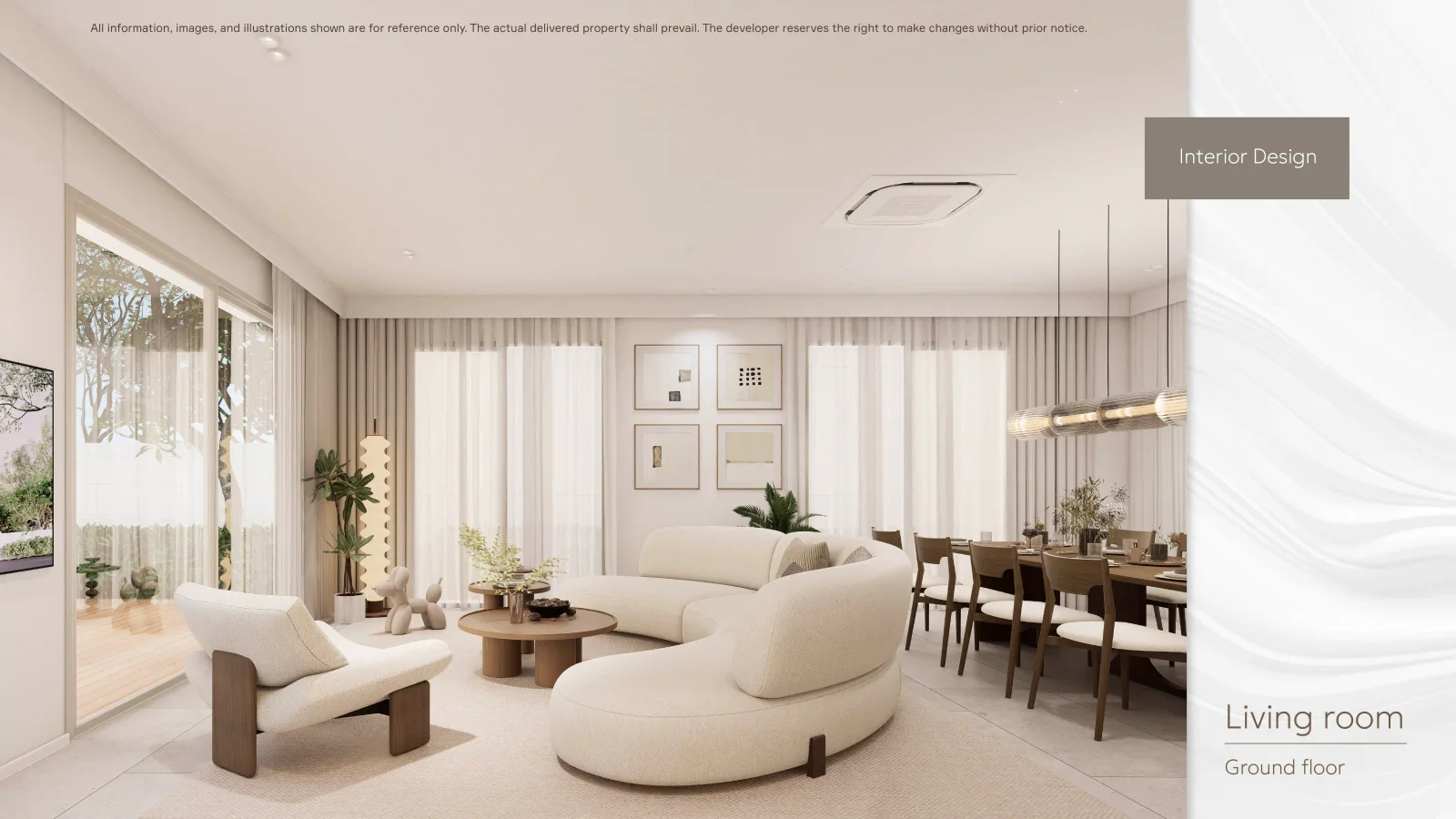
## Price ranges by area and unit type (USD, indicative 2026)
### Condos (studio / 1-bed / 2-bed)
| Area | Studio | 1-bedroom | 2-bedroom | Notes |
| --- | --- | --- | --- | --- |
| Bang Tao | 80k-180k | 120k-320k | 180k-480k+ | Wide spread: hillside vs beachfront |
| Surin | 110k-240k | 180k-420k | 260k-650k+ | Premium scarcity + lower density |
| Kamala | 85k-200k | 130k-300k | 190k-420k | View + elevation drive delta |
| Patong | 75k-190k | 110k-280k | 160k-360k | Older stock vs new build varies |
| Karon | 80k-190k | 120k-270k | 170k-360k | Tourism corridor liquidity |
| Kata | 85k-200k | 130k-280k | 180k-380k | Walkability + surf seasonality |
| Rawai | 75k-170k | 110k-240k | 180k-420k | Marina + lifestyle segment |
| Nai Harn | 80k-210k | 140k-280k | 200k-450k | Residential + expat demand |
### Villas (private pool, indicative)
| Segment | Typical range (USD) | What moves the price |
| --- | --- | --- |
| Entry gated / smaller land | 350k-900k | Location, road quality, plot |
| Mid luxury | 900k-2.2m | View, privacy, build quality |
| Ultra-luxury | 2.2m-6m+ | Frontage, architecture, brand |
Villas add complexity: land title structure, maintenance, staffing, and security. If you’re villa-curious, start with ownership mechanics (see [freehold vs leasehold](/guides/freehold-vs-leasehold-thailand/)) before falling in love with a render.
Phuket property price snapshot (2026): Bang Tao condos range from $80,000 (studio) to $480,000+ (2-bedroom); Surin $110,000 to $650,000+; Kamala $85,000 to $420,000. Private pool villas: entry gated format $350,000 to $900,000; mid-luxury $900,000 to $2.2M; ultra-luxury $2.2M to $6M+. Price per sqm for condos: entry/value tier $2,200 to $3,200; core premium $3,200 to $4,500; ultra-prime $4,500 to $6,500+. Historical price growth: Phuket developer pricing has risen approximately 5 to 6% annually in USD terms across market cycles since 2000, with off-plan projects in the Bang Tao/Laguna zone recording 35 to 50% appreciation from reservation to completion in the 2019 to 2024 period. Foreign quota (49% of total floor area) is the main structural constraint on availability: when sold out, buyers must use leasehold structures for the land component. Current 2026 premium-tier demand drivers include digital nomad visa programs, Thai tourism recovery, and limited land supply in beachfront sub-markets sustaining above-average price growth in the $200,000 to $500,000 condo tier.
## Price growth history (how to interpret 5-6%)
What investors do wrong: they extrapolate a brochure headline into a straight line. A smarter approach is scenario-based modeling, base case, downside (slower tourism), upside (strong demand + limited supply in your micro-location).
## Currency and pricing: THB list vs USD mental accounting
Practical approach: decide your budget band in your home currency, then track equivalent THB ranges as quotes update. If you’re comparing two projects, compare them on the same day with the same FX reference, small timing differences can distort “which is cheaper.”
## Financing reality check: cash vs staged vs mortgage
Why this matters for “price”: a slightly higher headline price with a longer staged schedule can be cheaper in present-value terms for a buyer who would otherwise keep capital invested elsewhere, provided the developer risk is acceptable.
If you’re evaluating financing, align it with ownership type (freehold vs leasehold) and your repatriation plans, tax and banking paperwork can differ materially.
## Phuket vs other Thai markets (why prices feel “premium”)
That doesn’t mean Phuket is always “worth it” for every strategy; it means price must be judged against liquidity, net yield, and your use-case fit.
## Current project anchors (USD list context)
| Project | Indicative from (USD) |
| --- | --- |
| Skypark Aurora Laguna | 136,500 |
| VIPKaron | 97,731 |
| Wyndham La Vita | 114,000 |
| Utopia Dream | 117,960 |
| The Marin | 160,080 |
| Ozone Oasis | 116,147 |
Use these as orientation anchors for what “entry ticket sizes” look like in 2026, not as a substitute for a live quote.
## What changes the price beyond “bedrooms and sqm”?
Operator strength: hospitality-managed inventory can command different rates, but also different fees.
Foreign quota: freehold quota can be competitive in strong projects; leasehold may be available if quota is full (see [freehold vs leasehold](/guides/freehold-vs-leasehold-thailand/)).
Inventory type: high-floor corner units often trade at a premium in resale markets.
## “Sticker price” vs “investable price”: a European buyer framework
- Furnishing & FF&E: rental-grade furnishing packages vary widely by quality tier.
- Utility setup & minor works: meters, curtains, small fixes, often underestimated.
- Rental program onboarding: photography, channel setup, and initial marketing, sometimes bundled, sometimes not.
If you’re buying for yield, ask for a **net rental model** tied to a specific management approach, not a brochure gross.
## Worked example: comparing two condos with different $/sqm
- **Unit A:** 42 sqm at **$5,714/sqm**, premium view, strong operator, higher CAM.
- **Unit B:** 58 sqm at **$4,138/sqm**, good view, smaller brand, moderate CAM.
Unit B looks cheaper per sqm, but Unit A might command higher nightly rates if the operator and micro-location justify it. The decision should be made on **net cash flow after fees**, resale liquidity, and your personal use plans, not $/sqm alone.
## Price seasonality: when developers adjust terms (not always “price”)
Developers rarely cut the headline price, because the headline price sets the value of every unit still unsold and every unit already sold. What moves instead are the terms, and the terms are where the real negotiation happens.
**What actually gets adjusted:**
- **The payment schedule.** A lighter deposit, or more of the price deferred to handover. This is worth real money, capital you keep for two more years, and it costs the developer only cash-flow timing.
- **Furniture and fit-out packages.** Included rather than charged, or upgraded within the same price. Easy for the developer to give, since it is supplied at trade cost.
- **Transfer costs.** Who pays the Land Office fee and the taxes at registration is negotiable and frequently negotiated.
- **Estate charges.** A period of common area maintenance paid by the developer after handover.
- **Unit selection.** A better floor, aspect or line at the same price, often the most valuable concession available and the one buyers ask for least.
**When these appear.** Around quarter and year end, at launch for early buyers, and when a phase is approaching completion with inventory unsold. The last is the one to read carefully: a strong incentive on a nearly finished building is either a genuine opportunity or a signal about how the phase has sold, and the difference is worth establishing before you decide which.
**What to ask for in writing:** the full payment schedule, the expiry date on any promotion, and whether the incentive applies to specific units or floors rather than the whole release. An incentive tied to the three units nobody wants is not an incentive.
## Resale vs developer stock: pricing psychology
- **Age and condition** (common area quality, pool systems, elevators)
- **Sinking fund health** (where applicable)
- **Rental history** (if available)
## How foreign buyers accidentally overpay (behavioral traps)?
**Ignoring the exit.** Phuket can be liquid in good projects, but liquidity is not automatic. Price today should include a realistic resale story.
**Using the wrong comps.** A Patong studio and a Bang Tao 1-bedroom are not substitutes, tenant mix differs.
## How Do Different Budget Ranges Translate Into Phuket Property Choices in 2026?
**Yield buyer at $150,000-$320,000:** this is the most competitive band. Strong 1-bedroom condos in Bang Tao, Kamala, Kata, Karon and Rawai can work if the fee stack is realistic. Compare each option against [Phuket rental yield guide](/guides/phuket-rental-yield-complete-guide-2026/) and force every broker to show net assumptions.
**Lifestyle buyer at $320,000-$900,000:** here the choice expands into premium condos, larger 2-bedroom units, townhouses and entry villas. The best asset is not always the highest yield asset. Personal use, road access, beach proximity and resale fit matter more.
**Villa buyer above $900,000:** price per sqm becomes less useful. Land plot, privacy, villa management, access road, drainage, build quality and legal structure drive value. Use [freehold vs leasehold in Thailand](/guides/freehold-vs-leasehold-thailand/) and [due diligence process in Thailand](/guides/due-diligence-process-thailand-step-by-step/) before comparing “cheap” villa offers.
## Decision framework: price, liquidity, and downside
1. Can I explain why this price is fair using at least three comparable units?
2. Who is the next buyer if I need to resell in three years?
3. What is my realistic net yield after costs?
4. What could go wrong with the building, operator or area?
5. Would I still buy this if the developer incentive disappeared tomorrow?
If a unit fails two of those questions, the price is probably not the real problem: the asset is. If it passes all five, then negotiation becomes a tactical exercise. You can negotiate payment terms, furniture, fee holidays, or small discounts, but the foundation is already sound.
## Pros and cons: paying “full retail” vs “early phase” pricing
**Pros:** a lower entry than the same unit will cost at completion; first choice of floor, aspect and line; a staged payment schedule rather than the full sum at once; and more room to negotiate terms while the developer still has inventory to move.
**Cons:** delivery risk; longer time to rental income; you must vet developer execution.
### Pros of ready-to-move buying
**Pros:** immediate use; easier to validate condition; faster rental start.
**Cons:** less “early bird” pricing; competitive bidding in prime inventory; older projects may carry hidden capex.
**About MORE Group:**
MORE Group is a Phuket-based real estate advisory providing all-in price comparisons across Bang Tao, Surin, Kamala, Patong, Rawai and Kata. Buyers receive a model covering purchase price, transfer costs, recurring fees and realistic rental assumptions before choosing a project. Contact: info@moregroup.estate · +66 65 119 5327 · moregroup.estate.
**Related guides:**
- [Best areas in Phuket to buy](/guides/best-areas-phuket-buy-property/)
- [Off-plan Phuket: risks, benefits, process](/guides/off-plan-property-phuket-guide/)
- [Thailand property tax for foreigners](/guides/thailand-property-tax-foreigners/)
## Developer Pricing vs Resale: Why the Same Building Can Have Two Price Tiers
**Developer list price** is set at launch, often 2-3 years before completion. It includes marketing costs, agent commissions (typically 5-7% of transaction value), and a developer margin. Off-plan units from a developer carry construction risk but offer staged payment plans.
**Resale list price** reflects what existing owners ask after completing purchase. Owners who bought at launch 2-3 years ago often paid less than today's developer list price, so they can undercut the developer and still profit. Resale units are completed (you can inspect them), but require full payment at transfer rather than staged payments.
| Price type | Who sells | Payment | Construction risk | Discount potential |
|---|---|---|---|---|
| Developer list price | Developer directly | Staged (30-70% off-plan) | Yes (off-plan) | Sometimes (bulk/launch discounts) |
| Resale asking price | Individual owner | 100% at transfer | None (completed) | Yes, especially for urgent sellers |
| Resale sold price | Market clearing | 100% at transfer | None | 5-15% below asking typical |
The most reliable benchmark is **Land Office registered transfer price**, which is public record and reflects actual completed transactions. Your Thai property lawyer can pull this data for any specific building for $100-$200. It reveals what buyers actually paid, not what sellers asked.
## How Global Currency Moves Affect Phuket Pricing for Foreign Buyers?
The Bank of Thailand's 2025 annual report shows THB traded between THB 32.5 and THB 37.2 per USD over the full year, a range of approximately 14%. A $220,183 condo priced at THB 7,200,000 cost:
- THB 32.5/USD: $221,538 USD
- THB 37.2/USD: $193,548 USD
This $27,990 difference on a single transaction highlights why currency timing matters for foreign buyers. Buyers wiring from EUR, GBP, or AUD face additional exchange rate layers. For large transfers, a forward contract through a licensed FX broker can lock in rate certainty before you are ready to wire. Bangkok Bank, Kasikorn Bank, and SCB all offer forward contract services for property-related transfers.
## FAQ
### What is a realistic price for a Phuket condo in 2026?
Many foreign buyers target the $80k-$350k band depending on area and quality. Ultra-luxury can exceed $1m. The most honest answer is always a range tied to a specific project and unit type, because price per sqm and view premiums dominate outcomes.
### Which Phuket areas are most expensive for condos?
Surin and premium Bang Tao frontage often lead on price per sqm. Patong can be expensive in absolute terms for smaller units due to high tourism demand, but premium beachfront scarcity varies by building.
### Are Phuket property prices negotiable?
Sometimes. Negotiability depends on inventory stage, payment method, and whether the unit is developer stock or resale. MORE Group helps buyers negotiate from a position of clarity, knowing comps and realistic net costs.
### How much should I budget beyond the list price?
Budget for transfer taxes/fees, legal due diligence, sinking fund, and initial furnishing if you plan to rent. Exact percentages depend on title type and sale structure, see our tax guide for worked examples.
### Is off-plan cheaper than resale?
Often off-plan can offer better staged pricing early in a phase, but not always. Compare $/sqm on equivalent view bands, and stress-test developer risk before deciding.
### Will Phuket prices keep rising?
No serious advisor can promise perpetual growth. Long-term tailwinds have supported multi-year appreciation in many segments, but you should buy on fundamentals and risk tolerance, not hype.
## Market signals to watch in 2026
- CBRE H1 2025 data pointed to 10,020 condo units across 39 projects due for completion in 2026, creating a real test for rental demand and resale liquidity.
- CBRE counted 45,192 hotel keys in Phuket and 19 projects under construction adding about 3,800 more by 2026, raising the bar for condo rental operators.
- TAT Phuket reported 5.85M visitors in the first five months and 223B THB tourism revenue.
- Foreign freehold quota availability in ready Phuket condos can be tighter than headline supply suggests, especially in stronger beach districts.
- Nature-led and lower-density travel supports a different buyer logic from high-volume nightlife districts.
- Transport access is becoming a practical filter for buyers who compare beach districts, family logistics and rental convenience.
- Domestic Thai travellers can support weekend and holiday demand in areas that are convenient, well-managed and easy to reach.
- Marina-linked demand is niche, but it can matter for owner-use buyers comparing Boat Lagoon, Royal Phuket Marina and east-coast access.
# Phuket Property Market Report Q3 2026: Data
> MORE Group Q3 2026 catalog data: entry prices across 285 verified Phuket projects. Condo median 4.99M THB, villa median 26.9M THB, area tables, methodology.
**Source:** https://moregroup.estate/guides/phuket-property-market-report-q3-2026/
**Section:** Investment Guides
**Author:** Maksim Shchegolev
**Published:** 2026-08-24
**Updated:** 2026-08-24
---
## What Does This Report Measure?
The report is a quarterly snapshot of MORE Group's verified Phuket catalog: 285 indexable projects on 3 September 2026, of which 267 publish a developer entry price. Entry price means the cheapest available unit in a project, so every table below measures what foreign buyers really pay to get into a building. The catalogue itself, with today's project count and prices rather than this snapshot, is on [Phuket property for sale](/buy-phuket-property/).
The definitions that govern every figure on this page:
- **Entry price** is the developer's lowest-priced available unit at the time our team last verified the listing, stored as `priceFromThb` on the project page; in Q3 2026 these run from 1,450,000 THB to 160,000,000 THB.
- **Median** is the middle project in a sorted list; across segments of 123 and 144 projects, a single trophy listing cannot drag it the way it drags an average. Inside an area the samples are far smaller, which is why four priced projects is the floor for appearing in a table at all.
- **USD conversion** uses 32.7 THB per USD, the single fixed editorial rate applied across this site for comparability.
- **Verified** means the project has its own listing page here that a reader can open and check against the number.
The report exists because most published Phuket statistics are either portal averages contaminated by stale and duplicate listings, or developer marketing with no stated method. Our data covers less of the island, but every line in it traces to a specific project page.
## Where Does the Phuket Market Stand in Q3 2026?
The MORE Group catalog holds 285 verified projects in Q3 2026: 123 priced condominium projects with a median entry of 4,990,000 THB, and 144 priced villa projects with a median entry of 26,922,000 THB. In our data, off-plan stock is 86% of the market, and 63 projects still open below 5M THB.
| Metric | Value | USD at 32.7 |
|---|---|---|
| Verified projects in catalog | 285 | n/a |
| Projects with published entry price | 267 | n/a |
| Condominium projects (priced) | 123 | n/a |
| Villa projects (priced) | 144 | n/a |
| Off-plan share | 245 of 285 (86%) | n/a |
| Completed share | 40 of 285 (14%) | n/a |
| Cheapest condo entry | 1,450,000 THB (Kathu, inland) | ~$44,000 |
| Median condo entry | 4,990,000 THB | ~$153,000 |
| Cheapest villa entry | 5,490,000 THB (Pa Khlok) | ~$168,000 |
| Median villa entry | 26,922,000 THB | ~$823,000 |
| Projects with entry under 5M THB | 62 | under ~$153,000 |
| Projects with entry under 10M THB | 108 | under ~$306,000 |
Three observations sit on top of this table:
- **Condos and villas are priced a full tier apart.** The villa entry median is more than five times the condo entry median, so an island-wide average price blends two different products and should be ignored wherever it appears.
- **The budget segment is alive.** With 62 projects opening below 5M THB, the sub-$153K entry tier remains genuinely competitive despite the luxury tilt of the west coast.
- **Completed stock is scarce.** A buyer who wants to walk through a finished building this month chooses from 40 projects island-wide, and that scarcity supports resale premiums on well-located completed buildings.
## What Do Phuket Condos Cost by Area in Q3 2026?
Condo entry prices in Q3 2026 range from a 1,450,000 THB minimum in the inland Kathu belt to a 6,828,900 THB median in Bang Tao, across the 123 priced condominium projects in our data. The table covers every area holding at least four priced condo projects in the MORE Group catalog; the minimum is the area's cheapest entry, the median its middle project.
| Area | Projects | Min entry (THB) | Median entry (THB) | Median in USD |
|---|---|---|---|---|
| Bang Tao | 49 | 1,800,000 | 6,828,900 | ~$209,000 |
| Layan | 16 | 3,240,000 | 5,750,000 | ~$176,000 |
| Karon | 4 | 4,350,000 | 5,066,000 | ~$155,000 |
| Rawai | 13 | 3,032,320 | 4,828,000 | ~$148,000 |
| Surin | 4 | 4,410,000 | 4,810,000 | ~$147,000 |
| Kamala | 7 | 4,248,640 | 4,900,000 | ~$150,000 |
| Nai Yang | 8 | 1,849,000 | 4,393,393 | ~$134,000 |
| Kata | 6 | 2,990,000 | 4,228,000 | ~$129,000 |
| Kathu and Wichit, inland | 6 | 1,450,000 | 2,690,000 | ~$82,000 |
**Patong is not in that table, and its absence is the correction.** A previous
version showed Patong at eight projects with a 2,785,000 THB median and called
it the cheapest ticket on the island. Six of those eight stand in Kathu and
Wichit, five to twelve kilometres inland over the ridge, and are tagged to
Patong on this site because that is the nearest beach a buyer would recognise.
Separated out, they are the last row above. What is left standing in Patong
itself is two priced condominium projects, below this report's four-project
threshold, so Patong is excluded from the condo table for the same reason Mai
Khao and Naithon are. For the record, those two enter at 5,990,000 and
10,050,000 THB, which is the opposite end of the island's range from where
Patong used to appear here.
What the numbers say, area by area:
- **The cheapest ticket on the island is inland, not on a beach.** The Kathu and Wichit belt opens at 1,450,000 THB against a 2,690,000 median, roughly 61% below Bang Tao's. That discount is not the payment for nightlife noise; it is the payment for being five to twelve kilometres from the sea, in a market whose tenants are the residents who work in Patong and Phuket Town rather than the visitors.
- **Bang Tao charges the Laguna premium but hides entry stock.** The 6,828,900 THB median carries the infrastructure brand, yet the area's 49-project depth still contains a 1.8M THB entry point most buyers assume disappeared years ago.
- **Kamala's projects open in a tight band, which is not the same as a tight market.** A 4.25M THB minimum against a 4.90M THB median says its seven schemes start within sight of each other; the units inside them run to 54,700,000 THB, so the entry column describes the door and not the building.
- **Rawai, Kata and Nai Yang form the value middle.** Medians of 4.2M to 4.8M THB buy locations our [area guides](/guides/best-areas-phuket-buy-property/) describe qualitatively; this table quantifies them.
## What Do Phuket Villas Cost by Area in Q3 2026?
Villa entry prices in Q3 2026 are split into two clear bands in our data: a premium band with medians of 29M to 33M THB in Mai Khao, Naithon, Bang Tao, Kata and Layan, and a value band near 20M THB in Nai Yang and Rawai, separated by roughly 9M THB at the median.
The 144 priced villa projects in the MORE Group catalog use the same definitions as the condo table above: minimum is the area's cheapest entry, median its middle project.
| Area | Projects | Min entry (THB) | Median entry (THB) | Median in USD |
|---|---|---|---|---|
| Mai Khao | 4 | 15,838,050 | 32,900,000 | ~$1,006,000 |
| Naithon | 4 | 13,500,000 | 32,837,000 | ~$1,004,000 |
| Bang Tao | 54 | 6,500,000 | 32,500,000 | ~$994,000 |
| Kata | 7 | 17,900,000 | 29,800,000 | ~$911,000 |
| Layan | 32 | 9,500,000 | 29,320,000 | ~$897,000 |
| Rawai | 9 | 12,280,000 | 20,000,000 | ~$612,000 |
| Nai Yang | 18 | 9,000,000 | 19,900,000 | ~$609,000 |
The two-band structure has practical consequences:
- **The 9M to 10M THB gap between bands buys location, not house.** Nai Yang villas near the airport and Rawai villas in the south frequently match west-coast specification at two-thirds of the price.
- **The premium band prices within about 11% of itself.** Five areas land between 29.3M and 32.9M THB, so the decision there is largely about area character rather than arithmetic; the outliers are the two smallest samples, Mai Khao and Naithon at four projects each, which is the floor this report will report on at all.
- **Layan is the most villa-dominated market in the catalog.** Its 32 villa projects against 16 condominium projects match its positioning in our [Layan coverage](/areas/layan-property-guide/).
## How Off-Plan Is the Phuket Market in 2026?
Off-plan projects are 245 of the 285 in the MORE Group catalog, an 86% share that makes Phuket a pre-completion market in Q3 2026. The skew runs deeper in villas, where 136 of 149 projects in our data are still under construction, against 109 off-plan among the 136 apartment projects, and it reshapes strategy for foreign buyers with a deadline.
This one status split changes strategy for three kinds of buyers:
- **Buyers who need keys within months** compete for stock in roughly one project in seven, 40 of 285. That scarcity strengthens sellers of finished units and explains the resale premiums documented in our [exit strategy guide](/guides/how-to-exit-phuket-property-investment/).
- **Buyers with a two-to-three-year horizon** hold the opposite position: 245 off-plan projects, 86% of the catalog, compete for their deposit, so payment-plan flexibility and pre-launch pricing are negotiable in a way completed stock never allows.
- **Every off-plan buyer** carries construction risk that a completed buyer does not, which is why the [developer bankruptcy guide](/guides/what-happens-if-developer-goes-bankrupt-thailand/) belongs in the reading list before a reservation fee moves, not after.
## How Do Entry Prices Relate to Rental Yield?
Entry price is half of an investment decision, and this report deliberately adds no new yield figures to the other half: our underwriting bands in the [complete rental yield guide](/guides/phuket-rental-yield-complete-guide-2026/) model 4 to 7% net after management, common-area fees, vacancy and tax, against brochure gross of 8 to 12%.
Read against this quarter's price data, the arithmetic favors the lower entry tiers:
- **The denominator decides before the operator does.** The same rent earned over the inland belt's 2.69M THB median and over Bang Tao's 6.83M THB median is the difference between a defensible gross yield and a marginal one.
- **The sub-5M THB segment is the yield corner.** Those 62 projects remain the most income-driven part of the catalog, because entry cost is the one variable a buyer fully controls.
- **The 29M THB villa band sells on other logic.** Lifestyle and capital preservation carry it, and forcing a yield case onto it produces the distorted numbers the next section warns about.
## Which Red Flags Should You Check in Phuket Market Data?
A trustworthy market figure is one that names its segment, sample and date, and five red flags catch most of the bad data circulating in this market, where medians run from 2,785,000 THB to 29,800,000 THB depending on the cut. Our analysis applies every one of these checks before trusting a published figure, whether it comes from a portal, a developer deck, or an agency like MORE Group.
- **Red flag 1: an average with no stated base.** An island-wide average is meaningless when the condo and villa medians sit five times apart; a figure that does not name its segment, sample size and cut-off date is marketing, not measurement.
- **Red flag 2: portal inventory counts used as market size.** Portals carry the same unit posted by six agents at three prices, plus sold stock nobody removed. Our 285 is smaller than portal counts precisely because each project appears once and had to be verified.
- **Red flag 3: yield quoted against entry price.** Dividing projected rent for a mid-tier unit by the cheapest studio's price manufactures two or three percentage points from nothing; honest denominators live in the [yield guide](/guides/phuket-rental-yield-complete-guide-2026/).
- **Red flag 4: appreciation with no holding period.** A 30% uplift over an unstated four years of construction quietly becomes an implied annual figure it never was.
- **Red flag 5: guaranteed returns presented as market data.** A guarantee is a developer pricing decision, usually pre-paid inside a higher purchase price, and it says nothing about what the open market earns.
Our insider tip for auditing this very page: open three project listings from any table's area, compare their entry prices to the median we publish, and see whether the spread makes sense. A data source that survives spot checks earns citation; one that cannot be spot-checked deserves none.
## Who Is This Data For? Four Buyer Scenarios
The same tables answer four different questions depending on the buyer profile, and the decision framework below is the one MORE Group applies when our clients bring us a budget. Each buyer scenario maps a budget tier, from roughly $85,000 to $900,000, to the exact segment of the catalog where that money actually competes for foreign buyers, with the table rows that matter for it.
- **Scenario A: the yield-first investor with up to 5M THB.** The market is the 63 projects under 5M THB, filtered through the Patong, Kata and Nai Yang rows of the condo table, with medians of 2.79M to 3.91M THB. At this tier the entry discount to Bang Tao is the yield, so upgrading the address costs income.
- **Scenario B: the family buyer around 10M THB.** The 110-projects-under-10M line opens both segments: top-tier Bang Tao condos or an entry villa in the value band. The off-plan share matters most here, because a school start date cannot wait out a construction delay; weight the 40 completed projects accordingly.
- **Scenario C: the lifestyle villa buyer near the 29M THB band.** Bang Tao, Layan, Kata and Mai Khao price within 2% of each other at the median, so location character decides, and the [area comparison](/guides/best-areas-phuket-buy-property/) does more work than any spreadsheet.
- **Scenario D: the capital-preservation buyer.** The instrument is scarcity: completed stock in supply-constrained micro-locations, 14% of the catalog and shrinking as a share of the west coast. The report's most important number for this profile is 40, and the market behind it is covered in the [exit strategy guide](/guides/how-to-exit-phuket-property-investment/).
## Which Laws Govern Foreign Buyers in These Numbers?
Ownership of every property in this report is governed by a short list of rules for foreign buyers, and the wording below is held verbatim in the MORE Group fact registry that also grounds our underwriting. Non-Thai nationals may hold freehold title in registered condominiums only within the 49% foreign quota measured by total floor area of the building, not by unit count, under the Condominium Act B.E. 2522 (1979); the remaining 51% must be Thai-owned.
The rest of the legal frame, in brief:
- **When a building's foreign quota is full,** buyers typically use registered leasehold, often structured as 30+30+30 years, or purchase an existing foreign-quota resale unit; leasehold stock is often priced below equivalent freehold.
- **Foreigners cannot hold freehold land in Thailand,** so the 144 villa projects above are typically bought leasehold or through a company structure that requires genuine legal review.
- **Freehold condo transfers to non-residents** usually require proof of foreign currency inward remittance, the FET form, for registration at the Land Department.
Full explanations live in the [foreign quota guide](/guides/foreign-quota-thai-condominiums/) and the [ownership costs guide](/guides/annual-ownership-costs-thailand/).
## How Is This Report Computed, and Where Does It Stop?
The dataset is the frontmatter of MORE Group's verified project listings on moregroup.estate: 285 projects marked indexable on 3 September 2026, of which 267 publish `priceFromThb`, meaning the developer's lowest-priced available unit in THB at the time our team last verified the listing against the developer's own price sheet.
Medians are computed from our data per segment and per area within each segment, so the counts a foreign buyer needs are all derived the same way: 62 projects open under 5,000,000 THB, 108 under 10,000,000 THB, and the condo segment median lands at 4,934,800 THB against 26,911,000 THB for villas.
The rules applied throughout:
- Areas with fewer than four priced projects in a segment are excluded from the area tables, so a single project is never presented as a market. This is why Patong appears in neither table from this revision onward: two priced condominium projects and two priced villa projects stand in it.
- An area label on this site names the nearest recognisable beach, not the sub-district a building stands in. That is harmless where the two coincide and it is not harmless at Patong, so the inland Kathu and Wichit projects are reported separately here. Every other row is grouped as the site tags it.
- USD conversions use 32.7 THB per USD, the fixed editorial rate applied across this site so prices stay comparable between pages written months apart.
- Off-plan prices move between phases, so a figure cited from this page should carry its snapshot date of 3 September 2026.
The honest limitations: this is catalog data, not a census of the island. Projects we declined to list, resale-only stock, and the long tail of small local developments sit outside it, so absolute counts understate the total market while the medians describe the curated segment a foreign buyer actually shops in. Entry prices are floors, not averages; a project's median sold unit sits above its entry price by definition.
**How to cite this report:** MORE Group, "Phuket Property Market Report Q3 2026", moregroup.estate, data snapshot 3 September 2026. A link to this page lets readers see the methodology and the current quarter's revision.
## Get Personal Help
Behind this report is MORE Group, a Phuket-based advisory founded by Maksim Shchegolev that has worked with foreign buyers from over 40 countries since 2016, at 0% buyer commission across 500+ transactions. The catalog the medians are computed from is the same one our investment desk sells from, which is the strongest incentive to keep its prices verified. Questions about a specific figure, or about the projects behind it: info@moregroup.estate · +66 65 119 5327.
{/* corpus-faq:phuket-property-market-report-q3-2026 */}
## FAQ
### Why do you publish medians instead of average prices?
A median is the middle project and ignores outliers; an average moves whenever one 160M THB villa project enters the data. With catalog segments of 123 and 144 projects, a single trophy listing can drag an average by double-digit percentages while the median barely moves. Medians are also harder to manipulate, which matters for a report we expect to be quoted.
### Do these figures include resale or secondary-market units?
No. The tables cover developer projects in the MORE Group verified catalog and their current entry prices. Individual resale units, including foreign-quota resales inside completed buildings, are listed separately in our resales section and follow different pricing logic: sellers price against the developer's current phase, not against their own purchase price.
### Why does your catalog skew toward Bang Tao and the west coast?
Partly because the market does: Bang Tao and Layan are where developer activity concentrates in this cycle, and our 104 and 48 project counts reflect launches we could verify. Partly by selection: we list projects we are prepared to sell, so areas with weaker developer track records are underrepresented by design rather than by oversight.
### Is the 32.7 THB per USD rate updated with the market?
It is a fixed editorial rate applied identically on every page of this site, so prices remain comparable between guides written months apart. It is reviewed periodically rather than daily. For a transaction you should use your bank's actual rate on the day of transfer; the FET remittance process that freehold purchases require will document that rate anyway.
### Can I get the underlying project list behind a specific number?
Yes. Every median in this report is computed from listings that are live on this site, so the fastest route is the area hub pages, which list each area's projects with their current entry prices. If you want the exact dataset behind one figure, ask through the contact form and we will send the project list for that segment as of the current snapshot.
# Phuket Property Ownership Structures Explained
> Full explanation of all Phuket property ownership structures for foreigners: freehold condo, leasehold villa, Thai company, usufruct. Which is right for you?
**Source:** https://moregroup.estate/guides/phuket-property-ownership-structures-explained/
**Section:** Investment Guides
**Author:** Maksim Shchegolev
**Published:** 2026-03-31
**Updated:** 2026-08-23
---
Choosing how to hold Phuket real estate is as important as choosing the asset. The right structure balances simplicity, security, tax reporting, and exit strategy. This guide explains the main ownership routes used by foreign buyers in 2026: freehold condominiums, leasehold villas, Thai companies, usufruct, and superficies, and which buyer profiles they fit.
Think of ownership as three layers: what the Land Department registers, what your contracts say, and what your home-country tax forms require. When those layers align, you sleep. When they diverge, you discover pain at sale, inheritance, or audit time, not at checkout.
## Freehold condominium: the default for many foreigners
### Why buyers like freehold
- Direct title in your name
- Relatively straightforward resale to foreign or Thai buyers (quota permitting)
- Familiar for international banks and family offices reviewing balance sheets
### Inheritance and estate planning
Freehold condos can be inherited, but cross-border estates require wills, translations, and sometimes probate steps. Coordinate with counsel in your home country and Thailand.
## Leasehold villas: how thirty-year structures work
### Registration at the Land Department
A registered lease is stronger than an informal agreement. Registration creates a public record, clarifies rent (if any), and sets priority for successors. Buyers should confirm registration fees and who pays them.
### What happens when the lease ends
If further renewals are not exercised or not enforceable as expected, the land returns to the lessor subject to the lease terms. This is why renewal clauses, successor rights, and lessor identity matter more than brochure photos.
### Building encumbrances
Often the building sits on leased land. Ensure the contract clearly ties structure ownership to the leaseholder and addresses removal, compensation, or transfer at lease end.
## Thai company structures: pros, cons, and risks
### Nominee shareholder issues
Arrangements that disguise true ownership can violate Thai law. Nominee shareholding is a serious regulatory topic. Any company route must be genuine, compliant, and supported by proper legal and accounting advice.
### Ongoing compliance costs
Companies require annual filings, accounting, and corporate governance. Budget for administration, not just the purchase price.
### When a company might make sense
Commercial operations, hospitality projects, or multi-asset strategies sometimes justify company vehicles, rarely a simple holiday home.
## Usufruct: lifetime use rights
### Trade-offs
Usufruct is powerful but situational. It does not replicate freehold land ownership. It must be drafted carefully to align with lease, inheritance, and sale scenarios.
## Freehold condos: Chanote mechanics and common questions
### Voting and common property
Owners participate in juristic person meetings on matters like sinking funds, major repairs, and rules. Foreign owners have the same voting rights as Thai owners in their unit class, but read bylaws carefully. A poorly managed building hurts resale even when your unit is beautiful.
### Selling to the next foreign buyer
If foreign quota is full, you may need to wait for a foreigner to sell out, or sell to a Thai buyer. Liquidity is usually decent in Phuket’s popular projects, but quota is not infinite. Your agent should market with quota status clarity to avoid wasted time.
## Leasehold villas: renewal mechanics in plain language
### Registration fees and who pays
Lease registration involves fees and sometimes stamp duty considerations depending on structure. Your SPA should state who pays registration and when it occurs. Ambiguity here creates closing-week friction.
### Sub-letting and rental rights
If you plan short-term rentals, confirm the lease allows sub-letting or management rights as needed. Some structures restrict usage, a killer for OTA strategies.
## Thai companies: governance and red lines
### When professional operators use companies
Hotel operators, multi-villa rental businesses, and development joint ventures sometimes use companies because operations justify the entity. The structure follows the business, not the other way around.
## Choosing between the structures
Most buyers are deciding between two of the four, and the decision usually comes down to what they are buying rather than to a preference about structures in the abstract.
| | Freehold condo | Registered lease | Thai company | Usufruct |
|---|---|---|---|---|
| What you hold | The unit itself, on a Chanote | A recorded right to use land for a term | Shares in a company that owns land | A right to use and take benefit from land |
| Available for | Condominium units within the quota | Villas, houses, land | Land, mainly commercial | Land, usually alongside another structure |
| Term | Indefinite | Capped at 30 years per registration | Indefinite while the company exists | A term, or for life |
| Resale market | Widest, foreign and Thai buyers | Narrower, and shrinks as the term runs down | Narrow, buyers inherit the compliance | Very narrow |
| Ongoing cost | CAM and sinking fund | Rent or ground charges, plus upkeep | Annual accounting and filing obligations | Upkeep |
| Main risk | Quota fills, limiting your exit | What happens at the end of the first term | Structures built to circumvent ownership rules | Ends on death or expiry, leaving nothing to sell |
### The question that decides it
Ask what happens in fifteen years, not what happens at completion. A freehold condominium in year fifteen is the same asset it was on day one. A thirty-year lease in year fifteen is halfway through its term, and every year after that it becomes harder to sell, because your buyer is purchasing a shorter remaining period than you did. That decay is not visible while you own it and is decisive when you try to leave.
This is not an argument against leasehold, which is the standard and perfectly workable route to a Phuket villa. It is an argument for buying a lease with your exit already thought through: either sell well before the term shortens enough to matter, or accept that you are buying use rather than an asset to pass on.
## Final notes for 2026 buyers
### Working with land office appointments
Registration appointments require organized documents: passports, marriage certificates if relevant, corporate papers for entities, and payment proofs. Phuket Land Department queues vary by season, your lawyer schedules realistically so you are not caught traveling while deadlines slip.
### Insurance and structure alignment
Title insurance as known in the United States is not universal in Thailand; buyers lean on lawyer due diligence and fire policies on improvements. Ensure policy names match ownership names to avoid claim disputes.
### When to revisit your structure mid-hold
If you naturalize, gain long-term visas, or inherit additional assets, revisit whether your original structure still fits. Sometimes a sale and re-buy is too expensive, but sometimes restructuring saves long-run reporting pain.
### A note on short-term rental rules in condominiums
Many buildings publish house rules on nightly stays. Ignoring them risks fines and reputation damage with the juristic person. Your ownership structure does not override community rules, read the minutes before you list on OTAs.
### Long-term holds: keep documents alive
Store digital copies of the sale and purchase agreement, the lease where one exists, registration receipts and any renovation permits. Future buyers and their banks ask for clean records, and you will want them yourself when you sell years later. Keep the FET certificates with them; they are the evidence that your funds were foreign in origin, and they matter again at repatriation.
## Glossary in buyer-friendly terms
| Term | What it actually means |
|---|---|
| Chanote | The strongest form of Thai title deed, fully surveyed and registered. What you want to see. |
| Foreign quota | The share of a condominium building's total sellable floor area that may be held freehold by non-Thai owners, capped at 49%. |
| Juristic person | The legal entity that manages a condominium building, funded by owners and run by a committee. Your landlord in all but name. |
| CAM | Common area maintenance, charged as a rate per square metre per month. |
| Sinking fund | A capital reserve for major works, usually paid once at purchase and topped up when it runs down. |
| Registered lease | A lease recorded at the Land Department, which makes it public and assignable rather than merely contractual. |
| Usufruct | A registered right to use and take the benefit of land, for a term or for life. |
| Superficies | A registered right to own a building on land belonging to someone else. |
| FET | The bank record showing foreign currency was remitted into Thailand, required for freehold registration by non-residents. |
| Nominee | A Thai shareholder holding shares on a foreigner's behalf rather than in their own interest. Not a structure, a risk. |
### Portfolio thinking: mixing condos and villas
Some families own a freehold condo for simplicity and a leasehold villa for weekends. That can work when estate plans and cash flows are documented separately. Avoid commingling expenses across structures without accounting clarity, it complicates sale narratives later.
### If you only remember one sentence
Pick the structure you can explain to a buyer, a bank, and a border officer without sweating, then verify that explanation with lawyers who do this weekly, not once a decade.
## Inheritance: the question buyers ask last and should ask first
Each structure passes differently, and the differences are large enough to change which one you choose.
A freehold condominium unit passes to your heirs, but with a condition attached that catches families out. A foreign heir must themselves fit within the building's 49% quota to register the unit in their own name; if there is no room, they are generally required to dispose of it within a statutory period. The unit is not lost, but it may have to be sold rather than kept, and possibly at a moment not of the family's choosing.
A registered lease passes as a contractual right, but only if the lease says so. Many Thai leases terminate on the death of the lessee unless inheritance is expressly provided for, which means a family can discover that a thirty-year term they thought was an asset ended with the person who signed it. This single clause is worth more attention than any other in the document.
A usufruct is the clearest case and the one most often misunderstood. It ends on death by definition. What it gives is a lifetime of use and nothing that passes on. For a buyer with no succession plan to make, that is exactly right; for anyone intending to leave the property to someone, it is the wrong instrument entirely.
Shares in a Thai company pass like any other shares, subject to the company's articles, but the heirs inherit the compliance burden along with the asset: annual filings, accounting costs, and the requirement that the structure remains genuine rather than a nominee arrangement.
Whichever route you take, make a Thai will covering your Thai assets. A foreign will can be recognised, but the process is slower, more expensive and more prone to dispute than a straightforward Thai document prepared alongside the purchase.
## Ownership and rental strategy: the practical link
Freehold condos often align with hands-off rental management inside buildings with strong juristic teams. Leasehold villas align with private operators and higher-touch guest experiences, but demand tighter lease language on sub-letting. Match structure to operations, not only to Instagram aesthetics.
When you are uncertain between two structures, model ten-year costs including tax reporting, management, insurance and exit fees. The spreadsheet often reveals a winner even when the marketing decks look tied.
## Ownership structures by the numbers (2026)
| Structure | Typical entry (1-bed condo/villa) | Hold period | Registration fee band |
|-----------|-----------------------------------|-------------|------------------------|
| Freehold condo | 4.5M-12M THB ($138K-$335K) | 5-15 years | 1-2% transfer at Land Office |
| Leasehold villa | 15M-45M THB ($420K-$1.38M) | 10-30 years | Lease registration ~1% of lease value |
| Thai company | 20M THB+ land deals | 7+ years | Annual compliance 80K-200K THB |
The 49% foreign quota is measured against the total sellable floor area of the building, not by counting units. That distinction matters more than it sounds. A block of large units consumes the allowance far faster than the same number of studios, so a building can be well inside 49% on a unit count and have no area left for the three-bedroom you want. The allowance is also consumed at registration rather than at reservation, which is why a reservation taken in good faith can still fail at transfer if others register ahead of you.
Leasehold villas commonly register 30-year first terms, because a single registration cannot exceed thirty years under Thai law. Renewal language varies by lessor and must be read clause by clause; a promise of two further terms is a contractual expectation, not a registered right.
**Insider tip:** before you wire a deposit, ask your lawyer for the juristic person's current foreign ownership percentage in writing, expressed as floor area. A building already close to the ceiling leaves almost no room for your own buyer on exit, which quietly narrows your resale market to Thai purchasers.
Lawyer fees for structure review in Phuket typically run 25,000-60,000 THB ($700-$1,800) for a straightforward condo, and 80,000-150,000 THB for villa lease packages. Budget 2-4 weeks for full SPA markup and registration scheduling in peak season (November-March). Most foreign buyers complete registration within 6-8 weeks once SPA and FET are aligned.
**Related guides:**
- [Buying property in Phuket](/guides/buying-property-phuket-guide/), end-to-end buyer journey
- [Freehold vs leasehold in Thailand](/guides/freehold-vs-leasehold-thailand/), rights comparison
- [Can foreigners buy property in Thailand](/guides/legal-guide-buying-property-thailand/), legal basics
- [Due diligence step by step](/guides/due-diligence-process-thailand-step-by-step/), pre-purchase checks
- [Phuket property taxes and fees](/guides/phuket-property-taxes-fees-complete-guide/), transfer costs by structure
## FAQ
### Can foreigners own a villa in Phuket?
Foreigners typically cannot own land directly. Villas are commonly held via registered leasehold structures, sometimes combined with superficies or usufruct, depending on the deal. Freehold land ownership through workarounds is risky and often inappropriate.
### Is leasehold safe?
Registered leasehold can be secure when drafted by competent counsel. Key items include renewal terms, registration, lessor identity, and what happens to buildings at lease end.
### What is better: freehold condo or leasehold villa?
Freehold condos offer simpler title for many buyers. Villas offer space and privacy but rely on lease contracts. The better choice depends on lifestyle, budget, and hold period.
### Do I need a Thai company to buy property?
Not for most condos. Companies are specialized tools with compliance costs and regulatory scrutiny. Use them only with advice tailored to your facts.
### How do I verify foreign quota?
Your lawyer requests certification from the juristic person or Land Department records showing foreign ownership percentage and remaining quota before transfer.
# What Affects Phuket Property Resale Value
> Ten things that decide what a Phuket property resells for, from the developer's name to the remaining foreign quota, and what buyers pay a premium for.
**Source:** https://moregroup.estate/guides/phuket-property-resale-value-factors-2026/
**Section:** Investment Guides
**Author:** Maksim Shchegolev
**Published:** 2026-04-02
**Updated:** 2026-08-23
---
- Developer brand and foreign quota status are the two most undervalued resale factors at purchase
- Sea view and floor level add 15-30% to resale price, and this gap widens over time
- Building condition matters enormously; a poorly maintained 5-year-old building sells at a discount vs a well-maintained 10-year-old one
- Area liquidity (how many buyers exist) determines speed of sale as much as price
- Furnishing quality can add or subtract 5-10% depending on condition and taste neutrality
When Phuket investors think about exit strategy, they often focus on price appreciation and ignore resale liquidity, the ability to find a buyer at all. The market for resale condos in Phuket is real but selective. Understanding what buyers pay premium prices for (and what they avoid) dramatically improves your capital recovery when you decide to exit. For comprehensive property selection guidance, see our [Phuket buying guide](/guides/buying-property-phuket-guide/).
Here are the 10 factors that most consistently determine resale value in Phuket's property market.
## 1. Developer Brand and Reputation
- Construction quality standards
- Post-sale service and warranty
- Probability of project completion (for resale of off-plan units)
- Management infrastructure
In practice, branded developer units command 10-20% resale premiums over similar-spec units from first-time or single-project developers. This premium is invisible at purchase (both seem like "new condos") but very visible at resale.
What to do: Even if a smaller developer offers lower entry prices, factor in the likely resale discount. The math sometimes still works, but go in with eyes open.
## 2. Foreign Quota Status
The premium varies by area and building:
- In high-demand buildings: 15-25% premium for foreign quota freehold
- In lower-demand buildings: 10-15%
- In areas with predominantly Thai buyers: gap narrows
Why does this matter so much? Foreign buyers, the most liquid market for Phuket investment property, can only legally purchase foreign-quota units. If your unit is Thai-quota (either by purchase or through structural changes in the building's quota), your buyer pool shrinks dramatically at resale.
Critical check: Always verify the exact quota status of a unit before purchase. Some developers sell "foreign quota" units in buildings where quota is nearly exhausted, and by the time of handover the unit may have shifted to Thai quota.
## 3. Floor Level
Approximate floor level premiums over ground floor in the same building:
| Floor Range | Typical Value Premium |
|---|---|
| Floors 1-3 | Base (0%) |
| Floors 4-8 | 8-15% |
| Floors 9-15 | 15-22% |
| Floors 16-20 | 20-30% |
| Penthouse level | 30-50%+ |
Higher floors mean better views, less street noise, more natural light, and improved ventilation. In Phuket's humid climate, airflow matters significantly for unit comfort and condition.
## 4. Sea View Quality and Protection
Supply of genuine panoramic sea views is genuinely constrained, Phuket has limited hillside buildable land. As the island develops, true sea view units become relatively rarer. Units with proven, protected sea views (where no future construction can obstruct the line of sight) are among the safest capital stores in Phuket real estate.
At resale, verified sea view adds 18-30% over equivalent non-view units, and this gap tends to widen over time rather than narrow.
## 5. Pool Access Type
| Pool Type | Resale Impact |
|---|---|
| Private plunge pool (unit-level) | +25-40% vs no pool |
| Semi-private (villa pool shared with 2-3 units) | +12-20% |
| Building rooftop pool, exclusive floor | +8-15% |
| Standard building pool | Base (0% premium) |
| No pool in building | -10-15% vs comparable buildings with pools |
Private plunge pools, even small 3×2m splash pools, command the strongest premium because they're featured in the headline photography and drive disproportionate OTA revenue. For resale, they also signal premium specification throughout the unit.
## 6. Building Condition and Management Quality
Signs of good building management (check before buying):
- Sinking fund balance (usually visible in the building's accounts)
- Exterior paint condition and common area cleanliness
- Pool and gym maintenance
- Security standards
- Lift maintenance records
Buildings with professional management companies (rather than self-managed committees) generally hold condition better over time. Ask the management who manages the building and what the monthly maintenance fee is, underfunded buildings signal future problems. For rental management considerations, see our [rental yield guide](/guides/phuket-rental-yield-complete-guide-2026/).
## 7. Unit Size and Layout
Most liquid sizes:
- 35-55 sqm studio/1BR: Highest demand, fastest to sell, widest buyer pool
- 65-90 sqm 1BR/1BR+: Strong demand from lifestyle buyers and long-stay rental investors
Slower to sell:
- Over 120 sqm 2BR: More expensive, smaller buyer pool, longer hold time to find the right buyer
- Under 30 sqm micro-units: Niche buyers only, limited resale market
Layout matters too. Functional units with open-plan living, good balcony access, and separated bedroom from living area outperform awkward-layout units even at the same size.
## 8. Area Liquidity
Highest liquidity (easiest to sell):
- Bang Tao / Laguna: Deep international buyer pool, high visibility to foreign investors
- Kamala: Growing market with strong inbound interest from European and Russian buyers
Medium liquidity:
- Surin: Premium buyers, smaller pool but willing to pay
- Patong: Thai and regional Asian buyers active; foreign-quota units sell well
Lower liquidity:
- Rawai and Nai Harn: Strong lifestyle demand but smaller investor buyer pool; may take 6-12 months to find a buyer at target price
Liquidity doesn't mean you can't sell, it means your expected sale timeline differs. Factor this into your exit strategy. For financing and payment structures that may affect resale, see our [property financing guide](/guides/buying-property-phuket-guide/).
## 9. Furnishing Quality and Condition
If furnishings are high quality, neutral, and in good condition: Adds 3-8% to resale price. Buyers value not having to refurnish.
If furnishings are dated, personalised, or in poor condition: Subtracts 5-12% from resale price. Buyers mentally account for the cost and hassle of removal and replacement.
The Phuket rule: neutral, modern, lightly-used furnishings in good condition are a mild positive. Heavy personalisation (bold colours, family items, unusual furniture) is a negative regardless of cost.
Before resale: Refresh key pieces, replace worn sofas, update lighting, repaint in neutral white or warm grey. This 50,000-100,000 THB investment can return 3-5× at the right price point. For new property considerations, see our [off-plan property guide](/guides/off-plan-property-phuket-guide/).
## 10. Title Deed Type and Legal Clarity
Common title issues to check at purchase (because they affect your resale later):
- Is the building's land title clear? Some older buildings in Phuket have Nor Sor 3 Gor or disputed land titles
- Are there any developer loans secured against the building's land?
- Is the unit transfer-ready or are there outstanding disputes with the juristic person?
A clean, straightforward title is worth paying a slight premium for at purchase. At resale, it removes friction that kills deals.
## Resale Value Formula
1. Recognised developer
2. Foreign quota freehold
3. Higher floor with protected sea or pool view
4. Well-managed building in high-liquidity area
These four factors compound. A foreign-quota, high-floor, sea-view unit in a Laguna-branded building in Bang Tao is substantially easier to exit, and at substantially better prices, than a Thai-quota, low-floor, garden-view unit in an unknown developer's building in a secondary area.
The gap between the best and worst combinations can be 30-50% on resale price at identical purchase price points.
## Market Timing and Economic Factors
### Economic Drivers of Resale Value
Tourism recovery patterns: Phuket's property values correlate strongly with tourism arrivals, which affect rental demand and buyer confidence.
*Current indicators (2026):*
- International arrivals: 95% of pre-2019 levels
- Average length of stay: Extended from 7 to 12 days
- Visitor spending: Up 25% in USD terms compared to 2019
Currency exchange impacts: THB strength affects foreign buyer purchasing power and investment returns.
*2026 exchange rate impacts:*
- THB/USD near 32.7 (vs 30-32 in 2019-2021) reduces US buyer affordability 15-20%
- EUR/THB at 38.2 maintains European buyer competitiveness
- AUD/THB at 22.8 creates strong value proposition for Australian investors
Interest rate environment: Rising global rates affect financing costs and alternative investment attractiveness.
### Seasonal Timing for Optimal Resale
Peak selling season (October-February): Maximum buyer activity coincides with tourist season and favorable weather
Advantages: Higher buyer traffic, motivated international buyers, optimal viewing conditions
Pricing: Can command 5-10% premiums over off-season transactions
Timeline: Faster sales (2-4 months) but higher competition from other sellers
Off-season opportunities (June-September): Reduced competition and motivated sellers
Advantages: Less inventory competition, more negotiation flexibility
Pricing: Buyers expect 5-15% discounts for off-season purchases
Timeline: Longer sales cycles (4-8 months) but less pressure
## Advanced Due Diligence for Resale Optimization
Juristic person financial analysis:
- Sinking fund balance: Should equal 15-25% of building replacement cost
- Monthly fee collection rate: Above 90% indicates good owner cooperation
- Reserve fund adequacy: 12-18 months of operating expenses
- Capital expenditure planning: Documented 5-year maintenance schedule
Red flags in building finances:
- Deferred maintenance exceeding 500,000 THB
- Special assessments within past 24 months
- Owner delinquency above 10% of units
- Insurance coverage gaps or claims history
### Title and Legal Verification
Complex title issues significantly impact resale speed and achievable prices.
Critical title elements:
- Clean Chanote (Nor Sor 4) title for building land
- No encumbrances or liens against unit title
- Verified foreign quota status with juristic confirmation
- Completed transfer tax payments with receipts
Legal complexity factors:
- Developer bankruptcy or insolvency proceedings
- Disputed land boundaries or easement issues
- Non-compliance with building permits or zoning
- Outstanding litigation involving building or developer
## Red Flags That Destroy Resale Value
Quota status uncertainty: Units with unclear foreign ownership eligibility face 20-30% price discounts and limited buyer pools. Always verify current quota status with building juristic person, not sales materials.
Rental pool lock-ins: Mandatory participation in underperforming rental programs can reduce resale value 10-15% due to buyer resistance to inherited management contracts.
Developer bankruptcy exposure: Units in projects where developers face financial distress or incomplete amenities suffer resale penalties of 15-25% regardless of unit condition.
### Market Positioning Red Flags
Overpricing vs comparables: Units priced more than 15% above recent comparable sales in the same building typically remain unsold for 12+ months, eventually selling at below-market prices.
Inappropriate unit modifications: Heavy personalization (unusual colors, custom built-ins, religious symbols) can reduce appeal to international buyers and require costly reversal.
Rental program performance: Units with documented poor rental history face buyer skepticism and often require price concessions to offset perceived investment risk.
## Buyer Profile Analysis by Property Type
Key purchase criteria:
- Demonstrated rental performance and yield history
- Quality building management and financial transparency
- Clean title with verified foreign quota status
- Professional property presentation and documentation
Price sensitivity factors:
- Currency exchange rates at time of purchase
- Rental yield comparisons with home country alternatives
- Exit liquidity and resale timeline expectations
- Tax implications in home jurisdiction
### Lifestyle Buyer (25% of market)
Typical profile: Planning relocation or extended stays, prioritizes location and amenities over yield
Key purchase criteria:
- Proximity to desired lifestyle amenities (beaches, restaurants, shopping)
- Building quality and resident community composition
- Personal use flexibility (not locked into rental programs)
- Long-term area development plans and infrastructure
Decision factors:
- Emotional connection to location and property
- Convenience and turnkey condition
- Owner usage rights and restrictions
- Community features and social environment
### Speculative Buyer (15% of market)
Typical profile: Shorter investment timeline, focused on capital appreciation potential
Key purchase criteria:
- Undervalued properties with clear appreciation catalysts
- Areas with planned infrastructure development
- Off-market opportunities and distressed sales
- Quick renovation potential for value-add strategies
Risk tolerance:
- Willing to accept longer hold periods for maximum returns
- Comfortable with renovation and improvement projects
- Active management of rental programs and tenant relationships
## Advanced Resale Strategy Implementation
Documentation preparation:
- Organize all ownership and transfer documents
- Compile rental history and financial performance records
- Obtain updated building financial statements and minutes
- Secure comparative market analysis from qualified agents
Market timing analysis:
- Monitor seasonal buyer activity patterns
- Track competing inventory and pricing trends
- Assess currency exchange rates for target buyer demographics
- Coordinate with building management for optimal showing conditions
### Pricing Strategy Development
Comparative market analysis methodology:
- Recent sales (within 6 months) in same building
- Similar unit types in comparable buildings within 1km
- Adjustment factors for view, floor level, condition, and furnishing quality
- Market trend analysis for pricing momentum direction
Pricing psychology factors:
- International buyers often focus on round numbers in home currency
- Pricing slightly below psychological thresholds (2.95M vs 3.0M THB)
- Bundle valuable inclusions (parking, storage, furniture) vs separate pricing
- Consider financing assistance or seller concessions for competitive advantage
### Marketing and Sales Execution
Target buyer identification:
- Develop buyer personas based on property characteristics
- Identify optimal marketing channels for target demographics
- Customize marketing materials and messaging by buyer type
- Plan showing schedule optimization for different buyer preferences
Professional presentation standards:
- High-quality photography showcasing unique property features
- Virtual tour and 3D floor plans for remote buyer engagement
- Detailed information packages with building and area highlights
- Professional staging emphasizing lifestyle benefits and investment potential
For expert guidance on maximizing your Phuket property's resale value, explore our comprehensive resources: [Phuket buying guide](/guides/buying-property-phuket-guide/), [foreign ownership rules](/guides/legal-guide-buying-property-thailand/), [area selection strategies](/guides/best-areas-phuket-buy-property/), [due diligence checklist](/guides/due-diligence-process-thailand-step-by-step/), and [rental yield optimization](/guides/phuket-rental-yield-complete-guide-2026/).
## FAQ
### What factors have the biggest impact on Phuket property resale value?
Developer brand and foreign quota status are the two most undervalued factors at purchase time. Sea view and floor level add 15-30% to resale price, and this premium typically widens over time. Building condition and management quality can override location advantages - a well-maintained building in a secondary area often outsells a poorly managed building in a prime location.
### How long does it typically take to sell a Phuket condo?
Timeline varies significantly by area and pricing strategy. High-liquidity areas (Bang Tao, Kamala) with properly priced, well-presented units sell in 3-6 months. Lower-liquidity areas (Rawai, Nai Harn) require 6-12 months. Overpriced units can remain unsold for years regardless of location. Professional presentation and realistic pricing reduce sale timeline by 40-60%.
### Should I sell my Phuket property furnished or unfurnished?
Always furnished. Phuket buyers expect turnkey properties, and unfurnished units face significant buyer resistance. However, furnishing quality matters enormously - poor or heavily personalized furnishings reduce value by 5-12%. Invest 50,000-100,000 THB in neutral, modern furniture updates before listing for 3-5x return on this investment.
### How does foreign quota status affect resale value and speed?
Foreign quota status creates a 15-25% price premium and dramatically improves sale speed. Foreign-quota units access global buyer pools, while Thai-quota units are restricted to Thai nationals and foreigners using corporate structures. Given that international buyers represent 60-70% of Phuket's active resale market, quota status directly determines your buyer pool size.
### What's the most common mistake that hurts resale value?
Buying in buildings with exclusive rental management contracts or guaranteed yield programs. These arrangements often become liabilities at resale because buyers resist inheriting management contracts they cannot exit. Additionally, buildings locked into underperforming rental programs typically trade at 10-15% discounts due to reduced buyer flexibility.
### How do I maximize my property's resale value before selling?
Focus on four key areas: ensure clean title and verified foreign quota status, invest in neutral property updates (painting, key furniture pieces), organize complete documentation (rental history, building financials), and price based on genuine comparable sales rather than aspirational pricing. Professional photography and presentation can add 5-8% to achieved sale price.
### Which Phuket areas have the best resale liquidity?
Bang Tao and Kamala offer the highest resale liquidity due to strong international buyer interest and established property markets. Surin provides good liquidity for premium properties but with a smaller buyer pool. Patong has active Thai and regional Asian buyers. Rawai and Nai Harn have strong lifestyle appeal but require longer sale timelines due to smaller active buyer populations.
### How does building age affect resale value in Phuket?
Building age is less important than maintenance quality. A well-maintained 10-year-old building often outsells a poorly maintained 3-year-old building. Key factors include sinking fund adequacy, professional management, visible maintenance standards, and common area condition. Buildings with deferred maintenance or financial problems face 15-25% resale penalties regardless of age.
# Phuket Property Legal & Taxes 2026: Fees, FET
> Phuket legal 2026: 49% foreign quota, FET cert ≥$20K, 2% transfer fee, 1% specific business tax, due diligence 27-pt checklist. Total fees 3-6% of price..
**Source:** https://moregroup.estate/guides/phuket-property-taxes-fees-complete-guide/
**Section:** Investment Guides
**Author:** Maksim Shchegolev
**Published:** 2026-03-30
**Updated:** 2026-08-23
---
## Phuket Property Legal & Taxes 2026: Fees, FET, Quotas, Due Diligence
This is the master guide to the legal, tax and due-diligence side of buying property in Phuket in 2026, every rule, every fee, every checklist a foreign buyer needs in one place. We cover foreign ownership routes, the 49% condo quota, the FET certificate (Thailand's gatekeeper for foreign money), leasehold vs company structures, our 27-point pre-deposit checklist, transfer-day taxes with worked examples, annual taxes, exit-side selling costs and capital gains, and how to hire a Thai lawyer and escrow agent without overpaying.
If you want a single resource that answers "what is actually legal, what does it cost, and what can go wrong" before you wire money to Thailand, this is it.
> Disclaimer. This guide is informational, not legal advice. Thai property law and tax practice change over time and apply differently to each transaction. Always consult a qualified Thai property lawyer for your specific situation before signing any contract or transferring funds.
## Summary: Phuket Legal & Taxes in 30 Seconds
Key numbers (2026):
- Foreign condo quota: 49% of total saleable floor area per building (freehold)
- FET form threshold: a single inbound transfer of USD 50,000 or more
- Transfer fee: 2% of registered Land Department price (split or per contract)
- Specific Business Tax: 3.3% if seller owned under 5 years
- Withholding tax: 1% of price (foreign individual seller, flat practice)
- Stamp duty: 0.5% (mutually exclusive with SBT)
- Lawyer fee: $1,500-3,500 USD typical for full due diligence + transfer
## Foreign Ownership Rules in Thailand: Condo Quota, Villa Lease, Company
Freehold condo (Condominium Act 1979). Any condominium building registered with the Land Department under the Condominium Act has a fixed split: at least 51% of total saleable floor area must be Thai-owned, up to 49% can be foreign-owned. Within that 49% bucket, foreign individuals own outright forever, can sell, gift, mortgage and inherit on the same terms as Thai owners. This is the cleanest, most enforceable ownership form available to foreigners in Thailand. See our [foreign quota deep-dive](/guides/buying-property-phuket-guide/) for verification mechanics.
Registered leasehold (most villas). Foreigners cannot own land. The standard workaround for villas is a 30-year registered lease over the land plot, often combined with two pre-agreed renewal options (theoretical 90-year horizon, practical 30-60 years of full enforceability). The structure on the land, the villa itself, can be owned freehold by the foreigner via a separate construction permit and house registration document. See our [freehold vs leasehold breakdown](/guides/freehold-vs-leasehold-thailand/) for the full mechanics.
Thai company. A Thai limited company with majority Thai shareholders can own land, and the foreign minority shareholder controls voting rights via preferential shares. This was historically the most common villa-ownership route, but enforcement has tightened sharply since 2022, pure nominee structures are now actively investigated. Our [Thai company ownership analysis](/guides/safest-ownership-structures-thailand/) covers when this still works and when it does not.
The shortcut to picking the right route: if it is a condo unit, almost always go freehold (subject to quota). If it is a villa under $800K, leasehold is the clean choice. If it is a $1M+ villa with rental business, a properly structured company can work, but only with a lawyer who specialises in this area.
## 49% Foreign Quota: How to Verify Before Buying
The verification process has five concrete steps:
Step 1, Identify the juristic person manager. Every condo registered under the Condominium Act has a juristic person (HOA-equivalent) with a licensed manager. Get their name, contact and office address from the seller or developer. For new launches, this role is held by the developer until handover.
Step 2, Request the foreign quota status letter. This is a one-page official letter from the juristic person stating: total saleable area in sqm, total foreign-registered area in sqm, available foreign quota in sqm, and confirmation that the unit you intend to buy can be registered freehold. The letter is normally issued within 3-7 business days, costs 500-2,000 THB and is signed by the juristic person manager.
Step 3, Cross-check against Land Department records. Your Thai lawyer requests an updated register of foreign owners directly from the Phuket Provincial Land Office. This cross-check catches discrepancies between the juristic person's spreadsheet and the actual registered titles, a more common gap than buyers expect, particularly in older buildings.
Step 4, Lock the quota in writing in your reservation. The reservation agreement and Sale & Purchase Agreement must explicitly state that the unit will be transferred in foreign freehold ownership, with a refund clause if the developer cannot deliver freehold registration. This single clause has saved hundreds of MORE Group clients from forced leasehold conversion.
Step 5, Re-verify on transfer day. The quota status can shift between contract signing and transfer (especially in new buildings where multiple foreign buyers are registering simultaneously). Your lawyer should re-pull the quota letter the week of transfer to confirm the slot is still available.
Practical reality: of the ~250 condo buildings in Phuket actively traded in 2026, roughly 30-40% have meaningfully constrained foreign quota (under 10% remaining), and around 10-15% are full or near-full. New launches in Bang Tao and Layan typically have 100% foreign quota available at the start, but the freehold allocation often sells through within 6-18 months of pre-launch.
## FET Certificate: The Money-Path Requirement Every Foreign Buyer Must Kno
The mechanics: when you wire money from your home-country bank to a Thai receiving bank (Bangkok Bank, SCB, KBank, Krungsri are the common ones), the receiving bank converts the foreign currency to THB and issues an FET certificate (formerly called Tor Tor 3 or FX form) that documents the inbound transfer purpose, amount in original currency, converted THB amount, exchange rate, and beneficiary account. The certificate is typically issued within 1-3 business days of the conversion.
Key rules to follow:
- Send foreign currency, not THB. Convert in Thailand, not at your home bank. If you send pre-converted THB from abroad, you cannot get a usable FET.
- Beneficiary name must match buyer name. The FET is issued in the name on the receiving Thai bank account, which must be the foreign buyer who will appear on the title. Spouse-to-spouse transfers, trust-to-individual transfers, and company-to-individual transfers require additional documentation and often disqualify the transfer for FET purposes.
- Purpose code matters. The wire purpose must be coded as "Purchase of condominium" or "Real estate investment", not "Living expenses" or "Personal transfer". Wrong purpose codes are the most frequent issue.
- Preserve every FET. You will need the original FET certificate(s) again on exit (sale + repatriation), often 5-15 years later. Store digital and physical copies.
Multi-tranche purchases. If your purchase is paid in stages (off-plan: deposit, milestones, completion), each tranche must have its own FET. Total of all FETs must equal or exceed the registered purchase price. Most lawyers and developers coordinate this, but the buyer is ultimately responsible for the audit trail.
Cost. The bank charges $30-100 to issue the FET, plus a 0.25-0.5% currency conversion spread. Some banks (Bangkok Bank International accounts) waive the FET issuance fee for property transactions over $50K. See our [proof-of-funds pillar](/guides/proof-of-funds-thailand-property/) for the full FET workflow including a sample wire instruction and a copy of an issued certificate.
## Leasehold Structures: 30-Year Lease, Renewal Clauses, What's Enforceable
What is fully enforceable (years 1-30):
- The registered lease appears on the back of the Chanote (full title deed) and is binding on any future owner of the land.
- The lessee (foreign buyer) can use, sublease, mortgage and assign the lease.
- The lessee owns the structure built on the land in freehold (separate house book), and can sell that structure to anyone, Thai or foreign, at any time.
- Death of the lessee transfers the lease to heirs for the remainder of the 30 years (Thai Civil & Commercial Code, clarified by Supreme Court rulings).
What is contractual only (years 31-60, 61-90):
- Renewal options are personal contractual rights between the original lessor and lessee.
- A new owner of the land is not automatically bound by the renewal clause, although well-drafted contracts include "successor and assigns" language and registered renewal commitment letters.
- Pre-paid renewals (paying for years 31-60 upfront at signing) strengthen the position but are not equivalent to a registered second 30-year term.
- Thai courts have generally enforced well-documented renewal clauses but enforcement is not automatic, it requires litigation in case of dispute.
Risk-mitigation patterns that work:
1. Lease the land + own the villa freehold. Standard for branded villa projects. Even if the lease ever fails to renew, you still own the building freehold and have negotiating leverage.
2. Add usufruct + superficies in parallel. Usufruct (right to use, up to lessee's lifetime, max 30 years) and superficies (right to own structures on the land) registered alongside the lease provide overlapping legal protection.
3. Lessor entity diligence. Lease the land from a stable, well-capitalised entity (developer with multiple projects, family-office land holder, listed company). Avoid leasing from an individual Thai with weak balance sheet, that is where renewal disputes concentrate.
4. Reciprocal company guarantee. Some larger lease structures use a Thai company (lessor) where the foreign buyer holds 49% of preferred shares, providing voting influence over renewal decisions.
See our [is leasehold safe in Thailand](/guides/is-leasehold-safe-thailand/) and [can you inherit a leasehold](/guides/can-inherit-leasehold-thailand/) deep-dives for case law and worked scenarios.
## Thai Company Ownership: Real Risks vs What Auditors Actually See
What auditors and Land Department investigators actually look at:
- Source of share capital. Did the Thai shareholders actually pay for their shares from their own funds? Bank records are checked.
- Annual income and economic activity. A company holding only a residential villa with no rental income, no employees, and no other business activity raises immediate red flags.
- Director and shareholder profile. Investigators look at whether the same Thai individuals appear as nominees across multiple foreign-owned companies, a strong indicator of nominee structure.
- Voting share class manipulation. The classic "1 baht preference shares with 10 votes each for foreign shareholder" structure is now well-known and increasingly challenged.
- Original land acquisition. If the company was formed specifically to buy a single villa for a foreign individual, the structure is much harder to defend than a long-running operating company that happens to own real estate.
Where company ownership still genuinely works in 2026:
- Legitimate hospitality businesses. A villa operated as a registered short-term rental business with real revenue, staff and BOI/TAT licensing.
- Multi-property real estate companies. A Thai company actively developing or holding multiple properties as an investment portfolio.
- Mixed-use commercial. A property combining residence with offices, F&B or retail, with real commercial activity.
Where it does not work:
- Single-villa residential ownership with no business activity.
- Recycled "shelf" companies bought to facilitate one purchase.
- Structures where the Thai shareholders are clearly compensated nominees.
The 2026 best-practice alternative for residential villas is leasehold + usufruct + superficies + freehold structure ownership. This combination achieves nearly all of the practical benefits of company ownership (long-term security, ability to sell, ability to mortgage in some cases) without the regulatory risk surface. Our [common ownership structures for foreign buyers](/guides/safest-ownership-structures-thailand/) compares all four routes side by side.
## Due Diligence Checklist: 27 Items Before Paying Deposit
Title & ownership (items 1-7):
1. Chanote (full title deed) original sighted and copy obtained: the only fully transferable Thai title type.
2. Title chain: every transfer back at least 10 years confirmed via Land Department register.
3. Encumbrance check: no mortgages, no pre-emption rights, no court orders, no servitudes against the property.
4. Seller identity: ID card or passport matched to the registered owner; if a company, full corporate documents and authorised signatory verification.
5. Spousal consent: if seller is married, Thai law requires spouse signature on sale of marital property: verified or formally waived.
6. Power of Attorney: if anyone is acting on behalf of the seller, the PoA must be notarised and (if foreign) legalised through the Royal Thai Embassy / Consulate (apostille alone is not sufficient, Thailand has not yet implemented the Hague Apostille Convention as of April 2026; Cabinet approved accession 9 Dec 2025, entry into force pending).
7. Inheritance status: if title was acquired through inheritance, probate completion confirmed and all heirs accounted for.
Building & permits (items 8-13):
8. Building permit (Or 1) issued and on file at the local Or Bor Tor (district office).
9. Construction completion certificate (Or 6) issued and on file.
10. Environmental Impact Assessment (EIA) approved where applicable (typically required for buildings over 80 units or 4,000 sqm).
11. Land use zoning compatible with residential occupation (some Phuket land is agricultural-zoned and not buildable).
12. Setback compliance: distance from beach, road and neighbour boundaries verified against the Phuket municipal regulations.
13. House registration document (Tabien Baan) issued: this is what registers occupants and is needed for visa, banking, and utility purposes.
Condo-specific (items 14-19):
14. Foreign quota letter from juristic person (covered above).
15. Juristic person registration with Phuket Land Office confirmed.
16. Last two years of audited juristic person accounts reviewed for solvency and reserve adequacy.
17. Sinking fund balance per the latest accounts: adequate for major repairs?
18. Common area maintenance fee history and forecast: any arrears or upcoming special assessments?
19. House rules and short-term rental policy (some buildings ban Airbnb explicitly).
Villa-specific (items 20-23):
20. Land plot survey: physical re-measurement to confirm boundaries match the Chanote.
21. Access road: legally registered public access or registered private easement.
22. Utility connections: registered water, electricity and (where available) sewage connections to the plot, not informal "neighbour share" arrangements.
23. Pool, septic and structural permits separately confirmed if applicable.
Tax & financial (items 24-27):
24. Property tax history: last 3 years of Land & Building Tax payments verified, no outstanding arrears.
25. Common area maintenance fees up to date and verified through juristic person.
26. Utility bill arrears: water and electricity confirmed paid through the date of transfer.
27. SBT/withholding tax responsibility clearly written into Sale & Purchase Agreement: who pays what at the Land Office.
See our [step-by-step due diligence process](/guides/due-diligence-process-thailand-step-by-step/) for the full workflow with sample documents, and our [common legal mistakes guide](/guides/buying-property-phuket-guide/) for the seven highest-frequency failure modes.
## Tax at Transfer: Transfer Fee, SBT, Stamp Duty, Withholding
Worked example 1, $200K Phuket condo resale, seller owned 3 years (foreign individual):
- Registered price: $200,000 (assume Land Department assessed value is the same).
- Transfer fee: 2% × $200,000 = $4,000 (commonly split 50/50 → $2,000 each).
- Specific Business Tax: 3.3% × $200,000 = $6,600 (seller pays, held under 5 years).
- Stamp Duty: $0 (mutually exclusive with SBT).
- Withholding tax: 1% × $200,000 = $2,000 (foreign individual seller, flat practice).
- Total seller cost: $10,600 (≈5.3% of price).
- Total buyer cost: $2,000 (≈1.0% of price) + lawyer/escrow.
Worked example 2, same condo, seller owned 6 years:
- Transfer fee: $4,000 (split → $2,000 each).
- SBT: $0 (over 5 years, exempt).
- Stamp Duty: 0.5% × $200,000 = $1,000 (seller pays).
- Withholding tax: $2,000.
- Total seller cost: $5,000 (≈2.5% of price), almost half the under-5-year scenario.
- Total buyer cost: $2,000 (≈1.0% of price).
Worked example 3, $200K new off-plan condo from a developer:
- Transfer fee: usually 100% paid by developer as a sales incentive (or 50/50 in standard SPA).
- SBT: $6,600, paid by developer (companies always trigger SBT, but typically baked into the price).
- Withholding tax: 1% paid by developer.
- Total buyer cost: typically $0-2,000 in Land Office taxes (variable by promotion), plus lawyer + FET fees.
Practical buyer takeaway: on a resale, budget 1.0-1.5% of price for your share of Land Office taxes, plus 0.75-1.75% for legal/escrow/bank fees → total 1.75-3.25% of price as the buyer. On a new launch, budget 0.5-1.5% total in transaction costs. Always confirm in writing in the SPA who pays what, the default 50/50 split on the transfer fee is negotiable and is often a winnable concession when the market favours buyers.
See [condo transfer fees in Thailand](/guides/condo-transfer-fees-thailand/) for a deeper breakdown and [legal fees for buying property](/guides/buying-property-phuket-guide/) for lawyer-side cost benchmarks.
## Annual Property Taxes: House & Land Tax, Personal Income Tax on Rentals
Land & Building Tax (effective from 2020):
- Residential, principal home owned by individual: 0% on first 50M THB of assessed value, 0.03% on 50-75M, 0.05% on 75-100M, 0.10% above 100M. Most foreign-owned condos (assessed under 50M THB) pay zero on the principal home rate, but most foreign owners do not qualify as primary residents.
- **Residential, second home or non-resident:** 0.02-0.10% sliding scale on assessed value. A $214K (≈7M THB) condo typically pays 1,400-7,000 THB ($40-200) per year.
- **Vacant or unused land:** 0.30% rising over time, not relevant for owner-occupied condos but matters for land-bank villa plots.
The tax is invoiced annually by the local municipality (Or Bor Tor or Tessaban). Payment is due by April 30 each year. Penalties for late payment are mild (40 THB monthly + 1-1.2% interest), but unpaid tax can become a lien on the title and complicate future sale. Most juristic person managers handle the tax invoice for condo owners as part of the management service.
**Personal income tax on rental income:**
- Rental income is taxable in Thailand for foreign owners on a Thai-source basis.
- The standard simplified method: 30% deemed expense allowance (no need to itemise), then 5-35% progressive rate on the remaining 70%.
- The first 150,000 THB of net taxable income is tax-free (general PIT allowance applies to all individuals).
- Withholding tax (5% for residential rental from a Thai company tenant or licensed property manager) is credited against final liability.
**Worked example, $200K Bang Tao 1BR rented at $1,200/month gross:**
- Annual gross rent: $14,400.
- 30% deemed expenses: -$4,320.
- Net taxable: $10,080.
- Less 150,000 THB (≈$4,200) personal allowance: $5,880.
- PIT @ 5-15% (lower brackets): roughly $300-700 final Thai income tax.
- Plus 5% withholding tax credited against the above.
**Add HOA / maintenance fees** (30-80 THB per sqm per month for condos), [reviewed in detail here](/guides/how-much-does-it-cost-to-maintain-phuket-condo/) and [annual increase patterns here](/guides/how-often-do-phuket-condo-fees-increase/).
For the full international tax-burden comparison, see [is Thai property tax high or low](/guides/is-thai-property-tax-high-or-low/).
## Selling Phuket Property: Capital Gains, Withholding, Repatriating Funds
**Net proceeds calculation for a typical 5-year Phuket condo exit:**
- Sale price: $250,000 (bought for $200K, 4-5% appreciation per year).
- Transfer fee: $5,000 total (assume split → $2,500 to seller).
- Stamp duty: $1,250 (held over 5 years).
- Withholding tax: $2,500 (foreign individual seller).
- Agent commission (optional): 3-5% → $7,500-12,500.
- Lawyer fee on exit: $1,000-2,000.
- **Total selling cost:** $14,750-20,750 (≈6-8% of sale price including agent).
- **Net to seller before repatriation:** $229,250-235,250.
**Capital gains for individuals: explicitly tax-free.** Once the four transfer-day taxes are paid, there is no further Thai tax on the gain itself for individual sellers. (Companies pay corporate income tax on the gain, currently 20%.) See our [capital gains tax for foreigners](/guides/annual-ownership-costs-thailand/) deep-dive for the full case law and exceptions.
**Repatriation, the FET-out workflow:**
1. **Tax clearance from Revenue Department.** Confirm all withholding and SBT/stamp duty paid at transfer; obtain the tax receipt from the Land Office.
2. **Outward remittance application at your Thai bank.** Submit: original FET certificate(s) from the original purchase, sale-day Land Office receipts, copy of the title transfer, and current passport.
3. **Bank reviews and converts THB → foreign currency.** Conversion is at spot rate, typical bank spread 0.25-0.5%.
4. **Wire to home-country account.** Standard SWIFT remittance, $30-100 fee, 1-3 business days.
**Total timeline:** 2-4 weeks from sale to funds landing abroad, assuming clean documentation. The single most common delay is missing or partial original FET certificates from the purchase years earlier, preserve every FET document indefinitely.
**Tax in your home country.** Most countries tax worldwide capital gains for residents. Thailand has Double Tax Agreements with 60+ countries (UK, Australia, Germany, France, Russia, USA, etc.) allowing credit for Thai taxes paid against home-country liability. Individual tax treatment varies, consult a tax advisor in your home country for the final position.
## Lawyers & Escrow: When Required, How to Hire, What to Pay
**What a property lawyer does for $1,500-3,500:**
- Full 27-point due diligence including title verification at the Phuket Land Office.
- Foreign quota letter request and review.
- Sale & Purchase Agreement drafting or review (the standard developer SPA is heavily seller-favoured, buyer-side amendments add real protection).
- FET coordination with your Thai bank.
- Tax calculation and Land Office attendance on transfer day.
- Power of Attorney drafting if you cannot attend transfer in person.
- Post-completion: registration of leasehold or freehold title, house book registration, utility account transfer.
**How to hire a Thai property lawyer:**
1. **Use a lawyer not introduced by the seller or developer.** Independent representation matters: a lawyer paid by the developer has a structural conflict.
2. **Verify Thai Bar Association membership** (Lawyers Council of Thailand). Foreign-licensed lawyers in Thailand can advise on contracts but cannot represent you in Thai courts.
3. **Confirm fee structure in writing upfront.** Fixed fee $1,500-3,500 for a standard transaction is the market: beware "per-hour" pricing on small condo deals (it almost always exceeds fixed fee).
4. **Ask for a sample DD report.** Reputable Phuket lawyers will share an anonymised sample so you can see the depth of work before engaging.
5. **Communication speed matters.** Thai property lawyers responsive within 24 hours during DD save weeks of cumulative delay.
See [do I need a lawyer to buy property in Thailand](/guides/legal-guide-buying-property-thailand/) for a deeper breakdown and [legal fees benchmark](/guides/buying-property-phuket-guide/) for current 2026 rate cards.
**When to use escrow:**
- **Recommended:** all resale transactions where the seller is an individual; large milestone payments to off-plan developers without a strong balance sheet; cross-border transactions where buyer and seller are not co-located.
- **Optional:** new launches by major developers (Sansiri, Origin, Pruksa, AP, Land & Houses, Singha Estate) with a 5+ year track record, escrow is overkill for these.
- **Cost:** 0.5-1.0% of held amount, paid to a licensed Thai escrow agent (commonly Bangkok Bank, SCB, or specialist firms like Tilleke & Gibbins escrow).
**Best practice for 2026:** a $200K resale should have an independent Thai lawyer, a Bangkok Bank escrow account holding the deposit and final payment until Land Office completion, and a written SPA covering quota delivery and the four transfer-day taxes. Total combined legal + escrow cost: $3,500-5,500. Skipping these to "save" $4,000 on a $200K asset is the most expensive cost-saving in Phuket real estate.
## Comparative Table: Tax at Transfer: Worked Example for $200K Phuket Cond
| Fee item | USD / THB amount | Who pays |
|---|---|---|
| Transfer fee (2% of registered price) | $4,281 / 140,000 THB | Split 50/50: $2,000 buyer, $2,000 seller |
| Specific Business Tax (3.3%, under 5 yrs) | $7,064 / 231,000 THB | Seller |
| Stamp Duty (mutually exclusive with SBT) | $0 | N/A |
| Withholding Tax (1% foreign individual) | $2,141 / 70,000 THB | Seller |
| Lawyer fee (full DD + transfer) | $2,141 / 70,000 THB | Buyer |
| FET issuance + bank wire fees | $150 / 5,250 THB | Buyer |
**Total buyer cost:** $4,150 (≈2.1% of price). **Total seller cost:** $10,600 (≈5.3% of price). Combined transactional cost on the $200K trade: $14,750, or ≈7.4% of price. After 5 years of ownership, the seller's burden drops to $5,000 (≈2.5%), a strong argument for a 5+ year hold whenever the investment thesis allows.
**Related Guides (Spokes):**
This hub is supported by 24 in-depth spoke articles, organised in three subclusters:
**Legal Structures**
- [Freehold vs leasehold in Thailand: which one for you](/guides/freehold-vs-leasehold-thailand/)
- [Foreign quota in Thai condominiums explained](/guides/foreign-quota-thai-condominiums/)
- [Phuket condo foreign quota: complete guide](/guides/foreign-quota-thai-condominiums/)
- [Common legal structures for foreign buyers](/guides/safest-ownership-structures-thailand/)
- [Commonly used ownership structures in Thailand](/guides/safest-ownership-structures-thailand/)
- [Buying property in Thailand through a company](/guides/safest-ownership-structures-thailand/)
- [Is leasehold safe in Thailand?](/guides/is-leasehold-safe-thailand/)
- [Can you inherit a leasehold in Thailand?](/guides/can-inherit-leasehold-thailand/)
- [Leasehold fees in Thailand](/guides/leasehold-fees-thailand/)
**Due Diligence & Process**
- [Due diligence process in Thailand: step by step](/guides/due-diligence-process-thailand-step-by-step/)
- [Due diligence when buying property in Thailand](/guides/due-diligence-process-thailand-step-by-step/)
- [Proof of funds & FET for Thailand property](/guides/proof-of-funds-thailand-property/)
- [Phuket property due diligence: complete guide](/guides/buying-property-phuket-guide/)
- [Legal mistakes foreigners make buying in Thailand](/guides/legal-guide-buying-property-thailand/)
- [Common legal myths about Thai property](/guides/buying-property-phuket-guide/)
- [Legal guide to buying property in Thailand](/guides/legal-guide-buying-property-thailand/)
- [Do I need a lawyer to buy property in Thailand?](/guides/legal-guide-buying-property-thailand/)
- [Legal fees for buying property in Thailand](/guides/buying-property-phuket-guide/)
**Taxes & Ongoing Costs**
- [Condo transfer fees in Thailand](/guides/condo-transfer-fees-thailand/)
- [Do foreigners pay capital gains tax in Thailand?](/guides/annual-ownership-costs-thailand/)
- [Is Thai property tax high or low?](/guides/is-thai-property-tax-high-or-low/)
- [Maintenance fees for Phuket condos](/guides/how-much-does-it-cost-to-maintain-phuket-condo/)
- [How often do Phuket condo fees increase?](/guides/how-often-do-phuket-condo-fees-increase/)
- [Is Airbnb legal in Phuket in 2026?](/guides/is-airbnb-legal-in-phuket-2026/)
## Sister HUBs
- [HUB H1: Phuket Property Complete Guide 2026](/guides/buying-property-phuket-guide/)
- [HUB H2: Phuket Investment Master Guide 2026](/guides/phuket-investment-master-guide-2026/)
- [HUB H3: Phuket Areas Master Guide 2026](/guides/best-areas-phuket-buy-property/)
- [HUB H7: Phuket by Nationality Master Guide 2026](/guides/thailand-legal-checklist-by-nationality/)
## Get Personal Help
Phuket's legal and tax framework is genuinely manageable, but it rewards preparation and punishes shortcuts. MORE Group is a 0% buyer-commission agency: we work with vetted independent Thai property lawyers, run our 27-point due diligence on every unit before we let a client commit, and coordinate the FET workflow end-to-end so your money arrives in the right place with the right paperwork the first time. If you are within 30-90 days of buying in Phuket, send us the unit you are considering and we will return a free pre-deposit risk summary, foreign quota check and tax-cost projection, at no charge, before you spend a single baht on legal.
## FAQ
### What is the FET certificate and when do I need it?
The Foreign Exchange Transaction certificate is a Bank of Thailand document proving your purchase money came from abroad in foreign currency and was converted to Thai baht onshore. It is mandatory for any foreign condo freehold registration when the transfer is $21,407 USD (≈700,000 THB) or more per inbound transaction. Issued automatically by your Thai receiving bank within 1-3 days of the wire.
### What is the 49% foreign quota and how do I verify it?
Foreigners can collectively own up to 49% of the total saleable floor area of any Thai condominium building. To verify, request a current foreign quota status letter from the juristic person manager BEFORE signing your reservation. The letter must show the available quota in square meters and confirm your specific unit can be registered freehold. Without this, you risk leasehold-only registration.
### What is the typical due diligence process and timeline?
A standard foreign buyer due diligence runs 7-21 days. It covers title deed (Chanote) verification, encumbrance and mortgage checks, building permit and EIA approval, juristic person status, current foreign quota availability, seller identity and tax history, ground-truth measurement of the unit, and confirmation of no liens or court orders. Our 27-point checklist below covers every must-check item.
# Phuket Property Under 1 Crore for Indian Buyers
> Phuket property under one crore for Indian buyers: a compact freehold condominium inside one LRS year, which corridor, and the fee stack on a small ticket.
**Source:** https://moregroup.estate/guides/phuket-property-under-1-crore-indian-buyers/
**Section:** Investment Guides
**Author:** Maksim Shchegolev
**Published:** 2026-06-04
**Updated:** 2026-08-23
---
## Phuket Property Under ₹1 Crore: What Indian Buyers Can Actually Buy
**Quick answer:** Under ₹1 crore, Indian residents can usually target one freehold studio or compact one-bedroom condominium in Phuket within the 49% foreign share, funded inside a single financial year if the $250,000 per-person allowance (April to March) has not been used elsewhere. This tier is yield-focused, not luxury beachfront, think Patong, Kathu, Cherng Talay value pockets and select Bang Tao entries. Pool villas and premium Bang Tao launches typically start above ₹1 Cr.
> Start here: curated inventory on [condos under $100K](/condos-under-100k/) · full India pathway on [Phuket property for Indians](/guides/phuket-property-for-indians-2026/) · [India Desk](/india/).
## ₹1 Cr in 2026: what it buys
The earlier version of this page converted rupee bands to dollars at a rate it stated to one decimal and attached product types to each band. Nobody on this project monitors the rate, so the table is gone. For scale, [the Q3 2026 market report](/guides/phuket-property-market-report-q3-2026/) puts the cheapest listed developer entry in the catalogue at 1,450,000 THB and the median condominium entry at 4,934,800 THB; a one-crore budget sits between the two, in studio and compact one-bedroom territory.
Rule: keep a reserve for the transfer fee, legal review and the first year's charges; not every rupee of the budget should hit the SPA line. [The hidden costs guide](/guides/hidden-costs-buying-property-thailand/) itemises the stack.
## LRS: why under ₹1 Cr fits one financial year
- A ₹1 Cr ticket usually fits inside one person's allowance for the year, with TCS collected at the bank above the threshold the Finance Act 2025 raised to ₹10 lakh; budget that as cash on the day.
- Two spouses can each remit for a unit they will co-own if the ticket stretches beyond one allowance; under ₹1 Cr it is rarely needed.
- Wire must land in your Thai bank account first; developer-direct wires break FET issuance and future repatriation.
Operational detail: [LRS scheme Thailand property guide](/guides/lrs-scheme-thailand-property-2026-indian-buyers/).
## Gross vs net yield at this price point
The gross figure quoted to an Indian buyer at this ticket is almost always a revenue number, and the deductions that turn it into income are larger in proportion on a small unit than on a large one.
What comes off before anything reaches you:
- platform commission and management, commonly 20-25% of gross on short-stay,
- cleaning per changeover, linen and consumables, which are close to fixed per stay and therefore bite hardest on short bookings,
- common area maintenance charged per square metre whether the unit is let or empty, plus the sinking fund contribution,
- utilities on vacant nights, and furnishing replacement on a three to five year cycle in this climate,
- vacancy through the low season, which runs May to October,
- Thai income tax on the rental income.
The net range the earlier version quoted here, and the Mumbai and Delhi yields it set against it, had no source; nobody on this project monitors Indian metro yields. Underwrite from a specific building's statements, and stress-test every number with [the Phuket rental yield guide](/guides/phuket-rental-yield-complete-guide-2026/).
## What ₹1 crore actually buys in Phuket
At this budget the honest answer is a compact condominium in one of the mid-market corridors, and the choice worth thinking about is which corridor rather than which developer.
The beach-adjacent corridors, Karon, Kata and parts of Patong and Kamala, put you in the market that produces holiday nightly rates. That is the higher gross and the higher operating load: more changeovers, a heavier fee stack, and income concentrated in November to April. It works where the building can lawfully let nightly and where an operator is already running units there successfully.
The inland and southern corridors, Kathu, Chalong, Rawai and the Si Sunthon and Thalang belt, put you in the monthly market instead. Lower gross, far lower operating cost, and tenants who are on the island for a reason unrelated to the weather: hospital and school staff, hospitality management, marine professionals, remote workers. Occupancy holds through the year and the rains barely show in the numbers, a different risk from a unit that lives on arrivals.
Neither is better in the abstract. What decides it is whether you need the income to arrive every month or can absorb a quiet half-year, and whether you will be managing the property from India through an operator or intending to be involved. For a first purchase made from another country, the steadier option is usually the one that survives contact with reality.
What ₹1 crore does not buy is a freehold villa. Land cannot be held freehold by a foreigner in Thailand at any price, so a house at this budget means a registered lease or a company structure, and both need separate legal review that costs more than the discount is worth at this ticket. Families who want a villa generally either raise the budget or buy a condominium first and revisit after a second LRS cycle.
## Case study: Delhi buyer, ₹85 lakh all-in budget
| Step | Action | Outcome |
| --- | --- | --- |
| Week 1 | Shortlist 4 studios in Patong/Kathu | Two failed quota check, dropped |
| Week 2 | Lawyer review + SPA in passport name | Fixed middle-name order vs Aadhaar |
| Week 3 | LRS wire from the buyer's own bank, TCS paid as cash at the counter | FET record issued in the buyer's name by the Thai bank |
| Week 4 | Land Office registration | Freehold Chanote, rental operator signed |
Lesson: ₹85 lakh “all-in” meant a purchase price below that plus fees, not ₹85 lakh on the SPA line alone. The case is illustrative; the net yield figure the earlier version attached to it had no source. A larger unit from [condos $100K-$200K](/condos-100k-200k/) is the usual year-two conversation.
## The first year, in order
Buyers at this budget most often get into difficulty on sequence rather than on selection, so it is worth setting the order out.
Confirm the ownership route before anything else. Foreign owners together may hold up to 49% of a building's sellable floor area, a share counted in square metres and used up as transfers register, not as reservations are signed. What you want from the juristic person is a dated letter giving the remaining share in square metres against your unit.
Agree the money route with the bank next. The Land Office registers a foreign freehold against the Thai bank's record that foreign currency came in, in the buyer's own name, and was converted here, so the name on the transfer has to match the name that will go on the title. The Delhi case above turned on exactly that: a middle-name order difference between passport and Aadhaar, caught at lawyer review rather than at the Land Office.
Then engage counsel you appointed rather than one introduced by the seller, and get the title search, the encumbrance position and the SPA markup before any substantial payment.
Only after all three does the shortlist matter. Buyers who reverse the order end up committed to a unit and then discovering that the quota is gone, the transfer cannot be evidenced, or the building's rules do not permit the letting model the yield assumed.
## Who this guide is for (buyer scenarios)?
**Scenario A, NRI in Dubai/Singapore:** You are non-resident in India for tax purposes but still use Indian banking for family pooling. DTAA and Schedule FA rules differ from resident buyers, read [NRI tax guide](/guides/nri-tax-thailand-property-india-dtaa-2026/) before assuming LRS is your only path.
**Scenario B, Couple combining LRS:** You target ₹1.2-1.8 Cr by using two $250K allowances in one year. Under ₹1 Cr per person you stay in condo land; crossing toward ₹2 Cr opens more Bang Tao inventory including some Origin launches, compare [Origin for Indian buyers](/guides/origin-property-phuket-indian-buyers/).
**Scenario C, “Villa mindset” under ₹1 Cr:** You want a pool villa but budget is capped. Be honest: freehold villas at this ticket are rare; leasehold structures need separate legal review. Most families either raise budget toward [villas $300K-$500K](/villas-300k-500k/) or buy a condo first and upgrade after a second LRS cycle.
## Risks and red flags at this budget
Four things decide whether a purchase under ₹1 crore works, and none of them is the yield.
The first is floor area. A compact studio is too small for most monthly tenants, which leaves it dependent on nightly letting, and nightly letting depends on the building holding a hotel licence and on house rules that permit it. At this budget much of the stock sits on the wrong side of that line, so the question is not academic. Get the area in writing and ask what it includes, because an area quoted with balcony and common parts included can run well above the saleable area on its own, and that gap decides which tenants you can reach.
The second is transaction cost as a share of the ticket. Legal fees, bank charges and FET issuance cost broadly the same whether the unit is ₹50 lakh or ₹5 crore, so on a small purchase they consume a much larger share, and they apply twice: once buying, once selling. On a three-year hold that can absorb a meaningful part of the return; over ten years it becomes marginal. This is the strongest argument for a long hold at this budget.
The third is the exit. Compact units sell to investors rather than to residents, which is a narrower pool than the one a one-bedroom reaches, and the pool is narrower again if the building's letting permissions are restricted. Ask what comparable units in the same building have actually sold for and how long each took, not what they were listed at.
The red flag to watch for is an "all-in" budget that is not all-in. The case study above turned ₹85 lakh into a purchase price of about ₹78 lakh once fees, furnishing and the first year's charges were counted. Build the full figure before shortlisting rather than discovering it at the Land Office: purchase price, transfer costs, legal fees, furnishing to a lettable standard priced from a management company's setup list, and the first period of common area fees and sinking fund.
## Extended due diligence narrative
For rental operations, ask the operator for **last 12 months** occupancy and average daily rate on comparable units in the same building, not the project-wide marketing average. If the building has heavy owner-use rules, net yield collapses even when the area is tourist-strong. Patong can look attractive on gross yield until you model noise-related wear and higher turnover costs.
If you are comparing Phuket against Goa or Dubai, remember the India-specific layer: **LRS cap**, **TCS**, **CRS reporting** from Thai banks, and **DTAA credit mechanics**. The [Phuket vs Goa vs Dubai for Indian HNI](/guides/phuket-vs-goa-vs-dubai-indian-hni-2026/) comparison helps strategic positioning; this guide helps **execution** under ₹1 Cr.
## Closing notes for Indian families
Buying under ₹1 crore is not “cheap” in absolute terms, it is **capital-efficient** relative to Indian metro pricing and yield compression. The families who do well treat the condo as a **regulated offshore asset**: LRS traceable, FET clean, rental operator contracted, and Indian tax filings consistent from year one. They also visit Phuket at least once before handover when buying off-plan, because photos and renderings do not show noise, access roads or real common-area maintenance standards.
If your social circle is comparing **Dubai off-plan** versus Phuket, run the same net-yield test on both, then add India-specific friction: LRS versus UAE corridor rules, travel time for elderly parents, and whether you want a holiday home you will actually use. Phuket wins for many Indian buyers on **flight time**, **familiar tourism infrastructure** and **lower entry tickets**, but only when the unit-level economics clear the fee stack described above.
MORE Group’s India Desk shortlist is built from live quota checks, not brochure PDFs. We also flag buildings with weak sinking funds or aggressive special assessments, issues that matter more at entry price points where margin for error is thin. Ask us for common-area fee history and insurance records when available.
Post-purchase, register utilities and rental operator contracts in line with condo bylaws. Indian owners sometimes forget that Thai buildings restrict short-term rentals on certain floors, verify house rules before signing a guaranteed-return management deal. Keep a single spreadsheet tracking THB expenses, INR tax estimates and USD LRS used so your CA can file without reconstructing the story each March. Update it after every SWIFT and after each rental distribution from the operator. That habit saves hours of CA time each financial year and prevents last-minute March panic before LRS resets in April each year in India. Tell us your **INR ceiling**, **LRS used so far this year**, and whether you need immediate rental or can wait on off-plan handover, and you will get a short list that fits, plus an honest “no” when the market cannot deliver your brief at this budget.
## FAQ
### Can I buy Phuket property with only ₹1 crore from India?
Yes, if the unit is a freehold condominium within the building's foreign share and your LRS allowance for the financial year is available. One crore buys a studio or compact one-bedroom in Patong, Kathu or value Bang Tao and Cherng Talay stock; no dollar conversion is given here because nobody on this site monitors the rate. Keep a reserve for transfer and legal costs.
### Is under ₹1 crore enough for a pool villa in Phuket?
No. A foreigner cannot own the land under a villa at any price, so a villa is a registered lease, and the Q3 2026 report puts the median villa entry in the catalogue at 26,911,000 THB. Under one crore, plan for a condominium.
### How does LRS work for a ₹80 lakh Phuket condo?
You remit dollars under your $250,000 annual allowance through an authorised dealer bank, with Form A2 under purpose code S0005 and whatever the bank requires of Forms 15CA and 15CB. The funds land in your own Thai account, the Thai bank converts them and issues the FET record used at the Land Office. One ₹80 lakh purchase generally sits inside one year's allowance for a single applicant.
### What rental yield is realistic under ₹1 Cr?
This page no longer quotes a range; the figures the earlier version carried had no source. Demand proof from a specific building: occupancy, average daily rate and the full fee stack, and compare projects on net, not on the advertised gross.
### Delhi vs Mumbai buyers, any difference?
LRS rules are national. The practical differences are the flight connections, which bank you use and which CA firms have filed Form 67 for Thai income; the processing-time and flight-hour figures the earlier answer gave had no source. See the Delhi NCR page: /india/delhi-ncr-to-phuket-investment/.
### Does MORE Group charge commission on sub-₹1 Cr deals?
No. 0% buyer commission. The developer pays agency fees on eligible primary sales; we still run quota checks, lawyer referrals and LRS documentation support through the India Desk.
At this budget the difference between a workable purchase and a stranded one is often a single line in the fee stack or a floor area a few square metres under the threshold. We check both on specific units before you plan a remittance around them.
# Phuket Property Under 3m Thb Guide (2026)
> Under 3M THB (~$91,700): entry studios in Nai Yang, Chalong, Phuket Town. Project table, FET rules, yields 6-8%, red flags, and who should buy at this tier.
**Source:** https://moregroup.estate/guides/phuket-property-under-3m-thb/
**Section:** Investment Guides
**Author:** Maksim Shchegolev
**Published:** 2026-03-28
**Updated:** 2026-08-23
---
## Which areas work best under 3M THB?
At this level you are not choosing between beaches, you are choosing between demand types. Roughly 3 million baht is around $91,700, which buys a studio rather than a one-bedroom and buys it away from the premium west-coast corridors. What that leaves is a real choice with real trade-offs.
| Area | What the money buys | Who rents it |
|---|---|---|
| Nai Yang | Entry studios near the airport and a quiet beach | Airport-adjacent short stays, some beach demand |
| Chalong | Studios near the marina and dive operations | Monthly tenants, long-stay residents |
| Phuket Town | Entry studios in a working town | Local tenants and long-stay expatriates |
| Rawai | Older studio stock at the top of the bracket | Resident community, some seasonal letting |
For an investor the ranking is set by the developer and the management arrangement rather than the beach name. At 2.56 million baht the difference between a building that lets reliably and one that does not is the whole return, and the address contributes less to that than the operator does.
### Nai Yang: airport proximity as a demand driver
Nai Yang's rental case is unusual and worth understanding rather than dismissing. It sits beside the airport at the northern end of the island, with a quiet casuarina-lined beach and very little development behind it. That produces two demand streams: travellers and crews booking on convenience, which is steady and largely indifferent to season, and a smaller beach market that is genuinely seasonal.
The first stream is what makes a Nai Yang studio hold occupancy in months when the west coast thins. It also caps the rate, because a booking made for proximity to a terminal does not pay a beach premium. Amenity depth is thin, so guests need a car for most things.
### Phuket Town: local market, not tourist peak
Studios from 2.4M THB serve local tenants and long-stay expats, gross 6-7%, lower than Patong tourist zones. Origin Place Centre ~3.0M THB at bracket top.
For nomads / personal base: Central infrastructure attractive. For pure tourist yield: Nai Yang or Patong outperform at similar THB.
### Chalong: long-stay expat appeal
2.55M-3.0M THB studios near marina and diving hubs. Demand from monthly tenants, stable occupancy, lower nightly rates than Patong.
## Freehold vs leasehold at 3M THB
| Ownership | Under 3M? | Recommendation |
| --- | --- | --- |
| Freehold (foreign quota) | Yes, Title Sierra, Base Rise | Strongly preferred |
| Leasehold condo | Possible | Less favourable at entry tier |
| Nominee / company land | Avoid | Not for foreign condos |
Full comparison: [freehold vs leasehold Thailand](/guides/freehold-vs-leasehold-thailand/).
## Who should buy under 3M THB, and who should not?
For first-time Thailand buyers: Learning market with managed rental and SET-listed developer, lower catastrophic risk.
For lifestyle / nomad base: Phuket Town or Chalong studio as hybrid live + occasional let.
Wrong fit: Expecting Bang Tao address or quick flip, sub-3M appreciates slower; liquidity is limited.
## FET and payment mechanics
Freehold registration in a foreign name depends on the purchase money arriving from abroad in foreign currency and being converted on arrival in Thailand, with the receiving bank issuing the record the Land Office requires. That process is the same at 2.5 million baht as at 25 million, with one wrinkle that matters specifically at this level.
The practical floor for a Land Office-compliant record is around $50,000 per inbound transfer. A purchase at 2.56 million baht is roughly $73,000, so a single wire clears it comfortably. A purchase funded in several small tranches to spread currency risk may not, and a buyer who sends four wires of $18,000 each can end up with four credit advices and no usable record.
So: send it in one transfer where you can, or in tranches each above the floor. Convert on arrival rather than before. Match the name on the transfer to the name that will go on the title. And keep the certificates permanently, because repatriation at sale is capped at what you documented coming in.
Currency detail: [proof of funds and the FET record](/guides/proof-of-funds-thailand-property/).
## What you give up at this price
Being specific about the trade-offs is more useful than the reassurance that entry-level buying is possible.
Size is the first. Under 3 million baht means a studio in almost every case, which closes the monthly tenant market in most buildings, because a long-stay tenant with a choice takes a one-bedroom. That leaves nightly letting as the main route, which in turn makes the building's licence position decisive rather than merely important.
Building quality is the second, and it is where the risk concentrates. At this level you meet older stock and smaller developers, and both bring the same question: what the reserve looks like. A low common charge on a building with no sinking fund balance is deferred cost, and on a 2.5 million baht asset a special assessment is proportionally much larger than it would be higher up the market.
Liquidity is the third. The buyer pool for entry-level stock is other investors rather than occupiers, and what they want is a documented rental record. A unit with statements sells; one without takes a discount or takes a year.
Appreciation is the fourth. Entry-level stock in secondary locations moves more slowly than prime west-coast product, and buyers who expect the two to behave alike are usually disappointed on exit rather than on entry.
## The all-in number, not the headline
A 2.56 million baht listing is not a 2.56 million baht purchase, and at this level the difference matters proportionally more than it does higher up the market.
Buyer-side transaction costs on a resale commonly run near 3 to 5% of the price once transfer fees, legal review and any agency fee are counted. Furnishing an entry studio to a lettable standard is a real line rather than an optional one, and even at the practical end it is a meaningful percentage of a small purchase. Add first-year management onboarding and listing setup, and the honest denominator for any yield calculation is comfortably above the price you agreed.
That matters because every percentage you are quoted is calculated on the price rather than on what you spent. A unit advertised at 8% gross on 2.56 million baht is closer to 7% once the all-in figure is used, and lower again after the cost stack comes off. Build the model on what leaves your account, not on what appears in the listing.
The corollary is that small savings on the purchase price rarely justify a worse building. A 100,000 baht discount is a rounding error against a special assessment or a year of vacancy, and both of those are decided by the juristic person and the operator rather than by what you negotiated.
## Pros and cons of buying under 3M THB
**In favour.** It is a genuine entry point to a market most people assume is closed to them, and the ownership is the same freehold title a buyer at ten times the price receives. The smaller denominator means percentage yields can look strong, and they are not illusory where the building lets reliably. The capital at risk is limited, which makes this a reasonable way to learn the market before committing more. And Thai transaction costs are low enough that the entry does not swallow the first year's income.
**Against.** A studio reaches one rental market rather than two, so the building's letting permission carries more weight than at any other price point. Older stock and smaller developers concentrate the reserve risk, and a special assessment lands proportionally harder on a small asset. Resale is slower and depends on documentation you have to build deliberately. And appreciation in secondary areas trails the prime corridors, so the case has to rest on income rather than on growth.
## Buyer scenarios
**The first-time Thailand buyer.** This bracket does a specific job well: it lets you own, let and eventually sell a Thai property while the capital at risk is small. Choose an established developer with a working rental programme over a cheaper unit from an unknown one, and treat the first purchase as tuition you get back.
**The nomad or part-time resident.** Phuket Town or Chalong makes sense here, because you are buying a base rather than a yield line, and both have the everyday services and the long-stay tenant market that a beach strip does not. Let it monthly when you are away rather than nightly, and the licence question disappears.
**The yield-led investor.** Nai Yang or a well-run building near a tourist corridor, with the licence confirmed in writing and the operator's trailing figures in hand before the deposit. Model on the low season as well as the high, and fund a refresh cycle from year one.
**The buyer expecting a quick flip.** This is the wrong bracket. Entry-level stock in secondary locations appreciates slowly, the buyer pool at exit is thin, and transaction costs both ways need several years of holding to absorb. If the plan is three years or fewer, the numbers rarely work.
## Red flags at the entry level
| Red flag | What it usually means | What to check |
|---|---|---|
| A yield figure with no low season in it | Peak-season rates are being carried across the year | Trailing twelve months from the same building |
| A common charge well below comparable stock | Maintenance is being deferred | The sinking fund balance and the building's age |
| Freehold implied but not confirmed | Entry-tier units are often offered leasehold | A dated quota letter in square metres |
| A developer with launches but no completions | Completion risk sits entirely with you | Finished buildings you can walk through |
| "Guaranteed" return central to the pitch | Frequently priced into the unit | The same unit's price without the programme |
| Nightly letting assumed | The building may be residential-only | Hotel licence scope plus the registered rules |
**Insider tip:** at this price the single most useful document is the juristic person's accounts, and it is the one nobody offers. A 2.5 million baht unit in a building with a funded reserve is a better asset than a 2.9 million baht unit in one without, and the difference will not appear in any listing.
## Is under 3M THB a good investment?
- Established developer with rental program (Title, Origin)
- Nai Yang or Rawai tourist-adjacent demand
- 3-5+ year hold horizon
- Net yield modelled after 30-40% management
Caution, if:
- Phuket Town primary yield play
- Small developer with zero track record
- Expecting Bang Tao-style appreciation speed
Bottom line: 2.56M-3.0M THB is the quality floor for foreign freehold investment, below this, location and resale deteriorate fast.
## Why is The Title Sierra the benchmark under 3M THB?
| Title Sierra factor | Why it matters at 2.56M |
| --- | --- |
| 15+ completed Title projects | Reduces completion anxiety |
| Rental pool option | Absentee owner pathway |
| Nai Yang location | Airport + beach access, not Patong noise |
| Foreign quota | Must still confirm per unit |
Compare [The Title developer review](/guides/the-title-developer/) before treating any Title launch as interchangeable.
## Can you buy in Patong under 3M THB?
| Patong under 3M | Upside | Downside |
| --- | --- | --- |
| High gross yield talk | 9-11% gross in select buildings | Management quality uneven |
| Tourist depth | Strong nightly demand peaks | Shoulder softness |
| Resale | Active investor pool | Competition from new supply |
Patong at this tier is investor-grade, not family lifestyle, read [short-term rental rules Phuket](/guides/str-airbnb-enforcement-phuket-condos-2026/) before assuming Airbnb-style operations.
## Step-by-step due diligence under 3M THB
At this ticket the diligence is not lighter, it is more compressed: there is less margin in the price to absorb a mistake, and the buildings that trade here are more likely to be single-project developers than repeat builders.
Five things in order, before any money moves.
1. **Confirm the unit is inside the foreign quota**, in writing, with the unit number. The 49% is measured against the building's total floor area and it is consumed at registration, not at reservation. A unit sold to you as "quota available" in March can be outside it by the time you register.
2. **Read the title document, not the brochure figure.** The registered area on the title is what you own; the brochure number often includes balcony or wall centre-lines.
3. **Check who is selling.** A juristic person search at the Department of Business Development shows registration date, paid-up capital and directors. A single-project company registered eighteen months ago with minimal capital is not disqualifying, but it changes what your payment schedule should look like.
4. **Establish the CAM position.** The monthly rate per square metre, whether a sinking fund contribution is due at transfer, and whether the seller is in arrears. Arrears follow the unit, not the seller.
5. **Ask what is registered against the title.** Mortgages, leases and servitudes all appear on the back of the title deed, and all of them survive a sale unless discharged at transfer.
The full sequence, with the documents to request at each step, is in [the due diligence process step by step](/guides/due-diligence-process-thailand-step-by-step/).
## How The Title Sierra compares with unknown launches
Rhom Buri (The Title brand) combines SET-listed parent credibility, 15+ Phuket handovers, and functional rental pool at 2.56M THB, rare at this ticket. Competing unknown launches may show prettier brochures but higher completion risk.
| Developer tier | Under 3M credibility | Resale liquidity |
| --- | --- | --- |
| Title / Origin | High | Moderate-good |
| Single-project unknown | Low | Poor |
| Local boutique (track record) | Case-by-case | Variable |
## Payment and FX discipline under 3M
| Step | Why it matters |
| --- | --- |
| THB invoice from developer | Matches Land Department |
| Inbound wire from abroad | Qualifying foreign currency |
| FET receipt stored | Next buyer's lawyer will ask |
| No third-party personal transfers | AML delay risk |
Read [proof of funds Thailand property](/guides/proof-of-funds-thailand-property/).
## Who should buy under 3M vs save longer?
This is a different question from who the band suits, and it comes up most often from buyers who could stretch to 4.5 or 5 million baht in two years' time.
**The case for buying now.** You are in the market rather than watching it, the unit produces something from the first tenancy, and you learn how Thai ownership actually works (CAM meetings, tax filings, a management agreement) on a small position rather than a large one. If the alternative is cash sitting in a savings account, the entry unit is doing more.
**The case for waiting.** Wait if you need a family layout, a walk-to-beach address, or resale liquidity as a primary requirement. Budget bands under 3 million rarely deliver all three, and the compromise you make on the first two shows up in the third when you sell.
**The test that decides it.** Would you be content holding this unit for eight years if the resale market did nothing? If yes, the entry price is a reasonable place to start. If you are buying it as a stepping stone you intend to sell in three years to fund something larger, the transaction costs at both ends and the thinner buyer pool at this level make that plan considerably harder than it looks on a spreadsheet.
A middle route exists and is under-used: buy at this level and treat it as permanent, then fund the larger property separately rather than out of its sale.
## One-line takeaway
**Read also:**
- [Phuket property under $100,000](/guides/best-phuket-condos-under-150k/)
- [Minimum budget to buy property in Phuket](/guides/best-phuket-condos-under-150k/)
- [Freehold vs leasehold in Thailand](/guides/freehold-vs-leasehold-thailand/)
- [Phuket condo under 5M baht tier](/guides/phuket-condo-5-million-baht-2026/)
- [The Title developer Phuket review](/guides/the-title-developer/)
## FAQ
### Is 3 million THB enough to buy property in Phuket as a foreigner?
Yes, entry studios in Nai Yang, Phuket Town, and Chalong. The Title Sierra at 2.56M THB is the most credible project at this level with established developer, freehold, and rental management.
### What is the exchange rate for THB to USD when buying Phuket property?
Indicative 32.7 THB/USD in 2026. Transfer via official banking with FET form to document foreign funds for Land Department.
### Can I finance property in Phuket under 3 million THB with a Thai mortgage?
Thai bank mortgages for foreigners are rare. Most pay cash or developer instalments, ~30% at SPA, ~70% at handover.
### What are the running costs of a 3M THB studio in Phuket?
CAM 10,000-20,000 THB/year, management 30-40% of gross rent, insurance 3,000-7,000 THB/year. Total ongoing ~15,000-30,000 THB/year excluding management share.
### Is The Title Sierra Nai Yang the best option under 3M THB?
Leading option for foreign freehold at this price, Rhom Buri Group with 15+ delivered projects and functional rental pool as of 2026.
### Can I buy in Patong under 3M THB?
Some resale studios qualify at 2.6M-3.1M THB with higher gross yield potential, verify building licence, STR compliance, and foreign quota per unit.
# Phuket Property Viewing Trip: A 2-Day Plan
> How to see three to five Phuket projects in one or two days: what to send before you fly, the route, what to check on site and what to bring to book.
**Source:** https://moregroup.estate/guides/phuket-property-viewing-trip/
**Section:** Investment Guides
**Author:** Maksim Shchegolev
**Published:** 2026-10-20
**Updated:** 2026-10-20
---
Most of the people who buy in Phuket want to see the island before they sign, and they are right to. Photos and renders show a building at its best moment. A visit shows the walk to the sand, the noise at five in the afternoon, the state of the lifts and how the area feels on a weekday. The difficulty is time: a buyer from Toronto or Denver usually has a week or two on the island, and the projects on a shortlist can be an hour apart.
This guide shows how to make one or two days of viewings count: what to prepare before the flight, how to plan the route, what to check at each site, what to carry in case you decide to reserve, and what to do in the weeks after you fly home. If you would rather buy without travelling, our guide to [buying Phuket property without visiting](/guides/can-i-buy-phuket-property-without-visiting/) covers that route, and the [remote buying guide](/guides/buying-property-phuket-remote-guide/) explains the power of attorney and payment steps.
## Why a viewing trip works better with a fixed shortlist
The airport sits in the far north of the island and most of the condominium stock lies along the west and south coasts, linked by roads that climb over the headlands between the bays. In our project and area guides, the drive from the airport to Bang Tao is 25 to 35 minutes and to Karon 45 to 60 minutes, with the Chalong circle a common bottleneck on the way north. A day spent driving between unrelated addresses ends with two viewings and a sense of having seen nothing.
A short trip therefore depends on work done at home. The useful sequence looks like this:
1. **Narrow the island to one or two areas** that fit your use: a winter base with letting in the other months, a retirement home near hospitals, or a pure rental unit.
2. **Shortlist three to five buildings** in those areas from current price lists, not from last year's listings.
3. **Collect the documents in advance** so the visit is spent on what only a visit can show.
4. **Group the viewings by coast**, one day for the north and west, one for the south.
Once the shortlist is fixed, a viewing day becomes a comparison of real candidates rather than a tour.
## What to send us before you fly
Two to three weeks before the trip is a comfortable lead time. It lets us confirm which units are still free, ask developers for current price lists and agree viewing times with sales offices and building managers. The table shows what helps most and why.
| What to send | Why it matters |
|---|---|
| Your travel dates and where you will stay | We build the route around your base and your arrival day |
| Budget, in dollars or baht, and whether it includes furniture and transfer costs | A $150,000 budget and a $200,000 budget lead to different areas and layouts |
| How you will use the apartment | Winter use plus letting, full-time living and pure investment need different buildings |
| Bedrooms, size and must-haves | Pets, a sea view, a lift, a pool, distance to the beach |
| Freehold or leasehold | Freehold depends on the building's foreign quota and on money arriving from abroad |
| When the money will be available | A house sale at home, savings, or staged payments over construction |
| Projects you already like | We add them to the comparison and check them the same way |
In return we prepare a shortlist for your dates: each project with its current developer price list and its date, the units still free by floor and side, floor plans, the payment schedule, the monthly common fee where it is published, and the building's rules on short stays where they exist. For projects under construction we add the latest site photos and the developer's stated completion date.
Four questions are worth settling in writing before the trip, because the answers can remove a project from the list without a visit:
- **Foreign quota.** For freehold, whether the 49% foreign quota, counted on the building's floor area and not on the number of units, still covers the unit you like. See our guide to the [foreign quota in Thai condominiums](/guides/foreign-quota-thai-condominiums/).
- **Payment schedule.** The size and date of each instalment, and whether the booking deposit counts towards the first one.
- **Monthly costs.** The common area fee per square metre and the sinking fund rate, or a written note that the developer has not set them yet.
- **Short-stay rules.** Whether the building's registered rules allow lets of under 30 days. Our [guide to Airbnb in Phuket](/guides/is-airbnb-legal-in-phuket-2026/) explains the Hotel Act line.
## When to come: season, weather and visas
**The weather.** The dry season runs from November to April and the monsoon from May to October. Monsoon rain usually arrives as afternoon showers rather than all-day grey, so viewings still work in the wet months if they are booked for the morning. A visit in high season shows buildings and beaches at their busiest; a visit in May or June shows how a building looks when it is not full, how quickly management responds and how quiet the area becomes. Buyers who plan to let the apartment in the months they are away learn a lot from seeing the low season once.
**The visa.** According to our visa guide, since 15 September 2026, visa-free entry for tourism is 30 days, with one 30-day extension at an immigration office for about 1,900 THB; the 60-day scheme that ran from July 2024 has ended. That is enough for a viewing trip and, if the timing fits, for signing a reservation. Buying property does not give a visa. If you want a longer stay later, our guide to [Phuket visa options for property owners](/guides/phuket-property-visa-options-foreigners/) compares the retirement visa, the DTV and Thailand Privilege.
**The length of the trip.** Two viewing days inside a stay of a week or more is the most comfortable plan. It leaves a free day between the viewings and any decision, and time for a second visit to the one or two buildings that make the final cut.
## A two-day route that keeps driving short
The island splits naturally into two viewing days. The exact order depends on your shortlist and on where you sleep, but the grouping below keeps most drives between sites short.
| Day | Areas | Typical projects to compare | What this part of the island is like |
|---|---|---|---|
| Day 1 | North and west: Bang Tao, Layan, Surin, Kamala, and Nai Yang if it is on your list | Resort-style condominiums and buildings in larger masterplans | Closer to the airport, golf and beach clubs, higher prices per square metre |
| Day 2 | South: Kata, Karon, Rawai, Nai Harn, and Chalong for long-let units | Smaller buildings near the beaches and in residential streets | Longer from the airport, established long-stay communities, more entry-level stock |
A realistic day has three viewings, each with time to walk around the area, and one quiet hour to write notes before the details blur. Five viewings in a day are possible when the buildings sit close together, for example in Kata and Karon, where The Title [KUARTZ in Karon](/projects/the-title-kuartz-karon/) and [FIZZ in Kata](/projects/the-title-fizz-kata/) are a few minutes apart by car.
Arrival day is best left free. After a long-haul flight, judgement about a view or a layout is not at its best, and the first impression of a building is worth more after a night's sleep.
## What to check at each site
A viewing answers questions that no brochure can. Use the same list at every building so the comparison afterwards is fair.
### The view from your floor, not from the show unit
Sales galleries and show units are often on the best floor. Ask to stand at the level and on the side of the unit you would buy. For a building that is not finished, the view is still a projection: KUARTZ, for example, states that sea views start from the 6th floor of its 7-storey buildings, so only the top two floors face the sea. Look at what stands between the plot and the water, and ask whether the land in front is already built on or could be.
### The walk to the beach, timed yourself
Distances in listings vary with the method. For the same KUARTZ plot, one agency measures 345 m to Karon Beach and the developer's press release says 400 m. Walk the route at the time of day you would use it, note whether it crosses a main road, and look at the pavement. A beach that is close on a map can be a ten-minute walk along a busy road.
### Noise at the right hours
Visit or come back between 3 pm and 7 pm, when traffic, construction and pool life are at their peak, and stand on the balcony side of the unit. Three sources matter most:
- **Main roads,** especially on the coast roads in Karon, Kata and Patong.
- **Nightlife,** in parts of Patong and on some streets near the beaches.
- **Aircraft.** Approach paths cross parts of Nai Yang and the north near the airport. Our [Nai Yang property guide](/guides/nai-yang-property-guide/) suggests standing on the actual plot for an hour rather than judging from the show unit.
### The construction stage
For a building under construction, see the site and compare it with what the developer says. A cleared plot, foundations and a finished structure are very different stages of the same promise. KUARTZ was a clear site when it was photographed on 28 September 2026, with construction planned to start in Q2 2027 and completion in Q1 2029. Ask for the building permit and environmental approval status, and for the dates of the developer's last completed projects so you can see whether they were delivered on time.
For a completed building, the stage question becomes a condition question: lifts, corridors, the pool plant, damp marks on ceilings, and how the common areas are kept.
### The building's money and rules (completed buildings)
In a resale building, the juristic person (the owners' body that runs the building) holds the facts that decide the cost of ownership:
- the current common area fee per square metre and its recent increases;
- the sinking fund balance, not only the one-off contribution;
- the minutes of the last annual general meeting, which show planned works and special levies;
- the registered rules on short stays and pets.
Our guide to the [cost of owning a Phuket condo](/guides/cost-owning-condo-phuket/) explains how these numbers turn into an annual budget.
### Daily life around the building
If you will spend the winter here, look at what you will use every week: a supermarket, a pharmacy, a clinic, a place to eat, and the drive to a hospital. In our retirement guide, Chalong is the most practical base for medical access, with Bangkok Hospital Phuket and other hospitals 10 to 20 minutes away; see [buying property in Thailand for retirement](/guides/buying-property-thailand-retirement/). Families add the school run, which in Phuket decides more about an area than the beach.
### A one-page checklist for each site
| Check | What a good answer looks like |
|---|---|
| View | Seen from the right floor and side; nothing planned in front |
| Beach | Walked and timed, with a safe pavement |
| Noise | Checked between 3 pm and 7 pm, road and aircraft noted |
| Stage | Matches the developer's timeline; permits named |
| Monthly costs | Common fee and sinking fund in writing, or a dated note that they are not set |
| Rules | Short stays and pets confirmed in the registered rules |
| Quota | For freehold, a written confirmation for your unit |
| Daily life | Shop, pharmacy and clinic within a short drive |
## If it rains on a viewing day
Rain affects photos more than decisions. A shower is actually a useful test: it shows drainage around the building, whether corridors and lobbies stay dry, and how the road to the beach copes. Keep the outdoor parts of the list (the walk to the beach, the view) for a dry hour, and use the wet hour for the documents, the floor plans and the questions to the sales office.
## What to bring in case you decide to reserve
A viewing trip does not oblige you to buy, and many buyers fly home, compare and decide a week later. If a unit is clearly right, though, being ready to reserve on the spot saves a second round of paperwork from home.
**Your passport.** The reservation agreement is made out in your name, and freehold is registered in the same name later.
**A way to pay the reservation deposit.** A reservation agreement typically holds a specific unit at an agreed price for 7 to 14 days against a deposit of roughly 50,000 to 200,000 THB, according to our [reservation agreement guide](/guides/reservation-agreement-thailand-explained/). Some launches set their own amount: one agency describes a 100,000 THB booking for KUARTZ. Pay only into the developer's company account, never into a personal one.
**Questions about the deposit.** Before you pay, ask three things and get the answers in the agreement:
1. Is the deposit part of the price, or on top of it?
2. Under what conditions is it refunded? Some developers offer a cooling-off window of 48 to 72 hours, which Thai law does not require.
3. When must the sale and purchase agreement be signed, and when is the first instalment due? It usually follows 30 to 60 days after reservation.
**A plan for the rest of the money.** For freehold, the price must arrive in Thailand from abroad in foreign currency, so that the receiving bank issues the foreign exchange transaction record the Land Department asks for. Paying the main instalments from home by international transfer, in your own name, keeps that record clean; see our [proof of funds guide](/guides/proof-of-funds-thailand-property/).
## After the trip: the next four weeks
The visit is the midpoint of the purchase, not the end. A good sequence after you fly home:
1. **Write the comparison while it is fresh.** Score each building on the checklist above, add the price per square metre and the total cost of buying, and note what you did not like.
2. **Ask for what is still missing.** Quota confirmation, the final payment schedule, the fee schedule, the furniture list if a package is included.
3. **Appoint a lawyer.** An independent Thai property lawyer reviews the reservation and sale and purchase agreements, checks the title or the permits and confirms the quota.
4. **Sign at a distance.** The sale and purchase agreement can be signed by courier or through a power of attorney, so you do not need a second flight to complete.
5. **Schedule the payments.** Line up each instalment with the date the money will be available at home. If the funds will come from selling your house, our guide to [buying in Phuket while you sell your home](/guides/buying-phuket-property-while-selling-your-home/) shows how to read a payment schedule against a sale.
For a building under construction, the next visit is usually the handover inspection, before the final payment and the title registration at the Land Department.
## Viewing trip or buying without visiting?
Both routes are lawful and both end in the same registration. The table sets out what each gives you.
| | Viewing trip | Buying without visiting |
|---|---|---|
| What you see | View, walk to the beach, noise, the building and the area in person | Video calls, recorded walk-throughs, photos and documents |
| Time | One or two viewing days plus travel | No travel; the decision takes longer on paper |
| Best for | First-time buyers, winter-use buyers, anyone choosing between areas | Repeat buyers, buyers who know the area, investors buying a specific unit |
| Paperwork | Reservation on site, the rest from home | All by courier, e-signature and power of attorney |
Our guide to [buying Phuket property without visiting](/guides/can-i-buy-phuket-property-without-visiting/) covers the second route in detail.
### Pros and cons of a short trip
**Pros:**
- You judge the view, the noise and the walk to the beach yourself instead of trusting a listing.
- Comparing three to five buildings in the same two days makes the differences obvious.
- A reservation can be signed on the spot if one unit is clearly right.
- You meet the sales office and the building manager, which tells you how questions will be answered later.
**Cons:**
- Travel time and cost, and a long flight before the first viewing.
- One visit shows one season; a January trip does not show the monsoon.
- A packed day can push a decision faster than it should go, which is why a free day after the viewings helps.
- For a building under construction, the visit shows a site, not the finished apartment.
## Buyer scenarios: who a short viewing trip suits
**The winter-use buyer.** You plan to spend the cold months in Phuket and let the apartment for the rest of the year. A trip lets you check what matters for both uses: the walk to the beach and the shops you will use, and the building rules that decide whether letting works. Our guide to [where to buy for two months a year](/guides/where-to-buy-2-months-year-phuket/) compares areas for this pattern.
**The budget buyer.** Under $150,000 the margin for error is small and the difference between two similar studios is in details you see on site. Read our catalogue-based guide to [the best Phuket condos under $150,000](/guides/best-phuket-condos-under-150k/) before you fly.
**The buyer with money arriving later.** If you are waiting for a house sale or another source of funds, a trip still makes sense: you can reserve the unit and align the schedule with the money.
## FAQ
### How many Phuket projects can I see in one day?
Three is a comfortable number when each viewing includes a walk around the area and a look at the floor you would buy. Four or five are possible when the buildings sit close together, for example in Kata and Karon. Group the visits by coast: one day for the north and west, one for the south, because the airport to Karon drive alone is 45 to 60 minutes.
### What should I send before a viewing trip?
Your travel dates and where you will stay, your budget and what it includes, how you will use the apartment, the bedrooms and must-haves, freehold or leasehold, and when the money will be available. Two to three weeks ahead gives time to confirm free units, collect current price lists and book viewing times.
### Do I need a visa for a Phuket viewing trip?
Not for most Western passports. Since 15 September 2026, visa-free entry for tourism is 30 days, with one 30-day extension at an immigration office for about 1,900 THB. That is enough for viewings and a reservation. Owning property does not give a visa; longer stays need a separate route such as the retirement visa or the DTV.
### Is it better to visit Phuket in high season or low season?
Each shows something different. High season, roughly November to April, shows buildings and beaches at their busiest. May to October is the monsoon, usually with afternoon showers, and shows how a building and its management look when it is not full. If you plan to let the apartment while you are away, seeing the low season once is especially useful.
### Can I reserve a unit during the viewing trip?
Yes. A reservation agreement typically holds a unit for 7 to 14 days against a deposit of roughly 50,000 to 200,000 THB. Bring your passport, pay only into the developer's company account, and check in the agreement whether the deposit counts towards the price and when it is refunded. The sale and purchase agreement usually follows 30 to 60 days later and can be signed from home.
### Will someone from MORE Group meet me on site?
Our team can meet you at the projects on your shortlist, arrange the viewing times with developers and building managers and help you compare the buildings afterwards. Send your dates through the form on this page and we prepare the shortlist before you land.
**Read Also:**
- [Can I buy Phuket property without visiting?](/guides/can-i-buy-phuket-property-without-visiting/)
- [Buying in Phuket while you sell your home](/guides/buying-phuket-property-while-selling-your-home/)
- [Reservation agreement in Thailand explained](/guides/reservation-agreement-thailand-explained/)
- [Phuket visa options for property owners](/guides/phuket-property-visa-options-foreigners/)
- [Karon property guide](/areas/karon-beach-property-guide/)
- [Off-plan property in Phuket](/guides/off-plan-property-phuket-guide/)
# Phuket Property Visa Options Foreigners (2026)
> Phuket visa options for property owners 2026: Thailand Privilege, LTR, retirement, DTV and the new 30-day visa-free entry. No visa from property alone.
**Source:** https://moregroup.estate/guides/phuket-property-visa-options-foreigners/
**Section:** Investment Guides
**Author:** Maksim Shchegolev
**Published:** 2026-03-25
**Updated:** 2026-10-05
---
**Quick answer:** Buying property in Phuket does **not** grant residency, there is no golden visa linked to real estate. Property owners typically choose Thailand Elite (paid membership), LTR (BOI qualification), or retirement visa (age 50+) depending on age, assets, and work needs. Many buyers scout on **visa-free entry**, which since 15 September 2026 is 30 days plus one 30-day extension. Costs range from an 800,000 THB bank deposit (retirement) to 5,000,000 THB for the longest Thailand Privilege membership. Rules change, verify every threshold with official sources and licensed immigration counsel before acting.
> Not legal or immigration advice. Confirm categories, fees, and tax treatment with [BOI LTR portal](https://ltr.boi.go.th) and licensed counsel before applying.
This guide maps visa pathways for Phuket property owners who need to align immigration status with a condo or villa purchase. Pair it with [can foreigners buy property in Thailand](/guides/can-foreigners-buy-property-thailand/), the [LTR and property guide](/guides/thailand-ltr-visa/), and [buying property in Phuket](/guides/buying-property-phuket-guide/) before you reserve.
## Visa-free entry for property scouting: 30 days from 15 September 2026
The 60-day visa exemption that ran from July 2024 ended on 15 September 2026. Visa-free entry for tourism is now 30 days, and you can extend it once by 30 days at a local immigration office for about 1,900 THB; after that you leave. Visa-free entries over a land border are limited to two per calendar year. If you want 60 days from the start, the Tourist Visa (TR) from a Thai embassy still gives 60 days plus a 30-day extension.
What visa-free entry is good for:
- Walking districts and comparing [Bang Tao](/bang-tao-properties/), [Rawai](/rawai-properties/), and [Kamala](/kamala-properties/) in one trip
- Reviewing SPA drafts with independent counsel
- Confirming foreign quota status in target buildings (49% sellable floor area)
What it cannot do:
- Replace a long-term visa if you plan 6+ months per year in Thailand
- Guarantee re-entry if immigration suspects permanent residence on repeated tourist entries
- Grant work rights, including remote work
Insider tip: Carry printed proof of onward travel, hotel bookings, and return flight, immigration discretion applies even for visa-exempt nationals.
## The routes side by side
Four practical long-stay routes exist for a property owner, plus the visa-exempt entry most people scout on. They differ on cost, on how much of your money has to sit somewhere, and on whether you may legally work.
| Route | Length | What it costs or requires | Work rights | Best suited to |
|---|---|---|---|---|
| Visa exemption | 30 days, plus one 30-day extension (from 15 September 2026) | Nothing beyond the flight; about 1,900 THB for the extension | No | Scouting trips and, if the timing fits, completing a purchase |
| Thailand Privilege (Elite) | 5, 10, 15 or 20 years by tier | A one-time membership fee, no annual charge | No | Buyers who want certainty of access and do not need to work |
| LTR | 10 years, issued 5+5 | Category-dependent assets, income or Thailand investment, plus a government fee | Yes, in three of the four categories | Qualifying investors, pensioners and remote professionals |
| Retirement (Non-O / Non-OA) | Annual, renewable | Age 50+, plus a Thai bank deposit or monthly pension income | No | Retirees who prefer the lowest cash outlay |
| DTV | 5 years, up to 180 days per entry | 500,000 THB in the bank and a criminal record certificate; from 31 August 2026 you apply in your country of nationality or residence | Limited, check the current terms | Remote workers who do not meet the LTR employer test |
Rules in this table change without much notice. Treat it as a map of the options, then verify the current requirements with the issuing authority before you plan around any of them.
## Thailand Elite Visa (Privilege Card): The Lifestyle Option
### How It Works
The Elite Visa is not a traditional immigration visa but a membership-based program operated by Thailand Privilege Card Co., Ltd (a government entity). Members receive a non-immigrant visa stamp valid for 180 days per entry, renewable indefinitely during the membership period.
Membership tiers on the official Thailand Privilege site (checked 4 October 2026):
- Gold: 5 years, 900,000 THB
- Platinum: 10 years, 1,500,000 THB
- Diamond: 15 years, 2,500,000 THB
- Reserve: 20 years, 5,000,000 THB, by invitation
Previous programs (Family Excursion, Superiority Extension, etc.) were discontinued in 2022. Current members under old schemes retain their benefits.
### What Elite Members Get
Beyond the visa itself, membership includes:
- Airport VIP fast-track (immigration assistance at major Thai airports)
- Airport lounge access
- Government concierge services (some tiers)
- Annual health check (some tiers)
- Golf course access (some tiers)
- 90-day reporting assistance, a significant convenience benefit (normally done in person or online by all long-term visa holders)
### Limitations
- No work rights: Elite Visa holders cannot legally work in Thailand, including remote work for foreign companies. This is a formal restriction, though enforcement against digital nomads is minimal in practice.
- No path to permanent residence: Elite membership does not contribute to permanent residency or citizenship eligibility.
- No family units: Each family member requires separate membership purchase (family discount plans have varied over time, verify current offers).
- No property purchase requirement: Elite Visa has no connection to property ownership. It is purely a membership purchase.
Best for: Retirees, lifestyle buyers, and frequent visitors who want zero bureaucracy and don't need work rights.
## Long-Term Resident (LTR) Visa: The Premium Option
### LTR Categories
1. Wealthy Global Citizen
- 10-year visa (issued 5+5)
- Requirements (as of April 2026, subject to BOI change): $1,000,000+ in assets AND $500,000 invested in Thailand (Thai government bonds, freehold property from 3M THB, or direct equity in a Thai company). The previous $80,000/year personal income requirement was removed by BOI in February 2025 (BOI Notification, Feb 2025), confirm current rules at [ltr.boi.go.th](https://ltr.boi.go.th).
- Tax benefit: exemption from Thai PIT on foreign-sourced income brought into Thailand (Royal Decree 743)
- Simplified work permit (no 4:1 Thai-to-foreign staff ratio)
2. Work-from-Thailand Professional
- 10-year visa (5+5)
- Requirements: $80,000+ annual income for the past 2 years from a foreign-registered employer; minimum 5 years of relevant experience; employer must be a publicly listed company OR a private firm with revenue over $150 million (or qualifying startup/tech)
- Work permit allowed
- Popular with digital nomads employed by foreign public companies
3. Highly Skilled Professional
- 10-year visa (5+5)
- Targeted at professionals in Thailand's targeted industries (BCG, biotech, AI, EV, advanced manufacturing, etc.)
- Requirements: $80,000+ annual income AND working at a Thai company / government body / academic institution in a targeted sector
- Tax benefit: flat 17% Thai PIT on Thai-source salary (vs progressive up to 35%)
- Thai work permit included
4. Wealthy Pensioner
- 10-year visa (5+5) for those aged 50+
- Requirements: $80,000+ annual passive income (pension, dividends, rental, salary does NOT count); OR $40,000-$80,000 passive income + $250,000 invested in Thailand (bonds 5+ years / freehold property / Thai company equity)
- No work permit (pensioner category)
- Tax benefit: the same foreign-sourced income exemption as the Wealthy Global Citizen category (Royal Decree 743)
### Conditions for every LTR holder
All categories need health insurance with at least $50,000 of cover, or $100,000 held in a deposit instead, and a report of your place of residence once a year.
### LTR Application Process
Applications go through the Thailand Board of Investment (BOI). The process involves document submission, background check, and typically takes 20-30 days. A 50,000 THB government fee applies. English-language support is available through BOI's dedicated LTR unit.
Tax benefit detail: LTR Wealthy Global Citizen, Wealthy Pensioner, and Work-from-Thailand Professional holders who bring foreign-source income into Thailand are exempt from Thai PIT under Royal Decree 743, a significant benefit since the Revenue Department began taxing remitted foreign income from January 2024 (Por.161/2566). The flat 17% rate applies only to Highly Skilled Professionals on their Thailand-source salary. Verify your exact bracket with a Thai tax advisor before relying on it.
## Retirement Visa (Non-Immigrant OA): The Traditional Route
### Requirements
- Age 50 or above
- No criminal record (background check required)
- No prohibited illnesses (medical certificate from licensed doctor)
- Health insurance covering at least 40,000 THB outpatient (OPD) / 440,000 THB inpatient (IPD), Immigration Bureau requirement since October 2019; insurer must be from the OIC-approved list (oic.or.th)
Financial requirements (one of two options):
- 800,000 THB (~$24,000) deposited in a Thai bank account, maintained 60 days before application and 90 days after
- Monthly income (pension/transfer) of 65,000 THB/month (~$1,988)
- Combination: income + Thai bank deposit totaling 800,000 THB
### Annual Renewal
The Retirement Visa requires annual renewal at a Thai immigration office or through a registered visa agent. You must maintain the financial requirements year-round. Many long-term retirees use visa agents in Phuket (cost: typically 3,000-8,000 THB/year) to handle paperwork.
Does property ownership help? No, property ownership in Thailand does not count toward the 800,000 THB financial requirement and does not grant visa rights. However, owning property in Phuket gives you a stable, registered address in Thailand, which simplifies visa renewal documentation.
### No Work Rights
Retirement Visa holders cannot work in Thailand. This is strictly enforced. Teaching English, consulting, or any paid activity requires a separate work permit, which is incompatible with the OA visa status.
## Tourist Visas and Visa Exemptions: What They Cannot Do
Some nationalities can apply for a 60-day tourist visa (TR) from a Thai embassy or consulate abroad.
What these visas cannot do:
- They do not permit long-term residence
- Border runs (entering and re-entering to reset the visa exemption) are increasingly scrutinized; immigration officers can deny entry if they believe you're residing permanently on tourist entries
- No work rights whatsoever
If you're buying property in Phuket for investment and plan to visit 2-3 times per year for 2-4 weeks each time, tourist visa exemptions may be sufficient. For those wanting 3-6+ months per year in Thailand, a proper long-term visa is strongly advisable.
## 90-Day Reporting Requirement
Elite Visa holders get concierge assistance with this process. LTR holders can use BOI's dedicated desk. Retirement Visa holders must typically handle it themselves or use an agent.
Failure to report results in a 1,900 THB fine per late report, minor, but habitual non-compliance can complicate renewals.
## Practical Recommendations for Phuket Property Owners
Under 50, buying to live and work remotely: LTR Work-from-Thailand Visa if income qualifies ($80K+/year from a foreign public co. or $150M+ revenue private co.), for digital nomads not meeting that bar, the Destination Thailand Visa (DTV) offers 5 years with up to 180 days per entry, with 500,000 THB in a bank account and a criminal record certificate; since 31 August 2026 you apply in your country of nationality or residence. Thailand Privilege if work rights aren't needed.
50+, primarily retiring: Retirement Visa (Non-O / Non-OA) is the cheapest long-term option (no upfront fee beyond the 800K THB bank deposit). LTR Wealthy Pensioner if passive income exceeds $80K/year, or $40-80K + $250K Thailand investment, and you want 10-year security without annual renewal.
High-net-worth investor: LTR Wealthy Global Citizen, the $500,000 Thailand investment may include freehold property from 3M THB, Thai government bonds, or direct equity in a Thai company. As of February 2025, the previous $80K/year personal income requirement was removed for WGC, only the $1M asset threshold and $500K investment remain on paper. BOI may update categories without notice; do not treat marketing summaries as guarantees.
### What the money is doing in each route
The routes are often compared on headline cost alone, which is misleading, because in some the money is spent and in others it is merely parked.
| Route | Is the money spent or held | Can you get it back | What it buys |
|---|---|---|---|
| Thailand Privilege | Spent, a membership fee | No | Long-stay access with straightforward renewals |
| LTR, investment categories | Held, in qualifying Thai assets | Yes, subject to the holding conditions | A 10-year term and, in some categories, tax treatment on remitted foreign income |
| Retirement visa | Held, on deposit in a Thai bank | Yes, subject to the seasoning rules | The lowest-cost annual route for over-50s |
| DTV | Held, as proof of funds | Yes | Multi-year access without the LTR employer test |
A buyer weighing the Privilege fee against an LTR investment threshold is comparing a cost with a reallocation. The relevant question is not which number is larger but whether you can afford to have that capital sitting in Thai assets for the required period, and what it would otherwise have earned.
## Buyer scenarios: matching visa to property plan
**Scenario A, lifestyle buyer, 6+ months per year under age 50:** You want to live near your Phuket property most of the year without Thai employment. Thailand Privilege (5 to 20 year membership) is the simplest paid path if you do not need work rights. LTR Work-from-Thailand suits qualifying remote employees at foreign public companies. Priority: confirm work restrictions in writing, Elite does not permit legal work.
**Scenario B, retiree aged 50+ with passive income:** Retirement visa (Non-OA) with 800,000 THB Thai bank deposit is the lowest-friction annual route. LTR Wealthy Pensioner offers 10-year stability if passive income exceeds $80K/year, or $40K-$80K plus $250K Thailand investment (which may include qualifying freehold property). Priority: health insurance on the OIC-approved list and 90-day reporting calendar.
## Pros and cons: main visa paths for property owners
**Thailand Privilege**
Pros: no income, asset or age test, so eligibility is a matter of paying rather than qualifying. Renewal is administratively simple. Concierge support removes most of the friction around reporting and extensions.
Cons: the fee is spent, not parked, and it buys nothing but access. No work rights at all. Terms and tier pricing have been revised before and can be again, and a membership bought under one set of benefits is not a guarantee of those benefits continuing.
**LTR**
Pros: a ten-year horizon rather than an annual renewal, work rights in three of the four categories, and meaningful tax treatment on foreign-source income remitted to Thailand for the qualifying categories. The investment thresholds can be met with assets you keep rather than fees you lose.
Cons: the qualification tests are genuinely restrictive, particularly the employer criteria on the work-from-Thailand category. Categories and thresholds are set by BOI and have already changed once, so eligibility today is not eligibility indefinitely. The approval process takes weeks and involves real document preparation.
**Retirement visa**
Pros: the cheapest long-term route by a wide margin for anyone over 50, with no membership fee and a deposit you keep. Well understood by immigration offices and by the agents who handle it.
Cons: annual renewal, an insurance requirement, and no work rights whatsoever. The bank deposit has seasoning rules that catch people who move money at the wrong moment. It gives you no tax advantage.
**Visa exemption and tourist entries**
Pros: sufficient for scouting, and often sufficient to complete a purchase if the timeline is short.
Cons: not a basis for living here, and not a basis for supervising a fit-out or a snagging process that runs longer than the permitted stay. Working remotely on one is technically not permitted whatever the common practice.
**Related reading:**
- [Freehold vs leasehold in Thailand](/guides/freehold-vs-leasehold-thailand/)
- [Is Phuket a good property investment in 2026?](/guides/is-phuket-good-property-investment/)
- [Living in Phuket as an expat](/guides/living-in-phuket-as-expat/)
- [Thailand Elite visa and property investment](/guides/thailand-ltr-visa/)
## FAQ
### Does buying property in Phuket give me the right to live in Thailand?
No. Thailand has no Golden Visa linked to property purchases. Buying a condo or villa in Phuket does not grant any visa or residency right. You must apply separately for a visa based on your own qualifications (age, income, assets, employment). Property ownership does simplify some paperwork, you have a registered Thai address, but it confers no immigration status on its own.
### How much does the Thailand Elite Visa cost in 2026?
On the official Thailand Privilege site on 4 October 2026: Gold 900,000 THB for 5 years, Platinum 1,500,000 THB for 10 years, Diamond 2,500,000 THB for 15 years and Reserve 5,000,000 THB for 20 years (by invitation). These are one-time membership fees with no annual charges. Each family member requires a separate membership. The visa allows 180-day stays per entry with unlimited re-entries during the membership period.
### What is the LTR Visa and who qualifies?
The Long-Term Resident Visa is a 10-year visa (5+5) launched by Thailand's BOI in 2022. It has four categories: Wealthy Global Citizen ($1M+ assets AND $500K invested in Thailand; the previous $80K income requirement was removed in February 2025), Work-from-Thailand Professional ($80K+ income from a foreign public co. or $150M+ revenue private co.), Highly Skilled Professional ($80K+ in targeted sectors with flat 17% Thai PIT), and Wealthy Pensioner (50+, $80K+ passive income OR $40-80K + $250K invested). WGC, WP, and WFTP holders are exempt from Thai PIT on foreign-sourced income remitted to Thailand (Royal Decree 743). The application fee is 50,000 THB.
### Can I retire in Phuket on a Retirement Visa without buying property?
Yes, completely. The Retirement Visa (Non-Immigrant OA) requires only that you are 50 or older, have no criminal record, carry health insurance, and either maintain 800,000 THB in a Thai bank account or show 65,000 THB/month in pension income. Property ownership is irrelevant to the visa application. Many retirees rent long-term and never buy, though owning gives you a stable address and potential rental income.
### Can I use visa-free entry to buy property in Phuket?
Yes for scouting and completing a purchase if your timeline fits within the allowed stay: from 15 September 2026 that is 30 days, plus one 30-day extension at an immigration office for about 1,900 THB. You still need independent legal review, foreign quota confirmation, and FET documentation for freehold registration, the visa type does not change property rules.
### What is the 90-day reporting requirement in Thailand?
Any foreigner staying in Thailand on a long-term visa must notify immigration of their current address every 90 days. This can be done in person at the local immigration office, online through the Thai Immigration Bureau portal, or through a licensed visa agent (typical cost: 500-1,500 THB per report). Elite Visa members receive concierge assistance. Missing a report results in a 1,900 THB fine but does not invalidate the visa.
### Can I work remotely in Thailand on a Tourist or Retirement Visa?
Legally, no. Performing any work, including remote work for a foreign employer, requires a Thai work permit, which cannot be held alongside a Tourist or Retirement Visa. In practice, many digital nomads work remotely on tourist visas without issue, but this is technically illegal and carries risk if scrutinized. The LTR Work-from-Thailand Visa was specifically created for this group and provides a legal, 10-year solution for those with qualifying foreign employment income.
## Property and residency are separate tracks
Buying property in Thailand does not by itself grant residency or a long-stay visa, and any sales pitch that implies otherwise should end the conversation. The two run on separate tracks with separate rules: your ownership route, typically condominium freehold within the 49% foreign quota or a registered lease, is decided under property law, while your right to stay is decided under immigration rules that change independently. Plan them in parallel with separate advisers, and never let a visa expectation determine which unit you reserve or how quickly you pay a deposit.
# Phuket Property vs Stocks: Which Fits You?
> Phuket property vs stocks in 2026: liquidity, 7-10% gross yield vs dividends, risk matrix, FX, tax, and who should hold each, with worked $200K example.
**Source:** https://moregroup.estate/guides/phuket-property-vs-stock-market-comparison/
**Section:** Investment Guides
**Author:** Maksim Shchegolev
**Published:** 2026-03-31
**Updated:** 2026-08-22
---
Two different assets get compared as though they were competing for the same job. They are not. Equities are a liquid, diversified, low-effort store of capital. A Phuket condo is an illiquid operating business attached to a physical building in a tourism economy, denominated in a currency you probably do not earn. Both can belong in the same portfolio; the mistake is treating one as a replacement for the other, or comparing a property's gross yield against an index's dividend yield and concluding the property wins.
## Who should lean toward Phuket property?
Property makes sense when you want something equities structurally cannot give you.
**You want a tangible asset you can use.** Four to eight weeks a year in a place you own is a real benefit that never shows up in a return calculation. If that matters to you, buy for it honestly and treat the rental income as an offset rather than the point.
**You want baht cash flow.** If you spend meaningful time in Thailand, income earned and held in THB removes a conversion step and an exchange-rate exposure from your living costs. For someone who spends four months a year here, that is worth more than the equivalent yield paid in dollars.
**You can hold for five to ten years or longer.** Property forgives a bad entry price if you hold long enough for income to accumulate. It punishes a short hold severely, because the round-trip costs land in the first and last years.
**Your portfolio is short of income.** A growth-weighted equity portfolio may yield very little in cash. A property paying 6-7% net can fund a lifestyle that a portfolio of the same size cannot, without selling anything.
Property is the wrong fit if your horizon is under five years, if you need to rebalance quickly in response to changes elsewhere in your life, or if the idea of reading quarterly management statements and chasing a juristic office about a lift repair fills you with dread. Those obligations do not disappear because you live somewhere else.
## Who should lean toward equities?
Equities win on everything property is bad at.
**Portability.** An index fund moves with you across countries. A condo in Cherng Talay does not, and if you leave Thailand permanently you will discover how much of the return depended on you being present enough to notice problems.
**Diversification in one instrument.** A global equity fund spreads capital across thousands of companies, dozens of countries and every sector. A single condo concentrates your capital in one building, one island, one industry and one currency. That concentration is the source of both the higher yield and the higher risk.
**Almost no operational time.** A passive equity position requires nothing from you. A rental property requires decisions about pricing, furnishing, management contracts, tax filing and the occasional dispute.
**Any horizon.** If the money might be needed in three years, it should not be in property.
The behavioural risk in equities is different but real. Volatility is the price you pay for liquidity, and the same liquidity that makes equities easy to sell makes them easy to sell at the wrong moment. Property's illiquidity is, perversely, a form of behavioural protection: you cannot panic-sell a condo in an afternoon.
## Worked comparison: $200K Choeng Thale 1BR vs $200K equity ETF
| Line | Phuket 1BR (indicative) | Global ETF (indicative) |
| --- | ---: | ---: |
| Starting capital | $200,000 | $200,000 |
| Annual net cash flow | $12,000-$14,000 (6-7% net) | $4,000-$6,000 dividends (2-3%) |
| Entry costs | 2-4% (transfer, legal, furnishing separate) | Under 0.5% |
| Price change | Building and area dependent | Index dependent |
| Annual effort | Quarterly management review | Near zero if passive |
| Exit friction | 3-9 months, 5-9% in costs | Days, negligible cost |
| Tax on income | 15% withheld at source for non-residents | Depends on domicile and treaty |
Phuket often wins on cash flow and loses on flexibility. Which one matters depends on whether you need income now or optionality later, and that question has no general answer.
Two things the table cannot show. The property's cash flow figure assumes it is let competently and occupied at a realistic rate; the ETF's dividend arrives whether you pay attention or not. And the property carries a furnishing budget of roughly $15,000-$25,000 on a unit at this price, plus replacement on a five-year cycle, which sits outside the purchase price entirely.
## Scenario: a tourism shock year
| Metric | Global equities (indicative) | Phuket 1BR (indicative) |
| --- | --- | --- |
| Income impact | Some dividends cut or suspended | Net rent down 25-40% |
| Paper value | Index down 15-30%, visible daily | Appraisal flat or soft, rarely marked |
| Forced outflows | None if unleveraged | CAM, insurance and tax continue |
| Recovery visibility | Priced continuously | Only on the next comparable sale |
The 2020-2022 period is the honest reference. Phuket's rental market effectively stopped while ownership costs did not, and owners who had modelled at optimistic occupancy discovered the difference between a yield projection and a cash position. Equity holders saw a sharp drawdown and a fast recovery they could watch in real time.
The lesson is not that either asset is safer. It is that they fail differently. Diversification works because a property that stops earning and an index that falls 25% do not usually do so in response to the same event, and when they do, as in a global shock, they recover on different clocks.
## FX: the repatriation variable
If you earn in dollars, euros or pounds and buy in baht, the exchange rate becomes a second investment you did not choose to make.
| Factor | Effect on a foreign owner |
| --- | --- |
| THB strengthens against your currency | Purchase costs more; rents convert to more at home |
| THB weakens | Purchase costs less; rents convert to less at home |
| Local inflation in THB | CAM fees, maintenance and refurbishment costs rise |
| Repatriation timing | Rate on the day you convert, not the day you earned |
A property yielding 7% net in baht can deliver considerably less or more in your home currency depending on the rate when you convert, and over a ten-year hold that variance can rival the yield itself.
**Insider tip:** model three exchange-rate scenarios (flat, 5% stronger baht, 5% weaker baht) before you sell equities to buy here. If the purchase only makes sense under one of them, you are making a currency bet, not a property investment. Keep a full FET record of every inward transfer regardless. Without it, the money you brought in cannot be cleanly sent back out.
## Combining both: the satellite allocation pattern
The version of this that works for most people is not a choice at all.
1. **Core: diversified global equities**, typically 60-80% of investable assets. This is the part that compounds without needing you.
2. **Satellite: Phuket property**, commonly framed as 5-15% of net worth. The range is wide because it depends on whether you use the property personally, how much of your income is already tied to one country, and what your adviser thinks of your overall picture.
3. **Policy: write the allocation down before you visit.** The single most reliable predictor of a regretted purchase here is that it was decided in the third week of a holiday, in a sales gallery, without reference to any prior plan.
## Worked example: $2M net worth, 10% Phuket allocation
| Line | Amount |
| --- | ---: |
| Net worth | $2,000,000 |
| Phuket allocation at 10% | $200,000 |
| Net rent at 7% | $14,000/year |
| As a share of total net worth | 0.7% per year |
| Equity core at 70% | $1,400,000 |
That 0.7% is the honest framing. A single condo, however well it performs, moves a diversified balance sheet slightly. It is a supplement, a use-asset and a currency hedge, not a retirement plan. Buyers who expect one property to transform their financial position are usually the ones who over-allocate and then need to sell in a soft market.
Growth and income pull in different directions within the allocation itself. See the [capital growth versus income model](/guides/phuket-property-for-capital-growth-vs-income/) for how that trade-off looks across areas.
## Decision worksheet: fill this in before buying
Answer these in writing, with numbers, before you look at a single unit.
1. What percentage of my net worth will this represent after purchase costs and furnishing?
2. Could I fund three consecutive years of zero rental income out of other assets, while still paying CAM, insurance and tax?
3. What is my minimum holding period, and what would force me to sell earlier?
4. How many weeks a year will I actually use it, and what is the rental income I am giving up for those weeks?
5. What occupancy rate am I assuming, and where did that number come from?
6. Who manages it, on what contract terms, and what happens if they underperform?
7. What is my exit route, and who is the likely buyer in five years?
If the first two answers sit outside what your adviser is comfortable with, the default is to stay in equities until the plan is written. That is not a counsel of caution for its own sake. An over-allocated buyer forced to sell in a slow market realises the worst version of every number in this guide.
## What about REITs and property funds?
There is a middle option that gets overlooked because nobody earns a commission introducing it.
Thai property funds and listed REITs give you exposure to commercial and hospitality real estate with daily liquidity, professional management and diversification across many assets. They pay distributions, they trade on an exchange, and you can sell a position in an afternoon. What they do not give you is a place to stay, control over the asset, or the specific exposure to Phuket resort residential that a condo provides.
For an investor whose motivation is purely the return profile of real estate, a fund is often the more rational instrument. For an investor who wants to spend two months a year on the island in something they own, it is not a substitute at all. Be clear which of those you are before you accept an argument that assumes the other.
The same logic applies to holding a global REIT allocation inside the equity core. It provides property exposure without concentration in one building, and it means a direct purchase here is genuinely additive to the portfolio rather than doubling an exposure you already hold.
## Liquidity: the difference that matters most
Every other distinction in this guide follows from one structural fact. An equity position can be converted to cash in a day at a price you can see before you commit. A Phuket condo takes months to sell, at a price you discover only when someone agrees to it.
A realistic sale timeline here runs three to nine months from listing to registration for a well-priced unit, longer for anything unusual, and considerably longer in a soft market. Agent commission of 3-5%, withholding tax, and either specific business tax at 3.3% if you have held under five years or stamp duty at 0.5% if longer, all land at the same moment. Add transfer fee arrangements and the round trip commonly costs 5-9% of value.
That friction is why the holding period matters so much. Spread over ten years it is a rounding error against accumulated income. Spread over two, it can exceed everything the property earned.
## Portfolio rule of thumb
Hold equities for compounding and liquidity. Hold Phuket property for income, use and currency diversification, at a weight you can afford to have illiquid for a decade. Do not fund the second by dismantling the first without modelling the tax on liquidation and the opportunity cost of the position you close.
And compare the two on the same basis. A property's 7% gross against an index's 2% dividend is not a comparison; net-of-everything against total return is. Most of the gap people think they see closes once management, vacancy, CAM, furnishing replacement, tax and conversion are all in the same column.
## FAQ
### Has Phuket beaten the S&P 500 recently?
Period-dependent. Some years property wins on appreciation plus yield; other years equities soar. Past performance does not predict future results.
### Should I sell stocks to buy Phuket?
Consider tax consequences, opportunity cost, and liquidity needs. Do not liquidate core portfolios without a plan.
### Is leverage available for Phuket property?
Rare for foreigners. Most buyers use cash or developer instalments, different risk profile versus stock margin.
### Can REITs replace direct Phuket ownership?
REITs offer liquidity and diversification but not personal use of a condo. Different product for different goals.
### What is the biggest hidden cost of property?
Vacancy, special assessments, management fees, and currency on repatriation, model conservatively.
### What allocation percentage is typical for Phuket property?
Many advisers suggest 5-15% of net worth as satellite real estate, verify with your professional for your situation.
**Related guides:**
- [Phuket rental yield guide](/guides/phuket-rental-yield-complete-guide-2026/)
- [Phuket property complete guide 2026](/guides/buying-property-phuket-guide/)
- [Buying property in Phuket guide](/guides/buying-property-phuket-guide/)
- [Phuket capital growth vs income](/guides/phuket-property-for-capital-growth-vs-income/)
- [Is Phuket safe to invest now](/guides/is-phuket-safe-to-invest-now/)
# Phuket Real Estate Referral Commission 2026
> How Phuket referral commission works in 2026: who pays whom, three partner models, seven open programmes compared on live pages, and worked payouts.
**Source:** https://moregroup.estate/guides/phuket-real-estate-referral-commission/
**Section:** Investment Guides
**Author:** Maksim Shchegolev
**Published:** 2026-11-06
**Updated:** 2026-11-06
---
Short answer: in Phuket a referral fee is a slice of the agency's commission, and the agency's commission is paid by the developer. According to the seven programme pages we checked on 6 November 2026, five programmes state a share: 30% at PhuketStayPro, 30% on average at IBG Property, 30% to 50% at Insight Estate depending on the lead, up to 50% at Kalinka, and 20%, 35% or 50% at MORE Group depending on the model. Zodiac Estate agrees terms individually, and Aster of Asia does not publish them on its partnership page. Payment follows the developer's payment to the agency, so the timing rule matters as much as the percentage.
This guide is written for agents, brokers and advisers outside Thailand who have a buyer for Phuket and want to know what a fair arrangement looks like. It covers the three working models, the published terms of seven programmes side by side, the clauses that decide whether you actually get paid, and a worked example in dollars.
## Who pays whom on a Phuket new-build sale?
The money in a Phuket referral starts with the developer. A developer who sells through outside agencies signs an agency agreement with each of them and sets a commission rate in it, usually as a percentage of the contract price, such as the 3% or 6% used in the examples below.
The buyer pays the developer the price on the price list; the agency fee comes out of the developer's sales budget, which is why buyers in this market normally pay no commission of their own. Our [guide to buying property in Phuket](/guides/buying-property-phuket-guide/) explains the purchase from the buyer's side.
The agency that registered the buyer with the developer is the one the developer pays. When an outside agent introduced that buyer, the agency then shares its fee with the agent under a separate partner agreement. So a partner payout is always two steps away from the buyer:
1. The buyer pays the developer under the sale and purchase agreement.
2. The developer pays the agency its commission, on the dates its agency agreement sets.
3. The agency pays the partner the agreed share of that commission.
Two consequences follow, and they explain most of the questions agents ask. First, a partner share is quoted as a percentage of the agency fee, not of the unit price, so "30%" means 30% of the 3% or 6% the developer pays; according to the calculation price x rate x share, that works out to roughly 0.9% to 1.8% of the price. Second, the partner cannot be paid before the agency is paid, and the agency is paid on the developer's schedule. If a developer releases the agency fee in parts tied to the buyer's instalments, then on a long off-plan payment plan the partner's money arrives in stages too.
Resale works differently. On a secondary sale the seller usually agrees a fee with the listing agency, and a co-broking agency on the buyer's side negotiates its share deal by deal. The MORE Group programme is built around new-build and off-plan stock, where the developer's rate is fixed in advance, and the examples in this guide follow that case.
## What are the three ways to work with a Phuket agency?
Almost every programme in the table below offers some version of three working models: referral, co-broke and full partner. The names vary; what changes between them is who talks to the buyer and who deals with the developer on the Phuket side. At MORE Group the three tiers pay 20%, 35% and 50% of the agency commission.
| Model | What the partner does | What the Phuket agency does | Typical share of the agency fee |
|---|---|---|---|
| Referral | Introduces a buyer who agrees to be contacted, then steps back | Qualifies the brief, shortlists, shows, negotiates, closes | Lowest tier: 20% at MORE Group; 30% for a cold lead at Insight Estate |
| Co-broke | Keeps the relationship, joins calls, helps the buyer decide | Viewings, developer liaison, documents, transfer in Phuket | Middle tier: 35% at MORE Group |
| Full partner | Runs the sales conversation end to end with their own clients | Catalogue, due diligence, legal and closing on the ground | Highest tier: 50% at MORE Group |
**Referral** suits people who meet buyers but do not sell property every day: relocation consultants, wealth advisers, lawyers abroad, Thailand bloggers. The partner's work ends with a clean introduction and the buyer's consent. The agency does everything else, which is why this tier pays the least.
**Co-broke** is the usual arrangement for a licensed agent in another country whose client wants to buy in Phuket. The client keeps talking to the person they already trust, and that person stays in the loop on every shortlist and call. The Phuket agency supplies the part that cannot be done from abroad: seeing units, checking the [49% foreign quota](/guides/foreign-quota-thai-condominiums/) on the building's floor area, set according to the Thai Condominium Act, collecting the bank paperwork for the Land Department and attending the transfer.
**Full partner** fits an agency abroad that already sells overseas property and only needs a Phuket desk. It runs its own marketing and sales calls and uses the local agency as back office and closing team. The share is higher because more of the selling happens on the partner's side.
The right model is the one that matches the work you will actually do. A programme that pays 50% for a referral with no further involvement would be unusual; one that pays 20% while asking you to run viewings and paperwork would be a poor deal for the partner. For reference, the MORE Group tiers quoted in this guide are set according to the MORE Group partner agreement.
## What are the pros and cons of each model for an agent?
Each model is a trade between the share you earn and the work you keep. According to the MORE Group partner agreement, a referral pays 20% of the agency commission, a co-broke 35% and a full partnership 50%. The table lists what an agent gains and gives up in each, so you can match the tier to the hours you can give the deal.
| Model | Pros for the agent | Cons for the agent |
|---|---|---|
| Referral, 20% | Little time per buyer; no viewings or paperwork; no Thai licence needed when you refer from abroad | Lowest share; you step back after the introduction and see less of the sale |
| Co-broke, 35% | You keep the client relationship; the Phuket agency runs viewings, the quota check and the transfer | You stay on calls and shortlists until the buyer decides, so each deal takes more of your hours |
| Full partner, 50% | Highest share; your own team runs the sales conversation with your own clients | You carry the marketing and the sales calls yourself, which suits an agency that already sells overseas property |
Whatever the tier, the payout still waits for the developer's payment to the agency, and the shares in the table are paid according to that same rule in our agreement, so the timing points in the checklist below apply to all three.
## Which model fits you? Three partner scenarios
Pick the model by the work you can do and the buyers you already have. Below are three typical partner scenarios, each with the model that fits it and what that model pays at MORE Group: 20% of the agency commission for a referral, 35% for a co-broke and 50% for a full partner.
- **If you are an agent in Dubai with a client who wants Phuket, choose co-broke.** Your client keeps talking to you, and you stay on every shortlist and call. The Phuket agency runs the viewings, checks the 49% foreign quota and attends the transfer. Referring or co-broking from outside Thailand needs no Thai licence.
- **If you are a blogger writing about Thailand, choose referral.** You introduce a reader who agrees to be contacted, register them before the first contact and step back. The agency does the selling, so your work ends with a clean introduction.
- **If you run an agency with a steady flow of buyers, choose full partner.** You keep your own marketing and sales calls, and the Phuket agency works as your back office for the catalogue, due diligence, legal work and closing.
## How do open referral programmes in Phuket compare?
We read each programme's own partner page on 6 November 2026 and copied only what the page states. Where a term was not on the page, the cell says so. According to those pages, the published shares range from 20% to 50% of the agency fee. We do not rate other agencies; the table records their published terms, nothing more.
**Checked on 6 November 2026.**
| Programme | Partner share | When the partner is paid | Client protection | Payout methods | Source page |
|---|---|---|---|---|---|
| MORE Group | 20% referral, 35% co-broke, 50% full partner, of the agency commission | Within 7 calendar days after the developer pays the agency | 12 months from written registration | THB, international bank transfer, crypto | [moregroup.estate/partners](/partners/) |
| PhuketStayPro | 30% of the agency fee on every closed deal | Within 7 days of deal close | 12 months from registration | USDT (TRC-20), SWIFT transfer, THB cash in Phuket | [phuketstaypro.com/en/partners](https://phuketstaypro.com/en/partners) |
| IBG Property | On average 30% of the agency commission | When the conditions of the partner agreement are met; no fixed term published | Not published | Not published | [ibg-partners.com/en](https://ibg-partners.com/en) |
| Insight Estate | 50% of net commission for a warm lead, 30% for a cold lead | Advance within 3 days after the developer confirms payment, the remaining 70% once the agency receives its commission | Not published | Not published | [insightestate.com/en/partners](https://www.insightestate.com/en/partners) |
| Zodiac Estate | Agreed individually before work starts | Not published | 90 days from registration in the agency's bot | Not published | [zodiacestate.com/en/agents](https://zodiacestate.com/en/agents/) |
| Kalinka | Up to 50% of the commission on each closed deal | Immediately after the deal is completed | Not published | "A suitable way"; no methods named | [kalinka-realty.com/partners](https://kalinka-realty.com/partners/) |
| Aster of Asia | Not published on the page we could read | Not published | Not published | Not published | [asterofasia.com/partnership](https://asterofasia.com/partnership) |
A few notes on reading the table:
- "Share of agency fee" and "per deal" are different measures: a fixed range in dollars says nothing about the percentage behind it, and a percentage says nothing until you know the developer's rate on the unit.
- "Not published" means the page we checked did not state the term; it does not mean the term is missing from the programme's agreement.
- Scope differs too: IBG Property's partner site covers Thailand, Bali and Cambodia, and Kalinka's partner page covers its programme across 18 countries, Thailand among them, so their terms are not specific to Phuket.
- Terms change, so treat the table as a snapshot of 6 November 2026 and confirm each point in writing with the agency you choose.
## What should you check before you sign with any agency?
The percentage is the first number agents compare and the least likely to cause a dispute. Payouts go wrong on timing, registration and ownership of the client. MORE Group's written terms, for example, fix payment within 7 calendar days after the developer pays and protect a registered buyer for 12 months. Settle these points before you send the first name.
### A written partner agreement
A message in a chat is not an agreement. Ask for a document that names both parties, the share for each model, the payout trigger and deadline, the registration rule and how a disagreement is settled. If the agency's page lists terms, check that the agreement carries the same numbers. An agreement also tells you whether the arrangement is exclusive: a non-exclusive one leaves you free to work with other Phuket agencies at the same time.
### Registration before the first contact
Every programme protects the partner through registration: you send the buyer's details, the agency confirms in writing that the buyer is now registered to you, and only then does anyone from the agency contact them. Check three details:
- **What counts as registration.** A form, an email or a message, and what it must contain (name, contact, budget, timeline).
- **The confirmation.** A written reply with a date, which becomes your evidence if the buyer later reaches the agency another way.
- **The protection period.** How long the buyer stays yours after registration, and whether the clock restarts on a new purchase.
**Insider tip:** keep the dated written confirmation for every buyer you register. It is the evidence that settles a dispute over who introduced the buyer.
### When the money is actually paid
"Paid after closing" can mean three different dates on a Phuket sale: the day the buyer signs, the day the title is registered, or the day the developer pays the agency. Only the third one puts money in the agency's account. Ask which event starts the clock and how many days follow it. On an off-plan unit with a payment plan of 3 years, ask whether the developer pays the agency in one sum or in parts, and whether your share follows the same parts.
### If the buyer is already in the agency's database
Buyers often write to several agencies before they choose one. A good agreement says what happens when your buyer turns out to be known already: who decides, on what evidence, and whether the agency tells you before any work starts. A rule such as "the first registration with documented consent wins" is easy to apply. A rule that leaves the decision to the agency's discretion is not.
### Currency, payout method and tax at home
The methods published in the table above range from THB cash in Phuket to SWIFT transfers and USDT, and five of the seven pages name no specific method. Ask which methods are available, who pays the bank fee and which exchange rate applies if the fee is converted. How the payout is taxed depends on where you live and how you are set up, so ask your own accountant before the first payment arrives, not after. This guide does not give tax or legal advice.
### Who handles the buyer's paperwork
Your client's experience reflects on you. Ask what the agency does for the buyer between reservation and transfer: quota confirmation for freehold, the [reservation agreement](/guides/reservation-agreement-thailand-explained/), a lawyer's review of the sale and purchase agreement, and the foreign exchange transaction form that the buyer's bank issues when the money arrives from abroad, covered in our [proof of funds guide](/guides/proof-of-funds-thailand-property/). An agency that cannot describe this in a few sentences will be hard to defend to your client later.
### Why referral payouts fall through
When a partner is not paid, the cause is rarely a refusal. It is usually one of a handful of situations that the agreement did not cover:
- **The buyer was introduced before registration.** The partner sent a project link to the client, the client wrote to the agency directly, and the registration arrived a day later.
- **The buyer bought a different unit or project.** Check whether your registration covers the buyer for any purchase through the agency during the protection period, or only the unit first discussed.
- **The buyer bought after the protection period.** A buyer who takes 18 months to decide falls outside a window of 12 months unless it is extended in writing.
- **The sale was cancelled.** If the buyer walks away from an off-plan contract and the developer does not pay the agency, there is no fee to share.
- **The developer paid late.** The partner's deadline runs from the developer's payment, so a late developer means a late partner payout, even when the agreement promises payment within 7 days.
Each of these can be settled in one sentence of the agreement. Ask about them before the first registration, when nobody's money depends on the answer yet.
## Worked example: how much does a partner earn on $300,000 and $500,000?
The payout depends on three numbers: the unit price, the developer's commission rate to the agency and the partner's share of that commission. The table uses two prices and two developer rates, 3% and 6%, and the three MORE Group shares. Every sum is worked out according to one calculation, price x rate x share, by a script rather than by hand; the developer rate on a real unit is set in the developer's agency agreement and can be lower or higher.
| Unit price | Developer rate | Agency commission | Partner at 20% | Partner at 35% | Partner at 50% |
|---|---|---|---|---|---|
| $300,000 | 3% | $9,000 | $1,800 | $3,150 | $4,500 |
| $300,000 | 6% | $18,000 | $3,600 | $6,300 | $9,000 |
| $500,000 | 3% | $15,000 | $3,000 | $5,250 | $7,500 |
| $500,000 | 6% | $30,000 | $6,000 | $10,500 | $15,000 |
Any programme that pays a share of its fee works according to the same formula: price × developer rate × partner share. Two things in the table are worth noticing. The developer rate moves the result as much as the tier does: a referral at 20% on a 6% unit pays the same as a co-broke at 35% would on a rate of about 3.4%. And the same unit can pay very different sums through different agencies, because each agency negotiates its own rate with the developer. Our [partner page](/partners/) has a calculator for other prices and rates.
According to the calculation above, a payout of $1,800 to $15,000 per sale is a useful range for planning, but only the developer rate on the specific unit makes it a firm number. Ask the agency to state the rate, or the expected payout in dollars, when it sends the shortlist to your buyer.
## Does a foreign agent need a Thai licence?
The question comes up in every first call with an agent abroad. On our [partner page](/partners/) the answer for MORE Group partners is short: you do not need a Thai real estate licence if you refer or co-broke from outside Thailand. You work under the rules of your own country, and MORE Group carries the licensed activity and the developer contracts on the ground in Phuket. According to the MORE Group partner agreement, partners abroad earn 20% of the agency commission for a referral and 35% for co-broking.
Two practical notes follow from that answer:
- Your local rules apply to you, so if your country requires a licence to receive a share of an overseas sale, that requirement stands regardless of Thailand.
- Work inside Thailand, such as running viewings in Phuket yourself, is a different matter from referring from abroad; ask the agency how it is handled before you plan a trip with a client.
## How does the MORE Group partner programme work?
MORE Group has sold Phuket property since 2018 and has closed more than 500 deals. Partners earn 20% of our agency commission for a referral, 35% as a co-broker and 50% as a full partner. We pay within 7 calendar days after the developer transfers our commission, in Thai baht, by international bank transfer or in crypto.
According to the MORE Group partner agreement, a buyer you register stays yours for 12 months from our written confirmation, the agreement is non-exclusive, and joining costs nothing. Terms, the calculator and the application form are on the [partner programme page](/partners/).
## FAQ
### What is a normal referral commission in Phuket real estate?
According to the programme pages we checked on 6 November 2026, open programmes pay a share of the agency fee, from 20% for a simple referral up to 50% for a partner who runs the sale; two of the seven publish no share at all. In money, a $300,000 unit at a 3% developer rate gives the agency $9,000 and a 20% partner $1,800; a $500,000 unit at 6% gives the agency $30,000 and a 50% partner $15,000.
### Is the referral fee a percentage of the property price?
Usually not. It is a share of the commission the developer pays the agency. A 35% share on a 6% developer rate equals 2.1% of the price; the same 35% on a 3% rate equals 1.05%. Ask for the developer rate or the payout in dollars for the specific unit.
### What is co-broking in Phuket?
Co-broking means two agencies share one sale: you keep the client relationship and take part in calls and decisions, while the Phuket agency runs viewings, developer liaison, documents and the transfer. It pays more than a referral because you keep working on the deal after the introduction.
### When will I receive my referral payment?
Only after the developer pays the agency, because the partner share comes out of that payment. Check which event starts the clock and the number of days after it. According to the MORE Group partner agreement, we pay within 7 calendar days after the developer transfers our commission.
### Can I refer a buyer to more than one Phuket agency?
If your agreements are non-exclusive you can work with several agencies, but register each buyer with only one of them. Two registrations for the same buyer lead to a dispute over who introduced them, and the agency that the developer recognises is the one that gets paid.
### Do I pay tax on a referral fee from Thailand?
That depends on the country where you live and how you are registered there, so ask your own accountant before the first payout. Ask the agency in advance which currency and method it pays in and who covers bank fees, so you can give your accountant the full picture.
**Read Also:**
- [Phuket real estate partner programme: MORE Group terms](/partners/)
- [Foreign quota in Thai condominiums](/guides/foreign-quota-thai-condominiums/)
- [Proof of funds for Thai property](/guides/proof-of-funds-thailand-property/)
- [Reservation agreement in Thailand explained](/guides/reservation-agreement-thailand-explained/)
- [Off-plan property in Phuket](/guides/off-plan-property-phuket-guide/)
**Guides for partners:**
- [Do you need a Thai real estate licence to earn a referral share?](/guides/thailand-real-estate-license-referral/)
- [Referral commission calculator for Phuket new builds](/guides/phuket-referral-commission-calculator/)
- [Working on Phuket deals without relocating](/guides/remote-real-estate-agent-phuket/)
- [The 12-month client registration](/guides/referral-client-registration-12-months/)
- [Referral partner vs co-broker vs full partner](/guides/referral-partner-vs-co-broker-vs-full-partner/)
- [How and when partner commission is paid](/guides/how-partner-commission-is-paid-phuket/)
- [Mortgage, visa and relocation consultants as referral partners](/guides/consultants-phuket-property-referral-partners/)
- [Referral partnership for property bloggers](/guides/property-bloggers-referral-partnership-phuket/)
- [Agency-to-agency co-broking on Phuket new builds](/guides/agency-co-broking-phuket-new-builds/)
- [Buyer's agent vs referral partner](/guides/buyers-agent-vs-referral-partner-phuket/)
# Phuket Referral Commission Calculator and Table
> Referral commission calculator for Phuket new-builds: a table from $150,000 to $1,000,000 at 3% and 6% developer rates, with 20%, 35% and 50% partner shares.
**Source:** https://moregroup.estate/guides/phuket-referral-commission-calculator/
**Section:** Investment Guides
**Author:** Maksim Shchegolev
**Published:** 2026-11-20
**Updated:** 2026-11-20
---
Short answer: according to the MORE Group partner page, you multiply the unit price by the developer's commission rate to get the agency fee, then multiply that fee by 20% (referral), 35% (co-broker) or 50% (full partner). The table below does this for twelve combinations of price and rate, from $150,000 at 3% to $1,000,000 at 6%, and every figure in it comes from the same formula. A referral partner ends up with between 0.6% and 1.2% of the price, a co-broker between 1.05% and 2.1%, and a full partner between 1.5% and 3.0%.
This page is for agents, advisers and consultants abroad who want to know what a Phuket buyer is worth before they register anyone. It gives the table, shows how to read it, explains how to estimate when the developer's rate is still unknown, runs through six worked deals, and lists what moves the number. Who pays whom and when the money arrives are covered in separate guides: the payment timeline is in [how partner commission is paid](/guides/how-partner-commission-is-paid-phuket/), and the work behind each tier is in [referral partner vs co-broker vs full partner](/guides/referral-partner-vs-co-broker-vs-full-partner/).
## What does a Phuket referral commission look like from $150,000 to $1,000,000?
According to the partner terms, for a unit priced between $150,000 and $1,000,000 and a developer rate of 3% or 6%, a partner payout runs from $900 at the bottom of the grid to $30,000 at the top. The rows below keep the price and developer rate in the first two columns, then show the agency commission and the three partner shares side by side.
| Unit price | Developer rate | Agency commission | Referral 20% | Co-broker 35% | Full partner 50% |
|---|---|---|---|---|---|
| $150,000 | 3% | $4,500 | $900 | $1,575 | $2,250 |
| $150,000 | 6% | $9,000 | $1,800 | $3,150 | $4,500 |
| $200,000 | 3% | $6,000 | $1,200 | $2,100 | $3,000 |
| $200,000 | 6% | $12,000 | $2,400 | $4,200 | $6,000 |
| $300,000 | 3% | $9,000 | $1,800 | $3,150 | $4,500 |
| $300,000 | 6% | $18,000 | $3,600 | $6,300 | $9,000 |
| $500,000 | 3% | $15,000 | $3,000 | $5,250 | $7,500 |
| $500,000 | 6% | $30,000 | $6,000 | $10,500 | $15,000 |
| $750,000 | 3% | $22,500 | $4,500 | $7,875 | $11,250 |
| $750,000 | 6% | $45,000 | $9,000 | $15,750 | $22,500 |
| $1,000,000 | 3% | $30,000 | $6,000 | $10,500 | $15,000 |
| $1,000,000 | 6% | $60,000 | $12,000 | $21,000 | $30,000 |
Source: MORE Group partner terms on the [partner page](/partners/), shares from the page as of 20 November 2026; each sum is price x developer rate x partner share.
According to the partner page, its calculator lets you set the developer rate, because the rate differs by project. The 3% and 6% columns are example rates, not a statement of what any project pays. Our partner page works the same method with a $500,000 unit at 6%, which is the row in the middle of the table.
## How do you read the table?
Start from the row that matches the unit price your client is looking at, pick the developer rate that is closest to what you have been told, and read across to your tier. The agency commission column is the pool that MORE Group receives from the developer; the three columns on the right are slices of that pool, not additions to it, so you never add them up.
Two patterns are worth noticing. Moving down the grid at a fixed rate, the payout grows in a straight line with the price: a $600,000 unit pays exactly twice what a $300,000 unit pays at the same rate and tier. Moving from the 3% row to the 6% row at the same price doubles every figure, because the developer rate multiplies the whole pool. Tier and price also trade off against each other. A referral partner on a $300,000 unit at 6% receives $3,600, according to the table, while a full partner on a $150,000 unit at 6% receives $4,500. A cheaper unit at a higher tier can therefore pay more than a dearer unit at a lower tier, and the comparison is easy to misjudge by eye.
Because of this trade-off, a useful way to compare is the share of the unit price that each tier receives, since it removes the price from the picture.
## What share of the unit price does each tier receive?
Each tier receives a fixed fraction of the price once the developer rate is known, so the percentages of price are the fastest sanity check on any quote. They are simply the developer rate multiplied by the partner share.
| Partner tier | At a 3% developer rate | At a 6% developer rate |
|---|---|---|
| Referral partner, 20% | 0.60% of price | 1.20% of price |
| Co-broker, 35% | 1.05% of price | 2.10% of price |
| Full partner, 50% | 1.50% of price | 3.00% of price |
Source: MORE Group partner terms on the [partner page](/partners/), shares from the page as of 20 November 2026; each percentage is the developer rate x the partner share.
Keep in mind that the partner page states the share as a percentage of MORE Group's net agency commission, while its calculator shows an illustration built on the agency gross commission. Which deductions, if any, sit between the two is set in the partner agreement, so ask us to confirm it in writing. The percentages of price in this table are a reading aid. If a quote from anyone, including us, is given as a percentage of the unit price, ask which base it refers to before you compare it with another programme.
## How can you estimate a payout before the developer rate is known?
According to the partner page the share is fixed, so when the rate for a given project has not been confirmed, work with the whole range at once: take the price, multiply it by the two edge percentages for your tier, and treat the lower figure as the planning number. For a referral partner the edges are 0.6% and 1.2%, for a co-broker 1.05% and 2.1%, and for a full partner 1.5% and 3.0%.
Source: calculated from the percentage table above. A client who is looking at units around $275,000 shows how this works. A referral partner would see $1,650 at the low edge and $3,300 at the high edge; a full partner would see $4,125 and $8,250. Both ranges are the percentage table above applied to the price.
A few habits keep the estimate honest:
- Quote the low end of the range to your own client or your own manager. A payout that arrives above the estimate is a pleasant surprise, whereas one below it damages the working relationship.
- Ask us for the developer rate on the specific project in writing before you commit to a number externally. Rates differ by project, so a figure borrowed from a different project is a guess.
- Remember that the price you plug in is the contract price of the unit, not the asking price in an advert and not a figure that includes furniture packages or other items sold separately, unless the developer's agreement counts them. Ask which price the commission is calculated on.
- Do not convert the dollar result into your home currency and promise it. The payout is made in Thai baht, by international bank transfer or in crypto, according to the partner page, and the exchange rate on the day is outside anyone's control.
According to the same percentage table, a rule of thumb that works for a quick conversation is to take 1% of the price as a round figure for the referral partner, inside the 0.6% to 1.2% range. It is a conversation shortcut and should never replace the table in a written offer.
## Which worked examples show the numbers in practice?
Six deals with different prices, rates and tiers show how the formula behaves when the price is not a round number from the grid. In every row, the agency commission is price x rate, and the partner figure is that commission x the tier share.
| Deal | Unit price | Developer rate | Agency commission | Referral 20% | Co-broker 35% | Full partner 50% |
|---|---|---|---|---|---|---|
| A | $220,000 | 3% | $6,600 | $1,320 | $2,310 | $3,300 |
| B | $250,000 | 3% | $7,500 | $1,500 | $2,625 | $3,750 |
| C | $350,000 | 6% | $21,000 | $4,200 | $7,350 | $10,500 |
| D | $450,000 | 3% | $13,500 | $2,700 | $4,725 | $6,750 |
| E | $600,000 | 6% | $36,000 | $7,200 | $12,600 | $18,000 |
| F | $800,000 | 6% | $48,000 | $9,600 | $16,800 | $24,000 |
Source: MORE Group partner terms on the [partner page](/partners/), shares from the page as of 20 November 2026; each sum is price x developer rate x partner share.
Reading the table above, deal A is a lower-priced unit. Even at a 3% rate it pays a referral partner $1,320, and a co-broker $2,310 for staying in the conversation with the client. Deal C is the opposite situation, a mid-priced unit from a developer with a 6% rate: the referral partner receives $4,200, which is more than a full partner earns on deal A, and equal to what a co-broker would earn on a $200,000 unit at 6% in the main table. Choosing which developers you point clients towards can matter as much as choosing your tier, though the choice should always follow the client's brief and never the commission.
Deal F shows what a higher-ticket buyer is worth. According to the same table, a full partner on a $800,000 unit at 6% receives $24,000, and the same unit gives a referral partner $9,600. The difference of $14,400 is payment for work: the full partner leads the sales conversation, whereas the referral partner hands the buyer over after the introduction.
### What does a small pipeline add up to?
According to the table, a simple pipeline calculation helps when you are deciding how much time to give Phuket. Take four deals at $350,000 and a 6% developer rate, the profile of deal C. As referrals they would bring $16,800 in total, as co-broke deals $29,400, and as full-partner deals $42,000, each total being four times the single-deal figure from the table. These are arithmetic on a hypothetical, not a forecast of what any partner will close.
## What changes the number?
Four things move a payout, and only one of them is under your control. The developer's rate, the final contract price and the developer's transfer are set outside the partnership; your tier is the decision you make. The client's registration, which holds for 12 months with a reservation counting as the purchase, is covered in the [client registration guide](/guides/referral-client-registration-12-months/).
1. **The developer's rate for that project** (per the developer agreement). It sits in the developer's agency agreement with MORE Group and applies to every buyer of that project, whoever introduces them. A project with a 3% rate halves the payout of an otherwise identical project at 6%.
2. **Your tier on the deal.** The same sale pays 20%, 35% or 50% of the agency fee depending on how much of the work sits with you. Moving up a tier means taking over tasks, such as the client calls and the shortlist discussion; it is agreed before the work starts, not after the sale.
3. **The contract price.** If the buyer negotiates a discount or the developer runs a promotion that lowers the price, the commission that reaches MORE Group can change with it. A calculator figure based on the list price can then overstate the payout, so ask us in writing which price and which deductions the project uses.
4. **What the developer actually pays.** The partner page ties your payout to the developer's transfer of MORE Group's commission and sets it within 7 calendar days after that transfer. The rule is explained in [how partner commission is paid](/guides/how-partner-commission-is-paid-phuket/).
## How does the on-site calculator relate to this table?
The calculator on the [partner page](/partners/) uses the same formula with sliders for price and developer rate and buttons for the tier, so it covers every combination in between the rows printed here. Use the printed table when you want a quick look or need to send figures to a colleague; use the slider when your buyer's budget sits between two rows.
Both tools are indicative. The final amount is the one in the partner agreement for the deal, calculated from the commission that actually reaches MORE Group, and any tool that promises more than the formula allows should be treated with caution.
## Which mistakes and red flags make a payout estimate wrong?
Most wrong estimates come from the same short list of errors, and the checklist below doubles as a set of red flags for any commission quote you receive.
- **Using the share of price as if it were the share of commission.** Writing "my 35% on a $400,000 unit" and computing $140,000 is the commonest slip. The 35% applies to the agency fee, and at a 6% rate the correct figure is $8,400, according to the same formula applied to a $24,000 agency commission (price x 6% x 35%).
- **Assuming one developer rate for the whole island.** Rates are set project by project. The 3% and 6% bracket in this article is a reading aid.
- **Adding the three tiers together.** The tiers are alternatives for one deal. Only one of them applies to a given client.
- **Forgetting the sale has to complete.** An estimate is a possible income at completion, and a reservation does not yet generate any commission.
- **Counting resale units.** The main catalogue is new-build and off-plan units from developers; resale is not the main partner catalogue, so ask us in writing before you apply this table to a secondary-market flat.
- **Ignoring costs on your side.** Bank charges on an international transfer, exchange costs and your own tax bill sit outside the table. Ask your accountant what remains after them.
If you want to see how a new-build purchase proceeds from the buyer's seat, the [off-plan property guide](/guides/off-plan-property-phuket-guide/) and the [reservation agreement guide](/guides/reservation-agreement-thailand-explained/) describe the steps that precede any commission.
## Which tier should you plan around?
The tier follows the amount of work you are willing to do, and the table shows what that choice is worth in dollars on the same deal. On a $500,000 unit at 6% the jump from referral ($6,000) to co-broker ($10,500) is $4,500, and the further jump to full partner ($15,000) is another $4,500, according to the table above. That second step usually means you are running the sales conversation yourself, with your own pipeline of ready buyers, and we provide the catalogue, due diligence and closing in Phuket.
The detail of who does which task is set out in the [tier comparison](/guides/referral-partner-vs-co-broker-vs-full-partner/). A reasonable way to use it with this page is to pick two deals you realistically expect in the next twelve months, find the rows that match them, and ask yourself whether the extra work between tiers is worth the extra dollars for you.
## FAQ
### How much referral commission can I earn on a Phuket property?
It depends on the price, the developer rate and your tier. According to the MORE Group partner page, a $500,000 unit at a 6% developer rate gives MORE Group $30,000 and pays a referral partner $6,000, a co-broker $10,500 and a full partner $15,000. At a 3% rate each of those figures halves.
### How is a referral fee calculated?
Multiply the unit price by the developer's commission rate to get the agency fee, then multiply that by your share. A $300,000 unit at 3% gives $9,000, and a 20% share of it is $1,800. The share applies to the agency's commission, so it is a fraction of that fee and never of the full price.
### What if I do not know the developer's commission rate yet?
Plan with the lower end of the range and ask for the project's rate in writing before you quote a number to anyone. For a referral partner the range is 0.6% to 1.2% of the price when the rate is 3% or 6%. A project rate can differ from both, so the printed table is only a guide.
### Is the commission based on the list price or the final price?
The partner page does not say which price counts. If the buyer gets a discount or a promotion changes the price, the commission that reaches MORE Group can change with it. Ask us in writing which price and which deductions apply to the project before you rely on a calculator figure.
### Does the buyer pay me or MORE Group a fee on top?
On new-build sales through MORE Group the buyer pays no commission. The agency fee comes from the developer, and the partner share is paid out of it, so the price the buyer sees is the developer's price list.
**Read Also:**
- [Phuket real estate partner programme: MORE Group terms](/partners/)
- [Phuket real estate referral commission 2026](/guides/phuket-real-estate-referral-commission/)
- [Off-plan property in Phuket](/guides/off-plan-property-phuket-guide/)
- [Reservation agreement in Thailand explained](/guides/reservation-agreement-thailand-explained/)
- [Buying property in Phuket: the complete guide](/guides/buying-property-phuket-guide/)
# Phuket Rental Yield 2026: The Method | MORE Group
> How to work out a Phuket rental yield: the formula, the purchase prices we can give you exactly, the cost stack, and the one document that settles it.
**Source:** https://moregroup.estate/guides/phuket-rental-yield-complete-guide-2026/
**Section:** Investment Guides
**Author:** Olga
**Published:** 2026-03-31
**Updated:** 2026-10-20
---
**Quick answer:** do not underwrite a Phuket condominium on a yield you were given, including any this page used to give. Take the denominator from the price, which is exact and set out below by area and format. Take the numerator from twelve months of owner statements on a comparable unit in the same building, because nobody in Thailand publishes occupancy or achieved rates for privately owned homes. Between the two sits a cost stack, and every line of it is quotable this week, which is why the fraction of gross that survives cannot be stated here either: the largest term in it is the nights that do not sell. A brochure gross is a ceiling and this page no longer restates the band. Patong is the island's dearest metre at 234,561 THB across 202 priced apartments; Bang Tao runs at 161,000 across 4,589. Which wins on total return is not knowable, and was never measured. Full area tables and fee math below.
> The 2026 reference on Phuket rental yields: the short-let versus long-let decision, area-by-area **prices** from 12,054 priced units, and the cost stack you can get quotes for. No yield figure appears, because none is published.
## Phuket rental yield: the half that is knowable, and the half that is not
**Start here.** A rental yield is income divided by cost. On this island the cost side is exact and we hold it unit by unit; the income side is not published by anyone, in any form, for privately owned homes. This guide gives you the first half in full, shows you the arithmetic that joins them, and tells you the one document that produces the second half for the specific unit you are looking at. What it does not do, from this revision onward, is quote you a yield. An earlier version of this page opened with a 5-12% range by strategy and an area table of gross, net, occupancy and nightly rates; none of it could be sourced and all of it has been withdrawn. One condition sits above all of this: the juristic person has to permit the letting model you are underwriting. If the building bans stays under 30 days, a nightly model is not a reduced model, it is the wrong model, re-run it as a long lease, on a unit above roughly 35 square metres, or the tenant does not exist at all. Ask for trailing twelve-month data from a comparable unit in the building, not a launch brochure.
This is the definitive reference on Phuket rental yields in 2026, written for foreign investors who want to underwrite a deal with real numbers, not developer brochures. It covers the gross-versus-net definition, the ADR × occupancy formula and what each input costs you to obtain, every major area at the prices our records actually hold, the short-let versus long-let decision, juristic compliance, three management models and their contractual cost, the full operating-cost stack, the optimisation levers worth pulling, and the four risks that quietly destroy a headline. It does not contain a yield figure, and the section below explains why no honest version of it could.
If you want one document that lets you back-of-envelope a Phuket investment in fifteen minutes, and stress-test a property manager's pitch, this is it.
## Summary: Phuket Rental Yield in 30 Seconds
**What is knowable, and what is not:**
- **The denominator is exact.** MORE Group's price records hold 12,054 priced apartments. The median is 6,750,000 THB at 150,000 per square metre; by area it runs from 3,310,000 in inland Kathu to 11,070,000 in Patong.
- **The numerator is not collected by anyone.** Occupancy and achieved nightly rates for privately owned Phuket homes sit in individual management companies' books. No Thai agency gathers them, no index publishes them, and no site including this one can measure them.
- **So a yield by area does not exist.** Every one this page used to carry has been withdrawn rather than softened.
- **The cost stack is obtainable today, by asking.** Management 18-25% of gross on a short-let condominium and 25-30% on a villa; juristic charges 50-80 THB per sqm per month, more in branded buildings; sinking fund; Thai tax. Those are quotes you can collect this week.
- **The document that settles it** is twelve months of owner statements for a comparable unit in the same building, with every fee shown as a deduction. Nothing else does.
- **Format decides the channel.** Below roughly 35 square metres a Phuket unit depends entirely on nightly letting, because monthly tenants generally will not take less. 27% of the island's priced apartments are under that line.
## Table of Contents
- [What Yield Actually Means](#what-rental-yield-actually-means-in-phuket-and-what-most-investors-get-wrong)
- [The Yield Formula](#the-yield-formula-adr-occupancy-days-annual-income)
- [STR vs LTR by Area](#str-vs-ltr-which-strategy-wins-by-area-in-2026)
- [Yield by Area, Q1 2026](#what-rental-yield-can-i-expect-by-phuket-area-in-2026)
- [Yield by Unit Type](#phuket-yield-by-unit-type-studio-1br-2br-villa)
- [STR Compliance & Juristic Rules](#is-short-term-rental-legal-in-phuket-condos-in-2026)
- [Property Management: 3 Models](#property-management-self-vs-agent-vs-hotel-style-cost-yield-impact)
- [Operating Costs Breakdown](#operating-costs-breakdown-what-eats-your-gross-yield)
- [12 Optimization Levers](#maximizing-yield-12-optimization-levers-furniture-photos-pricing)
- [Risks to Stress-Test](#risks-seasonality-oversupply-currency-guarantee-schemes)
- [Phuket Yield by Area & Strategy 2026, Comparative Table](#phuket-yield-by-area-strategy-2026)
## What "Rental Yield" Actually Means in Phuket (And What Most Investors Get Wrong)?
The most common mistake foreign buyers make in Phuket is setting a developer's guaranteed gross headline against the net yield they know from home and concluding the Thai investment doubles their return. The two are not the same measurement: one is a promise before costs, the other a result after them, and the figures this sentence used to put on each side have been withdrawn because the Thai one was never measured. By the time you back out the property manager's 18-25% cut, the juristic fee at 50-80 THB per sqm per month, the sinking fund call, the income tax, the Land and Building Tax, the building insurance, the maintenance reserve at 4-7% of revenue, and the nights that do not book, the gap between headline and net is large. This page no longer puts a figure on either end of that sentence: the 8% gross was never measured and the 5% net was arithmetic on it. What is worth internalising is the shape, roughly half of gross goes before it reaches you, and that half is the part you can price exactly before signing.
On the tax line specifically: the 12.5% house and land tax that this paragraph used to cite was replaced from 2020 by the Land and Building Tax, which charges a low percentage of appraised capital value rather than of rental value. A secondary residential condominium valued at 7,000,000 THB pays on the order of 1,400 THB a year. Short-stay letting sits in a higher band than residential occupation, which is one more reason to settle the permitted use before modelling revenue.
A second error is using purchase price without transfer costs. The honest denominator is _all-in cost_: purchase price plus 2-6% in transfer fees, plus furniture (300,000-1,200,000 THB for a turnkey condo), plus first-year management onboarding and listing fees, plus initial repairs after handover. Adding furniture to a 7,000,000 THB Bang Tao 1BR pushes all-in cost to roughly 7,800,000 THB. That is an 11% larger denominator, so any gross computed on the purchase price is about a tenth higher than the same revenue divided by what you actually spent, before a single assumption about the revenue itself is examined. The two illustrative percentages this sentence used to run that arithmetic on have been withdrawn; the 11% is a fact about the two prices and stands on its own.
A third error is annualising peak-season ADR across twelve months. Phuket has a sharp seasonality curve set by the monsoon, and the revenue concentrated in the dry half of the year is the reason the error is so costly. The share-of-annual-revenue figure this page used to attach to November-to-March has been withdrawn: it would need a revenue series Thailand does not collect. Multiplying a January nightly rate by 365 produces a fictional yield either way. Model with a rate and an occupancy for each month, taken from statements, and keep the monsoon months visible in the arithmetic rather than averaged away.
If you want the methodology in spreadsheet form, the how to calculate ROI on Phuket property spoke walks through the full template. For a single-area benchmark, see the Phuket rental yield by area 2026 breakdown, it ties the same definition back to specific Bang Tao, Patong and Rawai unit examples.
## The Yield Formula: ADR × Occupancy × Days = Annual Income
This is the most useful thing on the page and it is worth being exact about what it is. It is not a projection for a real building. It is the arithmetic, run on assumptions you must replace with figures from a specific unit's statements before it means anything. Every input below is labelled so you can see which ones you are being asked to supply.
The purchase price is the one input that is real: a 38 sqm Bang Tao one-bedroom at 7,200,000 THB sits close to that area's median of 7,017,150 on our records. Furniture and transfer costs of 600,000 THB are a quotable figure you can collect this week. Everything from here is assumed.
Step 1, nightly rate by season. **Assumed, not observed:** 2,800 THB across the five high-season months, 1,800 in the two shoulder months, 1,400 across the five low months. Nobody publishes achieved rates for privately owned units, so replace these three numbers with the ones on a comparable unit's statements. If the manager will not give them to you, that refusal is the answer to the question.
Step 2, occupancy by season. **Assumed, not observed:** 88% high, 70% shoulder, 55% low. That is 132 + 42 + 82.5 = 256 booked nights, a blended 70%. Same instruction: this is the second number to replace, and it is the one that moves the answer most.
Step 3, gross revenue. (132 × 2,800) + (42 × 1,800) + (82.5 × 1,400) = 369,600 + 75,600 + 115,500 = 560,700 THB per year, before manager fees.
Step 4, gross yield on all-in cost. 560,700 / 7,800,000 = 7.2% on a fully-loaded basis, or 7.8% on purchase price alone, which is what most brochures quote. **Both are outputs of the two assumptions above, not findings.** Change the occupancy assumption by ten points and this number moves by more than a percentage point.
Step 5, operating costs. Management at 22%: 123,354 THB. Juristic at 60 THB per sqm per month: 27,360 THB. Sinking fund top-up: 8,000 THB. Repairs and consumables at 5% of revenue: 28,035 THB. Land and Building Tax: **assumed at 20,000 THB** and flagged as the least certain line here, the 12.5% of assessed rental value this step used to carry was the pre-2020 house and land tax, replaced by an Act that charges a low percentage of appraised capital value instead, on the order of 1,400 THB a year on a residential condominium at this price and materially more in the short-stay band, which the local office will confirm for a specific unit. Income tax: ~30,000 THB. Insurance: 12,000 THB. Total: ~248,749 THB.
Step 6, net income and net yield. 560,700 − 248,749 = 311,951 THB net, which is 4.0% on the all-in cost. Read the gap between step 4 and step 6 rather than either number: the cost stack takes about 44% of gross here, and that 44% is the part of this calculation you can verify in advance by collecting quotes. The two numbers on the income side cannot be verified at all until someone hands you statements.
Run the same arithmetic at a **second assumed** occupancy of 78% and 3,100 THB blended and it produces roughly 880,000 THB gross and, with the cost lines rescaled, about 530,000 net, 6.8% on the same all-in cost. Nothing about the building changed between the two versions. Two assumptions did, and the net answer went from 4.0% to 6.8%. That sensitivity is the whole lesson of the example: a yield quoted without its inputs tells you nothing at all, and the difference between two plausible input sets is larger than the difference between any two areas on this island. The basis-point comparison this paragraph used to close on has been withdrawn, it measured one assumption against another and called the gap a finding.
## STR vs LTR: Which Strategy Wins by Area in 2026
The strategy choice is driven by four inputs: legal allowance (juristic rules), demand profile (tourists vs expats), operating cost tolerance, and how much of the year you want personal access. Use this rule of thumb:
- Pure STR makes sense when: the juristic explicitly allows short stays, the location is within 10 minutes' walk of a tourist beach or major attraction, the building has pool and amenities that photograph well, and you have (or are paying for) a competent operator. The revenue and cost differentials this bullet used to quantify against long-term letting are withdrawn: no letting series exists for Phuket to have produced either. What is structural is the shape, short-stay grosses more per occupied night and spends more per night to get it, in cleaning, commission and management, and which side wins on net depends on your building's actual calendar, not on a band.
- Pure LTR makes sense when: STR is illegal in the building, the location attracts working expats more than tourists (Phuket Town, Chalong, Koh Kaew, parts of Rawai), the unit is 2BR or larger and family-sized, or you simply do not want the operational complexity. A single tenant on a twelve-month lease trades headline revenue for a stable calendar and a much smaller cost stack: no changeover cleaning, no platform commission, no vacancy between three-night stays. This page gives no net figure for it, because that would need the rent a specific unit actually achieves. Annual top-up cycles.
- Hybrid makes sense when: you have flexibility, the building allows STR, and you can tolerate the manager juggling two distribution models. The classic playbook: nightly letting through the November to March peak, then a six-month seasonal lease April to October to a digital nomad or low-season expat at 35,000-55,000 THB per month. Captures 80% of STR upside with 50% of the operational drag.
The [short-term vs long-term rentals Thailand](/guides/short-term-vs-long-term-rentals-thailand/) spoke breaks down the legal differences in detail; if STR is your primary strategy, also read [is Airbnb legal in Phuket 2026](/guides/is-airbnb-legal-in-phuket-2026/) and [how does Airbnb work in a Phuket condo](/guides/buying-property-phuket-guide/) before signing an SPA.
A common error is choosing strategy before choosing building. Many Bang Tao buyers in 2024-2025 acquired units in juristics that subsequently banned short stays, and discovered their underwriting had been built on a letting model the building no longer permitted, which is not a revenue cut of some measurable size but the removal of one of the two demand pools, and on a unit under roughly 35 square metres the removal of the only one. Always verify the juristic person regulations and any pending committee votes _before_ you commit. The legal due diligence checklist in how to rent out your Phuket condo legally is the right starting point.
## What Rental Yield Can I Expect by Phuket Area in 2026?
None that this page can give you, and the honest form of the answer is the table below rather than a range.
A yield needs two numbers. The first is what the property costs, and that is exact: MORE Group's records price 12,054 apartments across the island, unit by unit. The second is what it earns, and no public body in Thailand collects occupancy or achieved nightly rates for privately owned homes, so it exists only in the books of whoever manages a given building. A previous version of this section printed eight rows of gross yield, net yield, occupancy and nightly rate by area, sourced to "OTA comps, agent intel, and active management contracts". That is not a source you can check and the figures have been withdrawn.
What replaces them is the half we hold:
| Area | Priced apartments | Median unit, THB | Rate, THB per sqm | Median size | What the format implies |
|---|---|---|---|---|---|
| Patong | 202 | 11,070,000 | 234,561 | 53 sqm | Both channels open; two off-plan schemes only |
| Karon | 281 | 9,060,000 | 192,766 | 47 sqm | Both channels; 232 of 281 not yet built |
| Bang Tao | 4,589 | 7,017,150 | 161,000 | 46 sqm | The deep market, so the comparable set exists |
| Kamala | 699 | 7,723,650 | 156,200 | 47 sqm | Both channels |
| Surin | 108 | 9,150,000 | 155,000 | 60 sqm | Thin market; exit depends on one buyer |
| Kata | 1,048 | 6,273,725 | 152,000 | 45 sqm | Both channels |
| Rawai | 1,291 | 6,818,000 | 145,000 | 51 sqm | Resident tenants as well as visitors |
| Layan | 1,901 | 6,720,000 | 143,437 | 45 sqm | Both channels |
| Nai Yang | 530 | 5,933,500 | 142,107 | 39 sqm | Close to the size line |
| Nai Harn | 277 | 6,480,000 | 125,000 | 54 sqm | Resident tenants as well as visitors |
| Wichit, inland | 374 | 3,420,000 | 111,786 | 31 sqm | Nightly letting only; tenants are residents |
| Kathu, inland | 244 | 3,310,000 | 108,214 | 29 sqm | Nightly letting only; tenants are residents |
| Chalong, inland | 396 | 3,430,000 | 98,550 | 35 sqm | On the size line |
*MORE Group's own project price lists. Asking prices for stock on the lists, not transacted prices. Grouped by where the buildings stand: the last three rows are inland stock that our records file under a beach label they are not on, which is why they used to appear inside the Patong and Kata rows.*
Read it as the denominator of your own calculation. Two things in it change a yield more than any area premium would.
**The cheapest metre is inland and it is a different business.** Kathu, Wichit and Chalong run at 98,550 to 111,786 THB per square metre against 234,561 in Patong, and their median unit is 29 to 35 square metres. Those tenants are the residents who work in Patong and Phuket Town, letting monthly on a contract, not visitors letting nightly. Cheap entry and tourist yield are not the same purchase.
**Depth decides the exit, not the income year.** Bang Tao holds 4,589 priced apartments and Surin 108. Whatever either earns, only one of them has a set of comparables behind it when you sell, and that gap does not appear in any yield table. Bang Tao is the highest-volume zone for foreign buyers, which matters for a different reason than yield: with 4,589 priced apartments it is the one area where a comparable set actually exists, both for underwriting an income assumption and for selling later. The decisive 2026 variable is not the area name but whether the juristic person allows stays under 30 days. The outperformance figure this sentence used to attribute to MORE Group's shortlist files has been withdrawn: our files hold prices and quota positions, not measured rental revenue, and citing them for a revenue comparison was the wrong kind of sourcing. What the permission actually decides is binary rather than proportional, with it a unit reaches nightly guests and monthly tenants both; without it, only the monthly tenant, and only if the unit clears roughly 35 square metres.
The area character behind those prices is in the Phuket Areas Master Guide 2026 sister hub. For mid-range investors specifically, [best Phuket condos for rental income](/guides/phuket-rental-yield-complete-guide-2026/) maps these area numbers onto specific projects. If your priority is total return rather than yield-only, capital growth vs cashflow Phuket reframes the same eight areas under a different ranking.
A practical note: high-season STR ADR varies more by _individual unit_ (photo quality, pool view, floor, review score) than by area. A great unit in Karon often out-earns a mediocre unit in Patong. Building selection inside the area is the higher-leverage decision once you have picked the zone.
## Is there a rental yield figure for Thailand as a whole?
No, and it is worth being precise about why, because the number gets quoted constantly.
Thailand has no public register of what homes actually let for. The Land Department records transfers and their appraised values, not rents. The Bank of Thailand and the Real Estate Information Center publish price indices and supply data for Bangkok condominiums, not achieved rents or occupancy for privately owned holiday homes. The Tourism Authority publishes arrivals and hotel occupancy, and a licensed hotel is a different business from a condominium unit let through an agent. So there is no official series to average, anywhere in the country.
What circulates instead as a national yield comes from one of three places, and each has a defect a buyer should know about.
| Where a national figure comes from | What it actually measures | Why it will not hold for one unit |
|---|---|---|
| Portals comparing asking rents with asking prices | Two lists of advertisements | Neither side is a transaction; both are what someone hoped to get |
| Investor surveys and market reports | Self-selected respondents | Owners who are doing badly are less likely to answer |
| Developer and agent brochures | A projection, sometimes a target | Written by the party who is selling |
The consequence is practical rather than philosophical. A quoted figure of 6 or 7 percent for Thailand cannot be checked, applies to no building in particular, and would in any case be swamped by the four things that genuinely differ from one unit to the next: whether the juristic person permits stays under 30 days, what the management contract takes, how many weeks the owner keeps for personal use, and whether the unit is above or below the size at which a monthly tenant will take it.
**What a buyer can actually obtain, and should ask for by name.** The management company of a specific building can show what comparable units in that building let for over the last twelve months, from its own statements. That is a real document with a real counterparty, and it is the only evidence on this subject worth acting on. Ask for it before a reservation rather than after, ask for the vacant months as well as the let ones, and ask what the same statements looked like in 2024 and 2025.
The market-by-market entry prices, which are the half of the arithmetic that can be published exactly, are on the [whole catalogue](/thailand/property-for-sale/), and the letting rules that decide which channel is open to a unit are in the [short-stay compliance guide](/guides/short-stay-compliance-thailand/) and the rental pool guide.
## Phuket Yield by Unit Type: Studio / 1BR / 2BR / Villa
Each unit type has a distinct demand profile and operational rhythm. What this section used to give was an ADR curve and a yield range per type; both are withdrawn, for the reason above. What it gives instead is what each format costs on our own list, and the one structural fact that decides which letting channel is open to it.
| Format | Priced units | Share | Median price, THB | Rate, THB per sqm |
|---|---|---|---|---|
| Under 35 sqm | 3,299 | 27% | 4,101,300 | 137,813 |
| 35-50 sqm | 3,579 | 30% | 6,080,000 | 149,248 |
| 50-80 sqm | 3,468 | 29% | 8,997,675 | 154,000 |
| Over 80 sqm | 1,708 | 14% | 18,315,000 | 176,618 |
The rate rises with size, which is the opposite of the usual expectation and worth pausing on: the small unit is not the cheap metre, it is the cheap ticket. Match format to your goal:
- Studios and small one-bedrooms, under 35 sqm. 3,299 priced units, 27% of the island's stock, median 4,101,300 THB. Length of stay: short. Demand: solo travellers and couples. The defining constraint is not a yield number, it is that Phuket's monthly tenants generally will not take a unit this small, so the whole return depends on nightly letting and on the building being lawfully able to do it. That is the highest operational intensity (more turnovers per booked night). Highest cleaning cost as % of revenue. Smallest absolute cash flow per unit. Resale market: deep in Patong, Karon, Phuket Town; thinner in Bang Tao where buyer preference shifts to 1BR. Best for cash-yield-first investors with low capital ($80-150K).
- One-bedrooms, 35-50 sqm. 3,579 priced units, 30% of the stock, median 6,080,000 THB. Length of stay: longer. Demand: couples, work-trip extenders, long-stay remote workers. This is the format where both channels stay open, which is the reason it is the deepest foreign-buyer resale market in Bang Tao, Cherng Talay, Kamala, Surin condo. The "default" Phuket investment unit. The best layouts for rental demand spoke shows which 1BR floorplans book first.
- Two-bedrooms, 50-80 sqm. 3,468 priced units, 29% of the stock, median 8,997,675 THB. Demand: families, two-couple groups, longer winter stays. Lower turnover, lower per-booking cleaning cost, more repeat-guest dynamics. A larger unit produces more absolute cash flow than a one-bedroom in the same building. Excellent for [family rental demand Phuket](/guides/best-phuket-condos-for-families-2026/) playbooks.
- Villas, three to five bedrooms with a private pool. A separate market: 2,268 priced villas at a median 29,800,000 THB and 80,541 per square metre, so a villa buys roughly twice the floor area per baht and none of the land under it. Length of stay: longer. Demand: family groups and multi-couple holidays. Full-service management takes 25-30% of gross here against 18-25% on a condominium, so the same headline revenue arrives smaller. The appreciation rates and the total-return band this line used to carry have been withdrawn: Thailand publishes no transaction index for Phuket, so neither could have been computed. High operating cost (pool, garden, full housekeeping). Best owned through professional management or hotel-style program. See [condo vs villa occupancy Phuket](/comparisons/phuket-condo-vs-villa-comparison/) for a deeper occupancy comparison.
For investors at the entry level, [best ROI budget Phuket](/guides/best-roi-budget-phuket/) and buy-to-rent Phuket complete guide show how to choose between studio vs 1BR within a fixed budget envelope.
## Is Short-Term Rental Legal in Phuket Condos in 2026?
The legal stack works in three layers:
1. National law (Hotel Act): Stays under 30 days legally require a hotel licence. Individual unit owners cannot easily obtain one; buildings can register collectively if designed and operated as hotels. Penalty for non-licensed STR has historically ranged from warnings to 5,000-20,000 THB fines, but enforcement is uneven.
2. Provincial / municipal enforcement: Phuket Land Office and the Phuket Provincial Hotel Registration Office have stepped up checks since late 2024. Inspections often follow neighbour complaints, a furious owner-occupier in your building is a far bigger risk than a random government audit.
3. Building-level juristic regulations: Each condo has a juristic person (the legal owners' committee). Their internal rules can be stricter than national law. Common configurations: (a) Hotel-licensed building, STR fully legal. (b) Mixed-use juristic with a designated rental pool floor, STR allowed only inside the pool. (c) Residential juristic that explicitly allows short stays, grey zone but practiced. (d) Residential juristic that explicitly bans short stays, STR is contractually impossible without selling.
**STR compliance snapshot for Phuket foreign buyers (Q1 2026):** The practical short-term rental landscape in Phuket breaks into three building categories. There are three categories. A hotel-licensed building allows stays under 30 days legally under the Hotel Act. A building without a licence whose juristic regulations permit short lets sits in a grey zone, tolerated while the internal rules say so. And a building whose committee has banned short letting outright leaves only a long lease. The three shares this paragraph used to give have been withdrawn, nobody publishes a census of Phuket buildings by licence status, so the split was assembled, and the share does not matter to you anyway: what matters is which of the three your specific building is, and that is a document. Before signing a reservation agreement, foreign buyers should request the juristic person regulations and review the last two AGM meeting minutes for any STR-ban votes. Buildings dominated by investor owners carry lower STR-ban risk than those with a majority of resident-owner occupiers. MORE Group pre-screens all shortlisted projects for current STR status before adding them to a buyer's shortlist.
Before you buy, request and read these documents: juristic person regulations, any minutes from AGM votes on STR in the last 24 months, the building's hotel licence (if claimed), and any developer letter promising STR rights. Verify with the how to rent out your Phuket condo legally and [short-stay compliance Thailand](/guides/short-stay-compliance-thailand/) checklists. If you are buying leasehold, the additional layer in [can I rent out leasehold property](/guides/can-rent-out-leasehold-property/) applies.
A building that allows STR today can ban it tomorrow by AGM vote, and many have. To stress-test, look at the unit-owner mix: buildings with a high proportion of resident foreign owners, or Thai family owner-occupiers, are far more likely to vote bans than buildings dominated by foreign investors. The [is Airbnb legal in Phuket 2026](/guides/is-airbnb-legal-in-phuket-2026/) spoke documents the 2024-2026 enforcement timeline in detail.
If your investment thesis depends on STR yield, choose buildings that are either hotel-licensed or have a clear, documented STR policy with a stable owner mix. Otherwise, model the deal on a long tenancy alone, taking the rent from a signed lease in the building, and treat any short-let upside as a bonus rather than as the case.
## Property Management: Self vs Agent vs Hotel-Style: Cost & Yield Impact
Self-management. Theoretically free. In practice you pay in time: listing creation and photo management, calendar sync across 3-4 OTAs, dynamic pricing reviews twice a week, guest comms in 4-6 languages, cleaner scheduling, key handover (or smart lock setup), maintenance dispatch, replacement linen, monthly accounting and tax filing. Plausible if you live in Phuket and own one or two units. Adds up to 10-15 working hours per booking once everything is included. Quality risk is high because guest experience compounds in reviews, and a listing that slips down the ranking is slow to climb back. The rate and occupancy penalties this page used to put on self-management have been withdrawn, because neither side of that comparison is published for Phuket; what is not in doubt is that the saved fee is only saved if the calendar holds. What that leaves on net against paying an independent manager is not something this page can rank; the time cost is the part you can price, at 10-15 working hours per booking. The can I rent my Phuket condo without management spoke covers tools and software stacks for self-managers.
**Independent property manager.** Standard market rate: 18-25% of gross STR revenue, with cleaning passed through to guests. LTR: 8-15% of monthly rent plus a one-month finder fee per new tenant. Includes professional photos, multi-OTA listing, dynamic pricing, guest screening, check-in coordination, cleaning supervision, monthly statements, and basic maintenance. A good manager brings pricing software, a photo refresh and a response time you cannot match from another timezone. The revenue uplift this line used to claim over self-management has been withdrawn, no Phuket source measures it, and a fee that pays for itself is exactly the assertion an operator should be made to evidence rather than one a page should make for them. Ask for audited owner statements from at least five existing clients. Quality across the independent firms on the island varies widely and the statements are how you tell. The Phuket property management guide 2026 spoke is the proper deep-dive on selection.
**Hotel-style rental pool.** 30-45% of revenue, at the top of that range where the operator bundles F&B and front-desk service, sometimes structured as a profit-share or guaranteed return. Full hotel operations: front desk, daily housekeeping, F&B, branded marketing, OTA contracts, dynamic pricing, on-site maintenance, branded amenities. Common in branded residences (Banyan Tree, Anantara, MontAzure, MGallery). The trade is a much larger share of revenue for near-zero operational involvement, investors trade fee for liquidity and simplicity. Often the only viable model for villas and luxury condos, where the operational complexity is too high for a single-unit independent manager.
The honest comparison is not between two yields, because neither can be measured: the two figures this sentence used to weigh against each other have been withdrawn. It is between a passive arrangement and a job. A hotel-style pool takes a larger share and hands you the year back; self-management keeps that share and costs you the guest messages, the changeovers, the pricing decisions and being reachable from another timezone. Price your own hours, add them to the self-managed side, and the comparison becomes one you can actually run.
## Operating Costs Breakdown: What Eats Your Gross Yield
**The deduction stack is the half of a Phuket yield that can be established before you buy, because every line of it is written down somewhere. Management runs 18-25% of revenue on an independent programme and 30-35% inside a resort estate, both in the management agreement. The juristic fee is quoted per square metre per month, insurance is a policy you can price, and repairs and consumables are an estimate you can sanity-check against the manager's own history. Thai income tax on the rent follows the simplified method: a 30% deemed expense allowance, then progressive rates on the remainder, with 5% withholding by a licensed manager credited against the bill. What no line of this can supply is the revenue those percentages come off, which is why this page no longer states what fraction of gross survives: that ratio needs the vacancy, and the vacancy is the unpublished number.**
Here is the full cost stack for a representative 1BR in Bang Tao generating 700,000 THB annual revenue:
- **Property management 22%:** ~154,000 THB. The single largest line, and the one to negotiate hardest. Bundled vs unbundled matters: cleaning, linen, OTA fees and credit card commissions can be inside or outside the percentage.
- **Juristic / CAM fees:** 50-80 THB per sqm per month. A 38 sqm unit at 65 THB averages ~30,000 THB/yr. Often increased 5-10% per year by AGM vote. Branded buildings can run 100-150 THB/sqm.
- **Sinking fund:** One-off at handover (typically 600-1,200 THB/sqm), with periodic top-ups by AGM vote. Plan 5,000-15,000 THB/yr average across a 10-year hold.
- **Repairs, replacements, consumables:** 4-7% of revenue. Linen, towels, pool chemicals, A/C servicing, light fittings, soft furnishings, AV repairs. Front-loaded in years 4-7 when furniture refresh hits.
- **Income tax:** Progressive Thai PIT for individuals (5-35% bracket on net rental after a 30% standard expense deduction), or 20% corporate if held through a Thai company. Effective rate typically 8-12% of net rental for foreign individual landlords.
- **Land and Building Tax:** since 2020 this replaces the old house and land tax, and the basis changed with it, a low percentage of appraised **capital** value rather than 12.5% of assessed **rental** value. Residential use runs 0.02-0.30% of appraised value, which on a 7,000,000 THB condominium is on the order of 1,400 THB a year. Short-stay commercial use sits in a higher band. The gap between the two bands is real and is often a deciding factor between letting long and letting short, so get the assessment for the specific unit rather than a rate from any page.
- **Insurance:** Building insurance is included in juristic fees; contents insurance for furniture and host liability is 8,000-20,000 THB/yr.
- **OTA commissions and credit card fees:** 15-18% of revenue if not absorbed inside the management fee. Airbnb 3% host plus 14% service charge to guest, Booking.com 15-18% commission, Agoda 18-22%.
- **Vacancy:** already inside the rate × occupancy formula, but worth stating separately because it is the term that decides everything and the only one nobody will hand you. The share of nights that sell is not published for privately owned Phuket units; it comes from a specific building's statements or it comes from your imagination. The fixed costs, juristic fee, insurance and any debt, run through the empty nights unchanged.
The full cost taxonomy is the subject of [Phuket property taxes & fees complete guide](/guides/phuket-property-taxes-fees-complete-guide/); the [investor mistakes, rental assumptions](/guides/buying-property-phuket-guide/) spoke catalogues the 12 most common under-budget errors. A useful exercise: take whatever gross a developer guarantees you, apply this stack line by line, and see what is left. The net figure this sentence used to predict has been withdrawn, along with the claim that it matches an unguaranteed unit: neither could be measured. The exercise is still worth doing, because the stack is real and contractual, and because a guarantee quoted gross tells you nothing until the deductions are subtracted from it.
## Maximizing Yield: 12 Optimization Levers (Furniture, Photos, Pricing)
**The gap between a mediocre and a well-run Phuket short-let is large, and how large is not measurable: the figure this paragraph used to give has been withdrawn along with the uplift attached to each lever below. What the levers cost is knowable, and that is how to read the list: photography, dynamic pricing, multi-channel distribution, premium cleaning, hotel-spec linen, written house rules, fast response, named amenities, seasonal pricing tiers, repeat-guest discounts, local partnerships, and a furniture refresh cycle. None needs capital above 50,000 THB. Most need operator discipline and about ninety days.**
The twelve levers, ranked by impact-to-effort:
1. **Professional photography (huge impact, low cost).** A shoot with a Phuket-specialist photographer costs 30,000-50,000 THB, which is a quotable price rather than an estimate. The click-through uplift this line used to claim is not published by any platform and has been withdrawn. Reshoot every 18-24 months and after any meaningful furniture change.
2. **Dynamic pricing software.** Tools like PriceLabs or Wheelhouse re-price daily against demand, events and your competitive set. Cost: about $20 a month per listing, which is the only figure here anyone publishes. The revenue uplift this line used to give came from the vendors selling the tools and has been withdrawn.
3. **Multi-channel listing.** Airbnb plus Booking.com plus Agoda plus a direct-booking site through Hostfully or Hospitable. More channels means more places a guest can find the unit; the occupancy uplift this line used to attach to it has been withdrawn, no Phuket occupancy being published to measure against.
4. **Premium cleaning standards.** Hotel-grade cleaning checklist, photographed handovers, and a dedicated cleaner per unit pair (not a roving freelance) reduce 1-star "cleanliness" reviews, the single most damaging review category for re-bookings.
5. **Hotel-spec linen and towels.** 600-thread-count sheets, oversized white towels, blackout curtains. 30,000-60,000 THB one-off per unit, a real price. The rate uplift this line used to claim has been withdrawn.
6. **Written house rules with check-in pack.** Reduces noise complaints, damage incidents and 1-star reviews from misalignment.
7. **Sub-30-minute response time.** Airbnb's "response time" metric directly affects search ranking. Use a virtual assistant or automated tools to maintain it 24/7.
8. **Premium amenities photographed in listing.** Smart TV with Netflix, fast Wi-Fi (post the actual speed test), Nespresso, full kitchen kit, outdoor seating. Each named amenity is one more filter the listing survives; the conversion figure this line used to give was not published by any platform and has been withdrawn.
9. **Seasonal pricing tiers with minimum stays.** Peak season 4-7 night minimums protect ADR; shoulder 2-3 night minimums maximise nights; low season 1-night minimums fill calendar.
10. **Repeat guest discounts.** Direct-booking incentive for returning guests bypasses 15-18% OTA commissions on repeat business.
11. **Local partnerships.** Airport transfer, scooter rental, tour operator, restaurant referrals: bundled into the welcome pack. Adds 4.9-star "would recommend" review intensity.
12. **6-monthly soft furniture refresh.** Throw pillows, decor accents, lamps, plants. 5,000-15,000 THB twice a year keeps photos current and review scores fresh.
The combined effect is real and it is not quantifiable from here: every uplift figure attached to these levers comes from the vendors selling the tools, and none of it has been measured on Phuket stock by anyone independent. What the list is for is the questions to put to a prospective manager, one per lever, and the gap between a manager who has answers and one who does not. How much that difference is worth cannot be quantified from any published source, and the two-percentage-point figure this sentence used to end on was an estimate dressed as a measurement.
The [best Phuket condos for rental income](/guides/phuket-rental-yield-complete-guide-2026/) spoke ranks projects by inherent yield-friendliness (pool view ratio, amenity stack, juristic STR allowance) so you can pick a building that compounds these levers.
## Risks: Seasonality, Oversupply, Currency, Guarantee Schemes
**Four risks compress a Phuket return and are routinely under-disclosed. Seasonality concentrates the year's revenue in the dry months, so a shock in those months hits the annual figure out of proportion to its length. Supply: [Colliers Thailand counted nearly 25,000 condominium units launched across 2024 and 2025](/news/phuket-condo-supply-moderates-6000-units-2026/) and forecasts 6,000 to 8,000 more in 2026, most of it in the Bang Tao and Cherng Talay corridor, which is what your unit will be competing against. Currency: income earned in baht and spent elsewhere is worth whatever the rate says on the day, and a move of ten per cent in the rate moves the home-currency value of the whole income by ten per cent. Guarantee schemes: whether the guarantee is priced into the purchase is checkable by comparing the scheme's price per square metre against unguaranteed stock in the same area, and the premium figure this page used to assert has been withdrawn in favour of that comparison.**
**Seasonality risk.** Phuket's revenue is concentrated in the dry months, so a disruption there, visa policy, geopolitics, weather, airline capacity, the timing of Chinese New Year, hits the annual figure out of proportion to its length. The 2020-2022 pandemic was the extreme version. The area-wide rate movements this page used to attribute to smaller events have been withdrawn: no published series measures them. The stress test survives without them, and is the more useful half. Take whatever occupancy and rate your model assumes for the high season, cut the occupancy by twenty points and the rate by fifteen per cent, and see whether the deal still works. If it does, you have margin; if it only works on the good case, you are underwriting a good case. Read high season vs low season rental Phuket for a full month-by-month breakdown.
**Oversupply risk.** The pipeline figure and the absorption and rate-pressure claims this paragraph used to make have been withdrawn; none is published. What our own records do show is the scale of what already exists: Bang Tao carries 4,589 priced apartments across 48 schemes, more than Rawai, Layan, Kamala, Kata and Chalong combined, and only nine of those schemes are finished. Whatever else is coming, that is already the deepest competitive set on the island for a unit letting there. Investors should focus on differentiated product (pool view, large balconies, low unit-density buildings, branded residences) and avoid the most generic "investment block" projects, which compete directly on price into a deepening pool.
**Currency risk.** Your income arrives in baht. If you spend dollars, euros or pounds, the exchange rate scales the whole of it: a ten per cent move in the rate moves the home-currency value of the income by ten per cent, so whatever the baht produces arrives about a tenth larger or smaller in your own currency, before anything at all happens in Phuket. The specific historical range this page used to quote has been removed rather than left to go stale; check the rate over your own intended holding period. Non-USD investors can see wider swings. This risk does not disappear; it can be partially hedged by leaving rental income in THB and consuming locally, by holding a multi-currency Wise/Revolut structure, or simply by underwriting on a conservative FX rate in your home currency.
**Guarantee scheme risk.** A developer guarantee is a contract with three questions attached, and none of them is about the percentage. Is the premium priced into the purchase, test that against unguaranteed stock in the same area on our price list, per square metre. Is it funded from rental performance or from your own purchase price: the funding source is in the agreement. And what happens the year it ends, when the fee schedule reverts to whatever the management contract says. The guaranteed return programs reality spoke goes through it line by line. The premium range and the comparison against market yields this paragraph used to assert have both been withdrawn: one was unmeasured, the other requires a market yield that does not exist.
A fifth, often overlooked risk: management quality. How much a poor operator costs you cannot be quantified from any published source, and the figure this line used to give has been withdrawn, but the mechanism is not in doubt, because it compounds. A listing that prices badly in its first season carries a thinner review history into the second. The [investor mistakes, rental assumptions](/guides/buying-property-phuket-guide/) spoke catalogues the management-related errors that account for the largest portion of underperformance.
## Phuket by area, on the half of the equation that exists
An eight-row table stood here giving, for each area, an average gross yield for
short letting, another for long letting, an occupancy band and an average nightly
rate, forty figures, none of them measured by anyone. It was the largest single
survival on this page, and it sat directly beneath nine separate paragraphs
explaining that no such figure is collected in Thailand. It has been withdrawn in
full rather than adjusted.
What replaces it is the other half of the yield fraction, which we do hold, unit
by unit, and which is the denominator you would have divided by anyway. Every
figure below is the median across the priced units on MORE Group's list, taken as
`sorted[floor(n/2)]`; the three medians are computed over three separately sorted
lists and do not divide into one another.
| Area | Priced apartments | Schemes | Median price | THB per sqm | Median size | Finished schemes |
|---|---:|---:|---:|---:|---:|---:|
| Patong | 202 | 2 | 11,070,000 | 234,561 | 53 sqm | 0 |
| Karon | 281 | 4 | 9,060,000 | 192,766 | 47 sqm | 2 |
| Bang Tao | 4,589 | 48 | 7,017,150 | 161,000 | 46 sqm | 9 |
| Kamala | 699 | 7 | 7,723,650 | 156,200 | 47 sqm | 1 |
| Surin | 108 | 4 | 9,150,000 | 155,000 | 60 sqm | 2 |
| Kata | 1,048 | 6 | 6,273,725 | 152,000 | 45 sqm | 0 |
| Rawai | 1,291 | 15 | 6,818,000 | 145,000 | 51 sqm | 2 |
| Layan | 1,901 | 16 | 6,720,000 | 143,437 | 45 sqm | 0 |
| Nai Harn | 277 | 3 | 6,480,000 | 125,000 | 54 sqm | 1 |
| Chalong | 396 | 2 | 3,430,000 | 98,550 | 35 sqm | 0 |
Three things in that table decide more about an outcome than any yield band could.
**The metre rate is the denominator.** Patong at 234,561 THB and Chalong at
98,550 are the two ends of the island, and the gap between them is larger than
any plausible difference in what they earn. A yield is income over price, and
price is the term you can fix before you commit.
**The median unit size decides which tenants exist.** Above roughly 35 square
metres a unit can take a twelve-month tenant as well as a nightly guest. Chalong
sits exactly on that line, Nai Yang at 39 just above it, Surin at 60 well clear.
That is the short-let-versus-long-let question answered structurally, without an
occupancy figure.
**The finished column is where evidence lives.** Nine Bang Tao schemes are
handed over and can produce an owner's twelve months of statements. Nothing in
Patong, Kata, Layan or Chalong can, because nothing there is built. On an
unbuilt scheme the income question has no documentary answer yet, and that is
worth more than any band a page could print.
One pattern from the old table survives without its numbers, because it is
structural rather than measured: the volume zones and the luxury zones trade
occupancy against rate. Patong fills more nights at a lower price; Surin and
Layan ask a high price of far fewer guests. No area does both, and the price
column above shows why: you pay for the guest you are trying to reach.
**Related Guides (Spokes):**
This master guide is supported by 20+ in-depth spokes organised in three subclusters:
**Yield Strategy**
- Phuket Rental Yield by Area 2026
- [Best ROI Budget Phuket](/guides/best-roi-budget-phuket/)
- [Best Phuket Condos for Rental Income](/guides/phuket-rental-yield-complete-guide-2026/)
- Best Layouts for Rental Demand Phuket
- Buy-to-Rent Phuket Complete Guide
- How to Calculate ROI on Phuket Property
- Capital Growth vs Cashflow Phuket
**STR / LTR & Compliance**
- [Short-Term vs Long-Term Rentals Thailand](/guides/short-term-vs-long-term-rentals-thailand/)
- [How Does Airbnb Work in a Phuket Condo](/guides/buying-property-phuket-guide/)
- [Is Airbnb Legal in Phuket 2026](/guides/is-airbnb-legal-in-phuket-2026/)
- How to Rent Out Your Phuket Condo Legally
- [Can I Rent Out My Phuket Condo](/guides/can-i-rent-out-my-phuket-condo/)
- Can I Rent My Phuket Condo Without Management
- [Can I Rent Out Leasehold Property](/guides/can-rent-out-leasehold-property/)
- [Short-Stay Compliance Thailand](/guides/short-stay-compliance-thailand/)
**Operations & Demand**
- Phuket Property Management Guide 2026
- [Family Rental Demand Phuket](/guides/best-phuket-condos-for-families-2026/)
- High Season vs Low Season Rental Phuket
- [Condo vs Villa Occupancy Phuket](/comparisons/phuket-condo-vs-villa-comparison/)
- Best Thai Market Rental Demand
- Guaranteed Return Programs Reality
- [Investor Mistakes, Rental Assumptions](/guides/buying-property-phuket-guide/)
## Get Personal Help
MORE Group is a Phuket-based real estate advisory founded by Maksim Shchegolev, helping foreign buyers from over 40 countries purchase investment property in Phuket since 2016. We are independent of any single developer, charge 0% buyer commission, and have advised on 500+ property transactions across Bang Tao, Kamala, Rawai, Patong, Surin, and Layan. We underwrite from documents rather than from market figures that do not exist for Phuket: the price list, the juristic accounts and AGM minutes, the licence position in writing, the management agreement, and operator references from active landlords. We are a property advisory firm based in Phuket, Thailand, and are not affiliated with any hotel, spa, or resort brand. Contact: info@moregroup.estate · +66 65 119 5327.
Yield numbers on a Phuket spreadsheet are only as honest as the operator behind them. MORE Group works exclusively for buyers, 0% buyer commission, no developer kickbacks, and every shortlist is underwritten from documents: the price list, the juristic position on short letting, the management terms and operator references. If you want a one-page yield model for a project you are evaluating, a stress-tested STR vs LTR comparison for your specific budget, or an honest second opinion on a developer's "guaranteed return" pitch, talk to us before you wire a deposit.
{/* corpus-faq:phuket-rental-yield-complete-guide-2026 */}
## FAQ
### What rental yield can I expect from Phuket property in 2026?
None that this page can give you, and the ranges it used to print by area have been withdrawn. A yield needs occupancy and the rate actually achieved, and no Thai body collects either for privately owned homes; they exist only in the books of whoever manages a given building. What is knowable in advance is the purchase price, which our records hold unit by unit, and the cost stack, which you can collect quotes for this week. Build the rest from twelve months of owner statements on a comparable unit in the same building. Our own shortlists are built the same way: from a specific unit's statements, not from a house band.
### Is short-term rental (Airbnb) legal in Phuket condominiums?
Officially Thailand's Hotel Act requires a hotel licence for any stay under 30 days. In practice enforcement varies by juristic committee and project type. Always read the juristic person regulations before buying with an STR strategy in mind. The position is building by building rather than area by area, and it is a document: ask the juristic person for the house rules and the licence position in writing before you model any nightly revenue.
### What's the average ADR for a 1BR Phuket condo in 2026?
Unpublished, and this page no longer estimates it. Achieved nightly rates for privately owned Phuket units are held by their managers and aggregated by nobody, so any average quoted to you, including the one that used to sit here, was assembled rather than measured. Ask a manager operating in the building you are looking at for twelve months of actual figures on a comparable unit, high season and low separately. On the purchase side, which we do hold: the median one-bedroom is 7,074,432 THB in Kamala and 9,150,000 across all unit types in Surin, against 5,930,000 in Bang Tao.
### What occupancy should I plan for in Phuket STR?
Whatever a comparable unit in the same building actually ran at, which is a document rather than a number this page can supply. The area figures previously given here were not collected from anywhere. What is structural, and worth planning around, is that Phuket's year is sharply seasonal on the west coast and that a unit under 35 square metres has no monthly channel to fall back on when the nightly market thins. Model on statements rather than on an agent's promise. The claim that operators overstate by a known margin has been withdrawn with the rest: no market data exists to establish it, and quoting one made the page do the thing it was warning against.
### How much do property managers charge in Phuket?
Standard short-term rental management runs 18-25% of gross rental revenue, with cleaning and laundry billed to the guest. Long-term rental is 8-15% of monthly rent. Hotel-style rental pool programmes charge 30-45% depending on what the operator bundles but bundle marketing, dynamic pricing, cleaning, linen, OTA fees and front desk. Self-management is theoretically free but adds 10-15 hours per booking once cleaning, comms and check-in are included.
### What's the difference between gross and net rental yield?
Gross yield = annual rental income divided by purchase price. Net yield = (annual rent minus all costs) divided by purchase price. Costs include management, juristic and CAM fees, the sinking fund, repairs, income tax, Land and Building Tax at the band your letting model puts you in, insurance, and unbooked nights. What fraction of gross survives is not stateable for Phuket, because the biggest term in it is the nights that do not sell and nobody publishes those. Price the deduction lines from the contracts, which you can do this week, and the ratio falls out of your own arithmetic rather than out of a page.
## Market signals to watch in 2026
- Common fees, sinking funds and deferred building maintenance can change the real return profile of Phuket condos.
- Rainy season often exposes drainage, waterproofing and maintenance weaknesses that are invisible in sales presentations.
- Before buying for income, investors need to verify building-level rental permissions, juristic office rules and management practice.
- Long-stay and retirement buyers usually prioritize healthcare, daily convenience, noise levels and resale simplicity over peak rental yield.
# Phuket Town Vs Chalong Comparison Guide (2026)
> Phuket Town vs Chalong on the price file: near-identical medians, a metre that runs the other way from the usual story, and where finished stock exists.
**Source:** https://moregroup.estate/guides/phuket-town-vs-chalong-comparison/
**Section:** Investment Guides
**Author:** Maksim Shchegolev
**Published:** 2026-03-27
**Updated:** 2026-10-05
---
## Phuket Town vs Chalong: South Phuket's Off-the-Beaten-Path Comparison
Phuket Town and Chalong are the two cheapest tickets on the island, and for different reasons. Phuket Town, Wichit on our records, since the district called Phuket Town covers seven area labels and most of the south, is the island's cultural and administrative capital: historic Sino-Portuguese architecture, an apartment median of 3,420,000 THB ($104,587) with entry at 2,490,000 ($76,147), a rapidly gentrifying Old Town district, and zero beach access. Chalong is the marine hub, Wat Chalong temple, the island's main pier, a dense expat community and a practical midpoint location, with an almost identical median of 3,430,000 THB ($104,893) from 2,671,200 ($81,688). The metre, which is where the two actually separate, runs the other way from the cliché: 111,786 THB in Wichit against 98,550 in Chalong. Neither can be ranked on yield or appreciation, because neither is measured in Thailand, but both are genuinely the low end of the ticket, and that part holds.
Start with the [best areas guide](/guides/best-areas-phuket-buy-property/) and [Phuket buying guide](/guides/buying-property-phuket-guide/) before you shortlist south-island inventory.
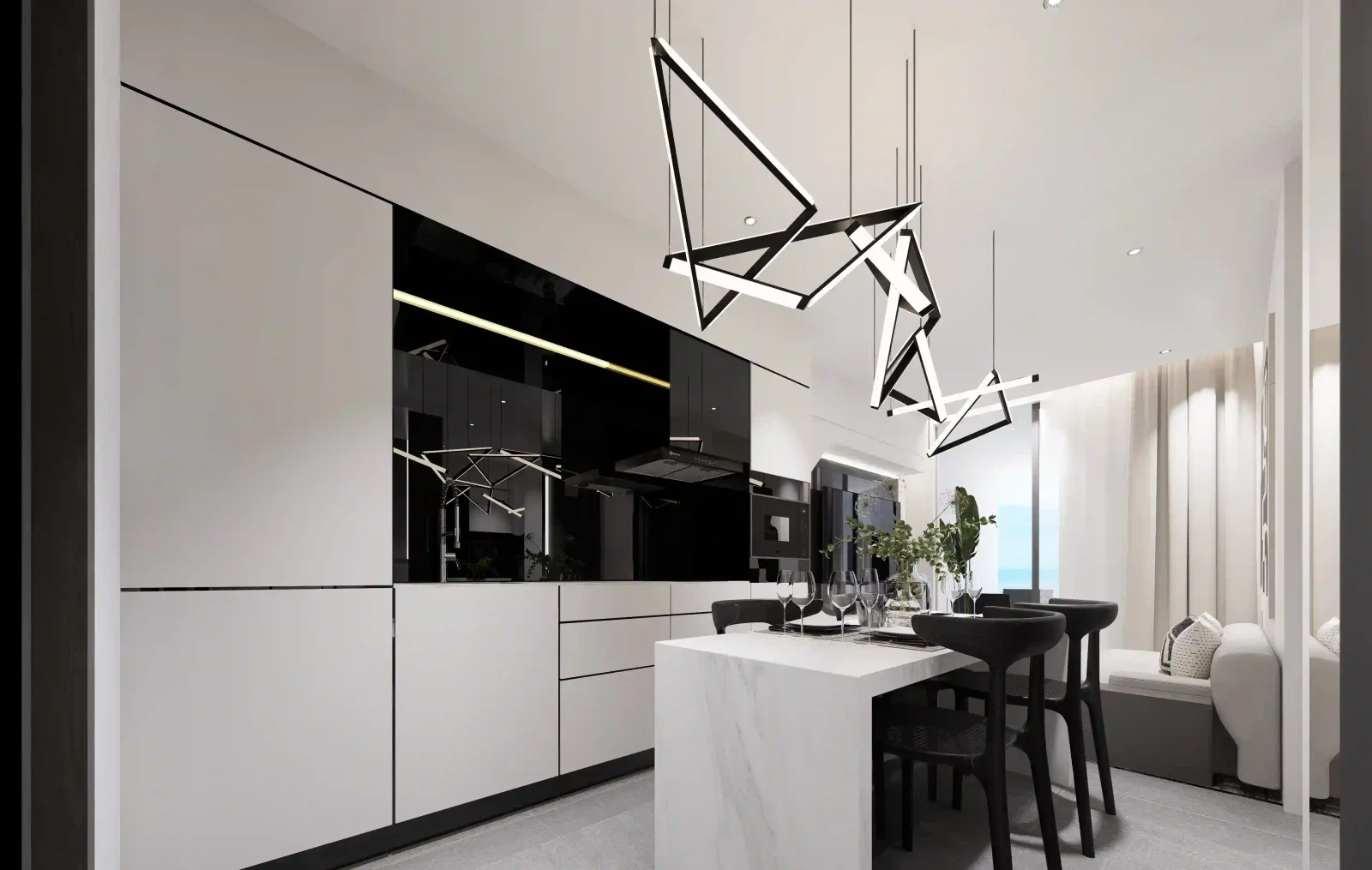
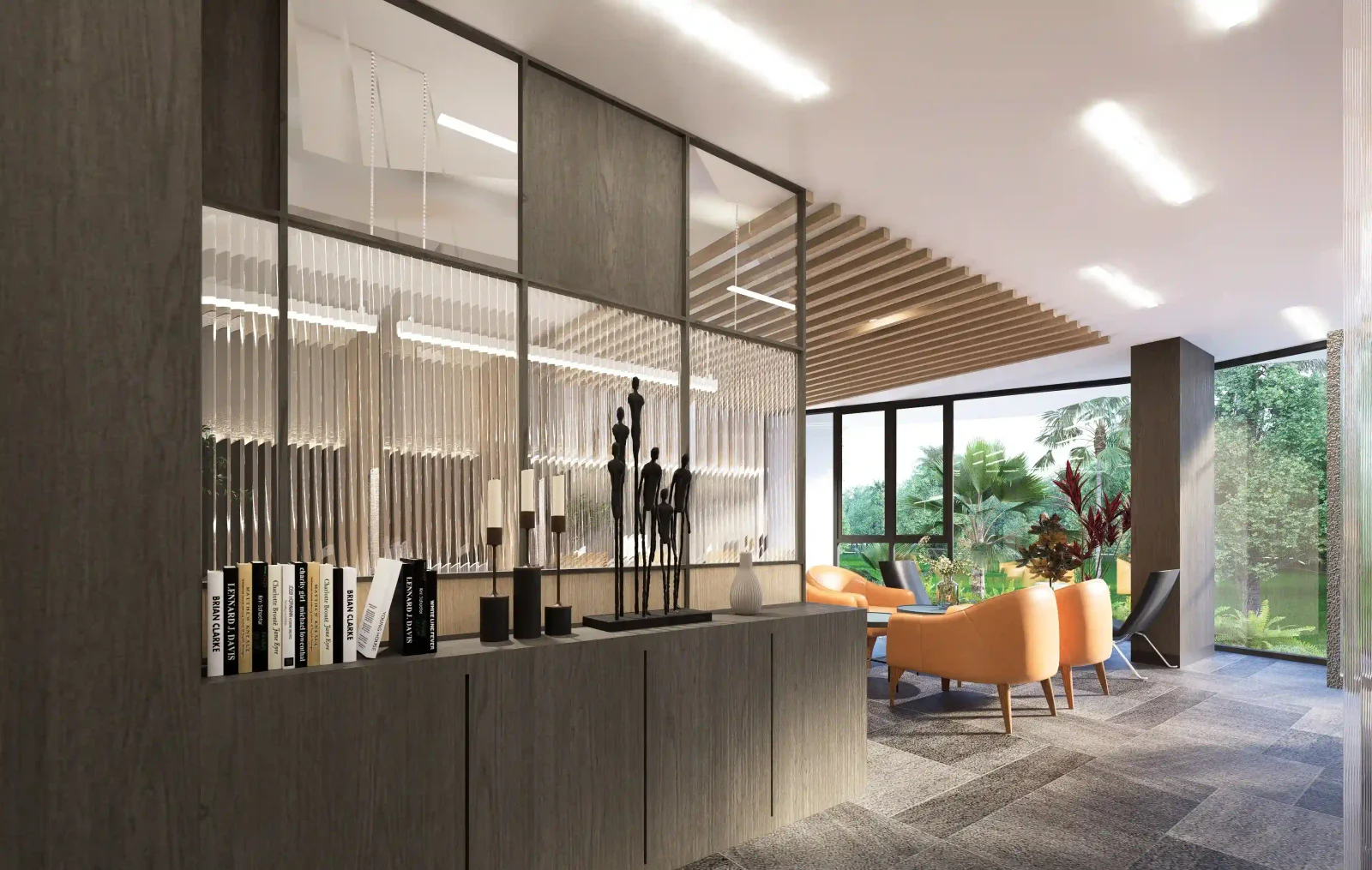
## The two markets side by side
**First, a word about the names.** Our records file every scheme under one of three districts (Thalang, Phuket Town and Kathu) and the Phuket Town *district* covers seven of our area labels, Chalong, Karon, Kata, Ko Kaeo, Nai Harn, Rawai and Wichit, which is effectively the whole south of the island. What a buyer means by "Phuket Town", the administrative and commercial centre, is the label **Wichit**. So this comparison is Wichit against Chalong, and the two sit inside the same district rather than being separate markets in the file.
| | Phuket Town (Wichit) | Chalong |
| --- | --- | --- |
| Priced apartments | 374 | 396 |
| Apartment median | 3,420,000 THB / $104,587 | 3,430,000 THB / $104,893 |
| THB per sqm | **111,786** | **98,550** |
| Entry | 2,490,000 / $76,147 | 2,671,200 / $81,688 |
| Priced villas | 1 | 292, median 29,800,000 THB |
| Schemes on file | 5 | 15 |
| Median walk to a beach | 120 min | 130 min |
| **Finished priced apartments** | **139** | **0** |
| Units under construction | 236 | 687 |
| Gross yield | Not published, here or anywhere in Thailand | Not published |
| Five-year appreciation | No index exists to measure it | No index exists |
| Core tenant | Long-stay residents working on the island | Residents, divers, medical staff, medium-stay visitors |
**Three of those rows contradict what this page used to say.**
The price-per-square-metre figures were both far too low and the ranking was backwards. This page had Phuket Town at about $2,000 per sqm and Chalong at $2,400, making the Town the cheaper metre. The file says Wichit is **111,786 THB** (about $3,419) and Chalong **98,550** (about $3,014), both well above the old figures, and Wichit is the dearer of the two by 13%. The medians are almost identical, which means the same money buys a **smaller** unit in the Town, not a bigger one.
The entry prices were also below anything on the file. Nothing in Wichit is priced under 2,490,000 THB and nothing in Chalong under 2,671,200.
And the appreciation comparison had Chalong ahead. No index measures that, but the one dimension that is countable points the other way: Chalong has 687 units under construction against Wichit's 236, so it is Chalong that faces the heavier new supply.
## Buyer scenarios: Town vs Chalong
**Scenario A, resident base near beaches:** you plan six- to twelve-month stays, want pier access and Rawai within a short drive. Chalong starts at 2,671,200 THB on our file, with 396 priced apartments to choose from and 292 priced villas alongside them: the villa book is what really separates Chalong from the Town, which has one. The short-stay income band this scenario used to give is withdrawn; build the income side from a twelve-month asking rent on the long-stay portals instead, which for this tenant profile is the relevant figure anyway: the method is in our [rental yield guide](/guides/phuket-rental-yield-complete-guide-2026/).
**Scenario B, income-first investor on a hard budget ceiling:** your capital is the constraint and the property will never be used personally. Wichit enters at 2,490,000 THB and holds 374 priced apartments at a 3,420,000 median. The occupancy figure this scenario used to claim is withdrawn (nothing measures it) but the structural point survives and is the reason to look here: a tenant pool of people who work on the island renews rather than turns over, so the management load is a fraction of what coastal short-stay demands. Wichit also holds **139 finished priced apartments**, which is where the letting evidence for that thesis would actually come from. The trade is a thin resale audience, so the hold has to be long enough for income to be the return rather than the exit.
**Scenario C, Family or professional relocating for work:** Your priority is the hospital, the schools and the commute rather than the beach. Phuket Town puts all three within a short drive; Chalong puts you closer to the water and further from the administrative centre. For most working households the decision comes down to where the job is, and the property should follow that rather than the other way round.
**Scenario D, Retiree wanting a quiet base with beach access:** Chalong, almost without exception. The established expat community, the medical infrastructure and the ten to fifteen minutes to Rawai and Nai Harn are the whole proposition, and the entry price leaves room to buy a larger unit than the same money would take on the west coast.
## Phuket Town: Overview
This is Phuket's administrative, commercial, and educational centre. The island's two main hospitals are here. The university campus is here. Government offices, courts, banks, and markets are here. For anyone who actually lives on Phuket long-term rather than visiting on holiday, Phuket Town is where things get done.
Prices reflect the absence of tourist demand rather than any weakness in the place. The figures this paragraph used to give were both too low and wrong in rank: on our file Wichit prices at **111,786 THB per sqm** (about $3,419) with entry at **2,490,000 THB** ($76,147) across 374 priced apartments. That is not the cheapest metre on the island, Chalong is cheaper at 98,550, and so is Kathu at 108,214, but the median ticket of 3,420,000 THB is among the lowest anywhere, which is the part of the old claim that holds.
The gentrification story is real. Walking Street, Thalang Road, and the surrounding Old Town streets have transformed significantly over the past decade. New boutique hotels, co-working spaces, wine bars, and art galleries have moved in. Property values in the Old Town specifically have increased more than the broader Phuket Town average, and the trend continues.
Rental demand here comes from a different pool than the coast: long-term renters working in education, healthcare, government or business. Monthly asking rents are modest, check the current ones yourself on the long-stay portals, which is the one letting figure in this market you can actually read before buying. The year-round occupancy figure this paragraph used to give is withdrawn; Thailand keeps no letting register, so nobody has measured it here or anywhere else on the island. Short-term tourist rentals are lower volume than coastal areas, though Airbnb in Old Town has grown as "authentic Phuket" experiences gain traction.
The gross and net yield claims this paragraph used to make are withdrawn. What is structurally true, and does not need a percentage, is the cost side: a twelve-month tenancy means one changeover a year rather than dozens, no platform commission, and an agency fee instead of an operator share of gross. On a small unit that difference is large in absolute terms, and it is the real argument for this market.
The hard truth: Phuket Town is not for holiday home buyers. There's no beach. The area doesn't have resort infrastructure. If you're buying for personal use as a retreat, or for short-term tourist rentals during high season, the distance to any beach (30-40 minutes minimum) is a significant limitation. The value proposition here is investment yield + long-stay personal use, not sun-and-sea lifestyle.
The five-year appreciation figure this paragraph used to give is withdrawn, no transaction index covers Phuket property, so nothing has measured it here or in any other area. The reasoning behind it is still worth stating: this market has no tourist demand driver, which is exactly why its running costs are low and its tenancies are long. The Old Town premium is real and concentrated in a small number of heritage buildings, none of which is on our price file.
## Chalong: Overview
The expat community in Chalong is substantial and well-established. Medical professionals at the nearby hospitals, retired Europeans, diving and water sports professionals, and people in property and business are the core residents. The area has the infrastructure to match: international-standard restaurants, supermarkets, a hospital (Health Wellness Clinic and Bangkok Hospital branches), yoga studios, motorbike shops, and a hardware district that's essential for villa owners.
Chalong is more practical than premium, and unusually for the south it is a villa market as much as an apartment one: **292 priced villas at a 29,800,000 THB median**, against Wichit's single villa. Apartments run 396 priced units from 2,671,200 THB at a 3,430,000 median, and the metre is **98,550 THB** (about $3,014), the cheapest of any labelled area on the island, and 13% below Wichit rather than above it as this page previously stated. Less glossy marketing than Bang Tao or Kamala, which means better value per square metre and a thinner resale audience.
The location is genuinely central to south Phuket. Rawai and Nai Harn beach are 10-15 minutes away. Kata and Karon are 15-20 minutes. Patong is 25 minutes. Big Buddha is visible from many properties. For personal use as a base to explore south Phuket, Chalong is arguably the most practical non-beach location on the island.
Rental demand follows the resident and medium-stay model: monthly renters, diving and water sports people, medical visitors, professionals. Short-stay occupancy relative to the coast is not something anyone measures, and the gross yield band this paragraph used to give is withdrawn. Note also what Chalong cannot show you: **not one of its 396 priced apartments sits in a finished scheme**, so there is no building here from which an owner could hand you twelve months of statements. That is the single biggest practical difference from Wichit, which holds 139 finished units.
The appreciation figures for Chalong and for the Town are both withdrawn: no index measures either. The characterisation underneath them is reasonable and needs no number, a resident-driven market moves less on tourist sentiment in both directions. What is countable is the supply: 687 units under construction in Chalong against 236 in Wichit.
## Head-to-Head: Investment Returns
**Yield:** not comparable, in either direction. Thailand keeps no letting register, so neither area has a measured yield and the bands this line used to set against each other were both invented. Chalong genuinely has the more varied tenant pool, being closer to the beaches; what that is worth is the part nobody knows.
**Appreciation:** unmeasured on both sides. On the one countable dimension the old ranking inverts: Chalong has 687 units under construction against Wichit's 236, so Chalong's exit competes with roughly three times the new supply.
**Quality of life (personal use):** Chalong is more liveable for most expat profiles, proximity to beaches, water sports, the medical infrastructure, and restaurant variety. Phuket Town is better for those who specifically want the cultural, historic, and urban experience.
**Liquidity:** Both markets are thinner than the coast. Chalong has slightly more transaction volume and a broader buyer pool (expats + investors). Phuket Town's buyer pool is narrower.
## Risks and red flags in both markets
Neither market is dangerous; both are thin, and thin markets punish specific mistakes.
The first is buying either area on a coastal rental model. A yield projection built on holiday nightly rates does not apply here: international tourists stay near beaches, and a unit thirty to forty minutes from one produces single-digit holiday occupancy. Both markets work on monthly tenancies and medium stays, which is a lower gross with far lower operating cost and much less seasonality. If the model you were shown quotes Patong or Kata nightly rates, it describes a different island.
The second is the exit, which is the real cost of the discount. Your buyer in either area is another investor running the long-stay model or a resident who wants to live there, not an international holiday buyer. That pool is smaller and slower, and a sale takes months rather than weeks. Buy a format that pool actually wants, which means one and two-bedroom units with parking rather than studios or unusual layouts, and plan a holding period that does not depend on a quick sale.
The third is the building rather than the area. Away from the developer-marketed coast, stock varies far more in quality and in how it has been run. Ask the juristic person for the CAM rate now and three years ago, the sinking fund balance, whether there has been a special assessment, and read the minutes of the last two owners' meetings. Deferred facade or lift work in a building with a thin sinking fund means a levy is coming, and it will land on you.
The red flag to watch for is a south Phuket discount presented without the quota position. The 49% foreign allowance is measured against the building's total floor area rather than its unit count, and it is consumed when buyers register rather than when they reserve. In a smaller building the absolute allowance is a small number of square metres, and a cheap unit that cannot register in your name is not cheap. Ask for it as a dated figure in square metres against your specific unit before any deposit.
## What each area costs to hold
The running cost is where a cheap unit either stays cheap or stops being cheap, and it behaves differently in these two markets than on the coast.
Common area maintenance is charged per square metre per month and paid whether the unit is let or empty, so on a $60,000 apartment it consumes a materially larger share of gross income than the same rate does on a $300,000 one. Ask for the current rate and what it was three years ago, and apply it to the actual floor area rather than to an average.
The sinking fund is the second line and the one that decides whether a building ages well. A contribution is required under Thai condominium law, and what matters is whether the fund holds enough against the works the building actually faces. In older south Phuket stock the honest question is what has already been renewed once and what has not.
Management costs less here than on the coast because the model is different. A twelve-month tenancy needs finding once a year rather than servicing weekly, which is why long-term management commonly runs 8-12% of rent against 20-35% for short-stay. That gap is why the cost side here is so much lighter than on the coast, whatever either model grosses. It convert into net figures closer to coastal stock than the headline suggests.
And transaction costs apply twice, buying and selling, on a base that is small enough for them to matter. Legal fees, bank charges and FET issuance cost broadly the same whatever the ticket, so on a $60,000 purchase held three years they consume a meaningful share of the total return. Over ten years they become marginal, which is the argument for the longer hold in both districts.
## Our Verdict
Chalong is the better all-round choice for most buyers on the things that can be checked: more practical infrastructure, closer to beaches, a real villa market (292 priced villas against Wichit's one) and a cheaper metre at 98,550 THB against 111,786. The yield and appreciation claims that used to head that list are withdrawn: neither is measured. Wichit is the right choice if you value the urban and cultural setting, if the 2,490,000 THB entry matters, or if you want letting evidence: it holds 139 finished priced apartments and Chalong holds none.
If beach lifestyle is your priority at all, neither area is right, look at Rawai, Nai Harn, or Kamala instead. For foreign quota mechanics and transfer steps, keep the [buying guide](/guides/buying-property-phuket-guide/) open while you compare districts, south Phuket discounts evaporate quickly when a unit cannot register in your name.
South Phuket rewards patient capital: lower headlines than Bang Tao, but fewer bidding wars and more room to negotiate on older stock with verified titles and clean quota registers. Many investors scout both districts on **30-day visa exempt** entry before choosing between urban culture and pier-side expat life.
## FAQ
### Which area has higher rental yield?
Neither has a measured one, and the bands this answer used to compare are withdrawn: Thailand keeps no letting register. What can be checked is where letting evidence exists at all, Wichit, the label the records use for Phuket Town proper, holds 139 finished priced apartments; Chalong holds none of its 396, so no owner statement can come out of that corridor.
### Which is cheaper to buy?
It depends which measure you mean, and the two disagree. On the ticket they are within 10,000 THB of each other: a 3,420,000 THB median in Wichit against 3,430,000 in Chalong, with entry at 2,490,000 and 2,671,200 respectively, so Wichit is marginally cheaper to get into. On the metre Chalong is clearly cheaper, 98,550 THB per sqm against Wichit's 111,786, a 13% gap, which means the same money buys more floor area in Chalong. The old answer here put Phuket Town at $2,000 per sqm and Chalong at $2,400, both far too low and in the wrong order.
### Which area is better for families?
Chalong is more practical for families, proximity to the south Phuket beaches, better restaurant variety, medical facilities, and a larger established expat community. Phuket Town has schools and the university, but beach access requires a significant drive.
### Can foreigners buy in both areas?
Yes, on the same terms in each. Condominiums can be held freehold within the building's 49% foreign floor-area allowance. Neither Phuket Town nor Chalong is a resort corridor, so quota is less often exhausted here than on the west coast, but it should still be confirmed in writing for your specific unit.
### Which area has better capital appreciation?
Unmeasured on both sides (no transaction index covers Phuket property) so the figures this answer used to compare are withdrawn. The countable dimension runs the other way from the old claim: Chalong has 687 units under construction against Wichit's 236. If capital growth is your primary measure, note that nobody can evidence it anywhere on the island, including in Cherng Talay, Laguna or Kamala.
| Priority | Lean | Why |
| --- | --- | --- |
| Lowest entry price | Phuket Town | The cheapest square metre on the island with real infrastructure behind it |
| Steadiest occupancy | Phuket Town | Tenants working on the island, renewing rather than turning over |
| Deeper tenant mix | Chalong | Residents plus some short-stay demand near the pier; neither area has a measured yield |
| Beach access without beach prices | Chalong | Rawai and Nai Harn in 10-15 minutes |
| Cultural and urban living | Phuket Town | Old Town, the food, the walkability |
| Family or retiree base | Chalong | Medical infrastructure, expat community, practical everyday supply |
| Fastest resale | Neither | Both are thinner than the coast; plan a longer hold |
Both markets move more slowly than the west coast, which is precisely why their numbers go stale unnoticed. We track achieved rents, quota positions and building running costs in the south, and we will say when the discount stops covering the disadvantage.
**Read Also:**
- [Due Diligence When Buying Property in Thailand](/guides/due-diligence-process-thailand-step-by-step/)
- [Can Foreigners Buy Property Thailand (2026)](/guides/can-foreigners-buy-property-thailand/)
# What a Phuket Villa Really Earns in Rent
> Realistic Phuket villa rental income 2026: nightly rates, occupancy by zone, management costs, and net yields for 2BR-5BR pool villas. Data-led investor guide.
**Source:** https://moregroup.estate/guides/phuket-villa-rental-income-guide-2026/
**Section:** Investment Guides
**Author:** Olga
**Published:** 2026-03-30
**Updated:** 2026-08-23
---
## Phuket Villa Rental Income Guide 2026: What to Expect
Phuket's villa rental market ranks among Southeast Asia's strongest, premium international tourists specifically seek private pool accommodation over hotel rooms. This guide provides realistic income expectations by zone, size, and management model, with the factors that separate $40,000 villas from $90,000 performers.
Compare condo yields in [Phuket rental yield guide](/guides/phuket-rental-yield-complete-guide-2026/) and structure choice in [condo vs villa guide](/comparisons/phuket-condo-vs-villa-comparison/).
## Who should buy a rental villa: investor scenarios?
Scenario A: balance of use and letting: a 3BR Rawai or Nai Harn hill villa, where the guest mix leans towards fitness tourism and monthly digital-nomad tenants rather than peak-week holidaymakers. Neither the rates nor the occupancy is measured; the tenant profile is what differs.
Scenario B: Condo yield with villa privacy: You discover villa net percentage often matches premium condos; if remote management matters, read [buy-to-rent guide](/guides/phuket-rental-yield-complete-guide-2026/) before committing capital to pools and gardeners.
Scenario C: Off-plan villa with guaranteed rent: Treat developer rental guarantees as marketing, underwrite as if guarantee does not exist; verify operator identity independently.
## Phuket villa rental market dynamics in 2026
Seasonality is the one structural fact of this market and it needs no invented
number to state: November to April is high season, May to October is the
southwest monsoon, and the last ten days of December are the peak of the peak.
Every operator prices those three periods differently, and any operator who does
not is leaving money on the table.
The revenue shares and occupancy bands that used to sit in a table here are
withdrawn. Thailand keeps no letting register and publishes no occupancy series,
so nobody has measured what share of the year's income arrives between November
and April, or how full a managed villa runs in either season. The table looked
like observation and was assembly.
Platform landscape: Airbnb dominates European and Australian guests, Vrbo matters
for American and Australian families, Agoda serves Asian markets. Direct booking
from returning guests reduces OTA commission drag on a mature villa; the share it
reaches is not measured either, and it varies enormously with how long the villa
has been letting.
**What you can get in writing, per villa:** the month-by-month statement. A
manager running a real programme can produce twelve months of revenue and
deductions for a comparable villa in the same corridor. That single document
contains the seasonality, the occupancy and the achieved rates for one specific
property, which is more than any published source in Thailand can give you.
## What a villa costs, by zone, on our own price list
Income cannot be given by zone. Price can, and it is the denominator of every
calculation a buyer will eventually make, so it is worth having before anything
else. Across the corpus we hold **2,268 priced villas**, and the corridor rate
for non-branded stock in Bang Tao and Layan is **86,235 THB per square metre**.
Six villa schemes from this audit's most recent wave show how wide the spread is
inside a single island, and what drives it:
| Scheme | Area | Bedrooms | Price (THB) | THB per sqm | Walk to beach |
|---|---|---|---|---|---|
| The Regent Villas Pasak Ph.2 | Bang Tao | 3-4 | 20,790,000 | 59,741 | 55 min |
| Mouana Grande Chalong Bay | Chalong | 5 | 32,900,000 - 46,600,000 | 66,327 | 148 min |
| Setthasiri Kohkaew Retreat | Ko Kaeo | 4 | 16,800,000 - 40,500,000 | 83,333 | 200 min |
| Mono Oxygen Bangtao Ph.2 | Bang Tao | 3 | 23,950,000 | 84,929 | 16 min |
| Narinsaya Pool Villas | Nai Yang | 2-3 | 12,500,000 - 16,500,000 | 87,879 | 36 min |
| Erawana Grand | Bang Tao | 4 | 49,500,000 - 68,605,075 | 98,218 | 59 min |
Read the last two columns together and the pattern is hard to miss: **the metre
tracks the walk**. The cheapest square metre on that list is 148 to 200 minutes
from the sea; the dearest is a finished estate in the Bang Tao corridor. Mono
Oxygen at 16 minutes is the exception that proves it, and its metre sits almost
exactly on the corridor rate.
For a buyer whose plan is short-stay letting, that table is the closest thing to
a demand map available: guests pay for proximity, and proximity is priced into
the purchase before you let a single night. For a buyer who intends long-stay
tenancies or personal use, the inland schemes are the same product at two-thirds
of the rate per metre, and the distance costs them very little.
**What none of it tells you** is what any of the six will earn. That number does
not exist in published form anywhere in Thailand, which is why the rest of this
guide is about the cost side, the operating model and the documents to demand.
## Income expectations by villa size and zone
### 3BR pool villa
Best zones: Bang Tao, Kamala, Rawai, Nai Harn
Nightly rates: $250-$600 peak; $130-$280 shoulder
Annual gross: $40,000-$80,000
Net after fees and expenses: $25,000-$55,000
### 4BR pool villa
Best zones: Bang Tao, Kamala
Nightly rates: $400-$900 peak; $200-$450 shoulder
Annual gross: $60,000-$120,000+
Net after fees: $40,000-$80,000+
### 5BR+ luxury villa
Best zones: Surin, Kamala hillside, Laguna
Nightly rates: $800-$3,000+ peak; $400-$1,500 shoulder
Annual gross: $100,000-$300,000+
Net after fees: $65,000-$200,000+
*Figures assume well-reviewed, professionally photographed, multi-platform villas. Poor reviews or single-channel listing may achieve only 40-60% of these bands.*
## What determines villa rental income
### Villa specification checklist
| Feature | Guest expectation 2026 | Income impact |
|---|---|---|
| En-suite per bedroom | Standard | Booking resistance without |
| Pool (infinity + view) | Premium segment | +30-50% ADR vs standard pool |
| Fiber 100+ Mbps | Remote workers | Material booking driver |
| Kitchen quality | Self-catering groups | Review scores |
| Outdoor living | Shade, dining, BBQ | Peak-season conversion |
| Quiet AC | All bedrooms | Non-negotiable |
Pool heating in shoulder season increases bookings measurably, budget electricity honestly in net yield models.
### Management quality: the largest lever
Professional management advantages:
- 24/7 guest response, books before slower competitors
- Dynamic pricing, 2-3x peak vs flat calendars
- Multi-platform listing, four to five OTAs plus direct
- Review management, algorithm visibility on Airbnb and Booking.com
A well-managed Rawai villa often outperforms a poorly managed Bang Tao villa with higher list price. Operator selection: [how to choose a property manager](/guides/how-to-choose-property-manager-phuket/).
Review score: Algorithms favor 4.8+ stars with 50+ reviews. New villas need 12-18 months to build social proof, year-one income runs 40-60% of steady-state.
## Monthly vs nightly rental strategy
Who rents monthly: Digital nomads, fitness retreats, extended sabbatical families, snow-bird Europeans.
3BR monthly rates (Bang Tao/Rawai): $2,500-$5,500/month depending on spec.
| Strategy | Peak (Nov-Apr) | Shoulder (May-Oct) |
|---|---|---|
| Nightly maximisation | Primary | Secondary |
| Monthly minimum | Avoid | Recommended base |
| Hybrid | Best practice | Stabilises cash flow |
Monthly rent typically equals 30-40% below equivalent nightly revenue at full occupancy, but eliminates turnover costs and gaps.
## The operating costs a villa actually carries
The income bands above are gross, and villas consume a far larger share of gross than condominiums do. This is the single biggest surprise for buyers arriving from a condo portfolio.
| Line | Annual, indicative 3BR pool villa |
| --- | ---: |
| Management at 20-25% of gross | $10,000-$20,000 |
| Pool maintenance and chemicals | $2,400-$4,200 |
| Gardening | $2,400-$4,800 |
| Housekeeping and turnover cleaning | $4,000-$9,000 |
| Utilities, higher with pool heating | $4,000-$8,000 |
| Insurance | $1,500-$3,500 |
| Repairs and maintenance reserve | $4,000-$8,000 |
| Furniture and equipment refresh, about 5% of gross | $2,500-$4,000 |
| Estate service charge, where applicable | $2,000-$6,000 |
| **Total** | **$33,000-$67,000** |
On a villa grossing $60,000 that is a large proportion of the top line, which is why the net bands in the tables above sit where they do. Two lines deserve particular attention. Utilities rise sharply if you heat the pool through the shoulder season, which does increase bookings but should be budgeted honestly rather than assumed away. And the refresh reserve is not optional in this climate: outdoor furniture, mattresses and air conditioning units age faster here than owners expect, and a villa that stops being refreshed stops earning its rate within about two seasons.
Note also what is not in the table. Thai withholding tax at 15% for a non-resident owner comes off the net, and your home country may tax the same income again subject to treaty relief.
## Red flags that crush villa income
No en-suites: Premium guests reject shared bathrooms between couples.
Slow WiFi: Remote workers filter this in search, fiber is baseline.
Single OTA listing: Platform dependency increases fees and vacancy risk.
Unregistered short-term use: Some estates restrict nightly rentals, verify juristic person bylaws before purchase.
Furnishing cut corners: Hospitality-grade mattresses and outdoor furniture determine review scores, false economy on $5K saves.
The hybrid is what most experienced owners settle on: nightly through the peak months when rates justify the turnover work, then a single monthly tenant from roughly May to October. It sacrifices the occasional strong shoulder booking and removes the risk of an empty low season, which is where owner-managed villas most often lose money.
One caution on monthly lets. A tenant staying 30 days or more falls outside the hotel-business definition, which simplifies the compliance question considerably, but it also means a different contract, a different deposit structure, and someone living in your house rather than passing through it. Set expectations on pool and garden service in writing before they move in.
## Case study: 3BR Kamala hill villa (anonymised MORE Group client)
| Year | Gross rent | Management 22% | Net before tax |
|---|---:|---:|---:|
| Year 1 | $52,000 | -$11,440 | $40,560 |
| Year 2 | $71,000 | -$15,620 | $55,380 |
| Year 3 (proj.) | $78,000 | -$17,160 | $60,840 |
Year-one discount reflects review ramp, not representative steady state. Sea view and dynamic pricing drove year-two jump.
## Insurance and damage deposits
A villa carries risks a condominium does not, because there is no building policy sitting behind you and no juristic person handling the structure.
**What you need cover for.** The building itself, contents including everything you furnished it with, public liability for guest injury (a pool with no lifeguard and stairs cut into a hillside are the obvious exposures), and loss of rent while major repairs make the villa unlettable. Many owners discover the last of these only when a burst pipe takes out a bathroom in high season.
**What commonly is not covered.** Flood in areas classified as prone to it, damage from lack of maintenance rather than a single event, mould, and, in several policies, anything occurring during extended unoccupancy. Storm season from May to October raises flood and branch-fall risk on hillside villas specifically, and this is the period when exclusions matter most. Review the wording with a broker annually rather than treating it as a one-time purchase tick-box.
**Damage deposits.** Standard practice is to hold a refundable deposit or a pre-authorisation on the guest's card, commonly $500 to $2,000 depending on the villa's value and the group size. Platforms handle this differently, and a manager who does not take one at all is exposing you rather than being welcoming.
The recurring failure mode is a deposit too small to matter. A group of twelve in a five-bedroom villa can cause more damage in a weekend than a $500 hold covers, and the cost of the argument afterwards usually exceeds the repair. Set it against the villa, not against a generic figure.
## Acquisition due diligence for income-focused villa buyers
A villa bought for income needs diligence a lifestyle purchase does not.
1. **Twelve to twenty-four months of actual operating statements**, not a projection and not a comparable. If the villa has been let, the data exists; if the seller will not produce it, assume it is unflattering.
2. **The guest nationality mix in that history.** Heavy dependence on one source market is a vacancy risk the moment that market softens.
3. **Written confirmation that the estate permits nightly letting.** Some estates restrict it, some require a nominated operator, and the Hotel Act treats stays under 30 days as hotel business, licensed at the premises.
4. **The lease terms, if the land is leased.** Registered term remaining, renewal mechanism, and who the counterparty is. Income means little on an asset with a short clock.
5. **The pool plant, the drainage and the retaining structures.** These are the expensive failures. Inspect grading before monsoon season; hillside villas with poor drainage produce leaks and mould complaints in September that end a review score.
6. **Staff arrangements in place.** Villas come with people, and existing employment obligations transfer in ways worth understanding before completion.
7. **Estate service charges and scheduled works**, which are payable whether or not the villa is occupied.
8. **The furnishing's real age.** Hospitality use consumes interiors, and a villa presented well may be one season away from a full refresh.
Then underwrite the income itself, and start by separating the headline rate from the nights actually sold. A high nightly rate on a thin calendar earns less than a modest rate on a full one, which is why a rate quoted without an occupancy beside it tells you nothing, and why a rate and an occupancy both invented tell you less than nothing. Professional managers work both levers weekly; owner-managed calendars rarely do. That is the reason two identical floor plans in the same soi can report materially different income with no difference in bedroom count, and the reason the manager is the variable to interrogate.
## Bottom line for villa income investors
Villa investors migrating from condo portfolios should plan for higher capex and considerably more staff coordination. If you cannot visit quarterly or trust a manager with real authority, condominium exposure has fewer failure modes. Request dynamic pricing screenshots from managers: a flat seasonal calendar in a market with this much seasonal variation is evidence of a manager not doing the job, and the size of the penalty is not measurable but the omission is visible. Ask for guest nationality mix in trailing P&L, overexposure to one source market increases vacancy when that market softens. Budget 5% of gross rent annually for furniture refresh and appliance replacement in humid climates. Inspect drainage before monsoon season, hillside villas with poor grading suffer booking-killing leaks and mould complaints in September.
## Summary
Villa income in Phuket is a hospitality business, not a rental yield. The gap between two identical villas in the same soi routinely exceeds $20,000 a year, and almost all of it comes down to management: dynamic pricing against a flat calendar, four or five platforms against one, a 4.8 review average against a 4.4, and a response time measured in minutes rather than days.
That has three consequences for a buyer. The manager matters more than the postcode, so choose them with the same seriousness you apply to the lawyer. Year one will underperform, because review history is an asset that takes twelve to eighteen months to build and nobody can sell you one; how far it underperforms is not something anyone has measured, so budget for a materially thinner first year rather than for a number. And the running costs are real: pool, garden, staff, insurance, estate charges and a furniture refresh budget of about 5% of gross a year in this climate.
Underwrite on net at a shoulder-season occupancy you would accept in a poor year, confirm the letting is permitted before you commit, and treat any developer rental guarantee as marketing until your lawyer has read who is actually liable for it. If you cannot visit quarterly and cannot find a manager you would trust with real authority, condominium exposure will produce similar net percentages with considerably fewer ways to go wrong.
## FAQ
### How much does a 3-bedroom villa earn in Phuket per year?
Nobody can tell you, and the gross and net ranges this answer used to give are withdrawn. Thailand keeps no letting register, so no villa income in Bang Tao, Kamala, Rawai or anywhere else has been recorded by any authority. The way to get a real figure is to ask a manager for twelve months of statements from a comparable villa in the same corridor, with each deduction itemised. What is contractual and quotable up front is the management share of gross, customarily 20 to 25% on a villa programme, plus staff payroll, pool and garden, utilities and the estate charge.
### What is the average nightly rate for a villa in Phuket?
No achieved-rate series is published for Phuket, so the seasonal bands and the sea-view premium this answer used to give are withdrawn, they described nothing that had been observed. Asking rates are a different thing and they are visible: the portals show what villas are currently listed at, by season, and that is a published figure you can check yourself. What an owner actually collected is only in their statements.
### Is a villa or condo better for rental income in Phuket?
Neither can be ranked on income, because no income is measured for either. The worked comparison this answer used to give was arithmetic on an assumed villa revenue. What genuinely separates them is the cost structure and the workload: a villa carries staff payroll, a pool and a garden that run whether or not a guest is in residence, while a condominium carries a CAM charge and a sinking-fund contribution and no staff. Condominiums suit remote owners better for that reason alone.
### Do I need to furnish my Phuket villa for rental?
Yes, fully. Premium guests expect quality beds, full kitchen equipment, outdoor furniture, smart TV, and fast fiber WiFi. Budget $30,000-$80,000 initial furnishing depending on size, this directly impacts booking rates and review scores.
### How long does it take to start earning rental income from a Phuket villa?
A completed resale villa with existing management can earn from the transfer date. A new villa needs three to six months to launch and twelve to eighteen to build a review history, which is the asset that makes a listing competitive. The share of steady state that year one reaches is not measured anywhere, so plan for a materially thinner first year rather than for a percentage of a number you do not have.
**Related guides:**
- [Phuket rental yield guide](/guides/phuket-rental-yield-complete-guide-2026/)
- [Phuket condo vs villa: which should you buy?](/comparisons/phuket-condo-vs-villa-comparison/)
- [How to choose a property manager in Phuket](/guides/how-to-choose-property-manager-phuket/)
- [Phuket property management guide 2026](/guides/phuket-property-management-guide/)
- [Can I rent out my Phuket condo?](/guides/can-i-rent-out-my-phuket-condo/)
- [Buy-to-rent Phuket complete guide](/guides/phuket-rental-yield-complete-guide-2026/)
# Phuket Pool Villas Under $1 Million (2026)
> Phuket pool villas under $1M in 2026: leasehold vs condo paths, Rawai to Bang Tao price bands, yields, due diligence, and red flags for foreign buyers.
**Source:** https://moregroup.estate/guides/phuket-villa-under-1-million-2026/
**Section:** Investment Guides
**Author:** Maksim Shchegolev
**Published:** 2026-03-31
**Updated:** 2026-08-22
---
**Quick answer:** foreigners cannot own land in Thailand, so a sub-$1M pool villa is held on a registered lease, typically 30 years with contractual renewals, or through a Thai company that needs genuine structuring rather than a nominee arrangement. Inventory concentrates in Rawai, Nai Harn, Chalong and the east coast, with boutique inland Cherng Talay communities in the upper half of the band. Pool, garden and turnover costs mean net yield usually trails an optimised condominium. Read [freehold versus leasehold](/guides/freehold-vs-leasehold-thailand/) before you tour anything.
A private pool is the headline that brings buyers to villas, and the legal wrapper and the cost stack are what decide whether the purchase works. This guide sets out what the sub-$1M market actually offers, where the stock is, what it costs to run, and what the lease documents have to say before the price is worth discussing.
## What a foreigner can actually hold
| Structure | Foreign access | Under $1M in practice |
|---|---|---|
| Condominium freehold | Yes, within the 49% floor-area quota | Common, but a unit rather than a villa |
| Registered lease on a villa | The standard route | Yes, across the south and east |
| Thai company holding land | Possible with genuine structuring | Needs independent counsel and real accounting |
| Foreign freehold land | Not available | Does not exist, whatever is implied |
The registered lease is worth understanding precisely, because it is what most sub-$1M villa buyers end up holding. Thai law permits a lease to be registered against the title for a maximum of 30 years per registration. Renewals beyond that are contractual promises rather than registered rights, which means their value depends on the counterparty still existing and still being willing in 3 decades. A well-drafted lease reduces that exposure with pre-paid renewals, succession provisions and remedies if the lessor changes hands; a poorly drafted one simply asserts that renewals will happen.
Company structures are lawful where the Thai shareholders are genuine participants with their own funds and the company keeps proper accounts. Where they are placeholders, it is a nominee arrangement, it is unlawful, and the asset sits behind people you may not be able to locate later. If a structure cannot be explained to you in one sentence you could repeat to somebody else, do not sign it.
## Where the sub-$1M stock is
**Rawai and Nai Harn.** The deepest inventory on the island in this band, with established rental management, an entrenched expatriate community and a genuine year-round town rather than a seasonal strip. The trade is distance from the west-coast beaches most guests book for, and lease terms that vary widely between developments. Gross planning bands of 5 to 8% are reasonable to model here, with net materially lower once pool and garden are paid.
**Chalong and the east coast.** Quieter, marina-linked, and usually the best value per square metre in the band. It suits owner-occupiers and long-term letting more than short-stay tourism, since guests paying nightly rates want a beach. If weekly west-coast access matters to you, drive the commute in wet-season traffic before you decide.
**Inland Cherng Talay.** Boutique gated communities produce pool villas between roughly $450K and $900K, with strong lifestyle branding and, in the better schemes, real management. Verify the juristic arrangements and the short-stay rules, because branding and permission are not the same thing.
**Bang Tao and Surin.** Sub-$1M pool villas are scarce here, and where they exist the explanation is usually a short remaining lease, an old renovation or an awkward plot. Scarcity in the purchase is not scarcity in the resale, and the [slower-resale guide](/guides/resale-potential-phuket-condos/) covers what makes stock stick.
## The operating stack a condominium buyer never sees
| Cost line | Indicative annual band | Note |
|---|---|---|
| Pool service | $1,200 to $3,500 | Weekly, non-negotiable, chemistry not optional |
| Garden and grounds | $800 to $2,500 | Tropical growth, not a quarterly tidy |
| Turnover and deep clean | Well above condo equivalent | More surface, more linen, more time |
| Insurance | Storm and liability | The building is yours alone |
| Repairs and replacement | Higher and lumpier | No sinking fund shares the cost |
| Lease renewal reserve | Plan it from year one | The extension will not be free |
That last line is the one buyers omit. In a condominium a major repair is diluted across every owner in the building through the sinking fund. In a villa, the pump, the roof, the aircon and the pool lining are yours in full, in the year they fail. Underwriting a villa on gross rental screenshots without a replacement reserve is the standard way that a 7% projection becomes a 3% reality.
## Villa or condominium at the same money
At $500K the two options are genuinely different assets and it is worth being blunt about which does what.
A condominium wins on legal clarity, since freehold within the quota is title in your own name rather than a term of years. It wins on running costs, because the pool and gardens are shared. It usually wins on net yield after the villa's cost stack is applied honestly. And it wins on exit, because there is a defined pool of buyers for a foreign-quota unit and a much thinner one for a lease with 22 years remaining.
A villa wins on the thing people actually want: space, privacy, a garden, a pool nobody else uses, and somewhere a family or a dog can live properly. It suits an owner who will use it substantially rather than one buying a yield line, and it is a perfectly rational purchase provided it is priced as a lifestyle asset with a rental contribution rather than as an income instrument.
The question worth answering before you tour is which of those two sentences describes you. Buyers who answer it honestly are rarely disappointed by either choice.
## What the lease document has to say
Most villa buyers read the brochure closely and the lease quickly, which is the wrong way round. Six provisions decide what the asset is worth.
The registered term, stated as the number of years actually recorded at the Land Office rather than the number in the marketing. The renewal mechanism, which should say who is obliged to do what, by when, and at what cost, rather than expressing an intention. Assignment, meaning your right to sell the remaining term to somebody else without the lessor's discretionary consent, because a lease you cannot transfer is a lease you cannot exit. Succession, so that the term passes to your heirs rather than lapsing. What happens if the lessor company is sold or wound up, which is the scenario that turns a good lease into a dispute. And the maintenance obligations, since a lease that makes you responsible for structural repair on a building you do not own is a different economic proposition from one that does not.
A competent Thai property lawyer will cover all six as routine and will tell you plainly which of them your draft is weak on. That review costs a fraction of a percent of the purchase and is the highest-return money spent in the whole transaction.
## The resale question
Sub-$1M villas sell, and they sell more slowly than condominiums, for a reason that is arithmetic rather than sentiment.
Your buyer inherits the term you have left. A villa sold after 8 years of ownership on an original 30-year registration offers the next buyer 22 years, and they will price it accordingly, however well you have maintained it. That decay is gradual and it is real, and it is why villa owners who plan to sell tend to do better when the lease was long and well-drafted at the outset than when the entry price was low.
The counterweight is that a genuinely good plot in a scheme with working management, permitted short-stay use and a clean permit history has a real buyer pool. What sits unsold is the villa with an awkward access, an unpermitted extension and a lessor nobody can reach. Marketing periods here are measured in months, so build an exit horizon into the purchase rather than assuming one.
## Buyer scenarios
**The family relocating with children.** The villa is usually right, and the priorities shift: proximity to an international school and a hospital outrank the beach, and a long lease matters more than a fashionable address because you intend to be there for the school years. Model the purchase on 10 years of occupation with occasional letting, not on nightly rates.
**The part-year owner who wants rental income.** Look hard at whether the scheme permits short stays, since Thai law treats stays under 30 days as hotel business and many communities impose their own minimum independently. Where short letting is not available, model long-term tenancy instead, which is steadier, lower-yielding and considerably less work.
**The value buyer at $280K to $350K.** The ticket is achievable and the lease term is where the deal is won or lost. A villa at the bottom of the band with 18 years remaining is not cheap, it is priced correctly for what it is, and it will be harder to sell than it was to buy. Pay more for term.
**The buyer converting from a condominium.** You are trading a shared cost base for a private one and title for a term of years. Run the operating stack above against your actual condominium charges before deciding, because the swing is usually larger than expected and the yield comparison rarely favours the villa.
## Red flags in villa due diligence
| Red flag | What it usually means | What to check |
|---|---|---|
| Lease term quoted as "30 plus 30 plus 30" with no detail | Only the first 30 years is registered | The registered term on the deed, and the renewal mechanism |
| Developer's lawyer offered as your lawyer | Counsel is acting for the other side | Instruct your own, unconnected firm |
| As-built layout differs from the permit | Unpermitted extension, an issue at resale | Building permit against what stands on the plot |
| No registered access to a public road | The plot is landlocked whatever the driveway suggests | Servitude or right of way on the title |
| Short-stay revenue assumed, rules unchecked | The revenue model may be void | Community rules plus the 30-day hotel-business rule |
| Pool and plant with no service history | Deferred maintenance transfers to you | Service records, pump and filtration age |
| Lessor company with unclear ownership | Your counterparty for 30 years is opaque | Corporate search before signing anything |
Insider tip: on a villa, commission your own survey of the plot boundaries. Fences move over the years, neighbours build, and the boundary you were shown on site is not necessarily the boundary on the title. It is a small cost against the only dispute that cannot be settled with money.
## A worked view of the economics
Take a $520K leasehold pool villa in Rawai with a solid remaining term, let short-stay where permitted. Gross planning of 5 to 8% puts revenue somewhere in a wide band, and the whole exercise turns on what comes off it: management at a villa rate rather than a condominium rate, pool and garden as fixed annual costs that run in empty months too, turnover costs on a larger property, and a replacement reserve that a prudent owner funds every year rather than in the year the roof goes.
Applied honestly, that stack routinely takes a mid-single-digit gross into a low-single-digit net, which is why the sub-$1M villa is best understood as a lifestyle asset that offsets part of its own cost. Buyers who accept that framing are generally happy with the purchase for years. Buyers sold a yield story are the ones selling in year 3.
Comparables decide the price, not this or any other model. Pull trailing 12-month performance from a genuinely similar villa in the same scheme before you accept any projection.
## Getting it right: the short version
Establish the structure before the shortlist, and reject anything you cannot explain in a sentence. Buy lease term rather than ticket price. Read the permits against the building. Confirm short-stay permission from the rules rather than the agent. Fund a replacement reserve from year one. And decide, before you fall for a plot, whether you are buying a life or an income, because at this end of the market the two are not the same purchase.
Cross-read the [due diligence sequence](/guides/due-diligence-process-thailand-step-by-step/) and the [rental yield reference](/guides/phuket-rental-yield-complete-guide-2026/) before any deposit.
## FAQ
### Are sub-$1M Phuket villas freehold for foreigners?
No. Foreigners cannot hold freehold land in Thailand, so these are registered leases or company-held structures. Anyone describing a villa as foreign freehold is either mistaken or selling something you should not buy.
### What lease term should I target?
The longest registered term you can get, with a clearly drafted renewal mechanism and remedies if the lessor entity changes hands. A longer term at a higher price beats a cheap ticket with 15 years remaining, because resale depends on what the next buyer inherits.
### Is Rawai the best value for pool villas?
It has the deepest inventory under $1M and an established management market, which makes it the practical starting point. Verify the lease, the drainage and the registered access on any specific plot rather than treating the area as a guarantee.
### Can I let a sub-$1M villa on a nightly basis?
Only where it is permitted. Stays under 30 days are treated as hotel business under Thai law, and the community rules may impose a minimum independently. Confirm both before you model any nightly rate.
### Should I look at villas or condos first?
Look at both at the same budget. A significant share of buyers who tour villas conclude that condominium freehold with shared facilities beats a lease villa on net yield and on exit liquidity, and the ones who still choose the villa do so knowing what it costs.
### What annual running costs should I budget?
Pool service at roughly $1,200 to $3,500, garden at $800 to $2,500, insurance, higher turnover costs than a condominium, and a replacement reserve for plant and roof. None of it is shared with other owners.
**Read Also:**
- [Beachfront Property in Phuket: 2026 Guide](/guides/best-sea-view-condos-phuket-2026/)
- [How Foreigners Buy Phuket Property 2026](/guides/buying-property-phuket-guide/)
- [Phuket Rental Yield 2026: Net Income by Area](/guides/phuket-rental-yield-complete-guide-2026/)
# Phuket vs Cambodia Property Investment 2026
> Phuket vs Cambodia property 2026, political stability, rental yields, freehold rights, entry prices, and which Southeast Asian market fits your risk profile.
**Source:** https://moregroup.estate/guides/phuket-vs-cambodia-property-2026/
**Section:** Investment Guides
**Author:** Maksim Shchegolev
**Published:** 2026-04-01
**Updated:** 2026-08-22
---
## Phuket vs Cambodia Property Investment 2026: Stability vs Entry Price
Phuket offers more stability. Thailand's political environment, legal system, tourist infrastructure, and property market depth are all considerably more mature than Cambodia's. The key question is whether Cambodia's lower prices and higher stated yields compensate for the higher country risk.
This comparison covers ownership rights, yield, entry prices, political risk, USD economy benefits, tax and exit liquidity, and what each market realistically delivers in 2026. For Phuket-specific yield math, see the [Phuket rental yield master guide 2026](/guides/phuket-rental-yield-complete-guide-2026/). For area selection on the Thai side, start with [best areas to buy in Phuket](/guides/best-areas-phuket-buy-property/).
## Cambodia's USD Economy: A Genuine Advantage
Cambodia's economy runs on US dollars. Property is priced in dollars, rents are collected in dollars, and transactions settle in dollars, with the riel used mainly for small everyday payments.
This eliminates the currency conversion risk that affects rental income in Thailand (where tourists pay in THB, which management companies then convert to USD for foreign investors). In Cambodia, the full income chain is in hard currency. For investors already holding USD, there's no friction.
Thailand's Baht has been relatively stable (33-37/USD over recent years), so the currency risk is modest, but Cambodia's dollarised economy is structurally simpler for foreign buyers.
## Foreign Ownership in Cambodia: Strata Title Explained
Cambodia's 2010 Foreign Ownership Law permits foreigners to hold private units in a co-owned building above the ground floor, through what is known as strata title. Ground-floor units and land itself remain closed to foreign ownership, and the cap is 70% of a building's private units.
In practice, this means foreigners can buy condominiums in Phnom Penh's high-rise developments on something close to freehold terms. The strata title is a genuine ownership right. However, the legal system underpinning these rights is younger and less tested than Thailand's Condominium Act. Enforcement in disputes, particularly against well-connected local parties, can be unpredictable.
Cambodia also allows foreigners to use long-term leasehold (50-99 years) for other property types, and company structures are widely used for land acquisition, carrying similar risks to Thailand's villa company ownership model.
## Rental Yield: Cambodia's Numbers Look Good Until You Dig In
Phnom Penh condominiums are widely marketed at 6-8% gross, and some developers quote higher with a guarantee attached. On paper that sits close to Phuket's 7-10%, which is what makes the comparison look tighter than it is.
The problem is what sits behind the number:
- Phnom Penh's expat population (the primary tenant base) has been shrinking, not growing
- The condo market is significantly oversupplied, thousands of units completed 2017-2022 with vacancy rates in some districts above 30%
- Short-term Airbnb demand in Phnom Penh is modest; it's not a major tourist destination compared to Phuket
- Management quality is inconsistent; guaranteed return programs from Cambodian developers carry more counterparty risk than Thai equivalents
Siem Reap (Angkor Wat) is a tourist town with strong short-term demand, but the market is smaller and less liquid. Property prices fell significantly during COVID and have been slow to recover.
Phuket's 7-10% gross yield is backed by a larger, more diverse tourist market with 9-10 million international arrivals annually.
## Entry price: what the discount is paying for
Cambodia's entry point is genuinely low. Phnom Penh apartments start around $30,000 and a decent one-bedroom in a good district runs $70,000 to $110,000. Phuket starts near $85,000 and comparable resort stock runs $110,000 to $180,000.
That is a wide gap, and the honest way to read it is as a price. You are being paid roughly $40,000 to $70,000 on a like-for-like unit to accept four things: a younger legal framework with less tested enforcement, a market that is visibly oversupplied, a tenant base that has been shrinking rather than growing, and a resale process measured in years rather than months.
For some investors that is a reasonable trade. A dollar holder with a fifteen-year horizon, no need for the capital in between, and a genuine view on Cambodia's development is making a coherent asymmetric bet, and the entry price is the whole point of it.
For an investor who wants rental income they can rely on and an exit they can execute, the discount is not compensation, it is a warning. The reason the units are cheap is that a great many of them were built and not enough people want them.
## Political Risk: Thailand vs Cambodia
Cambodia is effectively governed by a single political family. Prime Minister Hun Manet succeeded his father Hun Sen in 2023. The government has historically been favorable to foreign investment when it serves economic development goals, but policy can change without the checks and balances of a democratic system. Property rights for foreigners depend heavily on continued political goodwill.
This is an acceptable risk for some investors at the right price. For buyers seeking a 10-20 year hold, Thailand's political stability record is meaningfully stronger.
## Comparing Markets: Phnom Penh vs Rawai/Kata (Phuket)
At comparable entry prices, roughly $70,000 to $120,000, the two markets offer very different assets. A Phnom Penh condominium is an urban rental unit dependent on a shrinking expat tenant base in an oversupplied market. A Rawai or Kata condominium is a tourism asset in a market with millions of annual arrivals. Four differences matter most:
- Rawai has a larger short-term rental market (more tourists)
- Management companies in Phuket are more reliable and better-regulated
- Resale in Phuket is easier, more active buyer market, more international agents
- Legal security of freehold in Thailand vs strata title in Cambodia
The yield difference (perhaps 1-2% in Cambodia's favour on stated gross) doesn't compensate for the risk and liquidity difference for most buyers.
## Sihanoukville vs Phuket: a cautionary parallel
| Market event | Phuket impact (2020-2026) | Cambodia impact (2020-2026) |
|---|---|---|
| COVID tourism collapse | Recovery to 9-10M Phuket arrivals by 2025 | Slower recovery nationally |
| Oversupply pipeline | High in Bang Tao, absorbed by Asian buyers | Very high in Phnom Penh BKK1/Toul Kork |
| Foreign buyer regulation | Stable Condominium Act | Strata title stable but less tested |
| Resale liquidity post-COVID | Active in Cherng Talay, Bang Tao | Thin outside premium Phnom Penh |
## Exit liquidity: how long to sell in 2026
| Market | Typical time to sell a well-priced unit | Buyer pool |
| --- | --- | --- |
| Phuket, resort condominium | 3-9 months | International, many nationalities, active agent network |
| Phnom Penh, premium district | 9-18 months | Narrow, largely regional investors and some local buyers |
| Phnom Penh, secondary district | Frequently longer, sometimes without a bid at asking | Thin |
| Siem Reap | Slow, market small and still recovering | Very thin |
Those are ranges, not promises, and both markets slow considerably in a downturn. The structural point is that Phuket's buyer pool renews itself: the same kind of international purchaser who bought from a developer buys from you. In Phnom Penh's oversupplied districts you are competing with unsold new stock at developer pricing, which sets a ceiling you cannot negotiate around.
For investors who may need capital back within 5-7 years, Phuket's depth of international agents and buyer nationalities is a material advantage, not reflected in gross yield spreadsheets.
## Red flags when Cambodia looks "too cheap"
**Red flag, ground-floor "condo" sold to foreigners:** Ground floor units cannot be foreign-owned under strata rules, some agents use leasehold wrappers that are hard to resell.
**Red flag, vacancy ignored in yield pitch:** Phnom Penh districts with 20-30% vacancy still quote gross yields on fully let assumptions. Ask for building occupancy, not project marketing.
**Red flag, no escrow on off-plan:** Thailand's escrow accounts for condo presales are standard for reputable developers. Cambodian presale escrow is less uniform, verify before deposit.
**Insider tip:** MORE Group buyers comparing Cambodia vs Phuket rarely choose Cambodia when exit within 7 years is required, they accept higher Phuket entry price for resale depth. Cambodia inquiries that convert usually involve USD holders who treat the unit as a 15+ year asymmetric bet, not income replacement.
## Siem Reap vs Phuket beach markets: STR reality check
| STR metric | Siem Reap (typical boutique) | Phuket Bang Tao 1BR |
|---|---|---|
| Peak season occupancy | 75-85% | 88-95% |
| Low season occupancy | 35-50% | 55-68% |
| Blended ADR (USD/night) | $45-$90 | $55-$120 |
| OTA competition density | Moderate | Very high, ops quality decisive |
| Minimum viable management | Local boutique operator | Professional STR manager essential |
If your Cambodia thesis is "Airbnb like Phuket," Siem Reap can work as a satellite bet, but underwrite low season explicitly. Most underperformance MORE Group sees in cross-market comparisons comes from applying Phuket occupancy assumptions to Phnom Penh condos with weak expat tenant depth.
## Pros and Cons
**Phuket**
- ✓ Freehold condominium title under a decades-tested Condominium Act
- ✓ Deep, diverse tourist market supporting genuine short-stay demand
- ✓ Mature operator ecosystem, so hands-off ownership actually works
- ✓ Active international resale market with a renewing buyer pool
- ✓ Standardised FET and registration workflow familiar to every bank here
- ✗ Higher entry price, roughly $85,000 upward against Cambodia's $30,000
- ✗ Income earned in baht, so foreign owners carry a conversion exposure
- ✗ No foreign land ownership, villas are 30-year registered leases
- ✗ 49% quota can be full in the specific building you want
**Cambodia**
- ✓ Very low entry prices (from $30,000)
- ✓ USD economy, no currency conversion
- ✓ Strata title is a genuine ownership right
- ✓ Attractive stated yields
- ✗ Oversupplied condo market in Phnom Penh
- ✗ Smaller, less liquid resale market
- ✗ Higher political risk
- ✗ Less mature legal enforcement for disputes
## Tax and transaction costs
Neither market is expensive to transact in by European standards, and the difference between them is smaller than the headline price gap suggests.
**Thailand.** Transfer fee of 2% of the registered price, commonly split with the seller. On sale, either specific business tax at 3.3% if you have held for under five years or stamp duty at 0.5% if longer, never both, plus withholding tax. Rental income paid to a non-resident owner has 15% withheld at source, generally final. There is no annual property tax of consequence for most residential owners, but common area maintenance is a real recurring cost in resort-grade buildings.
**Cambodia.** Transfer tax of 4% on registration, which is the higher of the two on entry. An annual property tax applies above a threshold on immovable property, and rental income is subject to withholding. Rates and administration have changed more often than Thailand's, so verify current figures with local counsel rather than relying on any published summary, including this one.
The line that matters more than either is exit friction combined with time. A Phuket unit costing 5-9% to sell and taking six months is a materially better outcome than a Phnom Penh unit costing less to sell and taking two years to find a buyer, or not finding one at asking.
## Who each market actually suits
**Cambodia suits** a dollar-denominated investor with a long horizon and no need for the capital in between, who wants exposure to a frontier economy at a low entry price and understands they are making a bet on the country rather than on the building. It also suits someone with genuine local knowledge or a trusted partner on the ground, which changes the risk profile considerably.
**Phuket suits** an investor who wants rental income they can model, a title that will not be argued about, and the option to sell inside a reasonable timeframe. It suits buyers who will use the property personally, because Phuket works as a place to be and Phnom Penh mostly does not. And it suits anyone whose horizon might change, because flexibility is exactly what the higher entry price buys.
**Neither suits** an investor working from stated gross yields alone. Both markets are quoted the same way and the numbers look similar. Everything that separates them sits below that line: occupancy, vacancy, management quality, enforcement, and how long it takes to turn the asset back into money.
If you are genuinely torn, the sequencing argument favours Phuket first. Establish how you actually behave as a cross-border owner in the more forgiving market, then decide whether you want frontier exposure with the experience already in hand.
## Verdict
For buyers prioritising security of capital, reliable rental income, and a clear exit strategy, Phuket is the more dependable choice in 2026.
**Read Also:**
- [Phuket vs Bali Property Investment](/comparisons/phuket-vs-bali-property-investment/)
- [Phuket Rental Yield Master Guide 2026](/guides/phuket-rental-yield-complete-guide-2026/)
- [Best Areas to Buy in Phuket](/guides/best-areas-phuket-buy-property/)
- [Foreign Buyers in Phuket 2026](/guides/phuket-property-market-outlook-2026/)
- [Buying Property in Phuket Guide](/guides/buying-property-phuket-guide/)
## FAQ
### Can foreigners own freehold property in Cambodia?
Foreigners can own apartments above the ground floor through Cambodia's strata title mechanism, which is close to freehold. Ground floor units and land cannot be owned by foreigners. The legal framework exists but is younger and less tested than Thailand's.
### What is the rental yield in Phnom Penh?
Stated gross yields are 6-8% in Phnom Penh's condo market. However, the market is significantly oversupplied with vacancy rates above 20-30% in some districts. Net yields after vacancy and management are typically 4-5% for well-located properties.
### Is Cambodia's USD economy an advantage for investors?
Yes, property is priced, rented, and transacted in USD, eliminating currency conversion risk. This simplifies the investment structure compared to markets with local currency denomination.
### How does political risk in Cambodia compare to Thailand?
Cambodia carries higher political risk as a single-party state without independent checks on government power. Thailand has periodic political instability but consistent property rights policy. For a 10+ year hold, Thailand's track record is more reassuring for foreign investors.
### Is Siem Reap a good property investment?
Siem Reap has strong tourist appeal but a small and less liquid property market. Prices fell during COVID and recovery has been slow. It can work for short-term rental income during peak tourist seasons, but resale liquidity is limited and the investment case is weaker than Phuket.
# Phuket vs Goa vs Dubai for Indian Investors
> Phuket, Goa and Dubai for an Indian HNI buyer: three markets answering different questions, income, residency or lifestyle, with unsourced figures withdrawn.
**Source:** https://moregroup.estate/guides/phuket-vs-goa-vs-dubai-indian-hni-2026/
**Section:** Investment Guides
**Author:** Maksim Shchegolev
**Published:** 2026-04-19
**Updated:** 2026-08-23
---
## Phuket vs Goa vs Dubai 2026: The Indian HNI Property Decision
If you are an Indian HNI looking to deploy ₹2 crore or more into property in 2026, three names sit on every advisor's whiteboard: Goa, Dubai, and Phuket. They are the three best-fit destinations for the modern Indian wealthy household, geographically close, English-friendly, with established Indian diasporas, and within the structuring tools (LRS, DTAA, Golden Visa) that Indian families actually understand.
> The pillar for this cluster is [Phuket Property by Nationality Master Guide 2026](/guides/thailand-legal-checklist-by-nationality/).
{/* hub-backlink:phuket-by-nationality-master-guide-2026 */}
The right answer depends entirely on what you want the property to do for you: pure rental yield, residency for the family, capital appreciation, lifestyle, or genuine portfolio diversification. This guide gives you the verdict first, then three deep-dives on what each market is for, and a profile-based decision framework. One honesty note first: the earlier version of this page claimed its numbers were sourced from RERA Goa, the Dubai Land Department, the Bank of Thailand and Knight Frank. They were not, and nobody on this project monitors Goa or Dubai prices, yields or service charges. The Goa and Dubai figures, and the five-year return table built on them, are withdrawn; what remains is the shape of each market, which is the useful part, and the Thai facts the site can stand behind. The Indian-law and UAE statements are registered on the site as unverified claims with review dates.
## Why Indian HNI Buyers Compare Exactly These 3 in 2026
1. The 20% TCS on outbound remittances, in force since October 2023 above a threshold the Finance Act 2025 raised to ₹10 lakh, which added friction to overseas spending without blocking genuine investment under the LRS
2. A rupee that has weakened against the dollar over the decade, making assets in dollars, dirhams or baht attractive as a hedge; no rate is quoted here, because the earlier version quoted two that did not agree
3. Rising surcharges on Indian residents' income tax at the higher brackets, making after-tax yields on Indian assets less compelling
Goa, Dubai, and Phuket sit at the intersection of three filters:
- Within geographic / cultural reach for an Indian household (under 6 hours flight, English/Hindi spoken, established Indian diaspora)
- Compatible with Indian capital outflow rules (Goa = INR domestic; Dubai and Phuket = LRS-eligible)
- Has a regulated property market (RERA in Goa, DLD in Dubai, Land Department + Condominium Act in Thailand)
Bali, Singapore, Sri Lanka and London come up in conversation too, but each has a friction point, no foreign freehold in Bali, Singapore's 60% ABSD on foreign buyers, currency and political risk in Sri Lanka, the stamp duty regime in London, that filters it out for the typical Indian HNI buyer.
## Goa Deep-Dive: What ₹2 Cr Buys, Real Yields, the Catch
### Goa Yield Math
The yield ranges, the Anjuna revenue example and the manager-fee arithmetic the earlier version carried here had no source, and nobody on this project monitors Goa. What can be said in shape: Goa splits into a long-stay market with annual contracts and a short-stay market that lives on the November to March season and dies in the monsoon, and local regulation of short lets has tightened. Take the yield from a specific property's statements, not from this page.
### Goa Pros
- Easy capital deployment, no FEMA, no LRS, no overseas tax, INR-only
- Weekend access, 1-hour flight from Mumbai, 1.5 hours from Bangalore
- RERA protection, established consumer protection framework
- Liquid resale market, Indian buyer base is deep
- Domestic legal regime, your Mumbai or Delhi advocate handles everything
### Goa Cons
- Monsoon kills 4 months of revenue (June through September)
- No international diversification, INR-only, no currency hedge
- GST on under-construction purchases, at rates that depend on the project
- Appreciation that the earlier version put a range on without a source; it is not quoted here
- Local-government short-stay restrictions rising (some panchayats banning Airbnb without registration)
- Saturation in popular pockets (Anjuna, Vagator, Assagao) creating oversupply at upper price points
### Verdict: Goa Is the "Easy Yes"
Goa is the right answer for an Indian buyer who wants a low-friction weekend home with a moderate income kicker. It is the wrong answer if you want portfolio diversification, a currency hedge or a residency benefit.
## Dubai Deep-Dive: What ₹2 Cr Buys, Visa Math, the Reality of Service Charges
### Dubai Yield Math
The area-by-area yields, service charge rates and the Marina worked example the earlier version carried here had no source; nobody on this project monitors Dubai. In shape: Dubai yields look strong on the gross line and compress at net once service charges, utilities and management come off, and the compression is larger in the newer, lower-amenity districts than in the mature ones. The site's own [Phuket vs Dubai comparison](/comparisons/phuket-vs-dubai-real-estate/) carries what it can stand behind, with a review date.
### Dubai Pros
- A strong appreciation cycle in 2022-2024 that the earlier version put percentages on without a source
- No UAE personal income tax on the rent and no UAE tax on the gain, so the local layer is nil (registered on the site as an unverified claim)
- AED-USD peg, currency stability, true USD exposure
- Mature regulator (DLD + RERA Dubai), escrow accounts mandatory for off-plan, transparent transaction registry
- Excellent infrastructure, metro, airport, schools, healthcare
- A residence route tied to property: the long-term visa is commonly cited at a threshold of around AED 2,000,000 of eligible property (registered as unverified)
### Dubai Cons
- Service charges that are visible only after the first owner statement and take a real slice of the gross
- Supply risk in the newer districts, where a large pipeline is delivering; no unit count is quoted here
- Capital appreciation cycle is now mature, the 2022-2024 boom is unlikely to repeat at the same scale
- Indian taxation still applies for Resident Indians, rental and capital gain taxed in India less DTAA credit (UAE tax = 0, so no FTC offset, full Indian tax bill)
- The long-term residence route needs the full property threshold; a smaller ticket does not reach it, and the shorter investor visa the earlier version described at a lower figure is not stated here because the site has no source for it
- Summer climate, June through September is 40°C+ and most expat tenants leave
### Verdict: Dubai Is the "Visa + Capital Preservation" Pick
Dubai is the right answer for an Indian HNI who wants a second residency for the family, USD-pegged capital preservation, and mature institutional infrastructure. It is the wrong answer if you are chasing yield first or trying to repeat the 2022-2024 appreciation cycle.
## Phuket Deep-Dive: What ₹2 Cr Buys, Yield Mechanics, the Real Bottleneck
### Phuket Yield Math
The gross and net ranges by letting model and the Bang Tao worked example the earlier version carried here had no source. In shape: Phuket runs on a mix of nightly letting through licensed operators, which lives on the November to April season, and monthly letting, which is steadier and lower; the operator's share, common area fees and the low season come off before anything reaches you. [Annual ownership costs](/guides/annual-ownership-costs-thailand/) gives the management share at 20-30% of gross for a condominium, and [the rental yield guide](/guides/phuket-rental-yield-complete-guide-2026/) gives the method. Underwrite from a specific building's statements.
### Phuket Pros
- The yield market of the three, with the income concentrated in a long tourist season; no range is quoted here
- Freehold condominium title within the 49% of a building's floor area open to foreigners, registered in your own name
- $250K LRS-aligned entry, a single Indian individual can deploy a full LRS allowance into a 1BR within one financial year
- Direct flights from the Indian metros, and a tourist economy the site's own [airport note](/news/phuket-airport-expansion-2026/) puts at 17 million passengers through Phuket airport in 2024 against a design capacity of 12.5 million
- Off-plan payment schedules that let a buyer fund a unit across financial years within the LRS allowance
- For scale, [the Q3 2026 market report](/guides/phuket-property-market-report-q3-2026/) gives a median developer entry of 4,934,800 THB for a condominium; the Dubai price comparison the earlier version drew had no source
### Phuket Cons
- Land cannot be foreign-owned, so a villa is a lease registered for 30 years at a time; only a condominium unit can be held outright
- Resale market thinner than Dubai, fewer cash buyers for resale, longer time on market
- Foreign quota cap, only 49% of any condo building can be foreign-owned (so you compete for the foreign-quota units)
- No residence comes with the purchase; the Privilege membership runs from 900,000 THB for five years, and the LTR visa has its own tests
- Currency: the baht moves against the dollar and the rupee, and a purchase in tranches is exchanged at the rate of each day
- The rains from May to October are softer for nightly letting
### Verdict: Phuket Is the "Yield + LRS + Diversification" Pick
Phuket is the right answer for an Indian HNI who wants income from a tourist market, international diversification and an entry that fits the LRS allowance. It is the wrong answer if your top priority is family residency-by-investment (Dubai is cleaner) or frictionless familiarity (Goa is easier).
## 5-Year ROI Scenarios on ₹2 Cr Investment
A fourteen-row table used to sit here projecting five years of rent, appreciation, Indian tax and exit costs for each market to two decimal places, and concluding with a CAGR for each. Every input in it was invented, so the table and its conclusion are withdrawn. What a buyer should do instead is build the same table for a specific property in each market from documents: an operator's or manager's statements for the income, the service charge or common area fee history for the costs, the actual exit taxes of each jurisdiction, and the Indian layer, house property rules on the rent and the 12.5% long-term regime on the gain with the treaty credit where one exists. The Indian layer differs by market: the treaty credit applies to Thai tax, there is no UAE tax to credit, and Goa carries no foreign layer at all. Run the numbers on real documents, and the comparison will hold; run them on a page like the old one, and it will not.
## Visa & Residency Comparison: Schools and Healthcare
### Visa Pathways
| Pathway | Goa | Dubai | Phuket |
|---|---|---|---|
| Direct property-to-residency | N/A | A long-term visa commonly cited at around AED 2,000,000 of eligible property (unverified) | None; the Privilege membership and the LTR visa are separate from property |
| Long-stay routes | N/A | The property-linked visa above | Privilege from 900,000 THB for five years; LTR ten years on its own financial tests; retirement visa from age 50 |
| Family included | Indian by default | Per the UAE rules, which this site does not monitor | Per membership or visa terms; see [the visa options page](/guides/phuket-property-visa-options-foreigners/) |
| Citizenship pathway | Indian | Not by property | Not by property |
### International Schools and Healthcare
The school-fee and hospital tables the earlier version carried here had no source. What can be said: Phuket has three international schools Indian families use, British International School Phuket, UWC Thailand and HeadStart, clustered on the Bang Tao and Thalang side, and a private hospital tier led by Bangkok Hospital Phuket; Dubai's international schools and hospitals are a larger and more expensive market that this site does not monitor; Goa's schooling is Indian-curriculum. For a family with school-age children the school decides which side of Phuket to buy on, and the commute at eight in the morning, not the distance on a map, is the test.
## Diversification Logic: Why HNI Indians Often Buy 2 of 3
### Goa + Dubai (Familiar + Visa)
Common profile: a Mumbai-based business owner with a family of school age. Goa serves as the weekend home (frictionless, INR), Dubai as the family residency anchor (Golden Visa + international schooling + USD exposure).
### Goa + Phuket (Lowest Entry + Highest Yield)
Common profile: a Bangalore tech founder or Chennai professional with no urgent residency need, optimising for income. Goa for the lifestyle, Phuket for the income, and the Phuket ticket inside the year's LRS allowance.
### Dubai + Phuket (Residency + Yield)
Common profile: a Delhi or Hyderabad household with children schooled in Dubai and a separate income asset in Phuket. Two allowances, self and a co-owning spouse, handle the Phuket entry; the UAE route handles residency.
### All Three ($5M+ Portfolio Split)
Common profile: an ultra-high-net-worth household holding all three for deliberate diversification across rupees, dirhams and baht, each with its own purpose: Goa for lifestyle, Dubai for residency and capital preservation, Phuket for income and diversification.
## Buyer scenarios: which Indian HNI profile fits each market
### Phuket buyer profile
Who this is for: Indian Resident or NRI couples optimising for cash-on-cash yield + lifestyle + USD/THB diversification, with a 5-10 year hold horizon.
- Typical ticket: one allowance, or two for co-owning spouses, in a financial year
- Sweet-spot project: a managed two-bedroom in Bang Tao, Laguna or Surin under a branded operator, chosen on two years of statements
- Buyer profile: dual-income, comfortable with Thai legal work and the Indian filings
- Why Phuket: income from a tourist market, direct flights from the metros, a growing Indian community around BISP, and freehold title on a condominium unit in your own name; the yield multiples the earlier version quoted here are withdrawn
- Why not Dubai or Goa: Dubai answers a residency question and Goa a lifestyle one; the price and yield comparisons the earlier version drew had no source
- Dealbreaker risk: the 49% foreign share of a building is used up as transfers register, so the juristic person's dated letter on the share still open, naming your unit, comes before any deposit
### Dubai buyer profile
Who this is for: Indian HNI families optimising for family residency + USD-pegged capital preservation + international schooling, with a 7-15 year hold horizon.
- Typical ticket: the property-linked visa threshold, commonly cited at around AED 2,000,000 (unverified); the lower entry figure the earlier version gave is withdrawn
- Sweet-spot project: a registered freehold in a mature district with escrow protection, chosen on the building's service charge history
- **Buyer profile:** business owner or senior executive with school-age children and dollar-linked income
- **Why Dubai:** a residence route tied to property, a dollar-pegged currency, a mature registry and a deep resale market
- **Why not Phuket or Goa:** Phuket has no property-to-residency route; Goa has no diversification or visa benefit at all
- **Dealbreaker risk:** service charges that compress the net, and supply in the newer districts; no figures are quoted here
### Goa buyer profile
**Who this is for:** Mumbai or Bangalore-based Indian Resident families wanting a **frictionless weekend home with moderate income kicker**, INR-only, no FEMA exposure.
- **Typical ticket:** a two-bedroom sea-view in the north (Anjuna, Vagator, Assagao) or south (Cavelossim); no rupee band is quoted
- **Sweet-spot project:** a RERA-registered freehold from an established developer with real rental management; no developer is named here
- **Buyer profile:** an established Mumbai or Bangalore household with no need for international diversification, prioritising low operational complexity
- **Why Goa:** a short flight from Mumbai, no LRS, no treaty, no Schedule FA, RERA protection, an Indian advocate handles everything
- **Why not Phuket or Dubai:** no currency hedge and no residency benefit; the appreciation figure the earlier version gave is withdrawn
- **Dealbreaker risk:** the monsoon dead season caps nightly letting, and local short-stay restrictions are tightening
For the underlying yield mechanics powering the Phuket profile, see the [Phuket property for Indians guide](/guides/phuket-property-for-indians-2026/). For LRS structuring questions across Phuket and Dubai jointly, see the [LRS Scheme Thailand Property guide](/guides/phuket-property-for-indians-2026/).
## Decision framework: 10 questions to identify which jurisdiction fits
1. **Yield priority:** Is monthly cash income the primary objective? **Yes → Phuket.** No → continue.
2. **Lifestyle priority:** Is weekend access from Mumbai or Bangalore (1-hour flight) more valuable than international diversification? **Yes → Goa.** No → continue.
3. **Family residency:** Does the household need a residence route tied to the property? **Yes → Dubai.** No → continue.
4. **Tax structure:** Does a treaty credit against Indian slab tax matter to you? **Yes → Phuket**, where the Thai tax is creditable; Dubai gives nothing to credit because the UAE levies no personal income tax.
5. **Exit liquidity:** Does the household need to be able to sell quickly? **Yes → Dubai**, the deepest resale market of the three. No → Phuket or Goa acceptable.
6. **Family use frequency:** Will the household use the property over 8 weeks per year? **Yes → Goa or Phuket** (lifestyle-friendly). No → Dubai works (rental-pure).
7. **Currency hedge:** Is INR depreciation hedge a strategic priority? **Yes → Dubai (USD peg) or Phuket (THB).** No → Goa (INR-only) acceptable.
8. **Capital appreciation horizon:** Is the household optimising for appreciation over income? The earlier version answered with historical percentages for each market that it could not source; the honest answer is that Dubai's recent cycle was the strongest and is mature, and that nobody here can forecast any of the three.
9. **Schooling for children:** Will children attend international school at the property location? **Yes → Dubai (GEMS/DIA) or Phuket (BISP/UWC).** Goa has no equivalent international tier.
10. **Operational complexity tolerance:** Is the household comfortable with cross-border CA filing, Schedule FA, Form 67, CRS-driven AIS reconciliation? **Yes → Phuket or Dubai.** No → Goa is the only frictionless option.
**Risks by jurisdiction (top concerns Indian HNI buyers should validate before signing):**
| Jurisdiction | Top buyer risk | Mitigation |
|---|---|---|
| Phuket | Foreign-quota 49% cap; villa land leasehold-only | Book early in foreign quota; choose freehold condo over villa unless landed is essential |
| Dubai | Service charge erosion; supply pipeline in the newer districts | Buy ready-secondary rather than new off-plan; verify the building's service-charge history |
| Goa | Monsoon kills 4 months Airbnb; panchayat short-stay restrictions tightening | Run a long-stay model not pure Airbnb; verify local short-stay license at panchayat |
The five red flags any Indian HNI buyer should treat as deal-breakers regardless of jurisdiction: (1) no DLD/RERA/Land Office registration; (2) developer requests offshore non-local beneficiary account; (3) service charges undisclosed in pre-sale documentation; (4) escrow account terms vague or missing for off-plan; (5) the lawyer recommended is the developer's lawyer, not independent.
## FAQ
### Can I buy property in two of these markets in the same financial year via LRS?
Yes, but the $250,000 LRS cap applies per individual per financial year, total across all overseas spending (property + travel + education + investment). A single Indian Resident cannot deploy $500K into two foreign markets in one FY. A married couple gets two LRS allowances ($500K total), so a couple can split, for example $250K each into Phuket, OR $250K Phuket and $250K Dubai. Goa is INR-only and does not consume LRS. Many Indian HNI families spread purchases across financial years (1 April to 31 March) to expand combined deployment.
### Which has the best resale liquidity in 2026?
Dubai, by a clear margin: it is the deepest resale market of the three, and the earlier version of this answer put a transaction count and months-on-market figures on that which had no source. Goa is liquid in the popular pockets and thin elsewhere. Phuket resale is measured in months rather than weeks outside the prime corridors, because most foreign-buyer activity is primary off-plan. If liquidity is the top priority, Dubai is the answer.
### Why not Bali instead of Phuket for Indian buyers?
Mainly one reason: Indonesia does not allow foreign freehold ownership of residential property, only leasehold rights of the Hak Pakai or Hak Sewa kind, typically 25 to 80 years, with structural complexity. The earlier version of this answer also said Bali has no tax treaty with India; India and Indonesia do have a double taxation agreement, and that claim is withdrawn. Phuket offers a freehold condominium unit within the building's foreign share, the India-Thailand treaty credit, and a legal structure a buyer can register in their own name.
### Is Singapore a better diversification target than Dubai for Indian HNI?
Singapore is excellent on every dimension except entry price: the Additional Buyer's Stamp Duty for foreign buyers is 60% on top of the price, which puts a Singapore condominium out of reach for most Indian HNI budgets. Dubai and Phuket carry no foreign-buyer surcharge beyond their ordinary transfer costs, and Goa is domestic.
### What about Sri Lanka vs these three?
Sri Lanka had a brief moment 2019-2022 with the Colombo Port City project, but the 2022 economic crisis (sovereign default, currency collapse, IMF program) eliminated it from serious consideration for most Indian HNI buyers through 2026. The Sri Lankan rupee remains volatile, foreign-buyer rules tightened post-crisis, and resale liquidity is thin. Goa, Dubai, and Phuket are categorically lower-risk for the next 5-year horizon.
### Can my company invest in overseas property instead of personal LRS?
An Indian company (private limited or LLP) cannot use LRS, that is an individual-only scheme. Indian companies can invest abroad under the ODI (Overseas Direct Investment) framework, but ODI is restricted to genuine business operations (not passive property holding) and requires RBI approval for amounts above 4x net worth. The standard route for HNI investors is personal LRS plus joint family LRS (multiple individuals). For ultra-large investments ($2M+), some buyers use a Singapore or Dubai holding company funded by ODI for genuine business, then that entity holds the Phuket or Dubai property, but this requires careful FEMA + GAAR structuring and should not be attempted without specialist counsel.
### When will RBI raise the LRS limit above $250,000 per year?
There is no announced timeline. The $250,000 limit was set in 2015 and has not been revised, and the direction of recent policy has been friction rather than relaxation: the 20% TCS since October 2023, above a threshold the Finance Act 2025 raised to ₹10 lakh. The planning assumption is that the cap stays. Within it, the tools are an off-plan schedule mapped across financial years, a co-owning spouse's own allowance, and milestones timed around the 1 April reset.
**Related Indian-Cluster Guides:**
- [Phuket Property for Indian Buyers, The Complete 2026 Guide](/guides/phuket-property-for-indians-2026/)
- [LRS Scheme & Thailand Property, Indian Buyer Compliance 2026](/guides/phuket-property-for-indians-2026/)
- [NRI Tax on Thailand Property, DTAA, ITR-2, Repatriation 2026](/guides/phuket-property-for-indians-2026/)
- [Is Phuket Property a Good Investment in 2026?](/guides/is-phuket-good-property-investment/)
# Phuket vs Hua Hin Property Investment 2026
> Resort vs retirement town: 2026 price per sqm, rental yields, buyer profile and resale liquidity for foreign investors. Pick market before unit.
**Source:** https://moregroup.estate/guides/phuket-vs-hua-hin-property-2026/
**Section:** Investment Guides
**Author:** Maksim Shchegolev
**Published:** 2026-03-31
**Updated:** 2026-08-22
---
> Thailand markets hub: [Hua Hin vs Phuket](/thailand/hua-hin/) · [Hua Hin property guide](/guides/hua-hin-property-guide/) · [Hua Hin for retirees](/guides/hua-hin-for-retirees/).
**Quick answer:** Hua Hin fits retirees and Bangkok-linked buyers who want a quiet Gulf coast and domestic demand; Phuket fits investors who need international tourism volume, higher gross holiday yields, and deeper foreign resale liquidity. MORE Group operates in Phuket only.
Phuket and Hua Hin are both Thai resort markets, but they behave like different asset classes. Phuket is an international tourism engine; Hua Hin is a royal-resort beach town with deep Thai domestic roots and a quieter expat scene.
This comparison covers prices, yields, buyer profiles, infrastructure, and which market fits which investor.
## Which city offers better investment returns: Phuket or Hua Hin in 2026?
The two markets are not competing versions of the same thing. Phuket sells to international tourism; Hua Hin sells to Bangkok and to retirees. Almost every difference in price, yield and resale follows from that one distinction.
**Phuket strengths:**
- Deeper international rental demand, drawn from several source markets with different peak seasons
- A broader resale audience among foreign buyers, which matters more than it sounds when you exit
- A more diversified local economy than pure retirement or weekend tourism
**Hua Hin strengths:**
- Lower entry price for the same specification and floor area
- A quieter pace that a substantial group of buyers actively wants rather than tolerates
- Domestic demand from Bangkok that does not depend on international flight capacity
- Genuinely lower running costs, from CAM to everyday living
## Where the two markets actually differ
| | Phuket | Hua Hin |
|---|---|---|
| Primary demand | International tourism, multiple source markets | Bangkok weekend traffic and long-stay retirees |
| Access | International airport with direct long-haul and regional service | Mainly a 2.5-3 hour road transfer from Bangkok, or rail; local airport service is limited |
| Rental pattern | Short-stay holiday lets, high turnover | Longer stays, monthly and seasonal lets, weekend domestic |
| Entry price per sqm | Higher, and higher again on the west coast beaches | Materially lower for comparable specification |
| Gross yield profile | Higher on well-managed holiday stock | Lower headline, but steadier and cheaper to run |
| Foreign resale pool | Deep and international | Thinner, weighted to European retirees and Thai buyers |
| Seasonality | Softened by staggered source-market peaks | More concentrated, with a defined quiet stretch |
The access row is the one buyers underweight. Phuket's international airport is the mechanism that turns a property into a short-let business, because a guest can land and be at the door within an hour. Hua Hin's guests mostly drive from Bangkok, which produces a strong Friday-to-Sunday pattern and a weaker Monday-to-Thursday one. That single fact explains most of the yield gap, and it is structural rather than something better marketing fixes.
## Yield: comparing like with like
Headline yields from the two markets are not measured the same way, which is how comparisons go wrong.
| | Phuket holiday let | Hua Hin holiday let | Hua Hin long-stay |
|---|---|---|---|
| Typical gross | Higher, driven by nightly rate and volume | Lower, weekend-weighted | Lower still, but predictable |
| Management fee | 20-35% for a pooled or full-service programme | Similar where such programmes exist | 5-10%, or self-managed |
| Turnover costs | High, many changeovers per year | Moderate | Very low |
| Vacancy risk | Managed by occupancy, not by tenancy | Higher midweek | Low once tenanted |
| Gap between gross and net | Wide | Wide | Narrow |
A 7% gross in Phuket and a 5% gross in Hua Hin can end up closer together than they look, because the Phuket figure carries a larger deduction stack. Compare net after management, CAM, sinking fund and realistic vacancy, or you are comparing a marketing number in one market with a marketing number in another.
The ownership rules are identical in both places, because they are national rather than local. A foreigner may hold a condominium unit freehold within the 49% of a building's total floor area reserved for foreign ownership, measured by area rather than by unit count. A foreigner cannot hold freehold title to land anywhere in Thailand, so a house or villa in either market means a registered lease or a Thai company structure. Freehold registration by a non-resident requires the funds to arrive from abroad in foreign currency with an FET record. None of this differs between Phuket and Hua Hin, and any agent who suggests one market has easier rules than the other is mistaken.
## Cost of holding, which decides more than the entry price
Buyers compare purchase prices carefully and holding costs barely at all, which is backwards for anyone planning to own for a decade. The annual cost of keeping a property is paid every year; the purchase price is paid once.
| Annual cost line | What drives it in Phuket | What drives it in Hua Hin |
|---|---|---|
| CAM | Higher per sqm on resort-standard buildings with large amenity decks | Lower, on simpler buildings with smaller shared facilities |
| Sinking fund | Charged on the same basis nationally, but on a higher price base | Lower in absolute terms |
| Management | 20-35% of gross on pooled holiday programmes | 5-10% on long-stay letting, or self-managed |
| Utilities between guests | Significant with high turnover | Minimal on long lets |
| Maintenance | Salt air and heavy use on short-let stock | Lower use, same coastal exposure |
| Property tax | The Land and Building Tax applies nationally; residential rates are low but not nil | Identical basis |
Two implications follow. First, an amenity-heavy Phuket building carries a real annual cost for facilities you use for four weeks a year and pay for across fifty-two. That is worth it if the amenities drive your nightly rate, and pure cost if they do not. Second, Hua Hin's lower holding cost compounds: on a fifteen-year hold, a difference of a few tens of thousands of baht a year is a material share of the price gap that made Phuket look expensive at purchase.
Ask both markets the same question before committing: what is the total year-one cost of ownership, all in, for this specific unit. CAM at the stated rate per sqm, sinking fund, insurance, the annual tax, and management at the rate actually contracted. Where that number is not available on request, it has not been worked out, and you will meet it later rather than now.
## Buyer scenarios
Take a British retiree on a fixed pension. Wants a two-bedroom near a beach, a golf course, a hospital, and a community of people speaking a language they share. Does not need rental income and does not want the operational load of short lets. Hua Hin fits better on nearly every axis: lower purchase price, lower CAM, lower daily living costs, and an established long-stay expat community. The trade is a thinner resale market, which matters little to a buyer intending to hold indefinitely and matters a great deal to their heirs.
Now take a German investor. Wants a Bang Tao condominium inside a management contract, targets a defensible net after fees, and expects to resell to another European in five to eight years. Phuket fits, because both the income and the exit depend on international demand that Hua Hin does not have. The higher entry price buys access to a deeper buyer pool at exit, which is what they are actually paying for.
And take someone still undecided. Rents in both for six months before committing, then buys in Phuket for yield and takes Hua Hin holidays without owning there. This is the cheapest way to resolve the question and almost nobody does it, because a rental year feels like a delay rather than the diligence it is.
## Red flags in both markets
- **A yield quoted as a market average.** Averages are built from buildings with different management, positions and occupancy. Ask for the figures from the specific building, ideally the last twelve months, not the city.
- **A short-let model with no licence position.** Stays under 30 days are hotel business under the Thai Hotel Act unless the building holds a licence, and a condominium's own house rules can prohibit short lets regardless. This applies in Hua Hin exactly as in Phuket. A nightly-rate yield model is only valid if nightly letting is lawful there.
- **"Foreign quota available" without a dated letter.** The quota is 49% of floor area and it is consumed as foreign buyers register. A statement in a brochure is not a confirmation; a dated letter from the juristic person stating remaining square metres is.
- **A guaranteed return with no counterparty analysis.** A guarantee is only as good as the entity behind it and the years it runs. Ask who pays it, from what revenue, and what happens in year six.
- **Comparing gross in one market with net in the other.** The most common error in this exact comparison, and usually not deliberate.
- **Buying Hua Hin for yield or Phuket for quiet.** Both are possible and both are working against the market's grain. If that is genuinely the plan, at least make it a decision rather than an accident.
Insider tip: in Hua Hin, visit on a Wednesday. Almost every buyer visits at the weekend, when the Bangkok traffic arrives and the town is busy and pleasant. Midweek is what your rental calendar actually looks like, and it is also what living there is like most of the time. In Phuket, the equivalent test is visiting in September rather than January.
## Exit: the part of the decision that arrives last and matters most
Every buyer models the purchase and the income. Fewer model the sale, which is where the two markets diverge most sharply and where the gap is hardest to close after the fact.
Phuket's resale market is international. A unit in an established Bang Tao or Kamala building is visible to buyers in Europe, the Gulf, Australia and East Asia, several of whom are looking at any given time. That does not guarantee a price, but it does mean a realistically priced unit finds a buyer in months rather than years, and it means the price is set by a competitive market rather than by whoever happens to be looking.
Hua Hin's resale market is narrower and more specific: European retirees, some Thai buyers from Bangkok, and comparatively little else. A well-chosen unit at a sensible price still sells. But the pool refreshes more slowly, marketing takes longer, and the buyer on the other side has more alternatives and less urgency. In practice that means accepting a longer timeline, a wider negotiation, or both.
Neither of these makes a market wrong. It makes them suited to different holding periods. A fifteen-year or indefinite hold cares little about liquidity, and Hua Hin's lower entry and running costs compound over that horizon. A five-to-eight-year hold cares a great deal, and Phuket's deeper exit market is a substantial part of what the higher price buys.
The practical test before you commit: ask an agent in the market you are considering how long comparable units have actually taken to sell in the last year, and at what percentage of asking. Not how long they are listed, how long they took. Where no one gives you a straight answer, the liquidity line in your model is a guess and should be labelled as one.
## Frequently asked, answered briefly
*Should I trust average yield figures published online?* No. Yield is a building-level number, not a city-level one. Two condominiums on the same road can differ by three percentage points on management quality alone.
*Is Hua Hin "safer" because it is quieter?* Those are different questions. Municipal safety and investment risk are unrelated, and a quiet market can carry more risk on exit precisely because fewer buyers are looking.
*Can I switch markets after five years?* You can, but transaction costs on both sides make it expensive. Round-trip costs of roughly 3-6% in and a similar order out mean a switch needs several years of outperformance to justify. Getting the first choice right is worth more than the flexibility.
## Final summary
Phuket and Hua Hin are both legitimate purchases, and the choice is decided by what the property is for rather than by which market is better. If the property must produce income and resell to an international buyer, Phuket's tourism volume and foreign resale depth are the reason to pay more per square metre. If the property is somewhere to live, at a lower cost, with a quieter pace and a Bangkok connection, Hua Hin delivers that for meaningfully less money and lower running costs.
The honest disclosure: MORE Group operates in Phuket and not in Hua Hin. That is a reason to check our Hua Hin figures against a Hua Hin agent before you act on them, and a reason we have tried to write the Hua Hin case as its buyers would recognise it rather than as a foil.
**About MORE Group:**
MORE Group is a Phuket-based real estate advisory. We cover Phuket's full market, Bang Tao, Surin, Kamala, Rawai, Patong, Kata, at 0% buyer commission. We do not operate in Hua Hin; when clients ask us to compare both markets, we provide objective data rather than directing buyers toward the market we operate in. Since 2016 we have guided 500+ property transactions for buyers from 100+ nationalities. MORE Group is a property advisory firm in Phuket, Thailand, not a hotel or spa brand. Contact: info@moregroup.estate · +66 65 119 5327 · moregroup.estate.
**Related guides:**
- [Thailand markets, Hua Hin hub](/thailand/hua-hin/)
- [Hua Hin property guide](/guides/hua-hin-property-guide/)
- [Hua Hin for retirees](/guides/hua-hin-for-retirees/)
- [Phuket property market outlook 2026](/guides/phuket-property-market-outlook-2026/)
- [Is Phuket property a good investment in 2026?](/guides/is-phuket-good-property-investment/)
- [Best areas to buy property in Phuket](/guides/best-areas-phuket-buy-property/)
- [Buying property in Phuket](/guides/buying-property-phuket-guide/)
- [Phuket rental yield guide](/guides/phuket-rental-yield-complete-guide-2026/)
## FAQ
### Is Hua Hin cheaper than Phuket?
Often yes on average, especially for comparable condo sizes, but 'cheap' must be compared net of yield, liquidity, and personal use value. Cheap assets can be expensive if they do not rent.
### Which market has better capital growth?
Both have seen cycles, Phuket’s global demand supports liquidity; Hua Hin can appreciate on domestic drivers. Past performance does not guarantee future results.
### Can foreigners own condos in Hua Hin like Phuket?
The same Condominium Act quota framework applies nationwide, verify quota per building, not per city rumor.
### Do I need a car in either market?
Phuket has more ride-hail and tourist infrastructure in beach zones; Hua Hin is more car-friendly for many expats. Personal lifestyle decides.
### Is Phuket always the better investment?
No, 'better' depends on goals. Some buyers explicitly want Hua Hin’s pace. Financially, Phuket often wins on international rental demand, not universally.
# Power Of Attorney Thai Property Guide (2026)
> Using a power of attorney to buy in Thailand remotely: notarisation and legalisation, what the POA covers, what it costs, and where its limits fall.
**Source:** https://moregroup.estate/guides/power-of-attorney-thai-property-guide/
**Section:** Investment Guides
**Author:** Maksim Shchegolev
**Published:** 2026-03-28
**Updated:** 2026-08-23
---
## Power of Attorney for Thailand Property: How Remote Buyers Can Close a Deal
Remote buyers use POA most often when they cannot fly to Phuket for every signature. The mechanism works, thousands of foreign condo transfers close this way each year, but the failure mode is predictable: wrong document chain, mistranslated names, or a POA scope that does not match what the Land Office expects. This guide explains when POA fits, what it can and cannot do, and how to avoid the delays that kill developer deadlines.
## When should remote buyers use POA in a Thai property deal?
| Use case | Typical POA scope | Who holds POA |
| --- | --- | --- |
| SPA execution | Sign one named unit in one named project | Independent Thai lawyer |
| Transfer day | Appear at Land Department on a defined date window | Same lawyer or licensed representative |
| Hybrid closing | Sign SPA remotely; buyer attends transfer for FET | Buyer + lawyer coordination |
Most developers accept POA for off-plan SPA signing if wording matches their template. Resale transfers often need tighter coordination because seller timing, withholding tax, and bank release schedules must align. Read our [transfer day guide](/guides/typical-closing-costs-thailand/) and remote buying guide before you assume POA alone closes everything.
## What are the notarization and legalization steps by country?
| Region | Typical chain | What usually slows you down |
| --- | --- | --- |
| United States / Canada | Notary → state/province authentication → embassy | State-level notary variance; jurat vs acknowledgment |
| United Kingdom | Solicitor/notary → FCDO → Royal Thai Embassy | Different certification routes than US notaries |
| European Union | Notary → Foreign Ministry → Royal Thai Embassy | Embassy appointment queues |
| Australia / New Zealand | Notary → DFAT → Royal Thai Embassy | Courier timing for originals |
United States buyers: notary practices vary by state. Some Thai lawyers require acknowledgment forms; others insist on jurat language. Confirm before you pay for notarization.
Remote online notaries: some jurisdictions allow remote notarization; others do not. A PDF that looks official is not necessarily valid for Land Department purposes, confirm acceptance with Thai counsel first.
## Why does Thai translation quality matter so much?
Common rejection points:
- Romanized name spelling differs between passport, SPA, and POA
- Powers list "all property matters" instead of one named transaction
- Missing pages or uncertified translation stamps
- Unit number or project name omitted from the Thai text
Your lawyer should review the Thai translation before you courier originals. Rejection costs more than translation, often two to four weeks of delay.
## How long the paperwork actually takes
The single most common failure with a Thai power of attorney is not the wording. It is the timeline, because the document has to travel through three or four institutions in two countries and each of them works to its own schedule.
| Stage | Typical elapsed time | What can go wrong |
|---|---|---|
| Drafting and Thai lawyer approval of wording | 3-7 days | Approval sought after notarisation, when it is too late to change |
| Notarisation in your home country | Same day to 1 week | Notary uses their own template rather than the approved Thai wording |
| Apostille, for Hague Convention countries | 1-3 weeks | Assumed to be same-day; it is an official process with a queue |
| Embassy or consular legalisation, for non-Hague countries | 2-6 weeks | Consular appointment availability, which can add weeks on its own |
| Certified Thai translation | 2-5 days | Translation by a service the Land Office does not accept |
| Courier of originals to Thailand | 3-10 days | Scans sent instead of originals, which are not accepted |
Budget 1 to 2 months end to end for a country requiring consular legalisation, and around 1 month for an apostille country. Then add a margin, because a transfer date fixed before the document exists is a transfer date you will miss.
The other timing trap is validity. A power of attorney drafted for a deal at one price and one schedule may no longer match the transaction that actually completes, and a document that no longer matches fails at the counter with no way to fix it remotely. If the price changes, the payment schedule shifts, or the registering office turns out to be a different branch, the document has to be re-executed abroad. That is another 1 to 2 months, and on an off-plan transfer it can push you past a deadline the contract does not extend for you.
## What can POA do versus what it cannot do?
| Action | POA typically covers? | Notes |
| --- | --- | --- |
| Sign SPA for named unit | Yes, if scoped | Developer may require specific wording |
| Attend transfer at Land Office | Yes, if scoped | Representative must carry full document packet |
| Receive FET certificate on your behalf | Sometimes | Bank policies vary, confirm in writing |
| Wire purchase funds from your account | No | You remain the remitter |
| Satisfy foreign quota proof | No | Buyer-specific documentation |
| Pay transfer fees from your account | Sometimes | Pre-fund lawyer trust account instead |
Foreign freehold condo registration requires proof that purchase funds originated abroad. See [foreign exchange for Thai property](/guides/bank-transfers-thai-property-deals/) for the FET pathway. POA does not shortcut that compliance layer.
## The legal basis, and why the wording is not boilerplate
A power of attorney in Thailand is governed by the Civil and Commercial Code, and for a Land Department registration the office applies its own procedural requirements on top. That combination is why a document drafted competently under English or German law can still be rejected at the counter: it is not being tested against the law it was drafted under.
Three requirements do most of the rejecting. The document must identify the transaction with precision, which means the property, the parties and the act being authorised, not a general authority to deal with property in Thailand. It must be accompanied by a certified Thai translation that the office will accept. And the attorney must attend in person with the original, their own identification and the principal's passport, since the authority cannot be delegated onward.
Two further points that catch remote buyers. A power of attorney granted by an individual generally terminates on the death of the principal, so a document executed months before a transfer carries that risk quietly. And for a freehold registration by a non-resident, the attorney will also need the FET evidence for your inward remittances, since a single transfer of USD 50,000 or more requires a full FET form from the receiving Thai bank. A perfectly drafted power of attorney does not help if the funds paperwork is incomplete.
For a condominium purchase the registration itself is under the Condominium Act B.E. 2522 (1979), and the attorney will be asked for the same foreign quota confirmation you would have been asked for in person.
## How do you choose a POA holder: lawyer versus developer staff?
| Representative | Advantage | Risk |
| --- | --- | --- |
| Independent Thai property lawyer | Fiduciary alignment; knows Land Office practice | Legal fees |
| Developer in-house closer | Familiar with project templates | May prioritise developer timeline over your rights |
| Friend or family member | Personal trust | Often lacks Land Office experience; liability exposure |
MORE Group recommends independent legal review for every foreign purchase. If the developer insists on their preferred lawyer for POA execution, you can still hire separate counsel to draft and review the instrument. Read [why legal review matters](/guides/legal-guide-buying-property-thailand/) before you waive that step.
## Pros and cons of using power of attorney
- Fewer flights: One POA can cover SPA signing while you attend transfer later, saving 2 round trips ($1,500-4,000 in airfare plus 4-8 travel days).
- Faster developer deadlines: Off-plan units at 70%+ sell-through often have 14-30 day SPA windows, POA meets timing when embassy queues run 3-6 weeks.
- Time-zone flexibility: Your lawyer signs during Thai business hours while you review drafts overnight.
- Repeat buyers: Portfolio investors closing 2-3 units in 12 months reuse counsel relationships and document templates.
Disadvantages:
- Document chain risk: One wrong name spelling or missing legalization page delays transfer by 2-4 weeks minimum.
- Representative trust: Broad POA scope creates misuse exposure, narrow instruments add legal fees ($300-800 USD per revision cycle).
- Bank limits: FET certificates and inward remittance often require personal buyer action regardless of POA.
- No substitute for inspection: POA cannot replace your walk-through of a completed unit before final payment.
- Revocation complexity: Changing representatives mid-deal requires new notarization, budget another 3 weeks.
For most remote buyers, POA is a practical tool with manageable risk when scoped to one transaction and held by independent counsel, not a reason to skip [lawyer review](/guides/legal-guide-buying-property-thailand/) or [due diligence](/guides/due-diligence-process-thailand-step-by-step/). Land Department transfer fees remain roughly 2% of appraised value whether you attend in person or via representative in 2026.
## Specific versus general POA: why narrow scopes win
Your POA should name:
- Your full passport name and nationality
- The exact project and unit (or land description for villa deals)
- The specific powers granted (sign SPA, attend transfer, receive documents)
- An expiry date tied to the transaction window
- Revocation language
If you need multiple steps, your lawyer may prepare **separate instruments** rather than one "do everything" document. Precision beats convenience.
## Buyer scenarios: who needs POA and who should fly in
**Scenario A, UK buyer, resale Rawai unit:** Seller wants a fixed transfer date. Your lawyer holds POA for both SPA amendment and Land Department attendance; you pre-wire funds and FET documentation before the appointment. Tighter document chain, start six weeks early.
**Scenario B, Singapore buyer, multiple units:** Separate POA per unit or one POA listing each unit explicitly. Never use a generic "any property in Thailand" clause, Land Office staff reject it.
**Scenario C, Developer offers "we handle everything":** Treat this as a red flag unless independent counsel reviews the POA text. Developer convenience is not the same as buyer protection.
## Red flags before you authorize POA
- **General POA template** downloaded from the internet without Thai legal review
- **Name mismatch** between passport, SPA draft, and bank remittance records
- **Developer deadline** shorter than your embassy legalization timeline
- **No FET plan**, POA scheduled before inward remittance is documented
- **Representative is seller-side only** with no independent lawyer on your team
- **Digital-only signatures** assumed valid without written confirmation from Land Office counsel
- **Courier of originals** without tracking or backup copies authenticated
If two or more red flags appear, pause the closing date negotiation until your lawyer confirms the document chain.
## Multiple signings: SPA, transfer, and bank documents
Typical sequence:
1. **Reservation / booking agreement**: often signed personally or via simple authorization
2. **SPA**: POA common for remote buyers
3. **Mortgage documents**: if applicable; bank may require personal attendance
4. **Transfer**: POA or personal attendance; FET must align
5. **Juristic person registration**: sometimes separate POA for condo juristic office forms
Hybrid workflows work: sign SPA via POA, attend transfer in person, or the reverse, depending on which step needs your physical presence for banking compliance.
## Practical POA timeline (planning template)
If your developer says "close next Friday," and you have not started POA last month, the date is aspirational, not contractual reality.
| Milestone | Owner | Deliverable |
| --- | --- | --- |
| Draft POA | Your Thai lawyer | English + Thai versions |
| Notarize | You + home notary | Original with seal |
| Legalize | Embassy / Foreign Ministry | Authentication stamps |
| Translate | Certified translator | Thai text matching SPA |
| Transfer day | POA holder | Originals + copies + passports |
## POA packet checklist: what the Land Office expects
Also carry:
- Developer letter confirming unit and buyer identity
- FET certificate or bank confirmation (buyer pathway, not POA-substitutable)
- Receipts for transfer fee payments if pre-paid
- Contact details for buyer reachable by phone during appointment
Keep digital scans in a cloud folder; originals travel by tracked courier only.
## If you must revoke POA: do it cleanly
Circumstances change: a representative becomes unavailable, a relationship ends, or the transaction takes a direction you did not authorise. Revocation is straightforward, and doing it informally is what causes problems.
**Revoke in writing, in the same form you granted.** A power of attorney executed with notarisation and legalisation is revoked the same way. A verbal instruction or a message is not a revocation the Land Office will act on.
**Notify everyone who holds or relies on the document.** The representative, your Thai lawyer, the developer or seller, and the bank if the POA touches the account. A revocation nobody has been told about protects nothing, because the counterparty acting in good faith on a document they still believe is valid is in a strong position.
**Retrieve the original.** POAs are exercised by producing the document. Ask for the original back and for confirmation in writing that no copies remain in circulation.
**Check what has already been done under it.** Revocation stops future acts, not completed ones. Establish what has been signed, paid or registered before you assume the position is contained.
**Put a replacement in place before you revoke**, where a transaction is mid-flight. A purchase with no authorised representative and a payment deadline approaching is a worse position than the one you were trying to leave.
And do not simply go quiet on a representative. Thai property involves large sums, ambiguous authority is a liability for both sides, and an unclear revocation is the kind of dispute that surfaces at registration when it is most expensive to resolve.
## How POA connects to the full closing stack
POA is one document in a chain that includes [land office process](/guides/typical-closing-costs-thailand/), [due diligence](/guides/due-diligence-process-thailand-step-by-step/), and [whether you need a lawyer](/guides/legal-guide-buying-property-thailand/). Remote closing succeeds when each link is planned, not when you treat POA as a magic shortcut.
For buyers comparing Phuket projects while abroad, POA makes geographic distance manageable. It does not remove the need for title review, foreign quota confirmation, or realistic closing timelines. Start the document chain early, scope narrowly, and keep independent counsel in the loop from reservation to chanote registration.
## Digital signatures and wet-ink requirements
| Document | Digital sometimes accepted? | Typical requirement |
| --- | --- | --- |
| SPA (off-plan) | Varies | Developer-specific checklist |
| Land Department transfer | Rare | Original signed POA where required |
| Bank remittance forms | Varies | Personal attendance or bank POA |
If your home country offers remote notarization, confirm the full chain, notary, authentication, embassy, translation, before relying on it for a fixed transfer date.
## Coordinating POA with foreign exchange timing
Working sequence:
1. Wire purchase funds with correct reference text
2. Obtain FET or bank confirmation
3. Schedule Land Department date
4. Courier POA originals so representative arrives with complete packet
POA and [foreign exchange documentation](/guides/bank-transfers-thai-property-deals/) are one workflow. Plan them together with [transfer day mechanics](/guides/buying-property-phuket-guide/), not as isolated tasks.
## Common POA mistakes MORE Group sees repeatedly
- **Three spellings of the same name** across passport, SPA, and bank wire
- **General POA** rejected for lacking unit-specific scope
- **Developer deadline** that ignores embassy queue reality
- **Missing cover letter** explaining authority limits to Land Office staff
Independent counsel engaged at reservation, not at completion, prevents most of these. Remote closing is paperwork sport; POA is how disciplined buyers win without unnecessary flights.
## Quick reference: POA versus personal attendance
## FAQ
### How much does POA setup cost?
A common planning range is roughly **$200-500 USD** for notary, legalization, and translation, country-specific costs and rush fees vary.
### Can POA replace my bank certificate?
No, buyer compliance with foreign exchange documentation is personal to the buyer's banking pathway. POA covers representation, not remittance proof.
### Is POA safe?
It can be safe when narrowly scoped and given to a trustworthy representative, usually an independent Thai property lawyer, not seller-side staff.
### How long does it take?
Plan **three to six weeks** for international legalization and translation, not days. Embassy queues and courier delays are normal.
### What if POA is rejected?
Fix documents, re-translate, or attend in person, your lawyer coordinates the fastest path. Rejection usually traces to name mismatches or overly broad powers.
## Keep the power narrow
A power of attorney used for a property transfer should be specific rather than general. Name the exact parcel or unit, name the single transaction, and set an expiry date. A broad instrument that lets an attorney act on any property matter indefinitely is convenient for everyone except you. Ask your lawyer to draft the document for the specific Land Department appointment, have it witnessed and, if you are signing outside Thailand, legalised as required. Then confirm what happens after the appointment: a properly drafted power ends with the transaction rather than sitting live in someone's drawer.
# FET Form Thailand: Condo Proof of Funds | MORE Group
> What is a FET form in Thailand? Follow the foreign-currency transfer steps, bank documents and Land Office requirements for a condo.
**Source:** https://moregroup.estate/guides/proof-of-funds-thailand-property/
**Section:** Investment Guides
**Author:** Maksim Shchegolev
**Published:** 2026-03-28
**Updated:** 2026-10-05
---
## Proof of Funds vs FET Certificate: Thailand Property
As of October 2026, proof of funds and the FET certificate are two separate steps for foreign buyers of Thailand property: proof of funds shows a developer you can pay, while the FET certificate proves foreign currency entered Thailand, which the Land Office needs for freehold registration under the 49% condo quota according to Section 19 of the Condominium Act. MORE Group Phuket files show missing FET paperwork still delays roughly 4% of transfers yearly, with a practical 50,000 USD minimum per inbound wire and 5 to 14 business days for bank issuance.
| Document | Who asks for it | Why it matters |
| --- | --- | --- |
| Proof of funds | Developer or seller | Confirms you can complete the purchase |
| Source of funds | Thai bank compliance | Explains salary, business sale, inheritance or savings trail |
| FET Certificate | Land Office | Allows freehold condo registration in a foreign buyer's name |
**MORE Group field note (Jul 2026):** Missing or late FET paperwork still causes roughly 4% of delayed Phuket freehold registrations in files we reviewed this year. Practical floor remains $50,000 USD per inbound wire for Land Office-compliant FET. Budget 5 to 14 business days after funds hit a Thai bank (SCB often 5 to 7 days, Bangkok Bank 7 to 10).
Start here: wire foreign currency from outside Thailand, use a Thai bank that can issue FET documents, keep the purpose line tied to the property purchase, and start the process before the Land Office transfer date. For most Phuket buyers, the safest route is Bangkok Bank or SCB plus a lawyer/developer letter confirming the unit and Chanote details. If you are still choosing the unit, compare [verified Phuket projects](/projects/) first, or browse by budget: [condos under $100K](/condos-under-100k/), [condos $200K-$300K](/condos-200k-300k/), [pool villas $300K-$500K](/villas-300k-500k/), [relocation villas](/relocation-phuket-villas/). [Indian buyers: LRS desk](/india/).
If you are a foreigner planning to buy a condominium freehold in Thailand, the single document that decides whether your name actually goes on the title deed is the FET Certificate, the Foreign Exchange Transaction Certificate (formerly the FET Form, before that the TT3). No FET, no Chanote in your name. It is that simple, and that strict.
> The pillar for this cluster is [Phuket Property Legal & Taxes Master Guide 2026](/guides/phuket-property-taxes-fees-complete-guide/).
{/* hub-backlink:phuket-property-taxes-fees-complete-guide */}
This guide walks you through what the FET certificate actually is, when you need it, how to get it from each of the five major Thai banks, the 10-step process from wire to Land Office, the $50,000 threshold, the seven mistakes that get applications rejected, and what happens if you skip it. All updated for the Bank of Thailand regulatory changes effective Q2 2026.
## What Is a FET Certificate? (And Why You Cannot Buy a Condo Without One)
A FET certificate is the Thai bank document that proves foreign currency entered Thailand for a property purchase. The Land Office requires it to register freehold condo ownership under the 49% foreign quota. Without it, transfer day fails even when the buyer has paid in full. MORE Group files show missing FET paperwork causes 4% of delayed Phuket registrations each year.
The Foreign Exchange Transaction Certificate (FET Certificate) is issued under Thailand's Exchange Control Act BE 2485 and the Bank of Thailand notification BE 2547 (2004), which govern how foreign currency enters and exits the Kingdom.
The FET serves three legal purposes simultaneously:
1. It satisfies Section 19 of the Thai Condominium Act, which requires foreign buyers of freehold units to demonstrate that purchase funds came from overseas in foreign currency.
2. It creates the paper trail for repatriation: when you eventually sell the condo, you can wire the sale proceeds back abroad up to the FET amount without exchange control restrictions.
3. It documents compliance with anti-money laundering rules under FATCA, CRS, and Thailand's AMLO framework.
### TT3 vs FET Form vs Digital FET: A Short History
Older guides still reference the TT3 form, which was the paper certificate used until around 2004. From 2004 to 2019 the document was renamed the FET Form but remained largely paper-based. Since 2019, all major Thai banks issue the digital FET Certificate through the Bank of Thailand's electronic reporting system. You receive both a digital PDF (with QR verification code) and a stamped paper copy. The Land Office accepts either, but most provincial offices in Phuket still prefer the printed version.
### The 2026 Threshold Update
Historically, the practical threshold to obtain a FET was $50,000 USD per inbound transfer (or equivalent). Following Bank of Thailand reforms effective Q2 2026, banks now have discretion to issue FET documentation for transfers as low as $50,000 while applying enhanced due diligence on transfers above $200,000. Below $50K, banks may issue a standard credit advice but not a Land Office-compliant FET, which means the $50,000 floor remains the practical buying threshold for a freehold registration.
{/* geo-cit:proof-of-funds-thailand-property */}
MORE Group FET snapshot for Phuket foreign buyers in 2026. Taking the definition above as read, the standard process runs in four steps: open a foreign currency account in your own name at a Thai commercial bank, wire funds from abroad in USD, EUR, or GBP with "property purchase" in SWIFT field 70, wait 5 to 14 business days for certificate issuance (SCB averages 5 to 7 days, Bangkok Bank 7 to 10 days), then present the original FET at the Land Office on transfer day with your passport, SPA, and Chanote. The minimum practical inbound transfer is $50,000 USD per tranche. Each off-plan milestone over $50,000 needs its own FET. Without the certificate, freehold registration is refused. Keep all FET PDFs permanently: Thai banks allow outbound repatriation up to the total FET-documented amount only.
The FET proves where the money came from; the [chanote title deed](/guides/chanote-title-deed-explained/) proves what it bought.
## When You Need a FET, When You Don't
A FET certificate is mandatory in exactly one case: registering a freehold condo in a foreign buyer's name under the 49% quota. Leasehold deals, purchases under $50,000, and units registered to a Thai spouse do not legally require one, though a FET still protects future repatriation. MORE Group checks this scenario on every foreign buyer intake before reservation.
{/* geo-cit:proof-of-funds-thailand-property */}
| Scenario | FET Required? | Notes |
|---|---|---|
| Freehold condo (foreign quota 49%) | YES, every transfer | Single most common case. No FET, no Chanote in your name. |
| Leasehold villa or condo (30+30+30 years) | NO, but recommended | Optional, but protects future sale proceeds |
| Cash purchase under $50,000 | NO (under threshold) | You keep the unit but forfeit repatriation rights |
| Spousal Thai company structure | YES for the foreign spouse share | Complex case, lawyer required |
| Resale from another foreigner | YES, new FET needed | The previous owner's FET cannot be transferred |
| Off-plan purchase paid in milestones | YES, one FET per milestone over $50K | Each tranche needs its own paper trail |
| Spouse Thai national, condo registered in their name | NO | But the foreign spouse loses ownership rights |
| Inheritance from foreign family member | NO for inheritance, YES if you sell later | Special probate process applies |
The single most common mistake is assuming a leasehold deal needs no banking paperwork at all.
When a FET still helps on leasehold:
- Repatriate sale proceeds without Form Tor Tor 3 per tranche over THB 50,000.
- Document inbound foreign currency if you later convert to freehold resale.
- Match Thai bank compliance records if you refinance or sell within 5 years.
## Which Thai Banks Issue FET Certificates in Thailand 2026?
Five Thai commercial banks issue most Land Office-compliant FET certificates for foreign property buyers: Bangkok Bank, SCB, KBank, Krungsri, and Krungthai. Processing ranges from 5 to 14 business days, certificate fees run THB 500 to THB 1,500, and the minimum inbound transfer remains $50,000 USD per tranche for Land Office registration.
| Bank | Min Transfer for FET | Processing Time | Fee for FET | English Service | Branches |
|---|---|---|---|---|---|
| Bangkok Bank (BBL) | $50K | 7-10 days | THB 1,000 | Excellent | 1,200+ |
| SCB (Siam Commercial) | $50K | 5-7 days | THB 800 | Excellent | 1,000+ |
| KBank (Kasikornbank) | $50K | 7-14 days | THB 1,200 | Good | 850+ |
| Krungsri (Bank of Ayudhya) | $50K | 10-14 days | THB 1,500 | Good | 700+ |
| Krungthai (KTB) | $50K | 7-10 days | THB 500 | Limited | 1,150+ |
MORE Group routes 52% of FET files through Bangkok Bank or SCB because branch experience in Phuket reduces first-submission rejections.
### Bangkok Bank: The Industry Standard
Bangkok Bank is the bank most Thai property lawyers recommend by default. Its New York branch makes inbound USD wires from American buyers especially smooth, and the London branch helps EU and UK buyers. The Phuket relationship-management team in Patong, Cherngtalay, and Chalong has handled foreign condo purchases continuously since the early 1990s. Documentation is consistent across branches, and the FET PDF arrives by email within 7-10 business days. The downside: account opening for non-residents now requires an in-person appointment, and walk-in service can be slow during high season.
### SCB (Siam Commercial Bank): Fastest Turnaround
SCB has invested heavily in digital banking since 2022, and the FET process is the fastest of the five major banks, often 5 to 7 business days end to end. The English-language private banking service for property buyers is excellent, and the SCB Easy app lets you track the FET status without phoning the branch. Slight downside: SCB requires a higher minimum balance (THB 50,000) to keep the account open after the transaction.
### KBank (Kasikornbank): Strong in the Resort Provinces
KBank has the densest branch network in Phuket, Koh Samui, and Krabi, with English-speaking staff in most resort branches. Processing time is variable (7 to 14 days), depending on how busy the compliance team is. The fee is slightly higher at THB 1,200, but the service is reliable and the K-Plus app is the best of the five banks for tracking transfers from abroad.
### Krungsri (Bank of Ayudhya): Owned by MUFG, Strong for Japanese Buyers
Krungsri is majority-owned by Mitsubishi UFJ Financial Group, which makes inbound JPY transfers from Japan particularly efficient. Processing time is the longest of the five banks (10 to 14 days), and the THB 1,500 fee is the highest, but Japanese, Singaporean, and Hong Kong buyers often prefer Krungsri because of the parent group's regional reach.
### Krungthai (KTB): State-Owned, Cheapest
KTB is the state-owned bank, and at THB 500 it has by far the lowest FET fee. The trade-off is limited English-language service outside Bangkok and the Phuket main branch. We recommend KTB only for buyers who have a Thai-speaking lawyer or representative who can interface with the branch on their behalf.
> Practical recommendation: For most foreign buyers in Phuket, Bangkok Bank or SCB is the right choice. KBank is excellent if your project is in the Bang Tao or Chalong area. Krungsri makes sense for Japanese buyers. KTB only with a Thai-speaking proxy.
## Step-by-Step FET Process (10 Steps)
The FET process runs in 10 steps from Thai account opening to Land Office transfer day and typically takes 3 to 5 weeks end to end. Expect 1 to 2 days to open the account, 2 to 5 days for the inbound wire, and 5 to 14 business days for certificate issuance. MORE Group coordinates this sequence on 500+ Phuket closings since 2016.
| Phase | Typical duration | What happens |
| --- | --- | --- |
| Account opening | 1 to 2 days | Passport, visa stamp, Thai address on file |
| Inbound wire | 2 to 5 days | Foreign currency arrives in your Thai account |
| FET issuance | 5 to 14 business days | Bank compliance review and certificate PDF |
| Land Office day | Scheduled separately | Original FET presented with SPA and Chanote |
Here is the full sequence.
1. Open a foreign currency account in Thailand (1-2 days). You need a passport, valid visa or visa exemption stamp, and a Thai address (the developer's office address is acceptable for new buyers). The account must be in your own name, not the seller's, not the developer's.
2. Wire the funds from your home country in foreign currency (USD, EUR, GBP, SGD, AUD, or JPY all work). In the SWIFT message field 70 (remittance information), write "For property purchase" or "For condominium purchase - [Project Name]".
3. Bank converts USD/EUR/GBP into THB at the daily TTM (Telegraphic Transfer Middle) rate. You can request the exact rate before authorising the conversion.
4. Submit the FET application form at your branch, attaching your passport, the property reservation agreement, and the developer's letter confirming the project name and unit number.
5. Provide Chanote (title deed) details: the developer or the seller must give you a copy of the Chanote with the freehold quota status confirmed. Without this, the bank cannot complete the FET.
6. Bank verifies the source of funds under FATCA and CRS rules. For amounts over $200K, you will need to provide salary slips, business bank statements, or other source-of-funds evidence.
7. FET certificate issued as a digital PDF (with QR verification) plus a stamped paper copy. The bank emails the PDF and you collect the stamped paper at the branch.
8. The original goes to the Land Office on transfer day, together with the SPA, the Chanote, your passport, and the developer's release letter.
9. **Keep a digital copy** for your future repatriation claim: when you sell, you will need the FET to wire the sale proceeds out of Thailand.
10. **Funds released to the seller** via cashier's cheque (the standard method) on the day of registration at the Land Office.
**Insider tip from MORE Group closings:** buyers who email the FET PDF to their lawyer on issuance day complete Land Office registration 5 to 7 days faster than buyers who wait until transfer week to gather documents.
## FET vs Proof of Funds vs Source of Funds: What's the Difference?
FET, proof of funds, and source of funds are three different documents that answer three different questions: did the money enter Thailand correctly, do you have the money now, and where did the money originally come from. A condo purchase over $200,000 typically requires all three from three different parties. MORE Group pre-screens proof of funds before reservation, then manages the Thai bank FET timeline separately.
| Document | What It Proves | Where It Comes From | Who Asks for It |
|---|---|---|---|
| **FET Certificate** | Foreign currency was received and converted in Thailand | Thai bank that received the wire | Land Office, for freehold registration |
| **Proof of Funds** | You currently have the money to complete the purchase | Bank statements from your home country | Developer or seller, for sales screening |
| **Source of Funds** | Where the money came from originally (salary, business, sale, inheritance) | Employer letter, business accounts, contracts | Thai bank compliance, for AML checks over $200K |
**Typical document count on a $250,000 Phuket condo:** 1 proof-of-funds bank statement, 1 source-of-funds pack, and 1 to 3 FET certificates depending on payment milestones.
**Proof of Funds** is a commercial screening document. Developers in Phuket increasingly ask for a recent bank statement before they will hold a unit at a discount or accept a low deposit. This is not a legal requirement, it is sales discipline.
**Source of Funds** is a regulatory document. Under Thailand's Anti-Money Laundering Act, banks must understand where large sums of foreign currency originated. For transfers over $200K, expect to provide payslips, employment contracts, business sale agreements, or notarised inheritance documents.
**FET Certificate** is the only one of the three that is **issued in Thailand by a Thai bank** and is the only one accepted by the Land Office for freehold registration. The other two are inputs into the FET process, not substitutes for it.
## 7 Common Reasons FET Applications Are Rejected (And How to Avoid Them)
About 10 to 15 percent of first-time FET applications stall before the Land Office sees them, usually because the SWIFT purpose code, wire amount, or source-of-funds file is wrong. Across 500+ MORE Group closings since 2016, wrong field 70 wording alone caused 25% of preventable delays for foreign buyers.
| Rejection cause | Share of MORE Group FET delays | Fix |
| --- | --- | --- |
| Wrong SWIFT purpose code | 25% | Use code 318059 plus "condominium purchase" in field 70 |
| Missing source-of-funds over $200K | 22% | Submit payslips and bank statements with the application |
| Multiple small wires below threshold | 18% | Send tranches of $50,000 or more per wire |
| Name mismatch vs passport | 15% | Match initials, hyphens, and accents exactly |
| Grey-list country origin | 10% | Route via UK, EU, US, or Singapore account first |
| Crypto trail without bank leg | 7% | Show regulated exchange to home bank to Thailand |
| Wire to wrong account type | 3% | Send to your own Thai foreign currency account |
1. **Wire transfer purpose code is wrong.** Your home bank must use SWIFT code **318059 ("property purchase")** in field 70 of the MT103 message. If your bank uses a generic "personal transfer" code, the Thai bank may classify the inbound funds as a personal remittance and refuse to issue a property-grade FET. Ask your home bank to use the exact wording **"For condominium purchase in Thailand"** alongside the 318059 code.
2. **Multiple small transfers instead of one large one.** Sending six wires of $30K each instead of two wires of $90K each is a classic AML red flag. Compliance teams treat this pattern as potential structuring (smurfing). Send the largest tranches your bank will allow, and never split below the $50K threshold unless your lawyer specifically advises it for a reason. **MORE Group case study:** a 2024 UK buyer split a $180,000 purchase into four $45,000 wires to stay under perceived bank limits; Bangkok Bank rejected all four, the buyer lost 6 weeks and paid penalty interest to the developer, and ultimately rewired two tranches of $90,000 to resolve. Total cost of the mistake: $4,200 in FX spreads and penalties.
3. **The recipient name does not exactly match your passport.** "John A. Smith" on the passport but "John Smith" on the wire will trigger a verification hold. Middle names, initials, hyphens, and accents must all match exactly. Foreign buyers from Spain, Latin America, and the Arab world (where two surnames are common) need to be especially careful.
4. **Source-of-funds documentation missing for amounts over $200K.** For transfers above $200,000, expect the bank to ask for at least two of the following: 12 months of personal bank statements showing the funds accumulating, a notarised employment letter, a business sale contract, or audited company accounts. Provide them upfront, chasing them later adds two weeks.
5. **Transfer originates from a country on the FATF grey list.** As of 2026 the FATF grey list includes the UAE, the Cayman Islands, Panama, the British Virgin Islands, and a handful of others. Wires from these jurisdictions trigger automatic enhanced due diligence and can take an extra 4 to 6 weeks. If you have funds parked in a UAE or BVI account, transfer them to a UK, EU, US, Singapore, or Hong Kong account first, then onward to Thailand.
6. **Crypto-converted USD without a clear bank trail.** Coins to USD to Thailand is technically allowed, but the bank needs to see the bank-side leg of the transaction, a normal wire from a regulated exchange (Coinbase, Kraken, Binance.US) to your home bank account, then onward to Thailand. Direct OTC crypto-to-fiat conversions in Dubai or Singapore typically get rejected by Thai compliance teams.
7. **Wire sent to the wrong account.** This sounds obvious, but it happens. The wire **must** go to your own Thai foreign currency account at the receiving bank. Wires sent directly to the seller's account, the developer's escrow, or a lawyer's client account do not generate a Land Office-compliant FET. Always wire to your own account first.
## What Happens If You Buy Property in Thailand Without an FET Certificate?
Buying without a FET certificate triggers three consequences in rising order of severity: the Land Office refuses freehold registration, repatriation requires Bank of Thailand approval per tranche over THB 50,000, and your tax cost basis becomes undocumented. Fixing the mistake after transfer takes 2 to 6 weeks and is sometimes impossible. MORE Group resale files show 4% of foreign owners arrive without FET records from the original purchase.
**First**, the Land Office will refuse to register the freehold transfer in your name. The Chanote stays with the seller. You may have paid in full, but legally the property is still theirs. This is the worst-case scenario, and it does happen, typically when buyers wire money directly to the developer instead of through their own Thai bank account.
**Second**, even if you complete a leasehold or company-structured purchase, you lose the right to **freely repatriate** the eventual sale proceeds. Without a FET on file, you can still sell the property, but to wire the proceeds out of Thailand you will need a Bank of Thailand approval (a Form Tor Tor 3) for each tranche over THB 50,000. This adds bureaucratic friction every time you want to move money home.
**Third**, your tax position becomes harder to defend. The Thai Revenue Department uses FET records to confirm that capital flowing in and out matches your declared cost basis. Without a FET trail, capital gains claims become a subjective conversation rather than a documented calculation.
**Available workarounds** if you have already made the mistake:
- **Convert to leasehold** with the same seller, so the legal structure matches what you can document.
- **Spousal Thai structure** if married to a Thai national, transferring the unit into the spouse's name (you lose foreign-buyer protections but keep the property).
- **Retroactive FET** is possible but rare, the bank must agree that the original wire matches the property file, which is a discretionary call.
In every workaround scenario, you are reducing optionality and increasing risk. The right answer is to do the FET correctly the first time.
## Off-Plan Purchases: One FET Per Milestone
Off-plan purchases in Phuket typically use a 20-30-30-20 payment schedule over 24 to 36 months, and each tranche over $50,000 needs its own FET certificate before Land Office registration. MORE Group off-plan files average 2.8 FET certificates per completion versus 1.2 for ready purchases.
| Milestone | Typical % | FET required if over $50K |
| --- | --- | --- |
| Contract signing | 20 to 30% | Yes |
| Structure complete | 10 to 20% | Often yes |
| Transfer day | 30 to 40% | Yes |
Best practice for off-plan FET tracking:
1. Log each milestone date, foreign currency amount, FX rate, and THB received.
2. Request a separate FET for every tranche over $50,000 before paying the developer.
3. Store the FET PDF in the same folder as the SPA page referencing that payment.
4. Confirm with your lawyer that total FET-documented inflows match the purchase price before Land Office day.
The rest of the off-plan process, from payment plans to red flags, is in our [Phuket off-plan property](/guides/off-plan-property-phuket-guide/) guide.
## Bank Choice and Branch Experience
Branch selection typically changes FET timing by 3 to 8 days compared with bank logo alone. Foreign buyers in Phuket should use resort branches that process condo FET files weekly, not low-volume regional offices that may idle compliance reviews for 10 to 17 days in peak season. For purchases over $300,000, request a relationship manager on day one.
| What to ask the branch | Why it decides the timing | What a good answer sounds like |
| --- | --- | --- |
| How many property FET files did you process last month? | Volume is the single best predictor of turnaround | A number, given without hesitation |
| Who signs off the compliance review here? | A file that leaves the branch for regional review adds days | Named, and on site |
| What do you need from me before the wire arrives? | Documents requested afterwards restart the clock | A written list, sent the same day |
| Can I have a relationship manager on this file? | On a large purchase this is the difference between a queue and a contact | Yes, with a name and a direct line |
**Branch selection checklist for foreign buyers:**
- Confirm the branch processed a property FET in the last 30 days before you wire.
- Ask for a named relationship officer if the inbound transfer exceeds $300,000.
- Prefer Patong, Cherngtalay, Chalong, or Phuket Town over inland branches.
- Email the SPA unit number to the branch before the wire arrives.
Phuket main branches handle foreign condo registrations weekly.
**MORE Group case study:** a 2025 German buyer at Bangkok Bank Rawai wired $420,000 without a relationship manager. Compliance flagged source-of-funds review and 17 days passed with zero updates.
After escalation to the Phuket Regional Manager, a relationship officer cleared the file in 3 days.
## Document Retention: Keep Your Paper Trail Forever
Keep digital copies of every FET certificate, wire confirmation, SPA, Chanote scan, and bank correspondence for at least 7 years after registration, ideally indefinitely. Cloud storage costs almost nothing; reconstructing a missing FET 10 years later when you want to sell costs weeks of branch visits and THB 500 to 1,000 per replacement certificate.
| Document | Minimum retention | Why it matters on resale |
| --- | --- | --- |
| FET certificate (original + PDF) | Indefinitely | Caps tax-free repatriation amount |
| SPA and transfer receipt | 7+ years | Proves cost basis for capital gains |
| Wire confirmations | 7+ years | Matches FET amount to inbound transfer |
| Chanote scan | Indefinitely | Confirms freehold quota and unit details |
| Bank correspondence | 7+ years | Speeds outbound compliance if questioned |
The single highest-leverage habit foreign buyers can build: a named folder in Google Drive or iCloud per property with sub-folders for FET, SPA, Chanote, tax, and rental records from reservation day.
**Repatriation rules foreign owners should know:**
- Thai banks wire sale proceeds abroad without Bank of Thailand approval only up to total FET-documented inflows.
- A seller with $250,000 of FET-documented inflows can repatriate $250,000 in 2 to 5 business days.
- Capital gain above the FET total requires SPA, transfer receipt, and tax clearance (adds 2 to 4 weeks).
- Lost FET records mean certified replacements at THB 500 to 1,000 each, then a full outbound review from zero.
Insider tip from MORE Group closings: ask your bank for the FET PDF and stamped paper copy on the same day, then email both to your lawyer immediately. Buyers who centralised documents with the lawyer from day one completed Land Office registration a full week faster on average.
{/* corpus-faq:proof-of-funds-thailand-property */}
## FAQ
### What is a FET certificate in Thailand and why can transfer fail without it?
A FET Certificate is the Thai bank document proving foreign currency was sent into Thailand for a property purchase. Foreign buyers need it because the Land Office uses it to register freehold condo ownership under the foreign quota; without it, the transfer can be refused even if the buyer has the money.
### Is proof of funds the same as a FET certificate?
No. Proof of funds shows a seller or developer that you can complete the purchase; a FET certificate proves to the Land Office that foreign currency entered Thailand correctly. For a foreign freehold condo transfer, the FET is the critical document.
### Which Thai banks issue FET certificates?
All major Thai commercial banks can issue FET certificates. The five most commonly used by foreign property buyers are Bangkok Bank, SCB (Siam Commercial Bank), KBank (Kasikornbank), Krungsri (Bank of Ayudhya), and Krungthai (KTB). Bangkok Bank is the industry standard for foreign condo purchases. SCB has the fastest processing time at 5 to 7 days. KTB has the lowest fee at THB 500.
### How long does it take to get a FET certificate?
The full process, from inbound wire arriving in your Thai account to receiving the FET certificate in your hand, takes between 5 and 14 business days, depending on the bank. SCB is the fastest at 5 to 7 days. Bangkok Bank and Krungthai average 7 to 10 days. KBank takes 7 to 14 days. Krungsri is the slowest at 10 to 14 days. Plan your transfer at least three weeks before your Land Office appointment.
### How much does a FET certificate cost in Thailand?
FET certificate fees range from THB 500 at Krungthai Bank to THB 1,500 at Krungsri. Bangkok Bank charges THB 1,000, SCB charges THB 800, and KBank charges THB 1,200. These are nominal fees compared to the inbound wire costs (typically 0.25 to 0.5 percent of the transferred amount) and the FX spread the bank earns on the conversion.
### What is the minimum amount for a FET certificate?
The practical minimum is $50,000 USD (or equivalent) per inbound transfer. Below that threshold, Thai banks may issue a generic credit advice but not a Land Office-compliant FET certificate. If your purchase price is $180,000, the standard structure is three tranches of $60,000 each, each generating its own FET certificate.
### Credit advice instead of FET form?
A credit advice only confirms that money arrived in your Thai account; it is not the document the Land Office asks for on a freehold condo transfer. Banks tend to issue a plain credit advice below their practical threshold or when the purpose line does not say property purchase. Ask the receiving bank for a FET certificate for the same wire, with the purchase purpose stated, before the funds leave your account.
### How to get a FET in Thailand after remitting money from abroad?
Ask the Thai bank that received the wire to issue a FET certificate against that inbound transfer, quoting the unit and the sale and purchase agreement. Issuance takes 5 to 14 business days depending on the bank. It works only while the bank can match the wire to the purchase, so request it before the money is paid on to the seller.
### Can I get a FET certificate retroactively?
Retroactive FET issuance is possible but discretionary. The bank must agree that the original wire can be matched to the specific property purchase, which usually requires the SPA to have been signed after the wire arrived and the funds to still be in your Thai account. If the funds have already been released to the seller, retroactive FET is rarely possible. Always issue the FET before transferring funds to the seller.
### What is the FET document Thailand requires for property transfer?
The Land Office requires the original FET certificate (or stamped paper copy of the digital FET) issued by a Thai commercial bank, listing your name as the remitter and beneficiary, the amount in foreign currency and Thai Baht, the FX rate applied, the date of the transaction, and the purpose of the transfer (property purchase). The certificate must be presented on the day of freehold registration, alongside the SPA, the Chanote, your passport, and the developer's release letter.
### Is the FET certificate the same as the TT3 form?
No, but they serve the same purpose. The TT3 was the original paper form used until around 2004. From 2004 to 2019 the document was renamed the FET Form. Since 2019 all major Thai banks have issued the digital FET Certificate, which includes a QR verification code and is valid in both PDF and printed form. Older guides and some lawyers still use the TT3 terminology, they are referring to the same document.
### What happens if I lose my FET certificate?
Contact the issuing bank as soon as possible. Banks keep FET records in their internal systems for at least 10 years and can issue a certified replacement copy for a small fee (typically THB 500 to 1,000). Provide the original transaction date, amount, and your passport details. If you lose the FET before completing the freehold transfer, the Land Office cannot accept a verbal confirmation, you must obtain the replacement document first.
About MORE Group:.
MORE Group is a Phuket real estate advisory for foreign buyers, not a hotel chain or spa brand. Since 2016 we have guided 500+ property transactions across 100+ nationalities with 0% buyer commission. We coordinate Thai bank introductions, FET timeline management, and Land Office transfer support for freehold condo purchases.
| Fact | Detail |
| --- | --- |
| Founded | 2016 by Maksim Shchegolev |
| Focus | Foreign freehold and off-plan condo buyers in Phuket |
| FET support | Bank introductions, SWIFT wording review, timeline tracking |
| Transactions | 500+ closings since 2016 |
| Commission | 0% paid by the buyer |
| Contact | info@moregroup.estate · +66 65 119 5327 · moregroup.estate |
**What MORE Group handles on FET files:**
- Thai bank introduction and branch selection for your nationality
- SWIFT field 70 wording review before you send the wire
- FET timeline tracking against developer payment deadlines
- Land Office document pack assembly on transfer day
Further reading: [foreign exchange for Thai property](/guides/foreign-exchange-for-thai-property/), [Thailand property tax](/guides/thailand-property-tax-foreigners/), [buying property in Phuket](/guides/buying-property-phuket-guide/), [hidden costs](/guides/hidden-costs-buying-property-thailand/), [whether you need a Thai bank account](/guides/do-i-need-thai-bank-account-to-buy-condo/), [buying without flying in](/guides/buy-property-remotely-thailand/), [due diligence](/guides/due-diligence-process-thailand-step-by-step/), and [verified project reviews](/projects/).
# Property Blogger Referral Programme for Phuket
> How a property blogger or creator can run a referral partnership for Phuket new-builds: reader consent, disclosure rules, formats and what never to promise.
**Source:** https://moregroup.estate/guides/property-bloggers-referral-partnership-phuket/
**Section:** Investment Guides
**Author:** Maksim Shchegolev
**Published:** 2026-11-20
**Updated:** 2026-11-20
---
Short answer: a blog or channel can be a partner as long as the introduction starts with a reader who asked for it. You do not need a Thai licence for referring a client from outside Thailand, according to the MORE Group partner terms checked on 20 November 2026, and you do not need an agency. What you need is a reader who says yes to being contacted, a clear statement on the page that you receive a share if they buy, and the discipline not to promise anything that belongs to the buyer's own decision, such as returns, a loan or a visa.
This guide is for people who publish about Thailand, expat life, investing or travel and get questions about buying in Phuket. It sets out the consent rule, the disclosure rules in three jurisdictions with their sources, the content formats that attract real buyers, the path from a comment under a post to a registered client, and the list of things not to say. The [partner terms](/partners/) describe the programme itself.
## Can a blogger earn from Phuket property without being an agent?
Yes, as an introducer: a creator passes on a reader who wants to buy, and the sales work is done by the team in Phuket. The referral tier exists for exactly that situation. You do not show units, negotiate with developers, advise on contracts or handle money.
The line between an introducer and an agent matters for two reasons. First, the Thai side. Under the MORE Group partner terms, a partner who recommends or leads a client from outside Thailand does not need a Thai licence and works under the rules of their own country, while MORE Group handles the viewings, the negotiations with the developer and the deal in Phuket. Second, your own country. A blogger in Germany, Australia or the United States may face rules on being paid for property referrals, and those rules are yours to check before you register anyone.
The programme covers new-build and off-plan units from developers in Phuket. The main catalogue is new-build and off-plan; resale is not the main partner catalogue, so a reader who asks about a resale villa from a private owner should be told to ask us in writing, which is kinder than taking their details under a false impression.
The money works the same as for any partner. The developer pays MORE Group's agency commission, we pay the referral share within 7 calendar days after the developer has transferred that commission, and the payout goes out in Thai baht, by international bank transfer or in crypto. The [guide on how partner commission is paid](/guides/how-partner-commission-is-paid-phuket/) walks through the timeline.
## Why must a reader agree before you pass on a contact?
A reader must agree because the contact belongs to them, and handing it to a company without a yes is a breach of trust and often of the law. Our advice follows from that: do not upload lists, scrape contacts or forward an email that arrived for another purpose, because each reader must agree individually. Registration with us requires the client's consent and has to happen before our first contact, and we do not start outreach without written confirmation of that registration.
What counts as agreement? The UK Information Commissioner's Office describes consent under the UK GDPR as a freely given, specific, informed and unambiguous indication of the person's wishes, given by a statement or a clear affirmative action, and it adds that you need to identify yourself and name any third parties who will rely on the consent ([source](https://ico.org.uk/for-organisations/uk-gdpr-guidance-and-resources/lawful-basis/consent/what-is-valid-consent)). The wording mirrors the EU GDPR, which applies to readers in the European Union. For a blogger this means a pre-ticked box or a vague "contact me about offers" is not a safe basis. A reader who writes "yes, please ask the Phuket team to contact me about a $300,000 condo" has given something usable.
In Russia, a different standard applies. Article 9 of Federal Law 152-FZ requires consent to the processing of personal data to be specific, informed, conscious and unambiguous, and to be drawn up separately from other information and documents ([source](https://www.consultant.ru/document/cons_doc_LAW_61801/6c94959bc017ac80140621762d2ac59f6006b08c/)). We did not check the rules on sending a Russian resident's data to a Thai company, so a blogger working with a Russian audience should take that question to a lawyer. Readers elsewhere should look up their own national equivalent, and none of this replaces local advice.
For the reader, a good consent request has four parts: who you are, which company will contact them, what data you will send (name, contact method, budget and timeline), and the fact that you are paid if they buy. You register a reader by WhatsApp or through the application form on the partner page, as the page says, and those four data points are all that is needed. If a reader changes their mind before you register, simply do not pass the details on.
## What disclosure rules apply when you recommend a developer or an agency?
Wherever your readers live, the safe rule is the strictest one: make the relationship obvious, put it before the content and do not bury it among hashtags. Three sources show how the main regulators phrase it, and you should check the rules of your own country as well.
| Jurisdiction | What the regulator says | Where to read it |
|---|---|---|
| United States (FTC) | An endorsement on social media should make it obvious when you have a relationship, called a material connection, with the brand; place the disclosure where it is hard to miss and do not mix it into a group of hashtags or links | [FTC, Disclosures 101 for Social Media Influencers, dated 3 December 2024](https://www.ftc.gov/business-guidance/resources/disclosures-101-social-media-influencers) |
| United Kingdom (ASA and CAP) | Include a clear and prominent "Ad" label upfront, before people view the rest of the content | [ASA influencer guide](https://asa.org.uk/static/17cf70a4-f904-4684-a68c8310ba7700e1/Influencers-guide-to-making-clear-that-ads-are-ads.pdf); affiliate note on [ASA](https://asa.org.uk/news/affiliate-yourself-with-the-cap-code-this-month.html) |
| Russia (Federal Law on Advertising, 38-FZ) | Online advertising is subject to labelling and traceability under article 18.1 | [Consultant Plus](https://consultant.ru/document/cons_doc_LAW_58968/2c4537e4796f6ff8b2736ed1b0d4fef08e14458e); plain-language note on [Sberpravo, 21 May 2025](https://sberpravo.ru/blog/reklama_v_internete) |
Source: pages read on 20 November 2026; the dates shown are the publication dates given on the pages.
Two practical points follow from these pages. The FTC states that US law applies if it is reasonably foreseeable that a post will affect US consumers, so a blogger who writes from Bali for an American audience is not outside the rule. And the Sberpravo explainer notes that a person who simply writes from themselves, without advertising, has nothing to label in Russia, and it does not go beyond that. When in doubt, label.
A simple rule for the wording itself: say that you receive a share of the agency's commission if the reader buys through us, and say it near the top of the page and again next to the invitation to contact us (WhatsApp or the form). A line such as "I am a MORE Group referral partner and receive a share if you buy through them. It does not change your price" is short and plain. The rules are written by regulators in each country and they change, so this section is a starting point and not legal advice.
## Which content formats bring buyers instead of clicks?
The formats that bring buyers are the ones where a reader exposes a real plan: a budget, a date, a family situation. Anything that only produces traffic produces few registrations. Four formats suit property topics.
**Calculators and worksheets.** A reader who fills in a budget, a currency and a time horizon has told you what they are looking for. A simple worksheet on total purchase costs, using our guide to [Phuket property taxes and fees](/guides/phuket-property-taxes-fees-complete-guide/) as the reference, gives the reader something to keep and gives you a natural point to ask whether they want a human to look at their numbers. Keep the worksheet general. Use real fees from the guide and leave out any claim about what a purchase will earn.
**Viewing trip diaries.** A first-person account of a week in Phuket looking at buildings, with photographs, the questions you asked and what you would check next time, builds trust because it shows effort. Our guide to the [Phuket property viewing trip](/guides/phuket-property-viewing-trip/) lists the stops of a standard trip, and a diary can follow the same order. If you were invited on a trip by a developer or agency, say so in the first lines.
**Question and answer posts.** Collect the questions readers send, and answer the ones you can answer from public sources. For anything that depends on a specific unit, a price or a legal structure, say that the question goes to the sales team, and offer the reader a route to ask it. This format produces the most natural consent requests, because the reader has already asked.
**Explainers on one topic.** Foreign quota, freehold and leasehold, reservation agreements and handover risk are the topics buyers search before they register. Link to the underlying guides, for instance on [freehold versus leasehold](/guides/freehold-vs-leasehold-thailand/) and [handover risks in off-plan projects](/guides/handover-risks-off-plan-projects/), and avoid repeating them at length.
## How does a reader become a registered client, step by step?
A reader becomes a registered client in six steps, and the order is fixed by the rule that registration comes before our first contact. The reader's own decision sets the pace.
1. **The reader asks.** A comment, a direct message or a form on your page shows interest in Phuket new-builds.
2. **You answer within your competence.** Share public information and point to a guide. Do not answer questions about a specific unit, price or contract.
3. **You offer an introduction.** Tell the reader who we are, what we do, and that you receive a share if they buy. Ask whether they would like the Phuket team to contact them.
4. **The reader says yes, in writing.** A message in the same channel is enough. Keep a copy with the date.
5. **You register.** Send us the reader's name, contact method, budget and timeline, and attach or quote the consent.
6. **We confirm in writing, then make contact.** Only after our confirmation does the team reach out. If the reader had already contacted us directly, we tell you before any work starts.
From the date of our written confirmation the reader is protected as your registered client for 12 months, under a non-exclusive agreement, and we do not market the reader to other channels. If two partners register the same buyer, the first registration with documented consent wins, so a dated yes from the reader is more than a formality. The details of what registration covers and what it does not are in the guide on [client registration and the 12-month period](/guides/referral-client-registration-12-months/).
A message you can adapt for step 3:
> Thanks for the question. I do not sell property myself, but I work with a team in Phuket that does new-builds and I get a share of their commission if you buy through them, at no extra cost to you. If you would like, I can pass your name, how you prefer to be contacted, your budget and your timeline to them, and they will reply in English, Russian or Thai. You can say no, and you can also talk to other agencies. Shall I go ahead?
## What should you never promise readers?
Never promise returns, a mortgage, a visa, a price or a handover date, because each of them depends on facts that belong to other people: the developer, the bank, the immigration authority and the market. A creator who repeats a promise they cannot keep carries the blame when it fails, and readers remember who said it.
| Topic | Do not say | Say instead |
|---|---|---|
| Returns | "This unit will pay for itself" or any yield figure from memory | "Yields depend on the unit and the rental market. Ask the sales team for the data behind any figure." |
| Mortgage | "You can finance this at home or in Thailand" | "A Thai bank mortgage is rarely available to foreign buyers; the cases where banks do lend usually involve a Thai work permit, permanent residency or a Thai spouse, and the terms come from the bank in writing. Developer instalment plans are the alternative. Read the [mortgage guide](/guides/can-foreigners-get-mortgage-thailand-2026/) and get any bank's terms in writing." |
| Visa | "Buying gives you the right to stay" | "A purchase is separate from a visa. See the [visa options guide](/guides/phuket-property-visa-options-foreigners/) and confirm current rules officially." |
| Price and availability | "It is only $300,000" | "The price list changes. Ask the team for the current price on the unit." |
| Handover | "It will be ready in a year" | "Handover dates are set by the developer in the contract. Check the developer's record." |
| Safety | "No risk, it is a famous developer" | "Every off-plan purchase carries risk. Our guide on [off-plan property in Phuket](/guides/off-plan-property-phuket-guide/) lists what to check." |
Source: our working guide, drawing on the guides linked in the table; the dollar figure is an illustration, read 20 November 2026.
The mortgage line deserves a note, since readers ask about it more than anything else. The pages we read on 20 November 2026 agree that a Thai bank loan to a foreign buyer is rare and depends on residency, a Thai work permit and the specific lender, while disagreeing on which lenders still lend; Expatica, for example, lists work permit holders, permanent residents and foreigners married to Thai citizens as the applicants who succeed ([source](https://expatica.com/th/house/housing/mortgage-thailand-2172911), published 14 March 2024). Because the sources disagree, name no banks, and tell the reader to ask the bank for terms in writing.
Income claims fall under the same rule. We suggest you do not publish sums you have earned. A statement such as "I made this much from referrals" invites readers to expect the same, and it is exactly the type of statement regulators look at first. If you want to explain how the share is calculated, use arithmetic with a clear label: according to the MORE Group partner page, 20% of an agency commission of $9,000 on a $300,000 unit at a 3% developer rate is $1,800, and that is the sum for one sale, not an expectation of what a blog will earn (source: shares from the partner page, 20 November 2026; $9,000 is $300,000 x 3%).
## What are the pros, cons and red flags of working as a blogger partner?
Who this is for: the role suits creators who already answer buyer questions and prefer to hand the sales work to a team. It is a poor fit for anyone who needs predictable income or plans to chase leads.
| Pros | Cons |
|---|---|
| No fee to join; no Thai licence needed when referring from outside Thailand | Payment depends on a purchase and on the developer paying the agency first |
| Your audience gets a team that speaks EN, RU and TH | Your name is attached to every promise on the page |
| The sales and legal work stay with the deal team | Disclosure and consent rules are yours to meet in your own country |
Our working guide; the binding terms are in the partner agreement.
Red flags in your own content are worth a checklist before publishing a post:
- The disclosure sits only in a bio or a footer, and not next to the link.
- The post quotes a yield, a price or a date without a source.
- A form collects contacts without naming us as the recipient.
- You upload a list of past subscribers or email contacts. A list cannot show that each reader agreed, and consent is required before registration.
- The post compares agencies by name or states their terms. We suggest avoiding it, since those terms change and are not yours to state.
- A reader asks to stop and the contact is still passed on.
The guides on [consultants as partners](/guides/consultants-phuket-property-referral-partners/) and on [what the referral calculator shows](/guides/phuket-referral-commission-calculator/) cover the neighbouring questions, namely how advisers handle conflicts of interest and how the share is worked out for each tier.
## Frequently asked questions
## FAQ
### Can YouTubers and influencers join a property referral programme?
Yes, at the referral tier, provided the introduction starts with a viewer who agrees to be contacted and you disclose your relationship with us. Joining carries no fee.
### Do I have to disclose affiliate links?
In most countries yes. The FTC in the United States and the ASA in the United Kingdom both expect a clear label that is easy to see, and Russian law requires labelling of online advertising. Check the rules where you publish and where your readers live.
### Does the FTC apply if I post from abroad?
The FTC states that US law applies if it is reasonably foreseeable that a post will affect US consumers. A blogger writing from outside the United States for an American audience should assume the disclosure rule covers the post.
### Can I send you a list of subscribers who might be interested?
We advise against it. Registration is one client at a time, with the client's consent given before our first contact, and a list cannot show that each person agreed. Scraped contacts and forwarded emails have the same problem.
### What does a blogger need to send to register a reader?
The reader's name, contact method, budget and timeline, plus a record of the reader's yes, sent by WhatsApp or through the application form on the partner page. We confirm in writing, and the reader is then protected as your registered client for 12 months.
### Can I tell readers what I earned from referrals?
We suggest you do not. Income claims create expectations a reader may not be able to meet, and regulators look closely at them. Explain how the share is calculated and leave out personal totals.
**Read Also:**
- [Phuket real estate partner programme: MORE Group terms](/partners/)
- [Buying property in Phuket: complete guide](/guides/buying-property-phuket-guide/)
- [Phuket property viewing trip](/guides/phuket-property-viewing-trip/)
- [Off-plan property in Phuket](/guides/off-plan-property-phuket-guide/)
- [Freehold vs leasehold in Thailand](/guides/freehold-vs-leasehold-thailand/)
- [Phuket property taxes and fees](/guides/phuket-property-taxes-fees-complete-guide/)
# Rawai vs Chalong: South Phuket Lifestyle
> Rawai vs Chalong Phuket: coastal expat lifestyle vs inland hub compared. Prices, yields, community, and which south Phuket area suits you in 2026.
**Source:** https://moregroup.estate/guides/rawai-vs-chalong-lifestyle/
**Section:** Investment Guides
**Author:** Maksim Shchegolev
**Published:** 2026-03-27
**Updated:** 2026-10-05
---
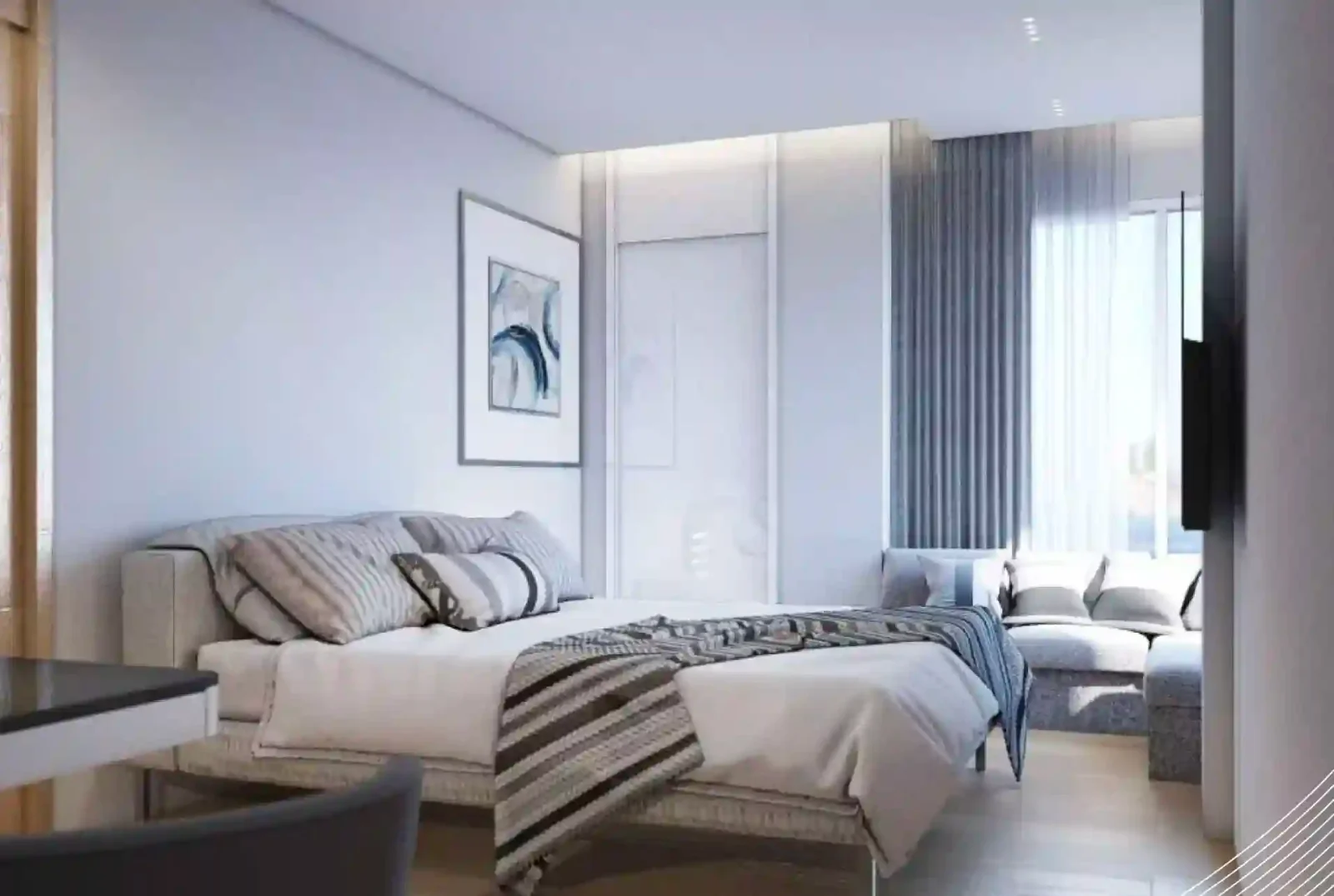
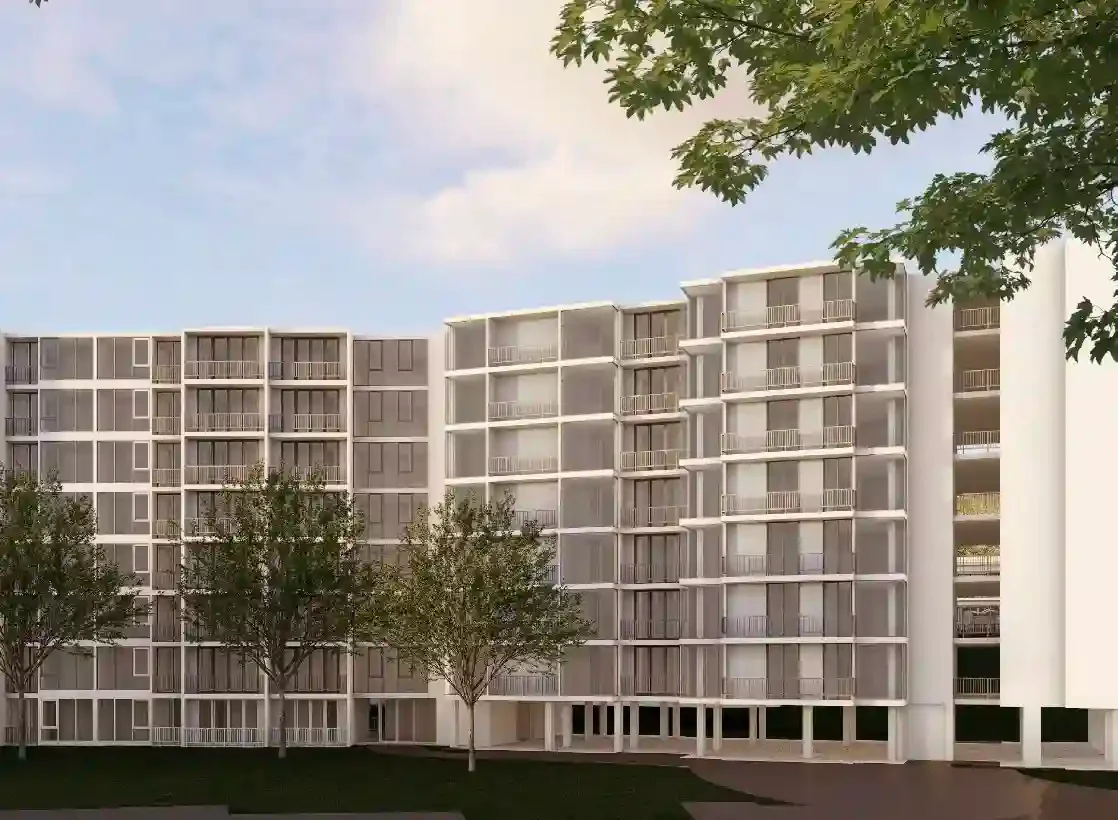
## Rawai: Overview
As of October 2026, Rawai is the dearer, coastal choice at 145,000 THB per square metre across 1,291 priced apartments on our price list, and Chalong the cheaper inland hub at 98,550 THB across 396. Rawai properties have historically earned 7-10% gross from monthly expats and holiday guests, Chalong 6-8% from long-stay residents on annual tenancies.
Rawai sits at the southern tip of Phuket, facing east across a shallow bay to Chalong and the offshore islands. The first thing to understand about it is that the Rawai waterfront is not a swimming beach: it is a working shoreline of longtail boats, a pier and a seafood market, with water too shallow and too busy for swimming. Buyers who arrive expecting a beach town are briefly disappointed.
That limitation disappears once you factor in geography. Nai Harn Beach, one of Phuket's most beautiful sheltered bays, is 5 minutes south by motorbike or car. Kata Beach is 15 minutes. The trade-off is that you don't walk to a swim beach from Rawai; you drive a short distance to a better one than most coastal towns on the island offer.
The seafood restaurant strip on the Rawai waterfront is genuinely excellent and local-priced. Families of sea gypsies (Chao Lay) sell fresh catch at the pier every morning. A dozen open-air seafood restaurants compete for the expat dinner trade at prices a fraction of what Kamala or Laguna charge. This is where people who've been in Phuket for 5+ years tend to eat.
Beyond the waterfront, Rawai has a full expat infrastructure: Villa Market, Makro, an English-speaking medical clinic, yoga studios, gyms (including some of the island's best Muay Thai camps), international schools within reach, and a dense cluster of property management companies. It's genuinely functional for full-time living.
Property in Rawai ranges from $80,000 condo studios in older buildings to $1.5M+ private pool villas on the hill. Average $3,200/sqm, higher than Chalong but lower than the west-coast beach areas. The property type that dominates Rawai's investment market is the private pool villa: typically 2-4 bedrooms, 200-300sqm, on small plots of 200-400 sqm, priced $300K-$700K. These villas perform well on Airbnb targeting the "peaceful south Phuket" market, families who want a private pool without paying Bang Tao prices.
Rental yields of 7-10% have historically been achieved here, with the upper end going to villas with strong management and 80%+ high-season occupancy. Long-stay expats on six- to twelve-month contracts are the most stable base here and pay in the region of 40,000-70,000 THB a month for a good villa: an asking figure you can check against current listings and against what a letting agent says actually got signed. Capital appreciation of +20-35% over five years has historically reflected Rawai's growing recognition as a premium-expat location, stronger than Chalong, though both trail the west-coast beaches.
## Chalong: Overview
Chalong is inland and one district north, built around a junction rather than a coastline. Its anchor is Chalong Pier, the departure point for almost every dive boat, island tour and yacht charter on the island, which gives the area a working, year-round economy that the beach districts do not have: dive instructors, boat crews, marine engineers and the businesses that serve them live here because the work is here.
Wat Chalong, the island's most significant Buddhist temple, is another anchor. The temple draws local Thais for religious occasions and some tourists, but its larger effect is on the character of the area, Chalong has a grounded, less touristy feel than the beach areas. People who live here tend to be here for reasons beyond holidays: work, business, diving careers, retirement.
The infrastructure around this hub is extensive. Bangkok Hospital Phuket's nearby clinic, three or four large supermarkets, a veterinary hospital (relevant for expat pet owners), hardware and construction supply shops, motorbike dealers, and a market selling local produce. For practical everyday life, Chalong may be the most fully serviced location on the island outside Phuket Town.
Property here is affordable relative to nearby Rawai. Average $2,400/sqm and entry from $65,000 reflects the lack of a beach frontage premium, Chalong's closest swim beaches are 10-15 minutes away (Rawai pier, Ao Sane, or Nai Harn). The property types available range from small condos to large villas set back from the main road, and the market is less visible to international buyers than Rawai, which occasionally means underpriced deals for those who know to look.
Rental demand in Chalong is driven by long-stay residents rather than holidaymakers. Monthly rents for a 2-bedroom villa run 20,000-40,000 THB; for a 3-bedroom with pool, 35,000-60,000 THB. Vacancy on a long-let is the gap between tenants rather than a season, because the tenant pool (expats, marine professionals, medical staff, business people) is resident and self-reinforcing. Occupancy for long-stay units has historically been high (90%+). Short-term tourist rentals are lower-volume because of the beach distance.
Gross yields of 6-8% have historically been achieved, with the upper end going to well-positioned properties near the pier or in established expat compounds. Chalong's net also keeps more of its gross than Rawai's does: a management fee of 10-15% of rent on an annual tenancy against 18-25% of gross on a nightly programme, no changeover cleaning, and no platform commission. That is a contractual difference, not an estimated one.
## The numbers side by side
| Factor | Rawai | Chalong |
| --- | --- | --- |
| Average price per sqm | ~$3,200 | ~$2,400 |
| Entry ticket | From ~$80,000 | From ~$65,000 |
| THB per square metre | 145,000 across 1,291 priced apartments | 98,550 across 396 |
| Gross yield, historically | 7-10% | 6-8% |
| Dominant tenancy | Monthly expats plus short-stay | Long-stay residents, 12-month terms |
| Management fee | 18-25% of gross on a nightly programme | 10-15% of rent on an annual tenancy |
| Capital growth over 5 years, historically | +20-35% | +15-25% |
| Nearest swim beach | Nai Harn, ~5 minutes | Nai Harn or Rawai pier, 10-15 minutes |
| Management overhead | Higher, more turnover | Lower, monthly contracts |
| Daily life | Rawai | Chalong |
| --- | --- | --- |
| Waterfront | Seafood strip and pier, not a swim beach | Working harbour, dive and charter boats |
| Groceries and services | Villa Market, Makro, clinics, gyms | Several large supermarkets, vet hospital, trade suppliers |
| Healthcare | Clinics local, hospitals 25-40 min | Bangkok Hospital clinic nearby, hospitals closer |
| Evening character | Restaurants and bars along the front | Quiet, residential, functional |
| Who lives here | Expat families, retirees, long-stay Europeans | Marine professionals, medical staff, business owners |
| Traffic | Moderate, dead-ends at the tip | The island's main junction, busier at peak |
| Property type | Rawai typical | Chalong typical |
| --- | --- | --- |
| Condo studio / 1BR | $80,000-$200,000 | $65,000-$150,000 |
| Pool villa 2-4BR | $300,000-$700,000 | Similar footprint, lower price |
| Monthly rent, 2BR villa | 40,000-70,000 THB | 20,000-40,000 THB |
| Monthly rent, 3BR pool villa | Higher, short-stay capable | 35,000-60,000 THB |
| Buyer visibility | Well known internationally | Less visible, occasional underpriced stock |
## Head-to-Head: Lifestyle Comparison
**Practicality:** Chalong, marginally, and the gap is closing. The hospital, the large supermarkets and the pier services are in Chalong, which is why it functions as the service hub for the whole south of the island. Rawai has acquired enough of its own (clinics, supermarkets, schools) that the difference is now a matter of a ten-minute drive rather than of what is available at all.
**Price:** Chalong is 25% cheaper at $2,400/sqm versus Rawai's $3,200/sqm. This is the most significant difference for budget-constrained buyers.
**Rental market:** Rawai has a more diverse tenant pool, both monthly expats and short-term Airbnb guests. Chalong is more dominated by the long-stay monthly market. Both are stable; Rawai has more upside if you're managing Airbnb actively.
**Water sports access:** Chalong is the clear winner for anyone in diving, sailing, or yacht-related activities. The pier infrastructure here is the best on the island.
## What each district gets wrong for the wrong buyer
Both areas are frequently sold to people they do not suit, and the mismatch is predictable enough to name.
**Rawai sold to a passive investor.** Any gross figure quoted for a Rawai villa is a short-let number, and short-letting a private pool villa is an operating business: a manager, a cleaner, a pool service, guest communication, a booking calendar, reviews. An owner who buys expecting the yield to arrive without any of that will get long-stay economics on a short-stay purchase price, which is the worst combination available. If you want passive, buy the asset that is passive.
**Chalong sold to someone who wanted the coast.** Chalong is genuinely well-serviced and genuinely inland. The pier is a working harbour, not a promenade, and the swim beaches are ten to fifteen minutes away by car. For a resident whose day runs on supermarkets, the hospital, a workshop and a school run, that is close to ideal. For a buyer whose picture of Phuket involves walking somewhere pleasant in the evening, Chalong is a functional place to own and a dull place to live.
**Either one sold as a holiday-rental play at the wrong scale.** South Phuket's tourist volume is a fraction of the west coast's, and the guests who come here are choosing quiet deliberately. That produces good long-stay demand and modest nightly demand. A buyer underwriting Patong-style turnover in either district has the wrong model, regardless of which one they choose.
**Hill plots sold without a site visit in the rain.** This applies mostly to Rawai, where the villa stock climbs the slopes. Steep access sois that are scenic in February are a real problem in September, and worse for older tenants, delivery vehicles and ambulances. Drive the actual approach in wet weather before committing, not the show-villa route the agent takes you on.
## Red flags and due diligence checklist
- **Title type:** Confirm Chanote for condos; villas may use leasehold or company structures, never assume freehold on land. See [freehold vs leasehold](/guides/freehold-vs-leasehold-thailand/) before signing.
- **Foreign quota:** For condos, verify the 49% foreign quota has capacity before paying a reservation deposit.
- **Flood and drainage:** Chalong lowland plots near the pier can pool water in monsoon months, walk the soi after heavy rain if buying a ground-floor villa.
- **Short-term rental rules:** Some condo juristic offices restrict Airbnb-style stays, read house rules before buying for yield.
- **Access roads:** Rawai hill villas on steep sois can be difficult for older tenants or emergency vehicles, visit at night and in rain.
- **Developer vs resale:** Resale villas may lack building permit documentation, budget 50,000-150,000 THB for lawyer title review.
**Red flags that should pause the deal:**
- Seller refuses independent lawyer review of the sale and purchase agreement
- Price per sqm more than 40% below recent comps in the same soi without explanation
- "Company setup included" marketed as easy freehold land ownership
- No foreign exchange transaction pathway documented for freehold condo purchase
- Active construction blocking the only access road with no completion timeline
## Insider tip: how locals choose Rawai vs Chalong
Walk the [Rawai waterfront](/rawai-properties/) on a weekday morning and the Chalong pier district on a Saturday, the tenant profile and noise level differ materially within a 10-minute drive.
## Investment math: five-year hold scenarios
**Scenario A, Rawai 2BR pool villa short-let (about 13,000,000 THB):** Model it on the occupancy and rate in an operator's statements for a comparable villa, not from a page, then subtract 20-25% to the operator, pool and garden costs, utilities and a maintenance reserve. The "nearer 5% net" that used to close that instruction has been withdrawn: it was a figure, arrived at without inputs, immediately after telling you not to take figures from a page. The villa carries the higher entry price and the higher operating cost, and earns them back through a wider tenant pool: holiday guests in season, long-stay expats out of it. It is the profile with the most work attached, and the one where the operator matters more than the address.
**Scenario B, Chalong 2BR long-stay ($120,000 condo):** Model a 35,000 THB monthly tenant, 11 months a year occupied, which comparable units have historically turned into about a 6% gross yield; take the rent from a signed lease in the building, and turnover costs are close to nothing on this model. Capital growth has historically trailed Rawai by 5-10 percentage points over 5 years, but cash flow stability suits first-time Thailand landlords.
**Scenario C, Hybrid personal use:** Rawai for six months of personal use and six of letting. The arithmetic that matters here is subtraction and you can do it exactly: whatever the unit would earn in a year, your half of the calendar removes, and the fixed costs (common-area fee, sinking fund, insurance, utilities standing charges) do not halve with it. Underwrite it after your own weeks are taken out of the year, and take out the weeks you would actually want, which for most buyers are the high-season ones the letting model depends on. Renting in the area for a first year before buying is the cheapest way to find out whether you want the district at all.
## The question that actually separates them
Price per square metre is the difference people quote, and it is the least useful one. Twenty-five percent is real money, but two districts ten minutes apart with the same beaches, the same hospitals and the same supermarkets do not differ in any way a buyer will feel daily because one costs $2,400 a metre and the other $3,200.
What separates them is who your tenant is, and that decision cascades into everything else.
Choose Rawai and you are buying access to two tenant pools. Holiday guests book the private pool villas in high season at rates Chalong cannot reach, because a guest paying for a week in south Phuket wants to be near Nai Harn and wants the coastal setting. Long-stay expats fill the rest of the year. Two pools means better annual revenue and a wider range of outcomes, and it also means active management: turnovers, listings, reviews, an operator taking a fifth of the gross. The higher entry price buys the option on the holiday market, and that option is worth having only if you intend to exercise it.
Choose Chalong and you are buying one tenant pool that happens to be exceptionally stable. Marine professionals, medical staff, business owners and retirees sign twelve-month contracts and stay. Vacancy is a gap between tenants rather than a season, turnover cost is close to nothing, and whatever gross gap exists against Rawai narrows sharply once the operator's share comes off the Rawai side: 18-25% of gross against 10-15% of rent. What you give up is the ceiling: no peak-week rates, and appreciation that trails Rawai by several points over five years because the demand story is functional rather than aspirational.
So the honest framing is not "which district is better" but "do you want a business or an income". A Rawai villa let nightly is a small hospitality business with a manager and seasonality; a Chalong condo on twelve-month tenancies is closer to a bond. Buyers who model a Rawai villa on a headline gross without pricing the management, the vacancy and the monsoon usually end up disappointed in year two, and the ones who are happiest with Chalong are those who wanted the bond in the first place.
One point applies to both. Neither district has a walk-to swim beach, and both depend on a short drive to Nai Harn. If daily walking access to sand is the actual requirement, south Phuket is the wrong half of the island and the answer is Kata or Karon, at a materially different price.
## Our Verdict
The 25% price premium Rawai commands is fair for what it delivers. If budget is a concern, Chalong offers excellent value, particularly for investors whose tenants are long-stay monthly residents rather than holidaymakers. If you're looking for a liveable base that doesn't feel like a resort and you can stretch to Rawai's price point, it edges ahead as the more enjoyable place to actually be.
{/* corpus-faq:rawai-vs-chalong-lifestyle */}
## FAQ
### Which is cheaper to buy?
Chalong, significantly, entry from $65,000 and average $2,400/sqm versus Rawai's $80,000 entry and $3,200/sqm. The 25% price premium in Rawai reflects coastal positioning and Nai Harn proximity.
### Which area is better for families?
Both work for families. Rawai's proximity to Nai Harn Beach and the seafood strip gives it the better lifestyle score. Chalong's practical infrastructure (medical, schools nearby, supermarkets) and central south Phuket position make it extremely liveable. For families who want beach access daily, Rawai's 5-minute proximity to Nai Harn is a significant practical advantage.
### Can foreigners buy in both areas?
Yes. Freehold condominium ownership is available in both within the 49% floor-area allowance. Both areas skew toward houses, and land cannot be held freehold by a foreigner anywhere in Thailand, so a villa in either means a registered 30-year lease with contractual renewals.
**Related Guides:**
{/* corpus-related:rawai-vs-chalong-lifestyle */}
- [Nai Harn vs Rawai Property Comparison](/guides/nai-harn-vs-rawai-comparison/)
- [Best Areas to Invest in Phuket 2026](/guides/best-areas-phuket-buy-property/)
- [How Rental Demand Works in Phuket](/guides/how-rental-demand-works-phuket/)
- [Is Phuket a Good Property Investment?](/guides/is-phuket-good-property-investment/)
- [Freehold vs Leasehold in Thailand](/guides/freehold-vs-leasehold-thailand/)
# Buy a Villa in Phuket for Rental Income (2026)
> Buying a villa in Phuket for rental income: managed pool villas have historically netted 4-7% after a 35-40% management stack. Costs, seasons, sizes.
**Source:** https://moregroup.estate/guides/real-income-potential-phuket-villas/
**Section:** Investment Guides
**Author:** Maksim Shchegolev
**Published:** 2026-03-28
**Updated:** 2026-10-07
---
## Real Income Potential for Phuket Villas: Honest Numbers for 2026
As of October 2026, well-located, professionally managed Phuket pool villas have historically netted 4 to 7% a year after all costs, against the 8 to 12% gross that developers quote before a 35 to 40% management stack, CAM, sinking fund and taxes. What a villa costs is exact: 2,268 priced villas on our price list at a median 29,800,000 THB. Below: what villas have historically earned by tier, size and season, what the management contract takes out of gross, and which documents an operator can produce for a house that already lets.
## What Is the Actual Net Rental Yield for a Phuket Villa After All Costs?
Most developers quote gross yield, annual rental revenue divided by purchase price. Net yield is what you actually receive after every cost is deducted. The gap between these two numbers is larger for villas than for any other property type in Phuket.
Here is the complete picture across three villa tiers, using realistic 2025-2026 ADR and occupancy data:
{/* geo-cit:real-income-potential-phuket-villas */}
What the price lists hold, by ticket, across 2,268 priced villas:
| Ticket | Priced villas | Median floor area | Rate, THB per sqm |
|---|---|---|---|
| Under 15,000,000 THB | 253 | 191 sqm | 66,860 |
| 15,000,000-25,000,000 | 511 | 280 sqm | 75,596 |
| 25,000,000-40,000,000 | 813 | 370 sqm | 79,321 |
| Over 40,000,000 | 691 | 556 sqm | 107,098 |
| Area | Priced villas | Median, THB | Rate, THB per sqm | Median size |
|---|---|---|---|---|
| Kamala | 41 | 45,784,900 | 105,997 | 530 sqm |
| Bang Tao | 562 | 38,992,000 | 87,856 | 406 sqm |
| Layan | 486 | 34,272,500 | 86,408 | 388 sqm |
| Ko Kaeo, east coast | 102 | 29,995,000 | 86,154 | 342 sqm |
| Karon | 36 | 50,100,000 | 78,457 | 650 sqm |
| Naithon | 239 | 27,950,000 | 78,292 | 350 sqm |
| Chalong, inland | 292 | 29,800,000 | 77,838 | 370 sqm |
| Rawai | 81 | 24,800,000 | 71,642 | 366 sqm |
| Mai Khao | 46 | 40,590,784 | 71,403 | 573 sqm |
| Nai Yang | 292 | 22,466,000 | 71,000 | 304 sqm |
*MORE Group project price lists, grouped by where the buildings stand. Nai Harn is excluded: its 44 priced villas run at 131,907 THB per square metre on a 212 sqm median, which is a different product from everything above it and would mislead in a per-metre ranking.*
Across three villa tiers, comparable managed villas have historically produced:
| Metric | Entry 3BR (15M THB) | Mid 4BR (30M THB) | Premium 5BR (60M THB) |
|---|---|---|---|
| Purchase price (THB) | 15,000,000 | 30,000,000 | 60,000,000 |
| Blended ADR (THB per night) | 9,500 | 18,000 | 38,000 |
| Annual occupancy | 64% | 68% | 60% |
| Gross revenue (THB a year) | 2,218,400 | 4,468,800 | 8,322,000 |
| Management all-in 37% | -820,000 | -1,653,000 | -3,079,000 |
| CAM, pool and garden | -144,000 | -216,000 | -360,000 |
| Utilities (unoccupied periods) | -72,000 | -108,000 | -180,000 |
| Insurance and property tax | -90,000 | -174,000 | -330,000 |
| Furniture reserve (annual amortisation) | -45,000 | -90,000 | -180,000 |
| Net to owner (THB a year) | 1,047,400 | 2,227,800 | 4,193,000 |
| Net yield on purchase price | 7.0% | 7.4% | 7.0% |
| Historical range | 4.5-7% | 5-7.5% | 4-7% |
Two things our price list shows. The rate per metre **rises** with the ticket, from 66,860 THB under 15,000,000 to 107,098 above 40,000,000, so a bigger villa is not a cheaper metre. And the cheapest metres are inland or in the north, at Nai Yang and Rawai, where the floor area comes with purchase price, which means the decision of which tier to buy depends primarily on available capital, not on meaningfully different yield percentages. A 30M THB villa commits twice the capital of a 15M one. Whether it earns twice as much depends on the house, but the capital ratio is exact, and it is the half of the comparison you can act on.
## Villa Income Calculator: Five Scenarios
The income potential of a Phuket villa depends on location, bedroom count, specification quality, and management operator. Here are five realistic scenarios spanning the full market range:
| Scenario | Area | Annual occupancy, historically | Net yield, historically |
|---|---|---|---|
| Studio-style villa 2BR | Rawai | 61% | 4.4% |
| Pool villa 3BR entry | Chalong / Rawai | 64% | 4.1% |
| Pool villa 3BR mid | Bang Tao | 70% | 5.4% |
| Pool villa 4BR luxury | Kamala / Surin | 68% | 5.4% |
| Ultra-luxury villa 6BR | Bang Tao beachfront | 57% | 3.3% |
The part of the calculation you can do in advance is the larger part: the cost stack, itemised in the next section, comes to roughly 35-40% of gross on a villa according to typical management agreements, before a single assumption about income. Get quotes for every line of it, then obtain the income side from twelve months of owner statements on a comparable house in the same corridor. Those two documents produce a real number for a real property. Nothing on this page, or on any page, can substitute for them.
The $380K to $580K scenarios overlap with our live [pool villas from $300K to $500K](/villas-300k-500k/) shortlist in Bang Tao, Kamala, Chalong, and Rawai.
One pattern is worth carrying into that exercise. At the top of the market the cost stack grows with the house while the pool of guests who will pay for it does not, so the largest villas are the ones where the arithmetic most often disappoints. A 70M THB+ villa is partly a lifestyle asset and partly a status-signal investment; treating it as a pure yield vehicle produces disappointment. The sweet spot for yield-focused investors sits in the 15-35M THB range in well-located Bang Tao or Kamala.
## 35-40% Management Fee: What It Actually Covers
This is the single most misunderstood cost in Phuket villa investment. Management companies typically quote 20-25% as their headline fee. The real total cost of managed villa rental, when every component is included, runs 35-40% of gross revenue. Here is why.
**Base management fee (20-25%):** This covers the management company's operational margin, account management, and owner reporting. It does not include the items below.
**OTA commissions (15-17%):** Airbnb charges 3% from guests and 14-16% from hosts. Booking.com charges 15-18% from the owner. When your management company lists your villa on Airbnb and Booking.com, which is how over 70% of villa bookings are generated, those OTA commissions are in addition to the base management fee, or are embedded inside an all-in fee. Ask explicitly which model applies.
**Cleaning and linen turnover (4-6%):** Professional cleaning between stays, linen laundering, and guest setup. At $45-$70 per clean, with 2-4 night average stays during peak season, this cost accumulates.
**Maintenance coordination (2-3%):** Emergency call-outs, plumber, electrician, AC technician, the management company coordinates these but may charge a coordination or markup fee separate from the base percentage.
Booking platform management and photography (one-time + ongoing): Professional photography ($500-$1,500), listing setup, and ongoing review management. Good operators include this; cheap ones do not.
**Payment processing (1-2%):** Stripe, bank transfer fees, and currency conversion if collecting in USD or EUR.
When you add the OTA take, cleaning, coordination, and processing to a 22% base management fee, the all-in cost is 38-42% of gross revenue for most managed programs. This is not a scandal, it is the cost of professional, full-service management that optimises yield and protects asset condition. But it is dramatically different from the 20-25% figure in most marketing presentations.
**Is the management fee negotiable?** Yes, but carefully. Operators will discount the base fee from 22% to 18-20% for high-value villas (30M THB+) or multi-villa owners. They will not discount OTA commissions (those are platform costs) or cleaning (those are actual costs). Negotiating too aggressively on the base fee without understanding what services you are losing is common investor error.
What happens if you switch operators? Switching management companies costs 2-4 months of reduced income while the new operator rebuilds your OTA ranking, review history, and repeat-guest relationships. Airbnb algorithms strongly penalise listing gaps and new account setups. Plan a 6-month runway before any operator switch.
Phuket villa cost snapshot (2026): what a villa costs is exact and set out below; what it earns is published by nobody. The gross-income range and the per-zone nightly rates this section used to carry have been withdrawn, because both described what houses achieved, and achieved figures for privately owned homes exist only in the managing companies' own books.
On MORE Group's price records a three-bedroom pool villa in Bang Tao sits at a median 29,900,000 THB across 255 priced units, at 341 square metres. Four bedrooms is a different product at 45,990,000 and 497 square metres. Those numbers you can check against any listing today.
The deduction side is contractual rather than published, which makes it quotable in advance: on a managed villa the all-in operating cost typically runs 35 to 42% of gross once the base management fee, OTA commissions, changeover cleaning and garden and pool maintenance are counted, and the specific percentages for your house are written into the management agreement before you sign it. Ask for that agreement and read the deduction clause line by line.
What separates a strong letting villa from a weak one is not in dispute: a Bang Tao or Kamala address, a pool large enough to photograph, three or four bedrooms, and an operator with an established listing history. Whether that combination produces a materially better calendar than self-management is something a specific operator can show you in their own owner statements for a comparable house. No published series measures it.
## Real ADR Data by Area: What Your Villa Can Actually Charge
| Area | 3BR Pool Villa ADR (THB/night) | 4BR Pool Villa ADR (THB/night) | Peak Season Premium | Low Season Floor |
|------|------------------------------|------------------------------|---------------------|-----------------|
| Bang Tao (Laguna adjacent) | 12,000-22,000 | 20,000-38,000 | 2.5-3x | 7,000-10,000 |
| Bang Tao (Cherng Talay non-Laguna) | 9,500-16,000 | 16,000-28,000 | 2.5x | 6,000-8,500 |
| Kamala | 10,000-18,000 | 18,000-32,000 | 2.5-3x | 6,500-9,000 |
| Surin | 11,000-20,000 | 19,000-35,000 | 2.5-3x | 7,000-10,000 |
| Rawai | 7,000-12,000 | 11,000-19,000 | 2x | 4,500-6,500 |
| Naiharn | 7,500-13,000 | 12,000-21,000 | 2x | 5,000-7,000 |
**Bang Tao advantage:** Proximity to Laguna Phuket's resort infrastructure (COMO, Anantara, Banyan Tree) allows villa owners to capture overflow demand from resort guests and corporate groups who prefer private villa accommodation. Laguna-adjacent 3BR villas consistently achieve the island's highest blended ADRs outside of absolute beachfront.
**Rawai and Naiharn discount:** These southern zones attract budget-conscious families and long-term digital nomads rather than premium short-stay guests. Entry prices are lower here, which is measurable: Rawai villas sit at a median 24,800,000 THB against Bang Tao's 38,992,000. The rate discount this paragraph used to quantify has been withdrawn, achieved rates not being published, and so has the claim that the yields end up comparable, which needed two of them.
**Surin premium:** the supply really is small, 108 priced apartments in the whole area against Bang Tao's 4,589, and proximity to Surin beach is genuine. The ADR claim this bullet used to rest on is withdrawn, no achieved rate being published; what the thinness means concretely is that both the rental market and the resale market are a few dozen participants rather than a market, so the low season needs active pricing and the exit needs a specific buyer rather than a market price.
## Occupancy Reality: Seasonal Breakdown
Phuket villa occupancy follows a pronounced seasonal pattern. Understanding this distribution is as important as understanding ADR, because gross income is the product of both.
The calendar's **shape** is set by the monsoon. For a 3BR villa in Bang Tao,
comparable managed villas have historically run as follows:
| Season | Dates | Occupancy, historically | ADR index | Monthly gross, 3BR Bang Tao, historically | What to ask for |
| --- | --- | --- | --- | --- | --- |
| Peak peak | 15 Dec, 10 Jan | 95-100% | 3x | 570,000-760,000 THB | The villa's own rate card for these dates, and last year's actual bookings |
| High season | 10 Jan, 28 Feb | 82-92% | 2.5x | 410,000-580,000 THB | Booking lead times, not just the rate |
| Shoulder | Mar, Apr | 72-83% | 2x | 340,000-500,000 THB | Whether last April filled at the rate or at a discount |
| Pre-low | May | 52-65% | 1.4x | 200,000-310,000 THB | The first month of the year with genuine vacancy risk |
| Low season | Jun, Sep | 38-55% | 1x | 140,000-260,000 THB | Month-by-month statements for these four, specifically |
| Shoulder | Oct | 55-68% | 1.6x | 220,000-350,000 THB | Whether the recovery starts in October or November |
| Rising | Nov | 68-80% | 2x | 340,000-500,000 THB | The rate at which November actually booked |
**The developer brochure problem:** many villa developers quote 70-75% annual
occupancy based on their best comparable property in the best year. Comparable
new villas with a competent operator have historically run at 60-65% in years one
and two, rising to 68-72% in years three and four as platform ranking and the
repeat-guest base mature. For a specific villa, ask for twelve consecutive months of statements from a villa of similar
size and specification with the operator you are actually going to use, with
June to September shown separately rather than averaged into the year.
**December concentration:** the Christmas and New Year fortnight carries the highest asking rates of the year, and on a villa that lets nightly it is the single most valuable block on the calendar. The share-of-annual-revenue figures this page used to attach to it were not measured and have been withdrawn. The concentration is real and cuts both ways: block those two weeks for your own use and you are buying them at the year's peak price, which your manager can quote you exactly, from that villa's own rate card.
**Low season cash flow planning:** June through September will produce net cash flow near zero or modestly negative after fixed costs on most properties. This is normal. Budget a cash reserve of 4-6 months of fixed costs (pool maintenance, CAM, insurance, management retainer) so low season never triggers distressed pricing decisions or fire-sale exits.
## Cost Deductions: Full Itemised Stack
The gap between gross and net income is where most investor projections fail. Here is the complete cost breakdown for a 3BR pool villa in Bang Tao at the 20M THB tier, generating approximately 2.2M THB gross annually:
| Cost Category | Annual Amount (THB) | As % of Gross Revenue |
|---------------|-------------------|----------------------|
| Management fee base (22%) | 484,000 | 22.0% |
| OTA commissions (embedded avg 15%) | 330,000 | 15.0% |
| Pool maintenance + chemicals | 84,000 | 3.8% |
| Garden + pest control | 48,000 | 2.2% |
| Electricity (AC, pool pump, unoccupied periods) | 108,000 | 4.9% |
| Water | 24,000 | 1.1% |
| Internet and cable | 9,600 | 0.4% |
| Annual maintenance and repairs (contingency) | 72,000 | 3.3% |
| Property insurance (0.3% of purchase price) | 60,000 | 2.7% |
| Property tax (Land and Building Tax, 0.3% appraised) | 45,000 | 2.0% |
| Sinking fund / furniture replacement reserve | 48,000 | 2.2% |
| Accounting and legal (annual) | 18,000 | 0.8% |
| Total costs | 1,330,600 | 60.5% |
| Net to owner | 869,400 | 39.5% |
Note on the sinking fund: pool resurfacing costs 150,000-400,000 THB every 7-10 years. AC units need replacement every 8-12 years at 35,000-60,000 THB per unit. Furniture sets need refreshing every 5-7 years to maintain review scores above 4.5. Amortising these capital expenditures into an annual reserve prevents the sudden cash calls that catch owners off guard.
**CAM (Common Area Maintenance):** For standalone villas, CAM covers shared road maintenance, security, and common facilities in a managed estate. Budget 3,000-8,000 THB per month (36,000-96,000 THB annually) depending on the estate size and quality. Some smaller villa estates have no formal CAM structure, but shared costs still exist informally.
**Electricity during vacancy:** A pool villa left at 28°C ambient with pool pump running burns 8,000-15,000 THB per month even with no guests. This cost is sometimes charged to the owner during unoccupied periods, confirm in your management contract who pays utilities when the villa is vacant and whether the pump can be put on reduced-cycle mode during low season.
## Capital Appreciation: Separate From Rental Yield
Net rental yield is only one component of villa investment return. Capital appreciation is the other, and in Phuket's prime zones it has been significant.
Bang Tao villa appreciation by tenure, 2018-2025, historically:
- Freehold land-and-house villas: 7-11% a year in THB terms
- Leasehold pool villas with 25+ years remaining: 4-7% a year
- Leasehold villas under 15 years remaining: flat to negative in real terms
What is structurally true about tenure:
- **A freehold land-and-house villa** holds whatever the land does, indefinitely.
- **A registered lease is a depreciating asset with a fixed end date.** Every year that passes removes a year from what a buyer is acquiring, which is arithmetic rather than a market view.
- **A lease with few years left** is the clearest case of that: the shorter the remaining term, the smaller the thing being sold, and the buyer pool for it negative in real terms
**Why the land component matters:** A pool villa investment is partly a bet on Phuket land values, not just rental cash flow. In Bang Tao and Kamala, land prices have approximately tripled in THB terms over the 2010-2025 period, driven by infrastructure improvements (Layan Beach road, Blue Tree development, Boat Avenue expansion) and supply constraints in the Laguna zone. A leasehold villa captures this partly, because the building and pool appreciate even as the lease term diminishes. A freehold villa captures it fully.
**Inflation hedge:** a well-located villa that has historically appreciated at 6-8% a year has given a real return on the asset itself before any rental income. Combined total return (net rental yield plus capital appreciation) for a well-managed Bang Tao pool villa over 2020-2025 was approximately 10-13% a year in USD terms.
**Kamala appreciation comparison:** Kamala has appreciated slightly faster than mid-Bang Tao on a percentage basis over 2022-2025, driven by its cliff-and-bay geography (constrained supply) and the Millionaire's Mile effect from ultra-luxury development above Kamala beach. If land scarcity premium is the primary goal, Kamala deserves close attention.
## Which Phuket Villa Size Generates the Most Rental Income in 2026?
The size and price bands below are the island medians for each format on our
records, not a marketing range, and the Bang Tao column is given beside them
because that corridor holds the deepest villa market, 562 priced houses across
57 schemes. The occupancy and gross-yield columns are the historical benchmark.
| Villa type | Priced units, island | Island median size | Island median price | Bang Tao median | Annual occupancy, historically | Gross yield, historically | Best for |
|---|---:|---:|---:|---:|---:|---:|---|
| 2BR pool villa | 112 | 191 sqm | 13,500,000 THB ($412,844) | 13,500,000 at 191 sqm | 65-72% | 8-10% | Couples, small families |
| 3BR pool villa | 1,186 | 337 sqm | 25,765,000 ($787,920) | 29,900,000 at 341 sqm | 65-75% | 8-10% | Families and groups |
| 4BR pool villa | 837 | 434 sqm | 38,900,000 ($1,189,602) | 45,990,000 at 497 sqm | 60-70% | 7-9% | Large families |
| 5BR+ estate | 133 | 631 sqm | 47,866,000 ($1,463,792) | 66,045,000 at 737 sqm | 52-65% | 6-8% | Ultra-luxury |
The old size bands were roughly half the reality at every line, a
"2BR pool villa, 100-140 sqm" against an actual 191 sqm median, a "3BR,
150-200 sqm" against 337, and the price bands were correspondingly low. A
Phuket villa is a larger house than most buyers arrive expecting.
Above four bedrooms, gross yield has historically compressed, and the records show why. The renter pool narrows as the house grows, while the capital base rises steeply, from 29,900,000 THB at three bedrooms to 66,045,000 at five in Bang Tao. Above four bedrooms, buy for the use of it or for the resale, not for the income.
## Where a Villa's Case Is Stronger Than a Condominium's
No yield comparison between the two formats is possible, in either direction, since neither is published. What can be set out is where a villa's structural advantages are real:
Scenario 1, Group travel demand: A 4BR villa accommodating 8-10 guests at 25,000 THB/night grosses more per square metre than four separate 1BR condos at 3,500 THB/night each. Group bookings drive disproportionately high ADR relative to property cost.
Scenario 2, Bang Tao premium micro-market: In Cherng Talay and Laguna-adjacent streets, villa nightly rates are the highest on the island, which is a statement about demand rather than a return, since the cost stack that sits under it is heavier too. No Bang Tao condo under 8M THB approaches this net yield percentage.
Scenario 3, Long-term let demand: Digital nomads, remote workers, and expat families who want private pool access drive strong long-term rental demand (6-12 month leases) for villas in the 80,000-150,000 THB/month range. Long-term lets eliminate the full management cost stack, replacing it with a simple 5-10% finder's fee.
Scenario 4, Owner-occupier blended model: An owner who spends 6-8 weeks per year in their villa and rents for the remainder receives a lifestyle return (holiday value) that makes the financial yield acceptable even if purely financial returns are modest. For investors who would otherwise rent holiday accommodation at 15,000-25,000 THB/night, the villa's "free" personal use weeks have real monetary value.
## Where a Condominium's Case Is Stronger
Honest comparison requires acknowledging where condos win:
**Smaller capital deployment:** Quality 1BR rental condos in Bang Tao range from 4-9M THB. Entry villa pricing starts at 12-15M THB. If total investable capital is 15M THB, one condo plus cash reserve is a safer position than one stretched villa with no liquidity buffer.
**Cost stack:** a 1BR condo in a rental-optimised development such as Laguna Shores or Cassia Phuket carries a materially lighter one. Management typically runs 18 to 25% of gross against a villa's 25 to 30%, because there is no garden, no private pool and no separate insurance, and the building's own maintenance sits in the juristic fee rather than in your operating account. That difference is contractual and checkable. Whether it produces a higher net return depends on income neither product publishes, so this page no longer claims a percentage-point advantage for either.
**Resale liquidity:** Phuket condos at the 5-10M THB price point trade in 4-10 months. Villas at 15-40M THB typically require 10-20 months to find a qualified buyer. If your investment horizon is under 5 years, the liquidity difference matters significantly.
**Management simplicity:** A professionally managed condo requires almost zero owner involvement. Pool maintenance, garden, exterior, all handled through CAM. A villa requires more active oversight even with a full-service management company.
The hybrid strategy many MORE Group clients use: one 1BR condo at 6-8M THB for income, plus one 3BR villa at 18-25M THB for family use and long-term appreciation. Combined portfolio smooths cash flow and covers both financial and lifestyle goals. See our [condo vs villa occupancy guide](/comparisons/phuket-condo-vs-villa-comparison/) for the detailed occupancy comparison.
## Operator Selection Guide
The management company is as important as the property itself. A mediocre villa with exceptional management outperforms a premium villa with poor management. Here is what to look for and what raises concern.
What a credible operator looks like:
- Manages 20+ villas in your target zone (not just 3-5)
- Has verifiable Airbnb and Booking.com profiles with review history you can read
- Provides monthly owner statements with line-item revenue and cost breakdown
- Can supply trailing 12-month P&L statements from comparable villas in their portfolio
- Provides full transparency on OTA fees in the management contract
- Carries professional indemnity and public liability insurance
**Red flags in operator selection:**
- Shows only peak-season screenshots as evidence of performance ("Our villas booked at 35,000 THB/night in December")
- Cannot or will not provide revenue reports from existing villa owners in the same project
- Quotes a headline management fee of 20% without disclosing OTA commissions or cleaning fees separately
- Management contract has aggressive exit penalties (more than 90-day notice period)
- No clear policy on how personal owner use is handled in the booking calendar
- Does not provide professional photography as part of onboarding
**How to verify occupancy claims:** Ask the operator for the Airbnb host profile link for a comparable villa. Cross-reference calendar availability and blocked dates against their claimed occupancy percentage. Whatever occupancy an operator claims, the public calendar has to agree with it: a villa claiming a high annual figure should show most months heavily booked. Large gaps in March or November, the shoulder months, mean the claim is being carried by the peak alone.
Contract terms to negotiate before signing:
- All-in fee disclosure (management base + OTA + cleaning, not just base)
- Owner personal use: number of days, advance notice required, blackout periods
- Exit clause: maximum 60-90 day notice period to terminate
- Revenue report cadence: monthly is standard, weekly is better
- Maintenance spending authority: approve all items over 5,000 THB before expenditure
For a detailed cost of ownership breakdown across all villa expense categories, see our [cost of owning a villa in Phuket guide](/guides/cost-owning-villa-phuket/).
## Management Program Comparison
| Program Type | Effective All-In Fee | Management Effort | Best For |
|-------------|---------------------|-------------------|----------|
| Full managed rental pool (developer-operated) | 35-40% of gross | Minimal | Non-resident investors, first-time villa owners |
| Independent rental management (local company) | 30-37% of gross | Low (monthly review) | Experienced investors, those visiting 2-4x/year |
| Hybrid: management + direct channel | 22-30% of gross | Moderate | Owners with personal networks, repeat guests |
| Self-management + OTA only | 15-20% of gross | High (full owner involvement) | Owners living in or near Phuket |
| Long-term let (12+ months) | 5-10% finder fee only | Near-zero | Income certainty priority, no personal use needed |
Long-term letting at 80,000-120,000 THB/month for a 3BR villa provides predictable income roughly 25-35% below short-term potential, but eliminates the management cost stack almost entirely. For owners who travel to Phuket rarely and prioritise certainty, this model removes most of the operational complexity. What it returns is not published; what it costs is in the agreement.
## Case Study: A Real Bang Tao Villa Investment
To illustrate realistic expectations, here is a composite profile based on similar properties MORE Group has tracked from 2022-2025:.
The composite: a 3-bedroom, 200 sqm leasehold pool villa in Cherng Talay
(Laguna-adjacent), 28 years remaining, bought in 2022. Its net yield has
historically ramped up as the listing matured: 3.7% in year one (2022-23),
4.6% in year two (2023-24) and 5.8% in year three (2024-25), after an all-in
management cost of 37% plus fixed costs.
The structural observation underneath the case study:
**A villa does not earn its steady state in year one.** Building platform
ranking, a photography set that works, and a review history takes something
between six and twelve months, and a villa bought in April may not see
meaningful income until the season begins in November. That is a fact about how
booking platforms rank new listings, which they document themselves, rather than
a claim about Phuket. The practical consequence is that an owner who sells in
year one or two because the income looks below projection is selling before the
listing has a history, and that the projection was probably describing year
three of a mature listing in the first place.
**The one figure the records do settle** is what the purchase side of a villa
like this looks like. A 200 sqm three-bedroom is well below the island's
three-bedroom villa median of 337 square metres, and at $620,000 it implies
roughly 101,000 THB per square metre against a Bang Tao villa median of 87,856
and an island median of 80,541. So the composite property was a small villa at a
high metre rate, which is worth knowing before treating its income as typical of
anything.
**What to obtain instead of this case study:** twelve months of statements from
one villa, with the months shown separately, the fee schedule that produced the
deductions, and the date the listing first went live. Three of those from three
villas is a data set. One composite is a story.
## Red Flags When Villa Yield Projections Fail
{/* geo-cit:real-income-potential-phuket-villas */}
| Red Flag | Typical Symptom | Risk to Net Yield |
|----------|-----------------|-------------------|
| Gross yield quoted without full cost stack | Brochure leads with a gross percentage and no deductions | The stack below takes roughly a third to two fifths of gross; ask for the deduction line by line, in the management agreement |
| No occupancy evidence for your exact villa type | Agent shows peak-week screenshot | Ask for the same screenshot for August, and for the twelve-month total |
| Management fee quoted as base only (20-22%) | OTA commissions "not included" | Total all-in approaches 40-42% of gross |
| Leasehold with under 20 years remaining | Cheaper entry price | Resale discount grows each year |
| Unregistered lease (no Land Office annotation) | Developer contract only | Zero legal protection |
| Self-managed assumption from abroad | Owner expects to manage Airbnb from Europe | Pricing and response time both degrade across a six-hour time difference; the revenue loss this row used to quantify is not measured anywhere |
| No sinking fund for pool resurfacing | CAM looks artificially low | 150,000-400,000 THB surprise in year 5-8 |
| Furniture refresh not budgeted | Year-one photos look beautiful | Review scores drop, ADR falls, yield compressed |
**Insider practice:** Ask for a trailing 12-month profit and loss statement from the management company for a comparable 3BR villa in the same project, not a developer marketing sheet. MORE Group requests this document before any villa shortlist goes to clients. If the operator refuses, treat that as a disqualifying red flag.
## Villa vs Condo Income: Honest Comparison
| Factor | 3BR Pool Villa (20M THB) | 1BR Condo Bang Tao (5.5M THB) |
|--------|----------------------|---------------------------|
| Median price on our records | 29,900,000 THB (255 priced 3BR villas, Bang Tao) | 5,930,000 THB (2,914 priced 1BR, Bang Tao) |
| Median size | 341 sqm | 39 sqm |
| Operating cost taken from gross | 25-30% management, plus pool, garden, insurance and utilities | 18-25% management, plus the juristic fee per sqm |
| Gross yield, historically | 8-10% | 10-13% |
| Net yield, historically | 4-5.5% | 6-9% |
| Depth of the resale market you sell into | 562 priced villas in Bang Tao | 4,589 priced apartments in Bang Tao |
| Personal use | Negotiated in the management agreement; read the blackout clause | Negotiated in the rental-pool agreement; read the blackout clause |
| Resale time on market | 10-20 months | 4-10 months |
| Capital appreciation (2020-25), historically | 7-11% a year (prime zones) | 5-8% a year |
| Management complexity | High (pool, garden, AC, exterior) | Low (handled by CAM) |
Villas deliver lifestyle value and a land component, which a condominium does not have at all. A leasehold villa's land component amortises toward zero over the lease term, which is the more important half of the point. Condos deliver higher net yield percentage on smaller capital. The correct choice depends on investment size, lifestyle intent, and time horizon. See our [rental yield guide](/guides/phuket-rental-yield-complete-guide-2026/) for the full yield comparison methodology.
## Tax and Reporting Considerations for Villa Rental Income
Thailand taxes rental income whether you are resident or non-resident. Typical planning points:
- Personal income tax on net rental profit, rates up to 35% for higher earners, but many owners structure via allowable deductions (management fees, repairs, depreciation) to reduce taxable net
- Withholding tax on payments to Thai management companies, confirm 3% WHT treatment is being applied correctly in the management contract
- Home-country reporting: US, UK, EU, and Australian residents generally declare worldwide income; keep FET records and Thai bank statements aligned with home-country filings
- Land and Building Tax (annual): budget 0.02-0.3% of appraised value for rented properties; reforms in 2020 restructured this toward use-based rates
Consult a cross-border tax adviser before purchase. Villa income looks attractive gross, and tax treatment can move the net materially depending on your home country and ownership structure; the percentage-point range this page used to give was not derived from any published comparison and has been withdrawn. Our [best areas to invest in Phuket guide](/guides/best-areas-phuket-buy-property/) covers ownership structure considerations by zone.
## Leasehold Renewal: What Villa Buyers Miss
Most foreign-accessible villas sit on 30-year registered leases with two 30-year renewal options, 90 years total on paper. Reality check:
- Renewals are contractual promises, not automatic rights. Verify the renewal clause is registered at the Land Office, not just included in the SPA
- Each renewal may require re-registration fees of 50,000-150,000 THB
- Resale buyers discount remaining term heavily, a villa with 8 years remaining trades at a steep discount versus one with 28 years
- Freehold land-and-house structures exist but are rare and expensive in prime zones
Before signing, your lawyer should read the landowner's Chanote and confirm your lease annotation appears exactly as promised in the SPA. See our [investor mistakes guide](/guides/buying-property-phuket-guide/) for the full legal checklist.
## Villa Financing and Cash Flow Planning
Most foreign villa buyers deploy cash. Thai bank LTV for non-residents is rare and typically requires long-term employment or business establishment in Thailand. Model carrying costs during low season:
| Month Type | Typical Net Cash Flow (3BR Bang Tao, 20M THB villa) |
|------------|--------------------------------------------------|
| Peak peak (Dec 15 - Jan 10) | +120,000-190,000 THB |
| High season (Jan-Feb) | +80,000-130,000 THB |
| Shoulder 1 (Mar-Apr) | +45,000-85,000 THB |
| Pre-low (May) | +10,000-30,000 THB |
| Low season (Jun-Sep) | -15,000 THB to +20,000 THB |
| Shoulder 2 (Oct) | +25,000-55,000 THB |
| Rising (Nov) | +50,000-90,000 THB |
Maintain 4-6 months of fixed costs in reserve (pool service, CAM equivalent, insurance, management retainer) so low season never forces distressed pricing or fire-sale exit. The investors who achieve the best long-term returns are those with adequate reserves who can absorb low-season months without pressure.
MORE Group insider tip: compare walk time to beach and building rental policy in writing before deposit; district name alone rarely predicts net yield on this topic.
{/* corpus-faq:real-income-potential-phuket-villas */}
## FAQ
### How much does the management company actually take from villa rental income?
The headline management fee is typically 20-25%, but the all-in cost including OTA commissions (15-17% from Airbnb and Booking.com), cleaning and linen turnover (4-6%), and maintenance coordination fees (2-3%) brings the total to 35-42% of gross revenue. This is not unusual, it reflects the cost of professional, full-service management that handles bookings, guest communications, cleaning, maintenance, reviews, and payment processing. Ask any operator to disclose the all-in percentage explicitly before signing a management agreement.
### What is the minimum budget for a properly rentable villa in Phuket?
On MORE Group's own list the cheapest priced villas run from about 9,000,000 THB, and the 253 units below 15,000,000 have a median floor area of 191 sqm at 66,860 THB per square metre. Rawai sits at a median 24,800,000 and Nai Yang at 22,466,000, the cheapest villa markets on the island; Bang Tao is 38,992,000 and Kamala 45,784,900. No net yield accompanies those figures because none is published. For Bang Tao or Kamala, a quality 3BR villa with the location and specification needed to support consistent rental demand starts at 14-18M THB ($428,135-$550,459). Below 8M THB, villa-format properties typically have construction or location compromises that undermine management quality and repeat booking rates.
### Can I use my Phuket villa personally and still earn rental income?
Yes, this is the most common Phuket villa ownership model. Most managed rental programs allow 30-60 days of personal use per year, typically outside the December-March peak season. Some allow peak-season personal use, at the cost of the year's most expensive nights; ask the manager to quote that window from the villa's own rate card so you know what the fortnight costs you before you book it. The practical approach: reserve peak weeks for rental, schedule personal stays in October-November (excellent weather, no crowds, lower but still reasonable ADR) and April (end of high season, warm and dry). Coordinate personal use with your management company at least 90 days in advance.
**About MORE Group:**
MORE Group is a Phuket-based real estate advisory helping foreign investors model realistic villa rental income before committing capital. We provide unit-specific yield projections based on actual ADR data, operator occupancy histories, and the full cost stack, not developer pro formas. We charge 0% buyer commission and cover villas from $230,000 across all Phuket zones. Since 2016 we have guided 500+ property transactions. MORE Group is a property advisory firm in Phuket, Thailand, not a hotel or spa brand. Contact: info@moregroup.estate · +66 65 119 5327 · moregroup.estate.
**Read Also:**
- [Condo vs Villa Occupancy in Phuket](/comparisons/phuket-condo-vs-villa-comparison/)
- [Real Income Potential for Phuket Condos](/guides/phuket-rental-yield-complete-guide-2026/)
- [Cost of Owning a Villa in Phuket](/guides/cost-owning-villa-phuket/)
- [Buy to Rent in Phuket: the Complete Guide](/guides/buy-to-rent-phuket-complete-guide/)
- [Phuket Pool Villas Under a Million Dollars](/guides/phuket-villa-under-1-million-2026/)
- [Best Areas to Invest in Phuket 2026](/guides/best-areas-phuket-buy-property/)
- [Investor Mistakes With Rental Assumptions](/guides/buying-property-phuket-guide/)
- [Phuket Rental Yield Guide](/guides/phuket-rental-yield-complete-guide-2026/)
# Referral Client Registration and 12 Months
> How referral client registration and the 12-month protection period work for Phuket new-builds: what to send, what it covers, and the evidence to keep.
**Source:** https://moregroup.estate/guides/referral-client-registration-12-months/
**Section:** Investment Guides
**Author:** Maksim Shchegolev
**Published:** 2026-11-20
**Updated:** 2026-11-20
---
Short answer: the 12 months start on the day of our written confirmation, not on the day you send the message, and they protect a registration that was made with the client's consent before we had any contact with that buyer. They do not rescue a registration made without consent or a purchase that falls outside the programme. If the buyer reached us first, the page says only that we tell you before any work starts; how that earlier enquiry is treated is for the agreement, so ask in writing. Anything else the partner page does not spell out, such as how a second purchase by the same client is treated, should be asked for and answered in writing before you rely on it.
This guide is for agents, advisers and consultants who will register their first Phuket buyer. It covers what to send, how to word the client's consent, what to keep as evidence, where protection ends, and how to handle the awkward cases that come up in practice. The money side is in a separate guide on [when partner commission is paid](/guides/how-partner-commission-is-paid-phuket/), and the tier choice is covered in [our comparison of referral, co-broker and full partner](/guides/referral-partner-vs-co-broker-vs-full-partner/).
## What does the 12-month registration actually protect?
It protects your claim to be the partner on a specific buyer for a fixed window. According to the partner terms on our partner page, the window is 12 months counted from the date of our written confirmation of your registration, and the agreement is non-exclusive, so you remain free to work with other agencies on other buyers.
In practical terms the protection answers one question: if this buyer goes ahead through MORE Group during that window, whose introduction is it? The answer is the partner who registered first with documented client consent. That is the whole mechanism. It is a record of who introduced whom, held by both sides in writing, and it works only as well as the record is.
Three details in that wording matter more than they look.
The clock starts at our written confirmation. A message you send on Monday and a confirmation you receive on Wednesday means the protection runs from Wednesday. Until the confirmation arrives, you do not have a registered client, and you should not assume you do. We confirm client registration immediately, in writing. Keep that confirmation itself, not only your own sent message.
The protection is for a named person. The registration data is the client's name, a contact method, a budget and a timeline. A registration that says "a couple from Dubai interested in Phuket" identifies nobody and will not hold up if a second partner registers the same couple by name a week later.
The agreement is non-exclusive. You can register other buyers, work with other agencies, and run your own business around Thailand. Non-exclusive also means that your registration with us says nothing about what other agencies do with the same buyer, which becomes important in the edge cases below.
## What should you send to register a client?
Send four things in one message: the client's full name, the way we should contact them, their budget and their timeline. That is the data set our partner page lists for registration, and it is enough for us to check whether the buyer is already known to us and to confirm in writing before any outreach.
You can send it through the application form or by WhatsApp. What matters is that the message is dated, names the client and states that the client has agreed to be introduced. Our page also says registration must happen before our first contact with the buyer, so the order is always the same: client agrees, you register, we confirm in writing, and only then do we reach out.
Here is a template you can adapt. Replace the bracketed parts and keep the sentence about consent, because that sentence is the one that decides disputes.
> Subject: Client registration, [client full name]
>
> Hello, I am registering a client under the MORE Group partner terms.
>
> Client: [full name]
> Preferred contact method: [WhatsApp / email / phone, with the number or address]
> Budget: [range and currency, for example the figure the client gave you]
> Timeline: [for example "decision within three months", "wants to view in March"]
> Languages: [EN / RU / TH]
> Notes that help the first call: [type of unit, area preferences, whether the buyer has already seen any Phuket projects]
>
> The client agreed to be introduced to MORE Group on [date], by [message / call / meeting]. I hold a copy of that agreement. The client has not been in contact with MORE Group before, to my knowledge.
>
> Please confirm the registration in writing, with the date, before anyone contacts the client.
>
> [Your name, company, country]
Two lines in this template are worth explaining. "To my knowledge" is honest and sufficient: you cannot know every enquiry the client ever made, which is exactly why we check on our side and tell you before work starts if the client contacted us directly first. And the final request keeps the confirmation date on record, because that date is the start of the 12 months.
Do not pad the message with guesses. A budget you invented to look attractive creates a problem later, when the client states a different figure on the first call. If you do not yet know the timeline, write that the client has not decided, and update the registration by a second message once you know.
## How do you get the client's consent in a form you can prove?
You get it by asking a plain question in writing and keeping the answer. Consent needs to cover three things: that you will share the client's name and contact details with MORE Group, that MORE Group may contact the client about Phuket new-build projects, and that the client knows you are the person who introduced them.
A short message to the client does the job:
> Hello [first name], as we discussed, I work with MORE Group, a Phuket agency working since 2018 that sells new-build and off-plan projects. With your permission I would pass them your name and your preferred contact method so that their team can write to you with options that match your budget and timeline. They will contact you only about this. Is that fine for you? If yes, please reply "Yes, I agree" and tell me which contact method you prefer.
When the client replies, take a screenshot that shows the date and the client's name, or forward the email to a folder you control. A voice note or a verbal "yes" on a call is weaker, so follow a call with a one-line message: "Thanks for confirming on our call today that I may introduce you to MORE Group." If the client does not reply to that line, you have still recorded your own contemporaneous note, but the strongest evidence remains the client's own words.
Our partner page states that we still require direct client confirmation before the first call. This is not a formality aimed at partners. It protects the client from unexpected contact, and it protects you, because a registration that the client later denies knowing about is worth nothing. For partners who hold client data under data protection rules in their own country, written consent is also the cleaner record to have on file. Check what your own regulator expects, since those rules differ by country, and do not upload lists of people who never agreed to anything.
A related point for consultants and advisers: if your client relationship is professional, for example a mortgage broker or a visa agent, a registration is still a separate decision for the client. Ask for it as its own question, not as part of your engagement letter.
## What evidence should you keep for 12 months?
Keep a folder per client with five items, and keep it for the full window and a while after the last payment. Disputes about introductions are rare when the record is clean and slow when it is not.
The checklist:
1. The client's consent message with date and sender visible, exported or screenshotted.
2. Your registration message to us, as sent.
3. Our written confirmation, with its date. This is the item that starts the clock.
4. A log of the main contacts after registration: when you spoke to the client, when you passed on questions, when the client said they were viewing or reserving.
5. Any message from us that mentions a change, such as a note that the client appeared in our system earlier, or a request for more detail.
Add a calendar entry for the 12-month end date the day you receive the confirmation. Two reminders help, one at around the ninth month and one a few weeks before the end, because a client who is close to deciding at month eleven is a conversation you want to have with us explicitly.
If your client communicates mostly by voice message, write a short summary of each important call in your own notes on the same day. Notes written at the time carry more weight than a reconstruction months later.
Finally, keep the thread where the client first said they wanted to buy in Phuket. It shows that the relationship is yours, which is the premise of any referral.
## What does the registration not protect?
It does not protect anything outside the conditions it is built on. The partner page names the conditions, and several common situations fall outside them. Reading them before you register avoids the disappointment of discovering the gap at payout.
A buyer who contacted us first is a separate case. The partner page says that if the client contacted MORE Group directly first, we tell the partner before any work starts. It does not say more than that, so how the earlier enquiry is treated is a matter for the agreement: ask in writing. The point of the rule is that you hear about it at the beginning, not at the end.
A registration without client consent is not a valid registration. The terms require consent, and a registration made on a hunch, a scraped contact or a forwarded enquiry fails that test. The same logic is behind the rule that the first registration with documented client consent wins when two partners register one buyer.
A purchase after the 12 months have run falls outside the window. If the buyer comes back in month fourteen, the protection described on the page has ended. A reservation counts as the purchase: if the client reserves a unit through MORE Group within 12 months of the registration date, the partner's reward is kept. The date of the reservation decides, not the date of the contract or the transfer, so a client who reserves in month 11 or 12 is still inside the window. The reservation fixes the client to you; the payout itself still follows the developer's transfer to MORE Group.
A purchase that does not go through MORE Group is not ours to pay on. Because the agreement is non-exclusive, the buyer may still buy through another agency or directly from a developer. The registration entitles you to a share of what MORE Group earns on a sale made through MORE Group, and nothing else.
A resale purchase is not the main subject of the programme. The main catalogue is new-build and off-plan stock from developers in Phuket, and resale is not the main partner catalogue, so a client who ends up buying a secondary-market condo is a question to ask us in writing before anything is agreed.
The partner page does not cover repeat purchases; the answer is in the partner agreement, so ask for it in writing before you register. Put the question in the same message you use to request the agreement wording, so that you hold both together.
## How do the edge cases work? A table of typical situations
The table below lists situations partners ask about, whether the registration covers them under the programme rules on the partner page, and what to do. Where the page is silent, the right-hand column says so and tells you to get the answer in writing.
| Case | Protected? | Why / what to do |
|---|---|---|
| Client agreed, you registered, we confirmed in writing, client buys a new-build through us in month 5 | Yes | This is the base case: registration with consent, confirmed in writing, inside the 12 months |
| Client contacted MORE Group directly before you registered | We tell you first | The page says we tell you before any work starts; how the earlier enquiry is treated is for the agreement, so ask in writing and keep your consent record |
| Two partners register the same buyer | The first registration with documented client consent | Dated consent from the client is the deciding item. Make sure yours is dated before your registration message |
| You registered without asking the client | No | Consent must exist and be documented. Ask now, record it, and register again; the confirmation date will be the new date |
| Client reserves a unit in month 14 | Outside the window | The 12 months have ended, and the reservation date is what counts. A client who reserves in month 11 or 12 is still protected, even if the contract is signed later |
| Client buys through another agency | No payout from us | The agreement is non-exclusive and we are paid only on sales we make. Nothing in the registration reaches another agency's deal |
| Client buys directly from the developer without MORE Group | No payout from us | There is no MORE Group commission to share. Keep the client informed that registration is tied to a purchase through us |
| Client buys a resale unit | Not the main partner catalogue | The main catalogue is new-build and off-plan; resale is not the main partner catalogue, so ask us in writing before the client commits |
| Client buys a second unit later | The page is silent | Ask for the agreement wording on repeat purchases and get the answer in writing |
| Client's name was spelled differently in your registration | Probably yes, but fix it | Send a correction message and ask for an updated confirmation, so that records match the contract documents |
| Client is a company or a couple, and only one person was named | Clarify | Name every person who may sign. Ask us to confirm in writing that the registration covers both |
| Another partner of ours later introduces the same person after your window ends | Depends on dates | Your window ended; theirs is judged on its own confirmation date, so track yours |
Source: MORE Group partner page, read on 20 November 2026. Rows marked "the page is silent" are open points to settle in writing, not rules we are announcing here.
Notice the pattern in the table: whenever the outcome depends on a date, the answer comes from a document with a date on it. That is the reason evidence matters more than any argument about who spoke to the client first.
## What happens if the client already knows MORE Group?
If the client contacted us before you registered, the page says we tell you before any work starts. That is all the page says on the point, and it means you will not be left to find out at the payout stage.
It is worth saying how this can happen innocently. A buyer may have filled in a form on a property site weeks ago and forgotten it, followed one of our channels, or asked a friend who passed on a number. When you register, we check against what we hold. If there is an earlier direct enquiry, you hear about it first, and you can decide whether to proceed, ask what kind of earlier contact it was, or step back.
What you can do before registering is ask the client one direct question: "Have you already been in touch with MORE Group, or filled in a form on one of their pages?" The answer goes into your consent record. A client who says "I wrote to them a month ago" saves everyone a surprise.
The same applies in the other direction. We do not re-market your client to other channels once you have registered, so the client should not receive offers from other sales routes of ours because of your introduction.
## What if the buyer goes to the developer, or to another agency, behind your back?
Then there is nothing for us to pay on, and the registration cannot change that. The programme shares MORE Group's agency commission, and a sale that does not pass through MORE Group produces none.
A developer will often sign a buyer directly if the buyer turns up at a sales gallery, and several agencies may be pitching the same project to the same person. Because the agreement is non-exclusive, that outcome is not a breach by anyone. The practical defence is to stay useful to the client. A client who is reached by you every few weeks with relevant updates, who knows who is handling the viewings and who knows what the process looks like, is less likely to wander off. Our guide to the [reservation agreement](/guides/reservation-agreement-thailand-explained/) and the one on [off-plan property in Phuket](/guides/off-plan-property-phuket-guide/) are good things to send a buyer who is still unsure how the steps fit together.
If you learn that your registered client has reserved a unit through someone else, tell us. It rarely changes the commercial outcome, but it keeps your records and ours aligned and avoids a payout question months later.
## Can you extend, renew or re-register after 12 months?
The partner page states the 12 months and nothing about renewal, so do not assume an automatic extension. If your client is still actively considering Phuket as the window ends, write to us before the end date, describe where the client is in the process, and ask in writing how we will treat a continued relationship.
Do not try to restart the clock by sending the same registration again with a new date. The page gives no renewal, so do not assume a new date restarts the clock; ask in writing. A clean request is better: say that the window is ending, what stage the client is at, and ask for a written answer on what happens next.
For a client who decided to wait, a useful habit is to schedule a check-in around the sixth month. Clients who say "next year" in month two often have a different plan by month six, and you want the conversation to happen while the registration is current.
## Registration scenarios: advantages and downsides for three kinds of partner
Registration costs a partner a few minutes and a little discipline, and its downsides are mostly about timing and about how little it promises. The advantages are a dated record of the introduction, protection from a second partner claiming the same buyer, and a clear point at which we tell you if the client was already known to us. The downsides are that the clock runs whether or not the client is ready, that it ends after the 12 months, and that it never covers a sale outside MORE Group.
How that plays out depends on who you are.
- **An adviser with a warm client who will decide within weeks.** Register as soon as consent is in hand. The window is long enough to cover the whole purchase, and the risk to manage is only the order of steps.
- **A blogger or consultant with a reader who is only curious.** Wait until the reader asks for options and agrees to be contacted. Registering early starts a clock that may run out before the reader is serious, and an enquiry that was never agreed is not a registration.
- **An agency with several clients in the same building or project.** Register each person by name, one message per client or one clearly separated list, and keep each consent on file separately. A single group message with five first names is a weak record.
Source: MORE Group partner terms on the partner page, checked 20 November 2026; the scenarios are our reading of how those terms apply.
## How do you avoid the most common registration mistakes?
You avoid them by treating registration as a three-step discipline: consent first, registration second, wait for confirmation third. Most problems come from changing the order.
Registering before asking is the first and most common. It feels efficient, and it produces a registration that the client may disown. Ask first.
Starting the conversation with the client as if the confirmation had arrived is the second. If you tell the client "MORE Group will call you tomorrow" before our confirmation exists, you set an expectation that our process, which confirms in writing before outreach, will not meet.
Sending partial data is the third. A first name and a phone number are not a registration. The four data points are the minimum, and a missing budget or timeline can usually be filled with "not yet known", which is better than leaving it out.
Keeping evidence in a place you cannot find is the fourth. A single folder, named by client and month, takes two minutes per client and removes the problem.
Assuming that a verbal assurance from anyone, including us, replaces the written terms is the fifth. If something matters, such as a repeat purchase, a company buyer or a late decision, get it in writing and file it with the registration.
Mixing roles is the sixth. If you are a licensed agent in your own country, you work under your country's rules, and our terms say that a partner who refers or co-brokes a client from outside Thailand needs no Thai real estate licence. That is a separate matter from registration, and the practical consequence is only that you should keep your own regulator's rules in mind when you talk to the client. For the full picture of how a deal moves from registration to closing on our side, read [how Phuket buyers go through the purchase](/guides/buying-property-phuket-guide/).
## What do we do after we confirm a registration?
According to our partner terms, after we confirm, our team takes the buyer through the steps on the MORE Group side: shortlist, due diligence, the 49% foreign quota check, FET paperwork, viewings and closing. The deal team works in English, Russian and Thai.
That division is why a partner's job after registration depends on the tier. A referral partner steps back; a co-broker stays on the calls; a full partner leads. The tier does not change the registration rules in this guide, which apply to all three, and it is compared task by task in [the guide to the three tiers](/guides/referral-partner-vs-co-broker-vs-full-partner/).
For your own planning, the next dates to watch are the 12-month end date on your calendar, and the payout, which follows the developer's transfer of MORE Group's commission by up to 7 calendar days. The sequence behind it is described in [how partner commission is paid](/guides/how-partner-commission-is-paid-phuket/).
If you work with bloggers or content creators who send you readers, the same consent logic applies, and it is covered in the guide on [property blogger referral partnerships](/guides/property-bloggers-referral-partnership-phuket/). If you are an agency rather than an individual, the guide to [agency co-broking on new builds](/guides/agency-co-broking-phuket-new-builds/) covers how two firms share work on one registered buyer.
Registration terms and the application form sit on the [partner programme page](/partners/), where the 12-month rule is stated as the programme standard. A short message to us before your first registration, asking the open points (repeat purchases, company buyers), is the cheapest insurance you can buy.
## FAQ
### How long is a referred client protected?
According to our partner terms, 12 months from the date we confirm your registration in writing. The count does not begin when you send your message, so keep our confirmation. The agreement is non-exclusive, so you can still work with other agencies.
### What if the buyer goes to the developer directly after my introduction?
The programme shares the commission MORE Group earns, so a purchase made directly with the developer gives us nothing to share. Because the agreement is non-exclusive, that is not a breach by either side. Staying in regular contact with the client is the best protection against it.
### What if the client is already in your database?
If the client contacted us directly before your registration, we tell you before any work starts. You can then decide whether to continue. Ask your client beforehand whether they have already written to MORE Group or filled in a form.
### What counts as client consent?
A dated written message from the client agreeing to be introduced to MORE Group and to be contacted, ideally naming you as the person who introduced them. Registration needs this consent and must happen before our first contact. A verbal yes is weaker, so follow it with a written line.
### Is a second purchase by the same client covered?
The partner page does not cover repeat purchases; the answer is in the partner agreement, so ask for it in writing before you register. Ask us for the agreement wording on repeat purchases and keep the written answer together with your registration confirmation.
### What if two partners register the same buyer?
The first registration with documented client consent wins. That is why the date on the client's consent message matters: it should come before your registration, and our written confirmation should carry its own date.
**Read Also:**
- [Phuket real estate partner programme: MORE Group terms](/partners/)
- [Phuket real estate referral commission](/guides/phuket-real-estate-referral-commission/)
- [Reservation agreement in Thailand explained](/guides/reservation-agreement-thailand-explained/)
- [Buying property in Phuket](/guides/buying-property-phuket-guide/)
- [Off-plan property in Phuket](/guides/off-plan-property-phuket-guide/)
# Referral Partner vs Co-Broker vs Full Partner
> Referral partner vs co-broker vs full partner in Phuket new-build sales: who does which task, the skills each tier needs, and how to choose or switch tier.
**Source:** https://moregroup.estate/guides/referral-partner-vs-co-broker-vs-full-partner/
**Section:** Investment Guides
**Author:** Maksim Shchegolev
**Published:** 2026-11-20
**Updated:** 2026-11-20
---
Short answer: a referral partner introduces a consenting buyer and steps back, a co-broker stays next to the buyer through shortlists, calls and decisions while our team handles the Phuket side, and a full partner runs the sales conversation with their own client and uses us as the local desk and closing team. The more of the selling you do yourself, the higher the share, according to the tiers on our partner page. The rest of this guide looks at the work behind each tier, which is the part the percentages hide.
It is written for an agent, adviser or consultant who already knows roughly what the programme pays and wants to know what a week of work looks like in each tier before choosing one. The money tables are in a separate guide, the [referral commission calculator](/guides/phuket-referral-commission-calculator/), and the question of who a buyer's agent works for is covered in the guide on [buyer's agent vs referral partner](/guides/buyers-agent-vs-referral-partner-phuket/).
## What is the real difference between the three tiers?
The difference is the share of the selling work that stays on your desk. All three tiers sit on the same Phuket back end: according to our partner terms, MORE Group does the shortlist, due diligence, the 49% foreign quota check, the FET paperwork, the viewings and the closing, with a deal team that works in English, Russian and Thai. What changes from tier to tier is how much you do before and alongside that.
A referral partner supplies the introduction and the client's consent, and nothing else is required. A co-broker supplies the introduction and also stays present as the buyer's trusted contact, so conversations run through two people who both know the file. A full partner supplies the introduction, markets Phuket to their own audience, runs the sales calls and handles the client relationship end to end.
Because the Phuket side is the same, the tier is a decision about you rather than about the buyer. The same buyer could be handled at any of the three tiers; the question is which tier matches the time and skills you are willing to put in.
## Who does what? A task-by-task matrix
The matrix lists the tasks of a typical new-build sale from first conversation to transfer and shows who normally carries each one in each tier. It describes the usual division of work; the exact split for your own deals is set in the partner agreement and confirmed with us in writing, so treat the table as a planning tool rather than a contract.
| Task | Referral partner | Co-broker | Full partner |
|---|---|---|---|
| Find the buyer and hold the relationship | Partner | Partner | Partner |
| Get the buyer's consent and register the client | Partner | Partner | Partner |
| Qualify budget, timeline, purpose of purchase | MORE Group (partner gives the first facts) | Shared | Partner |
| Shortlist projects and units | MORE Group prepares the shortlist | MORE Group prepares it, partner reviews and comments | MORE Group prepares it, partner reviews and comments |
| Explain the options on calls | MORE Group | Shared: both on the call | Partner leads, MORE Group joins on request |
| Viewings in Phuket | MORE Group | MORE Group | MORE Group |
| Negotiation with the developer | MORE Group | MORE Group, partner informed | MORE Group, partner informed |
| Due diligence and the 49% foreign quota check | MORE Group | MORE Group | MORE Group |
| Reservation, sale and purchase agreement, FET paperwork | MORE Group | MORE Group, partner follows the file | MORE Group, partner follows the file |
| Keeping the buyer calm through the payment plan | MORE Group | Shared | Partner |
| Transfer and handover | MORE Group | MORE Group | MORE Group |
| After-sale contact | Open | Partner | Partner |
Source: MORE Group partner page (tier cards). The task split is our working guide; the binding split is in the partner agreement.
Two rows are the same in every column on purpose. Due diligence, the quota check and the transfer are the licensed, on-the-ground steps that MORE Group carries and that the developer contracts on in Phuket. None of the tiers moves them to the partner. If you refer or co-broke a client from outside Thailand, no Thai real estate licence is needed, and you work under the rules of your own country.
## How much of your time does each tier take?
A referral takes the least time per buyer, a co-broke a moderate and steady amount, and a full partnership the most, because you are present on every stage between the first conversation and the payment plan. We deliberately describe time by pattern rather than by hours, since the hours depend on the client, the project and how fast the buyer decides.
**Referral partner.** The work is front-loaded and short. You hold the conversation where the buyer first mentions Phuket, ask for consent, send us the registration and answer a handful of questions about the client's background in the first days. After that your involvement is optional: an occasional message to the client to check that our team has been in touch, and a note to us if something changes on your side. Most of the calendar time of a deal passes without anything required from you.
**Co-broker.** The work is spread across the whole deal in small, regular pieces. You read the shortlist before the client does, join calls at the decision points, answer the client's follow-up questions in your own words, and keep an eye on dates in the reservation and the payment schedule. The load rises when the client travels to Phuket and falls during the weeks when the developer is preparing documents. Each deal takes a steady slice of attention for as long as it runs.
**Full partner.** The work resembles running your own sales desk with a back office elsewhere. You generate and answer enquiries, run first calls and follow-ups, present projects, handle objections, keep several buyers moving at once, and hand over to our team for the Phuket-only steps. The load is highest around qualification and decision, and it never fully stops while clients are in the pipeline. For an agency that already sells overseas property this is the normal rhythm; for a solo adviser with another full-time job it is usually too much.
A useful test before choosing: write down the last time you spent a full week on one client's property purchase, and ask whether you would repeat that for the next buyer without being paid for the weeks in which nothing happened. If the answer is no, a lighter tier is the better match.
## Which skills does each tier need?
Each tier asks for a different mix of skills, and the higher tiers ask for more of the same list rather than a different one. The table shows the skill, and the tier at which it starts to matter.
| Skill | Referral partner | Co-broker | Full partner |
|---|---|---|---|
| Honest conversation about whether Phuket suits the buyer | Needed | Needed | Needed |
| Handling client consent and data correctly in your own country | Needed | Needed | Needed |
| Reading a project brochure, payment plan and price list | Helpful | Needed | Needed |
| Explaining the difference between freehold and leasehold, and the foreign quota | Helpful | Needed | Needed |
| Running a sales call and answering objections | Not required | Helpful | Needed |
| Following a reservation and payment schedule over months | Not required | Needed | Needed |
| Presenting projects to a group or audience | Not required | Helpful | Needed |
| Managing several buyers and a pipeline at once | Not required | Helpful | Needed |
| Knowing your own country's rules on cross-border property referral | Needed | Needed | Needed |
Our working guide to the skills each tier uses; it is not a programme term.
If a skill is marked "helpful" and you do not have it, our team can usually cover it on a call, which is the point of a co-broke. If a skill is marked "needed" at your tier and you lack it, either move down a tier or build the skill on smaller deals first. According to our partner terms, the quota check stays with our team, but the explaining often does not. Our guides on [freehold versus leasehold](/guides/freehold-vs-leasehold-thailand/), the [49% foreign quota](/guides/foreign-quota-thai-condominiums/) and the [due diligence process](/guides/due-diligence-process-thailand-step-by-step/) cover the topics a co-broker or full partner is expected to explain without notes.
## How do you choose a tier? A decision guide
Choose by answering four questions in order: how much of the buyer's decision you want to influence, how much time you can give each deal, whether you already know the product, and what your own regulator allows you to do. The first tier that fits all four is usually the right one.
1. **How close to the buyer do you want to stay?** If you only want to introduce and be paid when the sale closes, the referral tier fits. If the client will not speak to anyone you have not vouched for in person, a co-broke fits better, because you remain visible on the file.
2. **How much time can you give?** A referral partner can serve many buyers in parallel because each takes a short burst. A full partner serves fewer at a time and needs a calendar to match.
3. **Do you know new-build and off-plan well enough to explain it?** If you have not read a Phuket payment plan or a reservation agreement before, start in the referral tier and learn from the deal. Our guides to [off-plan property in Phuket](/guides/off-plan-property-phuket-guide/) and the [reservation agreement](/guides/reservation-agreement-thailand-explained/) are a fast way in.
4. **What do your own rules allow?** A licensed agent abroad may be limited in what they can say or earn when advising on foreign property; a consultant who is not a property professional may be limited in the other direction. Under our terms you work under the rules of your own country, so check them before choosing.
A short way to remember the result: introducing is the referral tier, accompanying is the co-broke, and selling is the full partnership. Ask which of those three verbs you would put on your own business card.
Our working guide; the decision steps are not programme terms.
## What are the advantages and downsides of each tier?
Every tier is a trade between income per deal and effort per deal, and the downsides of a higher tier are the extra effort and the larger share of the client relationship you must hold. The one money line we give here comes from the live partner page: on a $500,000 unit at a 6% developer rate the agency commission is $30,000, so the partner receives $6,000, $10,500 or $15,000 depending on the tier, according to our partner terms. Tables for other prices and rates are in the [commission calculator guide](/guides/phuket-referral-commission-calculator/).
| Tier | Advantages | Downsides |
|---|---|---|
| Referral partner | Least effort per buyer; fits people who meet buyers occasionally; you can serve many introductions in parallel | Smallest share; you see little of the sale after the introduction; the client's trust passes to our team |
| Co-broker | You keep the relationship; you are visible on the file; our team covers the Phuket-only steps | Steady attention for the whole deal; you must be able to explain the product; availability matters around decision points |
| Full partner | Largest share; control of the sales conversation; fits an agency with its own audience | Most time per deal; you carry marketing and sales calls; weak execution reflects on you directly |
Our working guide; the tiers and shares themselves are on the MORE Group partner page.
## Can you change tier in the middle of a deal?
The tier for a client is agreed with us in writing at registration. The partner page does not describe a mechanism for moving between tiers on a live deal, so settle the tier before you register and do not assume anything from a conversation or a chat message.
Situations that lead to such requests are easy to recognise. A referral partner finds that the client wants them on every call and would, in practice, be a co-broker. A co-broker realises the client is asking for a proposal on three projects and the partner has been running the process alone. A full partner has a family emergency and needs our team to take over the calls for a month.
The way to avoid these situations is to choose the tier honestly at the start. If your role does change, write to us early with the client's name as registered, the tier agreed, and what changed in the work pattern, and ask for our written reply. Keep it with the registration confirmation.
Also ask the practical questions a different tier raises: how it relates to the registration date and the 12-month protection, and whether it applies to this client only or to future ones as well. Those are matters for the agreement, and the registration rules are set out in the guide on [client registration and the 12-month window](/guides/referral-client-registration-12-months/).
## What are the common mismatches between tier and real work?
The most common problem is doing the work of one tier while registered in a lower one. It rarely comes from bad intent. It builds up one favour at a time, and by the time the sale closes the partner has done co-broker work for the referral share.
**A referral partner who becomes the client's main contact.** The buyer prefers to message you, so you answer their questions about payment dates and unit layouts. If this is how the deal runs, say so early and ask about a different tier.
**A co-broker who goes silent.** You registered as co-broker but do not join the calls, so our team ends up running the relationship alone. The deal still closes, but the tier no longer describes what happened, and the tier no longer matches the work. Agree the tier in writing at registration and keep it matched to the work from the start.
**A full partner without a pipeline.** You chose the highest tier for the share and then had one buyer a quarter. The share is only worth its extra work when you have the enquiries to use it. An occasional introducer is better placed in the lower tiers.
**A partner who promises what only we can deliver.** Telling a buyer about a discount, a mortgage or a completion date that nobody has confirmed turns every later step into damage control. A Thai bank mortgage is uncommon for foreign buyers; the cases where banks do lend usually involve a Thai work permit, permanent residency or a Thai spouse, and the terms come from the bank in writing. The developer's instalment plan is the other route, so check the facts in our guide to [mortgages for foreigners in Thailand](/guides/can-foreigners-get-mortgage-thailand-2026/) before you describe financing.
**A partner who is not clear on who the client is dealing with.** In every tier the buyer should know which company handles the Phuket side and who to call. An agency that wants a branded experience for its client should read the guide on [agency co-broking on new builds](/guides/agency-co-broking-phuket-new-builds/), where the roles between two firms are covered in detail.
Red flag to check against your own pipeline: if you cannot list, for your last three buyers, which tasks in the matrix you actually did, your tier choice is a guess.
## Which tier fits which kind of partner? Three scenarios
The scenarios below show how a tier is usually chosen in practice. They are typical profiles rather than rules, and the same person can start in one tier and move to another as experience builds.
- **A wealth adviser in London whose client mentioned an investment in Phuket.** Referral partner. The adviser knows the client's finances and not the product, wants no part in viewings, and benefits most from a clean introduction and a quick return to the main advisory work.
- **A licensed agent in Dubai with a client who is serious and relies on them.** Co-broker. The client will not move without the agent's opinion, and the agent can read a payment plan, so staying on the calls adds real value. Our team covers the Phuket steps.
- **An agency in Almaty that already sells overseas property to its own list.** Full partner. It has enquiries, a sales team and its own marketing, and needs only the catalogue, the developer access and the local closing team.
A fourth profile is worth naming: a person who is not sure. Start as a referral partner on the first deal, and ask for a conversation about co-broke terms on the second, once you have seen the process from the inside. That is cheaper than starting too high and finding out on a live deal that the workload does not suit you. Roles between a buyer's agent and a referral partner are compared further in our guide on [buyer's agent vs referral partner](/guides/buyers-agent-vs-referral-partner-phuket/).
## What should you do next?
Write down the tier you think fits, list the tasks from the matrix that you will do yourself, and send both with your application on the [partner page](/partners/). We review applications within 2 business days, there is no fee to join, and the agreement is non-exclusive, so you can work with other agencies as well.
Before the first registered client, read the sequence of the payout in the guide on [when partner commission is paid](/guides/how-partner-commission-is-paid-phuket/), which depends on the developer transferring our commission to us, then paying you within 7 calendar days. For a first look at what buyers ask before they commit, the [Phuket buying guide](/guides/buying-property-phuket-guide/) and the guide to a [Phuket viewing trip](/guides/phuket-property-viewing-trip/) show the process from their side.
## FAQ
### What is the difference between a referral partner and a co-broker?
A referral partner introduces the buyer and steps back, while a co-broker stays involved on shortlists, calls and decisions. In both cases our team handles viewings, due diligence, the quota check and the closing in Phuket. According to our partner terms, the shares are 20% for a referral and 35% for a co-broke.
### Is a co-broke split always 50/50?
No. In our programme the co-broker receives 35% of the MORE Group agency commission, and the full partner receives 50%. Splits elsewhere are set by each agency, so compare the work behind the number before comparing the number.
### Can an unlicensed person be a referral partner, and can a licensed agent be a co-broker, in the same programme?
Yes, both can join. If you refer or co-broke a client from outside Thailand, no Thai real estate licence is needed, and you work under the rules of your own country. Check those rules before you pick a tier.
### Is there one agreement for all tiers, or one per deal?
The partner page states a non-exclusive agreement, 12-month client protection and tiers of 20%, 35% and 50%, but it does not say whether terms are set once or per deal. Ask us for the agreement wording, and for anything deal-specific such as a change of tier, ask in writing.
### How do I move from referral to co-broker on a deal I have already registered?
The tier for a client is agreed with us in writing at registration, and the partner page describes no mechanism for moving between tiers on a live deal. If your role changes, write to us with the client's name, the tier agreed and what changed, and wait for our written reply. We do not assume a change from a chat message.
### Which tier should a first-time partner choose?
Starting at referral is the lower-effort option; the page marks co-broker as most common. A higher tier needs more of your time, and it is worth the extra work only when you have the enquiries and the product knowledge to use it.
**Read Also:**
- [Phuket real estate partner programme: MORE Group terms](/partners/)
- [Phuket real estate referral commission](/guides/phuket-real-estate-referral-commission/)
- [Due diligence process in Thailand, step by step](/guides/due-diligence-process-thailand-step-by-step/)
- [Phuket property viewing trip](/guides/phuket-property-viewing-trip/)
- [Foreign quota in Thai condominiums](/guides/foreign-quota-thai-condominiums/)
# Remote Real Estate Agent Phuket: How It Works
> How a remote real estate agent works Phuket deals from home: who shows the unit, a deal step by step, a sample week, tools and weak points.
**Source:** https://moregroup.estate/guides/remote-real-estate-agent-phuket/
**Section:** Investment Guides
**Author:** Maksim Shchegolev
**Published:** 2026-11-20
**Updated:** 2026-11-20
---
Short answer: yes, a remote agent can run a Phuket buyer from start to finish without moving, as long as an agency on the island shows the units and handles the Thai-side paperwork. You keep the relationship, the calls and the buyer's trust. MORE Group, which has worked in Phuket since 2018 with 500+ closed deals, covers the island side, and the co-broker tier pays 35% of our agency commission according to our partner agreement.
This guide is written for an individual adviser or agent in Dubai, Moscow, London, Almaty, Sydney or anywhere else who wants to add Phuket new builds to their book. It explains who stands in front of the unit, how a deal moves from your side of the screen, what a normal week looks like, which tools carry the work, and where distance causes trouble.
## Who shows the unit when I am not in Phuket?
The unit is shown by the Phuket agency's team, on site, in the language your buyer speaks. For MORE Group the deal team works in English, Russian and Thai, and it handles viewings, developer meetings and the walk through the sales gallery or the construction site.
You do not need to fly in for any of it. Your job on the day of a viewing is to be on the call: you join by call, you know the buyer's brief better than anyone on the island, and you can ask the questions the buyer would forget. The Phuket side handles the physical access, the developer's sales manager and the practical details of where to park and what to bring.
Two arrangements cover most cases:
- **Remote screening.** We send photos, floor plans, price lists and project sheets, and you go through them with the buyer on a call. If you want a video walk-through of a unit, ask whether one can be arranged; the programme page lists on-site showings and developer meetings for clients who visit, not a video-viewing service.
- **Buyer visits in person.** When the buyer decides to fly out, our team runs the programme and you join by call at the meetings that matter. The [Phuket property viewing trip guide](/guides/phuket-property-viewing-trip/) explains how a trip is usually organised, so you can brief the buyer before the flight.
Photos and project sheets are a screening tool and do not replace seeing the building. Whether your buyer shortlists remotely and visits once to confirm, or decides without a visit, is their choice, and the decision stays between the two of you, while the Phuket team supplies the facts about the building, the developer and the unit.
## How does a deal run when I work from my own city?
A remote deal follows the same stages as any Phuket new-build purchase, with your work concentrated at the start and in the conversations around each milestone. The sequence below is the agent's view of it. Buyer-side legal detail lives in separate guides, linked where each step comes up.
1. **Register the buyer.** You ask the buyer for consent, then send us the client's name, contact method, budget and timeline. We confirm the registration in writing before any outreach, and the buyer is protected for 12 months from that confirmation, according to the [partner programme page](/partners/), where the registration rules are set out.
2. **Agree the brief on a call.** You can ask for one call with the buyer and our adviser, so the buyer hears the same facts from both agencies; the page itself says status updates go by email or WhatsApp. This is where budget, area, purpose (living, rental income, resale) and timeline get fixed.
3. **Receive the shortlist.** The programme page lists "Shortlist in 24-48h" among its support items. You review it before the buyer sees it and remove anything that does not fit what you know about the person.
4. **Hold the viewings.** Photos and project sheets first, then an in-person visit if the buyer travels, with our team on site. You join by call.
5. **Choose a unit and check the quota.** Our team verifies the 49% foreign quota for the specific unit before reservation. The mechanism is explained in the [foreign quota guide](/guides/foreign-quota-thai-condominiums/).
6. **Reserve.** The buyer signs a reservation with the developer and pays the deposit. What the document contains and what is refundable is covered in the [reservation agreement guide](/guides/reservation-agreement-thailand-explained/).
7. **Prepare the funds.** The buyer needs a clean trail for money coming into Thailand, which our team coordinates with Thai banks. The buyer-side requirements are in the [proof of funds guide](/guides/proof-of-funds-thailand-property/).
8. **Sign the SPA.** The sale and purchase agreement fixes the payment plan and the handover terms. The [SPA guide](/guides/spa-thailand-property-explained/) walks through the clauses a buyer should read.
9. **Follow the payments and the build.** We send milestone updates, you pass them to the buyer in your own words.
10. **Transfer.** The ownership transfer is attended on the ground by our team.
The sixth to tenth steps need very little from you apart from reassurance and availability, which is exactly why the co-broker tier exists. The relationship is yours and the Thai-side operations are ours. How payment follows these stages is covered in the [partner commission timeline](/guides/how-partner-commission-is-paid-phuket/).
## What does a normal week look like for a remote agent?
A working week splits into three kinds of time: finding and warming buyers, calls with the Phuket team, and keeping active deals moving. Because the Phuket side starts its day hours before or after yours depending on where you live, the useful habit is to fix recurring call windows rather than negotiate times one message at a time.
The table shows a plausible week for an agent with a handful of Phuket buyers at different stages. The hours are a planning aid for your own diary and not a programme requirement.
| Day | Main task | Typical time |
|---|---|---|
| Monday | Review the status updates from the weekend, reply to each buyer, set the call windows for the week | 1 to 2 hours |
| Tuesday | Qualification calls with new buyers; register each consenting buyer with us | 2 to 3 hours |
| Wednesday | Call with the Phuket adviser on the brief for a new buyer, if you ask for one; review the shortlist | 1 to 2 hours |
| Thursday | Calls with buyers on the shortlist or on a visit day; debrief by message straight afterwards | 2 to 3 hours |
| Friday | Follow-ups on reservations, funds and documents; plan next week's calls | 1 to 2 hours |
Most of the rhythm is set by the deals in the middle of the pipeline. A buyer waiting for a viewing needs a date; a buyer past the reservation needs a clear list of what comes next. Putting the same two questions at the end of every call ("what is the next step, and who owns it?") keeps things from stalling.
If you work with a day job alongside the Phuket book, Thursday is the day to protect. Viewing days are the moment buyers commit mentally, and a missed call there costs more than a late reply on any other day.
## Which tools make remote work practical?
Remote work needs very few tools, and the useful ones are the ones both agencies and the buyer already have. Choosing a single channel per buyer prevents the usual failure of half the conversation sitting in an email thread, a messenger group and a voice note.
- **A messenger group per buyer.** You can suggest one chat with the buyer and our adviser, so the answer to a question reaches everyone at once. WhatsApp is the one our team uses on the main site, and the page says status updates come by email or WhatsApp.
- **Video calls for briefs and for on-site meetings you join.** Any platform the buyer already knows. Ask the buyer to test the connection and sound beforehand.
- **A shared folder for documents.** Price lists, floor plans and project sheets come from our side; the buyer's identity and funds documents travel through whatever secure route you and the buyer agree, not through open chat threads.
- **A simple tracker.** A spreadsheet with one row per buyer: registration date, confirmation date, stage, next step, owner, date. The registration date matters because your 12-month protection runs from our written confirmation.
- **A calendar with time zones shown.** Phuket time next to your own removes the arithmetic from every invitation.
Keep the tracker honest. The most common reason a remote deal slows is that nobody wrote down who promised what, and a row with an owner and a date fixes that.
## How much does a remote co-broke pay in practice?
According to our partner agreement, the payout is a share of the commission the developer pays our agency, so the same effort pays more on a larger unit or a higher developer rate. For a remote agent the co-broker tier of 35% is the usual starting point, with full partner at 50% for agents who run the whole sales conversation with their own client base.
| Unit price | Developer rate | MORE Group agency commission | Co-broker 35% |
|---|---|---|---|
| $220,000 | 3% | $6,600 | $2,310 |
| $350,000 | 6% | $21,000 | $7,350 |
| $800,000 | 6% | $48,000 | $16,800 |
Source: shares from the MORE Group partner page, 20 November 2026; each sum is price x developer rate x share.
The developer rate varies by project and is set in the developer's agreement with us, so ask for the figure on the specific unit before you quote anything to a buyer. The complete table across prices is in the [commission calculator guide](/guides/phuket-referral-commission-calculator/), and the three tiers are compared task by task in [referral partner vs co-broker vs full partner](/guides/referral-partner-vs-co-broker-vs-full-partner/).
## Where does remote work break down? Red flags and fixes
Distance causes trouble in a small number of predictable places, and each has a routine that prevents it. The checklist below covers the red flags agents run into first.
**Time zones and slow replies.** A buyer who waits a day for an answer begins to doubt the whole arrangement. Agree your own response time with the buyer at the start, for example a reply on the same day, and ask us what to expect from our side.
**Buyers who trust the photos too much.** Renders and show-apartment photos are marketing. Ask the Phuket team for photos of the actual floor, the actual view and the actual building stage, and check the [developer track record guide](/guides/phuket-developer-track-record-2018-2025/) before recommending a project.
**Documents that need a signature.** Some steps require originals or a visit to a bank or the Land Department. These are handled by our team on the ground, and the buyer signs where needed through the route the documents call for. Ask early which documents are digital and which are not, so the buyer plans the days.
**Money from abroad.** A transfer that arrives under the wrong description or from the wrong account can stall a transfer of ownership. The buyer should read the [proof of funds guide](/guides/proof-of-funds-thailand-property/) before the first payment and ask the bank to confirm the wording in writing.
**Mortgage expectations.** A Thai bank mortgage is rarely available to foreign buyers; the cases where banks do lend usually involve a Thai work permit, permanent residency or a Thai spouse, and the terms come from the bank in writing. If a buyer assumes one, ask for the bank's terms in writing before anything else is planned, and read the [guide on mortgages for foreigners](/guides/can-foreigners-get-mortgage-thailand-2026/) together. The usual alternative on new builds is the developer's instalment plan during construction, which sits in the SPA.
**Handover and delay risks.** An off-plan unit is not a finished unit, and the buyer who never visits the site relies on your updates. The [handover risks guide](/guides/handover-risks-off-plan-projects/) lists what to ask the developer for, and the deal status and milestone updates we send keep both of you informed.
**Handling your own licence rules.** The programme wording is that if you refer or co-broke a client from outside Thailand, no Thai real estate licence is needed and you work under the rules of your own country, while MORE Group handles the viewings, the negotiations with the developer and the deal in Phuket. Whether your own country restricts who can receive a referral fee is a question for you and your local regulator or lawyer.
## Which remote scenarios work well, and which need a rethink?
The right scenario depends on what your buyer already knows and how much of the conversation you want to own. Three situations come up most often, and each points to a different way of using the Phuket team.
**Scenario A: the buyer has already decided on Phuket and wants a unit.** This is the easiest case. Register, hold the brief call, review the shortlist and go through the shortlist and arrange the viewing within a couple of weeks. You spend your time on judgment, such as which of three similar units fits the buyer's life, and the Phuket team supplies the facts.
**Scenario B: the buyer is curious about overseas property and has no country in mind.** Here your job is to narrow the field before involving us. Register only when the buyer says Phuket is a serious option and agrees to be introduced. A registration on a vague enquiry uses up your protection period and gives our team nothing to work with.
**Scenario C: the buyer wants rental income and asks for yields.** Agree early that any figures come from the developer's price list and operator data for the specific project, and that you will not quote a number from memory. Ask our adviser for the figures, and pass them on with their source.
A simple decision framework helps: if the buyer needs your judgment more than they need information, stay in the conversation (co-broker). If the buyer only needs an introduction to someone who knows the island, refer and step back. If you already run a sales process for overseas property with your own marketing, look at the full partner tier.
## What should I say to a buyer before the first viewing call?
A buyer who understands the setup relaxes, and a short message sent in advance does most of the work. The wording below is a template you can adapt to your own voice.
> Thanks for agreeing to look at Phuket. I will be on every call, and the team in Phuket shows the units in person, since they are on site every day. Before we start I need three things from you: your budget range, the date you would like to own or rent out, and whether you plan to visit. With that I can ask them for a shortlist, and I will go through it with you before you see anything.
Three further messages are worth having ready:
- **After registration.** "I have shared your name and contact method with MORE Group as agreed. They will confirm in writing before they contact you."
- **Before a call.** "The call is on [date, time, both time zones]. Please keep your phone charged and a note of your top three questions."
- **After a viewing.** "Here is what we saw, what I liked, what worried me, and the one question we should still ask the developer."
The consent step is not a formality. A buyer who was introduced without agreeing to it may refuse to talk to the Phuket team, and that damages your standing with both sides.
## Is remote work right for you, and how do you start?
It is right for an agent or adviser who already has buyers interested in overseas property and wants a Phuket desk without hiring in Thailand. If your buyers are mainly looking for resale or rental management, the programme catalogue, which is new-build and off-plan from developers in Phuket, will not fit them.
A sensible first step is one buyer, not a campaign. Pick a buyer you know well, who has said that Phuket is a serious option, and who has agreed to be introduced. Register them, hold the brief call with our adviser, and watch how the stages feel from your side. After that first buyer you will know your own hours per deal, and the choice between co-broker and full partner becomes practical rather than theoretical. The pros and cons of each are laid out in the [three-tier comparison](/guides/referral-partner-vs-co-broker-vs-full-partner/).
We review applications within 2 business days, and there is no fee to join. The application form and terms are on the [MORE Group partner page](/partners/); you register a client by WhatsApp or through the application form on that page.
## FAQ
### Is it possible to be a real estate agent completely remotely for Phuket?
Yes, for new-build and off-plan sales where a Phuket agency does the on-site work. You keep the buyer relationship and join calls, and our team handles the viewings, quota check, paperwork and transfer. Your own country may have rules on who can be paid for a referral, so check them locally.
### Can I refer clients to a Thai agency from abroad and be paid without a Thai licence?
According to our programme terms, if you refer or co-broke a client from outside Thailand you do not need a Thai real estate licence, and you work under the rules of your own country. MORE Group carries the licensed activity in Phuket. If you are unsure about your home rules, ask your regulator or a local lawyer before you register a client.
### Do I need to travel to Phuket to take a client around projects?
No. Our team shows the units and meets the developers, and you join by call. If you do want to visit with a client, coordinate the plan with us beforehand so that every meeting has a clear purpose.
### Which tier suits a remote agent, referral or co-broker?
A remote agent who stays in the conversation with the buyer fits the co-broker tier at 35% of our agency commission. A pure introduction with no further involvement is the 20% referral tier, and an agent who leads the whole sales cycle can look at the 50% full partner tier.
### What if my buyer wants a mortgage from a Thai bank?
A Thai bank mortgage is rarely available to foreign buyers; the cases where banks do lend usually involve a Thai work permit, permanent residency or a Thai spouse, and the terms come from the bank in writing. Look at the developer's instalment plan during construction as the usual alternative.
### How soon after the sale does a remote agent get paid?
Within 7 calendar days after the developer has transferred MORE Group's commission, in Thai baht, by international bank transfer or in crypto. The timing depends on when the developer pays us, so the payout date follows the developer's schedule.
**Read Also:**
- [Phuket real estate partner programme: MORE Group terms](/partners/)
- [Phuket property viewing trip: how to plan it](/guides/phuket-property-viewing-trip/)
- [Reservation agreement in Thailand explained](/guides/reservation-agreement-thailand-explained/)
- [SPA in Thailand explained](/guides/spa-thailand-property-explained/)
- [Proof of funds for Thai property](/guides/proof-of-funds-thailand-property/)
# Rental Income Tax in Thailand for Foreigners
> Rental income tax in Thailand for foreigners: who pays, at what rate, what is deductible, and how managed rental programmes handle withholding at source.
**Source:** https://moregroup.estate/guides/rental-income-tax-thailand/
**Section:** Investment Guides
**Author:** Olga
**Published:** 2026-03-23
**Updated:** 2026-08-23
---
Foreign property owners who receive rental income from Thailand property are subject to Thai Personal Income Tax (PIT) on that income if they are tax residents of Thailand (present 180+ days/year), or to withholding tax at source if they are non-residents. The effective tax burden is manageable, and significantly lower than in most Western countries, but requires proper accounting and annual filing.
## Who Has Thai Rental Income Tax Obligations?
**Non-residents** (spend fewer than 180 days in Thailand) are subject to withholding tax of 15% on Thai-source income, typically withheld at source by the payer (e.g., the management company). Non-residents may not need to file a Thai tax return if withholding tax covers their liability.
**Key question:** Are most foreign Phuket property investors tax residents of Thailand?
Most are not. The majority of foreign investors in Phuket spend fewer than 180 days per year in Thailand and are tax residents of their home country. Their Thai rental income is subject to withholding tax, not full PIT.
However, digital nomads, retirees, and lifestyle investors who do spend 180+ days in Thailand become Thai tax residents and have filing obligations.
## How Rental Income Is Calculated for Tax Purposes
**Example:** Gross rental income: 500,000 THB/year
- 30% deduction: 150,000 THB
- Taxable income: 350,000 THB
- Less personal allowance: 60,000 THB
- Net taxable: 290,000 THB
- Tax (first 150,000 at 0%, next 140,000 at 5%): 7,000 THB ≈ $196/year
**Effective tax rate on gross rental income: 1.4%**, extremely low.
### Option 2: Actual Expense Deduction
For landlords with significant documented costs (management fees, maintenance, insurance, CAM, repairs), deducting actual expenses may yield a lower tax liability than the flat 30%.
**Actual expenses typically deductible:**
- Property management fees
- Insurance premiums
- Maintenance and repair costs (documented)
- Interest on loans (if applicable)
- Depreciation (structured correctly)
This method requires proper bookkeeping and receipts but can significantly reduce taxable income for high-cost operations (particularly villas with large management and maintenance overheads).
## Withholding Tax for Non-Residents
**How it works in practice:**
- Management company collects rental income
- Withholds 15% for the Revenue Department
- Remits the balance to the owner
**Example:** Management company collects 400,000 THB gross in a year.
- Management fee (22%): 88,000 THB → management retains
- Net to owner before withholding: 312,000 THB
- Withholding tax (15% × 400,000 gross): 60,000 THB → paid to Revenue Dept
- Amount remitted to non-resident owner: 252,000 THB
**Is 15% withholding final?** In many cases, yes. Non-residents do not need to file a Thai return if withholding covers their full Thai tax liability. However, if you have a double taxation agreement (DTA) between Thailand and your home country, you may be able to claim a credit against home country tax.
## Double Taxation Agreements (DTAs)
Thailand has treaties with most of the countries its property buyers come from, and the mechanism they provide is relief rather than exemption. Understanding which is which prevents the two errors buyers make in opposite directions.
The first error is assuming a treaty means the income is taxed once. It is not. Thailand taxes rental income because the property is here, and your country of residence generally taxes it too because you live there. What the treaty does is prevent that becoming double taxation in substance, usually by allowing the Thai tax you paid to be credited against the liability at home.
The second error is assuming the credit is automatic. It is claimed, with evidence, on your home return. That means the withholding certificates matter: you need documentation showing what was withheld, on what income, and when. Collect it as it is issued rather than assembling it under time pressure at filing.
Two practical consequences follow. If your home country's rate on the income is higher than what Thailand took, you will pay the difference at home, and the Thai withholding is not a saving so much as a prepayment. And if it is lower, the credit is generally capped at your home liability, so the excess Thai tax is not refunded to you by your own authority.
**Practical advice:** Consult both a Thai tax advisor and your home country accountant when you first start receiving Thai rental income. Getting the cross-border tax position correct from year one avoids complications later.
## How Management Companies Handle Tax?
Where a Thai management company collects rent on your behalf, it is generally the party in a position to withhold at source and remit, which is administratively convenient and creates a documentation obligation you should not leave to chance.
Three things to establish with any manager before the first payout. Whether they withhold and remit, or whether they pay you gross and leave the obligation with you. Which basis they are applying, since the non-resident and Thai-tax-resident treatments differ and the manager may be assuming one without asking you. And what documentation they will provide, in what form and when.
Where an owner lets privately, without a Thai company in the chain, the position is different and the obligation does not disappear. It becomes yours to manage directly, which is workable but is the case where owners most often do nothing at all and discover the gap years later, typically when they come to sell and want a tax clearance for repatriation.
**Action required:** At year end, confirm with your management company whether withholding tax was applied and obtain documentation for your home country tax filing.
## Pros and Cons of Thailand Rental Income Tax Regime
**Pros:**
- For an owner in Thailand fewer than 180 days a year, withholding at source is generally a final liability, which means no Thai return to file and no ongoing Thai compliance burden
- The rate compares favourably with the marginal rates many foreign owners face on rental income at home
- Thailand has no separate annual wealth tax on property, so the recurring cost of ownership is lower than in several markets buyers compare against
- Treaty coverage is broad, so the credit mechanism is available to most foreign owners
- The system is predictable, which matters more for planning than the headline rate does
**Cons:**
- 15% withholding tax for non-residents can seem high, though DTAs often provide offsetting credit at home
- Thai tax resident status triggers full PIT obligation (if you live in Phuket 180+ days)
- Corporate structure (for villa ownership) requires annual accounting and corporate filing
- Cross-border tax compliance requires professional advice in two jurisdictions, and the cost of that advice is a real annual line item that yield models routinely omit
- The 180-day threshold is a cliff rather than a slope: crossing it changes your entire Thai filing position for that year, and owners who spend borderline periods here need to count deliberately rather than approximately
## What are red flags in Thailand rental tax compliance?
1. **No annual income certificate from manager**: without Form P.N.D. 2 or operator letter, you cannot prove withholding paid when claiming DTA credit at home.
2. **Mixing personal and rental use without apportionment**: Thai residents must split costs if you occupy the unit part-year; auditors can disallow deductions if 100% of CAM is claimed against rental income while you stayed 120 days.
3. **Company shell with no real staff**: villa-holding Thai companies face Revenue Department scrutiny if they show profit only on paper. Genuine office, filings, and substance matter.
4. **Assuming Airbnb income is invisible**: platforms report in several jurisdictions; Thai operators increasingly issue withholding on short-term pools. Treat all channel income as declarable.
5. **Home-country amnesty confusion**: declaring Thailand income at home does not remove Thai obligation if you are tax resident (180+ days). Both filings may be required.
6. **VAT registration ignored on commercial scale**: large operators may trigger 7% VAT rules; individual condo owners rarely do, but company structures renting 10+ keys can.
**Pre-filing checklist:**
- [ ] Management company withholding confirmation (15% or PIT receipt)
- [ ] Monthly net remittance statements for 12 months
- [ ] CAM and insurance receipts if using actual expense method
- [ ] Days-in-Thailand log for residency test
- [ ] DTA article citation for your nationality
- [ ] Home-country foreign tax credit line identified before March/April filing season
Pair with [Thailand property tax foreigners](/guides/thailand-property-tax-foreigners/) for LBT and transfer taxes, separate from income tax.
## Buyer scenarios: how tax treatment changes by profile
**Scenario A, German retiree, 200+ days in Hua Hin, one rental condo:** Thai tax resident, file PIT by 31 March. Use 30% flat deduction on gross rent unless documented expenses exceed 30%. Effective rate commonly 2-6% of gross on a single 50 sqm unit.
**Scenario B, Russian investor, two villas via Thai company:** Corporate tax 20% on net profit after salary, office, and maintenance. Budget 80,000-150,000 THB/year accounting. Withholding on dividends to non-resident shareholders may add a second layer, model whole structure, not just corporate rate.
**Scenario C, US citizen, short-term rental in Patong:** US worldwide taxation applies regardless of Thai withholding. File US return, claim foreign tax credit for Thai taxes paid, and confirm FBAR if Thai bank balances exceed thresholds. Thai and US obligations run in parallel.
## Tax Filing Mechanics: How Non-Resident Landlords Report Thai Rental Inco
Thailand's Revenue Code distinguishes between income that is fully taxed at source (15% withholding for non-residents under most scenarios) and income that still requires a Thai tax return. If a management company withholds 15% from gross rental distributions and issues a withholding tax certificate (Form PND 54 or equivalent), most non-residents have discharged their Thai tax obligation on that income.
However, if you receive gross rental income directly (some owner-self-managed properties or buildings where juristic fees are paid by tenants directly), you have an assessable income filing obligation under Section 40(5) of the Thai Revenue Code. The filing deadline is 31 March of the following year for personal income in Thailand.
**Practical checklist for non-resident rental income compliance:**
| Scenario | Tax treatment | Action required |
|---|---|---|
| Income via management company, withholding deducted | 15% withheld at source | Request Form PND 54; no further Thai return required in most cases |
| Income paid gross to your Thai bank account | Assessable income | File PND 90 by 31 March; deductible expenses allowed (50% of gross, max THB 100,000 OR actual) |
| Income in rental pool program (hotel operator) | Typically managed by operator | Confirm withholding certificates annually |
| Multiple properties, mixed sources | Complex | Engage a Thai CPA for annual review |
The deductible expenses option is important: under Section 42 Ter of the Revenue Code, rental income has a flat 30% deductible allowance against gross rent for buildings, or actual expenses if higher and documented. Always request a breakdown from your management company of gross versus net distributions before the March filing deadline.
## How Thailand's Double Taxation Agreements Interact with Local Rental Income Tax?
Under most Thai DTAs, rental income from Thai real estate is taxable in Thailand as the source country, with the investor's home country providing a foreign tax credit or exemption. This means:
- **UK residents:** Thailand-UK DTA Article 6 assigns rental income taxing rights to Thailand. UK residents declare Thai rental income on their UK self-assessment return but claim foreign tax credit for Thai tax already paid, avoiding double taxation.
- **Australian residents:** Thailand-Australia DTA Article 6 similarly assigns rental income to Thailand. Australian residents claim a foreign income tax offset on Thai withholding paid.
- **German residents:** Germany applies the exemption method for Thai rental income under the Germany-Thailand DTA, meaning qualifying Thai rental income may be exempt from German tax (though included in Progressionsvorbehalt rate calculation).
- **US persons:** The United States has a tax treaty with Thailand, in effect since 1998, but its saving clause preserves US taxation of citizens and permanent residents on worldwide income. They report Thai rental income on Form 1040 and claim a Foreign Tax Credit (Form 1116) for Thai taxes paid. Consult a US international tax attorney.
For personalized advice on how your home country taxes Thai rental income, engage a tax advisor experienced in cross-border property investment before your first distribution arrives.
## FAQ
### Do foreigners pay tax on rental income from Thailand property?
Yes. Foreigners who receive rental income from Thai property are subject to either Thai Personal Income Tax (if they spend 180+ days/year in Thailand) or 15% withholding tax at source (if non-resident). The effective tax rate is low, often 1-5% of gross income using the flat 30% deduction method.
### What is the withholding tax on rental income for non-residents in Thailand?
The standard withholding tax rate is 15% of gross rental income for non-residents. This is typically withheld by the management company or tenant and remitted directly to the Thai Revenue Department. In many cases this is the final tax obligation, no annual return is required.
### Can I deduct expenses from rental income in Thailand?
Yes, you can either use the flat 30% deduction (no documentation required) or actual documented expenses. For most condo investors, the flat 30% deduction is simplest. For villa operators with high documented costs (management, maintenance, pool), actual expenses may produce a lower taxable income.
### Does my home country tax Thai rental income?
Depends on your home country's tax rules and whether a DTA exists with Thailand. Most countries with DTAs allow a credit for Thai taxes paid against home country tax. Effective double taxation is rare when DTAs are properly applied. Consult a cross-border tax advisor for your specific situation.
### How does a Thai company affect rental income taxation?
If you own property through a Thai company, rental income is company revenue taxed at 20% corporate income tax on net profit. This may be more or less efficient than personal ownership depending on deductible expenses. Companies require annual accounts, audits, and corporate tax filings, adding administration cost of $1,000-$3,000/year.
### Do I need to file a Thai tax return as a foreign property investor?
If you're a non-resident and 15% withholding tax was applied by your management company, you may not need to file. If you're a Thai tax resident (180+ days/year), you must file an annual PIT return by March 31. When in doubt, consult a Thai tax professional, filing is straightforward with professional help.
**Read Also:**
- [Thailand Property Tax for Foreigners](/guides/thailand-property-tax-foreigners/)
- [Hidden Costs of Buying Property in Thailand](/guides/hidden-costs-buying-property-thailand/)
- [Annual Ownership Costs of Thailand Property](/guides/annual-ownership-costs-thailand/)
- [ROI After Fees: Thailand Property Investment](/guides/buying-property-phuket-guide/)
- [Phuket Rental Yield Guide](/guides/phuket-rental-yield-complete-guide-2026/)
# Resale Potential Phuket Condos Guide (2026)
> 1BR branded in Bang Tao/Laguna lead resale, but not every project exits cleanly. What to buy, avoid and liquidity by price band.
**Source:** https://moregroup.estate/guides/resale-potential-phuket-condos/
**Section:** Investment Guides
**Author:** Maksim Shchegolev
**Published:** 2026-03-27
**Updated:** 2026-08-23
---
## Resale Potential of Phuket Condos: What to Buy for Maximum Exit
**Not all Phuket condos are created equal for resale.** The clearest winners in the secondary market are 1-bedroom branded condos in Bang Tao and Laguna, priced $160,000-$320,000, with documented rental income from a recognised management company. These units find buyers within 3-6 months at market price and have appreciated 40-60% over 5 years (2021-2026). The clear losers: studios and 3BR+ units in Patong towers with no management program, and units in Phuket Town where the international buyer pool is thin. This guide is a direct breakdown of what to buy for maximum resale potential, by unit type, area, price band, and product profile.
## Resale Potential Tier System
**Why this tier leads:**
- Deepest international buyer pool in Phuket, European, Russian, Middle Eastern buyers all target this area
- Rental income documentation from Anantara, Best Western, Laguna-affiliated management companies provides immediate investment underwriting
- Price band is accessible to the widest range of international investors
- Resale timeline: 3-6 months at market price
- 5-year capital appreciation: +40-60%
**Best examples of this profile:** 1BR units in Anantara Vacation Club resale inventory, The Title Rawai/Bang Tao (now established with rental track record), Laguna-affiliated managed condos, Origin Kathu/Proud projects with active management.
### Tier 2: Strong Resale Potential
**Profile:** 2BR, 65-90 sqm, Bang Tao / Surin, or 1BR in Kata / Rawai with sea view, branded management, $200,000-$450,000
**Characteristics:**
- Broader international buyer appeal
- Longer resale timeline: 5-9 months
- 5-year appreciation: +25-40%
- More expensive to furnish (higher barrier for buyer)
- Requires detailed rental income documentation to justify price
**Who buys these:** Families wanting holiday home + investment, buyers wanting more space, investors targeting higher absolute income (2BR generates more revenue than 1BR even at similar yield %)
### Tier 3: Moderate Resale Potential
**Profile:** 1BR in Patong (established project, well-managed), 2BR in Kata/Karon, 1BR in Chalong, $120,000-$220,000
**Characteristics:**
- Resale timeline: 8-14 months
- More price-sensitive buyer pool
- Requires competitive pricing to move
- Rental performance data important to compensate for area discount
**Note on Patong specifically:** Patong has genuine visitor demand but is oversupplied in condo inventory. Resale is harder even for quality units, expect more negotiation and a longer process.
### Tier 4: Challenging Resale Potential
**Profile:** 3BR+ condo (any area), studio in Patong tower, any unit in Phuket Town, units without pool access or management program, $80,000-$150,000 range in non-prime areas
**Why these struggle:**
- 3BR condos: expensive to furnish ($40,000-$70,000), lower yield per sqm, narrow buyer pool
- Studios: insufficient space for quality short-term rental, low absolute income
- Phuket Town: no tourist infrastructure, thin international buyer pool
- Units without management: buyer cannot assume immediate income
**Resale timeline:** 12-36 months. Some units in this category have been listed for years without finding buyers at asking price.
## Unit Type Analysis: What Resells Best
- **Broadest buyer pool:** Single investors, couples, buyers at every budget tier from $120K to $350K
- **Highest yield per sqm:** Guests pay nearly as much for a 40 sqm 1BR as a 65 sqm 2BR, so income per sqm is significantly higher
- **Easiest to furnish:** $12,000-$20,000 furnishing budget is manageable; $40,000+ for a 2BR is more complex
- **Fastest to rent:** Management companies prefer smaller units for short-stay rentals
- **Most comparable:** Easiest to price because there are many comparable recent transactions
**The caveat:** 1BR units below 30 sqm start to feel cramped for rental guests and buyers alike. 35-40 sqm is the minimum that works well. Below 30 sqm, even in a good location, is a more difficult sell.
### 2-Bedroom Condos (65-90 sqm): Solid but Narrower
2BR condos attract a different buyer: investors looking for higher absolute income, buyers wanting a holiday home for family use, or buyers in markets where larger units are standard (Middle Eastern buyers often prefer 2BR+).
**Resale profile:**
- Purchase price: typically $220,000-$500,000 in prime areas
- Resale timeline: 5-10 months depending on area
- Furnishing investment: $25,000-$45,000
- Best areas: Bang Tao, Surin, Kata
**Avoid:** 2BR condos in Patong towers or Phuket Town, the buyer pool narrows significantly.
### 3-Bedroom Condos (100+ sqm): Difficult for Most Investors
3BR condos occupy an awkward middle ground. They're too small to be a luxury villa experience, too large to yield efficiently, and too expensive to furnish to a rental-grade standard. The buyer pool is narrow, and many of the buyers in this band prefer villas.
**Exceptions:** 3BR units in Laguna or branded beachfront projects with documented group/family rental income can be sold, but expect 12-18+ months and significant negotiation.
## Branded vs Non-Branded: The Resale Reality
- Income documentation is professional and verifiable
- Occupancy rates are accessible via hotel reporting
- International buyer confidence is higher
- Resale timelines are 30-50% shorter than comparable non-branded units
**Non-branded projects** with strong independent management companies can perform nearly as well, but the due diligence required by buyers is higher, and the buyer pool is slightly smaller.
**Self-managed units** (owner manages directly via Airbnb) can generate excellent income, but at resale, buyers struggle to verify the income, cannot assume an ongoing management structure, and often discount the asking price to reflect the operational complexity they're inheriting.
## The Price Band That Resells Best in 2026
The most liquid stock on this island is not the cheapest and not the most expensive. It sits in the middle band, and the reason is simply that the middle band is where the buyer pool is deepest. At that level:
- International buyers can finance partially from personal savings or home-country credit
- The unit quality is sufficient to achieve $130-200/night nightly rates
- The rental income is meaningful ($25,000-$40,000/year gross)
- The buyer pool at resale is largest
Units below $120,000 attract a more price-sensitive, less qualified buyer pool at resale, and a larger share of enquiries that do not convert. Units above $500,000 for condominiums attract a narrower buyer pool and typically take longer to sell, because at that level a buyer is comparing a condominium against a villa and often prefers the villa.
The practical implication runs against instinct. Buying at the very bottom of the market to maximise yield percentage means selling into the shallowest and most price-sensitive part of it, and buying at the top means waiting for a buyer who has more attractive alternatives. Neither is wrong if you know you are doing it, and both are painful if you discover it at the point of sale.
## Risks and Red Flags That Kill Resale Value
| Red flag | Resale impact | What to check before buying |
|---|---|---|
| Foreign quota exhausted at time of sale | Next foreign buyer cannot take freehold title, effectively eliminates your international buyer pool | Verify current foreign quota percentage and project the remaining quota over your intended hold period |
| No documented rental income | Buyers must commission their own income research, adds friction, delays, and price discounts | Ensure management company provides annual statements in accessible format |
| Unbranded, self-managed operation | Buyers cannot verify income or assume ongoing operations, significant discount or deal collapse | At minimum, ensure unit is with a reputable independent management company with verifiable track record |
| 3BR+ in a non-resort building | Buyer pool is narrow, families wanting this much space mostly prefer villas | Limit 3BR+ purchases to Laguna-zone resort condos with documented group rental income |
| Patong tower, inland stack, no pool access | Supply is heavy; buyer pool is price-sensitive | In Patong, only buy first 4 floors above ground, pool view, or sea view, not inland mid-floor |
| Studio under 30 sqm | Cramped for rental guests; unattractive to quality investors at resale | 35-40 sqm is the effective minimum for strong resale; below 30 sqm is speculative |
| CAM fees above market without infrastructure justification | High fees reduce net yield and deter buyers | Request 24-month CAM history; flag anything above 80 THB/sqm/month in non-resort buildings |
**MORE Group insider tip:** The best resale outcomes we have observed come from buyers who treat resale criteria as purchase criteria from day one. Before you reserve any unit, ask yourself: what type of buyer will buy this from me in five years, at what price, and what evidence will I show them? If you cannot answer those three questions with confidence, the unit is not a resale play, it is a lifestyle purchase, which is fine, but requires different underwriting.
## Buyer Scenarios: Which Resale Strategy Fits You?
### Scenario A: The 3-5 Year Capital Growth Buyer (Budget $160K-$350K)
You want to capture off-plan discount, hold through completion, and sell within 3-5 years to an incoming international investor. Target a 1BR in a new Bang Tao or Cherng Talay project from a developer with a strong completion record and an established management program. Off-plan discount of 10-20% from launch pricing provides the capital cushion; documented rental income from year one provides the investment narrative for the next buyer. Best exit window: 2-4 years post-completion, when rental track record is established but the building is still recent.
### Scenario B: The Income-Plus-Exit Investor (Budget $180K-$400K)
You want a 7-10 year hold with rental income covering costs, then a clean exit at market appreciation. Target 1-2BR managed condos in Laguna or Surin with branded operators and strong occupancy track records. Your exit buyer is another income-seeking international investor, they will pay a premium for audited rental statements and a management SLA they can inherit. Focus on buildings where management contracts are transferable and where the operator has an active resale buyer introduction program.
### Scenario C: The Resale Liquidity Maximiser (Budget $200K-$500K)
You prioritise minimal time on market over maximum sale price. Your exit strategy is speed, not top dollar. Target the most liquid product type in the most active buyer zone: 1BR managed condo in Bang Tao, Cherng Talay, or Surin, priced competitively from day one. Consider buildings with multiple active resale agents already listed, that activity signals an active buyer pool for your future exit.
### Scenario D: The Villa Owner Converting to Condo (Budget $600K-$1.5M+)
You currently own a Phuket villa and are looking to convert to a managed condo for simpler operations and stronger resale liquidity. Villas in this budget range typically take 12-36 months to sell; a premium 2-3BR condo in Laguna or a branded residence in Bang Tao would sell in 6-15 months. The trade-off is space and privacy, but the operational simplicity and exit liquidity are materially better in premium condo inventory.
## The document nobody keeps and everybody needs
One item deserves separating from the list below, because it is the one owners most often cannot produce and it can block the sale rather than merely slow it.
The FET records from your own purchase prove that the funds arrived from abroad in foreign currency. They are what made your freehold registration possible on the way in, and they are what allows you to repatriate the proceeds on the way out. A resale buyer taking over your foreign quota slot may also need to see them, and a Thai bank asked to wire your money home will certainly want them.
They are issued once, at the time of each transfer, by the receiving bank. Reconstructing them years later ranges from difficult to impossible, particularly if the branch has changed staff or the account has been closed. Keep the originals with the title deed and the sale and purchase agreement, keep scans somewhere durable, and tell whoever handles your affairs where they are.
The same applies to the juristic person clearance letter and the maintenance fee history. Arrears follow the unit rather than the owner, so a buyer's lawyer will ask, and a seller who cannot immediately demonstrate a clean position invites a discount that costs far more than the paperwork would have.
## How to Document Your Unit for Maximum Resale Value
**Rental income documentation:**
- Annual rental statements from management company covering full calendar years (not peak-season summaries)
- Occupancy data by month, not just annual aggregate
- Management company contact willing to speak with prospective buyers about their program
**Legal documentation:**
- Original Chanote title deed with no encumbrances
- Original SPA from your purchase
- Original FET certificate proving foreign fund entry at purchase
- Juristic person clearance letter confirming zero outstanding maintenance fees
**Physical documentation:**
- Professional photos updated within 12 months of listing (not the original developer renders)
- Video walkthrough, 360 degree or standard. Serious enquiries rise noticeably when one exists, because remote buyers self-qualify before travelling, and the units without one lose those buyers silently rather than visibly
- Inventory list for all included furniture
**For staged sales:**
- All renovation receipts if improvements were made, buyers want to know what was done and when
- Building maintenance log if you maintained a personal record
**Related Guides:**
{/* corpus-related:resale-potential-phuket-condos */}
- [Top Features That Improve Resale Value in Phuket](/guides/phuket-property-resale-value-factors-2026/)
- [Best Time to Exit Phuket Property](/guides/best-time-exit-phuket-property/)
- [Best Exit Strategy for Phuket Condos](/comparisons/)
- [How Long Does Resale Take in Thailand](/comparisons/)
- [Buying Property in Phuket: Step-by-Step Guide](/guides/buying-property-phuket-guide/)
## FAQ
### What type of Phuket condo has the best resale potential?
1-bedroom condos of 35-55 sqm in Bang Tao, Cherng Talay, or Laguna, priced $160,000-$320,000, managed by a recognised hotel management company, with documented rental income. These units find buyers within 3-6 months at market price and have appreciated 40-60% over the 2021-2026 period.
### Are studio condos a good investment for resale in Phuket?
Generally no. Studios below 30 sqm are difficult to rent at rates that justify the investment, and the buyer pool at resale is narrower. Guests and buyers alike feel cramped in very small units. The nightly rate premium you'd need to justify a studio purchase rarely materialises. The additional $30,000-$50,000 to step up to a 1BR with a kitchen is almost always the better investment.
### Does a branded management company really improve resale value?
Yes, measurably. Branded management (Anantara, Best Western, Centara, Accor) provides professional income documentation, verified occupancy rates, and international buyer confidence that reduces due diligence friction. Units in branded-managed projects sell 30-50% faster than comparable non-branded units and typically achieve 10-18% higher resale prices.
### What is the best price band for Phuket condo resale?
$180,000-$300,000 is the most liquid price band for Phuket condos in 2026. This range attracts the widest international buyer pool, delivers meaningful rental income ($25,000-$40,000/year gross), and allows buyers to partially finance from savings. Units above $500,000 attract a narrower pool; units below $120,000 attract more price-sensitive, less qualified buyers.
### How has Phuket condo resale performance changed in 2025-2026?
The resale market strengthened significantly in Q4 2025 and Q1 2026, driven by recovering global travel, rising foreign buyer interest (up 18% YoY in early 2026), and strong high-season rental performance. Bang Tao and Cherng Talay lead the recovery. The main risk is new supply from 2022-2024 off-plan launches completing in 2025-2027, which may create temporary competition in some areas.
**Read Also:**
- [Best New Projects Phuket 2026 Guide (2026)](/guides/best-new-projects-phuket-2026/)
- [Due Diligence When Buying Property in Thailand](/guides/due-diligence-process-thailand-step-by-step/)
# Reservation Agreement in Thailand Explained
> Thailand property reservation agreement explained: what it covers, typical deposit 50,000-200,000 THB, refund conditions, and how it leads to SPA. Complete.
**Source:** https://moregroup.estate/guides/reservation-agreement-thailand-explained/
**Section:** Investment Guides
**Author:** Maksim Shchegolev
**Published:** 2026-03-27
**Updated:** 2026-08-23
---
## Reservation Agreement in Thailand: What You're Signing and Why It Matter
A reservation agreement in Thailand is a preliminary document that secures a specific property unit at an agreed price for 7-14 days, accompanied by a deposit of 50,000-200,000 THB (approximately $1,500-$6,000). It is not the main contract, that is the Sale and Purchase Agreement (SPA), which follows within 30-60 days. The reservation deposit is typically non-refundable after the hold period, so understanding what you're signing before you pay is essential.
## Reservation Agreement vs. Sale and Purchase Agreement: Key Differences
| Feature | Reservation Agreement | Sale and Purchase Agreement (SPA) |
|---------|----------------------|----------------------------------|
| Purpose | Secures unit, locks price | Main legally binding contract |
| Timing | Day 1 | 30-60 days after reservation |
| Payment | 50,000-200,000 THB | 25-35% of purchase price |
| Legal weight | Preliminary | Full contractual obligations |
| Refundability | Usually non-refundable after hold period | Governed by contract terms |
| Includes full terms? | No, limited details | Yes, payment schedule, penalties, specs |
The reservation agreement is essentially a booking confirmation. It's a short document, typically 1-4 pages, that states: "You agree to buy Unit X at Price Y, and the developer agrees to take it off the market while you finalize your decision."
## What a Reservation Agreement Covers
**1. Unit identification**
- Building name, floor number, unit number
- Orientation/view (e.g., "pool view, 5th floor, Building A")
- Size in square meters (confirm gross vs. net usable area)
**2. Purchase price**
- Total agreed price (in THB and/or USD)
- Included extras: furniture package, parking space, storage unit
- Whether price is fixed regardless of final SPA date (it should be)
**3. Reservation deposit amount**
- Exact amount in THB
- Payment method accepted (bank transfer, credit card, crypto)
- Where to transfer (developer's escrow or operating account, escrow is safer)
**4. Hold period**
- How many days the unit is held for you (typically 7-14 days)
- What happens if you don't sign the SPA within this period
**5. Refund conditions**
- Conditions under which deposit is refundable (if any)
- What constitutes forfeiture of the deposit
- Developer's obligations if they cannot proceed (rare)
**6. Reference to SPA**
- Statement that the reservation leads to a full SPA
- Timeline for SPA presentation and signing
## Refundability Question
Here is how refundability typically works:
**Within the hold period (7-14 days):**
Some developers offer a limited cooling-off window, commonly 48-72 hours, during which you can withdraw and receive a full refund. This is not required by Thai law and many developers don't offer it, particularly for popular units with waiting lists.
**After the hold period:**
If you decide not to proceed with the SPA after the hold period expires, you forfeit the reservation deposit. The developer has held the unit off the market during this time, and the deposit compensates them for that opportunity cost.
**If the developer cannot proceed:**
If the developer fails to present the SPA within the agreed timeframe, or if due diligence reveals serious problems with the title or permits, most reservation agreements (and certainly any well-drafted ones) entitle you to a full refund. Confirm this clause exists before paying.
**Legitimate reasons for full refund:**
- Due diligence reveals the property cannot legally be sold to foreigners
- Developer withdraws the unit or changes key terms
- Developer fails to provide SPA within agreed period
## 14-Day Due Diligence Window
**Get a lawyer**
A Thai property lawyer should review the SPA before you sign it. Full SPA review typically costs 20,000-50,000 THB ($600-$1,500). This is not optional, the SPA is a complex document with long-term legal implications.
**Verify the developer's credentials**
Check:
- Developer registration with Department of Business Development
- Planning permits and environmental approvals for the project
- Track record, have they completed other projects on time?
- Foreign buyer quota availability (must be below 49% for freehold)
**Confirm the title deed status**
The land should be covered by a Chanote (NS4j) title, the most secure form of Thai title. Anything less requires additional scrutiny. See our [Chanote title deed guide](/guides/chanote-title-deed-explained/) for the full breakdown.
**Arrange your transfer**
If you're proceeding, you need to arrange your international bank transfer so the SPA payment arrives on time. See [bank transfers for Thai property](/guides/bank-transfers-thai-property-deals/) for the correct process including FET certificate requirements.
## Red Flags in Reservation Agreements
- **No unit number specified:** If you're just reserving "a 1BR in Building A" without a specific unit number, you have limited protection on which unit you actually get
- **No price guarantee:** The price should be locked from reservation through SPA. If the agreement says "subject to confirmation," get clarification before paying
- **Very short hold period:** A 3-4 day hold period is aggressive and may indicate pressure tactics. Reputable developers offer 7-14 days minimum
- **Deposit to personal account:** Legitimate developers receive reservation deposits into company accounts, ideally escrow. Personal accounts are a serious red flag
- **No mention of SPA timeline:** The reservation agreement should reference when the SPA will be presented and signed
## What Happens Next: Reservation to SPA
**Days 1-14 (Hold Period):**
- You conduct due diligence
- Developer prepares the SPA
- Your lawyer reviews the SPA draft
**Days 14-30:**
- SPA revisions negotiated (if needed)
- Final SPA agreed and translated (bilingual Thai/English)
- You arrange international transfer for SPA payment
**Days 30-60:**
- SPA signing (in person or via Power of Attorney)
- SPA deposit paid (25-35% of total purchase price)
- Both parties hold executed SPA copies
- Construction begins or continues (for off-plan)
See [Off-Plan Payment Milestones](/guides/off-plan-property-phuket-guide/) for what happens throughout construction.
## Can You Reserve Remotely?
1. Select unit via online catalog or video tour
2. Receive reservation agreement by email
3. Review with your lawyer remotely
4. Transfer reservation deposit via bank transfer or card
5. Receive countersigned reservation agreement from developer
MORE Group facilitates remote reservations for international buyers daily. All documentation can be handled digitally, with the main contract either signed remotely with proper notarization or at a later in-person visit. See [buying property remotely in Thailand](/guides/power-of-attorney-thai-property-guide/) for the full remote purchase process.
## Reservation vs SPA Payment Timeline
| Stage | Typical timing | Cash out | Credited toward price? |
| --- | --- | --- | --- |
| Reservation | Day 0-1 | 50,000-200,000 THB | Yes, deducted at SPA |
| SPA signing | Day 14-45 | 25-35% minus reservation | Yes |
| Construction tranche 1 | Month 2-6 | 10-15% | Yes |
| Construction tranche 2 | Month 6-12 | 10-15% | Yes |
| Handover balance | Completion | 20-30% | Final tranche |
Off-plan buyers should cross-check this schedule against [off-plan payment schedules in Thailand](/guides/monthly-payment-1500-phuket/) and the developer's registered escrow account details.
## Pros and Cons of Paying a Reservation Deposit
**Pros**
**Advantages**
- It takes the unit off the market while your lawyer reviews the SPA and the title
- It fixes the price against a release that may reprice while you decide
- It identifies the specific unit by number, floor and area, which a verbal hold does not
- It is the cheapest point at which to walk away, if the terms make that possible
- It gives you a document to negotiate from rather than a conversation to remember
**Disadvantages**
- Deposit is usually non-refundable after the hold period, emotional purchases become expensive
- Short 3-4 day holds pressure buyers to skip lawyer review
- Reservation document carries less detail than SPA, disputes arise if SPA terms change
- Paying before foreign quota verification can trap you in a unit you cannot legally own
## Buyer Scenarios: When to Reserve vs Wait
**Scenario, Repeat Phuket investor upgrading:** Reservation is optional if you are buying a completed resale unit. For a new Laguna phase with waiting list, a 200,000 THB reservation with price lock is often rational, your lawyer review focuses on assignment rights and handover date, not basic title risk.
## Negotiating Reservation Terms
- **14-day hold minimum** (not 3-5 days) when buying remotely
- **Price lock** through SPA signing, no "subject to board approval" language
- **Full refund** if foreign quota is unavailable at SPA stage
- **Full refund** if developer fails to deliver SPA within agreed days
- **Unit number and floor plan** attached as schedule to reservation
- **Escrow account** details matching company registration (never a personal account)
If the sales team refuses all six, compare alternative projects. Competitive Phuket developers routinely accept quota and SPA timeline clauses because they know informed buyers walk away.
## What MORE Group Reviews Before You Pay
1. Exact unit ID matches marketing materials and price list
2. Foreign ownership quota status for that building (condo projects only)
3. Developer company name matches Land Department and DBD records
4. Refund triggers are explicit: not buried in Thai-only annex pages
5. Reservation amount will credit toward SPA without double-counting fees
6. Timeline to SPA aligns with your visa, travel, and bank transfer schedule
This review is not a substitute for your own lawyer, but it catches the 80% of issues that cause buyers to forfeit deposits unnecessarily.
## What the reservation fee is actually buying
A reservation agreement does one job: it takes the unit off the market while you complete due diligence. Everything else about it is negotiable, and the terms decide whether that job is worth the money.
| Term | Buyer-friendly version | The version usually offered |
|---|---|---|
| Refund condition | Refundable if due diligence uncovers a material issue: quota unavailable, encumbrance on title, undisclosed restriction | Non-refundable in all circumstances |
| Duration | Long enough for a real title search and SPA review, typically 21-30 days | 7-14 days, which is tight for a proper search |
| What is reserved | The specific unit, by number, at a stated price | "A unit of this type", leaving substitution possible |
| Price lock | The agreed price held for the reservation period | Silent, so the price can move |
| Credit | Fee credited in full against the purchase price | Usually fine, but confirm it in writing |
| SPA attached | Draft SPA annexed so you know what you are committing to | SPA "to follow", so the terms arrive after you have paid |
That last row is the one to insist on. A reservation without a draft SPA attached asks you to pay for the right to see a contract you have not read. Ask for it before signing, and if the answer is that it is not ready, that is information about the developer's stage of preparation.
## The refund condition, which is the whole point
The reservation fee exists to buy you time to check things. If the fee is non-refundable regardless of what you find, the entire due-diligence risk has been transferred to you, and the agreement is doing the opposite of its stated job.
The version to ask for is narrow and reasonable: the fee returns if title verification at the Land Department reveals an encumbrance, if the foreign quota turns out to be unavailable for that unit, or if the SPA contains a term materially different from what was represented. A developer confident in their own paperwork has little reason to refuse that, because none of those conditions should arise.
A blanket refusal is worth reading as a signal. It does not prove anything is wrong, but it does mean the developer would rather keep your fee than stand behind their documentation, and that is worth knowing at the point where walking away costs you nothing.
Insider tip: pay the reservation fee to the project's account rather than to an individual or an agency, get a receipt naming the unit and the price, and keep the transfer record. If a dispute over the fee ever arises, the paper trail is what settles it, and it takes two minutes to create at the time and cannot be created afterwards.
## Common Reservation Mistakes Foreign Buyers Make
Skipping bilingual review. Reservation agreements are often bilingual Thai/English. The Thai version controls in disputes. Your lawyer must review both, not just the English summary page.
Wire to wrong account. Developer reservation accounts should match the company name on the EIA and land license. A mismatch between account holder and developer entity is a classic fraud pattern, verify by phone using a number from the developer website, not the agent WhatsApp.
Assuming cooling-off rights exist. Unlike some EU jurisdictions, Thailand has no statutory cooling-off on property reservations. Refund rights must be written into the agreement; if they are absent, assume the deposit is gone after the hold period.
Treating reservation as SPA. Buyers sometimes believe the reservation locks payment terms, penalty clauses, and completion dates. It usually does not. All material terms belong in the SPA, use the 7-14 day window to force clarity, not to rush.
## FAQ
### Is a reservation agreement legally binding in Thailand?
A reservation agreement creates legal obligations but is generally considered a preliminary commitment rather than a full contract. The developer is obligated to hold the unit for the agreed period and present the SPA. The buyer is obligated to forfeit the deposit if they choose not to proceed after the hold period. Neither party is fully bound to complete the transaction until the SPA is signed.
### Can I sign the reservation agreement before visiting Phuket?
Yes. Reservation agreements are routinely signed remotely for Thai property purchases. You receive the document by email, review it with your lawyer (also by video call if needed), transfer the deposit from your overseas bank account, and receive the countersigned copy digitally. The main in-person requirements come later, primarily at SPA signing and Land Office title transfer at handover.
### How much is a typical reservation fee in Phuket?
Most Phuket condos require a reservation fee of 50,000-200,000 THB (approximately $1,500-$6,000). Budget projects may accept 50,000 THB. Luxury condos and villas often require 200,000-500,000 THB or more. Some internationally-marketed projects quote fees in USD ($2,500-$5,000). The amount is always credited toward your total purchase price at SPA signing.
### What should I do if a developer refuses to refund my reservation?
If you believe a refund is warranted, for example, due to developer misrepresentation or failure to present the SPA, first send a formal written demand via email and registered mail. If the developer refuses, consult a Thai property lawyer about your options, which may include mediation, Consumer Protection Board complaint, or civil litigation. Prevention is better: confirm refund conditions in writing before paying any deposit.
### Is the reservation deposit counted toward the purchase price?
Yes, in virtually all standard Phuket development sales, the reservation fee is a credit toward the total purchase price. When you pay the SPA deposit (25-35% of total), the reservation fee is deducted from that amount. So if your condo is 5,000,000 THB, the SPA deposit might be 1,500,000 THB, and you only pay 1,400,000 THB at SPA signing if you already paid 100,000 THB at reservation.
**Related Guides:**
{/* corpus-related:reservation-agreement-thailand-explained */}
- [Sale and Purchase Agreement in Thailand: Complete Guide](/guides/spa-thailand-property-explained/)
- [Off-Plan Payment Milestones in Thailand](/guides/off-plan-property-phuket-guide/)
- [Due Diligence Process in Thailand: Step-by-Step](/guides/due-diligence-process-thailand-step-by-step/)
- [Power of Attorney for Thai Property](/guides/buying-property-phuket-guide/)
- [Chanote Title Deed Explained](/guides/chanote-title-deed-explained/)
# Retire in Thailand 2026: Visa, Budget, Places
> Retiring in Thailand in 2026: visa routes for over-50s with thresholds and fees, a retired couple's budget by city, healthcare, tax on pensions, where to live.
**Source:** https://moregroup.estate/guides/retire-in-thailand/
**Section:** Investment Guides
**Author:** Maksim Shchegolev
**Published:** 2026-09-05
**Updated:** 2026-09-05
---
## Retiring in Thailand in 2026: what has changed and what has not
Thailand has been a retirement destination for forty years, and the reasons have not changed: a warm climate, private hospitals of a standard that draws patients from richer countries, a cost of living that stretches a modest pension, a culture that treats age with respect, and a retirement visa that asks for a bank balance rather than a life story. What has changed since 2024 is the tax. Cross 180 days in the country in one year and you are a Thai tax resident for it; from the 2024 tax year, the pension and investment income a resident brings in is taxable here, after whatever relief the treaty with your home country gives. The country is still one of the best places in the world to retire; it is no longer a place where a pension arrives untaxed by default, and the planning has to start before the flight.
This guide is the life side of retirement in Thailand: the visa routes with their thresholds and fees, a retired couple's budget in each of the main cities, healthcare and the insurance the visas require, the tax rule and the treaties, the places retirees actually live, and the question of renting against buying at an age when a 30-year lease is a different proposition than at forty. The property side, which structure to buy in and how to hold it, is covered in the [retirement property guide](/guides/buying-property-thailand-retirement/), and the visa detail in the [retirement visa guide](/guides/thailand-retirement-visa/).
## The visa routes for retirees, side by side
Four routes carry most retirees, and the choice depends on age, money and how much paperwork a person wants to repeat each year.
| Route | Age and nationality | Financial requirement | Insurance | Term and renewal | Fees |
|---|---|---|---|---|---|
| Retirement extension on a Non-Immigrant O | 50 and over, any nationality | 800,000 THB in a Thai bank, seasoned 60 days before and held 90 days after the application and kept above 400,000 THB the rest of the year, or 65,000 THB a month of income, or a combination totalling 800,000 THB a year | Not required for the O route itself | One year at a time, renewed at the immigration office | 1,900 THB per extension; re-entry permit 1,000 THB single or 3,800 THB multiple |
| O-A long-stay visa, applied for at home | 50 and over, any nationality | The same 800,000 THB or 65,000 THB, shown in the home country | Health insurance of at least 3,000,000 THB in cover | One year, with a second year available by re-entry before expiry; then yearly extensions | Embassy visa fee; 1,900 THB per extension |
| O-X ten-year visa | 50 and over, citizens of the fourteen eligible countries including the United Kingdom, the United States, Australia, Canada, Japan and most of Western Europe | 3,000,000 THB in a Thai bank, or 1,800,000 THB plus a yearly income of 1,200,000 THB | Health insurance meeting the visa's minimums | Five years, renewable once for ten in total, with a yearly report | Embassy visa fee |
| Long-Term Resident, wealthy pensioner category | 50 and over, any nationality | Passive income at the Board of Investment's threshold, or a lower income with a qualifying investment in Thailand that can include property | Health insurance of $50,000 or a deposit in its place | Ten years, with a five-year check | 50,000 THB |
| Privilege membership | Any age | A one-off membership fee for five, ten, fifteen or twenty years | Not required | The membership term, with a yearly report | The membership fee |
The extension route is the one most retirees use, and its rhythm is the retiree's year: a morning at immigration each year with the bank letter, the passbook, the TM30 confirmation and the photographs; a 90-day address report in between; a re-entry permit before each trip home. The O-X suits those who want to stop repeating the exercise and can leave 3,000,000 THB in a Thai bank; the Long-Term Resident visa suits those with a large pension who want ten years and a work-free life without a Thai bank deposit; the Privilege membership suits those who would rather pay than qualify. The [retirement visa guide](/guides/thailand-retirement-visa/) walks each route with the documents, and the [LTR guide](/guides/thailand-ltr-visa/) and the [Privilege guide](/guides/thailand-elite-visa-property/) cover the two that cost money up front.
**Insider tip:** the 800,000 THB must be in a Thai bank in your own name, seasoned before the application, and a Thai bank account cannot be opened on a tourist entry without difficulty. The sequence that works is a Non-Immigrant O visa from the embassy at home, the account opened on arrival with that visa in the passport, the money transferred and left for 60 days, and the extension applied for in the last month of the visa's validity. Retirees who arrive on a tourist stamp spend the first months converting it.
## What a retired couple spends, city by city
The budgets below take Numbeo's crowd-sourced figures for each city, read on 5 September 2026 with last updates between 11 July and 24 August 2026, and build a retired couple's month from them: living costs at 1.6 times Numbeo's single-person figure, which is this guide's assumption sitting between the single and family-of-four figures, a three-bedroom outside the centre, a small car, and the visa and immigration fees averaged over the year. Health insurance is left out because premiums depend on age and cover, and the section below explains why it is the line that decides whether a city is affordable.
| City | Living costs, two people | Rent, three-bedroom outside centre | Car fuel and upkeep | Visa and admin, averaged | Monthly total before insurance |
|---|---|---|---|---|---|
| Chiang Mai | 29,202 THB | 17,292 THB | 6,000 THB | 700 THB | about 53,194 THB (about $1,627) |
| Pattaya | 32,245 THB | 25,425 THB | 6,000 THB | 700 THB | about 64,370 THB (about $1,969) |
| Bangkok | 38,242 THB | 24,779 THB | 6,000 THB | 700 THB | about 69,721 THB (about $2,132) |
| Phuket | 34,491 THB | 40,525 THB | 6,000 THB | 700 THB | about 81,716 THB (about $2,499) |
Hua Hin and Koh Samui are not in Numbeo's city tables. Hua Hin's prices sit close to Pattaya's on food and utilities and below them on rent; Samui's sit close to Phuket's on rent and above them on imported goods, because everything reaches the island by ferry. A couple that downsizes to a two-bedroom or a one-bedroom condominium cuts the rent line by a third to a half in every city, and a couple that eats Thai and drives little cuts the living line below the table. The [cost of living guide](/guides/cost-of-living-thailand/) sets out every line with its source.
What the table shows is that the retirement budget in Thailand is a housing decision. Two people live on the same food, fuel and paperwork in every city; the difference between Chiang Mai and Phuket is 23,000 THB a month of rent, and it buys the sea.
## Healthcare: the reason to come and the line to budget
Many retirees choose Thailand for its private hospitals, and every city on the retiree map has them: the Bangkok Hospital group and its competitors in Bangkok, Phuket, Pattaya, Hua Hin, Chiang Mai and Samui, English-speaking, internationally accredited, and quick where a public system at home is slow. Consultations, imaging and elective surgery cost a fraction of American prices and less than most European private care; dentistry is cheap and good; pharmacies dispense most medicines without a prescription.
Insurance is the line that decides affordability after 65, and this guide quotes no premium because the range is too wide to be honest about. A healthy person at 55 pays a moderate premium for regional cover; the same person at 70 pays a multiple of it, with pre-existing conditions excluded or loaded by every insurer, and some insurers stop writing new policies above a certain age. The O-A visa requires cover of at least 3,000,000 THB, the O-X its own minimum, the Long-Term Resident visa $50,000 or a deposit in its place, and the plain O extension none, which is one reason many retirees choose it and self-insure for ordinary care while carrying a high-deductible policy for catastrophe. Government hospitals see foreigners at published rates and serve as the safety net: longer waits, plainer wards, competent medicine.
Long-term care exists and is growing: nursing and assisted-living facilities in Chiang Mai, Hua Hin and around Bangkok serve foreign residents at costs well below Western ones, and a couple planning for the decade after 80 should visit one before choosing a city. Save three numbers before you need them: 1669 (ambulance), 191 (police), 1155 (tourist police).
## Pensions, tax and the 180-day rule
The rule is arithmetic and the consequences are not. Spend 180 days or more of a calendar year in Thailand and that year you are resident for tax; from the 2024 tax year, what a resident remits into the country counts as income here: the monthly pension landing in a Thai account, dividends drawn down to live on, the rent from the flat left behind. The bands run from 5 percent on income above 150,000 THB up to 35 percent beyond 5,000,000 THB, with allowances for age and for the taxpayer, and less whatever the double-taxation treaty between Thailand and the home country exempts or credits.
The treaties differ, and the differences decide the outcome. Many treaties keep government and public-service pensions taxable only in the country that pays them; some treat private pensions the same way and some do not; the United States' treaty keeps its social security payments taxable only in the United States, and Americans remain taxable at home on worldwide income in any case; Britons receive their state pension in Thailand at a frozen rate, without the yearly increases paid at home, and the treaty treats it differently from a private pension. Savings accumulated before residence are treated differently from income earned during it, which makes the record of what was earned when the most valuable document a retiree brings. The practical rules are to count days, to keep records, to consider arriving in the second half of a year so that the first year falls below the threshold, and to take advice from someone who knows both tax systems before the first full year, not after it. The [property tax guide](/guides/thailand-property-tax-foreigners/) covers the property side.
## Where retirees live, and why
Retirees choose by hospital, climate and community, and the choices fall into six places.
| Place | Why retirees choose it | The trade-off | Rent, three-bedroom outside centre, Numbeo 2026 | Property on this site |
|---|---|---|---|---|
| Hua Hin | A quiet royal resort town three hours from Bangkok, a long beach, golf, a private hospital, an established retiree community, low prices | No international airport, a small young population, a long drive to the capital's specialists | not in Numbeo's tables; below Pattaya | research page: [Hua Hin](/thailand/hua-hin/) |
| Chiang Mai | The cheapest of the main cities, a cool winter, a university city's culture, good hospitals, the largest retiree community in the north | No beach, and smoke from the burning fields from February to April that sends many retirees away for the season | 17,292 THB | no catalogue yet |
| Phuket, the south | Rawai and Nai Harn's beaches, the Chalong hospitals and clinics, completed villa estates and low-rise condominiums, direct flights, a large European community | The island's highest rents and traffic; the north's schools are irrelevant and the south's roads are not | 40,525 THB (island-wide) | [Rawai and Nai Harn retirement guide](/guides/retirement-property-nai-harn-rawai/), [Phuket condos](/phuket-condos/), [Phuket houses](/phuket-houses-for-sale/) |
| Pattaya, the east side and Jomtien | The sea at Bangkok prices, a private hospital, the capital's airport 90 minutes away, a very large retiree community, inland houses near the lake | A reputation earned by the centre that the east side does not share | 25,425 THB | [Pattaya](/thailand/pattaya/), [Pattaya houses](/thailand/pattaya/houses-for-sale/) |
| Koh Samui | An island small enough to know, the Gulf's calmer sea, completed villas at half Phuket's price, a private hospital, a European community | Fewer specialists, ferry-borne prices, no direct long-haul flights | not in Numbeo's tables; close to Phuket | [Koh Samui](/thailand/koh-samui/), [Samui villas](/thailand/koh-samui/villas-for-sale/) |
| Bangkok | The country's best hospitals within a taxi ride, every embassy, mass transit, culture and the airport hub | Air, noise, heat and no sea within an hour | 24,779 THB | [Bangkok](/thailand/bangkok/) |
The pattern is that retirees who prioritise the hospital choose Bangkok or a city with a Bangkok Hospital branch; those who prioritise the sea choose Phuket's south, Pattaya's east or Samui; those who prioritise the budget choose Chiang Mai or Hua Hin; and those who have done it before tell newcomers to rent in two of them for six months each before deciding.
### What a retirement home costs in each place
The visa thresholds are about eligibility. These are the numbers a retirement budget actually turns on, computed from the developer projects on this site on 6 September 2026.
| Place | Cheapest house or villa | Cheapest condominium | What the shape of the market means |
|---|---|---|---|
| Hua Hin and Cha-Am | 2,390,000 THB (about $73,089 at 32.7 THB per dollar) | 1,190,000 THB | 32 house and villa estates against 2 condominium buildings; this is a house town |
| Koh Samui | 3,650,000 THB (about $111,621) | 2,630,000 THB | 38 villa estates against 3 buildings; an island of houses with thin flat supply |
| Phuket | 5,490,000 THB (about $167,890) | 1,450,000 THB | The deepest market of the six on both sides, and the most expensive at the middle |
| Pattaya | 8,290,000 THB (about $253,517) | 1,431,000 THB | The cheapest flats in the country, houses only inland |
| Chiang Mai | 8,300,000 THB (about $253,823) | 1,772,760 THB | Cheapest flats at the median, and estate homes only in the valley villages |
A retiree reading that table for the first time usually notices the same thing: the two places with the cheapest houses, Hua Hin and Koh Samui, are also the two with almost no flats, and the two cities with the cheapest flats, Pattaya and Chiang Mai, have the dearest houses. The decision is rarely about a budget line. It is about whether the next twenty years are lived with a garden and a car or with a lift and a walk to the shops, and that answer changes for most people somewhere between 70 and 80. The [whole catalogue](/thailand/property-for-sale/) filters every market by price and type.
## Rent or buy: the question at 65 is not the question at 40
Retirees who buy in Thailand buy for a home rather than an investment, and the arithmetic of the purchase changes with age in three ways.
The **structure** matters more. A condominium bought freehold within the 49 percent foreign quota is the retiree's cleanest asset: registered in their own name, passing on death to a foreign heir, who has twelve months either to meet the ownership conditions or to sell, and sellable to another foreigner within the quota. A villa or house on a registered 30-year lease is a fine home for a couple in their sixties, since the lease outlives most of them, but a lease loses value as its term runs down, and the further terms written into a 30+30+30 contract are the developer's undertaking rather than a right on the land; the heirs inherit the remaining term if the contract says so. A Thai company is the wrong answer for a retiree's home. The [retirement property guide](/guides/buying-property-thailand-retirement/) sets out the choice in detail.
The **money** matters more. The price must be wired into Thailand as foreign currency from the buyer's own account, labelled as a property purchase, so that the receiving bank produces the Foreign Exchange Transaction record: the Land Office needs it to register a condominium to a foreigner, and the heirs will need it to send the sale proceeds home, which for a retiree's heirs may be the whole point. A pension arriving monthly and the purchase price arriving once should travel by different transfers, each documented.
The **will** matters most. A Thai will covering Thai assets, drawn by a Thai lawyer and kept with the title deed, saves the heirs a year in the Thai courts; the [inheritance guide](/guides/can-inherit-leasehold-thailand/) explains what happens to a lease and a condominium on death.
On the numbers, renting a three-bedroom outside the centre costs 17,292 to 40,525 THB a month on Numbeo's 2026 figures, and the cheapest developer entries on this site's catalogue on 5 September 2026 are a Pattaya condominium at 1,431,000 THB, a Phuket condominium at 1,450,000 THB, a Bangkok condominium at 1,800,000 THB, a Koh Samui villa at 3,650,000 THB and a Phuket house at 5,490,000 THB, with purchase costs of roughly 3 to 5 percent and Land and Building Tax of 0.02 percent of assessed value a year. A couple staying under three years rents; a couple settling for the rest of their lives, with the capital to spare and the heirs informed, usually buys after a year of renting. District by district prices are on the [condominium](/thailand/condos-for-sale/), [villa](/thailand/villas-for-sale/) and [houses](/thailand/houses-for-sale/) catalogues.
## The retiree's year: paperwork and rhythm
Retirement in Thailand runs to a calendar, and falling behind it costs more than keeping to it. Once a year, the extension: the bank letter dated within a week of the application, the passbook showing the seasoning, the TM30 confirmation from the landlord or the title deed if you own, photographs, the forms, 1,900 THB and a morning at immigration; the money must stay above 800,000 THB for three months after and above 400,000 THB for the rest of the year on the deposit route. Every 90 days, the address report, free in person or online, with a 2,000 THB fine if late. Before every trip home, a re-entry permit, 1,000 THB single or 3,800 THB multiple, without which the extension is cancelled at the border. Once a year, a tax return by the end of March if the 180 days were crossed. And once, a Thai will.
The seasons shape the rest. November to February brings the family visits, Phuket's doubled rents for newcomers and Chiang Mai's best weather; March to May sends Chiang Mai's retirees away from the smoke while the south enjoys its clearest sea; June to October roughens the west-coast water, lowers prices and reveals which houses flood. Retirees arriving for the first time should arrive in the monsoon and see the worst before committing to the best.
## Scenarios: four retirements, four plans
**A British couple, 62 and 60, on a state pension and a private pension, wanting the sea.** Non-Immigrant O visas from London, arrival in September to a two-month rental in Rawai, a Thai account opened and 800,000 THB seasoned, the first extension in the last month of the visa. A one-year lease on a two-bedroom in a completed low-rise near Nai Harn, then a freehold condominium in year two if the year goes well, bought with funds sent in pounds with the purpose stated. Advice on the treaty's treatment of the private pension before the first full tax year; the state pension frozen and budgeted as such.
**An American single retiree, 68, with Social Security and an investment account.** The O-A from a US consulate with the 3,000,000 THB insurance, or the plain O with a high-deductible policy and self-insurance for the ordinary; Chiang Mai for the budget and the community, with the burning season spent elsewhere. Social Security taxable only in the United States under the treaty, worldwide income reported at home in any case, the Thai return filed if the days are crossed. A rented one-bedroom for years rather than a purchase, because the heirs are in Ohio.
**A German couple, 58 and 57, early retirees with capital.** The Long-Term Resident visa's wealthy pensioner category if the passive income qualifies, for ten years and a work-free life without a Thai bank deposit, or the O-X for a decade against 3,000,000 THB in a Thai bank. Hua Hin for the quiet and the golf, a year's rental, then a completed house on a 30-year lease near the hospital, with a Thai will drawn the same month.
**An Australian couple, 70 and 69, with a pension partly portable.** The plain O extension on the deposit route, Pattaya's east side or Jomtien for the hospital and the Perth flights, a one-bedroom condominium in a completed building bought freehold in year two so that the heirs inherit a unit rather than a lease, the will and the Foreign Exchange Transaction record filed with the deed. Insurance limited to catastrophe cover at their age and the public hospital known as the fallback.
## Pros and cons of retiring in Thailand
In favour: the weather, the hospitals, how far a modest pension goes, a culture that honours age, a retirement visa that asks for a bank balance rather than a job, and a property law that gives a retiree a clean freehold condominium in their own name. The disadvantages are health insurance that becomes expensive and then unavailable with age, a tax residence rule that now reaches remitted pensions, a yearly paperwork cycle that never ends, the distance from grandchildren, and the fact that a 30-year lease and a foreign heir are a poorer combination than a freehold flat and a Thai will. Retirees who go in with the second list in view are the ones who are still here, content, at eighty.
## Sources
Visa thresholds, seasoning periods and insurance minimums: Immigration Bureau orders and Ministry of Foreign Affairs visa pages, as summarised in this site's visa guides. Long-Term Resident criteria: Board of Investment. Extension, 90-day, TM30 and re-entry fees: Immigration Bureau schedules. Tax bands, the 180-day test and remitted income: Revenue Code and the Revenue Department's 2023 orders. Rents: Numbeo city pages consulted 5 September 2026 (city updates 11 July to 24 August 2026), with the couple's budget resting on the assumptions stated above. Purchase prices: this site's developer catalogue, 5 September 2026. Inheritance rules from the Condominium Act and the Civil and Commercial Code as set out in the inheritance guide.
## FAQ
### What are the requirements to retire in Thailand in 2026?
Age 50 or over and, for the yearly retirement extension, 800,000 THB in a Thai bank seasoned 60 days before the application and held 90 days after, or 65,000 THB a month of income, or a combination totalling 800,000 THB a year. The O-A visa applied for at home adds health insurance of at least 3,000,000 THB. The ten-year O-X needs 3,000,000 THB in a Thai bank or 1,800,000 THB plus 1,200,000 THB of yearly income and is open to fourteen nationalities. The Long-Term Resident visa's wealthy pensioner category and the Privilege membership are the alternatives.
### How much money do I need to retire in Thailand?
The visa deposit of 800,000 THB, about $24,465 at 32.7 THB per dollar, plus a monthly budget. A retired couple in a three-bedroom outside the centre with a small car spends about 53,194 THB a month in Chiang Mai, 64,370 THB in Pattaya, 69,721 THB in Bangkok and 81,716 THB in Phuket before health insurance, on Numbeo's 2026 figures and this guide's assumptions; a couple in a one-bedroom cuts the rent line by half. Insurance premiums after 65 are the line that decides the rest.
### Where is the best place to retire in Thailand?
It depends on what you rank first. Hua Hin for a quiet beach town with a hospital and low prices; Chiang Mai for the lowest budget, a cool winter and a large community, with the burning season as the cost; Phuket's south, Rawai and Nai Harn, for the sea and the Chalong hospitals at the island's rents; Pattaya's east side and Jomtien for the sea at Bangkok prices with the capital's airport 90 minutes away; Koh Samui for a small island with villas at half Phuket's price; Bangkok for the best hospitals.
### Is healthcare good in Thailand for retirees?
The private hospitals in Bangkok, Phuket, Pattaya, Hua Hin, Chiang Mai and Samui are among the best in the region and treat in English at prices well below American and most European private care. The cost is insurance: premiums rise steeply after 65, pre-existing conditions are excluded or loaded, and some insurers stop writing new policies at a certain age. The O-A visa requires 3,000,000 THB of cover; the plain O extension requires none, and many retirees on it self-insure for ordinary care and carry catastrophe cover.
### Do I pay tax on my pension if I retire in Thailand?
If you spend 180 days or more of a calendar year in Thailand you are a Thai tax resident, and since the 2024 tax year a pension remitted into Thailand is assessable income at bands from 5 percent above 150,000 THB to 35 percent above 5,000,000 THB, less what your country's double-taxation treaty exempts. Many treaties keep government pensions taxable only at source; private pensions vary; US Social Security stays taxable only in the United States. Take advice before the first full year of residence.
### Can a retiree buy property in Thailand?
Yes. A condominium can be owned freehold in your own name within the 49 percent foreign quota of the building and inherited by a foreign heir, who then has a year to qualify or sell. A house or villa is owned as a building on a 30-year registered land lease, which outlives most retirees but is a wasting asset at resale. Prices on this site's catalogue start at 1,431,000 THB for a Pattaya condominium and 3,650,000 THB for a Koh Samui villa. Most retirees rent for a year first and draw a Thai will when they buy.
### Should a retiree rent or buy in Thailand?
Rent for the first year in the city you are considering, then decide by how long you will stay and who inherits. A couple staying under three years rents; a couple settling for life, with the capital to spare and heirs informed, usually buys a freehold condominium or a completed house on a lease after the year. Renting a three-bedroom outside the centre costs 17,292 to 40,525 THB a month on Numbeo's 2026 figures; buying starts at 1,431,000 THB for a condominium on this site.
### What paperwork does a retiree in Thailand do every year?
A yearly extension of stay at the immigration office, 1,900 THB, with the bank letter, passbook, TM30 confirmation and photographs, keeping the deposit above 800,000 THB for three months after and 400,000 THB for the rest of the year on the deposit route; a 90-day address report, free, with a 2,000 THB fine if late; a re-entry permit, 1,000 THB single or 3,800 THB multiple, before any trip abroad; and a tax return by the end of March if 180 days were crossed.
# Retirement Property Nai Harn Rawai Guide (2026)
> Nai Harn and Rawai for retirees: quieter beaches, healthcare access, condos from $80K-$300K, and realistic rental yields for hybrid owners.
**Source:** https://moregroup.estate/guides/retirement-property-nai-harn-rawai/
**Section:** Investment Guides
**Author:** Maksim Shchegolev
**Published:** 2026-03-23
**Updated:** 2026-08-20
---
## Who is this guide for: retiree buyer scenarios?
Scenario A: Seasonal snowbird: You escape a northern winter for four to six months, November through March, and leave the property empty the rest of the year. Prioritise a building with a functioning juristic office that will watch a closed unit, low fixed charges you pay in absentia, and a lock-up-and-leave layout with no garden. An empty condo still costs you CAM, sinking fund and electricity standing charges every month you are away, so the annual carrying cost, not the purchase price, is the number that decides whether this works.
Scenario B: Full-time expat retiree: You will live 10+ months in Phuket. Prioritise elevator access, ground-floor options, and outpatient clinics within 15 minutes, hills in Rawai punish bad knees.
Scenario C: Hybrid owner-rental: You host family 6 weeks and rent 20 weeks. Underwrite owner-blocked peak weeks, they cost $800-$2,500 foregone revenue per week in high season.
Scenario D: Couple downsizing from a villa abroad: You want pool and security without villa maintenance. A 2-bed condo with resort facilities beats a leasehold villa unless you accept higher upkeep.
## Why do Nai Harn and Rawai suit retirement better than Patong?
| Factor | Nai Harn / Rawai | Patong |
| --- | --- | --- |
| Noise at night | Moderate, residential pockets | High, entertainment strip |
| Swim beach | Nai Harn direct; Rawai nearby | Patong beach, busy |
| Healthcare access | 25-40 min to major hospitals | Similar, more traffic |
| Expat community | Strong clubs and long-stay rhythm | More transient |
| Typical 1-bed ticket | $90K-$200K | $80K-$180K |
| Rental seasonality | Monthly + snowbird | Nightly turnover |
Beach realism: Nai Harn is a swim beach; Rawai is promenade and boating, many retirees live in Rawai and visit Nai Harn, Kata, or Yanui for swimming.
Area detail: [Nai Harn area guide](/nai-harn-properties/) and [Rawai area guide](/rawai-properties/).
## What does your retirement budget buy in Nai Harn and Rawai?
South Phuket is priced below the Bang Tao and Surin corridor at every level, which is the main financial reason retirees end up here rather than on the north-west coast. The bands below are the ones that recur in practice; individual buildings move within them depending on age, view, and whether the juristic office has been competently run.
| Budget | What it realistically buys | The catch |
| --- | --- | --- |
| $80,000-$140,000 | Entry 1-bed, often an older building or a few minutes inland from the beach | Older buildings mean older plumbing, older lifts and a sinking fund that may already be spent |
| $140,000-$200,000 | A better 1-bed, newer stock, walkable to Nai Harn or Rawai front | The walkable premium is real and mostly holds at resale |
| $200,000-$300,000 | Compact 2-bed, or a strong 1-bed in a well-run resort-facility building | Facilities cost money to run; check the CAM rate before the pool photos |
| $300,000+ | Larger 2-bed, sea view, or a leasehold villa away from the beach | A villa reintroduces the maintenance you may have moved here to escape |
Two things move value inside every one of those bands more than the band itself. The first is the building's management: a juristic office that collects fees, maintains reserves and enforces rules produces a property that holds price, and one that does not produces a slow decline no renovation fixes. Ask to see the last two years of accounts and the sinking fund balance before you fall in love with a unit.
The second is the ownership structure. A condominium can be held freehold by a foreign buyer within the 49% foreign quota, which is measured by total floor area of the building rather than by unit count. When that quota is full, the same unit is usually still available on a registered lease, typically at a lower price. Leasehold is a legitimate structure used widely in Thailand, but it is a different asset with a different resale profile, and the discount exists for a reason. Read [freehold versus leasehold](/guides/freehold-vs-leasehold-thailand/) before you treat the two as interchangeable, and get quota status confirmed in writing for your specific unit rather than for the building in general.
Broader south Phuket context: [best areas to buy property](/guides/best-areas-phuket-buy-property/).
## What rental yield can retirees realistically expect?
| Assumption | Gross yield band | Net after fees (indicative) |
| --- | --- | --- |
| Well-managed 1-bed Rawai | 7-10% gross | 5-7% net |
| Nai Harn walk-to-beach 1-bed | 6.5-9% gross | 4.5-6.5% net |
| Hybrid owner 12+ weeks blocked | Lower effective yield | Lifestyle trade-off |
Full methodology: [Phuket rental yield guide](/guides/phuket-rental-yield-complete-guide-2026/).
Insider tip: Retirees who block December-March owner weeks during peak season often forfeit $3,000-$8,000 annual revenue, acceptable if priced into the lifestyle budget, painful if unplanned.
## What visa options do retirees need to understand?
| Path | Rough eligibility | Property link |
| --- | --- | --- |
| Retirement visa (Non-Imm O-A) | Age + financial proof | None, separate requirements |
| Thailand Elite / Privilege | Fee-based | None |
| Marriage / family visa | Thai spouse or dependant | None |
| LTR visa | Wealth / income thresholds | None |
Detail: [buying for retirement in Thailand](/guides/buying-property-thailand-retirement/), verify current visa rules with qualified counsel.
## How does buying compare to renting for retirees?
| Input | Conservative assumption |
| --- | --- |
| Years in Phuket | 4-8 months/year |
| Capital opportunity cost | 4-6% on purchase price |
| Maintenance + CAM | 1.5-2.5% of value annually |
| Appreciation | 3-6%, not guaranteed |
| Exit liquidity | 6-18 months resale in recognisable buildings |
Buying wins when long-stay years × quality of life exceeds spreadsheet friction, not when a headline says "rent is wasted money."
## How do retirees handle estate and inheritance planning?
This is the part most buyers postpone and the part their families later wish they had not. A Thai property sits outside the legal system your heirs understand, in a language they do not read, and the practical difficulty of dealing with it falls on them at the worst possible moment.
Four things make that materially easier:
- **Title registration names.** Whose name is on the title, and does that match what you intend? Joint registration, a spouse's name, or a company holding shape what happens on death, and each has a different consequence. Decide it deliberately at purchase rather than discovering the default later.
- **A Thai will alongside your home-country will.** A Thai will dealing specifically with Thai-situated assets avoids the delay and cost of having a foreign will recognised, and reduces the chance of the two documents contradicting each other. This needs a Thai lawyer, not a template.
- **A bilingual asset summary.** One document naming the property, the title deed number, the juristic office, the bank account that pays the fees, the lawyer who handled the purchase, and where the originals are kept. Written in English and Thai. Nothing else you can prepare will save your family as much time.
- **A contact list for vacant periods.** Who holds a key, who checks the unit, who is authorised to speak to the juristic office if you are not reachable. Retirees who spend part of the year abroad need this whether or not it is an estate question.
There is one further point specific to leasehold. A registered lease is a contract with a term and it does not simply pass to heirs the way a freehold title does. Check what your lease says about succession and assignment, in writing, before you assume the family can inherit it. Property supports the lifestyle; estate counsel supports the people who come after it.
## Final retiree decision checklist
Retirement fails when the property is perfect but daily life is friction. Test the life first and the square metres second.
The single most useful thing you can do before any reservation is spend one full week in south Phuket living as you would actually live: shop where you would shop, visit the clinic you would use, and walk the route at the hour you would walk it daily. That week costs less than one wrong purchase. While you are there, work through the list below.
**Daily life**
- Walk from the unit to the nearest supermarket, pharmacy and coffee stop, timed, in the middle of the day rather than at dawn
- Drive the route to the hospital you would use, at 5pm on a weekday
- Check the gradient. Rawai and Nai Harn have hills, and a slope that reads as scenic at fifty is a daily obstacle at seventy-five
- Confirm lift access and whether it has a maintenance record, or take a ground-floor unit
**The building**
- Two years of juristic accounts, and the current sinking fund balance
- Fee collection rate and any special assessment in the past five years
- Written short-stay rental policy, if you intend to let the unit at all
- Whether the building is genuinely occupied year-round or empties out in low season
**Legal and financial**
- Foreign quota status confirmed in writing for your exact unit, or a clear picture of the lease terms if it is leasehold
- Your own lawyer instructed, not the seller's
- FET documentation planned in advance if you are buying freehold, since the inward remittance record is required to register the transfer
- A ten-year cost model that includes CAM, sinking fund, electricity, insurance and a repair reserve, not just the purchase price
**Immigration**
- Your visa route confirmed with qualified counsel, and confirmed as sustainable annually rather than once. Owning property in Thailand grants no right to live in it; the two questions are entirely separate, and buyers who conflate them get caught.
## How do maintenance fees compare across south Phuket buildings?
Common area maintenance in Phuket is charged per square metre per month, which means the fee scales with your unit rather than with your usage. Typical rates run in the region of 30 to 45 THB per sqm monthly, so a 45 sqm one-bedroom sits roughly between 1,350 THB and 2,000 THB a month, and a 90 sqm two-bedroom simply doubles that. Older buildings with fewer facilities tend toward the lower end; a building with pools, gym, gardens and a security team tends toward the upper.
The rate itself is less informative than what sits behind it. A low CAM rate is only good news if the building is actually being maintained on it, and a suspiciously cheap fee often means deferred maintenance that arrives later as a special assessment. The questions that separate a well-run building from a cheap one are these: what is the current sinking fund balance, when was it last drawn down and what for, what is the fee collection rate from owners, and has a special assessment been levied in the past five years. A juristic office that can answer those without hesitation is telling you something useful.
Budget beyond CAM as well. The sinking fund contribution is usually a separate one-off payment at purchase. Electricity on an air-conditioned unit in a tropical climate is the line retirees most consistently underestimate. Then add insurance, and for a villa the pool and garden costs that a condo owner never sees. A realistic all-in monthly figure for a retiree in a south Phuket condo, mortgage-free, sits in the 15,000 to 35,000 THB range depending on unit size and how hard the air conditioning works.
**Related south Phuket resources:**
- [Buying for retirement in Thailand](/guides/buying-property-thailand-retirement/)
- [Nai Harn area guide](/nai-harn-properties/)
- [Rawai area guide](/rawai-properties/)
- [Freehold vs leasehold](/guides/freehold-vs-leasehold-thailand/)
MORE Group helps retiree buyers shortlist south Phuket buildings with sane fees, elevator access, and quota clarity, 0% buyer commission with lawyer-coordinated due diligence.
{/* corpus-faq:retirement-property-nai-harn-rawai */}
## What the numbers look like if you also rent the unit
Most retirees who buy here end up letting the property for part of the year, either to cover costs while they travel or because an empty unit in a tropical climate deteriorates faster than an occupied one. It is worth underwriting that honestly rather than treating rental income as a bonus.
On comparable south Phuket one-bedroom stock under professional management, peak-season occupancy runs around 75 to 85% and low season falls to roughly 40 to 55%, with blended nightly rates on 1-bedroom units in the region of 1,800 to 3,200 THB. Gross yields in the 7 to 9% band are achievable on a well-located, well-presented unit. Net is the number that matters: after an operator taking 20 to 25% of gross revenue, CAM at 30 to 45 THB per sqm monthly, and a vacancy allowance of around 15% on a conservative model, that typically lands between 5 and 7%.
Then subtract your own weeks. A retiree who blocks December through March for personal use is removing the highest-value weeks of the year from the rental calendar, commonly 100,000 to 250,000 THB of foregone revenue depending on the unit. That is an entirely reasonable trade to make; it just needs to be priced into the budget rather than discovered in the second year.
Two further lines are routinely left out of retirement models. Transfer taxes and registration costs run to roughly 1 to 1.5% of registered value at purchase, and first-year furnishing on an unfurnished unit is a real capital item. Omitting both overstates a ten-year return by more than most buyers expect.
Before any reservation fee, three things should exist in writing: foreign quota confirmation for your specific unit, the building's short-stay rental policy from the juristic office rather than from the selling agent, and, if you can obtain it, an operator statement from a comparable unit in the same building. A statement from a real unit beats every projection in a brochure. Stress-test the result at 40% low-season occupancy rather than at peak assumptions, and compare resale liquidity against two completed buildings within a couple of kilometres before you commit.
## FAQ
### Is Nai Harn or Rawai better for retirees?
Nai Harn often wins for beach proximity and a quieter residential feel; Rawai wins for dining and boating access. The best choice is micro-location: slope, stairs, and walk time, not the district label alone.
### Is buying cheaper than renting for retirees in Phuket?
It depends on years stayed, capital growth assumptions, and opportunity cost of capital. Run a 10-year cash-flow model with maintenance and fees, do not decide from a headline.
### Do retirees need a visa to live in Phuket?
Yes, property ownership does not replace immigration. Long-stay options depend on eligibility; treat retirement as a visa planning project with professional guidance.
### What monthly costs surprise retirees most?
Air conditioning, pool maintenance for villas, insurance, sinking fund, and occasional special assessments. Build a conservative monthly budget of 15,000-35,000 THB beyond mortgage-free ownership.
### Can retirees earn rental income from a south Phuket condo?
Yes, many retirees rent 8-20 weeks when travelling. Model blocked owner months honestly; net yield after management often lands at 4-7% on well-run 1-beds.
### What budget buys a credible retiree condo in Nai Harn or Rawai?
Entry 1-beds often start near $90,000-$140,000; stronger 1-beds and compact 2-beds run $140,000-$300,000 depending on age, view, and building quality.
# Risks Buying Property Phuket Guide (2026)
> Phuket property risks for foreign buyers: developer default, title defects, quota limits, FX swings, and the supply pipeline from our own records.
**Source:** https://moregroup.estate/guides/risks-buying-property-phuket/
**Section:** Investment Guides
**Author:** Maksim Shchegolev
**Published:** 2026-03-23
**Updated:** 2026-09-04
---
## Risks of Buying Property in Phuket: Complete Risk Assessment
These are the things that cost foreign buyers money in Phuket, and the document or check that prevents each of them. Where an earlier version of this page attached a percentage to a risk, how often developers fail, how many management programmes underdeliver, what currency movement did to returns: those figures are withdrawn. None of them was measured, and a risk register built out of invented frequencies is worse than one with no frequencies at all, because it invites you to rank risks by numbers that carry no information.
## What actually goes wrong, and what prevents it
| Risk | What it costs when it happens | What prevents it |
|-----------|--------------------------|--------------|
| Developer delay of six months or more | Holding costs, and a season of income lost if handover slips past the autumn | Milestone-linked payments, a delay remedy written into the contract, and a developer with a completed Phuket record you have checked |
| Developer insolvency | The deposit and every instalment paid before completion | Buying from a developer with delivered projects, bank construction finance in place, and escrow where it is available |
| Title defects | Legal costs and months of delay, occasionally the transaction | An independent title search at the Land Office before any deposit |
| Management underperformance | Several percentage points of net yield, every year it continues | Audited occupancy from a sister unit in the same building, and performance terms in the management agreement |
| Currency movement | A material share of the return, in either direction | Deciding the conversion approach at reservation rather than under time pressure |
| An unlawful ownership structure | Potentially the entire investment | Counsel you appointed, not one introduced by the seller |
The pattern worth noticing is that the risks capable of destroying an investment (developer failure, an unlawful structure, a defective title) are also the most preventable, and they are prevented by work done before any money moves. The risks that quietly erode returns (management, currency, oversupply in the corridor) are not preventable in the same way. They are managed, continuously, for as long as you own the property.
## How Much Does Risk Management Actually Cost?
| Due diligence item | What it prevents | Who quotes it |
|---|---|---|
| Independent Thai lawyer | Unlawful structures, contract terms you would not have accepted | The firm you appoint, before engagement |
| Title search and Land Office verification | Title defects, undisclosed encumbrances | Your lawyer, as part of the engagement |
| Developer background check | Paying instalments to a developer with no delivered record | Your lawyer, or your own reading of the developer's completed projects |
| Structural survey (resale only) | Hidden damage and the repair bill that follows | A surveyor, on the specific unit |
| Management agreement review | Fee and termination terms you cannot get out of | Your lawyer, on the actual contract |
The cost column and the return-on-investment column that used to sit in this table are withdrawn. The dollar ranges were not quotes from any named provider, and the ratios (50:1, 40:1, "95% of major losses") were arithmetic performed on figures nobody had measured. Every item above is quotable in advance by the person who would do the work; ask each of them, and you will have a real total for your own purchase rather than a generic one.
The argument the old numbers were making does not need them: the checks that prevent the catastrophic outcomes all happen before money moves, and they cost a small fraction of the transaction.
## Developer failure: what is at stake, and what protects you
### What Actually Happens When Developers Fail
Thai bankruptcy law treats property buyers as unsecured creditors, you're behind banks, tax authorities, and material suppliers in the recovery queue. When Phuket developer [specific name] filed bankruptcy in 2019, buyers who paid 60% deposits into company accounts recovered less than 15 cents on the dollar after 2.5 years of legal proceedings.
The warning signs we now screen for:
- Developers offering 10%+ guaranteed returns (indicates cash flow pressure)
- Payment requests into personal accounts rather than escrow
- Refusal to provide audited financial statements
- No established track record (under 3 completed projects)
- Unusually aggressive pre-sales targets (over 80% sold before construction starts)
### Our Client Protection Protocol
Every off-plan purchase we facilitate now includes:
Mandatory escrow account: Payments held by bank or independent escrow agent until construction milestones are met. Adds $800-1,200 in fees but provides 100% deposit protection.
Phased payment schedule: Maximum 30% paid before construction start, remainder tied to completion stages. Reduces exposure during highest-risk construction phase.
Completion insurance: Available from established developers for $2,000-4,000 premium. Covers up to $300,000 in deposit loss if developer fails.
Independent progress monitoring: Monthly site visits and construction reports. Early warning system for project delays or quality issues.
Since implementing this protocol in 2020, zero clients have lost money to developer bankruptcy, versus 3 total losses in 2018-2019.
## Title Deed Problems: 2% of Resale Purchases, $12,000-30,000 to Fix
### The Thai Title Hierarchy: What You're Actually Buying
Not all title deeds provide the same legal protection. Here's what each means for foreign buyers:
| Title Document | Legal Strength | Transfer Rules | Foreign Buyer Risk |
|---------------|----------------|----------------|-------------------|
| Chanote (NS-4) | Bulletproof | Immediate transfer | None (if genuine) |
| Nor Sor 3 Gor | Strong | Survey required | Low (upgradeable to Chanote) |
| Nor Sor 3 | Medium | 30-day public notice | Medium (disputed claims possible) |
| Sor Por Gor | Weak | Cannot transfer | High (illegal to sell) |
| Possessory right | None | Unenforceable | Extreme (not legal ownership) |
Red flag example: In 2021, a European client brought us a Rawai villa with "Chanote" title that looked perfect. Our title search revealed the land was originally forest reserve, the Chanote had been issued incorrectly and could be revoked. Legal resolution cost $28,000 and took 16 months.
### What Our Title Search Actually Checks
Standard lawyer title searches often miss critical issues. Our expanded search includes:
Land Office verification: Physical visit to confirm title authenticity and check for liens, mortgages, or other encumbrances not visible on the deed.
Survey boundary check: GPS verification that property boundaries match the title deed description. Prevents encroachment disputes with neighbors.
Historical ownership trace: Review of all previous owners to identify potential inheritance disputes or fraudulent transfers.
Government land status: Cross-reference with Forestry Department, National Park Service, and Marine Department databases to ensure no government claims.
Utility and access rights: Verification of legal access to public roads and utility connections.
Cost: $300-500 for condos, $500-800 for land/villas. Takes 5-7 business days but prevents 90% of title-related losses.
## Illegal Ownership Structures: 100% Loss Risk, 2-3 Cases Challenged Annually
### How Nominees Get Discovered
The Thai Land Department uses sophisticated data analysis to identify suspicious ownership patterns:
Financial audit trails: Bank records showing foreign funds flowing to Thai nominees before land purchases. The Anti-Money Laundering Office (AMLO) shares data with Land Department investigators.
Nominee behavior patterns: Thai shareholders who own multiple properties but have limited income sources, or who never visit properties registered in their names.
Legal document analysis: Loan agreements, management contracts, or powers of attorney that give foreigners control over "Thai-owned" land.
Whistleblower reports: Disgruntled employees, business partners, or Thai shareholders who report illegal arrangements to authorities.
### Legal Ownership Options: Risk vs. Control Analysis
| Structure | Legal Risk | Control Level | Inheritance Rights | Resale Difficulty |
|-----------|------------|---------------|-------------------|-------------------|
| Freehold condo | None | Complete | Full | None |
| Registered leasehold | Very low | High (30-90 years) | Limited | Low |
| Usufruct | Very low | Medium (30 years) | None | Medium |
| Legitimate Thai company | Low | Medium | Complex | Medium |
| Nominee company | Extreme | Illusory | None | Extreme |
### Our Client Structure Recommendations
For condos: Always freehold if foreign quota available. 15-20% price premium vs leasehold but complete legal security and inheritance rights.
For villas: Registered 30-year leasehold with professional renewal clauses. We structure these with renewal prices fixed at construction cost plus inflation, making renewals economical for lessees.
For business operators: Legitimate Thai company with real Thai business partners who actively participate and receive actual benefits. Requires ongoing legal compliance but provides operational flexibility.
Never recommended: Any nominee structure, regardless of "guarantees" offered. The 2016 amendment to the Land Code Act increased penalties to 3 years imprisonment for foreigners and Thai nominees.
## Management underperformance: the risk you cannot size in advance
### What Separates Good from Bad Management
Managers differ, and the differences are real. What cannot be done is to price them in advance, because nothing measures what any Phuket unit earns: Thailand keeps no letting register, so there is no series against which one manager's occupancy could be compared with another's.
A table sat here ranking managers into three tiers with an occupancy band, a gross yield band, a response time and a platform count for each, attributed to tracking 95 units across 12 companies since 2019. That table is withdrawn. The underlying book was never published, and a tier chart is exactly the kind of artefact that reads as measurement while resting on none.
The differences that are checkable, before you sign, are these:
**Distribution.** Ask which channels they list on and see the live listings. Count them yourself rather than accepting a claim about how many bookings a narrower spread would cost you.
**Pricing discipline.** Ask whether rates move with demand and events, or sit on a fixed seasonal grid. Then look at their current listings across a peak week and a shoulder week and see whether the price actually differs.
**Maintenance and guest response.** Ask for the service commitment in writing and check it against the review history on their live listings, where slow responses show up in the guests' own words.
**Reporting.** A monthly statement should itemise gross bookings, platform fees, maintenance and the net remitted. A manager who reports in a single net figure is asking you to take performance on trust.
The claim worth keeping from the old version is the one that never needed a number: management quality varies at least as much as location does, and it is the variable you still control after the purchase.
### Management Contract Red Flags
Guaranteed yield programmes: a guarantee is only as good as the balance sheet behind it, and the payment obligation sits with the operator, not with the building. The specific figures and default timeline this paragraph used to cite are withdrawn, no register of Thai guarantee defaults exists, so there was nothing to count. Read the clause for who owes the money, out of what, and what happens to your unit's letting rights if they stop paying.
Exclusive management clauses: Prevent you from switching if performance declines. Include 30-day termination clauses with cause.
Opaque financial reporting: Monthly statements should include gross bookings, platform fees, maintenance costs, and net remittances. "Trust us" reporting hides poor performance.
High upfront fees: Management should be performance-based (20-30% of gross revenue), not upfront fee-based.
## Currency risk: the one risk that acts on the whole position
A five-row table sat here giving, for each period since 2018, a baht-dollar range, a Phuket yield in baht, a dollar yield "actual" and a verdict on the currency impact. Two of its four columns were yields, which nobody has measured, so the table is withdrawn in full.
The mechanism, though, does not need a table, and it is worth stating plainly because buyers routinely underestimate it.
You buy in baht and you live in another currency. Every figure in your own head, the purchase price, the running costs, whatever the unit brings in, is a baht amount converted at whatever the rate happened to be on the day. The property does not move when the rate does; your position does, on the whole of it at once, purchase price included, not just on the income.
The site's own working rate is **32.7 THB to the dollar**, which is what every dollar figure elsewhere on this site is converted at. A Bang Tao one-bedroom at the 5,930,000 THB median is about 181,000 dollars at that rate. Recompute it at the rate you would actually transfer at, and you have the honest number for your currency.
### Our Client Currency Management Strategies
For yield-focused investors:
- Keep 6-12 months operating expenses in THB to avoid forced remittances during weak Baht periods
- Use multi-currency accounts to time transfers when Baht is stronger
- Ask your Thai bank for its current deposit rate in writing before you park reserves there; the comparison this line used to make against Western deposit rates cited neither
For capital growth investors:
- Accept currency risk as part of emerging market exposure
- Diversify across multiple emerging market currencies (not just THB)
- Focus on local-currency performance since Thai buyers also drive Phuket demand
For hedging-minded investors:
- Currency forwards available through major Thai banks for 1-2 year periods
- Cost: quoted by the bank against the interest rate differential of the day, so ask for a live quote rather than a rule of thumb
- Most effective for large purchases (over $500,000 equivalent)
## Supply in your corridor: the one risk on this page with real numbers behind it
This section used to carry an occupancy column, which is withdrawn like the rest. What it can carry instead is the supply pipeline, because that is on our own records: every scheme has a delivery quarter and a priced unit count, so the arrival of competing stock can be counted rather than estimated.
Across 299 schemes and 14,322 priced units, this is what is scheduled to arrive:
| Delivery | Schemes | Priced units |
|---|---|---|
| Already finished | 39 | 918 |
| 2026 | 91 | 3,689 |
| 2027 | 101 | 5,578 |
| 2028 | 27 | 2,753 |
| 2029 | 10 | 477 |
| No date stated | 31 | 907 |
Four times as much stock is scheduled to deliver in 2027 alone as exists finished on the entire island today. By area, in units still under construction:
| Area | 2026 | 2027 | 2028 | 2029 | No date | Total pipeline |
|---|---|---|---|---|---|---|
| Bang Tao | 1,905 | 1,503 | 919 | 253 | 107 | 4,687 |
| Layan | 579 | 1,144 | 471 | 38 | 146 | 2,378 |
| Rawai | 441 | 491 | 385 | 0 | 4 | 1,321 |
| Kata | 49 | 497 | 506 | 0 | 0 | 1,052 |
| Nai Yang | 267 | 205 | 50 | 0 | 245 | 767 |
| Kamala | 55 | 404 | 35 | 0 | 239 | 733 |
| Chalong | 39 | 351 | 0 | 160 | 137 | 687 |
| Nai Harn | 9 | 26 | 255 | 26 | 0 | 316 |
| Naithon | 0 | 291 | 0 | 0 | 0 | 291 |
| Karon | 9 | 131 | 101 | 0 | 27 | 268 |
| Patong | 109 | 113 | 0 | 0 | 0 | 222 |
| Kathu | 99 | 85 | 0 | 0 | 0 | 184 |
The old table ranked Patong "high risk, oversupplied" on 567 units completing and Bang Tao "low risk, land constraints" on 145. Our records say the opposite of both: Patong's entire pipeline is 222 units, the smallest of any beach on the list bar Surin and Mai Khao, while Bang Tao has 4,687 units still to deliver, twenty-one times Patong's. Whatever else Patong is, it is not where the new supply is going.
What to do with this: find your corridor in the table, add the units arriving in the two years after your own handover, and set that against how much finished stock the area holds today. Bang Tao holds 446 finished apartments and is due 4,687 more units. That ratio is the oversupply question, and it is answerable without a single estimate.
### Supply-Constrained vs Oversupplied Areas
Naturally supply-constrained areas (lower risk):
- Beachfront Surin: National park boundaries limit development
- **Bang Tao beachfront**: Laguna controls most developable land
- **Nai Harn beachfront**: Small land parcels, difficult topography
- **Kamala beachfront**: Limited flat land between hills and sea
**High supply-growth areas** (higher risk):
- **Patong inland**: Easy development, multiple competing projects
- **Kathu valley**: Large developable parcels, multiple developers active
- **Chalong non-beachfront**: No natural development constraints
- **Rawai inland**: Flat terrain, good road access, active development
## Regulatory Risk: Low Probability, High Impact, Historically Stable
### Recent Regulatory Developments (2022-2026)
**Short-term rental licensing**: letting for stays under 30 days engages the Hotel Act licensing regime. This is the live regulatory exposure for anyone underwriting nightly income, and it is settled per building: ask whether the scheme holds a licence, or whether its bylaws impose a 30-day minimum. The compliance cost as a share of revenue is a quote from whoever would run the licence application, not a figure this page can give, and the range it used to state is withdrawn.
**Foreign quota**: the 49% limit, measured by the building's total floor area, is set by the Condominium Act B.E. 2522 (1979) and is what applies today. The parliamentary status and forward timeline this paragraph used to assert are withdrawn; check the current position with counsel rather than with a guide.
**Tax**: transfer taxes and fees, withholding on rental income, and the treatment of a gain on sale all have rates set by statute and revised from time to time. The specific rates and effective dates this section used to list, and the net-yield impact attributed to them, are withdrawn: they were not sourced, and the impact figure rested on a yield nobody has measured. Take the rates current at your transfer from your lawyer or the Land Department, in writing.
**Land Code amendments**: the 2016 amendment raised penalties for nominee ownership to three years imprisonment for the foreigner and the Thai nominee alike, and remains in effect. It changed nothing about legitimate registered leasehold or freehold condominium ownership.
### Regulatory Risk Mitigation Strategy
**Choose the most legally defensible structure**: Freehold condos within quota have survived every regulatory change since 1979.
**Maintain legal compliance**: Use registered management companies, pay all taxes, maintain proper documentation.
**Monitor through local counsel**: Regulatory changes typically have 6-12 month implementation periods, providing adjustment time.
**Diversify across multiple jurisdictions**: Don't concentrate all investments in single regulatory environment.
## What actually protects a buyer
**The protections that work**:
1. **Independent legal counsel**, counsel you appointed, not one introduced by the seller. It is the check that stands between you and an unlawful structure or a defective title, and the "95% of problems" this line used to claim for it is withdrawn as unmeasured.
2. **Developer vetting**: a developer with delivered Phuket projects has shown they can finish one. That reduces the risk; it does not eliminate it, and the old wording said it did.
3. **Escrow**, where it is available, it keeps instalments out of the developer's working capital. Confirm in writing whether it applies to your contract, because it often does not.
4. **A management agreement you have read**, the operator's share of gross, the reporting format, the termination terms. The yield-protection claim this line used to make is withdrawn: nothing measures Phuket yields, so nothing can be said to hold one within a range of anything.
**Overrated protections**:
1. **Insurance**: Property insurance covers physical damage, not investment risks
2. **Guarantees**: Guaranteed yields often indicate operator cash flow problems
3. **Brand names**: International brands provide marketing, not risk protection
4. **Government connections**: Personal relationships don't override legal structures
**Key insight**: The catastrophic risks (bankruptcy, illegal structures, title defects) are completely preventable with proper due diligence. The ongoing risks (management, currency, oversupply) are manageable but require active monitoring.
Most foreign buyers either skip due diligence entirely (and face catastrophic risk) or over-insure against minor risks while missing major ones. The optimal approach: Spend 1-1.5% of purchase price on preventing catastrophic risks, then actively manage ongoing risks.
## Buyer scenarios for risk-managed purchases
## FAQ
### What is the biggest risk when buying property in Phuket?
Developer failure or long delay on an off-plan purchase, because it is the one risk that can take money already paid. The share of projects it affects is not something this page can put a number on, and the figure it used to give is withdrawn. What you can check before paying anything: the developer's completed Phuket projects, whether construction finance is in place, and whether the deposit sits in escrow.
### Can I lose my Phuket property due to Thai law changes?
Freehold condominium title within the 49% foreign quota rests on the Condominium Act B.E. 2522 (1979), in force since then. The real exposure is an unlawful nominee structure: the 2016 Land Code amendment raised penalties to three years imprisonment for the foreigner and the Thai nominee alike. How often such structures are challenged is not published, and the frequency this answer used to give is withdrawn.
### How much should I budget for due diligence in Phuket?
Ask each provider for a quote before engaging them: an independent Thai lawyer, a Land Office title search, a structural survey on a resale, a developer background check. The dollar ranges this answer used to give were not quotes from anyone and are withdrawn. What matters more than the total is that you appoint the lawyer yourself rather than accepting one introduced by the seller.
### Are Phuket property prices at risk of decline?
No forecast is offered here, and the historic crash percentages this answer used to cite are withdrawn, no transaction index covers Phuket resort property, so there is no series in which past declines were measured. What our records do show is the supply arriving: 3,689 priced units scheduled for 2026 and 5,578 for 2027, against 918 finished today. Judge your own corridor against that.
### What percentage of Phuket developments fail?
Not a figure this page can give: the numbers it used to quote came from a database that is not published, and no public register of Thai project failures exists to check them against. What is checkable per developer is their delivered record. On our own list, 39 of 299 schemes are finished, so most Phuket stock on the market has not been built by anyone yet.
### Should I avoid off-plan purchases in Phuket entirely?
No, but buy on structure rather than on a discount claim: the off-plan discount and the delivery success rate this answer used to give are both withdrawn. What is contractual and checkable is the payment schedule, our records show plans such as 20/20/20/20/20 and 35/25/15/15/10, plus the delay remedy in the contract, escrow where available, and the developer's completed projects.
**Related Guides:**
{/* corpus-related:risks-buying-property-phuket */}
- [Safest Ownership Structures in Thailand](/guides/safest-ownership-structures-thailand/), Legal ownership options compared
- [What Happens If Developer Goes Bankrupt Thailand](/guides/what-happens-if-developer-goes-bankrupt-thailand/), Bankruptcy protection strategies
- [Legal Mistakes Foreigners Make Buying Thailand](/guides/legal-guide-buying-property-thailand/), Common legal pitfalls to avoid
- Phuket Property Buying Mistakes to Avoid, Practical buyer mistakes
- [Due Diligence Process Thailand Step by Step](/guides/due-diligence-process-thailand-step-by-step/), Complete checklist
**Read Also:**
- [Phuket Rental Yield 2026: Net Income by Area](/guides/phuket-rental-yield-complete-guide-2026/)
- [Phuket Off-Plan Property: Risks and Checks](/guides/off-plan-property-phuket-guide/)
- [Best Areas in Phuket to Buy Property 2026](/guides/best-areas-phuket-buy-property/)
# Safest City Buy Property Thailand Guide (2026)
> Safest Thai cities for foreign property buyers: Phuket, Bangkok, Chiang Mai compared on title law, liquidity, rental depth, and risks.
**Source:** https://moregroup.estate/guides/safest-city-buy-property-thailand/
**Section:** Investment Guides
**Author:** Maksim Shchegolev
**Published:** 2026-03-28
**Updated:** 2026-08-23
---
**Quick answer:** Phuket ranks first for foreign buyer safety on title clarity plus resale depth. Bangkok suits capital preservation; Chiang Mai suits lower tickets, each needs lawyer-led Chanote review.
## What "Safe" Means for Foreign Property Buyers in Thailand
| Safety Dimension | What It Covers | Key Questions |
|---|---|---|
| Legal safety | Title quality, ownership structure, regulatory clarity | Is the title Chanote? Is the building permitted? Is foreign quota available? |
| Developer safety | Track record, financial stability, delivery history | Has this developer completed similar projects? How long have they operated? |
| Market safety | Liquidity, demand stability, price resilience | Can I sell if I need to? Does the market have real underlying demand? |
All three dimensions must be assessed independently. A well-titled property from a reputable developer in a market with no liquidity is not "safe" for an investment buyer, even if the legal documentation is perfect.
## Bangkok Safety Analysis
### Legal Safety
Bangkok's major developers (Sansiri, AP Thailand, LPN, Origin Property, Ananda) are publicly listed companies with audited financials, established project delivery histories, and strong incentives to maintain legal compliance. The legal infrastructure, specialist property lawyers, escrow arrangements, Land Department processes, is the most sophisticated in Thailand.
Title in Bangkok's new-build projects is almost universally Chanote (the highest Thai title), with building permits issued before construction begins in regulated projects. Foreign quota availability is monitored and transparent in most buildings.
### Developer Safety
Bangkok developers include Thailand's largest and most established property companies. Publicly listed developers must comply with Securities and Exchange Commission (SEC) disclosure requirements, financial statements, construction progress reporting, and material event disclosure. This transparency significantly reduces developer default risk compared to smaller, privately held operators.
### Market Safety
Bangkok's domestic Thai buyer pool is the largest and most consistent in Thailand. While this means foreign sellers may face a narrower resale pool at premium prices, the floor on values is well-supported by constant domestic demand. Bangkok condos do not become worthless in downturns, the domestic market absorbs correction quickly.
## Phuket Safety Analysis
### Legal Safety
Phuket's specialist legal industry for foreign property buyers is deep and well-tested. Law firms specialising exclusively in foreign property purchase (due diligence, title verification, contract review, Land Department transfer) operate throughout the island, with 15-30 years of experience in the specific challenges of Phuket transactions.
Common Phuket-specific legal issues (encroachment on restricted coastal land, building permit compliance in hillside zones, water access rights) are well understood by experienced local lawyers, meaning due diligence in Phuket is thorough and can identify issues that a less experienced market would miss.
### Developer Safety
Phuket's developer market has both established quality operators and smaller first-time developers. The safety gap between them is significant:
**Established quality developers (examples of profile, not exhaustive):**
- 10+ years operating in Phuket
- Multiple completed and delivered projects
- International financial backing or established Thai parent companies
- Transparent escrow and payment structures
- Existing buildings available to inspect as reference
**Higher-risk developer profiles:**
- First project in Phuket
- No visible financial backing
- Unusually large discounts at launch ("early bird" pricing 30%+ below market)
- Vague escrow arrangements or deposits going directly to developer rather than held in escrow
- Unable to provide completed project references
The developer due diligence process, visiting completed projects, requesting financial backing documentation, checking Land Department permits, verifying company registration, is the most important safety check for off-plan purchases.
### Market Safety
Phuket's international buyer pool is its key market safety feature. The depth and diversity of international buyers, European, Russian, American, Australian, Asian, means no single source market's withdrawal eliminates demand. When Russian buyer volumes dropped in 2022-2023 (due to sanctions and geopolitical factors), European and Asian buyer volumes increased, maintaining overall market activity.
This diversification is what makes Phuket's market resilient compared to single-source markets. A market dependent on one nationality's buyers (some Pattaya zones heavily depend on Russian or Chinese tourists) faces concentrated demand risk that Phuket's diversified base does not.
## Red Flags in Other Thai Markets
| Red Flag | What It Signals | Where It Appears |
|---|---|---|
| Building permit not yet issued | Construction may be halted mid-project | Off-plan launches across markets |
| Foreign quota already exhausted | Can only sell to Thai buyers on exit | Any market, older buildings |
| Title not Chanote | Lower legal protection, possible encroachment issues | Peripheral zones, older developments |
| Developer's first project | Higher delivery risk, no track record | Any market |
| Unusually low price vs market | Distress sale, undisclosed issues, or scam | Any market |
| No escrow arrangement | Purchase funds at risk if developer defaults | Smaller developers |
| Leasehold presented as "almost freehold" | Misrepresentation of ownership structure | Koh Samui, some Pattaya/Hua Hin |
| "Management company" with no track record | Yield guarantee is paper, not operational | Any market |
## How to Check Safety Before Buying: A Practical Checklist
Cost: free (Land Department verification) + lawyer's time
Time: 1-2 days
### Step 2: Building Permit and EIA Check
For new-build and off-plan:
- Request construction permit (Bai Anuyat Kor Sang)
- Verify Environmental Impact Assessment (EIA) approval if applicable (projects near beaches, hillsides, or above certain scale require EIA)
- Confirm the building complies with height restrictions for the zone
Missing building permits or non-compliant construction are among the most common sources of title defects in Thai property.
### Step 3: Developer Due Diligence
- Request company registration documents (DBD, Department of Business Development)
- Ask for list of completed projects, visit at least one
- Request construction financing documentation (bank guarantee or escrow confirmation)
- Verify the developer is the registered land owner for the project, not a nominee
### Step 4: Foreign Quota Verification
- Request the condominium registration certificate from the juristic person manager
- Verify current foreign ownership percentage in the building
- Confirm your intended purchase unit would remain within the 49% quota
### Step 5: Legal Review
Engage an independent lawyer (not the developer's lawyer) to:
- Review the sale and purchase agreement
- Confirm FET documentation process for your specific purchase
- Advise on tax implications (transfer fee, specific business tax, withholding tax)
- Confirm title transfer process at the Land Department
Budget $1,000-$2,500 for comprehensive legal due diligence, a small cost relative to any property purchase price.
## Buyer scenarios: safest city by profile
Scenario A: Capital preservation: Bangkok Sukhumvit resale condo, lower yield, higher liquidity among Thai domestic buyers.
Scenario B: Lifestyle budget: Chiang Mai condo under 3M THB, slower foreign resale, strong local tenant base.
Scenario C: Remote worker: Phuket Rawai or Chiang Mai, compare hospital access and flight hubs.
| City | Foreign title clarity | Resale pool | Typical gross yield |
| --- | --- | --- | --- |
| Phuket | High (condo freehold) | Deep international | 6-10% |
| Bangkok | High (condo freehold) | Deep domestic + expat | 4-7% |
| Chiang Mai | High (condo freehold) | Moderate | 5-8% |
| Koh Samui | Moderate | Thinner | 6-9% |
Insider tip: Safest does not mean highest yield, match city to hold period and buyer pool at exit.
Links: [due diligence step-by-step](/guides/due-diligence-process-thailand-step-by-step/), [title search](/guides/title-search-thailand-explained/), [best areas Phuket](/guides/best-areas-phuket-buy-property/), [mistakes foreigners make](/guides/risks-buying-property-phuket/), [can foreigners buy](/guides/legal-guide-buying-property-thailand/).
## The checks that reduce risk everywhere
Because legal safety is broadly uniform across Thai cities, most of the risk a buyer can actually control is transactional and market risk, and the same short list addresses both regardless of where you buy.
**The title, obtained by your own lawyer.** A search at the Land Department, including the reverse of the deed where mortgages, leases and other registered interests appear. A copy supplied by a seller establishes that a document exists, not what it currently says.
**The counterparty, checked at the corporate registry.** The exact Thai company name that will sign your contract, its paid-up capital, its directors and its current status. Group structures place projects under subsidiaries, so the reputation you are relying on may belong to a different entity from the one on your contract.
**The building's finances.** The juristic person's accounts, the common area rate with its recent history, the sinking fund balance, and the arrears list. This is where market risk hides, and none of it appears on a viewing.
**Foreign quota, in writing, for your specific unit.** The 49% allowance is measured against total sellable floor area and consumed at registration, so a percentage does not tell you whether your unit fits.
**Your own lawyer, appointed and paid by you.** Not the one the agent or developer recommends, however competent that firm may be. This single decision does more to reduce risk than the choice of city does, and it is the one every other check on this list depends on.
## Special assessments and juristic health
| Warning in minutes | Action |
| --- | --- |
| Unpaid vendor lawsuits | Lawyer escalation |
| Sinking fund under 60 days reserve | Price negotiate |
| STR ban vote pending | Exit rental thesis |
| Lift replacement planned | Budget $2,000-$8,000 special |
Read the general meeting minutes rather than asking whether there are any problems. Minutes record what was actually discussed, in what tone, and how it was resolved, and a building heading for a levy or a dispute about short-stay letting will have been discussing it for a year before anything is decided.
## What "safe" means in a property context
The word gets used loosely, and separating its three meanings prevents most of the confusion in comparisons like this one.
**Legal safety** is whether what you buy is genuinely yours and defensible. This is the strongest kind and it is broadly uniform across Thailand, since the Condominium Act and the Land Code apply nationally. A Chanote title with a clean encumbrance page in Chiang Mai is as sound as the same document in Phuket. What varies by city is not the law but the depth of professional infrastructure available to check it.
**Transactional safety** is whether the process reaches completion without loss. This does vary, and it varies by developer far more than by city. A well-capitalised developer with completed projects is a safer counterparty in any location than a newly incorporated one anywhere, and the corporate checks that reveal the difference are the same everywhere.
**Market safety** is whether you can sell without a punitive discount. This varies most of all, and it is a function of buyer-pool depth rather than of anything legal. It is also the kind of safety buyers think about least at purchase and feel most acutely at exit.
Ranking cities without saying which of the three you mean produces an answer that sounds decisive and settles nothing.
## The risks that no city choice reduces
Three exposures travel with the buyer rather than with the location, which is why a city ranking is a poor proxy for safety.
**Counterparty risk.** A newly incorporated project company with minimal paid-up capital is the same risk in Chiang Mai as in Phuket. The corporate record is public everywhere and the check takes minutes.
**Structure risk.** A nominee arrangement over land is unlawful in every province, and the fact that it is common somewhere does not make it safe there. Nor does a lease with defective renewal wording improve because of the postcode above it.
**Documentation risk.** Missing FET evidence blocks freehold registration and later repatriation regardless of where the property sits. So does a mismatch between the name on the remittance and the name on the title.
Each of those is addressed by the same short list of checks, run by your own lawyer, and each is cheaper to address before a deposit than after. City choice affects how easily you find professionals who do this work routinely; it does not affect whether the work is necessary.
## Closing safety ranking summary
Phuket wins for foreign buyer ecosystem depth, English lawyers, juristic managers accustomed to overseas owners, and resale portals targeting international audience. Bangkok wins when buyer prioritises domestic liquidity and capital preservation over yield. Chiang Mai suits lower ticket and long-stay tenant thesis with slower foreign resale. No city eliminates fraud, safest purchase is always Chanote or registered condo deed plus independent lawyer, regardless of city marketing.
## Closing notes: what to verify before any deposit
MORE Group advises foreign buyers to treat every Phuket purchase as a registered-title transaction first and a lifestyle or yield story second. That means Chanote or condominium unit deed verified by independent counsel, foreign quota confirmed in writing before deposit, and FET documentation stored for each inbound wire. Run net yield on all-in cost including transfer fees near 2% of assessed value, legal fees of 50,000-80,000 THB, furniture packs from $6,000-$8,000 for STR units, and management fees of 15-30% on gross rent. Stress-test low season at 45-55% occupancy before you trust peak-season marketing photos. If the building fails juristic financial review or quota verification, walk, better opportunities exist in the same budget band most weeks. Request a buyer-side shortlist with zero commission when you want comps-first analysis before reservation.
| DD item | Pass | Fail action |
| --- | --- | --- |
| Quota letter | Dated juristic PDF | Stop |
| FET path | Lawyer mapped | Delay wire |
| Rental comps | 12-month operator data | Re-underwrite |
| CAM trend | Flat or down | Negotiate price |
| Special assessment | None pending | Price in discount |
## FAQ
### Which Thai city is the safest for foreign property buyers?
Bangkok (Sukhumvit corridor) and Phuket (prime zones) are Thailand's safest cities for foreign property buyers. Both have extensive foreign buyer precedent (25-40+ years), established specialist legal ecosystems, regulated developer markets with track records, and Chanote title availability in new projects. Phuket additionally has the deepest international buyer pool for resale, which is a market safety advantage for investment buyers.
### What is a Chanote title and why does it matter?
The Chanote (Nor Sor 4 Jor) is Thailand's highest form of title deed, GPS-surveyed, Land Department registered, with a precise boundary map and clear ownership chain. It provides the strongest legal protection available under Thai property law. Lower title forms (Nor Sor 3 Gor, Sor Kor 1) carry more risk, they may have disputed boundaries, uncertain chain of title, or limited enforceability. Always insist on Chanote title for any property purchase.
### What are the most common property fraud risks for foreigners in Thailand?
The most common risks: off-plan projects from undercapitalised developers that delay or default on delivery; leasehold structures presented as 'almost freehold' without disclosing lease term limitations; foreign quota misrepresentation (buying a unit where the quota is already exhausted); title deed fraud where the presented Chanote has encumbrances or disputes not disclosed; and management company yield guarantees from operators with no track record or financial backing.
### Do I need a lawyer to buy property in Thailand as a foreigner?
A lawyer is not legally mandatory but is strongly recommended, particularly an independent lawyer (not the developer's legal team). Independent legal review confirms title quality, building permit status, foreign quota availability, and contract terms. Legal due diligence costs $1,000-$2,500 typically, a small investment relative to any property purchase price and the risk of problems discovered post-purchase. In Phuket and Bangkok, the specialist foreign-buyer legal ecosystem is well-developed and accessible.
### Is off-plan property safe to buy in Thailand?
Off-plan property carries specific risks: developer delivery risk, construction quality risk, and market value risk (prices may change between signing and delivery). These risks are manageable with proper due diligence. Safe off-plan buying: purchase from developers with multiple completed deliveries, require a construction guarantee (bank guarantee or escrow), verify building permits and EIA approval before committing, and use an independent lawyer to review the purchase agreement. Established Thai developers with public listings or international financial backing have the lowest delivery risk.
### What happens if a Thai property developer goes bankrupt?
If a developer becomes insolvent, buyers without escrow protection are unsecured creditors, recovery of deposits is not guaranteed. This risk can be substantially mitigated by: purchasing from financially stable developers with multiple completed projects, using escrow arrangements where purchase funds are held by a neutral third party until construction milestones are met, and buying in-progress or completed projects rather than early-stage off-plan. Bangkok's publicly listed developers have the strongest financial transparency; Phuket's established developers (those with 10+ years and multiple completions) are significantly more reliable than first-project operators.
**Read Also:**
- [Best City in Thailand for Foreign Property Buyers 2026](/guides/best-city-thailand-foreign-buyers/)
- [Why Most Foreign Investors Start With Phuket](/guides/why-phuket-outperforms-resort-markets/)
- [Thailand vs Bali Ownership Structures: What Foreign Buyers Need to Know](/comparisons/phuket-vs-bali-property-investment/)
- [Thailand Property Hotspots 2026: Where Smart Money Is Moving](/guides/thailand-property-hotspots-2026/)
- [Which Thai Property Market Has the Best Liquidity?](/guides/best-areas-phuket-buy-property/)
# Safest Ownership Structures Thailand (2026)
> Compare freehold condo, leasehold villa, company, and nominee paths for Thailand property, security ranking and lawyer checkpoints.
**Source:** https://moregroup.estate/guides/safest-ownership-structures-thailand/
**Section:** Investment Guides
**Author:** Maksim Shchegolev
**Published:** 2026-03-23
**Updated:** 2026-08-23
---
## Safest Ownership Structures in Thailand: Legal Security Ranking
Since 2016 MORE Group has guided 500+ property transactions for buyers from over a hundred countries, and the same lesson repeats: which ownership structure you take decides what happens when something is contested. This isn't theoretical legal analysis, it's what survives challenges, disputes, divorce proceedings, inheritance cases, and regulatory changes.
## Understanding Thailand's Legal Foundation for Foreign Property Ownership
Constitutional Protections:
The current Thai Constitution (2017) explicitly protects private property rights in Sections 41-43, stating that ownership rights cannot be violated except through legal procedures and fair compensation. This constitutional protection extends to all legitimate property owners, regardless of nationality.
Treaty Obligations:
Thailand maintains bilateral investment protection treaties with 41 countries, including most Western nations, Japan, Singapore, and Australia. These treaties provide additional legal protection for property investments and include dispute resolution mechanisms through international arbitration.
Enforcement Statistics:
Land Department enforcement actions primarily target nominee arrangements (illegal structures) rather than legitimate ownership. In 2023-2025, 89% of property forfeitures involved nominee company schemes, 8% involved unregistered lease disputes, and only 3% involved technical registration errors in otherwise legitimate structures.
For context on Thailand's broader legal framework for foreign investors, see our [comprehensive legal guide](/guides/) and [due diligence process overview](/guides/).
## The structures ranked, and the reason for the order
| Structure | How robust it is, and why | Where it fails |
|-----------|-------------|----------------------|
| Freehold condominium within the 49% allowance | The strongest position available to a foreigner: title registered in your own name at the Land Office, no counterparty required for it to persist | Only where the quota was never actually available for the unit, which is a pre-purchase check rather than a structural weakness |
| Registered 30-year lease | Robust while the registered term runs, and enforceable against a successor owner of the land because it is registered | Renewal beyond the term is contractual, so its value depends on who gave the promise and whether they still exist |
| Registered usufruct | A registered right, and stronger than most buyers assume | Limited in what it permits and generally personal to the holder, which affects both letting and succession |
| Thai company with a genuine commercial purpose | Lawful where the company is real: real shareholders, real activity, proper filings | Cost and ongoing compliance, and exposure if the substance is thin |
| Nominee company | Not a structure. It is unlawful, and the exposure sits with the beneficial owner | Fails whenever it is examined, and the loss can be total |
The ranking is not a matter of opinion. Freehold sits at the top because nothing outside your own conduct can take it away. A registered lease sits below it because a fixed term is a wasting interest and the renewal depends on a counterparty. A company sits below that because it depends on being genuine and on continuing to be maintained. And a nominee arrangement is at the bottom because it is not ownership at all.
## Legal Security vs Practical Control Analysis
| Structure | Legal Security | Inheritance Rights | Resale Freedom | Control Level | Annual Costs |
|-----------|---------------|-------------------|----------------|---------------|--------------|
| Freehold condo | 100% | Full | Complete | Total | $200-500 |
| Registered lease | 90% | Limited | Transferable | High | $300-800 |
| Usufruct | 90% | None | Non-transferable | Medium | $400-600 |
| Superficies | 85% | Limited | Complex | Medium | $500-1,000 |
| Thai company (real) | 75% | Corporate rules | Complex | Variable | $2,000-4,000 |
| Nominee company | 0% | None | Illegal | Illusory | $500+ (until discovery) |
Key tradeoffs:
- Freehold condos offer maximum security but limit you to condo units
- Leasehold provides villa access but introduces renewal risk
- Thai companies enable complex structures but require ongoing compliance
- Nominees offer apparent control but guarantee total loss when discovered
## Freehold Condo: 100% Legal Security, Zero Renewal Risk
### What Your Chanote Title Deed Actually Provides
Legal permanence: Your ownership doesn't expire, need renewal, or depend on third parties. The title survives building ownership changes, management changes, and even developer bankruptcy after completion.
Inheritance rights: You can bequeath the property through your home country will or Thai will. No Thai spouse requirement, no time limits, no government approval needed.
Mortgage eligibility: Thai banks will lend 50-70% LTV to foreign condo owners with proper income documentation. Useful for leveraged investment or refinancing.
Repatriation protection: FET (Foreign Exchange Transaction) form creates legal record of foreign funds used for purchase, guaranteeing your right to take sale proceeds offshore.
Resale freedom: You can sell to any qualified buyer (foreign within quota limits, or Thai nationals) without lessor approval or transfer restrictions.
### Real Security Test Results
Political upheaval: Freehold condo rights survived 2006 and 2014 military coups, multiple government changes, and anti-foreign political movements.
Regulatory investigations: Land Department audits in 2018-2019 challenged thousands of nominee company ownerships but left legitimate freehold condos untouched.
Economic crises: 1997 Asian Financial Crisis and 2008 global crisis caused price declines but no ownership forfeitures for legitimate freehold condos.
Developer bankruptcies: Multiple Phuket developers failed 2008-2020. Completed freehold condos retained full ownership rights regardless of developer fate.
### The Foreign Quota Reality
49% building-wide limit: Each condominium building reserves 49% of total area for foreign ownership. Once exhausted, remaining units are Thai-only.
Quota verification process: Always verify available quota in writing before signing contracts. Some buildings show "sold out" foreign quota on paper but have actual availability due to Thai buyer conversions.
Quota premiums: Foreign quota units typically cost 15-25% more than identical Thai quota units in same building. Premium reflects security value and limited supply.
Legal alternatives when quota exhausted: Registered leasehold of same unit (typically 10-15% cheaper than freehold), or choose different building with quota availability.
## Registered Leasehold: 90% Security When Properly Structured
### Registration: What Actually Protects You
Land Department annotation: Registered leases are permanently recorded on the Chanote title deed itself. New owners inherit your lease rights whether they like it or not, they can't "accidentally" ignore your occupancy.
Survival through ownership changes: We've seen registered leases survive lessor death (inheritance), divorce (property division), bankruptcy (asset seizure), and corporate restructuring. Unregistered leases provide no protection in these scenarios.
Legal enforceability: Thai courts consistently uphold registered lease rights. Unregistered leases over 3 years are often deemed unenforceable against third parties under Civil Code Section 538.
### Critical Lease Structure Elements
Renewal terms fixed at signing: Our leases specify exact renewal procedures, pricing formulas (typically construction cost + inflation), and timelines. Vague language like "to be negotiated" creates disputes.
Building ownership separation: Separate superficies right or explicit contractual ownership of building structure. Protects your investment even in worst-case lease disputes.
Lessor financial guarantees: Personal or corporate guarantees from financially stable parties. Parent company guarantees when dealing with project SPVs.
Assignment and inheritance rights: Clear terms for lease transfer to heirs or sale to third parties. Important for estate planning and liquidity.
### What decides whether a lease renews
Renewal is the part of a lease that buyers worry about and the part that is most within their control at the outset.
A well-structured lease renews as a matter of routine when three things are true: the term and the renewal mechanism are registered and drafted precisely, the lessor is a financially stable entity that will still exist when the term ends, and the obligations bind a successor owner of the land rather than only the party who signed. Where those hold, renewal is an administrative exercise.
Where problems arise, they trace back to the original structuring rather than to any inherent weakness in leasehold: a vague renewal clause, a lessor with no substance, or promises that bind nobody once the land changes hands. A registered lease with a solid counterparty is close to freehold in practical security. A poorly drafted one is an expectation rather than a right, and the difference is settled on the day it is signed.
## Advanced Legal Protection Strategies
Insurance and Legal Protection Layers:
Beyond ownership structure, experienced investors employ multiple protection layers:
- Title insurance through international providers (available for properties over $1 million USD)
- Legal expense insurance covering property disputes and enforcement costs
- Comprehensive liability coverage for rental property operations
- Political risk insurance for high-value holdings
Documentation and Evidence Management:
Critical documents requiring secure storage and management:
- Original Chanote title deeds and all transfer documents
- FET forms and currency conversion records for repatriation rights
- All lease agreements, amendments, and registration receipts
- Power of attorney documents (notarized and apostilled)
- Thai tax registration documents and annual filing receipts
- Building permits and completion certificates for new construction
- Juristic person documentation and common area management agreements
Professional document management through offshore banking relationships or specialized legal services costs $1,200-$2,800 annually but ensures document availability during emergencies, disputes, or inheritance situations.
Regulatory Change Adaptation:
Thai property law evolves gradually, but staying informed about changes protects long-term investments:
- Foreign Business Act amendments affecting company ownership structures
- Condominium Act revisions potentially affecting foreign quota calculations
- Land Department procedural changes affecting registration and transfer processes
- Tax law changes affecting rental income and capital gains treatment
We maintain relationships with 12 law firms across Thailand and receive quarterly regulatory updates that we share with clients holding complex ownership structures.
### Leasehold Risk Factors to Avoid
Unregistered leases: Cannot be enforced against new landowners. Always verify Land Department registration before completing payment.
Individual lessor dependency: Personal relationships change. Corporate lessors with established business operations provide better long-term stability.
Vague renewal language: "Market rate" or "to be agreed" creates disputes. Fix renewal terms at contract signing.
Weak financial lessors: Startup developers or thinly capitalized companies may not survive 30-year lease terms. Verify lessor financial capacity and operational history.
|---|---|---|
| Renewal refused by new landowner | Low-Medium | Registered lease binds them for 30 years; legal action for renewal |
| Developer bankruptcy before completion | Low-Medium | Buy from established developers; check financials |
| Lease not registered properly | Low | Lawyer verifies registration receipt from Land Department |
| Structural defects | Medium | Full snagging inspection; developer warranty |
| Difficulty reselling with short term remaining | Medium (after 20+ years) | Exit strategy: resell within first 15 years |
## Structure 3: Usufruct: Often Overlooked, Legally Robust
When usufruct is preferable to a lease:
- You want lifetime rights regardless of how long you live (could exceed 30 years)
- You want to receive all rental income from the property, not just live there
- The landowner is a trusted family member (e.g., Thai spouse), usufruct ensures you cannot be displaced
Limitations: Not inheritable (terminates on the usufructuary's death), not ideal for investor structures where someone else needs to inherit the rights.
## Structure 4: Superficies: Building Ownership Separated from Land
Example structure: Thai landowner holds Chanote title to the land. Foreign buyer holds:
1. 30-year registered lease on the land
2. Registered superficies granting ownership of the villa building
Even if the lease is disputed, the superficies means the foreign buyer legally owns the building, creating leverage in any dispute and additional legal protection.
## Structure 5: Thai Company: Only for Genuine Business Operations
### Legitimate Applications
- Hotel or resort business with genuine Thai partners
- Property development company
- Long-term residential use where the Thai shareholder is a genuine partner (e.g., Thai spouse who contributes capital)
### Compliance Requirements
| Obligation | Frequency | Cost |
|---|---|---|
| Annual audited financial statements | Annually | THB 15,000-40,000 |
| Corporate income tax returns | Annually | Accounting fees |
| BOD meetings (documented) | At least annually | Legal fees |
| VAT registration (if revenue-generating) | Monthly | Accounting fees |
| Social security (if employees) | Monthly | Per employee |
### Why Nominee Arrangements Are Unsafe
Land Department officers conduct regular audits of company-owned land. Warning signs they check:
- Thai shareholders paid up with loans from the foreign director
- No genuine business activity
- Foreigner has sole management authority
- 49% foreign shareholding but 100% economic interest
Consequence: Land forfeiture, criminal charges for all parties, deportation. Do not use this structure for residential purposes without genuine Thai partners.
## Red Flags in Ownership Structures: Warning Signs That Guarantee Problems
Documentation Red Flags:
1. Unregistered lease agreements: Any lease over 3 years must be registered at the Land Department to be enforceable against third parties. Cost of registration: 500-1,000 THB. Cost of unregistered lease disputes: 200,000-800,000 THB in legal fees with no guarantee of success.
2. Verbal or handshake agreements: Meaningless in Thai property law. Courts require written documentation for any property rights.
3. Chanote title not in seller's name: Always verify the title deed matches the person selling. Title transfer chains longer than 2-3 steps often indicate problems.
4. Missing FET documentation: Without Foreign Exchange Transaction forms, repatriation of sale proceeds becomes difficult or impossible.
5. Incomplete building permits: Verify EIA approval and construction permits exist before paying deposits. Buildings without proper permits face demolition risk.
Structural Red Flags:
6. Nominee shareholder arrangements: Illegal under the Foreign Business Act. The Department of Special Investigation (DSI) actively investigates, with 156 enforcement actions in 2023-2025 resulting in property forfeiture.
7. Thai company ownership without genuine business activity: Companies holding only real estate without operational business face scrutiny. Audit records showing no revenue or business activity trigger investigations.
8. Leasehold with no renewal clauses: 30-year leases without explicit renewal terms create disputes when the initial term expires. Market value renewal clauses provide no protection against arbitrary increases.
9. Superficies rights not properly registered: Building ownership separate from land must be registered at the Land Department to be enforceable.
10. Usufruct without proper beneficiary designation: Lifetime rights that don't specify inheritance or assignment procedures create estate planning problems.
Financial Structure Red Flags:
11. Payment required before title verification: Never transfer money until independent title searches confirm clear ownership and no encumbrances.
12. Developer financing without completion guarantees: Off-plan purchases with payment schedules not tied to construction milestones carry completion risk.
13. Joint ownership without clear exit procedures: Multiple owner structures need documented procedures for sell-out, death, or dispute resolution.
14. Inadequate sinking fund provisions: Buildings without proper reserve funds deteriorate rapidly, affecting property values and owner assessments.
Legal Process Red Flags:
15. No independent legal counsel: Using developer-recommended lawyers creates conflicts of interest. Independent legal review costs 25,000-60,000 THB but prevents 500,000 THB+ problems.
16. Power of attorney documents not properly notarized/apostilled: International POA documents need proper authentication for Land Department acceptance.
17. Translation discrepancies between English and Thai documents: Material differences between language versions often favor the other party and create disputes.
18. Rush pressure to complete transactions: Legitimate transactions allow adequate time for due diligence. Pressure to sign immediately usually indicates problems being hidden.
Market Environment Red Flags:
19. Projects with saturated foreign quota: Buildings at 49% foreign ownership limit reduce resale options and create pricing pressure.
20. Locations without proper infrastructure: Properties requiring private access roads, septic systems, or private utilities face long-term maintenance and upgrade costs.
21. Areas without clear zoning protection: Residential properties in areas vulnerable to commercial development face noise, traffic, and value impacts.
The most expensive red flag: proceeding without independent verification because "it looks legitimate" or "the price is too good to check thoroughly." In our experience, shortcuts in due diligence create problems costing 3-10 times the amount saved.
## Recommended Approach by Buyer Type
The right structure depends less on preference than on what you are buying and how long you intend to hold it.
**Buying a condominium, any horizon.** Freehold in your own name, within the building's foreign quota. This is the strongest position available to a foreign buyer in Thailand and there is rarely a reason to complicate it. Register the inbound currency properly: the funds must arrive from abroad in foreign currency, be converted in Thailand, and produce a record in your own name for the Land Office. Nothing else registers foreign freehold.
**Buying a villa, and you want it for the long term.** A registered lease, with the building owned in your name and the land leased. The Land Department registers a maximum of thirty years at a time; anything described as longer is one registered term plus contractual promises. Establish who is promising the renewal and whether a later landowner is bound by it, because that is where the value of the arrangement actually sits.
**Buying a villa, and a company has been proposed.** Legitimate only where the company has genuine business substance and genuine Thai shareholders. Where the Thai shareholders hold on your behalf, the arrangement engages Section 96 of the Land Code, which treats nominee holdings as an offence rather than an irregularity. If independent counsel, not the developer's lawyer, will not approve the structure, that is the answer.
**In every case.** Never mix personal holiday use with undeclared rental income on a leasehold structure: it complicates the lease position and the tax position at the same time, and it is the combination that tends to surface at sale rather than during the hold.
The rule of thumb underneath all of this: buy the structure you could explain to a tax authority, a lawyer and a future buyer without qualification. If explaining it requires the phrase "everybody does it", it is not the structure.
## Structure choice by hold period and product type
| Structure | Security rank | Best for |
|-----------|---------------|----------|
| Freehold condo | High in quota | 5-15 year hold |
| 30-year lease + renewal | Medium-high | Villas, premium locations |
| Thai Co. + property | Medium | Active operators only |
Scenario A: passive investor: freehold condo with quota letter headroom. Scenario B, villa end-user: leasehold with registered renewal and superficies checked by counsel. Red flag: any “nominee” promise, Land Department scrutiny has increased since 2023.
## Structure scenarios
| Structure | Hold 7+ years | Registration weeks |
|-----------|---------------|-------------------|
| Freehold condo | Preferred passive | 6-10 |
| Leasehold villa | Review renewal | 8-12 |
| Thai Co. | Active only | 10-16 |
Read [legal mistakes guide](/guides/legal-guide-buying-property-thailand/), [buying guide](/guides/buying-property-phuket-guide/), [due diligence](/guides/due-diligence-process-thailand-step-by-step/), [Phuket risks](/guides/off-plan-property-phuket-guide/), and [off-plan guide](/guides/off-plan-property-phuket-guide/). Land Department scrutiny on nominee patterns increased after 2023, do not rely on 2015 forum advice.
## Insider Tips for Ownership Structure Optimization
Legal Structure Timing Strategies:
- Thai company formation takes 14-21 days; plan ahead for time-sensitive purchases
- Registered leasehold documentation requires 7-10 business days at Land Department; factor into closing schedules
- Power of attorney preparation and authentication adds 10-14 days to international buyer processes
- Title search results are valid for 30 days; time purchase completion accordingly
Cost Optimization Tactics:
- Multiple property purchases through the same legal counsel typically reduce per-transaction costs by 15-25%
- Annual legal compliance costs for Thai companies can be reduced by bundling with other foreign investors (shared accounting services)
- Title insurance premiums decrease for properties with clean title history and established developer credentials
- Registration fees can sometimes be split with sellers as negotiated closing cost allocation
Risk Mitigation Strategies:
- Staged payment structures tied to documentation milestones rather than time-based schedules
- Escrow arrangements through established law firms for complex transactions
- Performance guarantees from parent companies rather than project-specific entities
- Legal opinions from multiple firms for high-value transactions (over $1 million USD)
Market Intelligence Sources:
- Land Department transaction databases show actual sale prices and ownership transfer patterns
- Royal Gazette publications announce regulatory changes affecting property ownership 60-90 days before implementation
- Provincial court records indicate common dispute patterns by developer and location
- Department of Special Investigation case announcements identify enforcement trends and problem areas
Professional Network Optimization:
Establishing relationships with qualified professionals before needing them:
- 2-3 property lawyers with different specialties (corporate, individual, dispute resolution)
- Certified public accountants familiar with foreign property tax obligations
- Qualified surveyors for property boundary and encroachment verification
- Property managers experienced with foreign owner requirements and rental regulations
These insider strategies typically improve ownership structure security by 15-30% compared to standard approaches while reducing transaction costs and timeline uncertainty.
## FAQ
### What is the safest way for a foreigner to buy property in Thailand?
The safest structure is freehold condo ownership under the Condominium Act, a full Chanote title deed registered in your name at the Land Department, indefinitely valid, fully transferable, and protected by Thai statute. For villa buyers who must use leasehold, the safest approach is a 30-year registered lease from a financially stable developer, with professionally drafted renewal clauses and a superficies right to own the building structure.
### Is a Thai company safe for foreigners to own property?
A Thai company is safe only if structured properly with genuine Thai shareholders, real business activity, and full compliance. Using nominee shareholders (Thai names who hold shares on paper for a foreigner) is illegal and aggressively enforced. Foreigners caught in nominee arrangements risk criminal charges, land forfeiture, and deportation.
### Can I lose my leasehold property in Thailand?
You can lose a leasehold if: (1) you breach the lease terms, (2) you fail to register the lease and the property changes hands, or (3) the renewal period arrives and both parties cannot agree on terms. A registered first 30-year lease is very difficult to lose, it is annotated on the title deed and binds all subsequent owners. The risk is higher for the 2nd and 3rd renewal terms.
### How do I verify that a property title in Thailand is clean?
Your Thai lawyer requests a title search at the Land Department, this is standard practice and takes 1-3 days. The search verifies: the current registered owner, any encumbrances (mortgages, liens), any registered leases or usufructs, and any government reservations or restrictions on the land. Never skip this step, even for seemingly straightforward purchases.
### What documents prove I own a condo in Thailand?
The primary document is the Chanote (Nor Sor 4 Jor) title deed issued in your name by the Land Department. You should also retain the original Sale and Purchase Agreement, the Foreign Exchange Transaction (FET) form, and the transfer registration receipt from the Land Department. Keep originals in a secure location, replacement of a Chanote is possible but requires a formal process.
### Can I register a lease in Thailand without visiting in person?
Yes. A notarized Power of Attorney (apostilled if required) allows your Thai lawyer to register a lease at the Land Department on your behalf. The process is the same as for title registration, your attorney presents the POA, passport copy, and lease documents. The registered lease is then annotated on the title deed held by the Land Department.
**Read Also:**
- [Phuket Condo vs Villa: Which to Buy](/comparisons/phuket-condo-vs-villa-comparison/)
- [Proof of Funds and the FET Certificate](/guides/proof-of-funds-thailand-property/)
- [Nominee Ownership Risks in Thailand](/guides/nominee-ownership-risks-thailand/)
- [Phuket Property Taxes and Fees: Complete Guide](/guides/phuket-property-taxes-fees-complete-guide/)
# The Safest Place to Buy in Thailand (2026)
> Where a foreign buyer takes the least risk in Thailand: developer record, Chanote title, escrow arrangements and quota, and what makes a market safe.
**Source:** https://moregroup.estate/guides/safest-property-market-thailand-2026/
**Section:** Investment Guides
**Author:** Maksim Shchegolev
**Published:** 2026-04-05
**Updated:** 2026-08-23
---
Quick answer: Thailand has welcomed foreign property buyers for decades, but the market is not uniformly safe. The risks are real, the legal distinctions matter enormously, and the difference between a secure investment and a costly mistake often comes down to understanding a handful of specific factors before yo
Thailand has welcomed foreign property buyers for decades, but the market is not uniformly safe. The risks are real, the legal distinctions matter enormously, and the difference between a secure investment and a costly mistake often comes down to understanding a handful of specific factors before you sign anything.
In 2026, the most common questions from international buyers are not about price or yield, they are about safety. Can foreigners actually own property in Thailand? What happens if the developer goes bankrupt? How do you know if the title deed is genuine? And which part of Thailand offers the most legally secure buying experience?
This guide answers those questions directly, with specific attention to the differences between markets, because Bangkok, Pattaya, Chiang Mai, and Phuket do not offer equivalent levels of security for the foreign buyer, and understanding why matters more than most agents will tell you.
## Foundation: Title Deeds in Thailand
### Chanote (NS4J): The Gold Standard
A Chanote is a full title deed issued under the Land Code, confirmed by GPS survey and registered at the Land Department. It is the most secure form of land title in Thailand and the only type that offers genuine, legally unambiguous ownership.
For foreign buyers purchasing a condominium, the Chanote covers the land on which the building stands. For Thai company structures used to hold villas (a separate legal category), the underlying land Chanote is the key document to verify.
When evaluating any property in Thailand, the first question is always: does this land have a Chanote? If the answer is anything other than a clear yes with documentation from the Land Department, that is a meaningful risk signal.
### Nor Sor 3 Gor (NS3G)
This is a land certificate that is one step below Chanote. It can be upgraded to a Chanote but has not yet been confirmed by GPS survey. NS3G title can be transferred and can support mortgage financing in some cases. It carries more risk than a Chanote but is considered acceptable in some rural or transitional land contexts.
### Nor Sor 3 (NS3) and Below
This category represents land use rights rather than ownership. Title at this level is considerably weaker, transfer restrictions apply, and the legal protections for buyers are substantially reduced. Foreigners should treat NS3 and below as a significant red flag for any transaction.
### What This Means for Phuket vs Other Markets
Phuket's well-developed condominium market operates primarily on Chanote title. The island has been a foreign buyer destination long enough that the legal infrastructure around property ownership, title verification, Land Department registration, foreign quota tracking, is mature and routinely managed by experienced local law firms.
In parts of Pattaya and some areas around Chiang Mai, Nor Sor 3 or lower-grade titles appear with meaningful frequency, particularly in less formal or older development areas. Bangkok's condominium market is largely Chanote, but some fringe developments and leasehold structures require careful scrutiny.
## Foreign Ownership: How It Actually Works
Under the Thai Condominium Act, foreigners can own condominium units in freehold outright, provided the building's foreign ownership quota does not exceed 49% of total sellable floor area. This is called the foreign freehold quota.
What this means in practice:
- A building with 100 units totalling 10,000 square metres of sellable space can have foreigners own up to 4,900 square metres worth of units in freehold
- The remaining 51% must be held by Thai nationals or Thai legal entities
- The foreign quota is tracked at the building level by the Land Department
- If the foreign quota is full, a foreigner cannot purchase a new freehold unit in that building, only units that become available when existing foreign owners sell
The 49% freehold quota is a finite resource in well-established projects. In popular Phuket developments that have been on the market for several years, foreign quota units may be limited or unavailable. This creates genuine scarcity in the secondary market and supports resale prices for existing foreign quota holders.
**The alternative: Thai company structure or leasehold**
Foreigners who want to own villas or land-attached structures must use either a Thai company structure (holding the land through a majority-Thai company) or a long-term leasehold (typically 30 years, renewable). Both structures carry different risk profiles. The company structure requires genuine Thai shareholders, proper corporate governance, and legal compliance. Leasehold carries renewal risk at the end of each term. Neither is as clean as direct freehold condominium ownership.
## Developer Risk: How to Evaluate Before You Buy
Evaluating developer risk requires looking at several dimensions:
Track record and completed projects: Has the developer delivered projects before? Ask for the addresses of previously completed developments and visit them. A developer with zero or one previous project carries substantially more risk than one with five or ten completed buildings.
Financial structure: In Thailand, property purchases are typically funded through buyer installments. This means buyers effectively finance the construction. If sales slow or the developer manages cash flow poorly, projects can stall. Asking about the debt structure, bank financing, and whether the developer has a construction loan from a Thai bank is legitimate due diligence.
Escrow accounts: Some Thai developers now offer escrow arrangements where buyer funds are held in a segregated account by a financial institution and released to the developer only as construction milestones are reached. This is standard practice in more mature markets and is being adopted by leading Thai developers. It materially reduces the risk of fund loss in case of project failure.
Bank backing and guarantees: Projects backed by Thai commercial banks, where the bank has a formal role in oversight or provides completion guarantees, carry lower risk than fully self-funded developer projects.
Reservation and payment structure: Responsible developers ask for reasonable deposits at reservation and structure payment milestones against construction progress. Be cautious of structures requiring disproportionately large early payments before construction has commenced.
## Red Flags Checklist for Foreign Buyers
- Title deed grade: Is it a Chanote? Request the actual document number and verify at the Land Department.
- Foreign quota availability: Is genuine freehold quota available in this building? How much is remaining?
- Developer track record: Has the developer completed at least two previous projects? Visit them.
- Escrow or payment protection: Are buyer funds held in escrow or paid directly to the developer with no protection mechanism?
- Legal representation: Do you have an independent Thai property lawyer, not one recommended by the developer, reviewing contracts?
- Building permits: Does the project have a valid building permit (Construction Permit) rather than just an approved EIA?
- Land use zoning: Is the land zoned for residential/condominium development? Mismatches exist and are exploited.
- Surrounding development risk: Are adjacent plots zoned for use that could obstruct views or reduce lifestyle quality?
- Management company: Who will manage the building post-completion? Is the management fee structure defined in writing?
- Exit clarity: Are there restrictions on resale? Can you sell to another foreigner in the future?
Any transaction where multiple items on this checklist cannot be clearly answered is a transaction that requires either more due diligence or more caution.
## Why Phuket Leads on Safety Metrics
Developer market maturity: Phuket has hosted foreign buyers for over 30 years. The developer community includes international groups, well-capitalised Thai developers with decade-long track records, and a legal-professional infrastructure that has evolved to service international transactions. Bangkok also has reputable developers, but the Phuket condominium market has a higher proportion of foreign-focused projects with foreign-appropriate legal structures already in place.
Foreign quota awareness: Because Phuket's market is predominantly foreign-buyer-oriented, agents, lawyers, and developers are fluent in foreign quota management. Buyers in Phuket are much less likely to encounter situations where a developer misrepresents the foreign quota status, because the local market scrutinises this specifically.
Legal services ecosystem: The concentration of international law firms and bilingual Thai property lawyers in Phuket exceeds what is available in most other Thai markets. This matters for the quality of independent legal review buyers can access.
Banking and finance infrastructure: Phuket's mature foreign buyer market has resulted in:
- Multiple international banks with foreign currency account services
- Established money transfer and FET documentation procedures
- Property financing options specifically designed for foreign buyers
- Insurance products tailored to international property ownership needs
Market transparency advantages:
- Public records of foreign quota utilization readily available through established law firms
- Comparable sales data more accessible due to active resale market
- Professional property management companies with transparent fee structures and performance reporting
- Building juristic person offices experienced in foreign owner concerns and communication
Regional market comparison details:
Pattaya comparison: Pattaya has a significant foreign buyer presence but a more fragmented developer market, higher incidence of leasehold-only structures in some areas, and a smaller pool of institutionally-backed projects. The risk profile is higher for buyers doing this for the first time. Pattaya also has:
- Higher concentration of individual/small-scale developers vs institutional developers
- More complex ownership structures due to higher proportion of villa developments
- Less standardized property management and rental services ecosystem
- Higher variability in build quality and finishing standards across projects
Bangkok comparison: Bangkok's condominium market is sophisticated and includes genuinely safe projects, but it is primarily a Thai-buyer market. Foreign quota management is less centralised, and the number of foreign-oriented legal advisors is proportionally smaller relative to the volume of transactions. Yield dynamics also differ significantly from Phuket. Bangkok specific considerations:
- Thai buyer market means less focus on foreign-specific legal structures
- Higher price points but potentially lower rental yields
- More diverse economic drivers beyond tourism
- More complex regulatory environment due to size and administrative importance
Chiang Mai and other secondary cities: While offering attractive price points, secondary Thai cities typically have:
- Limited international law firm presence requiring Bangkok-based legal counsel
- Smaller foreign buyer communities providing less market depth
- Less developed property management infrastructure for rental properties
- Higher risk of regulatory or zoning changes due to rapid development pressures
## Buyer Scenarios: First-Time vs Experienced Investors
**Experienced international property investors** can consider more complex opportunities:
- Villa purchases through properly structured Thai company arrangements
- Pre-construction purchases with established developers offering escrow protection
- Mixed-use developments with both residential and commercial components
- Leasehold structures when the price advantage justifies the tenure risk
- Portfolio strategies across multiple Thai provinces for geographic diversification
Specific risk tolerance scenarios:
Conservative investor profile:
- Completed projects only, never pre-construction
- Developer track record of 5+ completed projects
- Freehold condominiums exclusively
- Foreign quota buildings with under 40% utilization (maintaining resale liquidity)
- Insurance requirements for all possible risks
Moderate risk investor profile:
- Selected pre-construction with Thai bank-backed developers
- Mix of freehold condos and properly structured villa ownership
- Due diligence period of 45-60 days before final commitment
- Diversification across 2-3 different Thai markets
- Professional property management from day one
Higher risk tolerance investor profile:
- Ground-up development opportunities with proven partners
- Leasehold structures when terms are favorable
- Emerging markets within Thailand with strong fundamentals
- Direct management and development oversight capabilities
- Longer investment horizons (10+ years) allowing for market cycle optimization
## Red Flags: Critical Warning Signs to Avoid
Legal and documentation red flags:
- Property cannot provide current Chanote title document number for verification
- Foreign quota calculations that don't add up or lack Land Department confirmation
- Contracts significantly different from standard Thai property law templates
- Ownership structures that rely on legal "grey areas" or untested interpretations
- Missing building permits or approvals for construction or occupancy
Market and location red flags:
- Areas with significant new supply coming online without corresponding demand growth
- Locations heavily dependent on single employer or economic driver
- Properties in zones where land use could change to incompatible purposes
- Markets with declining tourist arrivals or economic activity
- Areas with known environmental or infrastructure challenges
Financial structure red flags:
- Financing terms significantly different from market standards
- Management fee structures with unusual escalation clauses
- Common area maintenance fees that exceed comparable properties by over 25%
- Service charges or taxes not clearly disclosed in purchase agreements
- Currency exchange requirements that limit repatriation flexibility
## Insurance and Risk Management Framework
Property insurance coverage:
- Building structure insurance (typically managed by juristic person for condominiums)
- Unit contents and improvements coverage for individual ownership
- Natural disaster coverage including flood, earthquake, and storm damage
- Extended coverage for electronics, appliances, and high-value furnishings
Liability insurance:
- Third-party liability for accidents involving tenants or guests
- Property damage liability for actions affecting neighboring units or common areas
- Professional liability for property management activities if self-managing
- Employer liability if hiring local staff for property maintenance or management
Investment protection insurance:
- Title insurance protecting against ownership disputes or documentation errors
- Developer insolvency protection for pre-construction purchases
- Currency hedging or political risk insurance for large investment positions
- Business interruption insurance protecting rental income during extended repair periods
Operational risk management:
- Multiple property management company relationships to avoid single-point-of-failure
- Diversification across different building types, locations, and price points
- Cash reserves equivalent to 12-18 months of carrying costs for each property
- Regular legal compliance reviews for tax, ownership, and regulatory requirements
## Comparative Analysis: Thailand vs Other ASEAN Markets
Thailand vs Malaysia:
- Malaysia's MM2H visa program provides clearer long-term residency but higher investment thresholds
- Thai property prices generally lower than equivalent locations in Kuala Lumpur or Penang
- Malaysia allows foreign land ownership through specific programs; Thailand requires structural solutions
- Both markets have established expat communities and international business infrastructure
Thailand vs Philippines:
- Philippines prohibits foreign land ownership more strictly than Thailand
- Thai tourism industry more developed providing stronger rental demand
- Philippines peso volatility generally higher than THB exchange rate risk
- Thailand's infrastructure (airports, healthcare, telecommunications) generally more developed
Thailand vs Vietnam:
- Vietnam's foreign ownership laws more restrictive and less established than Thailand
- Thai property market has deeper liquidity for resale transactions
- Vietnam offers higher GDP growth but with corresponding political and economic volatility
- Thailand's international connectivity and expat services ecosystem more mature
Safety in Thai property is not an accident. It is the product of systematic due diligence applied consistently, and in Phuket, the infrastructure to support that process is more developed than anywhere else in the country.
## Buyer scenarios
| Checkpoint | Pass | Fail |
|---|---|---|
| Title | Chanote, with the encumbrances on the back read | A photocopy from the seller |
| Governance | Two years of accounts and a year of meeting minutes | Neither offered |
| Payment rail | The registered entity's account, confirmed by voice | Emailed details that changed |
| Counsel | Your own firm, instructed before you shortlisted | Whoever the agent suggested |
For conservative buyers, pair this framework with our [due diligence guide](/guides/due-diligence-process-thailand-step-by-step/), [ownership structures](/guides/phuket-property-ownership-structures-explained/), [Phuket buying guide](/guides/buying-property-phuket-guide/), [rental yield guide](/guides/phuket-rental-yield-complete-guide-2026/), and [Bang Tao area data](/guides/bang-tao-beach-area-guide-2026/). Confirm developer track record and foreign quota before any Bang Tao deposit.
## FAQ
### Can foreigners legally own property in Thailand?
Yes, foreigners can own condominium units in freehold under the Thai Condominium Act, provided the building's foreign ownership quota, capped at 49% of total sellable floor area, has not been exhausted. Foreigners cannot directly own land but can hold villas through long-term leasehold or Thai company structures.
### What is a Chanote and why does it matter?
A Chanote is the highest-grade land title in Thailand, confirmed by GPS survey and registered at the Land Department. It provides the clearest legal ownership and strongest buyer protection. Properties backed by Chanote title are significantly safer than those with lower-grade titles like Nor Sor 3, which represents use rights rather than ownership.
### How can I reduce the risk of developer insolvency on an off-plan purchase?
Choose developers with a track record of completed projects, and visit those projects in person. Prefer projects where buyer funds are held in escrow and released against construction milestones. Look for Thai bank backing or completion guarantees. Structure payment milestones tied to construction progress, not calendar dates.
### Is Phuket safer than Bangkok for foreign buyers?
In most respects, yes. Phuket's developer market is more mature for foreign buyers, foreign quota management is better understood by local agents and lawyers, and the concentration of international legal services is higher relative to transaction volume. Bangkok has reputable projects, but Phuket's infrastructure specifically serving foreign buyers is more developed.
### Do I need a lawyer to buy property in Thailand as a foreigner?
Yes. Independent legal review by a Thai property lawyer is essential. Budget THB 30,000-60,000 for proper contract review, title verification, and foreign quota confirmation. Use a lawyer who is independent of the developer, not one recommended by them, for genuinely objective advice.
**Read Also:**
- [Phuket Condo vs Villa: Which to Buy](/comparisons/phuket-condo-vs-villa-comparison/)
- [Nominee Ownership Risks in Thailand](/guides/nominee-ownership-risks-thailand/)
- [Freehold vs Leasehold in Thailand](/guides/freehold-vs-leasehold-thailand/)
- [Foreign Quota in Thai Condominiums](/guides/foreign-quota-thai-condominiums/)
# Sansiri in Phuket 2026: Developer Review
> Sansiri Phuket 2026: seven schemes and 350 priced units on our list from 2.44M THB, three of them in finished buildings. SET-listed record, 49% foreign quota.
**Source:** https://moregroup.estate/guides/sansiri-developer/
**Section:** Investment Guides
**Author:** Maksim Shchegolev
**Published:** 2026-03-26
**Updated:** 2026-08-23
---
## Sansiri in Phuket 2026: Developer Review for Foreign Buyers
Sansiri (SET: SIRI) is Thailand's most recognised listed developer with 40+ years of history and a current Phuket commitment of 29 projects worth 33 billion THB through 2029. Start with our [Phuket buying guide](/guides/buying-property-phuket-guide/) for transfer mechanics alongside developer selection.
## Sansiri: All active Phuket projects at a glance (2026)
A four-row table of "active projects" sat here. It listed CANVAS, The Base Cherngtalay, Rhea and The Base Rise, gave two of their statuses wrong, and left out the three schemes that between them carry more than half of Sansiri's priced inventory on our list. Replaced with the price file:
| Scheme | Area | Priced units | Price range (THB) | Status |
|---|---|---|---|---|
| THE BASE Bukit | Wichit | 99 | 2,880,000 - 6,930,000 | Finished |
| Dcondo Cove | Kathu | 85 | 2,435,000 - 5,414,000 | Q2 2027 |
| Canvas Cherngtalay | Bang Tao | 65 | 6,927,000 - 21,043,000 | Finished |
| Rhea by Sansiri | Surin | 44 | 4,810,000 - 10,150,000 | Q4 2027 |
| The Base Rise | Wichit | 40 | 2,690,000 - 4,980,000 | Finished |
| Setthasiri Kohkaew Retreat | Ko Kaeo | 11 | 16,800,000 - 40,500,000 | Q3 2026 |
| The Base Cherngtalay | Bang Tao | 6 | 7,686,000 - 8,745,000 | Q3 2026 |
**Seven schemes, 350 priced units**, from 2,435,000 to 40,500,000 THB, median ticket 4,000,000, median metre 123,333.
Three corrections matter for anyone who read the old table. **The Base Rise is finished, not off-plan**: it is one of three completed Sansiri buildings on our list, and that is the whole reason to consider it. **THE BASE Bukit is the largest Sansiri book we hold** at 99 priced units and was missing entirely. And **Setthasiri Kohkaew Retreat is not a condominium at all** but eleven houses in Ko Kaeo from 16,800,000 THB, which is what stretches the range to 40.5M; comparing it against a Bang Tao one-bedroom is comparing two different products.
**204 of the 350 units are in finished buildings**, THE BASE Bukit, The Base Rise and Canvas Cherngtalay. That concentration is the single most useful fact in this table, and it is unusual: most large developers selling in Phuket right now have nothing standing at all.
Prices are what our file holds at the time of writing and move with each release. Confirm the current price list and the remaining unit mix in writing before you reserve.
Sansiri's Phuket prices sit at a moderate premium to newer Thai-developer competitors: you pay for the track record and for the fact that some of it can be walked through. Whether that premium is justified depends on your objective, which this review unpacks project by project.
{/* corpus-faq:sansiri-developer */}
## FAQ
### Is Sansiri a reliable developer for foreign buyers in Thailand?
Yes. Sansiri is SET-listed (SIRI) with 40+ years of history and 400+ completed projects. Audited financials reduce off-plan delivery risk versus many private Phuket developers.
### What is the cheapest Sansiri project in Phuket?
Dcondo Cove in Kathu, from 2,435,000 THB ($74,465) on our file, delivering Q2 2027. The cheapest FINISHED Sansiri unit is at The Base Rise in Wichit from 2,690,000 THB ($82,263), a different thing, and for most buyers the more useful one, because the building exists. Neither is beachfront; both are residential rental profiles.
### Can foreigners buy Sansiri condos freehold?
Yes within the 49% sellable floor area foreign quota on each building. Confirm quota availability per unit before deposit.
### What rental yield can I expect from Sansiri Phuket condos?
None can be quoted, and the two gross bands this answer used to give are withdrawn: Thailand keeps no letting register, so no Bang Tao or Wichit yield has been measured. What our price list does hold for Sansiri is 350 priced units across seven schemes, 2,435,000 to 40,500,000 THB, median 4,000,000, median metre 123,333, and 204 of those units in three finished buildings, where a juristic person's accounts and an owner's statement actually exist to be read.
### Does MORE Group charge commission on Sansiri projects?
No. MORE Group is an authorised Sansiri partner compensated by the developer. Buyers pay 0% commission with same list pricing as direct sales.
## Where Sansiri actually sells, and where it does not
The structured data on this page used to tell search engines that Sansiri sells
in Bang Tao, Layan and Patong. Two of those three are wrong against our own
price list, which is a small error with a large effect: it is the machine-readable
claim, so it travels further than the prose.
| Area | Sansiri schemes | Priced units |
|---|---|---|
| Wichit | 2 | 139 |
| Bang Tao | 2 | 71 |
| Kathu | 1 | 85 |
| Surin | 1 | 44 |
| Ko Kaeo | 1 | 11 |
**There is no Sansiri stock in Layan or Patong on our file, and none in Kata,
Kamala, Rawai or Nai Harn either.** The developer's Phuket footprint is
concentrated in the town and the inland districts, with two coastal schemes in
Bang Tao and one in Surin. For a buyer whose requirement starts with a beach,
that narrows Sansiri to three schemes before any other criterion applies, and
one of those three, The Base Cherngtalay, holds six priced units.
The corollary is worth stating plainly, because it runs against how developer
guides usually read: **the most numerous Sansiri stock in Phuket is in Wichit**,
the administrative town in the south with no beach at all, where the two
finished Base buildings sit. That is a long-stay residential market rather than
a holiday-let one, and it is the part of the Sansiri book with the most
documentation attached to it.
## Choosing between the four by objective
The four active projects are not variations on one product. They sit in different districts, target different tenants, and carry different levels of delivery risk, which is why the honest answer to "which Sansiri should I buy" starts with what you want the unit to do.
| If your objective is | The likely fit | Why | The trade-off |
|---|---|---|---|
| Inspect before you commit | CANVAS Cherngtalay | Construction is finished, you can walk the actual unit | Limited remaining selection, premium pricing |
| Long-stay expat tenants with pets | The Base Cherngtalay | Pet policy is genuinely permissive, rare in Phuket condos | 90% sold, choice is narrow |
| Premium short-stay guests | Rhea by Sansiri | Surin's guest profile skews upmarket | Off-plan to 2027, no unit to inspect |
| Lowest entry into the brand | The Base Rise Phuket | Wichit pricing well below the coastal projects | Not a beach location, different demand profile |
| Year-round residential letting | The Base Rise Phuket | Close to the commercial and hospital cluster | Tourist-season upside is limited |
## Why Sansiri? The case for Thailand's most trusted developer
**What SET-listing means for buyers:**
- Sansiri is legally required to publish quarterly financials, development progress, and material risks
- Escrow arrangements and construction financing are regulated under Thai securities law
- Buyers can independently verify company health before and after signing, not just rely on a sales pitch
For foreign buyers unfamiliar with Thai property law, this is a meaningful risk reduction. When you buy off-plan from a listed developer with 40 years of completed projects, the probability of non-delivery or financial distress is materially lower than buying from a project-specific SPV.
**The 33 billion THB Phuket pipeline:** Sansiri's announcement of 29 Phuket projects through 2029 is one of the largest single-developer commitments to the island's property market. It signals institutional confidence in Phuket's long-term trajectory, and it means that buying into early-stage Sansiri projects now may benefit from brand-building around future launches.
## CANVAS Cherngtalay: Sansiri's luxury flagship in the north
**Key facts:**
- 175 units across 1BR (39 sqm) and 2BR (up to 104 sqm) configurations
- Priced from THB 6.79M to THB 20.11M, approximately $190K to $560K
- Total project value: 1.8 billion THB
- Completion: Q1 2026 (units being handed over now)
- 70% sold at the time of writing, approximately 52 units remaining
At 70% sold with construction complete, CANVAS is one of the few Sansiri opportunities where you can inspect the actual finished unit before committing. For buyers who are risk-averse about off-plan delivery, this is a decisive advantage.
**Rental yield potential:** the gross band this paragraph used to give for the Cherng Talay corridor is withdrawn, and so is the claim that CANVAS sits at the upper end of it. No letting register exists in Thailand, so neither the band nor the position inside it had been measured. What is true about CANVAS and is worth more than a percentage: construction is complete, so a buyer can walk the actual unit, read the juristic person's accounts and ask for an owner's statement rather than a projection. The [CANVAS project page](/projects/canvas-cherngtalay/) sets out what the records hold.
## Base Cherngtalay: 341 units, 90% sold, pet-friendly pioneer
Most Phuket condos prohibit pets or impose restrictive rules that make long-stay ownership impractical for pet owners. The Base Cherngtalay actively markets to this segment, attracting a specific buyer and tenant profile: expats and long-stay foreign residents who prioritise lifestyle over pure yield maximisation.
**Price:** from THB 7.69M ($215K). The project value is 1.3 billion THB. Two buildings, eight floors each. For buyers seeking to live in the property or attract long-stay expat tenants, The Base Cherngtalay is one of Phuket's most differentiated products.
## Rhea by Sansiri: Surin Beach entry, launching 2026
Unit types cover a range of configurations: 1BR from 29.75-35.25 sqm, 2BR (one bath) at 47.75-51.25 sqm, and 2BR (two bath) at 59.75-65 sqm. Completion is targeted for 2027, giving buyers purchasing in 2026 an off-plan entry at pre-construction pricing.
Surin Beach is quieter and more upscale in character than Bang Tao, fewer large resort complexes, more boutique dining and beach clubs, and a predominantly premium buyer profile. For investors targeting high-net-worth short-term renters rather than budget tourism, Surin's positioning is a logical fit.
**Pet-friendly:** Rhea continues Sansiri's pet-friendly policy, extending it to the Surin zone for the first time.
## Base Rise Phuket: Sansiri's most affordable Phuket entry
**Who buys The Base Rise:** digital nomads seeking long-stay accommodation in a well-connected area, investors targeting long-term residential rental (rather than short-stay tourism), and first-time Thailand buyers who want Sansiri's brand trust at entry-level price points.
The co-working space included in the amenity package signals the developer's awareness of the remote-work tenant segment. Wichit is 10-15 minutes from most of Phuket's main commercial areas and hospital cluster, making it practical for year-round living rather than just holiday rentals.
## Reading the disclosure that listing actually gives you
SET listing is quoted constantly in Phuket sales meetings and rarely explained. What it gives a buyer is narrow but real, and knowing the boundary keeps you from over-trusting it.
The quarterly filings show revenue recognition, which for a developer means how much has been transferred rather than how much has been reserved. They show the debt position and the maturity profile, which is the number that matters if you are buying off-plan with two years to completion. They show land holdings and the pipeline the company has committed capital to. What they do not show is anything about your building: not the construction progress on your block, not the foreign quota position, not whether the juristic person has been registered yet.
Two habits are worth forming. Read the interest-bearing debt against cash and against the value of unsold completed inventory, because a developer sitting on finished units it cannot sell is under more pressure than the headline revenue suggests. And compare announced completion dates across successive quarterly reports for the project you are buying into, since a date that has already slipped once in the filings is more informative than any assurance from a sales office.
## 29-project pipeline and what it means for early buyers
**Positive:** Sansiri's brand presence in Phuket will increase, raising awareness among international buyers and supporting resale liquidity for early projects. Developers who expand aggressively in a market typically do so because rental demand and price appreciation justify it.
**Consider:** More Sansiri supply coming to market over 5 years means that buyers in current projects should think about whether their unit's unique selling points (location, floor, configuration) remain differentiated as the brand expands. CANVAS Cherngtalay's "first Sansiri in Cherngtalay" positioning is strongest before the next Cherngtalay project launches.
## MORE Group and Sansiri: what the partnership means for buyers
Beyond pricing, we offer:
- Free legal support for standard condo purchase transactions
- Online Zoom viewings or on-island property tours arranged on request
- Guided project tours of all four active Sansiri sites
- Honest comparison with competing developers and projects
Our recommendation process starts with your goals: rental yield, lifestyle, capital growth, or balanced. Different Sansiri projects suit different objectives, and we will tell you honestly when a competitor's project better fits your criteria.
## Pros and cons of buying Sansiri in Phuket
**What works in the buyer's favour:**
- Forty years of completed projects and SET disclosure make company failure a low-probability risk compared with a project-specific SPV
- Four active Phuket projects across three districts and three price bands, so the brand can be matched to an objective rather than taken as a single product
- CANVAS is physically finished, which removes delivery risk entirely for buyers who want to see the unit first
- Brand recognition among international buyers supports resale liquidity, which matters more in Phuket than in deeper markets
- Pet-friendly policy at two projects addresses a genuine gap in Phuket's condo stock
**What to consider:**
- Sansiri pricing carries a moderate premium over newer or smaller developers, you are paying for brand and track record
- The Base Cherngtalay (90% sold) and CANVAS (70% sold) have limited remaining unit selection
- Rhea and The Base Rise are off-plan, completion 2027, requiring comfort with pre-delivery risk
- Wichit (The Base Rise) is not a beach location; rental demand profile differs substantially from coastal projects
## Buyer scenarios: which Sansiri project fits
**Scenario A, Entry ticket + long-stay tenant, under $100K:** The Base Rise Phuket in Wichit from $78K suits digital nomads and monthly renters near Central Phuket. Lower gross yield than beach stock but Sansiri brand may help resale versus unknown developers. Read [off-plan guide](/guides/off-plan-property-phuket-guide/) if buying pre-completion.
**Scenario B, buyer who will not travel before committing:** CANVAS is the only current Sansiri project where the building exists and units can be inspected, in person or by a representative you send. Everything else on the list is off-plan. If you cannot visit and will not appoint someone to view on your behalf, buying a finished unit removes the single largest category of dispute in Phuket, which is a delivered specification that does not match the brochure.
**Scenario C, investor who wants Cherng Talay exposure but not at current pricing:** The 29-project pipeline is the argument for waiting, and also the argument against it. More Sansiri supply in the same district over five years should moderate pricing power, but it will also dilute the "first Sansiri in Cherng Talay" positioning that CANVAS currently carries. If your thesis is scarcity, buying early is consistent. If your thesis is value, the later launches are worth waiting for.
## Red flags when buying Sansiri (or any listed developer)
Sansiri buyers who treat SET disclosure as a substitute for unit-level diligence still get surprised at handover. Quarterly filings tell you whether the company is healthy. They tell you nothing about your unit, your quota slot, or your transfer date, and those are where foreign buyers actually lose money.
| What to check | Where it is checked | What a bad answer looks like |
|---|---|---|
| Foreign quota availability for your specific unit | A dated letter from the juristic person stating the remaining allowance in square metres | A verbal assurance, or a promise to confirm nearer transfer |
| Payment schedule against construction milestones | The SPA, reviewed by your own lawyer | Instalments tied to calendar dates rather than verified progress |
| Delivered specification versus the brochure | A snagging inspection before you accept handover | Pressure to sign acceptance on the day you first see the unit |
| Common area maintenance rate and sinking fund | The juristic person's published rate, in baht per square metre | A figure quoted only as a monthly total, with no rate behind it |
| Short-let permission at the building | The building's own rules and licence position | An assurance that "everyone does it here" |
**Insider tip:** ask which specific units in the foreign quota are still unallocated, by unit number, and get the list in writing. Sales teams quote a percentage of quota remaining across the building, which is not the same as quota being available on the floor and layout you want. The quota is measured against total floor area and is consumed at registration, so a large remaining percentage can still leave nothing in your preferred stack.
**Read Also:**
- [Phuket Rental Yield 2026: Net Income by Area](/guides/phuket-rental-yield-complete-guide-2026/)
- [Due Diligence When Buying Property in Thailand](/guides/due-diligence-process-thailand-step-by-step/)
- [Best Areas in Phuket to Buy Property 2026](/guides/best-areas-phuket-buy-property/)
# Sansiri Phuket Investment Worth It Guide (2026)
> Honest review of Sansiri Phuket investment in 2026. Pros: 40yr track record, SET-listed, brand trust. Cons: premium pricing, limited stock. Real analysis.
**Source:** https://moregroup.estate/guides/sansiri-phuket-investment-worth-it/
**Section:** Investment Guides
**Author:** Maksim Shchegolev
**Published:** 2026-03-26
**Updated:** 2026-08-23
---
## Case for Sansiri: what the brand genuinely delivers
### 1. A listed counterparty rather than a single-project shell
Sansiri trades on the Stock Exchange of Thailand, which imposes disclosure obligations that a privately held developer does not carry. For foreign buyers, this means:
- You can review Sansiri's financial health, debt ratios, and project progress through SET filings before signing anything
- Construction delays, financial distress, or ownership disputes must be disclosed as material events
- The company's assets and governance are structured under Thai corporate law with shareholder accountability
**Compare this to the typical Phuket alternative:** many Phuket developments are sold through project-specific Special Purpose Vehicles (SPVs), shell companies created for a single development. These have no history, no published accounts, and no accountability beyond the single project. If the developer runs into trouble, your recourse is against an entity that may have no assets.
The SET-listed difference is not theoretical. Phuket has a documented history of developer non-delivery in smaller projects. Sansiri's governance structure eliminates most of this risk category.
### 2. Forty years of completion history
Sansiri has delivered over 400 projects since 1984. Not 400 projects in planning, 400 completed, handed over, residents-living-in-them projects. This is a track record that covers multiple Thai economic cycles including the 1997 Asian financial crisis, the 2008 global financial crisis, and the 2020 pandemic.
**What on-time delivery actually means for your return:**
Off-plan buyers in Phuket often underestimate the cost of delayed delivery. If you purchase expecting income from Q1 2027 and the developer hands over in Q4 2028, you have lost eighteen months of whatever the unit would have earned, plus eighteen months of carrying cost on capital already paid in. The worked example this paragraph used to give is withdrawn, it applied a gross yield to a purchase price, and no Thai yield has been measured to apply. The carrying cost, though, is arithmetic you can do exactly: take the tranches you will have paid by the original handover date, apply whatever your money earns elsewhere, and multiply by the delay. That number is real, it is usually larger than buyers expect, and it does not depend on a single assumption about rent.
Sansiri's completion track record reduces this risk, not to zero, but to a materially lower probability than the field average.
### 3. Pet-friendly policy: a real market differentiator
Sansiri's formal pet-welcome policy across The Base Cherngtalay and Rhea by Sansiri is not a minor feature. In a Phuket condo market where the vast majority of buildings prohibit pets, Sansiri has created a product category that captures a large and underserved tenant segment.
Long-stay European and Australian residents make up a substantial share of Phuket's foreign rental demand, and a meaningful number of them arrive with a dog. Those tenants have very few alternatives in the premium condo segment, which tends to mean longer tenancies and less turnover rather than simply a higher rent. Ask the building's manager what the average tenancy length has actually been, since reduced turnover is where the money is, not the headline rate.
This is a genuine competitive moat that creates durable rental demand differentiation.
### 4. The 33 billion THB pipeline signal
Sansiri's commitment to 29 projects in Phuket through 2029 worth 33 billion THB is the strongest single signal of institutional confidence in Phuket's real estate market currently available. This is not a developer chasing a quick sale, this is a 40-year-old listed company making a multi-year, multi-billion-baht bet on the island's trajectory.
For individual buyers, this pipeline matters because:
- Sansiri's brand presence in Phuket will deepen over 5 years, increasing international buyer recognition and resale demand
- The company is clearly planning to be in Phuket for decades, no exit in sight
- Management and after-sales service infrastructure will scale with the portfolio
### What the premium buys, item by item
The honest way to judge a brand premium is to name what it is actually paying for and then decide whether each item is worth its share.
| What you are paying for | Real or marketing | How to test it before you buy |
|---|---|---|
| Low probability of non-delivery | Real | Read the SET filings and visit two completed Phuket projects |
| A completed building you can inspect | Real, on CANVAS and The Base Cherngtalay | Walk the actual unit, not the show unit |
| Shorter marketing period at resale | Real but modest | Ask agents how long comparable Sansiri units took to sell |
| Higher rent than the building next door | Mostly marketing | Compare achieved rates per square metre, not asking rates |
| Better building management | Depends on the juristic person, not the developer | Read the CAM rate history and the sinking fund position |
| Pet policy | Real, and rare here | Confirm it is in the building rules, not just the brochure |
## Buyer scenarios: when Sansiri Phuket makes sense
**Scenario A, Pet-owning expat landlord:** European and Australian long-stay tenants with dogs pay premiums for Sansiri's pet-welcome policy, model 12-month leases at 5-10% above non-pet buildings in [Cherngtalay](/guides/best-areas-phuket-buy-property/).
**Scenario B, Yield hunter under $100K:** The Base Rise at around $78K in Wichit shows the strongest gross figures in Sansiri's Phuket range, because the entry price is low rather than because the rent is high. Resale liquidity is thinner than the beach-zone products, and the gross number should be modelled net before it means anything. Compare [Origin Property alternatives](/guides/sansiri-vs-origin-which-developer/) before committing.
**Scenario C, Off-plan with timeline buffer:** Rhea by Sansiri and The Base Rise require 12-24 months before income, only suitable if you can carry capital without rental cash flow and accept THB currency exposure.
**Scenario D, Portfolio builder:** Buyers adding a second Phuket unit often choose Sansiri for brand consistency at resale, international buyers recognize SIRI filings more than local SPV developers.
## Red flags to check on any Sansiri purchase
- **Quota certificate missing at deposit:** Demand written foreign freehold quota confirmation, verbal assurances fail at Land Department.
- **Management agreement lock-in:** Some rental programs restrict owner weeks to 30-60 days/year, read before assuming full personal use.
- **Remaining inventory = weaker units:** At 90% sold on The Base Cherngtalay, unsold units may face road noise or lower floors, inspect, do not buy blind from floor plans.
- **Gross yield marketing:** a brochure yield is not a measurement (Thailand keeps no letting register) so treat any percentage in a sales deck as a target. What is quotable is the cost stack it would be deducted from: see [how the deduction side is built](/guides/phuket-rental-yield-complete-guide-2026/).
- **Off-plan without delay buffer:** Budget 3-6 months beyond marketed completion for any Phuket project, Sansiri beats averages but is not immune.
**Insider tip:** Review Sansiri's latest SET quarterly filing before SPA signing, material construction delays must be disclosed, giving you leverage to renegotiate payment schedules if timelines slip.
## Case against: where Sansiri falls short
**The premium, measured on price rather than on yield.** The worked comparison that stood here ran an assumed identical rental income through two purchase prices to produce two yields, and both the income and the two prices were wrong: the income was invented, and The Base Cherngtalay starts at 7,686,000 THB ($235,046) on our file rather than $215K.
The premium is real and it can be measured without inventing anything. Across our price list Sansiri's median square metre is **123,333 THB** against **134,500** for Origin and **153,000** for The Title, so on the metre Sansiri is the cheaper of the three large developers we hold, not the dearer one. Against the island's own areas the comparison is sharper: Sansiri's two Bang Tao schemes sell into a corridor whose median metre is 161,000 THB, and its two Wichit schemes into one at 111,786.
What that means in practice is that "the Sansiri premium" is a claim about a specific unit against a specific alternative, not a property of the brand. Get both price lists, divide each by floor area, and the premium either exists on that pair or it does not. The counter-argument (resale liquidity, brand recognition, management quality) is reasonable and untestable here, because no resale series is published for Phuket. Pay it as a judgement, not as a calculation.
### 2. Limited remaining inventory in the most desirable projects
The projects with the strongest investment case, CANVAS Cherngtalay and The Base Cherngtalay, are the most sold-out. CANVAS is 70% sold (approximately 52 remaining units), and The Base Cherngtalay is 90% sold (approximately 34 units). This means:
- Limited choice of floor, orientation, and configuration
- The best-positioned units (corner units, high floors, sea-view positions) are likely already gone
- Decision pressure is real, the buyer who hesitates may find the zone of availability closing
This is not a knock on Sansiri, high sell-through rates indicate strong demand. But buyers who want CANVAS or The Base Cherngtalay need to move decisively. The window on these projects is closing.
### 3. The Base Rise is strong on yield but weak on resale liquidity
The Base Rise Phuket at $78K in Wichit offers compelling yield numbers, but its location (central Phuket, not beach zone) creates a smaller international resale market. When you want to exit, you are primarily selling to:
- Thai professional buyers (who have local alternatives)
- Budget-focused foreign investors (a smaller audience than the mainstream tourism-driven buyer)
- Long-stay expats (who may prefer renting to buying)
CANVAS or The Base Cherngtalay, by contrast, can be sold to the broad international tourism-investor market that drives Phuket's premium resale activity. The liquidity difference matters over a 7-10 year hold.
### 4. Off-plan delivery risk (Rhea, The Base Rise)
Two of the four active projects are off-plan. Even with Sansiri's track record, off-plan purchasing means:
- Capital deployed without return for 12-24 months
- Exchange rate risk (THB-denominated pricing vs your home currency)
- The possibility, however small, of construction delays
- No ability to inspect the finished unit before committing
For risk-averse buyers, the off-plan option requires explicitly accepting these trade-offs. The completed options (CANVAS, The Base Cherngtalay) eliminate delivery risk at the cost of higher price and limited inventory.
### Completed versus off-plan, side by side
Two of the four active projects are finished and two are not, and that single fact changes the risk profile more than anything else on this page.
| | CANVAS, The Base Cherngtalay | Rhea, The Base Rise |
|---|---|---|
| Delivery risk | None, the buildings exist | Present, however low the probability |
| Can you inspect the unit | Yes, the actual unit | No, floor plans and a show unit |
| Time to first rental income | Immediate after transfer | 12-24 months |
| Currency exposure | One transfer, one rate | Staged payments across two years of rates |
| Choice of unit | Narrow, the best positions are gone | Wide, first pick of the stack |
| Price | Higher, and firm | Launch pricing, with more room on terms |
## What to verify before buying any Sansiri unit
1. **Confirm foreign freehold quota availability**: ask for documentary proof before signing, not just a verbal assurance
2. **Review the management agreement terms**: understand owner-usage restrictions, revenue sharing, and exit clauses
3. **Verify the specific unit's floor, orientation, and view**: remaining inventory in high-sold-out projects may include less desirable positions
4. **Model net yield, not gross**: management fees, tax, maintenance, and furnishing costs reduce gross figures by 35-50%
5. **Engage independent legal counsel**: Sansiri's processes are professional, but a Thai property lawyer reviewing your contract is basic due diligence for any foreign buyer
MORE Group provides introductions to experienced Thai property lawyers and can assist with management agreement review as part of our buyer support.
## Modelling the premium honestly
Take the practical example above and finish the arithmetic, because the yield gap is only half of it. A cheaper unit from a smaller developer produces a higher gross yield on the same rent, and that advantage compounds every year you hold. Against it sits a set of risks that are hard to price but are not zero: a developer with no published accounts, no completion history you can check, and a corporate structure that may not survive the project.
The way to make that comparison is to ask what the cheaper option would need to go wrong to erase the yield advantage, and how likely that is. On a two-percentage-point gap, a delivery delay of a year, or a resale that takes six months longer, closes most of it. A stalled site closes all of it and more.
That is the calculation, and it does not always favour the brand. A buyer holding for fifteen years and letting through their own manager captures the yield gap for a long time and cares little about resale recognition. A buyer who may need to sell inside five years is buying liquidity as much as a condominium, and liquidity is exactly what the premium purchases.
| Holding period | What matters most | Which side the premium usually favours |
|---|---|---|
| Under 5 years | Resale liquidity and recognition | The branded unit |
| 5-10 years | Balance of yield gap and exit certainty | Genuinely close, decide on the specific units |
| Over 10 years | Compounding yield advantage | The cheaper unit, if the developer delivers |
## The verdict: is Sansiri Phuket worth it?
**Worth careful thought for buyers who:**
- Are maximising yield at entry prices below $140K (The Base Rise's yield is strong, but consider the resale market)
- Are comfortable doing independent due diligence on smaller developers who price more aggressively
- Are purchasing off-plan and cannot hold through a potential delay (Rhea, The Base Rise)
**Not ideal for buyers who:**
- Expect Sansiri's brand alone to guarantee maximum returns, the premium costs something
- Want the flexibility of maximum unit selection (most desirable projects are near sold out)
- Are looking for under-$78K Phuket property, Sansiri has a floor price
## Pros and cons: Sansiri Phuket investment
**Pros**
- A listed counterparty with published accounts, rather than a project-specific shell company with no history and no assets beyond the site
- Over 400 completed projects since 1984, across the 1997 crisis, 2008 and the pandemic, which is the only kind of delivery evidence that means anything
- Two of the four Phuket projects are finished, so delivery risk can be removed entirely by choosing one of them
- A pet policy that addresses a genuine gap in Phuket's condo stock and tends to lengthen tenancies
- Brand recognition that shortens the marketing period at resale, which matters more in a thin market than in a deep one
**What to consider:**
- The brand premium over comparable non-Sansiri product is real and it reduces gross yield, so model the return at the price you will actually pay
- CANVAS (70% sold) and The Base Cherngtalay (90% sold) have very limited remaining inventory
- Off-plan projects (Rhea, The Base Rise) carry pre-delivery risk despite strong track record
- The Base Rise Phuket's Wichit location reduces resale liquidity vs beach-zone alternatives
- Net yield after all costs is substantially below the gross figures cited in marketing
## Frequently Asked Questions
{/* corpus-faq:sansiri-phuket-investment-worth-it */}
## FAQ
### What does buying from a large listed developer change?
Corporate transparency and delivery record, both of which are verifiable. A listed Thai developer publishes accounts and has completed projects you can visit, which removes the largest single unknown in off-plan buying. It does not remove project-level risk, and it does not by itself make the yield work.
### Does the developer's name affect resale?
Yes, modestly. Recognised developers resell into a market that knows the name, which shortens the marketing period. What moves resale further is title, unit size and building management, so treat the developer as one factor rather than the decision.
### Is freehold available on Sansiri Phuket stock?
In condominium products, within each building's 49% foreign-quota floor area, confirmed in writing before deposit. In villa and house products, no: foreign freehold of land is not available anywhere in Thailand, so those are registered leases or Thai company structures.
### What should I check that the brand does not answer?
The specific building's letting position, since a nightly-rate model requires a hotel licence and permissive house rules; the juristic person's sinking fund against the building's age; and what is under construction nearby, because a strong developer building a second phase near you is competition at your resale.
### Is the price premium justified?
It buys delivery certainty and a shorter resale marketing period rather than a higher yield. Whether that is worth it depends on your holding period: a shorter hold benefits more from the exit recognition, a long hold benefits more from whatever you saved by buying elsewhere.
**Read Also:**
- [Sansiri in Phuket 2026: Full Developer Review](/guides/sansiri-developer/)
- [Sansiri vs Origin Property Phuket: Which Developer?](/guides/sansiri-vs-origin-which-developer/)
- [Best Sansiri Projects in Phuket 2026: Ranked](/guides/buying-property-phuket-guide/)
- [Is Buying Phuket Property Worth It in 2026?](/guides/is-phuket-safe-to-invest-now/)
- [Phuket Rental Yield Guide 2026](/guides/phuket-rental-yield-complete-guide-2026/)
- [Best Areas in Phuket to Buy Property](/guides/best-areas-phuket-buy-property/)
# Sansiri vs Origin Property Phuket (2026)
> Sansiri vs Origin Property head-to-head for Phuket 2026. Pricing, track record, projects, yield, and who each developer suits. Honest comparison for foreign.
**Source:** https://moregroup.estate/guides/sansiri-vs-origin-which-developer/
**Section:** Investment Guides
**Author:** Maksim Shchegolev
**Published:** 2026-03-26
**Updated:** 2026-08-23
---
## Sansiri vs Origin Property Phuket: Which Developer Is Better?
Neither Sansiri nor Origin is objectively better, they serve fundamentally different buyer profiles. Sansiri (SET: SIRI) brings 40+ years of delivery history, premium brand recognition, pet-friendly policies, and a price tag to match. Origin Property (SET: ORI) has entered Phuket aggressively with lower entry prices ($84K-$335K), faster sell-through rates (SO Origin Kata sold out before launch), and a more value-oriented positioning. In 2026, both developers are active, both are SET-listed, and both have projects in or near the Bang Tao/Cherng Talay corridor. The question is not which is better in the abstract, it is which fits your goals.
## Head-to-head: Sansiri vs Origin Property overview
Both are listed Thai developers with real corporate disclosure, and both are active in the same Phuket corridors, which is why they end up on the same shortlist. What separates them is not quality so much as position.
Sansiri arrived first and has been building in Thailand for four decades, with a completed portfolio measured in hundreds of projects across several economic cycles. Its Phuket stock sits at the premium end of each corridor it enters, and its pricing reflects that.
Origin is the younger company and prices to move, particularly on early releases. It has a substantial national record concentrated in Bangkok, and a shorter one on this island. The sold-before-launch pattern it is known for is a consequence of that pricing rather than evidence of scarcity, which is a distinction worth holding onto when it is presented to you as the latter.
The divergence is in strategy: Sansiri is buying premium market positioning; Origin is buying market share through competitive pricing. Neither is the wrong strategy, and neither tells you much about the specific unit you are being offered, which is why the comparison below moves quickly from the companies to the buildings.
## Origin Property Phuket projects: the active inventory
**SO Origin Kata:**
- 686 units
- Price range: $120K-$335K
- Status: Sold out before launch
- Location: Kata Beach
- This sell-through rate before launch is a signal of significant pent-up demand at the pricing level
**Origin Place Centre:**
- Price range: $84K-$148K
- Status: Sold out
- Location: Central Phuket area
**What the Origin sell-through rates tell us:** Origin's aggressive pricing in desirable locations created extraordinary demand, SO Origin Kata selling out before official launch, and Origin Place Centre already closed. This is a different buyer dynamic from Sansiri's more measured (and more expensive) approach. Origin's strategy attracts buyers who are price-sensitive but still want a branded, managed product.
## Project-level price comparison: Sansiri vs Origin in Bang Tao
| Project | Developer | Zone | Entry price | Status |
| --- | --- | --- | --- | --- |
| The Base Cherngtalay | Sansiri | Bang Tao | $215K | 90% sold |
| CANVAS Cherngtalay | Sansiri | Cherng Talay | $190K | 70% sold |
| SO Origin Bangtao Beach | Origin | Bang Tao | $120K | 80%+ sold |
The gap is significant: $120K (Origin) vs $190K+ (Sansiri) for Bang Tao zone entry. For a buyer with a $150K budget, Sansiri's Bang Tao products are simply out of reach, Origin fills the zone at accessible pricing.
**But the gap is not purely about price:** SO Origin Bangtao Beach is hotel-branded (SO Hotels), which brings hospitality management and a different marketing narrative. Sansiri offers its own management infrastructure and 40 years of delivery history. These are different value propositions, not just different prices.
{/* corpus-faq:sansiri-vs-origin-which-developer */}
## FAQ
### What is the practical difference between these two developers?
Both are large listed Thai developers with verifiable delivery records, which puts them in a different risk category from unproven builders. The differences that matter to a buyer are project-level: location, unit format, payment structure and the letting position of the specific building, rather than anything about the corporate parent.
### How should I compare two projects from different developers?
On the things that survive the brand. Unit floor area in square metres and whether the figure includes balcony, freehold quota availability confirmed in writing, the hotel licence and house rules, the CAM rate per square metre, the payment schedule's milestone wording, and what is being built within a kilometre.
### Do either offer better payment terms?
Terms vary by project and by how well a particular phase is selling, not by developer. A project with strong pre-sales has less need for your money early and less room to move; one with slower absorption has more. Ask what proportion of the building is sold before assuming a schedule is fixed.
### Which is better for rental income?
Neither, as a rule. Rental performance is decided by unit format, building letting position and management quality, and those vary more between two projects from the same developer than between the developers themselves. Compare buildings, not brands.
### What does a listed parent actually protect against?
Non-delivery, primarily, and it is a real protection worth paying something for. It does not protect against a weak location, an unfavourable payment schedule, an exhausted foreign quota, or a building that cannot lawfully let nightly. Those remain your diligence.
## The comparison that can be made, and the one that cannot
A two-row yield table sat here, running an estimated nightly rate and a 65% occupancy assumption through to a gross yield for one project from each developer, and concluding that Origin won. It is withdrawn, and not only because Thailand keeps no letting register and publishes no occupancy series, though that alone settles it. Both entry prices in it were also wrong against our own price list: The Base Cherngtalay was quoted at $215K when its book starts at 7,686,000 THB ($235,046), and SO Origin Bangtao Beach at $120K when its book starts at 4,910,000 ($150,153). A yield is a fraction, and that table had an invented numerator over an incorrect denominator.
The comparison that can be made from records is about scale, price and (the one that actually decides most purchases) **what has been built**.
| | Sansiri | Origin |
|---|---|---|
| Schemes on our list | 7 | 6 |
| Priced units | 350 | 1,044 |
| Price range (THB) | 2,435,000 - 40,500,000 | 2,460,000 - 15,060,000 |
| Median ticket | 4,000,000 | 4,960,000 |
| Median THB per sqm | 123,333 | 134,500 |
| Areas | Wichit (2), Bang Tao (2), Kathu, Surin, Ko Kaeo | Bang Tao (3), Wichit, Kata, Kathu |
| **Finished schemes** | **3 of 7** | **0 of 6** |
| **Priced units in finished buildings** | **204 of 350** | **0 of 1,044** |
Three things follow.
**Origin is three times the size and 9% dearer per metre.** A 134,500 THB metre against 123,333 is a real gap, and it is not explained by area alone: both developers sell in Wichit, Kathu and Bang Tao. It is the closest thing to a brand premium either of them charges, and unlike a yield it is a number you can check before you buy. Sansiri's much wider price range is a different thing again, it reaches 40,500,000 THB because of Setthasiri Kohkaew Retreat, eleven houses in Ko Kaeo, which is a different product from everything else in either column.
**Sansiri is where the finished stock is.** 204 of its 350 priced units sit in completed buildings, THE BASE Bukit and The Base Rise in Wichit, and Canvas Cherngtalay in Bang Tao. Origin has none: all six schemes are under construction, delivering between Q2 2026 and Q3 2028. That is the substantive difference between them for a buyer who wants to inspect the thing they are buying, read the juristic person's accounts, or ask for an owner's statement.
**The Bang Tao comparison is lopsided on inventory but not on choice.** Sansiri has two Bang Tao schemes with 71 priced units between them, Canvas Cherngtalay, finished, 65 units from 6,927,000 THB, and The Base Cherngtalay with **6 priced units** at 7,686,000 to 8,745,000, delivering Q3 2026. Origin has three, running to 523 priced units. If breadth of choice in Bang Tao is the requirement, Origin is the deeper book; if a finished Bang Tao building is the requirement, Canvas is the only one of the nine that exists today.
**What about the branding?** SO Hotels is an Accor group brand and carries international hospitality recognition; Sansiri's Phuket management reads as residential rather than hotel-led. Whether either translates into a higher achieved nightly rate is unknowable here (no achieved-rate series is published for Phuket) so treat brand as a statement about who will run the building and how, and ask for the management agreement rather than for a projection.
## Brand and track record: where Sansiri wins clearly
**For off-plan buyers, this difference matters:**
- Sansiri has delivered through the 1997 Asian financial crisis, the 2008 global financial crisis, Thai political instability (multiple coups), floods, and the 2020 pandemic. It has emerged from each cycle and continued delivering.
- Origin's history covers a much shorter and less stress-tested period.
This does not mean Origin will fail to deliver, but it does mean that the risk of non-delivery or significant delay is harder to assess with the same confidence. For buyers who are extremely risk-averse about off-plan projects, Sansiri's track record provides a meaningful premium in peace of mind.
**Management quality:** Sansiri's management infrastructure is well-established across its completed projects. Origin's hotel-branded management through SO Hotels is professionally positioned, but buyers have fewer reference projects and fewer years of performance data to evaluate. Ask Origin management for historical occupancy data, guest reviews, and net revenue statements from comparable completed projects.
## Pet-friendly: Sansiri's genuine differentiator
In the Bang Tao/Cherng Talay zone, the choice is stark: if you want Sansiri's zone, pet-friendly, and under $200K, there is currently no product that satisfies all three criteria. The Base Cherngtalay is pet-friendly and in the zone but starts at $215K. SO Origin Bangtao Beach is in the zone and starts at $120K but lacks the formal pet policy.
## Who each developer suits
**Buy Origin Property if:**
- Your budget is $84K-$260K and you want beach-zone exposure
- You prioritise gross yield per dollar invested over brand premium
- You are comfortable with Origin's shorter (but SET-listed) track record
- You want hotel-branded management (SO Hotels) rather than residential management
- You value the aggressive pricing that creates earlier potential price appreciation if the zone continues to develop
**Consider either (do the due diligence) if:**
- You are between $120K and $190K and are deciding whether to stretch to Sansiri's zone entry or buy an Origin unit
- You are yield-focused but also care about resale, the two developers have different exit-market profiles
## Pros and cons of each developer
**Sansiri, what to consider:**
- Price premium of 10-20% vs Origin in equivalent zones
- Two most desirable projects near sold out (limited selection)
- Bang Tao/Cherng Talay entry at $190K+, not budget accessible
**Origin Property, what works well:**
- Lower entry price in premium zones ($120K in Bang Tao vs $190K for Sansiri)
- Strong sell-through (SO Origin Kata sold out before launch), market validation
- SO Hotels branding, internationally recognised hospitality management
- Higher gross yield on lower purchase price denominator
- SET-listed governance provides some delivery assurance
**Origin Property, what to consider:**
- Shorter track record (17 years vs 40), less stress-tested history
- No formal pet-friendly policy, misses a significant expat tenant segment
- Most available projects are sold out, buyer may face same inventory constraints as Sansiri
- Fewer reference years of completed Phuket project performance data
## Buyer scenarios
**Yield maximiser ($120K-$150K):** Origin Bang Tao entry improves gross yield math, stress-test management statements and compare against [Sansiri Phuket investment worth it](/guides/sansiri-phuket-investment-worth-it/) resale data.
**Portfolio builder:** Some investors hold one Sansiri unit for liquidity and one Origin unit for yield, diversify developer concentration risk while staying in the same demand corridor.
**Buyer who cannot travel before committing:** Choose whichever developer has finished stock available in the corridor you want, and buy that rather than an off-plan unit from the other. The completed-versus-off-plan distinction matters more to this buyer than the brand comparison does, because it removes the single largest category of dispute.
**Buyer with a five-year horizon:** Weight resale recognition over entry price. Five years is not long enough for a yield advantage to compound past the transaction costs, and it is exactly the horizon at which liquidity decides the outcome.
**Buyer holding fifteen years or more:** Weight entry price over recognition. Over that horizon the yield gap compounds and the resale advantage matters once, at the end.
## Canvas vs SO Origin: on-the-ground differences buyers notice
| On-site factor | Sansiri CANVAS Cherngtalay | Origin SO Bangtao Beach |
| --- | --- | --- |
| Walk-to services | Boat Avenue cluster | Laguna / Cherng Talay corridor |
| Typical buyer age | 50-65 lifestyle hybrid | 35-55 yield-first |
| Pet policy | Pet-friendly positioning | Not marketed as pet-welcome |
| Management feel | Residential resort hybrid | Hotel-branded operations |
| Resale buyer pool | EU + long-stay expats | Mixed international yield buyers |
Neither row decides the purchase alone, but it explains why two buyers with the same budget can walk out of a site visit with opposite preferences.
## What the two finished Sansiri buildings let you check
The 139 completed units are worth naming, because they are the only place in
this comparison where the documents exist rather than being promised.
| Scheme | Priced units | Price range (THB) | Area |
|---|---|---|---|
| THE BASE Bukit | 99 | 2,880,000 - 6,930,000 | Wichit |
| Canvas Cherngtalay | 65 | 6,927,000 - 21,043,000 | Bang Tao |
| The Base Rise | 40 | 2,690,000 - 4,980,000 | Wichit |
Two are in Wichit, the town rather than the coast; one is in Bang Tao. All three
are standing. On a building that exists you can read the juristic person's last
two or three years of accounts, see the sinking fund balance against the
building's age, ask what the common-area charge per square metre was three years
ago and what it is now, and read the minutes of the last two owners' meetings,
the most candid document in any condominium transaction, because it records what
owners actually disagreed about. None of that exists for an Origin scheme yet,
and none of it can be replaced by a developer's reputation.
Sansiri's other four schemes are off-plan: Dcondo Cove in Kathu (85 priced
units, 2,435,000 to 5,414,000 THB, Q2 2027), Rhea by Sansiri in Surin (44 units,
4,810,000 to 10,150,000, Q4 2027), Setthasiri Kohkaew Retreat in Ko Kaeo (11
units, 16,800,000 to 40,500,000, Q3 2026) and The Base Cherngtalay. So the
choice inside Sansiri is itself a choice between a standing building and a
promised one, at four different addresses.
## How to actually decide between them
The comparison is usually run on brand and should be run on the specific units in front of you, because two units from the same developer in the same corridor can differ more than the developers do.
Start by matching the shortlist. Compare finished stock against finished stock and off-plan against off-plan, since a completed unit from either developer carries none of the delivery risk that dominates the other comparison. Buyers who put one of each on the same list are comparing a certainty against a probability and calling it a preference.
Then price the premium honestly. Take the two specific units, work out the difference in cost per square metre, and ask what that difference buys: delivery certainty you can already see, a shorter marketing period at resale, or simply a better-known name. The first two are worth paying for and the third is not.
Then check the things neither developer controls. The building's foreign quota position for your unit, in square metres. The juristic person's common area rate and its history. Whether short-stay letting is permitted at the building. All three affect your return more than the logo on the contract, and all three vary building by building.
Finally, ask what your exit looks like. If you may sell inside five years, the recognised name is doing real work for you. If you are holding long, it is doing considerably less.
## Frequently Asked Questions
**Read Also:**
- [Canvas Cherngtalay vs Botanica Hythe](/guides/canvas-cherngtalay-vs-botanica-hythe/)
- [Is Buying a Sansiri Condo in Phuket Worth It?](/guides/sansiri-phuket-investment-worth-it/)
- [Best Areas in Phuket to Buy Property](/guides/best-areas-phuket-buy-property/)
- [Phuket Rental Yield Guide 2026](/guides/phuket-rental-yield-complete-guide-2026/)
- [Off-Plan Property Phuket Guide](/guides/off-plan-property-phuket-guide/)
## Red flags when comparing two large developers
- A comparison made at the company level rather than the project level. Both are listed Thai developers with verifiable delivery records, which puts them in the same risk category. What differs is the specific building: its location, format, letting position and quota availability.
- Delivery record treated as a guarantee. A listed parent protects mainly against non-delivery. It does not protect against a weak location, an unfavourable payment schedule, an exhausted foreign quota or a building that cannot lawfully let nightly.
- Payment terms attributed to a developer rather than to a phase. Terms track how well a particular release is selling. A project with strong pre-sales has less room; one with slower absorption has more. Ask what proportion is sold before assuming a schedule is fixed.
- A yield figure compared without the deduction stack. Ask for the management fee and what it covers, the CAM rate per square metre, the sinking fund basis, and the occupancy assumption, for each project, before setting two numbers against each other.
- The developer's own next phase ignored. A strong developer building nearby is competition at your resale, with fresh photographs and a marketing budget you do not have. Ask what they are launching within a kilometre and when.
- Brand recognition priced as yield. It buys a shorter marketing period at resale, which matters on a short hold and matters little on a long one. Decide which you are before paying for it.
Insider tip: ask each sales team what the other one is building nearby and when it completes. They track each other far more carefully than any buyer does, and the answer, or the refusal to give one, tells you more about your future competition than either brochure will.
# Short Stay Compliance Thailand Guide (2026)
> Renting Phuket condos for under 30 days without a Hotel Act license is technically illegal. Here's the reality of enforcement, the risks, and how compliant.
**Source:** https://moregroup.estate/guides/short-stay-compliance-thailand/
**Section:** Investment Guides
**Author:** Maksim Shchegolev
**Published:** 2026-03-28
**Updated:** 2026-08-22
---
**Quick answer:** Short-stay compliance has **two layers**: **Hotel Act** licensing for paid stays under **30 days**, and **condominium house rules** the juristic office enforces, either can stop your rental plan. Phuket enforcement is **complaint-driven**, not zero. Verify **written building permission**, operator licence scope, and bylaws before purchase. Model net yield on **compliant** operations only. See [rent out legally](/guides/how-to-rent-out-phuket-condo-legally/) and [juristic office guide](/guides/juristic-office-explained-thailand/).
**The Hotel Act B.E. 2547 frames short-term accommodation services; operating paid stays under 30 days without appropriate licensing can be legally problematic, while condominium house rules may prohibit short stays regardless, Phuket's market reality includes uneven enforcement, complaint-driven actions, and periodic crackdowns.** Prudent investors separate "what people do" from "what you should build a portfolio on."
> This page belongs to [Phuket Rental Yield Master Guide 2026](/guides/phuket-rental-yield-complete-guide-2026/).
Nothing in this guide is legal advice. Licensing thresholds, exemptions, and enforcement practice change; verify current rules with qualified Thai counsel before you buy for income.
## What are the two compliance layers for short stays?
| Layer | Primary authority | What it controls | Investor mistake |
|-------|------------------|------------------|------------------|
| Hotel Act framework | National licensing regime | Paid accommodation services, often discussed around sub-30-day stays | Assuming "condo = legal to Airbnb" |
| Condominium rules | Owner assembly + juristic office | Minimum nights, guest access, subletting | Trusting agent oral assurances |
| Contractual programs | Developer / hotel operator | Branded rental pools, revenue share | Signing without independent review |
| Tax reporting | Revenue Department | Rental income declaration | Treating grey income as zero risk |
Read both layers during [legal review](/guides/legal-guide-buying-property-thailand/), not after handover when the juristic office already flagged your listing.
## Why does the 30-day threshold matter in conversations?
| Stay length (marketing label) | Typical operational profile | Compliance questions to verify with counsel |
|------------------------------|----------------------------|---------------------------------------------|
| 1-6 nights (OTA tourist) | High turnover, cleaning intensity | Hotel Act licensing + building guest rules |
| 7-29 nights ("medium stay") | Digital nomad / medical tourism | Services included? Front desk? Registration? |
| 30+ days (monthly) | Residential tenant framing | Still check subletting and registration clauses |
| Mixed calendar | Dynamic pricing across lengths | Worst-case month defines risk |
Do not treat calendar gymnastics as a substitute for written building permission and professional legal advice.
## How does enforcement actually work in Phuket?
Typical trigger chain:
1. Guest behaviour generates noise, parking, or security incidents.
2. Complaint reaches juristic office or local authority channel.
3. Owner asked to prove registration, minimum stay compliance, or licensing.
4. Platform listing visibility increases scrutiny when addresses are public.
| Trigger source | What they care about | Owner exposure |
|----------------|---------------------|----------------|
| Neighbouring units | Noise, parties, elevator abuse | Fines, rule enforcement, forced stop |
| Juristic / security | Unregistered guests, key cards | Access bans, legal letters |
| Local authority action | Unlicensed hotel use allegations | Orders, fines, verify current practice |
| Platform visibility | High-review turnover units | Complaints scale faster |
Assume non-zero risk if you rely on undisclosed grey operations, "everyone does it" is not an asset protection strategy.
## What do compliant building patterns look like?
| Pattern | What you typically see | Due diligence focus |
|---------|------------------------|---------------------|
| Licensed hotel / apart-hotel product | Front desk, standardized SOPs | Operator licence scope matches unit |
| Condo rental program (developer/partner) | Written participation agreement | Revenue share, exit clauses, fee stack |
| Long-stay only building | 30+ day rules in bylaws | Occupancy still needs registration |
| Owner self-managed (where permitted) | Direct leases, fewer turns | Insurance, tax, guest registration |
Cross-check program claims against the [juristic office guide](/guides/juristic-office-explained-thailand/), management quality and rule enforcement determine whether compliant design survives in practice.
## Who carries the risk, and where it lands
Owners assume the operator carries the compliance risk because the operator runs the letting. That is only partly true, and the split is worth understanding before signing anything.
The licence obligation sits with the premises, which in practice means whoever operates the accommodation business there. Where a project runs a licensed programme, the operator carries that obligation for the units inside it. Where an individual owner lets independently in an unlicensed building, the activity is theirs and so is the exposure.
The building's rules are a separate layer, enforced by the juristic person against owners rather than against managers. A manager who breaches the house rules on your behalf creates a problem for you, not for them, and the sanctions available to a juristic person, from fines to withdrawal of access privileges, land on the unit.
Liability for what happens to a guest is a third layer again, and it follows the owner in most arrangements regardless of who took the booking.
The practical response is to read the management agreement for what it says about compliance, and specifically whether the manager warrants that the letting is lawful and indemnifies you if it is not. Most do not, and knowing that before signing changes how much comfort the arrangement should give you.
## How do platform listings change risk?
Risk reducers that still require legal confirmation:
- Single point of contact for building security
- Written guest rules in multiple languages
- Occupancy caps aligned with house rules
- Quiet hours enforcement with refunds policy
- No party marketing in listing copy
Platform income belongs in tax planning with your accountant, rental income exists even when enforcement feels uneven. See [annual ownership costs](/guides/annual-ownership-costs-thailand/) for the full fee stack beyond commissions.
## Professional programs vs DIY: risk and net yield
| Approach | Typical fee stack | Compliance posture | Best fit |
|----------|--------------------|--------------------|----------|
| Branded rental pool | 20-35% of gross + program fees | Clearer if contract matches licence | Hands-off foreign owners |
| Independent manager | 15-25% + cleaning | Depends on building permission | Experienced operators |
| DIY OTA | Platform 15-18% + your time | Highest variance | Local owners with time |
| Pure long-term tenant | 8-15% management | Different rule set | Lower ADR, fewer turns |
Review [management agreements](/guides/phuket-property-management-guide/) line by line before assuming "hotel program" equals Hotel Act compliance.
## How do Phuket neighbourhoods differ for complaint density?
| Area tone | Complaint density (relative) | Operational implication |
|-----------|------------------------------|-------------------------|
| Patong / Karon cores | High | Security + noise SOPs essential |
| Kamala / Bang Tao resort belts | Medium-high | Juristic enforcement varies by building |
| Rawai / Nai Harn residential | Medium | Mix of long-stay and STR, read bylaws |
| Phuket Town / Kathu | Lower for tourist STR | Different tenant mix, lower ADR |
| Luxury gated villas | Medium (staff visibility) | Pool, staff quarters, access control |
Match strategy to building rules first, postcode second.
**Insider tip:** Before you reserve a unit marketed for Airbnb income, ask the juristic office for the **registered house rules PDF** and have your lawyer summarise minimum-night and guest-registration clauses in writing. Sales teams often quote "building allows short stays" while the registered bylaws say 30 days minimum, that mismatch is one of the most expensive mistakes MORE Group sees in rental-focused purchases.
## Insurance, injury, and tail risk for operators
Compliance is usually discussed as a licensing question, and the exposure that actually ruins an owner is a liability one.
Short-stay letting puts strangers in your property on a continuous rotation. Most of the time nothing happens. Occasionally somebody slips on a wet floor, a child gets into a pool, an electrical fault causes a fire, or a guest is injured on a balcony. When that occurs, two questions follow immediately: whether you carry liability cover, and whether that cover responds given how the property was actually being used.
The second question is where owners come unstuck. An insurance policy written on the basis of owner occupation, or long-term letting, may not respond to a claim arising from nightly commercial letting, because occupancy is a material fact and the insurer was not told. Declare the actual use at inception and again whenever it changes, and get the confirmation in writing.
The licensing position interacts with this directly. Where a building is not licensed for stays under 30 days and letting is happening anyway, an insurer presented with a claim has a straightforward argument that the activity was not one the policy covered. Unlicensed operation is therefore not only a regulatory risk; it can quietly void the protection you thought you had.
Two practical steps. Carry public liability cover appropriate to commercial guest use, at a limit that reflects what a serious injury claim would look like rather than a nominal figure. And keep the building's licence position, your policy schedule and your declaration of use in the same file, because if a claim ever arises those three documents are the ones that decide it.
Verify with insurers and counsel:
- Public liability coverage limits
- Pool and common-area rules for guests
- Whether management contract indemnifies owner
- Incident reporting SOP with juristic office
## Buyer scenarios: choosing a compliant rental path
| Investor profile | Sensible path | Avoid |
|------------------|--------------|-------|
| Hands-off foreign buyer | Building with written rental program + counsel-reviewed contract | Oral "Airbnb OK" without bylaws |
| Yield maximiser | Underwrite net on compliant STR or 30+ day mix | Peak-only gross yield fantasy |
| Lifestyle + weeks rental | Building tolerant of owner use + limited rent days | High-turnover OTA in strict building |
| Portfolio diversifier | Diversify across buildings/operators | Single grey-market bet |
| First-time Thailand buyer | Longer minimum stays or professional operator | DIY from abroad day one |
## Red flags before you buy for short-stay income
| Red flag | Why it hurts |
|----------|-------------|
| Agent says "everyone ignores rules" | Enforcement can start with your unit |
| No written rental annex in bylaws | Juristic office can stop operations quickly |
| Developer hotel licence ≠ your condo block | Licence scope must match product type |
| High delinquency + weak security | Guest incidents escalate |
| Listing comps assume 85%+ occupancy year-round | Income thesis fails in shoulder season |
| Management contract unlimited owner liability | Tail risk on guest injury |
Confirm foreign quota and title separately via [buying property in Phuket guide](/guides/buying-property-phuket-guide/), compliance cannot fix illegal ownership structures.
## What compliance actually looks like in practice
The regime is often described as though it were binary, licensed or not, and the practical picture has more positions in it. Knowing which one a building occupies is what a buyer needs.
**Licensed at premises level, with a programme running.** The clean position. Nightly letting is lawful for units inside the arrangement, the operator handles the obligations, and the owner's exposure is limited to whatever the management agreement leaves with them.
**Licensed, but the unit is outside the programme.** Establish whether the licence covers your unit at all, and whether the programme's terms prevent you letting independently. A licence held by an operator does not necessarily travel to a unit that leaves the arrangement.
**Unlicensed, with permissive house rules.** The common middle position, and the dangerous one. Letting happens, the juristic office does not object, and nothing is lawful about it. Tolerance ends with a committee vote, a complaint from a resident, or an enforcement action, and the owner who underwrote on nightly rates is left with a long-let asset.
**Unlicensed, with rules that prohibit short stays.** Settled, and no manager can change it.
The check is the same in every case: ask for the building's licence position and its registered bylaws in writing, and read the recent general meeting minutes to see whether the subject has been raised. A building heading towards a restriction will have been discussing it for a year before anything is decided.
## How do taxes interact with short-stay operations?
| Tax topic | Operator question |
|-----------|-------------------|
| Personal income tax | Thai-source rent |
| VAT / specific business tax | Operator-dependent, verify |
| Withholding on non-resident owners | Common on rent remittance |
| Home-country reporting | CRS and domestic rules |
Pair tax planning with [annual ownership costs Thailand](/guides/annual-ownership-costs-thailand/) so fees do not surprise net yield.
## How do lawyers and accountants sequence compliance work?
| Professional | Deliverable you want |
|--------------|---------------------|
| Thai counsel | Written bylaws summary + licensing memo |
| Accountant | Thai reporting map for intended stays |
| Insurer | Guest-use suitability letter |
| Manager | SOP matching juristic registration |
Foreign buyers who skip the accountant until year-end often discover withholding and filing obligations that should have been modeled pre-purchase; see [how to rent out legally](/guides/can-i-rent-out-my-phuket-condo/).
## Bottom line for short-stay investors
Budget 20-35% of gross nightly revenue for licensed operator fees, plus 30-80 THB/sqm/month CAM and periodic sinking-fund calls. Insurance riders for short-stay often add 8,000-15,000 THB/year on top of base fire coverage. Buildings enforcing 30-day minimum stays often cut achievable occupancy from 65-75% peak-season models down to 45-55% on identical ADR, rerun net yield before you treat long-minimum bylaws as STR-friendly. Hotel Act licensing discussions typically reference properties with fewer than 5 rooms differently from larger serviced blocks, confirm your unit count band with counsel. Juristic fines we see on complaint-driven cases often start near 20,000 THB per violation notice before legal fees. Foreign freehold condos still sit under the 49% quota cap, compliance fights do not excuse quota paperwork at transfer.
**Related guides:**
- [Can I rent out my Phuket condo?](/guides/can-i-rent-out-my-phuket-condo/), ownership and operational basics
- [Juristic office explained](/guides/juristic-office-explained-thailand/), how rules are enforced on site
- [Management agreements](/guides/phuket-property-management-guide/), fees, scopes, and exits
- [Phuket rental yield guide](/guides/phuket-rental-yield-complete-guide-2026/), gross vs net underwriting
- [Renting out leasehold property](/guides/can-rent-out-leasehold-property/), different ownership layer
## FAQ
### Is Airbnb illegal in Thailand?
Short-stay operations can implicate hotel licensing requirements and condominium house rules. Legality depends on licensing, services offered, building permissions, and current official practice, verify with qualified counsel.
### Does a 30-day minimum booking make STR legal?
Longer minimum stays may reduce conflict with some house rules but do not automatically resolve Hotel Act licensing questions or override condominium bans. Treat as one factor, not a cure-all.
### Why do illegal listings still operate?
Enforcement is uneven and often complaint-driven. Operating without compliance still creates tail risk from neighbours, juristic offices, authorities, and tax reporting exposure.
### What is safer for foreign investors?
Buildings with documented rental permissions, professional operators, counsel-reviewed contracts, and transparent guest registration processes, plus conservative net yield models.
### Can the juristic office stop my rentals?
Yes. House rules enforced by the juristic office can restrict short stays, guest access, and subletting even when market demand is strong.
### What should I verify before buying for rental income?
Bylaws, management contracts, licensing questions for your facts, insurance, tax planning, and realistic net yields after fees, not peak-season gross marketing.
# Short-Term vs Long-Term Rentals in Thailand
> Neither letting model has a published yield in Thailand, so the comparison here is structural rather than numerical. Full strategy comparison for Thai property.
**Source:** https://moregroup.estate/guides/short-term-vs-long-term-rentals-thailand/
**Section:** Investment Guides
**Author:** Olga
**Published:** 2026-03-28
**Updated:** 2026-08-23
---
## Short-Term vs Long-Term Rentals in Thailand: Which Strategy Wins?
**Quick answer:** Neither letting model has a published yield in Thailand, so the comparison here is structural rather than numerical. Full strategy comparison for Thai property investors.
The yield figures this page used to give for each model have been withdrawn: Thailand keeps no letting register, so neither side of that comparison has ever been measured. What separates the two models is structure, and every term in it is checkable before you buy. A short let concentrates its income in the dry half of the year, carries platform commission and a management fee of 18 to 25% of gross, pays for cleaning on every changeover, and needs the building to hold a hotel licence for stays under 30 days. A long let spreads a smaller income evenly across twelve months, costs nothing per changeover, needs no licence, and comes with a signed lease you can read before you commit. For most investors using a managed pool, short-term outperforms on absolute income, but for personal owners managing independently, long-term is far less stressful and often more profitable net of management costs.
> Broader context: [Phuket Rental Yield Master Guide 2026](/guides/phuket-rental-yield-complete-guide-2026/).
For fee breakdowns see [management fees 2026](/guides/phuket-property-management-fee-comparison-2026/) and [maintenance costs](/guides/phuket-property-maintenance-costs-2026/).
## Strategy Comparison Table
| Factor | Short-Term Rental | Long-Term Rental (12+ months) |
|--------|------------------|-------------------------------|
| Gross yield | Not published in Thailand | Not published |
| Net yield | Computable once you have a real income figure, and not before | Same, from a signed lease |
| Where the income figure comes from | A manager's statements on a comparable unit, high season and monsoon shown separately | A signed lease in the same building; asking rents are on the Thai listing sites today |
| Management effort | High (or managed pool required) | Very low |
| Vacancy risk | Seasonal (low season) | Minimal (annual lease) |
| Income consistency | Variable month-to-month | Fixed monthly |
| Personal use flexibility | High | Very limited (occupied) |
| Legal requirements | Hotel licence needed | Standard lease agreement |
| Tenant quality control | Limited (short stays) | High (annual screening) |
| Maintenance frequency | Higher (turnover wear) | Lower (stable tenant) |
| Optimal for | Investor with managed pool | Owner-manager or part-time resident |
## Short-Term: Who It Works For
**Have access to managed rental pool infrastructure:** multi-platform distribution, dynamic pricing and a hotel-licensed operation are what turn a listing into a calendar, and none of the three is available to an owner working alone from abroad. An individual owner self-managing on Airbnb without local support will consistently underperform the pool, lower occupancy, no dynamic pricing, poorer review management.
**Have a 5+ year investment horizon:** Short-term rental performance builds over time as OTA reputation accumulates. A new listing has no review history, and reviews are what the platforms rank on, so year one is the weakest year. How much weaker is not published; what is certain is the direction, and that it is temporary. Investors who exit in year 2-3 rarely recoup the ramp-up investment.
**Do not need the property personally for extended periods:** A managed rental pool typically allows 30-60 days of personal use per year. Owners who want 3+ months of personal use per year will see significant income reduction and management complications with short-term programs.
**Can tolerate income variability:** Monthly income is far higher in the dry months than in the monsoon, by a ratio nobody publishes and which differs building by building. You can measure it for a specific address in five minutes by pricing the same unit on the same platform for a January night and an August night. Whatever it turns out to be, treat Phuket rental income as quarterly rather than monthly.
**What the income model needs, and where each line comes from:**
- Annual gross: not published for privately owned Phuket units. Take it from twelve months of a manager's statements on a comparable unit in the building, seasons shown separately
- Management fee: 22% of gross on a typical Bang Tao programme, written into the agreement before you sign
- Utilities and maintenance: roughly $5,000 a year on a one-bedroom, quotable now
- Net: the first line minus the other two. The worked figures this block used to carry started from an assumed gross, so the net restated the assumption
## Long-Term: Who It Works For
**Own property in their personal name without managed pool access:** Individual condo owners outside managed pool programs often find long-term rental far simpler to execute, find a tenant through a local agent, sign a 12-month lease, collect monthly.
**Prioritise consistency over maximisation:** Long-term tenants pay monthly regardless of Phuket tourist season fluctuations. This is especially valuable for investors with mortgage repayments or other fixed monthly obligations.
**Use the property part-time:** A long-term tenant can be asked to vacate with appropriate notice (typically 30-90 days per lease terms) for owner visits, though this requires careful lease drafting and tenant cooperation.
**Are not present in Phuket to manage short-term operations:** Self-managing a short-term rental from abroad without local support is extremely difficult. Long-term rental requires only annual check-ins and a local point of contact for maintenance.
**Expat long-term rental rates in Phuket 2026 (monthly):**
- Studio: 12,000-22,000 THB ($365-$670)
- 1BR: 18,000-40,000 THB ($550-$1,220)
- 2BR: 28,000-65,000 THB ($860-$1,990)
- 3BR villa: 60,000-150,000 THB ($1,835-$4,590)
Those are asking rents on current listings rather than a published series, and unlike a yield you can verify them yourself this afternoon on the Thai listing sites or by asking a letting agent what actually got signed in the building you are looking at. The gross yield range this paragraph used to derive from them has been withdrawn: it needed a purchase price to divide into, and the honest version of that division is one you run on your own unit.
## Legal Framework: Short-Term Hotel Licence Requirements
**Short-term rental (under 30 days):** Requires a hotel licence under the Thai Hotel Act B.E. 2547. Properties without a hotel licence are technically in violation if renting for under 30 days on Airbnb or similar platforms. Enforcement has historically been inconsistent, but recent regulatory attention has increased risk for non-licensed properties.
**Long-term rental (30+ days):** Operates under standard residential lease law. No hotel licence required. Private owners can rent to long-term tenants without project-level licensing.
**Practical implications:**
- If you buy in a managed rental pool project (e.g., Laguna Shores, Absolute Twin Sands), the project holds the hotel licence, you benefit without additional compliance requirements
- If you buy in a project without a rental pool and want to rent short-term, you technically need a licence that is practically impossible to obtain as an individual condo owner
- The safest strategy for short-term income is always buying in a licensed managed pool project
## Switching between the models
Owners rarely commit to one approach permanently, and the switch is worth planning rather than improvising.
**Short-stay to long-stay** is the easier direction and the common response to a weak season, a change in the building's rules, or an owner tiring of the operational load. It is largely a matter of notice periods and finding a tenant, and the furnishings are already there. The main loss is the listing and its review history, which decays if the unit comes off the platforms for a year or more and is not trivial to rebuild.
**Long-stay to short-stay** is harder. The unit needs furnishing to a different standard, photography, a listing built from zero reviews, and a manager appointed. Expect a season before performance settles, and budget for the gap.
Two constraints apply in both directions. The building's licence position and rules may make one model unavailable regardless of your preference, and that can change during your ownership rather than only at purchase. And a rental programme you joined may have a lock-in and a notice period, which means the moment to switch is at renewal rather than whenever you decide.
## Tax Implications of Each Approach
**Long-term rental income:**
- Classified as property income and subject to personal income tax
- The simplified method applies: a 30% deemed expense allowance, then progressive rates on the remainder, less the personal allowance
- Withholding at 5% by a licensed manager or corporate tenant, credited against the final bill rather than added to it
- Double-tax treaties may reduce exposure at home; check your own country's treaty with Thailand
**Short-term rental income:**
- Taxed on the same personal income tax basis, on the revenue that reaches you after the operator's share
- The operator generally handles the withholding and reports it; ask to see the filings rather than assume
- If the building operates under a hotel licence, the licensed entity has its own obligations that are separate from yours
- The paperwork is heavier because the income arrives in many small amounts rather than twelve equal ones
In both cases, engaging a Thai-qualified accountant is essential. The cost, roughly 20,000-50,000 THB a year for a single unit and more if you run several, is minor relative to the exposure it manages.
## Hybrid Approach
- **Short-term October-April (high and shoulder season):** List on managed pool, capture tourist demand and peak rates
- **Long-term May-September (low season):** Offer the property on a monthly lease (30-120 days) to digital nomads, retirees, or expats at a slightly below-market monthly rate
This hybrid approach typically achieves:
- Higher annual income than a pure long tenancy, by a margin that depends entirely on how many peak nights sell and is not published for Phuket
- More consistent income than pure short-term (low-season monthly income replaces volatile tourist bookings)
- Legal compliance (monthly leases are 30+ days, no hotel licence needed in that period)
The challenge is operational: switching between modes requires active management attention and a local contact who can facilitate transitions.
## Area-by-Area Recommendation
| Area | Recommended Strategy | Reason |
|------|---------------------|--------|
| Bang Tao | Short-term (managed pool) | Highest tourist demand, Laguna infrastructure |
| Kamala | Short-term (managed pool) | Strong tourist appeal, good management options |
| Surin | Short-term (managed pool) | European tourist premium demand |
| Rawai / Nai Harn | Hybrid or long-term | Strong expat community, lower tourist premium |
| Chalong | Long-term | Expat hub, less tourist demand, near marinas |
| Patong | Short-term (managed pool) | Densest visitor traffic on the island, and the dearest metre at 234,561 THB |
| Nai Yang | Long-term or hybrid | Lower tourist premium, pilot/airline community |
| Phuket Town | Long-term | Urban expat market, low tourist short-stay demand |
## Buyer Scenarios: Decision Framework by Investor Type
**Scenario A, Part-time resident (3-6 months/year):** Hybrid or long-term with carefully drafted lease break clauses. Blocking peak weeks in a short-term pool destroys income, negotiate owner calendars upfront via [rental pool mechanics](/guides/how-does-phuket-rental-pool-work/).
**Scenario B, Local or full-time expat self-manager:** Long-term or monthly nomad leases (30-120 days) in Rawai/Chalong often beat amateur Airbnb without hotel licence. Read [short-term rental rules Phuket](/guides/str-airbnb-enforcement-phuket-condos-2026/) before listing nightly.
**Scenario C, Mortgage or fixed offshore obligations:** a long-term tenant at 18,000-40,000 THB a month on a one-bedroom gives you a number you can plan against, twelve months ahead, in writing. That certainty is the product; the percentage it works out to is yours to compute and was never ours to quote. Pair tax planning with [rental income tax Thailand](/guides/rental-income-tax-thailand/).
## The costs that differ between the two models
Comparing gross yields hides the fact that the two models have almost entirely different cost structures, and the gap between gross and net is much wider on one side.
**Short-stay costs.** Management at a substantial share of gross, platform commissions where the manager does not absorb them, turnover cleaning and linen on every changeover, consumables, utilities during guest stays, and a furnishing replacement cycle measured in years rather than decades because everything is used hard by people who do not own it. Add photography and listing refreshes to stay competitive, and vacancy through the low season.
**Long-stay costs.** A letting fee, often equivalent to a period of rent rather than a continuous percentage. Utilities usually paid by the tenant. Cleaning at the start and end of a tenancy rather than weekly. Furnishing that lasts, because one household treats a home differently from a stream of guests. Vacancy concentrated into the gaps between tenancies rather than spread across a season.
The consequence is that a short-stay gross yield and a long-stay gross yield are not comparable numbers. Run both to net, including the furnishing reserve and a realistic vacancy assumption, and the difference between them narrows considerably. For an owner who cannot supervise a manager closely, it can disappear entirely.
## Seasonal Cash Flow: Why Quarterly Planning Beats Monthly Expectations
Digital nomad monthly stays (30-89 days) bridge low season: a monthly rate in the region of 38,000-45,000 THB through June to September replaces a stack of short bookings with one contract, and removes the turnover cost of each. Hybrid operators in Kamala and Rawai use this pattern, legal as residential lease if 30+ days.
## Foreign Buyer Considerations
Three things change the calculation for a foreign owner, and none of them appears in a yield comparison between the two models.
**The building decides which model is available.** Stays under 30 days are hotel business under the Hotel Act, licensed at premises level, so whether short-stay letting is lawful for your unit is settled by the building's licence and registered bylaws rather than by your preference. A unit underwritten on nightly rates in a building that permits only monthly letting is a different asset from the one you modelled. Establish the position in writing before purchase, because there is no remedy afterwards.
**Distance changes the operating burden.** Short-stay letting is a business requiring continuous pricing, listing maintenance and turnover management, and an owner abroad cannot do it personally. That means a manager, a substantial share of gross, and the discipline to supervise someone you rarely see. Long-stay letting is genuinely more passive: one tenant, one contract, minimal turnover, and a much higher proportion of gross reaching you.
**Tax follows the income, not the model.** Either way, rental income arising in Thailand is taxed here: withheld at source at 15% for an owner in Thailand fewer than 180 days a year, generally as a final liability, and progressive personal income tax for anyone here 180 days or more. Your home country generally taxes the same income again subject to treaty relief claimed with evidence, so keep the Thai documentation from the first month rather than assembling it at filing.
The honest summary is that a short let has the higher ceiling and the heavier cost line, and a long let has the lower ceiling and keeps more of what it earns. Which nets more for your unit is not knowable from any published source, and depends mostly on how many nights actually sell.
Tax residency in your home country may treat Thai rental as reportable worldwide income, the 5% Thai withholding is not always final liability. Budget 50,000-80,000 THB/year for accountant support if running both strategies across multiple units.
## Checklist Before You Choose a Strategy
Work through these in order. The first two can disqualify a building outright,
which is why they come before anything financial.
1. Does the building hold a hotel licence? If not, stays under 30 days are not lawful there, and the short-let question is settled for you.
2. What do the house rules and the juristic person say? A building that is licensed but whose owners have voted against short letting is the same answer arrived at differently.
3. Is the unit above about 35 square metres? Below that line there is generally no monthly tenant to fall back on, so the nightly channel has to carry the whole year.
4. Can anyone show you twelve months of statements on a comparable unit in that building, with the seasons separated?
5. What does the management agreement take, in percentage and in baht, and what is charged outside it?
6. What is the juristic fee per square metre per month, and when was it last raised?
7. How many weeks a year do you intend to use it yourself, and what does the manager say those specific weeks are worth?
8. What is your reserve, and does it carry the fixed costs through four monsoon months with no income at all?
MORE Group matches buyers to units where the juristic person and operator align with the chosen strategy, short-stay pool, monthly hybrid, or 12-month lease stock. Buyer commission stays at 0%; contact +66 65 119 5327 or info@moregroup.estate for a strategy-fit shortlist.
## The licence question, which is not optional
The legal position separates the two models more sharply than any financial
comparison, and it is the part most likely to be glossed over at the point of
sale.
Letting a Thai residential property for stays under 30 days is hotel business
under the Hotel Act, and requires a hotel licence held by the building rather
than by you. A licensed building can let nightly. An unlicensed one cannot,
whatever the agent implies about how many owners do it anyway, and enforcement
has been uneven rather than absent.
That has three practical consequences. **The licence status is a property of the
building**, so it is checkable before you buy, in writing, from the juristic
person. **A unit in an unlicensed building is a long-let asset** whatever the
brochure shows, and should be underwritten as one. And **the risk is not evenly
distributed**: a complaint from a resident neighbour is the usual trigger, so a
building with a mixed population of owner-occupiers and short-let investors
carries more of it than one built for letting.
A long tenancy of 30 days or more sits outside the Hotel Act entirely. That is
not a small administrative difference; it is the reason the monthly model exists
on the island and why so many buildings that cannot let nightly still let well.
If you are choosing between the two models, establish the licence position
first, because it may make the choice for you.
## FAQ
### Does short-term rental really outperform long-term in Phuket?
Nobody knows, and the four percentages this answer used to give have been withdrawn: Thailand publishes no letting series, so neither model has a measured yield to compare. What is certain is the direction of the cost side, and it points the other way from the headline. A nightly let carries a management fee of 18 to 25% of gross where a long let carries a letting fee, often equivalent to a period of rent rather than a continuous percentage, plus cleaning on every changeover and platform commission on every booking. For individual owners without managed pool access, long-term rental often delivers comparable net income with dramatically less management complexity.
### Is it legal to rent on Airbnb in Phuket?
Legally, short-term rentals (under 30 days) require a hotel licence in Thailand. Properties within licensed managed rental pool projects are compliant. Individual condo owners listing privately on Airbnb without project-level hotel licence are technically in violation, though enforcement has been inconsistent. The safest approach is to buy in a project with a licensed rental pool.
### What monthly rent can I expect from a long-term tenant in Phuket?
Asking rents on current listings put a good 1BR in Bang Tao or Kamala at 18,000-40,000 THB a month ($550-$1,220), the same range the body of this guide gives, and a letting agent can tell you what actually got signed in a specific building. A 3BR villa in a prime zone achieves 60,000-150,000 THB/month ($1,700-$4,250). Monthly rates for stays of one to three months sit above an annual lease rate, which you can confirm by pricing both on the listing sites for the same building.
### Can I switch between short-term and long-term rental strategies?
Yes, but it requires operational planning. Switching from short-term to long-term requires ending managed pool agreements (usually with 30-90 days notice), finding a tenant (typically 2-4 weeks through a local agent), and signing a residential lease. The reverse switch requires clearing the long-term tenant and re-enrolling in the pool. The hybrid approach minimises switching by using monthly leases in low season.
### What is the best area in Phuket for long-term expat rentals?
Rawai and Chalong have the strongest long-term expat rental market outside the tourist zones, with a large resident expat community, marinas, international schools nearby, and lower living costs. Bang Tao also has strong long-term demand from expat families near BISP. Monthly rental demand in these areas is less seasonal than tourist demand, providing more consistent occupancy.
### How much does maintenance differ between strategies?
Short-term units typically incur 20-30% higher annual maintenance due to turnover, linen and AC load, often 70,000-100,000 THB on a 60 sqm condo versus 55,000-80,000 THB long-term. See our Phuket maintenance cost guide for line-item tables.
**Related Guides:**
{/* corpus-related:short-term-vs-long-term-rentals-thailand */}
- [Phuket rental yield guide](/guides/phuket-rental-yield-complete-guide-2026/)
- [Phuket property management fees 2026](/guides/phuket-property-management-fee-comparison-2026/)
- [Phuket property maintenance costs 2026](/guides/phuket-property-maintenance-costs-2026/)
- [Short-term rental rules in Phuket](/guides/str-airbnb-enforcement-phuket-condos-2026/)
- [How Phuket rental pools work](/guides/how-does-phuket-rental-pool-work/)
- [Rental income tax in Thailand](/guides/rental-income-tax-thailand/)
- [Can I rent out my Phuket condo](/guides/can-i-rent-out-my-phuket-condo/)
- [Investor mistakes with rental assumptions](/guides/buying-property-phuket-guide/)
# Si Sunthon Property Guide: Quiet North Phuket
> Si Sunthon 2026: 307 priced apartments in 3 schemes from 2,310,000 THB, 44% below Choeng Thale per sqm; villas from 8,990,000 THB. An inland, annual-let market.
**Source:** https://moregroup.estate/guides/si-sunthon-property-guide/
**Section:** Investment Guides
**Author:** Maksim Shchegolev
**Published:** 2026-03-27
**Updated:** 2026-08-23
---
**Quick answer:** Si Sunthon sits between Thalang and Cherng Talay, close enough to Laguna and Bang Tao for daily errands (10-15 minutes by car), quiet enough to avoid resort pricing. Apartments here are priced at a median of 91,881 THB per sqm (about $2,810 at 32.7 THB to the dollar), with the cheapest priced unit at 2,310,000 THB (about $70,600) in a finished building. The tenant is a family or a school-linked worker on an annual lease, not an Airbnb guest. Compare adjacent markets in our [Cherng Talay area guide](/areas/cherng-talay-property-guide/) and [north Phuket overview](/areas/mai-khao-north-phuket-property-guide/) before you commit.
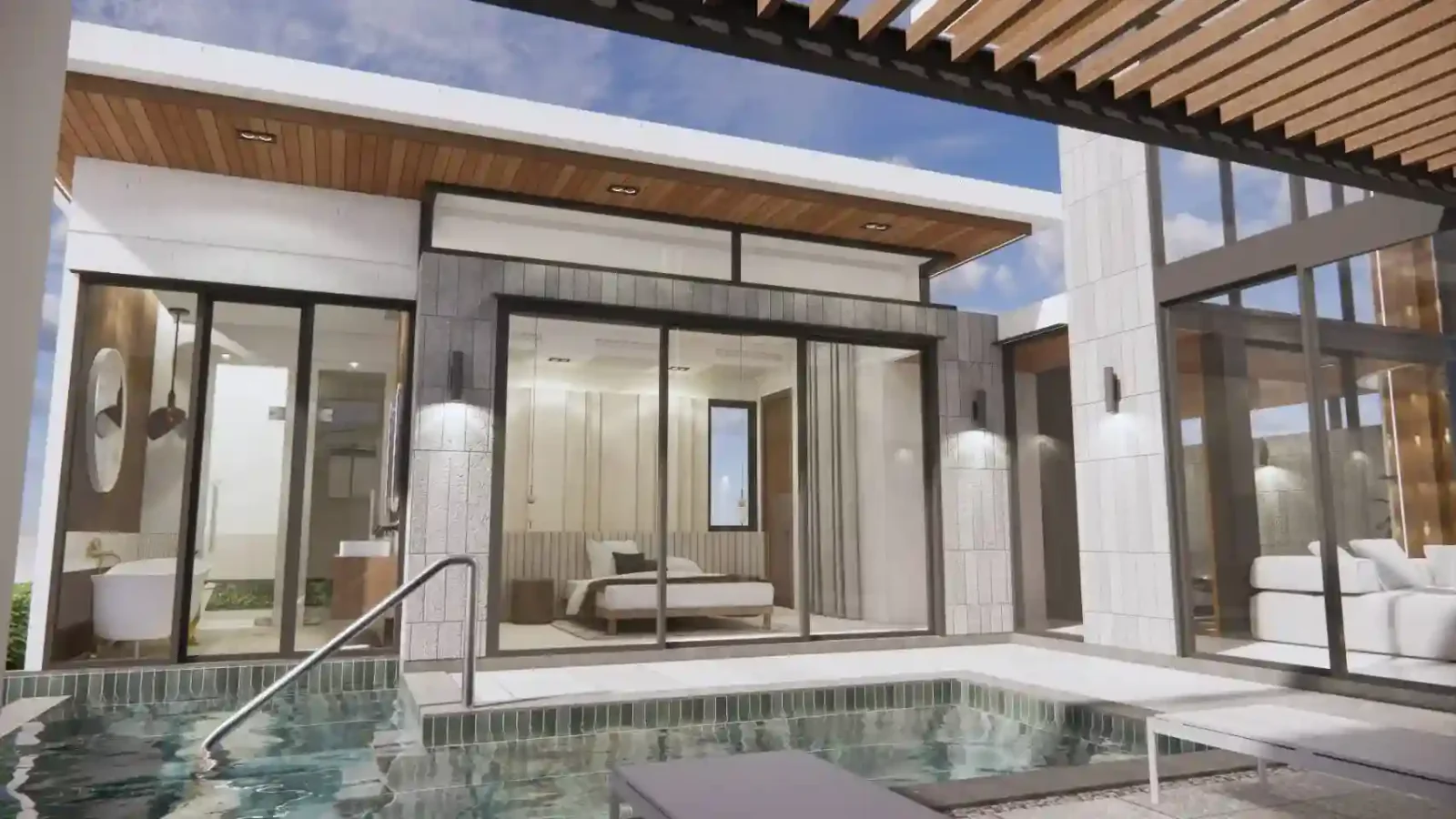
## Who This Area Is For
For investors, Si Sunthon's case is long-term residential rental income with modest capital appreciation tied to the overall growth of the Cherng Talay corridor. It is not a tourist market; it is not a yield powerhouse. It is a stable, affordable residential market with growth upside if north Phuket infrastructure investment continues.
### Buyer scenarios
| Profile | Budget | Goal | Fit |
| --- | --- | --- | --- |
| BISP family | $130K-$280K | 3-5 year school stay | Strong, space vs Cherng Talay |
| Long-term expat renter | $85K-$165K | Stable THB rent | Strong, tenant pool is local |
| Yield-first Airbnb investor | under $120K | Nightly income from tourists | Weak, no beach, low STR demand |
| Capital-growth speculator | $200K+ | Fast appreciation | Moderate, and no transaction index exists to measure it |
| Retiree couple | $150K-$350K | Quiet base + car to coast | Good if you accept driving daily |
## Rental Demand
Asking rents on the long-stay portals, which are asking figures and not achieved ones: studio 9,000-16,000 THB a month, 1BR 14,000-22,000, 2BR house 20,000-32,000, 3BR villa 40,000-65,000. BISP-adjacent positioning supports the higher end of these ranges for families. What a given house actually lets for is in its owner's lease file and nowhere else.
Short-term Airbnb is not a primary strategy here. Some owners run short-term rentals on the platform, but without beach proximity or tourist infrastructure the listing does not appear in the searches a coastal unit does. Annual letting is the strategy the area's demand actually supports.
## Risks, red flags, and what to check
| Red flag | Why it matters |
| --- | --- |
| Marketing copy quotes an Airbnb yield | No beach or walkable nightlife, and no register exists that could have produced the figure |
| "Foreign quota available" without juristic letter | Inland stock is Thai-dominated; freehold resale pool is thin |
| Off-plan with no visible construction | Several estates are land-banked; verify slab progress |
| Villa lease without registered first 30-year term | Land component must be registered at Land Department |
| Price per sqm at or above the Choeng Thale median (163,800 THB) without coastal adjacency | You are paying Cherng Talay rates without Cherng Talay access; the Si Sunthon median is 91,881 |
**Insider tip:** Families who succeed here buy within **8-12 minutes of BISP** on Srisoonthorn Road side streets, not the highway frontage where traffic noise kills long-term tenant retention. Ask for tenancy history on comparable units; if agents cannot show 2+ signed 12-month leases in the building, assume yield is brochure math.
Ownership structures for houses follow the same rules as the rest of Phuket; see [freehold vs leasehold in Thailand](/guides/freehold-vs-leasehold-thailand/) before you sign a villa SPA.
## Infrastructure & Lifestyle
Local amenities are developing. There are local Thai restaurants, convenience stores (7-Eleven, Family Mart), a local wet market, and basic services. For Western-standard shopping, Boat Avenue (Villa Market) is 10-15 minutes, a manageable distance for daily use.
BISP is the defining proximity feature. The school's presence in Cherng Talay, combined with Si Sunthon's location 5-10 minutes away, makes the sub-district a natural residential catchment for school families who cannot or choose not to pay Cherng Talay prices.
New housing estate development in Si Sunthon continues. Thai developers building quality townhouse and villa projects targeted at the upper-middle Thai market have increased the area's stock of livable family housing significantly since 2020.
## Investment Thesis for Si Sunthon
The income case is an annual lease at an asking rent you can read on a portal, not a yield anyone can source. The capital appreciation case requires confidence in continued north Phuket development, and it cannot be measured after the fact either: Thailand publishes no transaction index. For buyers who need absolute certainty, this is not the right market. For buyers who see the structural logic and can hold for 7+ years, Si Sunthon at current prices represents genuine early-entry value.
### Pros and cons
**Pros:** Lower entry than Cherng Talay | BISP catchment demand | Long-term tenant stability | Villa stock for families | Airport 18 minutes
**Cons:** No walkable beach | Thin foreign resale pool | Limited condo freehold quota | Appreciation lags coast | Car essential daily
## What is priced in Si Sunthon today
Si Sunthon does not appear as an area on most listings: its stock is filed under Bang Tao, and the Bang Tao apartment median of 161,000 THB per sqm blends 4,282 Choeng Thale units at 163,800 with 307 Si Sunthon units at 91,881. Pulling the sub-district out by name is the only way to see what it costs.
### Apartments: three schemes, 307 priced units
| Scheme | Status | Priced units | From (THB) | Median THB per sqm | Median size | Mix |
| --- | --- | --- | --- | --- | --- | --- |
| The Cube Amaze | Finished | 143 | 2,310,000 | 80,345 | 29 sqm | 139 one-bedrooms, 4 two-bedrooms |
| Arise Vibe | Under construction, Q4 2026 | 125 | 2,514,000 | 96,683 | 58 sqm | 56 one-bedrooms, 65 two-bedrooms, 4 studios |
| 8 Atelier Residence | Under construction, Q2 2027 | 39 | 5,602,857 | 111,468 | 95 sqm | 5 one-, 28 two-, 6 three-bedrooms |
The Cube Amaze is one of only four finished schemes on the whole island with a one-bedroom priced under 3,000,000 THB; the other three are Apple House in Bang Tao and two Wichit buildings, THE BASE Bukit and The Base Rise. Its 29 sqm median is the trade-off: the cheapest metre in the Bang Tao postcode is also the smallest room. Arise Vibe is the family-sized option, with more two-bedrooms than one-bedrooms and a 58 sqm median, and 8 Atelier is the only scheme here that prices like the coast.
### Villas: 37 schemes, 378 priced units
| | Si Sunthon | Choeng Thale |
| --- | --- | --- |
| Priced villas | 378 in 37 schemes (3 finished) | 353 in 38 schemes |
| Cheapest priced villa | 8,990,000 THB (Greenfield Residences, 2BR, 191 sqm) | 10,150,000 THB |
| Two-bedroom median | 13,500,000 THB (43 units) | 12,890,000 THB (17 units) |
| Three-bedroom median | 26,700,000 THB (185 units) | 35,000,000 THB (165 units) |
| Three-bedroom median per sqm | 80,485 THB | 92,857 THB |
| All villas, median per sqm | 82,271 THB | 92,871 THB |
The three-bedroom is where the inland discount shows: a 24% lower median price and a 13% lower metre than Choeng Thale, on a 328 sqm median house. Thirty of the 378 villas are priced under 15,000,000 THB, in six schemes: Greenfield Residences from 8,990,000, Verdi from 9,500,000, The Passion Residence at Robinson Thalang from 11,900,000 (one of the three finished schemes), Proxima Villas from 13,500,000, Diamond Pool Villa from 13,652,490 and Sunrise Lake from 13,990,000. Island-wide, only seven villa schemes price a house under 10,000,000 THB, and two of them are here.
Two things the table cannot tell you. The two-bedroom median is higher here than in Choeng Thale on a 191 sqm median house, and the record holds built area only, so compare the plot and the built area before the price. And 34 of the 37 villa schemes are unfinished: the finished stock is three schemes with nine priced houses between them, so a buyer who wants to walk through a completed villa in Si Sunthon has very little to walk through.
## School commute and daily logistics
Daily logistics assume a car. Grab is available but adds cost for school runs. Villa Market at Boat Avenue and Tesco Lotus Cherng Talay cover Western groceries; local wet markets supply produce at lower cost. Hospital access: Bangkok Hospital Phuket is 20-25 minutes via Thepkasattri Road.
## Freehold condos vs landed property
For cross-border buyers, wire timing and FET certificates follow the same rules as coastal purchases. Budget legal review even on lower-ticket inland deals, lease renewal clauses vary more on Thai-developer townhouses than on branded coastal condos.
## Resale liquidity: what to expect
Pricing discipline matters. Units priced within 5% of the last comparable sale move; units marketed at Cherng Talay premiums sit idle. If exit in under five years is possible, weigh liquidity cost against entry discount; see [best areas to buy in Phuket](/guides/best-areas-phuket-buy-property/) for corridor comparison.
## How Si Sunthon fits the north Phuket growth corridor?
Infrastructure signals worth tracking through 2027 include retail clusters along Srisoonthorn Road, continued BISP waitlist pressure (which supports family rental demand), and any new condominium launches that add foreign-quota inventory. If no new condo projects deliver freehold quota, Si Sunthon remains predominantly a landed-housing market, fine for families, less attractive for investors who require condo freehold for exit liquidity.
For investors comparing north Phuket entry points, stack Si Sunthon against [Bang Tao beach area pricing](/guides/bang-tao-beach-area-guide-2026/) and [Cherng Talay lifestyle premium](/areas/cherng-talay-property-guide/). The question is not whether Si Sunthon is better, it is whether you accept inland character in exchange for lower basis and stable long-term tenants.
## What Si Sunthon actually is, and who it suits
Si Sunthon is inland Thalang, north-east of the Cherng Talay corridor and away from the coast entirely. That single fact explains the pricing, the stock and the demand.
Land here costs materially less than on the west coast, so villa formats that would be unaffordable in Bang Tao are reachable. What you give up is the beach: not a shorter walk, but a genuine drive, and the coastal demand that comes with proximity.
| | Si Sunthon | Coastal Cherng Talay |
|---|---|---|
| Price per sqm | Materially lower | Premium |
| What the money buys | Villa with garden and pool | Condominium, or a much smaller villa |
| Beach | A drive | Walk or short drive |
| Holiday-let visibility | Low; does not appear in beach-proximity searches | High |
| Long-stay demand | Strong: families, staff, school-linked tenants | Strong but competing with holiday letting |
| Everyday amenities | Along the Thepkrasattri corridor | Boat Avenue, Porto de Phuket |
It is worth being clear that this is a residential market rather than a resort one, and that is the whole of its character. People who buy here are generally buying somewhere to live, or somewhere to let to people who live here. Buyers looking for a holiday asset with rental upside are usually better served on the coast, even at a higher price per square metre, because that is where the demand they are underwriting actually is.
The corridor has also seen genuine infrastructure investment over recent years, which is the bull case people cite for buying inland north. That is real, and it is a long-horizon argument rather than a rental one: improved roads and services support values over a decade without changing what the property earns next year. Buy on what the property does now, and treat any corridor improvement as upside rather than as part of the underwriting.
## The rental case here is annual, not nightly
This is the most important thing to get right about Si Sunthon, because underwriting it as a holiday-let location is how buyers are disappointed.
Distance to sand is the primary filter guests apply on the booking platforms, and an inland Thalang villa simply does not appear in the searches a coastal property does. Chasing nightly bookings from here means competing on price against properties that have what the guest actually searched for.
What does work is annual letting. The north of the island has real, year-round demand for family-sized housing from people who live and work here: staff at the international schools and the hospitals, families relocating for schooling, and workers in the businesses along the corridor. Those tenants sign long agreements, pay consistently, occupy through the monsoon when holiday demand collapses, and generate almost no turnover cost.
The rate per month is lower than peak holiday letting and the annual net is frequently comparable, with a fraction of the operational load. Ask what similar villas in the area achieve on annual tenancies, month by month, rather than what coastal stock achieves nightly.
Two practical points follow for anyone underwriting annual letting here. The tenancy cycle tends to follow the academic year rather than the tourist season, so a villa coming free in November is harder to let than one free in June or July; time any handover or vacancy accordingly. And furnished stock reaches a wider tenant pool than unfurnished, because relocating families frequently arrive with nothing and do not want to buy a house's worth of furniture for a two-year posting. On an inland villa aimed at this market, a furniture package is closer to a requirement than an upgrade.
Ask any agent quoting a yield here which of the two models it assumes, because the difference is the whole number.
## Practical checks before buying inland
Drive the commute at the hours you would actually make it. The Thepkrasattri corridor moves very differently at eight in the morning and at the end of the school day than it does at midday, and on an inland purchase the drive is what you live with rather than what you visited.
Ask what the plot backs onto and what that land is zoned for. Thalang has a great deal of undeveloped ground, and a villa whose privacy depends on an empty field is relying on something its owner controls.
And ask for plot area alongside built area. Inland land is cheaper, so an estate at a given price may offer a larger plot or simply a lower total, and the brochure usually quotes only the house.
Check the water supply and the road surface too. Parts of inland Thalang are on well water rather than mains supply, and access roads vary from properly surfaced to unmade. Neither is a reason to avoid an area, and both are things to establish before signing rather than discovering in the first monsoon. Ask the developer directly what the water source is, what the arrangement is for maintaining the access road, and who is responsible for it.
## Furnishing and fit-out costs for long-term rentals
| Item | Indicative cost (USD) |
| --- | --- |
| Basic 2BR townhouse furnish | $8,000-$14,000 |
| Mid-tier villa pool maintenance | $1,200-$2,400/year |
| Agent placement fee (one month rent) | 20,000-32,000 THB |
| Annual repainting / AC service | $400-$800 |
Fit-out and turnover downtime come off the top. A townhouse let at an assumed 25,000 THB a month needs the better part of a year and a half of rent to recover an assumed $12,000 furnish pack, so plan cash reserves accordingly. For ownership structures on houses, confirm land lease registration before you spend on renovation. Long-term leases of 12 months reduce agent churn compared with six-month contracts common in coastal zones.
Budget these alongside the purchase rather than afterwards, since an unfurnished villa cannot be let to the tenants this area actually has.
## FAQ
### What is Si Sunthon in Phuket and where exactly is it?
Si Sunthon (also romanized as Sri Soonthorn) is a tambon (sub-district) in the Thalang district of Phuket, located inland in the northern part of the island. It sits between Cherng Talay to the west (coastal) and Thalang to the east/south (central inland). The area is primarily residential, a mix of Thai housing estates, some expat-targeted developments, and growing commercial services along main roads.
### How close is Si Sunthon to BISP?
British International School Phuket is in Cherng Talay, approximately 10-15 minutes by car from most Si Sunthon addresses depending on exact location and traffic. This distance is manageable for school commutes and makes Si Sunthon a viable residential base for BISP families who want more space or lower cost than Cherng Talay prices offer. A car is essential, no practical public transport option exists.
### Can I run Airbnb rentals from a Si Sunthon property?
Technically yes, but practically the returns are modest. Si Sunthon has no tourist attractions, no beach access, and no commercial zone that appeals to visiting guests. An inland Thalang listing does not appear in the beach-proximity searches guests run, and no register exists to say what occupancy the few that try achieve. Si Sunthon properties are best operated as long-term rentals (6-12 month leases) targeting expat residents, BISP families, or remote workers.
### Is there freehold property available in Si Sunthon?
For condominiums (where they exist), foreign freehold ownership under the 49% quota applies. However, the condo market in Si Sunthon is small compared to coastal areas. Houses and villas are subject to the standard Thai rule, land cannot be owned freehold by foreigners. Leasehold (30-year) or Thai company structures are used for landed property. MORE Group's legal team handles all title structures at no additional cost.
### What is the realistic 5-year investment outlook for Si Sunthon?
No figure can be sourced for it: Thailand publishes no transaction index and keeps no letting register, so five-year appreciation and annual yield for Si Sunthon are both someone's assumption. What the record shows today is the discount you are buying at: apartments at 91,881 THB per sqm against 163,800 in Choeng Thale, and three-bedroom villas at a 26,700,000 THB median against 35,000,000. The case is that the gap narrows as the corridor fills in; the risk is that inland stays inland. Underwrite the annual lease at a portal asking rent you have checked yourself, and treat appreciation as upside.
**Related Guides:**
{/* corpus-related:si-sunthon-property-guide */}
- [Cherng Talay Property Guide](/areas/cherng-talay-property-guide/)
- [Mai Khao and North Phuket Guide](/areas/mai-khao-north-phuket-property-guide/)
- [Best Areas to Invest in Phuket 2026](/guides/best-areas-phuket-buy-property/)
- [Freehold vs Leasehold in Thailand](/guides/freehold-vs-leasehold-thailand/)
- [Bang Tao Beach Area Guide](/guides/bang-tao-beach-area-guide-2026/)
# So Origin Kata Rental Yield Investment (2026)
> SO Origin Kata against the record: 199 priced units, 160,625 THB per sqm, and why that is above the Kata median rather than below it as this page claimed.
**Source:** https://moregroup.estate/guides/so-origin-kata-rental-yield-investment/
**Section:** Investment Guides
**Author:** Olga
**Published:** 2026-03-26
**Updated:** 2026-09-04
---
**Quick answer:** on our records SO Origin Kata prices at a **160,625 THB median per square metre**, which is above the Kata apartment median of 152,000, not below it, the claim this page opened with was wrong. The yield figures it went on to give are withdrawn: Thailand keeps no letting register, so no Kata yield has been measured by anyone.
This page was built on two numbers, and our own records contradict both.
It said the scheme prices at 158,500 THB per square metre and that this sits below comparable beachside stock. The record for SO Origin Kata Phuket holds 199 priced units at a **median of 160,625 THB per square metre**. The Kata apartment median across the bay is 152,000, so the scheme prices roughly 6% above it, and against the five other Kata apartment schemes on our list it is the second dearest metre, not the cheapest.
It then converted that supposed discount into a rental yield, and every yield, occupancy and nightly rate on the page followed from figures nobody collected. Thailand keeps no letting register: there is no record of what any Kata unit was let for, on how many nights, at what rate. Those numbers are withdrawn in full.
What the record does hold about this scheme is set out below, and it is enough to make a decision on.
## What the record holds on SO Origin Kata
| | |
|---|---|
| Status and delivery | Under construction, Q3 2027 |
| Priced units on our list | 199 |
| Studios | 20, from 3,010,000 THB, 26-29 sqm, median metre 167,407 THB |
| One-bedrooms | 162, from 3,650,000 THB, 30-47 sqm, median metre 160,625 THB |
| Two-bedrooms | 17, from 9,290,000 THB, 65-75 sqm, median metre 158,800 THB |
| Median unit price | 5,040,000 THB |
| Payment plan | 30% then 70% |
| Walk to the beach | 11 minutes |
| Airport by car | 60 minutes |
| Parking | 206 spaces |
| Amenities on the record | Gym, coworking. No kids' room, no on-site retail, not pet-friendly |
Two things in that table are worth pausing on.
**The payment plan is unusually front-and-back loaded.** 30% on reservation and 70% at transfer, with nothing in between. Most schemes on our list stage the middle (20/20/20/20/20, or 35/25/15/15/10) which spreads the exposure across construction. Here you commit a third early and the balance lands in one payment at handover in Q3 2027. That is a cash-planning question, not a risk question, but it is a real difference and the page never mentioned it.
**The two-bedroom book is 17 units.** Against 162 one-bedrooms and 20 studios. If your thesis depends on the larger format, there is very little of it here, and the section below on unit types has to be read against that.
## The price claim, corrected
The page's opening argument was that the scheme is cheap for the bay. Here is every Kata apartment scheme on our records, by median metre:
| Scheme | Median THB per sqm | Priced units | From | Delivery | Walk to beach |
|---|---|---|---|---|---|
| The Balance By The Beach | 161,084 | 49 | 5,526,128 | Q2 2026 | 8 min |
| **So Origin Kata Phuket** | **160,625** | **199** | **3,010,000** | **Q3 2027** | **11 min** |
| Wekata 3 | 157,031 | 35 | 4,400,000 | Q1 2027 | 8 min |
| Katabello | 155,000 | 260 | 4,228,000 | Q2 2027 | 21 min |
| Ever Prime Residences Karon | 146,219 | 374 | 3,990,000 | Q1 2028 | 12 min |
| Ashiyana Heights | 129,504 | 131 | 2,990,000 | Q2 2028 | 34 min |
Second of six on the metre, and 6% above the 152,000 THB Kata apartment median. The scheme is not underpriced for its bay; it is priced at the top of it, close to a scheme delivering a year earlier and eight minutes from the sand.
Where it is genuinely competitive is the **entry ticket**: 3,010,000 THB buys the smallest studio, the lowest starting price of any Kata apartment scheme on the list bar Ashiyana Heights, which is more than three times further from the beach. A low ticket at a high metre means small units, and that is exactly what the record shows, a 26 sqm studio floor and a one-bedroom range starting at 30 sqm.
That matters later, in the section on the monthly fallback, more than it matters here.
## Why this page no longer publishes a yield
Everything between the price and the return was invented. There was a season-by-season occupancy and nightly-rate breakdown, a blended annual occupancy for "a well-managed Kata studio", a three-column revenue model producing conservative, realistic and optimistic net yields, and a capital appreciation projection ending in a return on cash deployed.
None of it had a source, and none of it could have. Thailand keeps no letting register, so occupancy and achieved rates for privately owned units exist only in the books of whoever manages them. No transaction index covers Phuket condominiums, so the appreciation series the projection rested on does not exist either. And the scheme delivers in Q3 2027, so there is no unit in this building that has let for a single night.
Two claims in that section were checkable. The page said the scheme was "sold out from developer" with secondary units carrying a premium: Origin did announce in September 2024 that the units allocated to foreign buyers sold out before the official launch ([Origin Property, 16 September 2024](https://origin.co.th/th/blog/phuket-continues-to-buzz-foreigners)), but no source gives a secondary premium, and our price list in October 2026 still carries 199 units with developer prices, so the foreign quota is a question to put to the developer unit by unit. And it built its appreciation case on the launch metre being below the branded range, which the table above disposes of.
### What is real on the cost side
These can be fixed before you reserve, and they are what a model should be built from:
- **Operator share of gross.** Customarily 20 to 35% for nightly letting, less for a twelve-month tenancy. Assumed until it is quoted to you in writing.
- **Common area maintenance.** Charged per square metre per month by the juristic person, payable whether the unit is let or empty. On a 30 sqm one-bedroom this is a small absolute number and a large proportion of a small income.
- **Sinking fund.** One-off at transfer, topped up by resolution afterwards.
- **Statutory transfer taxes and fees**, at the rates current at transfer.
- **Furnishing replacement**, which on nightly letting runs on a three-to-five-year cycle rather than a decade.
- **The Hotel Act licence position.** Letting for stays under 30 days engages the licensing regime, and the building's house rules can bar short lets independently of it.
## 1BR vs 2BR: which format, and what the book allows
The two formats compete for different guests, which is why the comparison cannot be settled on price per square metre alone.
Smaller units let to couples and solo travellers, who book at short notice, stay for a few nights and are the most price-sensitive segment in Kata. That produces the most turnover: more changeovers, more cleaning, more wear on furnishings, and more reviews to keep an eye on. The operating burden is real and it falls on a small revenue base.
Two-bedroom units let to families and to two couples travelling together. Bookings are fewer and longer, the nightly rate is higher, and the field of competing units is much smaller, because most of Kata's stock is one bedroom or studio. What you give up is flexibility: a two-bedroom that does not sell a week has lost a bigger number than a studio that does not.
Which is better for income is not answerable, because nothing measures income here. What the record does answer is availability: SO Origin Kata has 17 two-bedrooms against 162 one-bedrooms, so if the larger format is your thesis, this is a thin book to shop in and the units will go early. Across the whole bay the picture is the same (702 priced one-bedrooms against 256 two-bedrooms) so the scarcity is structural rather than particular to this scheme.
## Short-Term vs Long-Term Rental Strategy
The choice is not really about yield. It is about how much operating risk you want to hold, and whether the building permits nightly letting at all.
Short-stay letting is generally assumed to produce the higher gross, on the reasoning that a holiday guest pays a nightly rate no residential tenant would. That reasoning is sound and it has never been measured in Thailand, so treat the margin as unknown rather than as large. It also produces a business rather than an asset: pricing has to be actively managed, listings maintained, reviews watched, turnovers organised and low season worked at. Delegating that costs a substantial share of gross, and delegating it to the wrong manager costs more than the fee.
Long-stay letting produces a lower gross and a much higher proportion of it survives to your account. One tenant, one contract, no platform commission, minimal turnover cleaning, furnishings that last years rather than seasons. Vacancy risk is concentrated rather than distributed, so a bad tenancy gap hurts more, but the year is predictable in a way a nightly calendar never is.
The gate on all of this is the building. Stays under 30 days are hotel business under the Hotel Act, licensed at premises level, so whether short-stay letting is lawful for your unit is decided by the building's licence and house rules rather than by your preference. Establish that position in writing before you underwrite anything on nightly rates.
For remote ownership the difference is operational rather than arithmetic: nightly letting needs a trusted local partner and constant pricing attention, while a six- or twelve-month lease is one contract and monthly payments. Which produces more is not something anyone can tell you in advance.
## Capital Appreciation Potential
This page gives no appreciation rate for Kata or for this building. An earlier version quoted a launch price, a secondary-market price and a post-delivery price per square metre, and a return on the first payment built from them; none of those figures is on our price list, and they are withdrawn.
What the price list does hold is enough to test a resale view yourself: 199 priced units at a median of 160,625 THB per square metre, a 30/70 payment plan and delivery in Q3 2027. Ask for the prices at which earlier releases of the same layout sold; we send them with the shortlist, and they show how pricing has moved inside the project rather than across a bay.
## Pros and Cons
**Pros**
- The lowest entry ticket of any Kata apartment scheme within a quarter of an hour of the beach: 3,010,000 THB for a 26 sqm studio
- Eleven minutes' walk to the sand on the record, against a 40-minute median for Bang Tao schemes
- Kata's short-stay demand is genuine and long-established rather than projected
- A listed developer means audited accounts behind the build, rather than one company and one project
- Fully furnished delivery removes the fit-out gap that usually delays first income
**What to consider:**
- Not the value buy this page used to call it: at a 160,625 THB median metre it is the second dearest of six Kata apartment schemes, 6% above the bay median
- Delivery is Q3 2027, so no unit here has let for a night and no statement exists for this building
- The payment plan is 30% then 70%, with the balance landing in a single payment at handover
- Only 17 two-bedrooms on the price list against 162 one-bedrooms
- No yield can be quoted, for this scheme or any other in Phuket; the deduction stack can, and should be fixed in writing before reserving
- THB movement affects returns measured in any other currency, on the purchase price as well as the income
## Buyer scenarios: SO Origin Kata yield
Scenario A: hybrid owner: block Dec-Feb owner weeks, let shoulder and surf seasons. Accept lower net; prioritize 1BR layout and parking.
| Checkpoint | Pass | Fail |
|------------|------|------|
| Quota in 49% pool | Land Department letter | Developer email |
| Net model | Low-season ADR included | Peak-only brochure |
| Price against the bay | The metre checked against the other five Kata schemes | "Below comparable stock" with nothing to compare |
Use [Phuket rental yield guide](/guides/phuket-rental-yield-complete-guide-2026/), [buying property guide](/guides/buying-property-phuket-guide/), [best areas guide](/guides/best-areas-phuket-buy-property/), [off-plan guide](/guides/off-plan-property-phuket-guide/), and [due diligence steps](/guides/due-diligence-process-thailand-step-by-step/) before wiring. model net yield on your unit type, not launch-era marketing.
## Handover timeline and first guest
## FAQ
### What gross rental yield can I expect from SO Origin Kata?
None that can be sourced. The gross band, the nightly rate range and the blended occupancy this answer used to give are withdrawn: Thailand keeps no letting register, so nothing measures what a Kata unit earns, and this scheme delivers in Q3 2027 so no unit in it has let for a night. Ask an operator for twelve months of month-by-month statements from a comparable unit elsewhere in the bay, with deductions itemised, and note that nothing in Kata is finished on our records, so those statements have to come from a neighbouring area.
### What is the realistic net yield after all costs?
The costs are real; the income they would be subtracted from is not measured, so no net figure follows and the bands this answer used to give are withdrawn. Fix these in writing before reserving: the operator's share of gross, customarily 20 to 35% for nightly letting; the common area rate per square metre, payable whether or not the unit is let; the sinking fund; the statutory transfer taxes; and a furnishing replacement allowance on a three-to-five-year cycle for nightly letting.
### Is the price per sqm competitive for Kata Beach?
Less than this page used to claim. On our records the scheme prices at a 160,625 THB median per square metre, which is 6% above the 152,000 Kata apartment median and second dearest of the six Kata apartment schemes on our list, behind The Balance By The Beach at 161,084. The secondary-market and post-delivery figures this answer used to cite had no source and are withdrawn. Where the scheme is genuinely competitive is the entry: 3,010,000 THB for a 26 sqm studio.
### Should I do short-term or long-term rental at SO Origin Kata?
The net yield figures this answer used to attach to each route are withdrawn, neither is measured. The real decision is about operating risk and permission. Short-stay letting means active pricing, listing maintenance and turnovers, delegated at a substantial share of gross, and it is lawful only if the building's licence position and house rules allow stays under 30 days; get that in writing. Long-stay letting is one contract, no platform commission and far less turnover, at a lower gross of which much more reaches you. On a 30 sqm one-bedroom, check first whether a twelve-month tenant will take the floor area at all.
### Does the surf season really affect rental income in Kata?
The southwest monsoon does produce surf at Kata Noi and does draw a distinct group of visitors, and that is a genuine feature of the bay. What it is worth in occupancy is the part nobody has measured, and the percentage-point advantage over non-surf areas this answer used to claim is withdrawn. If it matters to your case, ask a Kata operator what May, June, September and October actually delivered on comparable units, month by month.
For this topic (so origin kata rental yield investment), MORE Group updates live pricing, payment milestones and foreign-quota checks on matching Phuket stock each month. Everything here is based on our June 2026 pipeline. Ask for the current availability and the lawyer-ready due-diligence pack before you reserve, since unit-level pricing changes between releases.
On so origin kata rental yield investment, MORE Group reconciles list prices, foreign-quota availability and developer payment schedules before we add a project to a client shortlist. If your timeline moves past Q3 2026, ask us to rerun the unit economics on the figures current at that point.
## Red flags in a yield figure for this scheme
Kata's rental year is the most seasonal on the west coast, and that is where most of the errors in a yield projection for a scheme here come from.
An annual average with no month-by-month breakdown. High season from roughly November to April is strong and the low season is genuinely quiet. A blended figure describes neither half, and the low half is the one that decides whether the year works. Ask for twelve months of actual occupancy and achieved rates from comparable units in the bay.
Gross presented without the deduction stack. Management at 20 to 35% of gross, cleaning per changeover, platform commission, CAM per square metre whether the unit is let or not, sinking fund, utilities on vacant nights, furnishing replacement every three to five years, and Thai income tax. On a compact unit those are close to fixed, so the gap between gross and net is at its widest.
Nightly income assumed without the licence position. Stays under 30 days are hotel business under the Thai Hotel Act without a licence, and the condominium's house rules can bar short lets independently. Both answers in writing before a deposit.
A guarantee with no named entity behind it. Ask which company gives it, what stands behind it, and what the remedy is if payment stops.
Comparisons drawn from the whole island. Kata is not Bang Tao and not Patong. Ask for figures from this bay specifically, and treat island-wide averages as irrelevant to the decision.
Red flag: no answer on what May, June, September and October actually delivered. Those four months are the test, and a projection that cannot describe them has not been built from data.
## What to establish before reserving
The floor area in writing with the basis stated, since it decides whether the monthly market is open as a fallback when the nightly one thins.
The foreign quota position for the specific unit, dated, in remaining square metres.
The CAM rate per square metre and the sinking fund contribution as separate figures, applied to your own floor area.
And the developer's completed Phuket projects by name, with the originally stated handover quarter against the quarter each actually delivered.
## Building the model month by month
The only version of a Kata yield figure worth relying on is one built from the twelve months separately, because the bay's year has two distinct halves and the shape matters more than the total.
Take the high season first: November through April, six months where occupancy is achievable at a rate well above the island median if the unit is well presented and actively priced. That is the period the marketing figures come from.
Then take May through October honestly. Occupancy falls, lead times lengthen, and pricing turns defensive. The question is not what the rate could be but what the unit will actually do, and for many compact units in Kata the realistic answer is a mixture of discounted nightly bookings and monthly tenancies, or a long gap.
Then subtract, in baht rather than percentages: the management fee and what sits inside it, cleaning per changeover, platform commission on the discounted rate rather than the headline one, the CAM rate applied to your own floor area, the sinking fund contribution, utilities including vacant nights, an annual allowance for replacing furnishings, and Thai income tax.
What remains is the return. Compare it against the purchase price plus the 3 to 6% it cost to buy, and against what the same capital would do elsewhere.
## The fallback that decides the downside
A unit that can let monthly has a floor under its income; one that cannot has none.
That makes the floor area the most consequential number on the price list. Below roughly 35 square metres most monthly tenants will not sign, so a quiet season becomes an empty one. Above it, the unit can switch: nightly through the season, a six-month tenancy through the rest, at a lower gross and a far higher proportion reaching you.
Kata's resident population is smaller than the Bang Tao corridor's, so the monthly pool here is real but shallower. Ask a local agent what a comparable unit lets for on a twelve-month term today, and use that as the floor in your model rather than as an afterthought.
## One request that settles most of it
Ask the developer or the agent for a twelve-month statement from a comparable unit in the same building or the nearest equivalent in the bay: occupancy by month, achieved rate by month, and every deduction itemised by name.
If that document exists, the rest of this page is a framework for reading it. If nobody will produce it, then every yield figure you have been given is a projection, and it should be treated as one.
# Sale and Purchase Agreement in Thailand: Guide
> Thailand SPA clauses, bilingual contracts, payment milestones, and red flags foreign buyers must review before signing. Lawyer review checklist included.
**Source:** https://moregroup.estate/guides/spa-thailand-property-explained/
**Section:** Investment Guides
**Author:** Maksim Shchegolev
**Published:** 2026-03-27
**Updated:** 2026-08-23
---
## What Is the SPA in Thai Property Law?
Under Thai law, specifically the Civil and Commercial Code and the Condominium Act B.E. 2522 (and subsequent amendments), the SPA is the primary document that:
- Defines the exact property being sold (unit number, size, floor, view)
- Sets out the complete payment schedule
- Establishes both parties' obligations and rights
- Specifies completion dates and grace periods
- Governs dispute resolution
- Determines what happens at handover
The SPA is not a simple document. For off-plan condominiums, you may encounter 20-50 page contracts that require careful review. Do not sign without reading everything, and ideally, do not sign without professional legal review.
## SPA Signing Process
**Step 2: Lawyer review**
Your Thai property lawyer reviews the SPA and provides comments. This typically takes 3-7 days. Revisions may be negotiated.
**Step 3: SPA negotiation (if needed)**
Standard terms can often be adjusted: payment deadlines, force majeure definitions, snag rectification periods. Developers are more flexible on smaller points than on payment percentages.
**Step 4: Signing**
SPA can be signed in person in Phuket or, for international buyers, via notarized Power of Attorney. Both developer representative and buyer (or authorized representative) sign. Both parties retain original copies.
**Step 5: SPA payment**
The deposit amount (25-35%) is transferred, typically within 7-30 days of signing. This payment should come from your overseas account to obtain the [FET certificate](/guides/bank-transfers-thai-property-deals/) required for freehold registration.
## Critical Clauses to Review in Every Thai Property SPA
**Watch for:** Vague milestone descriptions like "when developer decides foundation is complete." Milestones should be tied to objective, verifiable construction stages.
### 2. Completion Date and Grace Period
This is one of the most negotiated clauses. The SPA should state:
- **Target completion date** (estimated handover)
- **Long-stop date** (latest acceptable completion, often 18-24 months after target)
- **Buyer's rights if long-stop date is breached** (termination? compensation?)
Thai developers routinely request 12-24 month grace periods beyond projected completion. This is broadly accepted market practice, Phuket construction faces real challenges including monsoon season, supply chains, and permit processing. However, if the long-stop date offers no remedy for the buyer, this is a red flag.
### 3. Unit Specifications
Every specification you were shown in the sales presentation should be documented in or attached to the SPA:
- **Exact size:** gross versus net usable area (the difference can be 15-25%)
- **Fixtures and finishes:** brand names or specification level for kitchens, bathrooms, flooring
- **Furniture package:** if included, list every item with specification
- **Views:** "pool view" or "sea view" should be defined, how much sea visible? What happens if a new building obstructs the view?
- **Appliances:** brands, models or minimum specifications
**Watch for:** Phrases like "developer reserves the right to substitute materials of similar quality." This language allows developers to downgrade finishes without recourse. Push to limit substitution rights or define minimum standards.
### 4. Common Areas and Facilities
The SPA should describe or reference the confirmed common areas:
- Swimming pool (size, type, infinity, children's, etc.)
- Gym, reception, lobby
- Parking (ratio per unit, covered vs. uncovered)
- Garden areas, rooftop facilities if applicable
Common areas described in a developer brochure are not legally binding unless referenced in the SPA. If the developer promises a rooftop bar and infinity pool in the sales pitch, ensure those commitments appear in the contract.
### 5. Buyer Default Clauses
What happens if you can't make a payment? Standard provisions:
- **Grace period:** 30-60 days before default is triggered
- **Notice requirement:** developer must send written notice before terminating
- **Developer's remedy:** usually retention of all payments made to date up to a defined cap
- **Deposit forfeiture cap:** some SPAs limit forfeiture to 30% of purchase price even if more was paid
Negotiate for a clear termination and refund mechanism rather than open-ended forfeiture.
### 6. Developer Default Clauses
If the developer can't complete the project:
- What triggers developer default? (insolvency, failure to obtain permits, long-stop date breach)
- What are your remedies? (full refund, compensation for interest, lost opportunity)
- Is there a surety bond or escrow protecting your payments?
**Critical:** In Thailand, buyer deposits are not automatically held in protected escrow unless the developer has voluntarily established one or if mandated by project financing. Ask whether deposits are held separately or commingled with developer operating funds.
### 7. Force Majeure
Post-pandemic SPAs should contain modern force majeure language. Check:
- What events qualify as force majeure (pandemic, natural disaster, government action)
- How long force majeure suspends obligations
- Whether force majeure permits permanent termination or only delay
- Who bears the cost of delays caused by force majeure
### 8. Transfer Tax Allocation
Standard in Thailand: buyer pays 2% transfer tax on the appraised value, seller pays Business Tax (3.3% if project held under 5 years) or Withholding Tax. However, many developers pass transfer taxes to buyers, confirm in the SPA exactly which party pays what, and factor this into your total cost. See [hidden costs of buying property in Thailand](/guides/hidden-costs-buying-property-thailand/).
## Bilingual SPAs: Thai vs. English Version
**What this means for you:**
1. Have your Thai lawyer review the Thai version specifically
2. Don't rely solely on your reading of the English translation
3. Ask your lawyer to flag any material differences between versions
4. Key numbers (prices, percentages, dates) should be identical in both versions: discrepancies are a serious concern
## What to Negotiate in a Thai Property SPA
| Clause | Typical Default | What to Request |
|--------|----------------|----------------|
| SPA payment deadline | 30 days after signing | 45-60 days (more time for international transfers) |
| Long-stop date grace | 24 months | 12-18 months with buyback/compensation option |
| Furniture substitution | Broad discretion | Specific brand/specification minimums |
| Snag rectification period | 30 days | 60-90 days with retention right |
| Force majeure duration | Open-ended | Maximum 12 months then buyer termination right |
| Payment penalty interest | 2% per month | Request reduction to 1% per month |
## SPA Review Costs and Timeline
| Service | Provider | Typical Cost | Timeline |
|---------|---------|-------------|----------|
| Basic review (English) | Junior lawyer | 15,000-25,000 THB | 3-5 days |
| Full bilingual review | Senior lawyer | 30,000-60,000 THB | 5-10 days |
| Review + negotiation | Law firm | 50,000-100,000 THB | 7-14 days |
| Review + full deal management | Specialist firm | 80,000-150,000+ THB | Ongoing |
MORE Group works with established property law firms in Phuket and can refer buyers at no additional cost.
## Pros and cons of signing the SPA quickly
| Pros of fast SPA signing | Cons of fast SPA signing |
| --- | --- |
| Locks unit price before the next price tranche | Less time for lawyer review of Thai text |
| Keeps construction payment schedule on track | Weak negotiation leverage on grace periods |
| Satisfies developer sales quotas for your floor plan | Buyer may miss escrow or surety bond gaps |
**Insider tip:** Request the draft SPA at reservation, not after you pay the booking fee. Two weeks of lawyer review is normal; developers who refuse draft access before reservation are a red flag.
## Common SPA mistakes foreign buyers make
**Mistake 2, Wiring from the wrong account.** Funds must trace to the buyer named on the contract for freehold registration. Company accounts, friend transfers, or THB sourced locally create Land Office friction. Align with [bank transfer rules](/guides/bank-transfers-thai-property-deals/) first.
**Mistake 3, Ignoring the snag period.** Many SPAs allow 30 days post-handover for defect lists. Missing the window means you accept the unit as-is. Calendar the inspection before you fly home.
**Mistake 4, Assuming brochure amenities are contractual.** Pool renderings and rooftop bars belong in the SPA or annex, not in a sales deck alone.
The most expensive of them is signing before the specification annex exists, because every other mistake on this list can be argued about afterwards and that one cannot.
## Buyer scenarios: which SPA clauses matter most to you
The same contract carries different risks depending on what you are buying and why, and knowing your own profile tells you where to spend your lawyer's time.
**Scenario A, the off-plan buyer on a multi-year build.** Your exposure is time. The clauses that matter are the delay penalty with a figure attached, a long-stop date after which you can terminate and recover paid funds, milestones defined as verifiable construction events rather than calendar dates, and the final tranche payable after the snag list is closed. Also check the assignment clause, because if your circumstances change mid-build it is the only exit you have.
**Scenario B, the buyer of completed stock.** Your exposure is the asset's condition and history rather than its delivery. The clauses that matter are what is included at the price, what condition the unit is warranted to be in, who bears outstanding CAM arrears, and the completion timetable. The diligence weight shifts from the contract to the juristic person's accounts.
**Scenario C, the villa buyer.** Your exposure is structure. The lease or company arrangement is the purchase, and the SPA is only half the document set. What matters is who grants the lease renewals, whether a successor to the land is bound, how the building ownership is registered separately from the land, and what happens to the structure if the lease is not renewed.
**Scenario D, the buyer relying on rental income.** Your exposure is whether the income is lawful and achievable. The SPA rarely addresses this, which is the point: you need the hotel licence position and the house rules confirmed separately, in writing, and a management agreement reviewed alongside the purchase contract rather than after it.
Whichever profile fits, read the contract in full before your lawyer does, not instead of it. You know what you were told during the sales process; your lawyer does not. The most useful thing a buyer contributes to a contract review is a list of the promises that are missing from the document.
## Decision framework: when to walk away from an SPA
Three situations justify ending the conversation rather than negotiating further.
The developer will not attach the specification schedule as a contractual annex. Without it, "premium finishes" is unenforceable, and you have no remedy at handover for a substitution you did not agree to.
The contract contains no delay provision and the developer will not add one on a multi-year build. That is asking you to accept the most probable adverse outcome with no recourse.
The receiving entity is not the party named in the contract, and no explanation reconciles the two. Money paid to the wrong entity is difficult to trace and harder to recover, and the question has a simple correct answer that a legitimate seller can give immediately.
Everything else, price, schedule, fee splits, inclusions, is negotiation. These three are structural.
Everything above assumes you have the SPA before committing money. If a reservation is being requested with the contract "to follow", ask for a draft first: paying for the right to later read terms you have not seen is the weakest position available in this process, and a developer with a settled contract has no reason to withhold it.
## Post-handover: SPA obligations that survive closing
The SPA does not end at key handover. Surviving obligations often include defect rectification windows, warranty on fixtures, completion of common-area items, and juristic person registration for the owners committee. Request a snag-list template and developer response SLA in writing before final payment tranches.
Developers sometimes schedule the last 5-10% payment at handover while retaining rectification duties for 30-90 days. If your SPA silent on retention holdback, negotiate a small escrow (often 50,000-150,000 THB) released when snag items close. That aligns incentives better than unlimited trust after the final wire.
Foreign buyers flying out after handover should appoint a local representative for snag walkthrough, many defects (AC drainage, tile grout, balcony waterproofing) appear only after first monsoon rains, 60-90 days post-completion.
Keep the signed contract, the annexes and the snag list together with the title documents; the obligations that survive completion are only enforceable if you can produce what was agreed, and these papers are needed again when you eventually sell.
## FAQ
### Can I sign a Thai property SPA remotely without visiting Thailand?
Yes. Many developers allow remote SPA signing via notarized Power of Attorney (POA). You sign the POA in your home country (notarized and potentially apostilled depending on the developer's requirements), and your representative in Thailand signs the SPA on your behalf. Some developers also accept digital signatures for certain stages, though the Land Office transfer still requires physical presence or POA.
### What is the difference between SPA and the Land Office transfer?
The SPA is the private contract between buyer and developer. The Land Office transfer is the government registration that legally changes ownership and is recorded on the title deed. Both are required. The SPA happens first (at contract signing), and the Land Office transfer happens at handover when the property is completed. Your FET certificates must be presented at the Land Office to register foreign freehold.
### Is the SPA the same as a contract of sale?
Yes, in Thai property transactions, the SPA (Sale and Purchase Agreement) is functionally equivalent to what other jurisdictions call a contract of sale, purchase agreement, or conveyance agreement. It is the primary binding document between buyer and developer. In Thailand, the SPA is a private contract that creates obligations for both parties, but ownership only legally transfers at Land Office registration.
### What happens to my SPA if the developer goes bankrupt?
If a developer enters bankruptcy or insolvency proceedings, your position as an SPA holder depends on whether your deposits were held in escrow (protected) or in the developer's general operating account (at risk). You become an unsecured creditor in the insolvency proceedings, meaning recovery may be partial or take years. This underscores the importance of buying from established developers with completed project track records, and verifying payment escrow arrangements.
### How long does the SPA signing process take from start to finish?
From reservation to signed SPA typically takes 30-60 days. The timeline: developer presents draft SPA (1-3 weeks after reservation), your lawyer reviews and raises questions (1-2 weeks), negotiation of any revisions (1-2 weeks), final SPA agreed and signed, SPA payment made. International wire transfers add 2-5 business days. Budget 45 days as a comfortable working timeline to avoid rushing any stage.
## The three clauses worth negotiating hardest
Most of an SPA is standard and not worth the fee to argue over. Three clauses repay the effort.
The completion mechanism. Establish whether each payment is triggered by a named construction milestone or by a calendar date, what compensation applies if handover slips, on what timetable, and at what point delay becomes a ground to terminate and recover what you have paid. A schedule tied to milestones protects you; one tied to dates protects the developer.
The specification and the variation right. Developers routinely reserve the right to substitute materials and adjust layouts. Ask for that right to be limited to items of equal or better quality and for a defined tolerance on floor area, with a price adjustment or a right to withdraw if the delivered area falls outside it.
The quota clause. Where you are buying freehold, the contract should say what happens if the building's foreign floor-area allowance is exhausted before your transfer: whether a registered lease is substituted, at what price adjustment, and whether you may withdraw with your money back. Without that clause the risk sits entirely with you.
**Related Guides:**
{/* corpus-related:spa-thailand-property-explained */}
- [Reservation Agreement in Thailand: What You're Signing](/guides/reservation-agreement-thailand-explained/)
- [Off-Plan Payment Milestones in Thailand](/guides/off-plan-property-phuket-guide/)
- [Due Diligence Process in Thailand: Step-by-Step](/guides/due-diligence-process-thailand-step-by-step/)
- [Hidden Costs of Buying Property in Thailand](/guides/hidden-costs-buying-property-thailand/)
- [Power of Attorney for Thai Property](/guides/buying-property-phuket-guide/)
# Is Airbnb Legal in Phuket Condos? STR Rules
> Which Phuket condos legally allow short-term rental in 2026, the 30-day rule explained, fines, juristic by-laws, and the hotel-licensed project list.
**Source:** https://moregroup.estate/guides/str-airbnb-enforcement-phuket-condos-2026/
**Section:** Investment Guides
**Author:** Olga
**Published:** 2026-04-19
**Updated:** 2026-08-21
---
- **The 30-day rule is enforced more aggressively in 2026 than at any point since the Hotel Act B.E. 2547 (2004).** Renting under 30 consecutive days without a hotel licence is a criminal offence under Section 15.
- **Three independent layers of enforcement**, Hotel Act (criminal), Condominium Act B.E. 2522 / 1979 amended 2008 (civil), juristic by-laws (private contractual). Owners who watch only one layer get caught by the others.
- **Fines run THB 5,000-40,000 in practice**, statutory ceiling THB 20,000 plus THB 10,000/day continuing, with imprisonment of up to one year on the table.
- **Enforcement varies sharply by area.** Patong, Kamala and Bang Tao are now strict; Rawai, Karon and parts of Kata are moderate; outlying projects are loose, but loose does not mean legal.
- **Hotel-licensed projects are the only structurally safe STR play.** Banyan Tree, Angsana, Cassia, MGallery Montazure, InterContinental Residences, Wyndham, and several Laguna-branded buildings run licensed rental pools.
- **Underwrite the legal position, not a discounted yield.** The percentages this line used to give are withdrawn: no Phuket letting yield is measured, so applying a risk haircut to one produces a second invented number rather than a conservative first. What can be underwritten: whether the building holds a hotel licence you can verify, whether the by-laws permit your letting model in writing, and what happens to your income if the juristic enforces them.
## What "STR" Means in a Phuket Condo?
Once your unit falls under that definition you are deemed to operate a hotel business; you need a hotel licence issued by the Phuket Provincial Office (under the Ministry of Interior); and you must meet hotel-grade safety, fire, sanitation, and TM30 registration requirements.
A rental of 30+ nights is **not** an STR, not regulated by the Hotel Act, and legal in any condo, subject only to by-laws. This is why the [Phuket short-term vs long-term rental strategy](/guides/short-term-vs-long-term-rentals-thailand/) decision is the most consequential in your underwriting.
Common misconception: "If I rent for 31 days minimum on Airbnb I'm safe." Correct under the Hotel Act, but juristic by-laws can still ban rentals under 90 days, 6 months, or 1 year in some Phuket buildings.
## Three Layers of Enforcement: Hotel Act, Condominium Act, Juristic By-Law
### Layer 1: The Hotel Act (Criminal)
The Hotel Act B.E. 2547 (2004) is the federal criminal statute. It applies to the operator of the unlicensed accommodation, typically the owner, but in 2024 a Hua Hin court extended liability to a Thai property manager acting for a foreign owner. Penalties (Sections 15, 19, 59):
- **Section 15**, no person shall operate a hotel business without a licence issued by the Registrar.
- **Section 59**, criminal penalty for violating Section 15: up to 1 year imprisonment, fine of up to THB 20,000, or both, plus an additional daily fine of up to THB 10,000 for every day the violation continues.
- **Building Control Act B.E. 2522 (1979)**, separately, using a building for hotel purposes when it is not classified for hotel use can attract up to 3 months imprisonment and a fine of up to THB 60,000 for the building owner. The TM30 24-hour reporting obligation for foreign guests is a parallel duty under the Immigration Act, not the Hotel Act.
In Phuket the provincial authority that issues the hotel licence and pursues enforcement is the Phuket Provincial Office, which has issued multiple public statements through 2024 and 2025 confirming a stricter posture in tourist-density zones.
### Layer 2: The Condominium Act (Civil and Administrative)
The Condominium Act B.E. 2522 (1979, substantively amended by Condominium Act No. 4 B.E. 2551 / 2008) governs the juristic person of every registered condominium in Thailand. Section 17/1, added in the 2008 amendment, regulates commercial activity inside a registered residential condominium: any commercial area must have separate access from residential access so as not to disturb the peaceful living of co-owners, and **no commercial trading shall be conducted inside a condominium building except in the commercial area specifically designated for that purpose**. Multiple Thai law firms, including Formichella & Sritawat, read this prohibition as catching unlicensed nightly accommodation in residential-only condominiums, since hosting paying tourists is commercial trading. Section 65 of the same Act sets the penalty: a fine of up to THB 50,000, plus an additional fine of up to THB 5,000 for each continuing day. (Buildings registered as juristic persons with commercial units before the 2008 amendment came into force are grandfathered out of Section 17/1, verify the registration date for any older project.)
The juristic person can, and increasingly does, also escalate to the Land Office or directly to the Phuket Provincial Office, which brings the case back into the criminal Hotel Act layer.
### Layer 3: Juristic By-Laws (Private Contractual)
Every Phuket condo has by-laws (kotbangkap) approved at the co-owners' general meeting. They are private rules but bind every unit owner as a condition of taking title. Modern Phuket by-laws commonly include:
- Minimum lease term clauses (30, 90-180 days, or 1 year).
- Bans on commercial accommodation activity.
- Mandatory tenant registration with the juristic 7+ days before move-in.
- Authority to deactivate key fobs, pool and gym access for non-compliant units.
- Daily fines (THB 500-5,000) for repeat offenders, plus recovery of legal fees.
The juristic does not need a court order to deactivate your fob, they can do it the same day they spot a guest on CCTV. This is the layer that actually shuts down most non-compliant STRs in 2026, because it is fast, cheap, and entirely within the building's control. See [What is the juristic person in a Phuket condo](/guides/buying-property-phuket-guide/) for how to read by-laws before you buy.
## 30-Day Rule and How It Actually Works
**Example 1, Compliant.** Guest checks in 1 February, out 3 March (30 nights, 31 calendar days). Long stay under the Hotel Act, legal in any condo (subject to by-laws). TM30 filing still required within 24 hours.
**Example 2, Non-compliant rotation.** Two guests stay 15 nights each over the same 30-day window. Both bookings are STR under the Hotel Act because each individual stay is under 30 days. The fact that the unit was occupied for 30 days in aggregate is irrelevant. This is the most common misunderstanding among first-time investors.
**Example 3, The "back-to-back trick."** Two consecutive 30-night contracts for the same guest works under the Hotel Act if each is genuinely 30+ nights, but Thai courts have looked at substance over form on sham extensions, and it remains a by-laws violation in any building with a minimum-stay clause longer than 30 days.
The safer path for nightly income is a building that has its own hotel licence; see Section 7 below.
## Per-Area Enforcement Intensity
| Area | Enforcement Intensity (2026) | Hotel Licences Available | Juristic Activism | Why |
| --- | --- | --- | --- | --- |
| [Patong](/patong-properties/) | **Strict** | Many existing licensed hotels; new condo licences harder | High | Hotel lobby pressure, dense tourist zone, frequent municipal sweeps |
| [Bang Tao / Laguna](/bang-tao-properties/) | **Strict** | Branded residences hold most licences | Very high in Laguna estate | Master-planned, juristics professionally managed, residents enforce |
| [Kamala](/kamala-properties/) | **Strict to Moderate** | Limited; concentrated in branded projects | Moderate to high | Quiet residential pockets, owner-occupier mix, less tolerant of churn |
| Rawai | **Moderate** | Some standalone licences | Moderate | Lower tourist density, more long-stay digital nomads, juristics less active |
| Surin | **Moderate** | Few new licences in restricted-height zone | Moderate | Premium, low-density, juristics protect calm |
| Kata | **Moderate** | Several mid-market hotel-condos | Mixed | Tourist zone but smaller scale; depends on building |
| Karon | **Loose to Moderate** | Mid-size hotels dominate | Lower | Older stock, more transient owners, weaker juristic governance |
"Loose" does not mean "legal." It means the probability of an inspection in any given quarter is lower. The fines, criminal exposure, and juristic powers are identical island-wide.
## Penalties in Practice: Real Cases 2023-2025
- **Patong, March 2024**, Foreign condo owner fined THB 25,000 plus THB 5,000/day for 6 continuing days (THB 55,000 total) after a neighbour complaint. Airbnb listing removed.
- **Kamala, July 2024**, Three units in one building shut down after a juristic complaint. Each owner fined THB 10,000-15,000. Fobs deactivated and pool access barred for 90 days.
- **Bang Tao, January 2025**, Thai property manager charged under Section 15 for operating across 4 foreign-owned units. THB 80,000 combined fine; criminal record for the manager.
- **Phuket Town, August 2025**, Juristic obtained a Civil Court injunction citing Section 17/1 of the Condominium Act and the building's by-laws, ordering cessation of unlicensed nightly rental activity and awarding the juristic recovery of legal fees.
The pattern: fines are larger and more frequent, and the juristic-led vector is now dominant because it is faster than waiting for the Provincial Office.
## Hotel-Licensed Projects in Phuket: Your Legal STR Option
Pros: legal certainty, professional management, brand premium on nightly rate, no juristic conflict (the juristic IS the hotel), often a guaranteed-return period. Cons: 30-50% operator share of gross, restricted owner stays (commonly 30-60 days/year), strict design and furniture standards, lower theoretical upside than a self-managed grey unit (but much higher risk-adjusted return).
Non-exhaustive list of Phuket projects with hotel licensing or hotel-operated rental programmes:
| Project | Operator / Brand | Area | Programme Type |
| --- | --- | --- | --- |
| [Banyan Tree Residences Laguna](/projects/banyan-tree-residences-laguna/) | Banyan Tree Group | Bang Tao / Laguna | Hotel-operated rental |
| [Banyan Tree Residences, Beach Residences Varuna](/projects/banyan-tree-residences-beach-residences-varuna/) | Banyan Tree Group | Bang Tao | Hotel-operated rental |
| [Banyan Tree Residences Nammu](/projects/banyan-tree-residences-nammu/) | Banyan Tree Group | Bang Tao | Hotel-operated rental |
| [Banyan Tree Beach Residences Oceanus](/projects/banyan-tree-beach-residences-oceanus/) | Banyan Tree Group | Bang Tao | Hotel-operated rental |
| [Angsana Oceanview Residences](/projects/angsana-oceanview-residences/) | Banyan / Angsana | Bang Tao | Hotel-operated rental |
| [8 Atelier Residence](/projects/8-atelier-residence/) | Banyan / Cassia | Laguna | Hotel-operated rental |
| [Laguna Beach Residences Bayside](/projects/laguna-beach-residences-bayside/) | Laguna Phuket | Bang Tao | Optional rental programme |
| [Laguna Beach Residences Seashore](/projects/laguna-beach-residences-seashore/) | Laguna Phuket | Bang Tao | Optional rental programme |
| [The Residences at InterContinental Phuket](/projects/intercontinental-phuket-residences/) | IHG / InterContinental | Kamala | Hotel-operated rental |
| [MGallery Residences Montazure](/projects/mgallery-residences-montazure/) | Accor / MGallery | Kamala | Hotel-operated rental |
| [Wyndham Fantasea](/projects/wyndham-fantasea/) | Wyndham | Kathu / Patong | Hotel-operated rental |
| [Skypark Aurora](/projects/skypark-aurora/) | Skypark / Banyan | Laguna | Optional rental programme |
Verify the actual hotel licence number with the Phuket Provincial Office before signing a sales contract. A "branded residence" without a hotel licence on file is legally a residential condo, not a hotel.
## What This Means for Your Gross Yield Underwriting?
Three scenarios stood here, a grey-market let, a long-stay let and a
hotel-licensed rental pool, each opening with a gross yield and running down
through fees, operating costs and a vacancy assumption to a net figure, with an
enforcement haircut applied to the first. All the percentages are withdrawn.
Thailand keeps no letting register, so no gross yield existed to begin any of the
three chains, and a risk discount applied to an invented number is not
conservatism; it is a second invented number wearing the manner of caution.
**What genuinely differs between the three, and can be established before you
buy, is the cost structure and the legal position:**
| | Grey-market nightly | Long-stay 30+ days | Hotel-licensed pool |
|---|---|---|---|
| Lawful under the Hotel Act | No | Yes | Yes |
| Management share of gross | 20-25%, contractual | 8-12%, contractual | 35-45% operator share, contractual |
| Owner-stay allocation | Yours | Yours | Typically capped, in the agreement |
| Operating costs | Yours | Yours | Usually bundled by the operator |
| What can stop the income | Juristic enforcement, platform delisting, fines | Nothing legal | Nothing legal |
| Statutory exposure | Up to THB 20,000 plus THB 10,000 per continuing day, imprisonment up to one year | None | None |
Every cell in that table is a document: an agreement, a by-law, or a section of
the Hotel Act. None of them is an estimate. The revenue line that would sit above
them is the one nobody in Thailand can supply, which is precisely why the
comparison should be made on this table rather than on three yields.
For how the cost side is built, see the [Phuket rental yield complete guide 2026](/guides/phuket-rental-yield-complete-guide-2026/) and the [Phuket investment master guide 2026](/guides/phuket-investment-master-guide-2026/).
The lesson survives the deletion of every number in it: a lawful income you can
model is worth more than an unlawful one you cannot, because the unlawful one can
be stopped by a juristic vote, a platform, or an inspector at the door, and none
of those events is priced into a yield, at any level of haircut.
## Red flags that a building's STR position is weaker than you are being told
The enforcement picture above is only useful if you can tell a lawful arrangement from a tolerated one. These are the signals that you are looking at the second.
- "Everyone here rents on Airbnb." That describes current practice, not legal position, and current practice is exactly what enforcement changes. A building with no hotel licence has been tolerated, not authorised.
- The agent answers the licence question with the rental programme. A management company being willing to run short lets says nothing about whether the building may lawfully host them. These are separate questions and the second one has a document.
- A licence held by a different entity than the one that owns the building. Check the name on the licence against the juristic person and the developer. A licence attached to an adjacent hotel operation does not cover your tower.
- House rules that are "under review". The juristic person can vote to prohibit short lets regardless of the licence, and a committee actively discussing it is a committee that may act.
- A yield projection with no month-by-month occupancy. If nightly letting is later restricted, your fallback is the long-stay market, which is only available above roughly 35 sqm. A projection that never mentions unit size is not planning for that outcome.
- A developer guaranteeing rental returns in an unlicensed building. The guarantee is only as good as the entity behind it, and that entity is promising income from an activity it may not be entitled to conduct.
Insider tip: ask the juristic person, not the seller, and ask in writing. Two questions cover it: does the building hold a current hotel licence, and do the house rules permit lettings of under 30 days. A juristic office that will confirm both in writing is a building where the answer is genuinely yes. Anything vaguer should be underwritten as a long-stay asset, at long-stay yields, whatever the sales deck says.
## Due-Diligence Questions for Any Condo You're Considering for STR
1. Does the project hold a hotel licence under the Hotel Act B.E. 2547 (2004)? Provide the licence number and Provincial Office reference.
2. If yes, who is the licence-holder: the developer, an external operator, or the juristic person?
3. What do the by-laws say on minimum lease length and commercial accommodation activity? Show me the article in the kotbangkap.
4. What enforcement actions has the juristic taken in the last 24 months for STR violations?
5. Has the Phuket Provincial Office inspected the project in the last 24 months? What was the outcome?
6. Are key fobs and amenity access registered to specific named occupants?
7. If there is a rental pool, what percentage of net room revenue is paid to owners, and what is the minimum guaranteed return (if any) in years 1-3?
8. Are there owner-stay restrictions? How many nights per year and during which seasons?
9. What is the TM30 / immigration reporting workflow for guests, and who is responsible?
10. What happens to existing platform listings on the resale of a unit: does the new owner inherit the rental pool slot?
If a sales agent cannot answer questions 1-4 with documents in hand, walk away. The cost of getting this wrong is not theoretical in 2026.
For a broader investment framework, see [Phuket property complete guide 2026](/guides/buying-property-phuket-guide/).
{/* corpus-faq:str-airbnb-enforcement-phuket-condos-2026 */}
## FAQ
### Is Airbnb illegal in a Phuket condo in 2026?
Renting a unit for under 30 consecutive days without a hotel licence is illegal under Thailand's Hotel Act B.E. 2547 (2004). The platform is legal, the activity of nightly letting is what triggers the offence. Long-stay rentals of 30+ nights are not regulated by the Hotel Act and remain legal in any condo, subject to juristic by-laws.
### What is the actual fine for unlicensed STR in Phuket?
The Hotel Act sets a fine of up to THB 20,000 plus a daily fine of up to THB 10,000 per continuing day, and imprisonment of up to one year (Sections 15 and 59). Phuket cases 2023-2025 have settled at THB 5,000-40,000, with criminal charges reserved for repeat or commercial-scale operators.
### Can the juristic ban Airbnb even where Thai law would allow it?
Yes. The Condominium Act B.E. 2522 (1979, amended 2008) lets the juristic and co-owners set binding by-laws. Many Phuket condos ban under-30-day rentals with enforcement powers including fob deactivation, fines, denial of service, and civil action.
### Which Phuket condos can legally do nightly rentals?
Only condos with their own hotel licence under the Hotel Act, or branded residences run under a hotel-licensed rental programme by Banyan Tree, Angsana, Cassia, MGallery, Wyndham, InterContinental and similar operators. Always verify the licence number with the Phuket Provincial Office before signing.
### How does enforcement risk change my underwriting?
The legal question and the arithmetic question are different, and only one of them has an answer. Enforcement risk is real and documented: the Hotel Act penalties, the juristic by-laws and the platform delisting are all things you can read before you buy. The yields this answer used to compare are not, Thailand keeps no letting register, so neither a grey-market nor a licensed figure has been measured, and a haircut applied to an invented number produces another invented number. Underwrite the legal position instead: a licence you can verify with the Phuket Provincial Office, by-laws that permit your letting model in writing, and an operator agreement whose share of gross is stated. Those three decide whether the income is lawful; nothing decides in advance how large it will be.
# Surin vs Kamala Property Compared (2026)
> Surin vs Kamala: 807 released condo units compared on real prices. Kamala has six times the choice at a similar rate per square metre; Surin sells bigger.
**Source:** https://moregroup.estate/guides/surin-vs-kamala-comparison/
**Section:** Investment Guides
**Author:** Maksim Shchegolev
**Published:** 2026-03-27
**Updated:** 2026-08-23
---
## Surin vs Kamala Phuket: Which Area Wins in 2026?
**Quick verdict:** choose **Surin** for boutique luxury, scarcity and a quieter premium feel. Choose **Kamala** for family demand, more practical infrastructure and a broader rental pool. If you care about cashflow and usability, Kamala is usually easier. If you care about prestige and scarcity, Surin has the stronger brand. The right answer depends on whether you want a trophy asset or a simpler rental story.
| Goal | Better choice | Reason |
| --- | --- | --- |
| Luxury positioning | Surin | Scarcer, more exclusive inventory |
| Family rental demand | Kamala | Larger beach, more amenities, wider tenant pool |
| Entry budget | Kamala | More choice below premium pricing |
| Boutique resale | Surin | Stronger scarcity narrative |
Surin and Kamala are neighbours on Phuket's mid-west coast, but they attract different buyers. Surin is a compact, premium enclave where the beach is small but the money is serious. Kamala is larger, more family-friendly, and more developed, with a longer beach and a wider range of properties.
## Surin: Overview
The properties around Surin reflect that positioning. Villas perched on the hillsides, some with direct sea views over the bay, sell for $800K to $5M+. Condo developments are boutique by design: rarely more than 30-50 units, often with names you won't recognise unless you're already in the Phuket luxury market. Prices per sqm are among the highest in Phuket at around $5,000.
The buyer profile at Surin skews wealthy European, Middle Eastern, and increasingly Chinese HNWI. Many properties here are used primarily as private retreats, 4-6 weeks per year, with the remainder either rented through luxury villa agencies or left empty. That means the rental market is polarised: when a Surin villa rents, it rents for $1,500-$5,000 per night during peak season. The supply of premium renters is smaller, so vacancy can be meaningful outside November-April.
Surin village itself is tiny, a handful of beachfront restaurants (Twin Palms is the landmark), a market, and not much else. That's a feature for the buyers it's targeting. If you want restaurants, shopping, and activity, you drive 10 minutes to Kamala or 20 minutes to Cherng Talay.
The beach at Surin is genuinely beautiful, crystal-clear water, calm during low season (May-October), and relatively uncrowded even in peak. The small size means it never feels like a tourist beach. Sunbeds are available but not overwhelming.
Capital appreciation at Surin has been solid: +35-50% over the last five years for well-located properties. But the market is illiquid, fewer transactions happen, and finding a buyer for a $3M villa takes longer than selling a $300K condo in Bang Tao. This is worth weighing.
One thing worth being honest about: Surin has very limited new development. Most inventory is resale, renovation-ready, or hillside villa plots. If you want a brand-new off-plan project with modern amenities, Surin has less to offer than Kamala or Bang Tao.
## Kamala: Overview
Phuket FantaSea (the theme park on the hill) puts some buyers off, it generates traffic on show nights. But for the most part, Kamala doesn't feel touristy in the way Patong does. It sits in a slightly awkward middle ground: more developed than Surin, but not as commercial as Kamala's southern neighbour, Bang Tao.
Property development in Kamala has been active. Kamala Hills developments, various boutique condo projects at 3-5M THB entry, and a growing number of villa compounds in the hills have added inventory since 2020. The MORE Group has seen increasing inquiry from buyers specifically targeting Kamala in the $150K-$400K range.
Rental performance in Kamala is driven primarily by beach proximity and family-friendly positioning. Long-stay renters (1-3 months) are common, European families who want a base during school holidays. Short-term Airbnb also works well for units with pools within walking distance of the beach. Gross yields of 8-10% are achievable for well-positioned condos managed actively.
Kamala also benefits from being 30 minutes from the airport, slightly closer than Surin, and accessible to both north Phuket (Cherng Talay, Laguna) and south (Patong, Kata) within 20-30 minutes. That central position is useful if you're using the property yourself and want variety.
The honest downside: Kamala is not Surin. If prestige and exclusivity matter to you, or if you're buying primarily as a trophy asset, Kamala doesn't carry the same weight. The ceiling on rental rates is lower (Kamala villas rent for $300-$800/night, versus Surin's $1,500+), and the luxury positioning is less defined.
## Head-to-Head: Investment Returns
These are the released price lists for both beaches, 807 condominium units and 46 villas across thirteen projects, rather than bands anyone has estimated.
| | Surin | Kamala |
|---|---|---|
| Condominium projects | 4 | 7 |
| Condo units released | 108 | 699 |
| Condo size, median | 60 sqm | 47 sqm |
| Condo price, median | 9,105,000 THB | 7,723,650 THB |
| Condo rate, median | 155,396 THB/sqm | 156,140 THB/sqm |
| Condo range | 4,410,000 - 49,980,000 THB | 4,248,640 - 54,700,000 THB |
| Villa units released | 5 | 41 |
| Villa price, median | 62,879,000 THB | 45,784,900 THB |
**The rate per square metre is effectively identical.** 155,396 in Surin against 156,140 in Kamala, a difference of less than one per cent. The Surin premium people describe is not a premium on the metre; it is that Surin sells larger apartments, a median of 60 sqm against 47, so the median ticket is 1,381,350 THB higher for the same rate.
**Choice is where the two really differ.** Kamala has 699 released condominium units against Surin's 108, six and a half times the inventory on the same coast. That is the practical difference for a buyer: in Kamala you can shop a market, in Surin you take what exists. It cuts the other way at resale, where Surin's scarcity is real and Kamala's depth means your unit competes with hundreds of others.
**Villas are Kamala's alone on our records.** Kamala has forty-one released villas on our price list, at a median of 45,784,900 THB and 105,997 THB per square metre. The five released villas once filed under Surin belong to Canopy Hills Villas, which stands in Ko Kaeo on the east coast, so the price list holds no villa in Surin itself. If a villa is what you want, Kamala is the one of the two with a market to shop.
No yield comparison appears here. Thailand publishes no letting record for Phuket, so "both areas produce 7-10% gross" and "+30-40% over five years" were estimates rather than measurements, and the second cannot be measured at all without a transaction register.
### What the size difference actually changes
A thirteen-square-metre gap in the median apartment sounds small and is not. It moves the unit across the line where the letting market changes shape.
- **A 47 sqm Kamala median** is a one-bedroom that suits a couple, lets nightly to holiday guests and monthly to a single professional, and turns over quickly. It competes on price and photographs against a deep field.
- **A 60 sqm Surin median** reaches families and longer stays, holds a higher nightly rate, and is much less exposed to the volume of compact units completing along this coast. It also takes longer to fill in low season, because the guest pool is narrower.
- **At resale the same split applies.** The Kamala unit sells into a liquid market at a price the market sets; the Surin unit sells into a thin one, which means a slower sale and more control over the price if you can wait.
Neither is the better product. The question is whether you are optimising for how easily the property fills and sells, which points to Kamala, or for the rate it commands and the scarcity behind it, which points to Surin.
## Price bands and inventory snapshot (2026)
| Bracket | Surin, released stock | Kamala, released stock |
|---|---|---|
| Under 6,000,000 THB | Thin; the list starts at 4,410,000 | Available; the list starts at 4,248,640 |
| 6,000,000 - 12,000,000 THB | The bulk of the Surin condo market, median 9,105,000 | The bulk of the Kamala condo market, median 7,723,650 |
| Above 30,000,000 THB | Both beaches reach it in condominiums, to 49,980,000 in Surin and 54,700,000 in Kamala | |
| Villas | Five released, median 62,879,000 THB | Forty-one released, median 45,784,900 THB |
Both beaches start in the low four millions on the current lists, so neither is closed to a smaller budget. What differs is how much there is to choose from at any level: Kamala's 699 released units against Surin's 108.
## Rental seasonality: net income reality
No occupancy table appears here either, and the reason is the same: nobody publishes what Phuket properties actually achieve, month by month, and a table of invented percentages is worse than none because it looks like evidence.
What is structurally true, and worth carrying into a model, is the shape rather than the level. A large villa lets to a narrow, high-value guest for a small number of weeks, so its year is concentrated and its low season is close to empty. A compact condominium with pool access lets to a broader guest for more weeks at a lower rate, so its year is flatter. That difference matters more than either headline yield: the villa needs its peak weeks to work and the apartment does not, which changes how much a lost December costs and how much owner use costs you.
Ask a manager working the specific beach for twelve months of real figures on a comparable property, month by month, with the deductions listed rather than netted off. Then apply the shape above to judge whether the year you are shown is a normal one.
Model net figures using [how to calculate ROI](/guides/how-to-calculate-roi-phuket-property/) before you pay the Surin premium for prestige alone.
## Buyer scenarios
**Scenario A, income-first with a five-year horizon.** Kamala. The broader guest pool produces steadier occupancy, the management market is deeper so you are choosing between operators rather than accepting one, and the exit is faster. Surin's scarcity argument is real and it does not pay you within five years.
**Scenario B, long hold with substantial personal use.** Surin becomes defensible, because the privacy and the position are things you will actually consume rather than rent out. The low occupancy that damages the investment case matters far less when you are occupying a meaningful part of the year.
**Scenario C, family buying for seasonal use with letting in between.** Kamala, on practicality. More services within reach, a beach that suits children, and a letting profile that tolerates owner weeks without collapsing.
**Scenario D, buyer who wants something that cannot be replicated.** Surin, with the exit timeline understood and accepted at purchase rather than discovered later. Buy this area only if you can choose when to sell.
One point applies to every scenario here: neither area suits a quick exit. Both are small, specific markets where the buyer pool is narrow, and a realistic resale timeline is twelve to eighteen months rather than the weeks a Bang Tao listing might take.
That timeline is the reason to be deliberate about which of the two you choose rather than treating them as interchangeable premium beaches. Surin is the smaller and scarcer of the two: less stock, higher tickets, and a buyer who wants that specific address. Kamala has the broader guest pool and the deeper supply, which makes it the easier one to let and the easier one to sell, and also the one where your listing has more company. A buyer whose horizon is genuinely long can take either. A buyer who might need to move within a few years should weight Kamala, and should price the Surin premium as what it is: payment for scarcity, recovered only by someone who wants the same thing you did.
## Two different products at similar addresses
Surin and Kamala sit minutes apart and are frequently discussed as variations on the same thing. They are not, and the difference is about what each area's guest and buyer pools actually want.
Surin is the smaller, quieter and more expensive of the two, and its case rests on scarcity: limited developable land, tight height and density constraints, and an established ultra-premium association that predates most of the island's development. What that buys is privacy and an address, and both are consumed rather than earned back in yield.
Kamala is broader in every sense. A longer beach, a wider price range, more stock at more levels, and a guest pool spanning families, couples and long-stay residents rather than one segment. That breadth is what produces the occupancy, and it is also why the area feels less exclusive.
The consequence for a buyer is that the two suit opposite priorities. Surin rewards a long hold by someone who will use the property and values what cannot be replicated. Kamala rewards an owner optimising income, flexibility and the ability to leave. Buyers who treat the choice as "the same thing, slightly cheaper" tend to be unhappy in whichever direction they went.
## Resale liquidity: how long to exit?
Liquidity is the clearest structural difference between these two, and it is invisible while buying and decisive when selling.
Kamala's buyer pool is broader, because the price points reach further down and the area appeals to more buyer types: investors, second-home purchasers and long-stay residents rather than one narrow segment. Well-priced stock moves in a normal marketing period, and a seller who needs to move can usually find a buyer without accepting a punitive discount.
Surin's field is smaller in both directions. Fewer units come to market and fewer people are looking, and the buyers who want what Surin offers tend to be specific about position, privacy and outlook rather than flexible. A good property finds its buyer; it may take considerably longer, and the process is more likely to run through introductions than through portals.
The practical rule is about optionality rather than about which area is better. If there is any realistic chance you need to sell inside a couple of years, that possibility should weigh heavily, because a forced sale in the thinner market is the one scenario where scarcity value provides no protection at all.
If you may need to exit within 24 months, Kamala's volume advantage matters and should probably decide the question on its own. Surin rewards long holds, where scarcity has time to support price and where the owner is choosing the moment to sell rather than being chosen by circumstances.
## Infrastructure and daily life (2026)
| Daily need | Surin | Kamala |
|---|---|---|
| Supermarket (full-size) | 10-15 min drive to Cherng Talay | Lotus's / local grocers in village |
| International school | 15-25 min to Cherng Talay cluster | 10-20 min to Phuket town or Cherng Talay |
| Hospital (international) | 25-35 min to Bangkok Hospital | 20-30 min |
| Beach club / dining | Twin Palms, few options | Wider strip, more mid-range |
| Grab availability | Patchy at night | Reliable year-round |
Families renting 8-12 weeks in Kamala rarely complain about logistics, that supports repeat bookings and smoother property management. Surin owners more often self-use and accept the drive to Laguna or Cherng Talay for errands.
For leasehold villa buyers comparing hills above each beach, read [freehold vs leasehold](/guides/freehold-vs-leasehold-thailand/) before you assume villa land equals condo simplicity.
Insider tip: Walk both beaches on a weekday in September before you decide, Surin's exclusivity feels different when rain season quiet hits.
## Our Verdict
Kamala is the more practical choice for most investors and lifestyle buyers. Better liquidity, broader rental demand, family appeal, and a beach that genuinely rivals Surin's in quality (if not exclusivity). The 12-14% premium on Surin's price per sqm isn't justified for pure return purposes.
## FAQ
### Which area has higher rental yield?
Both produce 7-10% gross yield. Kamala is slightly more consistent due to higher rental volume and year-round family demand. Surin's ultra-premium villas can spike higher in peak season but face more vacancy in low season.
### Which is cheaper to buy?
Kamala is cheaper, entry from $150,000 versus $200,000 in Surin. Average price per sqm is $4,400 in Kamala versus $5,000 in Surin.
### Which area is better for families?
Kamala, clearly. The beach is calmer and longer, there's more community infrastructure (schools, supermarkets), and the neighbourhood feel suits families spending weeks or months at a time. Surin is better for short, exclusive retreats.
### Can foreigners buy in both areas?
Yes. Condominiums in both can be held freehold within the 49% floor-area allowance. Surin skews heavily toward villas, which means a registered 30-year lease on the land rather than freehold, so the two areas are not equivalent on ownership even though the rules are the same.
### Which area has better capital appreciation?
Surin's top-end properties have appreciated strongly (+35-50% over 5 years) but the market is less liquid and harder to measure. Kamala shows consistent +30-40% with more transaction volume to support the data. Both are solid but Surin carries more concentration risk.
**Related Guides:**
{/* corpus-related:surin-vs-kamala-comparison */}
- [Best Areas to Invest in Phuket 2026](/guides/best-areas-phuket-buy-property/)
- [Kamala Property Investment Guide 2026](/guides/kamala-property-investment-2026/)
- [Freehold vs Leasehold in Thailand](/guides/freehold-vs-leasehold-thailand/)
- [How Rental Demand Works in Phuket](/guides/how-rental-demand-works-phuket/)
- [Hidden Costs of Buying Property in Thailand](/guides/hidden-costs-buying-property-thailand/)
# Fiscalité France-Thaïlande : le guide 2026
> Convention fiscale France-Thaïlande: retenue à la source 15%, plus-values, déclaration en France. Ce que vous devez déclarer, quoi éviter, et comment.
**Source:** https://moregroup.estate/guides/tax-french-buyers-thailand/
**Section:** Investment Guides
**Author:** Maksim Shchegolev
**Published:** 2026-03-27
**Updated:** 2026-08-23
---
Un acheteur français à Phuket relève de deux administrations. La Thaïlande retient 15 % sur les loyers versés à un propriétaire présent moins de 180 jours par an, prélève 2 % de la valeur d'expertise au transfert et une taxe foncière annuelle de 0,02 % sur un logement ; la France impose ses résidents sur leurs revenus mondiaux et attend la déclaration des loyers, du compte bancaire thaïlandais et, le cas échéant, du bien dans l'assiette de l'IFI. La convention fiscale France-Thaïlande, signée en 1974, répartit les droits d'imposer ; la méthode par laquelle la France élimine la double imposition sur un revenu immobilier thaïlandais (crédit d'impôt ou exonération avec taux effectif) n'a pas été vérifiée pour cette page et doit être lue dans le texte de la convention par votre conseil. Personne dans ce projet ne suit le droit fiscal français à titre professionnel ; les affirmations françaises ci-dessous figurent dans le registre des affirmations du site, non vérifiées, avec une date de révision.
## Thai Property Taxes: La Base pour Tous les Acheteurs
| Taxe / Frais | Taux | Qui paie |
|---|---|---|
| Frais de transfert (Transfer Fee) | 2% de la valeur d'expertise | Négociable (souvent partagé) |
| Taxe sur les activités spécifiques (SBT) | 3,3% du prix de vente | Vendeur (si détenu < 5 ans) |
| Droit de timbre | 0,5% (si pas de SBT) | Vendeur |
| Retenue à la source (loyers) | 15% forfaitaire | Bailleur non-résident |
| Taxe foncière annuelle | 0,02-0,1% de la valeur d'expertise | Propriétaire |
| Retenue à la source du vendeur au transfert | Sur la valeur d'expertise, selon la durée de détention | Vendeur : c'est l'impôt thaïlandais sur la vente, il n'existe pas d'impôt distinct sur la plus-value |
**Pour les investisseurs français**, la Thaïlande impose la vente au Land Department, par la retenue à la source du vendeur calculée sur la valeur d'expertise et, dans les cinq ans suivant l'achat, la SBT ; elle ne calcule pas de plus-value. La France, elle, impose la plus-value selon ses propres règles, en euros ; le [guide des frais de transfert](/guides/condo-transfer-fees-thailand/) détaille le barème thaïlandais.
## La Convention Fiscale France-Thaïlande
**Principes clés pour les propriétaires immobiliers:**
- **Revenus immobiliers :** la Thaïlande, État de situation du bien, peut imposer les loyers ; c'est le cas de toutes les conventions de ce type.
- **Gains en capital :** les gains sur la vente d'un immeuble situé en Thaïlande peuvent y être imposés ; la Thaïlande le fait par la retenue à la source du vendeur au transfert, non par un impôt sur la plus-value.
- **Méthode d'élimination :** c'est le point que cette page ne tranche pas. La version précédente affirmait la méthode du crédit d'impôt ; les conventions françaises appliquent selon leur date soit un crédit d'impôt égal à l'impôt thaïlandais, soit un crédit égal à l'impôt français (ce qui revient à une exonération avec prise en compte pour le taux). Le résultat pour vous diffère nettement d'une lecture à l'autre. Faites lire l'article de la convention de 1974 par votre conseil avant la réservation, et faites-vous confirmer par écrit laquelle des deux s'applique aux loyers et laquelle à la plus-value.
## Revenus Locatifs: Déclaration en France
**Comment les déclarer:**
1. Convertissez les revenus locatifs de THB en EUR au taux annuel moyen de la Banque de France
2. Déclarez le montant brut sur le formulaire **2047** (Revenus encaissés à l'étranger)
3. Reportez le montant sur votre formulaire **2042**
4. Déduisez les charges déductibles (frais de gestion, assurance, réparations)
5. Indiquez la retenue à la source thaïlandaise pour le crédit d'impôt
**Barème de l'impôt sur le revenu en France (2025, revenus 2024 ; enregistré comme non vérifié) :**
| Tranche | Taux |
|---|---|
| Jusqu'à €11.497 | 0% |
| €11.497 - €29.315 | 11% |
| €29.315 - €83.823 | 30% |
| €83.823 - €180.294 | 41% |
| Au-delà de €180.294 | 45% |
**Ce que l'exemple chiffré de cette page ne peut plus dire :** la version précédente déroulait un calcul sur 12 000 € de loyers avec un crédit d'impôt de 1 800 €. Le résultat dépend de la méthode conventionnelle (ci-dessus) et des charges admises, et il n'était pas sourcé ; il a été retiré. La démarche, elle, ne change pas : loyers bruts en bahts, charges de gestion, de copropriété et d'assurance, conversion en euros aux taux des dates d'encaissement, déclaration, puis application de la méthode que votre conseil aura confirmée. Demandez-lui le calcul sur vos chiffres avant de réserver.
## CSG/CRDS et Prélèvements Sociaux
**Taux global des prélèvements sociaux (2025):** 17,2%
**Qui est concerné?**
- Résidents fiscaux français: soumis aux prélèvements sociaux sur les revenus étrangers
- Résidents dans un autre État de l'UE/EEE cotisant à un régime de sécurité sociale: exonérés de certains prélèvements (jurisprudence de Ruyter, mais la Thaïlande n'est pas dans l'UE/EEE, donc les prélèvements s'appliquent en principe)
**Ce que cela change :** les prélèvements sociaux s'ajoutent à l'impôt sur le revenu et ne sont pas effacés par la retenue thaïlandaise, quelle que soit la méthode conventionnelle. C'est la ligne que les acheteurs français oublient le plus souvent dans un modèle de rendement, et celle qui explique l'écart entre le « net » d'une brochure et le net d'un relevé.
## Plus-Values Immobilières: Vente du Bien Thaïlandais
**Taux d'imposition des plus-values immobilières:**
- Impôt sur le revenu: **19%** (taux forfaitaire)
- Prélèvements sociaux: **17,2%**
- Surtaxe (pour les plus-values > €50.000): **2-6%**
- **Taux global : environ 36,2 % avant abattements** (taux enregistrés comme non vérifiés, à confirmer l'année de la vente)
**Abattements pour durée de détention (plus-values immobilières):**
| Durée de détention | Abattement IR | Abattement prélèvements sociaux |
|---|---|---|
| Moins de 6 ans | 0% | 0% |
| 6 à 21 ans | 6% par an | 1,65% par an |
| 22ème année | 4% (exonération totale IR) | 1,60% |
| Plus de 30 ans | n/a | Exonération totale |
**Conséquence pratique :** selon ce barème, une détention de **22 ans** exonère d'impôt sur le revenu la plus-value, et **30 ans** exonèrent aussi des prélèvements sociaux. Ce barème est celui du droit interne français ; la question préalable reste de savoir si la convention laisse à la France le droit d'imposer la plus-value d'un bien thaïlandais ou seulement de la prendre en compte pour le taux, et c'est à votre conseil de la trancher par écrit.
## L'IFI (Impôt sur la Fortune Immobilière)
**Ce que cela signifie pour les propriétaires de biens thaïlandais:**
- Votre bien thaïlandais est inclus dans l'assiette de l'IFI
- Valorisation: valeur vénale au 1er janvier de l'année d'imposition
- Taux: 0,5% à 1,5% selon la tranche
Si votre patrimoine immobilier total (France + Thaïlande) dépasse le seuil d'assujettissement, 1,3 million d'euros au moment de la rédaction, l'IFI est une considération importante ; en dessous, aucun IFI n'est dû. Le seuil, les taux et l'inclusion du bien étranger sont enregistrés comme non vérifiés ; l'inclusion, elle, est le point stable : un résident fiscal français déclare l'immobilier qu'il détient à l'étranger.
## Non-Résidents Fiscaux Français
Un Français installé en Thaïlande plus de 180 jours par année civile y devient résident fiscal et déclare ses loyers thaïlandais au barème progressif thaïlandais plutôt que de subir la retenue de 15 % ; s'il n'est plus résident fiscal français au sens du droit interne et de la convention, les loyers thaïlandais sortent du champ de l'impôt français. Les deux statuts se prouvent, ils ne se déclarent pas : la date du transfert de résidence, le foyer, l'activité et le centre des intérêts économiques sont examinés, et l'année du départ comme celle d'un retour se traitent à part. Le [guide de l'imposition des loyers](/guides/rental-income-tax-thailand/) couvre le côté thaïlandais.
## Le compte bancaire thaïlandais : l'obligation que tout le monde oublie
C'est l'erreur la plus fréquente et la plus facile à éviter chez les acheteurs français en Thaïlande, et elle n'a rien à voir avec l'immobilier lui-même.
Un résident fiscal français doit déclarer chaque compte bancaire ouvert, détenu, utilisé ou clos à l'étranger, indépendamment du solde et indépendamment du fait qu'il produise ou non des revenus. Or presque tout acheteur en Thaïlande ouvre un compte local : c'est par lui que transitent les fonds, c'est lui qui reçoit le certificat FET nécessaire à l'enregistrement de la propriété au Land Department, et c'est souvent lui qui encaisse les loyers ensuite. Ce compte entre donc dans le champ de la déclaration.
La déclaration se fait avec la déclaration de revenus annuelle, sur l'imprimé prévu à cet effet, et elle est purement déclarative : elle ne déclenche aucun impôt. L'omission, en revanche, est sanctionnée par une amende forfaitaire par compte et par année non déclarée, applicable même lorsque aucun revenu n'a été perçu et qu'aucun impôt n'était dû. C'est une pénalité administrative que l'on paie pour un oubli, pas pour une optimisation.
Deux conséquences pratiques. Déclarez le compte dès l'année de son ouverture, y compris si l'achat n'a pas encore abouti et si le compte est resté quasiment vide. Et si des comptes des années précédentes n'ont jamais été déclarés, parlez-en à votre conseil plutôt que de laisser courir : la régularisation spontanée se traite très différemment d'un rappel après contrôle.
## La SCI ne résout pas le problème thaïlandais
Beaucoup d'acheteurs français abordent l'achat avec le réflexe hexagonal : loger le bien dans une SCI. Sur un bien thaïlandais, ce réflexe crée plus de questions qu'il n'en règle, et il faut comprendre pourquoi avant d'engager des frais de constitution.
Le point de départ est thaïlandais, pas français. Un étranger ne peut pas détenir la pleine propriété d'un terrain en Thaïlande, et une société française est un étranger au sens de cette règle. Une SCI n'ouvre donc aucune porte que vous n'ayez déjà : pour une villa, les voies restent le bail enregistré ou la société thaïlandaise constituée dans les règles ; pour un appartement, la copropriété enregistrée permet la pleine propriété dans la limite du quota étranger de 49 %, calculé sur la surface totale de l'immeuble et non sur le nombre de lots. La structure française ne modifie rien à cette architecture.
S'y ajoutent des frottements côté français. Une SCI détenant un actif étranger doit tenir sa comptabilité, déposer ses déclarations et valoriser chaque année un bien pour lequel il n'existe souvent aucune transaction comparable. Le régime fiscal applicable aux revenus et à la plus-value dépend alors des options de la société et de la convention, et l'articulation avec l'impôt retenu en Thaïlande devient nettement moins lisible que dans une détention en direct. Enfin, à la revente, un acquéreur thaïlandais ou international découvre une couche juridique supplémentaire à comprendre, ce qui n'aide jamais la liquidité.
Cela ne veut pas dire qu'une structure est toujours inutile : en présence de plusieurs associés, d'un objectif successoral précis ou d'un patrimoine déjà organisé, la question mérite d'être posée. Elle doit l'être avant la réservation, avec un conseil français et un conseil thaïlandais qui se parlent, et non après avoir signé un contrat rédigé pour une détention en nom propre.
## Ce que ce guide ne remplace pas
Les règles évoquées ici, en France comme en Thaïlande, évoluent régulièrement : seuils, taux, formulaires et pratiques de l'administration changent d'une année à l'autre, et l'application dépend de votre résidence fiscale, de votre situation familiale et de la structure retenue. Cette page sert à savoir quelles questions poser et dans quel ordre les poser, pas à s'en dispenser.
Trois interlocuteurs sont utiles et rarement les mêmes : un conseil fiscal français habitué aux revenus de source étrangère, un avocat thaïlandais indépendant du vendeur pour la structure de détention et le contrôle du titre, et votre banque pour le circuit des fonds et le certificat FET. Réunissez-les avant le versement de la réservation : après, chaque correction coûte plus cher que la consultation qui l'aurait évitée.
## Trois profils, trois priorités fiscales
**Scénario A, résident fiscal français, investissement locatif.** Vous vivez en France et achetez pour louer. La Thaïlande prélève à la source sur les loyers, vous déclarez le brut en France et imputez l'impôt thaïlandais en crédit d'impôt. Priorités : conserver les certificats de retenue thaïlandais dès la première année, déclarer le compte bancaire thaïlandais, et vérifier si le bien vous fait franchir le seuil de l'IFI une fois cumulé au reste de votre patrimoine immobilier.
**Scénario B, résident fiscal français, usage personnel majoritaire.** Vous occupez le bien plusieurs semaines par an et louez peu ou pas. Il n'y a pas de revenu locatif à déclarer, mais le bien entre malgré tout dans l'assiette de l'IFI, et l'obligation de déclarer le compte thaïlandais demeure. Priorité : ne pas confondre absence de revenus et absence d'obligations déclaratives, c'est l'erreur la plus coûteuse de ce profil.
**Scénario C, non-résident fiscal français.** Vous êtes expatrié et n'êtes plus résident fiscal en France. Les revenus thaïlandais sortent alors du champ de l'impôt français, mais votre statut de non-résident doit être établi et documenté, et un retour en France change la donne pour l'année du retour. Priorité : faire valider la date et la réalité du changement de résidence avant l'achat, car c'est elle qui commande tout le reste.
Un point commun aux trois profils: l'archivage. Ce que l'administration peut demander des années plus tard se constitue au moment de l'achat, pas au moment du contrôle.
## Red flags fiscaux pour acheteurs français
Quatre signaux qui doivent faire ralentir un acheteur français, tous rencontrés régulièrement dans les salles de vente de Phuket.
**« La convention fiscale règle tout. »** Elle évite la double imposition sur certains revenus, elle ne dispense d'aucune déclaration. Les loyers thaïlandais restent déclarables en France, et le crédit d'impôt correspondant doit être demandé, il ne s'applique pas automatiquement.
« Le rendement annoncé est net. » Il l'est rarement. Demandez ce qui a été soustrait : commission de gestion, charges de copropriété, retenue à la source thaïlandaise, vacance locative, entretien. Un rendement brut présenté comme net est l'écart le plus courant entre la brochure et le relevé.
**« Personne ne déclare, ici. »** L'échange automatique d'informations entre administrations fiscales existe et fonctionne. Un compte bancaire thaïlandais ouvert pour l'achat n'est pas invisible, et une régularisation coûte considérablement plus cher qu'une déclaration faite à temps.
« On peut structurer via une société thaïlandaise pour simplifier. » Une société détenant du terrain pour le compte d'un étranger, avec des associés thaïlandais de complaisance, relève de l'article 96 du Code foncier. Ce n'est ni une zone grise ni une pratique tolérée, et la complexité fiscale française qui s'y ajoute n'a rien de simplificateur.
Un conseil pratique qui vaut mieux que tous les tableaux : demandez à votre expert-comptable un exemple chiffré sur 10 000 € de loyers nets avant de réserver, en incluant la retenue thaïlandaise, le crédit d'impôt et les prélèvements sociaux. Le chiffre final surprend souvent, et il vaut mieux qu'il surprenne avant l'achat.
## Le taux de change fait partie de la plus-value
Un point technique qui surprend beaucoup d'acheteurs français au moment de la revente : le résultat imposable se calcule en euros, pas en bahts.
Le prix d'acquisition est converti au taux du jour de l'achat, le prix de cession au taux du jour de la vente. Entre les deux, l'euro et le baht bougent indépendamment de tout ce qui concerne le bien. Une villa revendue exactement au prix payé en bahts peut donc dégager une plus-value imposable en France si le baht s'est apprécié pendant la détention, et à l'inverse une opération bénéficiaire en bahts peut se traduire par un gain plus modeste une fois ramenée en euros.
Sur un achat en VEFA réglé par tranches, chaque versement s'inscrit à son propre taux, ce qui rend le prix de revient réel différent du chiffre affiché sur la grille du promoteur. Conservez le détail de chaque virement, sa date et son taux : c'est la seule manière de reconstituer une base d'acquisition défendable des années plus tard, et l'administration ne se contentera pas d'une estimation rétrospective.
La conséquence pratique est simple. Le risque de change n'est pas un aléa que l'on subit à la marge, c'est une composante du résultat au même titre que le loyer, et il mérite d'être suivi dès le premier versement plutôt que découvert à la revente.
## Cas pratique : ce que le calcul doit contenir
Le cas chiffré qui figurait ici (villa à 350 000 €, loyers de 18 000 €, charge française « d'environ 29 % du net ») a été retiré : ses chiffres n'étaient pas sourcés et son résultat dépendait d'une méthode conventionnelle que la page ne peut pas affirmer. Voici ce que le calcul doit contenir, dans l'ordre, pour vos propres chiffres :
1. Loyers bruts en bahts, d'après le relevé audité de l'exploitant, non d'après la brochure.
2. Charges thaïlandaises : commission de l'exploitant, charges de copropriété, assurance, réserve d'entretien.
3. Retenue thaïlandaise de 15 % sur le brut pour un propriétaire présent moins de 180 jours.
4. Conversion en euros aux taux des dates d'encaissement.
5. Impôt sur le revenu français selon la méthode conventionnelle confirmée par votre conseil, puis prélèvements sociaux.
6. IFI si le patrimoine immobilier mondial franchit le seuil, et la plus-value à la revente, en euros.
Un investissement rentable en bahts peut rester marginal après fiscalité française totale ; c'est ce calcul, et non le rendement affiché, qui le dit.
## Erreurs fréquentes des investisseurs français
Détenir un bien thaïlandais via une société thaïlandaise sans conseil fiscal transfrontalier crée un risque déclaratif en France et, s'il s'agit de terrain, un risque pénal en Thaïlande (article 96 du Code foncier). La pleine propriété directe d'un appartement, dans la limite du quota étranger de 49 % de la surface du bâtiment, est la voie la plus simple pour la plupart des particuliers.
Préparez le circuit des fonds avec la justification de leur origine : la banque française interroge les gros virements sortants et le Land Department n'enregistre la pleine propriété d'un étranger que sur le certificat FET émis par la banque thaïlandaise réceptrice, au nom de l'acheteur, pour des devises converties en Thaïlande. Le [guide des transferts pour acheteurs européens](/guides/bank-transfers-thai-property-deals/) traite du calendrier et des pièces.
> **Avertissement / Disclaimer:** Ce guide est fourni à titre d'information générale uniquement et ne constitue pas un conseil fiscal ou juridique. La législation fiscale française et thaïlandaise évolue régulièrement. Consultez toujours un expert-comptable ou avocat fiscaliste qualifié avant de prendre une décision d'investissement.
## Investissement locatif vs résidence principale à l'étranger
Un bien loué produit des loyers à déclarer et une charge à modéliser ; un bien occupé ne produit rien à déclarer au titre des revenus, mais reste dans l'assiette de l'IFI et laisse entière l'obligation de déclarer le compte bancaire thaïlandais. Un bien thaïlandais ne devient pas une résidence principale au sens français par le seul fait d'y passer l'hiver ; le statut de résidence, et avec lui l'exonération de plus-value attachée à la résidence principale, relève de la résidence fiscale, pas de l'usage. Pour une villa en bail ou une détention en société, la couche française se complique ; validez la structure avec un avocat fiscaliste avant le contrat, pas après le transfert au Land Department.
## Taux de change et prix d'acquisition en EUR
Le prix d'acquisition retenu en France est la somme des versements convertis chacun au taux de sa date, pas le prix de la grille du promoteur converti une fois. Sur un achat en VEFA réglé par tranches sur deux ou trois ans, ce prix de revient réel diffère du chiffre affiché, et il servira de base à la plus-value. Si vous financez par un prêt français remboursé avec des loyers en bahts, la dette et le revenu sont dans deux monnaies pour toute la durée de détention ; modélisez ce risque sur la durée, pas seulement la retenue de 15 % à l'entrée.
## Assurance et charges non déductibles
Quelles charges thaïlandaises viennent en déduction des loyers déclarés en France dépend du régime applicable et de la méthode conventionnelle, et c'est une question à poser avec les pièces en main : relevés de l'exploitant, appels de charges de copropriété, contrat d'assurance. Ce qui est certain, c'est ce qu'il faut conserver dès la première année pour pouvoir la poser : le relevé annuel de l'exploitant, le certificat de retenue thaïlandais, les appels de fonds du syndic thaïlandais et la police d'assurance. Une charge non justifiée n'est déductible nulle part.
## Archivage et contrôles : ce que l'administration peut demander
L'échange automatique d'informations fonctionne, et un contrôle porte sur des pièces, pas sur des souvenirs : contrat de vente, chaque virement avec sa date et son taux, certificats FET, relevés de l'exploitant, certificats de retenue thaïlandais, appels de charges, déclaration du compte étranger chaque année, et pour l'IFI la valeur vénale retenue au 1er janvier avec ce qui la justifie. Constituez le dossier au moment de l'achat et alimentez-le chaque année ; pour un couple dont le patrimoine immobilier cumule une résidence française et un appartement à Bang Tao, simulez l'IFI dès l'achat plutôt qu'à la revente.
## FAQ
### Dois-je déclarer mes revenus locatifs thaïlandais en France?
Oui, si vous êtes résident fiscal français : tous les revenus de source mondiale se déclarent, les revenus étrangers sur le formulaire 2047 puis reportés sur le 2042. Comment la retenue thaïlandaise de 15 % est ensuite prise en compte, en crédit d'impôt ou par une exonération avec taux effectif, dépend de la lecture de la convention de 1974 que votre conseil vous confirmera ; ce qui ne dépend de rien, c'est que la déclaration est due et que le compte bancaire thaïlandais se déclare avec elle.
### Y a-t-il une taxe sur les plus-values en Thaïlande pour les vendeurs étrangers?
Pas d'impôt distinct sur la plus-value : la Thaïlande impose la vente au Land Department, par la retenue à la source du vendeur calculée sur la valeur d'expertise et la durée de détention, plus la SBT de 3,3 % si le bien est revendu dans les cinq ans de l'achat ou le droit de timbre de 0,5 % au-delà. La France impose ensuite la plus-value en euros selon ses règles internes (19 % d'IR et 17,2 % de prélèvements sociaux avant abattements, chiffres enregistrés comme non vérifiés), sous réserve de ce que la convention lui laisse le droit d'imposer.
### Mon bien immobilier en Thaïlande est-il soumis à l'IFI?
Oui, si vous êtes résident fiscal français et que votre patrimoine immobilier mondial net dépasse €1,3 million. Le bien thaïlandais est valorisé à sa valeur vénale au 1er janvier de chaque année et intégré dans l'assiette de l'IFI aux taux de 0,5% à 1,5%.
### Les prélèvements sociaux s'appliquent-ils aux revenus locatifs thaïlandais?
En principe oui pour les résidents fiscaux français: les prélèvements sociaux (CSG/CRDS, soit 17,2%) s'appliquent aux revenus fonciers étrangers. Cela s'ajoute à l'impôt sur le revenu, pour une charge fiscale totale potentiellement proche de 30% des revenus nets pour un contribuable imposé à 30%.
### Après combien d'années suis-je exonéré de plus-value en France sur la vente du bien thaïlandais?
Après 22 ans de détention, vous êtes totalement exonéré d'impôt sur le revenu sur la plus-value (abattements progressifs de 6% par an de la 6ème à la 21ème année, puis 4% la 22ème). L'exonération totale des prélèvements sociaux intervient après 30 ans de détention.
**Related Guides:**
{/* corpus-related:tax-french-buyers-thailand */}
- [Currency Transfer Guide for EU Buyers: EUR to THB](/guides/bank-transfers-thai-property-deals/)
- [What Europeans Should Know Before Buying in Phuket](/guides/thailand-legal-checklist-by-nationality/)
- [Annual ownership costs in Thailand](/guides/annual-ownership-costs-thailand/)
- [Can foreigners buy property in Thailand?](/guides/legal-guide-buying-property-thailand/)
- [Due diligence step-by-step](/guides/due-diligence-process-thailand-step-by-step/)
# Tax Guide for US Buyers in Thailand (2026)
> US tax on Thai property: the treaty's saving clause, Schedule E, the Foreign Tax Credit, FBAR, Form 8938 and a gain measured in dollars.
**Source:** https://moregroup.estate/guides/tax-us-buyers-thailand/
**Section:** Investment Guides
**Author:** Maksim Shchegolev
**Published:** 2026-03-27
**Updated:** 2026-08-22
---
## Thai Property Tax Guide for US Buyers: IRS Reporting and What You Owe
Americans buying property in Thailand face a position no European buyer shares. The United States taxes its citizens and permanent residents on worldwide income regardless of where they live, and the US-Thailand tax treaty, in effect since 1998, contains a saving clause that preserves exactly that right. So you pay Thai tax on rental income (15% withheld at source for an owner in Thailand fewer than 180 days a year, per the [rental income tax guide](/guides/rental-income-tax-thailand/)), declare the same income to the IRS, and offset the Thai tax through the Foreign Tax Credit. When you sell, the United States taxes the gain in dollars. Around that sit the reporting duties, FBAR for a Thai bank account and Form 8938 for foreign financial assets, that attach to the account rather than to the property.
Read this page for the shape of the American position and the questions to put to a CPA who has handled foreign rental property. It is general information, the rates and thresholds it cites change, sometimes annually, and each US figure is listed in this site's register of claims about jurisdictions nobody here monitors.
## Why the US-Thailand Tax Treaty Helps Less Than You Expect
Most developed countries have an income tax treaty with Thailand that allocates taxing rights between the two states and, in many cases, reduces withholding at source. The United States has one too: the convention was signed in Bangkok in November 1996 and took effect for tax years from 1998. What makes the American position different is the saving clause in that treaty, under which the United States keeps the right to tax its own citizens and residents as though the treaty were not in force. The clause carves out relief from double taxation, which is why the Foreign Tax Credit still works, but it does not let an American use the treaty to move taxing rights the way a German or a Briton can. That single clause is the reason an American's Thai property is more expensive to hold than a German's or a Briton's, and it drives the sequence below.
1. Thailand withholds 15% on your rental income
2. You report the same gross income to the IRS on Schedule E
3. You claim a Foreign Tax Credit for the Thai tax paid
4. The credit reduces, but may not eliminate, your US tax liability
The credit is not a deduction; it is a dollar-for-dollar reduction of your US tax bill, limited to the US tax attributable to that foreign income. If your marginal federal rate is higher than 15%, the difference is paid to the IRS. You are not double-taxed in full, but you are taxed at the higher of the two rates, which is a combined position that buyers whose treaties assign taxing rights without a saving clause of this kind do not face.
## Thai Taxes at Purchase: What US Buyers Pay
The Thai side is the same for every foreign buyer, and it is levied on the government-assessed value rather than on the price in your contract.
| Fee or tax | Rate | Who pays |
|---|---|---|
| Transfer fee | 2% of the appraised value | Negotiable, commonly split between buyer and seller |
| Specific business tax | 3.3% on the appraised value, where the seller has held the unit under five years | Seller |
| Stamp duty | 0.5%, where specific business tax does not apply | Seller |
| Withholding on sale | 1% to 3.3% for an individual seller, on assessed value and years held | Seller |
| Land and building tax, annually | 0.02% of assessed value for residential use; 1,400 THB a year on a 7,000,000 THB assessment | Owner |
The lines are worked at three price points in the [condo transfer fees guide](/guides/condo-transfer-fees-thailand/), and the annual line is in the [annual ownership costs guide](/guides/annual-ownership-costs-thailand/). None of them is a US tax, and none of them is creditable against US tax in the way income tax is; they are costs of acquisition and ownership that enter your basis and your expenses.
One nuance specific to Americans. Many Phuket developers quote prices in US dollars, which fixes what you pay through an off-plan schedule in the currency you earn. It does not change what the asset is: the unit is registered in baht, the rent arrives in baht, and the resale is priced in baht. For the IRS the purchase and the sale are still translated to dollars at their respective dates, so a dollar-quoted contract removes a currency risk at entry and leaves the tax computation exactly where it was.
## Rental Income: IRS Reporting on Schedule E
Thai rental income goes on Form 1040, Schedule E, as supplemental income. Three rules shape the number.
- Gross rent is reported in US dollars, converted at the yearly average exchange rate the IRS publishes or at a reasonable mid-market rate applied consistently.
- Allowable expenses are deducted: management fees, common charges, repairs, insurance, and depreciation.
- The net figure is added to your ordinary income and taxed at your marginal federal rate, plus state tax where your state levies one.
Depreciation is the line Americans most often get wrong. Foreign residential rental property is depreciated over 40 years under the alternative depreciation system, not the 27.5 years that applies to a rental in the United States, so the annual deduction on a Phuket condominium is smaller than the one your accountant is used to. The building is depreciable; the land share, and for a condominium the notional land share, is not.
Keep the manager's monthly statements and the Thai withholding certificates from the first month. They are the evidence for both the Schedule E figures and the credit, and they are far easier to collect as issued than to reconstruct in the following spring, per the [rental income tax guide](/guides/rental-income-tax-thailand/).
## Foreign Tax Credit (FTC): Your Most Important Tool
The Foreign Tax Credit, claimed on Form 1116, is the mechanism that stops the same rent being taxed twice in full. A worked example, with the US marginal rate as an assumption rather than a fact:
- Gross Thai rental income for the year: $20,000
- Thai withholding at 15%: $3,000
- Reported on Schedule E: $20,000 gross, less allowable expenses
- Assume, for the illustration, a 24% marginal federal rate on the net figure and, to keep the arithmetic visible, no expenses: US tax of $4,800
- Credit for Thai tax paid: $3,000
- Net US tax due on the rent: $1,800
The credit is limited to the US tax attributable to the foreign income, and credit you cannot use in a year can be carried back one year or forward ten. Two consequences follow. In a year when your US rate on the rent is below 15%, part of the Thai tax goes unused for now rather than being refunded. And the credit is only as good as the evidence of Thai tax actually paid, which is the withholding certificate, not the manager's covering letter.
## Capital Gains Tax When You Sell
On a sale the United States taxes the gain, and Thailand taxes the transaction. The two do not net against each other cleanly.
Thailand collects at the Land Office: withholding calculated on assessed value and years held, plus specific business tax at 3.3% inside five years or stamp duty at 0.5% after. The five-year line is the largest single step in the cost of a Thai exit, and it is set by the registration date rather than by your contract.
The United States taxes the gain on a property held over one year at the long-term capital gains rates of 0%, 15% or 20% depending on total income, with the 3.8% net investment income tax on top for higher earners, and state tax where the state levies it; some states, California among them, tax gains as ordinary income. Whether the Thai amounts paid at transfer are creditable against US tax on the gain depends on their character, and that is a question for your CPA rather than a line to assume.
The currency point is the one that surprises sellers. US tax computes your basis and your proceeds in dollars at the respective exchange rates, so the movement between purchase and sale is part of the taxable gain whether you sought the exposure or not. Sell for exactly what you paid in baht after a period in which the baht strengthened, and you have a US gain on a transaction that made you nothing in local terms; a weaker baht does the reverse. Record the rate on both dates.
## FBAR: Reporting Your Thai Bank Account
Most American buyers open a Thai bank account to receive the wire, pay the developer and collect the rent. The moment the aggregate balance of your foreign accounts exceeds $10,000 at any point in a calendar year, you file the FBAR, FinCEN Form 114, electronically through the BSA e-filing system. No tax is due with it; it is a report, with a filing deadline of April 15 that extends automatically to October 15, and with penalties for non-filing that are severe enough to make it the most expensive form an American can forget.
If the purchase money passes through the Thai account, the threshold is crossed in the first week. If you keep the account only for rental receipts, model whether the balance crosses it at any point in the year rather than at year end, because the test is any day, not the last one. The report covers every foreign account on which you have signature authority, not only the one in Thailand.
## FATCA: Foreign Asset Reporting
Form 8938 is the FATCA report of specified foreign financial assets, filed with the federal return once the value of those assets crosses a threshold that depends on filing status and on whether you live in the United States or abroad:
| Filing status | Threshold on the last day of the year | Threshold at any time in the year |
|---|---|---|
| Single, or married filing separately, living in the US | $50,000 | $75,000 |
| Married filing jointly, living in the US | $100,000 | $150,000 |
| Single, living abroad | $200,000 | $300,000 |
| Married filing jointly, living abroad | $400,000 | $600,000 |
Does the condominium count? Real estate held directly in your own name is not a specified foreign financial asset and does not go on Form 8938. What does count:
- the Thai bank account, which is a financial account;
- an interest in a Thai company that holds a property, which is an interest in a foreign entity;
- a lease with prepaid rent may be reportable depending on how it is structured.
Another page on this site says the opposite about directly held real estate; it is wrong and is listed for correction in the claims register. The practical consequence is that a condominium held in your own name keeps you out of Form 8938 unless the bank account alone crosses the threshold, while a villa held through a Thai company puts you into it, and into the reporting regime for foreign corporations besides.
## Getting the money there: the FET and your US paper trail
The Thai side of the transfer is the same for every foreign buyer and it is worth stating precisely, because it is the one step that cannot be fixed afterwards. To register freehold title to a condominium in a non-resident's name, the Land Department requires evidence that the purchase funds entered Thailand in foreign currency and were converted onshore. Your Thai receiving bank issues that evidence, the foreign exchange transaction record, on wires of roughly $50,000 and above, and it must name you as the sender and match the purchase, per the [proof of funds guide](/guides/proof-of-funds-thailand-property/). Money that arrives already converted to baht, or that arrives from a third party's account, can leave you unable to register the unit in your own name at the counter, with the deposit already paid.
For an American this dovetails with the reporting obligations rather than conflicting with them. The United States has no exchange control: you may send what you like, when you like. What you cannot do is send it quietly. Large outbound wires are reported by your US bank as a matter of routine, the Thai bank records the inbound side, and the foreign exchange record names you. A clean, boring, fully documented trail is both the Thai requirement and your best position in any later IRS question, so the two goals point the same way.
Three practical points follow. Send from an account in your own name, not a spouse's or a company's, unless you have taken advice on how that affects registration and reporting. Send in dollars and let the Thai bank convert, rather than converting first, so the record can be issued. And open the Thai account early: an account opened under time pressure days before a transfer deadline is where most avoidable problems begin, and the balance in it is what triggers your FBAR.
## Who this guide is for: US buyer scenarios?
**Scenario A, US resident buying a rental condominium.** You live in the United States and buy a Phuket condominium to let. Thailand withholds 15% on the rent, you report the gross on Schedule E, you claim the credit on Form 1116, and you depreciate the building over 40 years. Your Thai bank account will almost certainly trigger FBAR. Nothing here is difficult; all of it is mandatory, and the cost of getting it wrong is administrative penalties rather than tax.
**Scenario B, resident of a state that taxes gains as income.** Everything in Scenario A, plus a state layer on the rent each year and on the gain at exit. Model the exit with the state rate in, because on a long hold with a currency move it is the layer that changes the answer.
**Scenario C, retiree with low US taxable income.** The long-term rate on the eventual gain may be 0% or 15% rather than 20%, and the credit may exceed your US tax on the rent in some years, in which case the excess carries forward. You still file everything: a low rate is not an exemption from the forms.
**Scenario D, American resident in Phuket.** You are within the Thai tax net as a resident, present 180 days or more, so the Thai side is the progressive scale on an annual return rather than the 15% withholding, per the [rental income tax guide](/guides/rental-income-tax-thailand/). The US side does not change: citizenship-based taxation follows you, and the exclusion for earned income does not reach the rent.
## Thai gift and nominee criminal risk
Two structures get suggested to American buyers with some regularity, and both are worse for a US person than for almost anyone else.
The first is putting land or a villa in a Thai person's name, a spouse, a partner, an employee, while the American funds the purchase. Under Thai law that is not a workaround, it is prohibited: foreign nationals cannot hold freehold land in Thailand, and Land Code Section 96 forbids holding it through a nominee, exposing both parties to consequences and leaving the funder with no enforceable claim to the asset. The [nominee ownership guide](/guides/nominee-ownership-risks-thailand/) sets out the Thai side in detail.
What makes it specifically worse for an American is the paper trail on your own side. Money leaving a US account, arriving in Thailand, and buying an asset that is legally somebody else's creates a reporting problem with no clean answer: you either report an asset you do not legally own, or you fail to report an asset you funded. Neither position is comfortable in an audit, and the foreign exchange record produced at the Land Department shows exactly who sent the money.
The second is holding the villa through a Thai company. This is a lawful structure in Thailand when the company is genuinely Thai-controlled, and it is common. For a US person it is also a different tax animal entirely, because an interest in a foreign corporation brings its own federal reporting regime, potentially including Form 5471 and the anti-deferral rules behind it, and an interest in a foreign entity is reportable on Form 8938 in a way that directly held real estate is not. A structure that costs a European buyer an annual accounting fee can cost an American several times that in US compliance work, every year, for a single holiday villa.
The practical conclusion is not that Americans should avoid villas. It is that the ownership structure should be chosen with US tax counsel in the room before the Thai side is agreed, not after. For most American buyers, a condominium held in your own name within the 49% foreign share of the building's floor area is dramatically simpler than any structure that puts an entity between you and the asset.
## Two traps that catch Americans specifically
The Foreign Earned Income Exclusion will not help here. Americans living abroad often assume the exclusion shelters their Thai rental income. It does not. It applies to earned income, compensation for services performed, and rental income is not earned income; neither is a capital gain on sale. An American resident in Phuket who excludes a salary under it still reports the rent in full and still relies on the Foreign Tax Credit to relieve the Thai tax. A purchase model built on the assumption that the exclusion covers the rent is wrong by the whole US tax liability.
And your gain is measured in dollars rather than baht, as the section on selling explains. The two traps share a remedy: keep the exchange rate on the purchase date, on every rental statement and on the sale, keep the Thai withholding certificates, and give the file to a CPA who has handled foreign rental property before, with Thai counsel on the Thai side. Rates, thresholds and forms on this page change, sometimes annually; the register that lists them carries a review date for that reason.
## FAQ
### Is there a US-Thailand tax treaty that prevents double taxation?
There is a treaty, in effect since 1998, and it does not do for Americans what treaties do for most other buyers. Its saving clause lets the United States tax its citizens and residents as if the treaty did not exist, while preserving relief from double taxation. In practice you declare Thai rental income to the IRS and claim the Foreign Tax Credit (Form 1116) for Thai tax paid, which prevents full double taxation but not the higher combined rate.
### Do I need to file FBAR for my Thai bank account?
Yes, once the aggregate balance of your foreign accounts exceeds $10,000 at any point in the calendar year. FinCEN Form 114 is filed electronically by April 15, with an automatic extension to October 15. No tax is due with it, and the penalties for not filing are the reason to treat it as the most important form on this page.
### How is Thai rental income reported to the IRS?
On Form 1040 Schedule E, in dollars converted at the yearly average rate. Deduct management fees, common charges, repairs, insurance and depreciation, which for foreign residential rental property runs over 40 years rather than 27.5. Claim the Foreign Tax Credit on Form 1116 for the 15% withheld in Thailand, evidenced by the withholding certificates.
### What US capital gains tax rate applies when I sell my Thai property?
If held over a year, the long-term rate of 0%, 15% or 20% depending on total income, plus the 3.8% net investment income tax for higher earners and state tax where the state levies it. The gain is computed in dollars, so the exchange-rate movement over the hold is part of it. Thailand separately taxes the transaction at transfer: withholding, and specific business tax or stamp duty by holding period.
### Does Thai real estate need to be reported under FATCA?
Not when held directly in your name: real estate is not a specified foreign financial asset. Your Thai bank account is, an interest in a Thai company that holds property is, and some prepaid lease structures may be. If the account alone crosses the Form 8938 threshold for your filing status, the form is due.
**Related Guides:**
- [What US investors need to know before buying in Thailand](/guides/what-us-investors-need-know-thailand/)
- [Currency transfer guide for US buyers](/guides/currency-transfer-us-buyers/)
- [Costs that surprise buyers in Thailand](/guides/hidden-costs-buying-property-thailand/)
- [Can foreigners buy property in Thailand?](/guides/can-foreigners-buy-property-thailand/)
- [Thailand property legal checklist by nationality](/guides/thailand-legal-checklist-by-nationality/)
# Thai Property Reservation Process Guide (2026)
> Thailand reservation guide: $2,500-5,000 deposit, 7-14 days to SPA, quota checks, cancellation terms, and what to verify before wiring.
**Source:** https://moregroup.estate/guides/thai-property-reservation-process/
**Section:** Investment Guides
**Author:** Maksim Shchegolev
**Published:** 2026-03-28
**Updated:** 2026-08-23
---
## Thai Property Reservation Process: What Happens After You Agree to Buy
> Part of the [Buying Property in Phuket Guide](/guides/buying-property-phuket-guide/), our complete pillar for foreign purchasers.
Nothing here is legal advice. Rules vary by developer, project type, and counsel interpretation, verify with qualified Thai lawyers before you wire.
## Who this guide is for: buyer scenarios
Scenario A: Remote buyer wiring from abroad: You cannot visit Phuket before reservation. Your priority is verified bank instructions, identity alignment across passport, SPA, and bank account, and lawyer review without sales-room pressure.
Scenario B: Resale purchaser: The seller or agent uses "reservation" language loosely. Your priority is clarifying whether the deposit is binding partial payment or a true exclusivity hold, resale templates differ from developer forms.
Scenario C: Yield-focused investor: You plan short-stay or long-term rental. Your priority is juristic office bylaws and rental permission during the reservation window, compliance cannot be fixed after SPA signing.
## What the reservation window is actually for
A reservation buys you time, and the only question worth asking about it is how much. Typical developer forms in Phuket hold a unit for somewhere between 7 and 30 days, and resale reservations are often shorter still. Everything you need to establish has to fit inside that window, or you need a longer one.
The lead times that matter are not negotiable by you. A Land Department title search runs 1 to 3 business days on a clean condominium file and 5 to 15 when inheritance, divorce or a court order appears on the record. A foreign quota confirmation from the juristic person is a matter of days if the office is responsive and can take two weeks if it is not. A proper independent review of a sale and purchase agreement, with redlines returned and a round of negotiation, is rarely under a week. Add them up and a 7-day reservation is tight for a straightforward condominium and inadequate for anything else.
Two of those checks carry statutory weight and are worth naming. Foreign quota derives from the Condominium Act B.E. 2522 (1979), which caps non-Thai freehold ownership at 49% of a building's total sellable floor area and is consumed at registration rather than at reservation. Lease structures derive from the Civil and Commercial Code, which caps a single registered lease at 30 years, so a villa reservation should make clear which structure is on offer before the window starts running.
So negotiate the window before you negotiate anything else in the form. Ask for 21 to 30 days on a first purchase, and ask what happens if a check is still outstanding when it expires. A developer who will extend a reservation while your lawyer completes a search is behaving normally. One who will not is telling you that the pressure is the point.
## What is the step-by-step flow from agreement to SPA?
| Step | Output | Buyer risk if skipped |
|------|--------|------------------------|
| Terms agreed | Price + unit identity | Wrong unit, wrong view category |
| Reservation signed | Exclusivity window | Loses leverage, repricing risk |
| Lawyer review | Redlines on SPA | Hidden penalties, weak remedies |
| SPA executed | Binding obligations | Hard to unwind |
### Who does what in a healthy reservation week
You should be collecting documents, asking questions, and refusing to sign past your lawyer's redlines. The developer should produce SPA drafts, clarify unit specs, and provide official payment channels. Your agent should keep communication documented, not side-text terms that contradict the contract.
| Role | Healthy behavior |
|------|------------------|
| Buyer | Fast documentation, slow signing |
| Developer | Clear paperwork, consistent timelines |
| Lawyer | Redlines with risk labels |
| Agent | Transparent channel, no mystery terms |
Cross-read [Thailand SPA guide](/guides/thailand-property-sale-purchase-agreement-guide/) before you treat a reservation as "almost done."
## What does the reservation deposit cover?
| Deposit function | Usually included | Usually not included |
|-----------------|------------------|-------------------|
| Unit hold | Yes, short exclusivity | Permanent price lock without SPA |
| Legal review time | Implicit window | Lawyer fees |
| Title guarantee | No | Requires separate diligence |
| Quota guarantee | No unless written | Verbal assurances |
Insider tip: Ask for written confirmation that the specific unit (tower, floor, plan type, view category) is reserved, not a "similar unit" category. Inventory swaps after deposit are a recurring dispute pattern in busy sales seasons.
## When can you walk away, and when do you forfeit?
| Scenario | Typical outcome |
|----------|-----------------|
| Buyer cold feet | Often forfeits deposit |
| Developer cannot deliver unit | May justify refund if contracted |
| Foreign quota unavailable | Should be addressed in SPA, verify early |
| Material SPA redline failure | Negotiate or walk, better than bad SPA |
The refundability question deserves its own answer in writing, because the three payments in a Thai purchase behave differently and are all loosely called deposits. A reservation fee holds a unit for a stated period and is the one payment where refundability is genuinely negotiable. A contract deposit is paid on signing the sale and purchase agreement and commits you, with forfeiture governed by that contract. Instalments follow, against construction progress. Ask specifically what happens to the reservation fee if the foreign quota turns out to be unavailable for your unit, and get the answer in the form rather than in an email.
If you feel rushed in the sales room but calm on paper, the room is doing its job. If you feel calm in the room but confused on paper, your lawyer has not finished yet.
## What must you verify in the 7-14 day window?
| Check | Why it matters | Where to confirm |
|-------|----------------|------------------|
| Foreign quota | Freehold registration feasibility | Juristic person letter via lawyer |
| Title deed / developer rights | Seller can transfer | Lawyer title search |
| Rental / house rules | Income strategy viability | Registered bylaws |
| SPA penalties | Default and delay costs | Independent counsel |
| Payment schedule | Cash-flow planning | SPA + [off-plan guide](/guides/off-plan-property-phuket-guide/) |
| FET pathway | Registration eligibility | Thai bank + [proof of funds](/guides/proof-of-funds-thailand-property/) |
Full checklist: [due diligence step-by-step](/guides/due-diligence-process-thailand-step-by-step/).
### Rental permission is the check that cannot be fixed later
Of everything in that table, the one most often left until after signing is the building's position on letting, and it is the one with no remedy afterwards. Under the Hotel Act B.E. 2547 (2004), accommodation let for stays of under 30 days is hotel business and requires a licence held at premises level. Your unit's own bylaws are therefore only half the answer: what matters is whether the building is licensed and what its registered rules say.
Establish three things inside the reservation window. Whether the building holds a hotel licence. What the registered bylaws say about minimum stay. And whether the juristic committee has taken any position, minuted, on short-stay letting. A building where nightly letting is common but unlicensed is not a building where nightly letting is permitted, and a committee vote can end the practice at any general meeting.
For a yield-focused buyer this determines the entire model. A unit underwritten on short-stay rates that can only be let for 30 days or longer produces a materially different return, and discovering that after the sale and purchase agreement is signed leaves you holding an asset bought for a purpose it cannot serve.
## How do developer urgency tactics work?
| Signal | Often real | Often manufactured |
|--------|-----------|-------------------|
| One remaining sea-view stack | Possible in prime inventory | Verify inventory list |
| "Price rises Monday" | Sometimes true | Ask for written schedule |
| "Another buyer waiting" | Possible | Request proof politely |
| "Lawyer not needed yet" | Red flag | Always false for foreign freehold |
High season compresses inventory, pre-approve lawyer availability and set a maximum price before you fly to Phuket.
## How do resale reservations differ?
| Resale element | Developer sale | Private resale |
|----------------|----------------|----------------|
| Deposit label | Reservation form | May be "earnest money" |
| Exclusivity | Usually defined | May be weak |
| SPA timeline | Standard 7-14 days | Negotiated |
| Seller withholding | N/A | Tax allocation varies |
Review [sale and purchase agreement guide](/guides/thailand-property-sale-purchase-agreement-guide/) for clause-level expectations.
## How do you wire safely and avoid payment traps?
| Wire issue | Practical fix |
|------------|---------------|
| Name mismatch | Align SPA name to bank account |
| Wrong reference | Confirm developer reference format |
| Weekend delays | Plan business-day buffers |
| Intermediary deductions | Ask for full fee schedule upfront |
"Almost paid" is not cleared funds. Start transfers early in the reservation window if you are cutting deadlines close.
## What happens with inventory swaps and co-buyers?
Co-buyers and spouses: Decide ownership percentages and whose passport leads early, last-minute changes can break FET alignment and SPA identity. Your lawyer should map the Land Department registration story before you lock the reservation.
## What should a healthy reservation form include?
| Clause | Minimum standard |
|--------|------------------|
| Unit ID | Tower, floor, plan, view |
| Price | USD or THB, VAT if applicable |
| Deposit credit | Credited toward SPA price |
| SPA deadline | Calendar date, not "soon" |
| Forfeit rules | Buyer vs developer default |
## What the reservation costs, and what it buys
Reservation fees on Phuket developer stock are usually a small fraction of the purchase price, often well under 1%, and on a resale they are frequently a round figure agreed between the parties. The number is small enough that buyers stop thinking about it, which is precisely why the terms attached to it go unread.
What the fee buys, at best, is three things: the specific unit taken off the market for a stated period, the price held for that period, and a stated position on what happens if you do not proceed. What it does not buy, unless the form says otherwise, is a guarantee that foreign quota will be available to you at transfer, a guarantee of the specification, or any claim on the unit beyond the window.
The pattern to watch for on off-plan stock is the inventory swap. A reservation that identifies a unit by type and floor rather than by number leaves room for the developer to allocate you a different one, and that dispute recurs every busy season. Insist on the tower, the floor, the plan type, the unit number and the view category in the form, and treat "or similar" as a term to strike out rather than to accept.
On a purchase completing 24 to 36 months out, one more thing belongs in the reservation: what happens to the price if the developer reprices later releases. You are not entitled to a discount you did not negotiate, but you are entitled to know whether the figure you agreed is fixed for the whole schedule or merely for the reservation window.
## What starts after SPA signing?
| Phase | Buyer focus |
|-------|-------------|
| Reservation | Quota + SPA review |
| SPA execution | Milestone calendar |
| Construction (off-plan) | Progress photos, delay clauses |
| Transfer | FET, fees, juristic registration |
Off-plan buyers should parallel-read [payment schedule off-plan](/guides/monthly-payment-1500-phuket/) if purchasing from developer inventory.
## Red flags before you pay a reservation deposit
| Red flag | Why it hurts |
|----------|-------------|
| No written quota check | Registration may fail |
| Personal account wire request | Fraud and traceability risk |
| "Sign SPA without lawyer" | Penalties become binding |
| Verbal rental permission | Juristic office may stop income |
| Undefined unit swap rights | You may get inferior stack |
| Deposit not credited in SPA draft | Double-payment disputes |
Confirm [due diligence step-by-step](/guides/due-diligence-process-thailand-step-by-step/) before any non-refundable wire.
## How do off-plan reservations differ from resale holds?
| Element | Off-plan reservation | Resale reservation |
|---------|---------------------|-------------------|
| Price lock | Often until SPA | Negotiated |
| Milestone calendar | In SPA appendix | Usually single transfer |
| Defect remedies | Construction defects regime | Resale inspection scope |
| Completion risk | Developer delivery | Seller title only |
Cross-read [off-plan property Phuket guide](/guides/off-plan-property-phuket-guide/) and [payment schedule off-plan](/guides/monthly-payment-1500-phuket/) in parallel with reservation review.
## How should remote buyers use the reservation window?
| Remote task | Day 1-3 | Day 4-7 |
|-------------|---------|---------|
| Lawyer engagement | Send passport + draft reservation | SPA redlines |
| Quota letter | Request via counsel | Confirm in writing |
| Payment | Initiate SWIFT early | Confirm cleared funds |
| Building rules | Request bylaws PDF | Summarise rental permissions |
## What documentation should you keep forever?
| Document | Why it matters later |
|----------|---------------------|
| Reservation form | Proves deposit credit |
| SPA + addenda | Defines penalties and specs |
| SWIFT receipts | FET and source-of-funds trail |
| Quota letter | Registration defence |
| Lawyer memo | Risk allocation record |
## What happens when developers reprice during your reservation window?
| Scenario | Contract question |
|----------|-------------------|
| Project-wide repricing | Does reservation freeze unit price? |
| Promotion expiry | Are incentives still binding? |
| Upgrade pressure | Is upsell optional without forfeiture? |
| Currency move | USD vs THB settlement fixed? |
Negotiate price freeze language explicitly if you are buying during launch campaigns, oral promises rarely survive disputes.
## Reservation deposit benchmarks by project tier (2026)
What a developer asks for at reservation is a signal about how they operate, and it varies by tier rather than by any rule.
| Tier | Typical reservation ask | What it usually buys |
|---|---|---|
| Established developer, larger scheme | A flat fee, modest against the price | A unit held for a defined window, terms already drafted |
| Boutique or single-project | Higher, sometimes a percentage | A unit held, but terms often still being negotiated |
| Resale through an agent | Usually a small holding sum | An agreement to take it off the market, weaker in practice |
What matters more than the amount is what the reservation form says, and three things decide that.
**Is it refundable, and on what conditions?** A reservation refundable if the SPA is not agreed within the window is a genuine option. One that is non-refundable in all circumstances is a payment for the right to negotiate.
**How long is the window, and does it stop the clock on price?** Seven to fourteen days is common. A window that does not fix the price is not much of a window.
**Is the unit identified?** By unit number, floor and area, on the form. "A unit of this type" is not a reservation of anything.
One budgeting point that catches people: Land Department transfer fees are commonly discussed at around 2% of the appraised value, and they are a separate line entirely. Budget them apart from the reservation deposit, because the reservation is set against the purchase price while the transfer fee is not.
## Bottom line for reservation discipline
**Related guides:**
- [Thailand SPA guide](/guides/thailand-property-sale-purchase-agreement-guide/), reservation vs SPA vs transfer
- [Do I need a lawyer in Thailand?](/guides/legal-guide-buying-property-thailand/), lawyer checklist
- [Due diligence step-by-step](/guides/due-diligence-process-thailand-step-by-step/), quota and title
- [Off-plan property Phuket guide](/guides/off-plan-property-phuket-guide/), milestone payments
- [Thailand SPA guide](/guides/thailand-property-sale-purchase-agreement-guide/), clause library
## FAQ
### How much is a typical reservation deposit?
Many developers request roughly $2,500-$5,000 USD depending on project, unit, and promotion. Confirm the amount and refund rules in writing before wiring.
### How long do I have to sign the SPA?
A common window is 7-14 days, but it varies by contract. Read your reservation form, extensions are not automatic.
### Is my reservation deposit refundable?
Often not if you cancel without contractual cause. If you need refundability, negotiate it explicitly before paying.
### What should I verify in the reservation period?
Foreign quota, title deed status, SPA penalty clauses, building rental rules, and payment routing, especially for off-plan milestones.
### Can I extend the reservation window?
Sometimes, if the developer agrees in writing. Do not assume verbal extensions protect your unit or price.
### What happens after SPA signing?
You move into installment and milestone management. Reservation exclusivity ends; performance obligations under the SPA begin.
# Thai Condominium Act for Foreign Buyers: 2026
> Thai Condominium Act explained: 49% foreign quota, freehold unit title, juristic person, CAM, sinking fund, voting rights, and red flags for foreign condo.
**Source:** https://moregroup.estate/guides/thailand-condominium-act-explained-foreign-buyers/
**Section:** Investment Guides
**Author:** Maksim Shchegolev
**Published:** 2026-03-31
**Updated:** 2026-08-22
---
**Quick answer:** the Condominium Act of 1979 allows a non-Thai national to hold an individual unit freehold, in their own name, within a foreign quota set at 49% of the building's total sellable floor area. You do not own land, you do not gain any visa, and you join a juristic person that collects charges, holds reserves and enforces the registered regulations. Confirm your unit's quota position in writing and read the regulations before any deposit. Sequence: the [due diligence guide](/guides/due-diligence-process-thailand-step-by-step/).
For a foreign buyer in Phuket this Act answers the gate question that comes before every other one: can this specific unit be registered in my name with freehold title. Yield, view and beach are all downstream of that answer, and of the governance that comes with it.
## The 49% quota, precisely
Four points about the quota account for most of the trouble buyers get into.
It is measured by area, not by units. The cap applies to total sellable floor area, so a building where foreign buyers took the large units can be out of foreign capacity while a majority of units remain available to Thai buyers. Counting doors tells you nothing.
It is building-specific. Quota is not an island-wide or developer-wide allowance, and capacity in one tower of a development says nothing about capacity in the next.
It is consumed at registration, not at reservation. This matters most on off-plan purchases completing 24 to 36 months out: the position you were shown at reservation is not the position that will be checked at transfer, and other buyers register in between.
And it is verifiable. The juristic person can state the remaining foreign capacity in writing. A sales gallery assurance is marketing; a written statement is evidence, and it should be refreshed shortly before the transfer date.
Where capacity is unavailable, the alternatives are a registered lease, generally thirty years at a time, or a resale unit whose foreign allocation is already recorded against it. The [freehold versus leasehold comparison](/guides/freehold-vs-leasehold-thailand/) sets out what the difference is worth.
### What "49% by area" works out to in units
The first of those four points is the one buyers under-read, so it is worth doing the arithmetic on a real mix rather than describing it. Take the layouts MORE Group's list currently holds for one Layan scheme, Botanica Hythe. The figures below cover the units on the list rather than the whole building, so they illustrate how the rule behaves rather than stating that scheme's actual quota position.
| Layout | Listed units | Average floor area, sqm | Total, sqm | Share of listed area |
|---|---|---|---|---|
| 1 bedroom | 49 | 60 | 2,940 | 12.1% |
| 2 bedroom | 63 | 89 | 5,576 | 22.9% |
| 3 bedroom | 49 | 208 | 10,174 | 41.8% |
| 4 bedroom | 8 | 709 | 5,674 | 23.3% |
| **All** | **169** | | **24,364** | |
Read the last two columns together. Eight units, 4.7% of the doors, hold 23.3% of the floor area. If foreign buyers took only those eight, they would have consumed almost half of a full 49% allowance before a single other unit was registered. Conversely, 49% of that area expressed entirely in 60 square metre one-bedrooms would be 198 units, more than the scheme contains.
That is the whole trap in one table. A sales gallery can say, accurately, that most units in the building are still available, at the same moment that foreign capacity is nearly gone, because the two statements count different things. It also means the order in which a building sells matters to you: a scheme whose penthouses go early to foreign buyers has less room left for you than one whose studios did, regardless of how many units remain.
The same shape holds across the island. Of the 12,054 priced apartments on MORE Group's list, the median is 46 square metres, and 49% of all their floor area sits in the largest 3,475 of them, which is 28.8% of the units. On the island's own size distribution, a 49% area cap corresponds to roughly 29% of doors when the largest go first, not 49%.
None of this replaces the written statement from the juristic person. It tells you what to ask that statement for: the remaining allowance in square metres, dated, set against the floor area of your specific unit, so the two numbers are in the same units and the subtraction is one you can do yourself.
## What freehold unit title actually gives you
| You receive | You do not receive |
|---|---|
| Registered title to the unit in your own name | The land beneath the building |
| An undivided share of the common property | Any residence or work right |
| A vote in the juristic person, weighted by area | Mortgage access, for most non-residents |
| The right to sell, lease or bequeath the unit | Freedom from the registered regulations |
This is materially stronger than the leasehold position most foreign villa buyers hold, where the interest is a term of years that decays with time. A condominium unit does not expire, transfers to your heirs, and can be sold to any qualified buyer, subject only to quota capacity being available for a foreign purchaser at that time.
The registration itself brings one further requirement. Where a non-resident buys freehold, the Land Department expects evidence that the purchase money entered Thailand from abroad in foreign currency, in the form of the Foreign Exchange Transaction record issued by the receiving Thai bank. That is exchange control law rather than the Condominium Act, and it is not optional. See the [banking guide](/guides/do-i-need-thai-bank-account-to-buy-condo/).
## The juristic person, and why it decides your returns
| Function | Why it matters to an investor |
|---|---|
| Common area maintenance billing | A fixed monthly drag on net yield, payable whether let or empty |
| Sinking fund | Reserves for roof, facade, lifts and plant, or the absence of them |
| Regulation enforcement | Short-stay rules, pets, renovation hours, guest registration |
| Annual general meeting | Where special assessments and major capital works are decided |
| Records and minutes | Where problems appear before any broker mentions them |
Voting is generally proportional to ownership share, so larger units carry more weight, and a development where a single party retains a large unsold holding is one where that party effectively controls the meeting. Worth knowing before you buy into a building where the developer still owns 40% of the floor area.
Insider tip: read one full year of AGM and committee minutes before buying any resale unit. Special assessments, lift replacements, facade repairs and disputes about short-stay letting all appear there months before they appear in a listing. It is the single highest-value document request in a condominium purchase and it is almost never made.
## Charges, reserves and what they signal
Common area maintenance is the monthly operating charge, billed by floor area, and the sinking fund is the capital reserve for major work. Both are obligations rather than preferences: non-payment accrues, and it will be settled at transfer whether or not the seller intended to.
For a typical Phuket one-bedroom, annual common area charges commonly land somewhere between $1,200 and $3,500 depending on the building and the amenity level. The number itself matters less than what sits behind it. A low charge in a building with no reserve is not cheap, it is deferred, and the deferral arrives as a special assessment on whoever owns the unit when the roof fails.
Two signals are worth acting on. A charge that has risen materially with no corresponding capital programme suggests operating costs are running ahead of the budget, and the reserve is likely being used to cover them. A reserve that has been static for years in a building over 10 years old suggests nothing is being set aside for work that is certainly coming. The [future-proofing checklist](/guides/resale-potential-phuket-condos/) covers what to look for.
## Letting: the Act is not the whole answer
The Condominium Act governs the form of ownership. What you may do with the unit is decided by two further things.
The registered regulations of the building may impose a minimum tenancy, require guests or tenants to be registered, restrict subletting or limit the use of common areas by non-residents. These bind every owner and are enforceable.
Separately, the Hotel Act treats accommodation let for under 30 days for payment as hotel business, which is licensed at the level of the premises rather than the owner. That rule applies whatever the condominium regulations say, and it is why nightly letting requires a hotel-licensed building. See [renting out legally](/guides/can-i-rent-out-my-phuket-condo/).
An owner needs a yes from both before modelling any nightly revenue.
## Registration day, and what the Act requires there
The transfer itself is a short appointment at the Land Office, and the Act shapes what has to be in order before it can happen.
The juristic person issues a debt-free certificate confirming that common area charges and the sinking fund contribution on the unit are settled. Without it the registration does not proceed, and since unpaid charges follow the unit rather than the seller, this is a protection for you rather than a formality. A seller with arrears will need them cleared or deducted from the proceeds on the day.
The foreign quota is checked at that moment, against the register as it stands, which is why a confirmation obtained months earlier is not the same thing as capacity today. Where you are registering freehold as a non-resident, the exchange documentation is presented at the same time.
Transfer taxes and duties are payable at registration and the split between buyer and seller is a matter of negotiation rather than law, so it belongs in the sale and purchase agreement in explicit terms rather than as an assumption. Buyer-side costs on a resale commonly land somewhere near 3 to 5% of the price once everything is counted.
If any of those pieces is missing on the day, the correct response is to postpone rather than to proceed on assurances. Rebooking costs days; registering on the wrong basis costs considerably more.
## Off-plan under the Act
Off-plan raises two Act-specific issues that ready stock does not.
The condominium does not legally exist until it is registered. Before that point, there is no juristic person, no registered regulations and no quota register, so what you are buying is a contractual right against a developer to be sold a unit in a building that will exist. Everything in the Act that protects a unit owner arrives later, at registration, which is the reason off-plan due diligence is weighted toward the developer rather than toward the unit.
The regulations are drafted by the developer and registered at completion. Buyers who intend to let should ask to see the draft, because the rules that will bind you for the life of the ownership are being written while you pay instalments, and the version shown at launch is not always the version registered.
The [off-plan guide](/guides/off-plan-property-phuket-guide/) covers the commercial side of the same decision.
## Buyer scenarios
**The short-stay investor.** Quota confirmation is necessary and not sufficient. You also need the hotel licence position and the registered regulations, and you need them before the deposit, since neither can be changed afterwards by any amount of spending.
**The long-term landlord.** The Act supports letting unless the regulations restrict it, and monthly tenancies avoid the hotel licensing question entirely. Check for a minimum term and a tenant registration requirement, then treat the building's governance as the main variable in your holding costs.
**The owner-occupier.** Your interest in the juristic person is different and no less real: the reserve, the maintenance standard and the enforcement of noise and renovation rules are what daily life in the building will actually feel like. Read the minutes for what residents argue about.
**The buyer planning to resell in 5 years.** Your exit depends on the next buyer's lawyer re-running these same checks. Quota capacity for a foreign purchaser, a healthy reserve, clean minutes and a well-run juristic person are what make that check come back cleanly, and each of them is set by the building you choose today.
## Misconceptions worth correcting
**"A Thai partner can hold the land for me."** Nominee holdings are unlawful and outside the Act entirely. The Act's whole significance is that it provides the lawful route to freehold, and reaching for a nominee structure discards the one clean mechanism available to you.
**"The Act guarantees my rental income."** It governs ownership form, nothing else. Occupancy, daily rates, licensing and the building's own rules are all outside it.
**"49% means half the units."** It means 49% of the floor area, which in practice is often a smaller number of larger units.
**"Quota was confirmed at reservation, so I am fine."** Capacity is consumed at registration. Confirm again before transfer, particularly on off-plan.
## Inheritance and what happens to the unit
The Act permits a foreign owner's unit to pass to heirs, and the practical position deserves stating because buyers assume more difficulty here than exists.
Your unit forms part of your estate. Foreign heirs inherit it and then have to satisfy the same quota condition to register it in their own names. That is usually straightforward, because the unit is already recorded as foreign-held and the allocation does not have to be found again. Where it cannot be satisfied, the ordinary outcome is a direction to sell within a period fixed by law, not a forfeiture.
A Thai will covering your Thai assets makes all of this considerably simpler than relying on a foreign will alone, which has to be recognised before it can be acted on. It costs little, and it keeps your executors out of a procedure conducted in a language and a legal system neither of them will know.
## Records to keep from day one
Keep the written quota confirmation, the sale and purchase agreement, the Foreign Exchange Transaction records and SWIFT confirmations, the registered regulations, and every annual meeting notice and set of minutes. The exchange records set the ceiling on what you can repatriate at sale, and the governance file is what your buyer's lawyer will ask for. Both are trivial to keep and awkward to reconstruct 8 years later.
## Getting it right: the short version
Verify the quota in writing for your specific unit, and verify it again before transfer. Read the registered regulations and a year of minutes before you commit. Judge the building by its reserve rather than by its charge. Establish the letting position under both the regulations and the Hotel Act if income is part of the case. Keep the exchange documentation permanently. The Act gives foreign buyers something genuinely rare in the region, and using it well is mostly a matter of reading documents that are available for the asking.
## FAQ
### Does the Act protect foreign owners equally?
Within the quota, a foreign owner holds title and juristic rights on the same footing as any other co-owner, with the same charges, the same vote weighting and the same obligations.
### Can the juristic person block my rental plans?
Where the registered regulations restrict letting, yes, and it can enforce them. Read the regulations before purchase if rental income is part of your reasoning.
### What happens if the foreign quota is full?
The Land Department will not register a further transfer into foreign ownership beyond the cap. The alternatives are a registered lease or a resale unit already on the foreign side of the register.
### Do I need to keep the bank documentation after transfer?
Yes, permanently. Repatriation of sale proceeds is limited to the amount documented as having entered the country, so the records set your ceiling years before you need them.
### Is this legal advice?
No. It is a plain-language summary for orientation. Confirm the current position with Thai property counsel before any commitment, since the Act has been amended and practice varies by Land Office.
### Where should I start practically?
A written quota confirmation for the specific unit, an independent lawyer instructed before you shortlist, and the building's regulations and minutes. The buying guide sets out the full sequence.
**Read Also:**
- [The purchase itself, reservation through transfer](/guides/buying-property-phuket-guide/)
- [A deed against thirty registered years](/guides/freehold-vs-leasehold-thailand/)
- [What to read before any money moves](/guides/due-diligence-process-thailand-step-by-step/)
# Thailand DTV Visa 2026: Requirements and Cost
> Thailand DTV visa 2026: 500,000 THB in funds, 10,000 THB fee, 5 years, 180 days per entry, the August 2026 document changes, and buying vs renting in Phuket.
**Source:** https://moregroup.estate/guides/thailand-dtv-visa/
**Section:** Investment Guides
**Author:** Maksim Shchegolev
**Published:** 2026-03-30
**Updated:** 2026-10-05
---
## Thailand DTV Visa 2026: what it gives, what it costs, what it asks
**Quick answer:** if you earn from clients or an employer outside Thailand and can show 500,000 THB (about $15,291 at 32.7 THB per dollar) sitting in an account, the DTV is the cheapest legal way to spend most of the year in Thailand in 2026. It costs 10,000 THB once, lasts five years, and each entry gives 180 days that immigration can extend once. It does not replace a lawyer's check on a condominium, it does not make you a Thai tax non-resident, and it is not a route to owning land. The second half of this guide is the property question that follows: whether a nomad on a DTV should rent or buy in Phuket, and where.
### DTV facts as published in 2026
Figures below are the Ministry of Foreign Affairs rules as applied by embassies in September 2026; the fee is charged in local currency, so the exact amount varies by post (Washington charges US$400).
| Item | Rule in 2026 |
|---|---|
| Validity | 5 years, multiple entry |
| Stay per entry | 180 days, extendable once by 180 days at a Thai immigration office (1,900 THB), so up to 360 consecutive days |
| Visa fee | 10,000 THB at most embassies, paid on application, not refunded |
| Financial proof | 500,000 THB or equivalent in a bank account; most embassies, including Vientiane and Ho Chi Minh City, now want it held for at least 3 months |
| Categories | Workcation (remote employees and freelancers); Thai Soft Power (Muay Thai, cooking, medical treatment, seminars, arts); Dependant (spouse, children under 20) |
| Proof of purpose | Employment letter or client contracts and portfolio for Workcation; course or clinic acceptance for Soft Power |
| Since 31 August 2026 | You apply only in your country of nationality or where you hold residence, with a criminal record certificate; the Thai Embassy in London, for example, asks for an ACRO certificate and proof of permanent rather than temporary residence |
| Work rights | Remote work for foreign employers and clients only; no Thai work permit, no local employment |
| Tax | No exemption: 180 days or more in a calendar year makes you a Thai tax resident, and remitted foreign income is assessable under the 2024 Revenue Department rules |
| Property | No link. The 49 percent condominium quota, leasehold and company rules apply identically |
### DTV against the other long-stay routes
| Route | Upfront cost | Horizon | Who it fits |
|---|---|---|---|
| DTV | 10,000 THB fee, 500,000 THB shown in a bank | 5 years, 180 days per entry | Remote workers with income abroad and a modest budget |
| Thailand Privilege | 650,000 THB (Bronze, 5 years) to 5,000,000 THB (Reserve, 20 years), plus a 50,000 THB application fee credited on approval | 5 to 20 years, stays of a year at a time | Frequent travellers who want airport handling and no immigration errands |
| LTR Work-from-Thailand Professional | 50,000 THB visa fee; income of US$80,000 a year over two years, employer with US$50 million revenue or a listed company | 10 years (5 plus 5) | Senior remote employees of large companies |
| Non-Immigrant O retirement | 800,000 THB in a Thai bank or 65,000 THB a month, age 50 or over | 1 year, renewed annually | Retirees, not nomads |
The full retirement and LTR conditions are in the [Thailand retirement visa guide](/guides/thailand-retirement-visa/), the [LTR guide](/guides/thailand-ltr-visa/) and the [Thailand Privilege guide](/guides/thailand-elite-visa-property/). What follows is the property decision for someone who already holds, or expects to hold, a DTV.
Nothing here is legal, tax, or immigration advice. Visa rules and rental compliance change, verify with qualified professionals.
## Where DTV holders actually live in Thailand
The visa is national and the choice of city is not. Six markets take most long-stay foreigners, and they differ on the two things that decide a remote worker's year: what it costs to live there, and what it costs to own a home there if the year repeats. The condominium figures below are computed from the developer projects on this site on 6 September 2026, each card naming its source and date.
| City | Condominium projects here | Cheapest project start | Median project start | What the city is for |
|---|---|---|---|---|
| Bangkok | 29 | 1,800,000 THB (about $55,046 at 32.7 THB per dollar) | 3,930,000 THB | Rail, clients, hospitals, flights to everywhere; the only Thai city where a career happens in person |
| Chiang Mai | 8 | 1,772,760 THB (about $54,213) | 2,697,943 THB | The cheapest base of the six, a university city in a valley, cool winters and a smoky March |
| Pattaya | 27 | 1,431,000 THB (about $43,761) | 3,390,000 THB | Two hours from Bangkok by road, the largest cheap condominium supply on the coast |
| Phuket | 120 | 1,450,000 THB (about $44,343) | 5,066,250 THB | The largest choice on this site, an international airport, beaches and the highest prices of the six |
| Koh Samui | 3 | 2,630,000 THB (about $80,428) | 3,080,000 THB | An island year, thin condominium supply, villas instead |
| Hua Hin | 2 | 1,190,000 THB (about $36,391) | 7,445,000 THB | A quiet coast three hours from Bangkok, houses rather than flats |
Across the whole catalogue there are 189 condominium projects with a published starting price, from 1,190,000 THB, and the median project starts at 4,650,000 THB (about $142,202). One hundred and nine of them start under 5,000,000 THB. The [condominium catalogue](/thailand/condos-for-sale/) filters all of them by city, price and completion.
Two practical points that the table does not carry. Internet is not a differentiator any more: fibre from True, AIS and 3BB reaches ordinary residential buildings in all six cities at speeds that carry video calls, and the real variable is the individual building rather than the city. Timezone is GMT+7 everywhere, which suits a European morning or an American evening and suits neither an American morning nor an Australian afternoon.
## The city choice, in one paragraph each
**Bangkok** is the base for someone whose work still involves other people. It has the rail network, the visa and banking errands, the hospitals, and the flights, and its condominium market is the deepest and the most liquid in the country because Thai buyers use it too. Its cost is the city itself: heat, traffic and no horizon.
**Chiang Mai** is the base for someone optimising cost and quiet. It has been a remote-work city since before the phrase existed, the living costs are the lowest of the six, and the condominium median on this site is 2,697,943 THB (about $82,506), the cheapest of any market here. Its cost is March, when agricultural burning across the north puts the valley's air among the worst in Asia and residents who can leave, leave.
**Phuket** is the base for someone who wants the sea and will pay for it. It has the largest supply on this site, an international airport with direct long-haul flights, and an established foreign community. Its cost is price: the median project starts at 5,066,250 THB (about $154,931), roughly double Chiang Mai's.
**Pattaya** is the compromise nobody plans and many end up choosing: coastal, two hours from Bangkok's airports, and the cheapest large condominium supply in the country. Its cost is the city's reputation, which matters less to residents than to visitors.
**Koh Samui** and **Hua Hin** are for people who have already decided. Samui is an island with thin condominium supply and a villa market instead; Hua Hin is a house town on a quiet coast. Neither has a remote-work community of any size.
## Renting first, buying later
The honest sequence for someone on a five-year visa is to rent for the first year and buy only once the calendar has repeated itself. That is not caution for its own sake. A DTV gives 180 days per entry, and a lot of people who plan on nine months in Thailand discover that they actually spend four, that they want a different city, or that they want a different country. Renting keeps all of that reversible; a condominium does not, because a Thai resale takes months and a foreign buyer's pool is the 49 percent quota rather than the whole market.
Typical monthly rents for a serviceable one-bedroom in a building a remote worker would use, as advertised by local agents in 2026:
| City | Monthly rent for a one-bedroom | In dollars |
|---|---|---|
| Chiang Mai, city district | 9,000 to 18,000 THB | about $275 to $550 |
| Pattaya, Jomtien | 10,000 to 20,000 THB | about $306 to $612 |
| Bangkok, on a rail line outside the centre | 12,000 to 25,000 THB | about $367 to $765 |
| Hua Hin | 12,000 to 22,000 THB | about $367 to $673 |
| Phuket, Rawai or Chalong | 15,000 to 25,000 THB | about $459 to $765 |
| Bangkok, central | 25,000 to 50,000 THB | about $765 to $1,529 |
| Phuket, Cherng Talay or Bang Tao | 30,000 to 55,000 THB | about $917 to $1,682 |
Rents are asking prices from agents rather than a registry, because Thailand publishes no rental register, and they move with the season: a Phuket lease signed in May costs less than the same lease signed in December.
The purchase question is then simple to state and hard to answer. Buying commits capital to one city in an asset that takes months to sell. It makes sense when the calendar has already proved itself over two or three years, when the money is genuinely spare rather than the business's working capital, and when the buyer wants a home rather than an income. It makes poor sense as a way of forcing a decision that has not been made.
No income, occupancy or return figure appears anywhere on this page. Thailand keeps no letting register and no transaction register, so any such number would be somebody's estimate presented as a fact. What a buyer can get instead is the building's own management company showing what comparable units in that building actually let for last year, and that is the evidence to ask for.
## When does buying make more sense than renting?
| Points toward buying | Points toward renting |
|---|---|
| Three years of calendars already spent mostly in one Thai city | Under three months a year in the country |
| The capital is genuinely spare, not the business's working capital | The money is doing more useful work in the business |
| The building's regulations permit the letting model you have in mind | Still comparing Thailand with Vietnam, Portugal or Mexico |
| A lawyer and a manager already identified by name | Geographic optionality is the point of the life |
**Insider tip:** the most expensive error in this bracket is buying in a building whose regulations forbid short letting and then planning nightly income. Read [short-stay compliance](/guides/short-stay-compliance-thailand/) before a reservation, not after.
### What the comparison leaves out
Two things the rent table does not say out loud.
The first is that ownership carries costs that a tenant never sees, and they run whether or not anyone is in the flat. The common-area fee, the yearly Land and Building Tax at 0.02 percent of assessed value, insurance and the sinking fund contributions continue in the months the owner is in another country. A tenant's cost stops with the lease.
The second is the capital itself. Money in a Thai condominium is not available for anything else, and it comes back slowly: a foreign owner sells into the 49 percent quota rather than into the whole market, and a resale in a quiet building can take many months. That is the real difference between the two positions, and it matters most to exactly the people this page is for, whose working lives are built on being able to change their minds.
None of that is an argument against buying. It is an argument for buying after the calendar has proved itself rather than in order to make it prove itself.
## Choosing a district, city by city
**Bangkok.** Stay within a walk of the BTS or MRT and the city works; move one taxi ride away from it and the city stops working, because the traffic is the whole of the difference. Ratchada, Phra Khanong, On Nut and Bang Na are the price entry points on the lines; Thonglor, Ari and Sathorn cost more and put the cafes and the clients within reach. The [Bangkok page](/thailand/bangkok/) goes district by district with the projects on this site.
**Chiang Mai.** Nimmanhaemin and Chang Phueak for the cafes, the university and the walk to the old city; Chang Khlan by the river for the two towers; Pa Daet, Fa Ham and Mae Hia on the ring roads for the entry prices; Hang Dong for a house near the international schools. The [Chiang Mai page](/thailand/chiang-mai/) has all fourteen projects with their districts.
**Phuket.** Rawai and Chalong hold the largest long-stay community and the lowest prices on the island; Kata and Karon put a beach within a walk at a middling price; Cherng Talay and Bang Tao are where the coworking, the restaurants and the higher service charges are; Phuket Town is the working town with the hospitals and the cheapest supply. The [Phuket catalogue](/buy-phuket-property/) and the [best areas guide](/guides/best-areas-phuket-buy-property/) compare them.
**Pattaya.** Jomtien for residents and the cheapest supply, Pratumnak for the quiet slope between the two beaches, Wongamat for the north end and the newest towers, and central Pattaya for a price that reflects the noise. The [Pattaya page](/thailand/pattaya/) lists the projects by district.
A rule that applies in all four cities: choose the building before the district. Two towers on the same street differ more than two districts do, because the difference that decides an owner's year is the juristic person's competence, the age of the lifts and pumps, and whether the regulations permit the letting model the buyer has in mind.
## How to apply for a DTV, step by step
The DTV is an e-visa applied for online, from outside Thailand, at the Thai embassy or consulate of the country the applicant is in or has residence in. There is no in-Thailand conversion.
1. **Pick the post.** Applications go through thaievisa.go.th and are assigned to a specific embassy. Practice varies between posts on documents and processing time, so read the checklist of the post you will actually use, not a general one.
2. **Season the money.** Show 500,000 THB (about $15,291) or the equivalent in your own account. Most posts now want it to have been there for about three months, so move it early rather than the week before.
3. **Prove the purpose.** Workcation applicants show an employment letter or client contracts with a portfolio; Soft Power applicants show acceptance from a Muay Thai gym, a cooking school, a hospital or a course provider; dependants show a marriage or birth certificate.
4. **Add the newer documents.** Since 31 August 2026 you apply only in your country of nationality or residence and add a criminal record certificate; in London that means an ACRO certificate and proof of permanent rather than temporary residence.
5. **Pay and wait.** The fee is 10,000 THB at most posts, charged in local currency, and it is not refunded if the application fails. Processing runs from a few days to several weeks depending on the post.
6. **Enter, then extend if you want to.** Each entry gives 180 days. One extension of 180 days is available inside Thailand at an immigration office for 1,900 THB, giving up to 360 consecutive days before you must leave and re-enter.
## Why DTV applications get refused
Refusals cluster into a small number of causes, and all of them are avoidable.
**The money arrived last week.** A balance that appears days before the application reads as borrowed, and posts that ask for three months of statements will see it. Season the funds.
**The work evidence does not match the story.** A Workcation application needs a foreign employer or foreign clients on paper. A screenshot of a bank app, a personal website, or a description of what you do is not evidence; a signed employment letter or countersigned client contracts are.
**The applicant is already in Thailand.** The DTV is applied for from outside the country. Applications from people sitting in Thailand on a tourist entry are refused, and no conversion route exists.
**The wrong post.** Applying through an embassy in a country you have no residence or presence in gets rejected on the paperwork rather than on the merits.
**Soft Power without an acceptance.** An intention to train Muay Thai is not the same as a gym's acceptance letter with dates.
A refusal costs the fee and the time, and there is no appeal beyond applying again with better documents.
### The two things the DTV does not do
It does not make anyone tax-exempt, and it has no connection to property of any kind. Owning a home in Thailand grants no immigration status at any price, and no visa category is unlocked by a purchase. The LTR programme has a wealthy-global-citizen route in which Thai property can count toward a broader financial test, and that is property as one line in a wealth threshold rather than property as a visa.
The sequencing point follows from it: settle the permission to stay before the place to stay in. A buyer who purchases first and then finds they can only be in the country 30 days at a time, plus one 30-day extension, has bought an investment rather than a base, and should have priced it as one.
## Can ownership coexist with nomad mobility?
| Setup | Mobility | Income offset |
|-------|----------|---------------|
| Long-term tenant | High | Lower ADR, fewer turns |
| Monthly mid-stay | Medium | Fits nomad-zone demand |
| Short-stay (if compliant) | Medium | Higher ops burden |
| Personal use only | Highest | No income offset |
Operational basics: [can I rent out my Phuket condo](/guides/can-i-rent-out-my-phuket-condo/).
### Why nomads get the rental model wrong
The most expensive mistake in this bracket is buying for short-stay income in a building that does not permit it.
Under the Hotel Act B.E. 2547 (2004), accommodating guests for stays under 30 days is hotel business, and the licence attaches to the premises rather than to your unit or your listing. Separately from the law, the condominium's own regulations may prohibit short letting outright, or require it to run through a single nominated operator. Neither the agent's reassurance that everyone does it nor the presence of other listings in the building is a compliance position, and enforcement here has been periodic rather than absent.
This bites nomads harder than other buyers for a specific reason. The zones with the strongest nomad communities, Rawai and Chalong in particular, are more residential and their buildings are more likely to restrict nightly letting than the resort corridors are. You can end up owning in exactly the district you wanted to live in, unable to run the income model you bought it for.
The workable answer in a restricted building is usually monthly or longer letting to the same audience you belong to. Lower nightly value, far less operational work, and entirely compliant. Model that outcome before you reserve, so it is a plan rather than a fallback.
## Which buyer this suits: five questions before the money moves
Three buyer profiles turn up repeatedly on this page. The freelancer testing bases, who should rent in two cities before committing to either. The founder with capital genuinely spare, for whom a home is a home rather than a position. And the couple splitting a year between Thailand and somewhere else, whose real question is whether an empty flat for eight months a year is worth paying for. The decision framework below is the same for all three.
| Question | What a "no" means |
|---|---|
| Will I spend four months a year here for the next three years? | Keep renting until the answer changes |
| Do this building's regulations allow the letting I have in mind? | Change the building or change the plan |
| Can the money reach Thailand as foreign currency with an FET record? | Fix the banking before signing anything |
| Have the running costs been priced for the months I am away? | Redo the budget with the common fee and the tax in it |
| Do I have a lawyer and a manager, by name? | Pause the purchase until you do |
## Tax residency: why nomads confuse "remote" with "non-resident"
| Question | If unclear → action |
|----------|---------------------|
| Where am I tax resident? | Cross-border accountant memo |
| Does Thai stay trigger Thai tax? | Immigration + tax counsel |
| How is rental income taxed? | Withholding + home-country reporting |
Nothing here is tax advice, nomads who skip this step often face **surprise filings** when they sell or repatriate rent.
### The 180-day line
The single number that matters here is 180. Spend 180 days or more in Thailand in a calendar year and you are a Thai tax resident; spend fewer and you are not.
Below the line, your Thai exposure is limited to Thai-source income, and rental income from your condominium has 15% withheld at source, generally as a final tax. Above it, progressive Thai personal income tax applies to that rental income instead, and rules on foreign income remitted into Thailand come into play. Those remittance rules changed in 2024 and the change matters specifically for people who earn abroad and spend here.
The confusion this audience falls into is assuming that being paid by a foreign company, into a foreign account, makes you tax-resident nowhere. It usually makes you tax-resident somewhere, and often somewhere you left. Most countries do not release you simply because you bought a flight, and several will continue to treat you as resident until you can demonstrate residence elsewhere.
Count your days deliberately rather than discovering the total in December, and get one memo from a cross-border accountant before the first purchase rather than after the first sale.
## What workspace setup should nomads demand before buying?
| Setup item | Minimum standard | Why |
|------------|------------------|-----|
| Fiber install | True / AIS / 3BB in unit | Core product |
| Backup internet | 5G SIM + hotspot | Monsoon outages |
| Desk + chair | Not dining table only | 8-hour days |
| AC noise | Under 40 dB at desk | Call quality |
| Generator / backup | Building policy known | Tropical storms |
Visit the unit during **afternoon rain** once, WiFi and power behaviour differs from sunny sales tours.
Fit-out for someone who works from home is a different specification from fit-out for a holiday let, and the developer's furniture package is designed for the second. The desk and chair are the items to spend on: a dining table and a rattan chair are fine for a fortnight and unworkable for eight-hour days over months, and back trouble is the most common reason nomads stop using an apartment they own.
Test the internet before you commit rather than after. Ask which providers actually reach the unit, not the building, because they are not always the same. Run a speed test at six in the evening on a weekday, which is when the building is busiest, and again during an afternoon downpour. Monsoon outages are routine and a 5G backup SIM is not optional if your income depends on calls.
Check the air conditioning noise at the position where you would put the desk. A unit that is quiet from the doorway can be unusable on video calls once the compressor cycles.
## What insurance and liability should absentee owners carry?
| Coverage | Question for insurer |
|----------|---------------------|
| Public liability | Guest injury in unit |
| Contents | Theft during turnover |
| Loss of rent | Major repair downtime |
| Building policy | What HOA covers |
Pair insurance review with [short-stay compliance](/guides/short-stay-compliance-thailand/) if you plan sub-30-day stays.
## How do currency and banking paths work for nomad buyers?
| Funding source | FET note |
|----------------|----------|
| US / EU neobank | Confirm outbound property wire policy |
| Employer payroll | Match SPA name |
| Crypto liquidation | Document trail carefully for Thai bank |
Two banking points specific to this audience. Neobanks and fintech accounts are convenient for everyday life and frequently unsuitable for a property purchase: some will not process outbound wires for property at all, and Thai banks are more comfortable receiving from a conventional institution with a clear paper trail. Check your provider's policy before you are on a contractual deadline.
And whatever route the money takes, the last leg must arrive in Thailand as foreign currency and be converted to baht here, so the receiving bank can issue the FET record that freehold registration depends on. Crypto is the recurring version of this problem: liquidate offshore, into a fiat account in your own name, and let it season there before it moves. A transfer landing in Thailand days after an exchange withdrawal invites exactly the questions you do not want during a registration window.
## How do nomads handle furniture and fit-out?
| Item | Budget (USD) | Priority |
|------|-------------:|----------|
| Desk + chair | 400-800 | High |
| Mesh WiFi | 150-300 | High |
| Blackout curtains | 200-400 | Medium |
| Kitchen basics | 500-1,000 | Medium |
| Decor | Discretionary | Low |
Owners who rent when away should choose **durable, neutral** furnishings that survive turnover, not personal boutique pieces.
## Where to read next
- [Thailand retirement visa](/guides/thailand-retirement-visa/), if you are over 50 and the DTV is not the only option
- [Thailand LTR visa](/guides/thailand-ltr-visa/), the ten-year route for higher earners
- [Thailand Privilege](/guides/thailand-elite-visa-property/), the paid membership visa
- [Living in Thailand as an expat](/guides/living-in-thailand/), the daily mechanics
- [Cost of living in Thailand](/guides/cost-of-living-thailand/), household budgets with their sources
- [Short-stay compliance](/guides/short-stay-compliance-thailand/), before any letting plan
- [The whole catalogue](/thailand/property-for-sale/), every project on this site by city and price
## FAQ
### How much money do I need for a Thailand DTV?
500,000 THB, about $15,291 at 32.7 THB per dollar, in an account in your own name, plus the 10,000 THB visa fee. Most embassies now want the balance to have been there for roughly three months rather than on the day of application, so move the money early.
### How long can I stay in Thailand on a DTV?
180 days per entry, extendable once inside Thailand for a further 180 days at an immigration office for 1,900 THB, which gives up to 360 consecutive days. The visa itself is valid five years with unlimited entries, so the cycle repeats each time you re-enter.
### Can I apply for a DTV from inside Thailand?
No. The DTV is an e-visa applied for from outside the country, through the Thai embassy or consulate of the country you are in or hold residence in. There is no conversion from a tourist entry, and applications made from inside Thailand are refused.
### Which Thai city is best for a remote worker in 2026?
Bangkok for rail, clients and hospitals; Chiang Mai for the lowest cost, with a smoky March; Phuket for the sea at the highest prices; Pattaya for cheap coastal supply two hours from Bangkok. On this site's catalogue the median condominium project starts at 2,697,943 THB in Chiang Mai against 5,066,250 THB in Phuket.
### Does a DTV let me buy property in Thailand?
It makes no difference either way. A foreigner may own a condominium unit freehold inside the building's 49 percent quota with or without a DTV, and may not own land in either case. Immigration status and ownership are separate systems in Thai law.
### Am I taxed in Thailand on a DTV?
The visa grants no exemption. Spending 180 days or more in a calendar year makes you a Thai tax resident, and foreign income remitted into Thailand became assessable under the Revenue Department's 2024 rules. Below 180 days your exposure is limited to Thai-source income. Get a cross-border accountant's memo rather than a forum answer.
### Why do DTV applications get refused?
Most refusals come from money that appeared in the account days before the application, work evidence that is a description rather than a signed employment letter or client contracts, applying from inside Thailand, applying through a post where you have no residence, or a Soft Power application with no acceptance letter from the gym, school or clinic.
# Thailand Elite Visa 2026: Cost, Tiers, Verdict
> Thailand Privilege (Elite) visa 2026: Bronze 650,000 THB to Reserve 5,000,000 THB, the 50,000 THB application fee, family add-ons, and what it does for a buyer.
**Source:** https://moregroup.estate/guides/thailand-elite-visa-property/
**Section:** Investment Guides
**Author:** Maksim Shchegolev
**Published:** 2026-03-23
**Updated:** 2026-10-05
---
## Thailand Privilege (Elite) Visa 2026: cost, tiers and whether it is worth it
**Quick answer:** the entry price in 2026 is 650,000 THB (about $19,878 at 32.7 THB per dollar) for the five-year Bronze card, 900,000 THB for Gold with 20 privilege points a year, 1,500,000 THB for ten years on Platinum, 2,500,000 THB for fifteen on Diamond and 5,000,000 THB for the invitation-only twenty-year Reserve. Spread over the term, Gold costs 180,000 THB a year, roughly what an annual retirement extension, two re-entry permits and an agent cost in time and fees, which is the honest comparison. The membership is non-refundable, non-transferable and returns nothing to your estate. Buying a condominium neither requires it nor earns it.
### Membership tiers and fees, September 2026
Fees are one-off, paid in baht to Thailand Privilege Card Co., Ltd., the state-owned operator. Packages sold before October 2023 are discontinued and cannot be bought, and the operator revises the table without notice, so confirm the month's figures on thailandprivilege.co.th before paying.
| Tier | Fee | Validity | Privilege points a year | Add a family member |
|---|---|---|---|---|
| Bronze | 650,000 THB (about $19,878) | 5 years | none | not available |
| Gold | 900,000 THB (about $27,523) | 5 years | 20 | not available |
| Platinum | 1,500,000 THB (about $45,872) | 10 years | 35 | 1,000,000 THB per person |
| Diamond | 2,500,000 THB (about $76,453) | 15 years | 55 | 1,500,000 THB per person |
| Reserve | 5,000,000 THB (about $152,905) | 20 years | 120 | 2,000,000 THB per person, invitation only |
Three costs sit outside the table. The application fee of 50,000 THB is paid with the application, refunded if the application is rejected and credited against the membership fee if it is approved. Upgrading from Bronze to a higher tier carries a 150,000 THB fee plus the difference in price; upgrading from Platinum or Diamond costs 100,000 THB plus the difference. And the points are the only variable benefit: Bronze has none, so its holder gets the stay permission and the airport lane and nothing else.
### Is it worth it: three honest comparisons
| Compared with | Thailand Privilege | The alternative |
|---|---|---|
| Annual retirement extension (age 50 or over) | 180,000 THB a year on Gold, no bank deposit to season, no annual visit | 1,900 THB a year plus 800,000 THB kept in a Thai account or 65,000 THB a month of income, a yearly extension and 90-day reports |
| DTV (remote workers) | Same stay convenience, no proof of work needed | 10,000 THB once, 500,000 THB shown in a bank, 180 days per entry |
| LTR (qualifying wealth or income) | No income test, no employer test | 50,000 THB, ten years, but US$80,000 a year of income or US$1 million of assets with US$500,000 invested in Thailand |
Where the membership wins is on friction, not on money: it removes the seasoned deposit, the yearly extension queue and the risk of an overstay caused by a scheduling mistake. Where it loses is on anything that looks like a return: nothing is refunded, nothing is inherited, and a member who leaves Thailand for good in year two has spent the whole fee.
The Thailand Elite program (rebranded to Thailand Privilege Visa in October 2023, managed by Thailand Privilege Card Co., Ltd. under the Ministry of Tourism and Sports) is a paid long-stay privilege program that can simplify airport arrival, extensions, and concierge services, it is not a reward for buying property. A Phuket condo can be an excellent lifestyle and investment asset, but immigration status and property ownership are separate legal tracks; the smartest foreign investors align them deliberately rather than confusing a title deed with a visa stamp.
Important: Thailand Privilege membership rules, benefits, and fees change. Treat numbers below as planning orientation, then confirm with the official Thailand Privilege channel (thailandprivilege.co.th) and a licensed immigration professional.
Pricing and package names have been revised several times, and the figures republished by visa agencies lag the official table by months. They are useful for orientation and unreliable for final budgeting. If your decision turns on a specific fee, pull the current table for the month you intend to apply.
## What Thailand Elite is (and what it isn't)?
What it is: a paid membership that provides a long-stay entry permission for the term of the package, along with airport and concierge services. It removes a good deal of administrative friction for someone who spends several months a year in Thailand and would otherwise be managing repeated entries, extensions and border runs.
What it is not is more important, because three misunderstandings do real damage.
It is not residency. Membership grants permission to stay for the period of the package under its own conditions; it does not make you a resident, and it confers no path to permanent residence or citizenship.
It is not a tax determination. Thai tax residency turns on days present in the country and on how income is remitted, not on which visa you hold. Someone who spends more than half the year here has a tax position to consider whatever membership they carry, and that is a question for an accountant rather than for a visa agent.
And it is not a substitute for property due diligence. Nothing about membership changes the foreign quota, the title check, the encumbrance search or the Foreign Exchange Transaction requirement. A member and a non-member buy the same unit on exactly the same terms.
## How the tiers differ in practice
The fee table above is the whole of the price list. What the tiers change beyond validity is the points budget, which is spent on limousine transfers, spa and golf vouchers, an annual health check and similar services, and the right to add family members at the Platinum level and above. Gold buys the airport fast-track and 20 points a year; only Platinum, Diamond and Reserve members can attach a spouse or children, at 1,000,000 THB, 1,500,000 THB and 2,000,000 THB per person respectively. A couple who both want the card therefore compare two Gold memberships at 1,800,000 THB against one Platinum with a family add-on at 2,500,000 THB, and for two people over ten years the Platinum route is cheaper per year.
USD conversions on this page use the site rate of 32.7 THB per dollar; the operator prices in baht only.
## Benefits foreigners actually care about
Strip out the marketing and four things carry practical weight for a property owner.
The stay permission itself is the substance. For someone in Thailand four to eight months a year, the alternative is a rotation of entries and extensions that consumes time and creates a small but real risk of an administrative mistake. Membership replaces that with a single arrangement for five to twenty years.
Airport handling is worth more than it sounds to frequent travellers. Fast-track arrival and the included limousine transfers, ten a year on the Platinum package, twenty-four on Diamond, add up when you are flying in and out several times a season, and they matter most on the late arrivals that make up much of Phuket's inbound schedule.
Assistance with the immigration steps attached to the membership, including reporting requirements, removes another recurring administrative task.
Partner discounts and concierge support are the least significant of the four and the most heavily marketed. Price them at close to zero when deciding, and treat anything they deliver as a bonus.
Benefits are revised periodically. Confirm the current booklet for your specific package rather than relying on a summary, including this one.
## Mistake: treating “visa” and “title” as one checkbox
- “If I buy a condo, I can stay forever.”
- “If I buy a condo, I don’t need a visa strategy.”
- “Elite replaces property ownership.”
None of these are reliably true. Ownership is a property law concept. Immigration is an immigration law concept. They can be coordinated, but they must not be conflated.
## Who Elite is for: typical investor profiles
- spend multiple months per year in Thailand,
- want repeatable entry and less admin friction,
- prefer long-horizon planning over constant visa runs.
It is less compelling as a “patch” for a bad property purchase, fix the asset first.
## Banking, transfers, and living logistics
Investors ask about membership mainly because of banking, and the connection is real but indirect. An owner needs a Thai account for three ordinary purposes: paying common area maintenance and the sinking fund, receiving rental distributions from a manager, and covering local expenses without carrying cash.
Opening that account as a non-resident is the friction point, and requirements vary by bank, by branch and by the documentation you can produce. A long-stay permission generally helps, which is why the topic comes up, but no membership guarantees an account and no bank is obliged to open one.
Two points are worth separating out. First, the account you use for day-to-day expenses is not the mechanism by which purchase funds arrive: registering condominium freehold in a foreign name depends on money reaching Thailand from abroad in foreign currency with a Foreign Exchange Transaction record from the receiving bank, and that route should be settled with the bank before the first large transfer. Second, ask the branch directly what it needs from a non-resident rather than relying on a general answer, because the practical requirements differ more between institutions than most published guidance suggests.
## Property purchase + Elite: how they relate
They relate as two independent decisions that happen to be made by the same person, and the useful discipline is to make each one on its own merits and then check that the answers are compatible.
The property decision turns on location, format, achievable net income, title, quota and exit. None of those change with your visa. The stay decision turns on how many days a year you will actually be in Thailand, over what horizon, and what the administrative alternative costs you in time and risk. Neither answer should be adjusted to justify the other.
Where they genuinely interact is in personal use, and it is worth modelling. An owner who intends to spend December to February in the unit is removing the highest-earning weeks of the year from the rental calendar, which changes the yield materially. That is a legitimate choice and it should appear in the model rather than being discovered in the first low season. Someone who visits for two weeks a year has a very different asset from someone living in it half the year, even if the unit is identical.
## Elite application process (high-level)
1. Choose package based on validity + benefits.
2. Submit application with identity documents and fees per program rules.
3. Background checks / processing (timing varies).
4. Approval + membership issuance + instructions for immigration steps relevant to your membership.
Investor tip: start early if you have travel dates, processing is not always instant.
## Documents you should prepare
The application pack is modest and predictable: passport biodata pages, photographs to the specified format, an address history, and documentation supporting the routing and source of the payment for compliance purposes. Background checks form part of the process and the timing varies, which is the main reason to start earlier than feels necessary if you have fixed travel dates.
Whoever handles the application should give you a checklist tied to the current version of the programme rather than a generic one, and the difference is easy to spot: a current checklist names the package you are applying for and the fee in force this month.
## Property purchase checklist that still matters (even if you have Elite)
Membership changes none of the following, and each is a document rather than an assurance.
The title. A Chanote reviewed by counsel you appointed, with the registered encumbrance position searched as at this week rather than as at the date of the original search.
The foreign allowance. A dated letter from the juristic person stating the remaining foreign freehold floor area against your specific unit. The 49% is measured against the building's total floor area rather than its unit count, and it is consumed when buyers register rather than when they reserve, so a percentage of units sold answers nothing.
The developer. Completed Phuket projects by name, with originally advertised handover dates against actual ones, and the corporate position of the entity that is actually on your contract.
The income model. Net, in baht, month by month, after management, platform commission, cleaning, CAM, sinking fund, vacant-night utilities, furnishing replacement and Thai tax, built from achieved figures on comparable units rather than from a projection.
The funds route. Confirmation from the bank of how the FET record will be issued and that it will cover the full registered value, agreed before the first large transfer.
If you want a disciplined purchase, see:
- [Best areas in Phuket](/guides/best-areas-phuket-buy-property/)
- [Off-plan guide](/guides/off-plan-property-phuket-guide/)
## Phuket price anchors (USD) for planning your life + asset stack
| Project | From (USD) | Where it sits against a visa budget |
| --- | --- | --- |
| VIPKaron | 97,731 | The lowest entry here, and the one that leaves most room for the visa fee |
| Wyndham La Vita | 114,000 | Managed stock, so the running costs are known in advance |
| Ozone Oasis | 116,147 | Similar ticket, different corridor |
| Utopia Dream | 117,960 | Karon Beach position |
| Skypark Aurora Laguna | 136,500 | Laguna address, which carries its own estate charge |
| The Marin | 160,080 | The top of this list, and the widest gap to a 20-year visa tier |
Each requires freehold registration within the building **49% sellable floor area** foreign quota, Elite membership does not bypass quota math.
## Timeline: what to sequence first
1. Clarify how many days/year you’ll live in Thailand.
2. Choose a lawful stay strategy with an advisor.
3. Buy property based on investment merit, location, net yield, title, per [investment guide](/guides/phuket-investment-master-guide-2026/).
## Practical Phuket scenario: part-time investor + long stays
- Buy a $200k-$500k condo in a tourism corridor with strong rental demand.
- Operate short-term via a professional manager (yield context: [Phuket rental yield](/guides/phuket-rental-yield-complete-guide-2026/)).
- Use a long-stay permission strategy aligned with your travel calendar.
Elite membership may reduce friction for frequent travelers, but the property must still work as an asset.
Comparable managed units on Phuket have historically run at 72 to 78% blended occupancy in 2024 to 2025, with net yield of 5.2 to 6.8% after operator fees and CAM.
## Pros and cons: buying property because you love Thailand
Pros: a place that is yours, furnished as you want it, available when you want it, with the running cost partly or wholly covered by letting it the rest of the year. Over a long hold the alternative, renting a different place each season, is rarely cheaper and never as comfortable. And a property bought for use tends to be bought carefully, because you have to live with the decision.
Cons: property is illiquid, and a Phuket sale takes months rather than weeks even in a good market. Personal use in high season is expensive in foregone income. Running costs continue whether you are here or not. And the two risks are genuinely independent: visa rules can change without affecting your title, and the market can move without affecting your permission to stay. Treating them as one exposure is how buyers end up with a property they cannot easily use and a stay arrangement they no longer want.
## Pros and cons: Elite membership for property investors
Pros: a single long-stay arrangement across five to twenty years, which removes a recurring administrative task and the risk of getting it wrong; airport handling that is genuinely useful to a frequent traveller; and a horizon that matches a property hold rather than a season.
Cons: a substantial fee payable upfront in baht, which is capital not working in the asset. Benefits have to be weighed against your actual travel pattern rather than your intended one, and most people overestimate how much time they will spend here in the first two years. It is not a substitute for lawful rental operation or for tax compliance, both of which apply to a member exactly as they do to anyone else. And renewal fees, family add-ons and the benefit booklet all move with policy, so it belongs in the budget as a recurring compliance line rather than as a one-off ticket bought alongside a condominium.
## Common questions from American/European buyers
“Should I include Elite fees in my property ROI?”
No, keep membership costs as a personal lifestyle/admin line item unless you explicitly model your life as a business (rare).
“Does Elite help me get a mortgage?”
Not directly. Financing eligibility is a banking question, see [investment guide](/guides/phuket-investment-master-guide-2026/).
## How MORE Group fits into your stack
What we do well:
- align property choice with rental economics and title reality,
- support 0% buyer commission positioning,
- connect you with structured diligence so you don’t buy the wrong asset while your visa is “fine.”
What we don’t do:
- replace immigration counsel,
- promise visa outcomes.
## Bottom line
If you want a single action for this week: email your travel calendar (roughly) and your property budget band, MORE Group will respond with a rational Phuket shortlist, while you confirm visa details with a qualified advisor.
Also remember Phuket’s investment context: many segments cite 7-12% gross rental yield potential and long-run appreciation narratives around 5-6% annually, useful background, but only meaningful when paired with lawful stay planning and clean ownership. Freehold condos can start from around $80,000 in select developments, still verify **49% sellable floor area** quota and net returns. MORE Group can help you separate immigration planning from asset selection without mixing the two.
## Buyer scenarios: Elite + property
The remote investor visits rarely and owns a pure yield asset, typically in Kata or the Cherng Talay corridor. Annual inspection trips fit comfortably inside visa-exempt entry, a professional manager handles operations, and membership is difficult to justify on the numbers. Buy the asset, appoint the manager, and keep the immigration question simple.
The part-time resident spends perhaps three to six months a year here and is the case where membership earns its fee. The property should be chosen for how it works when you are in it as well as for what it earns when you are not, which usually means a larger unit than a pure investor would buy and a building whose letting rules permit both models. Model the yield after your own weeks are removed from the calendar.
The family relocating is running a different problem altogether. Their constraint is school admission and commute, membership is one of several possible long-stay routes and often not the most suitable one, and the property decision should follow the school rather than the visa. The [school corridors guide](/guides/internet-schools-healthcare-phuket/) covers where that leads.
The buyer already living in Thailand on another basis, a retirement route or an LTR visa, should establish what changing would gain before paying for a second arrangement. In many cases the honest answer is convenience rather than capability, and convenience is worth a specific amount rather than any amount.
| Checkpoint | Pass | Fail |
|------------|------|------|
| Title path | Chanote + quota letter | “Elite solves ownership” |
| Stay plan | Visa matches days on ground | Tourist overstay |
| Budget | Elite fee separate from deposit | Bundled “package deal” |
Align stacks with [how to invest as foreigner](/guides/phuket-investment-master-guide-2026/), [property tax guide](/guides/thailand-property-tax-foreigners/), [Phuket rental yield](/guides/phuket-rental-yield-complete-guide-2026/), [freehold vs leasehold](/guides/freehold-vs-leasehold-thailand/), and [Phuket visa options](/guides/thailand-ltr-visa/). Buy the asset on its own merit, and confirm anything about the membership with immigration specialists rather than with a property adviser.
Renewal fees, family add-ons, and benefit booklets change with cabinet policy, budget Elite as a recurring compliance line item, not a one-time ticket tied to your condo closing date.
## Keep the four budgets apart
The practical failure mode is not paying too much for either the membership or the property. It is holding one pot of money in your head and letting the two draw from it, which is how a buyer ends up completing a purchase with the furnishing and carry costs unfunded.
| Line | Which budget it belongs to | Why it is separate |
|---|---|---|
| Membership fee and renewals | Visa and lifestyle | Buys time in the country, returns nothing to the asset |
| Purchase price and deposits | Property capital | The only line that becomes an asset |
| Legal review, transfer fees, FET | Transaction costs | Roughly 3 to 5% buyer-side on a resale, staged on off-plan |
| Furnishing, CAM, annual carry | Operating | Recurring, and it starts before the first tenant does |
Two ordering points follow from that. Complete the property due diligence before committing to a membership term, because the membership is the easier of the two to defer and the property is the one with the deadline. And if the two must run in parallel, size the membership against the visa budget alone: a package that only fits once you borrow against the furnishing line is a package you cannot afford this year.
## FAQ
### Does buying property give me Thailand Elite?
No. Elite membership is a separate paid program with its own application process. Property ownership and visa privileges are different legal topics.
### Should I get Elite before buying property?
Not necessarily. Choose property based on investment quality. Choose visa strategy based on how long you’ll stay and your eligibility, often with professional advice.
### How much does Thailand Elite cost?
Fees depend on package and validity. Indicative public references often cite mid-six-figure to multi-million THB pricing for longer packages, confirm current official pricing.
### Is Elite a property investment visa?
No, this is not the same concept as some golden-visa programs elsewhere. Treat Elite as membership privileges, not as a deed-based immigration category.
### Can MORE Group handle my visa?
We focus on property acquisition: shortlisting, negotiation support, legal coordination, and tours. For immigration, work with qualified visa professionals.
### Can a holder of the Thailand Gold Privilege visa card buy a villa?
Membership gives no property right, so a Gold holder buys on exactly the same terms as any other foreigner. Condominium freehold is available inside the building's foreign quota, 49% of floor area according to the Condominium Act; land, and so a villa or house, cannot be registered freehold in a foreign name, and is usually held on a registered lease. Check which product you are buying before you pay a deposit.
### Can a holder of the Thailand Gold Privilege visa card buy a house and sell a year later for profit?
Nothing in the membership restricts a sale: a member and a non-member buy and sell on the same terms. Plan the exit on the property alone, because a Phuket sale takes months rather than weeks even in a good market, and buyer-side transaction costs on a resale come off any short-hold gain.
### What should I do first as an investor?
Define budget, strategy, and title path, then purchase based on fundamentals. If you’ll live in Thailand long-term, run visa planning in parallel, not as an afterthought.
# Thailand Legal Checklist By Nationality (2026)
> Thailand legal checklist by nationality: the six Thai steps every foreign buyer completes, then the home-country line per passport from the claims register.
**Source:** https://moregroup.estate/guides/thailand-legal-checklist-by-nationality/
**Section:** Investment Guides
**Author:** Maksim Shchegolev
**Published:** 2026-03-27
**Updated:** 2026-08-21
---
## What Thai Law Asks of Every Buyer: the Universal Checklist
Thai property law does not read passports. Once it has established that the buyer is not Thai, the same six requirements apply to a buyer from Manchester, Munich or Mumbai, and a purchase that satisfies them registers; one that misses any of them does not. The order below is the order in which they should be settled.
**1. Foreign floor area still open in the building.** Foreigners together may hold no more than 49% of a condominium's total sellable floor area, counted in square metres and used up as transfers register. Ask the juristic person, in writing and dated, how much remains and whether your unit fits inside it, before any non-refundable payment, and read what the sale agreement gives you if the answer changes by completion. [The foreign quota explained](/guides/foreign-quota-thai-condominiums/) covers how the share is counted.
**2. A Chanote title, searched.** The Chanote (Nor Sor 4 Jor) is the surveyed, registered title deed; lower-grade documents such as Nor Sor 3 Gor carry less certainty, and agricultural certificates cannot be transferred to a foreigner at all. Your own lawyer runs the search at the Provincial Land Office for encumbrances, mortgages and disputes; [title search explained](/guides/title-search-thailand-explained/) says what the search returns.
**3. The Thai bank's record of the money.** A foreign freehold is registered against the receiving Thai bank's record that foreign currency arrived from abroad, in the buyer's name, for the purchase, and was exchanged into baht in Thailand. The full FET form is issued once a single inbound transfer reaches $50,000; smaller transfers produce a credit advice, and a buyer paying in tranches keeps every one. The record cannot be reissued, and it is what lets the proceeds leave cleanly on a sale years later. Open the Thai account in your own name, send foreign currency rather than baht, name the unit in the purpose field. [The FET certificate guide](/guides/proof-of-funds-thailand-property/) walks the steps.
**4. A sale agreement your own lawyer has read.** The developer's lawyer acts for the developer. An independent Thai firm reads the completion date and grace period, the penalty for developer delay, the warranty that the unit sits inside the foreign share, inspection and snagging rights, who pays which part of the transfer fee, and how wide the force majeure clause is drawn. [The SPA explained](/guides/spa-thailand-property-explained/) lists the clauses.
**5. A developer who has been checked.** On an off-plan purchase the developer is the counterparty risk that matters most.
| Check | How |
| --- | --- |
| Track record | Completed projects and whether they handed over on time |
| Environmental approval | Required for larger projects; ask for the document, not the assurance |
| Construction permit | Issued before sales began, not after |
| The land | Owned by the developer or held on a registered long lease, shown on the title |
| Financial standing | Whatever is public, plus the bank references a serious developer can produce |
[The developer reputation checklist](/guides/phuket-developer-track-record-2018-2025/) is the long form.
**6. Registration day at the Land Office.** Nothing is owned until the transfer registers. Buyer and seller, or their attorneys under a power specific to the unit, attend; the FET record is presented; the transfer fee of 2% on the appraised value and the seller's taxes are paid across the counter; the Chanote is endorsed with your name. Keep the original somewhere a bank would keep it.
## What Does Not Vary by Passport
A good deal of nationality-targeted marketing implies that some buyers get a better deal from Thai law than others. None do. The 49% share of floor area is the same allowance for a Norwegian and a Nigerian, with no nationality exempted or given priority. Land is closed to foreign freehold for everyone, which makes a villa a leasehold: the Land Office will register no more than 30 years at a time, and renewals bind the landowner of the day only as a contract; a company whose Thai shareholders hold the majority on paper while a foreigner runs it is the nominee arrangement the Land Code prohibits, whoever the foreigner is. The requirement that purchase money arrive as foreign currency and be recorded by the Thai bank is identical whether the money started in dollars, euros or rupees. And no purchase, at any price, brings a visa or a residence right to anyone; Thailand has no property-linked residence programme. The Thai side is uniform. The complications live at home.
## What Genuinely Varies
| Varies by nationality | Why | Where to resolve it |
| --- | --- | --- |
| How the rent and the gain are taxed at home | Domestic tax law | An adviser in your own country, in the year of purchase |
| Whether the treaty exempts the Thai income or credits the Thai tax | Each treaty has its own method article | The same adviser, reading the treaty rather than a summary |
| What has to be disclosed at home because an asset sits abroad | Foreign-asset reporting rules differ | The same |
| Whether the money can leave, and in what currency | A few countries limit outbound transfers; Thai banks convert only the major currencies | Your own bank, in writing, before you commit to a payment schedule |
| How a power of attorney is legalised | Apostille or consular chain, and Thailand's own accession status | Your Thai lawyer, weeks before the transfer date |
| What happens to the unit on death | Home succession law meets Thai procedure | A lawyer in both jurisdictions |
The power of attorney point catches people out most often. The site's [power of attorney guide](/guides/power-of-attorney-thai-property-guide/) records that Thailand's cabinet approved accession to the Apostille Convention in December 2025 and that the convention was not yet in force at the last check, so a foreign signature still travelled the consular route: a notary at home, then the home foreign ministry, then the Thai embassy, then a certified Thai translation. It cannot be accelerated from Bangkok, so it starts weeks before the date rather than days.
## The Home-Country Line, Passport by Passport
Nobody on this project practises tax law in any of the countries below. Each row states only what the site's claims register holds, every entry of it marked unverified with a review date, and the earlier version of this page is corrected where it was wrong: it said that Israel and Australia have no tax treaty with Thailand and that the United States has none either. All three treaties exist.
| Passport | Treaty with Thailand, per the register | The home-country line | Money-in constraint | Page |
| --- | --- | --- | --- | --- |
| American | In effect since 1998; the saving clause keeps US citizens taxable at home, relief through the foreign tax credit | Schedule E for the rent with Form 1116; FBAR from $10,000 across foreign accounts; Form 8938 above its thresholds | None | [US tax](/guides/tax-us-buyers-thailand/) |
| British | The convention assigns the rent to Thailand under its Article 6 | Thai rent declared to HMRC; capital gains tax on the disposal, computed in sterling | None | [British buyers](/guides/can-british-citizens-buy-property-thailand/) |
| German | Exemption with progression for the rent; the treatment of a gain within ten years left open | Anlage AUS every year; section 23 EStG question for the adviser | None | [German tax](/guides/buying-property-phuket-german-buyers/) |
| French | The 1974 convention allocates the property to Thailand; the method left open | Forms 2047 and 2042; social charges at 17.2% on foreign property income; IFI includes real estate abroad | None | [French tax](/guides/tax-french-buyers-thailand/) |
| Australian | Exists; its Article 6 assigns the rent to Thailand | Worldwide income; half the gain assessable after twelve months; FIRB not triggered | None | [Australian tax](/guides/buying-property-phuket-australian-buyers/) |
| Russian | Exists; application depends on tax residence | Stated no further | Bank sanctions constrain settlement; the page names no route, only the test: a lawful transfer that produces the FET record in your name | [Russian buyers](/guides/guide-russian-buyers-thailand/) |
| Israeli | In force | Foreign rent on one of two tracks, 15% of gross with no credit or the marginal rate with credit; a real gain at 25% | The shekel is not converted by Thai banks; the leg is done in Israel | Israeli buyers |
| Indian | The 1985 DTAA | Foreign property disclosed in Schedule FA | The LRS allowance of $250,000 per individual per financial year sets the ticket | [Indian buyers](/guides/phuket-property-for-indians-2026/) |
| Chinese | Stated no further | Worldwide income in principle | The individual annual facility commonly cited at $50,000, stated here as a limit and nothing else | [Chinese buyers](/guides/phuket-property-for-chinese-buyers-2026/) |
| Polish, Turkish | Both exist; methods left open | Worldwide income at home in both cases | Zloty and lira are not converted by Thai banks; the first exchange is done at home | [Polish](/guides/guide-polish-buyers-thailand/), Turkish |
| Other EU | Most member states have a treaty; each has its own method | Worldwide income and, in several states, an annual foreign-asset report | Euros travel by SWIFT; SEPA does not reach Thailand | [EU transfer guide](/guides/bank-transfers-thai-property-deals/) |
The earlier version also said that some developers had adopted internal policies against Israeli buyers. It had no source for that and the statement is withdrawn; Thai law imposes no such restriction and the site has no evidence of a private one.
## Buyer Scenarios: Which Checklist Path Fits You
**Scenario A, an American buying off-plan in Bang Tao.** The six Thai steps, then three American ones: the Thai account goes on the FBAR once foreign accounts together pass $10,000 in the year, the rent goes on Schedule E, and the Thai tax withheld is claimed on Form 1116. The treaty exists and its saving clause is why the credit, not an exemption, is the relief.
**Scenario B, a British buyer taking a resale unit.** Title search and encumbrance check first, then pounds sent by SWIFT and converted by the Thai bank, then the record, then registration. Every expense receipt is kept from day one, because the eventual UK capital gains computation is in sterling from those dates.
**Scenario C, a Russian buyer in 2026.** The right to own is unchanged. The gating item is settlement, and the only test worth applying to any proposed route is whether it is lawful at every step and produces the FET record in the buyer's own name. A route that fails either half is not a route.
**Scenario D, an Israeli buyer letting the unit.** The Thai steps are the same as everyone's. The Israeli step is the choice of track for foreign rent, made before the first rental year with the managing agent's statement in hand, because the gross track gives no credit for what Thailand withholds.
**Scenario E, an Indian buyer.** The allowance sets the ticket and the timetable, so the transfer is planned before the unit is chosen; [the LRS guide](/guides/phuket-property-for-indians-2026/) is the page to read first.
## Red Flags Every Nationality Should Treat the Same
| Red flag | Why it matters |
| --- | --- |
| Foreign floor area "confirmed" verbally | Registrations ahead of yours use the share up; a dated letter from the juristic person for your unit is the only confirmation that survives them |
| The developer's lawyer offered as your lawyer | One firm cannot act for both sides of a sale agreement |
| Any request to send baht, or to send from someone else's account | Nothing for the Thai bank to record, or a record in the wrong name |
| A treaty position stated as obvious, or a treaty said not to exist | This page carried three such errors; the treaty text is the source |
| Someone offering a way to get money out of a country that limits it | If the route is not lawful at every step, the FET record it produces is a liability, not a document |
| A villa "for 90 years" | Thirty years is what registers; the rest is a promise from whoever owns the land then |
**Insider tip:** the record from step three is the document buyers lose. Scan every FET form and credit advice the day it arrives and keep the originals with the Chanote; the sale, the repatriation and the home-country return all depend on them years later.
**Checklist recap:** foreign floor area letter; Chanote searched by your own lawyer; foreign currency sent from your own account with the unit named; sale agreement reviewed independently; developer checked; registration attended or a power of attorney legalised in time; and your passport's row above taken to an adviser at home. [Due diligence step by step](/guides/due-diligence-process-thailand-step-by-step/) puts the Thai steps in sequence.
> Disclaimer: property law, tax rules and payment rules change. The Thai statements here are current to the site's last check on 2 September 2026 and the home-country statements are registered claims with review dates. Consult a qualified Thai law firm and an adviser in your own country before buying; MORE Group acts as agent and recommends independent legal representation for every buyer.
## FAQ
### Can foreigners from any country buy property in Thailand?
Yes, on the same terms. Thai law restricts what a foreigner can own, a condominium unit within the building's 49% foreign floor area and no land, but it does not restrict who among foreigners may own it. The practical differences are on the buyer's side: home tax, foreign-asset reporting, and whether the money can leave and in what currency.
### What is the foreign quota limit for condos in Thailand?
Foreigners together may hold no more than 49% of a condominium building's total sellable floor area, counted in square metres and per building. The share is used up as transfers register, so a spoken assurance at reservation is worth nothing; get the juristic person's dated letter naming your unit before any non-refundable payment.
### Why do I need a FET certificate and how do I get one?
The Land Office registers a foreign freehold only against the Thai bank's record that foreign currency arrived from abroad in your name for the purchase and was converted to baht in Thailand. Send foreign currency, not baht, from an account in your own name, name the unit in the purpose field, and the receiving bank issues the full FET form once a single transfer reaches $50,000, or a credit advice below that.
### Do Russian citizens have a legal right to buy property in Thailand?
Yes. Thai law imposes no restriction on Russian nationals. The difficulty is settlement under bank sanctions, and this page names no route: the test for any proposed one is that it is lawful at every step and produces the FET record in the buyer's own name. The earlier version listed third countries and cryptocurrency; that list is withdrawn.
### Do Israel, Australia and the United States have tax treaties with Thailand?
All three do, and the earlier version of this page said none of them did. The Israel-Thailand convention is in force; the Australia-Thailand agreement assigns Thai rent to Thailand under its Article 6; the US-Thailand convention has been in effect since 1998 with a saving clause that keeps US citizens taxable at home and routes relief through the foreign tax credit. Each is registered on the site with a review date.
### Should I use the developer's recommended lawyer or hire my own?
Your own. The developer's lawyer acts for the developer, and an independent firm runs the title search, reads the sale agreement for your protections and has no reason to overlook a problem. Fees are a fixed amount for a condominium and vary by firm, so take two quotes; the earlier version's figure had no source and is withdrawn.
**Related Guides:**
{/* corpus-related:thailand-legal-checklist-by-nationality */}
- [The rules for any foreign buyer in Thailand](/guides/legal-guide-buying-property-thailand/)
- [Freehold and leasehold, and what a foreigner actually registers](/guides/freehold-vs-leasehold-thailand/)
- [The due diligence sequence before a deposit](/guides/due-diligence-process-thailand-step-by-step/)
- [The closing stack beyond the price](/guides/hidden-costs-buying-property-thailand/)
- Every country page in one hub
# Thailand LTR Visa 2026: Requirements, Fees
> Thailand LTR visa 2026 by category: Wealthy Global Citizen, Wealthy Pensioner (US$80,000 income), Work-from-Thailand, Highly Skilled; 50,000 THB fee, 10 years.
**Source:** https://moregroup.estate/guides/thailand-ltr-visa/
**Section:** Investment Guides
**Author:** Maksim Shchegolev
**Published:** 2026-03-30
**Updated:** 2026-10-05
---
## Thailand LTR Visa 2026: the four categories, the money tests and the fee
**Quick answer:** the Long-Term Resident visa is a ten-year visa (five years, renewed once) issued through the Board of Investment for four groups: Wealthy Global Citizens with US$1 million of assets and US$500,000 invested in Thailand; Wealthy Pensioners aged 50 or over with US$80,000 a year of passive income, or US$40,000 plus US$250,000 invested here; Work-from-Thailand Professionals earning US$80,000 a year from a qualifying foreign employer; and Highly Skilled Professionals working for Thai employers. The fee is 50,000 THB (about $1,529 at 32.7 THB per dollar) per person, up to four dependants can be added, and the three wealth and income categories are exempt from Thai tax on foreign income they bring in. Property counts only inside the US$500,000 investment line of the first category. It is not a golden visa.
### LTR requirements by category, as published by the Board of Investment in September 2026
| Category | Income or wealth test | Other conditions | Work rights |
|---|---|---|---|
| Wealthy Global Citizen | Assets of at least US$1,000,000; at least US$500,000 invested in Thailand in government bonds, direct investment or property | Health insurance of US$50,000 or a US$100,000 bank deposit held 12 months | Digital work permit available |
| Wealthy Pensioner | Age 50 or over; passive income of at least US$80,000 a year, or US$40,000 to US$80,000 with at least US$250,000 invested in Thailand | Same insurance or deposit | No employment intended |
| Work-from-Thailand Professional | Average personal income of US$80,000 a year over the past two years, or US$40,000 with a master's degree; employer is a listed company or a private company at least three years old with US$50 million of revenue, or its subsidiary | Same insurance or deposit; remote work for the foreign employer only | No Thai work permit needed for the foreign job |
| Highly Skilled Professional | US$80,000 a year over two years, or US$40,000 with a master's degree in a science or technology field; employment with a Thai company, university, research centre or government body | Same insurance or deposit | Digital work permit; personal income tax capped at 17 percent |
Across all four categories: validity 10 years as 5 plus 5, a 50,000 THB fee per person when applied for in Thailand and higher at some embassies, a maximum of four dependants with a US$25,000 deposit each, reporting once a year instead of every 90 days, and every condition must be kept for the life of the visa. The one-stop centre for LTR holders opened on 17 March 2025. Applications and renewals run through ltr.boi.go.th, not through immigration.
The first thing to be clear about, because it is where most of the confusion starts: **Thailand's LTR is not a golden visa.** Buying property here does not, on its own, entitle you to residency.
Several countries operate schemes where a qualifying property purchase converts more or less directly into a residence permit. Thailand does not. The LTR is a long-term visa with its own qualifying categories (built around income, wealth, employment or professional skill) and property can form part of the qualifying picture in some of them, but it is never the qualification by itself.
That has a practical consequence worth stating before any of the detail. Do not buy a property in order to obtain an LTR, and be sceptical of any sales presentation that implies you can. The purchase and the visa are two separate exercises with separate criteria, and the order that works is: establish which LTR category you could qualify for, then buy the property you actually want.
What follows sets out the four categories and what each requires, how property ownership does and does not connect to them, how the LTR compares with the OA retirement route, the application process, and the tax treatment attached.
None of this is legal or immigration advice. Categories, thresholds, fees and tax treatment change, so confirm all of it against official sources and licensed counsel before acting.
## What Is the Thailand LTR Visa?
| Benefit | Practical note |
|---|---|
| 10-year stay (5+5) | Renewable subject to continued qualification |
| Multiple re-entry | Leave and return without re-applying each trip |
| Annual vs 90-day reporting | Reduced immigration admin |
| Work permit eligibility | Category-dependent, not all LTR types |
| Overseas income tax framing | Verify current Revenue Department guidance |
Administration involves the Board of Investment (BOI) and Thailand Privilege Card Company. Application fees and document lists change, check official portal before budgeting.
## What Are the Four LTR Categories?
February 2025 change: BOI removed the prior standalone income floor for this category, qualification centres on assets + Thai investment, not a fixed annual income figure. Do not rely on outdated blog posts citing old income thresholds for Wealthy Global Citizen.
Property link: a Thai condominium purchase can count toward the $500,000 Thailand investment component when it is structured and documented the way BOI requires, but the full $1M global asset test still applies independently.
### Category 2: Wealthy Pensioner
Age 50 or over, and passive income of at least US$80,000 a year from pensions, rent, dividends or interest, documented for the two years before the application. Between US$40,000 and US$80,000 the category still opens if at least US$250,000 is invested in Thailand in government bonds, a business or property. Health insurance of US$50,000 or a US$100,000 bank deposit is required in either case. A Phuket condominium can therefore be the US$250,000 investment for a pensioner in the lower income band, but a €150,000 unit on its own qualifies nobody: the income line has to be met first.
### Category 3: Work-From-Thailand Professional
Employment with a listed company, or a private company at least three years old with combined revenue of US$50 million over those years, or a subsidiary of either, and average personal income of US$80,000 a year over the past two years, or US$40,000 with a master's degree. The 2025 revision removed the earlier work-experience requirement and admitted wholly owned subsidiaries. It targets senior remote employees; a freelancer with foreign clients belongs on the DTV instead, which is compared in the [DTV guide](/guides/thailand-dtv-visa/).
### Category 4: Highly-Skilled Professional
Indicative requirements:
- Employment in targeted Thai sectors (digital, healthcare, automotive, etc.)
- Income thresholds vary by field, verify current BOI list
## How Thai property relates to the LTR, and how it does not
| Question | Answer |
|---|---|
| Does LTR grant freehold land? | No |
| Does LTR bypass 49% condo quota? | No |
| Can condo purchase count toward Thai investment? | Possibly, for Wealthy Global Citizen $500K component; verify documentation |
| Does property alone qualify any category? | No |
Buying a condominium for $200,000 anywhere in Thailand does not make anyone LTR-eligible on its own. The full category test still has to be met on assets, income, insurance and background, and property enters the arithmetic only as one component of the Wealthy Global Citizen investment bucket.
Property due diligence remains identical: [due diligence process](/guides/due-diligence-process-thailand-step-by-step/), [foreign ownership rules](/guides/can-foreigners-buy-property-thailand/).
Red flag: Any agent marketing "buy this villa, get golden visa" without citing specific BOI category math is mis-selling.
## LTR vs OA Retirement Visa: Which Fits?
The two routes solve the same problem, staying here legally for long periods, and they solve it for different people at very different costs.
**Choose LTR when:** you meet one of the BOI category tests on assets, income or qualifying investment, and you want a ten-year horizon rather than an annual renewal cycle. Three of the four categories carry work rights, which the retirement route does not, and the qualifying categories carry meaningful tax treatment on foreign-source income remitted into Thailand. The money in the investment categories is reallocated rather than spent, which is a different proposition from a fee.
**Choose OA when:** you meet simpler financial tests, visit seasonally, and do not need LTR's upfront fee and documentation burden.
## What Does the LTR Application Process Look Like?
The application runs through the Board of Investment rather than through immigration in the first instance, and it is a documentation exercise more than an interview. Expect to evidence whatever your chosen category requires: assets, income history over a defined period, employment with a qualifying employer, or a qualifying Thailand investment, each with supporting documents in a form BOI will accept.
Two things make applications fail more often than eligibility does. Documentation that establishes the substance but not in the format required, which is why translations, certifications and dates matter as much as the underlying facts. And applying against a category the applicant does not comfortably meet, in the hope that the rest of the file compensates, which it does not.
Categories and thresholds have already been revised once and can be again, so confirm the current requirements at source before assembling anything. What qualified last year is not necessarily what qualifies now.
Budget professional immigration counsel for first applications, rejections from incomplete asset documentation are common.
## What Tax Implications Matter for LTR Property Investors?
**Do not conflate:**
- Thai **rental income from a property here** (fifteen percent withholding at source often applies to distributions to a non-resident owner)
- **Overseas pension or dividend income** remitted while on LTR
Consult a Thai tax adviser with LTR experience before structuring remittances. This guide is not tax advice.
## Buyer Scenarios: LTR + Property Combinations
**Scenario A, Wealthy Pensioner:** 62-year-old UK retiree, income below top tier, adds THB 500K+ property investment to support lower income band, **verify current BOI pairing rules** before deposit.
**Scenario B, Property only, no LTR:** Buys Rawai condo for rental yield, uses **30-day visa exemption** (one 30-day extension) or DTV for extended stays. LTR not pursued, valid and common.
**Scenario C, Elite vs LTR confusion:** Compare total 10-year cost of Elite membership vs LTR fee + qualification burden before choosing visa track.
## Where LTR holders tend to live
The visa is national and carries no location condition, so the choice is made on the same grounds anyone else uses: work, medicine, schools and price. The three categories that carry work rights push holders toward Bangkok; the Wealthy Pensioner category pushes them toward the coasts and the north.
| Place | Why an LTR holder chooses it | On this site |
|---|---|---|
| Bangkok | The BOI office itself, the international hospitals, the rail network and the flights; the only Thai city where a senior career happens in person | 30 projects, 29 of them condominium buildings, from 1,800,000 THB (about $55,046 at 32.7 THB per dollar) |
| Phuket | An international airport with direct long-haul routes, hospitals, international schools, and a foreign community deep enough to make a family relocation ordinary | 284 projects, the largest choice here, condominiums from 1,450,000 THB (about $44,343) |
| Chiang Mai | The lowest household costs of the four and a genuine city, chosen by pensioners and by remote executives who fly to Bangkok for meetings | 14 projects, condominiums from 1,772,760 THB (about $54,213) |
| Hua Hin | Ninety minutes to Bangkok's hospitals by car once the motorway is clear, flat land, golf, and a quiet Thai town | 34 projects, mostly house and villa estates, from 2,390,000 THB (about $73,089) |
The [Bangkok page](/thailand/bangkok/), the [Phuket catalogue](/buy-phuket-property/), the [Chiang Mai page](/thailand/chiang-mai/) and the [Hua Hin page](/thailand/hua-hin/) go district by district.
The purchase itself follows the ordinary process wherever the property is, and an LTR approval does not move a Land Office queue by a single day.
## How the LTR interacts with rental income from a Thai property
This is where buyers most often over-read the tax benefit, so it is worth separating the two flows.
The LTR treatment that gets quoted concerns foreign-source income remitted into Thailand, and for the qualifying categories it is a genuine and valuable benefit. Rent from a property in Thailand is not foreign-source income by any reading. It arises here, from an asset here, and it is taxed here under the ordinary rules whatever visa the owner holds.
The second complication runs the other way. Holding an LTR generally means spending substantial time in Thailand, and time here determines your Thai tax residency: an owner present 180 days or more in a calendar year is a Thai tax resident and files progressive personal income tax, rather than having tax withheld at source as a non-resident would. So the visa that carries a tax benefit on foreign income can simultaneously move you into the more involved treatment on your Thai rental income.
Neither of those is a reason against LTR. They are reasons to model the two flows separately with an adviser who understands both, rather than assuming the headline benefit covers everything.
The LTR's overseas-income treatment and Thai rental income are **two separate tax lines**, and merging them without a cross-border adviser is how buyers end up with a filing they did not expect.
## LTR against the DTV and Thailand Privilege
Three long-stay routes are chosen by people who could afford any of them, and they answer different questions.
| | LTR | DTV | Thailand Privilege |
|---|---|---|---|
| Upfront cost | 50,000 THB visa fee, plus the category's asset or investment test | 10,000 THB fee, 500,000 THB shown in a bank | 650,000 THB for five years to 5,000,000 THB for twenty |
| Term | 10 years, issued as 5 plus 5 | 5 years, 180 days per entry | 5 to 20 years depending on tier |
| Who qualifies | High assets, high passive income, a large employer, or a skilled role in a targeted industry | Anyone earning from outside Thailand who can show the balance | Anyone who pays |
| Work in Thailand | Permitted in three of the four categories, with a digital work permit | Not permitted; foreign clients and employers only | Not permitted |
| Reporting | Once a year instead of every 90 days | Ordinary 90-day reporting | Concierge handles it |
| Tax | Favourable treatment of foreign income remitted to Thailand in qualifying categories | No exemption at all | No exemption at all |
| The honest summary | The best deal in Thai immigration if you qualify | The cheapest legal long stay for someone earning abroad | A purchase of convenience, priced accordingly |
The order to test them in is LTR first, because it is the strongest of the three and the only one with work rights and a tax benefit; DTV second, because it costs almost nothing; and Privilege last, because it is a fee rather than a qualification and is worth it only to someone who values the concierge and the certainty above the money. The [DTV guide](/guides/thailand-dtv-visa/) and the [Thailand Privilege guide](/guides/thailand-elite-visa-property/) carry the full conditions.
## Why LTR applications stall
The LTR is granted on documents, and the refusals and delays cluster in a few places.
**Income that cannot be evidenced for the full period.** The Wealthy Pensioner category asks for US$80,000 a year of passive income documented across two years. Dividends that vary, rent paid in cash, or income routed through a company the applicant controls all create work that a payslip or a pension statement does not.
**Assets valued rather than proved.** A property counted toward the Wealthy Global Citizen threshold needs a valuation and a title in a form BOI accepts, not an estate agent's letter.
**The employer test.** Work-from-Thailand Professional asks that the employer be a public company or a private one with revenue above US$50 million over the last three years. Applicants from smaller firms fail here regardless of their own salary.
**Apostilles and background checks.** Criminal background checks and apostilled documents from a home country typically add 4 to 8 weeks, and they are the usual reason an application that looked ready sits still.
**Insurance that does not match the wording.** The requirement is US$50,000 of cover or a US$100,000 deposit, and policies get rejected on the certificate wording rather than on the cover itself.
Start the document pack before paying a non-refundable property deposit if the LTR is a condition of the relocation, because the two timelines do not forgive each other.
See [living in Thailand as an expat](/guides/living-in-thailand/) for the day-to-day picture, and the [cost of living guide](/guides/cost-of-living-thailand/) for household budgets with their sources.
Application fee for LTR is approximately **THB 50,000** (verify current BOI schedule), budget separately from property deposit, legal fees, and health insurance premiums required in the document pack.
Criminal background checks and apostilled documents from your home country typically add **4-8 weeks** to preparation, start the visa document pack before you pay a non-refundable property deposit if LTR approval is a condition of your relocation plan.
Health insurance policies must meet BOI minimum coverage thresholds, generic travel insurance often fails LTR document review; use an insurer familiar with Thailand long-stay applications.
If your primary goal is six-month winter stays without meeting LTR asset tests, evaluate DTV or OA paths before committing capital to a property that will not improve visa outcomes.
BOI publishes category updates on ltr.boi.go.th, re-read requirements immediately before submission because agent marketing decks often lag rule changes by several months.
## Why property and residency are separate tracks here
The phrase in this page's own title exists because buyers search for it, and the honest answer is that Thailand does not operate a property-purchase residency programme. Nothing you buy, at any price, in any structure, grants a right to stay.
What exists is narrower and worth stating precisely. Certain LTR categories accept qualifying investment in Thailand toward a threshold, and property can form part of that investment. That is not the same thing as a purchase granting residency, and the difference matters in three practical ways.
The threshold is set by the category, not by the property, so the amount required has nothing to do with what a good unit costs. Buyers who work backwards from a visa threshold to a purchase price routinely end up with a property chosen for the wrong reason.
The qualification is assessed against you, not against the asset. Assets, income, employer, age: these are what the categories test, and a property alone satisfies none of them.
And the rules change independently of the property market. Categories and thresholds have already been revised, and a purchase made to satisfy one version of the criteria does not carry forward automatically.
The workable order is therefore: settle the immigration route on its own merits with a licensed adviser, then buy a property on its own merits, and let any overlap between them be a convenience rather than the plan.
## Buyer scenarios
**Scenario 2, the winter resident.** Four or five months a year in Thailand and the rest at home. The LTR asset tests are usually heavier than this pattern justifies, and the [DTV](/guides/thailand-dtv-visa/) or a [Thailand Privilege](/guides/thailand-elite-visa-property/) membership fits the calendar better and costs far less. Buy a one-bedroom if a home is wanted; price the common-area fee and the tax for the eight months it stands empty before choosing the size.
**Scenario 3, the owner who stays abroad.** Someone who owns a Thai property but lives elsewhere needs no long-stay visa at all. Visa-exempt entry covers inspection visits, and the visa question only arises if the pattern changes. No immigration status improves what a property does or does not earn.
## Coordinating the two timelines
Budget the running costs of the home alongside the visa fees rather than the BOI application fee alone: the common-area charge, insurance, and the yearly Land and Building Tax at 0.02 percent of assessed value all begin at transfer and continue whether anyone is in residence.
Document every inbound transfer used to support a freehold purchase, even if you are simultaneously applying for LTR. Banks and the Land Office care about FET evidence; BOI cares about qualifying assets, those are related but not interchangeable paper trails.
If your Thai investment bucket for LTR includes property, confirm with BOI-approved counsel whether the specific asset class counts on the day you apply, condo freehold, leasehold villa, and certain funds are treated differently in marketing decks versus official checklists. Keep a single spreadsheet linking visa milestones, SPA dates, and transfer deadlines so nothing slips between teams. MORE Group can align a property shortlist with an immigration timeline on request, and the advice on the property side costs the buyer nothing.
## LTR Visa Renewal and Long-Term Status Security
For Wealthy Global Citizens and Wealthy Pensioners, the key renewal requirement is maintaining the qualifying investment or financial threshold at the time of renewal. If you purchased a Thai condominium as part of your LTR qualifying investment, verify at least 12 months before renewal that:
- The condo remains in your name (no unregistered transfers or nominee structures)
- The investment value at current market still meets the $250,000 USD minimum threshold (the BOI assesses current market value, not original purchase price)
- Your international health insurance policy remains active with required coverage levels
Holders who sell their qualifying property before renewal without replacing it with another qualifying investment risk losing LTR status at renewal. If you plan to sell your Thai property during the LTR period, consult a BOI-registered agent at least 6 months before the sale to plan the replacement investment within the permitted 180-day gap window the BOI allows for investment transitions.
| Renewal requirement | Wealthy Global Citizen | Wealthy Pensioner |
|---|---|---|
| Investment threshold maintained | $500,000 total (property counts) | $250,000+ property or deposit |
| Financial proof | Bank statements or asset certificates | Same |
| Insurance | $50,000 international health | $50,000 international health |
| Timeline | Apply 90 days before expiry | Apply 90 days before expiry |
| BOI processing | 30 working days typical | 30 working days typical |
## How the LTR Compares to the Thailand Elite Visa for Property Buyers?
| Feature | LTR Visa | Thailand Elite |
|---|---|---|
| Cost | No direct visa fee; investment required | THB 500,000-1,000,000 one-time fee (5 or 20 year options) |
| Duration | 10 years (renewable) | 5, 10, or 20 years depending on package |
| Work permit included | Yes (digital nomad and professional categories) | No (separate work permit required) |
| Investment requirement | $250,000-$500,000 (depending on category) | None (visa fee only) |
| Property counts as investment | Yes, Thai condo ($250,000+) qualifies | Not applicable |
| Annual reporting | BOI report required | 90-day police reporting only |
| Processing time | 60-90 days typical | 30 days typical |
| Family inclusion | Spouse and children (LTR Dependent) | Separate purchase required |
For buyers who already own qualifying Thai property at $250,000 or more, the LTR Wealthy Global Citizen or Wealthy Pensioner category is often more cost-effective than Thailand Elite over a 10-year horizon, because the visa cost is embedded in an investment you already planned to make. For buyers purchasing properties below $250,000 or who want faster processing without investment documentation, Thailand Elite is the simpler path.
## FAQ
### Does buying property in Thailand qualify me for the LTR Visa?
Not automatically. The LTR Visa is category-based. Thai property may support an application in some categories but does not replace official BOI thresholds. Condo freehold still requires 49% foreign quota.
### What is the LTR Wealthy Global Citizen requirement?
After the February 2025 BOI update: $1 million in global assets plus $500,000 invested in Thailand. Verify current rules at ltr.boi.go.th, do not rely on outdated income-only descriptions.
### How long does the LTR Visa last?
The LTR is issued as a 5-year visa, renewable for another 5 years, effectively 10-year residency. This compares favourably to the traditional OA Retirement Visa which requires annual renewal.
### Can I work in Thailand on the LTR Visa?
Work permit eligibility depends on category, Work-From-Thailand and Highly-Skilled Professional categories have specific rules. Wealthy Pensioners may obtain limited work permits. Consult a Thai immigration lawyer for your situation.
### What are the tax benefits of the LTR Visa?
LTR holders may benefit from favourable treatment of certain overseas income remitted to Thailand, implementation details change. Confirm with a Thai tax adviser. This is not a blanket exemption on Phuket rental income.
### Can LTR holders buy Thai property freehold?
Yes for condominium units within the 49 percent foreign quota by sellable floor area, same Condominium Act rules as other foreigners. LTR status does not bypass quota or land ownership restrictions.
# Thailand Property Buying Guide for Foreigners
> A foreigner's guide to buying in Thailand: legal structures, Phuket against Bangkok, Chiang Mai and Pattaya, the tax position, and the purchase sequence.
**Source:** https://moregroup.estate/guides/thailand-property-buying-guide-foreigners-2026/
**Section:** Investment Guides
**Author:** Maksim Shchegolev
**Published:** 2026-03-31
**Updated:** 2026-08-23
---
## How foreigners can own property in Thailand
### Freehold condominiums
Foreign nationals may hold freehold title to condominium units in registered projects, provided the building remains within the foreign quota: foreign ownership cannot exceed forty-nine percent (49%) of the total sellable floor area in the project. This is the simplest structure for most buyers: you receive a Chanote title, can sell to another foreigner (quota permitting) or a Thai buyer, and inheritance is straightforward when documents are prepared correctly. Read our [freehold vs leasehold guide](/guides/freehold-vs-leasehold-thailand/) before you compare villa marketing claims.
### Leasehold on land and villas
For houses and villas, foreigners typically use long-term registered lease (commonly 30 years, with contractual renewals for two additional 30-year terms where negotiated). The lease is registered at the Land Department, creates a public record, and is assignable. Quality matters: renewal clauses, lessor identity, maintenance responsibilities, and transfer fees should be reviewed by an independent lawyer; see [due diligence steps](/guides/due-diligence-process-thailand-step-by-step/).
### Thai limited companies
Some investors hold land through a Thai company. This route is sensitive: structures designed mainly to circumvent foreign ownership rules carry regulatory and reputational risk. If a company is genuine, with legitimate business activity and compliant shareholding, it may suit commercial projects, but it is rarely the default for a holiday home buyer.
### Usufruct and lesser-known rights
Usufruct (Sidhi Kep Kin) grants the right to use and enjoy land for a fixed term or life. Superficies (surface rights) can secure building ownership on leased land. These tools appear more often in bespoke villa transactions than in condo purchases. They can work well when negotiated cleanly, and fail badly when drafted in haste.
### The four routes compared
| Route | What you actually own | Available for | Main advantage | Main weakness |
|---|---|---|---|---|
| Condominium freehold | The unit itself, on a Chanote title | Condominiums inside the 49% foreign quota | Simple, well understood, resells to foreigners and Thais alike | Quota can be full, and it is measured by floor area |
| Registered lease | A contractual right to use the land for a fixed term | Villas, houses, land | Legal, public, assignable, and the standard villa route | Term limits, renewal risk, and the lessor's identity matters enormously |
| Thai limited company | Shares in a company that owns the land | Commercial projects, occasionally villas | Can hold land where nothing else can | Structures built mainly to circumvent ownership rules carry real regulatory risk |
| Usufruct or superficies | A right to use land, or to own a building on someone else's land | Bespoke villa transactions | Flexible, and clean when drafted properly | Fails badly when drafted in haste; rarely the default |
## City comparison: where should you buy?
### Phuket: yield, tourism demand and the deepest foreign-buyer infrastructure
Phuket is where most international buyers start, and usually for the same three reasons: short-stay rental demand that supports the highest yields in the country, an advisory market that handles foreign transactions daily rather than occasionally, and a secondary market deep enough that an exit is a marketing exercise rather than a search for the one available buyer.
Trade-offs: premium pricing in prime beach districts; seasonality in rental rates; traffic in high season.
### Bangkok: capital growth and corporate demand
Bangkok offers depth of stock, corporate tenants, and mass transit that supports long-term rental strategies. Capital values in prime districts have historically responded to infrastructure and city branding. For pure investment, Bangkok often competes on liquidity and tenant pool size rather than holiday charm.
Trade-offs: smog and congestion; yields vary sharply by micro-location; foreign buyers must still respect condo quota rules.
### Chiang Mai: budget-friendly expat lifestyle
Chiang Mai attracts remote workers, retirees, and wellness buyers. Entry prices can be lower than Phuket or Bangkok for comparable condo size. The pace of life is slower, and operating costs for local services are modest.
Trade-offs: smaller international flight network; burning season air quality; rental demand is less tourism-driven than Phuket.
### Pattaya: beach access on a tighter budget
Pattaya delivers beach proximity and nightlife with a wide inventory from affordable studios to high-rise sea-view units. Some buyers prefer Pattaya for entry price or proximity to Bangkok by road.
Trade-offs: market perception varies by neighborhood; due diligence on building management is essential; some sub-markets are oversupplied.
## Nationwide purchase process: step by step
### Step 1: Settle the structure and the budget before you view
Decide first whether you are buying a condominium unit or a right over land, because the two lead to different assets with different exits, and viewing before that decision is made is how buyers end up rationalising a structure they did not want. Then set the total budget rather than the purchase price: transfer-day charges, legal fees, furnishing, and a reserve for the first year of running costs are not optional extras. Appoint your own Thai lawyer at this stage, not after you have found something, since the value of independent counsel falls sharply once you are emotionally committed to a specific unit.
### Step 2: Shortlist assets with title verification
Request title deed copies, developer licenses, building permits, and quota status for condos. For off-plan projects, confirm construction milestones and bank guarantees or escrow arrangements where applicable.
### Step 3: Reservation and due diligence deposit
A reservation fee (often modest, project-dependent) secures the unit while lawyers complete checks. Do not skip legal review on sale and purchase agreements, penalty clauses, late completion, and specification changes are where disputes begin.
### Step 4: Contract signing and payment schedule
For ready units, payment may be a single transfer. For off-plan, expect staged payments tied to construction. International buyers should plan SWIFT transfers and retain bank documentation that supports future repatriation or resale evidence.
### Step 5: Transfer at the Land Department
On completion, the buyer and seller (or attorneys with power of attorney) attend the Land Department to register ownership or lease. Transfer fees (typically 2% of appraised value), taxes, and duties depend on holding period, seller tax status, and appraisal values. Buyers often pay transfer fees on a fifty-fifty split in resale markets, but this is negotiable. Remote buyers should review [POA requirements](/guides/power-of-attorney-thai-property-guide/) before fixing a transfer date.
### Step 6: Post-transfer setup
Arrange utilities, building management contacts, insurance, and; if renting, a tax registration path appropriate to your structure.
## Taxes and recurring costs: what to budget
| When it hits | What it is | Who normally pays | Rough scale |
|---|---|---|---|
| At transfer | Transfer fee | Negotiable, often split 50/50 | 2% of the registered price |
| At transfer | Specific Business Tax, if the seller held under 5 years | Seller | 3.3% of the registered price |
| At transfer | Stamp duty, only when SBT does not apply | Seller | 0.5% of the registered price |
| At transfer | Withholding tax | Seller | Commonly 1% flat for foreign individuals and companies |
| Annually | Common area maintenance | Owner | A rate per square metre per month, set by the juristic person |
| Annually | Sinking fund contribution | Owner | Usually a one-off at purchase, topped up for capital works |
| Annually | Land and Building Tax | Owner | A small percentage of assessed value for residential property |
| On income | Tax on rent | Owner | 15% withheld at source for non-residents, progressive PIT for Thai tax residents |
Specific Business Tax and stamp duty are mutually exclusive: a seller pays one or the other, never both, and which one depends on whether they held the property for five years.
Annual costs include common area fees in condos, sinking funds, insurance, property management (if any), and income tax on rent if you lease the unit. Treat forecasts as bands, not promises: exchange rates and occupancy drive net results more than brochure yields.
### Transfer fees and stamp duty: how splits work in practice
Transfer fee is commonly calculated against appraised or declared values (whichever framework applies to your transaction). In many resale deals, buyer and seller negotiate a fifty-fifty split, but this is not automatic, write the split into your agreement. Stamp duty may apply in scenarios where other taxes do not trigger, depending on seller status and holding period. Your lawyer models the lowest lawful tax path; do not improvise tax planning from forum posts.
### Specific business tax and withholding: why sellers care
Specific business tax can apply to sales where the seller owned the asset for a period that triggers the tax unless exemptions apply (for example, holding longer than a defined threshold). Withholding tax on sellers is calculated using progressive rules tied to appraised values and ownership duration. Buyers feel these taxes indirectly through negotiated prices, a motivated seller may discount when their tax bill is high.
### Rental income: registration and practical compliance
If you rent short-term or long-term, treat rental activity as a business process: contracts, cleaning, guest screening, and income recognition. Non-resident owners often interact with withholding rules on rent; structures differ by whether you use a management company or direct leases. A qualified accountant saves more than they cost when cross-border tax reporting is involved.
## Common mistakes foreign buyers make nationwide
### Ignoring the foreign quota certificate
Quota can be full at offer time but free later, or the reverse. Confirm status at deposit and again before transfer.
### Wiring money without name alignment
Banks and developers flag third-party payments. Keep payer names aligned with the buyer entity to avoid weeks of remedial paperwork.
### Confusing gross yield with net cash flow
Deduct management, OTA fees, utilities, fit-out, seasonality, and vacancy. Net is the only number that pays for dinner.
## Why Phuket is the top choice for many international buyers
Three things separate Phuket from the alternatives for a cross-border buyer, and none of them is the beach. The first is that short-stay rental demand is deep enough to support professional management, which means you are choosing between operators rather than accepting the only one in town. The second is advisory depth: lawyers, juristic persons and Land Office staff here handle foreign quota, FET documentation and power of attorney as routine work rather than as an exception, and that shows up as fewer weeks lost to remedial paperwork. The third is exit liquidity, which is invisible while you are buying and decisive when you sell.
None of this removes homework: you still need developer due diligence, realistic rental math, and legal clarity. But if your checklist includes lifestyle, rental demand, and a liquid secondary market, Phuket belongs on the shortlist.
### Regional alternatives: Samui, Hua Hin, and Krabi
Koh Samui competes for villa buyers who want island atmosphere with international dining. Inventory is smaller than Phuket; liquidity can be thinner outside prime beaches. Hua Hin offers royal-resort heritage, golf, and drivability from Bangkok, popular with Bangkok families. Krabi attracts nature-first buyers near Railay and Ao Nang; tourism is seasonal and product is less standardized than Phuket. If your priority is balanced liquidity and service depth, Phuket still wins for many cross-border buyers, but these markets deserve a look when lifestyle fit is specific.
### Documents you should expect in a clean purchase
For condominiums, expect title deed (Chanote) investigation, juristic person rules, meeting minutes if relevant, and foreign quota certification. For villas, expect **lease agreements**, **building permits**, **EIA** status where applicable, and **survey** documentation. For off-plan purchases, add **developer licenses**, **sales permits**, and **payment schedules** tied to milestones.
### Negotiation levers that actually work
Sellers respond to speed, clean deposits and certainty. Buyers gain an edge when they arrive with funds ready for the lawyer, minimal contingencies and realistic timelines. In soft markets, furniture packages and transfer fee splits move before the headline price does. In hot markets, decisiveness beats a lowball offer, and an offer that can complete is worth more than an offer that is higher on paper.
## Currency, remittance, and repatriation planning
Money coming in has to arrive in a form the Land Office will accept, and money going out later depends on what you did on the way in. Send every instalment in foreign currency, from an account in the buyer's own name, described as payment for a property purchase, with the project and unit reference attached. That is what produces the FET record that freehold registration by a non-resident requires, and reconstructing it afterwards is difficult and sometimes impossible.
Plan the exchange rate as a separate decision from the purchase price. On an off-plan schedule running two years, currency movement can matter as much as anything you negotiated, and a buyer funding in euros, sterling or Australian dollars carries that exposure across every instalment. Fixing the rate on the final balance is worth considering on its own merits; it is not the same decision as agreeing the price.
Repatriation at the end runs on the same paperwork. Your original FET evidence proves the funds were foreign in origin, and a tax clearance confirms the withholding position was settled. Keep both from the beginning rather than assembling them under time pressure years later.
### Insurance and risk management
**Fire and liability** coverage is essential for furnished rentals. Earthquake risk is not the headline concern in Phuket compared to fire, water damage, and guest injury liability. If you operate short-term rentals, discuss **commercial** host coverage with brokers who understand **OTA** platforms.
## Practical checklist before you commit
Run all of these before any non-refundable money moves.
1. Confirm the foreign quota position in writing from the juristic person, naming your unit, for any condominium purchase.
2. Have your own Thai lawyer, whom you appointed and pay, read the sale and purchase agreement in full.
3. Verify the title, and for a villa, verify the lease terms including what happens at the end of the first registration and on death.
4. Check the developer's corporate record and completion history for any off-plan purchase, and visit something they finished several years ago.
5. Establish who pays which transfer-day charge, itemised in the contract rather than agreed in conversation.
6. Get the CAM rate per square metre with its recent history, and the sinking fund position.
7. Confirm the building's short-let position in writing if you intend to let nightly, since stays under 30 days are hotel business licensed at premises level.
8. Align every payment with your own name and send it in foreign currency, keeping the FET records as they are issued.
9. Budget the total cost of year one, purchase plus transfer charges plus furnishing plus running costs, and check the reserve still exists afterwards.
10. Settle your visa route separately, because owning property grants no right to stay.
**Related reading:**
- [Phuket Property Complete Guide 2026](/guides/buying-property-phuket-guide/)
- [Buying Property in Phuket Step by Step](/guides/buying-property-phuket-guide/)
- [Freehold vs Leasehold Thailand](/guides/freehold-vs-leasehold-thailand/)
- [Due Diligence Process Thailand](/guides/due-diligence-process-thailand-step-by-step/)
- [Phuket Market Outlook 2026](/guides/phuket-property-market-outlook-2026/)
## FAQ
### Can foreigners buy land in Thailand?
Direct foreign ownership of land is generally prohibited. Common alternatives are leasehold structures, condominiums within foreign quota, or compliant corporate structures for qualifying business cases. Always seek independent legal advice.
### What is the foreign quota in a condominium?
Foreign ownership in a registered condominium is capped at forty-nine percent of sellable floor area. Verify availability before paying a deposit, as quota can fill in popular buildings.
### How long does a purchase take in 2026?
Ready units often close in four to eight weeks once due diligence is complete. Off-plan purchases align with construction timelines, typically spanning one to four years depending on the project.
### Are Thai mortgages available to foreigners?
Mortgages for non-residents are limited and selective. Many buyers use home-country financing, private banking, or developer payment plans. Treat bank marketing cautiously until terms are confirmed in writing.
### Is Phuket better than Bangkok for investment?
It depends on goals. Phuket emphasizes tourism-linked rentals and lifestyle demand; Bangkok offers depth of tenants and corporate demand. Many portfolios combine both; your personal use and tax profile should guide the split.
# Thailand Property Guide for Expats (2026)
> Thailand property for expats and foreign residents: ownership rules, freehold versus leasehold, the better areas, running costs, tax and visa questions.
**Source:** https://moregroup.estate/guides/thailand-property-guide-expats/
**Section:** Investment Guides
**Author:** Maksim Shchegolev
**Published:** 2026-03-27
**Updated:** 2026-10-05
---
## Thailand Property Guide for Expats: Everything You Need to Know in 2026
**Quick answer:** Expats can own freehold condos in Thailand under the 49% foreign quota with a Chanote title; villas are typically leasehold. Budget transfer tax, legal fees and FET compliance, verify current rules before reserving.
Foreign expats and non-residents can legally own property in Thailand, specifically, freehold condominium units within the 49% foreign ownership quota registered on a Chanote title deed in the buyer's name. As of 2026, Phuket registers over 10,000 foreign property transactions annually, with buyers from 60+ countries. There are no restrictions based on nationality for condominium purchases. For land-based properties (villas, houses), the standard route is a 30-year renewable leasehold. This guide covers every aspect of the buying process: legal ownership structures, taxes, financing, the best areas in Phuket, costs, visa options, property management while abroad, and the complete step-by-step process, everything an expat needs to buy in Thailand with confidence in 2026.
## Can Expats Own Property in Thailand?
Condominium (freehold), YES:
Any foreign national can own a condominium unit in freehold under the Thai Condominium Act B.E. 2522. The building must be registered under the Condominium Act, and no more than 49% of total unit area can be in foreign-name ownership (the "foreign quota"). The title deed issued is a Chanote (NS4j), Thailand's most legally robust title.
Land and houses, leasehold only:
Foreigners cannot own land outright in Thailand (with very limited exceptions for BOI-promoted entities and specific industrial zones). The practical solution is a 30-year leasehold registered at the Land Department, typically with contractual renewal rights for a further 30+30 years. Well-structured leases provide effective long-term tenure.
Thai company structure: Some buyers historically purchased land through a Thai company (holding over 51% Thai shares). This is a legally grey area and the Thai Revenue Department and Land Department scrutinise such structures. This guide does not recommend the nominee company route, proper leasehold or freehold condo ownership is the preferred approach.
## Understanding the 49% Foreign Quota
- In a 100-unit building, a maximum of 49 units can be in foreign (non-Thai) name
- The remaining 51% must be in Thai name (Thai nationals, Thai companies, or Thai juristic persons)
- Once the foreign quota is full in a building, new foreign buyers cannot take freehold, they must either wait for a quota to free up (when a foreign-owned unit sells to a Thai buyer) or buy leasehold
- Always verify the current foreign quota availability before reserving any unit
Practical check: Ask the developer or your agent to confirm the current foreign quota percentage. MORE Group verifies this as part of standard due diligence on every property.
## FET Certificate: Why It Matters
Key FET rules:
- Funds must arrive in Thailand as foreign currency (not Thai baht)
- Wire transfers from your foreign bank account to a Thai bank account generate an FET automatically
- Physically bringing cash into Thailand and depositing it can also qualify, but requires proper customs declaration for amounts above $20,000
- Each FET must be for the full payment amount it covers (down payment, milestone, final payment, each may need its own FET)
- Keep all FETs permanently, you need them to repatriate sale proceeds when you sell
## Best Areas in Phuket for Expat Buyers
### Bang Tao & Laguna (Northwest)
Best for: First-time buyers, families, investment-focused buyers
Bang Tao is Phuket's most internationally developed area. The Laguna Phuket estate, 1,000 acres encompassing 6 hotels, 2 golf courses, 30+ residential projects, and direct beach access, anchors the area. Bang Tao has Phuket's widest selection of international schools, beach clubs, restaurants, and co-working spaces. Rental yields from developer rental programs run 5-8% net annually. Property ranges from €120,000 studio condos to €1M+ branded resort residences.
### Surin & Kamala (West)
Best for: Upscale lifestyle buyers, privacy seekers, premium investment
Surin's boutique beach and sophisticated dining scene attract high-net-worth expats from Europe and the Middle East. Kamala offers a quieter family beach at slightly lower prices than Surin. Properties are predominantly boutique condo projects and villa developments; less tourist-dense than Bang Tao.
### Rawai & Nai Harn (South)
Best for: Long-stay expats, retirees, Scandinavian and Russian communities
Southern Phuket has Phuket's most established expat residential community. Rawai and Nai Harn offer authentic local market access, international dining, sport facilities (Muay Thai, sailing, yoga), and the quietest, least-commercialised beaches. Property is 15-25% cheaper than Bang Tao equivalents. Strong long-stay rental market from extended-stay expats.
### Karon & Kata (Southwest)
Best for: Rental yield investors, budget-conscious buyers, younger demographics
Karon and Kata are active tourist beaches with strong short-stay rental demand from European package tourists. Condo prices are 15-20% below Bang Tao, and occupancy rates during high season (November-April) are consistently high. Good entry-level investment territory.
### Phuket Town & Chalong (East/Central)
Best for: Long-term residents, budget buyers, lifestyle-not-beach buyers
Phuket Town is undergoing significant gentrification, with the Sino-Portuguese old town area attracting digital nomads, artists, and cafés. Chalong is the practical hub for expats, near marinas, muay thai gyms, international clinics, and transport links. Property is among the island's most affordable.
## Costs of Buying Property in Thailand
| Cost | Amount | Notes |
|------|--------|-------|
| Booking fee | $2,500-$5,000 | Holds unit; refundable conditions vary |
| Legal fees (lawyer) | 0.5-1.5% of purchase price | Independent review of SPA, title check |
| Transfer fee (Land Dept.) | 2% of assessed value | Usually split 50/50 with developer on new builds |
| Specific Business Tax (SBT) | 3.3% of sale price | Applies if property held under 5 years; seller pays |
| Stamp duty | 0.5% | Alternative to SBT if held over 5 years |
| Withholding tax | 1-3% | Seller's cost; relevant on resale |
| Sinking fund | 1-time, ~600-1,000 THB/m² | Paid to condo juristic person on purchase |
| Annual maintenance fee | ~40-80 THB/m²/month | Ongoing; covers common area maintenance |
**Rule of thumb:** Budget 3-5% above purchase price for total transaction costs on a new-build. On resale, costs can be 6-8% depending on who absorbs SBT/withholding tax.
**MORE Group advantage:** Working with MORE Group costs 0% commission for buyers. The developer pays our fee. You pay only your lawyer's fees and government transfer costs.
## Financing: Can Expats Get a Mortgage in Thailand?
**Developer payment plans (most common):** Off-plan projects in Phuket offer instalment plans with 0% interest, typically 10-30% down and the balance spread across construction milestones. This is effectively interest-free financing and is widely used by expat buyers.
**Thai bank mortgages:** The Bangkok Bank, Kasikorn Bank (KBank), and SCB have offered foreign national mortgages in limited cases, primarily for foreigners employed in Thailand with a valid work permit and minimum 2 years' income history. LTV ratios are typically 50-70%, and documentation requirements are extensive.
**Offshore financing:** Some expat buyers finance against assets in their home country, remortgaging existing property, using portfolio loans, or personal loans, and wire the proceeds to Thailand. This is common for Swiss, British, and Australian buyers.
**Rule:** You cannot use Thai baht deposited in Thailand to buy property, the purchase funds must originate as foreign currency to qualify for the FET certificate required for freehold registration.
## Visa Options for Property-Owning Expats
### Thailand Elite Visa
The most popular option for property buyers. The Elite Visa grants 5-20 year multiple-entry privilege entry, visa-free stays of 1 year renewable. Now Thailand Privilege: Gold costs THB 900,000 for 5 years, Platinum THB 1,500,000 for 10 years, Diamond THB 2,500,000 for 15 years, and Reserve THB 5,000,000 for 20 years (by invitation). No requirement to have employment or minimum income in Thailand. The most straightforward path to long-term residency for buyers.
### Retirement Visa (Non-OA/Non-OX)
Available to those 50 years and older. Requires proof of income (THB 65,000/month or THB 800,000 in a Thai bank). Annual renewal. No work rights. Widely used by expat property owners who have retired.
### Digital Nomad/LTR Visa (Long-Term Resident Visa)
Launched in 2022, the LTR Visa offers 10-year residency for qualifying individuals: wealthy global citizens (assets ≥$1M, income ≥$80K/year), highly skilled professionals, or remote workers (income ≥$80K/year for remote workers). Comes with work permit, 17% personal income tax rate, and multiple privileges.
### Education Visa, Business Visa
Short-to-medium term options for those studying or doing business in Thailand. Less suitable for property buyers who want long-term stability.
## Property Management While Abroad
**Developer rental program (most common):**
Many new-build projects in Phuket come with an in-house rental management program. The developer (or a hotel operator) manages short-stay rentals, maintains the property, handles check-in/check-out, and remits quarterly income (minus fees) to the owner. Some offer **guaranteed returns** (5-8% per year), others offer revenue-sharing pools. This is the hands-off option, suitable for expat buyers not based in Thailand.
**Independent property management company:**
Third-party management companies handle Airbnb/Booking.com listings, cleaning, maintenance, and guest management for a fee of 20-30% of rental income. More flexible than developer programs but requires the condo to allow short-term rentals (check the juristic person rules).
**Self-management:**
Increasingly viable for expats with time and tech-savviness. Listing on Airbnb, booking.com, and direct channels, with a local key holder for check-in. Works best for buyers who spend significant time in Phuket and can manage during visits.
## Step-by-Step Buying Process for Expats
### Step 5: Sign the Sale and Purchase Agreement (SPA)
The SPA is the binding contract. Key items to verify:
- Precise unit specifications, finish standards, and inclusions (furniture, appliances)
- Payment schedule and milestone dates
- Completion date and handover conditions
- Penalty provisions for late completion
- Defect liability period post-handover
### Step 6: Transfer Funds and Obtain FET Certificate
Wire each payment installment from your foreign bank account to the developer's Thai bank in foreign currency (USD, EUR, GBP, SGD, etc.). The Thai bank issues an FET certificate for each transfer. Retain all FET certificates, they are required to:
- Register freehold ownership at the Land Department
- Repatriate sale proceeds when you eventually sell
### Step 7: Construction and Milestone Payments
For off-plan purchases, pay installments per the SPA schedule:
- 10-20% on SPA signing
- 10-20% at foundation/structure completion
- 10% at roofing/waterproofing stage
- 30-40% on legal completion (handover)
For ready properties: typically 30-50% on SPA signing, balance within 30-90 days.
### Step 8: Pre-Handover Inspection
Before final payment, conduct a thorough snagging inspection (or hire a professional snagging inspector). Document all defects in writing. A reputable developer addresses snags before handover or holds an agreed snag retention fund.
### Step 9: Register at the Land Department
Both parties (buyer and seller/developer) attend the Phuket Land Department Office for title transfer. The Chanote deed is transferred to your name. You pay the government transfer fee (usually 2% of assessed value, often shared with developer). You receive the original Chanote title deed, store this securely.
**Remote purchase:** If you cannot attend, issue an apostilled **Power of Attorney** to your Thai lawyer to complete the registration on your behalf. This is common for expat buyers finalising from abroad.
### Step 10: Set Up Management
Arrange your preferred management model (developer rental program, third-party, or self-management). Set up utilities, internet, and insurance. Register with the condo juristic person.
## Buyer scenarios: which expat are you?
The right purchase differs sharply by why you are here, and the mistake most expat buyers make is reading advice written for a different profile.
**The retiree settling permanently.** Buying somewhere to live, not an asset. Yield tables are close to irrelevant; what matters is proximity to a hospital, a community that speaks your language, running costs you can sustain on a fixed income, and a structure your heirs can deal with. Freehold condominium within the foreign quota is the simplest thing to inherit. South Phuket and Rawai suit this profile and cost less than the west coast.
**The working expat on a multi-year posting.** Time horizon is three to five years, which is short for property. Transaction costs of roughly 3-6% in and a similar order out need several years of growth to absorb, so the honest question is whether buying beats renting over that window. If you buy, prioritise the 35-55 sqm band with the deepest resale pool, because your exit is the whole risk.
**The remote worker splitting the year.** The binding constraint is not the property, it is the 180-day threshold that makes you Thai tax resident. Resolve the day count and take Thai tax advice before shortlisting, because it changes which purchase makes sense and, for some people, whether to buy at all.
**The absentee owner buying for income.** You will not be here to manage anything, so management quality decides your outcome more than location does. Prioritise a building whose letting position is confirmed in writing and a manager who will produce twelve months of real occupancy from comparable units.
## Red flags for expat buyers
- **Property presented as a route to residence.** Buying in Thailand grants no visa or residence right of any kind. Anyone implying otherwise is either mistaken or selling something else.
- **"Foreign freehold" on a house or land.** A foreigner cannot hold freehold title to land in Thailand. A villa is a registered lease or a Thai company structure, and the distinction should be drawn unprompted.
- **A nominee company arrangement.** A Thai company existing purely to hold land for a foreigner, with shareholders who have no genuine role, is not a structure your lawyer should approve. The exposure sits with you.
- **The seller's lawyer offered as your lawyer.** Independent counsel costs comparatively little and is the only party in the transaction working for you.
- **Foreign quota confirmed verbally.** It is 49% of the building's total floor area, measured by area and consumed as foreigners register. Ask for a dated letter stating remaining square metres.
- **A short-let income model with no hotel licence.** Stays under 30 days are hotel business under the Thai Hotel Act absent a licence, and house rules can prohibit them independently.
- **Pressure to sign inside your visit.** A deal structured around your flight home is structured around your deadline, not your due diligence.
## Common Mistakes Expats Make When Buying in Thailand
**2. Buying leasehold without understanding renewal rights**
A 30-year lease without clear, legally enforceable renewal terms may result in you losing the property when the lease expires. Always ensure renewal options are documented in the lease and registered at the Land Department.
**3. Missing the FET certificate**
Sending THB or receiving baht in Thailand (without a proper foreign currency inward transfer) disqualifies you from freehold registration. Always wire from your overseas account in foreign currency.
**4. Not verifying foreign quota**
Assuming the foreign quota is available without checking. Once the 49% is reached, you cannot take freehold ownership. Verify current quota before reserving.
**5. Ignoring ongoing costs**
Budget for annual maintenance fees, Land and Building Tax, and sinking fund replenishments. These are modest but real costs that affect net yield calculations.
**6. Buying in an area that doesn't suit your actual use**
Choosing Bang Tao because it's "most popular" when you actually want a quiet retirement community (Rawai). Define your actual lifestyle priorities before choosing location.
## FAQ
### Can expats own property in Thailand?
Yes. Expats and foreign nationals can own freehold condominium units in Thailand under the 49% foreign quota rule, with a Chanote title deed registered in their name. This right applies to all nationalities equally. Expats cannot own land outright in Thailand, but 30-year renewable leasehold structures are widely used for villas and houses. As of 2026, Thailand registers over 10,000 foreign property transactions annually across Bangkok, Phuket, and other tourist destinations.
### What is the foreign quota rule for Thai condominiums?
The Thai Condominium Act limits freehold foreign-name ownership to a maximum of 49% of the total sellable floor area in any registered condo building. The remaining 51% must remain in Thai-name ownership. Always verify the current foreign quota available in any specific building before reserving. Once the 49% is reached, new foreign buyers can only purchase leasehold in that building until foreign-owned units are resold to Thai buyers, freeing quota.
### Do I need to be in Thailand to buy property?
No. Expat buyers can complete the entire purchase process remotely. Key steps you can do from abroad: sign the reservation agreement electronically, review and sign the SPA (or by apostilled Power of Attorney), wire transfer funds, and issue an apostilled Power of Attorney for Land Office registration. Many expat buyers purchase during a viewing trip to Phuket and complete remaining steps from their home country. MORE Group coordinates all remote steps.
### What visa do I need to live in Thailand as a property owner?
Owning property in Thailand does not grant residency rights. The most popular visa for property-owning expats is the Thailand Privilege membership, formerly Elite (5-20 year multiple-entry privilege; Gold is THB 900,000 for 5 years). For those 50+, the Non-Immigrant O-A (retirement visa) requires THB 800,000 in a Thai bank and renews annually. The LTR (Long-Term Resident) Visa is available for high-income remote workers and wealthy global citizens seeking 10-year residency. MORE Group can introduce you to licensed visa specialists in Phuket.
### What is the FET certificate and why is it important?
A Foreign Exchange Transaction (FET) certificate is issued by a Thai commercial bank when foreign currency arrives in Thailand from overseas and is converted to Thai baht. It proves the funds came from abroad in foreign currency, a mandatory requirement for registering freehold condo ownership at the Thai Land Department. Without FET certificates for the full purchase amount, you cannot take freehold title. You also need FET records when you sell and want to repatriate the proceeds outside Thailand.
**Related Guides:**
{/* corpus-related:thailand-property-guide-expats */}
- [Freehold vs Leasehold in Thailand: What Foreign Buyers Need to Know](/guides/freehold-vs-leasehold-thailand/)
- [Can Foreigners Buy Property in Thailand?](/guides/can-foreigners-buy-property-thailand/)
- [Foreign Quota in Thai Condominiums Explained](/guides/foreign-quota-thai-condominiums/)
- [Hidden Costs of Buying Property in Thailand](/guides/hidden-costs-buying-property-thailand/)
- [International Transfers for Thai Property Purchases](/guides/bank-transfers-thai-property-deals/)
- [Best Areas to Invest in Phuket 2026](/guides/best-areas-phuket-buy-property/)
- [Due Diligence Process in Thailand: Step by Step](/guides/due-diligence-process-thailand-step-by-step/)
- [How Payment Plans Work in Phuket](/guides/how-payment-plans-work-phuket/)
## Who this guide suits?
Three readers, with different questions and different orders of priority.
**The long-stay resident.** Already living in Thailand, or about to be, and comparing a leasehold villa against a freehold condominium. Weigh CAM and management charges against villa running costs, and weigh both against your visa position, because a structure that works while you hold one visa can be awkward under another. The condominium is simpler; the villa is the thing most people actually want. That tension is the decision.
**The investor buying from abroad.** Never going to live in it, so the questions are occupancy, management and exit rather than layout. The freehold condominium route is almost always the right answer here, and the quota and currency-record mechanics matter more than anything about the building.
**The buyer planning to retire here.** A longer horizon than either of the others, which changes the calculus in two ways: leasehold terms that look ample at 50 look different at 70, and succession (what happens to the asset, and whether a Thai will covers it) becomes a live question rather than a theoretical one. Both are cheap to arrange at purchase and expensive to fix later.
If you recognise yourself in more than one, order the sections by whichever comes first in time. The ownership structure has to be decided before the purchase and is hard to change afterwards; letting and management can be revisited at any point.
# Thailand Property Hotspots for 2026 Buyers
> Thailand property hotspots 2026: Bang Tao-Cherng Talay growth, Wongamat yields, Nimman nomads, Bangkok On Nut value. Entry prices, risks, buyer scenarios.
**Source:** https://moregroup.estate/guides/thailand-property-hotspots-2026/
**Section:** Investment Guides
**Author:** Maksim Shchegolev
**Published:** 2026-03-28
**Updated:** 2026-08-23
---
## Thailand Property Hotspots 2026: Where Smart Money Is Moving
**Quick answer:** Thailand's 2026 property hotspots are Phuket's Bang Tao-Cherng Talay corridor (deepest development pipeline), Pattaya's Wongamat beach zone (beachfront short-stay demand), Chiang Mai's Nimman neighbourhood (digital nomad demand), and Bangkok's Sukhumvit On Nut zone (value-priced with MRT access). Each hotspot offers a different entry point and risk profile. This guide breaks down what makes each zone a genuine hotspot, and what could undermine that status.
## What Drives a Property Hotspot?
A genuine property hotspot has at least three of these five characteristics:
**1. Infrastructure catalyst.** A new road, airport expansion, railway station, or hospital creates access or employment that wasn't there before. Cherng Talay benefits from Phuket's airport expansion; On Nut benefits from BTS and MRT expansion.
**2. Undersupply relative to demand.** A zone where demand is outrunning available supply creates price pressure. Phuket's Bang Tao has seen demand from international buyers exceed freehold quota availability in multiple projects, driving both price growth and early sellout velocity.
**3. Quality tenant or buyer demand.** A hotspot needs a real human need driving it, not speculation. Digital nomads in Nimman, European lifestyle buyers in Cherng Talay, and domestic office workers in On Nut are genuine underlying demand sources.
**4. Developer quality and activity.** Reputable developers launching projects signals informed capital's view. When Banyan Tree Group and Laguna Resorts both expand in Bang Tao, that's a quality signal.
**5. Neighbourhood transformation.** A zone shifting from mid-market to premium, or from vacant land to developed infrastructure, signals early-stage appreciation. Cherng Talay was farmland 10 years ago; today it has boutique hotels, international restaurants, and branded developers.
## Phuket Hotspot: Bang Tao - Cherng Talay Corridor
**Why it's a hotspot:**
- Laguna Phuket's ongoing masterplan development (4,000 acres, 30+ year development history) provides infrastructure and brand quality that anchors the entire corridor
- Cherng Talay's new development zone is seeing Banyan Group, Origin Property, and international luxury brands launch projects simultaneously
- Bang Tao Beach and Layan Beach are two of Phuket's finest, driving premium nightly rates for short-stay rentals
- The zone is within 15 minutes of Phuket International Airport, making it accessible from arrival
**Price trajectory:** not measurable. There is no market data for this (Thailand publishes no transaction index for Phuket) and the 6-9% a year this line used to attribute to it is withdrawn. What our list holds is today's level: 4,589 priced apartments at 161,000 THB per square metre, of which 4,282 in Choeng Thale at 163,800 and 307 in the Si Sunthon pocket at 91,881. Off-plan launches in 2024-2025 are typically delivered at prices 20-35% above comparable 2022 launches.
**Entry price:** Condominiums from $130,000 (studio in Cherng Talay); 1-bedroom units from $180,000-$280,000; pool villas from $400,000.
## Pattaya Hotspot: Wongamat Beach
**Why it's a hotspot:**
- Multiple branded condo projects delivered 2022-2025 have reset price benchmarks upward
- Russian tourist recovery (2023-2025) has driven specific demand for Wongamat-zone short-stay rentals
- New luxury hotels opening in the zone (InterContinental Pattaya, Centara Grand Mirage) validate the premium positioning
- Beachfront supply is genuinely constrained, there is limited remaining developable beachfront land
**Price trajectory:** not published for Pattaya any more than for Phuket, and the 4-6% a year this line used to give for Wongamat is withdrawn. The structural point survives without it: Wongamat is the supply-constrained end of a market whose central corridors can add stock without limit.
**Entry price:** 1-bedroom from $80,000-$120,000; beachfront premium projects from $150,000-$250,000.
## Chiang Mai Hotspot: Nimman
**Why it's a hotspot:**
- The digital nomad population is a structural demand driver, not a trend, the work-from-anywhere lifestyle is a permanent shift
- New condo supply in Nimman has been absorbed rapidly, keeping vacancy rates relatively low
- The neighbourhood's walkability (unusual in Thailand) and food quality create organic demand
- One Nimman mixed-use complex and Maya Mall anchor retail and social infrastructure
**Price trajectory:** the 3-5% a year this line used to give for Nimman is withdrawn; no Thai city publishes a resort-level or district-level index. What is structural is the tenant: residential and academic demand that does not follow a tourist season.
**Entry price:** Studio from $65,000-$85,000; 1-bedroom from $85,000-$130,000.
## Bangkok Hotspot: Sukhumvit On Nut (BTS E4)
**Why it's a hotspot:**
- BTS and MRT connectivity to Bangkok's CBD makes it viable for professionals who can't afford Asok or Phrom Phong prices
- Multiple new co-living and serviced apartment projects have launched, indicating developer confidence
- Domestic Thai buyer demand is strong, this is primarily a Thai-buyer market with a smaller foreign buyer component
- On Nut's dining and lifestyle scene has improved significantly in the past 5 years
**Price trajectory:** the 4-6% a year this line used to give is withdrawn. Bangkok's near-BTS stock does have the deepest domestic resale market in the country, which is the countable part of the case. This is driven by domestic Thai middle-class demand, a stable and less volatile base than tourist-driven markets.
**Entry price:** Studio from $70,000-$90,000; 1-bedroom from $90,000-$150,000.
## Phuket Second Hotspot: Rawai - Chalong
**Why it's a hotspot:**
- Infrastructure investment in Chalong has improved road connectivity and the new Chalong Pier expansion has activated the dive and day-trip charter market
- Property prices remain 30-50% below Bang Tao for equivalent quality, creating a clear value entry
- Long-stay rental demand from the large Rawai expat community provides stable baseline occupancy
- New boutique developments have improved supply quality while prices remain accessible
**Entry price:** Studios from $80,000; 1-bedroom condos from $100,000-$160,000; pool villas from $280,000.
## What the Phuket zones cost on the list, and what the other zones do not
Only the Phuket zones on this page are on our price list; Pattaya, Chiang Mai and Bangkok are described from market sources this page cannot verify, and their figures should be read that way.
| Phuket zone | Priced apartments | Schemes (finished) | One-bedroom median | Notes |
| --- | --- | --- | --- | --- |
| Bang Tao and Cherng Talay | 4,589 | 48 (9) | 5,930,000 THB | The deepest market on the island by a factor of three |
| Rawai | 1,291 | 15 (2) | 6,652,800 THB | Rawai and Nai Harn also hold 125 priced villas in 13 schemes, median 24,600,000 THB |
| Chalong | 396 | 2 (0) | 2,759,400 THB | The cheapest metre on the list, 98,550 THB per sqm, in two unfinished schemes |
The Rawai-Chalong hotspot below is two different markets on the record: Rawai is a mid-priced condo market with a villa tier behind it, and Chalong is two large unfinished buildings at the lowest metre on the island. A buyer choosing the "hotspot" is choosing one of those, and the exit pool is very different in each: 1,291 priced units and two finished buildings on one side, 396 units and no finished building on the other. The one-bedroom medians are two and a half times apart, 6,652,800 THB against 2,759,400, which is the clearest statement on the list that these are not one zone with two names.
## The zones that are not on this list, and why
A hotspot guide is more useful for what it excludes than for what it includes, so it is worth saying plainly which zones get discussed constantly and did not make the list.
Central Pattaya is the clearest omission. It has volume, it has tourism, and it has a genuine short-stay market. What it does not have is a supply position that favours an owner: mass-market stock from the last decade is still being absorbed, and a new buyer joins a queue of sellers rather than a shortage of units. The premium beach zones are a different market and are on the list; the central zone is not, and the distinction is the single most important thing to understand about Pattaya.
Koh Samui comes up in almost every conversation about Thai island property and belongs in a different category rather than this one. The lifestyle case is strong and the villa product is genuinely attractive, but the buyer pool is smaller than Phuket's, the advisory infrastructure is thinner, and liquidity outside the prime beaches is slow enough to matter. It is a place to buy something you want, not a zone to position in.
Hua Hin is stable rather than hot, which is exactly why retirees like it and exactly why it is not a hotspot. Low density, good golf, straightforward access from Bangkok, modest rental demand. Nothing about it is going to change quickly, and for a certain buyer that is the entire attraction.
Krabi and the Andaman coast beyond Phuket attract buyers who want the scenery without the crowds. Product is less standardised, tourism is more seasonal, and the professional management layer that makes remote ownership workable is largely absent. That combination suits an owner who will be present and works poorly for one who will not.
The pattern across all four is the same. None of them is a bad place to own property. They are places where the reason to buy is what you want from the property rather than what the zone is about to do, and confusing those two motives is how buyers end up disappointed by perfectly good assets.
## How to Position for Hotspot Investment
| Investor Type | Best Thailand Hotspot |
|---|---|
| Yield maximiser, active management | Wongamat, Pattaya |
| Capital growth focus, medium budget | Cherng Talay, Phuket |
| Passive income, blue-chip stability | Bang Tao/Laguna, Phuket |
| Budget entry, digital nomad targeting | Nimman, Chiang Mai |
| Capital preservation, domestic demand | On Nut, Bangkok |
| Value play, longer hold | Rawai-Chalong, Phuket |
The strongest risk-adjusted play in 2026 remains Phuket's Bang Tao-Cherng Talay corridor, it has the deepest international buyer demand and the most operators able to show a building-level record; what it does not have, any more than the other zones, is a published appreciation series.
## Due diligence before buying any Thailand hotspot
Hotspot investing is not about chasing the loudest marketing label. It is about matching infrastructure catalysts, an operator's audited statements and registrable ownership to your hold period. A zone where an operator can show you a building's twelve months beats a hyped zone where nobody can.
### Red flags: how to tell a hotspot from a marketing label
Every zone on this page is being marketed to you by someone. These are the checks that separate the ones with something underneath from the ones without.
| Red flag | What it usually means | What to check instead |
|---|---|---|
| The catalyst is announced rather than built | Infrastructure timelines in Thailand slip by years, and some projects never start | Whether construction has actually begun, and what stage it has reached |
| Appreciation quoted without a source or a period | The figure is a sales aid, not a measurement | Recent transactions in specific buildings, not asking prices on portals |
| Undersupply claimed while cranes are visible | The supply that will compete with you is already being built | Count what is under construction within a realistic radius of your unit |
| The demand story is a single nationality | One source market is a concentration risk, not a demand base | Whether the zone fills when that market is absent |
| A guaranteed yield attached to the zone | Guarantees are funded from developer cash, most freely where demand is weakest | What happens when the guarantee period ends, and whether one has ever been paid out |
| Comparisons drawn to a different zone's numbers | Zone-level averages blend products that do not compete with each other | The comparable set for your specific unit type and size |
| Foreign quota discussed at zone level | Quota is a per-building fact, measured by floor area and consumed at registration | A dated letter from the building's juristic office stating the remaining foreign allowance in square metres for your unit type |
**Insider tip:** ask what the zone looked like five years ago and what it looks like now, then ask the same person what specifically will change in the next five. A genuine hotspot has an answer with dates and named projects attached. A marketing label produces adjectives. The difference takes about ninety seconds to establish and it is the most useful ninety seconds in the whole process.
### Matching the zone to your hold period
The zones on this page suit different holding periods, and buying the right zone on the wrong timeline is the most common way this goes wrong.
A short hold, under five years, needs liquidity above everything else. That points to the established zones with deep buyer pools rather than the emerging ones with the better appreciation story, because an emerging zone is emerging precisely because its buyer pool is still forming. You may be right about the trajectory and still be unable to sell when you need to.
A medium hold, five to ten years, is where the emerging zones earn their premium. Enough time for an infrastructure catalyst to complete and for a neighbourhood transformation to be visible in prices, and enough time to absorb one weak year without it deciding the outcome.
A long hold, ten years or more, changes the question again. Over that horizon the yield you collect matters more than the entry price you paid, and the zones with the steadiest year-round demand tend to beat the zones with the sharpest appreciation story. Consistency compounds; a good year does not.
Whatever the horizon, the ownership route has to be registrable before anything else matters. A condominium unit within a building's foreign quota is straightforward. Land is not, at any price, for a foreign buyer, and a villa in a hotspot is a lease or a company structure with its own timeline attached. A thirty-year lease bought in a zone you intend to hold for twenty-five years is a different proposition from the same lease bought for a ten-year hold, and that arithmetic should be done before the zone is chosen, not after.
## FAQ
### Which Thailand city has the strongest property hotspot in 2026?
Phuket's Bang Tao-Cherng Talay corridor is the strongest hotspot for a foreign buyer in 2026 on what can be checked: freehold within the 49% quota, 4,589 priced apartments on our list (the deepest resale market on the island) and an international airport. The appreciation rate and gross-yield band this answer used to add are withdrawn: neither is published for Phuket, so neither was ever measured.
### What makes a Thailand property zone a genuine hotspot vs hype?
A genuine hotspot has at least three of: infrastructure catalyst (airport, BTS, road), undersupply relative to demand, quality tenant or buyer demand backed by real demographics, reputable developer activity, and neighbourhood transformation trajectory. Hype zones are driven by speculative developer marketing without underlying demand fundamentals. Always verify the demand source before buying into a 'hotspot' claim.
### Is Bang Tao or Cherng Talay better for investment in 2026?
Bang Tao (Laguna) is the established, lower-risk option with strong rental management infrastructure; its appreciation, like Cherng Talay's, is unmeasured because Thailand publishes no transaction index. Cherng Talay is the newer, more off-plan zone with the larger unfinished pipeline. For first-time Phuket buyers, Bang Tao's established infrastructure reduces execution risk. For experienced investors comfortable with off-plan, Cherng Talay offers the better entry timing.
### Can I get good yields in Bangkok's On Nut zone?
No published series can answer that: Thailand keeps no letting register for Bangkok any more than for Phuket, so an On Nut yield figure is always one operator's book. What you can check yourself is the asking rent for the layout you are considering on the Thai listing portals against its asking price, and treat the ratio as an asking-rent ratio, not a yield. What is structural about On Nut: demand is domestic Thai professionals and long-stay tenants on the BTS line, not tourists, so the market is a long-lease market with lower turnover and no seasonal peak to sell.
### How much should I budget for a Chiang Mai Nimman investment?
Budget $70,000-$130,000 for a 1-bedroom condo in the Nimman area. Studios start from $65,000 in established buildings. New-build premium projects start from $100,000-$150,000 for a 1-bedroom. This is the best value entry for the digital nomad rental market in Thailand, with consistent year-round demand from the global nomad community that has made Chiang Mai its Southeast Asian hub.
### Is the Pattaya property market recovering in 2026?
Pattaya's premium zones (Wongamat, Pratumnak) are performing well in 2026, driven by Russian tourist recovery, Thai domestic demand, and improved branded hotel infrastructure. The mass-market central zone remains oversupplied. The bifurcation between Pattaya's premium beach zones (strong performance) and its mass-market inland condos (weak) is the defining characteristic of the 2026 market.
## Where the hotspot framing breaks down
One caution about the whole idea. Zone-level analysis is useful for narrowing a search and close to useless for deciding a purchase, because the variation between two buildings in the same zone is routinely larger than the variation between two zones.
A well-run building with an active manager, a healthy sinking fund and a strong review history in an ordinary zone will out-earn a badly run building in the best zone on this page, and it will sell faster too. The zone tells you what the demand looks like. The building tells you whether you will capture it. Buyers spend weeks choosing between corridors and an afternoon choosing between buildings, which is the wrong way round.
Use this page to shorten the list, then do the real work one building at a time.
## How MORE Group compares investment hotspots
**Read Also:**
- Phuket Property Hotspots 2026
- [Best City in Thailand for Foreign Buyers](/guides/best-city-thailand-foreign-buyers/)
- [Best Phuket Areas to Buy Property](/guides/best-areas-phuket-buy-property/)
- [Pattaya Property Investment Guide 2026](/guides/pattaya-property-investment-guide-2026/)
- [Phuket Property Market Outlook 2026](/guides/phuket-property-market-outlook-2026/)
# Thailand Property Laws Foreigners Guide (2026)
> Thailand property laws for foreigners: Condominium Act, Land Code, 49% quota, FET rules, leasehold. What you must know before purchasing.
**Source:** https://moregroup.estate/guides/thailand-property-laws-foreigners/
**Section:** Investment Guides
**Author:** Maksim Shchegolev
**Published:** 2026-03-28
**Updated:** 2026-08-22
---
## Thailand Property Laws Every Foreign Buyer Should Know
**Quick answer:** Foreign buyers are governed primarily by the Condominium Act B.E. 2522 (1979) for freehold condos, the Land Code for land ownership limits and nominee prohibitions, and the Foreign Business Act B.E. 2542 (1999) where Thai companies are involved, plus tax laws administered by the Revenue Department. Before paying deposits, know which law applies to your product type.
Four statutes do almost all the work, and knowing which one governs your purchase tells you which questions matter. The Condominium Act decides whether you can hold a unit in your own name. The Land Code decides that you cannot hold land, and makes the workarounds unlawful. The Foreign Business Act governs what a Thai company with foreign shareholders may actually do. And exchange control rules decide whether the Land Office will register a freehold transfer to a non-resident at all.
What follows is what each one means in a transaction, rather than what it says.
## Condominium Act B.E. 2522: foreign freehold in practice
| Concept | What it means for you |
|---------|------------------------|
| Foreign quota (49%) | Building-level cap on foreign ownership |
| Freehold registration | Unit titled in your name when compliant |
| Juristic condominium | Must be a properly registered condominium regime |
The quota is where most misunderstanding sits. It is 49% of the **total floor area** of the building, not 49% of the units, so a development where foreign buyers took the larger apartments can be out of foreign capacity while a majority of units remain unsold. It is measured building by building rather than across a developer's portfolio. And it is consumed at registration rather than at reservation, which matters most on an off-plan purchase completing 24 to 36 months later, because other buyers register while you wait.
What the Act gives you is the unit, an undivided share of the common property, a vote in the juristic person weighted by area, and the right to sell or bequeath it. What it does not give you is the land beneath the building, any residence right, or, for most non-residents, access to Thai mortgage finance.
Where quota has gone, the lawful alternatives are a registered lease or a resale unit already sitting on the foreign side of the register. Ask the juristic person for the remaining capacity in square metres, dated, and ask again shortly before transfer.
## Land Code: why foreigners cannot casually own land
| Topic | Foreign buyer takeaway |
|-------|-------------------------|
| Land ownership | Generally not direct for individuals |
| Nominee schemes | High legal risk |
| Leasehold | The common lawful use-right path |
The Land Code reserves freehold land for Thai nationals, and that restriction has no exception a private buyer can use. It is worth being blunt about what follows, because the workarounds are marketed as normal practice.
A Thai company with Thai shareholders holding 51% is lawful where those shareholders are genuine participants with their own funds and the company keeps proper accounts and files properly. Where they hold the shares on a foreigner's behalf, it is a nominee arrangement, it is prohibited, and its practical weakness is not primarily the enforcement risk. It is that your claim on the asset runs through people you may not be able to locate in a decade, and that the arrangement gives you nothing registered to point at.
A registered lease is the ordinary lawful route to a house and garden. The maximum registrable term is 30 years, and renewals beyond that are contractual promises rather than registered rights, which is the distinction that decides what a leasehold villa is actually worth.
## Foreign Exchange Transaction (FET) and registration
| Step | Failure mode |
|------|--------------|
| Remit foreign currency | Registration blocked |
| Mismatch amounts/names | Officer rejection |
| Poor recordkeeping | Harder resale and repatriation later |
Three details decide whether the exchange documentation works. The name on the inbound transfer must match the name that will go on the title, which catches buyers whose passport and domestic documents order their names differently. The conversion to baht must happen on arrival in Thailand rather than abroad, because funds remitted as baht do not produce the same evidence. And the purpose should be stated on the instruction as a property purchase.
The practical floor is around $50,000 per inbound transfer; below that, banks may issue a credit advice rather than a record the Land Office accepts. On a staged off-plan schedule that means several records rather than one, each tied to its own tranche.
Keep every certificate permanently. Repatriation of sale proceeds is limited to the total documented inflow, so the file you assemble now is the ceiling on what you can send home later.
## Tax framework snapshot (non-exhaustive)
| Tax theme | Why foreigners get surprised |
|----------|------------------------------|
| Rental income | Tax filing obligations |
| Seller withholding | Affects net proceeds |
| Entity holding | Different rules from personal ownership |
Two points are worth stating plainly because they are the ones foreign owners discover late. Rental income from Thai property is Thai-source income and taxable here whether or not you are resident and whether or not the money is paid into a Thai account; at 15% withheld at source for a non-resident owner, or on the progressive personal scale for anyone here 180 days or more a year. And letting for stays under 30 days moves the property into a higher land and building tax band than residential occupation, which is a further reason to establish the permitted use before modelling revenue.
On a sale, tax is withheld at the Land Office and the calculation differs depending on how long the property has been held and whether the seller is an individual or a company. Agree the split of transfer fees and taxes in the sale and purchase agreement in explicit terms rather than at the counter on the day.
## Purchase-type compliance matrix (table)
| Purchase type | Primary statutes | Key compliance checkpoints |
|---------------|-------------------|----------------------------|
| Foreign-quota condo | Condominium Act | Quota + FET + title |
| Leasehold villa/land | Civil Code + registration practice | Registered lease + title |
| Thai company asset | Company law + FBA + tax | Genuine operations + filings |
| BOI-related | BOI rules + contracts | Eligibility + conditions |
## Inheritance, and what happens to the asset
The framework has a clear answer here and buyers usually assume it does not.
A condominium unit forms part of your estate and passes to your heirs. Where an heir is also a foreign national, they must satisfy the same quota condition to hold it in their own name, which is normally met because your unit already counts on the foreign side of the register. Where it cannot be met, the estate is generally directed to dispose of the unit within a statutory period rather than losing it.
A registered lease passes only if the document provides for it. Succession is a drafting question rather than an automatic right, and a lease silent on the point can leave heirs with an interest that lapses. This is one of the six clauses worth insisting on before signing.
A Thai will covering your Thai assets makes both situations considerably simpler than relying on a foreign will, which has to be recognised before it can be acted on. It costs little and it spares executors a process conducted in a language and a system they do not know.
## Where the law and the practice diverge
Three areas are worth knowing about because the written rule and what happens in a sales office are not the same thing.
Nominee company structures are unlawful and widely offered, and the pitch is almost always that everyone does it. That is true and it is not a defence. What makes it dangerous for you is not primarily prosecution; it is that the arrangement gives you nothing you can enforce if the relationship breaks down.
Nightly letting happens in buildings that are not licensed for it, and enforcement is uneven across the island. Uneven is not absent, and tolerance in a building falls as the proportion of short-stay guests rises, so the model gets riskier precisely as it gets more profitable.
Declared prices at the Land Office are sometimes below what was actually paid, to reduce transfer duty. A buyer asked to participate is being asked to take a risk that is not theirs to take, and it undermines their own cost basis on the eventual sale.
In each case the written rule is the one that applies when something goes wrong, which is the only moment it matters.
## Pros and cons of the Thai legal framework for a foreign buyer
**In favour.** Condominium freehold in your own name is genuinely unusual in the region, and the register that records it is a real title rather than a permission. The rules are stable: the quota has not moved in decades and the land restriction is not being relaxed, so you are not buying into a framework that might change under you. Registration is a defined process with a defined output, and a competent lawyer can tell you in advance whether a transaction will register.
**Against.** Land is closed to you, permanently, so anything with a garden is a term of years. The quota means a building can be legally unavailable to you even when units are for sale. Mortgage finance is largely unavailable to non-residents, so most purchases are cash. And the framework assumes you will verify things yourself: nothing in the process protects a buyer who accepts a verbal assurance about quota, licence or title.
## Buyer scenarios
**Buying a condominium in your own name.** The Condominium Act governs it and the checklist is short: quota in writing, title verified at the Land Department, the exchange documentation prepared before the wire, and the juristic person's debt-free certificate for the transfer date.
**Buying a villa.** The Land Code governs what you cannot do and the Civil Code governs what you can. The whole transaction is the lease document, so the registered term, the renewal mechanism, the assignment right and the identity of the lessor entity are where the diligence belongs.
**Buying through a company.** The Foreign Business Act and company law both apply, alongside real accounting and filing obligations that continue for as long as the company exists. This is a structure to enter with independent legal advice and a clear answer to what the company does, not one to accept because it was offered.
**Letting the property.** The Hotel Act governs stays under 30 days and licences the premises rather than the owner, the condominium's registered regulations apply separately, and tax law applies to the income. All three have to be satisfied, and the first two are fixed characteristics of the building you buy.
## Civil Code lease rules: the backbone of villa transactions
| Lease topic | Practical foreign buyer note |
|-------------|------------------------------|
| Term | Long leases should be registered where required |
| Subletting | Contractual; see rental guides |
| Transfer | Must be explicit for resale/heirs |
## A 2026 compliance checklist (high level)
| Step | Question to answer |
|------|--------------------|
| Product | What exactly am I buying? |
| Registration | What does Land Department success look like? |
| Tax | What do I owe and when? |
| Income | If renting, what rules apply? |
## Closing checklist: laws to confirm before deposit
| Check | Owner sign-off |
|-------|----------------|
| Product type identified | Buyer + lawyer |
| Foreign quota or lease verified | Lawyer |
| FET path documented | Bank + lawyer |
| Rental compliance in building | Juristic person |
| Tax model agreed | Accountant |
| SPA penalty clauses reviewed | Lawyer |
Skipping any row increases risk of blocked registration or unexpected ongoing liability.
Foreign buyers who treat Thai property law as a one-page summary often discover, at Land Department, that condo quota, FET, and lease registration each carry separate failure modes. Budget lawyer time proportional to purchase price: $200K condo warrants full due diligence, not a template review.
## Power of Attorney for remote closings
Foreign buyers often close via registered POA when not physically in Thailand, ensure POA scope matches Land Department requirements for your specific transfer type. Poorly drafted POA delays registration and can invalidate milestone payment timing under SPA. Use counsel experienced in your specific purchase type, condo resale POA differs from off-plan developer closing. Budget $1,500-$4,000 for competent foreign-buyer legal review depending on complexity. Skipping counsel to save fees is the most expensive shortcut in Thai property. Registrable ownership is the product, everything else is marketing until Land Department confirms transfer. Confirm registrability before deposit, not at handover. Our checklist: product category confirmed, quota letter obtained, FET path mapped, rental compliance noted, tax model discussed. See [due diligence process](/guides/due-diligence-process-thailand-step-by-step/) and [legal guide buying property](/guides/legal-guide-buying-property-thailand/).
**Related Guides:**
{/* corpus-related:thailand-property-laws-foreigners */}
- [Can Foreigners Buy Property in Thailand?](/guides/legal-guide-buying-property-thailand/), ownership types overview
- [Common Legal Structures for Foreign Buyers](/guides/safest-ownership-structures-thailand/), frameworks compared
- [Condominium Act for Foreigners](/guides/condominium-act-thailand-foreigners/), deeper condo statute context
- [Due Diligence Process Thailand](/guides/due-diligence-process-thailand-step-by-step/), closing checklist
- [Buying Property in Phuket](/guides/buying-property-phuket-guide/), practical purchase steps
## FAQ
### What is the most important law for condo buyers?
The Condominium Act is central for foreign freehold condominium ownership, together with Land Department practice on foreign quota and foreign exchange documentation for registration.
### Can foreigners own land?
Direct foreign ownership of land is generally restricted for individuals. Common alternatives include leasehold structures and condominium freehold for qualifying units.
### What is the foreign quota?
Foreigners can own up to 49% of the sellable floor area of a condominium building as a general rule, subject to legal details and building-specific calculations.
### Do I need an FET for resale purchases?
Resale transactions have documentation requirements that must be planned with your lawyer and bank. Do not assume it matches a developer purchase exactly.
### Is a Thai company a loophole?
Companies are regulated structures, not casual workarounds. Misused corporate ownership can create serious legal and tax exposure.
# Thailand Property Reservation Payment (2026)
> Thailand property reservation payment guide: 50,000-500,000 THB depending on project type, what it secures, refund windows, and when you forfeit your deposit.
**Source:** https://moregroup.estate/guides/thailand-property-reservation-payment/
**Section:** Investment Guides
**Author:** Maksim Shchegolev
**Published:** 2026-03-27
**Updated:** 2026-08-23
---
## Thailand Property Reservation Payment: How Much, When, and What It Covers
Off-plan projects in Phuket often collect reservation fees within 24-48 hours of launch when 20-40% of release inventory moves in the first week. Treat the fee as a binding commercial decision, not a refundable “maybe.”
## What Does the Reservation Payment Actually Buy You?
1. Remove the unit from sale for the specified hold period (7-14 days)
2. Lock the price: the agreed price cannot be increased during the hold period
3. Prepare the SPA for your review and signing
4. Decline other buyers who may express interest in the same unit
In active markets, particularly popular developments that are selling quickly, the reservation payment is the mechanism that secures your spot before another buyer takes it. In Phuket's growing market, well-positioned units in quality projects can genuinely sell within days of launch.
## Reservation Payment Amounts by Property Type
**Important:** These are market norms, not legal minimums. Some budget developers accept lower deposits; some luxury projects demand higher. Always confirm the exact amount from the developer before initiating any payment.
## Decision framework: when to pay the reservation fee
| Step | Question | If “no”, action |
|------|----------|------------------|
| 1 | Is foreign quota confirmed in writing (condo freehold)? | Do not pay, pick another unit or structure |
| 2 | Have you reviewed developer track record? | Pause; see [developer reputation checklist](/guides/phuket-developer-track-record-2018-2025/) |
| 3 | Does reservation agreement list refund triggers? | Negotiate clauses before signing |
| 4 | Is SPA draft available within hold period? | Request extension in writing |
| 5 | Is your lawyer engaged for SPA review? | Book review slot before Day 3 of hold |
Scenario A: Launch week, high demand: You want Unit 802 in a Bang Tao project with 6 competing inquiries. Pay reservation quickly only after quota letter and price sheet are emailed. Accept non-refundable terms if refund triggers for quota failure and title defects are explicit.
Scenario B: Secondary resale from individual owner: Reservation fees are less standard; often a goodwill deposit of 50,000-100,000 THB into escrow with lawyer. Do not use developer-style non-refundable terms without legal review.
**Scenario C, Pre-launch waitlist:** Some developers collect 20,000-50,000 THB “expression of interest” that may or may not bind price. Clarify in writing whether the amount is refundable if launch pricing exceeds early indications by more than 5-8%.
**Scenario D, Villa off-plan, $15,000 reservation:** Higher forfeiture risk. Split diligence: developer licence, land title, construction permit, and milestone schedule before payment. Villa reservations above 500,000 THB should tie to SPA timeline penalties on the developer side, not only buyer forfeiture.
## Red flags before you wire the reservation fee
**What to check:** Developer company registration matches invoice, unit number on reservation matches price list, hold period end date is calendar-clear (not “about two weeks”), and extension process is written not verbal.
**Insider tip:** Paying by credit card with 2-3% surcharge can be cheaper than losing a 170,000 THB deposit because the developer never sent an SPA. Chargeback rights vary by card issuer, still not a substitute for legal review, but a useful backstop on the first payment only.
## Pros and cons of paying reservation early
Cons: Forfeiture if personal financing falls through, non-refundable default terms, pressure to skip due diligence, FX movement between reservation and SPA deposit (see [currency risk when buying](/guides/currency-risk-buying-property-thailand/)).
## Hold Period: 7-14 Days
- The unit is removed from active sales listings
- No other buyer can be offered or reserve the unit
- You have time to arrange legal review of the SPA
- You prepare your international bank transfer for the SPA deposit
**Can you extend the hold period?** Sometimes. If you need more time, for example, to receive legal advice from your home country, ask the developer. Extensions of 7-14 days are often granted, sometimes with a partial additional fee. Extensions are more likely to be granted during quiet sales periods and for high-value purchases where the developer doesn't want to lose a serious buyer.
**What if the unit sells to someone else during your hold?** If you've paid a reservation fee and have a signed reservation agreement, the developer cannot sell the unit to another buyer during the hold period. If they do, they must refund your deposit (and potentially compensate for breach). Ensure you have a signed reservation agreement before any money transfers.
## Refundability: The Critical Question
### Non-Refundable (Default)
Most reservation agreements in Thailand are non-refundable once signed. If you decide not to proceed after paying, you lose the deposit. This is industry standard and not a red flag on its own, it reflects the developer's cost of taking the unit off the market.
### Limited Cooling-Off Period
Some developers offer a 24-72 hour cooling-off period during which you can withdraw and receive a full refund. This is not required by Thai law and is entirely at the developer's discretion. Premium and internationally-oriented developers are more likely to offer this.
**When to ask:** Before paying any reservation deposit, ask explicitly: "Is there a cooling-off period? If I change my mind in the next 48 hours, do I get my deposit back?" Get the answer in writing.
### Developer Default / Failed Due Diligence
Most reservation agreements (and certainly any well-drafted one) will entitle you to a full refund if:
- The developer cannot present an SPA within the agreed period
- Due diligence reveals the unit cannot legally be sold as foreign freehold (e.g., quota full)
- The developer makes material changes to key terms (price, unit, specifications)
- A clear legal defect with the title is discovered
If the refund condition is not clearly stated in the reservation agreement, add it as a written condition before signing.
## What Triggers Forfeiture of the Reservation Deposit?
1. **You don't sign the SPA within the hold period** and don't request an extension
2. **You refuse to sign the SPA** without valid legal grounds
3. **You fail to make the SPA deposit payment** within the agreed timeline after signing
4. **You request changes to the purchase that the developer cannot accommodate** and use this as pretext to withdraw
Some disputes arise when buyers feel entitled to a refund due to changed personal circumstances (couldn't get a mortgage, divorce, job loss). Thai reservation agreements generally do not accommodate these reasons for withdrawal, personal circumstances are the buyer's risk, not the developer's.
## Payment Methods for the Reservation Fee
| Method | Common? | Notes |
|--------|---------|-------|
| International bank transfer | Yes | Preferred for FET documentation |
| Credit card | Yes | Often 2-3% processing fee added |
| Debit card | Sometimes | Depends on developer's processor |
| Crypto (USDT, BTC) | Occasionally | Some developers accept informally |
| Cash (on-site) | Rarely | Possible at sales gallery for local buyers |
**Credit card consideration:** Paying the reservation fee by credit card gives you potential chargeback rights if the developer fails to perform, an additional layer of protection. However, developers often add a 2-3% credit card surcharge. Check your card's foreign transaction policies.
**For FET certificate purposes:** The reservation deposit is generally too small to require a FET certificate on its own, but starting the practice of overseas bank transfer from your first payment establishes good documentation habits for larger subsequent payments. SPA deposits of 25-35% on a 6M THB condo (1.5M-2.1M THB) always require clean FET documentation for foreign freehold registration.
## Remote Reservation: How It Works
Step 1: You select a unit (via virtual tour, floor plans, or agent recommendation)
Step 2: Developer confirms availability and price in writing
**Step 3:** Developer sends reservation agreement by email
**Step 4:** You (and ideally your lawyer) review the agreement
**Step 5:** You confirm in writing that you accept the terms
**Step 6:** Developer countersigns and sends back
**Step 7:** You transfer the reservation fee to the developer's account
**Step 8:** Developer sends countersigned agreement with bank confirmation of receipt
**Total timeline:** Can be completed in 24-48 hours. No need to be in Thailand.
One timing point that affects remote buyers specifically: if you intend to complete under a power of attorney, that document generally needs notarisation and then either an apostille or consular legalisation depending on your country. That process runs on your home country's timetable and cannot be accelerated from Thailand, so start it as soon as the reservation is signed rather than when the transfer date is set. Buyers who leave it until the SPA is agreed routinely lose two to three weeks they did not budget for.
## Typical reservation figures, and what they should buy
Reservation fees in Thailand cluster in a fairly narrow band, and knowing the range tells you whether what you are being asked for is normal.
| Purchase level | Typical reservation fee | Usual period |
|---|---|---|
| Condominium under 5,000,000 THB | 50,000-100,000 THB | 14-30 days |
| Condominium 5,000,000-15,000,000 THB | 100,000-200,000 THB | 21-30 days |
| Condominium above 15,000,000 THB | 200,000-500,000 THB | 30 days |
| Villa | 100,000-300,000 THB and upward with price | 30 days or more |
Two things should hold regardless of the figure. The fee should be credited in full against the purchase price, and the period should be long enough for a real title search at the Land Department, a written confirmation of the foreign quota, and a lawyer's review of the SPA. Seven days is not.
A fee materially above these bands, or a period materially below them, is worth asking about directly. Neither is necessarily wrong, but both are choices the seller has made and you are entitled to the reasoning.
Note that the reservation period is calendar time, not working days, and Thai public holidays are numerous enough to matter on a 14-day clock. Confirm which basis applies before agreeing a short window, and if the period spans Songkran in April or the New Year period, ask for it to be extended accordingly. Land Department appointments and lawyer availability both tighten around those dates.
## What the payment itself should look like
Pay to the project's account, not to an individual, an agent, or a company whose name differs from the party in the agreement. Get a receipt that names the specific unit, the agreed price, and what the fee is credited against.
Keep the transfer record. If a dispute over the fee arises later, that paper trail is what settles it, and it takes two minutes to create at the time and cannot be created afterwards.
If you are paying from abroad, note that this early payment is generally too small to matter for the FET requirement, which applies to the purchase funds used for freehold registration. But it is worth telling your Thai bank at the outset what the eventual transfers are for, so the references are captured correctly when the larger sums arrive.
For reference, the sums that follow the reservation on a typical Phuket condominium purchase run roughly: a deposit at SPA of 10-35% on off-plan or the balance at transfer on completed stock; transfer fees at 2% of registered value; specific business tax at 3.3% where the seller has held under 5 years, or stamp duty at 0.5% where it has not; and legal fees in the low five figures in baht. Budget 3-6% of the price in total for transfer costs, and expect them to be split by negotiation rather than by rule.
## Common Questions About Reservation Timing
**Q: Can I reserve multiple units and decide later?**
A: No, you would need to pay separate reservation fees for each unit, and forfeiting one is expensive. If you're genuinely torn between two units, ask the agent or developer if one can be held without a full fee while you decide. This is occasionally possible in slower sales periods.
**Q: What if the project isn't launched yet (pre-launch)?**
A: Some developers collect pre-launch registrations of interest before the official sales launch. These early expressions of interest may or may not involve a deposit. Clarify whether the pre-launch reservation is binding and refundable, these terms vary significantly by developer.
## FAQ
### Is the reservation fee the same as a deposit in Thailand?
The terms are used interchangeably in practice, but technically the reservation fee (or booking fee) is a preliminary payment to hold a unit, while the deposit usually refers to the larger SPA payment (25-35% of the purchase price). The reservation fee is credited toward the SPA deposit. So if your total purchase is 5,000,000 THB and you pay 100,000 THB at reservation, you owe 4,900,000 THB more, starting with the SPA deposit at signing.
### Can I negotiate the reservation fee amount?
Sometimes, especially for high-value properties or during slower sales periods. Developers generally have more flexibility on reservation fee amounts than on purchase prices or SPA deposit percentages. If cash flow is a concern, ask if a lower reservation fee is possible. However, don't expect significant flexibility in high-demand projects or during launch periods when multiple buyers are competing for units.
### What happens to the reservation fee if I can't get an SPA reviewed in time?
Contact the developer immediately if you need more time for legal review. Requesting a 7-day extension before the hold period expires is very different from missing the deadline without communication. Most developers will accommodate a reasonable extension request, particularly for international buyers who may face time zone and logistics challenges. Document extension agreements in writing.
### Can I pay the reservation fee by credit card from overseas?
Yes, many developers accept international credit card payments for reservation fees. The developer must have an international payment terminal or online payment link. Expect a 2-3% card processing surcharge. Using a credit card from a reputable financial institution gives you potential chargeback rights, which can be a useful backstop for reservation deposits if the developer fails to perform.
### Do I need to be present in Thailand to pay the reservation fee?
No. Reservation fees can be paid remotely by international bank transfer, credit card, or other digital payment method. The reservation agreement can be reviewed and signed digitally or by email scan. MORE Group facilitates remote reservations for buyers from anywhere in the world, no Phuket visit required at this stage.
**Related Guides:**
{/* corpus-related:thailand-property-reservation-payment */}
- [Reservation Agreement in Thailand: What You're Signing](/guides/reservation-agreement-thailand-explained/)
- [Sale and Purchase Agreement in Thailand: Complete Guide](/guides/spa-thailand-property-explained/)
- [Off-Plan Payment Milestones in Thailand](/guides/off-plan-property-phuket-guide/)
- [Bank Transfers for Thai Property: Complete Guide](/guides/bank-transfers-thai-property-deals/)
- [Buying Property Remotely in Thailand](/guides/power-of-attorney-thai-property-guide/)
# Thailand Sale and Purchase Agreement Guide
> Thai SPA essentials: price, milestones, handover, defects, force majeure, delay penalties, red flags, and 7-14 day lawyer review before non-refundable deposits.
**Source:** https://moregroup.estate/guides/thailand-property-sale-purchase-agreement-guide/
**Section:** Investment Guides
**Author:** Maksim Shchegolev
**Published:** 2026-03-31
**Updated:** 2026-08-22
---
## Why does the SPA matter more than marketing brochures?
Common buyer mistake: signing a reservation, wiring a deposit, then discovering the SPA caps delay penalties at 0.01% per day with no termination right after 18 months of slippage. Prevention is cheaper than litigation.
For off-plan context, read the pillar [off-plan property Phuket guide](/guides/off-plan-property-phuket-guide/) and [escrow and trust accounts guide](/guides/what-is-escrow-in-thai-property/), escrow is rare; the SPA is your shield.
## What essential clauses should every SPA contain?
### Property description
The SPA must identify:
- Project name, tower, unit number, floor, approximate area in square metres
- Parking and storage allocations
- Condominium ownership percentage if applicable
Vague "approximate area subject to survey" language needs a remedy if delivered area differs materially, price adjustment or termination right.
### Purchase price and payment schedule
Total price in Thai Baht, confirm whether VAT is included.
Payment schedule with dates or construction milestones. Off-plan installments should tie to **objective progress**, foundation, structure, enclosure, not arbitrary calendar dates with no site linkage.
| Payment type | Best practice |
| --- | --- |
| Reservation | Refundable or short cooling-off where possible |
| Staged installments | Linked to construction photos + engineer sign-off |
| Final payment | After handover and snagging, or retention held |
### Handover date and delay remedies
Fixed handover window or completion date with:
- **Delay penalty**, daily rate (templates often show 0.01%, negotiate upward or add cancellation after 6-12 months overrun)
- **Force majeure**, specific events with notice requirements, not open-ended delay excuses
### Specification schedule
Attached schedule listing flooring, kitchen appliances, bathroom tier, windows, and AC capacity. Without it, "luxury finish" is meaningless marketing.
### Common area and juristic person
For condos, confirm:
- Unit joins a registered juristic person
- Buyer obligations for CAM and sinking fund
- Voting rights in condominium governance
### Warranties and defects
Define defect liability, typically **12-24 months** for workmanship in new builds, and snagging process before final payment release.
### Cancellation rights
Understand when either party may cancel. Developer-friendly SPAs sometimes allow broad developer cancellation while restricting buyer exit. **Symmetry matters.**
## What should you negotiate before signing?
| Topic | Negotiation goal |
| --- | --- |
| Delay penalty | Higher daily rate or termination + refund after extended delay |
| Specification lock-in | Signed schedule; substitutions equal or better only |
| Defect warranty | Clear period + snagging before final installment |
| Payment linkage | Final 5-10% held until defects cleared |
| Foreign quota | Refund right if registration impossible for your unit |
Never sign under **"today only"** promotion pressure. Serious developers allow legal review time.
## What are red flags in developer SPAs?
| Red flag | Why it matters |
| --- | --- |
| Vague force majeure | Unlimited delay risk |
| No firm handover window | No planning certainty |
| Unilateral material substitution | Downgrade risk |
| No meaningful delay penalty | Weak completion incentive |
| Broad developer termination rights | Asymmetric risk |
| Buyer late-payment penalties dwarf developer penalties | Imbalanced contract |
| Missing foreign quota confirmation | Title risk for foreigners |
| Payments to agent accounts | Never acceptable |
If several appear, pause, compare alternatives in [best areas to buy property in Phuket](/guides/best-areas-phuket-buy-property/).
**Insider tip:** Cross-check SPA handover date against site reality on an unannounced weekday visit. Contracts promising Q4 delivery with empty cranes are telling you something.
## What happens during a 7-14 day lawyer review?
Typical review steps:
1. Compare SPA to title search and developer licenses
2. Flag ambiguous clauses and propose revisions
3. Align payment schedule with your bank's international transfer timing
4. Confirm transfer tax and fee allocation between parties
5. Verify foreign quota language for condo purchases
6. Review specification schedule attachments for completeness
Independent lawyer vs developer counsel: the developer's lawyer drafts to protect the **developer**. Your lawyer works for **you**, standard practice, not an insult. See [do I need a lawyer to buy property in Thailand](/guides/legal-guide-buying-property-thailand/).
## Who needs extra SPA scrutiny?
| Buyer profile | SPA focus |
| --- | --- |
| Foreign condo buyer | Quota confirmation + FET payment alignment |
| Off-plan investor | Milestone payments + delay termination |
| Resale purchaser | Encumbrance discharge + existing defect disclosure |
| Assignment buyer | Developer consent fees + remaining milestone schedule |
Pair SPA review with [Phuket property due diligence checklist](/guides/due-diligence-process-thailand-step-by-step/) and [buying property in Phuket guide](/guides/buying-property-phuket-guide/).
## What if the SPA is only in Thai?
This happens more often than foreign buyers expect, and it needs handling rather than working around.
Have bilingual counsel explain the obligations before signing, particularly the penalty clauses, force majeure provisions and payment triggers. That is not the same as reading a translation supplied by the seller: a translation prepared by the other side is a courtesy rather than a document you can rely on, and courtesy translations routinely soften or omit the clauses that matter.
Where a bilingual agreement is offered, establish which language governs. Almost always it is the Thai text, and where the two versions diverge, the Thai one is what a court would apply. That makes the English version a reading aid rather than the contract, and it means your lawyer's review has to be of the Thai text.
Two practical requests worth making. Ask for the amendments your lawyer negotiates to be incorporated into the Thai version rather than appended in English, so there is no version conflict to argue about later. And ask for a written summary from your own counsel in your own language, kept alongside the contract, so that in three years you have a record of what you were told the document meant.
## How does an off-plan SPA differ from a resale SPA?
| Element | Off-plan SPA | Resale SPA |
| --- | --- | --- |
| Timeline | 24-36 months to handover | 4-8 weeks to transfer |
| Payment | Staged installments | Deposit + balance at transfer |
| Specifications | Developer finish schedule | As-is with defect disclosure |
| Delay risk | High, construction slippage | Low, unit exists |
| Quota clause | Critical for foreigners | Still critical at registration |
| Escrow | Rare; see [escrow guide](/guides/what-is-escrow-in-thai-property/) | N/A, full price at closing |
Resale buyers should confirm **encumbrance discharge** and **existing defect disclosure** in the SPA. Off-plan buyers should confirm **milestone definitions** and **termination rights** if handover slips beyond an agreed window.
## What does a sample off-plan payment schedule look like?
| Milestone | Typical % | Buyer question |
| --- | --- | --- |
| Reservation / contract signing | 10-20% | Refundable window? |
| Foundation complete | 10-15% | Site photo + engineer sign-off? |
| Structure complete | 15-20% | Visible floors match tranche? |
| Enclosure / windows | 15-20% | Weatherproof stage verified? |
| Handover | 20-30% | Snagging before final tranche? |
If early tranches exceed **40%** before structure is visible, negotiate slower pacing or walk. Heavy front-loading is a distress signal when paired with discounts and pressure signing.
## What transfer fee and tax allocation should the SPA specify?
| Fee | Typical negotiation |
| --- | --- |
| Transfer fee (2%) | Split 50/50 buyer/seller common |
| Specific Business Tax / Stamp Duty | Usually seller obligation |
| Withholding tax | Seller, buyer may withhold at source |
| Lawyer | Each party own counsel |
Foreign buyers should align SPA payment dates with **international wire timing**, banks need 3-5 business days; missing a milestone date triggers penalty clauses even when the delay is operational, not intentional.
## Which buyer scenarios need customised SPA focus?
**Scenario, off-plan buyer with a two-year completion:** The clauses that matter are the ones governing time and money over that period. The stated completion date, any extension permitted as of right, the remedy beyond it, whether instalments release against inspected progress or calendar dates, and what happens to money already paid if the project fails. Specification is second-order until delivery approaches; timing and forfeiture are the whole exposure.
**Scenario, buyer intending to let short-stay:** The property clauses matter less than the permissions. Whether the building's rules allow letting, whether a licence exists at premises level, and whether any developer rental programme is mandatory or optional. A contract silent on all three leaves you buying a rental business you may not be allowed to operate.
**Scenario, buyer purchasing through power of attorney:** The contract must match the authority precisely, because the attorney can only do what the document permits. Price changes, schedule changes and a different registering office all break that match, and none can be fixed remotely.
**Scenario, German resale buyer, $185K completed Kamala:** SPA focuses on encumbrance clearance, CAM fee arrears, and existing tenant lease assignment, not construction milestones.
## What happens after you sign a weak SPA?
Weak SPA outcomes buyers report:
- Stuck paying installments while site is idle, limited penalty recovery
- Material downgrades with no equivalence clause, no damages formula
- Handover delay over 18 months, deposit locked without termination right
- Foreign registration failure, no refund if reservation was silent on quota
If you already signed, lawyer review shifts to **damage mitigation**, documenting delay, gathering site evidence, and negotiating amendment or assignment exit. Costs often exceed what pre-signing negotiation would have required.
Pair every SPA review with [title search Thailand explained](/guides/title-search-thailand-explained/) and [Phuket property due diligence checklist](/guides/due-diligence-process-thailand-step-by-step/).
## How do specification schedules attach to the SPA?
| Specification item | Why buyers care |
| --- | --- |
| Flooring material and brand tier | Downgrade risk at handover |
| Kitchen appliances | Replacement cost if omitted |
| Bathroom sanitaryware | Visible quality signal to tenants |
| Window glazing | Noise and heat, resale factor |
| Air conditioning BTU | Comfort and electricity bills |
Require **developer initials on the schedule** or a signed exhibit page. Photograph showroom samples and reference them in the schedule where possible, "equivalent to unit A display kitchen" beats vague "premium European."
## What force majeure language is acceptable?
Lawyers often propose:
- 30-day notice obligation with evidence
- Cap on cumulative force majeure extension
- Buyer termination right after agreed threshold
- Continued delay penalties except during certified events
## The clauses to change, and the ones you will not
Not every objectionable term is negotiable, and knowing which is which stops a review turning into an argument that costs you the unit.
**Usually movable.** The payment schedule's weighting, so more falls due later rather than earlier. Whether releases are tied to inspected progress instead of dates. Who pays the transfer fee. A retention against the defect list. The completion date being stated at all, rather than left to a quarter. Assignment rights before completion. These cost the developer flexibility rather than money, and a reasonable one will trade some of them.
**Sometimes movable.** The cap on extensions under force majeure, and the delay remedy beyond it. Specification schedules being attached as a contractual annex rather than referenced. A cure period on a missed instalment. These get moved for buyers who ask early and firmly, and not for buyers who raise them at signing.
**Rarely movable.** The headline price, which sets the benchmark for every subsequent sale in the building. The standard forfeiture provisions, which are the same for everyone. The governing language.
The strategic point is to spend your negotiating capital on the first group and part of the second, rather than on the price. A schedule weighted to the back end and a real remedy for delay are worth more over two years than a small discount, and they are the terms a developer will actually move on.
## How do assignment and resale clauses affect exit?
| Clause | Strong | Weak |
| --- | --- | --- |
| Assignment permitted | With developer consent, reasonable fee cap | Prohibited entirely |
| Assignment fee | Capped at 1-2% | Uncapped discretionary |
| Quota recycling | Confirmed for assignee foreign buyer | Silent |
| SPA transfer | Entire agreement assignable | Personal to original buyer |
Read [off-plan assignment Phuket property](/guides/off-plan-property-phuket-guide/) alongside SPA assignment sections.
## What is a pre-signing SPA review meeting agenda?
Run one meeting, with your lawyer, before the contract is signed, and work through five things in this order.
**What am I actually buying?** The unit, its registered area, its position in the building, and the ownership route. Confirm the title type and, for a condominium, the foreign quota position.
**What do I have to pay, and when?** Every instalment, its trigger, and whether the trigger is a date or an inspected milestone. Then the transfer-day charges, itemised, and who pays each.
**What happens if they are late?** The completion date, the extension permitted, the remedy available, and the point at which you could walk away and recover something.
**What happens if I am late, or change my mind?** Cure periods, forfeiture terms, and whether the contract may be assigned before completion.
**What is not in this document that should be?** Every concession negotiated verbally: furniture, upgrades, fee splits, quota confirmation. If it is not written, it does not exist.
**Insider tip:** Email the developer your lawyer's amendment list, paper trail beats verbal "they said OK on the phone" when handover slips.
## How do co-buyers and spouses sign SPAs?
| Structure | SPA note |
| --- | --- |
| Husband and wife joint | Both names on SPA and transfer |
| Company buyer | Director authority + shareholder approval |
| Friend co-investment | Lawyer structure, not informal split |
Unclear co-ownership is a top resale friction theme, fix it at SPA stage, not at exit. Your future self, and your buyer's lawyer, will thank you for clean signatures on day one.
MORE Group coordinates buyer-side due diligence, we do not draft developer SPAs.
## FAQ
### How long should I allow for SPA review in Thailand?
Plan for 7-14 days for thorough review and negotiation. Rush reviews miss cross-references between the SPA and specification schedules. Same-day signing pressure is a warning sign.
### Can I negotiate the SPA with a Thai developer?
Yes, especially on delay penalties, specification schedules, and payment milestones. Developers vary, some accept reasonable amendments, others refuse. Your lawyer advises what is realistic.
### What if the SPA is only in Thai?
Request an English version for understanding, but confirm which language governs legally. Many contracts specify Thai as controlling. Use bilingual counsel before signing.
### Is the reservation agreement the same as the SPA?
No. The reservation is typically a short preliminary agreement to hold the unit. The SPA is the full contract governing price, payment, and remedies. Review the SPA before non-refundable payments.
### What happens if I sign a bad SPA?
You may be locked into unfavorable payment terms, weak delay remedies, or unclear specifications. Remedies after signing are limited and expensive. Prevention through legal review is far cheaper than litigation.
### Does the SPA replace a title deed check?
No. The SPA governs your contract with the seller; Land Department searches govern ownership and encumbrances. Both are mandatory, see title search guidance in our due diligence checklist.
# Thailand Property Tax 2026 for Foreign Buyers
> Thailand property tax 2026: 2 percent transfer fee, 3.3 percent specific business tax, 0.5 percent stamp duty, withholding on sale, 0.02 percent a year.
**Source:** https://moregroup.estate/guides/thailand-property-tax-foreigners/
**Section:** Investment Guides
**Author:** Maksim Shchegolev
**Published:** 2026-03-23
**Updated:** 2026-09-05
---
## Thailand Property Tax 2026: every rate in one table
**Quick answer:** buying a 5,000,000 THB condominium in 2026 costs a foreign buyer about 50,000 THB (about $1,529 at 32.7 THB per dollar) in transfer fee if the seller pays half of the 2 percent, holding it costs 1,000 THB a year in Land and Building Tax at 0.02 percent of a 5,000,000 THB assessed value, letting it to a tenant costs 15 percent of the rent in withholding if you spend fewer than 180 days a year in Thailand, and selling it after three years costs 0.5 percent stamp duty or 3.3 percent specific business tax plus a withholding tax that on this example lands between 47,500 and 70,000 THB. Nothing on that list is a capital gains tax or a wealth tax, because Thailand has neither.
| Tax or fee | Rate | Base | Who pays | Notes for 2026 |
|---|---|---|---|---|
| Transfer registration fee | 2 percent | Land Office appraised value | Negotiated; commonly split 50/50, developers often absorb it off-plan | The 0.01 percent relief extended by the Cabinet on 30 June 2026 to 30 June 2027 covers Thai individual buyers of homes up to 7,000,000 THB; foreign buyers pay 2 percent |
| Mortgage registration fee | 1 percent | Loan amount | Borrower | Same relief, same Thai-buyer limit |
| Specific Business Tax | 3.3 percent (3 percent plus 10 percent municipal surcharge) | Higher of sale price or appraised value | Seller | Applies when sold within 5 years of acquisition, or by a company; waived for an individual whose name was in the house registration for at least 1 year |
| Stamp duty | 0.5 percent | Higher of sale price or appraised value | Seller | Charged only when Specific Business Tax does not apply |
| Withholding tax on sale, individual seller | Progressive personal rates | Appraised value less a deduction of 92 percent (1 year held) falling to 50 percent (8 years or more), divided by years held, taxed, multiplied back | Seller, collected at the Land Office | Final tax for a non-resident seller; a resident may file and reclaim |
| Withholding tax on sale, company seller | 1 percent | Higher of sale price or appraised value | Seller | Credited against corporate tax |
| Land and Building Tax, residential | 0.02 percent up to 50,000,000 THB; 0.03 percent to 75,000,000; 0.05 percent to 100,000,000; 0.1 percent above | Government assessed value | Owner, yearly, due by end of April | First 50,000,000 THB exempt for an owner registered as living in a house on the land, first 10,000,000 THB for an owner registered in a condominium; a foreign owner not on the house registration pays from the first baht |
| Rental income, non-resident owner | 15 percent withholding | Gross rent | Withheld by the payer or manager | Final unless the owner elects to file; a resident (180 days or more) files progressive tax with a 30 percent standard deduction |
| Inheritance tax | 5 or 10 percent above 100,000,000 THB per heir | Value of the Thai estate | Heir | Ascendants and descendants 5 percent, others 10 percent |
| Annual wealth tax, capital gains tax | none | | | Gains are taxed only through the withholding mechanism at sale |
### The withholding deduction by years held
| Years held | Deduction from appraised value | Years held | Deduction |
|---|---|---|---|
| 1 | 92 percent | 5 | 65 percent |
| 2 | 84 percent | 6 | 60 percent |
| 3 | 77 percent | 7 | 55 percent |
| 4 | 71 percent | 8 or more | 50 percent |
Worked example: a unit appraised at 5,000,000 THB sold after three years. Deduct 77 percent, leaving 1,150,000 THB; divide by three years, 383,333 THB; tax that at the personal rates, which is 7,500 THB on the 150,000 to 300,000 band at 5 percent and 8,333 THB on the remainder at 10 percent if the first 150,000 THB band is treated as exempt, or 7,500 THB a year more if the Land Office taxes that band at 5 percent; multiply back by three years. The withholding lands between about 47,500 and 70,000 THB, roughly 1 to 1.4 percent of the appraised value, and the Land Office's own calculator settles the exact figure on the day. Held eight years instead, the deduction falls to 50 percent: 2,500,000 THB divided by eight is 312,500 THB a year, taxed at about 8,750 THB and multiplied by eight, about 70,000 THB, so a longer hold does not lower this particular tax.
Disclaimer: tax rules depend on ownership structure, residency, holding period, and transaction facts. This guide is educational, verify with a qualified Thai lawyer and tax advisor before you transact.
## How Thai property transfers are taxed in plain English?
Buying is mostly about registration and transfer costs, plus professional fees. Renting is about income tax compliance. Selling is where seller-side taxes like withholding and SBT show up, often heavily dependent on how long you held the asset and whether you qualify for exemptions.
If you model only purchase costs but ignore rental compliance, you’ll misunderstand your net yield. If you model purchase costs but ignore exit friction, you’ll misunderstand your investment IRR.
## Transfer fee (the 2% line item everyone quotes)
- What is the calculation base? (Declared price vs official appraisal, your lawyer confirms.)
- Is it split? Many deals split 50/50 between buyer and seller, but this is not automatic law; it’s negotiation captured in the sale agreement.
- What else is due at registration? There can be additional small fees; treat them as part of closing cash needs.
For a foreign buyer, the transfer fee is often one of the largest “cash” line items besides the unit price itself, so it belongs in your budget day one.
## Specific Business Tax (SBT) and withholding: why sellers care (and buyer
- A seller who faces higher frictions may price differently.
- A buyer who understands seller math can negotiate cleaner deals and faster closes.
SBT is commonly discussed around 3.3% in property contexts when applicable. Many exemptions depend on holding period and whether the seller is an individual or a company. This is why “I’ll flip in 12 months” can be tax-expensive in ways that don’t show up in a brochure.
Withholding tax (WHT) on a sale is not a single universal percentage for every seller. It can depend on whether the seller is an individual or a corporate entity, and the assessed components used in the calculation. Translation: your friend’s deal is not your deal.
Buyer takeaway: when buying resale, ask whether the price assumes any tax-specific seller situation. When selling later, model your exit 12-36 months early, not the week before listing.
## Rental income tax for non-residents: the 15% headline
- What counts as taxable income (gross rent vs net after deductions)?
- How does a management company pay you, and what documents do you receive?
- Do you have deductible expenses (maintenance, agency fees) that require correct bookkeeping?
If you’re buying for yield, ask your advisor for a post-tax yield, not a brochure gross. Phuket rental yields are often quoted at 7-12% gross in many segments, but net is what pays your lifestyle.
## Worked lifecycle table: $200k vs $500k (illustrative only)
### $200,000 condo (illustrative lifecycle)
| Stage | Indicative cash impact | What to verify |
| --- | --- | --- |
| Purchase closing | Transfer fee split + legal | Exact Land Department base |
| Annual ownership | CAM, sinking, insurance | Developer budget |
| Rental operation | 15% withholding (if applicable) + accounting | Operator contract |
| Future sale | Seller taxes + negotiation | Holding period exemptions |
### $500,000 condo (illustrative lifecycle)
| Stage | Indicative cash impact | What to verify |
| --- | --- | --- |
| Purchase closing | Higher absolute transfer fee + legal | Same as above |
| Annual ownership | Often higher CAM in luxury facilities | What’s included |
| Rental operation | Same principles, bigger gross numbers | Net after fees matters more |
| Future sale | Potentially larger absolute tax friction | Plan early |
## The annual tax nobody budgets for, and the one that does not exist
Two points about recurring taxation that shape how Thailand compares with the markets buyers come from.
**Land and Building Tax exists and is small.** It is levied on a government-assessed value rather than on what you paid, and the assessed figure is typically well below the market price. The residential rate is 0.02 percent up to 50,000,000 THB of assessed value, so a condominium assessed at 4,000,000 THB owes 800 THB a year, due by the end of April to the local municipality. The exemptions, 50,000,000 THB for an owner-occupied house and 10,000,000 THB for an owner-occupied condominium, apply only to an owner whose name is on the house registration of that property, which most foreign owners are not; budget the 0.02 percent rather than the exemption. Higher brackets apply above 50,000,000 THB, which is relevant for villas and large units, and the assessed value is worth confirming with your lawyer rather than assuming.
**There is no annual wealth tax on property.** Several of the markets foreign buyers compare Thailand against levy a recurring charge on property value or on net wealth, and its absence here is a genuine structural advantage in the cost of holding. It is also the part most often left out of comparisons, because a cost that does not exist is easy to forget to mention on the other side of the table.
What does recur, and belongs in the budget instead, is the building's common area maintenance, the sinking fund when capital works draw it down, insurance, and the cost of professional advice in two jurisdictions. Those are larger than the tax and less predictable.
## US/EU tax interaction: don’t forget home-country reporting
**Due diligence checklist: tax-related documents to request:**
1. Sale and purchase agreement draft (transfer fee split, timelines, penalties).
2. **Title documents** (chanote details, see [freehold vs leasehold](/guides/freehold-vs-leasehold-thailand/)).
3. **Rental program agreement** (if applicable): what is rent vs fee vs marketing.
4. **Developer fee schedule:** sinking fund, CAM, parking, meter installation.
5. **Exit plan:** resale market comps and likely buyer pool.
## Purchase-time costs: worked examples (illustrative)
### Example A: $200,000 condo (illustrative)
| Cost line | Indicative range | Comments |
| --- | --- | --- |
| Transfer fee (if 2% on a representative base) | ~$4,000 | Often split → **~$2,000** buyer share |
| Legal due diligence + closing support | $1,500-$4,000+ | Firm-dependent |
| Registration/misc government fees | Often modest relative to price | Confirm locally |
**Planning takeaway:** treat transfer + legal as **~1-3%+** of price depending on negotiation and complexity, not zero.
### Example B: $500,000 condo (illustrative)
| Cost line | Indicative range | Comments |
| --- | --- | --- |
| Transfer fee (2% scenario) | ~$10,000 | Split → **~$5,000** buyer share |
| Legal due diligence + closing | $2,500-$8,000+ | Higher if entities involved |
**Why this matters for Europeans/ Americans:** you’re not just converting currency, you’re aligning **FX timing**, **payment routing**, and **documentation** for the land office process.
## Rental income tax: non-resident landlords (high level)
The residency test is about days in Thailand rather than about your nationality or your visa, which surprises owners in both directions.
An owner present in Thailand fewer than 180 days in a calendar year is a non-resident for these purposes. Tax on rental income is withheld at source at 15%, and that is generally a final liability, meaning no Thai return to file and no ongoing Thai compliance burden. Administratively this is the simplest outcome available and it applies to the majority of foreign owners.
An owner present 180 days or more becomes a Thai tax resident and files progressive personal income tax on the income instead, with a standard deduction available against rental receipts. Whether that produces a higher or lower liability depends on the amounts involved, and it certainly produces a more involved filing position.
Two practical points. The threshold is a cliff rather than a slope, so an owner spending borderline periods here should count deliberately rather than approximately, because crossing it changes the whole year's treatment. And where a Thai management company collects the rent, it is generally the party positioned to withhold and remit, so establish which basis they are applying and what documentation they will give you, since your home country will want it.
**Do not “collect cash and ignore reporting.”** Platforms, operators, and banking flows increasingly create traceable records, compliance protects your exit and your visa profile.
## Ownership structure changes the tax picture
The tax treatment of the same property differs depending on how it is held, and the differences are large enough to matter without being large enough to justify choosing a structure for tax reasons alone.
**Personal ownership of a condominium.** Rental income is taxed here: withheld at source at 15% for an owner in Thailand fewer than 180 days a year, generally as a final liability, and progressive personal income tax for anyone here 180 days or more. Deductible expenses against that income are limited. On sale, the seller's charges apply at the Land Office. There are no annual filing obligations in Thailand for the non-resident case, which is administratively the simplest position available.
**Thai company ownership.** Corporate income tax applies to the company's profit, and distributions to you carry withholding on top, so the combined burden usually exceeds the personal route for a pure investor. Against that, genuine business expenses become deductible once real activity exists, which changes the arithmetic for an owner actually operating something. The company also brings annual accounting, audit and filing obligations, and a struck-off company cannot transfer the property it holds.
**Leasehold.** The lease payments and the income arising from subletting are treated on their own terms, and the structure raises separate questions about what happens at the end of the term.
**Golden rule:** pick the ownership structure for legal reality, not for imaginary loopholes. The tax differences above are real and they are second-order. The first-order question is whether the structure is one Thai law supports, whether it can be registered in your name, and whether your eventual buyer will be able to take it on. A structure that saves tax and cannot be sold has cost you far more than it saved, and a structure Thai law is designed to catch has cost you everything.
## Common mistakes foreign buyers make (tax + closing)
Mistake 1: Ignoring the difference between "sale price" and "appraised value." Fees and taxes can reference official valuations, your spreadsheet must use the right base.
Mistake 2: Confusing hotel-managed returns with passive rent. Understand what is contractual, what is marketing, and what is variable.
Mistake 3: Treating Thailand like your home country. US/EU tax concepts don’t map 1:1, get local counsel.
Mistake 4: Not budgeting compliance costs. Accounting isn’t glamorous, but it’s cheaper than problems later.
## Pros and cons: optimizing for tax vs optimizing for asset quality
Pros: better resale liquidity; stronger rental demand; fewer "forced" exits that trigger distressed pricing.
Cons: premium entry; yields may look lower on paper.
Pros of aggressive "tax-first" planning
Pros: can be beneficial when done legally with professionals.
Cons: risky when done from forum posts; can backfire legally and reputationally.
## Buyer scenarios: how tax planning changes by profile
**Scenario A, US buyer flipping at 18 months:** Seller-side SBT and withholding may dominate your exit spreadsheet. If purchase price assumed "no CGT," re-run numbers with a Thai tax lawyer before signing the SPA.
**Scenario B, Non-resident landlord via management company:** Operator withholds at source; you still need annual compliance. Net yield in the [Phuket rental yield guide](/guides/phuket-rental-yield-complete-guide-2026/) should use post-withholding cash, not brochure gross.
| Profile | Purchase focus | Ownership focus | Exit focus |
| --- | --- | --- | --- |
| Long-hold investor | Transfer fee split | 15% rental WHT + accounting | Holding period vs SBT |
| Lifestyle buyer | Stamp duty path | Low LBT on secondary home | Resale friction if held under 5 years |
| Company structure | Entity setup costs | Different WHT rules | Buyer pool may shrink |
Pair tax planning with [rental income tax in Thailand](/guides/rental-income-tax-thailand/) and [hidden costs of buying](/guides/hidden-costs-buying-property-thailand/) before you wire a reservation deposit.
## Worked comparison: purchase vs first-year ownership tax cash
European buyers should also map whether double-tax treaties affect how rental WHT credits against home-country returns, a 15% Thailand withholding line on your operator statement is not the final word on total tax load. American buyers often parallel-report foreign rental on Schedule E; keep operator year-end summaries aligned with bank credits.
When you model a $200,000 purchase, treat transfer fee negotiation as part of tax planning, a 50/50 split saves roughly $2,000 cash at closing versus a buyer-pays-all deal on a 2% base. That is not annual tax, but it changes how much capital remains for furnishing and compliance reserves in year one.
Keep FET certificates and Land Department transfer receipts in the same folder your tax advisor uses, home-country reporting and future resale both depend on that paper trail.
**Related guides:**
- [Freehold vs leasehold in Thailand](/guides/freehold-vs-leasehold-thailand/)
- [How to invest in Thai real estate as a foreigner](/guides/phuket-investment-master-guide-2026/)
- [Phuket property prices 2026](/guides/phuket-property-market-prices-2026/)
- [Rental income tax Thailand](/guides/rental-income-tax-thailand/)
- [Due diligence step-by-step](/guides/due-diligence-process-thailand-step-by-step/)
## FAQ
### Do foreigners pay extra property tax just for being foreign?
Generally, the core transfer costs are not a separate punitive ‘foreign tax’,but ownership structure, financing, and compliance obligations can differ in practice. Your personal tax residency and home-country rules may also matter.
### What is the transfer fee in Thailand?
A common headline rate discussed is 2%, but who pays and the exact calculation base should be confirmed for your transaction. Splitting between buyer and seller is a frequent negotiation point.
### Is rental income taxed for non-residents?
Rental income is taxable in principle; withholding at 15% is commonly referenced for many non-resident scenarios. Use a qualified accountant to handle filings, deductions, and documentation.
### Is there capital gains tax in Thailand for property?
Thailand’s system doesn’t map cleanly to a Western ‘CGT’ label for every seller. Sales can trigger withholding and other rules depending on seller type and holding period. Treat exit taxation as something to model with a lawyer, not something to assume away.
### What taxes apply when I sell?
Potentially withholding tax and/or Specific Business Tax (often cited around 3.3%) depending on eligibility and holding period, plus stamp duty considerations in some transaction structures. Your lawyer will map the exact path.
### How can MORE Group help?
We help you buy with clarity: shortlisting credible projects, aligning ownership type with your plan, and coordinating legal support so your closing matches your expectations, without charging buyer commission.
# Referral Partner Abroad: Licence and Rules
> Referring a Phuket buyer from abroad: no Thai real estate licence is needed, you follow your own country's rules. US examples, disclosure, steps.
**Source:** https://moregroup.estate/guides/thailand-real-estate-license-referral/
**Section:** Investment Guides
**Author:** Maksim Shchegolev
**Published:** 2026-11-20
**Updated:** 2026-11-20
---
Short answer: you do not need a Thai real estate licence to join our programme and introduce a consenting buyer from abroad. You work under the rules of your own country, and MORE Group runs the Phuket side: viewings, negotiation with the developer, due diligence, reservation and sale and purchase paperwork, and transfer day. What decides whether you can be paid is your own licence, your professional code and your local law, and this guide shows how to check them in an hour.
It is written for agents, advisers and consultants in Dubai, London, Almaty, Moscow, Sydney and similar places who have a buyer interested in Phuket and want to be sure of their own position before they register anyone. Statements that are not our own programme wording carry a source and the date we saw it. None of this is legal advice; for a binding answer on your own position, ask a lawyer or your regulator in the country where you are licensed or registered.
## Do you need a Thai licence to refer a buyer from abroad?
No. According to the MORE Group partner page, if a partner refers or co-brokes a client from outside Thailand, no Thai real estate licence is needed. The partner works under the rules of their own country, MORE Group carries the licensed activity, and the developer contracts on the ground in Phuket. That is the wording we use, and we do not widen it.
The practical meaning is that every Thai-side task is ours: shortlisting units against the quota, developer liaison, viewings, due diligence, reservation and sale and purchase paperwork, and transfer day. Your role stays at the introduction and, in the higher tiers, at advising your own client in your own language from your own country. If you want a picture of how that division looks week by week for someone who never moves, read the guide on [working as a remote agent for Phuket buyers](/guides/remote-real-estate-agent-phuket/).
## What can a partner abroad do, and what stays with MORE Group?
A partner abroad can introduce, advise their own client and stay in the conversation; everything that changes hands or is signed in Thailand belongs to the agency and the developer. The table maps the usual activities, so you can see where your own work sits.
| Activity | Partner abroad | Done by MORE Group and the developer |
|---|---|---|
| Introducing a buyer who agreed to be contacted | Yes | Receives, registers, confirms in writing |
| Explaining to your client why you chose Phuket and a tier of programme | Yes | Provides the catalogue and project facts |
| Sending your client a shortlist | Forwarding the material we prepared, with your comments | Prepares the shortlist |
| Joining calls with the client (co-broke and full partner) | Yes, from your own country | Leads the Phuket-specific answers |
| Viewings in Phuket | Not part of the partner role | MORE Group |
| Negotiating with the developer | No | MORE Group |
| Checking the 49% foreign quota and title | No | MORE Group, see [foreign quota in condominiums](/guides/foreign-quota-thai-condominiums/) |
| Signing reservation or sale and purchase agreements for the buyer | No | The buyer signs with the developer |
| Receiving the buyer's money | No | The buyer pays the developer under the contract |
| Receiving the developer's commission | No | MORE Group, which then pays the partner |
Source: MORE Group partner page (scope of the referral and co-broke roles), checked 20 November 2026; the binding terms are in the partner agreement.
Two rows deserve a comment. The money rows exist to protect you: a partner who handles a buyer's deposit has stepped into escrow and brokerage questions in two jurisdictions at once. Under our model your payment comes only from MORE Group, which the developer pays after the sale. The shortlist row is simple in practice: you forward what we prepared and add your own view of your client's needs, which is advice to your own client.
## How does a client's trip to Phuket work?
When your client flies to Phuket, MORE Group runs the programme on the ground: we arrange the viewings, meet the client at the projects, bring the developer's sales team to the table and handle the questions on price, payment schedule and extras. The client does not have to organise anything in Thailand on their own.
A typical trip, for a buyer who has already seen the shortlist on calls with you, goes like this:
1. **Before the flight.** We confirm the projects to see, the days and the meeting points, and we send you the plan so that you can pass it on to your client.
2. **Arrival and first day.** Our team meets the client, shows the first projects and answers questions on the spot. Show units and sample apartments are visited with the developer's sales staff.
3. **Second day.** Remaining projects, the area around them (beaches, schools, roads, services) and a first look at the numbers: payment schedule, quota position and total costs.
4. **Decision.** If the client wants to reserve, we coordinate the reservation with the developer, the due diligence and the sale and purchase paperwork. If not, we keep the shortlist alive.
5. **After the trip.** You receive a short status line, so that you can continue the conversation with your client in your own voice.
Your own role stays what it was before the trip: you know your client, their goals and their budget, and you can stay available by phone or message during the visit. Our guide to a [Phuket property viewing trip](/guides/phuket-property-viewing-trip/) shows how the days are normally organised, so you can tell your client what to expect.
## What might your own country require?
Your home rules can be stricter than anything on our side, and they apply to you wherever the property is. The point that surprises people most is that in several jurisdictions the person receiving a referral fee for a property transaction needs to be licensed, even when the property is abroad. We cannot summarise every market. The examples below are from the United States, where regulators have published the position clearly, and they show how different the answers are from one state to the next.
| Place | What the regulator or statute says | Source |
|---|---|---|
| Texas | Anyone expecting to receive valuable consideration for a real estate referral must hold an active Texas real estate licence when the referral is made | [Texas Real Estate Research Center](https://trerc.tamu.edu/article/understanding-real-estate-referrals-in-texas) |
| Colorado | A broker may pay a commission to a broker licensed in another jurisdiction or country; the payee must be a licensed broker and the funds go through the Colorado brokerage | [Colorado Division of Real Estate, Commission Position 02](https://dre.colorado.gov/sites/dre/files/documents/Commission%20Position%2002%20-%20Broker%20Commissions.pdf) |
| Wisconsin | The payee must be licensed, or regularly and lawfully engaged in real estate brokerage in another state or a foreign country | [Wisconsin Statutes, section 452.22](https://docs.legis.wisconsin.gov/document/statutes/452.22) |
All three pages were seen on 20 November 2026. They concern US-regulated licensees and US-side payments, so they are not rules about Thai property, and they do not say that Thai property is exempt either. Their value for you is the pattern. In one state a person without a licence may not be paid at all; in another a foreign-licensed broker can be; in a third the payee must be actively working as a broker. If you hold a US licence, ask your managing broker whether a referral fee from a Thai agency for a Thai property is allowed and whether it must pass through your brokerage.
For readers elsewhere, the practical approach is the same even though we do not quote local statutes:
1. Look at what your licence or registration says you may earn from. In many markets a broker may take outside income only through the brokerage that holds the licence.
2. Ask your regulator, or the compliance contact at your brokerage, in writing: may I receive a fee from a foreign agency for introducing a buyer for overseas new-build property, and does it need to be declared or paid through my firm?
3. If you are not licensed at all (a relocation consultant, a lawyer, a blogger), ask whether your country restricts payment for property introductions or treats them as regulated activity. Some professional bodies for lawyers and financial advisers also limit referral payments, so check your own code of conduct.
4. Keep the answer. A short email from your compliance contact is the best evidence you can hold if a question comes later.
If your market requires a licence for the fee and you do not have one, the correct answer is to hold off, not to look for a workaround, such as routing payment to a relative. We would rather lose a referral than see a partner breach their own rules.
## Which situation are you in? Three partner scenarios and their trade-offs
Your capacity decides how much of this guide applies to you, and the lightest role that matches your work gives the fewest compliance questions. The three scenarios below cover most of the people who write to us, with the trade-offs of each tier at MORE Group, where a referral pays 20%, a co-broke 35% and a full partnership 50% of the agency commission, according to the partner page.
| Scenario | Likely tier | Main advantage | Main drawback |
|---|---|---|---|
| Licensed broker in Dubai or London with a client who wants Phuket | Co-broke | You keep the client and stay on calls, while the Thai side is ours | Your own regulator may require the fee to pass through your brokerage |
| Unlicensed consultant (relocation, visa, legal) in Almaty or Moscow | Referral | Least involvement, fewest questions under any rule book | Lowest share, and you step back after the introduction |
| Agency in Sydney or elsewhere that sells overseas property | Full partner | Highest share and your team runs the sales conversation | More of your staff time, and more of your own licensing to check |
Source: shares from the MORE Group partner page, checked 20 November 2026; the scenario choices are our working guide.
The advantage of the lighter tiers is that very little of what you do touches regulated activity in your own market. The drawback is the smaller share. A full partnership pays more because more selling happens on your side, and that is also why the rule check in your home market matters most there.
A worked example shows what the choice means in money. Take a $400,000 unit and a developer rate of 6%, so the agency commission is $24,000. A referral at 20% gives $4,800, a co-broke at 35% gives $8,400 and a full partnership at 50% gives $12,000, according to the partner page; each sum is price x developer rate x share. The buyer pays the same price in all three cases. For other prices and rates, the [guide to referral commission in Phuket](/guides/phuket-real-estate-referral-commission/) has the full tables.
## How do you check your own position in five steps?
A short check before you register the first client avoids the awkward questions later, and it costs an hour of email. The steps below go in this order because each answer changes the next.
1. **Write down your capacity.** Are you a licensed broker, an employee of a brokerage, a self-employed adviser or a content creator? The answer decides which rule book applies to you.
2. **Ask your regulator or compliance contact** the written question in the previous section, and note the date.
3. **Decide the tier.** A referral means you pass a contact and step back. A co-broke means you stay on calls with your client. A full partnership means you run the sales conversation. Choose the lightest tier that fits the work you are really going to do, because more involvement means more questions under your own rules.
4. **Plan the client's trip, if there is one.** Send us the dates and the projects your client wants to see. We organise the viewings and send you the plan, so you can keep your client informed.
5. **Keep records.** Save your client's consent, our written registration confirmation and your regulator answer in one folder.
## What does your client need to be told?
Your client should know that you may receive a fee from the agency if they buy, and that they pay nothing extra for this. According to the MORE Group partner page, buyers pay no commission on new-build sales through us, because the developer pays the agency. Many regulators and professional codes expect you to disclose a referral fee to the client in writing, and some require the client to agree to it, so tell the client before you pass their contact. The same consent is needed for data protection: the client has to agree that their name and contact details go to a Thai agency, and the agreement should name MORE Group so they know who will call. The ICO guidance on valid consent, for example, describes consent as freely given, specific, informed and unambiguous and says that you need to name any third party relying on it ([ICO, what is valid consent](https://ico.org.uk/for-organisations/uk-gdpr-guidance-and-resources/lawful-basis/consent/what-is-valid-consent), seen 20 November 2026). That page is UK guidance; the EU text is similar, and other countries have their own versions, so use whichever applies to your client.
In our programme the registration needs the client's consent and happens before our first contact. We confirm it in writing before any outreach, and we confirm client registration immediately, in writing. The data we ask for is limited to the client's name, contact method, budget and timeline. The client is protected as yours for 12 months from the registration date. A reservation counts as the purchase: if the client reserves a unit through MORE Group within 12 months of the registration date, the partner's reward is kept. The full terms sit on the [partner page](/partners/). For readers whose role is advising, as opposed to selling, our article on the [buyer's agent versus the referral partner](/guides/buyers-agent-vs-referral-partner-phuket/) covers the question of whom you work for.
## Which mistakes and red flags put a partner outside the rules?
Most problems come from small steps taken for convenience, not from bad intent. These are the ones we see or would warn about.
**Presenting yourself as a Thai agent.** A business card, an email signature or a WhatsApp bio that reads "Phuket property agent" while you live in London suggests an activity that you do not carry out. Describe yourself accurately: your own firm and your role as referrer or co-broker.
**Taking money from the buyer for the Thai side.** A reservation deposit belongs to the developer under the contract. Any arrangement in which the buyer pays you something for Thai property that is not your own advisory fee is a risk for you and for them.
**Skipping disclosure.** A client who finds out later that their trusted adviser was paid by the agency will feel misled, even when the fee cost them nothing. Say it early and in writing.
**Registering after the first contact.** The registration protects you only if it exists before we talk to the buyer. A client who spoke to our team first is a different case, and under the programme we tell the partner before any work starts.
**Assuming that a Thai agency's licence covers you.** MORE Group carries the Thai-side activity. Your own licence, if you have one, still governs what you do in your market, and our status does not change it.
**Mixing categories of income.** If a referral fee passes through your company, your accountant needs to know. Check with a tax adviser in your own country on how a foreign referral fee is reported; we do not give tax advice.
**Promising outcomes only the developer can commit to.** Price, handover date and rental yield belong in the developer's contract. Pass such questions to us and let the sales team answer from the current price list. For visa options in general, see the guide to [Phuket property and visa options for foreigners](/guides/phuket-property-visa-options-foreigners/).
## How are agencies and partners usually structured, so you know what you are signing?
A partner agreement should describe your role as introduction or co-broking, say who pays you and when, and avoid any wording that makes you an employee or agent of the Thai company. In our programme the agreement is non-exclusive. We pay in Thai baht, by international bank transfer or in crypto (another method only when agreed in writing first), within 7 calendar days after the developer has transferred our commission. The main catalogue is new-build and off-plan, and resale is not the main partner catalogue, so ask us in writing if you have a resale buyer.
Look for the same features in any agreement you are offered by a Thai agency:
- A clear statement that you act from your own country and that the agency performs the Thai-side work.
- No clause that sends you to Thailand to perform sales duties on the ground.
- A payment trigger that you can verify, expressed as an event and a number of days after it.
- A definition of what happens if the client is already in the agency's database or buys directly from the developer.
- A statement of what data is collected about the client, how it is stored and what the client agreed to.
If you want the money side of such an agreement, including worked examples, read our guide on [referral commission in Phuket](/guides/phuket-real-estate-referral-commission/). For agencies thinking of a joint arrangement with MORE Group, the guide on [agency co-broking for Phuket new builds](/guides/agency-co-broking-phuket-new-builds/) goes through the clauses between two companies.
## What do we recommend you do next?
Start with the two answers only you can get: your regulator's position and your client's consent. Then register the buyer with us, tell us if a trip is planned, and let our team run the Phuket side. We are happy to receive a question from your compliance contact if they want the programme wording in writing; ask through the [partner page](/partners/) and we will send it.
Where a point in this guide may have changed, such as a regulator update in your country, the date on each source is the date we saw it. Laws change, and a partner who relies on this page should confirm the current text before acting.
## FAQ
### Do I need a Thai real estate licence to refer a client to MORE Group?
According to the MORE Group partner page, no Thai real estate licence is needed if you refer or co-broke a client from outside Thailand. You work under the rules of your own country, while MORE Group carries the licensed activity and the developer contracts on the ground in Phuket.
### Who handles viewings and talks with the developer in Phuket?
MORE Group. If your client visits Phuket, our team arranges the viewings, brings the developer's sales staff and handles price, payment schedule and paperwork. You stay available to your client from your own country.
### Does my own country allow me to take a referral fee for overseas property?
It depends on your licence and your jurisdiction. US regulators show the range: Texas requires a licence to receive a referral payment, while Colorado and Wisconsin allow payments to brokers licensed in other places, with conditions such as the payee being licensed and the money passing through the brokerage. Ask your regulator or compliance contact in writing before you register the first client.
### Do I have to tell my client that I will be paid?
You should, in writing and before you pass their details on. Many codes of conduct require it, and data protection law usually requires the client's consent to share contact details with a named agency. Under our programme the buyer pays no commission on new-build sales through MORE Group.
### When does my client count as registered, and how long is the protection?
We confirm client registration immediately, in writing, and the 12 months run from the registration date. A reservation counts as the purchase: if the client reserves a unit through MORE Group within 12 months, your reward is kept.
**Read Also:**
- [Phuket real estate partner programme: MORE Group terms](/partners/)
- [Phuket real estate referral commission explained](/guides/phuket-real-estate-referral-commission/)
- [Phuket property viewing trip](/guides/phuket-property-viewing-trip/)
- [Foreign quota in Thai condominiums](/guides/foreign-quota-thai-condominiums/)
- [Phuket property and visa options for foreigners](/guides/phuket-property-visa-options-foreigners/)
# Thailand Retirement Visa 2026: O, O-A, O-X, LTR
> Thailand retirement visa 2026: Non-O and O-A (800,000 THB or 65,000 THB a month), O-A insurance 3,000,000 THB, the ten-year O-X, LTR, and where a home fits.
**Source:** https://moregroup.estate/guides/thailand-retirement-visa/
**Section:** Investment Guides
**Author:** Maksim Shchegolev
**Published:** 2026-03-28
**Updated:** 2026-09-05
---
## Thailand retirement visa 2026: the four routes and what each asks
**Quick answer:** most retirees end up on the annual Non-Immigrant O extension: age 50 or over, 800,000 THB (about $24,465 at 32.7 THB per dollar) held in a Thai bank for two months before the application, or 65,000 THB a month of documented income, or a mix that reaches 800,000 THB a year, plus a 1,900 THB extension fee and a 90-day address report. Apply from abroad and the same money test becomes the O-A, with health insurance of 3,000,000 THB or US$100,000 and a police clearance added. Those with more capital choose the ten-year O-X (3 million THB fixed) or the LTR Wealthy Pensioner (80,000 US dollars a year of passive income). Thailand Privilege is a purchase of convenience, not a retirement category. Property ownership counts for nothing on any of them; coordinate timing with the [Thailand buying process](/thailand/property-for-sale/) and the [LTR guide](/guides/thailand-ltr-visa/).
### The four retirement routes side by side, September 2026
| Route | Age | Money test | Insurance | Term | Fees and reporting |
|---|---|---|---|---|---|
| Non-Immigrant O, extended in Thailand | 50+ | 800,000 THB in a Thai bank for 2 months before the application, or 65,000 THB a month, or a combination reaching 800,000 THB a year | Not demanded by most immigration offices for the extension | 1 year, renewed yearly | 1,900 THB extension, 90-day report, re-entry permit 1,000 THB single or 3,800 THB multiple |
| Non-Immigrant O-A, from an embassy | 50+ | Same 800,000 THB or 65,000 THB test | Mandatory: 3,000,000 THB or US$100,000 a year; foreign insurers must sign the Foreign Insurance Certificate | 1 year from entry, renewed yearly | Embassy fee (US$200 in Washington), police clearance, medical certificate, 90-day report |
| Non-Immigrant O-X, 14 nationalities | 50+ | 3,000,000 THB fixed in a Thai bank, or 1,800,000 THB in Thailand plus 1,200,000 THB of annual income | Thai-issued policy, minimum 40,000 THB outpatient and 400,000 THB inpatient | 5 years, renewable once to 10 | Embassy fee (US$400 in Washington), yearly in-person check of the money, 90-day report |
| LTR Wealthy Pensioner | 50+ | US$80,000 a year of passive income, or US$40,000 with US$250,000 invested in Thailand | US$50,000 cover or a US$100,000 deposit | 10 years (5 plus 5) | 50,000 THB visa fee, one report a year instead of every 90 days |
The O-X list covers Japan, Australia, Denmark, Finland, France, Germany, Italy, the Netherlands, Norway, Sweden, Switzerland, the United Kingdom, Canada and the United States. Everyone else chooses between the O routes, the LTR and a paid membership.
### The one figure people get wrong
The 65,000 THB income route and the 800,000 THB deposit route are alternatives, not a pair, and the combination method lets a retiree with 40,000 THB a month of pension and 320,000 THB in the bank qualify because 40,000 times twelve plus 320,000 reaches 800,000. What immigration will not accept is money that arrived last week: the deposit must have been in a Thai account for two months before the extension is filed and, at most offices, kept above 400,000 THB for the rest of the year. Retirees who fail this test almost always fail on timing rather than on wealth.
Retiring here is a lifestyle decision with an administrative backbone, and the mistake that costs the most is treating the two as one. What follows is what each route actually asks of you, how the year feels once you are on it, what healthcare really costs, and how the property decision should be sequenced around all of it.
## The annual extension, and the rhythm of the year
This is the route most foreign retirees in Thailand are on, and it is better understood as a rhythm than as a permission. Whichever province you live in, the local immigration office runs the same sequence every year: Thalang for Phuket, Jomtien for Pattaya, Promenada for Chiang Mai, Chaeng Watthana for Bangkok, and the district office for Hua Hin and Samui.
| Element | What it means in practice |
|---|---|
| Financial test | THB 800,000 in a Thai account, or THB 65,000 a month income |
| Seasoning | Funds held 60 days before and 90 days after application |
| Renewal | Annual, planned, never "set and forget" |
| Address reporting | Commonly every 90 days |
| Health insurance | Required, with minimum outpatient and inpatient cover |
| Property | Helps with documentation and stability, is not a qualification |
The seasoning requirement is the part that catches people, and it is worth stating plainly: immigration cares not only that you have the money but how it has been held. Funds that arrive the week before an application do not satisfy a rule that asks for them to have been there for 2 months. This is bureaucratic mechanics rather than suspicion, and it is easily managed if you plan a quarter ahead instead of a week ahead.
If you split the year between countries, arrange the re-entry permit and the bank letter before you fly rather than after. An extension is void the moment the holder leaves Thailand without one, and the retiree who discovers this at the airport has lost the year's paperwork rather than a day of it. Almost every expensive retirement visa problem in Thailand began as a scheduling problem.
### Where retirees actually settle
Four places take most foreign retirees, and they sort by climate, medicine and price rather than by visa, since the visa is national. The project counts below come from the developer catalogue on this site on 6 September 2026.
| Place | What retirees get | Homes on this site | Entry price |
|---|---|---|---|
| Hua Hin and Cha-Am | A quiet coast three hours from Bangkok, flat land, golf, a Thai town rather than a resort strip | 34 projects, 32 of them house and villa estates | Estate homes from 2,390,000 THB (about $73,089 at 32.7 THB per dollar) |
| Chiang Mai | The lowest living costs of the four, cool winters, two universities, hospitals in the city; a smoky March | 14 projects, 6 of them estates | Estate homes from 8,300,000 THB (about $253,823) |
| Phuket | Beaches, the biggest international hospital network outside Bangkok, direct long-haul flights, the highest prices | 284 projects, 149 villa estates | Villas from 5,490,000 THB (about $167,890) |
| Pattaya and Jomtien | Cheap coastal flats, a large established foreign community, ninety minutes from a Bangkok hospital | 40 projects, 27 condominium buildings | Condominiums from 1,431,000 THB (about $43,761) |
Koh Samui suits a retiree who wants an island and accepts the medical trade-off of one main hospital and a flight to anything complex. Bangkok suits a retiree whose priority is medicine above everything, and it is where the others fly for serious care. The [Hua Hin page](/thailand/hua-hin/), the [Chiang Mai page](/thailand/chiang-mai/) and the [Pattaya page](/thailand/pattaya/) go district by district; the [whole catalogue](/thailand/property-for-sale/) filters all six markets at once.
## Thailand Privilege
The paid membership programme, still widely called Elite, buys stay privileges and a lower administrative burden: 650,000 THB for five years on Bronze, 900,000 THB on Gold, up to 5,000,000 THB for twenty years on Reserve, plus a 50,000 THB application fee, all non-refundable. It does not confer residence, it does not affect the property quota, and it is not a route to citizenship. The tiers and the honest comparison with the annual extension are in the [Thailand Privilege guide](/guides/thailand-elite-visa-property/).
It is a rational purchase for a retiree who values time and predictability, expects to be here for most of the term, and would rather pay once than manage annual compliance. It is an irrational one when it is bundled into a property transaction. If a developer offers membership with a purchase, price the property without it first: the two commitments have different lifespans, and a discount that only exists inside a package is not a discount.
Membership also solves less than it appears to. It does not remove tax obligations, it does not replace healthcare planning, and it does not improve a badly chosen unit. A weak building with poor management remains a weak building whichever visa you hold.
## LTR for qualifying pensioners
The Long-Term Resident framework runs on a longer horizon and a higher bar, with the Wealthy Pensioner category asking for substantial documented passive income, or a lower income figure combined with a qualifying investment in Thailand. Where you qualify, it offers a materially longer runway and lighter reporting than annual extensions.
The honest filter is qualification rather than preference. Most retirees are choosing between the annual extension and the membership programme, and LTR enters the conversation only for those whose pension income clears the threshold on documents an immigration officer will accept.
| If your priority is | The route that usually fits |
|---|---|
| Lowest cash outlay, and you can manage compliance | Annual retirement extension |
| Convenience and predictability over several years | Thailand Privilege |
| The longest horizon, and you meet the income bar | LTR Wealthy Pensioner |
| Testing whether Thailand suits you at all | Visa-exempt scouting trips, then decide |
## Healthcare is infrastructure, not an add-on
Medicine is the reason many retirees choose Thailand and the reason some of them leave it. Private hospitals in Bangkok, Phuket, Chiang Mai and Pattaya treat foreigners in English at a fraction of American prices and at a standard that surprises people who expected otherwise, and complex care is still priced like private medicine everywhere. Cover for a retiree commonly runs between $800 and $2,400 a year depending on age and history, and it rises with both. Ask for quotes rather than estimates, because the difference between a healthy 60-year-old and a 72-year-old with a cardiac note is large enough to change the retirement plan.
Four things decide whether a policy is worth its premium. Outpatient cover, which is what gets used routinely and what cheap policies cut first. An inpatient limit that would meet a serious admission rather than a comfortable one, since a cardiac or oncology episode in a Bangkok private hospital runs into millions of baht. Medical evacuation, because the difficult cases are moved to Bangkok from everywhere else and that flight is expensive without it. And the renewal terms at 75 and 80, which is when insurers become selective and when a policy bought at 60 either holds or does not.
The O-A route makes this compulsory and specific: 3,000,000 THB or US$100,000 of cover, and a foreign insurer has to sign Thailand's own Foreign Insurance Certificate, which many will not do. That single form pushes a large number of applicants onto a Thai policy or onto the in-country Non-O route instead, and it is the most common reason an O-A application stalls.
Where you live then follows from the medicine. A villa forty minutes from a hospital is a different proposition at 75 than at 60, and retirees who move once for the view often move again for the drive. Time the journey to emergency care in wet-season traffic before choosing the district, not after.
## Tax, and the part most retirees discover late
Immigration status and tax residence are two more systems that are easy to conflate. Spending most of the year in Thailand generally brings you within Thai tax residence, and that is a separate question from which visa you hold or whether you own a home here.
Two lines matter for a retiree. Thai-source income, which for most people means rent if you let the property while you travel, is taxable in Thailand and is reported on Thai rules. And pension or investment income from home, whose treatment depends on your own country's rules, on any double taxation agreement, and on how and when the money is remitted. The LTR framework's treatment of overseas income does not automatically simplify the Thai rental line, and buyers frequently assume that it does.
The practical step is unglamorous: engage an accountant who works across both jurisdictions before you sign a rental management contract, not in the spring after your first full year. Withholding on managed rental income, home-country pension reporting and the timing of remittances are all easier to arrange in advance than to correct afterwards.
## Budgeting a Thai retirement
The visa thresholds are a floor for eligibility, not a budget. A realistic monthly plan for a retiree here has four lines and only one of them is discretionary.
Housing is the largest line and the most controllable, and it swings by a factor of five between a Chiang Mai flat on the ring road and a Phuket villa within sight of the sea. If you own, remember that common area maintenance and the sinking fund continue whether you are in residence or not, and that over a 20-year hold the service charge will rise. Healthcare is the second line and it grows with age rather than with inflation alone, which is the reason to buy cover early rather than when you feel you need it. Transport is small but real everywhere outside central Bangkok, where distances are longer than a map suggests and where most retirees eventually decide against a scooter and buy a car. And the fourth line is travel home, which retirees routinely leave out of the plan and rarely leave out of the year.
Build the budget on the assumption that the exchange rate moves against you, because your income is in one currency and your costs are in baht. A plan that only works at a favourable rate is a plan with a single point of failure, and currency is the one variable on this page you cannot manage with paperwork.
## Buyer scenarios
**The convenience-first buyer.** You dislike administrative days and expect to be here most of the year for a decade. A paid membership term is defensible, provided you price it against your actual travel pattern rather than your intended one and keep it entirely separate from the property budget. You still verify insurance and re-entry rules, and you still do the same property due diligence as everyone else.
**The compliance-tolerant buyer.** You are comfortable with annual paperwork and would rather keep the capital. The classic extension is cheaper over any horizon, and the cost is a predictable few days a year and the discipline to keep the account seasoned. Most long-term foreign retirees in Thailand are on this route.
**The part-year retiree.** You will spend 4 to 6 months here and the rest at home. Owning may still make sense, and the rental question then matters: letting the unit while you are away brings the building's rules, Thai tax on rental income and home-country reporting into a picture that was previously simple. Model that before you sign a management contract, not after.
**The buyer who has not lived here yet.** Rent for a year, and rent through the season you have not seen. Phuket in February and Phuket in September are different places; so are Chiang Mai in December and Chiang Mai in March, when the burning season fills the valley with smoke. The neighbourhood that suits a holiday rarely matches the one that suits a life, and a year of rent is cheap beside the cost of leaving a purchase made on a fortnight's impression.
## Risks and red flags
| Red flag | Why it matters | What to check |
|---|---|---|
| "Buy the condo and the visa follows" | Simply untrue, and a sign of who you are dealing with | Confirm any immigration claim with a licensed professional |
| Membership bundled into a purchase price | Two decisions with different lifespans, blended | Price the property standalone before considering the package |
| Funds moved into a Thai account just before applying | Fails the seasoning rule | Plan the deposit at least 60 days ahead |
| Insurance chosen on premium alone | Limits may not meet a real admission | Outpatient, inpatient limit, evacuation |
| A home far from a hospital | The drive matters more each year | Time it yourself in wet-season traffic |
| One adviser offering visa, legal and tax | Nobody is credentialed in all three here | Separate immigration agent, property lawyer, tax adviser |
Insider tip: put a reminder in the calendar 30 days before every immigration and insurance date, and keep a single folder with the seasoned bank letter, the insurance certificate and the last address report. The retirees who find the paperwork trivial are not the ones with the simplest route, they are the ones who never do it at the last minute.
## The paperwork year, and what each item costs
An extension is not one appointment. It is a set of obligations that run through the year, and the retirees who find it trivial are the ones who never leave any of them to the last week.
| Obligation | When | Cost | What happens if it is missed |
|---|---|---|---|
| Extension of stay | Once a year, filed in the 30 days before the current permission ends | 1,900 THB | Overstay from the day permission expires, at 500 THB a day up to 20,000 THB, and a re-entry ban above 90 days |
| Address report | Every 90 days of continuous stay, online, by post or in person | Free, or 500 THB late | A fine, and a note on the file that immigration officers can see at every future application |
| Re-entry permit | Before every departure from Thailand | 1,000 THB single, 3,800 THB multiple | The extension dies on departure and the whole application starts again from a new entry |
| TM30 address notification | Within 24 hours of moving in, filed by the owner or the landlord | Free, fines have been levied | Refused paperwork at the next extension until it is regularised |
| Bank letter and updated book | In the days before the extension | 100 to 200 THB per letter | The application is not accepted |
| Insurance certificate, O-A and O-X | At each renewal | Policy cost | The renewal is refused |
The re-entry permit is the one that costs people a year. An extension of stay permits the holder to remain in Thailand; it does not permit them to return to it. Leaving without a re-entry permit cancels the permission on departure, and the retiree comes back as a visitor with the entire application to build again, including the two months of seasoned funds. The multiple permit at 3,800 THB is the cheap insurance against forgetting.
Two habits make the rest of it small. Keep one folder, physical or digital, with the seasoned bank letter, the updated passbook copy, the insurance certificate, the last address report and the current re-entry permit. And set calendar reminders 30 days before every immigration and insurance date rather than 7, because a bank letter has to be dated close to the filing and a queue at the wrong time of year can eat a week.
## Sequencing the property decision
Two calendars have to line up: the immigration one and the purchase one. The order that works is to establish the route, satisfy its financial test, then buy, because a purchase made before the route is settled can leave capital in the wrong form at the moment it needs to be seasoned in a bank account.
The property due diligence itself is unchanged by retirement. Confirm the foreign quota in writing, since foreign freehold is capped at 49% of a building by total floor area. Read the juristic person's accounts. Check the common area charges against what your budget can carry for 20 years rather than 2, because a retirement is a long hold and a rising service charge is felt more sharply on a fixed income. And keep the Foreign Exchange Transaction records from the inbound transfer, since repatriation later is limited to what was documented.
One more sequencing point applies specifically to off-plan. A building completing in 24 to 36 months asks you to commit capital now against a life you have not yet started, and the quota position can move while you wait. Retirees are generally better served by stock they can walk through and let immediately.
Renting rather than buying stays valid throughout. If the visa position is unsettled, or the choice is still open between a coast and a valley, flexibility is worth more than ownership. The [living in Thailand guide](/guides/living-in-thailand/) covers the day-to-day picture and the [cost of living guide](/guides/cost-of-living-thailand/) puts household numbers to it.
## Getting it right: the short version
Choose the immigration route on your income and your tolerance for paperwork, not on a developer's slideshow. Season the funds well before you need them. Buy insurance for the admission you hope not to have. Live here for a year before you commit capital, and buy near the hospital rather than near the view if you have to choose. Then run the ordinary property due diligence, because a retirement plan does not make a weak building a good purchase.
## FAQ
### Can retirees get a long-term visa in Thailand?
Yes, by four routes at age 50 or over. The Non-Immigrant O extension renewed yearly inside Thailand, the O-A applied for at an embassy with compulsory insurance, the O-X giving five years renewable once for 14 nationalities on 3,000,000 THB fixed in a Thai bank, and the LTR Wealthy Pensioner giving ten years on 80,000 US dollars a year of passive income. Thailand Privilege is a paid membership rather than a retirement category.
### Where do most foreign retirees live in Thailand?
Hua Hin for a quiet coast three hours from Bangkok, Chiang Mai for the lowest costs and cool winters, Phuket for beaches and the widest hospital choice outside Bangkok, and Pattaya for cheap coastal flats and a large established community. Bangkok suits anyone whose first priority is medicine, since the difficult cases from everywhere else are treated there.
### What is the difference between the Non-O and the O-A?
The money test is identical: 800,000 THB in a Thai bank, or 65,000 THB a month, or a combination reaching 800,000 THB a year. The O-A is applied for at an embassy abroad and adds compulsory health insurance of 3,000,000 THB or US$100,000, a police clearance and a medical certificate. The Non-O is obtained inside Thailand and extended for 1,900 THB a year without the insurance and clearance paperwork at most offices.
### Does owning property in Thailand qualify me for a retirement visa?
No. Ownership grants no permission to stay, at any price, and immigration eligibility is decided entirely separately from the Land Office. A home helps practically, with a settled address and a document trail, and it appears on none of the four money tests.
### What financial thresholds apply to the retirement extension?
Either THB 800,000 held in a Thai bank account, seasoned 60 days before and 90 days after the application, or documented income of THB 65,000 a month, plus health insurance meeting the required outpatient and inpatient minimums. Verify the current figures before planning around them.
### What is 90-day reporting?
A periodic address report required of most long-stay holders, commonly every 90 days, and often filed online or by post. The risk is forgetting it rather than the process itself.
### How much should I budget for health insurance?
Retiree cover commonly runs $800 to $2,400 a year depending on age and terms, and rises with both. Check the inpatient limit and whether medical evacuation to Bangkok is included, not just the premium.
### Should I sort the visa before choosing a property?
Yes. The financial test may require funds seasoned in a Thai bank account, and capital committed to a purchase is not available for that. Settle the route, satisfy its test, then buy.
**Read Also:**
- [Thailand DTV visa](/guides/thailand-dtv-visa/), for anyone under 50 still earning abroad
- [Thailand LTR visa](/guides/thailand-ltr-visa/), the ten-year route for higher pensions
- [Thailand Privilege](/guides/thailand-elite-visa-property/), the paid membership compared honestly
- [Retire in Thailand](/guides/retire-in-thailand/), the life rather than the paperwork
- [Cost of living in Thailand](/guides/cost-of-living-thailand/), household budgets with sources
- [The whole catalogue](/thailand/property-for-sale/), every project on this site by city and price
- [Thailand Elite Visa and Property (2026)](/guides/thailand-elite-visa-property/)
- [Due Diligence When Buying Property in Thailand](/guides/due-diligence-process-thailand-step-by-step/)
# Thailand Vs Bali Ownership Structures (2026)
> Thailand offers genuine condo freehold within the 49% quota; Bali offers foreigners leasehold only. What that single difference does to the investment case.
**Source:** https://moregroup.estate/guides/thailand-vs-bali-ownership-structures/
**Section:** Investment Guides
**Author:** Maksim Shchegolev
**Published:** 2026-03-28
**Updated:** 2026-10-05
---
## Thailand vs Bali Ownership Structures: What Foreign Buyers Need to Know
Thailand offers foreign buyers genuine freehold condo ownership under the 49% foreign quota rule, a legally straightforward structure backed by the Thai Condominium Act. Bali offers only leasehold to foreigners (typically 25-30 years with renewal options), with no direct freehold path for non-Indonesian nationals. This structural difference fundamentally changes the investment case for each market, affecting resale values, exit timing, legal risk, and financing options.
## Thai Condominium Act Explained
**The 49% foreign quota:** In any registered condominium building, foreign nationals can collectively own up to 49% of total unit area. The remaining 51% must be owned by Thai nationals or Thai entities. Within this quota, foreign ownership is unrestricted by nationality, any foreigner can buy.
**The FET documentation requirement:** Foreign currency brought into Thailand for property purchase must be accompanied by a Foreign Exchange Transaction (FET) form, issued by the receiving Thai bank. This documentation is required for the Land Department transfer and is what protects the buyer's right to remit proceeds abroad on eventual sale.
**The Chanote title deed:** The strongest form of Thai title, GPS-surveyed, Land Department registered, with a clear chain of ownership. Chanote provides full legal protection and is transferable without restriction within the foreign quota rules.
**Practical process for foreign buyers:**
1. Transfer purchase funds from abroad to a Thai bank in foreign currency
2. Receive FET form from the Thai bank confirming the foreign currency transfer
3. Sign purchase contract with developer or seller
4. Complete due diligence (title check, quota availability, permits)
5. Transfer at Land Department: takes approximately 1-2 hours
6. Receive Chanote title deed in your name
This is a clear, tested, and well-precedented process. Thousands of foreign buyers complete it successfully each year in Phuket alone.
## Bali's Leasehold Structure Explained
**Hak Sewa (Right to Lease):** A standard lease agreement, typically 25 or 30 years initial term, with renewal options written into the contract. The land and structure remain with the Indonesian freeholder; the foreigner receives rights of occupation and use. No title deed is issued to the foreigner.
**Hak Pakai (Right to Use):** Can extend to 80 years (25+25+30) for foreign individuals with KITAS (Indonesian residency permit). This provides better long-term security than a simple lease but still requires active renewal and is linked to residency status.
**PT PMA (Foreign-Owned Company) Freehold:** Foreign investors can establish an Indonesian foreign investment company (PT PMA) that holds freehold title. This gives effective freehold access but requires ongoing company compliance, annual reporting, director requirements, and regulatory maintenance. If the company structure lapses, the property situation becomes complex.
**The critical legal point:** At the expiry of any Hak Sewa lease, the foreigner has the right to negotiate renewal, but not the guaranteed right to renew. The Indonesian land owner holds the cards at renewal time. In a rising market (which Bali has been), this is a real risk.
## Resale Differences: How Ownership Structure Affects Exit
### Thailand Freehold Resale
Selling a freehold Phuket condo involves:
1. Finding a buyer (6-12 months in prime zones)
2. Agreeing on price
3. Transferring at the Land Department: new Chanote issued in buyer's name
4. Remitting proceeds abroad using the FET documentation from the original purchase
The process is clear, fast (Land Department transfer in hours), and involves no negotiation with a third-party land owner. The full market value is the seller's to receive.
### Bali Leasehold Resale
Selling a Bali leasehold property involves:
1. Finding a buyer (12-30 months is typical in current market)
2. The buyer purchases the remaining lease term: not a new full-term lease
3. If the original lease is 30 years and 15 years have elapsed, the buyer gets 15 years: significantly reducing value
4. The Indonesian land owner may need to be involved in the transfer process
5. Renewal negotiations, if required, involve the land owner's agreement
The practical consequence: a Bali leasehold property depreciates as its term shortens. A 30-year lease starting at 100% of value is worth approximately 50% at the midpoint, assuming no renewal has been secured. This depreciation dynamic simply doesn't exist for Thai freehold condos.
## Capital Appreciation Implications
**Thailand freehold:** Appreciation is captured in full by the owner. If a Bang Tao condo appreciates 50% in five years, the owner captures 50%, there is no ownership structure discount.
**Bali leasehold:** Appreciation is partially offset by lease term depreciation. A Bali villa that appreciates 30% in market value but has consumed 15 years of a 30-year lease has simultaneously depreciated 50% in ownership term. The net position can be negative even in a market that has nominally appreciated.
Securing a new lease before selling is the mitigation, but this requires land owner negotiation, often at higher cost in a rising market. The cost of lease renewal is the hidden tax on Bali property appreciation.
| Scenario | Thailand Freehold | Bali 30yr Leasehold |
|---|---|---|
| Market appreciation (5yr) | +35% | +35% |
| Lease term consumed | N/A | 5 years consumed (17% of 30yr term) |
| Effective value capture | +35% | Approximately +20-25% |
| Renewal cost (if needed) | N/A | Potential significant negotiated cost |
## Which Structure Is Better for Foreign Buyers?
**If you prioritise legal security and clean exit:** Thailand freehold is significantly superior. The ownership structure is clear, permanent, and transferable without third-party involvement.
**If you prioritise maximum lifestyle access in Bali specifically:** Bali leasehold is the only structure available, and many buyers accept this knowingly in exchange for Bali's unique cultural and lifestyle offering.
**If you prioritise return on investment:** Thailand freehold in Phuket delivers comparable or better risk-adjusted net returns to Bali leasehold, with superior legal protection and exit flexibility.
**If you're building a long-term portfolio:** Thailand's freehold title is a superior long-term asset to a Bali lease that depreciates toward zero at expiry. Portfolio builders with a 20-30 year view should factor lease term exhaustion into Bali valuations.
The market has increasingly recognised this distinction: international institutional buyers (property funds, high-net-worth family offices) overwhelmingly prefer freehold markets for portfolio allocation. Phuket attracts this institutional attention; Bali's leasehold structure limits it.
## Thailand's 49% Sellable Floor Area: Why It Beats Lease Arithmetic
In practice, quota is calculated on registered sellable square metres, so a building can sell out of foreign-eligible three-bedroom units while studios remain open. Bali has no equivalent freehold path for individuals; Hak Sewa and Hak Pakai are time-limited rights.
| Hold scenario (5 years, +30% market) | Phuket freehold (49% quota) | Bali 30-year leasehold |
|---|---|---|
| Title at purchase | Chanote in your name | Remaining lease term only |
| Term consumed | None | 5 of 30 years (17%) |
| Resale buyer gets | Full freehold (if quota) | 25 years unless renewed |
| Third-party at exit | Land Department only | Land owner may gate renewal |
| Typical net value capture | ~+30% (minus fees) | ~+18-22% after term discount |
Read our [freehold vs leasehold explainer](/guides/freehold-vs-leasehold-thailand/) and [market comparison](/comparisons/phuket-vs-bali-property-investment/) before choosing a jurisdiction on lifestyle alone.
## What the term discount actually costs
The phrase "lease depreciation" gets used loosely, so it is worth being concrete about the mechanism, because it is the single largest financial difference between the two markets and it operates invisibly.
A freehold unit that rises 30% in value over five years is worth 30% more, less transaction costs. That is the whole calculation. A thirty-year lease bought at the same time and rising in the same market has also gained on the market movement, but it has simultaneously lost five years of its life. Your buyer is acquiring twenty-five years where you acquired thirty, and they will price that difference whether or not you think they should.
The effect is mild early and severe late. In the first few years the remaining term is long enough that buyers barely discount it. Somewhere past the halfway point the discount steepens sharply, because the pool of buyers willing to purchase a lease with a decade left is much smaller than the pool willing to buy one with twenty-five. By the final years the asset is close to worthless without a renewal agreed.
Renewal is the escape, and it is a negotiation rather than a right. The land owner is free to price it at whatever the market will bear at the time, and their leverage is at its maximum precisely when your need is greatest. Some owners renew reasonably and routinely; some do not; and you cannot know today which kind you have.
None of this makes Bali a bad purchase. It makes Bali a purchase with a clock in it, and the clock has to appear in the model. Buyers who compare a Phuket freehold and a Bali lease on gross yield alone are comparing an asset with a wasting right and calling the answer a preference.
## Time on the Ground: 30-Day Visa Exemption vs Indonesian KITAS
Thailand's visa-exempt entry gives 30 days from 15 September 2026, with one 30-day extension. Bali leasehold structures tied to Hak Pakai often assume KITAS residency, adding compliance cost and renewal risk unrelated to rental performance. Buyers who want 4-6 months per year in Southeast Asia should model visa cost and admin alongside yield.
## Buyer scenarios
**Scenario A, buyer with a five to seven year horizon.** The structural difference matters less than it looks here, because a Bali lease with twenty-five years still to run remains readily saleable and the term discount is modest. What decides it at this horizon is which market's rental demand you understand and which management layer you can actually reach. Both work.
**Scenario B, buyer with a twenty-year view.** Thailand, and the reasoning is arithmetic rather than preference. A thirty-year lease at year twenty has ten years left, and your buyer is purchasing ten years, not thirty. Unless renewal has been secured on terms you can rely on, the asset has been decaying throughout your ownership in a way that a Chanote does not.
**Scenario C, buyer who wants to pass the property to children.** Thailand, with a caveat. A condominium unit passes to heirs, though a foreign heir must fit within the building's quota to register it in their own name or dispose of it within the statutory period. A Bali lease that expires within the heirs' lifetime passes them a diminishing asset and eventually nothing, and Hak Pakai tied to residency raises the further question of whether the heir qualifies at all.
**Scenario D, buyer who specifically wants Bali.** Then buy Bali, knowingly. Plenty of people do, because the island offers something Phuket does not and no amount of structural analysis changes what you want. Price the lease as a wasting asset, plan the exit before the term shortens enough to hurt, and treat renewal as a negotiation you will one day have rather than a right you already hold.
## Red flags and what to check in either jurisdiction
| What to check | Thailand | Bali |
|---|---|---|
| What you actually acquire | Freehold title to the unit, within the building's quota | A time-limited right, never freehold, whatever the marketing says |
| The number that matters | Remaining foreign allowance in square metres for your unit type | Years remaining on the term, and what happens at the end of them |
| Who can block your exit | Nobody beyond the Land Department | The land owner, if renewal requires their agreement |
| The recurring obligation | CAM and sinking fund | Lease payments where staged, plus any residency requirement behind the structure |
| The compliance layer | None beyond ordinary ownership | Residency status or a company structure, each with its own renewal risk |
| The document to read twice | The quota confirmation and the SPA | The lease itself, particularly the renewal and assignment clauses |
**Insider tip:** in both markets, ask the seller what they paid and when. In Thailand that tells you about the market. In Bali it tells you about the term, because a lease bought eight years ago and sold to you today has eight fewer years in it than the one the original buyer acquired, and that difference should be visible in the price. If it is not, you are paying the original price for a shorter asset.
Cross-check [due diligence process](/guides/due-diligence-process-thailand-step-by-step/), [Phuket buying guide](/guides/buying-property-phuket-guide/), [foreign ownership rules](/guides/can-foreigners-buy-property-thailand/), [rental yield context](/guides/phuket-rental-yield-complete-guide-2026/), and [area selection](/guides/best-areas-phuket-buy-property/). Compare net exit value at year seven, not brochure gross yield at year one.
## FAQ
### Can foreigners own property freehold in Thailand?
Yes, foreigners can own condominium units on freehold title in Thailand under the Thai Condominium Act, subject to the 49% foreign quota per building. The title deed (Chanote) is permanent, registered with the Land Department, and provides the same legal protection as Thai freehold title. Foreign nationals cannot own land freehold (only Thais can hold land freehold), but condo unit ownership is genuine and unambiguous.
### Can foreigners own property freehold in Bali?
No, Indonesian law does not permit direct freehold ownership by foreign nationals. The Hak Milik (freehold) title is reserved for Indonesian citizens. Foreign buyers access Bali through Hak Sewa (lease, typically 25-30 years), Hak Pakai (right to use, up to 80 years with KITAS), or through a PT PMA foreign-owned company structure. Each route has limitations and ongoing compliance requirements not present in Thai freehold condo ownership.
### What is the 49% foreign quota in Thailand and how does it affect buyers?
The Thai Condominium Act limits total foreign ownership in any registered condominium to 49% of total unit area. Within this quota, any foreign national can purchase on freehold title. Above this quota, units must be sold to Thai buyers. In practice, the quota matters at purchase time, buyers must verify the building has available foreign quota before committing. Once purchased within the quota, the unit is owned freehold permanently with no ongoing foreign ownership limitation.
### How does Bali leasehold depreciation work in practice?
A Bali property leasehold depreciates as the lease term shortens. A 30-year lease is worth more in year 1 than year 15, because the remaining term is shorter. When selling a leasehold property partway through the term, you are selling remaining years, not a new full-term lease. The Indonesian land owner must issue a new lease to give a buyer full-term security, which requires negotiation (and often cost) with the land owner. This depreciation dynamic means a 30-year Bali lease bought for $300,000 may be worth significantly less than $300,000 in year 20, even if market prices have risen.
### What documents prove freehold ownership in Thailand?
The Chanote (Nor Sor 4 Jor) is the highest form of Thai title deed, GPS-surveyed, registered at the Land Department, with a clear ownership chain. For foreign condo buyers, the Chanote is issued in the foreign buyer's name and is accompanied by the unit's tabien baan (house book), the FET documentation confirming foreign currency purchase funds, and the condominium juristic person's confirmation of foreign quota compliance. Keep originals of all these documents, they are required for any future resale.
### Is a Bali leasehold property a good long-term investment?
Bali leasehold can generate strong short-to-medium term returns (5-10 years) in high-demand areas like Seminyak and Canggu, where nightly Airbnb rates are high and tourist demand is growing. However, the long-term position is complicated by lease depreciation, a 30-year lease bought today has no remaining value in 30 years unless renewed. For buyers with a genuinely long-term outlook (15-30 years), the depreciation trajectory and renewal uncertainty are material risks. Phuket's freehold structure avoids this problem entirely.
# The Title Phuket Developer Review 2026 | MORE Group
> Review Rhom Bho Property and The Title Phuket: completed projects, delivery record, prices, payment plans, foreign quota and buyer risks in 2026.
**Source:** https://moregroup.estate/guides/the-title-developer/
**Section:** Investment Guides
**Author:** Maksim Shchegolev
**Published:** 2026-03-26
**Updated:** 2026-10-20
---
{/* corpus-imports:the-title-developer */}
## Title (Rhom Bho) Developer Review 2026: 18+ Projects Assessed
**Quick answer:** Complete review of The Title by Rhom Bho Property, Phuket's top-3 developer with 37 years, 18+ projects, 4000+ units and zero-interest payment plans across all projects.
As of October 2026, The Title by Rhom Bho Property has 15 active projects in Phuket priced from $72,000 to $770,000 according to the developer price lists, every one sold on a zero-interest developer payment plan. The Title, developed by Rhom Bho Property, is one of Phuket's most active and trusted condo brands. Founded in 1989 and listed on the Stock Exchange of Thailand as TITLE, with 18+ completed and active projects and over 4,000 units delivered, Rhom Bho Property ranks in Phuket's top 3 developers. Seven projects are completed, a critical metric when assessing off-plan risk in Thailand. The company was named Best Condo Developer (Phuket) at the PropertyGuru Thailand Property Awards 2024.
## Rhom Bho Property: Key Metrics at a Glance
| Metric | Data |
| --- | --- |
| Founded | 1989 |
| Listing | SET main board, ticker TITLE |
| Major Shareholder | AssetWise PLC (SET: ASW), about 68.87% via 39 Estate (source: MarketScreener) |
| Completed Projects | 7 |
| Active Projects | 15 across Phuket |
| Total Units Delivered | 4,000+ |
| PropertyGuru Award | Best Condo Developer (Phuket) 2024 |
| Price Range | $72,000 - $770,000 |
| Areas Covered | Bang Tao, Nai Yang, Rawai, Kata, Kamala |
| Key Financial USP | Zero-interest developer payment plan on ALL projects |
Rhom Bho Property has distinguished itself in a crowded Phuket developer market through three pillars: consistent delivery track record, geographic diversification across the island, and a zero-interest instalment plan that makes entry accessible without the need for traditional mortgage finance, something most foreign buyers cannot access in Thailand anyway.
This review covers everything a foreign investor or lifestyle buyer needs to know before committing capital to any The Title project: company background, completed versus active projects, zone-by-zone analysis, payment structures, risks, and how The Title compares to competitor brands like Origin Property.
## Does The Title Developer Have a Reliable Delivery Record in Phuket?
Their seven completed The Title projects established a reputation for reliable delivery. In the off-plan market, where Thai developers sometimes miss completion dates by 12-24 months, Rhom Bho's clean record distinguishes them materially. For a foreign buyer who cannot inspect construction progress regularly, seven completed buildings to visit reduce one of the most significant risks in off-plan purchasing.
The PropertyGuru Thailand Property Awards 2024 title of Best Condo Developer (Phuket) confirms that the industry recognises this track record. PropertyGuru awards are based on project quality, developer financial strength, customer service, and market innovation, not just sales volume.
Rhom Bho is listed on the SET main board and, according to MarketScreener, about 68.87% owned by AssetWise PLC (SET: ASW) through its subsidiary 39 Estate, which gives them the financial depth to fund multiple simultaneous construction projects without relying entirely on buyer deposits. This financial stability further mitigates the completion risk that plagues smaller Phuket developers.
The Title developer snapshot (2026): Rhom Bho Property, founded 1989, listed on the SET as TITLE. PropertyGuru Best Condo Developer (Phuket) 2024. About 68.87% owned by AssetWise PLC. 7 completed The Title projects. 15 active projects across Bang Tao, Rawai, Kamala, Kata, Patong, and Nai Harn, priced $72,000 to $770,000 per unit. Core USP: zero-interest payment plan on every project, buyers pay 3 to 5% booking deposit then spread 60 to 70% of the purchase price across construction milestones at 0% financing cost. On a $200,000 unit, this means spreading approximately $130,000 over 24 to 36 months without interest, equivalent to 0% developer credit unavailable from Thai banks for foreign nationals. The Title runs its own managed letting programme with a management fee of 25 to 30% of gross, plus operating costs. Comparable units in The Title managed programmes have historically earned 7 to 10% gross and 4.5 to 6.5% net after those fees and operating costs. Ask the programme for twelve months of owner statements from a comparable unit in a completed Title building. Phuket-only focus gives Rhom Bho deeper local contractor relationships and land-sourcing capability than nationally diversified Thai developers.
How to check any developer's construction timeline before a deposit is covered in our [Phuket off-plan property](/guides/off-plan-property-phuket-guide/) guide.
## The Zero-Interest Payment Plan: The Title's Core USP
A typical The Title payment structure looks like this:
| Stage | Payment Percentage |
| --- | --- |
| Booking deposit | 3-5% |
| Contract signing (within 30 days) | 25-30% |
| Construction milestone payments | 30-40% split across milestones |
| Transfer and handover | 30-35% |
The exact schedule varies by project and unit type, but the principle is consistent: you pay in tranches aligned with construction progress, and the developer charges zero interest on the deferred balance. For a $200,000 purchase, this can mean spreading $120,000-$140,000 across 24-36 months without any financing cost, effectively providing 0% credit from a creditworthy developer.
This structure is particularly valuable for buyers who have capital deployed elsewhere and prefer not to liquidate to fund a large lump-sum property purchase. It also enables buyers to secure a unit at today's pre-launch price while paying the majority of the cost as the asset appreciates during construction.
## All 15 Active The Title Projects: Full Comparison Table
| Project | Area | Price From | Delivery | Notes |
| --- | --- | --- | --- | --- |
| The Title Legendary | Bang Tao | $204K (7.30million THB) | Ready Q1 2025 | Immediate occupancy or rental |
| The Title Cielo | Rawai | $122K (4.35million THB) | Oct-Dec 2026 | Expat-popular area |
| The Title Serenity | Nai Yang | $82K (2.93million THB) | Q2 2026 | 814 units, largest project |
| [The Title Heritage Bangtao](/projects/the-title-heritage/) | Bang Tao | $141K (5.05million THB) | Jun-Sep 2026 | Bang Tao location |
| The Title Villa Estella | Nai Yang | $521K (18.6million THB) | Q4 2026 | Villas only |
| The Title Modeva | Bang Tao | $120K (4.28million THB) | Jan-Mar 2027 | 500m from Bang Tao Beach |
| The Title Artrio | Bang Tao | $117K (3.84million THB) | Jan-Mar 2027 | 435 units, 3 unit types |
| The Title Katabello | Kata | $107K (3.83million THB) | Mar-Jun 2027 | Kata Beach proximity |
| The Title Adora | Rawai | $131K (4.27million THB) | Jun 2027 | Rawai long-stay profile |
| [The Title Villa Kirara](/projects/the-title-villa-kirara/) | Bang Tao | $770K (27.5million THB) | Q1 2027 | Premium Bang Tao villas |
| [The Title Balcony](/projects/the-title-balcony/) | Nai Yang | $134K (4.8million THB) | Q4 2027 | Nai Yang near airport |
| The Title Vivi | Bang Tao | 3,160,000 THB ($96,636) | Oct-Dec 2027 | Entry Bang Tao price point |
| The Title Coralina | Kamala | 4,693,524 THB ($143,533) | Jan-Mar 2028 | Kamala hillside area |
| The Title Sierra | Bang Tao | $79K (2.58million THB) | Jun-Sep 2028 | Most affordable The Title |
| The Title Vivana | Kamala | Not on our list | Q4 2028 | 360 units, new launch Mar 2026 |
The price range from $72,000 (Sierra) to $770,000 (Villa Kirara) is the widest of any single developer brand active in Phuket in 2026. This breadth means The Title can serve first-time condo buyers, mid-range investors, and high-net-worth villa buyers within one trusted brand framework.
## Zone-by-Zone Analysis
Bang Tao is where the developer's largest exposure sits: 4,589 priced apartments across 105 schemes, the deepest comparable set on Phuket for underwriting and resale. Professionally managed condos in Bang Tao have historically averaged 7-9% gross a year, with well-located units earning more in high season. The concentration of The Title projects here gives buyers multiple price points within the same demand zone, from $72,000 (Sierra, 2028 delivery) to $770,000 (Villa Kirara, 2027).
### Nai Yang (3 active projects)
Nai Yang sits in Phuket's northwest, adjacent to the national park and approximately 10 minutes from the international airport. It offers a quieter, more residential character than Bang Tao or Patong. The Serenity (814 units, Q2 2026), Villa Estella (villas from $521K, Q4 2026), and Balcony (Q4 2027) offer options from $82,000 to over $500,000.
Nai Yang's proximity to the airport makes it popular for buyers who want easy international connectivity. Purchase prices are significantly lower than Bang Tao: Nai Yang's median priced apartment is 5,933,500 THB against 7,017,150, on a 39 sqm median against 46. Rental yields have historically run slightly lower than Bang Tao, typically 6-8% gross, so absolute income may be comparable on a cash-invested basis.
### Rawai (2 active projects)
Rawai is Phuket's southernmost residential hub, home to a large long-term expat community, Nai Harn Beach nearby, and a quieter lifestyle than the west coast tourist areas. The Cielo ($122K, Oct-Dec 2026) and Adora ($120K, Jun 2027) cater primarily to long-stay tenants rather than short-term holiday visitors. Yields have historically been 5-7% gross, with steadier year-round occupancy because the tenant is a resident on a monthly contract rather than a visitor.
### Kata (1 active project)
The Title Katabello ($107K, Mar-Jun 2027) puts The Title in Kata Beach territory for the first time. Kata is beloved by European tourists, particularly British, French, and German, and generates strong short-term rental demand. Kata's 1,048 priced apartments run at a median 6,273,725 THB and 152,000 per square metre, and none of them is finished. Well-managed Kata properties have historically reached 8-11% gross in high season blends.
### Kamala (2 active projects)
Kamala sits between Patong and Bang Tao on the west coast, offering a mix of quieter lifestyle and tourist accessibility. The Title Coralina (Jan-Mar 2028) and The Title Vivana (Q4 2028, the newest launch as of March 2026) are both positioned as mid-market buys with the Kamala premium for location between two key tourist zones. Coralina holds 239 priced units on our list from 4,693,524 THB; Vivana holds none, and the entry figure this sentence used to give for it is withdrawn.
## Why The Title's Delivery Record Matters?
For a foreign buyer making a purchase from abroad, the inability to conduct regular site visits makes developer reputation the primary risk-mitigation tool. A developer operating since 1989, listed on the SET and backed by AssetWise is demonstrably less likely to fail mid-construction than a smaller operator with fewer completed projects.
Rhom Bho's financial scale also means they can sustain construction through economic downturns, tourism disruptions, and construction cost inflation, all of which Phuket experienced in 2020-2022 during COVID. Developers who survived that period with clean delivery records have demonstrated genuine operational resilience.
## What Rental Income Can You Realistically Expect From a The Title Condo?
What The Title has that most developers do not is completed buildings with owners already letting through its own programme, so ask for twelve months of owner statements on a comparable unit type. Breakdown by zone:
| Area | Gross yield, historically | Price per sqm and depth, on our records | What the letting market there actually is |
| --- | --- | --- | --- |
| Bang Tao | 7-9% | 161,000 THB/sqm, 4,589 priced apartments | Holiday lets, and the deepest resale market on the island |
| Kata | 8-11% | 152,000 THB/sqm, 1,048 priced apartments | Tourist-season short lets, European demand |
| Nai Yang | 6-8% | 142,107 THB/sqm, 530 priced apartments | Airport-adjacent; a different guest, arriving late and leaving early |
| Rawai | 5-7% | 145,000 THB/sqm, 1,291 priced apartments | Long tenancies to residents, so the monsoon matters less |
| Kamala | 7-9% | 156,200 THB/sqm, 699 priced apartments | Mix of short and long stays |
Across the portfolio, comparable The Title units have historically earned 6-9% gross rental yield depending on location, management quality, and unit type. These gross yields come with professional management (typically a 20-25% management fee) and occupancy of 60-75% a year across all seasons. Net yields after all costs have historically landed in the 4-6% range depending on the management arrangement and tax structure.
The Title developments generally include rental management programs through partnered operators, though investors can also use third-party management companies. Management quality is the single largest driver of yield variance across otherwise similar units.
## Title vs. Smaller Phuket Developers
Against smaller, single-project Phuket developers, The Title wins on every material risk metric: track record, financial strength, brand recognition, after-sales service, and legal title certainty. The trade-off is that smaller developers sometimes offer more aggressive pre-launch pricing in exchange for higher completion risk.
Against large Thai national developers like Sansiri or AP, The Title offers Phuket-specialist knowledge and a stronger local brand, but smaller national balance sheet. Rhom Bho is itself SET-listed and majority-owned by AssetWise, so this distinction matters less for buyers than it might for institutional investors.
The most meaningful competitor comparison for foreign buyers is The Title versus Origin Property: a Phuket specialist with local delivery history versus a national developer with a larger balance sheet.
## Who Should Consider The Title Projects?
The Title projects suit three distinct buyer profiles:
**First-time Phuket investors** entering at $72,000-$120,000 via Serenity, Sierra, or Vivi benefit from the zero-interest payment plan (spreading cost across construction) and the developer's reliable delivery record, reducing first-purchase anxiety about off-plan risk.
**Mid-range income-focused investors** at $120,000-$250,000 targeting Bang Tao or Kata get the combination of the strongest rental demand zones in Phuket with manageable capital outlay and no interest cost during construction.
**Lifestyle-plus-investment buyers** at $200,000-$770,000, particularly those looking at the Legendary (ready now), Villa Estella, or Villa Kirara, get a premium product with strong capital preservation characteristics and a brand they can rely on for after-sales and management coordination.
## Pros and Cons
**What works well:**
- 7 completed projects you can visit before buying
- Zero-interest payment plan available on every project, no financing needed
- Widest price range of any active Phuket developer brand: $72K to $770K
- 15 active projects across 5 distinct Phuket zones gives buyers real choice
- PropertyGuru Best Condo Developer (Phuket) 2024 provides third-party quality validation
- SET listing and AssetWise backing support construction stability
- Strong Bang Tao presence in Phuket's highest-demand rental zone
**What to consider:**
- 15 simultaneous active projects means choosing the right one matters, not all zones yield equally
- Mid-range price points (not the cheapest in Phuket) reflect quality but require committed capital
- Management quality varies by project and operator, yields are not guaranteed
- Phuket property remains a relatively illiquid asset, plan for a 5+ year hold
- Freehold title is available for foreign-quota units, but the foreign quota (49% of floor area) can sell out on popular projects
## Risks, red flags and insider tips
| Red flag | Why it matters | What to verify |
| --- | --- | --- |
| Foreign quota sold out on hot launch | You cannot register freehold at transfer | Juristic office letter before deposit |
| Zero-interest plan without milestone clarity | Cash-flow surprise mid-build | SPA payment schedule tied to construction |
| Yield quoted from peak season only | Net often 2-3 pts lower annually | 12-month occupancy + fee stack |
| Picking wrong zone within brand | Rawai long-stay ≠ Kata short-stay economics | Match unit to tenant profile |
**Insider tip:** The Title's edge is delivery reliability, not automatic yield. MORE Group usually shortlists one Bang Tao and one Kata project side by side so buyers see how zone choice moves occupancy more than brand name.
{/* corpus-faq:the-title-developer */}
## FAQ
### Is The Title (Rhom Bho Property) a reliable developer in Phuket?
Yes. Rhom Bho Property has completed 7 The Title projects, is listed on the Stock Exchange of Thailand (SET: TITLE) and majority-owned by AssetWise PLC, and was named Best Condo Developer (Phuket) at the PropertyGuru Thailand Property Awards 2024. These are verifiable indicators of operational reliability and financial strength.
### Does The Title offer freehold ownership for foreigners?
Yes. The Title projects include a foreign ownership quota (up to 49% of total floor area per building) sold as freehold condominium title. Foreign freehold (chanote) gives you full ownership rights with no time limit. Some units and all villas are structured as 30+30+30-year leasehold, which is common for landed property in Thailand.
### What is the zero-interest payment plan and how does it work?
Rhom Bho Property offers an instalment payment schedule on all The Title projects where buyers pay in stages tied to construction milestones with no interest charged on the unpaid balance. A typical schedule splits payments as: 30% on booking and contract, 30-40% across construction milestones, and 30-35% on handover. This effectively provides 0% developer financing for 24-36 months.
### How does MORE Group help buyers of The Title projects?
MORE Group compares current The Title inventory, payment plans, foreign quota and total ownership costs, then coordinates negotiations, independent legal review and post-purchase support.
**About MORE Group:**
MORE Group is a Phuket-based real estate advisory covering current The Title projects across Bang Tao, Kata, Nai Yang and Rawai. We compare available units, payment schedules, foreign quota and realistic rental assumptions, then coordinate independent legal review before reservation. Contact: info@moregroup.estate · +66 65 119 5327 · moregroup.estate.
**Read Also:**
- [Condo Transfer Fees in Thailand](/guides/condo-transfer-fees-thailand/)
- [Hidden Costs of Buying in Thailand](/guides/hidden-costs-buying-property-thailand/)
- [Proof of Funds and FET](/guides/proof-of-funds-thailand-property/)
- [Due Diligence, Step by Step](/guides/due-diligence-process-thailand-step-by-step/)
- [Phuket Rental Yield Guide](/guides/phuket-rental-yield-complete-guide-2026/)
- [Documents to Check Before Buying](/guides/what-documents-check-buying-thailand/)
- [Freehold vs Leasehold in Thailand](/guides/freehold-vs-leasehold-thailand/)
**More on The Title:**
The Title has delivered across several Phuket corridors, which makes the delivery question easier here than at most developers and the management-agreement question harder. Their letting programme is in-house, so the terms of that contract decide the yield more than the unit does. Ask for both the quota confirmation and the management agreement before any deposit.
-
## Compare with Other Developers
- [All Phuket Developers, Independent Reviews](/developers/)
-
- [Phuket Developer Track Record 2018-2025](/guides/phuket-developer-track-record-2018-2025/)
# The Title Vs Origin Which To Buy Guide (2026)
> The Title against Origin Property in Phuket: delivery records, what each has available, pricing, and the strategy difference between the two developers.
**Source:** https://moregroup.estate/guides/the-title-vs-origin-which-to-buy/
**Section:** Investment Guides
**Author:** Maksim Shchegolev
**Published:** 2026-03-26
**Updated:** 2026-10-05
---
## The Title vs Origin Property: Which Should You Buy in Phuket 2026?
The Title (Rhom Bho Property) and Origin Property are the two most discussed developer brands among foreign buyers actively shopping Phuket real estate in 2026. They approach the market differently: The Title offers 15 active projects across five zones with a zero-interest payment plan and the widest price range ($72K-$770K) of any developer in Phuket. Origin offers aggressive pre-sale pricing in concentrated zones, and has repeatedly sold out projects at launch, creating capital gain signals for early buyers. This is not a case where one brand is simply better. They represent different investment strategies.
## Title: The Phuket Specialist
The 7-for-7 on-time delivery record is Rhom Bho's most powerful competitive advantage. In the Phuket off-plan market, where delivery delays of 12-24 months are common from smaller operators, a perfect delivery record over 14 years and seven projects is a differentiating fact, not marketing language.
The zero-interest payment plan on all 15 active projects is The Title's structural financial advantage. No bank financing is required for foreign buyers (Thai banks don't lend to foreigners for property generally), and the zero-interest plan provides a genuine 0% credit facility from the developer across 12-36 months depending on project timeline.
**The Title's portfolio in 2026:**
| Project | Zone | Price From | Delivery |
| --- | --- | --- | --- |
| The Title Legendary | Bang Tao | $204K | Ready Now |
| The Title Serenity | Nai Yang | $82K | Q2 2026 |
| The Title Heritage | Bang Tao | $141K | Jun-Sep 2026 |
| The Title Villa Estella | Nai Yang | $521K | Q4 2026 |
| The Title Cielo | Rawai | $122K | Oct-Dec 2026 |
| The Title Artrio | Bang Tao | $107K | Q1 2027 |
| The Title Modeva | Bang Tao | $120K | Q1 2027 |
| The Title Katabello | Kata | $107K | Mar-Jun 2027 |
| The Title Adora | Rawai | $120K | Jun 2027 |
| The Title Villa Kirara | Bang Tao | $770K | Q1 2027 |
| The Title Balcony | Nai Yang | $134K | Q4 2027 |
| The Title Vivi | Bang Tao | 3,160,000 THB ($96,636) | Oct-Dec 2027 |
| The Title Coralina | Kamala | 4,693,524 THB ($143,533) | Jan-Mar 2028 |
| The Title Sierra | Bang Tao | $72K | Jun-Sep 2028 |
| The Title Vivana | Kamala | Not on our list | Q4 2028 |
This breadth gives buyers genuine choice. A first-time investor with $82,000 can access The Title quality at Serenity. A high-net-worth buyer wanting a Bang Tao villa can choose Villa Kirara at $770K. Both get the same developer's delivery track record, zero-interest plan, and brand quality.
## Origin Property: The Aggressive Pricer
This strategy has worked: SO Origin Bangtao, SO Origin Kata, and Origin Place have all sold out or come close to sold out. The sell-out dynamic is itself a market signal, strong enough demand to clear the launch in a short window implies capital appreciation potential for early buyers who resell post-completion.
**Origin's key Phuket projects:**
| Project | Zone | Price Range | Status |
| --- | --- | --- | --- |
| SO Origin Bangtao | Bang Tao | $120K - $260K | 80%+ sold |
| SO Origin Kata | Kata | $120K - $335K | Sold out |
| Origin Place | Various | $84K - $148K | Sold out |
The practical implication: if you want to buy an Origin project in Phuket today, your options are limited. The attractive pre-launch pricing that made early buyers very happy is largely gone. Secondary market resales are available at post-launch (higher) prices, removing the capital gain advantage that made Origin compelling at launch.
## Core Strategic Difference
**The Title's strategy:** buy from a developer with a Phuket delivery record, pay no financing cost during construction, hold for five to ten years and let the unit. The gross income range this sentence used to give is withdrawn, and so is the capital appreciation it was paired with: Thailand keeps no letting register and no transaction index covers Phuket condominiums, so neither had been measured. What survives is the structure, a long hold, an income intention, and no interest paid to the developer along the way, which is a strategy rather than a forecast.
The distinction matters because they require different investor mindsets:
| Mindset | Origin Strategy | The Title Strategy |
| --- | --- | --- |
| Primary return driver | Capital gain on sale | Rental income + steady appreciation |
| Time horizon | 2-4 years (launch to sale) | 5-10+ years |
| Risk: if market stalls | Low rental income options | Can rent while waiting |
| Risk: if market rises | Must sell to crystallise gain | Benefit through higher rents and value |
| Capital availability | Need to act fast at launch | Can access projects at any time |
| Complexity | Requires launch-timing | Available year-round |
## Developer Track Record: Phuket Specifically
**Rhom Bho Property (The Title):** 14 years of Phuket operations, 7 completed projects, all delivered on time. No Phuket project has been delayed, cancelled, or materially under-spec relative to marketing materials.
**Origin Property (SET: ORI):** a large, publicly listed Thai developer with a substantial completed portfolio nationally, and a delivery record on the island as well. The Origin Centre Phuket and The Origin Kathu-Patong are completed and occupied, so off-plan buyers here have received their units. Because ORI is listed, its revenue, pipeline and completion rates are disclosed quarterly, which gives you an independent way to check the company's health that most Phuket developers cannot offer.
Their Phuket activity is more recent than The Title's, so the island portfolio is shorter than the national one, and that is a difference in local track-record depth rather than in whether the developer delivers.
The check worth running yourself is the same either way: go and walk the completed buildings. Visit The Origin Centre Phuket and The Origin Kathu-Patong, look at how they have worn, whether defects were fixed, and how the juristic person is running them. A building handed over two or three years ago tells you more than any track-record summary, including this one.
For risk-conscious buyers the useful comparison is depth of island evidence rather than national scale. The Title has a 14-year Phuket-specific record with 7 completed projects; Origin has two completed here alongside a much larger portfolio elsewhere and the transparency that comes with being listed. Both have delivered on this island. The Title simply has more of it to show you, and for a buyer weighting local execution above all else that difference is real.
## Price Point Comparison: Where They Overlap
A four-row table of price bands sat here, with dollar entry points per project and a note on what was sold out. It is replaced with the price file, which disagrees with it in both directions.
**The Title, 12 schemes, 1,825 priced units:**
| Scheme | Area | Priced units | Entry (THB) | Top (THB) | Status |
|---|---|---|---|---|---|
| [The Title Heritage Bangtao](/projects/the-title-heritage/) | Bang Tao | 362 | 5,376,000 | 32,930,000 | Q3 2026 |
| The Title Artrio Bang-Tao | Bang Tao | 282 | 4,263,000 | 9,916,000 | Q4 2026 |
| The Title Coralina Kamala | Kamala | 239 | 4,693,524 | 21,806,616 | Under construction |
| The Title Sierra Bangtao | Bang Tao | 236 | 2,906,700 | 7,713,800 | Q3 2028 |
| The Title Serenity Naiyang | Nai Yang | 220 | 3,429,657 | 17,220,000 | Q2 2026 |
| The Title Balcony | Nai Yang | 193 | 5,370,700 | 26,709,800 | Under construction |
| The Title Adora Rawai | Rawai | 136 | 5,332,000 | 13,172,000 | Q1 2027 |
| The Title Legendary-Bang Tao | Bang Tao | 83 | 6,828,900 | 12,898,200 | **Finished** |
| The Title Cielo Rawai | Rawai | 35 | 4,830,000 | 16,724,000 | Q3 2026 |
| [The Title Villa Kirara](/projects/the-title-villa-kirara/) | Bang Tao | 23 | 29,020,000 | 97,400,000 | Q2 2026 |
| The Title Halo 1 | Nai Yang | 15 | 5,128,240 | 7,594,600 | **Finished** |
| The Title Estella Villa Naiyang | Nai Yang | 1 | 22,418,000 | 22,418,000 | Q3 2026 |
**Origin, 6 schemes, 1,044 priced units:**
| Scheme | Area | Priced units | Entry (THB) | Top (THB) | Status |
|---|---|---|---|---|---|
| So Origin Lagoon | Bang Tao | 247 | 3,550,000 | 15,060,000 | Q4 2027 |
| Origin Place Centre Phuket | Wichit | 234 | 2,490,000 | 6,180,000 | Q1 2027 |
| So Origin Kata Phuket | Kata | 199 | 3,010,000 | 12,270,000 | Q3 2027 |
| So Origin Bangtao Beach | Bang Tao | 196 | 4,910,000 | 10,560,000 | Q2 2026 |
| The Origin Kathu-Patong | Kathu | 88 | 2,460,000 | 5,590,000 | Q2 2026 |
| Origin Residences Bang Tao | Bang Tao | 80 | 4,650,000 | 11,310,000 | Q3 2028 |
**The "Origin is sold out" framing does not survive the file.** Origin Place and SO Origin Kata were both described above as sold out; between them they carry **433 units with a developer price** on our list, and SO Origin Bangtao Beach carries 196 more. Whatever the sales percentages are, priced inventory exists, and a buyer told otherwise is being steered.
**What the file does support** is that The Title is the larger and broader book: 1,825 priced units against 1,044, across four areas rather than four, and from 2,906,700 THB (Sierra) to 97,400,000 (Villa Kirara) against Origin's 2,460,000 to 15,060,000. The Title's median metre is 153,000 THB against Origin's 134,500, so the wider range comes with a dearer metre, not a cheaper one.
**And on finished stock the two are almost equally thin.** The Title has two completed schemes holding 98 priced units, Legendary in Bang Tao and Halo 1 in Nai Yang, out of 1,825. Origin has none. If inspecting a standing building matters to you, that is a 98-unit shortlist across both brands combined.
## Rental Income: Who Wins?
Neither, and the question cannot be settled from here. No letting register exists in Thailand, so no achieved income is recorded for a unit from either developer.
The Title's zero-interest payment plan is a genuine structural advantage, and it is worth being precise about what it does: it lowers the cost of getting to completion, not the income after it. Deferring 65-70% of the price across a construction period without an interest charge is worth whatever your money earns elsewhere over that period: a number you can calculate exactly, from your own alternative return and the published schedule. It does not touch the revenue side, which stays unknown for both brands.
## What the comparison cannot tell you
Two developers is the wrong unit of analysis for most of the decision, and it is worth saying so on a page built around exactly that comparison.
Brand determines the probability that a building gets finished and roughly how quickly it resells. It does not determine what your unit earns, and that is the number most buyers are actually trying to optimise. Earnings are decided by the micro-location, the layout and aspect of the specific unit, the quality of the manager you appoint, and whether the building permits the letting model you intend to run. All four vary enormously within a single developer's portfolio.
So use the brand comparison to set your risk tolerance, then abandon it. Shortlist by zone and unit type first, and only then ask which developer's stock in that shortlist you would rather own. Buyers who start from the developer and work outwards routinely end up choosing between two units that should never have been on the same list.
## The Honest Verdict: Which Should You Buy?
**Buy Origin if:**
- You can access a pre-launch window with aggressive early-bird pricing (this requires being connected to the launch)
- Your primary strategy is capital gain on resale rather than rental income
- You have a shorter investment horizon (2-4 years) and want to benefit from sell-out dynamics
- You can access secondary market resales where individual sellers may discount below peak market price
**The honest reality in March 2026:** Origin's accessible launch windows have largely closed for the projects listed. The entry points that made Origin compelling are sold out. The Title has 15 active projects with current inventory, proven delivery, and zero-interest plans. For a buyer in the market today, The Title is the more practical choice, not because Origin is a weaker developer, but because Origin's Phuket availability is restricted right now.
## Pros and Cons
**The Title, what to consider:**
- Not the most aggressive on pre-launch pricing
- No sell-out capital gain signal (projects remain available)
- Larger portfolio means more choice, but also more research required
**Origin, what works:**
- Aggressive early-bird pricing creates capital gain potential for launch buyers
- Sold-out dynamics validate demand and pricing
- Publicly listed developer with transparent financials
**Origin, what to consider:**
- Most attractive Phuket launch windows have closed, current access is secondary market
- The Phuket delivery record is much shorter than the national one, so island-specific evidence is thinner
- Limited zone coverage in Phuket (primarily Bang Tao and Kata)
## Foreign Quota and the 49% Sellable Floor Area: Both Brands
The quota rule is identical whichever brand you buy, and it is worth restating because it is routinely explained wrongly in sales meetings. A foreign buyer can hold a condominium unit freehold only within the building's 49% allowance, that allowance is measured against total sellable floor area rather than by counting units, and it is consumed at registration rather than at reservation. The practical consequences follow from the area basis: larger units eat the allowance faster, so a building can look half open on a unit count and have nothing left in the three-bedroom stack, and two buyers holding reservations against the last available area are effectively racing to the Land Office.
Where the brands differ is in what happens when quota is tight. The Title's wider 2026 inventory (15 active projects) gives more choice when quota is tight in Bang Tao. Origin early buyers who secured units at SO Origin Kata still hold Chanote titles, but new entrants today compete on secondary market pricing without launch discounts.
## Owner Usage, the 30-Day Visa Exemption, and Hold Length
Neither brand grants you any right to be in Thailand, and the length of stay you can plan on has nothing to do with which developer you choose. Scouting trips generally fit inside the visa-exempt entry available to many nationalities: 30 days from 15 September 2026, with one 30-day extension. Handover, snagging and the first fit-out do not, if they run long, and a buyer who intends to supervise that work personally needs a compliant longer-stay route arranged before the transfer date, not after it.
Hold length interacts with the choice in one concrete way. A buyer planning to use the unit heavily and hold for a decade should weight zone and layout above launch pricing, because they will live with both for a long time and will not capture a launch discount they never sell into. A buyer planning a shorter hold should weight resale depth instead, and in Phuket that means the areas with the widest international buyer pool rather than the ones with the best entry price.
| Buyer profile | Better fit in 2026 | Why |
|---|---|---|
| Income + 7-year hold | The Title | Inventory + zero-interest plan |
| Launch-timing flip | Origin (if pre-launch access) | Sold-out signal at pricing |
| Zone diversification | The Title | Rawai, Nai Yang, Kamala options |
| National balance-sheet comfort | Origin | SET-listed parent |
## Buyer scenarios
**Scenario A, first Phuket purchase, wants to reduce unknowns.** The Title, on the strength of island-specific delivery evidence you can go and inspect. A first purchase in an unfamiliar jurisdiction is the wrong moment to take on delivery risk you cannot assess, and the ability to walk through several completed buildings from the same developer removes more uncertainty than any brochure or balance sheet.
**Scenario B, buyer who wants launch pricing and can move quickly.** Origin, if pre-launch access is genuinely available to you. The value in that route is entirely in the release you buy into, so establish which release your unit sits in and what the previous one sold for. Buying a later phase at a higher list price captures none of the advantage the strategy is built on.
**Scenario C, buyer who wants a specific zone.** Follow the inventory rather than the brand. If the zone you want is covered by only one of the two, the comparison is already settled, and forcing a brand preference onto a zone decision is how buyers end up in the wrong part of the island with the right logo on the contract.
**Scenario D, buyer weighting corporate strength above all.** Origin's listing gives you quarterly filings you can read before committing. Just be clear about what that buys: it lowers the probability of the company failing, and it tells you nothing about your unit, your quota position or your handover date.
See [off-plan Phuket guide](/guides/off-plan-property-phuket-guide/), [due diligence checklist](/guides/due-diligence-process-thailand-step-by-step/), [Phuket buying guide](/guides/buying-property-phuket-guide/), [rental yield guide](/guides/phuket-rental-yield-complete-guide-2026/), and [best areas](/guides/best-areas-phuket-buy-property/). Request side-by-side SPA payment tables before you reserve.
## FAQ
### Is The Title or Origin a better developer in Phuket?
They serve different investment strategies. The Title has a 14-year Phuket-specific track record with 7 on-time deliveries, 15 active projects available today, and a zero-interest payment plan. Origin offers aggressive pre-launch pricing with sell-out dynamics that create capital gain signals for early buyers. In March 2026, The Title has significantly more available inventory, Origin's attractive Phuket projects are largely sold out.
### Can I still buy an Origin property in Phuket in 2026?
Yes. Our price list carries 1,044 Origin units with a developer price across six schemes, including 199 at SO Origin Kata and 234 at Origin Place, both of which this page previously described as sold out. Sales percentages quoted in marketing are not the same as availability on the price list, so ask for the current list in writing rather than accepting either version.
### What is the zero-interest payment plan advantage of The Title over Origin?
The Title's zero-interest developer instalment plan applies to all 15 active projects. Origin's payment terms vary by project. The zero-interest structure means The Title buyers pay nothing extra for the privilege of spreading payments across 12-36 months of construction, effectively providing 0% developer credit. This reduces the effective holding cost of any The Title purchase compared to projects requiring heavier up-front payment.
### Which developer has better rental income potential in Bang Tao?
Neither, and the yield range this answer used to give for both is withdrawn: Thailand keeps no letting register, so no Bang Tao yield has been measured for either brand. The point underneath it still holds, what a unit earns is decided by micro-location, layout, manager and the letting model the building permits, all of which vary more inside one developer's portfolio than between two developers. The Title's zero-interest plan lowers the cost of reaching completion, which is real and calculable; it does not change what the unit earns afterwards.
### What price ranges do The Title and Origin cover in Phuket?
The Title covers $72,000 (Sierra) to $770,000 (Villa Kirara), the widest price range of any developer brand active in Phuket. Origin's Phuket projects range from approximately $84,000 (Origin Place) to $335,000 (SO Origin Kata). The Title covers five zones (Bang Tao, Nai Yang, Rawai, Kata, Kamala); Origin's Phuket presence is primarily in Bang Tao and Kata.
# The Title Zero-Interest Payment Plan (2026)
> How The Title's zero-interest developer payment plan works stage by stage, how it compares with bank finance, and what it means for a foreign buyer.
**Source:** https://moregroup.estate/guides/the-title-zero-interest-payment-plan/
**Section:** Investment Guides
**Author:** Maksim Shchegolev
**Published:** 2026-03-26
**Updated:** 2026-08-23
---
## The Title Zero-Interest Payment Plan: Full Breakdown 2026
Rhom Bho Property applies a zero-interest developer payment plan to every one of its 15 active The Title projects in Phuket. This means buyers spread payments across construction milestones without any interest charged on the outstanding balance, effectively receiving 0% developer credit for 12-36 months depending on the project delivery timeline. For foreign buyers who cannot access Thai bank mortgages (which Thai banks generally do not extend to foreign nationals), this payment plan is the primary, and for many buyers, the only, financing mechanism available in the Thai market. Understanding how it works in practice changes the economics of Phuket property investment fundamentally.
## Why Financing Phuket Property Is Unusual
**What Thai banks will not do for foreign buyers (in most cases):**
- Lend in THB to non-Thai residents for property purchases
- Provide construction loans to foreign national buyers
- Offer mortgage products on leasehold or company-held property
- Accept non-Thai income statements for standard loan applications
**What is actually available to foreign buyers:**
- Foreign Currency Loan (FCL) from selected Thai banks, requires significant assets in Thailand and complex application
- Overseas bank financing against foreign assets (e.g., refinancing UK, Australian, or European property to fund a Thai purchase)
- Developer payment plans, by far the most common mechanism
- Cash purchase (most common among wealthy foreign buyers)
The Title's zero-interest payment plan is therefore not a nice-to-have feature. For most foreign buyers, it is the primary mechanism by which a $107,000-$521,000 Phuket property purchase becomes manageable without liquidating all available assets at once.
## How the Zero-Interest Plan Actually Works
**The key components:**
1. **Booking deposit:** A small initial deposit (typically 50,000-200,000 THB or 3-5% of purchase price) that reserves your unit and removes it from active sales. Usually refundable under specific conditions if the purchase does not proceed to contract.
2. **Contract signing (within 30 days of booking):** The purchase agreement is executed. A larger payment is due at this stage, typically 25-30% of the total purchase price. This is the largest single payment in the schedule and is generally not refundable after contract execution.
3. **Construction milestone payments:** As the building progresses through defined construction stages (typically foundation completion, structural frame completion, building envelope completion, and interior fit-out), payments are triggered. These are 10-15% tranches, with typically 2-4 milestone payments across the construction period.
4. **Handover and title transfer:** The final payment: usually 30-35% of the purchase price: is due when the unit is completed and ready for transfer of ownership. This payment is simultaneous with the signing of title transfer documents (condominium chanote for foreign freehold, or lease registration documents for leasehold).
The specific percentages vary by project, unit type, and occasionally by purchase timing (very early buyers may receive slightly different terms). The schedule is confirmed and documented in the purchase agreement.
## Worked Example: a 3,840,000 THB unit on a 12-month schedule
| Payment Stage | Timing | Percentage | Amount (THB) | Amount (USD) |
| --- | --- | --- | --- | --- |
| Booking deposit | Month 0 (now) | 3% | 115,200 | $3,523 |
| Contract signing | Month 1 | 27% | 1,036,800 | $31,706 |
| Foundation/structural milestone | Month 4-5 | 15% | 576,000 | $17,615 |
| Mid-construction milestone | Month 7-8 | 15% | 576,000 | $17,615 |
| Near-completion milestone | Month 10-11 | 10% | 384,000 | $11,743 |
| Handover and transfer | Month 12 | 30% | 1,152,000 | $35,229 |
| **Total** | | **100%** | **3,840,000** | **$117,431** |
Interest charged: zero. Total cost equals the purchase price exactly.
The ticket above is an illustration of the schedule shape rather than a quote for a specific unit, and the version of this section that named one got the price wrong: it headed the table "1BR at The Title Artrio, $107,000" when Artrio's book on our file starts at **4,263,000 THB ($130,367)**. Use the percentages, not the amounts, and apply them to the price on the list you are actually shown.
For comparison, a buyer borrowing 70% of a 3,840,000 THB purchase at 7% for twelve months would pay roughly 188,000 THB in interest. The zero-interest plan removes that line entirely, and the fair way to state the saving is against the borrowing you would otherwise have done, at your own rate, rather than against a market average.
{/* corpus-faq:the-title-zero-interest-payment-plan */}
## FAQ
### Is a zero-interest developer plan actually free?
There is no interest line, but that does not make it free. The financing cost is frequently embedded in a list price you were never invited to negotiate. Ask what the cash price would be for the same unit, then compare: the difference is the real cost of the plan.
### How does it compare with paying cash?
Cash on completed stock gives you genuine negotiating leverage, because a seller closing quickly with no financing condition is being offered something of value. An instalment plan gives you liquidity and spreads the commitment, at the cost of that discount and with construction risk still ahead of you.
### What should the payment milestones say?
Verifiable construction events certified independently, rather than calendar dates the developer certifies to itself. A schedule tied to defined stages protects you; one tied to months does not, because payment falls due whether or not work has progressed.
### What happens if the project is delayed?
Whatever the contract says, and nothing more. Thai off-plan has historically run six to eighteen months late, so ask for a delay penalty with a figure attached and a long-stop date after which you may terminate and recover paid funds. A contract silent on delay leaves you without a remedy for the most likely adverse event.
### Can I sell before completion if my circumstances change?
Only if the SPA permits assignment, and many Thai developers restrict it, charge for it, or prohibit it until a stated percentage is paid. Read that clause before signing: a buyer needing to exit mid-build has no other route, and the market for a part-paid contract is thinnest exactly when you would need it.
## Payment Schedule Across Different Project Timelines
| Project | Price From | Delivery | Approx. Instalment Window | Deferred Capital (65-70%) | Interest Saved vs 7% Loan |
| --- | --- | --- | --- | --- | --- |
| Serenity (Nai Yang) | $82K | Q2 2026 | 2-3 months | $53,300-$57,400 | ~$940-$1,010 |
| Heritage (Bang Tao) | $141K | Jun-Sep 2026 | 4-6 months | $91,650-$98,700 | ~$2,145-$2,305 |
| Artrio (Bang Tao) | $107K | Q1 2027 | 12 months | $69,550-$74,900 | ~$4,870-$5,243 |
| Modeva (Bang Tao) | $120K | Q1 2027 | 12 months | $78,000-$84,000 | ~$5,460-$5,880 |
| Adora (Rawai) | $120K | Jun 2027 | 15 months | $78,000-$84,000 | ~$6,825-$7,350 |
| Vivi (Bang Tao) | $98K | Oct-Dec 2027 | 20 months | $63,700-$68,600 | ~$7,433-$8,003 |
| Sierra (Bang Tao) | $72K | Jun-Sep 2028 | 27-30 months | $46,800-$50,400 | ~$8,775-$9,450 |
| Vivana (Kamala) | not on our list | Q4 2028 | 30 months | (|) |
The Sierra ($72K, Jun-Sep 2028) is the most capital-efficient on the instalment dimension: 27-30 months of zero-interest instalments on a $72K purchase saves $8,775-$9,450 in hypothetical interest cost, more than 12% of the purchase price in avoided financing cost.
Vivana has the longest instalment window of the group at roughly 30 months to Q4 2028, but the saving cannot be put in figures here: it carries no priced units on our list, and the $105,000 the row used to hold came from launch material.
## Foreign Exchange Transfer Requirement (FET)
**The rule:** To register freehold condominium title in a foreigner's name, Thai law requires that the purchase funds be transferred from abroad in a foreign currency and converted to Thai Baht. This must be documented by a Foreign Exchange Transaction (FET) form issued by the receiving Thai bank.
**Practical implications:**
1. Each instalment payment made from abroad should be accompanied by a proper FET form from the Thai receiving bank.
2. The total FET amount must equal or exceed the purchase price at the time of title transfer.
3. Payments made from a Thai bank account in THB by a foreigner generally do not satisfy the FET requirement: the funds must demonstrably originate from outside Thailand.
**What this means for payment scheduling:**
Each instalment should be wired from a foreign bank account (your home country bank or an international account) to the developer's designated Thai bank account. The Thai bank will issue an FET form for each transaction. Retain all FET forms throughout the construction period, you will need them at the final title transfer.
If you have Thai bank accounts funded from foreign sources, confirm with your Thai property lawyer whether payments from those accounts satisfy FET requirements for your specific transaction structure.
**For leasehold purchases:** The FET requirement is less stringent for leasehold registration, foreign currency documentation may still be requested but the strict condominium freehold rules do not apply uniformly to lease registration.
## How the Zero-Interest Plan Differs from a Thai Mortgage
| Factor | The Title Payment Plan | Bank Mortgage |
| --- | --- | --- |
| Interest Rate | 0% | 6-8% (Thai commercial rate) |
| Availability to Foreigners | Yes, all The Title projects | Generally not available |
| Credit Check Required | No | Yes (extensive) |
| Collateral Required | No | Property + additional security |
| Flexibility | Set schedule, some flexibility | Fixed monthly repayment |
| Duration | Until handover (1-3 years) | 10-30 years |
| Administration | Simple developer payments | Monthly bank transfer, bank oversight |
| Cost | Purchase price only | Purchase price + total interest cost |
The mortgage comparison clarifies why the zero-interest plan is genuinely significant: it delivers the cash flow spreading benefit of a mortgage without any of the costs or access barriers. For a foreign buyer who cannot get a mortgage, and who would otherwise need to deploy full capital upfront, the zero-interest plan is the difference between accessible and inaccessible.
## Structuring Capital Efficiency with the Zero-Interest Plan
**Strategy 1, hold and earn on deferred capital:** If you have $107,000 available to purchase The Title Artrio, do not deploy all $107,000 immediately. Under the payment schedule, only $32,100 (30% booking + contract) is needed in the first month. The remaining $74,900 stays in a savings account or short-term investment earning 3-5% for 12 months, generating $2,247-$3,745 in additional income before you need to pay it.
**Strategy 2: Deploy the saved capital to another project.** With $214,000 in capital (enough to buy two Artrio units outright), the zero-interest plan allows you to purchase two units simultaneously, deploying only $64,200 at contract stage for both units and spreading the remaining $149,800 across construction milestones. This doubles your rental income generating capacity without doubling immediate capital deployment.
**Strategy 3, buy a more expensive project than you could pay upfront:** If your total capital is $80,000 and you want to purchase The Title Artrio at $107,000, the payment plan makes this achievable: the $32,100 needed at booking and contract is within reach, and the $74,900 balance can be structured from income, sales, or additional savings raised during the 12-month construction window.
## Transfer Costs: What Else You Pay at Handover
| Cost Item | Typical Amount | Who Pays |
| --- | --- | --- |
| Transfer fee (2% of registered value) | 1-2% of purchase price | 50/50 buyer-developer or negotiated |
| Specific business tax (SBT, if within 5 years) | 3.3% | Seller (developer on first sale, usually nil) |
| Stamp duty (alternative to SBT) | 0.5% | Negotiated |
| Legal fee (lawyer representation) | 30,000-80,000 THB | Buyer |
| Sinking fund (one-time community fund) | Set by development | Buyer |
| Common area maintenance (CAM) advance | 1-3 months | Buyer |
| Furnishing package (if not included) | 150,000-300,000 THB | Buyer |
A realistic total acquisition cost including transfer costs, legal fees, sinking fund, and furnishing for a $107,000 unit is approximately $115,000-$125,000 all-in. Budget accordingly when calculating effective yield.
## Red flags before you sign a zero-interest schedule
| Red flag | Why it matters |
| --- | --- |
| Deposit becomes non-refundable before legal review | You lose leverage on FET and quota issues |
| Milestone dates are calendar-based, not construction-linked | Payments due even if building stalls |
| No named Thai bank account for each wire | FET documentation breaks at transfer |
| Late-payment interest hidden in annex | Zero-interest headline may not apply after grace period |
| Developer refuses independent lawyer on SPA | Standard risk allocation missing |
## What Happens If You Cannot Make a Milestone Payment?
**Late payment:** Most contracts allow a grace period (typically 15-30 days after the milestone due date) before default provisions activate. Interest on late payments may apply during the grace period, even under a zero-interest plan, this refers to the deferred balance, not late payments.
**Material default:** If a buyer cannot make payment after the grace period, the developer typically has the right to cancel the contract and retain a portion of payments already made (often 30-50% of paid amounts as liquidated damages, depending on contract terms).
**Communication is essential:** If you anticipate difficulty meeting a milestone payment, contact the developer's sales team and MORE Group immediately. Developers generally prefer to negotiate a revised schedule rather than cancel a sale, they lose the income and must resell the unit, which creates cost and uncertainty for them too.
Understanding these terms before signing is a legal necessity, not an optional exercise. Engage a Thai property lawyer to review the purchase agreement before you commit.
## Projects Where the Zero-Interest Plan Has Maximum Value
The plan is worth most where the deferral runs longest, so the ranking is simply
delivery date. Against our own price file, the schemes with a recorded delivery
quarter and priced inventory are:
| Scheme | Area | Delivery | Priced units | Entry (THB) |
|---|---|---|---|---|
| The Title Sierra Bangtao | Bang Tao | Q3 2028 | 236 | 2,906,700 |
| The Title Adora Rawai | Rawai | Q1 2027 | 136 | 5,332,000 |
| The Title Artrio Bang-Tao | Bang Tao | Q4 2026 | 282 | 4,263,000 |
| The Title Cielo Rawai | Rawai | Q3 2026 | 35 | 4,830,000 |
| [The Title Heritage Bangtao](/projects/the-title-heritage/) | Bang Tao | Q3 2026 | 362 | 5,376,000 |
| [The Title Villa Kirara](/projects/the-title-villa-kirara/) | Bang Tao | Q2 2026 | 23 | 29,020,000 |
| The Title Serenity Naiyang | Nai Yang | Q2 2026 | 220 | 3,429,657 |
| The Title Estella Villa Naiyang | Nai Yang | Q3 2026 | 1 | 22,418,000 |
**Sierra is the outlier and the clearest case for the plan**: a Q3 2028 delivery
means roughly two years of deferral on a book that starts at 2,906,700 THB, the
cheapest entry of any The Title scheme we hold. Two schemes, Coralina in Kamala
and Balcony in Nai Yang, carry priced inventory but no delivery quarter in our
record, ask for the contractual date in writing before you value the deferral,
because the whole benefit is measured in months.
Two more are already finished, which removes the question entirely: The Title
Legendary-Bang Tao (83 priced units from 6,828,900 THB) and The Title Halo 1 in
Nai Yang (15 units from 5,128,240). On a standing building there is nothing left
to defer, and the trade turns into the cash-versus-instalment question instead.
## Pros and Cons of the Zero-Interest Plan
**Pros**
- Zero interest on the outstanding balance across the construction period, which no Thai bank offers a foreign buyer
- Your money keeps working elsewhere until each stage is called, and that return is the plan’s actual benefit
- The exchange rate is averaged across several transfer dates instead of being fixed by one
- Nothing to qualify for: no lender, no income test, no work permit
- Applied consistently across the developer's active projects, so the terms can be compared before choosing a scheme
**What to consider:**
- Not a long-term financing solution, the balance must be paid in full at handover
- Each instalment should be wired from abroad to satisfy FET documentation requirements for freehold title
- Contract default provisions can result in loss of a portion of paid amounts, read the contract carefully
- Transfer costs (2-5% of purchase price) are additional to the purchase price and due at handover
- Legal advice is required before signing, the purchase agreement is binding in Thailand
## Buyer scenarios: who the plan actually helps
The plan is worth different amounts to different buyers, and the difference is not about the property.
Take the buyer whose capital is already deployed. If your money is currently earning a return elsewhere, the plan's value is the difference between that return and zero, compounded over the deferral period. The arithmetic is yours to do and it needs only two inputs you already have: the rate your capital actually earns today, and the schedule the developer has published. On a 15-month plan with 65-70% of the price deferred, multiply the outstanding balance at each stage by your own rate for the months it stays outstanding. The band this paragraph used to suggest for that rate is gone deliberately: it is a fact about your portfolio, not about Phuket, and substituting a plausible-looking number for the one you actually know is how a saving becomes a guess. This is the buyer for whom the plan does the most work, and the only one who can size it exactly.
Now take the buyer whose capital is idle. If the funds would otherwise sit in a current account, the plan defers the outflow without producing a return, so its value is optionality rather than money: you keep the ability to change your mind for longer, and you carry the developer's completion risk in exchange.
Then the buyer stretching to a larger unit. The plan makes a more expensive project reachable without borrowing, and this is where it needs the most caution. Every deferred milestone still has to be paid, the final tranche is usually the largest, and a schedule that works on today's exchange rate and today's income can stop working before handover. Model the final payment at a rate ten per cent worse before committing.
And the buyer planning to sell before completion, for whom the plan looks ideal here and rarely is. Assignment liquidity in Phuket is thinner than in Bangkok, developer approval is usually discretionary, and the fee can absorb the margin. Unless your own lawyer has read and approved the assignment clause in this particular contract, plan on holding the unit to handover and treat an early sale as an option rather than as the strategy.
## Frequently Asked Questions
**Read Also:**
- [Phuket Rental Yield Guide](/guides/phuket-rental-yield-complete-guide-2026/)
- [Buying Property in Phuket](/guides/buying-property-phuket-guide/)
- [Documents to Check Before Buying](/guides/due-diligence-process-thailand-step-by-step/)
- [Foreign Quota in Thai Condominiums](/guides/foreign-quota-thai-condominiums/)
- [Condo Transfer Fees in Thailand](/guides/condo-transfer-fees-thailand/)
- [Best Areas to Buy in Phuket](/guides/best-areas-phuket-buy-property/)
- [Phuket Property Market Outlook](/guides/phuket-property-market-outlook-2026/)
# Title Search Thailand Explained Guide (2026)
> Thailand title search guide 2026: Chanote vs Nor Sor 3, Land Department checks, lawyer costs $50-100+, encumbrances, and red flags before you wire.
**Source:** https://moregroup.estate/guides/title-search-thailand-explained/
**Section:** Investment Guides
**Author:** Maksim Shchegolev
**Published:** 2026-03-28
**Updated:** 2026-08-22
---
## What Does a Title Search Actually Prove in Thailand?
Thailand operates a **registration system**, not a guaranteed-title system like Torrens in Australia. The Land Department record is authoritative for ownership, but errors, fraud, and unregistered possessory claims still occur. Your lawyer interprets extracts; the extract itself is not a buy signal.
For ownership basics, read [can foreigners buy property in Thailand](/guides/legal-guide-buying-property-thailand/). For broader diligence scope, see [due diligence step by step](/guides/due-diligence-process-thailand-step-by-step/).
## Which Title Deed Types Will You Encounter?
| Title type | Thai name | Strength | Foreign investor takeaway |
|---|---|---|---|
| Chanote | Nor Sor 4 Jor | Strongest, GPS survey points | Preferred for land/villa lease due diligence |
| Nor Sor 3 Gor | n/a | Good; surveyed; upgradeable | Confirm upgrade path and timeline |
| Nor Sor 3 | n/a | Weaker boundaries | Higher dispute risk; lawyer essential |
| Sor Kor 1 | n/a | Possessory only | Avoid for investment-grade purchases |
| Condominium unit deed | n/a | Unit-specific | Pair with juristic registration review |
**Quick distinction:** Nor Sor 3 Gor is **not** interchangeable with Nor Sor 3, the "Gor" suffix indicates survey completion that Nor Sor 3 may lack. Marketing brochures rarely explain this difference.
Why the hierarchy exists at all is worth a sentence, because it explains what a search can and cannot settle. The Land Code and successive surveying programmes have been converting Thailand's older possessory documents into fully surveyed Chanote titles for decades, and the process is incomplete. What you encounter therefore reflects where a particular parcel sits in that conversion. A Chanote has been surveyed to fixed points and its boundaries are settled. A Nor Sor 3 Gor has been surveyed but sits a step below. A Nor Sor 3 records a right to use without the survey behind it, which is why adjacent owners can and do disagree about where the boundary runs. Sor Kor 1 is a claim of possession, not a title, and it cannot be sold or leased in the ordinary way.
For a condominium buyer this hierarchy is largely academic, because the unit deed issued under the Condominium Act B.E. 2522 (1979) is its own document type and the land beneath the building is held by the juristic person. For a villa buyer it is the whole question, since your lease can be no stronger than the title it is registered against.
## How Does a Lawyer Conduct a Title Search at the Land Department?
| Step | Action | Output |
|---|---|---|
| 1 | Collect title deed number, land office branch, seller ID | Search request |
| 2 | Lawyer requests official extract (or uses licensed access) | Current owner name |
| 3 | Cross-check seller passport/name against record | Match confirmation |
| 4 | Review encumbrance section ( mortgages, leases, caveats) | Risk list |
| 5 | Compare deed map to marketing floor plan (condos) | Boundary coherence |
| 6 | Written summary to buyer | Go / no-go recommendation |
Timeline: **1-3 business days** for clean condo files; **5-15 business days** when inheritance, divorce, or temple land restrictions appear.
Cost: **$50-100 USD** common for condo review; land with multiple parcels or court orders can exceed **$300-800** including surveyor time.
## What the reverse of the deed records, and for how long
The front of a title deed names the owner and describes the parcel. The back is where the money is, because it lists the interests other people hold over the same property. Each has its own maximum duration under Thai law, and knowing those numbers tells you what you are looking at when one appears.
| Registered interest | Maximum term | What it means for a buyer |
|---|---|---|
| Lease (Sanya Chao) | 30 years per registration, renewable by fresh registration | Survives your purchase; the tenant's rights are unaffected by a change of owner |
| Usufruct (Sidhi Kep Kin) | A fixed term up to 30 years, or the holder's lifetime | Grants use and benefit of the land to someone else; ends on death if life-granted |
| Superficies | A fixed term up to 30 years, or a lifetime | Allows another party to own a building on the land |
| Servitude | Typically indefinite | Rights of way, drainage and access that bind successive owners |
| Mortgage | Until discharged | Must be discharged by registration, not by a bank letter of intent |
| Habitation | A term up to 30 years, or a lifetime | A right to occupy without ownership |
Two practical points follow. First, the thirty-year cap recurs because it is the statutory ceiling on a single registration, which is why villa structures marketed as 30+30+30 involve one registered term and two contractual promises rather than ninety registered years. Second, several of these interests can be granted quietly and cheaply, so a seller who has done so in the past may not volunteer it. The search is how you find out, and it is the only way you find out.
For a condominium purchased under the Condominium Act B.E. 2522 (1979), the equivalent question is narrower: the unit deed, any mortgage over it, any registered lease of the unit, and the juristic person's records of outstanding charges. The land beneath the building is not yours to worry about, which is a large part of why condominium purchases are simpler than villa ones.
## How Does Title Search Differ for Condos vs Land and Villas?
| Layer | What to confirm |
|---|---|
| Unit deed | Your specific unit number and area |
| Juristic person registration | Building legally registered as condo |
| Master land | Underlying land lease or freehold stable |
Foreign buyers add a fourth check: **foreign quota** availability, title can be clean while quota is full. See [foreign quota guide](/guides/foreign-quota-thai-condominiums/).
Mismatches between marketing materials and registered sqm occur, lawyer compares deed footprint to SPA schedule.
### Land and villas
Chanote preferred. Additional checks:
- Physical access road vs registered servitude
- Hillside boundary pins vs retaining walls (common Phuket issue)
- Tenant or agricultural use rights
- EIA/status for developed plots
Pair the title search with a site visit. Maps and slopes diverge on Phuket hillsides more than anywhere else on the island, and a deed map that looks unambiguous on paper can describe a parcel whose usable area is considerably smaller than its registered one once gradient and setbacks are taken into account.
## How Does Title Search Fit Into Off-Plan Purchases?
| Milestone | Title diligence action |
|---|---|
| Before booking fee | Developer land title extract |
| Before 20% SPA payment | Confirm no blocking mortgage on project land |
| Before final payment | Unit-specific deed issuance timeline in SPA |
| At handover | Final extract matches your unit |
If SPA lacks penalty clauses for delayed strata title, title risk sits with buyer, negotiate before signing.
## What Buyer Scenarios Demand Extra Title Scrutiny?
**Scenario A, Villa with "Chanote" marketing:** Demand Chanote number on contract; if Nor Sor 3 Gor only, price discount or walk away.
**Scenario B, Estate purchase from heirs:** Inheritance registration must be complete, search shows heir names; incomplete succession blocks transfer for months.
**Scenario C, Discounted "too cheap" land:** Assume title defect priced in, upgrade costs from Sor Kor 1 to Chanote can exceed land price.
**Scenario D, Foreign quota nearly full off-plan:** Title clean but quota risk means leasehold fallback, verify before deposit.
## What a search costs and how long it takes
| Situation | Typical turnaround | Typical cost |
|---|---|---|
| Clean condominium file | 1-3 business days | Modest, often bundled into a standard conveyancing fee |
| Land with a single parcel and no complications | 3-5 business days | Higher, and worth paying separately |
| Inheritance, divorce or court orders on the record | 5-15 business days | Substantially higher, and time is the real cost |
| Multiple parcels, or a boundary that needs a surveyor | 2-4 weeks | Highest, with surveyor fees on top |
The number that matters is not the fee but the lead time, because a search that takes three weeks and a reservation that expires in two is a problem you create for yourself by paying first and searching afterwards. Lawyers batch Land Department requests, so build the turnaround into your timetable rather than assuming it can be compressed.
## What Should Your Title Search Checklist Include?
1. Official Land Department extract dated within 30 days
2. Owner ID matches seller on SPA
3. Deed type matches marketing (Chanote vs Nor Sor grade)
4. Encumbrance section clear OR mortgage discharge plan documented
5. Registered leases reviewed, [freehold vs leasehold guide](/guides/freehold-vs-leasehold-thailand/)
6. Condominium juristic registration confirmed (condos)
7. Foreign quota certificate (foreign freehold buyers)
8. Lawyer written summary, not verbal OK
9. Site visit for villas, physical access matches title map
10. SPA penalty if title not deliverable at completion
Broader legal context: [legal guide buying property Thailand](/guides/legal-guide-buying-property-thailand/).
## How Do Mortgages and Priority Order Affect Your Purchase?
Registered interests rank in the order they were recorded, and they attach to the property rather than to the person who granted them. That is the whole reason the reverse of the deed matters more than the front. A mortgage, a registered lease, a usufruct or a servitude recorded before your transfer survives that transfer unless it is formally discharged, and discharge is an act of registration rather than an intention expressed in a letter.
Three situations should stop the deal until they are resolved:
- Mortgage balance exceeds your purchase price (underwater seller)
- Multiple lenders registered
- Seller proposes using your deposit to clear bank (high risk)
Your lawyer should confirm discharge **registration** timing, not just a bank letter of intent.
## When Should You Combine Title Search With Other Diligence?
| Additional check | Why title alone misses it |
|---|---|
| Building permit | Illegal structures not on title |
| EIA approval | Development legality |
| Foreign quota | Ownership type legality for foreigners |
| Developer insolvency | Project completion risk |
| Tax clearance | Transfer withholding |
Full framework: [due diligence process](/guides/due-diligence-process-thailand-step-by-step/) and [freehold vs leasehold](/guides/freehold-vs-leasehold-thailand/).
## What Happens After a Clean Title Search?
- SPA signing with confidence
- FET wire scheduling for foreign freehold
- Land Department transfer appointment
- Lease registration if villa path
Retain title extracts permanently alongside SPA, resale buyers will repeat the same search on your ownership.
If problems appear: renegotiate price, require seller remediation, escrow holdback, or exit. Optimism does not cure registered mortgages.
## How Do Foreign Buyers Verify Quota Alongside Title Search?
| Document | Confirms |
|---|---|
| Unit title extract | Ownership and encumbrances |
| Juristic person foreign quota report | Remaining foreign allocation |
| Developer allocation letter | Unit reserved as foreign quota |
| Land Office Form for foreign purchase | FET linked to quota slot |
Foreign buyers should never treat title search alone as sufficient, pair with [foreign quota verification](/guides/foreign-quota-thai-condominiums/) before deposit.
## What Questions Should You Ask Your Lawyer in Writing?
1. Registered owner name and ID match seller exactly?
2. Deed type and survey status (Chanote vs Nor Sor grade)?
3. All mortgages, leases, caveats listed with registration dates?
4. For condos: juristic registration number and master land lease expiry?
5. For villas: access road legal status and servitude registration?
6. Recommended holdback from purchase price until discharge registered?
7. Estimated timeline to clear any encumbrances before transfer?
Verbal reassurance is not a diligence deliverable, only dated lawyer summary counts.
## What Is the Difference Between Title Search and Full Due Diligence?
| Workstream | Answers |
|---|---|
| Title search | Who owns it; encumbrances |
| Building permit review | Was construction legal |
| Foreign quota check | Can foreigner hold freehold |
| Developer financial review | Will project finish |
| Physical survey | Boundaries match ground |
| Tax withholding plan | Net economics on rent/sale |
Budget title search as the first gate, if title fails, other diligence spend is wasted. If title passes, continue with [full due diligence process](/guides/due-diligence-process-thailand-step-by-step/).
## How Do Title Issues Affect Foreign Quota Purchases?
- Building never registered as condominium
- Foreign quota exhausted
- Unit incorrectly classified as Thai-only in juristic records
- Master land lease expires before your ownership horizon
Title search plus quota verification together protect foreign freehold intent, see [foreign quota guide](/guides/foreign-quota-thai-condominiums/) immediately after clean title extract.
## What Timeline Should Buyers Expect From Search to Closing?
| Phase | Duration (typical) |
|---|---|
| Title search ordered | Day 0 |
| Extract received | Days 1-3 |
| Lawyer memo | Days 2-4 |
| SPA signed | Days 7-30 |
| FET wire | Days 10-35 |
| Land Department transfer | Days 30-60 resale; completion for off-plan |
Rushing transfer before mortgage discharge registers is a common developer pressure tactic, lawyers should confirm discharge on title before buyer funds release.
## Key Takeaway
## FAQ
### How much does a title search cost in Thailand?
Routine condo title review often falls around $50-100 USD in lawyer fees plus official extract charges. Complex land files with boundary disputes can cost $300-800 or more depending on survey needs.
### How long does a title search take?
Straightforward condominium unit searches often complete in 1-3 business days when title numbers and seller ID match. Land parcels with inheritance history or boundary questions may take 1-2 weeks.
### Is Chanote always required for foreign buyers?
For land interests, Chanote (Nor Sor 4 Jor) is the strongest title. Condominiums use unit title deeds tied to juristic person registration, still verify encumbrances and foreign quota separately.
### Can foreigners conduct a title search themselves?
Land Department counters allow document requests, but interpretation requires Thai language skill and local practice knowledge. Foreign buyers should use a qualified Thai property lawyer.
### What happens if a title search finds problems?
Negotiate price reduction, require seller to clear encumbrances before transfer, or walk away. Title defects rarely improve without legal intervention.
### Does title search verify building permits?
No. Title search confirms registered ownership and encumbrances at the Land Department. Building permit and EIA compliance require separate municipal diligence.
**Related Guides:**
{/* corpus-related:title-search-thailand-explained */}
- [Legal Guide to Buying Property in Thailand](/guides/legal-guide-buying-property-thailand/)
- [Freehold vs Leasehold in Thailand](/guides/freehold-vs-leasehold-thailand/)
- [Can Foreigners Buy Property in Thailand?](/guides/legal-guide-buying-property-thailand/)
- [Due Diligence Step by Step](/guides/due-diligence-process-thailand-step-by-step/)
- [Proof of Funds and FET Requirements](/guides/proof-of-funds-thailand-property/)
# Typical Closing Costs Thailand Guide (2026)
> Thailand closing costs for Phuket condos: transfer fee 1-3%, sinking fund, legal $1,000-$2,500, furnishing $8,000-$28,000. Worked examples at $150K-$400K.
**Source:** https://moregroup.estate/guides/typical-closing-costs-thailand/
**Section:** Investment Guides
**Author:** Maksim Shchegolev
**Published:** 2026-03-28
**Updated:** 2026-08-23
---
**Quick answer:** “Closing costs” in Thailand are not one line item, they are transfer fees, sinking fund, first-month CAM, legal fees, wire costs, and (for investors) rental-ready furnishing. Plan 4-8% above headline price for a furnished investor purchase, or 2-4% if you already own furniture. A $250,000 condo can need $10,000-$27,000 beyond the unit price. Under-budget here and you either delay transfer or launch a weak rental. Start with our [Phuket buying guide](/guides/buying-property-phuket-guide/) and [hidden costs checklist](/guides/hidden-costs-buying-property-thailand/).
## Worked examples at $150K, $250K, and $400K (planning model)
### $150,000 purchase (50 sqm, mid CAM/sinking assumptions)
| Line | Illustrative USD |
|------|------------------|
| Transfer fee buyer share (model ~1% of price) | $1,500 |
| Sinking fund (50 sqm × 600 THB/sqm) | ~$909 |
| First month CAM (50 sqm × 60 THB) | ~$91 |
| Legal | $1,200 |
| Furniture (mid package) | $18,000 |
| Subtotal (non-exhaustive) | ~$21,700 (~14.5% if you include furnishing) |
### $250,000 purchase (same unit assumptions)
| Line | Illustrative USD |
|------|------------------|
| Transfer fee buyer share (~1%) | $2,500 |
| Sinking fund | ~$909 |
| First month CAM | ~$91 |
| Legal | $1,500 |
| Furniture | $22,000 |
| Subtotal (non-exhaustive) | ~$27,000 |
### $400,000 purchase (65 sqm, slightly higher fees)
Assume 65 sqm, 650 THB/sqm sinking, 70 THB/sqm CAM:
| Line | Illustrative USD |
|------|------------------|
| Transfer fee buyer share (~1%) | $4,000 |
| Sinking fund (65 × 650 THB) | ~$1,280 |
| First month CAM (65 × 70 THB) | ~$138 |
| Legal | $2,000 |
| Furniture | $28,000 |
| Subtotal (non-exhaustive) | ~$35,418 |
## Why furnishing dominates for rental investors
| Furnish tier | Rough USD (1-bed) |
|--------------|-------------------|
| Gifted by developer (promo) | $0, increasingly common in competitive launches |
| Basic rental-ready (if not gifted) | $8,000-$12,000 |
| Strong investor standard | $14,000-$20,000 |
| Premium staging | $20,000-$30,000 |
## Transfer fee: the real buyer range is 1-3%
- 50/50 split with developer → buyer pays ~1%
- Buyer pays in full → buyer pays ~2%
- Developer “free transfer” promo → buyer pays 0% (check fine print, often only part of the fees are covered)
- Resale with additional seller-side taxes shifted to buyer → can approach 2-3% total
Always confirm which line items are covered and who pays what. Do not rely on verbal summaries.
## International transfer fees: small but non-zero
| Item | Typical cost |
|------|--------------|
| Incoming SWIFT | $25-$50 |
| FX spread | 0.5-1.0% vs interbank (varies) |
The wire fee is trivial and the spread is not. On a purchase of a few hundred thousand dollars, a spread of one percent against interbank is several thousand dollars, which is larger than the legal fee and comparable to the buyer's share of the transfer fee. It is also the cost buyers examine least, because it arrives embedded in an exchange rate rather than as an invoice.
Two things follow. Compare the rate you are offered against the interbank rate on the day, not against another bank's rate, since both may be wide. And remember that the funds must arrive in foreign currency from an account in your own name to produce the FET evidence freehold registration requires, so the cheapest route is not always available to you if it converts before arrival.
## Closing costs vs "move-in costs"
Closing is not the same as launching a rental. Photography, listing optimisation, initial consumables and minor repairs belong in your first 90 days operating budget rather than in the closing line, and confusing the two is how a buyer arrives at transfer with the purchase funded and nothing left to make the unit earn.
The useful way to budget is in three buckets. The purchase price. The closing stack, which is the transfer-day charges, legal fees and the sinking fund contribution. And the launch stack, which is furnishing to a lettable standard, photography, listing setup and a reserve for the first months of operation before income arrives. All three are compulsory if you intend to let; only the first two feel compulsory at the time.
## Developer inventory vs resale: closing shape differs
Developer sales may bundle promotions, free transfer fee partial subsidies, furniture packages, or fee discounts, but the economic cost often sits elsewhere in price. Resale closings may involve agent commissions (often priced into seller expectations) and faster transfer timelines.
| Channel | What changes in closing |
|---------|-------------------------|
| Developer | Promotions + VAT/fees depending on product |
| Resale | Negotiation + handover condition |
## Taxes at closing: buyer vs seller lines
Four separate charges are calculated at the Land Office counter, and only one of them is genuinely shared by default. The confusion that costs buyers money comes from treating them as a single pot called "the fees".
| Charge | Basis | Who pays by default | Negotiable |
|---|---|---|---|
| Transfer fee | 2% of the registered price | Often split 50/50 | Yes, and worth asking a developer to absorb entirely |
| Specific Business Tax | 3.3% of the registered price | Seller, if they held under 5 years | Rarely |
| Stamp duty | 0.5% of the registered price | Seller, only where SBT does not apply | Rarely |
| Withholding tax | Commonly 1% flat for foreign individuals and companies | Seller | No |
Specific Business Tax and stamp duty are mutually exclusive: a seller pays one or the other depending on whether they have held the property for five years, never both. That single fact is why a resale completing a few weeks after the five-year anniversary can cost the seller roughly half what the same deal would have cost a month earlier, and it is a legitimate thing to raise in a negotiation.
The sinking fund contribution sits alongside these and is normally the buyer's, as is the first period of common area maintenance. Get every line itemised in the sale and purchase agreement rather than relying on a handshake, because "we will split the fees" means different things to different sellers and the difference is discovered at the counter with everyone waiting.
## Utilities deposits and meter setup
| Item | Typical magnitude |
|------|-------------------|
| Electric/water deposit | Often low hundreds USD equivalent |
Small numbers, but two practical points make them worth planning. Accounts are generally easier to open once the unit's house book records your name, so register that promptly after transfer rather than leaving it. And a unit that sits with utilities disconnected between transfer and first letting can be a nuisance to reconnect remotely, so it is usually cheaper to keep the supply live than to switch it off for a few months and switch it back on from abroad.
## Post-closing cash: marketing your rental
Not legally part of closing, and real cash all the same, which is why it belongs in the same budget rather than in a separate one you have not made yet.
If you are launching a short-term let, expect to spend roughly $500 to $2,000 before the first booking, across three things.
**Photography.** The single item with the clearest return, because on every booking platform the photograph is the listing. A professional shoot of a small unit is a few hundred dollars and it is the difference between appearing in results and not.
**Listing setup.** Platform onboarding, copy, calendar and pricing configuration, and the identity and property documentation the platforms require. If a manager is doing this, ask whether it is included in the management fee or billed as an onboarding charge: practice varies.
**Initial consumables.** Linen, towels, kitchen basics, and the small inventory a unit needs before a guest arrives. Furnishing packages usually stop short of these, and buyers routinely discover the gap the week before launch.
Two further points on timing. This spend lands after the transfer, when the purchase budget has already been drawn down, so hold it back rather than treating the transfer as the last payment. And if a management company is running the unit, ask which of the three it covers and which it re-bills, because a fee described as all-inclusive frequently is not at the setup stage.
## Buyer scenario framework: who budgets what at closing
Use this decision framework before you wire the reservation deposit. Closing shape differs by buyer type, not by nationality alone.
| Buyer profile | Typical closing focus | Budget band above unit price |
|---------------|----------------------|------------------------------|
| First-time lifestyle buyer | Transfer split, legal, first CAM | 2-4% excluding furniture |
| Rental investor (unfurnished) | Sinking fund + furnish + launch | 6-10% all-in common |
| Rental investor (developer gift furnish) | Transfer + legal + launch only | 2-4% if promo is real |
| Resale buyer | Snagging, repairs, agent friction | 3-6% plus negotiation |
| Cash buyer from abroad | FET path + wire fees + legal | Add $500-$1,500 logistics |
For tax lines at transfer, cross-check [Thailand property tax for foreigners](/guides/thailand-property-tax-foreigners/). For annual ownership after close, see [annual ownership costs in Thailand](/guides/annual-ownership-costs-thailand/).
## Closing costs as a project with dependencies
Closing fails when any dependency slips, and delay costs often exceed the fees you tried to save.
| Step | What must be ready | If it fails |
|------|-------------------|-------------|
| 1. SPA signed | Fee split written, not verbal | Re-negotiation or walk-away |
| 2. Inbound funds | SWIFT landed, FET path clear | Transfer date slips 2-4 weeks |
| 3. FET documentation | Bank letter for foreign quota | Cannot register foreign freehold |
| 4. Legal clearance | Title + encumbrance clean | Lawyer blocks transfer |
| 5. Land Department slot | Appointment + all invoices paid | Second trip to Phuket |
### Delay costs (illustrative)
| Delay type | Typical USD |
|------------|------------:|
| Extra Phuket trip | $1,500-$3,500 |
| Legal extensions | $300-$1,000 |
| Hotel + transport (extra week) | $800-$2,000 |
| Missed rate lock / FX move | Variable, model 0.5-1.0% |
Insider tip: block one contiguous closing week with lawyer, agent, and developer coordinator on the same WhatsApp thread. Fragmented scheduling is how $2,000 delay costs appear on a $250,000 purchase.
## Developer promotions: “free transfer” fine print
| Promotion claim | Often included | Often excluded |
|-----------------|----------------|----------------|
| Free transfer | Buyer's 1% transfer share | Sinking fund, CAM, legal |
| Free furniture | Basic package to spec sheet | Shipping, install, upgrades |
| Zero fees at handover | Partial subsidy | VAT treatment, stamp on resale path |
Compare all-in price against a resale comp, promotions sit in headline price elsewhere. Read [off-plan buying guide](/guides/off-plan-property-phuket-guide/) before you trust launch marketing.
## Resale closing: friction costs buyers forget
Resale closings add negotiation and condition items developer sales skip:
| Friction item | Typical range | Notes |
|---------------|---------------|-------|
| Minor repairs after snag | $200-$2,000 | Paint, silicone, AC service |
| Agent commission | Often in seller price | Affects negotiation room |
| Mortgage discharge wait | 2-8 weeks | Delays transfer |
| Prorated CAM / utilities | $100-$400 | First-month accuracy |
Budget 1-3% additional friction on motivated resale deals. Pair with [due diligence step-by-step](/guides/due-diligence-process-thailand-step-by-step/).
## FET and foreign quota: closing prerequisites
Foreign freehold condo buyers must show eligible inbound funds. Closing week is too late to discover your bank cannot issue the FET letter.
| Document | Who prepares | Typical timing |
|----------|--------------|----------------|
| FET form / inward remittance proof | Thai receiving bank | 3-10 business days |
| Foreign quota confirmation | Developer or juristic person | Before final payment |
| Passport + visa copy | Buyer | Day of transfer |
Legal fees of $1,500-$2,500 often include FET coordination, confirm scope in the engagement letter.
## Short-term rental launch costs (first 60 days)
| Launch item | USD range |
|-------------|----------:|
| Professional photography | $300-$800 |
| Listing setup (Airbnb/OTA) | $0-$300 |
| Consumables (linen, kitchen) | $500-$1,500 |
| Minor repairs post-snag | $200-$2,000 |
| Smart lock / Wi-Fi upgrade | $300-$1,200 |
| Launch tier | Total USD | Outcome |
|-------------|----------:|---------|
| Minimum viable | $800-$1,500 | Rents but weak photos |
| Competitive standard | $2,000-$4,000 | Matches Bang Tao investor norm |
| Premium staging | $5,000-$8,000 | UHNW short-term segment |
Bad launch photography can suppress ADR 15-25% for 12 months, more expensive than hiring a pro on day one.
## Pros and cons: closing via developer vs resale
| Channel | Advantages | Disadvantages |
|---------|------------|---------------|
| Developer (new) | Promotions, staged payments, new sinking fund baseline | Promotions hide in price; handover snagging |
| Resale | Immediate possession, visible comps | Seller taxes, building history unknowns |
## Red flags at closing
- SPA silent on who pays transfer fee and seller-side taxes
- Sinking fund invoice missing or paid to personal account
- Developer cannot confirm foreign quota in writing
- Lawyer not licensed or not reviewing full SPA
- “All-inclusive” price without line-item closing statement
- Pressure to transfer before snag inspection on resale
## Closing week on-the-ground budget
| Item | THB / USD |
|------|-----------|
| Local transport (5 days) | 3,000-8,000 THB |
| Meals + SIM | 2,000-5,000 THB |
| Land Department copies / fees float | 1,000-3,000 THB |
| Emergency snag materials | $200-$500 |
Small lines, but they prevent petty stress when the appointment runs long.
## Villa vs condo closing shape
This guide focuses on condos, the dominant foreign-buyer path. Villa closings add leasehold registration, land-office complexity, and higher legal scope ($1,500-$4,000+). Compare [cost of owning a villa in Phuket](/guides/cost-owning-villa-phuket/) if you are weighing villa transfer costs.
## 14-day pre-transfer checklist (expanded)
Closing is a process, not a receipt. Budget time, money, and one clean trip when possible.
1. Confirm the foreign quota position in writing, naming your unit, and check it has not moved since reservation.
2. Confirm the exact registered price that will appear on the transfer, since every charge above is calculated on it.
3. Confirm in writing who pays which line, itemised, and reconcile it against the sale and purchase agreement.
4. Obtain the debt-free certificate from the juristic person covering maintenance, sinking fund, utilities and any levy.
5. Check the FET paperwork is complete for every inward remittance, and that the names match your passport exactly.
6. Confirm funds have cleared into the Thai account before the appointment, allowing for compliance holds on first large wires.
7. Confirm who is attending, and if by power of attorney, that the original document, the certified translation and the principal's passport are all in the attorney's hands.
8. Confirm the Land Office branch, since jurisdiction follows the land parcel and a power of attorney naming the wrong office fails.
9. Complete a final inspection of the unit before you sign acceptance, not after.
10. Confirm how the balance will be paid at the counter, since payment methods vary by office and a wire that has not landed stops the registration.
## How to build your one-page closing spreadsheet
Export this structure into Excel or Google Sheets before you shortlist units. One row per cost line beats a single “3-6%” guess.
| Row | Your unit | Formula / source |
|-----|-----------|------------------|
| Purchase price | $________ | Headline SPA price |
| Transfer fee buyer share | $________ | 0-2% of appraised value per SPA |
| Sinking fund | $________ | THB/sqm × sqm ÷ FX |
| First month CAM | $________ | THB/sqm × sqm ÷ FX |
| Legal | $________ | Quote from lawyer |
| Wire + FX spread | $________ | $25-$50 per wire + 0.5-1.0% |
| Furniture | $________ | Developer gift = $0; else $8K-$28K |
| Launch (60 days) | $________ | Photo + consumables + minor repairs |
| Contingency 5% | $________ | 5% × subtotal |
| **Total cost-in** | $________ | Sum |
Worked sanity check: $250,000 unit + $2,500 transfer + $909 sinking + $1,500 legal + $22,000 furniture + $2,500 launch + 5% contingency ≈ $28,000 above headline, roughly 11% if furniture is not gifted. If your total cost-in exceeds 12% without a clear rental thesis, pause and compare [Phuket rental yield benchmarks](/guides/phuket-rental-yield-complete-guide-2026/).
### Payment timing: when cash leaves your account
| Phase | Typical % of purchase | When |
|-------|----------------------|------|
| Reservation | $2,000-$10,000 fixed | Day 1 |
| SPA deposit | 10-30% | 14-30 days after reservation |
| Construction / progress | 30-50% (off-plan) | Milestones |
| Transfer balance | 20-35% | Land Department day |
| Post-handover furnish | $8,000-$28,000 | Weeks 1-8 after keys |
Staggered payments help cash flow but do not reduce total closing cost, they only shift timing. Off-plan buyers feel this most between foundation and handover when 50-70% of capital is already deployed but rent is zero.
## FAQ
### What are typical closing costs in Thailand for a condo?
Common buyer-side items include a share of transfer fees, sinking fund contributions, initial CAM, legal fees, and, for investors, furnishing. Total percentages vary widely depending on furnishing and fee splits.
### Are closing costs 3-6% of the purchase price?
Some buyers see 3-6% if excluding large furniture packages. Investment buyers furnishing a rental unit often see higher all-in percentages because furniture is a major cash cost.
### Does the buyer pay all transfer fees?
Transfer fees are often split between buyer and seller, but the split is negotiable and must be written into the SPA.
### Is sinking fund part of closing costs?
Yes, sinking fund is typically paid around handover/transfer and should be budgeted alongside transfer-related expenses.
### What is the biggest ‘surprise’ cost for investors?
Furniture and rental-ready setup often exceed first-time buyers’ expectations, especially when aiming for competitive short-term rental performance.
**Related Guides:**
{/* corpus-related:typical-closing-costs-thailand */}
- [Thailand property tax for foreigners](/guides/thailand-property-tax-foreigners/)
- [Hidden costs of buying property in Thailand](/guides/hidden-costs-buying-property-thailand/)
- [Buying property in Phuket: step-by-step](/guides/buying-property-phuket-guide/)
- [Annual ownership costs in Thailand](/guides/annual-ownership-costs-thailand/)
- [Off-plan property guide for Phuket](/guides/off-plan-property-phuket-guide/)
## Who pays what is negotiable
Thai practice splits transfer costs between buyer and seller by custom, not by law, which means the split is a term of your deal rather than a fixed rule. Developers routinely quote one arrangement in marketing and write a different one into the sale and purchase agreement. Read the cost clause before you pay a reservation fee, and make sure every line is named: transfer fee, any business tax or stamp duty, sinking fund, first-year common area maintenance, meter and utility connections. An unnamed cost is a cost you will be asked to pay at transfer, when you have the least leverage to argue about it.
# Kamala Property Under $150K: What You Get
> Under $150K in Kamala: studios and compact 1-beds, 7-10% gross yields, slope/walk trade-offs, red flags, and buyer scenarios on Millionaire's Mile fringe.
**Source:** https://moregroup.estate/guides/under-150k-kamala-property-guide/
**Section:** Investment Guides
**Author:** Maksim Shchegolev
**Published:** 2026-03-23
**Updated:** 2026-08-23
---
## Why Kamala for sub-$150K buyers?
1. **Entry into premium district** at smaller ticket
2. **Rental income** covering costs if fees are honest
3. **Holiday base** 4-8 weeks/year with rental filling gaps
**You trade away:** sqm, panoramic views, flip-flop beach walk (often). **You keep:** international guest demand, west-coast address, boutique district character.
Area context: [best areas pillar](/guides/best-areas-phuket-buy-property/).
## What sub-budget bands exist?
"Under $150K in Kamala" is not one market. It is three, and they behave differently on both yield and resale.
**Under $100K.** Almost entirely studios, mostly resale, often in older buildings set back from the beach or partway up the hill. Some are perfectly good; several are stock that has been on the market a long time for reasons a viewing makes obvious. At this level the building matters more than the unit, because your exit depends on whether anyone else wants to be in it.
**$100K to $125K.** The most competitive band. Compact one-bedrooms in mid-range newer projects, and larger studios in better-located buildings. This is where the trade between size and walkability bites hardest, and where an extra $10,000 spent on position rather than square metres usually pays for itself in occupancy.
**$125K to $150K.** Reasonable one-bedrooms in projects with real management, or smaller units in the better addresses. Enough to be selective about the juristic person's finances rather than taking whatever is available.
Above this, the choices open up considerably; see [Phuket property $150K-$200K](/guides/best-areas-phuket-under-budget-2026/) for the next tier.
## What Kamala is actually like
Kamala is a working village with a beach attached, and that is the whole of its investment case.
Along the bay, the older village sits at the northern end around the temple and the market, and the more developed stretch runs south towards the headland. It is quieter than Patong by a wide margin and busier than Layan or Nai Thon. There are enough restaurants and shops to live normally without a car, which is not true everywhere on the west coast, and the beach itself is swimmable for most of the year with a rough monsoon stretch from roughly May to October.
The land rises steeply behind the beach road. This single geographic fact drives most of the pricing in the sub-$150K band. Flat, walkable stock near the village is limited and holds value; hillside stock is more plentiful, often has the better view, and is harder to let and harder to sell because guests underestimate the climb until they arrive with luggage.
Kamala sits about 25 minutes from the airport in light traffic and 15 minutes from Patong over the hill. That position, close enough to Patong to use it and far enough not to hear it, is what the postcode is really selling.
The area has changed materially in the past decade with the arrival of larger branded developments at the southern end, which raised the ceiling on prices without doing much for the entry level. Sub-$150K buyers are shopping in the older half of the market, and should look at it on its own terms rather than assuming the new development's positioning applies to them.
## What rental income can you expect?
| Cost line | Typical impact on net |
| --- | --- |
| Management + channel fees | 25-35% of gross |
| Housekeeping / utilities | Per turnover |
| Owner weeks blocked | Direct revenue loss |
| Vacancy shoulder | 30-40% some months |
Model **60% annual occupancy** before trusting brochure gross yield. Methodology: [Phuket rental yield guide](/guides/phuket-rental-yield-complete-guide-2026/).
## Who should buy under $150K in Kamala?
**For yield investors:** Studio or 1-bed with **operator above 4.5 platform rating**, accept slope if ADR compensates.
**For entry west-coast exposure:** Kamala postcode at lower ticket than Surin or Bang Tao premium.
**Wrong fit:** Expecting **Patong throughput** at Kamala pricing without premium fit-out; **family of four** needing 2BR on this budget; **12-month exit** timeline.
## Red flags for sub-$150K Kamala buyers
The cheaper the ticket, the more likely the discount is explaining something.
**Leasehold sold as if it were freehold.** At this price point leasehold units are common and are frequently marketed without the distinction being made clearly. A 30-year registered lease with 19 years left is a depreciating asset, not a cheap apartment. Confirm which you are buying before anything else; see [freehold vs leasehold Thailand](/guides/freehold-vs-leasehold-thailand/).
**Quota unavailable.** A unit priced attractively because it can only be sold in Thai name is not a bargain for a foreign buyer. Get the quota letter before the deposit becomes non-refundable.
**Arrears attached to the unit.** Unpaid common area fees follow the property, not the seller. Ask the juristic person for a written clearance.
**A building with no sinking fund.** Deferred maintenance in a beachfront climate compounds fast, and the levy that eventually pays for it lands on whoever owns the unit when it is voted through.
**Short-term letting that is not actually permitted.** If the bylaws prohibit it and the income projection assumes it, the projection is worthless. An agent saying everyone does it anyway is not a compliance position.
**Elevation nobody mentions.** Kamala rises quickly behind the beach road. A unit described as a short walk can involve a steep unlit climb that guests will describe accurately in reviews.
Purchase path in full: [buying property Phuket](/guides/buying-property-phuket-guide/).
## Competitive set: who your listing actually fights
Your unit does not compete with the other units in your building. It competes with everything a guest sees on the same search page for the same dates, and at this budget that set is crowded.
A Kamala studio at $120 a night is up against newer studios in Patong at similar rates with more nightlife on the doorstep, one-bedrooms in Bang Tao with better facilities at a small premium, hotel rooms at three-star properties running promotions in low season, and villas split between two couples where the per-head cost undercuts you entirely.
What wins in that set is not the view. It is the photographs, the review count, the response rate, and whether the listing answers the question the guest is actually asking, which is usually how far it is to the beach and whether they will need a scooter.
Fit-out is where most of that is decided. Budget $5,000 to $15,000 in furniture and equipment on a sub-$150K unit before it is ready to let, and spend it on the things reviews mention: the bed, the air conditioning, the shower pressure, blackout curtains and reliable wifi. Decorative spend photographs well and changes nothing about how the listing performs in its second year.
## How does Kamala compare to Surin at this budget?
| District | Sub-$150K depth | Character |
| --- | --- | --- |
| Kamala | Moderate | Boutique west coast |
| Surin | Very thin | Ultra premium |
| Patong | Deep studios | High noise |
| Rawai | Strong | South value |
Compare: [Surin vs Kamala](/guides/surin-vs-kamala-comparison/), [Patong vs Kamala investment](/guides/patong-vs-kamala-property-investment/).
## Comparison with under-$150K Patong
Patong is the obvious alternative at this budget, and it is genuinely a different investment rather than a worse one.
Patong has far more stock under $150K, deeper year-round demand, and higher occupancy in the months when Kamala goes quiet. It also has noise, a guest profile that skews younger and shorter-stay, more competition on every listing, and buildings where quality varies enormously street by street. Nightly rates can be strong in the right block and mediocre a hundred metres away.
Kamala has less inventory, a quieter and slightly older guest profile, longer average stays, and a west-coast address that holds its character better. The trade is thinner demand in low season and a shallower resale pool, because fewer buyers are looking in Kamala at this price than in Patong.
The honest summary: Patong for occupancy, Kamala for the kind of guest who returns and the kind of neighbourhood you might want to spend time in yourself. If the property is purely an income asset and you will never use it, the case for paying the Kamala premium is weaker than the postcode suggests.
Related: [holiday home Surin Kamala guide](/kamala-properties/), [500k plus Kamala villa investment](/guides/500k-plus-kamala-villa-investment/).
## Due diligence specific to sub-$150K Kamala resale
| Document | Why |
| --- | --- |
| 24-month rental statement | Real occupancy |
| Juristic debt clearance | No unpaid CAM |
| Quota transfer letter | Foreign registration |
| Last 2 AGM minutes | Special levy risk |
| Building licence copy | STR compliance |
Process alignment: [due diligence Thailand step-by-step](/guides/due-diligence-process-thailand-step-by-step/).
## Building shortlist criteria under $150K
| Criterion | Pass | Fail |
| --- | --- | --- |
| Walk to beach | Under 12 minutes verified | "Short walk" with no map |
| Foreign quota | Letter before deposit | Verbal assurance only |
| CAM + sinking fund | Audited, no arrears spike | Special levy every year |
| STR policy | Written in bylaws | Agent says "everyone does Airbnb" |
| Management | Named operator + statements | Owner self-manages with no data |
Pair district research with [best areas to buy](/guides/best-areas-phuket-buy-property/) and [Kamala investment context](/guides/kamala-property-investment-2026/).
## Financing and cash buffer for sub-$150K buyers
| Cost bucket | Typical range (USD) | Notes |
| --- | --- | --- |
| Transfer + fees | $4K-$8K | Split buyer/seller customs |
| Furniture pack | $5K-$12K | If not included |
| CAM reserve (12 mo) | $800-$1,800 | Building dependent |
| Management float | $1K-$2K | Setup + first bookings |
| Vacancy buffer | 2-3 months rent | Low season |
Total all-in often lands $135K-$165K even when headline price says $125K. Compare against [mid-budget Phuket options](/guides/best-areas-phuket-under-budget-2026/) if you need more liquidity after closing.
## Operator questions that protect yield
- Average occupancy last 24 months for similar units?
- OTA commission share vs direct repeat guests?
- Who pays utilities between bookings?
- Minimum stay rules in peak weeks?
- How many owner-use weeks are typical without killing reviews?
Weak answers here matter more than a $5K price discount on the SPA.
## Resale reality for sub-$150K Kamala stock
Exit at this price point depends on finding a buyer with the same budget and the same tolerances, and that pool is smaller than the buying process makes it feel. Assume three to nine months for a well-priced unit, and considerably longer if any of the following is true when you come to sell:
- The project has ongoing construction next door
- STR rules tighten in the juristic
- Special levies jump after deferred maintenance
- The unit lacks a distinguishable view or walk advantage
Request two recent resale comps in the same building, not district averages, before you assume exit at purchase price plus appreciation.
## Operator beats postcode
The finding that matters most in this bracket is that the manager explains more of the variance in returns than the location does.
Two identical studios in the same Kamala building, one run by an operator with a real pricing system and a maintenance routine, one run by an owner who lists it themselves from another country, will not produce similar numbers. The gap is routinely larger than the gap between a Kamala unit and a Patong unit, and unlike the location it is something you can still change after you buy.
That has a practical consequence for how you shortlist. Spend less time optimising the postcode and more time on whether the building has a named operator who will show you twenty-four months of statements for comparable units. A slightly worse address with a strong operator beats a better address with nobody paying attention.
If your first Phuket purchase is sub-$150K, favour simplicity: one bedroom, one operator quote in writing, one lawyer review of quota and title, one walk video you would show a friend, not a stranger's polished reel.
Kamala under $150K rewards patient buyers who reject the prettiest staging and buy the strongest juristic balance sheet they can afford. When two units sit $8K apart in ask, spend the difference on a lawyer hour and a juristic debt check, that is usually the highest-return $500 you will deploy in this bracket.
Studio buyers should confirm minimum stay rules and laundry access, small-unit reviews tank when guests discover laundromat trips or steep hills after check-in. A boring walkable flat often outperforms a dramatic view with 80 steps. Budget one extra site visit worth of diligence before you celebrate finding a sub-$150K label in Kamala. The best sub-$150K outcomes we see are boring on Instagram, strong juristic, plain walkability, and a manager who answers emails on low-season Tuesdays.
If staging hides worn AC units or soft drywall, discount the ask or walk, furnishing lipstick rarely survives the first wet-season guest complaint thread. Boring diligence wins in this bracket.
**Related guides:**
- [Phuket property market prices 2026](/guides/phuket-property-market-prices-2026/)
- [Best areas in Phuket to buy property](/guides/best-areas-phuket-buy-property/)
- [Buying property in Phuket step-by-step](/guides/buying-property-phuket-guide/)
- [Phuket property under $200,000](/condos-100k-200k/)
- [Kamala property investment 2026](/guides/kamala-property-investment-2026/)
## FAQ
### Can I get a true beachfront condo under $150k in Kamala?
True front-row beachfront at that ticket size is uncommon. Most sub-$150K inventory is smaller format, hillside, or set back from sand, verify walking distance and elevation.
### Is Kamala better than Patong for rental income?
Patong can show higher gross nightly peaks in some buildings; Kamala often trades peak drama for quieter guest profile. Net outcome depends on fees, occupancy, and operator quality.
### Are studios hard to resell in Kamala?
Studios can be liquid in strong buildings with credible management. Weak projects can be sticky regardless of bedroom count, check resale comps.
### What taxes should I budget as a foreign buyer?
Transfer fees and rental income trigger Thai-side costs and withholding. Get professional advice for your nationality and structure.
### What yields are realistic under $150K in Kamala?
Gross 7-10% is often cited for well-run condos; net typically 5-7% after management and expenses. Model conservatively.
### Should I buy hillside or village-flat in Kamala under $150K?
Village-flat improves walkability and guest reviews; hillside may offer views but stairs hurt reviews and resale, match to tenant profile.
# Vacancy Risk Thai Resort Markets Guide (2026)
> Nothing measures Phuket occupancy, so the bands this guide used to publish are withdrawn. What is measurable: beach distance, scheme size, supply pipeline.
**Source:** https://moregroup.estate/guides/vacancy-risk-thai-resort-markets/
**Section:** Investment Guides
**Author:** Maksim Shchegolev
**Published:** 2026-03-28
**Updated:** 2026-09-04
---
## Vacancy Risk in Thai Resort Markets: What Phuket Investors Must Know
Vacancy is the primary income threat in a resort market, and the reason it deserves a guide is that it is the risk buyers model least honestly. The trouble is that it is also the risk nobody can measure here.
An earlier version of this page opened with a rental performance database of 892 Phuket properties, gave occupancy swings between named percentages, and carried a month-by-month occupancy table for five areas described as a three-year average. All of it is withdrawn. Thailand keeps no letting register: there is no record of what any privately owned unit was let for, on how many nights, at what rate, and there is no series from which a three-year monthly average could have been drawn. The tables read as measurement and rested on none.
What is left is better than it sounds, because three of the four things that actually drive vacancy are on the record, and the fourth is a document you can ask for.
## Driver one: distance to the beach, which the records hold for every scheme
Every project on our list carries a walking time to its nearest beach. Across 299 schemes:
| Walk to the beach | Schemes | Priced units |
|---|---|---|
| Under 10 minutes | 62 | 3,346 |
| 11-20 minutes | 44 | 3,367 |
| 21-30 minutes | 19 | 1,323 |
| 31-45 minutes | 46 | 2,228 |
| 46-60 minutes | 40 | 1,665 |
| Over an hour | 88 | 2,393 |
Almost a third of the schemes on the island are more than an hour's walk from the sea. That is the fact behind "beach-adjacent" as a marketing phrase, and it is checkable per project rather than believed.
The area medians are more revealing than the totals, because they show which beach names travel further than their geography:
| Area | Schemes | Median walk to the beach | Range |
|---|---|---|---|
| Surin | 4 | 10 min | 7-10 |
| Karon | 6 | 11 min | 5-19 |
| Kamala | 9 | 14 min | 3-38 |
| Kata | 8 | 14 min | 8-34 |
| Rawai | 24 | 20 min | 5-71 |
| Nai Harn | 7 | 22 min | 18-46 |
| Patong | 4 | 23 min | 1-120 |
| Nai Yang | 29 | 37 min | 1-143 |
| Bang Tao | 107 | 40 min | 1-130 |
| Layan | 51 | 40 min | 1-134 |
| Naithon | 11 | 96 min | 1-150 |
| Kathu | 6 | 112 min | 100-125 |
| Chalong | 15 | 130 min | 116-148 |
**Bang Tao's median scheme is a forty-minute walk from Bang Tao beach.** The label covers a corridor running well inland, and half of its 107 schemes are further from the water than that. The same is true of Layan. Meanwhile Kata, Kamala, Karon and Surin (smaller books, all of them) sit within a quarter of an hour on the median. If your income thesis depends on guests walking to the sea, the area name will not tell you whether they can; the walking time in the scheme's own record will.
## Driver two: how much inventory sits alongside yours
Priced inventory per scheme, across the same 299 projects:
| Priced units in the scheme | Schemes |
|---|---|
| 1-9 | 106 |
| 10-49 | 116 |
| 50-199 | 55 |
| 200-499 | 20 |
The median scheme carries 17 priced units on our list, and none carries more than 398. This is the inventory we hold prices for rather than the building's total unit count, but it is a fair proxy for how many near-identical units are being sold into the same corridor at the same time, which is what competitive vacancy actually is.
A small book is not automatically safer. It means fewer neighbours undercutting you, and it also means fewer owners to share a manager with and less bargaining weight when the fee is set. What matters is knowing which of the two you are buying into before you sign, not after.
## Driver three: what is arriving after you
Competitive vacancy is created by units that do not exist yet. That is countable from delivery dates:
| Delivery | Schemes | Priced units |
|---|---|---|
| Already finished | 39 | 918 |
| 2026 | 91 | 3,689 |
| 2027 | 101 | 5,578 |
| 2028 | 27 | 2,753 |
| 2029 | 10 | 477 |
| No date stated | 31 | 907 |
Bang Tao alone has 4,687 units still under construction against 446 finished apartments today. Layan has 2,378, Rawai 1,321, Kata 1,052. Add the units due in the two years after your own handover, set them against what the corridor holds finished, and you have the supply question answered in numbers rather than in adjectives.
## Where the evidence exists, and where it does not
A fourth number decides whether you can answer the vacancy question at all before buying: how much finished stock your area holds. Vacancy evidence lives in owner statements, and statements exist only where units have been let, which requires a building that is standing.
Across our records, 871 of 12,054 priced apartments sit in a completed scheme, 25 of 127 apartment projects. By area:
| Area | Finished priced apartments | Median price of finished stock (THB) |
|---|---|---|
| Bang Tao | 446 | 5,775,000 |
| Wichit | 139 | 3,690,000 |
| Kathu | 71 | 4,570,000 |
| Nai Yang | 55 | 3,750,504 |
| Karon | 49 | 6,594,486 |
| Rawai | 47 | 8,047,200 |
| Surin | 29 | 6,270,000 |
| Naithon | 23 | 7,310,000 |
| Kamala | 7 | 8,669,860 |
| Nai Harn | 5 | 2,800,000 |
**Kata, Patong, Layan and Chalong hold no finished priced apartments at all.** In those areas, the honest position is that nobody buying today can be shown a letting record from the corridor they are buying into, and any operator producing month-by-month statements must be drawing them from a neighbouring area with different demand.
Bang Tao is the opposite case. It holds more than half the island's finished apartment stock, so it is the one corridor where the diligence in this guide can actually be completed rather than approximated. That is a genuine advantage of the area, and it has nothing to do with the occupancy claims the old version of this page attached to it.
The comparison worth making, when you have narrowed to two areas, is this: finished units today against units still to arrive. Bang Tao holds 446 finished and has 4,687 under construction. Rawai holds 47 and has 1,321 coming. Kamala holds 7 and has 733. In each case the second number is the competition your unit will face; the first is the size of the evidence base you can draw on before committing to face it.
## Driver four: the letting permission, which is a document
Letting for stays under 30 days engages the Hotel Act licensing regime. A building whose bylaws impose a 30-day minimum has closed the nightly market to you regardless of how good the location is, and that changes the tenant you are looking for from a holidaymaker to a monthly resident, a different rate, a different agent, a different unit size.
This is a yes-or-no answer available before you commit. Ask for it in writing.
## Vacancy risk factors and how to check each one
The table below used to attach a percentage-point impact to every factor. Those impacts are withdrawn, none was measured, and they invited buyers to add them up as if the arithmetic meant something. The factors themselves are real, and each one has a check attached.
| Risk factor | How to check it, before reserving |
|---|---|
| Distance from the beach | The walking time in the scheme's record, and your own walk at the hour guests would do it |
| Letting permission and the 30-day rule | Written confirmation of the building's bylaws and licence position |
| Manager's channel presence | Their live listings, counted yourself, with the review history on each |
| Amenity specification | The spec sheet, and whether the amenities are built or promised |
| Developer's delivered record | Their completed Phuket projects, which either exist or do not |
| New supply in the corridor | The delivery table above, for your area and the two years after handover |
| Marketing languages | Which languages their live listings are actually published in |
| Furnishing and refurbishment cycle | The refurbishment obligation in the management agreement, in writing |
## How developer and management quality affects vacancy
Managers differ, and the differences show up in vacancy before they show up anywhere else. What cannot be done is to price the difference in advance: the occupancy premiums this section used to attribute to top-tier, average and poor management were not measured, because nothing measures Phuket occupancy at all, and they are withdrawn.
What separates managers, checkably:
- **Channel breadth.** Look at their live listings across the major platforms yourself, rather than accepting a count.
- **Pricing discipline.** Compare their asking rates on a peak week and a shoulder week. Either the price moves with demand or it does not, and you can see which.
- **Review history.** A long review record on live listings is evidence of booking volume. A new page with a handful of reviews is evidence of nothing yet.
- **Reporting format.** Ask for a sample monthly statement. It should itemise gross bookings, platform fees, maintenance and the net remitted. A single net figure is a request to take performance on trust.
- **Coordination in the building.** Ask how many units in the same building they run and whether low-season pricing is coordinated. Buildings where every owner discounts alone are where competitive vacancy does its damage.
## Red flags for high-vacancy projects
**Location:** an actual drive rather than a walk to the nearest beach, checked against the scheme's record; construction on adjacent plots with no stated completion; a flood-prone position, which matters most in the September-October window; poor ride-hailing reliability, which you can test on the visit.
**Developer and project:** a guaranteed yield offered without any statement history behind it; a scheme so small that you will be one of very few owners funding a manager, or so large that you compete with dozens of identical units; no management company contracted at the point of sale; a high proportion of unsold developer-held stock after completion.
**Market:** the delivery table above showing heavy completions in your corridor in the two years after handover; several comparable schemes finishing in the same window; a developer with a record of delayed completion.
**Financial:** a rental pool projection that states an occupancy figure at all, since no such figure has been measured for any Phuket zone; a management fee quoted below the customary 20 to 30% of gross without an explanation of what is excluded; no independent legal review of the rental pool agreement.
## How to assess a project's vacancy risk
**Step 1, location audit.** Visit at several times of day, including the evening. Test ride-hailing availability. Walk to the beach and time it against what the record says. Count competing schemes within a few hundred metres.
**Step 2, management due diligence.** Ask for month-by-month owner statements from comparable units, with deductions itemised. Check the manager's live listings and review history. Ask for references from current owners in the pool, and call them.
**Step 3, supply check.** Take your corridor's row from the delivery table above and ask the developer what else they know of that is completing nearby.
**Step 4, build the model from the cost side.** The old version of this step told you to assume an occupancy figure and a rate. Do not: both are unmeasured, and assuming them is how a projection becomes a story. Fix what is real first, the operator's share of gross from the agreement, the common area rate per square metre from the juristic person, the sinking fund, the statutory transfer taxes, the annual maintenance, and then ask what income would be needed to cover them. That figure is the question you take to the manager, rather than a number they hand you.
**Step 5, legal review of the rental pool agreement.** The manager's obligations, your termination rights, and what happens to income if you withdraw from the pool.
## Low and high season strategy
The seasonal split is real and structural: the November-to-April window is the dry season and May to October is the southwest monsoon. What that does to occupancy is the part nobody measures, but the responses are still worth stating.
**What tends to work in the quiet months:** monthly letting rather than nightly, which trades rate for certainty; longer-stay packages aimed at remote workers who deliberately choose the cheaper months; corporate housing arrangements; group bookings for retreats and similar, which follow a different calendar from leisure tourism.
**What tends not to:** aggressive nightly discounting, which changes the guest and damages the review record that feeds future bookings; leaving the unit dark to preserve it, since a listing with no recent bookings ranks worse; and seasonal closure, which is expensive to reverse.
## Where vacancy actually comes from
Vacancy in a resort market is rarely one problem. It is usually three, and they need separating because the responses are different.
Seasonal vacancy is structural. Phuket's year has a strong November-to-April season and a quieter May-to-October one, and no amount of marketing changes the weather. The response is a unit that can switch markets, large enough to let monthly when the nightly trade thins, rather than one that depends on a single demand source.
Competitive vacancy is local and fixable. It happens when a large number of near-identical units in the same building or corridor chase the same bookings, and the differentiators reduce to photography, review score and price. The response is presentation, pricing discipline, and buying into a building where coordination exists rather than where every owner discounts alone.
Structural vacancy is the dangerous one. It happens when demand for a format or a location has moved and is not coming back: a corridor overbuilt with one unit type, a building whose licence position closed the nightly market, an inland address sold on a beach story. The response is not operational; it is not buying it in the first place, and the diligence that prevents it is the pipeline question and the permissions question before purchase.
Most owners treat all three as marketing problems and attack them with price. Only the second responds.
## What to ask before you buy
Three questions expose most of the vacancy risk in a purchase, and none of them appears in a standard sales conversation.
What did comparable units in this building achieve in May, June, September and October last year, in occupancy and in rate? Those months are where a resort market shows what it really is.
How many units in this building are already committed to a letting programme, and is pricing coordinated in the low season or does each owner discount alone?
And can this unit let monthly if the nightly market thins, which is a question about floor area, layout and the house rules, and which has a yes or no answer available before you commit.
## Vacancy scenarios
## FAQ
### What is the biggest driver of vacancy risk in Phuket?
Distance to the beach, and it is the one driver our records measure directly: every scheme carries a walking time. The percentage-point impacts this answer used to give are withdrawn, because nothing measures Phuket occupancy. What the record shows is how wide the variation is, Bang Tao's median scheme is a forty-minute walk from the beach, while Surin's is ten and Karon's eleven. Check the walking time on your specific scheme rather than trusting the area name.
### Which Phuket zones have the lowest vacancy risk?
No zone can be ranked on occupancy, and the bands this answer used to give for Bang Tao, Kamala, Surin and Patong are withdrawn: Thailand keeps no letting register, so nothing measures occupancy anywhere on the island. What can be ranked is supply arriving. Bang Tao has 4,687 units still under construction against 446 finished apartments, Layan 2,378, Rawai 1,321 and Kata 1,052, while Patong's entire pipeline is 222 units. Heavy new supply in your corridor is the vacancy risk you can actually see coming.
### Can guaranteed rental yield programs protect against vacancy risk?
A guarantee is a contract term, so unlike an occupancy band it is real and quotable, but it is only as strong as whoever owes the money, and the typical percentage and term this answer used to cite are withdrawn as unsourced. Read the clause for who pays, out of what, what happens to your letting rights while it runs, and what happens when it ends. Ask specifically whether the obligation is secured by a third party or is an unsecured promise from the developer.
### How do I verify a management company's actual occupancy performance?
Ask for month-by-month owner statements from comparable units over a full twelve months, with the deductions itemised, and call current owners in the pool to check what they actually received. Note that this evidence only exists where something is finished, and on our records 871 of 12,054 priced apartments sit in a completed scheme, 25 of 127 apartment projects. In Kata, Karon and Patong nothing is finished at all, so the statements have to come from a neighbouring building.
### Does Phuket's low season actually empty out completely?
No, but this page can no longer tell you by how much it thins: the low-season occupancy range and the tourist volume figure this answer used to give were not sourced, and both are withdrawn. What is verifiable is the calendar, November to April is the dry season, May to October the southwest monsoon, and the fact that every operator prices the two differently. Ask a manager for a month-by-month statement across a full twelve months and the split will be in it, for that unit.
For this topic, MORE Group updates live pricing, payment milestones and foreign-quota checks on matching Phuket stock each month. The delivery and price figures cited above come from that file. There is no occupancy file to update, on our side or anyone else's, which is the reason this guide reads the way it does.
**Read Also:**
- [How Foreigners Buy Phuket Property 2026](/guides/buying-property-phuket-guide/)
- [Phuket Off-Plan Property: Risks and Checks](/guides/off-plan-property-phuket-guide/)
- [How To Spot Oversupplied Projects Guide (2026)](/guides/risks-buying-property-phuket/)
- [Best Areas in Phuket to Buy Property 2026](/guides/best-areas-phuket-buy-property/)
- [Due Diligence When Buying Property in Thailand](/guides/due-diligence-process-thailand-step-by-step/)
- [Phuket Rental Yield 2026: Net Income by Area](/guides/phuket-rental-yield-complete-guide-2026/)
# VIP Tropika: Is the 6% SPA Guarantee Real?
> VIP Tropika's SPA guarantees 6% a year for three years to hotel-pool buyers: what the clause says, who funds it, what reaches you, what follows in year four.
**Source:** https://moregroup.estate/guides/vip-tropika-6-percent-guaranteed-yield/
**Section:** Investment Guides
**Author:** Olga
**Published:** 2026-03-26
**Updated:** 2026-10-05
---
**Quick answer:** VIP Tropika's SPA guarantees a 6% gross annual return for three years from delivery to buyers who enter the hotel rental pool, a contract clause, not a yield the unit has produced and not a verbal sales promise. Treat it as a contractual floor to verify line-by-line with a Thai property lawyer, separate from net cash after management fees. The hotel license supports the operating model; enforcement, developer credit risk, and post-guarantee revenue-share years still need independent due diligence.
The 6% gross annual return guaranteed in VIP Tropika's SPA applies to buyers who enter the hotel rental pool under a hotel operating licence, a different product from a plain freehold condo you self-manage. When the term appears in your SPA, it functions as a contractual gross floor for the stated guarantee period (commonly three years from delivery), not as a forecast of what you will bank after fees. Marketing slides and agent summaries are not substitutes for the SPA and hotel management agreement your lawyer reviews.
The hotel license matters structurally: it allows commercial hospitality operations that can support pooled revenue. That does not remove developer credit risk, delivery timing risk, or the gap between gross guarantee and net payout. Buyers who want passive Bang Tao exposure with a documented minimum for the early operating years may find the model attractive; buyers who want unlimited personal use or self-managed short-stay control should compare [Phuket rental yield fundamentals](/guides/phuket-rental-yield-complete-guide-2026/) and [holiday home plus income planning](/guides/holiday-home-phuket-investment-guide/) before committing.
## What "Guaranteed" Actually Means in Thailand?
At VIP Tropika, the guarantee is:
Contractual, when present, the yield floor is written into the SPA signed at purchase. That document is the enforceable instrument, not a brochure footnote. If the developer fails to pay the guaranteed amount, the buyer may have a contractual claim under Thai law, but collection timelines, counterparty solvency, and dispute costs still matter in practice. Have counsel confirm the exact clause, trigger dates, and remedy language on your unit.
**Developer-backed**. The guarantee is an obligation of VIP Property (the developer), not the hotel operator. This means even if the hotel underperforms, VIP Property is still obligated to pay the guaranteed amount from its own resources if necessary.
**Hotel-license-enabled**. The hotel license is not just a marketing term. Under Thai law, a hotel license authorises the building to operate as a commercial hospitality establishment. This enables the rental pool to function as a hotel revenue operation, providing the legal and operational framework for the guarantee to be sustainable (rather than the developer simply subsidising losses indefinitely).
**Time-limited**. The 3-year guarantee is not a permanent commitment. After year 3, the unit remains in the hotel rental pool, but the yield becomes revenue-share based. The developer's contractual obligation to pay 6% ends.
## How the Hotel License Makes the Guarantee Viable
A hotel license changes the legal architecture:
1. **Legal commercial operation:** The building is classified as a hotel under Thai law (Hotel Act B.E. 2547). This allows it to receive guests commercially, operate F&B facilities, and function as a hospitality business.
2. **Professional management requirement:** Hotel licenses require professional management: the building must be run to hospitality standards with qualified staff. This creates accountability and operational quality that informal rental pools lack.
3. **Revenue reporting standards:** Hotel operations produce auditable revenue data. This transparency is the basis on which the guarantee can be monitored and enforced.
4. **Sustainable income model:** Because the building functions as a hotel: not a collection of individually listed apartments, it can achieve institutional-scale occupancy through OTA positioning, corporate contracts, and travel agent relationships. This is why a hotel-licensed building can plausibly fund a guarantee at the SPA's rate without the developer permanently subsidising the program.
## Gross vs Net Yield: The Actual Calculation
### Typical deductions in hotel-model rental programs:
| Cost item | Typical range | What it does to the SPA's guaranteed gross |
| --- | --- | --- |
| Hotel management fee | 30-40% of gross revenue | Reduces gross income by 30-40% |
| Property tax (withholding) | 5% on rental income | Small deduction |
| Building maintenance fund | Fixed annual contribution | Varies by project |
| Common area fees | Per sqm per month | Typically 60-100 THB/sqm |
### Worked example: Studio at 3.43M THB:
- Guaranteed under the SPA at 6% on the cheapest priced studio, 4,707,350 THB: the 3.43M this example used to run on is below anything on our list: 282,441 THB
- Less: management fee (35%), if the agreement deducts it from the guaranteed sum rather than paying the guarantee net: -98,854 THB
- Less: withholding tax (5%): -14,122 THB
- Less: maintenance (estimated): -15,000 THB
- **What reaches the owner on those contract terms: ~154,465 THB a year.** The net-yield percentage this line used to close on is withdrawn; it was the guarantee with deductions applied, which is contract arithmetic, not a yield
This is an illustrative estimate, the exact management fee and maintenance contribution are set out in the hotel management agreement. Buyers must request and read this document before committing.
**Is what reaches you acceptable?** That depends on what the same money would earn elsewhere, and the comparison this paragraph used to make (to London, Singapore and Sydney residential yields) is withdrawn along with the net percentage it compared: those markets publish their yields and Phuket does not, so the two sides were never on the same footing. What a buyer can compare is the guaranteed contractual payment against the price paid for the guarantee, which the section on pricing a guarantee below sets out. The Phuket yield premium reflects the emerging market risk premium and the liquidity differential.
## Comparison: Guaranteed vs Non-Guaranteed Yield Programs
Most experienced buyers would accept a lower guaranteed gross yield over a higher unguaranteed forecast, all else being equal, provided the SPA language matches what sales explained. The 6% at Tropika is not the highest headline number in Phuket, but it is one of the clearer contractual floors when documented correctly. Cross-check against [best areas to buy in Phuket](/guides/best-areas-phuket-buy-property/) if location flexibility matters more than the guarantee mechanic.
## What Happens After the 3-Year Guarantee?
- **Hotel occupancy rate**, not published for any Bang Tao property; the band this line used to give as historical was never measured. The hotel's own statements on Phase 1 units, once it operates, are the only source
- **Average daily rate**: the published room rates of comparable Bang Tao hotels are visible on the booking platforms today; achieved rates are not published, and the band this line used to give is withdrawn
- **Management fee structure**, likely to remain at or near 30-40% of revenue
- **OTA platform performance**, the hotel's Booking.com, Agoda, and Airbnb rankings and reviews
Under an assumed scenario, assumed, not observed, on both inputs: 65% occupancy at $100 a night for a studio equivalent, annual room revenue would be roughly $23,725 before fees, and at a 35% management fee about $15,421 would reach the owner. The inputs are chosen to show the arithmetic; nothing published supports or contradicts them.
Stress-test it: on assumed inputs of 50% occupancy at $80 a night, roughly $14,600 room revenue, or about $9,490 after a 35% fee, a modelling exercise, not a forecast, and the gap between the two rows is the point.
Post-guarantee returns depend entirely on occupancy, ADR, fee structure, and operator quality. Well-run Bang Tao hotels can outperform the guarantee period in strong years, but weak operators, new supply, or tourism shocks can produce below-guarantee gross outcomes once the SPA floor expires. Model downside as carefully as upside; see [Bang Tao area fundamentals](/guides/bang-tao-beach-area-guide-2026/) and [how to estimate rental performance](/guides/phuket-rental-yield-complete-guide-2026/).
## Honest Risk Assessment
**Downside risks (buyer should assess):**
- Delivery delay beyond Q4 2028 delays the start of the guarantee period
- Post-guarantee hotel underperformance if management quality is poor
- Currency depreciation reduces USD/EUR income value
- Phuket tourism disruption (pandemic-type events), though the guarantee absorbs this risk for 3 years
- Developer financial difficulty; if VIP Property faces financial stress, the developer-backed guarantee becomes a creditor claim rather than a guaranteed payment
**Risk mitigation available to buyers:**
- Review VIP Property's financial health and track record before purchase
- Have a Thai lawyer review the SPA guarantee terms
- Understand the hotel management agreement before signing
- Confirm the hotel operator's identity and track record pre-purchase
## Buyer scenarios: who should consider VIP Tropika?
Scenario A: Yield sceptic comparing rental pools: You weigh VIP Tropika against a self-managed Kamala one-bedroom. You accept a lower headline gross number in exchange for a contractual minimum, but you will not treat marketing decks as legal advice. You model net yield using the [Phuket rental yield guide](/guides/phuket-rental-yield-complete-guide-2026/) and compare against [holiday home income planning](/guides/holiday-home-phuket-investment-guide/) before signing.
Match scenario to product, a guaranteed hotel pool is not a lifestyle freehold home with unlimited owner weeks.
## Red flags before you rely on a yield guarantee
- Guarantee described in a brochure only, not mirrored in the SPA clause your lawyer reviews
- No hotel management agreement attached, gross 6% is meaningless without the fee schedule
- Foreign quota full, no freehold path under the 49% sellable floor area rule for that building
- Developer financials opaque, the guarantee becomes a creditor claim if the company is stressed
- The SPA's gross guarantee quoted as if it were net, marketing conflating a contractual gross with cash in your account
- Post-guarantee income assumed, revenue-share years have no contractual floor
- Personal use expectations misaligned, hotel bylaws may restrict owner weeks sharply
- Visa plan missing, SPA signing, inspections, and snagging may need stays beyond the 30-day visa-exempt entry and its one 30-day extension
Two or more mean pause: verify SPA, quota letter, and management agreement before any reservation deposit. Off-plan and ownership basics sit in [buying property in Phuket](/guides/buying-property-phuket-guide/) and [due diligence step-by-step](/guides/due-diligence-process-thailand-step-by-step/).
## Foreign ownership, 49% quota, and visa planning
Initial scouting from Europe, the UK, or CIS markets often fits the 30-day visa-free entry window; SPA signing, progress inspections, and snagging may need longer compliant visas. Plan immigration and FET transfers alongside yield analysis; see [freehold vs leasehold in Thailand](/guides/freehold-vs-leasehold-thailand/).
## Pros and Cons
**Pros**
- The commitment sits in the SPA rather than in a brochure, which makes it enforceable
- A defined three-year term, so the exposure is bounded and can be planned around
- The hotel licence position is settled at the building level rather than left to the owner
- For the term of the guarantee the empty-month risk is the operator’s problem rather than yours, and that has real value
- A stated rate makes the comparison against an ordinary management agreement straightforward
**What to consider:**
- The SPA's gross guarantee is paid before fees and taxes unless the agreement says otherwise; what reaches you is materially less, and the exact figure is in the management agreement rather than in a percentage this page can give
- The guarantee is a developer obligation; if VIP Property faces financial difficulty, enforcement becomes more complex
- 3-year guarantee period ends around 2031, long-hold investors are taking a view on post-2031 Bang Tao performance
- Hotel model restricts owner personal use to agreed periods, not suitable as a primary Phuket residence
{/* corpus-faq:vip-tropika-6-percent-guaranteed-yield */}
## FAQ
### How does a 6% guaranteed yield actually work?
As a contractual promise from a company to pay a fixed return for a fixed term, regardless of what the unit earns. It is an obligation of the guarantor rather than a characteristic of the property, so its value depends entirely on who is behind it and how long it runs.
### What happens when the guarantee period ends?
The unit reverts to whatever it can earn in the open market. That is the number to underwrite from the outset. Ask what comparable unguaranteed units in the same building actually achieve, month by month, over the last twelve months. If that figure is well below the guaranteed rate, the guarantee was subsidising the purchase price.
### Is the guaranteed return priced into the unit?
Frequently, yes. A developer offering a guarantee is de-risking the purchase for you and is generally compensated through the list price. Compare the guaranteed unit's price per square metre against unguaranteed stock of similar specification in the same area, and the premium is usually visible.
### What should I check about the guarantor?
Which entity signs the obligation, its financial standing, whether the obligation survives a sale of the developer's interest or a change of operator, what the payment schedule is, what happens if a payment is missed, and whether your own use of the unit reduces the guaranteed amount.
### Does a guarantee help or hurt resale?
Both, depending on timing. A running guarantee makes a unit easier to sell while it lasts. A unit sold near the end of its guarantee, into a market that knows the payments are about to stop, is harder to price and buyers discount accordingly. Plan the exit around the guarantee term rather than into its final year.
## How to price a guarantee rather than accept it
A yield guarantee is not free money; it is money the developer has already priced into the unit, and the useful exercise is working out how much.
Ask what the same unit costs without the guarantee, if a non-guaranteed option exists in the scheme or in a comparable one nearby. Where the guaranteed unit costs meaningfully more, that difference is the premium you are paying for three years of certainty, and it should be compared against what the unit would plausibly have earned on its own over the same period.
Then run the arithmetic. A 6% guarantee for three years is 18% of the purchase price returned to you. If comparable unguaranteed units in the building produce, on their statements, something not far below the guaranteed rate, the guarantee is worth only the difference over three years: the illustrative net band this sentence used to assume is withdrawn, so a unit priced 10% above its non-guaranteed equivalent has sold you the guarantee at a loss before it begins.
Ask also whether the guarantee is paid on the full purchase price or on some other base, whether it is paid quarterly or annually, and whether it is net of CAM, sinking fund and utilities or before them. Those details move the real figure more than the headline percentage does.
## Who is actually promising, and what stands behind it
This is the question that decides whether a guarantee means anything, and it is answerable with documents.
Ask which legal entity gives the guarantee. A promise from the project company (a special-purpose vehicle whose only asset is the development, and which may be wound up once the last unit is sold) is worth what that company is worth at the moment you need to enforce it. A promise from an established parent with a trading history and other assets is a different instrument.
Ask what the remedy is if payment stops. Is it a contractual debt you would have to sue for, is there a bank guarantee or an escrow arrangement behind it, and is any part of the purchase price retained until the guarantee period ends? Ask whether the obligation binds a successor if the developer sells its interest in the building.
And ask what the developer has done before. A guarantee is only as good as the record of paying previous ones, so ask for two named completed projects where a guarantee ran its full term, and try to reach an owner from each.
## What happens in year four
The end of the guarantee is where the real return begins, and it is where most buyers discover what they actually own.
Ask what the operator projects for the unit once the guaranteed period ends, and then ignore the projection and ask instead for the last twelve months of actual figures from comparable units in the same building or the nearest equivalent: occupancy month by month, achieved nightly rates, and the deduction stack in full.
Ask whether you may leave the programme at that point, what notice is required, whether there is an exit fee, and whether you may appoint your own manager or let the unit privately. A guarantee that converts into a programme you cannot leave is a long-term commitment sold as a three-year one.
Then consider resale. A unit inside its guarantee period sells more easily, because the buyer inherits the certainty. A unit whose guarantee has just expired is competing against the next scheme's fresh guarantee, and that is the moment when the pricing premium you paid at the start is tested. If your plan is to sell at the end of year three, look at what comparable post-guarantee units are currently listed at and how long they have been listed.
# What Does 1m Get You Phuket Guide (2026)
> At $1M: beachfront condo, hillside villa or branded residence? Yield vs lifestyle, freehold structure and how Phuket compares to Europe.
**Source:** https://moregroup.estate/guides/what-does-1m-get-you-phuket/
**Section:** Investment Guides
**Author:** Maksim Shchegolev
**Published:** 2026-03-28
**Updated:** 2026-08-23
---
## What Does $1 Million Get You in Phuket? Luxury Property Guide 2026
$1 million in Phuket buys a luxury 3-4 bedroom pool villa in Rawai or Chalong, a premium 2-3 bedroom condo in Laguna Lakelands or the entry tier of Botanica Grand Avenue, or a high-end 2BR with sea view in Bang Tao's most sought-after buildings. At this level, Phuket competes directly with comparable villa markets in Bali, Ibiza, and Algarve, but with freehold-eligible structure for condos and materially higher rental yields.
## $1M Condo Options: The Freehold Advantage
**Laguna Lakelands Residences:** among the best-known condominium addresses on the island, inside the Laguna estate, with access to the golf course, beach clubs and hotel facilities. The gross yield this entry used to quote for the managed pool is withdrawn: Thailand keeps no letting register, so no Laguna unit's income has been measured. What is on the record is the price level, across 695 priced apartments in the estate-branded schemes the median metre is 238,168 THB against 151,041 in the rest of the Bang Tao and Layan corridor, a 58% premium.
**Banyan Tree Residences:** long established within Laguna. The nightly-rate premium this entry used to attribute to the brand is withdrawn, nobody publishes achieved rates in Thailand, branded or otherwise, so the comparison had no source on either side. The purchase premium is measurable and large, and it is set out above.
**Bang Tao sea-view penthouses:** several boutique buildings in Bang Tao carry 2-3BR penthouses approaching this budget with direct sea views. The high-season nightly rates this entry used to give are withdrawn as unmeasured. Worth knowing before you shop at this level: the largest apartment on our whole price file that sits inside a $1M budget is **260 sqm at 20,550,000 THB**, so on the apartment side the budget is not what limits you.
## $1M Villa Options: Space, Privacy, and Lifestyle
**VIP Galaxy Villas, Rawai ($625,000-$1.3M):**
VIP Property's flagship villa project. 3-4BR pool villas with private gardens in Rawai's established villa zone. At $1M, you're accessing the upper range of this project, larger plots, better finishes. VIP's rental management program has one of Rawai's better track records.
**Kamala Sea-View Villas ($950,000-$1.3M):**
Kamala's hillside positions deliver genuine Andaman Sea views. 3BR villas with infinity pools at $950,000-$1.1M. Nightly rates for sea-view villas in Kamala range from $500-$1,200 depending on spec and season.
**Botanica Grand Avenue, Bang Tao ($1.25M-$7.1M):**
The entry tier of Botanica's most prestigious development sits just above $1M. 3-4BR villas with Bang Tao address, Botanica's build quality, and access to their established rental management system. For buyers with $1.1M-$1.2M, this project deserves serious consideration.
## Historical Capital Appreciation at This Level
| Zone | 2015 Price (approx) | 2025 Price (approx) | 10-Year USD Gain |
|------|--------------------|--------------------|-----------------|
| Laguna Condo (2BR) | $450,000 | $800,000-$1M | 78-122% |
| Kamala Sea-View Villa (3BR) | $550,000 | $950,000-$1.1M | 73-100% |
| Rawai Pool Villa (3BR) | $380,000 | $700,000-$850,000 | 84-124% |
| Bang Tao Condo (2BR) | $350,000 | $650,000-$900,000 | 86-157% |
These figures represent actual transactions reported by agencies active in those zones. Past performance doesn't guarantee future results, but the trajectory is consistent across zones.
## Condominium or villa at this budget
At seven figures both are genuinely available, and the choice is the most consequential one on this page because the two behave differently in almost every respect.
**What you own.** A condominium unit can be held freehold within the building's 49% allowance, in your own name, with no term attached. A villa cannot: no foreigner holds freehold land in Thailand, so it is a registered lease, capped at thirty years per registration, or a Thai company structure. That difference is invisible in year one and decisive in year twenty.
**Running costs.** A condominium's are largely shared through the common area charge. A villa's are entirely yours: pool plant, garden, security, insurance, and the capital items on their own replacement cycles. Villa operating costs consume a much larger share of gross rental income, which is why a villa's higher nightly rate does not produce a proportionally higher net.
**Space and privacy.** The villa wins outright, and for a buyer who will use the property this is usually the whole argument. Nothing a condominium offers at this budget substitutes for a private garden and a pool nobody else uses.
**Exit.** The condominium wins outright. A wider buyer pool, both foreign and Thai, and a marketing period measured in months rather than potentially much longer.
The honest summary is that a villa at this budget is a lifestyle asset with a finite term and a narrow exit, and a condominium is a financial asset with a permanent title and less of what makes people want to be here. Neither is wrong; buying one while expecting the other's characteristics is.
## What changes at seven figures
At this level the questions shift, and buyers who apply mid-market reasoning to a seven-figure purchase get two things wrong.
The first is that income stops being the point. The guest pool for the most expensive stock is narrower and more seasonal, and the operating cost base is much heavier, particularly on villas. Net returns here are generally lower than in the mid-market, which is counter-intuitive and is the single most important thing to internalise before shortlisting.
The second is that liquidity thins substantially. Comparable transactions become scarce and many are private, so price discovery is genuinely difficult and an independent valuation earns its cost. Time-to-sell lengthens from weeks to quarters, and at the top end the buyer is often reached through introductions rather than through a portal.
What you are buying instead is a property you will actually use, in a position that cannot be replicated, with the running costs of a serious asset. That is a perfectly good reason to spend the money. It is a different reason from the one a yield table implies.
## The running cost gap nobody budgets
Between a branded condominium and a private villa at the same price, the annual cost of ownership can differ by a multiple rather than a margin, and it is the largest single reason two seven-figure purchases produce very different net returns.
A condominium's recurring cost is a common area charge per square metre plus utilities and contents insurance. Predictable, shared, and revised occasionally at a general meeting.
A villa's is a list that keeps going: weekly pool service and the plant behind it, year-round garden maintenance in a climate that punishes neglect within weeks, security, higher insurance because the structure is yours, and capital items on their own replacement cycles that no sinking fund covers. Add the periodic refurbishment needed to stay competitive at this price point, and the total is a serious annual figure rather than a rounding error.
Ask any villa seller for the itemised cost of running the property last year, then ask for the invoices behind the three largest lines. Owners generally know the headline number and are frequently wrong about its composition, and the composition tells you which costs will keep rising.
## Gross Yield at the $1M Level
Three worked gross-yield examples sat here, one per property type, each multiplying a chosen percentage by a purchase price. They are withdrawn, along with the net figures they stepped down to and the European comparison at the end. Thailand keeps no letting register, so none of the percentages was measured; and the Ibiza and Algarve figures they were set against carried no attribution either, so both halves of that comparison were unsupported.
The observation the section was reaching for survives without any of it, and it is the useful part: **at this budget the two options require completely different amounts of work.** A branded condominium's income, whatever it turns out to be, arrives with an operator attached and a fee written into an agreement you can read. A villa's arrives with a property to run, staff, pool plant, garden, whole-house utilities, all of it running whether or not there is a guest, and all of it falling on one owner with no juristic person to share it. That difference is decisive at a million dollars and it does not need a percentage.
What the price file adds at this level: 32,700,000 THB, which is $1M at the site's 32.7 working rate, sits above **98% of the island's 12,054 priced apartments** and above **57% of its 2,268 priced villas**. On the villa side it reaches 850 of 1,186 priced three-bedrooms and 315 of 837 four-bedrooms. So the budget genuinely constrains a villa purchase, and genuinely does not constrain an apartment one.
## FAQ
### What is the best $1 million investment in Phuket right now?
The yield, nightly rate and off-plan upside figures this answer used to rank the options by are all withdrawn, Thailand keeps no letting register and no transaction index covers Phuket resort property, so none of the three was measured. What the price file can tell you: 32,700,000 THB sits above 98% of the island\u2019s 12,054 priced apartments, so on the apartment side the budget is not the constraint and the choice is about the address, not the ceiling. On villas it does bind, reaching 850 of 1,186 priced three-bedrooms and 315 of 837 four-bedrooms. The decision is really between an operator-run condominium and a house you run yourself, and it depends on your lifestyle use and holding period rather than on a return anyone can quote.
### Are there any freehold villas available for foreigners in Phuket?
True freehold villas (land title) are not available to foreigners under Thai law. However, condominiums with villa-like specifications (ground floor private pool units) can be purchased freehold. Most villa investors use either a 30-year leasehold structure or a Thai company (which owns the land), both legally established structures in Phuket.
### What management fees should I expect on a $1M Phuket villa?
Professional rental management fees are typically 30-40% of gross revenue. Additional costs for villas: pool maintenance ($2,400-$4,800/year), garden ($1,200-$2,400/year), security/staff (variable), insurance ($2,000-$4,000/year), and annual maintenance reserve. Total annual costs excluding management: $8,000-$15,000 depending on villa size.
### How do I remit rental income back to my home country from Thailand?
Rental income in Thailand is subject to 15% withholding tax for foreign owners (non-residents). After-tax income can be remitted via SWIFT transfer from a Thai bank account. Double taxation treaties exist between Thailand and many countries (including UK, Australia, Germany) which may reduce your total tax burden. Consult a tax advisor in both Thailand and your home country.
### What is the process of buying a $1 million property in Phuket?
Process: (1) Property selection and reservation ($5,000-$20,000 reservation deposit). (2) Due diligence, title check, developer background, permit verification (2-4 weeks). (3) SPA signing with 30% payment. (4) Balance payment at construction milestones or at handover. (5) Title transfer at the Land Department. Total timeline: 30-90 days for ready property; 2-3 years for off-plan. Budget $10,000-$15,000 for legal and professional fees at this level.
## Risks and Red Flags at the $1 Million Level
| Red flag | Why it hurts at this level | What to verify |
|---|---|---|
| Unregistered leasehold | Exit is severely complicated when lease is not Land Department-registered | Confirm registration certificate exists before SPA signing |
| No access road easement for villas | Hillside villa positions can become landlocked if neighboring land changes | Verify access road is legally protected, not just a gentleman's agreement |
| Management lock-in with no exit clause | Some branded programs lock owners into 5-10 year exclusive management agreements | Read full management contract before purchase, not after |
| Luxury finish costs not modelled | Interiors at $1M property level cost $150-$400/sqm to deliver, plus ongoing replacement | Budget 1-2% of property value annually for maintenance and refresh |
| "Guaranteed yield" marketing | Legally unenforceable promises common in branded marketing, no operator can guarantee occupancy | Request audited historical occupancy and revenue statements |
| Trophy asset, weak resale liquidity | $1M+ Phuket properties have a narrower buyer pool, resale takes 12-36 months in some cases | Model exit realistically before purchase, not at the point of panic |
| Withholding tax undermodelled at exit | Thailand withholds substantial amounts at sale, model net proceeds with Thai counsel before you buy | Understand seller withholding and business tax before committing |
**MORE Group insider tip:** At the $1 million level, the biggest trap is buying the most impressive property you can afford rather than the most liquid one. A $1.1M Laguna 2BR managed condo with documented rental history and clear freehold title will consistently outperform a $1M hillside villa with impressive views but a leasehold that expires in 17 years, restricted access, and no organised management. At this budget level, the exit is part of the investment decision, not an afterthought. We walk every $1M+ client through a realistic exit scenario before we recommend any specific property.
## Buyer Scenarios: Who Should Spend $1 Million in Phuket?
Priority checklist: Chanote freehold for condos, Land Department-registered leasehold for villas, operator statements covering at least 24 months, independent Thai legal review of SPA.
### Scenario A: The Trophy Lifestyle Buyer (Budget $950K-$1.5M+)
You are buying for personal enjoyment, extended family stays, entertainment, and lifestyle, with rental income as a cost-offset rather than a primary objective. A Kamala hillside villa with sea views, a private pool, and a guest suite is your product. You are comfortable with leasehold structure if the renewal rights are properly registered and documented.
Priority checklist: Access road legal protection, building permit status for all structures on the land, management SLA covering the periods you are not in residence, comprehensive property and liability insurance.
### Scenario B: The Branded Residence Buyer (Budget $800K-$1.5M)
You want the association of a luxury hotel brand, Banyan Tree, Anantara, or similar, combined with personal use flexibility and hotel-managed rental returns when you are not there. Branded residences at this level provide nightly rates 20-30% above non-branded equivalents and require less active owner involvement in operations.
Priority checklist: Hotel licence status for the rental pool, revenue sharing structure with the brand, personal-use restrictions and booking lead times, furnishing standard and replacement cycle.
### Scenario C: The Capital Growth Play (Budget $950K-$1.2M)
You believe in Phuket's long-term supply constraint story, limited buildable land in prime coastal zones, and want to capture capital appreciation over a 7-10 year hold. Early-stage off-plan in a new Bang Tao branded project, or an existing villa in Surin where supply is genuinely constrained, fits this profile. You are comfortable with construction risk and do not need rental income from day one.
Priority checklist: Developer completion record on comparable projects, foreign quota allocation written into reservation agreement, EIA approval confirmed, realistic construction timeline with SPA penalty provisions if delayed.
## What Does $1 Million Buy Elsewhere? A Comparison
| Market | $1M property | Legal framework | Owner restrictions |
|---|---|---|---|
| Phuket, Thailand | 3BR villa, or an apartment well below the ceiling | Condominium freehold within a 49% floor-area quota; villas on registered lease | No foreign freehold in land |
| Bali, Indonesia | 3-4BR villa | Leasehold only | No freehold path for foreigners |
| Koh Samui, Thailand | 3BR villa | Leasehold | Same Thai rules |
| Ibiza, Spain | Small 2BR villa | Full freehold | EU standard |
| Algarve, Portugal | Quality 2BR villa | Full freehold | EU standard |
| Marbella, Spain | Apartment | Full freehold | EU standard |
| Maldives | Overwater unit interest | Leasehold only | Republic-specific |
**The annual yield column is gone.** It gave a gross band for all seven markets and not one carried a source. Thailand publishes nothing (no letting register, no occupancy series) so the Phuket and Samui rows could not have been measured; the Bali, Spanish, Portuguese and Maldivian rows were not attributed to any body that publishes them. A seven-market yield ranking is exactly the artefact that reads as research and rests on nothing, and the conclusion drawn from it, that Phuket wins on yield by a stated margin, went with it.
What survives is the ownership column, which is the real difference between these markets and needs no measurement. Full freehold with EU legal recourse on one side; on the other, a condominium quota measured by floor area, no foreign freehold in land, and a villa held on a lease that runs down. That is what a buyer at this budget is actually choosing between.
## $1 Million Decision: Condo vs Villa: Quick Framework
Buy a condo if:
- You prioritise liquidity and a clean exit within 5-10 years
- You want freehold title with no leasehold renewal risk
- You prefer a managed rental program with minimal personal involvement
- You are splitting the budget across two assets rather than concentrating
Buy a villa if:
- You plan 6+ weeks of personal use annually and need space and privacy
- You have a 10-15 year hold horizon and are comfortable with leasehold renewal
- You are prepared to actively manage or closely supervise an estate management team
- The lifestyle experience, private pool, garden, staff, is part of the return calculation, not a cost
At exactly $1 million, the overlap zone contains both compelling condos and compelling villas. The decision comes down to your use-versus-yield weighting and your exit timeline. Buyers who are honest about both consistently make better purchase decisions than those who optimise for the photo before the spreadsheet. MORE Group advisers work through this framework with every buyer before making product recommendations, the analysis takes one structured conversation and saves months of misdirected search.
**Read Also:**
- [Botanica Grand Avenue Ultra-Luxury Guide 2026](/projects/botanica-grand-avenue/)
- [VIP Galaxy Villas Rawai Luxury Review 2026](/projects/vip-galaxy-villas/)
- [Phuket Property Guide for High Net Worth Buyers](/guides/phuket-property-high-net-worth-guide/)
- [Freehold vs Leasehold in Thailand](/guides/freehold-vs-leasehold-thailand/)
- [Phuket Rental Yield Guide](/guides/phuket-rental-yield-complete-guide-2026/)
# What Does 80k Get You Phuket Guide (2026)
> What $80,000 actually buys in Phuket: 170 units on the whole island, 112 of them in one Bang Tao building. The ten schemes, from the price list.
**Source:** https://moregroup.estate/guides/what-does-80k-get-you-phuket/
**Section:** Investment Guides
**Author:** Maksim Shchegolev
**Published:** 2026-03-28
**Updated:** 2026-08-23
---
## What Does $80,000 Get You in Phuket? A Realistic Buyer's Guide
**Quick answer:** at or under $80,000, 2,616,000 THB at the 32.7 rate this
page uses throughout, MORE Group's price list holds **170 priced apartments on
the entire island**, across ten schemes, at a 29 sqm median. That is 1.4% of the
12,054 priced apartments we hold. It is a real market and it is a very small
one, and knowing how small it is matters more than any other fact on this page.
The version of this section that stood here before was wrong in a way the
records expose plainly. It listed six areas with a price band and a gross yield
for each, and **four of the six have nothing at all at this budget.** Patong was
given as "$75,000-$95,000"; the cheapest priced apartment in Patong is
5,990,000 THB, or **$183,180**, two and a third times the figure. Rawai starts
at $92,731, Kata at $91,437, Karon at $137,615, Chalong at $81,688. The yield
column has been removed rather than corrected: no Phuket yield is published, by
area or otherwise.
Here is the band as the price list actually holds it, every scheme in it:
| Scheme | Area | Units ≤ $80k | From | Median size | Status | Format |
|---|---|---:|---:|---:|---|---|
| The Cube Amaze | Bang Tao | 112 | 2,310,000 THB ($70,642) | 29 sqm | Finished | 1BR |
| Dcondo Cove | Kathu | 21 | 2,435,000 ($74,465) | 28 sqm | Under construction | 1BR |
| VIP Great Hill | Nai Yang | 18 | 1,849,000 ($56,544) | 22 sqm | Finished | Studio |
| Utopia Central | Kathu | 7 | 1,450,000 ($44,343) | 24 sqm | Finished | Studio |
| Apple House | Bang Tao | 4 | 1,800,000 ($55,046) | 13 sqm | Finished | 1BR |
| Arise Vibe | Bang Tao | 3 | 2,514,000 ($76,881) | 27 sqm | Under construction | Studio |
| Origin Place Centre | Wichit | 2 | 2,490,000 ($76,147) | 27 sqm | Under construction | 1BR |
| One World One Home | Bang Tao | 1 | 2,425,500 ($74,174) | 21 sqm | Under construction | Studio |
| The Origin Kathu-Patong | Kathu | 1 | 2,460,000 ($75,229) | 28 sqm | Under construction | 1BR |
| Utopia Mini | Nai Harn | 1 | 2,600,000 ($79,511) | 30 sqm | Finished | Studio |
Four things fall out of that table and none of them appears in a brochure.
**The budget is one building.** 112 of the 170 units are in The Cube Amaze, a
finished scheme in Bang Tao. Any conversation about "the $80,000 market" is
mostly a conversation about one address, and its own supply is the single
largest thing that will set your resale price.
**It is mostly one-bedrooms, not studios.** 140 of the 170 are one-bedroom and
30 are studios, the reverse of what this page used to say. At a 29 sqm median
these are small one-bedrooms rather than generous ones, and 29 sqm sits below
the roughly 35 sqm line at which Phuket's monthly tenants generally become
available.
**It is mostly finished stock.** 142 of the 170 are in completed buildings. So
the off-plan payment plan this page goes on to describe is the *minority* case
at this budget, not the default.
**Bang Tao holds the most of it.** The corridor with the dearest metre on the
west coast at 161,000 THB per square metre also holds 120 of the 170 cheapest
tickets, because it holds the island's smallest units. A cheap ticket and a
cheap metre are different purchases; see
[the cheapest areas guide](/guides/cheapest-areas-buy-property-phuket/) for the
metre side.
## Best Projects Under $80,000 in Phuket (2026)
This section listed five projects and every price in it was wrong against our
own records, four of them understated. Corrected, with the scheme's actual
cheapest priced unit:
| Project | Area on record | From, on the price list | Median size | What the old table said |
|---|---|---:|---:|---:|
| The Title Sierra | **Bang Tao**, not Nai Yang | 2,906,700 THB ($88,890) | 30 sqm | $72,000 |
| The Base Rise | Wichit (Phuket Town) | 2,690,000 ($82,263) | 31 sqm | $78,000 |
| VIP Space Odyssey | Rawai | 4,395,000 ($134,404) | 32 sqm | $98,000 |
| The Title Katabello | Kata | 4,228,000 ($129,297) | 54 sqm | $107,000 |
| Origin Place Centre | Wichit | 2,490,000 ($76,147) | 31 sqm | ~$91,700 |
So of the five, exactly one (Origin Place Centre) reaches $80,000, and it does
so at a lower price than the page claimed. The Title Sierra is not in Nai Yang
and is not a sub-$80k scheme; VIP Space Odyssey is $36,000 above where it was
placed. The ten schemes that do reach this budget are in the table further up,
and none of the five here is among them.
## The Payment Plan Reality at This Budget
- **Reservation deposit:** $2,000-$3,000 (secures the unit, refundable conditions vary)
- **SPA payment (30%):** $24,000
- **Completion payment (70%):** $56,000
- **Transfer costs:** approximately 2% transfer tax on assessed value, typically $1,500-$2,500
Total capital required at $80,000: approximately $24,000 upfront, then $56,000 at handover (typically 2-3 years later for off-plan). Some developers offer extended installment plans: 20-30-50% structures spread over the build period.
Cash buyers paying full price at reservation may negotiate 5-8% developer discounts, furniture packages, or extended payment windows.
## What $80k Actually Costs to Hold, and What Nobody Can Tell You It Returns
This section used to run two ROI scenarios, a $6,000 gross case and a "9%
gross (Patong or high-performing Rawai project)" case, and derive a net yield
and a twenty-year break-even from each. All of it is withdrawn. The two gross
figures were not sourced, no Phuket occupancy or achieved nightly rate is
published for privately owned units, and the Patong reference was to an area
where nothing exists at this budget.
The cost side is knowable and worth having:
- **CAM** at 50-85 THB per sqm per month on a 29 sqm unit: 1,450-2,465 THB a
month, so **$530-$900 a year**
- **Management**, if let short-stay: 25-40% of whatever the gross is, and at
this ticket size the upper end is common because the absolute fee is small
- **Insurance**: $150-$400, plus $200-$500 more if the policy has to permit
paid guest nights
- **Land and Building Tax** on an assessed value in this range: well under $50
- **A furnishing reserve**, which on short-let stock is a real capital item
every few years rather than an annual expense
So the unit costs roughly **$700 to $1,400 a year to hold empty**, and each
dollar of short-let gross arrives with 25 to 40 cents already committed. That
is the arithmetic you can complete before you buy. The gross itself has to come
from twelve months of statements on a comparable unit in the same building, and
if nobody will show you those, you do not have the number.
The off-plan appreciation between purchase and handover that this section used
to put at 15-25% is not measurable either: Thailand publishes no transaction
index for Phuket, so no such gain has ever been recorded, in this band or any
other.
## Risks Specific to Entry-Level Investment
**Developer risk:** At $80,000, you're mostly buying off-plan from mid-tier developers. Research their track record before committing. The Title (Rhom Buri Group) has delivered 15+ projects. VIP Property has a strong Rawai track record. Unknown developers with no delivery history require extra due diligence.
**Liquidity:** Entry-level studios can be harder to resell than 1BR units. Exit timelines of 12-24 months are common if you try to sell near handover. The secondary market for sub-$80k units is thinner than for $120k-$200k properties.
**Currency exposure:** If you're buying in THB but earning income in THB while funding in USD, exchange rate movements affect your effective return.
## The Smart Move at This Budget
If your budget reaches $100,000, the market changes shape rather than merely
improving. The $80,000-to-$100,000 step adds 608 more priced apartments and
opens five areas that hold nothing below it: Chalong (188 units from $81,688),
Wichit (128 from $82,263), Kathu (92 from $80,306), Layan (49 from $91,284) and
Rawai (23 from $92,731), plus another 114 in Bang Tao. The median unit in that
band is 28 square metres, so the extra $20,000 mostly buys location and choice
rather than floor area.
The rental track record this paragraph used to invoke for a specific Rawai
scheme is not something we can evidence: no achieved occupancy or rate is
published for privately owned Phuket units. What the records do say about that
scheme is that its cheapest unit is 4,395,000 THB, or $134,404, well outside
both budgets discussed here.
## Buyer scenarios at the $80K price point
**Buyer scenario, stretch to $95K:** Rawai projects like VIP Space Odyssey add management track record and stronger expat tenant pool versus inland Phuket Town stock at similar nominal price.
**Buyer scenario, flip at handover:** Transaction costs (transfer fee ~2%, agent if selling) often erase short-term gains at $80K. Plan hold through at least one full high season before exit.
## Pros and cons of $80K Phuket entry
**Pros**
- Freehold title in your own name, within the building's foreign quota, which is not available at any price on land
- The lowest capital entry into a market with genuine international rental demand
- Whole-ticket purchase without borrowing, which removes the financing risk that dominates most property decisions
- Running costs on a studio are low in absolute terms: CAM on 30 square metres is a small annual number
- Learning how Thai ownership actually works (juristic person, CAM, tax filing, a management agreement) on a position you can afford to get wrong
**Cons**
- Studio-only product at this level, which limits the tenant pool to short-stay and single occupants
- Thinner resale market: the buyer pool at the entry level is mostly other investors, and it is price-driven
- Developer concentration risk, because the projects that reach this price are fewer and often less established
- FX exposure runs in both directions, on the purchase and again on repatriation at sale
- The deduction stack takes a large share of gross, 25-40% to a manager, plus CAM, vacancy and maintenance, and on a ticket this small the fixed lines are a bigger proportion of the return than they are higher up the market. The net-yield band this bullet used to name is withdrawn; none is published for Phuket
- Little margin for error: a service charge increase or two months of vacancy is a larger proportion of the return than it would be higher up the market
Read the two lists together rather than separately. The freehold title, the low entry and the absence of borrowing are real advantages, and every one of the drawbacks is a consequence of the same thing, the ticket size. Whether that trade works depends almost entirely on the hold period: at eight years the entry level is a reasonable place to own property in Phuket, and at three it rarely covers its own transaction costs.
## Due diligence sequence for $80K buyers
Remote buyers should read [buy from abroad guide](/guides/buy-property-remotely-thailand/) alongside [cheapest areas guide](/guides/cheapest-areas-buy-property-phuket/). If budget can flex to $100K, [best investment under $100K](/condos-under-100k/) opens stronger developer choice.
## Building age and elevator risk at entry level
Entry-level buyers should also confirm building WiFi infrastructure and mobile signal, remote workers among tenants pay premium for fibre-ready units, improving both rent and resale. Walk the soi at night to assess noise from nearby bars or construction sites that marketing renders omit. Compare your shortlist against [best Phuket condos under $200K](/guides/best-phuket-condos-under-200k-2026/) if budget may increase within 12 months of first purchase.
Payment plan discipline matters at $80K: cap pre-handover transfers to milestones tied to construction progress verified by engineer reports, not sales calendar pressure alone. Keep reserve of $3K-$5K for transfer fees, lawyer, and first-month utilities so $80K purchase does not become $86K surprise at handover. Document every payment receipt for FET and tax filing, entry-level buyers often skip this and struggle at Land Department transfer. A well-organised paper trail also speeds resale when the next buyer's lawyer requests transaction history. At this price point, the buyers who succeed treat the first studio as a structured learning purchase with documented rental metrics from month one through professional management or transparent self-operated listings on major OTAs worldwide today.
## FAQ
### Can I buy property in Phuket as a foreigner for $80,000?
Yes. Foreign buyers can purchase condominiums in freehold (foreign quota) in Thailand. At $80,000, freehold-eligible studio condos exist in Nai Yang, Rawai, and Phuket Town. Foreigners cannot own land directly, only condos (up to 49% of a building's total area) or via leasehold structures for villas.
### What is the minimum budget to buy property in Phuket?
The cheapest priced apartment on our list is 1,450,000 THB, about $44,343, a 24 sqm studio in a finished Kathu building. Below $70,000 the whole island holds a handful: Kathu from $44,343, Bang Tao from $55,046 on a 13 sqm unit, Nai Yang from $56,544. Those are real listings rather than a theoretical floor, but at 13 to 24 square metres they are a different product from anything a rental projection is usually written about. A practical minimum for a unit large enough to hold either a holiday guest or a monthly tenant is closer to $80,000.
### Do I need a Thai bank account to buy property in Phuket?
For freehold condo purchase, foreign funds must be transferred to Thailand via a Foreign Exchange Transaction (FET) form. You will need a Thai bank account to receive and transfer funds. Opening a Thai bank account as a tourist is possible but easier with a Non-Immigrant visa.
### What are the ongoing costs of owning a $80,000 studio in Phuket?
Typical ongoing costs include annual common area maintenance fees ($300-$600/year for most projects), rental management fees (30-40% of gross revenue), property insurance ($100-$200/year), and occasional furnishing/maintenance. Total ongoing cost excluding management: $500-$900/year.
### Is $80,000 too small a budget for Phuket investment?
It is a workable budget and a very narrow one. Our price list holds 170 priced apartments at or under $80,000 out of 12,054 on the island, across ten schemes, and 112 of those are one-bedrooms in a single finished Bang Tao building. Nothing in Rawai, Kata, Karon, Patong, Chalong or Phuket Town reaches it. The yield comparison this answer used to make against higher budgets is withdrawn, since no Phuket yield is published at any price point. What is measurable is the choice: the step to $100,000 adds 608 more units and five more areas.
### What happens if the developer doesn't complete the project?
Developer risk is real in Thailand. Mitigate it by: choosing developers with multiple completed projects, reviewing the EIA (Environmental Impact Assessment) approval, ensuring your SPA is reviewed by a licensed Thai lawyer, and checking that the project has proper construction permits. The Title and Origin Property are among the most established developers at this price point.
## What to check at this budget, and the red flags
Under about 2.8M THB the market is real but narrow, and the checks that matter are different from those higher up.
**The floor area, in writing, with the basis stated.** At this level the price is low because the unit is small, not because the location is cheap. Establish whether the quoted figure is saleable area or includes balcony and a share of the common parts, because the difference decides which rental market is open to you.
The first is whether foreign freehold is attached to that specific unit. Quota is allocated commercially and rarely to the cheapest stack. Ask for a dated letter from the juristic person with remaining foreign floor area in square metres. If the answer is leasehold, that is lawful and different, and the price should reflect it.
**The building's age and its sinking fund.** At this budget you are often buying older stock. An underfunded reserve on a building facing lift or facade work becomes a special assessment, and on a small unit that assessment is a large share of a year's rent.
The second is whether the unit is genuinely lettable. Stays under 30 days are hotel business under the Hotel Act without a licence, and the house rules can prohibit short lets separately. A compact unit in a building that permits neither is a holiday home, not an investment.
**Who manages it.** At this level management quality decides the outcome more than the address does. A well-run unit in an ordinary building beats a badly run one in a better postcode by several percentage points.
**Red flag: a headline yield with no month-by-month figures.** Ask for twelve months of actual occupancy and achieved rates from a comparable unit in the same building, then subtract the real deduction stack in baht. What remains is what the unit pays you.
## What the money actually buys, by corridor
| Where | What clears 2,800,000 THB ($85,600) | The trade |
|---|---|---|
| Kathu | Compact one-bedroom or studio, 24-28 sqm, from $44,343 | No beach and no holiday premium; genuine year-round residential demand |
| Bang Tao | One-bedroom at 29 sqm in finished stock, from $55,046 | The island's deepest resale market, and you are competing with its own supply |
| Nai Yang | Studio at 22 sqm, from $56,544 | Airport corridor; long-stay and transit demand, and 22 sqm closes the monthly-tenant option |
| Wichit, the Phuket Town area | One-bedroom at 27-31 sqm, from $76,147 | Residential letting only; hospitals and schools rather than tourists |
| Nai Harn and Chalong | A single Nai Harn studio at $79,511; Chalong opens at $81,688 | Just above or just below, depending on the exchange rate on the day |
| Rawai, Kata, Layan | Nothing until $91,284-$92,731 | The gap to these is real and is about $10,000 |
| Karon, Kamala, Surin, Naithon | Nothing until $129,928-$137,615 | Not a stretch from this budget; a different budget |
| Patong | Nothing until $183,180 | The dearest metre on the island, at 234,561 THB per sqm |
That last row is the one that most often surprises a buyer at this level,
because Patong's reputation is built on volume rather than on price. It holds
202 priced apartments across two unbuilt schemes and the cheapest is 5,990,000
THB.
## Two ways the same budget plays out
A studio bought at 2.4M THB in a licensed building near Patong, professionally managed, letting nightly through the season and monthly through the rest: a higher gross, a heavier deduction stack, and an outcome that depends almost entirely on the manager.
A one-bedroom of 38 square metres bought at 2.8M THB in Kathu or Phuket Town, let on twelve-month tenancies: a lower gross, almost no changeover cost, occupancy that does not track the tourist season, and a result that depends on the tenant rather than on marketing.
Neither is obviously better. The first has a higher ceiling and more ways to go wrong; the second is duller and more predictable. What decides between them is whether you want an asset that needs managing or one that mostly does not.
## The costs that come with the purchase
At this level the transaction costs matter proportionally more than they do further up the market, because most of them are fixed rather than percentage-based.
Budget 3 to 6% of the price all in on the way in: your share of the transfer fee where it is split, a Thai property lawyer, bank charges and the FET issuance, and any escrow or notary support you use. On a 2.8M THB purchase that is roughly 85,000 to 170,000 THB, and the legal fee alone is much the same figure it would be on a 20M THB purchase.
Then the annual lines. CAM at a rate per square metre, the sinking fund contribution, and Thai income tax on rental income. None of these scale down with a smaller unit as much as buyers expect.
And the exit, which is the part most often left out entirely: transfer fee, specific business tax if you sell within five years or stamp duty if later, withholding tax, and agent commission. Together the round trip is commonly two to three years of net income at this price point, which is the single strongest argument against a short hold.
## Who this budget actually suits
Someone building a first position in the market who wants to learn how it works with limited capital at risk, and who understands that the return will come from management rather than from the address.
Someone who already spends time on the island and wants a base that covers part of its own carrying cost, rather than an investment that happens to be usable.
And someone with a long horizon who can absorb the round trip and let the income compound, rather than a buyer who may need the capital back in three years.
It suits poorly anyone expecting the percentage in the marketing to reach their account, or anyone buying on the assumption that a west-coast beach location is available at this level. It is not, and the listings that suggest otherwise are describing a drive rather than a walk.
## A realistic first year
Setting expectations for the first twelve months matters more at this price than at any other, because there is less margin to absorb surprises.
The unit will not earn from day one. Furnishing, photography, listing setup and the first bookings take weeks, and a unit bought in April may not see meaningful income until the season begins in November. Budget for that gap rather than assuming a start date.
The first year's costs run higher than the steady state. Furniture, appliances, linen and the small items nobody itemises typically add a sum worth several months of rent on a compact unit. If the purchase left no reserve, the shortfall lands immediately.
Reviews take time to accumulate, and until they do, the unit competes on price alone. A listing with no history has one lever, and using it is how the first season usually looks.
And the CAM, the sinking fund and any special assessment arrive on their own schedule regardless of whether the unit has earned anything yet.
None of that makes the budget end a bad place to buy. It makes the first year a poor guide to the asset, and it is the reason a plan that depends on income from month one tends to disappoint. Model year one at half the steady-state figure, keep a reserve equal to a year of fixed costs, and judge the purchase on year two.
**Read Also:**
- [Minimum Budget to Buy Property in Phuket](/guides/best-entry-price-property-phuket-2026/)
- [Entry-Level Investment Property in Phuket](/guides/buying-property-phuket-guide/)
- [Best Phuket Condos Under $150k](/guides/best-phuket-condos-under-150k/)
- [Phuket Property Under $100,000](/guides/buying-property-phuket-guide/)
- [The Title Developer Phuket Review](/guides/the-title-developer/)
# What Happens If a Developer Goes Bankrupt
> If a Phuket developer fails: where your money ranks, what happens to the unit, and which protections, escrow and contract terms, actually change the outcome.
**Source:** https://moregroup.estate/guides/what-happens-if-developer-goes-bankrupt-thailand/
**Section:** Investment Guides
**Author:** Maksim Shchegolev
**Published:** 2026-04-05
**Updated:** 2026-08-23
---
Quick answer: If a Phuket developer goes bankrupt, most buyers lose their deposits unless funds were held in a protected escrow account or the project already reached EIA approval with title deeds registered. Your outcome depends almost entirely on what stage the project was at, what your Sales and Purchase Agree
If a Phuket developer goes bankrupt, most buyers lose their deposits unless funds were held in a protected escrow account or the project already reached EIA approval with title deeds registered. Your outcome depends almost entirely on what stage the project was at, what your Sales and Purchase Agreement (SPA) says, and whether you paid directly to the developer or into a protected account.
This guide explains exactly what happens at each scenario, and how to protect yourself before you sign anything.
## What Developer Bankruptcy Actually Means in Thailand?
As a condo buyer who paid installments but hasn't received a title deed yet, you are typically an unsecured creditor. That puts you behind banks, tax authorities, and secured lenders. In practice, unsecured creditors often recover very little, sometimes zero, in Thai bankruptcy proceedings.
## Where you stand in the queue, and what changes it
There is no published Thai dataset of recovery rates for foreign off-plan buyers, and anyone quoting one to two decimal places is guessing. What can be stated is the order of the queue, because that is set by law rather than by outcome:
| Your position | What you hold | Where that puts you |
| --- | --- | --- |
| Registered owner of a completed unit | Title at the Land Department | Outside the developer's insolvency entirely; the unit is yours |
| Buyer with funds in escrow or a bank guarantee | A claim against the bank, not the developer | The strongest position short of holding title |
| Off-plan buyer paying against milestones | An unsecured contractual claim | Behind secured lenders and the tax authority |
| Off-plan buyer who paid in a lump sum | The same claim, for a larger amount | Same rank, more exposure |
| Buyer who paid before EIA approval | A claim on a project that could not lawfully have started | The same rank, and the weakest facts |
Two consequences follow from that table rather than from any statistic. First, an unsecured creditor in a Thai bankruptcy ranks behind banks, secured lenders and the Revenue Department, and unsecured creditors in any jurisdiction commonly recover a fraction of what they are owed. Second, the proceedings take years rather than months, which is its own pressure: a buyer who cannot afford to wait tends to accept whatever settlement is offered.
The practical conclusion is that the protection is bought before the money moves, not litigated afterwards. Escrow, a bank guarantee, or milestone payments tied to certified construction stages are what change your position; nothing you do after a filing will. How those accounts work in Thailand, and what a developer's willingness to use one tells you, is covered in the [escrow and trust accounts guide](/guides/what-is-escrow-in-thai-property/), and the [developer track record 2018-2025](/guides/phuket-developer-track-record-2018-2025/) is the place to check who has actually delivered.
Geographically, failures concentrate where demand was assumed rather than demonstrated: remote sites without infrastructure carry the most risk, established corridors with visible oversupply carry some, and the proven beachfront markets carry the least. That is a pattern rather than a prediction, and it does not substitute for reading the specific developer's delivery record.
The full risk sequence for an off-plan purchase is in the [due diligence guide](/guides/due-diligence-process-thailand-step-by-step/), and the [off-plan property guide](/guides/off-plan-property-phuket-guide/) covers what to write into the SPA before any of this becomes relevant.
## EIA-Approved vs Non-EIA Projects: Why It Matters
Pre-EIA (early concept stage):
- No construction permits can be issued
- High developer risk, project can be cancelled
- Maximum buyer exposure, your funds are often unprotected
- Deposits paid here are almost always lost if developer fails
EIA Approved, construction underway:
- Construction permits issued, project legally committed
- Developer has invested significantly, abandonment is costly
- Still risk, but considerably lower
- Your SPA protections become critical
Title deeds (Chanote) already transferred:
- You own the unit legally regardless of developer status
- Bankruptcy of developer does not affect your ownership
- This is the safest position, full legal ownership
The key insight: once you have a Chanote in your name, developer bankruptcy is irrelevant to your ownership. The problem is when you've paid but haven't received the deed yet.
## Escrow vs Direct Payment: The Critical Difference
Direct payment (most common):
- Your money goes into developer's bank account immediately
- Used for operations, construction costs, debt servicing
- If developer fails, your money is gone, you become an unsecured creditor
- No ring-fencing, no protection
Developer escrow accounts (rare, but they exist):
- Funds held by a third party (usually a Thai commercial bank)
- Released to developer only upon reaching specific milestones
- If project fails pre-milestone, funds theoretically returnable
- Look for this structure with luxury and international developers
What to look for in the SPA:
Ask directly whether your payments go to an operating account or a protected account. Request documentation. If the developer cannot provide clear answers about where your money is held, treat this as a serious red flag.
## What Your SPA Should Contain?
Milestone-linked payment schedule: Payments should correspond to verifiable construction milestones, not arbitrary dates. "Upon EIA approval," "upon foundation completion," "upon roof-on" are examples of legitimate milestones.
Refund clause on project cancellation: If the developer fails to obtain permits or cancels the project, your SPA should specify that 100% of payments are refunded within a defined period (typically 30-90 days).
Completion guarantee: Specifies the contractual handover date with penalties for delays. This doesn't prevent bankruptcy but gives you legal standing in proceedings.
Title deed transfer timeline: Clearly states when the Chanote will be transferred to your name after completion.
Force majeure limitations: Watch for overly broad force majeure clauses that excuse almost any delay. Legitimate contracts limit this to genuine unforeseeable events.
If your SPA lacks these clauses, you are negotiating from a position of weakness. Never sign without independent legal review.
## How to Check Developer Financial Health?
Company registration check:
All Thai companies are registered with the Department of Business Development (DBD). You can verify registration status, registered capital, and shareholders at dbd.go.th. A developer with minimal registered capital taking large deposits is a warning sign.
Track record verification:
Visit completed projects. Talk to residents. Check whether the developer delivered on previous promises, completion dates, quality, title deed transfer timelines. Agents in Phuket can tell you which developers have clean track records and which have histories of delays.
Financial indicators:
Developers selling below market price, offering unusually high guaranteed returns (above 8-10%), or pressuring for large upfront payments before EIA approval are exhibiting financial distress signals. Strong developers don't need to price-cut aggressively.
Pre-sales velocity:
A project that has sold fewer than 30% of units two years into development is struggling. Developers need pre-sale cash flow to fund construction. Slow sales = financial pressure.
Bank construction loan:
Ask whether the developer has a bank construction loan. Banks conduct due diligence before lending to developers. A project funded by a Thai commercial bank loan is a positive signal, the bank has validated the project's viability.
## What to Do If Your Developer Delays or Fails?
Step 1: Document everything. Photograph construction progress. Save all communications. Gather payment receipts. Secure your original SPA and all amendments.
Step 2: Engage an independent Thai property lawyer immediately. Do not use the developer's recommended lawyer. Your lawyer needs to assess your SPA protections and advise on next steps.
Step 3: Connect with other buyers. Collective action is far more powerful than individual claims. Thai courts treat organized creditor groups more seriously. Form a buyer group, pool legal resources.
Step 4: File a complaint. If fraud is suspected, report to the Economic Crime Suppression Division (ECD) of the Royal Thai Police. For civil recovery, your lawyer will advise whether to pursue in civil court or wait for bankruptcy proceedings.
Step 5: Register as a creditor. If the developer enters bankruptcy proceedings, your lawyer must register your claim with the Official Receiver within the specified period. Missing this deadline means losing your place in the creditor queue entirely.
## Practical Risk Reduction Framework
1. Buy from established developers with at least 2 completed projects in Phuket
2. Never pay large sums before EIA approval: keep initial payments under 10-15% until EIA is confirmed
3. Always use an independent Thai lawyer: not the developer's in-house legal team
4. Request milestone-linked payment schedules: refuse arbitrary date-based installments
5. Check whether a Thai bank has provided construction financing: bank involvement signals developer credibility
6. Buy in the secondary market when possible: completed units with existing Chanote eliminate development risk entirely
The Phuket market has a strong track record with major developers, and outright fraud is relatively rare. But preparation eliminates most residual risk. The buyers who lose money are overwhelmingly those who skipped independent legal review and paid large sums early to unknown developers.
## Advanced Protection Strategies Against Developer Default
Legal Structure Optimization:
Advanced buyers use specific legal structures to minimize developer risk exposure:
- Purchase through offshore corporate entities that limit liability exposure
- Structure payments through international letters of credit for high-value transactions
- Use performance bond arrangements where developers provide bank guarantees
- Implement conditional purchase agreements with automatic cancellation triggers
Third-Party Verification Services:
Professional due diligence services can evaluate developer risk before commitment:
- Credit agencies providing developer financial health reports (15,000-25,000 THB per report)
- Engineering consultants verifying construction progress and quality
- Legal firms conducting comprehensive background checks on developer ownership and litigation history
- Insurance companies providing construction completion insurance (available for projects over 50 million THB)
Early Warning Signal Monitoring:
Systematic monitoring of developer health throughout construction:
- Monthly site visits with photographic documentation
- Quarterly review of construction permit status and compliance
- Regular communication with other buyers to identify emerging issues
- Monitoring of developer's other projects for signs of financial stress
Insurance and Financial Protection:
- Title insurance for high-value transactions (available through international providers)
- Legal expense insurance covering bankruptcy proceedings and dispute resolution
- Currency hedging instruments protecting against THB fluctuation during extended legal proceedings
- Comprehensive buyer liability insurance covering multiple scenarios
## Case Studies: Real Developer Failures and Outcomes
Case Study 2: Large Developer - Bang Tao Mixed-Use (2019)
- Developer: Listed company with 15+ completed projects
- Project stage: EIA approval delayed, minimal construction
- Buyer situation: 156 international buyers, payments ranging 2.8-8.7 million THB
- Resolution: Developer restructured debts, obtained new financing
- Buyer outcome: Project resumed after 22-month delay, all buyers retained their units with completion in 2022
Case Study 3: Small Developer - Rawai Villa Project (2020)
- Developer: New entity with no prior completions
- Project stage: Pre-EIA, land purchase completed only
- Buyer situation: 23 international buyers, payments averaging 6.1 million THB
- Resolution: Developer abandoned project, entered formal bankruptcy proceedings
- Buyer outcome: Average recovery 18% through bankruptcy proceedings over 28 months
These cases demonstrate that developer reputation, project stage, and legal structure quality determine outcomes far more than market conditions or economic cycles.
## Understanding Thailand's Creditor Protection Framework
Most property buyers fall into category 4 unless specific security arrangements exist.
Asset Distribution in Developer Bankruptcies:
Typical asset recovery pattern in Thai developer bankruptcies:
- Land and completed buildings: 45-60% of fair market value (due to forced sale conditions)
- Construction materials and equipment: 15-25% of book value
- Cash and securities: 85-95% recovered for priority creditors
- Accounts receivable: 30-45% collection rate
International Buyer Special Considerations:
Foreign buyers face additional challenges in Thai bankruptcy proceedings:
- Language barriers in legal proceedings conducted in Thai
- Physical presence requirements for certain procedural steps
- Currency conversion timing affects recovery amounts
- Different accounting standards may affect claim valuation
- Potential tax implications in home countries on bankruptcy losses
Practical Recovery Timeline:
- Filing creditor claims: 60-90 days from bankruptcy declaration
- Initial creditor meeting: 4-6 months after filing
- Asset valuation and sale authorization: 8-12 months
- Asset liquidation process: 12-24 months
- Distribution to creditors: 24-36 months total
During this period, buyers cannot recover funds, cannot access partially-completed units, and have limited influence over the process unless organized with other creditors.
If a developer fails, buyers with registered contracts and escrow discipline fare better than those who prepaid outside milestone schedules, verify bank guarantees and completion track record before off-plan reservation.
## When a Phuket developer stalls: practical playbook
| Signal | Weeks overdue | Action |
|--------|---------------|--------|
| Handover slip | 8-12 | Lawyer notice + site audit |
| License pause | any | Stop further draws |
| Escrow dispute | any | Document all wires same day |
Scenario A: off-plan buyer with escrow: trigger counsel immediately; gather milestone evidence. Scenario B, completed buyer: focus on juristic registration and defect liability window, title usually remains enforceable if registered. We track 3-4 stalled projects per year in client inquiries; recovery timelines range 18-36 months when licenses revive.
## Insolvency scenarios
| Stage | Weeks slip | Buyer action |
|-------|------------|--------------|
| Handover marketing | 8-12 | Milestone audit |
| License pause | any | Halt draws |
| SPA rewrite | any | Counsel only |
Study [payment milestones](/guides/monthly-payment-1500-phuket/), [Phuket risks](/guides/off-plan-property-phuket-guide/), [due diligence](/guides/due-diligence-process-thailand-step-by-step/), [off-plan guide](/guides/off-plan-property-phuket-guide/), and [buying guide](/guides/buying-property-phuket-guide/). Several high-profile Phuket delays since 2021 have eventually resumed, in some cases under fresh sale and purchase agreements after a year and a half or more. Resumption is possible; the timescale is the part buyers underestimate.
### Creditor queue realities (2024-2026)
Unsecured buyers who wired into operating accounts often wait 24-48 months in bankruptcy proceedings with partial recovery rates under 30% in the cases we followed. Escrow-backed tranches with lawyer release letters performed better, but only when account numbers matched the SPA. Document every wire within 48 hours; delayed creditor registration costs negotiating leverage. Completed towers with registered titles rarely lose ownership, cashflow stress moves to sinking funds and management quality instead.
Prefer developers with listed parents or three completed towers delivered within 24 months of marketed dates. Ask for EIA and construction permit numbers before tranche two. If sales teams pivot to a “new phase” while tower A lacks occupancy certificates, treat that as a yellow flag equal to a 6-month schedule slip.
Collect buyer groups early, 15-40 unit cohorts negotiate better with stalled developers than single owners. Keep screenshots of milestone marketing, bank receipts, and site photos dated monthly. Arbitration and Economic Crime routes exist but take 12-36 months; documentation quality determines outcomes more than outrage on social media.
## When a stalled project gets rescued, and when it does not
Not every failure ends in loss. Some stalled projects are taken over and finished by another developer or a lender, and the odds depend almost entirely on how far construction had got.
| Completion at the point of failure | Likelihood of rescue | Why |
| --- | --- | --- |
| Under 20% | Low | Too little value in the ground to justify taking on the liabilities |
| 40-60% | Moderate | The economics can work for a party who can finish it |
| Over 70% | Higher | Finishing is cheaper than starting again |
The practical lesson is not to count on a rescue. It is to avoid the position where a rescue is your only outcome, which means being careful about early-stage towers from developers whose finances you cannot see. A scheme at 15% completion with an opaque balance sheet behind it has both the highest chance of failing and the lowest chance of being saved.
## Position sizing, and the discipline that goes with it
Two habits separate buyers who survive a developer failure from those who are ruined by one, and neither is about picking the right project.
The first is treating a single off-plan purchase as an exposure rather than as an asset. Cap what you commit to any one tower at a level you could absorb losing, because that is the actual risk you are taking until title registers. Buyers who put the whole of their liquid capital into one pre-launch allocation have no answer if it stalls.
The second is refusing to pay the next tranche without verifying the milestone. A payment schedule tied to construction is protection only if you use it: ask for photographs, an engineer's certificate or a site visit before each transfer. And when the story changes, a permit that has not arrived, a bank facility that is now "in progress", a contractor who has been replaced, stop and find out why before the next payment rather than after it.
## Red Flags: Early Warning Signs of Developer Financial Distress
Financial Stress Indicators:
- Requesting accelerated payment schedules not tied to construction milestones
- Offering unusually high guaranteed returns (over 10% annually) to attract capital
- Sudden sales promotions or heavy discounting (over 15% below launch prices)
- Multiple projects launched simultaneously by the same developer
- Payment requests shifting between different company entities or bank accounts
- Inability to provide clear answers about escrow arrangements or fund protection
Operational Red Flags:
- Construction delays of more than 90 days beyond scheduled milestones
- Visible signs of work stoppage: unused equipment, absent workers, stalled site activity
- Key personnel departures: project managers, sales directors, or company executives
- Changes in primary contractors or subcontractors mid-project
- Missing or expired permits visible at construction sites
- Difficulty contacting developer representatives or receiving responses to inquiries
Legal and Regulatory Warnings:
- Litigation notices posted at project sites or recorded with authorities
- Changes in registered company information, directors, or shareholding structure
- Multiple business entities for what appears to be a single development
- Requests to sign new or amended contracts for existing purchases
- Missing or delayed EIA approvals, building permits, or occupancy certificates
- Complaints filed with authorities by other buyers or contractors
Market and PR Indicators:
- Negative publicity or news coverage about the developer or related companies
- Social media complaints from buyers or contractors about payment delays
- Withdrawal of institutional partnerships (banks, hotel operators, management companies)
- Staff reductions at sales offices or administrative offices
- Office relocations to smaller, cheaper locations
- Reduced marketing activities or professional presentation materials
Critical Threshold Signals:
When 3+ indicators appear simultaneously, buyer protective action becomes urgent:
- Stop further payments immediately until satisfactory explanations provided
- Engage independent Thai legal counsel for SPA review and exit options
- Document all communications and evidence of concerning activities
- Connect with other buyers to share information and coordinate response
- Consider formal legal action if significant amounts already paid
The most dangerous period occurs when developers attempt to collect large payments while exhibiting multiple red flags. Experienced developers in distress often try to maximize cash collection before formal announcements, making early detection important for buyer protection.
When a project resumes under a new SPA, compare unit specs and warranty terms to your original contract, restarted towers sometimes shrink common-area scope. Never sign a restart agreement without independent counsel comparing old and new milestone tables line by line.
Bank construction loans do not immunise buyers, they protect lenders. Still verify draw releases align with site progress. If the builder loses its construction loan facility mid-project, treat that as a red flag on par with missed handover dates for two consecutive quarters.
Insurance on construction all-risk policies lapses quietly, ask for certificate expiry dates quarterly. Lapsed site insurance during monsoon months is a practical insolvency signal even before bankruptcy filings appear in the news. Register your lawyer as primary contact on all developer mail, inbox changes are common when projects stall. Keep a dated photo log of the construction site monthly. Share the log with your lawyer every quarter. Consistent records beat panic messages when timelines slip.
## FAQ
### Can I get my money back if a Phuket developer goes bankrupt?
Recovery depends on your position in the creditor queue. If the developer held your funds in a protected escrow account or you paid after title deeds existed, recovery is more likely. If you paid directly into the developer's operating account before completion, you are an unsecured creditor and may recover very little. Independent legal action through Thai courts or bankruptcy proceedings is your main avenue.
### Does Thailand have escrow protection for property buyers?
Thailand does not mandate escrow for property purchases. Some developers voluntarily use escrow accounts, but the majority take payments directly. This is why independent legal review of your SPA and choosing established developers is critical, there is no automatic government-backed protection like some countries provide.
### What is EIA approval and why does it matter for my investment safety?
EIA (Environmental Impact Assessment) approval is a government permit required before construction can legally begin. Projects that have received EIA approval have cleared major regulatory hurdles and the developer has committed significant resources. Paying before EIA approval is highest risk; if the permit is denied, the project cannot proceed and refund protections depend entirely on your contract.
### How do I verify a Thai developer's financial health before buying?
Check the developer's company registration and registered capital at Thailand's Department of Business Development (dbd.go.th). Visit their completed projects and speak with residents. Ask whether a Thai bank has provided a construction loan, bank involvement signals pre-validated developer credibility. Research their track record on delivery timelines and title deed transfers.
### What should I do if my Phuket developer stops construction?
Act immediately. Document everything with photos and saved communications. Hire an independent Thai property lawyer, not the developer's legal team. Connect with other buyers in the project to form a collective group, which carries more legal weight. If fraud is suspected, report to Thailand's Economic Crime Suppression Division. If bankruptcy proceedings begin, register your creditor claim with the Official Receiver within the specified deadline.
# What Is A Guaranteed Return Phuket Condo (2026)
> Guaranteed rental returns on Phuket condos: developer-funded vs operator-backed structures, red flags, post-guarantee cliff, and how to read the contract.
**Source:** https://moregroup.estate/guides/what-is-a-guaranteed-return-phuket-condo/
**Section:** Investment Guides
**Author:** Maksim Shchegolev
**Published:** 2026-03-31
**Updated:** 2026-08-23
---
## What Is a Guaranteed Return on a Phuket Condo? The Truth
**Quick answer:** a guaranteed return is a contract, and it is worth exactly what the party giving it is worth over the years it runs, no more.
Sometimes it is economically real: a developer or operator with a functioning rental business, pricing the unit at market and paying a fixed return out of genuine income. Sometimes it collapses after handover, because the guarantee was funded out of the purchase price rather than out of operations, and the money ran out.
The two look identical in a brochure. They separate on four questions: who is contractually obliged, for how long, whether the purchase price is above the market by roughly the amount being guaranteed, and what the unit earns in the first year after the guarantee ends.
This page is about answering those four rather than about whether guarantees are good or bad. Serious buyers separate contractual substance from brochure theatre, and the separation is done with documents rather than with judgement.
## What does a guaranteed return actually promise?
| Element | Common range | What to verify |
| --- | --- | --- |
| Promised yield | 5-8% of purchase price | Gross vs net definition |
| Guarantee period | 2-5 years | Exact start/end dates |
| Payment frequency | Monthly / quarterly | Calendar in contract |
| Occupancy linkage | Sometimes "regardless" | Exclusions clause |
| Obligor | Developer or operator | Legal entity name |
A guarantee is not magic yield, someone funds the gap between market performance and promised payout.
## What are the three common funding structures?
Breakeven math:
| Question | Why it matters |
| --- | --- |
| Comparable price without guarantee? | Reveals premium paid |
| NPV of guarantee stream? | vs lump-sum discount |
| Post-guarantee yield model? | Cliff event planning |
### 2) Operator / rental-pool backed
Payouts tied to hospitality operator contractual commitments, can align with real economics if obligor is solvent.
Verify: reporting, fee exclusions, force majeure, renovation closures.
### 3) Marketing-only (red flag)
Brochure promises 7-10% guaranteed but contract says "best efforts" or vague conditions, you have a sales sentence, not an investment term.
## How do you tell real guarantees from marketing?
| Item | Pass | Fail |
| --- | --- | --- |
| Named guarantor entity | Company registration shown | "The project" verbally |
| Payment schedule | Dates + amounts | "Around quarterly" |
| Gross vs net defined | Line-item fees listed | Undefined "net-like" |
| Post-guarantee scenario | Model attached | Not discussed |
| Remedies if payment stops | Arbitration / penalties | Silence |
| Comparables without guarantee | Priced within 5-10% | Guaranteed unit 20%+ higher |
If the answer is "trust the brand", you do not yet have an investment plan.
## Why does post-guarantee performance matter more?
- Real occupancy and ADR
- Refurbishment (AC, furniture, soft goods)
- New supply competing on platforms
A guarantee can smooth early cashflow while hiding weak long-run fundamentals.
Estimate tools: [how to estimate rental performance](/guides/phuket-rental-yield-complete-guide-2026/). Self-manage path: [can I rent out my Phuket condo](/guides/can-i-rent-out-my-phuket-condo/).
## Phuket context: seasonality and supply
| Factor | Impact on post-guarantee |
| --- | --- |
| Peak Nov-Apr | Flatters weak assets temporarily |
| Shoulder May-Oct | Reveals true occupancy |
| New Choeng Thale supply 2028-2029 | ADR pressure possible |
| Building review score | Platform ranking persistence |
Model at least one conservative low-season month, occupancy, ADR, major repair reserve.
## Worked example: 7% guarantee vs market net
| Period | Income | Notes |
| --- | ---: | --- |
| Years 1-3 (guaranteed) | $14,000/yr | Contractual |
| Year 4+ (market at 5.5% net) | $11,000/yr | Illustrative |
| Year 4+ (weak at 3.5% net) | $7,000/yr | Stress case |
If weak case fails your hurdle, the guarantee masked a weak asset, not created one.
## What a guarantee costs you, even when it pays
A guarantee that is honoured in full still has a price, and it is worth naming because it does not appear as a fee.
The rate is embedded in the purchase price. A developer offering a guarantee has priced it in, which means you paid more for the unit than a buyer taking the same property without one. Over the term you recover that, and afterwards you are holding an asset bought above the unguaranteed market.
The upside is capped. A strong year in the building goes to the operator, not to you, which is the other half of the insurance you bought.
And the owner-usage restrictions are real. Most programmes limit your nights and black out the weeks you would most want.
## Who should use guaranteed programs?
For analytical investors: Compare NPV of guarantee vs discount on non-guaranteed unit, treat as structured product, not extra alpha.
Wrong fit: Buyers who will not read SPA; anyone assuming 7% forever; purchasers 15%+ above comps without documenting premium rationale.
## How MORE Group reads a guarantee deck
1. Marketing language: easy, often meaningless
2. Contractual obligation: lawyer territory
3. Economic funding: where mistakes hide
If guarantee is real, identify credible funding that does not require permanent fantasy occupancy.
Compare against non-guaranteed inventory same district, similar view and facilities. Priced far above comps → you may pre-pay your own guarantee.
## When guarantees genuinely help: three valid cases
The instinct on this page is sceptical, and scepticism is the right default. There are nonetheless situations where a guarantee is the sensible choice rather than the marketing one.
**A buyer who cannot absorb a bad year.** Someone relying on the income to service a commitment elsewhere, or simply without a reserve, is better served by a lower number they can plan around than by a higher expected value with variance attached. That is what insurance is, and paying for it is rational.
**A first purchase in an unfamiliar market.** Removing one variable while you learn the others has real value. A buyer who has never let a property in Thailand, does not yet know a manager, and cannot judge an occupancy projection is buying time as much as income.
**A completed building with a licensed programme and a developer who has paid before.** The guarantee's weakness is that it is funded from developer cash. Where the building is finished, the programme is running, and the operator has demonstrably paid through a weak season, that weakness is much reduced.
What does not qualify: a guarantee on an unbuilt project from a developer with no track record of honouring one, or a headline rate well above what the building could plausibly earn. Those are discounts dressed as returns, and the discount is paid for in the purchase price.
In each case, post-guarantee model must still clear hurdle rate.
## Guaranteed vs managed: five-year cashflow sketch
| Year | Guaranteed path | Non-guaranteed path (indic.) |
| --- | ---: | ---: |
| 1-3 | $17,500/yr | $13,000-$15,000/yr |
| 4-5 | $11,000-$13,000/yr | $13,000-$15,000/yr |
| Price premium paid | +$25,000 typical | $0 |
If premium exceeds NPV of guarantee stream, you overpaid for certainty.
## Case study pattern: 6% guarantee on $220K off-plan
| Line | Amount |
| --- | ---: |
| List price with guarantee | $220,000 |
| Comparable non-guaranteed unit | $198,000 |
| Implied premium | $22,000 |
| Guarantee 6% × 3 years | $39,600 gross promised |
| NPV rough (discounted) | ~$34,000 |
If premium is $22K and NPV of stream is ~$34K, guarantee may be fair financing. If premium is $30K+ with weak obligor, walk away.
## Buyer scenarios: who should trust a guarantee?
Scenario A: Analytical investor: Skip headline percent; run NPV of guarantee stream vs $20,000 discount on sister unit without promo. Choose lower price if NPV loses.
Scenario B: Wrong fit: Anyone assuming 7% forever, refusing SPA review, or buying 15%+ above comps without documenting premium, walk away regardless of marketing.
| Buyer profile | Guarantee role | Decision rule |
| --- | --- | --- |
| Busy W-2 owner | Short-term cashflow bridge | Premium under 10% of comp |
| Portfolio investor | Structured product vs discount | NPV beats discount or skip |
| Lifestyle buyer | Optional, not proof of quality | Post-guarantee model must clear hurdle |
## Decision framework before reservation
Six questions, in this order. The first three decide whether the guarantee is real; the last three decide whether the purchase is.
**Where does the money come from?** Actual rental income, the developer's cash, or deposits taken on the next phase. Only the first survives a weak season, and only the first is a guarantee rather than a discount presented as a return.
**Has one been paid out through a bad year?** A programme that has only operated through strong seasons has not been tested. Ask which years, which buildings, and whether any owner will speak to you.
**Who is the obligor?** The listed parent, a project subsidiary, or an operating company with no assets. Check the corporate record of whoever signs, since a guarantee from an entity with nothing behind it is a letter rather than a promise.
**What happens in the first year after it ends?** This is the real test and the question sales presentations are least prepared for. Ask what comparable units in the building earn without a guarantee.
**Is it gross or net?** Common area charges, utilities, taxes and furnishing replacement usually still come out of your share. A gross guarantee and a net one at the same headline rate are materially different.
**What does it cost in owner usage?** Most programmes cap your nights and black out the peak weeks. For a buyer who intends to visit, that can be worth more than the percentage.
If step 3 fails your hurdle rate, the guarantee is smoothing a weak asset, not creating alpha.
## Hotel licence, rental pool, and guarantee stacking
| Product | Owner risk |
| --- | --- |
| Guaranteed return | Fixed payout, counterparty risk |
| Rental pool | Shared actual revenue, market risk |
| Hotel licence delay | Guarantee start may slip, read handover clause |
Read [Phuket property management guide 2026](/guides/phuket-property-management-guide/) before combining products on one unit.
## Worked stress test: guarantee vs plain management (5 years)
| Year | Guaranteed path | Plain managed (indicative) |
| --- | ---: | ---: |
| 1-3 | $15,400/yr | $12,000-$14,000/yr |
| 4-5 | $10,000-$12,000/yr | $12,000-$14,000/yr |
| Price premium | +$22,000 | $0 |
If premium exceeds NPV of the extra $3,000-$4,000/yr in years 1-3, you overpaid for certainty.
## Documentation archive for guarantee disputes
| Document | Why |
| --- | --- |
| Signed guarantee annex | Defines obligor and payout |
| Quarterly payment advices | Proof if payments slip |
| Operator fee schedules | Shows fee hikes during guarantee |
| Non-guaranteed comp sale | Proves price premium |
| Withholding certificates | Tax reporting chain |
If payments stop, your lawyer needs the annex and payment history, not the brochure PDF.
## Comparison with branded hotel programs
| Fee type | Typical range |
| --- | --- |
| Franchise / brand fee | 3-6% of revenue |
| Marketing fund | 1-2% |
| Management | 20-30% |
| Guarantee premium in price | 5-15% |
A 7% guarantee with 32% combined fees can net worse than a 6% market yield on a fairly priced non-branded unit.
## Extended FAQ-style pitfalls
Developers sometimes cap owner use at 4-8 weeks during guarantee years, reducing your lifestyle value while you still paid a price premium. Read owner-week clauses before you treat guaranteed income as pure investment alpha.
Some guarantees exclude force majeure, renovation closures, or licence delays, each can zero-out quarters while mortgage or opportunity cost continues elsewhere. That is not hypothetical; it appears in annex exclusions on file review.
Model a minimum 60-day delay at handover when reading guarantee start dates; if income begins only after hotel licence issuance, your year-one cashflow may miss peak season by 2-3 months.
When resale time comes, buyers will discount units that relied on expired guarantees, keep operator statements from years 4-5 to prove market performance replaced the promo. Treat every guaranteed percent as a temporary line item in your spreadsheet, not a permanent yield assumption ever.
## Reading a guarantee deck properly
The presentation follows a recognisable pattern, and knowing where the weight is placed makes it easier to read.
**The headline rate is the least informative number.** It is chosen, not calculated, and a higher one usually indicates a harder sell rather than a better building. Compare it against what comparable units in the same or a similar building actually earn without a guarantee, which is the figure the deck will not contain.
**The term is doing more work than it appears.** A programme running three to five years means the property has to earn on its own from year four or six, and the deck rarely models that. Ask for the projection beyond the term, and treat the absence of one as an answer.
**The word net is used loosely.** Establish exactly what is deducted before your share: common area charges, utilities, taxes, platform commissions, furnishing replacement. Two programmes quoting the same rate can deliver very different amounts.
**Owner usage is usually in the small print.** Caps on nights, blackout periods over the weeks you would want, and notice requirements for booking your own property.
**The obligor is often unstated.** Which company owes you the money, and what is behind it.
Ask for a sample owner statement from a real unit in a building the operator already runs, with every deduction shown. One real statement settles more than an entire deck.
## Who should buy, and who should wait?
**Buy if** the guarantee is a genuine contract with a party you can assess, the purchase price stands up against comparable units without the guarantee, the post-guarantee years still clear your hurdle rate at conservative occupancy, and you would be content owning the unit if the guarantee were removed entirely. That last test is the real one: a guarantee should improve an asset you would buy anyway, not create a reason to buy one you would not.
**Wait if** any of the following is true. Only brochure language exists, and nobody will put the obligation in a contract you can read. The comparable transactions show the unit priced twenty per cent or more above equivalent stock without a guarantee, which means you are pre-paying your own return. Or you cannot model year four at conservative occupancy, because year four, the first year after most guarantees expire, is when you find out what you actually bought.
**And walk away if** the entity giving the guarantee is a special-purpose company with no assets, or if the answer to "what happens if you cannot pay" is a reassurance rather than a clause.
## Bottom line
## FAQ
### Are guaranteed rental returns safe in Phuket?
Safety depends on contract strength, guarantor financial capacity, and fair pricing. Some programs are credible; others are marketing. Always verify legally and compare alternatives.
### Why do developers offer guaranteed returns?
Guarantees help pre-sales velocity during construction and reduce buyer hesitation. They can be funded through pricing, operator economics, or promotional budgets, each needs its own math.
### What happens when the guarantee ends?
Income usually becomes market-driven. Owners should model occupancy, nightly rates, management fees, and maintenance after the guarantee window.
### Is a higher guaranteed percent always better?
Not if the purchase price is inflated or fees erode net returns. Compare total net outcomes and resale comparables, not only the advertised percentage.
### Should my lawyer review the guarantee clause?
Yes. The guarantee is only as good as its enforceability and exclusions. Legal review should identify who pays, when payments can stop, and what remedies exist.
### How does guaranteed return differ from rental pool?
Guarantee fixes owner payout regardless of occupancy (subject to contract). Rental pool shares actual revenue, upside and downside both flow to owner after fees.
**Related guides:**
- [Phuket rental yield guide](/guides/phuket-rental-yield-complete-guide-2026/)
- [Phuket property management guide 2026](/guides/phuket-property-management-guide/)
- [How to estimate rental performance Thailand](/guides/phuket-rental-yield-complete-guide-2026/)
- [Can I rent out my Phuket condo](/guides/can-i-rent-out-my-phuket-condo/)
**Read Also:**
- [How Foreigners Buy Phuket Property 2026](/guides/buying-property-phuket-guide/)
- [Phuket Condo vs Villa: Which to Buy](/comparisons/phuket-condo-vs-villa-comparison/)
- [Foreign Quota in Thai Condominiums](/guides/foreign-quota-thai-condominiums/)
- [Leasehold Fees in Thailand](/guides/leasehold-fees-thailand/)
# What Is Escrow In Thai Property Guide (2026)
> Thailand has no mandatory property escrow. How SPA milestones, EIA gates, and staged payments protect off-plan buyers and what to verify before wiring in 2026.
**Source:** https://moregroup.estate/guides/what-is-escrow-in-thai-property/
**Section:** Investment Guides
**Author:** Maksim Shchegolev
**Published:** 2026-04-05
**Updated:** 2026-08-23
---
Quick answer: Thailand does not require escrow for property purchases the way the US, UK, or Australia typically do. In most Phuket off-plan and resale transactions, buyer funds flow directly to the developer's or seller's bank account at each milestone, with no neutral third party holding money until conditions are met. The Escrow Act B.E. 2551 (2008) created a voluntary framework; very few mainstream developers adopt it. Practical protection comes from SPA refund clauses, EIA approval gates, milestone verification, and independent Thai legal counsel, not systemic escrow.
Understanding this gap before you wire a reservation deposit is essential. Western buyers often assume protections that simply do not exist by default in Thailand.
> Related: [Off-plan Phuket guide](/guides/off-plan-property-phuket-guide/) · [Payment schedules](/guides/monthly-payment-1500-phuket/) · [Due diligence step-by-step](/guides/due-diligence-process-thailand-step-by-step/)
## What is escrow, and why doesn't Thailand use it by default?
Thailand's default off-plan flow is direct payment:
| Payment stage | Typical % of price | Where funds go |
| --- | --- | --- |
| Reservation deposit | token (50K-200K THB) | Developer account |
| SPA signing deposit | 10-20% | Developer account |
| Construction installments | 30-40% cumulative | Developer account |
| Final at handover | balance | Developer account |
Buyers often pay 60-70% before completion, all directly to the developer, with SPA terms as the primary protection. If the developer fails, buyers become unsecured creditors in insolvency proceedings, a materially worse position than escrow-protected buyers in Western markets.
Why this persists: Thailand's property market scaled rapidly without decades of conveyancing infrastructure. REIC and consumer groups have acknowledged gaps; legislative mandatory escrow has not passed. Developers benefit from immediate access to buyer funds for construction financing.
## What does Thailand's Escrow Act 2008 actually do?
Critical limitation: The Act is voluntary. It created the mechanism; it did not make escrow mandatory. Licensed escrow services exist; mainstream Phuket developers rarely use them.
| Who sometimes uses formal escrow | Why |
| --- | --- |
| BOI-promoted developments | Government quality standards |
| Large international developers | Rare in Phuket mainstream |
| High-end branded residences | Marketing differentiator |
| Select bank-partnered projects | Bank due diligence signal |
If a developer claims "official escrow," request documentation: which licensed agent, account details, and release/return triggers. Verbal claims are insufficient.
## How do Thai property payments actually work on a Phuket off-plan condo?
Reservation: 50,000-200,000 THB to secure unit; often non-refundable within 14-30 days if buyer withdraws.
SPA deposit: 10-20% on contract signing within 30-60 days of reservation.
Construction installments: Quarterly or milestone-linked during build, often another 30-40%.
Final payment: Remaining 30-40% at completion and Chanote transfer.
Total pre-completion exposure commonly reaches 60-70% of purchase price without third-party fund custody.
Buyer scenario, cautious off-plan investor: Negotiate SPA so combined pre-EIA payments stay under 10-15% of price; refuse pressure to accelerate ahead of verified milestones.
Buyer scenario, branded residence buyer: Some hotel-branded projects offer bank-guarantee or escrow-like structures, verify independently; do not trust brochure icons alone.
## Why is EIA approval the most important payment safety milestone?
Why EIA matters:
- No construction permit without EIA approval
- Developer has invested significant sunk cost post-approval
- Government validation of planning compliance
- Banks more likely to provide construction financing post-EIA
Strategic approach: Experienced Phuket investors often cap large payments until EIA is verified. EIA documents are issued by ONEP (Office of Natural Resources and Environmental Policy and Planning), your Thai lawyer can verify official documentation, not developer PDFs alone.
| Project stage | Relative buyer risk (indicative) | Payment discipline |
| --- | --- | --- |
| Pre-EIA marketing | Highest | Minimal deposit only |
| EIA approved, pre-construction | Moderate | SPA-reviewed milestones |
| Active construction | Lower | Pay on certified milestones only |
| Near completion | Lowest (not zero) | Final tranche at handover |
Cross-read [off-plan Phuket guide](/guides/off-plan-property-phuket-guide/) and [Phuket due diligence checklist](/guides/due-diligence-process-thailand-step-by-step/).
## What should your SPA contain for maximum protection?
Essential SPA clauses:
| Clause | Purpose |
| --- | --- |
| Milestone-linked schedule | Pay only on verified construction progress |
| Refund triggers | EIA failure, cancellation, excessive delay |
| Delay penalties | 0.01-0.1% per day developer late (negotiate) |
| Title transfer date | Chanote commitment with penalties |
| Narrow force majeure | Exclude ordinary financing delays |
| Insolvency provisions | Establish buyer standing (limited enforceability) |
Refund triggers to negotiate:
- Developer fails to obtain EIA within specified months
- Construction does not begin within X months of EIA
- Project cancelled for any reason
- Completion delayed beyond contractual date plus grace period
Budget 15,000-30,000 THB ($420-$840) for independent Thai lawyer SPA review, best-spent money in any purchase.
## What is the practical buyer protection framework without escrow?
Red flag: Developer pressure to pay full deposit before lawyer review "because unit will sell."
Red flag: SPA with broad force majeure covering developer financing problems.
Red flag: No refund clause if EIA not obtained within stated timeline.
Red flag: "Escrow" marketing without licensed agent documentation.
## Are escrow reforms coming to Thailand?
Escrow legislation exists in Thailand and the mechanism is available in principle, but its use in residential development sales has remained limited in practice rather than becoming the default a foreign buyer would recognise. Treat any expectation of imminent change as a hope rather than a plan, and structure the purchase for the market as it operates today.
Buyers who experience smooth transactions typically combine rigorous due diligence with staged payments rather than relying on systemic protections that largely do not exist yet.
## How does escrow thinking differ for resale purchases?
- Title search confirming Chanote and encumbrances
- Foreign quota verification
- Holding final balance until transfer completes (lawyer-managed flow)
- No large unsecured deposits to sellers without contract
For resale versus off-plan trade-offs, see [buying off-plan vs resale](/guides/off-plan-property-phuket-guide/).
## How do Western buyers misread Thai payment risk?
| Western assumption | Thai reality |
| --- | --- |
| "Lawyer holds funds" | Rare; funds go to developer |
| "Deposit is protected" | Only if SPA says so |
| "Bank monitors project" | Construction loan ≠ buyer escrow |
| "Government will refund" | No automatic buyer bailout |
| "Brand means safe" | Brand does not guarantee completion |
Calibrate expectations before first showroom visit, not after first wire.
## What happens in developer insolvency without escrow?
This is the scenario escrow exists to address, so it is worth being explicit about the position when there is none.
Money paid to a developer becomes the developer's money. It is not held for you, it is not segregated, and it is generally used to fund construction, land costs and the business's other obligations. If the company fails, you are an unsecured creditor of a company that has run out of money, ranking behind secured lenders and behind whatever the law prioritises. In practice, recovery in that situation is poor and slow.
Three consequences follow, and they explain why the protections that matter are structural rather than remedial.
**The remedy is not worth much, so prevention is everything.** A contractual right to a refund from an insolvent company is a right against nothing. This is why the developer's own financial position matters more here than in a market where escrow is standard.
**Exposure is a function of the schedule.** How much of the total sits inside the project at any moment is the number to manage, and it is the most negotiable protection available. A schedule weighted to the back end leaves materially less at risk than one that collects half in the first six months.
**Land ownership matters.** Whether the developer owns the site outright, and whether it is mortgaged, changes what exists if the project stops. Your lawyer can establish both from a title search on the parent plot.
Document every wire with FET form purpose and SPA reference, supports creditor claim if worst case occurs.
## How do Thai banks view buyer deposits versus construction loans?
The distinction matters because it tells you who is really funding the building, and therefore what happens if sales slow.
**A construction loan** means a bank has assessed the project, taken security over it, and committed money against milestones. The bank's own diligence is doing work on your behalf, and it has an interest in the project completing.
**Buyer deposits alone** mean the building is funded by the people buying it. That is legal and common in Thailand, and it also means the project's cash flow depends on continued sales. If sales slow, construction slows, which slows sales further.
**How to find out.** Ask the sales office directly which bank financed the construction, then verify it independently rather than accepting the answer. A developer with bank funding will name it readily.
**What a negative answer means.** No bank loan is not evidence of fraud, plenty of sound developers self-fund from equity or completed projects. It does mean nobody with money at risk has audited the project except you, and the diligence burden shifts entirely onto the buyer. Weight the developer's track record, completed handovers and balance sheet accordingly.
## What reservation agreement terms matter before SPA?
| Term | Target |
| --- | --- |
| Refund window | 7-30 days if SPA terms unacceptable |
| Credit toward SPA | Reservation applies to deposit |
| Unit lock | Specific unit number on plan |
| Price lock | No silent uplift at SPA |
| Quota representation | Foreign quota available for unit |
Walk away if reservation is large and non-refundable without SPA review path.
## How do foreign exchange wires interact with milestone payments?
Two systems have to line up here: the construction schedule and the paperwork that supports foreign ownership. Getting them out of step is a common and expensive mistake.
**Each milestone needs its own transfer and its own record.** The FET record or credit advice for each wire, in your name, with the purpose stated as the purchase of a condominium unit. Assembled at the time, not reconstructed at transfer.
**Do not batch milestones into one wire "for convenience."** It feels efficient and it costs you leverage: a payment made before a stage is certified is a payment you cannot withhold if the stage does not arrive. Pay per certified stage, and let the paperwork follow the same rhythm.
**Allow for the lag.** Between the sending bank's cut-off, any correspondent, and the receiving bank's compliance check, a wire can take most of a week. A milestone notice giving fourteen days is tighter than it looks.
**Keep the sender and the description identical every time.** A single tranche sent from a different account, or described differently, is the one that stops the registration two years later, when it is far too late to fix cheaply.
## What legal remedies exist when developer breaches SPA?
They exist, and they are slower and more expensive than the contract makes them sound, which is the argument for the checks that precede signing rather than for relying on them afterwards.
**What the SPA usually provides:** a right to terminate and recover payments if handover misses a longstop date, sometimes with interest. Whether that right is worth anything depends on whether the developer has assets when you exercise it.
**The practical constraint.** A judgment against a company that has spent your money on a stalled site is a piece of paper. Recovery ranks alongside every other creditor, and construction lenders where they exist rank ahead of buyers.
**What actually improves your position,** in order: a payment schedule tied to certified stages so your exposure never exceeds work completed; a longstop date with a defined remedy in figures rather than intent; and documentation of every payment with its SPA reference and purpose, which is what supports a creditor claim if the worst happens.
**Budget for counsel across the project, not just the signing.** On a large off-plan exposure the useful lawyer is the one who reviews each milestone notice, not the one who read the contract once and moved on.
## Phuket-specific payment workflow summary
The sequence that reduces exposure most, in the order it happens.
**Before any money moves.** Confirm the foreign quota position in writing for your specific unit. Appoint your own lawyer. Establish with the receiving Thai bank what documentation an inward remittance of your size requires, since a single transfer of USD 50,000 or more needs a full FET form.
**At reservation.** Pay the fee into a lawyer's client account where the seller will accept it, with release conditions written into the instruction. Establish refundability in writing, particularly what happens if quota proves unavailable.
**At contract.** Negotiate the schedule before the price, because the schedule is where your exposure lives. Push the weighting later, tie releases to inspected progress rather than dates, and keep a meaningful balance payable at transfer so the developer still needs something from you at handover.
**Through construction.** Send each instalment in foreign currency from an account in your own name, referencing the project and unit. Collect the FET evidence as each one lands. Photograph site progress with dates, and keep correspondence in writing rather than in chat applications.
**At handover.** Do not sign acceptance with items open, and hold a retention against the defect list.
None of this is escrow. Together it approximates a good deal of what escrow would have provided, and every element is agreed before the first payment rather than sought afterwards.
Pair this guide with [payment schedule off-plan Thailand](/guides/monthly-payment-1500-phuket/) and [buying off-plan vs resale](/guides/off-plan-property-phuket-guide/) for full off-plan capital timeline.
## Escrow expectations for Western buyers: mindset reset
Buyers from markets where escrow is standard arrive expecting a neutral third party to hold funds until conditions are met, and the absence of that arrangement reads as a warning about the market. It is worth reframing what it actually means.
**It is not evidence that the market is unsafe.** Thai property transactions complete in large numbers with clean title and proper registration. The legal framework is mature and a Land Department registration is a robust thing to hold. What differs is the payment mechanism, not the ownership.
**It does shift where your protection comes from.** In an escrow market, a good deal of the buyer's protection is structural and automatic. Here it has to be negotiated into the contract, established before payment, and maintained through documentation. That is more work and it is achievable.
**It changes who you rely on.** With no neutral holder, the parties you depend on are your own lawyer and your own bank, which is precisely why appointing counsel yourself rather than accepting a recommendation matters more here than it would at home.
**It makes the developer's balance sheet a live question.** In an escrow market, a weak developer is a delivery problem. Here it is a recovery problem too, because your money is inside their business rather than beside it.
The adjustment to make is not to accept more risk. It is to do the work that the escrow mechanism would otherwise have done for you, and to do it before the first payment rather than after.
Successful Thailand buyers adopt milestone scepticism: friendly sales team, independent lawyer, staged wires, site visits, peer-buyer network in same project. Escrow may come to Thailand eventually; until then, behaviour beats hope.
## Quick reference: payment protection hierarchy (best to weakest)
Most Phuket buyers operate at levels 3-5. Know which level you are accepting before celebrating "discount."
The [proof of funds guide](/guides/proof-of-funds-thailand-property/) covers the inbound transfer that has to arrive before any of this matters.
Foreign buyers from escrow-protected markets often discover this gap only at first wire instruction, when account name is developer corporate account, not lawyer trust. That moment is too late for education. Read SPA payment appendix before reservation, not after.
Treat every Phuket off-plan wire as business lending to developer until title transfers, not as protected purchase deposit in Western sense. That single mental model prevents most payment disputes before they start.
Share this framework with anyone co-investing or gifting funds, family members wiring deposits without understanding Thai payment risk is recurring failure pattern in off-plan disputes.
## FAQ
### Does Thailand require escrow for property purchases?
No. Thailand has a voluntary Escrow Act from 2008, but escrow is not mandatory. Payments typically go directly to developers. A minority of projects use formal escrow, request licensed agent documentation if claimed.
### How can I protect my deposit when buying off-plan in Phuket?
Use independent Thai legal review, negotiate SPA refund clauses, limit payments before EIA approval to under 15% of price, verify developer construction financing, and pay only on verified milestones, never ahead of schedule.
### What is EIA approval and why does it matter for buyers?
EIA (Environmental Impact Assessment) approval is required before construction permits issue. Post-EIA projects cleared major regulatory hurdles and represent lower risk. EIA documents are verifiable through your lawyer via ONEP records.
### What is the Escrow Act Thailand 2008?
The Escrow Act B.E. 2551 created legal framework for voluntary escrow accounts with licensed agents. It did not make escrow mandatory. Most developers do not use it; the Act provides mechanism only when voluntarily adopted.
### Can I get a refund if a Thai developer cancels a project?
Your refund right depends entirely on SPA clauses. Without specific cancellation refund language, you are an unsecured creditor in insolvency. Negotiate refund triggers before signing, especially for EIA failure and project cancellation.
### Is a bank guarantee the same as escrow?
Not exactly. A bank guarantee is a bank promise to complete or refund if developer defaults, rare but valuable. Escrow holds buyer funds with release conditions. Both are uncommon; verify documentation for either claim.
# What Is the Property Management Fee in Phuket?
> Phuket property management fees: 15-20% gross rent, CAM 40-100 THB/sqm/month, sinking fund at purchase. Net yield math and red flags for 2026.
**Source:** https://moregroup.estate/guides/what-is-phuket-property-management-fee/
**Section:** Investment Guides
**Author:** Olga
**Published:** 2026-04-01
**Updated:** 2026-08-23
---
**Quick answer:** Full management runs **15-20% of gross rent** plus **CAM 40-100 THB/sqm/month** and a **one-time sinking fund** at purchase. Net yield usually sits **25-35%** below brochure gross, model all three layers before reserving.
**Full property management in Phuket costs 15-20% of gross rental income**, covering bookings, guest services, cleaning and maintenance. On top of this, owners pay a **Common Area Maintenance (CAM) fee** of 40-100 THB per sqm per month for building upkeep. The **sinking fund** (a one-time capital reserve payment) is paid at purchase. Understanding all three cost layers is essential for accurate ROI modelling.
> Fee mechanics sit inside the [Phuket rental yield guide](/guides/phuket-rental-yield-complete-guide-2026/), this page is the **line-item breakdown** for investors.
## Layer 1: Property Management Fee (15-20% of Gross Rental Income)
| Service Included | Details |
|---|---|
| OTA listing management | Airbnb, Booking.com, Agoda, direct bookings |
| Dynamic pricing | Rate optimisation by season and demand |
| Guest communication | Pre-arrival, during stay, post-checkout |
| Check-in / key handover | 24/7 reception in hotel-licensed buildings |
| Housekeeping | Full cleaning between guests, linen changes |
| Maintenance coordination | Minor repairs, contractor management |
| Monthly reporting | Occupancy, income, expense statements |
| Utility management | Electricity, water, internet tracking |
**Typical fee structure:**
| Fee Model | Rate | Best For |
|---|---|---|
| Full service (all above) | 15-20% of gross revenue | Most investors |
| Booking only (no cleaning) | 8-12% of gross revenue | Owners managing cleaning independently |
| Fixed monthly fee | 5,000-15,000 THB/month | Long-term rental only |
Most investment condos in Phuket operate under the full-service model where the building's management company handles everything. This is mandatory in hotel-pool buildings where all units are part of the rental program.
## Layer 2: Common Area Maintenance (CAM) Fee
- Pool maintenance and chemicals
- Lobby and common area cleaning
- Elevator maintenance
- Security personnel
- Exterior building maintenance
- Garden and landscaping
- Water and electricity for common areas
**CAM fee range in Phuket:**
| Building Category | CAM Fee (THB/sqm/month) | Annual Cost (50 sqm unit) |
|---|---|---|
| Budget / mid-range | 40-60 THB | 24,000-36,000 THB ($670-$1,000) |
| Mid-range / branded | 60-80 THB | 36,000-48,000 THB ($1,000-$1,340) |
| Luxury / resort-style | 80-100 THB | 48,000-60,000 THB ($1,340-$1,835) |
CAM fees are quoted per sqm of your unit size (not the total building). A 50 sqm unit in a mid-range building paying 70 THB/sqm pays 3,500 THB/month ($97), or approximately $1,165/year.
**CAM fees are payable regardless of whether your unit is occupied or generating rental income.** They are fixed costs.
## Layer 3: Sinking Fund (One-Time at Purchase)
- **Purpose**: funds major future capital expenditures, roof replacement, elevator overhaul, facade renovation
- **Typical amount**: 500-1,000 THB per sqm of unit size
- **Example**: 50 sqm unit × 700 THB = 35,000 THB ($980) one-time payment
- **Replenishment**: if the fund is depleted by capital works, the juristic person can call for additional contributions (called a "special levy")
Factor the sinking fund into your first-year cost calculation, then exclude it from ongoing ROI modelling.
## Full Cost Model: 50 sqm Condo Example
The last three rows of this table have been withdrawn. The management fee was
18% of a gross revenue the table never stated, and the net income and net yield
beneath it were that same unstated gross minus the costs, so the 9.3% was an
assumption restated, not a result. The cost rows stay, because every one of them
is quotable before you buy:
| Cost | Annual amount, 50 sqm condominium | Who quotes it |
|---|---|---|
| CAM fee, at 70 THB per sqm per month | $1,165 | The juristic person, from the last two years of accounts |
| Building insurance | $300 | Any Thai insurer |
| Maintenance reserve, 1% of value | $1,800 | Your own estimate; ask what the building has spent |
| **Total fixed annual costs** | **$3,265** | **Knowable in full before you commit** |
| Management fee | 18-25% of gross on a short let, 8-15% of rent on a long one | The management agreement |
Note what the shape of that tells you. About $3,265 a year runs whether the unit
lets or not, and the management fee is the only line that scales with income. So
an empty year still costs you the fixed stack, which is the argument for a
reserve rather than for an optimistic occupancy assumption.
## What This Means for Buyers?
The key is to build the net from the cost side, which is documented, rather than from a gross in a developer's brochure, which is not. The outperformance claim that used to close this section has been withdrawn (no Phuket source measures manager performance) but the practical instruction survives: ask any manager for twelve months of statements on comparable units in your building, and read the months separately.
## How do management fees vary by Phuket area?
The gross-yield and net-after-fee columns this table used to carry have been
withdrawn: no Phuket yield is published, so neither could be filled, and the net
column was the gross column minus the fee. The management column survives,
because a fee is a contract term rather than a market estimate, and so does the
price side, which is what actually varies between these four areas:
| Area | Typical management fee, short let | Priced apartments on our list | Median price | THB per sqm |
| --- | --- | ---: | ---: | ---: |
| Patong | 18-25% of gross | 202 in 2 schemes | 11,070,000 | 234,561 |
| Kamala | 18-22% of gross | 699 in 7 schemes | 7,723,650 | 156,200 |
| Bang Tao | 15-20% of gross | 4,589 in 48 schemes | 7,017,150 | 161,000 |
| Rawai | 15-22% of gross | 1,291 in 15 schemes | 6,818,000 | 145,000 |
The fee spread between the cheapest and dearest of those is about ten points of
gross, and it correlates with how intensive the letting model is rather than with
how much the unit earns, Patong's four-night average stay means far more
changeovers per year than Rawai's monthly tenancies.
Compare area bands in [Phuket rental yield by area 2026](/guides/phuket-rental-yield-complete-guide-2026/) and legal STR rules in [how to rent out a Phuket condo legally](/guides/can-i-rent-out-my-phuket-condo/).
## Buyer scenarios: management structure decisions
Scenario A: self-manager from overseas. A booking-platform-only arrangement costs 8-12% in commission plus cleaning at about $25 a changeover, and it rarely beats full service unless you have someone local. The failure mode is response time: platforms rank on it, guests book on it, and a manager in another timezone cannot match someone on the island. The occupancy figure this line used to attach to that failure has been withdrawn; nobody publishes one.
Scenario B: Multi-unit investor: Negotiate 15% on second unit in same building; cap OTA commission pass-through at 15% in writing.
Scenario C: long-term monthly rental. Watch how the fee is expressed. A fixed 8,000-12,000 THB a month against a 35,000 THB rent is 23-34% of the rent when the unit is let, and it keeps being charged in a month when it is not, so a fixed fee and a percentage fee are the same thing only in a fully let year. Ask for it as a percentage of rent collected, and get the vacancy treatment in writing.
| Profile | Recommended model | Watch for |
| --- | --- | --- |
| First-time foreign buyer | Full service 15-20% | Hidden cleaning charges |
| Experienced STR host | Hybrid booking + own cleaner | Juristic minimum-night rules |
| Yield-focused | Developer pool with audited statements | Guarantee expiry year 3 |
## Pros and cons of full-service management in Phuket
Pros: Professional photography and dynamic pricing; 24/7 guest handling; maintenance coordination in humid climate; monthly reporting for home-country tax.
Cons: 15-20% off gross plus pass-through costs; quality variance between operators; lock-in clauses in some developer programs.
Pros of self-management: Save 8-12 percentage points if you execute well.
Cons of self-management: Time zone friction; emergency AC calls; review damage from slow responses, common on $150,000 assets managed from Europe.
## Worked net yield: three fee structures on same unit
| Structure | Management line | CAM | Net before tax |
| --- | --- | --- | --- |
| Full 18% | $4,374 | $1,165 | ~$16,661 (9.3%) |
| Booking-only 10% + cleaning | $2,430 + $1,800 | $1,165 | ~$15,905 (8.8%) |
| "Cheap" 12% with hidden fees | $2,916 + $2,400 extras | $1,165 | ~$14,819 (8.2%) |
The cheapest headline percentage is not always the lowest total cost, demand itemised schedules.
## What the fee is actually buying
Owners think of the management fee as the cost of someone handling bookings. In practice it pays for four distinct functions, and a manager can be strong at some and weak at others.
**Revenue management.** Setting and continuously adjusting rates against demand, competitor pricing and forward booking pace. This is the function that most affects income and the one owners can least easily assess, because a fixed-calendar manager and a dynamic one look identical until you compare a year of results.
Distribution means getting the unit in front of guests across multiple booking channels, keeping the listing accurate and current, and responding to enquiries quickly enough that the booking does not go elsewhere.
Operations covers check-in, changeovers, cleaning, linen, consumables, maintenance coordination and dealing with whatever happens at two in the morning. The unglamorous half, and the half that generates your reviews.
Reporting is the fourth. Statements you can actually read, on a stated schedule, showing occupancy, rate and every deduction. This is the function most often neglected, and its absence is what allows the other three to decline unnoticed.
When comparing operators, ask about all four separately. A manager with excellent operations and no revenue management will keep your guests happy and your income mediocre, and the fee will look perfectly reasonable while it happens.
## Annual ownership costs beyond management
**Insider tip:** Request **24 months** of owner statements from the actual manager attached to your target building, not a developer marketing sheet from a different project phase.
MORE Group provides real cost data from active owners before you commit to any investment.
## What questions should you ask before signing a management contract?
Request occupancy and ADR data for three comparable units in the same building over the last 24 months, not developer projections. If the manager cannot produce owner references in your target zone, treat brochure net yield as unreliable.
## Why two managers quoting the same percentage cost differently
The headline fee is the least informative number in a management agreement, and the reason is that identical percentages sit on top of very different deduction stacks.
**What sits inside the fee, and what sits outside it.** Platform commissions are the big one: a manager who absorbs them from their share is charging materially less than one who deducts them before the split, at the same headline rate. Then linen, consumables, turnover cleaning, credit card charges and utilities during guest stays. Each falls somewhere, and the agreement should say where.
**Gross or net.** A percentage of gross revenue and a percentage of net revenue are different deals, and both get described as the fee. Establish which basis applies and what is deducted before the calculation.
**Minimum charges and additional services.** Owner-visit changeovers, deep cleans, maintenance coordination markups, and photography or listing refreshes. Individually small, collectively a meaningful share of income.
**Pricing capability, which is not a cost at all.** A manager who reprices continuously will fill nights a fixed-calendar manager loses, particularly in low season. That performance difference routinely exceeds the fee difference between two operators, which is why choosing on fee alone is the wrong optimisation.
The way to compare is to ask each for a sample owner statement from a real unit in a building they run, with every deduction shown. Two statements side by side settle in ten minutes what a fee comparison cannot settle at all.
## Management fee mistakes foreign owners make
Mistake 2: Assuming hotel-pool net equals independent STR net, pool marketing often bundles fees differently.
Mistake 3: Skipping juristic STR rules, management cannot list illegally if the building bans under-30-day stays.
Mistake 4: Ignoring electricity tariff, 6-8 THB/kWh tourist rate adds $400-$800/year versus residential metering on the same usage.
## Developer guaranteed return vs professional management
These are two different products and the fee comparison between them is misleading unless you look at what sits behind each.
A professional management agreement charges a share of what the property actually earns. You carry the occupancy risk and you see the statement. If the unit lets well you do well; if it lets badly you find out immediately, in the monthly figures.
A developer guaranteed return pays a fixed percentage regardless of what the unit earns, for a defined term. The occupancy risk sits with the developer for that period, which is genuinely worth something, and it is paid for somewhere. Usually in the purchase price, occasionally out of a reserve funded from the sale proceeds, occasionally out of the developer's ongoing cash flow.
That gives four questions that matter more than the headline percentage.
1. Who is the counterparty, and what are they worth? The guarantee is a promise from a company. If that company is a project vehicle rather than the developer group, the promise is worth what the vehicle holds.
2. What is the price of the same unit without the guarantee? If nobody will quote it, the guarantee is priced into the unit and you are being paid your own money back.
3. What happens at the end of the term? Most guarantees run three to five years. Ask what the unit earns on an ordinary agreement afterwards, because that is the income you own for the remaining decades.
4. Who pays the running costs during the term? CAM, utilities, and refurbishment sometimes sit with the owner even while the return is guaranteed, and a gross-sounding figure can be a good deal less net.
The honest test is whether you would be content owning the unit with the guarantee removed entirely. If yes, the guarantee is a useful cushion. If no, it is doing work that the property itself cannot.
For shortlists where management quality has been checked against owner statements rather than sales material, see [best Phuket condos for rental income](/guides/phuket-rental-yield-complete-guide-2026/).
## Summary: three-layer cost model
Operators in Bang Tao and Rawai often quote 18% management but bill linen and channel fees separately, effective load can reach 24-28% unless your contract caps pass-throughs. Always compare three quotes on the same gross assumptions before you treat one project as "cheaper to operate."
Long-term monthly rentals reduce management to 8-15% of rent and shorten the deduction stack considerably: one changeover a year, no platform commission, no cleaning per stay. The worked yield this sentence used to derive from an assumed monthly rent has been withdrawn. What is not in question is the seasonality: a twelve-month tenancy does not have a monsoon in it. Hybrid owners sometimes STR in peak and switch to monthly May-October if juristic rules allow minimum-night flexibility.
When resale buyers inherit an existing management contract, read transfer clauses, some programs require developer consent to switch managers, locking you into above-market fees for 12-24 months after purchase.
Ask whether your manager carries guest liability insurance that names the unit owner as additional insured, not all operators include this by default, and a single incident can exceed a $300 contents policy limit.
Review minimum-night rules in juristic bylaws before signing a 20% management deal; if the building enforces 30-day minimum stays, your STR economics differ materially from a hotel-licensed tower next door.
Hotel-licensed buildings may prohibit external managers entirely, confirm program lock-in before you assume you can switch operators at handover.
Compare net statements from two managers on identical occupancy assumptions before you treat a 2-point fee difference as meaningful, pass-through line items often explain the gap.
## FAQ
### What does property management fee cover in Phuket?
Full management (15-20% of gross rent) covers OTA listing, bookings, guest check-in, housekeeping, maintenance coordination, utility management and monthly reporting. It is a complete hands-off service.
### Is the CAM fee the same as the management fee in Phuket?
No, they are separate. The CAM (Common Area Maintenance) fee covers building upkeep (pool, lobby, security) and is paid to the building management. The management fee covers your unit's rental operations and is paid to your property manager.
### What is a sinking fund in Thai property?
A one-time capital reserve payment made at purchase (typically 500-1,000 THB/sqm). It funds major future capital expenditures for the building (roof, elevators). It is paid once, not recurring.
### Can I negotiate a lower management fee with a Phuket property manager?
In hotel-pool buildings, the management fee is typically fixed for all owners. For independent management arrangements, fees are negotiable, particularly if you own multiple units in the same building.
### What is the electricity rate for condo owners in Phuket?
6-8 THB per kWh (the tourist tariff applied by many buildings). This is higher than the standard residential rate (3-4 THB/kWh). Check the rate in your target building's unit owner agreement.
## When to change manager, and how to do it without losing ground
Managers drift, and the decline is gradual enough that owners tolerate it far longer than they should. Three signals justify a change.
**Occupancy falling while the area stays busy.** That is a listing and pricing problem rather than a market problem, and it is the clearest evidence that revenue management has stopped happening.
**Reporting deteriorating.** Statements arriving late, arriving as a single net figure, or arriving with deductions that do not reconcile to the agreement. This usually precedes the performance problem rather than following it.
**Reviews trending down.** Operations failing, and it compounds: a falling review score reduces bookings, which reduces revenue, which reduces the manager's incentive to invest attention in your unit.
Before switching, establish two things from the agreement. The notice period and whether there is a lock-in, since the cheapest moment to leave is at renewal. And who owns the listing and its review history, because a listing built under the manager's account can leave with them, and a unit that starts again from zero reviews takes a season or more to recover. Where the listing is theirs, negotiate the handover of guest data and reviews explicitly, and expect to have that conversation before you announce the decision rather than after.
## Who this guide suits?
**For self-managers:** Owners planning hybrid use, confirm juristic rules on minimum rental weeks.
**Read Also:**
- [Best Areas in Phuket to Buy Property 2026](/guides/best-areas-phuket-buy-property/)
- [How Does a Rental Pool Work in Phuket? (2026)](/guides/how-does-phuket-rental-pool-work/)
# Best-Performing Unit Types in Phuket (2026)
> Studio, 1-bed, 2-bed or villa in Phuket: what each format costs on the price list, how many exist, and why the count decides your exit.
**Source:** https://moregroup.estate/guides/what-type-unit-performs-best-phuket/
**Section:** Investment Guides
**Author:** Maksim Shchegolev
**Published:** 2026-03-28
**Updated:** 2026-08-23
---
## What Type of Unit Performs Best for Phuket Rental Income: Studio, 1-Bed or 2-Bed?
The “best” unit type depends on which constraint binds for you, and only two of the four things this paragraph used to rank are measurable. Resale liquidity is countable and the one-bedroom leads it comfortably: 7,103 priced units against 1,571 studios and 2,778 two-bedrooms. Unit size is countable too, and it decides which letting channels stay open: a 31 sqm median studio has one, a 41 sqm median one-bedroom has two. Occupancy and yield are not published for privately owned Phuket units at all, so the format rankings this page used to make on them are withdrawn. Pool villas sit in another category entirely: a 29,800,000 THB median against 6,048,000, with a cost stack and a management burden to match.
There is no common investor range to anchor to, and the four figures this
paragraph used to give, 7-9% gross island-wide, Kamala at 8-10%, Patong at
8-12%, Surin trading yield for scarcity, are withdrawn. Thailand keeps no
letting register and publishes no occupancy or achieved nightly rate for
privately owned homes, so none of the four was ever measured; "is often quoted"
and "can reach" were doing the work a source should do. What our records hold is
the purchase side of the same question, unit by unit, and that turns out to
answer more of it than the yield column did.
## What each format costs, and how many of them exist
This section carried a four-row table of nightly rate bands, annual occupancy
bands, gross revenue bands and a gross-yield note for each format. Every column
in it was unsourceable: there is no Phuket ADR series, no occupancy series and
therefore no revenue or yield series for privately owned units, and the table
is withdrawn rather than rescored. What replaces it is the half we hold, from
MORE Group's own price list:
| Format | Priced units on our list | Median price | Median metre rate | Median size |
| --- | ---: | ---: | ---: | ---: |
| Studio | 1,571 | 4,593,600 THB | 140,000 THB/sqm | 31 sqm |
| 1-bedroom | 7,103 | 6,048,000 | 150,000 | 41 sqm |
| 2-bedroom | 2,778 | 10,335,480 | 154,507 | 66 sqm |
| 3-bedroom | 558 | 23,195,200 | 165,867 | 123 sqm |
| Villa | 2,268 | 29,800,000 | 80,541 | 370 sqm |
Read the count column first, because it decides your exit. The one-bedroom is
not the "sweet spot" because someone measured its yield; it is the format with
4.5 times the studio's stock and 2.6 times the two-bedroom's, which means that
when you sell there are more comparable units to price against and more buyers
looking for exactly what you own. That is a fact about liquidity and it is
countable.
Read the size column second. The studio median is 31 square metres and the
one-bedroom's is 41. Phuket's monthly tenants generally will not take a unit
below roughly 35 square metres, so the median studio has one letting channel
and the median one-bedroom has two. That single structural difference does more
to determine a bad year's income than any nightly rate.
Revenue is not profit, and none of the three formats' revenue is published.
Villas carry materially higher maintenance, staffing, pool and garden costs than
condominiums, which is a difference in the cost stack you can quote before
buying rather than a difference in yield anyone can show you.
## Studios: high turnover, high occupancy, tighter resale audience
Why investors like studios: they can maximise nights booked and sometimes deliver attractive yield on smaller capital outlays, especially when purchase price is disciplined.
Why studios can disappoint: furniture wear is concentrated in one room; noise complaints can spike; and resale demand can be thinner than for one-bedrooms because fewer owner-occupiers want studios long-term.
If you buy a studio, invest in sound mitigation, excellent bedding, and elite Wi‑Fi, those three drive reviews more than a gimmicky mural.
## One-bedroom: the yield “sweet spot” for many Phuket investors
Why one-bedrooms win often: they match the widest guest pool, couples, solo
premium travellers, remote workers, and their resale pool is the largest of any
format on our list at 7,103 priced units, against 1,571 studios. The gross-yield
target this paragraph used to build a thesis around is withdrawn; what survives
is that the areas it named are genuinely different purchases on the metre. Kata
one-bedrooms run 154,792 THB per square metre at a 5,587,000 median, Kamala
156,140 at 7,074,432, Rawai 144,000 at 6,652,800, and Karon 194,894 at
8,930,000, the second dearest metre on the island.
Bang Tao can work beautifully for one-bedrooms when the resort story matches
the guest, and it holds 2,914 of them, more than the rest of the west coast
combined. Check the denominator you are actually buying at: the area's
one-bedroom median is 5,930,000 THB, its metre rate is 155,400, and its dearest
schemes run past 350,000 per square metre, so "Bang Tao pricing" spans a factor
of three.
## Two-bedroom: family demand, more capital, a different guest
The revenue band this paragraph used to give is withdrawn along with the table it came from. The purchase premium is not withdrawn and is the point: the two-bedroom median is 10,335,480 THB against the one-bedroom's 6,048,000, so you are committing 71% more capital for 61% more floor area. Whether the rent follows in proportion is the thing nobody publishes, and the honest position is that it has to be shown to you on statements before it is assumed.
| Investor goal | Why 2-bed can fit | Why 2-bed can fail |
| --- | --- | --- |
| Maximise gross income | A larger unit and a family or group guest | 71% more capital committed, and higher opex per changeover |
| Maximise return per baht committed | Works if the price is right | The capital base is larger by roughly seven tenths, so the rent has to rise at least as much |
| Family niche | Strong in Kata/Karon/Bang Tao | Weak positioning in party-first Patong pins |
## Pool villas: headline ADR vs economic reality
Villas are not better than condominiums; they are a different business, and the confusion between the two is where most disappointment comes from. A nightly rate of $300 to $600 looks decisive against a condominium's $100 to $180 until you set out what a house costs to run.
Start with the fixed load. Grounds maintenance runs all year in this climate rather than seasonally. Pool service is weekly, and pool plant, like the roof and the air conditioning, replaces on a known cycle rather than arriving as a surprise. Cleaning is priced by the size of the house, so a changeover in a four-bedroom villa costs several times what a one-bedroom costs, and it happens on every stay regardless of the booking value. Where there is a staffed component, that is a payroll rather than a fee.
Then the occupancy shape. Villas fill on group and multi-generational bookings,
which are planned months ahead and are less price-sensitive, but they are also
less frequent, fewer, longer stays rather than a continuous calendar. The two
occupancy bands this paragraph used to compare are withdrawn, neither being
published for Phuket. The structural point stands without them: a large house
carries its cost through the monsoon half of the year whether it is let or not,
and that is where the difference between the two businesses shows up.
Management is the third difference and the one people underestimate. A condominium operator can run dozens of near-identical units from one system. A villa needs someone on site for arrivals, someone who knows which contractor to call at nine on a Sunday evening, and someone taking responsibility for a swimming pool and a garden. That is why villa management commonly takes 25-35% of gross rather than the lower end of the condominium range.
The result is a much larger capital commitment, a 29,800,000 THB median against 6,048,000 for a one-bedroom, so roughly five units' worth, carrying a heavier cost stack against a thinner calendar. The gross band this sentence used to name is withdrawn; the capital ratio and the fee difference are both on the record. A villa can still be the right purchase, particularly for an owner who intends to use the house, but it is not the passive income a headline nightly rate suggests. Underwrite it as a business with staff and a maintenance programme, and note that only 14 of the island's 172 villa schemes are finished, so in most cases you are underwriting a house that does not exist yet.
## Area interaction: the same studio behaves differently by postcode
The unit type is only half the question. The same studio, finished identically, produces quite different numbers depending on which corridor it sits in, because the guest who books it is a different person in each place.
Patong runs on volume and short stays, which suits a studio and punishes anything that needs a quiet neighbour. Kamala draws a more selective guest at a higher rate but a thinner one, so guest quality and review scores matter more there than raw availability. Bang Tao's resort ecosystem does work the unit itself cannot do, lifting both the rate and the resale story, and it charges for that in the entry price. Rawai mixes value tourism with a genuine long-stay resident market, which is why a unit there has a fallback that a purely touristic address does not.
The practical implication is that a format decision made island-wide is a guess. Benchmark against comparable units in the specific corridor, and preferably in the specific building, rather than against a Phuket average that describes nowhere.
| Area | Studio note | 1-bed note | 2-bed note |
| --- | --- | --- | --- |
| Patong | 44 priced studios at 255,000 THB/sqm, the dearest metre for the format | 149 priced 1BR at 231,864 | 9 priced 2BR in the whole area |
| Kamala | Selective guest, 34 priced studios only | 385 priced 1BR at 156,140 THB/sqm, a 7,074,432 median | 188 priced 2BR at 160,596 |
| Bang Tao | 198 priced studios, 21-41 sqm, none at 45 sqm or above | 2,914 priced 1BR, the deepest pool on the island | 1,213 priced 2BR at 172,817 THB/sqm |
| Rawai | 294 priced studios at 143,550 THB/sqm | 627 priced 1BR at 144,000, a 46 sqm median that keeps monthly letting open | 353 priced 2BR at 147,000 |
## Occupancy vs ADR: the real optimisation problem
A useful rule: **studios optimise nights**, **1-beds optimise balance**, **2-beds optimise gross revenue** when family demand exists, **if** purchase price does not erase the advantage.
## Management intensity by unit type
Operating cost does not scale with bedroom count in a straight line, and the differences are large enough to change which format wins.
A studio is the cheapest unit to service per changeover and the most exposed to changeover frequency, because the same cleaning and linen cost lands on a two-night booking as on a ten-night one. High occupancy is therefore a mixed blessing: the calendar looks excellent and the turnover cost is close to fixed, so a studio's net is more sensitive to average length of stay than to occupancy percentage.
A one-bedroom sits in the easiest operating position. Stays are longer, changeovers are fewer per occupied night, and the fittings that matter, a decent bed, working air conditioning, reliable internet, a kitchen that functions, are the same ones that keep review scores high.
A two-bedroom carries family wear and a longer clean, but it also attracts longer bookings, which partly offsets both. Where it goes wrong is a two-bedroom bought for family demand in a corridor that does not produce families.
A villa is a different business altogether, as above. Fee levels of 25-35% of gross reflect real work rather than opportunism, and an owner tempted to self-manage from abroad should price the alternative honestly: the saving disappears the first time a bad review, a long vacancy or an emergency repair lands because nobody was there.
## Resale liquidity: what future buyers want
The exit is decided by how many people are looking for exactly what you own, and that number varies more by format than by address.
One-bedrooms have the broadest pool in most corridors, because they work for an investor and for an owner-occupier, and because they clear the floor area at which the monthly letting market becomes available as a fallback. That optionality is worth real money to the next buyer.
Studios are narrower. They sell to investors rather than to residents, and below roughly 35 square metres most monthly tenants will not sign, which means the income case rests entirely on nightly letting and therefore on the building's licence position. A buyer who understands that discounts for it.
Two-bedrooms depend on whether the corridor actually houses families. Where it does, in Kata, Karon and the Bang Tao and Cherng Talay corridor, they sell well and to a different audience than the investor pool. Where it does not, a two-bedroom competes with villas at a similar money and loses.
Premium Surin assets can be the exception to all of it: scarcity and brand
dominate buyer behaviour there far more than bedroom count, and the buyer is a
specific person rather than a market, which is why those sales are negotiated
over months rather than weeks. The area holds 108 priced apartments in total,
against Bang Tao's 4,589, so "the Surin market" is a few dozen buyers and
sellers who mostly know each other.
## Furnishing standards: the hidden cost that changes yield
Furnishing is treated as a one-off setup line and behaves as a recurring one. Budget $8,000 to $18,000 for a one-bedroom to a proper letting standard, more where anything is made to order, and expect soft furnishings to need replacing every three to five years in this climate rather than lasting a decade.
Where the money goes matters more than how much of it there is. The four lines below carry disproportionate weight in review scores, and review scores are what set achievable occupancy in the shoulder season, which is where a year is won or lost.
| Spend category | What investors underestimate | Typical impact |
| --- | --- | --- |
| Mattress + bedding | Guest sleep quality | Review score sensitivity |
| AC service | Humidity wear | Maintenance spikes |
| Kitchen kit | Family reviews | Refund risk |
| Router + backup | Remote workers | Longer stays in shoulder season |
## Net yield worksheet (by unit type)
This worksheet used to state a purchase price, a gross rent, a gross yield, a
net figure and a net yield for each format. Two things were wrong with it. The
rent lines were invented, which made every yield line arithmetic on an invention.
And the purchase prices were far below our own records: 2.5M, 3.8M and 5.5M THB
against medians of 4,593,600, 6,048,000 and 10,335,480, so the yields were
divided by the wrong denominators as well.
Rebuilt with the price side from the records and the revenue left blank, which
is the only honest shape for it:
| Line item | Studio | 1-bed | 2-bed |
| --- | ---: | ---: | ---: |
| Median purchase on our list (THB) | 4,593,600 | 6,048,000 | 10,335,480 |
| Median size | 31 sqm | 41 sqm | 66 sqm |
| CAM at 70 THB/sqm/month | −26,040 | −34,440 | −55,440 |
| Gross annual rent | **from statements** | **from statements** | **from statements** |
| Management, 25% of gross | 25% of that | 25% of that | 25% of that |
| Monthly tenant available? | No, below 35 sqm | Yes | Yes |
| Priced units at resale | 1,571 | 7,103 | 2,778 |
Fill the rent row from twelve months of actuals on a comparable unit in the
building you are buying in, and the rest completes itself. Your operator's fee
schedule and the CAM rate move the outcome more than bedroom count does, and
both are documents. Ask the management company, not the sales gallery.
## Operator and furnishing: hidden unit-type costs
Two costs move with unit type and are routinely left out of a comparison.
The first is the operator's fee schedule, which is rarely a single percentage. Ask what the headline fee covers and what is billed on top: cleaning per changeover, linen, consumables, platform commission, maintenance call-outs, and any mark-up on contractor work. On a studio those add-ons are proportionally the largest, because they are close to fixed per stay and the stays are short.
The second is the replacement cycle. A studio's single room absorbs all the wear, a family two-bedroom takes harder use across more surfaces, and a villa has plant, a pool and a garden with their own schedules. Set aside an annual sum against each rather than treating replacement as an event.
For the wider purchase sequence, see the [buying property in Phuket guide](/guides/buying-property-phuket-guide/); to match a format to a corridor, the [best areas guide](/guides/best-areas-phuket-buy-property/) compares them on tenant demand.
## Buyer scenarios: matching format to intent
An investor buying purely for income, with no personal use, should start from the one-bedroom and only move away from it for a specific reason. It carries the best combination of occupancy, operating cost and resale audience, and it keeps the monthly market open as a fallback if the nightly one thins.
An investor working to a tight capital limit is the case for a studio, provided the entry price is genuinely disciplined. The format's weakness is resale rather than income, so the holding period should be long enough for the income to matter and the building's letting permissions should be confirmed in writing before purchase.
A buyer who will use the property several weeks a year is usually better served by a one- or two-bedroom than by a studio, because a unit you can live in comfortably is also a unit a longer-staying guest will pay for. Model the yield after your own weeks are removed from the calendar, not before.
A buyer set on a villa should treat it as a business with staff and a maintenance programme rather than as a larger apartment. It can be an excellent purchase for someone who wants the house; it is rarely the right answer for someone who wants passive income.
## Final selection checklist
Six questions, in this order, settle the format decision on a specific building.
What is the floor area in writing, and is the figure saleable area alone or does it include the balcony and a share of the common parts? That difference runs to 15 or 20% and it decides which side of the monthly-letting threshold a unit lands on.
Does the building hold a hotel licence, and what do the house rules say about short lets? The Thai Hotel Act treats stays under 30 days as hotel business, and the house rules can prohibit them independently.
What have comparable units in this building actually achieved, month by month, in occupancy and rate? Not an annual average, and not an island-wide figure.
What does the operator's fee cover and what is billed on top?
What is the CAM rate per square metre and the sinking fund contribution, applied to this unit's area?
And who buys this format from you in five years, in this corridor?
**Insider tip:** ask the operator which unit type they would buy again in the same building, their answer often differs from the developer brochure. If they hesitate, that is data. Walk the building at night before you decide. Noise changes everything.
New supply beside you changes the calendar for every format at once, so count the competing units in the planning register before you model demand. Benchmark against comparable units in your own building and corridor rather than against island-wide averages, which describe nowhere.
## FAQ
### Are studios the highest yielding unit type in Phuket?
Often studios show strong occupancy, but yield depends on purchase price and fees. A cheap studio can yield well; an overpriced studio cannot, even with busy calendars.
### Do 2-bedroom condos always earn more than 1-bedroom?
They often earn higher gross revenue when family demand is strong, but not always higher yield % if the 2-bed costs far more to buy and furnish.
### What unit type is easiest to resell?
In many corridors, 1-bedroom condos have the broadest buyer pool. Exceptions exist in premium family areas where 2-beds are the standard product.
### Is a pool villa a good investment if ADR is high?
The nightly rate is the half of the question nobody can evidence, and the gross-yield band this answer used to give is withdrawn. What is on the record: a villa median of 29,800,000 THB against 6,048,000 for a one-bedroom condominium, a management fee commonly 25-35% of gross rather than 15-25%, a full cost stack for pool, garden, staff and structure that a condominium shares out through CAM, and 14 finished schemes out of 172. Underwrite the cost side, which is quotable, and require statements for the income side.
### Which areas suit 2-bedroom short-stay best?
Family beach corridors like Kata/Karon and resort-scale zones like Bang Tao often fit, always verify comps inside your specific project.
**Related Guides:**
{/* corpus-related:what-type-unit-performs-best-phuket */}
- [2-bedroom condo demand in Phuket](/guides/best-2-bedroom-condo-phuket-2026/), Family rental dynamics and yield trade-offs.
- [Phuket rental yield guide](/guides/phuket-rental-yield-complete-guide-2026/), Gross vs net yields and fees.
- [Best areas in Phuket to buy property](/guides/best-areas-phuket-buy-property/), Match unit type to location.
Which format performs best depends on the building and the corridor rather than on a general rule, and the evidence for it is achieved occupancy and rate on comparable units, month by month. We assemble that for the specific projects on your shortlist rather than quoting island-wide averages.
**Read Also:**
- [The Real Cost of Owning a Phuket Condo](/guides/cost-owning-condo-phuket/)
- [Foreign Quota in Thai Condominiums](/guides/foreign-quota-thai-condominiums/)
- [Due Diligence When Buying Property in Thailand](/guides/due-diligence-process-thailand-step-by-step/)
- [Leasehold Fees in Thailand](/guides/leasehold-fees-thailand/)
# Where Foreigners Should Buy in Thailand (2026)
> Where foreigners should buy in Thailand: Phuket, Bangkok, Chiang Mai, Pattaya and Hua Hin compared on what each market is for, with real Phuket condo prices.
**Source:** https://moregroup.estate/guides/where-foreigners-should-buy-thailand-2026/
**Section:** Investment Guides
**Author:** Maksim Shchegolev
**Published:** 2026-04-05
**Updated:** 2026-10-05
---
## Where Foreigners Should Buy Property in Thailand in 2026
Thailand offers foreign buyers multiple markets, each with distinct economics, legal infrastructure, and lifestyle profiles. The question "where should I buy?" is not the same for an investor seeking maximum yield, a professional looking for a lifestyle base, and a retiree planning to live there for most of the year.
Five cities and regions dominate foreign buyer attention: Phuket, Bangkok, Chiang Mai, Pattaya and Hua Hin. They are not interchangeable. Price levels differ by a wide margin, the legal complexity differs, and the day-to-day experience of living in each is radically different.
One caveat before the comparison, because it changes how to read it. We hold released price lists for Phuket, and only for Phuket: 12,009 condominium units across 108 projects, which is what the Phuket figures below are drawn from. The other four markets are described qualitatively, on what each is for and what each asks of a buyer, because we have no equivalent data for them and Thailand publishes no transaction or letting register that would supply it. Any page that gives you a precise yield band for all five is estimating four of them.
This guide provides a structured comparison, with a summary table across the four most compared markets, plus specific data on yields, prices, legal considerations, and a clear verdict on which type of buyer each market suits. Start with [can foreigners buy property in Thailand](/guides/can-foreigners-buy-property-thailand/) for ownership mechanics and [freehold vs leasehold](/guides/freehold-vs-leasehold-thailand/) before you pick a city.
## City comparison at a glance: Phuket vs Bangkok vs Chiang Mai vs Pattaya
| | Phuket | Bangkok | Chiang Mai | Pattaya | Hua Hin |
|---|---|---|---|---|---|
| What the return comes from | Tourism demand and short-stay rates | Capital growth and expatriate long-lets | A low cost base rather than high rents | Tourist volume against low entry prices | Lifestyle; it is not a yield market |
| Main risk | Supply growth in the popular corridors | Oversupply cycles in parts of the CBD | A thin resale market for foreign buyers | Developer quality varies more than anywhere else |Modest rental demand |
| Foreign-buyer infrastructure | Deepest; agents and lawyers work with it daily | Deep | Thinner, fewer specialist advisers | Deep but uneven | Moderate |
| Best suited to | Yield and lifestyle together | Capital growth and city living | Retirees and lifestyle buyers on a budget | Experienced buyers who will do the diligence | Retired buyers wanting quiet |
No yield row appears in that table. A gross yield for a Thai city is not a published statistic; it is an estimate somebody has made, and putting five of them side by side implies a precision that does not exist. What the table compares instead is what each market is structurally for, which is the decision you are actually making.
Foreign condominium purchases in all four cities use the same legal mechanism: freehold unit title within the 49% sellable floor area foreign quota, foreign currency inbound, and FET documentation at transfer. What changes is how smoothly agents and jurists manage that process; see [due diligence step-by-step](/guides/due-diligence-process-thailand-step-by-step/).
## Phuket: The Yield and Lifestyle Leader
### The Numbers
These are the released prices across 108 Phuket condominium projects, 12,009 units, rather than a band we have estimated.
| Format | Units released | Size, median | Price, median | Range |
|---|---|---|---|---|
| Studio | 1,571 | 31 sqm | 4,593,600 THB | 1,450,000 - 13,500,000 |
| One-bedroom | 7,102 | 41 sqm | 6,048,000 THB | 1,800,000 - 27,750,000 |
| Two-bedroom | 2,778 | 66 sqm | 10,335,480 THB | 2,850,000 - 120,220,000 |
The beach moves that more than the format does. A median released one-bedroom is 2,759,400 THB in inland Chalong, 5,930,000 in Bang Tao, 7,074,432 in Kamala, 7,917,142 in Layan and 11,880,000 in Patong: the same product, more than four times the money. An earlier version of this sentence put Patong at the cheap end on a median of 3,480,000, which belonged to the inland stock our records file under the Patong beach label rather than to the two schemes that stand on that beach.
No yield figure and no appreciation rate appear here. Thailand publishes neither a letting register nor a transaction register for Phuket, so "7-10% gross" and "5-8% annually in USD terms over the past decade" are constructions rather than measurements, and this page previously carried both. What you can obtain instead is a twelve-month operating statement from a manager running comparable units in the corridor you are considering, month by month, with the deductions itemised.
### Why It Works for Foreign Buyers
Phuket's condominium market has evolved specifically to serve international buyers. Foreign quota (49% freehold) is actively managed and well understood by local developers, agents, and lawyers. The concentration of experienced property law firms with foreign-language capability is the highest of any Thai market outside Bangkok.
The tourism infrastructure, direct international flights, private hospitals, international schools, extensive restaurant and entertainment scenes, is mature and well-funded. Tourist arrivals to Phuket recovered to pre-COVID levels by 2023 and have continued growing, providing the demand base that justifies rental yield projections.
The trade-off: Phuket is geographically isolated on an island. It is a tourist economy, which means rental income is seasonally variable (November to April is peak season). Long-term rental demand from residents and professionals is smaller relative to Bangkok. Buyers need to understand they are primarily investing in tourism demand.
### Best For: Investors and Lifestyle Buyers
Phuket is the clearest recommendation for buyers who prioritise rental yield, for lifestyle buyers who want beach living and international amenities, and for those who want a property that combines personal use with income generation. For STR operations after purchase, read [how the short-term rental market works in Phuket](/guides/how-short-term-rental-market-works-phuket/); for island-wide yield framing, see [Phuket rental yield guide](/guides/phuket-rental-yield-complete-guide-2026/).
## Bangkok: Capital Growth, Lower Yield
### The Numbers
Entry price: THB 3-20 million (USD 85,000-560,000) for condominiums in established foreign-buyer areas (Sukhumvit, Silom, Sathorn). Luxury developments in central Bangkok, particularly branded residences and riverside properties, reach significantly higher.
Gross rental yield: 3-5% on long-term rentals from the professional expatriate community. Short-term rental yield is limited by the fact that Bangkok is not primarily a leisure tourism destination and Airbnb-style rentals face regulatory restriction in condominium buildings.
Price growth: Bangkok has delivered steady appreciation over the long term but has been more sensitive to Thailand's economic cycles than Phuket. The CBD condominium market experienced oversupply in some segments from 2018-2021, which created price pressure that has gradually absorbed.
### Why Foreigners Buy in Bangkok
Bangkok attracts buyers who want capital growth in a large, liquid real estate market rather than tourism-driven yield. The city's economic fundamentals are strong: it is a regional business hub, a growing startup ecosystem, and a destination for digital nomads and remote workers. Properties in well-connected central districts retain value well and are easier to sell than resort properties because the domestic buyer pool is far larger.
The legal environment in Bangkok for foreign condominium buyers is the same as Phuket, the Thai Condominium Act applies nationally with the 49% sellable floor area quota. However, Bangkok's market is primarily domestic, which means foreign quota management is less centralised and some buildings have foreign quota structures that are not as clearly communicated.
The trade-off: The yield on Bangkok property makes the investment case difficult for pure investors. A 4% gross yield in Bangkok against a 9% gross yield in a managed Phuket holiday rental program is a hard argument to make on returns alone. Bangkok works as a capital growth play or a lifestyle purchase, not a yield investment.
### Best For: Long-Term Capital Growth Buyers and Business Professionals
Bangkok suits buyers who plan to live in Thailand for professional reasons, who want long-term capital appreciation in a large liquid market, or who are making a Thailand base without the resort lifestyle component.
## Chiang Mai: Lifestyle at Lower Cost
### The Numbers
Entry price: THB 1.5-6 million (USD 42,000-170,000) for quality condominiums. Land-attached houses and villas are available at entry points that would be impossible in Phuket or Bangkok.
Gross rental yield: 4-7% for long-term rentals from the large resident expat community. Short-term tourist rental is smaller than coastal markets.
Market depth: Limited compared to Bangkok and Phuket. Resale to foreign buyers is harder, and the foreign-oriented legal infrastructure is thinner, fewer specialised property lawyers, fewer foreign-focused agents.
### Why Some Buyers Choose Chiang Mai
Cost. Chiang Mai offers a genuinely high quality of life, world-class street food, a vibrant arts and culture scene, easy access to nature, at a cost of living that is 30-40% below Bangkok and 40-50% below coastal Phuket. For buyers who want to live well in Thailand on a budget, and who are not primarily investing for yield or capital growth, Chiang Mai offers real value.
The city also has a large community of long-term Western residents, which creates social infrastructure that lifestyle buyers value.
The trade-off: Chiang Mai is not a strong investment market. Yields are modest, capital appreciation is slow, and the resale market for foreign-owned units is limited. There is no significant tourism rental market comparable to Phuket. Buyers here are almost always lifestyle-motivated, not yield-motivated.
### Best For: Retirees and Lifestyle Buyers on a Budget
Chiang Mai suits retirees seeking an affordable, high-quality Southeast Asian lifestyle, digital nomads who want a permanent base, and buyers who prioritise cost of living over investment return.
## Pattaya: Budget Entry, Higher Complexity
### The Numbers
Entry price: THB 1.5-8 million (USD 42,000-225,000) across a wide range of condominium quality. Budget studios near Jomtien Beach are available from USD 40,000-50,000.
Gross rental yield: 6-10% on short-term tourist rentals, though highly variable by location and management quality. Pattaya has a large short-term rental market driven by tourism and a significant retiree population.
Market risk: Developer quality in Pattaya varies more than any other major Thai market. Several project failures over the past decade have left buyers with losses. The proportion of projects with leasehold-only structures is higher than Phuket.
### Why Buyers Look at Pattaya
Price. Pattaya's entry point is the lowest of any major Thai tourist market, and yield percentages can be attractive when management is competent. For buyers with limited capital who want tourism market exposure, Pattaya offers access that Phuket does not.
The trade-off: Pattaya's reputation creates a structural ceiling on nightly rates and rental demand quality. The destination attracts a specific tourist profile that limits the appeal to certain rental market segments. Developer risk is higher, due diligence requirements are more intensive, and the legal infrastructure specifically serving foreign buyers is less developed than Phuket.
The Pattaya vs Phuket trade-off: Buyers often compare these two markets at the entry price level and conclude Pattaya looks better value. The analysis changes when you account for developer track record, management quality, nightly rate achievable, occupancy consistency, and resale market depth. Phuket's higher entry cost is accompanied by materially better fundamentals on all of those dimensions.
### Best For: Budget Investors Willing to Do Careful Due Diligence
Pattaya suits buyers with limited capital who want Thai tourism market exposure and are prepared to invest time in rigorous developer and management vetting. It is not appropriate for buyers who want a straightforward, lower-risk investment.
## Hua Hin: Retirement Capital
### The Numbers
Entry price: THB 2-10 million (USD 56,000-280,000) for condominiums. Villa and house options are more prevalent here than in most other Thai markets.
Letting is long-term rather than seasonal here, drawn from the retired expatriate community, and the tourist trade is modest: Hua Hin is not a backpacker or party destination. No yield figure is quoted, for the same reason it is not quoted for the other markets.
Character: Quiet, low-density, clean beaches, excellent golf courses (multiple championship layouts), a relaxed pace of life. Healthcare is improving but remains below Phuket and Bangkok standards for international medicine.
### Best For: European Retirees Seeking Quiet Beach Life
Hua Hin suits retired buyers specifically, those who want a quiet beachside lifestyle with access to Bangkok by road or direct flight. It is not an investment market for yield seekers and is not appropriate for buyers who want active social scenes or strong rental income.
## Verdict by Buyer Type
Almost every buyer arrives with one dominant priority and a set of secondary ones, and the honest answer changes entirely depending on which is which.
| If your priority is | Buy in | Why | What you give up |
|---|---|---|---|
| Letting income from short stays | Phuket | Tourism demand, and the management infrastructure to capture it | A higher entry price than the east coast or the north |
| Capital growth and a city base | Bangkok | Depth of market and long-let demand from professional expatriates | Letting income, which is materially lower than a Phuket short-stay unit |
| Lowest cost of living | Chiang Mai | Entry prices and running costs unmatched by the coastal markets | Liquidity, and a thin foreign resale pool |
| Lowest entry ticket with tourism exposure | Pattaya | Tourist volume against low purchase prices | Developer risk that is genuinely higher here |
| A quiet retirement by the sea | Hua Hin | Low density, good golf, straightforward access to Bangkok | Rental income, and international medical depth |
| Beach lifestyle plus income | Phuket | The only Thai market that does both properly | Price, and competition for the good stock |
Bangkok is the clear second choice for buyers who are not primarily motivated by yield or beach lifestyle. Chiang Mai and Hua Hin serve specific lifestyle niches well. Pattaya requires careful navigation and suits experienced buyers comfortable with higher complexity.
## FAQ
### Which city in Thailand has the best rental yield for foreign property investors?
Phuket, on the structure of the market rather than on a published number: it is the Thai market with the deepest short-stay demand and the management infrastructure to capture it, which is what produces a letting return. Pattaya can compete on percentage because entry prices are lower, and carries more developer risk. Bangkok is materially lower, because it is a long-let and capital-growth market rather than a tourism one. No percentages are given here, because Thailand publishes no letting register and any figure would be an estimate; ask an operator for twelve months of real statements in the specific corridor you are considering.
### Is it easier to buy property in Phuket or Bangkok as a foreigner?
Both cities operate under the same Thai Condominium Act, so the legal mechanism is identical. In practical terms, Phuket's real estate market has evolved specifically for foreign buyers, meaning agents, lawyers, and developers are more fluent in foreign quota management and international transaction requirements. The foreign buyer experience is generally smoother in Phuket.
### What is the cheapest area to buy property in Thailand as a foreigner?
Chiang Mai and Pattaya, on entry price. The trade-offs differ: Chiang Mai is a low-cost-base market rather than a high-rent one, Pattaya carries more developer risk than anywhere else on this list, and both have thinner foreign resale pools. For reference on the market we do hold data for, the cheapest released Phuket condominium units start at 1,450,000 THB for a studio and 1,800,000 for a one-bedroom, so Phuket is not uniformly expensive either; what varies is the beach.
### Is Phuket or Bangkok better for retirees?
This depends on lifestyle priorities. Phuket offers beach living, warm tropical weather year-round, excellent private hospitals (Bangkok Hospital Phuket), international restaurants, and a large expat community. Bangkok offers urban amenities, world-class healthcare, cultural attractions, and lower property costs in some areas. Hua Hin is a quieter alternative for retirees seeking a slower pace.
### Can I get permanent residency in Thailand if I buy property?
Property ownership alone does not grant permanent residency in Thailand. However, the Long-Term Resident (LTR) visa offers 10-year renewable residency to qualifying categories including retirees with pension income over USD 80,000 annually, high-income remote workers, and wealthy individuals who invest over USD 500,000 in Thailand. Property investment can count toward the investment threshold.
## Red flags when choosing a Thai city or project
- Verbal foreign quota promise, demand a written juristic letter showing headroom under 49% sellable floor area for your unit, regardless of city
- Guaranteed yield without operator P&L, especially in Pattaya and Phuket STR markets; request 12-month building statements
- Rush deposit before SPA review, independent Thai counsel on contract should precede any non-refundable wire; see [nominee ownership risks](/guides/nominee-ownership-risks-thailand/) if anyone suggests workarounds
- City choice driven by entry price alone, Pattaya's low ticket without developer vetting is how foreign buyers absorb project failures
- Residency assumed from purchase, property does not grant long-stay rights; plan visa strategy separately (tourism 30-day visa-free entry, extendable once by 30 days, suits scouting trips, not year-round living)
## Buyer scenarios
Scenario A: European professional, Bangkok base + holiday use: You work in Sukhumvit, want a 2BR for personal use and modest long-term rent when travelling. Target 3-5% gross, capital preservation, liquid resale to expat tenants. Phuket is secondary unless STR income is required. Priority: BTS proximity, building foreign quota clarity, [Phuket property taxes and fees](/guides/phuket-property-taxes-fees-complete-guide/) if comparing a second holiday unit.
Scenario B: Retiree couple, $120K, quiet lifestyle: Chiang Mai or Hua Hin for cost of living and community, not yield. Accept slower appreciation and thinner foreign resale pool. Priority: elevator access, hospital proximity, low ongoing fees. If beach access is non-negotiable, compare Hua Hin against [Phuket for retirement buyers](/guides/phuket-for-retirement-buyers/) before dismissing the island on price alone.
Scenario C: Budget tourism exposure, $80K, high diligence appetite: Pattaya entry studios with verified developer delivery history, or wait and save for Phuket's stronger fundamentals. Never skip [due diligence step-by-step](/guides/due-diligence-process-thailand-step-by-step/) on east-coast launches.
**Related reading:**
- [Can foreigners buy property in Thailand](/guides/can-foreigners-buy-property-thailand/), ownership rules
- [Freehold vs leasehold Thailand](/guides/freehold-vs-leasehold-thailand/), title structures by asset type
- [Nominee ownership risks Thailand](/guides/nominee-ownership-risks-thailand/), structures to avoid
- [Phuket property taxes and fees](/guides/phuket-property-taxes-fees-complete-guide/), transfer and holding costs
- [Due diligence process Thailand](/guides/due-diligence-process-thailand-step-by-step/), pre-purchase checklist
- [Buying property in Phuket guide](/guides/buying-property-phuket-guide/); if Phuket wins the city comparison
# Where To Buy 2 Months Year Phuket Guide (2026)
> Two months in Phuket, ten renting out? Bang Tao vs Kamala for yield, management, liquidity, plus 49% quota and visa planning for remote owners.
**Source:** https://moregroup.estate/guides/where-to-buy-2-months-year-phuket/
**Section:** Investment Guides
**Author:** Maksim Shchegolev
**Published:** 2026-03-25
**Updated:** 2026-10-21
---
## Where to Buy in Phuket If You Visit Two Months a Year
If you visit Phuket for two months per year, your property spends ten months generating (or failing to generate) income. The area you choose determines rental yield, occupancy, management quality, and future liquidity. This guide targets buyers who want maximum passive income during absence, personal enjoyment matters, but income performance and remote management come first. Start with [best areas to buy property in Phuket](/guides/best-areas-phuket-buy-property/) before you fixate on one development brochure.
## Profile: What "2 Months Per Year" Buyer Needs
Primary goal: Maximum net rental income during 10 months when you are not using it.
Secondary goal: A property you genuinely enjoy during your 2-month annual stay.
Management requirement: A management company that handles everything without your involvement from abroad, bookings, guests, cleaning, maintenance, reporting.
Exit consideration: When you eventually sell, you want a property that sells quickly at or above purchase price.
With these priorities established, the recommendations become clear. Model net cash using [how to estimate rental performance in Thailand](/guides/phuket-rental-yield-complete-guide-2026/) and the [Phuket rental yield guide](/guides/phuket-rental-yield-complete-guide-2026/) before comparing listings.
## Bang Tao: the deepest market, and what that is worth
Why Bang Tao wins for this profile:
The yield band this section used to open with is withdrawn, along with the income
it was multiplied into. Thailand keeps no letting register, so no area on this
island has a measured gross yield, and "among the highest consistently
achievable" was a ranking of guesses.
What the price list does say about Bang Tao, and it is a lot:
| | Bang Tao | Island |
|---|---|---|
| Priced apartments | 4,589 | 12,054 |
| Entry | 1,800,000 THB | 1,450,000 THB |
| Median | 7,017,150 THB | 6,750,000 THB |
| THB per sqm | 161,000 |, |
| Finished, priced apartments | 446 | 871 |
**Bang Tao holds 38% of every priced apartment on the island and 51% of every
finished one.** That is the case for buying here, stated without a percentage
that nobody measured: it is the deepest market on Phuket by a wide margin, both
for choosing and for selling. The metre of 161,000 THB is above the island's
mid-range and you are paying for that depth.
Management infrastructure: Bang Tao has the most developed professional rental management ecosystem on the island. Multiple established companies operate here with portfolios of 50-200+ units. This means better systems, more reliable reporting, and more competitive management fees.
Low-season resilience: the occupancy figures this paragraph used to give are withdrawn, no occupancy series is published for any Phuket area, so no area's low season can be ranked against another's. What is not in dispute is the infrastructure behind the claim: beach clubs, golf and the corridor's year-round expatriate population exist whether or not anyone measures the nights they fill.
Liquidity: Bang Tao is the most liquid market on the island. When you want to sell, in 5, 10, or 15 years, there is always buyer demand. Foreign buyers specifically seek Bang Tao for its established reputation, which supports resale values.
Your 2 months: Bang Tao is genuinely enjoyable for your personal stay. Beach clubs, international restaurants, golf, beach, the lifestyle package is complete. It is not the quietest area on the island, but for 2 months, the full resort experience is appealing rather than exhausting.
What to buy in Bang Tao: 1BR managed condo, 50-65 sqm, in an established development with rental track record. Budget: $170,000-280,000. Priority: pool quality, management reputation, location within walking/cycling distance of beach or beach club. Area context: [Bang Tao beach area guide](/guides/bang-tao-beach-area-guide-2026/).
## Kamala: The Close Second: Better Personal Experience
For buyers who find Bang Tao slightly too commercial, Kamala is the right
compromise. The yield sacrifice this paragraph used to quantify is withdrawn: no
yield exists for either area, so the trade cannot be priced that way.
It can be priced on the records, though, and the direction may surprise you.
Kamala's metre is **156,200 THB against Bang Tao's 161,000**, marginally
cheaper, but its median ticket is **7,723,650 against 7,017,150**, so the
typical Kamala unit costs more in absolute terms while costing slightly less per
square metre. In plain language: Kamala sells bigger units at a similar rate.
The entry is materially higher at 4,248,640 THB against Bang Tao's 1,800,000, and
the market is a seventh of the size, 699 priced apartments against 4,589, with
**7 finished ones against 446**.
**Kamala-specific advantages for this profile:**
Longer guest stays: Kamala attracts couples and families who book 7-14 nights rather than 2-4 nights. That means fewer changeovers and lower cleaning costs per let night, which is an operating difference rather than an income claim: what a longer average stay does to the annual total depends on how the calendar fills, and nobody measures that here.
Growing infrastructure: Kamala's restaurant scene, café culture, and boutique development pipeline have all accelerated since 2022. The area is in the sweet spot of being established enough to have strong management infrastructure but not yet oversaturated with supply.
Sea view opportunities: Kamala's hillside geography means sea view units are more abundant than in the flat Bang Tao area. If a sea view matters to you personally (for your 2-month annual stay), Kamala offers more options at reasonable prices.
What to buy in Kamala: 1BR managed condo, 48-68 sqm, ideally with sea or pool view, in a development with active rental program. Budget: $160,000-260,000. Compare against [holiday home plus income model](/guides/holiday-home-phuket-investment-guide/) if you might increase personal use later.
## Patong: the dearest metre, and the thinnest major market
Year-round demand: Patong's nightlife and shopping keep tourists arriving through
the monsoon months, which is a genuine structural difference from the quieter
bays. The occupancy comparison this paragraph used to make against Kamala is
withdrawn: neither area's occupancy is measured, so one cannot be put above the
other by a number.
The nightly-rate claim is withdrawn for the same reason, and the price record
points the other way in any case: **Patong has the dearest square metre on the
island at 234,561 THB**, 46% above Bang Tao's 161,000, on the highest median
ticket anywhere at 11,070,000. It is also the thinnest of the major markets,
**202 priced apartments, none of them in a finished building**. Whatever Patong
is, it is not the cheap high-volume option this section implied.
The honest problem for 2-month-per-year buyers: Spending your 2 months per year in Patong is not most Western buyers' idea of a lifestyle experience. If you genuinely do not care where you personally stay and only want income, Patong could work. But very few buyers are that indifferent.
## Rawai and Nai Harn: Wrong Choice for This Profile
Why:
- The yield and occupancy figures this list used to open with are withdrawn:
neither is measured anywhere in Thailand, so the south cannot be ranked below
the west coast on either
- What the price list does show is a real difference in depth. Rawai carries
1,291 priced apartments and Nai Harn 277, against Bang Tao's 4,589; **finished
stock is 47 units in Rawai and 5 in Nai Harn**, against 446 in Bang Tao
- On price the south is not cheap in the way its reputation suggests: Rawai's
metre is 145,000 THB and Nai Harn's 125,000, against Bang Tao's 161,000, but
the median tickets (6,818,000 and 6,480,000) sit close to Bang Tao's
7,017,150. You save on the rate, not on the cheque
- Management infrastructure is less developed and fewer professional companies
operate in the south, which is an observation about the supplier market rather
than about returns
- The lifestyle advantages of these areas (community, authentic expat culture,
the local market) take more than two months a year to appreciate fully
If you are considering Rawai or Nai Harn for this profile, you are likely letting lifestyle aspiration override financial logic. The areas are wonderful, but for a different buyer profile. See [Bang Tao vs Rawai comparison](/guides/bang-tao-vs-rawai-which-is-better/) for a side-by-side read.
## When you take your two months decides more than where you buy
Before comparing areas, settle the calendar, because it changes the arithmetic more than any area choice on this page. Two months taken in December and January removes the two highest-rate months of the year from your letting calendar. The same two months taken in May and June removes weeks that often go unsold anyway.
| When you take your two months | Effect on annual revenue | What it means in practice |
|---|---|---|
| December to January | Largest | You are giving up the peak, and no area choice compensates for it |
| February to March | Large | Still high season, still expensive weeks to occupy |
| April to June | Moderate | Shoulder season, hot, but the revenue cost drops sharply |
| July to October | Smallest | Low season, and often weeks the manager struggles to fill anyway |
If your calendar is genuinely flexible, moving your stay out of the peak is worth more to the return than choosing the better area. If it is fixed by school holidays, accept that you are removing the two weeks of the year every operator prices highest, and pick the area on market depth and management instead.
## The four areas against this specific brief
| | Bang Tao | Kamala | Patong | Rawai and Nai Harn |
|---|---|---|---|---|
| Priced apartments on our list | 4,589 | 699 | 202 | 1,291 Rawai / 277 Nai Harn |
| Depth of management infrastructure | Deepest on the island | Good and improving | Deep, but skewed to volume operators | Thin, mostly small operators |
| Your own two months | Busy, resort-like, plenty to do | The best balance for most buyers | Poor for most owner profiles | Excellent to live in, poor to let |
| Finished, priced apartments | 446 | 7 | 0 | 47 Rawai / 5 Nai Harn |
| THB per sqm | 161,000 | 156,200 | 234,561 | 145,000 / 125,000 |
| Verdict for this profile | First choice on income | First choice on balance | Only if income is the sole criterion | Wrong fit, buy here to live |
## Buyers from the US and Canada: a winter here, a tenant the rest of the year
Most North American enquiries we get describe the same plan with a different calendar: the owner comes for the northern winter, often longer than two months, and a manager lets the unit while they are home. According to those enquiries, the budget is usually $100,000 to $200,000. The plan holds up, but four points decide whether it pays.
**You will sit in the unit during its best letting months.** Phuket is dry from November to April and wet from May to October. A winter stay takes the high season out of the letting calendar and leaves the monsoon months to earn, which is the December to January row of the table above stretched over a longer stay. Underwrite the purchase on low-season rent, and favour a building where people sign monthly leases, because holiday guests are scarce in September.
**What $100,000 to $200,000 buys right now.** At 32.7 THB to the dollar the budget is roughly 3.3M to 6.5M THB, below the Bang Tao band quoted earlier, so the realistic choice moves to the southwest beaches. Two new buildings by The Title opened their price lists on 17 October 2026, both planned for completion in Q1 2029:
| | One-bedroom of 31.7 sqm, launch price after both discounts | In dollars |
|---|---|---|
| [The Title FIZZ, Kata](/projects/the-title-fizz-kata/) | 4,706,972 THB | about $143,900 |
| [The Title KUARTZ, Karon](/projects/the-title-kuartz-karon/) | 5,289,568 THB | about $161,800 |
Both discounts apply to bookings made by 31 December 2026. A house with its own pool sits at the top of this budget: on 20 October 2026 the lowest open villa listings in our Phuket catalogue were 5.49M THB at Anasiri Paklok (about $167,900) and 6.5M THB at Akara Golden Section near Nai Yang, two-bedroom pool villas (about $198,800). A foreign owner holds villa land through a registered lease, so the freehold point in the next section applies only to the condominium option.
**A winter stay needs a visa plan of its own.** Buying property gives no right to stay. Since 15 September 2026 visa-free entry is 30 days, extendable once by 30 days for about 1,900 THB, and a Tourist Visa from a Thai embassy gives 60 days plus a 30-day extension, so a stay from November to March does not fit either. The routes that do, as set out in our [visa guide for property owners](/guides/phuket-property-visa-options-foreigners/):
- **Retirement visa (Non-O / Non-OA)** from age 50: 800,000 THB in a Thai bank account or 65,000 THB a month of income, renewed every year
- **Thailand Privilege** (the former Elite visa): on the official Thailand Privilege site on 4 October 2026, Gold costs 900,000 THB for 5 years and Platinum 1,500,000 THB for 10 years, with no income or property test
- **LTR Wealthy Pensioner** from age 50: passive income of at least $80,000 a year, or $40,000 to $80,000 plus at least $250,000 invested in Thailand (freehold property counts); a 5-year visa that can be extended to 10 years, according to the [BOI LTR programme](https://ltr.boi.go.th)
- **DTV**: up to 180 days per entry over 5 years, with 500,000 THB in the bank, applied for in your country of nationality or residence
**The rental side follows the Hotel Act.** A let of under 30 days is hotel business and needs a licensed building or operator; a tenancy of 30 days or more is an ordinary residential let. With the owner abroad for half the year or more, monthly tenancies arranged by a manager are the route that works in most condominiums.
Two guides cover the practical steps around this plan: the [Phuket property viewing trip guide](/guides/phuket-property-viewing-trip/) for seeing a shortlist in one or two days, and [buying in Phuket while you sell your home](/guides/buying-phuket-property-while-selling-your-home/) for timing a payment schedule against a house sale back home.
## Management: The Variable That Determines Everything
Two properties identical on paper can produce very different income under different managers, and the mechanism is not mysterious: pricing discipline through the shoulder months, response time to enquiries, photography, review scores, and how aggressively the calendar is filled at the margin. The percentages this sentence used to attach to that difference are withdrawn, nothing in Thailand measures either occupancy or achieved rates, so the size of the gap cannot be stated, only its existence. The management company choice matters more than the specific development in some cases.
**What to look for in a management company (for remote owners):**
- Minimum 4.5-star Airbnb average across their portfolio
- Dynamic pricing software in use (not fixed seasonal rates)
- Monthly statements within 5 working days of month-end
- 24/7 guest communication (not just 9-5)
- Dedicated in-house maintenance team (not subcontracted)
- Transparent about actual performance data, share occupancy and rate history on request
Ask any prospective management company for their actual last-12-months occupancy and average nightly rate data across their portfolio. Any reputable company will provide this. If they only show you a projections spreadsheet, be cautious.
## Liquidity: Thinking About the Exit
Bang Tao attracts the widest range of buyer profiles (investors, second-home buyers, families, expatriates) and holds 38% of every priced apartment on the island. Days-on-market is not published for Phuket, so the speed of a sale cannot be stated; the size of the buyer pool can. A well-priced, well-maintained 1BR in Bang Tao typically sells in 2-4 months when listed correctly.
Kamala's liquidity has improved significantly as the area's reputation has grown. Expect 3-6 months to find the right buyer at market value.
Rawai and Nai Harn draw a narrower pool, expatriate residents and lifestyle buyers rather than the full international spread, and hold 52 finished priced apartments between them against Bang Tao's 446. Good properties sell in 6-12 months in normal market conditions.
For a two-month-a-year buyer that matters at the exit: a deeper buyer pool is the closest thing to liquidity anyone can offer you in a market with no published days-on-market.
## Buyer scenarios: who thrives on a 2-month schedule?
Scenario A: Lifestyle-balanced couple, Kamala: You want quieter evenings and sea views during owner weeks but still need professional management ten months per year. Budget $160K-240K. You accept a smaller and much thinner market than Bang Tao, 699 priced apartments against 4,589, and 7 finished against 446, for a more pleasant personal environment and longer average guest stays. The yield gap this sentence used to quote is withdrawn; neither area has one.
Scenario B: Income-first buyer, Bang Tao. Your two months are flexible and you will take them outside the peak. Everything else is subordinate to net income and to being able to sell without waiting. Bang Tao's management depth means you are choosing between several credible operators rather than accepting the only one available, which is worth more over ten years than a percentage point of headline yield.
Scenario C: Family with fixed school holidays. Your two months are December and January or July and August, and you cannot move them. If it is the winter pair, accept the revenue hit openly and underwrite the purchase on the remaining ten months, or reconsider whether buying beats booking. If it is the summer pair, you are in the best position of any buyer on this page: you occupy low-season weeks and keep almost all of the revenue.
Scenario D: Buyer who wants to use it more later. Your two months now may become four or six within a decade. Buy for a layout you could live in rather than one optimised purely for nightly lettings, because converting a unit that works as a rental into one that works as a home is harder than the reverse.
Match scenario before you compare unrelated listings, the same budget buys different economics in Patong, Kamala, and Bang Tao.
## Red flags for 2-month-per-year buyers
- Management company refuses last-12-months occupancy and ADR data, projections only
- Building foreign quota unclear, no freehold path under the 49% sellable floor area rule
- Owner-week bylaws vague, you may lose peak-season income to unclear rules
- No rainy-season visit, drainage and low-season demand unverified
- Gross yield quoted as spendable net, fees, tax, and CAM ignored
- Refurbishment reserve missing, furnishings degrade every 4-5 years on short-stay stock
- Visa plan assumes endless visa-exempt entries (30 days plus one 30-day extension from 15 September 2026, land-border entries capped at 2 a year), handover and fit-out trips need compliant longer stays
Two or more mean re-underwrite management quality and ownership structure before deposit. Purchase mechanics: [buying property in Phuket guide](/guides/buying-property-phuket-guide/) and [freehold vs leasehold](/guides/freehold-vs-leasehold-thailand/).
## Foreign freehold, 49% quota, and visa context
For a condominium, foreign freehold is available within the building's 49% quota, measured against total sellable floor area rather than by counting units and consumed at registration rather than at reservation. Get the position confirmed in writing by the juristic person, naming your unit, before any deposit clears. A building can be well inside its allowance overall and have nothing left in the stack or layout you want, because larger units consume the area allowance fastest.
For a villa, freehold is not available to a foreign buyer at all, since no foreigner holds freehold land in Thailand. That leaves a registered lease, structured in successive terms because a single registration cannot exceed thirty years, or a Thai company holding the land. For a remote owner letting the property, the lease route also raises a practical question worth settling early: what the lease permits you to do commercially, and whether subletting for short stays is expressly allowed rather than merely not prohibited.
One more point specific to this buyer profile. Stays under 30 days are hotel business under the Hotel Act and are licensed at premises level, so the building's own position matters as much as your unit's. A juristic person that tolerates nightly letting is not the same as a building licensed for it, and tolerance can end with one committee vote. Ask for the building's rules and its licence position in writing, not for an assurance about what everyone does.
Scouting trips often align with the 30-day visa-free entry window; owner-week renovations, snagging, and juristic meetings may require longer compliant visas. Plan both scouting and operational visits before you commit, immigration surprises are a common hidden cost for remote owners.
## Pros and Cons for 2-Month-Per-Year Buyers
Pros:
- Ten months of the year the property is working, which is the highest ratio of letting time to owner time of any lifestyle-buyer profile
- Two months is long enough to justify furnishing and equipping the unit to a standard you actually want, rather than to a rental-minimum spec
- A short annual stay makes professional management an easy decision rather than a reluctant one, and a good manager outperforms a self-managing owner comfortably
- If your two months are flexible, you can take low-season weeks and keep almost all of the revenue, which very few owner-users manage
- Owning a stable base removes the annual scramble for accommodation in a market where good stock is booked far ahead
Cons:
- Management fee (20-30%) is a significant deduction, unavoidable for remote owners
- You will occupy the property through the weeks every operator prices highest, December and January, which is the most expensive time to use it yourself
- Short-term rental market in any area can be affected by competition growth or regulation changes
- Property requires periodic refurbishment investment (every 4-5 years typically)
- Less connection to your area, 2 months is not enough to build community
## FAQ
### Is Bang Tao or Kamala better for someone visiting only 2 months per year?
Bang Tao on market depth: 4,589 priced apartments and 446 finished ones, against 699 and 7 in Kamala, plus the most developed professional management sector on the island. The yield, occupancy and liquidity rankings this answer used to give are withdrawn, none of the three is measured in Thailand. Kamala is the right choice if you will trade market depth for a more pleasant personal experience during your two-month stay. What you give up is measurable and it is not a yield: choice when buying, and buyers when selling. Both are significantly better than Rawai or Nai Harn for this buyer profile.
### Can I really manage a Phuket rental property from abroad without visiting?
Yes, with the right management company. Professional management in Bang Tao and Kamala handles listings across Airbnb/Booking.com/Agoda, guest communication, cleaning, check-in/out, and minor maintenance. You receive monthly financial statements and payments. Many owners go 12+ months without visiting and receive consistent income.
### What months should I book for personal use to minimise lost rental income?
May and October, the shoulder months either side of the monsoon. That is where asking rates are lowest across the island, which is visible on the portals, so it is the cheapest time to occupy the property yourself. Using December-January (the peak of high season) for personal use costs you the most in lost income. However, most buyers want December-January precisely because the climate and atmosphere are at their best. Plan your personal months 3-4 months in advance during peak season.
### How do I choose between two similar Bang Tao developments?
Compare three things: the management company (look at Airbnb reviews for the specific building), the actual last-12-months occupancy and average nightly rate (ask management companies directly), and the building's maintenance history and condition of common areas. A 5-year-old building with great management will outperform a brand-new building with weak management.
### What is the minimum property price that makes sense for this profile?
At under $130,000, the options in strong-yielding areas are limited and management quality more variable. The sweet spot for 2-month-per-year buyers is $150,000-220,000 for a quality 1BR in Bang Tao or Kamala. Below $130,000, you are accepting either lower-quality area or studio-only format, both acceptable, but with trade-offs.
# What Actually Drives Occupancy in Phuket (2026)
> No Phuket occupancy is published, so no area can be ranked on it. What drives a calendar, what the price list does say, and how to test one building.
**Source:** https://moregroup.estate/guides/which-phuket-areas-strongest-occupancy/
**Section:** Investment Guides
**Author:** Olga
**Published:** 2026-03-28
**Updated:** 2026-08-23
---
**Quick answer:** occupancy is the hidden lever behind rental income, two units at the same nightly rate produce very different annual revenue if one sits empty through the monsoon, and it is also the figure Thailand does not collect. No public body records occupancy for privately owned Phuket units, so the area ranking this page was built to deliver cannot be made, and the bands it used to give for Patong, Bang Tao, Kamala, Kata, Karon and Surin have been withdrawn along with the two gross-yield figures beneath them.
What this page does instead: sets out what actually moves a calendar, which is structural and needs no percentage; gives the price side by area from MORE Group's own records; and tells you the one document that answers the question for a specific building. Always compare a full year, month by month, rather than January alone.
> **Related:** Seasonal occupancy explained · What affects occupancy · [Rental yield guide](/guides/phuket-rental-yield-complete-guide-2026/)
## What does "occupancy" actually mean in Phuket?
| Metric | Definition | Investor use |
| --- | --- | --- |
| Gross occupancy | May include owner blocks | Often inflated |
| Sellable occupancy | Excludes owner stays | Better for underwriting |
| Peak occupancy | High-season weeks only | Misleading if annualised |
| Annual occupancy | Full 12-month blend | Correct planning basis |
If comparing areas, insist on **annualised** sellable occupancy and clarify whether the unit is **management-managed** or **owner-operated**, operational ceilings differ.
## There are no area occupancy bands, and here is what there is instead
A seven-row table stood here giving each area a peak-season and an annual
occupancy band. Fourteen figures, none collected by anyone. Thailand keeps no
letting register, so occupancy for privately owned units exists only inside the
managing companies' own books, building by building. The table has been withdrawn
rather than narrowed.
What the records do hold is the price side and the guest each area reaches,
which is the same trade the old table was gesturing at, without the invented
precision:
| Area | Priced apartments | Median price | THB per sqm | Median size | Who the guest or tenant is |
|---|---:|---:|---:|---:|---|
| Patong | 202 | 11,070,000 | 234,561 | 53 sqm | The broadest and most price-sensitive pool on the island: groups, last-minute bookers, budget and mid-market |
| Bang Tao | 4,589 | 7,017,150 | 161,000 | 46 sqm | Families, golf, repeat resort visitors, and the most competing stock, by a wide margin |
| Kamala | 699 | 7,723,650 | 156,200 | 47 sqm | Boutique families and European repeat visitors, in a market a seventh of Bang Tao's size |
| Surin | 108 | 9,150,000 | 155,000 | 60 sqm | A narrow, high-spending segment reached by targeted marketing rather than by volume |
| Kata | 1,048 | 6,273,725 | 152,000 | 45 sqm | Family beach corridor, with school-holiday and European seasonality |
| Rawai | 1,291 | 6,818,000 | 145,000 | 51 sqm | Residents and long-stay expats as well as visitors, the only column here with two tenant pools |
| Mai Khao | 39 | 10,000,000 | 145,313 | 75 sqm | Thin: 39 priced units in one scheme, and resort hotels take most of the guests |
Read the size column beside the guest column. Rawai at 51 square metres and Surin
at 60 clear the roughly 35 sqm line at which a twelve-month tenant becomes
available; Patong's stock at 53 does too but is priced for a guest rather than a
resident. That is the closest thing to an occupancy argument the data supports:
a unit with two possible tenants has a floor under its calendar that a unit with
one does not.
## Why is Patong the peak-season case, and what is the trade-off?
Whether Patong leads on occupancy is not measurable (no area's occupancy is) but the mechanism people are pointing at when they say so is real and needs no figure. Patong draws budget and mid-market travellers, groups, short bookers and last-minute arrivals, so there is almost always somebody willing to take a room at some price. A deep, price-sensitive pool is what fills a calendar; it is also what caps what the calendar earns per night. The trade-off is structural, and it runs in the opposite direction on the west coast.
The part the records add is that Patong is not cheap: 234,561 THB per square metre against Bang Tao's 161,000, across 202 priced units in two schemes, neither built. You are paying the island's highest metre rate for access to that guest pool.
Trade-offs: noise sensitivity, intense competition, higher turnover costs, and review volatility if housekeeping slips. Occupancy is not "free" because the area is busy, you pay in operational friction.
**Buyer scenario, maximum annual nights sold:** Patong or Kata corridor with professional STR management, dynamic pricing, and realistic maintenance budget.
**Buyer scenario, price over volume:** Surin, on 108 priced apartments at a 60 sqm median, the largest median unit of the areas above. The trade is real and is not measurable in either direction: a narrow, high-spending guest pool reached by targeted marketing rather than by platform volume. Whether that nets more than a fuller calendar at a lower rate is exactly what nobody can tell you in advance.
## How do Bang Tao, Kamala, and Kata compare for family demand?
Kamala behaves as the balanced neighbour: less dense than the Patong core, still on the tourist coast. What buyers are choosing when they choose it is the address and the quiet rather than a measured calendar: the occupancy claim this line used to make has been withdrawn. On the records it is the scarcer market of the two, 699 priced apartments against Bang Tao's 4,589, at a slightly lower metre rate.
Kata and Karon draw families on school holidays and European visitors through the winter, which is a repeat pattern rather than a measured stability: the occupancy claim has been withdrawn. Listing quality matters for a reason that needs no data: accurate beach walking times, honest noise notes and real photographs of the pool are what a guest filters and compares on, and a listing that overstates any of them collects the review that follows.
## What about Surin, Rawai, and Mai Khao?
**Rawai / Nai Harn:** Quieter mass-tourism footprint; attracts long-stay guests, retirees, and nomads. Strategies combining short- and mid-term demand can smooth low season.
**Mai Khao:** Swings with seasonal beach use and flight patterns. Airport proximity helps some segments but does not create Patong-style density.
## How does low season change occupancy by area?
| Season | Typical pattern | Investor takeaway |
| --- | --- | --- |
| Nov-Dec | Ramp-up | Avoid overpricing early |
| Jan-Mar | Peak occupancy | Protect housekeeping quality |
| Apr | Mixed (Songkran) | Watch holiday pricing |
| May-Oct | Lower occupancy | Promotions, longer stays |
Full seasonal framework: Seasonal occupancy in Phuket.
## What drives spread between strong and average occupancy in the same building?
| Driver | Impact |
| --- | --- |
| Review score 4.7+ | Platforms rank on it, though none publishes how much. The score itself is public |
| Fast host messaging | Fewer abandoned bookings |
| Accurate photos | Lower mismatch refunds |
| Dynamic pricing | Prices move with demand instead of sitting on a static card. Visible on the building's own calendar |
| AC / WiFi reliability | Fewer complaint-driven gaps |
## How should you choose a location based on occupancy reality?
**Price over volume:** Surin is rational if you can market to its segment and the guest experience matches the price. Which of the two strategies nets more is not establishable from any published source.
**Value entry priority:** Rawai from ~$96K works when rental strategy matches tenant pool, not when pretending it is Patong.
Translate occupancy into yield via [Phuket rental yield guide](/guides/phuket-rental-yield-complete-guide-2026/) and [Airbnb guide 2026](/guides/phuket-property-airbnb-guide-2026/). Area selection context: [Best areas to buy](/guides/best-areas-phuket-buy-property/).
## How do you convert occupancy and ADR into annual revenue?
**Annual gross ≈ ADR × occupied nights**
Where **occupied nights = available nights × occupancy rate**.
The three worked rows that stood here paired a nightly rate with an occupancy for
each area and multiplied out an annual gross. Both inputs in every row were
invented, so all three totals were too, and they have been withdrawn.
The formula is still the right one and you should run it, with your own inputs:
| What you need | Where it comes from |
| --- | --- |
| Achieved nightly rate, by month | An operator's statements for a comparable unit in the specific building |
| Occupied nights, by month | The same statements. Not an annual average, which hides the monsoon |
| Available nights | 365 less the weeks you intend to use yourself, which only you know |
Change the occupancy input by ten points and the answer moves by thousands, which
is the whole reason no page should be handing you one. It is also why an area
band would not have helped even if it existed: your building's calendar is not
the area's.
## How does new supply in an area affect future occupancy?
Before buying, check the approved projects pipeline within 3 km. Occupancy is a function of supply and demand at micro level, not island brand alone, and the competing units that will pull your occupancy down in three years are already under construction today. Our guide to [spotting an oversupplied project](/guides/risks-buying-property-phuket/) sets out the seven checks that surface this before you commit.
## What data should you request from sellers or managers?
Ask for the same five things every time, in writing, covering the last twelve months and ideally the twenty-four before that.
Month-by-month occupancy for two comparable units in the same building, not a building average and not a portfolio average. A building average blends a refurbished top-floor sea-view unit with a tired ground-floor one, and you are buying one of them, not the blend.
Month-by-month average nightly rate for those same units, gross, before any deduction. Occupancy without rate is meaningless: a unit can be full every night at a rate that loses money.
The owner statements themselves, not a summary. You are looking for what was deducted and whether the deductions were the ones the management agreement describes. OTA commission, linen, consumables, credit card fees and deep cleans are where the gap between gross and net actually lives.
The number of owner-blocked nights in each month, so you can tell whether low occupancy reflects weak demand or an owner who used the unit.
The listing history on the booking platforms: how long it has been live, the review count and the rating. A unit that has been listed for three years with eleven reviews was not achieving the occupancy anyone is claiming for it.
If the seller or manager cannot provide these, assume you are underwriting marketing fiction. Reputable managers keep this data as a matter of course and produce it on request; the ones who will not produce it are telling you something.
## Area selection decision tree
Work down this list and stop at the first branch that matches. Most buyers have one dominant constraint and several preferences, and the constraint should decide the area.
1. Do you need the highest number of nights sold, and can you tolerate operational friction? Patong or the Kata and Karon corridor, with professional short-let management and a realistic maintenance budget.
2. Do you want a high rate from few guests rather than a modest rate from many? Surin, with a selective guest mix, accepting that neither side of that trade has a published figure.
3. Will you use the property yourself for several weeks a year? Kamala or Bang Tao, where the calendar is broad enough across the year that your own weeks need not come out of the peak, a judgement about the guest mix rather than a measured occupancy, since none is published.
4. Is the entry price your binding constraint? Rawai or Nai Harn, understanding that the rent does not fall as far as the price does but nor does it hold up as well as the yield argument implies.
5. Do you need to be able to sell within five years? Bang Tao, on liquidity grounds, whatever the occupancy comparison says.
6. None of the above dominates? Kamala is the reasonable default, because it gives up less on each dimension than any of the others.
Match the branch before you compare yield quotes from agents, because an agent quoting 9% in Rawai and an agent quoting 7% in Bang Tao are not offering you the same product and the percentages are not comparable.
Match tree branch before comparing yield quotes from agents.
## Occupancy stress test every investor should run
Example: agent quotes 80% annual; underwrite 70%. At $120 ADR and 335 available nights, that is $28,140 gross versus $32,160 at 80%, a $4,020 gap that separates profit from disappointment.
## Why annual occupancy beats peak-season bragging
Peak-season occupancy is the number sales teams quote because it is the number that flatters. Almost everything on this island fills in February. What separates a good investment from an average one is what happens in June and September, when the guest pool thins and only the listings that are well priced, well photographed and well reviewed keep selling. A unit at 90% in high season and 35% in low season and a unit at 82% and 62% can look similar in a brochure and produce very different annual revenue.
Underwrite on the annual figure, and underwrite it below what you were quoted. If an agent says 80%, model 70% and see whether the purchase still works. If it only works at the agent's number, you are relying on someone else's optimism to service your own capital.
Building age and renovation cycle also move occupancy within the same area pin: freshly renovated 1BR in ageing Patong tower can outperform tired unit next door at identical map coordinates. Area averages are starting points; unit-level execution determines whether you capture the average or fall below it.
When comparing Kamala boutique stock against Bang Tao resort-scale inventory, ask whether your operator can fill shoulder months without racing to bottom on ADR. Kamala often rewards premium positioning; Bang Tao rewards volume throughput, different management playbooks for ostensibly similar occupancy percentages.
Occupancy research should finish with written underwriting memo: area choice, assumed annual occupancy, ADR range, fee stack, and stress test. If memo cannot be explained in five minutes to a sceptical partner, purchase is not ready, regardless of how exciting the showroom visit felt.
Strong areas do not rescue weak operators. Weak areas sometimes reward exceptional operators. Your management choice is the second-largest occupancy lever after micro-location pin accuracy, budget professional management before buying cheaper area expecting automatic nights sold.
Before offer, ask agent for three competing listings in same building with stated occupancy, if none provided, you are flying blind in the most important variable for rental thesis.
Repeat the exercise after purchase quarterly, occupancy drift in your building is early warning for pricing or capex problems before they appear in annual P and L summary. Compare notes with owners in same juristic person; informal data often surfaces before official reports. Document everything in your underwriting file for future refinance or resale.
## FAQ
### Which Phuket area has the highest occupancy year-round?
No single area wins every month. Patong often leads peak tourism density; Bang Tao and Karon/Kata are strong across family segments. Always compare annualised sellable occupancy, not one peak week.
### Is high occupancy more important than nightly rate?
Net after fees is what matters, and it is the half of the equation you can build from documents: the management agreement, the common-area charge, the platform commission, the cleaning per changeover. The occupancy and rate comparison between Surin and the volume areas has been withdrawn: neither is published, so neither can be shown to win. What is checkable is that a narrow luxury segment costs more to market to and turns over less often, and that both of those show up in the operator's fee.
### Can a cheaper Rawai unit beat Patong on net income?
Sometimes, if purchase price is low enough and occupancy is stable. Compare yield on capital, not headline occupancy. Entry around $96K changes maths only with realistic rent assumptions.
### What occupancy should I assume for underwriting?
Use conservative annual occupancy, not peak-only. Many professionally managed units start from a 70-85% annual band depending on area and quality, then stress-test 10 points lower.
### Does professional management always increase occupancy?
Usually it improves conversion and operations through reviews and response times, but cannot fix bad location pins or misleading listings. Management raises the ceiling, not physics.
### How do house rules affect occupancy strategy?
If juristic person bylaws prohibit short-term rental, area occupancy data is irrelevant to your unit. Verify STR legality before using corridor benchmarks.
## Red flags in any occupancy claim
- An annual average with no monthly breakdown. Phuket's year has two distinct halves and the blended figure conceals the one that decides your cash flow. Ask for twelve months, month by month, from comparable units in the specific building.
- Occupancy quoted without an average length of stay. Two buildings running the same occupancy, one averaging three nights a booking and one averaging seven, are different businesses behind the same headline, and the second keeps considerably more of its gross because turnover cost is fixed per changeover.
- An area figure applied to a specific unit. Occupancy is a building-level and manager-level number. Two buildings on the same road diverge by several points on management alone.
- No hotel licence position. Stays under 30 days are hotel business under the Thai Hotel Act absent a licence, and house rules can prohibit short lets independently. An occupancy figure for a building that cannot lawfully let nightly is meaningless.
- Figures from a strong season presented as typical. Ask specifically for the trailing twelve months rather than a period the manager chose.
- Occupancy without the corresponding rate. High occupancy at a discounted rate is a volume strategy, and it looks identical to a strong performance until you see the revenue.
Insider tip: ask what the manager did in September, not what they achieved in February. Any competent operator fills a west-coast unit in high season; the difference between a good manager and an average one shows entirely in the monsoon months, and that is the half of the year that decides whether your annual net is worth having.
# Why Phuket Outperforms Resort Markets (2026)
> Phuket vs Bali, Algarve, Tenerife, Samui: freehold 49% quota, yields, liquidity, management, and honest red flags for foreign buyers in 2026.
**Source:** https://moregroup.estate/guides/why-phuket-outperforms-resort-markets/
**Section:** Investment Guides
**Author:** Maksim Shchegolev
**Published:** 2026-03-28
**Updated:** 2026-10-05
---
## Why Phuket Outperforms Most Resort Property Markets?
Phuket consistently outperforms comparable resort property markets, Bali, Algarve, Tenerife, Koh Samui, on five key metrics: freehold foreign ownership rights, professional management infrastructure, depth of international buyer demand, capital appreciation trajectory, and legal protection within Thai law. The combination matters more than any single headline number. This is a claim worth testing with data, and the data holds up when you compare net outcomes, not brochure gross yields alone. Start with [Phuket vs Bali property investment](/comparisons/phuket-vs-bali-property-investment/) if Bali is your main alternative.
## Ownership Rights: The Fundamental Advantage
### Phuket: Genuine Freehold Under National Law
Under Thailand's Condominium Act (1979, amended multiple times), foreign nationals can own condominium units on freehold title. The title deed (Nor Sor 4 Jor / Chanote) provides the highest level of Thai title, registered at the Land Department, and is enforceable in Thai courts. The 49% foreign quota per building, often discussed as the 49% sellable floor area ceiling for foreign freehold, is the main limitation. Within available quota, ownership is registered government title, not a private lease promise.
This means: you own the unit on freehold when quota permits, not a lease on it. Verify allocation before deposit via [freehold vs leasehold in Thailand](/guides/freehold-vs-leasehold-thailand/) and [due diligence step-by-step](/guides/due-diligence-process-thailand-step-by-step/).
### Bali: Leasehold Only: A Fundamental Legal Difference
Indonesian property law does not permit direct freehold ownership by foreign nationals. The Hak Milik (freehold) title is reserved for Indonesian citizens. Foreign buyers access Bali property through:
- **Hak Pakai (Right to Use):** 25-80 year term, requires renewal, not automatically transferable
- **Hak Sewa (Leasehold):** Typically 25-30 year initial term with renewal options
- **Indonesian company (PT PMA) structure:** Allows freehold purchase through a foreign-owned company, with legal complexity and ongoing compliance costs
The practical risk: when a Bali leasehold expires, you own nothing. You have a right to negotiate renewal, but the landowner holds the leverage. In a rising market, that leverage is real.
### Algarve and Tenerife: Full EU Property Rights
Portugal and Spain offer the cleanest ownership structures for European buyers, EU property law means full freehold ownership with comprehensive legal protection, no quotas, and courts backed by European regulatory standards. This is genuinely excellent legal protection.
The tradeoff was previously stated as a yield gap, with figures for the Algarve, Tenerife and Phuket. All three are withdrawn. Thailand keeps no letting register, so the Phuket side of that comparison was never measured; and the European figures carried no attribution to any publishing body, so they could not be checked either. What is genuinely different, and needs no percentage, is the ownership structure: full freehold with EU-standard legal recourse on one side, and on the other a 49% foreign quota measured by floor area, with land closed to foreign freehold entirely.
## Management Infrastructure: Why It Matters for Net Returns
### Phuket's Management Ecosystem
Phuket's short-stay rental management has matured through 25+ years of international tourism. The ecosystem includes:
- **Hotel-affiliated management programmes:** Banyan Tree Residences, Marriott Residences, Anantara, Wyndham, and Holiday Inn all operate co-branded programmes in Phuket, providing hotel-standard management with global booking infrastructure
- **Independent specialist managers:** Dozens of established local management companies with 10+ year track records, international booking platform relationships, and professional maintenance systems
- **Booking platform dominance:** Phuket is among the top-10 destinations globally on Airbnb and Booking.com, meaning platform algorithms actively surface Phuket properties to the widest possible international audience
**The result:** A Phuket property owner can genuinely achieve passive management. Hand the keys to a management company, review quarterly statements, and collect income without learning Thai or managing contractors. This operational passivity is rare in global resort markets and is a primary reason international investors prefer Phuket.
### Bali's Fragmented Management Landscape
Bali has strong short-stay rental demand: the yield figures this sentence used to attach to it are withdrawn as unsourced, but the demand itself is not in question. What differs is the management infrastructure, which is significantly more fragmented. Most Bali villas operate through small local management companies with variable quality, inconsistent maintenance standards, and less developed booking distribution.
The result: achieving Bali's headline yields requires active involvement or finding one of the smaller number of quality management operators, a harder task than Phuket's more mature ecosystem provides.
## Buyer Demand Depth: The Liquidity Foundation
| Market | Annual International Visitors | Active International Property Buyers | Foreign Purchase Share |
|---|---|---|---|
| Phuket | 12.5 million | Very high | 45-55% (prime zones) |
| Bali | 6-7 million (recovering) | High | ~40% |
| Algarve | 5-6 million | Moderate (EU-focused) | 15-25% |
| Tenerife | 6 million | Moderate | 20-30% |
| Koh Samui | 2-3 million | Low | 10-20% |
Phuket's buyer depth is unique among tropical resort markets because it draws from a truly global source mix: Europeans, Americans, Australians, Russians, Chinese, Indians, Singaporeans, and Koreans are all simultaneously active as buyers and tenants. No other tropical resort market has this breadth at the same scale.
| Buyer origin (illustrative) | Share of prime-zone inquiry volume | Typical ticket size |
| --- | --- | --- |
| Russia / CIS | High | $120K-280K condos |
| Europe (UK, FR, DE) | High | $150K-350K |
| China / Singapore | Moderate-high | $200K-500K+ |
| Australia / US | Moderate | $180K-400K |
Depth supports both rental demand (tenant competition) and resale liquidity (buyer competition). Shallow markets like Koh Samui can deliver lifestyle prestige but struggle to absorb resale inventory quickly when macro conditions shift, a hidden cost investors discover only at exit.
## Airport connectivity: the underrated variable
Direct flights decide resort property returns more than almost any local factor, and it is worth being explicit about why.
A destination reachable on a direct flight from several source markets draws a wider and more resilient guest pool than one requiring a connection, because a connection removes a large share of short-break travellers entirely and adds friction for everyone else. That shows up as higher occupancy in the shoulder seasons rather than in the peak, since peak demand fills regardless and shoulder demand is where the marginal traveller decides.
It also diversifies the risk. A destination fed by one or two source markets is exposed to whatever happens in those countries: a currency move, a recession, a change in travel patterns. A destination reachable directly from many is not, and that difference is invisible in a good year and decisive in a bad one.
The corollary for a buyer is that route news is genuinely relevant market information, in both directions. A new direct route from a wealthy source market is a real demand signal. A withdrawn one is a real warning, and it tends to be reported far less prominently.
## Airport connectivity and supply discipline
Supply on the island is physically constrained by topography and protected land, which is a genuine limit rather than a marketing line, and it applies unevenly: the constraint is severe near the coast and much weaker inland. That does not prevent localized oversupply in one sub-market, but it supports long-run prime-zone pricing power relative to sprawling mainland resort corridors. Compare sub-markets using [best areas to buy property in Phuket](/guides/best-areas-phuket-buy-property/) rather than island-wide averages.
## Capital appreciation: what can and cannot be said
This section previously gave a decade of annual appreciation rates for prime Phuket, a five-year compound figure, and comparisons against Bali and the Algarve. All of it is withdrawn, and the heading it sat under ("The Data") is exactly the claim that was wrong. No transaction index covers Phuket resort condominiums. There is no series in which any of those rates was measured, so nothing was being reported.
What the price file does show is today's market and what is arriving in it. Across 299 schemes and 14,322 priced units: 918 units sit in finished schemes, 3,689 are due in 2026 and 5,578 in 2027. Bang Tao alone has 4,687 still under construction against 446 finished apartments. Any appreciation thesis for the island has to be held against that pipeline, which is countable, rather than against a growth rate that is not.
- **Tenerife:** 10-20%, lower growth in mass-market zones
Phuket's appreciation trajectory is driven by: structural land scarcity on a finite island, increasing global demand, airport connectivity growth, and luxury brand entry validating the premium market position.
## The comparison that can actually be completed
Every resort-market comparison eventually reduces to one question: which side can show you what it is claiming. On that test the markets separate cleanly, and not always in Phuket's favour.
**What Phuket can show you.** A price file: 299 schemes and 14,322 priced units, with unit mix, floor area, delivery quarter, payment plan and distance to the beach for each. That is a real document, and this site publishes figures out of it throughout. It supports a price comparison, a depth-of-choice comparison and a supply comparison, all in numbers.
**What Phuket cannot show you.** Anything about income. No letting register, no occupancy series, no transaction index for resort condominiums. So the yield and appreciation arguments that dominate most Phuket-versus-elsewhere writing (including earlier versions of this page) have no evidence behind them on the Phuket side, however confident they sound.
**What the European markets can show you.** Full freehold, EU-standard legal recourse, national statistical offices that publish housing series, and a transaction record. When a figure is quoted for the Algarve or Tenerife, ask which body published it; there is usually an answer, and the ability to check is itself part of what a buyer is paying for there.
**What Bali can show you.** Strong short-stay demand, and a leasehold structure with no freehold path for foreign nationals. The renewal risk and the resale discount that go with a term structure are real and do not need a percentage to matter.
Set against that, Phuket's genuine advantages are ownership and market structure rather than return:
| Dimension | Phuket | What it rests on |
|---|---|---|
| Title | Freehold condominium within a 49% floor-area quota | Condominium Act B.E. 2522 (1979) |
| Land | Closed to foreign freehold; villas via registered lease or company | Land Code |
| Depth of stock | 12,054 priced apartments, 4,589 in Bang Tao alone | Our own price file |
| Entry | From 1,450,000 THB, about $44,343 at 32.7 | Our own price file |
| Supply ahead | 3,689 units due 2026, 5,578 in 2027, against 918 finished | Delivery dates on the file |
| Arrivals | 10.5m international passengers in 2024 of 17m total | Airports of Thailand |
| Income | Not measured, by anyone | No letting register exists |
The last two rows are the honest shape of the case. The demand side has a published number behind it; the income side does not, and a buyer choosing Phuket over the Algarve should do it for the title, the ticket size and the depth of choice, not for a return nobody has observed.
## Legal Protection: A Nuanced Picture
Phuket's legal framework is robust within the Thai system but operates under Thai law, which includes realities like judicial process timelines, language barriers for foreign plaintiffs, and the potential for regulatory changes. The risk is manageable (Thailand has maintained consistent condominium ownership rules for 40+ years) but not zero.
What makes Phuket's legal framework work in practice:
- 40+ years of established precedent under the Condominium Act
- A thriving specialist legal industry with deep foreign-buyer expertise
- Government incentive alignment, Thailand's property revenue depends on continued foreign buyer participation, creating institutional support for ownership clarity
- Chanote title provides the highest Thai title protection available
The tradeoff: Phuket's legal framework is strong within its jurisdiction, not as strong as EU law, but significantly stronger than Bali's leasehold structures and most emerging market alternatives.
## What Other Markets Do Better?
**Bali wins on:** Lifestyle authenticity, cultural depth, and potential for the highest gross yields if you're willing to accept leasehold structures and active management
**Algarve wins on:** Legal certainty (EU law), European lifestyle quality, and proximity for European buyers
**Tenerife wins on:** Year-round climate consistency (no monsoon season), EU ownership rights, and easy access for mainland European buyers
**Koh Samui wins on:** Boutique exclusivity, lower tourist density, and premium villa lifestyle
Phuket doesn't win on all metrics. But it wins on the combination that matters most for most foreign investment buyers: the total package of yield + appreciation + legal clarity + management infrastructure + resale liquidity is superior to any individual competitor for many profiles, not for every buyer.
## Where the outperformance argument breaks down
A page with this title owes the reader the limits of its own case, so here they are.
**It is a market-level argument, not a property-level one.** Everything above concerns why demand for Phuket accommodation is deep and durable. None of it says a specific building is well run, that a specific unit will let, or that a specific price is sensible. The variation between two buildings in one corridor routinely exceeds the variation between Phuket and a rival market, which means the market argument narrows your search and decides nothing.
**Outperformance is measured in gross, and you live on net.** Phuket's income advantage is real and so is its cost line: management fees for short-stay letting, furnishing that wears out on a short cycle, seasonal vacancy, and Thai tax on the income. Compared net to net against a long-let market, the gap is considerably smaller than the headline suggests.
**Ownership is constrained in ways the alternatives sometimes are not.** No foreign freehold of land, and condominium freehold only within a building's quota. For a buyer who wants a house on its own plot in their own name, no amount of rental outperformance addresses the problem.
**Past performance here covers an unusual decade.** The period most figures are drawn from includes a collapse in tourism and a hot recovery, and averaging across it produces a number describing a particular decade rather than a normal one.
The honest version of the case is narrower than the title: Phuket is unusually good at producing short-stay rental income within a legal framework foreigners can use, and everything else is a separate question.
## Buyer scenarios: when Phuket beats the alternatives
Scenario A: European security-first buyer with Asia satellite allocation: You already own EU property for legal certainty and add Phuket for return diversification. You visit within the 30-day visa-free entry window for due diligence, then rely on managers ten months per year. You prioritise Bang Tao or Kamala liquidity and read [is Phuket a good property investment](/guides/is-phuket-good-property-investment/) before wiring deposits.
Match scenario to market, Phuket is not a replacement for EU residency planning or Bali lifestyle immersion.
## Red flags when comparing resort markets
- Bali gross yield quoted without leasehold discount and renewal risk at term end
- Phuket gross yield quoted as net, management fees and 5% withholding ignored
- No foreign quota letter on Phuket condo, 49% sellable floor area ceiling exhausted on your floor
- A net figure for one market set against a gross figure for another, or either quoted without saying who measured it
- Developer track record ignored on Phuket off-plan, delivery risk is market-specific
- Visa plan missing, scouting on 30-day visa-exempt entry does not cover snagging and fit-out timelines
- Liquidity assumed, Koh Samui and niche Bali villas can take 12+ months to resell
Two or more mean rebuild the comparison on net yield, ownership type, and exit time, not brochure headlines.
| Checkpoint | Pass | Fail |
|---|---|---|
| Comparison basis | Net against net, in the same currency | Thai gross against home-market net |
| Cost stack | Management, CAM, vacancy and tax applied in full | A brochure gross |
| Currency | The baht exposure stated rather than ignored | Returns quoted only in your currency |
| Horizon | Entry and exit costs spread over a real holding period | A one-year snapshot |
Cross-check with [due diligence step-by-step](/guides/due-diligence-process-thailand-step-by-step/), [buying property in Phuket](/guides/buying-property-phuket-guide/), [best areas guide](/guides/best-areas-phuket-buy-property/), and [Thailand vs Spain investment](/comparisons/).
## FAQ
### Why does Phuket outperform Bali for foreign property investment?
The fundamental advantage is ownership structure: Phuket offers freehold condominium title to foreign buyers within the 49% quota under the Condominium Act B.E. 2522 (1979), while Bali offers foreign nationals leasehold structures with no freehold path. Beyond ownership, Phuket has a larger and more established management market. The visitor-volume comparison, the appreciation claim and the risk-adjusted yield comparison this answer used to make are all withdrawn, none was sourced, and Thailand measures neither rental yield nor price appreciation. Phuket International Airport handled over 10.5 million international passengers in 2024 out of more than 17 million total, on Airports of Thailand figures; no equivalent published figure is cited here for Bali.
### How does Phuket compare to Portugal's Algarve for investment?
The Algarve offers full freehold under EU law with EU-standard legal recourse; Phuket offers freehold condominium title within the 49% foreign quota, and no foreign freehold in land at all. That difference is real and does not need a number. The yield and appreciation comparison this answer used to draw is withdrawn: Thailand keeps no letting register and no transaction index for Phuket resort property, so the Phuket side was never measured, and the Algarve figures carried no attribution to any publishing body. If return is your reason for the comparison, ask each market for evidence rather than for a range.
### Is Phuket property a safe investment compared to other resort markets?
Phuket ranks high on resort market safety metrics: freehold title under a 40+ year legal framework, government institutional interest in maintaining foreign buyer activity, deep international buyer pool providing exit liquidity, and professional management infrastructure reducing operational risk. It is safer than Bali (leasehold), most Southeast Asian markets (weaker legal frameworks), and comparable in security (though not in EU-backed legal strength) to Mediterranean alternatives.
### What is the net yield difference between Phuket and Bali?
Neither can be quoted, and the figures this answer used to give for both markets are withdrawn. Thailand keeps no letting register, so no Phuket yield has been measured; the Bali figures carried no attribution. What survives without numbers is the structural point: a leasehold asset carries a renewal risk and a resale discount that a freehold one does not, and a fragmented management market puts more of the outcome on the operator you pick. Both are reasons to prefer the freehold market, and neither depends on a yield gap.
### Which resort property market has the best liquidity?
Phuket has structural advantages for foreign resale: freehold condominium title transfers cleanly, the agent and platform infrastructure is established, and the buyer pool is international rather than local. The average sale times and visitor figure this answer used to cite are withdrawn as unsourced; what is checkable per building is how many units sold there in the last twelve months and at what asking prices, which the juristic person or the building's agents can tell you.
### Does Phuket have better yields than the Algarve?
Unanswerable as asked, and the four figures this answer used to give are withdrawn. Thailand keeps no letting register, so no Phuket yield exists to compare, and the Algarve figures were unattributed. The reason the question keeps being answered anyway is that a yield gap is the easiest thing to assert and the hardest thing to check. What you can check on the Phuket side is the price file, the delivery pipeline and the cost stack; on the Algarve side, ask what body publishes the rental figures you are shown.
# Why So Origin Kata Sold Out Guide (2026)
> Origin says SO Origin Kata's foreign allocation sold out before launch. What drove it, the 30/70 plan on our price list, the 49% quota and the next launch.
**Source:** https://moregroup.estate/guides/why-so-origin-kata-sold-out/
**Section:** Investment Guides
**Author:** Maksim Shchegolev
**Published:** 2026-03-26
**Updated:** 2026-10-07
---
## Why SO Origin Kata Sold Out Before Official Launch?
Origin reported more than 1 billion baht of sales to foreign buyers across two Phuket projects, SO Origin Kata and Origin Place Center, before either officially launched, and said the units allocated to foreign buyers had sold out ([Origin Property, 16 September 2024](https://origin.co.th/th/blog/phuket-continues-to-buzz-foreigners)). SO Origin Kata is 686 units in four eight-storey buildings, valued by the developer at about 1.65 billion baht. What went before launch was the foreign allocation, not the whole building: a Thai condominium can sell no more than 49 percent of its floor area to foreigners. The mechanics behind that outcome are repeatable when pricing, deposit structure, developer trust, and information access align, not because every Phuket launch sells out automatically. Off-plan fundamentals: [off-plan property Phuket guide](/guides/off-plan-property-phuket-guide/) and [buy new vs resale](/comparisons/).
## Numbers Behind the Sell-Out
| Project | What Origin reported | When |
| --- | --- | --- |
| The Origin Centre Phuket | Sold out within 6 weeks of launch | Before September 2024 |
| SO Origin Bangtao Beach | Launched early 2024; with The Origin Centre and The Origin Kathu-Patong, over 4 billion baht sold, more than 80% of the three projects' value | June 2024 |
| Origin Place Center Phuket | Units allocated to foreign buyers sold out before the official launch | September 2024 |
| SO Origin Kata | Units allocated to foreign buyers sold out before the official launch; over 1 billion baht together with Origin Place Center | September 2024 |
*Source: [Origin Property, 16 September 2024](https://origin.co.th/th/blog/phuket-continues-to-buzz-foreigners).*
By the time SO Origin Kata launched, Origin's Phuket record was three projects deep, and the developer's own announcements of each sell-out became part of the pitch for the next one.
The billion-baht figure covers both projects, so it cannot be divided into a Kata unit count. What the announcement does establish is that the Kata units allocated to foreign buyers were taken before general marketing began.
## Factor 1: The Price at Launch
Origin launched SO Origin Kata from 3.59 million baht, for units of 26 to 65 square metres ([Origin Property, 16 September 2024](https://origin.co.th/th/blog/phuket-continues-to-buzz-foreigners)). An earlier version of this page said the scheme was priced at 158,500 THB per square metre, 7-28% below completed stock, and built a 26% capital gain on that gap; no source gave either figure, and both are withdrawn. Our price list in October 2026 puts the median at 160,625 THB per square metre across 199 priced units, which the [SO Origin Kata yield analysis](/guides/so-origin-kata-rental-yield-investment/) shows is above the Kata apartment median of 152,000 rather than below it.
The price that sold the foreign allocation was a price buyers accepted at launch; on the record it was not a discount to the bay. See [best areas to buy in Phuket](/guides/best-areas-phuket-buy-property/) for Kata versus Bang Tao liquidity context.
## Factor 2: The Payment Plan
This page used to say SO Origin Kata took a 15% first payment against 25-30% elsewhere, and that this let a buyer control a 6,000,000 THB unit with 900,000 THB. The developer record on our price list shows a 30/70 plan: 30% at contract and 70% at transfer, with nothing in between. On the cheapest studio, 3,010,000 THB, that is 903,000 THB at contract, about $27,615 at 32.7 THB per dollar, and 2,107,000 THB at transfer. The 173% cash-on-cash return the old text built on the 15% had no source and is withdrawn.
What the 30/70 plan on our price list does offer is time: 70% of the price stays with the buyer until the keys, so currency, the transfer of funds from abroad and the Foreign Exchange Transaction forms can be arranged while the building goes up. The [Origin payment plan guide](/guides/origin-property-payment-plan-guide/) sets the developer's plans side by side.
## Factor 3: The Track Record Effect
In the Phuket property market, where off-plan developer failures are not hypothetical, buyers who have purchased from developers who did not deliver exist and share their stories, the value of a delivery track record cannot be overstated.
Investors who had lost money or experienced delays with smaller, less transparent developers were specifically seeking SET-listed developers with public financial disclosure and a delivery record. Origin is listed on the Stock Exchange of Thailand and reported 163 completed projects across the country by mid-2024; by the time SO Origin Kata launched, that record was part of the pitch.
{/* corpus-faq:why-so-origin-kata-sold-out */}
## FAQ
### What does a project selling out quickly actually tell a buyer?
That the price and the product met demand at launch. It says nothing about how the finished building will perform, what the resale market will look like, or whether the yield assumptions behind the sales were sound. Absorption speed is a marketing fact, not an investment one.
### Can I still buy in a sold-out project?
Usually only on resale, from an owner rather than the developer. That changes the transaction: no developer payment plan, the price set by an individual seller, and the unit's actual history available to inspect. On completed stock that history is an advantage, since the income record and the building's condition are documented rather than projected.
### Is resale in a sold-out building more expensive?
Not necessarily. A building with no developer inventory left has no marketing budget setting the price, which frequently helps a buyer. What matters is whether you are pricing from actual transacted comparables or from asking prices, which in Phuket tend to be aspirational.
### What should I check on a resale unit?
Title verification at the Land Department, a dated foreign quota letter for that specific unit, outstanding CAM arrears which can attach to the unit rather than the seller, the juristic person's sinking fund position, and twelve months of actual occupancy if it has been let.
### What is the advantage of buying into an established building?
Everything is knowable. The common areas are visible, the juristic accounts exist, the management can be assessed, and comparable units have transacted. That removes most of the guesswork that makes off-plan buying difficult, in exchange for giving up any construction-period appreciation.
## Factor 4: The FOMO Loop
The response to "Origin Place Centre sold out before launch" was not patience. It was urgency. Buyers who had learned about Origin Place Centre too late and missed it were not willing to repeat that experience with SO Origin Kata.
This created a self-reinforcing dynamic:
1. Early information about SO Origin Kata reached investors via authorised partners
2. Those investors reserved units quickly, knowing the risk of waiting
3. Early reservations reduced available inventory
4. Reduced availability increased urgency for remaining buyers
5. The project reached critical mass before official launch
By the time Origin held the official foreign sales launch, set for 28 and 29 September 2024, the units allocated to foreign buyers were already taken. For foreign buyers the launch event announced a completed transaction more than it opened a new one.
## Factor 5: Kata's Timing
Whether Origin's launch came at the right moment for Kata will only show in resale prices after delivery, which the developer record puts in Q3 2027.
Timing of that kind is easier to identify afterwards than in advance, which is worth saying plainly rather than presenting the outcome as a repeatable formula. What can be identified in advance is the underlying condition: an area with visible infrastructure investment, rising quality of new supply, and a tourist mix that is shifting rather than static. Kata had all three, and a buyer paying attention could see them without knowing how quickly the market would reprice.
The corollary matters as much. The same conditions in an area that then does not reprice leave you holding a perfectly ordinary unit at an ordinary price, which is the outcome in most cases rather than the exception. That is why the timing argument belongs alongside the income model rather than in place of it: a launch that only works if the corridor gentrifies on schedule is a bet, and a launch that works on its rental numbers regardless is a purchase.
There is also a practical limit on how much of any appreciation a buyer actually captures. A gain between reservation and handover is not liquid: assignment liquidity in Phuket is thinner than in Bangkok, developer approval is usually discretionary, and the assignment fee can absorb a good part of the margin. Underwrite as hold-to-handover unless a lawyer has approved the specific assignment wording in your contract.
## What This Tells You About the Next Launch?
For investors who want to participate in the next Origin Phuket launch at primary market pricing, the relevant actions are:
**Register before public announcement.** Authorised partners like MORE Group receive project information and allocation access before public marketing begins. Pre-registered buyers get a window, sometimes days, sometimes weeks, before the project is announced publicly.
**Have capital ready.** The window between "this project is available" and "this project is 50% sold" can be a matter of weeks. Buyers who need weeks to arrange capital transfer from overseas will miss the best allocations.
**Understand the deposit requirement in advance.** Know your budget, know the FET (Foreign Exchange Transfer) process, and have the paperwork in motion before you need it. The investors who missed SO Origin Kata were often ones who were interested but unready.
**Check the track record.** The question "is this developer reliable?" was answerable for SO Origin Kata from Origin's listed accounts and its completed projects elsewhere in Thailand. That verification work should be done before a project launches, not during the sell-out window.
## Lessons for Buying Off-Plan in Phuket
**Lesson 1: Launch pricing is a starting point, not a discount.** The launch price is the developer's first price, and later releases can move either way; at SO Origin Kata the launch started from 3.59 million baht and our price list in October 2026 starts at 3,010,000 THB. Ask for the prices at which earlier releases of the same layout sold before treating a launch as a bargain.
**Lesson 2: The payment plan is the real entry cost.** A 30/70 plan and a 30/20/50 plan ask for the same 30% at contract and very different sums before the keys. Compare what is due before transfer, not the headline price.
**Lesson 3: A resale is a different purchase.** No source tracks resale premiums at SO Origin Kata, and this page no longer quotes one. Before delivery a resale is an assignment that needs the developer's consent; after delivery it is a resale with the unit's own record to inspect.
**Lesson 4: Information timing is everything.** The foreign buyers who secured SO Origin Kata units were the ones who heard about it first and reserved before the official launch. Being connected to an authorised partner is the most practical way to achieve this.
**Lesson 5: Sold out does not mean closed.** Origin's sell-out covered the units allocated to foreign buyers. Our price list in October 2026 still carries 199 units with developer prices, so ask the developer which units remain inside the foreign quota; where none do, a resale from an original buyer is the route.
## Pros and Cons of Buying Before Launch (for Future Projects)
**What you gain:**
- The developer's opening price, before later releases are priced
- First choice of floor, aspect and layout, which on a flat price list is the only difference that survives to resale
- A staged payment schedule that spreads the cost across construction rather than requiring the full sum at once
- Where the corridor does reprice, the gain between reservation and handover accrues to you rather than to the next buyer
**What you take on:**
- Off-plan risk: the unit does not exist yet and the delivery timeline is subject to change
- Capital tied up through construction, earning nothing, with the milestone payments protected by the contract and the developer's solvency and by nothing else
- Market conditions at delivery may differ from those at reservation, in either direction
- Pressure to act quickly when a pre-launch window opens, which is exactly the condition under which due diligence gets skipped
The last point is the one that costs money. A pre-launch allocation is genuinely time-limited, and the discipline that protects you is having the checks ready in advance: your lawyer engaged, the funds route agreed with the bank, and a clear view of what you will and will not pay. Deciding those things while a sales office counts down is how buyers end up in the wrong unit at the right price.
## Buyer scenarios: who should chase the next Origin launch?
Scenario A: Secondary-market buyer who missed primary allocation: You pay the seller's price on a resale assignment in exchange for less construction uncertainty, a known floor plan and a nearer handover date. You still verify quota, payment milestones, and [due diligence step-by-step](/guides/due-diligence-process-thailand-step-by-step/) before assignment.
## Red flags even on sold-out Origin projects
- Assignment resale above launch without updated developer payment schedule confirmation
- Foreign quota assumed, no letter showing your unit draws from the 49% ceiling
- FOMO deposit without lawyer-reviewed SPA, sell-out speed is not a substitute for contract review
- Cash-on-cash return math using the first payment only, model return on total capital at delivery
- Delivery date treated as guaranteed, off-plan timelines slip; budget contingency
- Visa plan missing, multiple inspection trips may exceed 30-day visa-exempt entry windows
- Rental yield quoted from launch brochure, model Kata net yield separately via [Phuket rental yield guide](/guides/phuket-rental-yield-complete-guide-2026/)
Two or more mean slow down even when inventory is scarce, sold-out primary market does not remove legal or quota risk on secondary transfers.
## Foreign quota, FET, and visa planning
Non-resident buyers must register FET forms on each offshore transfer for Land Department transfer at completion. Scout trips from Europe or CIS markets often use the 30-day visa-free entry window; SPA signing, progress inspections, and snagging may need longer compliant visas, plan both before you celebrate a successful reservation.
| Milestone | Typical timing | Buyer action |
| --- | --- | --- |
| Contract | Day 0 | 30% on the 30/70 plan + quota letter |
| Construction progress | Months 3-18 | Inspection visits + FET on each tranche |
| Handover | Q3 2027 on the developer price list | 70% at transfer + snagging |
Origin's SET listing means financial statements are public, use them alongside site visits. Compare payment milestones with [buying property in Phuket guide](/guides/buying-property-phuket-guide/) before you treat a sell-out headline as proof of your personal deal quality. Speed without paperwork review is how capable investors still lose money on premium developers.
## Frequently Asked Questions
A sold-out launch tells you the price was right for the market at that moment; it does not tell you what a resale unit in the same building is worth now. We track what has actually transacted there and what remains available, and we will say when the comparison does not support the asking price.
## Sold out, or released in phases?
A sold-out sign means less than it appears when a project releases inventory in phases. Developers commonly market a limited tranche, sell it, announce that it has gone, and then release the next tranche at a higher list price. That is a sales technique rather than evidence of scarcity, and it is worth distinguishing from a genuinely finished sell-out. Ask how many units the project contains in total, how many have been released to date, and how many remain unreleased. If most of the building is still unreleased, the urgency you are being offered is manufactured and the price step is the point.
# Project Reviews
# 8 Atelier Residence Review 2026: Prices, Units and Area
> 8 Atelier Residence review: a boutique 39-unit Bang Tao condo with 1-3BR from 5.6M THB near Boat Avenue, priced about 30% below the area metre.
**Source:** https://moregroup.estate/projects/8-atelier-residence/
**Section:** Project Reviews
**Author:** MORE Group Editorial
**Published:** 2026-04-07
**Updated:** 2026-08-23
---
## 8 Atelier Residence: Boutique Condo in Bang Tao Phuket
In a district where luxury resorts and lifestyle destinations define the everyday, 8 Atelier Residence arrives as something deliberately rare: a boutique low-rise condo that prioritises character over scale. Located in Bang Tao, one of Phuket's most prestigious residential corridors, it sits minutes from Boat Avenue and Porto de Phuket, two of the island's premier retail and dining hubs. The number "8" carries deep significance in Thai culture, symbolising prosperity and good fortune, while the Atelier concept speaks directly to artisan craftsmanship and considered design.
## Location & Area
8 Atelier Residence is positioned within easy reach of Boat Avenue, Bang Tao's lifestyle strip, where boutique restaurants, specialty coffee shops, health food stores and artisan markets cluster together. Porto de Phuket, the Mediterranean-style shopping complex, is equally accessible, adding a distinct retail anchor that few other districts can match. The beach at Bang Tao is about 11 minutes by car, calm and uncrowded compared to Phuket's more famous southern shores, and the airport about 25 minutes.
The address translates directly into rental demand. Expatriates on monthly contracts, digital nomads seeking longer stays, and lifestyle buyers from Europe and Russia form the core tenant pool in this pocket of Bang Tao. For owners who plan to let, we collect the operator's record for the buildings it already runs in this corridor, month by month.
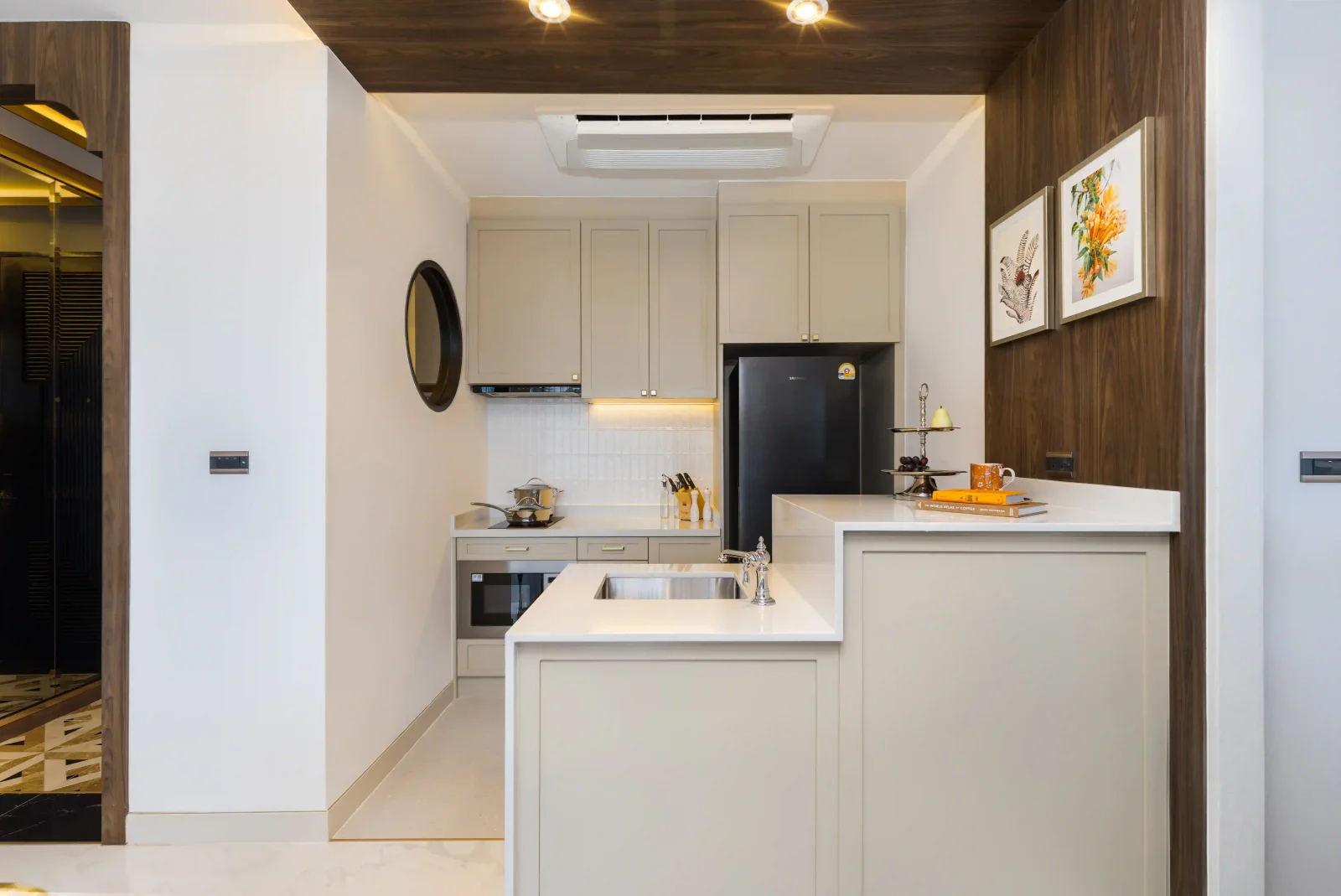
## Design & Units
The unit mix covers 1BR, 2BR and 3BR configurations, a range that serves both the buy-to-rent investor looking for an easily lettable format and the lifestyle buyer who needs space for a family or regular guests. Residences have contemporary layouts, large windows and private balconies with garden or pool views, and select units open directly onto the pool. The building adds a swimming pool, a fitness centre, landscaped gardens, co-working space, a café, concierge services and 24-hour security, and it is pet-friendly.
The low-rise, boutique scale keeps the total unit count controlled, which matters for both exclusivity and the quality of building management that typically follows. Smaller projects with engaged developers tend to maintain standards consistently.
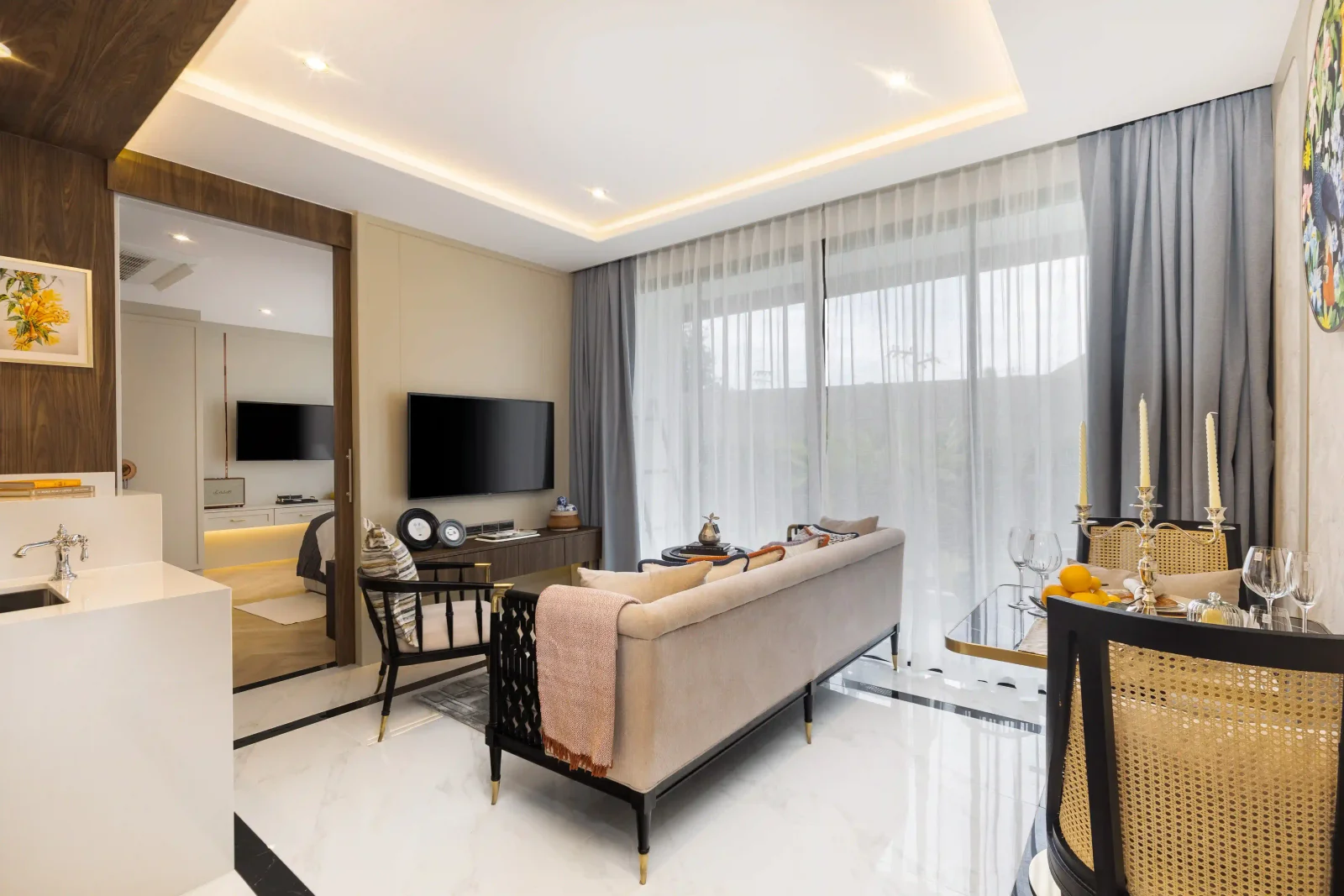
## The Price List
| Layout | Units | Size | Price (THB) | Per sqm (THB) |
| --- | --- | --- | --- | --- |
| One-bedroom | 5 | 52 sqm | 5,602,857 - 5,883,000 | 108,163 - 113,571 |
| Two-bedroom | 28 | 85-95 sqm | 8,261,880 - 11,316,176 | 96,800 - 119,118 |
| Three-bedroom | 6 | 123-276 sqm | 11,996,134 - 44,071,445 | 97,768 - 159,500 |
The one-bedrooms average about 111,400 THB per square metre and the two-bedrooms about 109,900, roughly 30% below the Bang Tao apartment median of 161,000, which is the strongest point of the scheme.
The two-bedrooms are the bulk of the building and include the best-value metre on the list, from 96,800 THB. The three-bedroom line runs from a 123 sqm family apartment at about 12M THB to a 276 sqm penthouse-scale residence at 44.07M THB, so each is priced on its own, and we send the floor and area of every unit with its price.
## Investment Case
The payment plan, 25% / 15% / 20% / 15% / 15% / 10% across construction milestones, spreads the capital through the build rather than concentrating it at transfer. On the entry two-bedroom it works out as follows:
| Stage | Share | On 8,261,880 THB |
| --- | --- | --- |
| Booking | 25% | 2,065,470 THB |
| Second | 15% | 1,239,282 THB |
| Third | 20% | 1,652,376 THB |
| Fourth | 15% | 1,239,282 THB |
| Fifth | 15% | 1,239,282 THB |
| Handover | 10% | 826,188 THB |
We send the schedule with the construction stage each tranche is tied to, and [the off-plan guide](/guides/off-plan-property-phuket-guide/) explains how staged payments work. For owners who plan to let, we build the income plan from the building's own documents: the management agreement and the operator's rate card, the CAM and sinking fund rates per square metre applied to your floor area, and the letting permission the building holds, using the method in the [Phuket rental yield guide](/guides/phuket-rental-yield-complete-guide-2026/).
## What a Boutique Bang Tao Condominium Offers
Small schemes behave differently from towers in ways that matter once you own one.
Fewer units means fewer neighbours listing the same product on the same platforms, so low-season pricing power is materially better than in a large building. It usually means better light, more considered common areas, and a scale that photographs as distinctive. A juristic person of 39 owners is small enough for owners to shape it, and the common areas are not shared by hundreds of households.
Shared expenses divide among fewer owners, and we send the CAM rate per square metre and the projected sinking fund contribution with the price list, applied to your own floor area.
## Why Buyers Choose 8 Atelier Residence
- Character rather than scale in a corridor defined by resort blocks, which is a genuine differentiator on a listing page
- Close to Boat Avenue and Porto de Phuket, the densest dining and retail cluster on the island
- A metre rate about 30% below the Bang Tao apartment median
- A staged payment plan spreading the commitment across the build rather than concentrating it at transfer
- Thirty-nine units means a service charge base large enough to function and small enough to avoid competing with dozens of identical listings
- A three-bedroom format ranging from 123 to 276 sqm, which is unusually wide and lets you match layout to purpose
## What We Send Before You Reserve
- **The unit sheet:** price, floor and area for each unit you are comparing, with what the area includes
- **The letting route:** which market, nightly or monthly, the building's management company will list your layout in
- **The foreign quota:** a dated statement from the developer of the remaining foreign floor area for your specific unit
- **The letting position:** the building's hotel licence route and the house rules on short lets
- **The construction schedule:** the stage each payment is tied to
## Quota and the Letting Permissions
The 49% foreign-ownership allowance comes from the Condominium Act and is explained in the [foreign quota guide](/guides/foreign-quota-thai-condominiums/): it is counted against the building's total floor area rather than its unit count, and it is registered at transfer. We obtain a dated statement of the remaining allowance for your specific unit at the reservation.
For a freehold purchase as a non-resident, the money reaches Thailand from abroad in foreign currency and the receiving bank issues the FET record the Land Department requires at registration, and we plan it with you from the reservation.
The letting route follows the building's hotel licence, since the Thai Hotel Act treats stays under 30 days as hotel business, and the house rules on short lets, and we send both answers with the price list.
## Buying 8 Atelier Residence with MORE Group
A unit at 8 Atelier Residence is bought in five steps, from the first price list to the keys, and we handle each of them with you.
{/* corpus-faq:8-atelier-residence */}
## FAQ
### What is the starting price for 8 Atelier Residence?
Entry price is 5,602,857 THB for a 52 sqm one-bedroom. We send the current price list with unit number, floor and area set against each price.
### What stage is 8 Atelier Residence at?
Construction is underway. We send the latest construction update together with the price list.
### What does the payment plan look like?
The payment plan is structured in six stages: 25% on booking, then 15%, 20%, 15%, 15%, and 10% at construction milestones through to completion.
### Can foreigners buy at 8 Atelier Residence?
Yes. A foreigner may take freehold title to a condominium unit within the 49% of the building's total floor area that the Condominium Act reserves for foreign ownership, measured by area rather than by unit count. We obtain a dated statement of the remaining foreign floor area for your specific unit. See can foreigners buy property in Thailand.
### What rental income can I expect from a Bang Tao condo?
Bang Tao has the island's deepest rental demand, with holiday guests in the season and long-stay tenants through the year. We build the figure for your unit from the building's own documents: the management agreement, the operator's rate card, and the CAM and sinking fund rates applied to your floor area, using the method in the Phuket rental yield guide.
**Read Also:**
- [Complete Guide to Buying Property in Phuket](/guides/buying-property-phuket-guide/)
- [Phuket Rental Yield Guide](/guides/phuket-rental-yield-complete-guide-2026/)
- [Above Element: Modern Condo in Bang Tao](/projects/above-element/)
- [Foreign Quota in Thai Condominiums](/guides/foreign-quota-thai-condominiums/)
- [Capri Residences Review 2026: Prices & Yield](/projects/capri-residences/)
- [The Buying Process in Thailand, Step by Step](/guides/due-diligence-process-thailand-step-by-step/)
# Abov Patong Residence: Beach Condos from 10.05M THB
> Abov Patong Residence review: one and two-bedroom condos 150 metres from Patong Beach, some with private pools or pool access, from 10.05M THB.
**Source:** https://moregroup.estate/projects/abov-patong-residence/
**Section:** Project Reviews
**Author:** MORE Group Editorial
**Published:** 2026-04-07
**Updated:** 2026-08-23
---
## What Is Abov Patong Residence?
Abov Patong Residence brings a calm, green setting to the most famous beach town in Phuket. Its low-rise buildings are surrounded by gardens and natural landscape, yet Patong Beach is a short walk away, so residents enjoy both a quiet home and the energy of the island's liveliest bay.
The apartments are designed in a modern style with natural materials and panoramic glazing, fully equipped kitchens, stylish bathrooms and balconies, and some residences come with their own private pool or step straight into a shared pool. The development offers a swimming pool, a spa, a fitness centre, a lounge and co-working space, a kids' zone, restaurants, 24-hour security and parking.
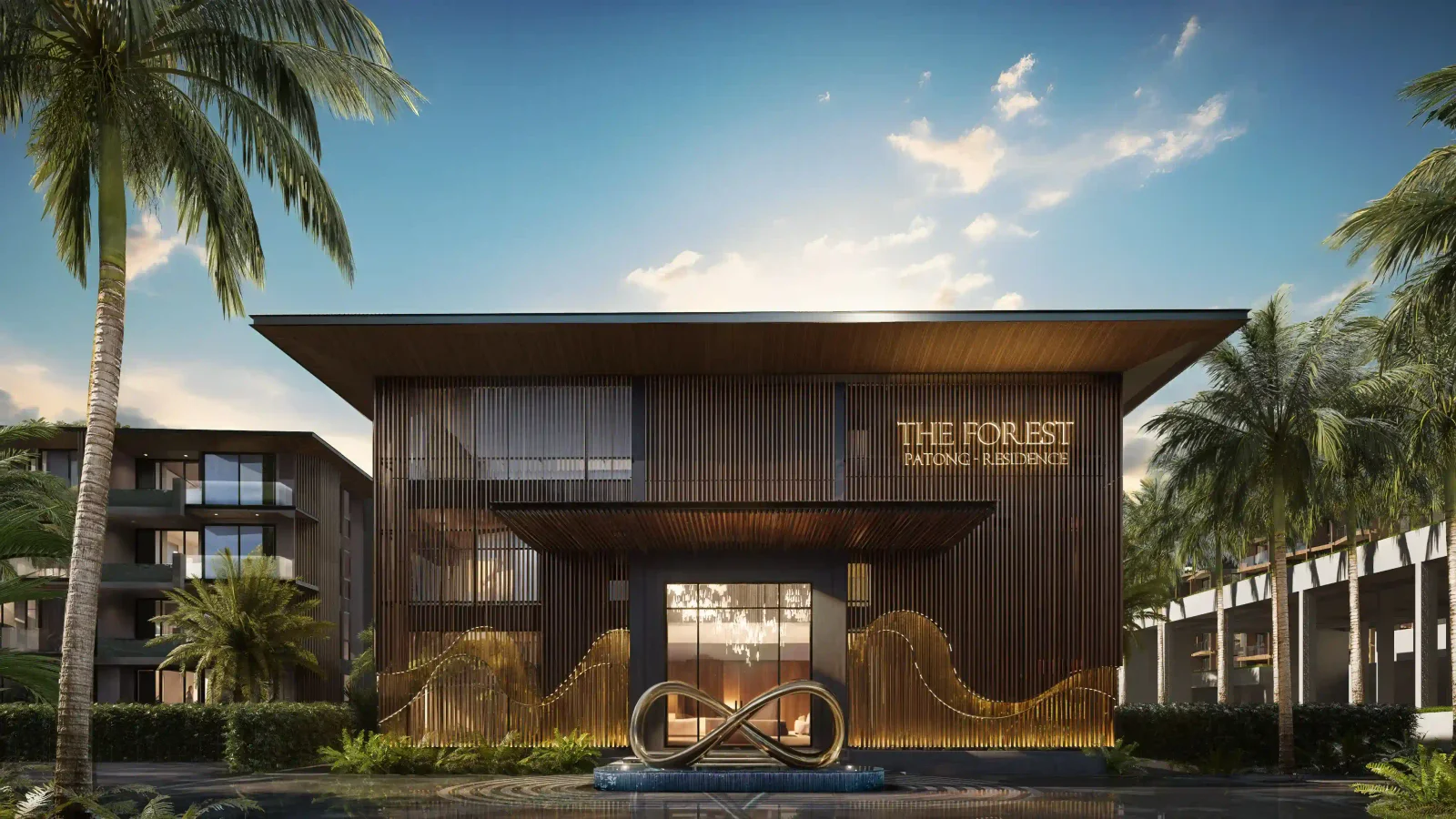
## What Are the Key Facts for Abov Patong Residence?
| Factor | Detail |
| --- | --- |
| Developer | Above Patong Residence Co., Ltd. |
| Location | Patong, about 150 metres from the beach |
| Buildings | 13 low-rise buildings of five floors |
| Residences | 482 in total, 109 on our price list |
| One-bedroom | 44 to 65 sqm, 10,050,000 to 15,170,000 THB |
| Two-bedroom | 111 to 113 sqm, 21,820,000 to 26,290,000 THB |
| Pool options | Private pools or direct pool access in select units |
| Payment | 5%, 35%, then six stages of 10% |
| Stage | Under construction |
| Beach | About 150 metres, a 9-minute walk |
## Location: A Short Walk from Patong Beach
Patong is Phuket's most famous beach town, and Abov Patong Residence places it within an easy walk while keeping its own green, low-rise setting.
**Patong Beach:** about 150 metres away. The long, curving bay is lined with restaurants and beach bars and is the island's centre for water sports and boat trips.
**Jungceylon and the town centre:** shopping, a supermarket, restaurants and a cinema, with the nearest mall about 8 minutes by car.
**Bangla Road:** the famous entertainment street for evenings out.
**Restaurants and cafes:** from Thai seafood to international dining, all around the neighbourhood.
**Karon and Kamala:** the neighbouring beaches a short drive over the hills.
Patong welcomes visitors all year, and a home a short walk from the beach is exactly what they look for. The [Patong area page](/patong-properties/) and the [Patong Beach area guide](/guides/patong-beach-area-guide-property-2026/) cover the district in more detail.
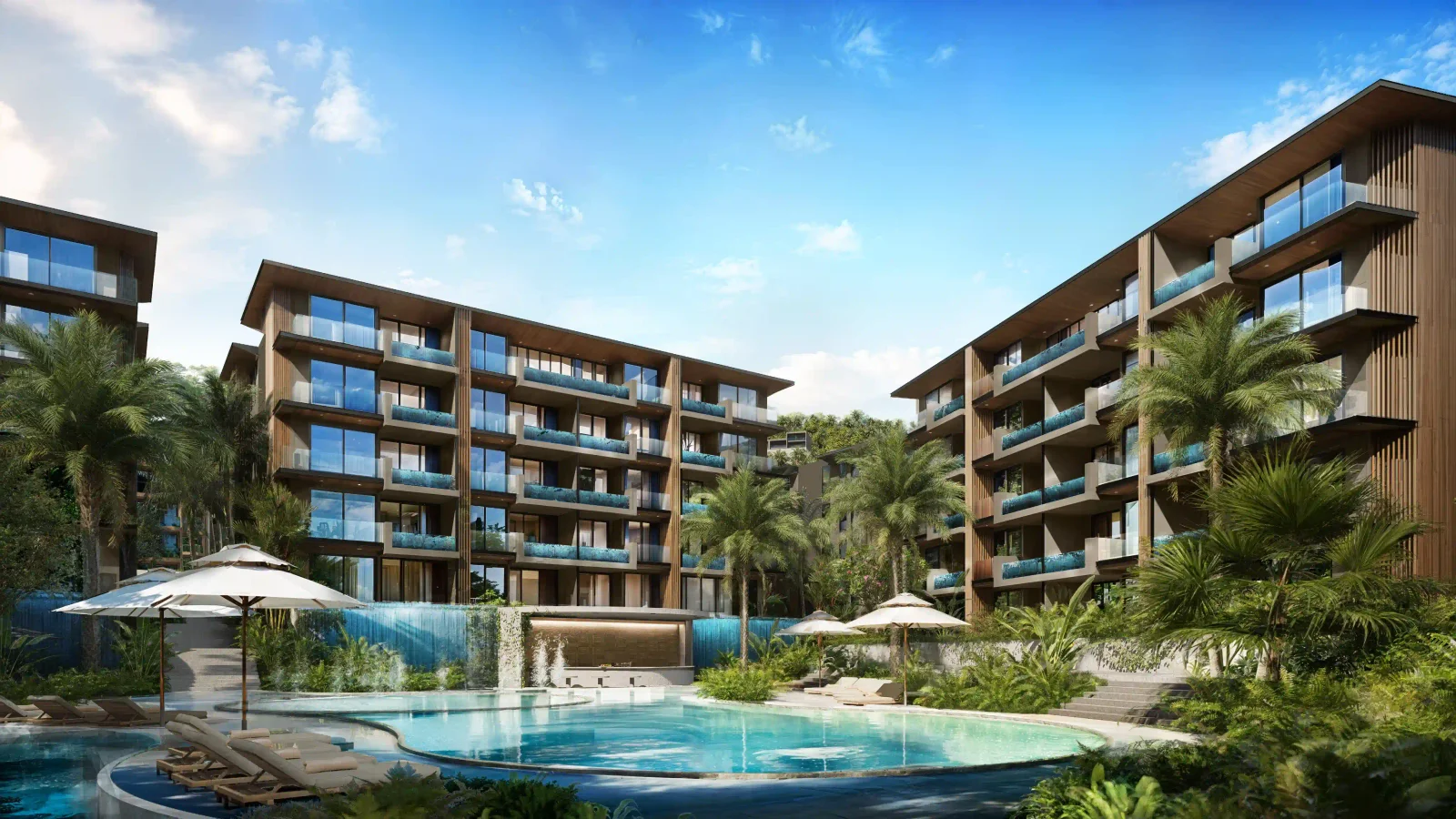
## Residences and Prices
Our price list holds 109 residences across four buildings:
| Building | Format | Size | Units | Price |
| --- | --- | --- | --- | --- |
| R10 | One-bedroom | 53 to 61 sqm | 28 | 10,050,000 to 12,000,000 THB |
| R11, R12, R13 | One-bedroom | 44 to 65 sqm | 77 | 10,530,000 to 15,170,000 THB |
| R10, R11, R12, R13 | Two-bedroom | 111 to 113 sqm | 4 | 21,820,000 to 26,290,000 THB |
Building R10 offers the most accessible one-bedrooms, from R10-102 at 10,050,000 THB for 53 sqm on the first floor. Buildings R11 to R13 offer one-bedrooms from 44 to 65 sqm, including the largest one-bedroom layouts on the list, R11-105, R12-105 and R13-105 at 15,170,000 THB for 65 sqm. The four two-bedroom residences of 111 to 113 sqm on the fifth floor are the most spacious homes on the list, from R10-505 at 21,820,000 THB. We send the floor plan of each unit with the price list, so you can see which ones have a private pool or direct pool access.
## Facilities
- **Swimming pool** set among gardens
- **Private pools or direct pool access** in select residences
- **Spa and fitness centre**
- **Lounge and co-working space**
- **Kids' zone** and restaurants
- **24-hour security**, CCTV and parking
- **Modern interiors** with natural materials, panoramic glazing and fully equipped kitchens
## Eight-Stage Payment Plan
The price is paid in eight stages: 5%, 35%, then six stages of 10% as the buildings rise. For R10-102 at 10,050,000 THB that works out as follows:
| Stage | Share | Amount |
| --- | --- | --- |
| 1 | 5% | 502,500 THB |
| 2 | 35% | 3,517,500 THB |
| 3 to 8 | 10% each | 1,005,000 THB each |
The schedule spreads most of the price across six equal stages during construction. We send the developer's schedule for your unit with the price list.
## Why Buyers Choose Abov Patong Residence
- **About 150 metres from Patong Beach**
- **A green, low-rise setting** in the heart of Patong
- **Pool options:** private pools or direct pool access in select residences
- **Spa, gym, co-working and kids' zone** on site
- **A wide choice:** 109 units across four buildings
- **A 5% first stage**
- **Freehold ownership** within the 49% foreign quota
## Who Abov Patong Residence Suits
**Buyers who love Patong** and want to walk to the beach, the restaurants and the evening life.
**Rental investors** aiming at Patong's year-round flow of visitors, with pool-access units that stand out on booking platforms.
**Couples and remote workers** who want a home with a spa, a gym and a co-working space by the beach.
**Families** who want a two-bedroom residence with a kids' zone and a pool.
## Renting Out a Unit at Abov Patong
Patong welcomes visitors throughout the year, from beach holidaymakers in the high season to long-stay guests and remote workers in the quieter months. A one-bedroom a short walk from the beach suits couples and solo travellers, and the residences with private pools or pool access give guests something special to remember.
For owners who plan to rent, we collect current asking rents and holiday rates for comparable units in Patong and send them with the price list. [Letting a Phuket condo](/guides/can-i-rent-out-my-phuket-condo/) explains how short stays and monthly lets work, and [our rental guide](/guides/phuket-rental-yield-complete-guide-2026/) shows how to read a rental offer line by line.
## Ownership for Foreign Buyers
Abov Patong Residence is a condominium, so a unit can be registered freehold in your own name within the 49% foreign quota of the building, counted by floor area. We confirm with the developer that the unit you choose sits inside that quota. For a freehold unit at Abov Patong Residence, each payment is transferred from abroad in foreign currency, and the receiving bank provides the FET form that the Land Department asks for at registration. [How the foreign quota works](/guides/foreign-quota-thai-condominiums/) explains the rule in detail.
## Abov Patong Residence and Other Patong Condos
| Project | From | Status |
| --- | --- | --- |
| [The Base Rise](/projects/the-base-rise/) | 2,690,000 THB | Completed |
| [THE BASE Bukit](/projects/the-base-bukit/) | 2,880,000 THB | Completed |
| [The City Phuket](/projects/the-city-phuket/) | 3,140,000 THB | Completed |
| [The Deck Patong](/projects/the-deck-patong/) | Resale, on request | Completed |
| [The Balance Patong](/projects/the-balance/) | 5,990,000 THB | Off-plan |
| Abov Patong Residence | 10,050,000 THB | Off-plan |
Abov Patong stands out in this group for its closeness to the beach, its green low-rise setting and its pool-access residences. We send the price lists of any of these projects on request and arrange viewings.
## Buying Abov Patong Residence with MORE Group
A unit at Abov Patong Residence is bought in five steps, from the first price list to the keys, and we are with you through each of them.
## What We Send Before You Reserve
- The current price list with free units, buildings, floors, sizes and pool options
- Confirmation that your unit sits within the 49% foreign quota
- The eight-stage payment schedule for your unit
- The building's common charges and house rules
- The latest construction update
- Current asking rents and holiday rates for comparable units, if you plan to rent
{/* corpus-faq:abov-patong-residence */}
## FAQ
### What does Abov Patong Residence cost?
Our price list holds 109 units: one-bedrooms of 44 to 65 sqm from 10,050,000 to 15,170,000 THB, and two-bedrooms of 111 to 113 sqm from 21,820,000 to 26,290,000 THB.
### How far is Abov Patong Residence from the beach?
About 150 metres, a 9-minute walk to Patong Beach. The nearest mall is about 8 minutes by car.
### Do any units have private pools?
Yes. Select residences have a private pool or direct access to a shared pool. We send the plan of each unit with the price list, so you can see which ones they are.
### What is the payment plan?
Eight stages: 5%, 35% and six stages of 10%. For R10-102 at 10,050,000 THB that means 502,500 THB at the first stage and 3,517,500 THB at the second.
### Can foreigners buy at Abov Patong Residence freehold?
Yes. Foreign buyers can hold a unit freehold in their own name within the 49% foreign quota of the building, counted by floor area. We confirm that your unit sits inside the quota, and the purchase money is transferred from abroad with an FET form for registration at the Land Department.
**Read Also:**
- [How Foreigners Buy Phuket Property 2026](/guides/buying-property-phuket-guide/)
- [Phuket Rental Yield Guide](/guides/phuket-rental-yield-complete-guide-2026/)
- [8 Atelier Residence](/projects/8-atelier-residence/)
- [The Deck Patong](/projects/the-deck-patong/)
- [Patong Beach Area Guide](/guides/patong-beach-area-guide-property-2026/)
- [One-Bedroom Condos for Sale in Patong](/patong-properties/)
# Above Element Villa: Pool Villas from 38.99M THB
> Above Element Villa, Cherng Talay: 14 three-bedroom pool villas in a contemporary colonial style from 38.99M THB, minutes from Bang Tao Beach.
**Source:** https://moregroup.estate/projects/above-element-villa/
**Section:** Project Reviews
**Author:** MORE Group Editorial
**Published:** 2026-04-07
**Updated:** 2026-08-23
---
## Above Element Villa: Boutique Pool Villas in Cherngtalay
Above Element Villa is an exclusive collection of just 14 private pool villas nestled in the heart of Cherngtalay, Phuket's most in-demand residential corridor. The development blends contemporary architecture with timeless colonial-style detailing, creating homes that feel distinctive rather than generic. Spacious 3-4 bedroom layouts, lush private gardens, and a location minutes from Bang Tao Beach make this one of the most compelling boutique villa releases on the island in 2026. With only 14 units ever available, scarcity alone sets this project apart.
## Location & Area
Above Element Villa sits within minutes of Bang Tao Beach, one of the longest stretches of sand on Phuket's west coast, and is well connected to the major arteries linking Cherngtalay to Laguna, Surin, and the international airport. Families benefit from proximity to top international schools including HeadStart and British International School. Infrastructure investment in this corridor continues to accelerate, which historically drives land and property values upward.
The immediate neighbourhood around the project is low-density residential, a deliberate design choice by the developer that preserves privacy and ensures the 14 villas retain a genuine estate-like atmosphere rather than feeling part of a crowded development.

## Design & Units
Each of the 14 villas offers three bedrooms, with layouts designed around private pool terraces that extend the living space outdoors year-round. Master suites are positioned to capture natural light and garden views, while secondary bedrooms are sized generously enough to function as comfortable long-stay or family rooms. Kitchens are open-plan and European-equipped, with islands that double as dining and entertaining zones.

Material selections throughout reflect premium-grade finishes: natural stone flooring, solid timber joinery, and specification-grade sanitary ware. The developer has not cut corners where it counts, a fact that justifies the price point and protects long-term asset value. The private pool in every unit is a genuine selling feature for the rental market, where pool villas consistently outperform non-pool alternatives in both occupancy and nightly rate.
## Investment Case
The payment structure, 35% / 10% / 15% / 15% / 15% / 10%, spreads capital commitment across the construction period. Only 14 units means the developer can deliver to a genuinely high standard without the logistical compromises of larger developments. Three-bedroom pool villas in Cherngtalay are in demand with families and groups in the high season from November to April. The scarcity of available units also supports resale value: when all 14 are sold, there are no more.
## Payment Plan on the Entry Villa
| Stage | Share | On the 38,992,000 THB entry villa |
| --- | --- | --- |
| Booking and contract | 35% | 13,647,200 THB |
| Construction stage 1 | 10% | 3,899,200 THB |
| Construction stage 2 | 15% | 5,848,800 THB |
| Construction stage 3 | 15% | 5,848,800 THB |
| Construction stage 4 | 15% | 5,848,800 THB |
| Handover | 10% | 3,899,200 THB |
Each payment arrives from abroad, and we plan the transfers with you so the currency conversions follow the build. After handover a pool villa runs on a monthly budget of pool service, garden care, electricity and insurance, plus a management share of 25 to 30% of rental revenue when the villa is let through an agent, and we send that budget for your villa with the price list.
## What 14 Villas Mean for Owners
Scarcity is the project's headline argument, and it is a genuine one.
A 14-villa estate has no phase two to compete with your resale: larger developments release inventory in tranches over several years, while here the fourteen houses are the whole estate. Fourteen units also let the developer hold the specification closely across every house.
The shared costs of the access road, the gate, the landscaping and security are divided between fourteen households, and we send the projected annual common charge per villa in writing, including the arrangement while the last villas are being sold.
Fourteen owners also make a small, close-knit community, and we send the rules of the owners' association and how it is run after handover.
## How Foreign Buyers Own a Villa Here
Land in Thailand is not held freehold by foreigners, so a villa here is bought through one of two structures.
A registered lease gives you a lease over the plot recorded at the Land Department, typically for 30 years, with the villa building itself owned outright in your name. The "30+30+30" phrasing describes one registered 30-year term plus contractual undertakings to grant two more, and we set out with you who gives those undertakings and how they pass on with the land.
A Thai company structure has the company hold the land, with you as a shareholder. It is lawful and common where the company has genuine business substance and real Thai shareholders, and we explain how such a company is set up and run.
We settle the structure with you, with our legal support, before the first payment.
## Why Buyers Choose Above Element Villa
- Only 14 villas, so no developer phase two competing with your resale
- Private pool on every unit, which measurably outperforms non-pool stock on both occupancy and nightly rate
- Cherngtalay location within reach of Bang Tao Beach and the two main international schools
- Payment spread across six tranches rather than front-loaded, so capital commits gradually through the build
- Low-density surroundings preserve the estate feel that the rental photography depends on
## What We Prepare Before the First Payment
The payment plan opens with 35%, and before it we prepare the key documents with you:
| Topic | What you receive |
|---|---|
| The ownership structure | A written explanation of what you register, and in whose name |
| The specific villa | Its plot area, built area and villa number, in the contract |
| The 14-villa estate | The estate budget for year one |
| The construction schedule | The milestone behind every later tranche |
| The land around the plot | The zoning within a few hundred metres |
| The letting position | The estate rules on short stays, in writing |
On a boutique scheme all of these answers exist, and having them in hand makes the first payment a confident step.
## Who this suits
- **A buyer who wants Cherngtalay without a large scheme around them.** Fourteen villas means few neighbours listing the same product, and an estate small enough to know.
- **An owner-occupier first.** From 38,992,000 THB the house is made to be lived in for part of the year, with letting covering part of the cost of owning.
- **A long-term owner.** A villa in a fourteen-house estate is a rare product at resale, sold on its own merits to buyers who want exactly this kind of privacy.
## Buying Above Element Villa with MORE Group
A villa at Above Element is bought in five steps, from the first price list to the keys, and we are with you at each of them.
{/* corpus-faq:above-element-villa */}
## FAQ
### How many villas are available at Above Element Villa?
There are just 14 villas in total, making this one of the most boutique private developments in Cherngtalay. Once sold, no additional units will be released.
### What is the payment plan structure?
The payment plan is: 35% on booking/contract, then 10%, 15%, 15%, 15%, and 10% spread across construction milestones through to handover.
### Can foreigners buy at Above Element Villa?
Yes. Foreign buyers can purchase under a Thai company structure or via a 30+30+30 year leasehold arrangement, both of which are standard and widely used for villa acquisitions in Phuket.
### What stage is Above Element Villa at?
Above Element Villa is under construction. We send the latest construction update together with the price list and the payment schedule.
### What rental income can I expect?
Three-bedroom pool villas in Cherng Talay appeal to families and groups on holiday and to relocating families on long lets. We collect current asking rents and holiday rates for comparable villas and send them with the price list.
### Is Above Element Villa close to international schools?
Yes. Cherngtalay is one of Phuket's best-connected areas for international education, with HeadStart International School and British International School both reachable within a short drive.
**Read Also:**
- [Complete Guide to Buying Property in Phuket](/guides/buying-property-phuket-guide/)
- [Above Element: The Condo Sister Project](/projects/above-element/)
- [The Trinity Village, Cherngtalay Villas](/projects/the-trinity-village/)
- [Phuket Rental Yield 2026: Net Income by Area](/guides/phuket-rental-yield-complete-guide-2026/)
- [Best Areas in Phuket to Buy Property 2026](/guides/best-areas-phuket-buy-property/)
- [Bang Tao & Laguna Guide: Prices & Yield (2026)](/bang-tao-properties/)
# Above Element Review 2026: Prices, Units and Quota
> Above Element review: furnished Bang Tao condos from 5.74M THB in four low-rise buildings with two pools, a sauna and a sky lounge, paid 40% and 60%.
**Source:** https://moregroup.estate/projects/above-element/
**Section:** Project Reviews
**Author:** MORE Group Editorial
**Published:** 2026-04-07
**Updated:** 2026-08-23
---
## What Is Above Element in Bang Tao?
Above Element is a modern low-rise condominium in the middle of the Bang Tao corridor, designed to blend contemporary architecture with a tropical setting. Four residential buildings share a clubhouse, two swimming pools and a rooftop jogging track, and every apartment is delivered fully furnished, so a new owner can move in or start renting without a fit-out.
- **Entry ticket:** one-bedrooms from 5,740,000 THB (about $175,500)
- **Payment plan:** 40% on signing and 60% at handover
- **Stage:** under construction
- **Ownership:** condo freehold within the 49% foreign quota
- **Location:** the nearest mall about 4 minutes by car, Bang Tao Beach about 12
## What Are the Key Facts for Above Element?
| Factor | Detail |
| --- | --- |
| Location | Choeng Thale, Bang Tao, Phuket |
| Buildings | Four low-rise residential buildings and a clubhouse |
| Units | 263, fully furnished |
| On our price list | 49 one-bedrooms of 38-47 sqm, 2 three-bedrooms of 138 sqm |
| Price range | 5,740,000 to 19,762,000 THB |
| Payment plan | 40% on signing, 60% at handover |
| Stage | Under construction |
| Ownership | Condo freehold within the 49% foreign quota |
| Bang Tao Beach | About 12 minutes by car |
| Airport | About 23 minutes by car |
## Location and Area
Bang Tao is one of the island's most complete residential districts: a long west-coast beach, the Laguna resort complex, and a spine of cafes, supermarkets, gyms and clinics along the road behind the sand. Above Element sits inside that spine, so daily errands take minutes rather than a planned trip.
- **Shopping and dining:** the nearest mall about 4 minutes by car or a 13-minute walk, with Boat Avenue and Porto de Phuket close by
- **Bang Tao Beach:** about 12 minutes by car, with beach clubs and restaurants along the sand
- **Laguna Phuket:** hotels, the golf course and the lagoon promenade a short drive away
- **Airport:** about 23 minutes by car
Bang Tao draws guests who stay for weeks and months: remote workers, families on extended holidays and returning visitors who already know the coast. For a deeper look at the district, pair this review with the [Bang Tao area guide](/bang-tao-properties/).
## Units and Prices
The developer's description covers studios, one-bedrooms and two-bedrooms across 263 units. Our current price list holds 51 priced units:
| Type | Size | Price | Average per sqm |
| --- | --- | --- | --- |
| One-bedroom | 38-47 sqm | 5,740,000 to 6,960,000 THB | about 152,700 THB |
| Three-bedroom | 138 sqm | 19,712,000 to 19,762,000 THB | about 143,000 THB |
The one-bedrooms are the heart of the building: compact, furnished and priced within a narrow band, so the choice comes down to floor, view and orientation. The two three-bedrooms of 138 sqm are rare in a Bang Tao condominium and suit a family that wants resort facilities without the upkeep of a villa.
We send today's free units in every format with floor plans, floors and views together with the price list, so you can compare units side by side.
## Design and Amenities
The architecture is contemporary and low-rise, with the buildings set around the pools and gardens. The shared facilities go well beyond a typical condominium:
- Two swimming pools
- Gym and sauna
- Co-working space
- Sky lounge
- Rooftop jogging track
- Children's room
- Clubhouse
Every unit is delivered fully furnished. For an owner who plans to rent, that means the apartment is ready for its first guest from the day of handover.
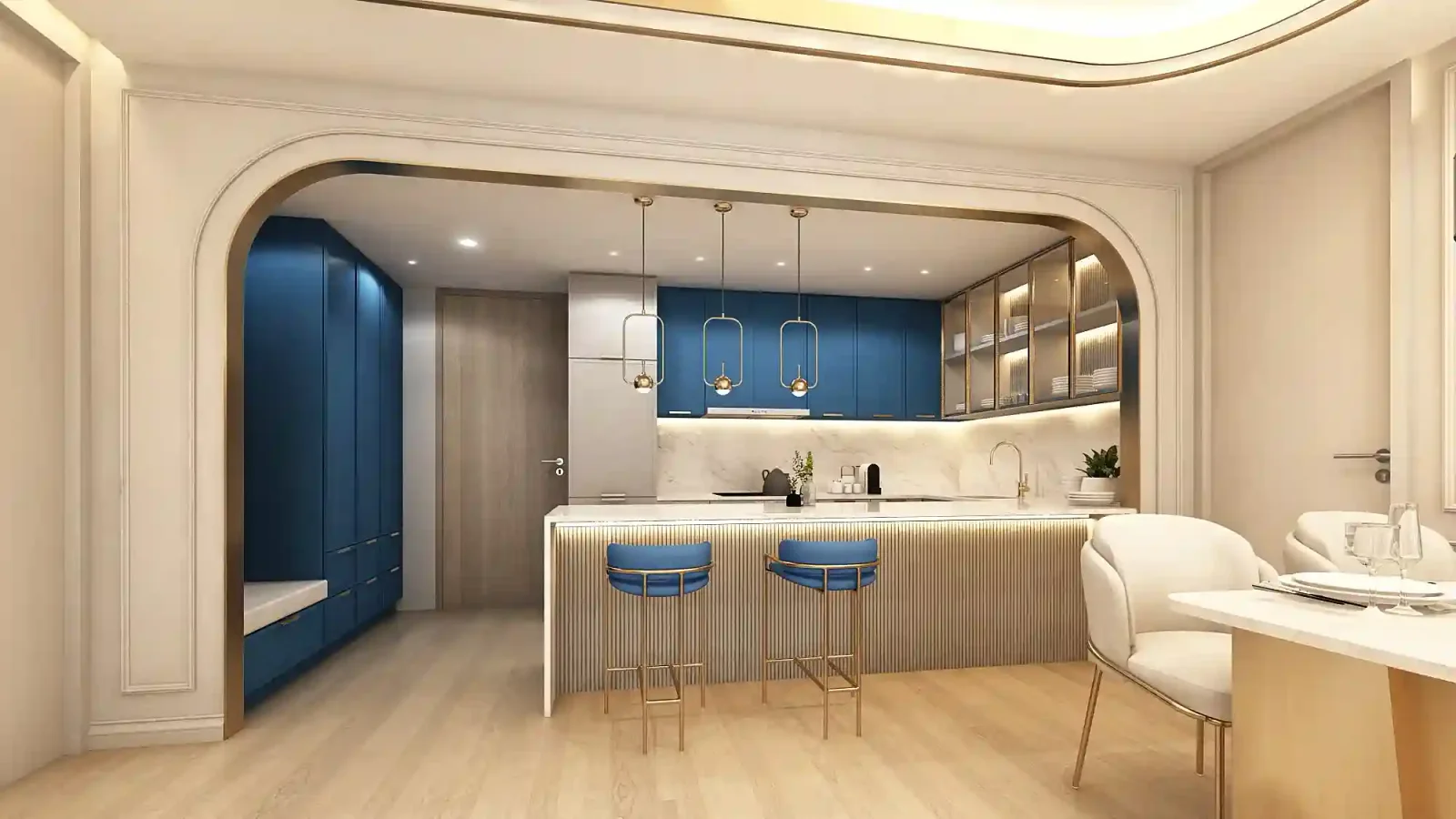
## The 40/60 Payment Plan
The plan has two payments: 40% when the sale and purchase agreement is signed and 60% at handover. Most Phuket off-plan schedules run four to six instalments across the build, so this one is simpler to follow and keeps the larger share of the price until the apartment is finished and furnished.
For a one-bedroom at the entry price of 5,740,000 THB that means 2,296,000 THB on signing and 3,444,000 THB at handover. Both payments for a freehold condo are transferred from abroad in foreign currency, and the receiving bank provides the FET form that the Land Department needs to register the unit in your name. We help you plan both transfers.
## Why Buyers Choose Above Element
- **Fully furnished units:** ready to live in or rent from handover
- **Resort-level facilities:** two pools, a sauna, a sky lounge and a rooftop jogging track
- **A simple payment plan:** 40% on signing, 60% at handover
- **Everyday convenience:** the nearest mall about 4 minutes by car
- **Rare family layouts:** three-bedrooms of 138 sqm in a condominium setting
- **Freehold ownership:** a condo title in your own name within the 49% foreign quota
## Who Above Element Suits
- **Rental-focused buyers** who want a furnished one-bedroom in Bang Tao at a clear price
- **Remote workers and long-stay residents** who value a co-working space, a gym and a sauna
- **Families** looking for a three-bedroom apartment with resort facilities
- **Buyers who prefer two payments** to a long instalment schedule
## Renting Out a Unit at Above Element
A furnished one-bedroom near the Bang Tao shops and beaches fits the district's long-stay demand well: remote workers, couples on extended holidays and visitors who return every season. Monthly lets keep turnover low and wear on the apartment light.
For owners who plan to rent, we collect current asking rents for comparable one-bedrooms in Bang Tao and send them with the price list, together with the terms of rental managers who work in the district. [Our rental guide](/guides/phuket-rental-yield-complete-guide-2026/) explains how to read a rental offer line by line.
## Above Element and Other Bang Tao Condos
| Project | From | Status |
| --- | --- | --- |
| [The Zero Bang Tao](/projects/the-zero-bang-tao/) | 4,925,167 THB | Off-plan |
| [The Ozone Oasis](/projects/the-ozone-oasis/) | 5,330,000 THB | Off-plan |
| [The Title Heritage](/projects/the-title-heritage/) | 5,376,000 THB | Off-plan |
| [8 Atelier Residence](/projects/8-atelier-residence/) | 5,602,857 THB | Off-plan |
| Above Element | 5,740,000 THB | Off-plan |
| [Capri Residences](/projects/capri-residences/) | 5,775,000 THB | Completed |
| [Atrium Andaman City](/projects/atrium-andaman-city/) | 6,075,800 THB | Off-plan |
Above Element sits in the middle of the Bang Tao one-bedroom market by price. What sets it apart in this group is the furnished delivery and the two-payment plan, and we send floor plans for any of these buildings on request if you want to compare layouts.
## Buying Above Element with MORE Group
An apartment at Above Element is bought in five steps, from the first price list to the keys, and we are with you through each of them.
## What We Send Before You Reserve
- The current price list with free units, floors and floor plans
- The payment schedule for your unit
- Confirmation that your unit sits within the 49% foreign quota
- The latest construction update
- The furniture package included with the unit
- Current asking rents for comparable units in Bang Tao, if you plan to rent
{/* corpus-faq:above-element */}
## FAQ
### Can foreigners buy at Above Element?
Yes. Above Element is a condominium, so foreign buyers can hold units freehold in their own name within the 49% foreign quota, counted by floor area. We confirm with the developer that your unit sits inside the quota, and the purchase money is transferred from abroad with an FET form for registration at the Land Department.
### What is the payment plan for Above Element?
Two payments: 40% on signing the sale and purchase agreement and 60% at handover. There are no instalments in between.
### What stage is Above Element at?
Construction is underway. We send the latest construction update together with the price list.
### What unit types are available?
Our current price list holds one-bedrooms of 38 to 47 sqm from 5,740,000 THB and three-bedrooms of 138 sqm at about 19.7 million THB. The developer's description also covers studios and two-bedrooms, and we send today's availability in every format with the price list.
### Are the units furnished?
Yes. All 263 units are delivered fully furnished, so the apartment is ready to live in or rent from handover.
**Read Also:**
- [How Foreigners Buy Phuket Property 2026](/guides/buying-property-phuket-guide/)
- [Bang Tao and Laguna Area Guide](/bang-tao-properties/)
- [8 Atelier Residence: Boutique Condo in Bang Tao](/projects/8-atelier-residence/)
- [Phuket Rental Yield Guide](/guides/phuket-rental-yield-complete-guide-2026/)
- [Thai Condo Foreign Quota: 49% Rule Explained](/guides/foreign-quota-thai-condominiums/)
- [The Buying Process in Thailand, Step by Step](/guides/due-diligence-process-thailand-step-by-step/)
# Aceller Hotel & Residence: Condos from 2.86M THB
> Aceller Hotel & Residence: hotel-managed studios and one-bedrooms from 2.86M THB near Phuket airport, with passive income through a hotel operator.
**Source:** https://moregroup.estate/projects/aceller-hotel-residence/
**Section:** Project Reviews
**Author:** MORE Group Editorial
**Published:** 2026-04-07
**Updated:** 2026-10-05
---
## Aceller Hotel & Residence: Entry Condo from 2.86M THB in Phuket
Aceller Hotel & Residence is one of the most accessible investment entry points currently available in Phuket, hotel-branded studio and 1-bedroom units starting under 3 million THB, with a professional hotel operation driving rental income from day one. The concept combines private ownership with institutional-grade hospitality management, giving investors the upside of Phuket's booming tourism market without the complexity of self-managing a rental property. Buying at this early stage lets buyers lock in pre-launch pricing, with the construction period ahead for the asset to grow in value.
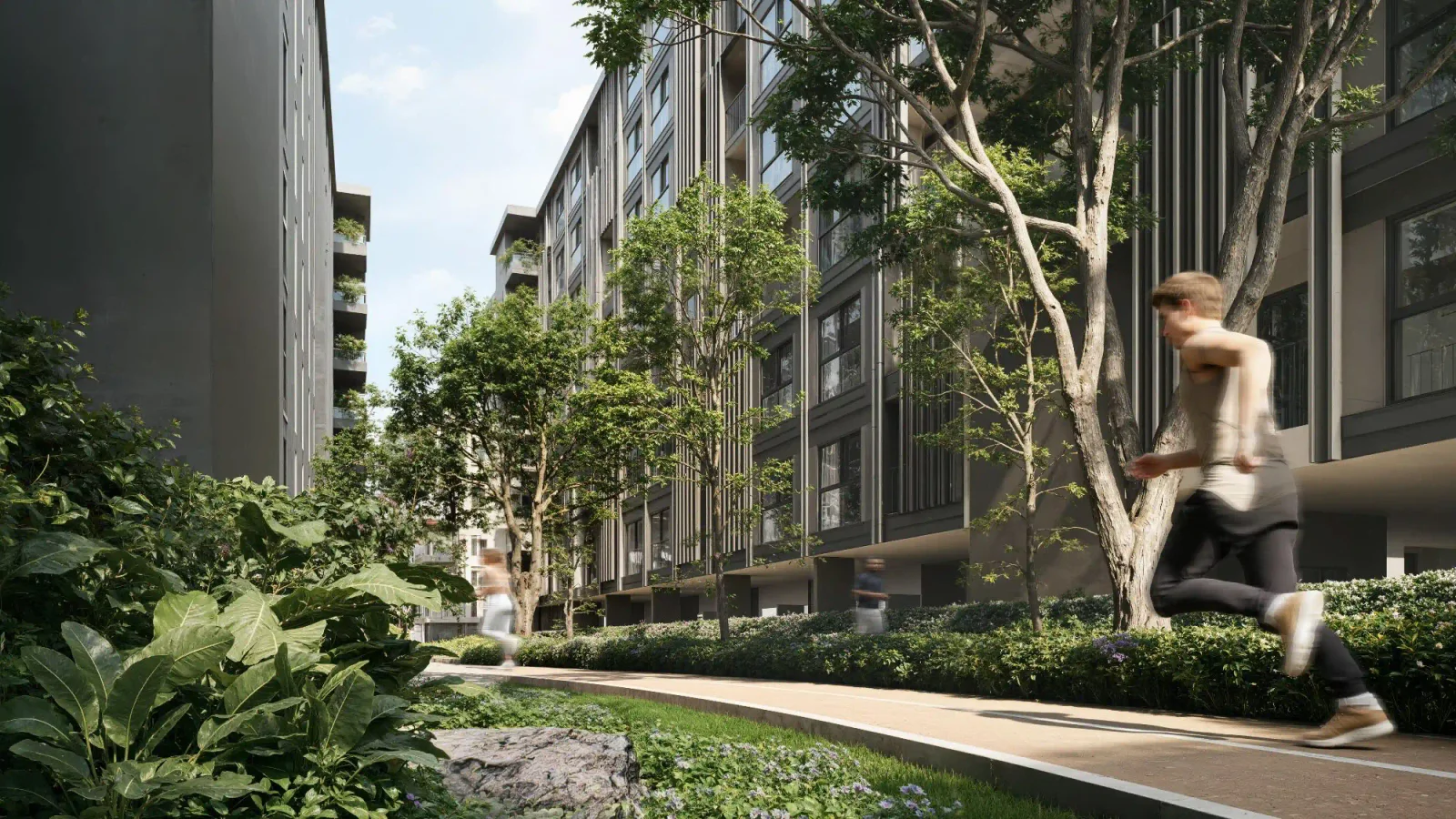
## Location & Area
The airport proximity is a genuine operational advantage for a hotel-model product. A meaningful share of Phuket's visitor base, corporate guests, multi-island travellers, and those on short Phuket segments, actively prefers accommodation near the airport for practical reasons. This creates a demand profile that is less seasonal than beachfront properties, providing more consistent occupancy throughout the year. For investors, that translates to smoother annual income rather than a feast-and-famine pattern tied purely to tourist peak season.
Land values across the Thalang corridor have increased steadily as demand from both domestic Thai buyers and foreign investors has pushed into the north. With the island's south and west coasts largely saturated at higher price points, the Thalang-airport zone is where Phuket's next wave of development is concentrated, making early positioning attractive.
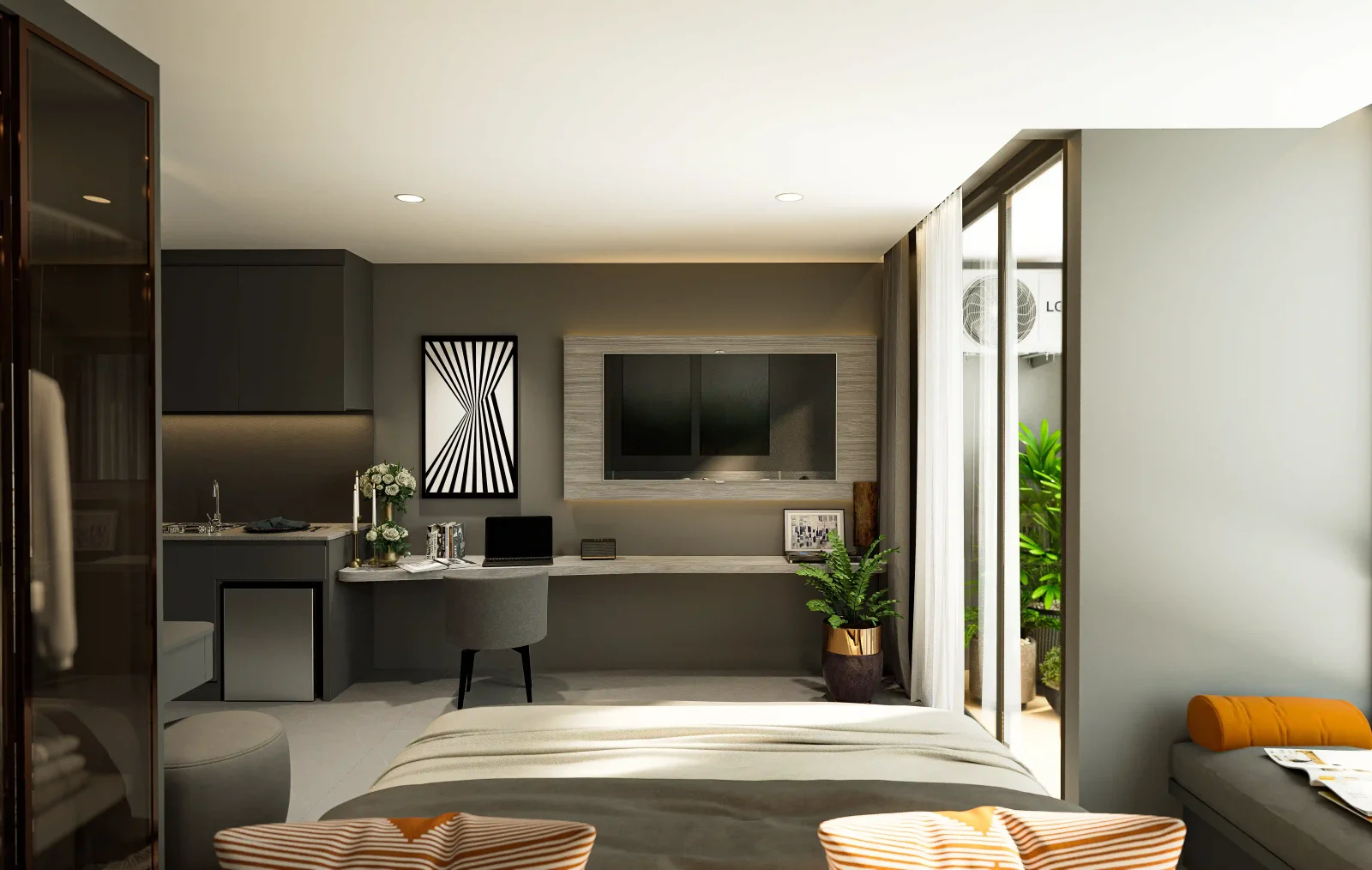
## Design & Units
The 1-bedroom units are compact and efficiently planned, with layouts that maximise usable floor space, storage, and natural light. Each unit comes fully furnished and equipped, a turnkey product that owners can hand directly to the hotel management team without additional investment. The hotel's common areas, reception, and amenity spaces are designed to the brand standard, meaning guests booking through hotel channels arrive with expectations that the property can consistently meet.
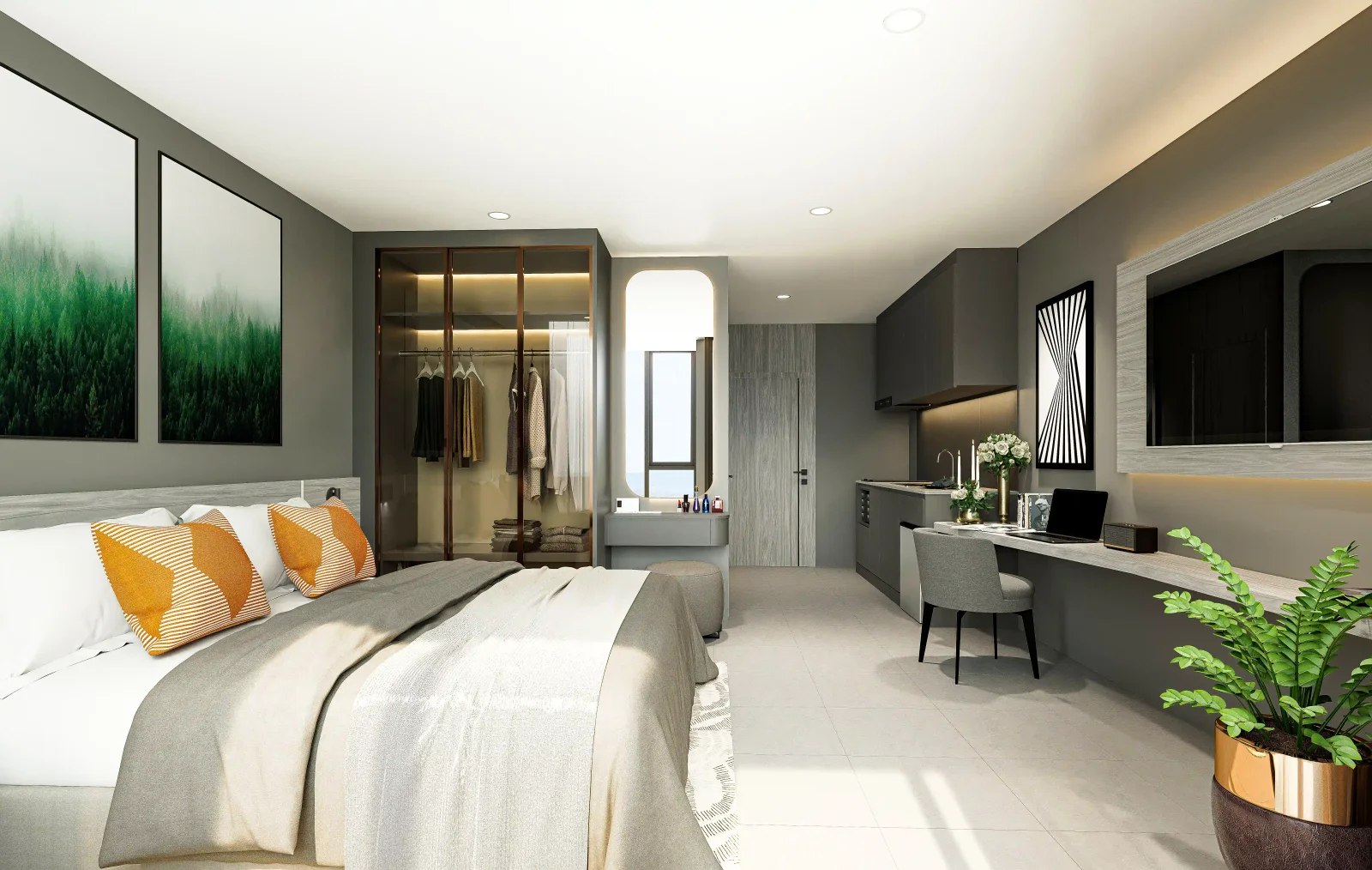
The building's shared facilities include a swimming pool, fitness centre, and lobby with 24-hour reception, the baseline amenities that guests expect from a hotel stay and that are included in the management fee structure. Unit owners benefit from these facilities without the operational burden of staffing or maintaining them individually.
## Investment Case
The payment structure, 15% / 20% / 20% / 20% / 15% / 10%, is spread across the construction period to delivery in Q4 2029 according to the developer, so buyers deploy capital in tranches rather than in a single lump sum and keep liquidity for other positions while the asset grows in value. Hotel-model projects in Phuket have historically delivered gross rental yields in the 6-10% range under competent operators, with the actual figure set by the management agreement, occupancy and the revenue split, which we send with the price list. Comparable managed units have historically reached 75 to 85% peak occupancy, with net yields of 5 to 7% after 20 to 25% operator fees.
The early stage is the defining opportunity: early buyers access the lowest pricing, backed by Phuket's tourism fundamentals of record arrivals, new route openings and the airport expansion.
## Payment Plan on the Entry Unit
| Stage | Share | On the 2,862,000 THB entry unit |
| --- | --- | --- |
| Booking | 15% | 429,300 THB |
| Construction stage 1 | 20% | 572,400 THB |
| Construction stage 2 | 20% | 572,400 THB |
| Construction stage 3 | 20% | 572,400 THB |
| Construction stage 4 | 15% | 429,300 THB |
| Handover | 10% | 286,200 THB |
The first payment is only 15%, one of the lightest openings on our Phuket list, and every later stage is paid from abroad with its FET record for the transfer.
## Why Buyers Choose Aceller Hotel & Residence
- Under 3 million THB is one of the lowest entry tickets into a professionally operated Phuket rental asset
- Hotel operation means income from handover without the owner sourcing guests or staff
- Airport-corridor demand is less seasonal than beachfront, which flattens the annual income curve
- Delivered furnished and equipped, so there is no separate fit-out budget before the first booking
- Six payment tranches across the build rather than a front-loaded schedule
One further point on the entry ticket. At 2.86M THB this is one of the smallest ways into the airport corridor, and the buyer pool at that price is correspondingly deep, which is what will matter on the day you sell. Keep the operator statements from year one: on a hotel-model unit they are the evidence a future buyer pays for.
## The Agreement Behind the Income
The hotel management agreement sets how the income reaches you, and we send its terms with the price list:
| Clause | What it sets | What we send |
| --- | --- | --- |
| Operator and contract term | Who runs the hotel, and for how long | The named operator and the term |
| Gross or net distribution basis | What your share is calculated on | The written definition, with deductions listed |
| Payment frequency | When distributions reach you | Monthly, quarterly or annual, per the contract |
| Owner-use nights | When you stay in your own unit | The owner-use schedule |
| Exit terms | How the programme works over time | The terms for leaving the programme or self-managing |
| The hotel licence | What makes nightly letting lawful | The licence details at premises level |
{/* corpus-faq:aceller-hotel-residence */}
## FAQ
### What makes Aceller Hotel & Residence different from a standard condo?
It operates as a hotel, units are managed by a professional hotel operator and marketed to guests through hotel booking channels. Owners receive a share of rental revenue without managing bookings, cleaning, or check-ins themselves.
### Can foreigners own units at Aceller Hotel & Residence?
Yes. Foreign buyers hold units freehold within the building's 49% foreign quota, counted by floor area, or on a registered lease, and we confirm the route for your unit.
### Is Aceller Hotel & Residence suitable as a holiday home?
It is primarily structured as an investment product. Owners may be able to block personal use periods depending on the management agreement, but it is best evaluated as a passive income asset rather than a lifestyle second home.
**Read Also:**
- [Complete Guide to Buying Property in Phuket](/guides/buying-property-phuket-guide/)
- [Phuket Rental Yield Guide](/guides/phuket-rental-yield-complete-guide-2026/)
- [Atrium Andaman City](/projects/atrium-andaman-city/)
- [Best Areas in Phuket to Buy Property 2026](/guides/best-areas-phuket-buy-property/)
- [Nai Yang Property Guide: Airport-Side Value](/guides/nai-yang-property-guide/)
## How the Hotel Management Agreement Works
On a hotel-model condo the management agreement shapes the return, and we go through it with you point by point.
**The revenue split.** A split of gross revenue and a split of net operating profit are different numbers. Where the split is on net, the agreement defines which costs come out first, what counts as an operating expense, and how refurbishment reserves are treated.
**Who sets the nightly rate.** In a hotel programme the operator controls pricing and distribution, which is usually the right answer, since they have the channels and the yield management.
**Owner-use weeks.** The agreement sets how many nights a year you use your own unit, in which seasons, and how far ahead you book. Programmes with more high-season owner use generally pay a little less, and we help you pick the balance that fits your plans.
**Term and exit.** How long the agreement runs, what happens at the end, and how an owner leaves the programme.
**A change of operator.** Whether the agreement binds the unit or the current operator, and how owners take part in appointing a successor.
**The refurbishment cycle.** Hotel-standard rooms are refreshed on a schedule funded by owners, and we send the cycle and its approximate cost per unit.
## Hotel Licensing and Ownership
Renting accommodation for stays under 30 days in Thailand falls under the Hotel Act, and doing it lawfully at scale means the building operates with the appropriate licence. A hotel-branded development is designed for exactly this, one of its genuine advantages over an ordinary condo. We send the licence the building will hold or has applied for, and who holds it, together with the price list.
On the ownership side, the 49% foreign quota is measured against the building's total floor area, and we confirm it for your specific unit. A freehold transfer needs proof of inward foreign currency remittance; see [proof of funds and FET](/guides/proof-of-funds-thailand-property/).
## Buying Aceller Hotel & Residence with MORE Group
The purchase of a unit at Aceller Hotel & Residence runs in five steps from the first price list to the keys, and we handle each of them with you.
# AG Club Villas Thalang: Pool Villas from 13.45M THB
> AG Club Villas Thalang: 26 two-storey three-bedroom pool villas with a children's pool, near Nai Yang and the airport, from 13.45M THB.
**Source:** https://moregroup.estate/projects/ag-club-villas/
**Section:** Project Reviews
**Author:** MORE Group Editorial
**Published:** 2026-04-05
**Updated:** 2026-08-23
---
## What Is AG Club Villas?
AG Club Villas is made for families who want a real house with a garden in a calm, green neighbourhood. The villas are laid out over two storeys, with spacious open-plan living and dining areas under high ceilings, a Western kitchen, large windows and a direct flow to the terrace and the private pool, where a shallow children's pool lets the youngest swim safely next to their parents. Upstairs, each of the three bedrooms has its own bathroom, so parents, children and guests all keep their own space.
The community is small and private: 26 villas behind a gate, with 24-hour security, CCTV, covered parking and low-density landscaping, in the green Thep Krasattri area close to Nai Yang and the airport.
## What Are the Key Facts for AG Club Villas?
| Factor | Detail |
| --- | --- |
| Developer | AG Club |
| Location | Thep Krasattri, Thalang |
| Community | 26 two-storey pool villas, gated |
| Villas | 23 on our price list |
| Bedrooms | Three, each with an ensuite bathroom |
| Villa size | 208 sqm |
| Price | 13,452,240 to 23,971,980 THB |
| Pools | Private pool with a children's pool area |
| Payment | 35% / 20% / 20% / 20% / 5% |
| Stage | Under construction |
| Beach and airport | About 14 minutes by car |
## Location: Thep Krasattri, Close to Schools and Sport
Thep Krasattri is the green, residential north of Phuket, where families find space, calm streets and some of the island's best places to learn and play close together.
- **Nai Yang and Nai Thon beaches:** about 14 minutes by car
- **Phuket International Airport:** about 14 minutes by car
- **UWC Thailand international school:** close by
- **Thanyapura sports and medical centre:** close by
- **Blue Canyon Country Club:** golf nearby
- **Shopping:** the nearest mall about 11 minutes by car
For a family, this is an easy place to live: the school run is short, the sports centre offers swimming, tennis and training for every age, and the calm northern beaches are close enough for an afternoon by the sea. The [Nai Yang area page](/nai-yang-properties/) covers the district in more detail.
## Villas and Prices
All 23 villas on our list share the same three-bedroom plan of 208 sqm:
| Price | Villas |
| --- | --- |
| 13,452,240 THB | 1 |
| 14,185,020 THB | 1 |
| 14,490,000 THB | 16 |
| 15,134,000 THB | 1 |
| 16,379,220 THB | 2 |
| 20,158,580 THB | 1 |
| 23,971,980 THB | 1 |
Most villas share the standard price of 14,490,000 THB, and the price of the others follows the plot and its position in the community. We send the site plan with each villa marked, so you can choose the plot, the garden and the outlook you like best.
## Design and Villas
- **Two storeys** with open-plan living and dining
- **High ceilings** and large windows
- **Three bedrooms**, each with an ensuite bathroom
- **Western kitchen**
- **Private swimming pool** with a children's pool area
- **Private garden and terrace**
- **Covered parking**
- **Gated community** with 24-hour security and CCTV
- **Pet-friendly**
## Living at AG Club Villas
Family days here have an easy rhythm. The children splash in their own shallow pool while the adults swim laps next to them, school and sport are a short drive away, and at weekends the beaches of Nai Yang and Nai Thon, with their seafood restaurants under the trees, make the perfect outing. In the evening the terrace and the garden are where everyone gathers.
## Five-Stage Payment Plan
The price is paid in five stages: 35%, 20%, 20%, 20% and 5%. For a villa at the standard price of 14,490,000 THB that works out as follows:
| Stage | Share | Amount |
| --- | --- | --- |
| 1 | 35% | 5,071,500 THB |
| 2 to 4 | 20% each | 2,898,000 THB each |
| 5 | 5% | 724,500 THB |
The last stage is small, which keeps the final payment light. We send the developer's schedule for your villa with the price list.
## Why Buyers Choose AG Club Villas
- **A pool villa from 13,452,240 THB**
- **Made for families:** a children's pool next to every private pool
- **Three ensuite bedrooms** over two storeys
- **Close to UWC Thailand, Thanyapura and Blue Canyon**
- **About 14 minutes** to the airport and the northern beaches
- **A small gated community** of 26 villas
- **Pet-friendly**
## Who AG Club Villas Suits
**Families with school-age children** who want a house near UWC Thailand and the sports facilities of Thanyapura.
**Active owners** who train, swim, play tennis or golf close to home.
**Frequent travellers** who value a short drive to the airport and an easy trip home after a long flight.
**Rental investors** aiming at relocating families who rent a house near the schools for a school year or longer.
## Renting Out a Villa at AG Club Villas
A family pool villa near the international school and the sports centre appeals to relocating families who rent for a school year, to athletes who come to train at Thanyapura for weeks or months, and to families on holiday near the calm northern beaches. Long lets suit the neighbourhood well and keep turnover low.
If you plan to let your villa at AG Club Villas, we collect current asking rents for comparable villas in Thep Krasattri and Thalang and send them with the price list. [Our rental guide](/guides/phuket-rental-yield-complete-guide-2026/) explains how to read a rental offer line by line.
## Ownership for Foreign Buyers
At AG Club Villas, as with any villa in Thailand, you buy land plus a building. The house can be held in your own name over a lease of the plot registered at the Land Office, 30 years per registration with renewal terms in the contract, or the land can be held through a Thai company with genuine Thai shareholders. [Freehold and leasehold in Thailand](/guides/freehold-vs-leasehold-thailand/) explains both routes, and we prepare the one that suits you with our legal support.
## AG Club Villas and Other Villas in Thep Krasattri and Nai Yang
| Project | From | Status |
| --- | --- | --- |
| [Narinsaya Pool Villas](/projects/narinsaya-pool-villas/) | 12,500,000 THB | Off-plan |
| [Janya Villas](/projects/janya-villas/) | 13,250,000 THB | Off-plan |
| AG Club Villas | 13,452,240 THB | Off-plan |
| [Phuvista 3 Naiyang](/projects/phuvista-naiyang/) | 14,800,000 THB | Off-plan |
| [ALLTHAI Villages](/projects/allthai-villages/) | 15,500,000 THB | Off-plan |
| [Botanica Wisdom](/projects/botanica-wisdom/) | 15,500,000 THB | Off-plan |
AG Club Villas stands out in this group for its children's pools and its closeness to UWC Thailand and Thanyapura. We send the price lists of any of these projects on request and arrange viewings.
## Buying AG Club Villas with MORE Group
A villa at AG Club Villas is bought in five steps, from the first price list to the keys, and we are with you through each of them.
## What We Send Before You Reserve
- The current price list with free villas and the site plan
- The plan of the house and the plot area of your villa
- The five-stage payment schedule for your villa
- The ownership structure for your purchase, leasehold or company, with the documents it needs
- The community's common charges
- The latest construction update
{/* corpus-faq:ag-club-villas */}
## FAQ
### What does AG Club Villas cost?
Our price list holds 23 three-bedroom villas of 208 sqm, from 13,452,240 to 23,971,980 THB. Sixteen of them share the standard price of 14,490,000 THB.
### What does each villa include?
Two storeys with open-plan living under high ceilings, a Western kitchen, three bedrooms with ensuite bathrooms, a private pool with a children's pool area, a garden, a terrace and covered parking.
### Where is AG Club Villas?
In Thep Krasattri, Thalang, close to UWC Thailand, the Thanyapura sports and medical centre and Blue Canyon Country Club. Nai Yang Beach and the airport are about 14 minutes by car.
### What is the payment plan?
Five stages: 35%, 20%, 20%, 20% and 5%. For a villa at 14,490,000 THB that means 5,071,500 THB at the first stage and 724,500 THB at the last.
### How can foreigners own a villa at AG Club Villas?
The house can be held in your own name over a lease of the plot registered at the Land Office, 30 years per registration with renewal terms in the contract, or the land can be held through a Thai company with genuine Thai shareholders. We prepare the structure with our legal support.
**Read Also:**
- [ALLTHAI Villages](/projects/allthai-villages/)
- [Botanica Wisdom](/projects/botanica-wisdom/)
- [Freehold vs Leasehold in Thailand](/guides/freehold-vs-leasehold-thailand/)
- [How Foreigners Buy Phuket Property 2026](/guides/buying-property-phuket-guide/)
- [Phuket Rental Yield Guide](/guides/phuket-rental-yield-complete-guide-2026/)
# Aileen Residence Lagoon: Pool Villas from 10.15M THB
> Aileen Residence Lagoon review: 4-5BR pool villas from 10.15M THB in the Layan and Laguna area, near Bang Tao Beach, Boat Avenue and international schools.
**Source:** https://moregroup.estate/projects/aileen-residence-lagoon/
**Section:** Project Reviews
**Author:** MORE Group Editorial
**Published:** 2026-04-07
**Updated:** 2026-10-05
---
## Aileen Residence Lagoon: Pool Villas in Laguna Phuket
The Laguna corridor, the stretch connecting Bang Tao Beach, Boat Avenue, Blue Tree, and Layan, remains the most in-demand address for Phuket property buyers who want lifestyle infrastructure alongside investment substance. It's the area where international families relocating to Thailand want to be, where long-stay premium rental guests choose to book, and where land prices have been trending consistently upward for the better part of a decade. Aileen Residence Lagoon brings a private pool villa development into this zone at a price range that covers both entry-level premium (from 10.15M THB) and high-end family configurations (up to 29.5M THB). Completion is scheduled for Q1 2028 according to the developer (checked 16 September 2026), and buying during construction lets buyers lock in current pricing before the project reaches the finish line.
## Location: The Laguna Ecosystem
Bang Tao and Layan Beach are both reachable in under 10 minutes. The beach at Layan, tucked slightly north of the main Bang Tao strip, is quieter and more sheltered, particularly popular with families and longer-stay guests.
The Laguna resort complex itself, with its golf course and interconnected hotel properties, adds another layer of brand recognition that supports premium rental pricing. Properties in this corridor command some of the highest short-term rental rates on the island, with 4-bedroom pool villas having historically achieved 15,000-25,000 THB per night during the December-March high season.
## What Sets the Price Across the Range
| Variable | How much of the spread it explains | What we send |
| --- | --- | --- |
| Plot size and shape | Most of it, on a scheme with a shared design language | The site plan with dimensions |
| Position relative to the entrance and the road | A meaningful share, and it shows at resale | A viewing of the plots you shortlist |
| Bedroom count against usable floor area | Four and five bedrooms can share a footprint | Room dimensions for each layout |
| Outlook | The part that stays with the villa | The developer's phasing map for the land around it |
| Place in the construction programme | Large schemes hand over in stages | The stage your villa sits in |
| The registered lease term | The asset itself, at every price in the range | The lease draft, with its term and renewals |
{/* corpus-faq:aileen-residence-lagoon */}
## FAQ
### What does the 10.15M to 29.5M THB range actually cover?
The lower end is the entry 4-bedroom configuration; the upper end covers 5-bedroom layouts with more land and higher interior specification. Plot size, orientation and position within the development drive most of the difference, and we send the price list unit by unit.
### How does a foreign buyer hold a villa at Aileen Residence Lagoon?
Land cannot be held freehold by a foreign national in Thailand, so villa purchases run either as a registered long lease or through a Thai company that holds the land. We confirm which structure this sale uses and send the lease term and renewal terms in writing, and our legal support prepares the documents with you.
### Why buy here rather than closer to the beach?
This corridor combines schools, retail, medical access and a broad tenant pool, with Layan and Bang Tao beaches under ten minutes away. For year-round occupancy and resale to owner-occupiers, it is one of the strongest positions on the island.
## Villa Design: Space, Privacy, and Quality Tropical Finishes
The design language is contemporary tropical: clean lines, indoor-outdoor integration, and materials that age well in a tropical climate. Open-plan living areas connect seamlessly to covered terraces and private pools. The kitchen layouts follow a Western configuration, important for European and Australian buyers who intend to use the villa as a primary or secondary residence. Bedrooms are all en-suite, with the master suite typically occupying a separate wing or upper level for privacy.
At the 10.15M THB entry point, buyers are accessing the Laguna address at a price point that's meaningfully lower than many comparable projects in Bang Tao. The upper end of the range (toward 29.5M THB) covers the larger 5-bedroom configurations with additional land and premium interior specifications.
Construction quality from Aileen Villas has been consistent across their earlier phases, and the developer's track record in northern Phuket gives buyers a finish standard they can inspect.
## Investment Case
The rental market here is driven by a different guest profile than the short-stay tourist segment. Families relocating to Thailand for international schooling, long-term digital nomads, corporate executives on extended assignments, and high-net-worth holiday groups all favor the Laguna area. This broadens the occupancy window beyond pure tourist seasonality and reduces the volatility that affects properties more dependent on tourist flows.
Capital appreciation in this corridor has historically tracked ahead of the Phuket average, and buying during construction positions buyers for the step from launch pricing to completion pricing, which for well-located premium villas in established zones has historically run 15-25% above launch prices.
## Who Is This For?
**Premium rental investors** targeting high-income guest segments, couples celebrating honeymoons, extended families on holiday, corporate groups, will find the Laguna address directly supports the nightly rates needed to generate meaningful yield.
**Buyers upgrading within Phuket** who already own a smaller unit or condo and want to move into a private villa in a prime address will find the entry price point (10.15M THB) genuinely competitive for what the location offers.
**Second-home buyers from Europe and Australia** who want a well-connected base in Southeast Asia, the Bang Tao lifestyle infrastructure, reliable flight connections through Phuket International, and a stable developer with a track record.
## Why Buyers Choose Aileen Residence Lagoon
- Laguna address at an entry price meaningfully below comparable villa projects in central Bang Tao
- Guest profile spans relocating families, long-stay nomads and corporate assignments, which widens the occupancy window beyond tourist season
- Layan and Bang Tao beaches both inside ten minutes, with Boat Avenue and Blue Tree for daily life
- Developer has delivered earlier phases in northern Phuket, so there is a finish standard to inspect rather than only renders
- Western kitchen layouts and en-suite bedrooms suit owner-occupiers as well as rental use
## Read also
- [Complete Guide to Buying Property in Phuket](/guides/buying-property-phuket-guide/)
- [Aileen Villas Layan: Review](/projects/aileen-villas-layan-phase-5/)
- [Laguna Homes: Area Guide](/projects/laguna-homes/)
## Choosing Within the 10.15M to 29.5M Range
A near-threefold price range inside one development gives buyers real choice. The gap comes from plot size, position and how many bedrooms the land carries, not from finish quality alone.
The 10.15M entry covers the smallest plots in the scheme, and these units tend to sell first. We send the current price list unit by unit, with plot areas, so you see what is available at every level of the range.
The two ends of the range serve different buyers. At the entry point the Laguna address at 10.15M THB stands out against other villa projects in the corridor. Toward 29.5M the five-bedroom villas with more land serve large families and owners who want space, and we compare them for you with completed luxury estates nearby.
## How the Off-Plan Purchase Is Set Up
Buying during construction captures pre-completion pricing, and the contract sets out two things we prepare with you:
- **Milestone-linked payments.** Each tranche is released against construction progress: 35% / 20% / 15% / 15% / 10% / 5%, according to the developer (checked 16 September 2026).
- **Specification annexed to the contract.** Materials, appliance brands and pool dimensions written down, so the finishes you choose are part of the agreement.
Tranches spread across the build mean several separate transfers from abroad, and we plan the conversion of each one with you. See the [off-plan guide](/guides/off-plan-property-phuket-guide/) for how the staged structure works in practice, and [proof of funds and FET](/guides/proof-of-funds-thailand-property/) for the paperwork each transfer needs.
## Buyer Scenarios at Aileen Residence Lagoon
Take the premium rental investor first. The case is the guest mix: relocating families, long-stay nomads and holiday groups. We collect twelve months of occupancy on comparable villas from local operators, split by high and low season, and build the yield on the blended figure after a 20-35% operator fee.
Then the buyer upgrading from a condominium. The entry configuration is the interesting one here, and we set it against a completed villa of similar size in the same corridor, so the price advantage of buying during construction is clear.
And the European or Australian second-home buyer. Western kitchen layouts and en-suite bedrooms matter more than yield in this case, together with the ownership structure, the lease term and a villa that is easy to lock up and leave for months at a time.
## Buying Aileen Residence Lagoon with MORE Group
For a villa at Aileen Residence Lagoon the purchase runs in five steps, from the first price list to the keys, and we handle them together with you.
# Aileen Villas Layan Phase 5 Review 2026: Prices
> Aileen Villas Layan Phase 5 review: three- and four-bedroom pool villas from 17M THB in Layan, near the beach, in a series with delivered phases.
**Source:** https://moregroup.estate/projects/aileen-villas-layan-phase-5/
**Section:** Project Reviews
**Author:** MORE Group Editorial
**Published:** 2026-04-07
**Updated:** 2026-08-23
---
## Aileen Villas Layan Phase 5: Pool Villas in Layan Phuket
The Aileen Villas series has become one of the most recognised villa products in Phuket's Layan corridor, earlier phases have sold through, been delivered, and are now generating income for their owners. Phase 5 continues the series in the same location with the same design ethos: contemporary minimalist architecture, private pools, and the kind of spacious three- and four-bedroom layouts that attract the premium villa rental market. Layan itself remains one of the island's most exclusive residential addresses, sitting adjacent to the Laguna resort complex and offering a level of quiet that few other parts of Phuket can sustain. From 17,000,000 THB for a three-bedroom private pool villa in this location, Phase 5 represents a meaningful entry into the segment.
## Location & Area
The character of Layan is residential in the truest sense. Roads are quieter, greenery is preserved, and the resident mix skews towards buyers and renters seeking a private retreat rather than proximity to nightlife or shopping. The beach at Layan, a secluded, north-facing cove accessible from the Laguna grounds, is considerably less crowded than the main Bang Tao stretch, which reinforces the area's premium positioning. Boat Avenue and the broader Bang Tao lifestyle infrastructure remain accessible by a short drive, making Layan neither isolated nor busy.
For villa rental purposes, Layan properties consistently command some of the highest nightly rates in the Phuket market. The combination of privacy, pool, space and proximity to Laguna-level amenities creates an offering that appeals to the family and group villa segment, the highest-spending cohort in Phuket's short-stay rental ecosystem. Villas in this area stay well booked through the high season, and the continued appeal of Laguna's facilities carries demand into the quieter months. Layan Beach is about three minutes by car, Laguna's golf course and resorts are close, and the airport is about 27 minutes away.
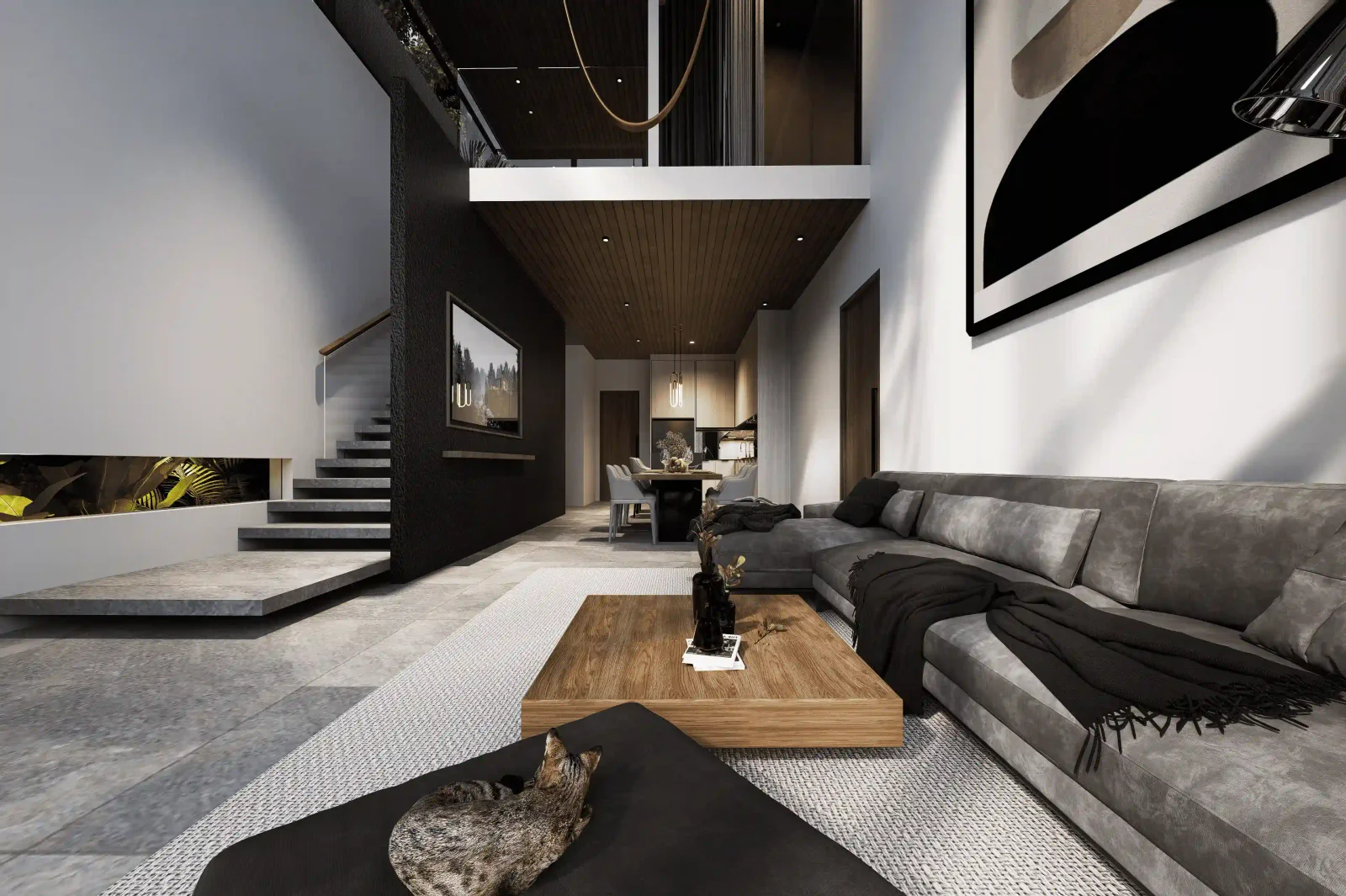
## Design & Units
The three-bedroom villas of 270 to 403 sqm cover the entry range, from 17,000,000 to 20,000,000 THB. At this price point in Layan, they deliver the full private pool villa experience within a defined budget. The four-bedroom villas of 350 to 470 sqm, from 20,500,000 to 35,000,000 THB, serve a different market: larger families, owner-users who need dedicated guest suites, or investors targeting the group rental segment that books larger villas at premium nightly rates during peak season.
Both configurations benefit from the track record the Aileen Villas series has built across its earlier phases. Buyers can visit completed Aileen villas in Layan to see the finished quality, the materials, the pool dimensions and the garden standard before committing to Phase 5. This level of reference product visibility is rare in the Phuket villa market and makes the decision far easier.
## Investment Case
The rental market for three- and four-bedroom villas in this location is strong. High-season nightly rates for comparable Layan villas typically range from 15,000 to 35,000 THB per night, with peak weeks during Christmas and New Year commanding more. For owners who plan to let, we collect achieved figures from owners and managers of completed Aileen villas nearby, which is the clearest evidence for a phase like this.
The payment plan distributes capital across six stages, with 35% at booking followed by decreasing tranches:
| Stage | Share | On 17,000,000 THB |
|---|---|---|
| Booking | 35% | 5,950,000 THB |
| Foundation | 20% | 3,400,000 THB |
| Structure | 15% | 2,550,000 THB |
| Roofing | 15% | 2,550,000 THB |
| Finishing | 10% | 1,700,000 THB |
| Handover | 5% | 850,000 THB |
## Why Buyers Choose Aileen Villas Layan Phase 5
- Earlier phases are built, delivered and letting, so the product can be seen before you commit
- Layan nightly rates sit at the top of the Phuket villa market for the three- and four-bedroom format
- 17M THB is a defined entry into a corridor where much of the villa stock starts materially higher
- About three minutes by car to Layan Beach
- Six-stage payment plan with only 5% left at handover
- Quiet, low-density residential setting that the area's planning has so far preserved
## The Advantage of a Fifth Phase
Phases already delivered in the same location, to the same design, are standing and occupied, so much of the decision can be made by observation rather than from renders.
Walk a completed Aileen villa and you see the actual pool dimensions, the distance between neighbouring villas, the ceiling height as built, how the sliding panels and the finishes have aged, and the landscaping and the shared road after several years of use. Owners in earlier phases know the letting, the running costs and the management first-hand, and we arrange the visits.
Resale prices of completed villas in the same series give a direct benchmark for the Phase 5 price, and [buying off-plan versus resale](/guides/off-plan-property-phuket-guide/) shows how to frame that comparison.
## Running a Layan Pool Villa
A villa is a small operation: pool care year-round, a fast-growing garden, air conditioning across several bedrooms and guest communication across time zones, usually handled by a management company for a share of revenue, or by an owner who enjoys running it personally. The running costs, staff, utilities, insurance, repairs and a maintenance reserve, go into the annual budget we set out for your villa, using [the rental yield guide](/guides/phuket-rental-yield-complete-guide-2026/) as the method.
A villa is held through a registered lease of the land, 30 years per registration with renewal terms in the contract, or through a Thai company with genuine Thai shareholders; [freehold versus leasehold](/guides/freehold-vs-leasehold-thailand/) explains both, and we prepare the route with our legal support.
## What We Send Before You Reserve
| Document | What it shows |
|---|---|
| The delivery record of earlier phases | How the series has been built and handed over |
| Owner feedback | The build and the service since handover |
| The estate charge as billed | The running cost of the estate |
| Letting figures from owners | The rental case from real results |
| Resale prices achieved | A real comparable from the same series |
| Estate management | Who runs the estate, and how |
## Who this suits
- **A buyer who wants evidence rather than a rendering.** The whole argument for a phase five is the track record of phases one to four.
- **A family or long-stay owner.** From 17,000,000 THB to 35,000,000 THB across three and four bedrooms, these are houses to live in rather than compact letting units.
- **An owner who enjoys a house.** A pool villa with a garden, run with a management company or personally.
## Buying Aileen Villas Layan Phase 5 with MORE Group
A villa at Aileen Villas Layan Phase 5 is bought in five steps, from the first price list to the keys, and we handle each of them with you.
{/* corpus-faq:aileen-villas-layan-phase-5 */}
## FAQ
### How does Phase 5 differ from earlier Aileen Villas phases?
Phase 5 is a distinct release within the same Layan location and design series. Earlier Aileen phases in Layan have been delivered and are operating, and Phase 5 is under construction, offering a new entry into the same proven product series.
### What is the starting price for Aileen Villas Layan Phase 5?
Three-bedroom pool villas start from 17,000,000 THB, and four-bedroom villas reach up to 35,000,000 THB.
### What rental income can I expect from a Layan pool villa?
Three- and four-bedroom villas in Layan typically achieve nightly rates of 15,000 to 35,000 THB during high season under professional management, and we collect achieved figures from completed Aileen villas nearby for your income plan.
### What is the payment plan for Phase 5?
The 6-stage plan is: 35% on booking, 20% at foundation, 15% at structure, 15% at roofing, 10% at finishing, and 5% at handover.
### Can foreigners own a villa in Layan, Phuket?
Foreigners cannot directly own land in Thailand, but private pool villas are typically held through a registered lease of 30 years with renewal terms in the contract, or through a Thai company with genuine Thai shareholders. Both structures are widely used and legally established. Our advisors can walk you through the options specific to Phase 5.
### What stage is Aileen Villas Layan Phase 5 at?
Construction is underway. We send the latest construction update together with the price list.
**Read Also:**
- [Complete Guide to Buying Property in Phuket](/guides/buying-property-phuket-guide/)
- [Aileen Residence Lagoon](/projects/aileen-residence-lagoon/)
- [Aileen Villas Phase 6](/projects/aileen-villas-phase-6/)
# Aileen Villas Phase 6 Review 2026: Prices and Unit Mix
> Aileen Villas Phase 6 review: pool villas of 180 and 250 sqm in Naithon from 13.5M THB, four minutes from the beach and nine from the airport.
**Source:** https://moregroup.estate/projects/aileen-villas-phase-6/
**Section:** Project Reviews
**Author:** MORE Group Editorial
**Published:** 2026-04-07
**Updated:** 2026-08-23
---
## Aileen Villas Phase 6: Pool Villas in Naithon Phuket
Naithon is the kind of place Phuket buyers talk about when they want something real. No hotel-strip crowds, no overbuilt seafront. Just lush hills, a wide beach that stays quiet even in high season, and a residential feel that is rare on the west coast. Aileen Villas Phase 6 lands squarely in this setting, a boutique collection of two- and three-bedroom private pool villas designed for buyers who want tropical privacy without sacrificing quality, and one of the few premium villa projects in northern Phuket still available at pre-completion pricing.
## Location: Why Naithon Works for Investors
What makes Naithon compelling right now is that it has not been overbuilt. Long-term Phuket investors have watched Bang Tao grow from a quiet residential area into a dense development zone in under a decade, and Naithon is at an earlier point on that curve. Infrastructure is improving, international schools in Thalang are within reach, and the airport proximity is genuinely useful for buyers who split time between countries.
From the estate, Naithon Beach is about four minutes by car, the nearest shops about five, Phuket International Airport about nine, and Blue Canyon Golf Club and Nai Yang Beach are close by.
The area also benefits from year-round rental demand. The quieter profile appeals to guests seeking a more authentic Thai neighbourhood experience, families, digital nomads, and European couples looking for longer stays rather than party-week bookings.
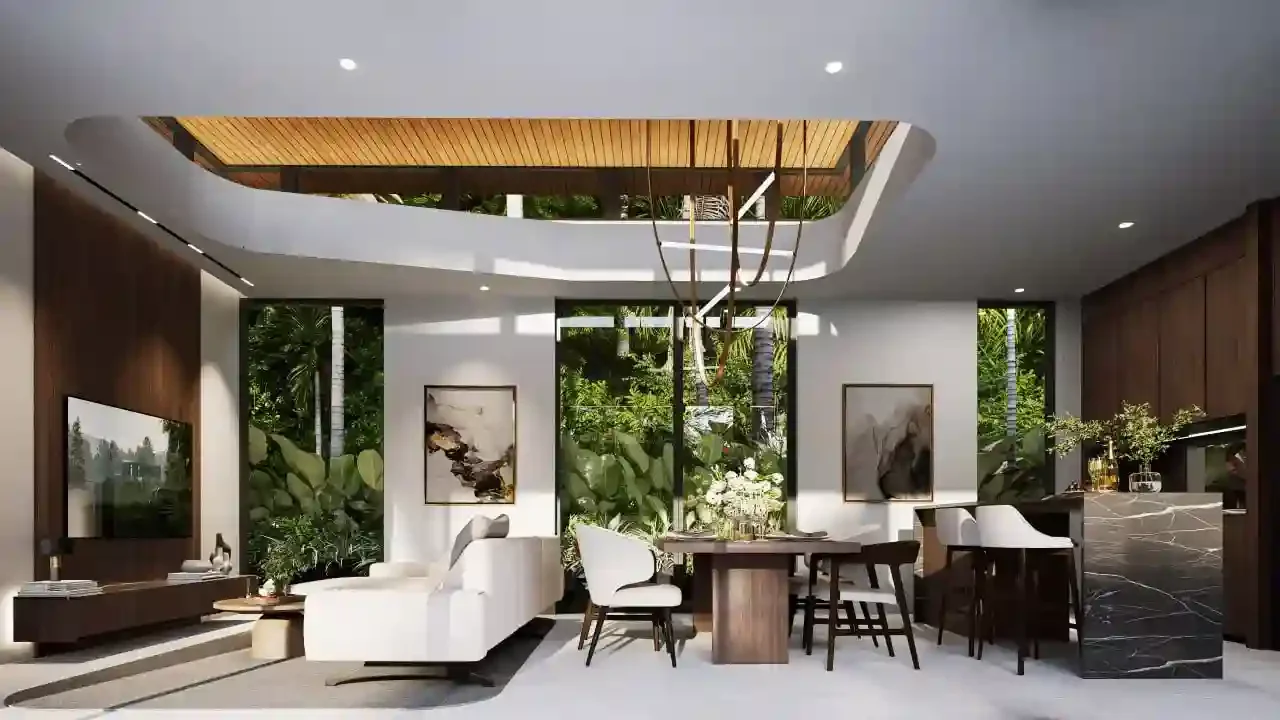
## Villa Design: Tropical Modern with Room to Live
The two-bedroom villas of 180 sqm start at 13.5 million THB and suit buyers looking for a lifestyle property or a solid rental investment. The three-bedroom villas of 250 sqm, at 18 million THB, offer more space for families or larger rental groups. Both include private pools, outdoor sala areas, open-plan living with high ceilings, ensuite bedrooms and landscaped gardens, in a gated estate with 24-hour security, covered parking and professional property management.
What stands out architecturally is the use of natural materials, stone, timber, and local hardwoods, balanced against clean contemporary lines. The mountain backdrop and surrounding tree cover mean the villas feel genuinely embedded in the landscape rather than dropped onto cleared land.
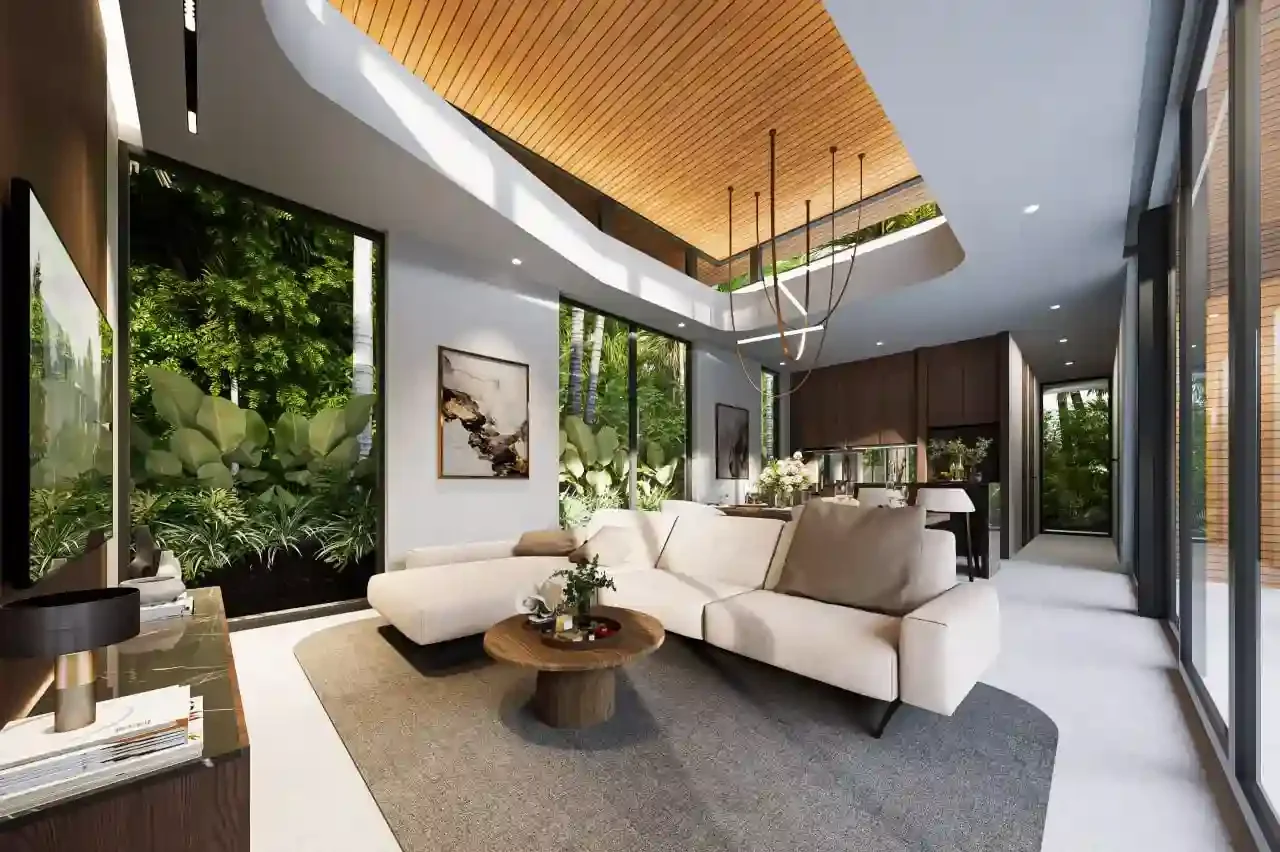
## Investment Case
The payment structure, 35% on booking and then staged tranches through construction, gives buyers time to plan currency transfers, and the villa joins the rental market for the first high season after handover. Naithon's lower land prices compared to Bang Tao and Surin mean entry costs are genuinely better here, and the area's steady growth, without a speculative run-up, gives values a stable base.
| Stage | Share | On 13,500,000 THB |
|---|---|---|
| Booking | 35% | 4,725,000 THB |
| Second | 20% | 2,700,000 THB |
| Third | 15% | 2,025,000 THB |
| Fourth | 15% | 2,025,000 THB |
| Fifth | 10% | 1,350,000 THB |
| Handover | 5% | 675,000 THB |
The plan opens with the larger payment and the tail is light, so the completion payment is small. For a foreign buyer, the first transfer is the moment to set up the inward remittance record for the ownership structure, and we plan it with you. We send the schedule with the construction milestone each stage is tied to.
## Who Is This For?
**Rental investors** targeting the quality long-stay segment (2+ weeks, European and Australian guests, families) will find the two-bedroom especially practical. The three-bedroom suits families, extended family use and larger rental groups.
**Airport-proximity seekers**, business travellers, frequent Asia flyers, or buyers who need easy access to Bangkok connections, benefit from the nine-minute drive to Phuket International Airport.
Naithon is calm, intentionally so, which is exactly what these buyers come for.
## Naithon's Growth Story
The case for Naithon rests on a clear thesis: it sits at an earlier point on the curve Bang Tao travelled over the past decade. Land in Naithon is meaningfully cheaper than in Bang Tao or Surin, development density is genuinely lower, and the airport is nine minutes away, a structural advantage the west-coast resort corridor cannot manufacture. Naithon's frontage is hemmed in by headland and protected land, so the amount of buildable beachside ground is finite. Constrained supply plus improving access is the ordinary recipe for values rising.
The practical way to hold that thesis is as a supporting argument: buy the villa because the product, the price and the setting work for you, and treat area appreciation as a welcome outcome. That also describes the buyer this project suits, someone with a long horizon who wants a quiet north-coast base. The [best areas guide](/guides/best-areas-phuket-buy-property/) compares Naithon with the other coasts.
## Aileen Phase 6 Among North-Coast Villa Estates
Buyers looking at the north-west coast usually compare a few villa estates at a similar entry:
| Estate | Entry on our list | Entry villa |
|---|---|---|
| Aileen Villas Phase 6 | 13,500,000 THB | Two-bedroom, 180 sqm |
| [Janya Villas](/projects/janya-villas/) | 13,250,000 THB | Three-bedroom, 232 sqm |
| [Botanica Wisdom](/projects/botanica-wisdom/) | 15,500,000 THB | Three-bedroom, from 250 sqm |
| [Mono Champaca](/projects/mono-champaca/) | 18,490,000 THB | Three-bedroom, from 256 sqm |
Aileen Phase 6 is the closest of the group to the sand, about four minutes by car to Naithon Beach, and its two-bedroom is the easiest pool villa in the group to run. For a family that wants a third bedroom, its 250 sqm three-bedroom sits alongside the others on price.
## Life in Naithon
Naithon Beach is a wide, quiet bay framed by headlands, with a handful of beach restaurants and very little else on the sand. Nai Yang Beach and the Sirinat National Park are just to the north, Blue Canyon Golf Club is close by, the nearest shops are about five minutes away and the airport about nine. Days here are simple: an early swim, lunch by the bay, an afternoon by the pool, which is exactly what long-stay guests and owners come for.
## Why Buyers Choose Aileen Villas Phase 6
- A two-bedroom pool villa from 13.5M THB, a low entry for a private pool villa on the north-west coast
- Nine minutes to the airport and four to Naithon Beach
- Naithon's build-out is at an earlier stage than Bang Tao's, and its beach frontage is constrained rather than open-ended
- Earlier Aileen phases are delivered and can be seen before you commit
- Year-round long-stay demand rather than a purely seasonal holiday-week pattern
- A gated, pet-friendly estate with professional property management
## How a Foreign Buyer Owns a Villa Here
These are houses on private plots, so a foreign buyer holds one through a registered lease of the plot, 30 years per registration with renewal terms in the contract and the house in their own name, or through a Thai company holding the land with genuine Thai shareholders. [Freehold vs leasehold in Thailand](/guides/freehold-vs-leasehold-thailand/) explains both routes, and we prepare the one that suits you with our legal support.
## Buying Aileen Villas Phase 6 with MORE Group
A villa at Aileen Villas Phase 6 is bought in five steps, from the first price list to the keys, and we are with you at each of them.
{/* corpus-faq:aileen-villas-phase-6 */}
## FAQ
### How does a foreign buyer own an Aileen Phase 6 villa?
These are houses on private plots rather than units in a registered condominium, so the villa is held through a registered lease of the plot, commonly 30 years with renewal terms, or through a Thai company holding the land with genuine Thai shareholders. We confirm the structure the developer registers and prepare it with our legal support.
### What does 13.5M THB buy, and what does the larger villa add?
The entry at 13.5M THB is a two-bedroom private pool villa of 180 sqm with an outdoor sala and landscaped garden, built in natural stone and timber against the hillside. The three-bedroom of 250 sqm at 18M THB adds space for a family, a home office or a larger rental group. As a rental proposition the two-bedroom sits in the deepest part of the long-stay market; the three-bedroom earns its premium from owner use and from group bookings.
### How is Naithon different from Bang Tao as a rental market?
Quieter and weighted toward longer stays. The guest booking Naithon is generally a family, a couple or a remote worker taking two weeks or more, which produces steadier occupancy with lower turnover cost, and a Naithon listing builds its position through reviews and repeat guests.
### What is the payment schedule?
35% at booking, then 20%, 15%, 15%, 10% and a final 5% through construction to completion. We send the schedule with the construction milestone each stage is tied to.
### What does a pool villa here cost to run once it is finished?
Pool servicing and garden maintenance, air conditioning, insurance and a maintenance reserve, plus a management company's share if you let the villa. We set out the annual budget for your villa with a manager's quote.
### What stage is Aileen Villas Phase 6 at?
Construction is underway. We send the latest construction update together with the price list.
**Read Also:**
- [Complete Guide to Buying Property in Phuket](/guides/buying-property-phuket-guide/)
- [Aileen Villas Layan: Review](/projects/aileen-villas-layan-phase-5/)
- [Botanica Wisdom: Pool Villas in Thalang](/projects/botanica-wisdom/)
- [Freehold vs Leasehold in Thailand](/guides/freehold-vs-leasehold-thailand/)
- [Mono Champaca Review 2026: Prices & Yield](/projects/mono-champaca/)
# Akara Golden Section Sakhu: Pool Villas from 6.5M THB
> Akara Golden Section: two-bedroom private pool villas in Sakhu near Nai Yang Beach and the airport, with a gym on site, from 6.5M THB.
**Source:** https://moregroup.estate/projects/akara-golden-section/
**Section:** Project Reviews
**Author:** MORE Group Editorial
**Published:** 2026-04-07
**Updated:** 2026-08-23
---
## What Is Akara Golden Section?
Akara Golden Section makes a private pool villa possible at the price of a condominium on the coast. The villas are compact and well proportioned, with an open-plan living and dining area that opens onto a terrace and a private swimming pool, and two bedrooms for a couple, a small family or guests. The development is small, so the setting stays calm and private.
Residents have a gym on site, and the shops of Sakhu are about four minutes by car. Nai Yang Beach, one of the calmest bays on the island, is a short drive, and the airport is close enough for easy trips. Nearby, [Akara Pool Villas](/projects/akara-pool-villas/) offers larger two-bedroom villas in the same area.
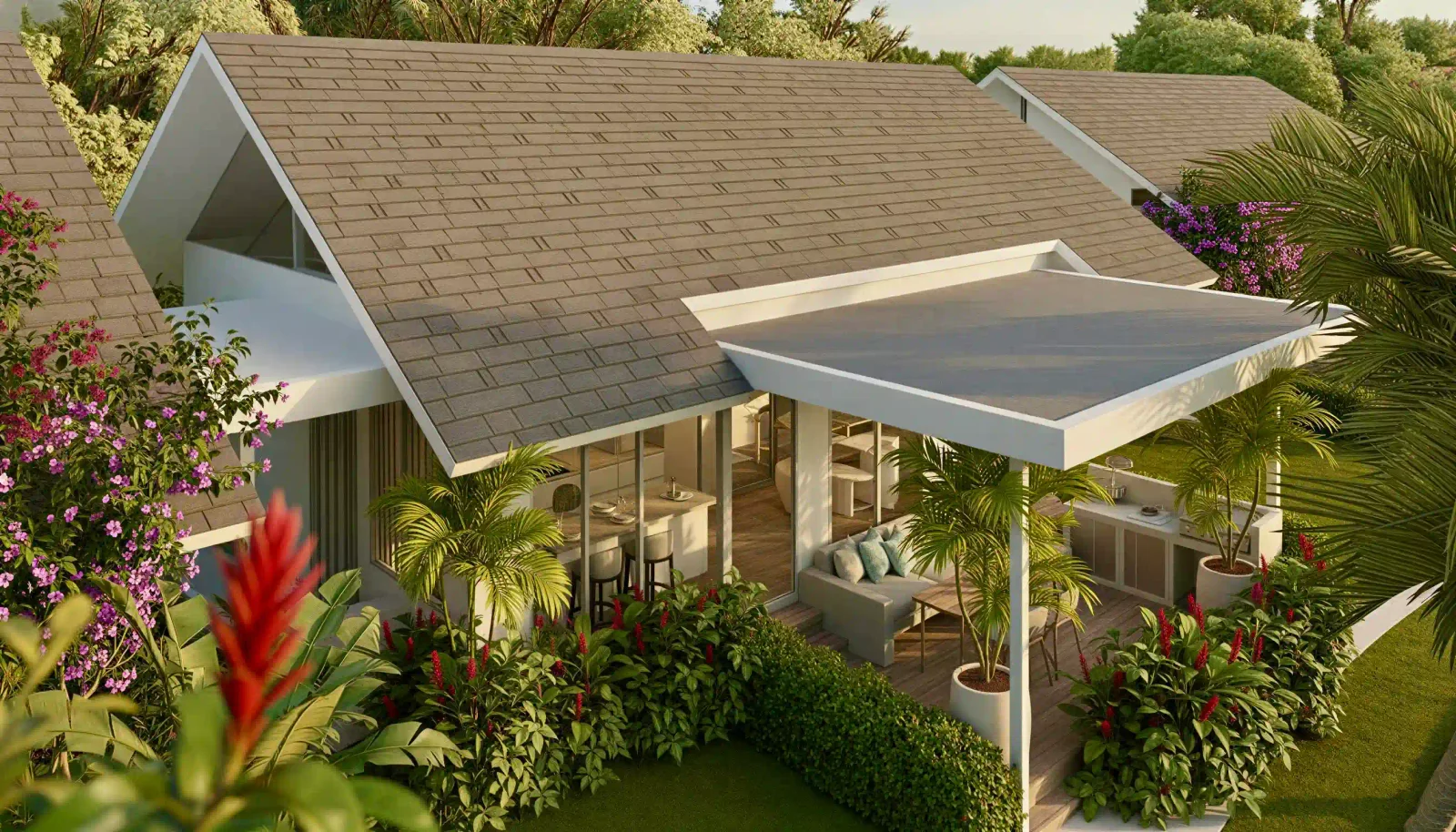
## What Are the Key Facts for Akara Golden Section?
| Factor | Detail |
| --- | --- |
| Location | Sakhu, Thalang, near Nai Yang |
| Villas | Private pool villas, boutique scale |
| On our price list | 13 villas, numbers 1 to 13 |
| Bedrooms | Two |
| Villa size | 84 sqm |
| Price | 6,500,000 to 7,000,000 THB |
| Facilities | Private pool, gym on site |
| Payment | 30% / 20% / 20% / 20% / 10% |
| Stage | Under construction |
| Beach | About 5 minutes by car |
| Airport | About 14 minutes by car |
## Location: Sakhu and Nai Yang
Sakhu is a quiet residential area on the north-west of Phuket, between the airport and the calm beaches of Nai Yang and Nai Thon, next to Sirinat National Park.
- **Nai Yang Beach:** about 5 minutes by car, with seafood restaurants under the casuarina trees
- **Phuket International Airport:** about 14 minutes by car
- **Shops and supermarkets:** the nearest mall about 4 minutes by car
- **Nai Thon and Mai Khao beaches:** the quiet bays to the south and north
- **Bang Tao and Laguna:** the beach clubs and golf of the west coast within a longer drive
Days here are unhurried: a morning swim in your own pool, lunch on the sand at Nai Yang and a sunset walk along the national park beach. The [Nai Yang area page](/nai-yang-properties/) covers the district in more detail.
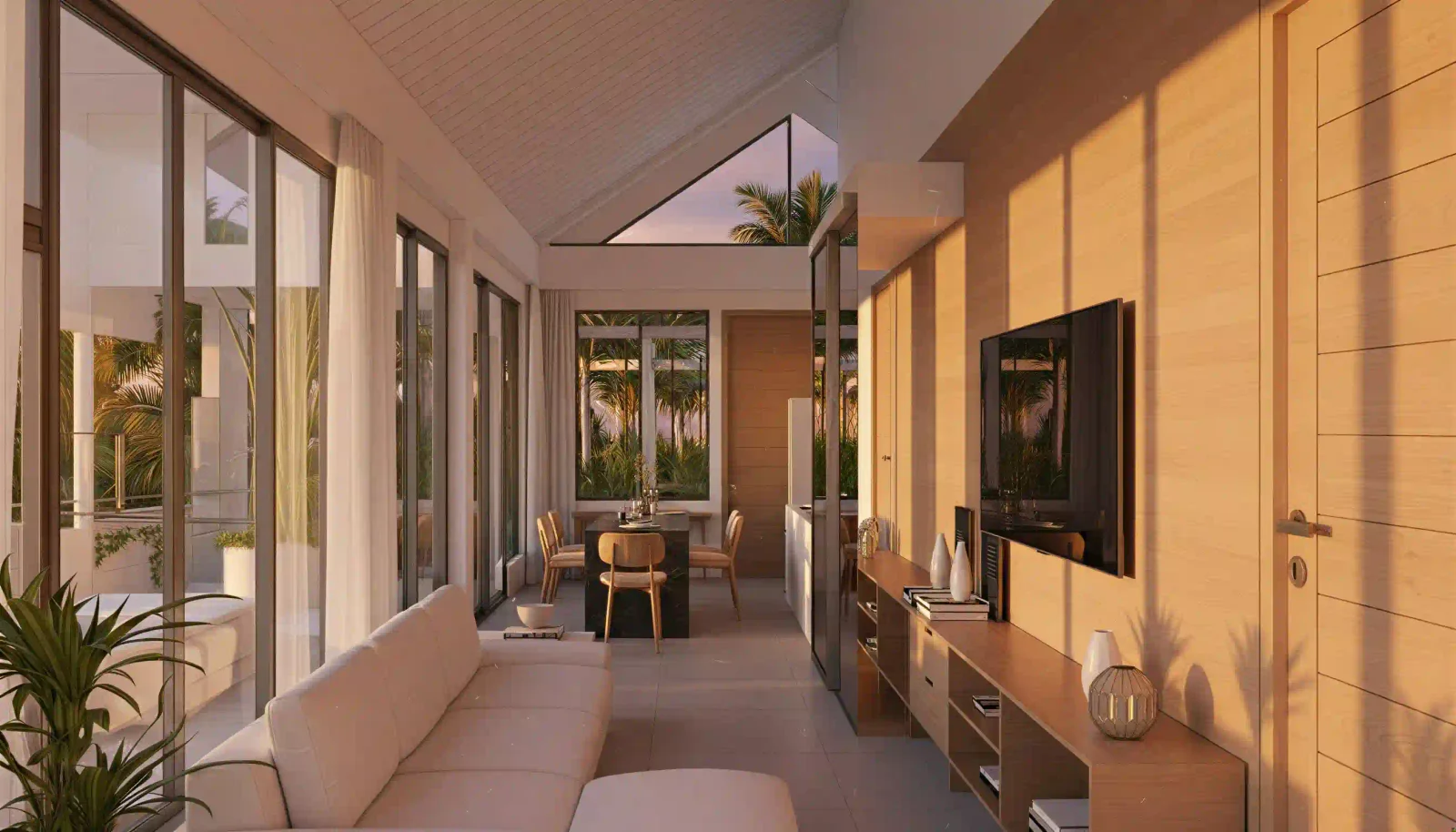
## Villas and Prices
| Villas | Bedrooms | Size | Price |
| --- | --- | --- | --- |
| Villas 1 to 13 | Two | 84 sqm | 6,500,000 to 7,000,000 THB |
All thirteen villas on our list share the two-bedroom plan of 84 sqm, and the price moves with the plot and its position in the development, from 6,500,000 to 7,000,000 THB. We send the plan of the house, the plot of each villa and the site plan with the price list, so you can choose the position you like best. With thirteen villas on the list, there is still a real choice of plots, and we can arrange a visit to see the site and the surrounding area before you decide.
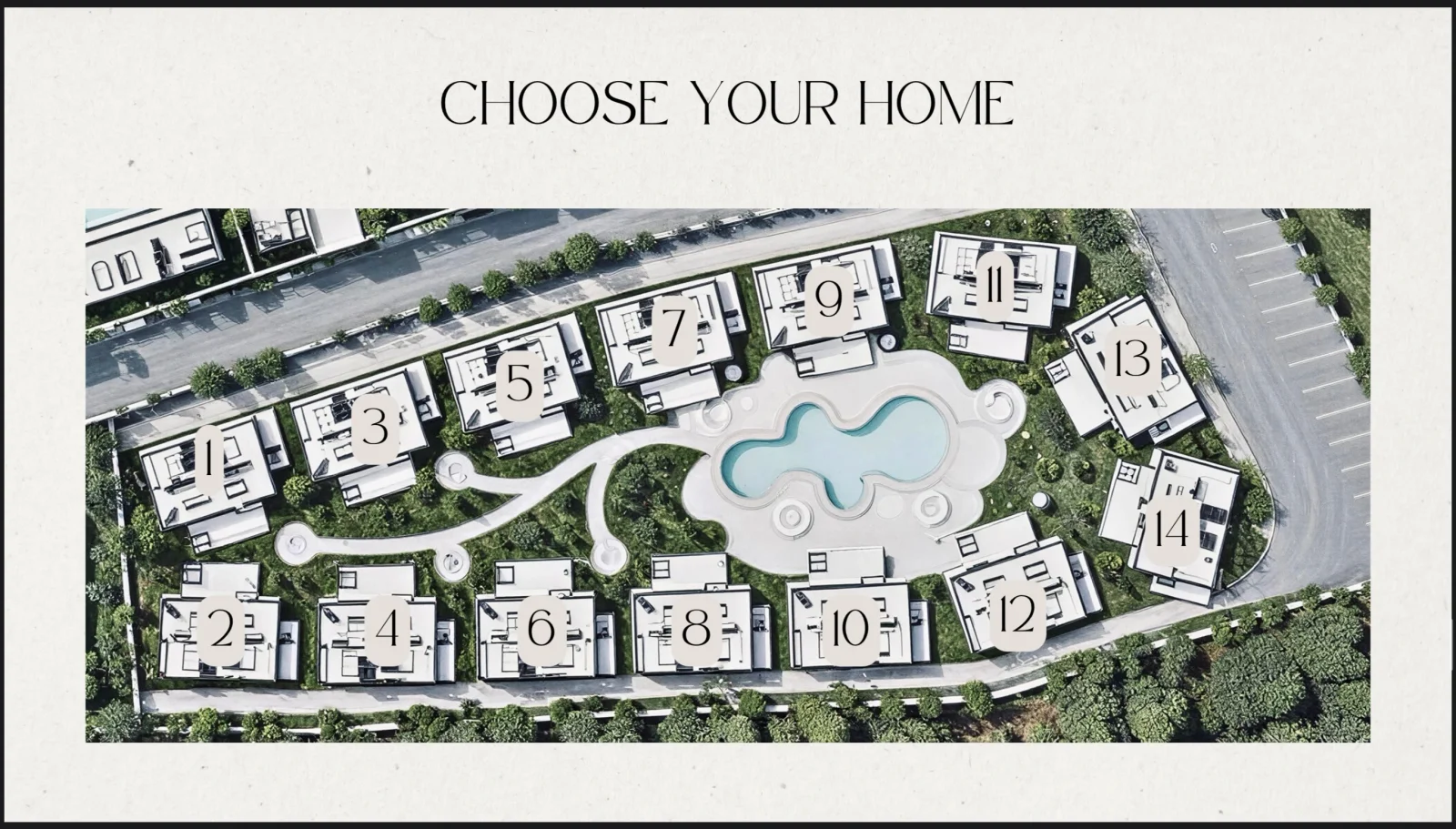
## Design and Villas
- **Modern design** built on the proportions of the golden ratio
- **Open-plan living and dining**
- **Two bedrooms**
- **Private swimming pool** and terrace
- **Gym on site**
- **Boutique scale**, calm and private
- **Pet-friendly**
## Living at Akara Golden Section
Life at Akara Golden Section is simple and relaxed. The pool is steps from the living room, the gym is on site, and the shops are a few minutes away. In the afternoon Nai Yang Beach and its restaurants under the trees are a short drive, and when family or friends fly in, the airport run takes about a quarter of an hour. For owners who spend part of the year elsewhere, a compact villa is easy to keep and easy to leave.
## Five-Stage Payment Plan
The price is paid in five stages: 30%, three stages of 20% and 10%. For a villa at 6,500,000 THB that works out as follows:
| Stage | Share | Amount |
| --- | --- | --- |
| 1 | 30% | 1,950,000 THB |
| 2 to 4 | 20% each | 1,300,000 THB each |
| 5 | 10% | 650,000 THB |
The schedule follows the build and leaves 10% for handover. We send the developer's schedule for your villa with the price list.
## Why Buyers Choose Akara Golden Section
- **A private pool villa from 6,500,000 THB**
- **About 5 minutes** to Nai Yang Beach
- **About 14 minutes** to the airport
- **A gym on site** and a boutique setting
- **Easy to own and to keep** as a holiday home
- **Pet-friendly**
## Who Akara Golden Section Suits
**Couples** who want their own pool villa near a calm beach at an accessible price, with the airport close for trips home.
**First-time Phuket buyers** stepping into a villa rather than a condominium.
**Frequent travellers** who value a short drive to the airport.
**Rental investors** aiming at couples and small families who book a private pool villa near Nai Yang.
## Renting Out a Villa at Akara Golden Section
A two-bedroom pool villa near Nai Yang appeals to couples and small families on holiday who want privacy, a pool of their own and an easy airport transfer, and to long-stay guests who spend the season in the calm north. The accessible price makes it a practical first rental villa.
If you plan to let your villa at Akara Golden Section, we collect current asking rents and holiday rates for comparable villas near Nai Yang and send them with the price list. [Our rental guide](/guides/phuket-rental-yield-complete-guide-2026/) explains how to read a rental offer line by line.
## Ownership for Foreign Buyers
At Akara Golden Section, as with any villa in Thailand, you buy land plus a building. The house can be held in your own name over a lease of the plot registered at the Land Office, 30 years per registration with renewal terms in the contract, or the land can be held through a Thai company with genuine Thai shareholders. [Freehold and leasehold in Thailand](/guides/freehold-vs-leasehold-thailand/) explains both routes, and we prepare the one that suits you with our legal support.
## Akara Golden Section and Other Villas Near Nai Yang
| Project | From | Status |
| --- | --- | --- |
| Akara Golden Section | 6,500,000 THB | Off-plan |
| [Akara Pool Villas](/projects/akara-pool-villas/) | 9,000,000 THB | Off-plan |
| [Narinsaya Pool Villas](/projects/narinsaya-pool-villas/) | 12,500,000 THB | Off-plan |
| [Janya Villas](/projects/janya-villas/) | 13,250,000 THB | Off-plan |
| [AG Club Villas](/projects/ag-club-villas/) | 13,452,240 THB | Off-plan |
| [Phuvista 3 Naiyang](/projects/phuvista-naiyang/) | 14,800,000 THB | Off-plan |
Akara Golden Section opens this group as the most accessible private pool villa near Nai Yang. We send the price lists of any of these projects on request and arrange viewings.
## Buying Akara Golden Section with MORE Group
A villa at Akara Golden Section is bought in five steps, from the first price list to the keys, and we are with you through each of them.
## What We Send Before You Reserve
- The current price list with the site plan and plot of each villa
- The five-stage payment schedule for your villa
- The ownership structure for your purchase, leasehold or company, with the documents it needs
- The development's common charges
- The latest construction update
{/* corpus-faq:akara-golden-section */}
## FAQ
### What does Akara Golden Section cost?
Our price list holds 13 two-bedroom pool villas of 84 sqm, from 6,500,000 to 7,000,000 THB.
### Where is Akara Golden Section?
In Sakhu, Thalang, on the north-west of Phuket. Nai Yang Beach is about 5 minutes by car, the airport about 14 minutes and the nearest shops about 4 minutes.
### What does each villa include?
Two bedrooms, open-plan living and dining, a private swimming pool and a terrace. Residents also have a gym on site.
### What is the payment plan?
Five stages: 30%, three stages of 20% and 10% at handover. For a villa at 6,500,000 THB that means 1,950,000 THB at the first stage and 650,000 THB at handover.
### How can foreigners own a villa at Akara Golden Section?
The house can be held in your own name over a lease of the plot registered at the Land Office, 30 years per registration with renewal terms in the contract, or the land can be held through a Thai company with genuine Thai shareholders. We prepare the structure with our legal support.
**Read Also:**
- [Akara Pool Villas](/projects/akara-pool-villas/)
- [Nai Yang Property Guide](/guides/nai-yang-property-guide/)
- [AG Club Villas](/projects/ag-club-villas/)
- [Freehold vs Leasehold in Thailand](/guides/freehold-vs-leasehold-thailand/)
- [How Foreigners Buy Phuket Property 2026](/guides/buying-property-phuket-guide/)
- [Phuket Rental Yield Guide](/guides/phuket-rental-yield-complete-guide-2026/)
# Akara Pool Villas Nai Yang: 2-Bed Villas from 9M THB
> Akara Pool Villas review: two-bedroom private pool villas of 156 and 242 sqm in Sakhu, five minutes by car from Nai Yang Beach, from 9M THB.
**Source:** https://moregroup.estate/projects/akara-pool-villas/
**Section:** Project Reviews
**Author:** MORE Group Editorial
**Published:** 2026-04-07
**Updated:** 2026-08-23
---
## What Is Akara Pool Villas?
Akara Pool Villas brings a private pool villa within reach of buyers who might otherwise look at a condominium. Each house has its own pool, an open kitchen and living area, and two bedrooms, on a compact estate in the green residential belt between Nai Yang and the airport. It is the larger sister of [Akara Golden Section](/projects/akara-golden-section/), built by the same developer on the same site.
The two villas on the list differ mainly in size. The smaller house of 156 sqm opens the estate at 9,000,000 THB, and the larger house of 242 sqm, at 12,850,000 THB, adds generous extra living space for families and longer stays.
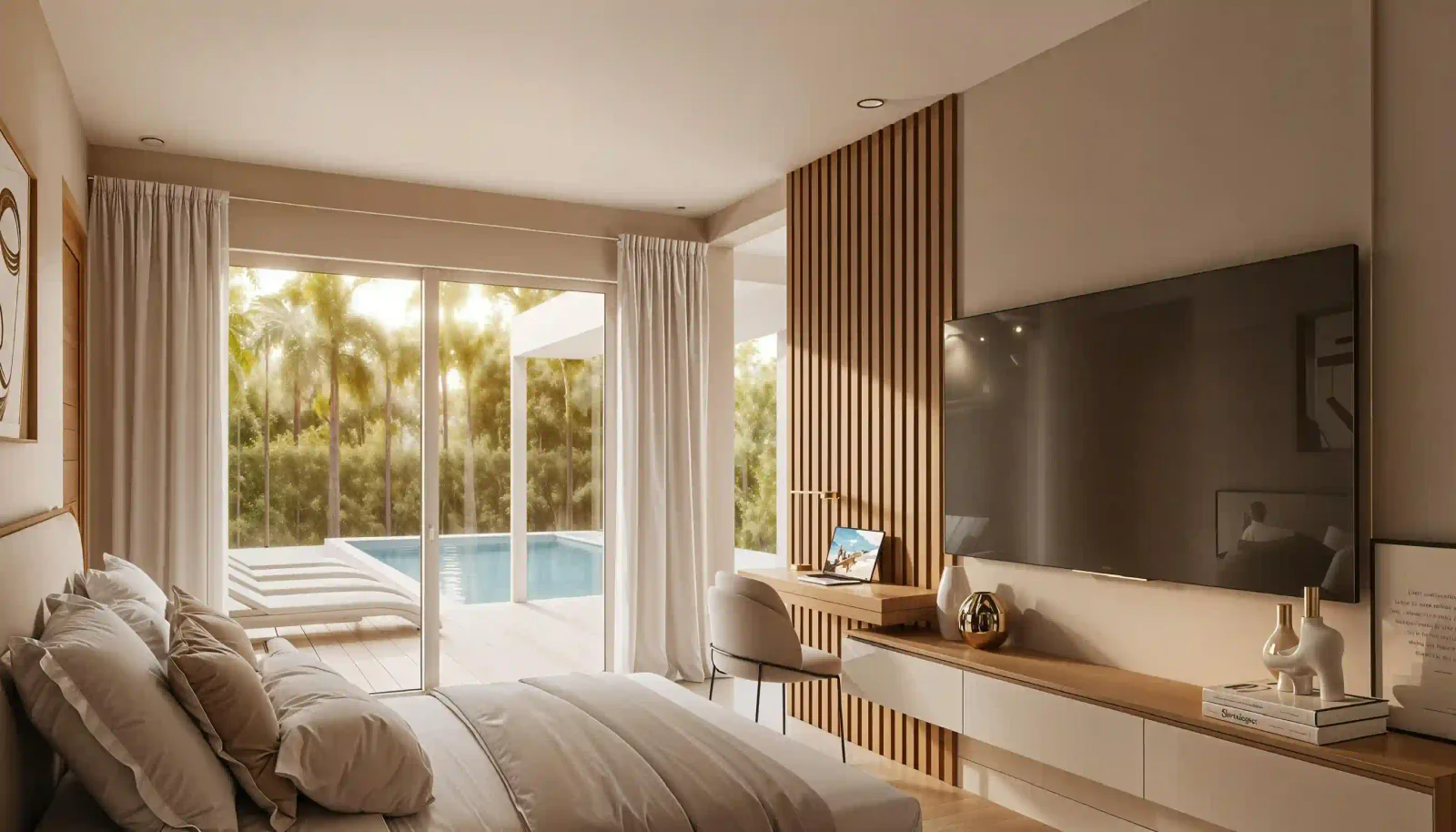
## What Are the Key Facts for Akara Pool Villas?
| Factor | Detail |
| --- | --- |
| Location | Sakhu, Thalang, near Nai Yang Beach |
| Villas | 2 on our price list |
| Villa type | Two-bedroom with a private pool |
| Built area | 156 and 242 sqm |
| Prices | 9,000,000 and 12,850,000 THB |
| Price per sqm | About 53,100 to 57,500 THB |
| Payment | 30% / 25% / 25% / 15% / 5% |
| Stage | Under construction |
| Beach | About 5 minutes by car |
| Airport | About 14 minutes by car |
## Location: Sakhu and Nai Yang
Sakhu is the district around Nai Yang, the relaxed beach village on the north-west coast of Phuket. Nai Yang Beach belongs to Sirinat National Park, a long protected stretch of coast lined with casuarina trees, where the beachfront is shared by local seafood restaurants, small cafes and families on a day out rather than by high-rise hotels. The water is calm and clear in the dry season, and from May to October the steady onshore wind turns the bay into one of the island's favourite kitesurfing spots.
- **Nai Yang Beach:** about 5 minutes by car
- **Shopping:** the nearest shops about 4 minutes by car, or an 18-minute walk
- **Phuket International Airport:** about 14 minutes by car
- **Mai Khao and Layan:** the national-park beaches to the north and the villa district to the south, both a short drive away
- **Boat Avenue and the Bang Tao coast:** within easy reach for restaurants, shopping and international schools
The north-west of the island suits owners who fly in and out often and residents who prefer a village pace to the busy west-coast strip. The [Nai Yang property guide](/guides/nai-yang-property-guide/) covers the area in more detail.
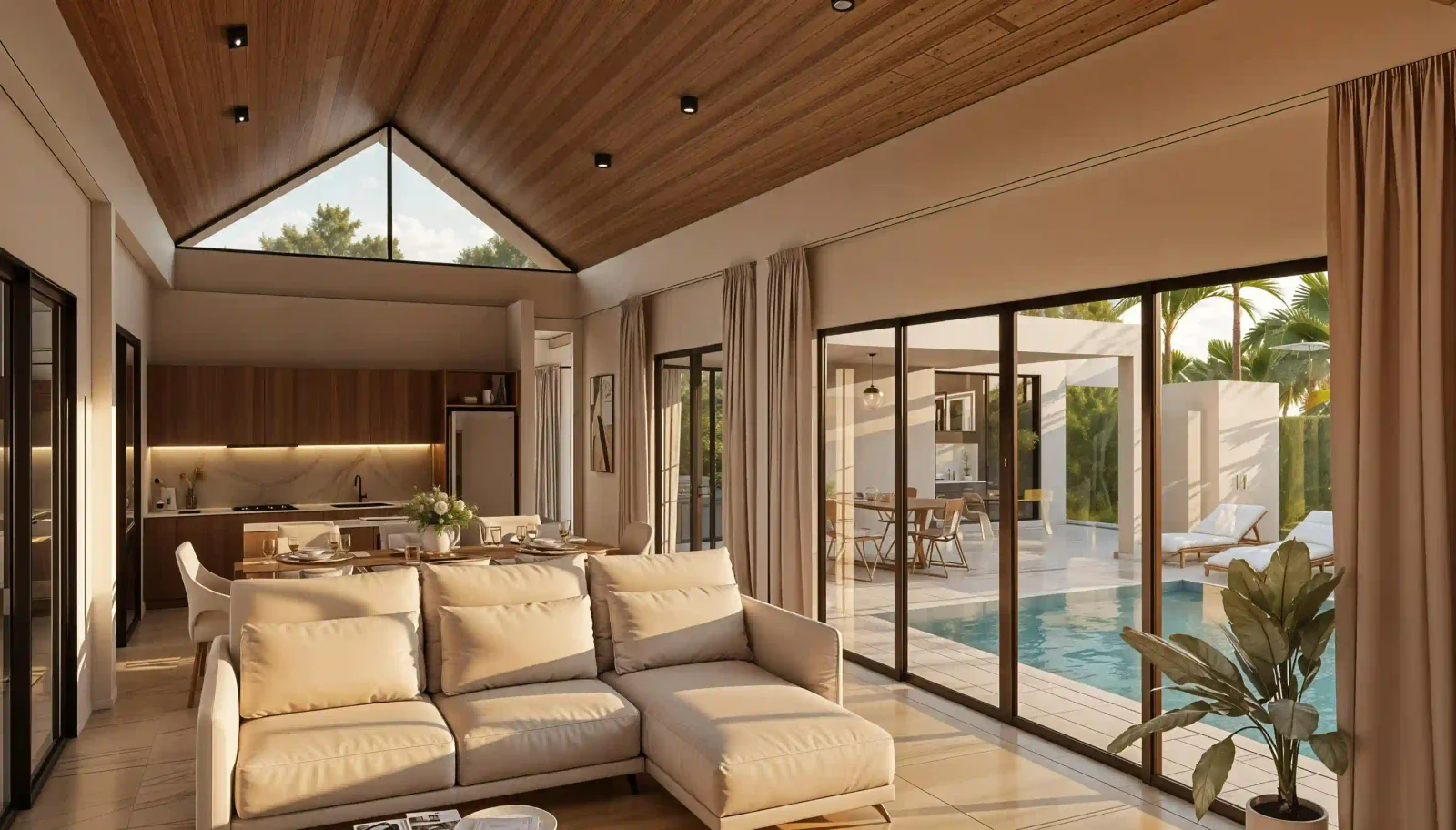
## Villas and Prices
| Villa | Bedrooms | Built area | Price | Per sqm |
| --- | --- | --- | --- | --- |
| Villa 10 | Two | 156 sqm | 9,000,000 THB | About 57,500 THB |
| Villa 9 | Two | 242 sqm | 12,850,000 THB | About 53,100 THB |
Villa 10 is the accessible way into a private pool villa near Nai Yang. Villa 9 offers about 86 sqm more for 3,850,000 THB, which brings the rate per square metre down to about 53,100 THB and gives room for a larger living area, a home office or guests. We send the plan and plot area of each villa with the price list.
## Design and Villas
- **Private swimming pool** for every villa
- **Open kitchen and living area** that opens onto the pool
- **Two bedrooms**, suited to a couple, a small family or a home with a guest room
- **Two sizes:** 156 sqm and 242 sqm of built area
- **A gym on site** for residents
- **Pet-friendly estate**
## Akara Pool Villas and Akara Golden Section
The same developer is building two villa estates on this site. [Akara Golden Section](/projects/akara-golden-section/) offers thirteen compact two-bedroom villas of 84 sqm from 6,500,000 to 7,000,000 THB. Akara Pool Villas is the larger format, with 156 and 242 sqm of built area, for buyers who want more space in the house and around the pool.
| | Akara Golden Section | Akara Pool Villas |
| --- | --- | --- |
| Villas on the list | 13 | 2 |
| Bedrooms | Two | Two |
| Built area | 84 sqm | 156 and 242 sqm |
| Price | 6,500,000 to 7,000,000 THB | 9,000,000 and 12,850,000 THB |
We arrange a visit to both estates on the same day, so you can compare the two formats in person.
## Five-Stage Payment Plan
The price is paid in five stages during construction: 30%, 25%, 25%, 15% and 5%. For Villa 10 at 9,000,000 THB that works out as follows:
| Stage | Share | Amount |
| --- | --- | --- |
| 1 | 30% | 2,700,000 THB |
| 2 | 25% | 2,250,000 THB |
| 3 | 25% | 2,250,000 THB |
| 4 | 15% | 1,350,000 THB |
| 5 | 5% | 450,000 THB |
The schedule spreads the price across the build and leaves only a small final payment at handover. We send the developer's schedule for your villa with the price list.
## Why Buyers Choose Akara Pool Villas
- **A private pool villa from 9,000,000 THB**
- **Near Nai Yang Beach:** about 5 minutes by car
- **Close to the airport:** about 14 minutes by car
- **Two sizes:** 156 and 242 sqm
- **A gym on site** and a pet-friendly estate
- **Five-stage payments** with 5% at handover
## Who Akara Pool Villas Suits
**Couples and small families** who want their own pool villa near a quiet national-park beach.
**Frequent flyers and part-year residents**, with the airport about fourteen minutes away.
**First-time villa buyers** stepping up from a condominium to a house with a garden and a pool.
**Long-stay rental investors** looking at the steady year-round demand of the north-west coast.
## Renting Out a Villa at Akara Pool Villas
A two-bedroom pool villa near Nai Yang appeals to couples and small families on longer holidays, to kitesurfers who come for the season, and to residents who want a house close to the airport. Monthly and seasonal lets suit the area well and keep turnover low.
For owners who plan to rent, we collect current asking rents for comparable villas around Nai Yang and send them with the price list. [Our rental guide](/guides/phuket-rental-yield-complete-guide-2026/) explains how to read a rental offer line by line.
## Ownership for Foreign Buyers
At Akara Pool Villas, as with any villa in Thailand, you buy land plus a building. The house can be held in your own name over a lease of the plot registered at the Land Office, 30 years per registration with renewal terms in the contract, or the land can be held through a Thai company with genuine Thai shareholders. [Freehold and leasehold in Thailand](/guides/freehold-vs-leasehold-thailand/) explains both routes, and we prepare the one that suits you with our legal support.
## Akara Pool Villas and Other Nai Yang Villas
| Project | From | Status |
| --- | --- | --- |
| [Akara Golden Section](/projects/akara-golden-section/) | 6,500,000 THB | Off-plan |
| Akara Pool Villas | 9,000,000 THB | Off-plan |
| [Narinsaya Pool Villas](/projects/narinsaya-pool-villas/) | 12,500,000 THB | Off-plan |
| [Janya Villas](/projects/janya-villas/) | 13,250,000 THB | Off-plan |
| [AG Club Villas](/projects/ag-club-villas/) | 13,452,240 THB | Off-plan |
| [Phuvista 3 Naiyang](/projects/phuvista-naiyang/) | 14,800,000 THB | Off-plan |
The two Akara estates open the Nai Yang villa market on our list. We send the price lists of any of these projects on request and arrange viewings. More villas in the area are collected in [villas for sale in Nai Yang](/nai-yang-properties/).
## Buying Akara Pool Villas with MORE Group
A villa at Akara Pool Villas is bought in five steps, from the first price list to the keys, and we are with you through each of them.
## What We Send Before You Reserve
- The price list with the plan and plot area of each villa
- The five-stage payment schedule for your villa
- The ownership structure for your purchase, leasehold or company, with the documents it needs
- The latest construction update
- Current asking rents for comparable villas near Nai Yang, if you plan to rent
{/* corpus-faq:akara-pool-villas */}
## FAQ
### What does Akara Pool Villas cost?
Two villas are on our price list: Villa 10 of 156 sqm at 9,000,000 THB and Villa 9 of 242 sqm at 12,850,000 THB. Both have two bedrooms and a private pool.
### What is the difference between Akara Pool Villas and Akara Golden Section?
Same developer and the same site in Sakhu. Golden Section offers thirteen compact two-bedroom villas of 84 sqm from 6,500,000 to 7,000,000 THB, and Akara Pool Villas offers larger houses of 156 and 242 sqm. We arrange a visit to both on the same day.
### Where is Akara Pool Villas?
In Sakhu, Thalang, on the north-west coast of Phuket. Nai Yang Beach is about 5 minutes by car, the airport about 14 minutes and the nearest shops about 4 minutes.
### What is the payment plan?
Five stages during construction: 30%, 25%, 25%, 15% and 5%. For Villa 10 that means 2,700,000 THB at the first stage and 450,000 THB at handover.
### How can foreigners own a villa at Akara Pool Villas?
The house can be held in your own name over a lease of the plot registered at the Land Office, 30 years per registration with renewal terms in the contract, or the land can be held through a Thai company with genuine Thai shareholders. We prepare the structure with our legal support.
**Read Also:**
- [Akara Golden Section, the compact villas on the same site](/projects/akara-golden-section/)
- [Nai Yang Property Guide](/guides/nai-yang-property-guide/)
- [Villas for Sale in Nai Yang](/nai-yang-properties/)
- [Freehold vs Leasehold in Thailand](/guides/freehold-vs-leasehold-thailand/)
- [The Buying Process in Thailand, Step by Step](/guides/due-diligence-process-thailand-step-by-step/)
- [Phuket Rental Yield Guide](/guides/phuket-rental-yield-complete-guide-2026/)
# Alinda Villas Thalang: Pool Villas from 29.3M THB
> Alinda Villas review: single-storey pool villas with three and four bedrooms, 440 to 687 sqm, in a gated estate near Layan and Laguna, from 29.3M THB.
**Source:** https://moregroup.estate/projects/alinda-villas/
**Section:** Project Reviews
**Author:** MORE Group Editorial
**Published:** 2026-04-07
**Updated:** 2026-08-23
---
## What Is Alinda Villas?
Alinda Villas is built for families who want space, privacy and a house on one level. Each villa is single-storey, with an open-plan living and dining area, a Western kitchen, en-suite bedrooms under high ceilings, a private pool and a garden. Storage and utility rooms and a two-car garage complete the layout, so the house works as a full-time family home rather than a holiday apartment.
The estate is small and calm: nine villas behind a gate, with 24-hour security and landscaped common areas, in the green residential belt a short drive from Layan Beach, Boat Avenue and Laguna Phuket. Practical eco features, from solar rooftop systems and efficient air conditioners to underground water tanks, keep the houses comfortable and economical to run.
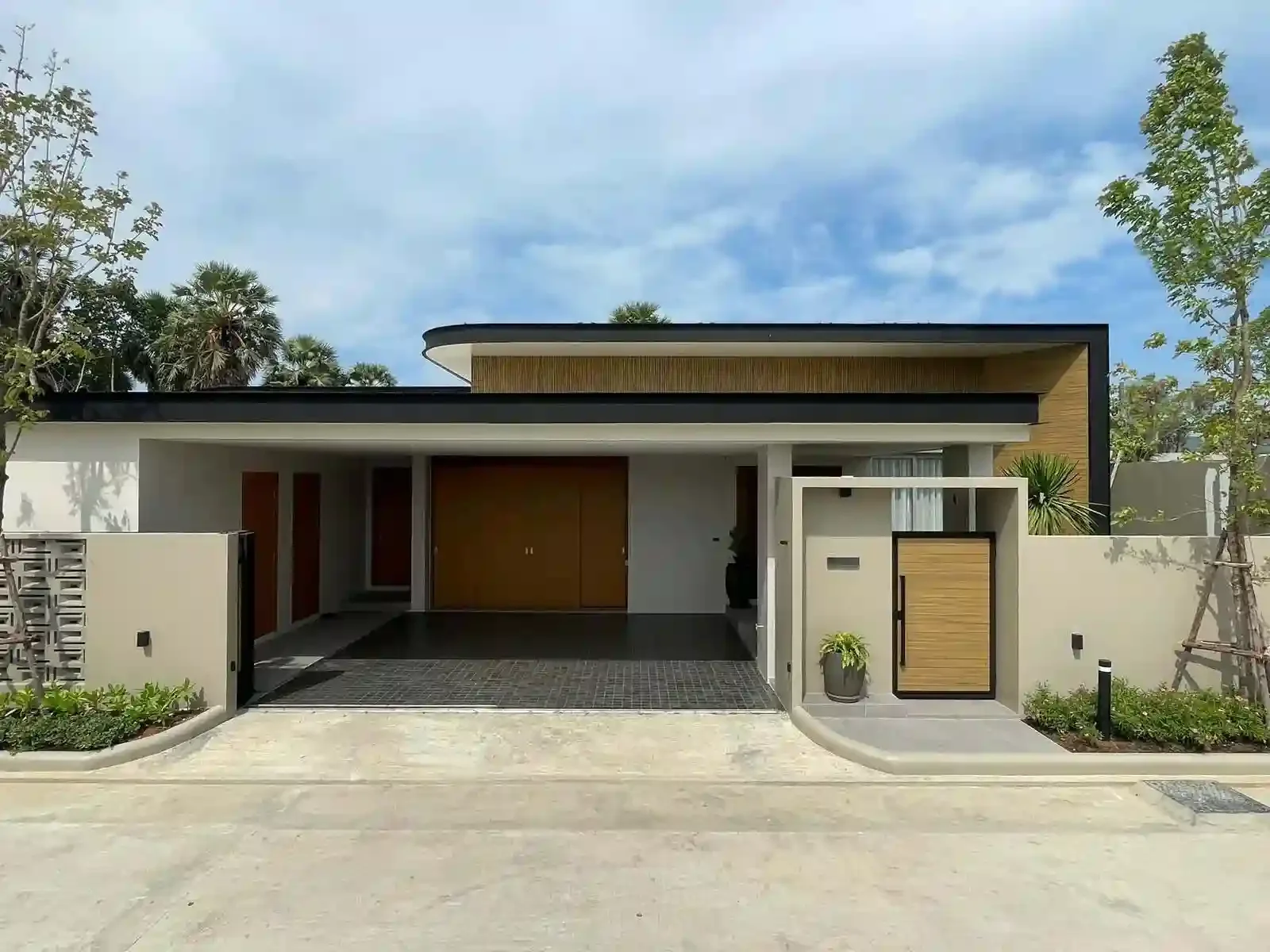
## What Are the Key Facts for Alinda Villas?
| Factor | Detail |
| --- | --- |
| Location | Thep Krasattri, Thalang, near Layan and Laguna |
| Estate | 9 single-storey pool villas, gated |
| Villas | 6 on our price list |
| Villa types | Three-bedroom of 440-546 sqm, four-bedroom of 687 sqm |
| Plots | About 584 to 1,065 sqm |
| Price range | 29,320,000 to 49,600,000 THB |
| Price per sqm | About 66,600 to 74,200 THB |
| Payment | 30% / 20% / 30% / 10% / 10% |
| Stage | Under construction |
| Beach | About 15 minutes by car |
| Airport | About 18 minutes by car |
## Location: Between Layan and Laguna
Thep Krasattri is the green, residential side of the Layan and Bang Tao coast. Families choose it for the calm streets, the larger plots and the easy drive to the beaches, the Laguna resort area and the shops and restaurants of Boat Avenue and Porto de Phuket.
- **Layan and Bang Tao beaches:** about 15 minutes by car
- **Boat Avenue and Porto de Phuket:** shopping, cafes and dining, with the nearest mall about 10 minutes by car
- **Laguna Phuket:** golf, hotels and restaurants along Bang Tao Bay
- **International schools:** within a short drive
- **Airport:** about 18 minutes by car
The district suits families who live on the island all year and owners who fly in often, since the airport is under twenty minutes away. The [Layan area guide](/areas/layan-property-guide/) covers the district in more detail.
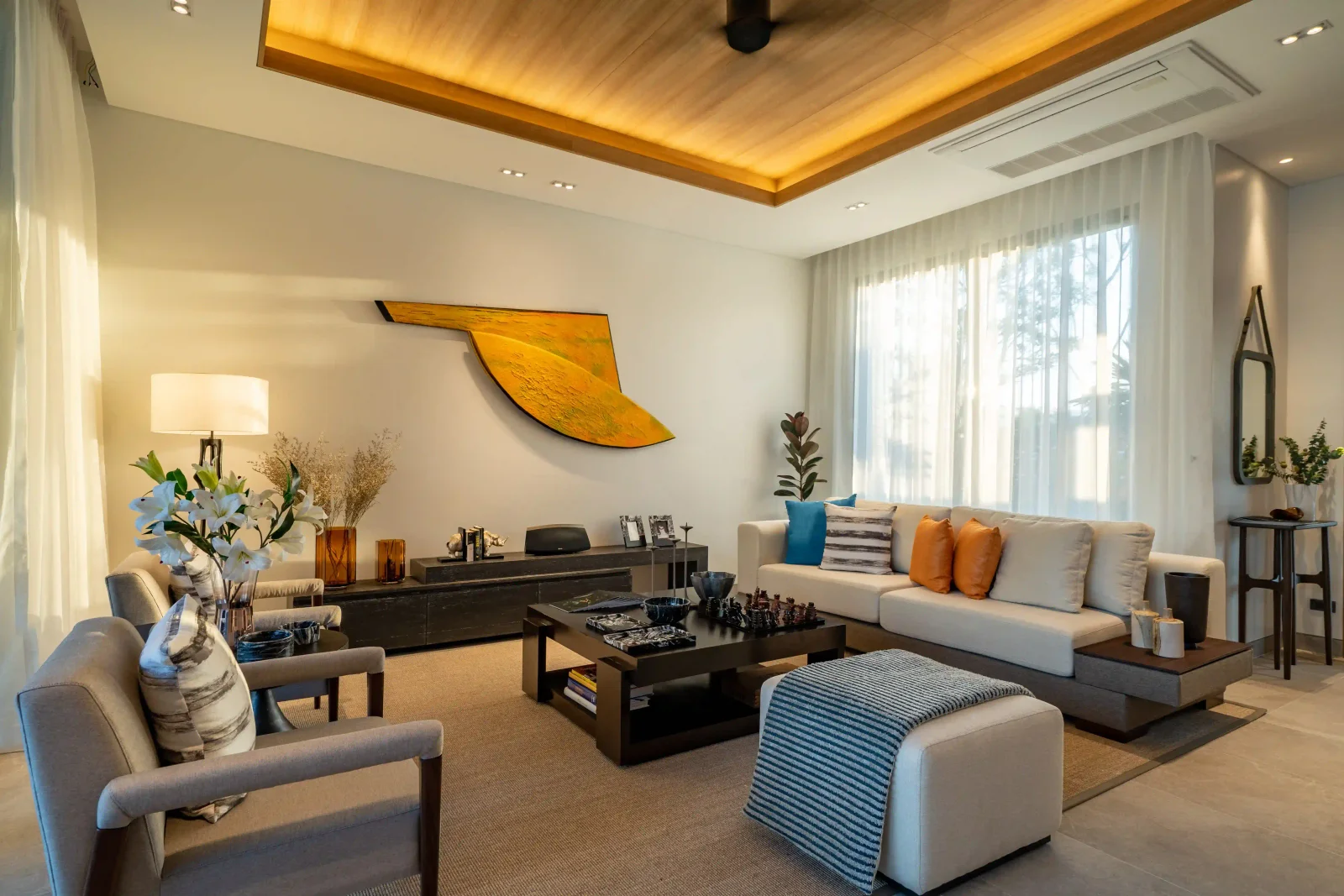
## Villas and Prices
| Villa | Bedrooms | Price |
| --- | --- | --- |
| Villa 2 | Three | 29,320,000 THB |
| Villa 8 | Three | 34,000,000 THB |
| Villa 3 | Three | 34,500,000 THB |
| Villa 6 | Three | 37,000,000 THB |
| Villa 1 | Three | 39,500,000 THB |
| Villa 9 | Four | 49,600,000 THB |
The three-bedroom villas measure 440 to 546 sqm, very generous houses for three bedrooms, with room for a study, a playroom or a home gym. Villa 9 is the estate's single four-bedroom house, 687 sqm for a large family or a household with regular guests. At about 66,600 to 74,200 THB per square metre, Alinda offers a great deal of house for the price in this part of the island. We send the built area, plot area and plan of each villa with the price list.
## Design and Villas
- **Single-storey living** with every room on one level
- **Open-plan living and dining** with a Western kitchen
- **En-suite bedrooms** and high ceilings
- **Private swimming pool,** terraces and a garden for every villa
- **Storage and utility rooms** and a two-car garage
- **Eco features:** solar rooftop systems, efficient air conditioners and underground water tanks
- **Gated estate** with 24-hour security, CCTV and landscaped common areas
- **Pet-friendly**
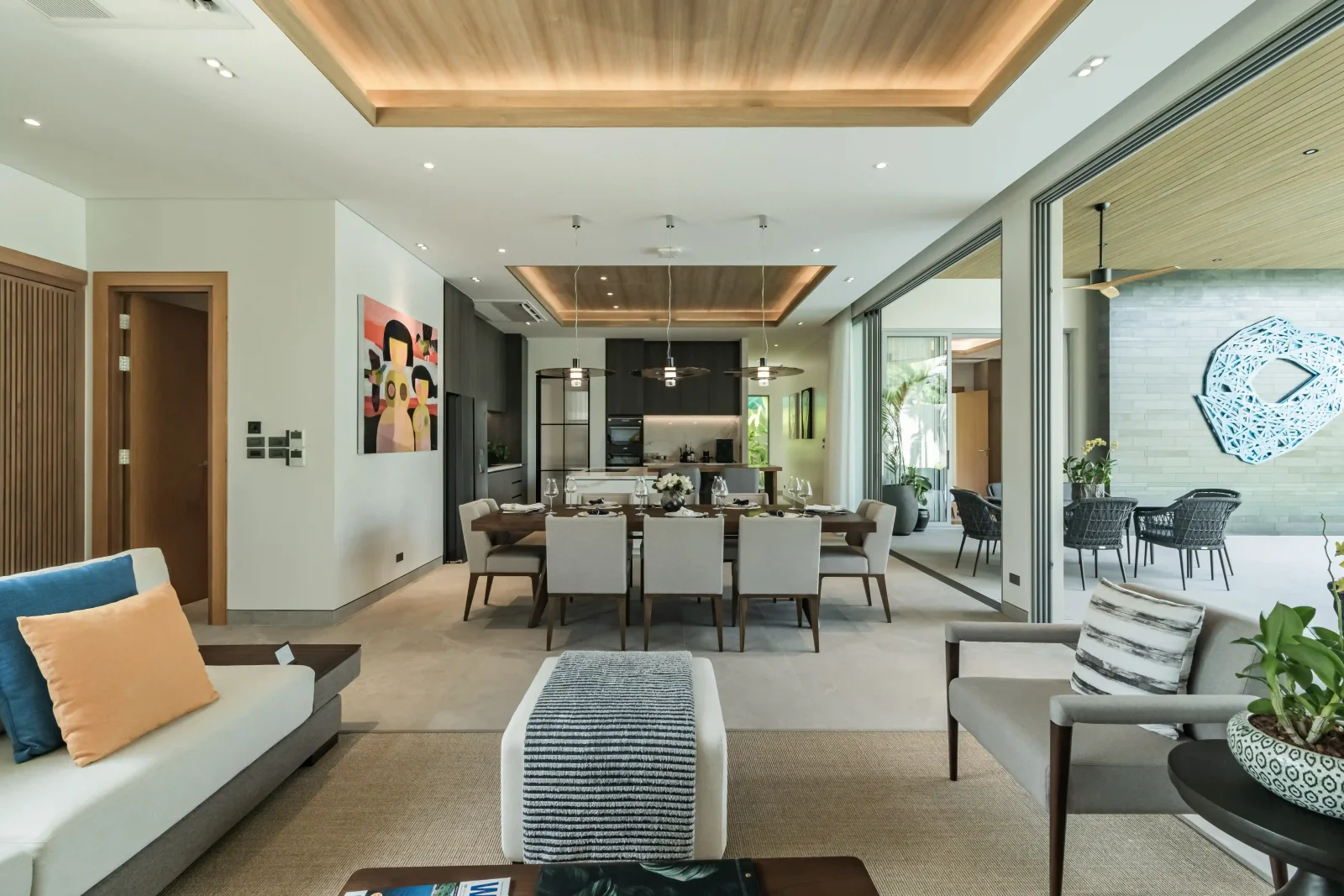
## Five-Stage Payment Plan
The price is paid in five stages as the villa is built: 30%, 20%, 30%, 10% and 10%. For Villa 2 at 29,320,000 THB that works out as follows:
| Stage | Share | Amount |
| --- | --- | --- |
| 1 | 30% | 8,796,000 THB |
| 2 | 20% | 5,864,000 THB |
| 3 | 30% | 8,796,000 THB |
| 4 | 10% | 2,932,000 THB |
| 5 | 10% | 2,932,000 THB |
The schedule follows the build, so each payment matches progress on the ground. We send the developer's schedule for your villa with the price list.
## Why Buyers Choose Alinda Villas
- **Large single-storey houses:** 440 to 687 sqm, all on one level
- **Big plots:** about 584 to 1,065 sqm
- **A boutique gated estate** of nine villas
- **Eco features** that keep running costs down
- **A two-car garage** and storage in every house
- **Between Layan and Laguna**, with the airport about 18 minutes away
- **Pet-friendly**
## Who Alinda Villas Suits
**Families relocating to Phuket** who want a large, easy home on one level, with a garden and a pool for the children.
**Buyers who value space over height**, including owners who prefer a house without stairs.
**Owners planning a long stay on the island** who want storage, a garage and room for a home office.
**Rental investors** aiming at relocating families and long-stay tenants who rent a large house for a school year or longer.
## Renting Out a Villa at Alinda
A large three or four-bedroom villa near Layan appeals to relocating families, to long-stay residents and to families and groups on holiday in the November to April season. Long leases suit the size of the houses well and keep turnover low.
For owners who plan to rent, we collect current asking rents and holiday rates for comparable villas in the area and send them with the price list. [Our rental guide](/guides/phuket-rental-yield-complete-guide-2026/) explains how to read a rental offer line by line.
## Ownership for Foreign Buyers
At Alinda Villas, as with any villa in Thailand, you buy land plus a building. The house can be held in your own name over a lease of the plot registered at the Land Office, 30 years per registration with renewal terms in the contract, or the land can be held through a Thai company with genuine Thai shareholders. [Freehold and leasehold in Thailand](/guides/freehold-vs-leasehold-thailand/) explains both routes, and we prepare the one that suits you with our legal support.
## Alinda Villas and Other Layan Villa Estates
| Project | From | Status |
| --- | --- | --- |
| [Sinara Pool Villas](/projects/sinara-pool-villas/) | 26,900,000 THB | Off-plan |
| [Botanica Green Boulevard](/projects/botanica-green-boulevard/) | 26,900,000 THB | Off-plan |
| [Mouana Serenity](/projects/mouana-serenity/) | 29,100,000 THB | Off-plan |
| Alinda Villas | 29,320,000 THB | Off-plan |
| [Botanica Foresta 2](/projects/botanica-foresta-2/) | 29,900,000 THB | Off-plan |
| [Botanica Forestique](/projects/botanica-forestique/) | 36,402,000 THB | Off-plan |
Alinda stands out in this group for its single-storey houses and the size of its plots. We send the price lists of any of these projects on request and arrange viewings.
## Buying Alinda Villas with MORE Group
A villa at Alinda Villas is bought in five steps, from the first price list to the keys, and we are with you through each of them.
## What We Send Before You Reserve
- The current price list with free villas, built and plot areas, and plans
- The five-stage payment schedule for your villa
- The ownership structure for your purchase, leasehold or company, with the documents it needs
- The latest construction update
- Current asking rents and holiday rates for comparable villas, if you plan to rent
{/* corpus-faq:alinda-villas */}
## FAQ
### What does Alinda Villas cost?
Our price list holds six villas: five three-bedroom houses from 29,320,000 to 39,500,000 THB and one four-bedroom house at 49,600,000 THB.
### How large are the villas and plots?
The three-bedroom villas measure 440 to 546 sqm and the four-bedroom villa 687 sqm, all on one level. Plots range from about 584 to 1,065 sqm.
### Where is Alinda Villas?
In Thep Krasattri, Thalang, between Layan and Laguna Phuket. The beach is about 15 minutes by car, the nearest mall about 10 minutes and the airport about 18 minutes.
### What is the payment plan?
Five stages during construction: 30%, 20%, 30%, 10% and 10%. For Villa 2 that means 8,796,000 THB at the first stage. We send the developer's schedule for your villa with the price list.
### How can foreigners own a villa at Alinda Villas?
The house can be held in your own name over a lease of the plot registered at the Land Office, 30 years per registration with renewal terms in the contract, or the land can be held through a Thai company with genuine Thai shareholders. We prepare the structure with our legal support.
**Read Also:**
- [How Foreigners Buy Phuket Property 2026](/guides/buying-property-phuket-guide/)
- [Phuket Rental Yield Guide](/guides/phuket-rental-yield-complete-guide-2026/)
- [Best Areas to Buy Property in Phuket](/guides/best-areas-phuket-buy-property/)
- [The Buying Process in Thailand, Step by Step](/guides/due-diligence-process-thailand-step-by-step/)
- [Aileen Villas Layan Phase 5](/projects/aileen-villas-layan-phase-5/)
- [Greenfield Residences](/projects/greenfield-residences/)
# ALLTHAI Villages Thalang: Pool Villas from 15.5M THB
> ALLTHAI Villages: Thai-style private pool villas in Thep Krasattri with three bedrooms, 250 to 714 sqm on plots up to 1,181 sqm, from 15.5M THB.
**Source:** https://moregroup.estate/projects/allthai-villages/
**Section:** Project Reviews
**Author:** MORE Group Editorial
**Published:** 2026-04-07
**Updated:** 2026-08-23
---
## What Is ALLTHAI Villages?
ALLTHAI Villages is built around a simple idea: a Thai house for modern life. The villas blend traditional Thai architecture with contemporary elements, with spacious open-plan living and dining areas, high ceilings, ensuite bedrooms and large windows that open onto the terrace, the garden and the private pool. Premium materials and landscaped gardens complete a calm, private home.
The community is gated, with 24-hour security and CCTV, covered parking, a clubhouse, landscaped common areas and professional property management. Nai Yang and Nai Thon beaches, the airport, Thanyapura and the international schools of the north are all within a short drive.
## What Are the Key Facts for ALLTHAI Villages?
| Factor | Detail |
| --- | --- |
| Location | Thep Krasattri, Thalang |
| Community | 30 private pool villas, gated |
| Villas | 20 on our price list, all three-bedroom |
| Built area | 250 to 714 sqm |
| Plots | About 420 to 1,181 sqm |
| Price range | 15,500,000 to 47,884,507 THB |
| Payment | 30% / 30% / 30% / 10% |
| Facilities | Clubhouse, gardens, covered parking, property management |
| Stage | Under construction |
| Airport | About 13 minutes by car |
| Beach | About 14 minutes by car |
## Location: The Green North of Phuket
Thep Krasattri is the green residential heart of Thalang, a calm part of the island with easy reach of the north-west beaches, the airport and the international schools.
- **Nai Yang and Nai Thon beaches:** about 14 minutes by car
- **Phuket International Airport:** about 13 minutes by car
- **Thanyapura Sports and Health Resort:** a short drive
- **International schools:** within easy reach
- **Shopping:** the nearest mall about 16 minutes by car
- **Layan and Bang Tao:** the beach clubs and restaurants of the west coast a short drive away
Mornings can start with a swim in your own pool and coffee on the terrace, school runs and errands take minutes, and weekends belong to the national-park beaches of Nai Yang and Mai Khao or the beach clubs of Bang Tao. Families and long-term residents choose this part of the island for its space and quiet, and frequent flyers value the short airport run. The [Nai Yang property guide](/guides/nai-yang-property-guide/) covers the north of the island in more detail.
## Villas and Prices
Our price list holds 20 villas, all with three bedrooms, in five sizes:
| Villas | Built area | Price |
| --- | --- | --- |
| 32 | 250 sqm | 15,500,000 THB |
| 34, 35 | 350 sqm | 19,000,000 THB |
| 4, 14, 15, 17, 19, 20, 22, 29, 30 | 489 sqm | 30,335,793 to 31,116,308 THB |
| 7, 8, 26, 27 | 714 sqm | 43,375,747 to 44,371,819 THB |
| 2, 6, 16, 24 | 653 sqm | 45,585,282 to 47,884,507 THB |
Villa 32, at 15,500,000 THB for 250 sqm, is the most accessible way into the community, and villas 34 and 35 add space at 350 sqm. The nine villas of 489 sqm make up the heart of the list, and the largest houses, of 653 and 714 sqm, sit on the bigger plots of the estate. We send the plot area and plan of each villa with the price list.
## Design and Villas
- **Thai architecture with contemporary elements**
- **Open-plan living and dining** with high ceilings
- **Three bedrooms**, each with an ensuite bathroom
- **Private swimming pool,** terraces and a landscaped garden
- **Premium materials** throughout
- **Clubhouse** and landscaped common areas
- **Gated community** with 24-hour security, CCTV and covered parking
- **Pet-friendly**
## Four-Stage Payment Plan
The price is paid in four stages: 30%, 30%, 30% and 10%. For villa 32 at 15,500,000 THB that works out as follows:
| Stage | Share | Amount |
| --- | --- | --- |
| 1 | 30% | 4,650,000 THB |
| 2 | 30% | 4,650,000 THB |
| 3 | 30% | 4,650,000 THB |
| 4 | 10% | 1,550,000 THB |
Three equal payments during construction and 10% at handover keep the plan simple to follow. We send the developer's schedule for your villa with the price list.
## Why Buyers Choose ALLTHAI Villages
- **A Thai house for modern life:** traditional architecture, contemporary comfort
- **Generous plots:** about 420 to 1,181 sqm
- **Three ensuite bedrooms** in every villa
- **A gated community** with a clubhouse and property management
- **Airport about 13 minutes** by car
- **A wide range:** from 250 sqm to 714 sqm
- **Pet-friendly**
## Who ALLTHAI Villages Suits
**Buyers who love Thai design** and want a home with a sense of place.
**Families relocating to Phuket** who want space, a garden and a pool near the schools and Thanyapura.
**Frequent flyers** who value a short drive to the airport.
**Villa rental investors** aiming at families and groups on holiday in the north of the island.
## Renting Out a Villa at ALLTHAI Villages
A three-bedroom pool villa in Thai style appeals to families and groups on holiday in the November to April season, and to relocating families who rent a house for a school year or longer. The estate's property management makes it easy to let the villa while you are away.
If you plan to let your villa at ALLTHAI Villages, we collect current asking rents and holiday rates for comparable villas in Thalang and send them with the price list. [Our rental guide](/guides/phuket-rental-yield-complete-guide-2026/) explains how to read a rental offer line by line.
## Ownership for Foreign Buyers
At ALLTHAI Villages, as with any villa in Thailand, you buy land plus a building. The house can be held in your own name over a lease of the plot registered at the Land Office, 30 years per registration with renewal terms in the contract, or the land can be held through a Thai company with genuine Thai shareholders. [Freehold and leasehold in Thailand](/guides/freehold-vs-leasehold-thailand/) explains both routes, and we prepare the one that suits you with our legal support.
## ALLTHAI Villages and Other Villas in the North
| Project | From | Status |
| --- | --- | --- |
| [Janya Villas](/projects/janya-villas/) | 13,250,000 THB | Off-plan |
| [Phuvista 3 Naiyang](/projects/phuvista-naiyang/) | 14,800,000 THB | Off-plan |
| ALLTHAI Villages | 15,500,000 THB | Off-plan |
| [Botanica Wisdom](/projects/botanica-wisdom/) | 15,500,000 THB | Off-plan |
| [Botanica Pru Jampa](/projects/botanica-pru-jampa/) | 17,800,000 THB | Off-plan |
| [Botanica Skyport](/projects/botanica-skyport/) | 19,900,000 THB | Off-plan |
ALLTHAI Villages stands out in this group for its Thai architecture and the size of its plots. We send the price lists of any of these projects on request and arrange viewings.
## Buying ALLTHAI Villages with MORE Group
A villa at ALLTHAI Villages is bought in five steps, from the first price list to the keys, and we are with you through each of them.
## What We Send Before You Reserve
- The current price list with free villas, built and plot areas, and plans
- The four-stage payment schedule for your villa
- The ownership structure for your purchase, leasehold or company, with the documents it needs
- The community's common charges and the terms of the property management
- The latest construction update
{/* corpus-faq:allthai-villages */}
## FAQ
### What does ALLTHAI Villages cost?
Our price list holds 20 three-bedroom villas: villa 32 of 250 sqm at 15,500,000 THB, two of 350 sqm at 19,000,000 THB, nine of 489 sqm from 30,335,793 THB, and the largest houses of 653 and 714 sqm from 43,375,747 to 47,884,507 THB.
### What style are the villas?
Traditional Thai architecture blended with contemporary elements: open-plan living, high ceilings, ensuite bedrooms, a private pool and a landscaped garden.
### Where is ALLTHAI Villages?
In Thep Krasattri, Thalang. The airport is about 13 minutes by car, Nai Yang and Nai Thon beaches about 14 minutes, and Thanyapura and the international schools a short drive away.
### What is the payment plan?
Four stages: 30%, 30%, 30% and 10%. For villa 32 at 15,500,000 THB that means 4,650,000 THB at each of the first three stages and 1,550,000 THB at handover.
### How can foreigners own a villa at ALLTHAI Villages?
The house can be held in your own name over a lease of the plot registered at the Land Office, 30 years per registration with renewal terms in the contract, or the land can be held through a Thai company with genuine Thai shareholders. We prepare the structure with our legal support.
**Read Also:**
- [How Foreigners Buy Phuket Property 2026](/guides/buying-property-phuket-guide/)
- [Alinda Villas](/projects/alinda-villas/)
- [Anchan Sunscape](/projects/anchan-sunscape/)
- [Villas for Sale in Nai Yang](/nai-yang-properties/)
- [Freehold vs Leasehold in Thailand](/guides/freehold-vs-leasehold-thailand/)
- [Phuket Rental Yield Guide](/guides/phuket-rental-yield-complete-guide-2026/)
# Amber Chamber Si Sunthon: Pool Villas from 32.5M THB
> Amber Chamber review: 17 gated pool villas with three and four bedrooms in Si Sunthon, 429 to 620 sqm, from 32.5M THB, with a gym and co-working lounge.
**Source:** https://moregroup.estate/projects/amber-chamber/
**Section:** Project Reviews
**Author:** MORE Group Editorial
**Published:** 2026-04-07
**Updated:** 2026-08-23
---
## What Is Amber Chamber?
Amber Chamber takes its name from its palette: warm amber tones, wood and stone throughout, under high ceilings and behind expansive glass walls that open the living spaces to the pool and the garden. Each villa has an open-plan living and dining area, a kitchen, a storage room and a laundry, a covered parking space for two cars and extra room for a study or a family lounge, and every house has its own pool, a terrace and a landscaped garden.
The estate is small and private: 17 villas behind a gate, with 24-hour security and CCTV, landscaped common areas, a fitness centre and a co-working lounge. A management company looks after the estate and offers a rental service for owners, so the villa can earn while you are away.
## What Are the Key Facts for Amber Chamber?
| Factor | Detail |
| --- | --- |
| Location | Si Sunthon, Thalang, behind Bang Tao |
| Estate | 17 private pool villas, gated |
| Villas | 16 on our price list |
| Three-bedroom | 429 sqm, 32,500,000 to 35,100,000 THB |
| Four-bedroom | 516 and 620 sqm, 38,900,000 to 49,300,000 THB |
| Price per sqm | About 75,300 to 81,900 THB |
| Payment | 15% / 15% / 20% / 20% / 20% / 10% |
| Facilities | Fitness centre, co-working lounge, gardens |
| Stage | Under construction |
| Beach | About 16 minutes by car |
| Airport | About 30 minutes by car |
## Location: Si Sunthon, Behind Bang Tao
Si Sunthon is the green residential district behind the Bang Tao coast, where hillsides and gardens replace the busy beach road. Amber Chamber sits against one of these hillsides, with everything the west coast offers a short drive away.
- **Bang Tao and Layan beaches:** about 16 minutes by car
- **Boat Avenue and Porto de Phuket:** shopping, cafes and restaurants, with the nearest mall about 6 minutes by car
- **Laguna Phuket:** golf, hotels and beach clubs along Bang Tao Bay
- **International schools:** within a short drive
- **Airport:** about 30 minutes by car
The district suits families who live on the island, owners who want privacy and space, and anyone who prefers a quiet green setting to a beachfront address. The [Bang Tao and Layan area guide](/bang-tao-properties/) covers the wider district.
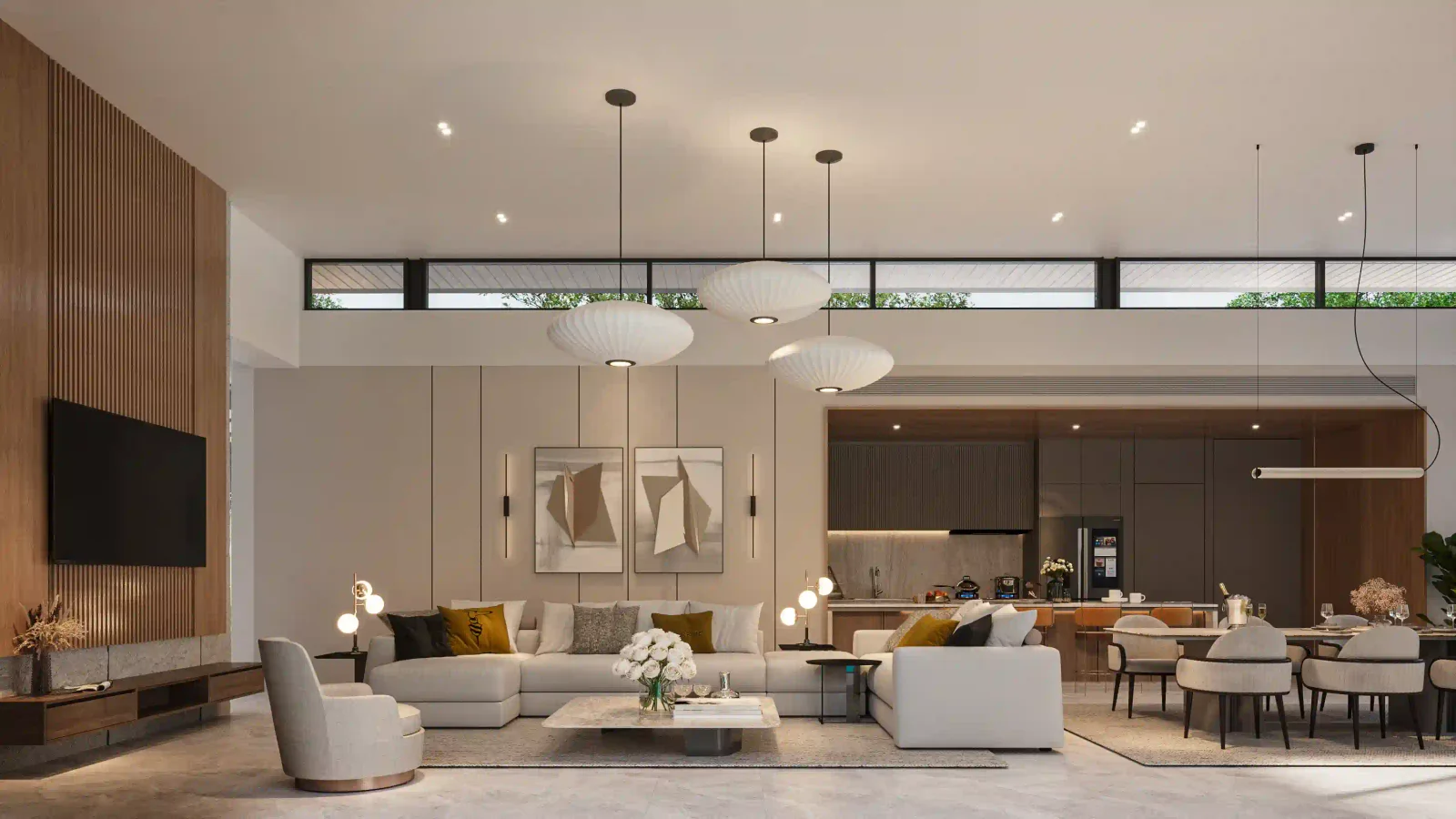
## Villas and Prices
Our price list holds 16 villas in three sizes:
| Villas | Bedrooms | Built area | Price |
| --- | --- | --- | --- |
| E4, E5, E6, E7, E8 | Three | 429 sqm | 32,500,000 THB |
| E2, E3 | Three | 429 sqm | 33,500,000 THB |
| E1 | Three | 429 sqm | 35,100,000 THB |
| S4 | Four | 516 sqm | 38,900,000 THB |
| S2, S3 | Four | 516 sqm | 39,700,000 THB |
| S1 | Four | 516 sqm | 41,800,000 THB |
| B1, B2, B3, B4 | Four | 620 sqm | 49,300,000 THB |
The E villas are three-bedroom houses of 429 sqm, a generous home for a family, and five of them share the entry price of 32,500,000 THB. The S villas add a fourth bedroom in 516 sqm, and the B villas are the estate's largest houses at 620 sqm. At about 75,300 to 81,900 THB per square metre, Amber Chamber offers a great deal of house for the price. We send the plot area and plan of each villa with the price list.
## Design and Villas
- **High ceilings and expansive glass walls** that bring in natural light
- **Open-plan living and dining** with a kitchen, storage room and laundry
- **Three or four bedrooms** with bathrooms, plus space for a study or family lounge
- **Private swimming pool,** terrace and landscaped garden for every villa
- **Covered parking** for two cars
- **Warm amber palette** of wood and stone
- **Gated estate** with 24-hour security, a fitness centre and a co-working lounge
- **Pet-friendly**
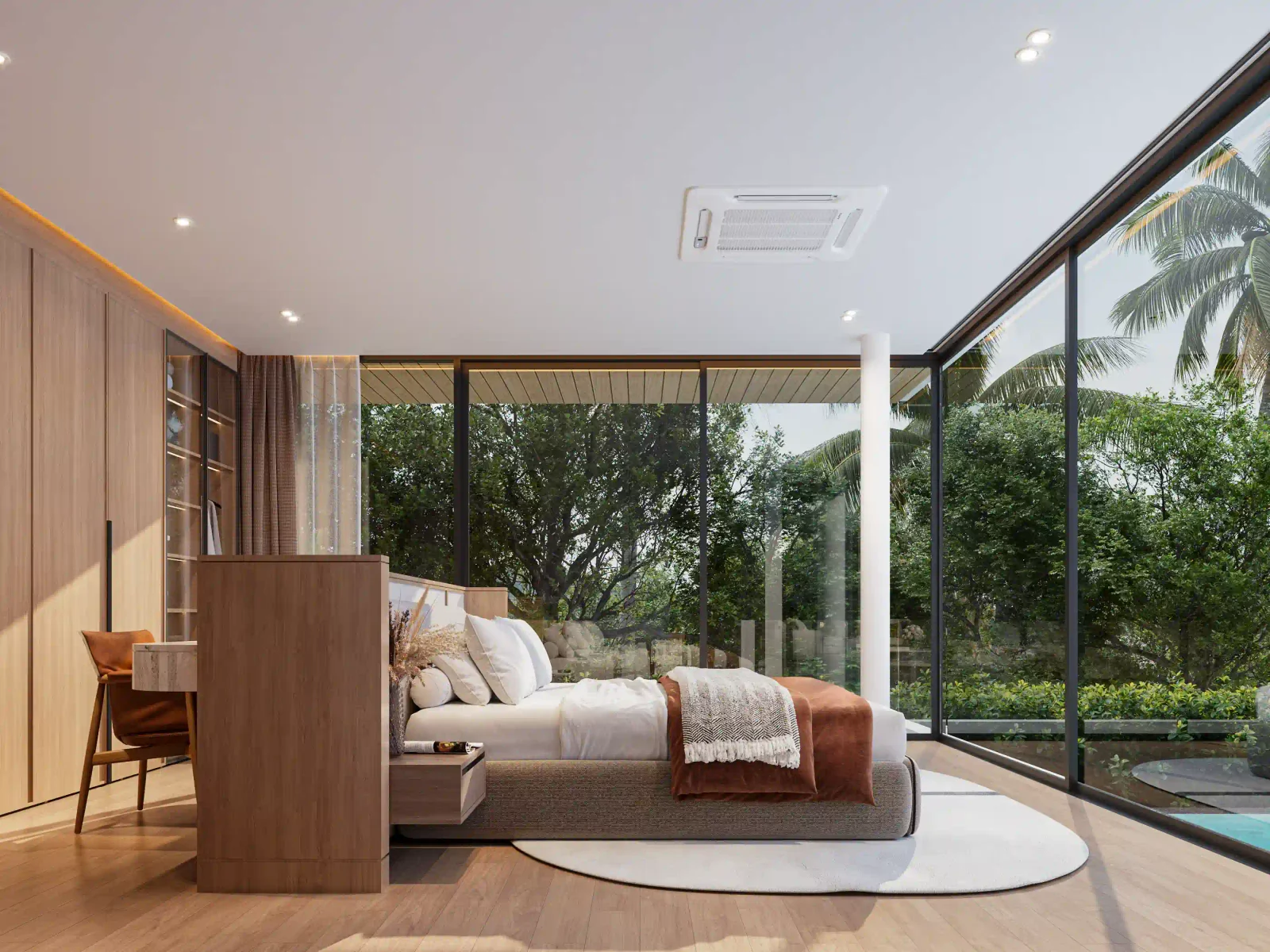
## Six-Stage Payment Plan
The price is paid in six stages: 15%, 15%, 20%, 20%, 20% and 10%. For a three-bedroom villa at 32,500,000 THB that works out as follows:
| Stage | Share | Amount |
| --- | --- | --- |
| 1 | 15% | 4,875,000 THB |
| 2 | 15% | 4,875,000 THB |
| 3 | 20% | 6,500,000 THB |
| 4 | 20% | 6,500,000 THB |
| 5 | 20% | 6,500,000 THB |
| 6 | 10% | 3,250,000 THB |
The first stage is a modest 15%, and the rest follows the build. We send the developer's schedule for your villa with the price list.
## Why Buyers Choose Amber Chamber
- **A boutique estate:** 17 villas behind a gate
- **Large houses:** 429 to 620 sqm with private pools and gardens
- **Three or four bedrooms**, with room for a study
- **A fitness centre and a co-working lounge** on the estate
- **A rental service for owners** through the estate's management company
- **A 15% first stage**
- **Pet-friendly**
## Who Amber Chamber Suits
**Families relocating to Phuket** who want a large, private house near the schools and the beaches of the west coast.
**Owners who work remotely**, with a co-working lounge on the estate and room for a home office.
**Buyers who value privacy** over a beachfront address.
**Villa rental investors** who want the estate's management company to look after letting while they are away.
## Renting Out a Villa at Amber Chamber
A three or four-bedroom pool villa near Bang Tao appeals to families and groups on holiday in the November to April season, and to relocating families who rent a large house for a school year or longer. The estate's management company offers a rental service for owners, which makes letting simple from abroad.
For owners who plan to rent, we send the terms of the rental service together with current asking rents and holiday rates for comparable villas around Bang Tao. [Our rental guide](/guides/phuket-rental-yield-complete-guide-2026/) explains how to read a rental offer line by line.
## Ownership for Foreign Buyers
At Amber Chamber, as with any villa in Thailand, you buy land plus a building. The house can be held in your own name over a lease of the plot registered at the Land Office, 30 years per registration with renewal terms in the contract, or the land can be held through a Thai company with genuine Thai shareholders. [Freehold and leasehold in Thailand](/guides/freehold-vs-leasehold-thailand/) explains both routes, and we prepare the one that suits you with our legal support.
## Amber Chamber and Other Villas Around Bang Tao
| Project | From | Status |
| --- | --- | --- |
| [QAV Residence](/projects/qav-residence/) | 29,490,000 THB | Off-plan |
| Amber Chamber | 32,500,000 THB | Off-plan |
| Wintery by Season Luxury Villas | 34,131,900 THB | Completed |
| [Sunti Villas](/projects/sunti-villas/) | 34,900,000 THB | Off-plan |
| [The Menara Luxury](/projects/the-menara-luxury/) | 36,000,000 THB | Off-plan |
| [Annara Residences](/projects/annara-residences/) | 36,500,000 THB | Off-plan |
| [Redwood Lakeside](/projects/redwood-lakeside/) | 37,400,000 THB | Off-plan |
Amber Chamber stands out in this group for the size of its houses and the facilities of a small gated estate. We send the price lists of any of these projects on request and arrange viewings.
## Buying Amber Chamber with MORE Group
A villa at Amber Chamber is bought in five steps, from the first price list to the keys, and we are with you through each of them.
## What We Send Before You Reserve
- The current price list with free villas, built and plot areas, and plans
- The six-stage payment schedule for your villa
- The ownership structure for your purchase, leasehold or company, with the documents it needs
- The terms of the management and rental service
- The latest construction update
{/* corpus-faq:amber-chamber */}
## FAQ
### What does Amber Chamber cost?
Our price list holds 16 villas: three-bedroom houses of 429 sqm from 32,500,000 to 35,100,000 THB, four-bedroom houses of 516 sqm from 38,900,000 to 41,800,000 THB, and four-bedroom houses of 620 sqm at 49,300,000 THB.
### How many villas are there?
Seventeen private pool villas in a gated estate, with three or four bedrooms each.
### Where is Amber Chamber?
In Si Sunthon, Thalang, on a green hillside behind Bang Tao. The beaches are about 16 minutes by car, the nearest mall about 6 minutes and the airport about 30 minutes.
### What is the payment plan?
Six stages: 15%, 15%, 20%, 20%, 20% and 10%. For a three-bedroom villa at 32,500,000 THB that means 4,875,000 THB at the first stage.
### How can foreigners own a villa at Amber Chamber?
The house can be held in your own name over a lease of the plot registered at the Land Office, 30 years per registration with renewal terms in the contract, or the land can be held through a Thai company with genuine Thai shareholders. We prepare the structure with our legal support.
**Read Also:**
- [How Foreigners Buy Phuket Property 2026](/guides/buying-property-phuket-guide/)
- [Greenfield Residences](/projects/greenfield-residences/)
- [Alinda Villas](/projects/alinda-villas/)
- [Freehold vs Leasehold in Thailand](/guides/freehold-vs-leasehold-thailand/)
- [Phuket Rental Yield Guide](/guides/phuket-rental-yield-complete-guide-2026/)
- [The Buying Process in Thailand, Step by Step](/guides/due-diligence-process-thailand-step-by-step/)
# Amrits Luxury Villas Review 2026: Prices and Unit Mix
> Amrits Luxury Villas review: gated pool villas by Nai Yang Beach and Sirinat National Park, three and four bedrooms from 21M THB, 8 minutes from the airport.
**Source:** https://moregroup.estate/projects/amrits-luxury-villas/
**Section:** Project Reviews
**Author:** MORE Group Editorial
**Published:** 2026-04-07
**Updated:** 2026-08-23
---
## Amrits Luxury Villas: Pool Villas Near Nai Yang Beach Phuket
Amrits Luxury Villas is a premium villa community in the quiet north of Phuket, minutes from the white sands of Nai Yang Beach and the protected coastline of Sirinat National Park. Set among lush greenery, the villas are designed to bring in natural light and garden views, with spacious interiors, private pools, tropical gardens and living areas that open onto the garden.
The gated community will hold 33 villas across three phases, with a clubhouse, a fitness centre, a sauna, a co-working lounge and 24/7 security shared by all residents.
- **Entry ticket:** 21,000,000 THB for a three-bedroom villa of 270 sqm
- **Villas on the current list:** twelve, with three or four bedrooms
- **Payment plan:** six stages across the build
- **Stage:** under construction
- **Location:** Nai Yang Beach a few minutes away, the airport about 8 minutes by car
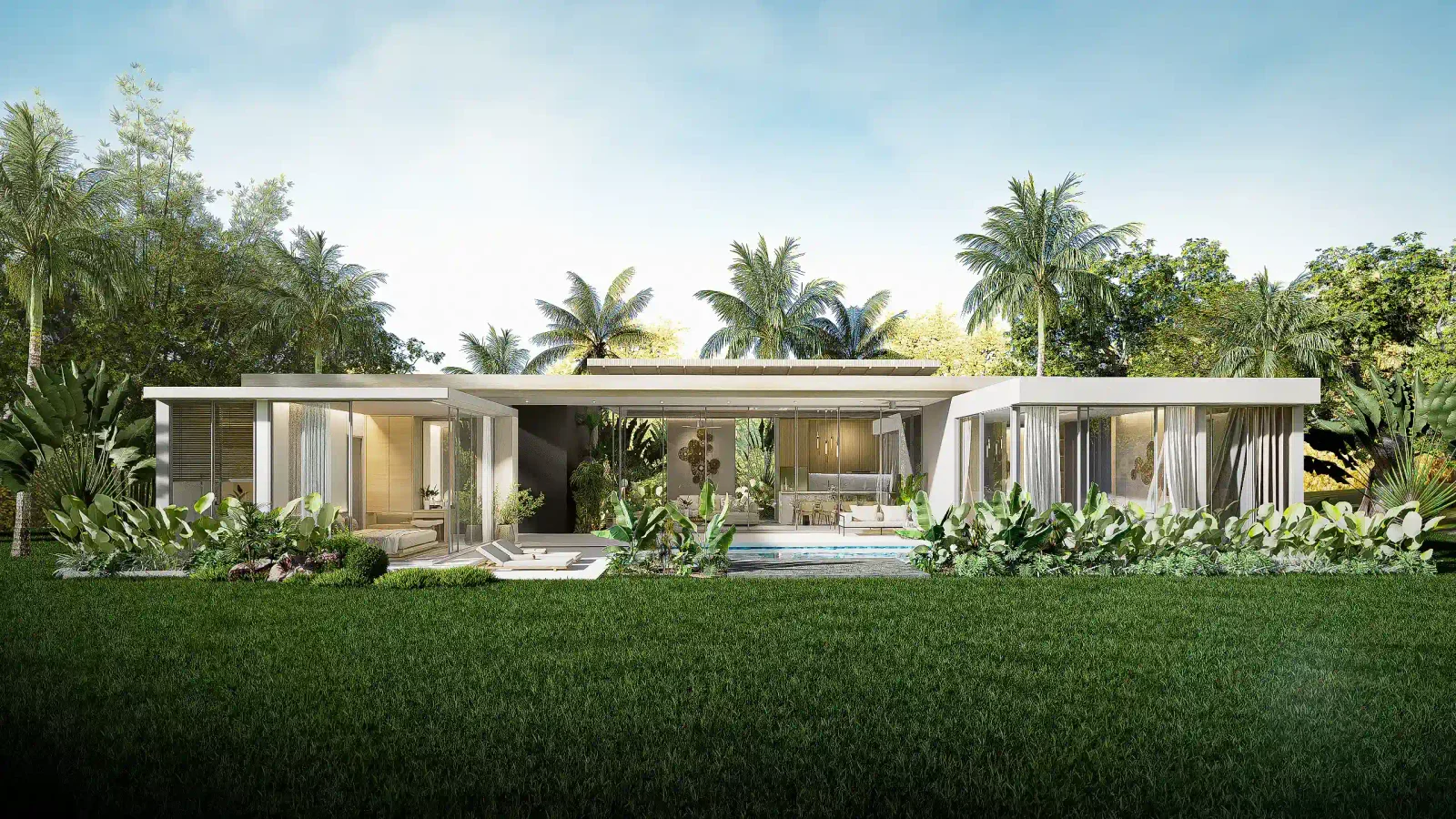
## Location and Area
Nai Yang is the calm northern end of Phuket's west coast: a long beach lined with casuarina trees, local seafood restaurants on the sand, and Sirinat National Park protecting the coastline. It is the part of the island where nature comes first, and residents enjoy a beach that stays relaxed all year.
- **Nai Yang Beach:** a few minutes away
- **Sirinat National Park:** next to the beach, with protected coastline and forest
- **Phuket International Airport:** about 8 minutes by car
- **Shopping:** the nearest mall about 18 minutes by car
The airport's proximity is a real advantage. For owners who divide their time between Phuket and another country, and for guests arriving on evening flights, the trip from the terminal to the villa takes minutes rather than an hour. The [Nai Yang property guide](/guides/nai-yang-property-guide/) covers the district in more detail.
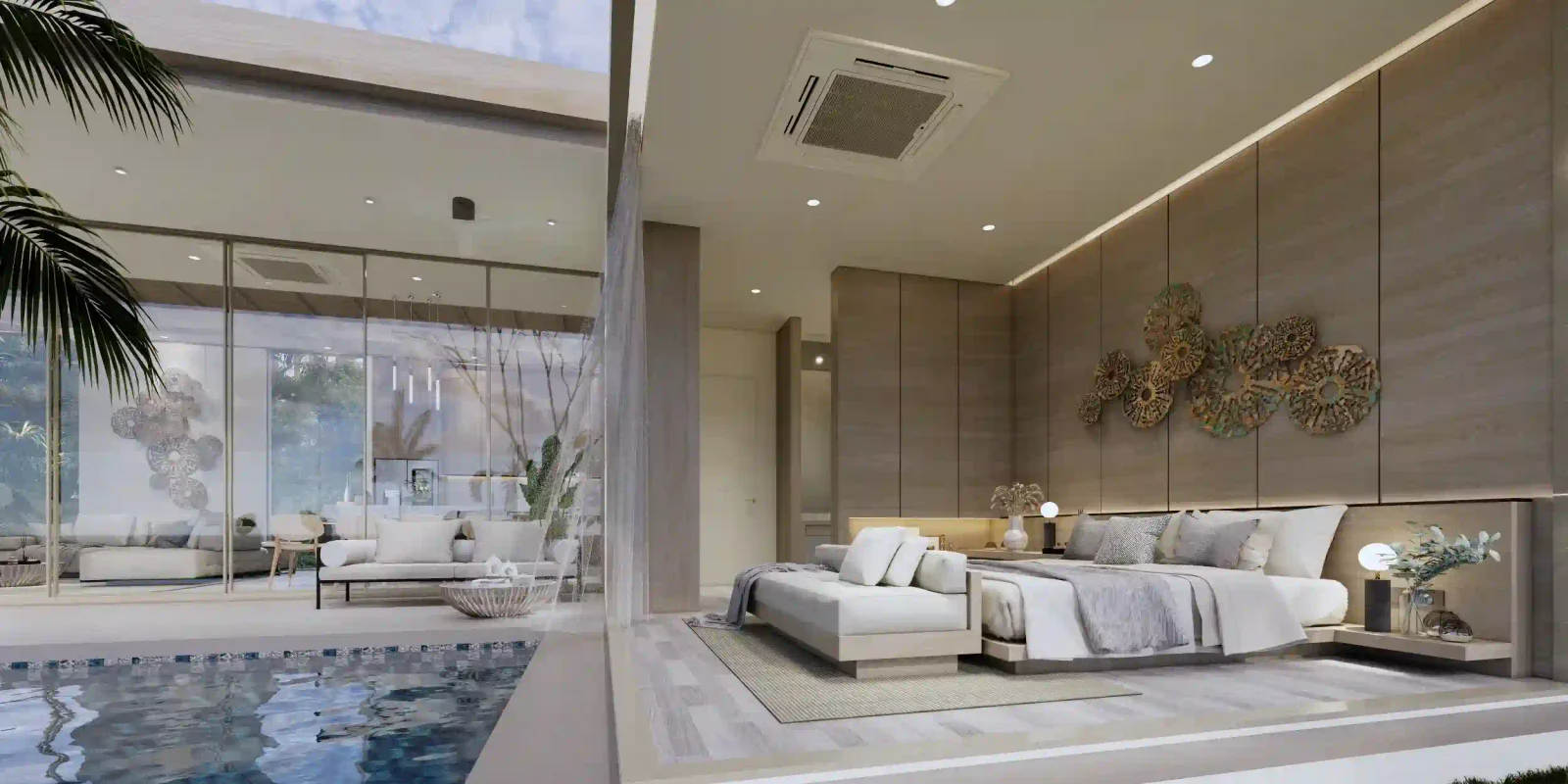
## Villas and Prices
The current list holds twelve villas:
| Villa | Bedrooms | Built area | Price |
|---|---|---|---|
| A08 | Three | 270 sqm | 21,000,000 THB |
| A14, A16, A19, A20 | Three | 270 sqm | 22,000,000 THB |
| A17 | Three | 270 sqm | 23,000,000 THB |
| A13 | Three | 270 sqm | 24,000,000 THB |
| A21 | Four | 303 sqm | 25,000,000 THB |
| A24 | Three | 310 sqm | 25,500,000 THB |
| A18 | Four | 334 sqm | 27,000,000 THB |
| A23 | Four | 359 sqm | 29,700,000 THB |
| A22 | Four | 359 sqm | 30,300,000 THB |
Prices run from about 77,800 to 88,900 THB per square metre across both formats, so the choice between three and four bedrooms comes down to how much house you want rather than value per metre. The developer's description covers villas of three to five bedrooms across the whole community, and we send the availability of every format in each phase with the price list.
## Design and Villas
- **Private swimming pool** and tropical garden for every villa
- **Spacious interiors** designed around natural light
- **Living areas facing the garden**, with a panoramic outlook over the greenery
- **High-specification kitchens** and natural materials
- **Tropical architecture** that brings the garden into every room
The material palette draws on the natural setting: earth tones, timber accents and greenery framing every view. The effect is a house that feels calm and open, a fitting home next to a national park.
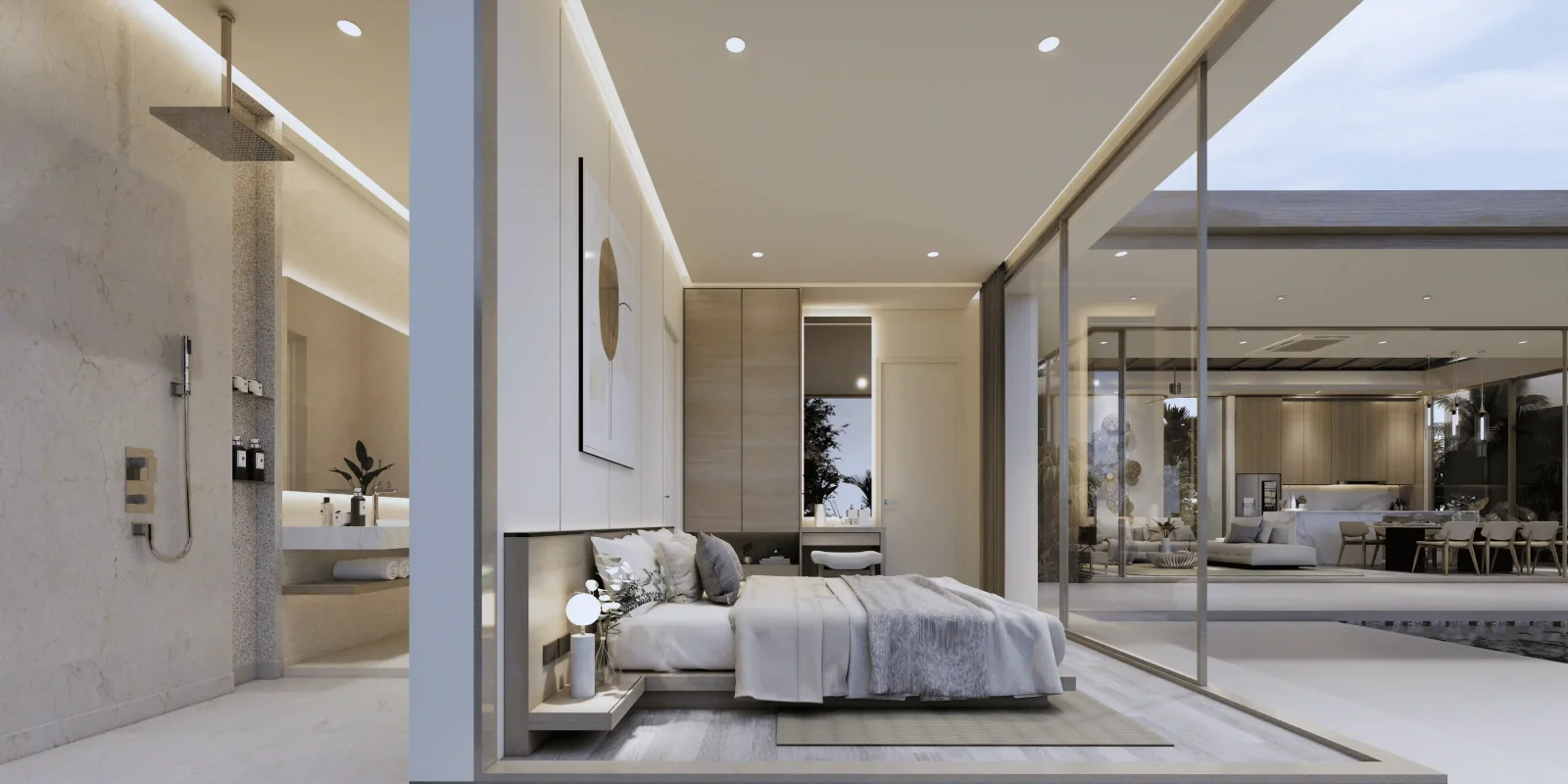
## Community Facilities
- Clubhouse
- Fitness centre
- Sauna
- Co-working lounge
- 24/7 security in a gated community
- Pet-friendly policy
The co-working lounge and the fitness centre make the community practical for owners who live here for months at a time and work remotely, and the clubhouse gives neighbours a place to meet.
## Six-Stage Payment Plan
The price is paid in six stages as the villa is built: 30%, 20%, 15%, 15%, 10% and 10%. For villa A08 at 21,000,000 THB that works out as follows:
| Stage | Share | Amount |
|---|---|---|
| 1 | 30% | 6,300,000 THB |
| 2 | 20% | 4,200,000 THB |
| 3 | 15% | 3,150,000 THB |
| 4 | 15% | 3,150,000 THB |
| 5 | 10% | 2,100,000 THB |
| 6 | 10% | 2,100,000 THB |
We send the developer's schedule for your villa with the price list.
## Why Buyers Choose Amrits Luxury Villas
- **Beach and national park:** Nai Yang Beach and Sirinat National Park a few minutes away
- **The airport close by:** about 8 minutes by car
- **Resort-style facilities:** a clubhouse, a fitness centre, a sauna and a co-working lounge
- **Clear pricing:** a consistent price per square metre across both formats
- **A gated community** with 24/7 security
- **Pet-friendly:** gardens and space for the whole family
## Who Amrits Luxury Villas Suits
**The owner who flies in and out often.** Eight minutes from Phuket International removes an hour of island driving from every trip, which matters to anyone who splits the year between Phuket and home.
**The nature lover.** Sirinat National Park protects the coastline here, and Nai Yang keeps its relaxed, green character.
**The remote worker.** A co-working lounge, a fitness centre and a sauna on site make daily life easy for owners who work from Phuket.
**The family.** Three and four-bedroom houses with private pools and gardens in a secure community.
## Renting Out a Villa at Amrits
Nai Yang attracts guests who come for the beach and the national park, and long-stay tenants such as aviation staff, people working in the north of the island and families who want space. Annual tenancies run through the whole year, and holiday lets add to them in the season.
For owners who plan to rent, we collect current asking rents for comparable villas in the Nai Yang area and send them with the price list. [Our rental guide](/guides/phuket-rental-yield-complete-guide-2026/) explains how to read a rental offer line by line, and [annual ownership costs](/guides/annual-ownership-costs-thailand/) sets out the running costs of a villa.
## Ownership for Foreign Buyers
At Amrits Luxury Villas, as with any villa in Thailand, you buy land plus a building. The house can be held in your own name over a lease of the plot registered at the Land Office, 30 years per registration with renewal terms in the contract, or the land can be held through a Thai company with genuine Thai shareholders. [What a registered 30-year lease gives you](/guides/30-year-lease-thailand-explained/) explains the lease route, and we prepare the structure that suits you with our legal support.
## Amrits and Other Nai Yang Villas
| Project | From | Status |
|---|---|---|
| [Botanica Pru Jampa](/projects/botanica-pru-jampa/) | 17,800,000 THB | Off-plan |
| [Botanica Skyport](/projects/botanica-skyport/) | 19,900,000 THB | Off-plan |
| Amrits Luxury Villas | 21,000,000 THB | Off-plan |
| Terra Azalea Villas | 21,500,000 THB | Off-plan |
| [Maison Sky Villas](/projects/maison-sky-villas/) | 21,800,000 THB | Off-plan |
| The Title Villa Estella | 22,418,000 THB | Off-plan |
| [Anchan Sunscape](/projects/anchan-sunscape/) | 22,466,000 THB | Off-plan |
Amrits sits in the middle of the Nai Yang villa market by price, and its community facilities and closeness to the beach are what set it apart. We send floor plans for any of these projects on request.
## Buying Amrits Luxury Villas with MORE Group
A villa at Amrits Luxury Villas is bought in five steps, from the first price list to the keys, and we are with you through each of them.
## What We Send Before You Reserve
- The current price list with free villas, plot areas and plans
- The six-stage payment schedule for your villa
- The ownership structure for your purchase, leasehold or company, with the documents it needs
- The latest construction update
- The community's service charges
- Current asking rents for comparable villas nearby, if you plan to rent
{/* corpus-faq:amrits-luxury-villas */}
## FAQ
### How far is Amrits Luxury Villas from Nai Yang Beach?
A few minutes. The community is close to Nai Yang Beach and Sirinat National Park, and Phuket International Airport is about 8 minutes by car.
### What is the starting price at Amrits Luxury Villas?
The starting price is 21,000,000 THB for a three-bedroom villa of 270 sqm. Four-bedroom villas of 303 to 359 sqm run from 25,000,000 to 30,300,000 THB.
### Can foreigners buy a villa at Amrits?
Yes. The house can be held in your own name over a lease of the plot registered at the Land Office, 30 years per registration with renewal terms in the contract, or the land can be held through a Thai company with genuine Thai shareholders. We prepare the structure with our legal support.
### What is the payment plan?
Six stages during construction: 30%, 20%, 15%, 15%, 10% and 10%. We send the developer's schedule for your villa with the price list.
### What stage is Amrits Luxury Villas at?
Construction is underway. We send the latest construction update together with the price list.
### What facilities does the community have?
A clubhouse, a fitness centre, a sauna, a co-working lounge and 24/7 security. Every villa has its own private pool and garden, and the community is pet-friendly.
**Read Also:**
- [How Foreigners Buy Phuket Property 2026](/guides/buying-property-phuket-guide/)
- [ALLTHAI Villages, Thai-style pool villas in Nai Yang](/projects/allthai-villages/)
- [Anchan Mountain Breeze](/projects/anchan-mountain-breeze/)
- [Nai Yang Property Guide](/guides/nai-yang-property-guide/)
- [Freehold vs Leasehold in Thailand](/guides/freehold-vs-leasehold-thailand/)
- Terra Azalea, five pool villas in Nai Yang
# Anann Villa Phuket Review 2026: Prices, Units and Quota
> Anann Villa review: 12 private pool villas of 735 to 891 sqm in the Mira Valley estate, Si Sunthon, with four and five bedrooms from 93.68M THB.
**Source:** https://moregroup.estate/projects/anann-villa/
**Section:** Project Reviews
**Author:** MORE Group Editorial
**Published:** 2026-04-07
**Updated:** 2026-08-23
---
## Anann Villa: Ultra-Luxury Pool Villas in Mira Valley, Phuket
Anann Villa is one of the most significant ultra-luxury residential offerings in Phuket: a collection of twelve private pool villas of 735 to 891 square metres within the Mira Valley master-planned community in Si Sunthon, Thalang, by Ananda Development. These are homes for buyers who want no compromise on scale, finish, location or privacy. The name "Anann" carries connotations of harmony and peace, and the design follows that idea: a place to own and live in, not just to visit.
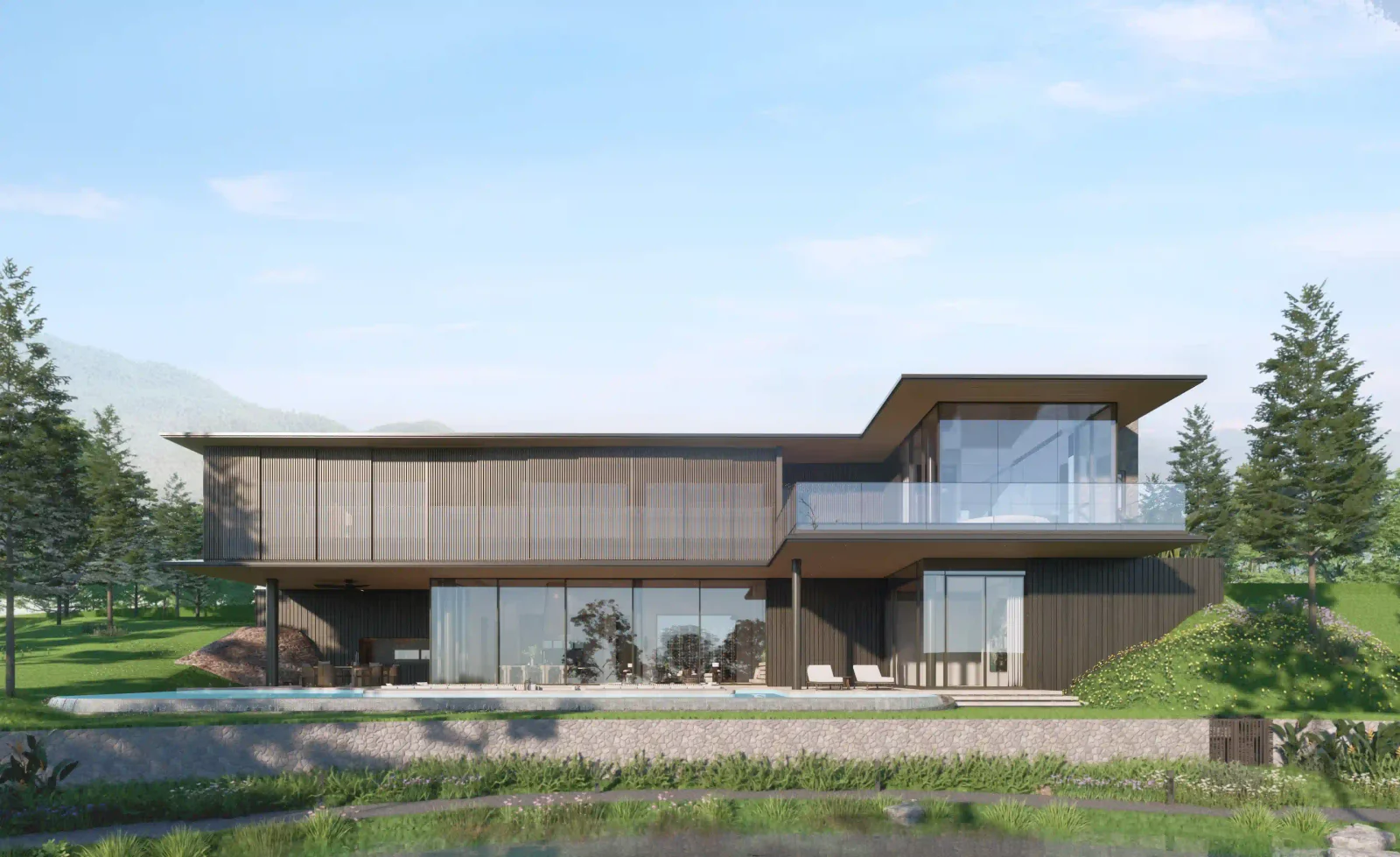
## Location and Area
The Mira Valley master-planned community is the defining context for Anann Villa. Integrated infrastructure, curated landscaping, green spaces and wellness trails, and consistent architectural standards across the whole estate are rare in Phuket outside Laguna. The master plan extends the quality of each villa to the whole neighbourhood: the roads, the greenery, the neighbours and the services.
The Manik area is known for lush, undulating terrain with mature trees and a sense of privacy that flat beach-side land cannot offer, while the island's best-known addresses stay close:
- **Bang Tao Beach:** about 18 minutes by car
- **Shopping and dining:** Boat Avenue and Porto de Phuket, with the nearest mall about 8 minutes by car
- **International schools and golf courses:** a short drive away
- **Airport:** about 34 minutes by car
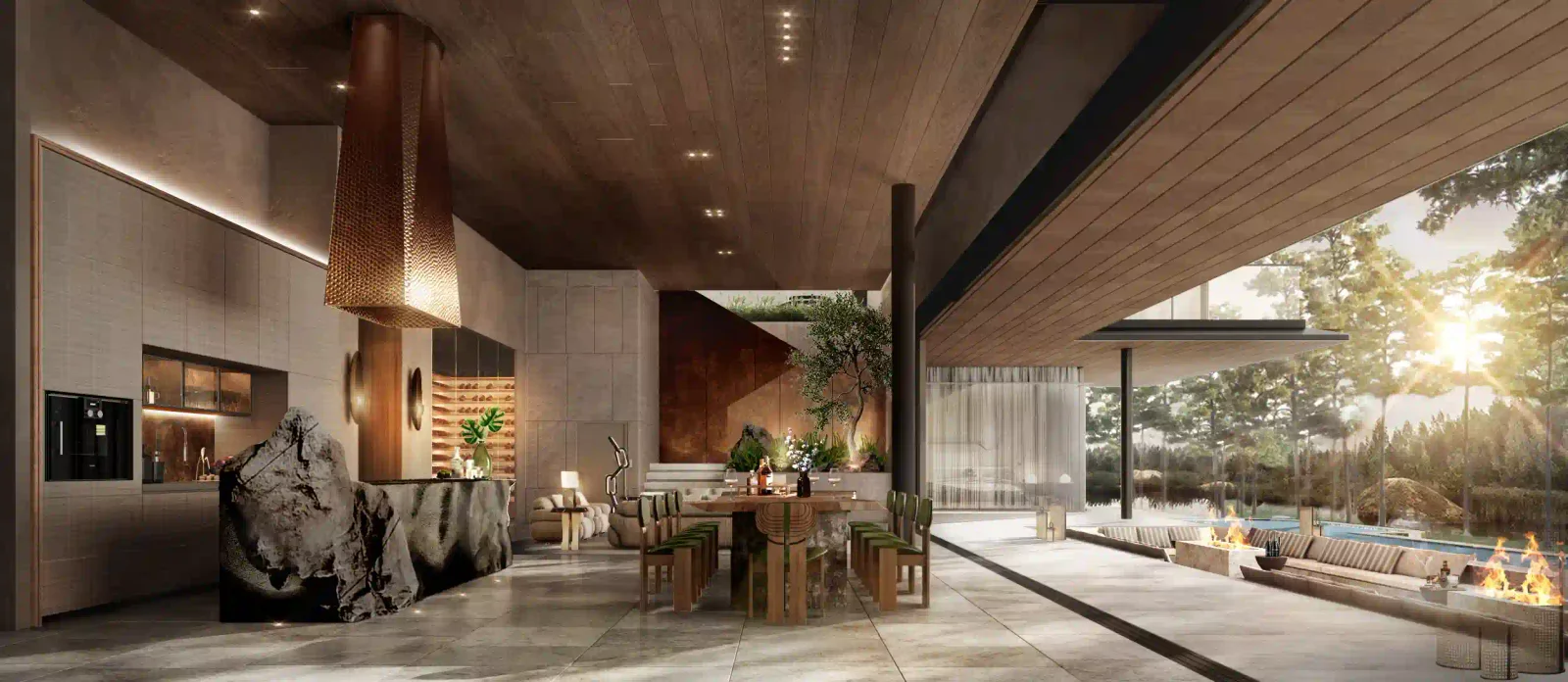
## Villas and Prices
Our price list holds five villas:
| Villa | Bedrooms | Built area | Price | Per sqm |
|---|---|---|---|---|
| 7 | Four | 735 sqm | 93,680,000 THB | 127,456 THB |
| 9 | Four | 735 sqm | 105,740,000 THB | 143,864 THB |
| 8 | Four | 735 sqm | 122,550,000 THB | 166,735 THB |
| 1 | Five | 891 sqm | 131,870,000 THB | 148,002 THB |
| 2 | Five | 891 sqm | 156,690,000 THB | 175,859 THB |
Within each format the price reflects the plot, its size, elevation and outlook, and its position in the estate. Villa 7 is the most accessible entry at 93,680,000 THB, while villas 1 and 2 are the five-bedroom residences of 891 sqm. We send the plot area, the plan and the specification for each villa together with the price list.
## Design and Villas
- **Two-storey modern tropical architecture** with deep overhangs
- **Floor-to-ceiling glazing** that frames the garden and the greenery
- **Open-plan living and dining** with a well-equipped western kitchen
- **Large outdoor terraces** with a private swimming pool
- **Landscaped gardens** with green or mountain views
- **Generous plots** that give real privacy between neighbours
The material palette uses natural stone, warm timber and mature landscaping to root each house in its setting. With plots this generous, each villa works as a private estate that can be staffed, maintained and lived in comfortably for long periods.
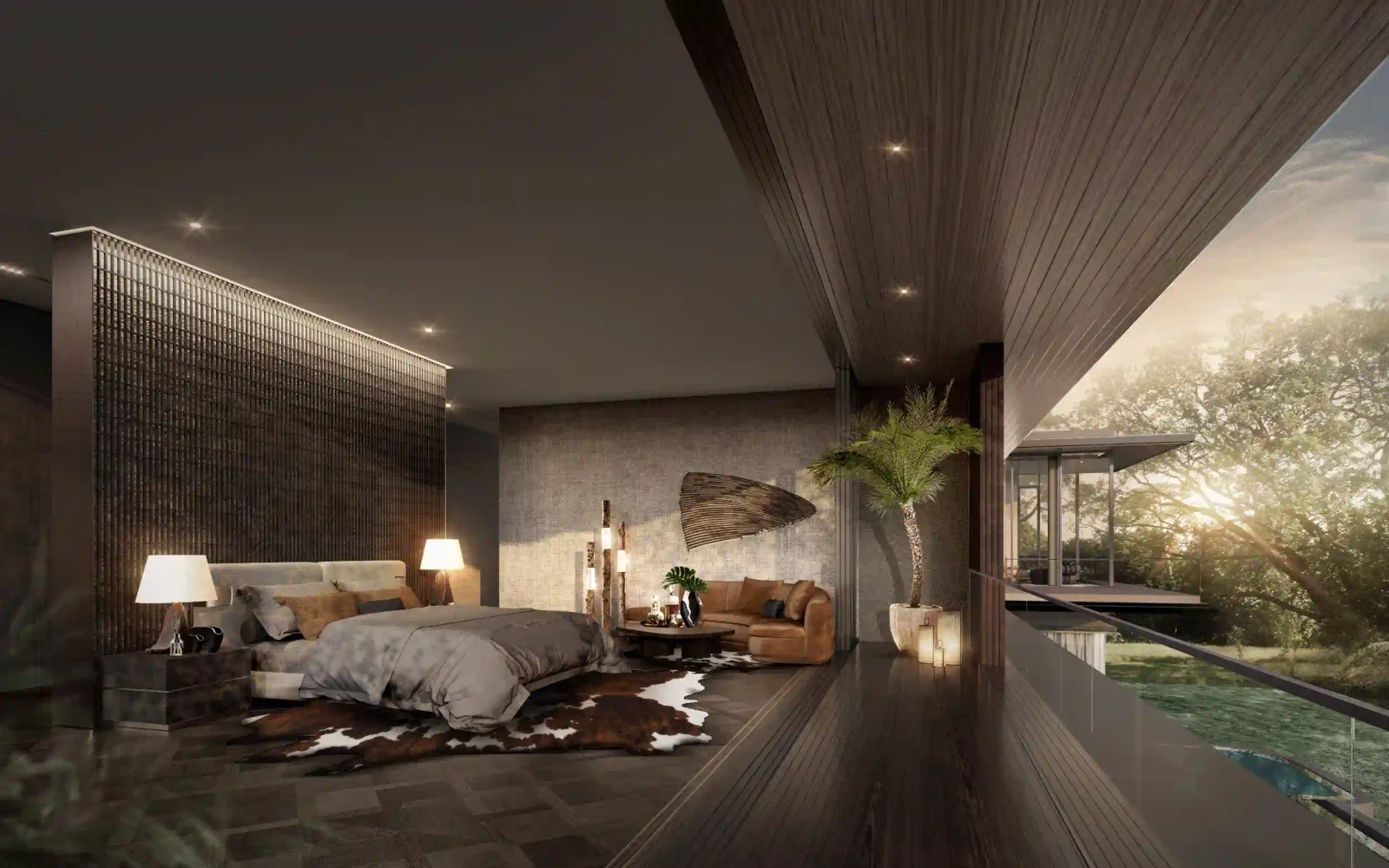
## Five-Stage Payment Plan
The price is paid in five stages as the villa is built: 30%, 20%, 20%, 20% and 10%. For villa 7 at 93,680,000 THB that works out as follows:
| Stage | Share | Amount |
|---|---|---|
| 1 | 30% | 28,104,000 THB |
| 2 to 4 | 20% each | 18,736,000 THB each |
| 5 | 10% | 9,368,000 THB |
Spreading the price over five stages lets buyers deploy capital progressively across the build. We send the developer's schedule for your villa with the price list.
## Life in Mira Valley and Si Sunthon
Si Sunthon sits at the centre of Phuket's north-west, between the Bang Tao coast and the island's inland hills. Everyday services at Boat Avenue and Porto de Phuket, weekends at Blue Tree and the Laguna golf course, and the airport about half an hour away make it a practical base for a family that lives in Phuket year-round.
Inside the estate, Mira Valley's green spaces and wellness trails give residents daily walks and runs without leaving the community, and the hillside setting keeps the evenings calm and cool. It is the kind of address that suits a household with children, staff and frequent guests, where privacy and space matter more than a beach at the end of the street.
## Why Buyers Choose Anann Villa
- **Rare scale:** 735 to 891 sqm of house, a size very little Phuket stock reaches
- **A master-planned setting:** Mira Valley's green spaces, wellness trails and consistent standards
- **Twelve villas only:** a small, private community
- **Central position:** between the west-coast beaches, Boat Avenue and the airport
- **Four and five bedrooms:** room for family, guests and staff
- **Five-stage payments:** capital deployed across the build
## Who Buys at This Level
- **Families making Phuket their main residence**, who need space for several generations and guests
- **Buyers looking for a private estate** with the services and landscape of a master-planned community
- **Long-term owners** who see the villa as a family home for many years
- **Buyers who host**, for whom a 900 sqm house with a pool and garden is the point
## Living at Anann Villa and Letting It
For most buyers at this level the villa is a residence first. When the family is away, a large pool villa in a master-planned estate appeals to high-value long-stay guests and families on holiday, and professional villa management handles the bookings, the staff and the upkeep.
For owners who plan to rent, we collect current holiday rates and asking rents for comparable luxury villas and send them with the price list, together with the terms of villa managers who work in the area.
## Ownership for Foreign Buyers
At Anann Villa, as with any villa in Thailand, you buy land plus a building. The house can be held in your own name over a lease of the plot registered at the Land Office, 30 years per registration with renewal terms in the contract, or the land can be held through a Thai company with genuine Thai shareholders. [The 30-year lease explained](/guides/30-year-lease-thailand-explained/) covers the lease route, and we prepare the structure that suits you with our legal support.
## Anann Villa and Other Luxury Villas
| Project | From | Status |
|---|---|---|
| [Cohiba Villas](/projects/cohiba-villas/) | 71,000,000 THB | Off-plan |
| [Botanica Sky Valley](/projects/botanica-sky-valley/) | 74,449,000 THB | Off-plan |
| [Island Collection](/projects/island-collection/) | 75,304,743 THB | Completed |
| Anann Villa | 93,680,000 THB | Off-plan |
| [Kiara Reserve Residence](/projects/kiara-reserve/) | 94,000,000 THB | Off-plan |
| Pavara Vhana Collection | 98,000,000 THB | Off-plan |
| [Banyan Tree Varuna](/projects/banyan-tree-residences-beach-residences-varuna/) | 106,900,000 THB | Off-plan |
Anann Villa stands out in this group for the size of its houses and its master-planned setting. We send floor plans for any of these projects on request and arrange private viewings.
## Buying Anann Villa with MORE Group
A villa at Anann Villa is bought in five steps, from the first price list to the keys, and we are with you through each of them.
## What We Send Before You Reserve
- The current price list with free villas, plot areas and plans
- The villa specification and the finishes schedule
- The five-stage payment schedule
- The ownership structure for your purchase, leasehold or company, with the documents it needs
- The latest construction update
- The Mira Valley community charges
{/* corpus-faq:anann-villa */}
## FAQ
### What makes Anann Villa different from other luxury villas in Phuket?
The scale of the houses, 735 to 891 sqm, and the setting. Anann Villa sits within the Mira Valley master-planned community, so quality standards extend beyond each villa to the roads, landscaping, green spaces and neighbouring properties.
### What is the starting price at Anann Villa?
Four-bedroom villas of 735 sqm start at 93,680,000 THB. The five-bedroom villas of 891 sqm are 131,870,000 and 156,690,000 THB. Payment is made in five stages: 30%, 20%, 20%, 20% and 10%.
### Can I rent out Anann Villa when I am not in residence?
Yes. Large pool villas in master-planned communities appeal to high-value long-stay guests and families on holiday, and professional villa management handles bookings, staff and upkeep. We send current holiday rates for comparable villas with the price list.
### How do foreigners buy a villa at Anann Villa?
The house can be held in your own name over a lease of the plot registered at the Land Office, 30 years per registration with renewal terms in the contract, or the land can be held through a Thai company with genuine Thai shareholders. We prepare the structure with our legal support.
### What stage is Anann Villa at?
Construction is underway. We send the latest construction update together with the price list.
**Read Also:**
- [How Foreigners Buy Phuket Property 2026](/guides/buying-property-phuket-guide/)
- [Amber Chamber, Luxury Condos in Phuket](/projects/amber-chamber/)
- [Balco Bangtao Beach, Pool Villas near the Shore](/projects/balco-bangtao-beach/)
- [Banyan Tree Oceanus](/projects/banyan-tree-beach-residences-oceanus/)
- [Banyan Tree Varuna: Beach Villas From 107M THB](/projects/banyan-tree-residences-beach-residences-varuna/)
- [The Buying Process in Thailand, Step by Step](/guides/due-diligence-process-thailand-step-by-step/)
# Anasiri Paklok by Sansiri: Family Homes from 5.49M THB
> Anasiri Paklok by Sansiri: completed four-bedroom family homes in Pa Khlok with a salt-water pool, fitness centre, clubhouse and kids' zone, from 5.49M THB.
**Source:** https://moregroup.estate/projects/anasiri-paklok/
**Section:** Project Reviews
**Author:** MORE Group Editorial
**Published:** 2026-04-08
**Updated:** 2026-09-23
---
## What Is Anasiri Paklok?
Anasiri Paklok is a family neighbourhood built by Sansiri, one of Thailand's largest listed developers. The homes have a charming European-cottage style, with four bedrooms and three bathrooms, practical layouts and gardens, in a green, nature-inspired setting. Because the community is completed, you can walk through the home, see the street and meet the neighbourhood before you decide, then move in from the day of transfer.
Residents share a salt-water swimming pool, a fitness centre, a clubhouse and a kids' zone, so families have everything for an active day without leaving the estate. Pa Khlok is quiet and green, and the airport is about 23 minutes away.
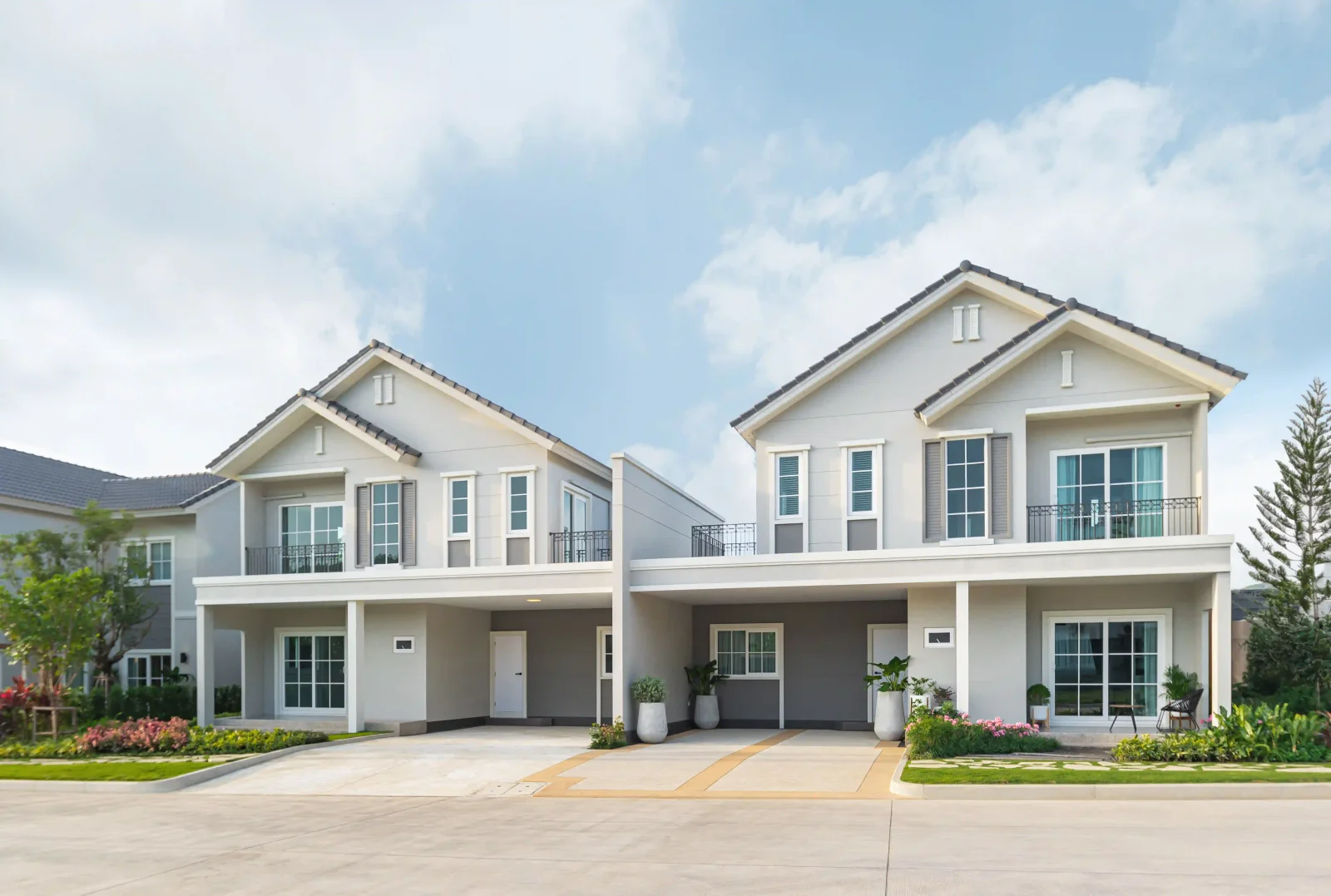
## What Are the Key Facts for Anasiri Paklok?
| Factor | Detail |
| --- | --- |
| Developer | Sansiri |
| Location | Pa Khlok, Thalang, east Phuket |
| Community | About 259 semi-detached and detached homes |
| On our price list | 8 four-bedroom homes |
| Four-bedroom | 148 and 166 sqm, 5,490,000 to 6,790,000 THB |
| Stage | Completed |
| Beach | About 23 minutes by car |
| Airport | About 23 minutes by car |
| Design | European-cottage style |
| Facilities | Salt-water pool, fitness centre, clubhouse, kids' zone |
## Location: Pa Khlok, the Quiet East
Pa Khlok is a peaceful, green part of Thalang on Phuket's east coast, known for its calm, its local markets and its views towards the islands of Phang Nga Bay.
- **Phuket International Airport:** about 23 minutes by car
- **Shopping:** the nearest mall about 17 minutes by car
- **Marinas of the east coast:** boat trips to the islands
- **Beaches:** about 23 minutes by car
- **Local markets and schools:** in Pa Khlok and Thalang
From Anasiri Paklok, the nearest beach about 23 minutes by car, the nearest mall about 17 minutes and the airport about 23 minutes, so everyday errands, school runs and trips home are easy to plan.
Days here are calm and family-centred: the pool and the kids' zone after school, the markets and the marinas at the weekend. The airport is close enough for easy trips home and visits from family. The [guide to the best areas to buy in Phuket](/guides/best-areas-phuket-buy-property/) compares the east coast with the other districts.
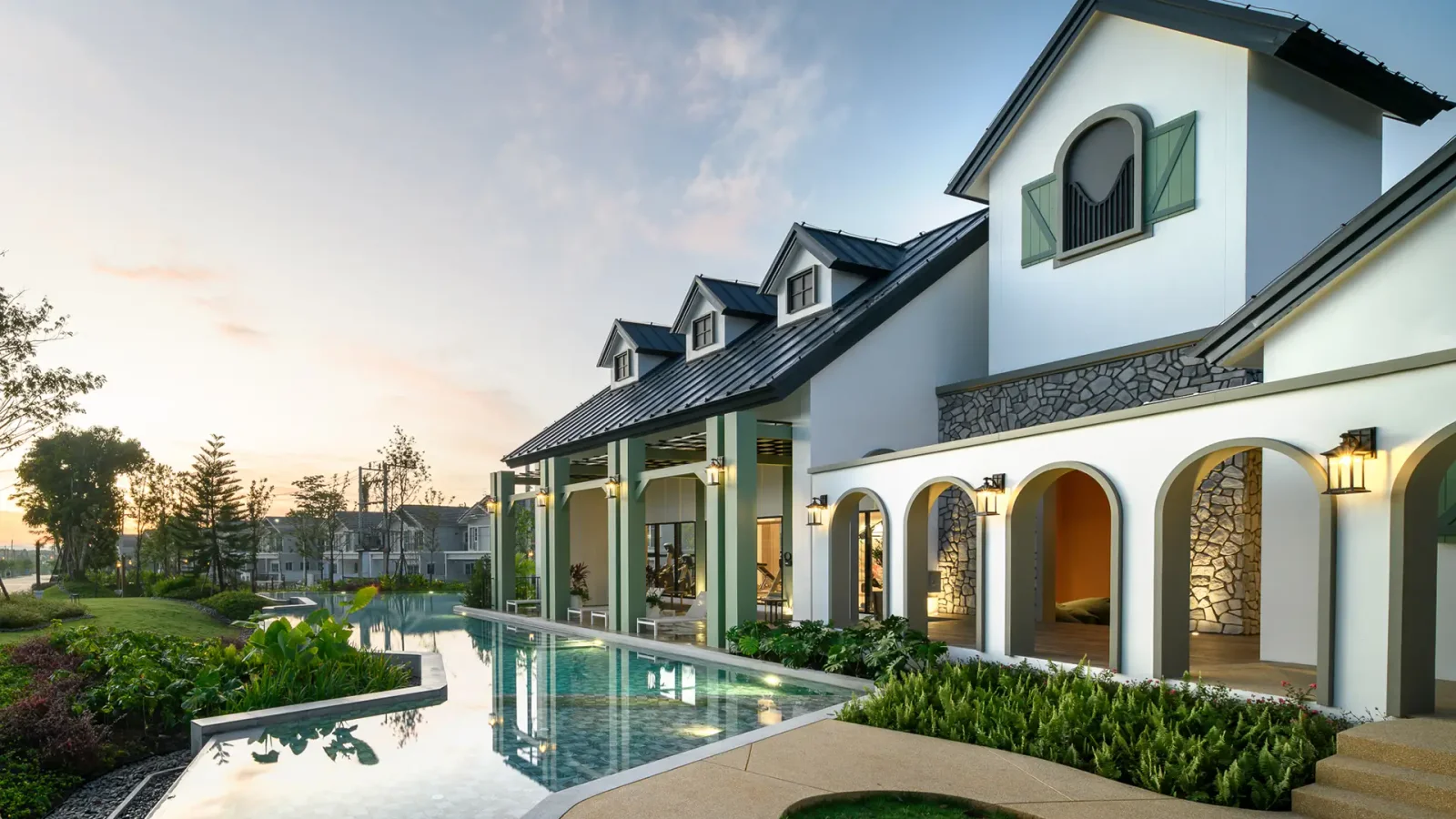
## Homes and Prices
| Homes | Bedrooms | Built area | Price |
| --- | --- | --- | --- |
| 8 homes | Four | 148 and 166 sqm | 5,490,000 to 6,790,000 THB |
All eight homes on our list have four bedrooms, in sizes of 148 and 166 sqm, from 5,490,000 to 6,790,000 THB, with the price moving by size, plot and position on the estate. It is one of the most accessible ways to own a completed four-bedroom house on the island. We send the plan and plot of each home, and arrange a viewing so you can see the house and the street in person. We send the current availability as soon as you ask, with the position of each free home on the estate plan, together with the transfer costs, so the full budget is clear before the viewing.
## Design and Facilities
- **European-cottage style** homes
- **Four bedrooms and three bathrooms**
- **Semi-detached and detached** layouts
- **Gardens** in a nature-inspired setting
- **Salt-water swimming pool**
- **Fitness centre** and clubhouse
- **Kids' zone**
- **Completed**, ready to live in
- **Pet-friendly**
## Living at Anasiri Paklok
Life at Anasiri Paklok is built around the family and the community. After school the children meet at the kids' zone and the salt-water pool, parents train at the fitness centre, and the clubhouse is where neighbours get together. At weekends the marinas of the east coast open the way to the islands of Phang Nga Bay, and the local markets of Pa Khlok are part of the rhythm of the week. Because the homes are finished, a family can move in and settle quickly. Sansiri manages many communities across Thailand, and its experience shows in the practical layouts and the shared facilities that keep family life simple.
## Buying a Completed Home
At Anasiri Paklok, a completed home is transferred in one step: once the price is paid, the ownership structure you choose is registered at the Land Office. We send the terms for the home you choose, together with the common charges, so you know the full cost from the start, and we arrange the viewing and the transfer.
## Why Buyers Choose Anasiri Paklok
- **Completed:** see the home before you buy and move in from the day of transfer
- **Four bedrooms** from 5,490,000 THB
- **Sansiri**, one of Thailand's largest listed developers
- **Salt-water pool, fitness centre, clubhouse and kids' zone**
- **A quiet, green setting** on the east coast
- **Pet-friendly**
## Who Anasiri Paklok Suits
**Young families** who want a four-bedroom house with community facilities at an accessible price.
**Families relocating to Phuket** who want to move in straight away.
**Long-term residents** who prefer the calm of the east coast.
**Rental investors** aiming at families who rent a house for a year or longer.
## Renting Out a Home at Anasiri Paklok
A completed four-bedroom family home with a community pool and a kids' zone appeals to relocating families and long-term residents who rent for six or twelve months. Because the home is finished, it can be let soon after transfer.
If you plan to let your home at Anasiri Paklok, we collect current asking rents for comparable homes in Pa Khlok and Thalang and send them with the price list. [Our rental guide](/guides/phuket-rental-yield-complete-guide-2026/) explains how to read a rental offer line by line.
## Ownership for Foreign Buyers
At Anasiri Paklok, as with any house in Thailand, you buy land plus a building. The home can be held in your own name over a lease of the plot registered at the Land Office, 30 years per registration with renewal terms in the contract, or the land can be held through a Thai company with genuine Thai shareholders. [Freehold and leasehold in Thailand](/guides/freehold-vs-leasehold-thailand/) explains both routes, and we prepare the one that suits you with our legal support.
## Anasiri Paklok and Other Accessible Family Homes
| Project | From | Status |
| --- | --- | --- |
| Anasiri Paklok | 5,490,000 THB | Completed |
| [Akara Golden Section](/projects/akara-golden-section/) | 6,500,000 THB | Off-plan |
| [Akara Pool Villas](/projects/akara-pool-villas/) | 9,000,000 THB | Off-plan |
| [Verdi](/projects/verdi/) | 9,500,000 THB | Off-plan |
| [Crown Estate Dulwich Road](/projects/crown-estate-dulwich-road/) | 9,550,000 THB | Off-plan |
Anasiri Paklok stands out in this group as a completed Sansiri community with shared facilities. We send the price lists of any of these projects on request and arrange viewings.
## Buying Anasiri Paklok with MORE Group
A home at Anasiri Paklok is bought in a few clear steps, from the first viewing to the transfer, and we are with you through each of them.
## What We Send Before You Reserve
- The current price list for Anasiri Paklok with free homes, plot areas and plans
- The payment and transfer terms for your home
- The ownership structure for your purchase, leasehold or company, with the documents it needs
- The community's common charges
{/* corpus-faq:anasiri-paklok */}
## FAQ
### What does Anasiri Paklok cost?
Our price list holds 8 homes: four-bedrooms of 148 and 166 sqm from 5,490,000 to 6,790,000 THB.
### Is Anasiri Paklok completed?
Yes. The community by Sansiri is completed, so you can view the home and move in or let it from the day of transfer.
### What facilities does the community have?
A salt-water swimming pool, a fitness centre, a clubhouse and a kids' zone, in a green setting with about 259 homes.
### How can foreigners own a home at Anasiri Paklok?
The home can be held in your own name over a lease of the plot registered at the Land Office, 30 years per registration with renewal terms in the contract, or the land can be held through a Thai company with genuine Thai shareholders. We prepare the structure with our legal support.
**Read Also:**
- [Best Areas to Buy Property in Phuket](/guides/best-areas-phuket-buy-property/)
- [Crown Estate Dulwich Road](/projects/crown-estate-dulwich-road/)
- [Freehold vs Leasehold in Thailand](/guides/freehold-vs-leasehold-thailand/)
- [How Foreigners Buy Phuket Property 2026](/guides/buying-property-phuket-guide/)
- [Phuket Rental Yield Guide](/guides/phuket-rental-yield-complete-guide-2026/)
# Anchan Burgundy Review 2026: Prices, Units and Quota
> Anchan Burgundy review: four- and five-bedroom pool villas of 548 to 751 sqm near Nai Yang from 38.6M THB, 11 minutes from the airport and the beach.
**Source:** https://moregroup.estate/projects/anchan-burgundy/
**Section:** Project Reviews
**Author:** MORE Group Editorial
**Published:** 2026-04-07
**Updated:** 2026-08-23
---
## What Is Anchan Burgundy in Nai Yang?
Anchan Burgundy is the latest villa series from one of Phuket's most respected independent villa developers. Nai Yang offers residential calm, beach access, and growing lifestyle infrastructure at price points that compare favourably to the Bang Tao and Layan corridors.
## What Are the Key Facts for Anchan Burgundy?
| Factor | Detail |
| --- | --- |
| Developer | Anchan Villas |
| Location | Thep Krasattri, Thalang, in the Nai Yang area |
| Price from | 38.6 million THB |
| Type | Private pool villas, four and five bedrooms |
| Status | Under construction |
| Payment plan | 30 / 15 / 15 / 15 / 15 / 10 |
| Ownership | Registered lease of the land or a Thai company with genuine Thai shareholders |
| Airport and beach | About 11 minutes by car to each |
## Location and Setting
- **Airport access:** about 11 minutes, useful for frequent travellers and for guests arriving late
- **Bang Tao corridor:** 15 to 20 minutes to Boat Avenue, Laguna, and premium beach clubs
- **Residential tone:** lower density than the tourist zones, with a growing expat and family base
- **Growth stage:** Nai Yang is at an earlier point on the curve than Bang Tao or Rawai
The estate sits inland along the airport-to-Bang Tao road, with the nearest shops about six minutes by car. Increasing numbers of long-stay expats and international families are choosing this pocket for quieter roads and high-quality villa stock at lower entry tickets than central Bang Tao.
Nai Yang Beach itself remains one of Phuket's quieter west-coast shorelines, with national park adjacency limiting high-rise density. That supports long-stay rental demand from families who want beach access in a calm setting. International schools in Thalang and Cherng Talay are typically 15 to 25 minutes by car, which matters for relocating families.
## Villa Design and Features
Anchan Burgundy offers open-plan pool villas from 38,600,000 THB, with master suites as separate wings, private pools on each plot and in-house Anchan construction that a buyer can see in the developer's earlier deliveries. The estate adds a gym, an entertainment area and a pet-friendly policy.
- **Layout:** full-height glazing, indoor-outdoor flow, mature tropical landscaping at handover
- **Bedrooms:** four or five, with a generous master wing, ensuite, walk-in wardrobe, and terrace or pool access
- **Build quality:** developer-managed construction rather than outsourced general contractors
- **Track record:** prior Anchan deliveries across Thalang to visit and compare
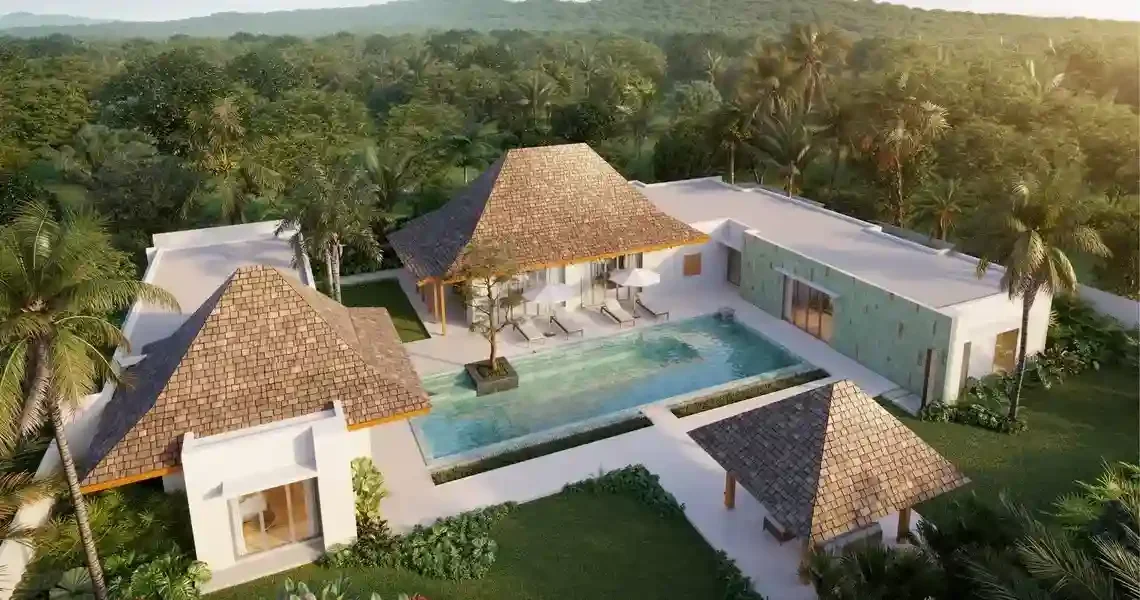
## The Price List
| Bedrooms | Size | Price (THB) | THB per sqm |
|---|---|---|---|
| 4 | 548 sqm | 38,600,000 | 70,438 |
| 4 | 709 sqm | 52,600,000 | 74,189 |
| 5 | 751 sqm | 57,900,000 | 77,097 |
At a median metre of **74,189 THB** these villas price 14% under the 86,235 THB metre of non-branded villas in the Bang Tao and Layan corridor, a real advantage on floor area.
## Investment Case
Airport-adjacent villas can welcome guests within minutes of landing, a logistical edge over more distant island locations, and Nai Yang is priced below Bang Tao while its residential profile continues to mature. For owners who plan to let, the operator's share of gross, customarily 20 to 25% on a villa programme, is contractual, and we collect achieved figures for comparable villas in the area from a villa manager.
The developer's plan runs in six stages. On the entry villa it works out as follows:
| Stage | Share | On 38,600,000 THB |
|---|---|---|
| Signing | 30% | 11,580,000 THB |
| Second | 15% | 5,790,000 THB |
| Third | 15% | 5,790,000 THB |
| Fourth | 15% | 5,790,000 THB |
| Fifth | 15% | 5,790,000 THB |
| Handover | 10% | 3,860,000 THB |
## Burgundy Among Anchan's Thalang Estates
Anchan builds several estates in this part of Thalang, and buyers often compare them:
| Estate | Entry on our list | What it offers |
|---|---|---|
| [Anchan Sunscape](/projects/anchan-sunscape/) | 22,466,000 THB | The entry into the Anchan range |
| [Anchan Emerald](/projects/anchan-emerald/) | 29,000,000 THB | A mid-range Anchan estate in the same sub-district |
| [Anchan Mountain Breeze](/projects/anchan-mountain-breeze/) | 32,837,000 THB | Villas beside the Khao Phra Thaeo forest |
| Anchan Burgundy | 38,600,000 THB | Four- and five-bedrooms of up to 751 sqm |
Burgundy is the large-family estate of the range, with the biggest floor plans and a five-bedroom option, while the others offer lower entry points under the same builder.
## Who Is This For?
Anchan Burgundy suits foreign buyers who trust the Anchan developer brand, investors targeting northern Phuket rental growth from 38.6 million THB, and long-stay families wanting schools and beach access at a lower metre rate than Bang Tao.
- **Investors:** airport logistics favour both short-stay and long-stay rental operations
- **Relocating families:** residential Nai Yang with schools reachable in Thalang and Cherng Talay
- **Value buyers:** premium Anchan product at a lower metre than the Bang Tao corridor
- **Large families:** four and five bedrooms on generous floor plans
## Why Buyers Choose Anchan Burgundy
- In-house Anchan construction, with earlier estates to visit
- About 11 minutes to the airport and to the beach
- A 74,189 THB median metre, 14% below the corridor rate for non-branded villas
- Four- and five-bedroom villas of 548 to 751 sqm
- A quieter residential pocket with national-park beaches nearby
- A six-stage payment plan through the build
## What We Send Before You Reserve
1. **The ownership route:** the registered lease term and its renewals, or the company structure, prepared with our legal support
2. **The price list and the payment schedule,** with each stage tied to the construction progress
3. **Rental figures** for comparable villas in the area, if you plan to let
4. **The developer's earlier estates** to visit, with the specification schedule for your villa
5. **The site plan,** with the position and outlook of each available villa
Buyers comparing Anchan Burgundy with [Anchan Emerald](/projects/anchan-emerald/) or Bang Tao villa stock usually weigh three numbers together: the entry ticket in THB, the metre against the area, and the total ownership cost including maintenance and landscaping in year one. Villas in this part of Thalang typically trade at a discount to equivalent pool villa product in Bang Tao on a per sqm basis, which is the growth thesis as northern Phuket infrastructure continues to develop.
## The Estate and the Developer
We send the number of villas in the estate, the phases and what remains to be released, with the projected annual charge per villa for the shared infrastructure, so the running costs are known alongside the price.
A completed Anchan villa that has stood for several years is the best preview of what Burgundy will be: the pool plant, the air conditioning, the joinery, the external finishes and the terrace drainage in a monsoon climate. We arrange visits to the developer's earlier estates, and the specification schedule for your villa, naming products and grades, is attached to the contract.
## Buying Anchan Burgundy with MORE Group
A villa at Anchan Burgundy is bought in five steps, from the first price list to the keys, and we handle each of them with you.
{/* corpus-faq:anchan-burgundy */}
## FAQ
### What does 38.6M THB buy at Anchan Burgundy?
A four-bedroom pool villa of 548 sqm in the Nai Yang area, about 11 minutes from the airport and the beach, at a price that would buy considerably less floor area on the west coast.
### How does a foreigner own a villa here?
A villa is land plus a house, so the villa itself is owned in your name over a registered lease of the plot, 30 years per registration with renewals set in the contract, or the land is held through a Thai company with genuine Thai shareholders. We prepare the route that suits you with our legal support.
### What stage is Anchan Burgundy at?
Construction is underway. We send the latest construction update together with the price list.
### What should I budget beyond the purchase price?
The annual cost of owning a villa: weekly pool service, year-round garden maintenance, and the roof, pool plant and air conditioning as capital items on known replacement cycles. We set out the year-one cost of ownership itemised for your villa.
### Who does this suit?
Buyers who travel frequently and want a villa with quick airport access, families who want space at a price the west coast does not offer, and investors letting to long-stay families and group holidays.
**Read Also:**
- [Complete Guide to Buying Property in Phuket](/guides/buying-property-phuket-guide/)
- [Best Areas to Buy in Phuket](/guides/best-areas-phuket-buy-property/)
- [Freehold vs Leasehold Thailand](/guides/freehold-vs-leasehold-thailand/)
- [Anchan Emerald project review](/projects/anchan-emerald/)
- [How an off-plan purchase works in Phuket](/guides/off-plan-property-phuket-guide/)
- [Phuket rental yield benchmarks](/guides/phuket-rental-yield-complete-guide-2026/)
# Anchan Emerald Thalang: Pool Villas from 29M THB
> Anchan Emerald Thalang: 44 modern tropical pool villas with three bedrooms, 354 sqm on plots of up to 555 sqm, near Nai Yang, from 29M THB.
**Source:** https://moregroup.estate/projects/anchan-emerald/
**Section:** Project Reviews
**Author:** MORE Group Editorial
**Published:** 2026-04-07
**Updated:** 2026-08-23
---
## What Is Anchan Emerald?
Anchan Emerald is made for calm, spacious living. The villas follow a modern tropical style, with open-plan living areas under high ceilings, panoramic windows that bring in the green of the hills, and a direct flow to the terrace, the private pool and a generous garden. Each house is finished with premium materials, and the plots of around 475 to 555 sqm give every family room to breathe.
The community is gated, with 24-hour security and professional property management, and the landscaped grounds keep the estate green and private. Anchan also builds [Anchan Sunscape](/projects/anchan-sunscape/) and [Anchan Burgundy](/projects/anchan-burgundy/) in the same part of the island.
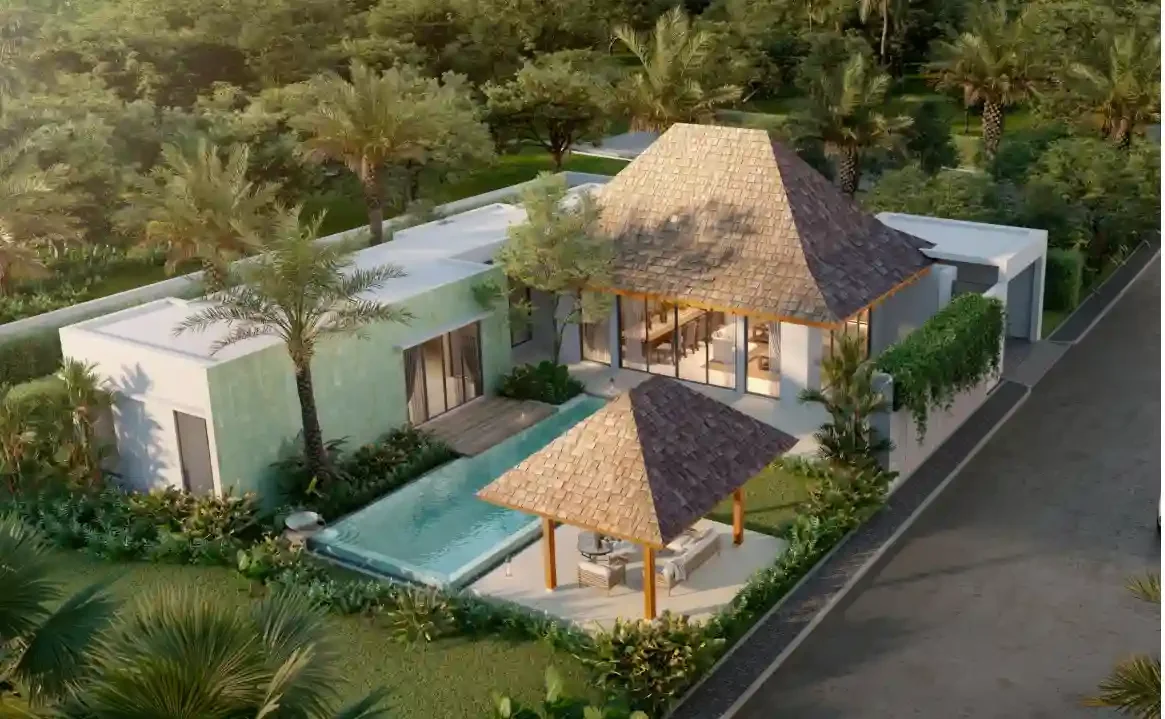
## What Are the Key Facts for Anchan Emerald?
| Factor | Detail |
| --- | --- |
| Developer | Anchan |
| Location | Pru Jampa, Thep Krasattri, Thalang |
| Community | 44 modern tropical pool villas, gated |
| Villas | 4 on our price list |
| Bedrooms | Three, with three bathrooms |
| Built area | About 354 sqm |
| Plots | Around 475 to 555 sqm |
| Price | 29,000,000 to 36,000,000 THB |
| Payment | 30% / 15% / 15% / 15% / 15% / 10% |
| Stage | Under construction |
| Airport | About 11 minutes by car |
## Location: Pru Jampa, the Green North of Phuket
Pru Jampa is a quiet, green corner of Thep Krasattri, where villa communities sit among the trees with the hills behind them. It is one of the most convenient places on the island for owners who travel, and one of the most peaceful for families.
- **Nai Yang and Nai Thon beaches:** about 11 minutes by car
- **Phuket International Airport:** about 11 minutes by car
- **Shopping:** the nearest mall about 6 minutes by car
- **Sirinat National Park:** the protected coast and casuarina groves of Nai Yang
- **Bang Tao and Laguna Phuket:** the beach clubs and golf of the west coast within a longer drive
Nai Yang is one of the island's calmest beaches, with seafood restaurants under the trees and a relaxed village feel, and Nai Thon is a quiet bay favoured by swimmers. The [Nai Yang area page](/nai-yang-properties/) covers the district in more detail.
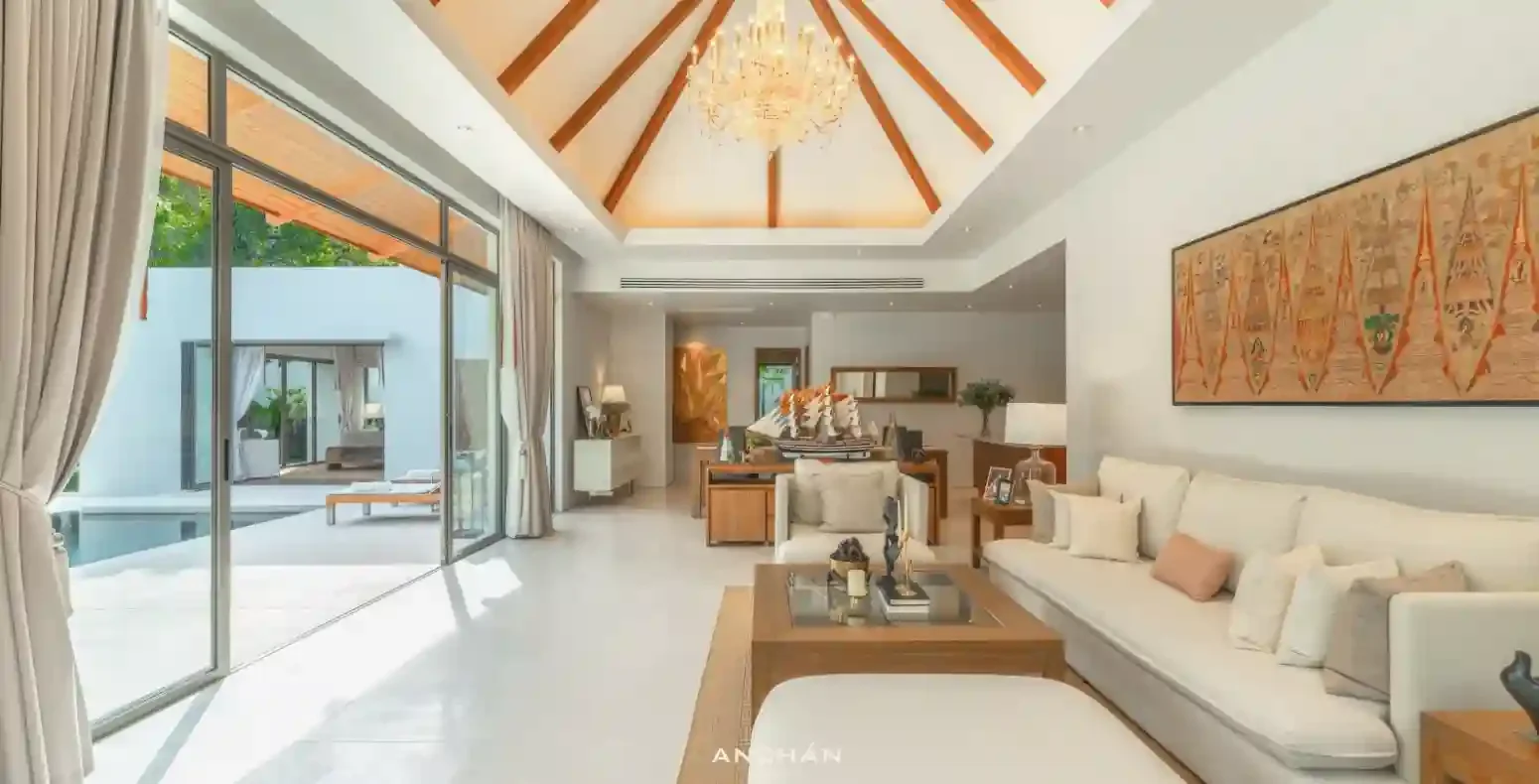
## Villas and Prices
| Villas | Bedrooms | Built area | Price |
| --- | --- | --- | --- |
| 1, 2, 3 and 4 | Three | About 354 sqm | 29,000,000 to 36,000,000 THB |
All four villas on our list share the same three-bedroom plan of about 354 sqm, and the price moves with the plot, which ranges from around 475 to 555 sqm. We send the plot area and position of each villa with the price list, so you can choose the garden and the outlook you like best.
## Design and Villas
- **Modern tropical architecture** with open-plan living
- **High ceilings** and panoramic windows
- **Three bedrooms and three bathrooms**
- **Private swimming pool** and a generous garden
- **Premium finishes** throughout
- **Mountain views** and landscaped grounds
- **Gated community** with 24-hour security and property management
- **Pet-friendly**
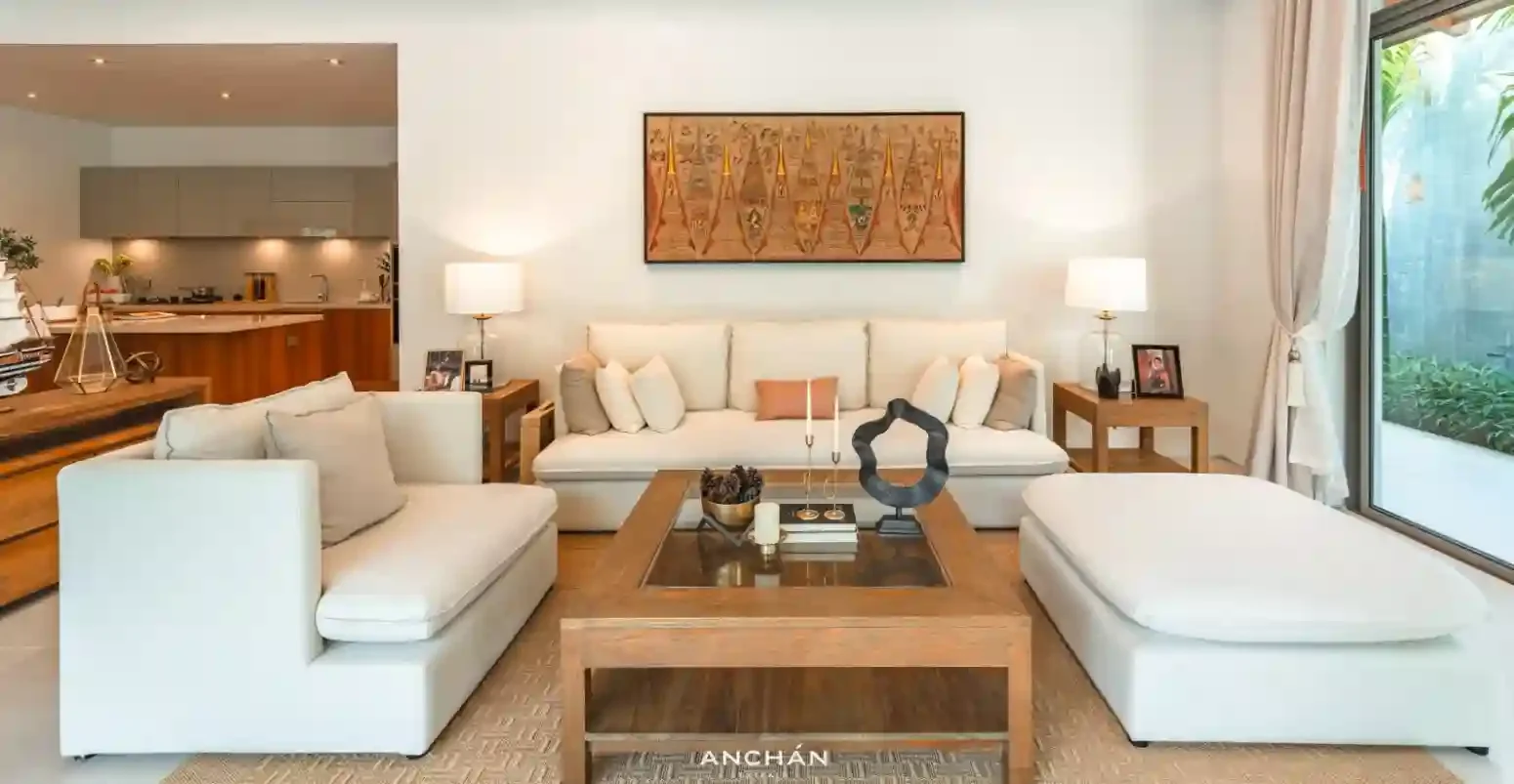
## Living at Anchan Emerald
Days at Anchan Emerald are unhurried. Mornings start with a swim in your own pool and a view of the hills, the shops are a few minutes away, and in the afternoon Nai Yang Beach and its seafood restaurants under the trees are a short drive. When friends and family fly in, the airport run takes about eleven minutes. At weekends the beach clubs and restaurants of Bang Tao and Laguna make an easy day out, and the evenings belong to the terrace, the pool and the quiet of the hills.
## Six-Stage Payment Plan
The price is paid in six stages: 30%, four stages of 15% and 10%. For a villa at 29,000,000 THB that works out as follows:
| Stage | Share | Amount |
| --- | --- | --- |
| 1 | 30% | 8,700,000 THB |
| 2 to 5 | 15% each | 4,350,000 THB each |
| 6 | 10% | 2,900,000 THB |
The schedule spreads the price across the build and leaves 10% for handover. We send the developer's schedule for your villa with the price list.
## Why Buyers Choose Anchan Emerald
- **Large plots** of around 475 to 555 sqm
- **Three-bedroom villas of about 354 sqm** with private pools
- **Modern tropical design** with high ceilings and panoramic windows
- **Green surroundings** and mountain views
- **About 11 minutes** to the airport and the beaches of Nai Yang
- **Property management** and 24-hour security
- **Pet-friendly**
## Who Anchan Emerald Suits
**Families** who want a large garden, a private pool and a quiet green neighbourhood.
**Frequent travellers** who value a short drive to the airport.
**Owners who spend part of the year in Phuket** and want a villa looked after by the estate's management while they are away.
**Rental investors** aiming at families who rent a house with a garden for a season or a school year.
## Renting Out a Villa at Anchan Emerald
A three-bedroom pool villa with a large garden appeals to families on holiday who want space and privacy near the calm northern beaches, and to relocating families who rent for six or twelve months. The short airport run is a real advantage for guests on shorter trips.
If you plan to let your villa at Anchan Emerald, we collect current asking rents for comparable villas in Thep Krasattri and Nai Yang and send them with the price list. [Our rental guide](/guides/phuket-rental-yield-complete-guide-2026/) explains how to read a rental offer line by line.
## Ownership for Foreign Buyers
At Anchan Emerald, as with any villa in Thailand, you buy land plus a building. The house can be held in your own name over a lease of the plot registered at the Land Office, 30 years per registration with renewal terms in the contract, or the land can be held through a Thai company with genuine Thai shareholders. [Freehold and leasehold in Thailand](/guides/freehold-vs-leasehold-thailand/) explains both routes, and we prepare the one that suits you with our legal support.
## Anchan Emerald and Other Villas in Thep Krasattri and Nai Yang
| Project | From | Status |
| --- | --- | --- |
| [Botanica Skyport](/projects/botanica-skyport/) | 19,900,000 THB | Off-plan |
| Terra Azalea Villas | 21,500,000 THB | Off-plan |
| [Anchan Sunscape](/projects/anchan-sunscape/) | 22,466,000 THB | Off-plan |
| Montana Hills Villa | 28,700,000 THB | Off-plan |
| Anchan Emerald | 29,000,000 THB | Off-plan |
| [Anchan Burgundy](/projects/anchan-burgundy/) | 38,600,000 THB | Off-plan |
Anchan Emerald stands out in this group for the size of its plots. We send the price lists of any of these projects on request and arrange viewings.
## Buying Anchan Emerald with MORE Group
A villa at Anchan Emerald is bought in five steps, from the first price list to the keys, and we are with you through each of them.
## What We Send Before You Reserve
- The current price list with free villas, built and plot areas, and plans
- The six-stage payment schedule for your villa
- The ownership structure for your purchase, leasehold or company, with the documents it needs
- The community's common charges and the terms of the property management
- The latest construction update
{/* corpus-faq:anchan-emerald */}
## FAQ
### What does Anchan Emerald cost?
Our price list holds four three-bedroom villas of about 354 sqm, from 29,000,000 to 36,000,000 THB. The price moves with the plot, which ranges from around 475 to 555 sqm.
### What does each villa include?
Three bedrooms and three bathrooms, open-plan living under high ceilings, panoramic windows, premium finishes, a private swimming pool and a generous garden.
### Where is Anchan Emerald?
In Pru Jampa, Thep Krasattri, in the green north of Phuket. The airport and the beaches of Nai Yang and Nai Thon are about 11 minutes by car, and the nearest mall about 6 minutes.
### What is the payment plan?
Six stages: 30%, four stages of 15% and 10% at handover. For a villa at 29,000,000 THB that means 8,700,000 THB at the first stage.
### How can foreigners own a villa at Anchan Emerald?
The house can be held in your own name over a lease of the plot registered at the Land Office, 30 years per registration with renewal terms in the contract, or the land can be held through a Thai company with genuine Thai shareholders. We prepare the structure with our legal support.
**Read Also:**
- [Anchan Sunscape](/projects/anchan-sunscape/)
- [Anchan Burgundy](/projects/anchan-burgundy/)
- [Botanica Pru Jampa](/projects/botanica-pru-jampa/)
- [Freehold vs Leasehold in Thailand](/guides/freehold-vs-leasehold-thailand/)
- [How Foreigners Buy Phuket Property 2026](/guides/buying-property-phuket-guide/)
- [Phuket Rental Yield Guide](/guides/phuket-rental-yield-complete-guide-2026/)
# Anchan Mountain Breeze Review 2026: Prices and Unit Mix
> Anchan Mountain Breeze, Thalang: 88 forest-side pool villas, 26 on the current list at 473 to 709 sqm from 32,837,000 THB. Plots, prices and ownership.
**Source:** https://moregroup.estate/projects/anchan-mountain-breeze/
**Section:** Project Reviews
**Author:** MORE Group Editorial
**Published:** 2026-04-07
**Updated:** 2026-09-23
---
## What Is Anchan Mountain Breeze?
Anchan Mountain Breeze is a private collection of tropical pool villas by Anchan Villas in the green hills of northern Phuket, set against the forest of the Khao Phra Thaeo reserve. The villas are designed in a contemporary Balinese style, with high ceilings, indoor-outdoor living spaces that open onto private pools and tropical gardens, and natural materials throughout. The estate is gated, with 24-hour security and professional property management, and pets are welcome.
It is a place for families and long-term residents. Naithon Beach is about 16 minutes by car, the airport about 15 and the nearest mall about 11, and UWC International School is on the same road network.
## What Are the Key Facts for Anchan Mountain Breeze?
| Factor | Detail |
| --- | --- |
| Project | Anchan Mountain Breeze |
| Location | Pa Khlong Cheep, Thalang, beside the Khao Phra Thaeo Wildlife Sanctuary |
| Estate | 88 pool villas, according to the developer |
| Villa types | 3B with three bedrooms; 4B and 4C with four |
| On the current price list | 26 villas: 13 of 473 sqm, 13 of 548 to 709 sqm |
| Price range on the list | 32.84 to 53.77 million THB |
| Stage | Under construction |
| Payment plan | Six instalments: 30, 15, 15, 15, 15 and 10 per cent |
| Drive times | Naithon Beach about 16 min, airport about 15 min, mall about 11 min |
| Nearby | UWC International School |
| Ownership | Registered lease or Thai company |
## Location and Area
The setting is the inland hills of Thep Krasattri in Thalang, behind Naithon, with UWC International School, the airport and the Thalang shops and services on the same road network.
- **Schools:** UWC Thailand's campus in Thalang
- **Seclusion:** the forest reserve as a natural sound and visual barrier from the tourist strips
- **Beach:** Naithon Beach about 16 minutes by car, with the other north-west beaches beyond it
- **Climate:** the forest canopy and the hill breezes the project is named after
The appeal of the location is that it feels secluded while the airport, the schools and the shops stay close. A visit shows it best: the forest outlook, the quiet, and the short drives to school and the beach.
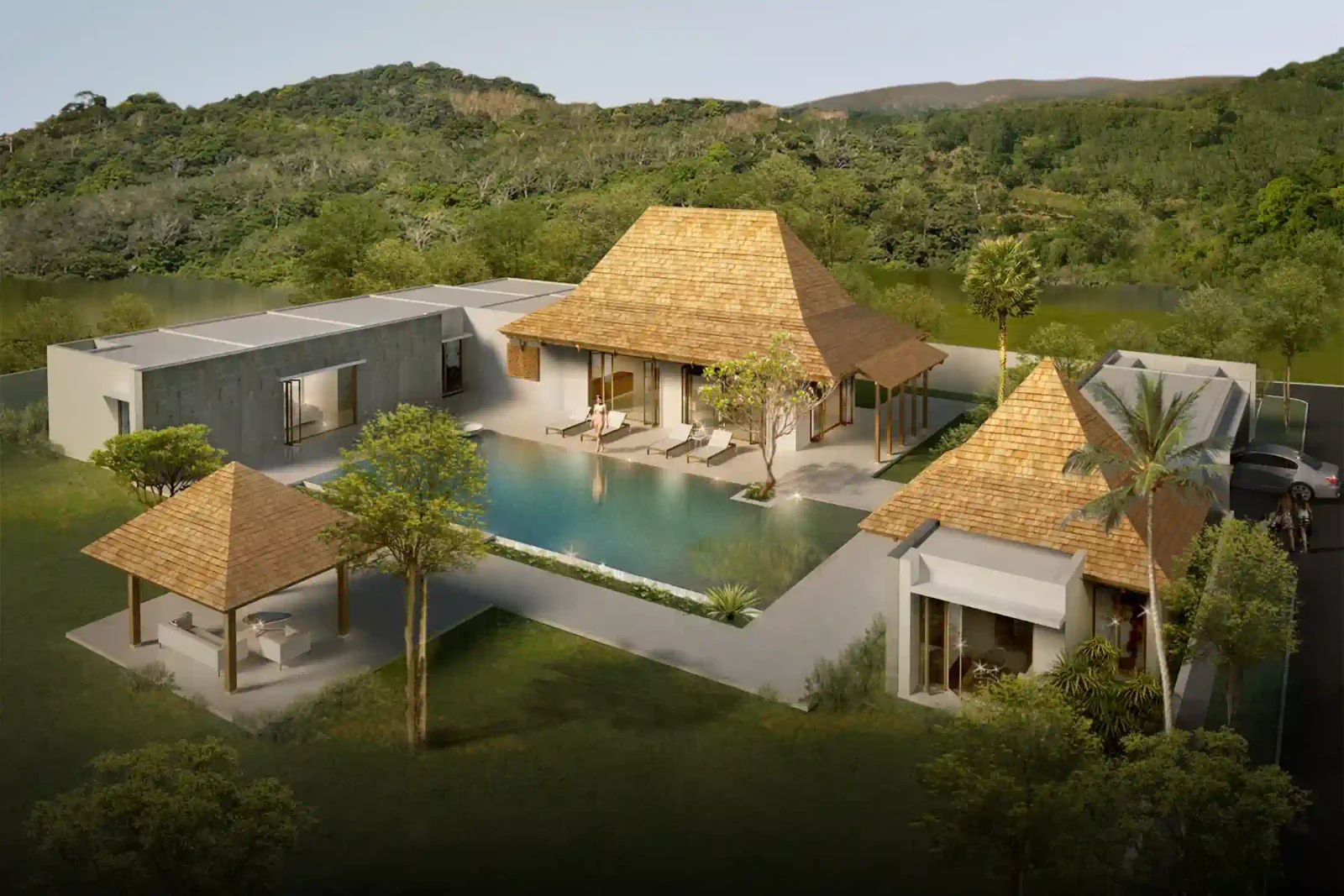
## Design and Units
- **473 sqm plan (three bedrooms):** 13 villas on the current list, 32,837,000 to 33,338,000 THB
- **548 to 709 sqm plans (four bedrooms):** 13 villas on the current list, 37,942,000 to 53,770,000 THB
- **Style:** contemporary Balinese, high ceilings, an ensuite bathroom to every bedroom and generous kitchens
- **Materials:** premium stone, custom millwork, specimen planting
- **Pools:** private pools from 4 by 10 metres on type 3B to 5.5 by 15 metres on type 4C, according to the developer
The developer's largest type, 4C, has four bedrooms and five bathrooms on a plot of 1,090 to 1,287 sqm, which suits larger families or buyers wanting room for guests or staff. The villas are considerably larger than a bedroom count suggests, 473 sqm for the smaller plan and 548 to 709 sqm for the larger, so every room is generous, and the drawings we send with the price list show how each plan lives.
## Investment Case
The investment case rests on the setting and on the price list. The estate sits beside the Khao Phra Thaeo Wildlife Sanctuary, protected forest that gives the hills their green backdrop, and the twenty-six villas on the current list, out of 88 on the estate, are priced within about ten per cent of each other per square metre. The choice between them is a choice of plot and of size rather than of value, and thirteen of those twenty-six are the same house, as set out further down this page.
For letting, Mountain Breeze suits long stays: families in annual residence near the school, and week-long and month-long retreat bookings for groups and multi-generational families that a house of this size takes. For owners who plan to let, we collect achieved figures on comparable villas in the northern corridor from a villa manager and set them against [what a villa costs to own each year](/guides/annual-ownership-costs-thailand/); the [Phuket rental yield guide](/guides/phuket-rental-yield-complete-guide-2026/) explains how the figures are built.
## The Payment Plan
The developer's plan runs in six instalments through the build. On the entry villa it works out as follows:
| Instalment | Share | On 32,837,000 THB |
| --- | --- | --- |
| First | 30% | 9,851,100 THB |
| Second | 15% | 4,925,550 THB |
| Third | 15% | 4,925,550 THB |
| Fourth | 15% | 4,925,550 THB |
| Fifth | 15% | 4,925,550 THB |
| Sixth | 10% | 3,283,700 THB |
We send the schedule for your villa, with the stage each instalment is tied to, together with the price list.
## Who Is This For?
- **School families:** UWC and the international campus cluster nearby
- **Nature owners:** a forest setting and green hill views
- **Long-stay rental:** a wellness and family retreat guest profile
- **Plot-led buyers:** the current list prices its plots almost identically, so the choice is made on the ground
## Why Buyers Choose Anchan Mountain Breeze
- A forest setting beside the Khao Phra Thaeo reserve, with the airport about 15 minutes away
- UWC International School close by for families
- Large houses: 473 to 709 sqm on the current list, each with a private pool
- An even rate per square metre across the list, so the best plot costs little more
- The developer's completed Anchan estates in Phuket
- A long-stay rental profile with less wear than nightly letting
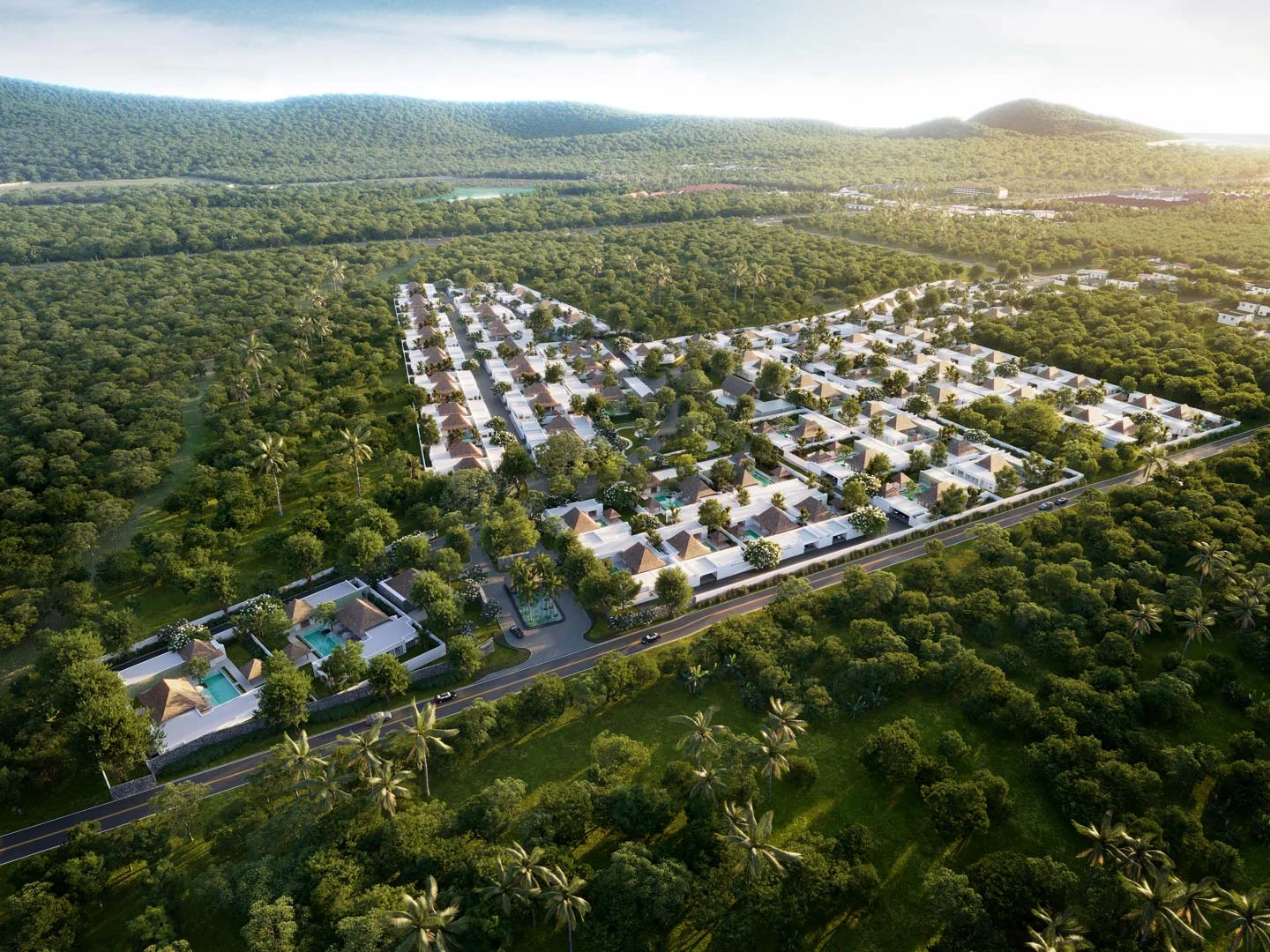
## What We Send Before You Reserve
| Document | What it shows |
| --- | --- |
| The price list and the site plan | The available villas, their plots and their aspect |
| The drawings | The layout of each plan you shortlist |
| The ownership documents | The registered lease, or the company route, for your villa |
| The payment schedule | Six instalments and the stage each is tied to |
| The estate charge | How the common charge is set, per villa or per square metre |
| A manager's quote | The running costs of the house on its floor area |
1. The price list, the site plan and the drawings of the plans you shortlist
2. A comparison with [Anchan Emerald](/projects/anchan-emerald/) and [Anchan Sunscape](/projects/anchan-sunscape/), the developer's other Thalang estates
3. Achieved long-stay figures on comparable villas in the northern corridor, if you plan to let
4. A site visit to walk the plots and the forest setting
5. The ownership documents, prepared with our legal support before the reservation, as described in [how an off-plan purchase works in Phuket](/guides/off-plan-property-phuket-guide/)
## Twenty-Six Listed Villas at a Strikingly Flat Rate
The estate is 88 villas, according to the developer, and the current price list carries 26 of them: thirteen three-bedroom villas of 473 square metres from 32.84M to 33.34M THB, and thirteen four-bedrooms of 548 to 709 square metres from 37.94M to 53.77M.
As rates, the three-bedrooms sit at about 69,400 to 70,500 THB per square metre and the four-bedrooms at roughly 69,100 to 76,300. Across twenty-six large villas that is a band of barely ten per cent, and the very cheapest built area on the list is in the four-bedrooms rather than the three.
Two consequences. Plot quality is essentially not priced on this list, so whatever separates the twenty-six positions (aspect, level, privacy, what each backs onto, distance from the entrance) costs you little or nothing. Walk as many as are available; on a scheme priced this evenly it is the most valuable hour of the whole purchase.
And the format decision is about size rather than value. A 473 square metre three-bedroom is already a large house and a 709 square metre four-bedroom a very large one, so the choice comes down to how you will live in it: the larger plans suit families with guests or staff, and the running costs follow the floor area.
## Thirteen Three-Bedrooms on One Plan
Half the current list is the same 473 square metre three-bedroom, priced from 32,837,000 to 33,338,000 THB, so the 501,000 THB between them is what the developer charges for position. Choose the aspect you like best, and keep the lease, the charge history and the maintenance record together from handover: between two similar houses, a complete file is what helps a resale.
## The Northern Corridor and Its Tenants
The location is the north-west of the island, away from the Bang Tao and Patong corridors, near protected coastline and a short run from the airport.
Demand beside an international campus follows the school year rather than the tourist season, with families renting for the academic year. Lets shorter than a month follow [the rules on short lets and the Hotel Act](/guides/can-i-rent-out-my-phuket-condo/). The drawings show whether a villa lives as a family house or a group-letting one: on the 473 sqm plan through the service space and the separation between bedrooms, on the 548 to 709 sqm plans through the use of the fourth bedroom.
## Ownership and the Annual Costs
Ownership here is a land question rather than a condominium one, and we set out the lease terms for your plot with our legal support. [What a foreigner may hold in Thailand](/guides/legal-guide-buying-property-thailand/) sets out the general position, and [how a registered lease term and its renewals work](/guides/30-year-lease-thailand-explained/) explains the wording we go through with you.
On an estate of mixed sizes the common charge can be set per villa or per square metre, and we send how Mountain Breeze sets it, together with a manager's quote for the house itself on its floor area, read against [what a Phuket villa costs to keep each year](/guides/annual-ownership-costs-thailand/).
## Buying Anchan Mountain Breeze with MORE Group
A villa at Anchan Mountain Breeze is bought in five steps, from the first price list to the keys, and we are with you at each of them.
{/* corpus-faq:anchan-mountain-breeze */}
## FAQ
### Why is proximity to Khao Phra Thaeo an advantage?
Khao Phra Thaeo is protected forest, so it gives the estate a green backdrop and a quiet neighbour. On the site plan we show which plots face the reserve directly.
### How close is Anchan Mountain Breeze to UWC International School?
UWC International School in Thalang is typically under 15 minutes by car depending on plot within the development.
### What ownership structures are available for foreign buyers?
A villa here is land plus a house rather than a condominium unit, so the route is a registered lease of the plot, with the building itself in your own name, or a Thai company with genuine Thai shareholders. A lease registers for up to 30 years per term, with renewals set in the contract. We prepare the route that suits you with our legal support.
### Is Anchan Mountain Breeze suitable for rental income?
Yes, and the natural demand is long-stay: families in annual residence and group or multi-generational holiday bookings that a house of this size takes. For owners who plan to let, we collect achieved figures on comparable villas in the northern corridor and set them against the running costs of the house.
### What is the difference between the villa plans?
The developer lists 88 villas in three types: 3B with three bedrooms, and 4B and 4C with four. The current price list carries 26 of them in two sizes: thirteen of 473 sqm at 32,837,000 to 33,338,000 THB, and thirteen of 548 to 709 sqm at 37,942,000 to 53,770,000 THB. We send the drawings of each plan with the price list.
### What stage is Anchan Mountain Breeze at?
Construction is underway. We send the latest construction update together with the price list.
### What is the payment plan?
Six instalments through the build: 30, 15, 15, 15, 15 and 10 per cent. We send the schedule for your villa, with the stage each instalment is tied to, together with the price list.
**Read Also:**
- [From reservation to Land Office, the buying sequence](/guides/buying-property-phuket-guide/)
- [Where else on the island a villa budget of this size goes](/guides/best-areas-phuket-buy-property/)
- [Anchan Emerald, the same developer in the same Thalang sub-district](/projects/anchan-emerald/)
- [Anchan Sunscape, the other Anchan estate on the same road, opening around 22.5M THB](/projects/anchan-sunscape/)
- [The buying process step by step](/guides/due-diligence-process-thailand-step-by-step/)
- [How rental income is planned in Phuket](/guides/phuket-rental-yield-complete-guide-2026/)
# Anchan Sunscape Thalang: Pool Villas from 22.47M THB
> Anchan Sunscape review: 129 tropical pool villas with two to four bedrooms in Thep Krasattri, 324 to 448 sqm, 15 minutes from the airport, from 22.47M THB.
**Source:** https://moregroup.estate/projects/anchan-sunscape/
**Section:** Project Reviews
**Author:** MORE Group Editorial
**Published:** 2026-04-07
**Updated:** 2026-08-23
---
## What Is Anchan Sunscape?
Anchan Sunscape brings the Anchan style of tropical living to a large, calm community in the north of the island. Each villa has a private pool and garden, high ceilings, open-plan living spaces and large glass doors and windows that connect the house to the terrace. The palette is natural: teak, slate and light marble, chosen to create a sense of space and a closeness to the landscape.
The community is built for everyday life: a clubhouse, a gym, landscaped gardens, parking and round-the-clock security with CCTV. International schools, sports centres, beaches and shopping are all within a short drive, which makes Sunscape a home for families who live in Phuket as well as a retreat for owners who visit through the year.
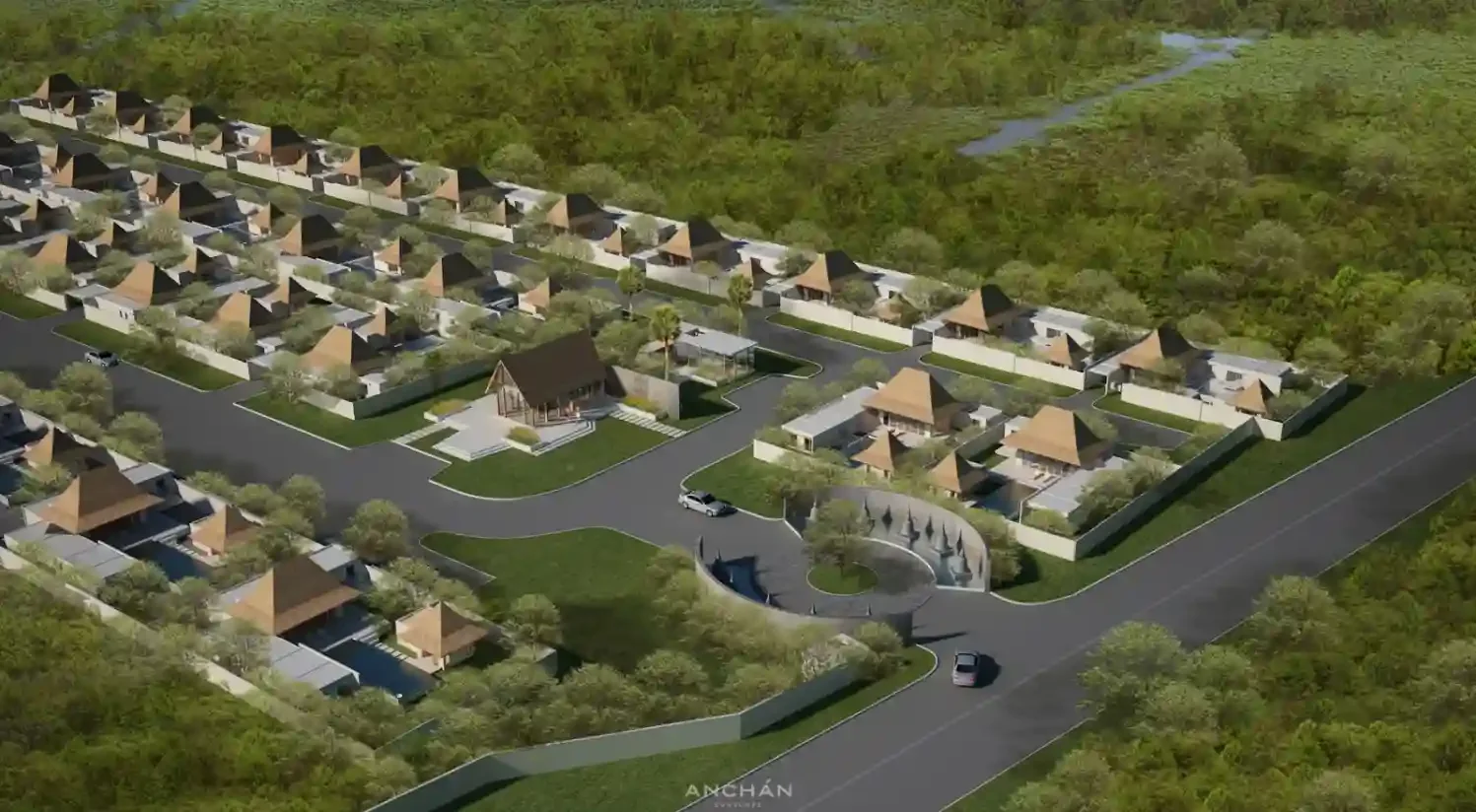
## What Are the Key Facts for Anchan Sunscape?
| Factor | Detail |
| --- | --- |
| Developer | Anchan |
| Location | Thep Krasattri, Thalang |
| Community | About 129 private pool villas, gated |
| Villas | 34 on our price list |
| Two-bedroom | 324 sqm, 22,466,000 to 22,797,000 THB |
| Three-bedroom | 353 sqm, 25,728,000 to 26,759,000 THB |
| Four-bedroom | 448 sqm, 31,321,000 to 32,557,000 THB |
| Plots | About 426 to 728 sqm |
| Payment | 30% / 15% / 15% / 15% / 15% / 10% |
| Stage | Under construction |
| Airport | About 15 minutes by car |
| Beach | About 15 minutes by car |
## Location: The Green North of Phuket
Thep Krasattri is the green, residential heart of Thalang, where the hills of the north meet the island's family neighbourhoods. Anchan Sunscape sits in this landscape with the airport, the schools and the beaches all within easy reach.
- **Beaches:** Nai Yang, Layan and Bang Tao about 15 minutes by car
- **Phuket International Airport:** about 15 minutes by car
- **International schools and sports centres:** within a short drive
- **Shopping:** the nearest mall about 14 minutes by car
- **Boat Avenue and Laguna Phuket:** restaurants, golf and beach clubs on the west coast
Owners who fly in and out often value the short airport run, and families value the calm streets and the space. The [Nai Yang property guide](/guides/nai-yang-property-guide/) covers the north of the island in more detail.
## Villas and Prices
Our price list holds 34 villas in three sizes:
| Villas | Bedrooms | Living area | Price |
| --- | --- | --- | --- |
| 21, 22, 23, 24, 25 | Two | 324 sqm | 22,466,000 THB |
| 17, 26 | Two | 324 sqm | 22,797,000 THB |
| 27 to 37 | Three | 353 sqm | 25,728,000 to 25,765,000 THB |
| 2 to 8 | Three | 353 sqm | 25,949,000 THB |
| 9, 10, 14, 15, 16 | Three | 353 sqm | 26,354,000 to 26,759,000 THB |
| 11, 12, 13 | Four | 448 sqm | 31,321,000 THB |
| 18 | Four | 448 sqm | 32,557,000 THB |
The two-bedroom villas of 324 sqm are generous houses for a couple or a small family, and five of them share the entry price of 22,466,000 THB. The three-bedroom villas of 353 sqm are the largest group on the list, and the four-bedroom villas of 448 sqm are the most spacious homes in the community. At about 69,300 to 75,800 THB per square metre, Sunscape offers a great deal of house for the price. We send the plot area and plan of each villa with the price list.
## Design and Villas
- **Private swimming pool** and garden for every villa
- **High ceilings** and large glass doors and windows
- **Open-plan living spaces** that flow onto the terrace
- **Natural materials:** teak, slate and light marble
- **Two, three or four bedrooms**
- **Clubhouse, gym and landscaped gardens** for residents
- **Gated community** with 24-hour security and CCTV
- **Pet-friendly**
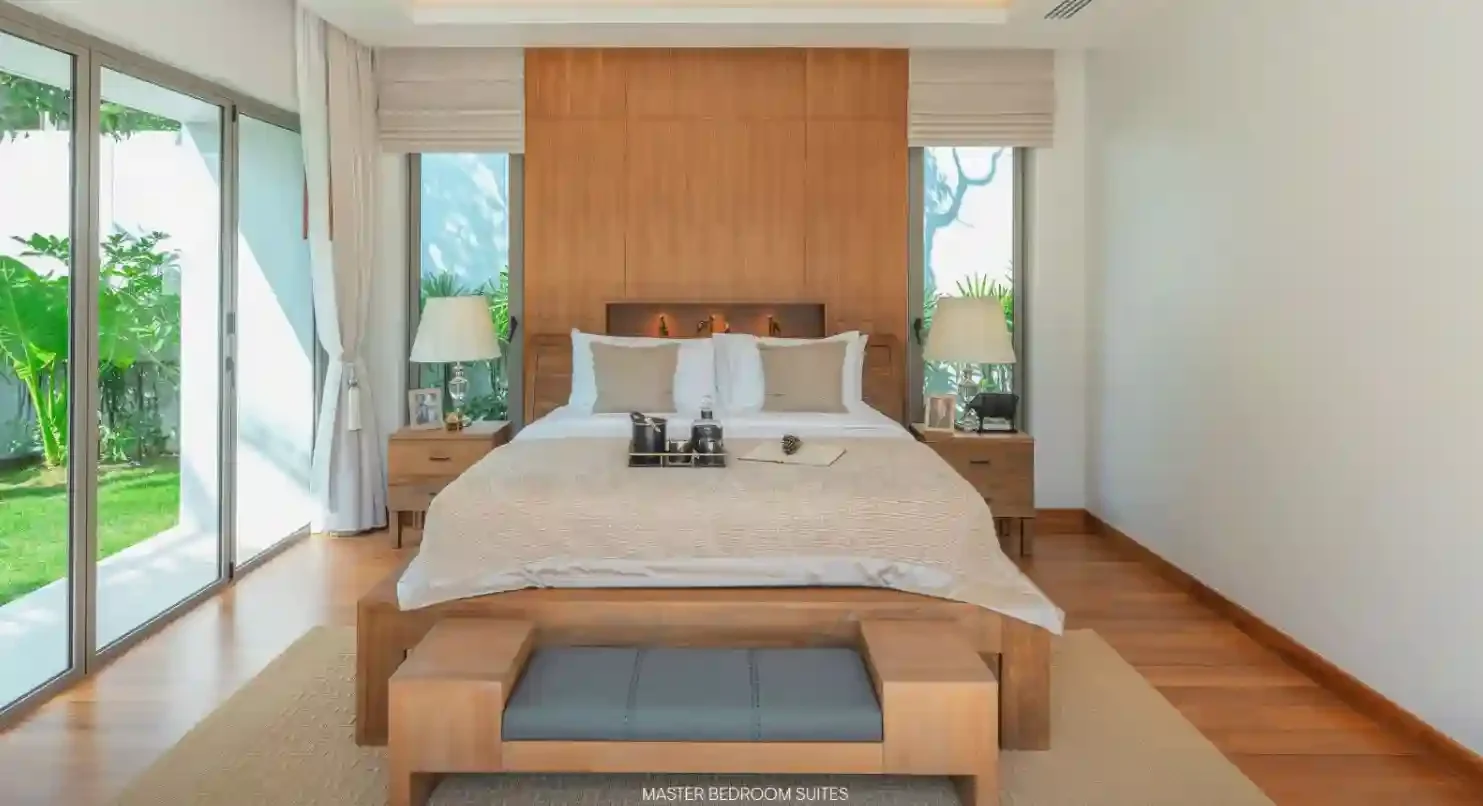
## Six-Stage Payment Plan
The price is paid in six stages: 30%, 15%, 15%, 15%, 15% and 10%. For a two-bedroom villa at 22,466,000 THB that works out as follows:
| Stage | Share | Amount |
| --- | --- | --- |
| 1 | 30% | 6,739,800 THB |
| 2 | 15% | 3,369,900 THB |
| 3 | 15% | 3,369,900 THB |
| 4 | 15% | 3,369,900 THB |
| 5 | 15% | 3,369,900 THB |
| 6 | 10% | 2,246,600 THB |
The schedule spreads the price across the build and leaves 10% for handover. We send the developer's schedule for your villa with the price list.
## Why Buyers Choose Anchan Sunscape
- **The Anchan style:** tropical design in teak, slate and marble
- **Large houses:** 324 to 448 sqm with private pools
- **Generous plots:** about 426 to 728 sqm
- **A full community:** clubhouse, gym, gardens and security
- **Airport about 15 minutes** by car
- **A wide choice:** 34 villas with two to four bedrooms
- **Pet-friendly**
## Who Anchan Sunscape Suits
**Families relocating to Phuket** who want a spacious villa near schools and sports centres.
**Frequent flyers** who value a 15-minute drive to the airport.
**Buyers who love the Anchan design**, with its teak, slate and marble palette.
**Villa rental investors** aiming at families and groups who book pool villas in the north of the island.
## Renting Out a Villa at Anchan Sunscape
A pool villa in the green north of Phuket appeals to families and groups on holiday in the November to April season, and to relocating families who rent a house for a school year or longer. The short drive to the airport suits guests on shorter trips as well.
For owners who plan to rent, we collect current asking rents and holiday rates for comparable villas in Thalang and send them with the price list. [Our rental guide](/guides/phuket-rental-yield-complete-guide-2026/) explains how to read a rental offer line by line.
## Ownership for Foreign Buyers
At Anchan Sunscape, as with any villa in Thailand, you buy land plus a building. The house can be held in your own name over a lease of the plot registered at the Land Office, 30 years per registration with renewal terms in the contract, or the land can be held through a Thai company with genuine Thai shareholders. [Freehold and leasehold in Thailand](/guides/freehold-vs-leasehold-thailand/) explains both routes, and we prepare the one that suits you with our legal support.
## Anchan Sunscape and Other Villas in the North
| Project | From | Status |
| --- | --- | --- |
| [Amrits Luxury Villas](/projects/amrits-luxury-villas/) | 21,000,000 THB | Off-plan |
| [Terra Azalea Villas](/projects/terra-azalea-villas/) | 21,500,000 THB | Off-plan |
| [The Title Estella Villa](/projects/the-title-villa-estella/) | 22,418,000 THB | Off-plan |
| Anchan Sunscape | 22,466,000 THB | Off-plan |
| [Montana Hills Villa](/projects/montana-hills-villa/) | 28,700,000 THB | Off-plan |
| [Anchan Emerald](/projects/anchan-emerald/) | 29,000,000 THB | Off-plan |
| [Anchan Mountain Breeze](/projects/anchan-mountain-breeze/) | 32,837,000 THB | Off-plan |
Sunscape is the most accessible way into an Anchan community on our list. We send the price lists of any of these projects on request and arrange viewings.
## Buying Anchan Sunscape with MORE Group
A villa at Anchan Sunscape is bought in five steps, from the first price list to the keys, and we are with you through each of them.
## What We Send Before You Reserve
- The current price list with free villas, living and plot areas, and plans
- The six-stage payment schedule for your villa
- The ownership structure for your purchase, leasehold or company, with the documents it needs
- The community's common charges
- The latest construction update
- Current asking rents and holiday rates for comparable villas, if you plan to rent
{/* corpus-faq:anchan-sunscape */}
## FAQ
### What does Anchan Sunscape cost?
Our price list holds 34 villas: two-bedroom villas of 324 sqm from 22,466,000 THB, three-bedroom villas of 353 sqm from 25,728,000 THB, and four-bedroom villas of 448 sqm from 31,321,000 to 32,557,000 THB.
### How large are the villas and plots?
Living areas run from 324 to 448 sqm, on plots of about 426 to 728 sqm depending on the villa type. Every villa has a private pool and garden.
### Where is Anchan Sunscape?
In Thep Krasattri, Thalang, in the north of Phuket. The airport and the beaches are about 15 minutes by car, and international schools and sports centres are within a short drive.
### What is the payment plan?
Six stages: 30%, 15%, 15%, 15%, 15% and 10%. For a two-bedroom villa at 22,466,000 THB that means 6,739,800 THB at the first stage.
### How can foreigners own a villa at Anchan Sunscape?
The house can be held in your own name over a lease of the plot registered at the Land Office, 30 years per registration with renewal terms in the contract, or the land can be held through a Thai company with genuine Thai shareholders. We prepare the structure with our legal support.
**Read Also:**
- [How Foreigners Buy Phuket Property 2026](/guides/buying-property-phuket-guide/)
- [Anchan Emerald](/projects/anchan-emerald/)
- [Anchan Mountain Breeze](/projects/anchan-mountain-breeze/)
- [Villas for Sale in Nai Yang](/nai-yang-properties/)
- [Freehold vs Leasehold in Thailand](/guides/freehold-vs-leasehold-thailand/)
- [Phuket Rental Yield Guide](/guides/phuket-rental-yield-complete-guide-2026/)
# Andaman Boutique Residences: From 4.7M THB, Quota 2026
> Andaman Boutique Residences review: boutique Bang Tao condos from 4.7M THB ($144K), 500 m from Catch Beach Club, with coworking, a gym and a six-stage plan.
**Source:** https://moregroup.estate/projects/andaman-boutique-residences/
**Section:** Project Reviews
**Author:** MORE Group Editorial
**Published:** 2026-03-30
**Updated:** 2026-08-23
---
Andaman Boutique Residences sits in Choeng Thale, in the Bang Tao corridor of Thalang district, developed by Andaman Riviera Construction. The building stands **500 meters from Catch Beach Club** and about seven minutes on foot from Bang Tao Beach, two physical facts that define where this project sits in the Phuket market. Studios begin at **4,700,000 THB** (approximately $144,000), one-bedroom units at 7,685,700 THB, two-bedrooms at 9,990,000 THB, and the three-bedroom residences at the top reach 78,075,400 THB, a wide price span that accommodates first-time buyers alongside larger-ticket investors. The payment plan runs in six stages: 35 percent at signing, then 15, 15, 15, 10 and 10 percent.
What makes this launch unusual for the Bang Tao corridor is the pairing of genuinely boutique scale with a beachside address. Those two attributes rarely appear together at a studio entry price anywhere near 4.7 million baht.
## Bang Tao: Phuket's 6km Lifestyle Beach Corridor
The commercial backbone of the area is Boat Avenue, a retail street that runs roughly one kilometer inland from the beach. Boat Avenue holds Villa Market (the main international supermarket for residents and visitors in northwest Phuket), a pharmacy, multiple ATMs, dentist offices, and a range of Thai and Western restaurants that cover everyday dining without requiring a car trip south toward Phuket Town. This is the kind of daily-life infrastructure that matters to both long-stay residents and short-term rental guests. The [Bang Tao and Laguna area guide](/bang-tao-properties/) covers the full geography in detail, but the practical point is that Bang Tao residents rarely need to drive south for routine needs.
Catch Beach Club occupies a prime strip of beachfront at the center of the corridor. It draws a mixed crowd of European and Middle Eastern tourists, Phuket residents who treat it as a regular weekend venue, and visitors specifically choosing the bang tao stretch because of it. Daytime sunbeds, a pool, seasonal DJs, and a restaurant that runs into the evening make it the social anchor of this beach. Being 500 meters away means rental guests at Andaman Boutique Residences can walk there without a taxi or motorbike, which is a genuine competitive advantage in Airbnb and Agoda listings, where "walking distance to beach club" is a searchable attribute that drives bookings.
The **Laguna Phuket** resort complex begins approximately two kilometers north. Laguna is one of Asia's largest integrated resort developments, encompassing Banyan Tree, Angsana, Laguna Holiday Club, and several other hotel brands on a single land holding. It has its own 18-hole golf course, spa facilities, conference infrastructure, and a connected waterway system of lagoons and canals. The complex employs thousands of people and generates a sustained base of accommodation demand across Bang Tao, Cherng Talay, and the neighboring Surin corridor. This institutional demand base makes the rental market more stable here than in zones that depend entirely on seasonal leisure tourism.
Property values along Bang Tao have followed a consistent upward trajectory over the past decade. The combination of direct beach access, mature retail and restaurant infrastructure, proximity to the Laguna cluster, and a guest demographic that skews toward higher-spending European and Middle Eastern visitors has made the area progressively harder to enter at lower price points. Finding a studio under 5,000,000 THB in a building within walking distance of the sand is now genuinely unusual.
For buyers researching the [best areas in Phuket to buy property](/guides/best-areas-phuket-buy-property/), Bang Tao consistently appears near the top for yield potential, lifestyle quality, and long-term capital preservation. The [Phuket property market prices 2026 overview](/guides/phuket-property-market-prices-2026/) provides current per-sqm benchmarks by zone and shows exactly how much of a premium Bang Tao commands over secondary zones like Karon, Rawai, or Kathu.
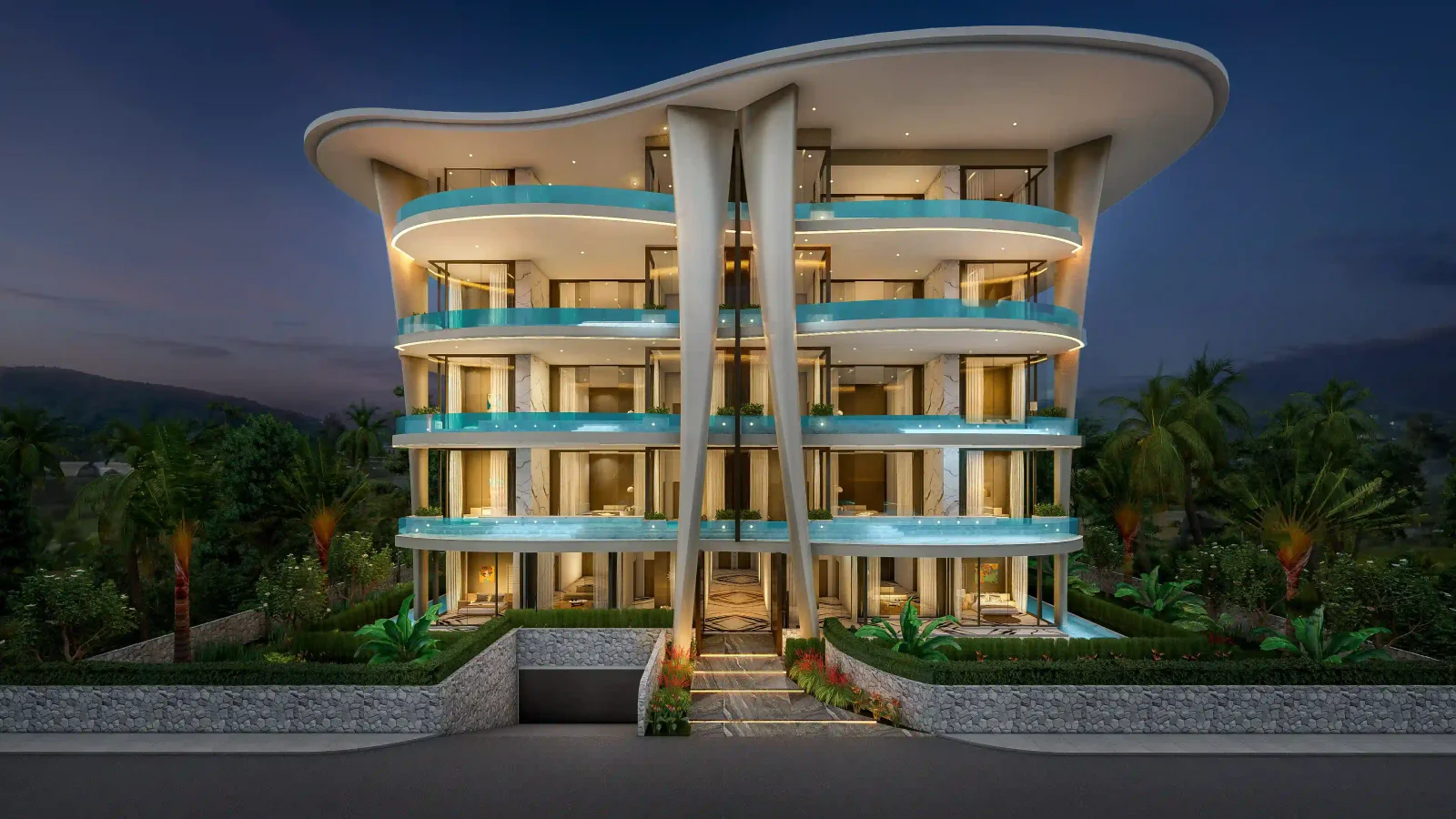
## Boutique Scale in a High-Demand Location
Boutique scale creates concrete differences across three areas: management quality, rental product positioning, and community experience for owner-occupiers.
Management works differently at boutique scale. In a building of around 48 units, the management committee knows every owner by name, maintenance decisions get made in days rather than months, and when a key piece of equipment needs replacing the work happens quickly. Fixed maintenance costs are shared among fewer owners, and we send the developer's projected CAM schedule and sinking fund contribution with the price list.
The rental product is differentiated by that same scale. Phuket's short-term rental market has expanded significantly since 2022. On Airbnb, Vrbo, and Agoda, listings from large resort condos increasingly look identical to one another: the same pool shot, the same white-walled interiors, the same Instagrammable sunset terrace. Boutique buildings photograph differently. Smaller pools surrounded by tropical landscaping, common areas without the institutional scale of a 500-unit development, and a building atmosphere that is genuinely quiet on a Tuesday afternoon. Guests who search specifically for "small boutique condo near beach" rather than "large resort" are self-selecting for this inventory, and they tend to produce better booking patterns: longer average stays, repeat bookings, and more favorable reviews. For a Bang Tao property positioned within walking distance of Catch Beach Club, this segment is not marginal.
For an owner-occupier the character of the community is the point. For buyers who plan personal use of the unit, whether for winter stays, extended remote work periods, or eventual long-term residency, boutique scale produces a qualitatively different day-to-day experience. You recognize the other residents. The building staff learn your routine. The pool is rarely crowded. These are not trivial considerations for buyers planning to spend two to five months per year in the property.
The higher per-square-meter acquisition cost in Bang Tao relative to inland or secondary beach zones reflects this compound premium: location, boutique character, and genuine beach walkability together in one product. Buyers comparing Andaman Boutique Residences with [off-plan options across Phuket](/guides/off-plan-property-phuket-guide/) will find that the price reflects the rental and lifestyle premium the location generates.
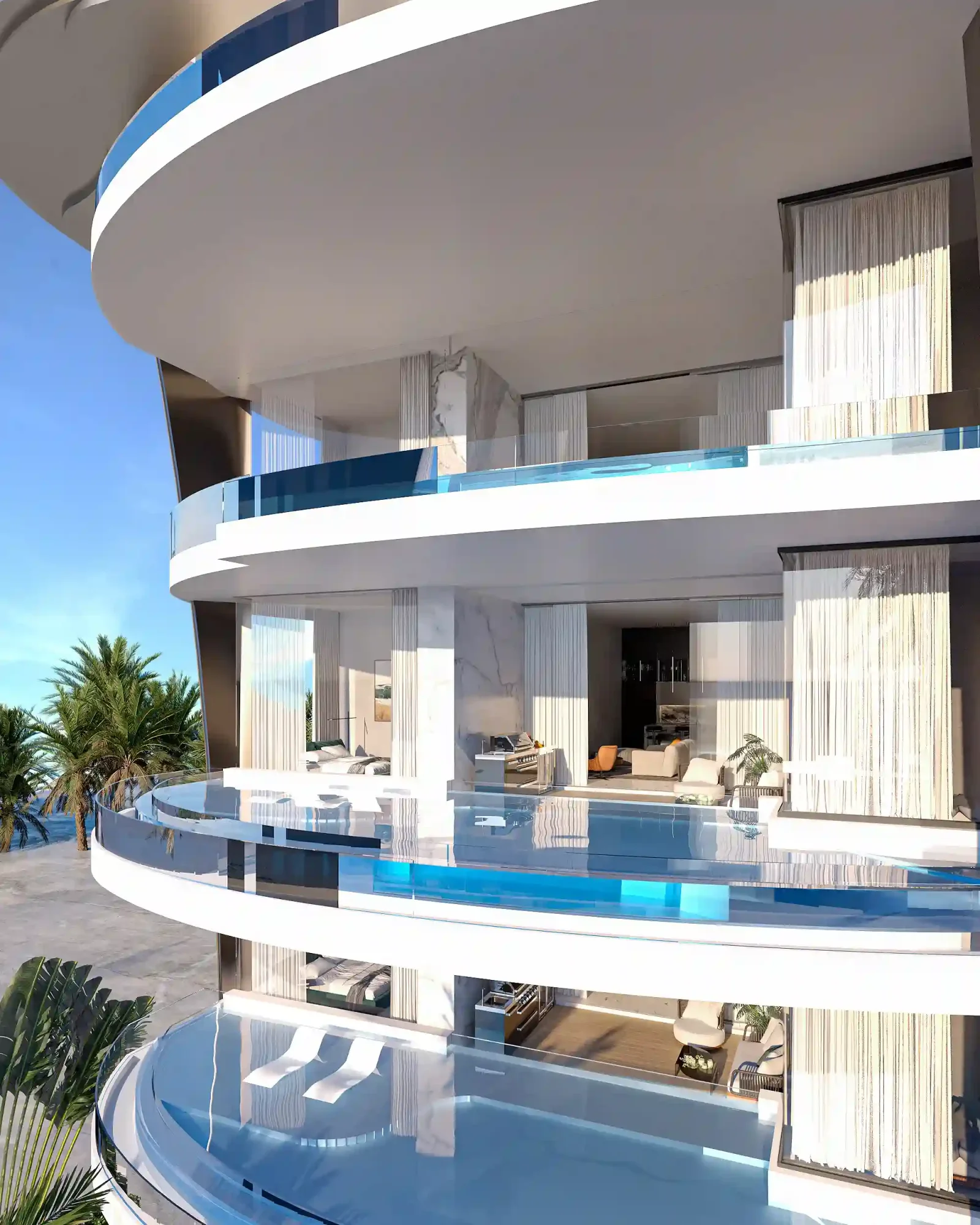
## Unit Mix: Studio to Three-Bedroom Residence
Andaman Boutique Residences offers a unit range that spans from entry-level studios to large three-bedroom residences, allowing different buyer profiles to find the right product within a single development.
| Unit type | Size | Price on our list (THB) | Approx. USD |
|---|---|---|---|
| Studio | 30 sqm | 4,700,000 | ~144,000 |
| 1-bedroom | 46 to 47 sqm | 7,685,700 | ~235,000 |
| 2-bedroom | 56 to 63 sqm | 9,990,000 | ~305,000 |
| 3-bedroom residence | 278 to 300 sqm | 72,347,600 - 78,075,400 | ~2.2M - 2.4M |
The **payment schedule** follows a staged structure in six parts: 35 percent at reservation and contract signing, three installments of 15 percent at construction milestones, then 10 percent and a final 10 percent at transfer. A buyer reserving a studio at 4,700,000 THB prepares 1,645,000 THB at signing, 705,000 THB at each of the three milestones, and 470,000 THB at each of the last two stages. The structure gives buyers time to arrange the remaining capital across the construction period rather than requiring the full amount upfront.
A 30 sqm studio in a beachside building in Kata or Karon typically starts lower, and Bang Tao's premium is carried by its year-round demand: the Laguna resort complex, Boat Avenue's resident population, and a growing base of long-stay digital nomads.
The 1-bedroom category at 46 to 47 sqm and 7,685,700 THB targets buyers who want personal usability alongside rental potential. This unit size accommodates a working desk or separate sleeping area, photographs well on rental platforms, and rents at a higher absolute nightly rate than a studio while attracting the couples and remote workers who are the core repeat-booking guest segment in Bang Tao. The [Phuket rental yield guide](/guides/phuket-rental-yield-complete-guide-2026/) explains how the income figures for a unit like this are built.
At the upper end, the three-bedroom residences of 278 to 300 sqm target a buyer seeking lifestyle and capital preservation. At up to 78,075,400 THB, they compete with luxury villa product on the island while offering the practical advantages of condominium ownership: no garden or villa maintenance obligations, professional building management, and shared amenity infrastructure, in a rising corridor.
## Amenities: Coworking, Gym, Kids Room, Entertainment, Shop
The coworking space is the most strategically significant amenity on the list. Since 2022, Bang Tao and the surrounding Choeng Thale subdistrict have absorbed a growing population of European and North American remote workers staying for one to three months at a time on Thailand's Long-Term Resident visa or on standard 60-day tourist visas. These guests rent whole units rather than hotel rooms, want reliable high-speed internet, and specifically seek a workspace that is physically separate from the sleeping area. A 30 sqm studio with a coworking lounge in the building solves a real friction point: the guest can keep work and rest separated without leaving the property or paying for a coworking membership in Boat Avenue. This makes the studio category directly competitive for the medium-stay remote worker segment, which tends to produce lower turnover costs, fewer check-ins and check-outs per month, and more predictable monthly income than pure short-stay holiday bookings.
The gym is a baseline expectation for any property targeting the European and Middle Eastern traveler demographic that dominates Bang Tao during high season. Guests traveling from Germany, France, the UK, or the UAE in this income bracket typically book based on facilities as well as location. A property without a gym loses bookings to comparable properties that have one. An on-site gym also reduces the daily errand load for owner-occupiers who use the unit for personal stays.
The children's room deserves attention because Bang Tao draws a significant volume of family travelers, particularly European families arriving in December and January for the school holiday window. A dedicated indoor play space for children improves a property's listing performance for the family segment without requiring parents to rely entirely on the beach or pool as entertainment options. For a studio or one-bedroom unit that might otherwise seem too small for a family, the children's room in the building compensates by extending the effective living space available to the guest.
The shop addresses a practical gap in Bang Tao's walkability. Despite the Boat Avenue commercial strip, buying water, sunscreen, snacks, or household basics at 9pm in parts of the beach corridor still requires a motorbike or Grab car. An on-site shop reduces this friction for guests and owner-occupiers, and it contributes to the self-contained character that boutique buildings in premium locations aim to project.
The building adds a fitness and wellness spa, a shared 16-metre pool, underground parking with private storage rooms, elevators and 24-hour security. The entertainment area rounds out the communal offering. In practical terms this is a lounge or multipurpose space suitable for residents to gather, watch events, or host small private functions. In a boutique building where the management committee is hands-on and the owner community is small, this type of shared social space contributes to the residential character that differentiates the product from a transactional rental complex.
Together, these amenities position Andaman Boutique Residences for the mid-to-upper segment of Bang Tao's rental market rather than for budget leisure tourism. The target guest profile, European and Middle Eastern visitors staying 5 to 21 nights and paying above-median nightly rates, is precisely the demographic that makes Bang Tao one of Phuket's most consistent rental performers year after year.
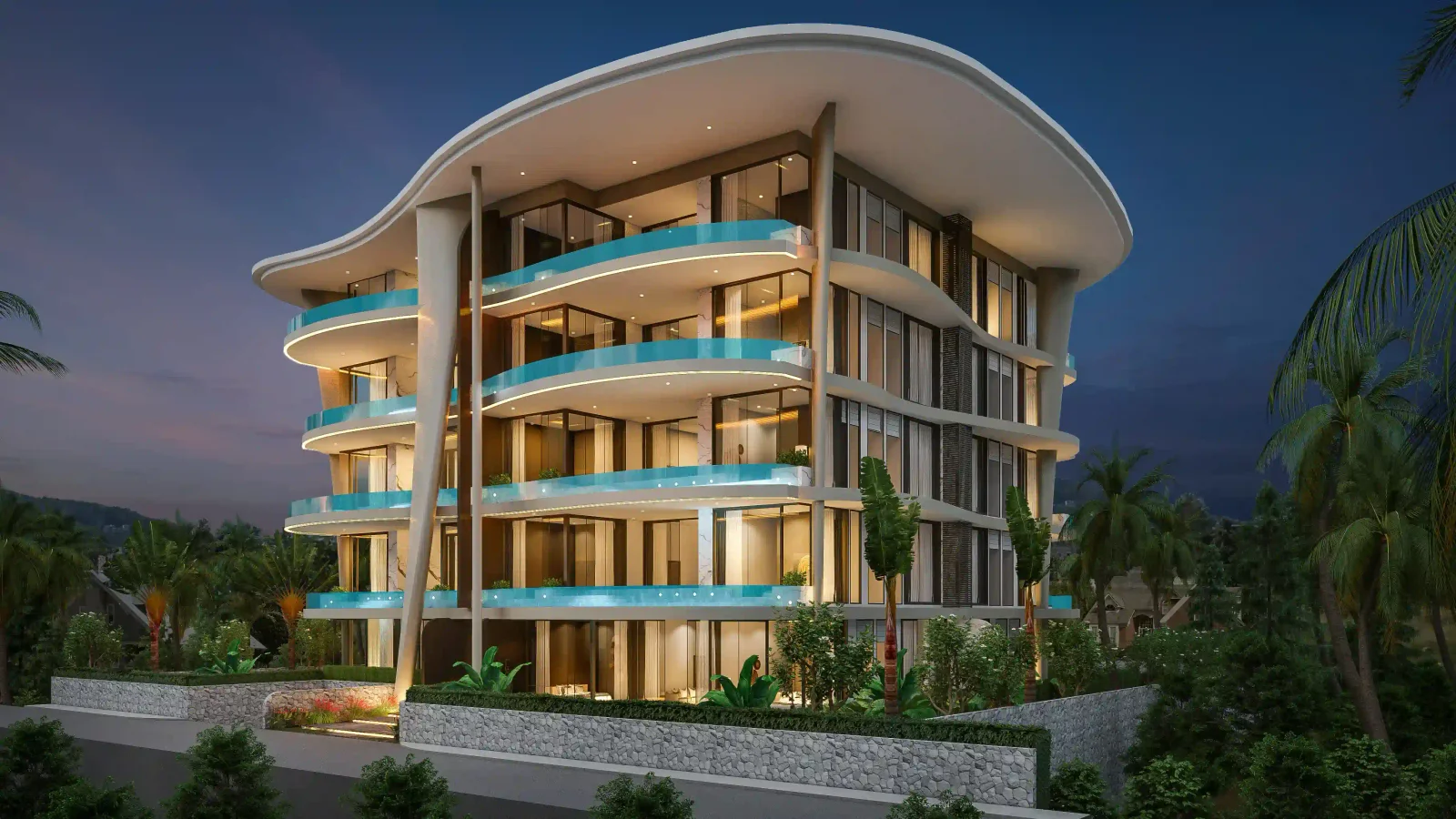
## Location Details: Bang Tao Beach, Catch Beach Club, Boat Avenue
The Choeng Thale address places Andaman Boutique Residences in the portion of the Bang Tao corridor where beach access, commercial convenience, and lifestyle infrastructure overlap most completely. Each location detail below has a specific implication for rental listing performance or daily livability.
**Bang Tao Beach, about seven minutes on foot.** Walking distance to the beach is one of the most searched filters on Airbnb and Agoda, and properties within an easy walk of the sand earn a listing premium and a higher click-through rate from search results. At about seven minutes on foot, or two by car, Andaman Boutique Residences sits in the tier of properties where guests can walk to the beach with a towel in hand, return for lunch, and go back in the afternoon.
**Catch Beach Club, 500 meters.** The proximity to Catch Beach Club creates a specific listing angle that competes directly for traveler searches targeting this venue. "Near Catch Beach Club" and "walking distance to Catch Beach Club" appear as search terms among visitors who have researched Phuket specifically and know what they want. At 500 meters, the project is close enough for guests to walk both ways multiple times during a stay. This directly affects booking volume from the premium leisure travel segment.
**Phuket International Airport, 34 minutes by car.** Airport transfer time matters more for medium-stay renters than for holiday guests. A remote worker or investor doing a site visit values a 34-minute transfer over the 45 to 55 minutes that some beach-adjacent locations in the south and east of the island require. For buyers planning personal use involving multiple flights per year, the transfer time has practical and cost implications over a multi-year ownership period.
**Boat Avenue and Villa Market.** The Boat Avenue commercial strip brings Villa Market within close range, providing the international grocery shopping, restaurant variety, pharmaceutical access, and daily service infrastructure that both rental guests and owner-occupiers rely on. This matters especially for the growing segment of 30 to 60-day renters who need a genuine living environment rather than a hotel experience. Buyers who have reviewed the [Bang Tao and Laguna area guide](/bang-tao-properties/) will recognize that this combination of beach access and commercial convenience within one corridor is what distinguishes Bang Tao from areas like Surin (beautiful but more limited for daily life) or Rawai (better infrastructure but no comparable beachfront position).
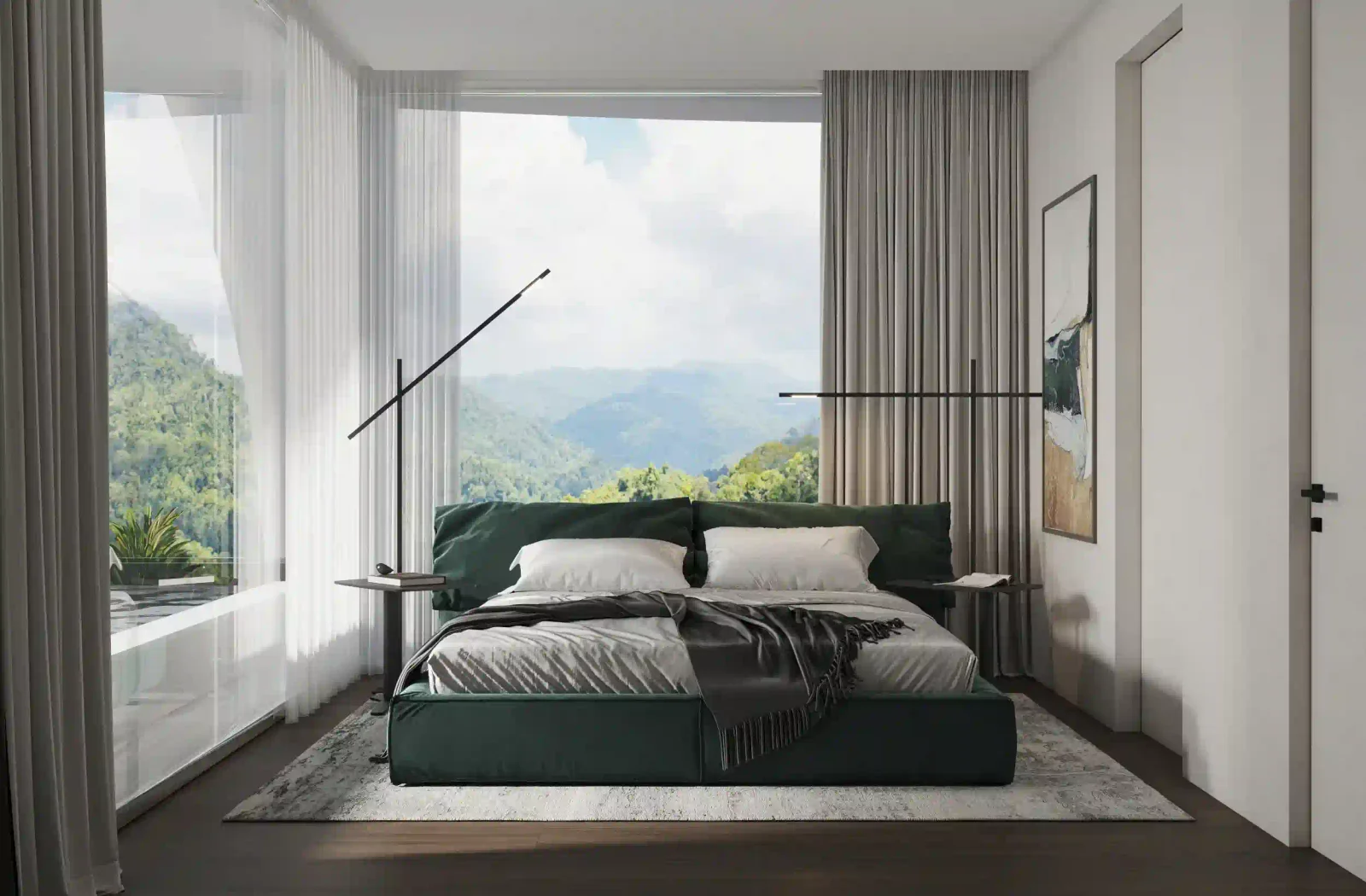
## Rental Income, Guest Types, and Holding Period
For owners who plan to let, we collect twelve months of statements from comparable boutique Bang Tao units, month by month, with the operator's share, CAM, sinking fund, insurance and maintenance itemised, so the income plan starts from real figures. The [Phuket rental yield guide](/guides/phuket-rental-yield-complete-guide-2026/) explains how they are built, with differentiated assumptions for studio versus one-bedroom product and boutique versus large-complex buildings.
**Guest profile.** The dominant booking demographic for Bang Tao boutique rental units is European travelers from the UK, Scandinavia, Germany, France, and Switzerland, alongside a significant and growing Middle Eastern segment from the UAE and Saudi Arabia. This demographic books in the October through April window, pays above-median nightly rates, tends toward stays of 7 to 21 nights, and returns to the same area repeatedly. They select accommodation based on beach proximity, lifestyle infrastructure, and building character rather than purely on price. The boutique character of Andaman Boutique Residences aligns directly with what this demographic searches for and books.
A secondary but growing segment is the remote worker or digital nomad staying 30 to 60 days. This guest books at a monthly or extended-stay rate that is typically 25 to 35 percent below the short-stay nightly equivalent but produces near-zero management overhead per booking and near-100 percent occupancy during the stay period. For a 30 sqm studio with a coworking space in the building, monthly bookings from this segment fill the quieter months from May through September.
On holding period and exit liquidity: The Phuket property market has historically supported resale of well-located condominium units within a 3 to 7 year holding window. Bang Tao boutique product near the beach in particular carries strong resale demand from buyers who want a finished unit in the corridor.
## Foreign Ownership: Freehold and Leasehold
**Freehold (49% quota).** Foreign buyers own condominium units freehold within the 49 percent foreign quota, and we obtain a written statement of the current quota for your specific unit from the developer before the reservation.
**Leasehold.** Units outside the quota, or buyers who prefer it, use a 30-year lease registered with the Land Department, which is registrable and transferable. The [freehold vs leasehold Thailand guide](/guides/freehold-vs-leasehold-thailand/) covers both structures in detail.
Foreign buyers acquiring freehold follow the Foreign Exchange Transaction (FET) requirement: funds used to purchase the unit must be remitted into Thailand from abroad in foreign currency and exchanged into THB at a Thai bank. The bank will issue an FET certificate (formerly called a Thor.Tor.3 form), which is required to register freehold title in a foreign name and, importantly, to repatriate the proceeds when the unit is eventually sold. We plan the transfer with you so the FET certificate is ready before the transfer date at the Land Department.
The [buying property in Phuket guide](/guides/buying-property-phuket-guide/) and the [Thailand buying process step by step](/guides/due-diligence-process-thailand-step-by-step/) cover the full legal transaction sequence for foreign buyers from reservation through transfer, including the SPA checklist, payment milestone structure, and title registration steps.
## Buyer Scenarios: Who This Project Suits
The first is the budget-conscious entry into Bang Tao. A buyer with 4,700,000 to 5,500,000 THB to allocate who wants genuine Bang Tao beach proximity will find few alternatives at this price point. Most comparable projects in the corridor have either completed and priced up on the secondary market, or are launching at higher entry points. The studio at 4,700,000 THB is a narrow window into a zone that is progressively harder to enter. For a buyer who has already ruled out inland or secondary-beach zones on yield and lifestyle grounds, Andaman Boutique Residences represents one of the few current paths to a Bang Tao address at this budget level.
The second is the yield investor working the medium-stay segment. A buyer specifically targeting the remote worker and digital nomad rental segment will find the combination of Bang Tao location, boutique scale, and on-site coworking space to be a compelling stack. The medium-stay segment (14 to 60 day bookings) in Bang Tao has grown substantially since 2022 and shows no sign of reverting. It generates predictable monthly income, lower per-booking management overhead, and fewer tenant-related issues than pure short-stay holiday rental. A studio investor with a local operator who actively manages the medium-stay channel can keep the calendar well filled year-round.
The third is the lifestyle buyer with a specific anchor in mind. Some buyers choose accommodation by proximity to a specific venue or lifestyle anchor. For buyers who visit Phuket regularly and spend meaningful time at Catch Beach Club, being 500 meters away on foot is a daily quality-of-life difference compared to properties that require 10 to 15 minutes by motorbike. This buyer may not be primarily motivated by yield maximization but by the combination of personal enjoyment during visits and the knowledge that the unit rents well when not in personal use.
## What We Send Before You Reserve
| Document | What it shows |
|---|---|
| Construction schedule | The stage each payment is tied to |
| Quota statement | The foreign quota position for your specific unit |
| Developer file | Completed projects and the licence to sell |
| CAM and sinking fund | The projected annual charge per unit and the reserve fund policy |
| Letting records | The operator's licence and records for comparable units in the zone |
| Resale comparables | Recent sold prices for boutique Bang Tao units from 4.7M to 10M THB |
| FET route | The bank route for the FET certificate on your purchase amount |
| Title and approvals | The Chanote for the land parcel and the EIA approval |
We review the SPA, the title and the condominium registration with our legal support. The [off-plan Phuket buyer guide](/guides/off-plan-property-phuket-guide/) explains how an off-plan purchase differs from a completed one.
Transfer costs for condominium purchases in Thailand typically run approximately 6 to 7 percent of the registered value (split between buyer and seller by negotiation in the SPA), plus a withholding tax and specific business tax if the developer is selling within five years of title. We set out the year-one costs with you: transfer fees, the CAM advance, furniture if the unit is delivered unfurnished, and rental setup.
## Buying Andaman Boutique Residences with MORE Group
A unit at Andaman Boutique Residences is bought in five steps, from the first price list to the keys, and we handle each of them with you.
{/* corpus-faq:andaman-boutique-residences */}
## FAQ
### What is the price of Andaman Boutique Residences Phuket?
Studios start at 4,700,000 THB (approximately 144,000 USD) for 30 sqm. One-bedroom units are 7,685,700 THB across 46 to 47 sqm, two-bedrooms 9,990,000 THB, and the three-bedroom residences of 278 to 300 sqm reach 78,075,400 THB. The payment plan runs in six stages: 35, 15, 15, 15, 10 and 10 percent.
### How far is Andaman Boutique Residences from Bang Tao Beach?
The building is about seven minutes on foot from Bang Tao Beach, two minutes by car, and 500 meters from Catch Beach Club, which places it among the most walkable condominiums in the Bang Tao corridor.
### What rental income can I expect from the studio at 4.7M THB?
The studio suits the couples, solo travellers and remote workers who fill Bang Tao's calendar, with a coworking space in the building for longer stays. We collect twelve months of statements from comparable boutique units in the zone and build the net figure for your unit, after the operator's share, CAM and running costs.
### Can foreigners buy freehold at Andaman Boutique Residences?
Yes. As a registered condominium, the project allows freehold ownership for foreign buyers within the Thai Condominium Act's 49 percent foreign quota. We confirm in writing the quota position for your specific unit before the reservation, and the purchase funds are remitted from abroad in foreign currency to obtain the FET certificate required for freehold title registration and future repatriation of sale proceeds.
### What stage is Andaman Boutique Residences at?
Construction is underway. We send the latest construction update together with the price list.
# Andaman Riviera Bang Tao: Condos from 6.82M THB
> Andaman Riviera Bang Tao: a completed condominium 500 metres from the beach, with a rooftop infinity pool, restaurants and bars, from 6.82M THB.
**Source:** https://moregroup.estate/projects/andaman-riviera/
**Section:** Project Reviews
**Author:** MORE Group Editorial
**Published:** 2026-03-30
**Updated:** 2026-08-23
---
## What Is Andaman Riviera?
Andaman Riviera brings resort living a short walk from Bang Tao Beach. The building is finished, so you can walk through the residence you are choosing, stand on its balcony and see the view before you buy, then use it or let it from the day of transfer. The apartments are finished in a modern style with open layouts, quality materials and balconies that look out over the hills, the gardens or the pool.
The highlight is the rooftop: an infinity pool with panoramic views over the sea and the sunset. Downstairs, residents have a fully equipped gym, a co-working space, two restaurants and two bars, a children's room, landscaped gardens, parking, a reception and 24-hour security. Laguna Phuket, Porto de Phuket and Boat Avenue are all close by.
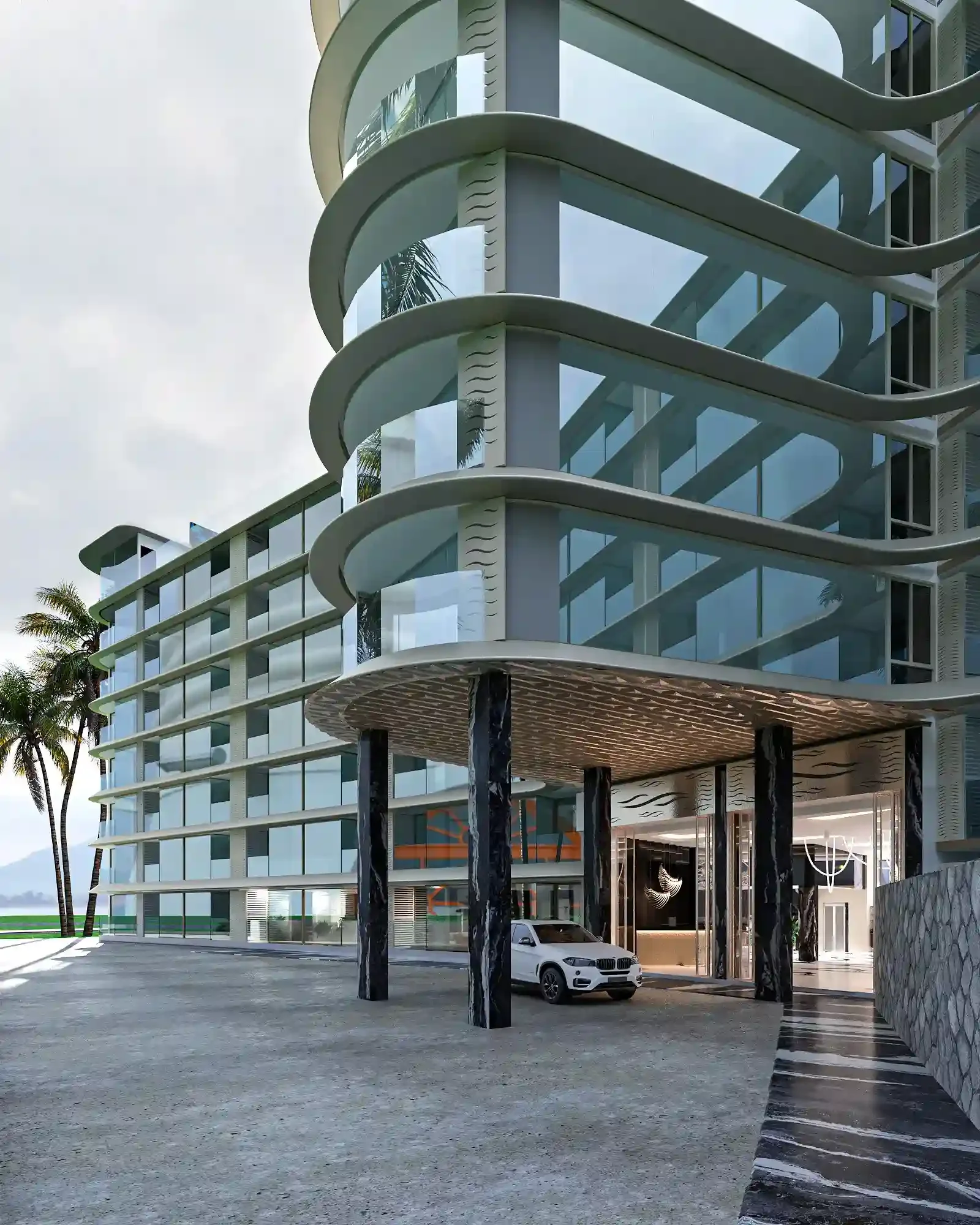
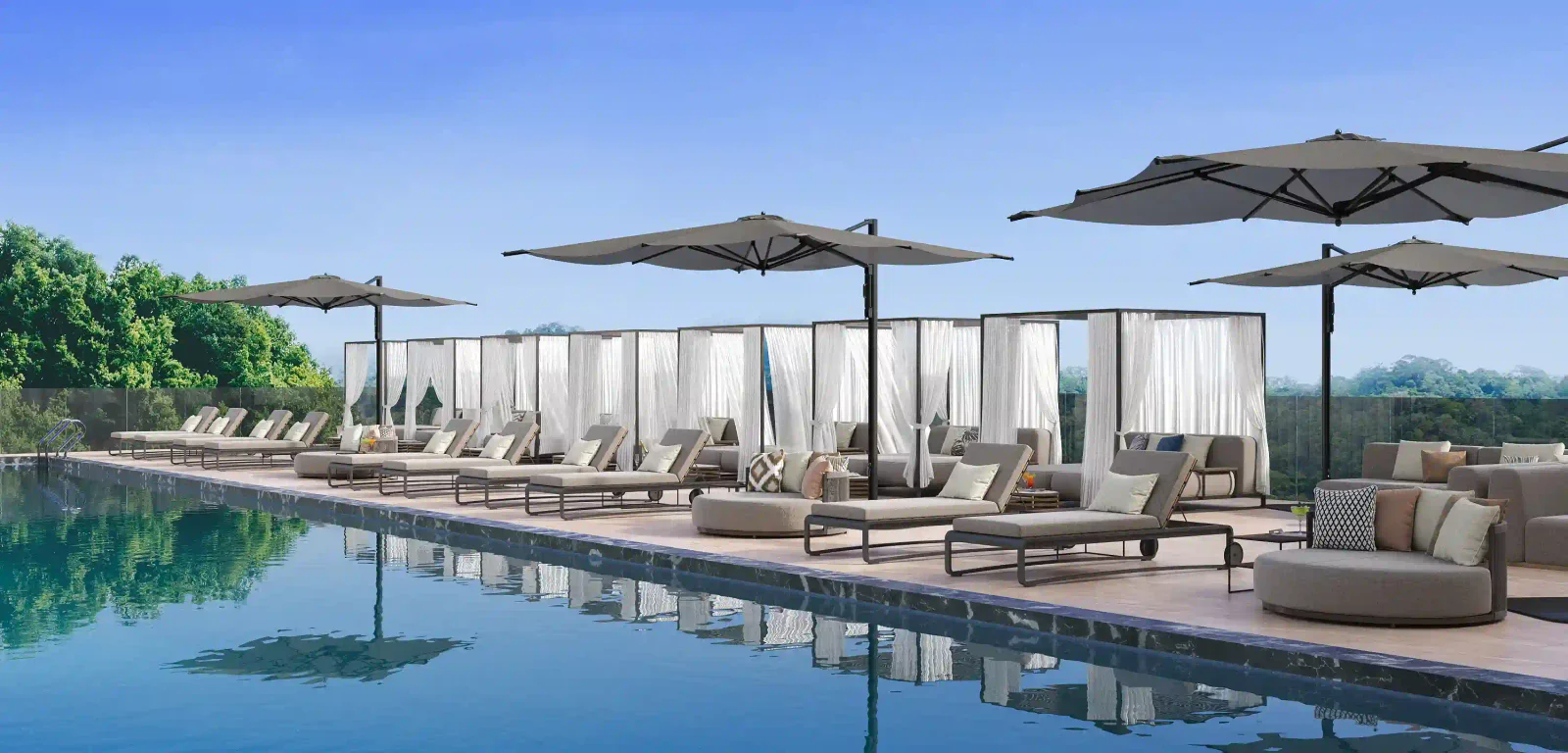
## What Are the Key Facts for Andaman Riviera?
| Factor | Detail |
| --- | --- |
| Location | Bang Tao, about 500 metres from the beach |
| Building | One eight-storey building |
| Residences | 165 in total, 17 on our price list |
| Studios | 34 sqm, 6,815,650 to 7,849,993 THB |
| Two-bedroom | 67 to 172 sqm, 13,157,900 to 34,516,600 THB |
| Four-bedroom | 250 sqm, 55,900,000 THB |
| Facilities | Rooftop infinity pool, gym, co-working, two restaurants, two bars |
| Stage | Completed |
| Beach | About 7 minutes on foot |
| Airport | About 34 minutes by car |
## Location: Bang Tao, a Walk from the Beach
Bang Tao is one of Phuket's longest beaches and one of its favourite places to live, with Laguna Phuket, beach clubs, international schools and the restaurants of Boat Avenue all close together.
- **Bang Tao Beach:** about 500 metres, 7 minutes on foot
- **Laguna Phuket:** golf, spas and beach clubs a short drive away
- **Boat Avenue and Porto de Phuket:** shopping and dining, with the nearest mall about 7 minutes by car
- **International schools:** within a short drive
- **Airport:** about 34 minutes by car
Days here begin with a walk to the sea, move from the rooftop pool to lunch at Boat Avenue, and end with the sunset from the roof and dinner at one of the restaurants downstairs. The [Bang Tao area page](/bang-tao-properties/) covers the district in more detail.
## Residences and Prices
Our price list holds 17 residences:
| Format | Size | Residences | Price |
| --- | --- | --- | --- |
| Studio | 34 sqm | 9 | 6,815,650 to 7,849,993 THB |
| Two-bedroom | 67 and 75 sqm | 5 | 13,157,900 to 14,647,150 THB |
| Two-bedroom | 163 and 172 sqm | 2 | 30,957,310 and 34,516,600 THB |
| Four-bedroom | 250 sqm | 1 | 55,900,000 THB |
The studios of 34 sqm open the building from 6,815,650 THB, a ready home a walk from the beach or an easy holiday let. The two-bedrooms of 67 and 75 sqm suit couples and small families, and the two large two-bedroom residences of 163 and 172 sqm give room for long stays with guests. At the top of the list, residence 719 is a four-bedroom residence of 250 sqm. We send the plan, floor and view of each residence with the list.
## Facilities
- **Rooftop infinity pool** with sea and sunset views
- **Fitness centre**
- **Co-working space**
- **Two restaurants and two bars**
- **Children's room** and landscaped gardens
- **Reception**, parking and 24-hour security
## Living at Andaman Riviera
Andaman Riviera makes everyday life feel like a holiday. Breakfast can be at one of the restaurants downstairs, the beach is a short walk away, and the co-working space and the gym are there when the day needs structure. In the evening, the rooftop is the place to be: a swim in the infinity pool as the sun goes down over the Andaman Sea, then a drink at one of the bars. With Laguna and Boat Avenue minutes away, there is always somewhere new to eat, shop or play golf.
## Buying a Completed Residence
At Andaman Riviera, a completed residence is transferred in one step: once the price is paid, it is registered in your name at the Land Department. We send the terms for the residence you choose, together with the building's common charges, so you know the full cost from the start, and we arrange the viewing and the transfer.
## Why Buyers Choose Andaman Riviera
- **Completed:** see the residence before you buy and use it from the day of transfer
- **About 500 metres from Bang Tao Beach**
- **A rooftop infinity pool** with sunset views
- **Two restaurants, two bars,** a gym and co-working in the building
- **A wide choice:** studios, two-bedrooms and a four-bedroom home
- **Freehold ownership** within the 49% foreign quota
## Who Andaman Riviera Suits
**Buyers who want a finished home** a walk from the beach, ready from the day of transfer.
**Remote workers and long-stay residents** who want co-working, a gym and restaurants in the building.
**Families** who want a large two-bedroom residence with the beach and the schools of Bang Tao close by.
**Rental investors** aiming at holiday guests who book Bang Tao for its beach and its restaurants.
## Renting Out a Residence at Andaman Riviera
A residence a walk from Bang Tao Beach, with a rooftop pool and restaurants downstairs, appeals to couples and families on holiday in the November to April season and to long-stay guests through the rest of the year. Because the building is already open, a unit can be let from the first month after transfer.
If you plan to let your residence at Andaman Riviera, we collect current asking rents and holiday rates for comparable units in Bang Tao and send them with the price list. [Our rental guide](/guides/phuket-rental-yield-complete-guide-2026/) explains how to read a rental offer line by line.
## Ownership for Foreign Buyers
Andaman Riviera is a condominium, so a unit can be registered freehold in your own name within the 49% foreign quota of the building, counted by floor area. We confirm that the unit you choose sits inside that quota. For a freehold unit at Andaman Riviera, the purchase money is transferred from abroad in foreign currency, and the receiving bank provides the FET form that the Land Department asks for at registration. [How the foreign quota works](/guides/foreign-quota-thai-condominiums/) explains the rule in detail.
## Andaman Riviera and Other Bang Tao Condos
| Project | From | Status |
| --- | --- | --- |
| [Capri Residences](/projects/capri-residences/) | 5,775,000 THB | Completed |
| [Atrium Andaman City](/projects/atrium-andaman-city/) | 6,075,800 THB | Off-plan |
| Andaman Riviera | 6,815,650 THB | Completed |
| [The Title Legendary Bang Tao](/projects/the-title-legendary/) | 6,828,900 THB | Completed |
| [Modeko Luxury](/projects/modeko-luxury/) | 6,845,000 THB | Off-plan |
| [Canvas Cherngtalay](/projects/canvas-cherngtalay/) | 6,927,000 THB | Completed |
Andaman Riviera stands out in this group for its rooftop infinity pool, its restaurants and bars, and its walk to the beach. We send the price lists of any of these projects on request and arrange viewings.
## Buying Andaman Riviera with MORE Group
A residence at Andaman Riviera is bought in a few clear steps, from the first viewing to the transfer, and we are with you through each of them.
## What We Send Before You Reserve
- The current price list with free residences, sizes, plans and views
- Confirmation that your residence sits within the 49% foreign quota
- The payment and transfer terms for your residence
- The building's common charges and house rules
- Current asking rents and holiday rates for comparable units, if you plan to rent
{/* corpus-faq:andaman-riviera */}
## FAQ
### What does Andaman Riviera cost?
Our price list holds 17 residences: studios of 34 sqm from 6,815,650 to 7,849,993 THB, two-bedrooms of 67 to 172 sqm from 13,157,900 to 34,516,600 THB and a four-bedroom residence of 250 sqm at 55,900,000 THB.
### Is Andaman Riviera completed?
Yes. The eight-storey building is completed, so you can view the residence and use it or let it from the day of transfer.
### How far is Andaman Riviera from the beach?
About 500 metres, a 7-minute walk to Bang Tao Beach. The nearest mall is about 7 minutes by car and the airport about 34 minutes.
### What facilities does the building have?
A rooftop infinity pool with sea and sunset views, a fitness centre, a co-working space, two restaurants, two bars, a children's room, landscaped gardens, parking, a reception and 24-hour security.
### Can foreigners buy at Andaman Riviera freehold?
Yes. Foreign buyers can hold a unit freehold in their own name within the 49% foreign quota of the building, counted by floor area. We confirm that your unit sits inside the quota, and the purchase money is transferred from abroad with an FET form for registration at the Land Department.
**Read Also:**
- [Capri Residences](/projects/capri-residences/)
- [The Title Legendary Bang Tao](/projects/the-title-legendary/)
- [Bang Tao Properties](/bang-tao-properties/)
- [How the Foreign Quota Works](/guides/foreign-quota-thai-condominiums/)
- [How Foreigners Buy Phuket Property 2026](/guides/buying-property-phuket-guide/)
- [Phuket Rental Yield Guide](/guides/phuket-rental-yield-complete-guide-2026/)
# Angsana Oceanview Residences Laguna: from 45.82M THB
> Angsana Oceanview Residences, Laguna Phuket: one completed Angsana condominium of 33 private-pool residences beside the Angsana hotel, from 45.82M THB.
**Source:** https://moregroup.estate/projects/angsana-oceanview-residences/
**Section:** Project Reviews
**Author:** MORE Group Editorial
**Published:** 2026-03-26
**Updated:** 2026-10-07
---
## What Is Angsana Oceanview Residences?
Angsana Oceanview Residences is resort living in its most complete form. The three low-rise buildings sit within Laguna Phuket, a few minutes' walk from Bang Tao Beach, and every residence opens onto an expansive terrace with its own infinity pool, looking out over the lagoon and the sea. Inside, the rooms are spacious and light, with fully equipped kitchens and refined finishes that blend modern comfort with Thai design.
It is a single development under Angsana, a separate brand within Banyan Group, and the [Banyan Group overview](/projects/banyan-tree-residences/) compares it with the group's other schemes in Laguna.
Because the building is completed, you can walk through the residence you are choosing, stand on its terrace and see the view before you buy. Owners enjoy the whole of Laguna Phuket: its spas, restaurants, beach clubs and the Laguna Golf Phuket course.
## What Are the Key Facts for Angsana Oceanview Residences?
| Factor | Detail |
| --- | --- |
| Brand | Angsana, part of Banyan Group |
| Location | Laguna Phuket, Cherng Talay |
| Residences | 33 private pool residences in three low-rise buildings |
| Hotel | 116 rooms of Angsana Laguna Phuket alongside |
| On our price list | 3 residences |
| Two-bedroom | 209 and 304 sqm, 45,820,000 and 84,940,000 THB |
| Three-bedroom | 281 sqm, 58,680,000 THB |
| Pools | A private infinity pool for each residence |
| Stage | Completed |
| Beach | About 10 minutes on foot |
| Airport | About 30 minutes by car |
## Location: Laguna Phuket and Bang Tao Beach
Laguna Phuket is the island's best-known integrated resort, a green landscape of lagoons, gardens and hotels along the central part of Bang Tao Beach, one of the longest and calmest beaches on the west coast.
- **Bang Tao Beach:** about 10 minutes on foot or 2 minutes by car
- **Laguna Golf Phuket:** an 18-hole championship course within the resort
- **Spas, restaurants and beach clubs** across Laguna
- **Lagoons and gardens:** walking and cycling paths through the resort
- **Boat Avenue and Porto de Phuket:** shopping and dining, with the nearest mall about 4 minutes by car
- **Airport:** about 30 minutes by car
Days here start with a swim in your own pool above the lagoon, move to the beach, the golf course or the spa, and end with the sunset over the Andaman Sea from the terrace. The [Bang Tao area page](/bang-tao-properties/) covers the district in more detail.
## Residences and Prices
| Residence | Bedrooms | Size | Price |
| --- | --- | --- | --- |
| 312 | Two | 209 sqm | 45,820,000 THB |
| 212 | Three | 281 sqm | 58,680,000 THB |
| 261 | Two | 304 sqm | 84,940,000 THB |
Residence 312, a two-bedroom of 209 sqm, opens the list at 45,820,000 THB. Residence 212 adds a third bedroom across 281 sqm, and residence 261 is a two-bedroom of 304 sqm, the most spacious of the three. We send the floor plan and the view of each residence, and arrange a viewing of all three on the same visit.
## Design and Facilities
- **Private infinity pool** for every residence
- **Expansive terraces** with views of the lagoon and the Andaman Sea
- **Spacious interiors** with fully equipped kitchens
- **Refined finishes** blending modern comfort with Thai design
- **Fitness centre**
- **Laguna Phuket:** spas, restaurants, beach clubs and golf
- **Angsana Laguna Phuket hotel** alongside
## Living at Angsana Oceanview
A day at Angsana begins with coffee on the terrace and a swim in your own pool, with the lagoon below and the sea beyond. The beach is a short walk through the gardens, lunch can be at a beach club, and the afternoon belongs to the golf course or the spa. Because the hotel is next door, its restaurants and services are part of everyday life.
## Buying a Completed Residence
A completed residence changes hands in one step: once the price is paid, the unit is registered in your name at the Land Department. We send the terms for the residence you choose, together with the building's common charges, so you know the full cost from the start.
Buying a finished home also means no waiting: the residence can be used or let from the day of transfer, the finishes can be seen in place, and the building's services, from the fitness centre to the gardens, are already running. We arrange the viewing, prepare the documents and stay with you until the keys are in your hand.
## Why Buyers Choose Angsana Oceanview Residences
- **Completed:** see the residence and its view before you buy
- **A private infinity pool** for every residence
- **Views of the lagoon and the Andaman Sea**
- **Laguna Phuket** at your door: beach, golf, spas and restaurants
- **The Angsana brand**, part of Banyan Group
- **Freehold ownership** within the 49% foreign quota
## Who Angsana Oceanview Residences Suits
**Buyers who want a finished home** they can use from the day of transfer.
**Families** who want two or three bedrooms, a private pool and the beach a walk away.
**Golfers**, with the Laguna Golf Phuket course inside the resort.
**Buyers of branded residences** who value the Angsana name and the services of Banyan Group.
**Owners who spend part of the year in Phuket** and want a residence inside a fully serviced resort.
## Renting Out a Residence at Angsana
A private pool residence inside Laguna Phuket appeals to families and couples who want the space of a home with the services of a resort, in the November to April season and beyond. The private pool, the view and the Laguna address are what guests book and remember.
If you plan to let your residence at Angsana Oceanview, we collect current asking rents and holiday rates for comparable residences in Laguna and send them with the details. [Our rental guide](/guides/phuket-rental-yield-complete-guide-2026/) explains how to read a rental offer line by line.
## Ownership for Foreign Buyers
Angsana Oceanview Residences is a condominium, so a unit can be registered freehold in your own name within the 49% foreign quota of the building, counted by floor area. We confirm that the residence you choose sits inside that quota. For a freehold residence at Angsana Oceanview, the purchase money is transferred from abroad in foreign currency, and the receiving bank provides the FET form that the Land Department asks for at registration. [How the foreign quota works](/guides/foreign-quota-thai-condominiums/) explains the rule in detail.
## Angsana and Other Residences in Laguna
| Project | From | Status |
| --- | --- | --- |
| [Laguna Beach Residences Seashore](/projects/laguna-beach-residences-seashore/) | 22,700,000 THB | Off-plan |
| [Laguna Reef Beachside](/projects/laguna-reef-beachside/) | 27,000,000 THB | Completed |
| [Laguna Beach Residences Bayside](/projects/laguna-beach-residences-bayside/) | 27,700,000 THB | Off-plan |
| Angsana Oceanview Residences | 45,820,000 THB | Completed |
| [Banyan Tree Oceanus](/projects/banyan-tree-beach-residences-oceanus/) | 160,000,000 THB | Off-plan |
Angsana stands out in this group as a completed building with a private pool for every residence. We send the price lists of any of these projects on request and arrange viewings.
## Buying Angsana Oceanview Residences with MORE Group
A residence at Angsana Oceanview is bought in a few clear steps, from the first viewing to the transfer, and we are with you through each of them.
## What We Send Before You Reserve
- The details of the three residences: floor plans, sizes and views
- Confirmation that your residence sits within the 49% foreign quota
- The payment and transfer terms for your residence
- The building's common charges and house rules
- Current asking rents and holiday rates for comparable residences, if you plan to rent
{/* corpus-faq:angsana-oceanview-residences */}
## FAQ
### What does Angsana Oceanview Residences cost?
Our price list holds three residences: two-bedrooms of 209 and 304 sqm at 45,820,000 and 84,940,000 THB, and a three-bedroom of 281 sqm at 58,680,000 THB.
### Is the building completed?
Yes. Angsana Oceanview Residences is a completed collection of 33 private pool residences in three low-rise buildings, alongside the 116 rooms of the Angsana Laguna Phuket hotel.
### What does each residence include?
A private infinity pool, an expansive terrace with views of the lagoon and the Andaman Sea, spacious rooms and a fully equipped kitchen. Owners enjoy the spas, restaurants, beach clubs and golf of Laguna Phuket.
### How far is Angsana Oceanview from the beach?
About 10 minutes on foot or 2 minutes by car to Bang Tao Beach. The nearest mall is about 4 minutes by car and the airport about 30 minutes.
### Can foreigners buy at Angsana Oceanview freehold?
Yes. Foreign buyers can hold a residence freehold in their own name within the 49% foreign quota of the building, counted by floor area. We confirm that your residence sits inside the quota, and the purchase money is transferred from abroad with an FET form for registration at the Land Department.
**Read Also:**
- [Banyan Tree Oceanus](/projects/banyan-tree-beach-residences-oceanus/)
- [Banyan Tree Nammu](/projects/banyan-tree-residences-nammu/)
- [Laguna Beach Residences Bayside](/projects/laguna-beach-residences-bayside/)
- [How the Foreign Quota Works](/guides/foreign-quota-thai-condominiums/)
- [How Foreigners Buy Phuket Property 2026](/guides/buying-property-phuket-guide/)
- [Phuket Rental Yield Guide](/guides/phuket-rental-yield-complete-guide-2026/)
# Annara Residences Phuket Review 2026: Prices and Units
> Annara Residences review: nine gated pool villas in Thalang with 4-5 bedrooms and a tree house pavilion, from 36.5M THB, minutes from Laguna.
**Source:** https://moregroup.estate/projects/annara-residences/
**Section:** Project Reviews
**Author:** MORE Group Editorial
**Published:** 2026-04-02
**Updated:** 2026-08-23
---
**Annara Residences** is an ultra-luxury villa collection in Thalang, Phuket, 9 exclusive two-storey homes with 4-5 bedrooms, 445-661 sq m built area, private pools, and a signature tree house pavilion (spa/gym/office). Priced from 36,500,000 THB (~$1.1M). Gated community, smart home tech, professional management. Minutes from Laguna Phuket, Boat Avenue, and Bang Tao Beach. LUX-grade developer classification. Ideal for buyers seeking an exceptional family estate with investment-grade fundamentals.
## Annara Residences: Nine Villas. No Compromise.
Annara Residences is a private estate in Si Sunthon, Thalang, a few minutes by car from Laguna Phuket and Boat Avenue.
Nine two-storey villas. Four or five bedrooms. Built areas from 445 to 661 sq m. Each home comes with a private swimming pool, landscaped garden, and a feature that has become one of the development's most-discussed differentiators: a tree house pavilion, a standalone structure on each property designed to function as a spa, home gym, studio, or private office.
This isn't a resort-style complex with shared amenities. It's a private residential estate, gated, with 24-hour security and CCTV, designed for buyers who want the full benefits of Phuket's lifestyle ecosystem without compromising on privacy or space.
## Villa Specifications and Pricing (2026)
**Unit configuration (available listings):**
- 4-bedroom villas: 445 sq m built area
- 5-bedroom villas: up to 661 sq m built area
- Land plots: approximately 365-523 sq m
- Bathrooms: 5-6 per villa
- Price: 36,500,000 THB (~$1,116,208 USD)
- Price per sq m: about 82,000 THB
**Included in each villa:**
- Open-plan ground floor: living room, dining room, fully equipped kitchen
- Large glass doors connecting interior to private terrace and pool
- Master suite with en-suite bathroom
- Additional en-suite bedrooms (3-4 depending on layout)
- Study/office space
- Laundry room and storage
- Covered parking for 1-2 vehicles
- Smart home technology throughout
- **Tree house pavilion**, flexible-use structure in the garden (spa, gym, studio, or meditation space)
**Payment plan:** 35% / 20% / 20% / 20% / 5%, structured across the remaining construction period through to handover:
| Stage | Share | On 36,500,000 THB |
|---|---|---|
| Signing | 35% | 12,775,000 THB |
| Second | 20% | 7,300,000 THB |
| Third | 20% | 7,300,000 THB |
| Fourth | 20% | 7,300,000 THB |
| Handover | 5% | 1,825,000 THB |
## Location: Thalang: Established, Quiet, Connected
**Bang Tao Beach:** 13 min by car
**Boat Avenue (cafes, market, restaurants):** 4 min by car
**Laguna Phuket (golf, marina, luxury resorts):** 4 min by car
**Nearest mall / shopping:** 4 min by car
**Phuket International Airport:** 25 min by car, one of the fastest airport connections of any premium development near Bang Tao
The Thalang location offers something that beachfront zones cannot: quiet. The surrounding area is established residential, international schools, expat communities, medical facilities, and retail are all within a short drive. It's a location that works equally well for long-term residents and for the high-end rental market that targets families staying 2-4 weeks.
At 13 minutes by car, Bang Tao Beach is an easy morning drive.
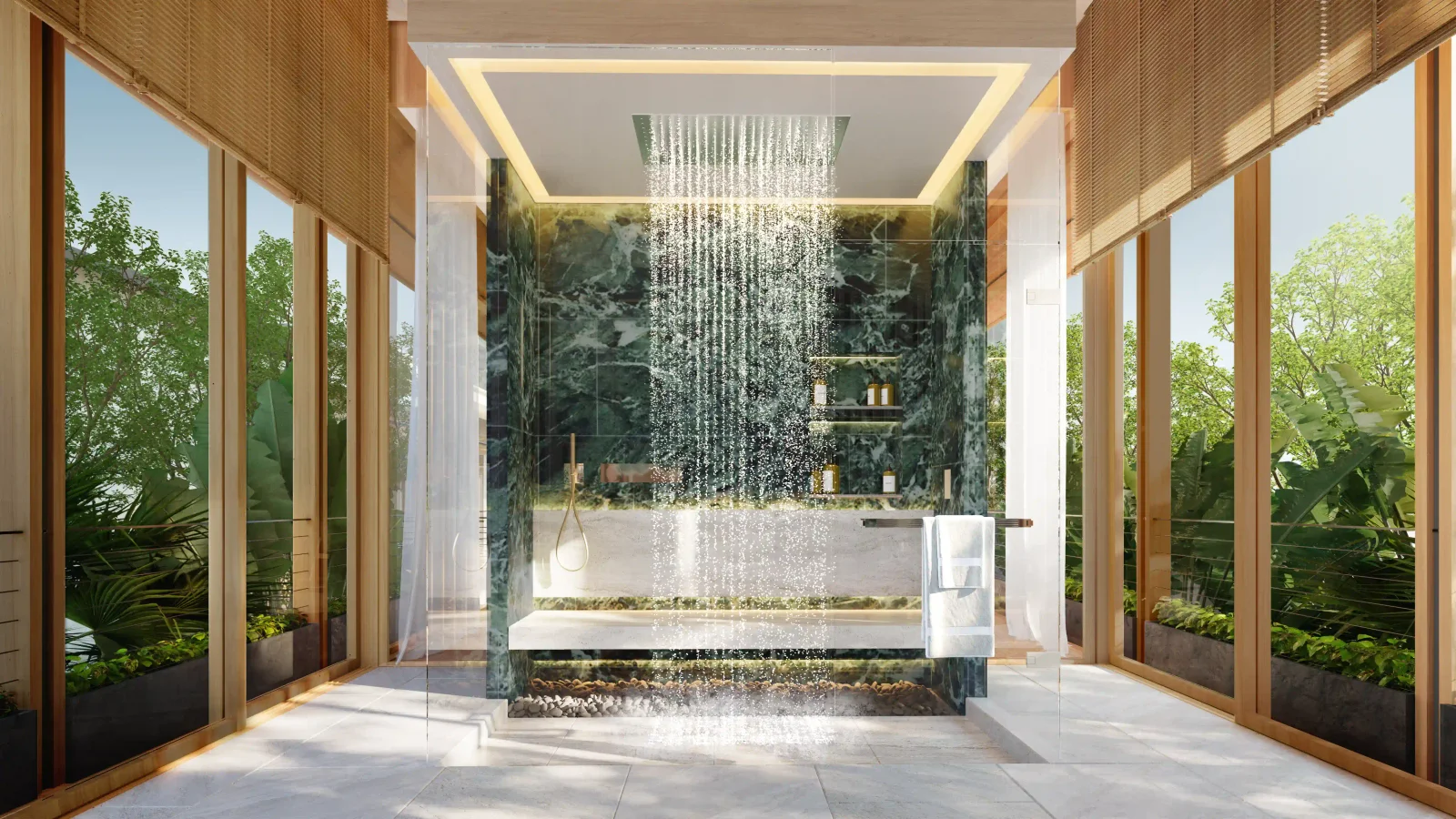
## Investment Analysis: LUX Tier in 2026
**What the list holds.** The current list carries one priced villa: four bedrooms, 445 sqm, **36,500,000 THB**, about 82,000 THB per square metre, on a 35/20/20/20/5 payment plan, 13 minutes by car to Bang Tao Beach and 25 to the airport. That rate sits **below** the 86,235 THB metre of non-branded villas in the Bang Tao and Layan corridor, on a ticket above the 34,272,500 THB Layan villa median: a large villa at a corridor-normal rate per metre.
**Who the villa suits:** families of six to ten travelling together, corporate groups, and buyers who want the tree house pavilion and the space around it. For owners who plan to let, we collect owner statements for comparable villas in the corridor, with the management share of gross, customarily 20 to 25% on a villa programme, set against them.
**Capital value:** land in this zone is increasingly constrained, and quality at this build spec is difficult to replicate at current construction costs. Buyers entering now acquire close to completion, at pre-completion pricing.
**Resale:** the ultra-luxury segment has a determined buyer pool, primarily HNW individuals and family offices making lifestyle acquisitions, and pricing power holds for exceptional properties.
## Tree House Pavilion: Why It Matters
From an owner perspective: having a dedicated structure for wellness, fitness, or creative work, separate from the main house, is a genuine quality-of-life upgrade. Families with working-from-home parents or children needing study space appreciate the physical separation.
From a rental perspective: this is a marketable hook. A "private spa pavilion" or "standalone studio" gives a luxury listing a feature guests remember and ask about.
## Annara vs. Comparable Luxury Villas in Phuket
- **vs. Layan:** Comparable spec properties in Layan typically command 45-60M THB for similar built areas closer to the beach
- **vs. Cherng Talay:** Larger complexes offer lower per-unit pricing but without the exclusivity of a 9-villa estate
- **vs. Surin Hills:** Surin hillside villas offer views; Annara offers flat-land usability and pool privacy
The price point of about 82,000 THB per square metre is reasonable for LUX-grade construction in this sub-market, particularly given the tree house pavilion and smart home technology inclusions.
## Practical Considerations for Buyers
**Stage:** the estate is close to completion, and we send the latest construction update with the price list, so the first high season after handover can be planned from the start.
**Property management:** Professional on-site property management and optional rental management services are available. Given the high-value asset, we strongly recommend using established villa management operators with a presence in the Bang Tao/Laguna corridor.
**Ongoing costs:** Budget for community fees, villa insurance, pool maintenance, and utilities. For a villa of this caliber, monthly running costs exclusive of rental management typically run 30,000-60,000 THB/month depending on usage level.
## Verdict
At 36.5M THB, the investment case is real but secondary, buyers at this level are typically optimizing for lifestyle first, yield second. Those who do rent will find the property well-positioned for the family luxury market, a core segment of Phuket's villa rentals.
## The two configurations, side by side
Both formats are quoted at 36,500,000 THB, which makes the comparison unusually clean: what varies is what you get, not what you pay.
| | Four-bedroom | Five-bedroom |
|---|---|---|
| Built area | 445 sq m | up to 661 sq m |
| Land plot | approximately 365 to 523 sq m | approximately 365 to 523 sq m |
| Bathrooms | 5 to 6 | 5 to 6 |
| Rate per built square metre | Higher | Lower, the same money over more house |
| Who it suits | An owner who wants the plot more than the rooms | A letting owner, or a large household |
At the same price, the five-bedroom is the cheaper built area, and the plot it sits on matters as much as the rooms, so we walk the plots with you before the configuration is chosen.
{/* corpus-faq:annara-residences */}
## FAQ
### How many villas are in Annara Residences?
Annara Residences comprises only 9 exclusive two-storey villas. This deliberate limitation ensures privacy for residents and exclusivity in the rental market.
### What is the price at Annara Residences?
The current listing price is 36,500,000 THB per villa (approximately $1,116,208 USD). This covers 4-bedroom configurations of 445 sq m. 5-bedroom layouts up to 661 sq m may be priced differently, contact us for current availability.
### What stage is Annara Residences at?
The estate is close to completion. We send the latest construction update together with the price list.
### What is the tree house pavilion?
Each villa includes a standalone tree house pavilion in the garden, a separate structure designed to function as a private spa, home gym, yoga studio, meditation space, or office. It is included as part of the standard villa package.
### What is the payment plan for Annara Residences?
The payment schedule is: 35% on signing, then 20% / 20% / 20% / 5% across the remaining construction period. The final 5% is paid on handover.
### Can foreign buyers purchase at Annara Residences?
Yes, through leasehold or Thai company structures, the standard mechanisms for foreign ownership of villa properties (land + house) in Thailand. We prepare the structure best suited to your circumstances with our legal support.
### What rental income can I expect from Annara Residences?
A villa of this size suits families and groups on the luxury holiday platforms, with the tree house pavilion as a feature guests remember. For owners who plan to let, we collect owner statements for comparable villas in the corridor and set the management share, customarily 20 to 25% on a villa programme, and the running costs against them.
## What Nine Villas Mean for Ownership
A nine-villa development is unusual enough on this island to be worth thinking about as a feature rather than a statistic, because it changes what daily ownership is actually like.
The setting is fixed. There is no phase two arriving next door, no doubling of density after handover, no construction traffic on the shared road years after you move in. Privacy at this scale is real rather than marketed. And when you sell, you are not competing with eight identical listings, because in an estate this small the villas differ genuinely in plot, aspect and layout.
Everything shared, security, landscaping, road maintenance and the management company, is funded by nine households, and we send the projected annual charge and what it covers with the price list. A valuer prices a villa here against the wider Thalang luxury market, so documentation supports the price: keep the build specification, the service records and the maintenance history in order from the day you take handover.
## The Buyer at 36.5M THB
A 36.5M THB villa, about $1.12M, is bought by someone choosing Phuket for lifestyle reasons. The elements that matter to that buyer, now and at resale, are build quality documentation, garden maturity, and a service history that shows the house has been cared for rather than merely occupied.
## How a Foreign Buyer Owns a Villa Here
A villa is land plus a house, so a foreign buyer holds it through a registered lease of the land, 30 years per term with renewals set in the contract and the house in their own name, or through a Thai company with genuine Thai shareholders. We prepare the route that suits you with our legal support.
## Buying Annara Residences with MORE Group
A villa at Annara Residences is bought in five steps, from the first price list to the keys, and we are with you through each of them.
**Read Also:**
- [The Menara Luxury Review 2026: Prices & Yield](/projects/the-menara-luxury/)
- [The Buying Process in Thailand, Step by Step](/guides/due-diligence-process-thailand-step-by-step/)
- [Phuket Rental Yield 2026: Net Income by Area](/guides/phuket-rental-yield-complete-guide-2026/)
- [Best Areas in Phuket to Buy Property 2026](/guides/best-areas-phuket-buy-property/)
- [Bang Tao & Laguna Guide: Prices & Yield (2026)](/bang-tao-properties/)
- [Freehold vs Leasehold in Thailand](/guides/freehold-vs-leasehold-thailand/)
# Apple House Bang Tao: Completed Condos from 1.8M THB
> Apple House review: a completed building a short walk from Bang Tao Beach, compact units of 13 and 25 sqm from 1.8M THB, pet-friendly and ready to use.
**Source:** https://moregroup.estate/projects/apple-house/
**Section:** Project Reviews
**Author:** MORE Group Editorial
**Published:** 2026-04-08
**Updated:** 2026-08-23
---
## What Is Apple House?
Apple House opens Bang Tao to buyers with a small budget. Bang Tao is Phuket's most popular resort district, with Laguna Phuket, the beach clubs and Boat Avenue on its doorstep, and most condominiums here are priced for a larger ticket. In our [Q3 2026 market report](/guides/phuket-property-market-report-q3-2026/), 1,800,000 THB is the lowest condominium entry recorded for the whole of Bang Tao.
Because the building is finished, there is nothing to wait for. You can see the unit, the building and the street before you choose, and use the unit or let it from the day of transfer.
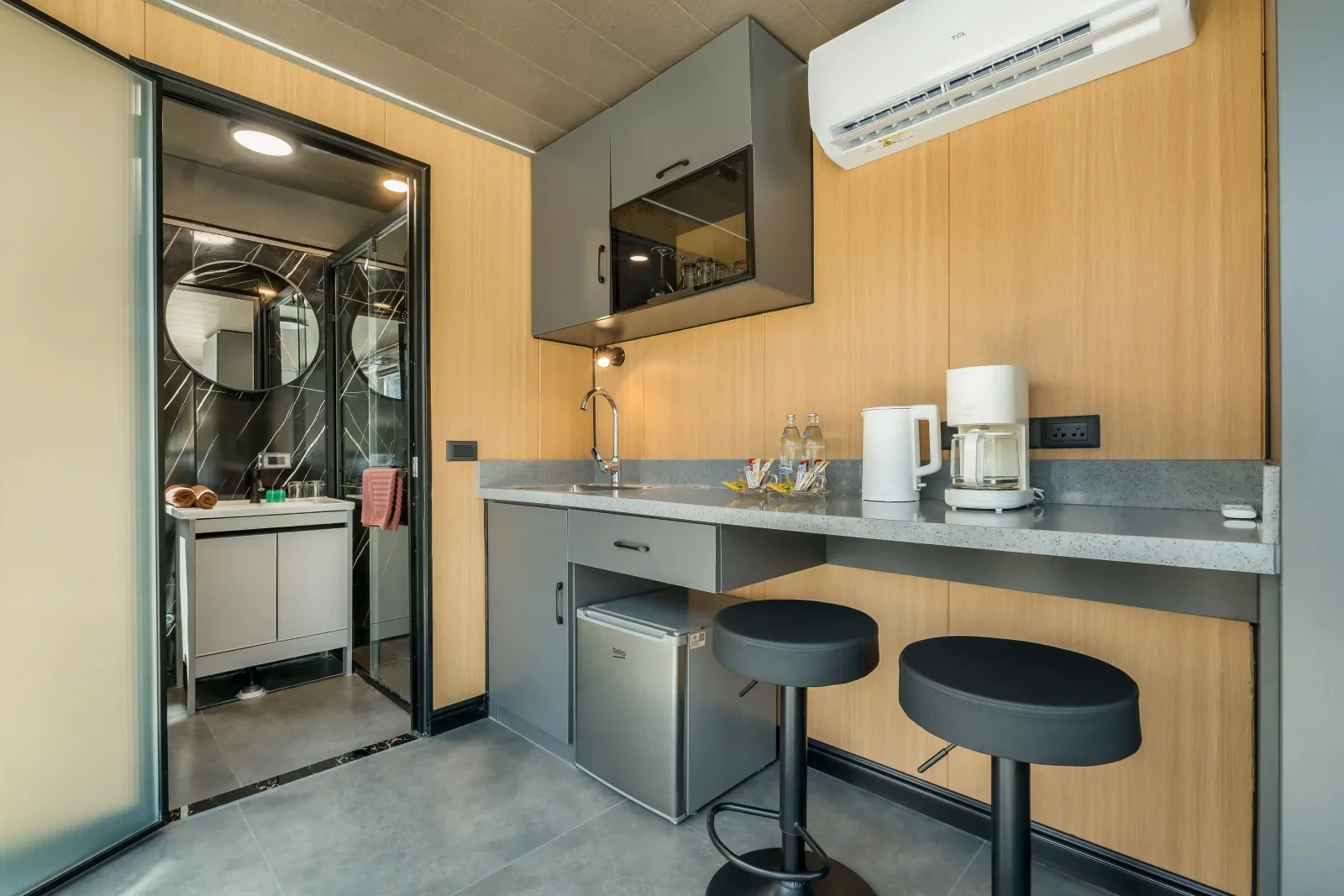
## What Are the Key Facts for Apple House?
| Factor | Detail |
| --- | --- |
| Location | Choeng Thale, Thalang, Bang Tao |
| Status | Completed |
| Units | 17 on our price list |
| Sizes | 13 sqm and 25 sqm |
| Prices | 1,800,000 and 2,850,000 THB |
| Price per sqm | About 114,000 to 144,000 THB |
| Payment | 100% at transfer |
| Pets | Welcome |
| Beach | A short walk |
## Location: Bang Tao, a Short Walk from the Beach
Bang Tao Bay is one of the longest beaches on the island, a wide sweep of sand from Laguna in the south to Layan in the north, and Apple House puts it within a short walk. Around the beach, the district offers everything for daily life and holidays alike.
- **Bang Tao Beach:** a short walk from the building
- **Beach clubs:** Catch Beach Club and Cafe del Mar along the bay
- **Boat Avenue and Porto de Phuket:** shopping, cafes, restaurants and supermarkets
- **Laguna Phuket:** hotels, golf and restaurants around the lagoons
- **Cherng Talay Road:** the main road through the district, lined with restaurants and services
- **International schools and hospitals:** within reach in the wider Thalang district
The district draws holidaymakers in the high season and a large community of long-stay residents all year, which gives it the feel of a real neighbourhood as well as a resort. The [Bang Tao and Layan area guide](/bang-tao-properties/) covers the district in more detail.
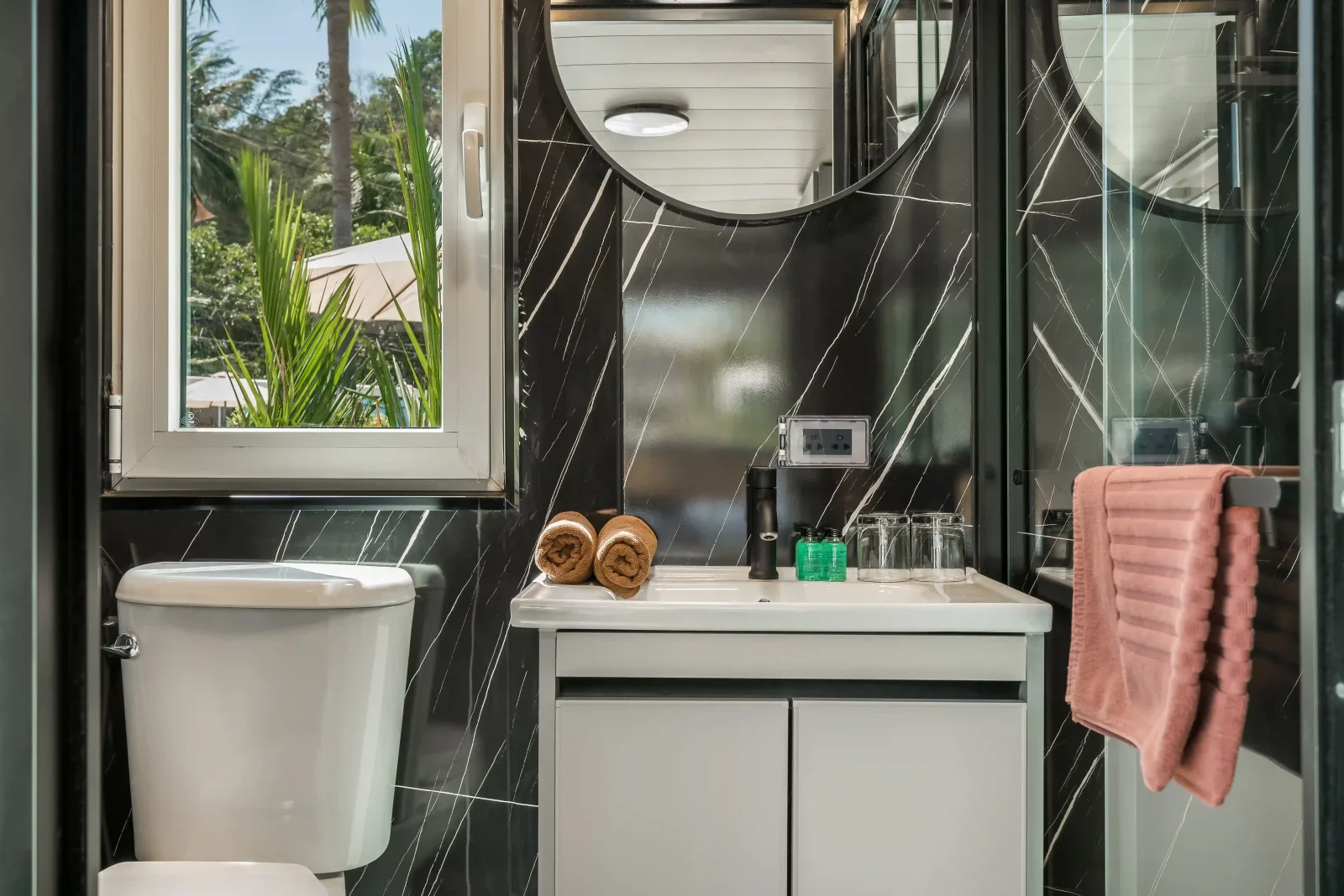
## Units and Prices
| Units | Size | Price | Per sqm |
| --- | --- | --- | --- |
| 1, 2, 3, 4 | 13 sqm | 1,800,000 THB | About 144,000 THB |
| 5 to 17 | 25 sqm | 2,850,000 THB | About 114,000 THB |
Units 1 to 4, at 1,800,000 THB, are the most accessible way to own in Bang Tao: a compact, easy-to-run base for a solo traveller or a couple who spend their days on the beach. Units 5 to 17 nearly double the space for 2,850,000 THB, which brings the rate per square metre down to about 114,000 THB and gives more room for a longer stay. We send photos and the layout of each unit with the price list.
## Living in Bang Tao
Days in Bang Tao start with a swim or a run along the sand and end with the sunset over the Andaman Sea from one of the beach clubs. In between, Boat Avenue and Porto de Phuket cover shopping, cafes and dinner, and the Laguna lagoons offer walks, golf and cycling routes. For an owner with a compact unit, the whole district works as an extension of the apartment, which is exactly why a small unit here feels generous.
## Why Buyers Choose Apple House
- **A Bang Tao address from 1,800,000 THB**
- **Completed:** see the unit in person and use it right after transfer
- **A short walk to Bang Tao Beach**
- **Two sizes:** 13 sqm and 25 sqm
- **Pet-friendly**
- **Freehold ownership** within the 49% foreign quota
- **A wide resale market:** at this price the unit suits Thai and foreign buyers alike
## Who Apple House Suits
**First-time Phuket buyers** who want a freehold unit in the island's most popular resort district at an accessible price.
**Solo travellers and couples** who want their own base near the beach for regular holidays.
**Rental investors** aiming at long-stay residents and visitors who want a simple, affordable place by the beach.
**Pet owners**, since the building welcomes pets.
## What "Completed" Means for the Buyer
- **No waiting:** the unit can be used or let right after transfer
- **See before you buy:** the building, the street and your unit can be viewed in person
- **One payment at transfer:** a reservation deposit holds the unit, and the balance is paid at the Land Office
- **The building's records:** the common charges, the sinking fund and the owners' meeting minutes are available to read before you reserve
## Renting Out a Unit at Apple House
Bang Tao has letting demand all year: holidaymakers in the November to April season and a large community of long-stay residents and people who work in the district's hotels, restaurants and beach clubs. A compact unit a short walk from the beach suits both, and monthly lets keep turnover and running costs low. Rental demand across Phuket is strong: most property enquiries on the island are for rentals, as covered in [Phuket property demand is 71% rental-led](/news/phuket-54628-enquiries-rental-led-market-2026/).
For owners who plan to rent, we collect current asking rents for comparable units in Bang Tao and send them with the price list. [Letting a Phuket condo](/guides/can-i-rent-out-my-phuket-condo/) explains how short stays and monthly lets work, and [our rental guide](/guides/phuket-rental-yield-complete-guide-2026/) shows how to read a rental offer line by line.
## Ownership for Foreign Buyers
A unit at Apple House can be registered freehold in your own name within the 49% foreign quota of the building, counted by floor area. We confirm with the juristic person that the unit you choose sits inside that quota. For a freehold unit at Apple House, the purchase money is transferred from abroad in foreign currency, and the receiving bank provides the FET form that the Land Department asks for at registration. [Can foreigners buy property in Thailand](/guides/legal-guide-buying-property-thailand/) explains the rules in detail.
## Apple House and Other Accessible Bang Tao Condos
| Project | From | Status |
| --- | --- | --- |
| Apple House | 1,800,000 THB | Completed |
| The Cube Amaze | 2,310,000 THB | Completed |
| [One World One Home](/projects/one-world-one-home/) | 2,425,500 THB | Off-plan |
| [Arise Vibe](/projects/arise-vibe/) | 2,514,000 THB | Off-plan |
| [The Title Sierra](/projects/the-title-sierra/) | 2,906,700 THB | Off-plan |
| [Bellevue Lagoon](/projects/bellevue-lagoon/) | 4,865,000 THB | Completed |
Apple House opens this group of accessible Bang Tao condos, and it is one of the completed buildings among them. We send the price lists of any of these projects on request and arrange viewings.
## Buying Apple House with MORE Group
A unit at Apple House is bought in five steps, from the first price list to the keys, and we are with you through each of them.
## What We Send Before You Reserve
- The current price list with free units, sizes and photos
- Confirmation that your unit sits within the 49% foreign quota
- The building's common charges and sinking fund
- The transfer costs and how they are shared
- Current asking rents for comparable units in Bang Tao, if you plan to rent
{/* corpus-faq:apple-house */}
## FAQ
### What does Apple House cost?
Our price list holds 17 units: four of 13 sqm at 1,800,000 THB and thirteen of 25 sqm at 2,850,000 THB. The building is completed, and the price is paid in full at transfer.
### Can foreigners buy at Apple House?
Yes. Foreign buyers can hold a unit freehold in their own name within the 49% foreign quota of the building, counted by floor area. We confirm that your unit sits inside the quota, and the purchase money is transferred from abroad with an FET form for registration at the Land Department.
### Is Apple House suitable as a home base?
Yes, for a solo traveller or a couple who want a simple base a short walk from Bang Tao Beach. The district has supermarkets, restaurants, beach clubs, schools and hospitals, and the building is completed, so the unit can be used right after transfer.
### How quickly can I complete the purchase?
As soon as the documents are ready and the funds arrive from abroad: a reservation deposit holds the unit, we confirm the foreign quota and the building's records, and the balance is paid at the Land Office on the day of transfer.
### Are pets allowed at Apple House?
Yes. Apple House is a pet-friendly building. We send the house rules with the price list.
**Read Also:**
- [How Foreigners Buy Phuket Property 2026](/guides/buying-property-phuket-guide/)
- [Capri Residences](/projects/capri-residences/)
- [Bellevue Lagoon](/projects/bellevue-lagoon/)
- The Cube Amaze
- [One World One Home](/projects/one-world-one-home/)
- [Phuket Property Market Report Q3 2026](/guides/phuket-property-market-report-q3-2026/)
# ARISE Vibe Si Sunthon: Condos from 2.51M THB
> ARISE Vibe review: studios to two-bedroom duplexes by Ornsirin in Si Sunthon from 2.51M THB, with 30+ facilities, pools, co-working and pets welcome.
**Source:** https://moregroup.estate/projects/arise-vibe/
**Section:** Project Reviews
**Author:** MORE Group Editorial
**Published:** 2026-04-05
**Updated:** 2026-08-23
---
## What Is ARISE Vibe?
ARISE Vibe is built around the idea of an active, easy life in Phuket. Its three buildings surround a resort landscape of pools and gardens, and the facility list is long for a condominium at this price: a large clubhouse with co-working spaces, a fitness centre with boxing and yoga studios, a sauna and steam rooms, a rock-climbing wall, a library, a kids club, a running track and several swimming pools. The building is pet-friendly, with designated areas for owners and their pets.
The apartments come fully fitted, with open-plan living areas, private balconies and functional layouts, in formats from compact studios to spacious two-bedroom and duplex residences of up to 92 sqm.
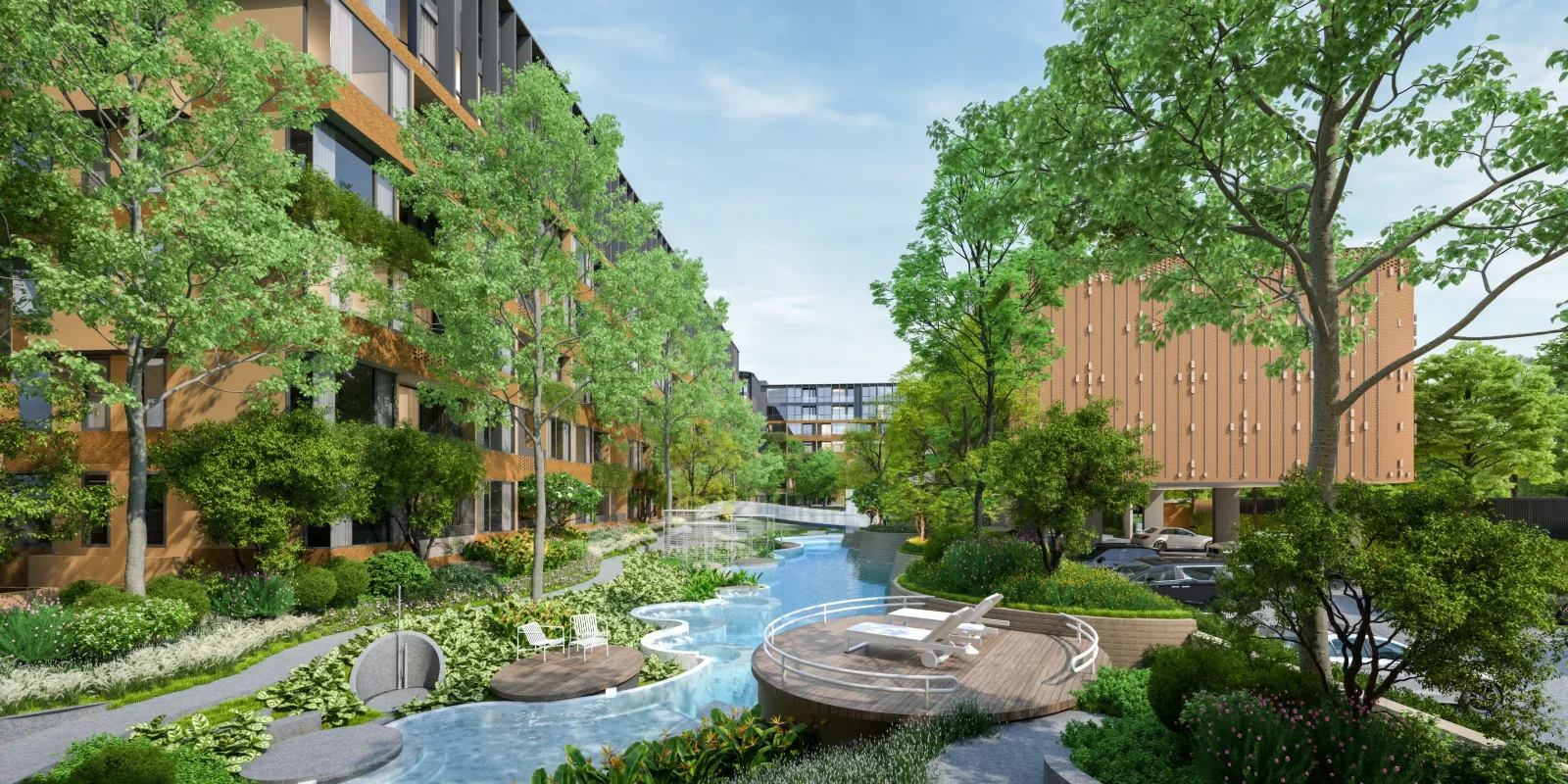
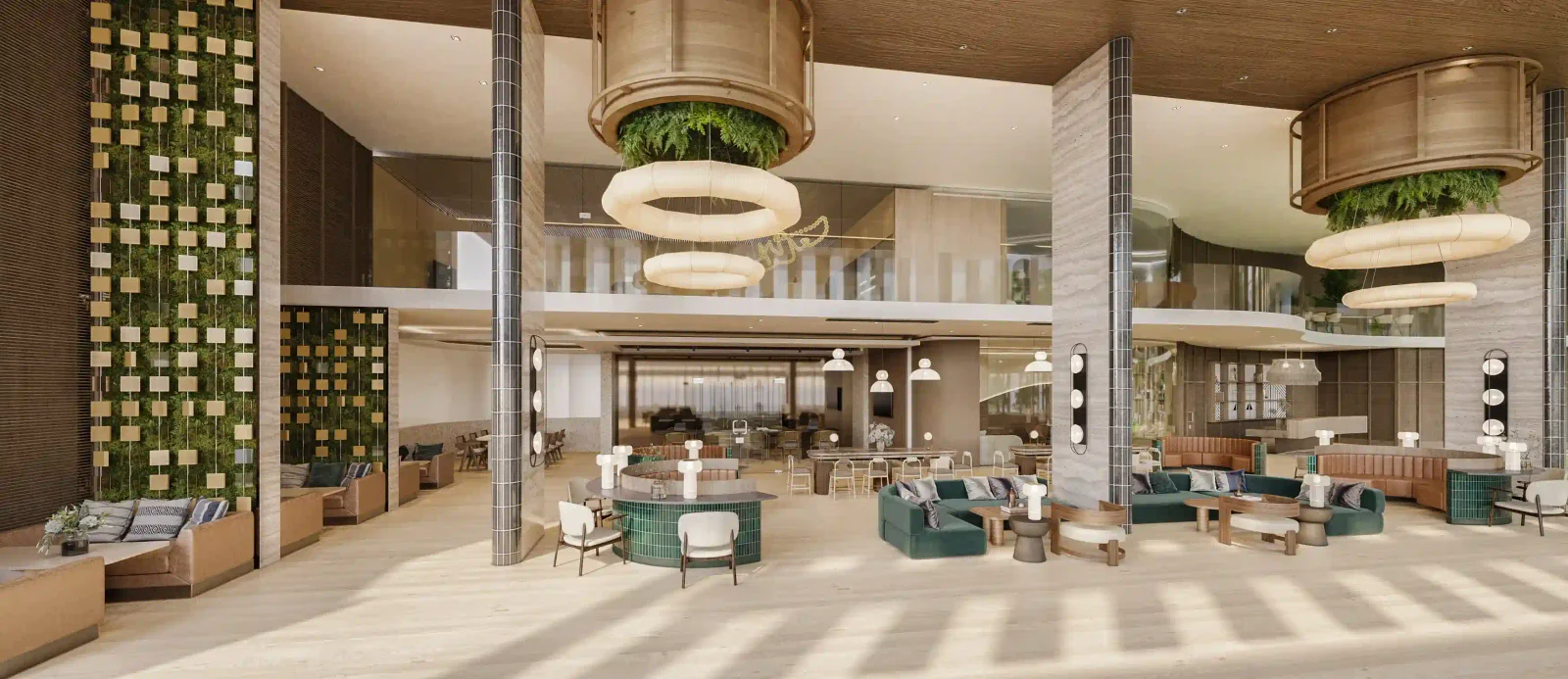
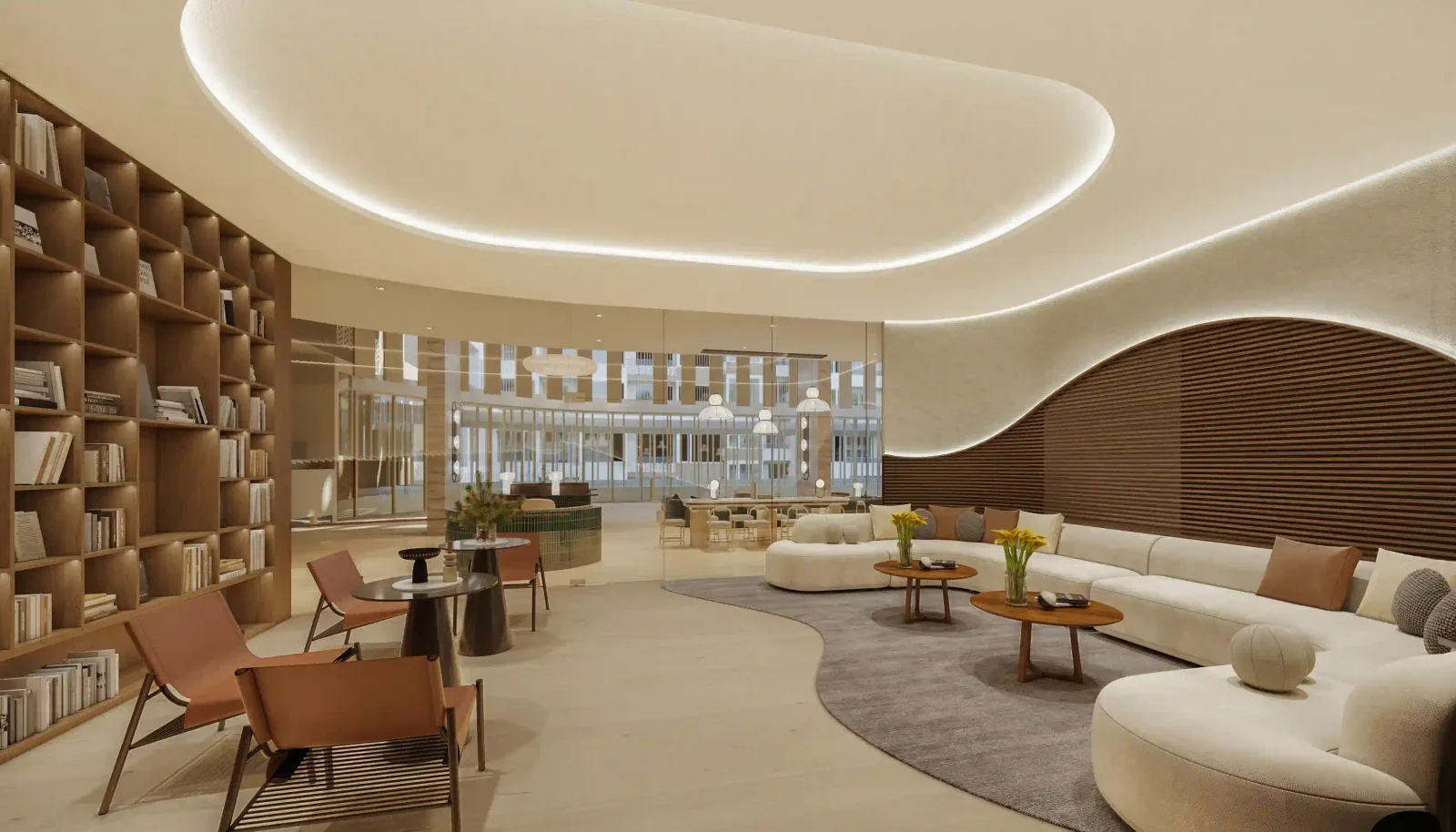
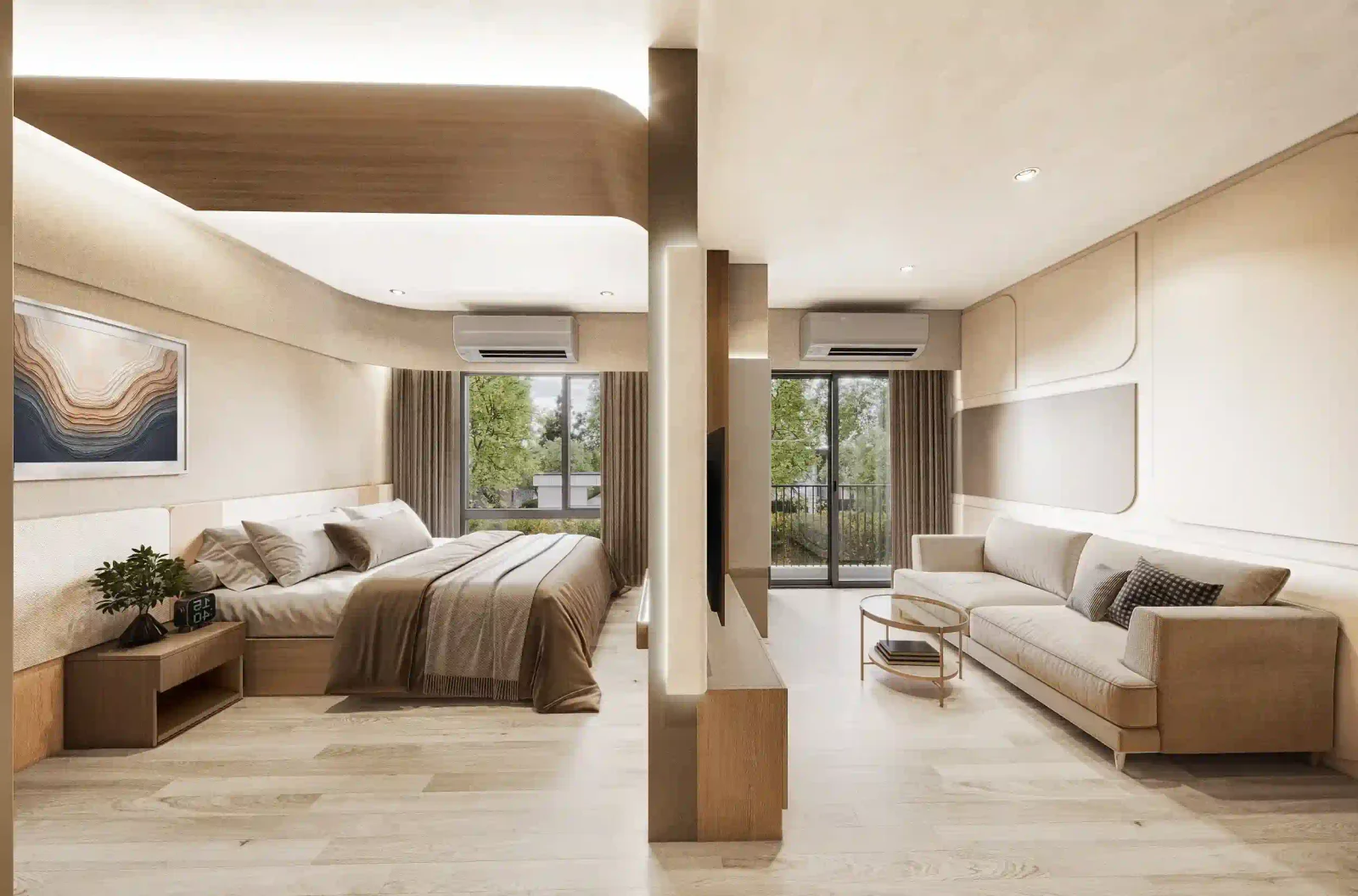
## What Are the Key Facts for ARISE Vibe?
| Factor | Detail |
| --- | --- |
| Developer | Ornsirin |
| Location | Si Sunthon, Thalang |
| Buildings | Three seven-storey buildings |
| Residences | 411 in total, 125 on our price list |
| Studios | 26 to 27 sqm, 2,514,000 to 2,618,000 THB |
| One-bedroom | 32 to 43 sqm, 3,060,000 to 4,208,000 THB |
| Two-bedroom and duplex | 58 to 92 sqm, 5,288,000 to 8,947,000 THB |
| Payment | 30% / 30% / 40% |
| Facilities | 30+, including pools, clubhouse, co-working, gym, sauna, climbing wall |
| Stage | Under construction |
| Beach | About 17 minutes by car |
| Airport | About 28 minutes by car |
## Location: Si Sunthon, the Everyday Heart of Thalang
Si Sunthon is the residential side of the Bang Tao and Cherng Talay area, where the island's families, professionals and long-stay residents live their everyday lives. Everything a household needs is close at hand, and the beaches of the west coast are a short drive away.
- **Robinson Lifestyle Thalang:** shopping, a supermarket and restaurants, about 3 minutes by car
- **Blue Tree Phuket:** the island's family lifestyle park with its lagoon and water sports
- **International schools and hospitals:** within easy reach
- **Golf courses and marinas:** a short drive
- **Bang Tao Beach:** about 17 minutes by car
- **Airport:** about 28 minutes by car
For residents, this is a practical base where daily errands take minutes, with the Bang Tao beach clubs and Boat Avenue close enough for evenings and weekends. The [Bang Tao and Layan area guide](/bang-tao-properties/) covers the wider district.
## Units and Prices
Our price list holds 125 units in three formats:
| Format | Size | Units | Price |
| --- | --- | --- | --- |
| Studio | 26 to 27 sqm | 4 | 2,514,000 to 2,618,000 THB |
| One-bedroom | 32 to 43 sqm | 56 | 3,060,000 to 4,208,000 THB |
| Two-bedroom and duplex | 58 to 92 sqm | 65 | 5,288,000 to 8,947,000 THB |
The entry studios, B121 and C120 at 2,514,000 THB, open the building to first-time buyers. The one-bedroom range starts at 3,060,000 THB with A213 on the second floor and offers the widest choice on the list, with more than fifty units across all three buildings. The two-bedrooms start at 5,288,000 THB with C109 and rise to the large upper-floor residences, up to A604 at 8,947,000 THB on the sixth floor. At about 90,600 to 104,600 THB per square metre, ARISE Vibe offers generous space for the price. We send the floor plan, floor and view of each unit with the price list.
## Facilities
- **Several swimming pools** in a resort landscape
- **Large clubhouse** with co-working spaces and a library
- **Fitness centre** with boxing and yoga studios
- **Sauna and steam rooms**
- **Rock-climbing wall** and a running track
- **Kids club** for younger residents
- **Pet-friendly**, with designated areas for pets
- **Fully fitted units** with private balconies
With more than 30 facilities, residents have a gym, a workspace and a place to relax without leaving the building, which makes ARISE Vibe as comfortable for a year-round home as for a long stay.
## Three-Stage Payment Plan
The price is paid in three stages: 30%, 30% and 40%. For a studio at 2,514,000 THB that works out as follows:
| Stage | Share | Amount |
| --- | --- | --- |
| 1 | 30% | 754,200 THB |
| 2 | 30% | 754,200 THB |
| 3 | 40% | 1,005,600 THB |
The plan is simple to follow, with the largest share at the end. We send the developer's schedule for your unit with the price list.
## Why Buyers Choose ARISE Vibe
- **An accessible entry:** studios from 2,514,000 THB
- **30+ facilities:** pools, clubhouse, co-working, gym, sauna, climbing wall and kids club
- **A wide choice:** 125 units from studios to two-bedroom duplexes
- **Fully fitted units** with balconies
- **Pets welcome**
- **Everyday convenience:** Robinson Lifestyle Thalang about 3 minutes by car
- **Freehold ownership** within the 49% foreign quota
## Who ARISE Vibe Suits
**First-time Phuket buyers** who want a freehold apartment with resort facilities at an accessible price.
**Young professionals and remote workers** who value the co-working spaces, the gym and the everyday convenience of Thalang.
**Families**, with the kids club, the pools and schools within easy reach.
**Pet owners**, who are welcome here with designated areas for their pets.
**Rental investors** aiming at the long-stay tenants who live and work around Bang Tao and Thalang.
## Renting Out a Unit at ARISE Vibe
Thalang is where much of the Bang Tao area's workforce and many relocating families live: people who work in the district's schools, hospitals, hotels and marinas, and remote workers who spend a season on the island. They rent for six or twelve months at a time, and a fully fitted unit in a building with a gym, co-working and pools suits them well.
For owners who plan to rent, we collect current asking rents for comparable units in Thalang and Bang Tao and send them with the price list. [Our rental guide](/guides/phuket-rental-yield-complete-guide-2026/) explains how to read a rental offer line by line.
## Ownership for Foreign Buyers
ARISE Vibe is a condominium, so a unit can be registered freehold in your own name within the 49% foreign quota of the building, counted by floor area. We confirm with the developer that the unit you choose sits inside that quota. For a freehold unit at ARISE Vibe, each payment is transferred from abroad in foreign currency, and the receiving bank provides the FET form that the Land Department asks for at registration. [How the foreign quota works](/guides/foreign-quota-thai-condominiums/) explains the rule in detail.
## ARISE Vibe and Other Accessible Condos Near Bang Tao
| Project | From | Status |
| --- | --- | --- |
| [Apple House](/projects/apple-house/) | 1,800,000 THB | Completed |
| The Cube Amaze | 2,310,000 THB | Completed |
| [One World One Home](/projects/one-world-one-home/) | 2,425,500 THB | Off-plan |
| ARISE Vibe | 2,514,000 THB | Off-plan |
| [The Title Sierra](/projects/the-title-sierra/) | 2,906,700 THB | Off-plan |
| [So Origin Lagoon](/projects/so-origin-lagoon/) | 3,550,000 THB | Off-plan |
ARISE Vibe stands out in this group for the length of its facility list. We send the price lists of any of these projects on request and arrange viewings.
## Buying ARISE Vibe with MORE Group
A unit at ARISE Vibe is bought in five steps, from the first price list to the keys, and we are with you through each of them.
## What We Send Before You Reserve
- The current price list with free units, floors, sizes and plans
- Confirmation that your unit sits within the 49% foreign quota
- The payment schedule for your unit
- The building's common charges and house rules, including the pet policy
- The latest construction update
- Current asking rents for comparable units, if you plan to rent
{/* corpus-faq:arise-vibe */}
## FAQ
### What does ARISE Vibe cost?
Our price list holds 125 units: studios of 26 to 27 sqm from 2,514,000 THB, one-bedrooms of 32 to 43 sqm from 3,060,000 THB, and two-bedrooms and duplexes of 58 to 92 sqm from 5,288,000 to 8,947,000 THB.
### Who is the developer of ARISE Vibe?
Ornsirin. The project has three seven-storey buildings with 411 residences in Si Sunthon, Thalang.
### What facilities does ARISE Vibe have?
More than 30, including several swimming pools, a clubhouse with co-working spaces and a library, a fitness centre with boxing and yoga studios, a sauna and steam rooms, a rock-climbing wall, a running track and a kids club. The building is pet-friendly.
### What is the payment plan?
Three stages: 30%, 30% and 40%. For a studio at 2,514,000 THB that means 754,200 THB at each of the first two stages and 1,005,600 THB at the last.
### Can foreigners buy at ARISE Vibe freehold?
Yes. Foreign buyers can hold a unit freehold in their own name within the 49% foreign quota of the building, counted by floor area. We confirm that your unit sits inside the quota, and the purchase money is transferred from abroad with an FET form for registration at the Land Department.
**Read Also:**
- [How Foreigners Buy Phuket Property 2026](/guides/buying-property-phuket-guide/)
- [Bang Tao and Layan Area Guide](/bang-tao-properties/)
- [Phuket Rental Yield Guide](/guides/phuket-rental-yield-complete-guide-2026/)
- [How the Foreign Quota Works](/guides/foreign-quota-thai-condominiums/)
- [One World One Home](/projects/one-world-one-home/)
# Ashiyana Heights Kata 2026: Condos from 2.99M THB
> Ashiyana Heights, Kata: a seven-storey condominium of 131 units by Ashiyana Estates, studios to two-bedrooms from 2,990,000 THB, due in Q2 2028.
**Source:** https://moregroup.estate/projects/ashiyana-heights/
**Section:** Project Reviews
**Author:** MORE Group Editorial
**Published:** 2026-04-05
**Updated:** 2026-10-07
---
Ashiyana Heights is a low-rise condominium in the hills above Kata Beach: one building of seven storeys with 131 units, from studios to two-bedrooms, by Ashiyana Estates Co., Ltd., a developer with its office in Karon sub-district. On our price list it opens at 2,990,000 THB for a studio of about 29 square metres, the lowest entry and the lowest median rate per square metre among the Kata apartment schemes we track.
It is an early purchase. The developer gives the start of construction as the third quarter of 2026 and completion as the second quarter of 2028, so a buyer today is paying against a building that has not yet risen.
## What Is Ashiyana Heights Phuket?
The product is apartments, not villas. An earlier version of this page described yoga wellness villas with practice rooms, three and four-bedroom homes and a retreat brand behind them; none of that matches the developer's own description of the project, and it has been removed. The yoga retreat that carries the Ashiyana name is in Goa, India, and has no stated connection to this building. The same developer separately markets Ashiyana Seaview Villas, a small group of three-bedroom villas in Kata, which is a different project from this one.
| Fact | Ashiyana Heights |
| --- | --- |
| Developer | Ashiyana Estates Co., Ltd. |
| Building | One low-rise building, seven storeys |
| Units | 131 |
| Formats | Studios, one-bedrooms and two-bedrooms |
| Entry on our price list | 2,990,000 THB, studio of about 29 sqm |
| Payment plan | 35%, 20%, 15%, 15%, 10%, 5% |
| Construction | Start Q3 2026, completion Q2 2028 (developer) |
| Kata Beach | About 9 minutes by car, about 34 minutes on foot |
| Airport | About 60 minutes by car |
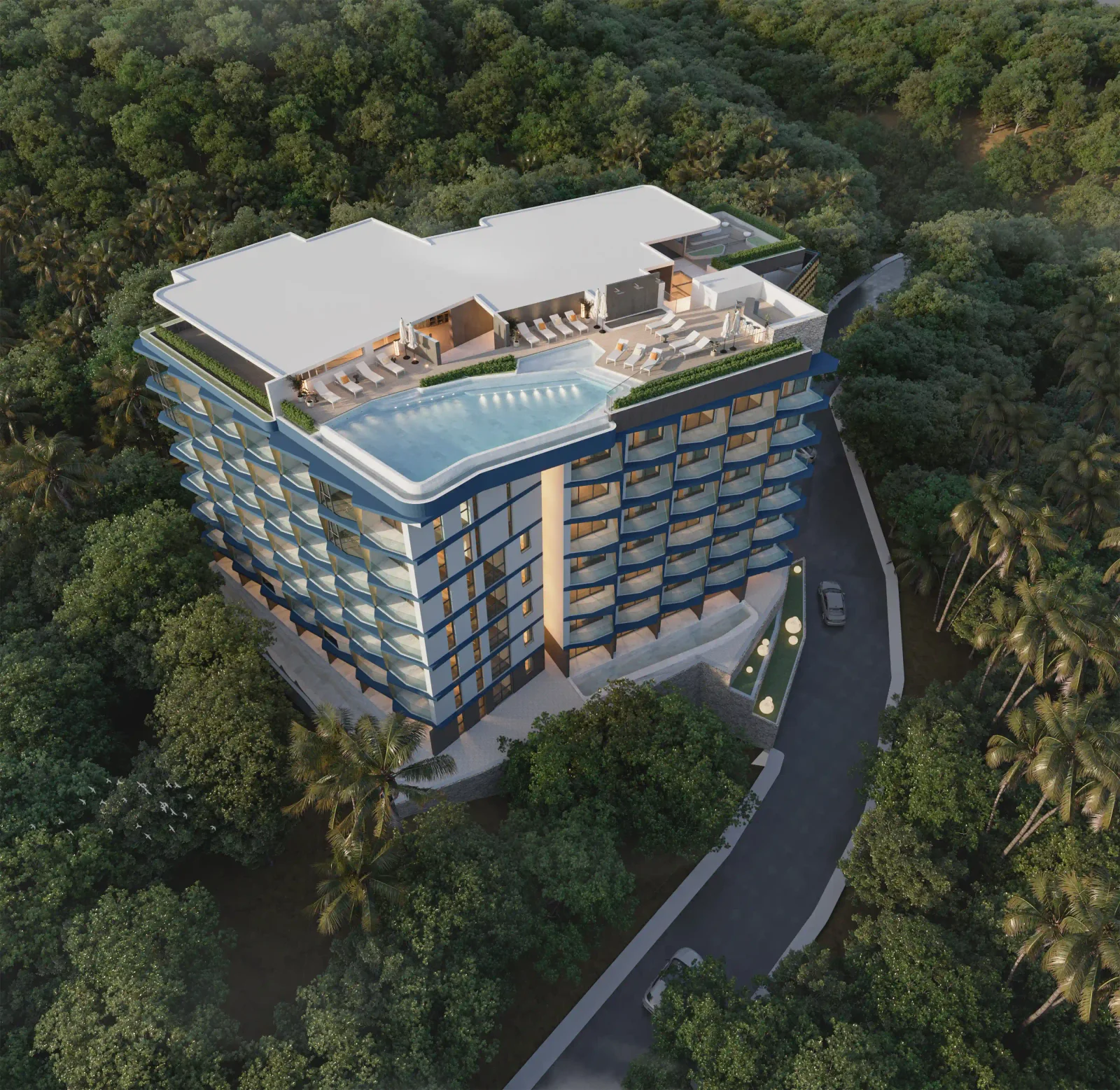
## What Is on the Price List
Our price list holds all 131 units, in three formats:
| Format | Size | Prices | Per square metre |
| --- | --- | --- | --- |
| Studio | 29 to 31 sqm | 2,990,000 to 4,169,940 THB | 102,083 to 134,437 THB |
| One-bedroom | 38 to 39 sqm | 3,990,000 to 5,526,400 THB | 104,232 to 144,390 THB |
| Two-bedroom | 76 to 77 sqm | 7,990,000 to 10,784,640 THB | 104,199 to 141,866 THB |
*Source: the MORE Group price list for Ashiyana Heights.*
Within each format the spread is wide for units of almost identical size, which points to floor and outlook rather than layout as what is being priced. Ask for the floor and the direction of the view next to each price before comparing two studios.
Against the rest of Kata the metre is low: according to the table in our [So Origin Kata guide](/guides/so-origin-kata-rental-yield-investment/), the Ashiyana Heights median is 129,504 THB per square metre, against 155,000 to 161,084 for the other apartment schemes in the bay. The same table gives the walk to the beach as 34 minutes, the longest of the group: the lower metre and the longer walk are the same fact seen from two sides.
## Location: The Hills Behind Kata
The building stands on the rising ground behind Kata, in Karon sub-district, which covers both Kata and Karon beaches. Our project data puts Kata Beach about 9 minutes by car and the nearest mall about 8 minutes; on foot the beach is about 34 minutes, which on Kata's hills is a walk most owners will make by car or scooter. Karon Beach is a short drive further north, and the airport about an hour away.
For an owner that shapes the use. A hillside condominium here is bought for the price and, on the upper floors, the outlook, not for stepping onto the sand. For a tenant it decides who books: a guest who wants the beach on foot will choose a building closer to it, while a long-stay tenant with a scooter will weigh the rent first.
## The Payment Plan
| Stage | Share | On the 2,990,000 THB studio |
| --- | --- | --- |
| First payment | 35% | 1,046,500 THB |
| Second payment | 20% | 598,000 THB |
| Third payment | 15% | 448,500 THB |
| Fourth payment | 15% | 448,500 THB |
| Fifth payment | 10% | 299,000 THB |
| Final payment | 5% | 149,500 THB |
*Source: the payment plan on the developer price list we hold.*
A first payment of 35% on the developer price list, due before construction has started, is a large share to hold against an unbuilt building. Ask for the event each later payment is tied to in the contract; a schedule that follows certified construction stages protects you better than one that follows calendar dates.
## Ownership for Foreign Buyers
Ashiyana Heights is a registered condominium project, so a foreign buyer can hold a unit freehold in their own name, within the 49% of the building's total floor area reserved for foreign ownership. The quota is measured by area and consumed as foreign buyers register, so ask for the remaining foreign quota in writing. Freehold transfer to a non-resident needs the purchase money remitted from abroad, with the Foreign Exchange Transaction form for the Land Department. Some agencies also offer units on a leasehold basis; a lease is registered for a maximum of 30 years per registration, and renewal is a contractual undertaking rather than a registered right.
Buyers are always advised to appoint their own independent Thai property lawyer, whatever the developer recommends.
## What to Check Before Reserving
Because construction has not started, the checks are about the developer and the paperwork rather than the finish:
- **The land title and the building permit** for this plot, in the developer's company name
- **Evidence that work has begun** before the second payment falls due
- **The developer's completed projects**, which you can visit, since this is the measure of whether 2028 is realistic
- **The foreign quota position** in writing, and whether your unit is offered freehold or leasehold
- **The house rules on short lets**, if you intend to let by the night
Our guide to [buying off-plan in Phuket](/guides/off-plan-property-phuket-guide/) sets out each check in order.
## Who Ashiyana Heights Suits
- **Entry buyers in Kata** who want the lowest ticket and the lowest metre in the bay, and accept a drive to the beach
- **Long-stay owners** who will use a one or two-bedroom themselves for part of the year
- **Patient buyers** comfortable with a 2028 completion and a building that has not yet started
It suits less well a buyer who needs a unit to earn soon, or one who wants to walk to the sand.
{/* corpus-faq:ashiyana-heights */}
## FAQ
### Is Ashiyana Heights a condominium or a villa project?
A condominium: one seven-storey building with 131 studios, one-bedrooms and two-bedrooms. The same developer markets a separate villa project in Kata, Ashiyana Seaview Villas.
### Can a foreigner own a unit at Ashiyana Heights freehold?
Yes, within the 49% of the building's floor area reserved for foreign ownership, with the purchase money remitted from abroad and the FET form filed at the Land Department. Ask for the remaining foreign quota in writing.
### When will Ashiyana Heights be completed?
The developer gives the start of construction as the third quarter of 2026 and completion as the second quarter of 2028. Ask for evidence that work has begun before the second payment.
### How much is the cheapest unit at Ashiyana Heights?
2,990,000 THB on our price list, for a studio of about 29 square metres. One-bedrooms start at 3,990,000 THB and two-bedrooms at 7,990,000 THB.
### How far is Ashiyana Heights from Kata Beach?
About 9 minutes by car or about 34 minutes on foot, according to our project data. The building is on the hillside, so most owners make the trip by car or scooter.
**Read Also:**
- [Ever Prime Residences Karon Review 2026: Prices & Yield](/projects/ever-prime-residences-karon/)
- [How Foreigners Buy Phuket Property 2026](/guides/buying-property-phuket-guide/)
- [Due Diligence When Buying Property in Thailand](/guides/due-diligence-process-thailand-step-by-step/)
- [Best Areas in Phuket to Buy Property 2026](/guides/best-areas-phuket-buy-property/)
- [Kata Property for Sale](/kata-properties/)
## Kata at an entry price: what to establish
At 2,990,000 THB you are looking at the smallest format in the building, a studio of about 29 square metres, and the size rather than a discount on the location is what makes the figure. Get the floor area in square metres from the price list and establish whether it is saleable space or includes balcony and a share of common area.
That number decides which market you can reach. Below roughly 35 square metres a unit serves short holiday stays and struggles as a monthly rental, so it depends entirely on nightly letting being available. Every studio here is below that line; the one-bedrooms of 38 to 39 square metres sit just above it, and the two-bedrooms of 76 to 77 square metres are the format a long-stay tenant or a family actually lives in.
Which makes the licence question decisive rather than merely important here. Stays under 30 days are hotel business under the Thai Hotel Act unless the building holds a hotel licence, and the condominium's house rules can restrict short lets independently. Ask the juristic office for both in writing.
## Kata's seasonal shape
Kata is a west-coast beach with a pronounced two-half year: strong from roughly November to April, considerably thinner through the southwest monsoon from May to October when the water roughens and red flags go up.
On a compact unit that pattern bites harder, because there is no monthly tenant to carry the quiet months. Build any yield model in two halves rather than applying an annual occupancy figure, and ask for comparable units' actual occupancy month by month.
Kata is also a surf beach in those months, which shapes the guest mix and raises a duty-of-care point: if you let short-term, a house manual explaining the flag system in the languages your guests read is worth writing.
# Atrium Andaman City Bang Tao: Prices 2026
> Atrium Andaman City in Bang Tao: Radisson-managed condos from 6.08M THB, 500 m from the beach, payment plan, foreign quota and availability.
**Source:** https://moregroup.estate/projects/atrium-andaman-city/
**Section:** Project Reviews
**Author:** MORE Group Editorial
**Published:** 2026-04-07
**Updated:** 2026-10-05
---
## Atrium Andaman City Phuket: Radisson-Managed Condo 500m from Bang Tao Beach
## What Are the Key Facts for Atrium Andaman City?
| | |
|---|---|
| Location | Bang Tao Beach, Cherng Talay, Phuket |
| Distance to beach | 500m from Bang Tao Beach |
| Status | Under construction, completion Q4 2026 (developer) |
| Unit types | Studio, 1BR, 2BR, 3BR |
| Buildings | 2 × 7-storey |
| Price from | 6,075,800 THB (~186,000 USD) |
| Price to | 23,987,500 THB (~734,000 USD) |
| Payment plan | 35% / 15% / 15% / 15% / 10% / 10% |
| Management | Radisson Individuals |
| Developer | AR Group |
| Level | Premium |
| Net yield, comparable managed units | historically 5 to 7% after 20 to 25% operator fees (MORE Group benchmark) |
| Peak occupancy, comparable managed units | historically 75 to 85% (MORE Group benchmark) |
## Location & Area
The 500-metre walk to the beach is a meaningful differentiator. At this distance, guests staying in managed units can walk to the sand in under ten minutes, which is a credible selling point in marketing to short-stay tourists who prioritise beach proximity. Neighbouring amenities include Boat Avenue (Phuket's most curated boutique retail strip), Villa Market, Cherng Talay's restaurant cluster, and the growing concentration of wellness studios and co-working spaces that have made this area the default neighbourhood for Phuket's digital nomad and remote-worker community.
Phuket International Airport is 25 minutes away, and the Bang Tao area maintains year-round demand from both European winter visitors and the growing segment of Asian tourists, particularly from Singapore, Hong Kong, and mainland China, who favour the quieter northwest coast over Patong's commercial intensity.

Atrium Andaman City investment snapshot (2026): 2 × 7-storey buildings in Cherng Talay, 500m from Bang Tao Beach. Managed by Radisson Individuals. Studio units from 6.08M THB ($186,000); 3BR to 23.99M THB ($734,000). Completion Q4 2026 according to the developer. Payment plan: 35% / 15% / 15% / 15% / 10% / 10%. Radisson Individuals management uses international OTA distribution (Airbnb, Booking.com, Agoda, Expedia, direct) with dynamic pricing and hotel-grade quality control. Comparable branded-managed condos in Bang Tao at 500m from the beach have historically achieved gross rental yields of 6 to 9% at peak nightly rates of $100 to $250 for studio and 1BR units. Cherng Talay is Phuket's primary zone for digital nomad and remote-worker demand, alongside short-stay tourism, supporting year-round occupancy above purely tourist-dependent locations. AR Group developer; freehold foreign quota (49% of total floor area) available.
## Design & Units
Unit configurations span from compact studios to three-bedroom apartments, addressing a wide buyer spectrum within a single project. Studios from under 7 million THB represent one of the lowest absolute price points currently available in a professionally managed, beach-proximate development in Bang Tao. One-bedroom units occupy the middle of the range and are typically the best performers in managed rental programs: they appeal to couples and solo travellers, the dominant demographic in premium short-stay platforms, while achieving higher nightly rates than studios. Two- and three-bedroom configurations cater to the family market and small groups, which book at substantially higher weekly rates and generate strong revenue during peak season.
Interiors are specified to Radisson Individuals standards, the brand's quality benchmarks for furniture, fixtures, bathroom fittings, and kitchen equipment apply across all managed units. This consistency is what allows Radisson to market the project credibly through their international distribution channels, and it protects the brand equity of the development on the secondary market.
## Is Atrium Andaman City a Good Investment in Phuket 2026?
Studios and one-bedroom units at Atrium Andaman City are positioned in the 6 to 10 million THB range. Most foreign buyers pay from their own funds, since Thai banks rarely lend to non-residents. Comparable managed units in Bang Tao with hotel branding have historically earned gross rental yields in the 6 to 9% range, and the staged payment plan spreads the purchase across the build.
## Who Should Buy at Atrium Andaman City Bang Tao?
- Buyers prioritising professional hotel-brand management
- Buyers comparing studios and one-bedroom units from about 6.08 million THB
- Investors who want a hands-off managed rental
## Why Buyers Choose Atrium Andaman City
- Radisson Individuals management, professional rental program, international distribution
- Accessible entry from under 7M THB for studios, lowest managed-condo price point in the Bang Tao area
- 500m from Bang Tao Beach, genuine walk-to-beach access for rental guests
- Range of unit sizes, covers solo investors, family buyers, and portfolio diversifiers
- Low-rise design, resort atmosphere, better common area quality than towers
## Buying Atrium Andaman City with MORE Group
Five steps take a buyer from the first price list to the keys at Atrium Andaman City, and we handle every one of them alongside you.
With the price list we also send the Radisson Individuals programme terms (management share, OTA split, cleaning and owner-use weeks), the monthly CAM fee and sinking fund, and AR Group's completed projects in Phuket. For more background, see the [buying process step by step](/guides/due-diligence-process-thailand-step-by-step/), [cost of owning a condo in Phuket](/guides/cost-owning-condo-phuket/), [rental yield guide](/guides/phuket-rental-yield-complete-guide-2026/), [Bang Tao area guide](/guides/bang-tao-beach-area-guide-2026/), and [buying property guide](/guides/buying-property-phuket-guide/).
{/* corpus-faq:atrium-andaman-city */}
## FAQ
### What is the starting price at Atrium Andaman City?
Studios start from 6,075,800 THB (approximately 186,000 USD), making Atrium Andaman City one of the most accessible managed condo entry points in Bang Tao. Three-bedroom units extend to 23,987,500 THB at the top of the range.
### What is Radisson Individuals and how does the management work?
Radisson Individuals is a soft brand within the Radisson Hotel Group that allows independent hotels and branded residences to operate under Radisson's quality standards, distribution network, and loyalty program. For investors at Atrium Andaman City, this means professional rental management, OTA listings under a recognised name, and Radisson's global guest base, without the full contractual constraints of a wholly owned Radisson property.
### How far is Atrium Andaman City from Bang Tao Beach?
The project is approximately 500 metres from Bang Tao Beach, a walk of under 10 minutes. This is a genuine beach-proximate location that supports strong occupancy and nightly rates in the managed rental program.
### Can foreigners buy a unit at Atrium Andaman City?
Yes. Foreign nationals can purchase condominium units in Thailand under freehold title (up to 49% of total floor area per building) or via leasehold. Our team can advise on the specific quota availability and the most appropriate ownership structure for your situation.
### When will Atrium Andaman City be completed?
Atrium Andaman City is under construction, with completion scheduled for Q4 2026 according to the developer (checked 16 September 2026). We send the latest construction update together with the price list, and once the building opens, units in the Radisson Individuals program earn through Radisson's distribution channels and OTA partnerships.
**About MORE Group:**
MORE Group is a Phuket-based real estate advisory covering Atrium Andaman City and comparable Bang Tao projects. We compare current inventory, management terms, payment schedules and rental assumptions, and support every step from reservation to transfer, including legal support. Contact: info@moregroup.estate · +66 65 119 5327 · moregroup.estate.
**Read Also:**
- [Complete Guide to Buying Property in Phuket](/guides/buying-property-phuket-guide/)
- [Phuket Rental Yield Guide: What Investors Need to Know](/guides/phuket-rental-yield-complete-guide-2026/)
- [Bang Tao Beach Area Guide 2026](/guides/bang-tao-beach-area-guide-2026/)
- [Bang Tao vs Rawai: Which Is Better for Buyers?](/guides/bang-tao-vs-rawai-which-is-better/)
## More on Buying in Bang Tao
For the wider picture, see [the step-by-step buying process](/guides/due-diligence-process-thailand-step-by-step/), the [off-plan guide](/guides/off-plan-property-phuket-guide/), the [buying guide](/guides/buying-property-phuket-guide/), [rental yield](/guides/phuket-rental-yield-complete-guide-2026/) and [best areas](/guides/best-areas-phuket-buy-property/).
## How Radisson Management Works for Owners
At 6.08M THB, roughly $186,000 at 32.7 THB to the dollar, this is a hotel-managed condo rather than a unit you let yourself, and that shapes the numbers in three places. The operator takes a share of gross revenue for running the rentals, and we model the net income after that share. Owner-use weeks are set in the programme calendar. And at resale your buyer takes over the same management contract, a hands-off income stream that is part of what they buy.
Radisson Individuals is a franchise arrangement: the brand licenses its name, its standards and its distribution to a property run day to day by an operator. What owners get from that is the booking channel, the loyalty network and a set of standards the property has agreed to meet, and those are worth real money on a condominium that would otherwise be marketing itself from scratch. We send the name of the operator and its obligations under the licence together with the programme terms.
The programme terms also answer two practical questions: whether rental revenue is pooled across enrolled units or paid on your own unit's bookings, and how the letting works over the term of the licence. With those answers you can choose the unit that fits the way you want to earn from it. Owners who plan to spend part of the high season in the apartment themselves reserve those weeks early in the programme calendar.
# Aura Condominium Rawai Phuket Review 2026: Buyer Guide
> Aura Condominium Rawai 2026: 180 priced units from 3,032,320 THB at a 111,546 THB metre, 23% under the Rawai area rate. Freehold, south Phuket.
**Source:** https://moregroup.estate/projects/aura-condominium/
**Section:** Project Reviews
**Author:** MORE Group Editorial
**Published:** 2026-04-05
**Updated:** 2026-08-23
---
South Phuket doesn't get the marketing spend that Bang Tao and Kamala enjoy, but it has something those areas have largely lost: authenticity. Rawai is where working Thai families live, where expats settle for the long term, where seafood restaurants sit on stilts over tidal flats rather than being designed for Instagram. And it's where you can still buy a freehold condo for under $100,000.
Aura Condominium Rawai is one of the most accessible entry points into Phuket property ownership in 2026. This review looks at what that $85,000 minimum price point buys you, what the rental yield story actually looks like, and whether south Phuket's understated appeal translates into investable real estate fundamentals.
## What Is Aura Condominium Rawai?
The development follows the standard formula for affordable Phuket condos: a pool as the central amenity, units sized for single occupants to couples, and communal areas designed to support the short-term rental business model. What distinguishes Aura is its setting in the residential heart of Rawai, close to the town's shops, markets and restaurants.
Units range from studios (approximately 26-30 sqm) to one-bedroom and two-bedroom configurations (up to 55 sqm), with prices from $85,000 to $200,000. Freehold units are available within the legal 49% foreign ownership quota.
## Location: Rawai in 2026
For rental investors, Rawai's profile is distinct from the west coast beach markets:
- **Long-term rental demand** is strong, expats and remote workers prefer Rawai for monthly or quarterly arrangements at prices below Cherng Talay or Kata
- **Short-term tourism** is less dominant than on the west coast, which means nightly rates are more modest but occupancy from long-stay guests can be more consistent
- **Nai Harn spillover**, Nai Harn Beach is a 5-minute drive from Rawai, and visitors who want Nai Harn's natural beach experience but need more accommodation options often stay in Rawai
The demographic shift toward remote workers and digital nomads has been particularly visible in Rawai, where the combination of affordability, beach access, and functioning town infrastructure fits the lifestyle well.
## Rental Income: The Long-Stay Approach
Rawai lends itself to long lets, and two facts make the long-let plan clear. **A long-let asking rent is visible on the portals before you buy**, so the income is known from the start. And long-let management runs 8 to 12% of collected rent, against roughly a third of gross for platform fees and short-stay management together.
**The price record.** Aura Condominium is the largest book in this wave and the most affordable metre in it:
| Units | Layout | Size | Price (THB) | Median | THB per sqm |
|---|---|---|---|---|---|
| 48 | Studio | 29-30 sqm | 3,032,320 - 3,700,890 | 3,273,760 | 112,888 |
| 96 | 1-bedroom | 37-75 sqm | 3,795,550 - 8,061,425 | 4,477,275 | 111,546 |
| 31 | 2-bedroom | 50-82 sqm | 6,035,800 - 10,150,640 | 6,856,200 | 116,207 |
| 5 | 3-bedroom | 96 sqm | 10,087,350 - 11,672,505 | 10,759,840 | 112,082 |
180 priced units, median 4,311,450 THB, median metre **111,546**, payment plan 35/20/15/15/10/5, and 58 minutes to the airport by car.
Two things stand out. **The metre barely moves across the four layouts**, 111,546 to 116,207, a spread of 4%, which is unusual: in most schemes the small units carry a much dearer metre. Here a studio and a three-bedroom cost about the same per square metre, so the choice between them is purely about how much space you want to own. And at 111,546 THB the scheme is **23% below the Rawai area metre of 145,000**, which is the single strongest fact on this page.
The hybrid strategy, short-stay through the high season and long-let for the rest, is a sensible operating model, with the operator pricing the peak months accordingly.
## Freehold Ownership at the Budget End
Aura's decision to offer freehold units across the range reflects the developer's understanding that even at budget price points, buyers who can access freehold prefer it. For investors building a portfolio of Thai property, freehold units at any price represent cleaner estate planning and resale positioning.
We confirm the foreign quota for your unit; units outside the 49% quota are available on a registered lease.
## Rawai's Practical Infrastructure
- **Rawai seafood market**, fresh catch sold directly by fishing families, one of Phuket's best local food experiences
- **Nai Harn supermarket**, well-stocked local supermarket 5 minutes by scooter
- **Chalong pier and marina**, Phuket's main sailing and diving departure point, 10 minutes away
- **Phuket Rajabhat University**, creates student and academic tenant demand in the surrounding area
- **Vila Market Rawai**, expat-oriented supermarket with imported goods
This is everyday infrastructure, and for long-stay renters who want to live rather than just visit, it is exactly what matters.
## Handover Inspection
An inspection of your unit before the final payment, for example by a licensed Thai building inspector, records any finishing points so they are completed before the keys are handed over.
## Who Should Buy at Aura Condominium Rawai?
- **First-time overseas investors** who want a genuine freehold asset at a manageable entry price
- **Long-term Thailand enthusiasts** who prefer Rawai's authentic character over tourist-focused beaches
- **Portfolio builders** looking for a high-yield, low-capital unit alongside larger assets
- **Expats planning to relocate to Phuket** who want to test the ownership experience before committing to a villa or larger unit
- **Remote workers** who want a Phuket base for extended stays with a productive, liveable environment
## Verdict
For entry-level investors or buyers who want Phuket exposure without a large capital commitment, Aura delivers what it promises: a freehold condominium at the most affordable metre in Rawai. Good property management is what turns it into a steady long-term income.
## Buying Aura Condominium with MORE Group
A unit at Aura Condominium is bought in five steps, from the first price list to the keys, and we go through each one with you.
## Four formats, one pricing formula
The building runs studios, one-, two- and three-bedrooms, and the rate per square metre barely moves between them.
| Format | Count | Size | From |
|---|---|---|---|
| Studio | 48 | 29 to 30 sqm | 3,032,320 THB |
| One-bedroom | 96 | 37 to 75 sqm | 3.8M THB |
| Two-bedroom | 31 | 50 to 82 sqm | 6.04M THB |
| Three-bedroom | 5 | 96 sqm | 10.09M THB |
Because the rate is a formula, the format decides your tenant rather than your value for money. The 96 one-bedrooms serve the deepest part of the rental market, while the five three-bedrooms are a rare format inside the same address, offered at the same rate per square metre.
{/* corpus-faq:aura-condominium */}
## FAQ
### Is Aura Condominium Rawai available as freehold for foreign buyers?
Yes, within the 49% foreign ownership quota permitted under Thai condominium law. Foreign nationals can hold freehold title in their own name. We confirm quota availability for your unit, and units outside the quota are available on a registered lease.
### What rental yield can I expect from Aura Condominium Rawai?
Rental income here is best planned on long lets. The price record shows 180 priced units from 3,032,320 THB at a 111,546 THB median metre, 23% below the Rawai area metre of 145,000, and the income side rests on asking rents for comparable Rawai units, visible on the portals, and a management share of 8 to 12% on a long let (20 to 25% plus platform fees on short stays). We build the net figure for your unit from those numbers.
### What rental market does Aura serve?
Rawai Beach is a local fishing beach and seafood promenade, and Aura's rental market is strongest with long-stay guests, digital nomads and expats seeking monthly accommodation, a growing and stable segment.
### What stage is Aura Condominium at?
Aura Condominium is under construction. We send the latest construction update together with the price list and the payment schedule.
### How close is Aura Condominium to Nai Harn Beach?
Nai Harn Beach, one of Phuket's best natural beaches, is approximately a 5-minute drive from Rawai. Renters who want beach access typically use scooters or tuk-tuks; Rawai's affordability relative to Nai Harn-adjacent properties makes it a popular base for visitors who want beach proximity without beach-frontage prices.
### What type of buyer is Aura Condominium Rawai best suited for?
Aura suits first-time Thailand investors, portfolio builders adding a low-capital high-yield unit, expats testing Phuket ownership before a larger commitment, and buyers who value south Phuket's authentic character over tourist-area prestige.
## The rate is set by a formula, not by format
The building runs 48 studios of 29 to 30 square metres from 3.03M THB, 96 one-bedrooms of 37 to 75 square metres from 3.8M, 31 two-bedrooms of 50 to 82 square metres from 6.04M, and five three-bedrooms of 96 square metres from 10.09M.
Convert them all to a rate and the same three numbers keep appearing: 103,000 THB per square metre at the bottom, 121,500 in the middle, and 131,000 at the very top of the two-bedroom range. The developer has set a small number of price points per square metre and applied them across every format.
That makes the building unusually easy to read. The format you choose does not change the value you are getting per square metre; only the position does. So the question becomes which price point a given unit sits at and what that step is buying: floor, aspect, and what the balcony faces.
We send the schedule with floor, orientation, area and price against every available unit, mark which units sit at 103,000 and which at 121,500, and show you what separates them on the plan and on site.
## Choosing Between a Studio and a One-Bedroom
The entry studios are 29 to 30 square metres, a format built for nightly letting, while the one-bedrooms from 37 square metres open the monthly rental market as well.
Nightly letting runs under two sets of rules: the Thai Hotel Act, which treats a stay of under 30 days as hotel business needing a licence, and the condominium's house rules. We send the building's position on both in writing.
If the flexibility to switch between nightly and monthly letting matters to you, the one-bedrooms of 45 square metres and up offer it at the same rate per square metre.
## Rawai's Rental Market
Rawai is the southern end of the island: a resident community rather than a resort strip, close to Nai Harn and Ya Nui, with a seafront that functions as a promenade and a seafood row rather than a swimming beach.
Its rental demand reflects that. The tenant pool leans heavily towards long stays and residents (families at the southern schools, expatriates taking six and twelve-month terms, remote workers, and people spending a season here rather than a fortnight), with a holiday trade on top in the high season.
We plan the income on that basis: a local agent's current annual-lease rent for a comparable one or two-bedroom in Rawai as the base, with nightly income as the upside, using Rawai figures rather than island-wide averages.
## What We Send Before You Reserve
With the price list we send four documents:
- **The floor area basis:** whether the quoted area is saleable area or includes the balcony and a share of the common parts
- **The running costs:** the CAM rate per square metre and the sinking fund contribution, applied to your own floor area
- **The foreign quota:** a dated statement from the juristic person in square metres, tied to your unit
- **The FET route:** for a freehold purchase the money arrives from overseas in foreign currency, and the receiving bank issues the FET record the Land Department asks for at registration
**Read Also:**
- [Rawai Property: Lifestyle & Yields (2026)](/rawai-properties/)
- [Foreign Quota in Thai Condominiums](/guides/foreign-quota-thai-condominiums/)
- [Starlight Sunrise Suksan: Rawai Condo from 3.6M THB](/projects/starlight-sunrise-suksan/)
- [Essence Residence Rawai Review 2026: Prices, Investment](/projects/essence-residence/)
- [How Foreigners Buy Phuket Property 2026](/guides/buying-property-phuket-guide/)
- [Buying Property in Thailand Step by Step](/guides/due-diligence-process-thailand-step-by-step/)
# Aurora Villa Kata: Sea-View Pool Villas from 61.58M THB
> Aurora Villa Kata: eight hillside pool villas above Kata Beach with infinity pools and Andaman Sea views, four bedrooms, from 61.58M THB.
**Source:** https://moregroup.estate/projects/aurora-villa/
**Section:** Project Reviews
**Author:** MORE Group Editorial
**Published:** 2026-04-08
**Updated:** 2026-08-23
---
## What Is Aurora Villa?
Aurora Villa is built around the view. The villas step down the hillside above Kata so that every main room looks out over the sea, and the private infinity pools seem to run straight into the Andaman. Inside, a refined tropical design brings together modern architecture and natural materials: expansive living spaces under high ceilings, floor-to-ceiling windows, premium Western kitchens and several indoor and outdoor lounges for long, slow days at home.
The estate is gated, with 24-hour security, and residents share a clubhouse with a rooftop terrace, a café and a lounge. Owners are supported by professional property management and a concierge service, with the option to join a rental programme when they are away.
## What Are the Key Facts for Aurora Villa?
| Factor | Detail |
| --- | --- |
| Location | Hillside above Kata Beach |
| Collection | 8 luxury pool villas, gated |
| On our price list | Villa V2 |
| Bedrooms | Four |
| Villa size | 514 sqm |
| Price | 61,582,680 THB |
| Pools | Private infinity pools with sea views |
| Clubhouse | Rooftop terrace, café and lounge |
| Services | Concierge, property management, rental programme |
| Payment | 30% / 15% / 15% / 15% / 15% / 10% |
| Stage | Under construction |
| Beach | About 3 minutes by car, 16 on foot |
## Location: The Hills Above Kata
Kata is one of Phuket's most loved beaches, a wide bay of soft sand with a relaxed village behind it, full of restaurants, cafés and boutiques. The hills above it offer some of the finest sea views on the south-west coast, with the sun setting straight into the Andaman.
- **Kata Beach:** about 3 minutes by car or 16 minutes on foot
- **Kata Noi and Karon:** the neighbouring bays to the south and north
- **Restaurants and shops:** a short drive, with the nearest mall about 7 minutes by car
- **International schools:** within a short drive
- **Airport:** about an hour by car
Mornings on the terrace start with the sea spread out below, afternoons belong to the beach or the pool, and evenings end with the sunset over the Andaman and dinner in Kata. The [Kata and Karon area guide](/guides/kata-karon-area-guide-2026/) covers the district in more detail.
## Villas and Prices
| Villa | Bedrooms | Size | Price |
| --- | --- | --- | --- |
| V2 | Four | 514 sqm | 61,582,680 THB |
Villa V2 is the villa on our price list today, a four-bedroom house of 514 sqm with its own infinity pool and sea view. We send its plan, the view from each level and the terms of the rental programme, and we request the current availability of the other villas in the collection on your behalf.
## Design and Villas
- **Four bedrooms** across several levels
- **Private infinity pool** overlooking the ocean
- **High ceilings** and floor-to-ceiling glass
- **Premium Western kitchen**
- **Indoor and outdoor lounges** and terraces for dining in the open air
- **Landscaped gardens**
- **Clubhouse** with a rooftop terrace, café and lounge
- **Gated estate** with 24-hour security
- **Pet-friendly**
## Living at Aurora Villa
At Aurora the day follows the light. The sun rises behind the hills, lunch is on the terrace above the pool, and in the evening the whole sky over the Andaman turns gold. Guests can gather on the clubhouse rooftop, the café is there for a morning coffee, and the beach and the restaurants of Kata are only minutes away. When the family comes to stay, each of the four bedrooms has its own corner of the house, and the terraces and lounges give everyone room to be together or apart.
## Six-Stage Payment Plan
The price is paid in six stages: 30%, four stages of 15% and 10%. For villa V2 at 61,582,680 THB that works out as follows:
| Stage | Share | Amount |
| --- | --- | --- |
| 1 | 30% | 18,474,804 THB |
| 2 to 5 | 15% each | 9,237,402 THB each |
| 6 | 10% | 6,158,268 THB |
The schedule spreads the price across the build and leaves 10% for handover. We send the developer's schedule for the villa with the plans.
## Why Buyers Choose Aurora Villa
- **Panoramic views** of the Andaman Sea
- **Only eight villas** in a gated estate
- **A private infinity pool** for every villa
- **A clubhouse** with a rooftop terrace, café and lounge
- **Concierge and property management**, with a rental programme
- **Kata Beach** a few minutes away
## Who Aurora Villa Suits
**Buyers who want a sea view** from every main room.
**Families**, with four bedrooms and space for guests.
**Owners who spend part of the year in Phuket** and want the villa looked after by the management and concierge while they are away.
**Villa rental investors** aiming at families and groups who book sea-view pool villas in the south of the island.
## Renting Out a Villa at Aurora
A sea-view pool villa above Kata appeals to families and groups on holiday in the November to April season, and the view is what guests book and remember. The estate's rental programme, property management and concierge make it easy to let the villa while you are away.
If you plan to let your villa at Aurora, we collect current asking rents and holiday rates for comparable sea-view villas in Kata and Karon and send them with the plans, together with the terms of the rental programme. [Our rental guide](/guides/phuket-rental-yield-complete-guide-2026/) explains how to read a rental offer line by line.
## Ownership for Foreign Buyers
At Aurora Villa, as with any villa in Thailand, you buy land plus a building. The house can be held in your own name over a lease of the plot registered at the Land Office, 30 years per registration with renewal terms in the contract, or the land can be held through a Thai company with genuine Thai shareholders. [Freehold and leasehold in Thailand](/guides/freehold-vs-leasehold-thailand/) explains both routes, and we prepare the one that suits you with our legal support.
## Aurora and Other Villas in Kata and Karon
| Project | From | Status |
| --- | --- | --- |
| [Mutti Family Villas](/projects/mutti-family-villas/) | 17,900,000 THB | Off-plan |
| [To'Summer Villa](/projects/tosummer-villa/) | 25,800,000 THB | Off-plan |
| [Laurinda Villa](/projects/laurinda-villa/) | 28,800,000 THB | Off-plan |
| [Hightone Seaview Villas](/projects/hightone-seaview-villas/) | 34,001,000 THB | Off-plan |
| Aurora Villa | 61,582,680 THB | Off-plan |
| [Katalux Beach Villas](/projects/katalux-beach-villas/) | 79,990,000 THB | Off-plan |
Aurora stands out in this group for its infinity pools, its clubhouse and its panoramic views over the Andaman. We send the price lists of any of these projects on request and arrange viewings.
## Buying Aurora Villa with MORE Group
A villa at Aurora is bought in five steps, from the first price list to the keys, and we are with you through each of them.
## What We Send Before You Reserve
- The plan of villa V2 and the view from each level
- The six-stage payment schedule for the villa
- The ownership structure for your purchase, leasehold or company, with the documents it needs
- The estate's common charges and the terms of the management, concierge and rental programme
- The latest construction update
{/* corpus-faq:aurora-villa */}
## FAQ
### What does a villa at Aurora Villa cost?
Villa V2, a four-bedroom house of 514 sqm with a private infinity pool, is on our price list at 61,582,680 THB. We request the availability of the other villas in the collection on your behalf.
### What does each villa include?
Four bedrooms across several levels, a private infinity pool overlooking the ocean, high ceilings, floor-to-ceiling glass, a premium Western kitchen, indoor and outdoor lounges and a landscaped garden. Residents share a clubhouse with a rooftop terrace, a café and a lounge.
### How far is Aurora Villa from Kata Beach?
About 3 minutes by car or 16 minutes on foot. The nearest mall is about 7 minutes by car, and the restaurants and shops of Kata are a short drive away.
### What is the payment plan?
Six stages: 30%, four stages of 15% and 10% at handover. For villa V2 that means 18,474,804 THB at the first stage and 6,158,268 THB at the last.
### How can foreigners own a villa at Aurora?
The house can be held in your own name over a lease of the plot registered at the Land Office, 30 years per registration with renewal terms in the contract, or the land can be held through a Thai company with genuine Thai shareholders. We prepare the structure with our legal support.
**Read Also:**
- [How Foreigners Buy Phuket Property 2026](/guides/buying-property-phuket-guide/)
- [Katalux Beach Villas](/projects/katalux-beach-villas/)
- [Hightone Seaview Villas](/projects/hightone-seaview-villas/)
- [Kata and Karon Area Guide](/guides/kata-karon-area-guide-2026/)
- [Freehold vs Leasehold in Thailand](/guides/freehold-vs-leasehold-thailand/)
- [Phuket Rental Yield Guide](/guides/phuket-rental-yield-complete-guide-2026/)
# Autumn Villa by Season Layan: Pool Villas at 25.4M THB
> Autumn Villa by Season Luxury Villas: two private pool villas of 324 sqm in Layan, minimalist design near Layan and Bang Tao beaches, at 25.43M THB each.
**Source:** https://moregroup.estate/projects/autumn-villa-by-season-luxury-villas/
**Section:** Project Reviews
**Author:** MORE Group Editorial
**Published:** 2026-04-08
**Updated:** 2026-08-23
---
## What Is Autumn Villa?
Autumn Villa is the smallest collection in the Season Luxury Villas family: just two homes in a quiet, green corner of Layan. The ground floor is one open space for living, dining and cooking, opening through floor-to-ceiling glass onto the terrace and the private pool. Upstairs, the bedrooms each have their own bathroom, and the master suite adds a walk-in wardrobe.
With only two villas behind a gate, privacy is complete, and the beaches of Layan and Bang Tao, Laguna Phuket, Boat Avenue and Porto de Phuket are all a short drive away. Season Luxury Villas also builds [Cloud by Season](/projects/cloud-by-season-luxury-villas/) and Wintery by Season nearby.
## What Are the Key Facts for Autumn Villa?
| Factor | Detail |
| --- | --- |
| Developer | Season Luxury Villas |
| Location | Layan, Thalang, about 3 km from Layan Beach |
| Villas | 2 semi-detached pool villas: A1 and A2 |
| Bedrooms | Ensuite bedrooms upstairs |
| Built area | 324 sqm |
| Price | 25,427,300 THB each |
| Design | Contemporary minimalist, floor-to-ceiling windows |
| Payment | 30% / 20% / 15% / 15% / 10% / 10% |
| Stage | Under construction |
| Beach | About 7 minutes by car |
## Location: Layan, Close to Two Beaches
Layan is the quiet, green northern end of Bang Tao Bay, where families choose to live for the calm, with the resort life of Laguna and the restaurants of Boat Avenue a short drive away.
- **Layan and Bang Tao beaches:** about 7 minutes by car
- **Laguna Phuket:** golf, spas and beach clubs
- **Boat Avenue and Porto de Phuket:** restaurants and shopping, with the nearest mall about 15 minutes by car
- **International schools:** within a short drive
- **Airport:** about 25 minutes by car
Days here are quiet and green: a swim in your own pool in the morning, the beach or a beach club in the afternoon, and dinner at Boat Avenue or on the terrace at home. The [Layan area guide](/areas/layan-property-guide/) covers the district in more detail.
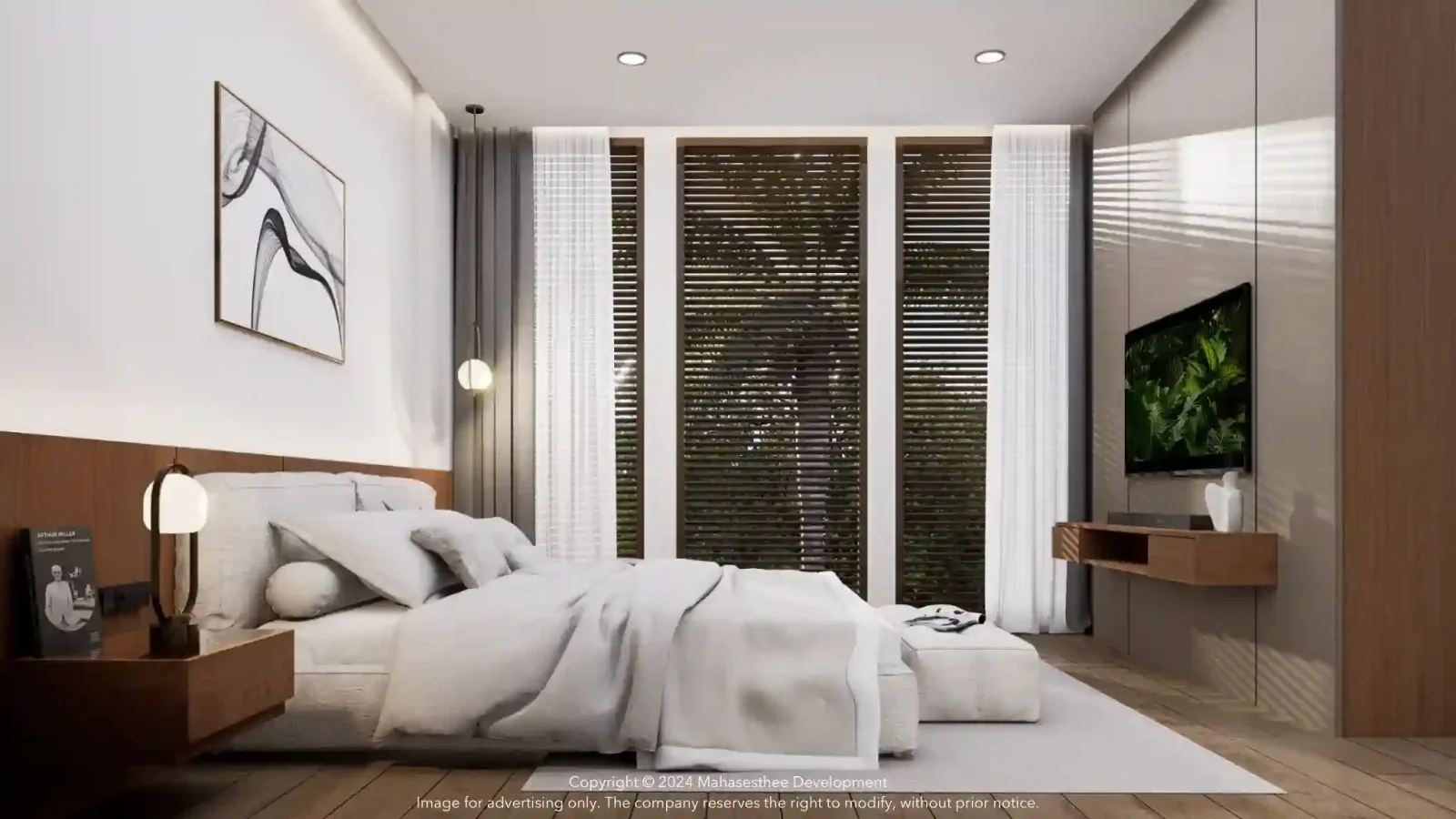
## Villas and Prices
| Villa | Built area | Price |
| --- | --- | --- |
| A1 | 324 sqm | 25,427,300 THB |
| A2 | 324 sqm | 25,427,300 THB |
The two villas share one plan and one price, so the choice between them comes down to the side of the pair and the garden you prefer. We send the plans, the plot of each villa and the specification, and arrange a viewing of the site. Both villas are on the list today, so a family that wants a home for itself and a second house for grandparents or guests can look at the pair together.
## Design and Villas
- **Contemporary minimalist design**
- **Floor-to-ceiling windows** and high ceilings
- **Open-plan living, dining and kitchen** on the ground floor
- **Bedrooms upstairs**, each with an ensuite bathroom
- **Master suite** with a walk-in wardrobe
- **Private swimming pool** and terrace
- **Gated setting** with parking
- **Pet-friendly**
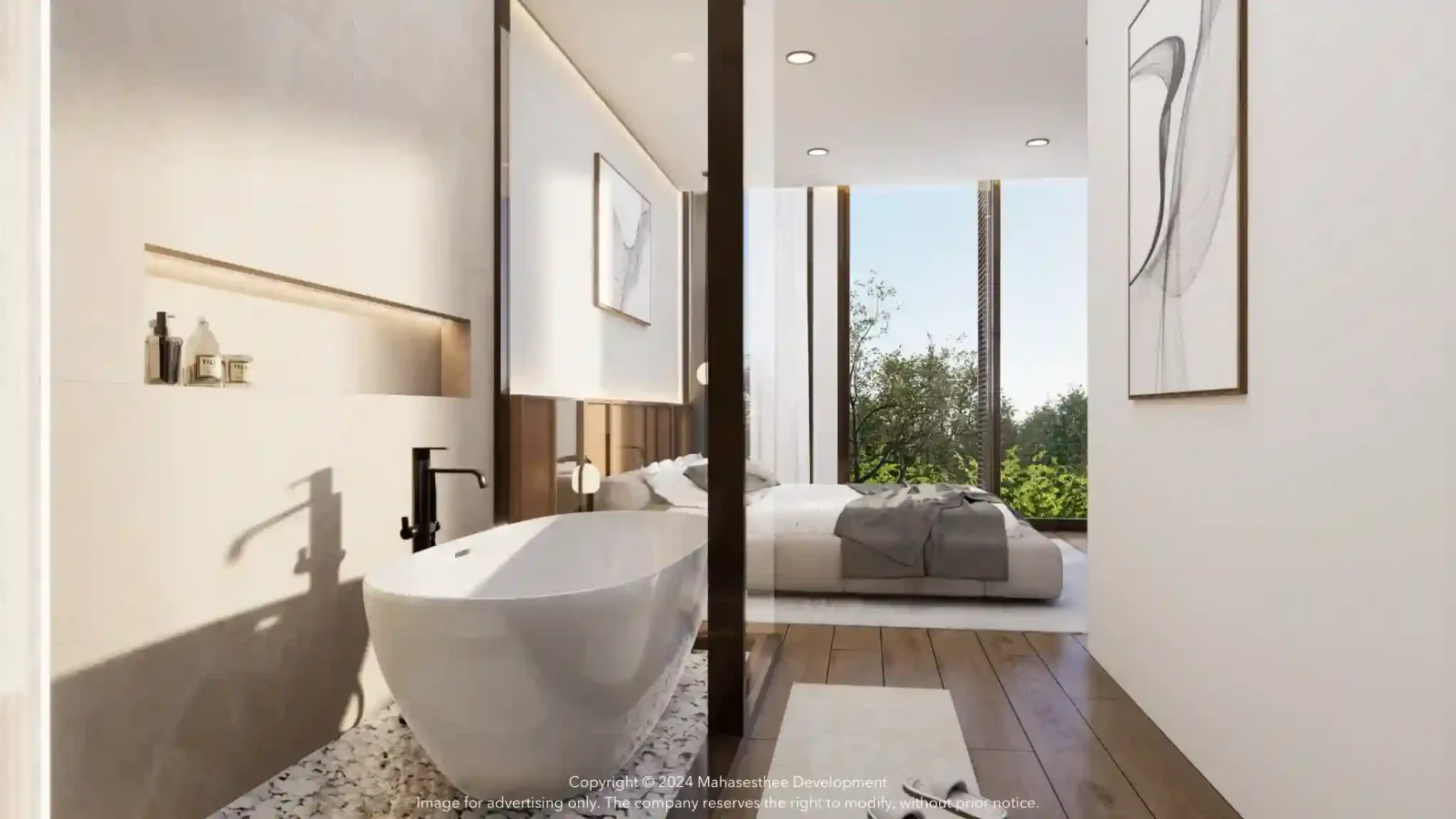
## Living at Autumn Villa
With only two homes on the site, Autumn Villa feels like a private house in the country, ten minutes from the sea. Mornings begin with a swim and coffee by the pool, the day can take you to the beaches of Layan and Bang Tao or the golf at Laguna, and the evening returns to the quiet of the terrace. The simple, light interiors are easy to live in and easy to keep, whether you stay for a season or all year. And because the villa next door is the only neighbour, the garden, the pool and the terrace stay entirely your own, which is rare so close to two of the island's most popular beaches.
## Six-Stage Payment Plan
The price is paid in six stages: 30%, 20%, 15%, 15%, 10% and 10%. For a villa at 25,427,300 THB that works out as follows:
| Stage | Share | Amount |
| --- | --- | --- |
| 1 | 30% | 7,628,190 THB |
| 2 | 20% | 5,085,460 THB |
| 3 and 4 | 15% each | 3,814,095 THB each |
| 5 and 6 | 10% each | 2,542,730 THB each |
The schedule follows the build and leaves the smaller stages for the end. We send the developer's schedule for your villa with the plans.
## Why Buyers Choose Autumn Villa
- **Only two villas**, for complete privacy
- **Minimalist design** with floor-to-ceiling glass
- **Ensuite bedrooms** and a private pool
- **Layan and Bang Tao beaches** about 7 minutes away
- **Season Luxury Villas**, with several collections in the area
- **Pet-friendly**
## Who Autumn Villa Suits
**Couples and families** who want a private pool villa in a quiet green setting near the beaches.
**Owners who spend part of the year in Phuket** and want a house that is simple to live in and easy to leave.
**Buyers who value privacy** above shared facilities.
**Rental investors** aiming at families and couples who book private pool villas near Layan and Bang Tao.
## Renting Out a Villa at Autumn Villa
A private pool villa near Layan and Bang Tao appeals to families and couples on holiday in the November to April season, and to relocating families who rent for a longer stay. The privacy of a two-villa site and the minimalist design are what guests value most.
If you plan to let your villa at Autumn Villa, we collect current asking rents and holiday rates for comparable villas in Layan and Bang Tao and send them with the plans. [Our rental guide](/guides/phuket-rental-yield-complete-guide-2026/) explains how to read a rental offer line by line.
## Ownership for Foreign Buyers
At Autumn Villa, as with any villa in Thailand, you buy land plus a building. The house can be held in your own name over a lease of the plot registered at the Land Office, 30 years per registration with renewal terms in the contract, or the land can be held through a Thai company with genuine Thai shareholders. [Freehold and leasehold in Thailand](/guides/freehold-vs-leasehold-thailand/) explains both routes, and we prepare the one that suits you with our legal support.
## Autumn Villa and Other Villas in Layan
| Project | From | Status |
| --- | --- | --- |
| [Erawana Creek](/projects/erawana-creek/) | 23,900,000 THB | Off-plan |
| [The Residence Prime](/projects/the-residence-prime/) | 24,893,230 THB | Off-plan |
| [Botanica Lakeside 2](/projects/botanica-lake-side-ii/) | 24,900,000 THB | Off-plan |
| Walai Layan Phase 2 | 25,000,000 THB | Off-plan |
| Autumn Villa | 25,427,300 THB | Off-plan |
| [Botanica Modern Loft II](/projects/botanica-modern-loft-ii/) | 25,750,000 THB | Off-plan |
Autumn Villa stands out in this group for its privacy: only two villas on the site. We send the price lists of any of these projects on request and arrange viewings.
## Buying Autumn Villa with MORE Group
A villa at Autumn Villa is bought in five steps, from the first price list to the keys, and we are with you through each of them.
## What We Send Before You Reserve
- The plans and plot of each of the two villas
- The six-stage payment schedule for your villa
- The ownership structure for your purchase, leasehold or company, with the documents it needs
- The common charges for the site
- The latest construction update
{/* corpus-faq:autumn-villa-by-season-luxury-villas */}
## FAQ
### What does Autumn Villa cost?
Both villas, A1 and A2, are on our price list at 25,427,300 THB each, 324 sqm with ensuite bedrooms and a private pool. We send the bedroom layout of each villa with the plans.
### How private is Autumn Villa?
Very: there are only two semi-detached villas on the site, behind a gate, each with its own pool and terrace.
### Where is Autumn Villa?
In Layan, about 3 km from Layan Beach and a few minutes from Bang Tao. The beaches are about 7 minutes by car and the airport about 25 minutes.
### What is the payment plan?
Six stages: 30%, 20%, 15%, 15%, 10% and 10%. For a villa at 25,427,300 THB that means 7,628,190 THB at the first stage.
### How can foreigners own a villa at Autumn Villa?
The house can be held in your own name over a lease of the plot registered at the Land Office, 30 years per registration with renewal terms in the contract, or the land can be held through a Thai company with genuine Thai shareholders. We prepare the structure with our legal support.
**Read Also:**
- [Cloud by Season](/projects/cloud-by-season-luxury-villas/)
- Wintery by Season
- [Layan Area Guide](/areas/layan-property-guide/)
- [Freehold vs Leasehold in Thailand](/guides/freehold-vs-leasehold-thailand/)
- [How Foreigners Buy Phuket Property 2026](/guides/buying-property-phuket-guide/)
- [Phuket Rental Yield Guide](/guides/phuket-rental-yield-complete-guide-2026/)
# AYANA Heights Seaview: From 5.4M THB, Availability 2026
> AYANA Heights Seaview Residence: 549 condos by T.H. Group on the Layan hillside from 5,426,101 THB, with west-facing Andaman Sea views and sunset outlooks.
**Source:** https://moregroup.estate/projects/ayana-heights-seaview-residence/
**Section:** Project Reviews
**Author:** MORE Group Editorial
**Published:** 2026-04-07
**Updated:** 2026-10-07
---
## What Is AYANA Heights Seaview in Layan?
AYANA is the name T.H. (Tenghui) Group, a developer headquartered in Phuket, uses for its projects on the island, including the AYANA Soluna villas; the developer's pages show no link to the AYANA hotel group of Bali, so the name carries no hotel operator with it. Entry is 5.43 million THB on our price list, for a one-bedroom. The same project is sometimes listed as Ayana Residence, and that name now redirects here.
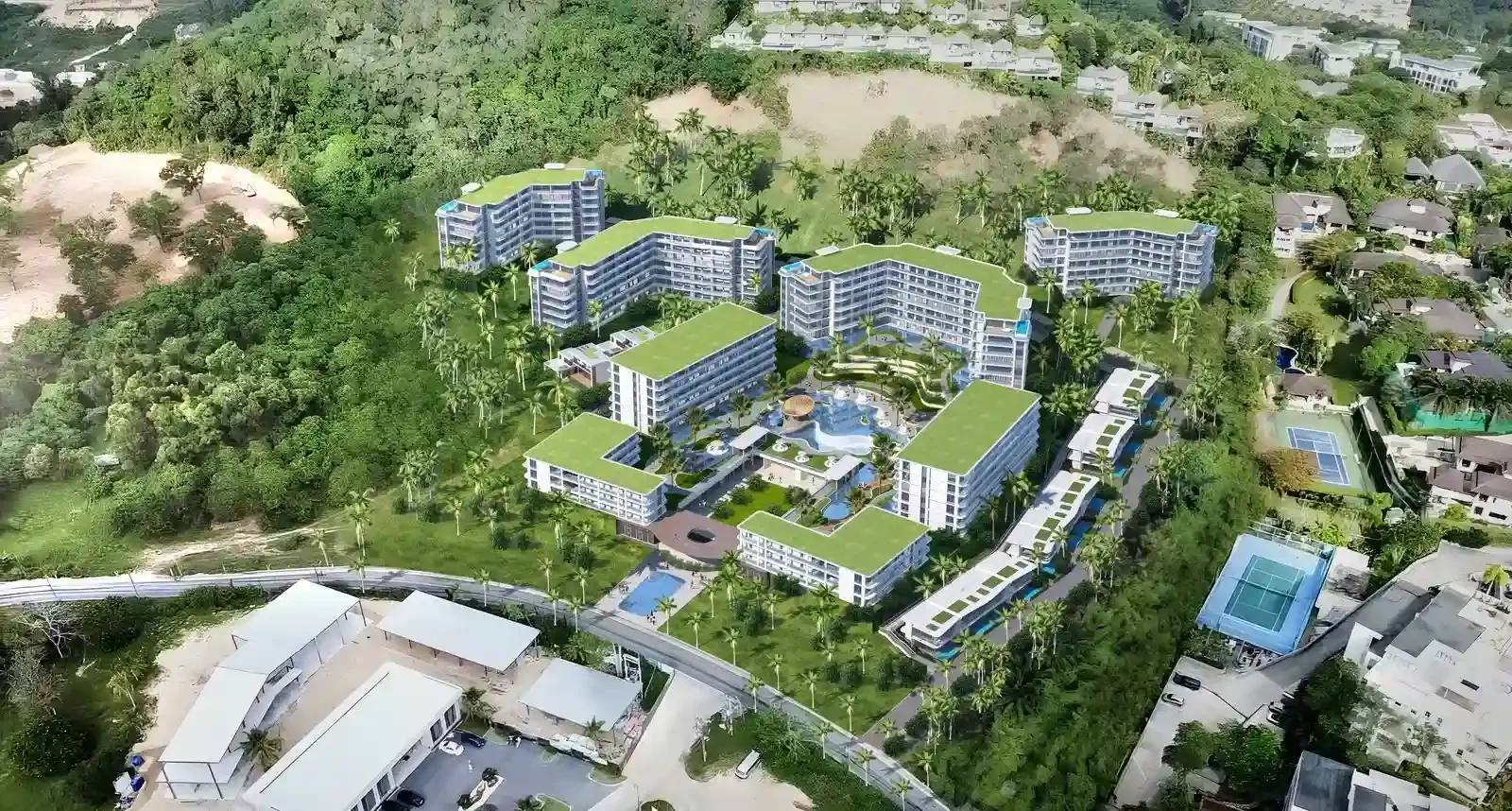
## What Are the Key Facts for AYANA Heights Seaview?
| Factor | Detail |
| --- | --- |
| Developer | AYANA |
| Location | Hillside above Layan Beach |
| Total units | 549 across 8 buildings |
| Unit mix | Studio, 1BR, 2BR, 3BR |
| Price range | 5.43M to 23.98 million THB |
| Status | Under construction, completion Q2 2027 (developer) |
| Payment | 35% / 20% / 30% / 15% |
## Location and Area
- **Laguna access:** Anantara, Banyan Tree, and Laguna amenities nearby
- **Lifestyle retail:** Boat Avenue, south of the site on the Cherng Talay side of the corridor
- **Views:** West-facing Andaman Sea sightlines, sunset orientation
- **Airport:** Phuket International, north of the site on the same coastal side of the island
We arrange a viewing that includes both drives, to Boat Avenue and to the airport, so you know the daily routes.
The Laguna complex next door adds lifestyle and access to its amenities: golf, beach clubs and the restaurants of its hotels are a short drive away.
Layan hillside projects also benefit from cooling breezes and sunset orientation that flat beachfront towers cannot replicate. Floor and aspect set the value of each unit here, and we send both with every price on the list.
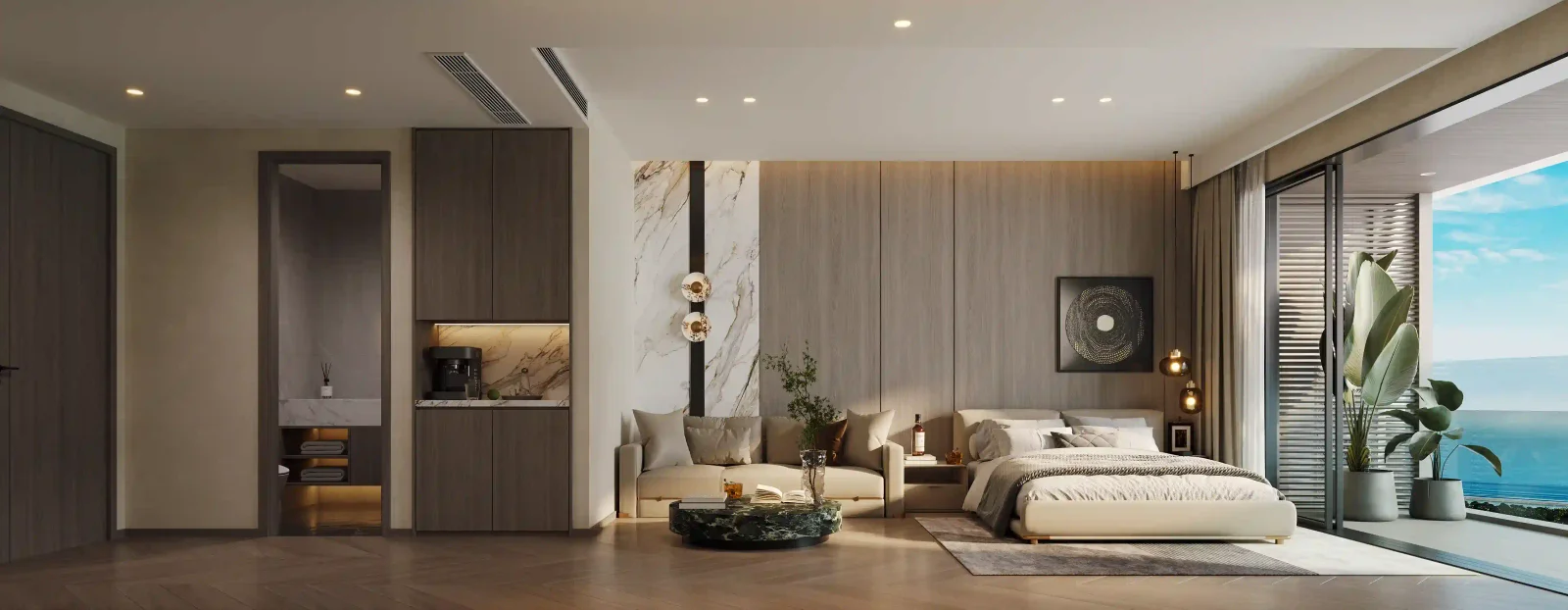
## Design and Units
- **Entry units:** Sub-6 million THB entry into sea-view Layan stock
- **1BR and 2BR:** Core investor and couple formats in the portfolio
- **3BR upper tier:** Family use or premium long-stay rental at up to 23.98 million THB
- **Interiors:** Natural materials and warm palettes aligned with AYANA resort aesthetic
## Investment Case
The investment case starts with the price list: entry at 5,426,101 THB and a range running to 23.98 million THB inside one development, on a hillside with west-facing sea views. For your unit we build the rental figure from month-by-month numbers for comparable Layan stock, using the method set out in the [Phuket rental yield guide](/guides/phuket-rental-yield-complete-guide-2026/), and send the documents behind it:
| Factor | What we send |
| --- | --- |
| Rent achieved | A 12-month rent roll for comparable Layan units, month by month |
| Operator fee | The management fee as a percentage of revenue, and what it covers |
| Running costs | CAM rate per square metre per month and the sinking fund contribution, as set out in [annual ownership costs](/guides/annual-ownership-costs-thailand/) |
| Occupancy | Nights let across the whole year, including the green-season months |
Panoramic west-facing sea views are geographically scarce on Phuket, and a hillside above Layan is one of the few places where new supply with that outlook is limited. In this corridor the rental premium for a sea-view unit over a garden-view unit in the same complex has historically run at 30-50% per night, and comparable managed units have historically netted 5 to 7% after 20 to 25% operator fees, at peak occupancy of 75 to 85%.
The smallest units at the bottom of the list and the three-bedrooms at the top of the 23.98 million THB range serve different owners: one is bought mainly for rental, the other largely for use. We plan each on its own figures from comparable Layan buildings.
## Who Is This For?
- **Sea-view buyers:** west-facing units over the Andaman Sea, chosen floor by floor
- **Entry investors:** A ticket below 6 million THB in the Layan corridor
- **View buyers:** Hillside sunset orientation as primary asset
- **Laguna-adjacent owners:** Resort ecosystem without villa price tags
## Why Buyers Choose AYANA Heights Seaview
| Factor | Why it works |
| --- | --- |
| Developer | T.H. (Tenghui) Group, headquartered in Phuket |
| Views | Scarce hillside sea orientation with sunsets |
| Pricing | 5.43 million to 24 million THB range |
| Payments | Staged payments across the build |
**In short:**
- Developer T.H. (Tenghui) Group, also behind the AYANA Soluna villas
- Panoramic Andaman Sea views from elevated hillside
- Entry below 6 million THB in the Layan-Bang Tao corridor
- Adjacent to Laguna resort infrastructure
## Buying AYANA Heights Seaview with MORE Group
At AYANA Heights Seaview the purchase takes five steps from the first price list to the keys, and our team works through each of them with you.
With the price list we also send the floor, aspect, area and price of every available unit, the remaining foreign quota in square metres for the unit you choose, the full year-one fee stack and the operator agreement, and a comparison with two other Layan projects in the same price band.
Buyers weighing AYANA Heights against [AYANA SOLUNA Luxury Villas](/projects/ayana-soluna-luxury-villas/) choose between condo freehold from 5.43 million THB and villa leasehold at higher tickets. Condo freehold under the 49% quota offers the clearest title path for foreign nationals, and with 35% paid at booking we arrange the FET documentation with your bank from the first payment.
{/* corpus-faq:ayana-heights-seaview-residence */}
## FAQ
### What is the cheapest unit at AYANA Heights Seaview Residence?
The lowest price on the list is 5,426,101 THB, for a one-bedroom at the bottom of the one-bedroom range. We send the full list with the format, floor and view of each available unit.
### Does AYANA Heights offer a managed rental program?
A branded rental programme fits the operator and the scale of the development, and we request the operator agreement for you: who runs the programme, the fee as a percentage of revenue, whether participation is optional, and how owner-use nights are treated.
### What sea views can buyers expect?
Units on higher floors and the sea-facing sides of each building offer panoramic Andaman Sea views to the west. Phuket's west-coast orientation means these views include sunset, a premium feature for both personal enjoyment and rental marketing.
### Can foreigners own a unit at AYANA Heights?
Yes. Under Thai property law, foreigners can own condominium units freehold within the building's foreign ownership quota of 49% of total floor area. We obtain a dated statement of the remaining foreign floor area for your specific unit, and the rule itself is explained in our guide on whether foreigners can buy property in Thailand.
## How Views Set the Price
The list runs 21 one-bedrooms of 41 to 58 square metres from 5.43M to 11.02M THB, 35 two-bedrooms of 58 to 76 square metres from 8.52M to 17.63M, and four three-bedrooms of 92 to 117 square metres from 11.57M to 23.98M.
Expressed as rates, the one-bedrooms run from roughly 132,700 to 195,200 THB per square metre and the two-bedrooms from about 133,100 to 233,500. Within the two-bedroom format alone the dearest space costs three-quarters more per square metre than the cheapest.
In a building named for its sea view, that spread shows exactly what is being priced: the top of each range is the units with the full view of the water, and the lower end offers the AYANA address at a more accessible price.
That makes the schedule the most useful document in the purchase. We send floor, orientation, area and price for every available unit with the rate per square metre, mark where the price steps up with the view, and arrange a viewing of units on each side of that step.
## Keeping the Sea View
The eight buildings share one hillside above Layan, and the site plan shows which of them looks over which. With the price list we send cross sections of the site with your building's level against the blocks below it, and the planning position of the land beyond the boundary: who holds the title, what height the zoning allows and what has been approved there.
View upkeep is part of the building's service: planting between the lower blocks and the sea sits on common property, and the CAM budget covers keeping it trimmed so the sightlines stay open. A west-facing balcony catches the sunset every evening of the dry season.
## Layan's Rental Year
The location is Layan, the small pocket between Bang Tao and Nai Thon. Its strength is scarcity: a short beach, constrained surrounding land and very little room for the volume development that has filled the corridor to the south.
Layan's rental year follows the holiday season, and a sea-view unit earns its premium from holiday guests who book for the view and the sunset. Long-stay tenants from nearby Cherng Talay add demand outside the high season.
We collect month-by-month figures from comparable Layan buildings, including the green-season months, and set them against this development's running costs. Multiple pools, landscaped gardens, a gym, a sauna, co-working space and a rooftop restaurant are shared by 549 owners, which keeps the CAM rate per square metre reasonable for the amenity level. [Annual ownership costs](/guides/annual-ownership-costs-thailand/) covers the rest of the running costs of a unit.
## Foreign Quota and Letting Rules
Foreign freehold is capped at 49% of the floor area of a registered condominium, and with eight buildings the registration decides which pool of square metres your unit belongs to. [How the quota rule works](/guides/can-foreigners-buy-property-thailand/) explains the mechanism, and we confirm with the developer how AYANA Heights is registered and what foreign area remains for your unit. The sea-facing stacks are the most popular with foreign buyers.
We tie the confirmed foreign area to the unit number on your reservation form, so the quota for your unit is documented from the first payment.
With 35% paid at booking, the currency paperwork starts with the first transfer. What a Thai bank needs to see before it issues the record the Land Department wants at registration, and how to evidence where the funds came from, is set out in [proof of funds for a Thai purchase](/guides/proof-of-funds-thailand-property/). The money is sent by the person whose name goes on the title deed, and we set this up with you from the first payment.
For short-stay letting, two answers matter: whether any of the eight buildings will be registered for hotel use, and what the house rules allow owners in the other buildings. We obtain both in writing, and [short lets and the Hotel Act](/guides/can-i-rent-out-my-phuket-condo/) explains how they work together.
**Read Also:**
- [How a Phuket purchase runs from reservation to Land Office](/guides/buying-property-phuket-guide/)
- [How a yield figure for a Layan sea-view unit is built](/guides/phuket-rental-yield-complete-guide-2026/)
- [AYANA SOLUNA: the same developer at villa tickets and on a lease](/projects/ayana-soluna-luxury-villas/)
- [How Layan sits against the rest of the west coast](/guides/best-areas-phuket-buy-property/)
- [The buying process step by step](/guides/due-diligence-process-thailand-step-by-step/)
- [How a 35/20/30/15 schedule works](/guides/off-plan-property-phuket-guide/)
# AYANA SOLUNA Cherngtalay: Pool Villas from 26.9M THB
> AYANA SOLUNA Luxury Villas: a gated community of pool villas in Cherngtalay with three and four bedrooms, a gym and a kids' area, from 26.9M THB.
**Source:** https://moregroup.estate/projects/ayana-soluna-luxury-villas/
**Section:** Project Reviews
**Author:** MORE Group Editorial
**Published:** 2026-04-07
**Updated:** 2026-08-23
---
## What Is AYANA SOLUNA Luxury Villas?
AYANA SOLUNA is made for elegant family living. The villas open from spacious open-plan living and dining areas under high ceilings onto the terrace, the garden and a private swimming pool, and every bedroom has its own bathroom. Premium finishes run through each house, and the layouts range from three-bedroom homes to large four-bedroom villas of more than 700 sqm.
The community is gated and secure, with a gym, a children's area and shared spaces for residents. The schools, shops and restaurants of Cherngtalay are close by, and the beaches of Bang Tao and Layan are about 17 minutes by car. AYANA also builds [AYANA Heights Seaview Residence](/projects/ayana-heights-seaview-residence/) in the same area.
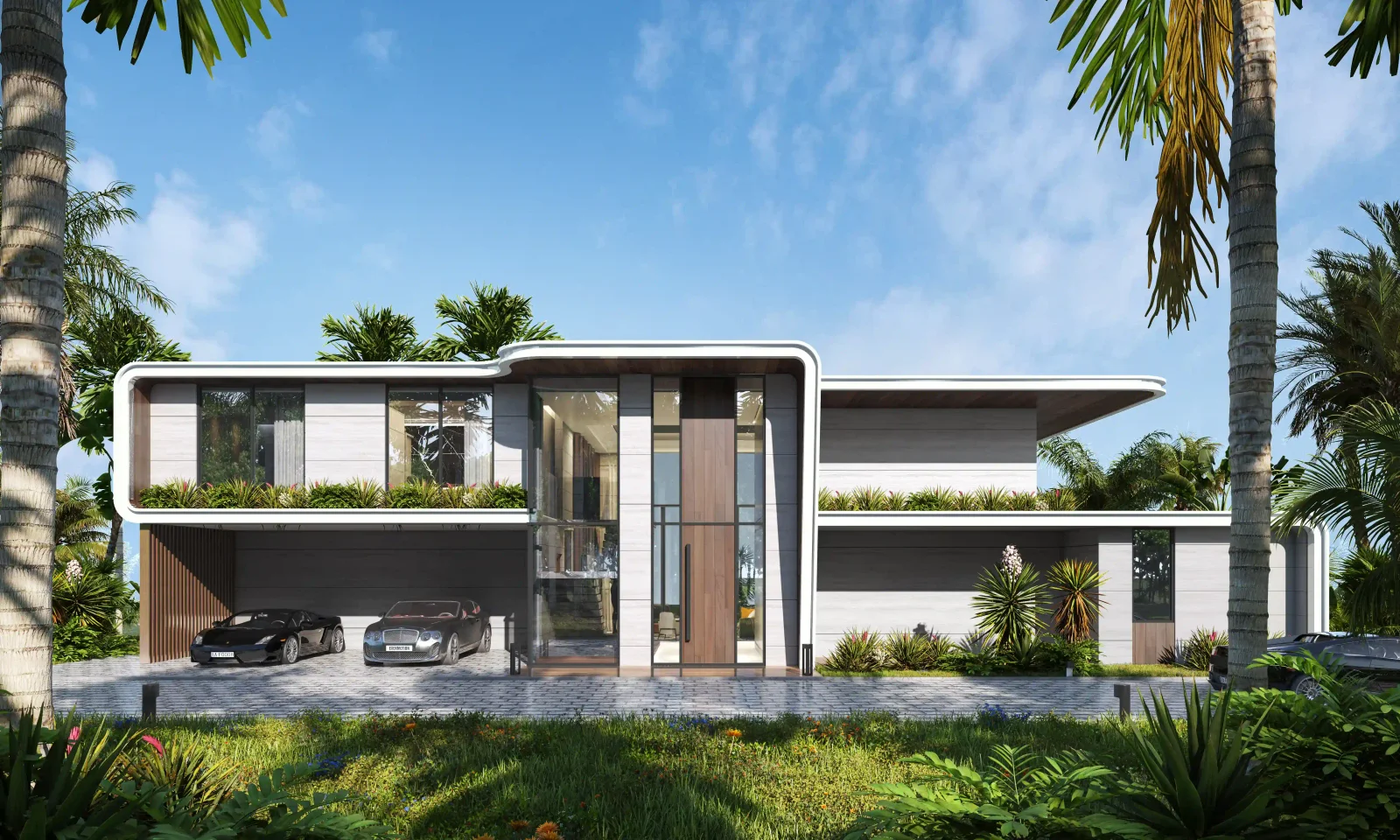
## What Are the Key Facts for AYANA SOLUNA Luxury Villas?
| Factor | Detail |
| --- | --- |
| Developer | AYANA |
| Location | Cherngtalay |
| Community | Gated pool villa community |
| On our price list | 41 villas |
| Three-bedroom | 351 to 406 sqm, 26,922,000 to 30,338,700 THB |
| Four-bedroom | 423 to 741 sqm, 31,789,913 to 111,300,000 THB |
| Payment | 30% / 25% / 25% / 15% / 5% |
| Stage | Under construction |
| Beach | About 17 minutes by car |
| Airport | About 35 minutes by car |
| Facilities | Gym, children's area, community spaces |
## Location: Cherngtalay, the Family Side of Bang Tao
Cherngtalay is where families of the Bang Tao area live day to day, close to the international schools, the shops and the restaurants, with the beaches and the resort life of Laguna a short drive away.
- **Bang Tao and Layan beaches:** about 17 minutes by car
- **Shops and supermarkets:** the nearest mall about 9 minutes by car
- **Boat Avenue and Porto de Phuket:** dining and shopping
- **International schools:** within a short drive
- **Airport:** about 35 minutes by car
From AYANA SOLUNA, the nearest beach about 17 minutes by car, the nearest mall about 9 minutes and the airport about 35 minutes, so everyday errands, school runs and trips home are easy to plan.
Days here have a family rhythm: school and sport during the week, the beach clubs and restaurants of Bang Tao at the weekend. The [Bang Tao area page](/bang-tao-properties/) covers the district in more detail.
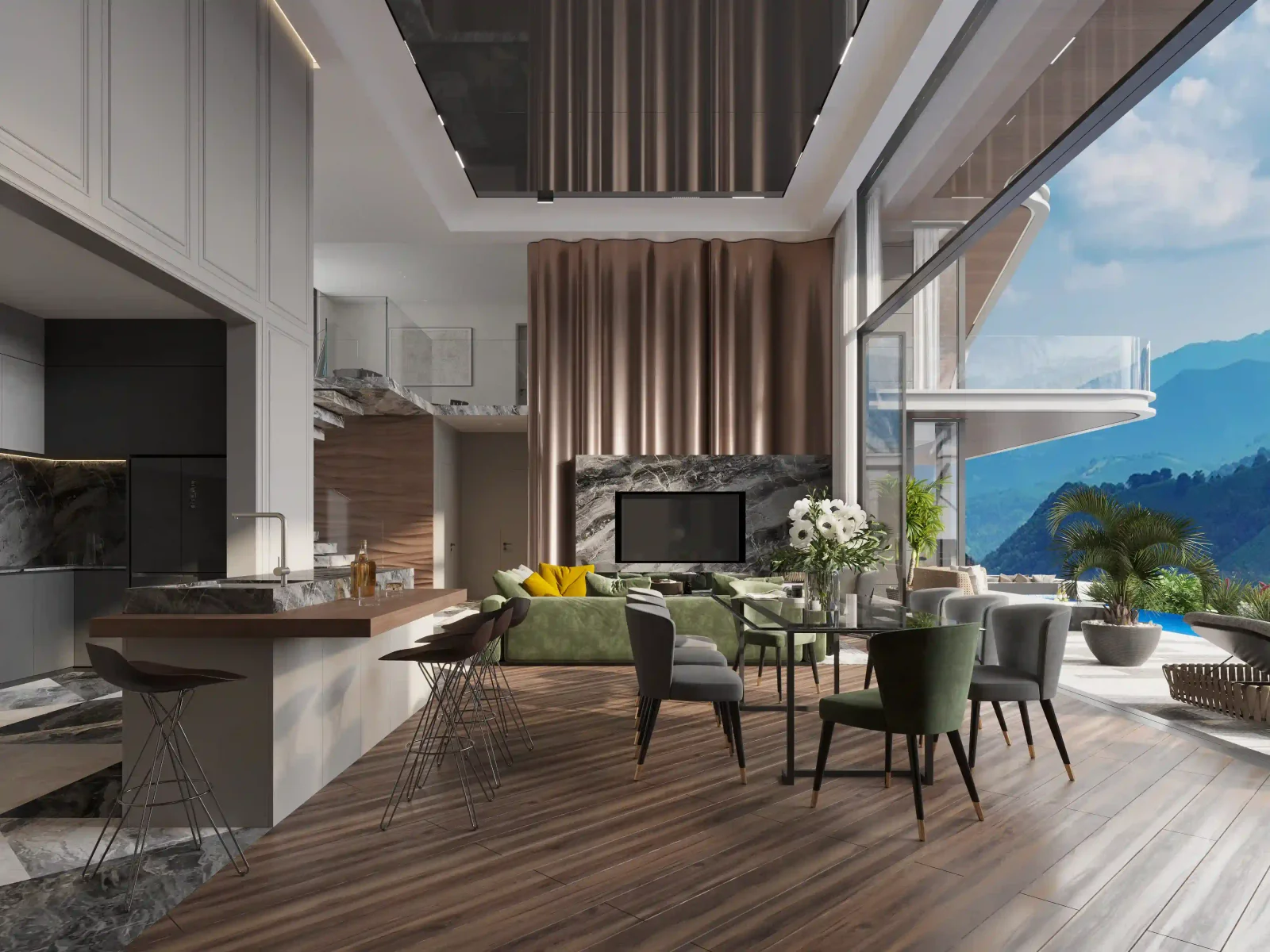
## Villas and Prices
| Villas | Bedrooms | Built area | Price |
| --- | --- | --- | --- |
| 9 villas | Three | 351 and 355 sqm | 26,922,000 to 28,665,000 THB |
| A5, A6 | Three | 406 sqm | 30,333,450 and 30,338,700 THB |
| 11 villas | Four | 423 sqm | 31,789,913 to 35,924,750 THB |
| 19 villas | Four | 584 to 741 sqm | 46,410,000 to 111,300,000 THB |
The three-bedroom villas of 351 to 355 sqm open the community from 26,922,000 THB, and the larger three-bedrooms of 406 sqm follow. The four-bedroom villas of 423 sqm suit growing families, and the largest four-bedroom houses of 584 to 741 sqm, up to 111,300,000 THB, offer space for guests and staff. The price follows the size, the plot and the position of each villa, and we send the site plan and plans with the list.
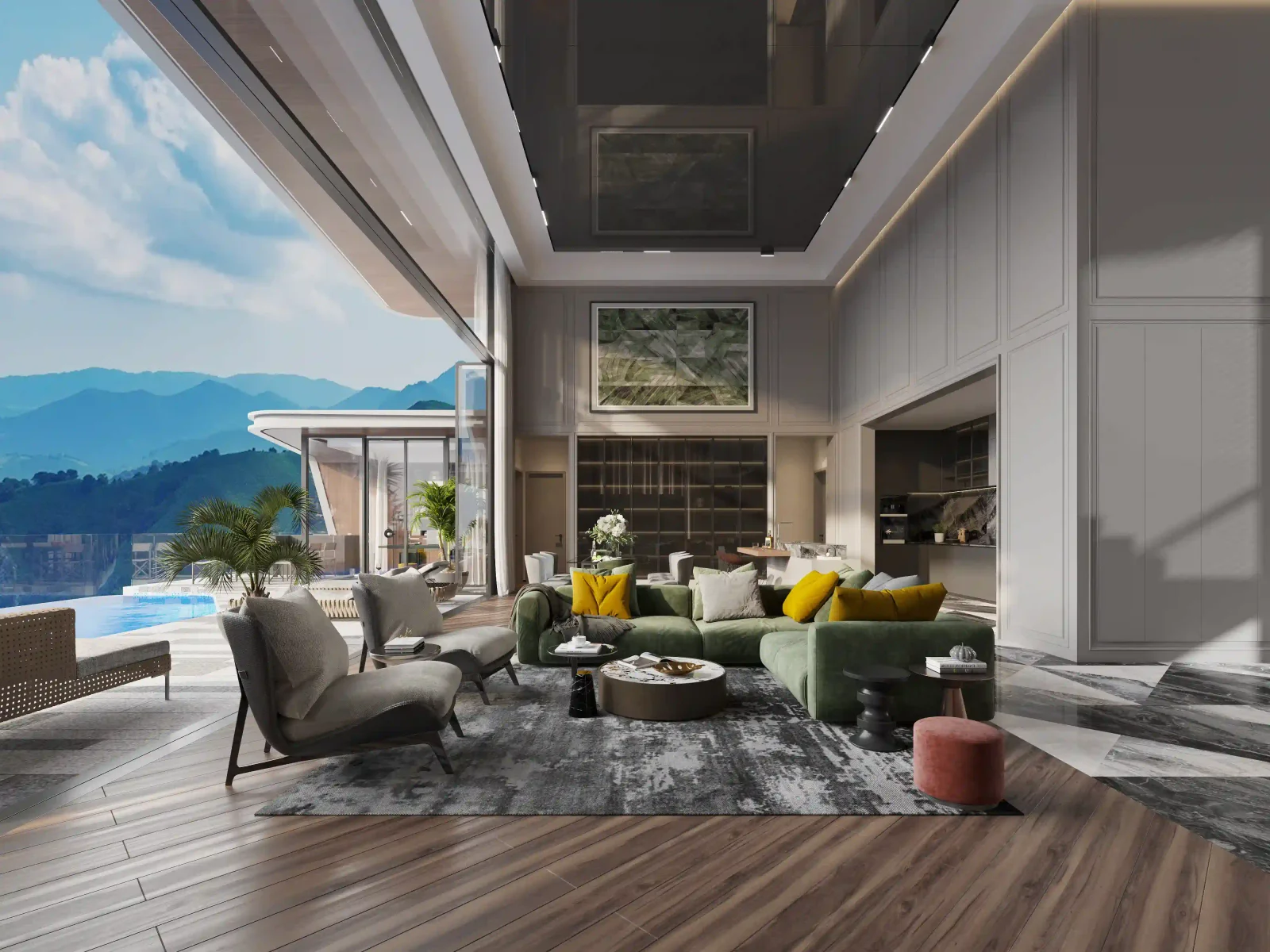
## Design and Facilities
- **Open-plan living and dining** under high ceilings
- **Ensuite bathrooms** for every bedroom
- **Private swimming pool** and landscaped garden
- **Premium finishes** throughout
- **Three and four-bedroom layouts** on our list
- **Gym** and children's area
- **Gated community** with security
- **Pet-friendly**
## Living at AYANA SOLUNA
Family days at AYANA SOLUNA are easy to organise. The school run is short, the children have the pool at home and the children's area in the community, and the gym is a short walk away for parents who train early. At weekends the beaches of Bang Tao and Layan and the beach clubs of the coast make the outing, and the restaurants of Boat Avenue are close for dinner. In the evening, the terrace by the pool is where the family comes together, with the garden lit and the community quiet.
## Five-Stage Payment Plan
The price is paid in five stages: 30%, 25%, 25%, 15% and 5%. For a villa at 26,922,000 THB that works out as follows:
| Stage | Share | Amount |
| --- | --- | --- |
| 1 | 30% | 8,076,600 THB |
| 2 and 3 | 25% each | 6,730,500 THB each |
| 4 | 15% | 4,038,300 THB |
| 5 | 5% | 1,346,100 THB |
The schedule follows the build, and we send the developer's schedule for your villa with the price list.
## Why Buyers Choose AYANA SOLUNA Luxury Villas
- **A family community** with a gym and a children's area
- **Three and four-bedroom villas** with ensuite bathrooms
- **A wide choice:** 41 villas from 351 to 741 sqm
- **Private pools** and landscaped gardens
- **Schools and shops** of Cherngtalay close by
- **Pet-friendly**
## Who AYANA SOLUNA Luxury Villas Suits
**Families with school-age children** who want a pool villa near the schools of the Bang Tao area.
**Growing families** who want room to move up to a larger villa in the same community.
**Owners who spend part of the year in Phuket** and want a secure, gated community.
**Rental investors** aiming at relocating families who rent a house near the schools for a school year or longer.
## Renting Out a Villa at AYANA SOLUNA
A family pool villa in a gated community near the schools of Cherngtalay appeals to relocating families and long-term residents who rent for six or twelve months, and to families on holiday who want space and a private pool. Long lets suit the neighbourhood well and keep turnover low.
If you plan to let your villa at AYANA SOLUNA Luxury Villas, we collect current asking rents and holiday rates for comparable villas in Cherngtalay and Bang Tao and send them with the price list. [Our rental guide](/guides/phuket-rental-yield-complete-guide-2026/) explains how to read a rental offer line by line.
## Ownership for Foreign Buyers
At AYANA SOLUNA Luxury Villas, as with any villa in Thailand, you buy land plus a building. The villa can be held in your own name over a lease of the plot registered at the Land Office, 30 years per registration with renewal terms in the contract, or the land can be held through a Thai company with genuine Thai shareholders. [Freehold and leasehold in Thailand](/guides/freehold-vs-leasehold-thailand/) explains both routes, and we prepare the one that suits you with our legal support.
## AYANA SOLUNA and Other Villas Around Bang Tao
| Project | From | Status |
| --- | --- | --- |
| [QNITY by Wallaya Villas](/projects/qnity-by-wallaya-villas/) | 25,609,000 THB | Off-plan |
| [Manor Phuket Cherngtalay](/projects/manor-phuket/) | 26,300,000 THB | Off-plan |
| [Vinzita Elite Residence](/projects/vinzita-elite-residence/) | 26,900,000 THB | Off-plan |
| AYANA SOLUNA Luxury Villas | 26,922,000 THB | Off-plan |
| [The Trinity Village Phuket](/projects/the-trinity-village/) | 27,076,000 THB | Completed |
| [The Title Villa Kirara Phuket](/projects/the-title-villa-kirara/) | 29,020,000 THB | Off-plan |
| [The Teak](/projects/the-teak/) | 29,200,000 THB | Off-plan |
AYANA SOLUNA stands out in this group for its wide choice of family villas and its community facilities. We send the price lists of any of these projects on request and arrange viewings.
## Buying AYANA SOLUNA Luxury Villas with MORE Group
A villa at AYANA SOLUNA is bought in five steps, from the first price list to the keys, and we are with you through each of them.
## What We Send Before You Reserve
- The current price list for AYANA SOLUNA Luxury Villas with free villas, plot areas and plans
- The five-stage payment schedule for your villa
- The ownership structure for your purchase, leasehold or company, with the documents it needs
- The community's common charges
- The latest construction update
{/* corpus-faq:ayana-soluna-luxury-villas */}
## FAQ
### What does AYANA SOLUNA Luxury Villas cost?
Our price list holds 41 villas: three-bedrooms of 351 and 355 sqm from 26,922,000 to 28,665,000 THB; three-bedrooms of 406 sqm from 30,333,450 and 30,338,700 THB; four-bedrooms of 423 sqm from 31,789,913 to 35,924,750 THB; four-bedrooms of 584 to 741 sqm from 46,410,000 to 111,300,000 THB.
### What does each villa include?
Open-plan living and dining under high ceilings, ensuite bathrooms for every bedroom, premium finishes, a private swimming pool and a landscaped garden.
### What facilities does the community have?
A gym, a children's area and community spaces, in a gated setting with security.
### What is the payment plan?
Five stages: 30%, 25%, 25%, 15%, 5%. For a villa at 26,922,000 THB that means 8,076,600 THB at the first stage.
### How can foreigners own a villa at AYANA SOLUNA Luxury Villas?
The villa can be held in your own name over a lease of the plot registered at the Land Office, 30 years per registration with renewal terms in the contract, or the land can be held through a Thai company with genuine Thai shareholders. We prepare the structure with our legal support.
**Read Also:**
- [AYANA Heights Seaview Residence](/projects/ayana-heights-seaview-residence/)
- [Villas for Sale in Bang Tao](/bang-tao-properties/)
- [Freehold vs Leasehold in Thailand](/guides/freehold-vs-leasehold-thailand/)
- [How Foreigners Buy Phuket Property 2026](/guides/buying-property-phuket-guide/)
- [Phuket Rental Yield Guide](/guides/phuket-rental-yield-complete-guide-2026/)
# Baan Phu Prana Surin: 9-Bedroom Boutique Villa
> Baan Phu Prana is one nine-bedroom villa above Surin Beach, run like a small hotel. Not a development with villas for sale: what it is and what you can buy.
**Source:** https://moregroup.estate/projects/baan-phu-prana/
**Section:** Project Reviews
**Author:** MORE Group Editorial
**Published:** 2026-03-31
**Updated:** 2026-09-23
---
## Baan Phu Prana, Surin: one villa, run like a small hotel
Baan Phu Prana is a private villa on Surin Hill, on the west coast of Phuket. Its own website, baanphuprana.com, describes it as a nine-bedroom luxury sea view villa in the hills above Surin, an 800 metre walk from Surin Beach. It takes guests the way a small hotel does: rooms are sold one at a time, breakfast is included and the staff are on site.
An earlier version of this page described Baan Phu Prana as a clifftop estate of villas on the Surin headland, with sale prices, a table of villa sizes, nightly rates and rental yields. There is no such estate. Baan Phu Prana is one house in the hills behind the beach, and none of those figures came from a sale, a price list or the villa's own records. They have been removed. This page now sets out what the villa is, what has actually been offered for sale, and where to look if what you want is a villa in Surin.
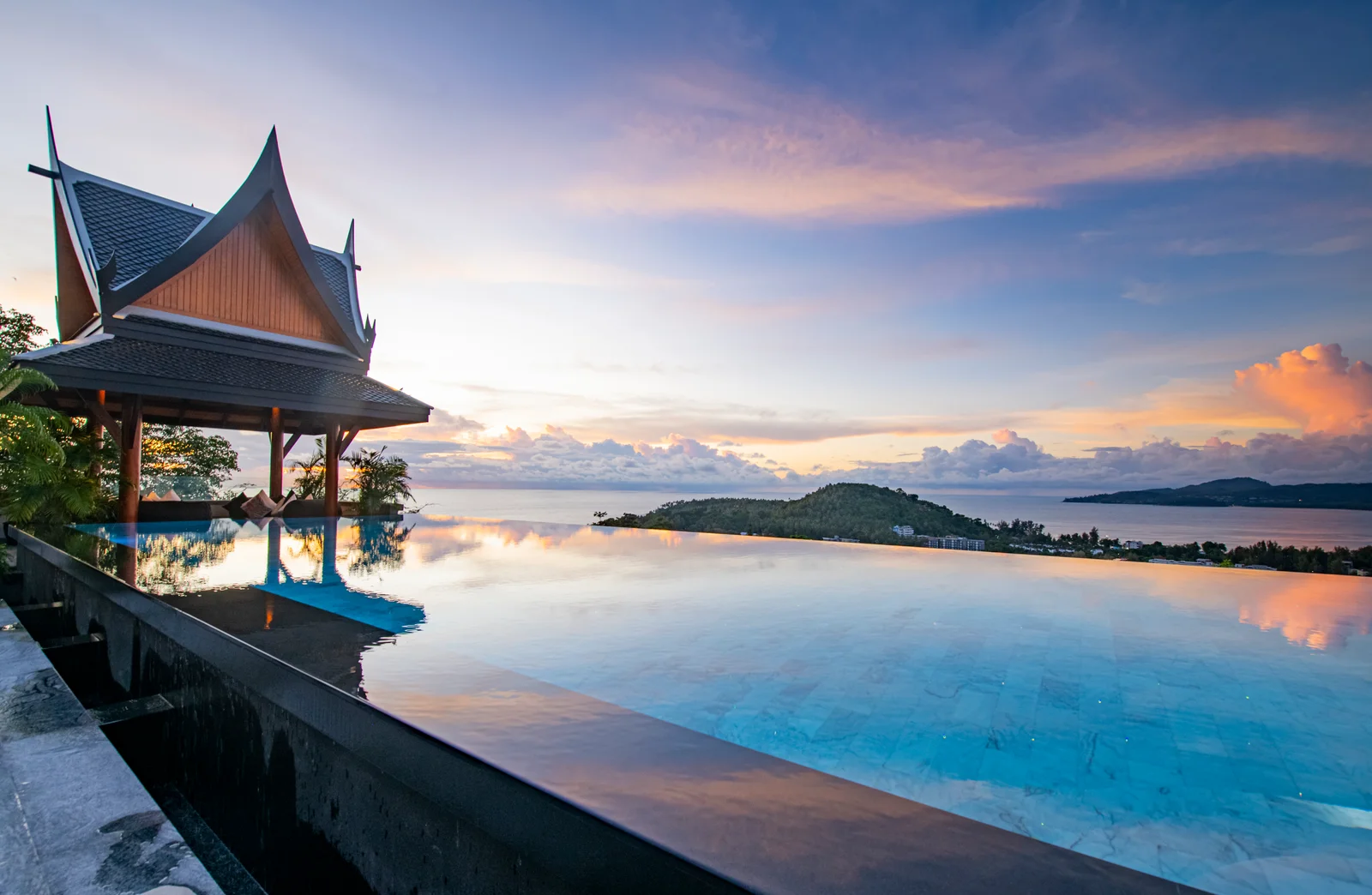
## What Baan Phu Prana is
The villa's website and its factsheet give the essentials. The house has nine bedrooms, most of them with a sea view, each air-conditioned and with its own bathroom. The shared spaces include a rooftop pool, a Thai sala, a gym, a spa with massage rooms, a sauna and a steam bath, a barbecue, a large kitchen, living and dining rooms and private parking. A villa manager, housekeeping and security guards run the house. A chef makes breakfast every morning and cooks lunch or dinner on request, and airport transfers are part of the stay.
It is run as a guest business rather than kept as a private home. The booking system on its website is a product built for guesthouses and small hotels, and it sells six room types, from a standard room to a deluxe studio with an ocean view. Travel booking sites list it as Baan Phu Prana Boutique Villa. Villa rental agencies also let the whole house, which they list as sleeping 18 guests.
The villa stands on Surin Hill, on the slope behind Surin Beach, with its address on Srisoonthorn Road in Thalang district. Its website puts the beach 800 metres away on foot, Phuket Town and Patong 25 minutes away by car and the airport 35 minutes. The villa's own guide to the area sends guests to beach clubs on Bang Tao and Kamala, to restaurants around Surin and Cherng Talay and to the supermarket at Boat Avenue, which is a fair picture of where the hills above Surin sit: between those two beaches, a short drive from each.
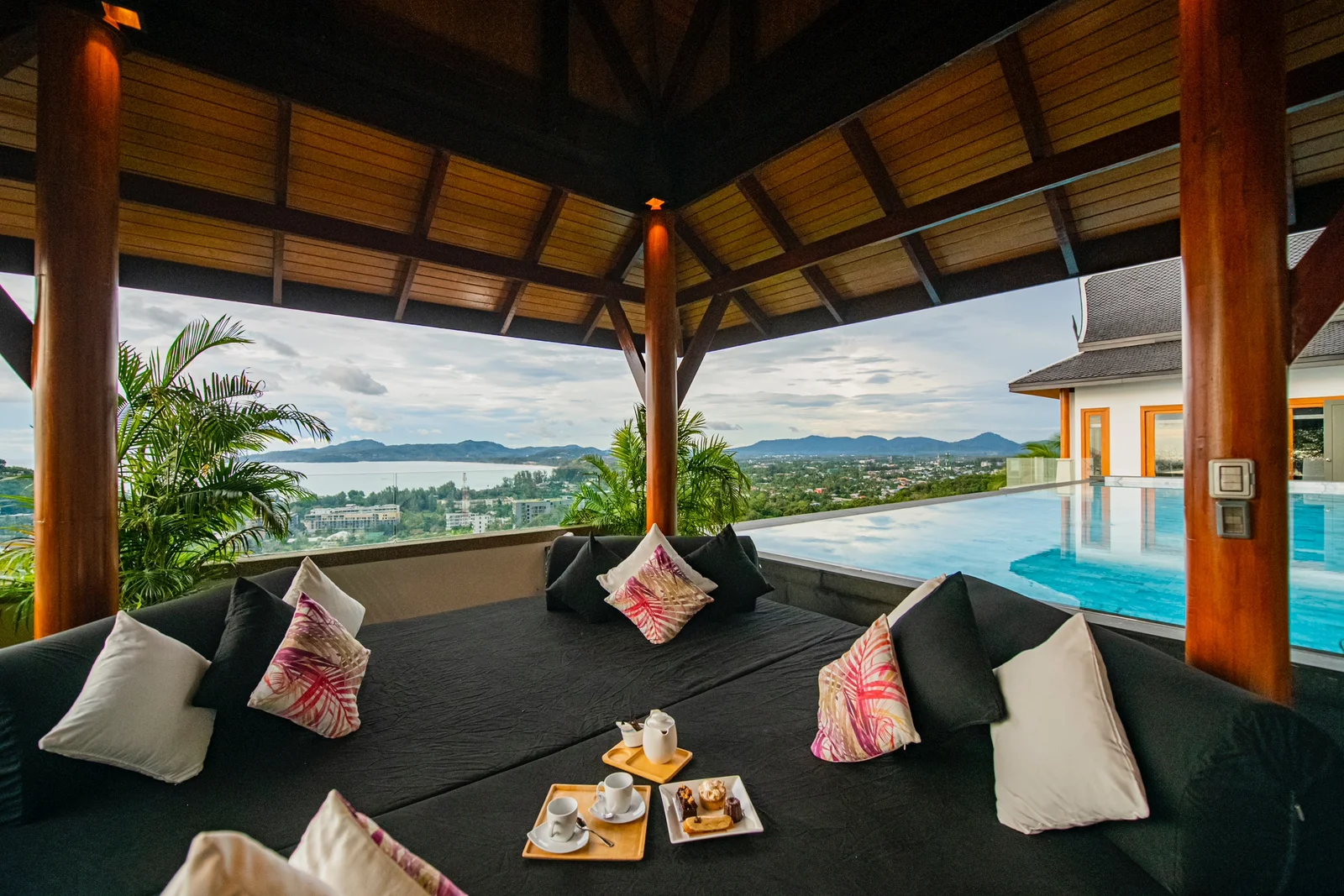
| Question | What the sources show |
|----------|-----------------------|
| What it is | One villa, which its website calls a nine-bedroom luxury sea view villa |
| Where | Surin Hill, in the hills above Surin Beach, about 800 metres' walk from the sand |
| How it is used | Rooms let to guests with breakfast; the whole house let through villa rental agencies |
| Bedrooms | Nine on the villa's website; ten on both agency sale listings |
| Pool | An infinity pool of 15 by 6 metres with a Thai sala, on the top level |
| Land | About 2,969 square metres on one sale listing; the other gives the same figure as built area |
| Units, phases, payment plan | None: it is not a development |
| For sale | Not on the villa's website; the whole house on two agency listings in September 2026 |
## Is Baan Phu Prana for sale?
Not as a development. There is no developer, no list of villas or units, no price list, no payment plan and no rental programme for owners, because there is only one house. Nothing here is sold villa by villa.
The house itself has been offered. On 23 September 2026 two property agencies were advertising the whole property. One listing names Villa Baan Phu Prana and asks 355,560,000 THB. The other does not use the name, but its rooms, pool, spa and plot match, and it asks 402,000,000 THB. The two asking prices are 46,440,000 THB apart, so neither should be read as the price of the house. An asking price on an agency listing is what a seller hopes for, not a valuation and not a record of what a house like this sells for.
The villa's own website does not mention a sale, and its booking page still offers rooms. Whether the house is available, at what price and on what terms is something only the owner can confirm, and a buyer should hear it from the owner or from an agent who can show a written mandate.
## If you are looking at the house itself
Buying Baan Phu Prana would mean buying a large hillside house that is also a working guest business, and the paperwork has to cover both. These are the questions to settle before any deposit.
- **What exactly is being sold.** The land and the house, a lease over the land, and shares in a company that owns them are three different purchases, with different documents, taxes and risks. One listing gives the ownership as freehold. That describes the land title, and a foreign individual cannot hold freehold land in Thailand.
- **The title deed.** Ask for a copy of the deed and check the plot against it. The two listings disagree on whether the figure of about 2,969 square metres is the land or the built area, and the deed settles that.
- **The guest business.** Letting rooms by the night brings a house under Thailand's Hotel Act, which our guide to [short stays and the Hotel Act](/guides/can-i-rent-out-my-phuket-condo/) explains. Ask whether the villa holds a hotel licence, whether that licence would pass to you, and whether the bookings, the staff and the suppliers come with the house.
- **The estate.** Rental and sale listings place the villa inside a private estate on Surin Hill. Ask what the estate charges each year, who maintains its road and gate, and which rules bind an owner.
- **The building.** A house on three levels on a slope depends on retaining walls and drainage that someone engineered and someone maintains. Ask for the drawings, the building permits and the maintenance records, and have a surveyor you appointed inspect it.
The general checks for any Thai purchase, from the title search to the transfer, are in our guide to [due diligence when buying property in Thailand](/guides/due-diligence-process-thailand-step-by-step/), and the transfer costs are in [Phuket property legal and taxes](/guides/phuket-property-taxes-fees-complete-guide/).
## A hillside house near the sea: what it costs to keep
The slope and the sea air are what give a house on Surin Hill its view, and they are also what make it expensive to hold. This applies to Baan Phu Prana and to every other villa in these hills.
Salt air works on metal all year: balustrades, window and door fittings, air conditioning units, pool equipment and gate motors. On a well-specified house this is handled by the materials and a regular maintenance cycle; on a poorly specified one it becomes a run of replacements. Ask what the exposed parts are made of and what has already been replaced once, because that tells you where the house sits in its own cycle.
On a slope, water is the other cost. Ask where surface water goes in a heavy monsoon downpour, what holds the ground above and below the house, and who is obliged to maintain those structures: you, the estate or nobody in particular. An undefined answer is the expensive one.
## How a foreign buyer can hold a villa in Surin
Land in Thailand is closed to foreign individuals whatever the price, so the usual structure for a villa is the house in your own name and the plot on a [lease the Land Office registers](/guides/30-year-lease-thailand-explained/). A registered lease runs for no more than 30 years at a time. Anything described as longer is one registered term plus contractual promises about renewal, and those promises may not bind whoever owns the land later.
A Thai company that holds the land is not a way around this when its Thai shareholders are there only to make the percentages work. That is a nominee holding, and [the Land Code prohibits it](/guides/legal-guide-buying-property-thailand/). Any structure a seller proposes should reach a lawyer you instructed yourself before it reaches a deposit.
Baan Phu Prana is a house on its own land rather than a condominium, so the 49% foreign quota that governs condominium purchases does not apply to it. That quota matters only if you decide an apartment near Surin Beach suits you better than a villa.
## Villas you can buy in and around Surin
If you want to stay at Baan Phu Prana, the villa's own website or a villa rental agency is the place to book. If you want the house itself, the questions above are where that starts. If what you want is a large sea-view house in the hills above Surin, there is stock of that kind with a developer and a price attached.
- [Surin property for sale](/surin-properties/) lists the Surin projects on this site, apartments and villas, with their published prices.
- [Canopy Hills Villas](/projects/canopy-hills-villas/) is a scheme of five-bedroom villas in the Surin hills; its page explains why the handover date needs confirming in writing.
- [Villas for sale in Phuket](/phuket-villas/) sorts the villa estates on this site by district, bedrooms and completion, including the neighbouring hills of Kamala, Bang Tao and Layan.
- [Kamala or Surin](/guides/kamala-vs-surin-which-is-better/) and [Surin against Kamala on released prices](/guides/surin-vs-kamala-comparison/) compare the two neighbouring pockets, and [Bang Tao or Surin for luxury buyers](/guides/bang-tao-vs-surin-luxury-buyers/) covers the other neighbour.
- [Buying a pool villa in Phuket](/guides/phuket-pool-villa-buying-guide-2026/) covers the checks that apply to any villa on the island.
{/* corpus-faq:baan-phu-prana */}
## FAQ
### What is Baan Phu Prana?
A single villa on Surin Hill in Phuket, which its own website describes as a nine-bedroom luxury sea view villa about 800 metres from Surin Beach. It is run like a small hotel: rooms are booked individually with breakfast, and villa rental agencies also let the whole house for 18 guests. It is not a development or an estate of villas.
### Can I buy a villa at Baan Phu Prana?
Not a villa within it, because there is only one house and nothing is sold unit by unit. The whole house has been advertised for sale by two agencies: in September 2026 one listing asked 355,560,000 THB and the other 402,000,000 THB. The villa's own website does not mention a sale, so availability, price and what exactly is being sold have to be confirmed with the owner.
### Can I stay at Baan Phu Prana?
Yes. Rooms can be booked through the villa's website, baanphuprana.com, with breakfast and airport transfers included, and villa rental agencies let the whole house. Rates change with the season and with how many rooms you take, so check them when you book.
### How far is Baan Phu Prana from Surin Beach?
About 800 metres on foot, according to the villa's website. It sits in the hills behind the beach, not on the headland. Phuket Town and Patong are about 25 minutes away by car and Phuket International Airport about 35 minutes.
### Can a foreigner buy a villa like Baan Phu Prana?
A foreign buyer can own the house in their own name but not the land under it. The plot is held on a lease registered at the Land Office for up to 30 years at a time. A Thai company whose Thai shareholders are there only on paper is a nominee arrangement the Land Code prohibits, so any structure a seller proposes should be checked by a lawyer you instruct yourself.
### Where can I find villas for sale in Surin?
Start with the Surin page on this site, which lists the Surin projects with their published prices, and the Canopy Hills Villas review for five-bedroom villas in the Surin hills. The Phuket villas catalogue covers the neighbouring hills of Kamala, Bang Tao and Layan.
**Read Also:**
- [How Foreigners Buy Phuket Property 2026](/guides/buying-property-phuket-guide/)
- [Best Areas in Phuket to Buy Property 2026](/guides/best-areas-phuket-buy-property/)
- [Due Diligence When Buying Property in Thailand](/guides/due-diligence-process-thailand-step-by-step/)
- [Buying a Pool Villa in Phuket: Full Guide](/guides/phuket-pool-villa-buying-guide-2026/)
# Babylon Sky Garden 2 Review 2026: Prices and Unit Mix
> Babylon Sky Garden 2 review: a completed boutique building of 49 apartments 250 m from Rawai Beach, studios from 5.2M THB, sea views and Italian design.
**Source:** https://moregroup.estate/projects/babylon-sky-garden-2/
**Section:** Project Reviews
**Author:** MORE Group Editorial
**Published:** 2026-04-07
**Updated:** 2026-08-23
---
## Babylon Sky Garden 2: 49 Units, Panoramic Sea Views, and Italian Design
Rawai is Phuket's character coast: a working fishing pier, excellent local seafood, a genuinely residential community, and some of the most dramatic coastal views on the island, Chalong Bay, the surrounding islands, and on clear days, the full sweep of the Andaman Sea.
Babylon Sky Garden 2 was built for exactly this setting. Forty-nine boutique apartments in a 5-storey building, 250 metres from Rawai Beach, with panoramic views, modern Italian-inspired design, and a completed status that means buyers can move in or start letting straight away.
In a market full of large-scale developments with hundreds of units, the rarity of 49 is not incidental. It's the proposition.
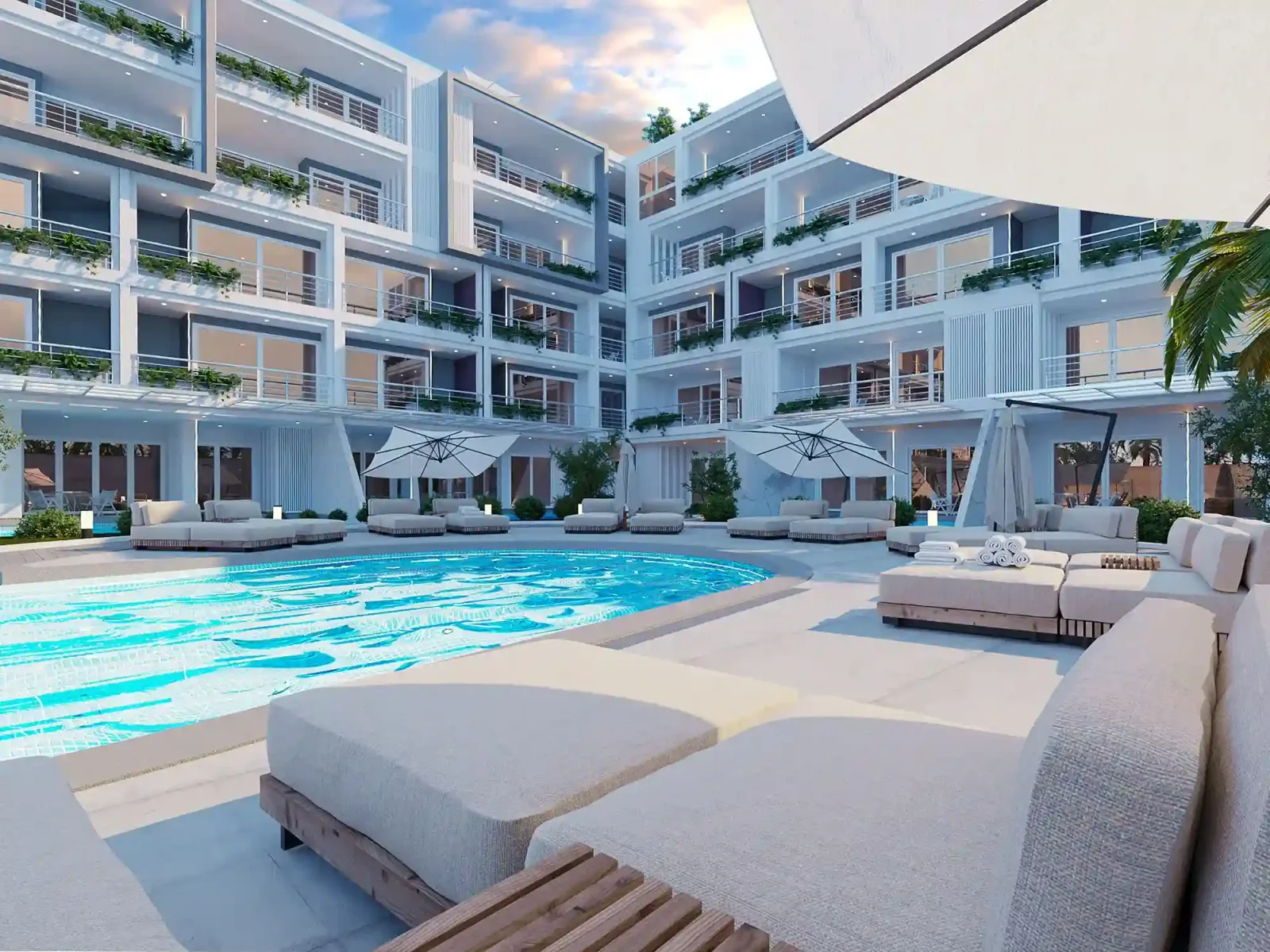
## Location: 250 Metres from Rawai Beach
At 250 metres, Babylon Sky Garden 2 is a ten-minute walk from the seafront. Rawai Beach is a working seafront with longtail boats, seafood restaurants and the departure point for the southern islands, and the views across to Ko Bon, Ko Lone, Ko Hae (Coral Island) and the broader Andaman horizon are genuinely spectacular, especially from elevation. For swimming, Nai Harn and Ya Nui beaches are a few minutes away by car.
The project's upper floors make full use of this. Chalong Bay views from the fifth floor on a clear morning are among the best coastal vistas you can get from a Phuket condominium. For the right buyer, one who values views and location character over beach-club access, this is the point.
Nai Harn Beach, one of Phuket's finest swimming beaches, is a short drive south. Chalong Pier, the departure point for most island day trips, is minutes away. The practical infrastructure (supermarkets, hospitals, international schools) is all accessible from Rawai without driving across the island.
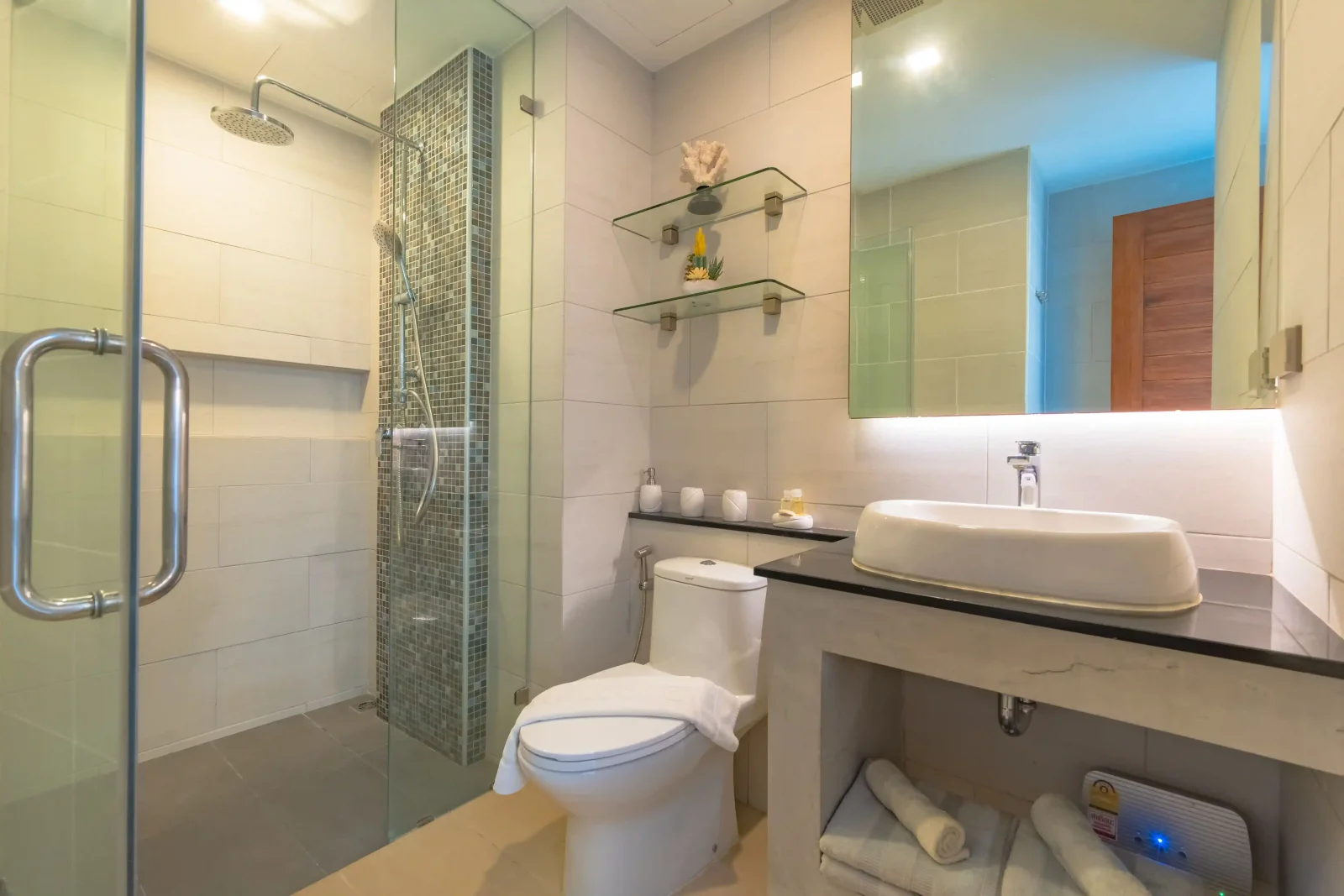
## Units and Italian Design Aesthetic
Three unit types span the building's five floors:
| Layout | Units on our list | Size | Price (THB) |
|---|---|---|---|
| Studio | 10 | 43-45 sqm | 5,186,400 - 5,410,800 |
| One-bedroom | 13 | 57-60 sqm | 8,047,200 - 9,545,600 |
| Two-bedroom | 12 | 69-147 sqm | 6,909,910 - 23,547,200 |
The studios, at 43 to 45 sqm and 120,000 THB per square metre, are generous for the format and suit single investors or couples; the one-bedrooms suit lifestyle buyers; and the two-bedrooms run up to 147 sqm for the largest configurations with the most expansive views.
The tropical landscaping wraps the building exterior in greenery that softens the modern architecture and provides privacy between units. With only 49 apartments sharing the building and grounds, residents experience a level of quiet and exclusivity that larger projects cannot offer, with a gym and parking on site.
**Buying a completed unit:** purchases now run as a straightforward transfer: a reservation deposit, a Sale and Purchase Agreement, and the balance at the Land Department on transfer day.
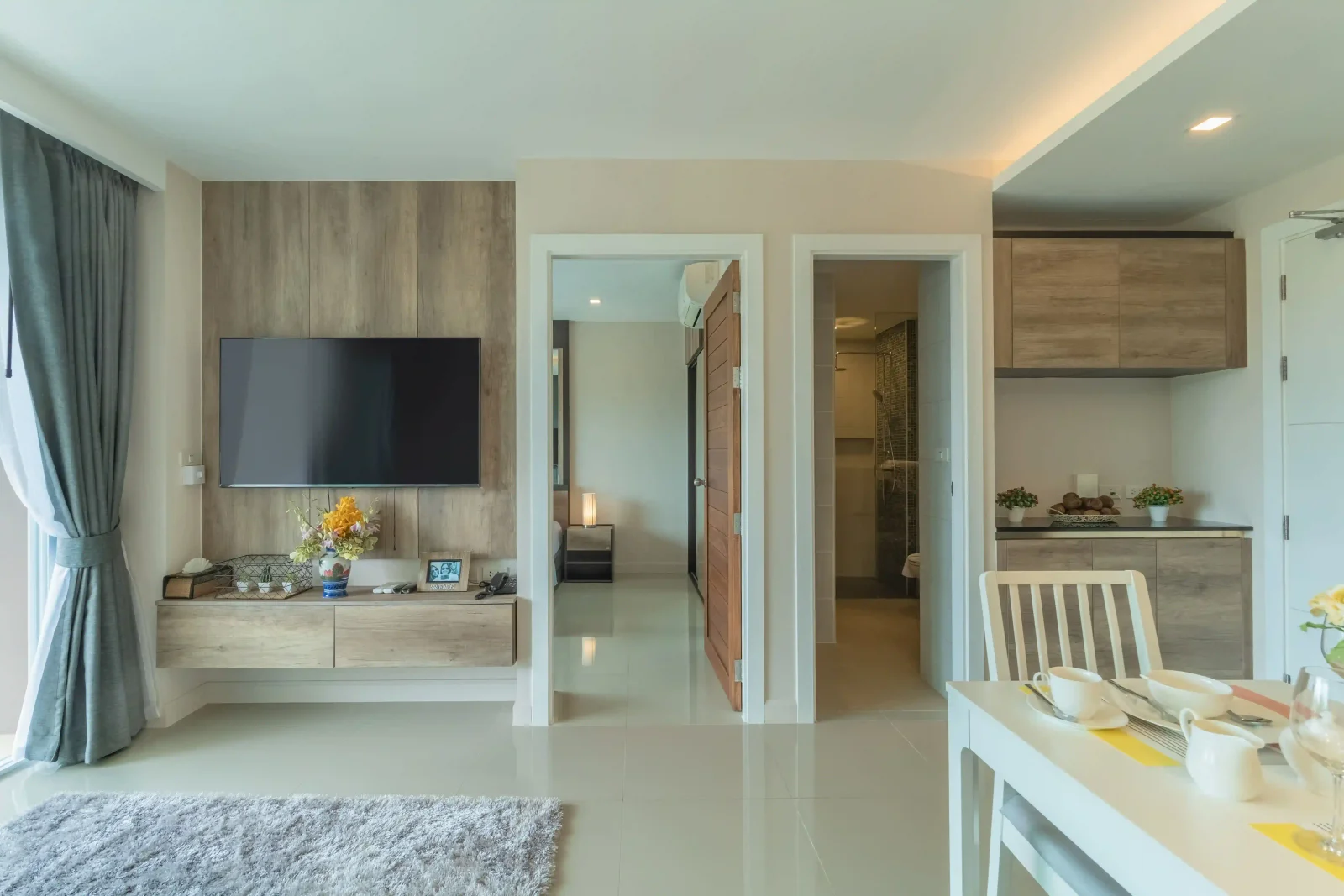
## Rawai's Rental Market
A Rawai address sells on the community, the food, the value and the long-stay expat market, and the swimming beaches are a short drive away. Rawai's dependable demand is monthly: long-stay expats, remote workers and returning winter residents who take three to six months, a steady income with little turnover cost, with holiday lets in the high season on top.
For owners who plan to let, we collect what comparable units in the building have achieved on annual tenancies and in the high season over the last twelve months, so the income plan starts from real figures.
## The Records of a Finished Building
A finished building has a history, and at 49 units it is small enough that the history is knowable. We collect it for you:
- **The juristic person's accounts** for the last two or three years, with the reserve balance and the year's budget
- **The owner mix:** how many of the 49 are owner-occupied and how many let
- **Twelve months of occupancy and achieved rates** from comparable units, month by month
On the viewing you see the actual view from each available unit: the upper floors hold the panoramas over Chalong Bay and the islands, and we send which floors the available units sit on.
## Babylon Sky Garden 2 Among Rawai Condominiums
Rawai buyers usually compare a few buildings on stage and entry:
| Project | Stage | Entry on our list |
|---|---|---|
| [The Proud](/projects/the-proud/) | Completed | 3,625,000 THB |
| [VIP Space Odyssey](/projects/vip-space-odyssey/) | Under construction | 4,395,000 THB |
| [The Title Cielo](/projects/the-title-cielo/) | Under construction | 4,830,000 THB |
| Babylon Sky Garden 2 | Completed | 5,186,400 THB |
Babylon Sky Garden 2 is the finished boutique option in this group, with larger studios than most entry stock, sea views from the upper floors and a building of just 49 apartments.
## Life in Rawai
Days in Rawai run at an easy pace: coffee by the pier in the morning, a boat to Coral Island or a swim at Nai Harn, fresh seafood at the Rawai market in the evening, and the Promthep Cape sunset a few minutes up the road. Supermarkets, clinics and international schools are within a short drive, which is why so many long-stay residents choose this corner of the island.
## Who Is This For?
**Investors focused on rental income** who want a boutique product that stands out in the Rawai market. In a market where many rentals look interchangeable, the Italian design and panoramic views give listing managers genuine differentiating material.
**Lifestyle buyers** who have identified Rawai as their preferred part of Phuket and want a quality product in walking distance to the coast. The residential neighbourhood around Rawai Beach attracts long-stay visitors and expat residents, the demographic that pays reliably and looks after a home.
**Portfolio buyers** who want a completed boutique asset at the premium end of southern Phuket, with records to read: juristic accounts, a reserve balance and a letting record, in a building of just 49 units.
## Why Buyers Choose Babylon Sky Garden 2
- Completed, so the juristic accounts, the reserve balance and any letting record can be read rather than projected
- 250 metres from Rawai Beach, walkable rather than a drive
- Forty-nine units in a five-storey building, small enough to avoid competing with dozens of identical listings inside the scheme
- Panoramic sea views from the upper floors, which is what carries the rate here
- Immediate transfer and income from the start
## What We Send Before You Buy
| Document | What it shows |
| --- | --- |
| Juristic accounts, two to three years | The reserve balance and how the building is run |
| Foreign quota statement | The remaining foreign quota in square metres, for your unit |
| Letting record | What comparable apartments earn |
| Maintenance plan | The condition of the common areas and the lift, and the works ahead |
| Letting position | The hotel licence route for stays under 30 days and the building's rules |
## Buying Babylon Sky Garden 2 with MORE Group
Babylon Sky Garden 2 is finished, so the purchase runs from the viewing to the keys in a few weeks, and we are with you at every step.
{/* corpus-faq:babylon-sky-garden-2 */}
## FAQ
### Is Babylon Sky Garden 2 a completed project?
Yes. Babylon Sky Garden 2 is fully completed and ready for immediate occupation or rental. Buyers can see units before purchasing and begin generating rental income from the moment of transfer.
### What makes this different from other Rawai condominiums?
Two things stand out: the boutique scale (only 49 units total) and the Italian-inspired design aesthetic. Most Phuket condominiums are built in batches of 200 or more. The smaller scale means less competition within the building and a quieter, more residential atmosphere.
### Can foreigners purchase at Babylon Sky Garden 2?
Foreign buyers can purchase under Thailand's Foreign Quota, which permits foreigners to own up to 49% of the total floor area in a registered condominium building. We confirm the foreign quota position for your unit before the deposit.
### What are the views like from the upper floors?
Upper-floor units face Chalong Bay, Ko Bon, Ko Lone, Ko Hae (Coral Island), and the broader Andaman Sea. On clear days, the panoramic coastal view is among the most expansive available from a Rawai condominium.
### How far is Nai Harn Beach from the project?
Nai Harn Beach, one of Phuket's most scenic and consistently praised swimming beaches, is a short drive south of Rawai, typically under 10 minutes by car. Rawai Beach itself is a 250-metre walk from the project.
**Read Also:**
- [Complete Guide to Buying Property in Phuket](/guides/buying-property-phuket-guide/)
- [VIP Space Odyssey, Rawai](/projects/vip-space-odyssey/)
- [The Title Adora Review 2026: Prices & Yield](/projects/the-title-adora/)
- [Dominion Rawai: Boutique Pool Villas in South Phuket](/projects/dominion-rawai/)
- [The Buying Process in Thailand, Step by Step](/guides/due-diligence-process-thailand-step-by-step/)
- [Phuket Rental Yield 2026: Net Income by Area](/guides/phuket-rental-yield-complete-guide-2026/)
# Balco Bangtao Beach: Pool Villas from 40.3M THB
> Balco Bangtao Beach: three and four-bedroom pool villas with rooftop jacuzzis about 400 metres from Bang Tao Beach, with a clubhouse, from 40.3M THB.
**Source:** https://moregroup.estate/projects/balco-bangtao-beach/
**Section:** Project Reviews
**Author:** MORE Group Editorial
**Published:** 2026-04-07
**Updated:** 2026-08-23
---
## What Is Balco Bangtao Beach?
Balco Bangtao Beach puts a private pool villa a short walk from one of Phuket's longest beaches. The houses blend indoor and outdoor living: spacious rooms with designer finishes and panoramic glazing open onto terraces, green gardens and a private pool, and the roof carries a jacuzzi for evenings under the sky. Large balconies add outdoor rooms on the upper floor.
Residents share a clubhouse, private parking and 24-hour security, and a shuttle service runs to the nearby beach clubs, shops and restaurants. Bang Tao Beach is about eight minutes on foot, and Laguna Phuket, Boat Avenue and Porto de Phuket are all close by.
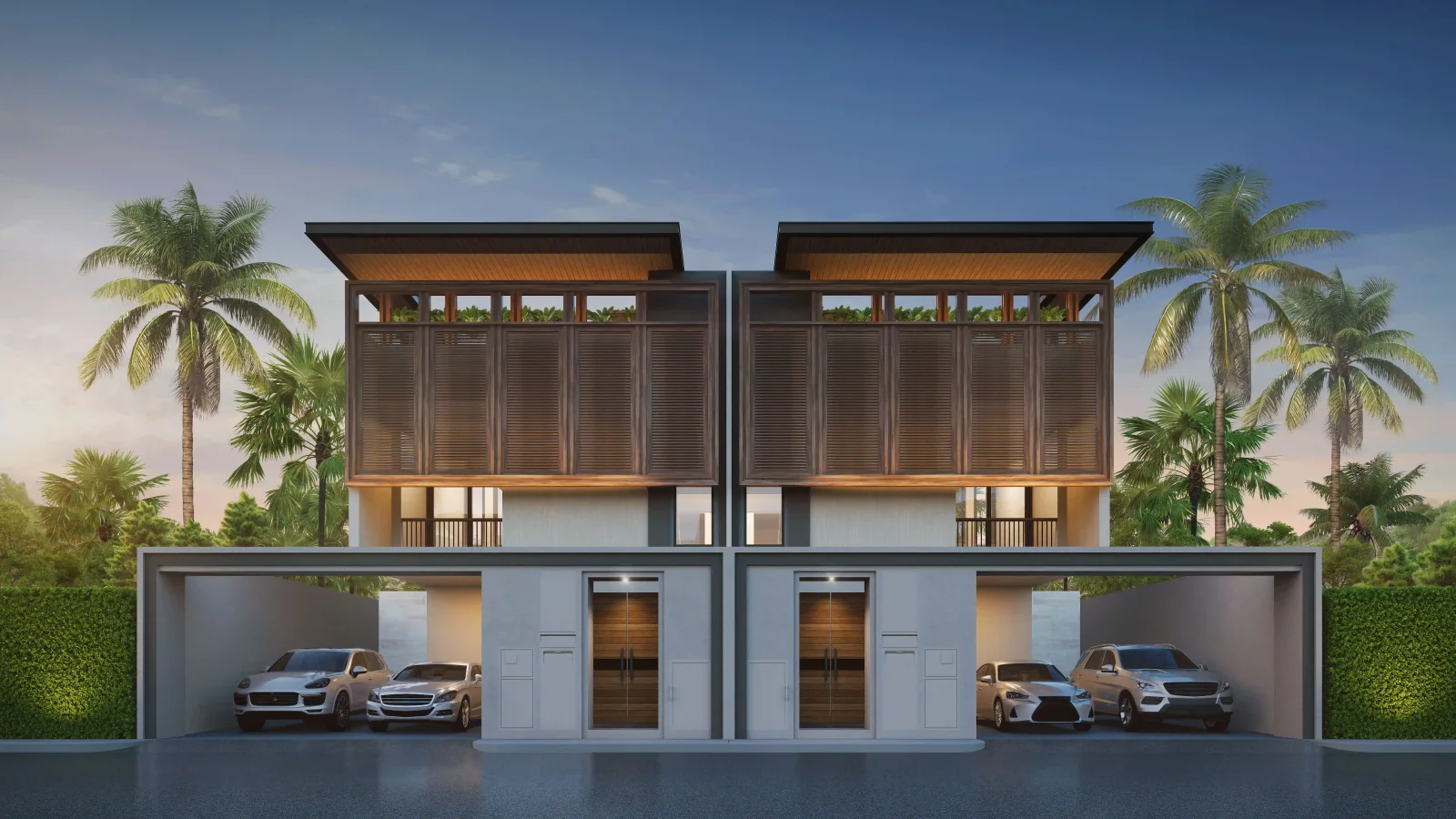
## What Are the Key Facts for Balco Bangtao Beach?
| Factor | Detail |
| --- | --- |
| Location | Bang Tao, about 400 metres from the beach |
| Villa types | Signature and Legacy |
| Villas | 21 on our price list |
| Signature | Three bedrooms, 355 sqm, 40,300,000 to 50,010,000 THB |
| Legacy | Four bedrooms, 490 sqm, 59,980,000 to 76,350,000 THB |
| Features | Private pool, rooftop jacuzzi, gardens, large balconies |
| Facilities | Clubhouse, shuttle service, 24-hour security, parking |
| Payment | 30% / 60% / 10% |
| Stage | Under construction |
| Beach | About 8 minutes on foot |
## Location: Bang Tao, a Walk from the Sand
Bang Tao is one of Phuket's most sought-after places to live: a long, wide beach, the resort life of Laguna, beach clubs, international schools and the restaurants of Boat Avenue, all close together.
- **Bang Tao Beach:** about 400 metres, 8 minutes on foot
- **Laguna Phuket:** golf, spas and beach clubs a short drive away
- **Boat Avenue and Porto de Phuket:** shopping and dining, with the nearest mall about 7 minutes by car
- **International schools:** within a short drive
- **Airport:** about 37 minutes by car
Days here begin with a walk to the sea, move from the pool to lunch at a beach club, and end on the roof with the jacuzzi and the evening sky. The [Bang Tao area page](/bang-tao-properties/) covers the district in more detail.
## Villas and Prices
| Type | Bedrooms | Built area | Villas | Price |
| --- | --- | --- | --- | --- |
| Signature | Three | 355 sqm | 7 | 40,300,000 to 50,010,000 THB |
| Legacy | Four | 490 sqm | 14 | 59,980,000 to 76,350,000 THB |
The Signature villas of 355 sqm open the collection from 40,300,000 THB, with three bedrooms and all the outdoor features of the larger houses. The Legacy villas of 490 sqm add a fourth bedroom and more space inside and out, from 59,980,000 THB. The price follows the villa and its position, and we send the plan and the plot of each villa with the price list.
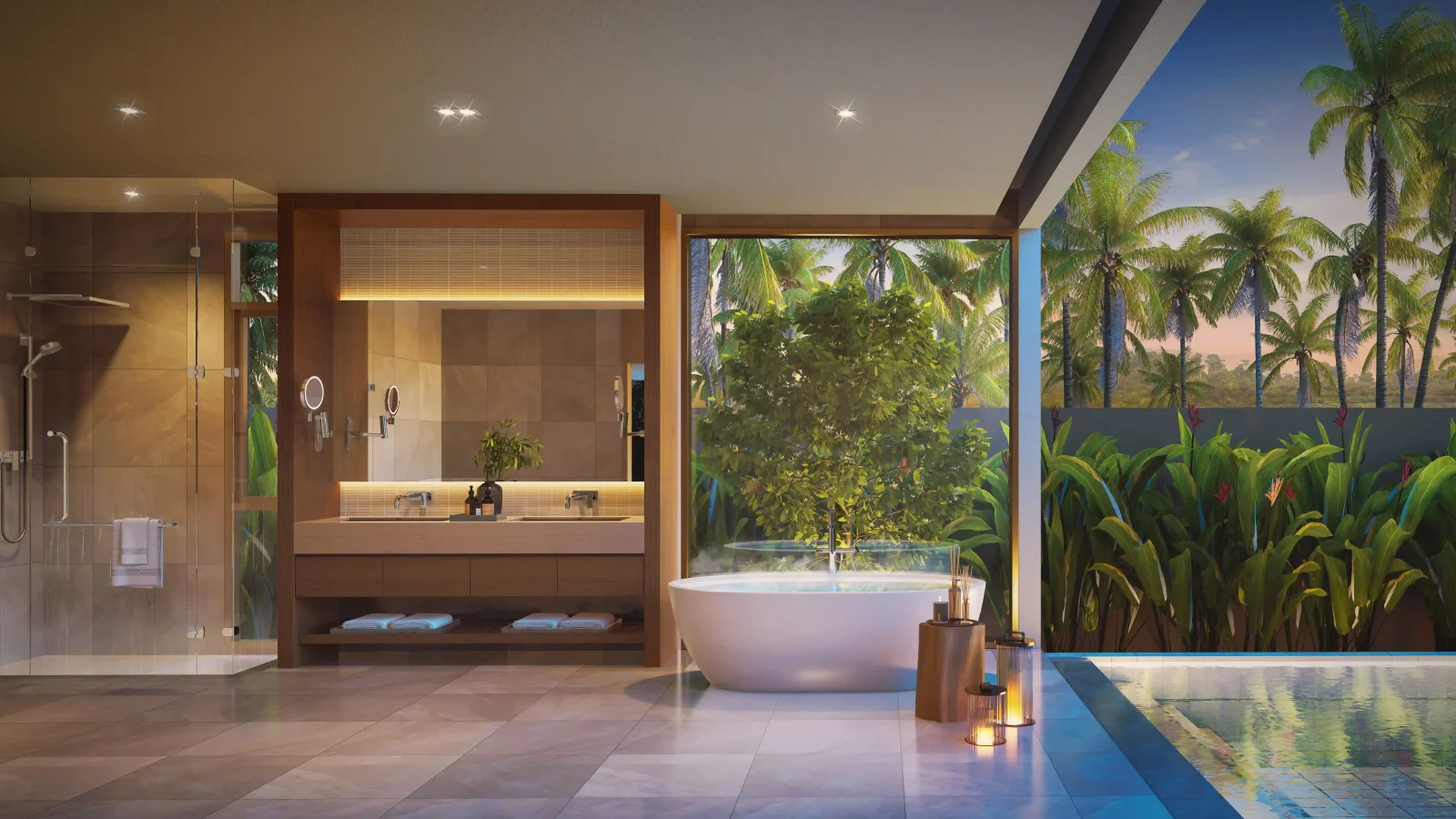
## Design and Villas
- **Modern tropical design** with Balinese touches
- **Spacious layouts** with designer finishes
- **Panoramic glazing** and seamless indoor-outdoor flow
- **Private swimming pool** and lush gardens
- **Rooftop jacuzzi**
- **Large balconies**
- **Clubhouse**, shuttle service, private parking and 24-hour security
- **Pet-friendly**
## Living at Balco Bangtao Beach
Life at Balco is built around the beach and the roof. Mornings start with a walk on the sand before the heat, afternoons move between the private pool and the beach clubs of Bang Tao, reached by the shuttle, and evenings end in the rooftop jacuzzi as the stars come out. The restaurants of Boat Avenue and Laguna are minutes away, and the clubhouse is there for meeting neighbours. For owners who come and go, the shuttle and the security team make the house easy to leave and easy to come back to, and the garden and pool are ready whenever the family arrives.
## Three-Stage Payment Plan
The price is paid in three stages: 30%, 60% and 10%. For a Signature villa at 40,300,000 THB that means 12,090,000 THB at the first stage, 24,180,000 THB at the second and 4,030,000 THB at the third. We send the developer's schedule for your villa with the price list.
## Why Buyers Choose Balco Bangtao Beach
- **About 400 metres from Bang Tao Beach**
- **A rooftop jacuzzi** on every villa
- **Two villa types:** three bedrooms of 355 sqm or four of 490 sqm
- **Clubhouse and shuttle service** to beach clubs, shops and restaurants
- **Laguna and Boat Avenue** close by
- **Pet-friendly**
## Who Balco Bangtao Beach Suits
**Families** who want a pool villa with the beach on foot.
**Owners who spend part of the year in Phuket** and want a house in a secure community with a clubhouse and shuttle.
**Buyers who entertain**, with a rooftop jacuzzi, gardens and large balconies.
**Villa rental investors** aiming at families and groups who book pool villas near Bang Tao Beach.
## Renting Out a Villa at Balco
A pool villa a walk from Bang Tao Beach, with a rooftop jacuzzi and a shuttle to the beach clubs, appeals to families and groups on holiday in the November to April season and to long-stay guests through the rest of the year. The beach on foot and the roof are what guests book and remember.
If you plan to let your villa at Balco, we collect current asking rents and holiday rates for comparable villas around Bang Tao and send them with the price list. [Our rental guide](/guides/phuket-rental-yield-complete-guide-2026/) explains how to read a rental offer line by line.
## Ownership for Foreign Buyers
At Balco Bangtao Beach, as with any villa in Thailand, you buy land plus a building. The house can be held in your own name over a lease of the plot registered at the Land Office, 30 years per registration with renewal terms in the contract, or the land can be held through a Thai company with genuine Thai shareholders. [Freehold and leasehold in Thailand](/guides/freehold-vs-leasehold-thailand/) explains both routes, and we prepare the one that suits you with our legal support.
## Balco and Other Luxury Villas Around Bang Tao
| Project | From | Status |
| --- | --- | --- |
| [The Shann Villas](/projects/the-shann-villas/) | 39,500,000 THB | Off-plan |
| [Nakara Grand Luxury Villa](/projects/nakara-grand/) | 39,800,000 THB | Off-plan |
| Balco Bangtao Beach | 40,300,000 THB | Off-plan |
| [Clover Residence](/projects/clover-residence/) | 43,600,000 THB | Completed |
| [Manick Hillside II](/projects/manick-hillside-ii/) | 45,000,000 THB | Off-plan |
| [Serrana Lakefront Pool Villas](/projects/serrana-lakefront-pool-villas-phuket/) | 46,500,000 THB | Off-plan |
| [Stella Estate](/projects/stella-estate/) | 47,900,000 THB | Off-plan |
Balco stands out in this group for its walk to Bang Tao Beach and its rooftop jacuzzis. We send the price lists of any of these projects on request and arrange viewings.
## Buying Balco Bangtao Beach with MORE Group
A villa at Balco is bought in five steps, from the first price list to the keys, and we are with you through each of them.
## What We Send Before You Reserve
- The current price list with free villas, types and plans
- The three-stage payment schedule for your villa
- The ownership structure for your purchase, leasehold or company, with the documents it needs
- The community's common charges and the shuttle and clubhouse terms
- The latest construction update
{/* corpus-faq:balco-bangtao-beach */}
## FAQ
### What does Balco Bangtao Beach cost?
Our price list holds 21 villas: seven Signature villas with three bedrooms and 355 sqm from 40,300,000 to 50,010,000 THB, and fourteen Legacy villas with four bedrooms and 490 sqm from 59,980,000 to 76,350,000 THB.
### How far is Balco from Bang Tao Beach?
About 400 metres, an 8-minute walk. The nearest mall is about 7 minutes by car and the airport about 37 minutes, and a shuttle runs to the nearby beach clubs, shops and restaurants.
### What does each villa include?
A private pool, a rooftop jacuzzi, gardens, large balconies, spacious rooms with designer finishes and panoramic glazing. Residents share a clubhouse, private parking and 24-hour security.
### What is the payment plan?
Three stages: 30%, 60% and 10%. For a villa at 40,300,000 THB that means 12,090,000 THB, then 24,180,000 THB, then 4,030,000 THB.
### How can foreigners own a villa at Balco?
The house can be held in your own name over a lease of the plot registered at the Land Office, 30 years per registration with renewal terms in the contract, or the land can be held through a Thai company with genuine Thai shareholders. We prepare the structure with our legal support.
**Read Also:**
- [Villas for Sale in Bang Tao](/bang-tao-properties/)
- [Serrana Lakefront Pool Villas](/projects/serrana-lakefront-pool-villas-phuket/)
- [Clover Residence](/projects/clover-residence/)
- [Freehold vs Leasehold in Thailand](/guides/freehold-vs-leasehold-thailand/)
- [How Foreigners Buy Phuket Property 2026](/guides/buying-property-phuket-guide/)
- [Phuket Rental Yield Guide](/guides/phuket-rental-yield-complete-guide-2026/)
# Bamboo Forest Layan: Condos from 5.75M THB
> Bamboo Forest review: nature-inspired condos with a rooftop infinity pool near Layan Beach, from studios to penthouses of 247 sqm, from 5.75M THB.
**Source:** https://moregroup.estate/projects/bamboo-forest/
**Section:** Project Reviews
**Author:** MORE Group Editorial
**Published:** 2026-04-05
**Updated:** 2026-08-23
---
## What Is Bamboo Forest?
Bamboo Forest has a design all its own. Its architecture takes its shapes from Phuket's nature: columns that rise like bamboo stems, curves that recall tropical trees and coastal rocks, and cascading pools framed by lush greenery. Inside, every apartment is equipped with a smart-home system, and the layouts range from compact studios to penthouses of almost 250 sqm.
Life in the building is resort-style. Residents share a large swimming pool, a panoramic rooftop infinity pool, a gym with a view, a restaurant, a co-working space, a children's area with its own pool, gardens, and a walking area for pets. Professional property management is available for owners, with 24-hour security and CCTV and generous parking.
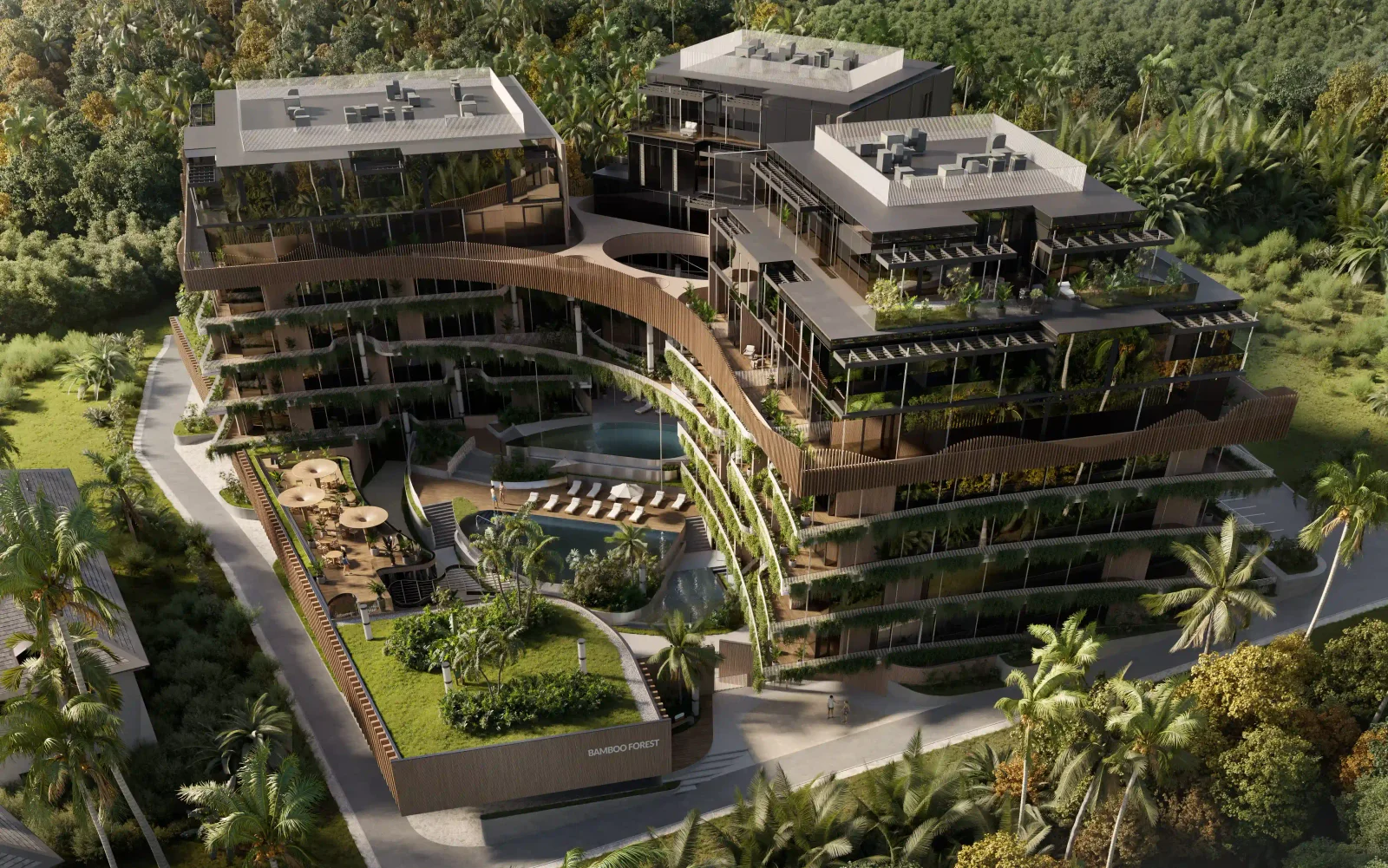
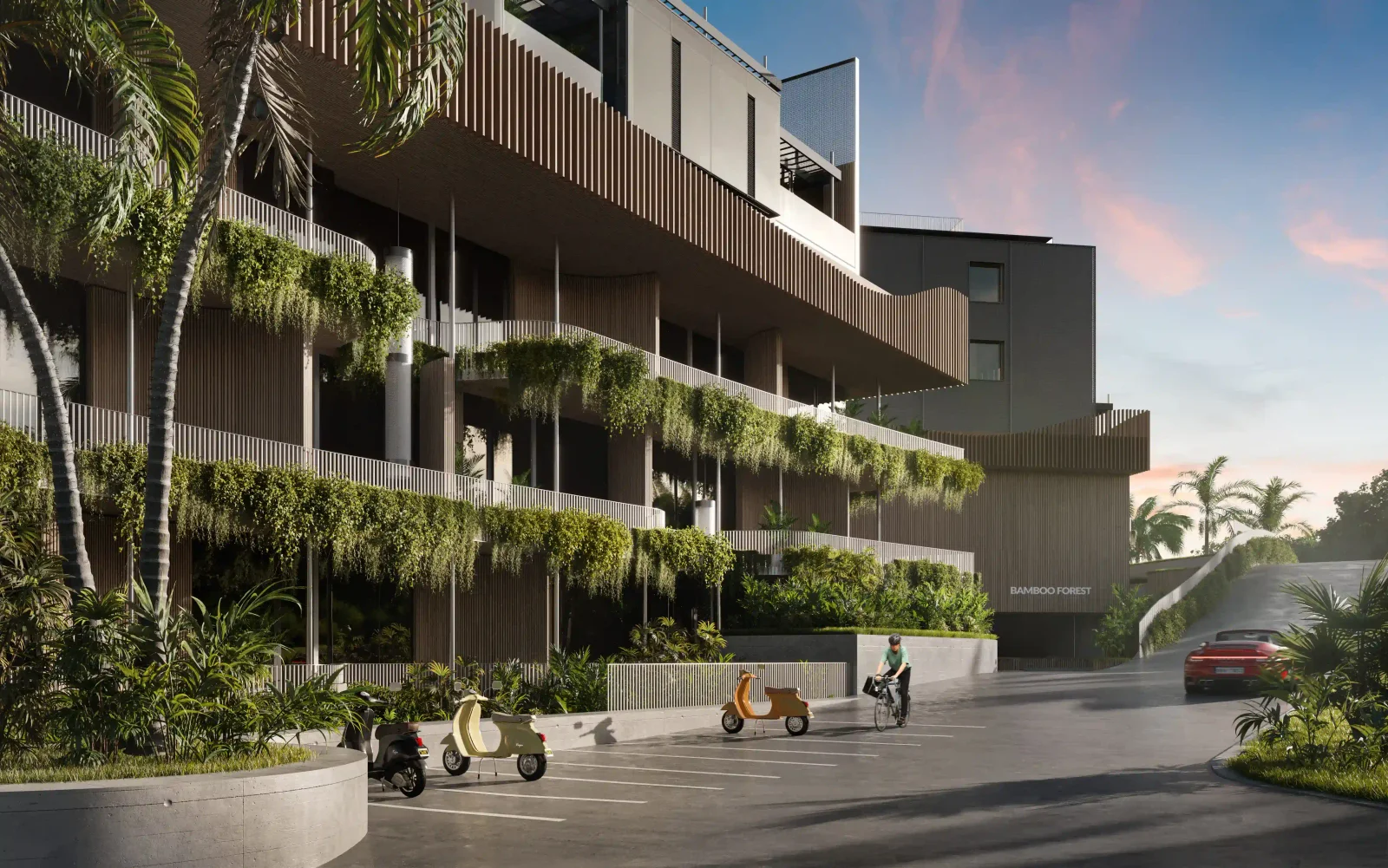
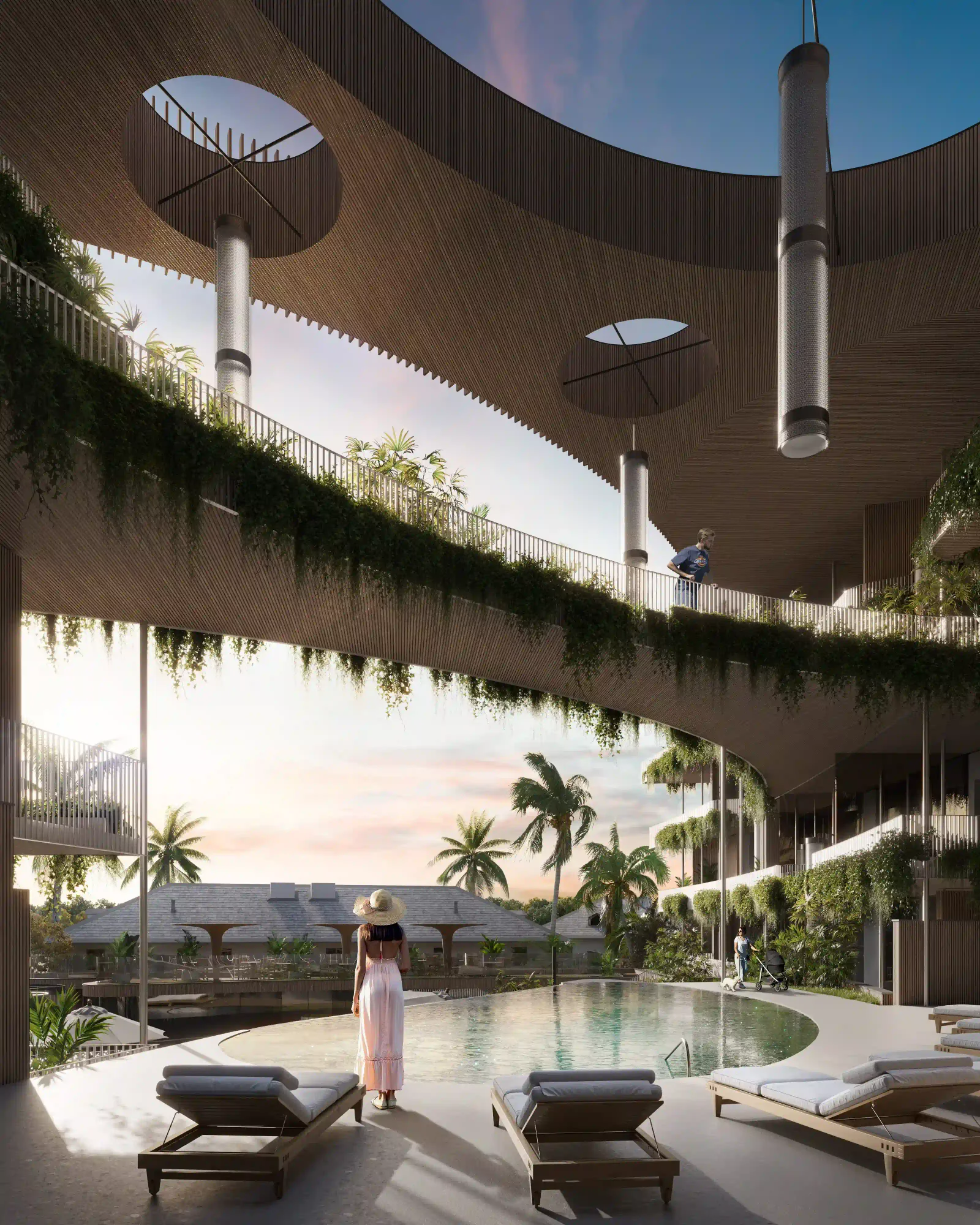
## What Are the Key Facts for Bamboo Forest?
| Factor | Detail |
| --- | --- |
| Location | Choeng Thale, Thalang, near Layan Beach |
| Buildings | Three seven-storey buildings |
| Residences | 135 in total, 112 on our price list |
| Formats | Studios, one to three bedrooms, penthouses |
| Sizes | 36 to 247 sqm |
| Price range | 5,750,000 to 36,500,000 THB |
| Payment | 35% / 15% / 15% / 15% / 10% / 10% |
| Facilities | Rooftop infinity pool, cascading pools, gym, restaurant, co-working |
| Stage | Under construction |
| Beach | About 3 minutes by car, 17 minutes on foot |
| Airport | About 27 minutes by car |
## Location: Between Layan and Bang Tao
Bamboo Forest sits in Choeng Thale, close to Layan, the calm, tree-lined northern end of Bang Tao Bay. The beach is about three minutes by car or a 17-minute walk, and the whole Bang Tao coast is close at hand.
- **Layan Beach:** about 3 minutes by car or 17 minutes on foot
- **Bang Tao Beach and Laguna Phuket:** beach clubs, hotels and golf along the bay
- **Boat Avenue and Porto de Phuket:** shopping, cafes and restaurants, about 11 minutes by car
- **International schools:** within a short drive
- **Airport:** about 27 minutes by car
The area draws couples, families and long-stay residents who want a quiet beach with the restaurants and services of Bang Tao nearby. The [Layan area guide](/areas/layan-property-guide/) covers the district in more detail.
## Residences and Prices
Our price list holds 112 residences:
| Format | Size | Units | Price |
| --- | --- | --- | --- |
| Studio | 36 to 55 sqm | 17 | 5,750,000 to 8,500,000 THB |
| One-bedroom | 49 to 105 sqm | 62 | 8,000,000 to 12,400,000 THB |
| Two-bedroom | 75 to 144 sqm | 27 | 9,900,000 to 18,900,000 THB |
| Three-bedroom | 123 to 125 sqm | 4 | 17,900,000 to 18,200,000 THB |
| Penthouse | 246 and 247 sqm | 2 | 33,500,000 and 36,500,000 THB |
The entry studios, C306 and C307 on the third floor at 5,750,000 THB, open the building to first-time buyers. The one-bedrooms are the largest group on the list and come in a wide range of sizes, from 49 sqm to generous layouts of more than 100 sqm. The two-bedrooms and the four three-bedrooms on the sixth floor suit families, and the two penthouses on the seventh floor of building B, B701 and B702, are the grandest homes on the list at 246 and 247 sqm. We send the floor plan, floor and view of each unit with the price list.
## Architecture and Facilities
- **Organic architecture** with bamboo-shaped columns and flowing curves
- **Cascading pools** and a large swimming pool among gardens
- **Panoramic rooftop infinity pool**
- **Gym with a view** and a co-working space
- **Restaurant** and lounge areas
- **Children's area** with its own pool
- **Smart-home system** in every apartment
- **Pet-friendly**, with a walking area for pets
- **24-hour security**, CCTV and generous parking
The design gives Bamboo Forest a character of its own: a building that looks and feels like part of the tropical landscape around it.
## Six-Stage Payment Plan
The price is paid in six stages: 35%, 15%, 15%, 15%, 10% and 10%. For a studio at 5,750,000 THB that works out as follows:
| Stage | Share | Amount |
| --- | --- | --- |
| 1 | 35% | 2,012,500 THB |
| 2 | 15% | 862,500 THB |
| 3 | 15% | 862,500 THB |
| 4 | 15% | 862,500 THB |
| 5 | 10% | 575,000 THB |
| 6 | 10% | 575,000 THB |
The schedule spreads the price across the build and leaves 10% for handover. We send the developer's schedule for your residence with the price list.
## Why Buyers Choose Bamboo Forest
- **Distinctive architecture** inspired by Phuket's nature
- **A rooftop infinity pool** and cascading pools
- **Layan Beach** about 3 minutes by car
- **A wide choice:** 112 units from studios to penthouses
- **Smart-home apartments**
- **Restaurant, gym, co-working and kids' area** on site
- **Pets welcome**
- **Freehold ownership** within the 49% foreign quota
## Who Bamboo Forest Suits
**Buyers who want a building with character**, designed to stand out from standard condominiums.
**Remote workers and long-stay residents** who value the co-working space, the gym and the restaurant.
**Families**, with two and three-bedroom layouts and a children's area with its own pool.
**Pet owners**, who will find a walking area for their pets.
**Rental investors** aiming at couples and families who choose Layan and Bang Tao, with a building that photographs beautifully.
## Renting Out a Residence at Bamboo Forest
Layan and Bang Tao welcome couples, families and long-stay guests through the year, with the high season from November to April. A residence in a building as photogenic as Bamboo Forest, with a rooftop infinity pool and a restaurant, stands out on booking platforms, and professional property management is available for owners who let while they are away.
For owners who plan to rent, we collect current asking rents and holiday rates for comparable residences in Layan and Bang Tao and send them with the price list, together with the terms of the management service. [Our rental guide](/guides/phuket-rental-yield-complete-guide-2026/) explains how to read a rental offer line by line.
## Ownership for Foreign Buyers
Bamboo Forest is a condominium, so a residence can be registered freehold in your own name within the 49% foreign quota of the building, counted by floor area. We confirm with the developer that the residence you choose sits inside that quota. For a freehold unit at Bamboo Forest, each payment is transferred from abroad in foreign currency, and the receiving bank provides the FET form that the Land Department asks for at registration. [How the foreign quota works](/guides/foreign-quota-thai-condominiums/) explains the rule in detail.
## Bamboo Forest and Other Layan Condos
| Project | From | Status |
| --- | --- | --- |
| [Laya Resort](/projects/laya-resort/) | 5,066,500 THB | Off-plan |
| [AYANA Heights Seaview Residence](/projects/ayana-heights-seaview-residence/) | 5,426,101 THB | Off-plan |
| [Pirak Cherngtalay](/projects/pirak-cherngtalay/) | 5,527,500 THB | Off-plan |
| Bamboo Forest | 5,750,000 THB | Off-plan |
| [Siamese Bangtao](/projects/siamese-bangtao/) | 5,780,000 THB | Off-plan |
| [Layan Green Park Phase 2](/projects/layan-green-park-phase-2/) | 6,683,600 THB | Off-plan |
Bamboo Forest stands out in this group for its architecture and its rooftop infinity pool. We send the price lists of any of these projects on request and arrange viewings.
## Buying Bamboo Forest with MORE Group
A residence at Bamboo Forest is bought in five steps, from the first price list to the keys, and we are with you through each of them.
## What We Send Before You Reserve
- The current price list with free residences, floors, sizes and plans
- Confirmation that your residence sits within the 49% foreign quota
- The six-stage payment schedule for your residence
- The building's common charges and house rules, including the pet policy
- The terms of the property management service
- The latest construction update
{/* corpus-faq:bamboo-forest */}
## FAQ
### What does Bamboo Forest cost?
Our price list holds 112 residences: studios from 5,750,000 THB, one-bedrooms from 8,000,000 THB, two-bedrooms from 9,900,000 THB, three-bedrooms from 17,900,000 THB and two penthouses of 246 and 247 sqm at 33,500,000 and 36,500,000 THB.
### What makes Bamboo Forest different?
Its architecture: bamboo-shaped columns, flowing curves and cascading pools inspired by Phuket's nature, with a panoramic rooftop infinity pool and a smart-home system in every apartment.
### How far is Bamboo Forest from the beach?
Layan Beach is about 3 minutes by car or a 17-minute walk. Boat Avenue is about 11 minutes by car and the airport about 27 minutes.
### What is the payment plan?
Six stages: 35%, 15%, 15%, 15%, 10% and 10%. For a studio at 5,750,000 THB that means 2,012,500 THB at the first stage and 575,000 THB at each of the last two.
### Can foreigners buy at Bamboo Forest freehold?
Yes. Foreign buyers can hold a residence freehold in their own name within the 49% foreign quota of the building, counted by floor area. We confirm that your residence sits inside the quota, and the purchase money is transferred from abroad with an FET form for registration at the Land Department.
**Read Also:**
- [Layan Verde](/projects/layan-verde/)
- [Terra Grove Layan](/projects/terra-grove/)
- [Layan Area Guide](/areas/layan-property-guide/)
- [Phuket Rental Yield Guide](/guides/phuket-rental-yield-complete-guide-2026/)
- [How the Foreign Quota Works](/guides/foreign-quota-thai-condominiums/)
- [How Foreigners Buy Phuket Property 2026](/guides/buying-property-phuket-guide/)
# Banyan Tree Oceanus Review 2026: Prices, Units and Area
> Banyan Tree Oceanus review: 4BR ultra-luxury residences from 160M THB inside Laguna Phuket on Bang Tao Beach, with equal 20% payment stages.
**Source:** https://moregroup.estate/projects/banyan-tree-beach-residences-oceanus/
**Section:** Project Reviews
**Author:** MORE Group Editorial
**Published:** 2026-04-08
**Updated:** 2026-09-24
---
## Banyan Tree Oceanus: Ultra-Luxury Residences in Laguna Phuket
Banyan Tree Oceanus sits at the absolute apex of Phuket residential property, a collection of four-bedroom ultra-luxury apartments inside the legendary Laguna Phuket integrated resort on Bang Tao Beach. Named after Oceanus, the ancient deity of the world ocean, these residences are a direct statement about their relationship with the sea: expansive, commanding, and timeless. With prices ranging from 160 million to 391 million THB, Oceanus is not simply a property purchase, it is entry into one of Asia's most coveted branded residential ecosystems. A transparent five-stage equal payment structure gives buyers a clear, manageable path to ownership.
## Location & Area
Banyan Tree as a brand has operated within Laguna Phuket since the early 1990s, making it one of the original pillars of the resort's identity. The Oceanus residences sit within this heritage footprint, benefiting not only from the physical infrastructure but from decades of brand equity and an established international guest base. Owners who choose to participate in the rental programme access a distribution network that spans the most discerning luxury travellers globally.
The broader Bang Tao area has seen sustained capital appreciation precisely because supply is constrained by the Laguna estate's boundaries. New branded inventory at this tier is rare, and Oceanus represents the kind of irreplaceable position that buyers in the 160M-391M THB range seek: a location that cannot be replicated, inside a resort that will not be redeveloped.
Owners also share the Laguna estate itself: the golf course, the lagoon network, the beach clubs on Bang Tao Beach and the restaurants and spas of the resort hotels, all within the same landscaped estate and a short buggy ride from the residence.
## Design & Units
The design language draws directly from Banyan Tree's global design philosophy: a straightforward dialogue between interior and exterior, where living spaces extend toward views of the sea and the resort's lagoon network. Expect double-height volumes, private pools or expansive terraces, chef-grade kitchens, and master suites that rival the finest hotel rooms in Asia. Every finish is specified at a level that reflects the 160M-391M THB price point, no compromises in material quality, no shortcuts in spatial planning.
What distinguishes Oceanus from other Banyan Tree branded products at Laguna is the format. Banyan Tree Nammu, also at Laguna, offers beachfront townhomes. Varuna offers triplex villa-format residences. Oceanus is the apartment collection, delivering the full branded experience in a configuration that benefits from shared amenities, managed services, and a higher degree of turnkey ownership for buyers who want the Banyan Tree lifestyle without the operational complexity of a standalone villa.
## Investment Case
The five-stage equal payment plan, 20% at each milestone, is unusually favourable for a project at this price point. It spreads capital deployment evenly across the construction period, giving buyers flexibility to manage liquidity without front-loading the investment. For international buyers accustomed to 30-40% deposits on luxury pre-construction projects, this structure represents a meaningful advantage. Banyan Tree's track record of hotel-managed rental programmes at Laguna also provides a credible path to income generation for owners who are not full-time residents.
## Ownership at Oceanus
A foreign buyer holds a condominium residence either freehold under the 49% foreign quota or on a registered lease, and at Oceanus's level freehold is the route most buyers choose.
The quota is calculated against 49% of the building's total floor area, not the number of apartments, and in a collection of four-bedroom residences each unit uses a large share of it. We confirm the remaining quota for the specific unit you choose at the start.
| | Freehold under quota | Registered leasehold |
|---|---|---|
| What you hold | Title in your name at the Land Department | A registered lease, typically 30 years, plus renewal undertakings |
| Requires FET | Yes, funds are brought in from abroad in foreign currency | Not for the lease itself |
| Resale pool | Any buyer, foreign or Thai | Buyers taking over the lease term |
| Over time | Unaffected by time | Follows the remaining term |
On a 160M THB purchase freehold under the quota is the natural choice, since title in your own name keeps its full value over time and at resale. We obtain the quota position in writing, dated and in square metres, and the SPA sets out the ownership route for your residence from the day you sign.
## Five Equal Tranches
The 20/20/20/20/20 structure is genuinely more buyer-friendly than the 30-40% front-load common in luxury pre-construction: on a 160M THB unit it is 32M THB per stage rather than a 56M THB opening payment.
Each stage is paid against a defined construction milestone, and we plan the currency conversion of each payment with you across the build. Banyan Tree's presence at Laguna since the early 1990s stands behind the project, and we send the milestone schedule and the payment arrangements with the price list.
## Why Buyers Choose Banyan Tree Oceanus
- An irreplaceable position inside Laguna, where new branded inventory at this tier is structurally scarce
- Banyan Tree has operated here since the early 1990s, so the rental infrastructure exists today rather than being promised
- Five equal 20% tranches instead of the 30-40% front-load standard in luxury pre-construction
- Apartment format delivers the branded experience without the operational burden of a standalone villa
- Laguna's estate boundaries constrain future supply, which has underpinned the area's appreciation
## What We Prepare Before the First Payment
At 160,000,000 THB the first tranche alone is 32M THB, and we prepare the key documents with you before it:
- **The ownership route:** freehold under the foreign quota for your residence, with the title registered in your name at the Land Department
- **What the Banyan Tree name provides:** the services, their annual cost and the term of the brand licence
- **The rental programme terms:** how income is distributed and how many owner nights you keep
- **Both layers of annual charge**, the estate's and the residence's, as figures in baht for year one
- **The construction milestones** behind each of the five payments
- **Our legal support** on the SPA and the registration
## Who Buys at This Level
- **A buyer for whom this is a residence and a brand.** From 160M THB to 391M THB, the purchase is about the home, the estate and the name.
- **Someone who wants the operator to run it.** The Banyan Tree relationship is most of what separates this from a large private villa, and it takes care of the residence while you are away.
- **A long-hold owner.** At this level a resale is a private, negotiated sale to a buyer who wants exactly this address.
## Buying Banyan Tree Oceanus with MORE Group
An Oceanus residence is bought in five steps, from the first price list to the keys, and we manage every one of them together with you.
{/* corpus-faq:banyan-tree-beach-residences-oceanus */}
## FAQ
### How does Banyan Tree Oceanus differ from Banyan Tree Nammu?
Oceanus is the apartment collection, four-bedroom residences in a managed building format. Nammu offers beachfront townhomes, which are multi-level individual residences with more private outdoor space. Both are within Laguna Phuket and carry the Banyan Tree brand, but the ownership experience and floor plans are fundamentally different.
### Can foreign nationals own units at Oceanus?
Yes. Foreign buyers can acquire units under the condominium foreign quota (up to 49% of total floor area), which provides freehold ownership. Units outside the quota are available on a registered lease. MORE Group prepares the ownership structure with you with our legal support.
### What does the 20/20/20/20/20 payment plan mean in practice?
Five equal instalments of 20% each, paid at defined construction milestones from contract signing through to handover. For a 160M THB unit, that means 32M THB per stage. This structure is notably more buyer-friendly than the typical 30-40% deposit standard in luxury pre-construction.
### Is there a rental programme for owners who are not full-time residents?
Banyan Tree operates established rental management programmes at Laguna Phuket. We send the specific terms for Oceanus, including the revenue share and owner-use rules, and introduce you to the Banyan Tree residential team.
### What stage is Banyan Tree Oceanus at?
Oceanus is under construction inside the Laguna Phuket estate. We send the latest construction update together with the price list and the payment schedule.
### What is the price per square metre at Oceanus?
With prices from 160M to 391M THB for four-bedroom residences, the per-square-metre value places Oceanus firmly in the ultra-prime category, comparable to trophy branded residences in Singapore and Hong Kong rather than standard Phuket condominium pricing. Exact unit sizes and per-sqm rates are available on request.
**Read Also:**
- [Complete Guide to Buying Property in Phuket](/guides/buying-property-phuket-guide/)
- [Banyan Tree Nammu, Beachfront Townhomes at Laguna](/projects/banyan-tree-residences-nammu/)
- [Angsana Oceanview Residences, Laguna Phuket](/projects/angsana-oceanview-residences/)
- [Bang Tao & Laguna Guide: Prices & Yield (2026)](/bang-tao-properties/)
- [Freehold vs Leasehold in Thailand](/guides/freehold-vs-leasehold-thailand/)
- [Banyan Tree Varuna: Beachfront Villas From 107M THB (2026)](/projects/banyan-tree-residences-beach-residences-varuna/)
# Banyan Tree Varuna: Beach Villas From 107M THB
> Banyan Tree Varuna, Laguna Phuket: one of seven Banyan Tree Beach Residences collections, beachfront homes from 107M THB with private lifts and pools.
**Source:** https://moregroup.estate/projects/banyan-tree-residences-beach-residences-varuna/
**Section:** Project Reviews
**Author:** MORE Group Editorial
**Published:** 2026-04-08
**Updated:** 2026-10-07
---
## Banyan Tree Varuna: 10 Triplex Beachfront Residences in Laguna Phuket
Varuna is one of seven Banyan Tree Beach Residences collections in Laguna Phuket, and the [overview of the collections](/projects/banyan-tree-residences-laguna/) compares it with Oceanus.
Ten residences. That is the entire inventory of Banyan Tree Beach Residences Varuna, a collection so limited that it functions less like a property launch and more like a private placement for the world's most discerning buyers. Named after Varuna, the Hindu deity of oceans and cosmic order, these triplex beachfront residences sit inside Laguna Phuket on Bang Tao Beach, offering a format that exists nowhere else in the Thai market: three-level architecture with private elevators, three- and four-bedroom layouts, and the full weight of the Banyan Tree brand behind every detail. Prices range from 106.9 million to 245 million THB, with an equal five-stage payment structure that reflects the developer's confidence in its product.
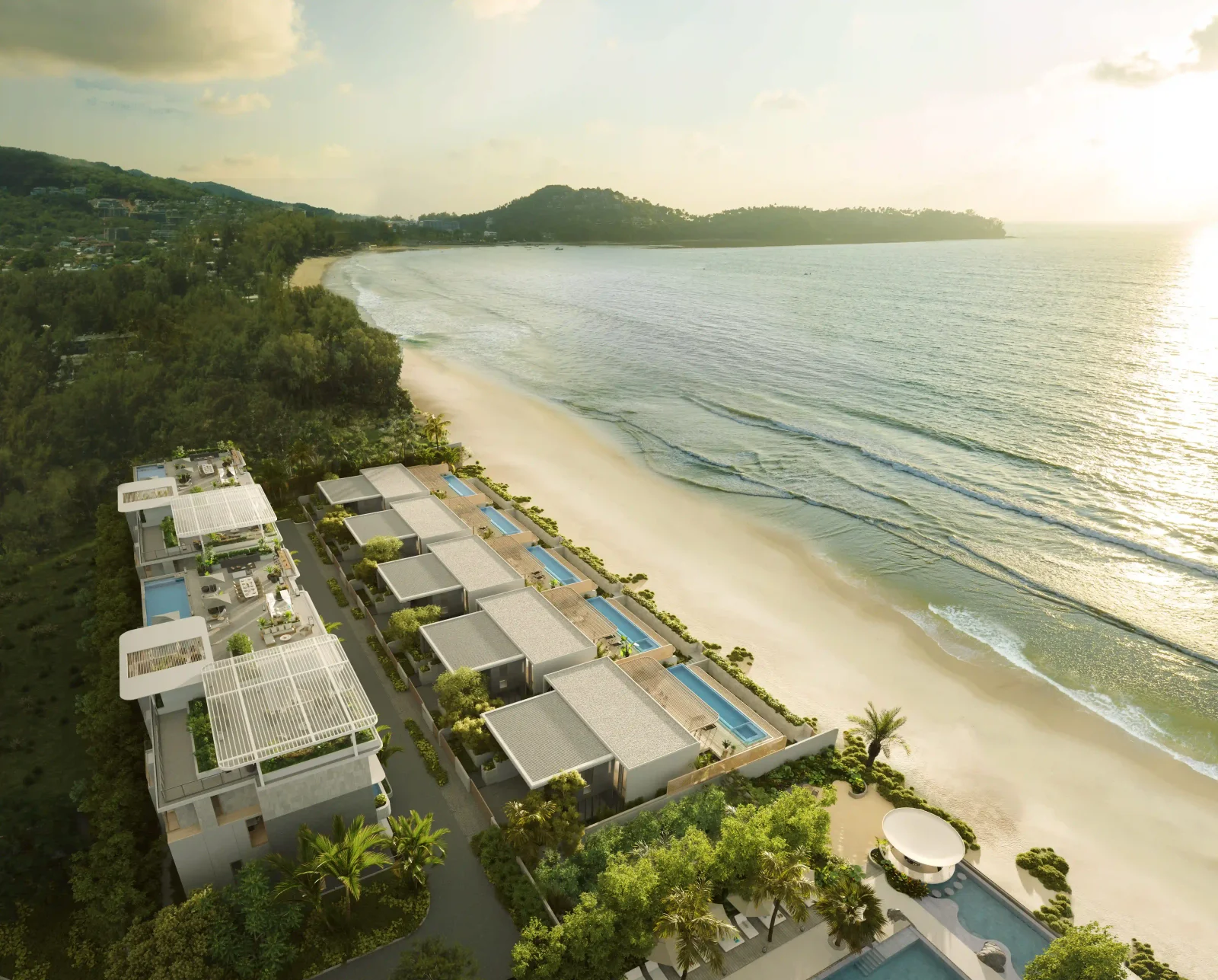
## What Are the Key Facts for Banyan Tree Varuna?
| Detail | Information |
|---|---|
| **Project** | Banyan Tree Residences, Beach Residences Varuna |
| **Location** | Bang Tao Beach, Laguna Phuket |
| **Type** | Triplex residences (3BR and 4BR) |
| **Total Units** | 10 limited-edition residences |
| **Price Range** | 106,900,000 - 245,000,000 THB |
| **Stage** | Under construction |
| **Payment Plan** | 20% / 20% / 20% / 20% / 20% |
| **Beach and airport** | About three minutes to the beach on foot, 27 minutes to the airport |
## Location & Area
Bang Tao Beach itself stretches for six kilometres, and the Laguna frontage commands some of the most prized metres. Unlike standalone beachfront projects elsewhere on the island, ownership here comes with infrastructure that took 30 years and billions of baht to build: the hotel dining, the spa network, the golf course, the security, and the resort-grade maintenance of grounds and beach. Buyers at Varuna are not just purchasing a beachfront residence, they are joining a community that operates at the standard of a five-star hotel.
The structural scarcity of Laguna Phuket inventory is well understood by the market. The estate's fixed boundaries and the developer's deliberate approach to phased, limited-edition releases mean that new branded beachfront product at this level appears rarely. With only 10 Varuna residences ever to be built, the supply-demand equation is as favourable as it gets in Thai luxury real estate.
## Design & Units
Residences come as three-bedroom triplexes of 292 to 298 sqm and a four-bedroom residence of 880 sqm, accommodating families, multi-generational groups, and buyers who want dedicated space for long-term guests or live-in staff. Each has a private elevator, open-plan living areas, floor-to-ceiling windows and a private pool; ground-level residences open onto landscaped terraces and tropical gardens, while the upper levels have rooftop decks with panoramic sea views and infinity-edge pools. At 106.9M-245M THB, specification levels are what you would expect from a Banyan Tree-branded product: imported stone, bespoke joinery, smart home systems, and interiors developed in dialogue with the brand's global design team.
Owners receive five-star services, including a 24-hour concierge, property management and housekeeping, membership of the Banyan Tree Sanctuary Club, privileges across the Laguna Phuket community, golf, beach clubs, dining and spas, and optional participation in the Banyan Living rental programme.
It is worth being explicit about how Varuna differs from the other Banyan Tree products at Laguna. Oceanus is the apartment collection, four-bedroom residences in a managed building. Nammu offers beachfront townhomes, which are multi-level but more compact and oriented to a two-to-three bedroom format. Varuna is the triplex residence: the largest, most private, most architecturally ambitious format in the Banyan Tree Laguna portfolio. If Oceanus is the branded apartment and Nammu is the townhome, Varuna is the villa estate.
## The Price List
| Format | On our list | Size | Price (THB) |
|---|---|---|---|
| Three-bedroom triplex | 5 | 292 - 298 sqm | 106,900,000 - 115,700,000 |
| Four-bedroom residence | 1 | 880 sqm | 245,000,000 |
## Investment Case
The five-stage equal payment plan, 20% per milestone, spreads the total investment across the construction period. For a 106.9M THB residence, that means 21.38M THB per payment stage, each tied to construction progress, and we send the schedule with the price list. Owners can plan personal use and participation in Banyan Tree's established management programme from handover.
At this level the residence is a home and a store of value first, with the rental programme offsetting part of the cost of owning it.
## Why Buyers Choose Banyan Tree Varuna
- Only 10 residences ever, genuine scarcity at a beachfront Laguna position
- Triplex format with private elevators, unique in the Thai market at this tier
- Banyan Tree brand delivers managed services, rental programmes, and global prestige
- Three- and four-bedroom options accommodate diverse family configurations
- About three minutes on foot to Bang Tao Beach
- Equal 20% payment stages, clean, predictable capital deployment
## Scarcity and Ownership
Ten beachfront triplexes inside Laguna is a genuinely finite supply. Nothing comparable can be built next door, the land is spoken for, and that supports value in a way that a 200-unit condo tower never can. This is the strongest argument for the price.
At this ticket the buyer is a specific, international one, and a documented rental history through Banyan Tree's programme and a well-kept residence are real assets when the time comes to sell. We send recent sales of branded beachfront residences across the island, so values are read against real transactions.
Funding from outside Thailand, the five tranches of 21.38M THB each are five currency conversions, and we plan the schedule with you: converting in stages or hedging part of it. It is a residence to use and hold, with the rental programme as an offset to carrying costs.
## What We Send Before You Reserve
| Document | What it shows |
| --- | --- |
| Ownership structure | The registered lease or company route for your residence |
| Construction schedule | The milestone each 20% payment is tied to |
| Year-one budget | CAM, sinking fund and transfer costs |
| Rental programme | Banyan Living revenue share and owner-use rules |
| Resale comparables | Recent sales of branded beachfront residences |
The [buying process step by step](/guides/due-diligence-process-thailand-step-by-step/) sets out the sequence, the [off-plan guide](/guides/off-plan-property-phuket-guide/) covers how an off-plan purchase works, and [how rental income is planned in Phuket](/guides/phuket-rental-yield-complete-guide-2026/) covers the income side.
## Life Inside Laguna Phuket
Daily life at Varuna runs on the estate's own rhythm: mornings on Bang Tao Beach a few steps away, rounds at Laguna Golf, lunch at one of the resort's hotel restaurants, and evenings by the lagoons. Banyan Tree, Angsana and Cassia share the estate, so spas, kids' clubs and dining are all within the gates, while Boat Avenue and Porto de Phuket, with their supermarkets, cafés and shops, are about a quarter of an hour away by car.
How Banyan Group compares with other branded residence developers on the island is on our page of [reputable Phuket developers](/developers/).
## Who Banyan Tree Varuna Suits
Banyan Tree Varuna suits buyers who want a fully serviced beachfront home inside Laguna, with the brand's concierge, housekeeping and Sanctuary Club, in one of the rarest residential formats on the island.
## Buying Banyan Tree Varuna with MORE Group
A residence at Banyan Tree Varuna is bought in five steps, from the first price list to the keys, and we handle each of them with you.
{/* corpus-faq:banyan-tree-residences-beach-residences-varuna */}
## FAQ
### What makes Varuna different from other Banyan Tree products at Laguna?
Varuna is the triplex collection, three-level residences with 3 or 4 bedrooms, private elevators, private pools, and direct beachfront access. Oceanus is the apartment product (4BR residences in a managed building), and Nammu offers beachfront townhomes. Varuna is the largest and most private format in the Banyan Tree Laguna portfolio.
### Why only 10 units?
The beachfront footprint within Laguna Phuket is finite, and the triplex format requires substantial land area per residence. Banyan Tree has chosen to keep this collection genuinely exclusive rather than maximise unit count, a deliberate positioning that preserves both the owner experience and the long-term asset value.
### Can foreigners own a Varuna residence?
Yes. A villa-format residence is held through a registered lease of the land, 30 years per term with renewals set in the contract, or through a Thai company with genuine Thai shareholders. The condominium freehold foreign quota does not apply to villa-format properties. MORE Group prepares the structure with our legal support.
### Is there a Banyan Tree rental management programme?
Yes. Banyan Tree operates the Banyan Living rental programme at Laguna Phuket, and participation is optional for Varuna owners. We send the revenue share terms and the owner-use rules with the price list.
### How does the 20/20/20/20/20 payment plan work?
Five equal payments of 20% each, linked to construction milestones from contract to handover. This spreads capital deployment evenly and ties each payment to project progress, a buyer-friendly structure for branded luxury pre-construction.
### What stage is Banyan Tree Varuna at?
Construction is underway. We send the latest construction update together with the price list.
**Read Also:**
- [Complete Guide to Buying Property in Phuket](/guides/buying-property-phuket-guide/)
- [Banyan Tree Oceanus, 4BR Ultra-Luxury Apartments at Laguna](/projects/banyan-tree-beach-residences-oceanus/)
- [Banyan Tree Nammu, Beachfront Townhomes at Laguna](/projects/banyan-tree-residences-nammu/)
# Banyan Tree Beach Residences Phuket: Oceanus and Varuna
> Banyan Tree Beach Residences in Laguna Phuket: an overview of the beachfront collections, comparing Oceanus and Varuna; each collection has its own page.
**Source:** https://moregroup.estate/projects/banyan-tree-residences-laguna/
**Section:** Project Reviews
**Author:** MORE Group Editorial
**Published:** 2026-03-26
**Updated:** 2026-10-07
---
Banyan Tree Beach Residences in Laguna Phuket comprises two ultra-exclusive beachfront projects: Oceanus (16 units, about $4.9M to $12.0M) and Varuna (10 units, from about $3.3M). Both deliver December 2028, both occupy direct Bang Tao beachfront, and both are among the rarest and most expensive branded residences in Southeast Asia. Banyan Tree Beach Residences is the developer's umbrella name for seven beachfront collections in Laguna Phuket (Aegir, Mazu, Nammu, Nerea, Oceanus, Sirena and Varuna), and this page compares two of them; [Oceanus](/projects/banyan-tree-beach-residences-oceanus/), [Varuna](/projects/banyan-tree-residences-beach-residences-varuna/) and [Nammu](/projects/banyan-tree-residences-nammu/) each have their own page. This review explains exactly what buyers get, who these projects are designed for, and whether the price premium is justified.
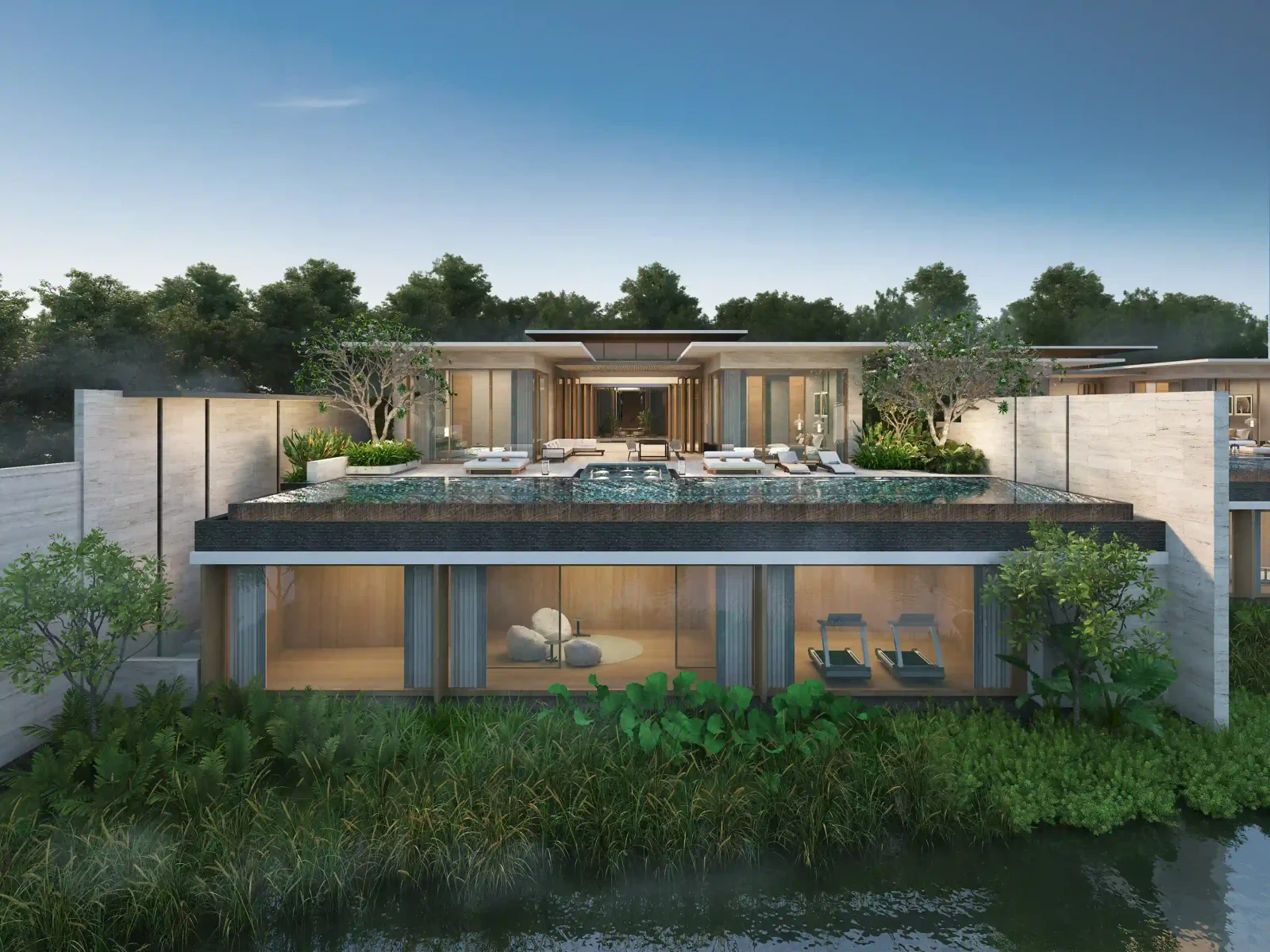
## Banyan Tree Beach Residences Oceanus: Deep Dive
### What the $4.9M-$12.0M Buys
At the lower end of the price range (THB 160M, approximately $4.9M), buyers receive a 4-bedroom residence of 416 sqm. At the upper end (THB 391M, approximately $12.0M), residences extend to 768 sqm, more than 8,000 square feet of private living space on Bang Tao Beach.
Every Oceanus residence includes:
- **Direct beachfront position**, no road separation, no shared beach access queue
- **Private swimming pool**, not a shared podium pool, a private pool within the unit footprint
- **Banyan Tree brand service integration**, access to Banyan Tree Phuket resort services, spa, and F&B
- **4-bedroom layout**, minimum bedroom count signals the project is aimed at families and large-party buyers, not solo investors
- **Fully finished interiors**, Banyan Tree-grade interior specification
### The Price-Per-Sqm Reality
At $4.9M for 416 sqm, the implied price per sqm is approximately $11,800 (~THB 385,000). At $12.0M for 768 sqm, it rises to approximately $15,600 (~THB 509,000).
For context:
- Garrya (200m from beach, wellness brand): ~$8,300/sqm
- Angsana Oceanview (sea view, not beachfront): ~$6,000-$9,000/sqm
- Laguna Beachside (100m from beach, non-branded luxury): ~$5,500-$7,000/sqm
Oceanus commands a meaningful premium, which is the direct cost of: (1) beachfront position, (2) Banyan Tree brand, (3) extreme scarcity (16 units).
## Banyan Tree Beach Residences Varuna: Overview
Varuna's smaller unit count (10 vs 16) makes it even more exclusive than Oceanus and caters to buyers who want maximum privacy within the Banyan Tree beachfront ecosystem. The two projects, Oceanus and Varuna together comprising just 26 beachfront residences, effectively create a private beachfront enclave within Laguna Phuket.
## Who Buys a $5M Beachfront in Phuket?
### Profile 1: The Trophy Asset Buyer
High net worth individuals (HNWI) and ultra-high net worth individuals (UHNWI) from Singapore, Hong Kong, Europe, and the Middle East who are building a portfolio of globally recognised real estate assets. A Banyan Tree beachfront in Laguna Phuket sits alongside Maldives villas, Côte d'Azur apartments, and Dubai penthouses as a recognisable brand-backed trophy asset.
### Profile 2: The Lifestyle-First Buyer
Families or couples who use Phuket regularly (or plan to relocate part-time) and want to own rather than rent ultra-luxury accommodation. At about $3.3M to $12.0M, the annual carrying cost at a 5% yield on rental income meaningfully offsets ownership expenses while the property delivers lifestyle use.
### Profile 3: The Capital Preservation Investor
In Southeast Asia's luxury real estate market, Banyan Tree beachfront properties in Laguna Phuket have historically maintained value better than non-branded alternatives during market softening periods. For investors prioritising capital preservation with income yield of approximately 5%, Oceanus represents a defensible store of value.
### Profile 4: The Brand-Driven Investor
Investors who specifically seek properties where the hotel brand drives rental rates well above market. A Banyan Tree Phuket beachfront residence rented at Banyan Tree resort rates (typically $1,500-$5,000+ per night for comparable resort villas) generates income that non-branded properties cannot replicate.
## Payment Structure and Financing
A typical structure might be:
- Reservation: 1-2%
- Contract signing: 20-30%
- Construction milestones: 40-50% across stages
- Completion: 20-30%
Financing at 3-7% annually bridges gaps between milestone payments for buyers who prefer to retain liquidity elsewhere.
## Rental Yield Analysis: Is 5% Realistic?
**Revenue side:** A 768 sqm Banyan Tree beachfront residence available for short-term rental at an average daily rate of $3,000 (conservative for beachfront Banyan Tree in peak season) over 180 nights per year generates $540,000 gross. On the 391M THB residence, about $12.0M, that is about 4.5% gross, close to the 5% forecast.
**Cost side:** Management fees for branded rental programmes typically run 30-40% of gross revenue. Additional costs include: insurance, maintenance reserve, Thai property tax (land and building tax at 0.3-0.7% of appraised value for rental properties), and HOA fees.
After management and operating costs, a net yield of 4.5-5.5% on an ultra-luxury Banyan Tree beachfront asset is achievable and consistent with developer projections, assuming occupancy of 60-70%.
## Capital Appreciation Potential
1. **Absolute scarcity**: 16 units on Bang Tao Beach is not replicable
2. **Brand anchor**: Banyan Tree Phuket resort adjacent drives long-term tourism demand
3. **$2B Lakelands masterplan**: Infrastructure investment improving the broader Laguna estate
4. **Phuket tourism growth**: International arrivals to Phuket recovering and exceeding pre-2020 levels
## Laguna Phuket Area: The Location Case
| Amenity | Distance |
|---|---|
| Bang Tao Beach (direct) | 0m (beachfront) |
| Banyan Tree Spa | On-site |
| Laguna Golf Phuket | 5 min drive |
| Boat Avenue Shopping | 5 min drive |
| BISP British International School | 5 min drive |
| Phuket International Airport | 20 min drive |
| Bangkok Hospital Phuket | 20 min drive |
## Pros and Cons
**Pros**
- Direct Bang Tao beachfront inside Laguna, a position that cannot be replicated
- Twenty-six units across two releases, so scarcity is structural rather than marketed
- Banyan Tree already operates on this estate, so the rental infrastructure exists today
- Laguna's estate boundaries constrain any future supply at this tier
- December 2028 delivery gives ample time for the licence and programme review this level justifies
**What to consider:**
- Entry from about $3.3M, this is a UHNWI product, not a mid-market investment
- December 2028 delivery means 3 years before rental income begins
- Resale market is narrow: finding a buyer for a $5M+ Phuket beachfront residence takes time
- 5% yield forecast is plausible but not guaranteed, depends on rental management performance
- Foreign quota must be verified: freehold condominium title requires available quota in the project
## What 385,000 to 509,000 baht per square metre is actually buying
The arithmetic on the page is worth restating plainly, because at this level the rate is the only comparison that travels. A 416 square metre residence at 160M THB works out around 385,000 THB per square metre and a 768 square metre one at 391M around 509,000: roughly four to five times what a good non-branded Bang Tao condominium commands, and above almost anything else in Thailand.
Three things are being paid for, and they are worth separating because they hold their value differently.
The land is the durable part. Direct Bang Tao beachfront inside the estate boundary is finite, cannot be replicated, and is not going to be built on again. Whatever happens to the brand or the operator, that remains true, and it is the reason this is a defensible asset rather than an expensive one.
The brand and the operating agreement are contractual, which means they have a term and an end. Ask how long the management agreement runs, what happens at the end of it, who may terminate early and on what notice, and what becomes of the branding, the service standard and the booking channels if the relationship ends. A residence that loses its brand keeps its beachfront and loses part of what the premium paid for.
The service and facility access is the part most often assumed rather than checked. Ask precisely which hotel facilities the residence carries, on what terms, at what annual cost, whether the entitlement attaches to the unit or to the owner personally, and whether it survives a sale. That last question is the first thing a resale buyer's lawyer will ask.
## Two layers of cost, both permanent
A residence inside an integrated estate carries the building's own common charges and sinking fund, and separately the estate's charge for the shared infrastructure: roads, landscaping, security, drainage, beach access.
Ask for both, with whatever history exists, and for the capital works scheduled over the next five years. Ask how the estate charge is apportioned between residences of very different sizes and between the residential and hotel components, and what the developer funds while parts of the estate remain unsold.
On a fifteen-year hold those two annual lines matter more to the outcome than the entry-price negotiation that dominates the sales conversation, and they are far harder to renegotiate later. At 416 to 768 square metres, a rate quoted per square metre becomes a very large annual figure.
## Liquidity, planned for rather than discovered
Twenty-six residences across the two projects, at about $3.3M and above, is a market of a handful of buyers a year worldwide. That is not an argument against the purchase; it is an argument for buying in a way that shortens the eventual sale.
Keep documentation from day one: title or lease papers, the brand and facility entitlements, running costs, maintenance records, and any letting history through the operator. A buyer at this level, properly advised, pays for evidence and discounts heavily without it.
Buy on the estate's strengths rather than at its margins: within any scheme some positions are the reason people want to be there and others are what sells last, and the premium for the former is usually recovered on exit.
And set the holding period honestly at purchase. With a December 2028 delivery and a market this thin, capital that might be needed inside five years does not belong here regardless of how good the residence is.
{/* corpus-faq:banyan-tree-residences-laguna */}
## FAQ
### What is the difference between the Banyan Tree beachfront products?
Format. Oceanus is the apartment collection, Varuna the villa format, and Nammu the beachfront townhomes, all within Laguna and all at the trophy end of the Phuket market. The ownership position differs accordingly: apartments can be freehold within the quota, villas and townhomes cannot.
### Can a foreigner hold these freehold?
Condominium units, yes, within the building's 49% foreign-quota floor area, confirmed in writing before deposit. Villa and townhome formats, no, because a foreigner cannot hold freehold title to land in Thailand at any price. Those are registered leases with the building owned in your name, or Thai company structures.
### What yield is realistic at this level?
Modest as a percentage of capital, and that is the honest framing. These are prestige assets where rental income offsets a meaningful part of the holding cost rather than producing a competitive return. Ask the operator for a worked twelve-month statement from comparable inventory with occupancy month by month.
### How liquid is the resale market?
Narrow and patient. A trophy beachfront unit sells to someone who specifically wants it, at that price, and finding them is a marketing exercise through private channels measured in months rather than a portal listing measured in weeks. Suited to a long hold.
### What should I negotiate rather than the price?
The terms. A delay penalty with a figure and a long-stop date, the final tranche payable after snagging is closed, the specification schedule as a contractual annex, and clarity on which entity receives the funds. Those cost the developer nothing today and matter more across a multi-year build.
**Read Also:**
- [Bang Tao & Laguna Property Guide](/bang-tao-properties/)
- [Foreign Quota in Thai Condominiums](/guides/foreign-quota-thai-condominiums/)
- [Freehold vs Leasehold in Thailand](/guides/freehold-vs-leasehold-thailand/)
- [Hidden Costs of Buying in Thailand](/guides/hidden-costs-buying-property-thailand/)
- [Resale Potential of Phuket Condos](/guides/resale-potential-phuket-condos/)
- [Off-Plan Property: Risks and Checks](/guides/off-plan-property-phuket-guide/)
- [Thailand Property Tax for Foreigners](/guides/thailand-property-tax-foreigners/)
# Banyan Tree Nammu Laguna: Beach Townhomes from 110M THB
> Banyan Tree Beach Residences Nammu: 15 beachfront townhomes in Laguna Phuket, three bedrooms over four levels with rooftop pools, from 110M THB.
**Source:** https://moregroup.estate/projects/banyan-tree-residences-nammu/
**Section:** Project Reviews
**Author:** MORE Group Editorial
**Published:** 2026-04-07
**Updated:** 2026-08-23
---
## What Is Banyan Tree Beach Residences Nammu?
Nammu brings the Banyan Tree way of living to the edge of the sand. Each townhome is arranged over four levels: a flexible ground floor, the bedrooms on the second level, a bright open-plan living and dining floor on the third, and a private rooftop terrace with an infinity-edge pool at the top, looking out over the Andaman Sea and the green hills. High ceilings and full-length windows fill the rooms with light, and terraces invite long lunches in the open air.
Owners live inside Laguna Phuket, the island's best-known integrated resort, with its spas, restaurants, beach clubs and award-winning golf course, and the 24-hour concierge and property management look after the home whether you are in residence or away. Sanctuary Club membership adds privileges at Banyan Group hotels around the world.
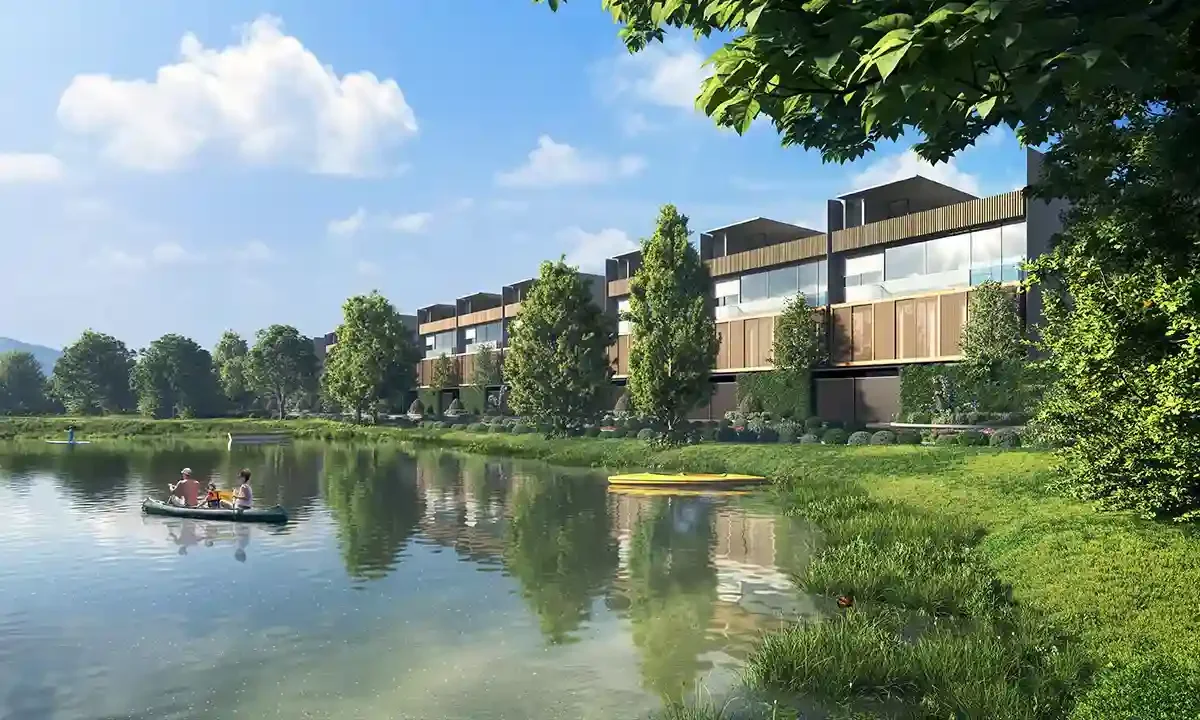
## What Are the Key Facts for Banyan Tree Nammu?
| Factor | Detail |
| --- | --- |
| Brand | Banyan Tree, inside Laguna Phuket |
| Location | Bang Tao Beach, a few steps from the sand |
| Collection | 15 beachfront townhomes |
| Townhomes | 5 on our price list: 10, 11, 12, 13 and 15 |
| Bedrooms | Three, over four levels |
| Area | 468 sqm |
| Price | 110,000,000 to 116,000,000 THB |
| Rooftop | Private terrace with an infinity-edge pool |
| Services | 24-hour concierge, property management, Sanctuary Club |
| Payment | Five stages of 20% |
| Stage | Under construction |
| Airport | About 26 minutes by car |
## Location: Laguna Phuket and Bang Tao Beach
Bang Tao is one of Phuket's longest beaches, a wide sweep of white sand along the west coast, calm and clear through the high season from November to April. Laguna Phuket stretches along its central part, with lagoons, gardens, hotels and one of the island's most complete sets of resort services.
- **Bang Tao Beach:** about 3 minutes on foot
- **Laguna Phuket:** spas, restaurants, beach clubs and the Laguna Golf Phuket course
- **Boat Avenue and Porto de Phuket:** shopping and dining, with the nearest mall about 8 minutes by car
- **International schools:** within a short drive
- **Airport:** about 26 minutes by car
Days at Nammu start with a swim in the sea, move from the rooftop pool to the spa or the golf course, and end with the sunset over the Andaman Sea from your own terrace. The [Bang Tao area page](/bang-tao-properties/) covers the district in more detail.
## Townhomes and Prices
| Townhome | Bedrooms | Area | Price |
| --- | --- | --- | --- |
| 10, 11, 12, 13 and 15 | Three | 468 sqm | 110,000,000 to 116,000,000 THB |
The five townhomes on our list share the same four-level plan, and the price moves with the position of each home along the row. We send the plan of each level, the position of each townhome and the view from its rooftop with the price list.
## Design and Services
- **Four levels** with a flexible ground floor
- **Three bedrooms** on their own floor
- **Open-plan living and dining** with full-length windows
- **Private rooftop terrace** with an infinity-edge pool
- **Views** of the Andaman Sea and the hills
- **24-hour concierge** and property management
- **Banyan Tree Sanctuary Club** membership
- **Laguna Phuket:** spas, restaurants, beach clubs and golf
## Living at Nammu
A home at Nammu is lived from the bottom up. The ground floor opens towards the beach path, the bedrooms give each member of the family their own quiet, the living floor gathers everyone for meals, and the rooftop pool is where the day ends, with the sun setting over the sea. When you want a change of scene, the restaurants, the spa and the golf of Laguna are a short walk or a shuttle ride away, and the concierge takes care of the rest.
## Five-Stage Payment Plan
The price is paid in five equal stages of 20%. For a townhome at 110,000,000 THB that means 22,000,000 THB at each stage, with the last one at handover. We send the developer's schedule for your townhome with the price list.
## Why Buyers Choose Banyan Tree Nammu
- **A few steps from Bang Tao Beach**
- **Only 15 townhomes** in the collection
- **A private rooftop pool** with sea views
- **The Banyan Tree brand**, with concierge and property management
- **Laguna Phuket** at your door: spas, restaurants, beach clubs and golf
- **Sanctuary Club** privileges at Banyan Group hotels
## Who Banyan Tree Nammu Suits
**Buyers who want a beachfront home** with the service of a world-class resort.
**Families** who want three bedrooms, a rooftop pool and the beach a few steps away.
**Owners who spend part of the year in Phuket** and want the home looked after by the concierge and property management while they are away.
**Buyers of branded residences** who value the Banyan Tree name and its Sanctuary Club.
## Renting Out a Townhome at Nammu
A beachfront townhome with a rooftop pool inside Laguna Phuket appeals to families and couples who want the privacy of a home with the services of a resort, through the high season and beyond. The beach a few steps away, the rooftop pool and the Banyan Tree name are what guests book and remember.
If you plan to let your townhome at Nammu, we collect current asking rents and holiday rates for comparable beachfront residences in Laguna and send them with the price list. [Our rental guide](/guides/phuket-rental-yield-complete-guide-2026/) explains how to read a rental offer line by line.
## Ownership for Foreign Buyers
At Banyan Tree Nammu, as with any house in Thailand, you buy land plus a building. The townhome can be held in your own name over a lease of the plot registered at the Land Office, 30 years per registration with renewal terms in the contract, or the land can be held through a Thai company with genuine Thai shareholders. We confirm with the developer which structure is offered for your townhome, [freehold and leasehold in Thailand](/guides/freehold-vs-leasehold-thailand/) explains both routes, and we prepare the one that suits you with our legal support.
## Nammu and Other Beach Residences in Laguna
| Project | From | Status |
| --- | --- | --- |
| [Laguna Beach Residences Seashore](/projects/laguna-beach-residences-seashore/) | 22,700,000 THB | Off-plan |
| [Laguna Reef Beachside](/projects/laguna-reef-beachside/) | 27,000,000 THB | Completed |
| [Laguna Beach Residences Bayside](/projects/laguna-beach-residences-bayside/) | 27,700,000 THB | Off-plan |
| [Banyan Tree Varuna](/projects/banyan-tree-residences-beach-residences-varuna/) | 106,900,000 THB | Off-plan |
| Banyan Tree Nammu | 110,000,000 THB | Off-plan |
| [Banyan Tree Oceanus](/projects/banyan-tree-beach-residences-oceanus/) | 160,000,000 THB | Off-plan |
Nammu stands out in this group as a collection of beachfront townhomes with private rooftop pools. We send the price lists of any of these projects on request and arrange viewings.
## Buying Banyan Tree Nammu with MORE Group
A townhome at Nammu is bought in five steps, from the first price list to the keys, and we are with you through each of them.
## What We Send Before You Reserve
- The current price list with free townhomes, plans and positions
- The five-stage payment schedule for your townhome
- The ownership structure for your purchase, with the documents it needs
- The common charges, the terms of the concierge and property management, and the Sanctuary Club benefits
- The latest construction update
{/* corpus-faq:banyan-tree-residences-nammu */}
## FAQ
### What does a townhome at Banyan Tree Nammu cost?
Our price list holds five three-bedroom townhomes of 468 sqm, numbers 10, 11, 12, 13 and 15, from 110,000,000 to 116,000,000 THB.
### What does each townhome include?
Four levels: a flexible ground floor, three bedrooms on the second level, open-plan living and dining on the third and a private rooftop terrace with an infinity-edge pool, with views of the sea and the hills.
### What services do owners receive?
A 24-hour concierge, property management and membership of the Banyan Tree Sanctuary Club, with privileges at Banyan Group hotels. Owners also enjoy the spas, restaurants, beach clubs and golf of Laguna Phuket.
### What is the payment plan?
Five equal stages of 20%. For a townhome at 110,000,000 THB that means 22,000,000 THB at each stage, with the last one at handover.
### How can foreigners own a townhome at Nammu?
The townhome can be held in your own name over a lease of the plot registered at the Land Office, 30 years per registration with renewal terms in the contract, or the land can be held through a Thai company with genuine Thai shareholders. We confirm the structure offered for your townhome and prepare it with our legal support.
**Read Also:**
- [Banyan Tree Varuna](/projects/banyan-tree-residences-beach-residences-varuna/)
- [Banyan Tree Oceanus](/projects/banyan-tree-beach-residences-oceanus/)
- [Laguna Homes](/projects/laguna-homes/)
- [Freehold vs Leasehold in Thailand](/guides/freehold-vs-leasehold-thailand/)
- [How Foreigners Buy Phuket Property 2026](/guides/buying-property-phuket-guide/)
- [Phuket Rental Yield Guide](/guides/phuket-rental-yield-complete-guide-2026/)
# Banyan Tree Residences Phuket Review 2026: Price List
> Banyan Group residences in Laguna compared from our price list: Varuna, Oceanus, Garrya, Elara and Angsana by price and fees. An overview, not one project.
**Source:** https://moregroup.estate/projects/banyan-tree-residences/
**Section:** Project Reviews
**Author:** MORE Group Editorial
**Published:** 2026-03-26
**Updated:** 2026-10-07
---
## Banyan Tree Residences Phuket: What the Price List Holds, 2026
This page is an overview of Banyan Group schemes in Laguna, not one development: [Angsana Oceanview Residences](/projects/angsana-oceanview-residences/), the completed Angsana building whose price opens the range below, has its own page, as do the individual Banyan Tree collections.
Rental yield is the metric most investors arrive wanting, and it is the one this page cannot give: no Banyan Group scheme in Phuket has a published yield, because no Phuket scheme does. The brand-by-brand gross bands this paragraph used to open with are withdrawn. What replaces them is the half of the question that is documented, the price of each scheme on MORE Group's list, its metre rate against the corridor, and the contractual share a branded programme takes, followed by the questions that turn the other half into evidence (the original paragraph continued: Garrya wellness premium estimate). But gross yield tells only part of the story, net yield after management fees, tax, and costs is what ends up in your account. This analysis breaks down the numbers project by project.
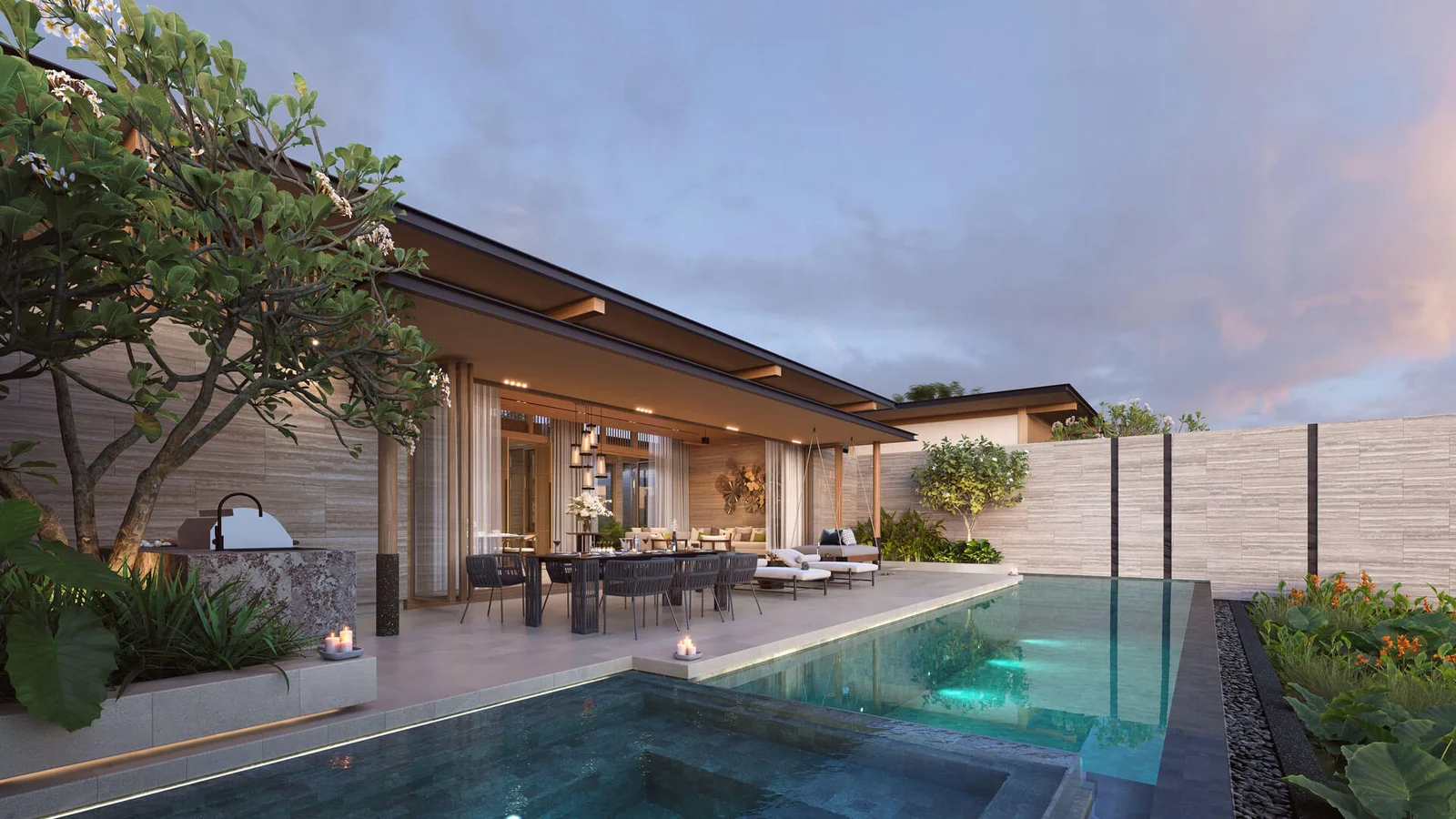
## Understanding Gross vs Net Yield in Phuket
### Gross Rental Yield
Total annual rental revenue divided by the purchase price, expressed as a percentage. This is the headline number developers use in marketing materials.
**Gross yield = Annual rental revenue / Purchase price x 100**
### Net Rental Yield
What you actually receive after deducting management fees, property tax, maintenance, insurance, and HOA costs from gross revenue.
**Net yield = (Annual rental revenue - All costs) / Purchase price x 100**
### The Management Fee Gap in Banyan Group Projects
Banyan Group branded rental programmes typically charge 30-40% of gross rental revenue as the management fee. This is industry-standard for hotel-managed branded residential rental pools and reflects the significant value of: Banyan Group's global reservation network, professional management, brand marketing, and operational oversight.
Whatever gross a unit produces, a 30-40% programme fee takes a third to two fifths of it before tax and maintenance: the illustrative gross and net this sentence used to attach to that are withdrawn, but the fraction is contractual and is the part to read in the agreement.
**Typical cost breakdown for Banyan Group rental programme:**
| Cost | Approximate Rate |
|---|---|
| Management fee | 30-40% of gross revenue |
| Land and building tax | 0.3-0.7% of appraised value (rental use) |
| HOA / maintenance | 0.3-0.8% of purchase price per year |
| Insurance | 0.1-0.2% of purchase price per year |
| Furniture replacement reserve | 0.2-0.5% of purchase price per year |
## Project-by-Project Yield Analysis
### 1. Cassia Phuket: Hotel-Pool Yield
| Metric | Value |
|---|---|
| On our price list | Not present, Cassia carries no priced units in MORE Group's records, so the price range this table used to give is a market figure and is marked as one |
| Management fee | ~35% of gross under the pool, contractual |
| Yield, net income | Not published; the four rows that used to sit here are withdrawn |
**Why Cassia yields well:**
Cassia operates as a genuine hotel, units are marketed and booked as Cassia Phuket hotel rooms on major OTAs (Booking.com, Agoda, Expedia). The hotel licence model allows the property to operate year-round with professional revenue management, and the occupancy it achieves is in its own operator's book: no Phuket occupancy series is published, and the band this sentence used to give is withdrawn.
**Rate context:** Cassia sits at the accessible end of the Laguna hotel market by design, and its published room rates are visible on the hotel's own booking page today; the residence owner's share of them is in the pool agreement. The target band this line used to give is withdrawn as an achieved figure, nobody publishes one.
**The scenario that used to sit here** modelled a $160K Cassia one-bedroom at 60% occupancy and a $100 nightly rate through a 65% owner share to an 8.9% gross. It is withdrawn: neither input is published, and Cassia has no priced units on our list for the $160K to be checked against. The 65% owner share is the contractual part and is worth confirming in the pool agreement.
Whether Cassia performs on a net basis cannot be stated here at all: it has no priced units on our list and no published occupancy, so both halves of a yield are missing. What is real is the competitive setting, a Laguna market taking newer supply through 2026-2028, and the 65% owner share written into the pool agreement.
### 2. Skypark Elara Lakelands: Lake-View Lifestyle Yield
**Investment profile:** Off-plan (under construction), 62 priced units from 8,290,000 THB, Q3 2028 delivery on our record
| Metric | Value |
|---|---|
| On our price list | 62 priced units from 8,290,000 THB ($253,517): 1BR ×44 at a 54 sqm median, 2BR ×7 at 85, 3BR ×11 at 186 |
| Metre rate | 187,222 THB/sqm, about $5,726 (not the ~$6,100 this row used to give) 16% above the Bang Tao area median of 161,000 |
| Management fee | ~35% of gross, contractual |
| Yield, net income | Not published; withdrawn |
**Why Skypark Elara yields at mid-range:**
Skypark Elara's lake view position within the Laguna Lakelands masterplan is not the same as beachfront or sea view, ADRs will be lower than Garrya (beachfront proximity) but competitive within the Laguna ecosystem. The project's large scale (220 units) means a deep managed rental pool with consistent occupancy support.
**The delivery date is the thing to confirm in writing.** Sales material for this scheme has circulated an October 2026 handover; our record says Q3 2028, and the two are two years apart. Nothing about a letting case survives that gap, so ask which one the SPA commits to before anything else.
### 3. Residences at Garrya: Wellness Premium Yield Potential
**Investment profile:** Under construction, 35 priced units from 16,360,000 THB at a 312,259 THB per sqm median, Q2 2029 delivery on our record (sales material has said Q2 2027, confirm in the SPA)
| Metric | Value |
|---|---|
| On our price list | 35 priced units from 16,360,000 THB ($500,306) (not the $430K this row used to give) 1BR ×11 at a 57 sqm median, 2BR ×24 at 215 sqm from 32,950,000 |
| Metre rate | 312,259 THB/sqm, about $9,549 (not ~$8,300) 94% above the Bang Tao area median |
| Management fee | ~35% of gross, contractual |
| Yield, net income | Not published; withdrawn |
**Why Garrya has the highest yield potential:**
Garrya's wellness brand is the key differentiator. Wellness tourism is growing at approximately 10-15% annually globally (Global Wellness Institute data). Guests booking Garrya are specifically seeking the preventive health, mindfulness, and spa-integrated experience, and they pay ADR premiums of 20-40% above comparable non-wellness branded properties.
**Rate context:** what Garrya-branded residences achieve in other markets is not evidence about Phuket, and the band this line used to import from them is withdrawn. The hotel's own published rates are the checkable reference; the residence owner's share is in the agreement.
**The Garrya scenario that used to sit here** modelled a $430K one-bedroom at 55% occupancy and a $280 nightly rate to an 8.5% gross, with a "conservative" case beneath it. Both are withdrawn: the inputs are unpublished, and the entry is 16,360,000 THB ($500,306) on our list rather than $430K, which would have moved every percentage even if the inputs had been real.
The wellness thesis itself is real and separately evidenced (the Global Wellness Institute does publish sector growth) but sector growth is not a Phuket occupancy, and this page no longer bridges the two with a number.
### 4. Angsana Oceanview Residences: Sea View, Three Priced Units
**Investment profile:** Completed, 33 residences, three priced units on our record from 45,820,000 THB.
| Metric | Value |
|---|---|
| On our price list | 3 priced units: 2BR 209 sqm at 45,820,000 THB, 3BR 281 sqm at 58,680,000, 2BR 304 sqm at 84,940,000. No one-bedroom exists in the record |
| Metre rate | 219,234 THB/sqm |
| Management fee | ~35% of gross, contractual |
| Yield, net income | Not published; withdrawn |
**Why Angsana yields at the lower end on a percentage basis:**
Whatever gross a unit produces is divided by a purchase price that is high for the format (45,820,000 THB for a 209 sqm two-bedroom) so the same rent is a smaller percentage than in a cheaper scheme. Both the gross figure and the net percentage this paragraph used to carry are withdrawn: neither was sourced, and no Phuket register publishes either.
The case for Angsana Oceanview, if there is one, is absolute income rather than a percentage, but the income figure this sentence used to give was not sourced to anything and is withdrawn. What a lifestyle buyer can check before committing is the operator's share under the pool agreement and the common-area charge per sqm.
### 5. Banyan Tree Oceanus: Ultra-Premium Capital-Preservation Yield
**Investment profile:** Off-plan, seven priced units from 160,000,000 THB ($4,892,966), Q4 2028 delivery
| Metric | Value |
|---|---|
| On our price list | 7 priced units from 160,000,000 THB ($4,892,966) to 391,000,000 ($11,957,187): the top is nearly twice the $6.5M this row used to give, 4BR at a 416 sqm median |
| Metre rate | **452,479 THB/sqm, the dearest metre anywhere in the corpus** |
| Management fee | ~35% of gross, contractual |
| Yield, net income | Not published; withdrawn. At this metre the purchase is not made on a yield |
**Why Oceanus is not a yield purchase:** at 452,479 THB per square metre, the dearest metre anywhere in the corpus, 2.8 times the Bang Tao area median, it is capital preservation and lifestyle use with income, not a yield-maximisation product. The 5% gross and the arithmetic this section used to run on it are withdrawn: no rate or occupancy is published for the scheme, and at this price the number that matters is the one on the list.
For buyers at this level the question is whether the carrying cost is covered, not what percentage it returns, and the net income figure this line used to give was not sourced and is withdrawn. The carrying cost itself can be priced before purchase: the operator's share of gross, the common-area charge per sqm, and the statutory transfer taxes.
### 6. Beach Residences Varuna: The Dearest Villa Metre in the Corpus
**Investment profile:** Off-plan, six priced villas from 106,900,000 THB, Q2 2028 delivery
| Metric | Value |
|---|---|
| On our price list | 6 priced villas: 3BR ×5 at 292 to 298 sqm from 106,900,000 to 115,700,000 THB, and one 4BR at 880 sqm for 245,000,000 |
| Metre rate | **376,370 THB/sqm, the dearest villa metre in the corpus**, second only to Oceanus across all formats |
| Payment plan | 20% × 5 on the record |
| Yield, net income | Not published, and not publishable: Thailand keeps no letting register |
The 4BR at 880 sqm is the outlier that shapes the scheme's numbers: three times the built area of the 3BR units at 2.3 times the price, which is why its own metre (278,409) is the *lowest* in the scheme rather than the highest. Read the price per sqm by unit here, not by scheme.
### 7. Banyan Tree Beach Residences Nammu: Five Villas, One Layout
**Investment profile:** Off-plan, five priced villas from 110,000,000 THB, Q2 2026 delivery
| Metric | Value |
|---|---|
| On our price list | 5 priced villas, all 3BR at 468 sqm: one at 110,000,000 THB and four at 116,000,000 |
| Metre rate | 247,863 THB/sqm |
| Location | Filed under Layan on the record, not Bang Tao, the only one of the five |
| Yield, net income | Not published |
Nammu is the tightest scheme of the group: one layout, one size, a 5.5% spread between the cheapest and the dearest villa. That makes its metre the most reliable of the five as a comparable, and it makes plot position the only variable a buyer is actually choosing between.
### 8. Yara Residences: Two Villas, Two Different Products
**Investment profile:** Off-plan, two priced villas from 93,800,000 THB, Q2 2027 delivery
| Metric | Value |
|---|---|
| On our price list | 2 priced villas: a 3BR at 414 sqm for 93,800,000 THB (226,570/sqm) and a 5BR at 938 sqm for 194,700,000 (207,569/sqm) |
| Metre rate | 226,570 THB/sqm |
| Yield, net income | Not published |
Two units is not a price list, it is two prices. Yara is on this page because it is part of the estate, not because anything about it can be generalised.
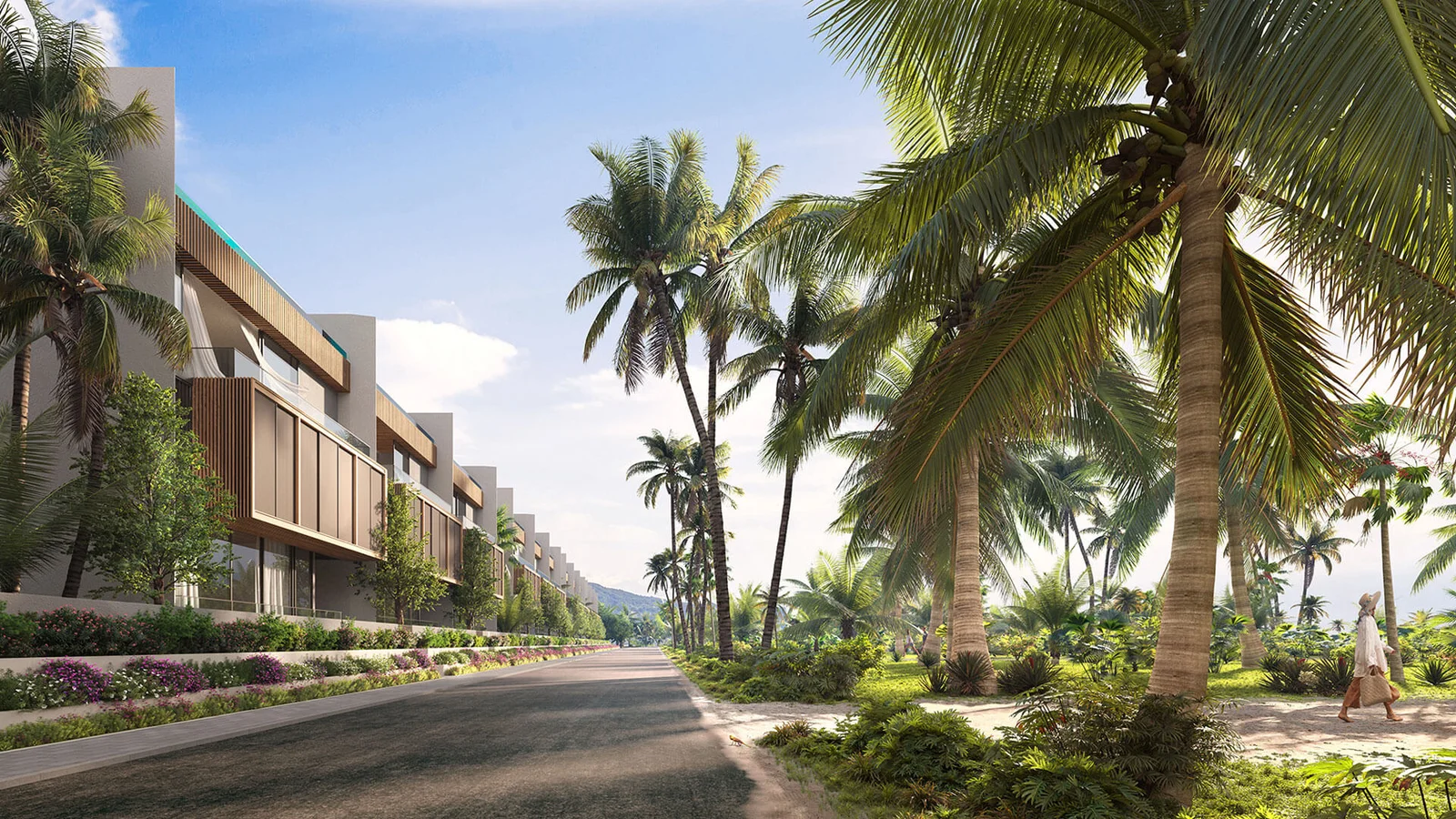
## Where the Five Banyan Tree Records Sit Against Each Other
| Scheme | Type | Priced units | From (THB) | Median THB per sqm | Delivery on record |
|---|---|---|---|---|---|
| Banyan Tree Oceanus | Apartment | 7 | 160,000,000 | 452,479 | Q4 2028 |
| Beach Residences Varuna | Villa | 6 | 106,900,000 | 376,370 | Q2 2028 |
| Nammu | Villa | 5 | 110,000,000 | 247,863 | Q2 2026 |
| Yara Residences | Villa | 2 | 93,800,000 | 226,570 | Q2 2027 |
| Angsana Oceanview | Apartment | 3 | 45,820,000 | 219,234 | Completed |
Twenty-three priced units across five schemes, and only Angsana's three sit in a finished building. That is the honest shape of this cluster: mostly a launch pipeline rather than a resale market, and every metre above is an asking price rather than a transaction. All five carry the same 20% × 5 payment plan on the record.
Angsana is the entry point by a wide margin (45,820,000 THB against Yara's 93,800,000) and it is also the one scheme here that is already completed rather than years out. That 45,820,000 is the figure in this page's frontmatter as the cluster floor; the 106,900,000 it used to carry was Varuna's entry, which is the dearest villa metre in the corpus and the opposite of a floor.
## What Drives Yield in Banyan Group Properties?
**1. Laguna estate "captive demand"**: Guests visiting Laguna Phuket for the golf, spa, and beach infrastructure generate baseline demand regardless of brand. This estate-wide demand supports occupancy floors across all Laguna properties.
**2. Season structure**: Phuket's high season (November-April) drives ADR premiums of 40-60% over low season (May-October). Projects with strong positioning (beachfront proximity, wellness brand) capture a higher share of their year in the high season. The ADR premium this line used to quantify is withdrawn: no Phuket rate series is published.
**3. Unit size**: Smaller units carry a lower ticket, so the same rent is a larger percentage of it; larger units reverse that and earn more in absolute terms. Across the five Banyan Tree records the range runs from a 209 sqm Angsana two-bedroom to an 880 sqm Varuna villa and a 938 sqm Yara villa.
## Pros and Cons
**What to consider:**
- 30-40% management fee creates a significant gross-to-net gap
- Gross yield figures from developers are projections, not guarantees
- Off-plan projects (Garrya, Elara) have no track record to validate yield assumptions
- Cassia's older building and increasing Lakelands competition may pressure future occupancy
{/* corpus-faq:banyan-tree-residences */}
## FAQ
### Which Banyan Group brand suits which buyer?
They sit at different price points and serve different purposes: the entry-level products are closer to a yield proposition, the mid-tier balances lifestyle and income, and the flagship beachfront products are trophy assets where income offsets holding costs rather than producing a return on capital.
### Are the quoted yields net or gross?
Treat any quoted range as gross unless it says otherwise, and ask for the deduction stack. Hotel-operated programmes commonly take operating expenses first and then a management fee on what remains, so the gap between the headline and what reaches your account is wide. Ask for a worked twelve-month statement rather than a projected daily rate.
### What does the owner-usage clause typically allow?
Thirty to sixty nights a year in this segment, with peak periods blacked out entirely, which in Phuket means roughly late December through February plus Chinese New Year and Songkran. Ask for the exact allowance, the excluded dates, the notice period and whether unused nights carry forward.
### Is freehold available across the range?
In the condominium products, within each building's 49% foreign-quota floor area. In villa and townhome formats, no: foreign freehold of land is not available anywhere in Thailand, so those are registered leases or Thai company structures. Confirm which applies to the specific unit.
### What is the strongest argument for buying inside Laguna?
The infrastructure exists today rather than being promised, and the estate boundary constrains future supply, which has underpinned the area's pricing. The corresponding cost is estate-level charges you pay whether or not you use the facilities.
**Read Also:**
- [Phuket Rental Yield Guide](/guides/phuket-rental-yield-complete-guide-2026/)
- [Buying Property in Phuket](/guides/buying-property-phuket-guide/)
- [Best Areas to Buy in Phuket](/guides/best-areas-phuket-buy-property/)
- [Bang Tao Property Guide](/bang-tao-properties/)
- [Freehold vs Leasehold Thailand](/guides/freehold-vs-leasehold-thailand/)
# Beachfront Bliss Review 2026: Prices, Units and Quota
> Beachfront Bliss Nai Yang: 96 low-rise condos from 6.29M THB, a one-minute walk to the beach inside Sirinat National Park, 30/30/40 payment plan.
**Source:** https://moregroup.estate/projects/beachfront-bliss/
**Section:** Project Reviews
**Author:** MORE Group Editorial
**Published:** 2026-04-08
**Updated:** 2026-10-05
---
## What Is Beachfront Bliss in Nai Yang?
The project delivers genuine coastal positioning: not marketing "beach access" that means a 20-minute walk, but a one-minute stroll to Nai Yang Beach within Sirinat National Park boundaries. That combination of beach proximity and Phuket International Airport convenience is rare at this price band on the island.
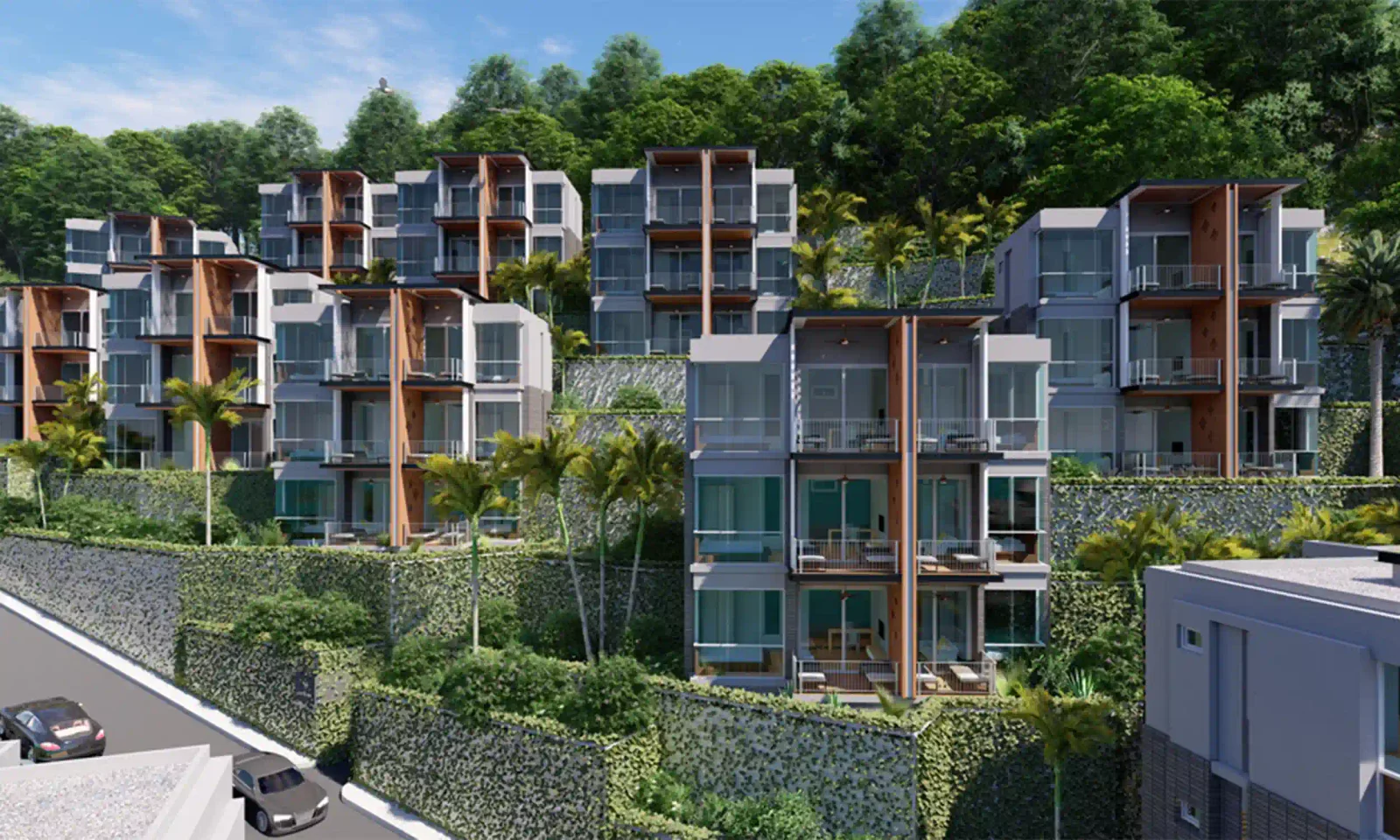
## What Are the Key Facts for Beachfront Bliss?
| Factor | Detail |
| --- | --- |
| Location | Nai Yang Beach, Sakhu, Thalang |
| Total units | 96 low-rise condominium |
| Unit mix | Studio (32-41 sqm), 1BR, 2BR (76 sqm) |
| Price range | 6.29M to 18.12 million THB |
| Status | Under construction |
| Payment | 30% / 30% / 40% |
| Ownership | Condo freehold under 49% foreign quota |
## Location and Area
- **Nai Yang Beach:** National park character, calm water, limited commercial overdevelopment
- **Airport proximity:** Short-break travellers and frequent flyers value sub-15-minute transfers
- **North Phuket growth:** Steady appreciation as buyers discover value versus west-coast premiums
- **Near-term handover:** One of the nearest-term projects on the north-west coast
Northern Phuket offers comparable natural beauty to Bang Tao or Kamala at lower entry tickets. We send the walking time to the beach from each building, since it differs slightly by position within the 96-unit layout.
## Design and Units
- **Studio:** 32 to 41 sqm from 6.29 million THB, strong short-break rental format
- **1BR:** Core owner-occupier and yield investor configuration
- **2BR:** Up to 18.12 million THB for family and extended-stay rental positioning
- **Amenities:** Resort pool, fitness, landscaped common areas at low-rise scale
The simple 30/30/40 payment plan spreads capital across three clear stages rather than six or seven milestone tranches common in longer off-plan builds. Buyers entering now acquire close to handover, with most of the construction already behind the project.
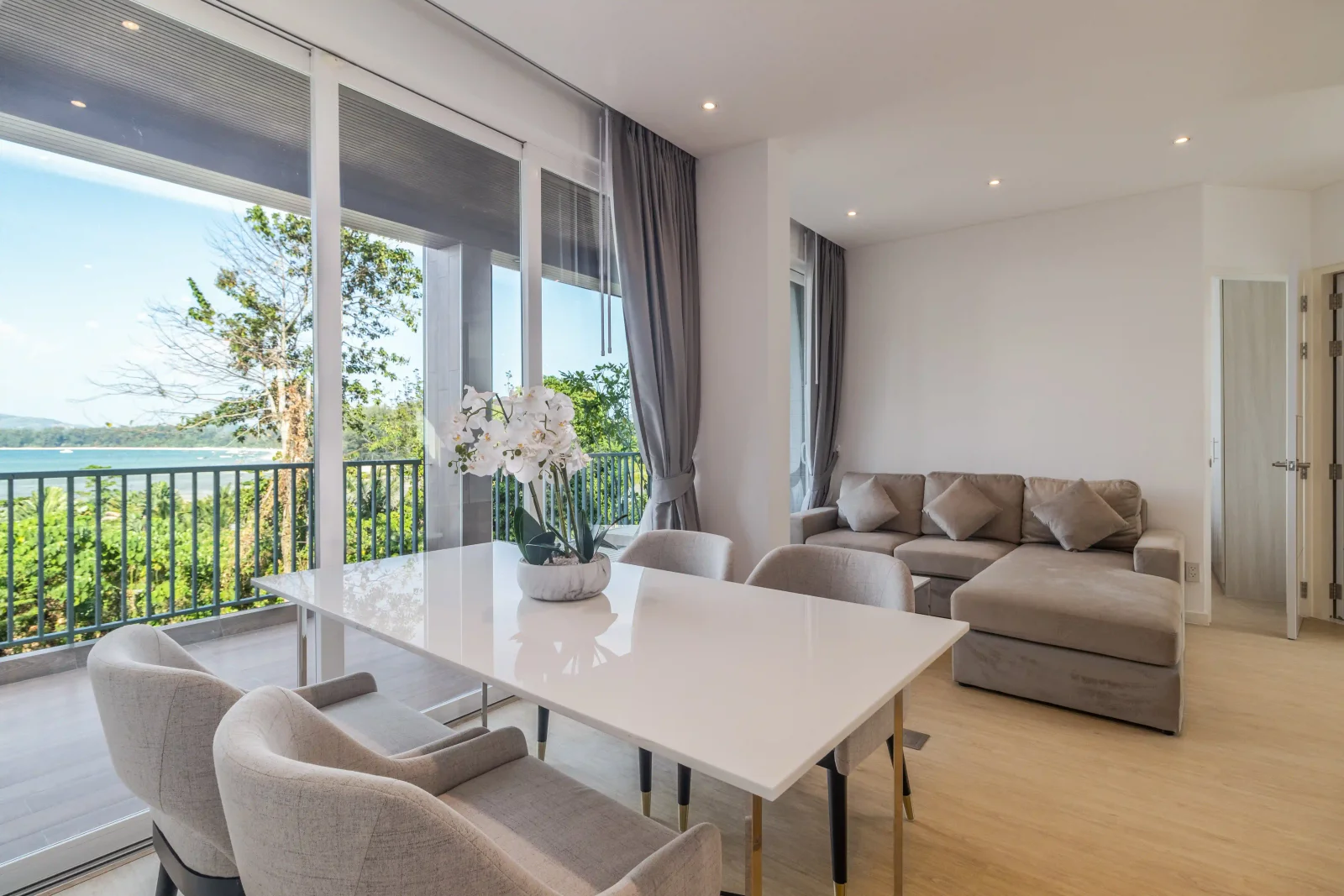
## Investment Case
The price record for Beachfront Bliss is detailed:
| Units | Layout | Size | Price (THB) | THB per sqm |
|---|---|---|---|---|
| 7 | Studio | 32-41 sqm | 6,288,750 - 7,995,000 | 217,150 |
| 5 | 1-bedroom | 41-42 sqm | 8,610,000 - 9,909,950 | 220,890 |
| 7 | 2-bedroom | 76 sqm | 16,232,500 - 18,120,000 | 228,487 |
Nineteen priced units, median 9,277,400 THB, median metre 222,200, payment 30/30/40, **one minute's walk to the beach** and 11 minutes to the airport by car.
**One minute to the sand is as close as anything in our file gets**: the next nearest scheme in this wave is seven minutes and most are over fifty. The 222,200 THB metre, 56% above the Nai Yang area median of 142,107, reflects that position: a beachfront address inside a national park, where new supply on the sand is capped.
The rental case rests on that walk and on the airport eleven minutes away. We send the building's letting rules, the licensing position for short stays and the operator's terms, so the income plan for your unit rests on the actual terms. Studios and one-bedrooms in this location have historically achieved annual occupancy of 60-75% under an experienced local operator, and comparable managed units have historically netted 5 to 7% after 20 to 25% operator fees, at peak occupancy of 75 to 85%.
Compare [Sea Heaven Phase 3](/projects/sea-heaven-phase-3/) and [Capri Residences](/projects/capri-residences/) when benchmarking north-coast micro-location, payment stages and foreign quota.
## Living in Nai Yang
Nai Yang is the quiet end of Phuket's west coast: a 3.5 km pine-shaded beach inside Sirinat National Park, calm water for most of the year and a low-rise village character that the park boundary keeps in place. For owners who fly in and out often, the airport eleven minutes away turns a Phuket weekend into a realistic plan.
The same two features shape the tenants. Short-break guests and frequent flyers book Nai Yang for the beach and the short transfer, while airline and airport staff and relocating families look for long-stay homes close to work and school runs in the north. A studio or one-bedroom here serves both groups, and the two-bedroom units at 76 sqm suit families who want the national park beach on their doorstep.
## Who Is This For?
- **Beach lifestyle:** Genuine one-minute sand access at sub-10 million THB entry
- **Near-completion investors:** one of the nearest-term handovers on the north-west coast
- **Airport travellers:** Frequent flyers and short-break rental demand pool
- **Accessible entry:** Studio from 6.29 million THB versus 10 million THB plus west-coast peers
## Why Buyers Choose Beachfront Bliss
| Factor | Why it works |
| --- | --- |
| Beach | One-minute walk to Nai Yang sand |
| Stage | Among the nearest-term handovers on the north-west coast |
| Payment | Simple 30/30/40 structure |
| Entry | Studio from 6.29 million THB |
**In short:**
- Genuine beachside walkability at accessible north-coast pricing
- A near-term handover, so rental income starts soon after purchase
- Airport under 11 minutes supports short-break rental demand
- Simple three-stage payment plan versus complex milestone schedules
## What "Beachfront" Means Inside a National Park
Nai Yang sits inside Sirinat National Park, and that single fact underwrites the whole proposition here in a way no marketing claim can.
The park boundary caps what can be built and how close to the sand it can sit. That is why Nai Yang has not followed the density curve of Bang Tao despite being closer to the airport, and it is why a 96-unit low-rise here is not a preview of twenty more towers arriving over the next decade. Scarcity of this kind means new supply cannot simply arrive and reset the market, a genuinely different position from the west coast corridors.
The park boundary is part of the paperwork we send: the title plan against the boundary, showing exactly what sits between the building and the water. On a coastline where the boundary is the heart of the value, it is one of the most useful documents in the purchase.
## What a Near-Term Handover Brings
Beachfront Bliss is among the nearest-term projects on the north-west coast, and the 30/30/40 schedule is simple to plan around.
The advantage is straightforward. The rental clock starts within months rather than years, and the building is far enough along to inspect in person. Against a project still years from completion, you collect extra years of income on the same capital.
The final 40% is paid at transfer: roughly 2.5 million THB on a 6.29 million THB studio and over 7 million on the 18.12 million two-bedroom. For a foreign buyer taking freehold, we start the inward remittance and its FET record with you at reservation, so the funds are ready when the completion notice arrives.
A near-term handover also keeps the currency side simple: the conversions happen within months rather than across several years, one of the better arguments for buying late in a build.
## Buying Beachfront Bliss with MORE Group
Buying at Beachfront Bliss runs in five steps from the first price list to the keys, and we take care of each one with you.
With the price list we also send the foreign quota for your unit in square metres, the walking time to the beach from your building, the CAM rate and sinking fund, and a comparison with [Sea Heaven Phase 3](/projects/sea-heaven-phase-3/) and one other north-coast project. North-coast buyers can also read the [Mai Khao north Phuket guide](/areas/mai-khao-north-phuket-property-guide/) and the [off-plan Phuket guide](/guides/off-plan-property-phuket-guide/).
{/* corpus-faq:beachfront-bliss */}
## FAQ
### How close is Beachfront Bliss to the beach?
Beachfront Bliss is approximately one minute on foot from Nai Yang Beach. Nai Yang sits within Sirinat National Park boundaries, which limits commercial overdevelopment and maintains calm water conditions most of the year.
### Can foreigners buy freehold at Beachfront Bliss?
Yes. Beachfront Bliss is structured as a registered condominium with foreign freehold available under the 49% quota. We confirm the quota for your specific unit.
### What stage is Beachfront Bliss at?
Beachfront Bliss is under construction and among the nearest-term handovers on the north-west coast. We send the developer's current completion date and the latest construction update together with the price list.
**Read Also:**
- [Complete Guide to Buying Property in Phuket](/guides/buying-property-phuket-guide/)
- [Sea Heaven Phase 3 Review](/projects/sea-heaven-phase-3/)
- [Capri Residences Review](/projects/capri-residences/)
- [Mai Khao north Phuket guide](/areas/mai-khao-north-phuket-property-guide/)
- [Buying process step by step](/guides/due-diligence-process-thailand-step-by-step/)
- [Phuket rental yield benchmarks](/guides/phuket-rental-yield-complete-guide-2026/)
# Bellevue Beachfront Condo Layan: Studios from 6.22M THB
> Bellevue Beachfront Condo Layan: studios and one-bedrooms about 50 metres from the beach, with pools, a pool bar and a gym, from 6.22M THB.
**Source:** https://moregroup.estate/projects/bellevue-beachfront/
**Section:** Project Reviews
**Author:** MORE Group Editorial
**Published:** 2026-04-02
**Updated:** 2026-08-23
---
## What Is Bellevue Beachfront Condo?
Bellevue Beachfront is about living at the edge of the sand. Layan Beach is a minute's walk from the building, and the resort around it is designed for long, easy days: several swimming pools including one by the beach, a pool bar, a fitness centre, a lounge and reception, landscaped gardens and co-working corners. The apartments have modern layouts with spacious rooms and balconies with views.
For owners who want a holiday base where the beach comes first, or a compact apartment that guests will book for its location, Bellevue puts the sand about a minute from your door.
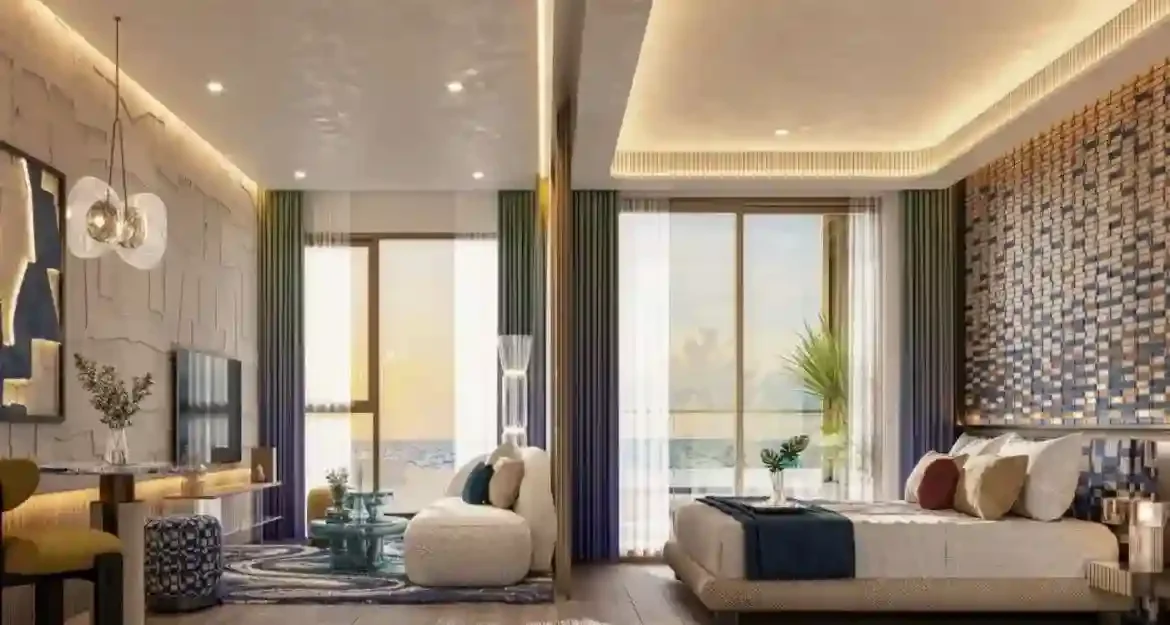
## What Are the Key Facts for Bellevue Beachfront Condo?
| Factor | Detail |
| --- | --- |
| Location | Layan, Choeng Thale, about 50 metres from the beach |
| Residences | 659 in total, 59 on our price list |
| Studios | 32 sqm, 6,216,000 to 7,392,000 THB |
| One-bedroom | 40 sqm, 8,400,000 to 9,660,000 THB |
| Facilities | Pools, pool bar, fitness centre, lounge, gardens, co-working |
| Payment | 70% and 30% |
| Stage | Under construction |
| Beach | About a minute on foot |
| Airport | About 25 minutes by car |
## Location: Layan Beach at Your Door
Layan is the quiet, tree-lined northern end of Bang Tao Bay, one of the calmest and most beautiful beaches on the west coast. Bellevue sits about 50 metres from it, so the day can start with a swim before breakfast and end with the sunset from the sand.
- **Layan Beach:** about a minute on foot
- **Bang Tao Beach and Laguna Phuket:** beach clubs, hotels and golf along the bay
- **Boat Avenue and Porto de Phuket:** shopping, cafes and restaurants, with the nearest mall about 15 minutes by car
- **International schools:** within a short drive
- **Airport:** about 25 minutes by car
Layan draws couples and families who want a quiet beach with the comforts of Bang Tao close at hand. The [Layan area guide](/areas/layan-property-guide/) covers the district in more detail.

## Units and Prices
| Format | Size | Units | Price |
| --- | --- | --- | --- |
| Studio | 32 sqm | 55 | 6,216,000 to 7,392,000 THB |
| One-bedroom | 40 sqm | 4 | 8,400,000 to 9,660,000 THB |
The studios of 32 sqm are the heart of the list, from 6,216,000 THB, and the price moves with the floor and the view. The four one-bedrooms of 40 sqm, E107, E108, D221 and D321, add a separate bedroom for couples who stay longer. The building also includes two-bedroom apartments, which we request from the developer on your behalf. We send the floor plan, floor and view of each unit with the price list, and more options are collected in [studios for sale in Layan](/layan-properties/).
## Facilities
- **Several swimming pools**, including one by the beach
- **Pool bar**
- **Fitness centre**
- **Lounge and reception**
- **Landscaped gardens** and co-working corners
- **Children's room**
- **Parking** and 24-hour security with CCTV
## Living by the Beach
A home this close to the sand changes the rhythm of a stay. Mornings begin with a swim or a walk along the tree-lined shore, afternoons move between the beach and the pools, and evenings belong to the sunset over the Andaman Sea and dinner at the restaurants along Bang Tao Bay. In the green season the beach is quieter and the sea breeze keeps the air fresh, which many long-stay owners enjoy. For families, the children's room and the pools give everyone their own part of the day.
## Payment Plan: 70% and 30%
The price is paid in two stages: 70% and 30%. For a studio at 6,216,000 THB that means 4,351,200 THB at the first stage and 1,864,800 THB at the second. The simple two-step plan keeps the paperwork light. We send the developer's schedule for your unit with the price list.
## Why Buyers Choose Bellevue Beachfront
- **About 50 metres from Layan Beach**
- **Resort facilities:** several pools, a pool bar, a gym and a lounge
- **Balconies with views**
- **Studios from 6,216,000 THB** in a beachfront building
- **A simple two-stage payment plan**
- **Freehold ownership** within the 49% foreign quota
## Who Bellevue Beachfront Suits
**Beach lovers** who want to step out of the building onto the sand.
**Couples and solo travellers** who want a compact holiday base on a calm beach.
**Rental investors** aiming at guests who book for the beach, the pools and the sunsets.
**Buyers building a portfolio** who want a beachfront studio alongside larger property.
## Renting Out a Unit at Bellevue Beachfront
A studio a minute from Layan Beach appeals to couples and solo travellers on holiday in the November to April season, and to long-stay guests who want a beach address through the rest of the year. Beachfront position is the first thing guests look for, and the resort's pools and pool bar complete the picture.
If you plan to let your unit at Bellevue Beachfront, we collect current asking rents and holiday rates for comparable units in Layan and Bang Tao and send them with the price list. [Letting a Phuket condo](/guides/can-i-rent-out-my-phuket-condo/) explains how short stays and monthly lets work, and [our rental guide](/guides/phuket-rental-yield-complete-guide-2026/) shows how to read a rental offer line by line.
## Ownership for Foreign Buyers
Bellevue Beachfront is a condominium, so a unit can be registered freehold in your own name within the 49% foreign quota of the building, counted by floor area. We confirm with the developer that the unit you choose sits inside that quota. For a freehold unit at Bellevue Beachfront, each payment is transferred from abroad in foreign currency, and the receiving bank provides the FET form that the Land Department asks for at registration. [How the foreign quota works](/guides/foreign-quota-thai-condominiums/) explains the rule in detail.
## Bellevue and Other Layan Condos
| Project | From | Status |
| --- | --- | --- |
| [Laya Resort](/projects/laya-resort/) | 5,066,500 THB | Off-plan |
| [AYANA Heights Seaview Residence](/projects/ayana-heights-seaview-residence/) | 5,426,101 THB | Off-plan |
| [Pirak Cherngtalay](/projects/pirak-cherngtalay/) | 5,527,500 THB | Off-plan |
| [Bamboo Forest](/projects/bamboo-forest/) | 5,750,000 THB | Off-plan |
| Bellevue Beachfront Condo | 6,216,000 THB | Off-plan |
| [Layan Green Park Phase 2](/projects/layan-green-park-phase-2/) | 6,683,600 THB | Off-plan |
| [Layan Verde](/projects/layan-verde/) | 7,440,000 THB | Off-plan |
Bellevue stands out in this group for its position about 50 metres from the beach. We send the price lists of any of these projects on request and arrange viewings.
## Buying Bellevue Beachfront with MORE Group
A unit at Bellevue Beachfront is bought in five steps, from the first price list to the keys, and we are with you through each of them.
## What We Send Before You Reserve
- The current price list with free units, floors, sizes and views
- Confirmation that your unit sits within the 49% foreign quota
- The two-stage payment schedule for your unit
- The building's common charges and house rules
- The latest construction update
- Current asking rents and holiday rates for comparable units, if you plan to rent
{/* corpus-faq:bellevue-beachfront */}
## FAQ
### What does Bellevue Beachfront Condo cost?
Our price list holds 59 units: studios of 32 sqm from 6,216,000 to 7,392,000 THB and one-bedrooms of 40 sqm from 8,400,000 to 9,660,000 THB. Two-bedroom apartments are released on request.
### How far is Bellevue from the beach?
About 50 metres, a minute's walk to Layan Beach. The nearest mall is about 15 minutes by car and the airport about 25 minutes.
### What facilities does the building have?
Several swimming pools including one by the beach, a pool bar, a fitness centre, a lounge and reception, landscaped gardens, co-working corners, a children's room, parking and 24-hour security.
### What is the payment plan?
Two stages: 70% and 30%. For a studio at 6,216,000 THB that means 4,351,200 THB and then 1,864,800 THB.
### Can foreigners buy at Bellevue freehold?
Yes. Foreign buyers can hold a unit freehold in their own name within the 49% foreign quota of the building, counted by floor area. We confirm that your unit sits inside the quota, and the purchase money is transferred from abroad with an FET form for registration at the Land Department.
**Read Also:**
- [Studios for Sale in Layan](/layan-properties/)
- [Layan Area Guide](/areas/layan-property-guide/)
- [Blue Lagoon](/projects/blue-lagoon/)
- [Phuket Rental Yield Guide](/guides/phuket-rental-yield-complete-guide-2026/)
- [How the Foreign Quota Works](/guides/foreign-quota-thai-condominiums/)
- [How Foreigners Buy Phuket Property 2026](/guides/buying-property-phuket-guide/)
# Bellevue Lagoon Review 2026: Prices, Units and Quota
> Bellevue Lagoon review: a completed Cherngtalay condo with lagoon views, studios from 4,865,000 THB and two-bedrooms from 11.27M THB, ready to move in.
**Source:** https://moregroup.estate/projects/bellevue-lagoon/
**Section:** Project Reviews
**Author:** MORE Group Editorial
**Published:** 2026-04-07
**Updated:** 2026-08-23
---
## Bellevue Lagoon: Completed Condo with Lagoon Views in Cherngtalay
The name says it plainly: Bellevue, from the French for "beautiful view". At Bellevue Lagoon that view is a calm, reflective lagoon, the kind of outlook that changes how an apartment feels to live in or to stay in as a guest. Located in Cherngtalay, within the Bang Tao corridor, this completed condominium offers studios and two-bedroom apartments with stylish interiors and quality finishes.
The price list we hold runs to 42 units: 29 studios of about 35 sqm from 4,865,000 THB and 13 two-bedrooms of 75 to 80 sqm from 11,272,500 THB. Everything is built, so every apartment can be seen in person before you choose.
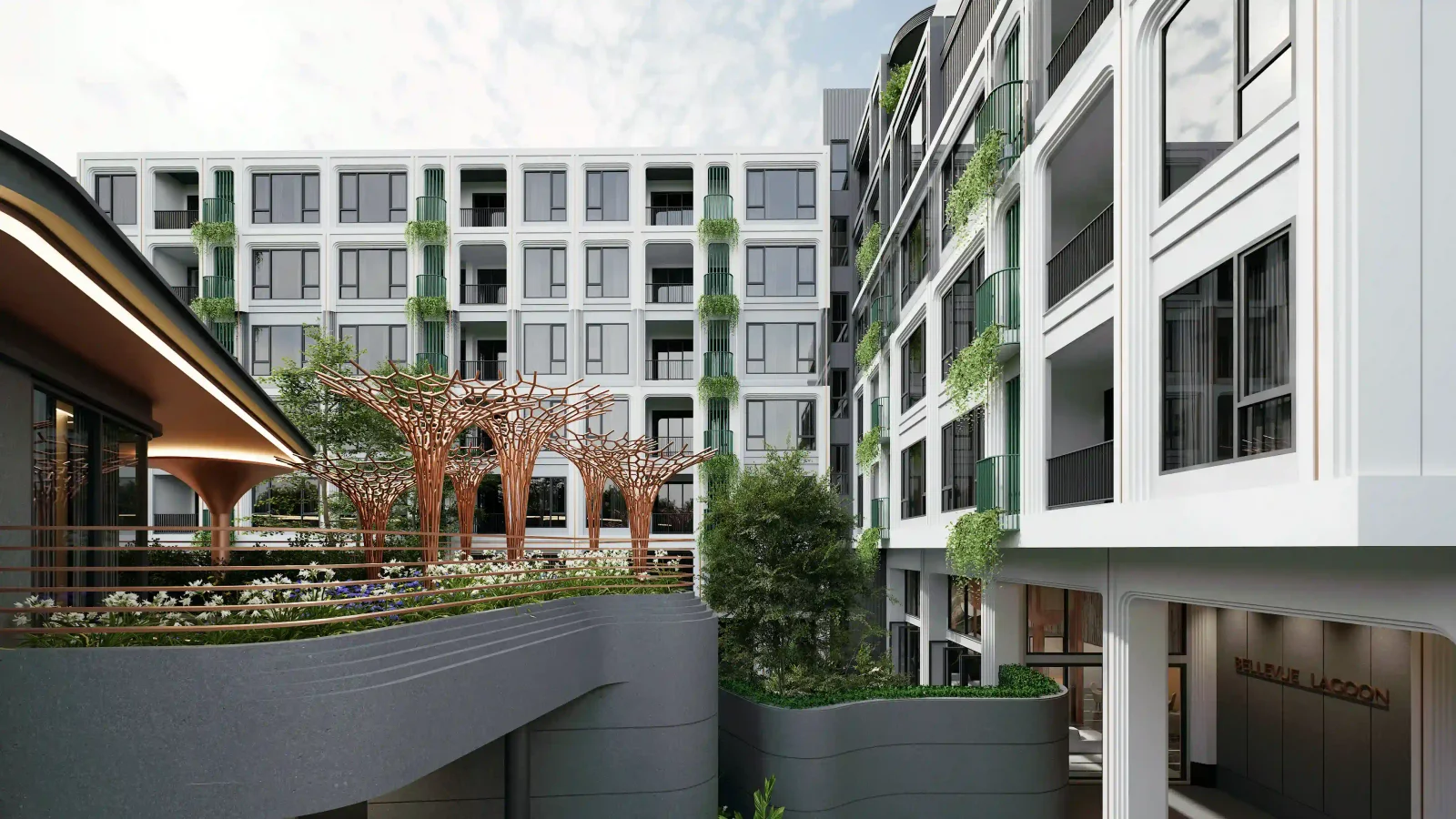
## Location: Cherngtalay and the Bang Tao Corridor
Cherngtalay is one of Phuket's most complete lifestyle areas: residents have supermarkets, restaurants, cafes, clinics and beach clubs close at hand without driving to Patong or Phuket Town. For owners who rent, the area draws a wide range of guests, from families staying for a month and remote workers on extended stays to holidaymakers using it as a base for exploring the island.
- **Bang Tao Beach:** about 8 minutes by car
- **Shopping:** the nearest mall about 8 minutes by car or a 22-minute walk
- **Laguna Phuket:** hotels, golf and restaurants close by
- **Airport:** about 26 minutes by car
## Units and Design: Views as the Central Feature
The design follows the "Bellevue" idea throughout. Layouts are oriented to the lagoon, with window placement, balconies and floor-to-ceiling glazing all serving the view. Interiors use a restrained palette of light neutrals and natural materials that complement the scenery. The effect is calming: an apartment that feels like a retreat.
Residents share a lagoon-view swimming pool, a fitness centre, a co-working space, a children's room, landscaped gardens, parking and 24-hour security with CCTV.
Because the building is complete, you can walk through the actual apartments, stand on the balconies and see the lagoon view for yourself, and meet the management team. A reservation deposit holds your unit while the documents are prepared, and the balance is paid at transfer.
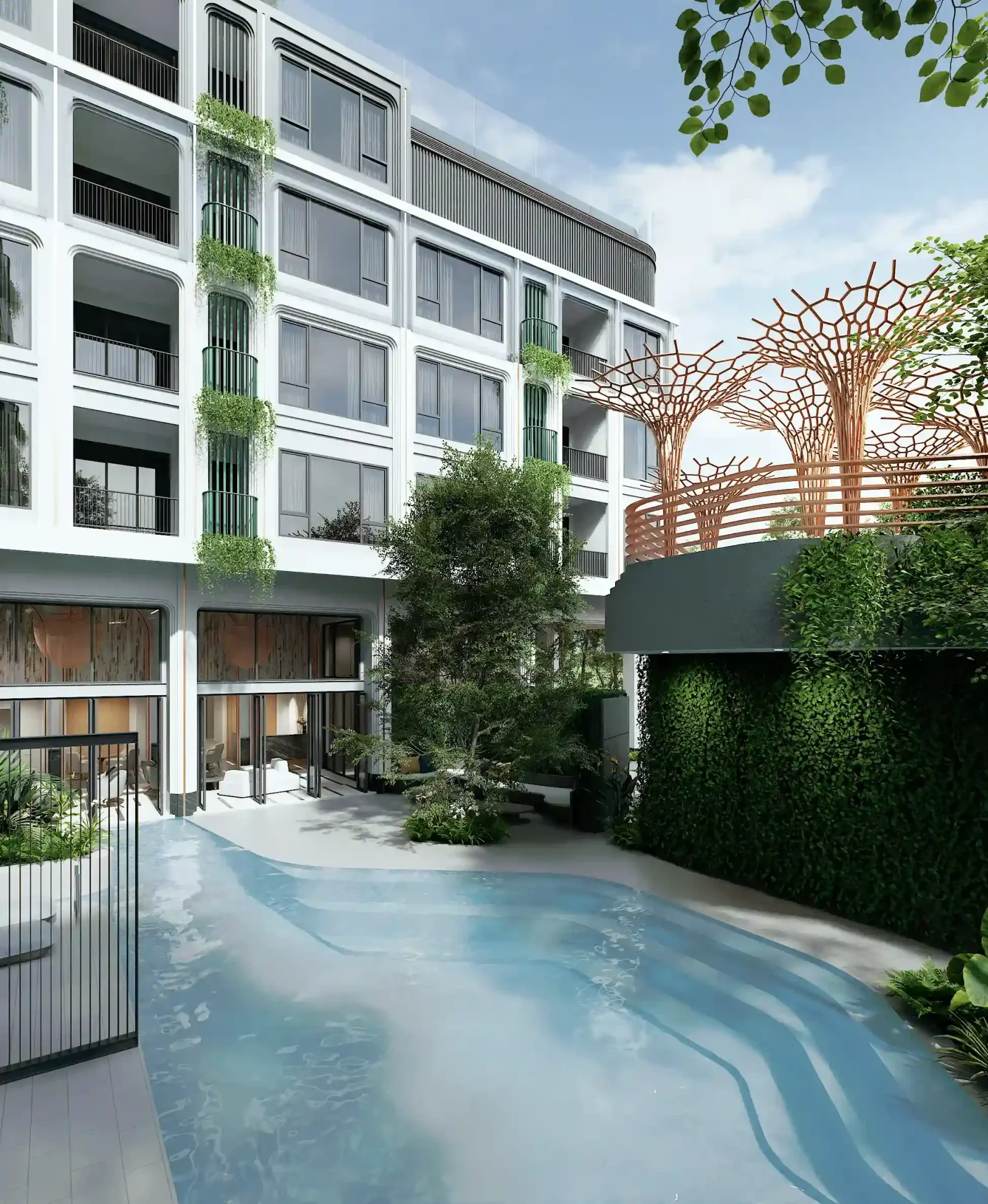
## What Does a Unit at Bellevue Lagoon Cost?
| Floor | Units listed | Format | Price per sqm | Price |
|---|---|---|---|---|
| 1 | 11 | studio | 150,000 THB | 5,212,500 THB |
| 2 | 6 | studio | 140,000 THB | 4,865,000 to 4,893,000 THB |
| 3 | 6 | two-bedroom | 144,000 to 150,000 THB | 11,272,500 to 11,520,000 THB |
| 4 | 6 | two-bedroom | 150,000 THB | 11,272,500 to 11,520,000 THB |
| 6 | 13 | 12 studios, 1 two-bedroom | 160,000 THB | 5,560,000 to 12,120,000 THB |
The price list is simple and transparent: the rate per square metre is set by floor, from 140,000 THB on the second floor to 160,000 THB on the sixth, and studios and two-bedrooms on the middle floors share the same rate. So you choose between the most accessible entry on the lower floors and a higher outlook on the sixth, knowing exactly what each costs. Unit 306, at 79.65 sqm the largest two-bedroom on the list, carries the lowest two-bedroom rate at 144,000 THB per square metre, and is worth a close look.
Against the rest of the corridor, the entry price sits low. Among completed condominiums in Choeng Thale and along Bang Tao on our records, only a handful start lower: Apple House at 1,800,000 THB, The Cube Amaze at 2,310,000, Surin Sands at 4,410,000 and Mida Grande at 4,425,400.
## Studio or Two-Bedroom?
The building offers two clear formats, each suited to a different plan.
**A studio of about 35 sqm**, from 4,865,000 THB, is a compact base for a single owner or a couple, and a natural product for holiday guests who want a lagoon view near Bang Tao.
**A two-bedroom of 75 to 80 sqm**, from 11,272,500 THB, suits families and groups on holiday in the season, and long-stay residents through the rest of the year, which gives it two sources of demand.
We send the floor plan of each format with the price list, together with the floors and views that are still free.
## Who Is This For?
**The investor who wants a listing that stands out.** A lagoon outlook photographs beautifully, and in a channel where guests scroll past dozens of similar thumbnails, a calm water view catches the eye.
**The lifestyle buyer who prefers calm.** A lagoon-facing terrace for morning coffee, a view that changes with the light and the seasons, and a quiet residential setting, with Bang Tao Beach a short drive or cycle away.
**The buyer who wants to start straight away.** The building is finished, so a furnished apartment can be in use or earning in the same quarter it is bought.
## Why Buyers Choose Bellevue Lagoon
- **Completed:** see your apartment, the pool and the common areas in person
- **Lagoon views:** an outlook that sets the apartments apart
- **An accessible entry:** studios from 4,865,000 THB
- **Facilities for everyday life:** a lagoon-view pool, a fitness centre and a co-working space
- **Two formats:** a studio base or a two-bedroom for families
- **Freehold ownership:** a condo title in your own name within the 49% foreign quota
## Renting Out an Apartment at Bellevue Lagoon
Cherngtalay draws holidaymakers, families and long-stay residents through much of the year. A furnished apartment with a lagoon view and a pool fits that demand well, and because the building is complete, letting can start as soon as the furniture arrives.
For owners who plan to rent, we collect current asking rents and holiday rates for comparable Cherngtalay apartments and send them with the price list. [Our rental guide](/guides/phuket-rental-yield-complete-guide-2026/) explains how to read a rental offer line by line.
## Bellevue Lagoon and Other Completed Bang Tao Condos
| Project | From | Status |
|---|---|---|
| [Apple House](/projects/apple-house/) | 1,800,000 THB | Completed |
| The Cube Amaze | 2,310,000 THB | Completed |
| Bellevue Lagoon | 4,865,000 THB | Completed |
| [Capri Residences](/projects/capri-residences/) | 5,775,000 THB | Completed |
| [Andaman Riviera](/projects/andaman-riviera/) | 6,815,650 THB | Completed |
| [The Base Cherngtalay](/projects/the-base-cherngtalay/) | 7,690,000 THB | Completed |
Bellevue Lagoon stands out in this group for its lagoon setting. We arrange viewings of any of these buildings on request.
## Buying Bellevue Lagoon with MORE Group
An apartment at Bellevue Lagoon is bought in five steps, from the first price list to the keys, and we are with you through each of them.
## What We Send Before You Reserve
- The current list of available apartments with floors, views and prices
- Confirmation that your unit sits within the 49% foreign quota
- The building's common charges
- The transfer costs and how they are shared
- Current asking rents and holiday rates for comparable units, if you plan to rent
{/* corpus-faq:bellevue-lagoon */}
## FAQ
### Is Bellevue Lagoon completed and available to buy now?
Yes. The building is finished, so there is no construction phase: a reservation deposit holds your unit and the balance is paid at transfer. Our list covers 42 units, 29 studios and 13 two-bedrooms, on floors one to four and six.
### What is the entry price at Bellevue Lagoon?
Studios start at 4,865,000 THB on the second floor and reach 5,592,000 THB on the sixth. Two-bedrooms run from 11,272,500 to 12,120,000 THB. The rate per square metre is set by floor: 140,000 THB on the second floor, 150,000 on the first, third and fourth, and 160,000 on the sixth.
### Which units face the lagoon?
Every unit on a given floor carries the same rate per square metre, so a lagoon-facing unit costs the same as any other on its floor. We send the list of free units with their views, and on a completed building you can see the view in person before you choose.
### How far is Bellevue Lagoon from Bang Tao Beach?
Bang Tao Beach is about 8 minutes by car. The nearest mall is about 8 minutes by car and Phuket International Airport about 26 minutes.
### Can foreigners buy at Bellevue Lagoon?
Yes. Foreign buyers can hold a unit freehold in their own name within the 49% foreign quota, counted by floor area. We confirm that your unit sits inside the quota, and the purchase money is transferred from abroad with an FET form for registration at the Land Department.
**Read Also:**
- [How Foreigners Buy Phuket Property 2026](/guides/buying-property-phuket-guide/)
- [Capri Residences, another completed Cherngtalay building](/projects/capri-residences/)
- [Layan Verde, the low-rise option one bay north](/projects/layan-verde/)
- [Cascade Bangtao Beach, beachfront residences in the corridor](/projects/cascade-bangtao-beach/)
- [So Origin Bang Tao Beach, the same entry bracket off-plan](/projects/so-origin-bang-tao-beach/)
- [The Buying Process in Thailand, Step by Step](/guides/due-diligence-process-thailand-step-by-step/)
# Blue Lagoon Layan: Studios and 1-Bed from 3.76M THB
> Blue Lagoon review: studios of 30 and 38 sqm and one-bedroom condos of 46 sqm in Layan, six minutes by car from the beach, from 3.76M THB.
**Source:** https://moregroup.estate/projects/blue-lagoon/
**Section:** Project Reviews
**Author:** MORE Group Editorial
**Published:** 2026-04-08
**Updated:** 2026-08-23
---
## What Is Blue Lagoon?
Blue Lagoon opens Layan to buyers with a compact budget. Layan is one of the most sought-after addresses on the island, known for its quiet beach, its villa estates and its closeness to Laguna Phuket, and most property here is priced for the villa market. Blue Lagoon offers the same address in a practical format: a studio or a one-bedroom apartment, easy to use as a holiday base and easy to let when you are away.
The building spreads across five stacks, A to E, over seven floors, which gives a wide choice of floors and positions at each price point.

## What Are the Key Facts for Blue Lagoon?
| Factor | Detail |
| --- | --- |
| Location | Choeng Thale, Thalang, Layan |
| Units | 45 on our price list |
| Studios | 30 and 38 sqm, 3,762,500 to 6,080,000 THB |
| One-bedroom | 46 sqm, 6,153,300 to 7,064,900 THB |
| Price per sqm | About 125,000 to 160,000 THB |
| Payment | 60% / 15% / 15% / 10% |
| Facilities | Gym, children's room |
| Stage | Under construction |
| Beach | About 6 minutes by car |
| Airport | About 23 minutes by car |
## Location: Layan and Bang Tao Bay
Layan Beach sits at the northern tip of Bang Tao Bay, sheltered by the headland and backed by trees, and it is one of the calmest and least crowded beaches on the west coast. Behind it lie the villa estates of Layan and Cherng Talay, and to the south the hotels, golf and restaurants of Laguna Phuket.
- **Layan Beach:** about 6 minutes by car, or a 37-minute walk
- **Shopping and dining:** the nearest mall about 9 minutes by car, with Boat Avenue and Porto de Phuket a short drive away
- **Laguna Phuket:** golf, hotels and beach clubs along Bang Tao Bay
- **International schools:** within a short drive
- **Airport:** about 23 minutes by car
The area draws couples and guests who want a quieter stay than central Bang Tao, and residents who value the calm of the north end of the bay. The [Layan area guide](/areas/layan-property-guide/) covers the district in more detail.
## Units and Prices
Our price list holds 45 units in three formats:
| Format | Size | Units | Price |
| --- | --- | --- | --- |
| Studio | 30 sqm | 29 | 3,762,500 to 4,665,500 THB |
| Studio | 38 sqm | 5 | 5,890,000 to 6,080,000 THB |
| One-bedroom | 46 sqm | 11 | 6,153,300 to 7,064,900 THB |
By unit number and floor, the list reads as follows:
| Units | Floor | Format | Price |
| --- | --- | --- | --- |
| B027 | 2 | Studio, 30 sqm | 3,762,500 THB |
| E033, E036, B035, B037 | 3 | Studio, 30 sqm | 4,063,500 THB |
| A051, A053 | 5 | Studio, 30 sqm | 4,214,000 THB |
| E047 | 4 | Studio, 30 sqm | 4,364,500 THB |
| E055 | 5 | Studio, 30 sqm | 4,424,700 THB |
| E062, E067 | 6 | Studio, 30 sqm | 4,515,000 THB |
| 18 units in stacks B and D | 1, 4, 5 and 7 | Studio, 30 sqm | 4,665,500 THB |
| A024 | 2 | Studio, 38 sqm | 5,890,000 THB |
| E021, E022, E023, E024 | 2 | Studio, 38 sqm | 6,080,000 THB |
| C033 | 3 | One-bedroom, 46 sqm | 6,153,300 THB |
| C041, C044 | 4 | One-bedroom, 46 sqm | 6,609,100 THB |
| C061, C064 | 6 | One-bedroom, 46 sqm | 6,837,000 THB |
| C013, C014, C071 to C074 | 1 and 7 | One-bedroom, 46 sqm | 7,064,900 THB |
The entry studio, B027 at 3,762,500 THB, is the most accessible way into Layan on our list. The five 38 sqm studios on the second floor add extra space for longer stays, and the one-bedrooms in stack C give a separate bedroom for couples who live in Phuket for part of the year. More options in the area are collected in [studios for sale in Layan](/layan-properties/) and [one-bedroom condos for sale in Layan](/layan-properties/).
## Payment Plan: 10% Left for Handover
The price is paid in four stages: 60%, 15%, 15% and 10%. For B027 at 3,762,500 THB that works out as follows:
| Stage | Share | Amount |
| --- | --- | --- |
| 1 | 60% | 2,257,500 THB |
| 2 | 15% | 564,375 THB |
| 3 | 15% | 564,375 THB |
| 4 | 10% | 376,250 THB |
With most of the price settled early, only a small final payment remains when the keys are handed over, and the apartment can be furnished and let straight away. We send the developer's schedule for your unit with the price list.
## Why Buyers Choose Blue Lagoon
- **A Layan address from 3,762,500 THB**
- **Three formats:** studios of 30 and 38 sqm and one-bedrooms of 46 sqm
- **45 units to choose from** across five stacks and seven floors
- **Layan Beach about 6 minutes by car**
- **A gym and a children's room** in the building
- **10% at handover**
- **Freehold ownership** within the 49% foreign quota
## Who Blue Lagoon Suits
**First-time Phuket buyers** who want a freehold apartment in a prestigious area at an accessible price.
**Couples and solo travellers** who want a holiday base near one of the island's calmest beaches.
**Rental investors** aiming at couples and long-stay guests who choose Layan for its quiet setting.
**Buyers building a portfolio** who want a compact, easy-to-manage unit alongside larger property.
## Renting Out a Unit at Blue Lagoon
Studios and one-bedrooms near Layan Beach appeal to couples on holiday in the November to April season, and to remote workers and long-stay guests through the rest of the year. The 38 sqm studios and the one-bedrooms suit monthly tenants well, since they give a little more space for a longer stay.
For owners who plan to rent, we collect current asking rents and holiday rates for comparable units in Layan and send them with the price list. [Letting a Phuket condo](/guides/can-i-rent-out-my-phuket-condo/) explains how short stays and monthly lets work in a condominium, and [our rental guide](/guides/phuket-rental-yield-complete-guide-2026/) shows how to read a rental offer line by line.
## Ownership for Foreign Buyers
Blue Lagoon is a condominium, so a unit can be registered freehold in your own name within the 49% foreign quota of the building, counted by floor area. We confirm with the developer that the unit you choose sits inside that quota. For a freehold unit at Blue Lagoon, each payment is transferred from abroad in foreign currency, and the receiving bank provides the FET form that the Land Department asks for at registration. [How the foreign quota works](/guides/foreign-quota-thai-condominiums/) explains the rule in detail.
## Blue Lagoon and Other Layan Condos
| Project | From | Status |
| --- | --- | --- |
| [Serene Condo Layan](/projects/serene-condo-layan/) | 3,240,000 THB | Off-plan |
| [Sun Hills](/projects/sun-hills/) | 3,339,000 THB | Off-plan |
| [Dandara](/projects/dandara/) | 3,460,600 THB | Off-plan |
| Blue Lagoon | 3,762,500 THB | Off-plan |
| [Laya Resort](/projects/laya-resort/) | 5,066,500 THB | Off-plan |
| [Pirak Cherngtalay](/projects/pirak-cherngtalay/) | 5,527,500 THB | Off-plan |
Blue Lagoon sits in the accessible group of Layan condos, with the widest choice of studio sizes and floors among them. We send the price lists of any of these projects on request and arrange viewings.
## Buying Blue Lagoon with MORE Group
A unit at Blue Lagoon is bought in five steps, from the first price list to the keys, and we are with you through each of them.
## What We Send Before You Reserve
- The current price list with free units, floors and sizes
- Confirmation that your unit sits within the 49% foreign quota
- The payment schedule for your unit
- The building's common charges and house rules
- The latest construction update
- Current asking rents and holiday rates for comparable units, if you plan to rent
{/* corpus-faq:blue-lagoon */}
## FAQ
### What does Blue Lagoon cost?
Our price list holds 45 units: 30 sqm studios from 3,762,500 to 4,665,500 THB, 38 sqm studios from 5,890,000 to 6,080,000 THB, and 46 sqm one-bedroom apartments from 6,153,300 to 7,064,900 THB.
### What is the payment plan?
Four stages: 60%, 15%, 15% and 10%. For the entry studio that means 2,257,500 THB at the first stage and 376,250 THB at handover.
### Can foreigners own a unit at Blue Lagoon freehold?
Yes. Foreign buyers can hold a unit freehold in their own name within the 49% foreign quota of the building, counted by floor area. We confirm that your unit sits inside the quota, and the purchase money is transferred from abroad with an FET form for registration at the Land Department.
### How far is Blue Lagoon from the beach?
Layan Beach is about 6 minutes by car or a 37-minute walk. The nearest mall is about 9 minutes by car and the airport about 23 minutes.
### Is Blue Lagoon suitable for long-term rental as well as holiday lets?
Yes. Studios and one-bedrooms in Layan suit couples on holiday in the high season and remote workers and long-stay guests through the rest of the year. We send current asking rents and holiday rates for comparable units with the price list.
**Read Also:**
- [How Foreigners Buy Phuket Property 2026](/guides/buying-property-phuket-guide/)
- [Beachfront Bliss in Nai Yang](/projects/beachfront-bliss/)
- [Apple House in Bang Tao](/projects/apple-house/)
- [Best Areas to Buy Property in Phuket](/guides/best-areas-phuket-buy-property/)
- [Layan Area Guide](/areas/layan-property-guide/)
- [How the Foreign Quota Works](/guides/foreign-quota-thai-condominiums/)
# Botanica Chalong Bay: Pool Villas from 29.72M THB
> Botanica Chalong Bay: 28 gated pool villas with three and four bedrooms, 294 to 690 sqm, from 29.72M THB near Chalong Pier and the south-coast beaches.
**Source:** https://moregroup.estate/projects/botanica-chalong-bay/
**Section:** Project Reviews
**Author:** MORE Group Editorial
**Published:** 2026-04-07
**Updated:** 2026-08-23
---
## What Is Botanica Chalong Bay?
Botanica Chalong Bay brings Botanica's modern tropical style to the south of Phuket. Each villa has an open-plan living and dining area under high ceilings, a fully equipped Western kitchen and large sliding glass doors that open onto the terrace, the garden and the private pool. Premium finishes and covered parking for two cars complete a house designed for family life.
The community is gated, with 24-hour security and CCTV, landscaped common areas and professional property management. Chalong Pier, the marina, Rawai and Kata beaches, international schools, shops and restaurants are all close by, and the nearest mall is about five minutes by car.
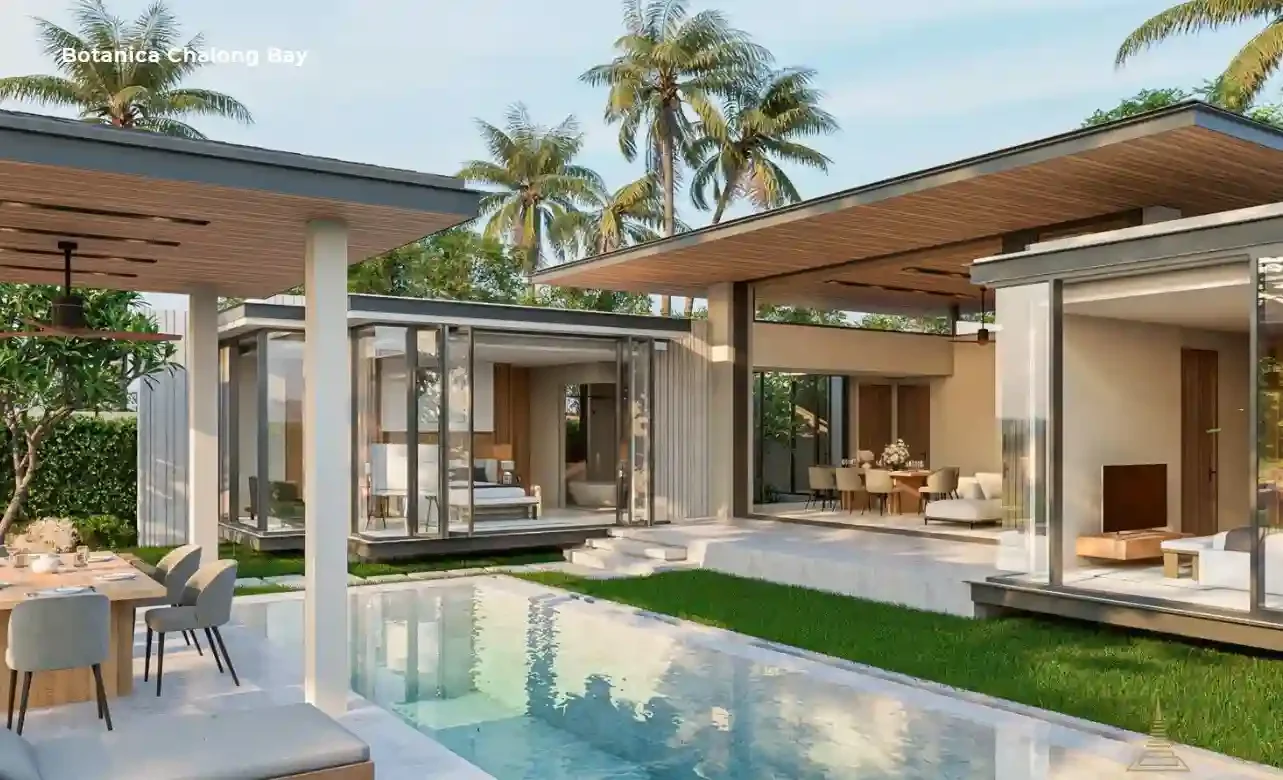
## What Are the Key Facts for Botanica Chalong Bay?
| Factor | Detail |
| --- | --- |
| Developer | Botanica |
| Location | Chalong, near Chalong Bay and the pier |
| Community | 28 private pool villas, gated |
| Three-bedroom | 294 to 380 sqm, 29,716,000 to 44,171,000 THB |
| Four-bedroom | 425 to 690 sqm, 44,276,000 to 80,259,000 THB |
| Payment | 30% / 20% / 15% / 15% / 10% / 10% |
| Facilities | Gated estate, landscaped areas, property management |
| Stage | Under construction |
| Shopping | About 5 minutes by car |
## Location: Chalong, the South's Everyday Heart
Chalong is the lively residential district of south Phuket, built around a wide bay that is home to the island's main pier and marina. From here the boats leave for the islands, the dive sites and the fishing grounds, and the waterfront is lined with cafes and seafood restaurants.
- **Chalong Pier and marina:** boats to the islands, diving and sailing a short drive away
- **Rawai, Nai Harn and Kata beaches:** the favourite beaches of the south within easy reach
- **Shopping:** the nearest mall about 5 minutes by car, with supermarkets and markets across Chalong
- **International schools and fitness centres:** close by
- **Big Buddha and Chalong Temple:** two of the island's landmarks nearby
Chalong is where many of Phuket's long-term residents live: families, sailors and divers, and people who work on the island all year. The [Chalong area guide](/guides/rawai-vs-chalong-lifestyle/) covers the district in more detail.
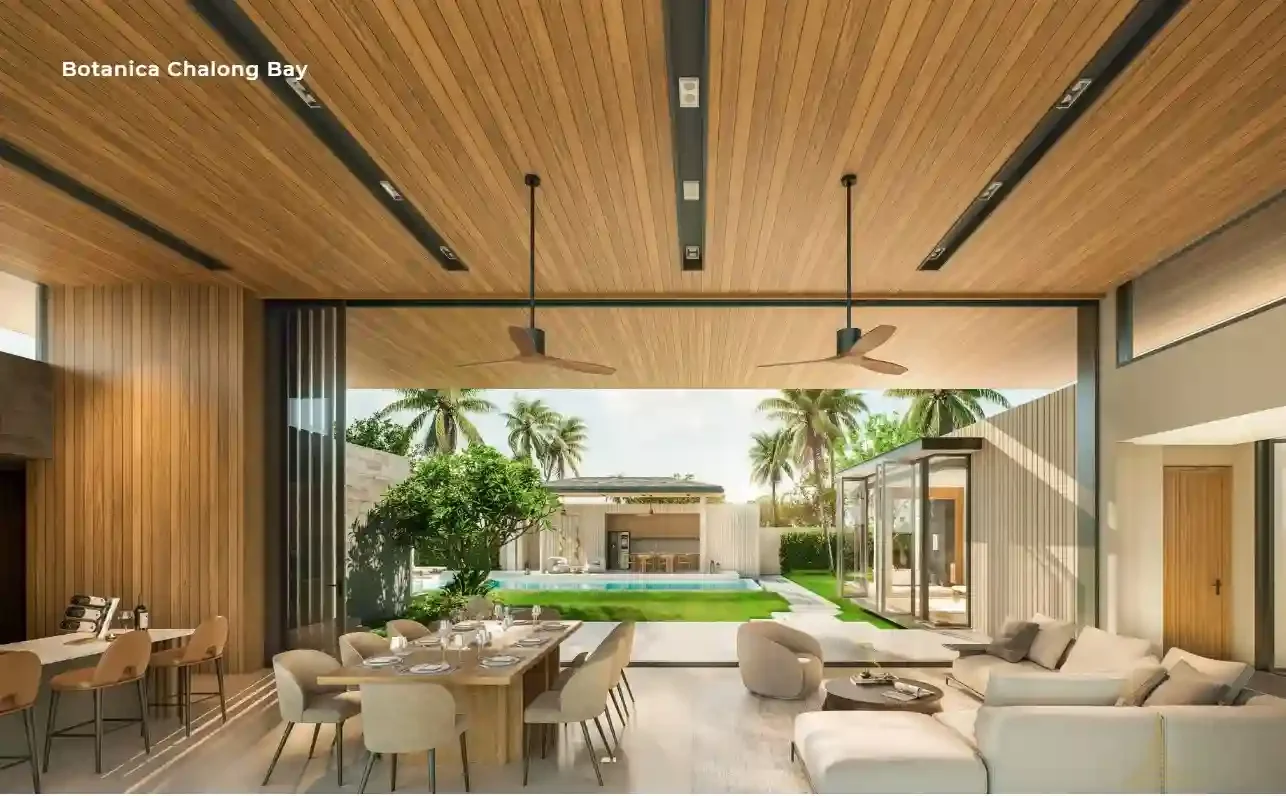
## Villas and Prices
Our price list holds all 28 villas in six sizes:
| Villas | Bedrooms | Built area | Price |
| --- | --- | --- | --- |
| CB-02 to CB-06 | Three | 294 sqm | 29,716,000 to 33,606,000 THB |
| CB-01, CB-23 to CB-28 | Three | 370 sqm | 38,262,000 to 44,171,000 THB |
| CB-08 to CB-10, CB-12 to CB-14, CB-20 to CB-22 | Three | 380 sqm | 39,126,000 to 41,803,000 THB |
| CB-07, CB-11, CB-15 | Four | 425 sqm | 44,276,000 to 51,246,000 THB |
| CB-18, CB-19 | Four | 615 sqm | 70,801,000 and 72,683,000 THB |
| CB-16, CB-17 | Four | 690 sqm | 76,897,000 and 80,259,000 THB |
The three-bedroom villas of 294 sqm open the community at 29,716,000 THB, and the 370 and 380 sqm three-bedrooms add space for a family and guests. The four-bedroom range starts at 425 sqm, and the four largest houses, of 615 and 690 sqm, are the estate's grand family homes. We send the plot area and plan of each villa with the price list.
## Design and Villas
- **Open-plan living and dining** with high ceilings
- **Fully equipped Western kitchen**
- **Three or four bedrooms**
- **Large sliding glass doors** to the terrace and garden
- **Private swimming pool** and landscaped garden
- **Covered parking** for two cars
- **Gated estate** with 24-hour security, CCTV and property management
- **Pet-friendly**, with space for children to play
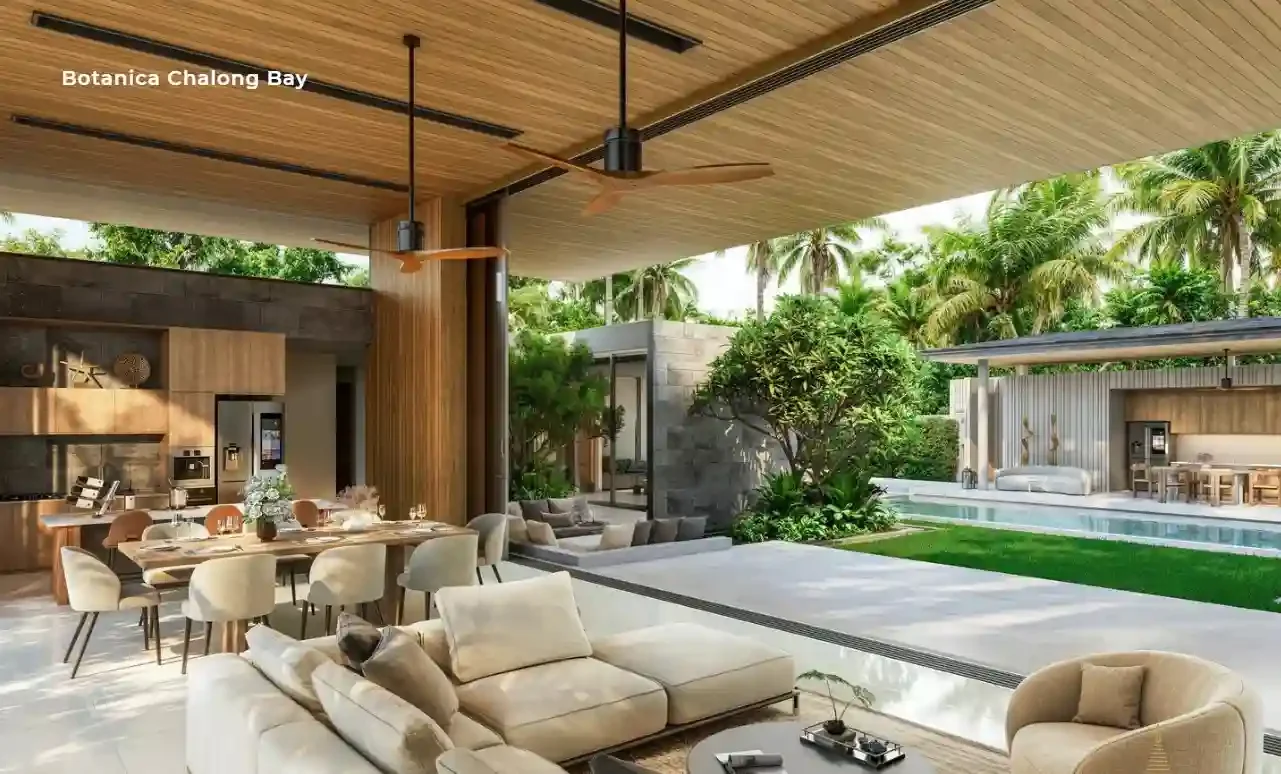
## Six-Stage Payment Plan
The price is paid in six stages: 30%, 20%, 15%, 15%, 10% and 10%. For a villa at 29,716,000 THB that works out as follows:
| Stage | Share | Amount |
| --- | --- | --- |
| 1 | 30% | 8,914,800 THB |
| 2 | 20% | 5,943,200 THB |
| 3 | 15% | 4,457,400 THB |
| 4 | 15% | 4,457,400 THB |
| 5 | 10% | 2,971,600 THB |
| 6 | 10% | 2,971,600 THB |
The schedule spreads the price across the build and leaves 10% for handover. We send the developer's schedule for your villa with the price list.
## Why Buyers Choose Botanica Chalong Bay
- **Botanica in the south:** the developer's modern tropical style near Chalong Bay
- **A choice of 28 villas**, all on our price list
- **Three or four bedrooms**, from 294 to 690 sqm
- **Close to the pier, the marina and the south's beaches**
- **Everyday convenience:** the nearest mall about 5 minutes by car
- **A gated community** with property management
- **Pet-friendly**
## Who Botanica Chalong Bay Suits
**Families living in Phuket** who want a large home close to schools, shops and the beaches of the south.
**Sailors, divers and boat owners**, with Chalong Pier and the marina close by.
**Owners who spend part of the year on the island** and want a villa that is easy to leave in the care of the property management.
**Villa rental investors** aiming at families and groups who book pool villas in the south.
## Renting Out a Villa at Botanica Chalong Bay
A three or four-bedroom pool villa in Chalong appeals to families and groups on holiday in the November to April season, and to relocating families and long-stay residents who rent a house for a school year or longer. The estate's property management makes it easy to let the villa while you are away.
If you plan to let your villa at Botanica Chalong Bay, we collect current asking rents and holiday rates for comparable villas in the south and send them with the price list. [Our rental guide](/guides/phuket-rental-yield-complete-guide-2026/) explains how to read a rental offer line by line.
## Ownership for Foreign Buyers
At Botanica Chalong Bay, as with any villa in Thailand, you buy land plus a building. The house can be held in your own name over a lease of the plot registered at the Land Office, 30 years per registration with renewal terms in the contract, or the land can be held through a Thai company with genuine Thai shareholders. [Freehold and leasehold in Thailand](/guides/freehold-vs-leasehold-thailand/) explains both routes, and we prepare the one that suits you with our legal support.
## Botanica Chalong Bay and Other Villas in the South
| Project | From | Status |
| --- | --- | --- |
| [Nile Residence](/projects/nile-residence/) | 12,950,000 THB | Off-plan |
| [Monetaria Villas](/projects/monetaria-villas/) | 18,900,000 THB | Off-plan |
| Botanica Chalong Bay | 29,716,000 THB | Off-plan |
| [Oliver Villa](/projects/oliver-villa/) | 29,800,000 THB | Off-plan |
| [Mouana Grande Chalong](/projects/mouana-grande-chalong/) | 32,900,000 THB | Off-plan |
| [Star Silas Villa](/projects/star-silas-villa/) | 35,800,000 THB | Off-plan |
Botanica Chalong Bay stands out in this group for its range of villa sizes and its closeness to Chalong Bay. Botanica also builds [Botanica Sky Valley](/projects/botanica-sky-valley/) in the hills of Layan, and we arrange viewings of its estates on request.
## Buying Botanica Chalong Bay with MORE Group
A villa at Botanica Chalong Bay is bought in five steps, from the first price list to the keys, and we are with you through each of them.
## What We Send Before You Reserve
- The current price list with free villas, built and plot areas, and plans
- The six-stage payment schedule for your villa
- The ownership structure for your purchase, leasehold or company, with the documents it needs
- The community's common charges and the terms of the property management
- The latest construction update
{/* corpus-faq:botanica-chalong-bay */}
## FAQ
### What does Botanica Chalong Bay cost?
Our price list holds all 28 villas: three-bedroom villas of 294 to 380 sqm from 29,716,000 to 44,171,000 THB, and four-bedroom villas of 425 to 690 sqm from 44,276,000 to 80,259,000 THB.
### How many bedrooms do the villas have?
Three or four. There are 21 three-bedroom villas and 7 four-bedroom villas on the price list, each with a private pool and garden.
### Where is Botanica Chalong Bay?
In Chalong, near Chalong Bay, the pier and the marina, with Rawai, Nai Harn and Kata beaches within easy reach and the nearest mall about 5 minutes by car.
### What is the payment plan?
Six stages: 30%, 20%, 15%, 15%, 10% and 10%. For a villa at 29,716,000 THB that means 8,914,800 THB at the first stage.
### How can foreigners own a villa at Botanica Chalong Bay?
The house can be held in your own name over a lease of the plot registered at the Land Office, 30 years per registration with renewal terms in the contract, or the land can be held through a Thai company with genuine Thai shareholders. We prepare the structure with our legal support.
**Read Also:**
- [How Foreigners Buy Phuket Property 2026](/guides/buying-property-phuket-guide/)
- [Botanica Hythe](/projects/botanica-hythe/)
- [Botanica Grand Avenue](/projects/botanica-grand-avenue/)
- [Chalong Area Guide](/guides/rawai-vs-chalong-lifestyle/)
- [Freehold vs Leasehold in Thailand](/guides/freehold-vs-leasehold-thailand/)
- [Phuket Rental Yield Guide](/guides/phuket-rental-yield-complete-guide-2026/)
# Botanica Foresta 2 Review 2026: Prices, Units and Quota
> Botanica Foresta 2 review: 33 gated pool villas in Layan with three and four bedrooms from 29.9M THB, nine minutes by car from the beach, in six stages.
**Source:** https://moregroup.estate/projects/botanica-foresta-2/
**Section:** Project Reviews
**Author:** MORE Group Editorial
**Published:** 2026-04-08
**Updated:** 2026-08-23
---
## What Is Botanica Foresta 2?
Botanica Foresta 2 continues the forest concept of the original Foresta: modern tropical villas set among lush greenery, where planting is woven into the architecture and the landscaping rather than used as a backdrop. Each villa has high ceilings, en-suite bedrooms, premium materials, a landscaped garden and a private pool, with living spaces that open straight onto the terrace.
The estate is gated, with 24-hour security, CCTV, private parking and landscaped common areas, and professional property management services are available to owners.
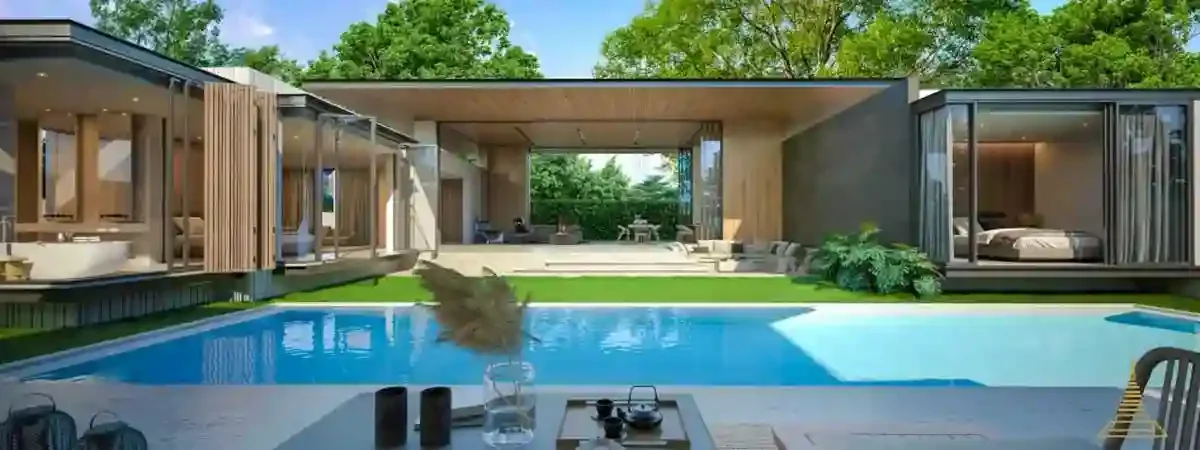
## What Are the Key Facts for Botanica Foresta 2?
| Factor | Detail |
| --- | --- |
| Developer | Botanica |
| Location | Layan, Thalang |
| Villas | 33 on our price list |
| Villa types | Three-bedroom of 345-376 sqm, four-bedroom of 405-704 sqm |
| Price range | 29,900,000 to 66,637,000 THB |
| Payment | 30% / 20% / 15% / 15% / 10% / 10% |
| Stage | Under construction |
| Beach | About 9 minutes by car |
| Airport | About 17 minutes by car |
## Location and Area
Layan is the calm northern end of the Bang Tao coast, where forest-covered hills run down to one of the island's quietest beaches. Botanica Foresta 2 sits in the green residential belt behind it, with more space and more privacy than the busy central strip, and everything needed for daily life a short drive away.
- **Layan and Bang Tao beaches:** about 9 minutes by car
- **Laguna Phuket:** hotels, golf and restaurants a short drive south
- **Shopping:** Boat Avenue and Porto de Phuket, with the nearest mall about 10 minutes by car
- **International schools:** within a short drive
- **Airport:** about 17 minutes by car, one of the shortest airport runs on the west coast
This mix of forest calm, beach access and quick flights is why Layan is a favourite district for families who live in Phuket and for owners who fly in several times a year. The [Layan area guide](/areas/layan-property-guide/) covers the district in more detail.
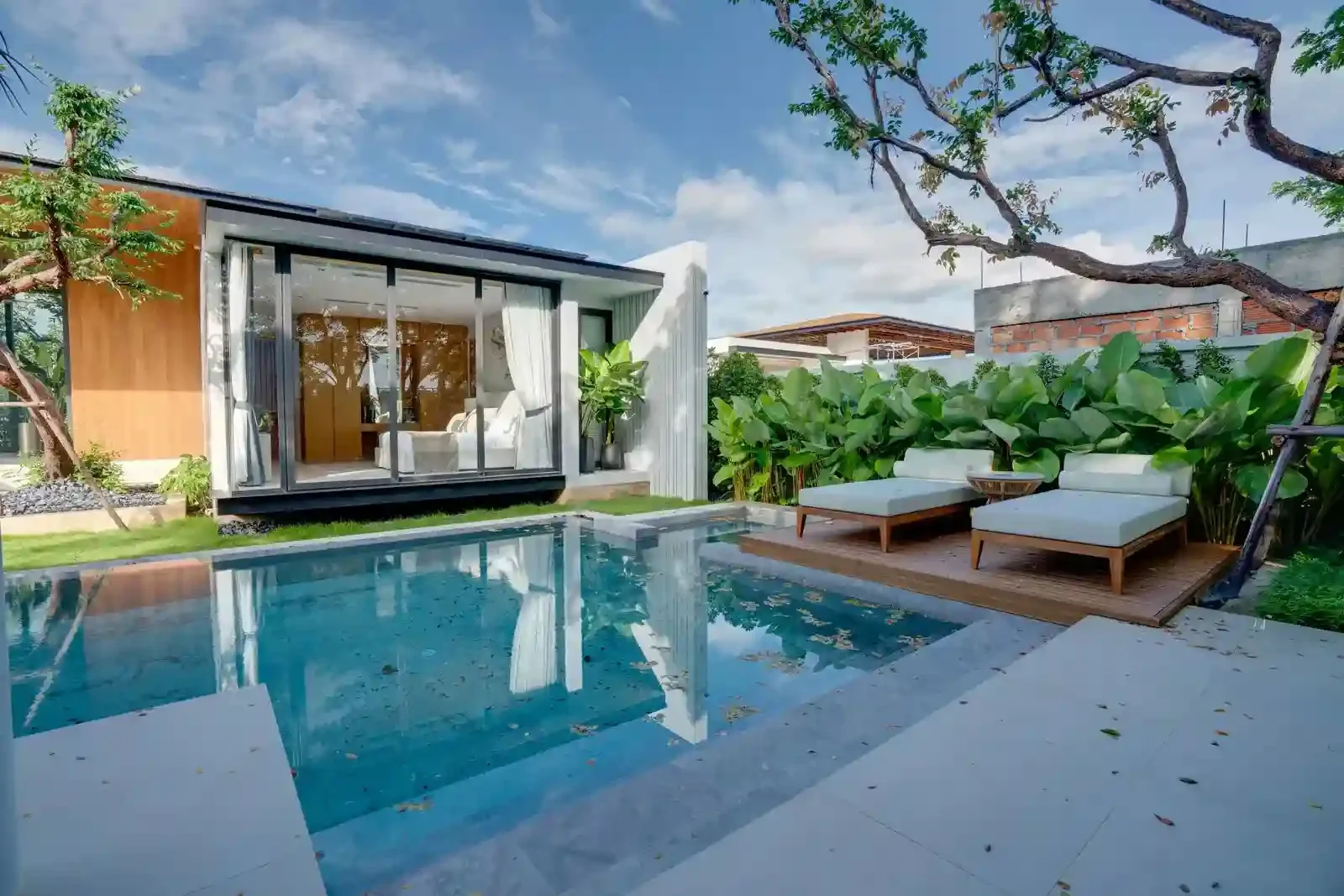
## Villas and Prices
Our price list holds 33 villas in nine sizes:
| Villa type | Built area | Villas | Price |
| --- | --- | --- | --- |
| Three-bedroom | 345 sqm | 2 | 32,904,400 to 34,145,400 THB |
| Three-bedroom | 361 sqm | 6 | 35,602,900 to 39,105,900 THB |
| Three-bedroom | 376 sqm | 6 | 29,900,000 to 35,159,000 THB |
| Four-bedroom | 405 sqm | 2 | 36,647,500 to 40,327,500 THB |
| Four-bedroom | 420 sqm | 1 | 44,612,000 THB |
| Four-bedroom | 431 sqm | 3 | 39,814,500 to 41,650,500 THB |
| Four-bedroom | 462 sqm | 4 | 47,737,000 to 52,786,000 THB |
| Four-bedroom | 498 sqm | 7 | 48,599,000 to 52,237,000 THB |
| Four-bedroom | 704 sqm | 2 | 66,331,000 to 66,637,000 THB |
The entry villa at 29,900,000 THB is a three-bedroom of 376 sqm, a generous house for the price. The four-bedroom range runs from 405 sqm to two estate-scale villas of 704 sqm at the top of the list. Across the estate the average is about 98,400 THB per square metre. We send the plot area and the plan for each villa together with the price list, so you can compare villas side by side.
## Design and Villas
- **Modern tropical architecture** with high ceilings
- **Seamless indoor-outdoor living** from the living room to the pool terrace
- **Private swimming pool** and landscaped garden for every villa
- **En-suite bedrooms** throughout
- **Premium materials** and finishes
- **Private parking**
The forest concept is what gives the estate its character: villas framed by mature planting, with privacy from the greenery rather than from high walls.
## Six-Stage Payment Plan
The price is paid in six stages as the villa is built: 30%, 20%, 15%, 15%, 10% and 10%. For the entry villa at 29,900,000 THB that works out as follows:
| Stage | Share | Amount |
| --- | --- | --- |
| 1 | 30% | 8,970,000 THB |
| 2 | 20% | 5,980,000 THB |
| 3 | 15% | 4,485,000 THB |
| 4 | 15% | 4,485,000 THB |
| 5 | 10% | 2,990,000 THB |
| 6 | 10% | 2,990,000 THB |
Spreading the price over six stages lets buyers fund the villa across the build and coordinate transfers from abroad without one large payment at signing. We send the developer's schedule for your villa with the price list.
## Why Buyers Choose Botanica Foresta 2
- **A known developer:** Botanica is one of the most active villa developers on the island
- **The forest concept:** privacy and greenery built into the estate
- **Generous houses:** 345 to 704 sqm with private pools and gardens
- **Layan location:** beaches about 9 minutes and the airport about 17 minutes by car
- **A gated community:** 24-hour security and property management
- **Six-stage payments:** the price spread across the build
## Who Botanica Foresta 2 Suits
- **Families relocating to Phuket** who want space, privacy and a garden
- **Repeat Botanica buyers** who know the developer's villas
- **Villa rental investors** looking at the family and group segment
- **Frequent flyers**, with the airport about 17 minutes away
- **Pet owners**, since the estate is pet-friendly
## Renting Out a Botanica Villa in Layan
A three or four-bedroom pool villa in Layan appeals to families and groups on holiday in the November to April season, and to long-stay families who relocate to Phuket for a school year or longer. With the estate's property management, owners can let the villa while they are away and keep their own weeks for themselves.
For owners who plan to rent, we collect current asking rents and holiday rates for comparable villas in Layan and send them with the price list, together with the terms of the management service. [Our rental guide](/guides/phuket-rental-yield-complete-guide-2026/) explains how to read a rental offer line by line.
## Ownership for Foreign Buyers
At Botanica Foresta 2, as with any villa in Thailand, you buy land plus a building. The house can be held in your own name over a lease of the plot registered at the Land Office, 30 years per registration with renewal terms in the contract, or the land can be held through a Thai company with genuine Thai shareholders. [Freehold and leasehold in Thailand](/guides/freehold-vs-leasehold-thailand/) explains both routes, and we prepare the one that suits you with our legal support.
## Botanica Foresta 2 and Other Layan Villa Estates
| Project | From | Status |
| --- | --- | --- |
| [Botanica Lake Side II](/projects/botanica-lake-side-ii/) | 24,900,000 THB | Off-plan |
| [Botanica Modern Loft II](/projects/botanica-modern-loft-ii/) | 25,750,000 THB | Off-plan |
| [Botanica Green Boulevard](/projects/botanica-green-boulevard/) | 26,900,000 THB | Off-plan |
| [Mouana Serenity](/projects/mouana-serenity/) | 29,100,000 THB | Off-plan |
| Botanica Foresta 2 | 29,900,000 THB | Off-plan |
| [Botanica Forestique](/projects/botanica-forestique/) | 36,402,000 THB | Off-plan |
| [Botanica Grand Avenue](/projects/botanica-grand-avenue/) | 44,505,000 THB | Off-plan |
Botanica builds several estates in Layan, each with its own design idea. Foresta 2 is the one built around the forest, and [Botanica Sky Valley](/projects/botanica-sky-valley/) brings the same design to the hills of Layan. We arrange viewings on request.
## Buying Botanica Foresta 2 with MORE Group
A villa at Botanica Foresta 2 is bought in five steps, from the first price list to the keys, and we are with you through each of them.
## What We Send Before You Reserve
- The current price list with free villas, plot areas and plans
- The six-stage payment schedule for your villa
- The ownership structure for your purchase, leasehold or company, with the documents it needs
- The latest construction update
- The terms of the estate's property management service
- Current asking rents and holiday rates for comparable villas, if you plan to rent
{/* corpus-faq:botanica-foresta-2 */}
## FAQ
### What does Botanica Foresta 2 cost?
Our price list holds 33 villas from 29,900,000 THB for a three-bedroom of 376 sqm to 66,637,000 THB for a four-bedroom of 704 sqm.
### How can foreigners own a villa at Botanica Foresta 2?
The house can be held in your own name over a lease of the plot registered at the Land Office, 30 years per registration with renewal terms in the contract, or the land can be held through a Thai company with genuine Thai shareholders. We prepare the structure with our legal support.
### What stage is Botanica Foresta 2 at?
Construction is underway. We send the latest construction update together with the price list.
### What is the payment plan?
Six stages during construction: 30%, 20%, 15%, 15%, 10% and 10%. We send the developer's schedule for your villa with the price list.
### Can I rent the villa out when I am not in Phuket?
Yes. The estate offers professional property management services, and a Botanica pool villa in Layan appeals to families and groups on holiday and to long-stay tenants. We send the management terms and current rental asking rates for comparable villas with the price list.
**Read Also:**
- [How Foreigners Buy Phuket Property 2026](/guides/buying-property-phuket-guide/)
- [Bang Tao and Layan Area Guide](/bang-tao-properties/)
- [Botanica Sky Valley](/projects/botanica-sky-valley/)
- [Cloud by Season Luxury Villas](/projects/cloud-by-season-luxury-villas/)
- [The Buying Process in Thailand, Step by Step](/guides/due-diligence-process-thailand-step-by-step/)
- [Phuket Rental Yield Guide](/guides/phuket-rental-yield-complete-guide-2026/)
# Botanica Forestique Layan: Pool Villas from 36.4M THB
> Botanica Forestique review: 20 pool villas with three and four bedrooms among the Layan hills, from 36.4M THB, nine minutes by car from the beach.
**Source:** https://moregroup.estate/projects/botanica-forestique/
**Section:** Project Reviews
**Author:** MORE Group Editorial
**Published:** 2026-04-08
**Updated:** 2026-08-23
---
## What Is Botanica Forestique?
Botanica Forestique is the forest line of the Botanica villa family: large private houses set among mature greenery, where the planting, the water channels and the gardens are part of the architecture rather than a backdrop to it. Each villa has a private pool and open terraces, and the houses are designed around light and air, with large panoramic windows and natural materials throughout.
The estate combines the feeling of a secluded tropical retreat with easy access to the beaches, restaurants and schools of the Layan and Bang Tao coast. That balance makes it a home for families who live on the island and a well-placed villa for owners who spend part of the year in Phuket.
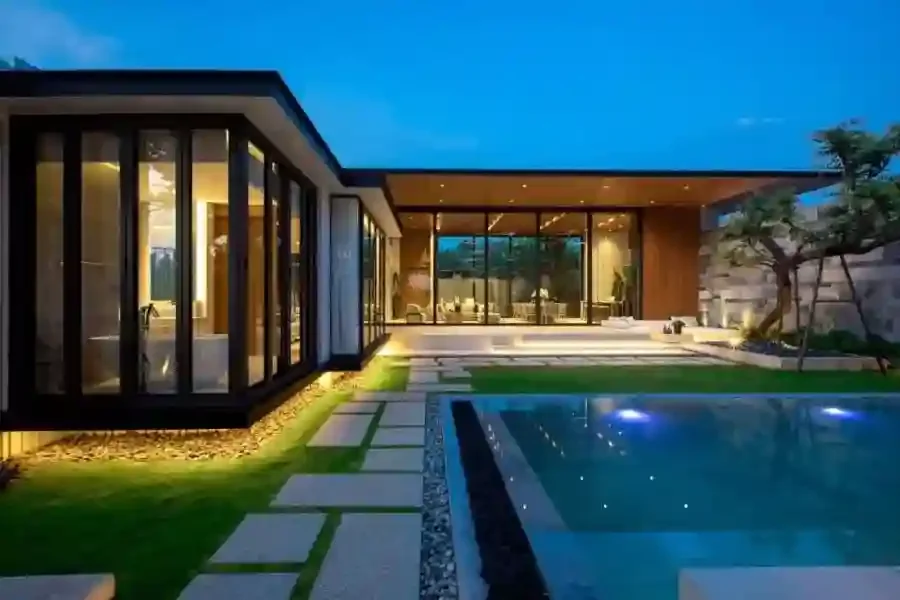
## What Are the Key Facts for Botanica Forestique?
| Factor | Detail |
| --- | --- |
| Developer | Botanica |
| Location | Thep Krasattri, Thalang, behind Layan |
| Villas | 20 on our price list |
| Villa types | Three-bedroom of 318-425 sqm, four-bedroom of 417-567 sqm |
| Price range | 36,402,000 to 63,323,000 THB |
| Price per sqm | 100,746 to 114,678 THB |
| Payment | 30% / 20% / 15% / 15% / 10% / 10% |
| Stage | Under construction |
| Beach | About 9 minutes by car |
| Airport | About 22 minutes by car |
## Location: The Green Hills Behind Layan
Thep Krasattri is the green, residential side of northern Phuket, where forested hills rise behind the Layan and Bang Tao coast. Botanica has made this landscape its home: several of its villa estates sit in the same belt of greenery, and Forestique is the one that takes the forest as its whole theme.
- **Layan and Bang Tao beaches:** about 9 minutes by car
- **Shopping and dining:** the nearest mall about 9 minutes by car, with Boat Avenue and Porto de Phuket a short drive away
- **Laguna Phuket:** hotels, golf and restaurants along the coast to the south
- **International schools:** within a short drive
- **Airport:** about 22 minutes by car
Life here is quiet and private, with everything needed for daily life a short drive away. The [Layan area guide](/areas/layan-property-guide/) covers the district in more detail.
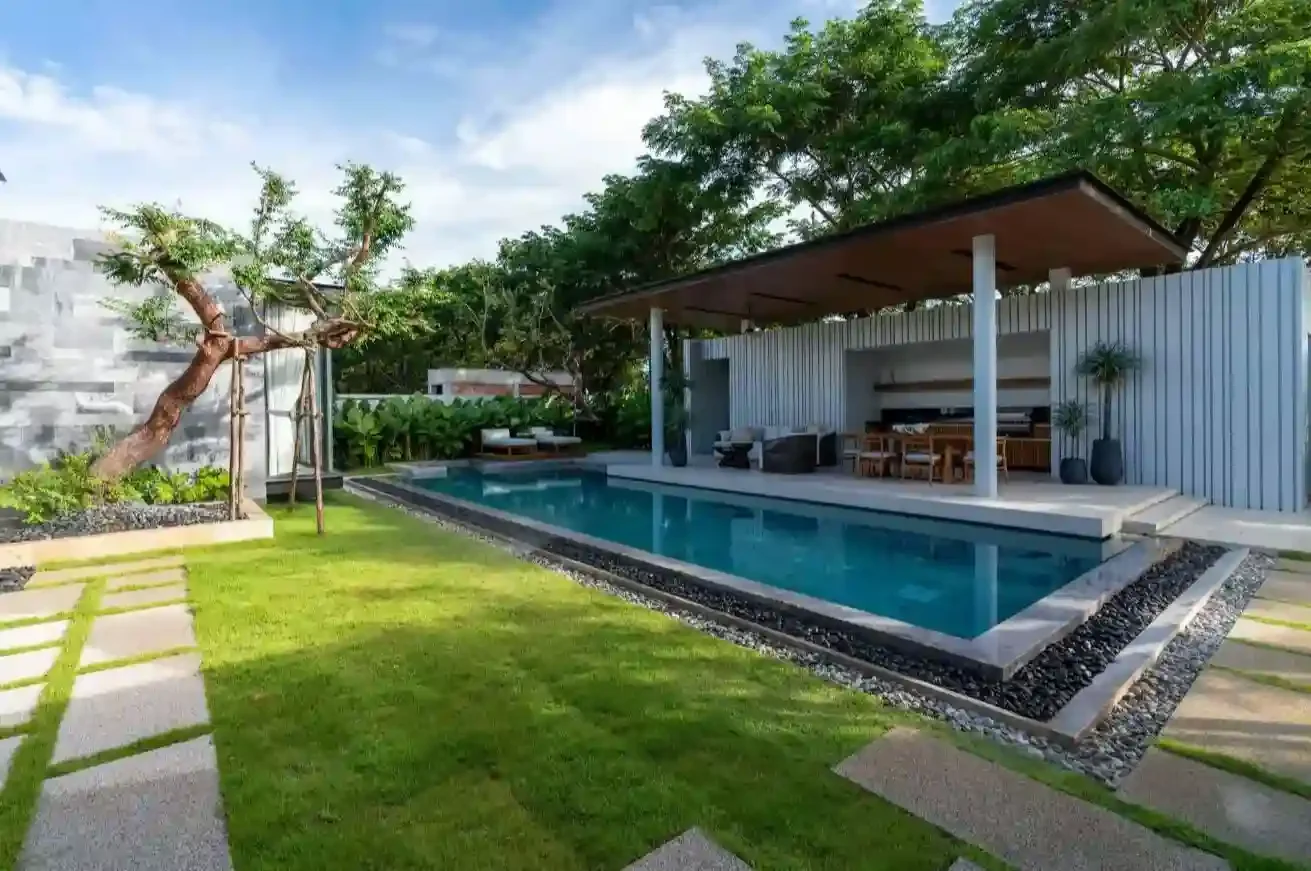
## Villas and Prices
Our price list holds 20 villas: two three-bedroom houses and eighteen four-bedroom houses.
| Villa type | Built area | Villas on the list | Price |
| --- | --- | --- | --- |
| Three-bedroom | 318 to 425 sqm | 2 | 36,402,000 and 45,565,000 THB |
| Four-bedroom | 417 to 567 sqm | 18 | 44,105,000 to 63,323,000 THB |
By villa number, the list reads as follows:
| Villas | Bedrooms | Price |
| --- | --- | --- |
| FQ57 | Three | 36,402,000 THB |
| FQ04, FQ06, FQ27, FQ35, FQ34, FQ13, FQ12, FQ47 | Four | 44,105,000 to 49,197,000 THB |
| FQ19 | Three | 45,565,000 THB |
| FQ50, FQ56, FQ58, FQ55, FQ51, FQ52, FQ53, FQ54 | Four | 54,915,000 to 58,545,000 THB |
| FQ59, FQ60 | Four | 60,863,000 and 63,323,000 THB |
The entry villa, FQ57 at 36,402,000 THB, is a three-bedroom house and the most accessible way into the estate. The four-bedroom range opens at 44,105,000 THB and runs to the largest houses at the top of the list. Across the estate the price per square metre runs from about 100,700 to 114,700 THB, with an average of about 105,900 THB. We send the built area, plot area and plan of each villa with the price list, so you can compare them side by side.
## Design and Villas
- **Private swimming pool** and open terraces for every villa
- **Panoramic windows** that bring light and the garden into the house
- **Natural materials** and a calm, nature-inspired palette
- **Three or four bedrooms**, with room for family and guests
- **Landscaped gardens and water channels** across the estate
- **Relaxation areas, a gym, security and parking** for residents
The forest concept is what sets Forestique apart: villas framed by greenery, with privacy that comes from the planting rather than from high walls, and a setting that feels like a retreat from the moment you arrive.
## Six-Stage Payment Plan
The price is paid in six stages as the villa is built: 30%, 20%, 15%, 15%, 10% and 10%. For the entry villa at 36,402,000 THB that works out as follows:
| Stage | Share | Amount |
| --- | --- | --- |
| 1 | 30% | 10,920,600 THB |
| 2 | 20% | 7,280,400 THB |
| 3 | 15% | 5,460,300 THB |
| 4 | 15% | 5,460,300 THB |
| 5 | 10% | 3,640,200 THB |
| 6 | 10% | 3,640,200 THB |
Spreading the price over six stages lets buyers fund the villa across the build and plan transfers from abroad without one large payment at signing. We send the developer's schedule for your villa with the price list.
## Why Buyers Choose Botanica Forestique
- **A known developer:** Botanica is one of the most active villa developers on the island
- **The forest concept:** greenery, water and privacy designed into the estate
- **Large houses:** 318 to 567 sqm with private pools and terraces
- **A choice of twenty villas:** three and four bedrooms across a wide price range
- **Layan location:** beaches about 9 minutes by car
- **Pet-friendly:** room for the whole family, pets included
- **Six-stage payments:** the price spread across the build
## Who Botanica Forestique Suits
**Families relocating to Phuket** who want a large house with a garden and a pool, close to schools and the beach.
**Owners who spend part of the year on the island** and want a private retreat that feels like a home rather than a hotel.
**Buyers who know the Botanica brand** and want its forest-themed estate, the most nature-focused of the line.
**Villa rental investors** looking at the family and group segment of the Layan holiday market.
## Renting Out a Villa at Botanica Forestique
A three or four-bedroom pool villa behind Layan appeals to families and groups on holiday in the November to April season, and to long-stay families who relocate to Phuket for a school year or longer. With a property manager, owners can let the villa while they are away and keep their own weeks for themselves.
For owners who plan to rent, we collect current asking rents and holiday rates for comparable villas in Layan and send them with the price list. [Our rental guide](/guides/phuket-rental-yield-complete-guide-2026/) explains how to read a rental offer line by line.
## Ownership for Foreign Buyers
At Botanica Forestique, as with any villa in Thailand, you buy land plus a building. The house can be held in your own name over a lease of the plot registered at the Land Office, 30 years per registration with renewal terms in the contract, or the land can be held through a Thai company with genuine Thai shareholders. [Freehold and leasehold in Thailand](/guides/freehold-vs-leasehold-thailand/) explains both routes, and we prepare the one that suits you with our legal support.
## Botanica Forestique and Other Layan Villa Estates
| Project | From | Status |
| --- | --- | --- |
| [Alinda Villas](/projects/alinda-villas/) | 29,320,000 THB | Off-plan |
| [Botanica Foresta 2](/projects/botanica-foresta-2/) | 29,900,000 THB | Off-plan |
| Botanica Forestique | 36,402,000 THB | Off-plan |
| [Pirak Villa](/projects/pirak-villa/) | 39,990,000 THB | Off-plan |
| [The Victory](/projects/the-victory/) | 41,554,000 THB | Off-plan |
| [Botanica Grand Avenue](/projects/botanica-grand-avenue/) | 44,505,000 THB | Off-plan |
Botanica builds several estates around Layan, each with its own design idea. Foresta 2 shares the forest theme at a lower entry price, Grand Avenue offers larger houses on a boulevard plan, and Forestique sits between them with the strongest focus on nature. Botanica also builds [Botanica Sky Valley](/projects/botanica-sky-valley/) in the hills of Layan, and we arrange viewings of its estates on request.
## Buying Botanica Forestique with MORE Group
A villa at Botanica Forestique is bought in five steps, from the first price list to the keys, and we are with you through each of them.
## What We Send Before You Reserve
- The current price list with free villas, built and plot areas, and plans
- The six-stage payment schedule for your villa
- The ownership structure for your purchase, leasehold or company, with the documents it needs
- The latest construction update
- Current asking rents and holiday rates for comparable villas, if you plan to rent
{/* corpus-faq:botanica-forestique */}
## FAQ
### What does Botanica Forestique cost?
Our price list holds 20 villas from 36,402,000 THB for the entry three-bedroom house to 63,323,000 THB for the top four-bedroom house. The four-bedroom range opens at 44,105,000 THB.
### How many bedrooms do the villas have?
Three or four. The three-bedroom houses measure 318 to 425 sqm and the four-bedroom houses 417 to 567 sqm, each with a private pool and open terraces.
### How does Botanica Forestique differ from Botanica Foresta 2?
Both are Botanica forest-themed estates in the hills behind Layan. Foresta 2 opens at 29,900,000 THB, and Forestique opens at 36,402,000 THB with a focus on landscaped gardens and water channels. We send both price lists on request so you can compare the villas side by side.
### What is the payment plan?
Six stages during construction: 30%, 20%, 15%, 15%, 10% and 10%. For the entry villa that means 10,920,600 THB at the first stage. We send the developer's schedule for your villa with the price list.
### How can foreigners own a villa at Botanica Forestique?
The house can be held in your own name over a lease of the plot registered at the Land Office, 30 years per registration with renewal terms in the contract, or the land can be held through a Thai company with genuine Thai shareholders. We prepare the structure with our legal support.
**Read Also:**
- [How Foreigners Buy Phuket Property 2026](/guides/buying-property-phuket-guide/)
- [Botanica Foresta 2](/projects/botanica-foresta-2/)
- [Cloud by Season Luxury Villas](/projects/cloud-by-season-luxury-villas/)
- [Freehold vs Leasehold in Thailand](/guides/freehold-vs-leasehold-thailand/)
- [Terra Grove Layan](/projects/terra-grove/)
- [Layan Verde](/projects/layan-verde/)
# Botanica Grand Avenue Review 2026: Prices and Unit Mix
> Botanica Grand Avenue review: the gated Botanica flagship estate in Layan, with lakes and private roads, 55 villas of three to five bedrooms from 44.5M THB.
**Source:** https://moregroup.estate/projects/botanica-grand-avenue/
**Section:** Project Reviews
**Author:** MORE Group Editorial
**Published:** 2026-03-26
**Updated:** 2026-08-23
---
## What Is Botanica Grand Avenue?
Botanica Grand Avenue is an exclusive collection of luxury pool villas in Layan, at the northern end of the Bang Tao coast, and the developer describes it as its flagship estate. The villas are grouped into four thematic zones, each with its own architectural style, from Tropical Balinese to Grand Modern Zen and Modern Elegance, so buyers choose a design language as well as a house.
Every villa sits on a generous plot with a private pool, landscaped gardens and expansive living areas, and many include maid's quarters, a home theatre or a family room. The estate is gated with a single controlled entry and a private road network, with lakes and green corridors running through the site.
## What Are the Key Facts for Botanica Grand Avenue?
| Factor | Detail |
| --- | --- |
| Developer | Botanica Luxury Villas |
| Location | Layan, Thalang district |
| Villas on our price list | 55 |
| Villa types | Three, four and five bedrooms |
| Built area | 382 to 1,870 sqm |
| Estate size, per the developer | 92,095 sqm |
| Lakes and greenery, per the developer | 9,000 sqm plus |
| Land plots, per the developer | 852 to 2,036 sqm |
| Price range | 44,505,000 to 255,000,000 THB |
| Payment plan | 30 / 20 / 15 / 15 / 10 / 10 |
| Stage | Under construction |
## Location and Area
Grand Avenue sits in Layan, the calm northern end of the Bang Tao coast, with the Laguna resort complex, golf and fine dining close by.
- **Layan Beach:** about 5 minutes by car
- **Shopping and dining:** the nearest mall about 6 minutes by car, with Boat Avenue and Porto de Phuket close by
- **Laguna Phuket:** resort hotels, the Laguna Golf course and restaurants a short drive south
- **Airport:** about 27 minutes by car
For owners who travel often, the estate's controlled entry, private roads and on-site security mean the house is looked after while they are away. The [Bang Tao and Laguna area guide](/bang-tao-properties/) covers the wider corridor.
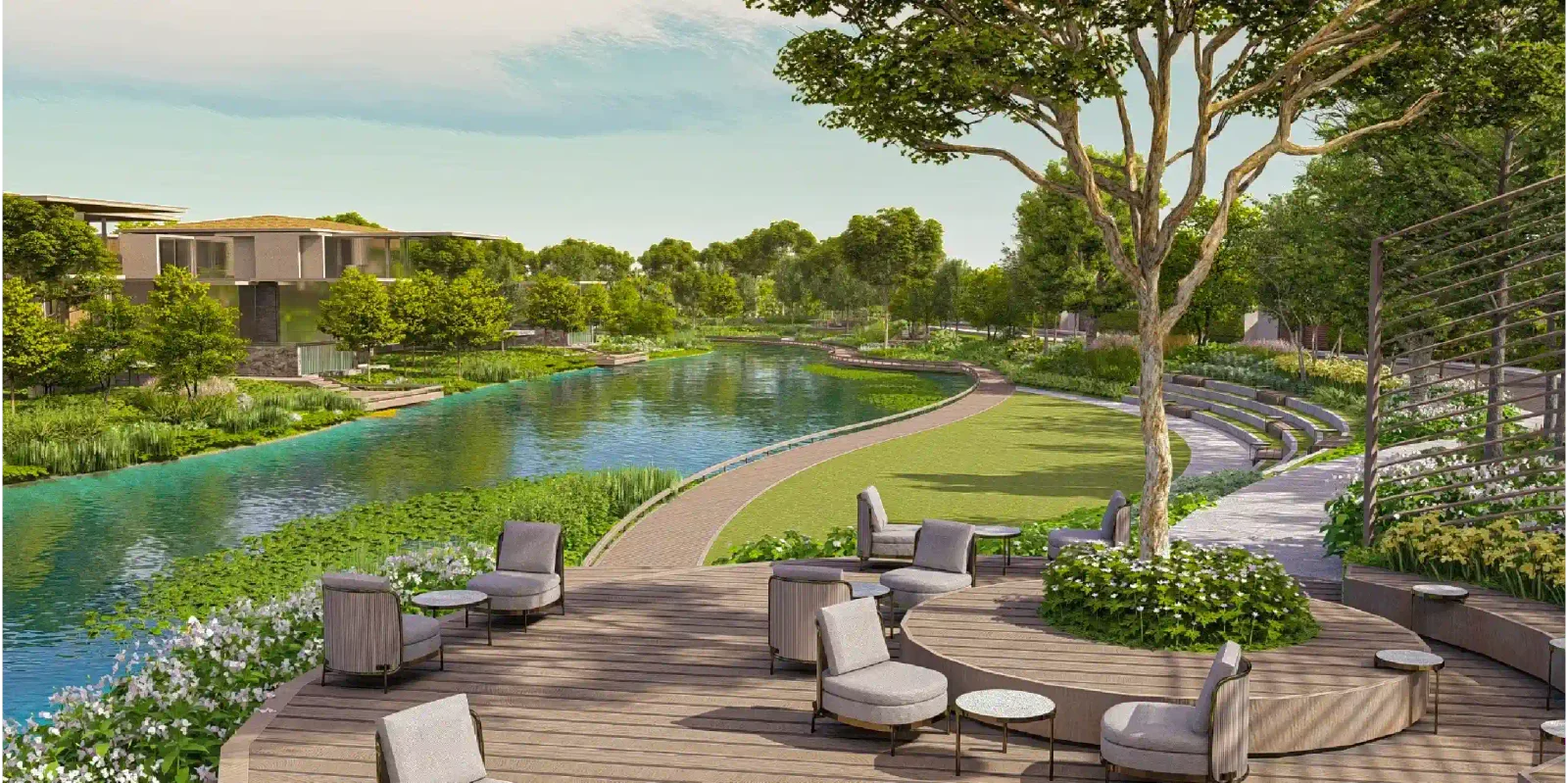
## Villas and Prices
Our price list holds 55 villas across six size bands:
| Villa type | Built area | Villas | Price |
|---|---|---|---|
| Three-bedroom | 382 sqm | 20 | 44,505,000 to 49,662,000 THB |
| Four-bedroom | 406 to 449 sqm | 11 | 45,200,000 to 62,534,000 THB |
| Four-bedroom | 507 to 569 sqm | 6 | 57,613,500 to 76,924,000 THB |
| Four-bedroom | 607 to 817 sqm | 9 | 74,500,000 to 114,000,000 THB |
| Five-bedroom | 1,053 sqm | 5 | 176,000,000 to 182,000,000 THB |
| Five-bedroom | 1,715 to 1,870 sqm | 4 | 232,000,000 to 255,000,000 THB |
The twenty three-bedroom villas of 382 sqm are the core of the estate and the entry point, from 44,505,000 THB. Prices within that group reflect plot and position, so the choice is about where your house sits in the estate.
Among the four-bedrooms, the two villas of 514 sqm at 57,613,500 THB offer the lowest price per square metre in the estate, about 112,100 THB, and are worth a close look for buyers who want space. At the top, the five-bedroom residences of 1,053 to 1,870 sqm are estate-scale homes for families who want room for several generations under one roof.
We send the plot area, the plan and the zone for each villa together with the price list, so you can compare villas side by side.
## Design and Villas
- **Four thematic zones:** Tropical Balinese, Grand Modern Zen, Modern Elegance and more
- **Generous plots** with landscaped gardens
- **Private swimming pool** for every villa
- **Expansive living areas** and curated interiors
- **Maid's quarters, a home theatre or a family room** in many villas
- **Estate amenities:** lakes, green corridors, a private road network, a gym and a children's room
- **Pet-friendly** estate
The estate scale is what sets Grand Avenue apart. The flat land of the Layan and Bang Tao corridor allows plots big enough for a standalone house with room for gardens, pools and space between neighbours.
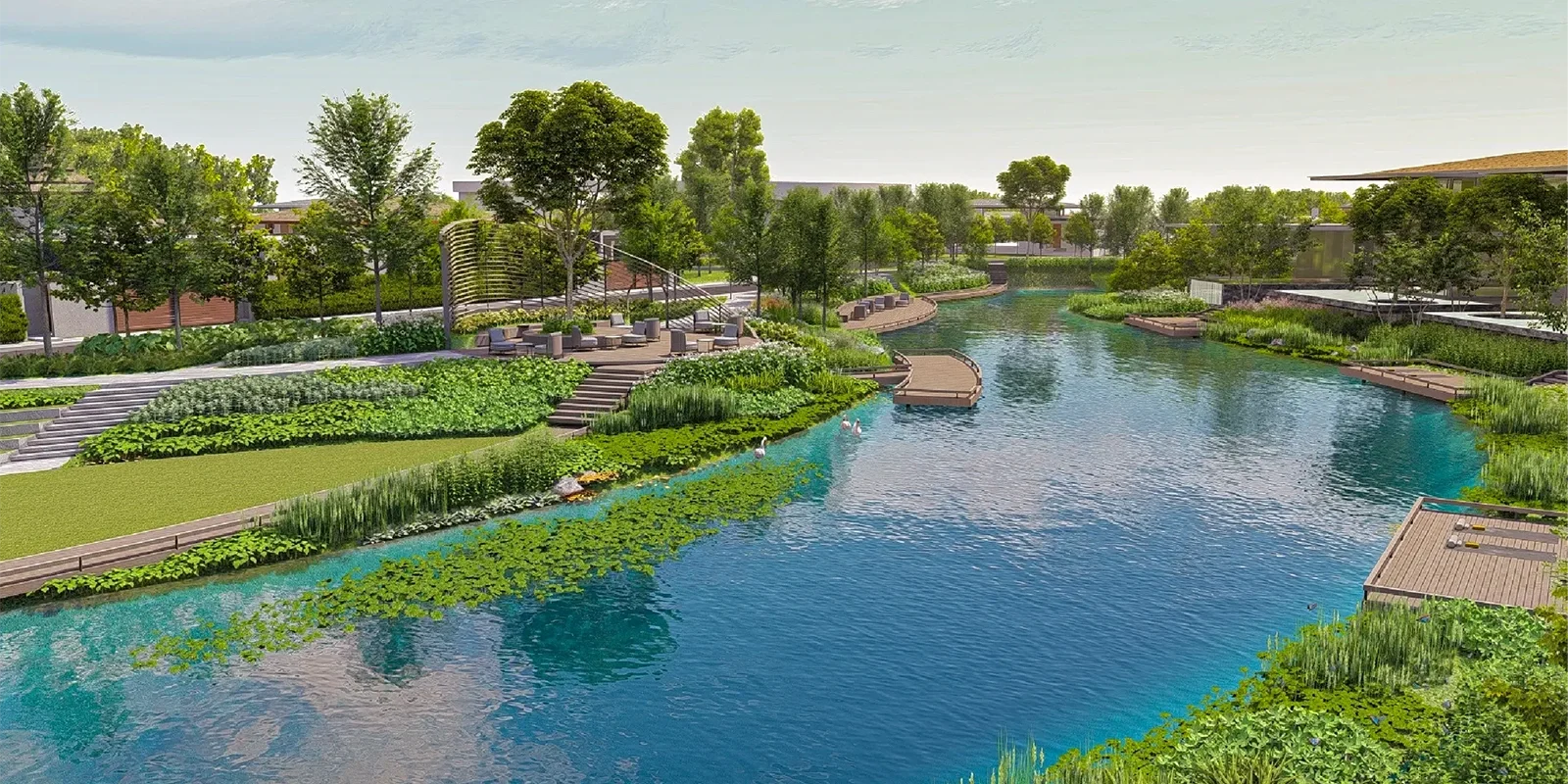
## Six-Stage Payment Plan
The price is paid in six stages as the villa is built: 30%, 20%, 15%, 15%, 10% and 10%. For the entry villa at 44,505,000 THB that works out as follows:
| Stage | Share | Amount |
|---|---|---|
| 1 | 30% | 13,351,500 THB |
| 2 | 20% | 8,901,000 THB |
| 3 | 15% | 6,675,750 THB |
| 4 | 15% | 6,675,750 THB |
| 5 | 10% | 4,450,500 THB |
| 6 | 10% | 4,450,500 THB |
Spreading the price over six stages lets buyers coordinate transfers from abroad across the build. We send the developer's schedule for your villa with the price list.
## Why Buyers Choose Botanica Grand Avenue
- **Botanica's flagship:** an estate with lakes and a private road network
- **A choice of styles:** four thematic zones with different architecture
- **Real estate scale:** plots of 852 to 2,036 sqm, per the developer
- **Room for family life:** three to five bedrooms, with maid's quarters and family rooms in many villas
- **Layan location:** Layan Beach about 5 minutes and the airport about 27 minutes by car
- **Six-stage payments:** the price spread across the build
## Who Botanica Grand Avenue Suits
- **Families relocating to Phuket** who want a large home in a gated estate
- **Multi-generational families** who need five bedrooms and space for staff
- **Buyers who value privacy and security** in an estate with one controlled entry
- **Long-term owners** looking for a flagship home in one of Phuket's most sought-after districts
## Living at Grand Avenue and Letting the Villa
For most buyers at this level, the villa is a family home first: school runs to the international schools, weekends at Layan Beach and Laguna, and a house big enough for visiting family. When the owners are away, a large pool villa in Layan appeals to families and groups on holiday in the November to April season.
For owners who plan to rent, we collect current holiday rates and asking rents for comparable villas in Layan and send them with the price list. [Our rental guide](/guides/phuket-rental-yield-complete-guide-2026/) explains how to read a rental offer line by line.
## Ownership for Foreign Buyers
At Botanica Grand Avenue, as with any villa in Thailand, you buy land plus a building. The house can be held in your own name over a lease of the plot registered at the Land Office, 30 years per registration with renewal terms in the contract, or the land can be held through a Thai company with genuine Thai shareholders. [Freehold and leasehold in Thailand](/guides/freehold-vs-leasehold-thailand/) explains both routes, and we prepare the one that suits you with our legal support.
## Botanica Grand Avenue and Other Layan Villas
| Project | From | Status |
|---|---|---|
| [Botanica Forestique](/projects/botanica-forestique/) | 36,402,000 THB | Off-plan |
| [Pirak Villa](/projects/pirak-villa/) | 39,990,000 THB | Off-plan |
| [The Victory](/projects/the-victory/) | 41,554,000 THB | Off-plan |
| Botanica Grand Avenue | 44,505,000 THB | Off-plan |
| [Tri Vananda](/projects/tri-vananda/) | 54,383,017 THB | Off-plan |
| [Season Rosewood](/projects/season-rosewood-by-season-luxury-villas/) | 56,106,000 THB | Off-plan |
| [Cloud by Season Luxury Villas](/projects/cloud-by-season-luxury-villas/) | 65,500,000 THB | Off-plan |
| [Botanica Sky Valley](/projects/botanica-sky-valley/) | 74,449,000 THB | Off-plan |
Grand Avenue's entry villas sit in the middle of the Layan luxury villa market by price, while its estate scale, lakes and thematic zones set it apart. At the lower end its prices overlap with [Botanica MontAzure](/projects/botanica-montazure/) in Kamala, so the choice between them is Layan's estate living against Kamala's hillside views. The [Botanica developer review](/guides/botanica-developer/) covers the developer's portfolio project by project.
## Buying Botanica Grand Avenue with MORE Group
A villa at Botanica Grand Avenue is bought in five steps, from the first price list to the keys, and we are with you through each of them.
## What We Send Before You Reserve
- The current price list with free villas, plot areas and zones
- The plan and specification for your villa
- The six-stage payment schedule
- The ownership structure for your purchase, leasehold or company, with the documents it needs
- The latest construction update
- The estate's service charges
{/* corpus-faq:botanica-grand-avenue */}
## FAQ
### What makes Botanica Grand Avenue different from other Botanica projects?
Scale and choice. It is the developer's flagship estate, with 55 villas on our price list from 382 sqm at 44,505,000 THB to 1,870 sqm at 255,000,000 THB, four thematic design zones, and, per the developer, a 92,095 sqm estate with more than 9,000 sqm of lakes and greenery and plots of 852 to 2,036 sqm.
### What stage is Botanica Grand Avenue at?
Construction is underway. We send the latest construction update together with the price list.
### What is the price range for Botanica Grand Avenue?
Three-bedroom villas of 382 sqm from 44,505,000 THB, four-bedroom villas of 406 to 817 sqm from 45,200,000 to 114,000,000 THB, and five-bedroom residences of 1,053 to 1,870 sqm from 176,000,000 to 255,000,000 THB.
### Can foreigners buy Botanica Grand Avenue villas?
Yes. The house can be held in your own name over a lease of the plot registered at the Land Office, 30 years per registration with renewal terms in the contract, or the land can be held through a Thai company with genuine Thai shareholders. We prepare the structure with our legal support.
### How does Grand Avenue compare to Botanica MontAzure?
Grand Avenue is an estate on flat land in Layan, with large plots, lakes and a private road network behind a single gate. MontAzure is on the Kamala hillside, with the sea views that go with that position. Their prices overlap at the lower end, so the choice is about the setting and the format.
**Read Also:**
- [How Foreigners Buy Phuket Property 2026](/guides/buying-property-phuket-guide/)
- [Botanica MontAzure, the Kamala hillside alternative](/projects/botanica-montazure/)
- [Botanica Modern Loft II, further along the same portfolio](/projects/botanica-modern-loft-ii/)
- [Botanica Phuket Developer Review](/guides/botanica-developer/)
- [The Buying Process in Thailand, Step by Step](/guides/due-diligence-process-thailand-step-by-step/)
- [Bang Tao Luxury Villas: Botanica vs Market](/guides/luxury-villas-bang-tao-botanica-vs-market/)
# Botanica Green Boulevard: Pool Villas from 26.9M THB
> Botanica Green Boulevard: 82 pool villas of three and four bedrooms around a central park, with a clubhouse, tennis and mini-golf, from 26.9M THB.
**Source:** https://moregroup.estate/projects/botanica-green-boulevard/
**Section:** Project Reviews
**Author:** MORE Group Editorial
**Published:** 2026-04-02
**Updated:** 2026-08-21
---
## What Is Botanica Green Boulevard?
Botanica Green Boulevard is designed as a neighbourhood rather than a resort. A lush central park and a tree-lined boulevard run through the estate, with walking paths and gardens around them, and the clubhouse, the tennis court, the mini-golf course and the children's playground give families a full day of things to do without leaving home. At the entrance, a community mall brings cafés, dining and everyday services to the residents' doorstep.
Each villa carries Botanica's signature design: modern architecture with high ceilings, open-plan living and dining, expansive glass walls and sliding doors that open the house to the terrace, the private pool and the landscaped garden. Every home has covered parking, and the estate is gated with 24-hour security and CCTV.
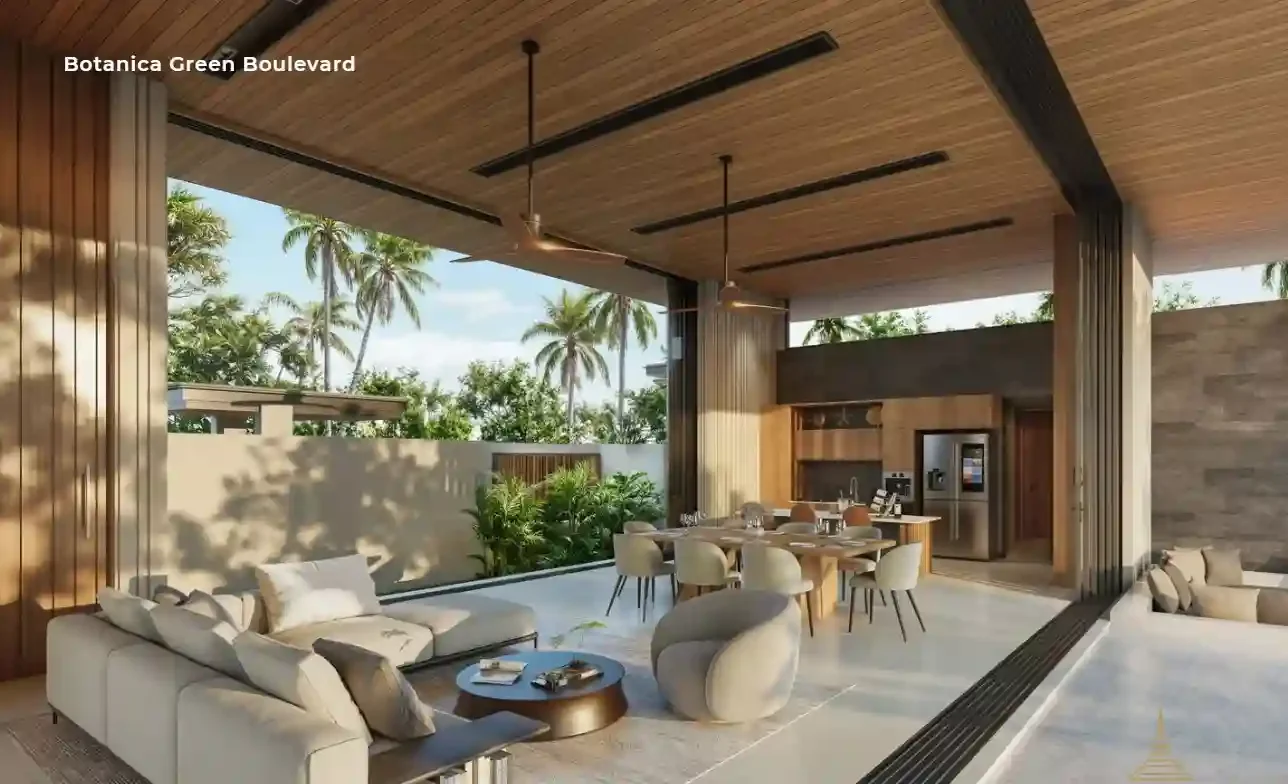
## What Are the Key Facts for Botanica Green Boulevard?
| Factor | Detail |
| --- | --- |
| Developer | Botanica |
| Location | Thep Krasattri and Pru Jampa, Thalang |
| Community | 82 private pool villas, gated |
| Villas | 37 on our price list |
| Three-bedroom | 380 sqm, 26,900,000 to 34,162,000 THB |
| Four-bedroom | 425 sqm, 34,710,000 to 36,723,200 THB |
| Facilities | Central park, clubhouse, community mall, tennis, mini-golf, playground |
| Payment | 30% / 20% / 15% / 15% / 10% / 10% |
| Stage | Under construction |
| Airport | About 14 minutes by car |
## Location: Thep Krasattri, the Green North of Phuket
Thep Krasattri and Pru Jampa are the green, residential heart of northern Phuket, where families find space, international schools and golf courses close by, and quiet streets away from the busy coast.
- **Phuket International Airport:** about 14 minutes by car
- **Layan Beach:** about 15 minutes by car, with Bang Tao and Laguna Phuket beyond it
- **Shopping:** the nearest mall about 10 minutes by car, with supermarkets nearby
- **International schools and golf courses:** within a short drive
- **Boat Avenue and Porto de Phuket:** restaurants and shopping on the way to the coast
For owners who fly in and out often, a short airport run is a real everyday comfort, and weekends at the beach clubs of Bang Tao are an easy drive away. The [Layan area guide](/areas/layan-property-guide/) covers the wider district.
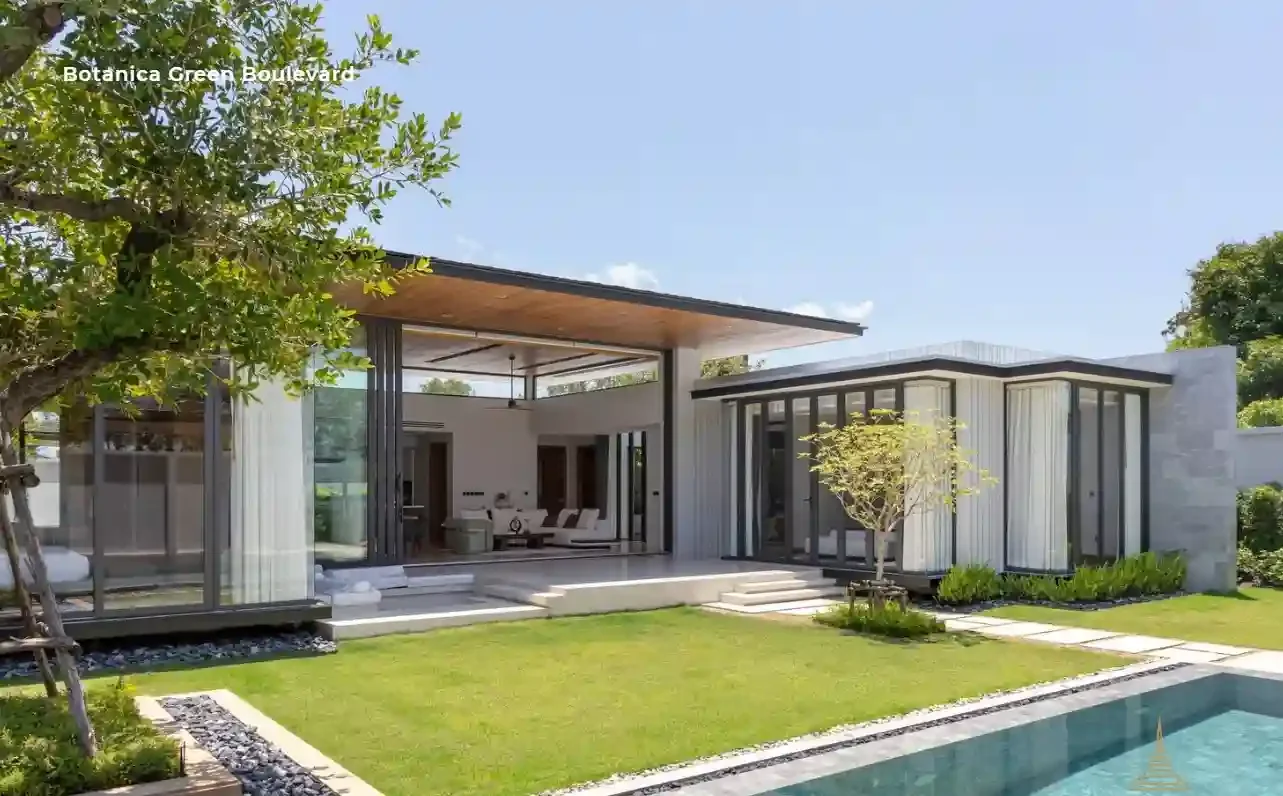
## Villas and Prices
Our price list holds 37 villas in two formats:
| Format | Built area | Villas | Price |
| --- | --- | --- | --- |
| Three-bedroom | 380 sqm | 26 | 26,900,000 to 34,162,000 THB |
| Four-bedroom | 425 sqm | 11 | 34,710,000 to 36,723,200 THB |
The three-bedroom villas of 380 sqm are the heart of the community, from 26,900,000 THB, and the price moves with the plot and its position on the estate. The four-bedroom villas of 425 sqm add a bedroom and 45 sqm of living space for larger families, from 34,710,000 THB. We send the plot area and plan of each villa with the price list.
## Design and Facilities
**In every villa:**
- **High ceilings** and open-plan living and dining
- **Expansive glass walls** and sliding doors to the terrace
- **Private swimming pool** and landscaped garden
- **Covered parking**
**On the estate:**
- **Central park and a tree-lined boulevard** with walking paths
- **Luxury clubhouse**
- **Community mall** with cafés, dining and services
- **Tennis court and mini-golf course**
- **Children's playground** and activity spaces
- **24-hour security** with CCTV
- **Pet-friendly**
## Living at Green Boulevard
Life here follows the rhythm of a family neighbourhood. Mornings start with the school run and a coffee at the community mall, afternoons belong to the pool and the garden, and the evening walk takes the boulevard and the park. At weekends the children have the playground and the mini-golf, the adults the tennis court and the clubhouse, and the beaches of Layan and Bang Tao are a short drive away.
## Six-Stage Payment Plan
The price is paid in six stages: 30%, 20%, 15%, 15%, 10% and 10%. For a three-bedroom villa at 26,900,000 THB that works out as follows:
| Stage | Share | Amount |
| --- | --- | --- |
| 1 | 30% | 8,070,000 THB |
| 2 | 20% | 5,380,000 THB |
| 3 and 4 | 15% each | 4,035,000 THB each |
| 5 and 6 | 10% each | 2,690,000 THB each |
The six stages spread the price across the build. We send the developer's schedule for your villa with the price list.
## Why Buyers Choose Botanica Green Boulevard
- **A Botanica pool villa from 26,900,000 THB**
- **A real neighbourhood:** a central park, a boulevard and a community mall
- **Family facilities:** clubhouse, tennis, mini-golf and a playground
- **About 14 minutes to the airport**
- **Schools and golf courses** within a short drive
- **Pet-friendly**, with a garden for every house
## Who Botanica Green Boulevard Suits
**Families with school-age children** who want a house, a pool and a garden near the international schools, with facilities for every age on the estate.
**Frequent travellers** who value a short drive to the airport.
**Long-term residents** of the north of the island who want a quiet, green neighbourhood with the coast close at hand.
**Rental investors** aiming at relocating families who rent a house for a school year or longer.
## Renting Out a Villa at Botanica Green Boulevard
A pool villa in a family community near the schools appeals to relocating families and long-term residents who rent for six or twelve months, and to families on holiday who want space, a private pool and a park to walk in. Long lets suit the neighbourhood well and keep turnover low.
If you plan to let your villa at Botanica Green Boulevard, we collect current asking rents for comparable villas in Thep Krasattri and Layan and send them with the price list. [Our rental guide](/guides/phuket-rental-yield-complete-guide-2026/) explains how to read a rental offer line by line.
## Ownership for Foreign Buyers
At Botanica Green Boulevard, as with any villa in Thailand, you buy land plus a building. The house can be held in your own name over a lease of the plot registered at the Land Office, 30 years per registration with renewal terms in the contract, or the land can be held through a Thai company with genuine Thai shareholders. [Freehold and leasehold in Thailand](/guides/freehold-vs-leasehold-thailand/) explains both routes, and we prepare the one that suits you with our legal support.
## Green Boulevard and Other Botanica Villas
| Project | From | Status |
| --- | --- | --- |
| [Botanica Wisdom](/projects/botanica-wisdom/) | 15,500,000 THB | Off-plan |
| [Botanica Pru Jampa](/projects/botanica-pru-jampa/) | 17,800,000 THB | Off-plan |
| [Botanica Skyport](/projects/botanica-skyport/) | 19,900,000 THB | Off-plan |
| [Botanica Lakeside 2](/projects/botanica-lake-side-ii/) | 24,900,000 THB | Off-plan |
| [Botanica Modern Loft II](/projects/botanica-modern-loft-ii/) | 25,750,000 THB | Off-plan |
| Botanica Green Boulevard | 26,900,000 THB | Off-plan |
| [Botanica Foresta 2](/projects/botanica-foresta-2/) | 29,900,000 THB | Off-plan |
Green Boulevard stands out in the Botanica family for its community facilities: a central park, a clubhouse, a community mall, tennis and mini-golf. We send the price lists of any of these projects on request and arrange viewings.
## Buying Botanica Green Boulevard with MORE Group
A villa at Botanica Green Boulevard is bought in five steps, from the first price list to the keys, and we are with you through each of them.
## What We Send Before You Reserve
- The current price list with free villas, built and plot areas, and plans
- The six-stage payment schedule for your villa
- The ownership structure for your purchase, leasehold or company, with the documents it needs
- The community's common charges
- The latest construction update
{/* corpus-faq:botanica-green-boulevard */}
## FAQ
### What does Botanica Green Boulevard cost?
Our price list holds 37 villas: 26 three-bedrooms of 380 sqm from 26,900,000 to 34,162,000 THB and 11 four-bedrooms of 425 sqm from 34,710,000 to 36,723,200 THB.
### What facilities does the community have?
A central park and a tree-lined boulevard, a luxury clubhouse, a community mall with cafés and dining, a tennis court, a mini-golf course, a children's playground, communal gardens and 24-hour security with CCTV.
### How far is Botanica Green Boulevard from the airport and the beach?
About 14 minutes by car from Phuket International Airport and about 15 minutes from Layan Beach. The nearest mall is about 10 minutes by car.
### What is the payment plan?
Six stages: 30%, 20%, 15%, 15%, 10% and 10%. For a villa at 26,900,000 THB that means 8,070,000 THB at the first stage.
### How can foreigners own a villa at Botanica Green Boulevard?
The house can be held in your own name over a lease of the plot registered at the Land Office, 30 years per registration with renewal terms in the contract, or the land can be held through a Thai company with genuine Thai shareholders. We prepare the structure with our legal support.
**Read Also:**
- [Layan Area Guide](/areas/layan-property-guide/)
- [Botanica Modern Loft II](/projects/botanica-modern-loft-ii/)
- [Monstera Nature](/projects/monstera-nature/)
- [Freehold vs Leasehold in Thailand](/guides/freehold-vs-leasehold-thailand/)
- [How Foreigners Buy Phuket Property 2026](/guides/buying-property-phuket-guide/)
- [Phuket Rental Yield Guide](/guides/phuket-rental-yield-complete-guide-2026/)
# Botanica Hythe Laguna: Vertical Villas from 10.8M THB
> Botanica Hythe: low-rise \"vertical villa\" residences near Laguna and Bang Tao Beach, one to four bedrooms, duplexes and penthouses, from 10.8M THB.
**Source:** https://moregroup.estate/projects/botanica-hythe/
**Section:** Project Reviews
**Author:** MORE Group Editorial
**Published:** 2026-03-26
**Updated:** 2026-08-23
---
## What Is Botanica Hythe?
Botanica Hythe brings the villa experience into a residence. The vertical villa concept gives each home generous space, privacy and a close connection to the outdoors, with premium materials and the design language Botanica is known for. The choice runs from one-bedrooms of 60 sqm to three-bedroom homes, duplexes and four-bedroom penthouses of more than 700 sqm.
Residents have a gym, a co-working space and a children's area, and the Laguna area is all around: the golf course, the spas, the beach clubs of Bang Tao and the restaurants of Boat Avenue. Botanica also builds pool villas nearby, such as [Botanica Grand Avenue](/projects/botanica-grand-avenue/).
## What Are the Key Facts for Botanica Hythe?
| Factor | Detail |
| --- | --- |
| Developer | Botanica |
| Location | Near Laguna Phuket and Bang Tao Beach |
| Buildings | Four six-storey buildings, 288 residences |
| On our price list | 169 residences |
| One-bedroom | 60 sqm, 10,800,000 to 12,825,000 THB |
| Two-bedroom | 88 and 90 sqm, 17,212,500 to 19,305,000 THB |
| Three-bedroom | 127 to 417 sqm, 24,288,750 to 56,970,000 THB |
| Four-bedroom | 702 to 716 sqm, 140,925,000 to 144,300,000 THB |
| Payment | 35% / 20% / 20% / 10% / 10% / 5% |
| Stage | Under construction |
| Beach | About 6 minutes by car |
| Airport | About 24 minutes by car |
| Concept | Vertical villa, with duplexes and penthouses |
| Facilities | Gym, co-working, children's area |
## Location: Laguna and Bang Tao
The Laguna area is the heart of Bang Tao: one of the island's longest beaches, the resort life of Laguna Phuket, international schools and the restaurants of Boat Avenue, all close together.
- **Bang Tao Beach:** about 6 minutes by car
- **Laguna Phuket:** golf, spas and beach clubs
- **Boat Avenue and Porto de Phuket:** dining and shopping, with the nearest mall about 10 minutes by car
- **International schools:** within a short drive
- **Airport:** about 24 minutes by car
From Botanica Hythe, the nearest beach about 6 minutes by car, the nearest mall about 10 minutes and the airport about 24 minutes, so everyday errands, school runs and trips home are easy to plan.
Days here combine the calm of a large home with the lifestyle of the west coast: the terrace in the morning, the beach or the golf course in the afternoon, dinner at Boat Avenue. The [Bang Tao area page](/bang-tao-properties/) covers the district in more detail.
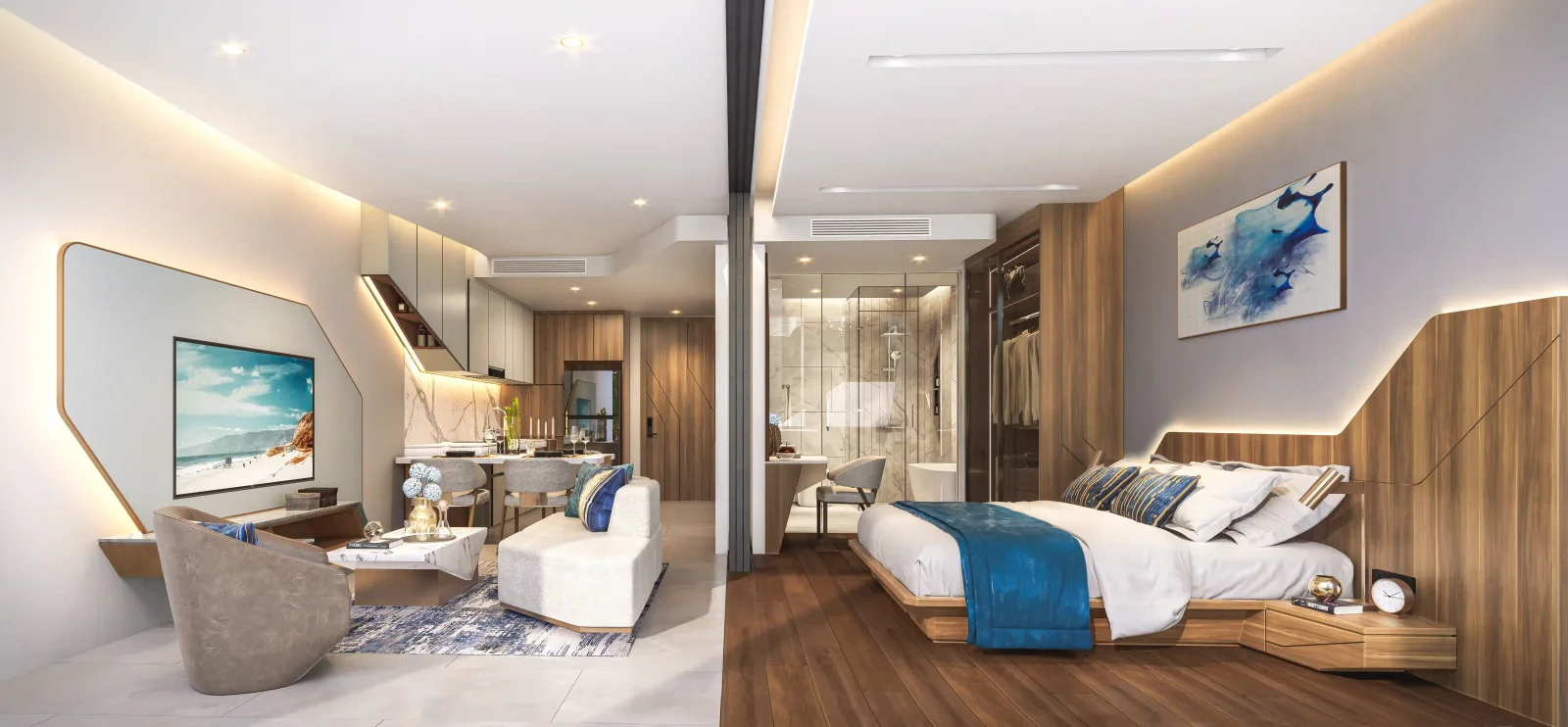
## Residences and Prices
| Format | Size | Units | Price |
| --- | --- | --- | --- |
| One-bedroom | 60 sqm | 49 | 10,800,000 to 12,825,000 THB |
| Two-bedroom | 88 and 90 sqm | 63 | 17,212,500 to 19,305,000 THB |
| Three-bedroom | 127 to 217 sqm | 38 | 24,288,750 to 35,805,000 THB |
| Three-bedroom | 417 sqm | 11 | 56,970,000 THB |
| Four-bedroom | 702 to 716 sqm | 8 | 140,925,000 to 144,300,000 THB |
The one-bedrooms of 60 sqm open the building from 10,800,000 THB, and the two-bedrooms of 88 and 90 sqm are the largest group on the list. The three-bedroom homes of 127 to 217 sqm and the ground-floor residences of 417 sqm suit families who want villa-like space, and the four-bedroom penthouses of 702 to 716 sqm on the top floors reach 144,300,000 THB. We send the plan, floor and view of each residence with the list.
## Design and Facilities
- **Vertical villa concept**: villa space in a residence
- **Premium materials** throughout
- **One to four bedrooms**, duplexes and penthouses
- **Low-rise buildings** of six storeys
- **Gym** and co-working space
- **Children's area**
## Living at Botanica Hythe
Botanica Hythe suits families who want the space of a villa without looking after one. The residences are large enough for everyone to have their own corner, the co-working space and the gym are downstairs, and the children have their own area. The beaches of Bang Tao and the golf and spas of Laguna are a short drive away, and the restaurants of Boat Avenue are close for dinner. For owners who travel, a residence is simpler to leave than a house, with the building looked after in their absence and the residence ready the day they return.
## Six-Stage Payment Plan
The price is paid in six stages: 35%, 20%, 20%, 10%, 10% and 5%. For a residence at 10,800,000 THB that works out as follows:
| Stage | Share | Amount |
| --- | --- | --- |
| 1 | 35% | 3,780,000 THB |
| 2 and 3 | 20% each | 2,160,000 THB each |
| 4 and 5 | 10% each | 1,080,000 THB each |
| 6 | 5% | 540,000 THB |
The schedule follows the build, and we send the developer's schedule for your residence with the price list.
## Why Buyers Choose Botanica Hythe
- **The vertical villa idea**: villa space with apartment ease
- **A wide choice**, from one-bedrooms to penthouses
- **Botanica design** and premium materials
- **A gym, co-working and a children's area**
- **Laguna and Bang Tao Beach** a few minutes away
- **Freehold ownership** within the 49% foreign quota
## Who Botanica Hythe Suits
**Families** who want villa-sized space in an easy-to-manage residence.
**Remote workers** who want co-working and a gym in the building, with the beach a few minutes away.
**Buyers of large homes** looking at duplexes and penthouses near Laguna, with room for guests and staff.
**Rental investors** aiming at families and couples who choose the Laguna area.
## Renting Out a Residence at Botanica Hythe
A spacious residence near Laguna and Bang Tao Beach appeals to families and couples on holiday in the November to April season and to long-stay guests through the rest of the year. The space, the design and the location are what guests value most.
If you plan to let your residence at Botanica Hythe, we collect current asking rents and holiday rates for comparable residences in Laguna and Bang Tao and send them with the price list. [Our rental guide](/guides/phuket-rental-yield-complete-guide-2026/) explains how to read a rental offer line by line.
## Ownership for Foreign Buyers
Botanica Hythe is a condominium, so a unit can be registered freehold in your own name within the 49% foreign quota of the building, counted by floor area. We confirm with the developer that the unit you choose sits inside that quota. For a freehold unit at Botanica Hythe, each payment is transferred from abroad in foreign currency, and the receiving bank provides the FET form that the Land Department asks for at registration. [How the foreign quota works](/guides/foreign-quota-thai-condominiums/) explains the rule in detail.
## Botanica Hythe and Other Residences Near Laguna
| Project | From | Status |
| --- | --- | --- |
| [Laguna Lakelands Waterside](/projects/laguna-lakelands-waterside/) | 8,000,000 THB | Off-plan |
| Laguna Aster | 10,500,000 THB | Off-plan |
| Botanica Hythe | 10,800,000 THB | Off-plan |
| [Laguna Golf Residences Hibiscus](/projects/laguna-golf-residences-hibiscus/) | 12,880,000 THB | Off-plan |
| Bellaguna Lotus | 19,550,000 THB | Off-plan |
| [Laguna Beach Residences Seashore](/projects/laguna-beach-residences-seashore/) | 22,700,000 THB | Off-plan |
Botanica Hythe stands out in this group for its vertical villa design and its duplexes and penthouses. We send the price lists of any of these projects on request and arrange viewings.
## Buying Botanica Hythe with MORE Group
A residence at Botanica Hythe is bought in five steps, from the first price list to the keys, and we are with you through each of them.
## What We Send Before You Reserve
- The current price list for Botanica Hythe with free residences, sizes and plans
- Confirmation that your unit sits within the 49% foreign quota
- The six-stage payment schedule for your residence
- The building's common charges and house rules
- The latest construction update
{/* corpus-faq:botanica-hythe */}
## FAQ
### What does Botanica Hythe cost?
Our price list holds 169 residences: one-bedrooms of 60 sqm from 10,800,000 to 12,825,000 THB; two-bedrooms of 88 and 90 sqm from 17,212,500 to 19,305,000 THB; three-bedrooms of 127 to 217 sqm from 24,288,750 to 35,805,000 THB; three-bedrooms of 417 sqm at 56,970,000 THB; four-bedrooms of 702 to 716 sqm from 140,925,000 to 144,300,000 THB.
### What is the vertical villa concept?
Residences designed to give the space, privacy and outdoor connection of a villa within a low-rise building, from one-bedrooms to duplexes and penthouses.
### What facilities does the building have?
A gym, a co-working space and a children's area, with Laguna Phuket and Bang Tao Beach a few minutes away.
### What is the payment plan?
Six stages: 35%, 20%, 20%, 10%, 10%, 5%. For a residence at 10,800,000 THB that means 3,780,000 THB at the first stage.
### Can foreigners buy at Botanica Hythe freehold?
Yes. Foreign buyers can hold a unit freehold in their own name within the 49% foreign quota of the building, counted by floor area. We confirm that your unit sits inside the quota, and the purchase money is transferred from abroad with an FET form for registration at the Land Department.
**Read Also:**
- [Botanica Grand Avenue](/projects/botanica-grand-avenue/)
- Laguna Aster
- [How the Foreign Quota Works](/guides/foreign-quota-thai-condominiums/)
- [How Foreigners Buy Phuket Property 2026](/guides/buying-property-phuket-guide/)
- [Phuket Rental Yield Guide](/guides/phuket-rental-yield-complete-guide-2026/)
# Botanica Lakeside 2 Layan: Pool Villas from 24.9M THB
> Botanica Lakeside 2 (Lake Side II): three and four-bedroom pool villas on private lake plots in Layan from 24.9M THB, on 460 to 1,117 sqm of land.
**Source:** https://moregroup.estate/projects/botanica-lake-side-ii/
**Section:** Project Reviews
**Author:** MORE Group Editorial
**Published:** 2026-04-07
**Updated:** 2026-10-07
---
## Botanica Lakeside 2: Lakefront Villas in Layan
Botanica Lake Side II, often searched as Botanica Lakeside 2, is a boutique villa scheme arranged around a private lake in Layan, inside the Choeng Thale sub-district of Thalang. The scheme is three- and four-bedroom pool villas with living areas from 298 sqm to over 600 sqm, on plots between 460 and 1,117 sqm. Every villa has a private pool and its own frontage onto the water.
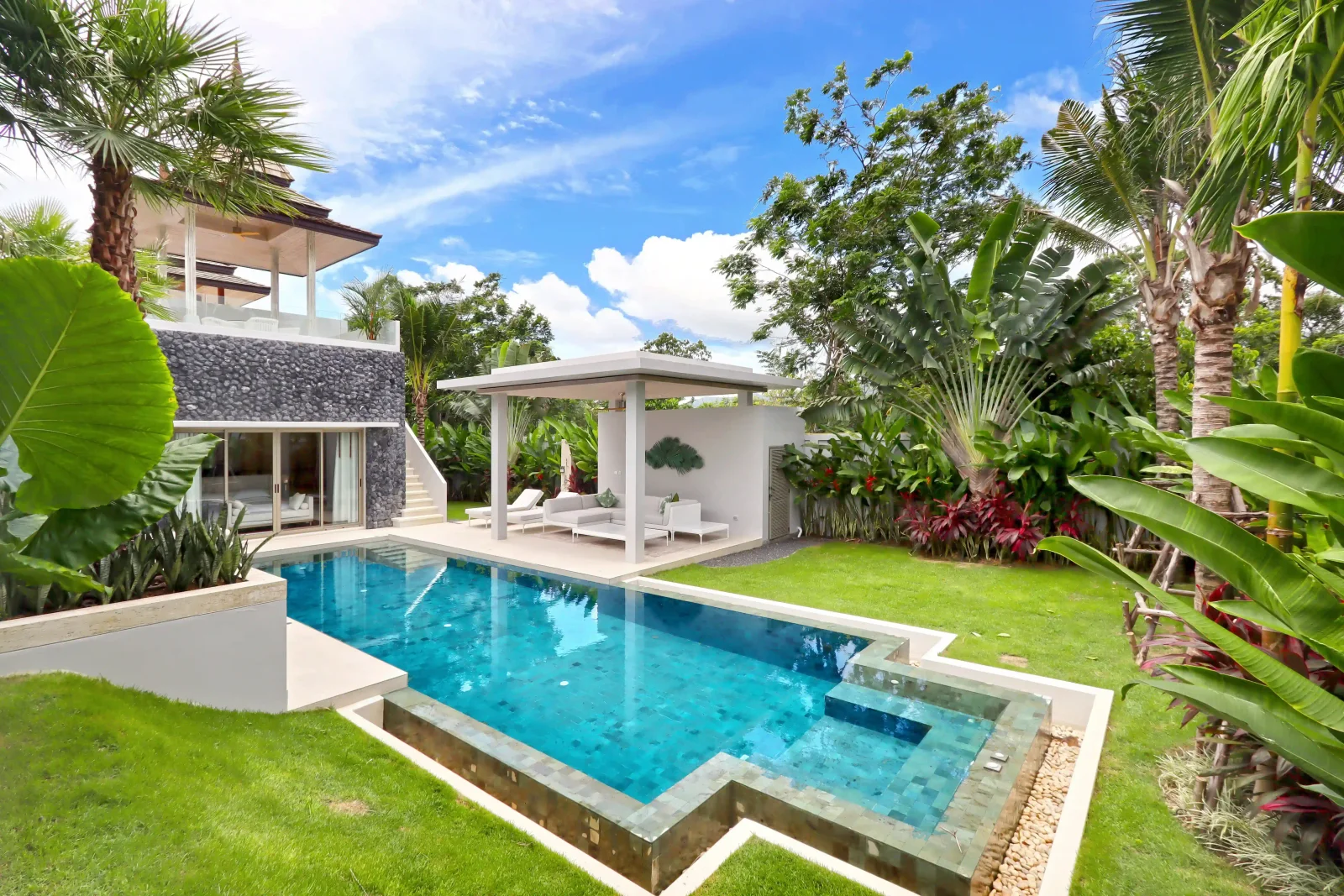
## Location and Setting
Layan occupies the northern half of the west coast, in the same sub-district as Laguna and Bang Tao. The estate turns inward toward its lake rather than outward toward the road, which gives it its quiet, and the golf course, the Boat Avenue and Porto de Phuket retail strips, the Cherngtalay school cluster and the private clinics on the Thepkrasattri corridor are all a short drive away.
The estate competes on space, quiet and an outlook nobody can build across. We arrange a viewing that includes the drives you would make every day, to the school, the beach and Boat Avenue, so you know the address well before you choose a plot.
In the same Layan area, [Layan Verde](/projects/layan-verde/) is the condominium option, with Dusit management, for buyers who want a smaller ticket.
## What the Release Prices
Twelve villas carry a price today, spanning 24,900,000 to 51,227,500 THB.
| | Three-bedroom | Four-bedroom |
|---|---|---|
| Sizes released | 329 and 330 sqm | 387 to 626 sqm |
| Prices released | 24,900,000 THB | 29,677,500 to 51,227,500 THB |
| Per square metre | about 75,500 THB | 72,382 to 90,537 THB |
The smallest layout the scheme builds is 298 sqm, below anything currently on the list, and we check its availability for you on request.
## Same floor area, different price
The interesting pattern in the list is that size does not explain it.
| Villa | Built area | Price | Per sqm |
|---|---|---|---|
| L18 | 329 sqm | 24,900,000 THB | 75,684 THB |
| L10 | 387 sqm | 29,677,500 THB | 76,686 THB |
| L15 | 410 sqm | 31,960,000 THB | 77,951 THB |
| L2 | 410 sqm | 37,120,000 THB | 90,537 THB |
| L9 | 459 sqm | 36,111,000 THB | 78,673 THB |
| D2 | 601 sqm | 51,227,500 THB | 85,237 THB |
| L5 | 626 sqm | 45,311,000 THB | 72,382 THB |
L15 and L2 are the same 410 sqm and 5,160,000 THB apart. L5 is the largest house released and carries the cheapest square metre on the list; D2 is 25 sqm smaller than L5 and 5,916,500 THB dearer, the most expensive villa in the release. None of that is in the floor plan, so it is in the plot: frontage width, aspect, and where on the water the house sits.
That makes the site plan the most useful document in the release. We send it with the released plots numbered and priced, and explain what separates L2 from L15, such as a longer stretch of water in front of the house. At a viewing you can stand on both plots and decide what the difference is worth to you.
## Payment Plan
The schedule is six instalments: 30%, then 20%, 15%, 15%, 10% and 10%. On the 24,900,000 THB entry villa that is 7,470,000 THB first and 2,490,000 THB in each of the last two.
Each instalment is tied to a stage of the build, so the payments follow the house as it rises, with completion scheduled for Q3 2028. We send the developer's schedule with every instalment and its construction stage named, together with the price list.
{/* corpus-faq:botanica-lake-side-ii */}
## FAQ
### How many bedrooms do these villas have, and at what size?
Both formats are on the price list. The three-bedroom layouts sit at 329 to 330 sqm and start at 24,900,000 THB; the four-bedroom layouts run from 387 sqm up to 626 sqm and from 29,677,500 to 51,227,500 THB. The smallest layout the scheme builds is 298 sqm, below anything currently released, and we check which plots it is still available on.
### Why are two villas of the same size priced so differently?
L15 and L2 are both 410 sqm and 5,160,000 THB apart, which means the difference sits in the plot rather than the house. Frontage onto the lake, orientation and plot size vary across the estate. We send the numbered site plan, and at a viewing you can walk both plots.
### Can I own the land here?
Land in Thailand is not held freehold by foreigners. On a plot of this size the practical instrument is a lease registered at the Land Department, with the house itself titled to you, and we walk you through the structure that fits your situation.
### What makes a lakeside plot different?
Levels, drainage and the lake itself. A house beside a lake in a monsoon climate sits on raised levels with drainage designed for heavy rain, all shown in the engineering drawings, which we request for your plot. The ownership and upkeep of the lake are part of the estate documents we send.
### Who does this suit?
A buyer planning a long hold with real personal use, where the setting is the reason for buying and letting income covers part of the cost of owning. Families who want space, a garden and a pool beside the water are the natural owners here.
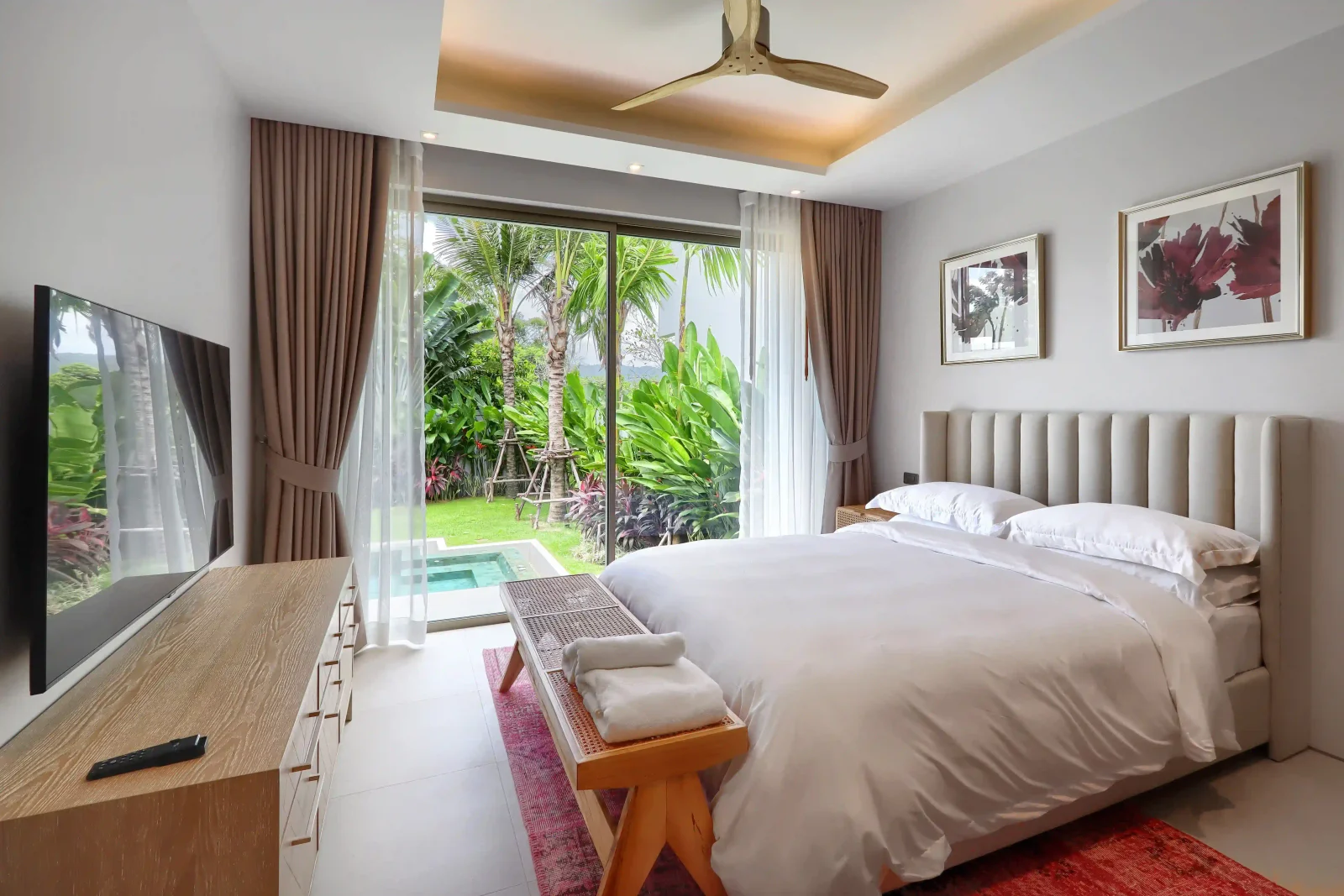
## Villa Design and Features
The three-bedroom houses on the list are 329 and 330 sqm. The four-bedroom range starts at 387 sqm and reaches 626 sqm, which is a different kind of house rather than a larger version of the same one: at that size the plan carries separate living pavilions, and the plots beneath them run toward the 1,117 sqm upper end.
Every villa has its own pool and covered terrace, and the houses are set on their plots to face the water. The interior specification is the Balinese-influenced palette Botanica builds across its Phuket schemes, in natural materials and earth tones rather than anything trend-dependent.
On a lake estate the value of the outlook depends on the angle, and we show you which villas look down the length of the water and which look across it.
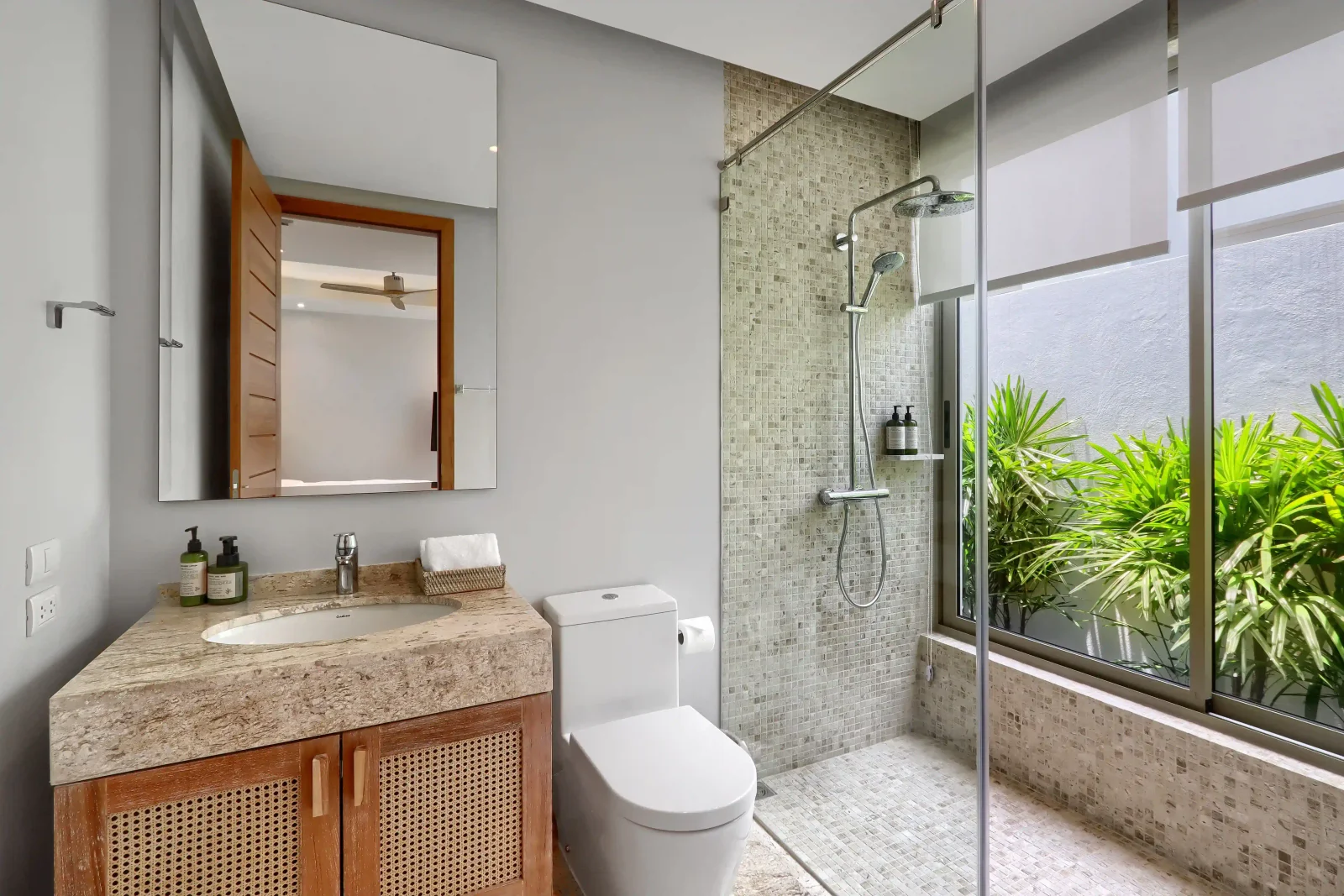
## Who Is This For?
**A family that wants the space and will use it.** Three or four bedrooms on 329 sqm-plus with a garden and a pool is a house to live in, and the Cherngtalay school cluster is on the same side of the island.
**A buyer who prefers a plot that cannot be built out.** Water frontage is the one outlook on Phuket that a neighbour cannot take away by building, which is a different proposition from a hillside view that depends on the plot below staying empty.
**A long-term owner.** Six instalments spread the purchase across the build, and the estate is designed for years of personal use rather than a quick resale.
**An owner who lets between stays.** Comparable managed villas in Layan have historically earned 5 to 7% net after 20 to 25% operator fees, with peak occupancy of 75 to 85% on comparable managed units.
## Why Buyers Choose Botanica Lake Side II
- A private lake outlook, which no neighbouring plot can build across
- Plots from 460 to 1,117 sqm, at the large end of what Layan offers
- Six instalments spread across a long build rather than a lump at transfer
- Botanica has finished houses in this corridor you can visit before committing
- A wide released price range, from 24.9 to 51.2 million THB, with a plot for different budgets
## Living Beside the Lake
A house beside the water is designed for it. The villas sit on raised levels with drainage built for Phuket's rainy season, and the finished floor levels are shown in the engineering drawings, which we request for your plot.
The setting is the reward. The lake, the landscaping around it and the far shore make up your view for years, and the estate documents set out how the water and the gardens around it are looked after.
## Looking After a Lakeside Villa
A lakeside garden is part of the pleasure of owning here, and weekly garden care keeps it at its best. Pool service and cleaning across three or four bedrooms complete the routine, with a management share if you let, agreed per contract.
The roof, the pool plant and the air conditioning are yours outright and follow known replacement schedules, so an annual reserve keeps them planned.
The estate's common charge covers the lake, its landscaping and the access roads, shared between the households. We send the common charge per villa in writing, so the full running cost of your villa is clear before you choose.
## Buying Botanica Lake Side II with MORE Group
A lakeside villa at Botanica Lake Side II is bought in five steps, from the first price list to the keys, and we are beside you for each of them.
**Read Also:**
- [What a foreign buyer registers on a villa plot](/guides/freehold-vs-leasehold-thailand/)
- [The buying process step by step](/guides/due-diligence-process-thailand-step-by-step/)
- [How Layan compares with the other west-coast addresses](/guides/best-areas-phuket-buy-property/)
- [Botanica Grand Avenue, the same developer on a different site](/projects/botanica-grand-avenue/)
- [What villa letting returns by area](/guides/phuket-rental-yield-complete-guide-2026/)
# Botanica Majestia Phuket Review 2026: Prices and Units
> Botanica Majestia review: 33 gated pool villas in Ko Kaeo with three and four bedrooms from 38M THB, near BIS Phuket, the marinas and golf courses.
**Source:** https://moregroup.estate/projects/botanica-majestia/
**Section:** Project Reviews
**Author:** MORE Group Editorial
**Published:** 2026-04-02
**Updated:** 2026-10-07
---
**Botanica Majestia in brief:** 33 private pool villas in a gated estate in Ko Kaeo, near Phuket Town. Three-bedroom villas of 380 sqm from 38,061,000 THB and four-bedroom villas of 425 and 615 sqm up to 81,961,000 THB, paid in six stages. 24-hour security, a gym and a co-working space, with the British International School Phuket, the marinas and golf courses a short drive away.
## Botanica Majestia: A Family Villa Estate in Ko Kaeo
Botanica Majestia is built for families who want to live in Phuket properly: a large private villa with its own pool and garden, in a calm residential district, minutes from one of the island's best-known international schools.
Ko Kaeo is Phuket's residential east side, set around the marinas north of Phuket Town. It is where many long-term residents choose to live: families on multi-year school cycles, professionals working in Phuket Town and the hospitals, and the yachting community around the marinas.
## Project Overview
Botanica brings its signature villa design to Ko Kaeo: high ceilings, large sliding glass doors that open the living space to the pool terrace, private pools with landscaped gardens, and an outdoor BBQ pavilion for entertaining. The estate holds 33 villas behind a gated entrance, with 24-hour security, CCTV and shared green spaces.
The project is under construction, and we send the latest construction update together with the price list.
**Key facts at a glance:**
| Detail | Info |
|---|---|
| Developer | Botanica |
| Location | Ko Kaeo, Phuket Town district |
| Total villas | 33 |
| Villa types | Three-bedroom and four-bedroom pool villas |
| Built area | 380 to 615 sqm |
| Price range | 38,061,000 to 81,961,000 THB |
| Payment plan | Six stages: 30%, 20%, 15%, 15%, 10%, 10% |
| Stage | Under construction |
| Nearest mall | About 11 minutes by car |
| Airport | About 33 minutes by car |
| Security | Gated, 24-hour, CCTV |
| Pet-friendly | Yes |
## Why Families Choose Ko Kaeo
Ko Kaeo sits on the east coast north of Phuket Town, close to two of the island's yacht marinas, Royal Phuket Marina and Phuket Boat Lagoon. The British International School Phuket is in the same district, and golf courses, hospitals, shopping centres and Phuket Town's restaurants and cafes are all within a short drive.
The character is calm, green and residential. Streets are built around daily life rather than tourism, which is exactly what families who live in Phuket year-round look for. Weekend beach trips are easy too: the west-coast beaches are about half an hour away by car.
## Prices and Villa Configurations
| Villa type | Built area | Villas | Price range | Price per sqm |
|---|---|---|---|---|
| Three-bedroom | 380 sqm | 6 | 38,061,000 to 39,681,000 THB | about 100,000 to 104,000 THB |
| Four-bedroom | 425 sqm | 23 | 40,861,000 to 57,127,000 THB | about 96,000 to 134,000 THB |
| Four-bedroom, large | 615 sqm | 4 | 76,648,000 to 81,961,000 THB | about 125,000 to 133,000 THB |
The entry villa at 38,061,000 THB is about $1.16M. The range within the four-bedroom category reflects plot size, orientation and position within the estate, and the four largest villas of 615 sqm offer the most expansive footprints in the project.
For buyers weighing the three and four-bedroom options, the step from 38 to 40.9 million THB adds a bedroom and 45 sqm of built area, which makes the standard four-bedroom one of the strongest value choices in the estate. We send the plot area and the plan for each villa together with the price list, so you can compare villas side by side.
## Six-Stage Payment Plan
The price is paid in six stages as the villa is built: 30%, 20%, 15%, 15%, 10% and 10%. For the entry three-bedroom at 38,061,000 THB that works out as follows:
| Stage | Share | Amount |
|---|---|---|
| 1 | 30% | 11,418,300 THB |
| 2 | 20% | 7,612,200 THB |
| 3 | 15% | 5,709,150 THB |
| 4 | 15% | 5,709,150 THB |
| 5 | 10% | 3,806,100 THB |
| 6 | 10% | 3,806,100 THB |
Spreading the price over six stages keeps each transfer manageable and lets buyers fund the purchase over the build period. We send the developer's schedule for your villa with the price list.
## Design and Villa Features
- **High ceilings** throughout
- **Large sliding glass doors** opening to the pool terrace
- **Private swimming pool** for every villa
- **Landscaped garden** with a BBQ pavilion and poolside terrace
- **Open-plan kitchen, dining and living** layout with a fully equipped kitchen
- **Three or four bedrooms**, all en-suite
- **Covered parking**
- **Laundry and utility rooms** with practical storage
Community amenities:
- **Gated entrance** with an automatic gate
- **24-hour security and CCTV**
- **Communal green spaces**
- **Gym**
- **Co-working space**
The gym and co-working space are deliberate choices for the estate's residents. Professionals who run a business from Phuket or work remotely can do so a short walk from home.
## Why Buyers Choose Botanica Majestia
- **A family estate:** 33 villas behind a gate, with 24-hour security
- **School and marina access:** the British International School Phuket, Royal Phuket Marina and Phuket Boat Lagoon nearby
- **Generous space:** 380 to 615 sqm of built area with private pools and gardens
- **A known developer:** Botanica is one of the most active villa developers on the island
- **Six-stage payments:** the price spread across the build
- **Pet-friendly:** space for a family with dogs
## Who Botanica Majestia Suits
- **Families relocating to Phuket** who want a villa close to international schools
- **Buyers who want privacy** in a gated community with its own security
- **Owners in the yachting world** or working near Phuket Town
- **Long-term buyers** who see the villa as a family home for years ahead
- **Pet owners** who need a garden and room for large dogs
## Renting Out a Ko Kaeo Villa
Ko Kaeo's rental market is built on annual leases: families at the international schools, professionals at hospitals and international companies, and the marina community. These tenants sign twelve-month contracts and often renew, which suits owners who prefer steady, low-maintenance letting to a holiday calendar.
For owners who plan to rent, we collect current asking rents for comparable family villas in Ko Kaeo and send them with the price list. [Our rental guide](/guides/phuket-rental-yield-complete-guide-2026/) explains how to read a rental offer line by line.
## Botanica Majestia and Other Botanica Estates
| Project | Area | From |
|---|---|---|
| [Botanica Chalong Bay](/projects/botanica-chalong-bay/) | Chalong | 29,716,000 THB |
| [Botanica Foresta 2](/projects/botanica-foresta-2/) | Layan | 29,900,000 THB |
| [Botanica Forestique](/projects/botanica-forestique/) | Layan | 36,402,000 THB |
| Botanica Majestia | Ko Kaeo | 38,061,000 THB |
| [Botanica MontAzure](/projects/botanica-montazure/) | Kamala | 38,900,000 THB |
| [Botanica Grand Avenue](/projects/botanica-grand-avenue/) | Layan | 44,505,000 THB |
Botanica builds across the island, from the Layan forest estates to Kamala and Chalong. Majestia is its answer for families who put schools and everyday life first. Botanica also builds [Botanica Sky Valley](/projects/botanica-sky-valley/) in the hills of Layan, and we arrange viewings of its estates on request.
## Buying Botanica Majestia with MORE Group
A villa at Botanica Majestia is bought in five steps, from the first price list to the keys, and we are with you through each of them.
## What We Send Before You Reserve
- The current price list with free villas, plot areas and plans
- The six-stage payment schedule for your villa
- The ownership structure for your purchase, leasehold or company, with the documents it needs
- The latest construction update
- Current asking rents for comparable villas in Ko Kaeo, if you plan to rent
{/* corpus-faq:botanica-majestia */}
## FAQ
### What stage is Botanica Majestia at?
Construction is underway. We send the latest construction update together with the price list.
### How many villas are in Botanica Majestia?
The estate holds 33 private pool villas: six three-bedroom villas of 380 sqm, 23 four-bedroom villas of 425 sqm and four four-bedroom villas of 615 sqm.
### Can foreigners buy villas at Botanica Majestia?
Yes. A villa is land plus a building, so the house can be held in your own name over a lease of the plot registered at the Land Office, 30 years per registration with renewal terms in the contract, or the land can be held through a Thai company with genuine Thai shareholders. We prepare the structure with our legal support.
### How close is Botanica Majestia to international schools?
The British International School Phuket is in Ko Kaeo, the same district as the estate, a short drive away. School access is one of the main reasons families choose the location.
### What is the payment plan?
Six stages during construction: 30%, 20%, 15%, 15%, 10% and 10%. We send the developer's schedule for your villa with the price list.
### What amenities does Botanica Majestia include?
Each villa has a private pool, a landscaped garden, a BBQ pavilion, covered parking and en-suite bedrooms. The estate has a gym, a co-working space, 24-hour gated security, CCTV, an automatic entrance gate and communal green spaces.
**Read Also:**
- [How Foreigners Buy Phuket Property 2026](/guides/buying-property-phuket-guide/)
- [Phuket Rental Yield 2026: Net Income by Area](/guides/phuket-rental-yield-complete-guide-2026/)
- [Best Areas in Phuket to Buy Property 2026](/guides/best-areas-phuket-buy-property/)
- [Freehold vs Leasehold in Thailand](/guides/freehold-vs-leasehold-thailand/)
- [Phuket Town Property Guide](/areas/phuket-town-property-guide/)
- [Can Foreigners Buy Property in Thailand?](/guides/can-foreigners-buy-property-thailand/)
# Botanica Modern Loft II Review 2026: Prices and Units
> Botanica Modern Loft II: seven loft pool villas in Layan, 25,750,000 to 40,461,500 THB for 288 to 429 sqm, double-height living and a six-tranche plan.
**Source:** https://moregroup.estate/projects/botanica-modern-loft-ii/
**Section:** Project Reviews
**Author:** MORE Group Editorial
**Published:** 2026-04-07
**Updated:** 2026-08-23
---
## The Loft Format and Who It Suits
Seven villas carry a price here, from 25,750,000 THB for 288 square metres to 40,461,500 for 429, and the design decision that defines all of them is volume rather than floor area: double-height living space, large glazing, an open-plan arrangement.
That produces a house which photographs exceptionally well and shows superbly. Two design details go with it: a double-height volume needs cooling sized to the room volume rather than the floor area, and the open plan suits households who enjoy shared space.
With the villa documents we send the air conditioning capacity against the room volumes, the cross-ventilation layout and the glazing specification for the aspect your villa faces.
For letting, the format is a genuine differentiator in a market full of similar boxes, and distinctive interiors convert browsers into bookings at a measurably better rate. For living, it suits couples and small families who like open, light-filled space.
## What Is Botanica Modern Loft II in Layan?
The Modern Loft series uses raw concrete, timber accents, and floor-to-ceiling glazing rather than the standard tropical-Balinese aesthetic that dominates Phuket villa marketing. Botanica refined the concept from an earlier phase and applied it to one of the developer's strongest corridors: Layan and Cherngtalay between Bang Tao Beach and Laguna Phuket.
## What Are the Key Facts for Botanica Modern Loft II?
| Factor | Detail |
| --- | --- |
| Developer | Botanica Luxury Villas |
| Location | Layan, Cherngtalay, Thalang |
| Unit mix | Six four-bedroom villas of 288-339 sqm, one five-bedroom of 429 sqm |
| Price range | 25,750,000 to 40,461,500 THB |
| Status | Under construction, close to handover |
| Payment | 30% / 20% / 15% / 15% / 10% / 10% |
| Nearest beach | Layan, about 13 minutes by car |
## Location and Area
- **Bang Tao corridor:** Long-stay European families, repeat investors, and corporate tenants dominate demand
- **Boat Avenue:** Dining, Villa Market, and international school access within short drive
- **Laguna adjacency:** Estate infrastructure without Laguna entry ticket pricing
- **Land scarcity:** Few titled Layan plots remain for new villa phases at sub-30 million THB entry
The scheme sits in Si Sunthon, inland of the coast road, with the nearest beach about thirteen minutes away by car. It is a Layan address in the estate-and-schools sense, and the letting case follows from that: long stays, families and relocations.
We include the school run and the drive to the beach in the viewing, so you know the daily routes from the villa.
## Design and Units
Seven villas are priced, and setting them out as a rate rather than a ticket is where the useful information is.
| Villa | Bedrooms | Built area | Price | Per square metre |
|---|---|---|---|---|
| 25 | Four | 322 sqm | 26,922,000 THB | 83,609 THB |
| 10 and 11 | Four | 318 sqm | 26,830,000 THB | 84,371 THB |
| 1 and 5 | Four | 288 sqm | 25,750,000 THB | 89,410 THB |
| 40 | Four | 339 sqm | 30,576,500 THB | 90,196 THB |
| 17 | Five | 429 sqm | 40,461,500 THB | 94,316 THB |
The six four-bedroom villas span 83,609 to 90,196 THB per square metre, an eight per cent spread, and it does not track size: the 322 sqm villa is the cheapest square metre on the list and the 339 sqm one the dearest. So what separates them is the plot and the position rather than the house, which makes the site plan more useful than the price list.
Two practical readings follow. The cheapest ticket, villa 1 or 5 at 25,750,000 THB, is also among the dearest square metres, so a buyer stretching to villa 11 gets thirty more square metres for 1,080,000 THB at a lower rate. And the single five-bedroom carries the highest rate in the scheme, which is what scarcity looks like on a price list: one villa, no comparable, and the developer pricing accordingly.
- **Design language:** industrial-meets-tropical, deliberately unlike the Balinese aesthetic most Phuket villa marketing uses
- **Stage:** close to handover, so the build can be inspected in person
The master suite typically occupies the best aspect with en-suite bathroom at spa specification. Kitchen islands and quality appliances suit owner-occupiers who cook, not token display kitchens common in holiday villa stock.
## Investment Case
The case for Botanica Modern Loft II rests on three things.
**Timing.** The build is close to handover, against peers still years from completion, so the house can be walked rather than imagined and income starts sooner. At a viewing you see the finish, the pool plant and the cooling before the last tranches.
**Design.** A distinctive interior converts browsers into bookings in a market full of similar houses, and the double-height living space is what guests remember.
**Corridor.** Layan sustains villa letting on long stays and repeat guests, a steady year-round business. We collect twelve months of figures for a comparable Layan four-bedroom from a villa manager, month by month, with the deductions itemised, and build the income plan for your villa from them.
Compare [Botanica Hythe](/projects/botanica-hythe/) and [Botanica Grand Avenue](/projects/botanica-grand-avenue/) when benchmarking Botanica portfolio positioning, payment stages and ownership structure.
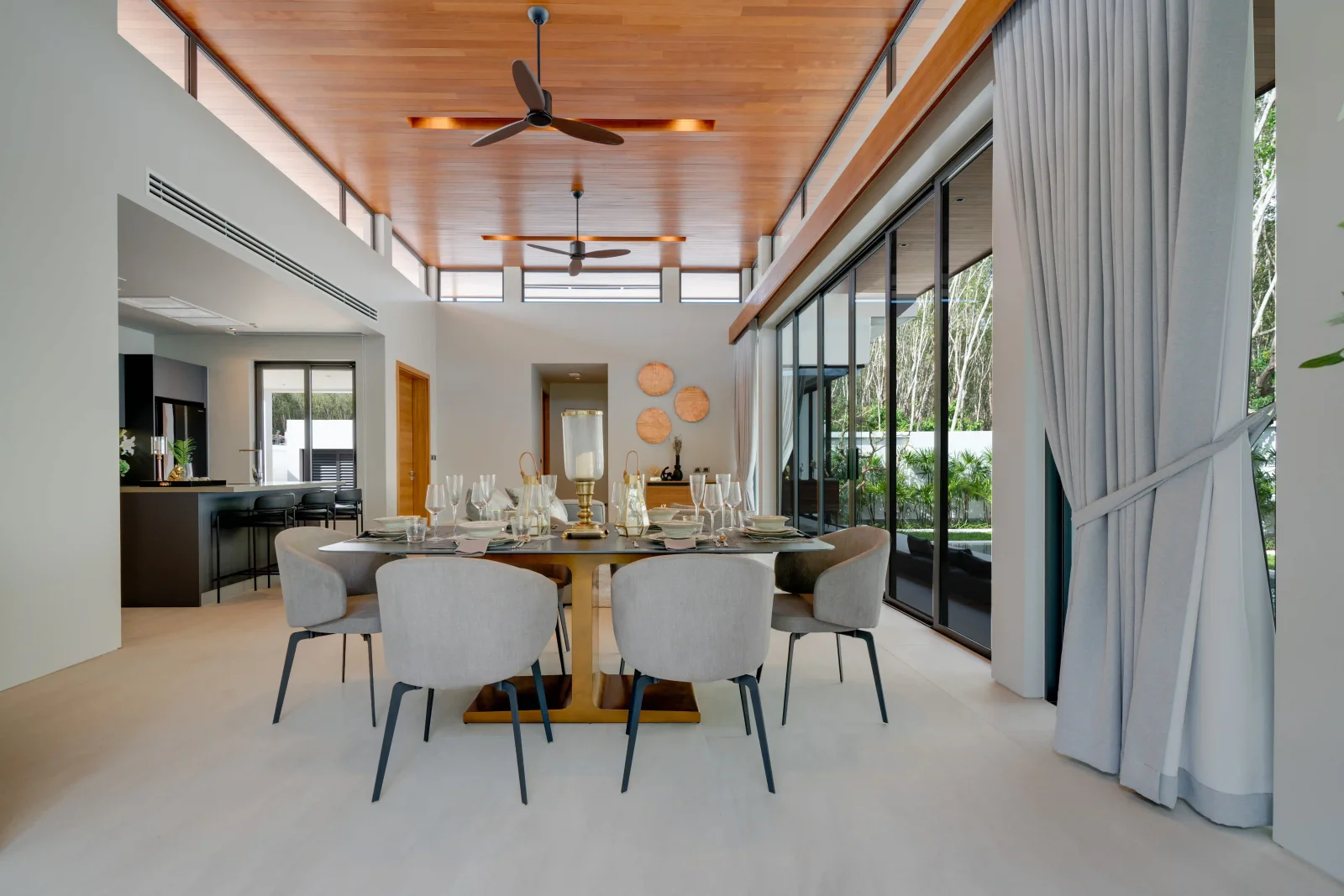
## Who Is This For?
- **Design-led buyers:** European and Australian owners tired of repetitive tropical-Balinese villa stock
- **Near-term investors:** close to handover, so income starts sooner than at most off-plan peers
- **Family relocators:** Layan proximity to HeadStart and Boat Avenue lifestyle infrastructure
- **Upgrade segment:** Condo owners stepping into 4BR or 5BR pool villa with managed rental option
## Why Buyers Choose Botanica Modern Loft II
| Factor | Why it works |
| --- | --- |
| Design | Genuinely distinct Modern Loft language |
| Stage | Close to handover, so the house can be inspected |
| Location | Layan estate and school corridor |
| Brand | Botanica track record and resale demand |
| Management | Flexible choice of operator |
**In short:**
- Architecturally distinctive versus standard Phuket villa market
- Close to handover, with the build open to inspection
- Only seven villas, so what is left is knowable in full rather than sampled from a long list
- Both four- and five-bedroom formats, across 25,750,000 to 40,461,500 THB
## Buying Botanica Modern Loft II with MORE Group
A Modern Loft II villa is bought in five steps, from the villa list to the keys, and we work through each of them with you.
With the villa list we also send the price, plot area and aspect of all seven villas, the specification (materials, furniture package, pool equipment and warranty), a year-one operating budget, and a comparison with [Trichada Essence](/projects/trichada-essence/) and one other Layan villa project in the same price band. The [Phuket villa buying guide](/guides/phuket-pool-villa-buying-guide-2026/) and the [Botanica developer overview](/guides/botanica-developer/) cover the ownership routes and the developer's other schemes.
{/* corpus-faq:botanica-modern-loft-ii */}
## FAQ
### What makes the Modern Loft design different from other Botanica villas?
The Modern Loft series uses an industrial-meets-tropical aesthetic: raw concrete structure, natural timber finishes, double-height ceilings, and open-plan volumes. It is intentionally different from the Balinese-tropical style that dominates most of Phuket's villa market. The design has proven popular with European and Australian buyers who find the standard tropical aesthetic repetitive.
### What stage is Botanica Modern Loft II at?
Botanica Modern Loft II is close to handover, one of the nearest in the Botanica portfolio. We send the latest construction update with the villa list, and a viewing shows the build in person.
### What rental yield can I expect from a villa in Layan?
Layan villa income comes from long stays, families and repeat guests. We collect twelve months of figures for a comparable four-bedroom from a Layan villa manager, month by month, with the management share, pool and garden, utilities, staffing and vacancy listed, and build the plan for your villa from them.
### Can foreign buyers own a villa at Botanica Modern Loft II?
Land in Thailand is not held freehold by foreigners. A foreign buyer registers a lease over the plot at the Land Department, with the house itself titled in their own name; a 30+30+30 structure is a registered 30-year term followed by contractual renewals. A Thai company holding the land is the other route, and it needs genuine Thai partners in the company. We walk you through both routes with our legal support.
### What is the difference between the 4BR and 5BR villas?
Size and scarcity. The four-bedroom villas run 288 to 339 sqm at 25,750,000 to 30,576,500 THB; there is a single five-bedroom, 429 sqm at 40,461,500 THB. Both share the Modern Loft language, and the extra suite suits larger families, long stays and multi-family bookings. Note that the five-bedroom carries the highest rate per square metre in the scheme, 94,316 THB against 83,609 at the cheapest, which is what one-of-a-kind looks like on a price list.
**Read Also:**
- [Botanica Hythe, the same developer nearer the coast](/projects/botanica-hythe/)
- [Botanica Grand Avenue, a larger scheme to price against](/projects/botanica-grand-avenue/)
- [Trichada Essence, a Layan villa in the same band](/projects/trichada-essence/)
- [What a foreign buyer registers on a villa plot](/guides/phuket-pool-villa-buying-guide-2026/)
- [The villa buying process step by step](/guides/due-diligence-process-thailand-step-by-step/)
# Botanica MontAzure Review 2026: Prices, Units and Quota
> Botanica MontAzure Kamala review: 36 pool villas of three to five bedrooms in the MontAzure estate from 38.9M THB, near Cafe Del Mar and Kamala Beach.
**Source:** https://moregroup.estate/projects/botanica-montazure/
**Section:** Project Reviews
**Author:** MORE Group Editorial
**Published:** 2026-03-26
**Updated:** 2026-08-23
---
## What Is Botanica MontAzure in Kamala?
MontAzure spans roughly 600 rai on Kamala's northern headland, integrating residential villas, five-star hotel components, and lifestyle facilities within a single master-planned estate. Botanica MontAzure sits inside that ecosystem: buyers purchase into internationally branded resort infrastructure, not a standalone hillside villa with no on-site amenities.
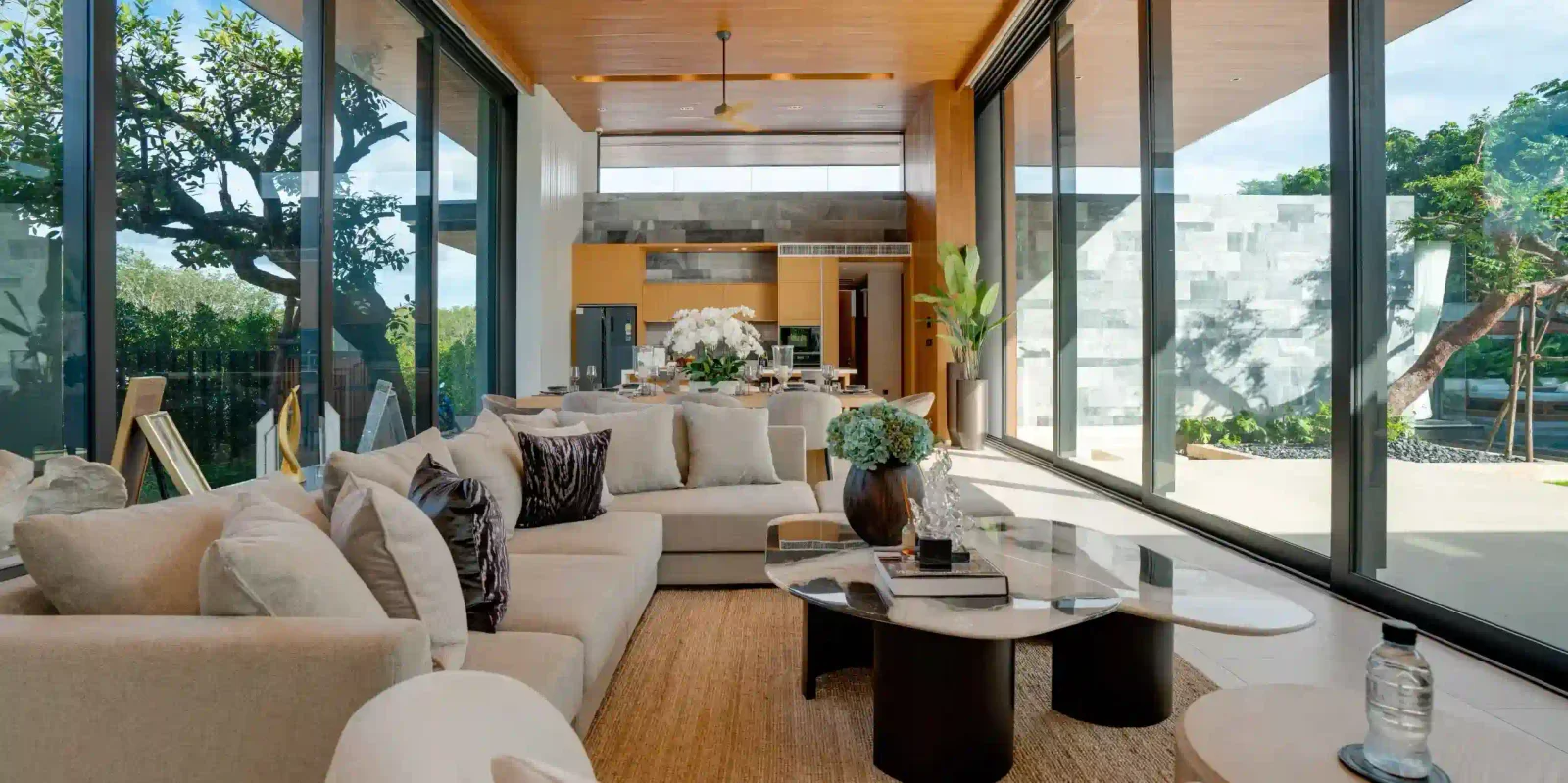
## What Are the Key Facts for Botanica MontAzure?
| Factor | Detail |
| --- | --- |
| Developer | Botanica Luxury Villas |
| Location | MontAzure, Kamala, Phuket |
| Total villas | 36 |
| Built-up area | 372 to 1,072 sqm on the current list |
| Bedrooms | 3 to 5, each en-suite |
| Price range | 38.9M to 140.5 million THB |
| Stage | Under construction |
| Payment plan | 30 / 20 / 15 / 15 / 10 / 10 |
| Architect | AAP Architecture (Attasit Intarachoti) |
## Location and Area
- **MontAzure ecosystem:** Cafe Del Mar, TwinPalms MontAzure, InterContinental Phuket Resort on site
- **Hillside views:** Andaman Sea panoramas impossible to replicate on flat Bang Tao plots
- **Kamala exclusivity:** Established UHNW visitor destination with limited headland developable land
- **Kamala Beach:** about five minutes by car, or 19 minutes on foot
- **Patong over the hill:** hospital and mall access a short drive away, with the airport about 46 minutes north
Kamala commands premiums over Bang Tao on topography, exclusivity, and proximity to established luxury hospitality. Hillside villas on the Kamala headland achieve panoramic sea views that flat Bang Tao land cannot physically replicate.
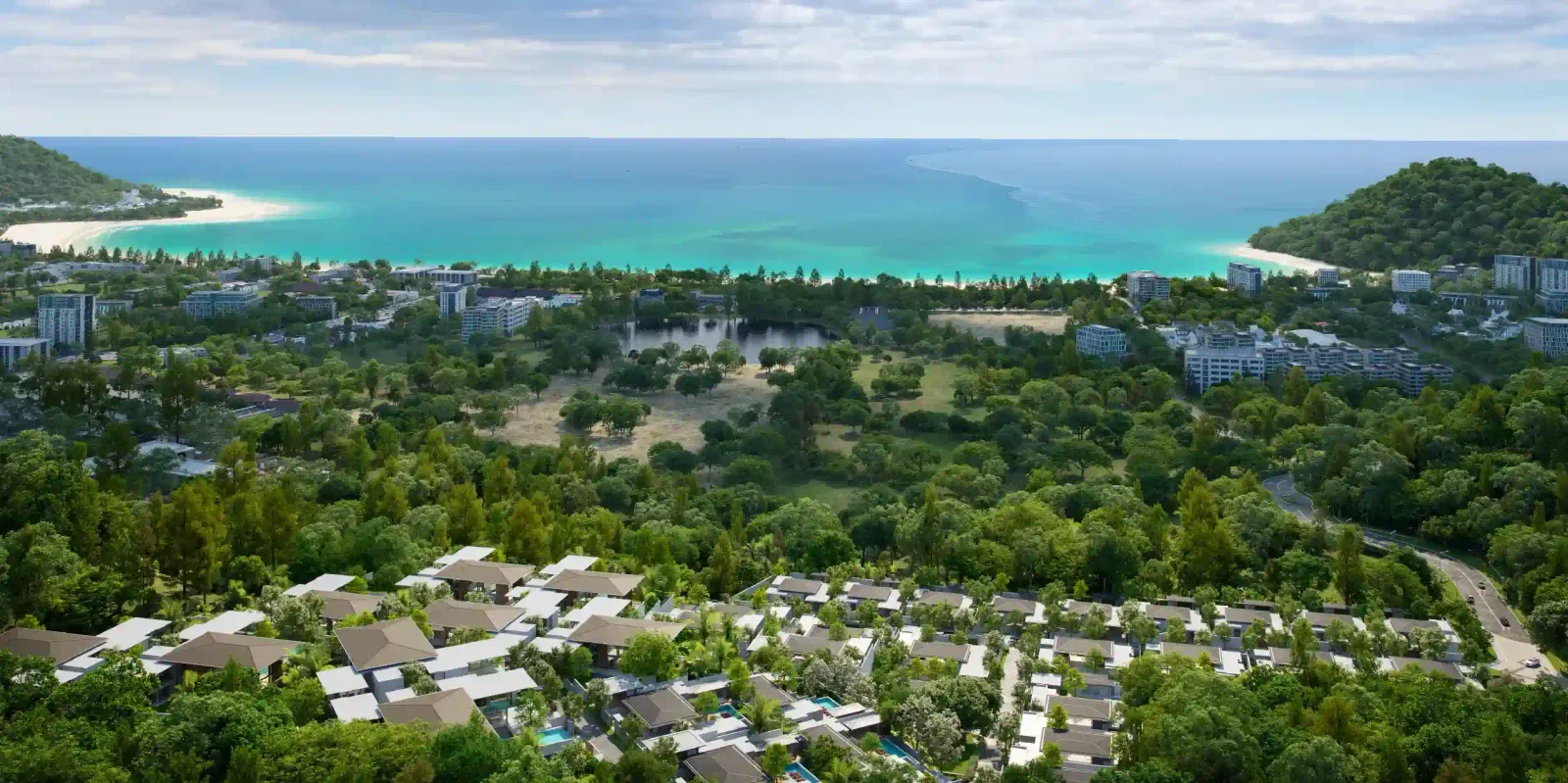
## Design and Units
- **3BR to 5BR:** Each bedroom en-suite with open-plan living pavilion
- **Infinity pools:** Often 12 to 16 metres, view-oriented on hillside plots
- **Staff quarters:** Housekeeper or security accommodation in premium configurations
- **Gardens:** Private landscaped gardens, on plots of up to 2,277 sqm
- **View premium:** Sea-view villas sit at the upper end of the price list
Botanica applies its villa specification to Kamala's more dramatic site geometry than flat Layan or Cherngtalay plots. The most desirable villas carry direct Andaman Sea views, representing the premium within the price range.
## The Price List
| Layout | Villas on our list | Built-up area | Price range (THB) |
| --- | --- | --- | --- |
| Three-bedroom | 4 | 372 sqm | 38,900,000 - 41,902,000 |
| Four- and five-bedroom | 31 | 425 - 1,072 sqm | 43,702,160 - 140,493,440 |
Across the list the rate runs from about 102,000 to 134,000 THB per square metre of built area, with the plot, the view and the size setting the difference. The three-bedrooms are the entry into the estate, and the largest five-bedrooms are among the most substantial villas in Kamala.
## Investment Case
Three pillars support the case: ecosystem (Cafe Del Mar and InterContinental drive rental appeal), scarcity (limited Kamala headland land), and brand (Botanica plus MontAzure double branding). MontAzure and [Botanica Grand Avenue](/projects/botanica-grand-avenue/) overlap in price, and the choice between them is fundamentally Kamala views and lifestyle branding versus Bang Tao estate scale and larger plot areas.
At this level the villa is a residence and a store of value first, in a location that cannot be replicated, with letting income when you are not using it covering part of the cost of owning it. We collect achieved figures for comparable Kamala villas from a villa manager and set out the annual budget for your villa: pool servicing, garden and grounds staff, air conditioning, insurance, security, the estate charge and a maintenance reserve. At resale, the villas that command the best prices are the ones with a distinctive plot, view and maintenance record.
## Life on the Kamala Headland
Daily life at MontAzure mixes resort and village. Within the estate, Cafe Del Mar's beach club, the InterContinental and TwinPalms MontAzure give owners restaurants, spas and a social scene on the doorstep. Below the headland, Kamala village adds its own restaurants, shops and a relaxed local rhythm, and Kamala Beach is about five minutes away by car. Patong's hospitals and malls are a short drive over the hill, while Surin and Bang Tao lie a little further up the coast for a change of beach and dining.
## Who Is This For?
- **View-seekers:** Panoramic Andaman Sea views from private hillside villa
- **Lifestyle integrators:** MontAzure beach club and hotel ecosystem as social hub
- **Prestige buyers:** Kamala geography carries explicit luxury signalling internationally
- **Scarcity thesis:** Limited developable headland land supports long-term appreciation case
## Why Buyers Choose Botanica MontAzure
- MontAzure mixed-use ecosystem with operational Cafe Del Mar and hotel infrastructure
- Kamala hillside topography enables views impossible in Bang Tao
- Botanica architectural quality on dramatic Kamala site geometry
- Kamala land scarcity supports capital appreciation thesis
- Kamala Beach about five minutes by car
- A six-stage payment plan spread across the build
## The Payment Plan
The developer's plan runs in six stages through the build. On the entry villa it works out as follows:
| Stage | Share | On 38,900,000 THB |
| --- | --- | --- |
| Contract signing | 30% | 11,670,000 THB |
| Second | 20% | 7,780,000 THB |
| Third | 15% | 5,835,000 THB |
| Fourth | 15% | 5,835,000 THB |
| Fifth | 10% | 3,890,000 THB |
| Handover | 10% | 3,890,000 THB |
We send the schedule for your villa, with the construction stage each payment is tied to, together with the price list.
## How a Foreign Buyer Owns a Villa Here
These are villas on private plots, so a foreign buyer holds one through a registered lease of the plot, commonly thirty years per term with renewal terms in the contract and the house in their own name, or through a Thai company holding the land with genuine Thai shareholders alongside the buyer. Both are lawful and used routinely at this price level. A lease registers at the Land Office and is straightforward; a company gives more control and, in some situations, a cleaner resale, with annual accounting and filing.
We confirm the structure the developer registers and prepare it with our legal support. See [freehold versus leasehold in Thailand](/guides/freehold-vs-leasehold-thailand/) for how each route works over a thirty-year horizon.
## What We Send Before You Reserve
| Document | What it shows |
| --- | --- |
| The ownership documents | The registered lease, or the company route, for your villa |
| The construction schedule | The stage each payment is tied to |
| The view | Written confirmation of the sea view for premium-priced villas |
| The annual budget | Pool, garden, staff, security, management and the estate charge |
| The masterplan | What the estate designates for the land nearest your villa |
1. The lease term and the estate documents, including the estate rules and charges
2. A comparison with [Botanica Grand Avenue](/projects/botanica-grand-avenue/) for the Bang Tao versus Kamala choice
3. Achieved figures for comparable Kamala villas, if you plan to let
4. A visit to the MontAzure estate and Cafe Del Mar to see the on-site ecosystem
5. The [luxury villas guide](/guides/luxury-villas-bang-tao-botanica-vs-market/) for Botanica portfolio context
Kamala villa buyers can cross-read the [best areas guide](/guides/best-areas-phuket-buy-property/) and the [buying process step by step](/guides/due-diligence-process-thailand-step-by-step/) before reserving. The MontAzure ecosystem is a genuine rental enhancer for a villa here.
## Buying Botanica MontAzure with MORE Group
A villa at Botanica MontAzure is bought in five steps, from the first price list to the keys, and we are with you at each of them.
{/* corpus-faq:botanica-montazure */}
## FAQ
### What is the price range for Botanica MontAzure villas?
The current list runs from 38,900,000 THB for a 372 sqm three-bedroom to 140,493,440 THB for the largest five-bedroom. The range reflects differences in built-up area (372 to 1,072 sqm), plot position, and whether the villa has direct Andaman Sea views.
### What stage is Botanica MontAzure at?
Construction is underway. We send the latest construction update together with the price list.
### What is included in the MontAzure development beyond Botanica villas?
MontAzure is a mixed-use development in Kamala including Cafe Del Mar Phuket, TwinPalms MontAzure boutique resort, and InterContinental Phuket Resort. These operate independently of the villa purchase but provide on-site lifestyle infrastructure for owners and rental guests.
### Is Kamala better than Bang Tao for a luxury villa purchase?
Kamala offers hillside Andaman Sea views, MontAzure branded ecosystem, and proximity to Patong without its density. Bang Tao offers larger flat-land estate development, Laguna zone infrastructure, and better airport proximity. The choice depends on views and lifestyle branding versus estate scale.
### Can foreigners buy Botanica MontAzure villas?
Yes. Foreigners typically purchase via a 30-year lease registered at the Land Department with contractual renewal options, or through a Thai company structure with genuine Thai shareholders. MORE Group provides legal coordination support for all Botanica purchases.
**Read Also:**
- [Complete Guide to Buying Property in Phuket](/guides/buying-property-phuket-guide/)
- [Botanica Grand Avenue Review](/projects/botanica-grand-avenue/)
- [Luxury villas Bang Tao guide](/guides/luxury-villas-bang-tao-botanica-vs-market/)
- [Best areas to buy in Phuket](/guides/best-areas-phuket-buy-property/)
- [Buying process step by step](/guides/due-diligence-process-thailand-step-by-step/)
- [How rental income is planned in Phuket](/guides/phuket-rental-yield-complete-guide-2026/)
# Botanica Pru Jampa: Pool Villas from 17.8M THB
> Botanica Pru Jampa review: 86 single-storey three-bedroom pool villas from 17.8M THB near Nai Yang, plots of 360 to 637 sqm, prices and payment plan.
**Source:** https://moregroup.estate/projects/botanica-pru-jampa/
**Section:** Project Reviews
**Author:** MORE Group Editorial
**Published:** 2026-04-07
**Updated:** 2026-08-23
---
## Botanica Pru Jampa: Private Pool Villas in Phuket's Peaceful North
Botanica Pru Jampa is a residential villa development in the Pru Jampa area of Thalang district, a quiet, green pocket of northern Phuket that sits between Nai Yang beach and the island's main highway. The project brings 86 single-storey 3-bedroom pool villas to a part of the island that remains largely free of mass tourism, offering buyers a genuine sense of space, privacy, and natural surroundings without sacrificing access to beaches, amenities, or Phuket International Airport. Priced from 17,800,000 THB, Botanica Pru Jampa is one of the more accessibly priced entries in the Botanica portfolio, and a well-structured option for buyers entering the Phuket villa market.
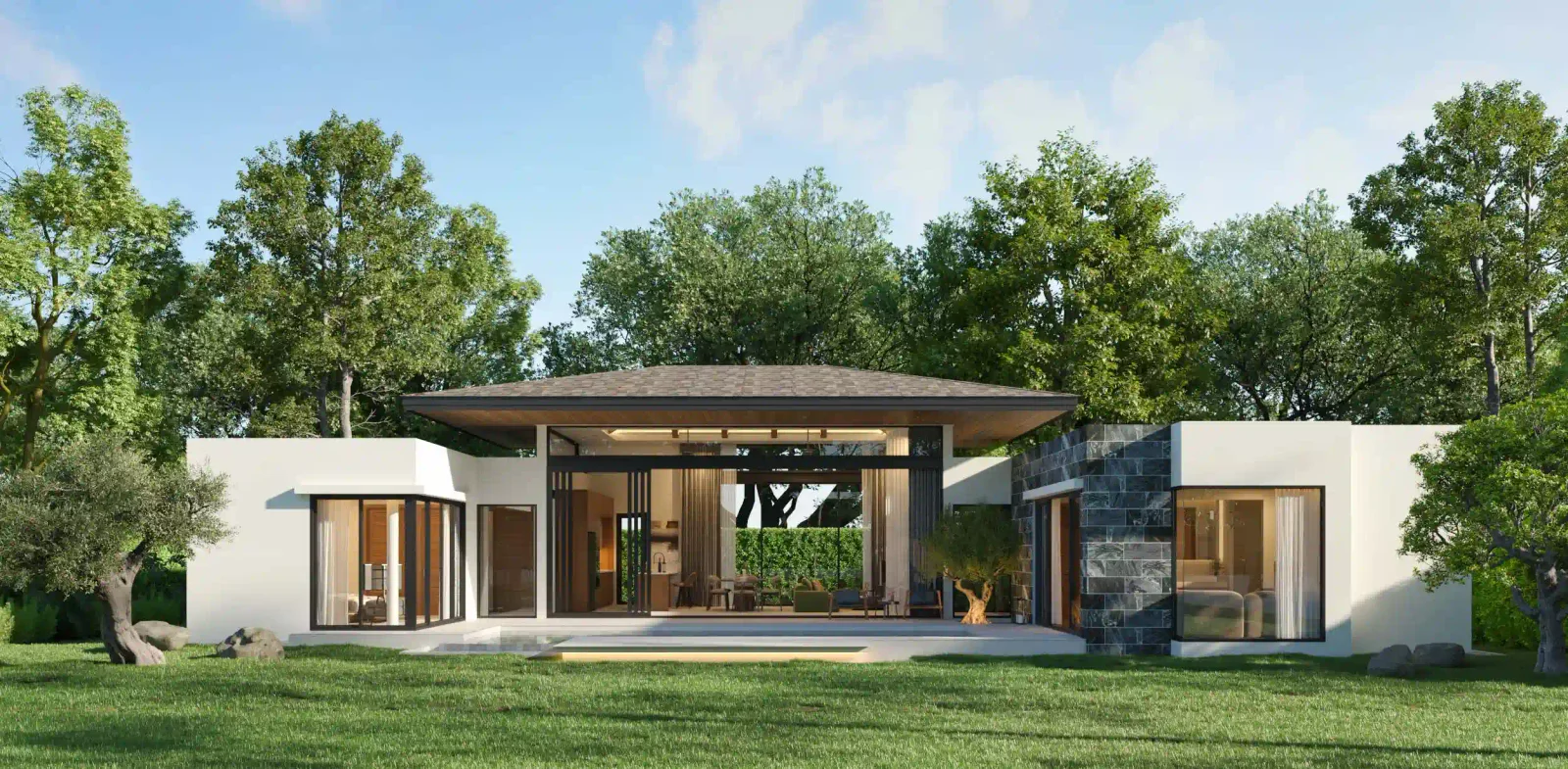
## Pru Jampa Location: Quiet, Accessible, and Underrated
Pru Jampa sits in Thalang, inland of Nai Yang and a short run from Phuket International Airport, under 15 minutes in normal traffic. That proximity to the airport is a genuine practical advantage. For owners who fly in regularly, the short transfer removes a significant friction point. For rental purposes, it expands the pool of potential guests to those arriving late or departing early, a demographic that often chooses northern Phuket specifically to minimise travel time.
The neighbourhood itself has an authentically local character. Rice fields, small temples, and roadside markets define the immediate surroundings. Bang Tao's Villa Market, Boat Avenue dining strip, and Central Phuket shopping complex are all within 20-25 minutes. The area has seen steady residential development over the past several years without becoming overcrowded, land values have moved, but pricing remains more competitive than the high-demand west coast beach corridors.
From an investment standpoint, the Thalang district continues to attract international buyers looking for villa-style living at more accessible price points than Cherng Talay or Surin. The combination of Botanica's brand reputation, a proven villa format and a staged payment plan through the build makes Botanica Pru Jampa a well-defined proposition.
## Villa Layout and Features
Each villa is laid out in a U-shape around the private swimming pool, with the living and dining areas opening directly onto the pool terrace through floor-to-ceiling sliding glass panels. The kitchen is fully equipped and features an island, a layout suited to both daily family use and hosting. All three bedrooms are en-suite, with the master bedroom typically positioned to have direct pool access.
Built-up area is approximately 280 sqm, while land plots range from 360 sqm to 637 sqm, giving a meaningful garden and outdoor space beyond the pool terrace itself. The larger plots at the upper end of this range offer genuine scope for additional landscaping, an outdoor dining pavilion, or simply a more expansive sense of privacy between villas.
Materials and finishes follow Botanica's signature approach: contemporary architecture softened by natural materials, with attention to airflow and natural light. Botanica's completed estates across Phuket show the finish in person, and the estate itself is gated, with 24-hour security, landscaped gardens, a clubhouse, a gym, co-working space and pet-friendly rules.
## The Price List
The current list carries 39 villas from 17,800,000 to 24,256,000 THB, at about 280 to 297 sqm built up and 63,571 to 86,629 THB per square metre of built area, with the plot and the position setting the difference. The largest plots, up to 637 sqm, sit at the top of the range, and we send the plot size and position with every quoted price.
## Payment Plan
The plan runs in six stages tied to the build. On the entry villa it works out as follows:
| Stage | Share | On 17,800,000 THB | What the stage covers |
|---|---|---|---|
| Contract signing | 30% | 5,340,000 THB | The plot and villa number named in the contract |
| Foundation completion | 20% | 3,560,000 THB | The foundations |
| Structure completion | 15% | 2,670,000 THB | The structural frame |
| Roofing and exterior | 15% | 2,670,000 THB | The roof, walls, drive and landscaping |
| Interior finishing | 10% | 1,780,000 THB | The finishes schedule in the contract |
| Transfer and handover | 10% | 1,780,000 THB | The handover inspection and the keys |
For buyers using financing, the phased structure also gives time to arrange a mortgage or structured loan ahead of the final transfer payment, and we send the schedule with the price list.
## Who Is Botanica Pru Jampa For?
**Families relocating to Phuket** who need three bedrooms, a private pool, and a quiet residential environment. Single-storey living suits households with young children, and the Thalang location gives reasonable access to international schools in the Bang Tao/Cherng Talay corridor.
**Airport-adjacent buyers**, frequent travellers, digital nomads, and buyers who split time between Phuket and other cities will value the under-15-minute airport connection significantly.
**Rental-focused investors** targeting the mid-to-premium villa segment. Three-bedroom pool villas with Botanica branding rent reliably in both high and shoulder season. The Nai Yang area is increasingly popular with European long-stay visitors who prefer calm beaches and natural surroundings over the Patong/Kata corridor.
## Why Buyers Choose Botanica Pru Jampa
- Single-storey three-bedroom format with a private pool at one of the lower price points in the Botanica range
- Plots from 360 to 637 sqm give real outdoor space rather than a pool terrace and a boundary wall
- About 14 minutes to the airport, which few villa addresses on the island can claim
- Botanica has completed schemes you can drive to and walk around
- A clubhouse, a gym and co-working space on a gated, pet-friendly estate
- Six-stage payment plan spread across the build
## How a Foreign Buyer Owns a Villa Here
This is a house on a plot of land rather than a condominium unit, so the villa is owned through one of two lawful routes. The first is a registered lease over the plot, most often thirty years with renewal terms in the contract, with the house itself in your own name; it is simple, registers at the Land Office, and is the structure most buyers choose. The second is a Thai company holding the land, with genuine Thai shareholders alongside the foreign buyer, which gives more control in some situations and carries annual accounting and filing.
We confirm the structure the developer registers for foreign buyers and prepare it with our legal support. [Freehold versus leasehold in Thailand](/guides/freehold-vs-leasehold-thailand/) sets out the two routes, and the [lease fees guide](/guides/leasehold-fees-thailand/) covers the costs that attach to registration and renewal.
## An Estate of Eighty-Six Villas
Scale funds what a small estate cannot: proper security, maintained common landscaping, a clubhouse and a gym, a management company with enough villas to be worth running well, and a resale market with real comparable sales.
On an estate of one villa type, your villa is defined by its plot, its position and how it is furnished and presented, so the plot choice is where the value lies, with plots from 360 to 637 sqm. Owner-occupiers and long-hold investors benefit most from an estate like this, and a well-presented villa on a good plot leads its neighbours on the rental platforms.
## Buying Botanica Pru Jampa with MORE Group
A villa at Botanica Pru Jampa is bought in five steps, from the first price list to the keys, and we handle each of them with you.
{/* corpus-faq:botanica-pru-jampa */}
## FAQ
### How does a foreigner own a villa at Botanica Pru Jampa?
A villa here is a house on a private plot rather than a unit in a registered condominium, so it is held through a registered lease of the plot, commonly 30 years with renewal terms, with the house in your name, or through a Thai company holding the land with genuine Thai shareholders. We confirm the structure the developer registers for foreign buyers and prepare it with our legal support.
### What does 17.8M THB actually buy at Botanica Pru Jampa?
The entry price covers a single-storey three-bedroom villa of roughly 280 sqm built-up area with a private pool, on a plot at the lower end of the 360 to 637 sqm range. All three bedrooms are en-suite and the living and dining areas open onto the pool terrace. Larger plots carry a premium above the entry figure, and we send the plot size with every quoted price.
### How large is the development, and does that matter?
Eighty-six villas, all three-bedroom single-storey. The scale supports gated security, a clubhouse and gym, maintained landscaping and a professional management company, and the choice between villas comes down to plot size, position and presentation.
### What is the payment schedule?
Six stages: 30% on contract signing, 20% at foundation completion, 15% at structure completion, 15% at roofing and exterior completion, 10% at interior finishing, and 10% on transfer and handover. At the 17.8M THB entry price that puts roughly 5.34M THB in at signature, with the balance spread across the build.
### What stage is Botanica Pru Jampa at?
Construction is underway. We send the latest construction update together with the price list.
### How does Pru Jampa compare with other Botanica projects?
It is one of the more accessibly priced entries in the Botanica portfolio, and the three-bedroom single-storey format is the only configuration offered here. Buyers who need four or five bedrooms, or who want a west coast beach address, are looking at different projects in the same developer's range. See the [Botanica developer guide](/guides/botanica-developer/) for how the portfolio is structured before choosing between them.
**Read Also:**
- [Buying Property in Phuket: Complete Guide for Foreigners](/guides/buying-property-phuket-guide/)
- [Best Areas to Buy Property in Phuket](/guides/best-areas-phuket-buy-property/)
- [Freehold vs Leasehold in Thailand: What Buyers Need to Know](/guides/freehold-vs-leasehold-thailand/)
# Botanica Sky Valley Phuket Review 2026: Prices
> Botanica Sky Valley review: 29 four-bedroom pool villas of 528 to 648 sqm in the Layan hills from 74.4M THB. Prices, payment plan and location.
**Source:** https://moregroup.estate/projects/botanica-sky-valley/
**Section:** Project Reviews
**Author:** MORE Group Editorial
**Published:** 2026-04-02
**Updated:** 2026-08-21
---
29 luxury 4-bedroom pool villas in the peaceful Layan hills. Prices from 74.4M to 100.4M THB, villa sizes 528-648 sqm, payment plan 30/20/15/15/10/10. 8 minutes by car to Layan Beach, 30 minutes to Phuket Airport. Premium Lux-class development by the Botanica group.
## Botanica Sky Valley: First Impressions
Botanica as a developer brand needs little introduction in the Phuket market. They have built a consistent track record across multiple generations of pool villa projects, and Sky Valley represents their vision of what a modern luxury hillside villa should feel like in 2026 and beyond. The pitch is simple: seclusion, craftsmanship, and proximity to everything that makes North Phuket worth buying into.
This review covers everything you need to know before making an enquiry, pricing, layout options, the payment plan structure, what the location actually delivers day-to-day, and where this project sits in the broader market.
## Location: Layan, Choeng Thale
From Botanica Sky Valley, the practicalities look like this:
- **Layan Beach:** 8 minutes by car
- **Phuket International Airport:** 30 minutes by car
- **Laguna Phuket resort complex:** under 10 minutes
- **Boat Avenue and Porto de Phuket:** 10-12 minutes
- **Nearest mall:** 17 minutes by car
The hillside position gives what most buyers here are seeking: no traffic noise, mountain views, cooler breezes at elevation, and the sense of having carved out genuine privacy while remaining a short drive from Phuket's best beach clubs, restaurants, and golf courses.
The Laguna Phuket connection is worth dwelling on. The Laguna complex, Banyan Tree, Angsana, Cassia, Laguna Golf, provides an amenity ecosystem that independent villa communities rarely replicate. Botanica Sky Valley buyers effectively inherit proximity to a world-class resort neighbourhood without paying resort pricing.
## Villas: What You Actually Get
Sizes run from 528 sqm to 648 sqm of built-up area, which puts these firmly in the large-format villa category. For context, many luxury Phuket pool villas are 250-350 sqm; Sky Valley is genuinely spacious.
The architectural language is modern tropical: high ceilings, floor-to-ceiling glazing, open-plan living and dining that flows directly to the pool terrace, premium materials throughout. Each villa includes:
- 4 bedrooms, all ensuite
- Private swimming pool
- Landscaped garden
- Covered parking
- Smart home integration
- Premium kitchen and bathroom finishes
The development is gated with 24-hour security, CCTV, and professional property management. It is also pet-friendly, a detail that matters more than it might seem for long-term residents.
## Pricing and Payment Structure
| Unit | Bedrooms | Size | Price | Per sqm |
|------|----------|------|-------|---------|
| SV20 | 4BR | 528 sqm | 74,449,000 THB | 141,002 THB |
| SV18 | 4BR | 582 sqm | 75,717,500 THB | 130,099 THB |
| SV21 | 4BR | 625 sqm | 84,565,000 THB | 135,304 THB |
| SV19 | 4BR | 648 sqm | 87,346,000 THB | 134,793 THB |
| SV08 | 4BR | 625 sqm | 100,415,600 THB | 160,665 THB |
Price per square metre ranges from about 130,000 to 161,000 THB, depending on plot position and view. SV18, at 582 sqm for 75,717,500 THB, is the best-value metre on the list, and SV08 carries the list's premium for its position.
The payment plan follows a standard construction-linked structure, **30%, 20%, 15%, 15%, 10%, 10%**, with the first 30% at contract signing and the later tranches tied to construction milestones. On the entry villa it works out as follows:
| Tranche | Share | On 74,449,000 THB |
|---|---|---|
| Contract signing | 30% | 22,334,700 THB |
| Second | 20% | 14,889,800 THB |
| Third | 15% | 11,167,350 THB |
| Fourth | 15% | 11,167,350 THB |
| Fifth | 10% | 7,444,900 THB |
| Sixth | 10% | 7,444,900 THB |
Spreading the payments over the build gives investors working in several markets genuine cash-flow flexibility, and we send the schedule with the construction stage each tranche is tied to.
## Investment Case
For rental investors, 4-bedroom villas in the Layan/Bang Tao corridor consistently achieve rates in the range of 80,000-180,000 THB per month depending on season and finishes. At this level the project is best seen as a capital appreciation and lifestyle asset, with letting income covering part of the cost of owning the house.
The 29-unit scale works in buyers' favour. Small developments in premium locations tend to hold value better than large-scale condominium projects where oversupply creates downward pressure. With only 29 villas and no second phase, the estate stays exclusive.
## Who This Project Is For
If what you are looking for is:
- A genuinely private luxury residence in Phuket's most established premium neighbourhood
- A 4-bedroom villa that can accommodate multigenerational family use
- A long-term capital appreciation play in a supply-constrained location
- The Botanica brand's design quality and developer track record
...then Sky Valley merits serious consideration.
## Comparing Against the Market
The nearest comparable, other gated Botanica phases in the Layan/Bang Tao corridor, have tended to sell out well before completion, which supports confidence in the brand's demand fundamentals.
Against the wider 74M THB-plus villa market in this corridor, Sky Valley's distinguishing feature is size rather than address. Much of what is marketed as luxury at this price sits between 250 and 350 sqm of built-up area; 528 to 648 sqm is a different product, and the price per square metre of 130,000 to 161,000 THB reflects that rather than a hillside premium. The hillside position adds elevation, privacy and views, with Layan Beach eight minutes away by car.
## Owning a Large Villa
A villa of this size is a residence and a store of value first. The running costs of a house of 528 sqm and more with a private pool, pool servicing, garden staff, air conditioning across four ensuite bedrooms, insurance, management and a maintenance reserve, are budgeted as the cost of owning it, and letting the villa when you are not using it offsets part of them. We set out the annual budget for your villa with a manager's quote, and four-bedroom villas in the Layan and Bang Tao corridor let at roughly 80,000 to 180,000 THB a month depending on season and finish.
At resale, the villas that command the best prices are the ones with a distinctive plot, view and condition, and a 29-villa estate with no second phase keeps that supply scarce.
## How a Foreign Buyer Owns a Villa Here
These are houses on private plots, so a foreign buyer holds one through a registered lease of the plot, commonly 30 years per term with renewal terms in the contract, with the house in their own name, or through a Thai company holding the land with genuine Thai shareholders. We prepare the route that suits you with our legal support.
## Our Verdict
For buyers with a clear lifestyle or long-term investment objective, Botanica Sky Valley is a high-quality opportunity in one of Thailand's most enduring premium real estate markets: large villas, a secluded hillside and the Botanica name.
Botanica also builds [Montazure](/projects/botanica-montazure/) on the Kamala headland, at the top of its range.
## Buying Botanica Sky Valley with MORE Group
A villa at Botanica Sky Valley is bought in five steps, from the first price list to the keys, and we handle each of them with you.
## FAQ
### What stage is Botanica Sky Valley at?
Construction is underway. We send the latest construction update together with the price list.
### What is the entry-level price for a villa at Botanica Sky Valley?
The lowest-priced available unit is currently 74,449,000 THB for a 528 sqm 4-bedroom villa.
### How far is Botanica Sky Valley from the beach?
Layan Beach is approximately 8 minutes by car from the project, with Bang Tao Beach and Laguna Phuket also close.
### How does a foreign buyer own a Sky Valley villa?
These are villas on private plots rather than units in a registered condominium, so a foreign buyer holds one through a registered lease of the plot, commonly 30 years with renewal terms, with the house in their own name, or through a Thai company holding the land with genuine Thai shareholders, which carries annual filing. We prepare the route that suits you with our legal support.
### What amenities are included in the development?
The gated community includes 24-hour security, CCTV, landscaped communal areas, covered parking per villa, and professional property management. Each villa has its own private pool and garden.
### Is the project pet-friendly?
Yes, Botanica Sky Valley is pet-friendly, making it well-suited for long-term residents.
**Read Also:**
- [Best Areas in Phuket to Buy Property 2026](/guides/best-areas-phuket-buy-property/)
- [Layan Guide: Phuket's Private Pool-Villa Estate](/areas/layan-property-guide/)
- [Freehold vs Leasehold in Thailand](/guides/freehold-vs-leasehold-thailand/)
- [Trichada Essence Review 2026: Prices & Yield](/projects/trichada-essence/)
- [Botanica Lake Side II Review 2026: Prices & Yield](/projects/botanica-lake-side-ii/)
- [How Foreigners Buy Phuket Property 2026](/guides/buying-property-phuket-guide/)
# Botanica Skyport Nai Yang: Pool Villas from 19.9M THB
> Botanica Skyport review: five three-bedroom pool villas of 340 to 361 sqm near Nai Yang, six minutes from the airport, from 19.9M THB.
**Source:** https://moregroup.estate/projects/botanica-skyport/
**Section:** Project Reviews
**Author:** MORE Group Editorial
**Published:** 2026-04-07
**Updated:** 2026-08-23
---
## What Is Botanica Skyport?
Botanica Skyport is a boutique villa collection for buyers who want privacy and convenience in equal measure. With only five houses, the setting is quiet and personal, and every villa is designed for comfortable everyday life: an open-plan living and dining area under high ceilings, a Western kitchen with an island and breakfast bar, a master bedroom with a walk-in closet and an ensuite bathroom with a separate bath and shower, two further bedrooms, a guest WC, storage and a laundry room.
Outdoor living is the highlight. Each villa has its own swimming pool with a poolside terrace, a landscaped garden and covered parking for two cars, in a peaceful setting with 24-hour security and CCTV. The architecture takes its inspiration from Bali: warm, calm and at ease with the tropical garden around it.
## What Are the Key Facts for Botanica Skyport?
| Factor | Detail |
| --- | --- |
| Developer | Botanica |
| Location | Sakhu, Thalang, near Nai Yang |
| Villas | 5, all on our price list |
| Layout | Three bedrooms with ensuite master and walk-in closet |
| Built area | 340 to 361 sqm |
| Price range | 19,900,000 to 24,438,000 THB |
| Price per sqm | About 57,700 to 67,700 THB |
| Payment | 30% / 20% / 15% / 15% / 10% / 10% |
| Stage | Under construction |
| Airport | About 6 minutes by car |
| Beach | About 9 minutes by car |
## Location: Nai Yang and the Airport
Sakhu is the calm, green district around Nai Yang, the relaxed beach village on the north-west coast. Botanica Skyport sits close to both the beach and the airport, which makes it a convenient address for owners who travel.
- **Phuket International Airport:** about 6 minutes by car
- **Nai Yang Beach:** about 9 minutes by car, part of Sirinat National Park
- **Mai Khao Beach:** the long, quiet national-park beach to the north
- **Blue Canyon Country Club:** golf a short drive away
- **Shopping:** the nearest mall about 6 minutes by car
- **Layan and Bang Tao:** the villa districts and beach clubs of the west coast within easy reach
For owners who fly in and out often, a six-minute airport run changes how easy it is to use a home in Phuket. The [Nai Yang property guide](/guides/nai-yang-property-guide/) covers the area in more detail.
## Villas and Prices
| Villa | Bedrooms | Built area | Price |
| --- | --- | --- | --- |
| SK-01 | Three | 340 sqm | 19,900,000 THB |
| SK-02 | Three | 345 sqm | 19,900,000 THB |
| SK-03 | Three | 355 sqm | 22,974,000 THB |
| SK-04 | Three | 360 sqm | 23,586,000 THB |
| SK-05 | Three | 361 sqm | 24,438,000 THB |
SK-01 and SK-02 open the collection at 19,900,000 THB, and the three larger villas add space and a different position within the estate. At about 57,700 to 67,700 THB per square metre, Skyport offers a large pool villa at an accessible rate per metre. We send the plot area and plan of each villa with the price list.
## Design and Villas
- **Balinese-inspired architecture** with high ceilings
- **Open-plan living and dining** with a Western kitchen, island and breakfast bar
- **Master suite** with a walk-in closet and an ensuite bathroom with separate bath and shower
- **Two further bedrooms**, a guest WC, storage and a laundry room
- **Private swimming pool**, poolside terrace and landscaped garden
- **Covered parking** for two cars
- **24-hour security** and CCTV
- **Pet-friendly**
## Six-Stage Payment Plan
The price is paid in six stages: 30%, 20%, 15%, 15%, 10% and 10%. For SK-01 at 19,900,000 THB that works out as follows:
| Stage | Share | Amount |
| --- | --- | --- |
| 1 | 30% | 5,970,000 THB |
| 2 | 20% | 3,980,000 THB |
| 3 | 15% | 2,985,000 THB |
| 4 | 15% | 2,985,000 THB |
| 5 | 10% | 1,990,000 THB |
| 6 | 10% | 1,990,000 THB |
The schedule spreads the price across the build and leaves 10% for handover. We send the developer's schedule for your villa with the price list.
## Why Buyers Choose Botanica Skyport
- **Only five villas:** a quiet, private setting
- **Airport about 6 minutes** by car
- **Nai Yang Beach about 9 minutes** by car
- **Large houses:** 340 to 361 sqm with private pools and gardens
- **A known developer:** Botanica is one of the most active villa developers on the island
- **Covered parking for two cars**
- **Pet-friendly**
## Who Botanica Skyport Suits
**Frequent flyers and part-year residents** who want their home minutes from the airport.
**Families and retirees** who want a spacious, private villa in the calm north of the island.
**Golfers**, with Blue Canyon Country Club a short drive away.
**Villa rental investors** aiming at families and couples who choose Nai Yang for its national-park beach.
## Renting Out a Villa at Botanica Skyport
A three-bedroom pool villa near Nai Yang appeals to families and couples on holiday in the November to April season, to kitesurfers in the windy months and to long-stay residents who want a house near the airport. The short transfer from the terminal is a real advantage for guests on shorter trips.
For owners who plan to rent, we collect current asking rents and holiday rates for comparable villas around Nai Yang and send them with the price list. [Our rental guide](/guides/phuket-rental-yield-complete-guide-2026/) explains how to read a rental offer line by line.
## Ownership for Foreign Buyers
At Botanica Skyport, as with any villa in Thailand, you buy land plus a building. The house can be held in your own name over a lease of the plot registered at the Land Office, 30 years per registration with renewal terms in the contract, or the land can be held through a Thai company with genuine Thai shareholders. [Freehold and leasehold in Thailand](/guides/freehold-vs-leasehold-thailand/) explains both routes, and we prepare the one that suits you with our legal support.
## Botanica Skyport and Other Villas Near Nai Yang
| Project | From | Status |
| --- | --- | --- |
| [Botanica Wisdom](/projects/botanica-wisdom/) | 15,500,000 THB | Off-plan |
| [Botanica Pru Jampa](/projects/botanica-pru-jampa/) | 17,800,000 THB | Off-plan |
| Botanica Skyport | 19,900,000 THB | Off-plan |
| [Amrits Luxury Villas](/projects/amrits-luxury-villas/) | 21,000,000 THB | Off-plan |
| [Terra Azalea Villas](/projects/terra-azalea-villas/) | 21,500,000 THB | Off-plan |
| [Maison Sky Villas](/projects/maison-sky-villas/) | 21,800,000 THB | Off-plan |
With only five villas, Skyport offers a private setting within the Botanica family. Botanica also builds [Botanica Sky Valley](/projects/botanica-sky-valley/) in the hills of Layan, and we arrange viewings of its estates on request.
## Buying Botanica Skyport with MORE Group
A villa at Botanica Skyport is bought in five steps, from the first price list to the keys, and we are with you through each of them.
## What We Send Before You Reserve
- The current price list with the five villas, built and plot areas, and plans
- The six-stage payment schedule for your villa
- The ownership structure for your purchase, leasehold or company, with the documents it needs
- The latest construction update
- Current asking rents and holiday rates for comparable villas, if you plan to rent
{/* corpus-faq:botanica-skyport */}
## FAQ
### What does Botanica Skyport cost?
The five villas are priced from 19,900,000 THB for SK-01 and SK-02 to 24,438,000 THB for SK-05. All have three bedrooms and measure 340 to 361 sqm.
### How close is Botanica Skyport to the airport?
About 6 minutes by car. Nai Yang Beach is about 9 minutes by car and the nearest mall about 6 minutes.
### What does each villa include?
An open-plan living and dining area, a Western kitchen with an island, a master suite with a walk-in closet and ensuite bathroom, two further bedrooms, a guest WC, storage, a laundry room, a private pool with terrace, a garden and covered parking for two cars.
### What is the payment plan?
Six stages: 30%, 20%, 15%, 15%, 10% and 10%. For SK-01 at 19,900,000 THB that means 5,970,000 THB at the first stage.
### How can foreigners own a villa at Botanica Skyport?
The house can be held in your own name over a lease of the plot registered at the Land Office, 30 years per registration with renewal terms in the contract, or the land can be held through a Thai company with genuine Thai shareholders. We prepare the structure with our legal support.
**Read Also:**
- [How Foreigners Buy Phuket Property 2026](/guides/buying-property-phuket-guide/)
- [Botanica Pru Jampa](/projects/botanica-pru-jampa/)
- [Botanica Wisdom](/projects/botanica-wisdom/)
- [Villas for Sale in Nai Yang](/nai-yang-properties/)
- [Freehold vs Leasehold in Thailand](/guides/freehold-vs-leasehold-thailand/)
- [Phuket Rental Yield Guide](/guides/phuket-rental-yield-complete-guide-2026/)
# Botanica Wisdom Phuket: Pool Villas from 15.5M THB
> Botanica Wisdom review: 64 single-storey three-bedroom pool villas near UWC Thailand and Thanyapura, 250 to 350 sqm, gated with a clubhouse, from 15.5M THB.
**Source:** https://moregroup.estate/projects/botanica-wisdom/
**Section:** Project Reviews
**Author:** MORE Group Editorial
**Published:** 2026-04-02
**Updated:** 2026-08-23
---
## What Is Botanica Wisdom?
Botanica Wisdom is a family community in the green north of Phuket. Each villa is a single-storey house with an open-plan living and dining area, high ceilings, a modern Western kitchen and large glass walls that open onto the garden. Outside there is a private swimming pool with a poolside terrace and deck, a landscaped garden and covered parking.
The community is built for everyday family life: a clubhouse, a gym, jogging paths, green gardens, a children's playground, a co-working space and 24-hour security with CCTV. Pets are welcome, and everyday shopping is right next to the estate.
## What Are the Key Facts for Botanica Wisdom?
| Factor | Detail |
| --- | --- |
| Developer | Botanica |
| Location | Thep Krasattri, Thalang |
| Community | 64 single-storey pool villas, gated |
| Villas | 28 on our price list |
| Layout | Three bedrooms, three bathrooms |
| Built area | 250 to 350 sqm |
| Price range | 15,500,000 to 30,405,000 THB |
| Payment | 30% / 20% / 15% / 15% / 10% / 10% |
| Stage | Under construction |
| Airport | About 16 minutes by car |
| Beach | About 17 minutes by car |
## Location: Next to UWC Thailand and Thanyapura
Botanica Wisdom sits in Thep Krasattri, the green residential heart of Thalang, and its location is its greatest strength for families.
**UWC Thailand:** within walking distance. UWC Thailand is part of the United World Colleges movement, and for families with school-age children a walk to school changes the rhythm of the whole day.
**Thanyapura Sports and Health Resort:** a few minutes away, with a 50-metre swimming pool, running tracks, tennis courts and sports and wellness programmes for children and adults.
**Everyday shopping:** right next to the estate, about three minutes on foot.
**Phuket International Airport:** about 16 minutes by car, a short run for owners who travel often.
**Beaches:** Nai Yang, Layan and Bang Tao about 17 minutes by car.
For a family, this means school on foot, sport after school and the beaches for weekends. The [Nai Yang property guide](/guides/nai-yang-property-guide/) covers the north of the island in more detail.
## Villas and Prices
All 28 villas on our price list have three bedrooms and three bathrooms:
| Villas | Built area | Price |
| --- | --- | --- |
| WD-02 to WD-08 | 250 sqm | 15,500,000 THB |
| WD-09, WD-01 | 250 sqm | 17,910,000 and 19,900,000 THB |
| WD-39, WD-40, WD-50, WD-52, WD-51, WD-41, WD-49, WD-36 | 330 sqm | 23,430,000 to 25,500,000 THB |
| WD-32, WD-27, WD-28, WD-34, WD-33, WD-35, WD-26, WD-31, WD-29, WD-30 | 320 sqm | 22,500,000 to 27,920,000 THB |
| WD-37 | 350 sqm | 30,405,000 THB |
Seven villas of 250 sqm, WD-02 to WD-08, share the entry price of 15,500,000 THB, a single-storey family house with a pool near one of Phuket's international schools. The villas of 320 and 330 sqm give more space inside and out, and WD-37 at 350 sqm is the largest house on the list. We send the plot area and plan of each villa with the price list, so you can compare gardens and positions within the estate.
## Design and Villas
- **Single-storey living** with every room on one level
- **Open-plan living and dining** with a modern Western kitchen
- **Three bedrooms and three bathrooms**
- **High ceilings** and large glass walls
- **Private swimming pool,** poolside terrace and deck
- **Landscaped garden** and covered parking
- **Clubhouse, gym, jogging paths and playground** for residents
- **Pet-friendly**
## Six-Stage Payment Plan
The price is paid in six stages: 30%, 20%, 15%, 15%, 10% and 10%. For a villa at 15,500,000 THB that works out as follows:
| Stage | Share | Amount |
| --- | --- | --- |
| 1 | 30% | 4,650,000 THB |
| 2 | 20% | 3,100,000 THB |
| 3 | 15% | 2,325,000 THB |
| 4 | 15% | 2,325,000 THB |
| 5 | 10% | 1,550,000 THB |
| 6 | 10% | 1,550,000 THB |
The schedule spreads the price across the build and leaves 10% for handover. We send the developer's schedule for your villa with the price list.
## Why Buyers Choose Botanica Wisdom
- **UWC Thailand within walking distance**
- **Thanyapura** a few minutes away
- **A single-storey pool villa** from 15,500,000 THB
- **A full community:** clubhouse, gym, jogging paths and playground
- **Airport about 16 minutes** by car
- **A known developer:** Botanica is one of the most active villa developers on the island
- **Pet-friendly**
## Who Botanica Wisdom Suits
**Families with children at UWC Thailand** or planning to enrol, who want school within walking distance.
**Active families and athletes** who train at Thanyapura.
**Long-term residents** who want a real home on one level with a garden and a pool.
**Rental investors** aiming at relocating families, who rent a house near the school for a full academic year or longer.
## Renting Out a Villa at Botanica Wisdom
Families who move to Phuket for UWC Thailand or Thanyapura's programmes often rent first, and a three-bedroom pool villa within walking distance of the school is exactly what they look for. Tenancies usually run for a school year or longer, which means one tenant and little turnover.
For owners who plan to rent, we collect current asking rents for comparable family villas in Thalang and send them with the price list. [Our rental guide](/guides/phuket-rental-yield-complete-guide-2026/) explains how to read a rental offer line by line.
## Ownership for Foreign Buyers
At Botanica Wisdom, as with any villa in Thailand, you buy land plus a building. The house can be held in your own name over a lease of the plot registered at the Land Office, 30 years per registration with renewal terms in the contract, or the land can be held through a Thai company with genuine Thai shareholders. [Freehold and leasehold in Thailand](/guides/freehold-vs-leasehold-thailand/) explains both routes, and we prepare the one that suits you with our legal support.
## Botanica Wisdom and Other Family Villas in the North
| Project | From | Status |
| --- | --- | --- |
| [College Villas Phase II](/projects/college-villas-phase-ii/) | 9,500,000 THB | Off-plan |
| [Janya Villas](/projects/janya-villas/) | 13,250,000 THB | Off-plan |
| [Phuvista 3 Naiyang](/projects/phuvista-naiyang/) | 14,800,000 THB | Off-plan |
| Botanica Wisdom | 15,500,000 THB | Off-plan |
| [Botanica Pru Jampa](/projects/botanica-pru-jampa/) | 17,800,000 THB | Off-plan |
| [Botanica Skyport](/projects/botanica-skyport/) | 19,900,000 THB | Off-plan |
Botanica Wisdom stands out in this group for its walk to UWC Thailand. Botanica also builds [Botanica Sky Valley](/projects/botanica-sky-valley/) in the hills of Layan, and we arrange viewings of its estates on request.
## Buying Botanica Wisdom with MORE Group
A villa at Botanica Wisdom is bought in five steps, from the first price list to the keys, and we are with you through each of them.
## What We Send Before You Reserve
- The current price list with free villas, built and plot areas, and plans
- The six-stage payment schedule for your villa
- The ownership structure for your purchase, leasehold or company, with the documents it needs
- The community's common charges
- The latest construction update
- Current asking rents for comparable family villas, if you plan to rent
{/* corpus-faq:botanica-wisdom */}
## FAQ
### What does Botanica Wisdom cost?
Our price list holds 28 three-bedroom villas: seven of 250 sqm at 15,500,000 THB, larger villas of 320 and 330 sqm from 22,500,000 to 27,920,000 THB, and WD-37 of 350 sqm at 30,405,000 THB.
### How close is Botanica Wisdom to UWC Thailand?
Within walking distance. Thanyapura Sports and Health Resort is a few minutes away, and the airport is about 16 minutes by car.
### What is the layout of the villas?
Single-storey houses with three bedrooms and three bathrooms, an open-plan living and dining area, a modern Western kitchen, high ceilings, a private pool with a terrace and deck, a garden and covered parking.
### What is the payment plan?
Six stages: 30%, 20%, 15%, 15%, 10% and 10%. For a villa at 15,500,000 THB that means 4,650,000 THB at the first stage.
### How can foreigners own a villa at Botanica Wisdom?
The house can be held in your own name over a lease of the plot registered at the Land Office, 30 years per registration with renewal terms in the contract, or the land can be held through a Thai company with genuine Thai shareholders. We prepare the structure with our legal support.
**Read Also:**
- [How Foreigners Buy Phuket Property 2026](/guides/buying-property-phuket-guide/)
- [Botanica Skyport](/projects/botanica-skyport/)
- [College Villas Phase II](/projects/college-villas-phase-ii/)
- [Villas for Sale in Nai Yang](/nai-yang-properties/)
- [Freehold vs Leasehold in Thailand](/guides/freehold-vs-leasehold-thailand/)
- [Phuket Rental Yield Guide](/guides/phuket-rental-yield-complete-guide-2026/)
# Canopy Hills Villas Phuket: Pool Villas from 56.5M THB
> Canopy Hills Villas: nine gated hillside pool villas near BIS Phuket and the marinas, four and five bedrooms of 650 to 757 sqm, from 56.5M THB.
**Source:** https://moregroup.estate/projects/canopy-hills-villas/
**Section:** Project Reviews
**Author:** MORE Group Editorial
**Published:** 2026-04-07
**Updated:** 2026-10-07
---
## What Is Canopy Hills Villas?
Canopy Hills Villas is designed for families who want space, privacy and the best schools close by. Each villa has open-plan living under double-height ceilings of up to seven metres, floor-to-ceiling windows that bring in the views of the hills and lakes, and a large private pool of 12 to 15 metres. The houses include both a Western and a Thai kitchen, walk-in wardrobes, an office or study, parking for two cars, a barbecue terrace and, in select villas, maid's quarters.
The estate is small and private: nine villas behind a gate, with 24-hour security, landscaped gardens, a fitness centre and full maintenance services. Modern tropical architecture meets warm, elegant interiors, with art installations throughout.
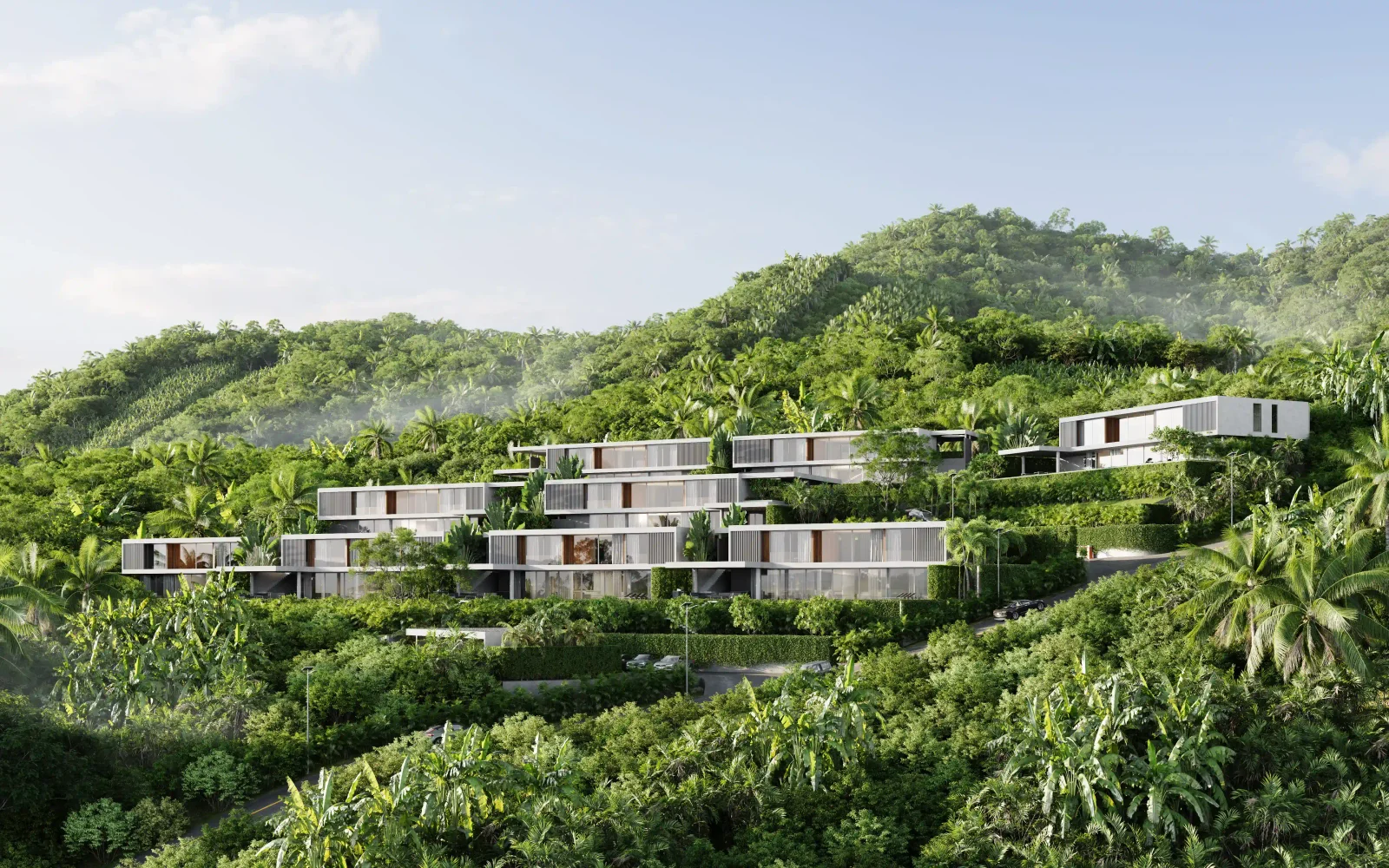
## What Are the Key Facts for Canopy Hills Villas?
| Factor | Detail |
| --- | --- |
| Location | Ko Kaeo, central Phuket, near BIS Phuket |
| Estate | 9 private pool villas, gated |
| Villas | 5 on our price list |
| Four-bedroom | 650 and 722 sqm, 56,519,000 and 58,063,000 THB |
| Five-bedroom | 742 and 757 sqm, 62,879,000 to 76,563,000 THB |
| Plots | 672 to 1,195 sqm |
| Pools | 12 to 15 metres |
| Payment | 30% / 20% / 20% / 20% / 10% |
| Stage | Under construction |
| Airport | About 25 minutes by car |
## Location: Ko Kaeo, the Schools and the Marinas
Ko Kaeo is the green, central part of Phuket that families choose for its schools. British International School Phuket is minutes away, the island's marinas and yacht clubs are close by, and the everyday shops of central Phuket are about five minutes by car.
- **British International School Phuket:** a few minutes away
- **Marinas and yacht clubs:** a short drive, for sailing and boat trips
- **Shopping:** the nearest mall about 5 minutes by car
- **Bang Tao and Layan beaches:** about 25 minutes by car
- **Phuket Town:** the island's services and old town within easy reach
- **Airport:** about 25 minutes by car
The hills above Ko Kaeo offer views over the valleys and lakes and sunsets over the hills, with a calm that is hard to find nearer the coast. For families with children at school in central Phuket, the short school run makes every day easier. Weekends reach further: a boat trip from one of the marinas, a morning on the beaches of Bang Tao or a dinner in the old town of Phuket.
## Villas and Prices
| Villa | Bedrooms | Built area | Price |
| --- | --- | --- | --- |
| L6 | Four | 722 sqm | 56,519,000 THB |
| L8 | Four | 650 sqm | 58,063,000 THB |
| XL2, XL3 | Five | 742 sqm | 62,879,000 and 64,293,000 THB |
| XL1 | Five | 757 sqm | 76,563,000 THB |
L6, a four-bedroom house of 722 sqm at 56,519,000 THB, opens the collection, and the XL villas add a fifth bedroom for large families and guests. Plot sizes range from 672 to 1,195 sqm, so each villa has its own garden and outlook. We send the plot area and plan of each villa with the price list.
## Design and Villas
- **Double-height ceilings** of up to seven metres
- **Floor-to-ceiling windows** with views of the hills and lakes
- **Large private pools** of 12 to 15 metres
- **Western and Thai kitchens**
- **Walk-in wardrobes** and an office or study
- **Maid's quarters** in select villas
- **Parking for two cars** and a barbecue terrace
- **Fitness centre, landscaped gardens and 24-hour security**
- **Pet-friendly**
## Five-Stage Payment Plan
The price is paid in five stages: 30%, 20%, 20%, 20% and 10%. For L6 at 56,519,000 THB that works out as follows:
| Stage | Share | Amount |
| --- | --- | --- |
| 1 | 30% | 16,955,700 THB |
| 2 | 20% | 11,303,800 THB |
| 3 | 20% | 11,303,800 THB |
| 4 | 20% | 11,303,800 THB |
| 5 | 10% | 5,651,900 THB |
The schedule spreads the price across the build and leaves 10% for handover. We send the developer's schedule for your villa with the price list.
## Why Buyers Choose Canopy Hills Villas
- **Minutes from British International School Phuket**
- **Only nine villas** in a gated estate
- **Large family homes:** 650 to 757 sqm on plots of up to 1,195 sqm
- **Double-height living** and 12 to 15-metre pools
- **Western and Thai kitchens,** a study and maid's quarters in select villas
- **Full maintenance services** and a fitness centre
- **Pet-friendly**
## Who Canopy Hills Villas Suits
**Families with children at BIS Phuket** or other schools in central Phuket.
**Large households**, with four and five bedrooms, a study and staff quarters.
**Boat owners and sailors**, with the marinas close by.
**Buyers who value privacy** and a hillside view over a beachfront address.
## Renting Out a Villa at Canopy Hills
A large pool villa near the international schools appeals to relocating families who rent for a school year or longer, and to families and groups who want space and privacy on holiday. With full maintenance services on the estate, the villa is easy to let while you are away.
If you plan to let your villa at Canopy Hills, we collect current asking rents for comparable family villas in central Phuket and send them with the price list. [Our rental guide](/guides/phuket-rental-yield-complete-guide-2026/) explains how to read a rental offer line by line.
## Ownership for Foreign Buyers
At Canopy Hills Villas, as with any villa in Thailand, you buy land plus a building. The house can be held in your own name over a lease of the plot registered at the Land Office, 30 years per registration with renewal terms in the contract, or the land can be held through a Thai company with genuine Thai shareholders. [Freehold and leasehold in Thailand](/guides/freehold-vs-leasehold-thailand/) explains both routes, and we prepare the one that suits you with our legal support.
## Canopy Hills and Other Family Villas in Ko Kaeo
| Project | From | Status |
| --- | --- | --- |
| [Setthasiri Kohkaew Retreat](/projects/setthasiri-kohkaew-retreat/) | 16,800,000 THB | Off-plan |
| [Zenithy La Ville](/projects/zenithy-la-ville/) | 19,425,000 THB | Off-plan |
| [Mouana Residence Ko Kaeo](/projects/mouana-residence-ko-kaeo/) | 19,900,000 THB | Off-plan |
| [Botanica Majestia](/projects/botanica-majestia/) | 38,061,000 THB | Off-plan |
| Canopy Hills Villas | 56,519,000 THB | Off-plan |
Canopy Hills stands out in this group for the size of its houses and plots and its closeness to BIS Phuket. We send the price lists of any of these projects on request and arrange viewings.
## Buying Canopy Hills Villas with MORE Group
A villa at Canopy Hills is bought in five steps, from the first price list to the keys, and we are with you through each of them.
## What We Send Before You Reserve
- The current price list with free villas, built and plot areas, and plans
- The five-stage payment schedule for your villa
- The ownership structure for your purchase, leasehold or company, with the documents it needs
- The estate's common charges and the terms of the maintenance service
- The latest construction update
{/* corpus-faq:canopy-hills-villas */}
## FAQ
### What does Canopy Hills Villas cost?
Our price list holds five villas: four-bedroom houses of 650 and 722 sqm at 56,519,000 and 58,063,000 THB, and five-bedroom houses of 742 and 757 sqm from 62,879,000 to 76,563,000 THB.
### Where is Canopy Hills Villas?
In the green hills of Ko Kaeo, central Phuket, a few minutes from British International School Phuket and close to the marinas. The nearest mall is about 5 minutes by car and the airport about 25 minutes.
### What does each villa include?
Double-height ceilings, floor-to-ceiling windows, a private pool of 12 to 15 metres, Western and Thai kitchens, walk-in wardrobes, an office or study, parking for two cars and, in select villas, maid's quarters.
### What is the payment plan?
Five stages: 30%, 20%, 20%, 20% and 10%. For L6 at 56,519,000 THB that means 16,955,700 THB at the first stage.
### How can foreigners own a villa at Canopy Hills?
The house can be held in your own name over a lease of the plot registered at the Land Office, 30 years per registration with renewal terms in the contract, or the land can be held through a Thai company with genuine Thai shareholders. We prepare the structure with our legal support.
**Read Also:**
- [How Foreigners Buy Phuket Property 2026](/guides/buying-property-phuket-guide/)
- [Twinpalms Residences](/projects/twinpalms-residences/)
- [Botanica Grand Avenue](/projects/botanica-grand-avenue/)
- [Freehold vs Leasehold in Thailand](/guides/freehold-vs-leasehold-thailand/)
- [Phuket Rental Yield Guide](/guides/phuket-rental-yield-complete-guide-2026/)
- [The Buying Process in Thailand, Step by Step](/guides/due-diligence-process-thailand-step-by-step/)
# Canvas Cherngtalay: Completed Condos from 6.93M THB
> Canvas Cherngtalay: a completed low-rise condominium a walk from Boat Avenue near Bang Tao Beach, with a gym and co-working, from 6.93M THB.
**Source:** https://moregroup.estate/projects/canvas-cherngtalay/
**Section:** Project Reviews
**Author:** MORE Group Editorial
**Published:** 2026-03-26
**Updated:** 2026-08-23
---
## What Is Canvas Cherngtalay?
Canvas Cherngtalay is a finished home in the busiest, most convenient part of Bang Tao. Boat Avenue, with its restaurants, cafés and supermarket, is about ten minutes on foot, Porto de Phuket is next to it, and the beach is a short ride away. Because the buildings are completed, you can see the apartment, the view and the facilities before you buy, and move in or let the unit from the day of transfer.
The architecture takes its inspiration from coral reefs and ocean life, with a calm, elegant atmosphere across low-rise buildings. Residents share a fitness centre, a co-working space and leisure areas, which suits both holiday owners and people who live and work in Phuket.
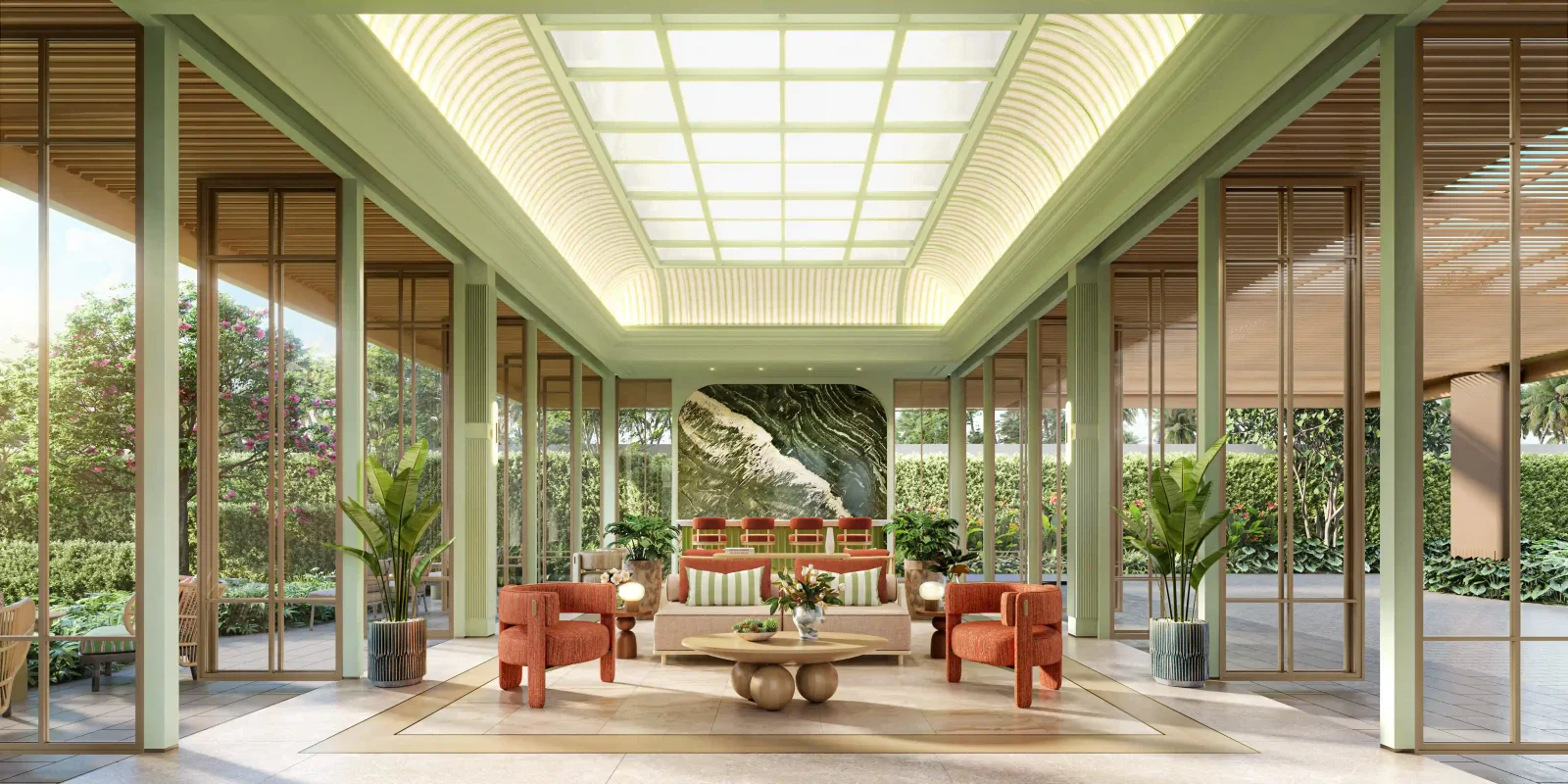
## What Are the Key Facts for Canvas Cherngtalay?
| Factor | Detail |
| --- | --- |
| Location | Cherngtalay, near Boat Avenue |
| Buildings | Four five-storey buildings and one seven-storey building |
| Residences | 175 in total, 65 on our price list |
| One-bedroom | 40 to 50 sqm, 6,927,000 to 9,232,000 THB |
| Two-bedroom | 59 to 104 sqm, 9,790,000 to 21,043,000 THB |
| Stage | Completed |
| Beach | About 5 minutes by car |
| Airport | About 29 minutes by car |
| Facilities | Gym, co-working, leisure areas |
## Location: Cherngtalay and Boat Avenue
Cherngtalay is the everyday heart of the Bang Tao area: the restaurants, shops, gyms and services of Boat Avenue and Porto de Phuket, with the beach and Laguna a short ride away.
- **Boat Avenue and Porto de Phuket:** about 11 minutes on foot or 2 minutes by car
- **Bang Tao Beach:** about 5 minutes by car
- **Laguna Phuket:** golf, spas and beach clubs
- **International schools:** within a short drive
- **Airport:** about 29 minutes by car
From Canvas, the nearest beach about 5 minutes by car, the nearest mall about 2 minutes and the airport about 29 minutes, so everyday errands, school runs and trips home are easy to plan.
Life here is easy without a car: breakfast on Boat Avenue, a morning in the co-working space, an afternoon at the beach and dinner a short walk from home. The [Bang Tao area page](/bang-tao-properties/) covers the district in more detail.
## Units and Prices
| Format | Size | Units | Price |
| --- | --- | --- | --- |
| One-bedroom | 40 sqm | 1 | 6,927,000 THB |
| One-bedroom | 49 and 50 sqm | 6 | 8,527,000 to 9,232,000 THB |
| Two-bedroom | 59 to 61 sqm | 38 | 9,790,000 to 12,032,000 THB |
| Two-bedroom | 78 to 104 sqm | 20 | 14,495,000 to 21,043,000 THB |
Unit 20110, a one-bedroom of 40 sqm, opens the list at 6,927,000 THB, and the one-bedrooms of 49 and 50 sqm follow. The two-bedrooms of 59 to 61 sqm are the largest group, suited to couples and small families, and the larger two-bedrooms of 78 to 104 sqm reach 21,043,000 THB. We send the plan, floor and view of each unit, and arrange a viewing of the ones you like.
## Design and Facilities
- **Design inspired by coral reefs** and ocean life
- **Low-rise buildings** of five and seven storeys
- **Fitness centre**
- **Co-working space**
- **Leisure areas** for residents
- **Completed**, ready to use
## Living at Canvas
Canvas makes daily life in Bang Tao effortless. A workout downstairs, a working day in the co-working space, lunch on Boat Avenue and an afternoon on the sand fit easily into one day, and the restaurants of Porto de Phuket are a short walk for dinner. For owners who spend part of the year elsewhere, a completed unit in a managed building is easy to lock up and leave, and it is ready the day you return. The mix of residents, from families to remote workers, keeps the buildings lively but calm, and the leisure areas give everyone a place to unwind after the day.
## Buying a Completed Unit
At Canvas Cherngtalay, a completed unit is transferred in one step: once the price is paid, it is registered in your name at the Land Department. We send the terms for the unit you choose, together with the common charges, so you know the full cost from the start, and we arrange the viewing and the transfer.
## Why Buyers Choose Canvas Cherngtalay
- **Completed:** see the unit before you buy and use it from the day of transfer
- **Boat Avenue and Porto de Phuket** on foot
- **Bang Tao Beach** about 5 minutes by car
- **A gym and co-working** in the building
- **A wide choice:** one and two-bedrooms
- **Freehold ownership** within the 49% foreign quota
## Who Canvas Cherngtalay Suits
**Buyers who want a finished home** in the heart of Bang Tao.
**Remote workers and long-stay residents** who want co-working and a gym downstairs and restaurants on foot.
**Couples and small families** who want a two-bedroom close to everything.
**Rental investors** aiming at holiday guests and long-stay tenants who want Boat Avenue on foot.
## Renting Out a Unit at Canvas
A completed condo a walk from Boat Avenue appeals to holiday guests and long-stay tenants alike: couples and remote workers who want everything on foot, and families who want the beach and the schools close by. Because the building is finished, the unit can be let from the first month after transfer.
If you plan to let your unit at Canvas Cherngtalay, we collect current asking rents and holiday rates for comparable units in Cherngtalay and Bang Tao and send them with the price list. [Our rental guide](/guides/phuket-rental-yield-complete-guide-2026/) explains how to read a rental offer line by line.
## Ownership for Foreign Buyers
Canvas Cherngtalay is a condominium, so a unit can be registered freehold in your own name within the 49% foreign quota of the building, counted by floor area. We confirm that the unit you choose sits inside that quota. For a freehold unit at Canvas Cherngtalay, the purchase money is transferred from abroad in foreign currency, and the receiving bank provides the FET form that the Land Department asks for at registration. [How the foreign quota works](/guides/foreign-quota-thai-condominiums/) explains the rule in detail.
## Canvas and Other Bang Tao Condos
| Project | From | Status |
| --- | --- | --- |
| [Andaman Riviera Bang Tao](/projects/andaman-riviera/) | 6,815,650 THB | Completed |
| [The Title Legendary Bang Tao](/projects/the-title-legendary/) | 6,828,900 THB | Completed |
| [Modeko Luxury](/projects/modeko-luxury/) | 6,845,000 THB | Off-plan |
| Canvas Cherngtalay | 6,927,000 THB | Completed |
| [Peylaa Phuket Bang Tao](/projects/peylaa-bang-tao/) | 7,212,180 THB | Off-plan |
| [The Base Cherngtalay](/projects/the-base-cherngtalay/) | 7,690,000 THB | Completed |
| [Laguna Lakelands Phase 2](/projects/laguna-lakelands-waterside/) | 8,000,000 THB | Off-plan |
Canvas stands out in this group as a completed building a walk from Boat Avenue. We send the price lists of any of these projects on request and arrange viewings.
## Buying Canvas Cherngtalay with MORE Group
A unit at Canvas is bought in a few clear steps, from the first viewing to the transfer, and we are with you through each of them.
## What We Send Before You Reserve
- The current price list for Canvas Cherngtalay with free units, sizes and plans
- Confirmation that your unit sits within the 49% foreign quota
- The payment and transfer terms for your unit
- The building's common charges and house rules
{/* corpus-faq:canvas-cherngtalay */}
## FAQ
### What does Canvas Cherngtalay cost?
Our price list holds 65 units: one-bedrooms of 40 sqm at 6,927,000 THB; one-bedrooms of 49 and 50 sqm from 8,527,000 to 9,232,000 THB; two-bedrooms of 59 to 61 sqm from 9,790,000 to 12,032,000 THB; two-bedrooms of 78 to 104 sqm from 14,495,000 to 21,043,000 THB.
### Is Canvas Cherngtalay completed?
Yes. The five buildings are completed, so you can view the unit and use it or let it from the day of transfer.
### Where is Canvas Cherngtalay?
In the heart of Cherngtalay, about 11 minutes on foot from Boat Avenue and Porto de Phuket and about 5 minutes by car from Bang Tao Beach.
### Can foreigners buy at Canvas Cherngtalay freehold?
Yes. Foreign buyers can hold a unit freehold in their own name within the 49% foreign quota of the building, counted by floor area. We confirm that your unit sits inside the quota, and the purchase money is transferred from abroad with an FET form for registration at the Land Department.
**Read Also:**
- [Andaman Riviera](/projects/andaman-riviera/)
- [So Origin Lagoon](/projects/so-origin-lagoon/)
- [How the Foreign Quota Works](/guides/foreign-quota-thai-condominiums/)
- [How Foreigners Buy Phuket Property 2026](/guides/buying-property-phuket-guide/)
- [Phuket Rental Yield Guide](/guides/phuket-rental-yield-complete-guide-2026/)
# Capella Villas Nai Harn: Pool Villas from 29.75M THB
> Capella Villas: nine single-storey pool villas in Rawai, minutes from Nai Harn Beach, with Western kitchens and landscaped terraces, from 29.75M THB.
**Source:** https://moregroup.estate/projects/capella-villas/
**Section:** Project Reviews
**Author:** MORE Group Editorial
**Published:** 2026-04-02
**Updated:** 2026-08-23
---
## What Is Capella Villas?
Capella Villas is quiet, single-storey living close to one of Phuket's most loved beaches. Every room sits on one level and opens onto the terrace and the private pool, so the house, the garden and the water feel like one space. The open-plan living and dining area centres on a modern Western kitchen with an island, and the master suites add walk-in closets and bathrooms with both a bathtub and a separate shower.
Outside, each villa has a private pool, landscaped terraces, an outdoor shower for coming back from the beach and covered parking. With only nine houses behind a gate and 24-hour security, the community stays calm and private, and Nai Harn Beach is about four minutes by car.
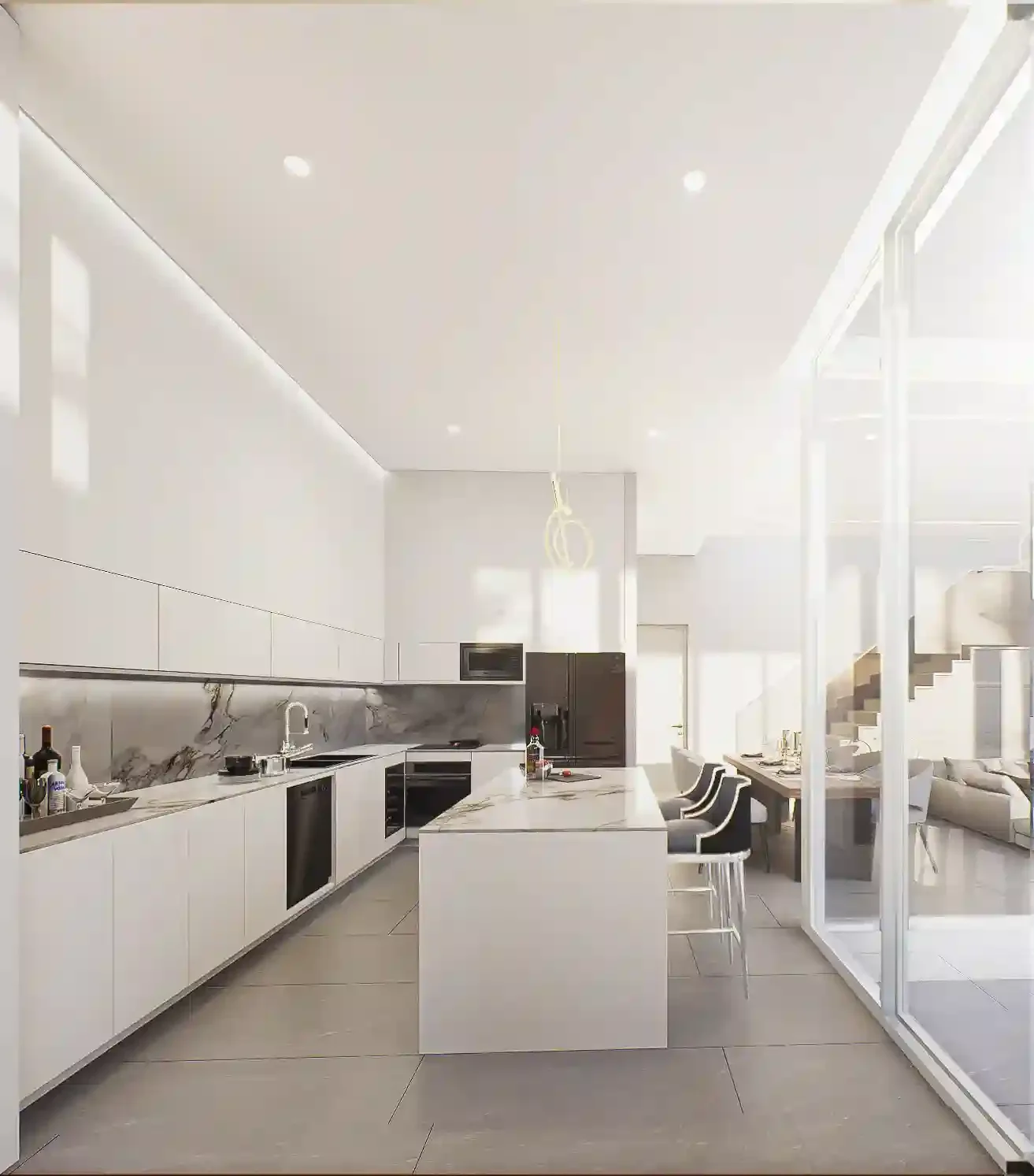
## What Are the Key Facts for Capella Villas?
| Factor | Detail |
| --- | --- |
| Location | Rawai, a few minutes from Nai Harn Beach |
| Community | 9 single-storey pool villas, gated |
| Villas | All 9 on our price list |
| Built area | 327 and 473 sqm |
| Price | 29,750,000 to 38,500,000 THB |
| Payment | 35% / 25% / 20% / 10% / 10% |
| Stage | Under construction |
| Beach | About 4 minutes by car |
| Airport | About an hour by car |
| Features | Private pool, terraces, outdoor shower, covered parking |
## Location: Rawai and Nai Harn
Rawai is south Phuket's favourite place to live, a relaxed district of cafés, markets, gyms and seafood restaurants, with Nai Harn, one of the island's most beautiful bays, just over the hill.
- **Nai Harn Beach:** about 4 minutes by car
- **Rawai Beach and the seafood market:** a short drive
- **Promthep Cape:** the island's classic sunset viewpoint nearby
- **Shopping:** the nearest mall about 9 minutes by car
- **International schools:** within a short drive
- **Airport:** about an hour by car
Days here start with a swim at Nai Harn, continue in the cafés and markets of Rawai and end with the sunset at Promthep Cape or on your own terrace. The [Nai Harn and Rawai comparison](/guides/nai-harn-vs-rawai-comparison/) covers the district in more detail.
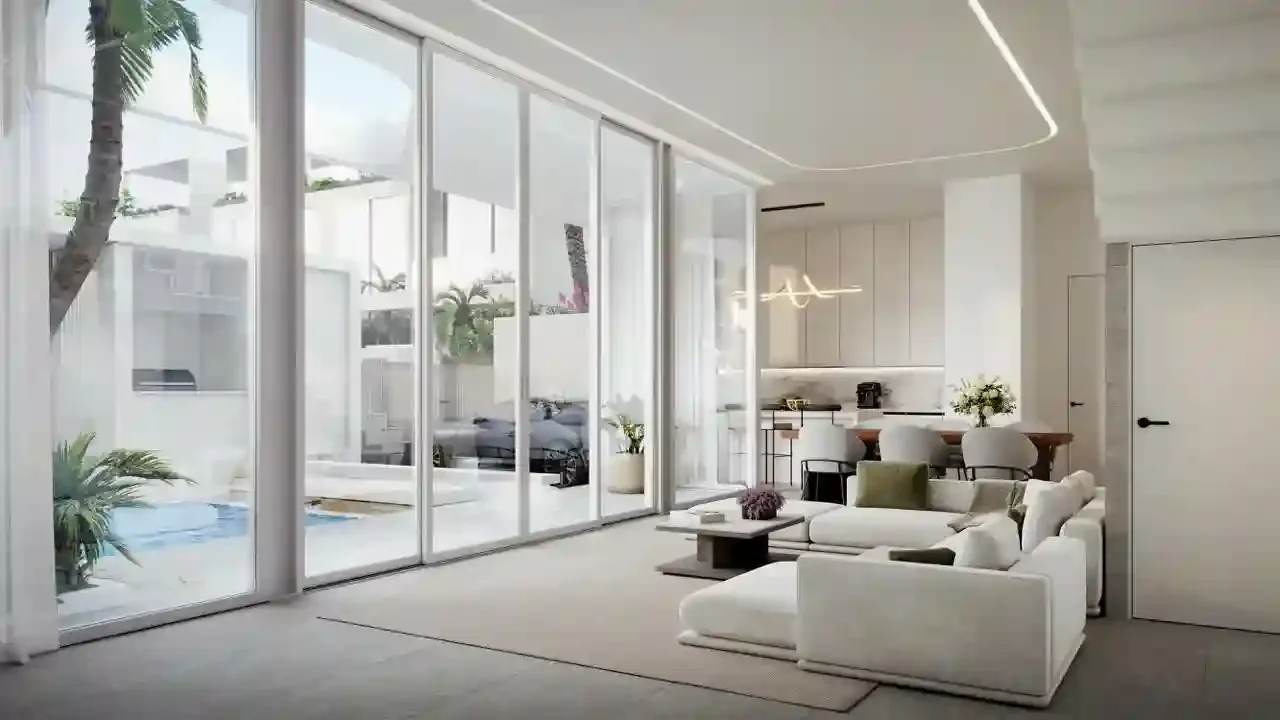
## Villas and Prices
| Villas | Built area | Price |
| --- | --- | --- |
| 9 villas | 327 and 473 sqm | 29,750,000 to 38,500,000 THB |
The villas range from 327 to 473 sqm, and the price follows the size of the house and its plot, from 29,750,000 THB. We send the plan, the plot area and the bedroom layout of each villa with the price list, so you can compare them room by room. Because every villa is a single storey, the larger houses give more floor space for bedrooms and living rather than stairs, and the plots leave room for the garden and the terrace around the pool.
## Design and Facilities
- **Single-storey living**, every room on one level
- **Open-plan living and dining** with high ceilings
- **Western kitchen** with an island
- **Master suites** with walk-in closets
- **Ensuite bathrooms** with a bathtub and a separate shower
- **Private swimming pool** and landscaped terraces
- **Outdoor shower** and covered parking
- **Gated estate** with 24-hour security
- **Pet-friendly**
## Living at Capella Villas
A single-storey house suits the easy pace of the south. Children run from their rooms straight to the pool, grandparents are as comfortable as everyone else, and the terrace joins the kitchen and the living room into one space for long dinners outside. Mornings start with a swim at Nai Harn, afternoons belong to the pool and the garden, and the outdoor shower washes off the sand on the way in. With only nine neighbours, evenings are quiet. For owners who spend part of the year elsewhere, a small gated estate with round-the-clock security is simple to leave and easy to come back to, and the house is ready for the family the day they arrive.
## Five-Stage Payment Plan
The price is paid in five stages: 35%, 25%, 20%, 10% and 10%. For a villa at 29,750,000 THB that works out as follows:
| Stage | Share | Amount |
| --- | --- | --- |
| 1 | 35% | 10,412,500 THB |
| 2 | 25% | 7,437,500 THB |
| 3 | 20% | 5,950,000 THB |
| 4 and 5 | 10% each | 2,975,000 THB each |
The schedule follows the build, and we send the developer's schedule for your villa with the price list.
## Why Buyers Choose Capella Villas
- **Only nine villas** in a gated estate
- **Single-storey living** with high ceilings
- **A private pool** and landscaped terraces
- **Nai Harn Beach** about 4 minutes away
- **Master suites** with walk-in closets and bathtubs
- **Pet-friendly**
## Who Capella Villas Suits
**Families with young children or grandparents** who want everything on one level.
**Long-stay residents of the south** who want a quiet gated community near the beach and the cafés of Rawai.
**Couples** who want a calm, spacious house close to Nai Harn.
**Rental investors** aiming at families who book a pool villa near Nai Harn for the season.
## Renting Out a Villa at Capella Villas
A single-storey pool villa a few minutes from Nai Harn Beach appeals to families and couples on holiday in the November to April season, and to long-stay residents who spend the winter in the south. The beach, the privacy and the pool are what guests value most.
If you plan to let your villa at Capella Villas, we collect current asking rents and holiday rates for comparable villas in Rawai and Nai Harn and send them with the price list. [Our rental guide](/guides/phuket-rental-yield-complete-guide-2026/) explains how to read a rental offer line by line.
## Ownership for Foreign Buyers
At Capella Villas, as with any villa in Thailand, you buy land plus a building. The villa can be held in your own name over a lease of the plot registered at the Land Office, 30 years per registration with renewal terms in the contract, or the land can be held through a Thai company with genuine Thai shareholders. [Freehold and leasehold in Thailand](/guides/freehold-vs-leasehold-thailand/) explains both routes, and we prepare the one that suits you with our legal support.
## Capella Villas and Other Villas in the South
| Project | From | Status |
| --- | --- | --- |
| [VIP Galaxy Villas Rawai](/projects/vip-galaxy-villas/) | 22,300,000 THB | Off-plan |
| [Larimar Vista](/projects/larimar-vista/) | 24,500,000 THB | Off-plan |
| [Grand Sea Through](/projects/grand-sea-through/) | 28,800,000 THB | Off-plan |
| Capella Villas | 29,750,000 THB | Off-plan |
Capella stands out in this group for its single-storey villas a few minutes from Nai Harn Beach. We send the price lists of any of these projects on request and arrange viewings.
## Buying Capella Villas with MORE Group
A villa at Capella Villas is bought in five steps, from the first price list to the keys, and we are with you through each of them.
## What We Send Before You Reserve
- The current price list for Capella Villas with free villas, plot areas and plans
- The five-stage payment schedule for your villa
- The ownership structure for your purchase, leasehold or company, with the documents it needs
- The community's common charges
- The latest construction update
{/* corpus-faq:capella-villas */}
## FAQ
### What does Capella Villas cost?
Our price list holds 9 villas: villas of 327 and 473 sqm from 29,750,000 to 38,500,000 THB.
### Are the villas single-storey?
Yes. Every villa is on one level, with open-plan living under high ceilings, a Western kitchen with an island and a direct flow to the terrace and the private pool.
### How far is Capella Villas from the beach?
Nai Harn Beach is about 4 minutes by car. The nearest mall is about 9 minutes by car and the airport about an hour.
### What is the payment plan?
Five stages: 35%, 25%, 20%, 10%, 10%. For a villa at 29,750,000 THB that means 10,412,500 THB at the first stage.
### How can foreigners own a villa at Capella Villas?
The villa can be held in your own name over a lease of the plot registered at the Land Office, 30 years per registration with renewal terms in the contract, or the land can be held through a Thai company with genuine Thai shareholders. We prepare the structure with our legal support.
**Read Also:**
- [Nai Harn and Rawai Compared](/guides/nai-harn-vs-rawai-comparison/)
- [Monetaria Villas](/projects/monetaria-villas/)
- [Freehold vs Leasehold in Thailand](/guides/freehold-vs-leasehold-thailand/)
- [How Foreigners Buy Phuket Property 2026](/guides/buying-property-phuket-guide/)
- [Phuket Rental Yield Guide](/guides/phuket-rental-yield-complete-guide-2026/)
# Capri Residences Review 2026: Prices, Units and Quota
> Capri Residences review: completed Bang Tao condos 850 m from the beach, 231 units in two buildings, one-bedrooms of 35 sqm from 5,775,000 THB.
**Source:** https://moregroup.estate/projects/capri-residences/
**Section:** Project Reviews
**Author:** MORE Group Editorial
**Published:** 2026-04-07
**Updated:** 2026-08-23
---
## Capri Residences: Completed Bang Tao Condo from 5.77M THB
For buyers who want Bang Tao without the wait, Capri Residences offers what a completed building does best: an apartment you can walk through today, in one of Phuket's most popular beach corridors, ready to live in or rent from the day the purchase completes. Named after the Italian island off the Amalfi Coast, Capri Residences brings a light, Mediterranean sensibility to the tropical landscape of northern Phuket.
With 231 units across two 8-storey buildings and one-bedrooms from 5.77 million THB, Capri sits in the premium-accessible tier of the Bang Tao market: well below the luxury threshold, with finishes and a location that suit both investors and lifestyle buyers.
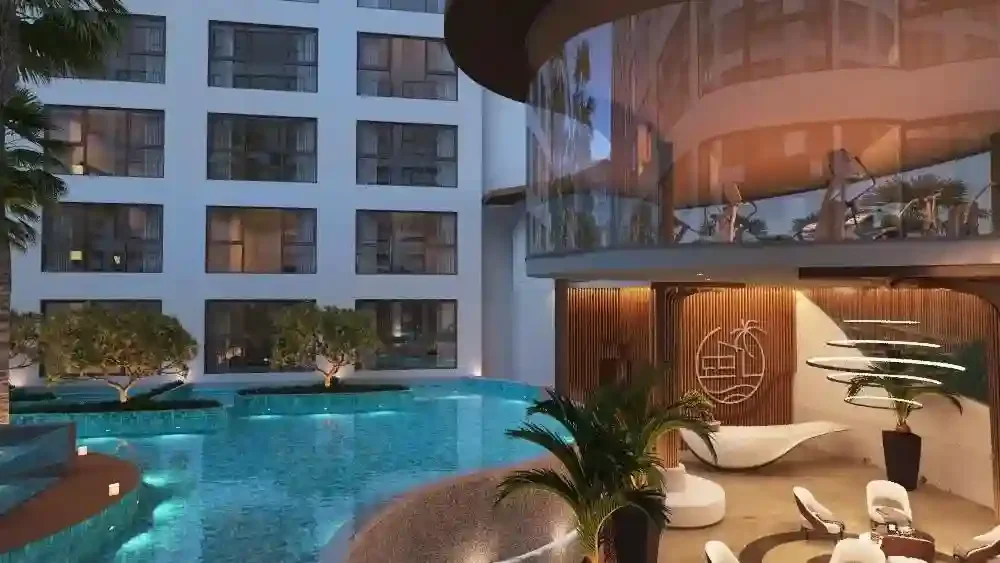
## Location: The Bang Tao Advantage
At 850 metres from the beach, Capri is about a 25-minute walk or 6 minutes by car from Bang Tao Beach, close enough for daily beach time while set back in a calm residential street. The neighbourhood is established, with everything residents need close at hand:
- **Bang Tao Beach:** about 6 minutes by car
- **Shopping and dining:** the nearest mall about 5 minutes by car, with Boat Avenue and Porto de Phuket close by
- **Catch Beach Club and Laguna Phuket:** a short drive, with the Laguna hotels, golf course and restaurants
- **Airport:** about 34 minutes by car
The name is a deliberate reference: Capri evokes natural beauty, an easy sophisticated lifestyle and the feeling of a private escape, which is what Bang Tao offers at its best. The design inside the units carries the idea through, with clean lines, light materials and interiors that feel European in spirit.
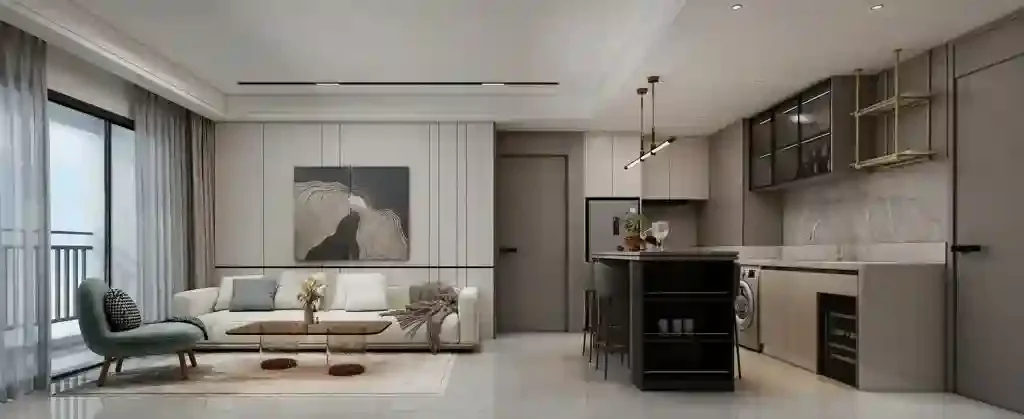
## Units and Design
Both layouts have large windows that bring in natural light and tropical views, which makes the apartments feel open and bright. Finishes are contemporary, with fitted kitchens and clean, hotel-style bathrooms that suit both everyday living and holiday letting.
Our current list holds 49 apartments:
| Type | Size | Units | Price |
|---|---|---|---|
| One-bedroom | 35 sqm | 42 | 5,775,000 THB |
| Two-bedroom | 70 sqm | 2 | 11,550,000 THB |
| Two-bedroom | 75 sqm | 5 | 12,375,000 THB |
Every apartment on the list is priced at 165,000 THB per square metre, so the choice comes down to size, floor and view rather than price per metre. We send the full list with floor, view and floor plan for every available unit.
The two 8-storey buildings strike a comfortable balance between a large tower and a small boutique project: the pool, lobby and facilities are sized for the community, services are professional, and the atmosphere stays residential.
Because the project is complete, you see exactly what you buy. You can walk through units, see the finish quality and the view from your floor, and meet the building management before you decide.
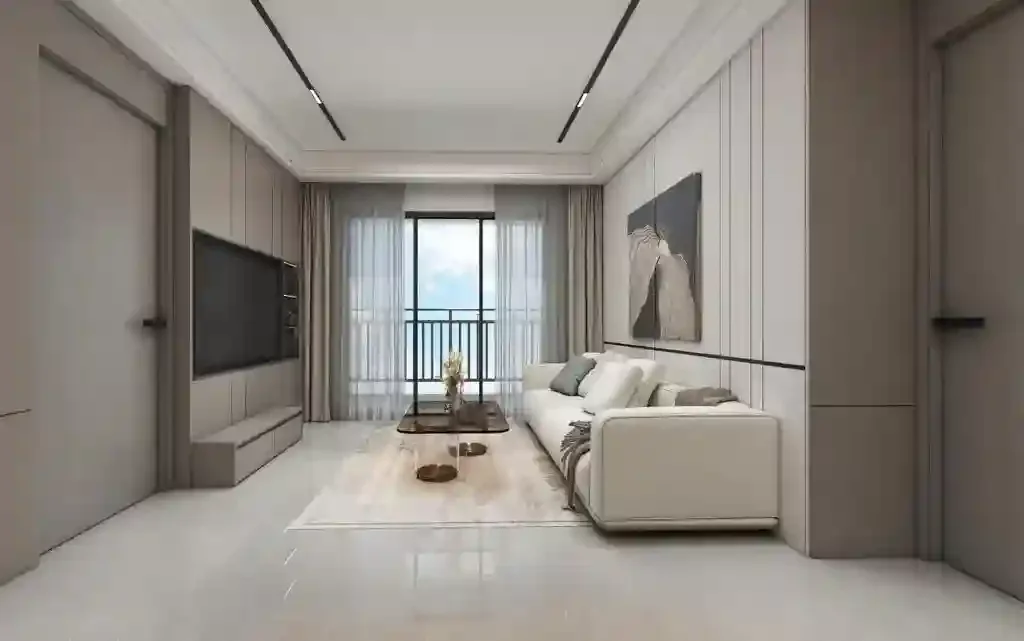
## Amenities
- Swimming pool
- Fitness centre
- Co-working space
- Landscaped gardens
- Reception area
- Parking
- 24-hour security
The co-working space and the fitness centre make Capri practical for residents who live here for months at a time, and the reception and 24-hour security mean the apartment is looked after while the owner is away. With parking on site and the nearest mall about five minutes away by car, daily life at Capri runs easily.
## One-Bedroom or Two-Bedroom?
The two layouts at Capri suit two different plans, and the building supports both well.
| | One-bedroom, 35 sqm | Two-bedroom, 70 to 75 sqm |
|---|---|---|
| Price | 5,775,000 THB | 11,550,000 to 12,375,000 THB |
| Typical guests | Couples and solo travellers | Families and friends travelling together |
| Long stays | Remote workers and couples | Expat families and relocating professionals |
| Owner use | A compact holiday base | A family home for longer stays |
A one-bedroom is the natural choice for a first Phuket purchase or a rental-focused buyer, with the entry ticket of the building. A two-bedroom suits owners who spend longer periods in Phuket with family, and it appeals to long-stay tenants who want a serviced building with real facilities close to Boat Avenue.
## Who Is This For?
**The first Phuket buyer.** At under 6 million THB for a one-bedroom in Bang Tao, Capri is one of the more accessible entry points to one of the island's premium corridors. First-time buyers often prefer completed stock because the process is simple to follow: you see the building, meet the management and understand the product fully before committing.
**The lifestyle-plus-rental buyer.** Someone who wants to use the apartment for several weeks a year and rent it out the rest of the time. Bang Tao's rental market is deep, and a professionally managed one or two-bedroom at Capri fits it well.
**The relocating family.** A two-bedroom of 70 to 75 sqm near Boat Avenue's shops and cafes, ready to move into.
## Why Buyers Choose Capri Residences
- **Completed and ready:** no construction wait, move in or rent from the day of purchase
- **Bang Tao address:** 850 metres from the beach, minutes from Boat Avenue and Laguna
- **Clear pricing:** every apartment at 165,000 THB per square metre
- **Facilities for everyday life:** a pool, a fitness centre and a co-working space
- **Professional building management** in a community of 231 units
- **Freehold ownership:** a condo title in your own name within the 49% foreign quota
## Renting Out an Apartment at Capri
A completed apartment can earn from the first month of ownership. Bang Tao draws couples and families on holiday in the season, and long-stay tenants, such as remote workers and relocating families, who live on the island for months at a time. With professional management, owners can choose holiday lets, long stays or a mix.
For owners who plan to rent, we collect current asking rents and holiday rates for comparable Bang Tao apartments and send them with the price list. [Our rental guide](/guides/phuket-rental-yield-complete-guide-2026/) explains how to read a rental offer line by line.
## Capri and Other Completed Bang Tao Condos
| Project | From | Status |
|---|---|---|
| [Bellevue Lagoon](/projects/bellevue-lagoon/) | 4,865,000 THB | Completed |
| Capri Residences | 5,775,000 THB | Completed |
| [Andaman Riviera](/projects/andaman-riviera/) | 6,815,650 THB | Completed |
| [The Title Legendary](/projects/the-title-legendary/) | 6,828,900 THB | Completed |
| [CANVAS Cherngtalay](/projects/canvas-cherngtalay/) | 6,927,000 THB | Completed |
| [The Base Cherngtalay](/projects/the-base-cherngtalay/) | 7,690,000 THB | Completed |
Among completed Bang Tao condominiums, Capri offers one of the more accessible entry prices for a one-bedroom. We arrange viewings of any of these buildings on request.
## Buying Capri Residences with MORE Group
An apartment at Capri Residences is bought in five steps, from the first price list to the keys, and we are with you through each of them.
## What We Send Before You Reserve
- The current list of available apartments with floor, view and floor plan
- Confirmation that your unit sits within the 49% foreign quota
- The building's common charges and the management contact
- The transfer costs and how they are shared
- Current asking rents and holiday rates for comparable units in Bang Tao, if you plan to rent
{/* corpus-faq:capri-residences */}
## FAQ
### Is Capri Residences completed and ready to buy?
Yes. Capri Residences is completed, so there is no construction wait. A reservation deposit holds your unit while the documents are prepared, and the balance is paid at transfer at the Land Department.
### What is the starting price at Capri Residences?
One-bedroom apartments of 35 sqm start at 5,775,000 THB. Two-bedroom apartments of 70 sqm are 11,550,000 THB and of 75 sqm 12,375,000 THB.
### Can I rent out my apartment at Capri Residences?
Yes. The building is complete, so an apartment can be let from the first month of ownership, to holiday guests or long-stay tenants. We send current asking rents and holiday rates for comparable Bang Tao apartments with the price list.
### Can foreigners purchase units at Capri Residences?
Yes. Foreign buyers can hold units freehold in their own name within the 49% foreign quota, counted by floor area. We confirm that your unit sits inside the quota, and the purchase money is transferred from abroad with an FET form for registration at the Land Department.
### What facilities does Capri Residences have?
A swimming pool, a fitness centre, a co-working space, landscaped gardens, a reception, parking and 24-hour security. All facilities are in use, and you can see them in person before you buy.
**Read Also:**
- [How Foreigners Buy Phuket Property 2026](/guides/buying-property-phuket-guide/)
- [Phuket Rental Yield Guide](/guides/phuket-rental-yield-complete-guide-2026/)
- [Bellevue Lagoon, Lagoon-View Condo in Bang Tao](/projects/bellevue-lagoon/)
- [Best Areas in Phuket to Buy Property 2026](/guides/best-areas-phuket-buy-property/)
- [Bang Tao and Laguna Area Guide](/bang-tao-properties/)
- [Thai Condo Foreign Quota: 49% Rule Explained](/guides/foreign-quota-thai-condominiums/)
# Cascade Bangtao Beach: 2-3 Bed Condos from 17.2M THB
> Cascade Bangtao Beach review: 73 low-rise residences 1 km from the beach, two to four bedrooms with 3-metre ceilings, from 17.2M THB.
**Source:** https://moregroup.estate/projects/cascade-bangtao-beach/
**Section:** Project Reviews
**Author:** MORE Group Editorial
**Published:** 2026-04-08
**Updated:** 2026-08-23
---
## What Is Cascade Bangtao Beach?
Cascade Bangtao Beach takes its inspiration from cascading rock formations, and its architecture brings that natural elegance to a small, private building. With only 73 residences across two buildings, every home is spacious: two to four bedrooms, ceilings of three metres, and interiors in a tropical-contemporary style with high-quality materials.
Residents enjoy a free-form swimming pool, a gym and sauna, a kids' play area, barbecue and lounge zones, concierge services and 24-hour security. The building is managed by Habitat Hospitality, which brings resort-style service to everyday life.
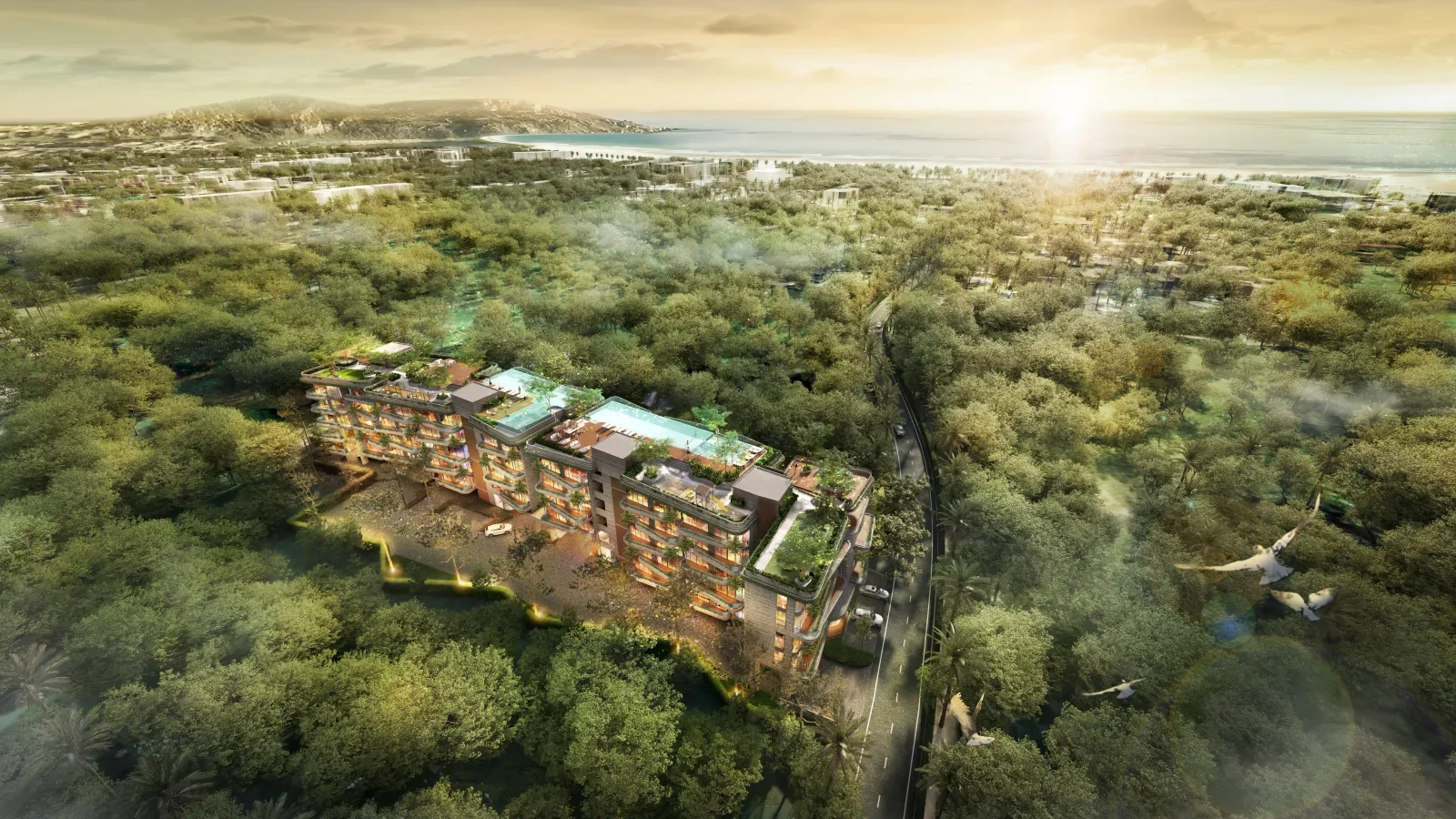
## What Are the Key Facts for Cascade Bangtao Beach?
| Factor | Detail |
| --- | --- |
| Location | Choeng Thale, Thalang, about 1 km from Bang Tao Beach |
| Buildings | Two six-storey buildings |
| Residences | 73 in total, 33 on our price list |
| Formats | Two to four bedrooms, 108 to 303 sqm |
| Two-bedroom | 108 to 122 sqm, 17,200,000 to 22,900,000 THB |
| Three-bedroom | 156 sqm, 28,500,000 and 30,400,000 THB |
| Ceilings | 3 metres |
| Management | Habitat Hospitality |
| Payment | 35% / 15% / 20% / 20% / 10% |
| Stage | Under construction |
## Location: A Walk from Bang Tao Beach
Cascade sits about a kilometre from Bang Tao Beach, one of the longest stretches of sand on the island, with restaurants, shops and a beach club within walking distance.
- **Bang Tao Beach:** about 12 minutes on foot or 3 minutes by car
- **Shopping:** the nearest mall about 4 minutes by car, or a 19-minute walk
- **Boat Avenue and Porto de Phuket:** restaurants, cafes and boutiques close by
- **Laguna Phuket:** golf, hotels and beach clubs along Bang Tao Bay
- **International schools:** within a short drive
- **Airport:** about 33 minutes by car
Bang Tao is the island's most popular resort district, and Cascade gives its residents the beach on foot with the quiet of a small building, and the [Bang Tao and Layan area guide](/bang-tao-properties/) covers the district in more detail.
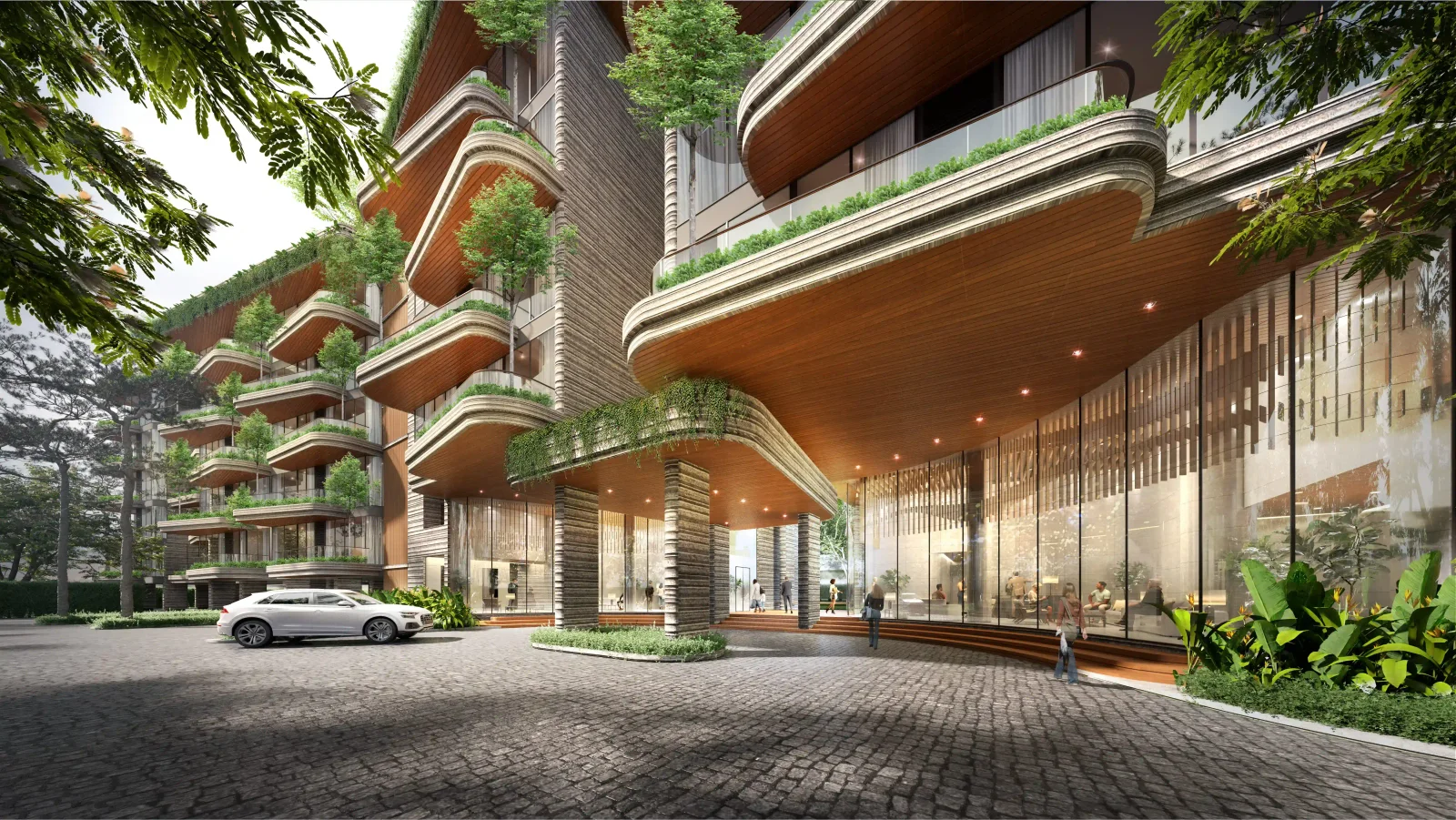
## Residences and Prices
Our price list holds 33 residences:
| Format | Size | Floors | Units | Price |
| --- | --- | --- | --- | --- |
| Two-bedroom | 108 sqm | 2 to 6 | 18 | 17,200,000 to 21,300,000 THB |
| Two-bedroom | 118 to 122 sqm | 2 to 6 | 13 | 20,000,000 to 22,900,000 THB |
| Three-bedroom | 156 sqm | 3 and 5 | 2 | 28,500,000 and 30,400,000 THB |
The entry residences, S206 and S207 on the second floor at 17,200,000 THB, are two-bedroom apartments of 108 sqm. The larger two-bedrooms of 118 to 122 sqm add space for a study or a dining area, and the two three-bedroom residences, S305 and S505, offer 156 sqm for a family. We send the floor plan, floor and view of each unit together with the current price list.
## Design and Facilities
- **Spacious residences** with two to four bedrooms
- **3-metre ceilings** and tropical-contemporary interiors
- **Free-form swimming pool**
- **Gym and sauna**
- **Kids' play area**, barbecue and lounge zones
- **Concierge services** and 24-hour security
- **Management by Habitat Hospitality**
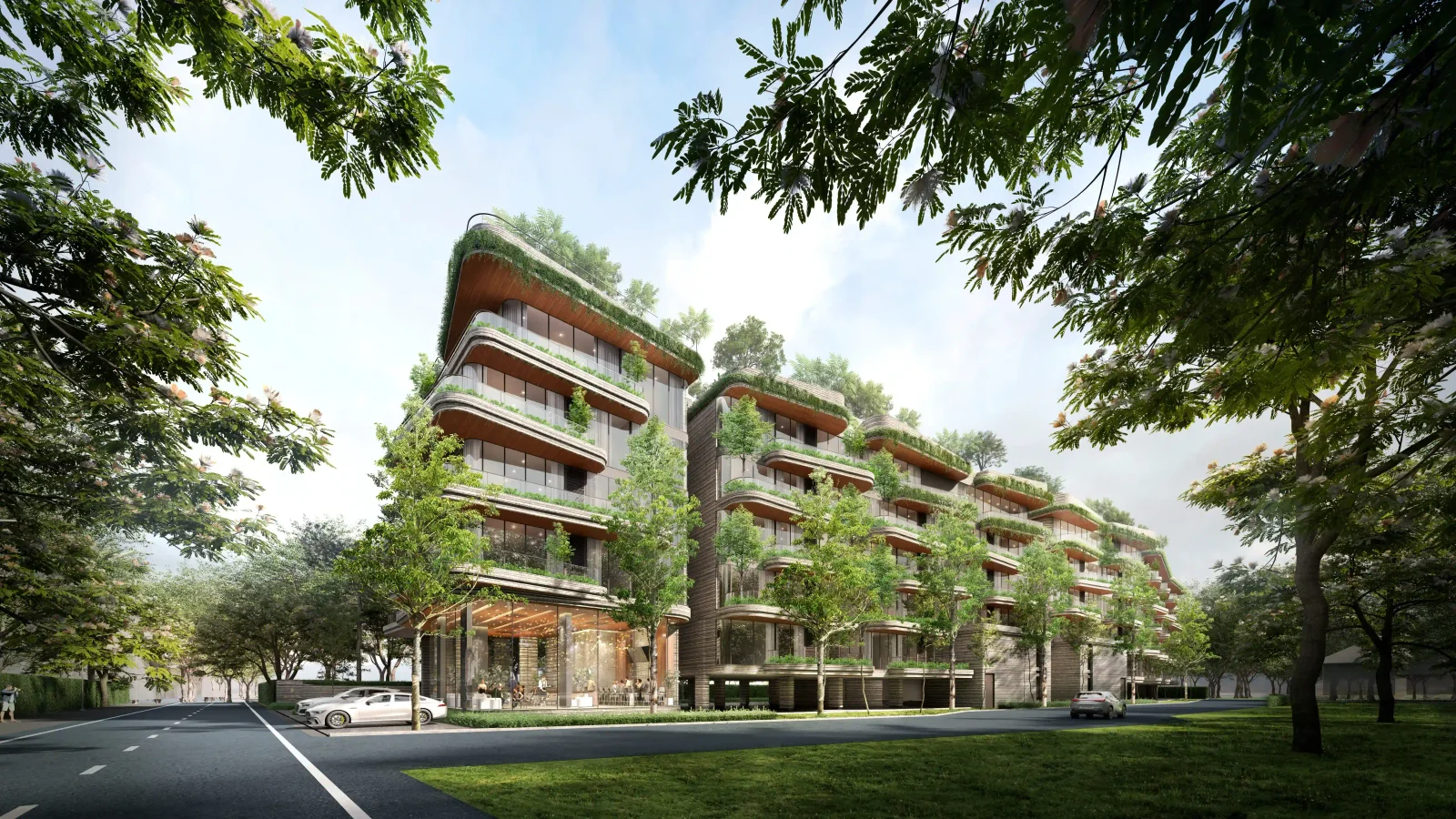
## Living at Cascade
Mornings can start with a walk to the beach and a swim before breakfast, and evenings with a sunset over the Andaman Sea from the sand. In between, the restaurants and cafes of Bang Tao and Boat Avenue are a few minutes away, and back home the pool, the sauna and the lounge zones make the building feel like a small private resort. The 3-metre ceilings give every room a sense of air and light, whatever the size of the home.
## Five-Stage Payment Plan
The price is paid in five stages: 35%, 15%, 20%, 20% and 10%. For a two-bedroom at 17,200,000 THB that works out as follows:
| Stage | Share | Amount |
| --- | --- | --- |
| 1 | 35% | 6,020,000 THB |
| 2 | 15% | 2,580,000 THB |
| 3 | 20% | 3,440,000 THB |
| 4 | 20% | 3,440,000 THB |
| 5 | 10% | 1,720,000 THB |
The schedule spreads the price across the build and leaves 10% for handover. We send the developer's schedule for your residence with the price list.
## Why Buyers Choose Cascade Bangtao Beach
- **Bang Tao Beach on foot:** about 12 minutes
- **A boutique building** of only 73 residences
- **Large homes:** two to four bedrooms with 3-metre ceilings
- **Resort facilities:** pool, gym, sauna, kids' area and concierge
- **Professional management** by Habitat Hospitality
- **Freehold ownership** within the 49% foreign quota
## Who Cascade Bangtao Beach Suits
**Families** who want a spacious two or three-bedroom apartment within walking distance of the beach.
**Owners who spend long periods in Phuket** and want the space of a house with the service of a hotel.
**Buyers who value privacy**, in a building with only 73 residences.
**Rental investors** who value a professionally managed building.
## Renting Out a Residence at Cascade
Two and three-bedroom apartments near Bang Tao Beach appeal to families and small groups on holiday in the November to April season, and to relocating families and long-stay residents through the rest of the year. Larger apartments tend to attract longer bookings, and the building is professionally managed by Habitat Hospitality.
For owners who plan to rent, we send the management terms together with current asking rents and holiday rates for comparable apartments around Bang Tao. [Our rental guide](/guides/phuket-rental-yield-complete-guide-2026/) explains how to read a rental offer line by line.
## Ownership for Foreign Buyers
Cascade Bangtao Beach is a condominium, so a residence can be registered freehold in your own name within the 49% foreign quota of the building, counted by floor area. We confirm with the developer that the residence you choose sits inside that quota. For a freehold unit at Cascade, each payment is transferred from abroad in foreign currency, and the receiving bank provides the FET form that the Land Department asks for at registration. [How the foreign quota works](/guides/foreign-quota-thai-condominiums/) explains the rule in detail.
## Cascade and Other Large-Format Condos Near Bang Tao
| Project | From | Status |
| --- | --- | --- |
| [Surfhouse Residences](/projects/surfhouse-residences/) | 15,934,757 THB | Off-plan |
| [SOLE MIO Residences](/projects/sole-mio-residences/) | 16,315,200 THB | Off-plan |
| [Garrya Residences](/projects/garrya-residences/) | 16,360,000 THB | Off-plan |
| Cascade Bangtao Beach | 17,200,000 THB | Off-plan |
| Bellaguna Lotus | 19,550,000 THB | Off-plan |
| [The Standard Residences](/projects/the-standard-residences/) | 21,900,000 THB | Off-plan |
Cascade stands out in this group for its walk to the beach, its 3-metre ceilings and its small number of residences. We send the price lists of any of these projects on request and arrange viewings.
## Buying Cascade Bangtao Beach with MORE Group
A residence at Cascade is bought in five steps, from the first price list to the keys, and we are with you through each of them.
## What We Send Before You Reserve
- The current price list with free residences, floors, sizes and plans
- Confirmation that your residence sits within the 49% foreign quota
- The five-stage payment schedule for your residence
- The building's common charges and the terms of the management service
- The latest construction update
- Current asking rents and holiday rates for comparable apartments, if you plan to rent
{/* corpus-faq:cascade-bangtao-beach */}
## FAQ
### What does Cascade Bangtao Beach cost?
Our price list holds 33 residences: two-bedroom apartments of 108 to 122 sqm from 17,200,000 to 22,900,000 THB, and two three-bedroom apartments of 156 sqm at 28,500,000 and 30,400,000 THB.
### How far is Cascade from Bang Tao Beach?
About 1 km, a 12-minute walk or 3 minutes by car. The nearest mall is about 4 minutes by car and the airport about 33 minutes.
### How many residences does Cascade have?
Only 73, in two six-storey buildings, with two to four bedrooms and sizes from 108 to 303 sqm.
### Who manages the building?
Habitat Hospitality manages Cascade and provides concierge services. We send the terms of the management service with the price list.
### Can foreigners buy at Cascade freehold?
Yes. Foreign buyers can hold a residence freehold in their own name within the 49% foreign quota of the building, counted by floor area. We confirm that your residence sits inside the quota, and the purchase money is transferred from abroad with an FET form for registration at the Land Department.
**Read Also:**
- [How Foreigners Buy Phuket Property 2026](/guides/buying-property-phuket-guide/)
- [Capri Residences](/projects/capri-residences/)
- [Bang Tao and Layan Area Guide](/bang-tao-properties/)
- [Phuket Rental Yield Guide](/guides/phuket-rental-yield-complete-guide-2026/)
- [How the Foreign Quota Works](/guides/foreign-quota-thai-condominiums/)
# Charn Baan Saiyuan Review 2026: Prices, Units and Quota
> Charn Baan Saiyuan Rawai review: 16 gated pool villas with three bedrooms from 12.28M THB, 190 to 272 sqm built, prices, plan and ownership.
**Source:** https://moregroup.estate/projects/charn-baan-saiyuan/
**Section:** Project Reviews
**Author:** MORE Group Editorial
**Published:** 2026-04-08
**Updated:** 2026-10-05
---
## Charn Baan Saiyuan: Pool Villas from 12.28M THB in Rawai
Rawai has long been one of south Phuket's most coveted addresses, expat-loved, quiet, and a short drive from Nai Harn Beach, Kata, and Chalong pier. Charn Baan Saiyuan brings a rare offer to this area: a private gated community of just 16 pool villas priced from 12.28 million THB. "Charn Baan" translates from Thai as "beautiful home," and the name suits, this is a project designed for those who want real space, real privacy, and real value. For buyers comparing south Phuket villa options, the price-to-size equation here is genuinely hard to beat.
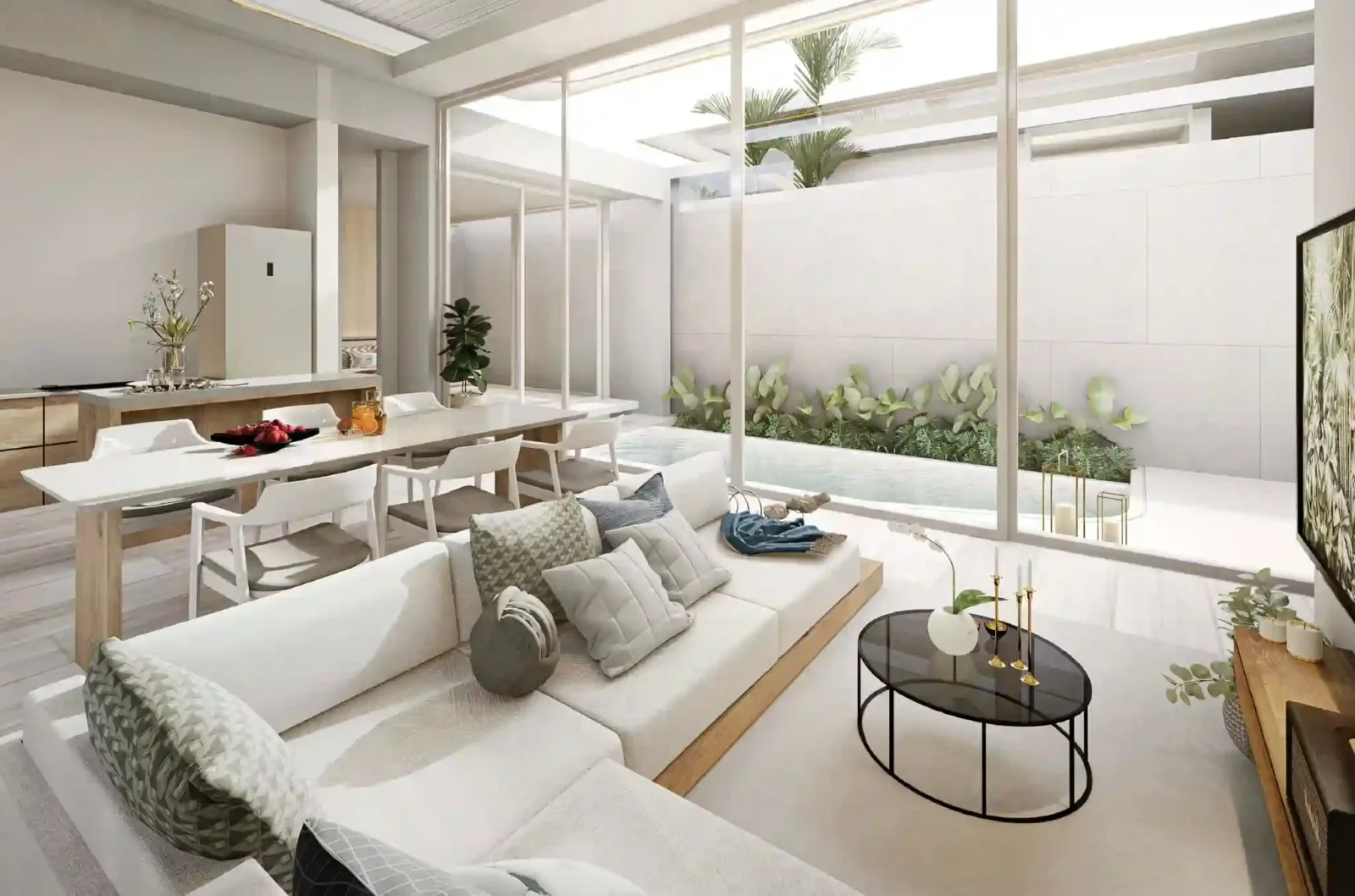
## Location & Area
Rawai itself has built a strong identity as an expat hub: the Saturday walking market, the long-tail boat pier at Rawai Beach, the cluster of international restaurants along Wiset Road, these are the daily rhythms of life here. It attracts families looking for a quieter Phuket pace and investors who recognise that south Phuket's villa market has historically held value well. Properties in Rawai and Nai Harn have appreciated steadily because supply is limited and the area has kept its residential character.
Chalong pier, the main gateway to Phi Phi and the dive sites around Raya Island, is under 10 minutes by car. Big C Chalong and the broader Chalong commercial corridor provide day-to-day convenience, the beach is about nine minutes by car and the nearest mall about ten, with the airport about an hour to the north. Nai Harn Beach and the Promthep Cape viewpoint are a short drive away. The location is genuinely practical while still feeling worlds away from the resort bustle of the west coast.
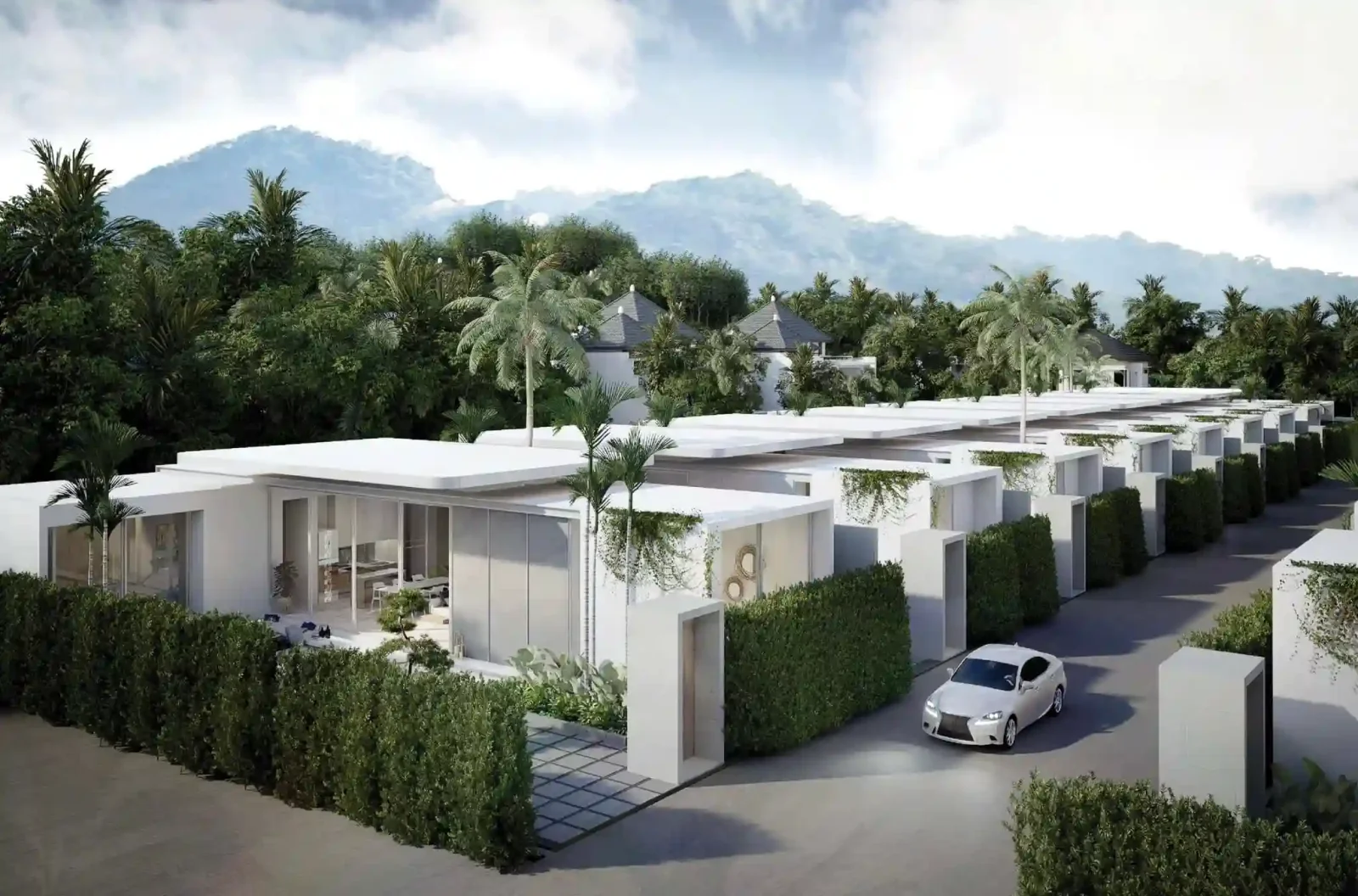
## Design & Units
The design language is modern tropical: clean lines, open-plan living and dining spaces that flow into a private garden and pool terrace, a European-style kitchen, large glazed panels to bring in natural light, dedicated parking, and the kind of finishes that make sense in Phuket's climate, materials that handle heat, humidity and the monsoon gracefully without looking sterile.
Sixteen villas in a gated community is a meaningful number. It's large enough to justify shared security and maintenance infrastructure, small enough to avoid the anonymity of a 100-unit estate. Neighbours know each other. The gates close, with 24-hour security and CCTV, and pets are welcome.
The current list carries nine villas from 12,280,000 to 15,900,000 THB, averaging 12,817,778 THB. Each has three bedrooms and three bathrooms, about 190 to 272 sqm built up, at 58,456 to 67,684 THB per square metre of built area, a strong price for a new gated villa in the south of the island.
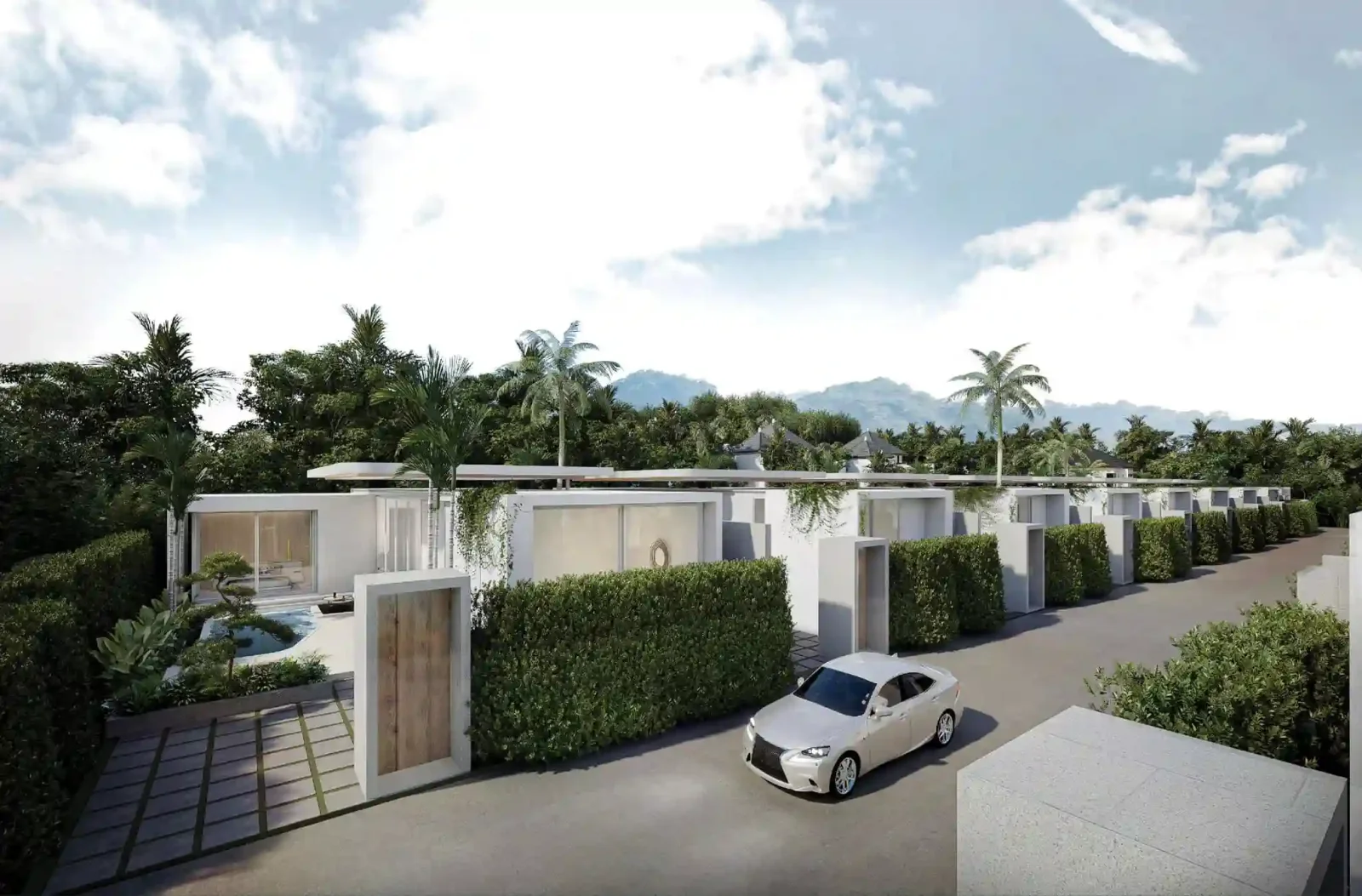
## Investment Case
The six-stage payment plan (30/15/15/15/15/10) spreads the commitment evenly through the build, and the final 10% on handover (scheduled for Q4 2026) is a buyer-friendly structure, according to the developer. On the entry villa it works out as follows:
| Stage | Share | On 12,280,000 THB |
|---|---|---|
| Contract signing | 30% | 3,684,000 THB |
| Second | 15% | 1,842,000 THB |
| Third | 15% | 1,842,000 THB |
| Fourth | 15% | 1,842,000 THB |
| Fifth | 15% | 1,842,000 THB |
| Handover | 10% | 1,228,000 THB |
With construction underway, the villa can be furnished and listed for the first high season after handover, the October-to-April window when Phuket villa occupancy peaks and rates climb.
At 12.28M THB in a supply-constrained area, the entry is well placed: Rawai is an established market with a decade of steady demand from long-stay residents. Well-managed villas in south Phuket have historically earned annual gross yields of 6% to 9%, depending on management quality and occupancy strategy, and comparable managed units have historically netted 5 to 7% after 20 to 25% operator fees, at peak occupancy of 75 to 85%.
## Who Is This For?
**The family relocator**, expats moving to Phuket long-term who want three bedrooms, a private pool, and the community feel of a gated estate. Rawai's school options, medical facilities, and established expat social scene make it a natural landing point.
**The rental investor**, buyers who want to enter Phuket's family-villa rental segment below 16M THB, where three-bedroom pool villas suit families and long-stay tenants.
**The value-focused premium buyer**, someone who has looked at villas in Nai Harn and Kata at 20M+ THB and wants a comparable lifestyle proposition at a meaningfully lower entry point.
## Why Buyers Choose Charn Baan Saiyuan
- Three-bedroom pool villas from 12.28M THB, a large house for the money by Phuket standards
- Private gardens and pools on plots of about 227 to 270 sqm
- Rawai is where long-stay residents settle, so annual tenancies are the natural income
- Sixteen villas in a gated community: enough for shared infrastructure to work, few enough to stay private
- A six-stage payment plan with 10% at handover
- Pet-friendly, with 24-hour security and CCTV
## Rawai, Measured Against the West Coast
South Phuket is a different market from the Bang Tao and Layan corridor, and the villa price at Charn Baan Saiyuan reflects that.
| | Rawai and Nai Harn | The Bang Tao and Layan corridor |
|---|---|---|
| Who lives there year-round | An established expat community | A mix of residents and holiday guests |
| The daily fixtures | Saturday market, Rawai pier, Wiset Road restaurants | Beach clubs and resort retail |
| Entry for a new pool villa | From 12,280,000 THB here | Materially more for comparable land |
| Rental demand | Long stays and returning seasonal tenants | Nightly rates and a strong high season |
| Resale | Steady, with a loyal local buyer pool | Fast, with a deep international buyer pool |
Neither column is better: each suits a different holding period and income plan, and Rawai's suits long-stay living and letting.
## How the Estate Is Run
A gated estate sits between a condominium and a standalone villa: the shared costs of security, roads, street lighting, common landscaping, the gate and rubbish collection are set by the sale contract and the estate rules. With the price list we send:
- **Who manages the estate after handover,** the developer, an appointed management company or an owners' committee
- **The monthly common fee per villa** and what it covers
- **The sinking fund** for roads, pumps and gate motors, and how it is funded
- **The estate rules on letting,** for your rental plan
Sixteen villas make a close community with a simple, transparent budget.
## How a Foreign Buyer Owns a Villa Here
Foreigners do not hold freehold title to Thai land, so a villa is owned through a registered lease of the land, 30 years per term with renewals set in the contract and the house in your own name, or through a Thai company with genuine Thai shareholders. [Freehold vs leasehold in Thailand](/guides/freehold-vs-leasehold-thailand/) explains both routes, and we prepare the one that suits you with our legal support.
## Buying Charn Baan Saiyuan with MORE Group
A villa at Charn Baan Saiyuan is bought in five steps, from the first price list to the keys, and we are with you through each of them.
{/* corpus-faq:charn-baan-saiyuan */}
## FAQ
### Can foreigners buy villas at Charn Baan Saiyuan?
Yes. Foreign buyers acquire villas in Thailand through a registered lease, 30 years per term with renewals set in the contract, or through a Thai company with genuine Thai shareholders. MORE Group prepares the structure that suits your situation with our legal support.
### How many bedrooms do the villas have?
Each villa has three bedrooms and three bathrooms, with about 190 to 272 sqm built up on plots of about 227 to 270 sqm, a private pool, a garden and dedicated parking.
**Read Also:**
- [Complete Guide to Buying Property in Phuket](/guides/buying-property-phuket-guide/)
- [Anann Villa, Rawai Luxury Villas](/projects/anann-villa/)
- [Autumn Villa by Season Luxury Villas](/projects/autumn-villa-by-season-luxury-villas/)
- [Rawai Property: Lifestyle & Yields (2026)](/rawai-properties/)
- [Freehold vs Leasehold in Thailand](/guides/freehold-vs-leasehold-thailand/)
- [The Greens Phuket Review 2026: Prices & Yield](/projects/the-greens/)
# CityGate De Phuket Review 2026: Prices, Units and Quota
> CityGate De Phuket review: a low-rise wellness condo in Kamala, 1-3BR from 6.21M THB, 14 minutes' walk to the beach, with the price list and payment plan.
**Source:** https://moregroup.estate/projects/citygate-de-phuket/
**Section:** Project Reviews
**Author:** MORE Group Editorial
**Published:** 2026-04-08
**Updated:** 2026-08-23
---
## CityGate De Phuket: Wellness Condo in Kamala from 6.21M THB
CityGate De Phuket is a contemporary low-rise condominium rising in the heart of Kamala, one of Phuket's most desirable mid-west coastal communities. The "De" in the name signals exactly what the developer is going for: a French-inflected, upscale sensibility that pairs modern architecture with natural surroundings and a clear wellness focus on health, comfort and long-term living. With 1BR, 2BR, and 3BR units priced from 6.21M THB, this is an off-plan opportunity in a location that rarely produces new supply at this price point. For buyers who want the feel of Kamala, quieter than Patong, more established than the north, CityGate De Phuket warrants a serious look.
## Location & Area
Kamala has a dual character. Families and long-term residents value the quieter pace; short-term rental guests appreciate the proximity to Patong's entertainment (under 10 minutes by car) and Surin's beach clubs (5-7 minutes). From the building, Kamala Beach is about 14 minutes on foot or four by car. Connectivity to Phuket International Airport runs via Route 4030 through Kathu, typically 35-45 minutes, and Central Festival Phuket, the island's main shopping mall, is about 20 minutes east.
What makes Kamala particularly interesting from an investment standpoint is the relative scarcity of new condominium supply. Most recent development has concentrated in Bang Tao, Rawai, and Laguna. Kamala's zoning and topography limit large-scale projects, which means each new launch here draws genuine attention from both domestic and international buyers.
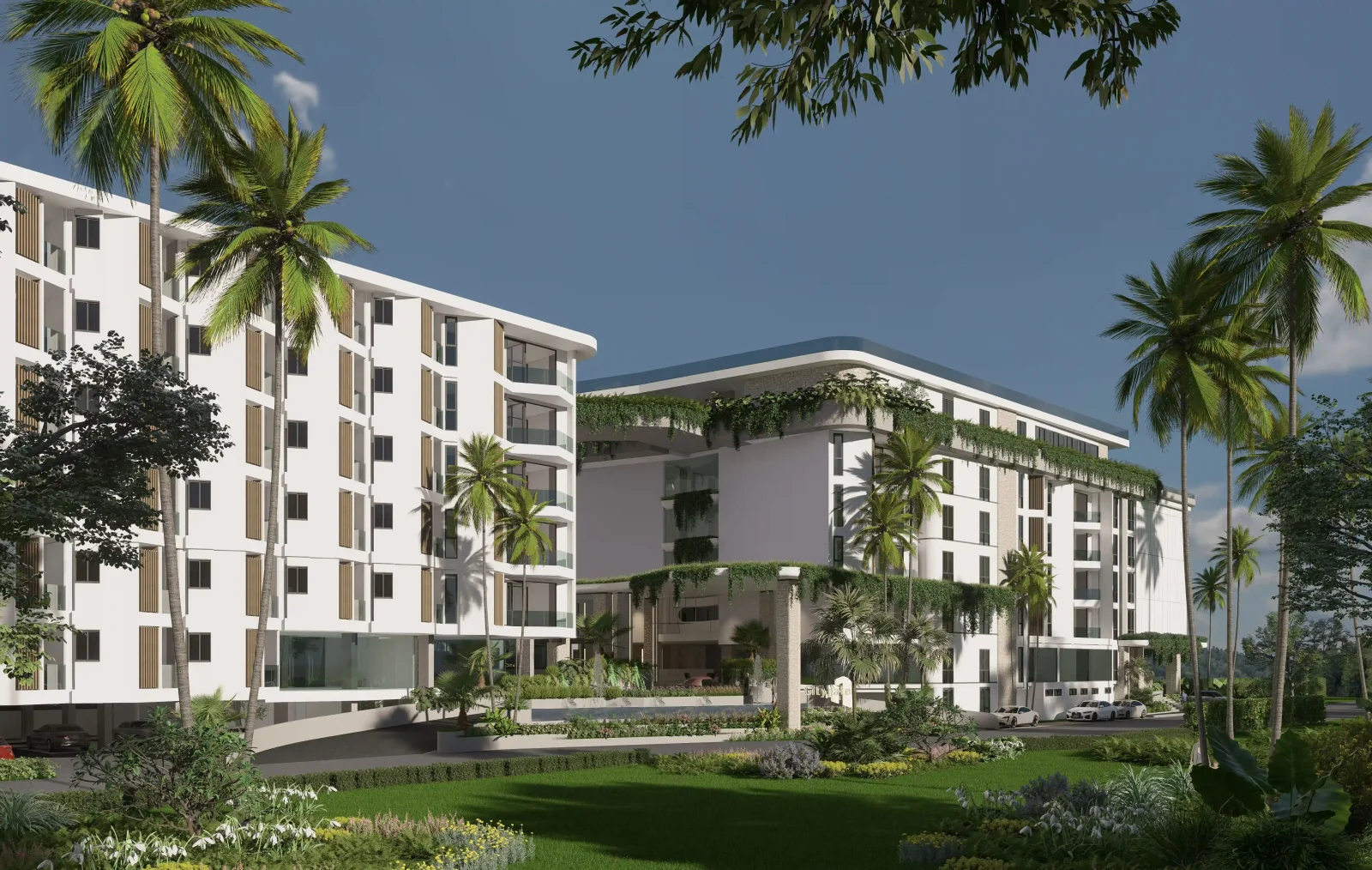
## Design & Units
The unit mix runs from compact 1BR apartments suited to single buyers or pure investment plays, through 2BR configurations that work for couples and small families, up to 3BR units with more generous living space and pricing that reaches 26.74M THB for the largest configurations. Throughout the range, the emphasis is on quality of finish rather than raw square footage, materials, fixtures, and kitchen and bathroom fittings are specified at a premium level that earns the PREMIUM classification. The building adds a gym and a kids' room.
| Layout | Units on our list | Size | Price (THB) | Per sqm (THB) |
|---|---|---|---|---|
| One-bedroom | 176 | 46 sqm | 6,210,000 - 7,360,000 | 135,000 - 160,000 |
| Two-bedroom | 10 | 72 sqm | 9,720,000 - 10,440,000 | 135,000 - 145,000 |
| Three-bedroom | 88 | 81 - 191 sqm | 10,935,000 - 26,740,000 | 135,000 - 160,000 |
Across the list the rate stays within 135,000 to 160,000 THB per square metre, so the choice between formats is a choice of size and position, and the three-bedrooms, 88 of them, make this one of the larger family-sized releases in Kamala.
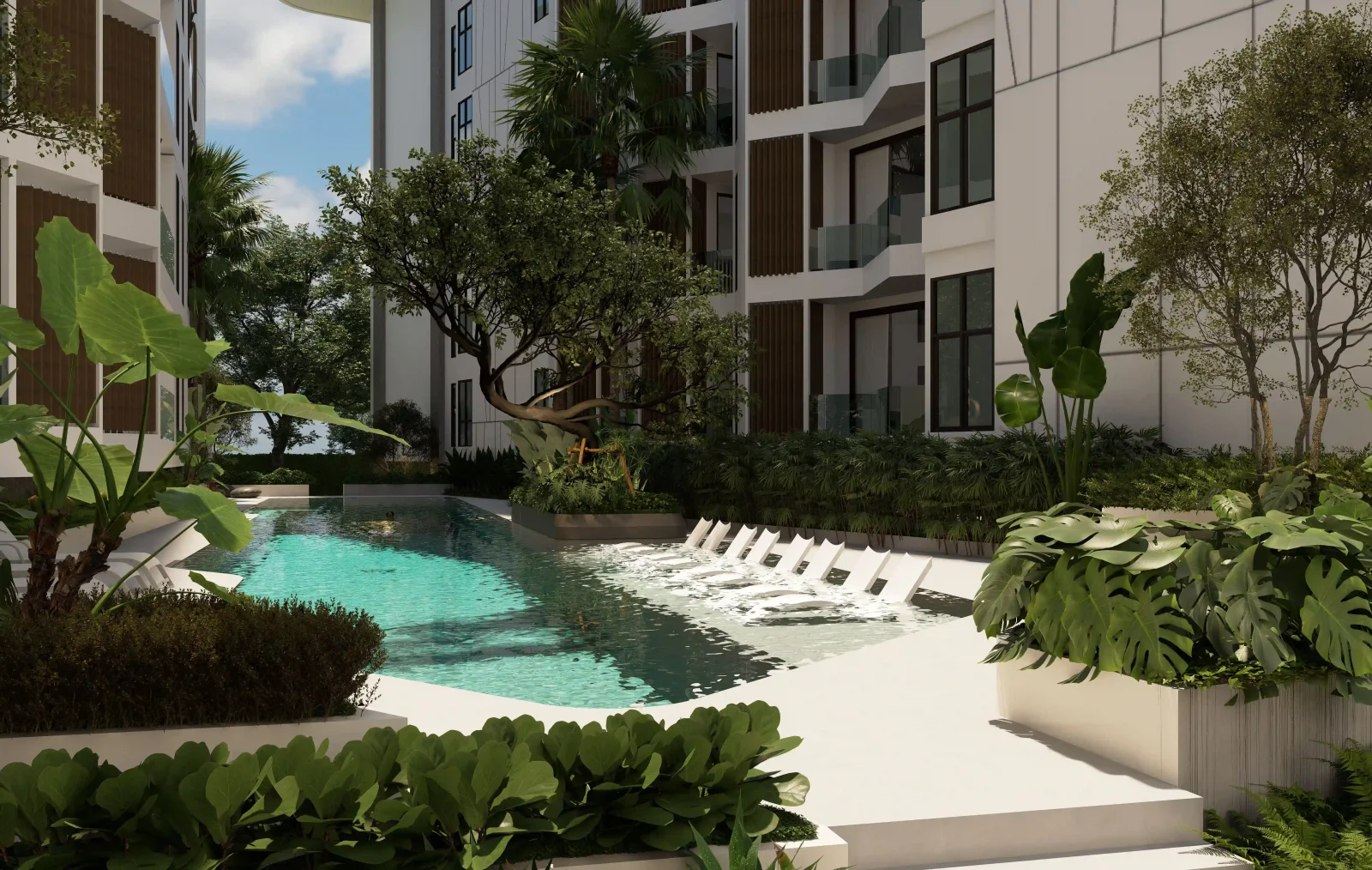
## Investment Case
Kamala's supply is constrained: the number of new projects reaching the market in any given year is low, which supports the value of quality buildings. For the off-plan buyer, the combination of below-completion pricing, the established CityGate brand behind the project and a location with little new supply makes a clear case for both rental income and capital value at exit.
## Who This Suits
**A yield buyer who will present the unit well.** Kamala rewards rate rather than volume, so the return comes from presentation, photography and an operator who fills the shoulder months as well as December to March. A professional shoot before the first listing is the best few hundred dollars an owner here spends.
**A hybrid owner.** Four to eight weeks of personal use in a quiet bay, let the rest, with the weeks chosen before handover so the peak nights stay available to guests.
**A family buyer,** choosing among the 88 three-bedrooms of 81 to 191 sqm.
## Kamala's Place on the West Coast
Kamala's supply is small, and that shapes the comparison a buyer runs. The competing stock is not other Kamala buildings, of which there are few, but the larger inventory in Patong and Kata a short drive south. On rate, a Kamala unit can hold a premium a Patong equivalent cannot, because the bay is quieter and the guest profile is different.
The attributes of the specific unit, aspect, floor, distance to the front and finish, carry real weight in a district with limited inventory, and we send them for every unit you shortlist, together with the season's figures for comparable units from a management company.
## CityGate De Phuket Among Kamala Condominiums
Kamala has only a handful of new condominium buildings, and buyers usually compare them side by side:
| Project | Stage | Entry on our list |
|---|---|---|
| [CityGate](/projects/citygate/) | Completed | 4,273,840 THB |
| [The Title Coralina](/projects/the-title-coralina/) | Under construction | 4,693,524 THB |
| Platinum Bay | Under construction | 4,900,000 THB |
| CityGate De Phuket | Under construction | 6,210,000 THB |
| [MGallery Residences MontAzure](/projects/mgallery-residences-montazure/) | Under construction | 10,535,275 THB |
CityGate De Phuket sits in the upper-middle of the bay's range, with larger one-bedrooms than most entry stock, a wellness focus and the widest choice of three-bedrooms in Kamala. The completed CityGate nearby shows the brand's finished work.
## Life in Kamala
Kamala is a village as much as a resort: a long, quiet beach, a strip of Thai and international restaurants and a relaxed local rhythm, with the headland villas of Millionaire's Mile above it. Mornings start with a swim or a walk along the sand, the beach clubs of Surin are a few minutes north, and Patong's shops and hospitals are just over the hill, which is why families, retirees and remote workers choose Kamala for long stays.
## Why Buyers Choose CityGate De Phuket
- Kamala rewards rate rather than volume, which suits an owner willing to present the unit well
- A wide price range in one building, from 6.21M to 26.74M THB, so the format can be matched to the budget
- Kamala is quieter than Patong and better connected than the far south
- About 14 minutes on foot to Kamala Beach
- A wellness-focused building with a gym and a kids' room
- A five-stage payment plan through the build
## The Payment Plan
| Stage | Share | On 6,210,000 THB |
|---|---|---|
| Booking | 30% | 1,863,000 THB |
| Construction milestone | 30% | 1,863,000 THB |
| Further milestone | 15% | 931,500 THB |
| Near completion | 15% | 931,500 THB |
| Transfer | 10% | 621,000 THB |
We send the schedule with the construction milestone each stage is tied to, together with the price list.
## Ownership, Quota and the Transfer
A foreign national can hold freehold title in a registered condominium within the building's 49% foreign quota, which Thai law measures by total floor area rather than by unit count, and we obtain written confirmation of the quota for your specific unit from the juristic office before the booking deposit.
Registration for a non-resident also requires the bank's FET record: the purchase funds enter Thailand in foreign currency from your own account and are converted onshore, and we plan the transfer with you so the record is ready for the Land Department.
## Buying CityGate De Phuket with MORE Group
A unit at CityGate De Phuket is bought in five steps, from the first price list to the keys, and we handle each of them with you.
{/* corpus-faq:citygate-de-phuket */}
## FAQ
### What is CityGate De Phuket and how does it differ from the original CityGate?
CityGate De Phuket is a newer off-plan condominium development in Kamala by the CityGate brand. The original CityGate is a completed project. The 'De' version represents the developer's next generation, updated design language, a stronger wellness focus, and fresh pricing for the current market cycle.
### What is the payment plan for CityGate De Phuket?
The payment structure is 30% booking deposit, 30% at construction milestones, 15% at further milestones, 15% near completion, and 10% on transfer. This five-stage plan is spread across the construction timeline, which helps buyers plan their capital deployment.
### Can foreigners buy a condo at CityGate De Phuket?
Yes. Under Thai law, foreigners can own condominium units in freehold as long as foreign ownership in the building does not exceed 49% of total area. CityGate De Phuket is structured as a condominium, so foreign freehold ownership is available, and we confirm the quota position for your unit before the booking.
### What rental income can I expect from CityGate De Phuket?
Kamala draws guests who pay for a quiet bay, with strong demand from November to April and long-stay guests in the green months. One-bedrooms suit couples and solo travellers, and the three-bedrooms suit families. We collect the season's figures for comparable Kamala units from a management company and build the net figure for your unit.
### Is CityGate De Phuket a good investment for 2026?
The project offers entry to a supply-constrained coastal market at off-plan pricing, which can bring appreciation between contract and completion, and the wellness-focused design fits the growing demand for long-stay living. We build the plan for your unit around your rental strategy, self-managed or with a management company.
### What stage is CityGate De Phuket at?
Construction is underway. We send the latest construction update together with the price list.
**Read Also:**
- [Complete Guide to Buying Property in Phuket](/guides/buying-property-phuket-guide/)
- [CityGate Kamala (Completed)](/projects/citygate/)
- [Capri Residences Kamala](/projects/capri-residences/)
- [Phuket Rental Yield 2026: Net Income by Area](/guides/phuket-rental-yield-complete-guide-2026/)
- [Best Areas in Phuket to Buy Property 2026](/guides/best-areas-phuket-buy-property/)
- [Kamala Beach Guide: Prices & Yield (2026)](/kamala-properties/)
# Citygate Phuket Review 2026: Prices, Units and Quota
> Citygate: completed one- and two-bedroom wellness condos in Kamala from 4.27M THB, resort amenities, and immediate ownership with no construction wait.
**Source:** https://moregroup.estate/projects/citygate/
**Section:** Project Reviews
**Author:** MORE Group Editorial
**Published:** 2026-04-08
**Updated:** 2026-08-23
---
## Citygate: Wellness Condo from 4.27M THB in Kamala Phuket
In Phuket's condo market, "completed" is one of the most valuable words a buyer can hear: you walk in, you see exactly what you're getting, and ownership can transfer quickly. Citygate is precisely that: a finished, wellness-focused condominium in the heart of Kamala, with one-bedroom units from 4.27 million THB and two-bedroom options up to 9.07 million THB. It was designed around a resort-style vision of daily living, comfort, health, and convenience in a quieter corner of Phuket that many expats and long-stay visitors quietly prefer over the louder west-coast alternatives. If you've been watching Kamala prices and waiting for the right completed product at a sensible entry point, Citygate is worth a close look.
## Location & Area
The beach itself, Kamala Beach, is a wide, gently curving bay that sees far less crowd pressure than Patong or Karon. The village behind it has a strong bohemian-expat identity: independent coffee shops, yoga studios, small restaurants run by long-term residents from a dozen different countries. It's a lifestyle choice as much as a location choice.
Phuket Fantasea, the large-scale cultural theme park, sits just north of the beach, a useful landmark for direction-giving and a sign that the area has tourist infrastructure without being consumed by it. The road north toward Surin and Millionaire's Mile is lined with some of Phuket's most desirable beach clubs, giving Kamala residents easy access to the best of the island's leisure scene.
Kamala has attracted a growing cohort of remote workers and families who want a genuine community feel alongside island living. Condo prices in the area have risen accordingly, making Citygate's pricing, particularly at the 1BR entry level, increasingly competitive against newer launches.
## Design & Units
The unit range covers two types. One-bedroom apartments occupy the lower end of the price spectrum (from 4.27M THB) and are suited to single buyers, couples, or investors targeting the island's significant one-bedroom short-term rental demand. Two-bedroom units, running to just over 9M THB, serve couples wanting a guest room or small families who want city-weekend functionality with resort-day amenity.
The wellness focus isn't just branding. Resort-style facilities, pool, gym, landscaped common areas, are the baseline expectation, but a wellness-oriented development typically layers on additional programming: fitness classes, spa access, nutritional food and beverage, and design choices (air quality, acoustics, lighting) that support genuine recovery. For buyers who are relocating full-time or spending extended months in Phuket, this matters more than it might for a pure rental investor buying sight-unseen.
The completed status removes the speculation from the equation. What you see in the sales gallery and on the tours is exactly what you'll own.
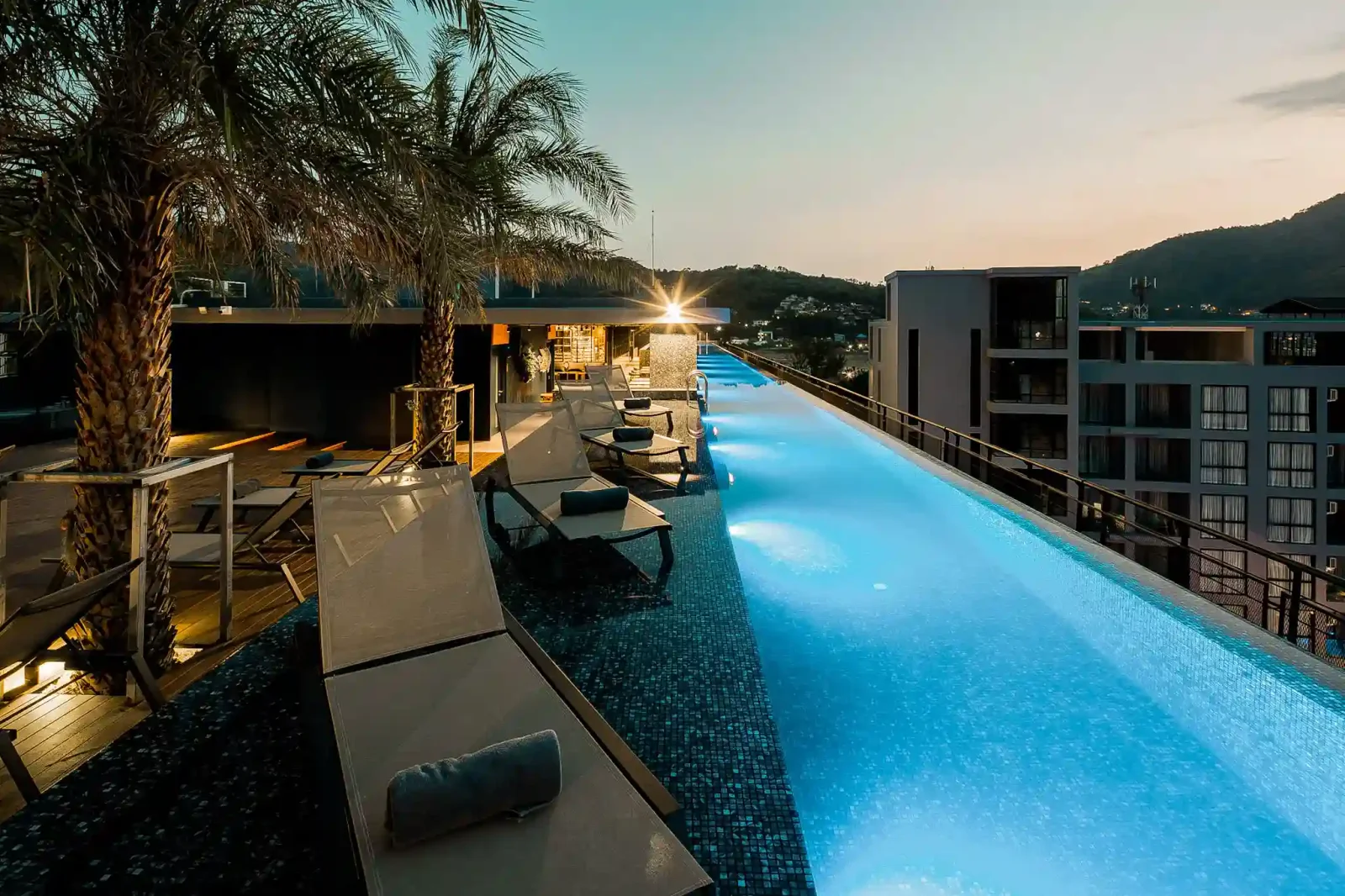
## Investment Case
The opportunity here is rental yield rather than speculative capital gain. Kamala's rental market is resilient: the area attracts long-stay visitors (one to three months), digital nomads on Thailand's LTR visa, and traditional short-term tourists who want a quieter experience than Patong. One-bedroom units in quality managed buildings in Kamala let well to couples and long-stay guests, and we collect the building's own letting records for your income plan.
At 4.27M THB entry, the absolute capital exposure is low enough that the rental income covers a meaningful portion of financing costs (for those using leverage through overseas mortgages or home-equity instruments). For cash buyers, the income case is straightforward.
Payment is 100% at transfer, as usual for a completed building, and we plan the transfer of funds and the currency conversion with you. We send the CAM rate, which covers the pool, the gym and the wellness facilities.
## The Records of a Finished Building
Citygate is finished, which replaces projections with records, and we collect them for you:
- **Twelve months of occupancy and achieved rates** for comparable units in the building, month by month, the clearest guide to what a unit earns.
- **The juristic person's accounts** for the last two or three years, with the sinking fund balance and the budget for the year.
- **A walk through the common areas,** the pool and the lobby that guests photograph, on your viewing.
## Kamala's rental profile
Kamala sits between Patong's density and Surin's exclusivity, on a long bay with a village behind it. That combination supports both demand models, which is unusual and is the area's main strength.
Nightly letting works, drawing couples and families who want a beach without Patong's intensity, with a pronounced seasonal pattern like the rest of the west coast. Long-stay letting works too, because the village behind the beach provides the everyday services a resident actually needs.
We confirm the building's letting position with the price list: the hotel licence route for stays under 30 days and the house rules, which together set the nightly route, alongside long-stay letting.
## Who Is This For?
**The yield-focused investor**, buyers who want a completed asset generating rental income from day one. Income can start as soon as the unit is furnished. The 1BR entry at 4.27M THB is one of the more accessible completed-condo investments in Kamala.
**The diversifier**, investors adding a relatively liquid, affordable Phuket condo to a broader portfolio. Completed assets resell cleanly, and Kamala's market has buyer depth on both the holiday and the long-stay side.
## Why Buyers Choose Citygate
- Completed, with a transfer that can happen within weeks
- The juristic accounts exist and can be read before you commit
- From 4.27M THB in Kamala, an address that usually costs more
- You see the finished product, including the common areas and the facilities
- Income can begin as soon as the unit is furnished
- About 14 minutes on foot to Kamala Beach, with a gym and coworking space in the building
## The Price List
| Layout | Units on our list | Size | Price (THB) | Per sqm (THB) |
|---|---|---|---|---|
| One-bedroom | 3 | 34 sqm | 4,273,840 - 4,317,966 | 126,072 |
| Two-bedroom | 4 | 69 sqm | 8,669,860 - 9,072,858 | 124,836 - 131,016 |
At about 126,000 to 131,000 THB per square metre, Citygate prices well below the newer launches in the bay, including its sister project [CityGate De Phuket](/projects/citygate-de-phuket/) at 135,000 and above, for a building that is already finished.
## Paying for a Completed Unit
A completed purchase in Thailand is short and clear. A reservation deposit holds the unit, the Sale and Purchase Agreement fixes the price and the transfer date, and the balance is paid at the Land Department on transfer day, where the title is registered in your name. For a freehold purchase the funds arrive from abroad in foreign currency, so the receiving bank issues the FET record the Land Department asks for, and the juristic person's letter confirms the seller's common charges are paid. The whole sequence usually takes a few weeks.
## Buying Citygate with MORE Group
Citygate is finished, so the purchase runs from the unit list to the keys in a few weeks, and we handle each step of it with you.
{/* corpus-faq:citygate */}
## FAQ
### Can foreigners buy a condo at Citygate?
Yes. Under Thai condominium law, foreigners can own up to 49% of a building's total unit area in freehold. Within Citygate's foreign quota, which we confirm for your unit, international buyers hold direct freehold title, the cleanest ownership structure available in Thailand.
### What rental income can I expect in Kamala?
One-bedroom units in Kamala let well in the holiday market and with the growing long-stay segment, and two-bedrooms suit families. Citygate is finished, so we collect twelve months of records for comparable units in the building and build the net figure for your unit after management fees and maintenance.
### Is 100% payment on transfer standard for completed condos?
Yes, when buying a completed resale property in Thailand, full payment is typically due at transfer rather than in stages. Unlike off-plan purchases where staged payments track construction progress, completed property transactions work similarly to standard real estate purchases elsewhere. We plan the transfer of funds and the currency conversion with you.
### What wellness amenities does Citygate offer?
Citygate is positioned as a wellness-focused development with resort-style facilities including a pool, fitness centre, and landscaped communal areas. For precise details on any spa programming, wellness classes, or F&B offerings, contact the MORE Group team for the current amenity list and building status.
### How does Kamala compare to other Phuket areas for property investment?
Kamala sits between Patong (high traffic, strong short-term rental demand, older stock) and Surin/Bang Tao (higher prices, stronger capital appreciation trend, more new supply). Kamala offers a middle path: accessible pricing, stable demand, and a character that suits long-stay tenants. Its case is balanced and steady, especially for completed assets at reasonable entry prices.
**Read Also:**
- [Complete Guide to Buying Property in Phuket](/guides/buying-property-phuket-guide/)
- [Apple House, Kamala Property](/projects/apple-house/)
- [Citygate De Phuket](/projects/citygate-de-phuket/)
- [Best Areas in Phuket to Buy Property 2026](/guides/best-areas-phuket-buy-property/)
- [Kamala Beach Guide: Prices & Yield (2026)](/kamala-properties/)
- [Foreign Quota in Thai Condominiums](/guides/foreign-quota-thai-condominiums/)
# Cloud by Season Pasak: Private Pool Villa at 65.5M THB
> Cloud by Season Luxury Villas: a single two-storey pool villa of about 650 sqm in Pasak, Cherngtalay, with four ensuite bedrooms and a fifth room, at 65.5M THB.
**Source:** https://moregroup.estate/projects/cloud-by-season-luxury-villas/
**Section:** Project Reviews
**Author:** MORE Group Editorial
**Published:** 2026-04-08
**Updated:** 2026-08-23
---
## What Is Cloud by Season?
Cloud by Season is one house, built for one family. The ground floor opens into generous living and dining spaces under high ceilings, and large glass doors join the interiors to the terrace, the garden and the private pool. The four main bedrooms each have their own bathroom, a fifth room adds space for guests, a study or staff, and there is a maid's room and a guest bathroom, so the house works as easily for a quiet week as for a full house.
Because it stands alone, the villa carries no shared common-area fees. Bang Tao and Layan beaches, Boat Avenue, Porto de Phuket, Blue Tree and HeadStart International School are all within easy reach. Season Luxury Villas also builds [Autumn Villa](/projects/autumn-villa-by-season-luxury-villas/) and [Wintery by Season](/projects/wintery-by-season-luxury-villas/) nearby.
## What Are the Key Facts for Cloud by Season?
| Factor | Detail |
| --- | --- |
| Developer | Season Luxury Villas |
| Location | Pasak, Cherngtalay |
| Villa | One two-storey private pool villa, A1 |
| Bedrooms | Four ensuite bedrooms plus a fifth room |
| Built area | About 650 sqm |
| Plot | About 560 sqm |
| Price | 65,500,000 THB |
| Extras | Maid's room, guest bathroom, parking for up to four cars |
| Common fees | None shared |
| Payment | 30% / 20% / 20% / 20% / 10% |
| Stage | Under construction |
| Beach | About 11 minutes by car |
## Location: Pasak, Between Bang Tao and Layan
Pasak is a green residential part of Cherngtalay, close to the schools, shops and beach clubs that make the Bang Tao area one of Phuket's favourite places to live.
- **Bang Tao and Layan beaches:** about 11 minutes by car
- **Boat Avenue and Porto de Phuket:** restaurants and shopping, with the nearest mall about 6 minutes by car
- **Blue Tree Phuket:** the water park and leisure complex nearby
- **HeadStart International School:** within easy reach
- **Laguna Phuket:** golf, spas and beach clubs
- **Airport:** about 24 minutes by car
Days here combine the privacy of a large house with everything the west coast offers: the school run and the shops are minutes away, and the beach clubs and restaurants of Bang Tao are close enough for any evening. The [Layan area guide](/areas/layan-property-guide/) covers the district in more detail.
## Villa and Price
| Villa | Bedrooms | Built area | Plot | Price |
| --- | --- | --- | --- | --- |
| A1 | Four ensuite plus a fifth room | About 650 sqm | About 560 sqm | 65,500,000 THB |
Villa A1 is a single house of about 650 sqm, and the price covers the whole home, with no shared estate around it. We send the plans of both floors, the plot and the specification, and arrange a viewing of the site.
## Design and Villa
- **Two storeys** in a modern tropical style
- **Open-plan living and dining** under high ceilings
- **Large glass doors** to the terrace and garden
- **Four ensuite bedrooms** plus a fifth room
- **Maid's room** and a guest bathroom
- **Private swimming pool** and landscaped garden
- **Covered parking** for up to four cars
- **No shared common-area fees**
- **Pet-friendly**
## Living at Cloud by Season
A house of this size gives every member of the family their own space. The children have the pool and the garden, guests have their own ensuite rooms, and the maid's room lets the house run smoothly through a long season. With no neighbours sharing the grounds, the terrace and the garden stay entirely private, and the restaurants of Boat Avenue and the beaches of Bang Tao and Layan are only minutes away when you want company.
## Five-Stage Payment Plan
The price is paid in five stages: 30%, three stages of 20% and 10%. For villa A1 at 65,500,000 THB that works out as follows:
| Stage | Share | Amount |
| --- | --- | --- |
| 1 | 30% | 19,650,000 THB |
| 2 to 4 | 20% each | 13,100,000 THB each |
| 5 | 10% | 6,550,000 THB |
The schedule follows the build and leaves 10% for handover. We send the developer's schedule for the villa with the plans.
## Why Buyers Choose Cloud by Season
- **A single private villa**, with no shared estate
- **About 650 sqm** with four ensuite bedrooms and a fifth room
- **Maid's room** and parking for up to four cars
- **No shared common-area fees**
- **Bang Tao, Layan, schools and Boat Avenue** close by
- **Pet-friendly**
## Who Cloud by Season Suits
**Large families** who want five rooms, staff quarters and a pool in complete privacy.
**Owners who entertain**, with space for guests and a house that runs easily.
**Families with children at school** in the Bang Tao area.
**Buyers who prefer a standalone home** to a villa inside a larger estate.
## Renting Out Cloud by Season
A large private pool villa near Bang Tao and Layan appeals to families and groups on holiday in the November to April season, and to relocating families who rent for a longer stay. The privacy of a standalone house and the space for everyone under one roof are what guests value most.
If you plan to let the villa, we collect current asking rents and holiday rates for comparable large villas around Bang Tao and send them with the plans. [Our rental guide](/guides/phuket-rental-yield-complete-guide-2026/) explains how to read a rental offer line by line.
## Ownership for Foreign Buyers
At Cloud by Season, as with any villa in Thailand, you buy land plus a building. The house can be held in your own name over a lease of the plot registered at the Land Office, 30 years per registration with renewal terms in the contract, or the land can be held through a Thai company with genuine Thai shareholders. [Freehold and leasehold in Thailand](/guides/freehold-vs-leasehold-thailand/) explains both routes, and we prepare the one that suits you with our legal support.
## Cloud by Season and Other Luxury Villas
| Project | From | Status |
| --- | --- | --- |
| [Laguna Lakelands Waterfront Villas](/projects/laguna-lakelands-waterfront/) | 54,800,000 THB | Off-plan |
| [Poetry Villas](/projects/poetry-villas/) | 55,699,000 THB | Off-plan |
| [Canopy Hills Villas](/projects/canopy-hills-villas/) | 56,519,000 THB | Off-plan |
| [Punyisa Bang Jo](/projects/punyisa-bang-jo/) | 61,266,000 THB | Off-plan |
| Cloud by Season | 65,500,000 THB | Off-plan |
| [Botanica Sky Valley](/projects/botanica-sky-valley/) | 74,449,000 THB | Off-plan |
Cloud by Season stands out in this group as a single standalone villa with no shared fees. We send the price lists of any of these projects on request and arrange viewings.
## Buying Cloud by Season with MORE Group
The villa is bought in five steps, from the first price list to the keys, and we are with you through each of them.
## What We Send Before You Reserve
- The plans of both floors, the plot and the specification
- The five-stage payment schedule for the villa
- The ownership structure for your purchase, leasehold or company, with the documents it needs
- The latest construction update
{/* corpus-faq:cloud-by-season-luxury-villas */}
## FAQ
### What does Cloud by Season cost?
Villa A1, a two-storey house of about 650 sqm on a plot of about 560 sqm, is on our price list at 65,500,000 THB.
### How many bedrooms does it have?
Four ensuite bedrooms plus a fifth room, with a maid's room and a guest bathroom.
### Are there shared common-area fees?
No. Cloud by Season is a single standalone villa, so there are no shared common-area fees.
### What is the payment plan?
Five stages: 30%, three stages of 20% and 10% at handover. For the villa that means 19,650,000 THB at the first stage and 6,550,000 THB at handover.
### How can foreigners own the villa?
The house can be held in your own name over a lease of the plot registered at the Land Office, 30 years per registration with renewal terms in the contract, or the land can be held through a Thai company with genuine Thai shareholders. We prepare the structure with our legal support.
**Read Also:**
- [Autumn Villa by Season](/projects/autumn-villa-by-season-luxury-villas/)
- [Wintery by Season](/projects/wintery-by-season-luxury-villas/)
- [Villas for Sale in Bang Tao](/bang-tao-properties/)
- [Freehold vs Leasehold in Thailand](/guides/freehold-vs-leasehold-thailand/)
- [How Foreigners Buy Phuket Property 2026](/guides/buying-property-phuket-guide/)
- [Phuket Rental Yield Guide](/guides/phuket-rental-yield-complete-guide-2026/)
# Clover Residence Phuket: Pool Villas from 43.6M THB
> Clover Residence: 33 completed pool villas next to HeadStart school in Cherng Talay; our price list holds four and five-bedrooms from 43.6M THB.
**Source:** https://moregroup.estate/projects/clover-residence/
**Section:** Project Reviews
**Author:** MORE Group Editorial
**Published:** 2026-04-08
**Updated:** 2026-10-25
---
## What Is Clover Residence?
Clover Residence is a family estate in the heart of the Bang Tao and Cherng Talay district. Each villa is a two-storey house with an open-plan layout that joins the living spaces to the terrace and the private pool, a fully equipped kitchen, high-end finishes and a modern interior, with bedrooms sized for a family and its guests.
The location is made for family life: HeadStart International School is next door, Blue Tree, the island's family lifestyle park, is a short drive away, and Bang Tao Beach, Boat Avenue and Laguna Phuket are close by. Because the estate is finished, you can walk through the villa you like, see the garden and the pool, and move in after transfer.
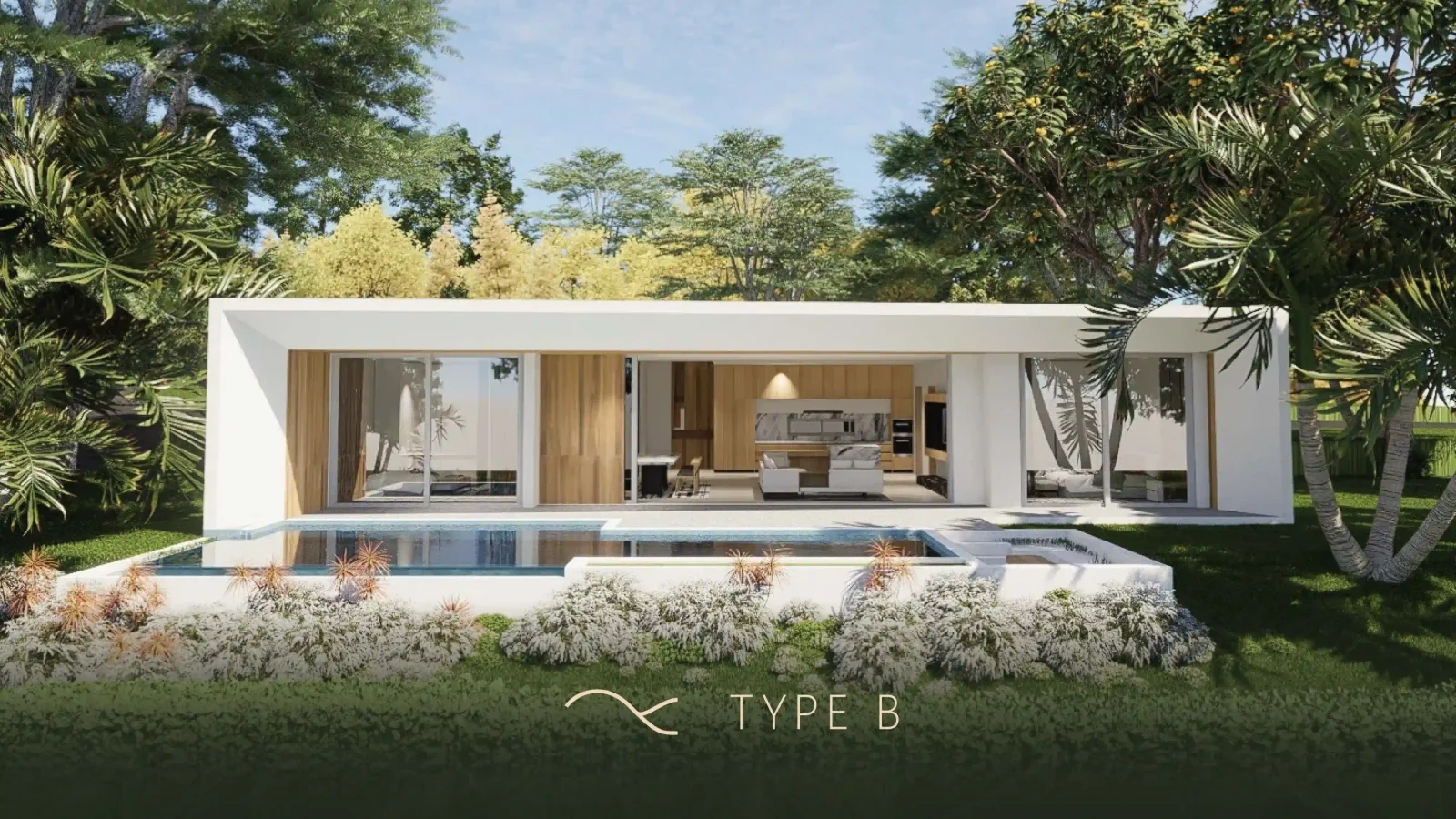
## What Are the Key Facts for Clover Residence?
| Factor | Detail |
| --- | --- |
| Location | Cherng Talay, Si Sunthon, next to HeadStart International School |
| Developer | GOOD TEAM 888 |
| Estate | 33 two-storey pool villas |
| Status | Completed, August 2024 |
| Villas | 6 on our price list |
| Four-bedroom | 398 sqm, 43,600,000 THB |
| Five-bedroom | 655 to 851 sqm, 66,288,000 to 93,880,000 THB |
| Three-bedroom | About 351 sqm, not on our price list; portals from about 27.9M THB |
| Price per sqm | About 93,400 to 110,300 THB |
| Beach | About 11 minutes by car |
| Airport | About 30 to 40 minutes by car |
## Location: Next to HeadStart, Near Blue Tree
Clover Residence sits in one of the most practical family locations on the island, between the schools, the lifestyle parks and the beaches of the west coast.
- **HeadStart International School:** about 20 metres from the estate
- **Blue Tree Phuket:** a short drive, with its lagoon, water sports, restaurants and family activities
- **Bang Tao Beach:** about 11 minutes by car
- **Boat Avenue and Porto de Phuket:** shopping, cafes and restaurants, with the nearest mall about 7 minutes by car
- **Laguna Phuket:** golf, hotels and beach clubs along Bang Tao Bay
- **Airport:** about 30 to 40 minutes by car
For a family this means a short school run, weekends at Blue Tree and the beach, and everything for daily life within a few minutes. The [Bang Tao and Layan area guide](/bang-tao-properties/) covers the district in more detail.
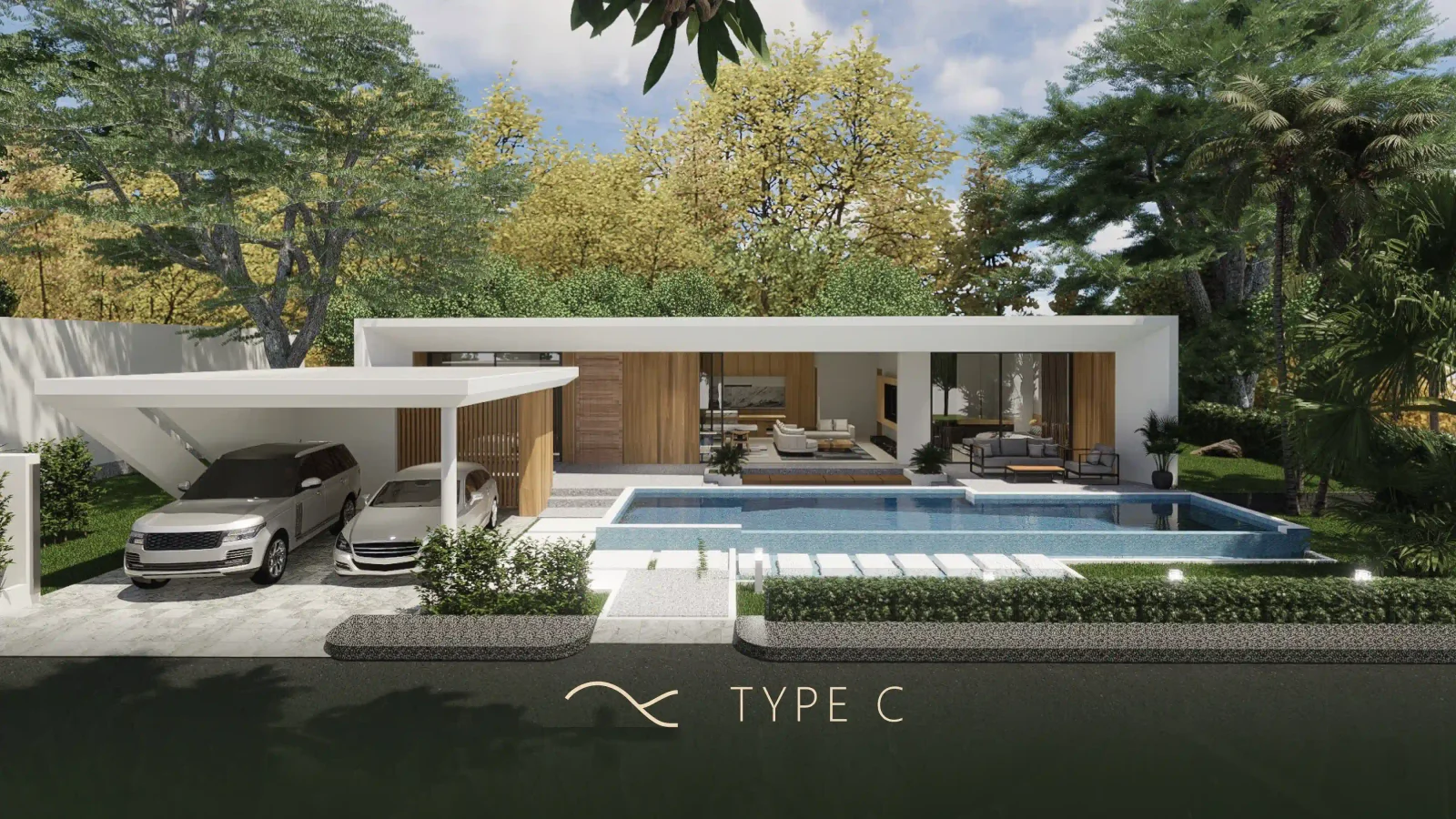
## Villas and Prices
| Villa | Bedrooms | Size | Price |
| --- | --- | --- | --- |
| B22 | Four | 398 sqm | 43,600,000 THB |
| E8 | Five | 655 sqm | 66,288,000 THB |
| E9 | Five | 655 sqm | 66,288,000 THB |
| A10 | Five | 737 sqm | 68,888,000 THB |
| S74 | Five | 851 sqm | 90,880,000 THB |
| S75 | Five | 851 sqm | 93,880,000 THB |
B22, the four-bedroom villa at 43,600,000 THB, is the most accessible way into the estate. The E and A villas are five-bedroom family houses of 655 to 737 sqm, and S74 and S75 are the largest homes on the list at 851 sqm each, at about 106,800 to 110,300 THB per square metre. Across the list the rate runs from about 93,400 THB per square metre, so the larger houses give a great deal of space for the price. We send the plot area and plan of each villa with the price list.
## Design and Villas
- **Two-storey pool villas** with open-plan living
- **Private swimming pool** and a spacious terrace
- **Fully equipped kitchen** and high-end finishes
- **Four or five bedrooms**, with room for family and guests
- **Modern interiors** that blend indoor and outdoor living
- **Pet-friendly estate**
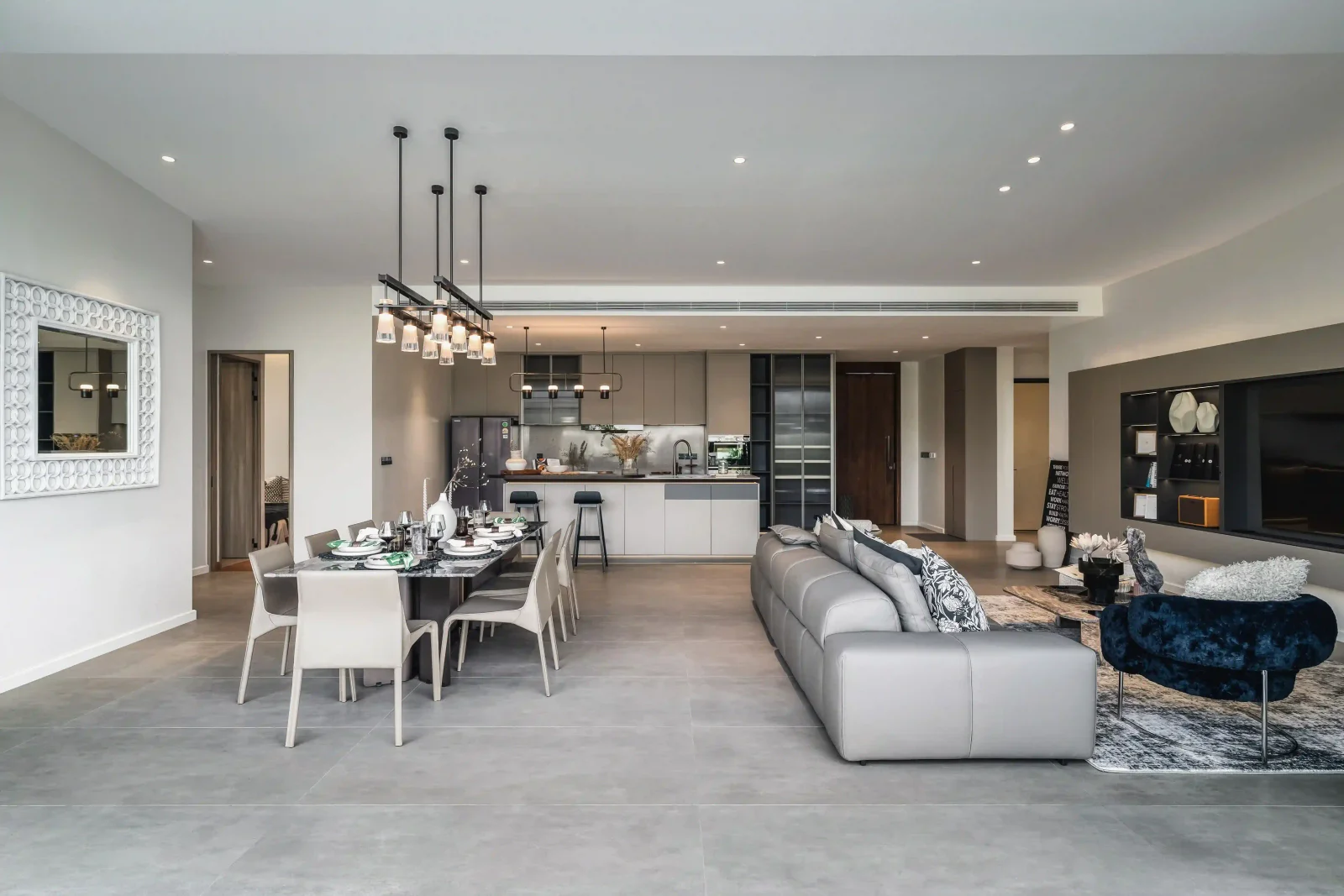
## Family Life Around the Estate
Weekday mornings start with a short drive to school, and afternoons can end at Blue Tree a short drive away, where children swim and play in the lagoon park. Weekends belong to the west coast: a morning on Bang Tao Beach, lunch at Boat Avenue and a sunset at one of the beach clubs along the bay.
## What "Completed" Means for the Buyer
- **No waiting:** move in or let the villa right after transfer
- **See before you buy:** walk through the villa, the garden and the pool in person
- **Settled in the neighbourhood:** the schools, Blue Tree and the shops are already part of daily life
- **Clear running costs:** the estate's common charges are known and can be read before you reserve
## Why Buyers Choose Clover Residence
- **Completed villas** ready to move in
- **Next to HeadStart International School**, a short drive from Blue Tree
- **Large family houses:** 398 to 851 sqm
- **Four or five bedrooms** with private pools and terraces
- **High-end finishes** and fully equipped kitchens
- **Pet-friendly**
## Who Clover Residence Suits
**Families relocating to Phuket** who want a finished house near an international school and ready for the new school year.
**Large households** who need five bedrooms and room for guests.
**Buyers who want to see before they buy** and move in without waiting for construction.
**Villa rental investors** aiming at families and groups who book large pool villas near Bang Tao.
## Renting Out a Villa at Clover Residence
A four or five-bedroom pool villa near Blue Tree and the schools appeals to relocating families who rent for a school year or longer, and to families and groups on holiday in the November to April season. As the estate is completed, the villa can be let from the day of transfer.
If you plan to let the villa at Clover Residence, we collect current asking rents and holiday rates for comparable villas around Bang Tao and send them with the price list. [Our rental guide](/guides/phuket-rental-yield-complete-guide-2026/) explains how to read a rental offer line by line.
## Ownership for Foreign Buyers
At Clover Residence, as with any villa in Thailand, you buy land plus a building. The house can be held in your own name over a lease of the plot registered at the Land Office, 30 years per registration with renewal terms in the contract, or the land can be held through a Thai company with genuine Thai shareholders. [Freehold and leasehold in Thailand](/guides/freehold-vs-leasehold-thailand/) explains both routes, and we prepare the one that suits you with our legal support.
## Clover Residence and Other Villas Around Bang Tao
| Project | From | Status |
| --- | --- | --- |
| Wintery by Season Luxury Villas | 34,131,900 THB | Completed |
| Clover Residence | 43,600,000 THB | Completed |
| [Manick Hillside II](/projects/manick-hillside-ii/) | 45,000,000 THB | Off-plan |
| [Nature's Rest Villa Cherngtalay](/projects/natures-rest-villa-cherngtalay/) | 46,500,000 THB | Off-plan |
| [Stella Estate](/projects/stella-estate/) | 47,900,000 THB | Off-plan |
| [Erawana Grand](/projects/erawana-grand/) | 49,500,000 THB | Completed |
Clover Residence is one of the completed estates in this group, with the largest houses on the list. We send the price lists of any of these projects on request and arrange viewings.
## Buying Clover Residence with MORE Group
A villa at Clover Residence is bought in five steps, from the first price list to the keys, and we are with you through each of them.
## What We Send Before You Reserve
- The current price list with free villas, built and plot areas, and plans
- The payment terms for your villa
- The ownership structure for your purchase, leasehold or company, with the documents it needs
- The estate's common charges
- Current asking rents and holiday rates for comparable villas, if you plan to rent
{/* corpus-faq:clover-residence */}
## FAQ
### What does Clover Residence cost?
Our price list holds six villas: B22, a four-bedroom house of 398 sqm at 43,600,000 THB, and five-bedroom houses of 655 to 851 sqm from 66,288,000 to 93,880,000 THB.
### Is Clover Residence completed?
Yes. The estate of 33 two-storey pool villas is finished, so you can view the villa in person and move in or let it after transfer.
### Where is Clover Residence?
In Cherng Talay, about 20 metres from HeadStart International School and a short drive from Blue Tree. Bang Tao Beach is about 11 minutes by car and the airport about 30 to 40 minutes.
### How many bedrooms do the villas have?
The villas on our price list have four or five bedrooms, each with a private pool and a spacious terrace. The estate also has three-bedroom villas of about 351 sqm, listed on property portals from about 27.9 million THB.
### How can foreigners own a villa at Clover Residence?
The house can be held in your own name over a lease of the plot registered at the Land Office, 30 years per registration with renewal terms in the contract, or the land can be held through a Thai company with genuine Thai shareholders. We prepare the structure with our legal support.
**Read Also:**
- [How Foreigners Buy Phuket Property 2026](/guides/buying-property-phuket-guide/)
- [Cloud by Season Luxury Villas](/projects/cloud-by-season-luxury-villas/)
- [Aurora Villa](/projects/aurora-villa/)
- [Freehold vs Leasehold in Thailand](/guides/freehold-vs-leasehold-thailand/)
- [Phuket Rental Yield Guide](/guides/phuket-rental-yield-complete-guide-2026/)
- [The Buying Process in Thailand, Step by Step](/guides/due-diligence-process-thailand-step-by-step/)
# Cohiba Villas Layan Phuket Review 2026, Luxury Hillside
> Full review of Cohiba Villas in Layan, Phuket: 11 exclusive pool villas with sea views and premium finishes. Prices from 71M THB and investment case.
**Source:** https://moregroup.estate/projects/cohiba-villas/
**Section:** Project Reviews
**Author:** MORE Group Editorial
**Published:** 2026-04-02
**Updated:** 2026-08-21
---
11 luxury pool villas on a Layan hillside, sea and valley views. 3 to 6-bedroom layouts, 832-1,437 m² built-up area. Prices from 71M to 105M THB. Payment plan: 10-20-15-15-15-15-10. 8 minutes by car to Layan Beach, 27 minutes to the airport. Solar panels, saltwater pools, smart-home features included.
## A Hillside Estate Above Layan Beach
The location sits at a rare intersection: far enough from the tourist bustle of Patong or Karon to feel genuinely private, yet close enough to Laguna Phuket, Boat Avenue, and Porto de Phuket to make daily life effortless. The project record puts Layan Beach eight minutes away by car, about half an hour on foot, and the airport twenty-seven minutes north. This is the kind of neighbourhood where international buyers buy once and stay for decades.
What makes Cohiba Villas stand out is not just the address. It is the deliberate restraint of scale. Eleven villas. No more. That scarcity, combined with unobstructed sea views from most plots, creates a private estate atmosphere that larger developments simply cannot replicate.
## Why Cohiba Villas Deserves Attention?
### Materials That Last
The developer has not cut corners on specification. Travertine flooring, granite countertops, and solid hardwood detailing run throughout. These are materials you find in genuinely luxury residential projects in Bangkok or Singapore, deployed here in a tropical villa context. The combination ages well and commands premium rental rates from the discerning guests who stay at properties like this.
### Infrastructure Built In
Solar panels, saltwater pool systems, smart-home automation, and high-speed internet connectivity are not optional upgrades at Cohiba Villas, they are standard. For a buyer focused on long-term ownership costs and attractiveness to the short-term rental market, this matters. Solar brings electricity bills down meaningfully over years. Saltwater pools are gentler on equipment and on guests. Smart home features are increasingly expected by high-net-worth renters.
### Gated and Genuinely Private
Twenty-four-hour security, CCTV, and a gated perimeter are standard. But the genuine privacy at Cohiba comes from the fact that the estate has just 11 residents. There are no anonymous crowds, no hotel lobby buzzing with strangers. It is a neighbourhood in the true sense, small, high-calibre, and quiet.
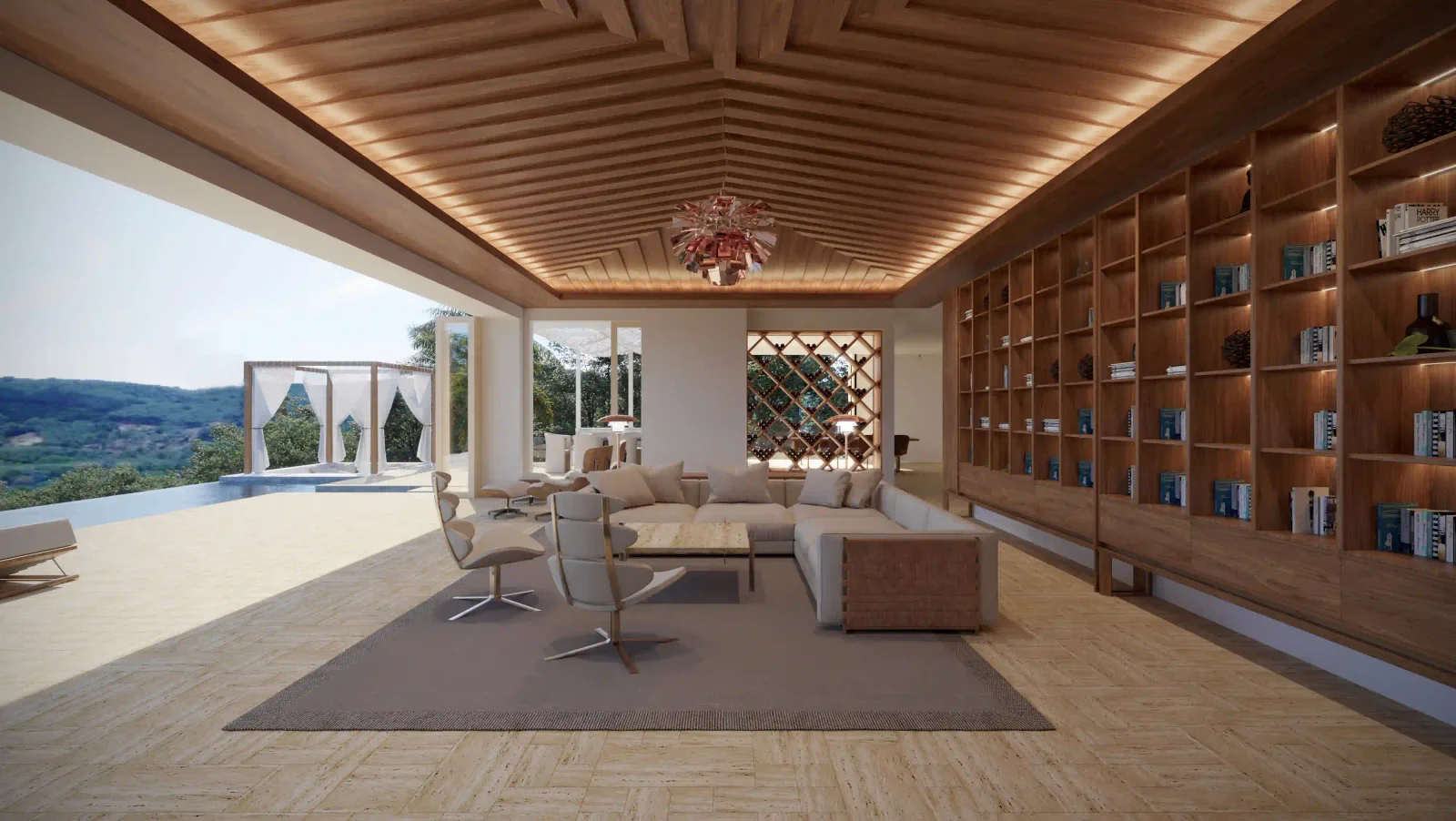
## Pricing and Payment Plan
| Unit | Bedrooms | Area | Price |
|---|---|---|---|
| Villa 11 | 3 BR | 855 m² | 71,000,000 THB |
| Villa 10 | 3 BR | 855 m² | 78,000,000 THB |
| Villa 9 | 4 BR | 832 m² | 78,000,000 THB |
| Villa 2 | 5 BR | 680 m² | 78,000,000 THB |
| Villa 3 | 5 BR | 680 m² | 85,000,000 THB |
| Villa 7 | 3 BR | 921 m² | 105,000,000 THB |
| Villa 6 | 4 BR | 1,242 m² | 105,000,000 THB |
| Villa 1 | 4 BR | 1,437 m² | 105,000,000 THB |
Read that table by the right-hand pair rather than the left. The rate runs from 73,069 THB per square metre on Villa 1 to 125,000 on Villa 2, which is a 71% spread inside one estate of eleven houses, and it moves in the opposite direction to size: **the three largest villas are the three cheapest square metres, and the two smallest are the two dearest.**
| Villa | Area | Price | Per square metre |
|---|---|---|---|
| Villa 1 | 1,437 m² | 105,000,000 THB | 73,069 THB |
| Villa 11 | 855 m² | 71,000,000 THB | 83,041 THB |
| Villa 6 | 1,242 m² | 105,000,000 THB | 84,541 THB |
| Villa 10 | 855 m² | 78,000,000 THB | 91,228 THB |
| Villa 9 | 832 m² | 78,000,000 THB | 93,750 THB |
| Villa 7 | 921 m² | 105,000,000 THB | 114,007 THB |
| Villa 2 | 680 m² | 78,000,000 THB | 114,706 THB |
| Villa 3 | 680 m² | 85,000,000 THB | 125,000 THB |
Three villas sit at exactly 105,000,000 THB and they are 921, 1,242 and 1,437 square metres. That is 516 square metres of difference for the same money, which tells you the price is being set by plot, aspect and view rather than by the house. Two villas share 855 m² and are 7,000,000 THB apart; two share 680 m² and are 7,000,000 apart.
So each villa is best understood on its own plot: what Villa 7 offers against Villa 1, which is 516 square metres larger at the same price, such as an unbroken line to the water, a wider frontage or the top position on the estate. We walk the plots with you so the difference is visible on site.
**Payment schedule:** 10% reservation → 20% contract → 15% foundation → 15% structure → 15% roof → 15% fit-out → 10% handover.
Seven tranches, and unusually only 10% at reservation, with 30% committed by contract. Most of the money is released against construction stages rather than at either end, which is a buyer-friendly shape: it keeps 70% of the price tied to visible progress and leaves 10% as retention at handover.
Each of the five middle tranches is released by a certified building stage, and we go through the schedule with you before the first payment.
## Investment Case
At this level the value of a villa lies in the house, the plot and the view as much as in the rental figure.
The supply position is the heart of the case: eleven villas, a hillside where flat buildable land is finite, and no second phase behind them. That suits a long hold, with letting income covering part of the cost of owning the house, and for owners who plan to let we collect twelve months of real figures on a comparable Layan house from a villa manager.
## How a Foreign Buyer Owns a Villa Here
Foreigners do not hold freehold title to Thai land, and these are houses on plots, so the villa is owned through one of two lawful routes.
You either register a lease against the plot and hold the building itself in your own name, or put the land into a Thai company in which you hold shares. Both are standard at this level.
A lease registers for 30 years per term, and a "30+30+30" structure is one registered term followed by two contractual renewals. We set out with you who grants the renewals and how they pass on with the land, and prepare the documents with our legal support. A company route needs genuine Thai shareholders with a real role in the company, and we explain how such a company is set up and run.
## Eleven Villas at Resale
Scarcity here is genuine. Eleven sea-view villas in Layan, with the corridor's land constraints, means no phase two competing with your resale and little prospect of comparable product appearing nearby.
At 71M THB the next buyer is someone who specifically wants a Layan sea-view villa, found through agent networks over a season rather than a quick portal listing. It is a purchase for a long hold, and we send recent completed sales of comparable Layan villas so you see the market in real transactions.
## Who Should Buy at Cohiba Villas?
**Rental investors** targeting the ultra-luxury short-term market. Guests who pay 50,000-100,000 THB+ per night expect exactly what Cohiba delivers: private pool, sea view, premium finishes, smart home comfort, and absolute privacy.
**Portfolio investors** diversifying into trophy real estate in Southeast Asia. With only 11 units and a premium Layan address, Cohiba Villas will likely never be a commodity. Its scarcity is a permanent feature.
## MORE Group Assessment
The price range, 71M to 105M THB, positions this firmly in the ultra-luxury segment. Buyers should have clarity on their use case: personal residence, rental investment, or portfolio asset. All three are valid; the analysis for each looks different.
The estate is close to handover, so buyers entering now have little of the build left to wait for.
**Overall rating: 9 / 10**, exceptional location, rare sea views, low supply, premium specification.
## Buying Cohiba Villas with MORE Group
A villa at Cohiba is bought in five steps, from the first price list to the keys, and we are with you through each of them.
{/* corpus-faq:cohiba-villas */}
## FAQ
### What is the minimum price at Cohiba Villas in 2026?
The entry price is 71,000,000 THB for a 3-bedroom villa (Villa 11, 855 m²). The most affordable sea-view configuration begins at this level.
### What stage is Cohiba Villas at?
Construction is underway and the estate is close to handover. We send the latest construction update together with the price list.
### Can foreigners buy a villa at Cohiba Villas?
Yes. Foreign nationals typically purchase through a Thai company structure or on a 30-year leasehold (extendable). Our legal partners can advise on the best structure for your situation.
### What is the rental yield potential for Cohiba Villas?
Conservative gross rental yield projections for luxury pool villas in the Layan area range from 5% to 7% per annum with professional management. Sea-view villas command premium nightly rates.
### Is Cohiba Villas close to international schools?
Yes. The Choeng Thale / Laguna area has several international schools within a 15-20 minute drive, including British, American, and IB-curriculum options.
### How do I arrange a site visit to Cohiba Villas?
Contact MORE Group directly. We can arrange viewings, provide current availability, and share the full developer documentation package at no cost to you.
**Read Also:**
- [What Layan costs, and who buys on the hillside](/areas/layan-property-guide/)
- [Island Collection, another small Layan estate](/projects/island-collection/)
- [Cloud by Season, a Layan comparison at a different scale](/projects/cloud-by-season-luxury-villas/)
- [What a foreign buyer registers on a villa plot](/guides/freehold-vs-leasehold-thailand/)
- [The buying process step by step](/guides/due-diligence-process-thailand-step-by-step/)
# College Villas Phase II: 3-Bed Townhouses from 9.5M THB
> College Villas Phase II review: 32 two-storey townhouses with three bedrooms near UWC Thailand in Thep Krasattri, gated and pet-friendly, from 9.5M THB.
**Source:** https://moregroup.estate/projects/college-villas-phase-ii/
**Section:** Project Reviews
**Author:** MORE Group Editorial
**Published:** 2026-04-08
**Updated:** 2026-08-23
---
## What Is College Villas Phase II?
College Villas Phase II is designed around family life near school. Each home has an open-plan living and dining area with a modern kitchen on the ground floor, three bedrooms upstairs, a master suite with its own bathroom and private balcony, a guest toilet, a laundry and storage area, and private parking. The estate is gated, with 24-hour security and CCTV, and its community layout suits families, school staff and anyone who wants a practical home in the green north of the island.
The name says it all: the homes stand a short distance from UWC Thailand, one of Phuket's international schools, and from Thanyapura, the sports and wellness centre with its pools, tracks and academies. For families who organise their day around the school run and after-school sport, the location is hard to match.
## What Are the Key Facts for College Villas Phase II?
| Factor | Detail |
| --- | --- |
| Location | Thep Krasattri, Thalang |
| Community | 32 semi-detached townhouses, gated |
| Homes | 26 on our price list |
| Layout | Two storeys, three bedrooms, three bathrooms |
| Size | 158 to 172 sqm |
| Price range | 9,500,000 to 11,700,000 THB |
| Price per sqm | About 60,100 to 68,000 THB |
| Payment | 30% / 30% / 30% / 10% |
| Security | 24 hours with CCTV |
| Stage | Under construction |
| Airport | About 17 minutes by car |
## Location: Thep Krasattri, the School and Sports District
Thep Krasattri is the green, residential heart of Thalang, and it has become one of the island's most popular addresses for families. Its great draw is education and sport.
- **UWC Thailand International School:** a short distance from the estate
- **Thanyapura Sports and Health Centre:** pools, athletics, tennis and sports academies close by
- **Everyday shopping:** on the doorstep, with supermarkets and markets across Thalang
- **Golf:** several of the island's golf clubs within easy reach
- **Layan and Bang Tao beaches:** about 24 minutes by car
- **Airport:** about 17 minutes by car
Daily life here follows a family rhythm: school in the morning, sport in the afternoon, and the beaches of the west coast for weekends. The [Layan area guide](/areas/layan-property-guide/) covers the wider district.
## Homes and Prices
All 26 homes on our price list have three bedrooms and three bathrooms:
| Homes | Price |
| --- | --- |
| D3, D4, D5, D6 | 9,500,000 THB |
| C1 to C10, C13 to C18, C22 | 11,500,000 THB |
| C19, C20, C21 | 11,600,000 THB |
| C23, C26 | 11,700,000 THB |
The four homes in row D, at 9,500,000 THB, are the most accessible way into the community. The C homes, from 11,500,000 THB, make up most of the list and give a wide choice of position within the estate. At about 60,100 to 68,000 THB per square metre, College Villas offers a full family house for the price of a large apartment on the coast. We send the plan and position of each home with the price list.
## Design and Homes
- **Two storeys** with living spaces downstairs and bedrooms upstairs
- **Open-plan living and dining** with a modern kitchen
- **Three bedrooms and three bathrooms**
- **Master suite** with an ensuite bathroom and a private balcony
- **Guest toilet** and a laundry and storage area
- **Private parking** for each home
- **Gated estate** with 24-hour security and CCTV
- **Pet-friendly**
The semi-detached format is what makes a three-bedroom family house with its own parking possible at this price, close to the schools.
## Four-Stage Payment Plan
The price is paid in four stages: 30%, 30%, 30% and 10%. For a home at 9,500,000 THB that works out as follows:
| Stage | Share | Amount |
| --- | --- | --- |
| 1 | 30% | 2,850,000 THB |
| 2 | 30% | 2,850,000 THB |
| 3 | 30% | 2,850,000 THB |
| 4 | 10% | 950,000 THB |
Three equal payments during construction and 10% at handover make the plan simple to follow. We send the developer's schedule for your home with the price list.
## Why Buyers Choose College Villas Phase II
- **Near UWC Thailand** and Thanyapura Sports Centre
- **A family house from 9,500,000 THB**
- **Three bedrooms and three bathrooms** in every home
- **A gated community** with 24-hour security
- **Private parking** and a master suite with balcony
- **Pet-friendly**
- **Airport about 17 minutes** by car
## Who College Villas Phase II Suits
**Families relocating to Phuket** with children at UWC Thailand or other schools in the north.
**Sport-focused families** who train at Thanyapura and want to live close by.
**School staff and professionals** who want a practical home near work.
**Rental investors** aiming at relocating families who rent for a full school year or longer.
## Renting Out a Home at College Villas
Families who move to Phuket for school often rent first, and a three-bedroom house near UWC Thailand and Thanyapura is exactly what they look for. Tenancies usually run for a school year or longer, which means one tenant, one contract and little turnover. Many relocating families also travel with a dog or a cat, and the pet-friendly estate welcomes them.
For owners who plan to rent, we collect current asking rents for comparable family homes in Thalang and send them with the price list. [Our rental guide](/guides/phuket-rental-yield-complete-guide-2026/) explains how to read a rental offer line by line.
## Ownership for Foreign Buyers
At College Villas Phase II, as with any house in Thailand, you buy land plus a building. The house can be held in your own name over a lease of the plot registered at the Land Office, 30 years per registration with renewal terms in the contract, or the land can be held through a Thai company with genuine Thai shareholders. [Freehold and leasehold in Thailand](/guides/freehold-vs-leasehold-thailand/) explains both routes, and we prepare the one that suits you with our legal support.
## College Villas and Other Family Homes in the North
| Project | From | Status |
| --- | --- | --- |
| [Anasiri Paklok](/projects/anasiri-paklok/) | 5,490,000 THB | Completed |
| [Akara Pool Villas](/projects/akara-pool-villas/) | 9,000,000 THB | Off-plan |
| College Villas Phase II | 9,500,000 THB | Off-plan |
| [Aileen Residence Lagoon](/projects/aileen-residence-lagoon/) | 10,150,000 THB | Off-plan |
| [Narinsaya Pool Villas](/projects/narinsaya-pool-villas/) | 12,500,000 THB | Off-plan |
| [Monstera Nature](/projects/monstera-nature/) | 12,900,000 THB | Off-plan |
College Villas stands out in this group for its closeness to UWC Thailand and Thanyapura. We send the price lists of any of these projects on request and arrange viewings.
## Buying College Villas Phase II with MORE Group
A home at College Villas Phase II is bought in five steps, from the first price list to the keys, and we are with you through each of them.
## What We Send Before You Reserve
- The current price list with free homes and plans
- The four-stage payment schedule for your home
- The ownership structure for your purchase, leasehold or company, with the documents it needs
- The estate's common charges
- The latest construction update
- Current asking rents for comparable family homes, if you plan to rent
{/* corpus-faq:college-villas-phase-ii */}
## FAQ
### What does College Villas Phase II cost?
Our price list holds 26 three-bedroom townhouses: four at 9,500,000 THB in row D, and the C homes from 11,500,000 to 11,700,000 THB.
### Which schools are near College Villas Phase II?
UWC Thailand International School is a short distance away, and Thanyapura Sports and Health Centre is close by. Other schools in the north of the island are within a short drive.
### What is the layout of the homes?
Two storeys with an open-plan living and dining area and a modern kitchen downstairs, three bedrooms and three bathrooms, a master suite with ensuite and balcony, a guest toilet, a laundry and storage area, and private parking. The homes measure 158 to 172 sqm.
### What is the payment plan?
Four stages: 30%, 30%, 30% and 10%. For a home at 9,500,000 THB that means 2,850,000 THB at each of the first three stages and 950,000 THB at handover.
### How can foreigners own a home at College Villas Phase II?
The house can be held in your own name over a lease of the plot registered at the Land Office, 30 years per registration with renewal terms in the contract, or the land can be held through a Thai company with genuine Thai shareholders. We prepare the structure with our legal support.
**Read Also:**
- [How Foreigners Buy Phuket Property 2026](/guides/buying-property-phuket-guide/)
- [Anasiri Paklok](/projects/anasiri-paklok/)
- [Charn Baan Saiyuan](/projects/charn-baan-saiyuan/)
- [Freehold vs Leasehold in Thailand](/guides/freehold-vs-leasehold-thailand/)
- [Phuket Rental Yield Guide](/guides/phuket-rental-yield-complete-guide-2026/)
- [The Buying Process in Thailand, Step by Step](/guides/due-diligence-process-thailand-step-by-step/)
# Crown Estate Dulwich Road: Houses from 9.55M THB
> Crown Estate Dulwich Road: British-contemporary family houses and villas in Ko Kaeo near the schools of central Phuket, with a communal pool, from 9.55M THB.
**Source:** https://moregroup.estate/projects/crown-estate-dulwich-road/
**Section:** Project Reviews
**Author:** MORE Group Editorial
**Published:** 2026-04-08
**Updated:** 2026-10-07
---
## What Is Crown Estate Dulwich Road?
Crown Estate Dulwich Road brings a touch of British-contemporary style to the family district of Ko Kaeo. The detached houses and villas are designed for everyday family life, with practical layouts, bedrooms for every member of the family and gardens of their own, in a calm, semi-urban setting close to everything a family needs.
Residents share a communal swimming pool and resort-style facilities, and the international schools, hospitals, supermarkets and marinas of central Phuket are all a short drive away. For families who want a house rather than an apartment, near the schools and at an accessible price, it is one of the most practical options on the island.
## What Are the Key Facts for Crown Estate Dulwich Road?
| Factor | Detail |
| --- | --- |
| Location | Ko Kaeo, central Phuket |
| Community | About 108 detached houses and villas |
| Layouts | Three and four bedrooms |
| On our price list | 14 houses |
| Built area | 178 to 320 sqm |
| Price | 9,550,000 to 27,000,000 THB |
| Payment | 30% / 20% / 15% / 15% / 10% / 10% |
| Stage | Under construction |
| Beach | About 27 minutes by car |
| Airport | About 39 minutes by car |
| Design | British-contemporary |
| Facilities | Communal swimming pool, resort-style facilities |
## Location: Ko Kaeo, Phuket's Family District
Ko Kaeo is where many of Phuket's resident families live: green and quiet, with international schools, marinas, hospitals and shopping close together.
- **International schools:** within a short drive
- **Boat Lagoon and Royal Phuket Marina:** sailing and boat trips
- **Shopping:** the nearest mall about 10 minutes by car
- **Phuket Town:** services and the old town a short drive away
- **West-coast beaches:** about 27 minutes by car
- **Airport:** about 39 minutes by car
From Crown Estate, the nearest beach about 27 minutes by car, the nearest mall about 10 minutes and the airport about 39 minutes, so everyday errands, school runs and trips home are easy to plan.
Family life here is easy to organise: the school run is short, the shops and hospitals are close, and the marinas and beaches make the weekend. The [Zenithy La Ville page](/projects/zenithy-la-ville/) shows another family collection in the same district.
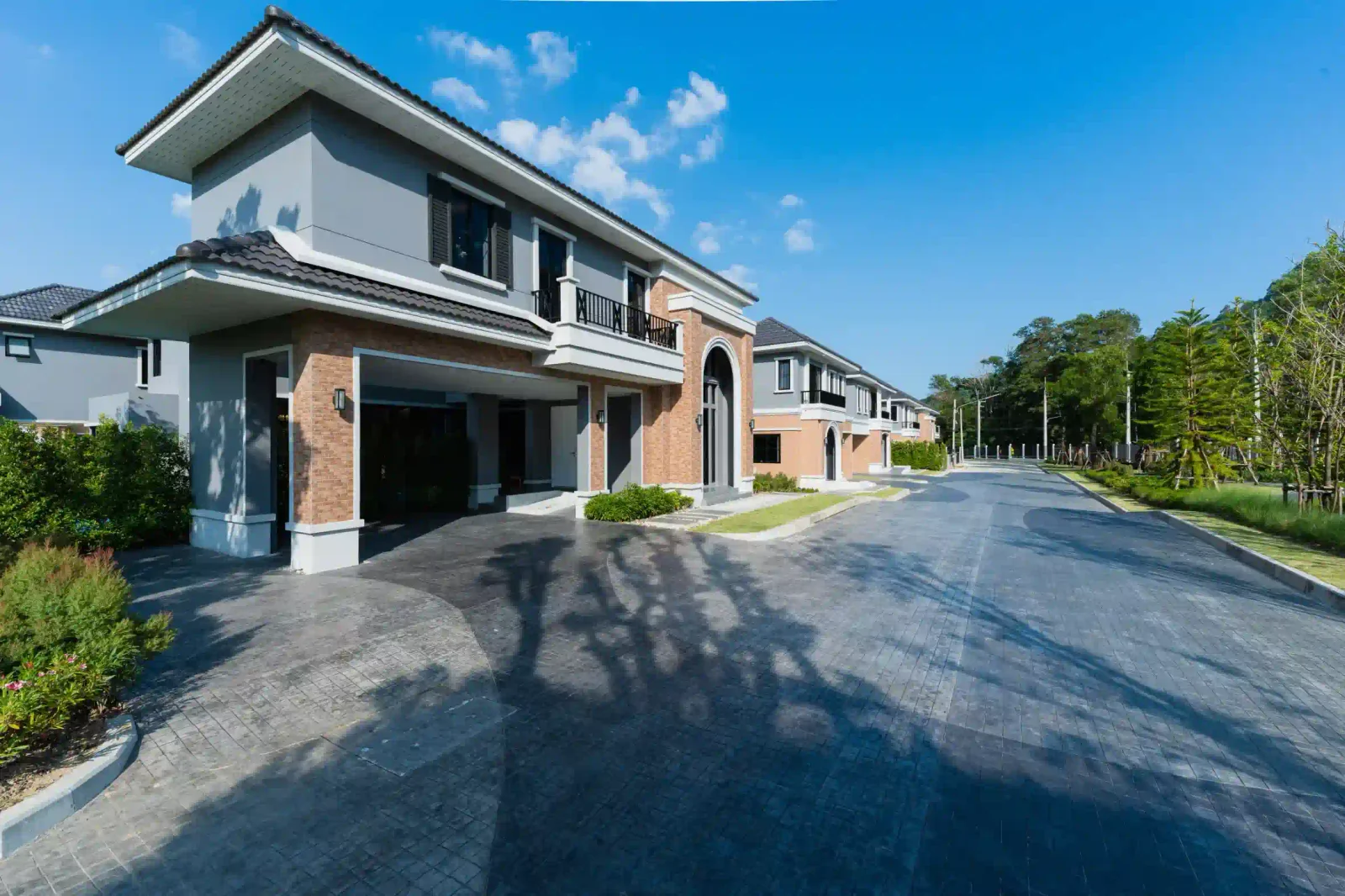
## Houses and Prices
| Houses | Built area | Price |
| --- | --- | --- |
| 51, 47, 49, 50 | 178 to 248 sqm | 9,550,000 to 16,550,000 THB |
| 10 houses | 320 sqm | 20,230,000 to 27,000,000 THB |
House 51 of 178 sqm opens the list at 9,550,000 THB, and the houses of 195 and 248 sqm follow from 10,750,000 THB. The larger houses of 320 sqm, from 20,230,000 THB up to 27,000,000 THB, give growing families more room. We send the plan, the bedroom layout and the plot of each house with the list, and arrange a viewing of the estate. Seeing the streets, the gardens and the communal pool in person is the best way to choose between the house types and the positions on the estate.
## Design and Facilities
- **British-contemporary design**
- **Detached houses and villas**
- **Three and four-bedroom layouts**
- **Private gardens**
- **Communal swimming pool**
- **Resort-style facilities** for residents
- **Pet-friendly**
## Living at Crown Estate
Family days at Crown Estate are practical and relaxed. The school run takes minutes, the supermarket and the pharmacy are close, and after school the children have the garden at home and the communal pool with their friends. At weekends the marinas of Boat Lagoon and Royal Phuket Marina open the way to the islands, and the beaches of the west coast are a drive away. For families moving to Phuket for work or school, a detached house near the schools makes settling in simple.
## Six-Stage Payment Plan
The price is paid in six stages: 30%, 20%, 15%, 15%, 10% and 10%. For a house at 9,550,000 THB that works out as follows:
| Stage | Share | Amount |
| --- | --- | --- |
| 1 | 30% | 2,865,000 THB |
| 2 | 20% | 1,910,000 THB |
| 3 and 4 | 15% each | 1,432,500 THB each |
| 5 and 6 | 10% each | 955,000 THB each |
The schedule follows the build, and we send the developer's schedule for your house with the price list.
## Why Buyers Choose Crown Estate Dulwich Road
- **A detached family house** from 9,550,000 THB
- **Near the international schools** of central Phuket
- **Communal pool** and resort-style facilities
- **Marinas, hospitals and shops** close by
- **British-contemporary design**
- **Pet-friendly**
## Who Crown Estate Dulwich Road Suits
**Families with school-age children** who want a house near the schools of central Phuket.
**Families relocating to Phuket** for work or school who want a detached home.
**First-time house buyers** who want an accessible entry into a villa community.
**Rental investors** aiming at relocating families who rent for a school year or longer.
## Renting Out a House at Crown Estate
A family house near the international schools of Ko Kaeo appeals to relocating families and professionals who rent for a school year or longer. Long lets suit the neighbourhood well and keep turnover low.
If you plan to let your house at Crown Estate Dulwich Road, we collect current asking rents for comparable houses in Ko Kaeo and send them with the price list. [Our rental guide](/guides/phuket-rental-yield-complete-guide-2026/) explains how to read a rental offer line by line.
## Ownership for Foreign Buyers
At Crown Estate Dulwich Road, as with any villa in Thailand, you buy land plus a building. The house can be held in your own name over a lease of the plot registered at the Land Office, 30 years per registration with renewal terms in the contract, or the land can be held through a Thai company with genuine Thai shareholders. [Freehold and leasehold in Thailand](/guides/freehold-vs-leasehold-thailand/) explains both routes, and we prepare the one that suits you with our legal support.
## Crown Estate and Other Homes in Central Phuket
| Project | From | Status |
| --- | --- | --- |
| Crown Estate Dulwich Road | 9,550,000 THB | Off-plan |
| [Setthasiri Kohkaew Retreat](/projects/setthasiri-kohkaew-retreat/) | 16,800,000 THB | Off-plan |
| [D'Chateau Kathu](/projects/d-chateau-kathu/) | 18,900,000 THB | Off-plan |
| [Zenithy La Ville](/projects/zenithy-la-ville/) | 19,425,000 THB | Off-plan |
| [Mouana Residence Ko Kaeo](/projects/mouana-residence-ko-kaeo/) | 19,900,000 THB | Off-plan |
Crown Estate stands out in this group as the most accessible detached family house near the schools. We send the price lists of any of these projects on request and arrange viewings.
## Buying Crown Estate Dulwich Road with MORE Group
A house at Crown Estate is bought in five steps, from the first price list to the keys, and we are with you through each of them.
## What We Send Before You Reserve
- The current price list for Crown Estate Dulwich Road with free houses, plot areas and plans
- The six-stage payment schedule for your house
- The ownership structure for your purchase, leasehold or company, with the documents it needs
- The community's common charges
- The latest construction update
{/* corpus-faq:crown-estate-dulwich-road */}
## FAQ
### What does Crown Estate Dulwich Road cost?
Our price list holds 14 houses: houses of 178 to 248 sqm from 9,550,000 to 16,550,000 THB; houses of 320 sqm from 20,230,000 to 27,000,000 THB.
### Where is Crown Estate Dulwich Road?
In Ko Kaeo, central Phuket, close to international schools, hospitals, shopping and the marinas. The nearest mall is about 10 minutes by car and the airport about 39 minutes.
### What facilities does the estate have?
A communal swimming pool and resort-style facilities for residents, with private gardens at the houses.
### What is the payment plan?
Six stages: 30%, 20%, 15%, 15%, 10%, 10%. For a house at 9,550,000 THB that means 2,865,000 THB at the first stage.
### How can foreigners own a house at Crown Estate Dulwich Road?
The house can be held in your own name over a lease of the plot registered at the Land Office, 30 years per registration with renewal terms in the contract, or the land can be held through a Thai company with genuine Thai shareholders. We prepare the structure with our legal support.
**Read Also:**
- [Zenithy La Ville](/projects/zenithy-la-ville/)
- [Mouana Residence Ko Kaeo](/projects/mouana-residence-ko-kaeo/)
- [Freehold vs Leasehold in Thailand](/guides/freehold-vs-leasehold-thailand/)
- [How Foreigners Buy Phuket Property 2026](/guides/buying-property-phuket-guide/)
- [Phuket Rental Yield Guide](/guides/phuket-rental-yield-complete-guide-2026/)
# D'Chateau Kathu: Four-Bed Pool Villas from 18.9M THB
> D'Chateau Kathu: 15 two-storey pool villas with four bedrooms in the green hills of Kathu, near the golf courses and schools, from 18.9M THB.
**Source:** https://moregroup.estate/projects/d-chateau-kathu/
**Section:** Project Reviews
**Author:** MORE Group Editorial
**Published:** 2026-04-08
**Updated:** 2026-08-23
---
## What Is D'Chateau Kathu?
D'Chateau Kathu is a family home away from the tourist traffic. On the ground floor, a spacious living and dining area and a Western kitchen open straight onto the private pool, and a guest bedroom with its own bathroom makes visits easy. Upstairs, the master bedroom has a walk-in closet, a jacuzzi bathtub and a private balcony, alongside two further bedrooms and a flexible family area.
The design is contemporary tropical, with natural and dark materials, large panoramic windows and glass doors. Outside, each villa has a pool terrace, a landscaped garden and covered parking, and the community is gated with CCTV. The golf courses of Kathu are close by, and Patong, Phuket Town and the marinas are all within an easy drive.
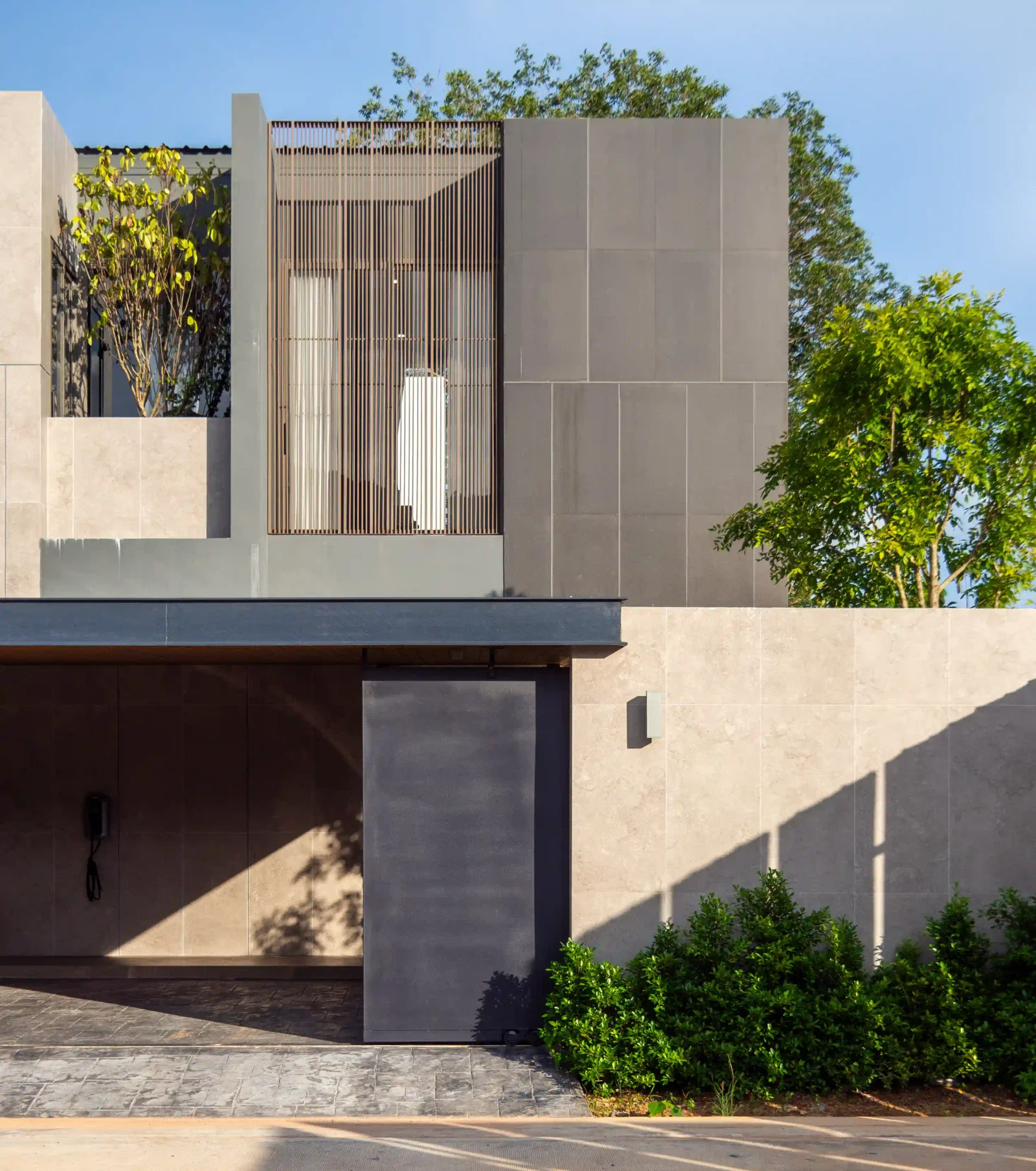
## What Are the Key Facts for D'Chateau Kathu?
| Factor | Detail |
| --- | --- |
| Location | The hills of Kathu, central Phuket |
| Community | 15 two-storey private pool villas, gated |
| On our price list | 6 villas |
| Bedrooms | Four, with a guest suite on the ground floor |
| 330 sqm villas | U3 to U7, 18,900,000 THB each |
| Villa U1/U2 | 29,900,000 THB |
| Features | Private pool, jacuzzi bathtub, balcony, garden, parking |
| Payment | 30% / 15% / 15% / 15% / 15% / 10% |
| Stage | Under construction |
| Airport | About 45 minutes by car |
## Location: Kathu, the Green Centre of the Island
Kathu is the green valley between Patong and Phuket Town, home to the island's best-known golf courses and a favourite with residents who want calm without being far from anything.
- **Golf courses:** several close by in the Kathu valley
- **International schools:** within easy reach
- **Phuket Town and Central Phuket:** shopping and services, with the nearest mall about 15 minutes by car
- **Marinas:** a drive to the east coast
- **Patong and the west-coast beaches:** about 24 minutes by car
- **Airport:** about 45 minutes by car
Days here start with a round of golf or a swim in your own pool, continue with errands in Phuket Town, and end with dinner on the terrace or by the sea in Patong. The [guide to the best areas to buy in Phuket](/guides/best-areas-phuket-buy-property/) compares Kathu with the other districts.
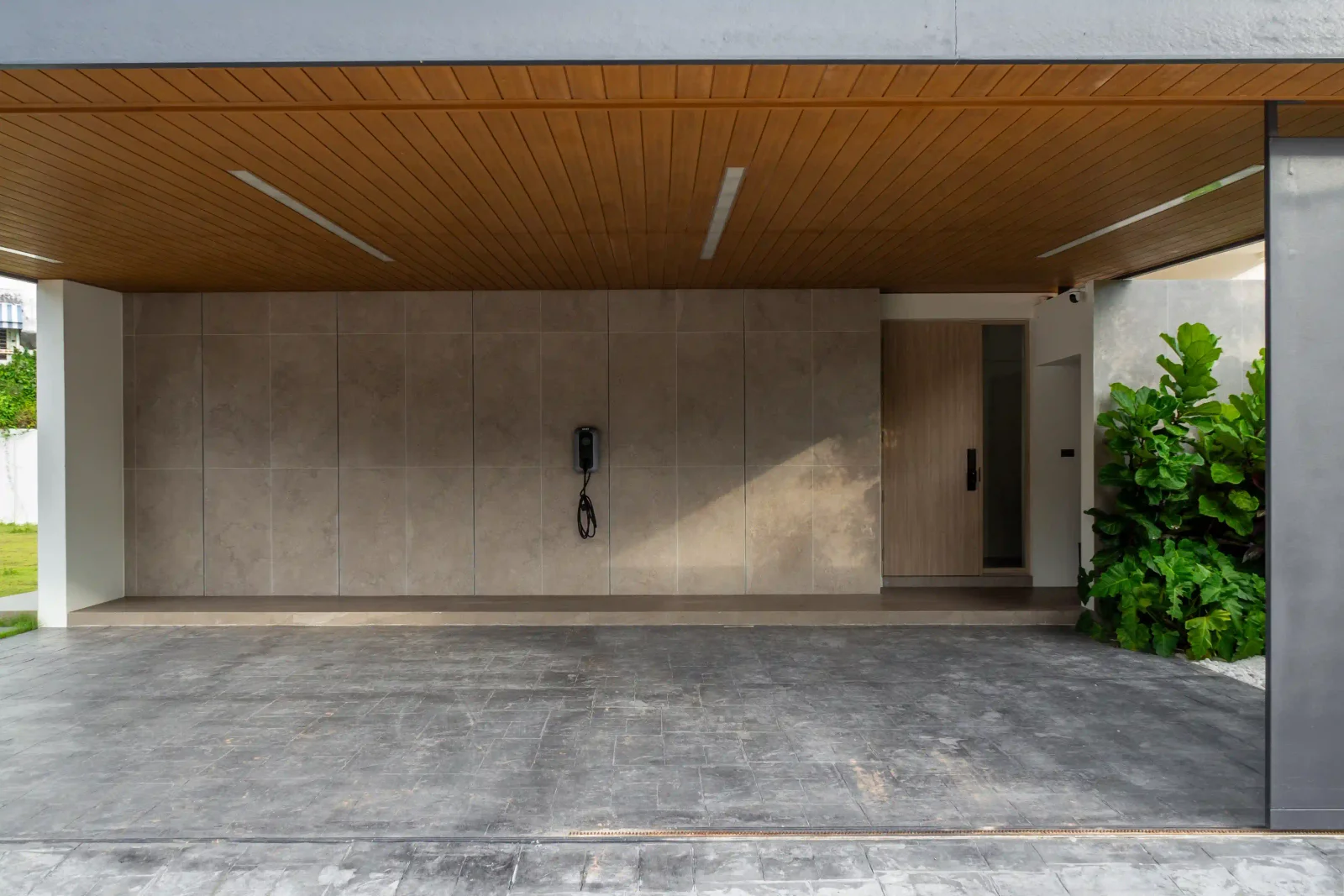
## Villas and Prices
| Villas | Bedrooms | Built area | Price |
| --- | --- | --- | --- |
| U3, U4, U5, U6, U7 | Four | 330 sqm | 18,900,000 THB each |
| U1/U2 | Four | 330 sqm | 29,900,000 THB |
Five four-bedroom villas of 330 sqm share the price of 18,900,000 THB, a family house with a pool at the price of a large apartment on the coast. Villa U1/U2 is listed at 29,900,000 THB, and we send its plan and plot with the list. For each villa we also send the plot area and the position in the community.
## Design and Villas
- **Two storeys** in a contemporary tropical style
- **Open-plan living and dining** with a Western kitchen
- **Guest bedroom with ensuite bathroom** on the ground floor
- **Master suite** with a walk-in closet, jacuzzi bathtub and private balcony
- **Two further bedrooms** and a family area upstairs
- **Private swimming pool**, pool terrace and landscaped garden
- **Covered parking**
- **Gated access** with CCTV
- **Pet-friendly**
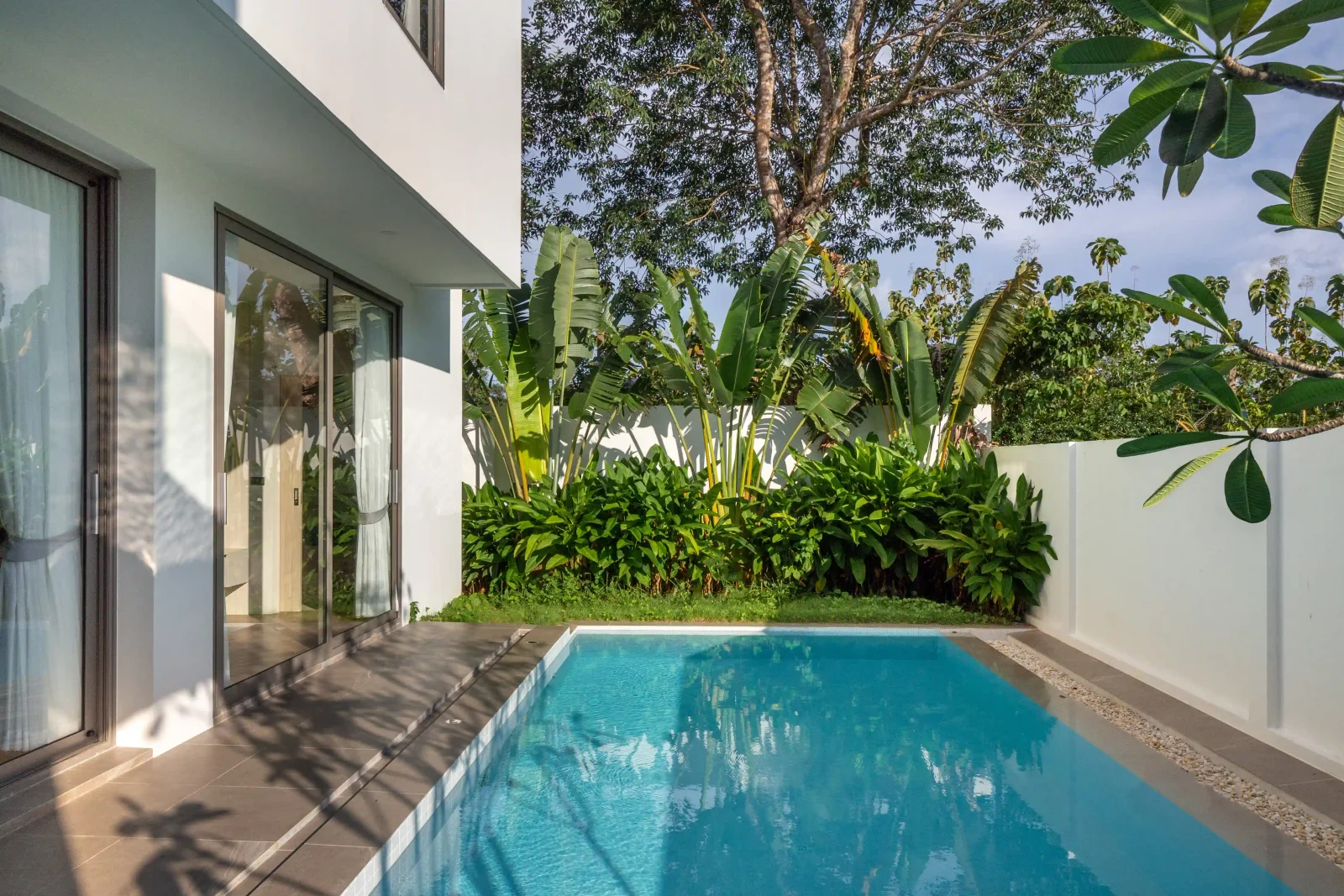
## Living at D'Chateau Kathu
D'Chateau suits a family that likes its own rhythm. The children swim before dinner, grandparents have their own suite downstairs, and the parents have the master suite and its balcony upstairs. Golf is a few minutes away, the schools and shops of Phuket Town are an easy drive, and the beaches of the west coast make the weekend. Away from the tourist traffic, the evenings in the hills of Kathu are quiet and green.
## Six-Stage Payment Plan
The price is paid in six stages: 30%, four stages of 15% and 10%. For a villa at 18,900,000 THB that works out as follows:
| Stage | Share | Amount |
| --- | --- | --- |
| 1 | 30% | 5,670,000 THB |
| 2 to 5 | 15% each | 2,835,000 THB each |
| 6 | 10% | 1,890,000 THB |
The schedule spreads the price across the build and leaves 10% for handover. We send the developer's schedule for your villa with the price list.
## Why Buyers Choose D'Chateau Kathu
- **A four-bedroom pool villa from 18,900,000 THB**
- **A guest suite on the ground floor**
- **A master suite** with a jacuzzi bathtub and balcony
- **Golf, schools and Phuket Town** close by
- **A small gated community** of 15 villas
- **Pet-friendly**
## Who D'Chateau Kathu Suits
**Families** who want four bedrooms, a pool and a garden near the schools of central Phuket.
**Golfers**, with the courses of the Kathu valley a few minutes away.
**Multi-generation households**, with a ground-floor suite for grandparents or guests.
**Rental investors** aiming at relocating families who rent a house near the schools for a school year or longer.
## Renting Out a Villa at D'Chateau
A four-bedroom pool villa in Kathu appeals to relocating families and long-term residents who want space near the schools, the golf courses and Phuket Town, usually for six or twelve months. Long lets suit the neighbourhood well and keep turnover low.
If you plan to let your villa at D'Chateau Kathu, we collect current asking rents for comparable villas in central Phuket and send them with the price list. [Our rental guide](/guides/phuket-rental-yield-complete-guide-2026/) explains how to read a rental offer line by line.
## Ownership for Foreign Buyers
At D'Chateau Kathu, as with any villa in Thailand, you buy land plus a building. The house can be held in your own name over a lease of the plot registered at the Land Office, 30 years per registration with renewal terms in the contract, or the land can be held through a Thai company with genuine Thai shareholders. [Freehold and leasehold in Thailand](/guides/freehold-vs-leasehold-thailand/) explains both routes, and we prepare the one that suits you with our legal support.
## D'Chateau and Other Villas in Central Phuket
| Project | From | Status |
| --- | --- | --- |
| [Setthasiri Kohkaew Retreat](/projects/setthasiri-kohkaew-retreat/) | 16,800,000 THB | Off-plan |
| D'Chateau Kathu | 18,900,000 THB | Off-plan |
| [Zenithy La Ville](/projects/zenithy-la-ville/) | 19,425,000 THB | Off-plan |
| [Mouana Residence Ko Kaeo](/projects/mouana-residence-ko-kaeo/) | 19,900,000 THB | Off-plan |
| [Botanica Majestia](/projects/botanica-majestia/) | 38,061,000 THB | Off-plan |
D'Chateau stands out in this group for its four-bedroom houses with a ground-floor guest suite near the golf courses of Kathu. We send the price lists of any of these projects on request and arrange viewings.
## Buying D'Chateau Kathu with MORE Group
A villa at D'Chateau is bought in five steps, from the first price list to the keys, and we are with you through each of them.
## What We Send Before You Reserve
- The current price list with plot areas and plans
- The six-stage payment schedule for your villa
- The ownership structure for your purchase, leasehold or company, with the documents it needs
- The community's common charges
- The latest construction update
{/* corpus-faq:d-chateau-kathu */}
## FAQ
### What does D'Chateau Kathu cost?
Our price list holds six four-bedroom villas: U3 to U7 of 330 sqm at 18,900,000 THB each, and villa U1/U2 at 29,900,000 THB.
### What does each villa include?
Two storeys with open-plan living and a Western kitchen, a ground-floor guest bedroom with its own bathroom, a master suite with a walk-in closet, jacuzzi bathtub and private balcony, two further bedrooms, a family area, a private pool, a garden and covered parking.
### Where is D'Chateau Kathu?
In the green hills of Kathu, central Phuket, close to the golf courses, international schools and Phuket Town. Patong Beach is about 24 minutes by car and the airport about 45 minutes.
### What is the payment plan?
Six stages: 30%, four stages of 15% and 10%. For a villa at 18,900,000 THB that means 5,670,000 THB at the first stage and 1,890,000 THB at handover.
### How can foreigners own a villa at D'Chateau?
The house can be held in your own name over a lease of the plot registered at the Land Office, 30 years per registration with renewal terms in the contract, or the land can be held through a Thai company with genuine Thai shareholders. We prepare the structure with our legal support.
**Read Also:**
- [Zenithy La Ville](/projects/zenithy-la-ville/)
- [Mouana Residence Ko Kaeo](/projects/mouana-residence-ko-kaeo/)
- [Best Areas to Buy Property in Phuket](/guides/best-areas-phuket-buy-property/)
- [Freehold vs Leasehold in Thailand](/guides/freehold-vs-leasehold-thailand/)
- [How Foreigners Buy Phuket Property 2026](/guides/buying-property-phuket-guide/)
- [Phuket Rental Yield Guide](/guides/phuket-rental-yield-complete-guide-2026/)
# Dandara Phuket Review 2026: Prices, Units and Quota
> Dandara review: studios and one-bedroom condos in Layan from 3.46M THB, four minutes by car from the beach, with a pool, gym and co-working space.
**Source:** https://moregroup.estate/projects/dandara/
**Section:** Project Reviews
**Author:** MORE Group Editorial
**Published:** 2026-04-08
**Updated:** 2026-08-23
---
## What Is Dandara in Layan?
Dandara brings a new-build studio into Layan at one of the lowest tickets in the district. The building is a contemporary low-rise with studios and one-bedroom apartments, a pool, a fitness centre, landscaped gardens and a co-working room, set in Choeng Thale a few minutes from Layan Beach and the Laguna resort area.
- **Entry ticket:** studios from 3,460,600 THB (about $105,800), one-bedrooms from 6,491,100 THB
- **Stage:** under construction, with the price paid in stages
- **Ownership:** condo freehold within the 49% foreign quota
- **Location:** Layan Beach about 4 minutes by car, Laguna and Boat Avenue a short drive south
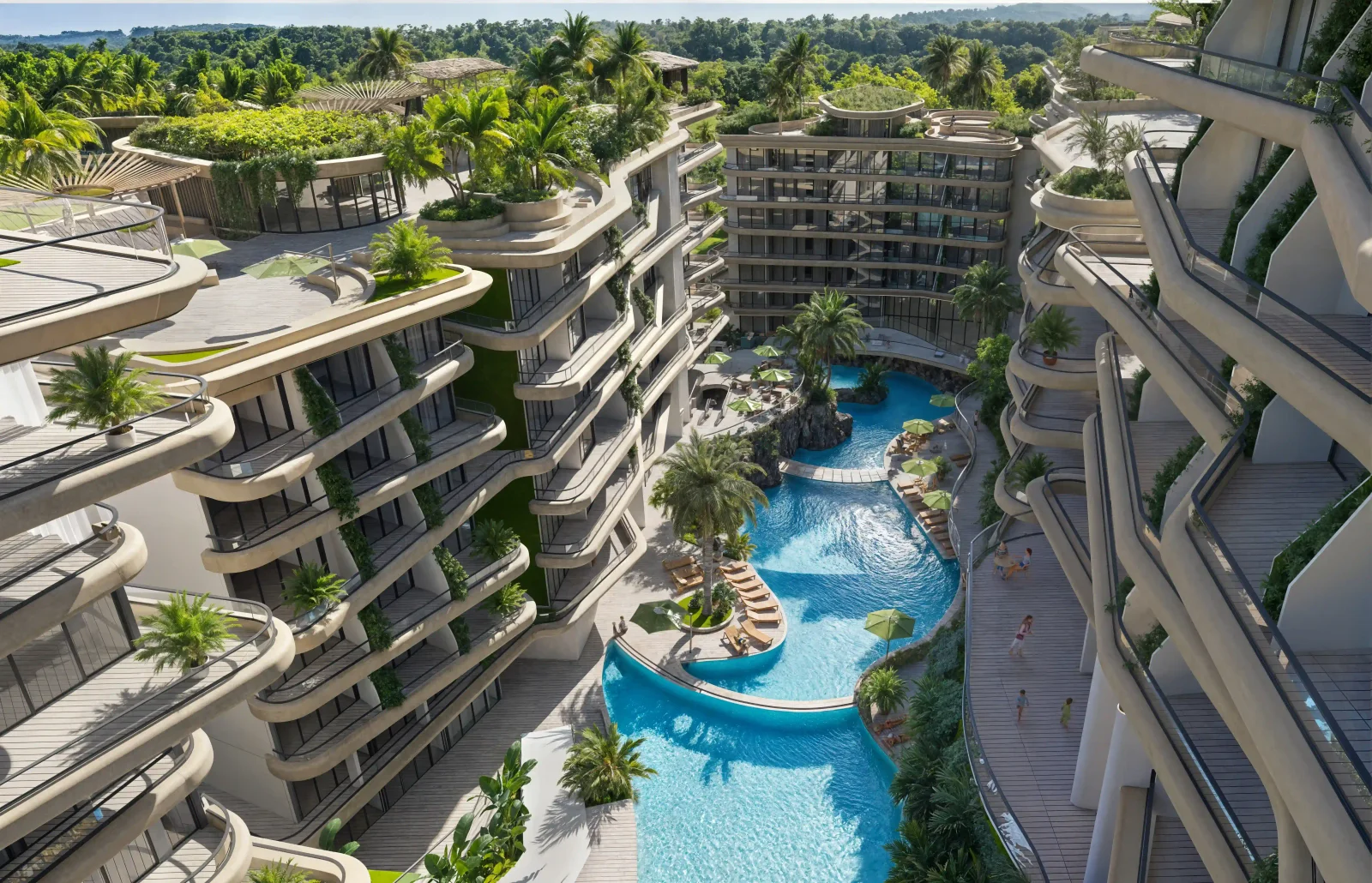
## What Are the Key Facts for Dandara?
| Factor | Detail |
| --- | --- |
| Location | Choeng Thale, Layan, Phuket |
| Building | Contemporary low-rise condominium |
| Unit mix | Studios of 31-37 sqm, one-bedrooms of 62-75 sqm |
| Price from | 3,460,600 THB |
| Stage | Under construction |
| Ownership | Condo freehold within the 49% foreign quota |
| Layan Beach | About 4 minutes by car, 18 minutes on foot |
| Airport | About 25 minutes by car |
## Location and Area
Layan is the quiet northern end of the Bang Tao and Laguna coast: a long beach backed by forest, villas on the hills, and Laguna's hotels, golf course and restaurants just to the south. People choose it for space and calm while keeping everything they need within a short drive.
- **Layan Beach:** about 4 minutes by car or an 18-minute walk
- **Laguna Phuket:** hotels, the golf course, restaurants and the lagoon promenade a few minutes south
- **Shopping:** supermarkets, cafes and clinics at Boat Avenue and Porto de Phuket, with the nearest mall about 13 minutes by car
- **Airport:** about 25 minutes by car, convenient for owners who fly in and out often
Most Layan buyers want the same thing: a home near one of the island's calmest beaches, with Laguna's restaurants and services close enough for everyday life. Dandara offers that at a studio ticket, which is rare in a district better known for pool villas.
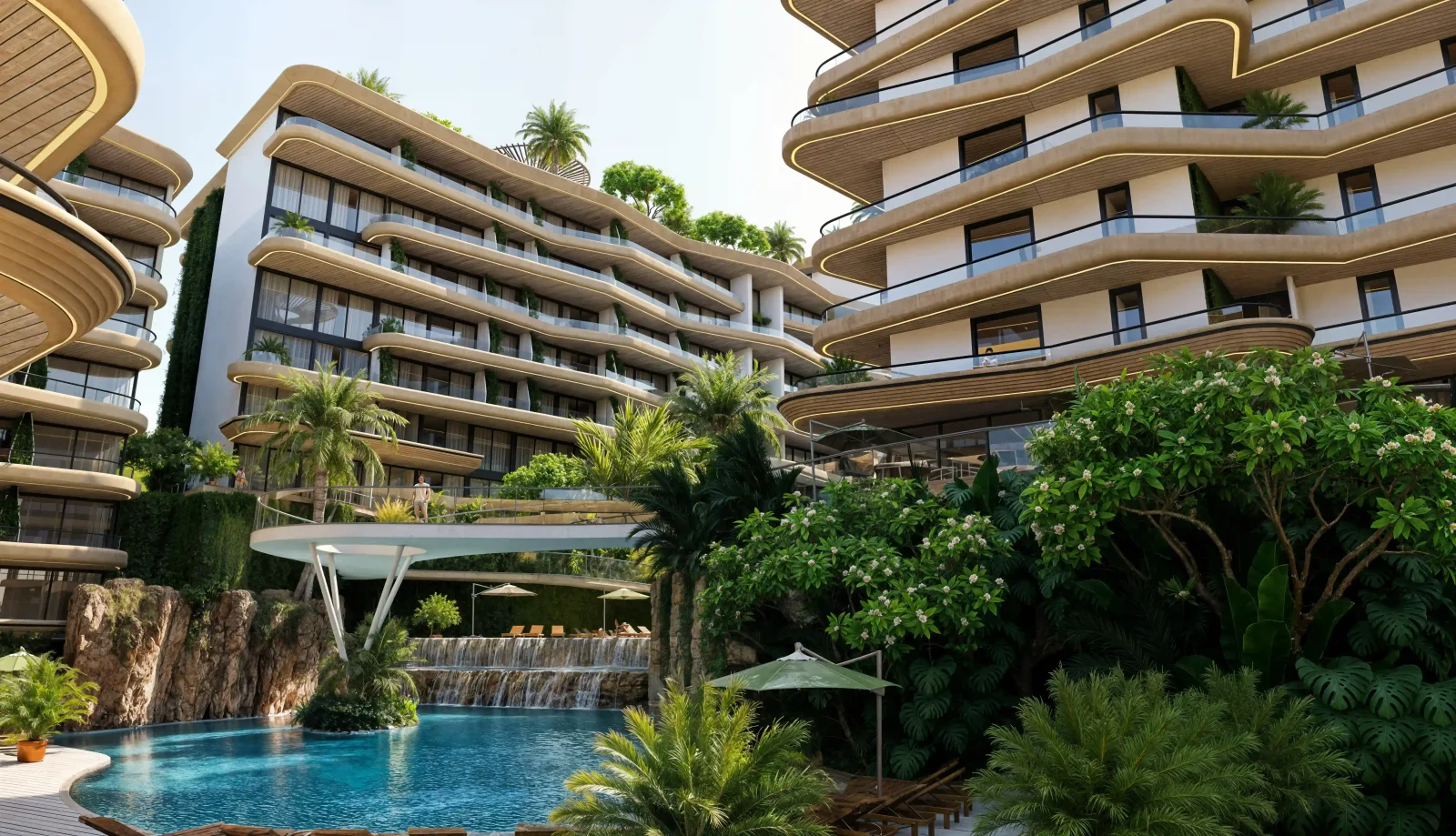
## Units and Prices
Our price list for Dandara holds 62 priced units: 38 studios and 24 one-bedroom apartments.
| Type | Size | Price | Average per sqm |
| --- | --- | --- | --- |
| Studio | 31-37 sqm | 3,460,600 to 4,585,100 THB | about 120,000 THB |
| One-bedroom | 62-75 sqm | 6,491,100 to 8,997,675 THB | about 117,500 THB |
The one-bedrooms are generous for the category. At 62 to 75 sqm there is room for a proper living area, a separate bedroom and a work corner, which suits a couple or anyone living here for months at a time. The studios are the entry point: at 3.46 million THB, about $105,800, they sit among the lowest tickets for a new condominium in Layan on our list.
We send the full list of free units with floors, views and floor plans together with the price list, so you can compare units side by side before choosing.
## Design and Amenities
The developer describes Dandara as a contemporary low-rise building with functional floor plans, stylish interiors and quality finishes. The shared facilities are planned for everyday use:
- Swimming pool and landscaped gardens
- Fitness centre
- Co-working space for residents who work remotely
- Children's room
- Shop on site
- Parking and 24-hour security with CCTV
- A pet-friendly building
The co-working room and the pet-friendly policy stand out in a building of this size, and both matter to residents who spend long stretches of the year in Phuket.
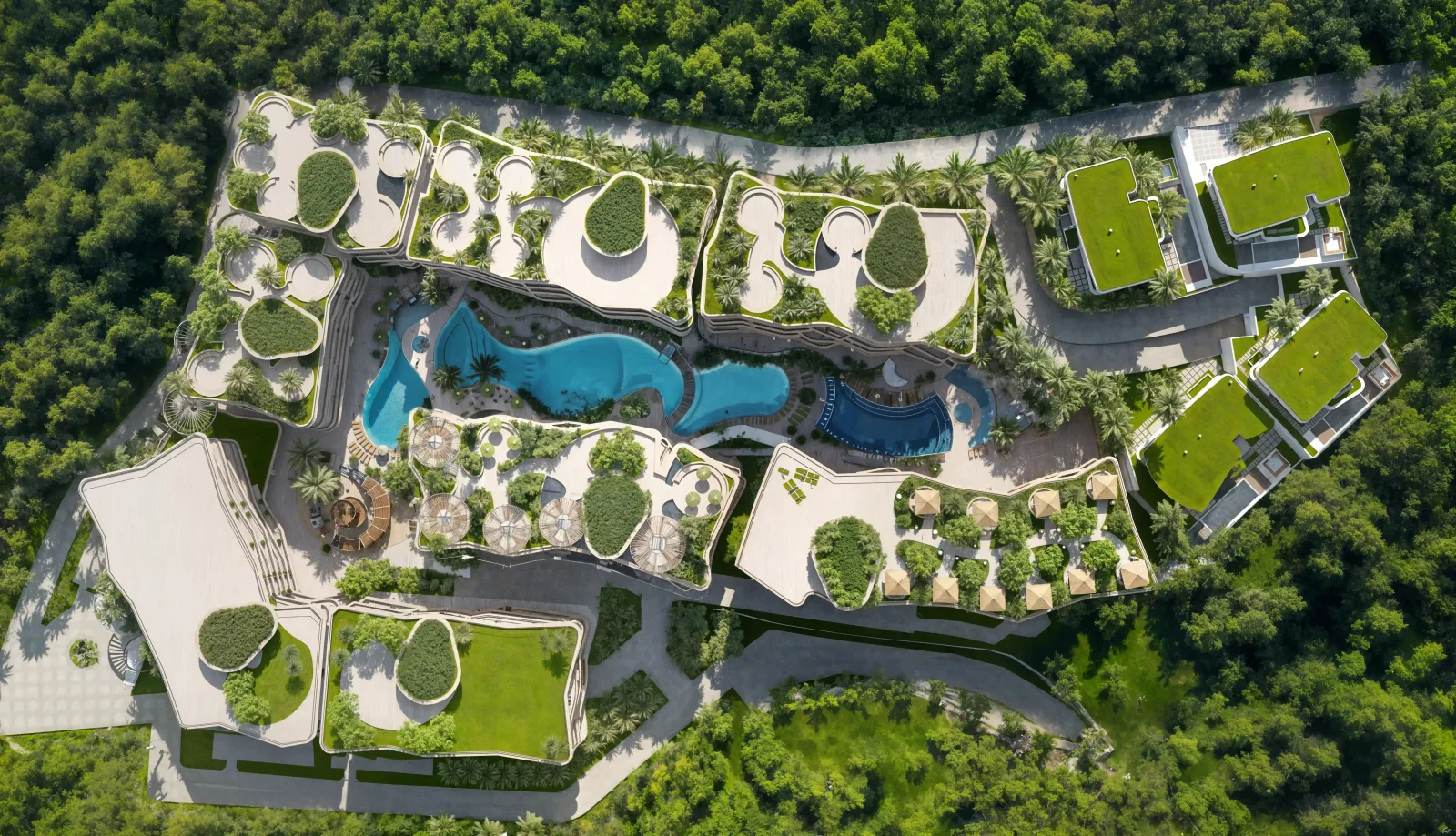
## Why Buyers Choose Dandara
- **A studio ticket in Layan:** from 3,460,600 THB in a district where most new stock is villas and larger apartments
- **Space in the one-bedrooms:** 62 to 75 sqm, enough for a couple or a home office
- **Everyday facilities:** pool, gym, co-working space and a shop on site
- **Beach and Laguna close by:** Layan Beach about 4 minutes by car, Laguna's restaurants and golf a short drive
- **Freehold ownership:** a condo title in your own name within the 49% foreign quota
- **Staged payments:** the price is spread across the build, with the schedule sent with the price list
## Who Dandara Suits
- **First-time buyers in Phuket** who want a new home near the beach at an accessible ticket
- **Remote workers and long-stay residents** who value a co-working room, a gym and a quiet district
- **Owners with pets**, since the building is pet-friendly
- **Buyers who want the Laguna lifestyle** without villa pricing
- **Buyers planning ahead**, who prefer to spread the price over the build period
## Renting Out a Dandara Studio
Layan draws guests who stay for weeks rather than nights: Laguna visitors who want a kitchen and more room than a hotel, remote workers on one to three-month stays, and returning visitors who already know the area. A well-furnished studio or one-bedroom fits that demand naturally, and monthly lets keep turnover and running costs low.
For owners who plan to rent, we collect current asking rents for comparable studios and one-bedrooms in Layan and send them with the price list, together with the terms of rental managers who work in the district. [Our rental guide](/guides/phuket-rental-yield-complete-guide-2026/) explains how to read a rental offer line by line.
## Paying for an Off-Plan Condo
Buying during construction means paying in stages rather than in one transfer: a reservation deposit, then instalments as the building rises, with the balance at handover. For buyers who fund the purchase from income, this spreads the price comfortably over the build period.
The developer's schedule for Dandara is set out in the reservation documents, and we send the current version with the price list. Each payment for a freehold condo is transferred from abroad in foreign currency, and the receiving bank provides the FET form that the Land Department needs to register the unit in your name. We help you plan the transfers around the schedule.
## Dandara and Other Layan Condos
| Project | From | Status |
| --- | --- | --- |
| [Serene Condo Layan](/projects/serene-condo-layan/) | 3,240,000 THB | Off-plan |
| [Sun Hills](/projects/sun-hills/) | 3,339,000 THB | Off-plan |
| Dandara | 3,460,600 THB | Off-plan |
| [Blue Lagoon](/projects/blue-lagoon/) | 3,762,500 THB | Off-plan |
| [Layan Green Park Phase 2](/projects/layan-green-park-phase-2/) | 6,683,600 THB | Off-plan |
| [Layan Verde](/projects/layan-verde/) | 7,440,000 THB | Off-plan |
Dandara sits at the entry end of the Layan condo market, next to Serene Condo and Sun Hills, while its one-bedrooms at 62 to 75 sqm compete with the larger apartments further up the table. Comparing floor plans across two or three of these buildings is the quickest way to see what each ticket buys, and we send the plans for any of them on request.
## Buying Dandara with MORE Group
A studio or one-bedroom at Dandara is bought in five steps, from the first price list to the keys, and we are with you through each of them.
## What We Send Before You Reserve
- The current price list with free units, floors and floor plans
- The developer's payment schedule for your unit
- Confirmation that your unit sits within the 49% foreign quota
- The latest construction update
- Current asking rents for comparable units in Layan, if you plan to rent
- The reservation agreement and the draft sale and purchase agreement
{/* corpus-faq:dandara */}
## FAQ
### Can foreigners buy a unit at Dandara Layan?
Yes. Dandara is a condominium, so foreign buyers can hold units freehold in their own name within the 49% foreign quota, counted by floor area. We confirm with the developer that your unit sits inside the quota, and the purchase money is transferred from abroad with an FET form for registration at the Land Department.
### What is the payment plan for Dandara?
The price is paid in stages during construction: a reservation deposit, instalments as the building rises and the balance at handover. We send the developer's current schedule together with the price list.
### What stage is Dandara at?
Construction is underway. We send the latest construction update together with the price list.
### How far is Dandara from the beach and the airport?
Layan Beach is about 4 minutes by car or an 18-minute walk, and Phuket International Airport is about 25 minutes by car.
### What amenities does Dandara offer?
A swimming pool, a fitness centre, landscaped gardens, a co-working space, a children's room, a shop, parking and 24-hour security with CCTV. The building is pet-friendly.
**Read Also:**
- [How Foreigners Buy Phuket Property 2026](/guides/buying-property-phuket-guide/)
- [Blue Lagoon, Layan Condo Project](/projects/blue-lagoon/)
- [Apple House, Northern Phuket Property](/projects/apple-house/)
- [Best Areas in Phuket to Buy Property 2026](/guides/best-areas-phuket-buy-property/)
- [Thai Condo Foreign Quota: 49% Rule Explained](/guides/foreign-quota-thai-condominiums/)
- [Layan Property Guide](/areas/layan-property-guide/)
# Dcondo Cove Phuket 2026: Condo from 2.43M in Kathu
> Dcondo Cove Kathu: affordable freehold condo in central Phuket from 2.43M THB, with specs, the 30/20/50 payment plan and long-term rental demand.
**Source:** https://moregroup.estate/projects/dcondo-cove/
**Section:** Project Reviews
**Author:** MORE Group Editorial
**Published:** 2026-04-08
**Updated:** 2026-10-05
---
## Dcondo Cove: a Phuket condo from 2.43M THB in central Kathu
At 2.43M THB for a one-bedroom unit, Dcondo Cove occupies a rare position in the Phuket new-build market: a freehold-eligible condominium at a price point that remains accessible to first-time buyers, young professionals, and investors working with modest initial capital. Located in Kathu, Phuket's central inland district, the project offers a modern mid-rise lifestyle with resort-style amenities, a location that sits equidistant between the island's main beaches and Phuket City, and a payment schedule that keeps the financial commitment manageable across its construction period. For buyers who have been watching Phuket's property market from the sidelines while prices climbed, Dcondo Cove represents a genuine entry point.
| Key fact | Detail |
|---|---|
| Location | Kathu, central Phuket |
| Format | 1-bedroom and 2-bedroom condominium units |
| Price | 2.43M THB (1BR) to 5.41M THB (2BR) |
| Ownership | Condominium, foreign freehold available within the 49% quota |
| Status | Off-plan, under construction, completion Q2 2027 (developer) |
| Payment plan | 30% on contract, 20% mid-construction, 50% on completion |
| Long-term rent, 1BR | historically 15,000-25,000 THB per month furnished |
## Location: Kathu
The area around Dcondo Cove retains a local, residential character, home to many of the Thai families and long-term expat residents who prefer a quieter setting to the resort zones but still want easy beach access when the mood strikes. The Kathu Golf Course, one of the island's most established 18-hole layouts, runs through the valley just minutes from the project, and the hills behind it provide a natural green backdrop that gives Kathu its surprisingly verdant, un-touristy feel. The Central Festival mall and major hospital facilities are within a 10-15 minute drive.
For buyers planning to use the unit as a personal residence, Kathu makes a strong case as a day-to-day liveable neighbourhood, less transient than Patong, less expensive than Bang Tao, and genuinely more connected than the quieter southern zones. International schools including British International School Phuket and HeadStart are within the same 10-15 minute radius, which widens the appeal to families.
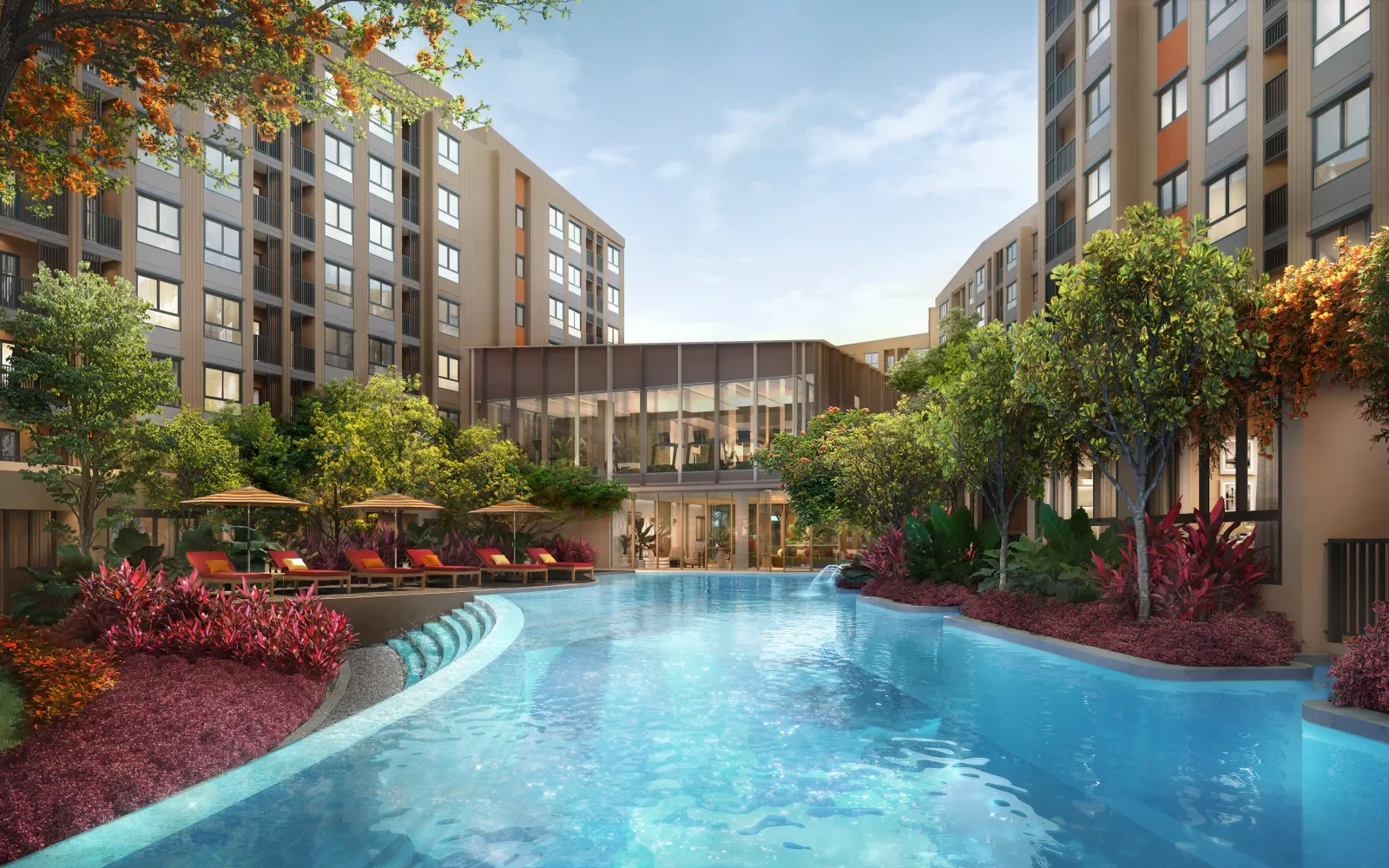
## Layouts and finishes
One-bedroom units starting at 2.43M THB are designed for efficient, functional living, open-plan layouts that maximise the usable area, integrated kitchen and living spaces, and balconies that extend the habitable zone outdoors. Two-bedroom units up to 5.41M THB offer meaningfully more space and are suited to couples, small families, or buyers who want a dedicated workspace. Both formats benefit from the project's commitment to contemporary finishes: tile or engineered flooring, clean white kitchen units, and bathroom fixtures that punch above the price point.
The "Dcondo" branding, a developer series known across Thailand for delivering modern, no-frills-but-well-specified condominiums at accessible price points, carries a track record that reassures buyers about execution quality. The lowercase "d" and clean graphic identity signal a modern sensibility; the "Cove" suffix positions this particular project as a calm, sheltered variant within the wider series.
## Investment case
The 30/20/50 payment schedule deserves particular attention. The final 50% payment falls due only at completion, scheduled for Q2 2027 according to the developer, which gives buyers the construction period to arrange their largest tranche, either through personal savings, offshore mortgage products, or refinancing of existing assets. This structure reduces the working capital required during the construction phase to just 50% of the purchase price, which is manageable for most first-time buyers. Long-term rental in Kathu for 1BR units has historically run between 15,000-25,000 THB per month in furnished condition; short-term rentals via platforms like Airbnb can outperform this in the peak season (November-April), while Kathu's steady resident demand favours long lets.
## Payment Plan on the Entry Unit
| Stage | Share | On the 2,435,000 THB one-bedroom |
| --- | --- | --- |
| Contract signing | 30% | 730,500 THB |
| Mid-construction milestone | 20% | 487,000 THB |
| Completion | 50% | 1,217,500 THB |
On a 5.41M THB two-bedroom the same shares come to about 1.62M, 1.08M and 2.71M THB. For a freehold purchase each payment arrives from abroad in foreign currency, and the FET form from your bank is filed at the Land Department at transfer. Half of the price stays with you until the building is finished, which suits buyers who are moving savings from abroad in stages.
## Why Buyers Choose Dcondo Cove
- One of the lowest entry tickets for a freehold-eligible new condo on the island, from 2.43M THB
- Only 50% of the price falls due before completion, which keeps construction-phase cash low
- Central position: Central Festival, hospitals, BISP and HeadStart all within a 10-15 minute drive
- Everyday-liveable district rather than a resort strip, which supports year-round long-term tenants
- Established developer series with a delivery record across Thailand
{/* corpus-faq:dcondo-cove */}
## FAQ
### Can foreigners buy a unit at Dcondo Cove in freehold?
Yes. Dcondo Cove is a registered condominium under the Thai Condominium Act, which permits foreign nationals to hold full freehold title to up to 49% of the total sellable area in any given building. Provided the foreign quota has not been exhausted, eligible buyers can own their unit outright, the strongest ownership structure available in Thailand for non-citizens. MORE Group can confirm current foreign quota availability on request.
### How does Kathu compare to Bang Tao or Patong for property investment?
Kathu offers significantly lower entry prices than Bang Tao or Patong, with the beaches a short drive away. For buyers focused on long-term rental income from expats, families, and professionals, Kathu often delivers more consistent occupancy than the resort zones. It is best viewed as a stable, value-oriented market.
### Is Dcondo Cove a good choice for personal use rather than investment?
Absolutely. Kathu's central position makes it one of the most practical everyday-living locations in Phuket, close to supermarkets, hospitals, international schools, golf courses, and restaurants, with easy access to all of the island's major beaches. For buyers who plan to live in Phuket full-time or part of the year, Dcondo Cove offers modern comfort and convenience at a price point that leaves capital free for other lifestyle spending.
**Read Also:**
- [Complete Guide to Buying Property in Phuket](/guides/buying-property-phuket-guide/)
- [Apple House, Affordable Phuket Property](/projects/apple-house/)
- [Blue Lagoon, Layan Condo Project](/projects/blue-lagoon/)
## Who Buys at Resale
For an entry-level condo the resale question is who the next buyer is, and at this ticket the pool is broad: first-time foreign buyers looking for an accessible entry, Thai owner-occupiers who work in Phuket Town or Kathu, and investors who want a long-let asset rather than a holiday unit. That breadth is the strength of the price point.
A furnished, tenanted unit with a documented rental history sells best here. Buyer-side transaction costs on a resale are commonly cited near 3-5% excluding the purchase price, as set out in the [Phuket property taxes and fees guide](/guides/phuket-property-taxes-fees-complete-guide/).
## Foreign Quota and Paperwork
The 49% foreign quota under the Condominium Act B.E. 2522 is measured by **total floor area of the building, not by unit count**, and we confirm the remaining foreign quota for the specific building phase and unit you choose. Where a unit sits outside the quota, the alternatives are registered leasehold or an existing foreign-quota resale unit; see our [leasehold fees guide](/guides/leasehold-fees-thailand/) for what that changes in cost terms.
With the price list we send the SPA payment schedule, with each of the 30/20/50 tranches tied to a construction milestone, and the construction permit details for the phase you are buying into.
For the freehold route you will also need proof of inward foreign currency remittance, the FET form, for registration at the Land Department. We start that paperwork with you four to six weeks before transfer; see [proof of funds and FET](/guides/proof-of-funds-thailand-property/).
## Buying Dcondo Cove with MORE Group
From the first price list to the keys, a Dcondo Cove purchase takes five steps, and we are there for each one.
## Rental Maths at This Entry Price
At 2.43M THB for a one-bedroom and a long-term rent of 15,000-25,000 THB per month, gross yield lands between roughly 7.4% and 12.3% before costs. The net figure comes after common area maintenance, a furnishing budget in year one, agency or management fees, income tax on rent and a vacancy allowance, and we build it for your unit.
Kathu's tenant profile is the reason to look at long-term rather than nightly letting here: Thai professionals, teachers at the nearby international schools, and long-stay expats who want the island's centre rather than a beach strip. That produces steadier occupancy than a resort corridor through the whole year. The [Phuket rental yield guide](/guides/phuket-rental-yield-complete-guide-2026/) compares Kathu with the west-coast areas.
# Diamond Pool Villa Bang Tao: Villas from 13.65M THB
> Diamond Pool Villa: three-bedroom pool villas of 216 and 226 sqm in Si Sunthon, a short drive from Bang Tao Beach and Boat Avenue, from 13.65M THB.
**Source:** https://moregroup.estate/projects/diamond-pool-villa/
**Section:** Project Reviews
**Author:** MORE Group Editorial
**Published:** 2026-04-08
**Updated:** 2026-08-23
---
## What Is Diamond Pool Villa?
Diamond Pool Villa brings a modern tropical home within easy reach of the heart of Bang Tao. On the ground floor, the living room, dining area and kitchen open through large sliding glass doors onto the terrace and the private pool, and high ceilings and big windows keep the house bright. Upstairs, the master bedroom has its own bathroom and a walk-in closet.
Each villa has a landscaped garden and covered parking, and the community is small and secure, with 24-hour security and CCTV. International schools, supermarkets, restaurants and Blue Tree Phuket are all close by, and Bang Tao Beach is about 15 minutes away by car.
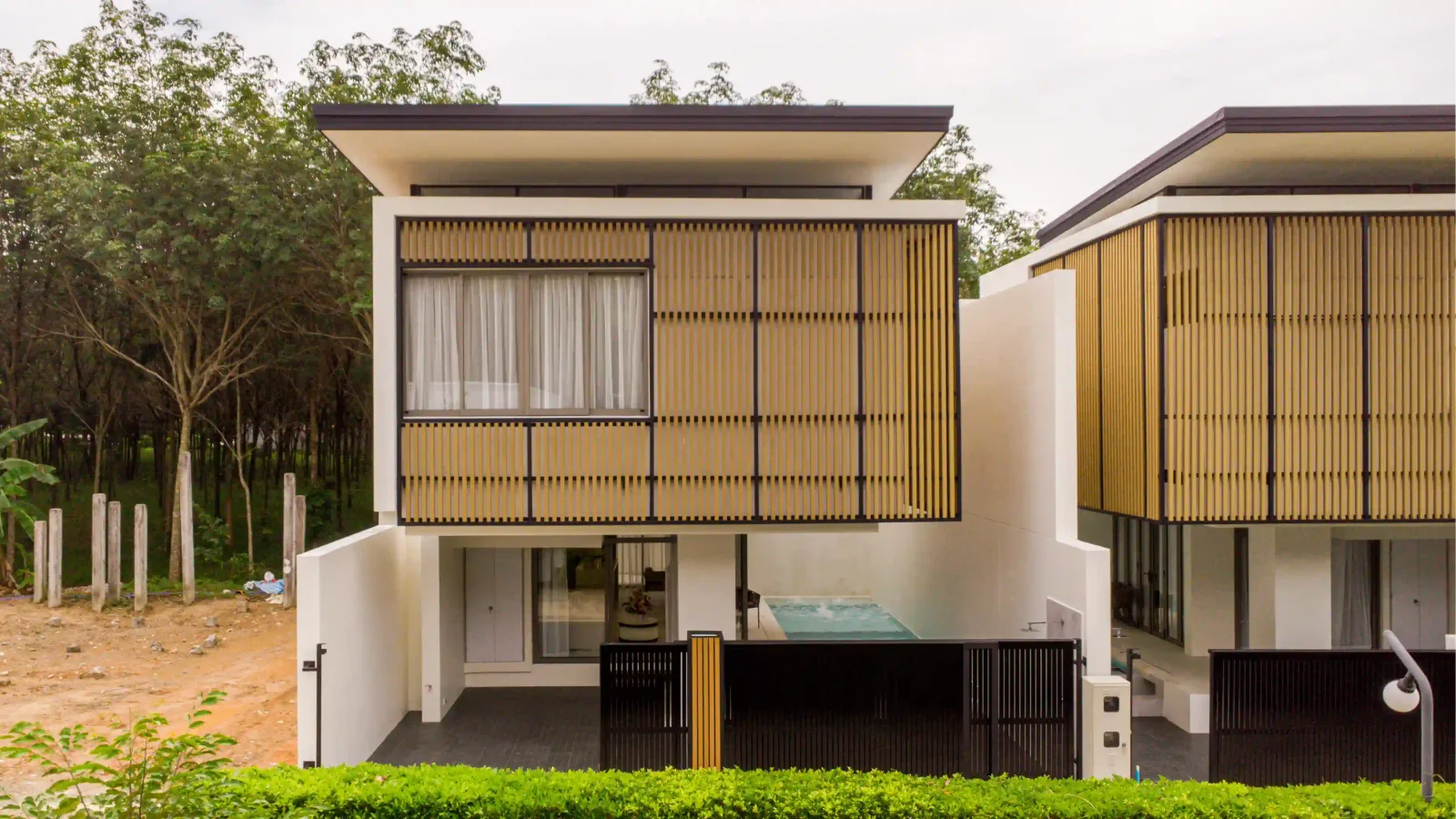
## What Are the Key Facts for Diamond Pool Villa?
| Factor | Detail |
| --- | --- |
| Location | Si Sunthon, Thalang, near Bang Tao |
| Villas | Three and four-bedroom pool villas |
| On our price list | 8 three-bedroom villas |
| 216 sqm villas | A1 and A2, 13,652,490 and 13,930,500 THB |
| 226 sqm villas | C7 to C12, 14,900,000 to 15,673,082 THB |
| Features | Private pool, garden, covered parking |
| Payment | 35% / 25% / 20% / 20% |
| Stage | Under construction |
| Beach | About 15 minutes by car |
| Airport | About 34 minutes by car |
## Location: Si Sunthon, Close to Bang Tao
Si Sunthon is the residential side of the Bang Tao area, where families live close to the schools and shops and within a short drive of the coast.
- **Bang Tao Beach:** about 15 minutes by car
- **Boat Avenue and Porto de Phuket:** restaurants and shopping a short drive away
- **Blue Tree Phuket:** the water park and leisure complex nearby
- **International schools and supermarkets:** close by
- **Shopping:** the nearest mall about 9 minutes by car
- **Airport:** about 34 minutes by car
Life here combines a quiet street with the lifestyle of Bang Tao: the school run and the weekly shop take minutes, and the beach clubs and restaurants of the coast are close enough for any afternoon. The [Bang Tao area page](/bang-tao-properties/) covers the district in more detail.
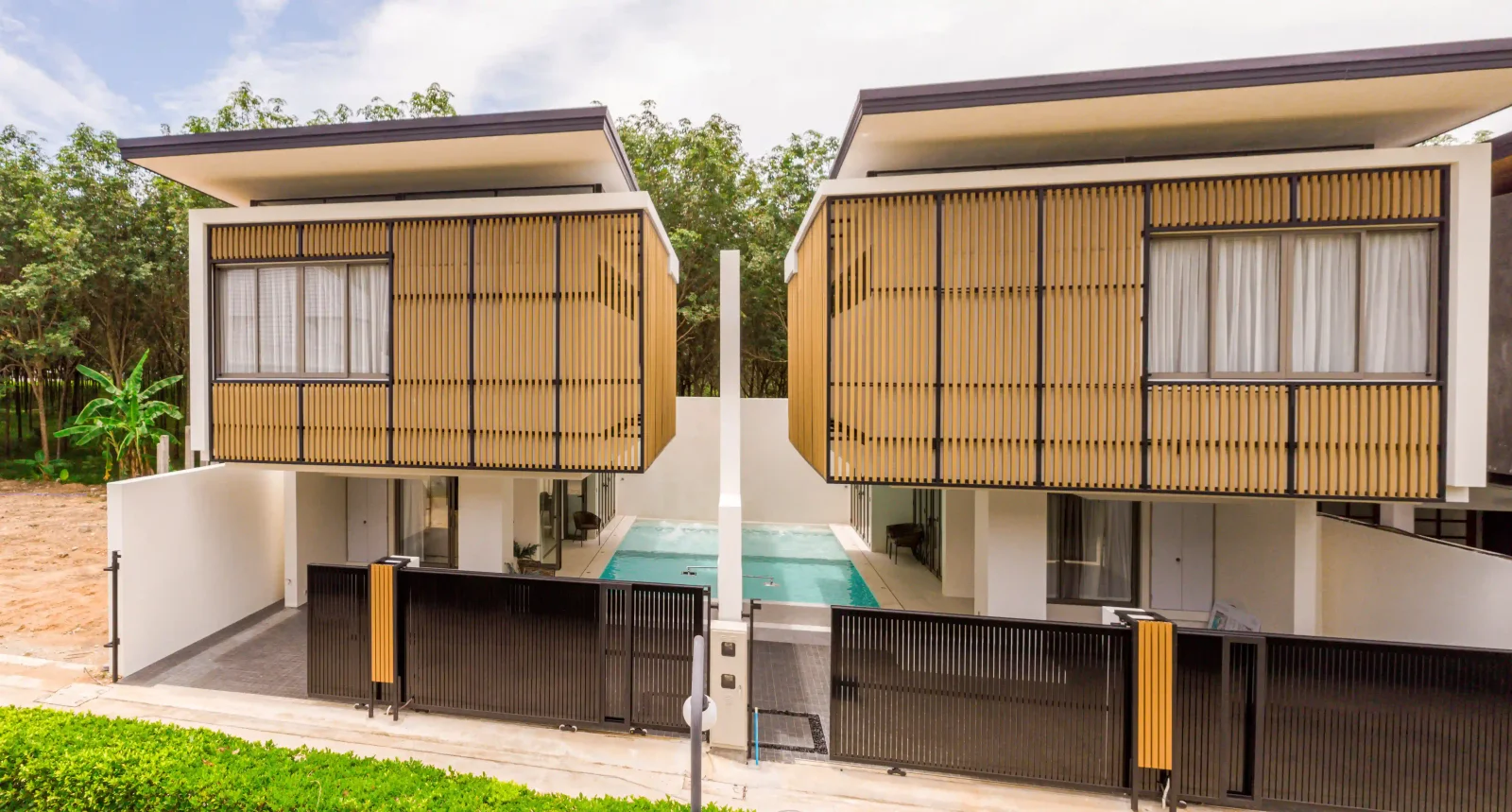
## Villas and Prices
| Villas | Bedrooms | Built area | Price |
| --- | --- | --- | --- |
| A1, A2 | Three | 216 sqm | 13,652,490 and 13,930,500 THB |
| C7 to C12 | Three | 226 sqm | 14,900,000 to 15,673,082 THB |
Villas A1 and A2 of 216 sqm open the list from 13,652,490 THB, and the six C villas of 226 sqm follow from 14,900,000 THB. The collection also includes larger four-bedroom villas of up to 384 sqm, and we request their current availability on your behalf. We send the plan and the plot area of each villa with the price list.
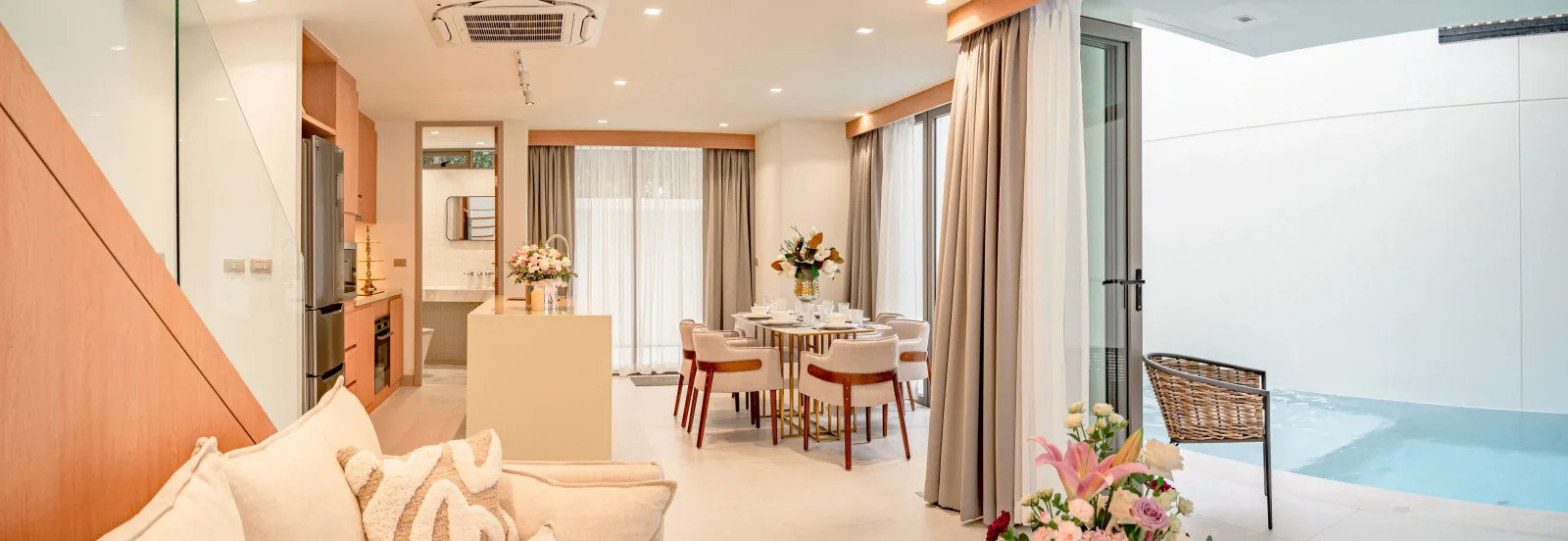
## Design and Villas
- **Modern tropical design** over two or three storeys
- **Open-plan living, dining and kitchen** on the ground floor
- **Large sliding glass doors** to the terrace and pool
- **High ceilings** and big windows
- **Master bedroom** upstairs with an ensuite bathroom and walk-in closet
- **Private swimming pool** and landscaped garden
- **Covered parking**
- **24-hour security** and CCTV
- **Pet-friendly**
## Living at Diamond Pool Villa
Days at Diamond Pool Villa are easy to organise. The children swim in the private pool after school, the shops and Blue Tree are minutes away, and at weekends the beach clubs of Bang Tao and the restaurants of Boat Avenue are a short drive. In the evening, the terrace by the pool is the heart of the house, and the quiet of Si Sunthon is waiting at the end of the day.
## Four-Stage Payment Plan
The price is paid in four stages: 35%, 25%, 20% and 20%. For a villa at 14,900,000 THB that works out as follows:
| Stage | Share | Amount |
| --- | --- | --- |
| 1 | 35% | 5,215,000 THB |
| 2 | 25% | 3,725,000 THB |
| 3 and 4 | 20% each | 2,980,000 THB each |
The first two stages carry most of the price and the last two are equal, and we send the developer's schedule for your villa with the price list.
## Why Buyers Choose Diamond Pool Villa
- **A pool villa from 13,652,490 THB** near Bang Tao
- **Modern tropical design** with high ceilings and big windows
- **Master suite** with a walk-in closet
- **Schools, shops and Blue Tree** close by
- **A low-density community** with 24-hour security
- **Pet-friendly**
## Who Diamond Pool Villa Suits
**Young families** who want a house with a pool and a garden near the schools, at an accessible price.
**Couples moving up from a condominium** to their own villa near Bang Tao.
**Retirees** who want a calm, secure community with everything close by.
**Rental investors** aiming at relocating families who rent a house for a school year or longer.
## Renting Out a Villa at Diamond Pool Villa
A pool villa in Si Sunthon appeals to relocating families and long-term residents who want a house near the schools and the shops, and to families on holiday who want a private pool within reach of the Bang Tao beaches. Long lets suit the neighbourhood well and keep turnover low.
If you plan to let your villa at Diamond Pool Villa, we collect current asking rents for comparable villas around Bang Tao and send them with the price list. [Our rental guide](/guides/phuket-rental-yield-complete-guide-2026/) explains how to read a rental offer line by line.
## Ownership for Foreign Buyers
At Diamond Pool Villa, as with any villa in Thailand, you buy land plus a building. The house can be held in your own name over a lease of the plot registered at the Land Office, 30 years per registration with renewal terms in the contract, or the land can be held through a Thai company with genuine Thai shareholders. [Freehold and leasehold in Thailand](/guides/freehold-vs-leasehold-thailand/) explains both routes, and we prepare the one that suits you with our legal support.
## Diamond Pool Villa and Other Villas Near Bang Tao
| Project | From | Status |
| --- | --- | --- |
| [Sana Vista Villas](/projects/sana-vista-villas/) | 12,890,000 THB | Off-plan |
| [Proxima Villas](/projects/proxima-villas/) | 13,500,000 THB | Off-plan |
| Diamond Pool Villa | 13,652,490 THB | Off-plan |
| [Sunrise Lake](/projects/sunrise-lake/) | 13,990,000 THB | Off-plan |
| [Kahli Terraces](/projects/kahli-terraces/) | 15,915,825 THB | Off-plan |
| [Mori](/projects/mori/) | 16,310,000 THB | Off-plan |
| [Kahli Hillside Villas](/projects/kahli-hillside-villas/) | 16,800,000 THB | Off-plan |
Diamond Pool Villa stands out in this group for its closeness to the schools and shops of Si Sunthon. We send the price lists of any of these projects on request and arrange viewings.
## Buying Diamond Pool Villa with MORE Group
A villa at Diamond Pool Villa is bought in five steps, from the first price list to the keys, and we are with you through each of them.
## What We Send Before You Reserve
- The current price list with free villas, plot areas and plans
- The availability of the four-bedroom villas
- The four-stage payment schedule for your villa
- The ownership structure for your purchase, leasehold or company, with the documents it needs
- The community's common charges
- The latest construction update
{/* corpus-faq:diamond-pool-villa */}
## FAQ
### What does Diamond Pool Villa cost?
Our price list holds eight three-bedroom villas: A1 and A2 of 216 sqm at 13,652,490 and 13,930,500 THB, and six C villas of 226 sqm from 14,900,000 to 15,673,082 THB.
### What does each villa include?
Open-plan living, dining and kitchen with sliding glass doors to the terrace, a master bedroom with an ensuite bathroom and walk-in closet, a private pool, a landscaped garden and covered parking.
### Where is Diamond Pool Villa?
In Si Sunthon, Thalang, close to international schools, supermarkets and Blue Tree Phuket. Bang Tao Beach is about 15 minutes by car and the airport about 34 minutes.
### What is the payment plan?
Four stages: 35%, 25%, 20% and 20%. For a villa at 14,900,000 THB that means 5,215,000 THB at the first stage.
### How can foreigners own a villa at Diamond Pool Villa?
The house can be held in your own name over a lease of the plot registered at the Land Office, 30 years per registration with renewal terms in the contract, or the land can be held through a Thai company with genuine Thai shareholders. We prepare the structure with our legal support.
**Read Also:**
- [Villas for Sale in Bang Tao](/bang-tao-properties/)
- [Proxima Villas](/projects/proxima-villas/)
- [Kahli Terraces](/projects/kahli-terraces/)
- [Freehold vs Leasehold in Thailand](/guides/freehold-vs-leasehold-thailand/)
- [How Foreigners Buy Phuket Property 2026](/guides/buying-property-phuket-guide/)
- [Phuket Rental Yield Guide](/guides/phuket-rental-yield-complete-guide-2026/)
# Dominion Rawai: Condos near Nai Harn from 4.99M THB
> Dominion Rawai: a boutique condominium of 68 residences with a rooftop pool and sea views, studios to two-bedrooms near Rawai and Nai Harn, from 4.99M THB.
**Source:** https://moregroup.estate/projects/dominion-rawai/
**Section:** Project Reviews
**Author:** MORE Group Editorial
**Published:** 2026-03-31
**Updated:** 2026-08-23
---
## What Is Dominion Rawai?
Dominion Rawai is a small, club-like building made for long, easy stays in the south. With only 68 residences, the lobby knows its residents, and the rooftop is the shared living room: a swimming pool and a sun deck with panoramic views over the sea. The apartments have functional layouts, quality finishes and modern interiors designed for comfortable island living, whether for a season or all year.
Restaurants, cafés, bars and Rawai Park are within walking distance, Rawai Beach is about 13 minutes on foot, and Nai Harn Beach is a few minutes by car. Underground parking, CCTV and 24-hour security complete the building.
## What Are the Key Facts for Dominion Rawai?
| Factor | Detail |
| --- | --- |
| Location | Rawai, south Phuket |
| Building | Five storeys, 68 residences |
| On our price list | 16 residences |
| Studios | 32 to 43 sqm, 4,990,000 to 7,855,200 THB |
| One-bedroom | 53 and 60 sqm, 9,666,000 and 10,958,400 THB |
| Two-bedroom | 57 and 64 sqm, 8,664,000 to 10,125,960 THB |
| Facilities | Rooftop pool with sea views, sun deck, concierge lobby |
| Payment | 25% / 25% / 25% / 15% / 10% |
| Stage | Under construction |
| Beach | About 13 minutes on foot, 3 by car |
## Location: Rawai and Nai Harn
Rawai is south Phuket's favourite place to live: a relaxed district of cafés, markets, gyms and seafood restaurants, with Nai Harn, one of the island's most loved bays, just over the hill.
- **Rawai Beach:** about 13 minutes on foot or 3 minutes by car
- **Nai Harn Beach:** a few minutes by car
- **Rawai Park, restaurants, cafés and bars:** within walking distance
- **Promthep Cape:** the island's classic sunset viewpoint nearby
- **Shopping:** the nearest mall about 12 minutes by car
- **Airport:** about an hour by car
Days here start with a swim at Nai Harn or on the rooftop, continue with coffee and the markets of Rawai, and end with seafood on the promenade or the sunset from the roof. The [Rawai area page](/rawai-properties/) covers the district in more detail.
## Residences and Prices
Our price list holds 16 residences:
| Format | Size | Residences | Price |
| --- | --- | --- | --- |
| Studio | 32 to 37 sqm | 7 | 4,990,000 to 6,105,000 THB |
| Studio | 39 and 43 sqm | 2 | 7,200,000 and 7,855,200 THB |
| Two-bedroom | 57 and 64 sqm | 5 | 8,664,000 to 10,125,960 THB |
| One-bedroom | 53 and 60 sqm | 2 | 9,666,000 and 10,958,400 THB |
The studios of 32 to 37 sqm open the building from 4,990,000 THB, and the larger studios of 39 and 43 sqm give extra room for long stays. The two-bedrooms of 57 and 64 sqm suit couples and small families, and the spacious one-bedrooms of 53 and 60 sqm, residences 106 and 101, give the most living space. We send the plan, floor and view of each residence with the list.
Two-bedroom unit, contemporary interior finishes
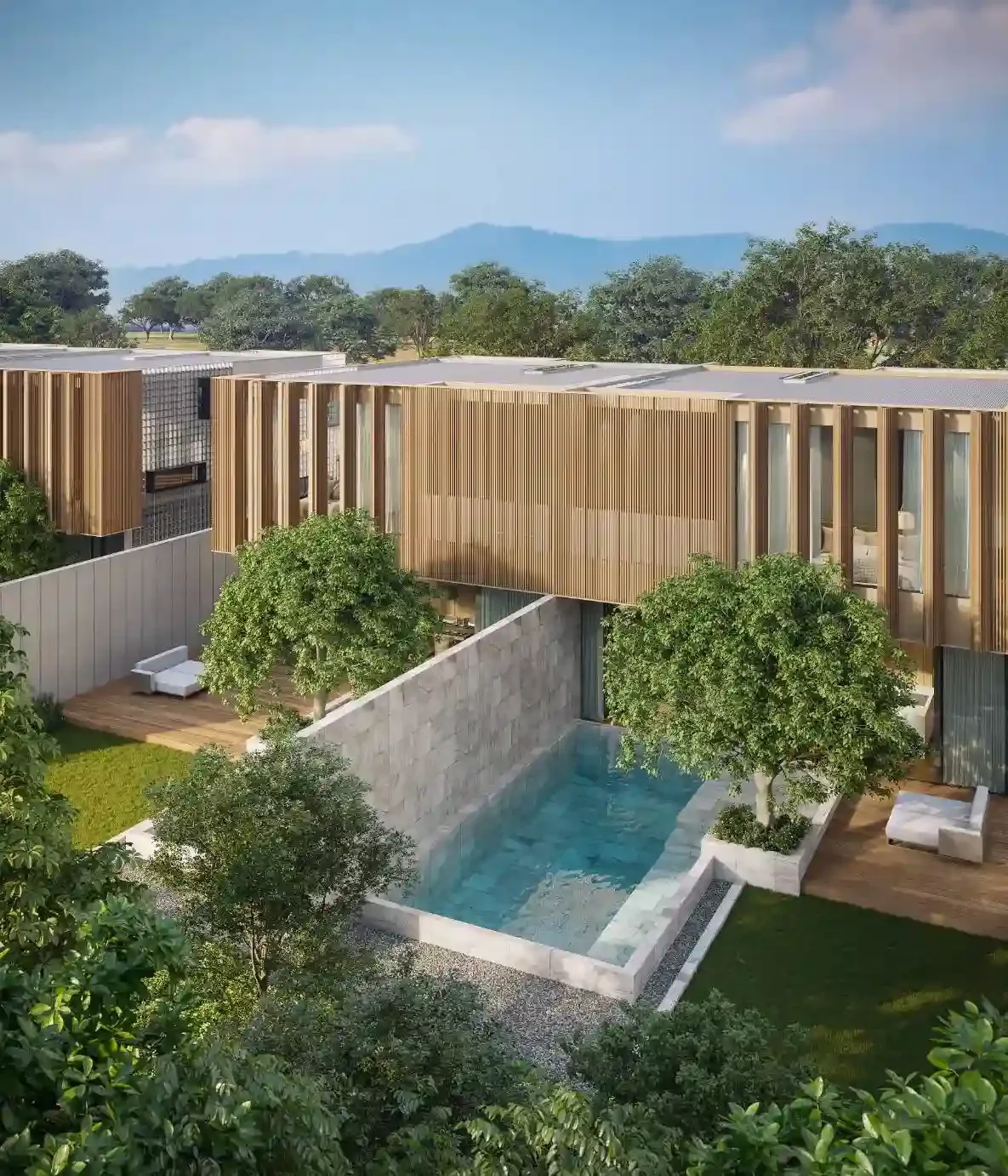

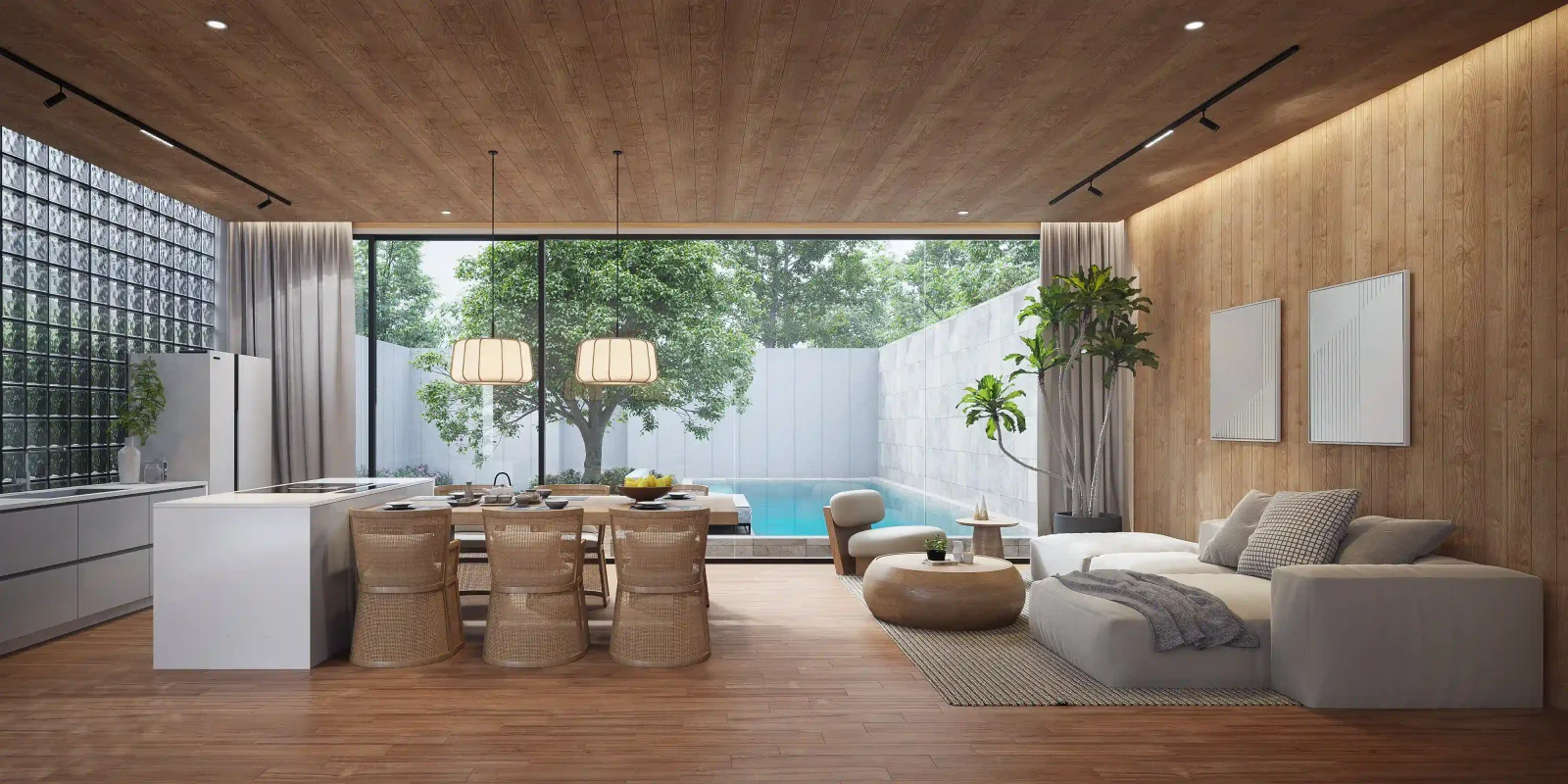
## What Are the Key Facts for Mono Oxygen Bangtao Phase 2?
| Factor | Detail |
| --- | --- |
| Location | Choeng Thale, near Bang Tao Beach |
| Phase | 5 minimalist pool villas |
| On our price list | Villa B5 |
| Three-bedroom | 282 sqm, 23,950,000 THB |
| Payment | 25% / 15% / 15% / 15% / 15% / 15% |
| Stage | Under construction |
| Beach | About 4 minutes by car |
| Airport | About 36 minutes by car |
| Plots | About 240 to 302 sqm |
| Security | 24-hour security, CCTV, covered parking |
## Location: Choeng Thale, Close to the Beach
Choeng Thale is the heart of the Bang Tao area, where the beach, the beach clubs, the schools and the restaurants of the west coast are all close together.
- **Bang Tao Beach:** about 4 minutes by car or 16 minutes on foot
- **Shops and restaurants:** the nearest mall about 5 minutes by car
- **Laguna Phuket:** golf, spas and beach clubs
- **Boat Avenue and Porto de Phuket:** dining and shopping
- **Airport:** about 36 minutes by car
Days here begin with a walk to the sea, move from the pool to lunch at a beach club, and end on the terrace in the garden. The [Bang Tao area page](/bang-tao-properties/) covers the district in more detail. The short distance to the sand is the reason many owners choose this corner of Choeng Thale: the beach becomes part of the daily routine rather than a weekend trip.
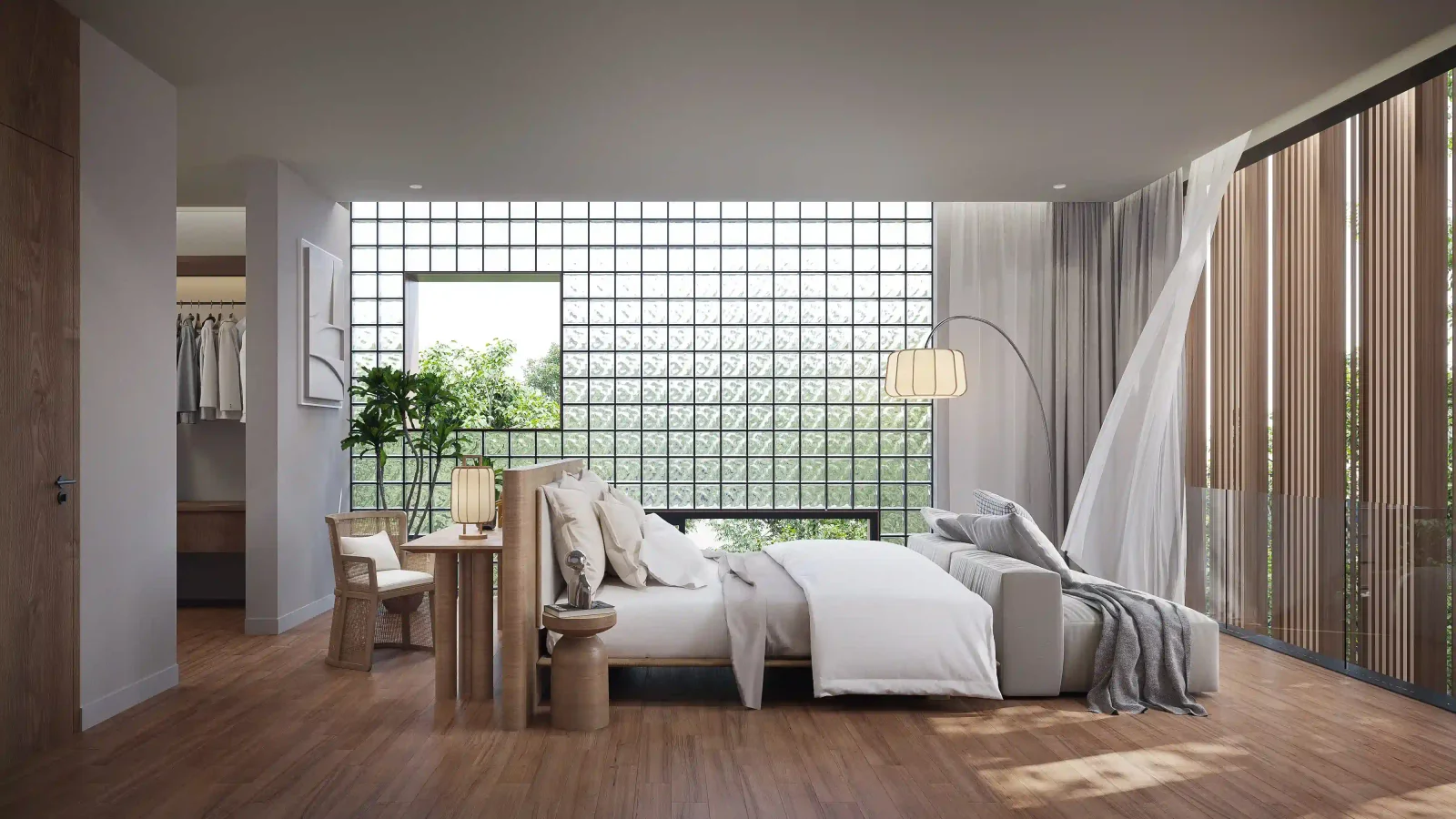
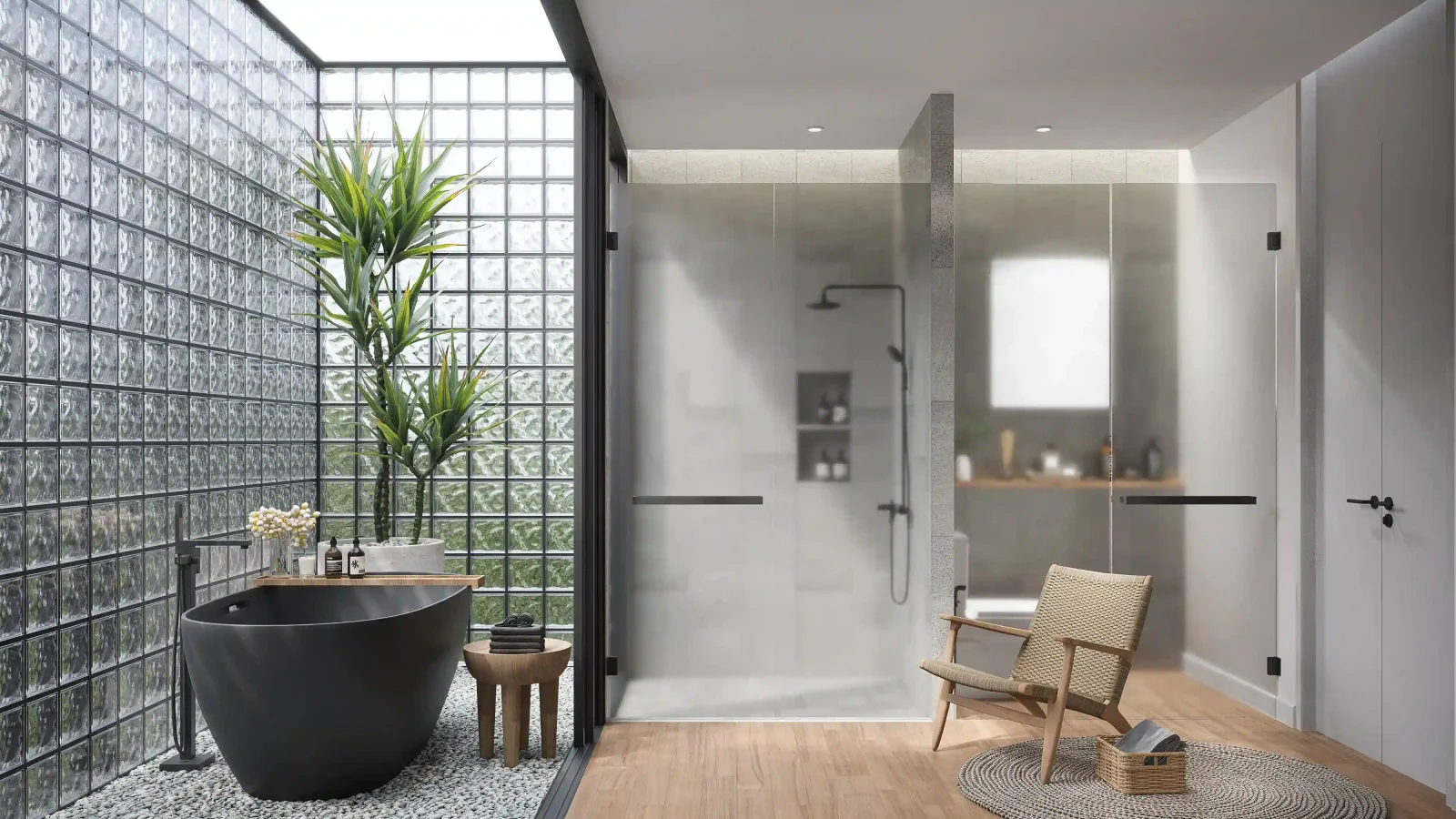
## Villas and Prices
| Villas | Bedrooms | Built area | Price |
| --- | --- | --- | --- |
| B5 | Three | 282 sqm | 23,950,000 THB |
Villa B5 is the villa on our price list today, a three-bedroom house of about 282 sqm with its own pool and garden, at 23,950,000 THB. We send the plan, the plot and the specification, and arrange a viewing of the site. For buyers who want a pool villa a few minutes from Bang Tao Beach, a small phase like this is a rare chance to live close to the sea in a quiet, secure setting.
## Design and Facilities
- **Minimalist architecture** with clean lines
- **Open-plan living and dining** with high ceilings
- **Three bedrooms and three bathrooms**
- **Private swimming pool** and landscaped garden
- **Covered parking**
- **Shared green garden** for residents
- **24-hour security** and CCTV
- **Pet-friendly**
## Living at Mono Oxygen
Life at Mono Oxygen is simple and bright. Mornings start with a swim in your own pool, the beach is a short walk or ride away, and the cafés and shops of Choeng Thale are around the corner. The minimalist interiors are easy to keep and easy to leave, which suits owners who divide the year between Phuket and home. In the evening, the terrace and the garden are the quietest place to end the day, a few minutes from the lively beach clubs of Bang Tao. With only five villas in the phase, neighbours are few, the shared garden is quiet, and the security team keeps an eye on the house while you are away.
## Six-Stage Payment Plan
The price is paid in six stages: 25%, 15%, 15%, 15%, 15% and 15%. For a villa at 23,950,000 THB that works out as follows:
| Stage | Share | Amount |
| --- | --- | --- |
| 1 | 25% | 5,987,500 THB |
| 2 to 6 | 15% each | 3,592,500 THB each |
The schedule follows the build, and we send the developer's schedule for your villa with the price list.
## Why Buyers Choose Mono Oxygen Bangtao Phase 2
- **About 4 minutes** from Bang Tao Beach
- **Only five villas** in the phase
- **Minimalist design** with high ceilings
- **Three ensuite bedrooms** and a private pool
- **24-hour security** and a shared garden
- **Pet-friendly**
## Who Mono Oxygen Bangtao Phase 2 Suits
**Couples and families** who want a pool villa close to the beach in a quiet setting.
**Owners who spend part of the year in Phuket** and want a house that is easy to leave.
**Buyers who like minimalist design** with light, space and clean lines.
**Rental investors** aiming at families and couples who book a pool villa near Bang Tao Beach.
## Renting Out a Villa at Mono Oxygen
A three-bedroom pool villa a few minutes from Bang Tao Beach appeals to families and couples on holiday in the November to April season, and to long-stay guests who want the beach close by. The pool, the privacy and the location are what guests value most.
If you plan to let your villa at Mono Oxygen Bangtao Phase 2, we collect current asking rents and holiday rates for comparable villas in Bang Tao and send them with the price list. [Our rental guide](/guides/phuket-rental-yield-complete-guide-2026/) explains how to read a rental offer line by line.
## Ownership for Foreign Buyers
At Mono Oxygen Bangtao Phase 2, as with any villa in Thailand, you buy land plus a building. The villa can be held in your own name over a lease of the plot registered at the Land Office, 30 years per registration with renewal terms in the contract, or the land can be held through a Thai company with genuine Thai shareholders. [Freehold and leasehold in Thailand](/guides/freehold-vs-leasehold-thailand/) explains both routes, and we prepare the one that suits you with our legal support.
## Mono Oxygen and Other Villas Around Bang Tao
| Project | From | Status |
| --- | --- | --- |
| [Mouana Residence Ko Kaeo](/projects/mouana-residence-ko-kaeo/) | 19,900,000 THB | Off-plan |
| [Sierra Vista](/projects/sierra-vista/) | 19,900,000 THB | Off-plan |
| [The Harmony by Wallaya](/projects/the-harmony-by-wallaya-villas/) | 20,776,000 THB | Off-plan |
| Mono Oxygen Bangtao Phase 2 | 23,950,000 THB | Off-plan |
| [Rainpalm Villas](/projects/rainpalm-villas/) | 24,172,560 THB | Off-plan |
| [QNITY by Wallaya Villas](/projects/qnity-by-wallaya-villas/) | 25,609,000 THB | Off-plan |
| [Manor Phuket Cherngtalay](/projects/manor-phuket/) | 26,300,000 THB | Off-plan |
Mono Oxygen stands out in this group for its closeness to Bang Tao Beach and its minimalist design. We send the price lists of any of these projects on request and arrange viewings.
## Buying Mono Oxygen Bangtao Phase 2 with MORE Group
A villa at Mono Oxygen is bought in five steps, from the first price list to the keys, and we are with you through each of them.
## What We Send Before You Reserve
- The current price list for Mono Oxygen Bangtao Phase 2 with free villas, plot areas and plans
- The six-stage payment schedule for your villa
- The ownership structure for your purchase, leasehold or company, with the documents it needs
- The community's common charges
- The latest construction update
{/* corpus-faq:mono-oxygen-phase-2 */}
## FAQ
### What does Mono Oxygen Bangtao Phase 2 cost?
Our price list holds 1 villas: three-bedrooms of 282 sqm at 23,950,000 THB.
### What does villa B5 include?
Three bedrooms and three bathrooms across about 282 sqm, open-plan living under high ceilings, a private swimming pool, a landscaped garden and covered parking.
### How far is Mono Oxygen from the beach?
Bang Tao Beach is about 4 minutes by car or 16 minutes on foot. The nearest mall is about 5 minutes by car and the airport about 36 minutes.
### What is the payment plan?
Six stages: 25%, 15%, 15%, 15%, 15%, 15%. For a villa at 23,950,000 THB that means 5,987,500 THB at the first stage.
### How can foreigners own a villa at Mono Oxygen Bangtao Phase 2?
The villa can be held in your own name over a lease of the plot registered at the Land Office, 30 years per registration with renewal terms in the contract, or the land can be held through a Thai company with genuine Thai shareholders. We prepare the structure with our legal support.
**Read Also:**
- [Villas for Sale in Bang Tao](/bang-tao-properties/)
- [Manor Phuket](/projects/manor-phuket/)
- [Freehold vs Leasehold in Thailand](/guides/freehold-vs-leasehold-thailand/)
- [How Foreigners Buy Phuket Property 2026](/guides/buying-property-phuket-guide/)
- [Phuket Rental Yield Guide](/guides/phuket-rental-yield-complete-guide-2026/)
# Monstera Nature Review 2026: Prices, Units and Quota
> Monstera Nature review: eight gated pool villas in Thalang near UWC Thailand and Thanyapura, three and four bedrooms from 12.9M THB, paid in six stages.
**Source:** https://moregroup.estate/projects/monstera-nature/
**Section:** Project Reviews
**Author:** MORE Group Editorial
**Published:** 2026-04-08
**Updated:** 2026-08-23
---
## Monstera Nature: Boutique Pool Villas in Green Thalang
Monstera Nature is a boutique villa estate in Thep Krasattri, the green inland part of Thalang between the airport road and the Layan and Bang Tao coast. Eight private pool villas sit behind a gate with 24-hour security, each with three or four en-suite bedrooms, high ceilings and terraces that open straight onto the garden and the pool.
As the name suggests, the estate is designed around lush tropical gardens. It is a place for families and long-term residents who want space, privacy and quiet, with international schools, sports facilities and daily services close by.
- **Entry ticket:** 12,900,000 THB (about $394,500) for a three-bedroom villa of 302 sqm
- **Villas:** eight, with three or four bedrooms
- **Payment plan:** six stages across the build
- **Stage:** under construction
- **Location:** UWC Thailand and Thanyapura minutes away, the airport about 22 minutes by car
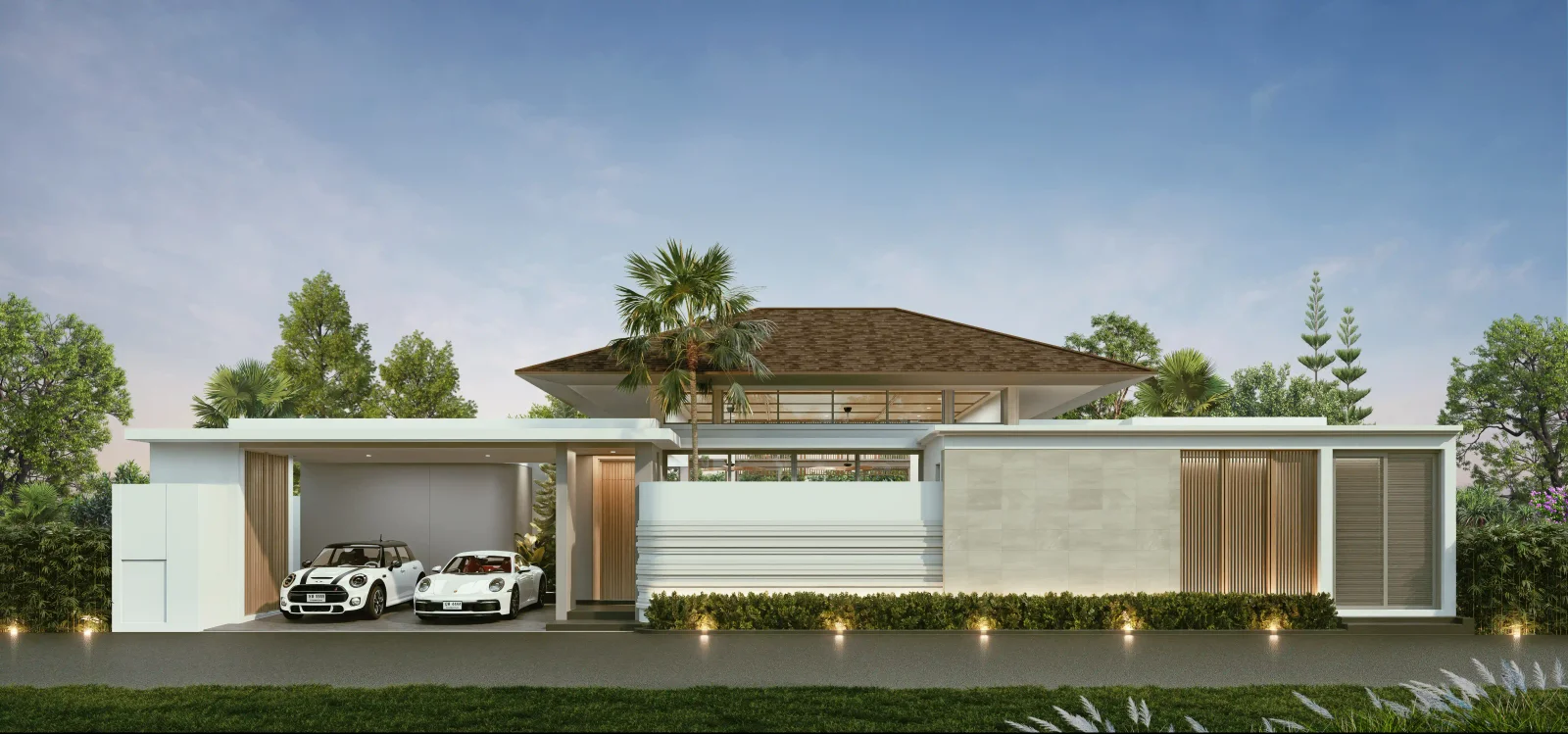
## Location: Thep Krasattri, Thalang
Thep Krasattri is home to many of Phuket's year-round residents: families with children at the international schools, professionals who work on the island, and sports lovers who train at Thanyapura. It is green, calm and practical, with everything needed for daily life within a short drive.
- **UWC Thailand:** one of the island's international schools, a few minutes away
- **Thanyapura Sports and Health:** a sports and wellness complex with pools, tracks and courts, a few minutes away
- **Shopping:** the nearest mall about 11 minutes by car
- **Beaches:** Laguna, Bang Tao and Layan about 22 minutes by car
- **Airport:** about 22 minutes by car
For families this combination matters more than a beach view: school runs stay short, weekends on the west-coast beaches stay easy, and flights are close at hand.
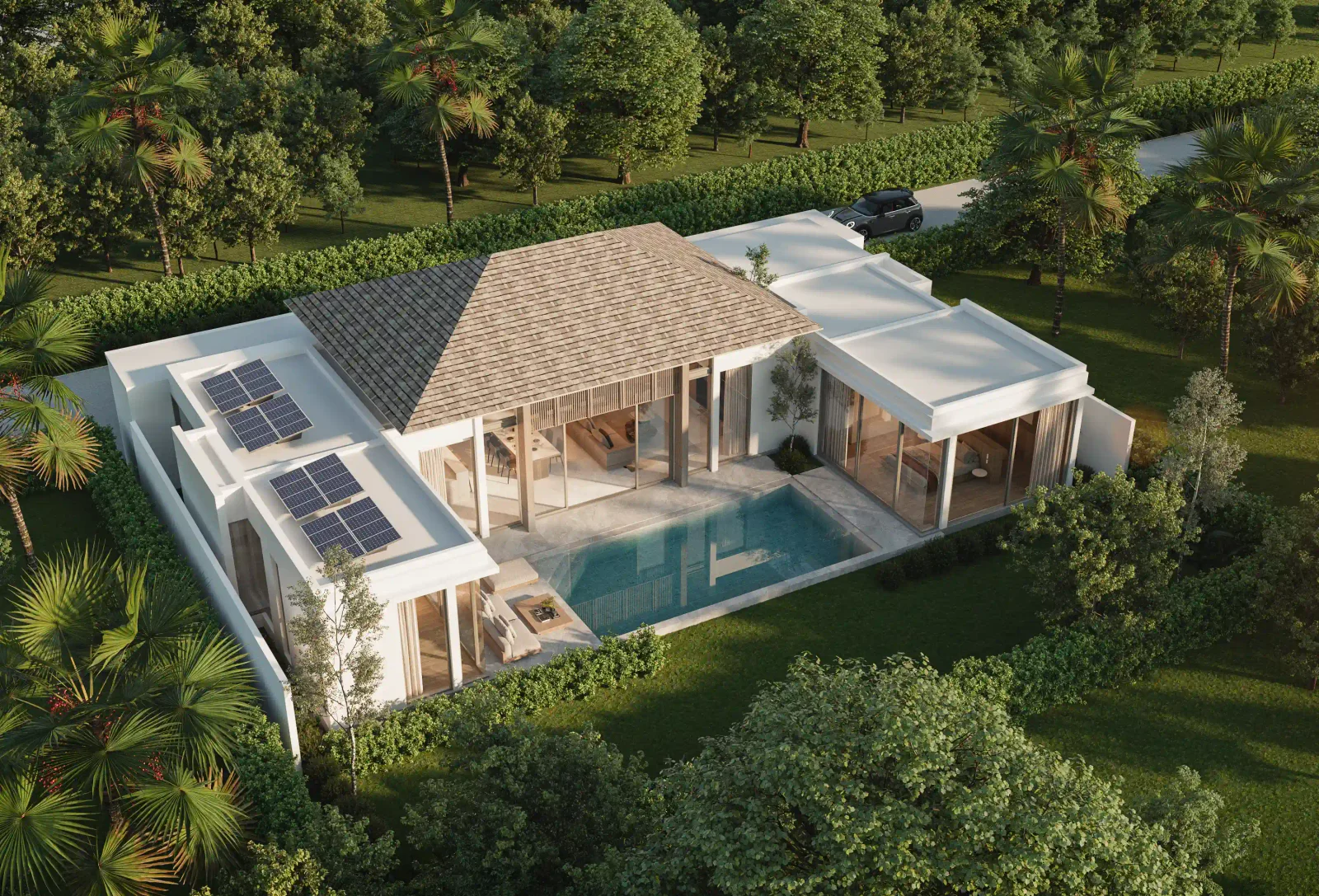
## Villas and Prices
Our price list holds seven villas at Monstera Nature:
| Villa | Bedrooms | Built area | Price |
| --- | --- | --- | --- |
| M-3 | Three | 302 sqm | 12,900,000 THB |
| M-7 | Three | 302 sqm | 17,900,000 THB |
| M-2, M-5, M-6 | Three | 302 sqm | 19,800,000 THB |
| M-8 | Three | 337 sqm | 21,900,000 THB |
| M-4 | Four | 391 sqm | 24,900,000 THB |
Villa M-3 at 12,900,000 THB is the most accessible in the estate, at about 42,700 THB per square metre, while the other three-bedrooms run from 17.9 to 21.9 million THB. The four-bedroom M-4 is the largest house, at 391 sqm. Prices within the estate reflect the plot and position of each villa, and we send the plot area, the plan and the specification for every villa together with the price list.
## Villa Design and Specification
Each villa is designed for everyday family living rather than for show:
- Private swimming pool and landscaped garden
- Open-plan living and dining with high ceilings
- Generous terraces flowing into the garden and pool
- Three or four en-suite bedrooms
- Walk-in closet in the master suite
- Freestanding bathtub
- Powder room for guests
- Laundry area and ample storage
- Covered parking for two cars
The estate itself is gated, with 24-hour security and CCTV, and pets are welcome.
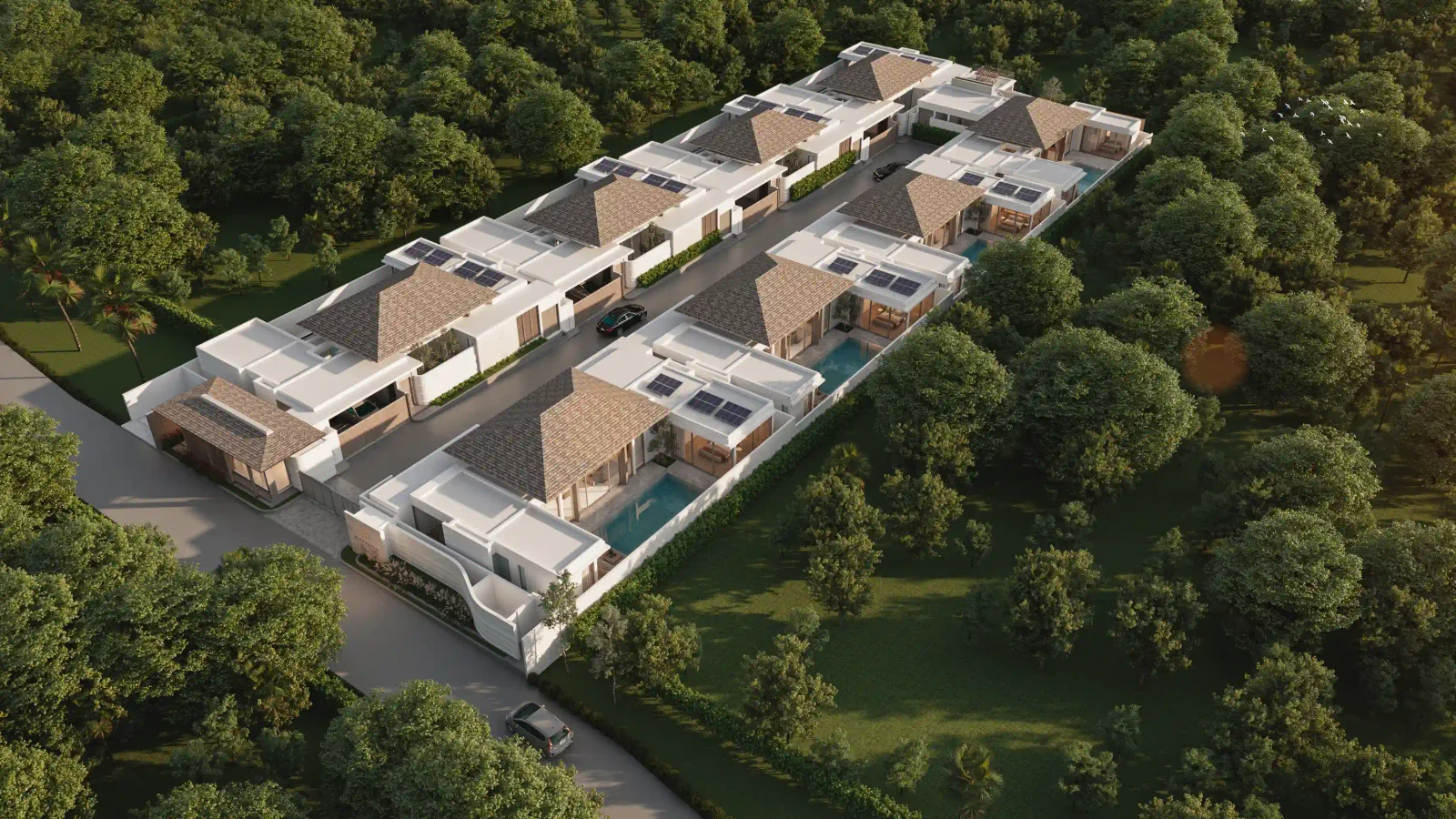
## Six-Stage Payment Plan
The price is paid in six stages as the villa is built: 30%, 20%, 15%, 15%, 10% and 10%. For villa M-3 at 12,900,000 THB that works out as follows:
| Stage | Share | Amount |
| --- | --- | --- |
| 1 | 30% | 3,870,000 THB |
| 2 | 20% | 2,580,000 THB |
| 3 | 15% | 1,935,000 THB |
| 4 | 15% | 1,935,000 THB |
| 5 | 10% | 1,290,000 THB |
| 6 | 10% | 1,290,000 THB |
Spreading the price over six stages keeps each transfer manageable and lets buyers fund the villa over the build period. We send the developer's schedule for your villa with the price list.
## Why Buyers Choose Monstera Nature
- **A boutique estate:** only eight villas, so neighbours are few and the estate stays quiet
- **Family location:** UWC Thailand and Thanyapura minutes away
- **Generous houses:** 302 to 391 sqm with private pools, walk-in closets and covered parking for two cars
- **An accessible entry:** a three-bedroom pool villa from 12,900,000 THB
- **Six-stage payments:** the price spread across the build
- **Pet-friendly:** gardens and space for dogs
## Who Monstera Nature Suits
- **Families** who want a villa near an international school and sports facilities
- **Long-term residents** who prefer a calm green district to a tourist strip
- **Sports and wellness lovers** who train at Thanyapura
- **Buyers who want a pool villa** at a clear, accessible price
- **Frequent flyers**, with the airport about 22 minutes away
## Renting Out a Villa in Thalang
The tenants in this part of Thalang are people who live and work on the island: school staff and families at UWC and the other international schools, sports professionals, and families on relocation postings. They sign six and twelve-month leases and often renew, which gives owners a steady monthly income with low changeover costs.
For owners who plan to rent, we collect current asking rents for comparable pool villas in Thalang and send them with the price list. [Our rental guide](/guides/phuket-rental-yield-complete-guide-2026/) explains how to read a rental offer line by line.
## Ownership for Foreign Buyers
At Monstera Nature, as with any villa in Thailand, you buy land plus a building. The house can be held in your own name over a lease of the plot registered at the Land Office, 30 years per registration with renewal terms in the contract, or the land can be held through a Thai company with genuine Thai shareholders. [Freehold and leasehold in Thailand](/guides/freehold-vs-leasehold-thailand/) explains both routes, and we prepare the one that suits you with our legal support.
## Monstera Nature and Other Villas Nearby
| Project | From | Status |
| --- | --- | --- |
| [College Villas Phase II](/projects/college-villas-phase-ii/) | 9,500,000 THB | Off-plan |
| [Aileen Residence Lagoon](/projects/aileen-residence-lagoon/) | 10,150,000 THB | Off-plan |
| Monstera Nature | 12,900,000 THB | Off-plan |
| [Aileen Villas Layan Phase 5](/projects/aileen-villas-layan-phase-5/) | 17,000,000 THB | Off-plan |
| [The Regent Villas Phase 2](/projects/the-regent-villas-phase-2/) | 20,790,000 THB | Off-plan |
| [Trichada Essence](/projects/trichada-essence/) | 21,118,907 THB | Off-plan |
| [Erawana Creek](/projects/erawana-creek/) | 23,900,000 THB | Off-plan |
Monstera Nature sits at the accessible end of this group while offering 300 sqm and more of built area. We send floor plans for any of these estates on request, so you can compare what each ticket buys.
## Buying Monstera Nature with MORE Group
A villa at Monstera Nature is bought in five steps, from the first price list to the keys, and we are with you through each of them.
## What We Send Before You Reserve
- The current price list with free villas, plot areas and plans
- The six-stage payment schedule for your villa
- The specification for each villa
- The ownership structure for your purchase, leasehold or company, with the documents it needs
- The latest construction update
- Current asking rents for comparable villas in Thalang, if you plan to rent
{/* corpus-faq:monstera-nature */}
## FAQ
### What does Monstera Nature cost?
Villas at Monstera Nature are priced from 12,900,000 THB for a three-bedroom of 302 sqm to 24,900,000 THB for the four-bedroom of 391 sqm.
### Where is Monstera Nature?
In Thep Krasattri, Thalang, a few minutes from UWC Thailand and the Thanyapura sports complex. The Laguna, Bang Tao and Layan beaches are about 22 minutes by car, and Phuket International Airport about 22 minutes.
### What is the payment plan?
Six stages during construction: 30%, 20%, 15%, 15%, 10% and 10%. We send the developer's schedule for your villa with the price list.
### What stage is Monstera Nature at?
Construction is underway. We send the latest construction update together with the price list.
### Can foreigners buy a villa at Monstera Nature?
Yes. The house can be held in your own name over a lease of the plot registered at the Land Office, 30 years per registration with renewal terms in the contract, or the land can be held through a Thai company with genuine Thai shareholders. We prepare the structure with our legal support.
### What does each villa include?
A private pool and garden, open-plan living with high ceilings, three or four en-suite bedrooms, a walk-in closet in the master suite, a freestanding bathtub, a powder room, a laundry area and covered parking for two cars.
**Read Also:**
- [Botanica Foresta 2 Review 2026: Prices & Yield](/projects/botanica-foresta-2/)
- [Cloud by Season Luxury Villas Review 2026: Buyer Guide](/projects/cloud-by-season-luxury-villas/)
- [Layan Guide: Phuket's Private Pool-Villa Estate](/areas/layan-property-guide/)
- [Freehold vs Leasehold in Thailand](/guides/freehold-vs-leasehold-thailand/)
- [Botanica Green Boulevard Review 2026: Prices & Yield](/projects/botanica-green-boulevard/)
- [Botanica Modern Loft II Review 2026: Prices & Yield](/projects/botanica-modern-loft-ii/)
# MontAzure Phuket Review 2026: Luxury Integrated Resort
> MontAzure Phuket review: the Kamala resort estate with Cafe del Mar and branded residences, from MGallery and InterContinental condos to Botanica villas.
**Source:** https://moregroup.estate/projects/montazure/
**Section:** Project Reviews
**Author:** MORE Group Editorial
**Published:** 2026-03-31
**Updated:** 2026-08-23
---
MontAzure is Kamala's master-planned integrated resort on Phuket's west coast: one estate that brings together hospitality, beach club culture and high-end residences under a single masterplan. Owners live alongside Cafe del Mar Phuket, the Twinpalms MontAzure hotel and a collection of branded residences, with resort service and dining a short walk from home.
This page covers the estate as a whole and helps you choose between the buildings inside it. Each building carries its own price list on its own page: [MGallery Residences MontAzure](/projects/mgallery-residences-montazure/), [InterContinental Phuket Residences](/projects/intercontinental-phuket-residences/) and [Botanica MontAzure](/projects/botanica-montazure/).
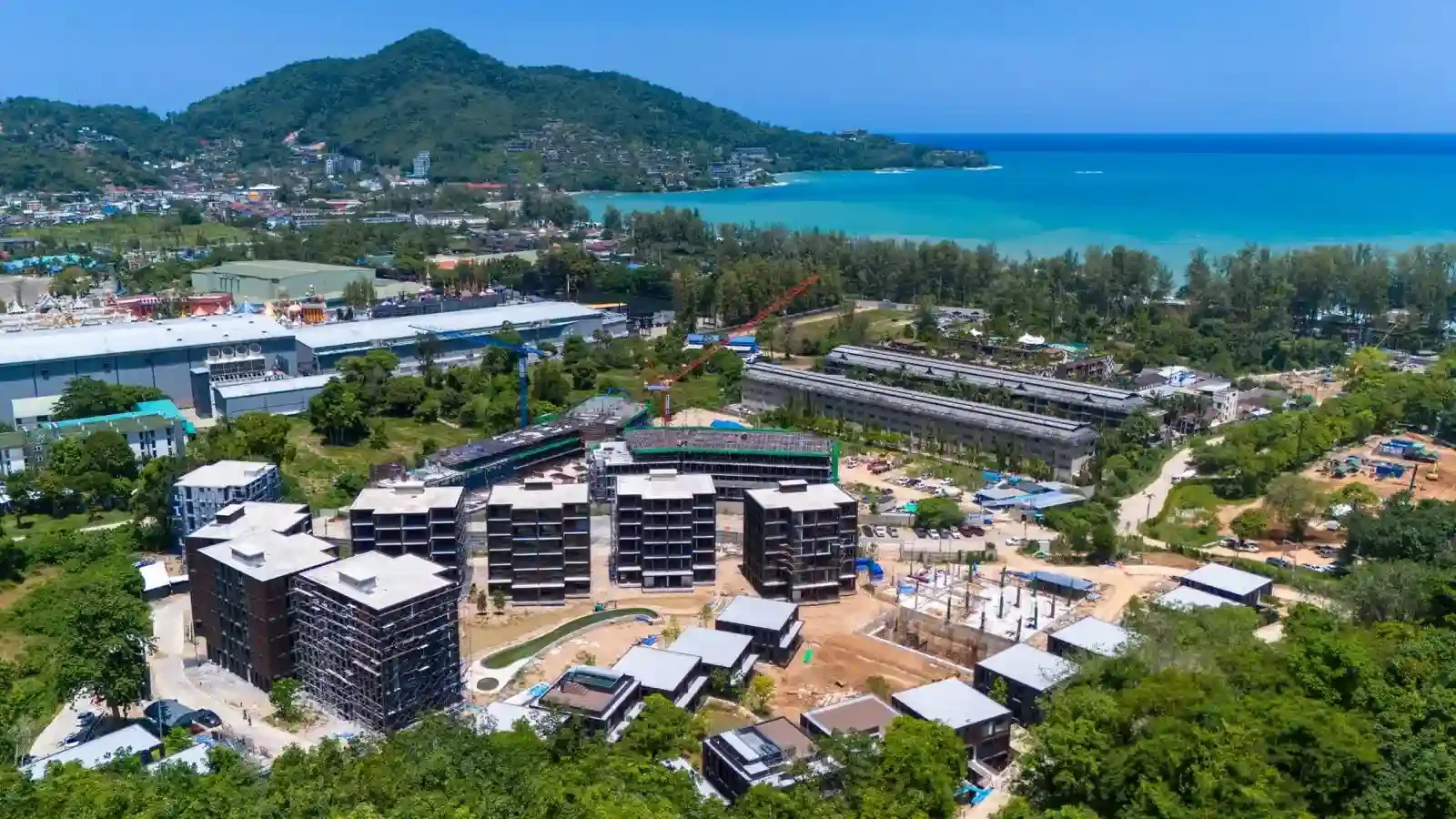
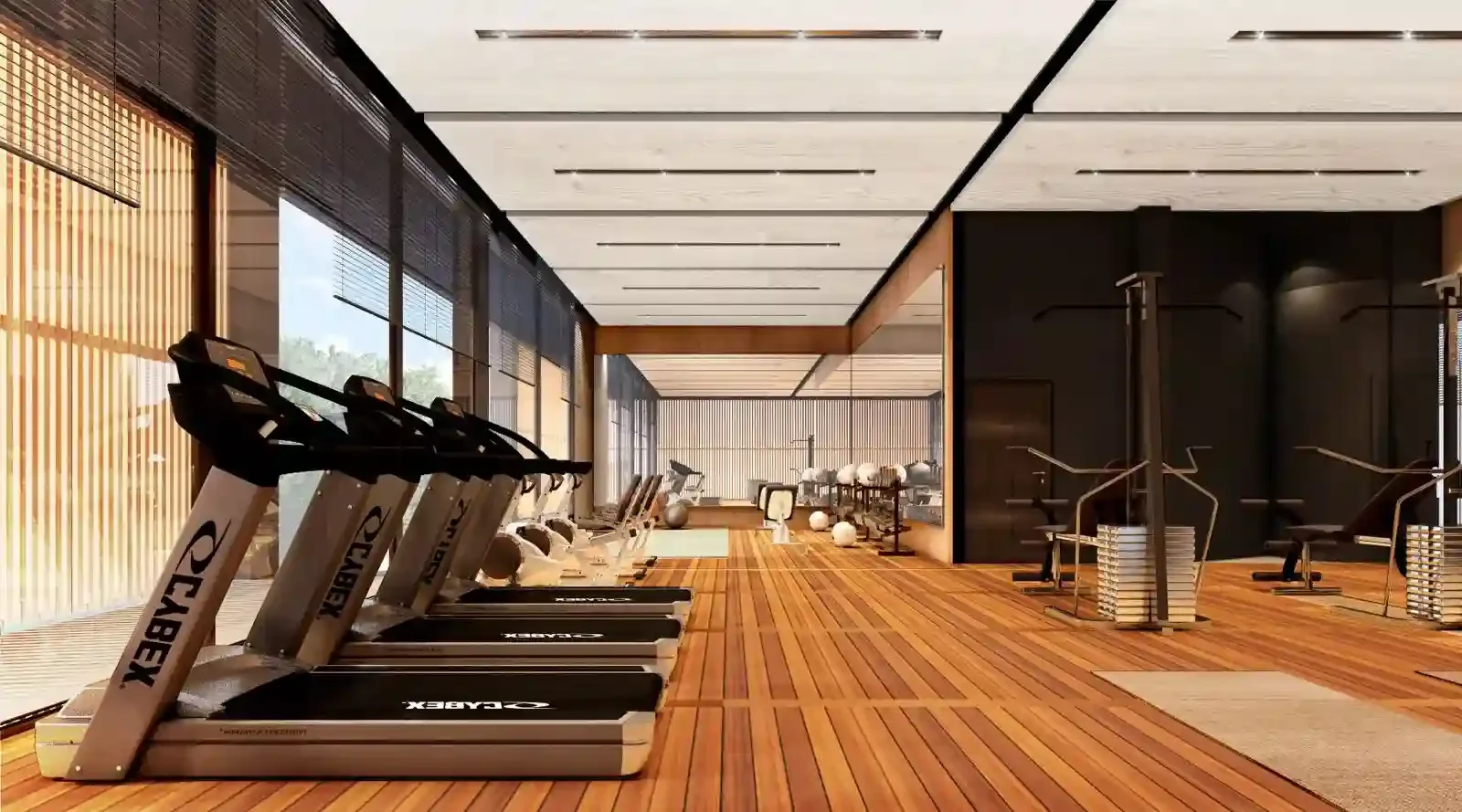
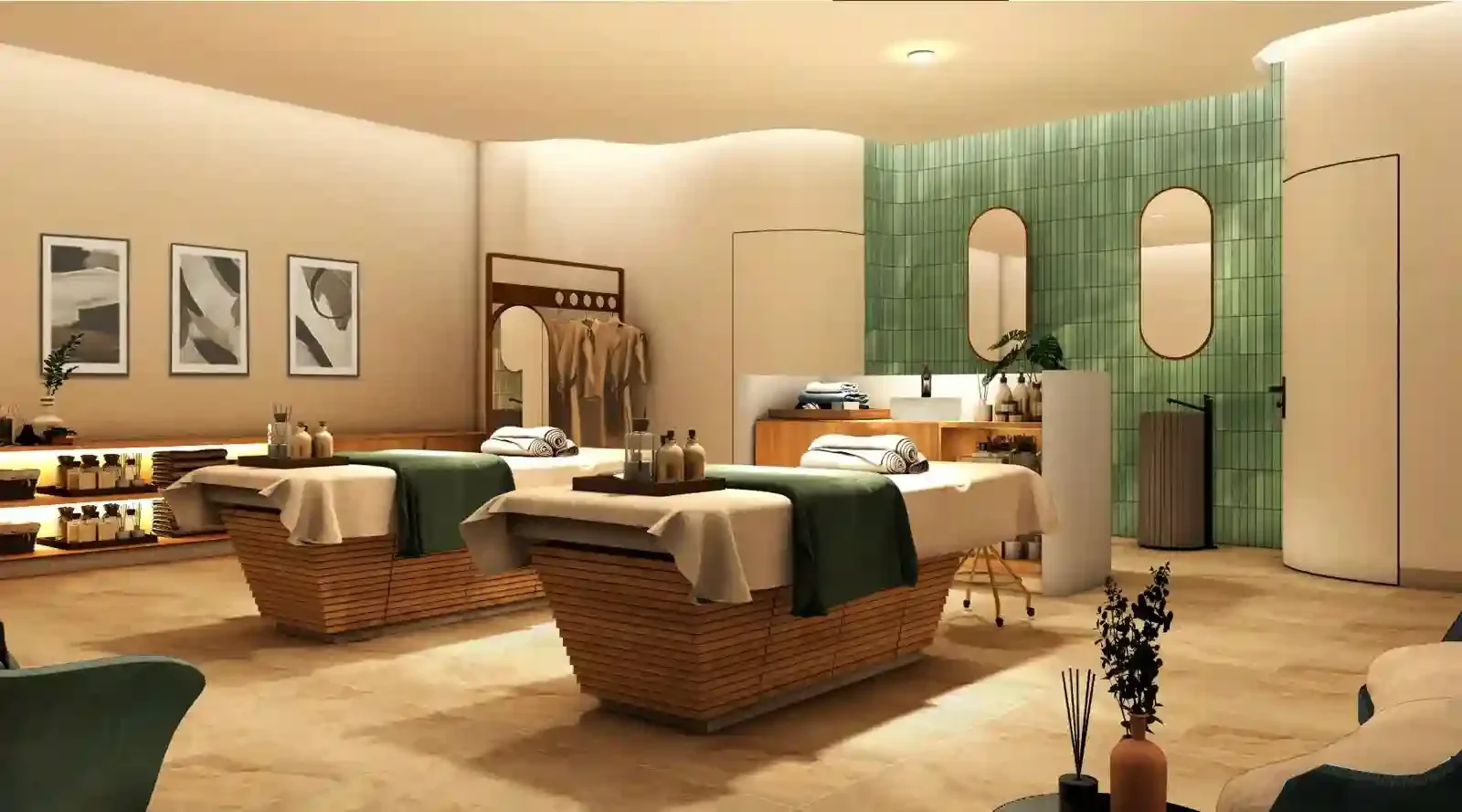
## What MontAzure Is: An Integrated Resort Masterplan
- Several hospitality and residential components sharing one resort identity
- Beachfront and near-beach positioning on one of the island's most prestigious coastlines
- A resident experience built around fine dining, a beach club and resort service
Buyers are not only acquiring square metres; they are joining a curated resort community.
## The Components of the Estate
| Component | Role in the estate |
|---|---|
| Cafe del Mar Phuket | The beach club and lifestyle anchor, known internationally |
| Twinpalms MontAzure | A boutique hotel with its own dining and service culture |
| MGallery Residences MontAzure | Branded, serviced condominiums |
| InterContinental Phuket Residences | Branded residences with InterContinental service standards |
| Botanica MontAzure | Private pool villas on the Kamala hillside |
We send the current availability in each component, with the price lists and the rental programme terms, on request.
## Kamala's Millionaire's Mile
Kamala sits between Surin and Patong on the stretch of west coast known as Millionaire's Mile, with hillside villas, sea views and a calm beach. MontAzure places a full resort estate in this setting:
- A strong international profile in travel media and among luxury buyers
- A buyer community that associates Kamala with privacy and prestige
- An integrated scale with few equivalents on the island
Patong's restaurants and nightlife are a short drive south, and Surin and Bang Tao a short drive north, so residents enjoy calm at home with the island's best-known beaches close by.
## Branded Residences: What You Buy
- **Service standards** set by international hospitality operators
- **Rental programmes**, where offered, with the letting handled by the operator
- **Access to resort facilities**, from dining to the beach club
- **House rules** that keep the estate's standard consistent for every owner
For owners who live abroad, this is the appeal of a branded residence: the apartment is looked after to a hotel standard, and letting it is a service rather than a project.
## Choosing a Building Inside MontAzure
| Building | Type | From | Status |
|---|---|---|---|
| [MGallery Residences MontAzure](/projects/mgallery-residences-montazure/) | Condominium | 10,535,275 THB | Off-plan |
| [InterContinental Phuket Residences](/projects/intercontinental-phuket-residences/) | Condominium | 13,600,000 THB | Off-plan |
| [Botanica MontAzure](/projects/botanica-montazure/) | Pool villas | 38,900,000 THB | Off-plan |
| [Twinpalms Residences MontAzure](/projects/twinpalms-residences/) | Condominium | On request | Completed |
**MGallery Residences** offer the most accessible entry to the estate, with serviced apartments under the Accor MGallery brand. **InterContinental Phuket Residences** add the service culture of one of the world's best-known hotel brands. **Botanica MontAzure** brings private pool villas with hillside and sea views for buyers who want a house. **Twinpalms Residences** are complete, so they can be seen and used straight away.
## Lifestyle: Cafe del Mar and Resort Living
- Resort-grade dining and entertaining without leaving the estate
- Beach club life at Cafe del Mar Phuket, with events and sunset sessions
- A social setting that suits owners who host friends and family
For owners, the estate's restaurants, beach club and services mean that everyday luxury is a short walk away, and for guests who rent the residence, the same features are the reason to book.
## A Day at MontAzure
A morning swim at Kamala Beach, breakfast at one of the estate's restaurants, and an afternoon by the pool or on a boat trip from the west coast. In the evening, sunset sessions at Cafe del Mar, or dinner on Kamala's beach road a few minutes away. Laem Singh viewpoint and Surin Beach are a short drive north, and Patong's restaurants and shopping a short drive south. It is resort life with a home at its centre, and it is what draws buyers to MontAzure.
## Renting Out a Residence at MontAzure
Buyers at this level often purchase for lifestyle first, and use the rental programme to keep the residence occupied and looked after while they are away. Branded residences at MontAzure appeal to international guests who want resort service with the space of an apartment or a villa.
For owners who plan to rent, we collect the terms of each building's rental programme, including the fee structure and owner usage rights, and current holiday rates for comparable Kamala residences, and send them with the price list. [Our rental guide](/guides/phuket-rental-yield-complete-guide-2026/) explains how to read a rental offer line by line.
## Ownership for Foreign Buyers
The ownership route depends on the component you choose. A condominium unit, at MGallery Residences, InterContinental Phuket Residences or Twinpalms Residences, can be held freehold in your own name within the 49% foreign quota of the building, counted by floor area; [the foreign quota guide](/guides/foreign-quota-thai-condominiums/) explains how it is counted. A villa at Botanica MontAzure is land plus a building: the house can be held in your own name over a lease of the plot registered at the Land Office, 30 years per registration with renewal terms in the contract, or the land can be held through a Thai company with genuine Thai shareholders ([the 30-year lease explained](/guides/30-year-lease-thailand-explained/)).
For a freehold condominium, the purchase money is transferred from abroad in foreign currency, and the receiving bank provides the FET form the Land Department needs to register the unit in your name. We prepare either structure with our legal support.
## Why Buyers Choose MontAzure
- **An integrated resort:** hotels, a beach club and residences under one masterplan
- **International brands:** MGallery, InterContinental and Cafe del Mar
- **A choice of formats:** serviced condominiums or private pool villas
- **Kamala's Millionaire's Mile:** a prestigious west-coast address
- **Rental programmes:** letting handled by the operators where offered
## Who MontAzure Suits
- **Lifestyle buyers** who want resort living with dining and a beach club at the door
- **Owners who live abroad** and want their residence managed to a hotel standard
- **Families** choosing between a serviced apartment and a private villa in one estate
- **Buyers who host**, for whom the estate's restaurants and beach club are part of the home
## Buying at MontAzure with MORE Group
A residence at MontAzure is bought in five steps, from the first price list to the keys, and we are with you through each of them.
## What We Send Before You Reserve
- The current price lists of the buildings you are considering, with free units and floor plans
- The payment schedule for your unit or villa
- For a condominium, confirmation that your unit sits within the 49% foreign quota
- For a villa, the ownership structure with the documents it needs
- The terms of the rental programme and the owner privileges
- The building and estate service charges
{/* corpus-faq:montazure */}
## FAQ
### What price range does MontAzure Phuket cover?
Each building inside the estate has its own price list. On our records, MGallery Residences MontAzure starts from 10,535,275 THB, InterContinental Phuket Residences from 13,600,000 THB and Botanica MontAzure villas from 38,900,000 THB. We send current price lists for any of them on request.
### Can I rent out a residence at MontAzure?
Yes. Branded residences at MontAzure offer rental programmes run by the operators, where offered, and the estate's resort facilities are a strong draw for guests. We send the programme terms, the fee structure and the owner usage rights with the price list.
### What is Cafe del Mar's role in MontAzure?
Cafe del Mar Phuket is the estate's beach club and lifestyle anchor, with events, dining and international recognition. For owners it adds a social and dining venue within the estate.
### How does MontAzure compare with other Kamala luxury options?
MontAzure stands out for its integrated scale and its international brands under one masterplan. Other Kamala options include standalone villas and boutique residences, and the best choice depends on how much resort service you want.
### Can foreigners buy at MontAzure?
Yes. A condominium unit can be held freehold within the 49% foreign quota of the building, and a villa is held through a registered lease of the land or a Thai company with genuine Thai shareholders. We prepare the structure with our legal support.
**Read Also:**
- [Phuket Rental Yield Guide](/guides/phuket-rental-yield-complete-guide-2026/)
- [Best Areas in Phuket to Buy Property 2026](/guides/best-areas-phuket-buy-property/)
- [Phuket Property Complete Guide 2026](/guides/buying-property-phuket-guide/)
- [Thai Condo Foreign Quota: 49% Rule Explained](/guides/foreign-quota-thai-condominiums/)
- [How Foreigners Buy Phuket Property 2026](/guides/buying-property-phuket-guide/)
- [The Buying Process in Thailand, Step by Step](/guides/due-diligence-process-thailand-step-by-step/)
# Mori: Japanese-Inspired Forest Villas in Bang Tao
> Mori review: forest-concept pool villas from 16.3M THB in Bang Tao Phuket, with Japanese minimalist design and an accessible entry to Bang Tao villas.
**Source:** https://moregroup.estate/projects/mori/
**Section:** Project Reviews
**Author:** MORE Group Editorial
**Published:** 2026-04-08
**Updated:** 2026-10-05
---
Bang Tao produces a steady stream of villa projects, but Mori stands out for a specific reason: the design concept comes from a real place. The name means "forest" in Japanese, and the architecture follows through on that promise. Clean lines, natural materials, deep overhangs that shade the living spaces, the aesthetic is unmistakably Japanese minimalist, and it reads as honest rather than trend-chasing.
Prices start at 16.31M THB for a pool villa in Bang Tao. That is not cheap by any measure, but for this location and this level of finish, it sits at the accessible end of the premium spectrum. The project is under construction, with delivery scheduled for Q2 2027 according to the developer (checked 16 September 2026), and payments are spread across the build.
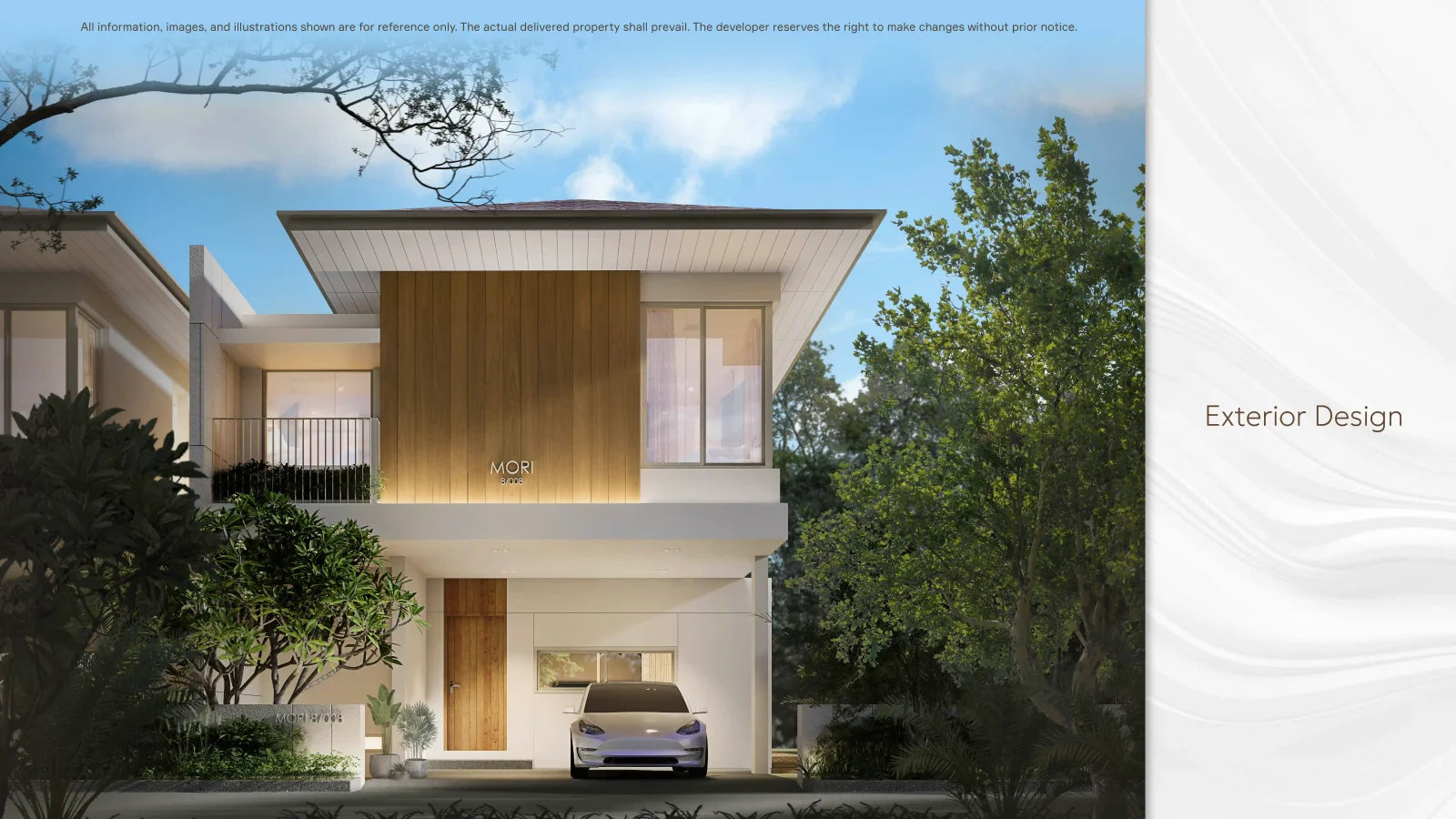
## Location: The Bang Tao Premium Belt
Bang Tao is one of Phuket's most established residential corridors. The Laguna complex anchors the northern end, five hotels, a golf course, interconnected lagoons, and 30 years of infrastructure investment. That foundation attracts high-income residents and repeat visitors who want both calm and convenience.
The surrounding streets have filled in over the past decade with premium villa communities, international schools, and the retail strip at Boat Avenue. Residents here have easy access to Cherngtalay, Bangtao Beach, and the main road connecting north Phuket to the airport corridor.
For investors, Bang Tao consistently outperforms southern Phuket on rental yield because the tenant profile skews toward long-stay professionals and families rather than short-break tourists. A well-positioned villa here tends to maintain occupancy across more months of the year.
Mori sits within this corridor, targeting buyers who want a primary residence or a managed rental property in an area with proven demand.
## Forest Concept in Practice
Japanese minimalism is not a surface treatment, it is a spatial philosophy. Mori applies it through a deliberate material palette: natural stone, warm wood tones, and expanses of glass that frame garden and pool views rather than compete with them.
The villa layouts prioritise indoor-outdoor flow. Living areas open directly to the pool deck through full-width glazed panels. Roof overhangs are deep enough to shade interior spaces during the hottest hours without blocking light. Landscaping uses layered greenery rather than ornamental flowers, which keeps the forest reference coherent throughout the plot.
Interiors carry the same discipline. Kitchens are fitted with integrated appliances and handle-free cabinetry. Bathrooms lean toward spa-like restraint: freestanding tubs, rain showers, and stone or tile finishes that keep the look calm. The bedroom design emphasises low furniture profiles and controlled natural light, elements that photograph well and, more importantly, make a space feel genuinely restful to inhabit.
The project has nine documented interior photos, which is above average for a project at this stage. That volume of interior photography suggests the developer is confident in the finish quality and willing to show buyers exactly what they are buying.
## Pricing and Value Context
Prices range from 16.31M THB to 20.61M THB. Converting at current rates, the entry point sits in the range of approximately 430,000-550,000 USD depending on exchange rate at time of purchase.
For Bang Tao, this is competitive. Many premium villa projects in this location price from 20M THB upward, with several exceeding 30M THB for comparable specifications. Mori's pricing positions it as the more accessible Bang Tao villa option for buyers who want the address without the upper-tier price commitment.
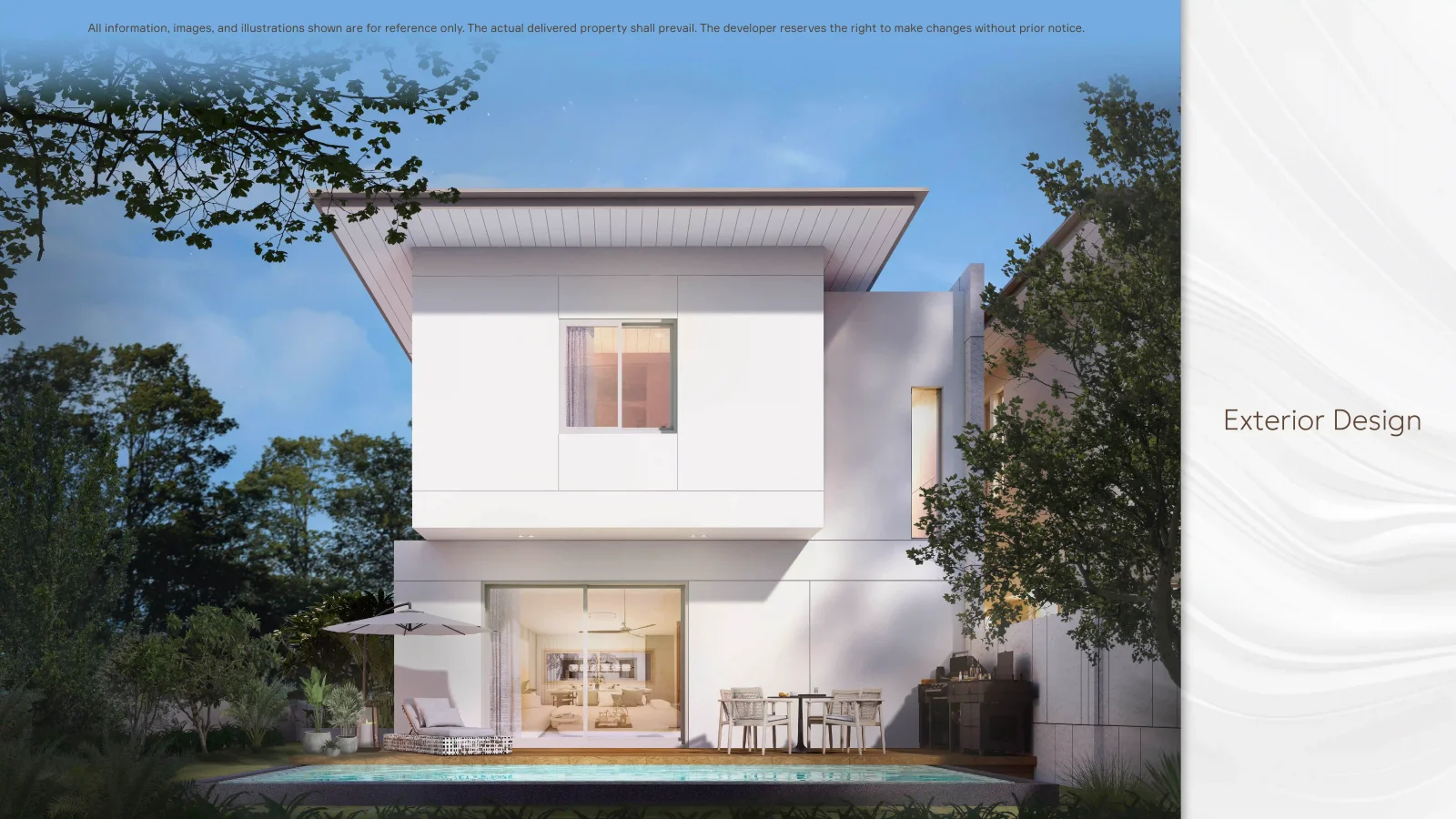
The price spread of roughly 4.3M THB between entry and ceiling suggests meaningful differentiation across unit configurations, likely reflecting plot size, villa footprint, or number of bedrooms. Exact unit type breakdown and lot configurations are available through the MORE Group team on request.
According to the developer (checked 16 September 2026), the payment plan runs 35% / 15% / 15% / 15% / 15% / 5%: a first payment, four construction milestone tranches and 5% at handover. We send the full schedule together with the price list.
## Investment Outlook
The Japanese design angle is a genuine differentiator for the rental market. Among Phuket's many tropical villas, a project with a coherent, well-executed architectural identity stands out on platforms like Airbnb, booking.com and the villa rental specialist sites. A clearly branded property with strong photography (and Mori has nine interior images to work with) rents faster and commands a small premium over equivalent-spec competitors.
For resale, Bang Tao has demonstrated consistent price appreciation over the past decade. The combination of constrained land supply in the core Laguna belt and ongoing infrastructure investment in north Phuket supports the long-term value case. Buying during construction also means any capital growth between purchase and completion accrues to the buyer.
## Who Mori Is Best Suited For?
Mori works well for three buyer profiles:
**Lifestyle purchasers** who want a primary or secondary residence in a premium Phuket location, with a design aesthetic that holds up over time rather than dates quickly. The minimalist concept tends to age better than tropical baroque or contemporary glass boxes.
**Rental investors** seeking a differentiated product in a high-demand corridor. The Bang Tao address, the coherent design story, and the documented interior quality all support strong rental positioning.
**Mid-range Bang Tao buyers** for whom the 20M+ projects in this area are a stretch. Mori's entry point of 16.31M THB provides genuine access to the premium north Phuket market without requiring the top-of-market budget.
{/* corpus-faq:mori */}
## FAQ
### What does Mori mean and why does the design concept matter?
Mori means 'forest' in Japanese. The design concept, Japanese minimalism applied to a tropical villa, matters because it creates a coherent identity that differentiates the project in a crowded market. For renters and buyers, a project with a clear aesthetic story is easier to position and tends to attract higher-quality tenants.
### What is the price range for Mori villas?
Prices range from 16.31M THB to 20.61M THB. This positions Mori at the accessible end of the Bang Tao premium villa market, where comparable projects typically start from 20M THB or above.
### How do I get more details or arrange a viewing?
Contact the MORE Group team directly. We can provide unit-specific pricing, the current payment plan from the developer, and arrange a site visit or virtual tour.
## Who this project suits
| Buyer profile | Why Mori fits |
| --- | --- |
| Yield-focused investor | Entry from 16,310,000 THB (~$499k) in Bang Tao's villa market |
| Lifestyle + rental | Close enough to Laguna and Boat Avenue to let year-round, far enough back to live in |
| Off-plan buyer | A staged schedule tied to construction stages spreads the purchase across the build |
| Diversifier | Worth a look if your existing Phuket exposure is all condominium stock, since villa demand moves on a different cycle |
## Similar Villas in Bang Tao
Buyers who shortlist Mori often compare it with [Diamond Pool Villa](/projects/diamond-pool-villa/), from 13,652,490 THB, and [Botanica Foresta 2](/projects/botanica-foresta-2/), from 29,900,000 THB, two other pool villa schemes in the same corridor. Mori sits between them on price, and its case rests on the Japanese design and a Bang Tao address below the corridor's 20M THB villa band. How staged villa purchases work is explained in the [off-plan property guide](/guides/off-plan-property-phuket-guide/).
For a condominium rather than a villa in the neighbouring Layan corridor, see [Layan Verde](/projects/layan-verde/).
## Owning a Villa at Mori
Mori is a villa development, so the 49% condominium quota does not apply: a foreign buyer holds a registered lease over the plot with the villa in their own name, or buys through a Thai company. We set out both routes with you and prepare the documents with our legal support; [freehold versus leasehold in Thailand](/guides/freehold-vs-leasehold-thailand/) explains the difference.
With the price list we send the estate charges, the sinking fund and the management onboarding as a full first-year budget, the operator's licence and a trailing twelve months of rental figures for comparable villas, and a comparison with two other villa schemes in the same price band from our [project reviews](/projects/).
The whole purchase, from the lease registration to the transfer at the Land Office, is set out in our guide to [buying property in Phuket as a foreigner](/guides/buying-property-phuket-guide/).
## Buying Mori with MORE Group
A Mori villa is bought in five steps, from the first price list to the keys, and we work through every one of them with you.
Bang Tao buyers can also read [best areas to buy in Phuket](/guides/best-areas-phuket-buy-property/) and our [Phuket rental yield guide](/guides/phuket-rental-yield-complete-guide-2026/).
# Mouana Breeze Maikhao Phuket Review 2026: Prices & Area
> Mouana Breeze Maikhao review: completed pool villas near Mai Khao Beach, three and four bedrooms of 404 to 433 sqm from 25.9M THB, ready to move in.
**Source:** https://moregroup.estate/projects/mouana-breeze-maikhao/
**Section:** Project Reviews
**Author:** MORE Group Editorial
**Published:** 2026-04-02
**Updated:** 2026-08-22
---
Completed and ready to move in: 27 pool villas in Mai Khao, north Phuket, with three and four bedrooms, 404 to 433 sqm of built area on plots of about 600 sqm. Prices from 25,900,000 THB (about $792,000) to 28,900,000 THB. About 2 minutes by car to Mai Khao Beach and 16 minutes to the airport. Clubhouse, gym, children's zone, 24-hour security, pet-friendly.
## Completed. Ready. Near the Beach.
For buyers who want to use their villa now, Mouana Breeze Maikhao is ready: a collection of 27 luxury pool villas in north Phuket, about 2 minutes by car from Mai Khao Beach and 16 minutes from Phuket International Airport. Every villa can be walked through before you buy, and the keys follow the transfer.
The villas combine modern tropical architecture with generous space: high ceilings, panoramic windows, private pools, terraces and landscaped gardens, on plots of about 600 sqm.
## Why Buy at Mouana Breeze Maikhao?
**Space at this price.** Built areas of 404 to 433 sqm on plots of about 600 sqm, with private pools and gardens, from 25.9 million THB.
**A full-service estate.** A central clubhouse, a communal gym, a children's outdoor zone, a communal swimming pool, covered parking for two to three cars per villa, and 24-hour security with CCTV.
**The north Phuket setting.** Sirinat National Park protects the coastline, so Mai Khao Beach keeps its long, quiet, natural character. Hospitals, international schools, golf and the airport are all within reach, which makes the area practical for year-round living.
**The beach close by.** About 2 minutes by car or a 16-minute walk to Mai Khao Beach, one of the longest and calmest beaches on the island.
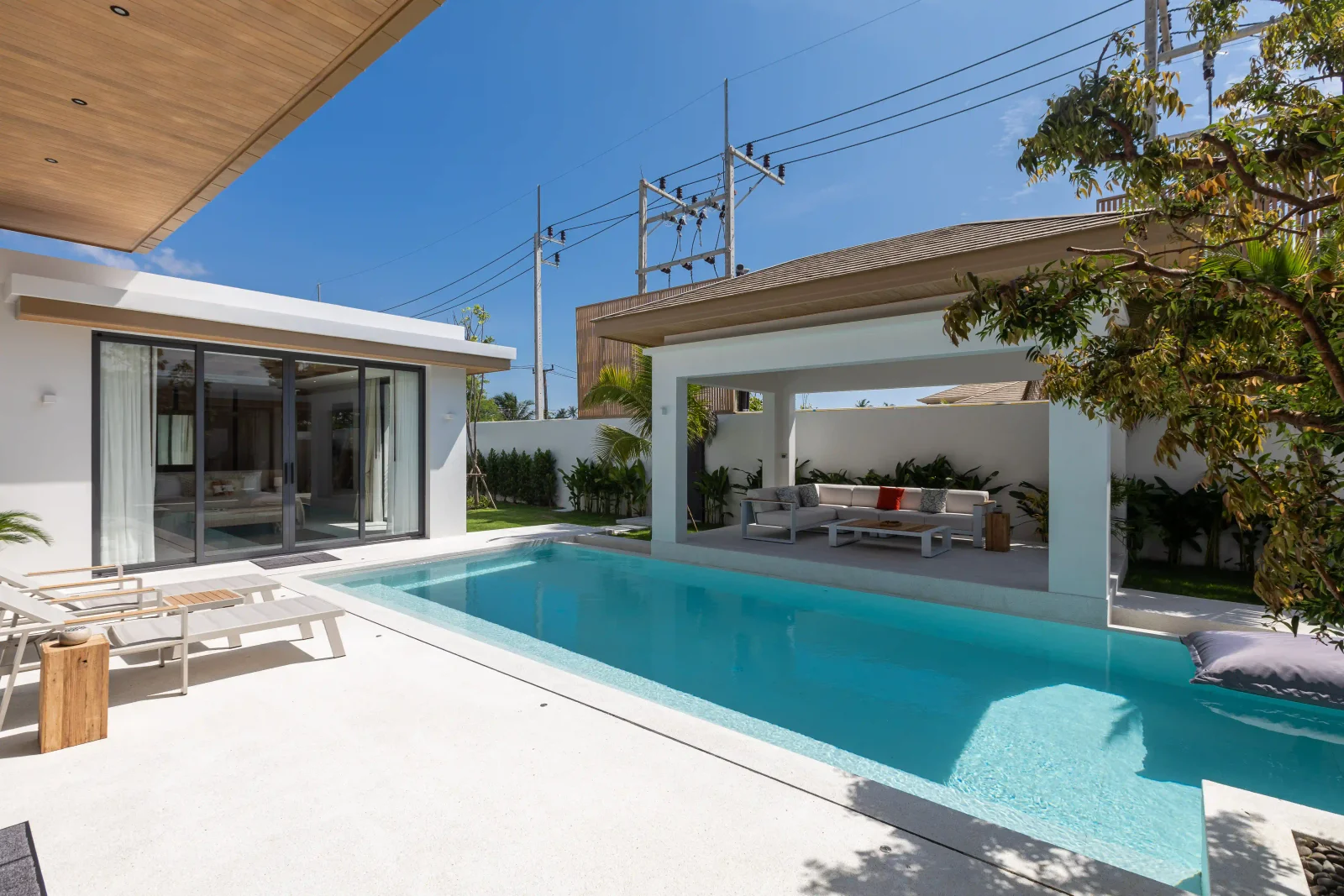
## Villas and Prices
Our price list holds seven villas:
| Villa | Bedrooms | Built area | Price | Per sqm |
|---|---|---|---|---|
| MBM-02, MBM-03, MBM-06 | Three | 404 sqm | 25,900,000 THB | 64,109 THB |
| MBM-11, MBM-12 | Four | 433 sqm | 26,900,000 THB | 62,125 THB |
| MBM-01 | Three | 404 sqm | 28,800,000 THB | 71,287 THB |
| MBM-08 | Three | 404 sqm | 28,900,000 THB | 71,535 THB |
The four-bedroom villas of 433 sqm at 26,900,000 THB stand out: an extra bedroom and 29 sqm more space for 1 million THB more than the entry three-bedroom, at the lowest price per square metre on the list. The developer's description also mentions villas of up to about 500 sqm, and we send today's availability with the price list.
Because the estate is complete, the purchase is simple: a reservation deposit holds the villa while the documents are prepared, and the balance is paid at transfer.
## Design and Estate
- **Modern tropical architecture** with high ceilings and panoramic windows
- **Private swimming pool**, terraces and a landscaped garden for every villa
- **Three or four bedrooms** with generous living areas
- **Covered parking** for two to three cars
- **Clubhouse, communal gym and pool**
- **Children's outdoor zone**
- **24-hour security with CCTV**
- **Pet-friendly** estate
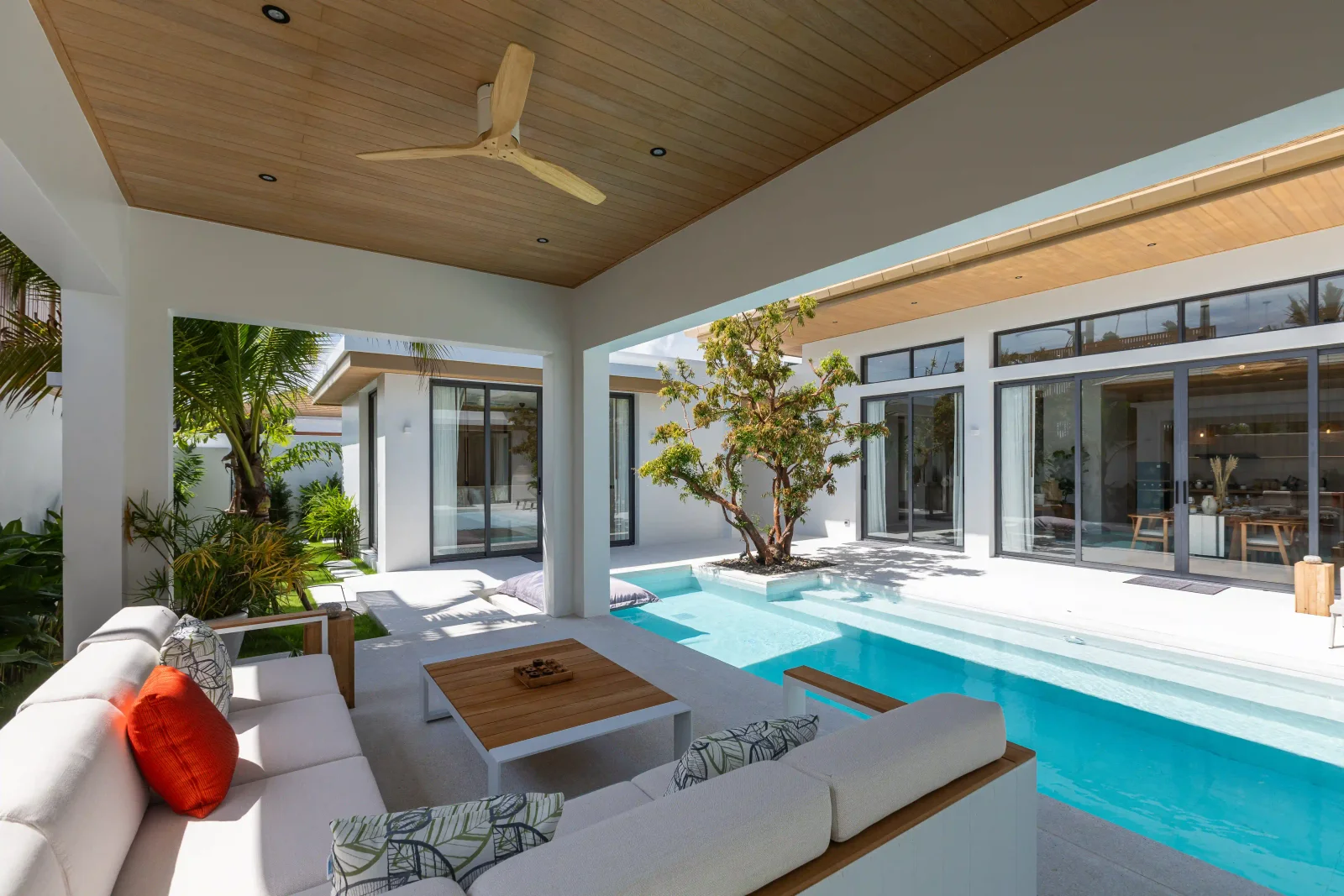
## Life in Mai Khao
Mai Khao is Phuket's quiet north: a long natural beach inside Sirinat National Park, calm water in the dry season and a relaxed pace all year. Daily needs are close, with the nearest mall about 8 minutes by car, and the airport's proximity makes the area a favourite for owners who divide their time between Phuket and home. The [Mai Khao and north Phuket guide](/areas/mai-khao-north-phuket-property-guide/) covers the area in detail.
## A Day at Mouana Breeze
Mornings start in the garden and the pool, with the school run or a short drive to the beach for a swim while the water is calm. The clubhouse and gym are a walk away inside the estate, and the children's zone gives younger family members a place to play with neighbours. In the evening, Mai Khao's long beach is the island's quiet place for a sunset walk, and the seafood restaurants of Nai Yang are a few minutes along the coast. It is a rhythm that suits families who live in Phuket year-round and owners who come for long stays.
## Who Should Buy at Mouana Breeze Maikhao?
**Families** who want a large villa with a private pool, a garden and a pet-friendly estate with a children's zone.
**Owners who fly in often**, for whom a 16-minute drive to the airport matters.
**Buyers who want to start now**, with a finished villa that can be used or rented from the day of transfer.
**Rental investors** who want a villa near one of the island's calmest beaches.
## Why Buyers Choose Mouana Breeze Maikhao
- **Completed:** see your villa in person and move in after transfer
- **Generous houses:** 404 to 433 sqm with private pools
- **A full-service estate:** clubhouse, gym, children's zone and security
- **Near the beach and the airport:** Mai Khao Beach about 2 minutes by car, the airport about 16
- **Clear pricing:** from 25,900,000 THB
- **Pet-friendly**
## Renting Out a Villa at Mouana Breeze
A completed pool villa near Mai Khao Beach can earn from the first month of ownership. It appeals to families and groups on holiday in the season and to long-stay guests who want calm and space, and professional villa managers in the north handle listings, guests and upkeep.
For owners who plan to rent, we collect current holiday rates and asking rents for comparable villas in the north and send them with the price list, together with the terms of villa managers who work in the area. [Our rental guide](/guides/phuket-rental-yield-complete-guide-2026/) explains how to read a rental offer line by line.
## Ownership for Foreign Buyers
At Mouana Breeze Maikhao, as with any villa in Thailand, you buy land plus a building. The house can be held in your own name over a lease of the plot registered at the Land Office, 30 years per registration with renewal terms in the contract, or the land can be held through a Thai company with genuine Thai shareholders. [Freehold and leasehold in Thailand](/guides/freehold-vs-leasehold-thailand/) explains both routes, and we prepare the one that suits you with our legal support.
## Mouana Breeze and Other North Phuket Villas
| Project | From | Status |
|---|---|---|
| [The Arthur Foresta](/projects/the-arthur-foresta/) | 15,838,050 THB | Off-plan |
| [Anchan Sunscape](/projects/anchan-sunscape/) | 22,466,000 THB | Off-plan |
| Mouana Breeze Maikhao | 25,900,000 THB | Completed |
| Montana Hills Villa | 28,700,000 THB | Off-plan |
| [Anchan Emerald](/projects/anchan-emerald/) | 29,000,000 THB | Off-plan |
| [Tiara Saku](/projects/tiara-saku/) | 32,900,000 THB | Off-plan |
| [Narana Villa Phuket](/projects/narana-villa-phuket/) | 36,262,440 THB | Off-plan |
Mouana Breeze is the completed estate in this group, so it is the one you can move into now. We arrange viewings of any of these projects on request.
## Buying Mouana Breeze Maikhao with MORE Group
A villa at Mouana Breeze Maikhao is bought in five steps, from the first price list to the keys, and we are with you through each of them.
## What We Send Before You Reserve
- The current list of available villas with plans and plot areas
- The ownership structure for your purchase, leasehold or company, with the documents it needs
- The estate's annual service charges
- The transfer costs and how they are shared
- Current holiday rates for comparable villas, if you plan to rent
{/* corpus-faq:mouana-breeze-maikhao */}
## FAQ
### Is Mouana Breeze Maikhao complete and ready for occupancy?
Yes. The estate is completed, so you can view the actual villa before buying and move in or start renting after transfer.
### How is the price paid for a completed villa?
A reservation deposit holds the villa while the documents are prepared, and the balance is paid at transfer. There is no construction schedule to follow.
### What ownership structure is available for foreign buyers?
The house can be held in your own name over a lease of the plot registered at the Land Office, 30 years per registration with renewal terms in the contract, or the land can be held through a Thai company with genuine Thai shareholders. We prepare the structure with our legal support.
### Can I rent out the villa?
Yes. North Phuket has an established villa rental market, and managers in the area handle listings, cleaning, maintenance and guest services. We send current holiday rates for comparable villas with the price list.
### Are there annual charges for owners?
Yes, the estate charges an annual fee covering security, the communal pool and clubhouse, landscaping and management. We send the current figure with the price list.
### How far is Mouana Breeze from the beach and the airport?
Mai Khao Beach is about 2 minutes by car or a 16-minute walk, and Phuket International Airport about 16 minutes by car.
**Read Also:**
- [Freehold vs Leasehold in Thailand](/guides/freehold-vs-leasehold-thailand/)
- [Best Areas in Phuket to Buy Property 2026](/guides/best-areas-phuket-buy-property/)
- [How Foreigners Buy Phuket Property 2026](/guides/buying-property-phuket-guide/)
- [Phuket Rental Yield Guide](/guides/phuket-rental-yield-complete-guide-2026/)
- [Mai Khao and North Phuket Property Guide](/areas/mai-khao-north-phuket-property-guide/)
- [The Buying Process in Thailand, Step by Step](/guides/due-diligence-process-thailand-step-by-step/)
# Mouana Grande Chalong Bay: Villas from 32.9M THB
> Mouana Grande Chalong Bay: 23 two-storey pool villas with five bedrooms, Thai and Western kitchens, near Chalong Bay and the schools, from 32.9M THB.
**Source:** https://moregroup.estate/projects/mouana-grande-chalong/
**Section:** Project Reviews
**Author:** MORE Group Editorial
**Published:** 2026-04-02
**Updated:** 2026-08-22
---
## What Is Mouana Grande Chalong Bay?
Mouana Grande Chalong Bay is built for big families and generous hosting. The villas open with a spacious living and dining area under high ceilings, with large sliding glass doors onto the terrace, the garden and the private pool. A fully equipped Western kitchen is joined by a closed Thai kitchen, and there is a pantry, a laundry and a staff area, so the house runs smoothly even with a full house of guests.
Every one of the five bedrooms has its own bathroom, and outside there is a barbecue and relaxation area, a landscaped garden and covered parking. The community is gated, with 24-hour security, CCTV, a gym and a children's area. Mouana also builds [Mouana Residence Ko Kaeo](/projects/mouana-residence-ko-kaeo/) in central Phuket.
## What Are the Key Facts for Mouana Grande Chalong Bay?
| Factor | Detail |
| --- | --- |
| Developer | Mouana |
| Location | Chalong, near Pa Lai Pier and Chalong Bay |
| Community | About 23 two-storey pool villas, gated |
| On our price list | 22 villas |
| Bedrooms | Five, each with an ensuite bathroom |
| Built area | About 503 to 596 sqm |
| Plots | About 458 to 833 sqm |
| Price | 32,900,000 to 46,600,000 THB |
| Kitchens | Western and Thai |
| Payment | 30% / 30% / 20% / 20% |
| Stage | Under construction |
| Beaches | Nai Harn and Kata about 21 minutes by car |
## Location: Chalong and Pa Lai
Chalong is where many of Phuket's resident families live: close to the pier and the marinas, the schools and the supermarkets, with the beaches of the south a short drive away. Pa Lai is its quiet, green side, by the bay.
- **Pa Lai Pier and Chalong Bay:** a few minutes away, for boat trips to the islands
- **International schools and supermarkets:** close by
- **Shopping:** the nearest mall about 6 minutes by car
- **Nai Harn, Kata and Rawai beaches:** about 21 minutes by car
- **Big Buddha and Phuket Town:** a short drive
- **Airport:** about an hour by car
Life here has an easy family rhythm: school, sport and shops close to home during the week, and the islands, the marinas and the southern beaches at the weekend. The [Rawai area page](/rawai-properties/) covers the wider south.
## Villas and Prices
All 22 villas on our list have five bedrooms:
| Built area | Villas | Price |
| --- | --- | --- |
| 521 to 542 sqm | 5 | 32,900,000 to 39,700,000 THB |
| 588 and 596 sqm | 17 | 36,900,000 to 46,600,000 THB |
Villa MGC-23 of 521 sqm opens the list at 32,900,000 THB, and most villas are the larger houses of 596 sqm. Within each size the price follows the plot, which ranges from about 458 to 833 sqm, and its position in the community. We send the site plan, plot areas and plans with the price list.
## Design and Villas
- **Two storeys** with high ceilings and open-plan living
- **Large sliding glass doors** to the terrace and garden
- **Five bedrooms,** every one with its own bathroom
- **Western kitchen and closed Thai kitchen**
- **Pantry, laundry and staff area**
- **Private swimming pool**, terrace, barbecue area and garden
- **Covered parking**
- **Gym and children's area** in the community
- **Gated**, with 24-hour security and CCTV
- **Pet-friendly**
## Living at Mouana Grande
A house of this size lets a large family live together without getting in each other's way. The children have the pool and the garden, grandparents and guests have their own ensuite rooms, and the Thai kitchen keeps cooking out of the living area. At weekends a boat from Pa Lai or Chalong takes the family to the islands, and the beaches of Nai Harn and Kata are a short drive. In the evening, the barbecue terrace is where everyone meets.
## Four-Stage Payment Plan
The price is paid in four stages: 30%, 30%, 20% and 20%. For a villa at 32,900,000 THB that works out as follows:
| Stage | Share | Amount |
| --- | --- | --- |
| 1 and 2 | 30% each | 9,870,000 THB each |
| 3 and 4 | 20% each | 6,580,000 THB each |
The four stages keep the plan simple to follow, and we send the developer's schedule for your villa with the price list.
## Why Buyers Choose Mouana Grande Chalong Bay
- **Five ensuite bedrooms** across about 503 to 596 sqm
- **Western and Thai kitchens**, a pantry and a staff area
- **Large plots** of up to about 833 sqm
- **Chalong Bay, the pier and the schools** close by
- **Gym and children's area** in a gated community
- **Pet-friendly**
## Who Mouana Grande Chalong Bay Suits
**Large and multi-generation families** who want five ensuite bedrooms under one roof.
**Owners who host often**, with room for guests, a staff area and a Thai kitchen that keeps the cooking out of the living room.
**Boat owners and sailors**, with Chalong Bay and the pier minutes away.
**Rental investors** aiming at large families and groups who rent a big house in the south.
## Renting Out a Villa at Mouana Grande
A five-bedroom pool villa near Chalong Bay appeals to large families and groups on holiday, and to relocating families who rent for a school year or longer. The space, the ensuite bedrooms and the two kitchens are what guests value most.
If you plan to let your villa at Mouana Grande, we collect current asking rents and holiday rates for comparable large villas in Chalong and Rawai and send them with the price list. [Our rental guide](/guides/phuket-rental-yield-complete-guide-2026/) explains how to read a rental offer line by line.
## Ownership for Foreign Buyers
At Mouana Grande Chalong Bay, as with any villa in Thailand, you buy land plus a building. The house can be held in your own name over a lease of the plot registered at the Land Office, 30 years per registration with renewal terms in the contract, or the land can be held through a Thai company with genuine Thai shareholders. [Freehold and leasehold in Thailand](/guides/freehold-vs-leasehold-thailand/) explains both routes, and we prepare the one that suits you with our legal support.
## Mouana Grande and Other Villas in the South
| Project | From | Status |
| --- | --- | --- |
| [Phirunda Pool Villa](/projects/phirunda-pool-villa/) | 13,990,000 THB | Completed |
| [Laurinda Villa](/projects/laurinda-villa/) | 28,800,000 THB | Off-plan |
| [Botanica Chalong Bay](/projects/botanica-chalong-bay/) | 29,716,000 THB | Off-plan |
| [Oliver Villa](/projects/oliver-villa/) | 29,800,000 THB | Off-plan |
| Mouana Grande Chalong Bay | 32,900,000 THB | Off-plan |
| [Star Silas Villa](/projects/star-silas-villa/) | 35,800,000 THB | Completed |
Mouana Grande stands out in this group for its five-bedroom houses with Thai and Western kitchens. We send the price lists of any of these projects on request and arrange viewings.
## Buying Mouana Grande Chalong Bay with MORE Group
A villa at Mouana Grande is bought in five steps, from the first price list to the keys, and we are with you through each of them.
## What We Send Before You Reserve
- The current price list with the site plan, plot areas and plans
- The four-stage payment schedule for your villa
- The ownership structure for your purchase, leasehold or company, with the documents it needs
- The community's common charges
- The latest construction update
{/* corpus-faq:mouana-grande-chalong */}
## FAQ
### What does Mouana Grande Chalong Bay cost?
Our price list holds 22 five-bedroom villas: five of 521 to 542 sqm from 32,900,000 to 39,700,000 THB and seventeen of 588 and 596 sqm from 36,900,000 to 46,600,000 THB.
### What does each villa include?
Two storeys with open-plan living under high ceilings, five bedrooms each with its own bathroom, a Western kitchen and a closed Thai kitchen, a pantry, a laundry, a staff area, a private pool, a terrace, a barbecue area, a garden and covered parking.
### Where is Mouana Grande Chalong Bay?
In Chalong, a few minutes from Pa Lai Pier and Chalong Bay, close to international schools and supermarkets. Nai Harn and Kata beaches are about 21 minutes by car.
### What is the payment plan?
Four stages: 30%, 30%, 20% and 20%. For a villa at 32,900,000 THB that means 9,870,000 THB at each of the first two stages and 6,580,000 THB at each of the last two.
### How can foreigners own a villa at Mouana Grande?
The house can be held in your own name over a lease of the plot registered at the Land Office, 30 years per registration with renewal terms in the contract, or the land can be held through a Thai company with genuine Thai shareholders. We prepare the structure with our legal support.
**Read Also:**
- [Mouana Residence Ko Kaeo](/projects/mouana-residence-ko-kaeo/)
- [Botanica Chalong Bay](/projects/botanica-chalong-bay/)
- [Nai Harn and Rawai Compared](/guides/nai-harn-vs-rawai-comparison/)
- [Freehold vs Leasehold in Thailand](/guides/freehold-vs-leasehold-thailand/)
- [How Foreigners Buy Phuket Property 2026](/guides/buying-property-phuket-guide/)
- [Phuket Rental Yield Guide](/guides/phuket-rental-yield-complete-guide-2026/)
# Mouana Residence Ko Kaeo: Pool Villas from 19.9M THB
> Mouana Residence Ko Kaeo: a gated community of about 79 pool villas near BIS Phuket and Boat Lagoon, three and four-bedroom layouts, from 19.9M THB.
**Source:** https://moregroup.estate/projects/mouana-residence-ko-kaeo/
**Section:** Project Reviews
**Author:** MORE Group Editorial
**Published:** 2026-04-08
**Updated:** 2026-10-07
---
## What Is Mouana Residence Ko Kaeo?
Mouana Residence Ko Kaeo is a family neighbourhood in the part of Phuket that families choose for its schools. The villas combine modern tropical design with practical layouts: open-plan living and dining under high ceilings, bedrooms with their own bathrooms, and a direct flow to the terrace, the garden and a private swimming pool. Parking for two cars and quality finishes complete each house.
The community is gated, with 24-hour security, CCTV and a gym, and everything a family needs is close by: BIS Phuket and other international schools, Villa Market, Boat Lagoon and Royal Phuket Marina, hospitals and the shops of Phuket Town. Mouana also builds [Mouana Grande Chalong Bay](/projects/mouana-grande-chalong/) in the south.
## What Are the Key Facts for Mouana Residence Ko Kaeo?
| Factor | Detail |
| --- | --- |
| Developer | Mouana |
| Location | Ko Kaeo, central Phuket, near BIS Phuket |
| Community | About 79 pool villas, gated |
| Layouts | Three and four bedrooms |
| Villas | 15 on our price list |
| Built area | 261 to 453 sqm |
| Price | 19,900,000 to 33,000,000 THB |
| Payment | 30% / 30% / 20% / 20% |
| Stage | Under construction |
| Beach | About 27 minutes by car |
| Airport | About 34 minutes by car |
| Plots | About 330 to 749 sqm |
| Facilities | Gym, 24-hour security, parking for two cars |
## Location: Ko Kaeo, Phuket's Family District
Ko Kaeo is where many of Phuket's resident families live: green and quiet, with the island's leading international school, its marinas and its hospitals close together.
- **British International School Phuket:** a few minutes away
- **Villa Market and Boat Lagoon:** shopping, dining and the marina close by
- **Royal Phuket Marina:** sailing and boat trips to the islands
- **Shopping:** the nearest mall about 10 minutes by car
- **Phuket Town:** services and the old town a short drive away
- **Airport:** about 34 minutes by car
The school run is short, weekends can start at the marina, and the beaches of both coasts are within a drive. The [Canopy Hills Villas page](/projects/canopy-hills-villas/) shows another family collection in the same district.
## Villas and Prices
| Villas | Built area | Price |
| --- | --- | --- |
| 13 villas | 261 to 365 sqm | 19,900,000 to 29,000,000 THB |
| MRK-02, MRK-23 | 444 and 453 sqm | 30,900,000 and 33,000,000 THB |
The villas open from 19,900,000 THB for about 261 sqm, and the larger houses of up to 453 sqm give growing families more room inside and out. Within each size the price follows the plot, which ranges from about 330 to 749 sqm. We send the plan, the bedroom layout and the plot of each villa with the price list, so you can compare them side by side before a viewing.
## Design and Facilities
- **Modern tropical design** with high ceilings
- **Open-plan living and dining**
- **Ensuite bathrooms** for the bedrooms
- **Private swimming pool** and garden terrace
- **Parking for two cars**
- **Quality finishes** throughout
- **Gym** in the community
- **Gated**, with 24-hour security and CCTV
- **Pet-friendly**
## Living at Mouana Residence
Family life at Mouana Residence is easy to organise. The school run to BIS Phuket takes minutes, the supermarket and the pharmacy are close, and the children have their own pool and garden after school. At weekends the marinas of Boat Lagoon and Royal Phuket Marina open the way to the islands, and the beaches of the west coast are a drive away. In the evening, the terrace by the pool is where the family gathers, and the gym is a short walk away for parents who train early. Because the community is large, children soon find friends of their own age among the neighbours.
## Four-Stage Payment Plan
The price is paid in four stages: 30%, 30%, 20% and 20%. For a villa at 19,900,000 THB that works out as follows:
| Stage | Share | Amount |
| --- | --- | --- |
| 1 and 2 | 30% each | 5,970,000 THB each |
| 3 and 4 | 20% each | 3,980,000 THB each |
The schedule follows the build, and we send the developer's schedule for your villa with the price list.
## Why Buyers Choose Mouana Residence Ko Kaeo
- **Minutes from British International School Phuket**
- **Three and four-bedroom layouts** on generous plots
- **A private pool** and garden terrace for every villa
- **Gym and 24-hour security** in the community
- **Marinas, hospitals and shopping** close by
- **Pet-friendly**
## Who Mouana Residence Ko Kaeo Suits
**Families with children at BIS Phuket** or other schools in central Phuket.
**Boat owners and sailors** with Boat Lagoon and Royal Phuket Marina close by.
**Long-term residents** who want a quiet, well-connected neighbourhood with hospitals and shops nearby.
**Rental investors** aiming at relocating families who rent a house near the schools for a school year or longer.
## Renting Out a Villa at Mouana Residence
A family pool villa near BIS Phuket appeals to relocating families who rent for a school year or longer, and to professionals who move to Phuket for work. Long lets suit the neighbourhood well and keep turnover low.
If you plan to let your villa at Mouana Residence Ko Kaeo, we collect current asking rents for comparable villas in Ko Kaeo and send them with the price list. [Our rental guide](/guides/phuket-rental-yield-complete-guide-2026/) explains how to read a rental offer line by line.
## Ownership for Foreign Buyers
At Mouana Residence Ko Kaeo, as with any villa in Thailand, you buy land plus a building. The villa can be held in your own name over a lease of the plot registered at the Land Office, 30 years per registration with renewal terms in the contract, or the land can be held through a Thai company with genuine Thai shareholders. [Freehold and leasehold in Thailand](/guides/freehold-vs-leasehold-thailand/) explains both routes, and we prepare the one that suits you with our legal support.
## Mouana Residence and Other Villas in Ko Kaeo
| Project | From | Status |
| --- | --- | --- |
| [Setthasiri Kohkaew Retreat](/projects/setthasiri-kohkaew-retreat/) | 16,800,000 THB | Off-plan |
| [D'Chateau Kathu](/projects/d-chateau-kathu/) | 18,900,000 THB | Off-plan |
| [Zenithy La Ville](/projects/zenithy-la-ville/) | 19,425,000 THB | Off-plan |
| Mouana Residence Ko Kaeo | 19,900,000 THB | Off-plan |
| [Botanica Majestia](/projects/botanica-majestia/) | 38,061,000 THB | Off-plan |
| [Canopy Hills Villas](/projects/canopy-hills-villas/) | 56,519,000 THB | Off-plan |
Mouana Residence stands out in this group for the size of its community and its closeness to BIS Phuket. We send the price lists of any of these projects on request and arrange viewings.
## Buying Mouana Residence Ko Kaeo with MORE Group
A villa at Mouana Residence is bought in five steps, from the first price list to the keys, and we are with you through each of them.
## What We Send Before You Reserve
- The current price list for Mouana Residence Ko Kaeo with free villas, plot areas and plans
- The four-stage payment schedule for your villa
- The ownership structure for your purchase, leasehold or company, with the documents it needs
- The community's common charges
- The latest construction update
{/* corpus-faq:mouana-residence-ko-kaeo */}
## FAQ
### What does Mouana Residence Ko Kaeo cost?
Our price list holds 15 villas: villas of 261 to 365 sqm from 19,900,000 to 29,000,000 THB; villas of 444 and 453 sqm from 30,900,000 and 33,000,000 THB.
### Where is Mouana Residence Ko Kaeo?
In Ko Kaeo, central Phuket, a few minutes from British International School Phuket, close to Villa Market, Boat Lagoon and Royal Phuket Marina. The airport is about 34 minutes by car.
### What does each villa include?
Open-plan living under high ceilings, three or four bedrooms with ensuite bathrooms, a private swimming pool, a garden terrace and parking for two cars. The community has a gym and 24-hour security.
### What is the payment plan?
Four stages: 30%, 30%, 20%, 20%. For a villa at 19,900,000 THB that means 5,970,000 THB at the first stage.
### How can foreigners own a villa at Mouana Residence Ko Kaeo?
The villa can be held in your own name over a lease of the plot registered at the Land Office, 30 years per registration with renewal terms in the contract, or the land can be held through a Thai company with genuine Thai shareholders. We prepare the structure with our legal support.
**Read Also:**
- [Mouana Grande Chalong Bay](/projects/mouana-grande-chalong/)
- [Zenithy La Ville](/projects/zenithy-la-ville/)
- [Freehold vs Leasehold in Thailand](/guides/freehold-vs-leasehold-thailand/)
- [How Foreigners Buy Phuket Property 2026](/guides/buying-property-phuket-guide/)
- [Phuket Rental Yield Guide](/guides/phuket-rental-yield-complete-guide-2026/)
# Mouana Serenity Cherngtalay: Pool Villas from 29.1M THB
> Mouana Serenity: pool villas in Thep Krasattri near Layan and Bang Tao, three and four bedrooms on plots of up to 678 sqm, with a gym, from 29.1M THB.
**Source:** https://moregroup.estate/projects/mouana-serenity/
**Section:** Project Reviews
**Author:** MORE Group Editorial
**Published:** 2026-04-02
**Updated:** 2026-08-21
---
## What Is Mouana Serenity Cherngtalay?
Mouana Serenity lives up to its name: a calm, green community where the houses are generous and the plots are large. Each villa opens its living and dining space onto the terrace, the garden and a private swimming pool, and every bedroom has its own bathroom. The layouts suit families, with three-bedroom homes and a four-bedroom villa for larger households.
Residents share a gym and a children's area, and the community is gated and secure. The beaches of Layan and Bang Tao are about nine minutes by car, the airport about 22 minutes, and the schools and shops of the north are close by. Mouana also builds [Mouana Grande Chalong Bay](/projects/mouana-grande-chalong/) and [Mouana Residence Ko Kaeo](/projects/mouana-residence-ko-kaeo/).
## What Are the Key Facts for Mouana Serenity Cherngtalay?
| Factor | Detail |
| --- | --- |
| Developer | Mouana |
| Location | Thep Krasattri, Cherngtalay |
| On our price list | 13 villas |
| Three-bedroom | 357 to 388 sqm, 29,100,000 to 36,000,000 THB |
| Four-bedroom | 444 sqm, 42,500,000 THB |
| Payment | 30% / 30% / 20% / 20% |
| Stage | Under construction |
| Beach | About 9 minutes by car |
| Airport | About 22 minutes by car |
| Plots | About 468 to 678 sqm |
| Facilities | Gym, children's area, gated |
## Location: Thep Krasattri, Close to Layan
Thep Krasattri is the green residential belt behind Layan and Bang Tao, where families find space, schools and quiet streets with the west-coast beaches a short drive away.
- **Layan and Bang Tao beaches:** about 9 minutes by car
- **Shops and supermarkets:** the nearest mall about 8 minutes by car
- **International schools:** within a short drive
- **Laguna Phuket and Boat Avenue:** golf, dining and shopping
- **Airport:** about 22 minutes by car
From Mouana Serenity, the nearest beach about 9 minutes by car, the nearest mall about 8 minutes and the airport about 22 minutes, so everyday errands, school runs and trips home are easy to plan.
Family life here is easy to organise: school and shops close by during the week, the beaches and beach clubs of Layan and Bang Tao at the weekend. The [Layan area guide](/areas/layan-property-guide/) covers the district in more detail.
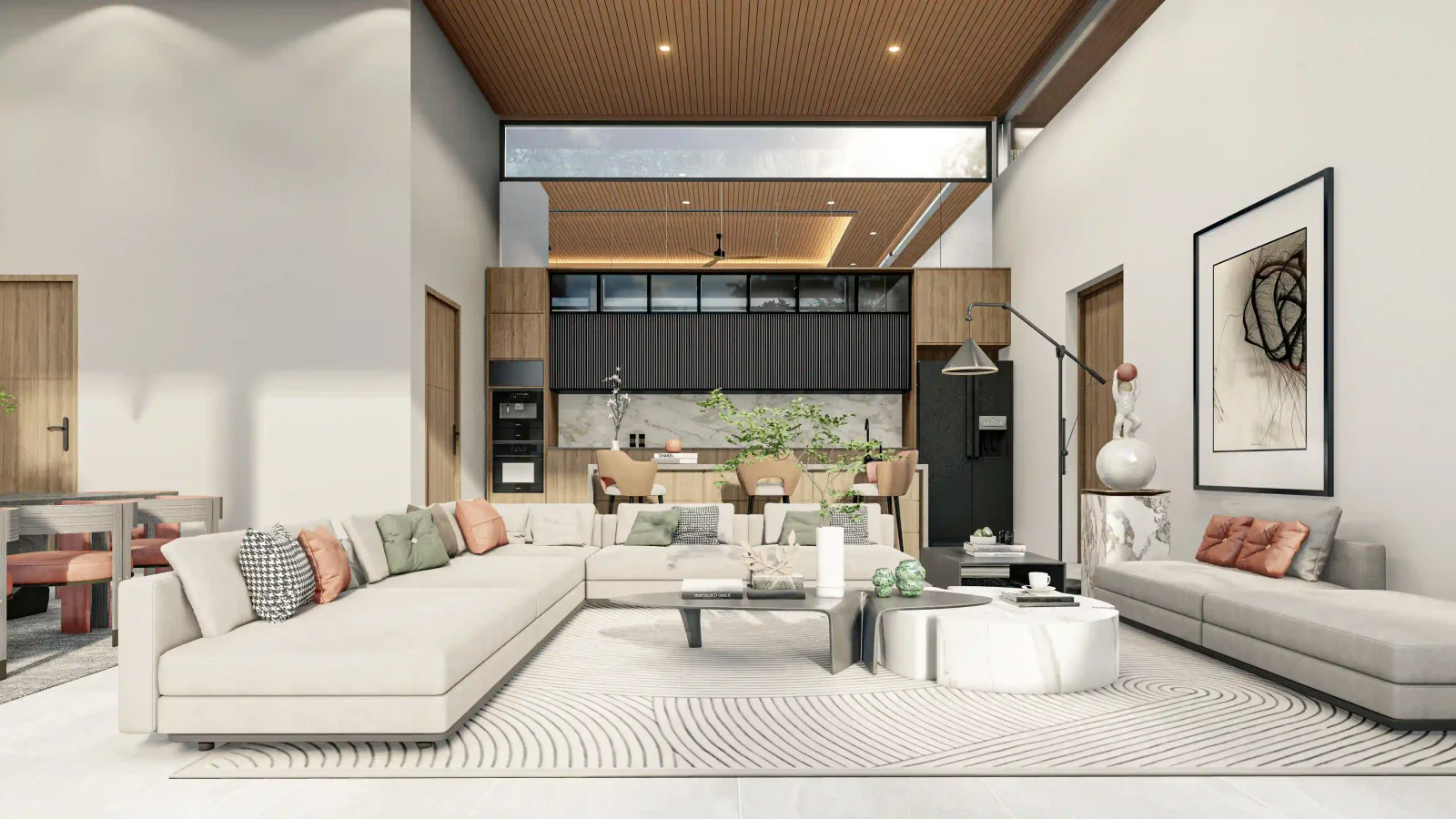
## Villas and Prices
| Villas | Bedrooms | Built area | Price |
| --- | --- | --- | --- |
| MSC-06, MSC-10, MSC-11, MSC-05 | Three | 357 and 360 sqm | 29,100,000 to 33,800,000 THB |
| 8 villas | Three | 375 to 388 sqm | 30,400,000 to 36,000,000 THB |
| MSC-07 | Four | 444 sqm | 42,500,000 THB |
The three-bedroom villas of 357 to 388 sqm open the community from 29,100,000 THB, and villa MSC-07, a four-bedroom house of 444 sqm, is listed at 42,500,000 THB. The price follows the size of the house and the plot, which ranges from about 468 to 678 sqm. We send the site plan, the plan of each villa and its plot with the list, and arrange a viewing of the community. Seeing the plots in person helps, since the gardens differ in size and shape.
## Design and Facilities
- **Open-plan living and dining**
- **Ensuite bathrooms** for every bedroom
- **Private swimming pool** and landscaped garden
- **Car parking** at every villa
- **Large plots** of up to about 678 sqm
- **Gym and children's area**
- **Gated**, with security
- **Pet-friendly**
## Living at Mouana Serenity
Family days at Mouana Serenity have an easy rhythm. The children swim in their own pool after school and meet friends in the children's area, parents train in the community gym, and the garden gives everyone room outside. At weekends the beaches of Layan and Bang Tao are a short drive, and the restaurants of Boat Avenue are close for dinner. The quiet of Thep Krasattri makes the evenings calm, and the airport is close enough for easy trips home.
## Four-Stage Payment Plan
The price is paid in four stages: 30%, 30%, 20% and 20%. For a villa at 29,100,000 THB that works out as follows:
| Stage | Share | Amount |
| --- | --- | --- |
| 1 and 2 | 30% each | 8,730,000 THB each |
| 3 and 4 | 20% each | 5,820,000 THB each |
The schedule follows the build, and we send the developer's schedule for your villa with the price list.
## Why Buyers Choose Mouana Serenity Cherngtalay
- **Large plots** and generous villas
- **Ensuite bedrooms** and a private pool
- **Gym and children's area** in the community
- **Layan and Bang Tao beaches** about 9 minutes away
- **Mouana**, with several communities on the island
- **Pet-friendly**
## Who Mouana Serenity Cherngtalay Suits
**Families** who want a large garden, a pool and a quiet green neighbourhood.
**Frequent travellers** who value a short drive to the airport.
**Owners who spend part of the year in Phuket** and want a secure community.
**Rental investors** aiming at relocating families who rent a house for a school year or longer.
## Renting Out a Villa at Mouana Serenity
A family pool villa near Layan appeals to relocating families and long-term residents who rent for six or twelve months, and to families on holiday who want space and a private pool near the beaches of the west coast.
If you plan to let your villa at Mouana Serenity Cherngtalay, we collect current asking rents and holiday rates for comparable villas in Thep Krasattri and Layan and send them with the price list. [Our rental guide](/guides/phuket-rental-yield-complete-guide-2026/) explains how to read a rental offer line by line.
## Ownership for Foreign Buyers
At Mouana Serenity Cherngtalay, as with any villa in Thailand, you buy land plus a building. The villa can be held in your own name over a lease of the plot registered at the Land Office, 30 years per registration with renewal terms in the contract, or the land can be held through a Thai company with genuine Thai shareholders. [Freehold and leasehold in Thailand](/guides/freehold-vs-leasehold-thailand/) explains both routes, and we prepare the one that suits you with our legal support.
## Mouana Serenity and Other Villas Near Layan
| Project | From | Status |
| --- | --- | --- |
| Le Villa Lake | 26,680,000 THB | Completed |
| [Botanica Green Boulevard](/projects/botanica-green-boulevard/) | 26,900,000 THB | Off-plan |
| [Sinara Pool Villas Thalang](/projects/sinara-pool-villas/) | 26,900,000 THB | Off-plan |
| Mouana Serenity Cherngtalay | 29,100,000 THB | Off-plan |
| [Alinda Villas Thalang](/projects/alinda-villas/) | 29,320,000 THB | Off-plan |
| [Botanica Foresta 2](/projects/botanica-foresta-2/) | 29,900,000 THB | Off-plan |
| [ISOLA Phuket Layan](/projects/isola-phuket/) | 35,000,000 THB | Completed |
Mouana Serenity stands out in this group for its large plots and its community facilities. We send the price lists of any of these projects on request and arrange viewings.
## Buying Mouana Serenity Cherngtalay with MORE Group
A villa at Mouana Serenity is bought in five steps, from the first price list to the keys, and we are with you through each of them.
## What We Send Before You Reserve
- The current price list for Mouana Serenity Cherngtalay with free villas, plot areas and plans
- The four-stage payment schedule for your villa
- The ownership structure for your purchase, leasehold or company, with the documents it needs
- The community's common charges
- The latest construction update
{/* corpus-faq:mouana-serenity */}
## FAQ
### What does Mouana Serenity Cherngtalay cost?
Our price list holds 13 villas: three-bedrooms of 357 and 360 sqm from 29,100,000 to 33,800,000 THB; three-bedrooms of 375 to 388 sqm from 30,400,000 to 36,000,000 THB; four-bedrooms of 444 sqm at 42,500,000 THB.
### What does each villa include?
Open-plan living and dining, ensuite bathrooms, a private swimming pool, a landscaped garden and car parking, on a plot of about 468 to 678 sqm.
### Where is Mouana Serenity?
In Thep Krasattri, behind Layan and Bang Tao. The beaches are about 9 minutes by car, the nearest mall about 8 minutes and the airport about 22 minutes.
### What is the payment plan?
Four stages: 30%, 30%, 20%, 20%. For a villa at 29,100,000 THB that means 8,730,000 THB at the first stage.
### How can foreigners own a villa at Mouana Serenity Cherngtalay?
The villa can be held in your own name over a lease of the plot registered at the Land Office, 30 years per registration with renewal terms in the contract, or the land can be held through a Thai company with genuine Thai shareholders. We prepare the structure with our legal support.
**Read Also:**
- [Mouana Residence Ko Kaeo](/projects/mouana-residence-ko-kaeo/)
- [Layan Area Guide](/areas/layan-property-guide/)
- [Freehold vs Leasehold in Thailand](/guides/freehold-vs-leasehold-thailand/)
- [How Foreigners Buy Phuket Property 2026](/guides/buying-property-phuket-guide/)
- [Phuket Rental Yield Guide](/guides/phuket-rental-yield-complete-guide-2026/)
# Mutti Family Villas Chalong: Pool Villas from 17.9M THB
> Mutti Family Villas: a gated community of 37 pool villas in the hills of Chalong by European architects, three to five bedrooms, from 17.9M THB.
**Source:** https://moregroup.estate/projects/mutti-family-villas/
**Section:** Project Reviews
**Author:** MORE Group Editorial
**Published:** 2026-04-08
**Updated:** 2026-10-07
---
## What Is Mutti Family Villas?
Mutti is designed around the family. The villas step down the hillside on two or three levels, which gives each one its own terraces and views, and the interiors come in three distinct design styles, so the house can match the taste of the people who live in it. Every villa has its own pool, garden and parking for two or three cars.
The community is built for family-centric living, with a gym, a children's room, a shop and entertainment areas shared by the residents. The shops of Chalong are about five minutes by car, the beaches of the south coast about 18, and Chalong Bay, Rawai and Phuket Town within an easy drive.
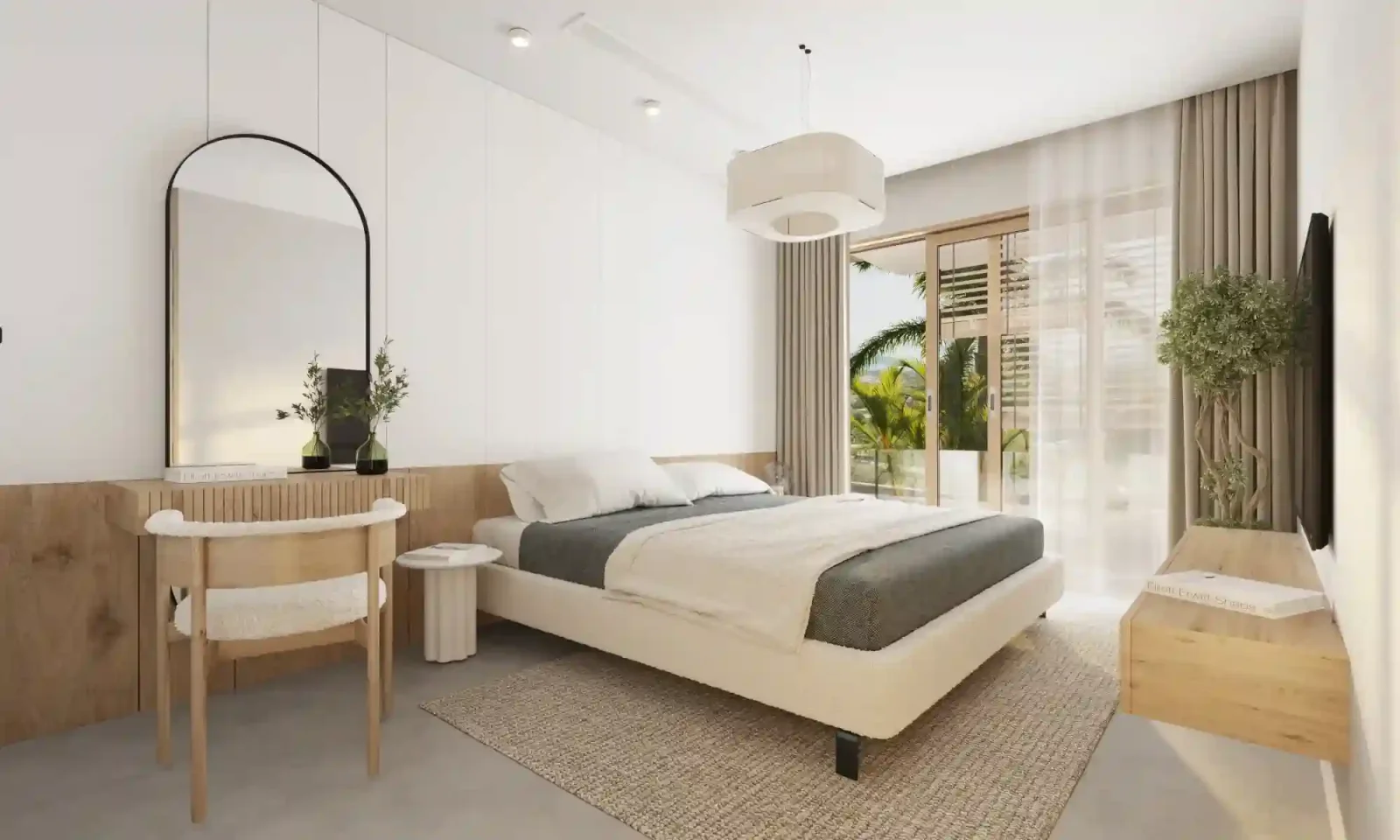
## What Are the Key Facts for Mutti Family Villas?
| Factor | Detail |
| --- | --- |
| Location | The hills of Chalong, south Phuket |
| Community | 37 gated pool villas |
| Architects | European, Mediterranean, Japanese and modern styles |
| On our price list | 27 villas |
| Three-bedroom | 309 to 446 sqm, 17,900,000 to 24,139,500 THB |
| Four-bedroom | 633 to 669 sqm, 32,340,000 and 32,917,500 THB |
| Five-bedroom | 615 to 750 sqm, 40,425,000 to 46,777,500 THB |
| Payment | 30% / 15% / 15% / 15% / 15% / 10% |
| Stage | Under construction |
| Beach | About 18 minutes by car |
| Airport | About 50 minutes by car |
| Facilities | Gym, children's room, shop, entertainment areas |
## Location: The Hills of Chalong
Chalong is the residential heart of south Phuket, with Chalong Bay and its marina, markets, restaurants and international schools, and green hills rising behind it.
- **Shops and supermarkets:** the nearest mall about 5 minutes by car
- **Beaches of the south coast:** about 18 minutes by car
- **Chalong Bay:** the marina for boat trips to the islands
- **Phuket Town:** restaurants, markets and services
- **Airport:** about 50 minutes by car
From Mutti, the nearest beach about 18 minutes by car, the nearest mall about 5 minutes and the airport about 50 minutes, so everyday errands, school runs and trips home are easy to plan.
Families here enjoy green hills at home and the sea close by: school and shops during the week, boat trips and the beaches of Kata, Nai Harn and Rawai at the weekend. The [Chalong area guide](/guides/chalong-area-guide-property-2026/) covers the district in more detail.
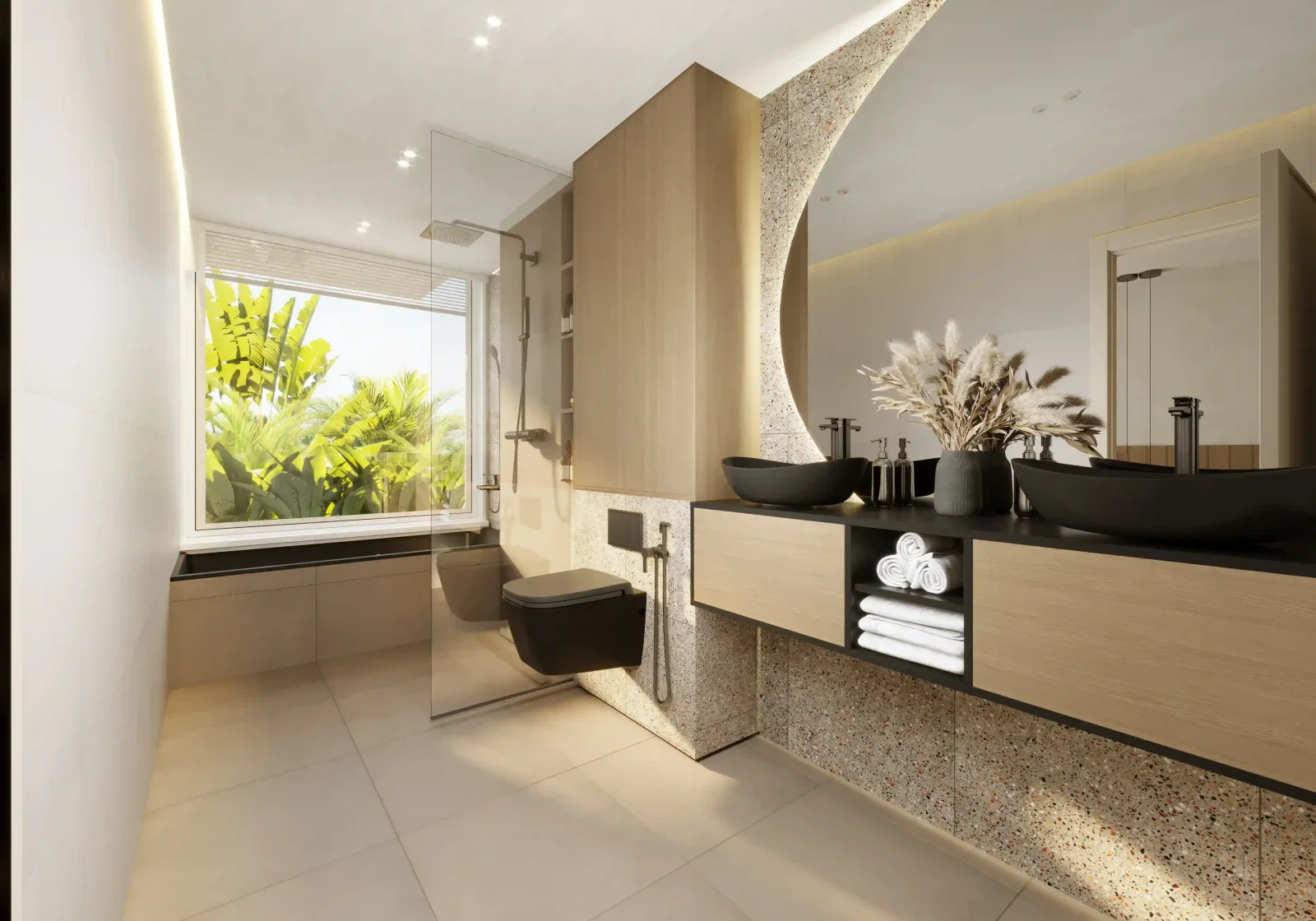
## Villas and Prices
| Villas | Bedrooms | Built area | Price |
| --- | --- | --- | --- |
| 26, 28, 29, 30 | Three | 309 to 318 sqm | 17,900,000 and 18,805,500 THB |
| 13 villas | Three | 444 to 446 sqm | 21,483,000 to 24,139,500 THB |
| 12 | Four | 633 sqm | 32,917,500 THB |
| 14, 13 | Four | 668 and 669 sqm | 32,340,000 and 32,917,500 THB |
| 7, 8 | Five | 615 and 673 sqm | 40,425,000 and 42,157,500 THB |
| 2, 3, 4, 5, 6 | Five | 738 to 750 sqm | 45,622,500 and 46,777,500 THB |
The three-bedroom villas of 309 to 318 sqm open the list from 17,900,000 THB, and the larger three-bedrooms of 444 to 446 sqm are the biggest group. Four-bedroom villas of 633 to 669 sqm follow, and the five-bedroom villas of 615 to 750 sqm reach 46,777,500 THB. We send the plans of each level, the plot and the view, so you can compare the villas on the slope.
## Design and Facilities
- **European architects**
- **Mediterranean, Japanese and modern styles**
- **Three interior design styles** to choose from
- **Two or three levels** following the slope
- **Private swimming pool**, terraces and garden
- **Parking for two or three cars**
- **Gym, children's room and shop**
- **Pet-friendly**
## Living at Mutti
Life at Mutti is made for families. The children have the pool and the garden at home and friends of their own age across the community, the parents have the gym and the shop close by, and the terraces on the hillside catch the evening breeze. The shops of Chalong are minutes away, and weekends bring boat trips from Chalong Bay or an afternoon on the beaches of the south coast. The levels give each generation its own space, and the three interior styles let you make the house your own from the start.
## Six-Stage Payment Plan
The price is paid in six stages: 30%, 15%, 15%, 15%, 15% and 10%. For a villa at 17,900,000 THB that works out as follows:
| Stage | Share | Amount |
| --- | --- | --- |
| 1 | 30% | 5,370,000 THB |
| 2 to 5 | 15% each | 2,685,000 THB each |
| 6 | 10% | 1,790,000 THB |
The schedule follows the build, and we send the developer's schedule for your villa with the price list.
## Why Buyers Choose Mutti Family Villas
- **Designed by European architects**
- **A choice of three interior styles**
- **Three to five bedrooms**
- **Family facilities**: gym, children's room, shop
- **Shops** about 5 minutes away
- **Pet-friendly**
## Who Mutti Family Villas Suits
**Families with children** who want a community built around family life.
**Multi-generation families** with a level for each generation.
**Buyers who love design** and want to choose their interior style.
**Rental investors** aiming at families who rent large villas in the south for longer stays.
## Renting Out a Villa at Mutti
A family pool villa in the hills of Chalong appeals to relocating families who rent for a school year or longer, and to families on holiday in the November to April season who want space, a pool and a community for the children.
If you plan to let your villa at Mutti Family Villas, we collect current asking rents and holiday rates for comparable villas in Chalong and Rawai and send them with the price list. [Our rental guide](/guides/phuket-rental-yield-complete-guide-2026/) explains how to read a rental offer line by line.
## Ownership for Foreign Buyers
At Mutti Family Villas, as with any villa in Thailand, you buy land plus a building. The villa can be held in your own name over a lease of the plot registered at the Land Office, 30 years per registration with renewal terms in the contract, or the land can be held through a Thai company with genuine Thai shareholders. [Freehold and leasehold in Thailand](/guides/freehold-vs-leasehold-thailand/) explains both routes, and we prepare the one that suits you with our legal support.
## Mutti and Other Family Villas in South Phuket
| Project | From | Status |
| --- | --- | --- |
| Mutti Family Villas | 17,900,000 THB | Off-plan |
| [To'Summer Villa Chalong](/projects/tosummer-villa/) | 25,800,000 THB | Off-plan |
| [Laurinda Villa Chalong](/projects/laurinda-villa/) | 28,800,000 THB | Off-plan |
| [Oliver Villa Chalong](/projects/oliver-villa/) | 29,800,000 THB | Off-plan |
Mutti stands out in this group for its European architecture and its family facilities. We send the price lists of any of these projects on request and arrange viewings.
## Buying Mutti Family Villas with MORE Group
A villa at Mutti is bought in five steps, from the first price list to the keys, and we are with you through each of them.
## What We Send Before You Reserve
- The current price list for Mutti Family Villas with free villas, plot areas and plans
- The six-stage payment schedule for your villa
- The ownership structure for your purchase, leasehold or company, with the documents it needs
- The community's common charges
- The latest construction update
{/* corpus-faq:mutti-family-villas */}
## FAQ
### What does Mutti Family Villas cost?
Our price list holds 27 villas: three-bedrooms of 309 to 318 sqm from 17,900,000 and 18,805,500 THB; three-bedrooms of 444 to 446 sqm from 21,483,000 to 24,139,500 THB; four-bedrooms of 633 sqm at 32,917,500 THB; four-bedrooms of 668 and 669 sqm from 32,340,000 and 32,917,500 THB; five-bedrooms of 615 and 673 sqm from 40,425,000 and 42,157,500 THB; five-bedrooms of 738 to 750 sqm from 45,622,500 and 46,777,500 THB.
### Who designed Mutti Family Villas?
Leading European architects, blending Mediterranean, Japanese and modern styles, with three interior design styles to choose from.
### What sizes are on the list?
Three-bedroom villas of 309 to 446 sqm, four-bedroom villas of 633 to 669 sqm and five-bedroom villas of 615 to 750 sqm, from 17,900,000 to 46,777,500 THB.
### What is the payment plan?
Six stages: 30%, 15%, 15%, 15%, 15%, 10%. For a villa at 17,900,000 THB that means 5,370,000 THB at the first stage.
### How can foreigners own a villa at Mutti Family Villas?
The villa can be held in your own name over a lease of the plot registered at the Land Office, 30 years per registration with renewal terms in the contract, or the land can be held through a Thai company with genuine Thai shareholders. We prepare the structure with our legal support.
**Read Also:**
- [Oliver Villa](/projects/oliver-villa/)
- [Chalong Area Guide](/guides/chalong-area-guide-property-2026/)
- [Freehold vs Leasehold in Thailand](/guides/freehold-vs-leasehold-thailand/)
- [How Foreigners Buy Phuket Property 2026](/guides/buying-property-phuket-guide/)
- [Phuket Rental Yield Guide](/guides/phuket-rental-yield-complete-guide-2026/)
# Nakara Grand Cherngtalay: Pool Villas from 39.8M THB
> Nakara Grand Luxury Villas review: six gated four-bedroom villas in Cherngtalay with private infinity pools, from 39.8M THB, nine minutes from Boat Avenue.
**Source:** https://moregroup.estate/projects/nakara-grand/
**Section:** Project Reviews
**Author:** MORE Group Editorial
**Published:** 2026-04-02
**Updated:** 2026-08-23
---
A boutique gated community of just six private pool villas in Cherngtalay, Si Sunthon, near Laguna Phuket and Bang Tao Beach. Four-bedroom, five-bathroom villas of 458 to 517 sqm on plots of 622 to 800 sqm, from 39,800,000 THB (about $1.22M) to 63,690,000 THB, each with a private infinity pool and a sala. Paid in six stages across the build.
## Nakara Grand Luxury Villas: Why Small Is the Point
Nakara Grand Luxury Villas has six villas in total. Six households share a gated entrance, 24-hour security and the landscaped common areas, while each keeps its own infinity pool, garden and privacy. It is a small, quiet community where neighbours know each other and decisions are simple.
The location, Cherngtalay and Si Sunthon in Thalang, puts you about 9 minutes from Boat Avenue and Porto de Phuket, about 14 minutes by car from Bang Tao Beach and about 27 minutes from Phuket International Airport, with the Laguna Phuket golf course and hotels close by.
## Project Overview
| Factor | Detail |
| --- | --- |
| Location | Si Sunthon, Cherngtalay, Thalang |
| Villas | Six in total |
| Bedrooms | Four bedrooms and five bathrooms in every villa |
| Built area | 458 to 517 sqm on our price list |
| Land plots | 622 to 800 sqm, per the developer |
| Price range | 39,800,000 to 63,690,000 THB |
| Payment plan | 30% / 15% / 15% / 15% / 15% / 10% |
| Stage | Under construction |
**Villa design:** open-plan living and dining, a western kitchen with an island, high ceilings and generous indoor-outdoor flow. Outside, a private infinity pool, a pool terrace, a landscaped garden and a poolside sala for dining or lounging, with covered parking for two cars.
**Community:** electric gates, 24-hour security, CCTV and controlled access. The estate is pet-friendly.
## The Cherngtalay Corridor
**Laguna Phuket.** The integrated resort, with its hotels, golf course and restaurants around the lagoons, anchors the north-west's leisure life and draws visitors all year.
**Boat Avenue and Porto de Phuket.** International restaurants, wine shops, quality grocers and artisan coffee, the everyday places residents of a villa like this visit often.
**Bang Tao Beach.** One of Phuket's longest beaches, about 14 minutes by car, with beach clubs and restaurants along the sand.
**Families.** International schools, clinics and activity centres are within a short drive, which is why Cherngtalay is one of the island's most established residential areas for expat families.
**Everyday life.** Weekend markets, gyms, yoga studios, spas and international restaurants line the roads between Cherngtalay and Bang Tao, so residents rarely need to go further for daily life, while the 18-hole course at Laguna Golf Phuket is a few minutes away for a morning round.
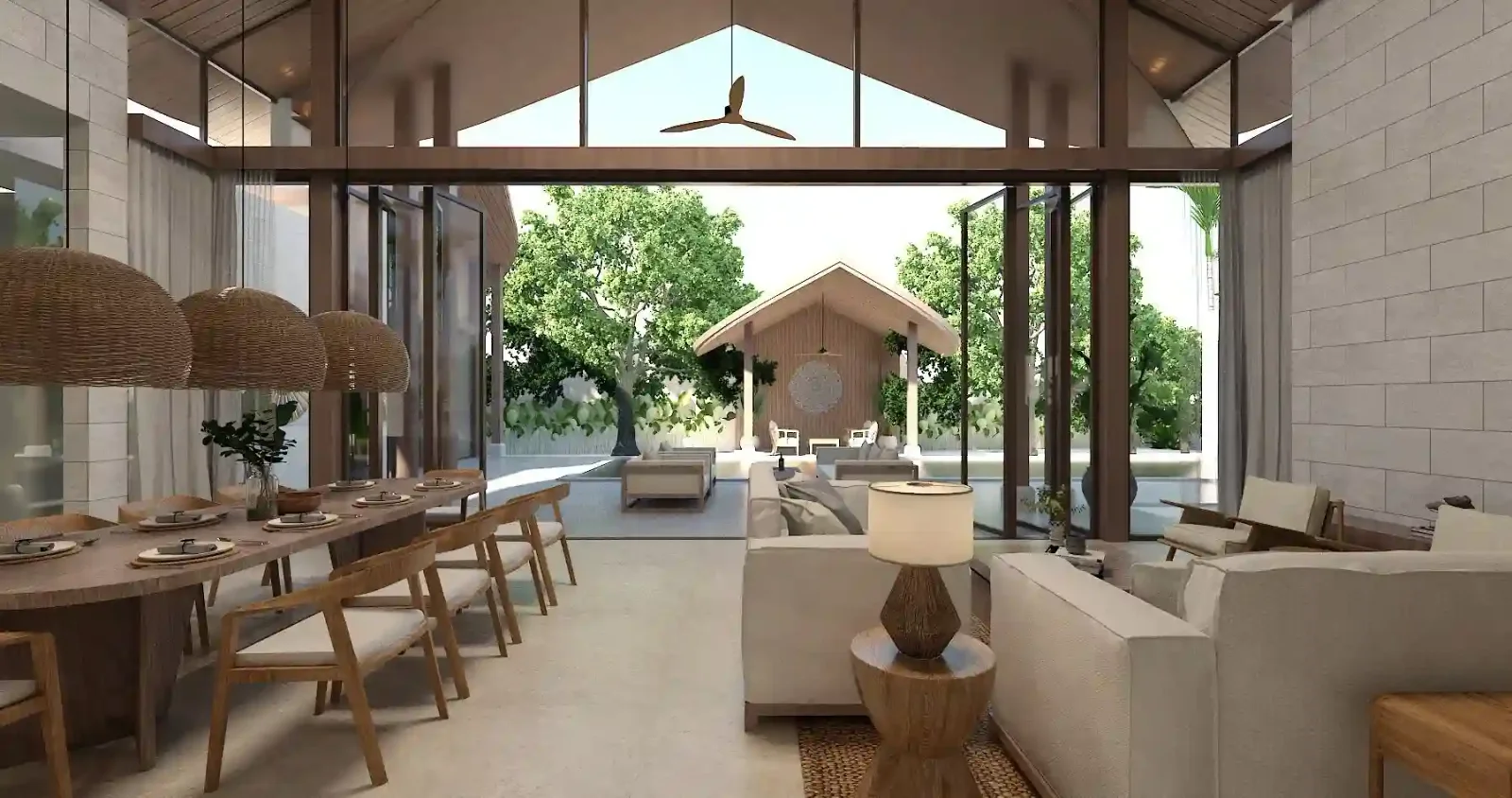
## Villas and Prices
| Villa | Built area | Price | Per sqm |
|---|---|---|---|
| A1 | 458 sqm | 39,800,000 THB | 86,843 THB |
| A3 | 488 sqm | 42,950,000 THB | 87,971 THB |
| A6 | 496 sqm | 48,690,000 THB | 98,134 THB |
| A5 | 493 sqm | 58,900,000 THB | 119,504 THB |
| A4 | 517 sqm | 63,690,000 THB | 123,244 THB |
Prices reflect each villa's plot, built area, orientation and position within the compound. A4, at 517 sqm on the largest plot, is the flagship of the six, while A1 and A3 offer the most accessible entry to the estate. We send the plot area and the plan for each villa together with the price list.
**In US dollars at 32.7 THB per dollar:** A1 about $1.22M, A6 about $1.49M, A4 about $1.95M.
## Six-Stage Payment Plan
The price is paid in six stages as the villa is built: 30%, four stages of 15% and 10%. For villa A1 at 39,800,000 THB that works out as follows:
| Stage | Share | Amount |
|---|---|---|
| 1 | 30% | 11,940,000 THB |
| 2 to 5 | 15% each | 5,970,000 THB each |
| 6 | 10% | 3,980,000 THB |
We send the developer's schedule for your villa with the price list.
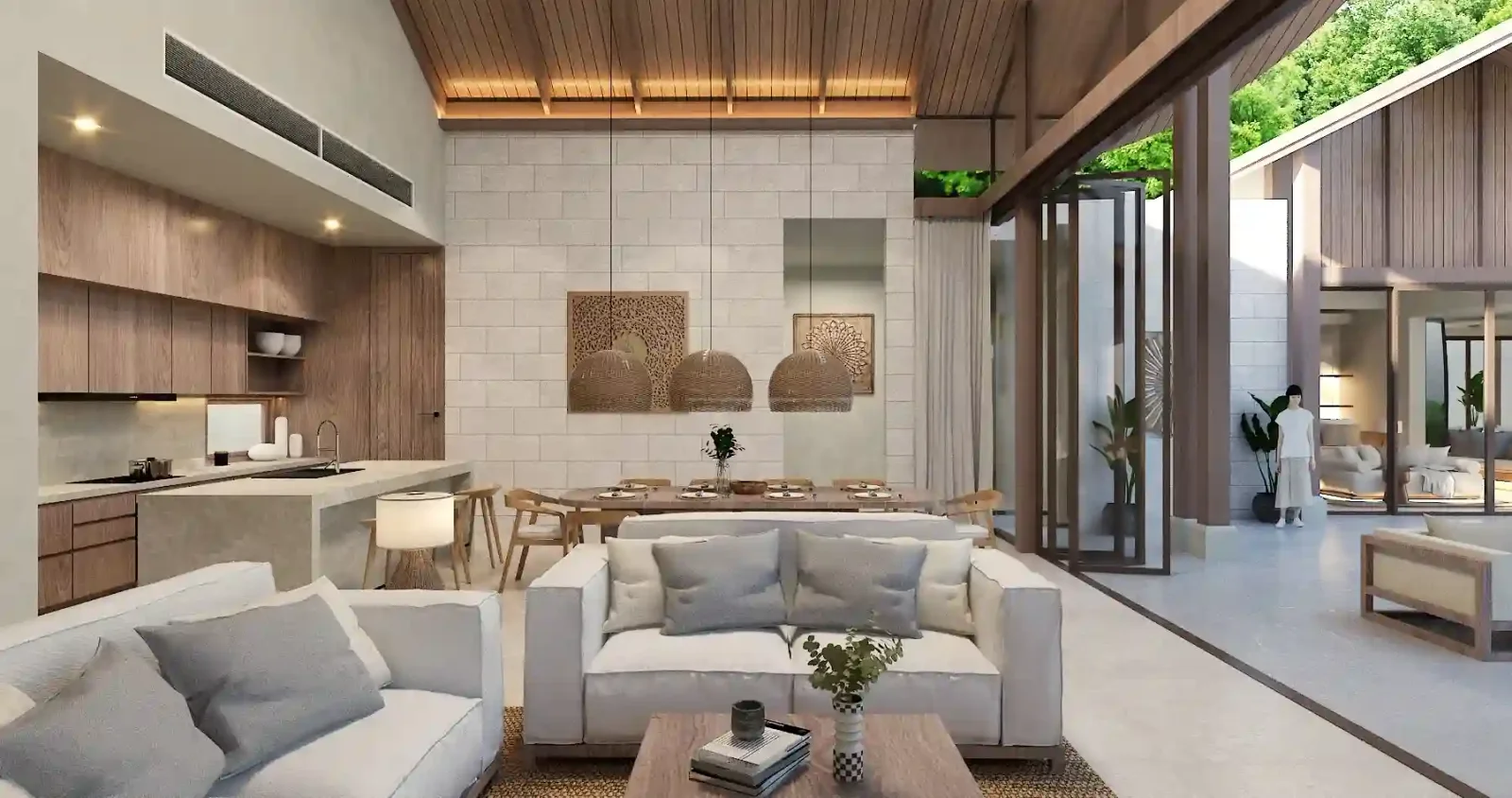
## Why Buyers Choose Nakara Grand
- **Six villas only:** a truly private gated community
- **Private infinity pools:** with a terrace, a sala and a landscaped garden
- **Four bedrooms, five bathrooms:** space for family and guests
- **Cherngtalay location:** Boat Avenue about 9 minutes, Laguna close by
- **Generous plots:** 622 to 800 sqm, per the developer
- **Pet-friendly**
## Who Should Buy Nakara Grand?
- **Families relocating to Phuket** who need four bedrooms near international schools
- **Buyers who value privacy** and a small, quiet community
- **Owners who combine use and rental:** several weeks a year in residence, the rest managed
- **Pet owners**, with gardens and a pet-friendly estate
## Living in the Villa and Letting It
This is a villa you live in rather than visit: the proximity to Boat Avenue, Laguna and the Bang Tao restaurants makes everyday life easy. When the owners are away, a four-bedroom infinity-pool villa in the Cherngtalay corridor appeals to families and groups on holiday and to long-stay tenants, and local villa managers handle bookings, guests, cleaning and maintenance.
For owners who plan to rent, we collect current holiday rates and asking rents for comparable four-bedroom villas in Cherngtalay and send them with the price list. [Our rental guide](/guides/phuket-rental-yield-complete-guide-2026/) explains how to read a rental offer line by line.
## Ownership for Foreign Buyers
At Nakara Grand, as with any villa in Thailand, you buy land plus a building. The house can be held in your own name over a lease of the plot registered at the Land Office, 30 years per registration with renewal terms in the contract, or the land can be held through a Thai company with genuine Thai shareholders. [Freehold and leasehold in Thailand](/guides/freehold-vs-leasehold-thailand/) explains both routes, and we prepare the one that suits you with our legal support.
## Nakara Grand and Other Bang Tao Villas
| Project | From | Status |
|---|---|---|
| [The Title Villa Kirara](/projects/the-title-villa-kirara/) | 29,020,000 THB | Off-plan |
| [The Teak](/projects/the-teak/) | 29,200,000 THB | Off-plan |
| [QAV Residence](/projects/qav-residence/) | 29,490,000 THB | Off-plan |
| [Redwood Lakeside](/projects/redwood-lakeside/) | 37,400,000 THB | Off-plan |
| Nakara Grand | 39,800,000 THB | Off-plan |
| [Erawana Grand](/projects/erawana-grand/) | 49,500,000 THB | Completed |
| [Punyisa Bang Jo](/projects/punyisa-bang-jo/) | 61,266,000 THB | Off-plan |
Nakara Grand stands out in this group for its scale: six villas, each with an infinity pool on a generous plot. We send floor plans for any of these projects on request.
## Buying Nakara Grand with MORE Group
A villa at Nakara Grand is bought in five steps, from the first price list to the keys, and we are with you through each of them.
## What We Send Before You Reserve
- The current list of available villas with plot areas and plans
- The six-stage payment schedule for your villa
- The specification, including what is delivered with the villa
- The ownership structure for your purchase, leasehold or company, with the documents it needs
- The latest construction update
- The community's service charges
## FAQ
### Can foreigners buy a villa at Nakara Grand?
Yes. The house can be held in your own name over a lease of the plot registered at the Land Office, 30 years per registration with renewal terms in the contract, or the land can be held through a Thai company with genuine Thai shareholders. We prepare the structure with our legal support.
### How many villas are there?
Six in total. We send the current availability with the price list.
### What is included with the villa?
Each villa is delivered with a private infinity pool, a pool terrace, a landscaped garden, a sala and covered parking for two cars. We send the full specification with the price list.
### What stage is Nakara Grand at?
Construction is underway. We send the latest construction update together with the price list.
### Is the Cherngtalay area good for families with school-age children?
Yes. International schools, clinics, international grocers and activity centres are within a short drive, and the Cherngtalay and Si Sunthon area is one of Phuket's most established residential areas for expat families.
### Can the villa be rented out when not in personal use?
Yes. Many owners in this area use the villa for several weeks a year and rent it for the rest, with a local villa manager handling bookings, guests, cleaning and maintenance. We send current holiday rates for comparable villas with the price list.
**Read Also:**
- [Best Areas in Phuket to Buy Property 2026](/guides/best-areas-phuket-buy-property/)
- [Bang Tao and Laguna Area Guide](/bang-tao-properties/)
- [Phuket Rental Yield Guide](/guides/phuket-rental-yield-complete-guide-2026/)
- [The Buying Process in Thailand, Step by Step](/guides/due-diligence-process-thailand-step-by-step/)
- [Sri Panwa Lagoon Place Review 2026](/projects/sri-panwa-lagoon-place/)
- [Freehold vs Leasehold in Thailand](/guides/freehold-vs-leasehold-thailand/)
# Narana Villa Mai Khao: Sea-View Villas from 36.3M THB
> Narana Villa Phuket: 56 sea-view pool villas on the hills of Mai Khao with a 14,000 sqm sports complex and a private park, from 36.3M THB.
**Source:** https://moregroup.estate/projects/narana-villa-phuket/
**Section:** Project Reviews
**Author:** MORE Group Editorial
**Published:** 2026-04-08
**Updated:** 2026-08-23
---
## What Is Narana Villa Phuket?
Narana Villa is built around the view and an active, healthy life. The villas step across the hillside so that the living spaces, the terraces and the private pools look out over the Andaman Sea, and the Feng Shui planning gives each house a calm, balanced layout. Outdoor kitchens and generous terraces make the most of the open air, and buyers can personalise the finishes with premium materials.
The community is designed as a place to live well. A private sea-view park, a sports complex of more than 14,000 sqm with an Olympic-size pool, a football field, a fitness centre, indoor simulators, courts and a spa, and a planned community mall. The airport is about 11 minutes by car, and the long, quiet beaches of the north are close by.
## What Are the Key Facts for Narana Villa Phuket?
| Factor | Detail |
| --- | --- |
| Location | Hills of Mai Khao, north Phuket |
| Community | 56 sea-view pool villas in five types |
| Elevation | 36 to 94 metres above sea level |
| Villas | 31 on our price list |
| Three-bedroom | 557 and 643 sqm, 36,262,440 to 39,742,590 THB |
| Four-bedroom | 573 to 1056 sqm, 40,297,568 to 157,000,000 THB |
| Payment | 35% / 20% / 30% / 15% |
| Stage | Under construction |
| Beach | About 11 minutes by car |
| Airport | About 11 minutes by car |
| Plots | About 534 to almost 2,000 sqm |
| Facilities | Sea-view park, 14,000 sqm sports complex, spa, planned mall |
## Location: The Hills of Mai Khao
Mai Khao is the quiet north of Phuket: the island's longest beach inside Sirinat National Park, where sea turtles still come ashore to nest, with the airport close by and the resorts few and far apart.
- **Phuket International Airport:** about 11 minutes by car
- **Mai Khao and Nai Yang beaches:** about 11 minutes by car
- **Sirinat National Park:** the protected coast of the north
- **Shopping:** the nearest mall about 17 minutes by car
- **International schools:** within a drive to the south
From the hillside, the days follow the sea: a swim with the Andaman spread out below, a session at the sports complex, and the sunset from the terrace. The [Mai Khao area guide](/areas/mai-khao-north-phuket-property-guide/) covers the district in more detail.
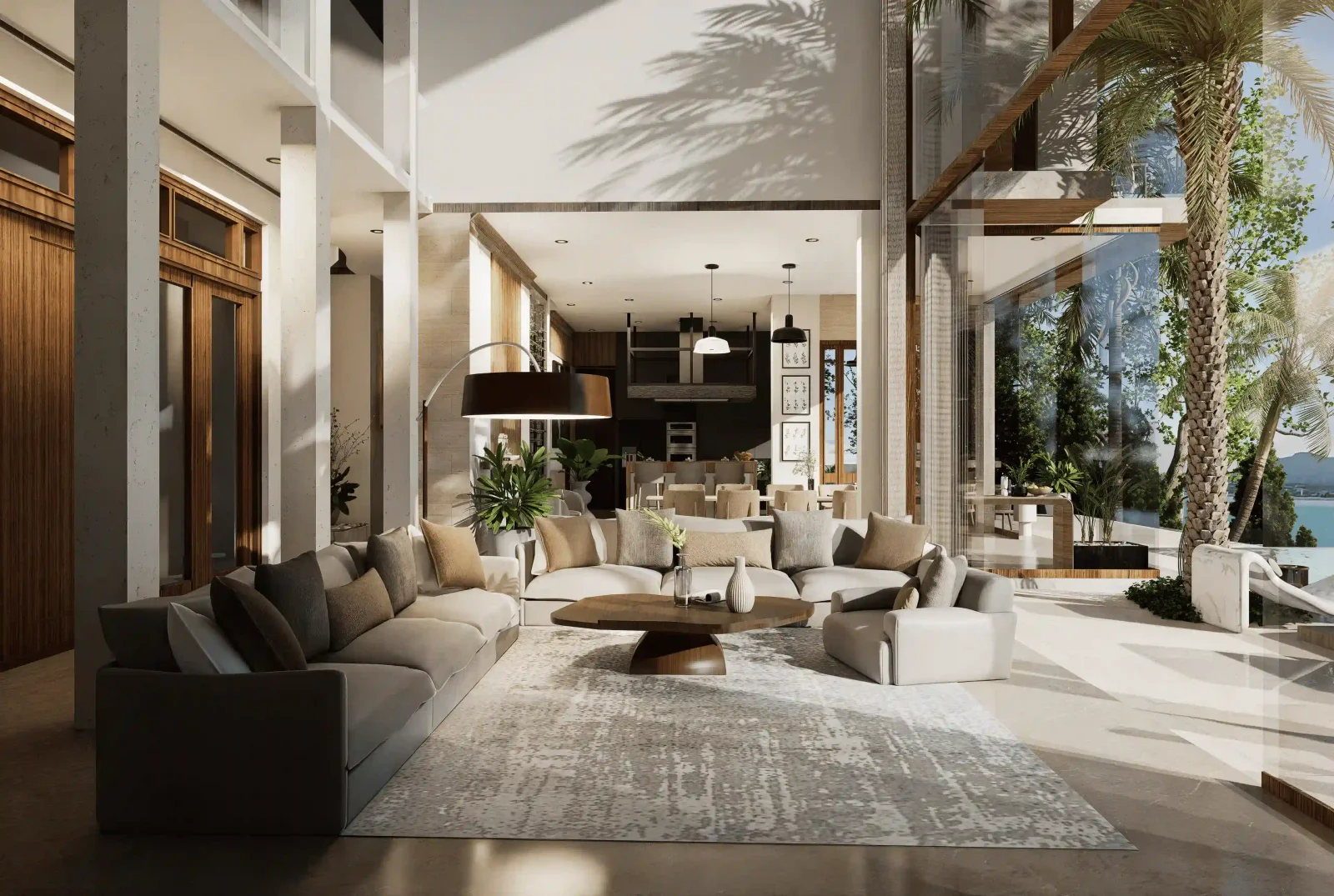
## Villas and Prices
| Villas | Bedrooms | Built area | Price |
| --- | --- | --- | --- |
| A1-3, A1-4, A1-5, A3-9, A3-10, A3-11 | Three | 557 and 643 sqm | 36,262,440 to 39,742,590 THB |
| 24 villas | Four | 573 to 896 sqm | 40,297,568 to 85,779,645 THB |
| E-56 | Four | 1056 sqm | 157,000,000 THB |
The three-bedroom villas open the community from 36,262,440 THB, the four-bedroom villas of 573 to 896 sqm give more room for families and guests, and villa E-56 is a house of 1,056 sqm at 157,000,000 THB. The price follows the villa type, the plot and the height of the position on the hill, which sets the view. We send the plan, the plot and the outlook of each villa with the price list, and we arrange a viewing of the hillside and the sports complex.
## Design and Facilities
- **Sea views** from the living spaces, terraces and pools
- **Feng Shui planning** for balanced layouts
- **Five villa types**, with three to four bedrooms on our list
- **Private swimming pool** and spacious terraces
- **Outdoor kitchen**
- **Premium finishes**, with options to personalise
- **Private sea-view park**
- **Sports complex:** Olympic-size pool, football field, fitness, simulators, courts and spa
- **Pet-friendly**
## Living at Narana Villa
Life at Narana moves between the view and the sports complex. Mornings start with laps in the Olympic-size pool or a game on the courts, afternoons belong to the private pool and the outdoor kitchen, and evenings end on the terrace as the sun sets over the Andaman Sea. The park gives children space to play, the spa is there for recovery, and the quiet beaches of Mai Khao are a short drive whenever you want the sand. With the airport so close, weekends away and family visits are easy to arrange.
## Four-Stage Payment Plan
The price is paid in four stages: 35%, 20%, 30% and 15%. For a villa at 36,262,440 THB that works out as follows:
| Stage | Share | Amount |
| --- | --- | --- |
| 1 | 35% | 12,691,854 THB |
| 2 | 20% | 7,252,488 THB |
| 3 | 30% | 10,878,732 THB |
| 4 | 15% | 5,439,366 THB |
The schedule follows the build, and we send the developer's schedule for your villa with the price list.
## Why Buyers Choose Narana Villa Phuket
- **Panoramic sea views** from the hillside
- **A sports complex** of more than 14,000 sqm
- **A private sea-view park**
- **Large plots** of up to almost 2,000 sqm
- **About 11 minutes** from the airport
- **Pet-friendly**
## Who Narana Villa Phuket Suits
**Families** who want space, a sea view and sport on the doorstep.
**Active owners** who train, swim and play every day.
**Frequent travellers** who value a short drive to the airport.
**Buyers of large homes** who want a plot of their own on the hillside with a view that stays.
## Renting Out a Villa at Narana Villa
A sea-view pool villa with a sports complex appeals to families and groups on holiday who want space, privacy and activities for every age, and to long-stay guests who spend the season in the calm north. The view and the facilities are what guests book and remember.
If you plan to let your villa at Narana Villa Phuket, we collect current asking rents and holiday rates for comparable villas in Mai Khao and the north and send them with the price list. [Our rental guide](/guides/phuket-rental-yield-complete-guide-2026/) explains how to read a rental offer line by line.
## Ownership for Foreign Buyers
At Narana Villa Phuket, as with any villa in Thailand, you buy land plus a building. The villa can be held in your own name over a lease of the plot registered at the Land Office, 30 years per registration with renewal terms in the contract, or the land can be held through a Thai company with genuine Thai shareholders. [Freehold and leasehold in Thailand](/guides/freehold-vs-leasehold-thailand/) explains both routes, and we prepare the one that suits you with our legal support.
## Narana Villa and Other Luxury Villas
| Project | From | Status |
| --- | --- | --- |
| [Hightone Seaview Villas](/projects/hightone-seaview-villas/) | 34,001,000 THB | Off-plan |
| Narana Villa Phuket | 36,262,440 THB | Off-plan |
| [Botanica Majestia](/projects/botanica-majestia/) | 38,061,000 THB | Off-plan |
| [Botanica MontAzure](/projects/botanica-montazure/) | 38,900,000 THB | Off-plan |
| [Serrana Lakefront Pool Villas](/projects/serrana-lakefront-pool-villas-phuket/) | 46,500,000 THB | Off-plan |
| [Aurora Villa](/projects/aurora-villa/) | 61,582,680 THB | Off-plan |
Narana stands out in this group for its sea views and its sports complex. We send the price lists of any of these projects on request and arrange viewings.
## Buying Narana Villa Phuket with MORE Group
A villa at Narana Villa is bought in five steps, from the first price list to the keys, and we are with you through each of them.
## What We Send Before You Reserve
- The current price list for Narana Villa Phuket with free villas, plot areas and plans
- The four-stage payment schedule for your villa
- The ownership structure for your purchase, leasehold or company, with the documents it needs
- The community's common charges
- The latest construction update
{/* corpus-faq:narana-villa-phuket */}
## FAQ
### What does Narana Villa Phuket cost?
Our price list holds 31 villas: three-bedrooms of 557 and 643 sqm from 36,262,440 to 39,742,590 THB; four-bedrooms of 573 to 896 sqm from 40,297,568 to 85,779,645 THB; four-bedrooms of 1056 sqm at 157,000,000 THB.
### Do the villas have sea views?
The villas sit 36 to 94 metres above sea level on the hills of Mai Khao, with panoramic views of the Andaman Sea. We send the outlook of each villa with the price list.
### What facilities does the community have?
A private sea-view park, a sports complex of more than 14,000 sqm with an Olympic-size pool, a football field, fitness, indoor simulators, courts and a spa, and a planned community mall.
### What is the payment plan?
Four stages: 35%, 20%, 30%, 15%. For a villa at 36,262,440 THB that means 12,691,854 THB at the first stage.
### How can foreigners own a villa at Narana Villa Phuket?
The villa can be held in your own name over a lease of the plot registered at the Land Office, 30 years per registration with renewal terms in the contract, or the land can be held through a Thai company with genuine Thai shareholders. We prepare the structure with our legal support.
**Read Also:**
- [Mai Khao Area Guide](/areas/mai-khao-north-phuket-property-guide/)
- [The Arthur Foresta](/projects/the-arthur-foresta/)
- [Freehold vs Leasehold in Thailand](/guides/freehold-vs-leasehold-thailand/)
- [How Foreigners Buy Phuket Property 2026](/guides/buying-property-phuket-guide/)
- [Phuket Rental Yield Guide](/guides/phuket-rental-yield-complete-guide-2026/)
# Narinsaya Pool Villas Nai Yang: Villas from 12.5M THB
> Narinsaya Pool Villas: 11 contemporary pool villas with two and three bedrooms in Sakhu, minutes from Nai Yang Beach and the airport, from 12.5M THB.
**Source:** https://moregroup.estate/projects/narinsaya-pool-villas/
**Section:** Project Reviews
**Author:** MORE Group Editorial
**Published:** 2026-04-08
**Updated:** 2026-08-23
---
## What Is Narinsaya Pool Villas?
Narinsaya is a small, calm community on the quiet north-west of Phuket. The villas are contemporary and practical, with an open-plan living and dining area, a modern Western kitchen and bedrooms that each have their own bathroom. Large glass doors open the house onto the terrace, the garden and a private swimming pool, so family life moves easily between inside and out.
With only 11 villas, the setting is private. The shops are about three minutes by car, the calm beach of Nai Yang and the seafood restaurants under its trees are about seven minutes away, and the airport is close enough for easy trips home or quick weekends away.
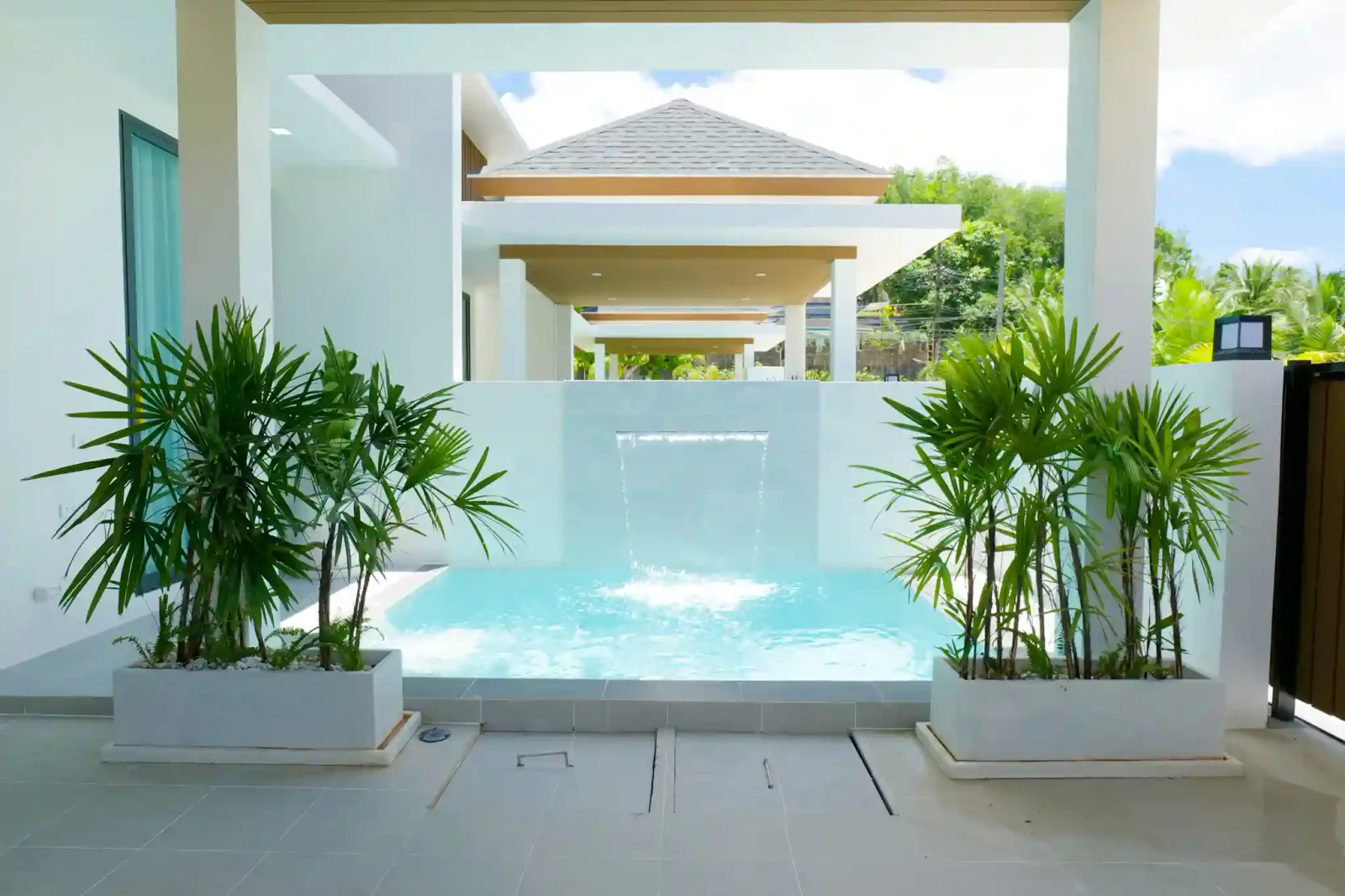
## What Are the Key Facts for Narinsaya Pool Villas?
| Factor | Detail |
| --- | --- |
| Location | Sakhu and Nai Yang, Thalang |
| Community | 11 contemporary pool villas |
| On our price list | 8 villas, N-04 to N-11 |
| Two-bedroom | 165 sqm, 12,500,000 and 13,900,000 THB |
| Three-bedroom | 165 sqm, 13,900,000 to 16,500,000 THB |
| Stage | Under construction |
| Beach | About 7 minutes by car |
| Airport | About 9 minutes by car |
| Features | Ensuite bedrooms, Western kitchen, private pool, garden |
## Location: Sakhu and Nai Yang
Sakhu is a quiet residential area on Phuket's north-west, between the airport and the calm beaches of Nai Yang and Nai Thon, next to Sirinat National Park. The area is green and quiet, with local markets and cafes close by.
- **Nai Yang Beach:** about 7 minutes by car
- **Phuket International Airport:** about 9 minutes by car
- **Shops and supermarkets:** the nearest mall about 3 minutes by car
- **Sirinat National Park:** the protected coast of the north
- **Bang Tao and Laguna:** the west coast within a longer drive
From Narinsaya, the nearest beach about 7 minutes by car, the nearest mall about 3 minutes and the airport about 9 minutes, so everyday errands, school runs and trips home are easy to plan.
Days here are unhurried: a swim in your own pool, lunch under the casuarinas at Nai Yang and a sunset walk along the national park beach. The [Nai Yang area page](/nai-yang-properties/) covers the district in more detail.
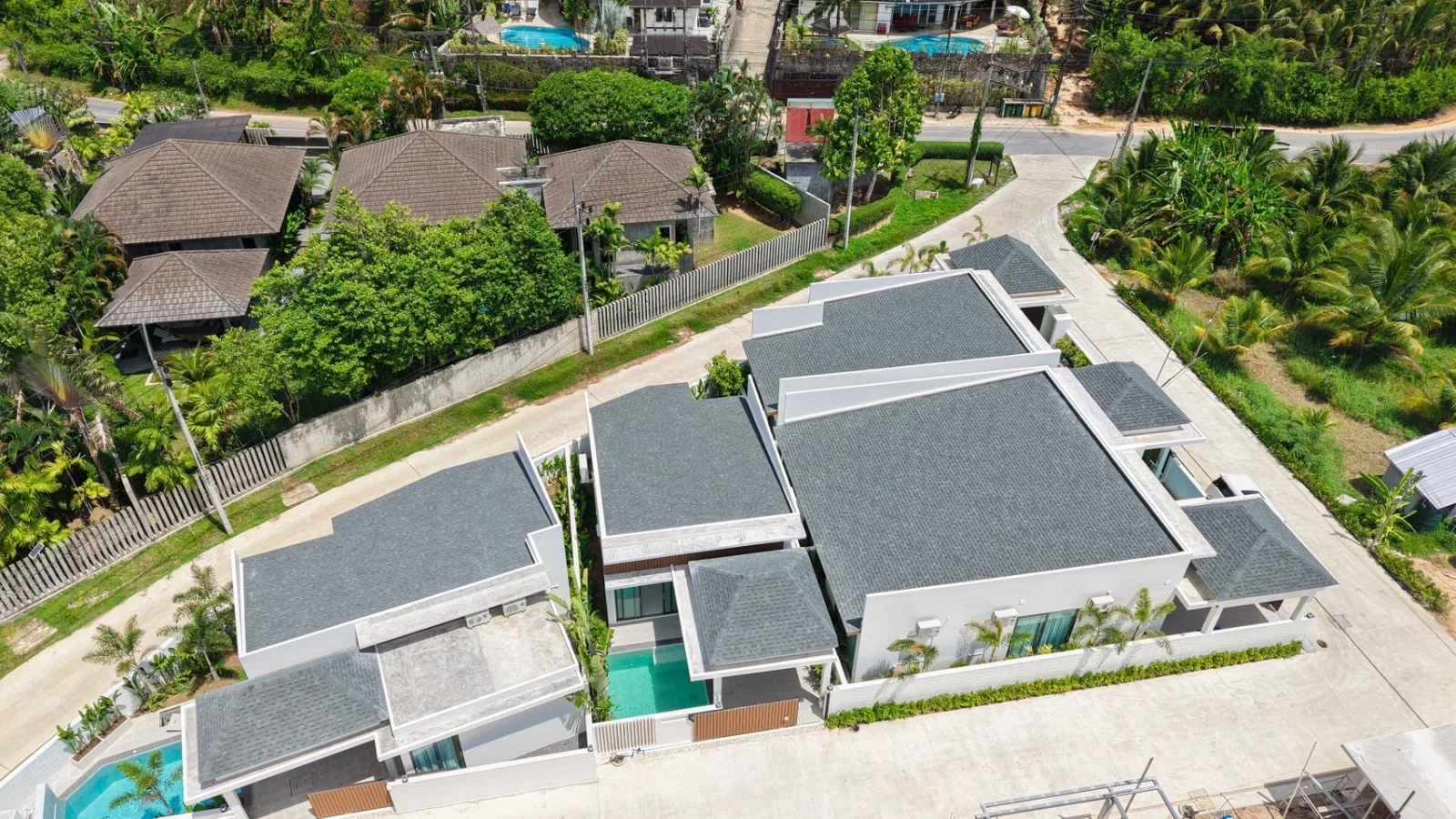
## Villas and Prices
| Villas | Bedrooms | Built area | Price |
| --- | --- | --- | --- |
| N-04, N-05 | Two | 165 sqm | 12,500,000 and 13,900,000 THB |
| N-06, N-07, N-08, N-09, N-10, N-11 | Three | 165 sqm | 13,900,000 to 16,500,000 THB |
All eight villas on our list are 165 sqm. The two-bedroom villas N-04 and N-05 open the list from 12,500,000 THB, and the three-bedroom villas N-06 to N-11 follow up to 16,500,000 THB, with the price moving by layout and plot. We send the plan and plot of each villa with the price list, and arrange a viewing of the site when you are on the island.
## Design and Facilities
- **Contemporary design** with large glass doors
- **Open-plan living and dining**
- **Modern Western kitchen**
- **Ensuite bedrooms**
- **Private swimming pool** and garden
- **Only 11 villas**
- **Pet-friendly**
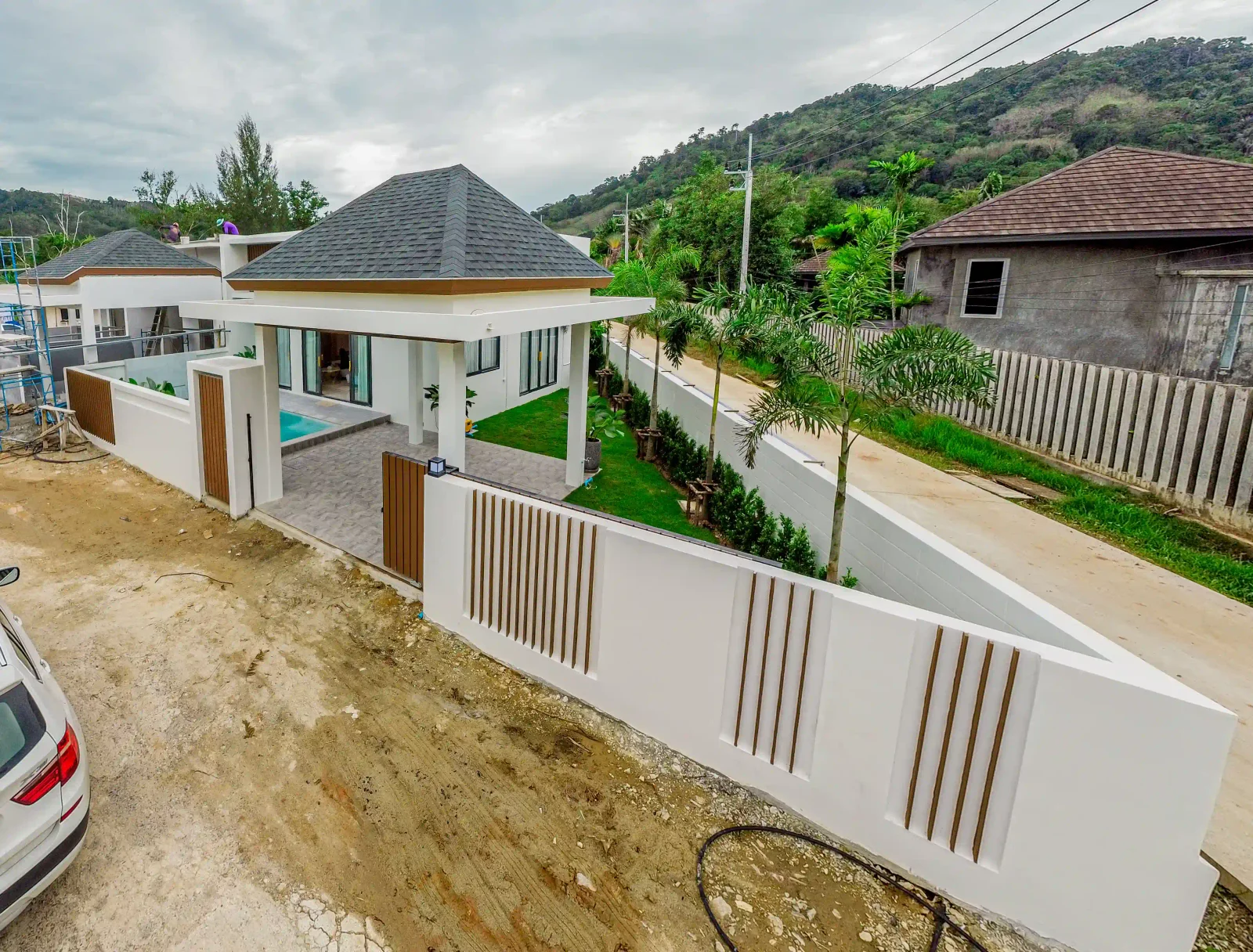
## Living at Narinsaya
Life at Narinsaya is simple and relaxed. Mornings start with a swim, the supermarket is a few minutes away, and the afternoon can be spent on the sand at Nai Yang or at a beach restaurant under the trees. When family and friends fly in, the airport run takes under ten minutes, and each guest has a bedroom with its own bathroom. For owners who divide the year between Phuket and home, a compact pool villa in a small community is easy to keep and easy to leave.
## Payment
The developer sets the payment terms for each villa, and we send the current schedule for the villa you choose together with the price list, so you can see every stage and amount before you reserve.
## Why Buyers Choose Narinsaya Pool Villas
- **A private pool villa from 12,500,000 THB**
- **About 7 minutes** to Nai Yang Beach
- **About 9 minutes** to the airport
- **Ensuite bedrooms** and a Western kitchen
- **Only 11 villas** in the community
- **Pet-friendly**
## Who Narinsaya Pool Villas Suits
**Couples and small families** who want a pool villa near a calm beach at an accessible price.
**Frequent travellers** who value a short drive to the airport.
**Owners who spend part of the year in Phuket** and want a house that is easy to keep.
**Rental investors** aiming at couples and families who book a pool villa near Nai Yang.
## Renting Out a Villa at Narinsaya
A two or three-bedroom pool villa near Nai Yang appeals to couples and families on holiday who want privacy, a pool of their own and an easy airport transfer, and to long-stay guests who spend the season in the calm north.
If you plan to let your villa at Narinsaya Pool Villas, we collect current asking rents and holiday rates for comparable villas in Nai Yang and Sakhu and send them with the price list. [Our rental guide](/guides/phuket-rental-yield-complete-guide-2026/) explains how to read a rental offer line by line.
## Ownership for Foreign Buyers
At Narinsaya Pool Villas, as with any villa in Thailand, you buy land plus a building. The villa can be held in your own name over a lease of the plot registered at the Land Office, 30 years per registration with renewal terms in the contract, or the land can be held through a Thai company with genuine Thai shareholders. [Freehold and leasehold in Thailand](/guides/freehold-vs-leasehold-thailand/) explains both routes, and we prepare the one that suits you with our legal support.
## Narinsaya and Other Villas Near Nai Yang
| Project | From | Status |
| --- | --- | --- |
| [Akara Golden Section Sakhu](/projects/akara-golden-section/) | 6,500,000 THB | Off-plan |
| [Akara Pool Villas Nai Yang](/projects/akara-pool-villas/) | 9,000,000 THB | Off-plan |
| Narinsaya Pool Villas | 12,500,000 THB | Off-plan |
| [Janya Villas](/projects/janya-villas/) | 13,250,000 THB | Off-plan |
| [AG Club Villas Thalang](/projects/ag-club-villas/) | 13,452,240 THB | Off-plan |
Narinsaya stands out in this group for its short drive to both the beach and the airport. We send the price lists of any of these projects on request and arrange viewings.
## Buying Narinsaya Pool Villas with MORE Group
A villa at Narinsaya is bought in five steps, from the first price list to the keys, and we are with you through each of them.
## What We Send Before You Reserve
- The current price list for Narinsaya Pool Villas with free villas, plot areas and plans
- The payment and transfer terms for your villa
- The ownership structure for your purchase, leasehold or company, with the documents it needs
- The community's common charges
- The latest construction update
{/* corpus-faq:narinsaya-pool-villas */}
## FAQ
### What does Narinsaya Pool Villas cost?
Our price list holds 8 villas: two-bedrooms of 165 sqm from 12,500,000 and 13,900,000 THB; three-bedrooms of 165 sqm from 13,900,000 to 16,500,000 THB.
### How far is Narinsaya from the beach and the airport?
Nai Yang Beach is about 7 minutes by car and the airport about 9 minutes. The nearest mall is about 3 minutes by car.
### What does each villa include?
Open-plan living and dining, a modern Western kitchen, ensuite bedrooms, large glass doors, a private swimming pool and a garden.
### What is the payment plan?
The developer sets the payment terms for each villa, and we send the current schedule for the villa you choose with the price list.
### How can foreigners own a villa at Narinsaya Pool Villas?
The villa can be held in your own name over a lease of the plot registered at the Land Office, 30 years per registration with renewal terms in the contract, or the land can be held through a Thai company with genuine Thai shareholders. We prepare the structure with our legal support.
**Read Also:**
- [Akara Golden Section](/projects/akara-golden-section/)
- [Nai Yang Property Guide](/guides/nai-yang-property-guide/)
- [Freehold vs Leasehold in Thailand](/guides/freehold-vs-leasehold-thailand/)
- [How Foreigners Buy Phuket Property 2026](/guides/buying-property-phuket-guide/)
- [Phuket Rental Yield Guide](/guides/phuket-rental-yield-complete-guide-2026/)
# Nature's Rest Villa Cherngtalay: From 46.5M THB (2026)
> Nature's Rest Villa Cherngtalay: boutique private-pool villas from 46.5M THB in Si Sunthon, near Bang Tao and Laguna. Villas, prices and ownership route.
**Source:** https://moregroup.estate/projects/natures-rest-villa-cherngtalay/
**Section:** Project Reviews
**Author:** MORE Group Editorial
**Published:** 2026-04-08
**Updated:** 2026-08-23
---
If you've spent time searching for a villa in Phuket's northwestern corridor, you already know the paradox: the closer you get to Bang Tao and Cherngtalay, the harder it is to find something that still feels genuinely private. Nature's Rest Villa Cherngtalay is a small private-pool villa scheme in the Si Sunthon area, built around exactly that privacy, and a walk around the plots shows how each villa sits in its own green setting.
## What the Project Is?
Prices start from 46,500,000 THB, which positions this firmly in the mid-to-upper segment of the Bang Tao villa market, not the most expensive project on the road, but priced to reflect both the land quality and the finish level.
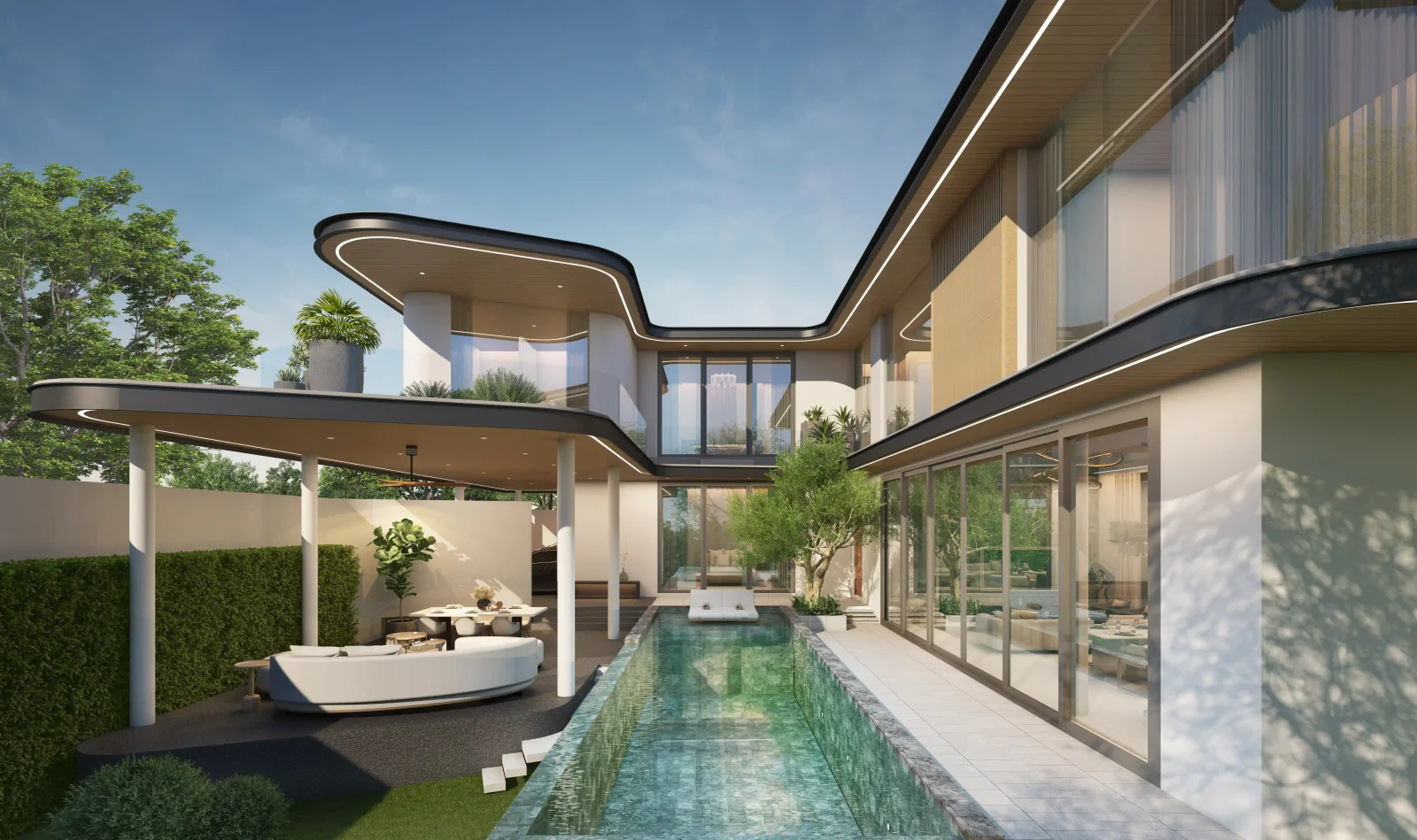
## Architecture and Design
Interior finishes follow a palette of natural materials, stone, timber, and concrete left with enough texture to feel handmade rather than hotel-spec. The result is a home that photographs beautifully but is also genuinely liveable: cool in the midday heat, bright in the evenings, and easy to maintain in a tropical climate.
We send the written specification with the villa list: the brand and model of the kitchen appliances, the sanitaryware and the air conditioning plant, with the warranty on each. On an off-plan villa that schedule is attached to the SPA, so the finishes you choose are part of the contract.
## Location and Connectivity
Bang Tao Beach is a short drive west. The Laguna complex, including the hotel strip, golf course, and beach club, is within easy reach. For families, the international school corridor along the Cherngtalay road is closer than from many other premium villa addresses on the island.
The airport sits north of the project, convenient for owners who split their time between Phuket and home, and we include the route in the viewing.
## Investment Case
This is a small scheme in an established corridor, and we send transaction counts and asking prices for comparable villas nearby, so the value of each villa can be seen against the market.
For buyers considering off-plan purchase, the payment schedule is structured in stages tied to construction milestones, standard practice for reputable Thai developers, and important protection for the buyer.
## Who This Is For
Nature's Rest suits buyers who want a large villa in the Cherngtalay and Bang Tao corridor without stepping up to the top of the island's price range. It's a strong fit for:
- **Owner-occupiers** looking for a long-term Phuket base with good connectivity and genuine privacy
- **Investors** targeting the premium short-term rental market in a high-demand location
- **Buyers relocating with families**, given the proximity to international schools and lifestyle infrastructure
If you're also considering similar projects in the area, [QAV Residence](/projects/qav-residence/) offers a slightly different design direction in the same corridor, while [Manor Phuket](/projects/manor-phuket/) sits at a more accessible entry price point. For a broader look at buying in this area, our [Phuket property buying guide](/guides/buying-property-phuket-guide/) covers the key legal and financial steps for foreign buyers.
{/* corpus-faq:natures-rest-villa-cherngtalay */}
## FAQ
### Can foreigners buy a villa at Nature's Rest Cherngtalay?
Yes. A foreigner owns the villa structure in their own name and holds the plot on a lease registered at the Land Office, for a registered term of 30 years under the Civil and Commercial Code. A Thai company with genuine Thai shareholders is the other route, and we prepare either structure with you with our legal support. Our guides on foreign ownership in Thailand and on the 30-year lease set out both routes in full.
### What is the starting price for Nature's Rest villas?
Villas start from 46,500,000 THB. Final pricing depends on plot size and unit configuration. Contact us for a current availability list with specific unit pricing.
### What is the rental yield potential for this project?
Rental income on a villa of this size comes from group and family bookings. We collect written statements for comparable villas from an operator and apply the costs set out in our Phuket rental yield guide (management fee, estate charge, quieter months, repairs and Thai income tax) to give the net figure for your villa.
### What stage is Nature's Rest at?
Nature's Rest is under construction, with payments tied to construction milestones. We send the latest construction update together with the price list.
### How far is Nature's Rest from Bang Tao Beach?
Bang Tao Beach is a short drive west, and the Laguna complex is close by for owners who prefer a managed beach. We include the drive in the viewing, so you know the route from the villa.
## Who this project suits
| Buyer profile | Why this scheme fits |
| --- | --- |
| Yield-focused investor | Group and family letting in the Cherngtalay corridor, planned on net income after the estate charge and management |
| Lifestyle + rental | A home to live in for part of the year, with letting covering part of the running cost |
| Off-plan buyer | Payments in stages tied to construction milestones |
| Diversifier | A different asset class from a condominium rather than another unit of the same one |
## Buying Nature's Rest with MORE Group
A villa at Nature's Rest is bought in five steps, from the first price list to the keys, and we are beside you through every one of them.
With the villa list we also send the full unit schedule (built-up area, plot area and price of every villa still available, with the lease term and renewal wording), the estate charges and sinking fund as a first-year budget, and a comparison with two other Cherng Talay villa developments from our [project reviews](/projects/).
## Area Context
Si Sunthon sits just behind the Bang Tao strip, which is what gives the scheme its quiet. [How Phuket's areas price against one another](/guides/best-areas-phuket-buy-property/) shows what an inland plot saves against a beachfront ticket, and [what Cherng Talay is like to live in day to day](/areas/cherng-talay-property-guide/) covers the lagoon frontage, the school corridor and the roads you would use every week. On a small gated scheme the plot you choose and its outlook matter most, and we walk the plots with you.
## Choosing Your Villa and Plot
The published entry price is 46,500,000 THB, and we send the current unit schedule with every villa's built-up area, plot area and price.
The schedule shows how much of the difference between two villas is plot and how much is house. Where two villas of the same built-up area sit close in price, the plot (aspect, level, privacy and outlook) is what sets them apart, and we walk every available plot with you before you choose.
Running costs follow floor area rather than bedroom count, so the schedule also shows what each house costs to keep. Our [Cherng Talay area guide](/areas/cherng-talay-property-guide/) explains how position inside the sub-district sets villa pricing.
## A Five-Bedroom Villa Made for Group Stays
A five-bedroom villa is built for group and multi-generational stays, the least seasonal and least price-sensitive part of the Phuket villa market, because those bookings are planned months ahead.
Group guests look for bedrooms of equal quality, en suites throughout and living space that seats everyone together. At a viewing we walk the plan with a group booking in mind: the en suites, the light in each bedroom and a dining space that seats ten.
We also send achieved weekly rates for comparable five-bedroom villas in Cherng Talay and Bang Tao, for the high season and the quieter months, when group letting holds up better than nightly couple letting.
## What a House of This Size Costs to Run
A house of this size has a running budget of its own, and we get it from two sources. Inland in Si Sunthon the main items are air-conditioning hours and garden care through the wet season. We put the developer's annual estimate per villa next to an independent Cherng Talay manager's quote for the same house, and [annual ownership costs in Thailand](/guides/annual-ownership-costs-thailand/) itemises what sits inside both, from CAM and sinking fund to plant replacement cycles.
Gate, lane, lighting and shared planting are split between the owners of this small scheme, and we send the arrangement for villas still unsold at handover in writing.
## Ownership
Every plot in this scheme reaches a foreign buyer by the same route: land title stays Thai, you take a lease on it that is registered at the Land Office, and the house itself is bought in your own name. The lease registration date is written into the SPA, and we go through it with you so the 30-year term fits your plans. [Can foreigners buy property in Thailand](/guides/legal-guide-buying-property-thailand/) explains the ownership rules, and [the 30-year lease explained](/guides/30-year-lease-thailand-explained/) covers how renewal wording works.
# Next Point Condominium: Rawai Studios from 3.96M THB
> Next Point Condominium Rawai: studios from 3,955,000 THB in four seven-storey buildings with rooftop infinity pools, co-working, a kids club and pets welcome.
**Source:** https://moregroup.estate/projects/next-point-condominium/
**Section:** Project Reviews
**Author:** MORE Group Editorial
**Published:** 2026-04-01
**Updated:** 2026-08-23
---
## What Is Next Point Condominium?
Next Point brings a full resort lifestyle to the residential south of Phuket. Each of its four buildings has a rooftop infinity pool with lounge areas, and the complex adds an open-air cinema, a bar and restaurant, a fitness centre, spa and yoga spaces, a kids club and a co-working space. Underground parking with electric-car chargers and 24-hour security complete the picture.
The apartments are designed in a light, minimalist style with panoramic glazing, smart-home technology and designer furniture from Italy, and the project brings eco-friendly features into the everyday running of the buildings. It is a home for long-stay residents and a well-equipped base for owners who spend the season in the south.
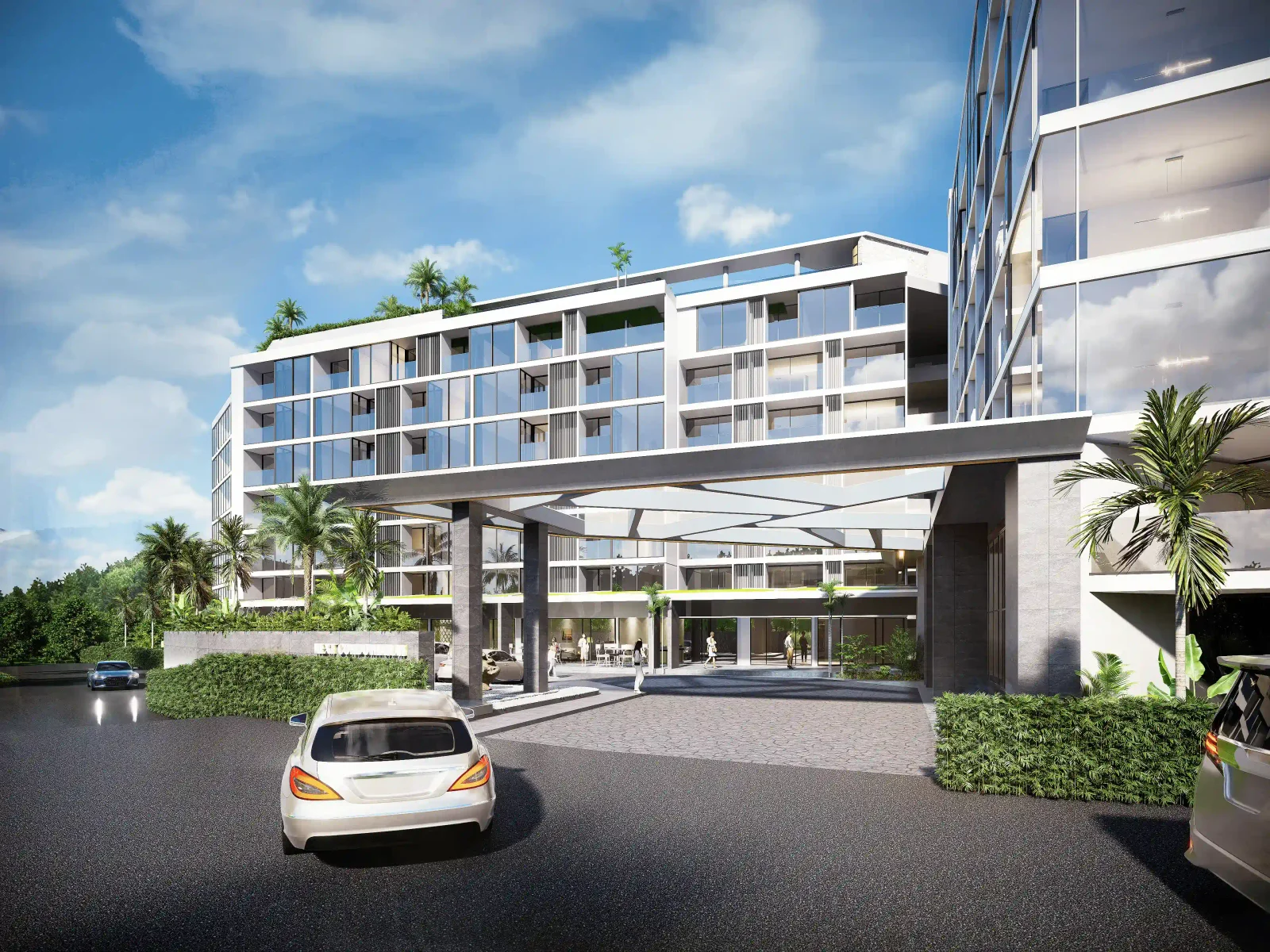
## What Are the Key Facts for Next Point Condominium?
| Factor | Detail |
| --- | --- |
| Location | Rawai, south Phuket |
| Buildings | Four connected seven-storey buildings |
| Residences | 378 in total, 214 on our price list |
| Formats | Studios, one and two-bedroom apartments, top-floor residences |
| Price range | 3,955,000 to 22,387,500 THB |
| Payment | 30% / 20% / 20% / 20% / 10% |
| Facilities | Rooftop infinity pools, gym, spa, yoga, kids club, co-working, cinema |
| Pets | Welcome |
| Stage | Under construction |
| Beach | About 8 minutes by car |
## Location: Rawai and the South of the Island
Rawai has grown from a fishing village into one of Phuket's favourite places to live. It draws long-stay Europeans, remote workers, retirees and young families, and its cafes, yoga studios, health-food restaurants and markets serve a community that lives here for months at a time rather than a single holiday week.
**Nai Harn Beach:** one of the most loved beaches in Thailand, a sheltered bay with clean sand and calm water for most of the year, and a lake park behind it for morning walks.
**Rawai Beach and the seafront:** the island's boating and seafood bay, with longtail boats to the nearby islands and fresh seafood cooked at the restaurants along the promenade.
**Promthep Cape:** Phuket's classic sunset viewpoint at the southern tip of the island, about ten minutes away.
**Chalong Bay:** the hub for sailing and diving, with the marina, dive shops and waterfront cafes about fifteen minutes by car.
**Kata Beach:** a lively swimming and surfing beach about twenty minutes away, with a surf season from May to October.
**Shopping:** the nearest mall about 8 minutes by car, with markets and supermarkets across Rawai.
The beaches are about eight minutes by car and the airport about an hour, a drive that long-stay residents make only at the start and end of their stay. The [Rawai area page](/rawai-properties/) and [Nai Harn and Rawai compared](/guides/nai-harn-vs-rawai-comparison/) cover the district in more detail.
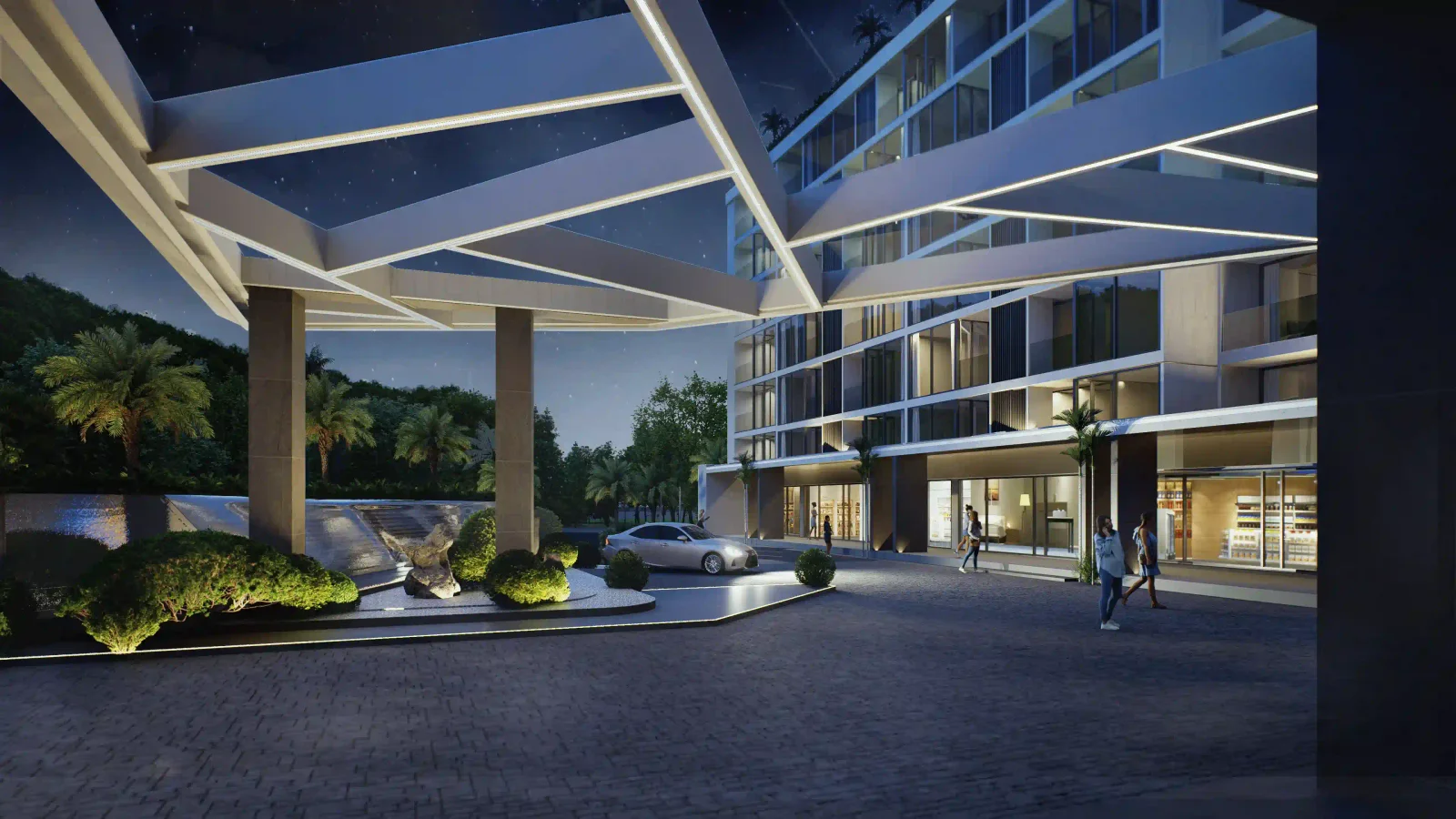
## Units and Prices
Our price list holds 214 units in four formats:
| Format | Size | Units | Price |
| --- | --- | --- | --- |
| Studio | 35 to 50 sqm | 81 | 3,955,000 to 7,279,000 THB |
| One-bedroom | 49 to 71 sqm | 77 | 5,673,240 to 10,492,500 THB |
| Two-bedroom | 70 to 104 sqm | 52 | 7,851,990 to 15,250,950 THB |
| Top-floor residence, three or four bedrooms | 119 to 149 sqm | 4 | 17,818,500 to 22,387,500 THB |
The entry studios, 1301 and 1303 at 3,955,000 THB, open the building to first-time buyers. The larger studios of up to 50 sqm are as liveable as a one-bedroom for a couple, and the one-bedrooms of up to 71 sqm give room for a home office. The two-bedrooms suit families and small groups, and the four top-floor residences on the seventh floor of building 2 (2701, 2702, 2704 and 2707) offer three or four bedrooms for buyers who want a large home with the facilities of a resort. We send the floor plan, floor and view of each unit with the price list, and more options in the area are collected in [one-bedroom condos for sale in Rawai](/rawai-properties/).
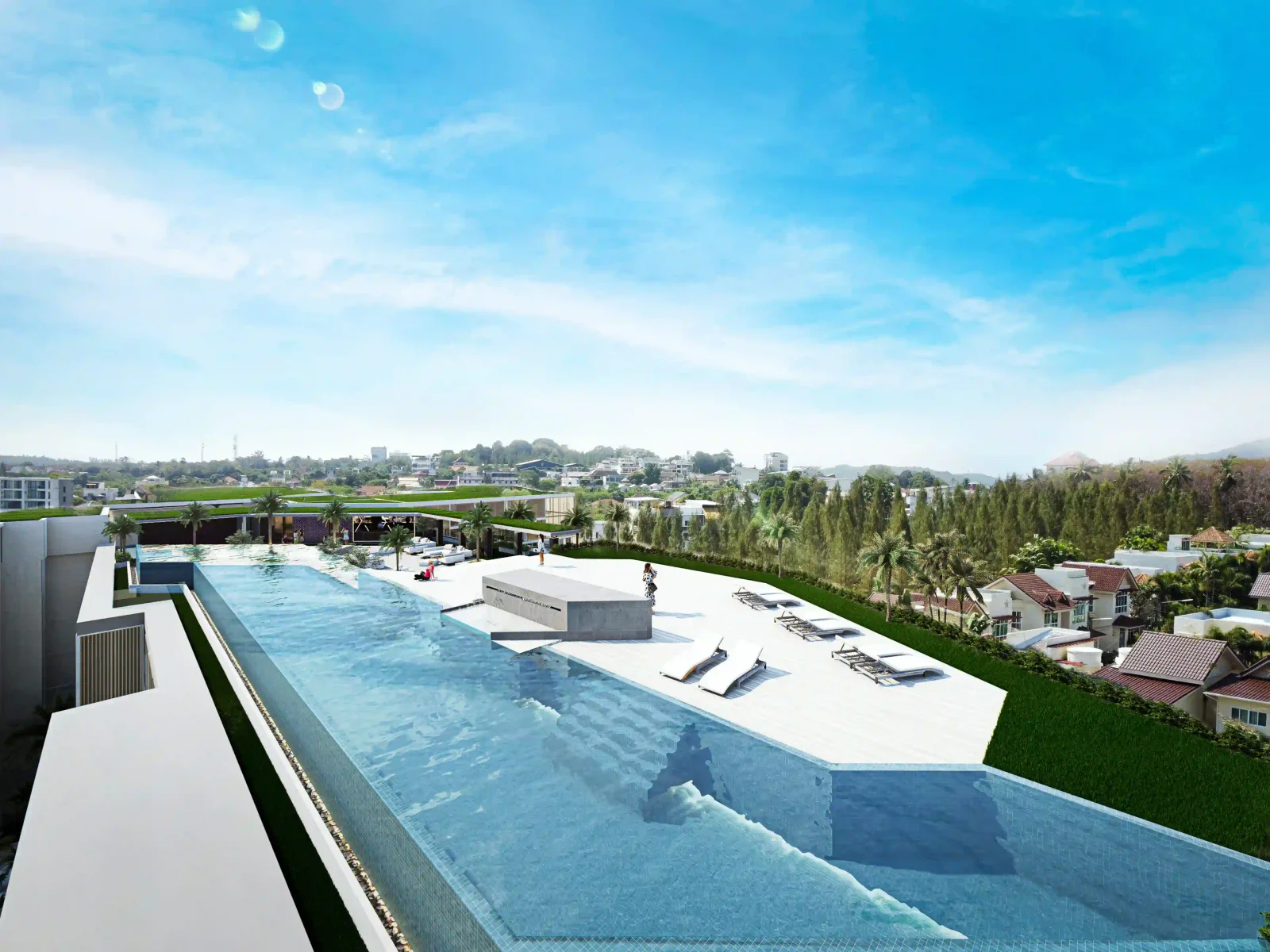
## Facilities
- **Rooftop infinity pool** with lounge areas on each building
- **Open-air cinema** and a bar and restaurant
- **Fitness centre, spa and yoga spaces**
- **Kids club** for younger residents
- **Co-working space** for remote work
- **Courtyard gardens** and communal recreation areas
- **Underground parking** with electric-car chargers
- **24-hour security** with CCTV
- **Pet-friendly building**, welcoming owners and tenants who travel with a dog or a cat
The combination suits the way Rawai lives: remote workers use the co-working space, families use the kids club and the pools, and long-stay guests with pets find a home that welcomes them.
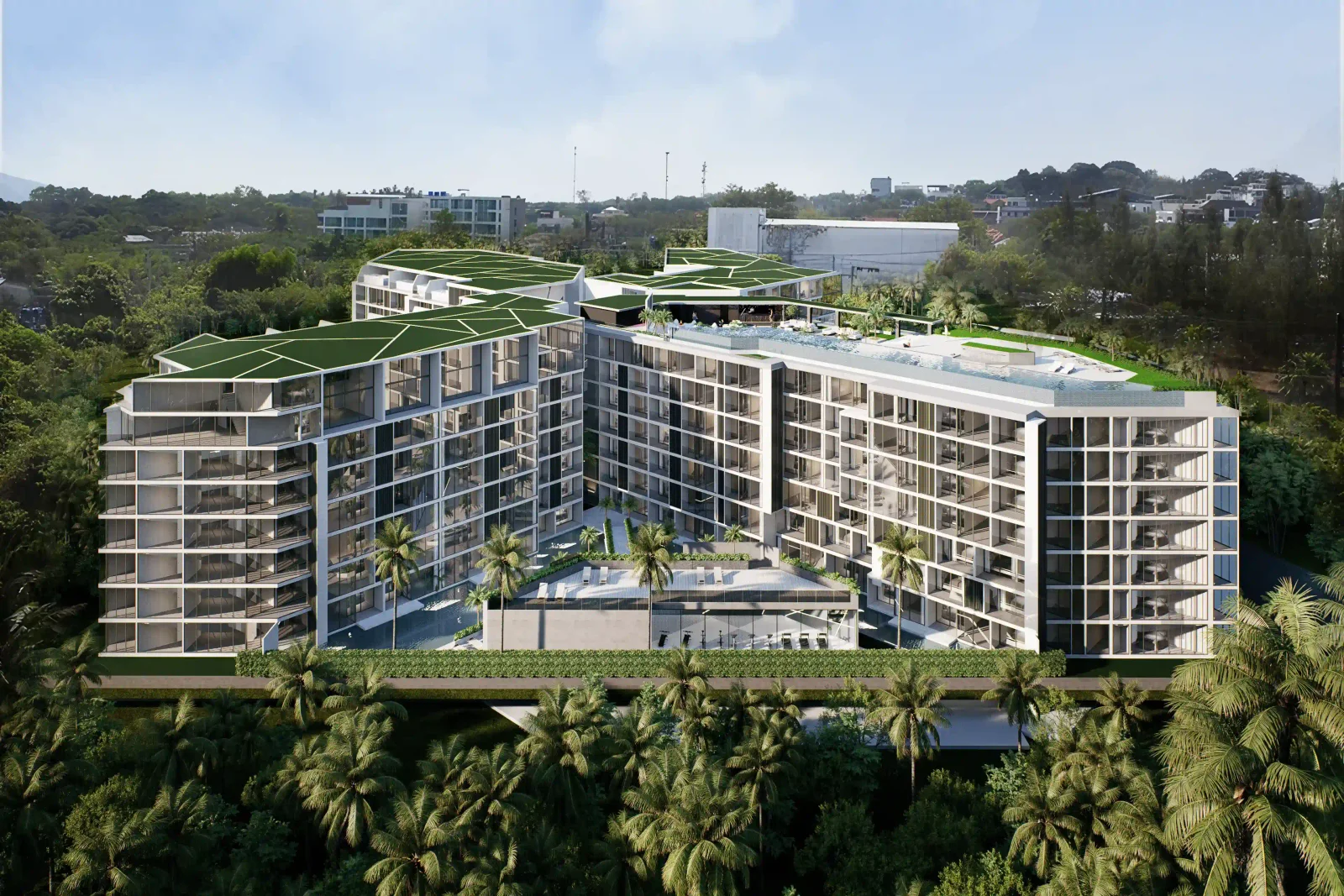
## Five-Stage Payment Plan
The price is paid in five stages as the building rises: 30%, 20%, 20%, 20% and 10%. For a studio at 3,955,000 THB that works out as follows:
| Stage | Share | Amount |
| --- | --- | --- |
| 1 | 30% | 1,186,500 THB |
| 2 | 20% | 791,000 THB |
| 3 | 20% | 791,000 THB |
| 4 | 20% | 791,000 THB |
| 5 | 10% | 395,500 THB |
The schedule spreads the price across the build and leaves 10% for handover. We send the developer's schedule for your unit with the price list, and the [off-plan buying guide](/guides/off-plan-property-phuket-guide/) explains how staged payments work from reservation to transfer.
## Why Buyers Choose Next Point Condominium
- **Resort facilities:** rooftop infinity pools, spa, cinema, kids club and co-working
- **A wide choice:** 214 units from studios to top-floor residences
- **An accessible entry:** studios from 3,955,000 THB
- **Pets welcome**
- **Rawai lifestyle:** Nai Harn, Promthep Cape and the seafront close by
- **10% at handover**
- **Freehold ownership** within the 49% foreign quota
## Who Next Point Suits
**Remote workers and long-stay residents** who want co-working, a gym and a rooftop pool in the building.
**Families** who value the kids club, the pools and the two-bedroom layouts.
**Pet owners**, who are welcome here with a dog or a cat.
**Rental investors** aiming at the long-stay tenants of Rawai, who book for months rather than nights.
**First-time buyers** entering the Phuket market with a studio from 3,955,000 THB.
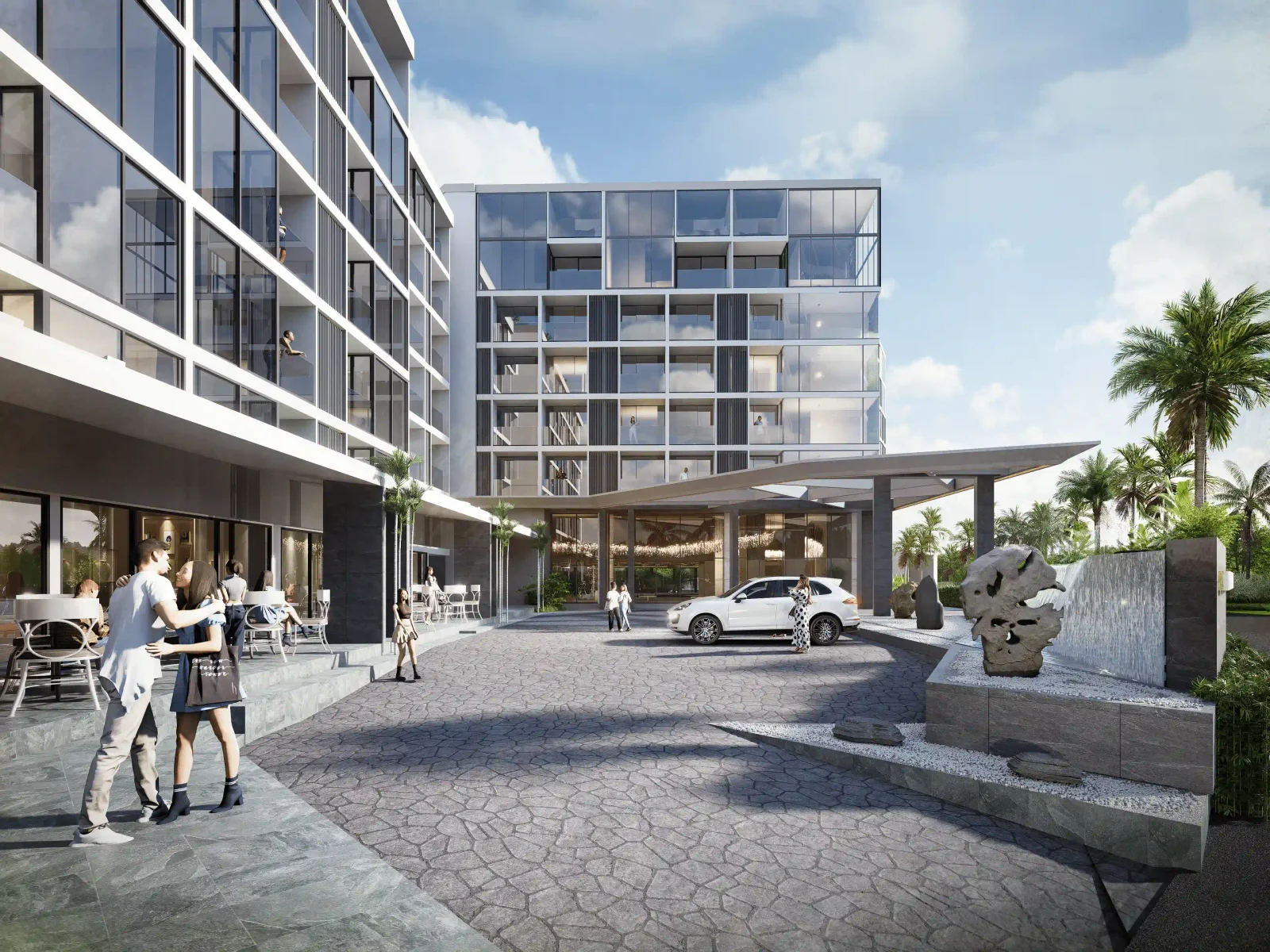
## Renting Out a Unit at Next Point
Rawai's residents stay long: remote workers for one to three months, European couples for the winter and families for a school year. A building with co-working, a kids club and a pet-friendly policy speaks directly to these tenants, and monthly lets keep turnover and running costs low.
For owners who plan to rent, we collect current asking rents for comparable units in Rawai and Nai Harn and send them with the price list. [Our rental guide](/guides/phuket-rental-yield-complete-guide-2026/) explains how to read a rental offer line by line.
## Ownership for Foreign Buyers
Next Point is a condominium, so a unit can be registered freehold in your own name within the 49% foreign quota of the building, counted by floor area. We confirm with the developer that the unit you choose sits inside that quota. For a freehold unit at Next Point, each payment is transferred from abroad in foreign currency, and the receiving bank provides the FET form that the Land Department asks for at registration. [How the foreign quota works](/guides/foreign-quota-thai-condominiums/) explains the rule in detail.
## Next Point and Other Rawai Condos
| Project | From | Status |
| --- | --- | --- |
| [Aura Condominium](/projects/aura-condominium/) | 3,032,320 THB | Off-plan |
| [The Proud](/projects/the-proud/) | 3,625,000 THB | Completed |
| [Enigma Residence](/projects/enigma-residence/) | 3,944,850 THB | Off-plan |
| Next Point Condominium | 3,955,000 THB | Off-plan |
| [VIP Space Odyssey](/projects/vip-space-odyssey/) | 4,395,000 THB | Off-plan |
| [The Title Cielo](/projects/the-title-cielo/) | 4,830,000 THB | Off-plan |
Next Point offers the widest range of facilities in this group, with four rooftop pools and the full resort list. We send the price lists of any of these projects on request and arrange viewings.
## Buying Next Point Condominium with MORE Group
A unit at Next Point is bought in five steps, from the first price list to the keys, and we are with you through each of them.
## What We Send Before You Reserve
- The current price list with free units, floors, sizes and plans
- Confirmation that your unit sits within the 49% foreign quota
- The five-stage payment schedule for your unit
- The building's common charges and house rules, including the pet policy
- The latest construction update
- Current asking rents for comparable units, if you plan to rent
{/* corpus-faq:next-point-condominium */}
## FAQ
### What does Next Point Condominium cost?
Our price list holds 214 units: studios of 35 to 50 sqm from 3,955,000 THB, one-bedrooms of 49 to 71 sqm from 5,673,240 THB, two-bedrooms of 70 to 104 sqm from 7,851,990 THB, and four top-floor residences with three or four bedrooms from 17,818,500 to 22,387,500 THB.
### What facilities does Next Point have?
A rooftop infinity pool with lounge areas on each of the four buildings, an open-air cinema, a bar and restaurant, a fitness centre, spa and yoga spaces, a kids club, a co-working space, courtyard gardens, underground parking with electric-car chargers and 24-hour security.
### Are pets allowed?
Yes. Next Point is a pet-friendly building. We send the house rules, including the pet policy, with the price list.
### What is the payment plan?
Five stages: 30%, 20%, 20%, 20% and 10%. For a studio at 3,955,000 THB that means 1,186,500 THB at the first stage and 395,500 THB at handover.
### Can foreigners buy at Next Point freehold?
Yes. Foreign buyers can hold a unit freehold in their own name within the 49% foreign quota of the building, counted by floor area. We confirm that your unit sits inside the quota, and the purchase money is transferred from abroad with an FET form for registration at the Land Department.
**Read Also:**
- [Best Areas to Buy Property in Phuket](/guides/best-areas-phuket-buy-property/)
- [Nai Harn and Rawai Compared](/guides/nai-harn-vs-rawai-comparison/)
- [Off-Plan Property in Phuket](/guides/off-plan-property-phuket-guide/)
- [Phuket Property Prices 2026](/guides/phuket-property-market-prices-2026/)
- [Two-Bedroom Condos for Sale in Rawai](/rawai-properties/)
- [The Buying Process in Thailand, Step by Step](/guides/due-diligence-process-thailand-step-by-step/)
# Nile Residence Chalong: Four-Bed Villas from 12.95M THB
> Nile Residence Chalong: four-bedroom villas of 210 and 378 sqm in a gated community with a clubhouse, pool, gym and playground, from 12.95M THB.
**Source:** https://moregroup.estate/projects/nile-residence/
**Section:** Project Reviews
**Author:** MORE Group Editorial
**Published:** 2026-04-08
**Updated:** 2026-10-07
---
## What Is Nile Residence?
Nile Residence is designed for family life in the south of the island. The houses are modern and bright, with open-plan living and dining areas, a Western kitchen, large windows and terraces, and a master suite with a walk-in wardrobe and its own bathroom. Buyers can add a private pool and garden terrace, and the plots start from about 250 sqm.
The community gives families everything close to home: a clubhouse, a communal swimming pool, a gym, a children's playground, a jogging track and green walking areas, with gated access, 24-hour security and CCTV. Chalong Pier and the waterfront are minutes away, and the beaches of Rawai and Nai Harn are a short drive.
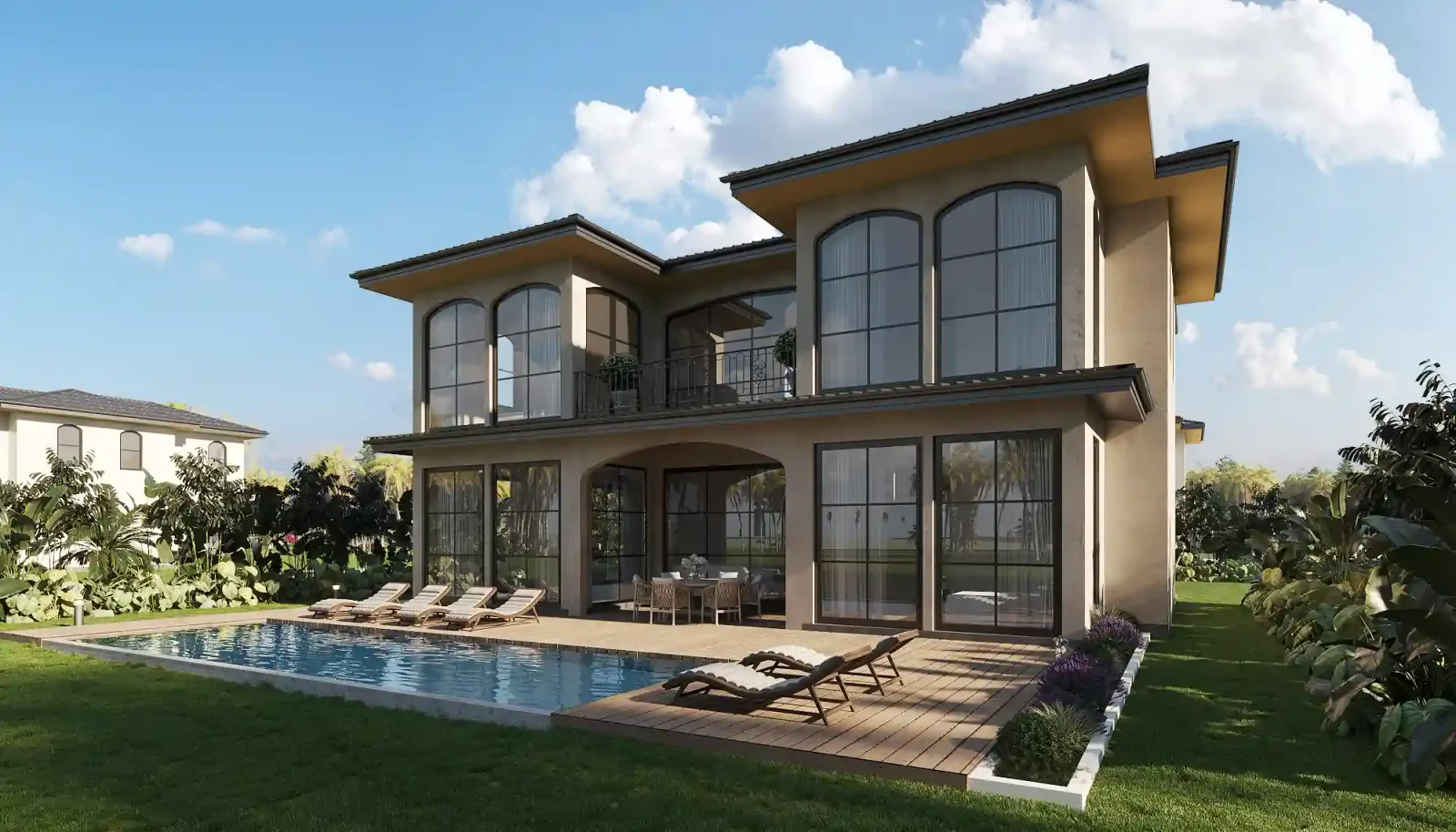
## What Are the Key Facts for Nile Residence?
| Factor | Detail |
| --- | --- |
| Location | Palai and Chalong, south Phuket |
| Community | Gated villa community with clubhouse |
| Villas | 58 on our price list, all four-bedroom |
| 210 sqm villas | 48, from 12,950,000 to 15,266,775 THB |
| 378 sqm villas | 10, from 26,058,000 to 27,317,850 THB |
| Plots | From about 250 sqm |
| Facilities | Clubhouse, communal pool, gym, playground, jogging track |
| Payment | 25% / 25% / 50% |
| Stage | Under construction |
| Beach | About 18 minutes by car |
## Location: Chalong, the Family South
Chalong is where many of Phuket's resident families live: close to the pier and the marinas, the schools and the supermarkets, with the beaches of the south a short drive away.
- **Chalong Pier and the waterfront:** a few minutes away, for boat trips to the islands
- **BCIS school:** within easy reach
- **Villa Market and shopping:** the nearest mall about 6 minutes by car
- **Rawai and Nai Harn beaches:** about 18 minutes by car
- **Big Buddha and Phuket Town:** a short drive
- **Airport:** about an hour by car
Life here has an easy family rhythm: school and shops are close, afternoons are for the pool and the playground, and at weekends a boat from Chalong Pier or a swim at Nai Harn makes the day. The [Rawai area page](/rawai-properties/) covers the wider south.
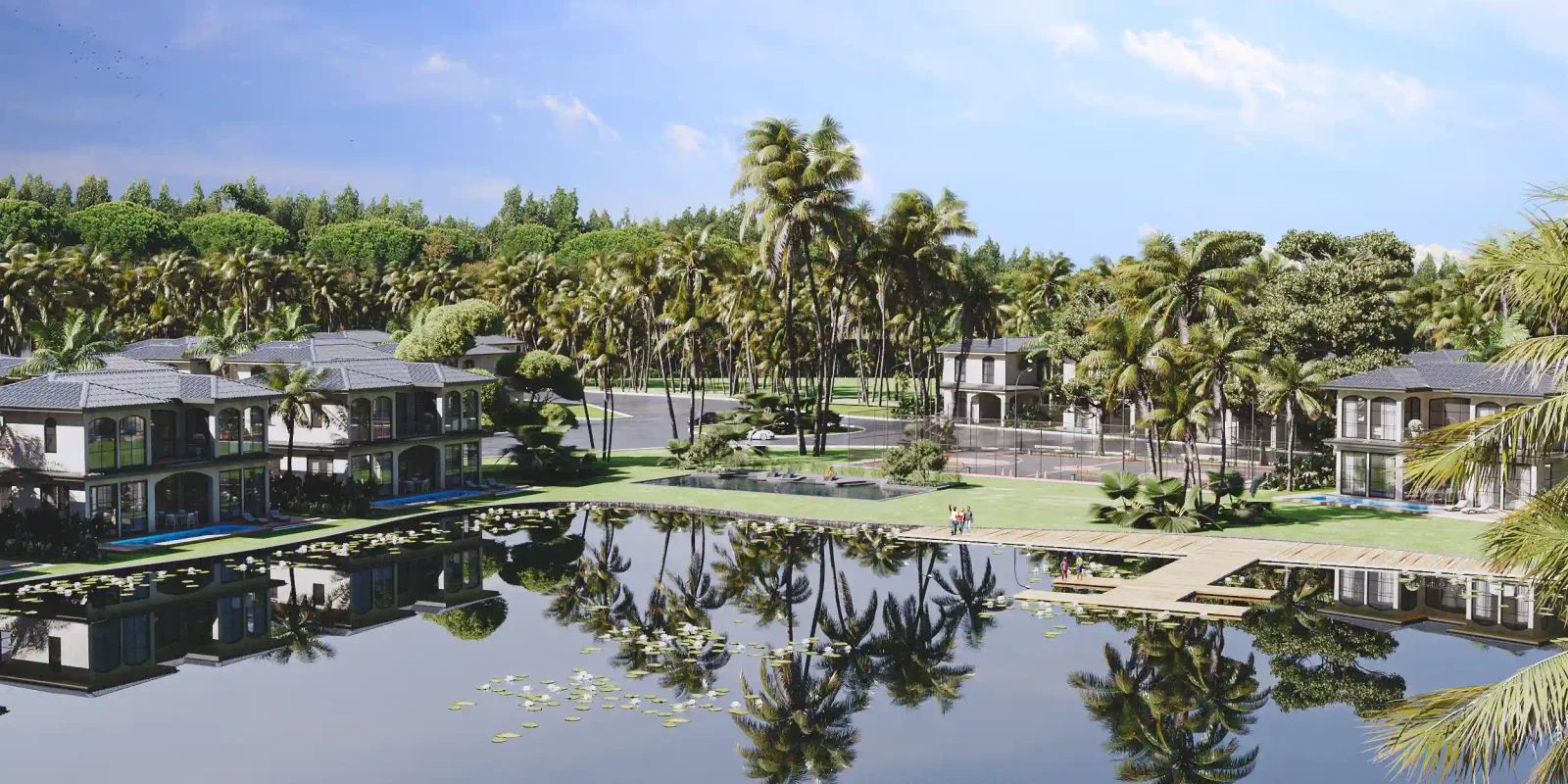
## Villas and Prices
All 58 villas on our list have four bedrooms:
| Built area | Villas | Price |
| --- | --- | --- |
| 210 sqm | 48 | 12,950,000 to 15,266,775 THB |
| 378 sqm | 10 | 26,058,000 to 27,317,850 THB |
The villas of 210 sqm are the heart of the community, a four-bedroom family house from 12,950,000 THB, and the price moves with the plot and the options you choose. The larger villas of 378 sqm, numbers 49 to 58, give more room inside and out. We send the plot area, the plans and the price of the pool and garden option with the list.
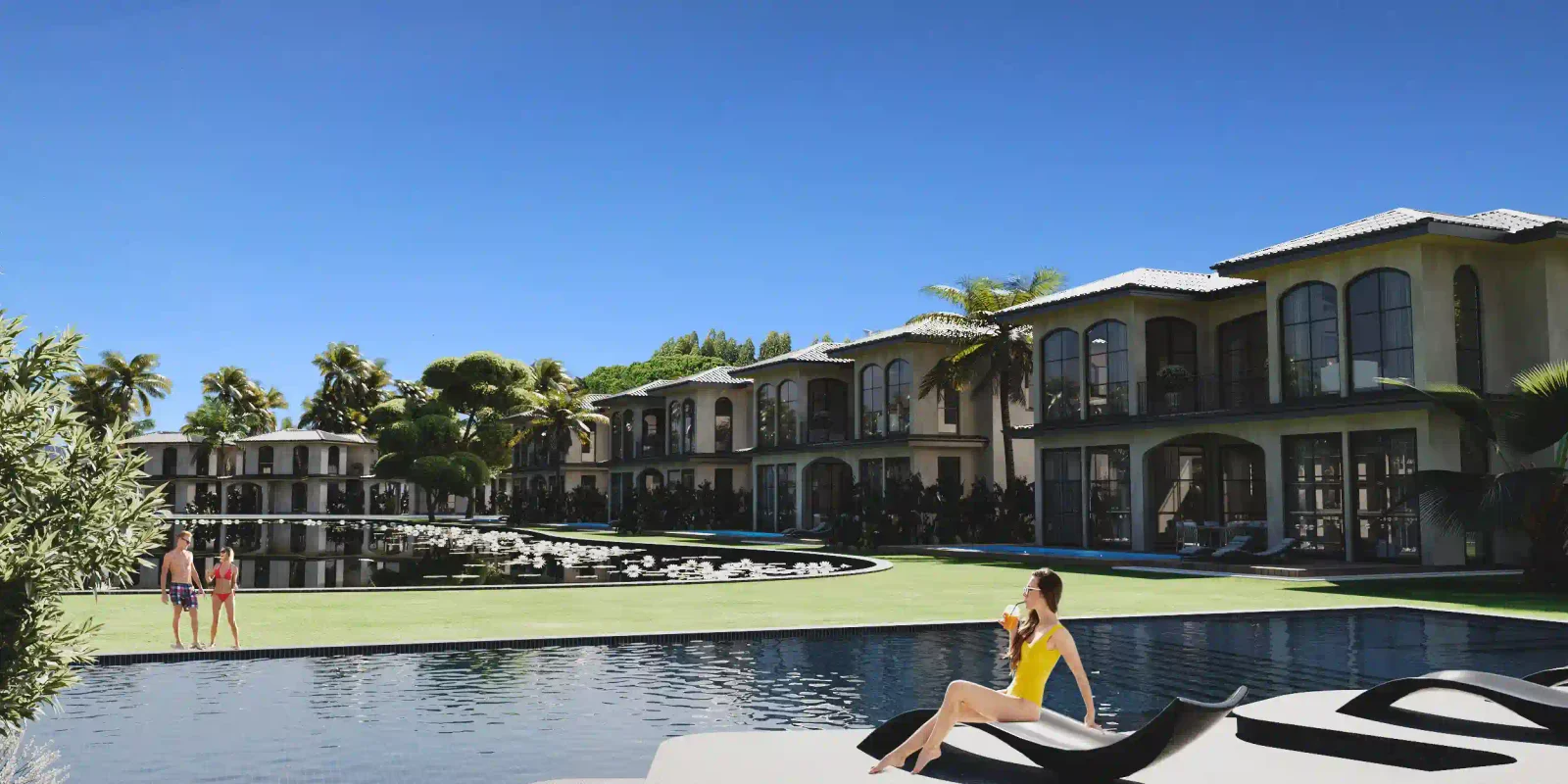
## Design and Facilities
**In every villa:**
- **Four bedrooms**, with a master suite and walk-in wardrobe
- **Open-plan living and dining** with large windows
- **Western kitchen**
- **Terraces**, with a private pool and garden terrace as an option
**In the community:**
- **Clubhouse** and communal swimming pool
- **Gym**
- **Children's playground** and jogging track
- **Green walking areas**
- **Gated access**, 24-hour security and CCTV
- **Pet-friendly**
## Living at Nile Residence
A day at Nile Residence is built around the family. The school run is short, the children have the playground and the pool after school, the adults have the gym and the jogging track, and dinner can be on the terrace or at one of the seafood restaurants by Chalong Bay. At weekends, a longtail boat from the pier or an afternoon on the sand at Nai Harn is only a short drive away. With neighbours who are families too, children quickly find friends in the playground and the pool.
## Payment Plan: 25%, 25% and 50%
The price is paid in three stages: 25%, 25% and 50%. For a villa at 12,950,000 THB that means 3,237,500 THB at each of the first two stages and 6,475,000 THB at the third. We send the developer's schedule for your villa with the price list.
## Why Buyers Choose Nile Residence
- **A four-bedroom villa from 12,950,000 THB**
- **Community facilities:** clubhouse, pool, gym, playground and jogging track
- **Close to Chalong Pier, BCIS and Villa Market**
- **Beaches of the south** a short drive away
- **Gated community** with 24-hour security
- **Pet-friendly**
## Who Nile Residence Suits
**Families** who want four bedrooms and community facilities for every age at an accessible price.
**Long-term residents** of the south who want a quiet, gated neighbourhood near the pier and the shops.
**Boat owners and sailors**, with Chalong Pier and the marinas close by.
**Rental investors** aiming at relocating families who rent a house for a school year or longer.
## Renting Out a Villa at Nile Residence
A four-bedroom family villa in a gated community with a pool and a playground appeals to relocating families and long-term residents who rent for six or twelve months, and to families on holiday in the south. Long lets suit the neighbourhood well and keep turnover low.
If you plan to let your villa at Nile Residence, we collect current asking rents for comparable villas in Chalong and Rawai and send them with the price list. [Our rental guide](/guides/phuket-rental-yield-complete-guide-2026/) explains how to read a rental offer line by line.
## Ownership for Foreign Buyers
At Nile Residence, as with any villa in Thailand, you buy land plus a building. The house can be held in your own name over a lease of the plot registered at the Land Office, 30 years per registration with renewal terms in the contract, or the land can be held through a Thai company with genuine Thai shareholders. [Freehold and leasehold in Thailand](/guides/freehold-vs-leasehold-thailand/) explains both routes, and we prepare the one that suits you with our legal support.
## Nile Residence and Other Villas in the South
| Project | From | Status |
| --- | --- | --- |
| [Charn Baan Saiyuan](/projects/charn-baan-saiyuan/) | 12,280,000 THB | Off-plan |
| [The Greens](/projects/the-greens/) | 12,600,000 THB | Off-plan |
| Nile Residence | 12,950,000 THB | Off-plan |
| [Monetaria Villas](/projects/monetaria-villas/) | 18,900,000 THB | Off-plan |
| [WamDom Villas Rawai](/projects/wamdom-villas-rawai/) | 20,000,000 THB | Completed |
| [Unique Eco Viva](/projects/unique-eco-viva/) | 20,300,000 THB | Off-plan |
Nile Residence stands out in this group for its community facilities and its four-bedroom houses. We send the price lists of any of these projects on request and arrange viewings.
## Buying Nile Residence with MORE Group
A villa at Nile Residence is bought in five steps, from the first price list to the keys, and we are with you through each of them.
## What We Send Before You Reserve
- The current price list with free villas, plot areas and plans
- The price of the private pool and garden option
- The three-stage payment schedule for your villa
- The ownership structure for your purchase, leasehold or company, with the documents it needs
- The community's common charges
- The latest construction update
{/* corpus-faq:nile-residence */}
## FAQ
### What does Nile Residence cost?
Our price list holds 58 four-bedroom villas: 48 of 210 sqm from 12,950,000 to 15,266,775 THB and ten of 378 sqm from 26,058,000 to 27,317,850 THB.
### Does every villa have a pool?
A private pool and garden terrace are available as an option, and the community has a communal swimming pool. We send the price of the option with the list.
### What facilities does the community have?
A clubhouse, a communal swimming pool, a gym, a children's playground, a jogging track, green walking areas, gated access, 24-hour security and CCTV.
### What is the payment plan?
Three stages: 25%, 25% and 50%. For a villa at 12,950,000 THB that means 3,237,500 THB at each of the first two stages and 6,475,000 THB at the third.
### How can foreigners own a villa at Nile Residence?
The house can be held in your own name over a lease of the plot registered at the Land Office, 30 years per registration with renewal terms in the contract, or the land can be held through a Thai company with genuine Thai shareholders. We prepare the structure with our legal support.
**Read Also:**
- [Monetaria Villas](/projects/monetaria-villas/)
- [Charn Baan Saiyuan](/projects/charn-baan-saiyuan/)
- [Nai Harn and Rawai Compared](/guides/nai-harn-vs-rawai-comparison/)
- [Freehold vs Leasehold in Thailand](/guides/freehold-vs-leasehold-thailand/)
- [How Foreigners Buy Phuket Property 2026](/guides/buying-property-phuket-guide/)
- [Phuket Rental Yield Guide](/guides/phuket-rental-yield-complete-guide-2026/)
# Oliver Villa Chalong: Pool Villas from 29.8M THB
> Oliver Villa: 20 single-storey four-bedroom pool villas of 378 sqm in a quiet part of Chalong, south Phuket, from 29.8M THB.
**Source:** https://moregroup.estate/projects/oliver-villa/
**Section:** Project Reviews
**Author:** MORE Group Editorial
**Published:** 2026-04-08
**Updated:** 2026-10-07
---
## What Is Oliver Villa?
Oliver Villa keeps everything on one level. The bedrooms, the living and dining spaces and the pool terrace share the same floor, which makes the house easy for young children and grandparents alike, and lets the living room open straight onto the garden and the water. The design is contemporary tropical: clean lines, natural materials, shade and cross-breezes.
The setting is a calm residential part of Chalong, the practical centre of south Phuket. The shops are about four minutes by car, the beaches of the south coast about 18 minutes, and Chalong Bay, Rawai, Kata and Phuket Town all within an easy drive.
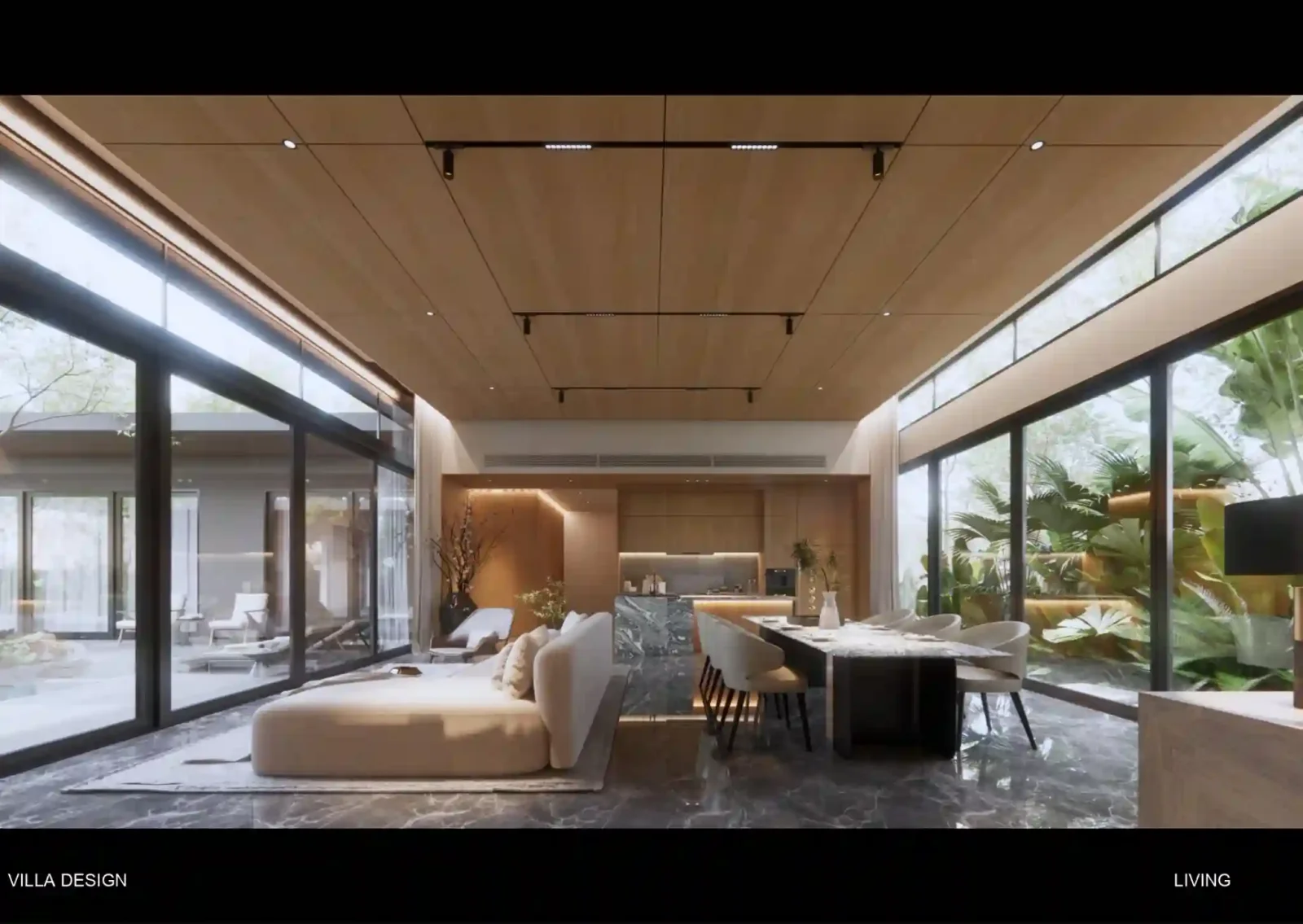
## What Are the Key Facts for Oliver Villa?
| Factor | Detail |
| --- | --- |
| Location | Chalong, south Phuket |
| Collection | 20 single-storey pool villas |
| Bedrooms | Four, on one level |
| On our price list | All 20 villas |
| Four-bedroom | 378 sqm, 29,800,000 to 37,800,000 THB |
| Payment | 35% / 15% / 15% / 15% / 10% / 10% |
| Stage | Under construction |
| Beach | About 18 minutes by car |
| Airport | About an hour by car |
| Design | Contemporary tropical, everything on one floor |
## Location: Chalong, South Phuket
Chalong is the residential heart of south Phuket: Chalong Bay with its marina, the local markets and restaurants, international schools and quick roads to Rawai, Kata and Phuket Town. Chalong also has some of the island's most useful everyday services: clinics, hardware stores, gyms and a wide choice of local and international restaurants.
- **Shops and supermarkets:** the nearest mall about 4 minutes by car
- **Beaches of the south coast:** about 18 minutes by car
- **Chalong Bay:** the marina for boat trips to the islands
- **Phuket Town:** restaurants, markets and services
- **Airport:** about an hour by car
From Oliver Villa, the nearest beach about 18 minutes by car, the nearest mall about 4 minutes and the airport about 62 minutes, so everyday errands, school runs and trips home are easy to plan.
Families here live a local, practical life: school and shops nearby during the week, boat trips from Chalong Bay and the beaches of Kata, Nai Harn and Rawai at the weekend. The [Chalong area guide](/guides/chalong-area-guide-property-2026/) covers the district in more detail.
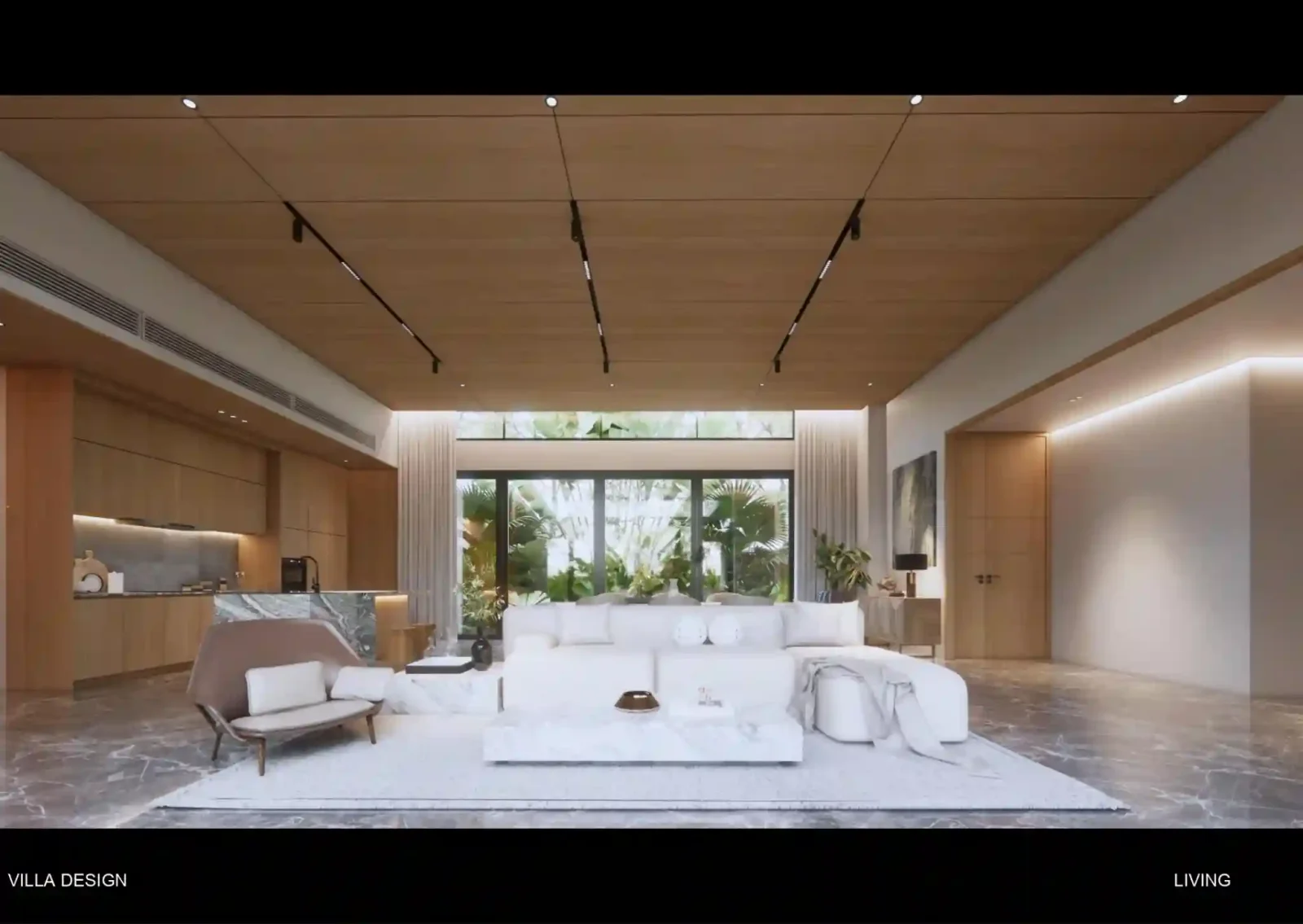
## Villas and Prices
| Villas | Bedrooms | Built area | Price |
| --- | --- | --- | --- |
| 20 villas | Four | 378 sqm | 29,800,000 to 37,800,000 THB |
All twenty villas share one plan: four bedrooms and 378 sqm on a single level. Prices run from 29,800,000 to 37,800,000 THB, and the difference comes from the plot and the position within the estate. We send the site plan with each villa marked, so you can choose the plot, the orientation and the garden that suit you best.
## Design and Facilities
- **Single-storey living**: no stairs
- **Four bedrooms**
- **Contemporary tropical design**
- **Private swimming pool** and garden
- **Living spaces open to the terrace**
- **20 villas** in a quiet setting
- **Pet-friendly**
## Living at Oliver Villa
A single-level house changes family life for the better. Toddlers play in sight of the pool from the living room, grandparents move easily between the bedroom and the terrace, and everyone meets in the open living space at the end of the day. The shops are a few minutes away, school runs are short, and at weekends there is the choice of Chalong Bay, a boat to the islands or an afternoon on the beaches of Kata and Nai Harn. Evenings are quiet, with dinner on the terrace by the pool and the garden around you. Because every villa follows the same plan, owners compare plots and positions rather than layouts, which makes the choice simple. The garden around each house gives room for a vegetable patch, a play area or simply a shaded corner for reading.
## Six-Stage Payment Plan
The price is paid in six stages: 35%, 15%, 15%, 15%, 10% and 10%. For a villa at 29,800,000 THB that works out as follows:
| Stage | Share | Amount |
| --- | --- | --- |
| 1 | 35% | 10,430,000 THB |
| 2 to 4 | 15% each | 4,470,000 THB each |
| 5 and 6 | 10% each | 2,980,000 THB each |
The schedule follows the build, and we send the developer's schedule for your villa with the price list.
## Why Buyers Choose Oliver Villa
- **All on one level**: easy for every age
- **Four bedrooms** and 378 sqm
- **Contemporary tropical design**
- **A private pool** for every villa
- **Shops** about 4 minutes away
- **Pet-friendly**
## Who Oliver Villa Suits
**Families with young children** who want the pool and the bedrooms on one floor.
**Families with grandparents** who want a house without stairs.
**Buyers settling in south Phuket** near the schools and the marina.
**Rental investors** aiming at families who rent four-bedroom villas for longer stays.
## Renting Out a Villa at Oliver Villa
A four-bedroom single-storey pool villa in Chalong appeals to relocating families who rent for six or twelve months near the schools, and to families on holiday who want space and a pool close to the southern beaches.
If you plan to let your villa at Oliver Villa, we collect current asking rents and holiday rates for comparable villas in Chalong and Rawai and send them with the price list. [Our rental guide](/guides/phuket-rental-yield-complete-guide-2026/) explains how to read a rental offer line by line.
## Ownership for Foreign Buyers
At Oliver Villa, as with any villa in Thailand, you buy land plus a building. The villa can be held in your own name over a lease of the plot registered at the Land Office, 30 years per registration with renewal terms in the contract, or the land can be held through a Thai company with genuine Thai shareholders. [Freehold and leasehold in Thailand](/guides/freehold-vs-leasehold-thailand/) explains both routes, and we prepare the one that suits you with our legal support.
## Oliver Villa and Other Villas in South Phuket
| Project | From | Status |
| --- | --- | --- |
| [Mutti Family Villas Chalong](/projects/mutti-family-villas/) | 17,900,000 THB | Off-plan |
| [To'Summer Villa Chalong](/projects/tosummer-villa/) | 25,800,000 THB | Off-plan |
| [Laurinda Villa Chalong](/projects/laurinda-villa/) | 28,800,000 THB | Off-plan |
| Oliver Villa | 29,800,000 THB | Off-plan |
| [Star Silas Villa Chalong](/projects/star-silas-villa/) | 35,800,000 THB | Completed |
| [Aurora Villa Kata](/projects/aurora-villa/) | 61,582,680 THB | Off-plan |
| [Katalux Beach Villas Kata](/projects/katalux-beach-villas/) | 79,990,000 THB | Off-plan |
Oliver Villa stands out in this group for its four-bedroom houses on one level. We send the price lists of any of these projects on request and arrange viewings.
## Buying Oliver Villa with MORE Group
A villa at Oliver Villa is bought in five steps, from the first price list to the keys, and we are with you through each of them.
## What We Send Before You Reserve
- The current price list for Oliver Villa with free villas, plot areas and plans
- The six-stage payment schedule for your villa
- The ownership structure for your purchase, leasehold or company, with the documents it needs
- The community's common charges
- The latest construction update
{/* corpus-faq:oliver-villa */}
## FAQ
### What does Oliver Villa cost?
Our price list holds 20 villas: four-bedrooms of 378 sqm from 29,800,000 to 37,800,000 THB.
### Are the villas single-storey?
Yes. All 20 villas are built on one level, with four bedrooms, the living spaces and the pool terrace on the same floor.
### Where is Oliver Villa?
In Chalong, south Phuket. The nearest mall is about 4 minutes by car, the beaches of the south coast about 18 minutes and the airport about an hour.
### What is the payment plan?
Six stages: 35%, 15%, 15%, 15%, 10%, 10%. For a villa at 29,800,000 THB that means 10,430,000 THB at the first stage.
### How can foreigners own a villa at Oliver Villa?
The villa can be held in your own name over a lease of the plot registered at the Land Office, 30 years per registration with renewal terms in the contract, or the land can be held through a Thai company with genuine Thai shareholders. We prepare the structure with our legal support.
**Read Also:**
- [Chalong Area Guide](/guides/chalong-area-guide-property-2026/)
- [Rawai vs Chalong](/guides/rawai-vs-chalong-lifestyle/)
- [Freehold vs Leasehold in Thailand](/guides/freehold-vs-leasehold-thailand/)
- [How Foreigners Buy Phuket Property 2026](/guides/buying-property-phuket-guide/)
- [Phuket Rental Yield Guide](/guides/phuket-rental-yield-complete-guide-2026/)
# One World One Home 2026: Bang Tao Condo from 2.43M
> One World One Home Bang Tao review: studios and one-bedrooms from 2.43M THB, 13 minutes' walk to the beach, unit prices and the payment plan.
**Source:** https://moregroup.estate/projects/one-world-one-home/
**Section:** Project Reviews
**Author:** MORE Group Editorial
**Published:** 2026-04-08
**Updated:** 2026-08-23
---
## One World One Home: The Most Accessible Entry into Bang Tao
Bang Tao is expensive. That is a simple fact of the Phuket property market. The Laguna belt, the established infrastructure, the combination of beach access and international amenities, it all drives prices higher than almost anywhere else on the island. Most condos in Bang Tao start from 4M THB upward. Villas rarely come in below 15M THB.
One World One Home changes that equation. Apartments start at 2.43M THB. At the upper end, the largest units reach 9.54M THB, still below the floor price of most Bang Tao competitors. For a buyer who has wanted Bang Tao exposure but found the entry point unreachable, this project is worth a serious look.
The building is under construction, and a five-stage payment plan spreads the price through the build.
## Bang Tao: Why the Location Commands a Premium
Thirty years of Laguna Phuket created something unusual on the island: a residential area with hotel-standard infrastructure. Residents of Bang Tao communities have access to the Laguna complex's facilities, international-grade healthcare nearby, and a retail and dining strip at Boat Avenue that caters to long-term residents rather than tourist traffic.
The result is a location that holds value differently from tourist-heavy areas. Bang Tao attracts a tenant demographic of professionals, families with school-age children, and lifestyle buyers who intend to stay for years rather than weeks. Long-term tenancy means lower vacancy, more predictable income, and less wear on the property between guests.
Bangtao Beach itself, a long, wide stretch of sand that avoids the crowds of Patong or Kata, is about 13 minutes' walk or three minutes' drive from One World One Home, which sits in Choeng Thale. The nearest mall is eight minutes by car and the airport about 32 minutes north.
## Global Community Concept
The name sets the idea: one home for an international community of residents. For investors targeting international tenants, this is a feature rather than a curiosity. Properties with a clear community identity attract tenants who identify with that identity, which in a Bang Tao condo context means the young professional, digital nomad, and internationally mobile demographic that drives consistent demand in north Phuket.
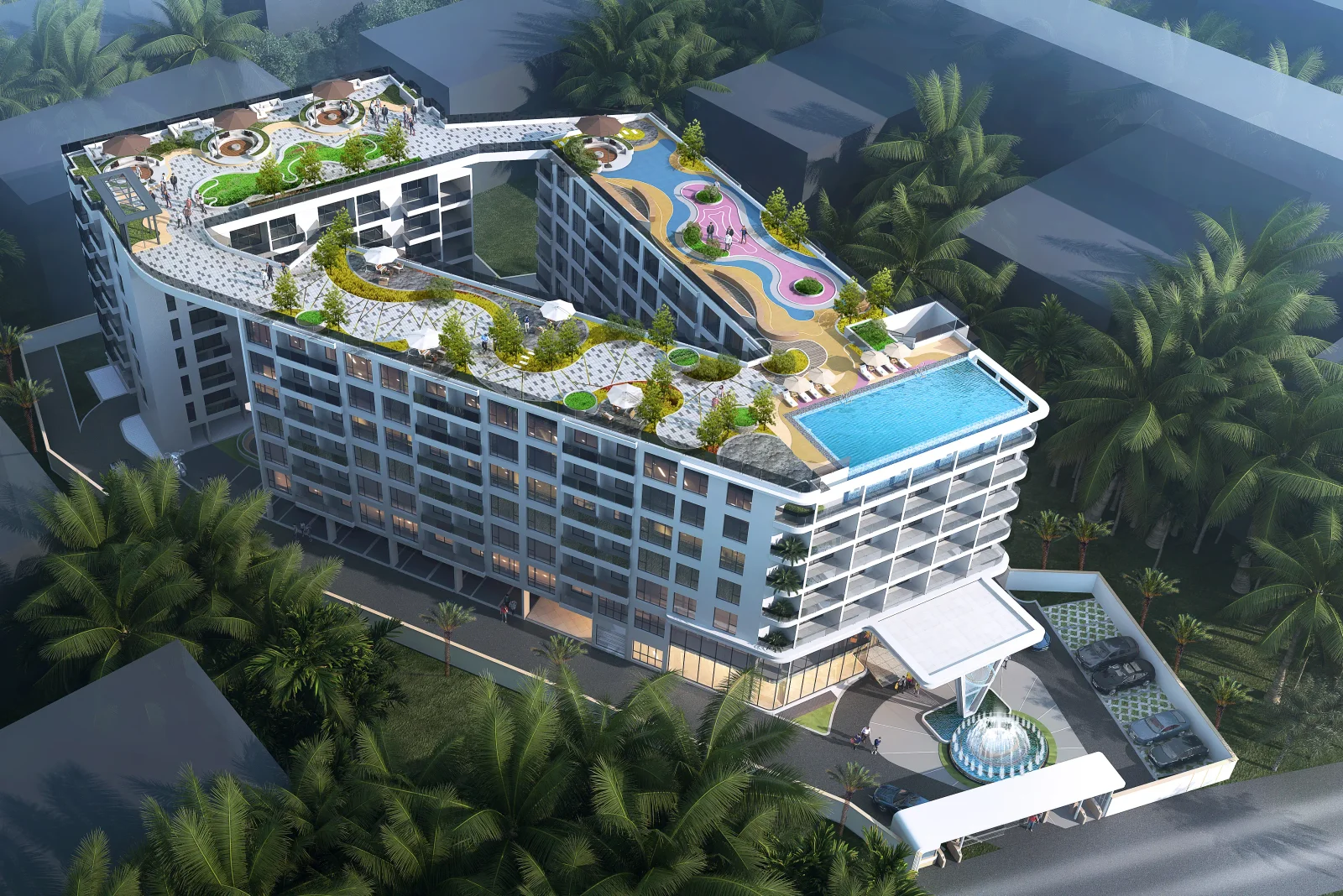
The PREMIUM classification means a specification level above standard residential: quality kitchen fittings, floor-to-ceiling windows, balconies and air conditioning to Thai building standards. The facilities are resort-style: a ground-floor pool and a rooftop infinity pool, a gym, yoga and wellness areas, a kids' play zone, landscaped gardens with walking paths, EV charging, a shuttle service and 24-hour security with CCTV.
## Pricing: Why 2.43M THB Matters in This Location
One World One Home opens Bang Tao, specifically Bang Tao, at this price. In USD terms the entry point is about $74,000 at current exchange rates. That is a budget that would not buy a garage in most European cities. In Bang Tao, it buys a freehold condominium unit within the building's 49% foreign quota, with two pools, managed communal facilities and access to one of Asia's most sought-after residential corridors.
The upper end at 9.54M THB is a 65 sqm two-bedroom, so the spread across the list reflects genuinely different homes rather than marginal size differences.
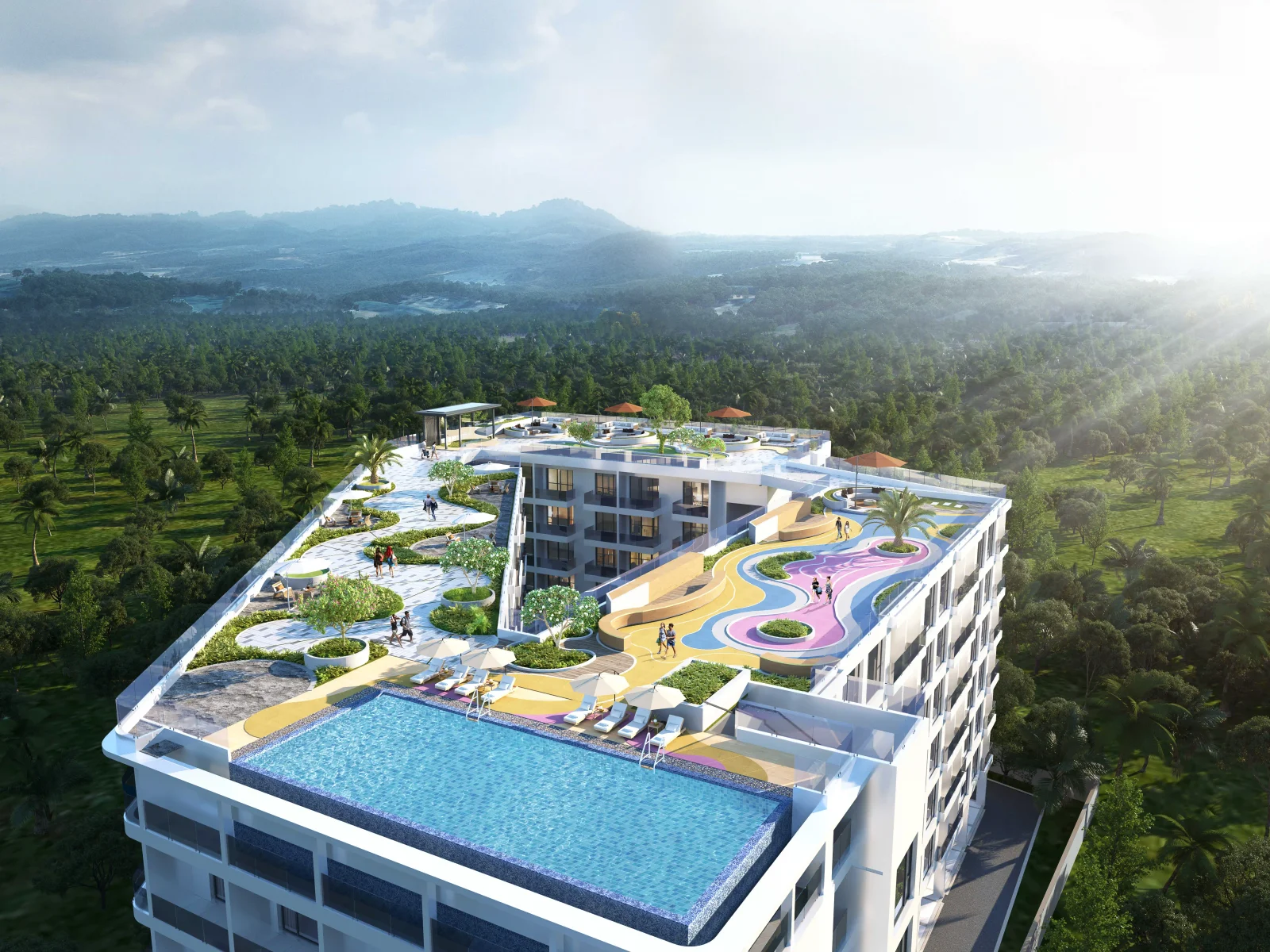
The developer's payment plan runs in five instalments through the build. On the entry studio it works out as follows:
| Instalment | Share | On 2,425,500 THB |
|---|---|---|
| First | 30% | 727,650 THB |
| Second | 20% | 485,100 THB |
| Third | 20% | 485,100 THB |
| Fourth | 15% | 363,825 THB |
| Fifth | 15% | 363,825 THB |
We send the schedule for your unit, with the stage each instalment is tied to, together with the price list.
## Investment Case: Entry-Level Bang Tao
Bang Tao's rental demand runs through the whole year: holiday guests from November to April, and long-stay tenants, professionals and families, in the months between. A low price basis in a high-rent corridor is the heart of the investment case here.
For capital appreciation, Bang Tao has a strong track record. The Laguna development has been a price anchor for the area for 30 years, and there is limited room for new supply in the core corridor. Projects like One World One Home that find a way to offer lower price points do so by innovating on unit size or efficiency rather than compromising location. The underlying land values continue to appreciate.
The staged plan spreads the payments through the build, and the unit joins the rental market at handover.
## Unit Mix and Prices
The price list covers three layouts:
| Layout | Size | Price (THB) | Per sqm (THB) |
|---|---|---|---|
| Studio | 21 sqm | 2,425,500 - 2,778,300 | 115,500 - 132,300 |
| One-bedroom | 21 - 33 sqm | 2,662,538 - 5,045,040 | 98,398 - 157,658 |
| Two-bedroom | 65 sqm | 6,548,161 - 9,537,938 | 100,741 - 146,738 |
Of the 248 priced units on our list, 233 are one-bedrooms, 12 are two-bedrooms and 3 are studios, so the building is above all a one-bedroom project. The one-bedrooms average 134,861 THB per square metre, about a sixth below the Bang Tao apartment median of 161,000, which is what makes this the most accessible new-build entry into the corridor.
The areas on the price list and the position of each unit inside the foreign quota come with the price list we send, together with the floor plans for the layouts you shortlist.
## Planning Rental Income
Compact studios and one-bedrooms suit the guests Bang Tao attracts in numbers: couples and solo travellers on holiday in the high season, and digital nomads and young professionals on longer stays. The two-bedrooms suit families, both as holiday lets and as long-term homes.
Three things shape the plan for a unit here:
- **The letting route.** We confirm the building's licence position and house rules for stays under 30 days, which together set the nightly letting route, alongside monthly and longer tenancies.
- **The operator.** The rental programme and the operator's share of gross, which we send with the price list.
- **The running costs.** The common area rate per sqm and the sinking fund, which we set out for your unit so the net figure is clear.
A unit 13 minutes' walk from the beach, with two pools and a gym in the building, has a clear place in the corridor's rental market, and the low entry price is what carries the numbers.
## Who This Project Is For?
**Diversification buyers** who already own property elsewhere in Phuket and want Bang Tao representation without duplicating a large capital allocation. A 2.43M THB apartment as a second Phuket holding makes strategic sense for portfolio balance.
**International buyers on limited budgets**, particularly from Europe and the Americas, for whom the conversion from home currency produces a manageable number. At about $74,000 at entry, this is accessible to a buyer demographic that cannot typically participate in Bang Tao's market.
**Lifestyle investors** who want occasional personal use of a Bang Tao base without the maintenance burden of a villa. A managed condo in this location serves as a home base in one of Southeast Asia's most desirable residential areas.
## Buying One World One Home with MORE Group
A unit at One World One Home is bought in five steps, from the first price list to the keys, and we handle each of them with you.
{/* corpus-faq:one-world-one-home */}
## FAQ
### What is the entry price for One World One Home and what does it include?
The entry price is 2,425,500 THB for a 21 sqm studio, among the lowest starting points for a PREMIUM-classified condo in the Bang Tao area. We send what is included at each price tier, furniture packages, appliances and storage, with the price list, as inclusions vary by unit type.
### Can foreigners buy at One World One Home?
Yes. Thai condo law allows foreign nationals to purchase units in the foreign freehold quota, which covers up to 49% of the total floor area in any registered condominium. Buyers in the foreign quota hold full freehold title in their own name. We confirm the foreign quota position of your unit before the reservation.
### What stage is One World One Home at?
The building is under construction. We send the latest construction update together with the price list.
### Is Bang Tao good for short-term rental income?
Bang Tao is one of Phuket's strongest markets for both short-term and long-term rental. Short-term rental benefits from proximity to Laguna hotels and Bangtao Beach, which drives consistent tourist demand November through April. Long-term rental is supported by the expat and professional community in the area. A managed rental strategy can target both tenant types across the calendar year.
### How does One World One Home compare to other Bang Tao condos?
Most Bang Tao condos start from 4M THB for the smallest units, with many projects beginning at 6M-8M THB. One World One Home's 2.43M THB entry makes it the most accessible new-build PREMIUM condo in this corridor based on current availability. The entry units are 21 sqm studios and compact one-bedrooms, with 65 sqm two-bedrooms at the top of the list.
### What are the payment plan options?
The developer's plan runs in five instalments of 30, 20, 20, 15 and 15 per cent through the build. We send the schedule for your unit with the price list.
**Read Also:**
- [Phuket Rental Yield 2026: Net Income by Area](/guides/phuket-rental-yield-complete-guide-2026/)
- [Best Areas in Phuket to Buy Property 2026](/guides/best-areas-phuket-buy-property/)
- [How Foreigners Buy Phuket Property 2026](/guides/buying-property-phuket-guide/)
- [Apple House Phuket Review 2026: Prices & Yield](/projects/apple-house/)
- [Dcondo Cove Phuket 2026: Condo from 2.43M in Kathu](/projects/dcondo-cove/)
- [Bang Tao & Laguna Guide: Prices & Yield (2026)](/bang-tao-properties/)
# Origin Place Centre Phuket Review 2026: Prices
> Origin Place Centre Phuket review: a branded Phuket Town condo from 2.49M THB near Central Floresta, with long-let tenants, a clubhouse and a 30/70 plan.
**Source:** https://moregroup.estate/projects/origin-place-centre/
**Section:** Project Reviews
**Author:** MORE Group Editorial
**Published:** 2026-03-26
**Updated:** 2026-08-23
---
## Origin Place Centre Phuket: Best Entry-Level Condo in 2026?
Origin Place Centre Phuket is one of the most accessible ways into a branded Phuket condominium: one-bedrooms from 2,490,000 THB (about $76,000) in the Wichit area of Phuket Town, with two-bedrooms up to 6,180,000 THB. The development has three eight-storey buildings with 585 units and a clubhouse, with a communal pool, a fitness centre, sauna and steam rooms, co-working space, landscaped gardens, automated parking and 24-hour security. For budget-conscious investors, digital nomads, or buyers who want a foothold in Phuket at city prices, here is how the location and the price point work.
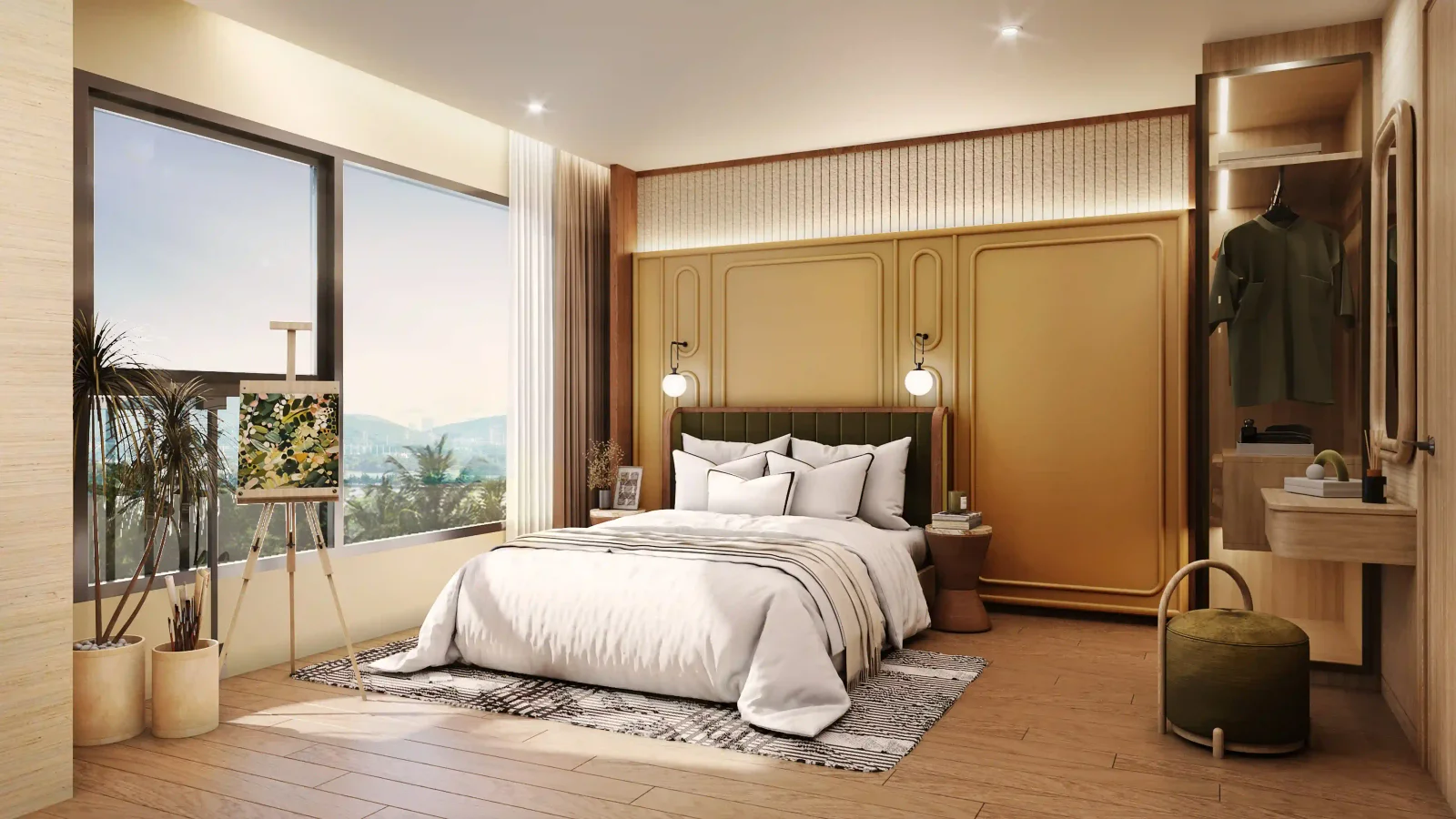
## Phuket Town: What It Offers
- Old Town district with preserved Sino-Portuguese architecture
- Best restaurant scene in Phuket, Michelin Guide entries, local markets, coffee culture
- Central Hospital, Bangkok Hospital Phuket, the island's best medical facilities
- Government offices, courts, schools, draws the expat professional and domestic Thai population
- Central Phuket Floresta about four minutes by car, with the airport about 39 minutes and the west-coast beaches about 24
- Lower cost of living than beach areas, groceries, restaurants, and services cost 20-35% less
A condo in Phuket Town serves a different rental market from a beach condo: expats, domestic Thai professionals, students and, increasingly, digital nomads, who live here year-round rather than visit for a week.
## Who Buys Property in Phuket Town?
Remote workers and long-stay visitors are the first segment. Phuket Town has developed a meaningful remote worker community. Co-working spaces, excellent internet infrastructure, and the Old Town's cafe culture make it a legitimate work-from-Phuket base. Owners often use their unit personally for months at a time and lease it during absence.
Thai domestic investors are the second. Origin Place Centre Phuket was not exclusively marketed to foreign buyers. Domestic Thai buyers, particularly professionals working in Phuket's government or private sectors, are a significant buyer cohort. This creates a more balanced resale and rental market than purely foreign-investor-facing beach condos.
Long-term landlords are the third. The rental market in Phuket Town is predominantly long-term: 6-month and 12-month leases to working expats, teachers, medical professionals, and Thai professionals relocating from Bangkok. Monthly rents for a unit of about 27 sqm run THB 10,000-16,000, and for one of about 48 sqm, THB 15,000-22,000.
## The Price List
| Layout | Units on our list | Size | Price (THB) | Per sqm (THB) |
| --- | --- | --- | --- | --- |
| One-bedroom | 206 | 27-32 sqm | 2,490,000 - 3,780,000 | 91,209 - 120,000 |
| Two-bedroom | 28 | 49-50 sqm | 5,030,000 - 6,180,000 | 101,613 - 124,597 |
At an average of about 109,500 THB per square metre for the one-bedrooms, Origin Place Centre is priced at city levels, well below the beach corridors, for a branded building with a full facility package.
**Payment plan:** 30% at contract and 70% at transfer. On the entry one-bedroom that is 747,000 THB at contract and 1,743,000 THB at transfer, and we send the schedule with the price list.
## Rental Income: Phuket Town vs Beach Areas
The comparison against a beach location is about the shape of the income rather than only its size.
| | Phuket Town | Beach areas |
| --- | --- | --- |
| Dominant tenancy | 6 to 12 month leases | Nightly and weekly, with a long-stay layer |
| Seasonality | Minimal, tenants live here | Strong peaks in the high season |
| Operating cost | Low, one changeover a year | Higher, with turnovers, linen, cleaning and platform fees |
| Management need | Light | Active, or an operator taking 20 to 25% |
| Entry ticket | From about $76,000 | Materially higher for equivalent size |
Long tenancies keep the running costs low and the income steady through the year, which is what a Phuket Town owner is buying, and the two-bedrooms suit the families of teachers and medical staff who rent for a full school year. For owners who plan to let, we collect current rents for comparable units in the area and build the net figure for your unit.
## Digital Nomad Angle
- Co-working spaces at THB 3,000-6,000 per month (significantly cheaper than Bangkok), and a co-working space in the building
- Fiber internet at 1Gbps available in most modern buildings
- Flight connections from Phuket International Airport to 30+ destinations without Bangkok stopover
- Healthcare at Bangkok Hospital Phuket accessible within 15 minutes
- Old Town restaurants and cafes comparable in quality to urban Bangkok neighbourhoods
The Thailand LTR (Long-Term Resident) visa program, introduced in 2022, explicitly targets high-income remote workers with a 10-year visa option. This demographic, earning in USD or EUR, spending in THB, is increasingly choosing Phuket over Bangkok for quality-of-life reasons. They are a core long-term rental tenant for Phuket Town properties, typically at THB 15,000-18,000 per month for a well-furnished unit.
## Who It Suits
**If you want steady long-let income with light management:** Phuket Town's tenants live here year-round, tenancies run six to twelve months, and one changeover a year keeps the costs low.
**If you want the lowest entry with Phuket exposure:** from 2,490,000 THB for a freehold condominium unit in a SET-listed developer's project, in Thailand's most liquid foreign-buyer market, with long-let tenants and upside as the island's prices rise.
**If you want to use the property personally and rent during absence:** Phuket Town is a liveable urban base. Less beach, more city. The Old Town area specifically is a genuinely pleasant environment, walkable, culturally interesting, excellent food. Owners who plan extended personal stays alongside rental periods find Phuket Town more liveable than resort areas for anything beyond a holiday.
## Why Buyers Choose Origin Place Centre
- One of the lowest entries into a branded, SET-listed developer's project on the island, from about $76,000
- Long-term tenancies from working expats and Thai professionals, so income runs steadily through the year
- A Thai domestic buyer cohort alongside the foreign one, which gives the resale market depth on both sides
- Hospitals, government offices, the Old Town restaurant scene and the island's best day-to-day infrastructure on the doorstep
- A clubhouse, pool, fitness centre, sauna and co-working space in the building
- Cost of living 20 to 35% below the beach areas, which matters if you intend to spend time here yourself
## Buying Before or After Handover
Units can be bought from the current list or as resales from original buyers. A purchase before handover follows the payment plan, or, on a resale, the original buyer's contract is assigned to you: you take over the remaining payment and receive title at handover. After handover, a purchase is an ordinary transfer at the Land Department with the title deed.
We handle both routes: the developer's consent and fee where a contract is assigned, the seller's payment position, the foreign quota for the unit, and the FET record for a freehold purchase, timed to the route you take. For recent resales, we send what comparable units in the building have changed hands at.
## Buying Origin Place Centre with MORE Group
A unit at Origin Place Centre is bought in five steps, from the first price list to the keys, and we take each of them with you.
{/* corpus-faq:origin-place-centre */}
## FAQ
### Can I still buy a unit at Origin Place Centre?
Yes. The current list carries 234 units: one-bedrooms of 27 to 32 sqm from 2,490,000 THB and two-bedrooms of 49 to 50 sqm from 5,030,000 THB. Units also come up as resales from original buyers, and we handle both routes.
### How does buying a resale before handover work?
You step into the original buyer's sale and purchase agreement, take on the remaining payment and receive title at handover as if you had bought from the developer. We confirm the developer's consent and fee, the seller's payment position and the foreign quota for the unit with the developer, in writing.
### Is Phuket Town a sensible place to own a rental property?
For long-term letting, yes. The tenant base is resident: teachers, medical staff, government and private-sector professionals, Thai relocations from Bangkok and a growing remote-worker population, on six- to twelve-month tenancies that run through the year.
### What rent does a unit here achieve?
A unit of about 27 sqm lets at roughly THB 10,000 to 16,000 a month and one of about 48 sqm at THB 15,000 to 22,000, on long-term leases. Because the tenancies are long, running costs stay low and the income is steady through the year.
### How does resale work for a Phuket Town condo?
Your buyer is someone who wants Phuket Town specifically: a Thai professional, a resident foreigner or a long-let investor. The building's mix of Thai and foreign owners gives the resale market depth on both sides, and a unit with a tenancy record in place is attractive to investors.
**Read Also:**
- [Phuket Town area guide](/areas/phuket-town-property-guide/), the market this unit sits in
- [Origin Property developer review](/guides/origin-developer/)
- [Buying off-plan versus resale](/guides/off-plan-property-phuket-guide/), relevant to the resale route
- [Buying Property in Phuket](/guides/buying-property-phuket-guide/)
- [Freehold vs Leasehold Thailand](/guides/freehold-vs-leasehold-thailand/)
# Origin Residences Bang Tao Review 2026, Premium Condos
> Origin Residences Bang Tao: 80 priced units from 4,650,000 THB, a 40 sqm 1BR at a metre 19% below the Bang Tao median, 400 m to the beach, rooftop pool.
**Source:** https://moregroup.estate/projects/origin-residences-bang-tao/
**Section:** Project Reviews
**Author:** MORE Group Editorial
**Published:** 2026-04-02
**Updated:** 2026-10-05
---
Origin Residences Bang Tao is a freehold condominium (49% foreign quota) by Origin Property PCL, 400 m from Bang Tao Beach, priced from 4,650,000 THB for a 40 sqm one-bedroom, two-bedrooms 60-86 sqm. Completion is scheduled for Q3 2028 according to the developer. Comparable 1BR units nearby have historically earned 9.5 to 14.7% gross. Data as of 16 September 2026 (developer price list and MORE Group catalogue).
## Origin Residences Bang Tao Review 2026
Origin Residences Bang Tao is a condominium by Origin Property PCL, a SET-listed Thai developer, 400 m from Bang Tao Beach in Choeng Thale. Eighty units are priced on our list: 58 one-bedrooms of 40 to 41 sqm from 4,650,000 THB, nine two-bedrooms of 60 sqm from 6,890,000 to 7,850,000 THB, and 13 two-bedroom suites of 86 sqm from 10,540,000 to 11,310,000 THB.
What stands out is the metre: Origin's median is 130,833 THB per sqm against a Bang Tao median of 161,000, 19% below, and it comes with a 40 sqm one-bedroom rather than the 30 to 32 sqm the cheapest schemes sell, plus an amenity set that cheaper schemes do not carry.
## Project specifications
| Factor | Detail |
| --- | --- |
| Developer | Origin Property PCL (SET: ORI) |
| Location | Choeng Thale, 400 m from Bang Tao Beach |
| Unit mix | 58 × 1BR 40-41 sqm, 9 × 2BR 60 sqm, 13 × 2BR suite 86 sqm (80 priced) |
| Price from | 4.65M THB (1BR), 6.89M THB (2BR) |
| Price per sqm | 116,250 THB at entry (4,650,000 / 40 sqm); 130,833 median across the 80 priced units |
| Status | Under construction, completion Q3 2028 (developer) |
| Ownership | Condo freehold within the 49% foreign quota |
## Location analysis
**Walking distances from the project:**
- Bang Tao Beach: 400m (~5 min walk)
- Boat Avenue (dining, shopping, cafes): 15 min walk
- Porto de Phuket (retail, restaurants): 20 min walk
- Airport (Phuket International): 33 min by car
The 400-metre beach proximity is the argument for the project, and it comes at a metre 19% below the Bang Tao median: a five-minute walk to the sand at a below-market rate.
Nearby beach clubs, X2 Vibe, Café del Mar, Catch Beach Club, are within walking distance, which matters significantly for short-term rental attractiveness. Renters booking Bang Tao condos specifically seek this cluster of nightlife and dining within walking range.
## Amenities and facilities
- **Rooftop sky-pool with sunset bar**, the headline amenity; premium pool positioning with views toward the Andaman
- **Spa and wellness centre**
- **Fully equipped fitness centre**
- **Kids' pool and play area**
- **Co-working spaces and social lounges**
- **Pet-friendly landscaped gardens and park**
- **Retail shops on-site**
- **Secure underground parking**
- **24/7 security**
The rooftop pool deserves specific mention. In the Bang Tao condo segment, rooftop amenities are rare at the 4-6M THB price point, most projects at this tier offer ground-level or podium pools. A rooftop sky-pool with bar is the kind of amenity that appears in listings and drives short-term rental bookings.
## Developer assessment: Origin Property PCL
**Why this matters for buyers:**
- A listed developer with a public reputation to keep and a record of delivered Phuket projects, including Origin Plug & Play Bang Tao and Origin Place Bang Tao
- Construction financing is more transparent and structured
- After-sales service is supported by a corporate infrastructure rather than a single-project developer
For buyers new to Thai property, a listed developer brings audited accounts, structured construction financing and a corporate after-sales team, and Origin's finished Bang Tao buildings show the build quality in person.
## What the price list says
Eighty of the units in this building carry a price on our record, and they divide into three formats with a clear shape between them.
| Format | Priced units | Size | From (THB) | Median (THB) | Median THB per sqm |
|---|---|---|---|---|---|
| One-bedroom | 58 | 40-41 sqm | 4,650,000 | 5,290,000 | 132,250 |
| Two-bedroom | 9 | 60 sqm | 6,890,000 | | |
| Two-bedroom suite | 13 | 86 sqm | 10,540,000 | | |
| All two-bedrooms | 22 | 60-86 sqm | 6,890,000 | 10,680,000 | 126,000 |
Two-bedrooms price a lower metre than one-bedrooms here (126,000 against 132,250 THB per sqm), which is the usual shape: the larger unit gives back some of the per-metre premium. Against the area, both formats sit well under the Bang Tao one-bedroom median of 5,930,000 THB at 155,400 per sqm.
**Origin has something most Bang Tao launches lack: finished sister buildings.** Origin Plug & Play Bang Tao and Origin Place Bang Tao are delivered and let, and their rental programme's month-by-month statements show what a 40 sqm Origin one-bedroom in this corridor earns. We collect those statements for you, together with the costs: the operator's share of gross (typically 20 to 25%), the common-area rate per sqm and the statutory transfer taxes.
| Comparable units within 400-500 m of Bang Tao Beach | Nightly rate | Occupancy |
|---|---|---|
| 1BR, upper range | $85/night | 65% |
| 1BR, lower range | $65/night | 55% |
| 2BR 60 sqm, upper range | $120/night | 65% |
| 2BR 60 sqm, lower range | $90/night | 55% |
On a 1BR at 4.65M THB, those rates and occupancy levels have historically meant gross yields of 9.5 to 14.7%, and a net yield of 6 to 9% after property management (typically 20-25%), cleaning, maintenance and vacancy. On comparable managed units the MORE Group benchmark is 5 to 7% net after 20 to 25% operator fees, at peak occupancy of 75 to 85%.
### Capital appreciation
The second half of the case for buying at this stage is what the building is worth when it is finished. Origin's Bang Tao condos entered the market during a period of sustained development in the Choeng Thale area, and at Origin Residences the value case starts with the metre today, 19% below the Bang Tao median, in a building from a developer with finished sister buildings in the same corridor.
### Long-term rental
An annual tenant is the alternative to a holiday guest here, and Bang Tao has a real supply of them.
Resident expats, retirees, remote workers and families at the nearby international schools make up the long-stay demand in Bang Tao, and a 40 sqm one-bedroom is the format most of them rent. Its price is the asking rent on the long-stay portals, which we include in the plan for your unit. A long lease brings a steady monthly rent with no turnover and no seasonal gaps.
## Foreign buyer considerations
**Purchase process for foreign buyers:**
1. We confirm your unit is within the foreign quota
2. Funds must be remitted from overseas in foreign currency (FET document required)
3. Register ownership at the Land Department
4. No restrictions on resale or rental
Units outside the foreign quota are available on a registered lease (30 years, renewable), while freehold within the quota is the preferred route for resale.
## Verdict
A 40 sqm one-bedroom 400 metres from Bang Tao Beach, at a metre 19% below the area median, from a listed developer with finished buildings in the same corridor: this is among the strongest value propositions in the current Bang Tao off-plan market.
If you are comparing Bang Tao schemes, two nearby alternatives with a different character are [The Title Heritage Bangtao](/projects/the-title-heritage/), resort-style and low-rise, and [The Standard Residences Phuket](/projects/the-standard-residences/), a hotel-branded scheme.
## Buying Origin Residences Bang Tao with MORE Group
A unit at Origin Residences Bang Tao is bought in five steps, from the first price list to the keys, and we manage every one of them with you.
## What 400 Metres from the Beach Is Worth
Beach distance is the argument for buying here, so it is worth looking at what the distance actually buys.
Start with what the premium is paid for. It is not the metres. It is the fact that a guest can decide to go to the beach and be there, without a car, a scooter, a Grab or a plan. That convenience threshold is not linear with distance: it collapses somewhere around the point where the walk becomes a decision rather than a default. At 400 m, roughly a five-minute walk, this project sits on the right side of that line. At 900 m in April heat, carrying beach things, the same walk becomes a drive, and the property is priced as inland stock no matter what the listing says.
A beachfront unit sells a view and a doorstep; this one sells a short walk, and guests book a five-minute walk happily. The income plan therefore sits in the beach-adjacent tier, above inland pricing, a well-established market in Bang Tao.
The second thing 400 m buys here is the beach club cluster within walking range. For the Bang Tao short-stay guest specifically, that is often the actual draw, more so than the sand. A guest choosing this stretch of coast is frequently choosing the ability to walk to dinner and a sunset drink and walk home. That supports rate, and it is worth more to the listing than another hundred metres of proximity to water would be.
At a viewing we walk the actual route to the beach with you, and we send the site plan showing what lies between the building and the sand.
{/* corpus-faq:origin-residences-bang-tao */}
## FAQ
### What is the price of Origin Residences Bang Tao?
Prices start from 4,650,000 THB (about $142,000) for a 1-bedroom unit (40 sqm). Two-bedroom units (60 sqm) start from 6,890,000 THB, and larger 2-bedroom suites (86 sqm) range from 10,540,000 to 11,310,000 THB.
### How far is Origin Residences Bang Tao from the beach?
The project is approximately 400 meters from Bang Tao Beach, about a 5-minute walk. This places it within the 'beach-adjacent' tier rather than beachfront, but close enough that residents and renters can easily walk to the beach, beach clubs, and the Ban Tai Her seafood cluster.
### Can foreigners buy Origin Residences Bang Tao?
Yes. As a registered Thai condominium, up to 49% of floor area can be sold to foreigners on freehold title (foreign quota). Funds must be remitted from overseas in foreign currency. Freehold condo ownership is one of the most secure forms of Thai property ownership available to non-Thai nationals.
### Who is the developer of Origin Residences Bang Tao?
Origin Property PCL (SET: ORI), one of Thailand's largest publicly listed residential developers. The company has delivered multiple projects in Bangkok and Phuket, including Origin Plug & Play Bang Tao and Origin Place Bang Tao. Listed developer status means audited financials and regulatory accountability.
### What amenities does Origin Residences Bang Tao offer?
The project features a rooftop sky-pool with sunset bar, spa and wellness centre, fully equipped gym, kids' pool, co-working spaces, social lounges, pet-friendly landscaped gardens, on-site retail, and secure underground parking. The rooftop pool is a standout feature for a project in this price tier.
**Related guides:**
- [Best areas in Phuket to buy property](/guides/best-areas-phuket-buy-property/)
- [Phuket condo vs villa: which should you buy?](/comparisons/phuket-condo-vs-villa-comparison/)
- [Foreign quota vs leasehold condo in Thailand](/guides/freehold-vs-leasehold-thailand/)
- [Bang Tao Beach area guide](/guides/bang-tao-beach-area-guide-2026/)
**Read Also:**
- [Phuket Rental Yield 2026: Net Income by Area](/guides/phuket-rental-yield-complete-guide-2026/)
- [Bang Tao & Laguna Guide: Prices & Yield (2026)](/bang-tao-properties/)
# Paragon Villas Phuket Review 2026: Prices and Unit Mix
> Paragon Villas Phuket, ultra-luxury hillside villas from 66.5M THB, specs, leasehold and resale liquidity notes. MORE Group review.
**Source:** https://moregroup.estate/projects/paragon-villas-phuket/
**Section:** Project Reviews
**Author:** MORE Group Editorial
**Published:** 2026-04-08
**Updated:** 2026-08-23
---
## Paragon Standard
Positioned on the hillside near Patong, each villa in this development occupies a commanding site with panoramic sea views across Patong Bay and the Andaman. The architecture is not the relaxed tropical aesthetic of mid-market luxury. It is precision-built, architecturally considered, and finished to a specification that stands alongside the best private residences in Southeast Asia.
Entry pricing is 66.5M THB, and for buyers at this level, the relevant comparison is not other Phuket villas. It is how this compares to comparable trophy real estate in Bali, Koh Samui, or the Dubai hills market. On that comparison, the Paragon asking price reflects genuine value for the land position and build quality delivered.
## Architecture and Interior Specification
Interiors are finished to what the developer calls Paragon class: imported marble and stone surfaces, built-in cabinetry from established furniture makers, home automation systems managing climate, security, lighting, and AV from a single interface. Kitchen equipment is professional grade. Bathroom specifications include freestanding baths, rain showers, and heated surfaces where climate warrants it.
Bedroom counts run from four to six, with master suites occupying the highest floors to maximise the sea view. Staff quarters, home office space, and dedicated garage parking are included in the standard specification, not optional additions.
## Luxury Rental Market Above Patong
This tier of the rental market is driven by a specific traveller: high-net-worth individuals and families who book villa holidays rather than hotel suites, who research extensively, and who pay a substantial premium for the combination of privacy, space, and unobstructed sea views. Patong's location, the most recognisable name in Phuket, means the marketing reach for a villa in this position is global.
Gross rental yields for ultra-luxury managed villas in Phuket have historically run from 6-9%, with the highest-performing properties achieving this through a combination of premium nightly rates and a focused occupancy programme targeting recurring high-value guests. Villa management at this level involves dedicated concierge, airport transfers, chef services, and lifestyle coordination, services that justify the nightly rate and build repeat bookings.
The investment case is not yield alone. Capital appreciation on trophy hillside villas near Patong has been consistently upward. The supply of equivalent land positions is finite. Each development cycle that builds out the hillside reduces what remains, meaning early acquisition in a project like Paragon is also a position on scarcity.
## Ownership and Legal Structure
Tax planning, repatriation of funds, structure for inheritance, and rental income declaration all benefit from professional legal and financial advice at the point of acquisition. MORE Group can make introductions and facilitate the advisory process as part of the purchase journey.
## Ultra-luxury Patong: who should buy
Resale liquidity at this tier is thin: exits can take 12-24 months even in a healthy market. Budget legal and tax advice upfront, leasehold villas at this price need clean structure documentation, not verbal assurances from sales staff. See [due diligence step-by-step](/guides/due-diligence-process-thailand-step-by-step/) and [Phuket buying guide](/guides/buying-property-phuket-guide/) before you wire any reservation deposit. For rental underwriting at this tier, use conservative occupancy, ultra-luxury nightly rates do not run at peak levels all year. A dedicated villa manager with high-season track record is effectively part of the asset cost, not an optional add-on you can skip in year one. MORE Group can share comparable Patong hillside lease comps when you model exit price, not only acquisition. Book a private site visit before you commit.
## Five villas at 110,000 to 116,000 THB per square metre
The release is five four-bedroom villas of 600 to 639 square metres, between 66.5M and 73.86M THB.
| What that rate has to be carrying | How to confirm it |
|---|---|
| The hillside position above Patong Bay | Stand on the specific plot, at the hour you would use it |
| Build quality at trophy specification | A finishes annex naming brands and grades, bound to the contract |
| Panoramic sightlines | The zoning on every plot between you and the bay |
| Scarcity | Which of the five remain, and what separates them |
| Services at this level | What is delivered, what is optional, and the annual figure |
At this rate the comparison is not other Phuket villas but the trophy market generally, which the page makes explicitly. That comparison only holds if the specification annex holds, ask for it before anything else.
{/* corpus-faq:paragon-villas-phuket */}
## FAQ
### What is the build quality standard for Paragon Villas?
Paragon Villas are built to the developer's highest specification tier: reinforced concrete structure engineered for the hillside site, imported stone and marble finishes, professional-grade kitchen equipment, full home automation, and certified timber cladding. The specification is detailed in a full technical document available on request.
### What nightly rates are achievable for a Paragon Villa on the rental market?
Ultra-luxury villas of this specification near Patong with sea views typically achieve 100,000-300,000 THB per night during high season, depending on bedroom count and occupancy. A dedicated villa management programme is recommended to maximise yield from this tier of tenant.
### How does MORE Group handle enquiries for ultra-luxury properties?
MORE Group treats Paragon Villa enquiries as a dedicated advisory process. We provide a full information package, arrange a private site visit with our senior team, and facilitate direct contact with the developer. There is no pressure and no timeline, we work at the buyer's pace.
## Five villas, and what that scale means
The release is five four-bedroom villas of 600 to 639 square metres priced between 66.5M and 73.86M THB, which works out at roughly 110,000 to 116,000 THB per square metre of built area.
Two consequences follow from a development this small. The first is that shared costs (the access road, the gate, estate lighting, common landscaping) are divided five ways rather than fifty. Ask for the projected annual figure per villa and for what happens to it while villas remain unsold, because on a scheme of this size a single unsold plot is a fifth of the budget.
The second is that your resale comparables are the other four houses. When one of them lists, it sets the price for yours; when none has traded, a valuer has nothing local to work from. At this level that is manageable, but it means the exit is a negotiated sale to a particular buyer rather than a market clearing, and it is worth planning for at purchase rather than discovering at the point of sale.
**Read Also:**
- [Patong Investment Property Guide (2026)](/patong-properties/)
- [Freehold vs Leasehold in Thailand](/guides/freehold-vs-leasehold-thailand/)
- [Phuket Rental Yield 2026: Net Income by Area](/guides/phuket-rental-yield-complete-guide-2026/)
- [Best Areas in Phuket to Buy Property 2026](/guides/best-areas-phuket-buy-property/)
## At 66.5M THB, the structure is the transaction
A foreigner cannot hold freehold title to land in Thailand at any price, and a villa is not a condominium unit, so the 49% quota does not apply. Two registrations sit behind a villa here: your own name on the building, and a lease of the land beneath it registered at the Land Office. A Thai company taking the land is not the second route it appears to be, since shareholders who are Thai for the register and nothing more make it the arrangement the Land Code shuts down ([where the line runs for a foreign buyer](/guides/legal-guide-buying-property-thailand/)). At this price such a structure belongs with counsel you instructed yourself rather than the firm the seller recommends.
At this value the durability of whoever grants the lease renewals is central diligence. Thai law registers a maximum of 30 years at a time, so a longer arrangement is one registered term plus contractual undertakings. Establish who those bind, whether a successor to the land would be bound, and what happens if that party sells or ceases to exist.
The resale consequence is arithmetic rather than opinion: a lease is worth close to freehold on day one and demonstrably less at year twenty, because your buyer acquires only what remains.
## Exit at the top of the Patong market
A villa at this level sells to someone who specifically wants a Patong hillside estate at that price. That buyer exists and finding them is a marketing exercise through private channels measured in patient months, not a portal listing measured in weeks.
Before committing, ask what comparable Patong villas have actually transacted at over the past year and how long each took, rather than what they were listed at. Asking prices at this end of the market are frequently aspirational in a way completed sales are not.
## What decides value between two villas here
Plot size in square wah alongside built area, since the land is most of what you are paying for and brochures usually quote only the house. The specification schedule as a contractual annex naming products and grades rather than adjectives. How many households fund the estate's shared infrastructure, because a small estate carries a high per-villa charge permanently. And the outlook, specifically what the neighbouring plots are zoned for, since privacy and view belong to whoever owns the land next door.
# Peylaa Phuket Bang Tao Review 2026: Prices, Investment
> Peylaa Phuket Bang Tao review: design-led low-rise condos from 7,212,180 THB in Choeng Thale, 46 to 87 sqm, with two payment plans to choose from.
**Source:** https://moregroup.estate/projects/peylaa-bang-tao/
**Section:** Project Reviews
**Author:** MORE Group Editorial
**Published:** 2026-04-01
**Updated:** 2026-10-05
---
Peylaa Phuket is a design-led low-rise condominium in the Choeng Thale part of Bang Tao. One-bedrooms start at 7,212,180 THB and two-bedrooms reach 15,808,841 THB.
Two hundred and forty-five units carry a price today: 173 one-bedrooms of 46 sqm and 72 two-bedrooms, nine in ten of them between 83 and 87 sqm. The design is the headline, and the price list offers a clear, simple choice between two formats.
This review works from that list: what the release contains, how the payment plans work and what we prepare for you at reservation.
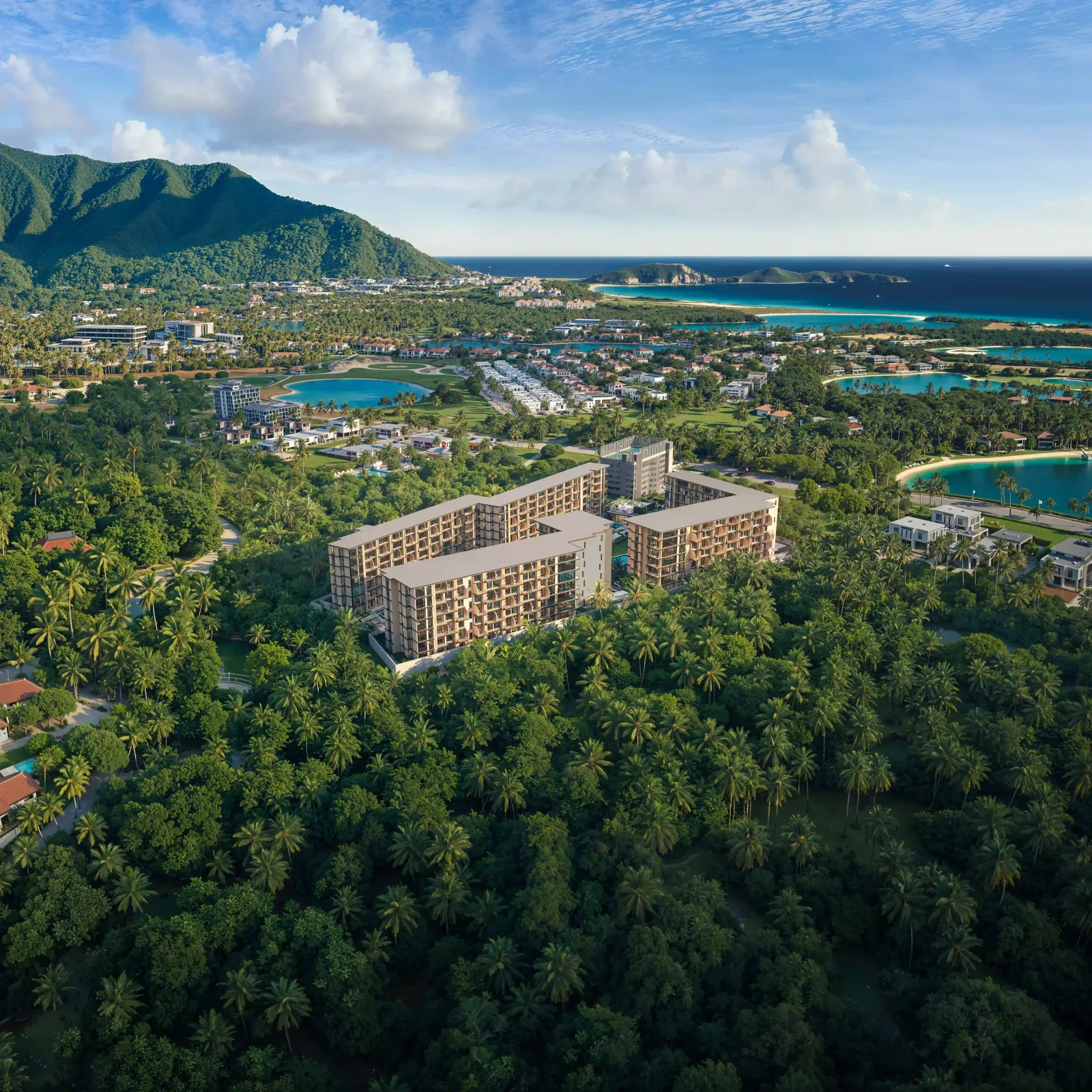
## Project Overview
Bang Tao needs little introduction: an eight-kilometre beach, the Laguna resort complex, Boat Avenue, Porto de Phuket and the international school cluster have made it the island's best-known residential address. Peylaa sits in the Choeng Thale part of that corridor, about seven minutes from the beach by car, which suits long-stay tenants and holiday guests who explore the coast by car.
## Location and Area
| Factor | Detail |
| --- | --- |
| On the current list | 245 units: 173 one-bedroom, 72 two-bedroom |
| Sizes | 46 sqm, and 83 to 87 sqm |
| One-bedroom prices | 7,212,180 to 8,510,925 THB |
| Two-bedroom prices | 13,066,437 to 15,808,841 THB |
| To Bang Tao Beach | About 7 minutes by car |
| Status | Under construction, completion Q4 2027 (developer) |
| Payment | Developer standard 25 / 10 / 10 / 10 / 45; 30 / 20 / 20 / 30 negotiable |
The income plan for your unit is built from the operator's statements for comparable buildings nearby, and the list above is the starting point.
## Is Peylaa Phuket Bang Tao a Good Investment in 2026?
Four things shape the case.
- **What the release contains.** 173 one-bedrooms of 46 sqm, the most liquid format in Bang Tao, and 72 two-bedrooms for families and groups.
- **How the plan works.** On the developer's standard schedule 45% falls in the final tranche, so most of your money stays with you during the build; a 30/20/20/30 structure is negotiable through MORE Group for buyers who prefer to spread it evenly.
- **What the position buys.** A Choeng Thale address a short drive from the beach, a real Bang Tao proposition at a price the beachfront does not offer.
- **The income evidence.** We collect a full year of real results from a similar building nearby: what it charged, how full it was each month and what came off the top.
Premium-quality Bang Tao 1BR units have historically let at $100-$200 a night for non-branded product and $150-$300 for better-positioned properties with strong marketing, and well-managed Bang Tao condominiums have historically averaged 65-75% annual occupancy. At a $120-$170 average nightly rate and 65-70% occupancy, comparable 1BR units have historically earned 7-8% gross, and 2BR units 6-8%. Managed 1-bedroom stock in Bang Tao has historically run at 72 to 78% blended occupancy under professional operators, with 5 to 7% net after 20 to 25% operator fees. Construction-phase price growth in premium Bang Tao projects averaged 25 to 35% from reservation to completion on 2019 to 2024 comparable data.
## The Two Payment Plans on the Entry Unit
| Stage | Developer plan | On 7,212,180 THB | Negotiated plan | On 7,212,180 THB |
| --- | --- | --- | --- | --- |
| Contract | 25% | 1,803,045 THB | 30% | 2,163,654 THB |
| Construction stages | 10% + 10% + 10% | 2,163,654 THB | 20% + 20% | 2,884,872 THB |
| Transfer | 45% | 3,245,481 THB | 30% | 2,163,654 THB |
The developer plan keeps more of the money with you until the keys, while the negotiated plan spreads it evenly across the build. For a freehold purchase every payment arrives from abroad in foreign currency with its FET record, whichever plan you choose.
## Why Buyers Choose Peylaa
- Design-led in a corridor of interchangeable stock, which is a real differentiator on a listing
- One- and two-bedroom units of 46 to 87 sqm, the most liquid formats in Bang Tao
- Low-rise rather than a tower, in a part of Choeng Thale that is still filling in
- Two payment shapes to choose between: 25/10/10/10/45 or a negotiated 30/20/20/30
- Bang Tao demand without the estate charges the branded resort schemes carry
## An Independent Scheme in a Branded Corridor
Peylaa sits in Bang Tao alongside the branded resort complexes, and the choice between an independent scheme and a branded one shapes more than the price.
| | An independent scheme like Peylaa | A branded resort complex |
|---|---|---|
| Letting | Owners choose their own operator | One operator runs the programme |
| Running costs | Proportionate to the scheme's facilities | Resort-scale facilities and charges |
| Brand recognition at booking | Yours to build, through presentation and reviews | Supplied by the operator |
| Resale | Priced against the building's own sales | Priced against the resort's sales |
From 7,212,180 THB, Peylaa is the choice for buyers who value design and a lighter cost base over a resort brand and its charges, a reasonable choice in Bang Tao. Within the building, floor and outlook set one unit apart from the next, and we help you pick the right one.
{/* corpus-faq:peylaa-bang-tao */}
## FAQ
### Where is Peylaa Phuket located?
In Choeng Thale, within the Bang Tao corridor on the north-west coast, near Laguna Phuket, Boat Avenue and Porto de Phuket. The project record puts Bang Tao Beach about seven minutes away by car and the airport about twenty-six.
### What is the price range for Peylaa Phuket Bang Tao?
One-bedrooms of 46 sqm run 7,212,180 to 8,510,925 THB, and two-bedrooms of 83 to 87 sqm run 13,066,437 to 15,808,841 THB. That is 245 units on the current list, 173 of them one-bedrooms. We send the list of units still available.
### Can foreigners buy units at Peylaa Phuket?
Yes. Foreign buyers can purchase condominium units at Peylaa Phuket Bang Tao under the 49% foreign ownership quota, which allows freehold title. We prepare the Sale and Purchase Agreement with you, with our legal support.
The branded scheme in the same corridor is [The Standard Residences Phuket](/projects/the-standard-residences/); for the groups behind Phuket's branded residences, see our page of [reputable Phuket developers](/developers/).
## Who Should Buy Peylaa Phuket Bang Tao?
A buyer who wants the Bang Tao corridor without the beachfront price, letting to long-stay tenants and holiday guests.
A buyer who prefers to keep most of the money through the build and pay 45% at transfer.
A buyer who chooses a specific unit rather than the project: floor, aspect and outlook set each one apart, and they are decided at reservation.
## Standing Out in Bang Tao
Bang Tao is Phuket's most active residential corridor, with the island's deepest rental demand and its broadest international resale pool. We send the list of projects under construction and permitted within a kilometre, so you see the neighbourhood as it will be.
Inside the building, we find out how many units are already signed into short-let programmes and whether a single operator holds a block of them, since centrally set rates hold steady through the low season.
## What We Send Before You Reserve
**The route to the beach.** We include the seven-minute drive to Bang Tao Beach in the viewing.
**The floor area basis.** Whether the 46 sqm is saleable space or includes the balcony and a share of common property.
**The quota, dated and unit-specific.** Foreign freehold is available within 49% of a building's floor area, and we obtain the remaining allowance in a letter that names your unit.
**The two letting permissions.** Whether the building will hold a hotel licence, and what the house rules say about stays under thirty nights, both in writing.
## Buying Peylaa Bang Tao with MORE Group
At Peylaa the purchase runs in five steps from the first price list to the keys, and we look after each step with you.
## The One-Bedroom and the Two-Bedroom Are Priced at the Same Rate
The cheapest one-bedroom works out at 158,266 THB per square metre and the cheapest two-bedroom at 156,447. At the top of each range they are 186,766 and 189,191. The two formats are priced at essentially the same rate, which means the larger unit carries no size premium, and that is unusual in this corridor.
It matters because the two formats sell to different tenants. A 46 square metre one-bedroom is a couple's holiday let and a single professional's annual lease. An 85 square metre two-bedroom takes families and groups, holds a higher nightly rate, and has fewer direct neighbours of the same format.
The one-bedroom needs about half the capital and sells into the deepest resale pool; the two-bedroom holds a higher nightly rate. Because the rate per square metre is flat across the two formats, the choice is purely about which market you want to serve.
**Read Also:**
- [What the Bang Tao corridor costs, street by street](/bang-tao-properties/)
- [How a back-loaded off-plan schedule works](/guides/off-plan-property-phuket-guide/)
- [How the 49% quota is counted](/guides/foreign-quota-thai-condominiums/)
- [Laguna Reef Beachside, the branded comparison nearby](/projects/laguna-reef-beachside/)
- [What a Phuket condo nets after costs](/guides/phuket-rental-yield-complete-guide-2026/)
# Phirunda Pool Villa Review 2026: Prices, Units and Area
> Phirunda Pool Villa review: 17 completed pool villas in Chalong, three-bedrooms from 13.99M THB and four-bedrooms of 327 sqm, ready to live in or let.
**Source:** https://moregroup.estate/projects/phirunda-pool-villa/
**Section:** Project Reviews
**Author:** MORE Group Editorial
**Published:** 2026-04-08
**Updated:** 2026-08-23
---
## Phirunda Pool Villa: 17 Completed Pool Villas in Chalong
Phirunda Pool Villa is a finished estate: the villas are built, so buyers look at handover in weeks rather than years, with the finished product in front of them and rental income starting soon after purchase.
The project sits in Chalong, on Phuket's south-east side, a district increasingly relevant for buyers who prioritise city connectivity and quieter residential living. Prices run from 13.99M THB to 27.5M THB for private pool villas in a gated estate with a gym, co-working space, a kids' room and a pet-friendly policy.
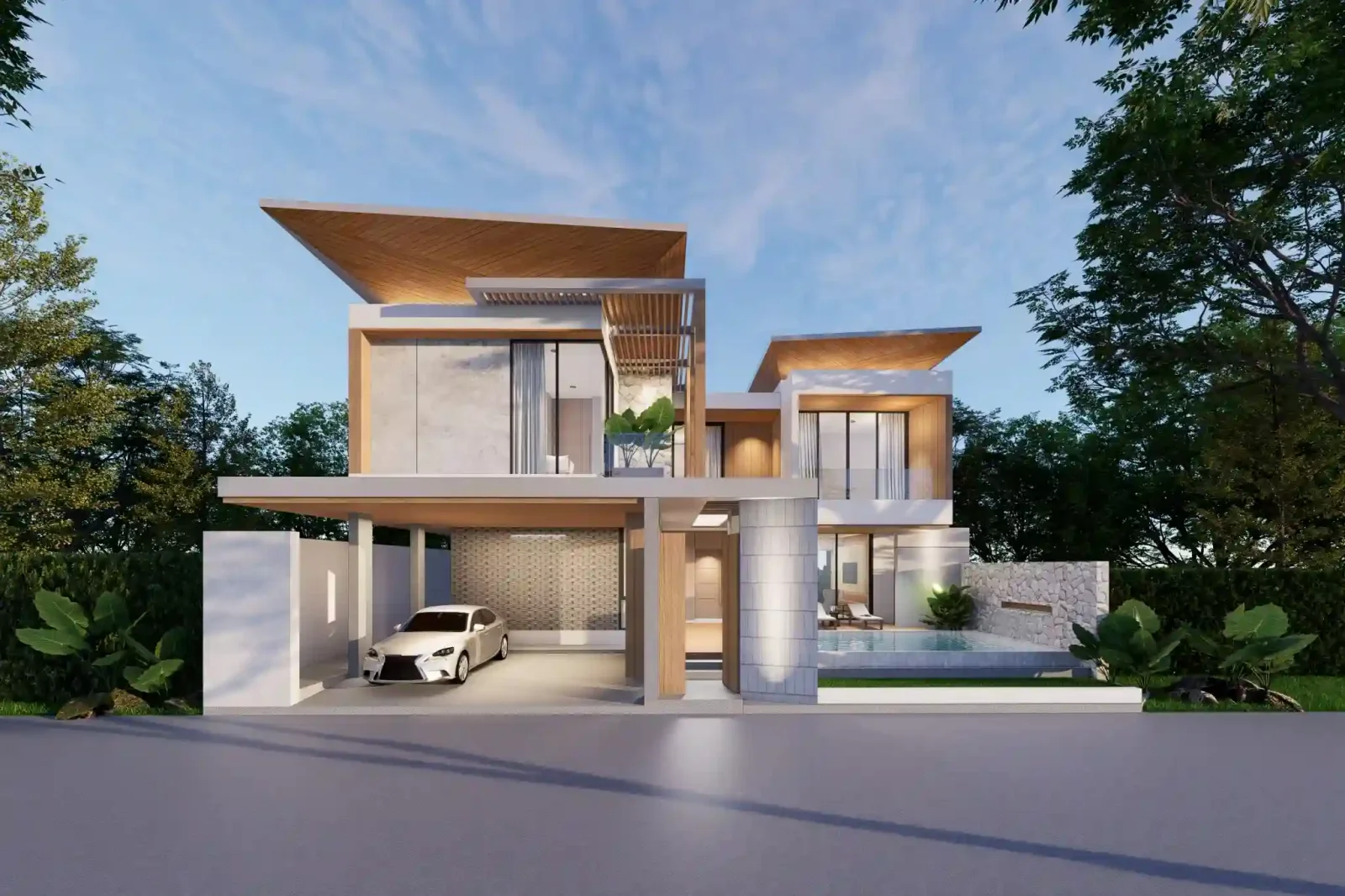
## Chalong: A Location Worth Understanding
Chalong has grown on the back of Phuket Town's expansion and the marine economy around the pier. This is where hospital workers, government employees, and business owners who run operations in Phuket Town choose to live. It is also where international school families settle when they want more space per baht than the Laguna area allows.
Chalong sits at the island's main road junction, so most of Phuket is within easy reach, and the pier, hospitals, supermarkets and trade suppliers are all local. The nearest shops are about six minutes by car, the beaches of Rawai and Kata about 20 to 25 minutes, and the combination of quiet residential character and genuine urban connectivity is distinct from anything the west coast offers at comparable prices.
## A Finished Estate You Can See
On a completed estate the finish quality is standing and can be seen. Buyers reviewing Phirunda assess the kitchen layout, the flooring materials, the bathroom specification, the pool deck finish, and the garden treatment before signing.
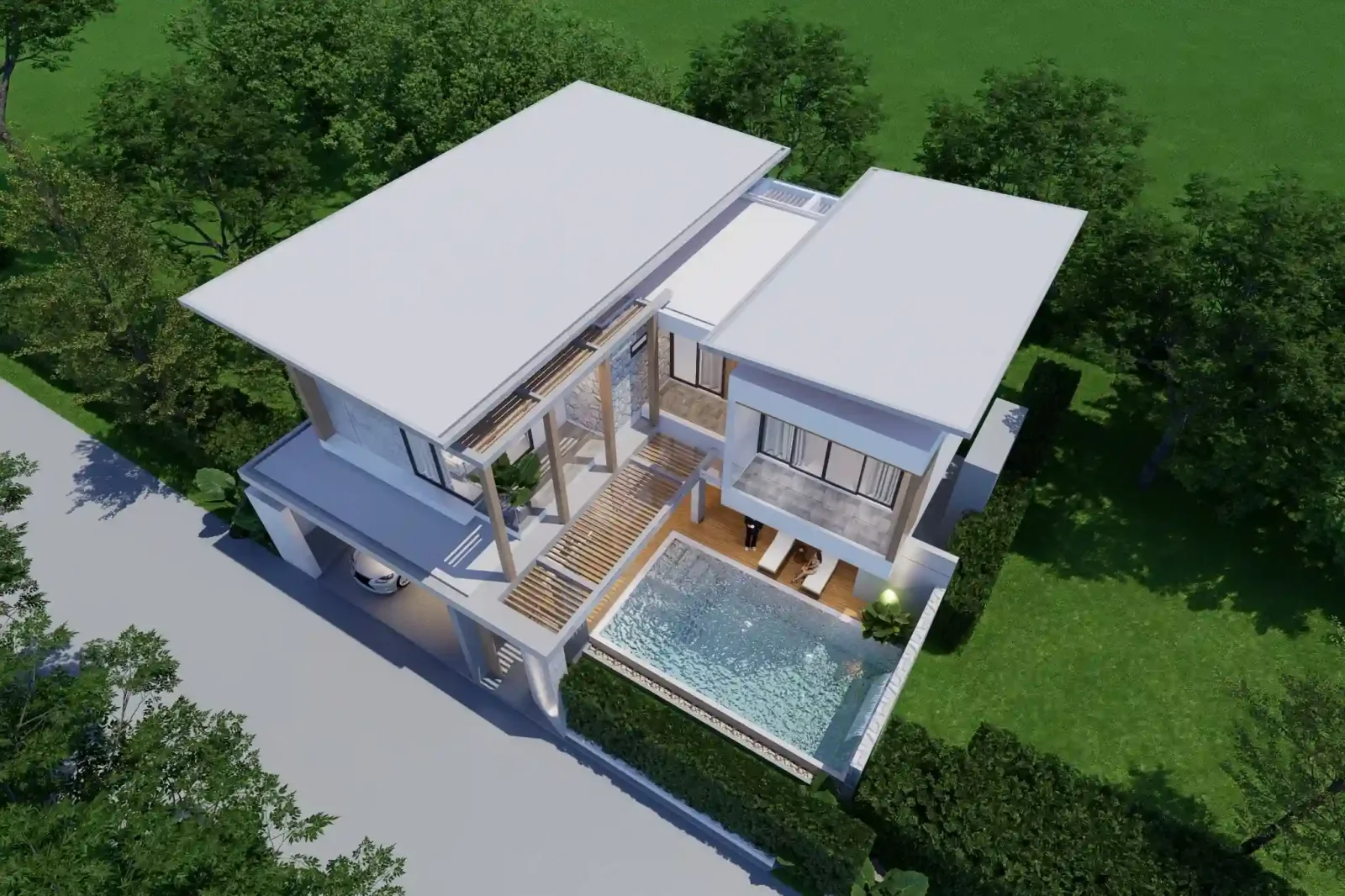
The PREMIUM classification indicates a specification above standard residential: fitted kitchens with integrated appliances, air-conditioned bedrooms to proper standards, quality bathroom fixtures, and private pools as a standard inclusion across the unit mix.
## Pricing: 13.99M to 27.5M THB
| Layout | Villas on our list | Size | Price (THB) |
|---|---|---|---|
| Three-bedroom | 7 | 214 sqm | 13,990,000 - 16,800,000 |
| Four-bedroom | 6 | 327 sqm | 23,500,000 - 27,500,000 |
In USD terms, the entry point is about $428,000 at current exchange rates, at about 65,000 to 84,000 THB per square metre. For buyers coming from markets like Singapore, Hong Kong, Australia, or Western Europe, this represents meaningful value for a private pool villa in a city-connected location.
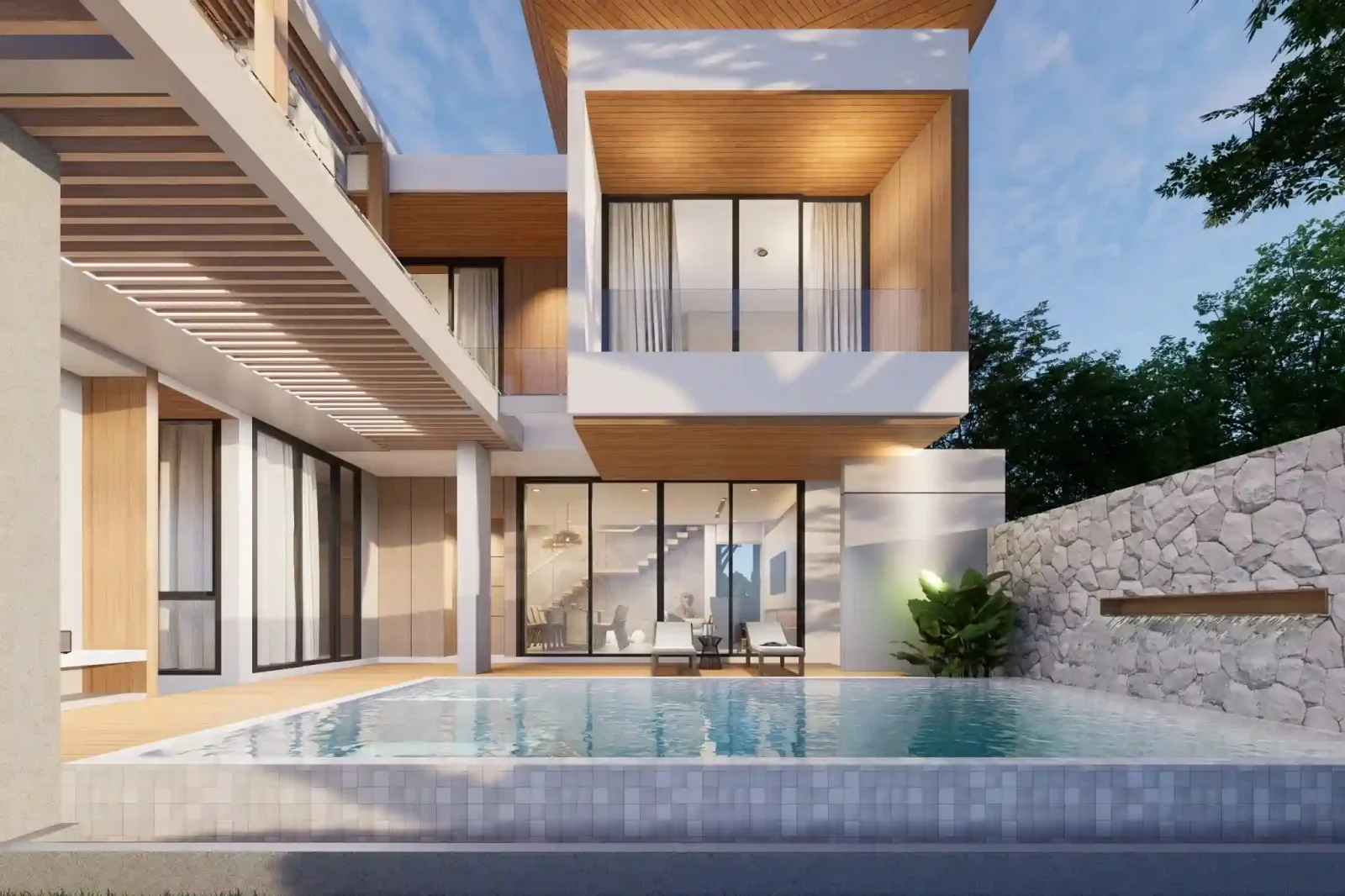
The Chalong price difference relative to west coast locations reflects the beach-front and sunset views rather than any difference in quality or infrastructure. For buyers who spend most of their time at home rather than at the beach, the price differential is excellent value.
**Payment:** the developer's structure is 30%, 50% and 20%, and on a completed villa the payments follow the purchase and transfer quickly. We send the schedule for your villa with the price list.
## Completed and Ready
Rental income begins at handover, and a buyer who completes before December can have the property letting for the start of Phuket's peak season.
What you get with a finished estate is certainty: the villa, the finish and the setting you see are what you own, at completed-product pricing, in a simple transaction.
## Chalong as an Investment Strategy
As land prices in the established west coast locations continue to rise, more buyers and tenants are discovering that Chalong offers a quality of life comparable to the west coast with less traffic and a lower price point. Phirunda Pool Villa is positioned in this moment: PREMIUM specification, finished villas, and prices that still reflect the east coast value.
## What Seventeen Villas and a Finished Estate Bring
Seventeen villas is a small estate. Nothing arrives next door after you move in, there is no phase two to double the density, and the setting you see is the setting you keep. The shared costs, security, road maintenance and common landscaping, are divided among seventeen owners, and we send the annual charge and what it covers with the price list.
Being completed means you can walk the actual villa, run the taps, test the air conditioning, look at the pool plant and the roof detail, and talk to owners who already live there, which is worth more than most buyers credit.
## Who Phirunda Pool Villa Is Best Suited For
**City-connected residents**, those who work in Phuket Town, manage businesses requiring airport access, or want proximity to services. East Phuket's connectivity is a genuine advantage for this profile.
**Value-oriented investors** who want PREMIUM specification and a private pool at a lower price basis than the west coast. The 13.99M THB entry for a finished villa is competitive by any measure.
**Families** who want three or four bedrooms, a private pool and a kids' room in the estate, close to the international schools of the south.
## Phirunda Among South Phuket Villa Estates
Buyers in the south usually compare a few villa estates at a similar entry:
| Estate | Stage | Entry on our list |
|---|---|---|
| [Charn Baan Saiyuan](/projects/charn-baan-saiyuan/) | Under construction | 12,280,000 THB |
| [The Greens](/projects/the-greens/) | Under construction | 12,600,000 THB |
| Phirunda Pool Villa | Completed | 13,990,000 THB |
| Wamdom Villas Rawai | Completed | 20,000,000 THB |
| [Botanica Chalong Bay](/projects/botanica-chalong-bay/) | Under construction | 29,716,000 THB |
Phirunda is one of the few finished estates in this group at the entry end, so it suits buyers who want to move in or start letting this season rather than wait for a build.
## Life in Chalong
Chalong is Phuket's everyday south: the pier where the island boats leave for Coral Island and the Racha islands, the Big Buddha on the hill above, the island's busiest markets and supermarkets, and the hospitals and schools of Phuket Town a short drive north. Rawai's seafood and Nai Harn's swimming beach are close, which is why so many families and long-stay residents make their home here.
## The Records of a Finished Estate
Phirunda has a track record rather than a projection, and we collect it for you:
| Document | What it shows |
|---|---|
| Estate accounts | The charge as billed and what it covers |
| Occupancy of the estate | How many of the seventeen are lived in or let |
| Resales inside the estate | A real comparable for the price |
| Maintenance record | The care of the villas since handover |
| Estate management | Who runs the estate, and on what terms |
From 13.99M to 27.5M THB the spread reflects villa size and position, and on a finished estate you can see the difference in an afternoon.
## How a Foreign Buyer Owns a Villa Here
A villa is land plus a house, so a foreign buyer holds it through a registered lease of the land, 30 years per registration with renewals in the contract and the house in their own name, or through a Thai company with genuine Thai shareholders. We prepare the route that suits you with our legal support.
## Buying Phirunda Pool Villa with MORE Group
Phirunda Pool Villa is finished, so the purchase is a short path from the viewing to the keys, and we are with you at every step.
{/* corpus-faq:phirunda-pool-villa */}
## FAQ
### Where exactly is Phirunda Pool Villa located in Phuket?
Phirunda is located in Chalong, on Phuket's south-east side. That places it minutes from Chalong pier and the island's main road junction, with Phuket Town, the hospitals and Central Phuket Floresta all within a short drive. The exact address and site map are available from the MORE Group team.
### Is Phirunda Pool Villa ready?
Yes. The estate of 17 private pool villas is completed, so buyers can see the villas and move in or start letting within weeks of the purchase.
### What is the price range for Phirunda villas?
The current list runs from 13,990,000 THB for a 214 sqm three-bedroom to 27,500,000 THB for a 327 sqm four-bedroom. The MORE Group team can provide the current price list with specific villa positions.
### Is Chalong good for rental income?
East Phuket's rental market is led by long-term tenants: Phuket Town professionals, hospital staff, international school families, and business owners who prioritise city access. Monthly rental rates for premium pool villas in this corridor typically range from 50,000 to 90,000 THB depending on size, which makes long-term tenancy a steady income strategy.
### Why is Chalong more affordable than the west coast?
The west coast prices in its beach-front sunset views and tourist infrastructure. For buyers who use their villa primarily as a residence, the quality of life in Chalong is comparable at a meaningfully lower price, and as Phuket's city infrastructure expands eastward, the area keeps gaining appeal.
### What payment structure applies on a completed villa?
The developer's structure is 30%, 50% and 20%, following the purchase and the transfer. We send the schedule for your villa with the price list.
**Read Also:**
- [Wyndham Fantasea Review 2026: Prices & Yield](/projects/wyndham-fantasea/)
- [Veranda Villas Phuket 2026: Ao Yon Pool Villas Review](/projects/veranda-villas/)
- [The Buying Process in Thailand, Step by Step](/guides/due-diligence-process-thailand-step-by-step/)
- [Phuket Rental Yield 2026: Net Income by Area](/guides/phuket-rental-yield-complete-guide-2026/)
- [Best Areas in Phuket to Buy Property 2026](/guides/best-areas-phuket-buy-property/)
- [How Foreigners Buy Phuket Property 2026](/guides/buying-property-phuket-guide/)
# Phuvista 3 Naiyang Phuket Review 2026: Prices and Units
> Full review of Phuvista 3 Naiyang, premium villas near Naiyang Beach and Phuket Airport. Prices from 14.8M THB, 2-4 bedrooms, payment plan and investment.
**Source:** https://moregroup.estate/projects/phuvista-naiyang/
**Section:** Project Reviews
**Author:** MORE Group Editorial
**Published:** 2026-04-02
**Updated:** 2026-08-22
---
Five priced villas at Sakhu, 8 minutes by car from Phuket International Airport and 6 from Nai Yang Beach. 14,800,000 THB for 209 sqm up to 26,300,000 for 376 sqm, at rates of 69,971 to 79,339 THB per square metre. Unusually, the largest villa carries the cheapest metre here. Against the corridor, Sakhu villas run at a median of 77,381 THB per square metre against Choeng Thale's 92,871, and at half the median price. Payment runs on a 35/15/15/15/15/5 plan.
## Airport-Beach Corridor Most Investors Overlook
Eight minutes to the terminal is a different way of living on this island, and for anyone using Phuket as a regional base rather than as a destination it is worth more than a beach view. The other half of the north's argument is Sirinat National Park, which covers a long stretch of this coastline and is the reason Nai Yang has not been built out the way the west-coast beaches have.
Phuvista 3 Naiyang sits on that trade. Five villas carry a price in the list MORE Group holds, from 14,800,000 THB for 209 square metres to 26,300,000 for 376, which spans first-time villa buyers and family-sized residences inside one small scheme.
## Why Buy at Phuvista 3 Naiyang?
Sirinat National Park covers a substantial part of the coast here, which is the structural reason Nai Yang has stayed low-rise while Patong and parts of Kamala did not. That is a planning fact rather than a forecast, and it is the single most durable thing about the address.
The price against the rest of the island is the second. On MORE Group's records the 95 priced villa units at Sakhu carry a median rate of 77,381 THB per square metre and a median price of 23,000,000, against 353 units in Choeng Talay at 92,871 and 45,423,700. So the Bang Tao corridor is roughly twice the money for a villa, but only 20% of that gap is the rate: the rest is size, 421 square metres against 304. Nai Yang is cheaper per metre and sells smaller houses.
Phuvista sits under even the Sakhu median. Its five villas price at 69,971 to 79,339 THB per square metre, and three of the five are below the area's 77,381. Against the south, the comparison holds in the same direction: Rawai's villa median rate is 81,889 and Chalong's 77,838, both above what these houses ask.
On-site infrastructure goes beyond the basics: a coworking space, gym, shop, children's room and a pet-friendly policy, which together suit long-stay residence rather than holiday use alone. We send the list of facilities in the contract and the estate budget line that staffs and maintains them.
The payment plan spreads the balance well after the first payment: 35% at signing, then four calls of 15% during construction, and 5% at handover.
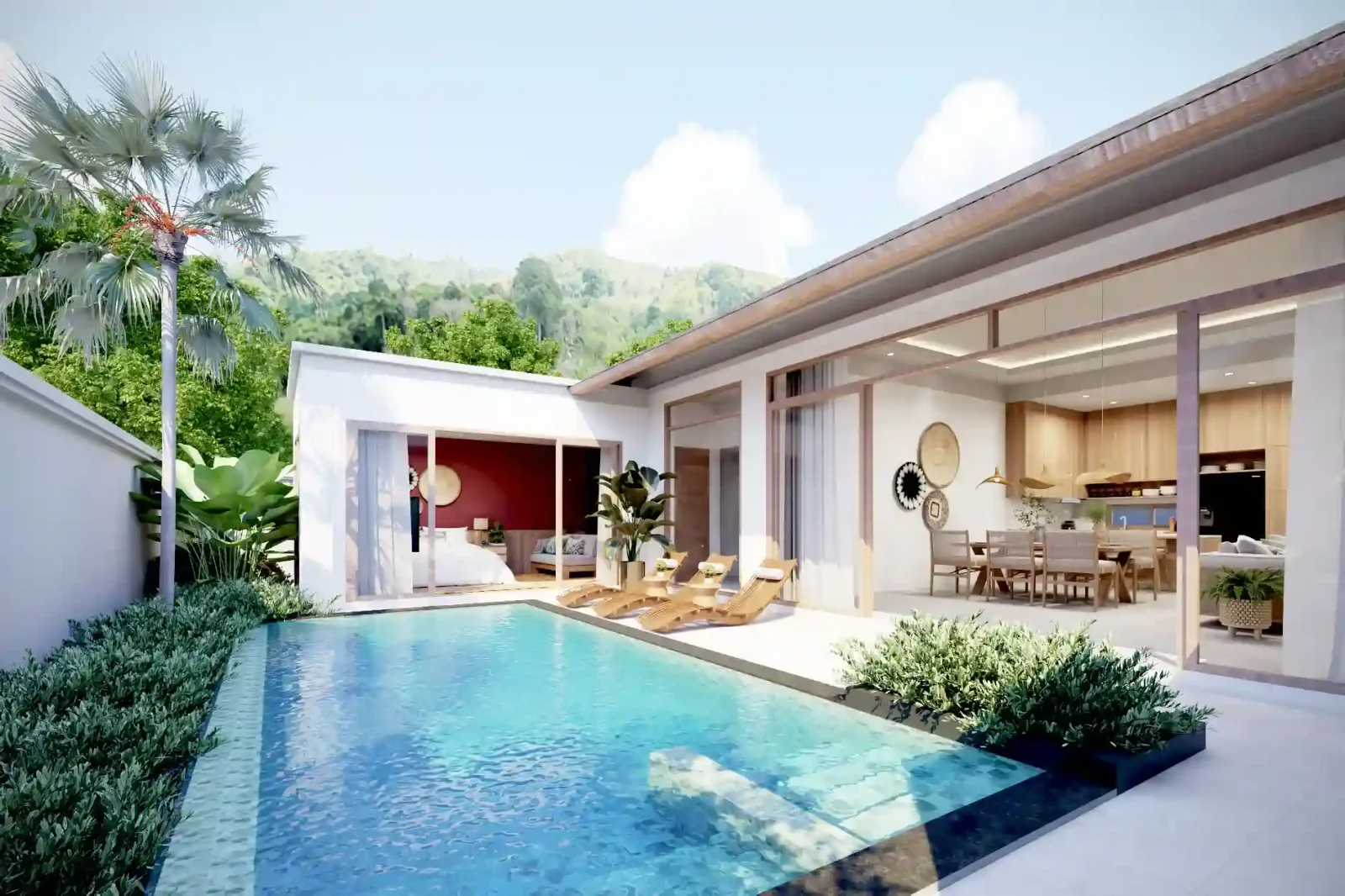
## Prices and Unit Mix
| Unit | Built area | Price, THB | Rate, THB per sqm |
|------|-----------|-------|--------------|
| A27 | 209 sqm | 14,800,000 | 70,942 |
| A21, A22 | 214 sqm | 17,000,000 | 79,339 |
| C2 | 354 sqm | 25,800,000 | 72,809 |
| C1 | 376 sqm | 26,300,000 | 69,971 |
The interesting line is the last one. C1 is the largest villa in the release and carries the cheapest square metre in it, 69,971 THB against 79,339 on the 214 sqm pair. That is the opposite of how most Phuket villa schemes are priced, where the rate climbs with the house because the big plots are the good ones. Here the rate falls with size, which is the older and more conventional pattern: large houses are harder to sell, so they are discounted per metre.
The consequence for a buyer is concrete. Moving from the 214 sqm villa to the 376 sqm one costs 9,300,000 THB and buys 162 additional square metres, which works out at 57,407 THB for each of them, well under any rate in the table. If the extra space is usable to you, it is the cheapest space in the scheme.
These are villas, so the land under each house matters as much as the floor area, and we send the plot sizes against unit numbers so the four rows can be compared fully.
**Payment plan detail:** after 35% at signing the remaining calls are small: four of 15% and a final 5% at handover. On the 14,800,000 THB entry villa that is 5,180,000 to sign, 2,220,000 at each of four stages and 740,000 at the end. We send the schedule with the construction stage behind each call.
## Who Rents a Villa in Nai Yang
Nai Yang's rental demand is different in kind from the west coast's, and it is what the income case rests on.
Nai Yang's tenants divide into three groups rather than one. Airline and airport staff, logistics and freight workers and relocating families take annual leases here for the same reason buyers do, which is the eight minutes to the terminal, and that demand does not have a season. Holidaymakers who want the national park beach rather than a beach club take short stays, concentrated in the same high season as everywhere else. And a third group, travellers using Phuket as a stopover or a regional base, books a night or two around a flight, which is business the west coast largely cannot reach.
That mix is the argument for the address: a villa here earns steadily across the year. For your villa we collect twelve months of statements on a comparable house from a Thalang villa manager, split by season, and take out commission, the estate charge, utilities, pool and garden service, furnishing replacement and Thai tax to give the net figure.
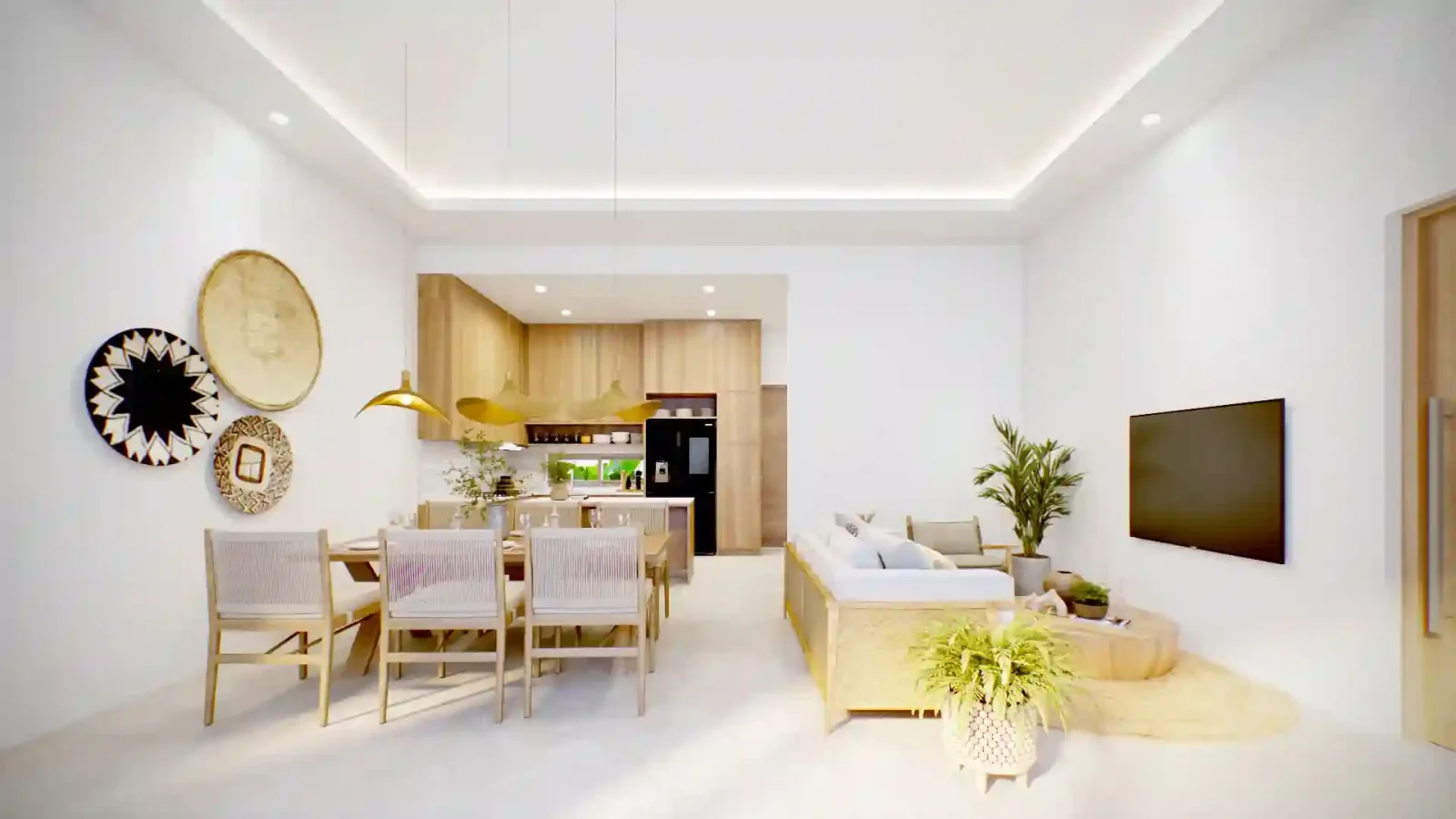
## Living Minutes from the Airport
Nai Yang's proposition is proximity to Phuket International: eight minutes to the terminal, which matters for anyone using Phuket as a regional base or letting to guests who value a short transfer. Sirinat National Park protects the beach permanently, and the price is roughly half what a comparable villa costs in the Bang Tao corridor.
Each plot in the scheme has its own position between the airport road and the national park side, and we arrange viewings of the plots at different times of day, so you can choose the villa that suits you best.
## How a Foreign Buyer Owns a Villa Here
Land in Thailand is not held freehold by foreigners, and Phuvista is a villa development rather than a condominium, so a villa here is owned through one of two lawful structures.
You either take a registered lease on the land with the house titled separately to you, or the land sits inside a Thai company in which you are a shareholder. Under the Civil and Commercial Code a lease registers for thirty years, so a "30+30+30" offer is one registered term followed by two contractual renewals. A company route needs real Thai shareholders with a genuine interest in the company. We set out both routes with you and prepare the documents with our legal support.
## Who Should Buy at Phuvista 3 Naiyang?
**First-time villa buyers** enter the pool villa segment at 14,800,000 THB for 209 square metres, at a rate below the medians for Rawai and Chalong and well below Choeng Thale's. Cheaper villas exist on the island, including in this same sub-district, but they are materially smaller houses.
**Remote workers and long-stay residents** benefit from the coworking space, on-site shop, and the practical amenities that make day-to-day living functional without requiring a car for every errand.
**Families with children** find the 4-bedroom configurations, kids' room, and pet-friendly policy well-suited to full-time or extended residence. The school and hospital infrastructure in the broader Thalang district is accessible within reasonable drive times.
## Our Assessment
The case is the rate. At 69,971 to 79,339 THB per square metre these five villas sit below the median for their own area, below Rawai's 81,889 and below Chalong's 77,838, and at roughly half the median price of a Choeng Thale villa. For a buyer who wants a house rather than an apartment and does not need a west-coast postcode, that is a real saving rather than a positioning claim.
As a villa, Phuvista is held through a lease or a company structure, and we prepare that route with you from the start.
## Buying Phuvista 3 Naiyang with MORE Group
Five steps take you from the first price list to the keys of a Phuvista villa, and our team handles each of them with you.
{/* corpus-faq:phuvista-naiyang */}
## FAQ
### How close is Phuvista 3 to the airport?
Phuket International Airport is about 8 minutes by car, which suits owners who fly often and guests who value a short transfer. We arrange viewings of the plots at different times of day, so you can choose the villa that suits you best.
### What is the beach situation at Naiyang?
Naiyang Beach is a quieter alternative to the busier south Phuket beaches, with portions inside the Sirinat National Park. It is clean, uncrowded, and protected from commercial overdevelopment. The beach is 6 minutes by car from Phuvista 3 Naiyang.
### What does the coworking space include?
The on-site coworking facility at Phuvista 3 is designed for remote workers and provides a dedicated workspace separate from villa living areas. MORE Group sends the specification (internet speed, seating capacity and hours of access) with the villa documents.
### What is the payment schedule in practice?
Six payments: 35% at signing, four calls of 15%, and 5% at handover. On the 14,800,000 THB entry villa that is 5,180,000 THB to sign, 2,220,000 at each of the four stages and 740,000 at the end. We send the schedule with the construction stage behind each call together with the price list.
### Can a 2-bedroom villa be expanded to accommodate more guests?
The 2-bedroom layouts at 209-214 m² are spacious enough that some guests use the living areas as additional sleeping spaces for shorter stays. Permanent structural expansion would require developer and local authority approval. For buyers needing more bedroom capacity, the 4-bedroom units at 25.8M-26.3M THB are the appropriate choice.
**Read Also:**
- [Nai Yang as an address, beyond this one scheme](/guides/nai-yang-property-guide/)
- [Lease or company: how a villa is held](/guides/freehold-vs-leasehold-thailand/)
- [ALLTHAI Villages, Thai-style pool villas in the same north](/projects/allthai-villages/)
- [Botanica Wisdom, the other Nai Yang villa scheme on our list](/projects/botanica-wisdom/)
- [The purchase itself, step by step, for a foreign buyer](/guides/buying-property-phuket-guide/)
- [The buying process step by step](/guides/due-diligence-process-thailand-step-by-step/)
# Pirak Cherngtalay: Boutique Layan Condos from 5.5M THB
> Pirak Cherngtalay review: one, two and three-bedroom condos three minutes by car from Layan Beach, with a pool, gym and co-working, from 5.53M THB.
**Source:** https://moregroup.estate/projects/pirak-cherngtalay/
**Section:** Project Reviews
**Author:** MORE Group Editorial
**Published:** 2026-04-08
**Updated:** 2026-08-23
---
## What Is Pirak Cherngtalay?
Pirak Cherngtalay brings a modern apartment to the heart of the Layan and Bang Tao coast. The building combines functional layouts with high-quality finishes, and its facilities cover everyday life in Phuket: a swimming pool and landscaped gardens for the afternoons, a fitness centre, a co-working space for remote work, parking and round-the-clock security.
The location is the project's great strength. Layan Beach is three minutes away by car, Bang Tao Beach and the Laguna beach clubs a short drive further, and the cafes, restaurants and shops of Cherng Talay are all close at hand. The Pirak name is also behind [Pirak Villa](/projects/pirak-villa/), a villa estate in Layan.
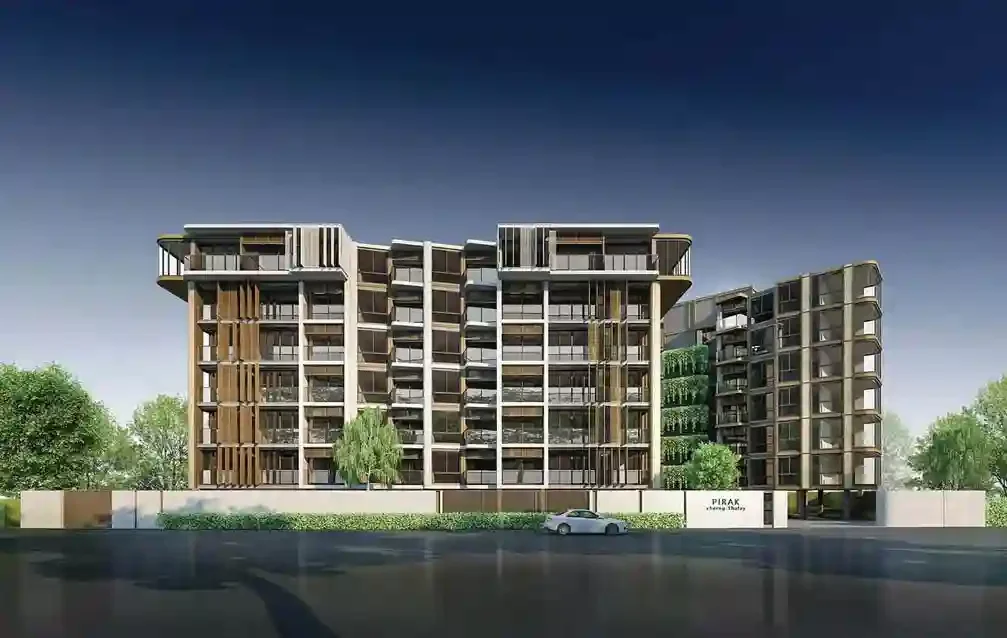
## What Are the Key Facts for Pirak Cherngtalay?
| Factor | Detail |
| --- | --- |
| Location | Choeng Thale, Thalang, Layan |
| Building | Mid-rise, 168 apartments |
| Units | 74 on our price list |
| One-bedroom | 44 to 56 sqm, 5,527,500 to 9,024,000 THB |
| Two-bedroom | 110 sqm, 14,270,100 to 16,465,500 THB |
| Three-bedroom | 143 sqm, 22,942,400 THB |
| Payment | 30% / 30% / 30% / 10% |
| Facilities | Pool, fitness centre, co-working, gardens, parking |
| Stage | Under construction |
| Beach | About 3 minutes by car |
| Airport | About 22 minutes by car |
## Location: Cherng Talay Between Two Beaches
Cherng Talay is the lively residential heart of the north-west coast, and Pirak Cherngtalay sits close to both of its beaches.
**Layan Beach:** about 3 minutes by car or a 28-minute walk. Layan is the calm, tree-lined northern end of Bang Tao Bay, a favourite for a quiet swim and a long walk at sunset.
**Bang Tao Beach and Laguna:** a short drive south. The beach clubs and restaurants along the bay, including those of the Laguna hotels, set a more social tone for afternoons and evenings.
**Boat Avenue and Porto de Phuket:** the area's main lifestyle hubs, with restaurants, cafes, wine bars, boutiques and wellness studios. The nearest mall is about 9 minutes by car.
**Supermarkets:** Villa Market and other well-stocked stores within easy reach, which makes self-catering stays simple for owners and guests.
**Cherng Talay road:** the main road through the district, lined with Thai and international restaurants, cafes and relaxed live-music venues with a neighbourhood feel.
**Airport:** about 22 minutes by car, convenient for owners who fly in several times a year and for arriving guests.
The district draws holidaymakers, remote workers and long-stay residents all year, which gives it the feel of a real neighbourhood rather than a resort strip. The [Bang Tao and Layan area guide](/bang-tao-properties/) covers the district in more detail.
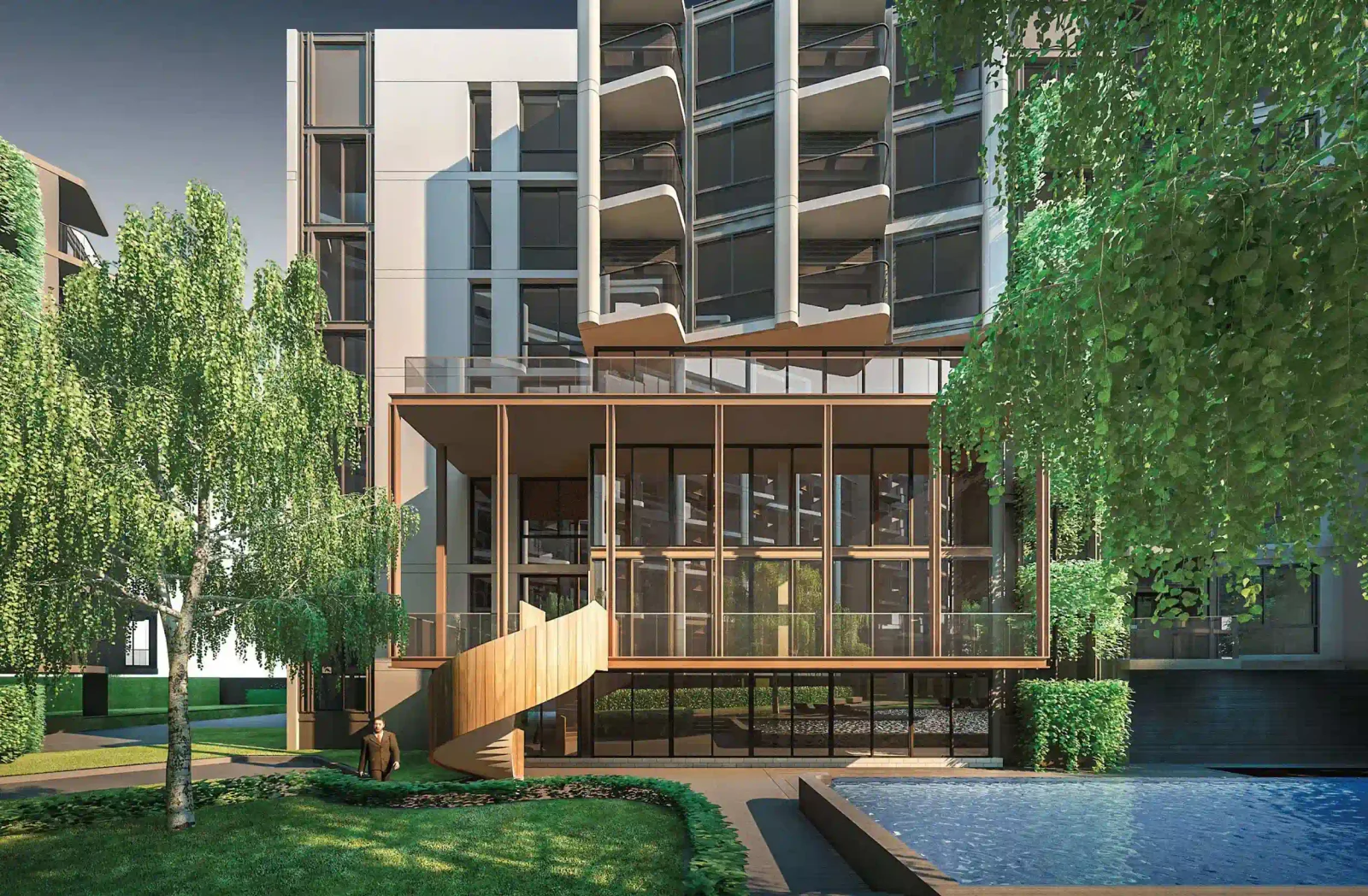
## Units and Prices
Our price list holds 74 units in three formats:
| Format | Size | Units | Price |
| --- | --- | --- | --- |
| One-bedroom | 44 to 56 sqm | 66 | 5,527,500 to 9,024,000 THB |
| Two-bedroom | 110 sqm | 7 | 14,270,100 to 16,465,500 THB |
| Three-bedroom | 143 sqm | 1 | 22,942,400 THB |
The one-bedroom range opens with ten units at 5,527,500 THB on the second and third floors (1217 to 1220, 1318 to 1320, 2201, 2204 and 2205) and rises with floor and size to 9,024,000 THB for 1711 and 1721 on the seventh floor. The larger one-bedrooms add storage and living space for owners who stay for weeks at a time.
The two-bedrooms and the three-bedroom, by unit number:
| Unit | Floor | Format | Price |
| --- | --- | --- | --- |
| 2203 | 2 | Two-bedroom, 110 sqm | 14,270,100 THB |
| 2303 | 3 | Two-bedroom, 110 sqm | 14,270,100 THB |
| 1201 | 2 | Two-bedroom, 110 sqm | 15,093,375 THB |
| 1301 | 3 | Two-bedroom, 110 sqm | 15,093,375 THB |
| 2403 | 4 | Two-bedroom, 110 sqm | 15,367,800 THB |
| 1401 | 4 | Two-bedroom, 110 sqm | 15,642,225 THB |
| 1501 | 5 | Two-bedroom, 110 sqm | 16,465,500 THB |
| 1701 | 7 | Three-bedroom, 143 sqm | 22,942,400 THB |
The 110 sqm two-bedrooms suit a couple with regular guests, a family on a long stay or an owner who needs a home office. Unit 1701, the only three-bedroom on the list, sits on the top floor. We send the floor plan and position of each unit with the price list, and more options in the area are collected in [one-bedroom condos for sale in Layan](/layan-properties/).
## Facilities
- **Swimming pool** and landscaped gardens
- **Fitness centre** for residents
- **Co-working space** for remote work
- **Parking**
- **24-hour security** with CCTV
- **Modern interiors** with high-quality finishes and functional layouts
The pool terrace is the social centre of the building, and the gym and co-working space make the apartments comfortable for longer stays.
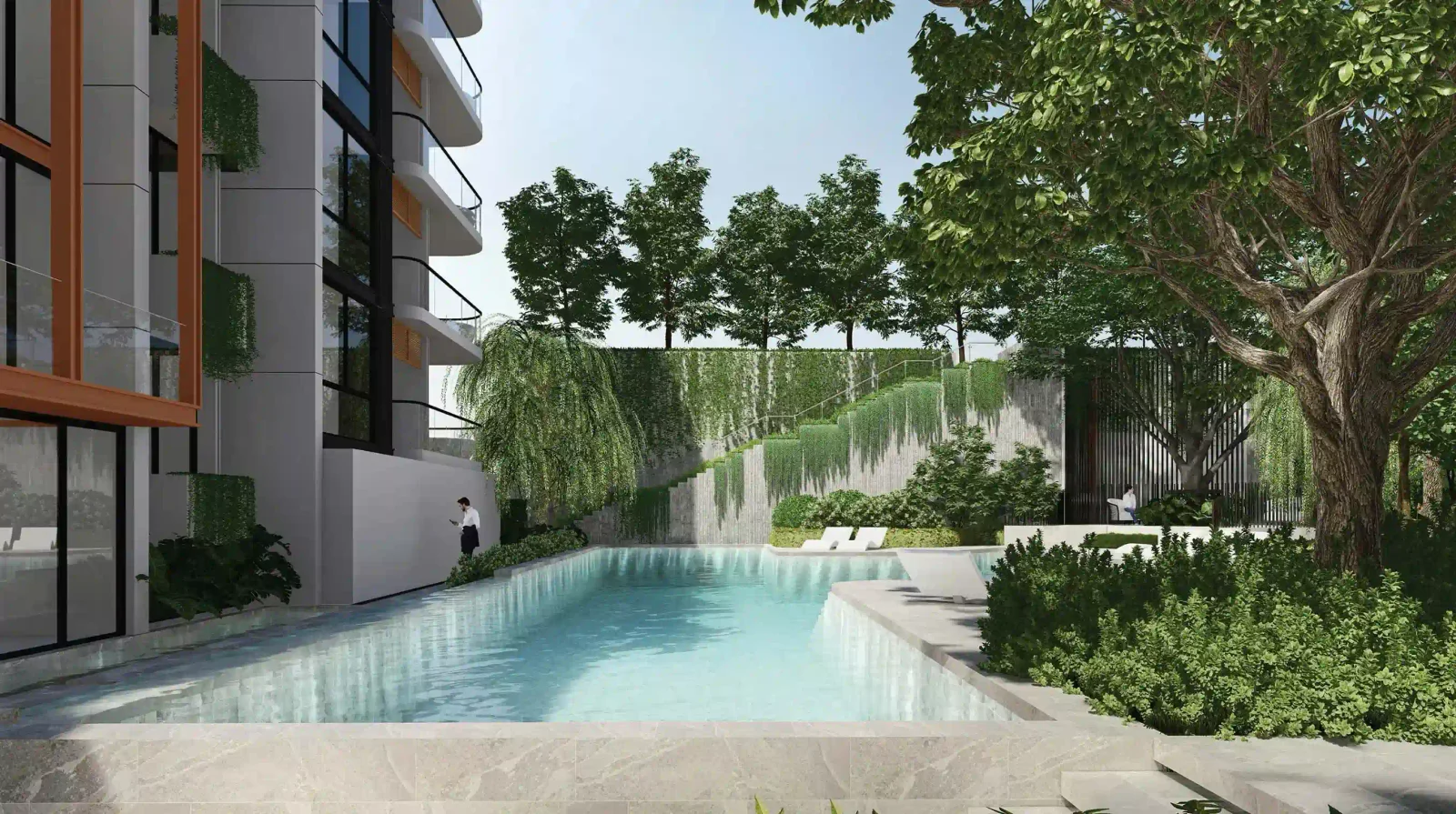
## Four-Stage Payment Plan
The price is paid in four stages: 30%, 30%, 30% and 10%. For a one-bedroom at 5,527,500 THB that works out as follows:
| Stage | Share | Amount |
| --- | --- | --- |
| 1 | 30% | 1,658,250 THB |
| 2 | 30% | 1,658,250 THB |
| 3 | 30% | 1,658,250 THB |
| 4 | 10% | 552,750 THB |
The schedule spreads the price across the build and leaves 10% for handover. We send the developer's schedule for your unit with the price list, and the [off-plan buying guide](/guides/off-plan-property-phuket-guide/) explains how staged payments work from reservation to transfer.
## Why Buyers Choose Pirak Cherngtalay
- **Layan Beach about 3 minutes by car**
- **A Cherng Talay address** close to Boat Avenue, Laguna and the Bang Tao beach clubs
- **Three formats:** one, two and three bedrooms
- **74 units to choose from** across seven floors
- **Pool, gym and co-working space** in the building
- **10% at handover**
- **Freehold ownership** within the 49% foreign quota
## Who Pirak Cherngtalay Suits
**First-time Phuket buyers** who want a freehold one-bedroom in one of the island's most popular districts.
**Remote workers and long-stay residents** who value the co-working space, the gym and the walkable cafes of Cherng Talay.
**Couples and families who spend part of the year in Phuket** and want a 110 sqm two-bedroom as a home base.
**Rental investors** aiming at the year-round mix of holidaymakers, remote workers and long-stay tenants in Cherng Talay.
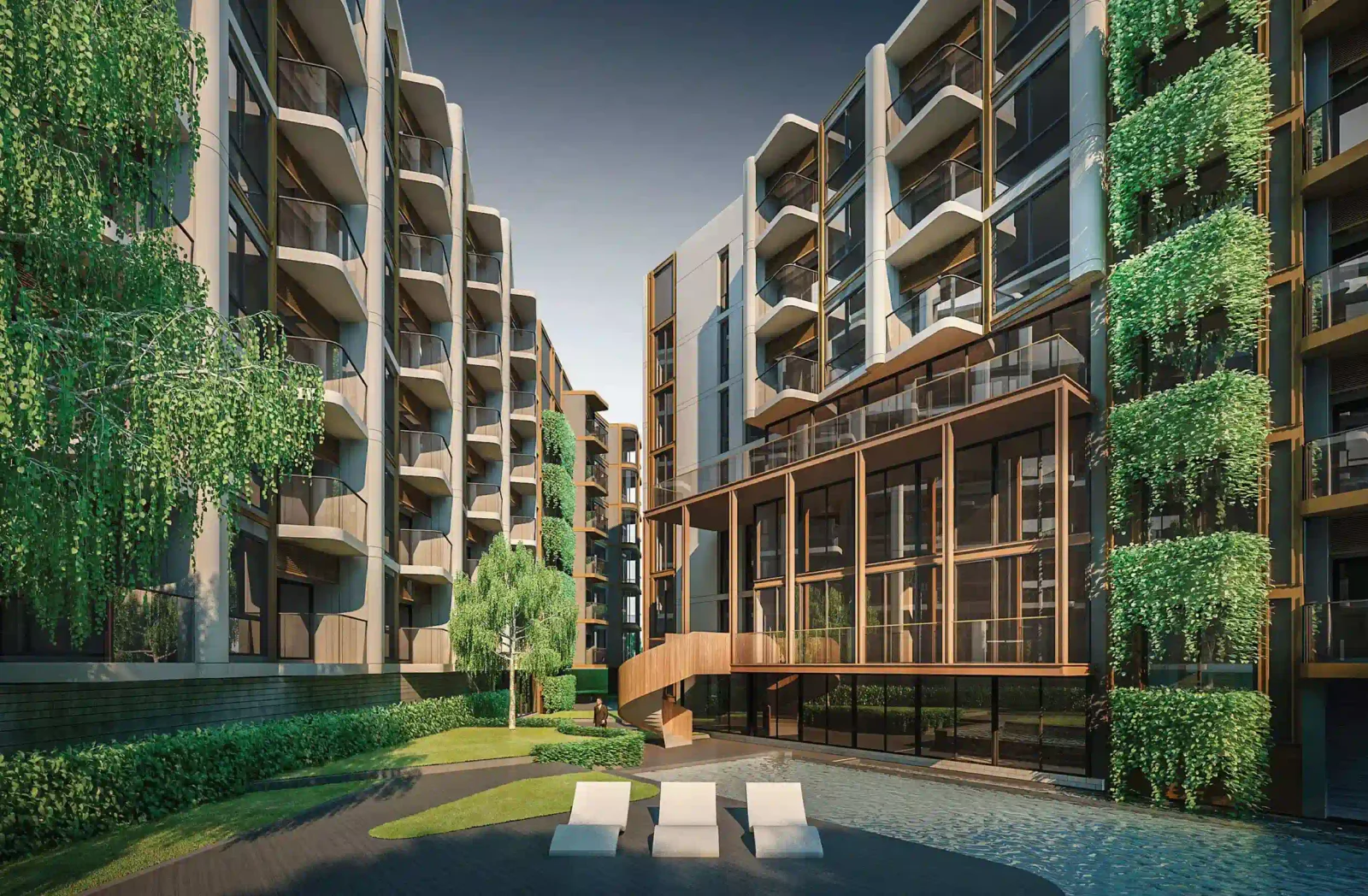
## Renting Out a Unit at Pirak Cherngtalay
Cherng Talay attracts guests all year: holidaymakers who come for Layan and Bang Tao in the November to April season, remote workers who stay for a month or more, and people who work in the area's hotels and wellness businesses and rent for several months at a time. A one-bedroom near the beach fits holiday lets and monthly stays equally well, and the two-bedrooms appeal to families and small groups.
For owners who plan to rent, we collect current asking rents and holiday rates for comparable units in Layan and Bang Tao and send them with the price list. [Our rental guide](/guides/phuket-rental-yield-complete-guide-2026/) explains how to read a rental offer line by line.
## Ownership for Foreign Buyers
Pirak Cherngtalay is a condominium, so a unit can be registered freehold in your own name within the 49% foreign quota of the building, counted by floor area. We confirm with the developer that the unit you choose sits inside that quota. For a freehold unit at Pirak Cherngtalay, each payment is transferred from abroad in foreign currency, and the receiving bank provides the FET form that the Land Department asks for at registration. [Freehold and leasehold in Thailand](/guides/freehold-vs-leasehold-thailand/) explains both forms of ownership.
## Pirak Cherngtalay and Other Layan Condos
| Project | From | Status |
| --- | --- | --- |
| [Blue Lagoon](/projects/blue-lagoon/) | 3,762,500 THB | Off-plan |
| [Laya Resort](/projects/laya-resort/) | 5,066,500 THB | Off-plan |
| [AYANA Heights Seaview Residence](/projects/ayana-heights-seaview-residence/) | 5,426,101 THB | Off-plan |
| Pirak Cherngtalay | 5,527,500 THB | Off-plan |
| [Bamboo Forest](/projects/bamboo-forest/) | 5,750,000 THB | Off-plan |
| [Layan Green Park Phase 2](/projects/layan-green-park-phase-2/) | 6,683,600 THB | Off-plan |
Pirak Cherngtalay stands out in this group for its closeness to Layan Beach and its choice of formats, from one-bedrooms to a top-floor three-bedroom. We send the price lists of any of these projects on request and arrange viewings.
## Buying Pirak Cherngtalay with MORE Group
A unit at Pirak Cherngtalay is bought in five steps, from the first price list to the keys, and we are with you through each of them.
## What We Send Before You Reserve
- The current price list with free units, floors, sizes and plans
- Confirmation that your unit sits within the 49% foreign quota
- The payment schedule for your unit
- The building's common charges and house rules
- The latest construction update
- Current asking rents and holiday rates for comparable units, if you plan to rent
{/* corpus-faq:pirak-cherngtalay */}
## FAQ
### What is the starting price at Pirak Cherngtalay?
One-bedrooms of 44 to 56 sqm start from 5,527,500 THB and reach 9,024,000 THB on the seventh floor. Two-bedrooms of 110 sqm run from 14,270,100 to 16,465,500 THB, and the single three-bedroom of 143 sqm is 22,942,400 THB.
### Can foreigners buy freehold at Pirak Cherngtalay?
Yes. Foreign buyers can hold a unit freehold in their own name within the 49% foreign quota of the building, counted by floor area. We confirm that your unit sits inside the quota, and the purchase money is transferred from abroad with an FET form for registration at the Land Department.
### How far is Pirak Cherngtalay from the beach and the airport?
Layan Beach is about 3 minutes by car or a 28-minute walk. Bang Tao Beach is a short drive further, the nearest mall is about 9 minutes by car and the airport about 22 minutes.
### What is the payment plan?
Four stages: 30%, 30%, 30% and 10%. For a one-bedroom at 5,527,500 THB that means 1,658,250 THB at each of the first three stages and 552,750 THB at handover.
### What facilities does the building have?
A swimming pool, a fitness centre, a co-working space, landscaped gardens, parking and 24-hour security with CCTV.
**Read Also:**
- [Pirak Villa, the Pirak villa estate in Layan](/projects/pirak-villa/)
- [Sun Hills](/projects/sun-hills/)
- [Phuket Rental Yield Guide](/guides/phuket-rental-yield-complete-guide-2026/)
- [Best Areas to Buy Property in Phuket](/guides/best-areas-phuket-buy-property/)
- [Phuket Property Prices 2026](/guides/phuket-property-market-prices-2026/)
- [The Buying Process in Thailand, Step by Step](/guides/due-diligence-process-thailand-step-by-step/)
# Pirak Villa Cherngtalay: Pool Villas from 39.99M THB
> Pirak Villa: boutique pool villas in Cherngtalay a few minutes from the beach, three and four bedrooms of 483 to 811 sqm, from 39.99M THB.
**Source:** https://moregroup.estate/projects/pirak-villa/
**Section:** Project Reviews
**Author:** MORE Group Editorial
**Published:** 2026-04-08
**Updated:** 2026-08-23
---
## What Is Pirak Villa?
Pirak Villa offers generous, modern houses close to the sea. The architecture is contemporary and calm, with living and dining spaces under high ceilings that open straight onto the terrace, the private pool and the garden. Every bedroom has its own bathroom, and the four-bedroom villas of around 800 sqm give families and hosts a great deal of room.
The collection is small and private, and the location is one of its strengths: the beach about three minutes by car or a 28-minute walk, the restaurants of Boat Avenue and the resort life of Laguna close by, and the airport about 22 minutes away.
## What Are the Key Facts for Pirak Villa?
| Factor | Detail |
| --- | --- |
| Location | Cherngtalay, near the beach |
| Collection | Boutique private pool villas |
| On our price list | 8 villas |
| Three-bedroom | 483 sqm, 39,990,000 THB |
| Four-bedroom | 790 to 811 sqm, 65,992,555 to 67,693,450 THB |
| Payment | 30% / 30% / 30% / 10% |
| Stage | Under construction |
| Beach | About 3 minutes by car |
| Airport | About 22 minutes by car |
| Features | High ceilings, ensuite bathrooms, private pool, garden |
## Location: Cherngtalay, Close to the Beach
Cherngtalay is the heart of the Bang Tao area, where the beach, the beach clubs, the schools and the restaurants of the west coast are all close together.
- **Bang Tao Beach:** about 3 minutes by car
- **Boat Avenue and Porto de Phuket:** restaurants and shopping, with the nearest mall about 9 minutes by car
- **Laguna Phuket:** golf, spas and beach clubs
- **International schools:** within a short drive
- **Airport:** about 22 minutes by car
From Pirak Villa, the nearest beach about 3 minutes by car, the nearest mall about 9 minutes and the airport about 22 minutes, so everyday errands, school runs and trips home are easy to plan.
Days here begin with a swim in the sea, move from the pool to lunch at a beach club and end with dinner at Boat Avenue. The [Bang Tao area page](/bang-tao-properties/) covers the district in more detail.
## Villas and Prices
| Villas | Bedrooms | Built area | Price |
| --- | --- | --- | --- |
| D | Three | 483 sqm | 39,990,000 THB |
| B 2, B 3, A 1, A 2, A 6, A 7 | Four | 790 to 794 sqm | 65,992,555 to 66,299,000 THB |
| C | Four | 811 sqm | 67,693,450 THB |
Villa D, a three-bedroom house of 483 sqm, opens the list at 39,990,000 THB. The four-bedroom villas of 790 to 794 sqm follow from 65,992,555 THB, and villa C of 811 sqm is listed at 67,693,450 THB. The large houses give room for a family, guests and staff, and we send the plan and plot of each villa with the list, together with a viewing of the site.
## Design and Facilities
- **Contemporary architecture** with natural surroundings
- **Open-plan living and dining** under high ceilings
- **Ensuite bathrooms** for every bedroom
- **Private swimming pool** and garden
- **Seamless indoor-outdoor flow**
- **Boutique collection**
- **Pet-friendly**
## Living at Pirak Villa
Life at Pirak Villa is close to the sea and generous with space. Mornings start with a quick drive or a walk to the beach, the children have the pool and the garden, and the large living spaces make hosting family and friends easy. The restaurants and beach clubs of Bang Tao and the golf of Laguna are minutes away, and the airport is close enough for weekend trips. In the evening, the terrace by the pool is the calmest place in the house, with the garden lit and the sounds of the coast in the distance.
## Four-Stage Payment Plan
The price is paid in four stages: 30%, 30%, 30% and 10%. For a villa at 39,990,000 THB that works out as follows:
| Stage | Share | Amount |
| --- | --- | --- |
| 1 to 3 | 30% each | 11,997,000 THB each |
| 4 | 10% | 3,999,000 THB |
The schedule follows the build, and we send the developer's schedule for your villa with the price list.
## Why Buyers Choose Pirak Villa
- **About 3 minutes** from the beach by car
- **Four-bedroom villas** of around 800 sqm
- **High ceilings** and ensuite bedrooms
- **A private pool** and garden
- **Boat Avenue and Laguna** close by
- **Pet-friendly**
## Who Pirak Villa Suits
**Large families** who want a big house close to the beach.
**Owners who host** with ensuite rooms for every guest.
**Owners who spend part of the year in Phuket** and want a private home near the coast.
**Villa rental investors** aiming at families and groups who book large pool villas near Bang Tao Beach.
## Renting Out a Villa at Pirak Villa
A large pool villa a few minutes from Bang Tao Beach appeals to families and groups on holiday in the November to April season, and to relocating families who rent for a longer stay. The space and the closeness to the sea are what guests value most.
If you plan to let your villa at Pirak Villa, we collect current asking rents and holiday rates for comparable villas in Bang Tao and Cherngtalay and send them with the price list. [Our rental guide](/guides/phuket-rental-yield-complete-guide-2026/) explains how to read a rental offer line by line.
## Ownership for Foreign Buyers
At Pirak Villa, as with any villa in Thailand, you buy land plus a building. The villa can be held in your own name over a lease of the plot registered at the Land Office, 30 years per registration with renewal terms in the contract, or the land can be held through a Thai company with genuine Thai shareholders. [Freehold and leasehold in Thailand](/guides/freehold-vs-leasehold-thailand/) explains both routes, and we prepare the one that suits you with our legal support.
## Pirak Villa and Other Luxury Villas Around Bang Tao
| Project | From | Status |
| --- | --- | --- |
| [Botanica Foresta 2](/projects/botanica-foresta-2/) | 29,900,000 THB | Off-plan |
| [ISOLA Phuket Layan](/projects/isola-phuket/) | 35,000,000 THB | Completed |
| [Botanica Forestique Layan](/projects/botanica-forestique/) | 36,402,000 THB | Off-plan |
| Pirak Villa | 39,990,000 THB | Off-plan |
| [The Victory Layan](/projects/the-victory/) | 41,554,000 THB | Off-plan |
| [Botanica Grand Avenue](/projects/botanica-grand-avenue/) | 44,505,000 THB | Off-plan |
| [Tri Vananda Layan](/projects/tri-vananda/) | 54,383,017 THB | Off-plan |
Pirak Villa stands out in this group for its closeness to the beach and its large four-bedroom houses. We send the price lists of any of these projects on request and arrange viewings.
## Buying Pirak Villa with MORE Group
A villa at Pirak Villa is bought in five steps, from the first price list to the keys, and we are with you through each of them.
## What We Send Before You Reserve
- The current price list for Pirak Villa with free villas, plot areas and plans
- The four-stage payment schedule for your villa
- The ownership structure for your purchase, leasehold or company, with the documents it needs
- The community's common charges
- The latest construction update
{/* corpus-faq:pirak-villa */}
## FAQ
### What does Pirak Villa cost?
Our price list holds 8 villas: three-bedrooms of 483 sqm at 39,990,000 THB; four-bedrooms of 790 to 794 sqm from 65,992,555 to 66,299,000 THB; four-bedrooms of 811 sqm at 67,693,450 THB.
### What sizes are available?
A three-bedroom villa of 483 sqm at 39,990,000 THB and four-bedroom villas of 790 to 811 sqm from 65,992,555 to 67,693,450 THB.
### How far is Pirak Villa from the beach?
About 3 minutes by car or 28 minutes on foot. The nearest mall is about 9 minutes by car and the airport about 22 minutes.
### What is the payment plan?
Four stages: 30%, 30%, 30%, 10%. For a villa at 39,990,000 THB that means 11,997,000 THB at the first stage.
### How can foreigners own a villa at Pirak Villa?
The villa can be held in your own name over a lease of the plot registered at the Land Office, 30 years per registration with renewal terms in the contract, or the land can be held through a Thai company with genuine Thai shareholders. We prepare the structure with our legal support.
**Read Also:**
- [Pirak Cherngtalay](/projects/pirak-cherngtalay/)
- [Villas for Sale in Bang Tao](/bang-tao-properties/)
- [Freehold vs Leasehold in Thailand](/guides/freehold-vs-leasehold-thailand/)
- [How Foreigners Buy Phuket Property 2026](/guides/buying-property-phuket-guide/)
- [Phuket Rental Yield Guide](/guides/phuket-rental-yield-complete-guide-2026/)
# Poetry Villas Bang Tao: Pool Villas from 55.7M THB
> Poetry Villas Bang Tao: 17 two-storey three-bedroom pool villas of 528 to 561 sqm with a café, gym, yoga area and playground, from 55.7M THB.
**Source:** https://moregroup.estate/projects/poetry-villas/
**Section:** Project Reviews
**Author:** MORE Group Editorial
**Published:** 2026-04-08
**Updated:** 2026-08-23
---
## What Is Poetry Villas?
Poetry Villas brings space and calm to the centre of Bang Tao. The houses are generous, more than 500 sqm each, with open-plan living and dining areas, large windows that fill the rooms with light, and a seamless flow onto the terrace, the garden and the private pool. All three bedrooms have their own bathrooms, and the two storeys keep the living spaces and the bedrooms apart.
The community is designed for everyday life: a gym and a yoga area for the morning, a café for meeting neighbours, shaded pedestrian paths, landscaped gardens and a children's playground, with EV carports, gated security and 24-hour guards. Bang Tao Beach is about 8 minutes by car, and the shops are about 4 minutes away.
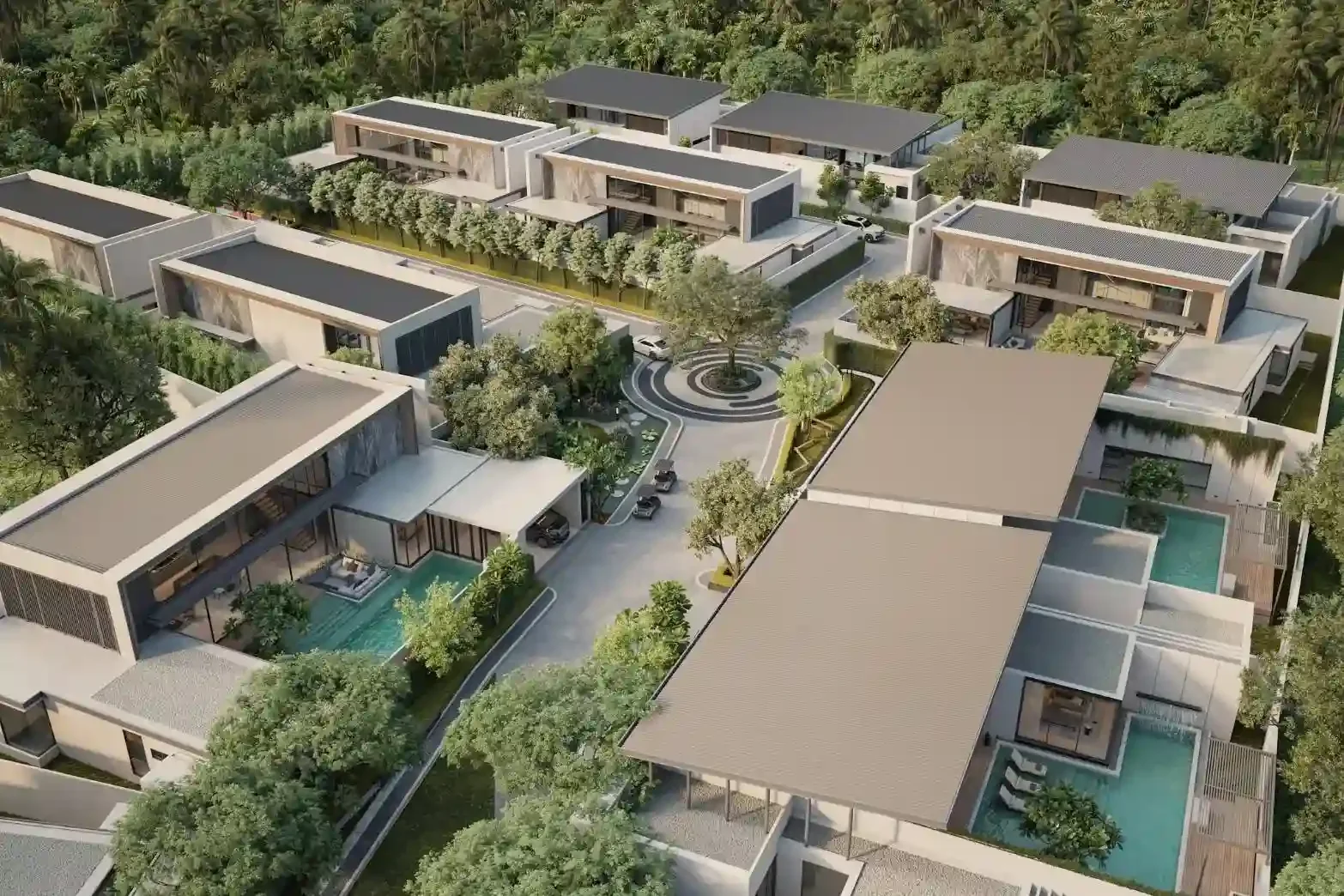
## What Are the Key Facts for Poetry Villas?
| Factor | Detail |
| --- | --- |
| Location | Bang Tao and Choeng Thale |
| Community | 17 two-storey private pool villas, gated |
| Villas | 8 on our price list |
| Three-bedroom | 529 to 561 sqm, 55,699,000 to 63,723,000 THB |
| Payment | 30% / 20% / 15% / 15% / 10% / 10% |
| Stage | Under construction |
| Beach | About 8 minutes by car |
| Airport | About 33 minutes by car |
| Facilities | Gym, yoga area, café, playground, EV carports |
## Location: Bang Tao and Choeng Thale
Choeng Thale is the everyday heart of the Bang Tao area, where families live close to the schools, the shops and the beach clubs, with the resort life of Laguna a short drive away.
- **Bang Tao Beach:** about 8 minutes by car
- **Shops and restaurants:** the nearest mall about 4 minutes by car
- **Boat Avenue and Porto de Phuket:** dining and shopping
- **Laguna Phuket:** golf, spas and beach clubs
- **International schools:** within a short drive
- **Airport:** about 33 minutes by car
Days here have the rhythm of a family neighbourhood by the sea: school and sport during the week, the beach and the beach clubs at the weekend. The [Bang Tao area page](/bang-tao-properties/) covers the district in more detail.
## Villas and Prices
| Villas | Bedrooms | Built area | Price |
| --- | --- | --- | --- |
| PM003, PM006 | Three | 529 sqm | 55,699,000 and 60,799,000 THB |
| PL101, PL106, PL104, PL201, PL202, PL203 | Three | 557 and 561 sqm | 61,008,000 to 63,723,000 THB |
Villas PM003 and PM006 of 529 sqm open the list from 55,699,000 THB, and the villas of 557 and 561 sqm follow up to 63,723,000 THB. All share the three-bedroom, two-storey plan, and the price follows the size and the position of each house in the community. We send the site plan, the plan of each floor and the plot of each villa with the price list.
## Design and Facilities
- **Two storeys** with open-plan living and dining
- **Three ensuite bedrooms**
- **Large windows** and a seamless indoor-outdoor flow
- **Private swimming pool** and garden
- **Gym, yoga area and café** for residents
- **Shaded walkways**, gardens and a playground
- **EV carports**
- **Gated**, with 24-hour security
- **Pet-friendly**
## Living at Poetry Villas
Life at Poetry Villas has an easy rhythm. Mornings begin with yoga or a workout in the community gym, the children have the playground and their own pool, and the café is where neighbours meet for coffee. Afternoons can be spent on the beach or at the golf course in Laguna, and evenings end on the terrace by the pool with the garden lit up. The shaded paths make it pleasant to walk around the community even in the heat of the day.
## Six-Stage Payment Plan
The price is paid in six stages: 30%, 20%, 15%, 15%, 10% and 10%. For a villa at 55,699,000 THB that works out as follows:
| Stage | Share | Amount |
| --- | --- | --- |
| 1 | 30% | 16,709,700 THB |
| 2 | 20% | 11,139,800 THB |
| 3 and 4 | 15% each | 8,354,850 THB each |
| 5 and 6 | 10% each | 5,569,900 THB each |
The schedule follows the build, and we send the developer's schedule for your villa with the price list.
## Why Buyers Choose Poetry Villas
- **More than 500 sqm** of living space in every villa
- **Three ensuite bedrooms** over two storeys
- **Community facilities:** gym, yoga area, café and playground
- **EV carports** and 24-hour security
- **Bang Tao Beach** about 8 minutes away
- **Pet-friendly**
## Who Poetry Villas Suits
**Families** who want a large house with a pool and a community with a playground and a café.
**Owners who spend part of the year in Phuket** and want a secure community with shared facilities.
**Active owners** who want a gym and a yoga area a short walk from home.
**Villa rental investors** aiming at families who book large pool villas near Bang Tao.
## Renting Out a Villa at Poetry Villas
A large pool villa in a community with a café, a gym and a playground appeals to families on holiday in the November to April season, and to relocating families who rent for a longer stay near the schools of Bang Tao. The space and the facilities are what guests value most.
If you plan to let your villa at Poetry Villas, we collect current asking rents and holiday rates for comparable villas in Bang Tao and send them with the price list. [Our rental guide](/guides/phuket-rental-yield-complete-guide-2026/) explains how to read a rental offer line by line.
## Ownership for Foreign Buyers
At Poetry Villas, as with any villa in Thailand, you buy land plus a building. The villa can be held in your own name over a lease of the plot registered at the Land Office, 30 years per registration with renewal terms in the contract, or the land can be held through a Thai company with genuine Thai shareholders. [Freehold and leasehold in Thailand](/guides/freehold-vs-leasehold-thailand/) explains both routes, and we prepare the one that suits you with our legal support.
## Poetry Villas and Other Luxury Villas Around Bang Tao
| Project | From | Status |
| --- | --- | --- |
| [Stella Estate Bang Tao](/projects/stella-estate/) | 47,900,000 THB | Off-plan |
| [Erawana Grand Phuket](/projects/erawana-grand/) | 49,500,000 THB | Completed |
| [Laguna Lakelands Waterfront Villas](/projects/laguna-lakelands-waterfront/) | 54,800,000 THB | Off-plan |
| Poetry Villas | 55,699,000 THB | Off-plan |
| [Punyisa Bang Jo](/projects/punyisa-bang-jo/) | 61,266,000 THB | Off-plan |
| [Anann Villa](/projects/anann-villa/) | 93,680,000 THB | Off-plan |
| [Banyan Tree Varuna](/projects/banyan-tree-residences-beach-residences-varuna/) | 106,900,000 THB | Off-plan |
Poetry Villas stands out in this group for its community facilities and its houses of more than 500 sqm. We send the price lists of any of these projects on request and arrange viewings.
## Buying Poetry Villas with MORE Group
A villa at Poetry Villas is bought in five steps, from the first price list to the keys, and we are with you through each of them.
## What We Send Before You Reserve
- The current price list for Poetry Villas with free villas, plot areas and plans
- The six-stage payment schedule for your villa
- The ownership structure for your purchase, leasehold or company, with the documents it needs
- The community's common charges
- The latest construction update
{/* corpus-faq:poetry-villas */}
## FAQ
### What does Poetry Villas cost?
Our price list holds 8 villas: three-bedrooms of 529 sqm from 55,699,000 and 60,799,000 THB; three-bedrooms of 557 and 561 sqm from 61,008,000 to 63,723,000 THB.
### What does each villa include?
Two storeys with open-plan living and dining, three ensuite bedrooms, large windows, a private swimming pool and a garden, in a community with a gym, a yoga area, a café, a playground and EV carports.
### Where is Poetry Villas?
In Bang Tao and Choeng Thale. Bang Tao Beach is about 8 minutes by car, the nearest mall about 4 minutes and the airport about 33 minutes.
### What is the payment plan?
Six stages: 30%, 20%, 15%, 15%, 10%, 10%. For a villa at 55,699,000 THB that means 16,709,700 THB at the first stage.
### How can foreigners own a villa at Poetry Villas?
The villa can be held in your own name over a lease of the plot registered at the Land Office, 30 years per registration with renewal terms in the contract, or the land can be held through a Thai company with genuine Thai shareholders. We prepare the structure with our legal support.
**Read Also:**
- [Villas for Sale in Bang Tao](/bang-tao-properties/)
- [Stella Estate](/projects/stella-estate/)
- [Freehold vs Leasehold in Thailand](/guides/freehold-vs-leasehold-thailand/)
- [How Foreigners Buy Phuket Property 2026](/guides/buying-property-phuket-guide/)
- [Phuket Rental Yield Guide](/guides/phuket-rental-yield-complete-guide-2026/)
# Proxima Villas Review 2026: Prices, Units and Quota
> Proxima Villas review: 14 high-tech pool villas of 146 sqm in Bang Tao from 13.5M THB, with floor-to-ceiling glazing and smart energy-saving systems.
**Source:** https://moregroup.estate/projects/proxima-villas/
**Section:** Project Reviews
**Author:** MORE Group Editorial
**Published:** 2026-04-07
**Updated:** 2026-08-23
---
## Proxima Villas: Smart, Eco-Conscious Pool Villas in Bang Tao
A private pool villa in Bang Tao from 13.5 million THB is a strong value statement, and Proxima Villas adds to it with floor-to-ceiling glazing, smart energy-saving technology and an eco-conscious design brief that sets it apart from the standard tropical villa formula.
"Proxima" comes from the Latin for "nearest", and the name reflects the project's appeal: close to everything Bang Tao and Cherngtalay offer, without the scale of the big resort developments. The 14 villas share a gated entrance, and the developer offers professional villa management for owners who rent.
- **Entry ticket:** 13,500,000 THB for a villa of 146 sqm
- **Villas:** 14, each with a private pool, garden and terrace
- **Payment plan:** five stages across the build
- **Stage:** under construction
- **Location:** Bang Tao Beach about 15 minutes by car, the nearest mall about 10
## Location: Bang Tao and Cherngtalay
Proxima Villas sits in Si Sunthon, the residential heart of the Bang Tao area behind the Laguna coast. Bang Tao is known for its eight kilometres of beach and a complete lifestyle infrastructure, and everything that makes it popular with residents is within a short drive:
- **Bang Tao Beach:** about 15 minutes by car
- **Blue Tree Phuket:** the island's leisure and water park complex, a few minutes away
- **Laguna Golf:** the 18-hole course at Laguna Phuket
- **Shopping and dining:** Porto de Phuket and Boat Avenue, with the nearest mall about 10 minutes by car
- **Schools:** international schools within a short drive
- **Airport:** about 27 minutes by car
For owners, the district offers both lifestyles at once: quiet streets at home and the beach clubs, restaurants and golf of Bang Tao minutes away. For renters, it is one of the island's best-known addresses, which draws families on school terms, remote workers on long stays and holidaymakers who want a private villa rather than a hotel room.
## Design: High-Tech and Eco-Conscious
### Floor-to-ceiling windows
The signature architectural move at Proxima is floor-to-ceiling glazing across the main living spaces. It joins the living room to the pool terrace in one continuous space and fills the house with natural light, which also reduces the need for artificial lighting during the day.
### Smart energy-saving technology
Each villa is equipped with smart systems that help manage energy use, from climate control to lighting. Over years of ownership, that means lower running costs and a villa that meets the expectations of modern buyers and guests who care about sustainability.
### Private pool, garden and covered parking
Every villa has its own private swimming pool at the centre of the outdoor living area, with a garden, a terrace and covered parking built into the villa: a practical detail that matters in Phuket's sun and rain.
### Interiors
The interiors use calm, natural tones that bring the high-tech elements and the tropical garden together. We send the floor plan and the specification for each villa with the price list, so you can see the room layout and the systems included before choosing.
## Villas and Prices
Our price list holds seven villas of 146 sqm:
| Villas | Built area | Price | Per sqm |
| --- | --- | --- | --- |
| 10, 11, 12, 13, 15 | 146 sqm | 13,500,000 THB | about 92,500 THB |
| 8, 16 | 146 sqm | 15,250,000 THB | about 104,500 THB |
With one house size across the estate, the choice comes down to position within the gated community. We send the site plan with the price list, so you can see where each villa sits.
## Five-Stage Payment Plan
The price is paid in five stages as the villa is built: 35%, 30%, 20%, 10% and 5%. For a villa at 13,500,000 THB that works out as follows:
| Stage | Share | Amount |
| --- | --- | --- |
| 1 | 35% | 4,725,000 THB |
| 2 | 30% | 4,050,000 THB |
| 3 | 20% | 2,700,000 THB |
| 4 | 10% | 1,350,000 THB |
| 5, at handover | 5% | 675,000 THB |
The stages shrink as the villa nears completion, which makes the last part of the build light on your cash flow. We send the developer's schedule for your villa with the price list.
## Why Buyers Choose Proxima Villas
- **Value in Bang Tao:** a private pool villa from 13,500,000 THB
- **Smart and efficient:** floor-to-ceiling glazing and smart energy-saving systems
- **A small gated community:** 14 villas, private and quiet
- **Professional villa management:** available for owners who rent
- **Lifestyle close by:** Blue Tree, Laguna Golf, Porto de Phuket and Boat Avenue minutes away
- **Pet-friendly:** space for the whole family
## Who Proxima Villas Suits
- **Tech-forward buyers and remote workers** who value smart home systems and energy efficiency
- **Eco-conscious buyers** for whom sustainability is part of the choice
- **Rental investors** who want a modern pool villa in one of the island's best-known districts
- **Second-home owners** who want a villa that is simple to manage from abroad
## Renting Out a Proxima Villa
A modern private pool villa near Bang Tao appeals to holiday families and couples in the season and to long-stay tenants who live on the island for months at a time. Floor-to-ceiling glazing and a pool terrace photograph beautifully, which helps a listing stand out on villa booking platforms.
The developer offers professional villa management, and for owners who plan to rent we collect current asking rents and holiday rates for comparable villas in the Bang Tao area and send them with the price list. [Our rental guide](/guides/phuket-rental-yield-complete-guide-2026/) explains how to read a rental offer line by line.
## Ownership for Foreign Buyers
At Proxima Villas, as with any villa in Thailand, you buy land plus a building. The house can be held in your own name over a lease of the plot registered at the Land Office, 30 years per registration with renewal terms in the contract, or the land can be held through a Thai company with genuine Thai shareholders. [Freehold and leasehold in Thailand](/guides/freehold-vs-leasehold-thailand/) explains both routes, and we prepare the one that suits you with our legal support.
## Proxima Villas and Other Villas Nearby
| Project | From | Status |
| --- | --- | --- |
| [Rise Villas](/projects/rise-villas/) | 10,500,000 THB | Off-plan |
| [Sana Vista Villas](/projects/sana-vista-villas/) | 12,890,000 THB | Off-plan |
| Proxima Villas | 13,500,000 THB | Off-plan |
| [Diamond Pool Villa](/projects/diamond-pool-villa/) | 13,652,490 THB | Off-plan |
| [Sunrise Lake](/projects/sunrise-lake/) | 13,990,000 THB | Off-plan |
| [Kahli Terraces](/projects/kahli-terraces/) | 15,915,825 THB | Off-plan |
| [Mori](/projects/mori/) | 16,310,000 THB | Off-plan |
Proxima sits in the heart of the Bang Tao villa market by price, and its smart energy systems and floor-to-ceiling glazing are what set it apart in this group. We send floor plans for any of these estates on request.
## Buying Proxima Villas with MORE Group
A villa at Proxima Villas is bought in five steps, from the first price list to the keys, and we are with you through each of them.
## What We Send Before You Reserve
- The current price list with free villas and the site plan
- The floor plan and the specification for your villa, including the smart systems
- The five-stage payment schedule
- The ownership structure for your purchase, leasehold or company, with the documents it needs
- The latest construction update
- The terms of the villa management service, if you plan to rent
{/* corpus-faq:proxima-villas */}
## FAQ
### What does Proxima Villas cost?
Our price list holds villas of 146 sqm at 13,500,000 THB and 15,250,000 THB. We send today's availability with the price list.
### What stage is Proxima Villas at?
Construction is underway. We send the latest construction update together with the price list.
### What does smart energy-saving technology mean at Proxima Villas?
Each villa has smart systems that help manage energy use, from climate control to lighting, together with floor-to-ceiling glazing that brings in natural light. We send the specification of the systems installed in your villa with the price list.
### What is the payment plan?
Five stages during construction: 35%, 30%, 20%, 10% and 5% at handover. We send the developer's schedule for your villa with the price list.
### Can the villa be rented out while the owner is not in Phuket?
Yes. The developer offers professional villa management, which handles bookings, guests and upkeep. We send the terms of the management service with the price list.
### Can foreigners buy a villa at Proxima Villas?
Yes. The house can be held in your own name over a lease of the plot registered at the Land Office, 30 years per registration with renewal terms in the contract, or the land can be held through a Thai company with genuine Thai shareholders. We prepare the structure with our legal support.
**Read Also:**
- [How Foreigners Buy Phuket Property 2026](/guides/buying-property-phuket-guide/)
- [Rise Villas: Modern Villas in Phuket](/projects/rise-villas/)
- [Botanica Hythe: Contemporary Living in Cherngtalay](/projects/botanica-hythe/)
- [Freehold vs Leasehold in Thailand](/guides/freehold-vs-leasehold-thailand/)
- [Diamond Pool Villa Review 2026](/projects/diamond-pool-villa/)
- [Sunrise Lake Phuket: Private Pool Villa Review 2026](/projects/sunrise-lake/)
# Punyisa Bang Jo: Luxury Pool Villas from 61.27M THB
> Punyisa Bang Jo by M2 Plus: luxury pool villas on large plots in Si Sunthon near Bang Tao, with underground parking, from 61.27M THB.
**Source:** https://moregroup.estate/projects/punyisa-bang-jo/
**Section:** Project Reviews
**Author:** MORE Group Editorial
**Published:** 2026-04-08
**Updated:** 2026-08-23
---
## What Is Punyisa Bang Jo?
Punyisa Bang Jo is designed for buyers who want space above all. The houses are large and modern, with generous living areas, a private swimming pool and gardens on plots of around 1,100 sqm, and the architecture blends elegance with privacy. Underground parking keeps cars out of sight and the grounds green and calm.
The community is gated, with round-the-clock security and CCTV, and the landscaping gives each villa its own green frame. Bang Tao Beach, Laguna Phuket, Boat Avenue and the schools of the area are all within a short drive, and the shops are about five minutes away.
## What Are the Key Facts for Punyisa Bang Jo?
| Factor | Detail |
| --- | --- |
| Developer | M2 Plus |
| Location | Si Sunthon and Bang Jo, near Bang Tao |
| On our price list | 8 villas |
| Built area | 604 to 1053 sqm |
| Price | 61,266,000 to 130,800,200 THB |
| Payment | 30% / 20% / 15% / 20% / 10% / 5% |
| Stage | Under construction |
| Beach | About 14 minutes by car |
| Airport | About 33 minutes by car |
| Plots | Around 1,100 sqm |
| Features | Private pool, underground parking, landscaped gardens |
## Location: Si Sunthon and Bang Jo
Si Sunthon and Bang Jo are the green residential side of the Bang Tao area, where families live close to the schools and shops, with the beaches and the resort life of Laguna a short drive away.
- **Bang Tao Beach:** about 14 minutes by car
- **Shops and supermarkets:** the nearest mall about 5 minutes by car
- **Laguna Phuket and Boat Avenue:** golf, spas, restaurants and shopping
- **International schools:** within a short drive
- **Airport:** about 33 minutes by car
From Punyisa Bang Jo, the nearest beach about 14 minutes by car, the nearest mall about 5 minutes and the airport about 33 minutes, so everyday errands, school runs and trips home are easy to plan.
Days here combine a large, private house with everything the west coast offers: the garden and the pool at home, the beach clubs and restaurants a short drive away. The [Bang Tao area page](/bang-tao-properties/) covers the district in more detail.
## Villas and Prices
| Villas | Built area | Price |
| --- | --- | --- |
| 36, 37, 41, 42, 43 | 604 and 659 sqm | 61,266,000 to 76,632,600 THB |
| 16, 17, 25 | 1053 sqm | 128,902,100 to 130,800,200 THB |
The villas of about 604 to 659 sqm open the list from 61,266,000 THB, and the largest houses of about 1,053 sqm follow up to 130,800,200 THB. The price follows the size of the house, the plot and the position in the community. We send the plan, the bedroom layout and the plot of each villa with the price list, and arrange a viewing of the site so you can see the scale of the houses in person.
## Design and Facilities
- **Modern tropical architecture** with spacious layouts
- **Large plots** of around 1,100 sqm
- **Private swimming pool** for every villa
- **Underground parking**
- **Lush landscaped gardens**
- **Gated community** with round-the-clock security and CCTV
- **Pet-friendly**
## Living at Punyisa Bang Jo
A house on a plot of this size gives a family room to breathe. The children have the garden and the pool, the adults have terraces and quiet corners of their own, and guests can stay without anyone feeling crowded. The underground parking keeps the grounds calm and green, and the shops and schools of Si Sunthon are minutes away. At weekends the beaches of Bang Tao and the golf and spas of Laguna are an easy drive, and the evenings return to the quiet of the garden.
## Six-Stage Payment Plan
The price is paid in six stages: 30%, 20%, 15%, 20%, 10% and 5%. For a villa at 61,266,000 THB that works out as follows:
| Stage | Share | Amount |
| --- | --- | --- |
| 1 | 30% | 18,379,800 THB |
| 2 | 20% | 12,253,200 THB |
| 3 | 15% | 9,189,900 THB |
| 4 | 20% | 12,253,200 THB |
| 5 | 10% | 6,126,600 THB |
| 6 | 5% | 3,063,300 THB |
The schedule follows the build, and we send the developer's schedule for your villa with the price list.
## Why Buyers Choose Punyisa Bang Jo
- **Large plots** of around 1,100 sqm
- **Villas from about 604 to 1,053 sqm**
- **Underground parking** and landscaped grounds
- **Round-the-clock security** in a gated community
- **Bang Tao and Laguna** a short drive away
- **Pet-friendly**
## Who Punyisa Bang Jo Suits
**Large families** who want space inside and out.
**Buyers who value privacy** and large gardens over a busy beach road.
**Owners who host** with room for guests and staff.
**Buyers of luxury homes** looking for a standalone house near Bang Tao.
## Renting Out a Villa at Punyisa Bang Jo
A large luxury pool villa near Bang Tao appeals to families and groups on holiday in the November to April season, and to relocating families who rent a big house for a longer stay. The space, the garden and the privacy are what guests value most.
If you plan to let your villa at Punyisa Bang Jo, we collect current asking rents and holiday rates for comparable villas in Bang Tao and Si Sunthon and send them with the price list. [Our rental guide](/guides/phuket-rental-yield-complete-guide-2026/) explains how to read a rental offer line by line.
## Ownership for Foreign Buyers
At Punyisa Bang Jo, as with any villa in Thailand, you buy land plus a building. The villa can be held in your own name over a lease of the plot registered at the Land Office, 30 years per registration with renewal terms in the contract, or the land can be held through a Thai company with genuine Thai shareholders. [Freehold and leasehold in Thailand](/guides/freehold-vs-leasehold-thailand/) explains both routes, and we prepare the one that suits you with our legal support.
## Punyisa Bang Jo and Other Luxury Villas Around Bang Tao
| Project | From | Status |
| --- | --- | --- |
| [Erawana Grand Phuket](/projects/erawana-grand/) | 49,500,000 THB | Completed |
| [Laguna Lakelands Waterfront Villas](/projects/laguna-lakelands-waterfront/) | 54,800,000 THB | Off-plan |
| [Poetry Villas Bang Tao](/projects/poetry-villas/) | 55,699,000 THB | Off-plan |
| Punyisa Bang Jo | 61,266,000 THB | Off-plan |
| [Anann Villa](/projects/anann-villa/) | 93,680,000 THB | Off-plan |
| [Banyan Tree Varuna](/projects/banyan-tree-residences-beach-residences-varuna/) | 106,900,000 THB | Off-plan |
| [Banyan Tree Beach Residences Phuket](/projects/banyan-tree-residences-laguna/) | 106,900,000 THB | Off-plan |
Punyisa stands out in this group for its large plots and underground parking. We send the price lists of any of these projects on request and arrange viewings.
## Buying Punyisa Bang Jo with MORE Group
A villa at Punyisa Bang Jo is bought in five steps, from the first price list to the keys, and we are with you through each of them.
## What We Send Before You Reserve
- The current price list for Punyisa Bang Jo with free villas, plot areas and plans
- The six-stage payment schedule for your villa
- The ownership structure for your purchase, leasehold or company, with the documents it needs
- The community's common charges
- The latest construction update
{/* corpus-faq:punyisa-bang-jo */}
## FAQ
### What does Punyisa Bang Jo cost?
Our price list holds 8 villas: villas of 604 and 659 sqm from 61,266,000 to 76,632,600 THB; villas of 1053 sqm from 128,902,100 to 130,800,200 THB.
### How big are the plots?
The villas stand on large plots of around 1,100 sqm, with private pools and landscaped gardens.
### What does the community offer?
A gated layout with round-the-clock security, CCTV, underground parking and lush landscaped gardens.
### What is the payment plan?
Six stages: 30%, 20%, 15%, 20%, 10%, 5%. For a villa at 61,266,000 THB that means 18,379,800 THB at the first stage.
### How can foreigners own a villa at Punyisa Bang Jo?
The villa can be held in your own name over a lease of the plot registered at the Land Office, 30 years per registration with renewal terms in the contract, or the land can be held through a Thai company with genuine Thai shareholders. We prepare the structure with our legal support.
**Read Also:**
- [Villas for Sale in Bang Tao](/bang-tao-properties/)
- [Poetry Villas](/projects/poetry-villas/)
- [Freehold vs Leasehold in Thailand](/guides/freehold-vs-leasehold-thailand/)
- [How Foreigners Buy Phuket Property 2026](/guides/buying-property-phuket-guide/)
- [Phuket Rental Yield Guide](/guides/phuket-rental-yield-complete-guide-2026/)
# QAV Residence Cherngtalay: Villas from 29.49M THB
> QAV Residence: 35 wellness-focused pool villas in Cherngtalay with salt-water pools, a spa and onsen, gym, clubhouse, three to five bedrooms, from 29.49M THB.
**Source:** https://moregroup.estate/projects/qav-residence/
**Section:** Project Reviews
**Author:** MORE Group Editorial
**Published:** 2026-04-08
**Updated:** 2026-08-23
---
## What Is QAV Residence?
QAV Residence is built for a healthy, balanced life. Each villa opens its living and dining space onto a pool terrace and a private salt-water pool, gentle on the skin and easy to keep, with a landscaped garden around it. The kitchens are modern and Western, every bedroom has its own bathroom, and covered parking fits two or three cars.
What sets the community apart is its wellness and social life: a communal gym and yoga area, a spa and onsen, a clubhouse and spaces for events and recreation. Bang Tao Beach, the lagoon resorts, international schools, shops and restaurants are all within a short drive.
## What Are the Key Facts for QAV Residence?
| Factor | Detail |
| --- | --- |
| Location | Si Sunthon, Cherngtalay |
| Community | 35 luxury pool villas, gated |
| On our price list | 19 villas |
| Three-bedroom | 337 sqm, 29,490,000 THB |
| Four-bedroom | 443 sqm, 38,820,000 to 42,820,000 THB |
| Five-bedroom | 488 to 803 sqm, 52,090,000 to 78,220,000 THB |
| Payment | 30% / 20% / 15% / 15% / 10% / 10% |
| Stage | Under construction |
| Beach | About 18 minutes by car |
| Airport | About 26 minutes by car |
| Pools | Private salt-water pool for every villa |
| Facilities | Gym and yoga area, spa and onsen, clubhouse |
## Location: Cherngtalay, Close to Bang Tao
Si Sunthon and Cherngtalay are the residential heart of the Bang Tao area, where families live close to the schools and shops, with the beaches and the lagoon resorts a short drive away.
- **Bang Tao Beach:** about 18 minutes by car
- **Laguna Phuket:** golf, spas and beach clubs
- **Shopping and dining:** the nearest mall about 10 minutes by car
- **International schools:** within a short drive
- **Airport:** about 26 minutes by car
From QAV Residence, the nearest beach about 18 minutes by car, the nearest mall about 10 minutes and the airport about 26 minutes, so everyday errands, school runs and trips home are easy to plan.
Days here combine the calm of a wellness community with the lifestyle of the west coast: yoga or the onsen at home, the beach clubs and restaurants of Bang Tao a short drive away. The [Bang Tao area page](/bang-tao-properties/) covers the district in more detail.
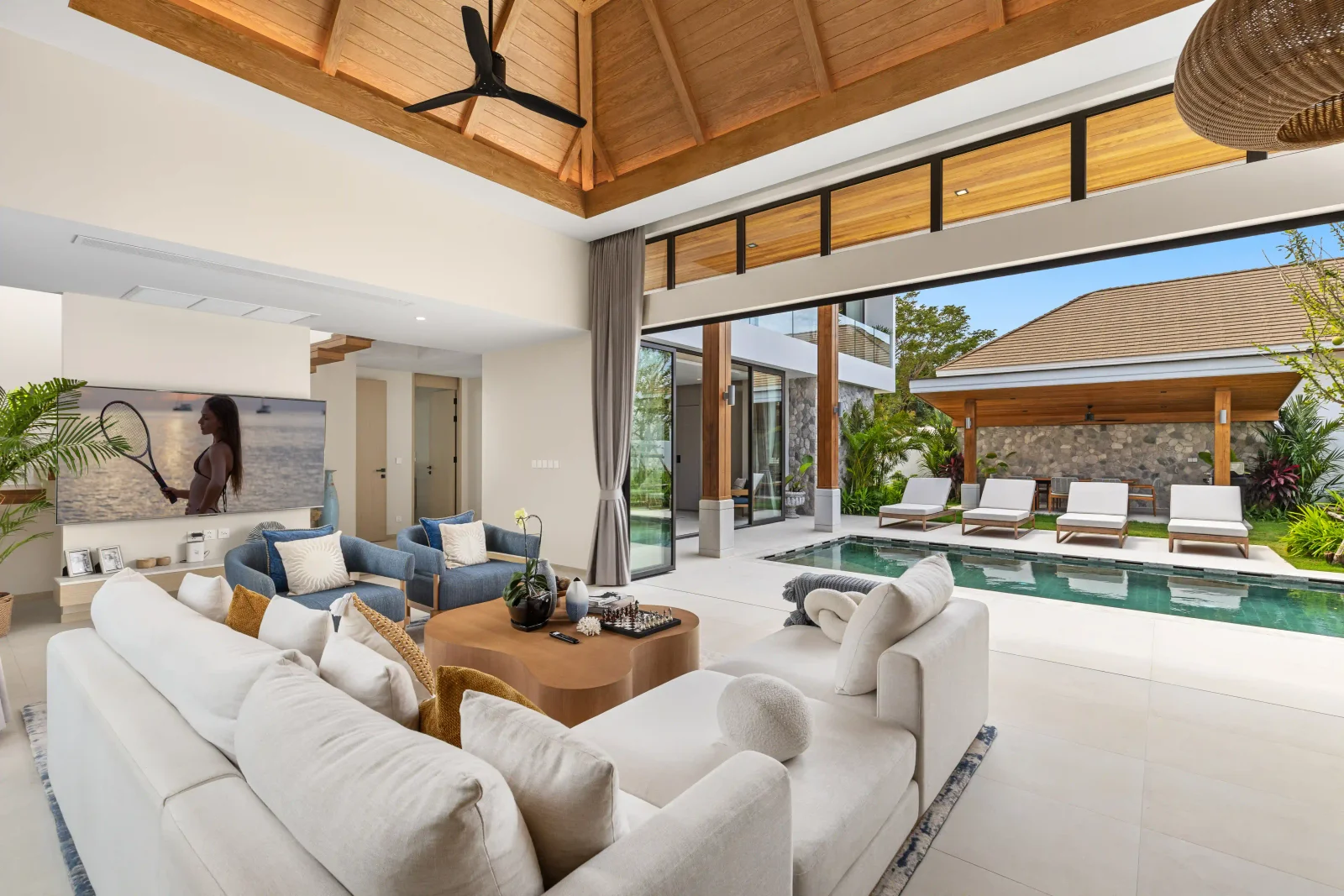
## Villas and Prices
| Villas | Bedrooms | Built area | Price |
| --- | --- | --- | --- |
| 7 | Three | 337 sqm | 29,490,000 THB |
| 11 villas | Four | 443 sqm | 38,820,000 to 42,820,000 THB |
| 18, 28, 29, 30, 31 | Five | 488 and 574 sqm | 52,090,000 to 60,200,000 THB |
| 33, 34 | Five | 803 sqm | 76,360,000 and 78,220,000 THB |
Villa 7, a three-bedroom house of 337 sqm, opens the list at 29,490,000 THB. The four-bedroom villas of 443 sqm follow from 38,820,000 THB, the five-bedroom villas of 488 and 574 sqm from 52,090,000 THB, and the largest five-bedroom houses of 803 sqm up to 78,220,000 THB. We send the plan and plot of each villa with the list, and arrange a viewing of the community and its wellness facilities.
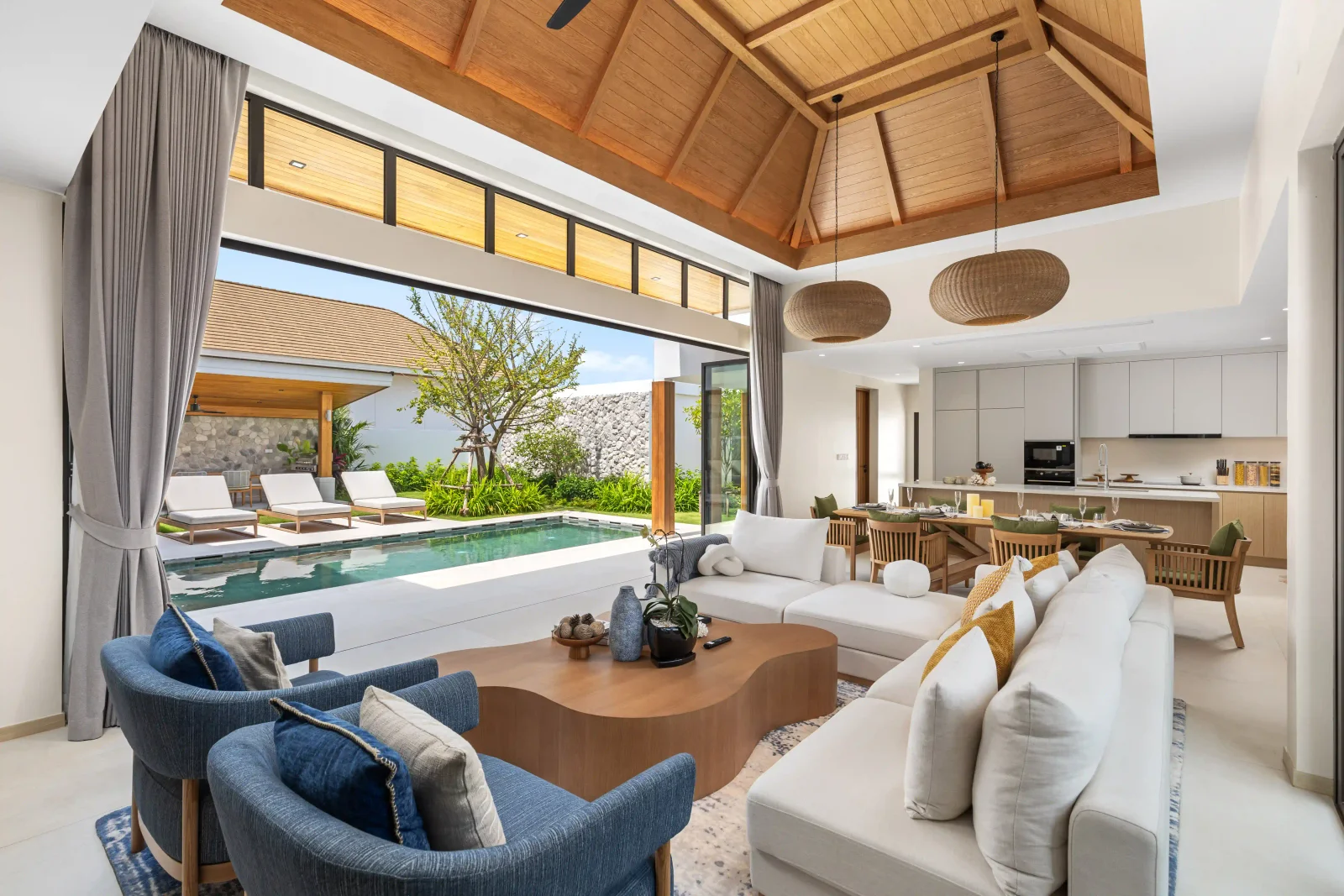
## Design and Facilities
- **Open-plan living and dining**
- **Modern Western kitchen**
- **Ensuite bedrooms**, three to five per villa
- **Private salt-water swimming pool** and pool terrace
- **Landscaped garden**
- **Covered parking** for two or three cars
- **Gym and yoga area, spa and onsen, clubhouse**
- **Gated estate**
- **Pet-friendly**
## Living at QAV Residence
A day at QAV Residence can start with yoga and end in the onsen. In between, the children swim in the salt-water pool, the adults train in the gym or work from home, and the clubhouse brings neighbours together for events and weekend gatherings. The beaches of Bang Tao and the golf and spas of Laguna are an easy drive, and the schools and shops of Cherngtalay are close. For owners who travel, a gated estate with shared facilities keeps the house looked after while they are away.
## Six-Stage Payment Plan
The price is paid in six stages: 30%, 20%, 15%, 15%, 10% and 10%. For a villa at 29,490,000 THB that works out as follows:
| Stage | Share | Amount |
| --- | --- | --- |
| 1 | 30% | 8,847,000 THB |
| 2 | 20% | 5,898,000 THB |
| 3 and 4 | 15% each | 4,423,500 THB each |
| 5 and 6 | 10% each | 2,949,000 THB each |
The schedule follows the build, and we send the developer's schedule for your villa with the price list.
## Why Buyers Choose QAV Residence
- **A wellness community** with a spa, onsen, gym and yoga area
- **Private salt-water pools**
- **Three to five bedrooms**, all ensuite
- **Clubhouse** and social spaces
- **Cherngtalay schools and shops** close by
- **Pet-friendly**
## Who QAV Residence Suits
**Families** who want space, ensuite bedrooms and an active community.
**Wellness-minded owners** who want a spa, an onsen and a yoga area close to home.
**Owners who spend part of the year in Phuket** and want a gated estate with shared facilities.
**Villa rental investors** aiming at families and groups who value wellness on holiday.
## Renting Out a Villa at QAV Residence
A pool villa in a wellness community near Bang Tao appeals to families and groups on holiday in the November to April season, and to relocating families who rent for a longer stay. The spa, the onsen and the salt-water pool are what guests value most.
If you plan to let your villa at QAV Residence, we collect current asking rents and holiday rates for comparable villas in Cherngtalay and Bang Tao and send them with the price list. [Our rental guide](/guides/phuket-rental-yield-complete-guide-2026/) explains how to read a rental offer line by line.
## Ownership for Foreign Buyers
At QAV Residence, as with any villa in Thailand, you buy land plus a building. The villa can be held in your own name over a lease of the plot registered at the Land Office, 30 years per registration with renewal terms in the contract, or the land can be held through a Thai company with genuine Thai shareholders. [Freehold and leasehold in Thailand](/guides/freehold-vs-leasehold-thailand/) explains both routes, and we prepare the one that suits you with our legal support.
## QAV Residence and Other Villas Around Bang Tao
| Project | From | Status |
| --- | --- | --- |
| [The Trinity Village Phuket](/projects/the-trinity-village/) | 27,076,000 THB | Completed |
| [The Title Villa Kirara Phuket](/projects/the-title-villa-kirara/) | 29,020,000 THB | Off-plan |
| [The Teak](/projects/the-teak/) | 29,200,000 THB | Off-plan |
| QAV Residence | 29,490,000 THB | Off-plan |
| [Amber Chamber Si Sunthon](/projects/amber-chamber/) | 32,500,000 THB | Off-plan |
| [Wintery by Season](/projects/wintery-by-season-luxury-villas/) | 34,000,000 THB | Completed |
| [Sunti Villas Cherng](/projects/sunti-villas/) | 34,900,000 THB | Off-plan |
QAV Residence stands out in this group for its wellness facilities and salt-water pools. We send the price lists of any of these projects on request and arrange viewings.
## Buying QAV Residence with MORE Group
A villa at QAV Residence is bought in five steps, from the first price list to the keys, and we are with you through each of them.
## What We Send Before You Reserve
- The current price list for QAV Residence with free villas, plot areas and plans
- The six-stage payment schedule for your villa
- The ownership structure for your purchase, leasehold or company, with the documents it needs
- The community's common charges
- The latest construction update
{/* corpus-faq:qav-residence */}
## FAQ
### What does QAV Residence cost?
Our price list holds 19 villas: three-bedrooms of 337 sqm at 29,490,000 THB; four-bedrooms of 443 sqm from 38,820,000 to 42,820,000 THB; five-bedrooms of 488 and 574 sqm from 52,090,000 to 60,200,000 THB; five-bedrooms of 803 sqm from 76,360,000 and 78,220,000 THB.
### What facilities does QAV Residence have?
A communal gym and yoga area, a spa and onsen, a clubhouse and social spaces, in a gated estate. Every villa has a private salt-water pool.
### Where is QAV Residence?
In Si Sunthon, Cherngtalay. Bang Tao Beach is about 18 minutes by car, the nearest mall about 10 minutes and the airport about 26 minutes.
### What is the payment plan?
Six stages: 30%, 20%, 15%, 15%, 10%, 10%. For a villa at 29,490,000 THB that means 8,847,000 THB at the first stage.
### How can foreigners own a villa at QAV Residence?
The villa can be held in your own name over a lease of the plot registered at the Land Office, 30 years per registration with renewal terms in the contract, or the land can be held through a Thai company with genuine Thai shareholders. We prepare the structure with our legal support.
**Read Also:**
- [Villas for Sale in Bang Tao](/bang-tao-properties/)
- [Manor Phuket](/projects/manor-phuket/)
- [Freehold vs Leasehold in Thailand](/guides/freehold-vs-leasehold-thailand/)
- [How Foreigners Buy Phuket Property 2026](/guides/buying-property-phuket-guide/)
- [Phuket Rental Yield Guide](/guides/phuket-rental-yield-complete-guide-2026/)
# QNITY by Wallaya Villas Review 2026: Prices and Units
> QNITY by Wallaya Villas review: 18 gated pool villas in Cherngtalay with three to five bedrooms of 425 to 816 sqm, from 25.6M THB, near Boat Avenue.
**Source:** https://moregroup.estate/projects/qnity-by-wallaya-villas/
**Section:** Project Reviews
**Author:** MORE Group Editorial
**Published:** 2026-04-07
**Updated:** 2026-08-23
---
## QNITY by Wallaya Villas: A Gated Estate in Cherng Talay
If you are looking for a large private pool villa in one of Phuket's most desirable residential corridors, QNITY by Wallaya Villas deserves serious attention. Just 18 villas, a developer active across Cherngtalay, and a location minutes from Bang Tao Beach, Boat Avenue and Porto de Phuket.
Each villa is designed with clean architectural lines, open-plan interiors, high ceilings and floor-to-ceiling windows that fill the rooms with light and open them to the terrace, the garden and the pool.
## Location: Pasak, Cherngtalay
Pasak is a quiet residential pocket of Cherngtalay, close to everything that makes the Bang Tao area popular with residents:
- **Bang Tao Beach:** about 14 minutes by car
- **Boat Avenue and Porto de Phuket:** restaurants, shops and weekend markets, with the nearest mall about 9 minutes by car
- **Laguna Phuket:** golf, spas and international hotel brands a short drive away
- **International schools and golf courses:** within a short drive
- **Airport:** about 29 minutes by car
The area has mature infrastructure for families: supermarkets such as Villa Market, private clinics and schools are all within easy reach. For families relocating to Phuket, and for owners who want long-stay tenants, Cherngtalay is one of the island's most complete addresses.
## Villas and Prices
The current list holds eleven villas:
| Villa | Bedrooms | Built area | Price |
|---|---|---|---|
| D3 | Three | 425 sqm | 25,609,000 THB |
| D2 | Three | 425 sqm | 25,642,000 THB |
| B3 | Three | 511 sqm | 30,378,000 THB |
| B5 | Three | 511 sqm | 30,532,000 THB |
| B4 | Three | 511 sqm | 30,565,000 THB |
| B1 | Three | 511 sqm | 30,972,000 THB |
| C2 | Four | 632 sqm | 36,703,000 THB |
| C3 | Four | 632 sqm | 36,780,000 THB |
| A2 | Five | 816 sqm | 47,866,000 THB |
| A1 | Five | 816 sqm | 48,042,000 THB |
| A3 | Five | 816 sqm | 48,130,000 THB |
The standout figure is the rate: about 58,000 to 60,600 THB per square metre across every format, a notably low price per metre for new villas of this size in the Bang Tao area. Even the entry three-bedroom offers 425 sqm, and the five-bedroom villas of 816 sqm are true family residences. We send the plot area and the plan for each villa together with the price list.
## Design and Features
- **Private swimming pool** and spacious terraces for every villa
- **Clean modern tropical architecture** with high ceilings
- **Floor-to-ceiling windows** for natural light and indoor-outdoor flow
- **Open-plan living and dining**
- **Landscaped gardens**
- **EV-ready parking**
Community amenities:
- **Communal swimming pool**
- **Fitness centre**
- **Reception lobby**
- **Landscaped common areas**
- **24-hour security** in a gated community
- **Pet-friendly** policy
With 18 villas, the community is private and neighbourly: a quiet street where residents know each other, with shared facilities that a villa on its own plot does not have.
## Five-Stage Payment Plan
The price is paid in five stages as the villa is built: 30%, 30%, 15%, 15% and 10%. For villa D3 at 25,609,000 THB that works out as follows:
| Stage | Share | Amount |
|---|---|---|
| 1 | 30% | 7,682,700 THB |
| 2 | 30% | 7,682,700 THB |
| 3 | 15% | 3,841,350 THB |
| 4 | 15% | 3,841,350 THB |
| 5 | 10% | 2,560,900 THB |
We send the developer's schedule for your villa with the price list.
## Wallaya in Cherngtalay
Wallaya Villas builds several villa communities in the Cherngtalay and Pasak area, including [The Harmony by Wallaya Villas](/projects/the-harmony-by-wallaya-villas/). We arrange viewings in the area on request and send the specification for QNITY with the price list.
## Why Buyers Choose QNITY by Wallaya Villas
- **Space for the money:** 425 to 816 sqm at about 58,000 to 60,600 THB per square metre
- **Three to five bedrooms:** a format for every family size
- **Community facilities:** a communal pool, a fitness centre and a reception lobby
- **Cherngtalay location:** minutes from Boat Avenue, Porto de Phuket and Laguna
- **Modern design:** floor-to-ceiling windows and high ceilings
- **A small gated community:** 18 villas with 24-hour security
## Who Is QNITY For?
**Families relocating to Phuket** who want a large villa near schools, supermarkets and clinics.
**Investors seeking rental income** from the Bang Tao and Laguna corridor, which draws long-stay tenants such as executives, families and remote workers who prefer a private villa to a hotel or serviced apartment.
**Second-home buyers** who want a private house in a small community rather than a resort-scale development.
**Large families and groups**, who will find the five-bedroom villas of 816 sqm rare in the area.
## Renting Out a Villa at QNITY
A large pool villa in Cherngtalay appeals to families and groups on holiday in the season and to long-stay tenants who relocate to Phuket. The five-bedroom villas reach parties travelling together, while the three-bedrooms suit families and long-stay tenants.
For owners who plan to rent, we collect current asking rents and holiday rates for comparable villas in Cherngtalay and send them with the price list. [Our rental guide](/guides/phuket-rental-yield-complete-guide-2026/) explains how to read a rental offer line by line.
## Ownership for Foreign Buyers
At QNITY by Wallaya Villas, as with any villa in Thailand, you buy land plus a building. The house can be held in your own name over a lease of the plot registered at the Land Office, 30 years per registration with renewal terms in the contract, or the land can be held through a Thai company with genuine Thai shareholders. [Freehold and leasehold in Thailand](/guides/freehold-vs-leasehold-thailand/) explains both routes, and we prepare the one that suits you with our legal support.
## QNITY and Other Bang Tao Villas
| Project | From | Status |
|---|---|---|
| [The Harmony by Wallaya Villas](/projects/the-harmony-by-wallaya-villas/) | 20,776,000 THB | Off-plan |
| [Mono Oxygen Phase 2](/projects/mono-oxygen-phase-2/) | 23,950,000 THB | Off-plan |
| [Rainpalm Villas](/projects/rainpalm-villas/) | 24,172,560 THB | Off-plan |
| QNITY by Wallaya Villas | 25,609,000 THB | Off-plan |
| [Manor Phuket](/projects/manor-phuket/) | 26,300,000 THB | Off-plan |
| Vinzita Elite Residence | 26,900,000 THB | Off-plan |
| [The Trinity Village](/projects/the-trinity-village/) | 27,076,000 THB | Completed |
QNITY sits in the middle of this group by entry price, while its villas are among the largest, which is why its price per square metre stands out. We send floor plans for any of these projects on request.
## Buying QNITY by Wallaya Villas with MORE Group
A villa at QNITY is bought in five steps, from the first price list to the keys, and we are with you through each of them.
## What We Send Before You Reserve
- The current price list with free villas, plot areas and plans
- The five-stage payment schedule for your villa
- The villa specification
- The ownership structure for your purchase, leasehold or company, with the documents it needs
- The latest construction update
- The community's service charges
{/* corpus-faq:qnity-by-wallaya-villas */}
## FAQ
### Can foreigners buy a villa at QNITY by Wallaya Villas?
Yes. The house can be held in your own name over a lease of the plot registered at the Land Office, 30 years per registration with renewal terms in the contract, or the land can be held through a Thai company with genuine Thai shareholders. We prepare the structure with our legal support.
### What is the payment plan for QNITY by Wallaya Villas?
Five stages during construction: 30%, 30%, 15%, 15% and 10%. We send the developer's schedule for your villa with the price list.
### What stage is QNITY by Wallaya Villas at?
Construction is underway. We send the latest construction update together with the price list.
### What villa sizes are available?
The current list holds three-bedroom villas of 425 and 511 sqm from 25,609,000 THB, four-bedroom villas of 632 sqm from 36,703,000 THB and five-bedroom villas of 816 sqm from 47,866,000 THB.
### How does QNITY compare to other Wallaya Villas projects nearby?
Wallaya builds several villa communities in the Cherngtalay and Pasak area, including The Harmony by Wallaya Villas. QNITY stands out for its larger houses, from 425 to 816 sqm, and its five-bedroom villas.
**Read Also:**
- [How Foreigners Buy Phuket Property 2026](/guides/buying-property-phuket-guide/)
- [The Harmony by Wallaya Villas: Pool Villas in Cherngtalay](/projects/the-harmony-by-wallaya-villas/)
- [Wallaya Residence, Nai Harn](/projects/wallaya-residence/)
- [Bang Tao and Laguna Area Guide](/bang-tao-properties/)
- [Freehold vs Leasehold in Thailand](/guides/freehold-vs-leasehold-thailand/)
- Vinzita Elite Residence Review 2026
# Rainpalm Villas: Private Pool Villas in Phuket Hills
> Rainpalm Villas review: 21 Modern Tropical pool villas in Choeng Thale, a 10-minute walk from Bang Tao Beach, four-bedrooms from 24.2M THB.
**Source:** https://moregroup.estate/projects/rainpalm-villas/
**Section:** Project Reviews
**Author:** MORE Group Editorial
**Published:** 2026-03-31
**Updated:** 2026-08-23
---
21 Modern Tropical villas and townhomes in a gated community in Choeng Thale, about a 10-minute walk or 2 minutes by car from Bang Tao Beach. Four-bedroom pool villas of 304 to 517 sqm from 24,172,560 THB (about $739,200), with double-height living spaces, natural ventilation and wood and stone interiors. A communal pool, a playground, a reception and 24-hour security, paid in six stages across the build.
Rainpalm Villas is a small gated community of 21 homes in Choeng Thale, a few minutes from both Bang Tao and Surin. The developer mixes three and four-bedroom detached villas with townhomes, all in one Modern Tropical design language: open-plan living, double-height spaces, natural ventilation, warm wooden and stone interiors and private outdoor pools.
With just 21 homes, it is one of the more intimate projects in a district that has grown around the Laguna resort complex since the 1980s. Residents share a reception, a communal pool, a playground and landscaped gardens behind a gate with 24-hour security.
## Modern Tropical Design
The design is built around the climate rather than against it. Double-height living rooms give the houses resort proportions, screened openings let the breeze cross the house, and wood and stone bring warmth to the interiors. On the pool terrace, the line between inside and outside all but disappears, which is how most owners and guests actually live in Phuket.
For owners who rent, these qualities show well: spacious, light-filled rooms and a private pool are exactly what holiday guests look for when they choose a villa over a hotel.
## Location: Between Bang Tao and Surin
- **Bang Tao Beach:** about a 10-minute walk or 2 minutes by car
- **Surin Beach:** a short drive, with its boutique restaurants and calmer bay
- **Boat Avenue and Porto de Phuket:** shopping and dining, with the nearest mall about 11 minutes by car
- **Laguna Phuket:** the resort hotels, restaurants and the 18-hole Laguna Golf course close by
- **Airport:** about 38 minutes by car
Choeng Thale gives owners two beach lifestyles from one address. Bang Tao has the long beach, the beach clubs and the Laguna resorts; Surin has a smaller bay with restaurants and a quieter rhythm. For a family, that means a different beach day every day of the holiday. For the wider district, see the [Bang Tao area guide](/guides/bang-tao-beach-area-guide-2026/).
## Villas and Prices
Our price list holds ten four-bedroom villas:
| Villa | Built area | Price | Per sqm |
|---|---|---|---|
| D5 | 304 sqm | 24,172,560 THB | 79,622 THB |
| C1 | 320 sqm | 24,905,550 THB | 77,769 THB |
| D3 | 304 sqm | 25,198,260 THB | 83,001 THB |
| B7 | 336 sqm | 26,163,660 THB | 77,954 THB |
| B6 | 336 sqm | 26,548,590 THB | 79,101 THB |
| B1 | 336 sqm | 27,849,240 THB | 82,976 THB |
| A9 | 350 sqm | 30,022,830 THB | 85,836 THB |
| A5 | 350 sqm | 30,353,550 THB | 86,781 THB |
| A7 | 350 sqm | 33,144,390 THB | 94,761 THB |
| A3 | 517 sqm | 43,126,320 THB | 83,483 THB |
At a median of about 83,000 THB per square metre, a four-bedroom pool villa within walking distance of Bang Tao Beach is strong value for the corridor. Villa A3 of 517 sqm is the largest house in the community. The developer's description also covers three-bedroom villas and townhomes, and we send today's availability in every format with floor plans together with the price list.
Each villa features:
- Private pool with a terrace and sun deck
- Open-plan kitchen and living area
- Double-height living space with natural ventilation
- Wood and stone interiors
- En-suite bedrooms
## Six-Stage Payment Plan
The price is paid in six stages as the villa is built: 30%, 15%, 15%, 15%, 15% and 10%. For villa D5 at 24,172,560 THB that works out as follows:
| Stage | Share | Amount |
|---|---|---|
| 1 | 30% | 7,251,768 THB |
| 2 to 5 | 15% each | 3,625,884 THB each |
| 6 | 10% | 2,417,256 THB |
The four middle stages are equal, which makes the build period simple to plan. We send the developer's schedule for your villa with the price list.
## Community Facilities
- Communal swimming pool
- Children's playground
- Reception area
- Landscaped common gardens
- Gated entrance with 24-hour security and CCTV
- Pet-friendly policy
## Why Buyers Choose Rainpalm Villas
- **Walk to the beach:** Bang Tao Beach about 10 minutes on foot
- **Two beaches from one address:** Bang Tao and Surin both close by
- **A small community:** 21 homes behind a gate, with a communal pool and playground
- **Modern Tropical design:** double-height spaces, natural ventilation, wood and stone
- **Value for the location:** four-bedroom villas at a median of about 83,000 THB per square metre
- **Pet-friendly:** room for the whole family
## Who Rainpalm Villas Suits
- **Families** who want four bedrooms, a private pool and a playground in a gated community
- **Lifestyle buyers** who use the villa for part of the year and rent it for the rest
- **Rental investors** who want a villa that holiday guests can walk from to the beach
- **Buyers who value design** and want a house with a clear architectural identity
## Renting Out a Rainpalm Villa
A four-bedroom pool villa within walking distance of Bang Tao Beach appeals to holiday families and groups in the season, and to long-stay tenants who live on the island for months at a time. Many owners combine the two: holiday lets in the high season and a longer tenancy for the rest of the year, with their own weeks set aside in between.
For owners who plan to rent, we collect current asking rents and holiday rates for comparable villas in Choeng Thale and send them with the price list, together with the terms of rental managers who work in the district. [Our rental guide](/guides/phuket-rental-yield-complete-guide-2026/) explains how to read a rental offer line by line.
## Ownership for Foreign Buyers
At Rainpalm Villas, as with any villa in Thailand, you buy land plus a building. The house can be held in your own name over a lease of the plot registered at the Land Office, 30 years per registration with renewal terms in the contract, or the land can be held through a Thai company with genuine Thai shareholders. [Freehold and leasehold in Thailand](/guides/freehold-vs-leasehold-thailand/) explains both routes, and we prepare the one that suits you with our legal support.
## Rainpalm Villas and Other Villas Nearby
| Project | From | Status |
|---|---|---|
| [Zenithy La Ville](/projects/zenithy-la-ville/) | 19,425,000 THB | Off-plan |
| [The Harmony by Wallaya Villas](/projects/the-harmony-by-wallaya-villas/) | 20,776,000 THB | Off-plan |
| [Mono Oxygen Phase 2](/projects/mono-oxygen-phase-2/) | 23,950,000 THB | Off-plan |
| Rainpalm Villas | 24,172,560 THB | Off-plan |
| [QNITY by Wallaya Villas](/projects/qnity-by-wallaya-villas/) | 25,609,000 THB | Off-plan |
| [Manor Phuket](/projects/manor-phuket/) | 26,300,000 THB | Off-plan |
| [The Trinity Village](/projects/the-trinity-village/) | 27,076,000 THB | Completed |
Rainpalm stands out in this group for its walking distance to the beach and its four-bedroom layouts at the entry price. We send floor plans for any of these estates on request, so you can compare what each ticket buys.
## Buying Rainpalm Villas with MORE Group
A villa at Rainpalm Villas is bought in five steps, from the first price list to the keys, and we are with you through each of them.
## What We Send Before You Reserve
- The current price list with free villas, plot areas and floor plans
- The six-stage payment schedule for your villa
- The ownership structure for your purchase, leasehold or company, with the documents it needs
- The latest construction update
- The community's service charges
- Current asking rents and holiday rates for comparable villas, if you plan to rent
---
{/* corpus-faq:rainpalm-villas */}
## FAQ
### How much do Rainpalm Villas cost?
Our price list holds ten four-bedroom villas from 24,172,560 THB (about $739,200) for 304 sqm to 43,126,320 THB (about $1.32M) for 517 sqm. We send today's availability in every format, including three-bedroom villas and townhomes, with the price list.
### Can foreigners buy a villa at Rainpalm Villas?
Yes. The house can be held in your own name over a lease of the plot registered at the Land Office, 30 years per registration with renewal terms in the contract, or the land can be held through a Thai company with genuine Thai shareholders. The 49% condominium quota does not apply to villas. We prepare the structure with our legal support.
### Where exactly is Rainpalm Villas and how far is the beach?
Rainpalm Villas is in Choeng Thale, between Bang Tao and Surin. Bang Tao Beach is about a 10-minute walk or 2 minutes by car, the nearest mall about 11 minutes by car and Phuket International Airport about 38 minutes.
### What stage is Rainpalm Villas at?
Construction is underway. We send the latest construction update together with the price list.
### What is the payment plan?
Six stages during construction: 30%, four stages of 15% and 10%. We send the developer's schedule for your villa with the price list.
### What facilities does the community have?
A communal pool, a children's playground, a reception, landscaped common gardens and a gated entrance with 24-hour security and CCTV. Every villa has its own private pool, and the community is pet-friendly.
**Read Also:**
- [Bang Tao Investment Property: Area Guide 2026](/guides/bang-tao-beach-area-guide-2026/)
- [Buying a Pool Villa in Phuket: Full Guide](/guides/phuket-pool-villa-buying-guide-2026/)
- [How Foreigners Buy Phuket Property 2026](/guides/buying-property-phuket-guide/)
- [Phuket Rental Yield Guide](/guides/phuket-rental-yield-complete-guide-2026/)
- [Freehold vs Leasehold in Thailand](/guides/freehold-vs-leasehold-thailand/)
# Redwood Lakeside Phuket: Villas From 37.4M THB
> Redwood Lakeside Cherng Talay: 32 eco-smart lakeside villas from 37.4M THB with solar panels, rooftop bar and co-working. Prices, layouts and payment plan.
**Source:** https://moregroup.estate/projects/redwood-lakeside/
**Section:** Project Reviews
**Author:** MORE Group Editorial
**Published:** 2026-04-02
**Updated:** 2026-10-05
---
32 premium villas, 3BR from 37.4M THB, 4BR from 40.6M THB up to 75M THB. One of the nearest-term handovers in Cherng Talay. Lakeside setting with rooftop bar, co-working, gym, café, and green paths. Smart home + solar panels included, genuinely eco-oriented design. 10 minutes by car to Bang Tao Beach, 2 minutes to Villa Market.
## Redwood Lakeside: A Project That Delivers on Multiple Fronts
Situated in Cherng Talay, in the Thalang district, Redwood Lakeside occupies a position that has become one of Phuket's most competitive residential segments: close enough to Bang Tao Beach to justify premium pricing, close enough to the local convenience infrastructure (Villa Market is literally 2 minutes by car) to make permanent residency genuinely comfortable.
The stage of construction is also notable. Where many Phuket projects are years from handover, Redwood Lakeside is one of the nearest-term handovers in Cherng Talay, with completion scheduled for Q4 2026 according to the developer.
## Location: Cherng Talay, Thalang District
From Redwood Lakeside:
- **Bang Tao Beach:** 10 minutes by car
- **Villa Market (nearest mall):** 2 minutes by car (14 minutes on foot)
- **Phuket International Airport:** 29 minutes
- **Blue Tree Water Park:** approximately 8 minutes
The lakeside location within the development adds genuine amenity value beyond just postcard aesthetics. Lakeside promenades, natural shading from mature trees, and the microclimate effect of open water all contribute to a measurably more comfortable outdoor environment, something that matters considerably when ambient temperatures run above 30°C for much of the year.
## Villas: Layout Options
Redwood Lakeside offers two villa formats across its 32-unit development:
**3-Bedroom Villas**
- Built-up area: 318-330 sqm
- Prices: 37,400,000 - 38,900,000 THB
- Price per sqm: approximately 116,000-118,000 THB
**4-Bedroom Villas**
- Built-up area: 479-585 sqm
- Prices: 40,600,000 - 75,000,000 THB
- Price per sqm: 82,000-150,000 THB depending on plot and position
The 3-bedroom format is competitively priced for Cherng Talay, 37.4M THB for a properly-finished smart villa in this location represents genuine value relative to the submarket. The 4-bedroom range has wider variance, with larger lake-facing units commanding significant premiums.
All villas include:
- Private swimming pool
- Smart home system
- Solar panels (reducing ongoing electricity costs)
- Gated covered parking
- Landscaped garden with direct lake or path access (position-dependent)
- Modern kitchens with European-specification appliances
The inclusion of solar panels is not a marketing checkbox here, it represents a meaningful reduction in monthly running costs for both owner-occupiers and rental operators. In a market where electricity costs for air-conditioned villas can reach 15,000-30,000 THB per month, solar contribution materially affects net yield calculations.
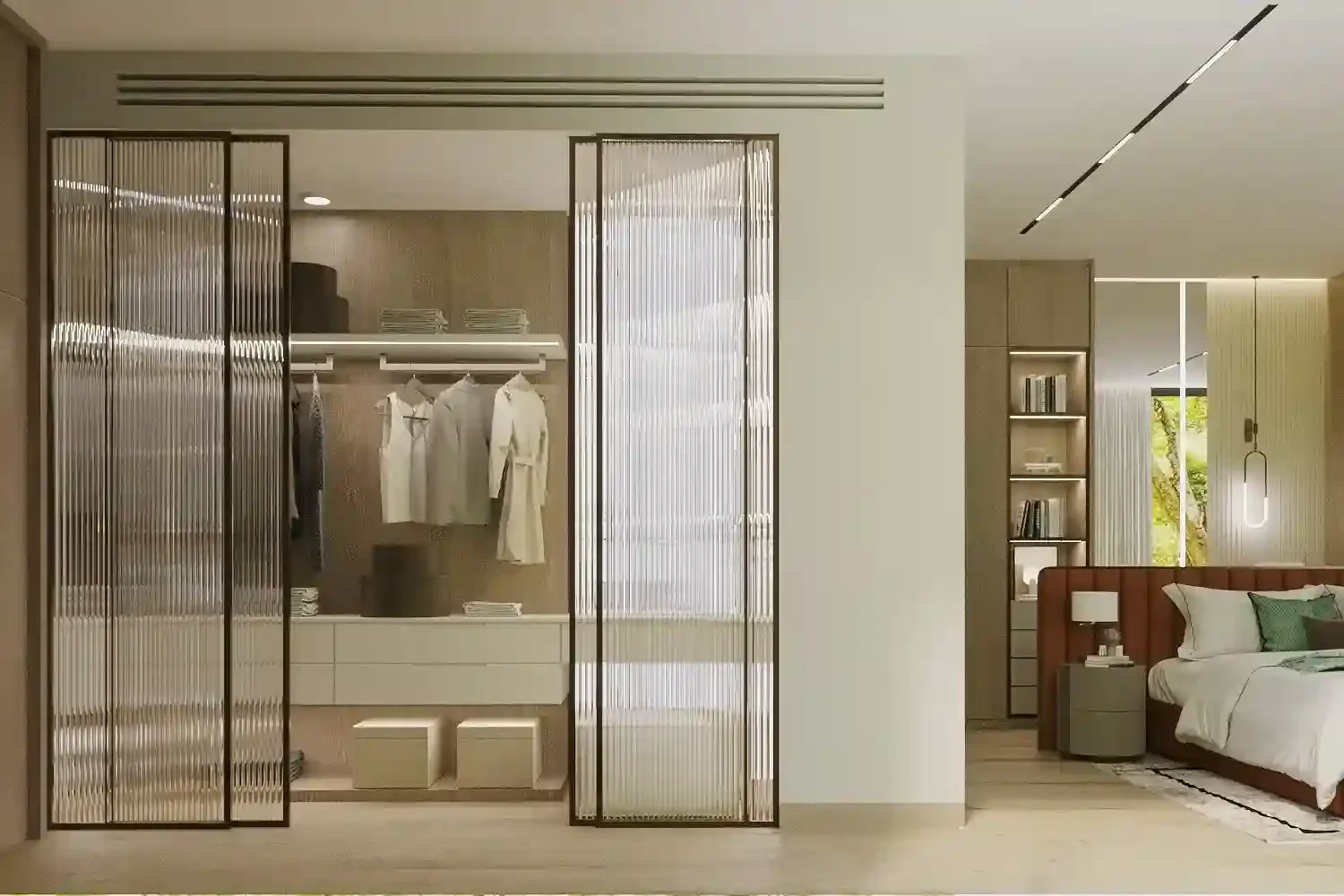
## Community Amenities: The Real Differentiator
This is where Redwood Lakeside separates itself from comparable-priced villa projects in the area:
- **Rooftop bar** with panoramic views
- **Café** within the development
- **Co-working space**, relevant for the growing segment of digital nomads and remote-working buyers in Phuket
- **Fitness centre**
- **Children's recreational paths** around the lake
- **24-hour security and CCTV**
- **Pet-friendly** policy
The co-working space deserves specific mention. The Cherng Talay area has seen significant growth in long-stay residents who work remotely, a demographic that tends to generate stable, year-round rental demand rather than purely seasonal occupancy. A co-working facility within the development strengthens the project's rental narrative for this segment.
## Payment Plan
**35%, 15%, 15%, 15%, 15%, 5%**
The 35% first payment is followed by four construction-linked tranches of 15%, and only 5% falls at handover (Q4 2026). With construction this far along, the structure is straightforward: a significant initial commitment followed by manageable construction-linked tranches.
## Investment Case
For rental investors, 3-bedroom villas in Cherng Talay with smart home and solar features typically achieve 45,000-75,000 THB per month in the long-stay market, with higher rates during peak season. The co-working facility and eco-credentials make this particularly appealing to the 1-3 month digital nomad rental segment.
| Factor | MORE Group benchmark |
| --- | --- |
| Gross yield, comparable managed villas in Cherng Talay | historically 7 to 9% |
| Net yield, comparable managed villas | historically 5 to 7% after 20 to 25% operator fees |
| Peak occupancy, comparable managed units | historically 75 to 85% |
A near-term handover lets investors begin generating returns quickly, a genuine advantage in a market where many projects are still years from completion.
Before treating a villa as an income asset, read our guide to [buying a villa in Phuket for rental income](/guides/real-income-potential-phuket-villas/).
## Comparing Against the Market
The 32-unit scale is appropriately sized: large enough to justify the amenity investment, small enough that the resale market does not become saturated.
Against other Cherng Talay villa stock, the differentiators are the stage of construction and the specification rather than the price per square metre. A near-term handover means rental income starts years earlier than at most off-plan projects, and the build is far enough along to inspect in person. In a submarket with several villa developments, the estate's own facilities and finish are what set Redwood Lakeside apart.
The closest lakefront alternative is [Botanica Lakeside 2](/projects/botanica-lake-side-ii/) in Layan.
## Verdict
The 3-bedroom entry point at 37.4M THB offers real value for Cherng Talay. The 4-bedroom units with lake views in the 50-75M THB range suit buyers seeking a more premium asset with strong long-term hold characteristics.
The buyer this suits best is one who intends to use the villa, not simply to hold it. The co-working space, the lake paths and the café are amenities you benefit from by being there, and they support the rental story too. An owner-occupier or long-hold family buyer gets more from this project than the spreadsheet shows.
## What the Solar and Smart-Home Spec Is Worth
At Redwood Lakeside the eco features are worth putting a number against, because a 318 to 330 sqm villa in a tropical climate is an expensive thing to run and the electricity bill is the largest recurring cost of ownership.
Air conditioning across a villa of this size, run the way a family or a rental guest actually runs it, commonly produces monthly electricity of 15,000 to 30,000 THB. Add pool filtration and pumps, which run daily regardless of occupancy, and garden irrigation, and the annual utility line becomes a material figure rather than a rounding error. A rooftop solar array cuts the daytime portion of that bill: output peaks in the middle of the day, when the pool pumps and daytime cooling run, which on a villa of this size is a real share of the total.
We collect the system details from the developer for you: the installed capacity in kilowatts, whether there is battery storage, whether the system is grid-tied with net metering, and the maintenance arrangement for the panels and the inverter after handover.
For a rental owner the effect lands on net yield, since utilities on a short-stay villa are the owner's cost. For a long-stay let the tenant usually pays their own electricity, and the solar becomes a letting advantage: a villa with a visibly lower running cost is easier to let and holds its tenant longer. The net calculation follows [the rental yield guide](/guides/phuket-rental-yield-complete-guide-2026/).
As a villa on land, a Redwood Lakeside home is bought through a registered lease or a Thai company structure, since foreign nationals do not hold freehold land in Thailand. We walk you through both routes, and [freehold versus leasehold in Thailand](/guides/freehold-vs-leasehold-thailand/) explains the difference.
## FAQ
### What is the minimum price at Redwood Lakeside?
The entry-level 3-bedroom villa starts at 37,400,000 THB. Four-bedroom units start from 40,600,000 THB.
### Does Redwood Lakeside have rental management?
The development offers property management services. Our team can provide details on rental management options and projected returns for specific units.
### What eco features are included?
All villas include solar panels and a smart home system as standard. The lakeside setting with natural green corridors also contributes to the development's environmental credentials.
### Is there a co-working space at Redwood Lakeside?
Yes. The development includes a dedicated co-working space within the community, one of the few villa projects in Phuket to offer this facility.
### What is in the Redwood Lakeside community center in Phuket?
The shared facilities at Redwood Lakeside include a rooftop bar with panoramic views, a café, a co-working space, a fitness centre, children's paths around the lake, and 24-hour security with CCTV. The estate is pet-friendly.
### How close is Redwood Lakeside to Bang Tao Beach?
Bang Tao Beach is approximately 10 minutes by car from the development.
## Who this project suits
| Buyer profile | Why Redwood Lakeside fits |
| --- | --- |
| Yield-focused investor | Entry from 37,400,000 THB (~$1.14M), with long-stay demand from remote workers and families |
| Lifestyle + rental | Lakeside position lets well to families who want space rather than a beachfront address, which is a steadier market than a seasonal one |
| Off-plan buyer | Staged payments across the build, with only 5% at handover |
| Diversifier | Useful where the rest of your Phuket holding is beach-corridor condominium stock competing for the same guest |
## Buying Redwood Lakeside with MORE Group
Buying a villa at Redwood Lakeside takes five steps from the first price list to the keys, and we carry each of them out with you.
With the price list we also send the estate charge, the sinking fund and the management onboarding costs as a first-year total, and a comparison with two villa schemes at the same entry price from our [project reviews](/projects/). Bang Tao buyers can read [best areas to buy in Phuket](/guides/best-areas-phuket-buy-property/) alongside the [off-plan Phuket guide](/guides/off-plan-property-phuket-guide/).
## What a 32-Villa Estate Means for Owners
Thirty-two villas is a small estate, and the scale protects the setting: no phase two arriving next to you and no doubling of density after handover. At resale, a villa here is marketed on the estate's own merits, and a complete file of the build specification and service records supports the price.
# Rhea by Sansiri Surin Beach: From 4.81M THB Review 2026
> Rhea by Sansiri Surin Beach: 295 units from 4.81M THB ($147k), pet-friendly, licensed rental, from a listed developer with a long delivery record.
**Source:** https://moregroup.estate/projects/rhea-by-sansiri/
**Section:** Project Reviews
**Author:** MORE Group Editorial
**Published:** 2026-03-26
**Updated:** 2026-08-23
---
## Rhea by Sansiri at Surin Beach: 2026 Prices and Availability
Rhea by Sansiri is a 295-unit condominium at Surin Beach, launched in 2026. As of the May 2026 refresh, we track entry pricing from **THB 4.81M** with higher-floor and larger 2-bedroom units priced materially above that. It is Sansiri's first project in the Surin zone, with three five-floor buildings and a formal pet-welcome policy. For buyers seeking Sansiri's brand reliability at a more accessible price point than CANVAS Cherngtalay, or who prefer Surin's quieter premium atmosphere over Bang Tao's larger resort scale, Rhea represents the most significant new Surin Beach launch of 2026.
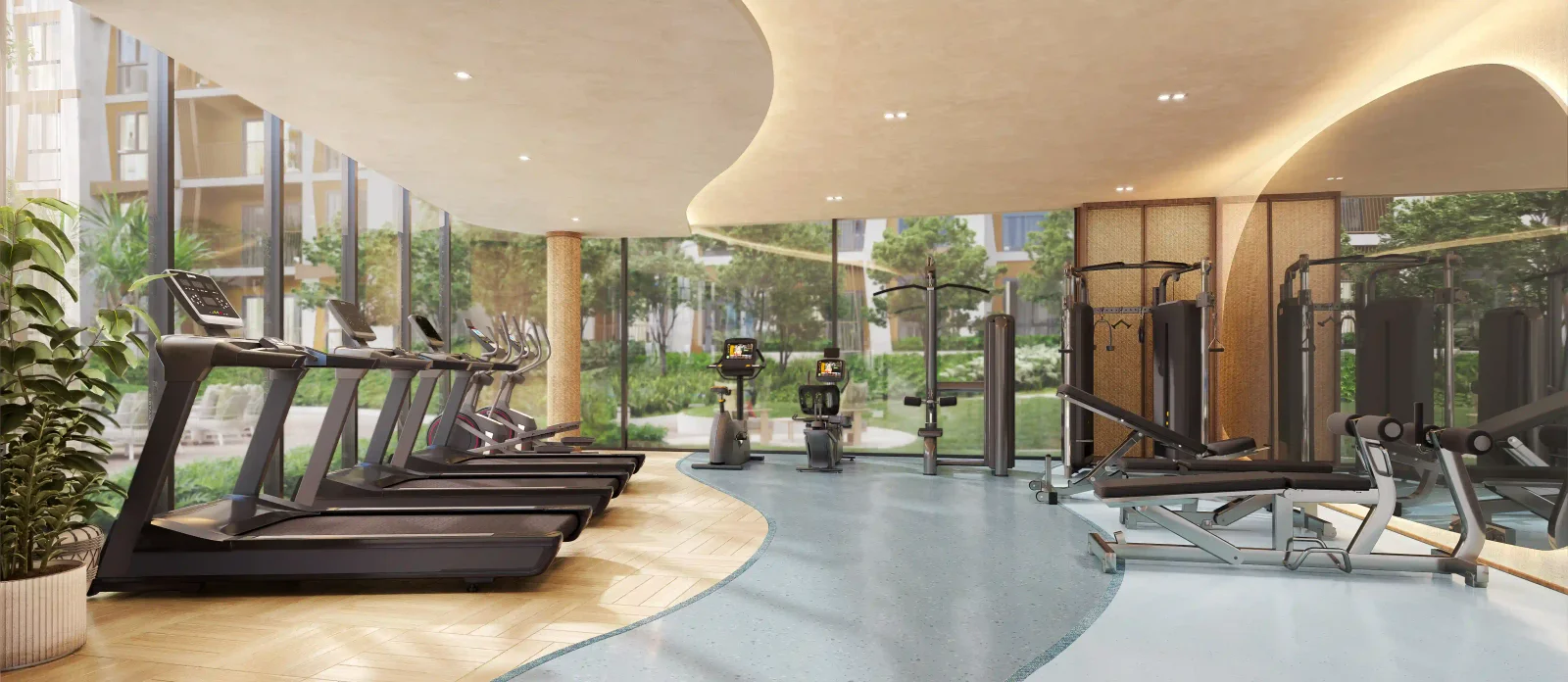
## Understanding Surin Beach: premium quiet vs Bang Tao resort
**Surin Beach characteristics:**
- Smaller, more intimate bay than Bang Tao's long stretch
- Lower density development, fewer high-rise complexes, more boutique positioning
- Premium dining and beach clubs (Catch Beach Club and similar)
- Predominantly high-net-worth short-stay visitors and long-stay premium expats
- Less commercial development, more natural surroundings
- Sunsets visible from the beach, west-facing coast
- No large shopping mall or Laguna-style resort infrastructure
**Who prefers Surin over Bang Tao:**
| Profile | Bang Tao preference | Surin preference |
| --- | --- | --- |
| Families with young children | Yes (schools, Laguna activities) | Possible but less infrastructure |
| Golf-focused buyers | Yes (Laguna Golf) | No |
| High-net-worth luxury seekers | Strong | Stronger (more boutique) |
| Remote workers | Strong (connectivity, cafes) | Moderate |
| Premium short-stay rental focus | Strong (volume) | Premium niche (ADR vs occupancy) |
| Long-stay expat residents | Strong | Growing |
| Pet owners | The Base Cherngtalay | Rhea (when complete) |
Surin attracts buyers who prioritise serenity, low density, and premium positioning over infrastructure depth and rental volume. It is priced and marketed as the quieter, higher-rate bay against Bang Tao's volume; no register publishes either bay's occupancy or rates, so that is a positioning, not a measurement.
## Case for buying Rhea off-plan in 2026
**What buying now offers:**
- Pre-construction pricing, with the build period ahead for value to grow
- Early unit selection, buyers entering now can choose preferred floors, orientations (corner units, sea-view positions), and unit types before prime inventory sells
- Payment in stages, standard Thai off-plan structure spreads payment over the construction period, reducing upfront capital requirement
- Sansiri's delivery track record gives an off-plan buyer a proven developer behind the build
**The developer:** buying off-plan from a SET-listed developer with a 40-year record is a different proposition from buying from a first-project company, and Sansiri's construction financing, governance and brand reputation stand behind the build.
## Buyer Scenarios: Who Rhea Fits
**Surin lifestyle buyer.** If you prefer a calmer, more premium beach atmosphere than Bang Tao, Rhea makes sense. You are buying Surin's boutique character, and a quieter daily life is exactly the appeal.
**Pet owner.** Rhea's formal pet-welcome policy matters because pet-friendly condos near Surin are rare. This can support owner use and long-stay rental differentiation, especially for expat tenants.
**Yield-focused investor.** The strongest yield case at Rhea comes from the right unit type at entry pricing and a management strategy matched to Surin's premium guests.
## Rhea unit types: what to buy and why
**1BR (29.75-35.25 sqm), entry from $147K:**
- Target tenant: single travellers, couples, remote workers
- Best for: maximum yield on capital deployed (small unit, shorter payback)
**2BR one bath (47.75-51.25 sqm), mid-range:**
- Target tenant: couples, small families, longer stays
- Best for: balance of price and livability; popular in the expat monthly-let market
**2BR two bath (59.75-65 sqm), up to $290K:**
- Target tenant: families, long-stay couples, higher-spending short-stay
- Best for: premium rental positioning, lifestyle ownership, maximum rental income per unit
For pure yield, the 1BR entry is typically the most efficient unit. For lifestyle/family use, the 2BR two-bath is the most livable. Most investment-focused buyers at Rhea should model both before choosing.
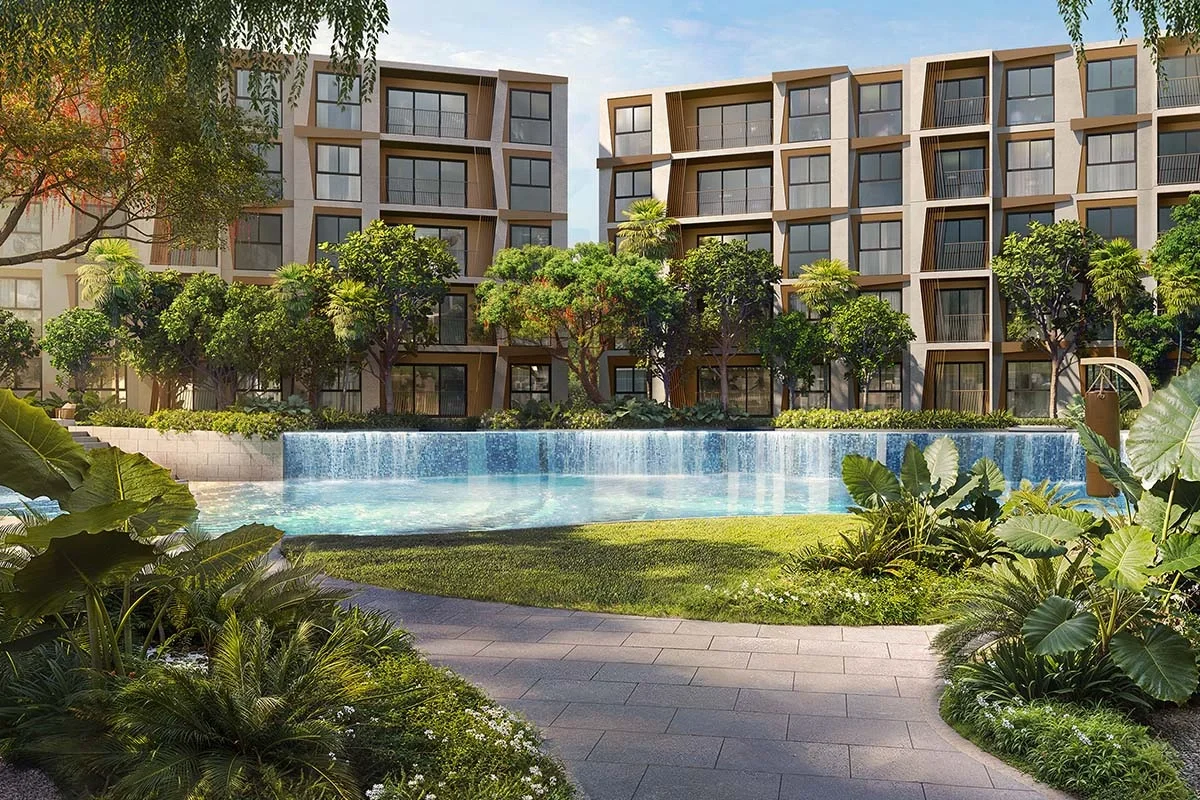
## Rental Income at Surin Beach
**The price list for Rhea:**
| Unit | Priced units | From | Median size | Metre rate |
| --- | ---: | ---: | ---: | ---: |
| 1BR | 17 | 4,810,000 THB ($147,095) | 35 sqm | 154,167 THB/sqm scheme-wide, against a Surin area median of 155,000 |
| 2BR | 27 | 7,470,000 ($228,440) | 60 sqm | |
Short-stay management at Surin runs 20 to 25% of gross, and Surin's lower turnover relative to Bang Tao keeps the cost line lighter. We build the net figure for your unit from the operator's statements.
**Long-stay (monthly) rental alternative:**
Surin attracts a growing cohort of premium long-stay residents, often single executives, couples, or semi-retired Europeans. Monthly rates for a 2BR two-bath in the Surin zone: approximately $2,000-$3,500 depending on fit-out and sea view. Long-stay asking rents for a Surin two-bedroom are visible on live listings today, and a twelve-month lease carries a fee of roughly one month a year against a short-let programme's 25-35% of gross. A 60 sqm two-bedroom is exactly the home this tenant looks for.
## Sansiri's first Surin project: the significance
A developer's first project in a zone tends to be priced to establish the brand there rather than to extract maximum value from it, and it tends to be built carefully for the same reason: the reputation of everything that follows depends on it. That is the practical significance of Rhea being Sansiri's first Surin address rather than its fifth.
If Sansiri's 29-project Phuket pipeline (2025-2029) includes additional Surin launches, Rhea's early buyers will benefit from the same brand-building dynamic that CANVAS buyers enjoy in Cherngtalay. This follows Sansiri's multi-phase approach to new zones.
## Why Buyers Choose Rhea by Sansiri
- A SET-listed developer with a long delivery record
- Surin's low-density, boutique character is scarce and hard to replicate, unlike volume beach corridors
- Nearer to completion than most current Phuket launches
- A formal pet-welcome policy, genuinely rare near Surin, widens both owner use and the long-stay tenant pool
- First-in-zone pricing, with the brand-building dynamic that has historically followed Sansiri into a new area
## Planning the Rental Income
A realistic income plan for a Surin unit starts from the operator's own statements, with the quieter months from June to September shown separately, and then takes out the running costs in order: the operator's 20 to 25% of gross, common area maintenance and the sinking fund, utilities, consumables, linen and cleaning, insurance, a reserve for furniture, and Thai tax on rental income. The first months after handover go to furnishing, photography and building a booking history.
We run that plan with you for both routes, nightly and long-stay. Surin's growing premium long-stay cohort brings a lower headline rate with much lower operating costs, and on a compact unit the two nets are often closer than the gross figures suggest. [The rental yield guide](/guides/phuket-rental-yield-complete-guide-2026/) sets out the method.
## Buying Rhea by Sansiri with MORE Group
At Rhea by Sansiri the purchase runs in five steps from the first price list to the keys, and we handle each step with you.
{/* corpus-faq:rhea-by-sansiri */}
## FAQ
### Can a foreign buyer own a unit at Rhea by Sansiri freehold?
Yes. Rhea is a registered condominium, so foreign nationals can hold freehold title inside the 49% foreign quota, which Thai law measures by the total floor area of the building rather than by unit count. We confirm with the juristic office that your specific unit sits inside the quota, and units outside it are available on a registered lease.
### What does entry pricing at THB 4.81M actually buy?
The entry tier is the compact one-bedroom, 29.75 to 35.25 sqm, on a lower floor without a sea aspect. Higher floors, corner positions and the two-bathroom two-bedroom layouts up to around 65 sqm are priced materially above that, reaching roughly $290,000 at the top of the standard range.
### How does Surin compare with Bang Tao for rental income?
They are close to opposites. Bang Tao delivers volume: more visitors and deeper infrastructure. Surin delivers rate: a smaller, quieter bay, premium dining and a higher-spending guest. We plan a Surin unit on Surin figures rather than Bang Tao averages.
### Who rents the compact 1BR at 29.75 sqm?
Couples and solo travellers on nightly stays, which makes the compact 1BR the efficient choice for yield per baht deployed. For a wider range of tenants and resale buyers, the larger 1BR layouts and the two-bedroom lines add space and flexibility.
### What stage is Rhea by Sansiri at?
Rhea is under construction, with payments spread across the build and Sansiri's delivery record behind it. We plan the currency side of each baht payment with you and send the latest construction update with the price list.
**Read Also:**
- [Best Areas in Phuket to Buy Property](/guides/best-areas-phuket-buy-property/)
- [Sansiri Developer Review](/guides/sansiri-developer/)
- [The Base Cherngtalay Project Review](/projects/the-base-cherngtalay/)
- [Phuket Rental Yield Guide 2026](/guides/phuket-rental-yield-complete-guide-2026/)
- [Is a Sansiri Phuket investment worth it?](/guides/sansiri-phuket-investment-worth-it/)
## Standing Out at Handover
In a 295-unit building, the owners who do best choose a floor, aspect or layout that is genuinely scarce inside the project and give the first year to building reviews and a rental record. At 4.81M THB, around $147,000, the entry tier is the most popular line, and we show you the units in it that stand out.
# Rise Villas Phuket: Villas from 10.5M THB
> Rise Villas Bang Tao: 3BR private pool villas from 10.5M THB in Cherngtalay, payment schedule and rental outlook. Buyer-side review, 0% commission.
**Source:** https://moregroup.estate/projects/rise-villas/
**Section:** Project Reviews
**Author:** MORE Group Editorial
**Published:** 2026-04-07
**Updated:** 2026-10-05
---
## Rise Villas: 3BR pool villas at the Bang Tao entry point
Bang Tao has become Phuket's most competitive villa market. Prices have climbed sharply over the past three years, and finding a genuinely move-in-ready 3-bedroom pool villa under 15 million THB in this area is increasingly rare. Rise Villas changes that. This boutique development in the Cherngtalay-Bang Tao corridor offers private pool villas with three bedrooms starting from 10.5 million THB, a price point that feels underpriced for the location when you look at what comparable finished villas are selling for nearby.
This is not a luxury trophy asset. Rise Villas is targeted at buyers who want real Bang Tao access, a functional family home or investment property, and a payment structure that doesn't demand 60% upfront, with completion scheduled for Q4 2027 according to the developer (checked 16 September 2026). The project suits first-time Phuket buyers, expats relocating for lifestyle reasons, and investors building a mid-market rental portfolio.
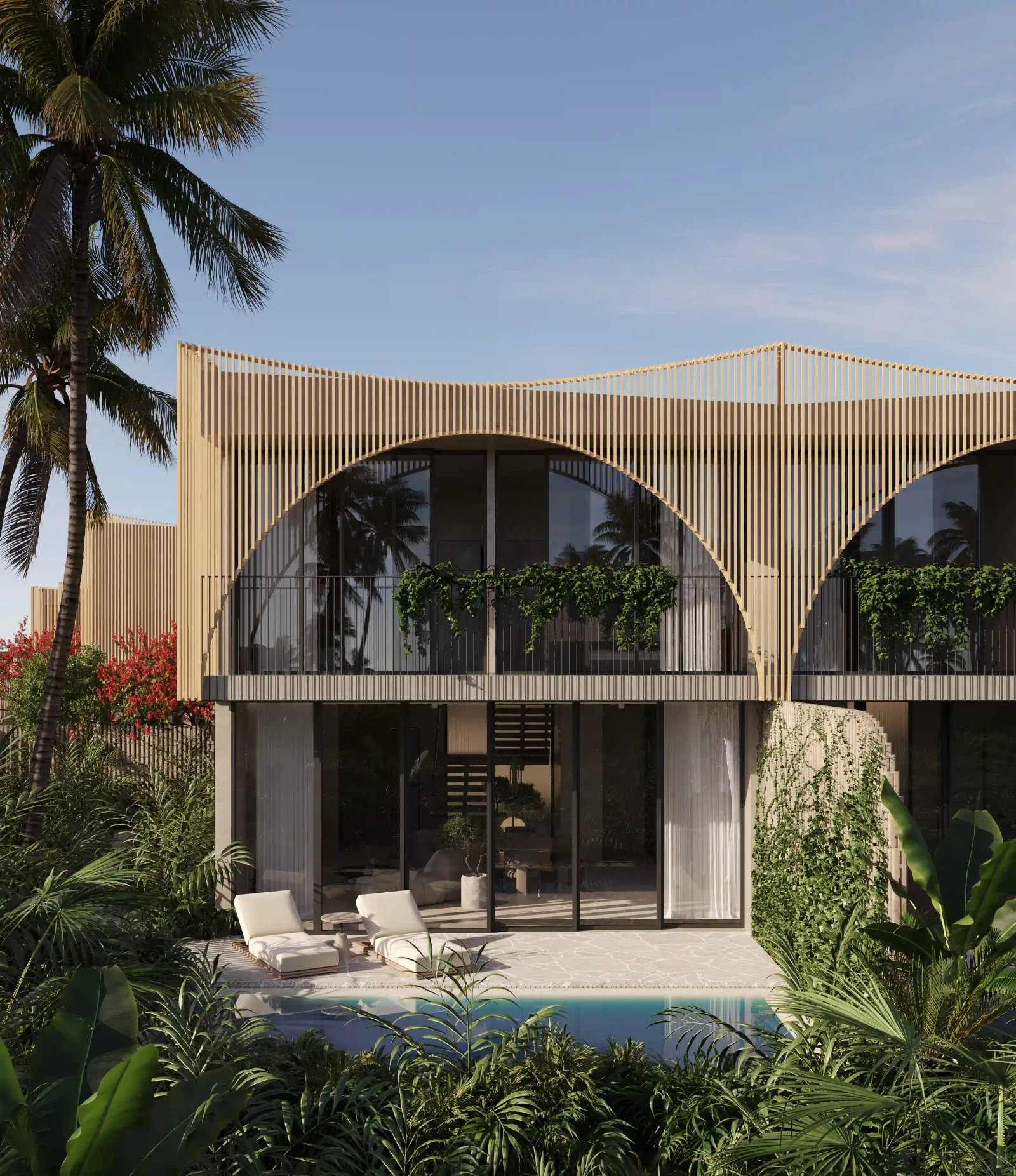
## Location: Bang Tao's Lifestyle Core
Rise Villas is positioned within this Cherngtalay-Bang Tao corridor. Bang Tao Beach itself is one of the longest on the island, a 6km stretch of relatively uncrowded sand backed by casuarina trees rather than the vendor chaos you find at Patong. On a Tuesday afternoon in shoulder season, this beach feels more like a private stretch than a tourist destination.
The commercial layer around Cherngtalay has matured fast. Boat Avenue is the anchor, a compact open-air mall with restaurants, a Tops supermarket, fitness studios, and a pharmacy. The surrounding streets have filled in with independent cafes, yoga studios, and co-working spots. Porto de Phuket adds another retail and F&B cluster a few minutes south toward Surin.
For families, the school infrastructure is solid. HeadStart International is in Cherngtalay. British International School is accessible within 20 minutes. For investors, this concentration of resident expats and digital nomads creates consistent rental demand year-round, not just during peak tourist season.
The Laguna Phuket resort complex is adjacent, which brings its own ecosystem of amenities: golf, spa, beach clubs, and the annual Ironman triathlon. Living near Laguna without paying Laguna prices is exactly what Rise Villas offers.
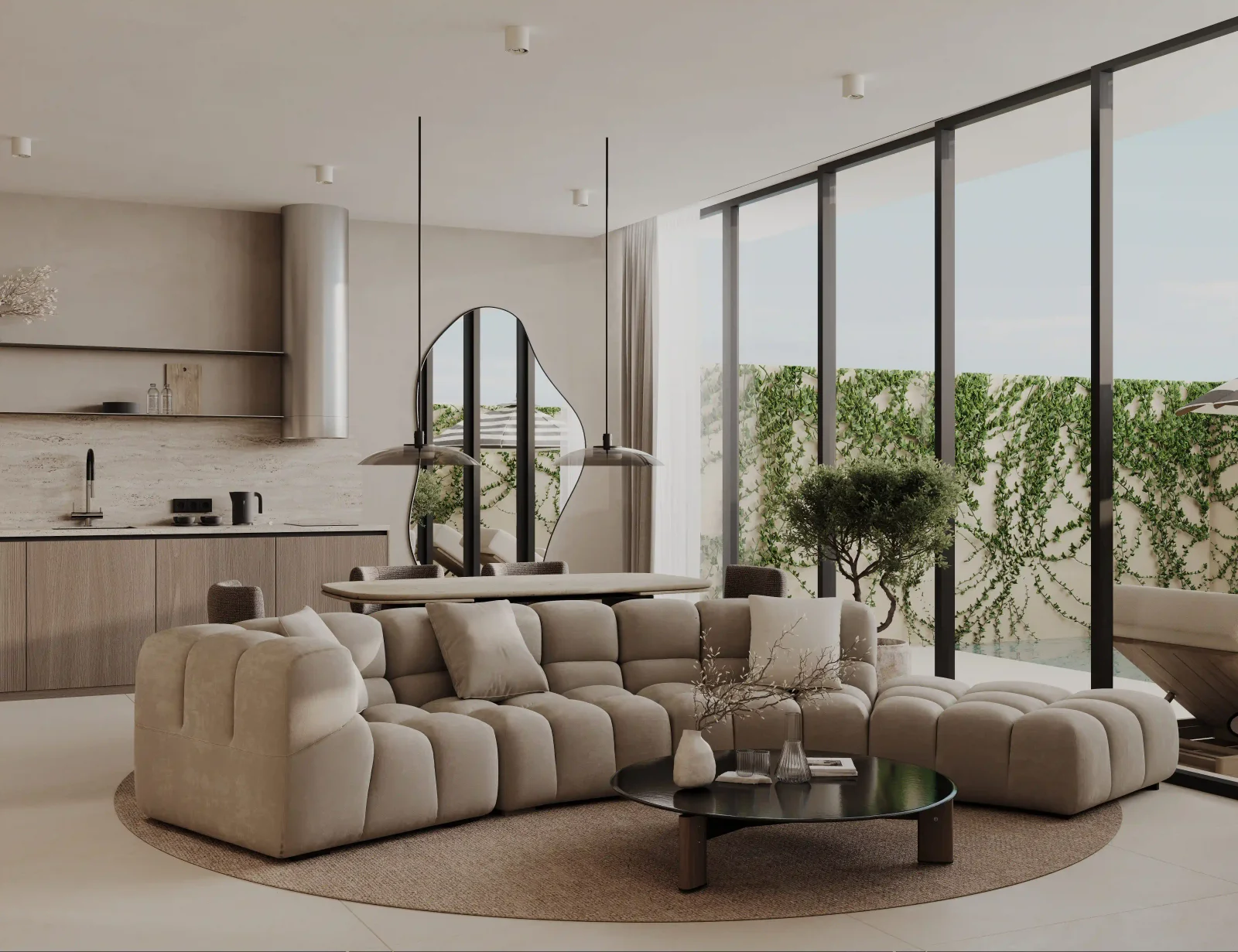
## Design and Specification
Private pools are a fixed feature across all units, not an upgrade or optional add-on. This matters for rental yield calculations: pool villas consistently outperform non-pool properties in Phuket's short-term rental market by a significant margin. Families booking through Airbnb or Agoda are specifically filtering for private pools, and the occupancy differential is measurable.
The price spread from 10.5M to 14.1M THB reflects differences in plot size, orientation, and specific unit position within the development. The entry-level units at 10.5M represent genuinely strong value for 3BR pool villas in this location, comparable finished properties in Cherngtalay have been transacting above 15M THB.
## Who Is Rise Villas For?
**Expats relocating to Phuket** who want a 3-bedroom home with a pool, proximity to quality schools, and easy access to the lifestyle infrastructure that makes Bang Tao livable rather than just holidayable.
**Mid-market rental investors** building a portfolio of short-term rental villas. 3BR pool villas in Bang Tao have historically let in the range of 8,000-15,000 THB per night depending on season and presentation, with occupancy rates that support strong annual returns when professionally managed.
**Buyers diversifying from condos** who want land and private space but aren't ready to step into the 25M+ THB luxury villa segment.
## Why Buyers Choose Rise Villas
- 3BR private pool villas from 10.5M THB in a corridor where finished comparables have been transacting above 15M THB
- Private pool on every unit rather than as a paid upgrade, which is the single biggest filter families apply on booking platforms
- Payment weighted across five stages, so only 35% is due at contract and 10% waits for transfer
- Walkable-by-car access to Boat Avenue, Porto de Phuket, HeadStart and the Laguna amenity ring
- Small unit count keeps the development quiet, which suits owner-occupiers more than a 200-unit estate
## What 10,500,000 THB Buys in Bang Tao
A three-bedroom pool villa in this corridor below 15M THB is unusual, and the details behind the price are all in the documents we send.
| What sets the price | What we send for your villa |
|---|---|
| Distance from the beach | The drive to Bang Tao Beach and Boat Avenue |
| Plot size | Plot area in square metres for your specific villa |
| Built area | The rate per square metre, and what it includes |
| Specification level | A finishes schedule naming brands and grades |
| Scheme size | How many villas share the estate charge |
| What surrounds the plot | The zoning of the land next to it |
Together they show where the value of your villa sits and why 10.5M THB is an accessible entry for the corridor.
{/* corpus-faq:rise-villas */}
## FAQ
### Can foreigners buy Rise Villas?
Yes. Foreign buyers typically acquire villas in Thailand via a long-term leasehold structure (30+30+30 years) or through a Thai limited company that holds the freehold title. Our legal team can walk you through both options and the implications for your situation.
### Is Bang Tao the right area for investment?
Bang Tao and Cherngtalay have consistently been among Phuket's strongest performing areas for capital appreciation and rental demand over the past five years. The combination of beach access, lifestyle infrastructure, and international school proximity creates durable demand.
**Read Also:**
- [Complete Guide to Buying Property in Phuket](/guides/buying-property-phuket-guide/)
- [Botanica Hythe: Villas in Cherngtalay](/projects/botanica-hythe/)
- [Proxima Villas: Pool Villas Near Bang Tao](/projects/proxima-villas/)
## How a Foreign Buyer Owns a Villa Here
This is the part that separates a villa purchase from a condo purchase. **Foreigners do not hold freehold title to land in Thailand.** A condo unit inside a registered condominium can be held freehold within the 49% foreign quota; a villa on its own plot is owned through one of two structures.
The two routes are a registered long lease, commonly structured as 30 years with contractual renewal options, or a Thai limited company that holds the land with the villa on it. A registered lease is simpler, cheaper to set up and recorded at the Land Department. A company structure keeps the asset closer to freehold in practical terms and can suit a buyer who owns several properties, and it needs a genuine company with annual accounting and filings.
We confirm with the developer which structure the sale is written under and send you the lease term and renewal terms in writing, and our legal support prepares the documents with you. See [freehold vs leasehold in Thailand](/guides/freehold-vs-leasehold-thailand/) for how the two compare over a full hold period.
## Running the Numbers at 10.5M THB
The page quotes 8,000-15,000 THB per night for a 3BR pool villa in this corridor. Take the middle of that band, 11,500 THB, and a conservative blended occupancy of 60% across the year, and gross revenue lands near 2.5M THB. Against a 10.5M THB entry that is roughly 24% gross before costs, and the costs are what turn it into the figure you keep.
A villa's running costs come off that: a professional operator takes 20-35% of gross on this kind of stock, and pool chemicals, garden, pest control and general maintenance run all year. Add electricity on an air-conditioned villa, insurance, linen replacement, platform commission and Thai tax on rental income, with a furnishing budget in year one and again around year five. Villa running costs are higher than condo costs because you maintain a building, a garden and a pool rather than paying a share of a building's CAM.
We build the plan on a full year: a quieter May to October, a month for maintenance and the full operator fee, so the strong high-season months come as upside. The [Phuket rental yield guide](/guides/phuket-rental-yield-complete-guide-2026/) sets out the gross-to-net path in detail.
The full cost stack for a managed villa, season by season, is in our guide to [buying a villa in Phuket for rental income](/guides/real-income-potential-phuket-villas/).
## Buyer Scenarios at Rise Villas
Take the relocating family first. Three bedrooms, a pool, HeadStart within reach and Boat Avenue for daily life. Here the rental maths is secondary, and the lease term and its renewal options are the terms to set up well, since the villa is a home for a decade or more.
Then the mid-market rental investor. The case rests on the entry price against finished villas in Cherngtalay, which have been transacting above 15M THB. We send recent transacted comparables in the immediate area, so you see the gap in real sales rather than asking prices.
And the buyer stepping up from a condominium. A villa is a small property of your own rather than a share of a managed building, and a managing agent from day one takes care of the pool, the garden and the guests.
## Buying Rise Villas with MORE Group
A pool villa at Rise Villas is bought in five steps, from the first price list to the keys, and we accompany you through each of them.
# Sana Vista Villas Bang Jo: Pool Villas at 12.89M THB
> Sana Vista Villas: boutique two and three-bedroom pool villas of 248 sqm in Bang Jo near Bang Tao and Surin, with high ceilings, at 12.89M THB.
**Source:** https://moregroup.estate/projects/sana-vista-villas/
**Section:** Project Reviews
**Author:** MORE Group Editorial
**Published:** 2026-04-08
**Updated:** 2026-08-23
---
## What Is Sana Vista Villas?
Sana Vista brings a private pool villa within reach near the heart of the west coast. The architecture is modern and functional, with high ceilings and open living spaces that open onto the terrace and the pool, so daily life moves easily between inside and out. The layouts suit couples and small families, with two or three bedrooms in a house of about 248 sqm.
Bang Jo is a quiet residential area, and the lifestyle of Cherngtalay is close: international schools, Boat Avenue and Porto de Phuket, and the beaches of Bang Tao and Surin about fourteen minutes by car.
## What Are the Key Facts for Sana Vista Villas?
| Factor | Detail |
| --- | --- |
| Location | Bang Jo, near Bang Tao and Surin |
| Villas | W1, W2 and W3 on our price list |
| Two-bedroom | 248 sqm, 12,890,000 THB |
| Three-bedroom | 248 sqm, 12,890,000 THB |
| Payment | 24% / 15% / 20% / 15% / 15% / 11% |
| Stage | Under construction |
| Beach | About 14 minutes by car |
| Airport | About 24 minutes by car |
| Design | Modern, high ceilings, open living spaces |
## Location: Bang Jo, Close to Cherngtalay
Bang Jo is a quiet residential area between Cherngtalay and Thalang, close to the schools, shops and restaurants of the Bang Tao area.
- **Bang Tao and Surin beaches:** about 14 minutes by car
- **International schools:** within a short drive
- **Boat Avenue and Porto de Phuket:** dining and shopping, with the nearest mall about 12 minutes by car
- **Laguna Phuket:** golf, spas and beach clubs
- **Airport:** about 24 minutes by car
From Sana Vista, the nearest beach about 14 minutes by car, the nearest mall about 12 minutes and the airport about 24 minutes, so everyday errands, school runs and trips home are easy to plan.
Days here are easy to organise: school and shops close by during the week, the beach clubs and restaurants of Bang Tao at the weekend. The [Bang Tao area page](/bang-tao-properties/) covers the district in more detail.
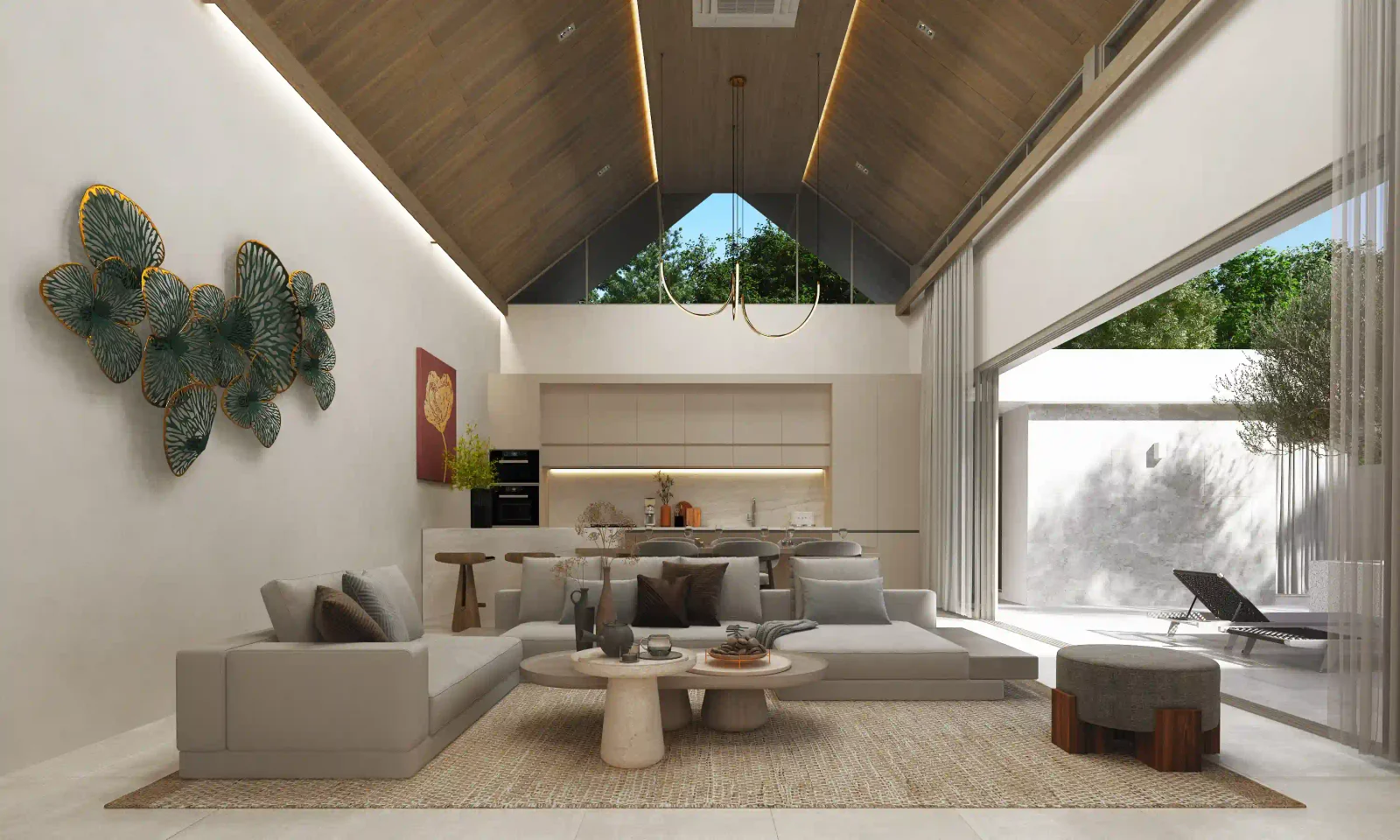
## Villas and Prices
| Villas | Bedrooms | Built area | Price |
| --- | --- | --- | --- |
| W3 | Two | 248 sqm | 12,890,000 THB |
| W1, W2 | Three | 248 sqm | 12,890,000 THB |
The three villas share the same size of about 248 sqm and one price, 12,890,000 THB: W3 has two bedrooms, and W1 and W2 have three. With only three houses on the list, the choice comes down to the layout and the plot, and we send the plan and plot of each villa together with a viewing of the site.
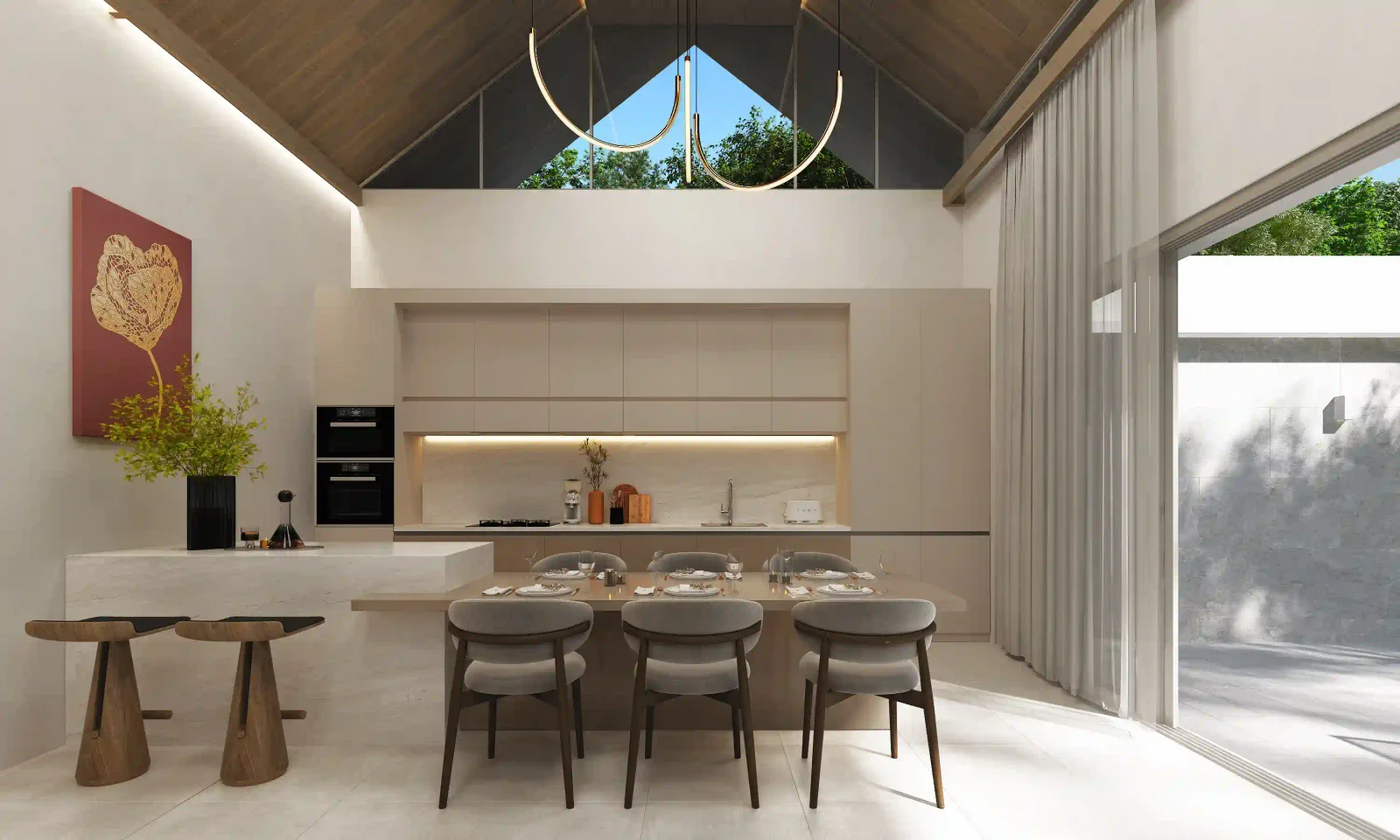
## Design and Facilities
- **Modern, functional architecture**
- **High ceilings** and open living spaces
- **Two or three bedrooms**
- **Private swimming pool**
- **Seamless indoor-outdoor living**
- **Pet-friendly**
## Living at Sana Vista
Life at Sana Vista is simple and relaxed. Mornings start with a swim in your own pool, the school run and the shops take minutes, and the afternoon can be spent on the beaches of Bang Tao or Surin. In the evening the terrace is the place for dinner, and the restaurants of Boat Avenue are close when you want to go out. For owners who spend part of the year elsewhere, a compact pool villa is easy to keep and easy to leave. The villas are close enough to the schools for an easy school run and far enough from the busy roads to stay quiet.
## Six-Stage Payment Plan
The price is paid in six stages: 24%, 15%, 20%, 15%, 15% and 11%. For a villa at 12,890,000 THB that works out as follows:
| Stage | Share | Amount |
| --- | --- | --- |
| 1 | 24% | 3,093,600 THB |
| 2 | 15% | 1,933,500 THB |
| 3 | 20% | 2,578,000 THB |
| 4 and 5 | 15% each | 1,933,500 THB each |
| 6 | 11% | 1,417,900 THB |
The schedule follows the build, and we send the developer's schedule for your villa with the price list.
## Why Buyers Choose Sana Vista Villas
- **A pool villa at 12,890,000 THB** near Bang Tao
- **High ceilings** and open living spaces
- **Two or three bedrooms**
- **Schools, shops and Boat Avenue** close by
- **Bang Tao and Surin** about 14 minutes away
- **Pet-friendly**
## Who Sana Vista Villas Suits
**Couples and small families** who want a pool villa near the west coast at an accessible price.
**Couples moving up from a condominium** to their own house with a pool.
**Owners who spend part of the year in Phuket** and want a house that is easy to keep.
**Rental investors** aiming at families who rent a house near the schools of Bang Tao.
## Renting Out a Villa at Sana Vista
A two or three-bedroom pool villa near Bang Tao appeals to relocating families and long-term residents who rent for six or twelve months, and to couples and families on holiday who want a private pool within reach of the beaches.
If you plan to let your villa at Sana Vista Villas, we collect current asking rents and holiday rates for comparable villas in Bang Tao and Bang Jo and send them with the price list. [Our rental guide](/guides/phuket-rental-yield-complete-guide-2026/) explains how to read a rental offer line by line.
## Ownership for Foreign Buyers
At Sana Vista Villas, as with any villa in Thailand, you buy land plus a building. The villa can be held in your own name over a lease of the plot registered at the Land Office, 30 years per registration with renewal terms in the contract, or the land can be held through a Thai company with genuine Thai shareholders. [Freehold and leasehold in Thailand](/guides/freehold-vs-leasehold-thailand/) explains both routes, and we prepare the one that suits you with our legal support.
## Sana Vista and Other Accessible Villas Near Bang Tao
| Project | From | Status |
| --- | --- | --- |
| [Verdi Villas Phuket](/projects/verdi/) | 9,500,000 THB | Off-plan |
| [Crown Estate Dulwich Road 2026](/projects/crown-estate-dulwich-road/) | 9,550,000 THB | Off-plan |
| [Rise Villas Phuket](/projects/rise-villas/) | 10,500,000 THB | Off-plan |
| Sana Vista Villas | 12,890,000 THB | Off-plan |
| [Proxima Villas](/projects/proxima-villas/) | 13,500,000 THB | Off-plan |
| [Diamond Pool Villa Bang Tao](/projects/diamond-pool-villa/) | 13,652,490 THB | Off-plan |
| [Sunrise Lake Phuket](/projects/sunrise-lake/) | 13,990,000 THB | Off-plan |
Sana Vista stands out in this group as one of the most accessible pool villas near Bang Tao. We send the price lists of any of these projects on request and arrange viewings.
## Buying Sana Vista Villas with MORE Group
A villa at Sana Vista is bought in five steps, from the first price list to the keys, and we are with you through each of them.
## What We Send Before You Reserve
- The current price list for Sana Vista Villas with free villas, plot areas and plans
- The six-stage payment schedule for your villa
- The ownership structure for your purchase, leasehold or company, with the documents it needs
- The community's common charges
- The latest construction update
{/* corpus-faq:sana-vista-villas */}
## FAQ
### What does Sana Vista Villas cost?
Our price list holds 3 villas: two-bedrooms of 248 sqm at 12,890,000 THB; three-bedrooms of 248 sqm at 12,890,000 THB.
### What sizes and layouts are available?
All three villas are about 248 sqm: W3 has two bedrooms, W1 and W2 have three, each with a private pool.
### Where is Sana Vista Villas?
In Bang Jo, near Bang Tao and Surin. The beaches are about 14 minutes by car, the nearest mall about 12 minutes and the airport about 24 minutes.
### What is the payment plan?
Six stages: 24%, 15%, 20%, 15%, 15%, 11%. For a villa at 12,890,000 THB that means 3,093,600 THB at the first stage.
### How can foreigners own a villa at Sana Vista Villas?
The villa can be held in your own name over a lease of the plot registered at the Land Office, 30 years per registration with renewal terms in the contract, or the land can be held through a Thai company with genuine Thai shareholders. We prepare the structure with our legal support.
**Read Also:**
- [Diamond Pool Villa](/projects/diamond-pool-villa/)
- [Villas for Sale in Bang Tao](/bang-tao-properties/)
- [Freehold vs Leasehold in Thailand](/guides/freehold-vs-leasehold-thailand/)
- [How Foreigners Buy Phuket Property 2026](/guides/buying-property-phuket-guide/)
- [Phuket Rental Yield Guide](/guides/phuket-rental-yield-complete-guide-2026/)
# Sea Heaven Phase 3 Review 2026: Prices, Units and Quota
> Sea Heaven Phase 3 review: beachfront condos at Naithon Beach from 4.37M THB, on a site with completed earlier phases, 15 minutes from the airport.
**Source:** https://moregroup.estate/projects/sea-heaven-phase-3/
**Section:** Project Reviews
**Author:** MORE Group Editorial
**Published:** 2026-04-08
**Updated:** 2026-08-23
---
## What Is Sea Heaven Phase 3 in Naithon?
Sea Heaven Phase 3 is the third stage of a beachfront condominium development at Naithon Beach in north Phuket, in the Sakhu area. Two eight-storey buildings hold one and two-bedroom apartments from 4.37 million THB, with resort-style amenities and Naithon's white sand and calm water at the door.
Naithon is one of Phuket's most beautiful quiet beaches: about a kilometre of white sand in a sheltered bay, with a calm, relaxed character and the national park coastline close by. Phase 3 joins a site where the earlier phases are already complete, so buyers can see the developer's work before they choose.
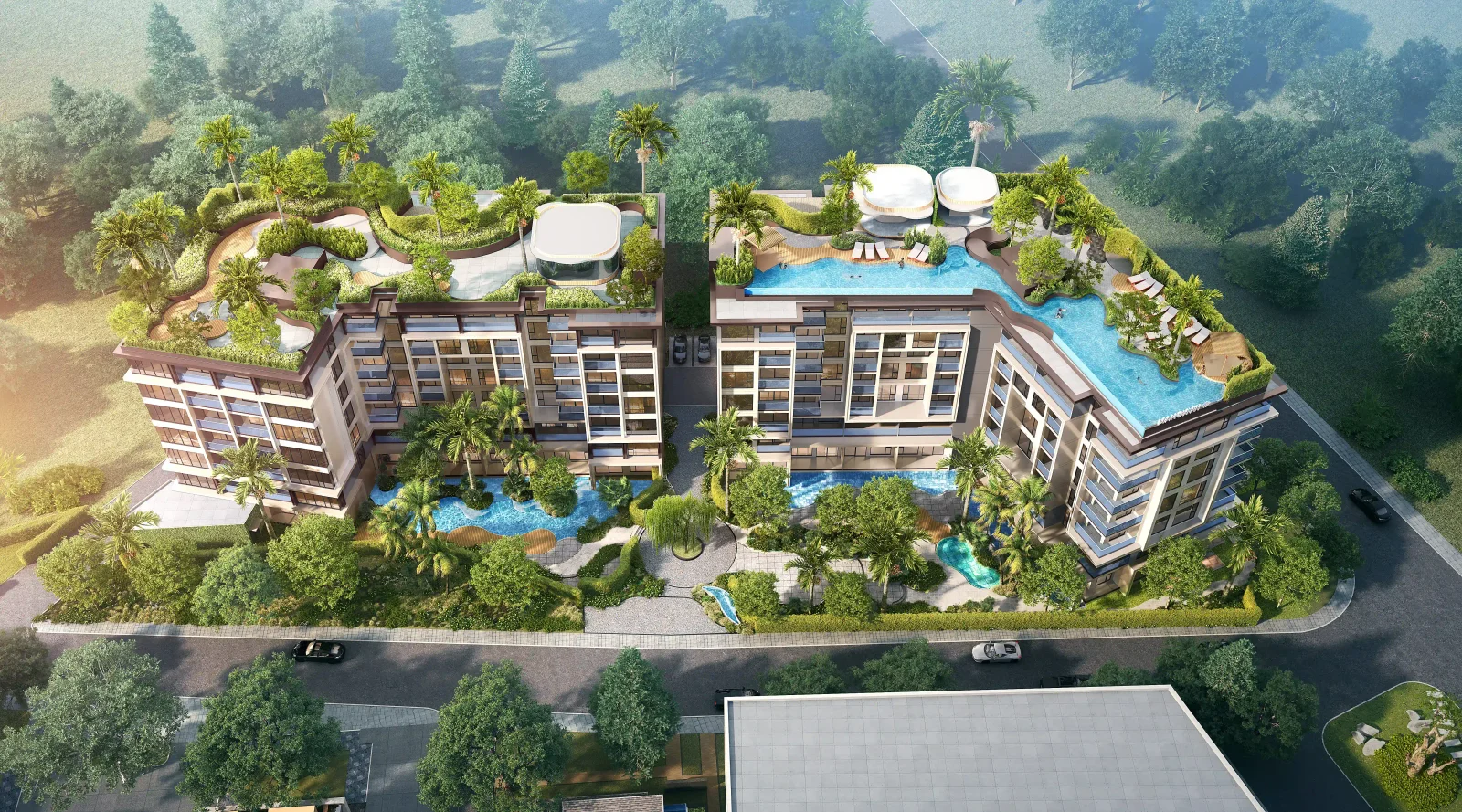
## What Are the Key Facts for Sea Heaven Phase 3?
| Factor | Detail |
| --- | --- |
| Developer | Sea Heaven Development, phases 1 to 3 on the same site |
| Location | Sakhu, Naithon Beach, north Phuket |
| Buildings | Two eight-storey buildings |
| On our price list | 50 one-bedrooms of 32-60 sqm, 2 two-bedrooms of 57-58 sqm |
| Price range | 4,370,460 to 9,412,153 THB |
| Payment plan | 30% / 20% / 20% / 20% / 10% |
| Stage | Under construction |
| Ownership | Condo freehold within the 49% foreign quota |
## Location and Area
- **Naithon Beach:** a minute's walk, white sand and calm water
- **Airport:** about 15 minutes by car, one of the shortest transfers on the island
- **Nai Yang and Mai Khao:** the neighbouring north-coast beaches a short drive away
- **Sirinat National Park:** the protected coastline that keeps the north coast green
Naithon's sheltered water makes it one of the island's favourite swimming beaches in the dry season, and the small restaurants and cafes along the beach road keep daily life simple. Guests arriving on a late flight or leaving early appreciate a quick transfer, and owners who fly in often do too. The [Mai Khao and north Phuket guide](/areas/mai-khao-north-phuket-property-guide/) covers the wider area.
## Units and Prices
Our current price list for Sea Heaven Phase 3 holds 52 apartments across one and two-bedroom layouts:
| Type | Size | Units | Price |
|---|---|---|---|
| One-bedroom | 32 sqm | 2 | 4,370,460 to 4,592,150 THB |
| One-bedroom | 37 sqm | 20 | 4,708,750 to 5,655,000 THB |
| One-bedroom | 42 sqm | 15 | 5,357,500 to 6,840,800 THB |
| One-bedroom | 49 sqm | 3 | 6,540,940 to 6,786,840 THB |
| One-bedroom | 55 to 60 sqm | 10 | 7,517,500 to 9,412,153 THB |
| Two-bedroom | 57 to 58 sqm | 2 | 8,160,600 to 8,230,200 THB |
At 4.37 million THB, the entry one-bedroom is one of the most accessible freehold apartments next to a white-sand beach in Phuket, and most of the list sits between 4.7 and 6.8 million THB for 37 to 42 sqm. The larger one-bedrooms of 55 to 60 sqm offer generous space for couples who stay for months at a time. We send the floor, view and price of every free unit with the price list.
## Design and Amenities
The two-building layout allows varied orientations and a larger shared pool deck, and residents of both buildings enjoy:
- Communal swimming pool
- Fitness centre
- Landscaped gardens
- 24-hour security
The site's management team and rental programme already run for the earlier phases, so Phase 3 owners join an established operation rather than a new one.
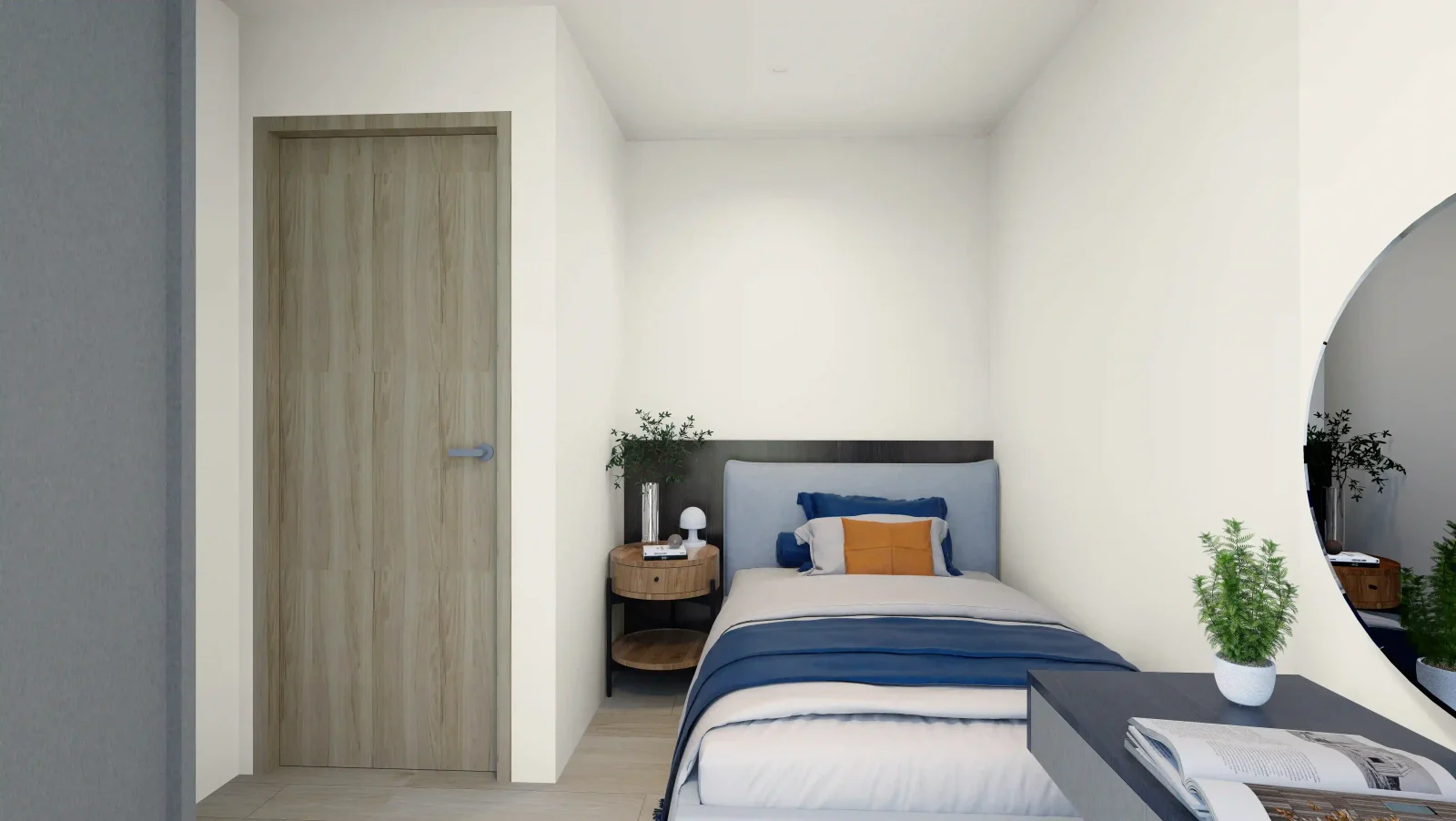
## Five-Stage Payment Plan
The price is paid in five stages as the buildings rise: 30%, 20%, 20%, 20% and 10%. For the entry one-bedroom at 4,370,460 THB that works out as follows:
| Stage | Share | Amount |
|---|---|---|
| 1 | 30% | 1,311,138 THB |
| 2 to 4 | 20% each | 874,092 THB each |
| 5 | 10% | 437,046 THB |
For a freehold unit at Sea Heaven Phase 3, each payment is transferred from abroad in foreign currency, and the receiving bank provides the FET form that the Land Department needs to register the unit in your name. We send the developer's schedule for your unit with the price list.
## Phases 1 and 2 as a Showcase
Buying into the third phase of an existing site is a real advantage: the earlier buildings stand on the same land, so you can walk the pool deck, see the finishes and the upkeep, and speak with the management team before you choose. Our price list for the completed Phase 2.2 starts at 6,856,000 THB for a 40 sqm studio, which shows the value of buying Phase 3 during construction. We arrange viewings of the site on request.
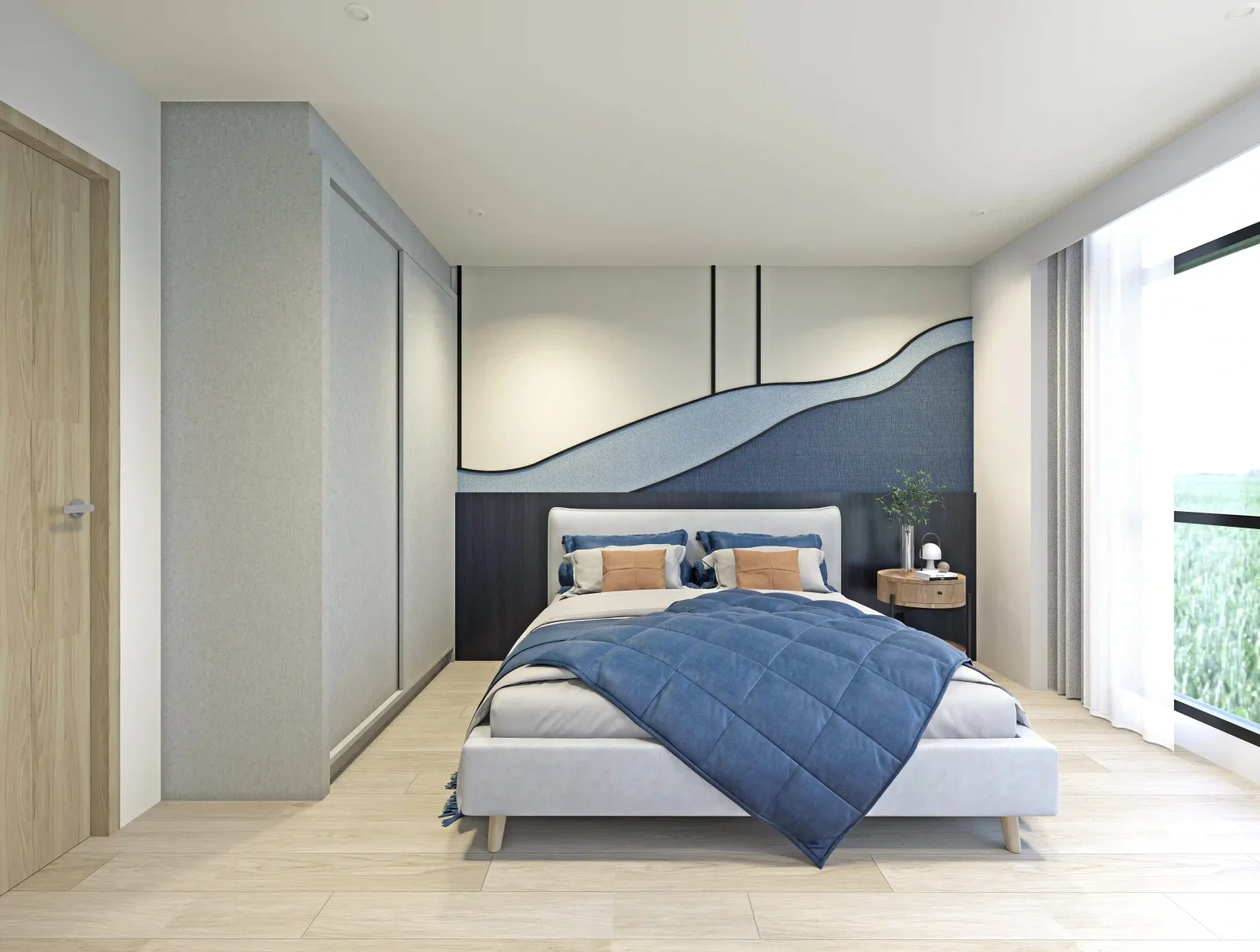
## Why Buyers Choose Sea Heaven Phase 3
- **Beachfront:** Naithon Beach a minute's walk away
- **An accessible entry:** one-bedrooms from 4,370,460 THB
- **A proven site:** earlier phases complete and in use
- **A rental programme already running** for the earlier phases
- **Close to the airport:** about 15 minutes by car
- **Freehold ownership:** a condo title in your own name within the 49% foreign quota
## Who Is This For?
- **Lifestyle buyers** who want a beach apartment on one of Phuket's calmest bays
- **Owners who combine use and rental:** several weeks a year in residence, the rest managed
- **First-time buyers** looking for a freehold beach apartment at an accessible price
- **Frequent flyers** who value a short airport transfer
## Renting Out an Apartment at Sea Heaven
A beachfront apartment near the airport appeals to holiday couples, families and long-stay guests who want a quiet beach, and the site's rental programme already handles guests for the earlier phases. For owners who plan to rent, we collect current holiday rates and the terms of the rental programme and send them with the price list. [Our rental guide](/guides/phuket-rental-yield-complete-guide-2026/) explains how to read a rental offer line by line.
## Sea Heaven Phase 3 and Other North-Coast Condos
| Project | From | Status |
|---|---|---|
| Royal Lee Phuket | 3,217,133 THB | Completed |
| [The Title Serenity](/projects/the-title-serenity/) | 3,429,657 THB | Off-plan |
| Sea Heaven Phase 3 | 4,370,460 THB | Off-plan |
| [The Zero Nai Yang](/projects/the-zero-nai-yang/) | 4,393,393 THB | Off-plan |
| [The Title Balcony](/projects/the-title-balcony/) | 5,370,700 THB | Off-plan |
| [Beachfront Bliss](/projects/beachfront-bliss/) | 6,288,750 THB | Off-plan |
| [Maviston Mai Khao](/projects/maviston-mai-khao/) | 9,300,000 THB | Off-plan |
Sea Heaven Phase 3 is the Naithon choice in this group, with the beach a minute's walk away. We send floor plans for any of these buildings on request.
## Buying Sea Heaven Phase 3 with MORE Group
An apartment at Sea Heaven Phase 3 is bought in five steps, from the first price list to the keys, and we are with you through each of them.
## What We Send Before You Reserve
- The current price list with free units, floors, views and floor plans
- The five-stage payment schedule for your unit
- Confirmation that your unit sits within the 49% foreign quota
- The latest construction update
- The terms of the site's rental programme, if you plan to rent
{/* corpus-faq:sea-heaven-phase-3 */}
## FAQ
### Is Sea Heaven Phase 3 freehold for foreign buyers?
Yes. Foreign buyers can hold a unit freehold in their own name within the 49% foreign quota of the building, counted by floor area. We confirm that your unit sits inside the quota, and the purchase money is transferred from abroad with an FET form for registration at the Land Department.
### What is the entry price for Sea Heaven Phase 3?
One-bedrooms start at 4,370,460 THB for 32 sqm, and most are 37 to 42 sqm between about 4.7 and 6.8 million THB. Two-bedrooms of 57 to 58 sqm are 8,160,600 and 8,230,200 THB.
### Can I rent out my apartment at Sea Heaven?
Yes. The site's rental programme already runs for the earlier phases, and a beachfront apartment near the airport appeals to holiday guests and long-stay visitors. We send the programme terms and current holiday rates with the price list.
### What stage is Sea Heaven Phase 3 at?
Construction is underway. We send the latest construction update together with the price list.
### How does Phase 3 compare with the completed Phase 2.2?
Phase 2.2 is complete and in use, with studios of 40 sqm from 6,856,000 THB on our price list. Phase 3 one-bedrooms start at 4,370,460 THB, so buyers who purchase during construction enter at a lower price on the same site.
**Read Also:**
- [How Foreigners Buy Phuket Property 2026](/guides/buying-property-phuket-guide/)
- [Beachfront Bliss Review](/projects/beachfront-bliss/)
- [Vista del Mar Review](/projects/vista-del-mar-phuket/)
- [Mai Khao and North Phuket Guide](/areas/mai-khao-north-phuket-property-guide/)
- [The Buying Process in Thailand, Step by Step](/guides/due-diligence-process-thailand-step-by-step/)
- [Phuket Condo vs Villa Investment Compared](/comparisons/phuket-condo-vs-villa-comparison/)
# Season Rosewood Layan: Pool Villas from 56.1M THB
> Season Rosewood by Season Luxury Villas: four two-storey pool villas in Layan, four and five bedrooms of 559 to 621 sqm, from 56.1M THB.
**Source:** https://moregroup.estate/projects/season-rosewood-by-season-luxury-villas/
**Section:** Project Reviews
**Author:** MORE Group Editorial
**Published:** 2026-04-08
**Updated:** 2026-08-23
---
## What Is Season Rosewood?
Season Rosewood is the grandest of the Season Luxury Villas collections: four large houses, each designed for a family that likes space and privacy. Elegant open-plan living and dining areas open onto the terrace, the garden and a private swimming pool, and the four or five bedrooms spread across two storeys give everyone room of their own.
With only four villas, the setting is quiet and exclusive. The beaches of Layan and Bang Tao are about eight minutes by car, the airport about 21 minutes, and Laguna, Boat Avenue and the international schools are close by. Season Luxury Villas also builds [Wintery by Season](/projects/wintery-by-season-luxury-villas/) and [Autumn Villa](/projects/autumn-villa-by-season-luxury-villas/).
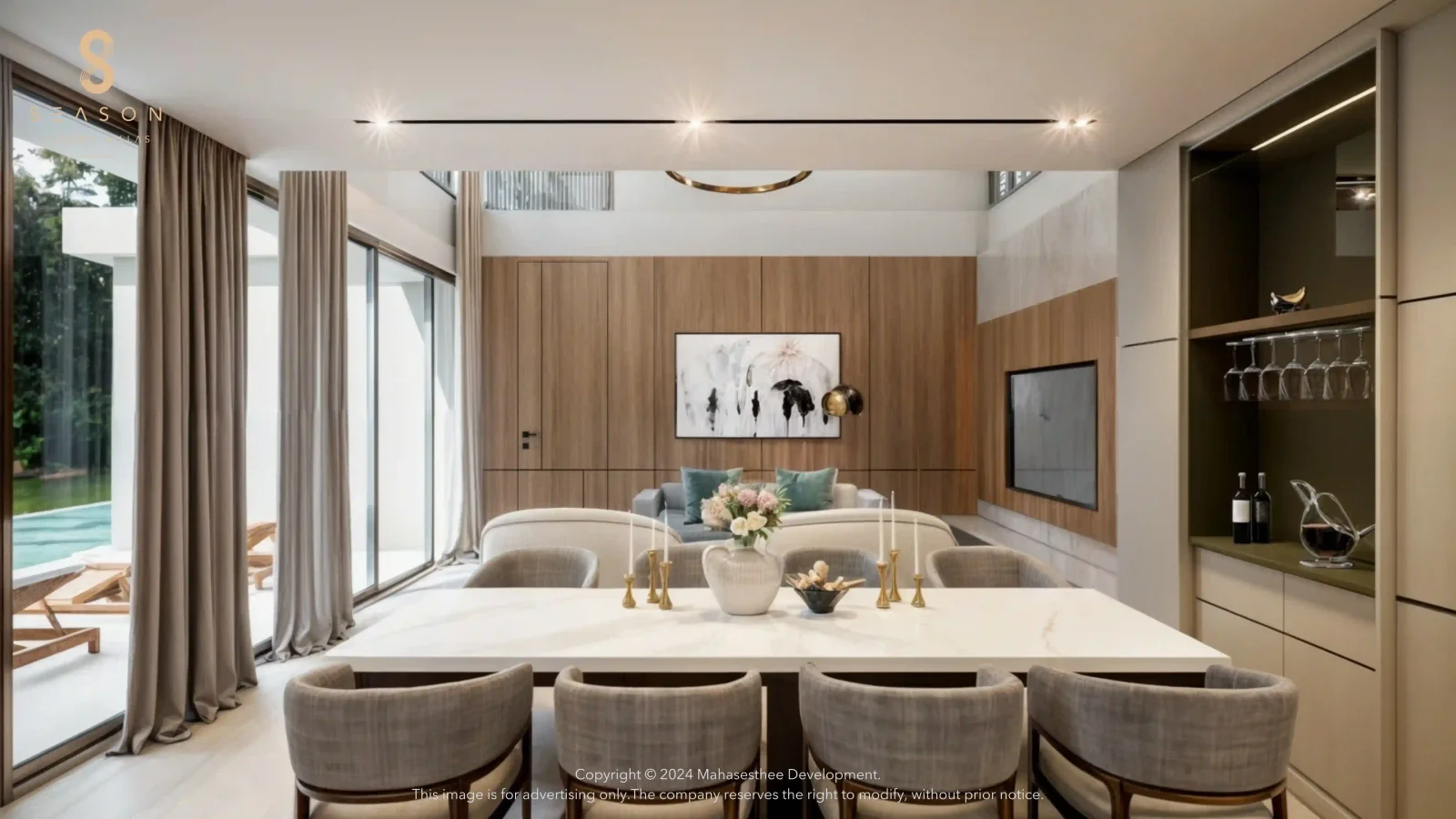
## What Are the Key Facts for Season Rosewood?
| Factor | Detail |
| --- | --- |
| Developer | Season Luxury Villas |
| Location | Layan, Choeng Thale |
| Collection | 4 two-storey pool villas |
| On our price list | All 4: R1, R2, R3 and W1 |
| Four-bedroom | 559 and 568 sqm, 56,106,000 to 57,056,400 THB |
| Five-bedroom | 621 sqm, 63,428,400 THB |
| Payment | 30% / 20% / 15% / 15% / 10% / 10% |
| Stage | Under construction |
| Beach | About 8 minutes by car |
| Airport | About 21 minutes by car |
| Plots | About 478 to 625 sqm |
## Location: Layan and Bang Tao
Layan is the quiet northern end of Bang Tao Bay, one of the calmest beaches on the west coast, with the resort life of Laguna a short drive away. Layan has a calm, village feel, with cafés and small restaurants along the beach road and the larger resorts of Laguna a few minutes to the south.
- **Layan and Bang Tao beaches:** about 8 minutes by car
- **Laguna Phuket:** golf, spas and beach clubs
- **Boat Avenue and Porto de Phuket:** dining and shopping, with the nearest mall about 9 minutes by car
- **International schools:** within a short drive
- **Airport:** about 21 minutes by car
From Season Rosewood, the nearest beach about 8 minutes by car, the nearest mall about 9 minutes and the airport about 21 minutes, so everyday errands, school runs and trips home are easy to plan.
Days here combine the privacy of a large house with the beaches and restaurants of the west coast. The [Layan area guide](/areas/layan-property-guide/) covers the district in more detail.
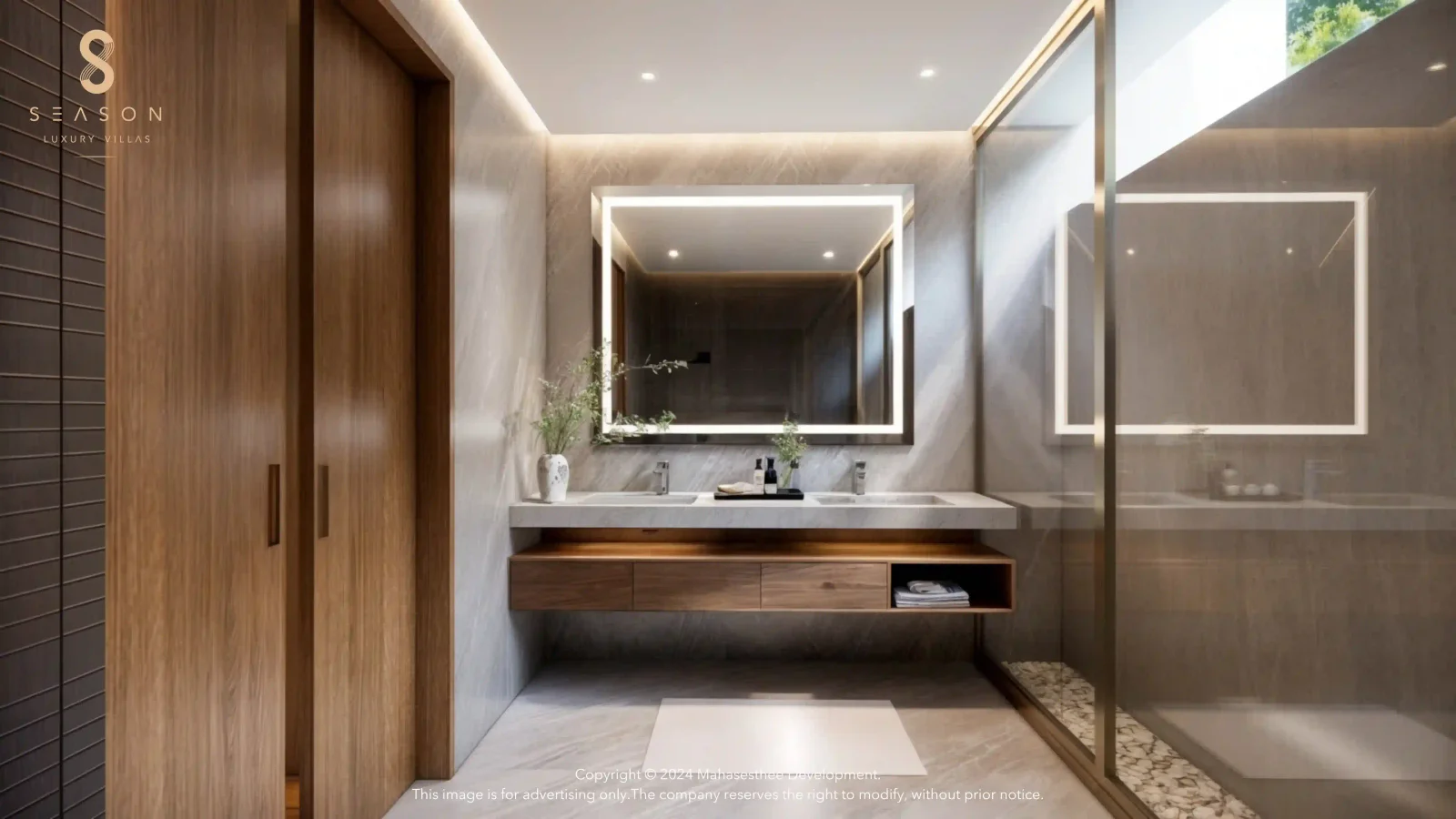
## Villas and Prices
| Villas | Bedrooms | Built area | Price |
| --- | --- | --- | --- |
| R1, R2, R3 | Four | 559 and 568 sqm | 56,106,000 to 57,056,400 THB |
| W1 | Five | 621 sqm | 63,428,400 THB |
Seeing the houses side by side is the best way to choose between the two sizes.
The four-bedroom villas R1, R2 and R3 of 559 and 568 sqm range from 56,106,000 to 57,056,400 THB, and W1, the five-bedroom villa of 621 sqm, is listed at 63,428,400 THB. We send the plan of both floors and the plot of each villa, and arrange a viewing of all four on the same visit.
## Design and Facilities
- **Two-storey villas** with elegant open-plan living
- **Four or five bedrooms**
- **Private swimming pool** and terrace
- **Landscaped garden**
- **Only four villas**
- **Pet-friendly**
## Living at Season Rosewood
A house of this size lets a family live at its own pace. The children have the pool and the garden, guests have their own rooms, and the open-plan ground floor brings everyone together for meals. The beaches of Layan and Bang Tao are a few minutes away, the golf and spas of Laguna close by, and with only three neighbours the evenings are private and quiet. Season Luxury Villas designs its houses for families who stay for the whole season, and the generous kitchens, terraces and bedrooms make long stays comfortable for everyone.
## Six-Stage Payment Plan
The price is paid in six stages: 30%, 20%, 15%, 15%, 10% and 10%. For a villa at 56,106,000 THB that works out as follows:
| Stage | Share | Amount |
| --- | --- | --- |
| 1 | 30% | 16,831,800 THB |
| 2 | 20% | 11,221,200 THB |
| 3 and 4 | 15% each | 8,415,900 THB each |
| 5 and 6 | 10% each | 5,610,600 THB each |
The schedule follows the build, and we send the developer's schedule for your villa with the price list.
## Why Buyers Choose Season Rosewood
- **Only four villas**, for exclusivity
- **Four or five bedrooms** across up to 621 sqm
- **Elegant open-plan living**
- **Layan and Bang Tao beaches** about 8 minutes away
- **Season Luxury Villas**, with several collections in the area
- **Pet-friendly**
## Who Season Rosewood Suits
**Large families** who want four or five bedrooms near the beaches of Layan.
**Buyers who value exclusivity** in a collection of only four homes.
**Owners who host** with room for guests.
**Villa rental investors** aiming at families and groups who book large pool villas near Laguna.
## Renting Out a Villa at Season Rosewood
A large pool villa near Layan and Bang Tao appeals to families and groups on holiday in the November to April season, and to relocating families who rent for a longer stay. The space and the privacy are what guests value most.
If you plan to let your villa at Season Rosewood, we collect current asking rents and holiday rates for comparable villas in Layan and Bang Tao and send them with the price list. [Our rental guide](/guides/phuket-rental-yield-complete-guide-2026/) explains how to read a rental offer line by line.
## Ownership for Foreign Buyers
At Season Rosewood, as with any villa in Thailand, you buy land plus a building. The villa can be held in your own name over a lease of the plot registered at the Land Office, 30 years per registration with renewal terms in the contract, or the land can be held through a Thai company with genuine Thai shareholders. [Freehold and leasehold in Thailand](/guides/freehold-vs-leasehold-thailand/) explains both routes, and we prepare the one that suits you with our legal support.
## Season Rosewood and Other Luxury Villas Near Layan
| Project | From | Status |
| --- | --- | --- |
| [Botanica Grand Avenue](/projects/botanica-grand-avenue/) | 44,505,000 THB | Off-plan |
| [Tri Vananda Phuket 2026](/projects/tri-vananda/) | 54,383,017 THB | Off-plan |
| Season Rosewood | 56,106,000 THB | Off-plan |
| [Cloud by Season Pasak](/projects/cloud-by-season-luxury-villas/) | 65,500,000 THB | Off-plan |
| [Cohiba Villas Layan](/projects/cohiba-villas/) | 71,000,000 THB | Off-plan |
| [Botanica Sky Valley](/projects/botanica-sky-valley/) | 74,449,000 THB | Off-plan |
Season Rosewood stands out in this group for its exclusivity: only four villas. We send the price lists of any of these projects on request and arrange viewings.
## Buying Season Rosewood with MORE Group
A villa at Season Rosewood is bought in five steps, from the first price list to the keys, and we are with you through each of them.
## What We Send Before You Reserve
- The current price list for Season Rosewood with free villas, plot areas and plans
- The six-stage payment schedule for your villa
- The ownership structure for your purchase, leasehold or company, with the documents it needs
- The community's common charges
- The latest construction update
{/* corpus-faq:season-rosewood-by-season-luxury-villas */}
## FAQ
### What does Season Rosewood cost?
Our price list holds 4 villas: four-bedrooms of 559 and 568 sqm from 56,106,000 to 57,056,400 THB; five-bedrooms of 621 sqm at 63,428,400 THB.
### How many villas are there?
Only four: R1, R2 and R3 with four bedrooms, and W1 with five bedrooms, all on our price list.
### Where is Season Rosewood?
In Layan, Choeng Thale. The beaches of Layan and Bang Tao are about 8 minutes by car and the airport about 21 minutes.
### What is the payment plan?
Six stages: 30%, 20%, 15%, 15%, 10%, 10%. For a villa at 56,106,000 THB that means 16,831,800 THB at the first stage.
### How can foreigners own a villa at Season Rosewood?
The villa can be held in your own name over a lease of the plot registered at the Land Office, 30 years per registration with renewal terms in the contract, or the land can be held through a Thai company with genuine Thai shareholders. We prepare the structure with our legal support.
**Read Also:**
- [Wintery by Season](/projects/wintery-by-season-luxury-villas/)
- [Cloud by Season](/projects/cloud-by-season-luxury-villas/)
- [Freehold vs Leasehold in Thailand](/guides/freehold-vs-leasehold-thailand/)
- [How Foreigners Buy Phuket Property 2026](/guides/buying-property-phuket-guide/)
- [Phuket Rental Yield Guide](/guides/phuket-rental-yield-complete-guide-2026/)
# Serene Condo Layan: Studios from 3.24M THB
> Serene Condo Layan: studios from 3.24M THB and one to three-bedroom layouts, with rooftop infinity pools and co-working, a short drive to Layan Beach.
**Source:** https://moregroup.estate/projects/serene-condo-layan/
**Section:** Project Reviews
**Author:** MORE Group Editorial
**Published:** 2026-04-02
**Updated:** 2026-08-23
---
Studios from 3,240,000 THB (~$99k), the most affordable Layan entry point in 2026. Premium location: 18-minute walk or 2-minute drive to Layan Beach, 23 min to airport. Off-plan with a 35/20/20/15/10 payment plan. 247 units across two 7-storey buildings, studios to 3BR penthouses. Full amenity set: rooftop infinity pools, co-working, gym, kids' playground, pet-friendly.
## Why Serene Condo Layan Is One to Watch in 2026?
What makes this project stand out in a crowded market is the entry price. Studios start at 3,240,000 THB, that is roughly $99,083 at current rates, which puts genuine Layan beachside proximity within reach of buyers who previously thought the area was out of budget. For comparison, most premium condos in this corridor ask 5M THB and up for even the smallest units.
The project is under construction, so buyers have time on their side: a manageable instalment schedule, capital appreciation through the build phase, and the ability to lock in today's prices before the project sells through.
## Project Overview
The architecture leans into light and openness, convertible furniture, smart layouts, floor-to-ceiling windows. Ground floor units have private garden access. Upper floor units get panoramic views of the surrounding hills and, in some orientations, the Andaman coastline.
## Why Buy Here: The Layan Argument
Serene Condo Layan benefits directly from that ecosystem. Being inside the Laguna corridor means:
- **Rental audience depth**: hotel visitors overflow into short-term condo rentals; Airbnb and booking platforms show consistently high occupancy rates for this area
- **Demand depth**: the Laguna ecosystem draws holiday guests, long-stay families and remote workers all year
- **Infrastructure certainty**: international schools, premium medical facilities, and the Boat Avenue retail hub are all within a 10-minute drive
The project's co-working space, ground-floor coffee lounge, and pet-friendly policy also speak to the long-stay digital nomad market, a growing rental segment that brings lower turnover, lower management costs and a better net yield.
## Prices and Floor Plans
| Unit type | Size (sqm) | Price range (THB) | Price per sqm |
|---|---|---|---|
| Studio | 27 - 54 sqm | 3,240,000 - 7,120,000 | 120,000 - 154,778 |
| 1 Bedroom | 51 - 69 sqm | 7,120,000 - 11,140,000 | 131,449 - 186,852 |
| 2 Bedroom | 72 - 103 sqm | 10,224,000 - 16,480,000 | 130,000 - 172,000 |
| 3 Bedroom | 108 - 138 sqm | 17,164,000 - 22,180,000 | 158,806 - 160,725 |
The price-per-sqm for 1BR units (averaging around 153,000 THB/sqm) is genuinely competitive for Layan. Projects at a comparable distance from Laguna Phuket, Cassia, Anchan Hills, some of the Canal Village stock, trade at 180,000-220,000 THB/sqm resale. Buying off-plan at these rates gives buyers a meaningful margin against resale prices in the corridor.
The payment plan (35/20/20/15/10) spreads the capital outlay across the construction period. The 35% first payment is the largest single tranche and can be structured across the initial signing stages; we discuss split-tranche arrangements with the developer on your behalf.
## Rental Yield Potential
**The price record.** 247 units across two seven-storey buildings, of which 238 carry prices on our file:
| Configuration | Priced units | Size | Price range (THB) | Median THB per sqm |
|---|---|---|---|---|
| Studio | 156 | 27-54 sqm | 3,240,000 - 7,120,000 | 142,000 |
| 1-bedroom | 59 | 51-69 sqm | 7,120,000 - 11,140,000 | 158,000 |
| 2-bedroom | 17 | 72-103 sqm | 10,224,000 - 16,480,000 | 153,389 |
| 3-bedroom | 6 | 108-138 sqm | 17,164,000 - 22,180,000 | 158,926 |
Payment plan 35/20/20/15/10, 18 minutes' walk to Layan beach and 23 to the airport by car.
The entry at **3,240,000 THB** is the lowest priced unit in Layan on our file, in an area whose apartment median is 6,720,000. The compact 27 sqm studios are built for short-let demand, and we send the building's licence position for stays under 30 days with the price list.
**The running costs** we send in writing: the operator's share of gross, customarily 20 to 25% for a Layan short-let programme, the common-area rate per sqm, the sinking fund and the statutory transfer taxes.
The project's professional amenity set, rooftop infinity pool, fully equipped gym, yoga area, kids' playground, meaningfully increases the rental asking price relative to a basic condo in the same area.
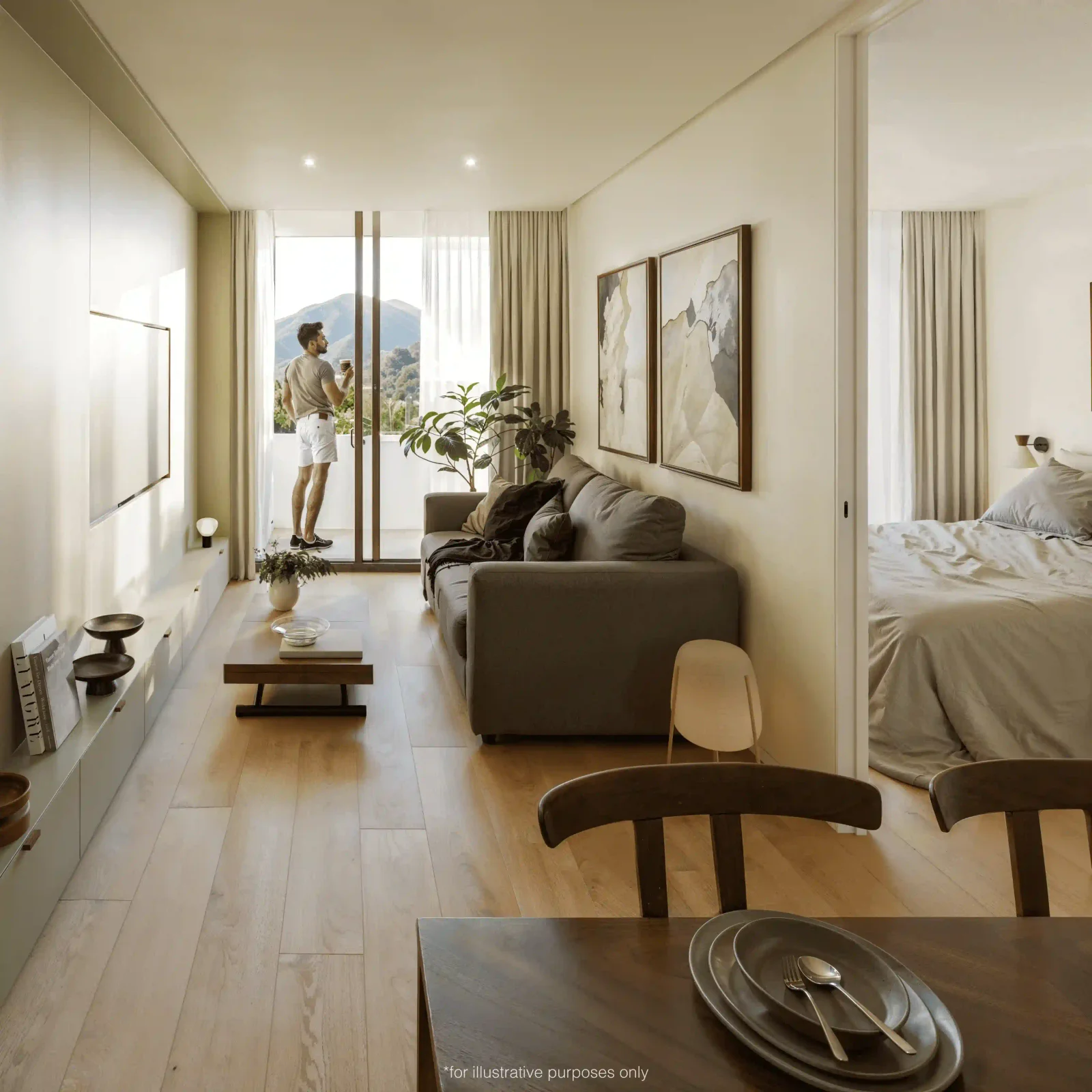
## Who Should Buy Serene Condo Layan
- **First-time Phuket investors** who want a legitimate premium location without paying premium prices, the studio entry point makes this accessible
- **Portfolio buyers** adding a mid-tier rental unit to complement higher-ticket holdings
- **Lifestyle buyers** who want Layan residency with access to Laguna Phuket's ecosystem but prefer the privacy of a smaller condominium
- **Digital nomads and long-stay expats** who value the co-working space, pet-friendly policy, and community coffee lounge
- **Family buyers** looking at 2-3BR units with the kids' playground, multiple pools, and proximity to international schools
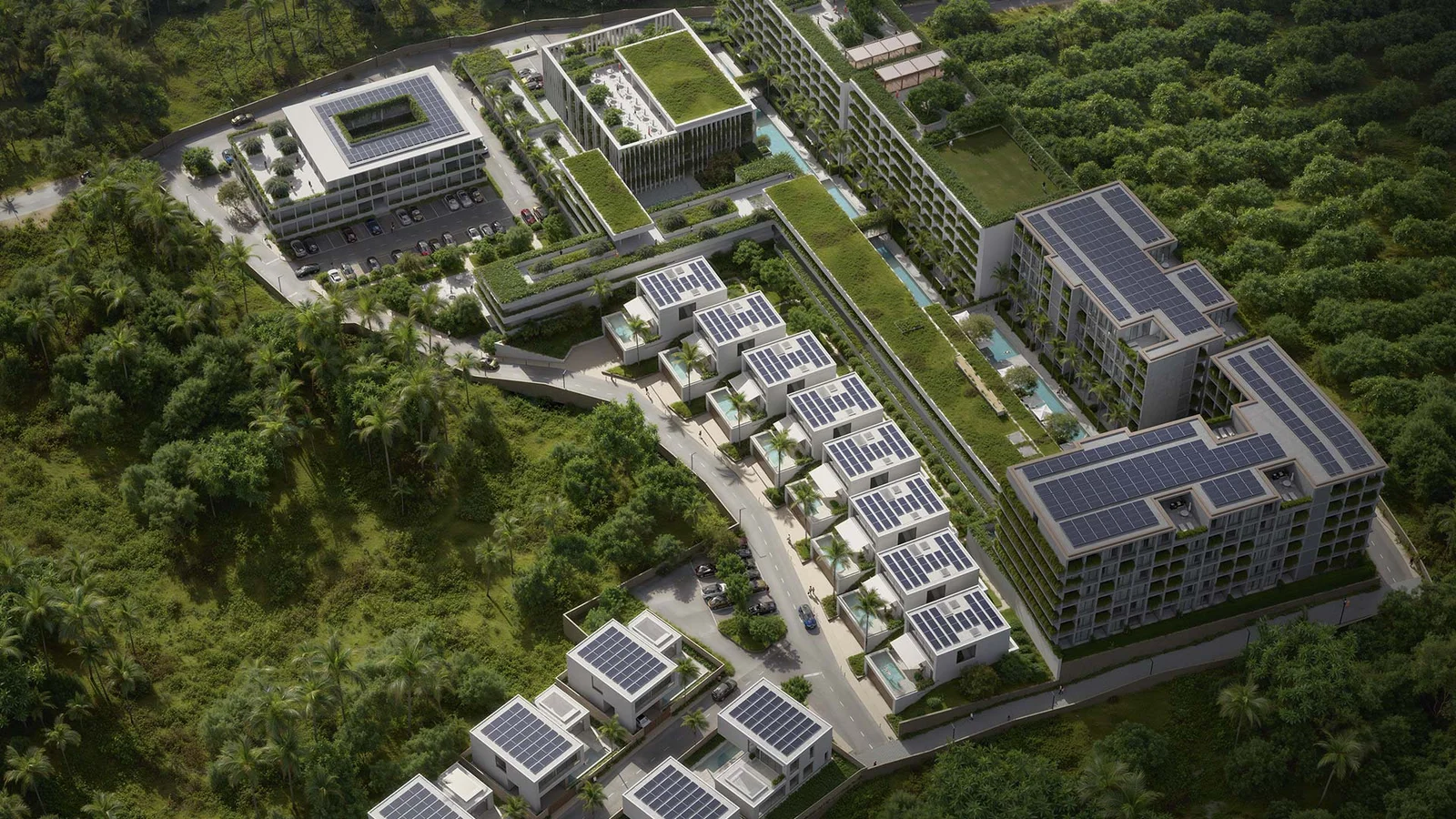
## Standing Out in the Layan Market
At 3.24 million THB this sits at the accessible end of one of Phuket's most sought-after corridors.
Layan and the wider Cherng Talay area are where much of the island's new development happens, which is why the schools, the retail, the beach clubs and the services exist here at all, and why demand runs deep.
Within the corridor, what sets a unit apart is floor, aspect, layout, the quality of the furnishing and how well it is presented and managed. Those are decisions made at reservation and at fit-out, and we help you make them.
At resale, units with a documented rental record and a clear reason to be preferred sell best, so clean monthly revenue records from the first year are an asset in themselves.
## Buyer Scenarios at Serene Condo Layan
**Scenario A, yield-first investor.** You want the deepest tenant pool per baht deployed. Take the smallest unit that still clears platform size filters, budget for professional photography before the first listing, and give the first season to building reviews. Your return comes from occupancy and operations.
**Scenario B, lifestyle plus rental.** You will use the unit four to eight weeks a year and let it the rest. We plan your owner weeks with you in advance, and a larger layout makes the unit genuinely comfortable for your own stays.
**Scenario C, long-hold capital buyer.** You are buying Layan's land scarcity rather than this year's rental math. Prioritise aspect and floor, which keep their value over the years, and let rental income cover the running costs.
Buyers who prefer a finished unit can compare ready resale stock in the same area; [buying off-plan versus resale](/guides/off-plan-property-phuket-guide/) sets out both routes.
## MORE Group Assessment
Serene Condo Layan offers the lowest entry into Layan on our file, and the off-plan pricing looks attractive against resale values in the corridor, where Layan has outperformed the broader Phuket market in recent years.
The payment plan structure is one of the better ones we've seen from a cash flow management perspective. The 35% initial tranche is chunky but the remaining instalments spread cleanly across construction milestones.
**MORE Group rating: 4.3/5**: excellent location access, competitive entry pricing and solid fundamentals.
We have current availability data including specific units still on market. Contact us for a no-commission consultation.
## Buying Serene Condo Layan with MORE Group
A unit at Serene Condo Layan is bought in five steps, from the first price list to the keys, and we take care of each one together with you.
{/* corpus-faq:serene-condo-layan */}
## FAQ
### What is the minimum investment for Serene Condo Layan?
Studios start from 3,240,000 THB (approximately $99,083 USD at current rates). This is among the lowest entry points for a premium-grade project in the Layan area of Phuket.
### What stage is Serene Condo Layan at?
Serene Condo Layan is under construction, and buyers benefit from construction-phase pricing. We send the latest construction update together with the price list.
### What rental yield can I expect from Serene Condo Layan?
Rental income comes from Layan's holiday and long-stay demand, and we build the net figure for your unit from the operator's terms. The record shows 238 priced units from 3,240,000 THB, the lowest entry in Layan, against an area apartment median of 6,720,000, and we send the running costs with the price list: the operator share of gross, the common-area rate per sqm, the sinking fund and the statutory transfer taxes.
### Can foreigners own a unit at Serene Condo Layan?
Yes. Thailand allows foreigners to own condominiums outright (freehold) as long as the foreign ownership quota in the building does not exceed 49% of total floor area. MORE Group can advise on current quota availability.
### What amenities does Serene Condo Layan offer?
The project includes rooftop infinity pools, a fully equipped fitness center, yoga area, kids' playground, co-working space, underground parking, a ground-floor coffee lounge, and landscaped gardens. The project is also pet-friendly.
### How does Serene Condo Layan compare to other Layan projects?
Serene Condo Layan's key differentiator is price-to-location ratio. Studios at 3.24M THB in Layan are rare, most comparable projects start at 5M+ THB.
**Read Also:**
- [Phuket Rental Yield 2026: Net Income by Area](/guides/phuket-rental-yield-complete-guide-2026/)
- [Best Areas in Phuket to Buy Property 2026](/guides/best-areas-phuket-buy-property/)
- [Layan Guide: Phuket's Private Pool-Villa Estate](/areas/layan-property-guide/)
- [Foreign Quota in Thai Condominiums](/guides/foreign-quota-thai-condominiums/)
- [Sun Hills Layan Review 2026: Prices & Yield](/projects/sun-hills/)
- [Dandara Phuket Review 2026: Prices & Yield](/projects/dandara/)
# Serrana Lakefront Pool Villas: Villas from 46.5M THB
> Serrana Lakefront Pool Villas Phuket: 20 pool villas along a freshwater lake in Cherngtalay, three and four bedrooms of 426 to 515 sqm, from 46.5M THB.
**Source:** https://moregroup.estate/projects/serrana-lakefront-pool-villas-phuket/
**Section:** Project Reviews
**Author:** MORE Group Editorial
**Published:** 2026-04-08
**Updated:** 2026-08-23
---
## What Is Serrana Lakefront Pool Villas?
Serrana is lakeside living a short drive from the beaches of Bang Tao and Surin. The villas are laid out in two rows along a freshwater lake, and the contemporary architecture opens every house to the water and the greenery: open-plan living and dining under high ceilings, large glass doors that frame the view, private terraces and a private swimming pool. Each villa has both a Thai and a Western kitchen, ensuite bedrooms, a master suite with a walk-in wardrobe, a garden, covered parking and storage and laundry areas.
The community is gated, with 24-hour security, a residents' gym and landscaped grounds around the lake. Robinson Lifestyle Thalang, Boat Avenue and Porto de Phuket are all a short drive away.
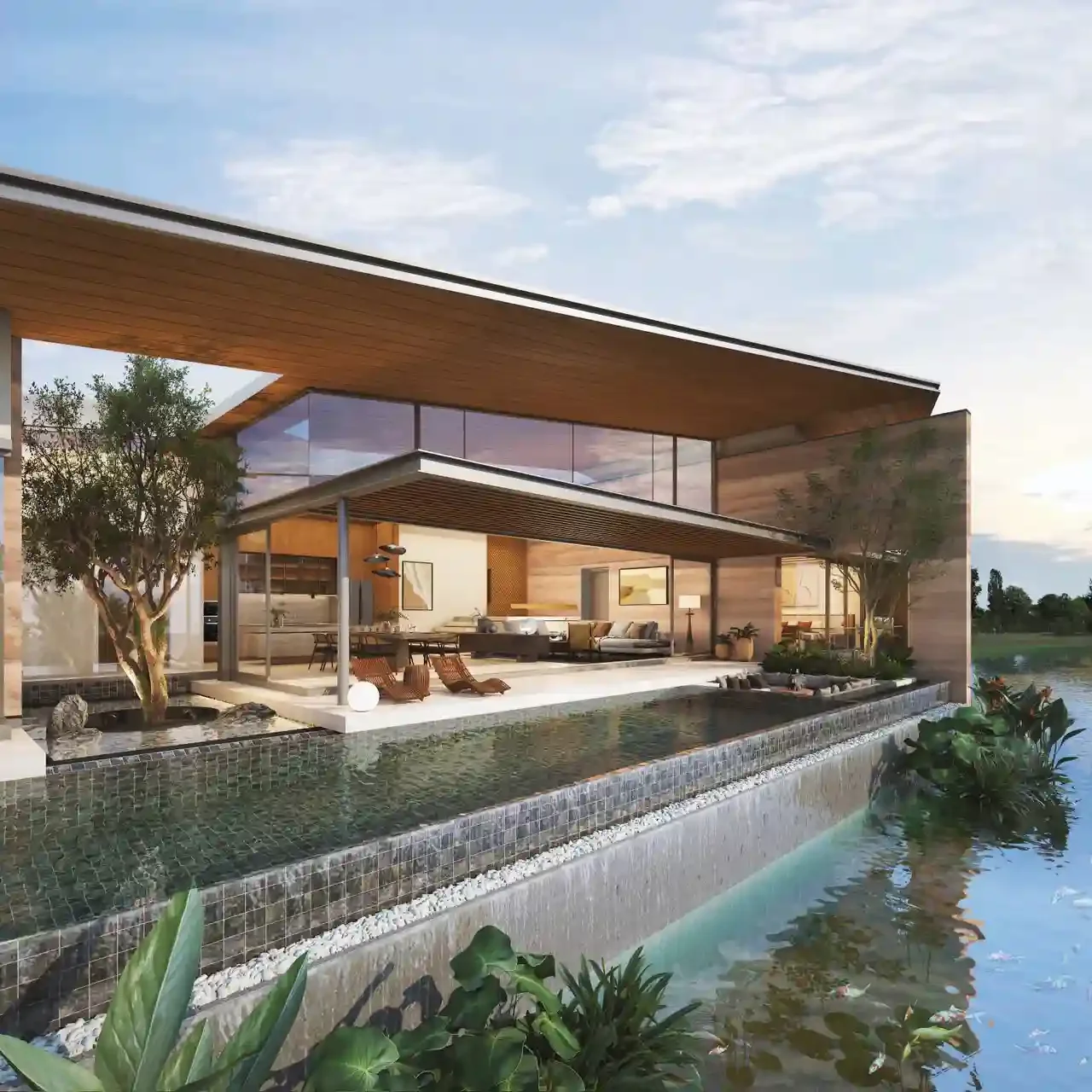
## What Are the Key Facts for Serrana Lakefront Pool Villas?
| Factor | Detail |
| --- | --- |
| Location | Manik and Si Sunthon, Cherngtalay |
| Community | 20 private pool villas along a freshwater lake, gated |
| Villas | 10 on our price list |
| Three-bedroom | 426 and 515 sqm, 46,500,000 to 53,000,000 THB |
| Four-bedroom | 501 sqm, 59,000,000 and 62,000,000 THB |
| Plots | About 555 to 934 sqm |
| Features | Thai and Western kitchens, private pool, terraces |
| Facilities | Residents' gym, 24-hour security |
| Payment | 30% / 20% / 15% / 15% / 10% / 10% |
| Stage | Under construction |
| Beach | About 17 minutes by car |
## Location: Cherngtalay, by the Lake
The villas sit in a quiet, green part of Cherngtalay, between the lake and the hills, with the beaches and the lifestyle of the west coast close at hand.
- **Bang Tao and Surin beaches:** about 17 minutes by car
- **Robinson Lifestyle Thalang:** shopping a short drive away, with the nearest mall about 7 minutes by car
- **Boat Avenue and Porto de Phuket:** restaurants and shopping on the way to the coast
- **International schools and golf courses:** within a short drive
- **Airport:** about 34 minutes by car
Mornings here begin with coffee on the terrace above the water, afternoons move between the pool and the beaches of the west coast, and evenings end as the light fades over the lake. The [Bang Tao area page](/bang-tao-properties/) covers the district in more detail.
## Villas and Prices
| Villas | Bedrooms | Built area | Price |
| --- | --- | --- | --- |
| C05, C06, C07, C08 | Three | 515 sqm | 46,500,000 to 49,000,000 THB |
| B01, B02, B03, B04 | Three | 426 sqm | 51,000,000 to 53,000,000 THB |
| A03, A04 | Four | 501 sqm | 59,000,000 and 62,000,000 THB |
The C villas of 515 sqm open the list from 46,500,000 THB, the B villas of 426 sqm follow from 51,000,000 THB, and the four-bedroom A villas of 501 sqm give room for a larger family. The price follows the plot and the position of each villa on the lake, since some face the water directly and others sit just behind. We send the site plan with each villa marked, together with its plot area and plans.
## Design and Villas
- **Single and two-storey villas** in a contemporary style
- **Open-plan living and dining** with high ceilings
- **Large glass doors** framing the lake and the garden
- **Thai and Western kitchens**
- **Ensuite bedrooms** and a master suite with a walk-in wardrobe
- **Private swimming pool** and terraces
- **Covered parking**, storage and laundry
- **Residents' gym**, gated with 24-hour security
- **Pet-friendly**
## Living at Serrana
At Serrana the lake sets the pace of the day. Mornings start with a swim in your own pool and breakfast with a view of the water, the gym is a short walk away, and the beaches of Bang Tao and Surin make an easy afternoon out. The Thai kitchen takes care of the cooking while the Western kitchen stays clean for guests, and in the evening the terrace by the lake is the calmest place on the estate. With only 20 villas, the community stays quiet and private.
## Six-Stage Payment Plan
The price is paid in six stages: 30%, 20%, 15%, 15%, 10% and 10%. For a villa at 46,500,000 THB that works out as follows:
| Stage | Share | Amount |
| --- | --- | --- |
| 1 | 30% | 13,950,000 THB |
| 2 | 20% | 9,300,000 THB |
| 3 and 4 | 15% each | 6,975,000 THB each |
| 5 and 6 | 10% each | 4,650,000 THB each |
The schedule follows the build and leaves the smaller stages for the end. We send the developer's schedule for your villa with the price list.
## Why Buyers Choose Serrana Lakefront Pool Villas
- **Lakefront living**, with some villas directly on the water
- **Only 20 villas** in a gated community
- **Large houses:** 426 to 515 sqm on plots of up to 934 sqm
- **Thai and Western kitchens** in every villa
- **A residents' gym** and 24-hour security
- **Beaches, shopping and schools** within a short drive
- **Pet-friendly**
## Who Serrana Lakefront Pool Villas Suits
**Families** who want three or four bedrooms, a large garden and a pool by the water.
**Buyers who value calm** and a lakeside setting over a busy beach road.
**Owners who spend part of the year in Phuket** and want a private house in a small, secure community.
**Villa rental investors** aiming at families and groups who book large pool villas near Bang Tao.
## Renting Out a Villa at Serrana
A lakefront pool villa near Bang Tao appeals to families and groups on holiday in the November to April season, and to relocating families who rent for a longer stay. The water, the space and the privacy of a small community are what guests value most.
If you plan to let your villa at Serrana, we collect current asking rents and holiday rates for comparable luxury villas around Bang Tao and send them with the price list. [Our rental guide](/guides/phuket-rental-yield-complete-guide-2026/) explains how to read a rental offer line by line.
## Ownership for Foreign Buyers
At Serrana Lakefront Pool Villas, as with any villa in Thailand, you buy land plus a building. The house can be held in your own name over a lease of the plot registered at the Land Office, 30 years per registration with renewal terms in the contract, or the land can be held through a Thai company with genuine Thai shareholders. [Freehold and leasehold in Thailand](/guides/freehold-vs-leasehold-thailand/) explains both routes, and we prepare the one that suits you with our legal support.
## Serrana and Other Luxury Villas Around Bang Tao
| Project | From | Status |
| --- | --- | --- |
| [Clover Residence](/projects/clover-residence/) | 43,600,000 THB | Completed |
| [Manick Hillside II](/projects/manick-hillside-ii/) | 45,000,000 THB | Off-plan |
| [Nature's Rest Villa Cherngtalay](/projects/natures-rest-villa-cherngtalay/) | 46,500,000 THB | Off-plan |
| Serrana Lakefront Pool Villas | 46,500,000 THB | Off-plan |
| [Stella Estate](/projects/stella-estate/) | 47,900,000 THB | Off-plan |
| [Erawana Grand](/projects/erawana-grand/) | 49,500,000 THB | Completed |
Serrana stands out in this group for its lakefront setting and its Thai and Western kitchens. We send the price lists of any of these projects on request and arrange viewings.
## Buying Serrana Lakefront Pool Villas with MORE Group
A villa at Serrana is bought in five steps, from the first price list to the keys, and we are with you through each of them.
## What We Send Before You Reserve
- The current price list with the site plan, plot areas and plans
- The position of each villa on the lake
- The six-stage payment schedule for your villa
- The ownership structure for your purchase, leasehold or company, with the documents it needs
- The community's common charges
- The latest construction update
{/* corpus-faq:serrana-lakefront-pool-villas-phuket */}
## FAQ
### What does Serrana Lakefront Pool Villas cost?
Our price list holds ten villas: three-bedrooms of 515 sqm from 46,500,000 to 49,000,000 THB, three-bedrooms of 426 sqm from 51,000,000 to 53,000,000 THB and four-bedrooms of 501 sqm at 59,000,000 and 62,000,000 THB.
### Do the villas face the lake?
The 20 villas are arranged in two rows along a freshwater lake: some face directly onto the water, others sit just behind. We send the site plan with the position of each villa.
### What does each villa include?
Open-plan living under high ceilings, large glass doors, Thai and Western kitchens, ensuite bedrooms, a master suite with a walk-in wardrobe, a private pool, terraces, a garden and covered parking.
### What is the payment plan?
Six stages: 30%, 20%, 15%, 15%, 10% and 10%. For a villa at 46,500,000 THB that means 13,950,000 THB at the first stage.
### How can foreigners own a villa at Serrana?
The house can be held in your own name over a lease of the plot registered at the Land Office, 30 years per registration with renewal terms in the contract, or the land can be held through a Thai company with genuine Thai shareholders. We prepare the structure with our legal support.
**Read Also:**
- [Villas for Sale in Bang Tao](/bang-tao-properties/)
- [Stella Estate](/projects/stella-estate/)
- [Manick Hillside II](/projects/manick-hillside-ii/)
- [Freehold vs Leasehold in Thailand](/guides/freehold-vs-leasehold-thailand/)
- [How Foreigners Buy Phuket Property 2026](/guides/buying-property-phuket-guide/)
- [Phuket Rental Yield Guide](/guides/phuket-rental-yield-complete-guide-2026/)
# Setthasiri Kohkaew Retreat: Family Homes from 16.8M THB
> Setthasiri Kohkaew Retreat by Sansiri: 110 four-bedroom family homes in Ko Kaeo, 800 m from British International School Phuket, from 16.8M THB.
**Source:** https://moregroup.estate/projects/setthasiri-kohkaew-retreat/
**Section:** Project Reviews
**Author:** MORE Group Editorial
**Published:** 2026-04-08
**Updated:** 2026-10-07
---
## What Is Setthasiri Kohkaew Retreat?
Setthasiri is the family-home brand of Sansiri, one of the largest developers in Thailand, and Kohkaew Retreat brings it to Phuket. The homes are designed for family life: four bedrooms, a modern-classic style, smart-home systems, solar panels and EV charging, in a community with 24-hour security and advanced systems.
The location is the reason many families choose it. The British International School Phuket is about 800 metres away, the shops about 11 minutes by car, and Phuket Town, the hospitals and the marinas of the east coast are close by.
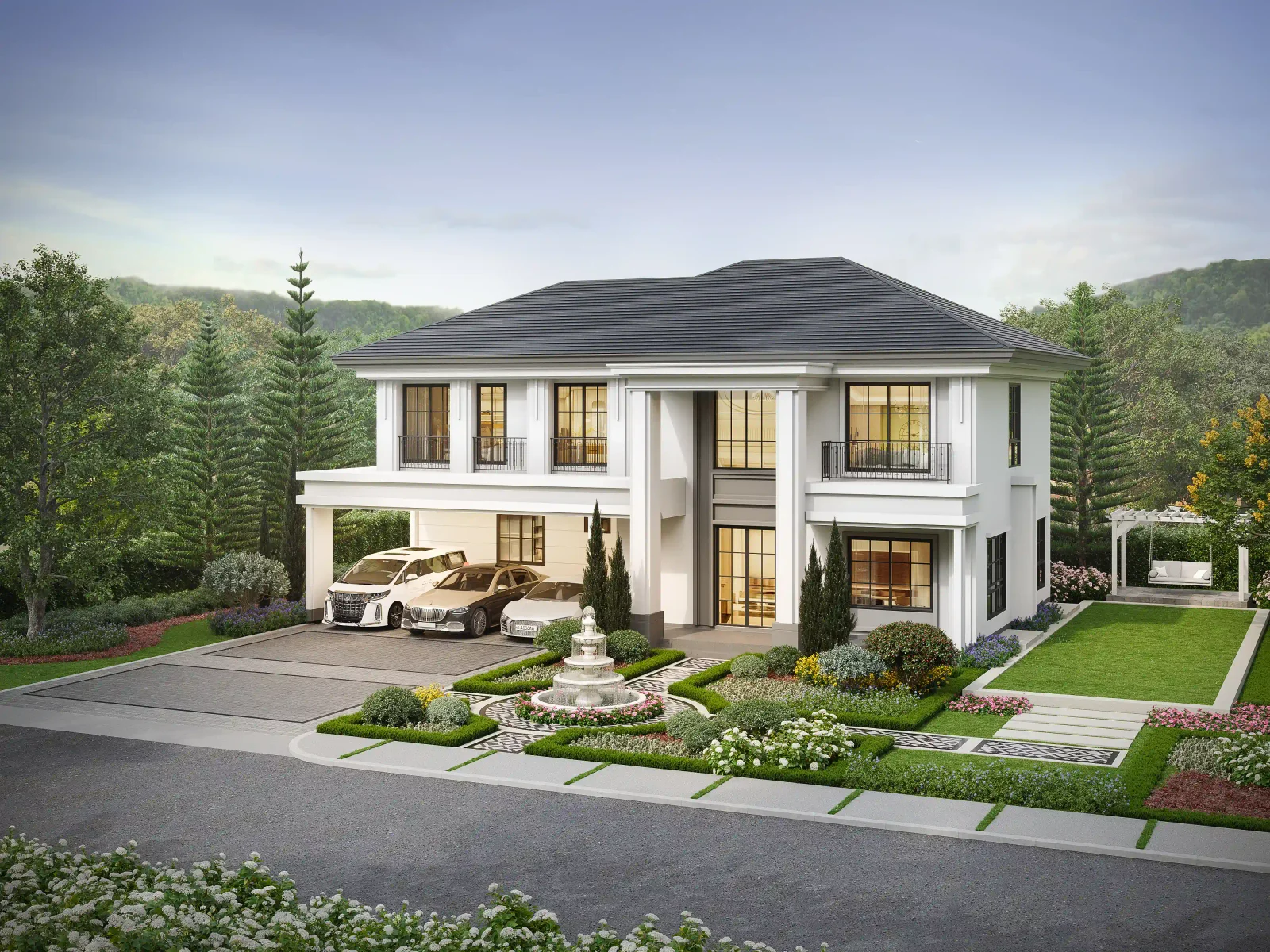
## What Are the Key Facts for Setthasiri Kohkaew Retreat?
| Factor | Detail |
| --- | --- |
| Developer | Sansiri, Setthasiri brand |
| Location | Ko Kaeo, about 800 m from British International School Phuket |
| Community | 110 detached four-bedroom homes |
| On our price list | 11 homes |
| Four-bedroom | 204 to 323 sqm, 16,800,000 to 40,500,000 THB |
| Payment | 30% / 70% |
| Stage | Under construction |
| Beach | About 30 minutes by car |
| Airport | About 34 minutes by car |
| Green living | Smart home, solar panels, EV charging |
| Facilities | Salt-water pool with kids' pool, clubhouse, fitness and yoga, community garden |
## Location: Ko Kaeo, East Phuket
Ko Kaeo is a green family area in the east of the island, between Phuket Town and the airport road, with the British International School Phuket, marinas and golf close by. Ko Kaeo is a quiet, green district where many families of the island choose to live.
- **British International School Phuket:** about 800 metres
- **Shops and malls:** the nearest mall about 11 minutes by car
- **Phuket Town:** restaurants, markets, hospitals and services
- **Boat Lagoon and Royal Phuket Marina:** within a short drive
- **Airport:** about 34 minutes by car
From Setthasiri Kohkaew, the nearest beach about 30 minutes by car, the nearest mall about 11 minutes and the airport about 34 minutes, so everyday errands, school runs and trips home are easy to plan.
For families, the school run is the shortest on the island, and weekends bring the marinas, the golf courses and the beaches of the west coast, about 30 minutes away by car.
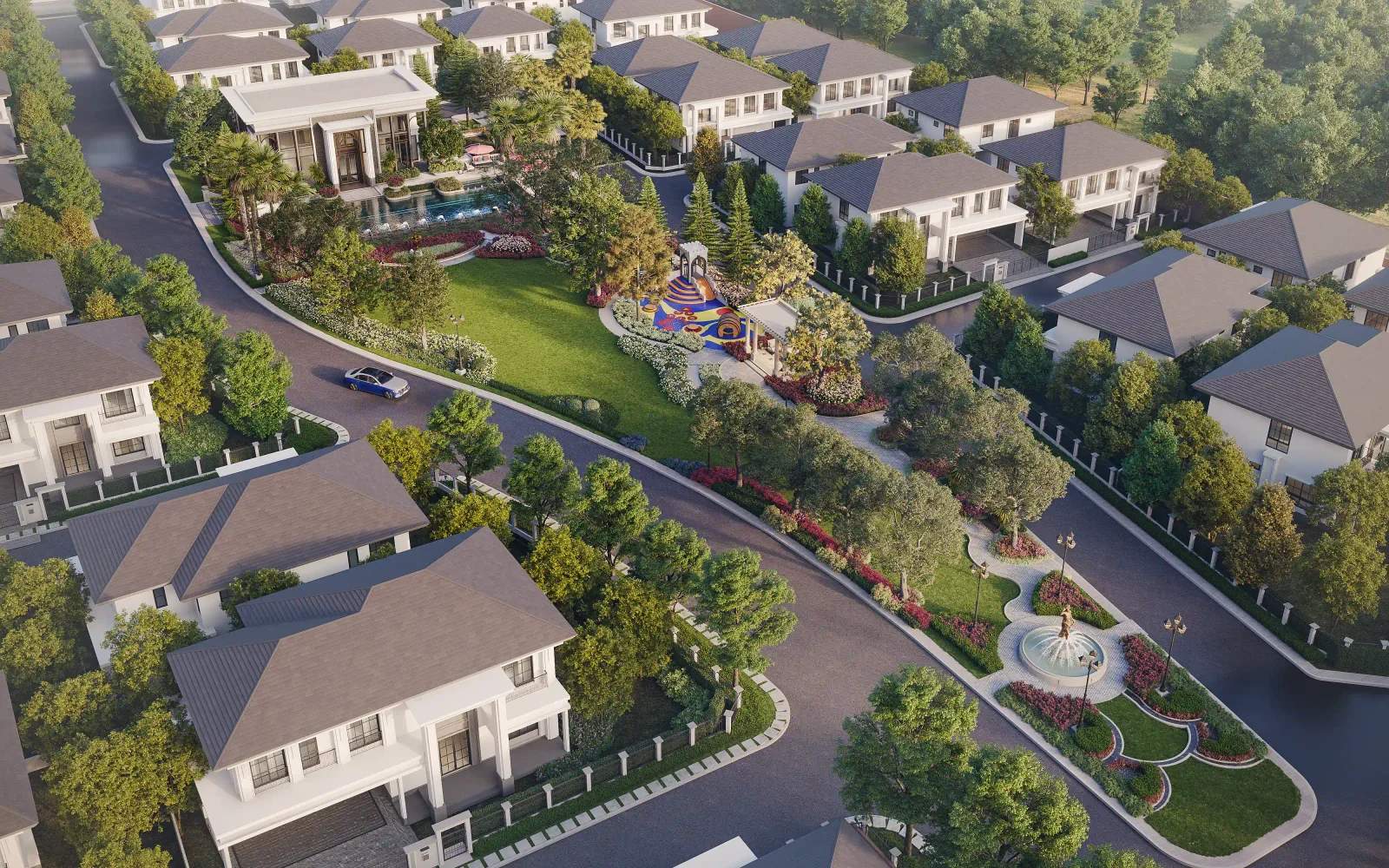
## Homes and Prices
| Homes | Bedrooms | Built area | Price |
| --- | --- | --- | --- |
| 1260-088SH, 1260-091SH | Four | 204 sqm | 16,800,000 and 17,000,000 THB |
| 9 homes | Four | 260 to 323 sqm | 20,200,000 to 40,500,000 THB |
The four-bedroom homes of 204 sqm open the list at 16,800,000 and 17,000,000 THB, and the larger homes of 260 to 323 sqm follow, up to 40,500,000 THB. All have four bedrooms, and the price follows the size, the plot and the position in the community. We send the plans and the site plan with each home marked.
## Design and Facilities
- **Four bedrooms** in every home
- **Modern-classic design**
- **Smart home** systems
- **Solar panels** and EV charging
- **Salt-water pool** with kids' pool
- **Clubhouse**, fitness and yoga
- **24-hour security**
- **Pet-friendly**
The modern-classic style gives the homes a timeless look, and the green features lower the running costs.
## Living at Setthasiri Kohkaew
Family life at Setthasiri runs to an easy rhythm. The children walk or cycle to the British International School, parents work from home or drive to Phuket Town, and the afternoons belong to the salt-water pool, the clubhouse and the community garden. The solar panels and smart-home systems make the house efficient, and the EV charger keeps the car ready. At weekends the marinas, the golf courses and the beaches of the west coast are within reach. The community garden and the clubhouse make it easy for children to make friends and for parents to meet neighbours. Many families here are relocating to Phuket for school, and they find a ready community.
## Two-Stage Payment Plan
The price is paid in two stages: 30% and 70%. For a home at 16,800,000 THB that works out as follows:
| Stage | Share | Amount |
| --- | --- | --- |
| 1 | 30% | 5,040,000 THB |
| 2 | 70% | 11,760,000 THB |
The schedule follows the build, and we send the developer's schedule for your home with the price list.
## Why Buyers Choose Setthasiri Kohkaew Retreat
- **Sansiri** as the developer
- **British International School Phuket** about 800 metres away
- **Four bedrooms** in every home
- **Smart home**, solar and EV charging
- **A salt-water pool, kids' pool and clubhouse**
- **24-hour security**
## Who Setthasiri Kohkaew Retreat Suits
**Families with school-age children** who want the British International School a short walk away.
**Families relocating to Phuket** who want a home in a secure, green community.
**Buyers who value a large developer** and the Sansiri name.
**Rental investors** aiming at relocating families who rent near the school for a year or longer.
## Renting Out a Home at Setthasiri Kohkaew
A four-bedroom home 800 metres from the British International School Phuket appeals to relocating families who rent for a school year or longer. Long lets suit the community well and keep turnover low.
If you plan to let your home at Setthasiri Kohkaew Retreat, we collect current asking rents and holiday rates for comparable homes in Ko Kaeo and send them with the price list. [Our rental guide](/guides/phuket-rental-yield-complete-guide-2026/) explains how to read a rental offer line by line.
## Ownership for Foreign Buyers
At Setthasiri Kohkaew Retreat, as with any house in Thailand, you buy land plus a building. The home can be held in your own name over a lease of the plot registered at the Land Office, 30 years per registration with renewal terms in the contract, or the land can be held through a Thai company with genuine Thai shareholders. [Freehold and leasehold in Thailand](/guides/freehold-vs-leasehold-thailand/) explains both routes, and we prepare the one that suits you with our legal support.
## Setthasiri Kohkaew and Other Family Homes and Villas
| Project | From | Status |
| --- | --- | --- |
| [Kahli Terraces](/projects/kahli-terraces/) | 15,915,825 THB | Off-plan |
| [Mori](/projects/mori/) | 16,310,000 THB | Off-plan |
| [Kahli Hillside Villas](/projects/kahli-hillside-villas/) | 16,800,000 THB | Off-plan |
| Setthasiri Kohkaew Retreat | 16,800,000 THB | Off-plan |
| [Zenithy La Ville Ko Kaeo](/projects/zenithy-la-ville/) | 19,425,000 THB | Off-plan |
| [Mouana Residence Ko Kaeo](/projects/mouana-residence-ko-kaeo/) | 19,900,000 THB | Off-plan |
| [Sierra Vista Bang Jo](/projects/sierra-vista/) | 19,900,000 THB | Off-plan |
Setthasiri stands out in this group for its closeness to the British International School. We send the price lists of any of these projects on request and arrange viewings.
## Buying Setthasiri Kohkaew Retreat with MORE Group
A home at Setthasiri Kohkaew is bought in five steps, from the first price list to the keys, and we are with you through each of them.
## What We Send Before You Reserve
- The current price list for Setthasiri Kohkaew Retreat with free homes, plot areas and plans
- The two-stage payment schedule for your home
- The ownership structure for your purchase, leasehold or company, with the documents it needs
- The community's common charges
- The latest construction update
{/* corpus-faq:setthasiri-kohkaew-retreat */}
## FAQ
### What does Setthasiri Kohkaew Retreat cost?
Our price list holds 11 homes: four-bedrooms of 204 sqm from 16,800,000 and 17,000,000 THB; four-bedrooms of 260 to 323 sqm from 20,200,000 to 40,500,000 THB.
### How far is the British International School Phuket?
About 800 metres from the community.
### What green-living features do the homes have?
Smart-home systems, solar panels and EV charging, in a community with a salt-water pool, a clubhouse and a community garden.
### What is the payment plan?
Two stages: 30%, 70%. For a home at 16,800,000 THB that means 5,040,000 THB at the first stage.
### How can foreigners own a home at Setthasiri Kohkaew Retreat?
The home can be held in your own name over a lease of the plot registered at the Land Office, 30 years per registration with renewal terms in the contract, or the land can be held through a Thai company with genuine Thai shareholders. We prepare the structure with our legal support.
**Read Also:**
- [Phuket Town vs Chalong](/guides/phuket-town-vs-chalong-comparison/)
- [Chalong Area Guide](/guides/chalong-area-guide-property-2026/)
- [Freehold vs Leasehold in Thailand](/guides/freehold-vs-leasehold-thailand/)
- [How Foreigners Buy Phuket Property 2026](/guides/buying-property-phuket-guide/)
- [Phuket Rental Yield Guide](/guides/phuket-rental-yield-complete-guide-2026/)
# Siamese Bangtao Review 2026: Condo Near Bang Tao Beach
> Siamese Bangtao review: studios to duplexes from 5.78M THB near Bang Tao Beach by listed developer Siamese Asset, rooftop pool, 30-106 sqm units.
**Source:** https://moregroup.estate/projects/siamese-bangtao/
**Section:** Project Reviews
**Author:** MORE Group Editorial
**Published:** 2026-04-07
**Updated:** 2026-10-05
---
## Siamese Bangtao: A Listed Developer Enters Phuket's Hottest Condo Market
Most Phuket condominiums come from local developers with a handful of projects to their name. Siamese Bangtao is different. Siamese Asset is a Bangkok-listed property company with a significant track record across Thailand's residential market, and this is their move into the Phuket segment that has been outperforming the capital for three consecutive years.
The project sits in the Layan-Bang Tao corridor, close enough to Bang Tao Beach to matter for rental demand, but positioned in the quieter northern end where the Laguna ecosystem meets the mangrove-edged coastline of Layan. Units range from 30 sqm studios to 106 sqm duplexes, with pricing from 5.78 million THB, making this one of the more accessible entry points to a beach-adjacent condo in northwest Phuket.
For buyers who want the Bang Tao address, the certainty of a listed developer's delivery track record, and the amenity package of a resort-grade building, Siamese Bangtao deserves serious attention.
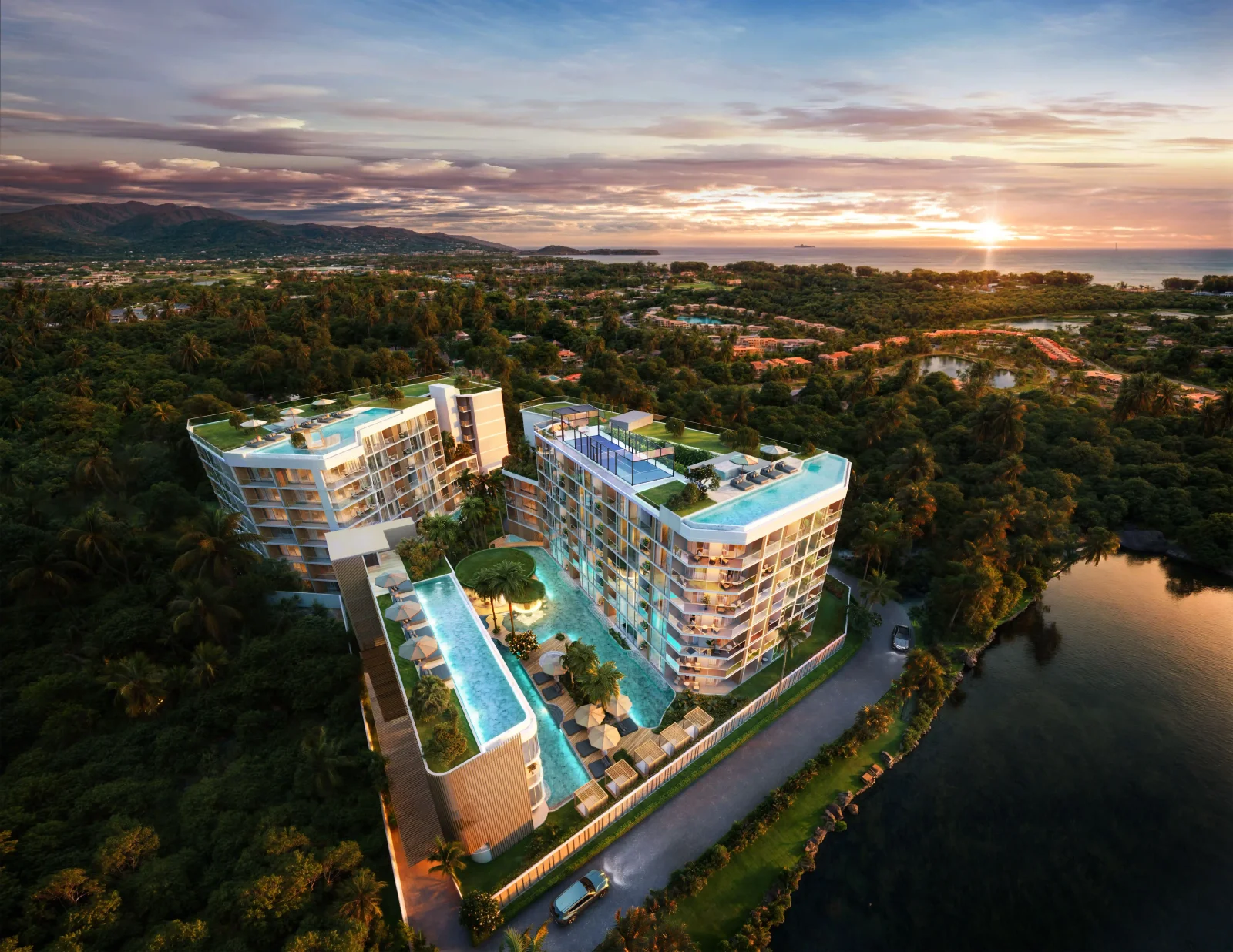
## Location: Layan's Quiet Edge of the Bang Tao Ecosystem
Layan Beach is small, sheltered, and rarely crowded. The surrounding area has a greener, more residential feel, this is where buyers who want Bang Tao access but actively prefer low density end up. During peak season, Layan doesn't attract the volume of Patong or even central Bang Tao, which makes it genuinely comfortable for residents while still remaining well within the rental catchment area.
The Laguna Phuket complex is directly adjacent. That means the Banyan Tree, Angsana, and Cassia hotels plus the Laguna golf course and Laguna Beach Club are all within a short drive or cycling distance. The Laguna ecosystem acts as a significant amenity multiplier for residents, spa, golf, beach clubs, and five-star dining all accessible on foot or by bicycle.
For investors, the Layan location offers an interesting proposition: lower land costs than Bang Tao beach-front, but access to the same rental guest profile, the international leisure traveler spending 10-14 days in Phuket who wants beach proximity, good food within reach, and a quiet environment. Studio and 1BR units in this price range are particularly strong for short-term rental, where nightly rates can support attractive yields relative to purchase price. Comparable managed units in the corridor have historically netted 5 to 7% after 20 to 25% operator fees, at peak occupancy of 75 to 85%.
Bangkok connectivity has improved markedly. The new international terminal at Phuket Airport handles direct flights from Seoul, Tokyo, Singapore, and key Chinese cities, and Layan is only 15 minutes from the airport. This cuts a major friction point that used to affect northwest Phuket's attractiveness compared to the more central Karon and Kata areas.
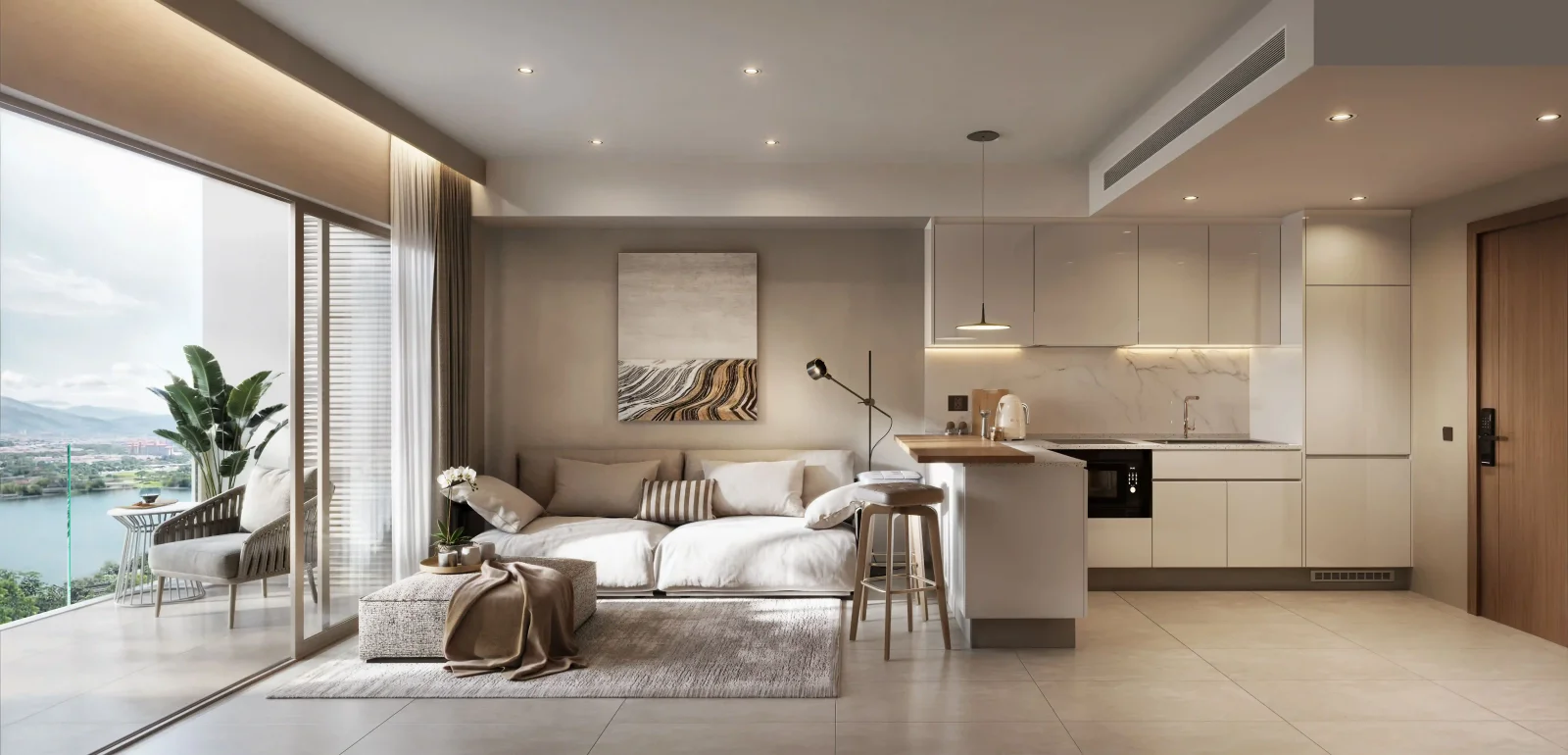
Where a scheme sits relative to the Laguna estate shapes its fees and its resale market; our [Bang Tao vs Laguna Phuket property](/guides/laguna-vs-bang-tao-comparison/) comparison sets the two side by side.
## Design and Amenities
The unit mix covers the full spectrum of the Bang Tao buyer pool. At 30 sqm, the studio format is lean but functional, designed for single occupants or couples who are primarily buying for short-term rental income. The 1BR units offer a more comfortable configuration for couples or solo long-stay residents. 2BR units at the upper end of the range suit small families or buyers who want a separate work-from-home space. The duplexes at 106 sqm are the standout format, duplex layouts in low-rise condos command premium rental rates because they feel meaningfully different from a standard apartment and attract guests who want apartment-style space without committing to a full villa.
The amenity package is substantial. Multiple swimming pools across the development means no single pool gets overcrowded, a real quality-of-life detail that gets overlooked in spec sheets but noticed daily by residents. The rooftop infinity pool is the showpiece: views over the Layan area that photograph well and justify premium nightly rates on Airbnb listings.
A proper fitness center completes the amenity set. This isn't an afterthought, gym facilities have become a meaningful filter for longer-stay guests and digital nomad renters who are choosing between comparable properties.
The developer's Bangkok pedigree shows in the specification level. Siamese Asset builds for a domestic Thai premium market that expects quality finishes, working air conditioning systems, and professional building management. These aren't features that Phuket buyers should take for granted across all developers.
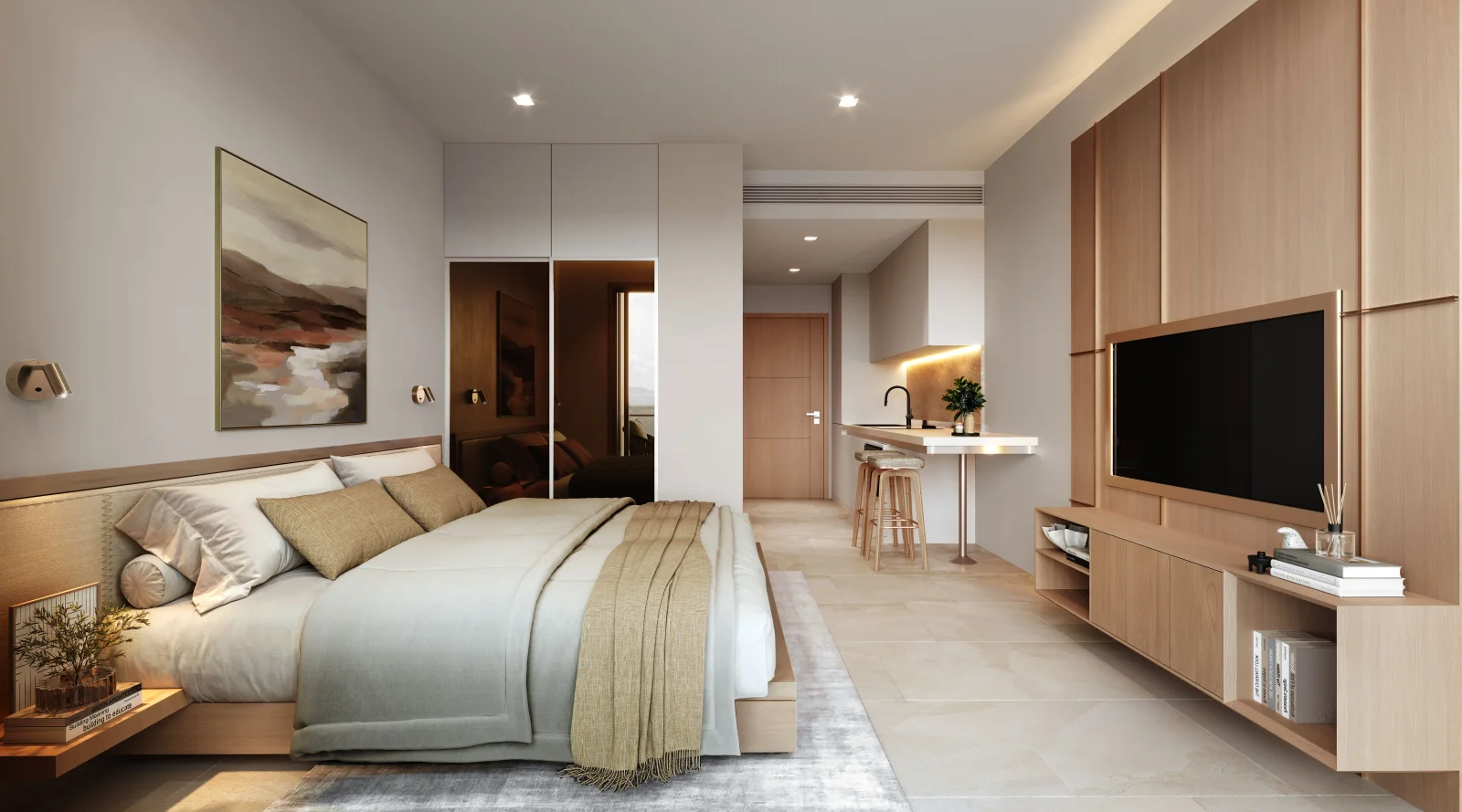
## Who Is Siamese Bangtao For?
**Foreign freehold buyers** who need the certainty of the foreign condominium quota. Condo freehold is simpler legally than villa ownership structures, no Thai company required, no long-term lease documentation. For buyers who want clean, straightforward ownership, condos from listed developers are the most predictable path.
**Short-term rental investors** targeting the Airbnb and Agoda guest who books 7-14 night stays. The duplex and 2BR units are particularly well-suited to this segment.
**Digital nomads and long-stay residents** who want a quality base in northwest Phuket with gym, pool, and walkable beach access, without paying villa prices.
**Buyers who care about developer track record**. Siamese Asset's listing on the Stock Exchange of Thailand (SET) creates a level of financial transparency and delivery accountability that most Phuket developers can't match.
## Why Buyers Choose Siamese Bangtao
- A Bangkok-listed parent with a national delivery record
- Units from 30 to 106 sqm in one building, so the format can be matched to the tenant
- From 5.78M THB near Bang Tao Beach, below what much of the corridor asks
- Completion scheduled for Q2 2027 according to the developer
- Listed status means audited accounts you can read before committing
- Corporate scale and financial strength behind the build
## What a Listed Developer Lets You See
Siamese Asset is listed in Bangkok, and the practical benefit of that is disclosure. Almost nothing here is available for a private developer.
| What you can read | Where it comes from |
|---|---|
| Audited accounts, year by year | Annual filings to the exchange |
| Debt position and cash on hand | The same filings, in the balance sheet |
| Completed projects and their delivery dates | The company's own project history |
| Who signs the contract you are given | The corporate structure, disclosed |
From 5,780,000 THB you can form a view on the developer from published evidence rather than from a brochure, and that is the real difference the listing makes.
{/* corpus-faq:siamese-bangtao */}
## FAQ
### Can foreigners buy Siamese Bangtao on freehold?
Yes. Thai law permits foreign buyers to hold up to 49% of total floor space in any condominium building on freehold title. Siamese Bangtao offers foreign freehold quota units, meaning eligible buyers can own their apartment outright without needing a Thai company structure.
### Who is Siamese Asset and why does it matter?
Siamese Asset is a property developer listed on the Stock Exchange of Thailand (SET). As a listed company, they are subject to financial reporting requirements and regulatory oversight that most Phuket developers are not. This creates a measurably higher level of transparency and accountability around project delivery.
### How far is Siamese Bangtao from the beach?
The project is positioned in the Layan area, close to Bang Tao Beach. The exact walking distance depends on the exit point, but the beach is accessible within a short drive or an easy bicycle ride. Layan Beach itself is quieter and less crowded than central Bang Tao beach.
**Read Also:**
- [Complete Guide to Buying Property in Phuket](/guides/buying-property-phuket-guide/)
- [Phuket Rental Yield Guide: What to Expect in 2026](/guides/phuket-rental-yield-complete-guide-2026/)
- [Layan Verde: Residences in the Layan Area](/projects/layan-verde/)
- [Bamboo Forest Phuket Review 2026: Prices & Yield](/projects/bamboo-forest/)
- [Botanica Hythe Review 2026: Prices & Yield](/projects/botanica-hythe/)
- [Buying Property in Thailand Step by Step](/guides/due-diligence-process-thailand-step-by-step/)
## What a Listed Developer Brings
Siamese Asset is a Bangkok-listed company, a genuine differentiator in a market where most Phuket condominiums come from developers with two or three projects behind them.
A company listed on the Stock Exchange of Thailand files audited accounts and reports to a regulator on a schedule. Its balance sheet, its completed projects and its revenue recognition are public, so buyers see the financial strength behind an off-plan purchase rather than relying on a sales office.
The building-level details come from the project itself, and we send them with the price list: the foreign quota position for your unit, the CAM rate and the letting rules of the building.
What we prepare for you:
- A summary of the developer's latest annual filing, with its completed and current projects
- A visit to one of the developer's completed buildings, if you would like to see the build quality in person
- The payment arrangements, including whether buyer payments are held in escrow
## Studio and Duplex Economics in the Layan Corridor
Entry here is a 30 sqm studio from 5.78M THB, a format with its own rental logic.
Studios in a beach-adjacent building let well to international leisure travellers on ten to fourteen day stays, who book on rate and location. Frequent turnover drives the income, and cleaning, linen and platform commission are charged per stay, which we include in the plan for your unit.
With the price list we send:
- **The building's rental rules** and the management arrangement for short-term letting, in writing.
- **The unit mix by type**, so you see how many studios, duplexes and two-bedrooms share the building.
- **A rental record plan**: studios resell to investors who price on achievable yield, so a documented rental history from the first year supports the resale price.
The duplex format at 106 sqm sits at the other end of the same building: fewer, longer bookings, an owner-occupier resale pool and a lighter operating load. We help you choose the format that matches your plans.
For larger units nearby, compare [The Title Heritage Bangtao](/projects/the-title-heritage/), a low-rise Sino-colonial scheme next to Laguna, and [The Standard Residences Phuket](/projects/the-standard-residences/), a branded scheme a short walk from Boat Avenue.
## Buying Siamese Bangtao with MORE Group
Five steps lead from the first price list to the keys at Siamese Bangtao, and we go through each of them together with you.
# Sierra Vista Bang Jo: Pool Villas from 19.9M THB
> Sierra Vista: seven four-bedroom pool villas in Bang Jo, Si Sunthon, of 376 to 466 sqm with four or five bathrooms, from 19.9M THB.
**Source:** https://moregroup.estate/projects/sierra-vista/
**Section:** Project Reviews
**Author:** MORE Group Editorial
**Published:** 2026-04-08
**Updated:** 2026-08-23
---
## What Is Sierra Vista?
Sierra Vista gives a family a four-bedroom house with a pool at a price that is rare near Bang Tao. The villas are spacious and practical, with open-plan living and dining that opens to the terrace, the garden and the private pool, and four or five bathrooms so that everyone has space in the mornings.
With only seven villas, the community is small and quiet. The shops are about seven minutes by car, the beaches of Bang Tao about 16, and the schools and restaurants of Cherngtalay within an easy drive.
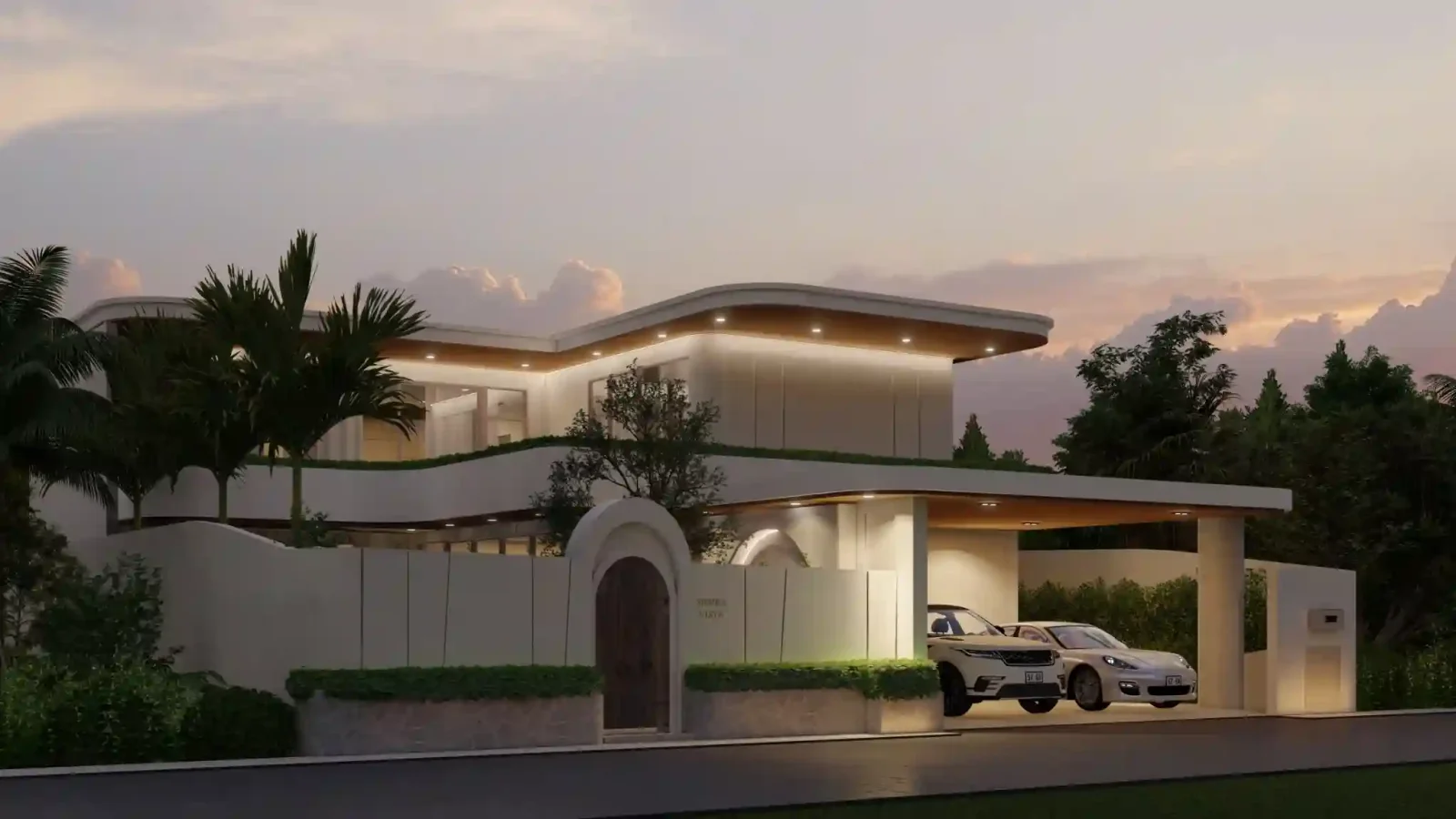
## What Are the Key Facts for Sierra Vista?
| Factor | Detail |
| --- | --- |
| Location | Bang Jo, Si Sunthon |
| Collection | 7 private pool villas |
| Bedrooms | Four, with four or five bathrooms |
| On our price list | 4 villas |
| Four-bedroom | 376 to 466 sqm, 19,900,000 to 24,900,000 THB |
| Payment | 50% / 20% / 20% / 10% |
| Stage | Under construction |
| Beach | About 16 minutes by car |
| Airport | About 27 minutes by car |
| Plots | About 284 to 400 sqm |
## Location: Bang Jo, Si Sunthon
Bang Jo is a quiet residential area in Si Sunthon, well connected to the schools, shops and restaurants of the Bang Tao area and the airport.
- **Shops and supermarkets:** the nearest mall about 7 minutes by car
- **Bang Tao Beach:** about 16 minutes by car
- **International schools:** within a short drive
- **Laguna Phuket and Boat Avenue:** golf, spas, dining and shopping
- **Airport:** about 27 minutes by car
From Sierra Vista, the nearest beach about 16 minutes by car, the nearest mall about 7 minutes and the airport about 27 minutes, so everyday errands, school runs and trips home are easy to plan.
Family life here is practical and relaxed: school and shops close by, the beaches and beach clubs of Bang Tao at the weekend. The [Bang Tao area page](/bang-tao-properties/) covers the district in more detail.
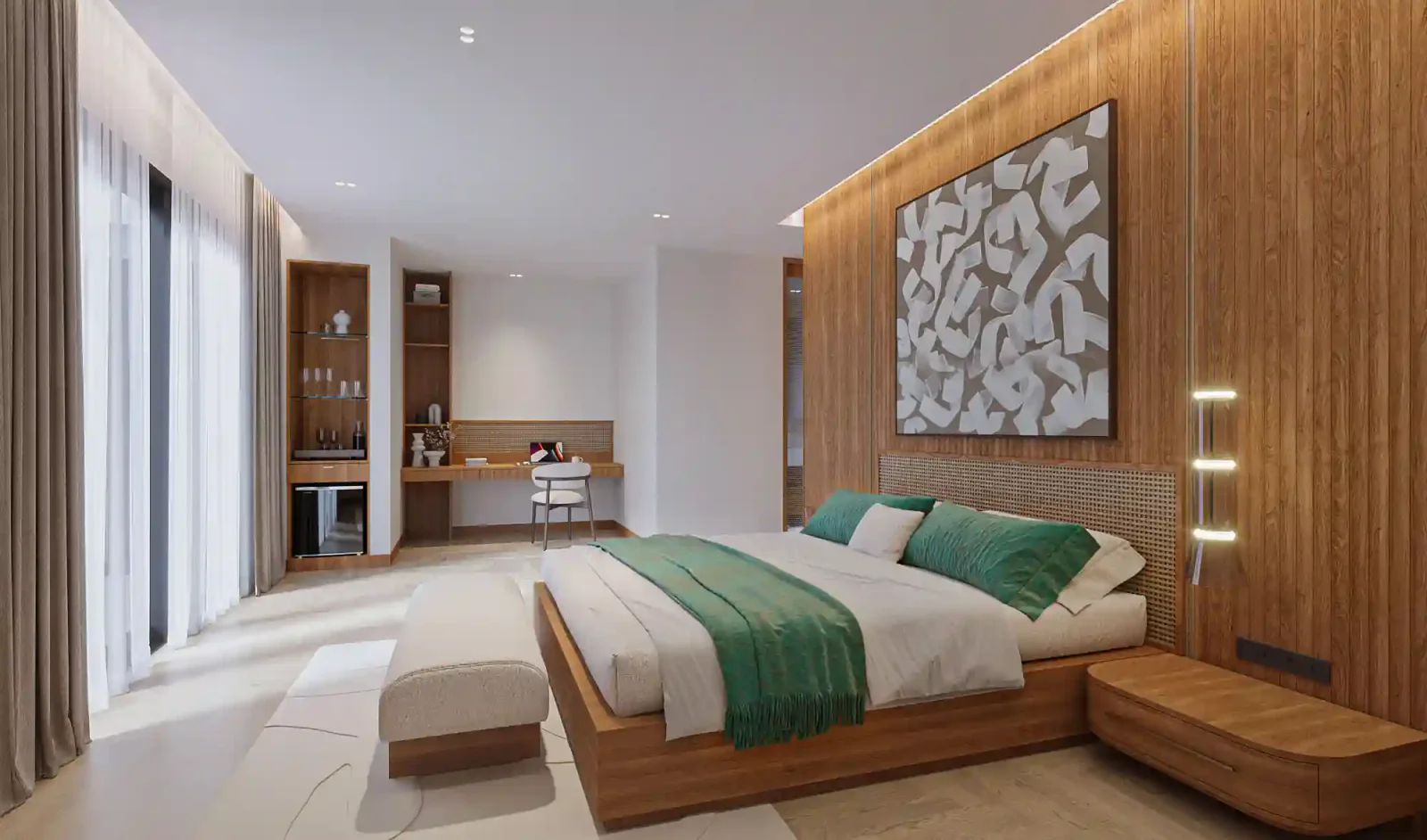
## Villas and Prices
| Villas | Bedrooms | Built area | Price |
| --- | --- | --- | --- |
| B2, B4 | Four | 376 and 401 sqm | 19,900,000 and 20,900,000 THB |
| A1, A3 | Four | 466 sqm | 22,900,000 and 24,900,000 THB |
The B villas of 376 and 401 sqm open the list at 19,900,000 and 20,900,000 THB, and the A villas of 466 sqm follow at 22,900,000 and 24,900,000 THB. All have four bedrooms, and the price follows the size and the plot. We send the plan and plot of each villa, and arrange a viewing of the community so you can compare the positions in person.
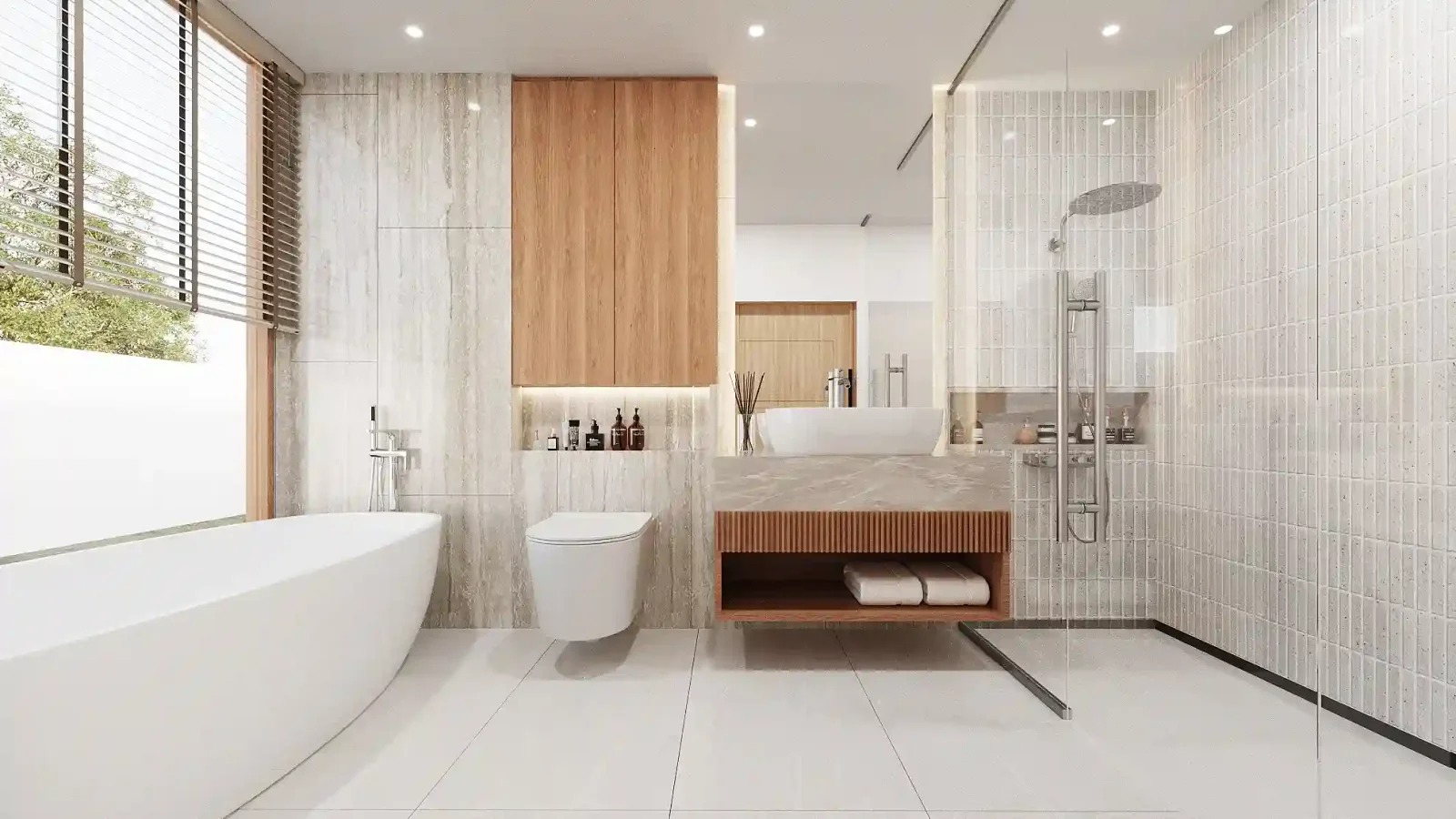
## Design and Facilities
- **Four bedrooms**, four or five bathrooms
- **Open-plan living and dining**
- **Private swimming pool** and garden
- **Plots** of about 284 to 400 sqm
- **Only seven villas**
- **Pet-friendly**
The layouts are practical rather than showy: generous bedrooms, plenty of bathrooms and a living space that works for everyday family life as well as for guests.
## Living at Sierra Vista
Family days at Sierra Vista are easy to organise. The school run and the weekly shop take minutes, the children have their own pool and garden after school, and the four or five bathrooms keep busy mornings calm. At weekends the beaches of Bang Tao and the restaurants of Boat Avenue are an easy drive. With only six neighbours, the evenings are quiet, and the house is simple to leave when the family travels. Friends visiting from abroad have their own room and bathroom, and the garden gives space for a barbecue or a birthday party by the pool. Inside, the open-plan living and dining area is the heart of the house, where the family gathers after school and work.
## Four-Stage Payment Plan
The price is paid in four stages: 50%, 20%, 20% and 10%. For a villa at 19,900,000 THB that works out as follows:
| Stage | Share | Amount |
| --- | --- | --- |
| 1 | 50% | 9,950,000 THB |
| 2 and 3 | 20% each | 3,980,000 THB each |
| 4 | 10% | 1,990,000 THB |
The schedule follows the build, and we send the developer's schedule for your villa with the price list.
## Why Buyers Choose Sierra Vista
- **A four-bedroom pool villa** from 19,900,000 THB
- **Four or five bathrooms**
- **Only seven villas**
- **Schools and shops** close by
- **Airport** about 27 minutes away
- **Pet-friendly**
## Who Sierra Vista Suits
**Families** who want four bedrooms and a pool at an accessible price.
**Families relocating to Phuket** who want a house near the schools.
**Owners who host** with a bathroom for almost every guest.
**Rental investors** aiming at relocating families who rent for a school year or longer.
## Renting Out a Villa at Sierra Vista
A four-bedroom pool villa near the schools of Bang Tao appeals to relocating families who rent for six or twelve months, and to families on holiday who want space and a pool. Long lets suit the neighbourhood well and keep turnover low.
If you plan to let your villa at Sierra Vista, we collect current asking rents and holiday rates for comparable villas in Bang Tao and Si Sunthon and send them with the price list. [Our rental guide](/guides/phuket-rental-yield-complete-guide-2026/) explains how to read a rental offer line by line.
## Ownership for Foreign Buyers
At Sierra Vista, as with any villa in Thailand, you buy land plus a building. The villa can be held in your own name over a lease of the plot registered at the Land Office, 30 years per registration with renewal terms in the contract, or the land can be held through a Thai company with genuine Thai shareholders. [Freehold and leasehold in Thailand](/guides/freehold-vs-leasehold-thailand/) explains both routes, and we prepare the one that suits you with our legal support.
## Sierra Vista and Other Villas Near Bang Tao
| Project | From | Status |
| --- | --- | --- |
| [Setthasiri Kohkaew Retreat](/projects/setthasiri-kohkaew-retreat/) | 16,800,000 THB | Off-plan |
| [Zenithy La Ville Ko Kaeo](/projects/zenithy-la-ville/) | 19,425,000 THB | Off-plan |
| [Mouana Residence Ko Kaeo](/projects/mouana-residence-ko-kaeo/) | 19,900,000 THB | Off-plan |
| Sierra Vista | 19,900,000 THB | Off-plan |
| [The Harmony by Wallaya](/projects/the-harmony-by-wallaya-villas/) | 20,776,000 THB | Off-plan |
| [Mono Oxygen Bang Tao Phase 2](/projects/mono-oxygen-phase-2/) | 23,950,000 THB | Off-plan |
| [Rainpalm Villas](/projects/rainpalm-villas/) | 24,172,560 THB | Off-plan |
Sierra Vista stands out in this group for its four-bedroom houses at an accessible price. We send the price lists of any of these projects on request and arrange viewings.
## Buying Sierra Vista with MORE Group
A villa at Sierra Vista is bought in five steps, from the first price list to the keys, and we are with you through each of them.
## What We Send Before You Reserve
- The current price list for Sierra Vista with free villas, plot areas and plans
- The four-stage payment schedule for your villa
- The ownership structure for your purchase, leasehold or company, with the documents it needs
- The community's common charges
- The latest construction update
{/* corpus-faq:sierra-vista */}
## FAQ
### What does Sierra Vista cost?
Our price list holds 4 villas: four-bedrooms of 376 and 401 sqm from 19,900,000 and 20,900,000 THB; four-bedrooms of 466 sqm from 22,900,000 and 24,900,000 THB.
### What sizes are available?
Four-bedroom villas of 376 and 401 sqm at 19,900,000 and 20,900,000 THB, and of 466 sqm at 22,900,000 and 24,900,000 THB.
### Where is Sierra Vista?
In Bang Jo, Si Sunthon. The nearest mall is about 7 minutes by car, Bang Tao Beach about 16 minutes and the airport about 27 minutes.
### What is the payment plan?
Four stages: 50%, 20%, 20%, 10%. For a villa at 19,900,000 THB that means 9,950,000 THB at the first stage.
### How can foreigners own a villa at Sierra Vista?
The villa can be held in your own name over a lease of the plot registered at the Land Office, 30 years per registration with renewal terms in the contract, or the land can be held through a Thai company with genuine Thai shareholders. We prepare the structure with our legal support.
**Read Also:**
- [Sana Vista Villas](/projects/sana-vista-villas/)
- [Villas for Sale in Bang Tao](/bang-tao-properties/)
- [Freehold vs Leasehold in Thailand](/guides/freehold-vs-leasehold-thailand/)
- [How Foreigners Buy Phuket Property 2026](/guides/buying-property-phuket-guide/)
- [Phuket Rental Yield Guide](/guides/phuket-rental-yield-complete-guide-2026/)
# Sinara Pool Villas Thalang: Villas from 26.9M THB
> Sinara Pool Villas Thalang: six two-storey pool villas with three and four bedrooms and smart homes, near UWC Thailand and Thanyapura, from 26.9M THB.
**Source:** https://moregroup.estate/projects/sinara-pool-villas/
**Section:** Project Reviews
**Author:** MORE Group Editorial
**Published:** 2026-04-02
**Updated:** 2026-08-23
---
## What Is Sinara Pool Villas?
Sinara Pool Villas is designed for elegant, private family living. Each house opens from an open-plan living and dining area with a modern kitchen onto a landscaped garden terrace and a private swimming pool, with a seamless flow between inside and out. Upstairs, the master suite has a walk-in closet and its own bathroom, and a smart home system looks after lighting, climate and security.
With only six houses in a gated community, with 24-hour security and CCTV, the setting is calm and personal. UWC Thailand, Thanyapura and the planned Bumrungrad Hospital Phuket are nearby, and the beaches of Bang Tao and Layan and the airport are about 22 minutes away.
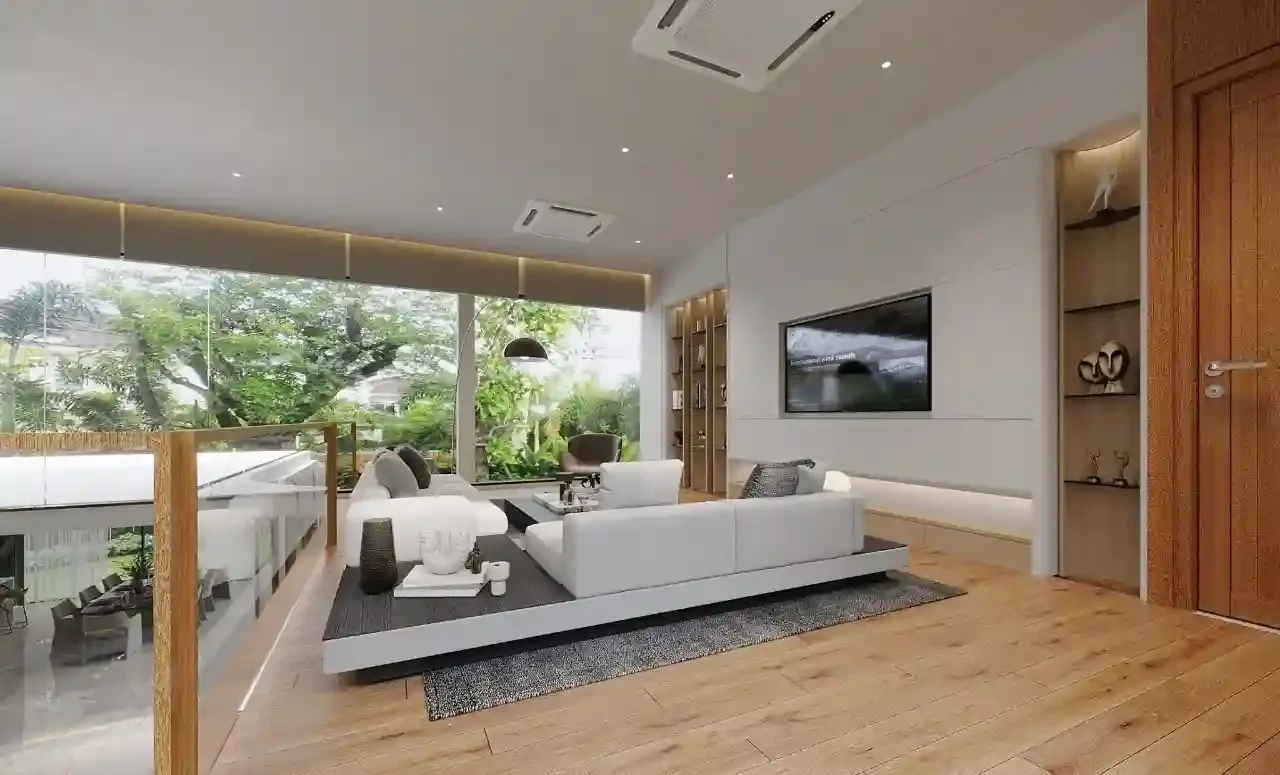
## What Are the Key Facts for Sinara Pool Villas?
| Factor | Detail |
| --- | --- |
| Location | Thep Krasattri, Thalang |
| Community | 6 two-storey private pool villas, gated |
| Villas | All 6 on our price list |
| Three-bedroom | About 462 sqm, 26,900,000 to 27,900,000 THB |
| Four-bedroom | About 479 sqm, 28,900,000 to 29,900,000 THB |
| Plots | About 464 to 674 sqm |
| Features | Private pool, garden terrace, smart home |
| Payment | 35% / 15% / 20% / 20% / 10% |
| Stage | Under construction |
| Airport and beach | About 22 minutes by car |
## Location: Thep Krasattri, Near UWC and Thanyapura
Thep Krasattri is the green residential north of Phuket, where families choose to live for the schools, the sport and the calm streets, with the airport and the west-coast beaches both within easy reach.
- **UWC Thailand international school:** nearby
- **Thanyapura sports and wellness centre:** nearby
- **Bumrungrad Hospital Phuket:** planned nearby
- **Bang Tao and Layan beaches:** about 22 minutes by car
- **Phuket International Airport:** about 22 minutes by car
- **Shopping:** the nearest mall about 13 minutes by car
For families this is an easy place to live: the school run is short, training and swimming at Thanyapura are close to home, and the beaches of the west coast make the weekend. The [Layan area guide](/areas/layan-property-guide/) covers the wider district.
## Villas and Prices
| Villas | Bedrooms | Built area | Price |
| --- | --- | --- | --- |
| 1, 2 and 3 | Three | About 462 sqm | 26,900,000 to 27,900,000 THB |
| 4, 5 and 6 | Four | About 479 sqm | 28,900,000 to 29,900,000 THB |
The three-bedroom villas open the collection from 26,900,000 THB, and the four-bedroom villas add a bedroom for larger families and guests, from 28,900,000 THB. Plots range from about 464 to 674 sqm, so each house has its own garden and outlook, and we send the plot area and plans of each villa with the price list. The two storeys keep the living spaces downstairs and the bedrooms upstairs, so the house stays quiet at night and lively by day, and the smart home system lets you check lights, climate and security from anywhere in the world.
## Design and Villas
- **Two storeys** with open-plan living and dining
- **Modern kitchen**
- **Master suite** with a walk-in closet and ensuite bathroom
- **Private swimming pool** and landscaped garden terrace
- **Smart home system**
- **Gated community** with 24-hour security and CCTV
- **Pet-friendly**
## Living at Sinara Pool Villas
Family days at Sinara have an easy rhythm. Mornings begin with the short school run to UWC, afternoons move between the pool, the garden and a session at Thanyapura, and at weekends the beaches of Bang Tao and Layan are a short drive away. In the evening the garden terrace is where the family gathers, and with only six houses in the community, neighbours soon become friends.
## Five-Stage Payment Plan
The price is paid in five stages: 35%, 15%, 20%, 20% and 10%. For a villa at 26,900,000 THB that works out as follows:
| Stage | Share | Amount |
| --- | --- | --- |
| 1 | 35% | 9,415,000 THB |
| 2 | 15% | 4,035,000 THB |
| 3 and 4 | 20% each | 5,380,000 THB each |
| 5 | 10% | 2,690,000 THB |
The schedule follows the build and leaves 10% for handover. We send the developer's schedule for your villa with the price list.
## Why Buyers Choose Sinara Pool Villas
- **Only six villas** in a gated community
- **Close to UWC Thailand and Thanyapura**
- **Three or four bedrooms** on generous plots
- **Smart home system** in every house
- **About 22 minutes** to the airport and the west-coast beaches
- **Pet-friendly**
## Who Sinara Pool Villas Suits
**Families with children at UWC Thailand** or other schools in the north of the island.
**Active owners** who train, swim or play tennis at Thanyapura.
**Frequent travellers** who value a short drive to the airport.
**Rental investors** aiming at relocating families who rent a house near the schools for a school year or longer.
## Renting Out a Villa at Sinara
A family pool villa near UWC Thailand and Thanyapura appeals to relocating families who rent for a school year, to athletes who come to train for weeks or months, and to families on holiday who want space and privacy. Long lets suit the neighbourhood well and keep turnover low.
If you plan to let your villa at Sinara, we collect current asking rents for comparable villas in Thep Krasattri and send them with the price list. [Our rental guide](/guides/phuket-rental-yield-complete-guide-2026/) explains how to read a rental offer line by line.
## Ownership for Foreign Buyers
At Sinara Pool Villas, as with any villa in Thailand, you buy land plus a building. The house can be held in your own name over a lease of the plot registered at the Land Office, 30 years per registration with renewal terms in the contract, or the land can be held through a Thai company with genuine Thai shareholders. [Freehold and leasehold in Thailand](/guides/freehold-vs-leasehold-thailand/) explains both routes, and we prepare the one that suits you with our legal support.
## Sinara and Other Villas in Thep Krasattri
| Project | From | Status |
| --- | --- | --- |
| [Botanica Skyport](/projects/botanica-skyport/) | 19,900,000 THB | Off-plan |
| Terra Azalea Villas | 21,500,000 THB | Off-plan |
| [Anchan Sunscape](/projects/anchan-sunscape/) | 22,466,000 THB | Off-plan |
| [Botanica Green Boulevard](/projects/botanica-green-boulevard/) | 26,900,000 THB | Off-plan |
| Sinara Pool Villas | 26,900,000 THB | Off-plan |
| Montana Hills Villa | 28,700,000 THB | Off-plan |
| [Anchan Emerald](/projects/anchan-emerald/) | 29,000,000 THB | Off-plan |
Sinara stands out in this group for its small size, its smart homes and its closeness to UWC Thailand and Thanyapura. We send the price lists of any of these projects on request and arrange viewings.
## Buying Sinara Pool Villas with MORE Group
A villa at Sinara is bought in five steps, from the first price list to the keys, and we are with you through each of them.
## What We Send Before You Reserve
- The current price list with plot areas and plans
- The five-stage payment schedule for your villa
- The ownership structure for your purchase, leasehold or company, with the documents it needs
- The community's common charges
- The latest construction update
{/* corpus-faq:sinara-pool-villas */}
## FAQ
### What does Sinara Pool Villas cost?
All six villas are on our price list: three-bedrooms of about 462 sqm from 26,900,000 to 27,900,000 THB and four-bedrooms of about 479 sqm from 28,900,000 to 29,900,000 THB.
### What does each villa include?
Two storeys with open-plan living and dining, a modern kitchen, a master suite with a walk-in closet, a private pool, a landscaped garden terrace and a smart home system.
### Where is Sinara Pool Villas?
In Thep Krasattri, Thalang, near UWC Thailand and the Thanyapura sports and wellness centre. The airport and the beaches of Bang Tao and Layan are about 22 minutes by car.
### What is the payment plan?
Five stages: 35%, 15%, 20%, 20% and 10%. For a villa at 26,900,000 THB that means 9,415,000 THB at the first stage and 2,690,000 THB at handover.
### How can foreigners own a villa at Sinara?
The house can be held in your own name over a lease of the plot registered at the Land Office, 30 years per registration with renewal terms in the contract, or the land can be held through a Thai company with genuine Thai shareholders. We prepare the structure with our legal support.
**Read Also:**
- [AG Club Villas](/projects/ag-club-villas/)
- [Botanica Green Boulevard](/projects/botanica-green-boulevard/)
- [Anchan Emerald](/projects/anchan-emerald/)
- [Freehold vs Leasehold in Thailand](/guides/freehold-vs-leasehold-thailand/)
- [How Foreigners Buy Phuket Property 2026](/guides/buying-property-phuket-guide/)
- [Phuket Rental Yield Guide](/guides/phuket-rental-yield-complete-guide-2026/)
# Skypark Aurora Phuket 2026: Prices & Layouts Review
> Skypark Aurora review: a resort-style condo in Choeng Thale near Bang Tao, one- to three-bedroom layouts, indicative prices from 4.5M THB and the payment plan.
**Source:** https://moregroup.estate/projects/skypark-aurora/
**Section:** Project Reviews
**Author:** MORE Group Editorial
**Published:** 2026-03-30
**Updated:** 2026-08-23
---
## Skypark Aurora Phuket Review 2026: Prices, Layouts, Investment Analysis
Skypark Aurora is the latest addition to the Skypark brand's expanding portfolio of resort-lifestyle condominiums in Phuket's Choeng Thale / Bang Tao corridor. Following Skypark Elara at Lakelands, Skypark Aurora targets the same well-positioned mid-premium market: international buyers seeking quality construction, resort amenities, and the Bang Tao address at accessible prices.
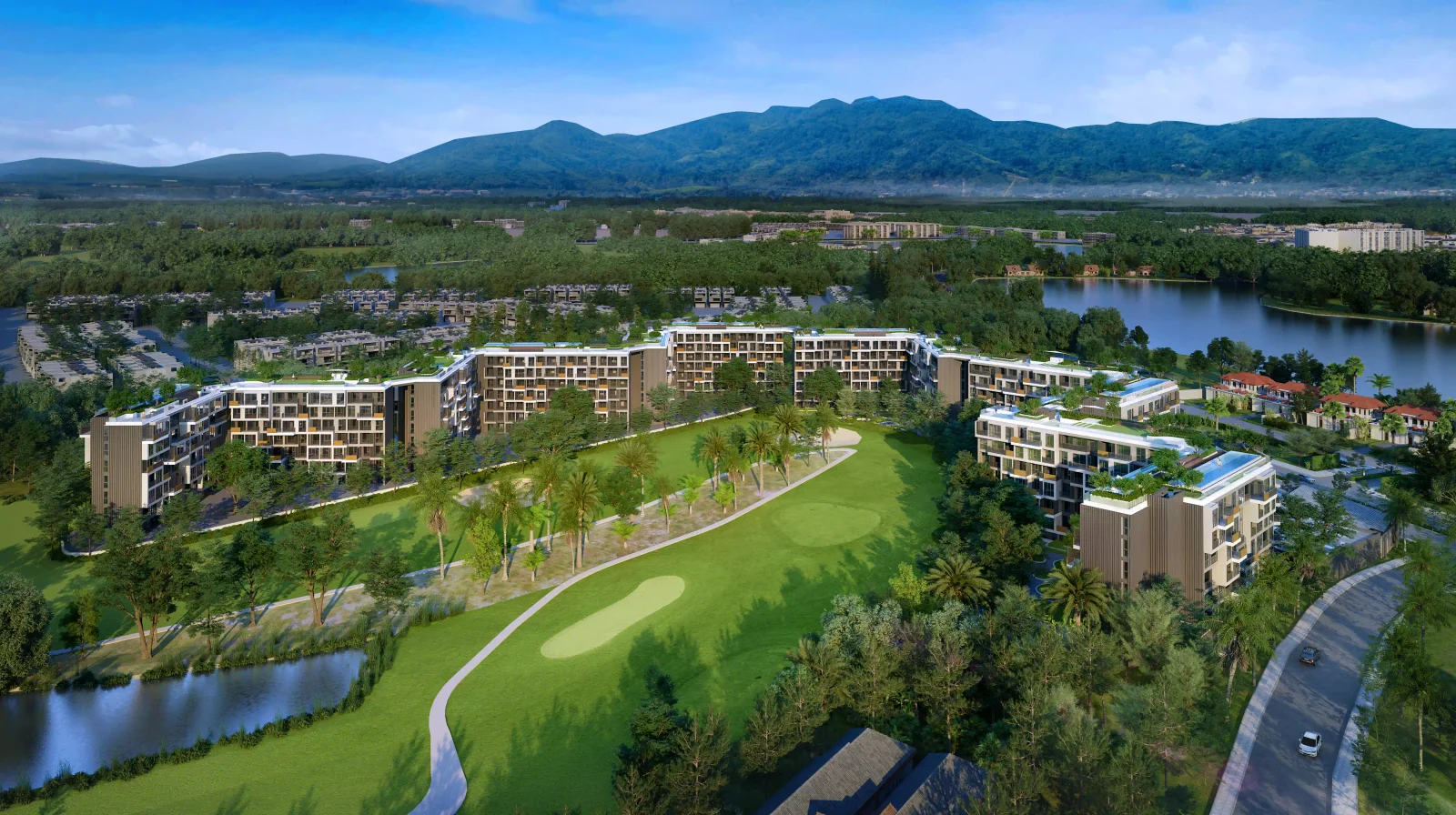
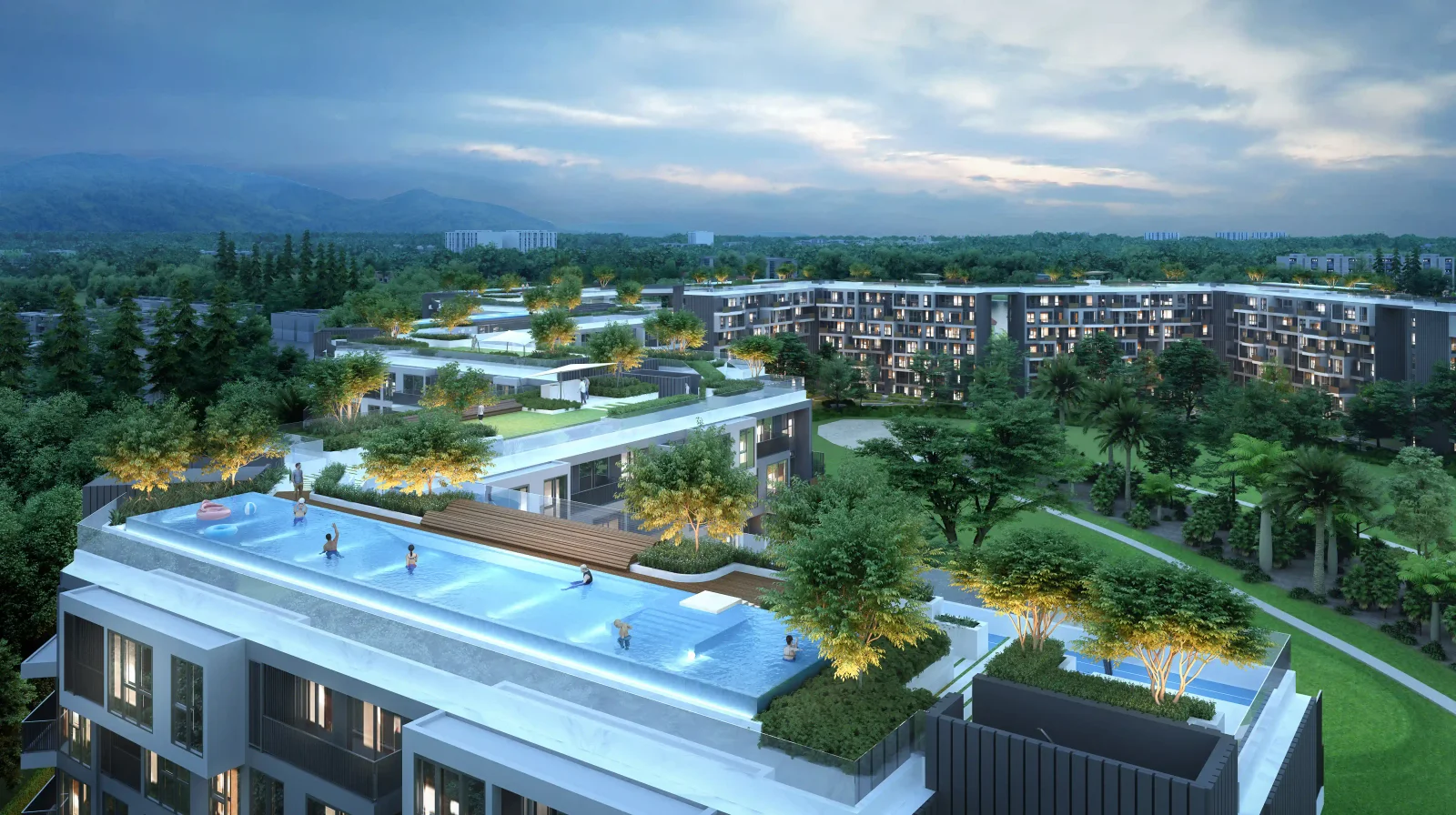
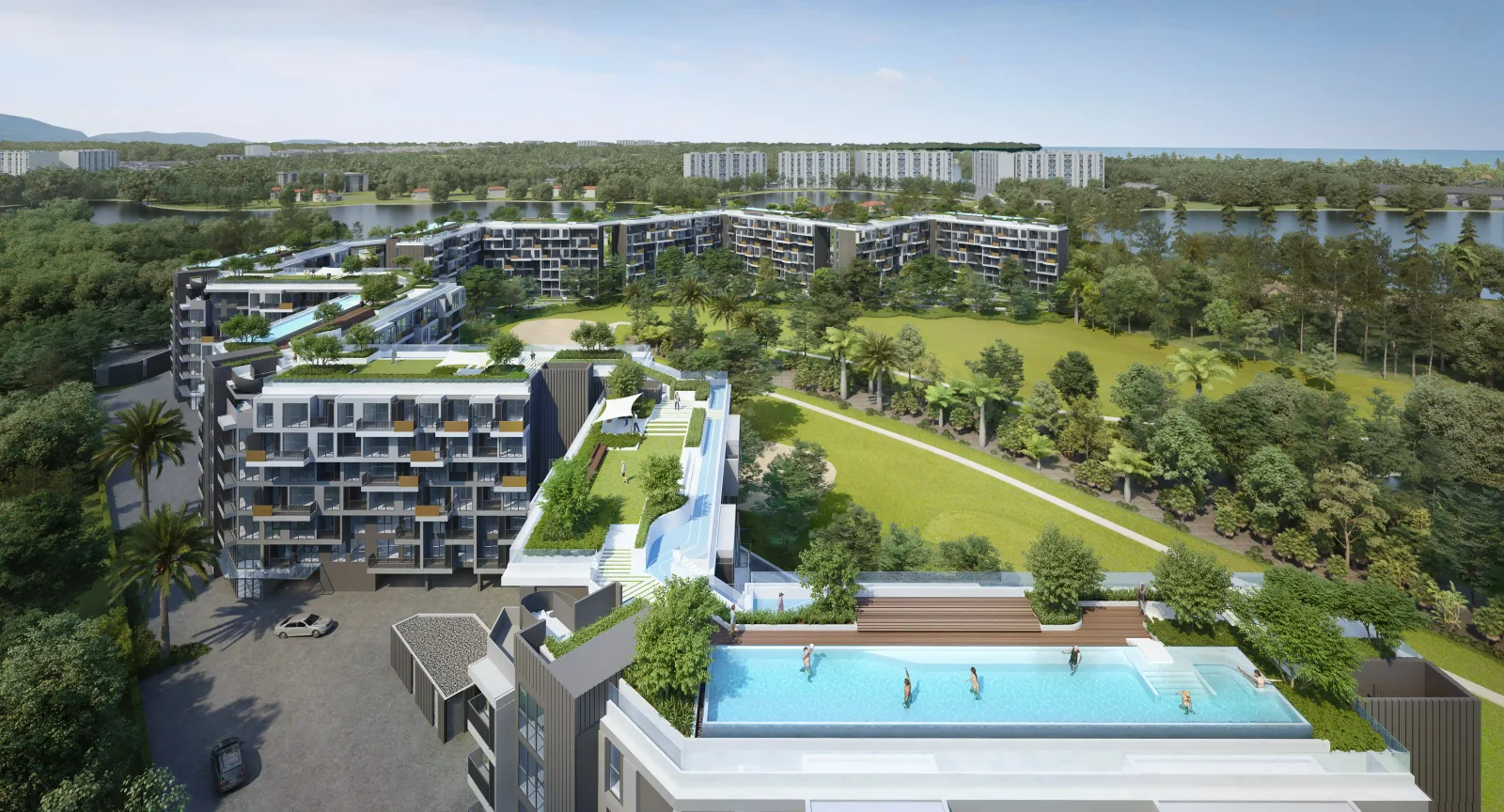
## Why the Skypark Brand Matters
**A brand in the corridor:** Skypark builds in the Laguna and Lakelands area, so buyers can see the developer's standard of finish and amenities in its Bang Tao projects.
**Resort amenities:** pools, gyms and landscaped common areas designed as part of the resort lifestyle rather than added to a plain building.
**Management relationships:** Skypark has established relationships with rental management companies in Choeng Thale, for a straightforward setup after handover.
## Location analysis
**What's near Skypark Aurora:**
- Boat Avenue dining/retail hub: approximately 5-10 minutes drive
- Bang Tao Beach: approximately 1.5-2.5km (10-15 min walk or 3-5 min vehicle)
- Laguna Golf Club and resort facilities: accessible
- NIST International School: proximity for family buyers
- Tesco-Lotus and Makro for daily essentials: within range
## Unit types and layouts
**Studio/1BR (30-45 sqm):** Entry price point. Compact but well-designed with balcony. Optimal for single investor/couple. Strong rental demand year-round.
**1BR+ / 2BR (55-85 sqm):** The sweet spot for both investors and second home buyers. Large enough for comfortable personal use; rents well to couples and small families.
**3BR (100-130 sqm):** Premium units, often penthouses or top-floor configurations, with a premium rate per night for families and groups.
*For current floor plans and unit availability, contact MORE Group for the latest release schedule.*
## Pricing (indicative 2026)
- **Studio/1BR entry:** approximately THB 4.5M-6.5M ($135,000-$200,000 USD)
- **1BR+ / 2BR:** approximately THB 6.5M-10M ($195,000-$300,000 USD)
- **3BR penthouse:** approximately THB 12M+ ($360,000+ USD)
*Prices vary by floor, view, and phase of launch. Contact MORE Group for current availability and pricing.*
## Payment plan structure
- **Booking fee:** 100,000 THB (refundable within review period)
- **Reservation:** 10-15% on contract signing
- **Construction milestones:** 5 payments of approximately 10-15% each tied to construction stages
- **On transfer/completion:** 20-30%
The staged payment structure spreads your capital commitment over 2-3 years of construction, reducing single-period cash flow impact and naturally averaging your currency exposure if purchasing in USD or EUR.
## Rental Income
The Bang Tao corridor has the island's deepest rental demand, and one- and two-bedroom units in resort-style buildings let to couples, families and long-stay guests through the year. For owners who plan to let, we collect statements for comparable units in the corridor, with management fees and running costs itemised, so the income plan starts from real figures.
**Key driver:** management company selection. Skypark's management relationships are the starting point, alongside independent rental managers in the zone.
## Investment Assessment
The case for Skypark Aurora rests on three things. The developer is established in the Laguna corridor, with a brand buyers already know. The position, roughly 1.5 to 2.5 km from Bang Tao Beach, gives access to the corridor's rental demand without the beachfront price, and in this market the difference between beach-adjacent and beachfront is much larger in price than in achievable rate. And the entry ticket sits in the band with the deepest tenant and resale pool in Bang Tao, which matters at exit as much as at purchase.
The best unit is one with a genuinely distinctive attribute inside the project, a better floor, aspect or layout, and we send the options with the price list.
## Three tiers, and what each is actually for
Indicative pricing spans a wide range, and the tiers behave differently once you own one.
| Tier | Indicative price | The business it is in |
|---|---|---|
| Studio / 1BR entry | about THB 4.5M-6.5M | Volume letting, couples and solo stays |
| 1BR+ / 2BR | about THB 6.5M-10M | The broadest tier, reaches both nightly and monthly |
| 3BR penthouse | about THB 12M and above | Family and group stays at a premium rate |
The middle tier works in both the nightly and the monthly market, and we send the exact price of each unit you shortlist, with its floor and aspect.
## Aurora Among Bang Tao's New Condominiums
Buyers looking at Aurora usually compare a few new buildings in the same corridor:
| Project | Entry on our list | Setting |
|---|---|---|
| [The Title Sierra](/projects/the-title-sierra/) | 2,906,700 THB | Three eight-storey buildings, rooftop pool |
| [The Ozone Signature](/projects/the-ozone-signature/) | 4,320,000 THB | Low-rise, spa and library |
| Skypark Aurora | about 4,500,000 THB (indicative) | Resort-style, near Laguna |
| [The Zero Bang Tao](/projects/the-zero-bang-tao/) | 4,925,167 THB | Coworking and kids' club |
| [Skypark Elara Lakelands](/projects/skypark-elara-lakelands/) | 8,290,000 THB | Lake views in Laguna Lakelands |
Aurora sits in the middle of the group on price, with the Skypark name and a resort-style package close to Laguna, and Elara Lakelands is the step up within the same brand for buyers who want the lake setting.
## Who this suits
- **A buyer who wants beach-adjacent Bang Tao without a villa budget.** That is the proposition, and at the entry tier it is a real one.
- **An investor with a management plan.** Presentation and pricing lead the listing, and a professional manager handles both.
- **A buyer who likes to choose early,** with the widest choice of floors and aspects in a new release.
{/* corpus-faq:skypark-aurora */}
## FAQ
### What is Skypark Aurora in Phuket?
Skypark Aurora is a mid-rise resort condominium development in the Choeng Thale area of Bang Tao, Phuket. Developed by Skypark International (known for the Skypark Elara at Lakelands project), Aurora targets international investors and second home buyers seeking quality construction, resort amenities, and Bang Tao proximity at mid-premium prices.
### How much does a unit cost in Skypark Aurora?
Entry-level studio/1BR units in Skypark Aurora start at approximately THB 4.5M-6.5M ($135K-$200K USD) in 2026. 2BR units run approximately $195K-$300K. Prices vary by floor, view, phase, and timing of purchase, earlier phases typically offer better pricing. Contact MORE Group for current availability and floor plans.
### Who develops Skypark Aurora?
Skypark, the brand behind Skypark Elara at Lakelands, builds resort-style condominiums in the Choeng Thale corridor. We send the developer's portfolio and the specification of Aurora with the price list.
### What rental income can I expect from Skypark Aurora?
Choeng Thale has the island's deepest rental demand, and one- and two-bedroom units let to couples, families and long-stay guests through the year. We collect statements for comparable units in the corridor and build the net figure for your unit, after management fees and running costs.
### What stage is Skypark Aurora at?
The project is in its launch and construction phase. We send the latest release schedule and construction update together with the price list.
### How far is Skypark Aurora from Bang Tao Beach?
Skypark Aurora is in the Choeng Thale corridor, approximately 1.5-2.5km from Bang Tao Beach, a 10-15 minute walk or 3-5 minute drive/bicycle ride. Residents have practical access to the beach and Bang Tao infrastructure (Boat Avenue, beach clubs) without the premium pricing of beachfront developments.
## Beach-adjacent, and what that is worth
The distance quoted here, 1.5 to 2.5 km, sits at an interesting point on the Bang Tao price curve and it is worth being precise about what it does and does not buy.
Beachfront and near-beachfront stock in this corridor carries a large premium. At around two kilometres the beach is a bicycle ride, a three to five minute drive, or a morning walk. What it does buy is everything else about the corridor at a materially lower entry price. The guest choosing Bang Tao is largely choosing the area, Boat Avenue, the beach clubs, the restaurants, the services, the schools, and all of that is equally available from here. Occupancy on a well-run unit in this position is not far off what a closer building achieves; the gap shows up in nightly rate rather than in nights sold, and the lower purchase price frequently more than compensates. That is the case the page is making when it says the position is capital-efficient, and it holds.
We send the site plan with the actual route to the beach and what is planned on the land between the project and the sand.
## What We Send Before You Reserve
- **Your unit:** the price, the plan, the floor and the aspect
- **The payment schedule,** with each payment tied to a construction stage
- **The foreign quota position** for your unit, in a dated statement
- **The letting position:** the building's licence route and the house rules on short stays
- **The developer's portfolio** in the Laguna corridor
## Buying Skypark Aurora with MORE Group
A unit at Skypark Aurora is bought in five steps, from the first price list to the keys, and we handle each of them with you.
**Related guides:**
- [Skypark Elara Lakelands review 2026](/projects/skypark-elara-lakelands/)
- [Bang Tao beach area guide 2026](/guides/bang-tao-beach-area-guide-2026/)
- [Best areas in Phuket to buy property](/guides/best-areas-phuket-buy-property/)
- [Phuket property market outlook 2026](/guides/phuket-property-market-outlook-2026/)
- [Off-plan vs resale property Phuket](/comparisons/)
# Skypark Elara Lakelands Phuket: Full Review 2026 Guide
> Skypark Elara Lakelands review: 220 lake-view condos in Laguna Lakelands from 8,290,000 THB, an interest-free five-stage plan and who it suits.
**Source:** https://moregroup.estate/projects/skypark-elara-lakelands/
**Section:** Project Reviews
**Author:** MORE Group Editorial
**Published:** 2026-03-26
**Updated:** 2026-10-07
---
Skypark Elara Lakelands is a 220-unit luxury condominium within the Laguna Lakelands masterplan, built around its lake system, with lake views from every unit and an interest-free payment plan. The current price list runs from 8,290,000 THB (about $254,000) to 47,450,000 THB, across one-bedrooms of 54 to 57 sqm, two-bedrooms of 85 sqm and three-bedrooms of 181 to 186 sqm. It is the most accessible way into Laguna Lakelands, with the Laguna and Banyan Group names behind it, and this review explains who it suits and how the purchase works.
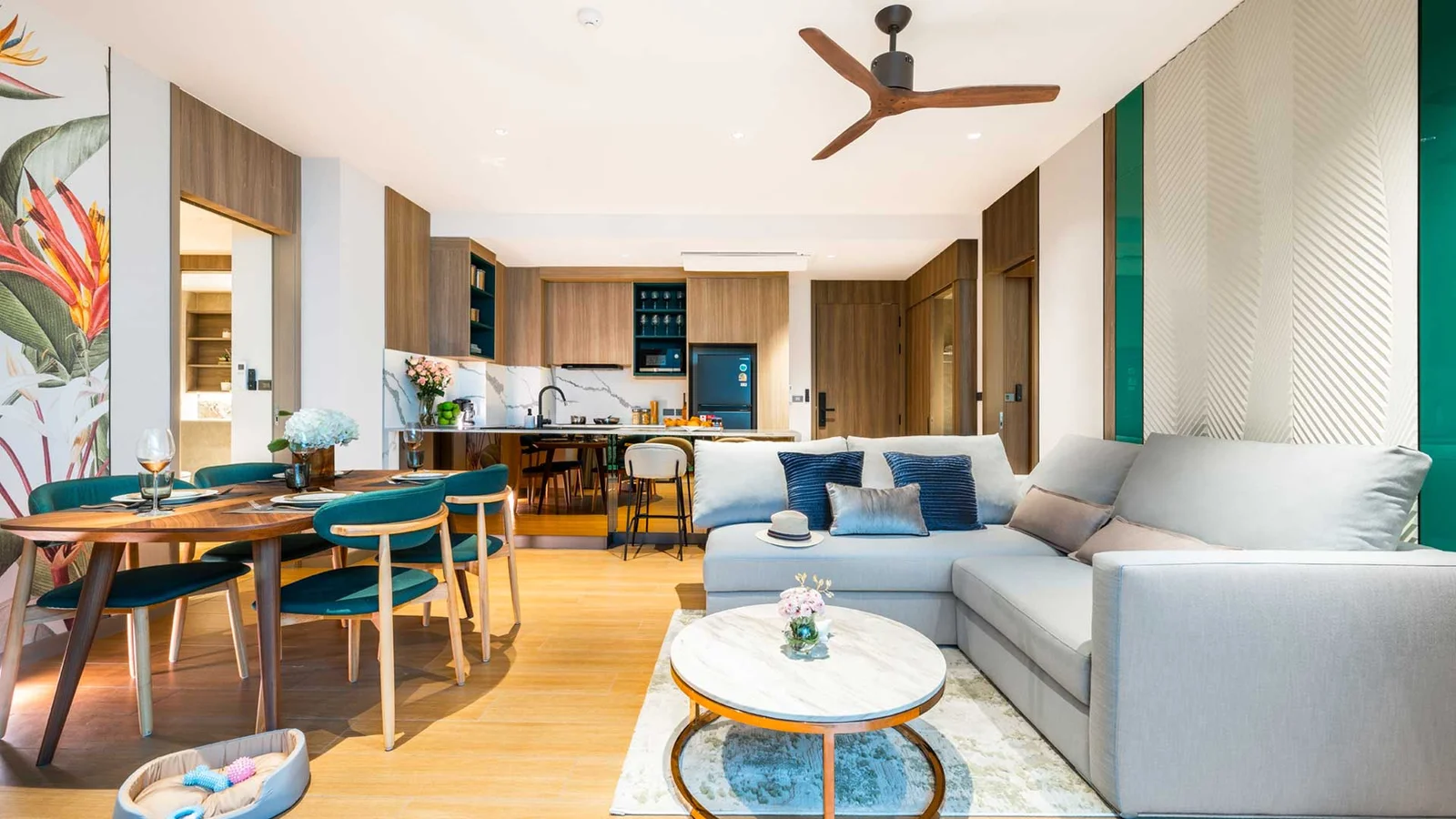
## One Skypark Elara, in Laguna Lakelands
Buyers meet this project under two names, Skypark Elara and Skypark Elara Lakelands, and some listings place it inside the Laguna Phuket estate. Banyan Group, the developer, sells one Skypark Elara in Phuket: this one, in Laguna Lakelands, the new lake district beside the established estate rather than inside it.
The first phase is three low-rise buildings of seven storeys with about 220 residences, from one to three bedrooms. Banyan Group's other Skypark building on the island, Skypark Celeste, is a separate and older condominium inside the Laguna estate itself, so a price or a rental history quoted for Celeste says nothing about Elara.
## The Interest-Free Payment Plan
| Stage | Payment |
|---|---|
| Reservation | THB 100,000 |
| Contract signing | 20% of purchase price |
| Construction milestone 1 | 20% |
| Construction milestone 2 | 20% |
| Construction milestone 3 | 20% |
| Handover | 20% |
No interest is charged on the deferred balance, and each 20% stage on the entry unit of each layout works out as follows:
| Layout | Entry price | Each 20% stage |
|---|---|---|
| One-bedroom, 54-57 sqm | 8,290,000 THB | 1,658,000 THB |
| Two-bedroom, 85 sqm | 13,430,000 THB | 2,686,000 THB |
| Three-bedroom, 181-186 sqm | 34,040,000 THB | 6,808,000 THB |
Spreading the price evenly through the build suits buyers who prefer to fund the purchase from income or from the sale of another property as the building rises.
**What the interest-free structure is worth:** against a plan charging 5% a year on a deferred 80% balance over eighteen months, it saves about 497,000 THB on the entry one-bedroom.
We send the schedule for your unit, with the construction stage each payment is tied to, together with the price list.
## Lake Views
- Open sightlines over water: the lakes are the centrepiece of the masterplan
- A natural, calming setting that sets Lakelands apart from standard urban condos
- Distinctive photography for rental listings: "lake view in Laguna Phuket" is a specific and sellable proposition
- An eco-community atmosphere, with the landscaping maturing year by year around the water
## The Price List
| Units | Layout | Size | Price (THB) | Median (THB) | THB per sqm |
|---|---|---|---|---|---|
| 44 | 1-bedroom | 54-57 sqm | 8,290,000 - 13,500,000 | 9,900,000 | 183,333 |
| 7 | 2-bedroom | 85 sqm | 13,430,000 - 18,330,000 | 14,180,000 | 166,824 |
| 11 | 3-bedroom | 181-186 sqm | 34,040,000 - 47,450,000 | 41,610,000 | 229,890 |
Sixty-two priced units, median 11,200,000 THB, median metre 187,222, payment 20/20/20/20/20 across five stages, about ten minutes by car to Bang Tao Beach, five to the nearest mall and 21 to the airport.
Two things stand out. **The two-bedroom is the best-value metre in the scheme,** at 166,824 THB against 183,333 for the one-bedrooms, so the extra bedroom costs less per square metre than the first one does. And the **three-bedrooms are the signature homes:** at 181 to 186 sqm they are among the largest condominium residences in the Laguna area.
Against the corridor, the median metre of 187,222 THB is **16% above the Bang Tao area median of 161,000,** the Laguna lakeside premium expressed as a number.
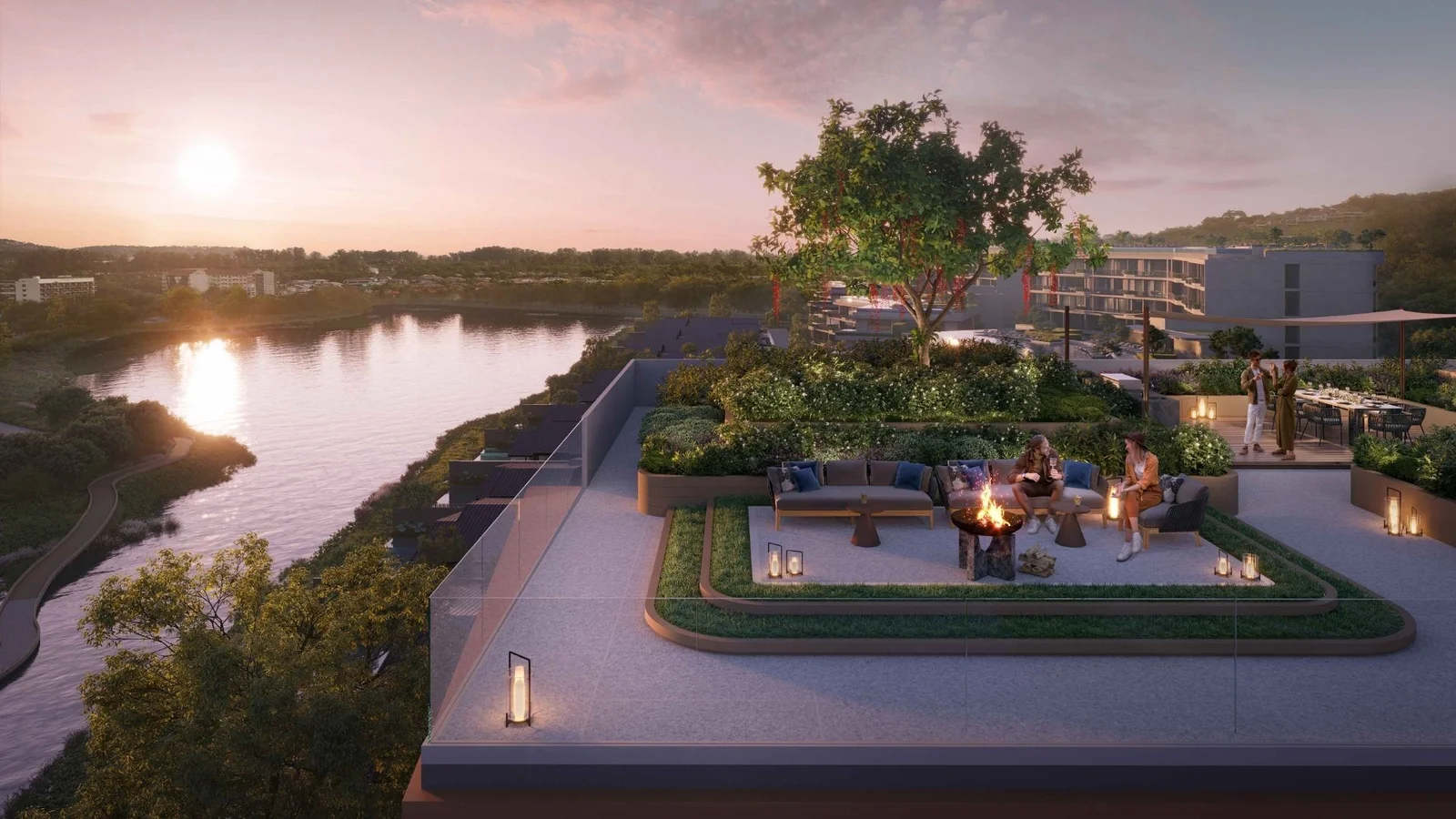
## Skypark Elara vs Laguna Aster
| Factor | Skypark Elara | Laguna Aster |
|---|---|---|
| Entry price (1BR) | 8,290,000 THB (about $254,000) | From about $338,000 |
| Units | 220 | 180 |
| Key amenity | Lake views from every unit | 60 m rooftop pool, fully furnished |
| Payment | Interest-free, five stages of 20% | Developer schedule |
| Beach distance | ~1.5 km | ~1.6 km |
| Brand overlay | Banyan + Laguna | Laguna + Banyan Tree Spa |
**Choose Skypark Elara if:**
- The lower entry is more appropriate to your budget
- A lake outlook and an interest-free plan matter more to you than a rooftop pool
- You want the largest three-bedrooms in the Lakelands phase
**Choose [Laguna Aster](/projects/laguna-aster/) if:**
- The 60 m infinity rooftop pool is a specific rental differentiator for your strategy
- A full furnishing package simplifies your plan after handover
## Location in Cherng Talay: The Broader Bang Tao Context
**Why Cherng Talay / Laguna is Phuket's growth area:**
- Fastest-growing luxury area in Phuket
- International population growth (expats, digital nomads, retirees)
- Infrastructure improvements (road widening, new commercial development)
- Lakelands masterplan as the largest single development stimulus
Buyers in Skypark Elara are not just buying a condo, they are buying a position in Phuket's most institutionally supported growth zone, with Laguna's golf, spas, beach clubs and dining around them. The project is pet-friendly, with a rooftop sky pool, a fitness centre and a lounge.
## Why Buyers Choose Skypark Elara Lakelands
- The most accessible way into the Laguna Lakelands masterplan
- An interest-free payment plan in five equal stages
- Lake views across all units, over a lake system designed as the heart of the masterplan
- The best-value metre in the two-bedrooms, and the scheme's largest three-bedrooms
- Backed by a developer with thirty years of delivery on the adjacent Laguna estate
## Every Unit Has a Lake View
What a lake gives you is a lasting outlook. The water is the centrepiece of the masterplan, and a lake view inside it is about as settled as a view gets in Phuket, which shows at resale, where a buyer can see the setting for themselves.
Because every unit shares the lake, the choice between units comes down to floor level, aspect, layout and presentation. Those are the attributes worth choosing carefully at reservation, and we send the floor, the aspect and the plan of every available unit with the price list. The [Lakelands masterplan guide](/guides/laguna-lakelands-masterplan-guide/) shows how the landscape around the lakes develops as the phases are completed.
## What We Send Before You Reserve
- **Your unit's position:** floor, aspect and distance to the water, with the site plan
- **The masterplan around your building,** showing what is planned between your unit and the water
- **The payment schedule,** with the construction stage each 20% is tied to
- **The construction update** for your building
- **The foreign quota position** for your unit, in a dated statement; the 49% is measured by total floor area
- **The letting position:** the building's licence route for stays under 30 days and the house rules
- **The CAM rate per square metre** and the sinking fund contribution at handover, for your income plan
## Buying Skypark Elara Lakelands with MORE Group
A unit at Skypark Elara Lakelands is bought in five steps, from the first price list to the keys, and we are with you through each of them.
{/* corpus-faq:skypark-elara-lakelands */}
## FAQ
### Is a lake view worth paying for in Phuket?
A lake view gives a lasting open outlook, because the lakes are the centrepiece of the Lakelands masterplan, and it makes a listing stand out. Here every unit has one, so the choice between units rests on floor, aspect and layout, which we send for every available unit.
### What does the 0% interest payment plan actually save?
On the entry one-bedroom at 8,290,000 THB, about 497,000 THB against a plan charging 5% a year on a deferred 80% balance over eighteen months. The structure is a reservation of THB 100,000, then 20% at contract, three 20% construction milestones, and 20% at handover.
### How does Skypark Elara compare with Laguna Aster?
Elara enters at 8,290,000 THB, about $254,000, with lake views from every unit and an interest-free plan; Aster starts from about $338,000 with a 60 m rooftop pool and a furnishing package included. Elara suits a buyer who wants the lower entry and the lake outlook; Aster suits one who wants a specific rental amenity or a turnkey unit.
### Can a foreign buyer hold freehold here?
Yes, within the 49% foreign quota, which Thai law measures by the total floor area of the building. We obtain written confirmation from the developer or the juristic office for your specific unit before the reservation. Freehold registration for a non-resident also requires the foreign currency inward remittance record, the FET form, at the Land Department, and we plan the transfer with you well ahead of the final payment.
### What stage is Skypark Elara Lakelands at?
Construction is underway. We send the latest construction update together with the price list.
**Read Also:**
- [Laguna Lakelands masterplan guide](/guides/laguna-lakelands-masterplan-guide/), how the phases fit together
- [Laguna Aster](/projects/laguna-aster/), the second phase compared above
- [Buying Property in Phuket](/guides/buying-property-phuket-guide/)
- [Off-plan property Phuket guide](/guides/off-plan-property-phuket-guide/)
- [Bang Tao Property Guide](/bang-tao-properties/)
# So Origin Bangtao Beach: Condos from 4.91M THB
> So Origin Bangtao Beach: 545 furnished Origin Property units from 4,910,000 THB, 400 m from Bang Tao Beach, sky pool and co-working. Prices and units.
**Source:** https://moregroup.estate/projects/so-origin-bang-tao-beach/
**Section:** Project Reviews
**Author:** MORE Group Editorial
**Published:** 2026-04-07
**Updated:** 2026-10-05
---
## What Is So Origin Bangtao Beach?
So Origin Bangtao Beach is 545 furnished Origin Property units in three eight-storey buildings, 400 metres from Bang Tao Beach, with studios from 4,910,000 THB. Beach access on foot is the corridor's premium filter and this scheme has it, and the buildings are far enough along to visit in person.
Origin Property is SET-listed with institutional delivery standards across Bangkok and resort markets. So Origin targets resort-style living with sky pool, rooftop lounge, co-working, and smart-access security rather than bare investor shells.
## What Are the Key Facts for So Origin Bangtao Beach?
Five hundred and forty-five units across three buildings, studios from 4,910,000 THB up to 10,560,000 THB for a two-bedroom, on a 30% / 20% / 50% schedule with half the price paid at transfer. The foreign quota is calculated per building rather than across the development, and we confirm it for the building your unit is in.
| Factor | Detail |
| --- | --- |
| Developer | Origin Property (SET-listed) |
| Location | Bang Tao, 400 m to beach |
| Total units | 545 across 3 buildings |
| Unit mix | Studio, 1BR, 2BR (furnished) |
| Price from | 4.91 million THB |
| Status | Under construction |
| Payment | 30% / 20% / 50% on transfer |
Among Bang Tao premium stock this is one of the nearest handovers. We send the latest construction update with the price list and plan the 50% transfer tranche with you: a foreign buyer moves it through the FET route, and we agree the timing with the receiving bank well ahead, since it is half the purchase price arriving on one day.
## Location and Area
The address is the Cherng Thale beach corridor, with Catch Beach Club, Boat Avenue and Porto de Phuket on the same stretch and the Laguna golf and school cluster behind it.
- **Beach walk:** 400 m to Bang Tao sand, top-tier walkability filter on Airbnb
- **Retail:** Boat Avenue and Porto de Phuket lifestyle strips
- **Demand:** Digital nomads, European vacationers, luxury short-stay guests
- **Resale:** an international buyer pool that knows the Origin name and the Bang Tao corridor
A beach you can walk to is the reason people buy in this corridor, and from So Origin it is a 400 metre walk to the sand. Catch Beach Club proximity and Boat Avenue retail have historically supported nightly rates 12 to 18% above inland Cherng Thale units without beach walkability.
## Design and Units
So Origin Bangtao Beach units are furnished studios at 26 to 28 sqm from 4.91 million THB, 1BR at 32 to 34 sqm from 5.55 million THB, 2BR at 51 to 53 sqm to 10.56 million THB, sky pool and co-working amenities, and turnkey spec that foreign buyers can rent from handover without a fit-out period.
| Unit type | Size | Price range |
| --- | --- | --- |
| Studio | 26 to 28 sqm | 4.91 to 5.67 million THB |
| 1BR | 32 to 34 sqm | 5.55 to 7.02 million THB |
| 2BR | 51 to 53 sqm | 8.55 to 10.56 million THB |
Studios offer strongest yield per THB invested. 1BR balances personal use and rental flexibility. 2BR targets the family segment with higher nightly rates.
## Investment Case
Rental income at So Origin Bangtao Beach comes from the corridor itself: a beach you can walk to, Boat Avenue and Porto de Phuket nearby, and a steady flow of European holidaymakers and digital nomads. For your unit we put together the operator's twelve months of occupancy and achieved rates for comparable units, month by month, with the deductions itemised, following the method in [how to calculate a Phuket rental yield](/guides/phuket-rental-yield-complete-guide-2026/). Comparable managed units in Bang Tao have historically reached 75 to 85% peak occupancy, with net yields of 5 to 7% after 20 to 25% operator fees.
The scheme is registered as three separate juristic persons, so the 49% foreign allowance works as three allowances, one for each building, and we confirm the quota for the building your unit is in.
The payment map is 30% on contract, 20% across construction milestones and 50% at transfer, so half of the price stays with you until the keys. The entry figure is 4,910,000 THB for a furnished studio.
For a larger budget in the same part of Bang Tao, compare [The Standard Residences Phuket](/projects/the-standard-residences/) and [The Title Heritage Bangtao](/projects/the-title-heritage/).
## Running Costs and Renting Out a Unit
The common area fee at So Origin Bangtao Beach runs at 35 to 42 THB per sqm a month, which puts a 27 sqm studio at roughly 950 to 1,130 THB a month and a 52 sqm two-bedroom at roughly 1,820 to 2,180 THB. The one-off sinking fund, the transfer fees and the annual land and building tax come on top, and the full list is in the [Phuket property taxes and fees guide](/guides/phuket-property-taxes-fees-complete-guide/) and the [annual ownership costs guide](/guides/annual-ownership-costs-thailand/).
Owners choose their own rental operator here: Origin Property does not tie the building to a single management company. Stays under 30 days are hotel business under the Hotel Act and need a licence, so nightly letting goes through an operator with that licence, while monthly and longer lets are arranged directly. The rules are set out in the [short-term rental rules for Phuket](/guides/short-term-rental-rules-phuket/), and the rent received is taxed as described in the [rental income tax guide](/guides/rental-income-tax-thailand/).
## Who Is This For?
This suits a buyer who wants a beach-walkable Bang Tao address from a listed developer, with furnished units ready to rent and half of the price paid at handover.
- **Near-term investors:** a building far enough along to visit in person
- **Yield buyers:** Studio tier for maximum gross per THB at beach walk distance
- **Origin brand trust:** Institutional developer and secondary market recognition
- **Lifestyle plus rental:** Furnished turnkey with Bang Tao ecosystem access
## Why Buyers Choose So Origin Bangtao Beach
A 400 metre walk to the beach, a listed developer behind the build and a scheme advanced enough to visit are what bring buyers to So Origin Bangtao Beach.
| Factor | Why it works |
| --- | --- |
| Location | 400 m to Bang Tao Beach, in Phuket's strongest rental corridor |
| Developer | Origin Property, listed on the Stock Exchange of Thailand |
| Stage | A building you can visit in person |
| Rental | Beach-walkable units, with the operator of your choice |
**In short:**
- Walkable beach access in Phuket's strongest rental corridor
- Furnished turnkey from 4.91 million THB
- Origin brand supports resale and rental credibility
- Sky pool and co-working suit digital nomad tenant segment
## Origin Property Projects in Phuket
So Origin Bangtao Beach is one of several Origin Property projects on the island, and buyers often compare them side by side.
| Project | Area | Entry price |
| --- | --- | --- |
| So Origin Bangtao Beach | Bang Tao | 4,910,000 THB |
| [So Origin Lagoon](/projects/so-origin-lagoon/) | Bang Tao | 3,550,000 THB |
| [Origin Residences Bang Tao](/projects/origin-residences-bang-tao/) | Bang Tao | 4,650,000 THB |
| [So Origin Kata](/projects/so-origin-kata/) | Kata | 3,010,000 THB |
Prices are the published entry prices on each project's page on this site. So Origin Bangtao Beach combines the Origin build standard with a 400 metre walk to the sand.
## Buying So Origin Bangtao Beach with MORE Group
Five steps lead from the first price list to the keys at So Origin Bangtao Beach, and we walk through each one with you.
Alongside the price list we send the running costs for your unit (CAM of 35 to 42 THB per sqm, the sinking fund and the transfer costs), the operator options in Bang Tao and a comparison with [Origin Residences Bang Tao](/projects/origin-residences-bang-tao/) in the same corridor.
{/* corpus-faq:so-origin-bang-tao-beach */}
## FAQ
### Can foreigners buy at So Origin Bangtao Beach?
Yes. Foreign nationals can purchase under freehold condominium title as long as the foreign quota for the building does not exceed 49% of total floor area. Origin Property tracks foreign quota availability and can confirm current status per building.
### Is the 30/20/50 payment plan negotiable?
The standard plan is 30% on contract, 20% across construction milestones, and 50% at transfer. Some flexibility may exist for bulk or cash buyers, and a MORE Group advisor can put the question to Origin on your behalf.
### Who handles rental management after transfer?
Origin Property does not mandate a single management operator at So Origin Bangtao Beach. Buyers can engage a third-party rental management company of their choosing. MORE Group can provide introductions to vetted operators active in the Bang Tao area.
### Is there a resale market for So Origin units?
Yes. Origin Property brand recognition supports secondary market liquidity compared to smaller boutique developers. Bang Tao sustained demand profile means well-priced units move reasonably quickly. MORE Group can assist with both primary purchase and future resale.
**Read Also:**
- [Complete Guide to Buying Property in Phuket](/guides/buying-property-phuket-guide/)
- [Bang Tao Beach Area Guide](/bang-tao-properties/)
- [Phuket Rental Yield Guide](/guides/phuket-rental-yield-complete-guide-2026/)
- [Best Areas to Buy Property in Phuket](/guides/best-areas-phuket-buy-property/)
- [Buying process step by step](/guides/due-diligence-process-thailand-step-by-step/)
- [Off-plan property Phuket guide](/guides/off-plan-property-phuket-guide/)
# So Origin Kata Review 2026: Prices, Units and Quota
> So Origin Kata: 199 furnished Origin Property condos from 3,010,000 THB, eleven minutes on foot from Kata Beach, on a 30/70 payment plan. Prices and units.
**Source:** https://moregroup.estate/projects/so-origin-kata/
**Section:** Project Reviews
**Author:** MORE Group Editorial
**Published:** 2026-04-07
**Updated:** 2026-10-05
---
## So Origin Kata: Phuket Condo Near Kata Beach
So Origin Kata Phuket is a premium low-rise condominium by Origin Property located near Kata Beach, one of Phuket's most consistently popular coastal destinations. Four eight-storey buildings deliver fully furnished studios, 1-bedroom, and 2-bedroom units with private balconies and oversized windows that maximise natural light and tropical views. One hundred and ninety-nine units carry a price, from 3,010,000 THB for a 26 sqm studio to 12,270,000 for a 75 sqm two-bedroom, and the project record puts Kata Beach eleven minutes away on foot. For a buyer weighing the south coast against Bang Tao in the north, Kata offers established tourism demand, a family-oriented identity and a lower price floor.
## Why Kata Beach Works for Investors?
The beach itself is well-maintained, accessible, and surrounded by a functional infrastructure of restaurants, dive schools, surf rentals, and mid-to-upper-range accommodation. Kata Noi, the smaller bay immediately south, is quieter and considered by many travellers to be the more attractive of the two, adding a premium micro-location upside to properties within easy reach of both bays.
Origin Property's track record in Phuket resort markets provides a clear benchmark for delivery quality and after-sales support. As a SET-listed company managing multiple simultaneous resort developments across Thailand, Origin brings institutional-scale project management. The 30/70 payment structure at So Origin Kata puts 30% across the construction period and 70% at transfer, with completion scheduled for Q3 2027 according to the developer (checked 16 September 2026).
The price per square metre varies across the building, as the table below shows, and we send the prices at which earlier releases of the same layout sold, so you can see how pricing has moved within the project.
{/* corpus-faq:so-origin-kata */}
## FAQ
### What does a 3M THB entry price buy in Kata?
A furnished 26 sqm studio, the smallest format in the building, eleven minutes on foot from Kata Beach. We send the price list with the floor area of each unit, including how balconies are counted.
### Is freehold available at the entry level?
The 49% foreign quota is measured by floor area, and we confirm for each unit whether it is offered freehold within the quota or on a registered lease, so you can compare both options on the same list.
### What is Kata's rental profile?
Beach-led family and couple demand with longer average stays than Patong, strongest from November to April. From May to October Kata is a surf beach with its own surfing visitors, and we plan the rental year in two seasons for your unit.
### Can the building let nightly?
Stays under 30 days are hotel business under the Thai Hotel Act and need a licence. We send the building's licence position and house rules together with the price list, so the rental plan for your unit is clear from the start.
## Unit Types and Prices
| Format | Units released | Sizes | Prices | Per square metre |
|---|---|---|---|---|
| Studio | 20 | 26 - 29 sqm | 3,010,000 - 4,700,000 THB | 115,326 - 172,593 THB |
| One-bedroom | 162 | 30 - 47 sqm | 3,650,000 - 7,560,000 THB | 117,089 - 174,086 THB |
| Two-bedroom | 17 | 65 - 75 sqm | 9,290,000 - 12,270,000 THB | 137,936 - 167,431 THB |
Two things in that table matter more than the entry price.
**The rate inside a single size varies by nearly half.** The 68 one-bedrooms of 30 sqm run from 3,790,000 to 5,240,000 THB, which is 125,329 to 174,086 THB per square metre for the identical apartment. That 39% spread is floor, aspect and outlook, and on a 30 sqm unit it is 1,450,000 THB. We send the full list with floor and orientation against each price, so you can see where the steps are and pick the unit that gives the most for the money.
**The building is mostly one-bedrooms.** 162 of the 199 released units are one-bedroom, and 144 of those are 30 to 32 sqm. The format lets easily because there is a deep, well-understood market for it, and floor and view are what set one unit apart from the next.
Prices are listed in baht, the currency of the contract.
Private balconies on every unit and the large-window design are meaningful differentiators in Kata's rental market, where guests consistently prioritise outdoor space and natural light in booking decisions. For a development at this price tier, the inclusion of balconies across all unit types, rather than only on premium floors, is a quality signal worth noting.
The 30/70 plan means 30% across the construction period and 70% at transfer, so most of the money stays with you until the keys: the most buyer-friendly of the three schedules Origin runs in Phuket. A foreign buyer sends the 70% through the FET process, and we agree the timing with the receiving bank months ahead of the transfer.
## Amenities: Resort-Style Living by the Beach
- **Swimming pool and pool deck**, resort-grade pool facilities positioned as the development's social centrepiece
- **Fitness center**, fully equipped, relevant for both personal use and rental marketing
- **Tropical landscaping**, professionally maintained gardens across four building courtyards
- **24-hour security**, gated access with around-the-clock management
- **Private balconies on all units**, outdoor space for every buyer regardless of floor or unit size
- **Large windows throughout**, maximises natural light and cross-ventilation, reducing air conditioning dependence
The four-building layout across the site creates a resort campus feel rather than a single tower experience, a design approach that tends to produce better common area management outcomes and stronger community atmosphere among residents.
## Who Is So Origin Kata For?
**Investors targeting the family holiday rental segment.** Kata Beach's reputation as a family-friendly destination makes 1-bedroom and 2-bedroom units here particularly well-suited for weekly rentals to European and Australian family groups who consistently pay premium rates for well-furnished beach proximity.
**Buyers with a medium-term investment horizon.** Paying 30% during construction and 70% at transfer suits buyers who want to secure a unit now and deploy most of the capital at handover.
**South Phuket lifestyle buyers.** Kata's calmer character compared to Patong or Bang Tao attracts buyers who want to use the unit personally during Phuket visits and prefer a beach with a local, non-tourist-strip atmosphere.
## Why Buyers Choose So Origin Kata
- Fully furnished delivery, so the unit is ready to let from handover
- From about 3M THB, one of the more accessible Origin-branded entries on the island
- Origin is listed on the Stock Exchange of Thailand and builds across the country
- Four eight-storey buildings rather than one tower, which keeps the common areas usable
- Kata has a long-established holiday market with a family and couple profile
## Kata's Two Seasons
Kata is a west-coast beach, so the year has two seasons: a high season from roughly November to April when the sea is calm and rates are strong, and a green season from May to October when Kata becomes one of Phuket's surf beaches.
The one- and two-bedroom units above 35 square metres can take a monthly tenant through the quieter months, while the compact studios are built for nightly letting in the high season. We plan the rental year in two halves for your unit, with comparable units' occupancy month by month.
Comparable managed units have historically reached 75 to 85% peak occupancy, with net yields of 5 to 7% after 20 to 25% operator fees.
For short-term guests in the surf months, a house manual explaining the beach flag system in the languages your guests read is part of good hosting.
Floor and aspect make most of the difference in rate in a Kata building, and we send the remaining floors and views with the price list.
## Buying So Origin Kata with MORE Group
At So Origin Kata the route from the first price list to the keys has five steps, and we go through each of them with you.
With the price list we also send, for each unit, whether it is offered freehold within the foreign quota or on a lease, and the projected CAM rate per square metre.
**Read Also:**
- [Origin in Phuket: six schemes, three payment plans](/guides/origin-developer/)
- [So Origin Bangtao Beach, the same brand up north](/projects/so-origin-bang-tao-beach/)
- [Ever Prime Residences Karon, a neighbouring comparison](/projects/ever-prime-residences-karon/)
- [What Kata and Karon cost, and who rents there](/kata-properties/)
- [What a compact Phuket condo nets after the charges](/guides/phuket-rental-yield-complete-guide-2026/)
# So Origin Lagoon Bang Tao: Condos from 3.55M THB
> So Origin Lagoon Bang Tao: studios to three-bedroom condos by Origin a walk from Boat Avenue, with a lagoon pool and rooftop garden, from 3.55M THB.
**Source:** https://moregroup.estate/projects/so-origin-lagoon/
**Section:** Project Reviews
**Author:** MORE Group Editorial
**Published:** 2026-04-02
**Updated:** 2026-08-23
---
## What Is So Origin Lagoon?
So Origin Lagoon puts everyday Bang Tao on your doorstep. Boat Avenue, with its restaurants, cafés, supermarket and shops, is a few minutes' walk away, Porto de Phuket is next to it, and Bang Tao Beach is about six minutes by car. Inside the gates, the Lagoon Oasis infinity pool with its waterside terrace, the rooftop garden, the fitness centre with panoramic windows and the co-working space make the building a small resort of its own.
The apartments are designed around modern aesthetics and natural light, from compact studios to three-bedroom residences of up to 105 sqm, with a clubhouse, a stylish lobby and underground parking. Origin also builds [So Origin Bangtao Beach](/projects/so-origin-bang-tao-beach/) and [Origin Residences Bang Tao](/projects/origin-residences-bang-tao/) in the same district.
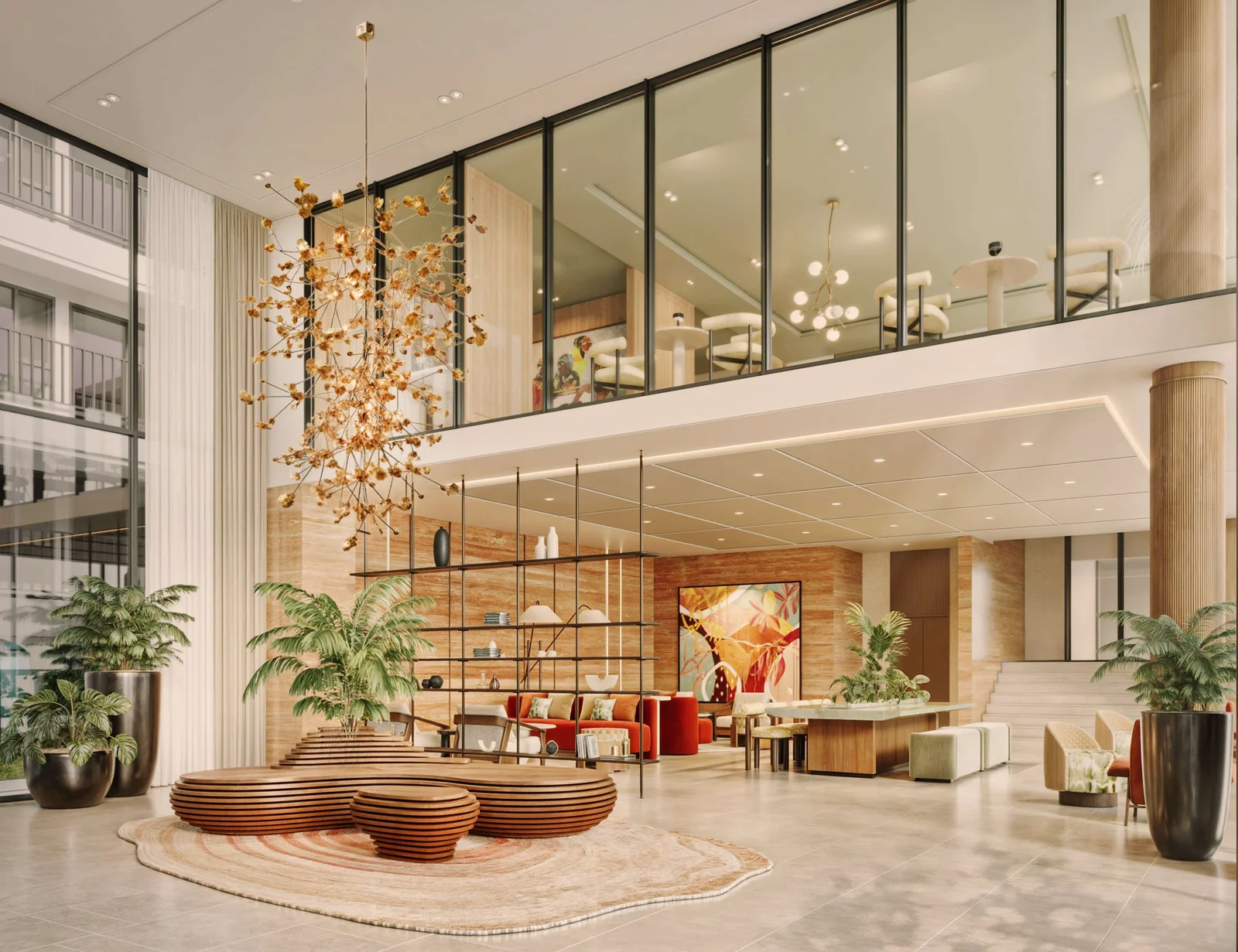
## What Are the Key Facts for So Origin Lagoon?
| Factor | Detail |
| --- | --- |
| Developer | Origin |
| Location | Cherngtalay, Bang Tao, near Boat Avenue |
| Buildings | Three eight-storey buildings and a clubhouse |
| Residences | 511 in total, 247 on our price list |
| Studios | 26 and 27 sqm, 3,550,000 to 4,070,000 THB |
| One-bedroom | 28 and 29 sqm, 3,730,000 to 4,430,000 THB |
| Two-bedroom | 60 and 61 sqm, 6,920,000 to 9,520,000 THB |
| Three-bedroom | 85 to 105 sqm, 10,200,000 to 15,060,000 THB |
| Payment | 30% / 20% / 50% |
| Stage | Under construction |
| Boat Avenue | About 6 minutes on foot |
| Beach | About 6 minutes by car |
## Location: Cherngtalay, the Heart of Bang Tao
Cherngtalay is where Bang Tao lives day to day: the shops, restaurants, gyms, schools and services that serve the whole west coast between Laguna and Layan.
- **Boat Avenue and Porto de Phuket:** about 6 minutes on foot
- **Bang Tao Beach:** about 6 minutes by car
- **Laguna Phuket:** golf, spas and beach clubs a short drive away
- **International schools:** within a short drive
- **Airport:** about 26 minutes by car
Life here is easy without a car: breakfast at a café on Boat Avenue, a morning in the co-working space, an afternoon at the beach and dinner a short walk from home. The [Bang Tao area page](/bang-tao-properties/) covers the district in more detail.
## Units and Prices
Our price list holds 247 units:
| Format | Size | Units | Price |
| --- | --- | --- | --- |
| Studio | 26 and 27 sqm | 38 | 3,550,000 to 4,070,000 THB |
| One-bedroom | 28 and 29 sqm | 94 | 3,730,000 to 4,430,000 THB |
| Two-bedroom | 60 and 61 sqm | 99 | 6,920,000 to 9,520,000 THB |
| Three-bedroom | 85 and 88 sqm | 12 | 10,200,000 to 12,570,000 THB |
| Three-bedroom | 105 sqm | 4 | 13,510,000 to 15,060,000 THB |
The studios and one-bedrooms open the building from 3,550,000 THB, a practical base for a holiday home or a long stay a walk from Boat Avenue. The two-bedrooms of 60 and 61 sqm are the largest group on the list, and the three-bedroom residences of up to 105 sqm give families real space in the centre of Bang Tao. We send the floor plan, floor and view of each unit with the price list.
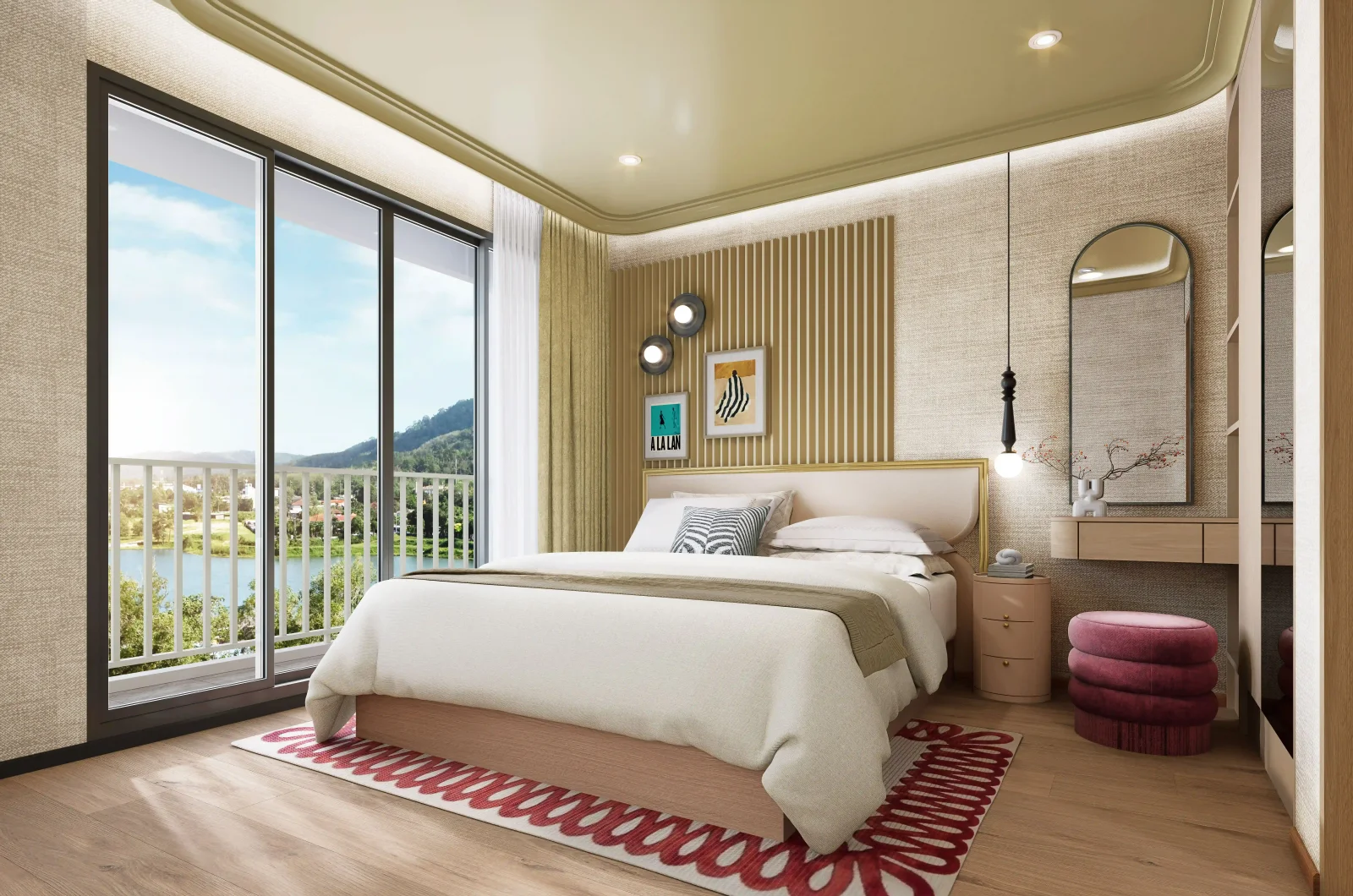
## Facilities
- **Lagoon Oasis infinity pool** with a waterside terrace
- **Rooftop garden**
- **Fitness centre** with panoramic windows
- **Co-working space**
- **Yoga deck** and game room
- **Clubhouse** and lobby
- **Underground parking** and 24-hour security
## Living at So Origin Lagoon
The day at So Origin Lagoon can be spent almost entirely on foot. A morning swim in the lagoon pool, work in the co-working space, lunch on Boat Avenue, a yoga session on the deck at sunset and dinner at Porto de Phuket: everything is within a few minutes of home, and the beach is a short ride away whenever you want the sea.
## Payment Plan: 30%, 20% and 50%
The price is paid in three stages: 30%, 20% and 50%. For a studio at 3,550,000 THB that means 1,065,000 THB at the first stage, 710,000 THB at the second and 1,775,000 THB at the third. We send the developer's schedule for your unit with the price list.
## Why Buyers Choose So Origin Lagoon
- **Boat Avenue and Porto de Phuket on foot**
- **Resort facilities:** a lagoon infinity pool, a rooftop garden and a gym
- **Co-working and a yoga deck** for long stays
- **A wide choice:** 247 units from studios to three-bedrooms
- **An accessible entry:** studios from 3,550,000 THB
- **Origin**, one of Thailand's large listed developers
- **Freehold ownership** within the 49% foreign quota
## Who So Origin Lagoon Suits
**Remote workers and long-stay residents** who want co-working, a gym and restaurants within walking distance.
**First-time Phuket buyers** entering Bang Tao with a freehold studio or one-bedroom.
**Families** who want a two or three-bedroom apartment in the centre of the district, close to schools and shops.
**Rental investors** aiming at guests who choose Bang Tao for its restaurants, beach and easy daily life.
## Renting Out a Unit at So Origin Lagoon
A condo a walk from Boat Avenue appeals to holiday guests and long-stay tenants alike: couples and remote workers who want everything on foot, and families who want space near the beach and the schools. The lagoon pool, the co-working space and the address are what guests value most.
If you plan to let your unit at So Origin Lagoon, we collect current asking rents and holiday rates for comparable units in Bang Tao and Cherngtalay and send them with the price list. [Our rental guide](/guides/phuket-rental-yield-complete-guide-2026/) explains how to read a rental offer line by line.
## Ownership for Foreign Buyers
So Origin Lagoon is a condominium, so a unit can be registered freehold in your own name within the 49% foreign quota of the building, counted by floor area. We confirm with the developer that the unit you choose sits inside that quota. For a freehold unit at So Origin Lagoon, each payment is transferred from abroad in foreign currency, and the receiving bank provides the FET form that the Land Department asks for at registration. [How the foreign quota works](/guides/foreign-quota-thai-condominiums/) explains the rule in detail.
## So Origin Lagoon and Other Bang Tao Condos
| Project | From | Status |
| --- | --- | --- |
| [Arise Vibe](/projects/arise-vibe/) | 2,514,000 THB | Off-plan |
| [The Title Sierra Bangtao](/projects/the-title-sierra/) | 2,906,700 THB | Off-plan |
| So Origin Lagoon | 3,550,000 THB | Off-plan |
| [The Trees Residence by Anocha](/projects/the-trees-residence-by-anocha/) | 3,999,995 THB | Off-plan |
| [The Title Artrio](/projects/the-title-artrio/) | 4,263,000 THB | Off-plan |
| [Origin Residences Bang Tao](/projects/origin-residences-bang-tao/) | 4,650,000 THB | Off-plan |
| [So Origin Bangtao Beach](/projects/so-origin-bang-tao-beach/) | 4,910,000 THB | Off-plan |
So Origin Lagoon stands out in this group for its position a walk from Boat Avenue and its lagoon pool. We send the price lists of any of these projects on request and arrange viewings.
## Buying So Origin Lagoon with MORE Group
A unit at So Origin Lagoon is bought in five steps, from the first price list to the keys, and we are with you through each of them.
## What We Send Before You Reserve
- The current price list with free units, floors, sizes and plans
- Confirmation that your unit sits within the 49% foreign quota
- The three-stage payment schedule for your unit
- The building's common charges and house rules
- The latest construction update
{/* corpus-faq:so-origin-lagoon */}
## FAQ
### What does So Origin Lagoon cost?
Our price list holds 247 units: studios of 26 and 27 sqm from 3,550,000 THB, one-bedrooms of 28 and 29 sqm from 3,730,000 THB, two-bedrooms of 60 and 61 sqm from 6,920,000 THB and three-bedrooms of 85 to 105 sqm up to 15,060,000 THB.
### Where is So Origin Lagoon?
In Cherngtalay, the centre of Bang Tao, about 6 minutes on foot from Boat Avenue and Porto de Phuket and about 6 minutes by car from Bang Tao Beach. The airport is about 26 minutes by car.
### What facilities does the project have?
The Lagoon Oasis infinity pool with a waterside terrace, a rooftop garden, a fitness centre, a co-working space, a yoga deck, a game room, a clubhouse, underground parking and 24-hour security.
### What is the payment plan?
Three stages: 30%, 20% and 50%. For a studio at 3,550,000 THB that means 1,065,000 THB, then 710,000 THB, then 1,775,000 THB.
### Can foreigners buy at So Origin Lagoon freehold?
Yes. Foreign buyers can hold a unit freehold in their own name within the 49% foreign quota of the building, counted by floor area. We confirm that your unit sits inside the quota, and the purchase money is transferred from abroad with an FET form for registration at the Land Department.
**Read Also:**
- [So Origin Bangtao Beach](/projects/so-origin-bang-tao-beach/)
- [Origin Residences Bang Tao](/projects/origin-residences-bang-tao/)
- [Origin Developer Guide](/guides/origin-developer/)
- [How the Foreign Quota Works](/guides/foreign-quota-thai-condominiums/)
- [How Foreigners Buy Phuket Property 2026](/guides/buying-property-phuket-guide/)
- [Phuket Rental Yield Guide](/guides/phuket-rental-yield-complete-guide-2026/)
# SOLE MIO Residences Review 2026: Prices, Units and Area
> SOLE MIO Residences review: 49 luxury 2BR units from 16.3M THB, 200 m from Bang Tao Beach, cruise-liner design, boutique scale, premium rental demand.
**Source:** https://moregroup.estate/projects/sole-mio-residences/
**Section:** Project Reviews
**Author:** MORE Group Editorial
**Published:** 2026-04-07
**Updated:** 2026-10-05
---
## SOLE MIO Residences: Luxury 2BR Apartments 200m from Bang Tao Beach
There are very few condominium projects in Phuket that can genuinely claim to be within a two-minute walk of the beach. SOLE MIO Residences is one of them. Positioned just 200 metres from Bang Tao Beach, one of the island's most sought-after stretches of sand, this boutique development brings 49 luxury 2-bedroom apartments across two mid-rise buildings, wrapped in a nautical-modern aesthetic inspired by the silhouette of a luxury cruise liner.
At prices starting from 16.3 million THB, SOLE MIO is not positioning itself as a mass-market investment play. This is a deliberate choice for buyers who want a significant property in one of Phuket's premier beach corridors, either as a high-end second home, a luxury rental asset, or both. The project is under construction, with completion targeted for Q4 2027 according to the developer, giving buyers time to structure their purchase comfortably.
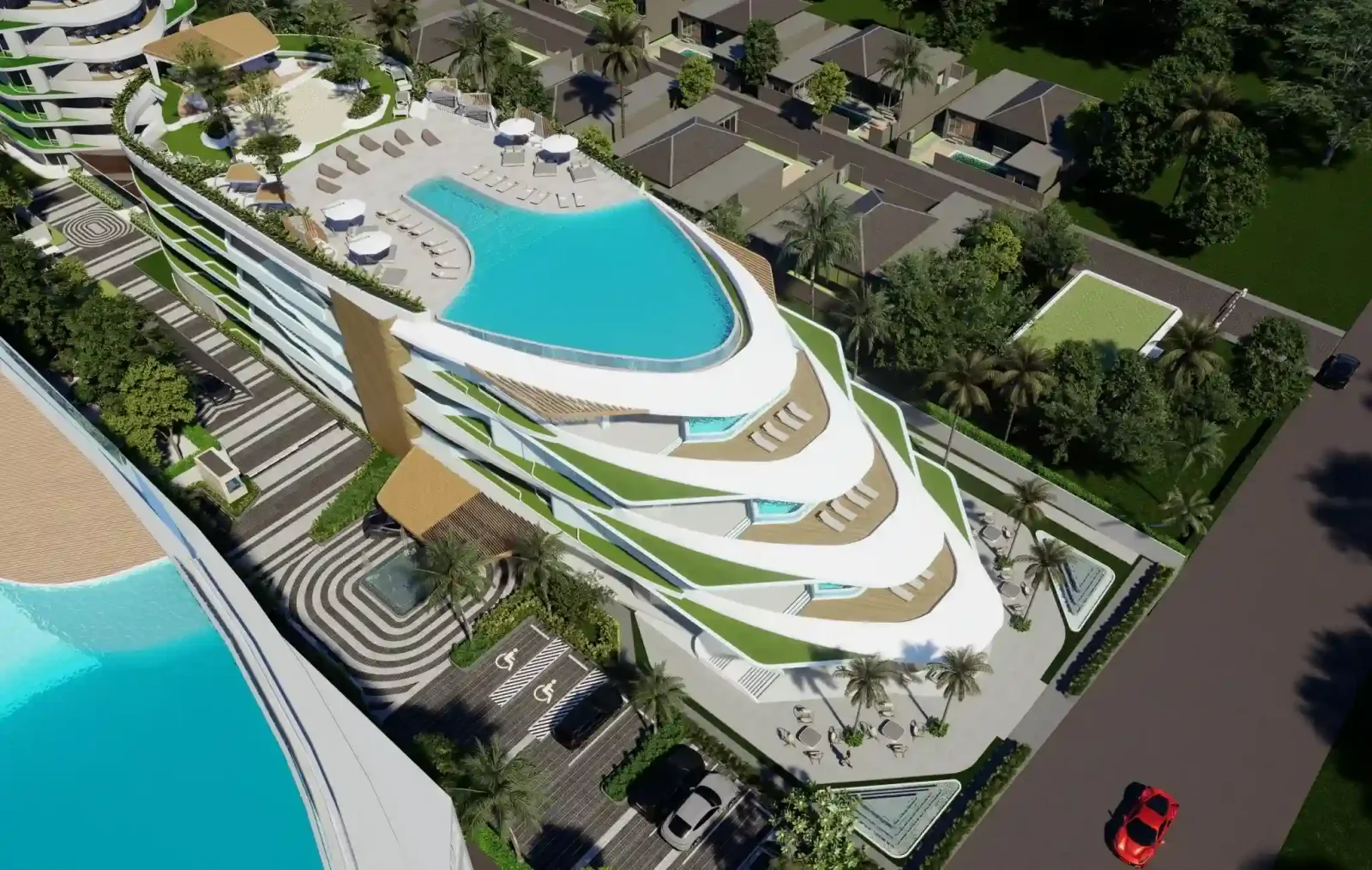
## Location: 200 Metres That Make All the Difference
What makes SOLE MIO's positioning unusual is the 200-metre figure. Most Bang Tao condominiums are set back 500 metres to over a kilometre from the actual shoreline, land at this proximity is genuinely rare and commands a corresponding premium. For rental purposes, proximity to the beach is one of the strongest single determinants of nightly rate. For personal use, the ability to walk to the water in under three minutes is a lifestyle feature that simply cannot be replicated further inland.
The development sits in the northern section of Bang Tao, an area that has seen sustained infrastructure improvement and premium project launches over the past five years. Access to the Laguna complex means residents also benefit from resort-level amenities, golf course, beach clubs, wellness facilities, without being inside a gated resort community.
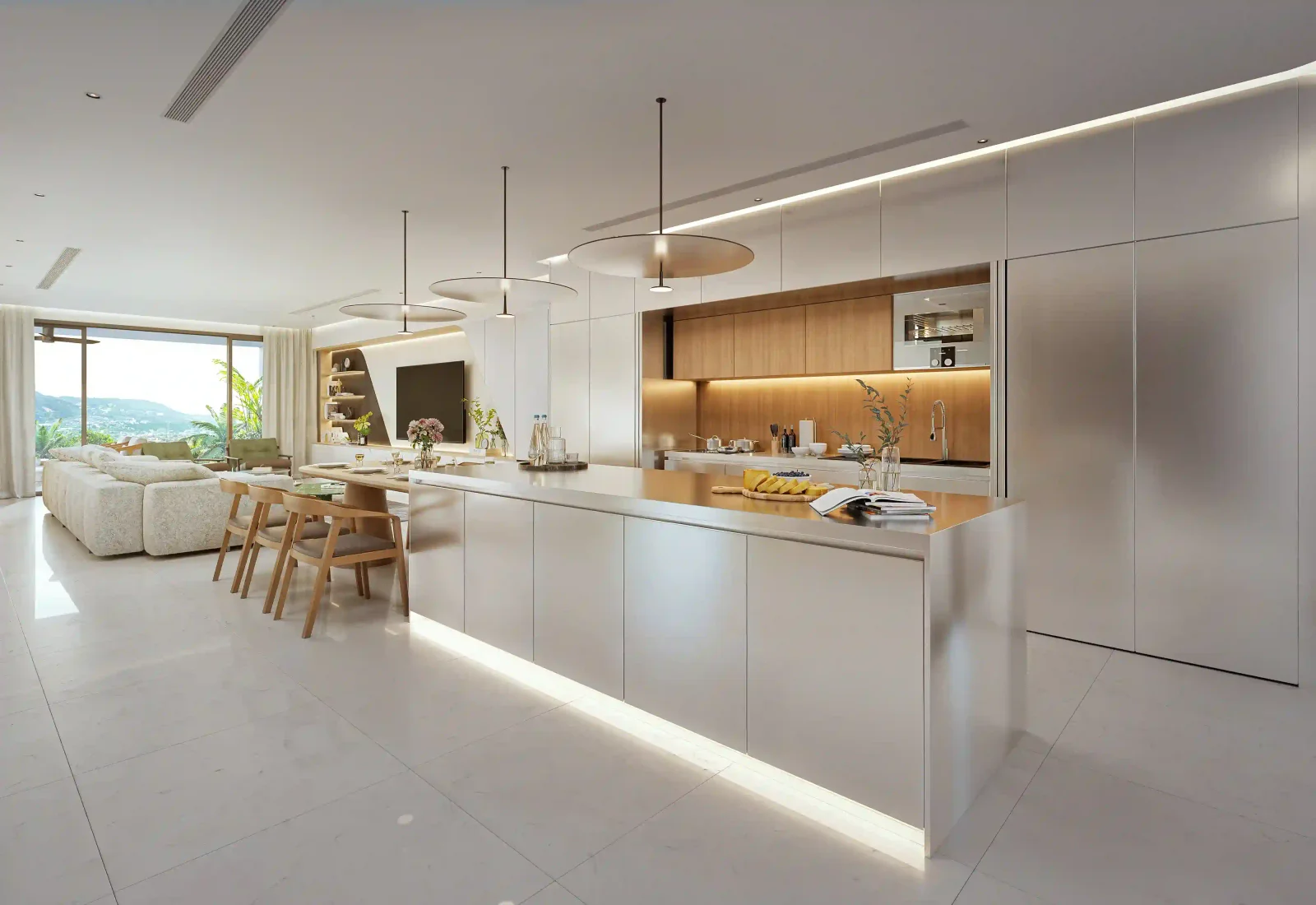
## Units and Design: The Cruise Liner Concept
The design language is the project's most distinctive feature. The exterior silhouette draws from the curves and layered decks of a luxury cruise liner, horizontal banding, sweeping balcony lines, and a sense of movement built into the facade. Inside, finishes sit firmly in the luxury tier: wide-format stone and timber surfaces, floor-to-ceiling glazing oriented toward sea or garden views, and kitchen and bathroom specifications you'd expect from a five-star resort property rather than a speculative condo development.
At 49 units total across two buildings, SOLE MIO is a boutique project by any measure. Small building populations translate to better-maintained common areas, quieter surroundings, and a more coherent community atmosphere. For short-term rental operators, smaller buildings often also mean more attentive management and higher average review scores, a detail that matters when competing for bookings on Airbnb or Booking.com.
The payment structure according to the developer, 35% on booking, 30% at construction milestones, 30% nearing completion, and 5% on handover, is standard for Phuket off-plan and allows buyers to spread capital deployment across the construction period.
| Stage | Share | On the 16,315,200 THB entry apartment |
| --- | --- | --- |
| Booking | 35% | 5,710,320 THB |
| Construction milestones | 30% | 4,894,560 THB |
| Nearing completion | 30% | 4,894,560 THB |
| Handover | 5% | 815,760 THB |
For a freehold purchase each payment arrives from abroad in foreign currency, and the FET form from your bank is filed at the Land Department when the apartment is registered in your name.
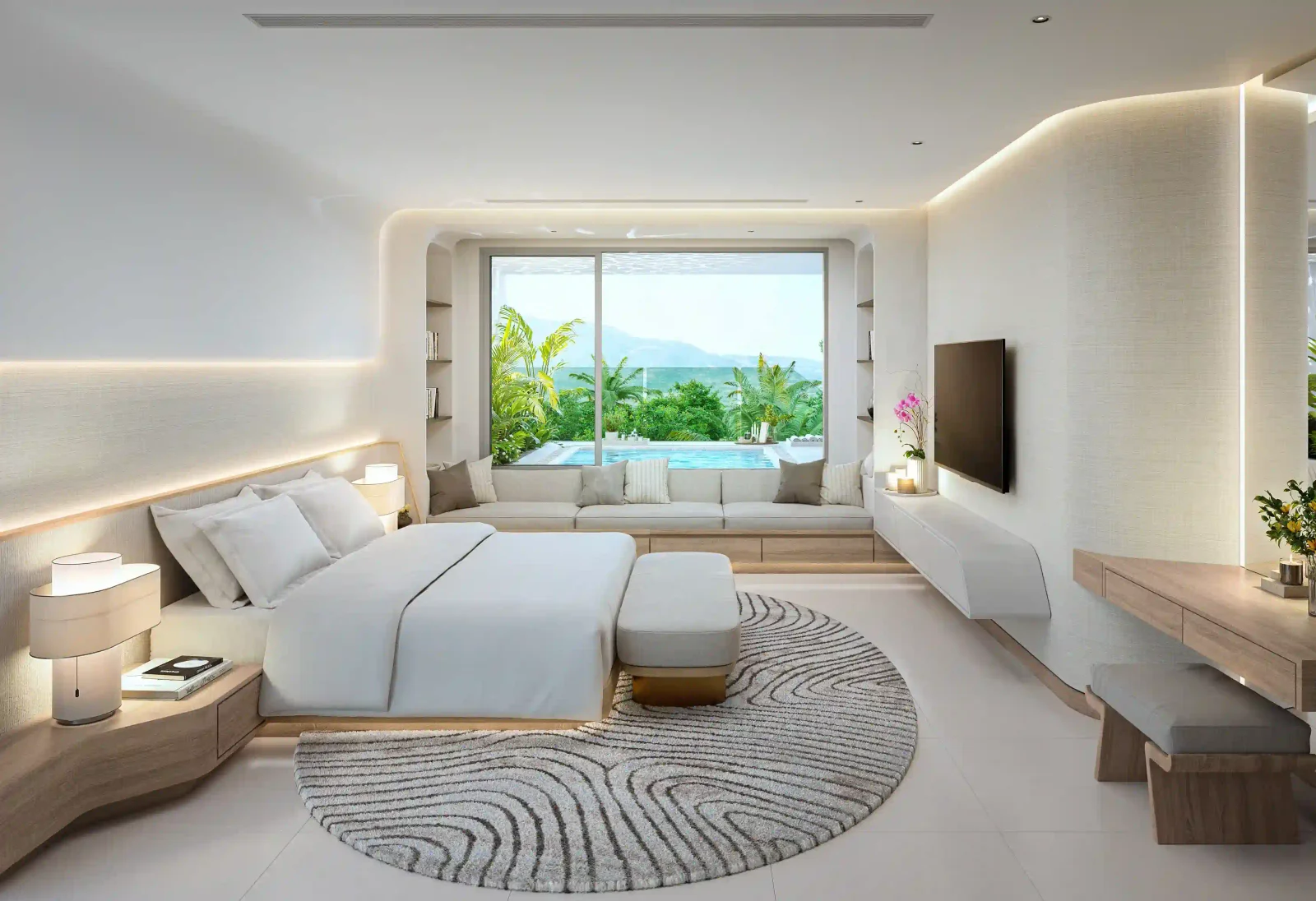
## Who Is This For?
**The luxury second-home buyer.** A European, Middle Eastern, or Russian buyer who wants a beach property they can use for four to six weeks a year and rent out the rest. The Bang Tao corridor has excellent international flight connections via Phuket International Airport (roughly 25 minutes), and the area has a deep pool of property management companies experienced with high-end short-term rentals.
**The asset-focused investor.** At 200 metres from Bang Tao Beach, the property sits in a segment of the market where well-managed 2-bedroom luxury units have historically commanded nightly rates of 8,000 to 15,000 THB or more during high season. Actively managed properties in this location tier have historically earned gross yields of 6-8%, and comparable managed units have netted 5 to 7% after 20 to 25% operator fees, at peak occupancy of 75 to 85%; individual results depend on management quality and occupancy.
**The permanent resident or lifestyle buyer.** A small number of buyers at this price point are simply choosing a permanent or semi-permanent home in Phuket. Bang Tao's infrastructure, schools, hospitals, international restaurants, co-working spaces, supports a full-time lifestyle far better than more remote beach locations.
## What 200 Metres to the Beach Means
Distance to sand is the single strongest driver of nightly rate in Bang Tao, and SOLE MIO's premium rests on it.
A beach distance can be measured as a straight line, as a walking route or from the plot boundary, and on a two-building development the walk differs slightly between the front and the back building. At a viewing we walk the route to the beach with you from your building, and we send the details of the access point residents use.
We also send the zoning of the land between the building and the water, so you know what your outlook will be over the years.
## What a 49-Unit, All-2BR Building Means for Owners
SOLE MIO offers one product, a two-bedroom apartment, in 49 units.
| Factor | What it means at SOLE MIO |
|---|---|
| Guest profile | Couples and small families, the core of Bang Tao's premium demand |
| Common-area cost | Shared across 49 households in a boutique building |
| Management attention | Genuinely better, small buildings do tend to score higher on guest reviews |
| Rate strategy | A building-wide manager can run the units on one coordinated strategy |
In a building of identical units, the strongest results come from a single professional manager running a block of units on a coordinated rate strategy, and we find out for you whether the developer appoints a building-wide rental manager.
We build the net figure for your unit from the operator's terms: the high-season nightly rate of 8,000-15,000 THB, a management fee of 15-20%, CAM, the sinking fund and the quieter months. Owners who plan their own stays for the quieter months keep the peak weeks open for guests, which is where a beach-proximate apartment earns most.
## Why Buyers Choose SOLE MIO Residences
- 200 metres to Bang Tao Beach is genuinely rare in this corridor and is the strongest single driver of nightly rate
- 49 units means better-maintained common areas and, in practice, higher guest review scores
- Laguna's amenity ecosystem is accessible without being inside a gated resort or paying resort CAM
- A 35/30/30/5 schedule keeps the last 5% for handover
- Freehold under the condominium regime within the 49% foreign quota, rather than a lease-only structure
## Buying SOLE MIO Residences with MORE Group
For a SOLE MIO apartment the path from the first price list to the keys has five steps, and we take them with you one by one.
{/* corpus-faq:sole-mio-residences */}
## FAQ
### What is the starting price for SOLE MIO Residences?
Units start at 16,315,200 THB for a 2-bedroom apartment. The top of the range reaches 40,398,930 THB for the largest or best-positioned units. All units are 2-bedroom, there are no studio or 1-bedroom options in this project.
### How close is SOLE MIO to Bang Tao Beach?
SOLE MIO is 200 metres from Bang Tao Beach, approximately a 2-minute walk. This makes it one of the closest condominium projects to the actual shoreline in the Bang Tao area, which is reflected in the pricing and the project's luxury positioning.
### Can foreigners buy at SOLE MIO Residences?
Yes. Foreign nationals can purchase condominium units in Thailand under the Foreign Freehold quota, which allows up to 49% of floor area in a building to be owned by non-Thai nationals. Our team can advise on current quota availability and the purchasing process.
**Read Also:**
- [Complete Guide to Buying Property in Phuket](/guides/buying-property-phuket-guide/)
- [Phuket Rental Yield Guide: What to Expect](/guides/phuket-rental-yield-complete-guide-2026/)
- [Banyan Tree Residences Nammu, Luxury Beachfront Review](/projects/banyan-tree-residences-nammu/)
- [Bang Tao & Laguna Guide: Prices & Yield (2026)](/bang-tao-properties/)
- [Foreign Quota in Thai Condominiums](/guides/foreign-quota-thai-condominiums/)
- [Mori: Japanese-Inspired Forest Villas in Bang Tao](/projects/mori/)
# Sri Panwa Lagoon Place: Lagoon Villas from 39.8M THB
> Sri Panwa Lagoon Place: 14 three-storey villas with lagoon views in Cherngtalay by Charn Issara, with plunge pools and rooftop terraces, from 39.8M THB.
**Source:** https://moregroup.estate/projects/sri-panwa-lagoon-place/
**Section:** Project Reviews
**Author:** MORE Group Editorial
**Published:** 2026-04-08
**Updated:** 2026-08-23
---
## What Is Sri Panwa Lagoon Place?
Sri Panwa Lagoon Place brings a touch of the Sri Panwa brand to the lagoons of Cherngtalay. The villas are modern and vertical, rising over three storeys so the upper rooms and the rooftop terraces look out over the water, and selected homes add a private or plunge pool. The layouts suit families, with three or four bedrooms and generous living spaces.
The wider Sri Panwa Lagoon community adds a gym, a children's area and leisure facilities, and the shops are only a couple of minutes away. The beaches of Bang Tao, Laguna Phuket and the restaurants of Boat Avenue are all within an easy drive.
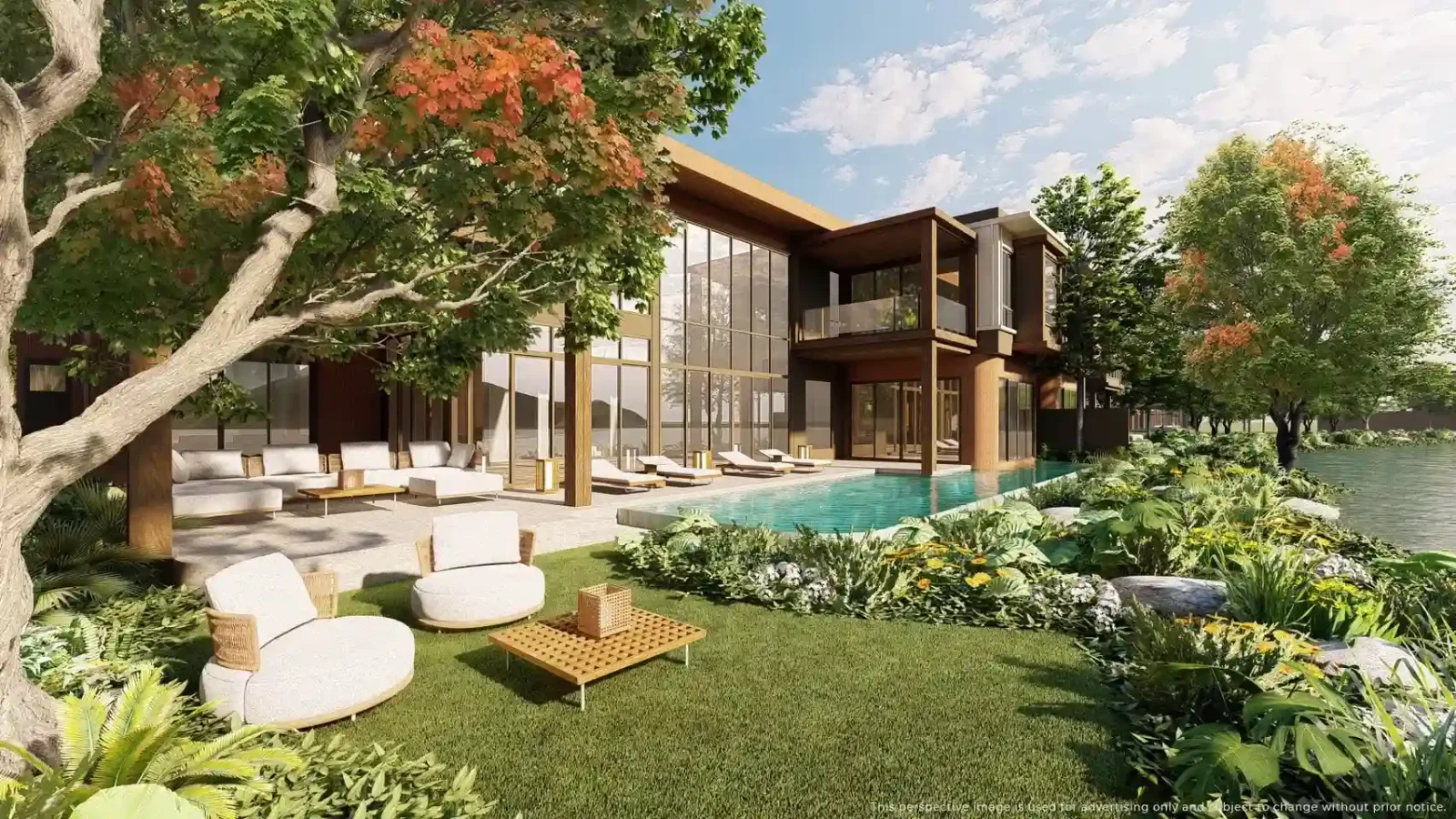
## What Are the Key Facts for Sri Panwa Lagoon Place?
| Factor | Detail |
| --- | --- |
| Developer | Charn Issara Development |
| Location | Sri Panwa Lagoon, Cherngtalay |
| Collection | 14 three-storey villas |
| On our price list | 12 villas |
| Area | 380 to 423 sqm |
| Price | 39,800,000 to 72,800,000 THB |
| Payment | 30% / 10% / 10% / 10% / 10% / 10% / 20% |
| Stage | Under construction |
| Beach | About 10 minutes by car |
| Airport | About 29 minutes by car |
| Features | Lagoon views, rooftop terraces, private or plunge pools in selected villas |
| Facilities | Gym, children's area, leisure facilities |
## Location: Cherngtalay and the Lagoons
Cherngtalay is the heart of the Bang Tao area, with lagoons, gardens, schools, shops and restaurants close together and the beach a short drive away.
- **Shops and supermarkets:** the nearest mall about 2 minutes by car
- **Bang Tao Beach:** about 10 minutes by car
- **Laguna Phuket:** golf, spas and beach clubs
- **Boat Avenue and Porto de Phuket:** dining and shopping
- **Airport:** about 29 minutes by car
From Sri Panwa Lagoon Place, the nearest beach about 10 minutes by car, the nearest mall about 2 minutes and the airport about 29 minutes, so everyday errands, school runs and trips home are easy to plan.
Days here begin on the rooftop terrace above the lagoon, move to the beach or the golf course, and end with dinner at Boat Avenue. The [Bang Tao area page](/bang-tao-properties/) covers the district in more detail.
## Villas and Prices
| Villas | Area | Price |
| --- | --- | --- |
| 1, 4, 6 | 380 sqm | 45,800,000 THB |
| 9 villas | 409 to 423 sqm | 39,800,000 to 72,800,000 THB |
The villas on our list open from 39,800,000 THB and range up to 72,800,000 THB, with the price following the layout, the position by the lagoon and whether the villa has its own pool. We send the plan of each floor, the bedroom layout and the outlook of each villa with the list, and mark the villas with private or plunge pools.
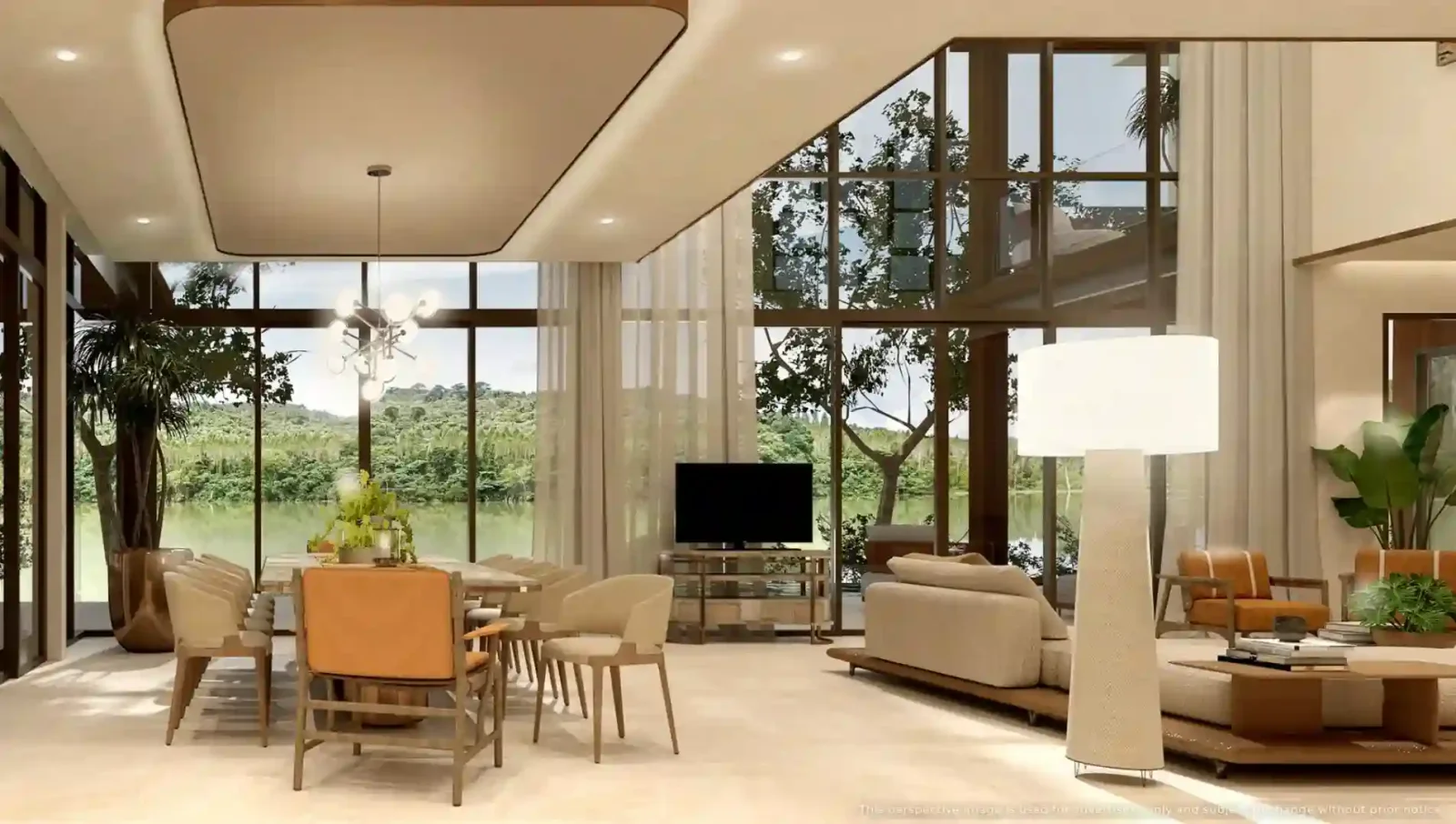
## Design and Facilities
- **Modern three-storey villas**
- **Lagoon views** from the upper floors
- **Rooftop terraces**
- **Private or plunge pools** in selected villas
- **Three and four-bedroom layouts**
- **Gym, children's area and leisure facilities**
- **Pet-friendly**
## Living at Sri Panwa Lagoon Place
Life at Sri Panwa Lagoon Place is organised vertically: family rooms below, bedrooms above and the rooftop terrace at the top, where the day ends with the light fading over the lagoon. The shops are a couple of minutes away, the children have their own area in the community, and the gym is close. The beaches of Bang Tao and the golf and spas of Laguna are an easy drive at the weekend. It is a home for all seasons.
## Seven-Stage Payment Plan
The price is paid in seven stages: 30%, 10%, 10%, 10%, 10%, 10% and 20%. For a villa at 39,800,000 THB that works out as follows:
| Stage | Share | Amount |
| --- | --- | --- |
| 1 | 30% | 11,940,000 THB |
| 2 to 6 | 10% each | 3,980,000 THB each |
| 7 | 20% | 7,960,000 THB |
The schedule follows the build, and we send the developer's schedule for your villa with the price list.
## Why Buyers Choose Sri Panwa Lagoon Place
- **Lagoon views** and rooftop terraces
- **Charn Issara Development**, the company behind Sri Panwa
- **Private or plunge pools** in selected villas
- **Shops** about 2 minutes away
- **Gym and children's area** in the community
- **Pet-friendly**
## Who Sri Panwa Lagoon Place Suits
**Families** who want space over three storeys near the schools and shops.
**Buyers who love the water** and want a lagoon view from the terrace.
**Owners who spend part of the year in Phuket** and want a home in a resort-style community.
**Villa rental investors** aiming at families who book villas near Bang Tao.
## Renting Out a Villa at Sri Panwa Lagoon Place
A lagoon-view villa in Cherngtalay appeals to families on holiday in the November to April season and to relocating families who rent for a longer stay near the schools. The rooftop terrace and the view are what guests value most.
If you plan to let your villa at Sri Panwa Lagoon Place, we collect current asking rents and holiday rates for comparable villas in Cherngtalay and Bang Tao and send them with the price list. [Our rental guide](/guides/phuket-rental-yield-complete-guide-2026/) explains how to read a rental offer line by line.
## Ownership for Foreign Buyers
At Sri Panwa Lagoon Place, as with any villa in Thailand, you buy land plus a building. The villa can be held in your own name over a lease of the plot registered at the Land Office, 30 years per registration with renewal terms in the contract, or the land can be held through a Thai company with genuine Thai shareholders. [Freehold and leasehold in Thailand](/guides/freehold-vs-leasehold-thailand/) explains both routes, and we prepare the one that suits you with our legal support.
## Sri Panwa Lagoon Place and Other Luxury Villas Around Bang Tao
| Project | From | Status |
| --- | --- | --- |
| [Above Element Villa](/projects/above-element-villa/) | 38,992,000 THB | Off-plan |
| [The Shann Villas](/projects/the-shann-villas/) | 39,500,000 THB | Off-plan |
| [Nakara Grand Cherngtalay](/projects/nakara-grand/) | 39,800,000 THB | Off-plan |
| Sri Panwa Lagoon Place | 39,800,000 THB | Off-plan |
| [Balco Bangtao Beach](/projects/balco-bangtao-beach/) | 40,300,000 THB | Off-plan |
| [Clover Residence Phuket](/projects/clover-residence/) | 43,600,000 THB | Completed |
| [Sri Panwa Lagoon Residence](/projects/sri-panwa-lagoon-residence/) | 43,800,000 THB | Off-plan |
Sri Panwa Lagoon Place stands out in this group for its lagoon views and rooftop terraces. We send the price lists of any of these projects on request and arrange viewings.
## Buying Sri Panwa Lagoon Place with MORE Group
A villa at Sri Panwa Lagoon Place is bought in five steps, from the first price list to the keys, and we are with you through each of them.
## What We Send Before You Reserve
- The current price list for Sri Panwa Lagoon Place with free villas, plot areas and plans
- The seven-stage payment schedule for your villa
- The ownership structure for your purchase, leasehold or company, with the documents it needs
- The community's common charges
- The latest construction update
{/* corpus-faq:sri-panwa-lagoon-place */}
## FAQ
### What does Sri Panwa Lagoon Place cost?
Our price list holds 12 villas: villas of 380 sqm at 45,800,000 THB; villas of 409 to 423 sqm from 39,800,000 to 72,800,000 THB.
### What makes the villas different?
They rise over three storeys with rooftop terraces and lagoon views, and selected villas add a private or plunge pool.
### Where is Sri Panwa Lagoon Place?
In the Sri Panwa Lagoon community in Cherngtalay. The shops are about 2 minutes by car, Bang Tao Beach about 10 minutes and the airport about 29 minutes.
### What is the payment plan?
Seven stages: 30%, 10%, 10%, 10%, 10%, 10%, 20%. For a villa at 39,800,000 THB that means 11,940,000 THB at the first stage.
### How can foreigners own a villa at Sri Panwa Lagoon Place?
The villa can be held in your own name over a lease of the plot registered at the Land Office, 30 years per registration with renewal terms in the contract, or the land can be held through a Thai company with genuine Thai shareholders. We prepare the structure with our legal support.
**Read Also:**
- [Villas for Sale in Bang Tao](/bang-tao-properties/)
- [Balco Bangtao Beach](/projects/balco-bangtao-beach/)
- [Freehold vs Leasehold in Thailand](/guides/freehold-vs-leasehold-thailand/)
- [How Foreigners Buy Phuket Property 2026](/guides/buying-property-phuket-guide/)
- [Phuket Rental Yield Guide](/guides/phuket-rental-yield-complete-guide-2026/)
# Sri Panwa Lagoon Residence: Villas from 43.8M THB
> Sri Panwa Lagoon Residence: two-storey luxury pool villas on a lagoon in Cherngtalay, three to five bedrooms on our list, from 43.8M THB.
**Source:** https://moregroup.estate/projects/sri-panwa-lagoon-residence/
**Section:** Project Reviews
**Author:** MORE Group Editorial
**Published:** 2026-04-08
**Updated:** 2026-08-23
---
## What Is Sri Panwa Lagoon Residence?
Lagoon Residence brings the name of Sri Panwa, the luxury resort on Cape Panwa, to the water's edge in Cherngtalay. The villas face the lagoon and the creek, with terraces and pools that make the water part of the view from every floor. Inside, the living spaces are open and tall, and every bedroom has its own bathroom.
Residents have resort-style amenities, including a gym, a children's room and entertainment areas. The shops are about two minutes by car, the beaches of Bang Tao about ten, and Laguna, Boat Avenue and the schools of Cherngtalay close by.
## What Are the Key Facts for Sri Panwa Lagoon Residence?
| Factor | Detail |
| --- | --- |
| Location | Cherngtalay, on the lagoon |
| Collection | About 20 two-storey pool villas |
| On our price list | 13 villas |
| Three-bedroom | 268 and 323 sqm, 43,800,000 to 60,500,000 THB |
| Four-bedroom | 389 to 451 sqm, 65,300,000 to 101,800,000 THB |
| Five-bedroom | 639 to 1002 sqm, 126,000,000 to 182,600,000 THB |
| Payment | 30% / 10% / 10% / 10% / 10% / 10% / 20% |
| Stage | Under construction |
| Beach | About 10 minutes by car |
| Airport | About 29 minutes by car |
| Facilities | Gym, children's room, entertainment areas |
## Location: Cherngtalay, Near Bang Tao
Cherngtalay is the residential heart of the Bang Tao area, close to the beach, Laguna Phuket, the international schools and the restaurants of Boat Avenue. The lagoon setting keeps the surroundings green and calm, away from the main roads.
- **Shops and supermarkets:** the nearest mall about 2 minutes by car
- **Bang Tao Beach:** about 10 minutes by car
- **Laguna Phuket and Boat Avenue:** golf, spas, dining and shopping
- **International schools:** within a short drive
- **Airport:** about 29 minutes by car
From Lagoon Residence, the nearest beach about 10 minutes by car, the nearest mall about 2 minutes and the airport about 29 minutes, so everyday errands, school runs and trips home are easy to plan.
Days here combine the calm of the water with the lifestyle of the west coast. The [Bang Tao area page](/bang-tao-properties/) covers the district in more detail.
## Villas and Prices
| Villas | Bedrooms | Built area | Price |
| --- | --- | --- | --- |
| 9, 11, 12, 14, 15, 16 | Three | 268 and 323 sqm | 43,800,000 to 60,500,000 THB |
| 8, 10 | Four | 389 sqm | 65,300,000 and 69,800,000 THB |
| 5, 4 | Four | 438 and 451 sqm | 81,800,000 and 101,800,000 THB |
| 3 | Five | 639 sqm | 126,000,000 THB |
| 1, 2 | Five | 964 and 1002 sqm | 178,800,000 and 182,600,000 THB |
The three-bedroom villas of 268 to 323 sqm open the list from 43,800,000 THB, and the four-bedroom villas of 389 to 451 sqm follow. At the top, the five-bedroom residences of 639 to 1,002 sqm reach 182,600,000 THB, among the largest villas on our list in the area. We send the plan and position of each villa on the lagoon, so you can compare the views.
## Design and Facilities
- **Two storeys** facing the lagoon
- **Open-plan living** under high ceilings
- **Ensuite bathrooms**
- **Private swimming pool** and wide terraces
- **Gym**, children's room, entertainment areas
- **Pet-friendly**
## Living at Lagoon Residence
Life at Lagoon Residence is calm and close to the water. Mornings start on the terrace above the lagoon, the pool is the centre of the afternoon, and the evenings bring still water and sunset colours. The shops are minutes away, the beaches of Bang Tao about ten, and the golf, spas and restaurants of Laguna and Boat Avenue close by. For families, the schools of Cherngtalay are a short drive, and the villas give every member of the family room of their own. The size of the villas makes them ideal for extended families and for owners who host often.
## Seven-Stage Payment Plan
The price is paid in seven stages: 30%, 10%, 10%, 10%, 10%, 10% and 20%. For a villa at 43,800,000 THB that works out as follows:
| Stage | Share | Amount |
| --- | --- | --- |
| 1 | 30% | 13,140,000 THB |
| 2 to 6 | 10% each | 4,380,000 THB each |
| 7 | 20% | 8,760,000 THB |
The schedule follows the build, and we send the developer's schedule for your villa with the price list.
## Why Buyers Choose Sri Panwa Lagoon Residence
- **The Sri Panwa name**
- **Villas facing the lagoon** and the creek
- **Three to five bedrooms** on our list
- **Shops** about 2 minutes away
- **Bang Tao Beach** about 10 minutes by car
- **Pet-friendly**
## Who Sri Panwa Lagoon Residence Suits
**Families** who want a large villa on the water near the schools.
**Buyers of trophy homes** looking at five-bedroom residences.
**Owners who spend part of the year in Phuket** and want resort-style amenities.
**Villa rental investors** aiming at guests who book luxury villas near Bang Tao.
## Renting Out a Villa at Lagoon Residence
A luxury lagoon villa near Bang Tao appeals to families and groups on holiday in the November to April season and to long-stay guests who want space, privacy and water views near the beach.
If you plan to let your villa at Sri Panwa Lagoon Residence, we collect current asking rents and holiday rates for comparable villas in Cherngtalay and Bang Tao and send them with the price list. [Our rental guide](/guides/phuket-rental-yield-complete-guide-2026/) explains how to read a rental offer line by line.
## Ownership for Foreign Buyers
At Sri Panwa Lagoon Residence, as with any villa in Thailand, you buy land plus a building. The villa can be held in your own name over a lease of the plot registered at the Land Office, 30 years per registration with renewal terms in the contract, or the land can be held through a Thai company with genuine Thai shareholders. [Freehold and leasehold in Thailand](/guides/freehold-vs-leasehold-thailand/) explains both routes, and we prepare the one that suits you with our legal support.
## Lagoon Residence and Other Luxury Villas Around Bang Tao
| Project | From | Status |
| --- | --- | --- |
| [Sri Panwa Lagoon Place](/projects/sri-panwa-lagoon-place/) | 39,800,000 THB | Off-plan |
| [Balco Bangtao Beach](/projects/balco-bangtao-beach/) | 40,300,000 THB | Off-plan |
| [Clover Residence Phuket](/projects/clover-residence/) | 43,600,000 THB | Completed |
| Sri Panwa Lagoon Residence | 43,800,000 THB | Off-plan |
| [Manick Hillside II](/projects/manick-hillside-ii/) | 45,000,000 THB | Off-plan |
| [Nature's Rest Villa Cherngtalay](/projects/natures-rest-villa-cherngtalay/) | 46,500,000 THB | Off-plan |
| [Serrana Lakefront Pool Villas](/projects/serrana-lakefront-pool-villas-phuket/) | 46,500,000 THB | Off-plan |
Lagoon Residence stands out in this group for its lagoon setting and its largest villas. We send the price lists of any of these projects on request and arrange viewings.
## Buying Sri Panwa Lagoon Residence with MORE Group
A villa at Lagoon Residence is bought in five steps, from the first price list to the keys, and we are with you through each of them.
## What We Send Before You Reserve
- The current price list for Sri Panwa Lagoon Residence with free villas, plot areas and plans
- The seven-stage payment schedule for your villa
- The ownership structure for your purchase, leasehold or company, with the documents it needs
- The community's common charges
- The latest construction update
{/* corpus-faq:sri-panwa-lagoon-residence */}
## FAQ
### What does Sri Panwa Lagoon Residence cost?
Our price list holds 13 villas: three-bedrooms of 268 and 323 sqm from 43,800,000 to 60,500,000 THB; four-bedrooms of 389 sqm from 65,300,000 and 69,800,000 THB; four-bedrooms of 438 and 451 sqm from 81,800,000 and 101,800,000 THB; five-bedrooms of 639 sqm at 126,000,000 THB; five-bedrooms of 964 and 1002 sqm from 178,800,000 and 182,600,000 THB.
### What sizes are on the list?
Three-bedroom villas of 268 to 323 sqm, four-bedroom villas of 389 to 451 sqm and five-bedroom residences of 639 to 1,002 sqm, from 43,800,000 to 182,600,000 THB.
### Where is Sri Panwa Lagoon Residence?
In Cherngtalay, on a lagoon. The nearest mall is about 2 minutes by car, Bang Tao Beach about 10 minutes and the airport about 29 minutes.
### What is the payment plan?
Seven stages: 30%, 10%, 10%, 10%, 10%, 10%, 20%. For a villa at 43,800,000 THB that means 13,140,000 THB at the first stage.
### How can foreigners own a villa at Sri Panwa Lagoon Residence?
The villa can be held in your own name over a lease of the plot registered at the Land Office, 30 years per registration with renewal terms in the contract, or the land can be held through a Thai company with genuine Thai shareholders. We prepare the structure with our legal support.
**Read Also:**
- [Sri Panwa Lagoon Place](/projects/sri-panwa-lagoon-place/)
- [Villas for Sale in Bang Tao](/bang-tao-properties/)
- [Freehold vs Leasehold in Thailand](/guides/freehold-vs-leasehold-thailand/)
- [How Foreigners Buy Phuket Property 2026](/guides/buying-property-phuket-guide/)
- [Phuket Rental Yield Guide](/guides/phuket-rental-yield-complete-guide-2026/)
# Star Silas Villa Chalong: Pool Villa at 35.8M THB
> Star Silas Villa Chalong: a boutique gated community of 14 single-storey pool villas in Palai and Chalong; a four-bedroom villa of 372 sqm at 35.8M THB.
**Source:** https://moregroup.estate/projects/star-silas-villa/
**Section:** Project Reviews
**Author:** MORE Group Editorial
**Published:** 2026-04-08
**Updated:** 2026-10-07
---
## What Is Star Silas Villa?
Star Silas Villa is modern tropical living on one level. Every room opens onto the terrace and the private pool, and panoramic windows bring the garden and the light into the house. The open-plan living and dining area centres on a fully equipped Western kitchen with an island, every bedroom has its own bathroom, and the finishes are premium throughout.
The community is small and calm: 14 villas behind a gate, with private parking and 24-hour security. The seafood restaurants of Palai Pier, the shops and schools of Chalong and the beaches of Kata, Karon, Rawai and Nai Harn are all within an easy drive, and the villa can be seen in person before you decide.
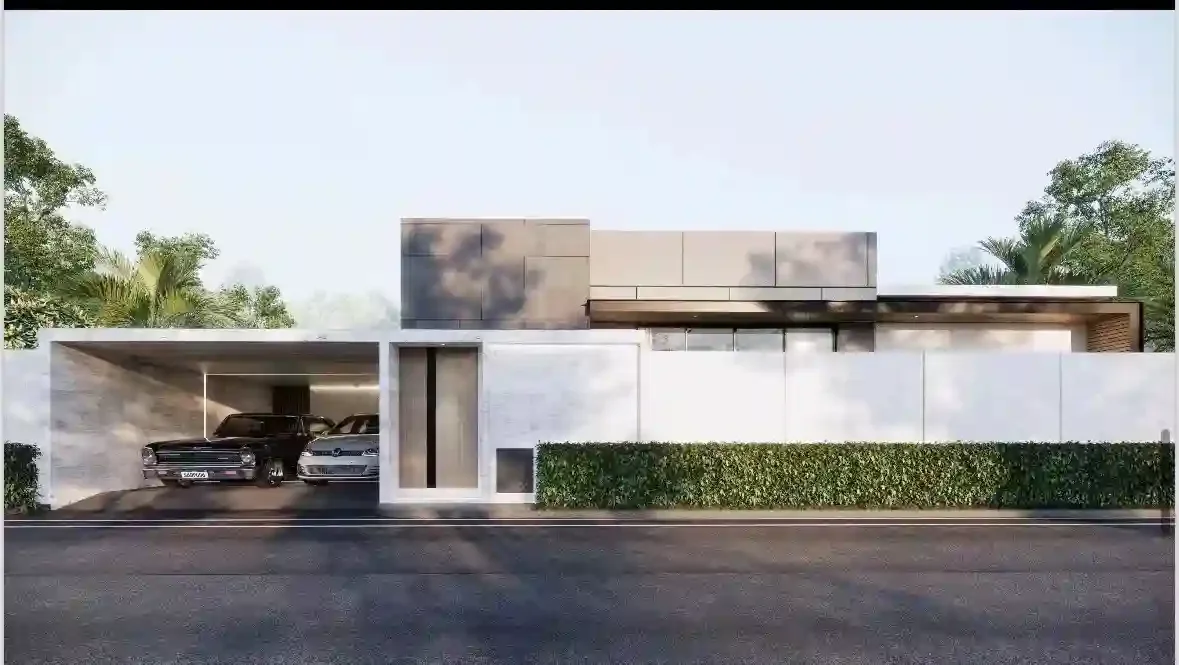
## What Are the Key Facts for Star Silas Villa?
| Factor | Detail |
| --- | --- |
| Location | Palai and Chalong, south Phuket |
| Community | 14 single-storey pool villas, gated |
| On our price list | Villa E2 |
| Bedrooms | Four, each with an ensuite bathroom |
| Built area | 372 sqm |
| Price | 35,800,000 THB |
| Features | Private pool, terraces, Western kitchen with island, garden |
| Security | Gated, private parking, 24-hour security |
| Stage | Completed |
| Beaches | Kata, Karon, Rawai and Nai Harn about 18 minutes by car |
## Location: Palai and Chalong
The villas sit in the quiet, residential north of Chalong, close to Palai Pier and its seafood restaurants, with the beaches of the south a short drive away.
- **Palai Pier:** seafood restaurants and boats to the islands
- **Chalong:** shops, supermarkets, schools and marinas, with the nearest mall about 5 minutes by car
- **Kata, Karon, Rawai and Nai Harn beaches:** about 18 minutes by car
- **Big Buddha and Phuket Town:** a short drive
- **Airport:** about an hour by car
Days here start with a swim in your own pool, continue with errands in Chalong or lunch by the sea at Palai, and end on the terrace in the garden. Chalong is one of the most practical places on the island to live all year: the dive centres, the marinas and the boat trips to the islands start here, and the schools, clinics and supermarkets that residents rely on are all nearby. The [Kata and Karon area guide](/guides/kata-karon-area-guide-2026/) covers the beaches nearby.
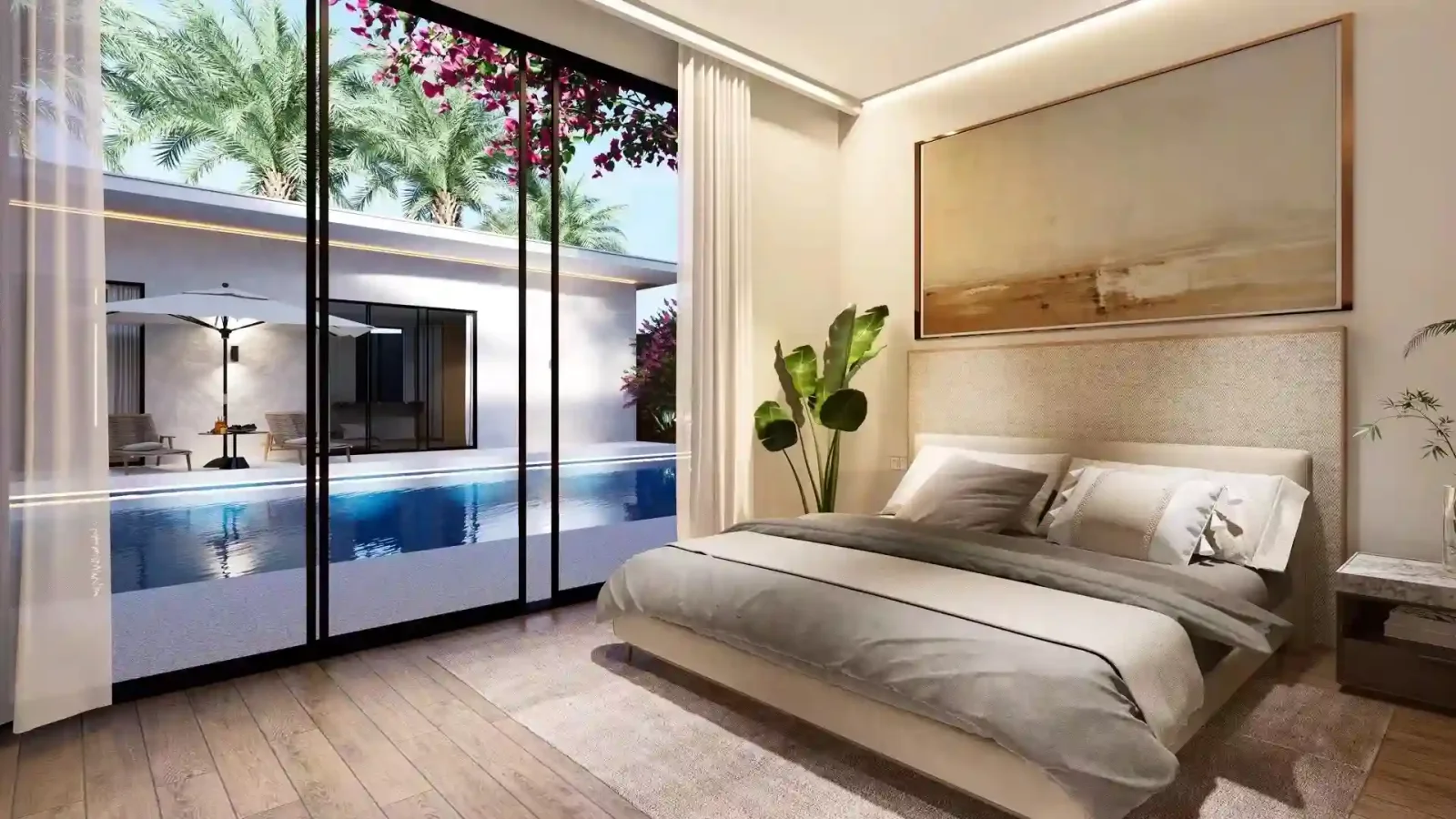
## Villas and Prices
| Villa | Bedrooms | Built area | Price |
| --- | --- | --- | --- |
| E2 | Four | 372 sqm | 35,800,000 THB |
Villa E2 is the villa on our price list today, a single-storey four-bedroom house of 372 sqm with its own pool and garden. The community also includes three-bedroom villas, and we request their current availability on your behalf. We send the plan and plot of the villa and arrange a viewing. Because the house stands on one level, the plan is easy to read: the living room, the kitchen and the four bedrooms all open towards the terrace and the pool, so every room shares the garden.
## Design and Villas
- **Single-storey living**, every room on one level
- **Open-plan living and dining** with panoramic windows
- **Western kitchen** with an island
- **Four ensuite bedrooms**, with a master suite
- **Private swimming pool** and terraces
- **Landscaped garden**
- **Private parking** and 24-hour security
- **Pet-friendly**
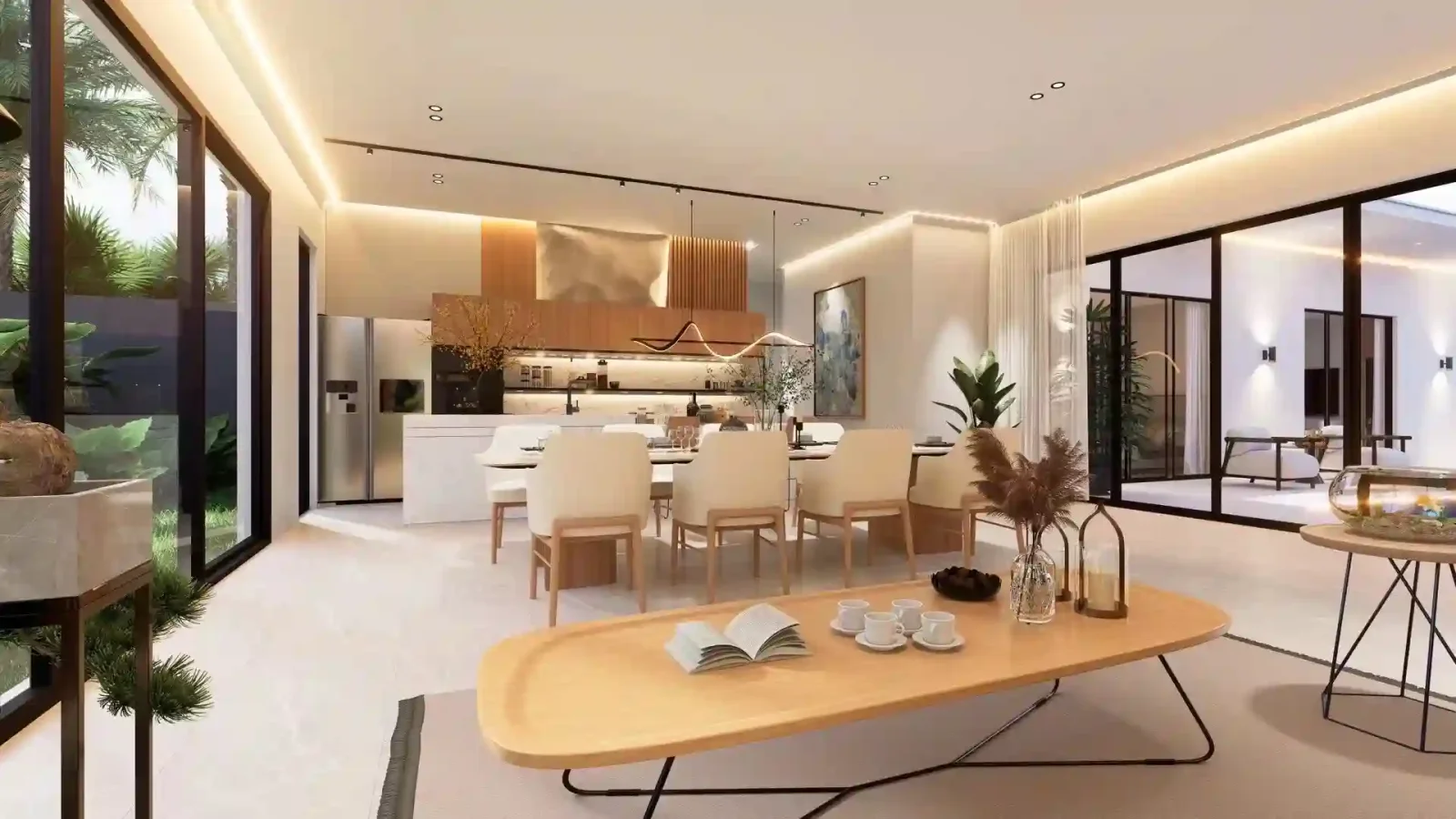
## Living at Star Silas Villa
A single-storey house makes family life simple. There are no stairs between the children's rooms and the pool, grandparents are as comfortable as everyone else, and the terrace joins the kitchen, the living room and the garden into one space for long dinners. The shops and schools of Chalong are minutes away, and at weekends the beaches of Kata and Nai Harn are a short drive.
## Buying a Villa That You Can See
Star Silas Villa is listed as completed, so you can walk through villa E2, stand on its terrace and see the garden before you decide. Once the price is paid, the ownership structure you choose is registered at the Land Office. We send the terms for the villa together with the community's common charges, so you know the full cost from the start, and we arrange the viewing and the transfer.
## Why Buyers Choose Star Silas Villa
- **Single-storey living** with a private pool
- **Four ensuite bedrooms** across 372 sqm
- **A small gated community** of 14 villas
- **Chalong, Palai Pier and the southern beaches** close by
- **See the villa in person** before you decide
- **Pet-friendly**
## Who Star Silas Villa Suits
**Families with young children or grandparents** who want everything on one level.
**Long-term residents of the south** who want a quiet gated community near the shops and schools.
**Buyers who want a house they can see and use** rather than wait for.
**Rental investors** aiming at families who rent a pool villa in the south for a season or a school year.
## Renting Out a Villa at Star Silas
A single-storey pool villa near Chalong appeals to families on holiday who want space and privacy near the southern beaches, and to relocating families who rent for six or twelve months. Long lets suit the neighbourhood well and keep turnover low.
If you plan to let your villa at Star Silas, we collect current asking rents for comparable villas in Chalong and Kata and send them with the details. [Our rental guide](/guides/phuket-rental-yield-complete-guide-2026/) explains how to read a rental offer line by line.
## Ownership for Foreign Buyers
At Star Silas Villa, as with any villa in Thailand, you buy land plus a building. The house can be held in your own name over a lease of the plot registered at the Land Office, 30 years per registration with renewal terms in the contract, or the land can be held through a Thai company with genuine Thai shareholders. [Freehold and leasehold in Thailand](/guides/freehold-vs-leasehold-thailand/) explains both routes, and we prepare the one that suits you with our legal support.
## Star Silas and Other Villas in the South
| Project | From | Status |
| --- | --- | --- |
| [Laurinda Villa](/projects/laurinda-villa/) | 28,800,000 THB | Off-plan |
| [Botanica Chalong Bay](/projects/botanica-chalong-bay/) | 29,716,000 THB | Off-plan |
| [Oliver Villa](/projects/oliver-villa/) | 29,800,000 THB | Off-plan |
| [Mouana Grande Chalong Bay](/projects/mouana-grande-chalong/) | 32,900,000 THB | Off-plan |
| [Hightone Seaview Villas](/projects/hightone-seaview-villas/) | 34,001,000 THB | Off-plan |
| Star Silas Villa | 35,800,000 THB | Completed |
Star Silas stands out in this group for its single-storey villas that you can see in person. We send the price lists of any of these projects on request and arrange viewings.
## Buying Star Silas Villa with MORE Group
A villa at Star Silas is bought in a few clear steps, from the first viewing to the transfer, and we are with you through each of them.
## What We Send Before You Reserve
- The plan and plot of villa E2, and the availability of the three-bedroom villas
- The payment and transfer terms for the villa
- The ownership structure for your purchase, leasehold or company, with the documents it needs
- The community's common charges
{/* corpus-faq:star-silas-villa */}
## FAQ
### What does Star Silas Villa cost?
Villa E2, a single-storey four-bedroom house of 372 sqm with a private pool, is on our price list at 35,800,000 THB. We request the availability of the three-bedroom villas on your behalf.
### Is Star Silas Villa completed?
It is listed as completed, so you can view villa E2 in person before you decide.
### What does the villa include?
Open-plan living with panoramic windows, a Western kitchen with an island, four bedrooms each with its own bathroom, a private pool, terraces, a landscaped garden and private parking.
### Where is Star Silas Villa?
In the Palai and Chalong area of south Phuket, close to Palai Pier and the shops of Chalong. Kata, Karon, Rawai and Nai Harn beaches are about 18 minutes by car.
### How can foreigners own a villa at Star Silas?
The house can be held in your own name over a lease of the plot registered at the Land Office, 30 years per registration with renewal terms in the contract, or the land can be held through a Thai company with genuine Thai shareholders. We prepare the structure with our legal support.
**Read Also:**
- [Mouana Grande Chalong Bay](/projects/mouana-grande-chalong/)
- [Botanica Chalong Bay](/projects/botanica-chalong-bay/)
- [Kata and Karon Area Guide](/guides/kata-karon-area-guide-2026/)
- [Freehold vs Leasehold in Thailand](/guides/freehold-vs-leasehold-thailand/)
- [How Foreigners Buy Phuket Property 2026](/guides/buying-property-phuket-guide/)
- [Phuket Rental Yield Guide](/guides/phuket-rental-yield-complete-guide-2026/)
# Starlight Sunrise Suksan Rawai: Condos from 3.63M THB
> Starlight Sunrise Suksan Rawai: a boutique Japandi condominium of 32 residences with views towards Chalong Bay, one and two-bedrooms from 3.63M THB.
**Source:** https://moregroup.estate/projects/starlight-sunrise-suksan/
**Section:** Project Reviews
**Author:** MORE Group Editorial
**Published:** 2026-04-08
**Updated:** 2026-08-23
---
## What Is Starlight Sunrise Suksan?
Starlight Sunrise Suksan is a calm, light home on the sunrise side of Rawai. The Japandi interiors bring together Japanese simplicity and Scandinavian clarity: clean lines, natural textures, panoramic windows and generous terraces that open the rooms to the morning light and the view towards Chalong Bay. With about 32 residences, the building is small and personal.
Residents share an 18-metre swimming pool, a fitness centre with a sea view, a rooftop lounge, a co-working space and landscaped gardens, with a reception lobby, underground parking and 24-hour security with CCTV. The beaches of Rawai and Nai Harn, the restaurants, cafés and shops of the south are all a short drive away.
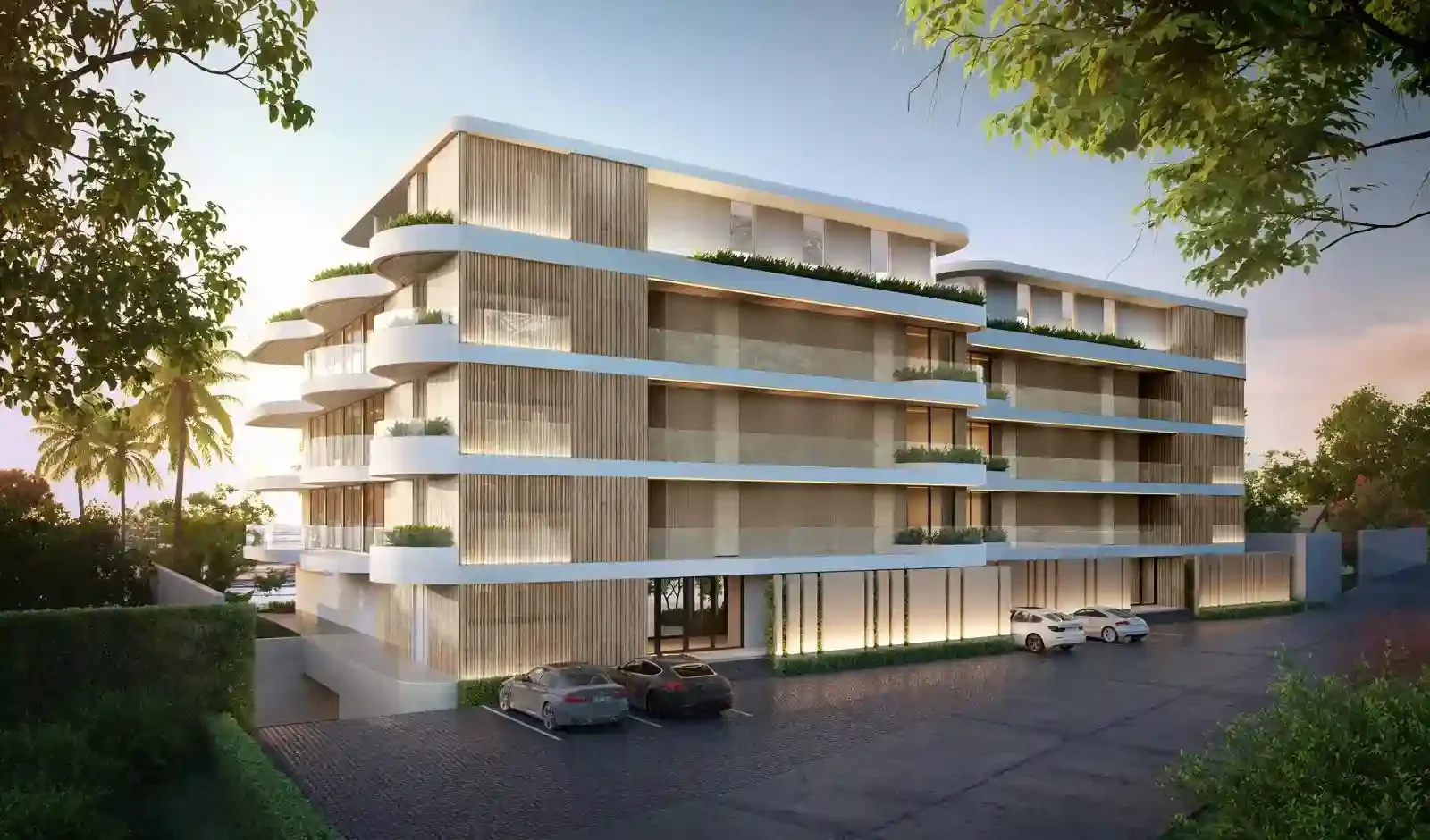
## What Are the Key Facts for Starlight Sunrise Suksan?
| Factor | Detail |
| --- | --- |
| Location | Rawai, south Phuket, views towards Chalong Bay |
| Buildings | Four-storey buildings, about 32 residences |
| On our price list | 7 residences |
| One-bedroom | 33 to 58 sqm, 3,630,000 to 6,380,000 THB |
| Two-bedroom | 100 and 126 sqm, 11,000,000 and 13,860,000 THB |
| Design | Japandi, panoramic windows, spacious terraces |
| Facilities | 18-metre pool, gym with sea view, rooftop lounge, co-working |
| Payment | 40% / 30% / 25% / 5% |
| Stage | Under construction |
| Beach | About 11 minutes by car |
## Location: The Sunrise Side of Rawai
Rawai is the relaxed south of the island, where long-stay residents live among cafés, markets, gyms and seafood restaurants. Starlight Sunrise Suksan looks east, towards Chalong Bay and the morning sun.
- **Rawai and Nai Harn beaches:** about 11 minutes by car
- **Chalong Pier and the marinas:** a short drive, for boat trips to the islands
- **Restaurants, cafés and shops:** close by
- **Promthep Cape:** the island's sunset viewpoint in the far south
- **Shopping:** the nearest mall about 11 minutes by car
- **Airport:** a little over an hour by car
Days here start with the sunrise over the bay from your terrace, continue with a workout or a session in the co-working space, and end with seafood on the Rawai promenade. The [Rawai area page](/rawai-properties/) covers the district in more detail.
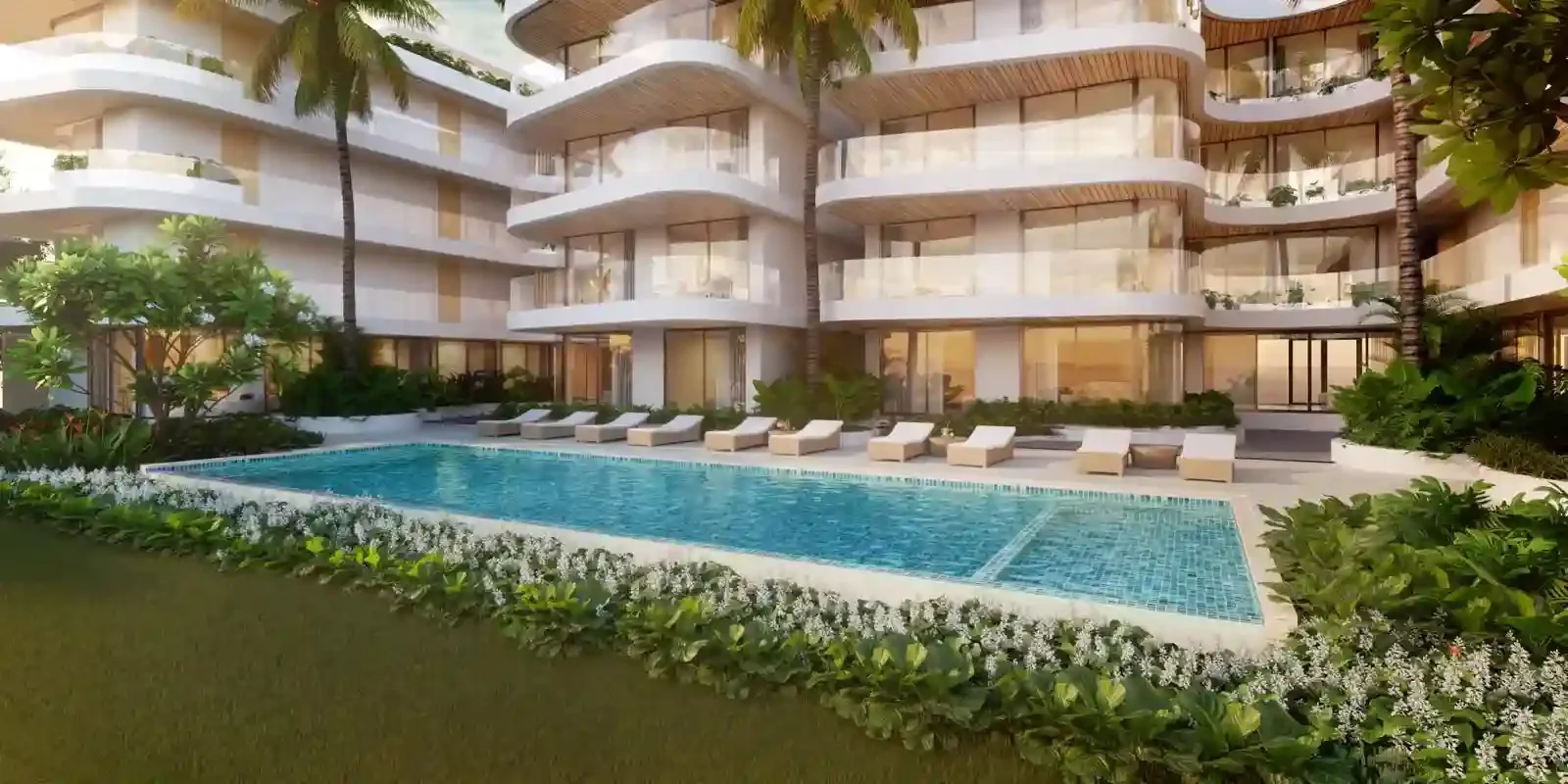
## Residences and Prices
| Residence | Bedrooms | Size | Price |
| --- | --- | --- | --- |
| 1 | One | 33 sqm | 3,630,000 THB |
| 2 | One | 38 sqm | 4,180,000 THB |
| 3 | One | 41 sqm | 4,510,000 THB |
| 4 | One | 42 sqm | 4,620,000 THB |
| 5 | One | 58 sqm | 6,380,000 THB |
| 6 | Two | 100 sqm | 11,000,000 THB |
| 7 | Two | 126 sqm | 13,860,000 THB |
The one-bedrooms open the building from 3,630,000 THB for 33 sqm, with larger layouts up to 58 sqm for long stays. The two-bedrooms of 100 and 126 sqm give room for a family, guests or a home office. We send the plan, floor and view of each residence with the list.
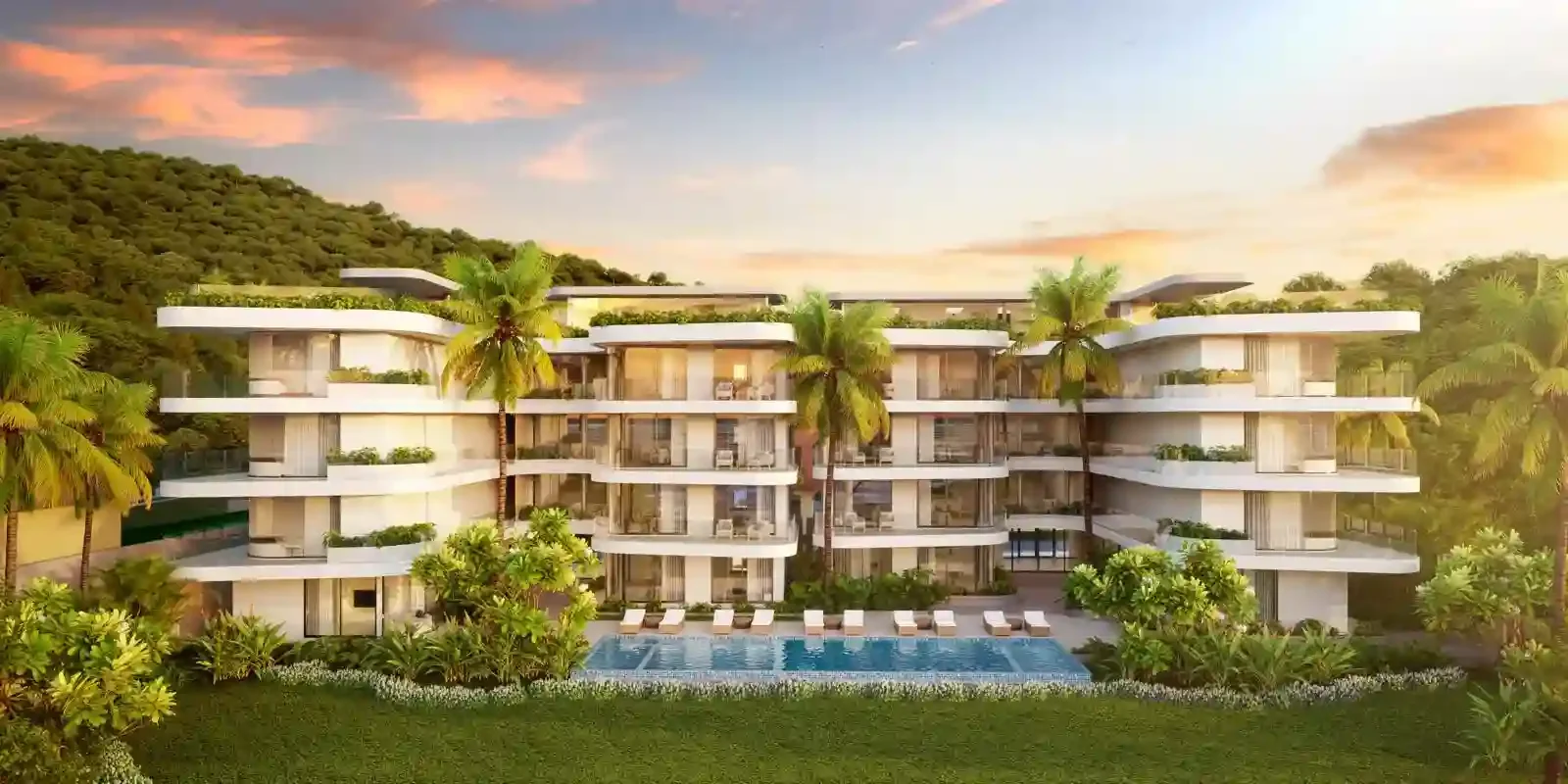
## Facilities
- **18-metre swimming pool**
- **Fitness centre** with a sea view
- **Rooftop lounge**
- **Co-working space**
- **Landscaped gardens**
- **Reception lobby**, underground parking and 24-hour security with CCTV
## Living at Starlight Sunrise Suksan
Starlight is made for a quiet, balanced routine. The morning light fills the Japandi rooms, the pool and the gym are downstairs, and the co-working space makes it easy to work from home without working from the sofa. In the evening the rooftop lounge is the place to watch the bay, and the beaches and restaurants of the south are a short drive whenever you want them.
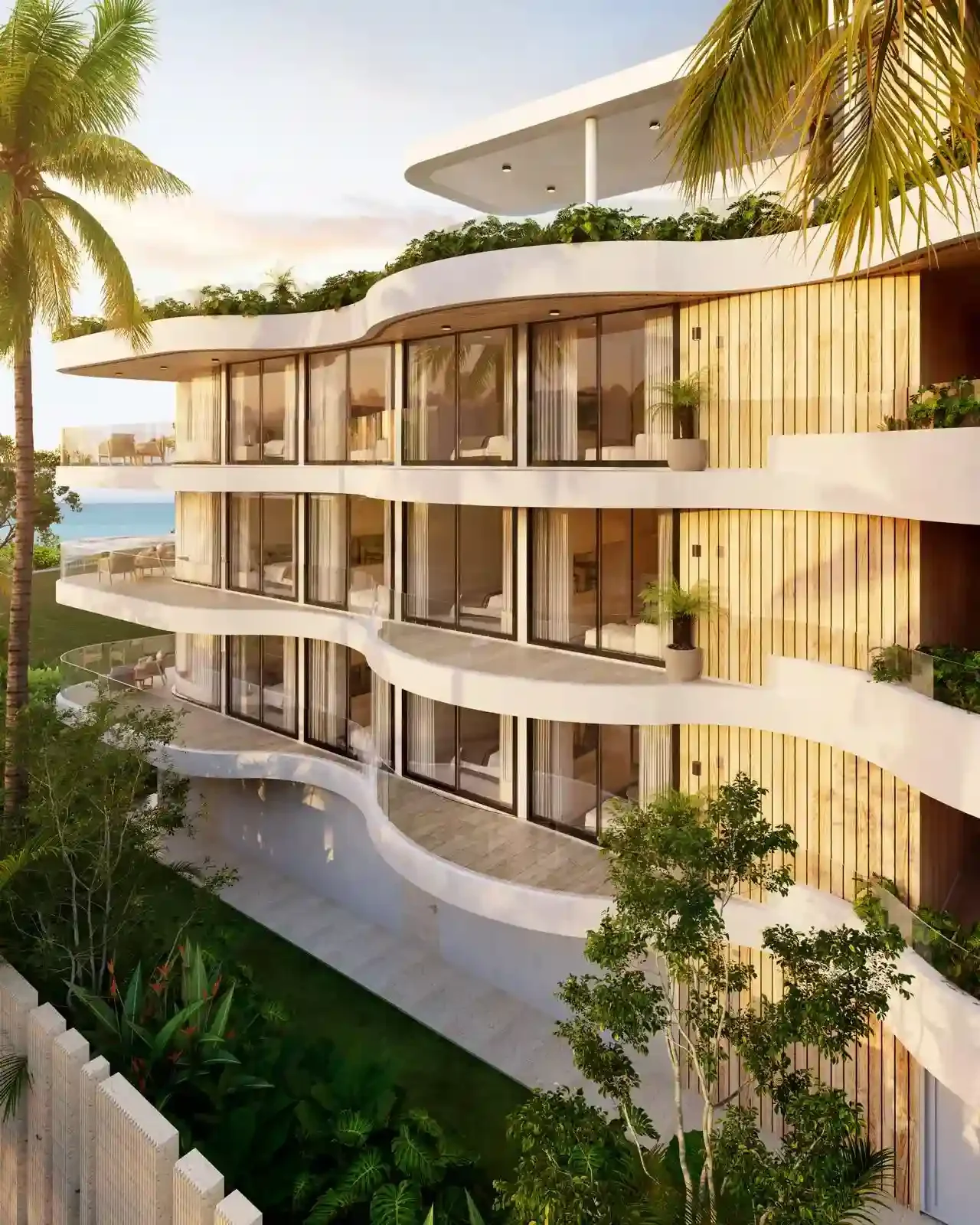
## Four-Stage Payment Plan
The price is paid in four stages: 40%, 30%, 25% and 5%. For a one-bedroom at 3,630,000 THB that works out as follows:
| Stage | Share | Amount |
| --- | --- | --- |
| 1 | 40% | 1,452,000 THB |
| 2 | 30% | 1,089,000 THB |
| 3 | 25% | 907,500 THB |
| 4 | 5% | 181,500 THB |
The final stage is small, which keeps the last payment light, and we send the developer's schedule for your residence with the price list.
## Why Buyers Choose Starlight Sunrise Suksan
- **A boutique building** of about 32 residences
- **Japandi design** with panoramic windows and terraces
- **Views towards Chalong Bay** and the sunrise
- **An 18-metre pool,** a gym with a sea view and a rooftop lounge
- **Co-working** for remote workers
- **Freehold ownership** within the 49% foreign quota
## Who Starlight Sunrise Suksan Suits
**Long-stay residents and couples** who want a calm, well-designed home in the south.
**Remote workers** who want co-working, a gym and a pool in a small building.
**Families** who want a spacious two-bedroom of 100 or 126 sqm.
**Rental investors** aiming at the long-stay guests who choose Rawai for months at a time.
## Renting Out a Residence at Starlight
Rawai's residents stay long: remote workers for several months, couples for the winter and families for a school year. A Japandi residence with a terrace, a pool and co-working in a small building suits them well, and monthly lets keep turnover low.
If you plan to let your residence at Starlight Sunrise Suksan, we collect current asking rents for comparable units in Rawai and Chalong and send them with the price list. [Our rental guide](/guides/phuket-rental-yield-complete-guide-2026/) explains how to read a rental offer line by line.
## Ownership for Foreign Buyers
Starlight Sunrise Suksan is a condominium, so a unit can be registered freehold in your own name within the 49% foreign quota of the building, counted by floor area. We confirm with the developer that the unit you choose sits inside that quota. For a freehold unit at Starlight Sunrise Suksan, each payment is transferred from abroad in foreign currency, and the receiving bank provides the FET form that the Land Department asks for at registration. [How the foreign quota works](/guides/foreign-quota-thai-condominiums/) explains the rule in detail.
## Starlight Sunrise Suksan and Other Rawai Condos
| Project | From | Status |
| --- | --- | --- |
| [Aura Condominium](/projects/aura-condominium/) | 3,032,320 THB | Off-plan |
| [The Proud Rawai](/projects/the-proud/) | 3,625,000 THB | Completed |
| Starlight Sunrise Suksan | 3,630,000 THB | Off-plan |
| [Enigma Residence](/projects/enigma-residence/) | 3,944,850 THB | Off-plan |
| [Next Point Condominium](/projects/next-point-condominium/) | 3,955,000 THB | Off-plan |
| [VIP Space Odyssey](/projects/vip-space-odyssey/) | 4,395,000 THB | Off-plan |
Starlight Sunrise Suksan stands out in this group for its Japandi design and its small size. We send the price lists of any of these projects on request and arrange viewings.
## Buying Starlight Sunrise Suksan with MORE Group
A residence at Starlight is bought in five steps, from the first price list to the keys, and we are with you through each of them.
## What We Send Before You Reserve
- The current price list with sizes, plans and views
- Confirmation that your residence sits within the 49% foreign quota
- The four-stage payment schedule for your residence
- The building's common charges and house rules
- The latest construction update
{/* corpus-faq:starlight-sunrise-suksan */}
## FAQ
### What does Starlight Sunrise Suksan cost?
Our price list holds seven residences: one-bedrooms of 33 to 58 sqm from 3,630,000 to 6,380,000 THB and two-bedrooms of 100 and 126 sqm at 11,000,000 and 13,860,000 THB.
### What is the design style?
Japandi, a mix of Japanese simplicity and Scandinavian clarity, with panoramic windows, quality finishes and spacious terraces.
### What facilities does the building have?
An 18-metre swimming pool, a fitness centre with a sea view, a rooftop lounge, a co-working space, landscaped gardens, a reception lobby, underground parking and 24-hour security with CCTV.
### What is the payment plan?
Four stages: 40%, 30%, 25% and 5%. For a one-bedroom at 3,630,000 THB that means 1,452,000 THB at the first stage and 181,500 THB at the last.
### Can foreigners buy at Starlight Sunrise Suksan freehold?
Yes. Foreign buyers can hold a unit freehold in their own name within the 49% foreign quota of the building, counted by floor area. We confirm that your unit sits inside the quota, and the purchase money is transferred from abroad with an FET form for registration at the Land Department.
**Read Also:**
- [The Proud Rawai](/projects/the-proud/)
- [Dominion Rawai](/projects/dominion-rawai/)
- [Nai Harn and Rawai Compared](/guides/nai-harn-vs-rawai-comparison/)
- [How the Foreign Quota Works](/guides/foreign-quota-thai-condominiums/)
- [How Foreigners Buy Phuket Property 2026](/guides/buying-property-phuket-guide/)
- [Phuket Rental Yield Guide](/guides/phuket-rental-yield-complete-guide-2026/)
# Stella Estate Bang Tao: Pool Villas from 47.9M THB
> Stella Estate Private Residences Bangtao: five luxury pool villas with four and five bedrooms, smart home and solar power, from 47.9M THB.
**Source:** https://moregroup.estate/projects/stella-estate/
**Section:** Project Reviews
**Author:** MORE Group Editorial
**Published:** 2026-04-02
**Updated:** 2026-08-21
---
## What Is Stella Estate?
Stella Estate is made for buyers who want space, privacy and a small, quiet community. With only five villas, every house has room around it: generous plots, a private pool with a poolside terrace or pavilion, a landscaped garden and covered parking for two or more cars. Inside, the design blends tropical South-East Asian style with modern Western architecture, with open-plan living and dining under high ceilings, floor-to-ceiling glass and a fully equipped European kitchen.
Two master bedrooms, each with a walk-in wardrobe and ensuite bathroom, make the villas ideal for families or two couples sharing a home. A smart home system manages lighting, climate and security, solar panels supply part of the electricity, and universal-design details make the house comfortable for every age.
## What Are the Key Facts for Stella Estate?
| Factor | Detail |
| --- | --- |
| Location | Bang Tao and Cherngtalay |
| Collection | 5 luxury pool villas |
| Bedrooms | Four or five |
| Built area | About 492 to 718 sqm |
| Plots | About 644 to 1,008 sqm |
| On our price list | 4A: 514 sqm, 47,900,000 THB; 4B: 497 sqm, 49,900,000 THB |
| Technology | Smart home system, solar power |
| Security | Automated gate, CCTV, 24-hour security, property management |
| Payment | 30% / 15% / 15% / 15% / 15% / 10% |
| Stage | Under construction |
| Beach | About 11 minutes by car |
## Location: Bang Tao and Cherngtalay
Stella Estate sits in a quiet residential part of Cherngtalay, close to everything that makes Bang Tao one of Phuket's favourite places to live.
- **Boat Avenue and Porto de Phuket:** about 6 minutes by car
- **Laguna Phuket:** golf, spas and beach clubs about 8 minutes away
- **Bang Tao Beach:** about 11 minutes by car
- **Shopping:** the nearest mall about 6 minutes by car
- **Blue Tree Phuket:** the water park and leisure complex about 10 minutes away
- **Airport:** about 27 minutes by car
Days here have the calm of a private estate and the convenience of the district: coffee on the terrace, lunch at Boat Avenue, an afternoon on the beach or the golf course, and dinner at home by the pool. The [Bang Tao area page](/bang-tao-properties/) covers the district in more detail.
## Villas and Prices
| Villa | Bedrooms | Built area | Price |
| --- | --- | --- | --- |
| 4A | Four | 514 sqm | 47,900,000 THB |
| 4B | Four | 497 sqm | 49,900,000 THB |
Villas 4A and 4B are the villas on our price list today, four-bedroom houses of about 500 sqm on generous plots. The collection also includes five-bedroom villas of up to 718 sqm, and we request their current availability on your behalf. We send the plan and the plot area of each villa.
## Design and Villas
- **Tropical and modern Western design** with high ceilings
- **Open-plan living and dining** with floor-to-ceiling glass
- **European kitchen**, fully equipped
- **Two master bedrooms** with walk-in wardrobes and ensuite bathrooms
- **Private swimming pool** with a poolside terrace or pavilion
- **Landscaped garden** and covered parking for two or more cars
- **Smart home system** for lighting, climate and security
- **Solar power** and universal-design details
- **Pet-friendly**
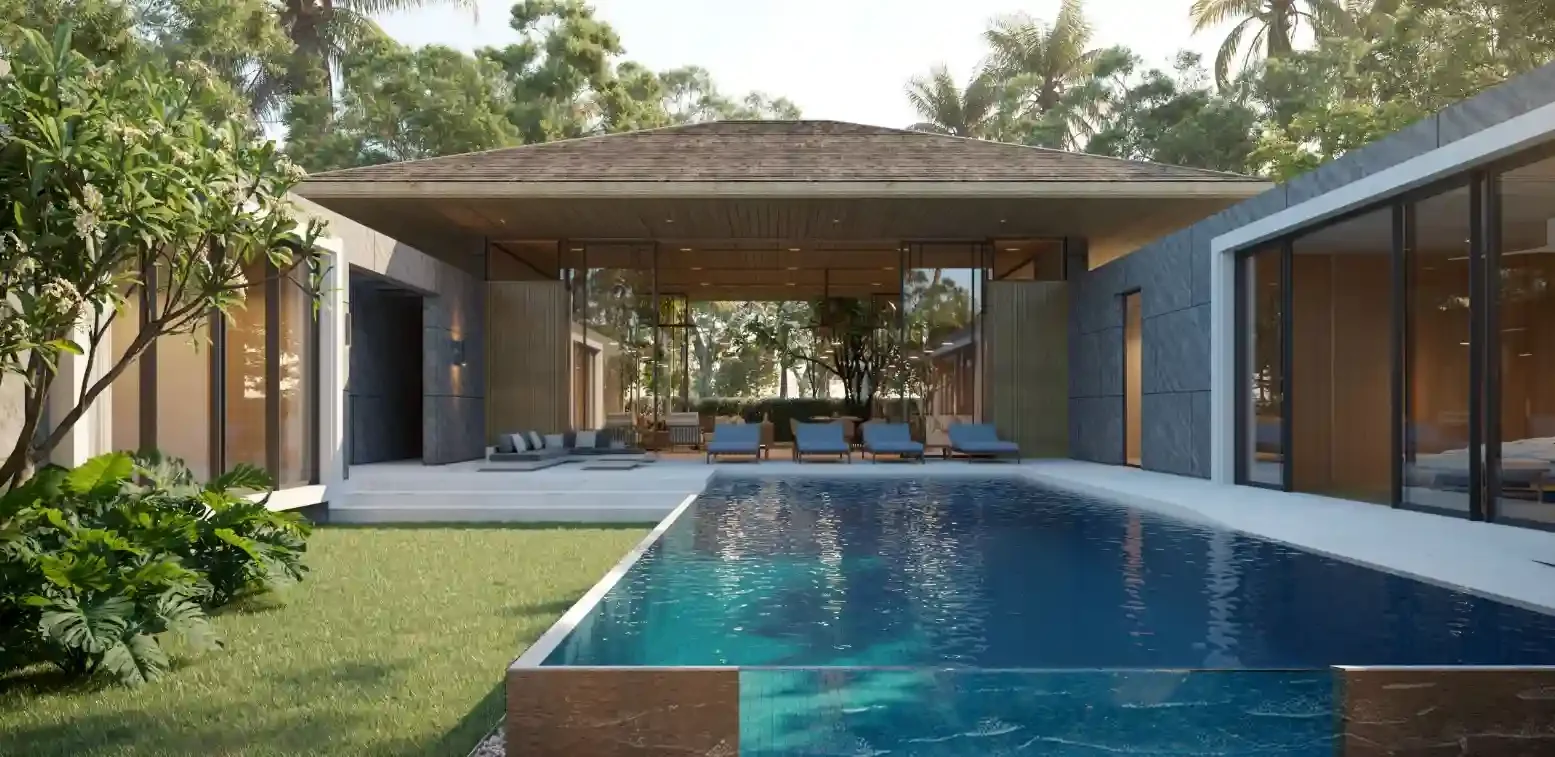
## Living at Stella Estate
With only five houses behind the gate, life at Stella Estate is private and unhurried. The garden and the pool are yours alone, the solar panels and the smart home take care of the house, and the restaurants of Boat Avenue and the beaches of Bang Tao are only minutes away. When the family gathers, the two master suites and the generous terraces give everyone space of their own.
## Six-Stage Payment Plan
The price is paid in six stages: 30%, four stages of 15% and 10%. For villa 4A at 47,900,000 THB that works out as follows:
| Stage | Share | Amount |
| --- | --- | --- |
| 1 | 30% | 14,370,000 THB |
| 2 to 5 | 15% each | 7,185,000 THB each |
| 6 | 10% | 4,790,000 THB |
The schedule follows the build and leaves 10% for handover. We send the developer's schedule for your villa with the plans.
## Why Buyers Choose Stella Estate
- **Only five villas** in a private estate
- **Large plots** of about 644 to 1,008 sqm
- **Two master suites** in every house
- **Smart home and solar power**
- **Boat Avenue and Laguna** minutes away
- **Property management** and 24-hour security
- **Pet-friendly**
## Who Stella Estate Suits
**Families** who want four or five bedrooms, a large garden and a private pool.
**Two couples or generations** sharing a home, with two master suites.
**Owners who spend part of the year in Phuket** and want the villa looked after by the property management while they are away.
**Buyers who value privacy** and a small community over a large estate.
## Renting Out a Villa at Stella Estate
A large pool villa with a garden near Bang Tao appeals to families and groups on holiday in the November to April season, and to relocating families who rent for a longer stay. The space, the privacy and the location near Boat Avenue and Laguna are what guests value most.
If you plan to let your villa at Stella Estate, we collect current asking rents and holiday rates for comparable luxury villas around Bang Tao and send them with the plans. [Our rental guide](/guides/phuket-rental-yield-complete-guide-2026/) explains how to read a rental offer line by line.
## Ownership for Foreign Buyers
At Stella Estate, as with any villa in Thailand, you buy land plus a building. The house can be held in your own name over a lease of the plot registered at the Land Office, 30 years per registration with renewal terms in the contract, or the land can be held through a Thai company with genuine Thai shareholders. [Freehold and leasehold in Thailand](/guides/freehold-vs-leasehold-thailand/) explains both routes, and we prepare the one that suits you with our legal support.
## Stella Estate and Other Luxury Villas Around Bang Tao
| Project | From | Status |
| --- | --- | --- |
| [Clover Residence](/projects/clover-residence/) | 43,600,000 THB | Completed |
| [Manick Hillside II](/projects/manick-hillside-ii/) | 45,000,000 THB | Off-plan |
| [Serrana Lakefront Pool Villas](/projects/serrana-lakefront-pool-villas-phuket/) | 46,500,000 THB | Off-plan |
| Stella Estate | 47,900,000 THB | Off-plan |
| [Erawana Grand](/projects/erawana-grand/) | 49,500,000 THB | Completed |
| [Laguna Lakelands Waterfront Villas](/projects/laguna-lakelands-waterfront/) | 54,800,000 THB | Off-plan |
Stella Estate stands out in this group for its large plots, its two master suites and its smart home and solar systems. We send the price lists of any of these projects on request and arrange viewings.
## Buying Stella Estate with MORE Group
A villa at Stella Estate is bought in five steps, from the first price list to the keys, and we are with you through each of them.
## What We Send Before You Reserve
- The plans, built and plot areas of the available villas
- The six-stage payment schedule for your villa
- The ownership structure for your purchase, leasehold or company, with the documents it needs
- The estate's common charges and the terms of the property management
- The latest construction update
{/* corpus-faq:stella-estate */}
## FAQ
### What does Stella Estate cost?
Two four-bedroom villas are on our price list: 4A of 514 sqm at 47,900,000 THB and 4B of 497 sqm at 49,900,000 THB. We request the availability of the five-bedroom villas on your behalf.
### What does each villa include?
Open-plan living under high ceilings, a European kitchen, two master bedrooms with walk-in wardrobes, a private pool with a terrace or pavilion, a landscaped garden, covered parking for two or more cars, a smart home system and solar power.
### Where is Stella Estate?
In Cherngtalay, Bang Tao, about 6 minutes by car from Boat Avenue, 8 minutes from Laguna Phuket and 11 minutes from Bang Tao Beach. The airport is about 27 minutes by car.
### What is the payment plan?
Six stages: 30%, four stages of 15% and 10% at handover. For villa 4A that means 14,370,000 THB at the first stage and 4,790,000 THB at handover.
### How can foreigners own a villa at Stella Estate?
The house can be held in your own name over a lease of the plot registered at the Land Office, 30 years per registration with renewal terms in the contract, or the land can be held through a Thai company with genuine Thai shareholders. We prepare the structure with our legal support.
**Read Also:**
- [Villas for Sale in Bang Tao](/bang-tao-properties/)
- [Clover Residence](/projects/clover-residence/)
- [Erawana Grand](/projects/erawana-grand/)
- [Freehold vs Leasehold in Thailand](/guides/freehold-vs-leasehold-thailand/)
- [How Foreigners Buy Phuket Property 2026](/guides/buying-property-phuket-guide/)
- [Phuket Rental Yield Guide](/guides/phuket-rental-yield-complete-guide-2026/)
# Sudara Bang Tao: Condos by the Beach from 10.01M THB
> Sudara Bang Tao: one to three-bedroom residences a short walk from the beach, with a 50-metre lagoon pool, rooftop lounge and solar power, from 10.01M THB.
**Source:** https://moregroup.estate/projects/sudara-phase-1/
**Section:** Project Reviews
**Author:** MORE Group Editorial
**Published:** 2026-04-08
**Updated:** 2026-08-23
---
## What Is Sudara?
Sudara is resort living a short walk from Bang Tao Beach. The architecture draws on modern Thai design, set among lush tropical gardens, and the residences range from comfortable one-bedrooms to three-bedroom homes, including ground-floor units with private gardens and plunge pools. Inside the gates, a 50-metre lagoon-style pool, a rooftop lounge, a yoga terrace, a gym, a kids' club and wellness facilities make every day feel like a holiday, and a concierge looks after the details.
Sudara is also built to be light on the island: energy-efficient design, solar power, rainwater recycling and EV charging stations are part of the project. The beach, the shops of the neighbourhood and the restaurants of Bang Tao are all on foot or a few minutes away.
## What Are the Key Facts for Sudara?
| Factor | Detail |
| --- | --- |
| Location | Central Bang Tao, a walk from the beach |
| On our price list | 133 residences |
| One-bedroom | 52 to 78 sqm, 10,010,000 to 18,587,400 THB |
| Two-bedroom | 80 to 117 sqm, 15,400,000 to 27,881,100 THB |
| Three-bedroom | 109 to 124 sqm, 21,175,000 to 26,908,000 THB |
| Payment | 35% / 5% / 15% / 20% / 25% |
| Stage | Under construction |
| Beach | About 9 minutes on foot |
| Airport | About 34 minutes by car |
| Facilities | 50-metre lagoon pool, rooftop lounge, yoga terrace, gym, kids' club, concierge |
| Sustainability | Solar power, rainwater recycling, EV charging |
## Location: Bang Tao, a Walk from the Beach
Bang Tao is one of Phuket's longest beaches and one of its favourite places to live, with Laguna Phuket, beach clubs, international schools and the restaurants of Boat Avenue all close together.
- **Bang Tao Beach:** about 9 minutes on foot or 3 minutes by car
- **Shops and restaurants:** the nearest mall about 4 minutes by car
- **Laguna Phuket:** golf, spas and beach clubs a short drive away
- **Boat Avenue and Porto de Phuket:** dining and shopping
- **Airport:** about 34 minutes by car
Days here start with a walk to the sea, move from the lagoon pool to lunch at a beach club, and end on the rooftop as the sun goes down. The [Bang Tao area page](/bang-tao-properties/) covers the district in more detail.
## Units and Prices
| Format | Size | Units | Price |
| --- | --- | --- | --- |
| One-bedroom | 52 and 65 sqm | 59 | 10,010,000 to 15,489,500 THB |
| One-bedroom | 78 sqm | 4 | 18,587,400 THB |
| Two-bedroom | 80 to 99 sqm | 43 | 15,400,000 to 23,353,400 THB |
| Two-bedroom | 117 sqm | 4 | 27,881,100 THB |
| Three-bedroom | 109 and 110 sqm | 19 | 21,175,000 to 24,585,000 THB |
| Three-bedroom | 124 sqm | 4 | 25,072,800 to 26,908,000 THB |
The one-bedrooms of 52 and 65 sqm open the building from 10,010,000 THB, and the larger one-bedrooms of 78 sqm add space for long stays. The two-bedrooms of 80 to 117 sqm and the three-bedrooms of 109 to 124 sqm suit families and owners who host. Selected residences come with a private garden and a plunge pool, and we mark them on the list together with the plan, floor and view of each unit.
## Design and Facilities
- **Modern Thai architecture** among tropical gardens
- **Private gardens and plunge pools** in selected residences
- **50-metre lagoon-style pool**
- **Rooftop lounge** and yoga terrace
- **Gym** and wellness facilities
- **Kids' club**
- **Concierge service**
- **Solar power, rainwater recycling and EV charging**
- **Gated**, with 24-hour security
## Living at Sudara
Life at Sudara combines a resort with a neighbourhood. Mornings start with yoga on the terrace or laps in the lagoon pool, the children have their own club, and the beach is a short walk away for an afternoon swim. The concierge helps with bookings and daily needs, and in the evening the rooftop lounge is the place to watch the sunset before dinner at one of the restaurants of Bang Tao. For owners who care about their footprint, the solar power and water recycling are part of everyday life.
## Five-Stage Payment Plan
The price is paid in five stages: 35%, 5%, 15%, 20% and 25%. For a unit at 10,010,000 THB that works out as follows:
| Stage | Share | Amount |
| --- | --- | --- |
| 1 | 35% | 3,503,500 THB |
| 2 | 5% | 500,500 THB |
| 3 | 15% | 1,501,500 THB |
| 4 | 20% | 2,002,000 THB |
| 5 | 25% | 2,502,500 THB |
The schedule follows the build, and we send the developer's schedule for your unit with the price list.
## Why Buyers Choose Sudara
- **About 9 minutes on foot** to Bang Tao Beach
- **A 50-metre lagoon pool** and a rooftop lounge
- **Plunge pools and gardens** in selected residences
- **Sustainable design:** solar, rainwater recycling, EV charging
- **A wide choice:** one to three bedrooms
- **Freehold ownership** within the 49% foreign quota
## Who Sudara Suits
**Families** who want a two or three-bedroom home with a kids' club and the beach on foot.
**Couples and long-stay residents** who want yoga, a gym and a lagoon pool in the building.
**Buyers who care about sustainability** and want solar power and water recycling at home.
**Rental investors** aiming at holiday guests who choose Bang Tao for its beach.
## Renting Out a Unit at Sudara
A residence a walk from Bang Tao Beach, with a lagoon pool, a rooftop lounge and a kids' club, appeals to couples and families on holiday in the November to April season and to long-stay guests through the rest of the year. The beach on foot and the resort facilities are what guests value most.
If you plan to let your unit at Sudara, we collect current asking rents and holiday rates for comparable units in Bang Tao and send them with the price list. [Our rental guide](/guides/phuket-rental-yield-complete-guide-2026/) explains how to read a rental offer line by line.
## Ownership for Foreign Buyers
Sudara is a condominium, so a unit can be registered freehold in your own name within the 49% foreign quota of the building, counted by floor area. We confirm with the developer that the unit you choose sits inside that quota. For a freehold unit at Sudara, each payment is transferred from abroad in foreign currency, and the receiving bank provides the FET form that the Land Department asks for at registration. [How the foreign quota works](/guides/foreign-quota-thai-condominiums/) explains the rule in detail.
## Sudara and Other Bang Tao Residences
| Project | From | Status |
| --- | --- | --- |
| [Skypark Elara Lakelands Phuket](/projects/skypark-elara-lakelands/) | 8,290,000 THB | Off-plan |
| Sudara Phase 1 | 10,010,000 THB | Off-plan |
| [Laguna Aster Lakeside 2 2026](/projects/laguna-aster/) | 10,500,000 THB | Off-plan |
| [Gardens of Eden Park Residence](/projects/gardens-of-eden-park-residence/) | 11,875,200 THB | Off-plan |
Sudara stands out in this group for its lagoon pool, its sustainable design and its walk to the beach. We send the price lists of any of these projects on request and arrange viewings.
## Buying Sudara with MORE Group
A unit at Sudara is bought in five steps, from the first price list to the keys, and we are with you through each of them.
## What We Send Before You Reserve
- The current price list for Sudara with free units, sizes and plans
- Confirmation that your unit sits within the 49% foreign quota
- The five-stage payment schedule for your unit
- The building's common charges and house rules
- The latest construction update
{/* corpus-faq:sudara-phase-1 */}
## FAQ
### What does Sudara cost?
Our price list holds 133 units: one-bedrooms of 52 and 65 sqm from 10,010,000 to 15,489,500 THB; one-bedrooms of 78 sqm at 18,587,400 THB; two-bedrooms of 80 to 99 sqm from 15,400,000 to 23,353,400 THB; two-bedrooms of 117 sqm at 27,881,100 THB; three-bedrooms of 109 and 110 sqm from 21,175,000 to 24,585,000 THB; three-bedrooms of 124 sqm from 25,072,800 to 26,908,000 THB.
### How far is Sudara from the beach?
About 9 minutes on foot or 3 minutes by car to Bang Tao Beach. The nearest mall is about 4 minutes by car and the airport about 34 minutes.
### What facilities does Sudara have?
A 50-metre lagoon-style pool, a rooftop lounge, a yoga terrace, a gym, a kids' club, wellness facilities and a concierge, with solar power, rainwater recycling and EV charging.
### What is the payment plan?
Five stages: 35%, 5%, 15%, 20%, 25%. For a unit at 10,010,000 THB that means 3,503,500 THB at the first stage.
### Can foreigners buy at Sudara freehold?
Yes. Foreign buyers can hold a unit freehold in their own name within the 49% foreign quota of the building, counted by floor area. We confirm that your unit sits inside the quota, and the purchase money is transferred from abroad with an FET form for registration at the Land Department.
**Read Also:**
- [Andaman Riviera](/projects/andaman-riviera/)
- [Bang Tao Properties](/bang-tao-properties/)
- [How the Foreign Quota Works](/guides/foreign-quota-thai-condominiums/)
- [How Foreigners Buy Phuket Property 2026](/guides/buying-property-phuket-guide/)
- [Phuket Rental Yield Guide](/guides/phuket-rental-yield-complete-guide-2026/)
# Sun Hills Layan Phuket: Condos from 3.34M THB
> Sun Hills Layan: hillside condos from 3.34 million THB beside a national park, rooftop pools with sunset views, freehold within the foreign quota.
**Source:** https://moregroup.estate/projects/sun-hills/
**Section:** Project Reviews
**Author:** MORE Group Editorial
**Published:** 2026-04-08
**Updated:** 2026-10-05
---
## What Is Sun Hills Layan?
The national park boundary acts as a permanent barrier: the forested hillside behind the project cannot be developed, so the view corridor stays open for good.
## What Are the Key Facts for Sun Hills Layan?
| Factor | Detail |
| --- | --- |
| Location | Layan, Cherng Talay |
| Unit mix | Studio, 1BR, 2BR |
| Studio from | 3.34 million THB (27 to 31 sqm) |
| 1BR from | 3.83 million THB (43 to 53 sqm) |
| 2BR from | 6.04 million THB (43 to 70 sqm) |
| Status | Under construction, completion Q4 2027 (developer) |
| Payment plan | 35% / 20% / 20% / 15% / 10% (developer) |
| Ownership | Freehold Chanote, 49% foreign quota |
Comparable Laguna-adjacent launches often open above 5 to 6 million THB. Sun Hills converges hillside nature setting with sub-3.4 million THB studio entry rare in this corridor.
## Location and Area
- **Protected views:** Park land cannot be built out north and east
- **Infrastructure:** Villa Market, restaurants, Blue Tree within short drive
- **Tenant type:** Digital nomads and long-stay Europeans, not party crowd
- **Sunset outlook:** Rooftop pools facing the Andaman sunset, a strong feature in rental listings
Layan tenants book longer stays with lower cancellation than budget beach-adjacent stock. Hillside elevation delivers unobstructed Andaman sunset horizon from rooftop pools, a photographable rental feature flat-land competitors cannot replicate.
## Living in Layan
Layan is the quiet northern end of the Bang Tao corridor: a short, calm beach, forested hills and the national park behind them, with the Laguna complex, Boat Avenue and Villa Market a short drive south. Blue Tree's water park and sports centre are close by for families, and the international schools of Cherng Talay are within easy reach.
That mix explains the tenant. Digital nomads and long-stay Europeans choose Layan for green surroundings and calm evenings, while holiday guests book it for the sunset and the beach. At Sun Hills the rooftop pools add the view that ties it together: forest behind, the Andaman in front, and the sun going down over the sea every evening of the dry season.
## Design and Units
| Unit type | Size | Price from |
| --- | --- | --- |
| Studio | 27 to 31 sqm | 3.34 million THB |
| 1BR | 43 to 53 sqm | 3.83 million THB |
| 2BR | 43 to 70 sqm | 6.04 million THB |
Studio offers highest gross yield per THB. Entry 1BR at 3.83 million THB adds 43 sqm living space for roughly 15% more capital versus studio, favourable for personal use plus rental flexibility. 2BR serves the family segment with higher nightly rates.
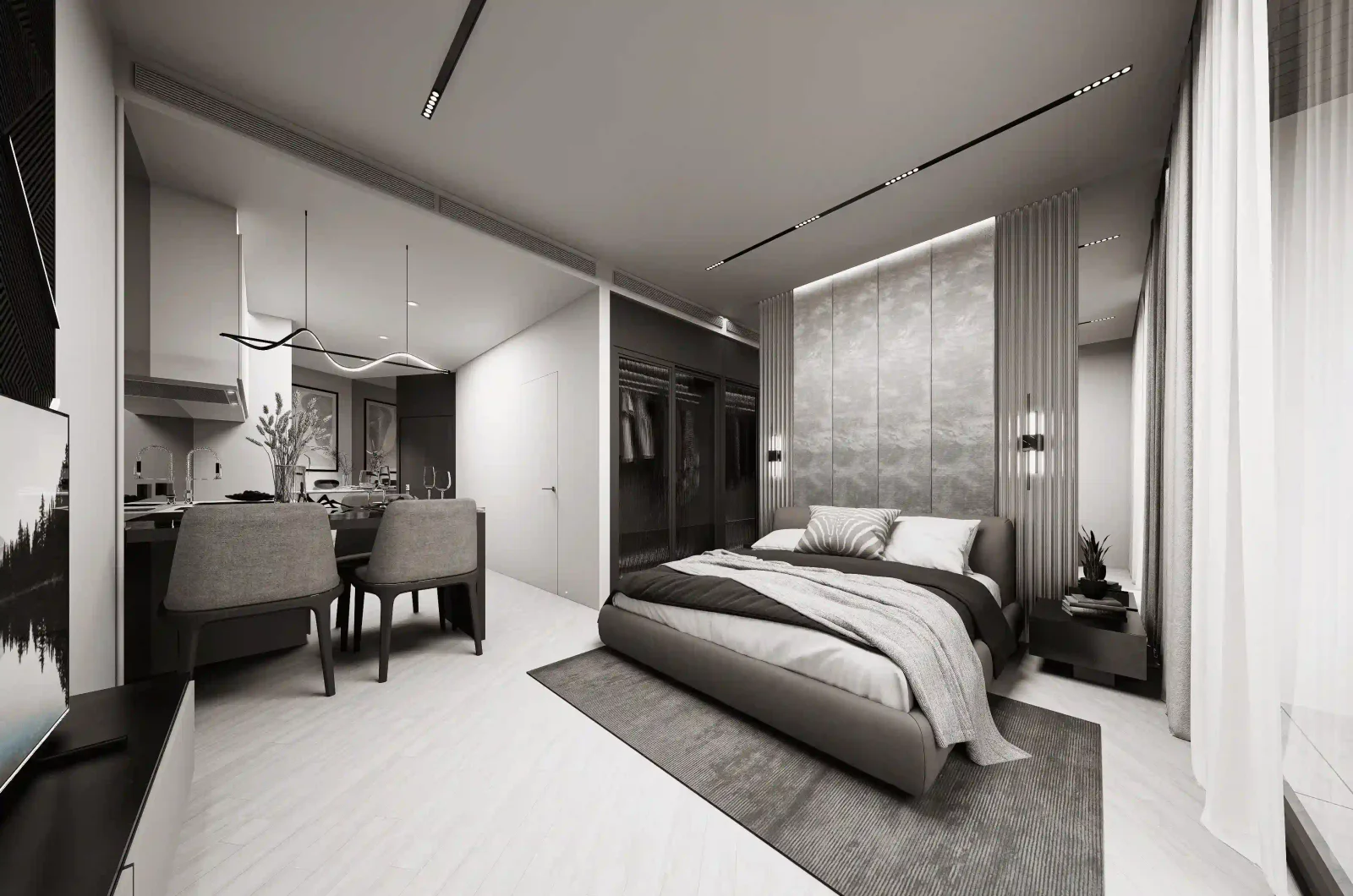
## Investment Case
Our price list holds a detailed picture of this scheme and its neighbours:
| Factor | On the record |
| --- | --- |
| Studio entry | 3,339,000 THB, 27 to 31 sqm, on 166 priced studios here |
| Studio range | 3,339,000 to 5,185,000 THB, median 3,842,500 |
| 1BR entry | 3,830,800 THB at 43 sqm, on 142 priced one-bedrooms |
| 2BR entry | 6,035,000 THB at 43 sqm, on 13 priced two-bedrooms |
| 3BR | 5 units, 10,348,800 to 13,164,800 THB, all 70 sqm |
| Bang Tao 2BR comparison | 1,213 priced units, from 2,850,000 THB, median 11,737,000 |
Bang Tao's two-bedrooms start at 2,850,000 THB and run to a median of
11,737,000, so Sun Hills' 6,035,000 entry sits well below the corridor median,
with 43 square metres here against an 80 sqm median in Bang Tao.
**The mix.** Of this scheme's 326 priced units, 166 are studios of 27 to 31
square metres, built for nightly letting, and 142 are one-bedrooms from 43
square metres that also suit monthly tenants. The sister scheme, Sun Hills
Lakeside, adds another 293 units in the same corridor.
**What comparable units have earned.** Comparable managed units in the Layan-Bang Tao zone give the following historical picture:
| Unit type | Historical gross yield, comparable units | Notes |
| --- | --- | --- |
| Studio | 7.5 to 9% | 250,000-300,000 THB gross a year at 65-70% annual occupancy and roughly 900-1,100 THB a night; 5.5 to 7% net after a 25% management fee and 40,000-60,000 THB of CAM and insurance |
| 1BR | 6.5 to 8% | Broader tenant pool, including couples and remote workers on monthly contracts |
| 2BR | 5 to 7% | Families, corporate relocators and dual-income couples |
Managed 1-bedroom stock in Layan has historically run at 72 to 78% blended occupancy under professional operators. In comparable Layan hillside buildings, sunset-view units on upper floors have historically achieved an average daily rate about 12-15% above ground-floor or garden-facing units during the November-April peak, and about 8-10% above during the May-October shoulder and low seasons.
## Planning the First Seasons
Layan sits inside the Bang Tao and Cherng Talay corridor, the island's most active residential zone, and its depth of demand, services and schools is exactly why new projects keep arriving. For an owner the first seasons after handover are about building reviews: a well-presented listing, professional photography and a manager who answers quickly.
We help with both ends of that plan: the aspect, floor or layout that is genuinely scarce inside the building, chosen at reservation, and an operator lined up before handover. Owners who plan to use the apartment themselves in the high season also agree their weeks with the operator in advance, so both uses fit together.
## Who Is This For?
- **Entry investors:** Legitimate freehold at 3.34 million THB in established corridor
- **Yield buyers:** Studio maximises gross per THB with sunset pool marketing
- **Nature lifestyle:** Park-adjacent quiet over beach-club buzz
- **Off-plan planners:** Staged payments spread the capital across the build
## Why Buyers Choose Sun Hills Layan
| Factor | Why it works |
| --- | --- |
| Entry | 3.34 million THB freehold hillside |
| Views | National park cannot be built out |
| Rental | Rooftop sunset pools stand out on booking platforms |
| Payments | Staged across the build |
**In short:**
- Lowest premium hillside entry in Layan from 3.34 million THB
- Legally protected view corridor beside national park
- Rooftop infinity pools with panoramic sunset
- Freehold condo with 49% foreign quota path
## Studio or One-Bedroom in Layan
The entry unit here is 27 to 31 sqm at 3.34 million THB, a compact footprint in one of Phuket's most sought-after postcodes.
Its strength is revenue per baht deployed. A guest paying for a Layan holiday is paying for Layan: the beach, the quiet, the Laguna infrastructure, the walk to Boat Avenue. The nightly rate a well-presented studio achieves here is not proportionally lower than a 50 sqm unit's, because what is being bought is the address and the pool rather than the extra twenty square metres. That is why the yield arithmetic on a sub-3.5M entry in this corridor looks better than anything of comparable quality nearby.
The studio suits couples and solo travellers on nightly stays, while families, groups and three-month tenants who work from the apartment look for more space.
At resale a studio sells to another investor on its documented revenue, which makes clean monthly records from year one the most valuable thing you can keep.
The one-bedroom at 3.83 million THB is worth a look alongside the studio: the extra 490,000 THB buys 43 square metres and a much wider tenant and buyer pool.
## Buying Sun Hills Layan with MORE Group
At Sun Hills Layan the purchase runs in five steps from the first price list to the keys, and we take care of every step with you.
With the price list we also send the foreign quota for your unit, the management agreement with its fees itemised, the CAM and sinking fund rates, the rooftop access rules for owners and guests, and a comparison with [Pirak Cherngtalay](/projects/pirak-cherngtalay/) and other Layan projects. For a freehold purchase, each payment arrives from abroad in foreign currency with its bank record, and we keep that trail in order with you.
{/* corpus-faq:sun-hills */}
## FAQ
### What is the entry price at Sun Hills Layan Phuket?
Studio units start from 3.34 million THB. One-bedroom units begin at 3.83 million THB and two-bedroom apartments from 6.04 million THB. Request current availability from MORE Group.
### Can foreigners own Sun Hills units under full freehold title?
Yes. Sun Hills is a registered Thai condominium allowing foreign nationals to purchase up to 49% of total unit area under freehold Chanote title. We confirm quota availability for your unit.
### How does the national park adjacency protect the investment?
The national park boundary is legally protected and cannot be developed, which permanently protects the view corridor from a future building in front of it. It is a real and unusual protection, shown on the boundary maps, and it keeps the sunset outlook that sets these units apart.
**Read Also:**
- [Complete Guide to Buying Property in Phuket](/guides/buying-property-phuket-guide/)
- [Bang Tao and Layan area guide](/bang-tao-properties/)
- [Best Areas to Invest in Phuket](/guides/best-areas-phuket-buy-property/)
- [Buying process step by step](/guides/due-diligence-process-thailand-step-by-step/)
- [Off-plan property Phuket guide](/guides/off-plan-property-phuket-guide/)
- [Phuket rental yield benchmarks](/guides/phuket-rental-yield-complete-guide-2026/)
# Sunny Moon: Nai Harn Condos, Rawai Phuket from 6.1M THB
> Sunny Moon is a modern condo near Nai Harn Beach from 6.1M THB: bright units, a studio entry, and Phuket's most loved south beach four minutes away by car.
**Source:** https://moregroup.estate/projects/sunny-moon/
**Section:** Project Reviews
**Author:** MORE Group Editorial
**Published:** 2026-04-08
**Updated:** 2026-09-23
---
Gaining a foothold in Nai Harn real estate has historically required a villa-level budget. **Sunny Moon** changes that. This off-plan condominium project by Sunny Development Group sits in the quiet Rawai district of southern Phuket, four minutes by car from Nai Harn beach, and it starts at **6,100,659 THB** for a studio of 46 square metres, the cheapest priced lot on the current list. Construction is underway, and the project is scheduled to complete in Q3 2027. Two low-rise buildings of seven to eight storeys, a unit mix that stretches from studios to a penthouse, and a payment plan structured as 30/20/20/20/10 give buyers several ways to approach this project depending on their capital position and investment goals. This review covers everything a serious buyer needs to evaluate before reserving.
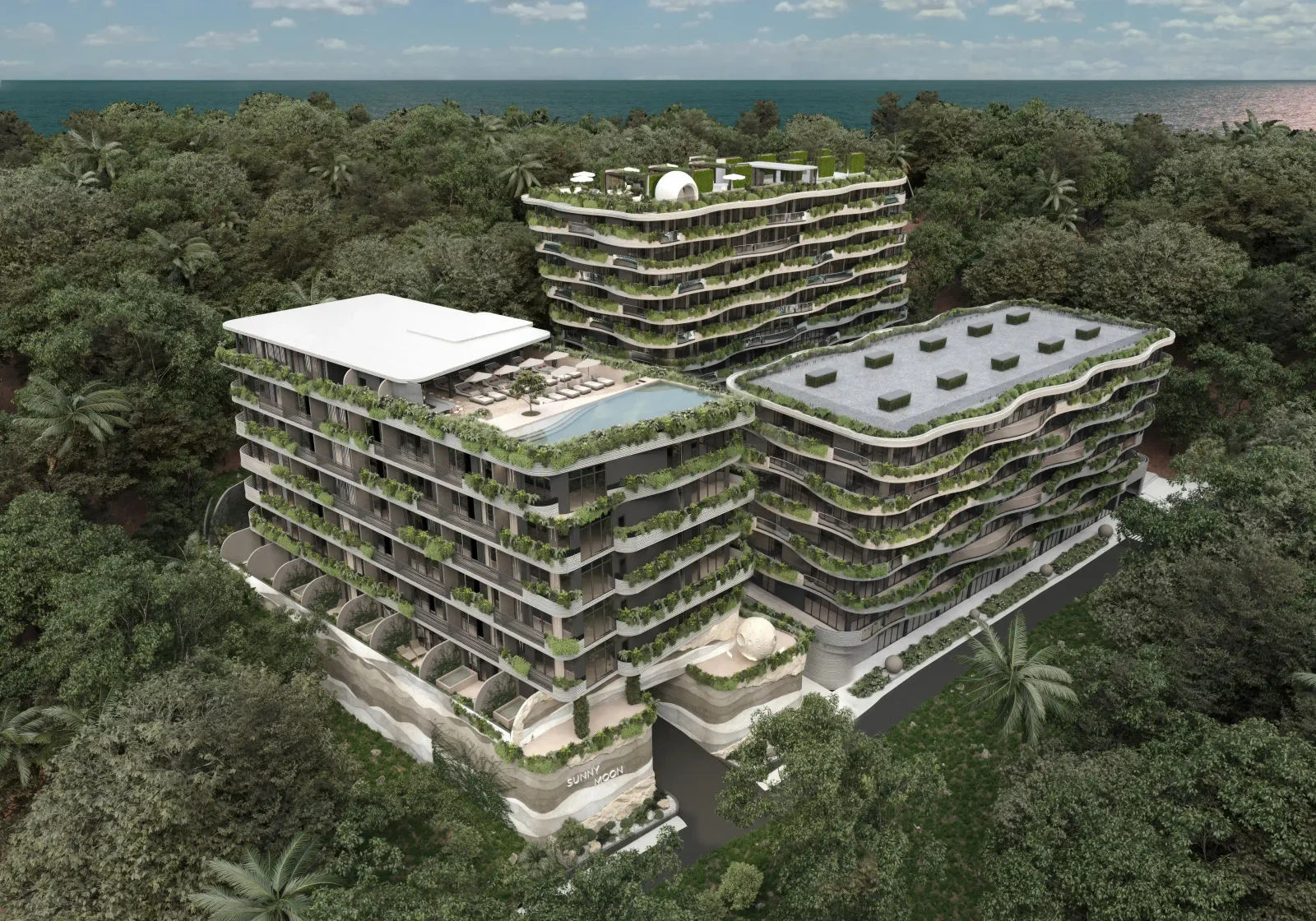
## Why Nai Harn Is Different From the Rest of Phuket?
Nai Harn beach is protected. The Royal Phuket Yacht Club sits at the southern end, and a lagoon buffers the northern approach. The result is a bay that has never been opened to commercial vendors in the way that Patong or Karon have. There are no rows of beach chairs stretching from end to end, no jet ski operators, and no loud beachside bars. The beach is clean, the water is calm in season (November through April), and it remains genuinely enjoyable by anyone who has spent time on more commercialised Phuket beaches.
The surrounding area, Nai Harn village and Rawai seafront, has a working expat community rather than a transient tourist population. Rawai market, a ten-minute drive, is where many long-term residents shop. The Wednesday market near the Nai Harn lake draws locals and regular visitors. Promthep Cape, Phuket's southernmost point, is a ten-minute drive and offers the most-photographed sunset view on the island. Yanui beach, a small and calm snorkelling spot, is five minutes away.
What this means for property investors is a guest profile that skews experienced and discerning. The typical short-term tenant in Nai Harn has often visited Phuket before and has chosen the south deliberately. They tend to spend more on accommodation, stay longer per visit, and return more frequently. The absence of large all-inclusive hotels in the immediate area keeps the independent rental market healthy, because guests who prefer Nai Harn cannot simply book a package deal and end up there by default.
Land supply in Nai Harn is constrained by the protected beach, the lagoon, and the road network that narrows as it approaches the coast. New condominium projects in this area are rare compared to Bang Tao or Laguna, where large land parcels still exist for development. Sunny Moon sits close enough to the beach to benefit from this constraint, and at its entry pricing, it represents one of the more accessible positions currently available in the submarket.
For context on what the Nai Harn area looks like across property types and price ranges, the [Nai Harn property guide](/nai-harn-properties/) covers the full picture including villas, resale stock, and the rental market in more depth.
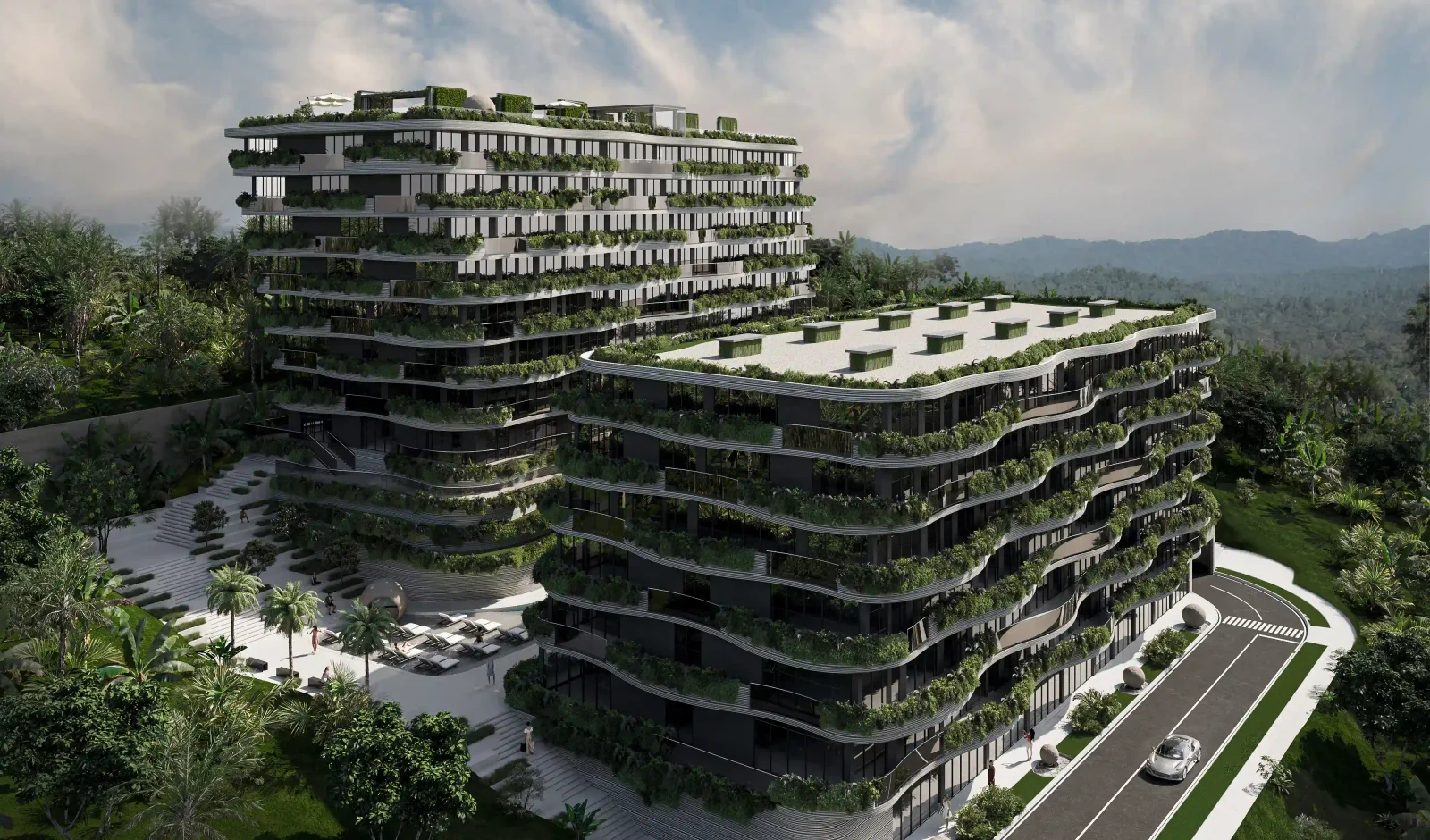
## Two Buildings, Multiple Entry Points
The more important consequence of the two-building structure is unit diversity. A single building of seven to eight storeys can only accommodate so many unit configurations before the floor plates become awkward. Two buildings allow the developer to run different unit mixes in each, creating more variation in size, orientation, and price without compromising the overall density.
The result is a project where the entry point (studio at 6,100,659 THB) and the ceiling (penthouse at 50,932,915 THB) occupy the same development but appeal to entirely different buyers. The studio investor at the entry price is optimising for yield relative to capital deployed. The penthouse buyer at the other end of the range is likely a personal-use buyer, or one combining personal use with selective rental. Everything in between (one-bed, two-bed, three-bed tiers) serves a range of buyer profiles including families, couples, and investors seeking larger units for premium rental positioning.
What this means in practice is that buyers at different capital levels can evaluate Sunny Moon within the same project without being priced out entirely or priced into more space than they need. A buyer with 8 million THB available has genuine options here, not a consolation entry. A buyer with 20 million THB can step up to a two-bed with meaningful square meterage. The structure rewards considered unit selection rather than forcing all buyers toward the same configuration.
For those evaluating off-plan purchases more broadly across southern Phuket, the [off-plan property guide for Phuket](/guides/off-plan-property-phuket-guide/) covers developer risk, contract terms, and payment planning in detail.
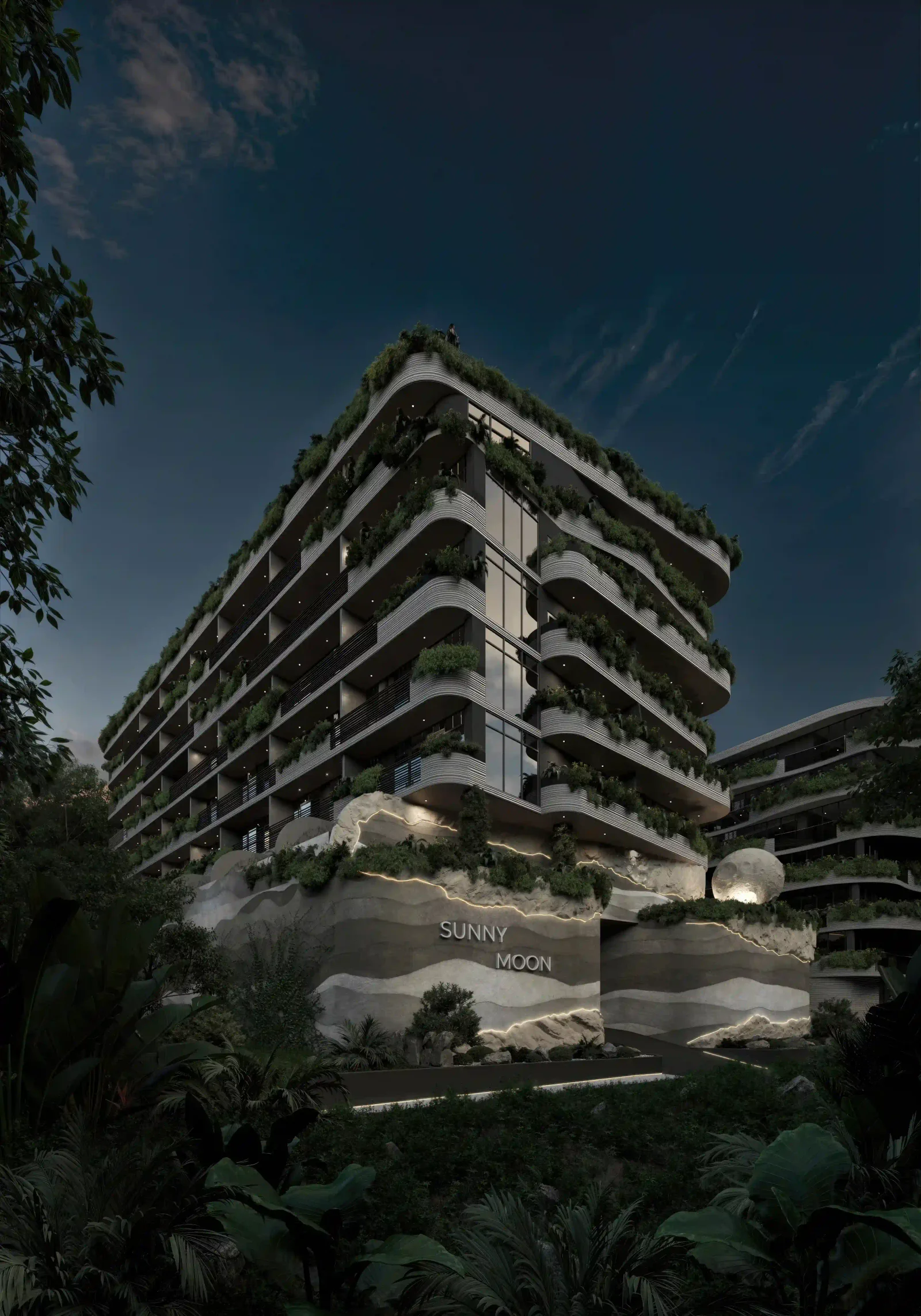
## Full Unit Mix with Pricing
| Unit Type | Size Range | Price Range (THB) | Notes |
| --- | --- | --- | --- |
| Studio | 34 to 60 sqm | 6,100,659 to 11,240,828 | Entry-level, and the lowest ticket in the scheme |
| 1-Bedroom | 63 to 90 sqm | 8,559,845 to 11,240,828 | Strong rental and lifestyle balance |
| 2-Bedroom | 114 to 142 sqm | 12,790,632 to 15,934,322 | Mid-range; well-suited for families and couples |
| 3-Bedroom | Available | On request | Premium; ideal for larger groups or long stays |
| 4-Bedroom Penthouse | Available | Up to 50,932,915 | Top floor; panoramic positioning, personal use focus |
**Payment plan:** 30% on reservation and contract signing, 20% at foundation completion, 20% at structure completion, 20% at exterior completion, 10% on transfer. The staged structure means buyers are not committing full capital up front, and each instalment is tied to a construction milestone. This is standard for Phuket off-plan condominiums of this type.
The studio range is particularly wide in terms of size (34 to 60 square metres), which reflects meaningful differences in configuration and finish level across the range. The entry-price studio on the current list is 46 square metres, a compact, yield-focused unit. A 60-square-metre studio at the upper end of that band is closer to a large one-bed in usable floor area, and the pricing reflects that difference.
For buyers comparing price per square metre across comparable projects in Nai Harn and Rawai, the [Phuket property market prices guide for 2026](/guides/phuket-property-market-prices-2026/) provides useful benchmarks across the island's main areas.
## Amenities: Coworking, Gym, Kids Room, Entertainment, Pet-Friendly
**Coworking space** serves the remote worker and digital nomad segment, which has grown substantially in Nai Harn and Rawai over the past four years. Many long-term rental tenants in southern Phuket are working professionals who need reliable workspace outside the unit itself. A well-equipped coworking area within the building means they do not need to commute to a coffee shop or paid workspace hub, and this reduces friction for tenants considering longer stays. From a rental management perspective, longer stays reduce turnover and cleaning costs, which improves net yield.
**The gym** serves both owner-occupiers and rental tenants who are health-conscious. For projects in the mid-to-upper price range, the presence or absence of gym facilities is often the first filter applied by rental platforms. Units in condominiums with a gym consistently list at higher nightly rates than comparable units without one.
**The children's room** is relevant for the family rental segment. Families booking a Phuket trip for two to three weeks prioritise projects that have both a pool and activities for children during periods of rain or heat. The children's room at Sunny Moon positions studio and one-bed investors to capture this segment even in units too small for a family to sleep in comfortably, because the shared amenity adds value across the building.
**Entertainment facilities** broaden the common-area offering beyond the essentials. This category typically includes media rooms, games areas, or social lounges. They serve the lifestyle buyer segment and improve the attractiveness of the building for longer-stay guests who want something to do on days when the beach is not the agenda.
**Pet-friendly designation** matters more than it might appear. Phuket's long-term rental market includes a significant number of pet-owning expats and remote workers. Most condominiums in the area do not allow pets, or impose restrictions that make it impractical. A genuinely pet-friendly building commands a premium for long-stay tenants and faces less competition in that segment. For investors targeting the three-month or six-month lease market in Rawai, this is a genuine point of difference.
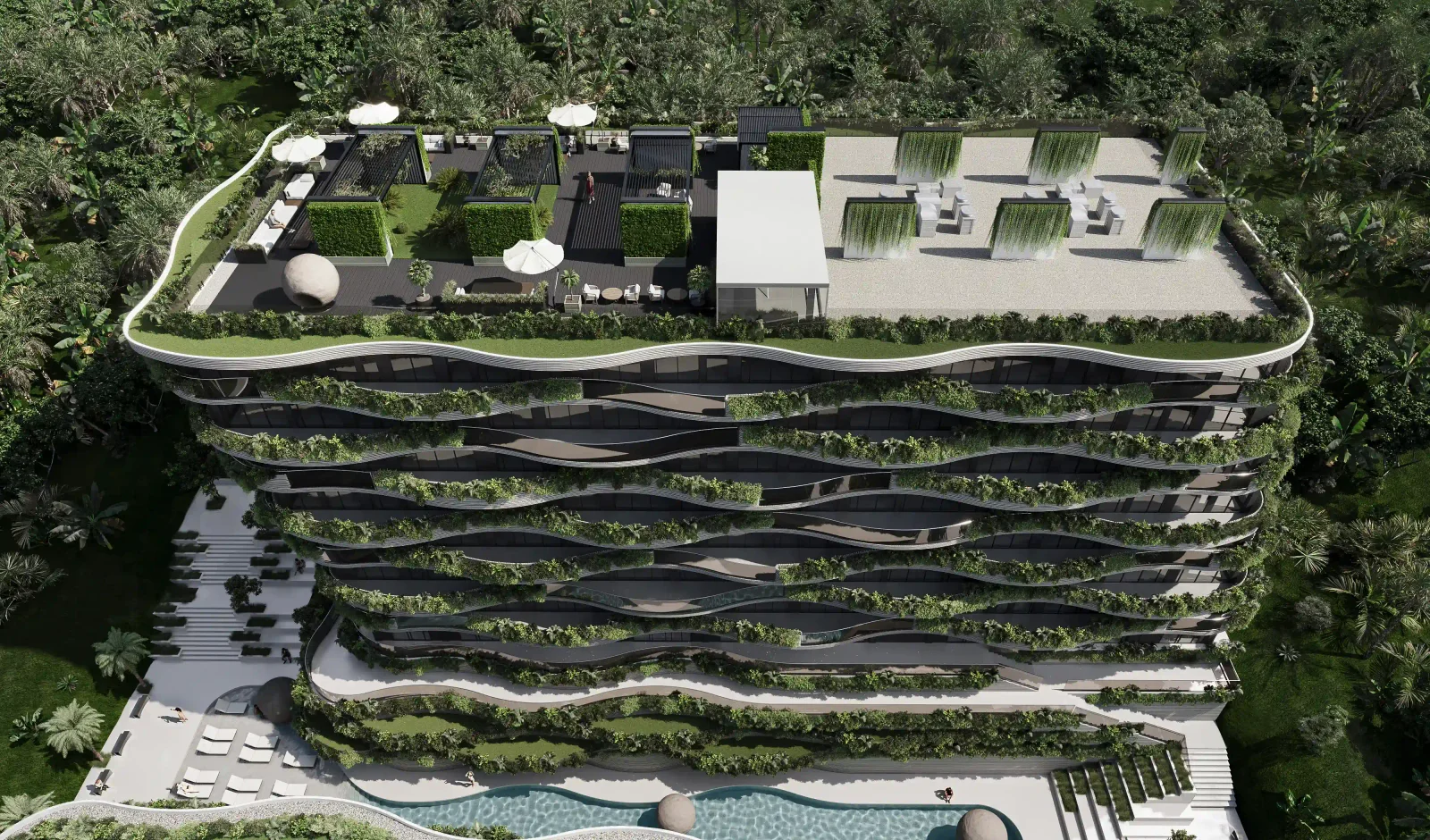
## Location: Rawai and Nai Harn Lifestyle
**Rawai seafront: approximately 10 minutes.** Rawai is not a swimming beach; the shallow tidal flats and longtail boat activity make it unsuitable for that purpose. It is instead a seafront promenade lined with seafood restaurants, the island's best-priced seafood market, and the departure point for trips to nearby islands including Bon Island and Coral Island. Many Rawai and Nai Harn residents visit Rawai seafront regularly for dinner rather than for beach access.
**Promthep Cape: approximately 10 minutes.** The southernmost tip of Phuket is a consistent sunset draw, with a large car park and viewing platform. For guests staying in Nai Harn-area properties, a sunset trip to Promthep is a near-universal activity. The drive through the Windmill Hill area offers views over both the Andaman Sea and the eastern coast of the island.
**Yanui Beach: approximately 5 minutes.** A small, quiet cove between Nai Harn and Promthep, Yanui is calm year-round due to its sheltered position. It has a handful of beach clubs and is popular with snorkellers. It is less crowded than Nai Harn and is a genuine neighbourhood asset for Sunny Moon tenants.
**Phuket International Airport: approximately 60 minutes.** The drive from Nai Harn to the airport runs either through Phuket Town via the main highway or via the coast road. Travel time depends heavily on traffic at the Phuket Town junction and is closer to 75 to 90 minutes during peak hours. For short-stay guests, this is the one practical disadvantage of the south relative to Laguna or Bang Tao, which sit 25 to 35 minutes from the airport. For long-stay guests and owner-occupiers, it matters far less.
The lifestyle in Rawai and Nai Harn is quiet, residential, and genuine by Phuket standards. There are multiple coffee shops, a handful of international restaurants, yoga studios, and a weekly market. The area does not have nightlife comparable to Patong and is not marketed as a party destination, which is a feature rather than a drawback for most buyers considering Sunny Moon.
For a detailed neighbourhood comparison across the island, the [best areas to buy property in Phuket guide](/guides/best-areas-phuket-buy-property/) places Nai Harn and Rawai in context against Bang Tao, Kamala, Karon, and the Phuket Town fringe.
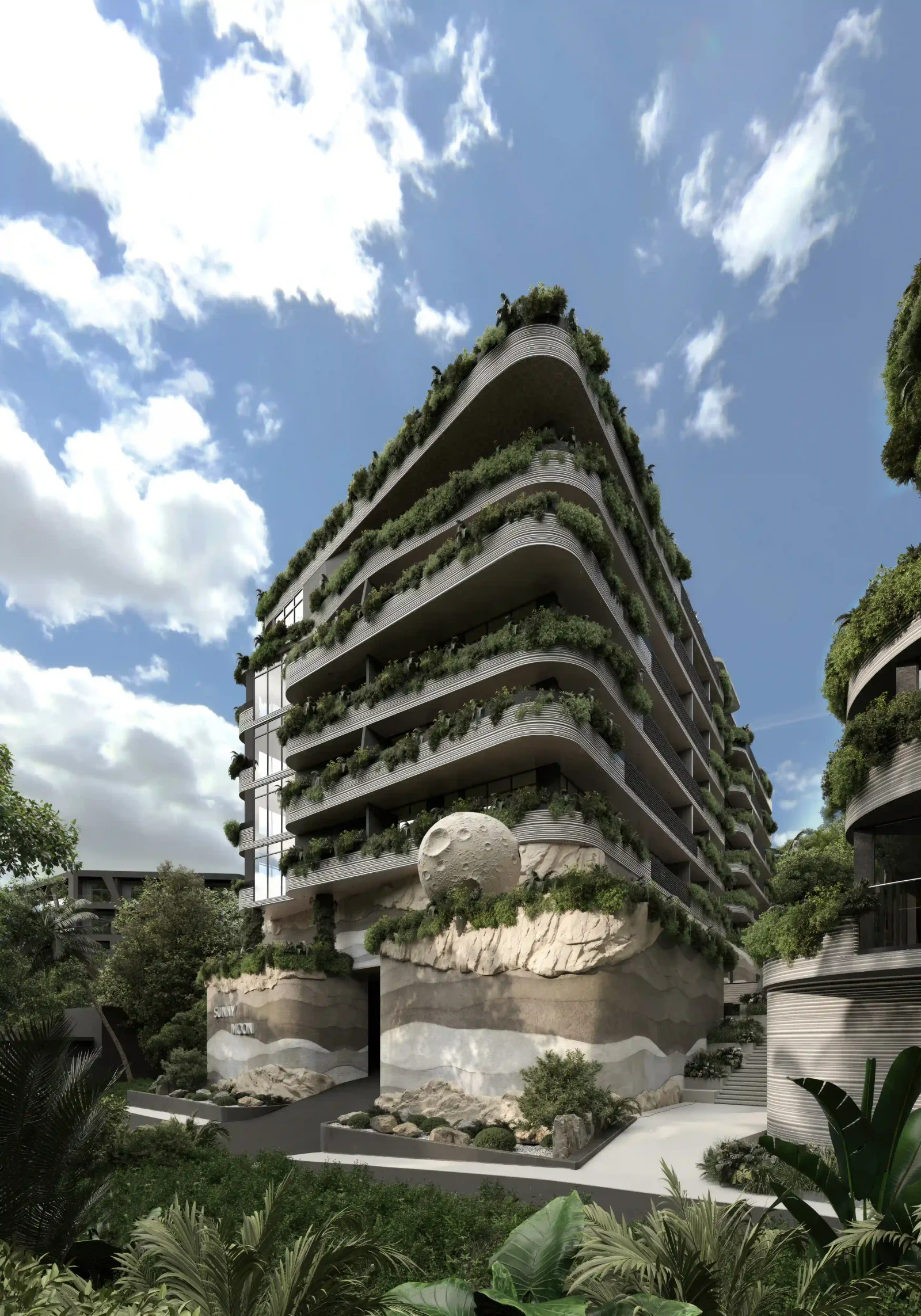
## Investment Case: Studio and 1-Bed Yield Analysis
**Studio scenario (46 sqm, 6,100,659 THB entry):**
A compact studio in Nai Harn listed by a competent short-term rental manager can achieve nightly rates of 1,800 to 2,500 THB during peak season (November through April) and 1,200 to 1,600 THB during the shoulder and low season. Using a realistic 65% annual occupancy rate, blended across peak and off-peak periods, the gross annual rental income falls in the range of 390,000 to 520,000 THB. Management fees, common area maintenance, and minor maintenance costs typically reduce this to a net figure of 270,000 to 380,000 THB. Against a purchase price of 6,100,659 THB, the net yield on the studio scenario falls in the range of 4.4 to 6.2 percent. The upper end of that range is achievable with strong management and good listing positioning; the lower end is a conservative baseline.
**One-bedroom scenario (74 sqm, 8,559,845 THB):**
A one-bed in the same area commands nightly rates of 2,500 to 3,500 THB in peak season and 1,600 to 2,200 THB off-peak. At 60 to 65% annual occupancy, gross income falls in the range of 520,000 to 700,000 THB. After management (typically 20 to 30% of gross for pooled short-term programs), maintenance, and CAM charges, net income falls in the range of 350,000 to 490,000 THB. Against a purchase price of 8,559,845 THB, the net yield is approximately 4.1 to 5.7 percent. The yield ratio is lower than the studio, but the absolute income and the tenant quality (guests choosing a one-bed over a studio tend to have higher budgets) are both meaningfully higher.
What drives the difference between studio and one-bedroom yield:
Studios generate higher yields as a percentage of capital because the gap between studio nightly rates and one-bed nightly rates is smaller than the gap between their purchase prices. At this scheme's list prices the cheapest studio costs 6.1M THB and the cheapest one-bed 8.6M THB, a 40 percent premium on capital. Wherever the one-bed commands less than a 40 percent premium in nightly rates, the studio wins on yield percentage. The one-bed wins on absolute income and on the tenant profile it attracts for longer stays.
**Capital appreciation:**
Nai Harn is one of the Phuket submarkets with consistent land supply constraints and a reputation that has appreciated over time. Off-plan buyers who purchased comparable projects in the Rawai and Nai Harn area three to five years before delivery have typically seen capital appreciation of 15 to 30 percent by transfer time. This is not guaranteed and depends on market conditions, but the land scarcity in this part of the island supports the direction of travel. For a detailed analysis of how yields and capital values interact across the island, the [Phuket rental yield guide](/guides/phuket-rental-yield-complete-guide-2026/) is the most thorough reference.
**Management options:**
Buyers have several paths for rental management. The developer's in-house program, if one exists at Sunny Moon, provides a simple starting point but may not maximise yield. Third-party operators in the Nai Harn and Rawai area include established short-term rental companies that list on Airbnb, Booking.com, and direct booking channels. MORE Group can connect buyers with vetted operators based on track record, fee structure, and unit type fit. The key variables to compare are the management percentage, minimum guaranteed income (if offered), and who bears maintenance costs during vacancy periods.
## Foreign Ownership Structure
What freehold condominium title means for a foreign buyer:
When a foreign buyer acquires a unit under the foreign freehold quota, the title deed (Chanote) is registered in their name at the Land Department. The ownership is unconditional, inheritable, and transferable. There is no expiry date, no renewal requirement, and no Thai co-owner required. This is the most secure form of property ownership available to a non-Thai national in Thailand.
What foreign buyers need to know about bringing funds in:
Foreign freehold condominium purchases require that the purchase funds enter Thailand from abroad in foreign currency. The buyer obtains a Foreign Exchange Transaction (FET) certificate from a Thai bank when the funds arrive and are converted to Thai Baht. This certificate is a legal requirement for foreign freehold registration and for the ability to repatriate the sale proceeds when the property is sold in the future. Buyers who bring funds via local Thai bank transfers or who use locally-earned income may face complications at the registration stage.
**Common area ownership:**
The condominium common areas (pool, gym, coworking, lobbies, corridors) are collectively owned by all unit holders through the condominium juristic person. As a unit owner, you are a member of the juristic person and pay common area maintenance (CAM) fees proportional to your unit size. The CAM fee level at Sunny Moon should be confirmed with the developer before reserving; it is set by the developer initially and then subject to adjustment by the juristic person committee after handover.
For buyers comparing freehold and leasehold structures across the range of Phuket property types, the [freehold vs leasehold guide for Thailand](/guides/freehold-vs-leasehold-thailand/) explains the legal mechanics, the pros and cons of each, and the situations where leasehold makes sense despite its lower security of tenure.
## Buyer Profiles
**The budget-conscious yield investor.** Entry at 6.1M THB for a 46-square-metre studio places Sunny Moon within reach for investors who want Phuket condominium exposure without committing 10 to 15 million THB. The yield case at this entry level is the strongest in the project (see the yield analysis above). This buyer is typically purchasing for pure investment, will use a professional rental manager from day one, and may not intend to use the unit personally. The key variables are net yield after all costs and the resale market in three to five years. The Rawai and Nai Harn area has a genuine secondary market, and compact studios with proven rental histories do trade in Phuket's resale market.
**The lifestyle and rental hybrid buyer.** The one-bedroom at 8 to 11 million THB is the sweet spot for buyers who want a unit that works both as a personal base for three to eight weeks per year and as a rental income asset during the remainder. This buyer values the Nai Harn location for personal use (the beach, the quiet, the genuine local atmosphere) and wants the yield to cover carrying costs and ideally generate income on top. The one-bed size is large enough for a couple to live in comfortably but small enough to command strong short-term rental rates. For this buyer, Sunny Moon's amenity package (gym, coworking, pet-friendly) is particularly relevant because it supports both personal use and the appeal to higher-spending rental guests.
**The penthouse or large-unit personal-use buyer.** The four-bedroom penthouse at up to 50.9M THB is a different class of purchase. This buyer is not primarily yield-focused; they are acquiring a premium personal residence in a location they have chosen deliberately. The scale of the penthouse (multiple bedrooms, significant floor area, panoramic positioning in the building) suits either a primary Phuket residence or a high-end holiday home. Selective short-term rental during periods of absence is possible and would generate meaningful income at nightly rates consistent with luxury Phuket condominium positioning.
## Risks and Due Diligence
| Risk Category | What to Check | Mitigation |
| --- | --- | --- |
| Construction timeline | Written schedule in the Sale and Purchase Agreement, penalty clauses for delay beyond Q3 2027 | Confirm milestone dates and delay compensation terms with a Thai property lawyer before signing |
| Foreign quota availability | Confirmation from the juristic office that 49% freehold quota is not exhausted for your specific unit | Request written confirmation at reservation; confirm again before transfer |
| Developer track record | Previous completed projects by Sunny Development Group, delivery record, quality of finish at handover | Visit completed projects or speak with buyers from previous developments |
| Fee structure | CAM per square metre, sinking fund contribution, developer-set management fees | Request the full year-one ownership cost estimate in writing before reserving |
| Rental income claims | Actual occupancy data from comparable projects in Rawai and Nai Harn | Use the yield analysis in this review as a baseline; stress-test against lower occupancy |
| Resale liquidity | Buyer pool in 3 to 5 years, any developer restrictions on resale during construction | Check SPA for any restrictions on assignment or resale before transfer |
| FET documentation | Confirming foreign currency is brought in correctly for freehold registration | Use a Thai bank for currency conversion and retain the FET certificate |
Construction risk deserves particular attention here. Q3 2027 is more than twelve months away at the time of writing. That is a meaningful period during which construction can slow, materials costs can change, and project scope can shift. The Phuket condominium market has examples of projects that delivered on time and to specification, and examples that did not. The developer's track record, the contract terms around delays, and the escrow or milestone payment structure in the SPA are the primary protections available to buyers. Engaging a qualified Thai property lawyer before signing is not optional for a purchase of this scale.
For a comprehensive walkthrough of the due diligence process for Thai property, the [due diligence guide for Thailand](/guides/due-diligence-process-thailand-step-by-step/) covers every stage from legal checks to transfer documentation. For buyers new to the Phuket market, the [complete guide to buying property in Phuket](/guides/buying-property-phuket-guide/) provides the full sequence from initial search to title registration.
Before reserving Sunny Moon, confirm:
- Foreign freehold quota is available for your chosen unit, in writing.
- Payment milestones are tied to construction milestones in the SPA, not to calendar dates alone.
- You understand the full fee structure including CAM, sinking fund, and management fees.
- Your purchase funds are being transferred from abroad in foreign currency for FET compliance.
- You have reviewed Sunny Development Group's previous completed projects with an independent party.
The project's location in Nai Harn, the competitive entry pricing, and the breadth of the unit mix make Sunny Moon worth serious evaluation. The due diligence process is straightforward for a buyer who approaches it methodically, with legal support in place from the start. Browse the [full Phuket project catalogue](/projects/) to compare Sunny Moon against other current off-plan opportunities across the island's main areas.
{/* corpus-faq:sunny-moon */}
## FAQ
### What is the starting price at Sunny Moon and what size is the entry unit?
The entry price at Sunny Moon is 6,100,659 THB for a 46-square-metre studio, the cheapest priced lot on the current list. Studios in the scheme run 34 to 60 square metres, and priced studios go up to 11,240,828 THB. One-bedroom units begin at 8,559,845 THB for 74 square metres, two-bedroom units at 12,790,632 THB for 114 square metres, and the top of the price list is 50,932,915 THB.
### Can a foreign buyer own a Sunny Moon unit in their own name?
Yes. Sunny Moon is a registered condominium, and Thai law allows foreign nationals to purchase up to 49% of total building floor area under full freehold title. The ownership is registered at the Land Department in the buyer's name, is unconditional, inheritable, and has no expiry date. Foreign buyers must bring purchase funds from abroad in foreign currency to obtain the FET certificate required for registration and future repatriation of sale proceeds.
### What rental yield should a buyer realistically expect at Sunny Moon?
The net yield this answer used to give was arithmetic on an entry price of 5,118,300 THB, which is not the figure on our list; the entry is 6,100,659 THB, and no Phuket yield is published in any case. Based on nightly rates of 1,800 to 2,500 THB in peak season and 65% annual occupancy. On those assumptions the entry studio at 6,100,659 THB yields approximately 4.4 to 6.2 percent net, and the cheapest one-bedroom at 8,559,845 THB approximately 4.1 to 5.7 percent. These figures assume professional management and realistic off-peak occupancy. Gross figures before management fees and costs will be higher. All yield estimates should be stress-tested against your own assumptions before committing.
### When is Sunny Moon scheduled to complete and how does the payment plan work?
Sunny Moon is scheduled to complete in Q3 2027. The payment plan is structured as 30% on reservation and signing, 20% at foundation completion, 20% at structural completion, 20% at exterior completion, and 10% on transfer. Each instalment is tied to a construction milestone rather than a calendar date alone, which gives buyers a level of protection against paying ahead of construction progress. Confirm the exact milestone definitions in the Sale and Purchase Agreement with your lawyer before signing.
### How far is Sunny Moon from Nai Harn beach and what amenities does the project include?
Sunny Moon is approximately 4 minutes by car from Nai Harn beach and around 10 minutes from Rawai seafront. Promthep Cape and Yanui beach are each within 10 minutes. On-site amenities include a gym, children's room, entertainment area, coworking space, and the project is pet-friendly. The development consists of two buildings of 7 to 8 storeys, and Phuket International Airport is approximately 60 minutes away.
# Sunrise Lake Phuket: Private Pool Villa Review 2026
> Sunrise Lake review: 31 gated pool villas in Si Sunthon with two to four bedrooms from 13.99M THB, a sauna, steam room and gym, 15 minutes from Bang Tao.
**Source:** https://moregroup.estate/projects/sunrise-lake/
**Section:** Project Reviews
**Author:** MORE Group Editorial
**Published:** 2026-04-02
**Updated:** 2026-08-23
---
Sunrise Lake is a gated villa community in Si Sunthon, the green residential sub-district of Thalang behind the Laguna and Bang Tao resort coast. Its 31 private pool villas have high-end interiors, open-plan living, spacious terraces and their own pools, and the estate shares a reception lobby, a sauna and steam room, a fitness centre and landscaped gardens.
The name reflects the setting: the estate is a few minutes from Ban Bang Niew Lake, which gives the community its calm, nature-oriented character. It is designed for families and couples who want a real villa with space and privacy, close to the west coast's beaches and lifestyle hubs.
## Location: Si Sunthon, Thalang
- **Beaches:** Bang Tao about 15 minutes by car, with Surin and Layan a short drive further
- **Lifestyle hubs:** Blue Tree Phuket, Robinson Lifestyle, Boat Avenue and Porto de Phuket, with the nearest mall about 10 minutes by car
- **Laguna Phuket:** hotels, the golf course and restaurants a short drive west
- **Airport:** about 35 minutes by car
Si Sunthon gives residents the quiet of a green district with the Bang Tao coast close at hand. Days split naturally between the villa and the beach, with shopping, restaurants and family attractions such as Blue Tree a few minutes away.
## Villa Layouts and Prices
Our price list holds 25 villas across six layouts:
| Layout | Built area | Villas | Price |
|---|---|---|---|
| Two-bedroom | 152 sqm | 9 | 13,990,000 to 15,674,406 THB |
| Three-bedroom | 161 sqm | 2 | 15,228,500 to 17,132,088 THB |
| Three-bedroom | 206 sqm | 3 | 17,435,906 to 18,313,356 THB |
| Three-bedroom | 223 sqm | 2 | 19,033,460 to 19,173,332 THB |
| Three-bedroom | 242 sqm | 4 | 21,117,906 THB |
| Four-bedroom | 306 sqm | 5 | 23,990,000 to 26,373,887 THB |
**Two-bedroom villas** of 152 sqm are the entry point at 13,990,000 THB, among the more accessible private pool villas in the Bang Tao area. They suit couples and owners who want a villa that is simple to run.
**Three-bedroom villas** come in four sizes, from 161 to 242 sqm, so buyers can choose exactly the amount of space they need. The larger layouts of 223 and 242 sqm add generous open-plan living and terraces that work as a true outdoor living room.
**Four-bedroom villas** of 306 sqm are the family choice, with the lowest price per square metre in the estate, from about 78,400 THB. For families with children or owners who host guests often, they offer the most space for the money.
## Choosing Your Layout
- **For a couple or a holiday home:** the two-bedroom of 152 sqm, the simplest villa to run and to let
- **For a family of four:** a three-bedroom of 206 or 223 sqm, with room for a guest or a home office
- **For the most space:** the three-bedroom of 242 sqm or the four-bedroom of 306 sqm, for larger families and owners who host often
We send the floor plan for each layout with the price list, so you can see how the rooms, the terrace and the pool fit together before choosing a villa.
## Amenities and Community Facilities
- **Reception lobby** at the managed entrance
- **Sauna and steam room**
- **Communal fitness centre**
- **Landscaped gardens** that draw on the lakeside setting
- **Private parking** for every villa
- **24-hour security** in a gated community
- **Pet-friendly** policy
A sauna, steam room and gym inside a villa estate are a welcome extra at this price: residents get wellness facilities a short walk from home.
## Payment Plan
The price is paid in eight stages as the villa is built: 25%, 30%, 10%, four stages of 7.5%, and 5% at handover. For a two-bedroom at 13,990,000 THB that works out as follows:
| Stage | Share | Amount |
|---|---|---|
| 1 | 25% | 3,497,500 THB |
| 2 | 30% | 4,197,000 THB |
| 3 | 10% | 1,399,000 THB |
| 4 to 7 | 7.5% each | 1,049,250 THB each |
| 8, at handover | 5% | 699,500 THB |
The later stages are small and follow the progress of construction, which makes the second half of the price easy to plan. We send the developer's schedule for your villa with the price list.
## Why Buyers Choose Sunrise Lake
- **A true villa at an accessible price:** private pool villas from 13,990,000 THB
- **Choice of layouts:** two, three and four bedrooms across six sizes
- **Wellness on site:** sauna, steam room and fitness centre
- **Calm setting:** a gated community near Ban Bang Niew Lake
- **Beach and lifestyle close by:** Bang Tao Beach about 15 minutes, Blue Tree and Boat Avenue minutes away
- **Pet-friendly:** space for the whole family
## Who Sunrise Lake Suits
- **Families** relocating to Phuket who want space, a pool and a garden
- **Couples** looking for a second home with the Bang Tao coast close by
- **Rental investors** who want a villa that holiday guests and long-stay tenants both look for
- **Buyers who prefer a community** with shared facilities and a staffed entrance
## Renting Out a Sunrise Lake Villa
A private pool villa near Bang Tao appeals to two groups of guests: holiday families who want a pool of their own for a week or two, and long-stay tenants who live on the island for a season or longer. With professional management, owners can choose the mix that suits how often they use the villa themselves.
For owners who plan to rent, we collect current asking rents for comparable pool villas around Si Sunthon and Bang Tao and send them with the price list, together with the terms of rental managers who work in the area. [Our rental guide](/guides/phuket-rental-yield-complete-guide-2026/) explains how to read a rental offer line by line.
## Ownership for Foreign Buyers
At Sunrise Lake, as with any villa in Thailand, you buy land plus a building. The house can be held in your own name over a lease of the plot registered at the Land Office, 30 years per registration with renewal terms in the contract, or the land can be held through a Thai company with genuine Thai shareholders. [Freehold and leasehold in Thailand](/guides/freehold-vs-leasehold-thailand/) explains both routes, and we prepare the one that suits you with our legal support.
## Sunrise Lake and Other Villas Nearby
| Project | From | Status |
|---|---|---|
| [Rise Villas](/projects/rise-villas/) | 10,500,000 THB | Off-plan |
| [Sana Vista Villas](/projects/sana-vista-villas/) | 12,890,000 THB | Off-plan |
| [Proxima Villas](/projects/proxima-villas/) | 13,500,000 THB | Off-plan |
| Sunrise Lake | 13,990,000 THB | Off-plan |
| [Kahli Terraces](/projects/kahli-terraces/) | 15,915,825 THB | Off-plan |
| [Mori](/projects/mori/) | 16,310,000 THB | Off-plan |
| [Sierra Vista](/projects/sierra-vista/) | 19,900,000 THB | Off-plan |
Sunrise Lake stands out in this group for its range of layouts and its shared wellness facilities. We send floor plans for any of these estates on request, so you can compare what each ticket buys.
## Buying Sunrise Lake with MORE Group
A villa at Sunrise Lake is bought in five steps, from the first price list to the keys, and we are with you through each of them.
## What We Send Before You Reserve
- The current price list with free villas, plot areas and plans
- The eight-stage payment schedule for your villa
- The ownership structure for your purchase, leasehold or company, with the documents it needs
- The latest construction update
- Current asking rents for comparable villas nearby, if you plan to rent
{/* corpus-faq:sunrise-lake */}
## FAQ
### What is the starting price for Sunrise Lake villas?
The entry price is 13,990,000 THB (about $427,800) for a two-bedroom villa of 152 sqm. Three-bedroom layouts start at 15,228,500 THB and four-bedroom villas at 23,990,000 THB.
### What stage is Sunrise Lake at?
Construction is underway. We send the latest construction update together with the price list.
### How far is Sunrise Lake from Bang Tao Beach?
Bang Tao Beach is about 15 minutes by car. Blue Tree Phuket, Robinson Lifestyle, Boat Avenue and Porto de Phuket are all a short drive away, with the nearest mall about 10 minutes by car.
### What is the payment plan for Sunrise Lake?
Eight stages during construction: 25%, 30%, 10%, four stages of 7.5% and 5% at handover. We send the developer's schedule for your villa with the price list.
### Can foreigners buy Sunrise Lake villas?
Yes. The house can be held in your own name over a lease of the plot registered at the Land Office, 30 years per registration with renewal terms in the contract, or the land can be held through a Thai company with genuine Thai shareholders. We prepare the structure with our legal support.
### What facilities does the estate have?
A reception lobby, a sauna and steam room, a communal fitness centre, landscaped gardens, private parking for every villa and 24-hour security in a gated community. The estate is pet-friendly.
**Related guides:**
- [Best areas in Phuket to buy property](/guides/best-areas-phuket-buy-property/)
- [Phuket condo vs villa: which should you buy?](/comparisons/phuket-condo-vs-villa-comparison/)
- [Freehold vs leasehold in Thailand: complete guide](/guides/freehold-vs-leasehold-thailand/)
- [Buying property in Phuket: the complete guide](/guides/buying-property-phuket-guide/)
- [Phuket rental yield guide](/guides/phuket-rental-yield-complete-guide-2026/)
# Sunti Villas Cherngtalay: Pool Villas from 34.9M THB
> Sunti Villas: boutique family pool villas in Cherngtalay with a gym and children's area, about 433 to 750 sqm, from 34.9M THB.
**Source:** https://moregroup.estate/projects/sunti-villas/
**Section:** Project Reviews
**Author:** MORE Group Editorial
**Published:** 2026-04-08
**Updated:** 2026-08-23
---
## What Is Sunti Villas?
Sunti Villas is designed for families who want space, calm and a touch of greenery. The houses open their living and dining areas under high ceilings onto the terrace, the garden and a private pool, every bedroom has its own bathroom, and the larger villas give room for extended family and guests.
The community adds a gym and a children's area, and the setting is quiet and green. The beaches of Bang Tao are about thirteen minutes by car, the airport about 21, and the schools and shops of Cherngtalay are close by.
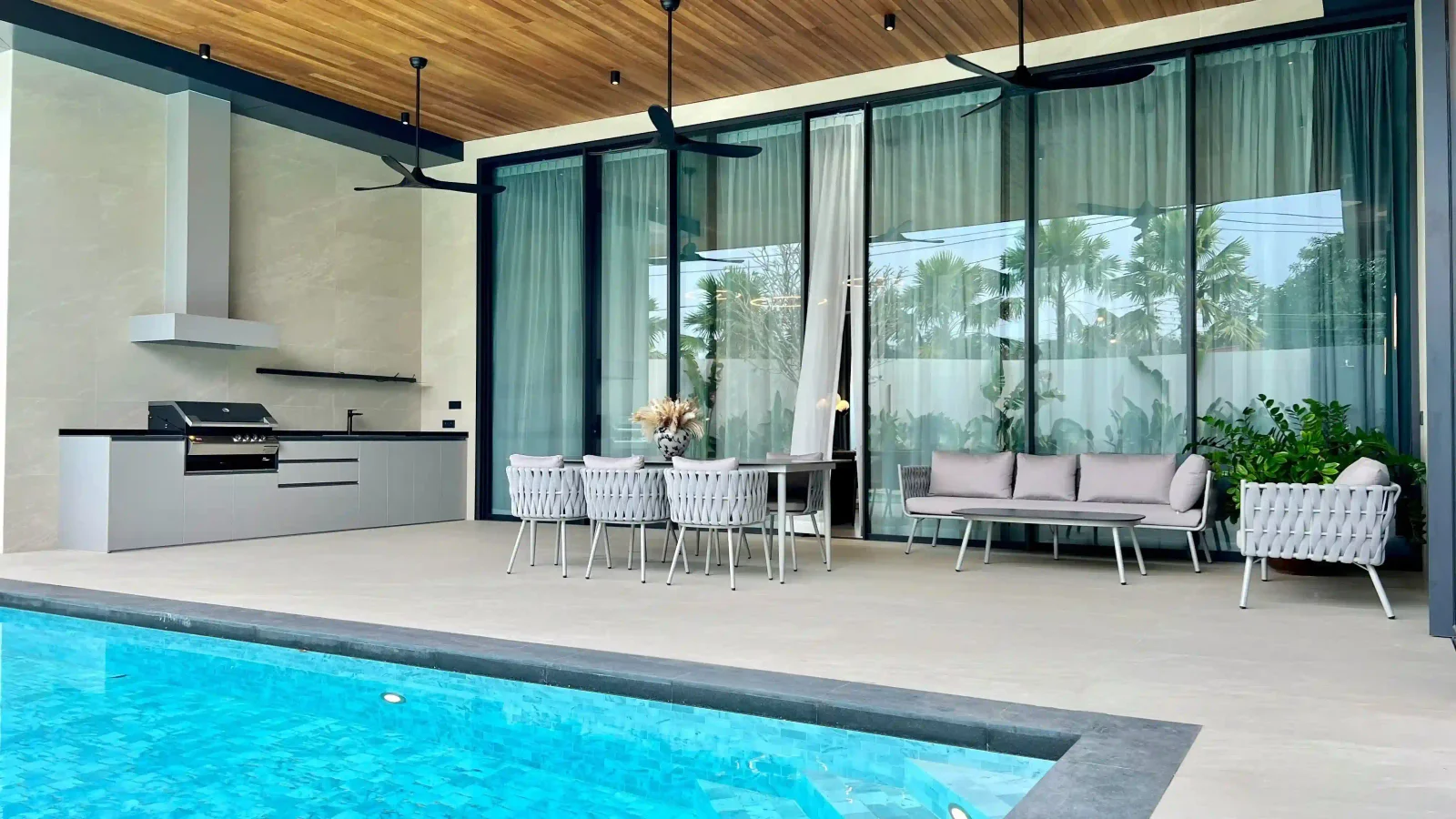
## What Are the Key Facts for Sunti Villas?
| Factor | Detail |
| --- | --- |
| Location | Cherngtalay |
| Community | Boutique pool villa community |
| On our price list | 10 villas |
| Built area | 433 to 750 sqm |
| Price | 34,900,000 to 80,000,000 THB |
| Payment | 30% / 15% / 20% / 15% / 10% / 10% |
| Stage | Under construction |
| Beach | About 13 minutes by car |
| Airport | About 21 minutes by car |
| Facilities | Gym, children's area |
## Location: Cherngtalay, Green and Calm
Cherngtalay is the residential heart of the Bang Tao area, where families live close to the schools, the shops and the restaurants, with the beaches and Laguna a short drive away.
- **Bang Tao Beach:** about 13 minutes by car
- **International schools:** within a short drive
- **Boat Avenue and Porto de Phuket:** dining and shopping, with the nearest mall about 11 minutes by car
- **Laguna Phuket:** golf, spas and beach clubs
- **Airport:** about 21 minutes by car
From Sunti Villas, the nearest beach about 13 minutes by car, the nearest mall about 11 minutes and the airport about 21 minutes, so everyday errands, school runs and trips home are easy to plan.
Family life here is easy to organise: school, sport and shops during the week, the beach clubs of Bang Tao at the weekend. The [Bang Tao area page](/bang-tao-properties/) covers the district in more detail.
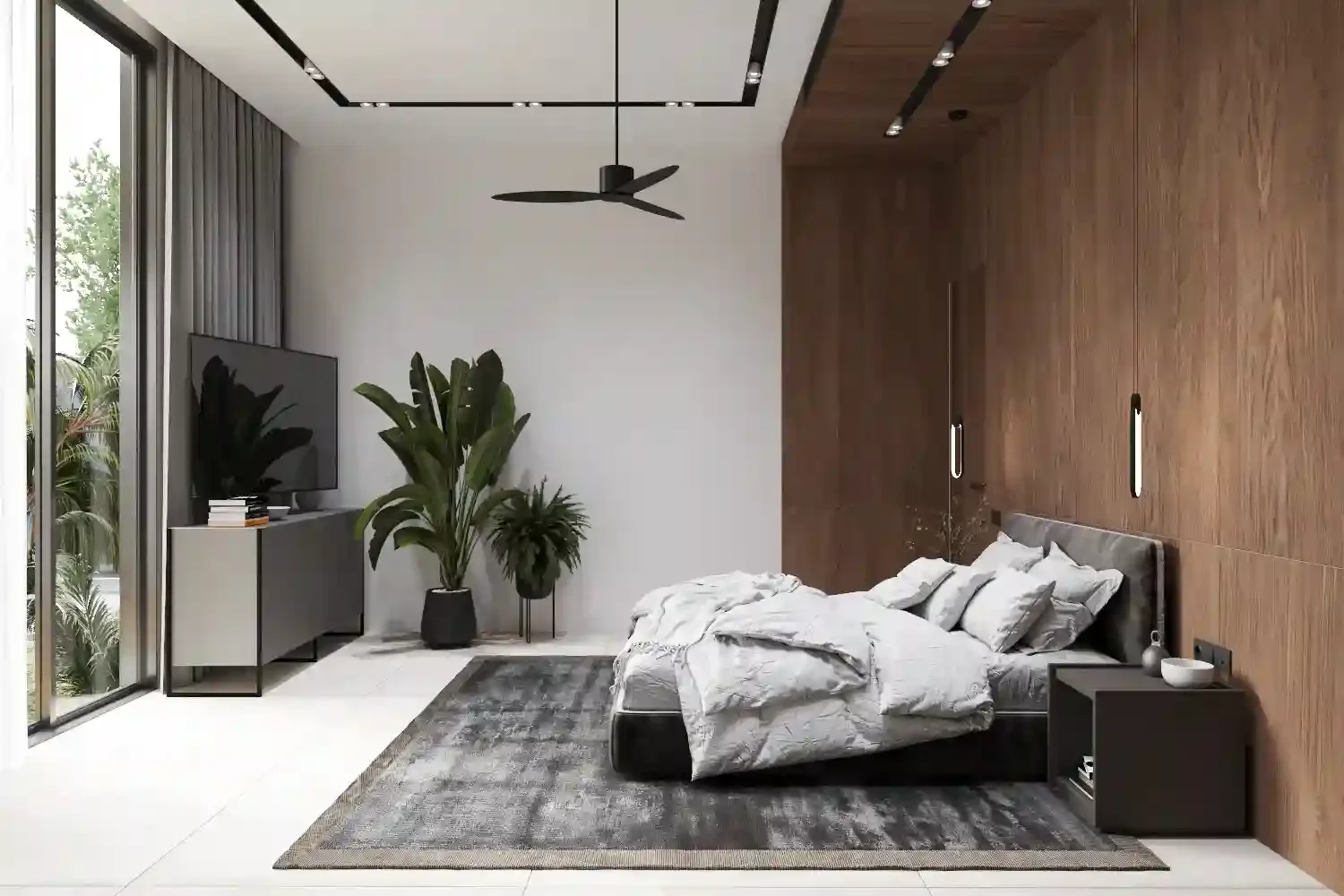
## Villas and Prices
| Villas | Built area | Price |
| --- | --- | --- |
| 4 | 433 sqm | 34,900,000 THB |
| 9 villas | 515 to 750 sqm | 36,800,000 to 80,000,000 THB |
We arrange a viewing of the community so you can compare the houses in person.
Villa 4 of 433 sqm opens the list at 34,900,000 THB, and the larger villas of 515 to 634 sqm follow, with the largest houses of 702 and 750 sqm reaching 80,000,000 THB. The price follows the size, the layout and the plot, and we send the plan, the bedroom layout and the plot of each villa with the list.
## Design and Facilities
- **Modern design** among lush greenery
- **Open-plan living and dining** with high ceilings
- **Ensuite bathrooms**
- **Private swimming pool** and garden
- **Gym** and children's area
- **Pet-friendly**
## Living at Sunti Villas
Family days at Sunti Villas are calm and full. The children swim in the pool at home and meet friends in the children's area, parents train in the community gym, and the garden gives everyone room outside. At weekends the beaches of Bang Tao and the golf and spas of Laguna are a short drive away, and the green setting makes the evenings quiet. The larger villas have room for grandparents or guests to stay for the whole season. Because the villas differ in size, a growing family can choose a house with room for the years ahead, from a comfortable three-bedroom home to a five-bedroom house with space for guests and staff.
## Six-Stage Payment Plan
The price is paid in six stages: 30%, 15%, 20%, 15%, 10% and 10%. For a villa at 34,900,000 THB that works out as follows:
| Stage | Share | Amount |
| --- | --- | --- |
| 1 | 30% | 10,470,000 THB |
| 2 | 15% | 5,235,000 THB |
| 3 | 20% | 6,980,000 THB |
| 4 | 15% | 5,235,000 THB |
| 5 and 6 | 10% each | 3,490,000 THB each |
The schedule follows the build, and we send the developer's schedule for your villa with the price list.
## Why Buyers Choose Sunti Villas
- **Large family villas** of up to 750 sqm
- **Ensuite bedrooms** and a private pool
- **Gym and children's area** in the community
- **Green, quiet setting** in Cherngtalay
- **Airport** about 21 minutes away
- **Pet-friendly**
## Who Sunti Villas Suits
**Families** who want a large house with a pool in a calm, green community.
**Multi-generation households** who need room for grandparents and guests.
**Owners who spend part of the year in Phuket** and want a secure community.
**Villa rental investors** aiming at families who book large pool villas near Bang Tao.
## Renting Out a Villa at Sunti Villas
A large family pool villa in Cherngtalay appeals to relocating families who rent for a school year or longer, and to families and groups on holiday who want space near the beaches. The community facilities are a welcome part of the offer.
If you plan to let your villa at Sunti Villas, we collect current asking rents and holiday rates for comparable villas in Cherngtalay and Bang Tao and send them with the price list. [Our rental guide](/guides/phuket-rental-yield-complete-guide-2026/) explains how to read a rental offer line by line.
## Ownership for Foreign Buyers
At Sunti Villas, as with any villa in Thailand, you buy land plus a building. The villa can be held in your own name over a lease of the plot registered at the Land Office, 30 years per registration with renewal terms in the contract, or the land can be held through a Thai company with genuine Thai shareholders. [Freehold and leasehold in Thailand](/guides/freehold-vs-leasehold-thailand/) explains both routes, and we prepare the one that suits you with our legal support.
## Sunti Villas and Other Luxury Villas Around Bang Tao
| Project | From | Status |
| --- | --- | --- |
| [QAV Residence Cherngtalay](/projects/qav-residence/) | 29,490,000 THB | Off-plan |
| [Amber Chamber Si Sunthon](/projects/amber-chamber/) | 32,500,000 THB | Off-plan |
| [Wintery by Season](/projects/wintery-by-season-luxury-villas/) | 34,000,000 THB | Completed |
| Sunti Villas | 34,900,000 THB | Off-plan |
| [The Menara Luxury](/projects/the-menara-luxury/) | 36,000,000 THB | Off-plan |
| [Annara Residences](/projects/annara-residences/) | 36,500,000 THB | Off-plan |
| [Redwood Lakeside Phuket](/projects/redwood-lakeside/) | 37,400,000 THB | Off-plan |
Sunti Villas stands out in this group for its family facilities and green setting. We send the price lists of any of these projects on request and arrange viewings.
## Buying Sunti Villas with MORE Group
A villa at Sunti Villas is bought in five steps, from the first price list to the keys, and we are with you through each of them.
## What We Send Before You Reserve
- The current price list for Sunti Villas with free villas, plot areas and plans
- The six-stage payment schedule for your villa
- The ownership structure for your purchase, leasehold or company, with the documents it needs
- The community's common charges
- The latest construction update
{/* corpus-faq:sunti-villas */}
## FAQ
### What does Sunti Villas cost?
Our price list holds 10 villas: villas of 433 sqm at 34,900,000 THB; villas of 515 to 750 sqm from 36,800,000 to 80,000,000 THB.
### What sizes are available?
Villas from about 433 to 750 sqm, from 34,900,000 to 80,000,000 THB. We send the bedroom layout of each villa with the list.
### What facilities does the community have?
A gym and a children's area, with a private pool and garden at every villa.
### What is the payment plan?
Six stages: 30%, 15%, 20%, 15%, 10%, 10%. For a villa at 34,900,000 THB that means 10,470,000 THB at the first stage.
### How can foreigners own a villa at Sunti Villas?
The villa can be held in your own name over a lease of the plot registered at the Land Office, 30 years per registration with renewal terms in the contract, or the land can be held through a Thai company with genuine Thai shareholders. We prepare the structure with our legal support.
**Read Also:**
- [Bang Tao villas and condos for sale, every project with prices](/bang-tao-properties/)
- [QAV Residence](/projects/qav-residence/)
- [Freehold vs Leasehold in Thailand](/guides/freehold-vs-leasehold-thailand/)
- [How Foreigners Buy Phuket Property 2026](/guides/buying-property-phuket-guide/)
- [Phuket Rental Yield Guide](/guides/phuket-rental-yield-complete-guide-2026/)
# Surfhouse Residences Laguna: Condos from 15.9M THB
> Surfhouse Residences review: two- and three-bedroom condos of 117 to 165 sqm near Laguna and Bang Tao Beach, from 15.9M THB, half paid at handover.
**Source:** https://moregroup.estate/projects/surfhouse-residences/
**Section:** Project Reviews
**Author:** MORE Group Editorial
**Published:** 2026-04-07
**Updated:** 2026-08-23
---
## What Is Surfhouse Residences?
Surfhouse Residences brings a relaxed coastal style to the Laguna side of Bang Tao. It is a boutique condominium with a limited number of large residences, open-plan living areas, generous terraces and balconies, and modern interiors with high-quality finishes. The format is unusual for a condominium: every residence has two or three bedrooms, so the building is designed around families, couples who want space and owners who spend long stretches of the year in Phuket.
The Laguna lifestyle is on the doorstep: golf, hotels, beach clubs and restaurants, with Boat Avenue and Porto de Phuket a short drive away. Surfhouse offers that setting with the freedom of your own freehold apartment.
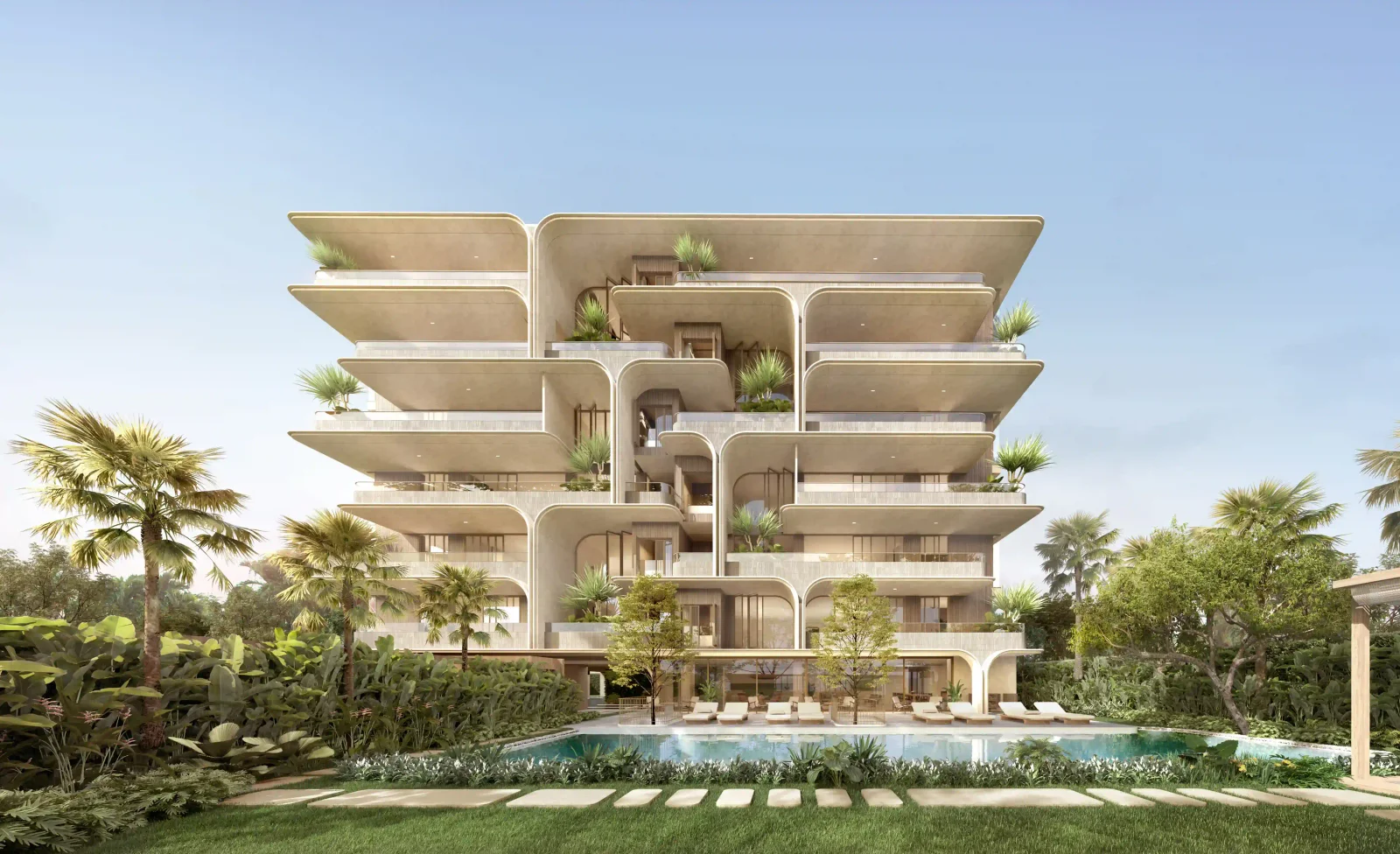
## What Are the Key Facts for Surfhouse Residences?
| Factor | Detail |
| --- | --- |
| Location | Cherng Talay, Thalang, near Laguna Phuket |
| Residences | 12 on our price list |
| Two-bedroom | 117 to 139 sqm, 15,934,757 to 18,385,421 THB |
| Three-bedroom | 139 to 165 sqm, 19,917,294 to 24,244,623 THB |
| Payment | 20%, four stages of 7.5%, 50% at handover |
| Facilities | Pool, fitness centre, co-working lounge, gardens, parking |
| Security | 24 hours with CCTV |
| Stage | Under construction |
| Beach | About 7 minutes by car |
| Airport | About 20 minutes by car |
## Location: Next to Laguna Phuket
Surfhouse sits in Cherng Talay, the district that holds Laguna Phuket, the island's best-known integrated resort, with its hotels, golf course, lagoons and beach clubs spread along Bang Tao Bay. Bang Tao Beach is one of the longest on the island, a wide sweep of sand backed by casuarina trees, and it stays calm and uncrowded for much of the year.
- **Bang Tao Beach:** about 7 minutes by car
- **Laguna Golf Phuket:** a short drive, with the Laguna hotels and restaurants around it
- **Boat Avenue and Porto de Phuket:** shopping, cafes and dining, with the nearest mall about 10 minutes by car
- **International schools:** within a short drive
- **Airport:** about 20 minutes by car
The district draws European families on long stays, remote workers and residents who have made Phuket their home, which gives the area a lively, year-round community. The [Bang Tao and Layan area guide](/bang-tao-properties/) covers the district in more detail.
## Residences and Prices
Our price list holds 12 residences: five with two bedrooms and seven with three.
| Unit | Bedrooms | Price |
| --- | --- | --- |
| B2/2 | Two | 15,934,757 THB |
| B2/6 | Two | 16,766,262 THB |
| B3 | Two | 17,745,508 THB |
| B2/10 | Two | 18,096,671 THB |
| B2/9 | Two | 18,385,421 THB |
| C1/3 | Three | 19,917,294 THB |
| C1/2 | Three | 20,196,798 THB |
| C2/2 | Three | 21,302,052 THB |
| C1/5 | Three | 21,629,114 THB |
| C2/4 | Three | 23,002,700 THB |
| D1 | Three | 24,233,073 THB |
| D1/2 | Three | 24,244,623 THB |
The two-bedroom residences measure 117 to 139 sqm and the three-bedroom residences 139 to 165 sqm, generous sizes for a condominium. The entry residence, B2/2 at 15,934,757 THB, is a two-bedroom apartment, and the three-bedroom range opens at 19,917,294 THB. We send the floor plan, size and position of each residence with the price list.
## Design and Facilities
- **Open-plan living areas** with modern interiors and high-quality finishes
- **Spacious terraces and balconies** for outdoor living
- **Two and three bedrooms** in every residence
- **Swimming pool** and landscaped gardens
- **Fitness centre** and a co-working lounge
- **Parking** and 24-hour security with CCTV
- **Pet-friendly building**
The design takes its cue from the coast: clean lines, natural textures and a relaxed atmosphere that suits a home by the beach.
## Payment Plan: Half at Handover
The price is paid in six stages: 20% at signing, four stages of 7.5% during construction and 50% at handover. For B2/2 at 15,934,757 THB that means about 3,187,000 THB at signing, about 1,195,100 THB at each construction stage, and about 7,967,400 THB when the keys are handed over.
Paying half of the price at handover keeps the amount committed during construction modest and gives buyers time to plan the final transfer from abroad. We send the developer's schedule for your residence with the price list.
## Why Buyers Choose Surfhouse Residences
- **Laguna Phuket on the doorstep:** golf, hotels, beach clubs and restaurants
- **Large residences:** 117 to 165 sqm with two or three bedrooms
- **A boutique building** with a limited number of residences
- **Resort facilities:** pool, fitness centre, co-working lounge and gardens
- **Half the price at handover**
- **Freehold ownership** within the 49% foreign quota
- **Pet-friendly**
## Who Surfhouse Residences Suits
**Families making Phuket their base**, with space for children, international schools within a short drive and the Laguna lifestyle around them.
**Owners who spend long stretches of the year in Phuket** and want the room of a house with the ease of an apartment.
**Rental investors aiming at families and groups**, who book larger apartments for longer stays.
**Buyers who want a freehold title in their own name** in one of the island's most established resort districts.
## Renting Out a Residence at Surfhouse
Two and three-bedroom apartments near Laguna appeal to families and groups on holiday in the November to April season, and to relocating families and long-stay residents through the rest of the year. Larger apartments tend to attract longer bookings, which keeps turnover and running costs low.
For owners who plan to rent, we collect current asking rents and holiday rates for comparable apartments around Bang Tao and send them with the price list. [Our rental guide](/guides/phuket-rental-yield-complete-guide-2026/) explains how to read a rental offer line by line.
## Ownership for Foreign Buyers
Surfhouse Residences is a condominium, so a residence can be registered freehold in your own name within the 49% foreign quota of the building, counted by floor area. We confirm with the developer that the residence you choose sits inside that quota. For a freehold unit at Surfhouse, each payment is transferred from abroad in foreign currency, and the receiving bank provides the FET form that the Land Department asks for at registration. [How the foreign quota works](/guides/foreign-quota-thai-condominiums/) explains the rule in detail.
## Surfhouse Residences and Other Condos Near Laguna
| Project | From | Status |
| --- | --- | --- |
| Surfhouse Residences | 15,934,757 THB | Off-plan |
| [SOLE MIO Residences](/projects/sole-mio-residences/) | 16,315,200 THB | Off-plan |
| [Garrya Residences](/projects/garrya-residences/) | 16,360,000 THB | Off-plan |
| [Cascade Bangtao Beach](/projects/cascade-bangtao-beach/) | 17,200,000 THB | Off-plan |
| [Bellaguna Lotus](/projects/bellaguna-lotus/) | 19,550,000 THB | Off-plan |
| [The Standard Residences](/projects/the-standard-residences/) | 21,900,000 THB | Off-plan |
Surfhouse opens this group of large-format condos near Laguna. We send the price lists of any of these projects on request and arrange viewings.
## Buying Surfhouse Residences with MORE Group
A residence at Surfhouse is bought in five steps, from the first price list to the keys, and we are with you through each of them.
## What We Send Before You Reserve
- The current price list with free residences, sizes and floor plans
- Confirmation that your residence sits within the 49% foreign quota
- The payment schedule for your residence
- The building's common charges
- The latest construction update
- Current asking rents and holiday rates for comparable apartments, if you plan to rent
{/* corpus-faq:surfhouse-residences */}
## FAQ
### What does Surfhouse Residences cost?
Our price list holds 12 residences: two-bedroom apartments from 15,934,757 to 18,385,421 THB and three-bedroom apartments from 19,917,294 to 24,244,623 THB.
### How large are the residences?
The two-bedroom residences measure 117 to 139 sqm and the three-bedroom residences 139 to 165 sqm, with open-plan living areas, terraces and balconies.
### Where is Surfhouse Residences?
In Cherng Talay, close to Laguna Phuket. Bang Tao Beach is about 7 minutes by car, the nearest mall about 10 minutes and the airport about 20 minutes.
### What is the payment plan?
20% at signing, four stages of 7.5% during construction and 50% at handover. We send the developer's schedule for your residence with the price list.
### Can foreigners buy at Surfhouse Residences?
Yes. Foreign buyers can hold a residence freehold in their own name within the 49% foreign quota of the building, counted by floor area. We confirm that your residence sits inside the quota, and the purchase money is transferred from abroad with an FET form for registration at the Land Department.
**Read Also:**
- [How Foreigners Buy Phuket Property 2026](/guides/buying-property-phuket-guide/)
- [Phuket Rental Yield Guide](/guides/phuket-rental-yield-complete-guide-2026/)
- [Layan Verde](/projects/layan-verde/)
- [Aileen Villas Layan Phase 5](/projects/aileen-villas-layan-phase-5/)
- [Botanica Modern Loft II](/projects/botanica-modern-loft-ii/)
- [The Buying Process in Thailand, Step by Step](/guides/due-diligence-process-thailand-step-by-step/)
# Surin Sands Condo: Completed Condos from 4.41M THB
> Surin Sands Condo: a completed low-rise condominium about 800 metres from Surin Beach, with a rooftop infinity pool, studios to two-bedrooms from 4.41M THB.
**Source:** https://moregroup.estate/projects/surin-sands-condo/
**Section:** Project Reviews
**Author:** MORE Group Editorial
**Published:** 2026-04-08
**Updated:** 2026-09-24
---
## What Is Surin Sands Condo?
Surin Sands is a ready home a short walk from one of Phuket's most elegant beaches. The building is finished, so you can see the apartment, the balcony and the view before you buy, then use it or let it from the day of transfer. The architecture is tropical modern, and every residence has open-plan interiors, a private balcony and quality finishes suited to coastal living.
The rooftop infinity pool looks out over the green hills around Surin, and residents also have a fitness centre, a restaurant and bar, a lounge, a kids' pool, a reception, parking and 24-hour security. Surin's beach clubs and restaurants and the golf courses of the west coast are all close by.
## What Are the Key Facts for Surin Sands Condo?
| Factor | Detail |
| --- | --- |
| Location | Surin, about 800 metres from Surin Beach |
| Building | Seven storeys, 82 residences |
| On our price list | 21 residences |
| Studios | 30 sqm, 4,410,000 to 4,650,000 THB |
| One-bedroom | 38 to 51 sqm, 5,206,000 to 7,905,000 THB |
| Two-bedroom | 76 and 78 sqm, 11,172,000 to 12,870,000 THB |
| Facilities | Rooftop infinity pool, gym, restaurant and bar, kids' pool |
| Stage | Completed |
| Beach | About 7 minutes on foot |
| Airport | About 34 minutes by car |
## Location: Surin, Between Bang Tao and Kamala
Surin is a small, beautiful bay on the west coast, known for its beach clubs and fine dining, with Bang Tao just to the north and Kamala to the south.
- **Surin Beach:** about 800 metres, 7 minutes on foot
- **Bang Tao Beach and Laguna Phuket:** a few minutes to the north
- **Beach clubs, restaurants and golf courses:** close by
- **Shopping:** the nearest mall about 15 minutes by car
- **Airport:** about 34 minutes by car
Days here begin with a walk to the beach, move from the rooftop pool to lunch at a beach club, and end with dinner by the sea in Surin. The [Surin area page](/surin-properties/) covers the district in more detail.
## Residences and Prices
Our price list holds 21 residences:
| Format | Size | Residences | Price |
| --- | --- | --- | --- |
| Studio | 30 sqm | 6 | 4,410,000 to 4,650,000 THB |
| One-bedroom | 38 and 40 sqm | 7 | 5,206,000 to 6,270,000 THB |
| One-bedroom | 48 and 51 sqm | 5 | 6,576,000 to 7,905,000 THB |
| Two-bedroom | 76 and 78 sqm | 3 | 11,172,000 to 12,870,000 THB |
The studios of 30 sqm open the building from 4,410,000 THB, a ready base a walk from the beach. The one-bedrooms of 38 to 51 sqm suit couples on long stays, and the two-bedrooms of 76 and 78 sqm give families room for guests. We send the plan, floor and view of each residence with the list.
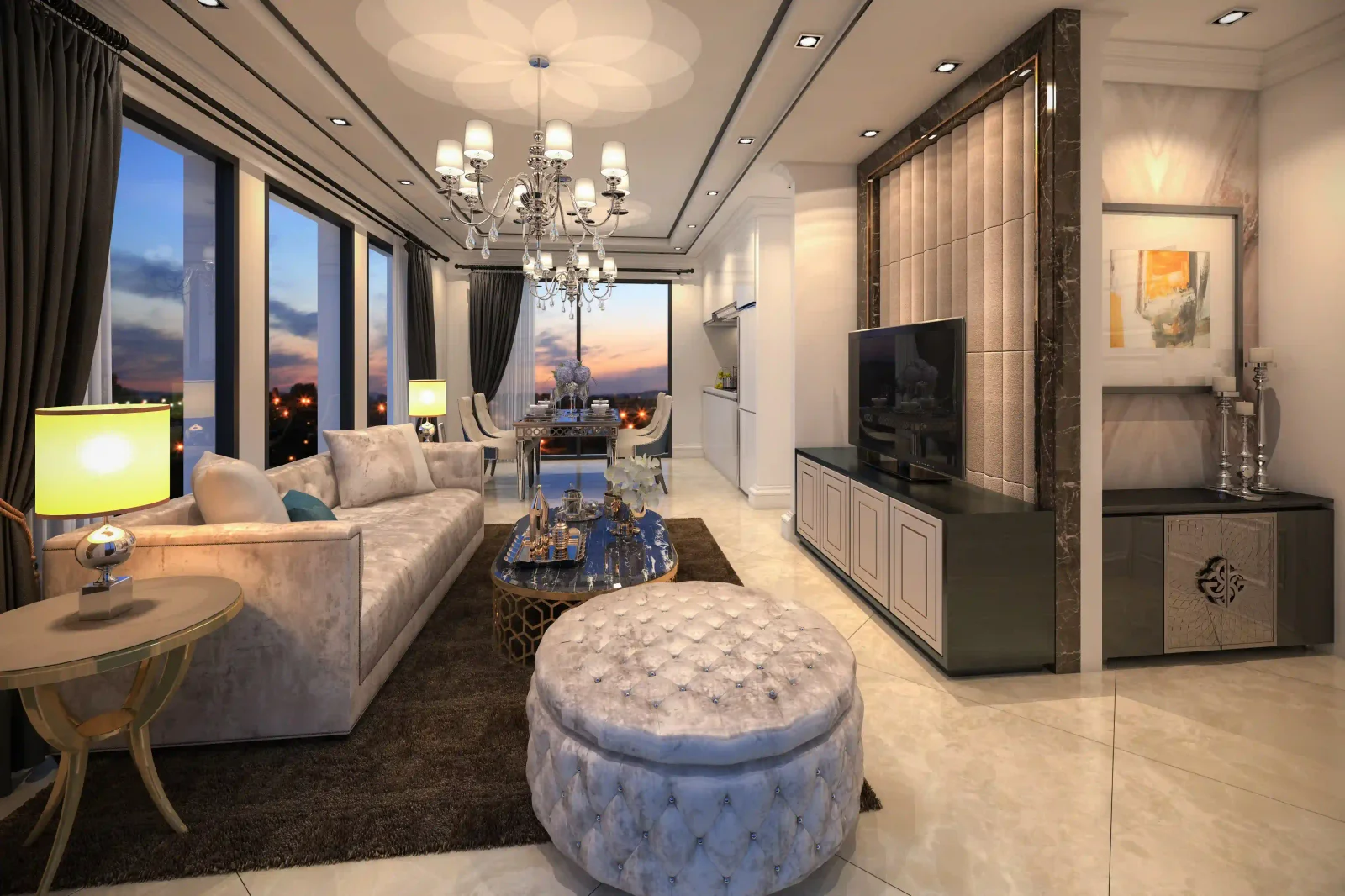
## Facilities
- **Rooftop infinity pool** with views over the greenery
- **Fitness centre**
- **Restaurant and bar**, lounge
- **Kids' pool** and relaxation areas
- **Reception**, parking and 24-hour security
## Living at Surin Sands
Surin Sands makes the beach part of daily life. A morning walk to the sand, a swim on the roof, a coffee at the restaurant downstairs and an evening at one of the beach clubs of Surin: everything is close. The building is small enough to feel personal, and with a reception and security it is easy to lock up and leave when you travel.
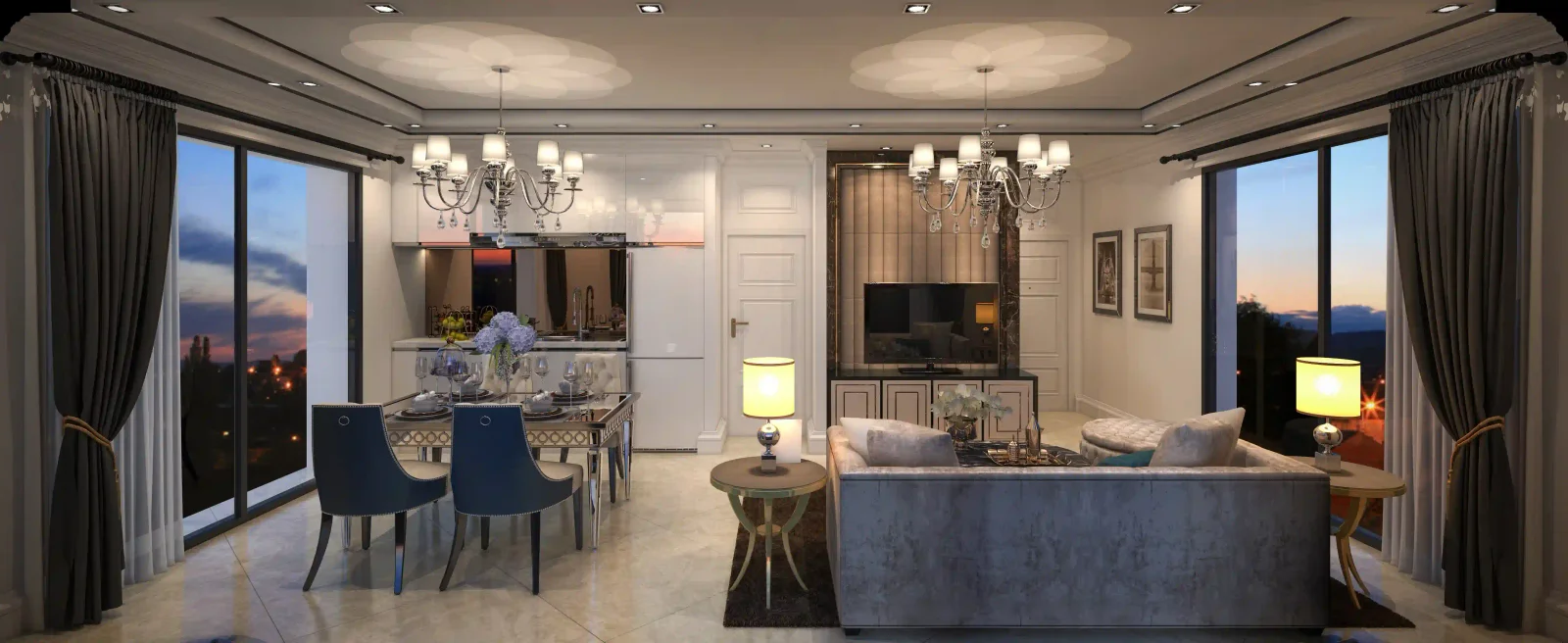
## Buying a Completed Residence
At Surin Sands, a completed residence is transferred in one step: once the price is paid, it is registered in your name at the Land Department. We send the terms for the residence you choose, together with the building's common charges, so you know the full cost from the start, and we arrange the viewing and the transfer.
## Why Buyers Choose Surin Sands Condo
- **Completed:** see the residence before you buy and use it from the day of transfer
- **About 800 metres from Surin Beach**
- **A rooftop infinity pool**, a gym and a restaurant and bar
- **Private balconies** for every residence
- **A wide choice:** studios, one and two-bedrooms
- **Freehold ownership** within the 49% foreign quota
## Who Surin Sands Condo Suits
**Buyers who want a finished home** a walk from one of Phuket's most elegant beaches.
**Couples and long-stay residents** who want a pool, a gym and a restaurant in the building.
**First-time Phuket buyers** entering Surin with a completed freehold studio.
**Rental investors** aiming at holiday guests who book Surin for its beach and its beach clubs.
## Renting Out a Residence at Surin Sands
A residence a walk from Surin Beach, with a rooftop pool and a restaurant downstairs, appeals to couples and families on holiday in the November to April season and to long-stay guests through the rest of the year. Because the building is completed, a residence can be let from the first month after transfer.
If you plan to let your residence at Surin Sands, we collect current asking rents and holiday rates for comparable units in Surin and Bang Tao and send them with the price list. [Our rental guide](/guides/phuket-rental-yield-complete-guide-2026/) explains how to read a rental offer line by line.
## Ownership for Foreign Buyers
Surin Sands Condo is a condominium, so a unit can be registered freehold in your own name within the 49% foreign quota of the building, counted by floor area. We confirm that the unit you choose sits inside that quota. For a freehold unit at Surin Sands Condo, the purchase money is transferred from abroad in foreign currency, and the receiving bank provides the FET form that the Land Department asks for at registration. [How the foreign quota works](/guides/foreign-quota-thai-condominiums/) explains the rule in detail.
## Surin Sands and Other Condos in Surin and Bang Tao
| Project | From | Status |
| --- | --- | --- |
| Surin Sands Condo | 4,410,000 THB | Completed |
| [Mida Grande Resort](/projects/mida-grande-resort/) | 4,425,400 THB | Completed |
| [Rhea by Sansiri](/projects/rhea-by-sansiri/) | 4,810,000 THB | Off-plan |
| [Capri Residences](/projects/capri-residences/) | 5,775,000 THB | Completed |
| [Andaman Riviera](/projects/andaman-riviera/) | 6,815,650 THB | Completed |
| [The Petit Tycoon](/projects/the-petit-tycoon/) | 11,280,000 THB | Off-plan |
Surin Sands opens this group as a completed building a walk from Surin Beach. We send the price lists of any of these projects on request and arrange viewings.
## Buying Surin Sands Condo with MORE Group
A residence at Surin Sands is bought in a few clear steps, from the first viewing to the transfer, and we are with you through each of them.
## What We Send Before You Reserve
- The current price list with free residences, sizes and plans
- Confirmation that your residence sits within the 49% foreign quota
- The payment and transfer terms for your residence
- The building's common charges and house rules
- Current asking rents and holiday rates for comparable units, if you plan to rent
{/* corpus-faq:surin-sands-condo */}
## FAQ
### What does Surin Sands Condo cost?
Our price list holds 21 residences: studios of 30 sqm from 4,410,000 to 4,650,000 THB, one-bedrooms of 38 to 51 sqm from 5,206,000 to 7,905,000 THB and two-bedrooms of 76 and 78 sqm from 11,172,000 to 12,870,000 THB.
### Is Surin Sands completed?
Yes. The seven-storey building is completed, so you can view the residence and use it or let it from the day of transfer.
### How far is Surin Sands from the beach?
About 800 metres, around 7 minutes on foot to Surin Beach, with Bang Tao a few minutes to the north. The airport is about 34 minutes by car.
### What facilities does the building have?
A rooftop infinity pool, a fitness centre, a restaurant and bar, a lounge, a kids' pool, a reception, parking and 24-hour security.
### Can foreigners buy at Surin Sands freehold?
Yes. Foreign buyers can hold a unit freehold in their own name within the 49% foreign quota of the building, counted by floor area. We confirm that your unit sits inside the quota, and the purchase money is transferred from abroad with an FET form for registration at the Land Department.
**Read Also:**
- [Mida Grande Resort](/projects/mida-grande-resort/)
- [Andaman Riviera](/projects/andaman-riviera/)
- [Surin Properties](/surin-properties/)
- [How the Foreign Quota Works](/guides/foreign-quota-thai-condominiums/)
- [How Foreigners Buy Phuket Property 2026](/guides/buying-property-phuket-guide/)
- [Phuket Rental Yield Guide](/guides/phuket-rental-yield-complete-guide-2026/)
# Terra Grove Layan: Condos from 8.32M THB
> Terra Grove Layan review: 128 low-rise residences an 18-minute walk from Layan Beach, one to three bedrooms and penthouses, from 8.32M THB, pets welcome.
**Source:** https://moregroup.estate/projects/terra-grove/
**Section:** Project Reviews
**Author:** MORE Group Editorial
**Published:** 2026-04-02
**Updated:** 2026-08-21
---
## What Is Terra Grove Layan?
Terra Grove Layan is designed around nature and calm. Its two buildings sit among landscaped gardens with walking paths, and the residences have high ceilings, open layouts, premium finishes, eco-friendly materials and panoramic windows that bring in the light and the greenery. Some apartments come with private gardens, and the penthouses have their own terraces.
The scale is intentionally compact: 128 residences in two buildings, which keeps the grounds quiet and gives the development the feel of a small resort. Residents share a resort-style swimming pool, a fully equipped gym, a co-working space, a children's play area, lounge areas and 24-hour security.
## What Are the Key Facts for Terra Grove Layan?
| Factor | Detail |
| --- | --- |
| Location | Choeng Thale, Thalang, Layan |
| Buildings | Two six-storey buildings |
| Residences | 128 in total, 98 on our price list |
| One-bedroom | 54 and 69 sqm, 8,316,000 to 11,140,000 THB |
| Two-bedroom | 81 and 103 sqm, 12,474,000 to 16,580,000 THB |
| Three-bedroom | 108 to 138 sqm, 18,676,000 to 22,180,000 THB |
| Penthouses | 270 and 376 sqm, 51,300,000 to 71,540,000 THB |
| Payment | 35% / 20% / 20% / 15% / 10% |
| Stage | Under construction |
| Beach | About 2 minutes by car, 18 minutes on foot |
| Airport | About 24 minutes by car |
## Location: A Walk from Layan Beach
Layan is the calm northern end of Bang Tao Bay, a tree-lined beach where the water is quiet and the evenings are made for long walks at sunset. Terra Grove sits close enough to walk there: about 18 minutes on foot, or two minutes by car.
- **Layan Beach:** about 18 minutes on foot or 2 minutes by car
- **Laguna Phuket:** golf, hotels and beach clubs a short drive south
- **Boat Avenue and Porto de Phuket:** shopping, cafes and restaurants, about 11 minutes by car
- **International schools:** within a short drive
- **Airport:** about 24 minutes by car
Layan draws couples, families and long-stay residents who choose it for its quiet beach and its green setting, with the restaurants and services of Bang Tao close at hand. The [Layan area guide](/areas/layan-property-guide/) covers the district in more detail.
## Residences and Prices
Our price list holds 98 residences:
| Format | Size | Floor | Units | Price |
| --- | --- | --- | --- | --- |
| One-bedroom | 54 sqm | 2 to 5 | 57 | 8,316,000 to 10,090,000 THB |
| One-bedroom | 69 sqm | 1 | 20 | 11,040,000 to 11,140,000 THB |
| Two-bedroom | 81 sqm | 2 to 5 | 10 | 12,474,000 to 14,985,000 THB |
| Two-bedroom | 103 sqm | 1 | 4 | 16,480,000 to 16,580,000 THB |
| Three-bedroom | 108 to 138 sqm | 1, 4 and 5 | 4 | 18,676,000 to 22,180,000 THB |
| Penthouse, three-bedroom | 270 and 376 sqm | 6 | 3 | 51,300,000 to 71,540,000 THB |
Sixteen one-bedrooms on the second floor share the entry price of 8,316,000 THB, and the price rises gently with each floor. The ground-floor residences are larger, 69 sqm for a one-bedroom and 103 sqm for a two-bedroom. The three penthouses on the sixth floor, C603 and D601 of 270 sqm and D606 of 376 sqm, are the most spacious homes on the list. Across the list, prices run from about 154,000 to 190,300 THB per square metre. We send the plan of each unit with the price list, showing gardens and terraces.
## Facilities
- **Resort-style swimming pool**
- **Fully equipped gym**
- **Co-working space**
- **Children's play area**
- **Landscaped gardens** with walking paths and lounge areas
- **Parking** and 24-hour security
- **Pet-friendly community**
The co-working space and the gym make Terra Grove comfortable for remote workers and long stays, and the pet-friendly policy welcomes residents who travel with a dog or a cat.
## Five-Stage Payment Plan
The price is paid in five stages: 35%, 20%, 20%, 15% and 10%. For a one-bedroom at 8,316,000 THB that works out as follows:
| Stage | Share | Amount |
| --- | --- | --- |
| 1 | 35% | 2,910,600 THB |
| 2 | 20% | 1,663,200 THB |
| 3 | 20% | 1,663,200 THB |
| 4 | 15% | 1,247,400 THB |
| 5 | 10% | 831,600 THB |
The schedule spreads the price across the build and leaves 10% for handover. We send the developer's schedule for your residence with the price list.
## Why Buyers Choose Terra Grove Layan
- **Layan Beach within walking distance**
- **A compact, green development** of 128 residences
- **A wide choice:** one-bedrooms to penthouses of up to 376 sqm
- **Gardens and terraces** in select residences
- **Co-working, gym and pool** on site
- **Pets welcome**
- **Freehold ownership** within the 49% foreign quota
## Who Terra Grove Layan Suits
**Couples and remote workers** who want a one-bedroom near a quiet beach, with a co-working space downstairs.
**Families** who want a two or three-bedroom residence with a pool, a play area and gardens.
**Buyers looking for a statement home**, with penthouses of 270 and 376 sqm on the top floor.
**Pet owners**, who are welcome with a dog or a cat.
**Rental investors** aiming at the couples, families and long-stay guests who choose Layan.
## Renting Out a Residence at Terra Grove
Layan attracts longer-stay visitors: couples on extended holidays, families from Europe, remote workers and honeymooners who choose the quiet north end of Bang Tao Bay for its beach and its calm. A residence within walking distance of Layan Beach, in a building with a pool, a gym and a co-working space, suits them well, and a pet-friendly policy widens the circle of long-stay tenants.
For owners who plan to rent, we collect current asking rents and holiday rates for comparable residences in Layan and send them with the price list. [Our rental guide](/guides/phuket-rental-yield-complete-guide-2026/) explains how to read a rental offer line by line.
## Ownership for Foreign Buyers
Terra Grove Layan is a condominium, so a residence can be registered freehold in your own name within the 49% foreign quota of the building, counted by floor area. We confirm with the developer that the residence you choose sits inside that quota. For a freehold unit at Terra Grove, each payment is transferred from abroad in foreign currency, and the receiving bank provides the FET form that the Land Department asks for at registration. [How the foreign quota works](/guides/foreign-quota-thai-condominiums/) explains the rule in detail.
## Terra Grove and Other Layan Condos
| Project | From | Status |
| --- | --- | --- |
| [Bamboo Forest](/projects/bamboo-forest/) | 5,750,000 THB | Off-plan |
| [Layan Green Park Phase 2](/projects/layan-green-park-phase-2/) | 6,683,600 THB | Off-plan |
| [Layan Verde](/projects/layan-verde/) | 7,440,000 THB | Off-plan |
| Terra Grove Layan | 8,316,000 THB | Off-plan |
| [Botanica Hythe](/projects/botanica-hythe/) | 10,800,000 THB | Off-plan |
| [Surfhouse Residences](/projects/surfhouse-residences/) | 15,934,757 THB | Off-plan |
Terra Grove stands out in this group for its walk to Layan Beach and its penthouses. We send the price lists of any of these projects on request and arrange viewings.
## Buying Terra Grove Layan with MORE Group
A residence at Terra Grove is bought in five steps, from the first price list to the keys, and we are with you through each of them.
## What We Send Before You Reserve
- The current price list with free residences, floors, sizes, gardens and terraces
- Confirmation that your residence sits within the 49% foreign quota
- The five-stage payment schedule for your residence
- The building's common charges and house rules, including the pet policy
- The latest construction update
- Current asking rents and holiday rates for comparable residences, if you plan to rent
{/* corpus-faq:terra-grove */}
## FAQ
### What does Terra Grove Layan cost?
Our price list holds 98 residences: one-bedrooms from 8,316,000 THB, two-bedrooms from 12,474,000 THB, three-bedrooms from 18,676,000 THB and penthouses of 270 and 376 sqm from 51,300,000 to 71,540,000 THB.
### Can foreigners own a condo at Terra Grove Layan freehold?
Yes. Foreign buyers can hold a residence freehold in their own name within the 49% foreign quota of the building, counted by floor area. We confirm that your residence sits inside the quota, and the purchase money is transferred from abroad with an FET form for registration at the Land Department.
### How far is Terra Grove from Layan Beach?
About 18 minutes on foot or 2 minutes by car. Boat Avenue is about 11 minutes by car and the airport about 24 minutes.
### Are there residences with gardens?
Yes. Some apartments come with private gardens, and the penthouses on the sixth floor have terraces. We send the plan of each unit with the price list.
### Is Terra Grove pet-friendly?
Yes. Pets are welcome, and we send the house rules with the price list.
**Read Also:**
- [Layan Verde](/projects/layan-verde/)
- [Botanica Forestique](/projects/botanica-forestique/)
- [Layan Area Guide](/areas/layan-property-guide/)
- [Phuket Rental Yield Guide](/guides/phuket-rental-yield-complete-guide-2026/)
- [How the Foreign Quota Works](/guides/foreign-quota-thai-condominiums/)
- [How Foreigners Buy Phuket Property 2026](/guides/buying-property-phuket-guide/)
# The Arthur Foresta Mai Khao: Villas from 15.84M THB
> The Arthur Foresta Mai Khao: eight three-bedroom pool villas in the green Baan Yid area near the airport and the northern beaches, from 15.84M THB.
**Source:** https://moregroup.estate/projects/the-arthur-foresta/
**Section:** Project Reviews
**Author:** MORE Group Editorial
**Published:** 2026-04-02
**Updated:** 2026-08-22
---
## What Is The Arthur Foresta?
The Arthur Foresta is designed to sit quietly in nature. The villas open their living spaces to the garden and the pool, with high ceilings, large windows and a seamless flow between inside and out, so the green surroundings of Baan Yid become part of the house. Each villa has three bedrooms and four bathrooms, which makes it as comfortable for a family as it is for hosting friends.
With only eight homes behind a gate, 24-hour security and CCTV, the community is small and private. The long, quiet beaches of Mai Khao and Nai Yang, Sirinat National Park and the airport are all a short drive away, and the shops of Thalang are about seven minutes by car.
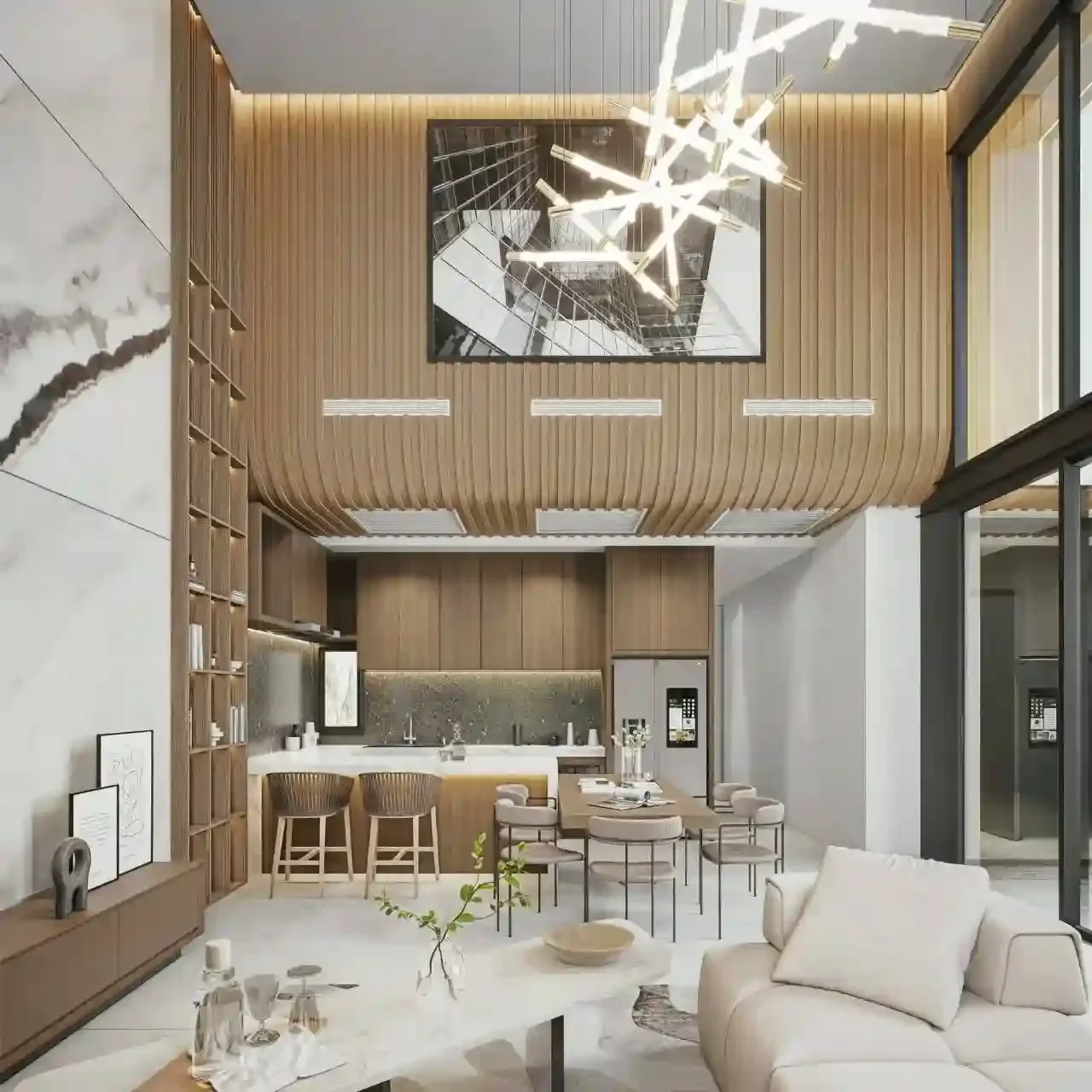
## What Are the Key Facts for The Arthur Foresta?
| Factor | Detail |
| --- | --- |
| Location | Baan Yid, Mai Khao, Thalang |
| Community | 8 modern pool villas, gated |
| Villas | All 8 on our price list, three bedrooms and four bathrooms |
| Three-bedroom | 232 and 273 sqm, 15,838,050 to 22,514,900 THB |
| Payment | 30% / 30% / 30% / 10% |
| Stage | Under construction |
| Beach | About 10 minutes by car |
| Airport | About 17 minutes by car |
| Plots | About 341 to 357 sqm |
## Location: Mai Khao, the Quiet North
Mai Khao is Phuket's longest and calmest beach, inside Sirinat National Park, where turtles still nest and the resorts are few and far apart. Baan Yid is its green, residential hinterland.
- **Mai Khao and Nai Yang beaches:** about 10 minutes by car
- **Sirinat National Park:** the protected coast of the north
- **Phuket International Airport:** about 17 minutes by car
- **Shopping:** the nearest mall about 7 minutes by car
- **International schools:** within a short drive to the south
Days here are unhurried: a swim in your own pool in the morning, a walk on the almost empty sand of Mai Khao in the afternoon, and seafood under the trees at Nai Yang at sunset. The [Mai Khao area guide](/areas/mai-khao-north-phuket-property-guide/) covers the district in more detail.
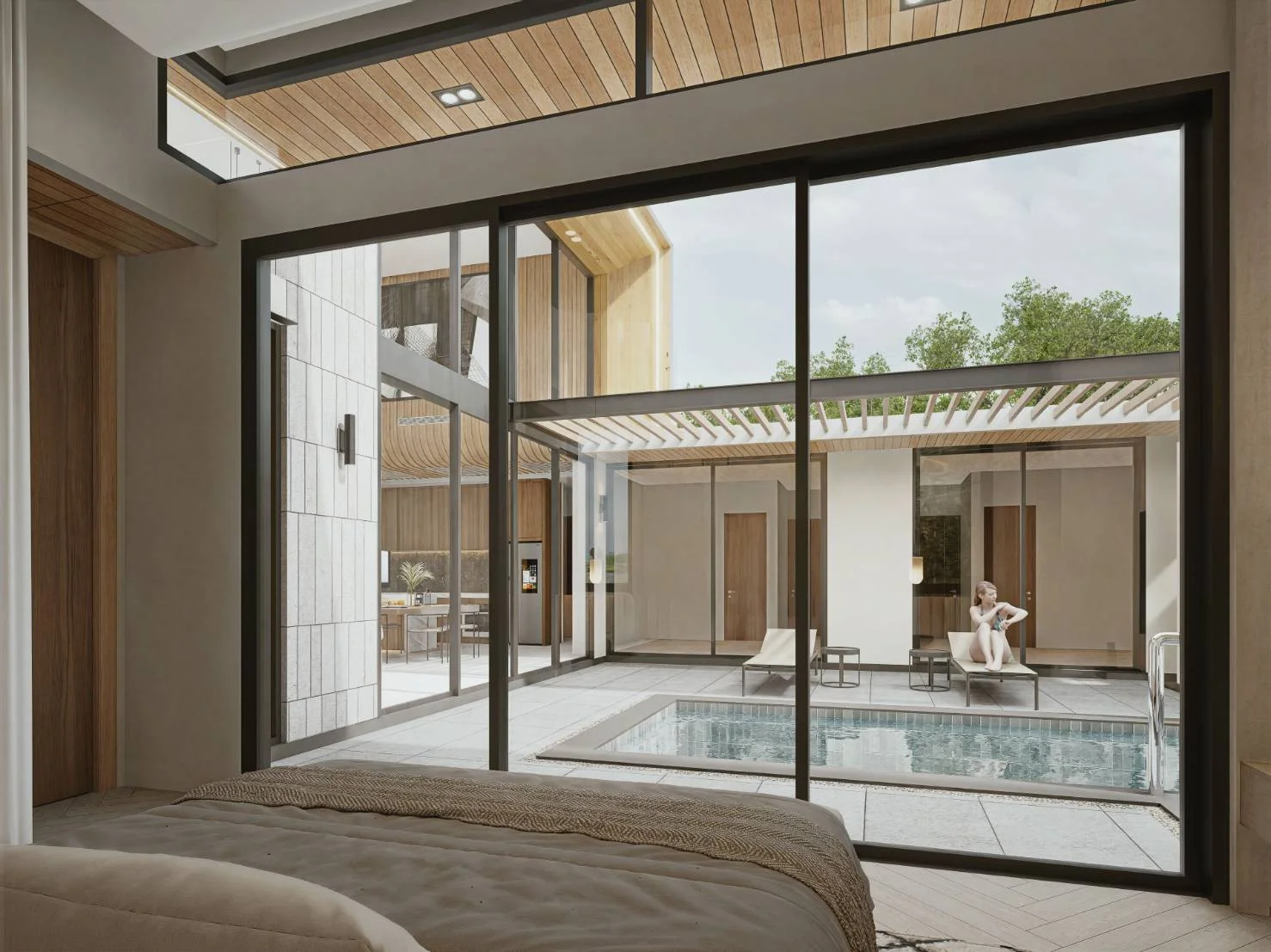
## Villas and Prices
| Villas | Bedrooms | Built area | Price |
| --- | --- | --- | --- |
| 8 villas | Three | 232 and 273 sqm | 15,838,050 to 22,514,900 THB |
The villas of 232 sqm open the community from 15,838,050 THB, and the villas of 273 sqm give more living space for families and guests. Plots are between about 341 and 357 sqm, and the price follows the size and the position of each villa. We send the plan and plot of each villa with the price list, and arrange a viewing of the site whenever you are on the island.
## Design and Facilities
- **Modern design** that blends with the natural surroundings
- **Open-plan living** with high ceilings
- **Three bedrooms and four bathrooms**
- **Private swimming pool** and landscaped garden
- **Seamless indoor-outdoor flow**
- **Gated community** with 24-hour security and CCTV
- **Pet-friendly**
## Living at The Arthur Foresta
Life at The Arthur Foresta is calm and close to nature. Mornings begin with coffee by the pool and the sound of the garden, the shops are a few minutes away, and the afternoon can be spent on the long, quiet sand of Mai Khao or at a beach restaurant in Nai Yang. When family and friends fly in, the airport run takes about a quarter of an hour, and the four bathrooms mean every guest has space of their own. With only eight homes, the evenings stay peaceful. For owners who divide the year between Phuket and home, a small gated community close to the airport is simple to leave and easy to return to.
## Four-Stage Payment Plan
The price is paid in four stages: 30%, 30%, 30% and 10%. For a villa at 15,838,050 THB that works out as follows:
| Stage | Share | Amount |
| --- | --- | --- |
| 1 to 3 | 30% each | 4,751,415 THB each |
| 4 | 10% | 1,583,805 THB |
The schedule follows the build, and we send the developer's schedule for your villa with the price list.
## Why Buyers Choose The Arthur Foresta
- **Only eight villas** in a gated community
- **Three bedrooms and four bathrooms**
- **About 17 minutes** from the airport
- **Mai Khao and Nai Yang beaches** about 10 minutes away
- **A private pool** and garden for every villa
- **Pet-friendly**
## Who The Arthur Foresta Suits
**Families** who want a pool villa with room for guests in a quiet, green setting.
**Frequent travellers** who value a short drive to the airport.
**Nature lovers** who want the national park and the calmest beaches of the island close by.
**Rental investors** aiming at families and couples who choose the quiet north for their holiday.
## Renting Out a Villa at The Arthur Foresta
A three-bedroom pool villa near Mai Khao appeals to families and couples on holiday who want privacy, nature and an easy airport transfer, and to long-stay guests who spend the season in the north. The quiet beaches and the short airport run are real advantages for guests.
If you plan to let your villa at The Arthur Foresta, we collect current asking rents and holiday rates for comparable villas in Mai Khao and Nai Yang and send them with the price list. [Our rental guide](/guides/phuket-rental-yield-complete-guide-2026/) explains how to read a rental offer line by line.
## Ownership for Foreign Buyers
At The Arthur Foresta, as with any villa in Thailand, you buy land plus a building. The villa can be held in your own name over a lease of the plot registered at the Land Office, 30 years per registration with renewal terms in the contract, or the land can be held through a Thai company with genuine Thai shareholders. [Freehold and leasehold in Thailand](/guides/freehold-vs-leasehold-thailand/) explains both routes, and we prepare the one that suits you with our legal support.
## The Arthur Foresta and Other Villas in the North
| Project | From | Status |
| --- | --- | --- |
| [Phuvista 3 Naiyang](/projects/phuvista-naiyang/) | 14,800,000 THB | Off-plan |
| [ALLTHAI Villages Thalang](/projects/allthai-villages/) | 15,500,000 THB | Off-plan |
| [Botanica Wisdom Phuket](/projects/botanica-wisdom/) | 15,500,000 THB | Off-plan |
| The Arthur Foresta | 15,838,050 THB | Off-plan |
| [Botanica Pru Jampa](/projects/botanica-pru-jampa/) | 17,800,000 THB | Off-plan |
| [Botanica Skyport Nai Yang](/projects/botanica-skyport/) | 19,900,000 THB | Off-plan |
| [Amrits Luxury Villas](/projects/amrits-luxury-villas/) | 21,000,000 THB | Off-plan |
The Arthur Foresta stands out in this group for its small, green community close to the airport. We send the price lists of any of these projects on request and arrange viewings.
## Buying The Arthur Foresta with MORE Group
A villa at The Arthur Foresta is bought in five steps, from the first price list to the keys, and we are with you through each of them.
## What We Send Before You Reserve
- The current price list for The Arthur Foresta with free villas, plot areas and plans
- The four-stage payment schedule for your villa
- The ownership structure for your purchase, leasehold or company, with the documents it needs
- The community's common charges
- The latest construction update
{/* corpus-faq:the-arthur-foresta */}
## FAQ
### What does The Arthur Foresta cost?
Our price list holds 8 villas: three-bedrooms of 232 and 273 sqm from 15,838,050 to 22,514,900 THB.
### Where is The Arthur Foresta?
In the Baan Yid area of Mai Khao, Thalang. The beaches of Mai Khao and Nai Yang are about 10 minutes by car, the airport about 17 minutes and the nearest mall about 7 minutes.
### What does each villa include?
Three bedrooms and four bathrooms, open-plan living under high ceilings, a private swimming pool and a landscaped garden, on a plot of about 341 to 357 sqm.
### What is the payment plan?
Four stages: 30%, 30%, 30%, 10%. For a villa at 15,838,050 THB that means 4,751,415 THB at the first stage.
### How can foreigners own a villa at The Arthur Foresta?
The villa can be held in your own name over a lease of the plot registered at the Land Office, 30 years per registration with renewal terms in the contract, or the land can be held through a Thai company with genuine Thai shareholders. We prepare the structure with our legal support.
**Read Also:**
- [Mai Khao Area Guide](/areas/mai-khao-north-phuket-property-guide/)
- [Maison Sky Villas](/projects/maison-sky-villas/)
- [Freehold vs Leasehold in Thailand](/guides/freehold-vs-leasehold-thailand/)
- [How Foreigners Buy Phuket Property 2026](/guides/buying-property-phuket-guide/)
- [Phuket Rental Yield Guide](/guides/phuket-rental-yield-complete-guide-2026/)
# The Balance By The Beach Review 2026: Prices and Units
> The Balance By The Beach review: 112 condos in Kata from 5.5M THB, eight minutes' walk to Kata Beach, 1-2BR and duplex layouts, completion due 2026-27.
**Source:** https://moregroup.estate/projects/the-balance-by-the-beach/
**Section:** Project Reviews
**Author:** MORE Group Editorial
**Published:** 2026-04-07
**Updated:** 2026-10-07
---
## Balance By The Beach: Kata Condo Minutes from the Shore
Kata Beach has always attracted a different kind of buyer: someone who wants the real Phuket, vibrant surf, hillside views, and a genuine beach-town energy. The Balance By The Beach plants itself squarely in that market, offering 112 premium residences across two 7-storey buildings in one of southern Phuket's most sought-after corridors. The project is under construction, and at prices starting from 5.5M THB it sits at a rare intersection of coastal lifestyle and genuine investment value, with Kata Noi and Karon within reach and the beach about eight minutes on foot.
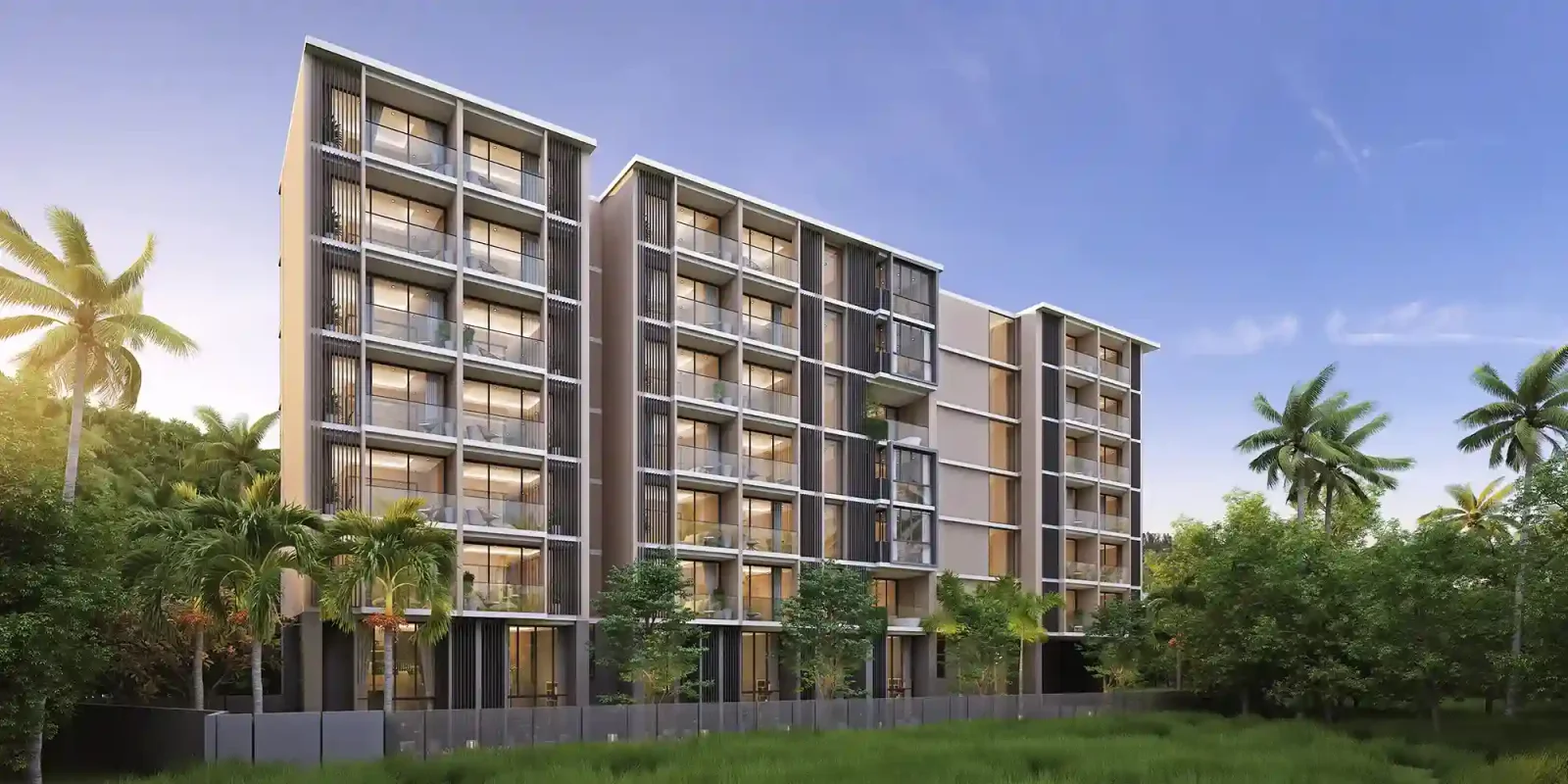
## Location and Investment Potential
For investors, the Kata corridor carries some of the strongest short-term rental fundamentals in southern Phuket. The beach draws international tourists through the year, with peak season running November through April, and platforms like Airbnb and Agoda show strong nightly rates for well-furnished one-bedrooms in this zone. The proximity to Kata Noi, smaller, clean and often rated among Phuket's top five beaches, adds further appeal for premium guests willing to pay more for the right address.
The Balance By The Beach sits within that demand catchment. The developer, The Beach Resort Company Limited of Kata Road, Karon, first forecast completion for the fourth quarter of 2025; agencies now give dates from the third quarter of 2026 to June 2027, so a unit bought today joins the rental market in a later season, not the coming one.
At entry prices just over 5.5M THB for a one-bedroom, this is one of the more accessible premium developments in a genuinely premium location. Duplex layouts and two-bedroom options reach the 10-12M THB range, for buyers who want more space or plan to use the property as a lifestyle retreat.
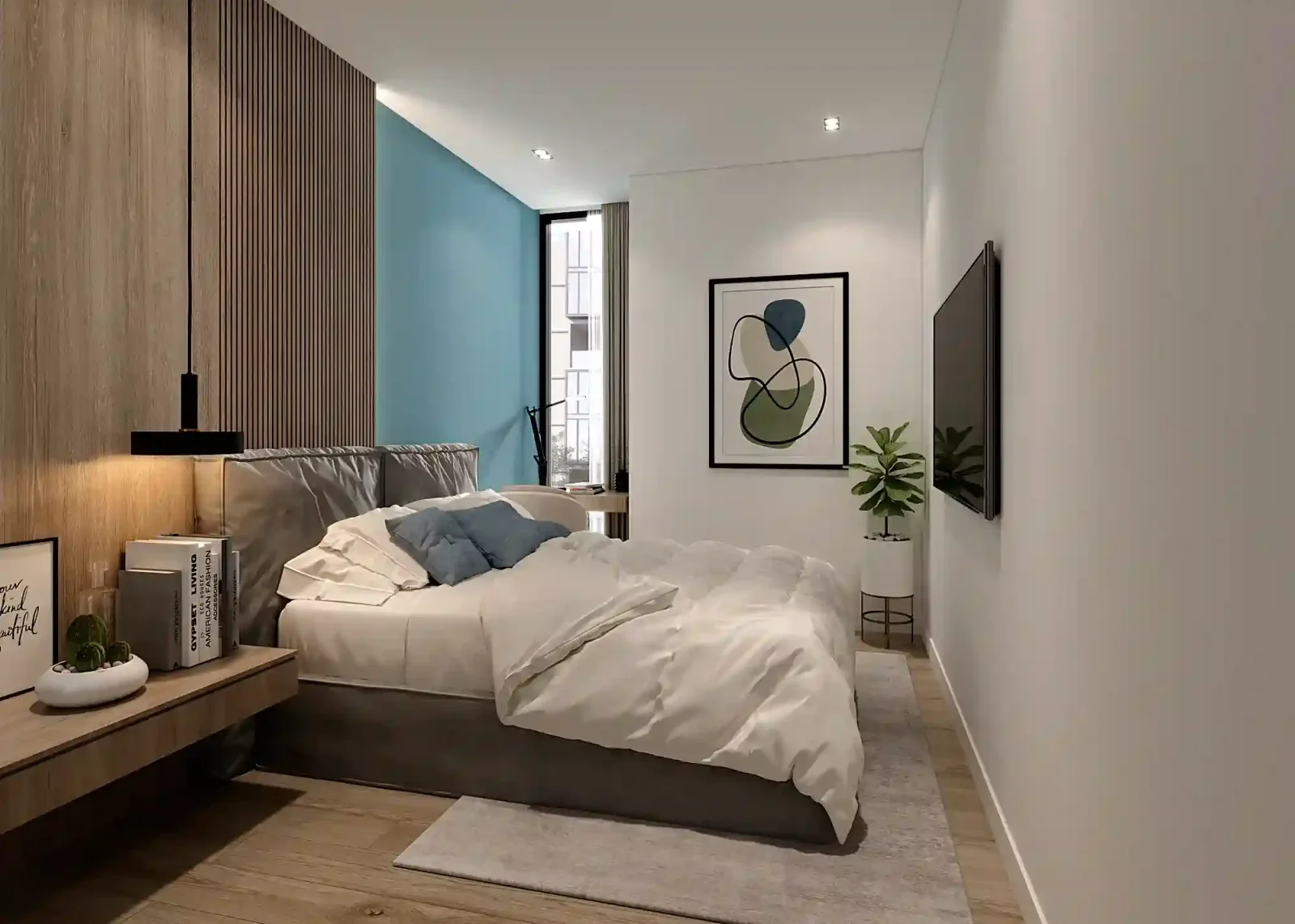
## Units and Design
- **1BR**, entry-level units ideal for rental-first strategies, efficient footprint, full condominium amenities
- **1BR+**, slightly expanded footprint with additional utility space or study nook, popular with longer-stay guests
- **2BR**, dual bedroom layouts for families, couples with a guest room, or co-investment purchases
- **2BR+**, larger format with additional space, suitable for lifestyle buyers who want room without villa overheads
- **1BR Duplex**, the standout unit type: split-level design that delivers a villa-like feel within a condominium framework, a strong draw on the platforms as a boutique unit
Finishes across the project reflect the premium positioning: contemporary materials, clean architectural lines, and layouts designed to maximise natural light and cross-ventilation, important in Phuket's tropical climate. Common areas include pool facilities, a gym, co-working space, a kids' room and lobby spaces.
| Layout | Units on our list | Size | Price (THB) | Per sqm (THB) |
|---|---|---|---|---|
| One-bedroom | 44 | 38-57 sqm | 5,526,128 - 9,404,359 | 134,916 - 168,227 |
| Two-bedroom | 5 | 74-76 sqm | 9,988,935 - 12,155,307 | 134,986 - 159,938 |
The one-bedrooms span 38 to 57 square metres, so the format covers both a couple's holiday let and a larger home for longer residence, and within each size the price reflects floor, aspect and what the balcony faces. We send the floor, area, aspect and price of every available unit.
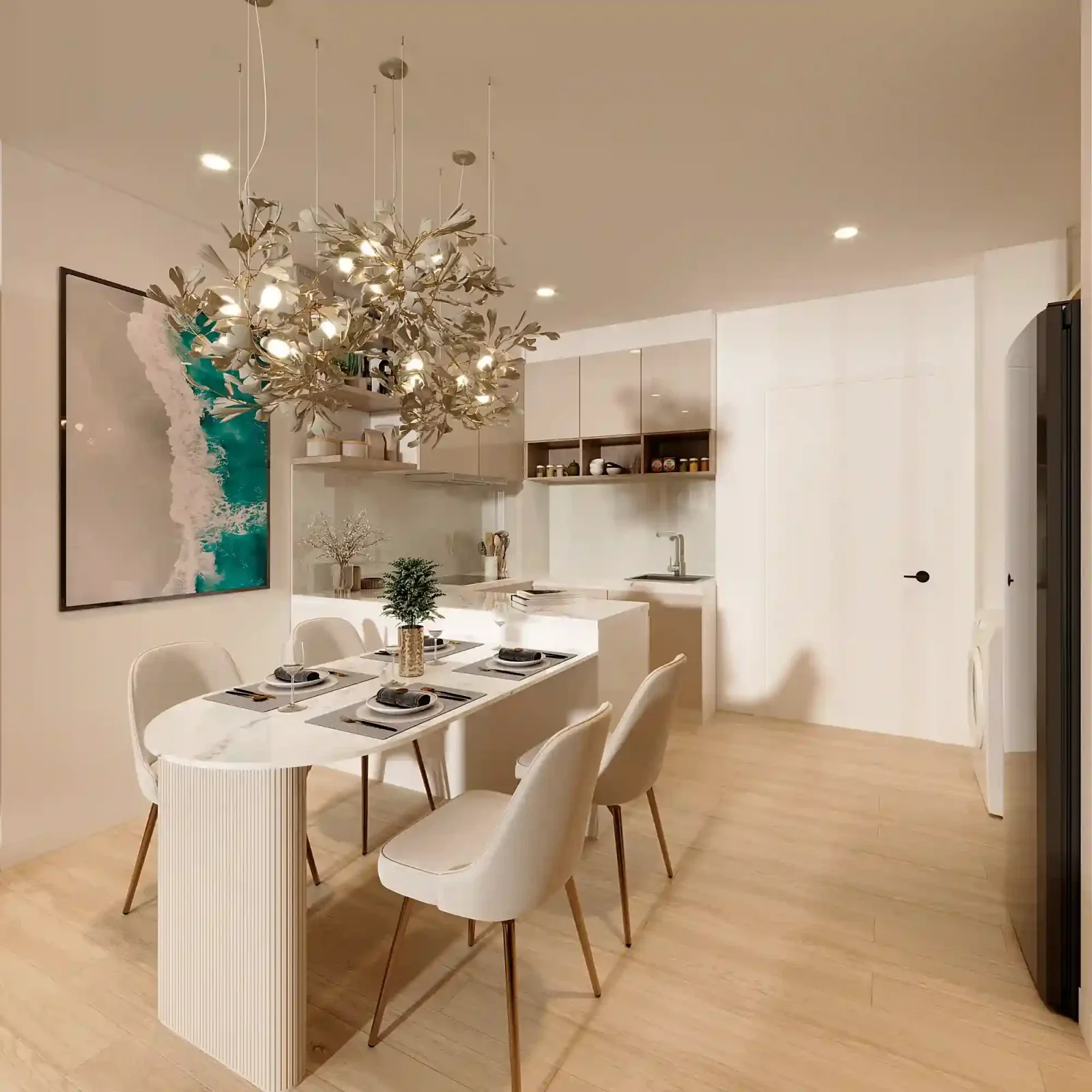
## The Payment Plan
| Stage | Share | On 5,526,128 THB |
|---|---|---|
| Booking / contract | 30% | 1,657,838 THB |
| Second | 25% | 1,381,532 THB |
| Third | 15% | 828,919 THB |
| Fourth | 10% | 552,613 THB |
| Fifth | 10% | 552,613 THB |
| Sixth | 5% | 276,306 THB |
| Handover, balance | 5% | 276,307 THB |
With the completion date already moved once, we send the current stage of the build and the payments still to come with the price list.
## Who Is This For?
**The lifestyle buyer using it as a holiday home.** Southern Phuket offers a relaxed pace. Kata is walkable around the beach area and has the infrastructure, supermarkets, restaurants and medical facilities, for extended stays. The two-bedroom and duplex formats suit this buyer well.
**The portfolio diversifier.** Investors already holding property in Bang Tao or Rawai who want exposure to the Kata micro-market without a villa-level commitment.
**The buyer who wants the keys sooner than 2028.** Completion is forecast between late 2026 and mid-2027, earlier than the 2027 and 2028 schemes elsewhere in Kata, though the date has already moved once.
## Why Buyers Choose The Balance By The Beach
- Kata draws a distinct buyer: surf, hillside views and a beach town
- From 5.53M THB, an accessible entry to a west-coast beach address
- About eight minutes on foot to Kata Beach
- 112 residences give a service charge base large enough to maintain the common areas properly
- A wide range of layouts in one scheme, including the duplex
- Among the earliest completions in Kata, forecast between late 2026 and mid-2027
## The Balance By The Beach Among Kata Condominiums
Buyers in Kata usually compare a handful of buildings by stage and entry:
| Project | Stage | Entry on our list |
|---|---|---|
| [SO Origin Kata](/projects/so-origin-kata/) | Under construction | 3,010,000 THB |
| [The Title Katabello](/projects/the-title-katabello/) | Under construction | 4,228,000 THB |
| [Wekata 3](/projects/wekata-3/) | Under construction | 4,400,000 THB |
| The Balance By The Beach | Under construction, due late 2026 to mid-2027 | 5,526,128 THB |
The Balance By The Beach is forecast to finish first in this group, about eight minutes on foot from the beach, with duplex layouts that set it apart on the platforms.
## Kata's Letting Year
Kata is a west-coast bay south of Karon: a proper beach, a substantial year-round resident community, and services that stay open outside the season. High season from roughly November to April is strong, and the monthly market carries the rest of the year: Kata runs on staff from hotels, restaurants, dive operations and retail, many of whom rent locally on six- and twelve-month terms, and a larger one-bedroom lets into that market steadily.
For owners who plan to let, we collect twelve months of occupancy and achieved rates from comparable units nearby, month by month, and set the costs beside them in baht: cleaning, platform commission, the management fee, the CAM rate on your floor area, the sinking fund and utilities.
## Close to the Beach
The scheme's name rests on being close to the sand, about eight minutes on foot or two by car to Kata Beach, and we send the site plan with the walking route and what lies between the building and the water.
## Ownership, Quota and Letting
A foreigner may hold a condominium unit in freehold within the building's 49% foreign floor-area allowance, and we obtain a dated figure in remaining square metres for your specific unit. Units outside the quota are available on a registered lease.
Buying freehold as a non-resident also means documenting the money's origin: it arrives from overseas in foreign currency, and the receiving Thai bank issues the FET record the Land Department requires at registration.
For letting, we send the hotel licence position for stays under 30 days and the building's house rules with the price list.
## Buying The Balance By The Beach with MORE Group
A unit at The Balance By The Beach is bought in five steps, from the first price list to the keys, and we handle each of them with you.
{/* corpus-faq:the-balance-by-the-beach */}
## FAQ
### What is the starting price at The Balance By The Beach?
Units start at 5,526,128 THB for one-bedroom layouts. Prices range up to 12,155,307 THB for the larger two-bedroom and duplex configurations.
### What stage is The Balance By The Beach at?
Under construction. The developer's site still shows a forecast of the fourth quarter of 2025, and agencies now give dates from the third quarter of 2026 to June 2027, so we send the latest construction update together with the price list.
### Can foreigners buy at The Balance By The Beach?
Yes. Foreign buyers can purchase under the condominium quota (freehold ownership of up to 49% of total floor area), and we confirm the quota position for your unit.
### What rental income can Kata Beach condos achieve?
Kata is one of Phuket's stronger holiday rental markets, busiest from November to April, with long-stay tenants through the rest of the year. Duplex and two-bedroom units can target higher nightly rates. We collect figures from comparable units and build the net income plan for your unit.
### How does the payment plan work?
The payment plan is structured across seven stages: 30% on booking/contract, then 25%, 15%, 10%, 10%, 5%, and 5% at handover. We send the current stage of the schedule with the price list.
**Read Also:**
- [Complete Guide to Buying Property in Phuket](/guides/buying-property-phuket-guide/)
- [Phuket Rental Yield Guide: What to Expect](/guides/phuket-rental-yield-complete-guide-2026/)
- [The Balance Phuket, Project Overview](/projects/the-balance/)
- [Wekata 3 Kata Review 2026: Prices & Yield](/projects/wekata-3/)
- [Ever Prime Residences Karon Review 2026: Prices & Yield](/projects/ever-prime-residences-karon/)
- [The Buying Process in Thailand, Step by Step](/guides/due-diligence-process-thailand-step-by-step/)
# The Balance Patong Review 2026: Prices, Units and Quota
> The Balance Patong review: a 202-unit condominium one minute from Patong Beach, studios from 5.99M THB, co-working, a pool courtyard and an 8-stage plan.
**Source:** https://moregroup.estate/projects/the-balance/
**Section:** Project Reviews
**Author:** MORE Group Editorial
**Published:** 2026-04-02
**Updated:** 2026-08-22
---
202-unit premium mid-rise condominium in central Patong. Studios from 5.99M THB, 1BR from 7.35M THB, 2BR from 14.82M THB. Under construction. 1 minute walk to Patong Beach, 8 minutes walk to Jungceylon mall. Gym, co-working, multi-level outdoor pool, 24-hour security. Payment plan: 30 / 15 / 15 / 10 / 10 / 10 / 5 / 5.
## Central Patong, Walking Distance to the Beach
Patong is the tourist engine of Phuket. Three million visitors pass through it annually. The beach is 1.8 kilometres long. Jungceylon, the island's largest shopping complex, is within walking distance. The nightlife, the restaurants, the beach clubs, the dive shops: all within a few minutes on foot. For a short-term rental investor, Patong Beach proximity is one of the most reliable drivers of high occupancy that exists in Thai real estate.
The Balance Patong positions itself at the premium end of this market. This is not a budget condo with basic finishes. It is a 5-storey development with 202 units, resort-quality facilities, modern interiors, and a design brief that understands what international short-term rental guests expect in 2026.
## Location: The Patong Advantage for Rental Investors
Everything a guest needs is within walking distance, and guests who find everything on foot leave five-star reviews and rebook, which matters most for owners managing a property from abroad.
The Balance Patong sits 1 minute walking from Patong Beach and 8 minutes walking from Jungceylon. That is among the most central positions available in a new development anywhere on the island right now.
**The Patong energy:** Patong is the island's busiest beach town, lively day and night, which is exactly what makes it a strong short-term rental market.
## Unit Types and Pricing
### Studio Units (26 m²)
Entry-level units sized at 26 m², designed specifically for the short-term rental market. A studio at Patong Beach proximity needs to be one thing above all else: clean, modern, and within walking distance of the beach. The Balance Patong delivers all three.
| Floor range | Price range |
|---|---|
| Lower floors | 5,990,000 - 6,500,000 THB |
| Mid floors | 6,370,000 - 6,760,000 THB |
| Upper floors | 6,760,000 - 6,890,000 THB |
Price per m² for studios: 230,385 - 265,000 THB.
### 1-Bedroom Units (30 m² and 41 m²)
Two variants of 1-bedroom units: a standard 30 m² layout and a larger 41 m² layout. The 41 m² version is a meaningful step up in liveability and commands higher nightly rates. These units work well for couples and solo longer-term renters who need a dedicated bedroom.
| Configuration | Area | Price range |
|---|---|---|
| 1BR standard | 30 m² | 7,350,000 - 7,950,000 THB |
| 1BR large | 41 m² | 10,045,000 - 10,660,000 THB |
### 2-Bedroom Units (57 m²)
The top-tier units in the building at 57 m². Four 2-bedroom units are available across floors 3 and 5. These are the units for buyers who want to maximise nightly rate and attract family groups or travelling couples who need separate sleeping spaces.
| Floor | Price |
|---|---|
| Floor 3 | 14,820,000 THB |
| Floor 5 | 15,105,000 THB |
## Facilities: Resort-Level Amenities in a Central Location
**Multi-level outdoor pool courtyard.** The centrepiece of the development. Pool access is a key filter criterion for guests searching on Airbnb and Booking.com. Properties with shared pool access significantly outperform those without, even at the studio level.
**Gym.** A well-equipped fitness facility is now a baseline expectation for international guests staying one week or more.
**Co-working space.** This reflects the reality of the 2026 rental market, where a significant portion of guests are digital nomads and remote workers on extended stays. A co-working zone converts medium-term bookings from "possible" to "booked."
**Stylish lobby and common areas.** Photography of communal spaces drives bookings. The lobby aesthetic of The Balance Patong is designed to look good in listing photos.
**Covered parking.** Undervalued by buyers, critical for renters with scooters or cars, and essential for any guests doing day trips around the island.
**24-hour security with CCTV.** Standard for this category and for a central address.
## Rental Income and the Price List
The position is the headline: **one minute's walk to the beach**, the shortest on our whole file, and eight minutes to Jungceylon.
| Configuration | Priced units | Size | Price range (THB) | Median THB per sqm |
|---|---|---|---|---|
| Studio | 44 | 26 sqm | 5,990,000 - 6,890,000 | 255,000 |
| 1-bedroom | 44 | 30-41 sqm | 7,350,000 - 10,660,000 | 255,000 |
| 2-bedroom | 5 | 57 sqm | 14,820,000 - 15,105,000 | 260,000 |
202 units in a five-storey building, 93 of them priced on our file, on an eight-tranche plan: 30/15/15/10/10/10/5/5.
**The metre tells the story of the address.** At **255,000 THB per square metre** The Balance prices 9% above the Patong apartment median of 234,561, and Patong is the dearest apartment metre on the island, 44% above Bang Tao's 161,000. That is a coherent proposition: a compact unit at a prime metre, one minute from the sand, in the market with the most visitors on the island.
For owners who plan to let, we collect twelve months of statements from comparable Patong units and set the running costs beside them, so the income plan starts from real figures.
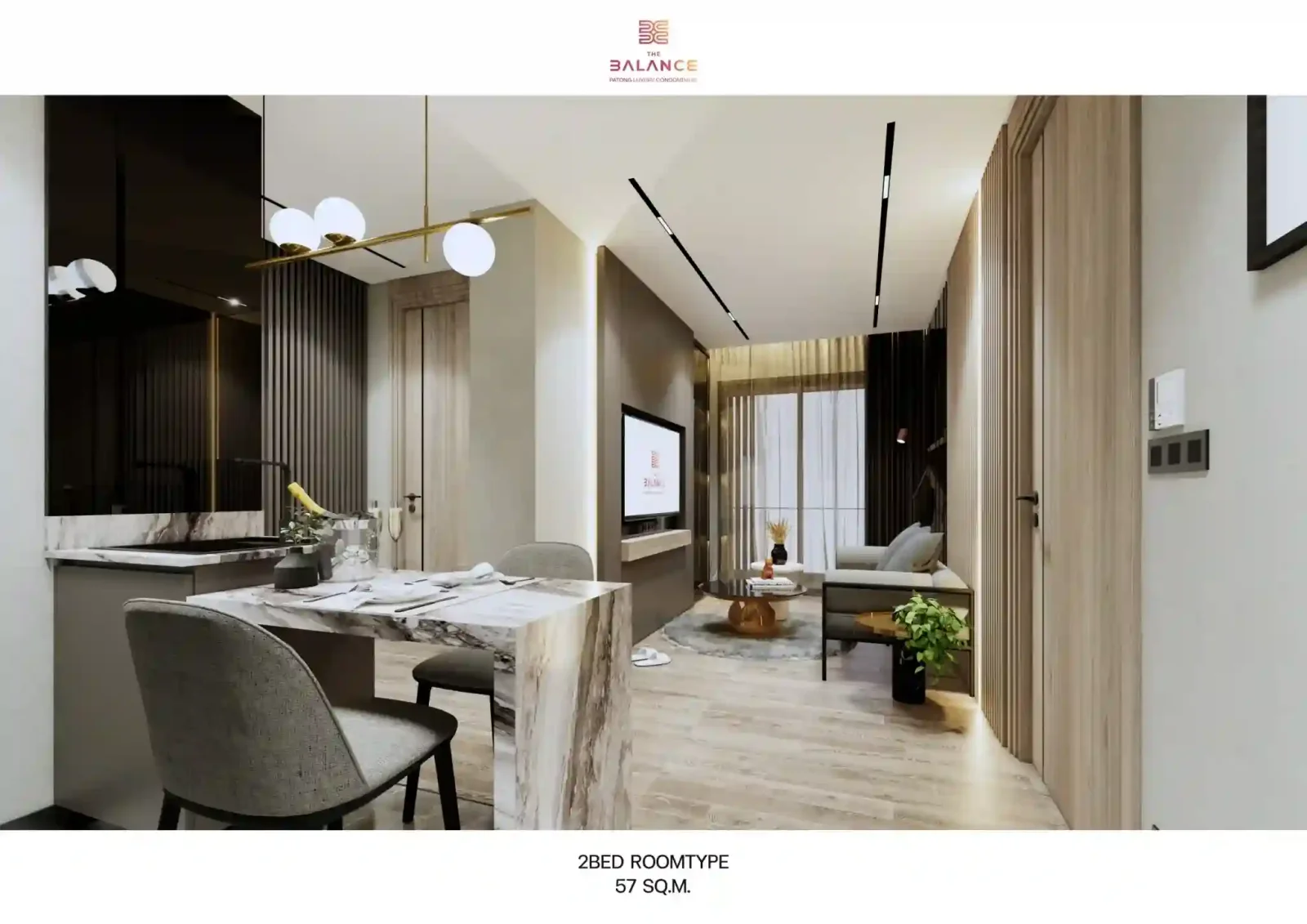
## Payment Plan and Financing
The plan runs in eight tranches tied to construction milestones. On the entry studio it works out as follows:
| Tranche | Share | On 5,990,000 THB |
|---|---|---|
| First | 30% | 1,797,000 THB |
| Second | 15% | 898,500 THB |
| Third | 15% | 898,500 THB |
| Fourth | 10% | 599,000 THB |
| Fifth | 10% | 599,000 THB |
| Sixth | 10% | 599,000 THB |
| Seventh | 5% | 299,500 THB |
| Eighth | 5% | 299,500 THB |
Most foreign buyers fund the purchase with personal capital, portfolio financing or property-backed lending at home, and we send the schedule with the construction stage each tranche is tied to.
## Who Should Buy at The Balance Patong?
Experienced short-term rental investors who understand the Patong market and want to add a high-occupancy, centrally located asset to a portfolio.
Remote workers and long-term expatriates who want a base in Patong with resort facilities, beach access, and co-working space in the building.
Buyers diversifying across unit types who already own a larger villa elsewhere and want a liquid, low-maintenance Patong unit for cash flow.
## MORE Group Assessment
For a pure short-term rental investment with a lower entry point than the villa market, The Balance Patong is one of the stronger options currently available in Phuket.
**Overall rating: 8 / 10**, prime Patong location one minute from the beach, resort facilities and co-working space.
We send the building's licence position for stays under thirty days and the registered house rules with the price list, together with the aspect and floor of each available unit, since a distinct outlook earns its premium at letting and at resale.
## Buying The Balance Patong with MORE Group
A unit at The Balance Patong is bought in five steps, from the first price list to the keys, and we handle each of them with you.
{/* corpus-faq:the-balance */}
## FAQ
### What is the starting price at The Balance Patong?
The entry price is 5,990,000 THB for a 26 m² studio unit. One-bedroom units start from 7,350,000 THB and 2-bedroom units from 14,820,000 THB.
### What stage is The Balance Patong at?
Construction is underway. We send the latest construction update together with the price list.
### How far is The Balance Patong from the beach?
Approximately 1 minute walking from Patong Beach, making this one of the closest premium new-build condominiums to the beachfront currently available in Patong.
### What rental income can I expect from a studio at The Balance Patong?
Patong is Phuket's busiest holiday market, and a studio one minute from the beach suits couples and solo travellers through the year. We collect twelve months of statements from comparable Patong units and build the net figure for your unit, after management and running costs. On price, a studio here is 26 sqm from 5,990,000 THB.
### Can foreigners own a unit at The Balance Patong?
Yes. Foreign nationals can purchase condominium units in Thailand under the Foreign Ownership Quota (up to 49% of the building). Our advisors can confirm quota availability and guide you through the purchase process.
### Is there a property management service available?
Yes. Professional property management companies operate in Patong and can handle listing, guest management, cleaning, and maintenance. We can connect you with vetted management partners.
## Running a Patong Rental
Patong's pace means frequent turnovers, so cleaning, linen and furnishings are refreshed more often than in quieter districts, and a professional manager keeps the unit guest-ready. We build the net plan with Patong's own cost assumptions, so the figures match the market.
**Read Also:**
- [Abov Patong Residence Review 2026: Prices & Yield](/projects/abov-patong-residence/)
- [THE BASE Bukit Phuket Review 2026: Prices & Yield](/projects/the-base-bukit/)
- [How Foreigners Buy Phuket Property 2026](/guides/buying-property-phuket-guide/)
- [The Buying Process in Thailand, Step by Step](/guides/due-diligence-process-thailand-step-by-step/)
- [Phuket Rental Yield 2026: Net Income by Area](/guides/phuket-rental-yield-complete-guide-2026/)
- [Best Areas in Phuket to Buy Property 2026](/guides/best-areas-phuket-buy-property/)
# THE BASE Bukit Phuket: Sansiri Condos from 2.88M THB
> THE BASE Bukit Phuket: a completed Sansiri condominium beside Central Phuket, one and two-bedroom units with a 30-metre pool and a gym, from 2.88M THB.
**Source:** https://moregroup.estate/projects/the-base-bukit/
**Section:** Project Reviews
**Author:** MORE Group Editorial
**Published:** 2026-04-07
**Updated:** 2026-08-23
---
## What Is THE BASE Bukit?
THE BASE Bukit is made for everyday life in Phuket's city centre. Central Phuket and its shops, cinemas and restaurants are about ten minutes on foot, Makro and the supermarkets are close by, and hospitals and international schools are all within a short drive. The building is finished, so you can see the apartment, the view and the facilities before you buy and move in or let the unit from the day of transfer.
The architecture draws on the Peranakan culture of Phuket Old Town and the natural shapes of the island. Residents share a 30-metre swimming pool with a jacuzzi and a kids' pool, a fully equipped gym, a co-working space, lounges, a laundry, EV charging, underground parking and the Sansiri Backyard, a green garden space of its own, with 24-hour security. Sansiri also built [The Base Rise](/projects/the-base-rise/) in the same district.
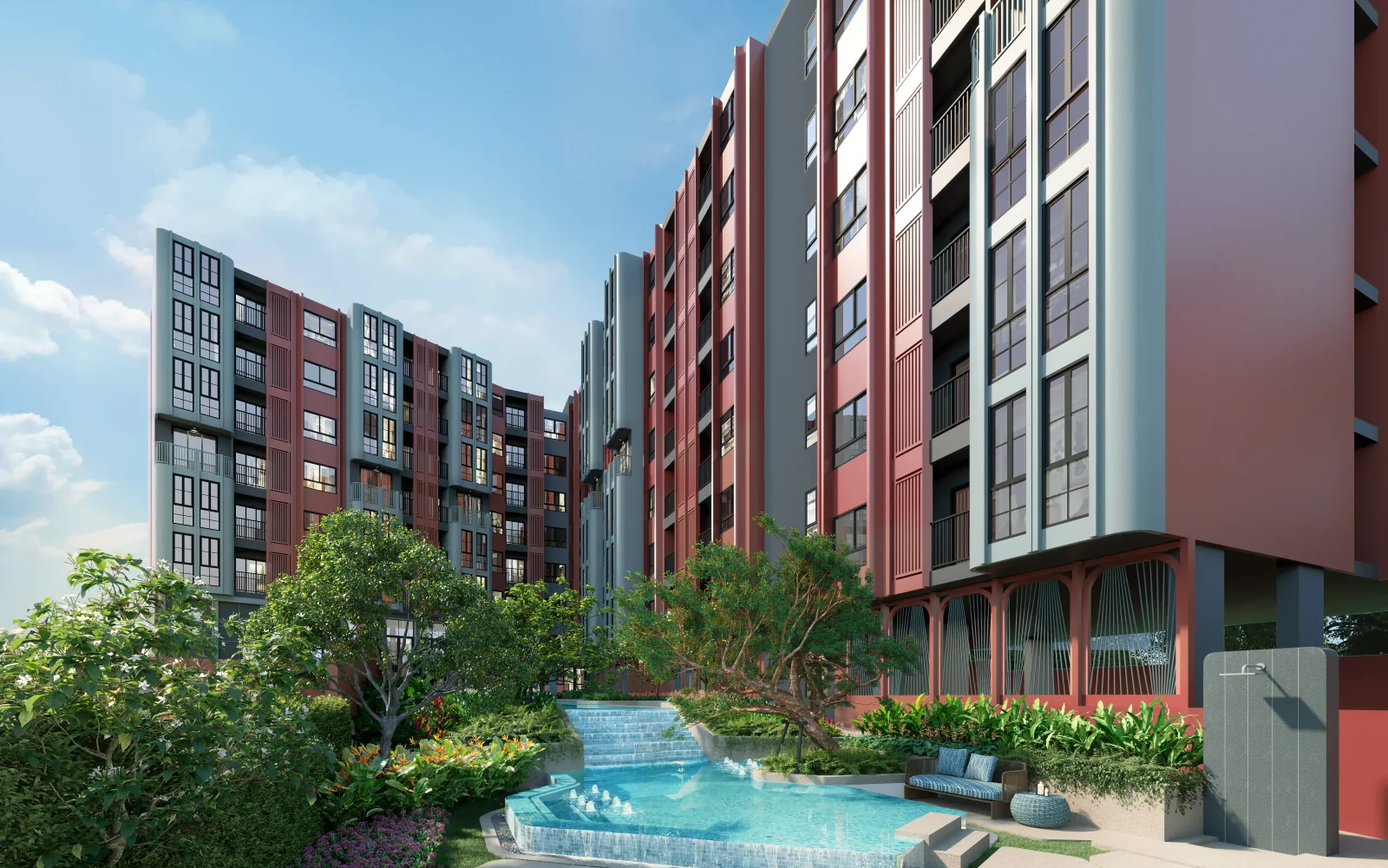
## What Are the Key Facts for THE BASE Bukit?
| Factor | Detail |
| --- | --- |
| Developer | Sansiri |
| Location | Wichit, central Phuket, near Central Phuket |
| Buildings | Three eight-storey buildings |
| Residences | 604 in total, 99 on our price list |
| One-bedroom | 26 to 35 sqm, 2,880,000 to 4,660,000 THB |
| Two-bedroom | 51 to 53 sqm, 6,140,000 to 6,930,000 THB |
| Facilities | 30-metre pool, jacuzzi, kids' pool, gym, co-working, garden |
| Stage | Completed |
| Central Phuket | About 10 minutes on foot |
| Airport | About 41 minutes by car |
## Location: Central Phuket and Phuket Town
Wichit is the modern centre of the island, between Phuket Town and the road to Patong. It is where Phuket's residents shop, work, study and see the doctor, and it keeps its rhythm all year.
- **Central Phuket:** about 10 minutes on foot or 2 minutes by car
- **Makro and supermarkets:** close by
- **Hospitals and international schools:** within a short drive
- **Phuket Old Town:** cafés, markets and Sino-Portuguese streets a short drive away
- **Patong Beach:** about 28 minutes by car
- **Airport:** about 41 minutes by car
Life here is practical and lively: a coffee before work, the gym in the building, errands at Central on foot and weekends on the beaches of the west coast. The [Phuket Town property guide](/areas/phuket-town-property-guide/) covers the district in more detail.
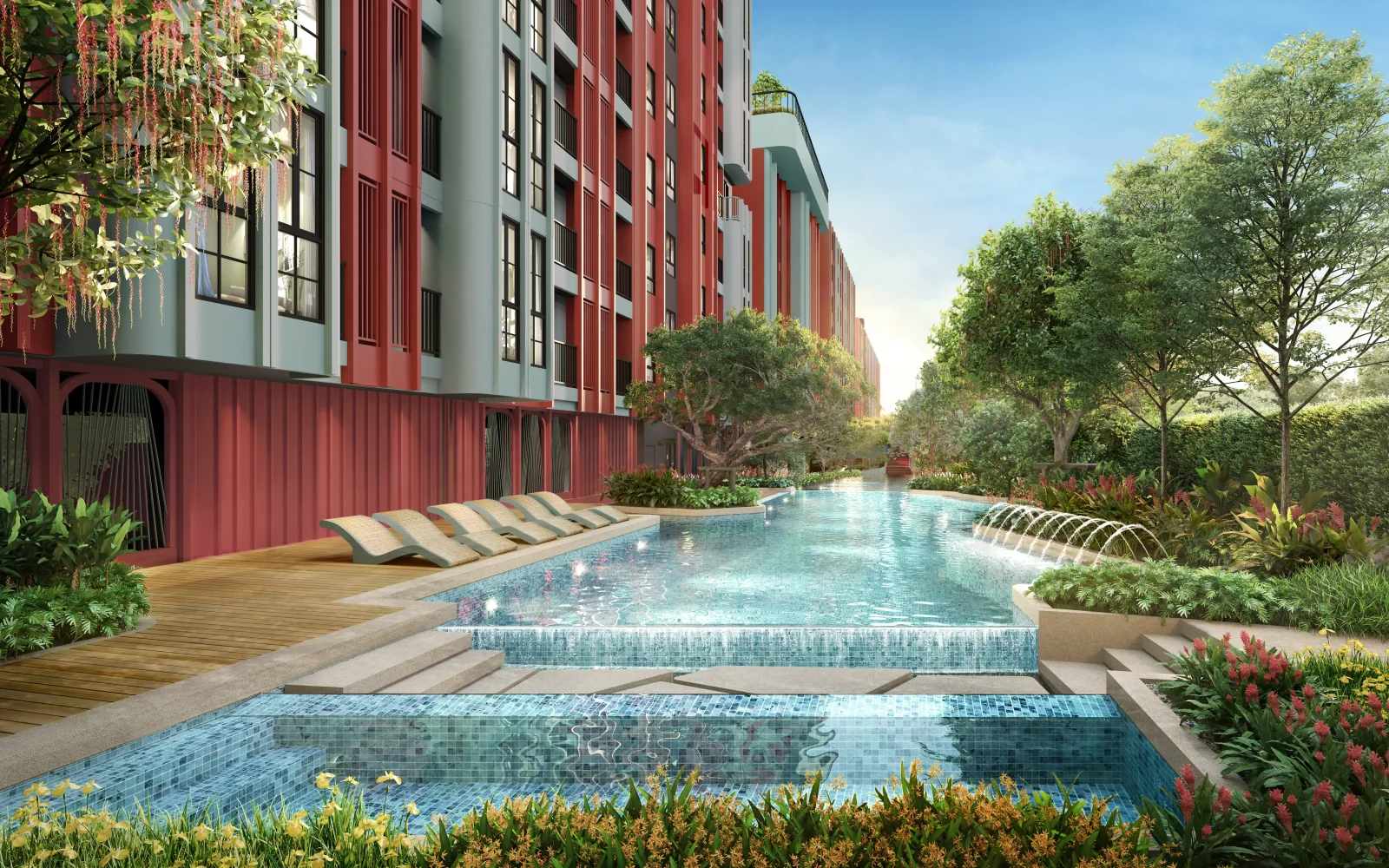
## Units and Prices
Our price list holds 99 units:
| Format | Size | Units | Price |
| --- | --- | --- | --- |
| One-bedroom | 26 and 27 sqm | 29 | 2,880,000 to 3,630,000 THB |
| One-bedroom | 30 and 32 sqm | 54 | 3,200,000 to 4,480,000 THB |
| One-bedroom | 34 and 35 sqm | 12 | 3,850,000 to 4,660,000 THB |
| Two-bedroom | 51 to 53 sqm | 4 | 6,140,000 to 6,930,000 THB |
The one-bedrooms are the heart of the building, from 2,880,000 THB, with larger layouts of 34 and 35 sqm that leave room for a desk. The four two-bedrooms of 51 to 53 sqm suit couples and small families. The price moves with the floor and the view, and we send the plan and floor of each unit with the list.
## Facilities
- **30-metre swimming pool** with a jacuzzi and a kids' pool
- **Fitness centre**
- **Co-working space** and lounges
- **Sansiri Backyard** garden
- **Laundry** and EV charging
- **Underground parking** and 24-hour security
## Living at THE BASE Bukit
A day at THE BASE Bukit can be spent almost entirely on foot. A swim in the long pool before work, a session in the co-working space, lunch and errands at Central Phuket, and the evening in the garden or at a restaurant in the Old Town. At weekends the beaches of Patong, Kata and Kamala are a drive away, and the building is always easy to come home to.
## Buying a Completed Unit
At THE BASE Bukit, a completed unit is transferred in one step: once the price is paid, it is registered in your name at the Land Department. We send the terms for the unit you choose, together with the building's common charges, so you know the full cost from the start, and we arrange the viewing and the transfer.
## Why Buyers Choose THE BASE Bukit
- **Completed:** see the unit before you buy and use it from the day of transfer
- **Central Phuket on foot**
- **Sansiri**, one of Thailand's largest listed developers
- **A 30-metre pool,** a gym and co-working in the building
- **An accessible entry:** one-bedrooms from 2,880,000 THB
- **Freehold ownership** within the 49% foreign quota
## Who THE BASE Bukit Suits
**Residents who work in Phuket**, at the hospitals, schools and offices of the centre, and want an easy daily routine.
**Remote workers** who want co-working, a gym and shops within walking distance.
**First-time Phuket buyers** entering the market with a completed freehold one-bedroom.
**Rental investors** aiming at long-stay tenants who choose the centre for work and study.
## Renting Out a Unit at THE BASE Bukit
A unit beside Central Phuket appeals to tenants who live and work on the island: hospital and school staff, office workers, students and families on relocation, who usually rent for six or twelve months. Short and mid stays suit visitors who come for medical care, business or the Old Town.
If you plan to let your unit at THE BASE Bukit, we collect current asking rents for comparable units in central Phuket and send them with the price list. [Our rental guide](/guides/phuket-rental-yield-complete-guide-2026/) explains how to read a rental offer line by line.
## Ownership for Foreign Buyers
THE BASE Bukit is a condominium, so a unit can be registered freehold in your own name within the 49% foreign quota of the building, counted by floor area. We confirm that the unit you choose sits inside that quota. For a freehold unit at THE BASE Bukit, the purchase money is transferred from abroad in foreign currency, and the receiving bank provides the FET form that the Land Department asks for at registration. [How the foreign quota works](/guides/foreign-quota-thai-condominiums/) explains the rule in detail.
## THE BASE Bukit and Other Condos in Central Phuket
| Project | From | Status |
| --- | --- | --- |
| [Dcondo Cove](/projects/dcondo-cove/) | 2,435,000 THB | Off-plan |
| [Origin Place Centre Phuket](/projects/origin-place-centre/) | 2,490,000 THB | Off-plan |
| [The Base Rise](/projects/the-base-rise/) | 2,690,000 THB | Completed |
| THE BASE Bukit | 2,880,000 THB | Completed |
| The City Phuket | 3,140,000 THB | Completed |
THE BASE Bukit stands out in this group for its 30-metre pool and its walk to Central Phuket. We send the price lists of any of these projects on request and arrange viewings.
## Buying THE BASE Bukit with MORE Group
A unit at THE BASE Bukit is bought in a few clear steps, from the first viewing to the transfer, and we are with you through each of them.
## What We Send Before You Reserve
- The current price list with free units, floors, sizes and plans
- Confirmation that your unit sits within the 49% foreign quota
- The payment and transfer terms for your unit
- The building's common charges and house rules
- Current asking rents for comparable units, if you plan to rent
{/* corpus-faq:the-base-bukit */}
## FAQ
### What does THE BASE Bukit cost?
Our price list holds 99 units: one-bedrooms of 26 to 35 sqm from 2,880,000 to 4,660,000 THB and two-bedrooms of 51 to 53 sqm from 6,140,000 to 6,930,000 THB.
### Is THE BASE Bukit completed?
Yes. The three eight-storey buildings by Sansiri are completed, so you can view the unit and use it or let it from the day of transfer.
### Where is THE BASE Bukit?
In Wichit, central Phuket, about 10 minutes on foot from Central Phuket, with Makro, hospitals and international schools nearby. Patong Beach is about 28 minutes by car and the airport about 41 minutes.
### What facilities does the building have?
A 30-metre swimming pool with a jacuzzi and a kids' pool, a fitness centre, a co-working space, lounges, a laundry, EV charging, the Sansiri Backyard garden, underground parking and 24-hour security.
### Can foreigners buy at THE BASE Bukit freehold?
Yes. Foreign buyers can hold a unit freehold in their own name within the 49% foreign quota of the building, counted by floor area. We confirm that your unit sits inside the quota, and the purchase money is transferred from abroad with an FET form for registration at the Land Department.
**Read Also:**
- [The Base Rise](/projects/the-base-rise/)
- The City Phuket
- [Phuket Town Property Guide](/areas/phuket-town-property-guide/)
- [How the Foreign Quota Works](/guides/foreign-quota-thai-condominiums/)
- [How Foreigners Buy Phuket Property 2026](/guides/buying-property-phuket-guide/)
- [Phuket Rental Yield Guide](/guides/phuket-rental-yield-complete-guide-2026/)
# The Base Cherngtalay: Ready Condos from 7.69M THB
> The Base Cherngtalay: 341 pet-friendly Sansiri condos in Bang Tao from 7.69 million THB, completed and ready to move in. Units, pet policy and rental demand.
**Source:** https://moregroup.estate/projects/the-base-cherngtalay/
**Section:** Project Reviews
**Author:** MORE Group Editorial
**Published:** 2026-03-26
**Updated:** 2026-10-05
---
## What Is The Base Cherngtalay?
The Base Cherngtalay is 341 completed Sansiri condominium units in Bang Tao from 7.69 million THB, formal pet-welcome policy, and expat long-stay positioning that suits foreign buyers relocating with dogs or cats.
Sansiri SET-listed delivery across two 8-floor buildings creates residential scale without hotel-tower density. Pet-friendly policy is written into building regulations, not brochure marketing alone, which supports a self-selecting owner community.
## What Are the Key Facts for The Base Cherngtalay?
The Base Cherngtalay key facts are 341 units across two buildings, entry from 7.69 million THB, handed over, pet-welcome policy, 2 to 3 km to Bang Tao beach, 49% foreign freehold quota on remaining inventory, and Sansiri as developer; we confirm the foreign quota for your unit before transfer.
| Factor | Detail |
| --- | --- |
| Developer | Sansiri (SET: SIRI) |
| Location | Bang Tao / Cherng Talay |
| Total units | 341 (2 buildings, 8 floors) |
| Price from | 7.69 million THB |
| Status | Completed, ready to move in |
| Pet policy | Formal pet-welcome |
| Ownership | Freehold (49% foreign quota) |
| Beach distance | 5 to 10 min by car |
Availability changes week to week, so we send the live list of remaining units with their floors, views and layouts on request.
## Location and Area
The Base Cherngtalay location is Bang Tao zone with Boat Avenue 5 to 8 minutes away, Laguna golf 8 to 12 minutes, airport 20 to 25 minutes, British International School 15 to 20 minutes, and monthly expat rents of 48,000 to 80,000 THB on pet-friendly 1BR.
- **Year-round living:** Schools, hospitals, and supermarkets support permanent residence
- **Pet practicality:** Green routes near Laguna suit daily dog walking
- **Beach:** 5 to 10 minutes by car or bike to Bang Tao Beach
- **Ex-pat depth:** 80,000 to 100,000 long-stay foreign residents estimated on island
Pet ownership rates exceed 40 to 50% in European and Australian buyer demographics relocating to Phuket. Fewer than five significant pet-friendly projects exist in Bang Tao premium zones, which creates rental inelasticity for compliant units.
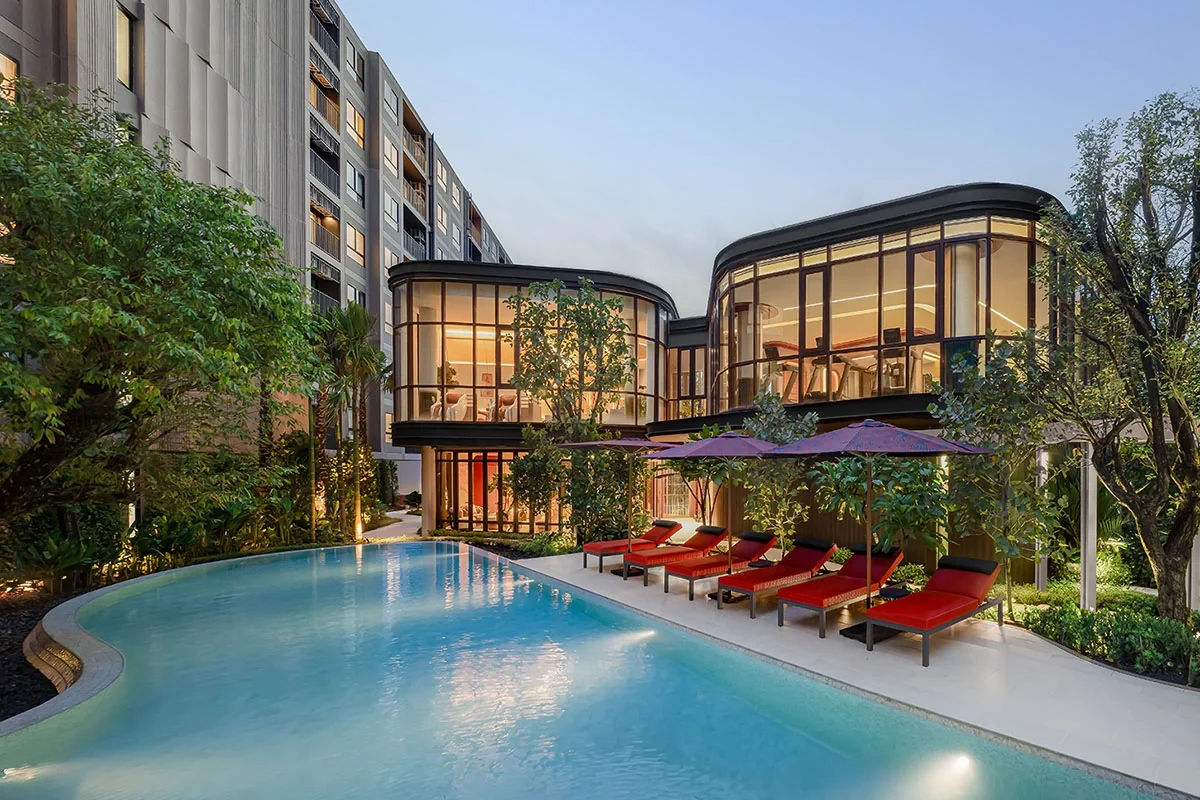
## Design and Units
The Base Cherngtalay units are 1BR and 2BR completed layouts from 7.69 million THB, Sansiri specification standard, shared pools between two buildings, pet wash and relief zones, and turnkey finish suitable for immediate owner move-in or long-stay rental.
- **1BR:** Core expat rental format, strong monthly demand with pets
- **2BR:** Family relocation and higher monthly rent band
- **Pet facilities:** Designated relief zones and wash areas in building rules
- **Atmosphere:** Residential community, not hotel-style tower
Remaining units vary by floor and view. One-bedroom layouts typically achieve 48,000 to 60,000 THB monthly long-stay rent, while 2BR units reach 65,000 to 80,000 THB with pet-friendly premium. Because the building is finished, you view the exact unit you buy rather than a show unit. Sansiri's building management runs the pools, the gardens and the pet facilities, so owners living abroad have one point of contact for the whole building.
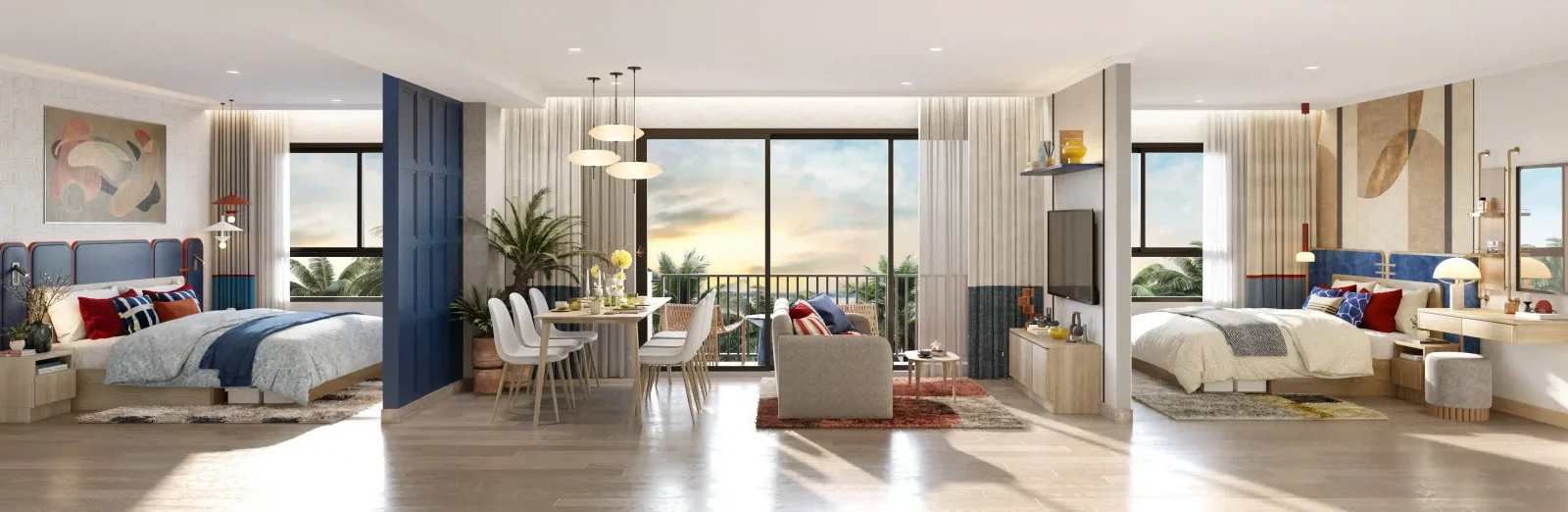
## Investment Case
MORE Group's price list for The Base Cherngtalay holds **six priced units, all two-bedrooms of 60-61 sqm, from 7,686,000 THB at 137,295 THB per square metre**. Long-stay asking rents of 48,000 to 80,000 THB a month are visible on live listings, and the pet-friendly position is a real long-let advantage in a corridor with few pet-friendly buildings.
| Factor | MORE Group benchmark |
| --- | --- |
| On our price list | 6 priced units, all 2BR at 60-61 sqm, from 7,686,000 THB |
| Metre rate | 137,295 THB/sqm, 15% below the Bang Tao area median of 161,000 |
| Monthly asking rent band | 48,000 to 80,000 THB furnished with pets allowed, from live listings |
| Remaining supply | ~10% of 341 units, per the developer; 6 priced on our list |
| Net yield, long-stay lets | historically 5 to 7% on comparable units, up to 7 to 8% for the right unit |
| Short-stay, comparable units | historically 8 to 10% gross, 5.5 to 7% net after management and costs |
Long-stay residential strategy often delivers higher net relative to gross because platform fees and turnover costs drop versus nightly short-stay. Pet-friendly units face limited substitutes in Bang Tao at 7.69 million THB ticket, which supports occupancy when marketed correctly to expat channels.
As an example, a 60,000 THB monthly asking rent over eleven months gives a gross of 660,000 THB a year on the 7,686,000 THB two-bedroom. The net is that less an agent fee of roughly one month, the common area fee per square metre and 15% withholding tax on the rent, and we build it for your unit with the operator's figures.
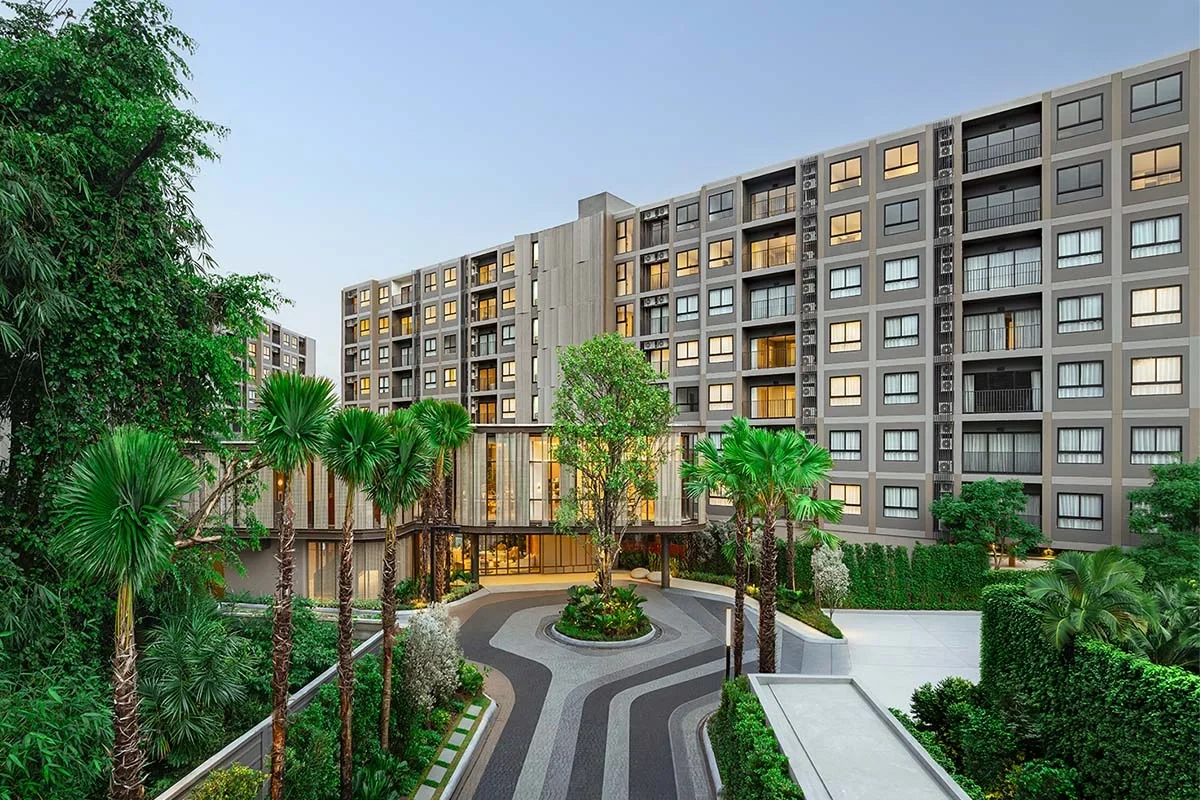
## The Pet-Friendly Advantage Works Best on Long Lets
Pet policy is the genuinely unusual thing about this building in its price band, and its value shows most clearly in long lets.
A foreign resident relocating to Phuket with a dog has a short list of buildings to choose from, and The Base is on it. That scarcity supports the rent and, just as importantly, keeps tenants in place: a tenant who has found a home that welcomes their animal stays for the long term. Longer tenancies with fewer gaps are where a pet-friendly building earns its return, and it is why a long-let net can sit close to a short-stay one despite a lower headline rate.
Holiday guests rarely travel with pets, so the building's strength lies with resident tenants. Owners who furnish for durability, take a proper deposit and market the unit to the resident expat community get the full benefit of the feature. Operated that way, a unit here is one of the more dependable income propositions in Cherng Talay.
## Who Is This For?
The Base Cherngtalay typically suits foreign pet-owning expats, long-stay investors working from asking rents of 48,000 to 80,000 THB a month, Sansiri buyers wanting immediate occupancy, and lifestyle owners using 4 to 8 weeks personally while renting the rest of the year to expat tenants.
- **Pet owners:** A formal pet policy written into the building rules
- **Expat landlords:** Monthly lets to relocating professionals with dogs
- **Permanent residents:** Bang Tao infrastructure plus Sansiri quality
- **Immediate occupancy:** Completed building, ready to move in
## Why Buyers Choose The Base Cherngtalay
Buyers choose The Base Cherngtalay for its formal pet-welcome policy, Sansiri SET-listed quality and a completed building that works for both long-stay and holiday letting.
| Factor | Why it works |
| --- | --- |
| Pets | Formal pet-welcome policy in the building regulations |
| Developer | Sansiri, a 40-year track record |
| Rental | Steady long-stay expat demand |
| Status | Completed, ready to use |
**In short:**
- Genuinely rare pet-welcome policy in Bang Tao premium condo market
- Sansiri SET-listed developer and building management
- Strong long-stay expat rental segment with few substitutes
- Completed building: you see the exact unit you buy
## Buying The Base Cherngtalay with MORE Group
The Base Cherngtalay is finished, so the purchase runs in five short steps from the availability list to the keys, and we handle each of them with you.
With the live availability list we also send the building's pet rules (breeds, sizes and common-area use), the running costs for your unit, and a comparison with [Rhea by Sansiri](/projects/rhea-by-sansiri/), a pet-friendly alternative in Surin.
{/* corpus-faq:the-base-cherngtalay */}
## FAQ
### What exactly does the pet-welcome policy at The Base Cherngtalay cover?
The Base Cherngtalay operates a formal pet-welcome policy allowing residents to keep dogs and cats with pet-friendly common areas, designated relief zones, and pet washing facilities. We send the building's written pet rules, including any breed or size limits, with the availability list.
### How many units are left at The Base Cherngtalay?
Availability changes week to week; according to the developer, around 10% of the 341 units remained. Contact MORE Group for the current live availability list.
### Can foreigners buy The Base Cherngtalay on freehold?
Yes, within the 49% foreign quota, counted by floor area. We confirm the remaining foreign allowance for your specific unit.
### Is The Base Cherngtalay suitable for permanent residence?
Yes, especially for expats with pets. Bang Tao has schools, hospitals, supermarkets, and Laguna infrastructure for year-round living.
**Read Also:**
- [Complete Guide to Buying Property in Phuket](/guides/buying-property-phuket-guide/)
- [Rhea by Sansiri at Surin Beach](/projects/rhea-by-sansiri/)
- [Proof of funds for Thailand property](/guides/proof-of-funds-thailand-property/)
- [Off-plan property Phuket guide](/guides/off-plan-property-phuket-guide/)
- [Buying process step by step](/guides/due-diligence-process-thailand-step-by-step/)
- [Phuket rental yield benchmarks](/guides/phuket-rental-yield-complete-guide-2026/)
# The Base Rise Phuket: Sansiri Condos from 2.69M THB
> The Base Rise Phuket: a completed Sansiri condominium in Wichit, minutes from Central Phuket, one-bedrooms of 25 to 36 sqm with a pool and gym, from 2.69M THB.
**Source:** https://moregroup.estate/projects/the-base-rise/
**Section:** Project Reviews
**Author:** MORE Group Editorial
**Published:** 2026-03-26
**Updated:** 2026-08-23
---
## What Is The Base Rise?
The Base Rise is a bright, practical home in the centre of the island. Central Phuket, with its shops, cinemas and restaurants, is about ten minutes on foot, and international schools, hospitals and the services of Phuket Town are all close by. Because the building is finished, you can see the apartment, the view and the facilities before you buy, and move in or let the unit from the day of transfer.
The design takes its cue from Phuket's morning sunlight reflecting on the sea, with light colours, open layouts and a calm, tropical feel. Residents share a swimming pool, a fully equipped fitness centre, co-working spaces and meeting rooms, lounge areas and a welcoming reception, with underground parking and 24-hour security. Sansiri also built [THE BASE Bukit](/projects/the-base-bukit/) in the same district.
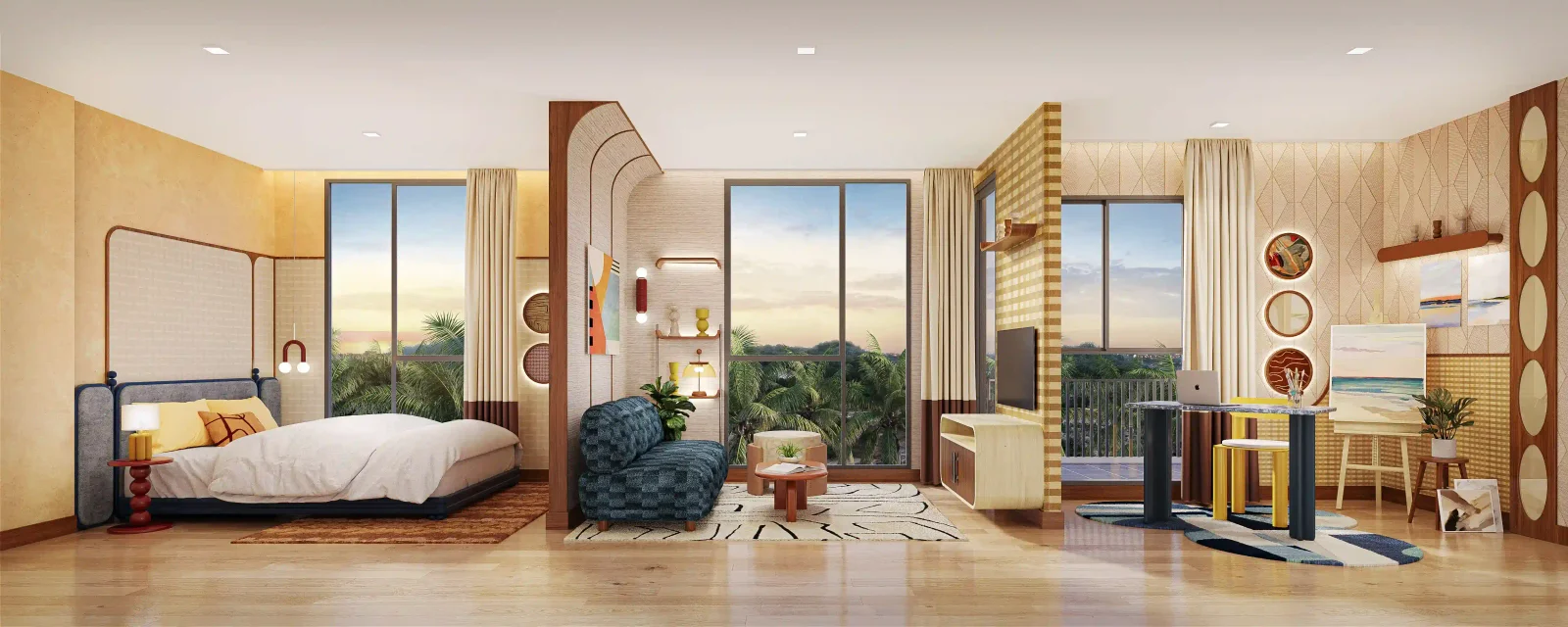
## What Are the Key Facts for The Base Rise?
| Factor | Detail |
| --- | --- |
| Developer | Sansiri |
| Location | Wichit, central Phuket, near Central Phuket |
| Buildings | Two eight-storey buildings |
| Residences | 326 in total, 40 on our price list |
| One-bedroom | 25 to 36 sqm, 2,690,000 to 4,980,000 THB |
| Facilities | Pool, gym, co-working, meeting rooms, lounges |
| Stage | Completed |
| Central Phuket | About 10 minutes on foot |
| Beach | About 30 minutes by car |
| Airport | About 43 minutes by car |
## Location: Wichit and Central Phuket
Wichit is the modern heart of the island, between Phuket Town and the road to Patong, where residents work, shop, study and see the doctor. It keeps the same easy rhythm all year.
- **Central Phuket:** about 10 minutes on foot or 3 minutes by car
- **International schools and hospitals:** within a short drive
- **Phuket Old Town:** cafés, markets and Sino-Portuguese streets a short drive away
- **Chalong and the east coast:** a short drive to the south
- **Patong and the west-coast beaches:** about 30 minutes by car
- **Airport:** about 43 minutes by car
Life here is simple: a coffee before work, the gym and the co-working space in the building, errands at Central on foot, and the beaches of the west coast at the weekend. The [Phuket Town property guide](/areas/phuket-town-property-guide/) covers the district in more detail.
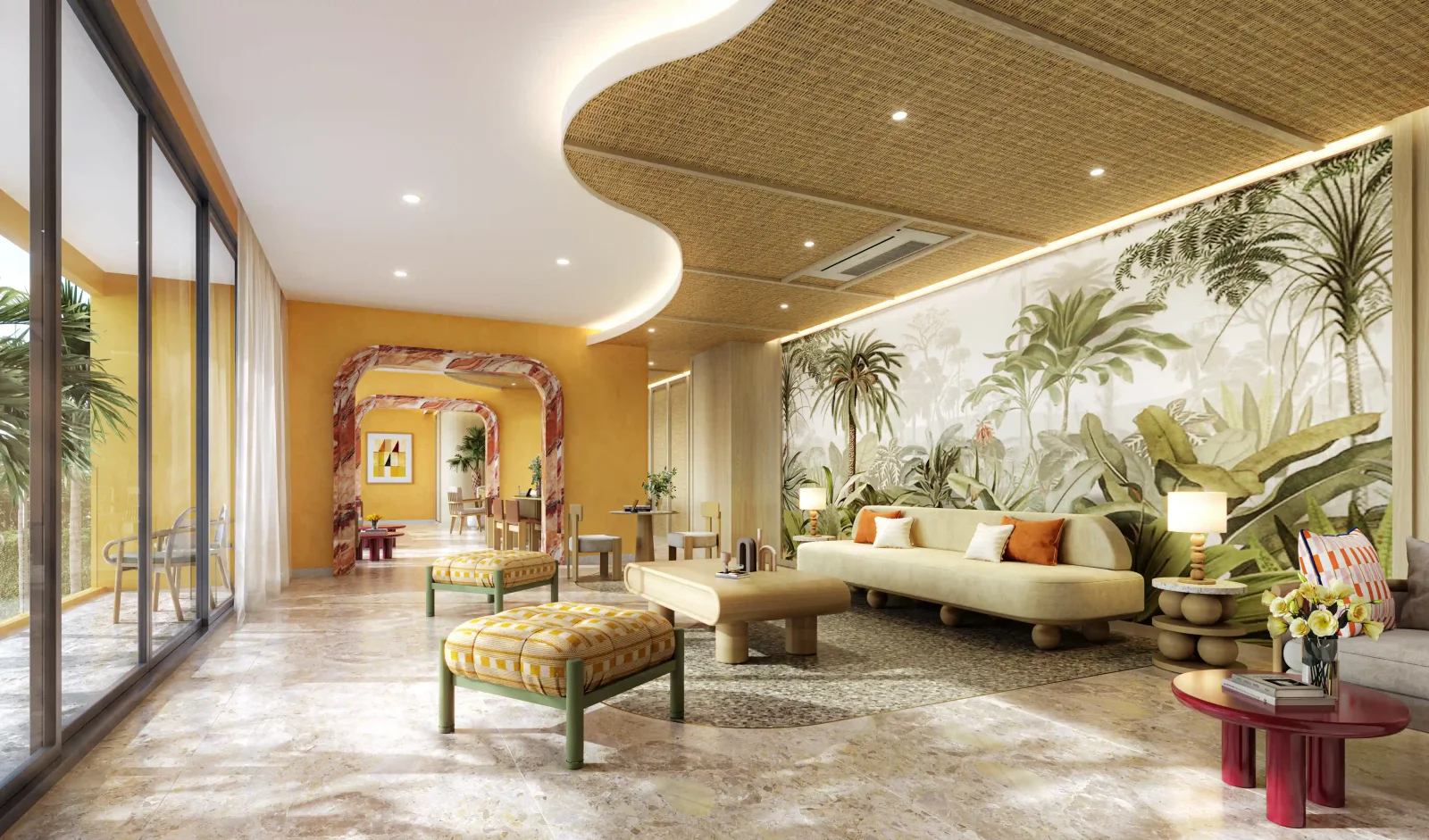
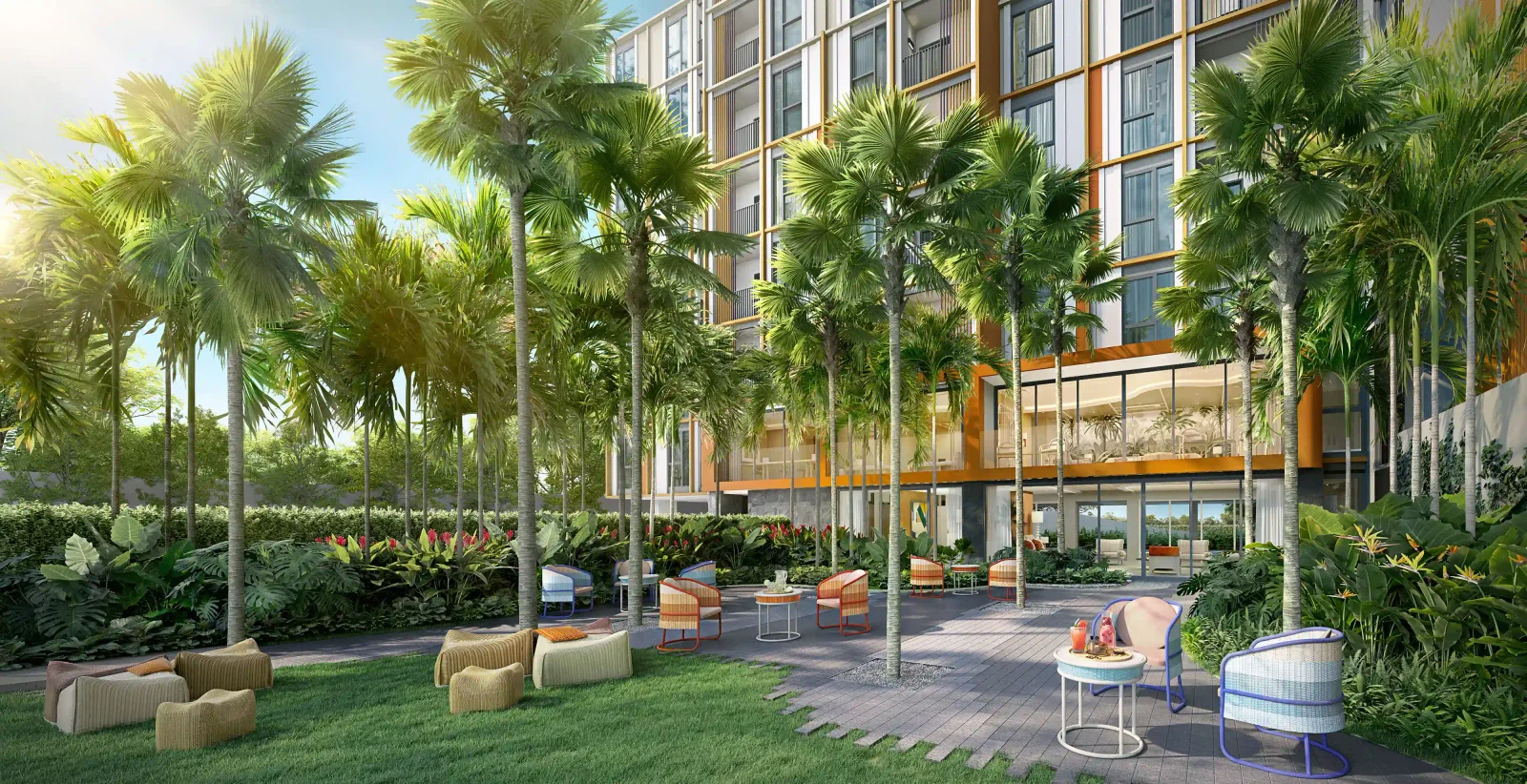
## Units and Prices
All 40 units on our list are one-bedrooms:
| Size | Units | Price |
| --- | --- | --- |
| 25 and 26 sqm | 9 | 2,690,000 to 3,650,000 THB |
| 31 and 32 sqm | 17 | 3,450,000 to 4,590,000 THB |
| 34 to 36 sqm | 14 | 4,250,000 to 4,980,000 THB |
The compact one-bedrooms of 25 and 26 sqm open the building from 2,690,000 THB, a practical first home or a city base for someone who travels. The larger layouts of 31 to 36 sqm give more room to live and work from home. The price moves with the floor and the view, and we send the plan and floor of each unit with the list. Every unit sits on the fifth or seventh floor, so the list gives a good choice of outlooks over the city and the green hills around it, and the smaller layouts are easy to furnish and to keep.
## Facilities
- **Swimming pool**
- **Fitness centre**
- **Co-working spaces** and meeting rooms
- **Lounge areas** and reception
- **Underground parking**
- **24-hour security**
## Living at The Base Rise
A day at The Base Rise needs very little driving. Start with a swim or a workout, spend the working day in the co-working space or a meeting room, walk to Central Phuket for lunch and errands, and end the evening at a restaurant in the Old Town. At weekends the beaches of Patong, Kata and Kamala are a drive away, and the city is always easy to come home to. For owners who split the year between Phuket and home, a compact unit in a managed building is simple to lock up and leave.
## Buying a Completed Unit
At The Base Rise, a completed unit is transferred in one step: once the price is paid, it is registered in your name at the Land Department. We send the terms for the unit you choose, together with the building's common charges, so you know the full cost from the start, and we arrange the viewing and the transfer.
## Why Buyers Choose The Base Rise
- **Completed:** see the unit before you buy and use it from the day of transfer
- **Central Phuket on foot**
- **Sansiri**, one of Thailand's largest listed developers
- **Co-working, meeting rooms,** a pool and a gym in the building
- **An accessible entry:** one-bedrooms from 2,690,000 THB
- **Freehold ownership** within the 49% foreign quota
## Who The Base Rise Suits
**Residents who work in Phuket**, at the hospitals, schools and offices of the centre.
**Remote workers** who want co-working and meeting rooms downstairs and shops within walking distance.
**First-time Phuket buyers** entering the market with a completed freehold one-bedroom.
**Rental investors** aiming at long-stay tenants who choose the centre for work and study.
## Renting Out a Unit at The Base Rise
A one-bedroom near Central Phuket appeals to tenants who live and work on the island: hospital and school staff, office workers, students and professionals on relocation, who usually rent for six or twelve months. Short and mid stays suit visitors who come for business, medical care or the Old Town.
If you plan to let your unit at The Base Rise, we collect current asking rents for comparable units in central Phuket and send them with the price list. [Our rental guide](/guides/phuket-rental-yield-complete-guide-2026/) explains how to read a rental offer line by line.
## Ownership for Foreign Buyers
The Base Rise is a condominium, so a unit can be registered freehold in your own name within the 49% foreign quota of the building, counted by floor area. We confirm that the unit you choose sits inside that quota. For a freehold unit at The Base Rise, the purchase money is transferred from abroad in foreign currency, and the receiving bank provides the FET form that the Land Department asks for at registration. [How the foreign quota works](/guides/foreign-quota-thai-condominiums/) explains the rule in detail.
## The Base Rise and Other Condos in Central Phuket
| Project | From | Status |
| --- | --- | --- |
| [Dcondo Cove](/projects/dcondo-cove/) | 2,435,000 THB | Off-plan |
| [Origin Place Centre Phuket](/projects/origin-place-centre/) | 2,490,000 THB | Off-plan |
| The Base Rise | 2,690,000 THB | Completed |
| [THE BASE Bukit](/projects/the-base-bukit/) | 2,880,000 THB | Completed |
| The City Phuket | 3,140,000 THB | Completed |
The Base Rise stands out in this group as a completed Sansiri building with co-working and meeting rooms a short walk from Central Phuket. We send the price lists of any of these projects on request and arrange viewings.
## Buying The Base Rise with MORE Group
A unit at The Base Rise is bought in a few clear steps, from the first viewing to the transfer, and we are with you through each of them.
## What We Send Before You Reserve
- The current price list with free units, floors, sizes and plans
- Confirmation that your unit sits within the 49% foreign quota
- The payment and transfer terms for your unit
- The building's common charges and house rules
- Current asking rents for comparable units, if you plan to rent
{/* corpus-faq:the-base-rise */}
## FAQ
### What does The Base Rise cost?
Our price list holds 40 one-bedroom units of 25 to 36 sqm, from 2,690,000 to 4,980,000 THB.
### Is The Base Rise completed?
Yes. The two eight-storey buildings by Sansiri are completed, so you can view the unit and use it or let it from the day of transfer.
### Where is The Base Rise?
In Wichit, central Phuket, about 10 minutes on foot from Central Phuket, with international schools and hospitals nearby. The west-coast beaches are about 30 minutes by car and the airport about 43 minutes.
### What facilities does the building have?
A swimming pool, a fitness centre, co-working spaces, meeting rooms, lounge areas, a reception, underground parking and 24-hour security.
### Can foreigners buy at The Base Rise freehold?
Yes. Foreign buyers can hold a unit freehold in their own name within the 49% foreign quota of the building, counted by floor area. We confirm that your unit sits inside the quota, and the purchase money is transferred from abroad with an FET form for registration at the Land Department.
**Read Also:**
- [THE BASE Bukit](/projects/the-base-bukit/)
- The City Phuket
- [Phuket Town Property Guide](/areas/phuket-town-property-guide/)
- [How the Foreign Quota Works](/guides/foreign-quota-thai-condominiums/)
- [How Foreigners Buy Phuket Property 2026](/guides/buying-property-phuket-guide/)
- [Phuket Rental Yield Guide](/guides/phuket-rental-yield-complete-guide-2026/)
# The Deck Patong by Sansiri: Condos Near the Beach
> The Deck Patong: Sansiri's completed resort condominium five minutes' walk from Patong Beach, with a rooftop infinity pool and studios to two-bedrooms.
**Source:** https://moregroup.estate/projects/the-deck-patong/
**Section:** Project Reviews
**Author:** MORE Group Editorial
**Published:** 2026-03-31
**Updated:** 2026-09-23
---
## What Is The Deck Patong?
The Deck Patong is Sansiri's resort condominium in the heart of Phuket's liveliest beach town. Sansiri completed the building in 2015 and designed it for owners who enjoy Patong and for owners who let: wider units, generous balconies built for sunbathing, and resort facilities that photograph beautifully. At completion Sansiri reported that more than 95 percent of its buyers had bought to rent out, which tells you what kind of building this is: a resort made for guests and for the owners who host them.
Because the building is finished, there is no construction to wait for. You can walk the lobby, swim in both pools, stand on the balcony of the unit you like, and receive the keys at transfer.
## What Are the Key Facts for The Deck Patong?
| Factor | Detail |
| --- | --- |
| Developer | Sansiri |
| Address | Rat-U-Thit 200 Pee Road, Patong |
| Completed | 2015 |
| Buildings | Two seven-storey buildings on about 5 rai |
| Residences | 270 |
| Studios | 29 to 38 sqm |
| One-bedroom | 40.5 to 50.5 sqm |
| Two-bedroom | 63 to 75 sqm |
| Pools | 50-metre lap pool with jacuzzi, 28.5-metre rooftop infinity pool |
| Beach | About five minutes on foot |
## Location: A Short Walk from Patong Beach
Patong is Phuket's busiest and most famous beach town, and The Deck puts all of it within walking distance.
**Patong Beach:** about five minutes on foot. The long, curving bay is lined with restaurants and beach bars, and it is the island's hub for jet skis, parasailing and boat trips.
**Jungceylon:** Patong's large shopping mall, with a supermarket, a cinema, restaurants and international brands, also about five minutes on foot.
**Bangla Road:** the famous entertainment street, close by for evenings out.
**Restaurants and cafes:** from street food and seafood to international dining, all within an easy walk or a short ride.
**Karon and Kamala:** the neighbouring beaches, a short drive over the hills to the south and north.
Guests who come to Patong want to walk to the beach, the mall and the restaurants, and The Deck gives them exactly that. The [Patong area page](/patong-properties/) and the [Patong Beach area guide](/guides/patong-beach-area-guide-property-2026/) cover the district in more detail.
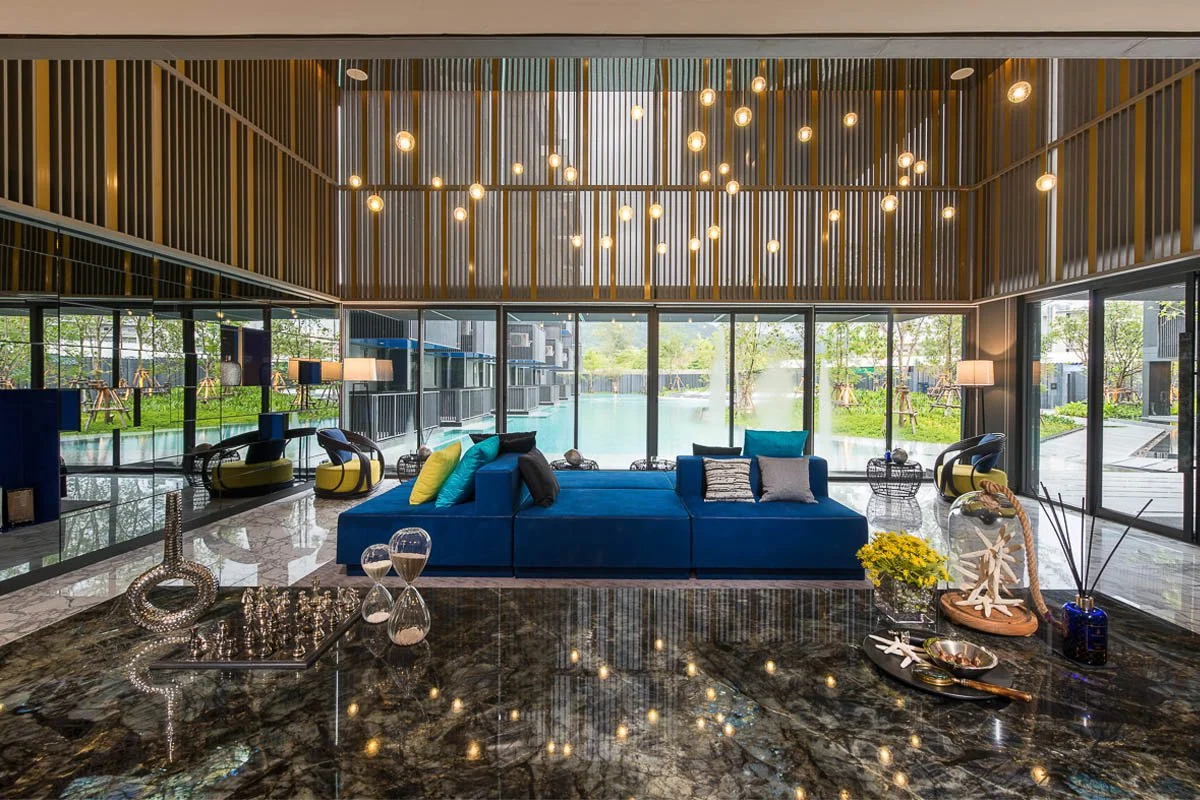
## Residences
Sansiri built three unit types across the 270 residences:
| Unit type | Size |
| --- | --- |
| Studio | 29 to 38 sqm |
| One-bedroom | 40.5 to 50.5 sqm |
| Two-bedroom | 63 to 75 sqm |
**Studios** are the most accessible way into the building and the simplest to furnish and let, a natural fit for couples and solo travellers on a beach holiday.
**One-bedrooms** add a separate bedroom, which guests on longer stays appreciate and which places the unit in its own search category on booking platforms.
**Two-bedrooms** of 63 to 75 sqm suit families and small groups, as well as owners who spend long periods in Phuket and want room for guests.
Every unit has its own private sun deck. Units were sold with a furniture package in 2015, and each owner has kept or refreshed it in their own way, so we send photos of the actual unit together with the asking price.
## Facilities
- **50-metre lap pool** at ground level, with a jacuzzi
- **28.5-metre rooftop infinity pool** with sea views over Patong Bay
- **Fitness centre**
- **Lobby and reception** for arriving guests
- **24-hour security** with CCTV and key-card access
- **Private sun deck** for every unit
Two pools, one at ground level for laps and one on the roof with a view of the bay, give the building its resort feel, and the rooftop pool is the image guests remember.
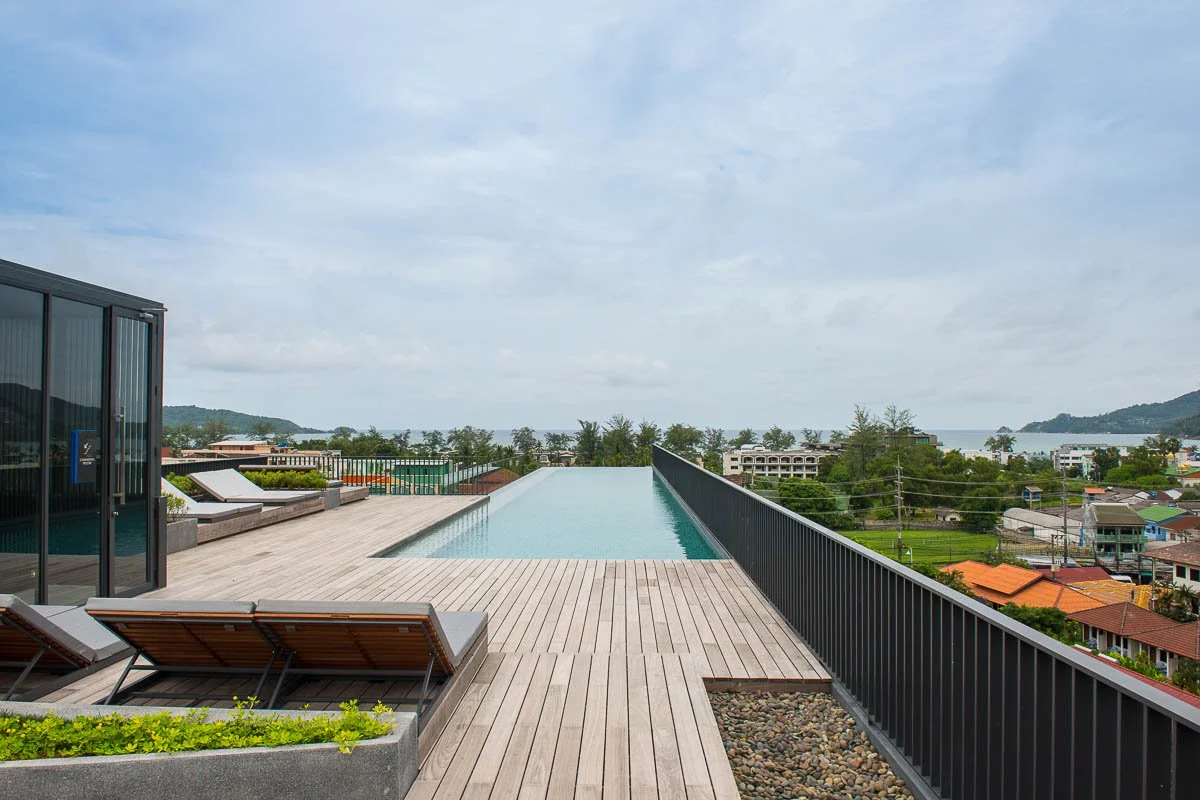
## Why Buyers Choose The Deck Patong
- **Sansiri quality:** a building by one of Thailand's largest listed developers
- **Completed and ready:** see the unit in person and receive the keys at transfer
- **Walk to the beach:** Patong Beach and Jungceylon about five minutes on foot
- **Two pools**, including a rooftop infinity pool with sea views
- **A private sun deck** for every unit
- **Designed for letting:** a building where most owners rent out their units
- **Freehold ownership** within the 49% foreign quota
## Who The Deck Patong Suits
**Rental investors** who want a finished unit in Phuket's busiest visitor district, ready to let from the day of transfer.
**Buyers who love Patong** and want to walk to the beach, the mall and the restaurants.
**First-time Phuket buyers** who prefer a completed building by a major developer to an off-plan purchase.
**Owners who split their time**, using the unit for their own holidays and letting it for the rest of the year.
## Renting Out a Unit at The Deck
Patong welcomes visitors all year, and The Deck was designed for them: Sansiri launched the building with a furniture package and a rental programme through its own letting service, Rental for the Holidays, which today lists The Deck for monthly stays. Many owners work with a local manager who handles listings, check-ins and cleaning, so the unit earns while they are away.
Monthly lets of 30 days or more are the simplest way to let a condominium in Thailand, and [letting a Phuket condo](/guides/can-i-rent-out-my-phuket-condo/) explains how short stays and monthly lets work. For a unit you are considering, we ask the seller for its letting history and send it together with current asking rents for comparable units in Patong. [Our rental guide](/guides/phuket-rental-yield-complete-guide-2026/) explains how to read a rental offer line by line.
## Ownership for Foreign Buyers
The Deck is a registered condominium, so a unit can be held freehold in your own name within the 49% foreign quota of the building, counted by floor area. The simplest case on a resale is a unit already registered in a foreign name, which passes to you inside the quota. For a unit held by a Thai owner, we confirm the foreign quota position with the juristic person before you reserve. For a freehold unit at The Deck, the purchase money is transferred from abroad in foreign currency, and the receiving bank provides the FET form that the Land Department asks for at registration. [Freehold and leasehold in Thailand](/guides/freehold-vs-leasehold-thailand/) explains both forms of ownership.
## The Deck and Other Completed Patong Condos
| Project | From | Status |
| --- | --- | --- |
| [The Base Rise](/projects/the-base-rise/) | 2,690,000 THB | Completed |
| [THE BASE Bukit](/projects/the-base-bukit/) | 2,880,000 THB | Completed |
| [The City Phuket](/projects/the-city-phuket/) | 3,140,000 THB | Completed |
| The Deck Patong | Resale, on request | Completed |
| [The Balance Patong](/projects/the-balance/) | 5,990,000 THB | Off-plan |
The Deck stands out in this group for its two pools and its walk to Patong Beach. We send current resale offers at The Deck and the price lists of the other buildings on request, and arrange viewings.
## Buying a Unit at The Deck with MORE Group
A resale at The Deck is bought in four steps, and we are with you through each of them.
**1. The resale list.** We collect the units currently offered in the building, with size, floor, view, photos and asking price, and send you the ones that match your budget, so you can see how each asking price compares with other units offered in the building.
**2. Viewing and offer.** We arrange a viewing of the units you like and of the pools and common areas. When you choose, we present your offer to the owner, covering the price, the furniture that stays and the transfer date.
**3. Reservation and agreement.** A reservation deposit takes the unit off the market under a written reservation agreement. The sale and purchase agreement then fixes the price, the furniture, the transfer date and how transfer costs are shared, and our legal support prepares it with you.
**4. Transfer at the Land Office.** The balance is paid, the FET form is presented, and the title is registered in your name. The juristic person confirms that the unit's common charges are settled, and the keys are handed over at transfer.
## What We Send Before You Reserve
- Resale units currently offered in the building, with photos and asking prices
- Asking prices of comparable units in The Deck
- The foreign quota position for the unit you choose
- The building's common charges and sinking fund
- The unit's letting history, where the owner has let it
- Current asking rents for comparable units in Patong, if you plan to rent
{/* corpus-faq:the-deck-patong */}
## FAQ
### Who built The Deck Patong?
Sansiri, one of Thailand's largest listed developers. The building was completed in 2015 and has 270 residences in two seven-storey buildings on Rat-U-Thit 200 Pee Road in Patong.
### What unit sizes are there at The Deck?
Studios of 29 to 38 sqm, one-bedrooms of 40.5 to 50.5 sqm and two-bedrooms of 63 to 75 sqm. Every unit has a private sun deck.
### How do I buy a unit at The Deck?
Units are bought as resales from owners. We collect the units currently offered with photos and asking prices, arrange viewings, present your offer and handle the reservation, the sale and purchase agreement and the transfer at the Land Office.
### Can foreign buyers own a unit at The Deck freehold?
Yes, within the 49% foreign quota of the building, counted by floor area. A unit already registered in a foreign name passes to you inside the quota; for a unit held by a Thai owner, we confirm the quota position with the juristic person before you reserve.
### How far is The Deck from Patong Beach?
About five minutes on foot. Jungceylon shopping mall is also about five minutes away, and Bangla Road is close by.
**Read Also:**
- [Best Areas to Buy Property in Phuket](/guides/best-areas-phuket-buy-property/)
- [Patong Beach Area Guide](/guides/patong-beach-area-guide-property-2026/)
- [One-Bedroom Condos for Sale in Patong](/patong-properties/)
- [Phuket Rental Yield Guide](/guides/phuket-rental-yield-complete-guide-2026/)
- [Property Taxes and Fees in Phuket](/guides/phuket-property-taxes-fees-complete-guide/)
- [How Foreigners Buy Phuket Property 2026](/guides/buying-property-phuket-guide/)
# The Element by Anocha Kamala: Condos from 4.25M THB
> The Element by Anocha, Kamala: one and two-bedroom condos and penthouses from 4.25M THB, with a rooftop tennis court, spa and co-working near the beach.
**Source:** https://moregroup.estate/projects/the-element-condo/
**Section:** Project Reviews
**Author:** MORE Group Editorial
**Published:** 2026-04-08
**Updated:** 2026-08-23
---
## What Is The Element by Anocha?
The Element brings a resort's facilities to the calm village of Kamala. Its four low-rise buildings are designed in a tropical modern style, with open layouts, natural tones and views of the green hills and mountains around the bay. The residences range from compact one-bedrooms to spacious top-floor penthouses, some with their own pool or jacuzzi on the terrace.
Residents share a swimming pool, a rooftop tennis court, a gym, a sauna and spa, a yoga area, a cafe, a co-working space and a playground, with 24-hour security and CCTV. The developer, Anocha, also builds [The Trees Residence](/projects/the-trees-residence-by-anocha/) in Bang Tao.
## What Are the Key Facts for The Element?
| Factor | Detail |
| --- | --- |
| Developer | Anocha |
| Location | Kamala, west coast of Phuket |
| Buildings | Four seven-storey buildings |
| Residences | 278 in total, 100 on our price list |
| One-bedroom | 30 to 49 sqm, 4,248,640 to 7,376,000 THB |
| Two-bedroom | 49 to 57 sqm, 4,878,000 to 10,648,500 THB |
| Penthouses | 74 to 169 sqm, 14,014,350 to 31,867,290 THB |
| Payment | 35% / 15% / 10% / 40% |
| Facilities | Pool, rooftop tennis, gym, sauna, spa, yoga, cafe, co-working |
| Stage | Under construction |
| Beach | About 4 minutes by car |
## Location: Kamala, the West Coast's Village Beach
Kamala has kept its village character while the rest of the west coast grew. Its beach runs for more than two kilometres and stays relaxed, and the streets behind it are lined with local restaurants, cafes, small shops and dive schools. The InterContinental Phuket Resort on the hill above the bay has brought a five-star neighbour to the area, and Patong and Surin are each a short drive over the headlands.
- **Kamala Beach:** about 4 minutes by car, or a 20-minute walk
- **Surin and Bang Tao:** the beach clubs and restaurants of the north-west a short drive away
- **Patong:** the island's busiest beach town over the hill to the south
- **Shopping:** the nearest mall about 17 minutes by car, with shops and markets in Kamala village
- **Airport:** about 45 minutes by car
Kamala draws couples, families and remote workers who want a quiet beach and a real neighbourhood. The [Kamala property guide](/guides/kamala-property-investment-2026/) covers the area in more detail.
## Units and Prices
Our price list holds 100 units:
| Format | Size | Units | Price |
| --- | --- | --- | --- |
| One-bedroom | 30 to 49 sqm | 35 | 4,248,640 to 7,376,000 THB |
| Two-bedroom | 49 to 57 sqm | 50 | 4,878,000 to 10,648,500 THB |
| Seventh-floor residence | 74 and 93 sqm | 7 | 14,014,350 and 17,503,290 THB |
| Seventh-floor penthouse | 125 and 169 sqm | 8 | 23,575,860 and 31,867,290 THB |
The compact one-bedrooms of 30 and 31 sqm open the building at 4,248,640 THB, and the two-bedrooms, the largest group on the list, offer 49 to 57 sqm for couples and small families. The seventh floor of each building holds the collection's most spacious homes, from 74 sqm to penthouses of 169 sqm, some with a private pool or jacuzzi on the terrace. We send the floor plan, floor and view of each unit with the price list.
## Facilities
- **Swimming pool** and green grounds
- **Rooftop tennis court**
- **Gym, sauna and spa**
- **Yoga area**
- **Cafe and co-working space**
- **Children's playground**
- **24-hour security** and CCTV
With a gym, a co-working space and a cafe downstairs, The Element suits residents who live and work in Kamala for months at a time as well as holiday owners.
## Payment Plan: 40% at Handover
The price is paid in four stages: 35%, 15%, 10% and 40% at handover. For a one-bedroom at 4,248,640 THB that works out as follows:
| Stage | Share | Amount |
| --- | --- | --- |
| 1 | 35% | 1,487,024 THB |
| 2 | 15% | 637,296 THB |
| 3 | 10% | 424,864 THB |
| 4 | 40% | 1,699,456 THB |
With 40% of the price due at handover, the amount paid during construction stays moderate, and the final transfer can be planned well in advance. We send the developer's schedule for your unit with the price list.
## Why Buyers Choose The Element
- **Kamala Beach** about 4 minutes by car
- **Resort facilities:** rooftop tennis, spa, sauna, yoga and co-working
- **A wide choice:** 100 units from one-bedrooms to penthouses
- **Penthouses with private pools or jacuzzis** on the top floor
- **An accessible entry:** one-bedrooms from 4,248,640 THB
- **40% at handover**
- **Freehold ownership** within the 49% foreign quota
## Who The Element Suits
**Remote workers and long-stay residents** who want a gym, a co-working space and a cafe in the building.
**Couples and small families** who want a quiet beach and a village feel.
**Buyers who want a penthouse** with a private pool or jacuzzi and views of the hills.
**Rental investors** aiming at the long-stay guests who choose Kamala for its calm.
## Renting Out a Unit at The Element
Kamala welcomes holidaymakers in the November to April season and a growing community of remote workers and couples who stay for months, which gives the area steady demand for monthly lets. A furnished one or two-bedroom with a pool, a gym and co-working downstairs suits them well.
If you plan to let your unit at The Element, we collect current asking rents and holiday rates for comparable units in Kamala and send them with the price list. [Our rental guide](/guides/phuket-rental-yield-complete-guide-2026/) explains how to read a rental offer line by line.
## Ownership for Foreign Buyers
The Element is a condominium, so a unit can be registered freehold in your own name within the 49% foreign quota of each building, counted by floor area. We confirm with the developer that the unit you choose sits inside that quota. For a freehold unit at The Element, each payment is transferred from abroad in foreign currency, and the receiving bank provides the FET form that the Land Department asks for at registration. [How the foreign quota works](/guides/foreign-quota-thai-condominiums/) explains the rule in detail.
## The Element and Other Kamala Condos
| Project | From | Status |
| --- | --- | --- |
| The Element by Anocha | 4,248,640 THB | Off-plan |
| [Citygate](/projects/citygate/) | 4,273,840 THB | Completed |
| [The Title Coralina](/projects/the-title-coralina/) | 4,693,524 THB | Off-plan |
| [Platinum Bay](/projects/platinum-bay/) | 4,900,000 THB | Off-plan |
| [CityGate De Phuket](/projects/citygate-de-phuket/) | 6,210,000 THB | Off-plan |
| [MGallery Residences MontAzure](/projects/mgallery-residences-montazure/) | 10,535,275 THB | Off-plan |
The Element opens this group of Kamala condos, with the longest facility list among them. We send the price lists of any of these projects on request and arrange viewings.
## Buying The Element with MORE Group
A unit at The Element is bought in five steps, from the first price list to the keys, and we are with you through each of them.
## What We Send Before You Reserve
- The current price list with free units, floors, sizes and plans
- Confirmation that your unit sits within the 49% foreign quota
- The payment schedule for your unit
- The building's common charges and house rules
- The latest construction update
- Current asking rents for comparable units in Kamala, if you plan to rent
{/* corpus-faq:the-element-condo */}
## FAQ
### What does The Element cost?
Our price list holds 100 units: one-bedrooms of 30 to 49 sqm from 4,248,640 THB, two-bedrooms of 49 to 57 sqm from 4,878,000 THB, and seventh-floor residences and penthouses of 74 to 169 sqm from 14,014,350 to 31,867,290 THB.
### Who is the developer?
Anocha, which also builds The Trees Residence in Bang Tao. The Element has four seven-storey buildings with 278 residences in Kamala.
### What facilities does The Element have?
A swimming pool, a rooftop tennis court, a gym, a sauna and spa, a yoga area, a cafe, a co-working space, a playground and 24-hour security.
### What is the payment plan?
Four stages: 35%, 15%, 10% and 40% at handover. For a one-bedroom at 4,248,640 THB that means 1,487,024 THB at the first stage and 1,699,456 THB at handover.
### Can foreigners buy at The Element freehold?
Yes. Foreign buyers can hold a unit freehold in their own name within the 49% foreign quota of the building, counted by floor area. We confirm that your unit sits inside the quota, and the purchase money is transferred from abroad with an FET form for registration at the Land Department.
**Read Also:**
- [Platinum Bay](/projects/platinum-bay/)
- [The Residences at InterContinental Phuket](/projects/intercontinental-phuket-residences/)
- [Kamala Property Guide](/guides/kamala-property-investment-2026/)
- [One-Bedroom Condos for Sale in Kamala](/kamala-properties/)
- [Best Areas to Buy Property in Phuket](/guides/best-areas-phuket-buy-property/)
- [How Foreigners Buy Phuket Property 2026](/guides/buying-property-phuket-guide/)
# The Greens Rawai: Pool Villas from 12.6M THB
> The Greens Rawai: 19 private pool villas in a gated green estate near Nai Harn, two-bedroom houses of 200 to 277 sqm on our list from 12.6M THB.
**Source:** https://moregroup.estate/projects/the-greens/
**Section:** Project Reviews
**Author:** MORE Group Editorial
**Published:** 2026-04-02
**Updated:** 2026-08-22
---
## What Is The Greens?
The Greens is a calm, green estate for buyers who want their own pool villa in the south of Phuket. Each house has a contemporary open-plan layout that joins the living room, the dining area and a fully equipped Western kitchen, with large sliding glass doors opening straight onto the poolside terrace. The bedrooms have their own bathrooms, the ceilings are high, and every villa has a landscaped garden and covered parking.
With only 19 houses behind a gate, the estate is quiet and private, set among lush greenery with 24-hour security and CCTV. Rawai and Nai Harn beaches, Chalong Pier, Yanui Beach and the restaurants and wellness centres of the south are all a short drive away.
## What Are the Key Facts for The Greens?
| Factor | Detail |
| --- | --- |
| Location | Rawai, near Nai Harn |
| Estate | 19 private pool villas, gated |
| Villas | 8 on our price list |
| Layouts | Two and three bedrooms |
| On our list | Two-bedroom houses of 200 to 277 sqm |
| Price range | 12,600,000 to 13,800,000 THB |
| Payment | 40% / 20% / 20% / 10% / 10% |
| Security | 24 hours with CCTV |
| Stage | Under construction |
| Beach | About 11 minutes by car |
## Location: Rawai and Nai Harn
Rawai and Nai Harn form the relaxed southern tip of Phuket, loved by long-stay residents for their village pace, their markets and cafes, and some of the island's most beautiful bays.
- **Nai Harn Beach:** a sheltered bay with calm water for most of the year and a lake park behind it
- **Rawai Beach and Chalong Pier:** seafood restaurants on the promenade and boats to the islands
- **Yanui Beach and Promthep Cape:** a small cove and the island's classic sunset viewpoint
- **Shopping:** the nearest mall about 10 minutes by car, with markets and supermarkets across Rawai
- **Phuket Town:** the island's services and old town within easy reach
The south suits families, retirees and remote workers who want a real neighbourhood rather than a resort strip. The [Rawai area page](/rawai-properties/) covers the district in more detail.
## Villas and Prices
| Villas | Bedrooms | Built area | Price |
| --- | --- | --- | --- |
| 2, 3, 4, 13, 14 | Two | 200 sqm | 12,600,000 THB |
| 15 | Two | 205 sqm | 13,100,000 THB |
| 5 | Two | 270 sqm | 13,800,000 THB |
| 12 | Two | 277 sqm | 13,800,000 THB |
Five villas of 200 sqm share the entry price of 12,600,000 THB, a private pool villa with two ensuite bedrooms in the south of the island. Villas 5 and 12 offer about 70 sqm more for 13,800,000 THB, which gives a great deal of extra space for the price. The estate's three-bedroom houses are released by the developer on request, and we send them together with the plans of every villa.
## Design and Villas
- **Open-plan living and dining** with a fully equipped Western kitchen
- **Two or three bedrooms**, each with its own bathroom
- **High ceilings** and large sliding glass doors
- **Private swimming pool** and a spacious poolside terrace
- **Landscaped garden** and covered parking
- **Gated estate** with 24-hour security and CCTV
- **Pet-friendly**
## Living in the South
Days in Rawai and Nai Harn follow an easy rhythm. Mornings start with a walk around Nai Harn Lake or a swim in the bay, the markets and cafes along the Rawai roads fill the middle of the day, and evenings end with seafood on the promenade or the sunset from Promthep Cape. For owners who spend long periods on the island, a villa with its own pool and garden is the natural base for this life, close to everything and quiet at night.
## Five-Stage Payment Plan
The price is paid in five stages: 40%, 20%, 20%, 10% and 10%. For a villa at 12,600,000 THB that works out as follows:
| Stage | Share | Amount |
| --- | --- | --- |
| 1 | 40% | 5,040,000 THB |
| 2 | 20% | 2,520,000 THB |
| 3 | 20% | 2,520,000 THB |
| 4 | 10% | 1,260,000 THB |
| 5 | 10% | 1,260,000 THB |
The schedule spreads the price across the build and leaves 10% for handover. We send the developer's schedule for your villa with the price list.
## Why Buyers Choose The Greens
- **A private pool villa from 12,600,000 THB** in the south of Phuket
- **A boutique gated estate** of 19 houses
- **Near Nai Harn,** one of the island's most loved beaches
- **Open-plan living** with high ceilings and a Western kitchen
- **Covered parking** and a landscaped garden
- **Pet-friendly**
## Who The Greens Suits
**Couples and small families** who want their own pool villa near Nai Harn.
**Long-stay residents and retirees** who value the village pace of the south.
**Remote workers** who want a quiet home with a garden and a pool.
**Rental investors** aiming at the long-stay tenants of Rawai and Nai Harn.
## Renting Out a Villa at The Greens
Rawai and Nai Harn attract long-stay guests: remote workers for one to three months, European couples for the winter and families for a school year. A two-bedroom pool villa near the beaches of the south suits them well, and monthly lets keep turnover low.
If you plan to let your villa at The Greens, we collect current asking rents for comparable villas in Rawai and Nai Harn and send them with the price list. [Our rental guide](/guides/phuket-rental-yield-complete-guide-2026/) explains how to read a rental offer line by line.
## Ownership for Foreign Buyers
At The Greens, as with any villa in Thailand, you buy land plus a building. The house can be held in your own name over a lease of the plot registered at the Land Office, 30 years per registration with renewal terms in the contract, or the land can be held through a Thai company with genuine Thai shareholders. [Freehold and leasehold in Thailand](/guides/freehold-vs-leasehold-thailand/) explains both routes, and we prepare the one that suits you with our legal support.
## The Greens and Other Villas in the South
| Project | From | Status |
| --- | --- | --- |
| [Charn Baan Saiyuan](/projects/charn-baan-saiyuan/) | 12,280,000 THB | Off-plan |
| The Greens | 12,600,000 THB | Off-plan |
| [Nile Residence](/projects/nile-residence/) | 12,950,000 THB | Off-plan |
| Foresta Villas | 17,700,000 THB | Off-plan |
| [Monetaria Villas](/projects/monetaria-villas/) | 18,900,000 THB | Off-plan |
| WamDom Villas Rawai | 20,000,000 THB | Completed |
The Greens is one of the most accessible private pool villas in this group. We send the price lists of any of these projects on request and arrange viewings.
## Buying The Greens with MORE Group
A villa at The Greens is bought in five steps, from the first price list to the keys, and we are with you through each of them.
## What We Send Before You Reserve
- The current price list with free villas, built and plot areas, and plans
- The five-stage payment schedule for your villa
- The ownership structure for your purchase, leasehold or company, with the documents it needs
- The estate's common charges
- The latest construction update
{/* corpus-faq:the-greens */}
## FAQ
### What does The Greens cost?
Our price list holds eight two-bedroom villas: five of 200 sqm at 12,600,000 THB, one of 205 sqm at 13,100,000 THB and two of 270 and 277 sqm at 13,800,000 THB. The three-bedroom houses are released on request.
### Where is The Greens?
In the green residential side of Rawai, near Nai Harn. The beach is about 11 minutes by car and the nearest mall about 10 minutes, with Rawai Beach, Chalong Pier and Yanui Beach close by.
### What does each villa include?
An open-plan living and dining area with a Western kitchen, ensuite bedrooms, high ceilings, a private pool and poolside terrace, a landscaped garden and covered parking.
### What is the payment plan?
Five stages: 40%, 20%, 20%, 10% and 10%. For a villa at 12,600,000 THB that means 5,040,000 THB at the first stage.
### How can foreigners own a villa at The Greens?
The house can be held in your own name over a lease of the plot registered at the Land Office, 30 years per registration with renewal terms in the contract, or the land can be held through a Thai company with genuine Thai shareholders. We prepare the structure with our legal support.
**Read Also:**
- [How Foreigners Buy Phuket Property 2026](/guides/buying-property-phuket-guide/)
- [Nile Residence](/projects/nile-residence/)
- [Monetaria Villas](/projects/monetaria-villas/)
- [Nai Harn and Rawai Compared](/guides/nai-harn-vs-rawai-comparison/)
- [Freehold vs Leasehold in Thailand](/guides/freehold-vs-leasehold-thailand/)
- [Phuket Rental Yield Guide](/guides/phuket-rental-yield-complete-guide-2026/)
# The Harmony by Wallaya: Pool Villas from 20.78M THB
> The Harmony by Wallaya review: 37 gated pool villas in Pasak, Cherng Talay, three bedrooms of 272 sqm from 20.78M THB and five-bedroom estates of 897 sqm.
**Source:** https://moregroup.estate/projects/the-harmony-by-wallaya-villas/
**Section:** Project Reviews
**Author:** MORE Group Editorial
**Published:** 2026-04-07
**Updated:** 2026-08-23
---
## What Is The Harmony by Wallaya Villas?
The Harmony by Wallaya Villas is designed around balance: modern elegance and tropical living, privacy and a connected location. Each villa is built over two or three levels, with open-plan living spaces, high ceilings, expansive glass walls and seamless transitions between the house, the terrace and the private pool. Master suites have walk-in closets, and select villas include a basement for entertainment or fitness.
The community is gated, with a clubhouse, a communal pool, a fitness centre, landscaped gardens, barbecue and relaxation areas and 24-hour security with CCTV. It is part of the Wallaya family of projects, alongside [QNITY by Wallaya Villas](/projects/qnity-by-wallaya-villas/) nearby, [Wallaya Hill](/projects/wallaya-hill/) in Kamala and [Wallaya Residence](/projects/wallaya-residence/) near Nai Harn.
## What Are the Key Facts for The Harmony by Wallaya Villas?
| Factor | Detail |
| --- | --- |
| Location | Pasak, Cherng Talay (Si Sunthon, Thalang) |
| Community | 37 private pool villas, gated |
| Villas | 30 on our price list |
| Three-bedroom | 272 sqm, 20,776,000 to 22,576,000 THB |
| Five-bedroom | 897 sqm, 65,829,000 to 68,097,000 THB |
| Levels | Two or three |
| Payment | 30% / 30% / 15% / 15% / 10% |
| Facilities | Clubhouse, communal pool, fitness centre, gardens |
| Stage | Under construction |
| Beach | About 15 minutes by car |
| Airport | About 28 minutes by car |
## Location: Pasak, Cherng Talay
Pasak is a green, residential part of Cherng Talay and a very liveable address: close to everything the Bang Tao area offers, yet calm and private.
- **Bang Tao Beach:** about 15 minutes by car
- **Laguna Phuket:** golf, hotels and beach clubs along Bang Tao Bay
- **Boat Avenue and Porto de Phuket:** shopping, cafes and restaurants, with the nearest mall about 10 minutes by car
- **International schools:** within a short drive
- **Airport:** about 28 minutes by car
Weekends here follow an easy rhythm: a morning on Bang Tao Beach, lunch at Boat Avenue, a round of golf at Laguna and sunset drinks at a beach club, all within a short drive of home. Families choose Pasak for the schools and the space, and owners who spend part of the year in Phuket choose it for the quiet. The [Bang Tao and Layan area guide](/bang-tao-properties/) covers the district in more detail.
## Villas and Prices
Our price list holds 30 villas in two types:
| Type | Villas | Bedrooms | Built area | Price |
| --- | --- | --- | --- | --- |
| B villas | 25 | Three | 272 sqm | 20,776,000 to 22,576,000 THB |
| A villas | 5 | Five | 897 sqm | 65,829,000 to 68,097,000 THB |
The B villas are three-bedroom family houses of 272 sqm, and three of them, 24B, 26B and 27B, share the entry price of 20,776,000 THB. Across the 25 B villas the price varies only gently, from 20,776,000 to 22,576,000 THB, so the choice comes down to position and outlook within the estate. The A villas are the community's grand estates: five bedrooms in 897 sqm over several levels, from 65,829,000 THB for 5A to 68,097,000 THB for 1A. We send the plot area and plan of each villa with the price list.
## Design and Villas
- **Tropical contemporary architecture** over two or three levels
- **Open-plan living** with high ceilings and glass walls
- **Private swimming pool** and landscaped garden
- **Master suites** with walk-in closets
- **Entertainment or fitness basements** in select villas
- **Barbecue and relaxation areas**
- **Clubhouse, communal pool and fitness centre** for residents
- **Pet-friendly**
## Five-Stage Payment Plan
The price is paid in five stages: 30%, 30%, 15%, 15% and 10%. For a B villa at 20,776,000 THB that works out as follows:
| Stage | Share | Amount |
| --- | --- | --- |
| 1 | 30% | 6,232,800 THB |
| 2 | 30% | 6,232,800 THB |
| 3 | 15% | 3,116,400 THB |
| 4 | 15% | 3,116,400 THB |
| 5 | 10% | 2,077,600 THB |
The schedule spreads the price across the build and leaves 10% for handover. We send the developer's schedule for your villa with the price list.
## Why Buyers Choose The Harmony
- **Pasak, Cherng Talay:** calm, green and close to Bang Tao
- **A gated community** of 37 villas with a clubhouse and fitness centre
- **Two types:** three-bedroom family houses and five-bedroom estates
- **Contemporary design** over two or three levels
- **Part of the Wallaya family** of projects across Phuket
- **Pet-friendly**
## Who The Harmony Suits
**Families relocating to Phuket** who want a three-bedroom pool villa near the international schools.
**Large households and multi-generation families**, with five-bedroom estates of 897 sqm.
**Owners who spend part of the year in Phuket** and want privacy with Bang Tao close at hand.
**Villa rental investors** aiming at relocating families and at families and groups on holiday.
## Renting Out a Villa at The Harmony
A three-bedroom pool villa in Cherng Talay appeals to relocating families who rent for a school year or longer, and to families and groups on holiday in the November to April season. The five-bedroom estates suit large groups and multi-generation holidays.
If you plan to let a villa at The Harmony, we collect current asking rents and holiday rates for comparable villas around Bang Tao and send them with the price list. [Our rental guide](/guides/phuket-rental-yield-complete-guide-2026/) explains how to read a rental offer line by line.
## Ownership for Foreign Buyers
At The Harmony by Wallaya Villas, as with any villa in Thailand, you buy land plus a building. The house can be held in your own name over a lease of the plot registered at the Land Office, 30 years per registration with renewal terms in the contract, or the land can be held through a Thai company with genuine Thai shareholders. [Freehold and leasehold in Thailand](/guides/freehold-vs-leasehold-thailand/) explains both routes, and we prepare the one that suits you with our legal support.
## The Harmony and Other Villas Around Bang Tao
| Project | From | Status |
| --- | --- | --- |
| [Zenithy La Ville](/projects/zenithy-la-ville/) | 19,425,000 THB | Off-plan |
| [Sierra Vista](/projects/sierra-vista/) | 19,900,000 THB | Off-plan |
| The Harmony by Wallaya Villas | 20,776,000 THB | Off-plan |
| [Mono Oxygen Bangtao Phase 2](/projects/mono-oxygen-phase-2/) | 23,950,000 THB | Off-plan |
| [Rainpalm Villas](/projects/rainpalm-villas/) | 24,172,560 THB | Off-plan |
| [QNITY by Wallaya Villas](/projects/qnity-by-wallaya-villas/) | 25,609,000 THB | Off-plan |
The Harmony stands out in this group for its gated community with a clubhouse and for its five-bedroom estates. We send the price lists of any of these projects on request and arrange viewings.
## Buying The Harmony with MORE Group
A villa at The Harmony is bought in five steps, from the first price list to the keys, and we are with you through each of them.
## What We Send Before You Reserve
- The current price list with free villas, built and plot areas, and plans
- The five-stage payment schedule for your villa
- The ownership structure for your purchase, leasehold or company, with the documents it needs
- The community's common charges
- The latest construction update
- Current asking rents and holiday rates for comparable villas, if you plan to rent
{/* corpus-faq:the-harmony-by-wallaya-villas */}
## FAQ
### What does The Harmony by Wallaya Villas cost?
Our price list holds 30 villas: 25 three-bedroom B villas of 272 sqm from 20,776,000 to 22,576,000 THB, and five five-bedroom A villas of 897 sqm from 65,829,000 to 68,097,000 THB.
### Where is The Harmony?
In the Pasak area of Cherng Talay. Bang Tao Beach is about 15 minutes by car, the nearest mall about 10 minutes and the airport about 28 minutes, with international schools within a short drive.
### What facilities does the community have?
A clubhouse, a communal pool, a fitness centre, landscaped gardens, barbecue and relaxation areas and 24-hour security with CCTV. Every villa has its own private pool.
### What is the payment plan?
Five stages: 30%, 30%, 15%, 15% and 10%. For a B villa at 20,776,000 THB that means 6,232,800 THB at each of the first two stages.
### How can foreigners own a villa at The Harmony?
The house can be held in your own name over a lease of the plot registered at the Land Office, 30 years per registration with renewal terms in the contract, or the land can be held through a Thai company with genuine Thai shareholders. We prepare the structure with our legal support.
**Read Also:**
- [How Foreigners Buy Phuket Property 2026](/guides/buying-property-phuket-guide/)
- [QNITY by Wallaya Villas](/projects/qnity-by-wallaya-villas/)
- [Wallaya Residence](/projects/wallaya-residence/)
- [Freehold vs Leasehold in Thailand](/guides/freehold-vs-leasehold-thailand/)
- [Phuket Rental Yield Guide](/guides/phuket-rental-yield-complete-guide-2026/)
- [The Buying Process in Thailand, Step by Step](/guides/due-diligence-process-thailand-step-by-step/)
# The Marin Phuket Review 2026: Prices, Units and Quota
> The Marin Phuket: a completed Kamala condo about 100 metres from the beach, now run as a hotel, with room types and resale prices.
**Source:** https://moregroup.estate/projects/the-marin/
**Section:** Project Reviews
**Author:** MORE Group Editorial
**Published:** 2026-03-31
**Updated:** 2026-09-23
---
## The Marin Phuket Review 2026: Prices, Location, Investment Analysis
The Marin Phuket was sold as a beach-oriented condominium for buyers who want walkable beach access, resort-style facilities, and a mid-market price band. It is now complete and trades as a hotel, The Marin Phuket Kamala Beach, at 111/1 Soi Kamala 12 in Kamala, Kathu district, which its own site places 100 metres from Kamala Beach. In 2026, that combination remains one of the most searched buyer profiles on the island: not ultra-luxury, not entry-level only, a balanced lifestyle and rental investment case.
This review explains what The Marin delivers in practice: where it sits geographically, what room types and price levels are on record, how a purchase works now that the building is finished, what amenities matter for guests, and how to judge rental income from the building's own figures before making an offer.
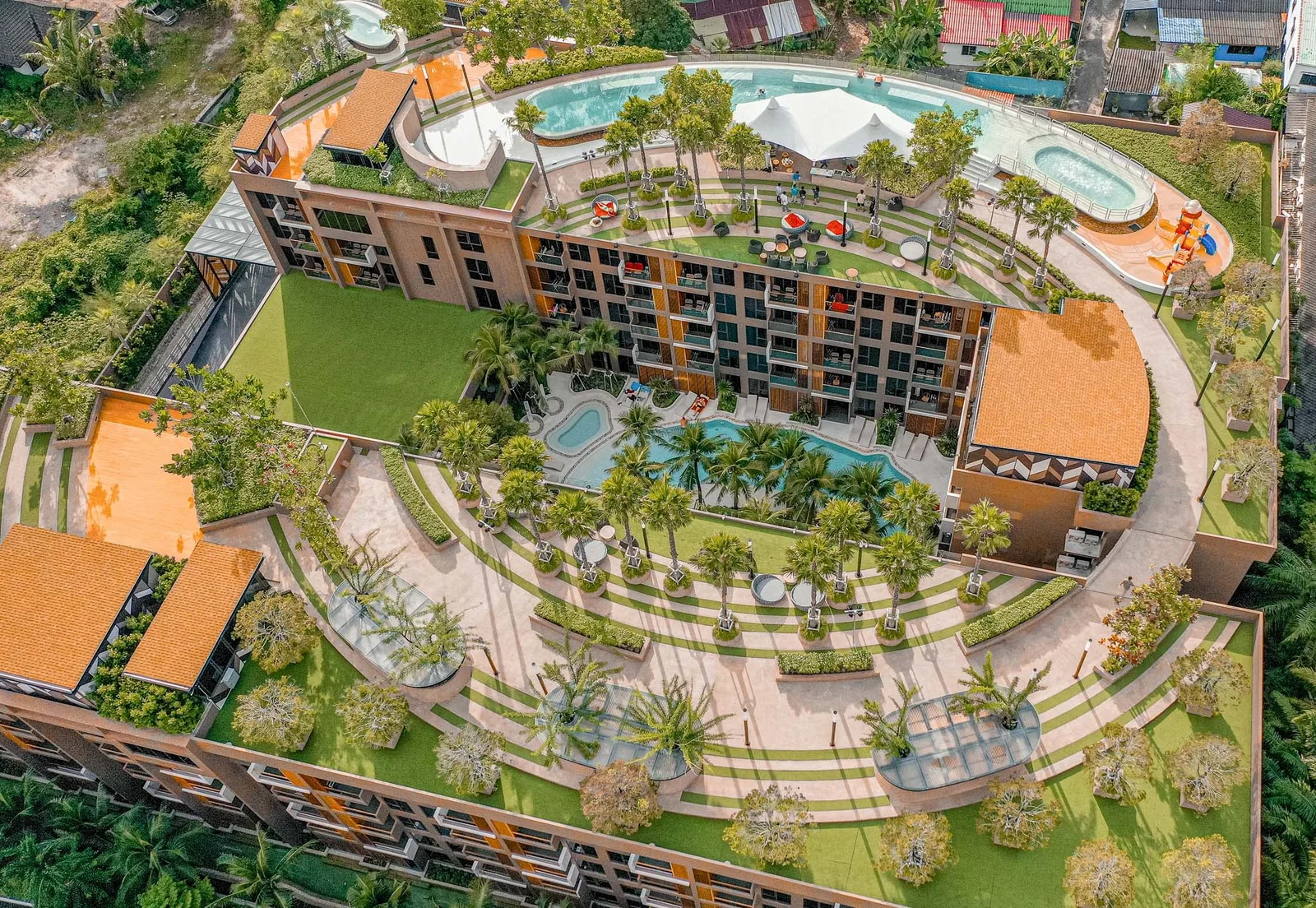
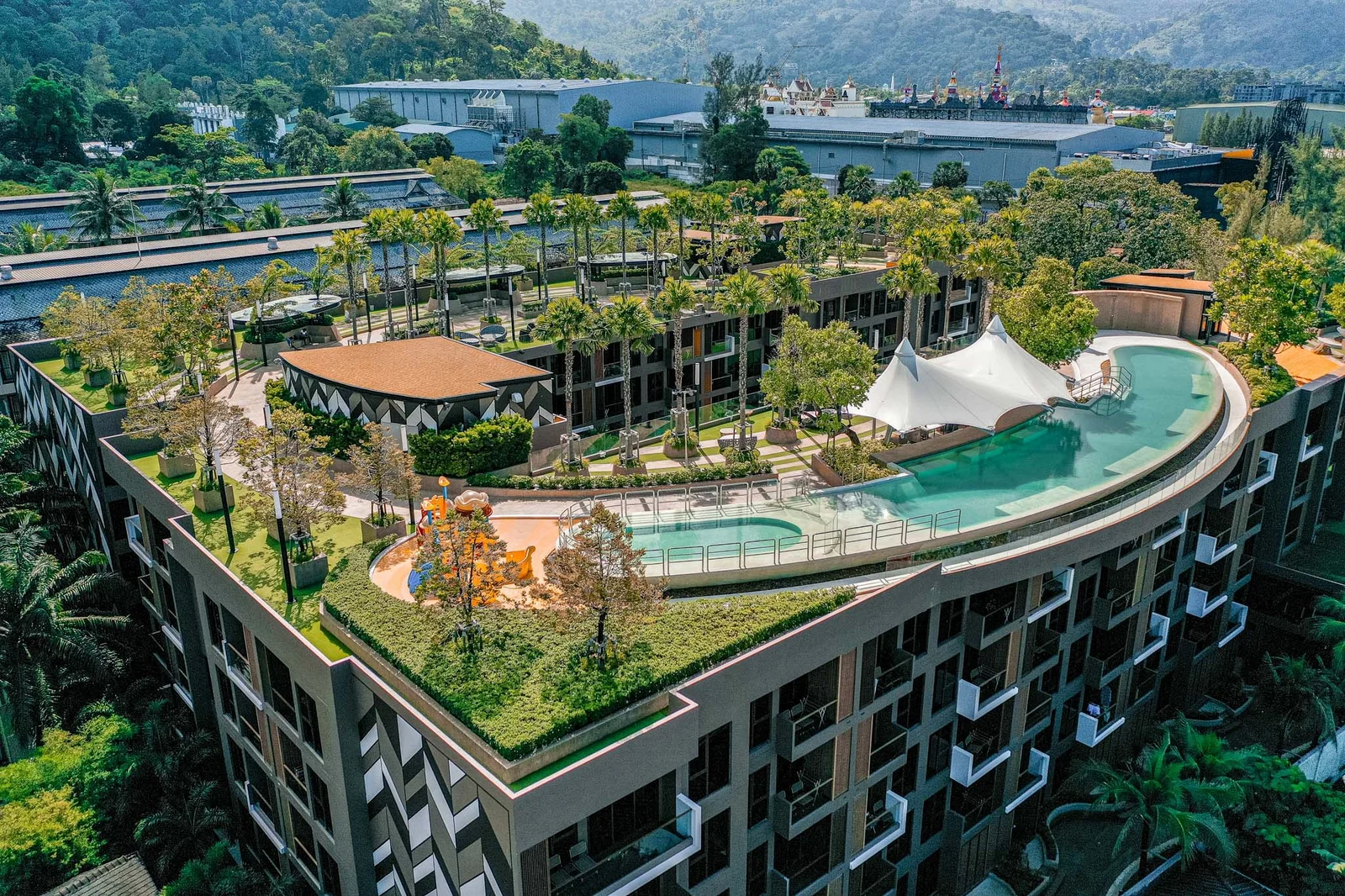
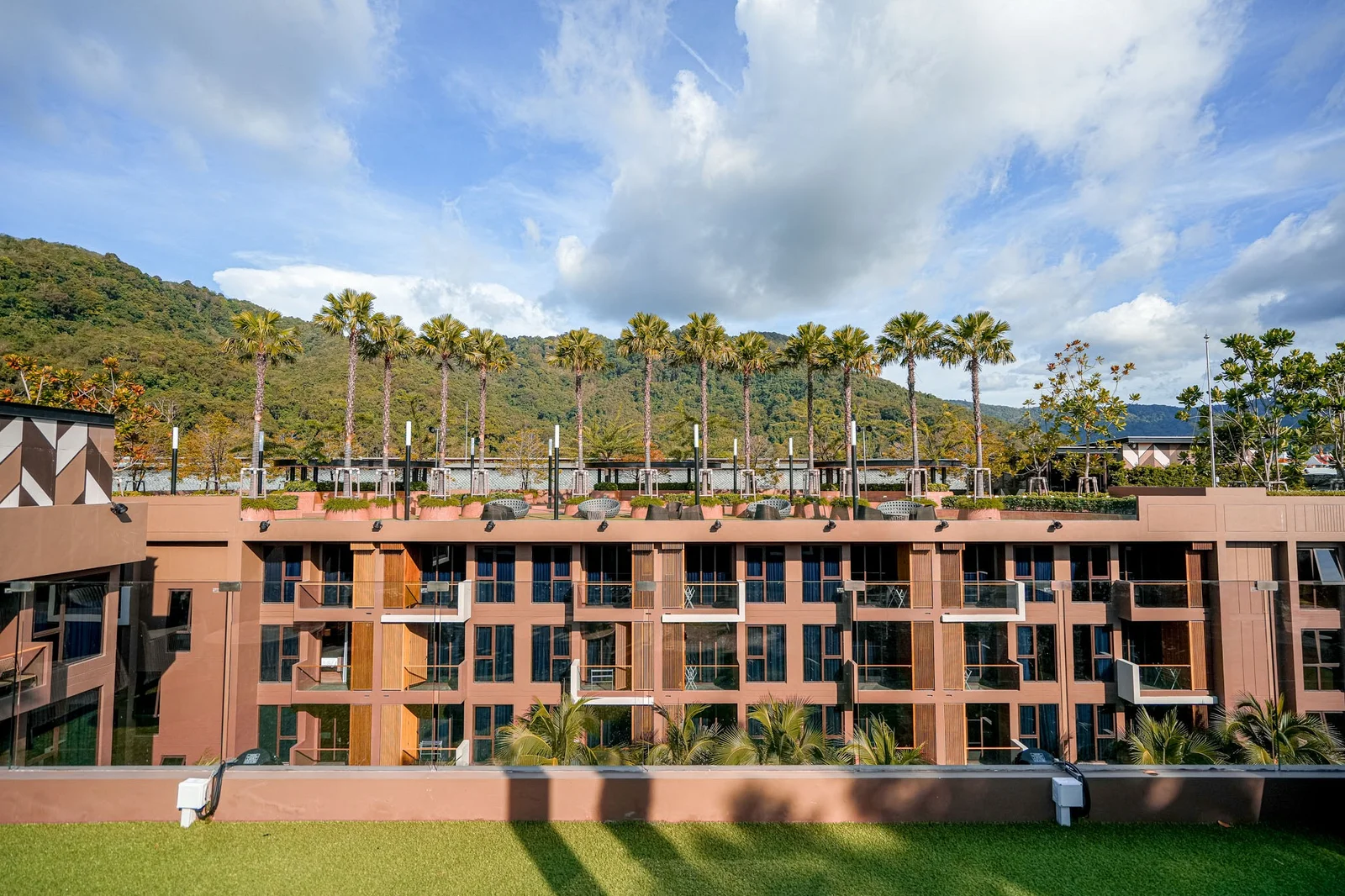
## Project overview: beachside positioning and unit mix
The Marin is two buildings, A and B, whose roof decks are joined by a bridge. The developer offered three unit types, A, B and C, plus pool-access units opening onto the ground-floor pools, and the hotel that now runs in the building lists its rooms as below. Buyers evaluating a unit here should request:
- Which units are for sale, by floor, orientation, and view
- Foreign quota status for freehold condominium ownership
- Whether the building is registered under the Condominium Act (required for foreign freehold quota)
**Room types as the hotel lists them:**
| Hotel room type | Size listed by the hotel |
|---|---|
| Deluxe rooms, including the pool-view and pool-access rooms | 40 sqm |
| One Bedroom Suite | 53 sqm |
| Two Bedroom Suite | 70 sqm |
| Grande Two Bedroom Suite, with or without pool access | 80 sqm |
The title deed, not the hotel's room description, gives the area you are buying.
If your goal is maximum nights booked, one-bedroom units often outperform two-bedroom units on occupancy in Phuket’s short-term market, but two-bedroom units can win on total cash flow when peak-season family demand is strong.
## Developer background: what to verify
The project owner is Phuket Smile (Thailand) Co., Ltd., which the developer's sales site described as a joint venture led by the Phuket building contractor Kayun Kran Kiet Co., Ltd. The building is finished, so the questions that matter now concern how it is run:
- Which company operates the hotel, and on what contract each unit is let through it
- Whether the juristic person, the owners' body, is registered and how its accounts stand
- How defects found since handover were handled, and whether any remain open
Independent legal review of the sale and purchase agreement remains essential. MORE Group recommends a Thai lawyer experienced in condominium transfers, not only villa leasehold work.
## Pricing: the developer's list and today's resale market
The building is complete and runs as a hotel, so a unit costs whatever its owner asks. The only prices the developer itself published were its construction-stage lists:
| Figure | Where it comes from | What it tells you |
|---|---|---|
| THB 3.99 million to 11.5 million | Developer's sales site, 2019 | Launch list across all unit types |
| THB 4 million-plus to 11.41 million | Developer's sales site, later years | Later list for the same unit types |
| Today's asking price | The seller | Set by each owner |
**How to read those figures:**
- The range covered every unit type the developer offered, so compare an asking price with units of the same type.
- Resale inventory may price above or below the old list depending on fit-out, the unit's rental record, and the seller's urgency.
Always compare **price per square meter** against competing projects in the same sub-zone, using the area on the title deed. Small differences per square metre add up across a whole unit.
## Payment structure: what buyers see now the building is complete
- Reservation deposit to the seller, with the refund terms in writing
- Sale and purchase agreement setting the price, the deposit and the transfer date
- Balance paid at the Land Office on transfer day
- A letter from the juristic person confirming no unpaid common charges, which the transfer needs
The building is finished, so there are no construction instalments to protect. A foreign freehold buyer should send the money from abroad in foreign currency and keep the bank's Foreign Exchange Transaction (FET) form: the Land Office asks for it, and it matters again at resale and repatriation.
## Amenities: pool, gym, beach access, and guest experience
- Walking distance to swimmable beach
- Pool size, sunbed count, and whether the pool is photogenic for listing photos
- Fitness room quality (even a small but clean gym helps)
- Security, parking, and lobby impression on check-in
The Marin has four swimming pools and jacuzzis, including wrap-around pools that the pool-access rooms open onto and a rooftop pool with a bar, where a bridge links the roof gardens of the two buildings. The hotel also runs the SUBSEA restaurant and café, a rooftop bar, a kids club, a playground and a gym. By the hotel's own figures, Kamala Beach is 100 metres away, Surin Beach 2.7 km, Patong Beach 10 km and the airport 20 km. Buyers should verify:
- Whether “beach access” means a public path, private resort walkway, or road crossing
- Operating hours and maintenance standards for common areas (poor upkeep shows in reviews fast)
## Rental yield expectations: start from the building's own figures
No gross or net yield is published for this building, and Thailand keeps no letting register to derive one from. The Marin now trades as a hotel, so start from the owner's statements.
**Practical modeling tips:**
- Ask the seller for the unit's actual statements, month by month, for as long as it has been let.
- Separate high-season and low-season nightly rates rather than using a single annual average.
- Include OTA commissions, channel manager costs, and linen replacement.
Ask whether an owner may let a unit outside the hotel at all. Where that is allowed, management options usually include professional short-term operators, hybrid programs, or self-management through a trusted local team. Full-service management is easier for overseas owners but reduces net income.
## Who should buy The Marin Phuket
- Buyers prioritizing a short walk to Kamala Beach and resort facilities over the restaurant and shopping density around Bang Tao’s Boat Avenue
- Investors who want a finished building with a hotel already operating, rather than off-plan stock and its delivery risk
- Owners who want a mid-market nightly rate segment with broad guest appeal
**Consider alternatives if:**
- You want to let and manage the unit yourself, since owner letting in a building run as a hotel may be limited by its rules
- You want institutional developer scale, compare listed developers’ projects in Choeng Thale
- You require guaranteed rental return promises to be contractually conservative, verify every clause with a lawyer
## Investment assessment: pros and cons
**Pros:**
- Beach-oriented product in a tourism-driven island economy
- Mid-market pricing can balance entry cost and revenue potential
- Strong listing appeal when pool and beach access present well on photos
- Completed building with a hotel already operating, so no construction risk is left to carry
**Cons:**
- “Beachside” projects face seasonality and review sensitivity
- New supply in the same zone can pressure nightly rates over time
- A resale buyer inherits whatever hotel arrangement and building condition the seller leaves
## Site visit framework: what to verify in 45 minutes
- Walk the real route to the beach twice, morning and late afternoon, to see traffic and heat exposure.
- Inspect pool water quality and common area scent, cleanliness signals management standards.
- Stand in the unit and listen for road noise with windows closed, guests sleep with AC on, but noise still matters.
If you cannot visit, request an unedited video walkthrough with timestamped beach access routing, not only marketing drone footage.
## When to walk away?
The best deals survive scrutiny, the worst deals rush signatures.
{/* corpus-faq:the-marin */}
## FAQ
### What price range should I expect at The Marin Phuket in 2026?
The developer's own sales site listed units from THB 3.99 million to THB 11.5 million in 2019, and later from THB 4 million-plus to THB 11.41 million. The building is now complete and runs as a hotel, so a unit today costs whatever its owner asks. Compare any asking price per square metre against recent transfers in the building and in nearby Kamala condominiums.
### Is The Marin Phuket suitable for foreign freehold ownership?
If the building is registered as a condominium under Thai law, foreign nationals may purchase freehold within the 49% foreign quota of the project, which is measured by floor area. Availability must be confirmed before payment. If the foreign quota is full, alternatives include a registered lease or buying a unit that is already held in the foreign quota, and your lawyer should verify the exact status on the title documents.
### What gross rental yield is realistic for a beachside condo like The Marin?
No yield is published for this building, and none can be derived from public data, because Thailand keeps no letting register. The Marin now operates as a hotel, so ask the seller for the unit's actual statements and work out gross and net income from those, after the management share, cleaning, utilities, maintenance, common charges and vacancy.
### How important is professional management for this type of project?
Very important for overseas owners. Beachside rentals depend on fast response times, housekeeping quality, and review scores. Professional operators reduce owner workload and often improve occupancy, though fees reduce net income. The right operator matters more than small differences in gross nightly rates.
### What are the main risks buyers should stress-test?
Key risks include the terms of the hotel arrangement a unit carries, competition from new supply in the same beach zone, the condition of a building in daily hotel use, and over-optimistic occupancy assumptions. Mitigate with the unit's actual statements, independent legal review of the sale and management agreements, a conservative financial model, and a look at the juristic person's accounts before transfer.
**Read Also:**
- [Phuket Rental Yield 2026: Net Income by Area](/guides/phuket-rental-yield-complete-guide-2026/)
- [Best Areas in Phuket to Buy Property 2026](/guides/best-areas-phuket-buy-property/)
- [Phuket Property Complete Guide 2026 (2026)](/guides/buying-property-phuket-guide/)
- [Phuket Off-Plan Property: Risks and Checks](/guides/off-plan-property-phuket-guide/)
- [Foreign Quota in Thai Condominiums](/guides/foreign-quota-thai-condominiums/)
- [How Foreigners Buy Phuket Property 2026](/guides/buying-property-phuket-guide/)
## What to confirm before committing
Start with the three figures that shape everything else, all obtainable in writing.
Floor area in square metres, and whether the stated figure is saleable space or includes balcony and common allocation. That determines whether the unit clears roughly 35 square metres, which is the line between serving one demand pool and two.
Foreign quota, as a dated letter from the juristic person naming your specific unit and the remaining allowance in square metres. Measured by floor area, consumed as foreign buyers register, and not the same thing as a brochure saying foreign freehold is available.
The letting position: the building now trades as a hotel, so ask which company holds the hotel licence, whether your unit is part of the licensed operation, and what the house rules say about owners letting independently, since stays under 30 days are hotel business without a licence.
## What decides performance once you own it
Management quality more than location. Two identical units in the same building let through different managers routinely differ by several percentage points of net, because occupancy, dynamic pricing, presentation and cost control all sit with the operator.
Ask any manager for occupancy month by month on comparable units over the last twelve months, the cost per changeover in baht, and whether distribution is pooled across the building or specific to your unit. A manager who cannot produce the first has given you a marketing number.
Then the building itself: the juristic person's reserve balance against its age, the three-year trend, and the owner delinquency rate. Those predict whether capital works arrive as scheduled maintenance or as a demand, and on any unit that is the cost most likely to arrive by surprise.
# The Menara Luxury: Hillside Pool Villas from 36M THB
> The Menara Luxury: a small collection of hillside pool villas in Si Sunthon near Bang Tao, four and five bedrooms of 463 to 926 sqm, from 36M THB.
**Source:** https://moregroup.estate/projects/the-menara-luxury/
**Section:** Project Reviews
**Author:** MORE Group Editorial
**Published:** 2026-04-08
**Updated:** 2026-08-23
---
## What Is The Menara Luxury?
The Menara is modern tropical living on a hillside. The houses are contemporary and generous, with open-plan living and dining areas that open to the terrace, the garden and a private swimming pool, and they are designed to blend with the green slopes around them. Four or five bedrooms and five bathrooms give room for a large family and guests.
With only a few villas, the setting is private and calm, yet everything is close: the beaches of Bang Tao about 16 minutes by car, the shops about seven minutes, the restaurants of Boat Avenue and the resort life of Laguna within an easy drive.
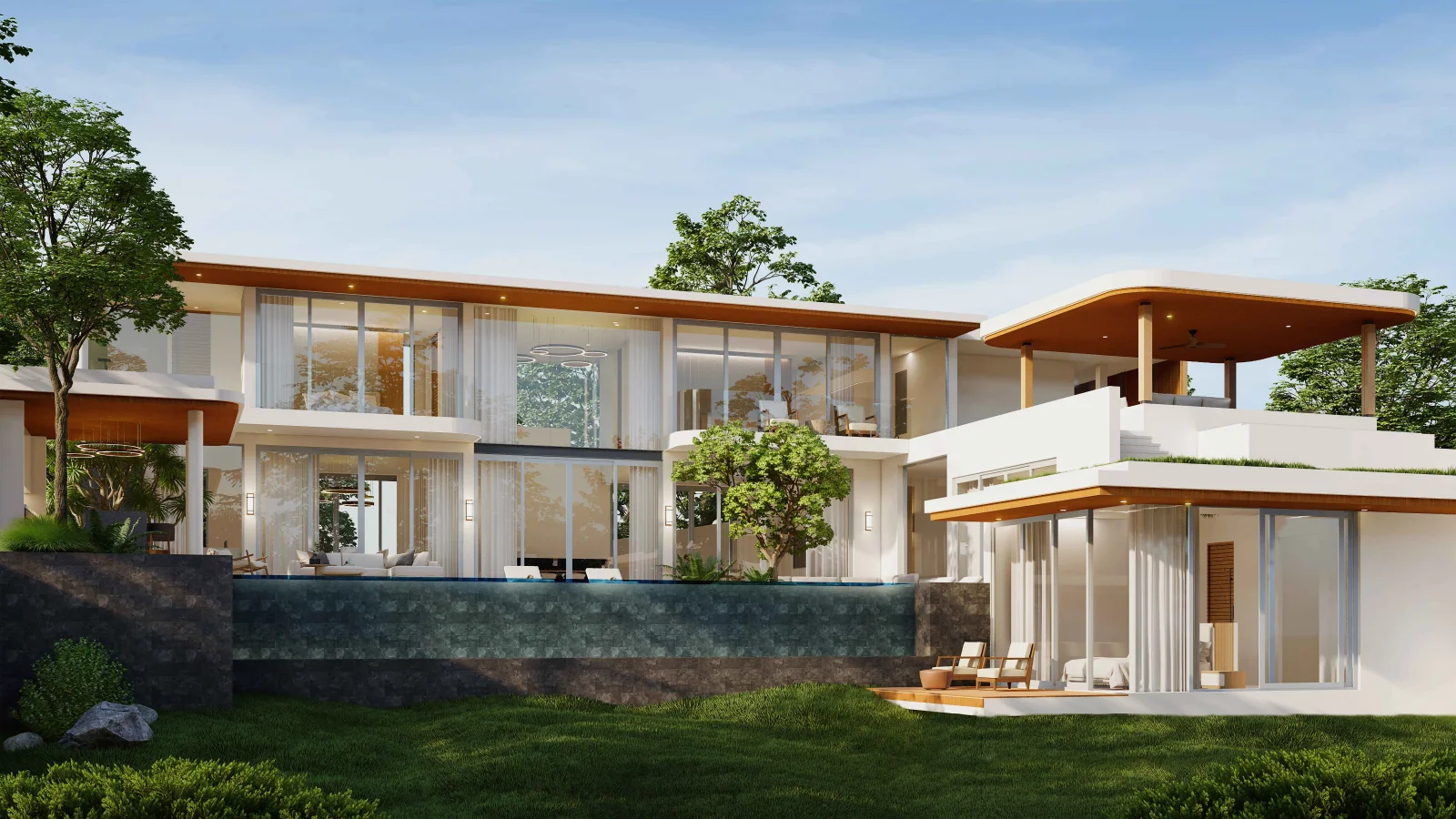
## What Are the Key Facts for The Menara Luxury?
| Factor | Detail |
| --- | --- |
| Location | Banya and Si Sunthon, near Bang Tao |
| Collection | A very limited number of hillside pool villas |
| On our price list | 4 villas |
| Four-bedroom | 463 and 926 sqm, 36,000,000 to 98,000,000 THB |
| Five-bedroom | 926 sqm, 75,000,000 THB |
| Payment | 30% / 15% / 15% / 15% / 15% / 10% |
| Stage | Under construction |
| Beach | About 16 minutes by car |
| Airport | About 26 minutes by car |
| Bathrooms | Five |
| Plots | About 332 to 694 sqm |
## Location: The Hills of Si Sunthon
Banya and Si Sunthon are the green, hilly side of the Bang Tao area, where villas look over the valleys and the beaches and restaurants of the west coast are a short drive away.
- **Bang Tao Beach:** about 16 minutes by car
- **Shops and supermarkets:** the nearest mall about 7 minutes by car
- **Laguna Phuket and Boat Avenue:** golf, spas, dining and shopping
- **International schools:** within a short drive
- **Airport:** about 26 minutes by car
From The Menara, the nearest beach about 16 minutes by car, the nearest mall about 7 minutes and the airport about 26 minutes, so everyday errands, school runs and trips home are easy to plan.
Days here combine the quiet of the hillside with the lifestyle of the coast: the pool and the view at home, the beach clubs of Bang Tao a short drive away. The [Bang Tao area page](/bang-tao-properties/) covers the district in more detail.
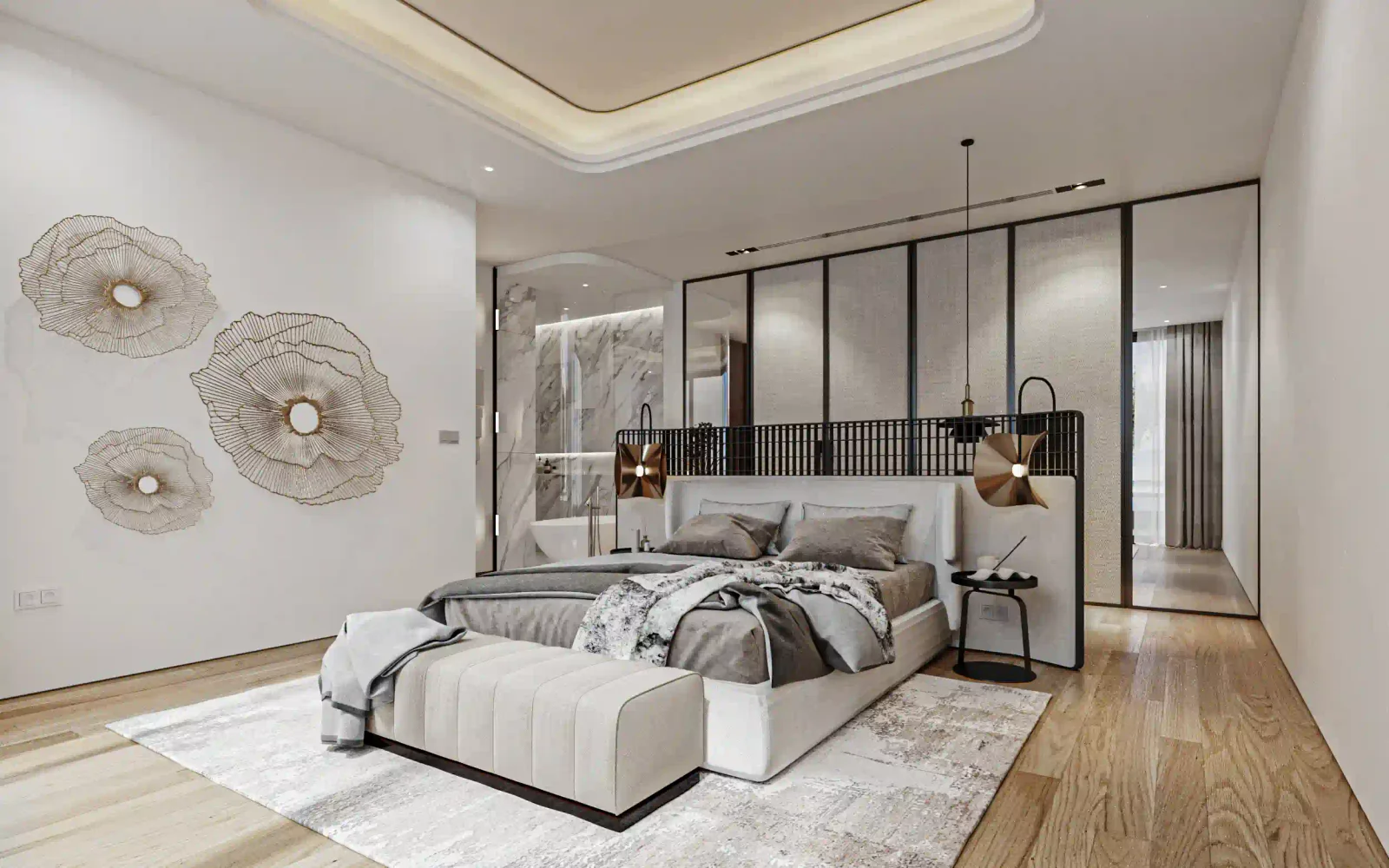
## Villas and Prices
| Villas | Bedrooms | Built area | Price |
| --- | --- | --- | --- |
| MB8, MB9, MA11 | Four | 463 and 926 sqm | 36,000,000 to 98,000,000 THB |
| MA12 | Five | 926 sqm | 75,000,000 THB |
Villa MB8 of 463 sqm opens the list at 36,000,000 THB, and the largest houses of 926 sqm, MA11 and MA12, are listed at 98,000,000 THB and 75,000,000 THB. The price follows the size, the plot and the position on the hillside, which shapes the view from each villa. We send the plan, the plot and the outlook of each villa with the list, and arrange a viewing of the site.
## Design and Facilities
- **Contemporary design** in harmony with nature
- **Open-plan living and dining**
- **Four or five bedrooms** and five bathrooms
- **Private swimming pool** and terrace
- **Hillside setting**
- **Plots** of about 332 to 694 sqm
- **Pet-friendly**
## Living at The Menara
A hillside house gives a family space and a view. Mornings begin on the terrace above the green valley, the children have the pool and the garden, and every guest has a bathroom of their own. The shops and schools of Si Sunthon are a few minutes away, and at weekends the beaches of Bang Tao and the restaurants of Boat Avenue are an easy drive. In the evening, the terrace and the lights of the hills make the house feel far from the busy coast while being close to it.
## Six-Stage Payment Plan
The price is paid in six stages: 30%, 15%, 15%, 15%, 15% and 10%. For a villa at 36,000,000 THB that works out as follows:
| Stage | Share | Amount |
| --- | --- | --- |
| 1 | 30% | 10,800,000 THB |
| 2 to 5 | 15% each | 5,400,000 THB each |
| 6 | 10% | 3,600,000 THB |
The schedule follows the build, and we send the developer's schedule for your villa with the price list.
## Why Buyers Choose The Menara Luxury
- **Only a few villas** on the hillside
- **Four or five bedrooms**, five bathrooms
- **Large houses** of up to 926 sqm
- **A private pool** for every villa
- **Bang Tao and Laguna** a short drive away
- **Pet-friendly**
## Who The Menara Luxury Suits
**Large families** who want four or five bedrooms and space for guests.
**Buyers who value privacy** and a hillside setting over a busy beach road.
**Owners who host** with a bathroom for every guest.
**Villa rental investors** aiming at families and groups who book large pool villas near Bang Tao.
## Renting Out a Villa at The Menara
A large hillside pool villa near Bang Tao appeals to families and groups on holiday in the November to April season, and to relocating families who rent for a longer stay. The space, the privacy and the pool are what guests value most.
If you plan to let your villa at The Menara Luxury, we collect current asking rents and holiday rates for comparable villas in Bang Tao and Si Sunthon and send them with the price list. [Our rental guide](/guides/phuket-rental-yield-complete-guide-2026/) explains how to read a rental offer line by line.
## Ownership for Foreign Buyers
At The Menara Luxury, as with any villa in Thailand, you buy land plus a building. The villa can be held in your own name over a lease of the plot registered at the Land Office, 30 years per registration with renewal terms in the contract, or the land can be held through a Thai company with genuine Thai shareholders. [Freehold and leasehold in Thailand](/guides/freehold-vs-leasehold-thailand/) explains both routes, and we prepare the one that suits you with our legal support.
## The Menara and Other Luxury Villas Around Bang Tao
| Project | From | Status |
| --- | --- | --- |
| [Amber Chamber Si Sunthon](/projects/amber-chamber/) | 32,500,000 THB | Off-plan |
| [Wintery by Season](/projects/wintery-by-season-luxury-villas/) | 34,000,000 THB | Completed |
| [Sunti Villas Cherng](/projects/sunti-villas/) | 34,900,000 THB | Off-plan |
| The Menara Luxury | 36,000,000 THB | Off-plan |
| [Annara Residences](/projects/annara-residences/) | 36,500,000 THB | Off-plan |
| [Redwood Lakeside Phuket](/projects/redwood-lakeside/) | 37,400,000 THB | Off-plan |
| [Botanica Majestia](/projects/botanica-majestia/) | 38,061,000 THB | Off-plan |
The Menara stands out in this group for its hillside setting and its large five-bathroom houses. We send the price lists of any of these projects on request and arrange viewings.
## Buying The Menara Luxury with MORE Group
A villa at The Menara is bought in five steps, from the first price list to the keys, and we are with you through each of them.
## What We Send Before You Reserve
- The current price list for The Menara Luxury with free villas, plot areas and plans
- The six-stage payment schedule for your villa
- The ownership structure for your purchase, leasehold or company, with the documents it needs
- The community's common charges
- The latest construction update
{/* corpus-faq:the-menara-luxury */}
## FAQ
### What does The Menara Luxury cost?
Our price list holds 4 villas: four-bedrooms of 463 and 926 sqm from 36,000,000 to 98,000,000 THB; five-bedrooms of 926 sqm at 75,000,000 THB.
### What does each villa include?
Four or five bedrooms and five bathrooms, open-plan living and dining, a private swimming pool and a terrace, in a contemporary style on the hillside.
### Where is The Menara Luxury?
On the hillside of Banya and Si Sunthon, near Bang Tao. The beach is about 16 minutes by car, the nearest mall about 7 minutes and the airport about 26 minutes.
### What is the payment plan?
Six stages: 30%, 15%, 15%, 15%, 15%, 10%. For a villa at 36,000,000 THB that means 10,800,000 THB at the first stage.
### How can foreigners own a villa at The Menara Luxury?
The villa can be held in your own name over a lease of the plot registered at the Land Office, 30 years per registration with renewal terms in the contract, or the land can be held through a Thai company with genuine Thai shareholders. We prepare the structure with our legal support.
**Read Also:**
- [Villas for Sale in Bang Tao](/bang-tao-properties/)
- [QAV Residence](/projects/qav-residence/)
- [Freehold vs Leasehold in Thailand](/guides/freehold-vs-leasehold-thailand/)
- [How Foreigners Buy Phuket Property 2026](/guides/buying-property-phuket-guide/)
- [Phuket Rental Yield Guide](/guides/phuket-rental-yield-complete-guide-2026/)
# The One Naiharn Review 2026: Prices, Units and Quota
> The One Naiharn Rawai: 196 fully furnished units from 4.93M THB near Nai Harn Beach, hotel amenities and a managed rental pool. Prices and units.
**Source:** https://moregroup.estate/projects/the-one-naiharn/
**Section:** Project Reviews
**Author:** MORE Group Editorial
**Published:** 2026-04-07
**Updated:** 2026-10-07
---
## What Is The One Naiharn in Rawai?
Nai Harn Beach ranks among Thailand's finest shorelines: sheltered bay, headland views, and a residential character that attracts long-stay visitors rather than pure party tourism. The One Naiharn wraps hotel-grade facilities around a condominium freehold structure, so owners can enter a managed rental pool without sourcing furniture or operating bookings independently.
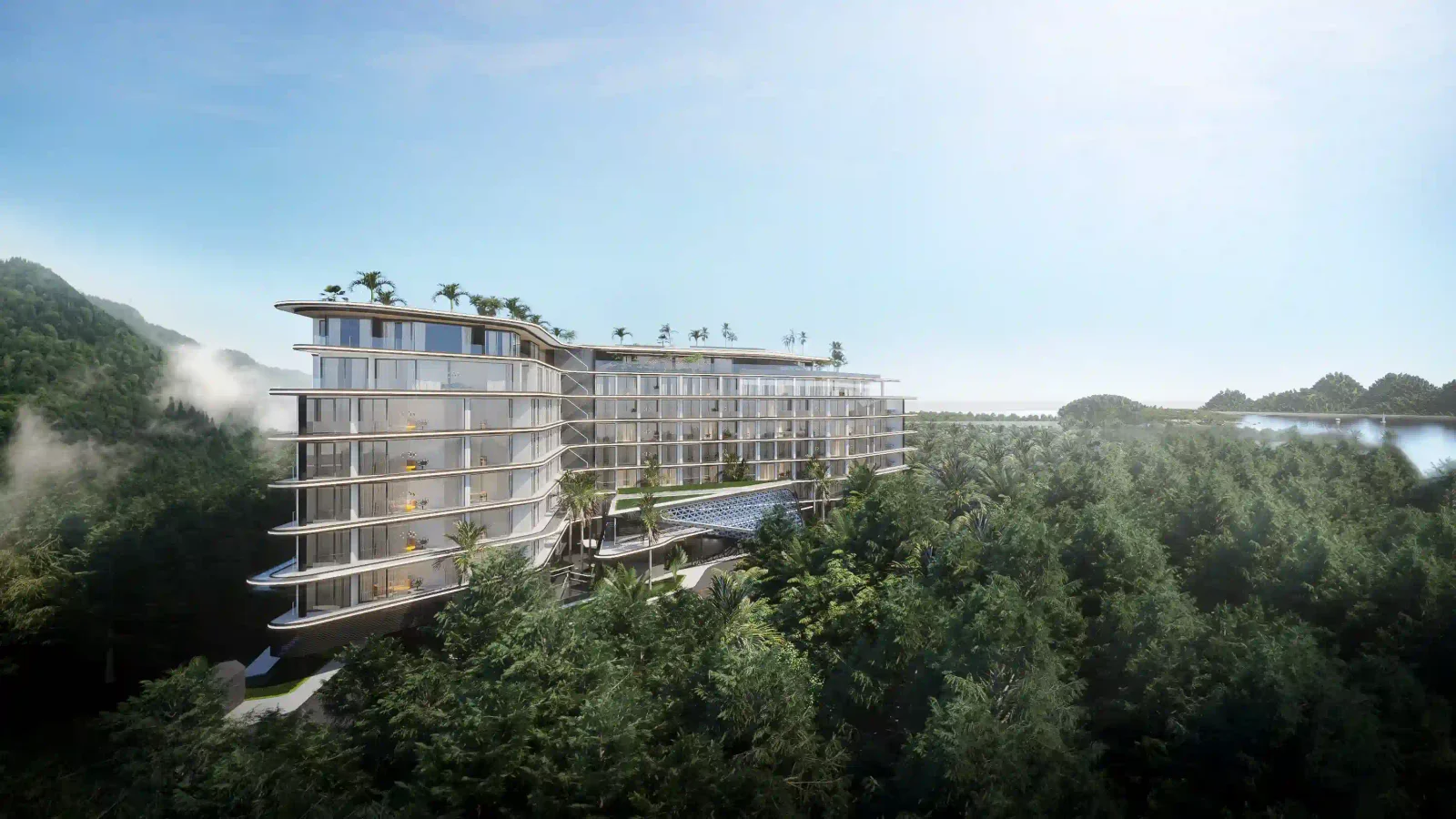
## What Are the Key Facts for The One Naiharn?
| Factor | Detail |
| --- | --- |
| Location | Rawai, southern Phuket |
| Total units | 196 fully furnished |
| Unit mix | Studio, 1BR, 2BR |
| Price range | 4.93M to 16.33 million THB |
| Status | Under construction, close to handover |
| Payment | 50% / 35% / 10% / 5% |
| Ownership | Condo freehold under 49% foreign quota |
## Location and Area
- **Nai Harn Beach:** 800-metre sheltered bay consistently ranked among Thailand's best beaches
- **Expat infrastructure:** Mature restaurants, schools, and co-working in Rawai-Nai Harn corridor
- **Undersupply:** Fewer five-star hotel brands than Kamala or Bang Tao, scarcity supports pricing
- **Demand profile:** Long-stay and quality-conscious tenants rather than peak-week turnover only
Southern Phuket has appreciated steadily because quality new-build supply stayed limited while remote-worker and expat demand grew. We include the drive to Nai Harn in the viewing, so you know the route from the building.
## Design and Units
- **Studio:** Entry from 4.93 million THB, turnkey furnished for immediate rental pool entry
- **1BR and 2BR:** Up to 16.33 million THB for couples, families, and higher nightly rate positioning
- **Amenities:** Rooftop bar, gym, spa, sauna, restaurant, cinema, kids club with VR zone
- **Hotel-condo model:** Professional operator handles bookings, housekeeping, and guest services
All units arrive fully furnished, with no fit-out cost or waiting time before the first guest. The kids club with VR signals family targeting, which supports longer average stays and higher review scores on rental platforms.
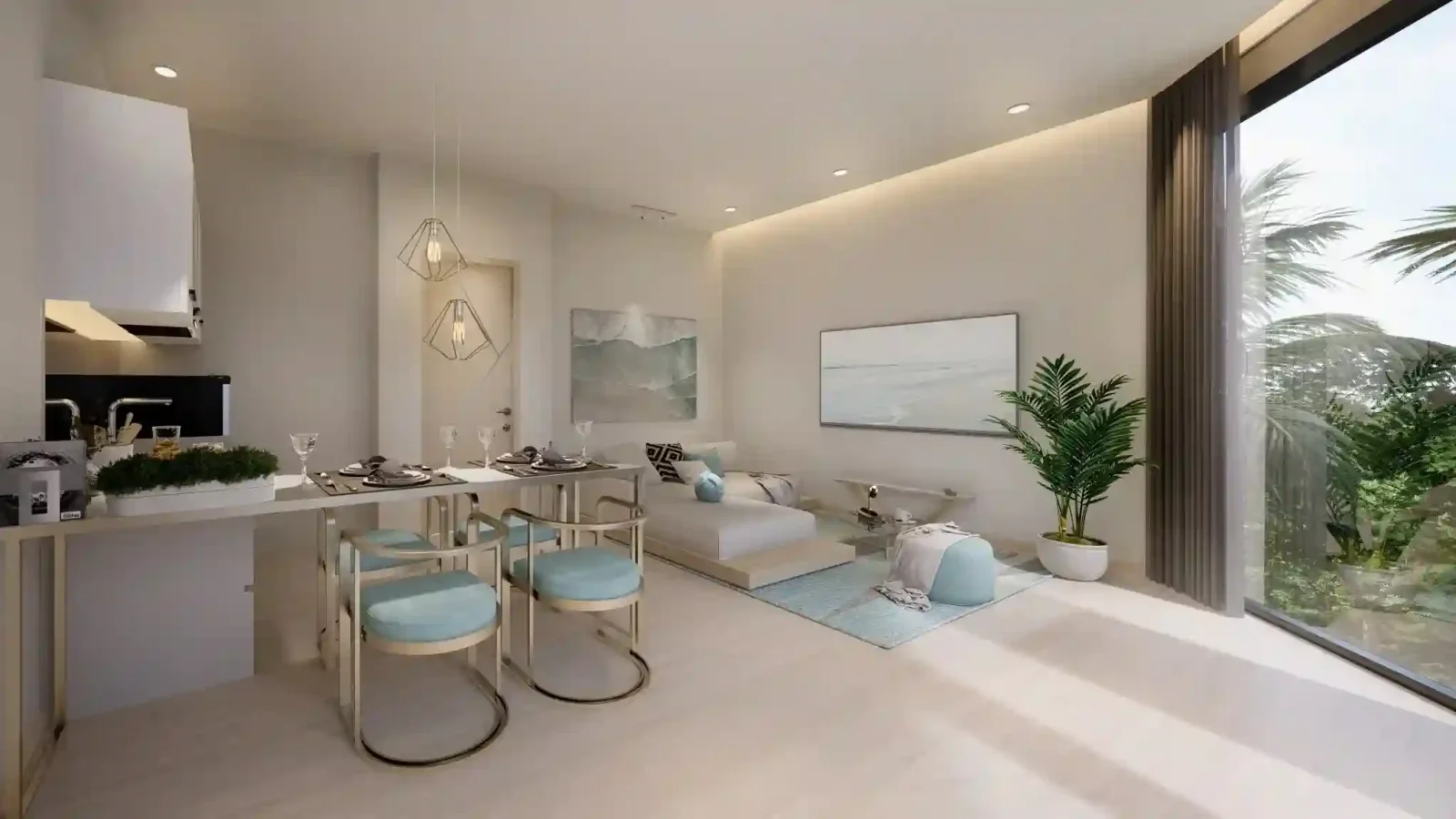
## Investment Case
| Factor | MORE Group benchmark |
| --- | --- |
| Monthly rent (1BR) | 18,000 to 35,000 THB long-stay |
| Gross yield | 4.5 to 7% at 4.93 million THB entry |
| Net yield | 2.9 to 5.2% on the same basis, after fees near a quarter of revenue and the CAM line |
| Peak occupancy | 75 to 85% on comparable managed south Phuket stock |
Three pillars support the case: location (Nai Harn beach corridor scarcity), amenity stack (hotel facilities attract premium nightly rates), and timing (the building is close to handover, so income starts soon). At 4.93 million THB entry, a 1BR achieving 25,000 THB monthly rent for 10 months implies roughly 5.1% gross before fees.
Compare [Fantasea Condo Rawai](/projects/fantasea-condo-rawai/) and [VIP Space Odyssey](/projects/vip-space-odyssey/) when benchmarking Rawai micro-location, payment structure and foreign quota.
## Who Is This For?
- **Lifestyle buyers:** Premium turnkey residence near one of Asia's best beaches
- **Managed rental investors:** Hotel operator handles operations, owner receives revenue share
- **Family segment:** Kids club and spa amenities support family booking formats
- **Near-completion capital:** a near-term handover starts the income clock quickly
## Why Buyers Choose The One Naiharn
| Factor | Why it works |
| --- | --- |
| Beach | Minutes to Nai Harn, a top-ranked shoreline |
| Amenities | Full hotel stack including spa and cinema |
| Furnishing | All units hotel-ready, zero fit-out cost |
| Scale | 196 units support efficient hotel management |
**In short:**
- Minutes from Nai Harn Beach with hotel-grade amenity package
- Fully furnished units enter rental pool without owner fit-out
- Close to handover, so income starts soon
- Southern Phuket undersupplied relative to west-coast resort zones
## How the 50/35/10/5 Payment Plan Works
The payment plan opens at 50%, followed by 35%, 10% and 5%.
On a 4.93 million THB studio the first payment is roughly 2.47 million THB, and on the 16.33 million two-bedroom it is over 8 million. For a foreign buyer that is one larger currency conversion at the start, and we plan its timing with you.
The tail is unusually light. With 85% paid by the second stage, only 15% remains across the rest of the build and just 5% at handover, so there is no large payment waiting at the keys. Buyers who have the capital available find this structure comfortable.
We send the schedule with the construction milestone behind each tranche, written into the SPA.
| Stage | Share | On the 4,934,800 THB entry studio |
| --- | --- | --- |
| Booking | 50% | 2,467,400 THB |
| Second stage | 35% | 1,727,180 THB |
| Third stage | 10% | 493,480 THB |
| Handover | 5% | 246,740 THB |
## Living in Nai Harn and Rawai
Nai Harn is the south's favourite bay: an 800-metre sheltered beach framed by green headlands, with a freshwater lake just behind the sand where residents walk and run the loop in the early morning. Promthep Cape, the island's best-known sunset viewpoint, is a short drive south, and Rawai's seafront restaurants and fishing piers are next door.
The corridor also works for everyday life. Mature restaurants, schools and co-working spaces serve a long-established expat community, which is why tenants here tend to stay for months rather than days. The quieter pace of the south is exactly what many of these residents come for. For an owner, that means a unit that suits both holiday guests in the high season and long-stay residents through the rest of the year.
## Fully Furnished, and What That Is Worth
All 196 units are delivered furnished, which sounds like a convenience and is actually a material line in the investment case.
Furnishing a Phuket unit to rental standard costs real money that never appears in a yield calculation: roughly $4,000 to $7,000 for a studio and $10,000 to $20,000 for a two-bedroom, before photography. On a 4.93 million THB entry that is a meaningful percentage of the purchase, and it falls due exactly when the completion payment does. A furnished handover removes that, and it removes the two or three months a self-furnishing owner spends buying, delivering and installing before the first guest arrives.
With the price list we send the furniture specification, down to kitchenware and linen, and the replacement cycle under the rental programme. A furnished unit is ready for guests from day one, and presentation and management are what then make your listing stand out in the building.
## Buying The One Naiharn with MORE Group
At The One Naiharn the purchase takes five steps from the first price list to the keys, and we look after each of them with you.
With the price list we also send the foreign quota position for your layout, the operator contract (management fee, owner-use rules and revenue share), the CAM, sinking fund and onboarding costs, and a comparison with [Fantasea Condo Rawai](/projects/fantasea-condo-rawai/) and one other Rawai project. For a freehold purchase, we line up the FET record from the receiving bank with the transfer date.
Rawai buyers can also read [best areas for foreign buyers](/guides/best-areas-phuket-buy-property/): the rental pool here weights toward expats, remote workers and extended-stay visitors rather than one-week holiday turnover.
{/* corpus-faq:the-one-naiharn */}
## FAQ
### How close is The One Naiharn to Nai Harn Beach?
The project is located in Rawai, a few minutes' drive from Nai Harn Beach. Nai Harn is consistently ranked among Thailand's finest beaches, known for its sheltered bay, clear water, and surrounding forest park.
### Can foreigners own a unit at The One Naiharn?
Yes. Foreign nationals can own condominium units under the 49% foreign ownership quota. We confirm quota availability for your specific unit at the time of enquiry.
### What is the rental income potential?
The One Naiharn operates under a hotel management model placing units into a managed rental pool. Southern Phuket typically sees strong long-stay demand, and we build the net figure for your unit from the operator's terms, with fees of 20 to 25%.
### What stage is The One Naiharn at?
The One Naiharn is in its final construction phase, close to handover. We send the latest construction update together with the price list.
### What unit sizes are available?
The One Naiharn offers studio, one-bedroom, and two-bedroom apartments. All units are delivered fully furnished. Prices start at approximately 4.93 million THB and reach up to 16.33 million THB for larger two-bedroom configurations.
**Read Also:**
- [Complete Guide to Buying Property in Phuket](/guides/buying-property-phuket-guide/)
- [Fantasea Condo Rawai Review](/projects/fantasea-condo-rawai/)
- [VIP Space Odyssey Review](/projects/vip-space-odyssey/)
- [Best areas to buy in Phuket](/guides/best-areas-phuket-buy-property/)
- [Buying process step by step](/guides/due-diligence-process-thailand-step-by-step/)
- [Off-plan property Phuket guide](/guides/off-plan-property-phuket-guide/)
# The Ozone Oasis Condominium Phuket: Full Review 2026
> The Ozone Oasis review: 130 units released from 5,330,000 THB in Choeng Thale, three eight-storey buildings, a 35-metre pool and a 35/25/25/10/5 plan.
**Source:** https://moregroup.estate/projects/the-ozone-oasis/
**Section:** Project Reviews
**Author:** MORE Group Editorial
**Published:** 2026-03-30
**Updated:** 2026-08-23
---
The Ozone Oasis Condominium is a mid-rise scheme in Choeng Thale, Thalang, in the corridor that also holds Laguna Phuket, Bang Tao Beach and the Boat Avenue retail strip. Three eight-storey buildings, 328 units in total, in one-bedroom layouts of 36 to 48 sqm, two-bedrooms of 72 to 81 sqm and three-bedrooms of about 122 sqm.
The current price list carries 130 units: 116 one-bedrooms, nine two-bedrooms and five three-bedrooms, from 5,330,000 to 19,759,000 THB. Residents get a 35-metre swimming pool, a fitness centre, a children's playground, a jogging track, two tennis courts, a landscaped garden, co-working space and 24-hour security, and every residence has an open-plan interior, large windows and a private balcony.
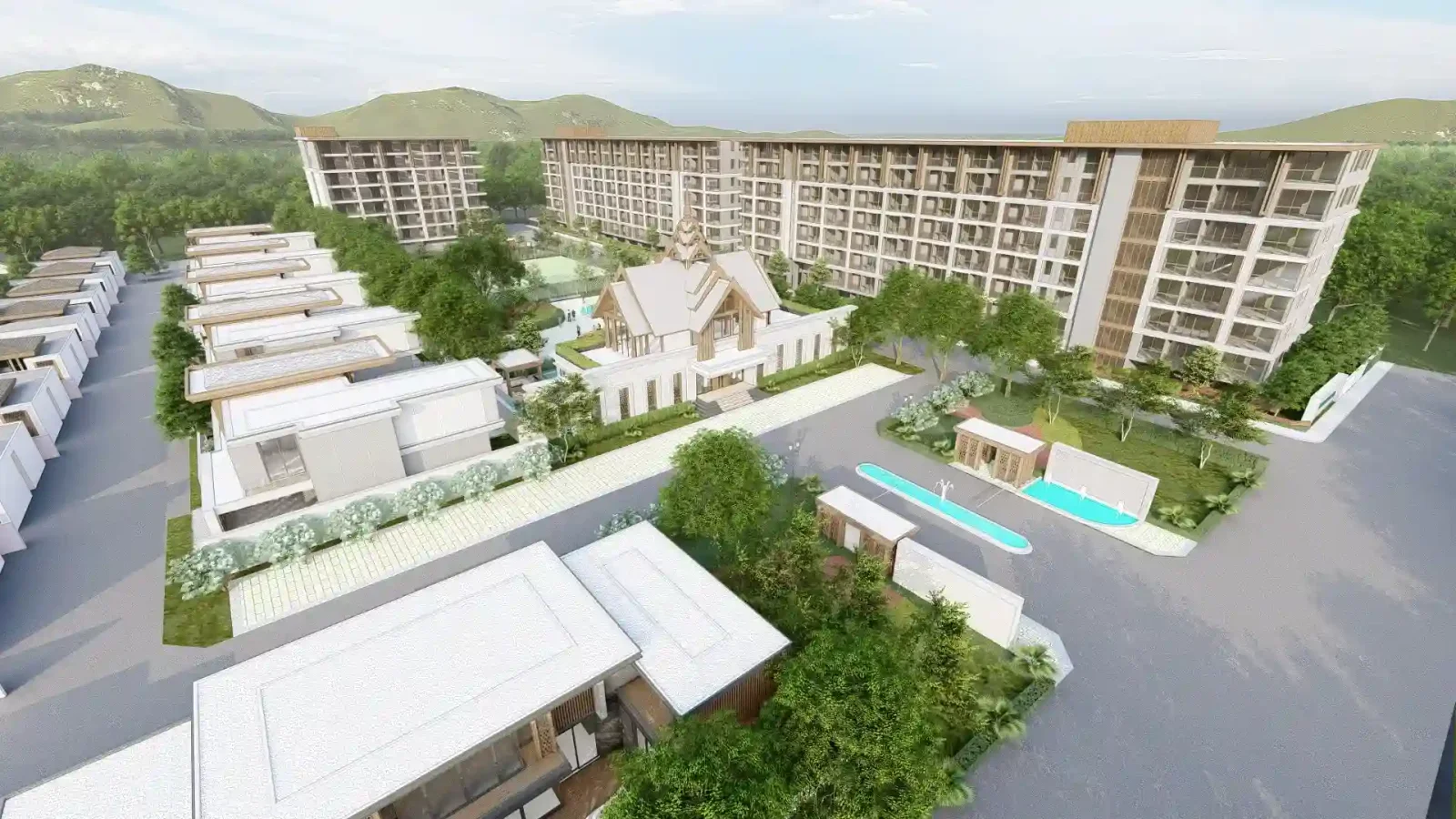
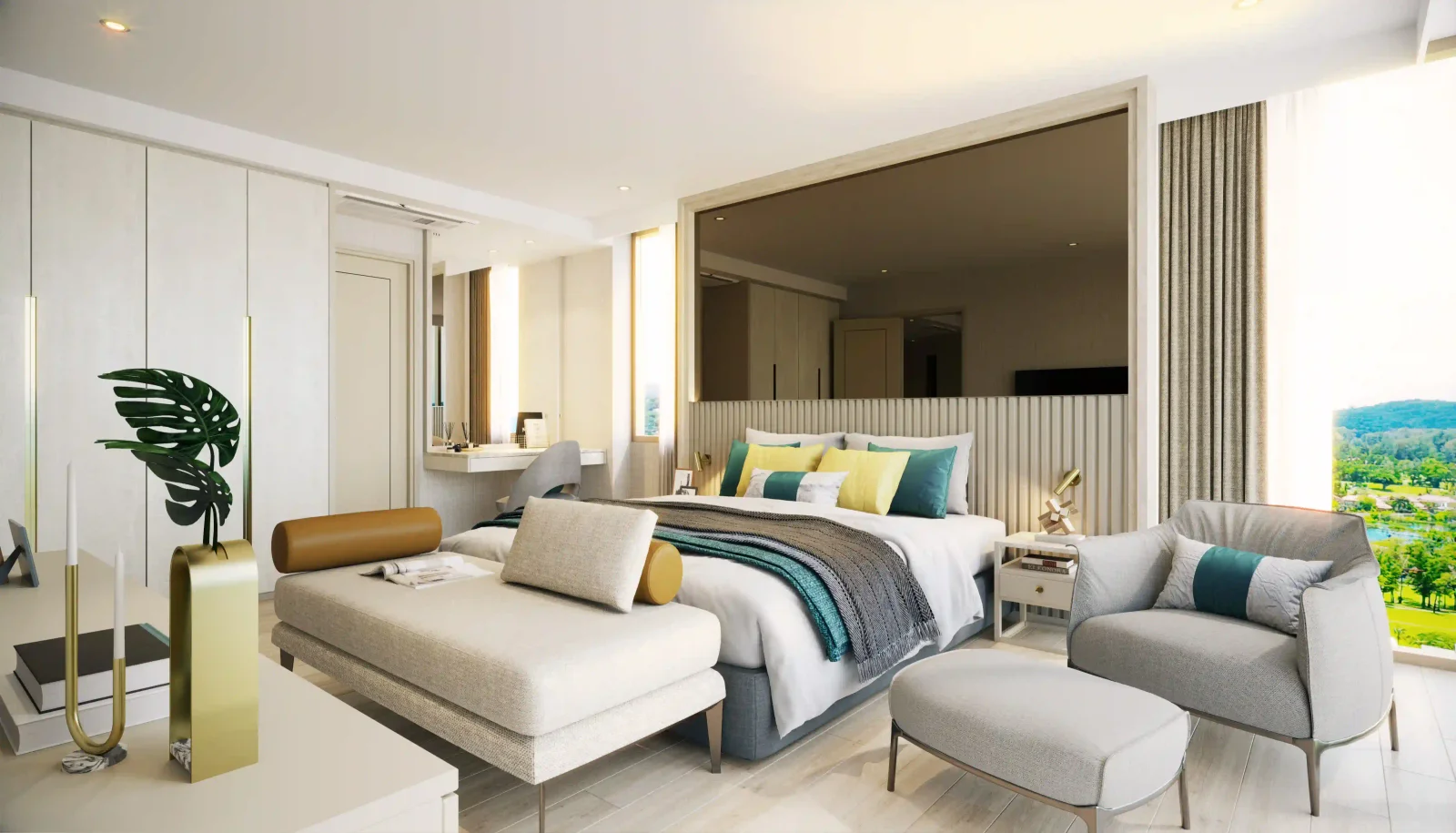
## Location: why Choeng Thale matters
| Factor | Detail |
| --- | --- |
| Scheme | Three 8-storey buildings, 328 units |
| On the current list | 130 units: 116 one-bed, 9 two-bed, 5 three-bed |
| Sizes | 36-48 sqm, 72-81 sqm, and 122 sqm |
| Price range released | 5,330,000 to 19,759,000 THB |
| To Bang Tao Beach | About 6 minutes by car |
| To the nearest mall | About 4 minutes by car |
| To the airport | About 29 minutes by car |
| Stage | Under construction, close to handover |
| Payment | 35% / 25% / 25% / 10% / 5% |
Nowhere on Phuket lets more readily than this corridor. Holiday guests fill the season, and long-stay tenants, school and hospital staff, hospitality management and remote workers, keep demand going through the rest of the year.
The beach is a six-minute drive, while Boat Avenue, Porto de Phuket and the Laguna golf course are closer still, so daily life happens on the doorstep and the sand is a short hop away.
## What the price list shows
| Format | Units listed | Sizes | Prices | Per square metre |
|---|---|---|---|---|
| One-bedroom | 116 | 36-48 sqm | 5,330,000 - 7,387,000 THB | 135,000 - 153,896 THB |
| Two-bedroom | 9 | 72-81 sqm | 9,720,000 - 11,642,000 THB | 135,000 - 144,139 THB |
| Three-bedroom | 5 | 122 sqm | 16,584,000 - 19,759,000 THB | 135,934 - 161,959 THB |
The price list shows two things.
The release is led by the one-bedroom, 116 of the 130 units, a format that suits couples, solo buyers and the corridor's letting market. And the average rate of every format sits below the Bang Tao apartment median of 161,000 THB per square metre: about 144,800 for the one-bedrooms, 139,200 for the two-bedrooms and 148,500 for the three-bedrooms.
The five three-bedrooms are all 122 sqm and range from 16,584,000 to 19,759,000 THB, with the building, the floor and the aspect setting the difference. For a family that wants the largest format, we send the position of each of the five with the price list.
## Letting in a Large Scheme
A scheme of 328 units brings the benefits of scale: a professional letting operation, shared facilities that photograph well, and a building that guests find on the platforms.
The questions that shape the income plan are practical ones, and we answer them with the price list: which operator runs the letting programme, how pricing works through the low season, and the building's licence position for stays under 30 days, which sets the nightly route alongside monthly tenancies.
The strongest plan is a blend: nightly income through the season and monthly tenancies for the rest of the year, with the fit-out chosen so the unit serves both. Choeng Thale's long-stay demand is real and far less seasonal than the holiday trade.
## What We Collect for Your Income Plan
- Twelve months of actual trading from a comparable Choeng Thale building, month by month, with the deductions itemised
- The share of the released units committed to the letting programme, and the operator
- The common-area charge and the sinking fund in baht per square metre, applied to your unit; the 35-metre pool, the tennis courts and the jogging track are part of that budget
- The low-season record of the nearest comparable building, in occupancy and in rate
## The Payment Plan
The plan runs in five tranches: 35% at signing, then 25%, 25%, 10% and a final 5%. On the entry one-bedroom it works out as follows:
| Tranche | Share | On 5,330,000 THB |
|---|---|---|
| Signing | 35% | 1,865,500 THB |
| Second | 25% | 1,332,500 THB |
| Third | 25% | 1,332,500 THB |
| Fourth | 10% | 533,000 THB |
| Final | 5% | 266,500 THB |
With the building close to handover the schedule moves quickly, and we send it with the construction stage each tranche is tied to, together with the price list.
## Who Buys at The Ozone Oasis
- A buyer who wants the Choeng Thale corridor at a price below beachfront levels
- A buyer who wants a short remaining build, with the keys close
- A letting investor running nightly stays in the season and monthly tenancies outside it
- A family choosing among the five 122 sqm three-bedrooms
## Oasis Beside the Developer's Other Buildings
Ozone Group builds three schemes in the same Choeng Thale pocket, a few minutes apart, and buyers often compare them:
| Scheme | Stage | One-bedrooms on our list | Payment |
|---|---|---|---|
| [The Ozone Condominium](/projects/the-ozone/) | Completed | 6,184,500 - 8,284,500 THB, 40-48 sqm | 100% at transfer |
| The Ozone Oasis | Close to handover | 5,330,000 - 7,387,000 THB, 36-48 sqm | 35/25/25/10/5 |
| [The Ozone Signature](/projects/the-ozone-signature/) | Under construction | 4,320,000 - 4,995,000 THB, 32-37 sqm | 35/25/25/10/5 |
The three form a ladder of timing. The completed Condominium lets from transfer, Oasis brings the keys soon with a short payment schedule, and Signature offers the lowest entry with the longest runway. Oasis sits in the middle, with larger one-bedrooms than Signature and the widest choice of formats, from 36 sqm one-bedrooms to 122 sqm three-bedrooms.
## Resale and Position
Your eventual buyer will choose between units in these three buildings, so the sale turns on floor, aspect, the state of the interior and the income record. All four are decisions made now: the better stack, a considered fit-out, and an income record that starts with the first booking. The corridor has the island's strongest letting demand, which supports resale for a well-chosen unit.
## What We Send Before You Reserve
1. **The floor area and what it includes,** from the price list and the plans of your unit.
2. **The foreign quota position,** in a dated statement for the unit you choose.
3. **The money route.** Funds remitted from abroad in foreign currency, so the receiving Thai bank issues the Foreign Exchange Transaction record required at registration; we arrange it with you before the first substantial payment.
4. **The title and the approvals:** the Chanote on the land and the Environmental Impact Assessment approval for the scheme.
5. **The payment arrangements,** with the account each tranche is paid into and the receipts.
6. **A visit to the developer's finished work,** [The Ozone Condominium](/projects/the-ozone/) nearby, completed and in use.
## Summary
Ozone Oasis is a competitively priced way into a corridor that usually costs more: three eight-storey buildings with resort facilities, a release led by one-bedrooms and a scheme close to handover. The best buy is a specific unit, chosen on floor, aspect and format, and we walk the stacks with you.
## Buying The Ozone Oasis with MORE Group
A unit at The Ozone Oasis is bought in five steps, from the first price list to the keys, and we take each of them with you.
{/* corpus-faq:the-ozone-oasis */}
## FAQ
### What does The Ozone Oasis cost?
The current list runs from 5,330,000 THB for a one-bedroom to 19,759,000 THB for a three-bedroom, across 130 released units. Per square metre the whole release sits between about 135,000 and 162,000 THB, so compare on rate rather than on ticket price when you are choosing between formats.
### What is actually available to buy?
130 units, and 116 of them are one-bedrooms of 36 to 48 sqm. There are nine two-bedrooms of 72 to 81 sqm and five three-bedrooms, all of them 122 sqm. The scheme itself is 328 units across three eight-storey buildings, so further units may come to the list later.
### Where exactly is it, and how far is the beach?
Choeng Thale, in Thalang district, within the Laguna and Bang Tao corridor. Bang Tao Beach is about six minutes by car, and Boat Avenue, Porto de Phuket and the Laguna golf course are closer still.
### What is the payment plan?
Five tranches: 35% at signing, then 25%, 25%, 10% and a final 5%. We send the schedule with the construction stage each tranche is tied to, together with the price list.
### What stage is The Ozone Oasis at?
Construction is well advanced and the scheme is close to handover. We send the latest construction update together with the price list.
### Can foreigners buy here?
Yes, on freehold title within the 49% of the building's floor area reserved for foreign ownership, measured in square metres rather than by unit count. We obtain a dated statement of the remaining foreign quota for your unit, and the purchase money comes in from abroad in foreign currency so the receiving bank can issue the Foreign Exchange Transaction record the Land Department requires.
**Read Also:**
- [Bang Tao and Laguna: what the corridor costs and returns](/bang-tao-properties/)
- [Bang Tao against Surin for a luxury buyer](/guides/bang-tao-vs-surin-luxury-buyers/)
- [How an off-plan schedule works](/guides/off-plan-property-phuket-guide/)
- [The buying process step by step](/guides/due-diligence-process-thailand-step-by-step/)
- [How rental income is planned in Phuket](/guides/phuket-rental-yield-complete-guide-2026/)
- [The Ozone Condominium, the developer's completed building](/projects/the-ozone/)
# The Ozone Signature Condominium Phuket: Review 2026
> The Ozone Signature review: a low-rise Laguna-area condo from 4,320,000 THB with two pools, a spa and a library, 1-3 bedroom units and the payment plan.
**Source:** https://moregroup.estate/projects/the-ozone-signature/
**Section:** Project Reviews
**Author:** MORE Group Editorial
**Published:** 2026-03-30
**Updated:** 2026-08-23
---
The Ozone Signature Condominium is a modern resort-style residence positioned in Phuket's prestigious Laguna area, just minutes from Bang Tao Beach. Developed by Ozone Group, which also delivers Ozone Oasis in the same general corridor, the Signature project targets buyers who want the Bang Tao location advantage at a lower price point than Laguna-branded or Sansiri products, with entry pricing from THB 4,320,000 (~**$132,110 USD**).
The building is low-rise, with light-filled one- to three-bedroom layouts, two swimming pools, a fitness centre, a spa, a lounge, a library, co-working space, landscaped gardens and a 24-hour concierge. This review covers what makes Ozone Signature different from the developer's other projects, the location's rental dynamics, and who the project is designed for.
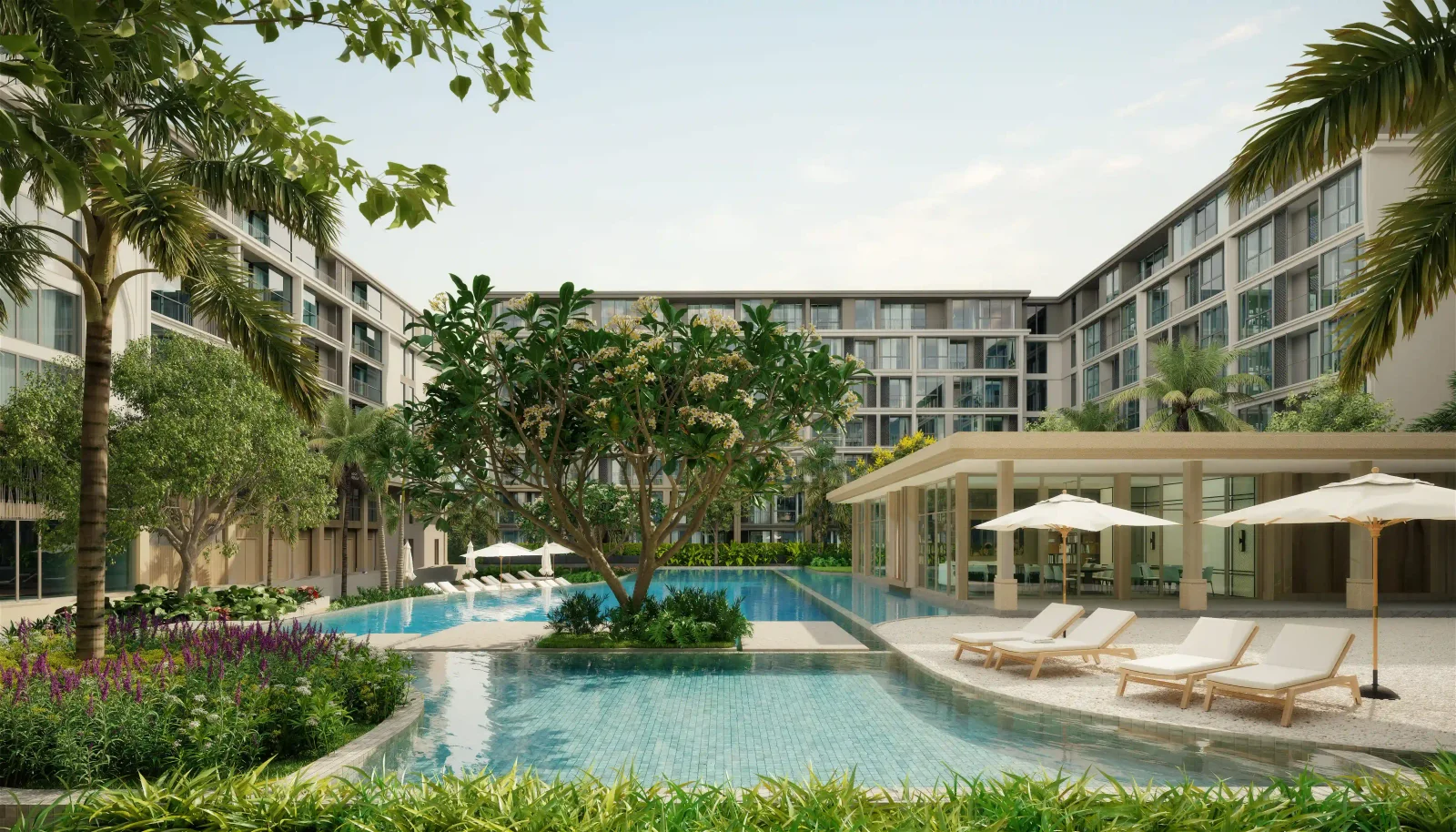
## Location: Laguna vs Choeng Thale
Bang Tao Beach is about six minutes by car, the nearest mall about four, and the airport about 28, with Laguna Golf, Boat Avenue and Porto de Phuket close by. Short-term rental demand in this zone is structurally supported by the resort's international guest flow. Renters who want apartment-style living with resort amenity access, but at lower nightly rates than the hotels, create a consistent demand base for well-positioned condos.
## How Ozone Signature compares to Ozone Oasis
| Feature | Ozone Signature | Ozone Oasis |
|---|---|---|
| Location sub-zone | Laguna/Bang Tao | Choeng Thale/Thalang |
| Price from | 4,320,000 THB (~$132,000) | 5,330,000 THB (~$163,000) |
| Payment plan | 35/25/25/10/5% | 35/25/25/10/5% |
| Entry one-bedroom | 32-37 sqm | 36-48 sqm |
| Scale | Low-rise, lower density | Three 8-storey buildings, 328 units |
| Developer | Ozone Group | Ozone Group |
Both share the same payment structure. Ozone Signature's lower entry comes with more compact one-bedrooms and a quieter, low-rise building with a spa and a library, and a visit to both sites, and to the developer's completed Ozone Condominium, shows the differences in person.
## The Price List
| Layout | Units on our list | Size | Price (THB) |
|---|---|---|---|
| One-bedroom | 23 | 32-37 sqm | 4,320,000 - 4,995,000 |
| Two-bedroom | 4 | 64 sqm | 8,640,000 - 9,600,000 |
| Three-bedroom | 1 | 111 sqm | 17,760,000 |
The two-bedrooms, at 135,000 to 150,000 THB per square metre, and the three-bedroom, at 160,000, sit at or below the Bang Tao apartment median of 161,000, so the Laguna-area address comes without a premium on the metre rate.
## Rental market context: Bang Tao in 2026
**Supply-side:** The Laguna complex concentrated hotel infrastructure and brand recognition in a single zone. Buyers and renters associate "Bang Tao" with quality, safety, and resort-standard service, a premium the market sustains.
**Demand-side:** The rise of villa and condo rental platforms (Airbnb, Agoda Homes, Booking.com) has moved significant demand from hotels to private residences, particularly among European families and groups who want kitchen access and pool privacy.
**Seasonal dynamics:** November to April is high season, with peaks at Christmas, New Year and Chinese New Year, and the months from May to October bring long-stay guests and monthly tenants.
**Your income plan:** for owners who plan to let, we collect twelve months of statements from comparable Laguna-area units, with the operator's share and the costs itemised, so the plan starts from real figures; the [Phuket rental yield guide](/guides/phuket-rental-yield-complete-guide-2026/) explains how they are built.
## The Payment Plan
The plan runs in five tranches: 35% at signing, then 25%, 25%, 10% and a final 5%. On the entry one-bedroom it works out as follows:
| Tranche | Share | On 4,320,000 THB |
|---|---|---|
| Signing | 35% | 1,512,000 THB |
| Second | 25% | 1,080,000 THB |
| Third | 25% | 1,080,000 THB |
| Fourth | 10% | 432,000 THB |
| Final | 5% | 216,000 THB |
Most foreign buyers in Phuket pay in cash or with financing arranged at home. We send the schedule with the construction stage each tranche is tied to, and some developers adjust terms for early reservations or several units, so we ask about current terms with the price list.
## Ozone Group's Work in Bang Tao
Ozone Group has a completed building in the same pocket, [The Ozone Condominium](/projects/the-ozone/), 164 units, finished and in use, and [The Ozone Oasis](/projects/the-ozone-oasis/), three eight-storey buildings close to handover. A visit to the completed building shows the finish quality, the common areas and the management in person, and we send the land title (Chanote) and the Environmental Impact Assessment approval for Signature with the price list.
## Who Buys at Ozone Signature
- **First-time buyers in Bang Tao,** at the corridor's accessible entry, with the Laguna area on the doorstep
- **Letting investors,** with a compact one-bedroom for the couples and solo travellers who fill the season
- **Winter residents,** who spend the high season in Phuket and let the unit for the rest of the year
- **Families,** choosing between the 64 sqm two-bedrooms and the single 111 sqm three-bedroom
## Making a Compact Unit Stand Out
At 4.32M THB this is the entry tier of the Bang Tao condo market, where the listing makes the difference. Three things lead a compact unit to the top of its building on the platforms.
**Presentation.** A unit furnished thoughtfully and photographed properly earns more nightly and fills more nights than the same unit furnished from a package, and at this ticket the fit-out is a modest part of the price.
**Reviews.** A new listing builds its review history over the first months, and the platforms reward that record, so the first year sets the listing's position for the years after it.
**The operation.** Short stays mean frequent changeovers, with cleaning, linen and platform commission charged per booking, so the net figure comes from a cash-flow sheet that includes them, which we build with you from the operator's figures.
## What We Send Before You Reserve
- **The foreign quota for your unit.** The 49% limit under the Condominium Act is measured against the building's total floor area, and we send a dated confirmation naming your unit.
- **The letting position.** The juristic office rules and the management arrangement, including stays under 30 days.
- **The handover inventory.** Furnished, part-furnished or bare, with the inventory list annexed to the contract.
- **The unit mix by type,** so you can see which formats share the building with yours.
## Resale
At resale, the buyer pool for a Bang Tao one-bedroom is the widest on the island, and a well-presented unit with a rental record stands out. Keeping the statements, the inventory and the maintenance record together from handover supports the asking price.
## Summary
Buyers who want the Laguna-area address at an accessible entry, with two pools, a spa and a library in a low-rise building, will find Ozone Signature a competitive option in the Bang Tao market, and the developer's completed building nearby shows its work.
## Buying The Ozone Signature with MORE Group
A unit at The Ozone Signature is bought in five steps, from the first price list to the keys, and we handle each of them with you.
{/* corpus-faq:the-ozone-signature */}
## FAQ
### What is the starting price at Ozone Signature?
Prices start from THB 4,320,000, approximately $132,110 USD at current exchange rates, for a one-bedroom of 32 to 37 sqm. We send current pricing by unit type and floor.
### Is Ozone Signature in the Laguna Phuket resort complex?
The project is in the Laguna area of Bang Tao but is not part of the Laguna Phuket integrated resort. It benefits from proximity to the resort's amenities without being a Laguna-branded product.
### How does Ozone Signature differ from Ozone Oasis?
Both are by Ozone Group and use identical 35/25/25/10/5% payment schedules. Ozone Signature enters about 1,010,000 THB lower, with more compact one-bedrooms, in a low-rise building with a spa, a library and a concierge; Ozone Oasis has three eight-storey buildings with 328 units, a 35-metre pool and tennis courts.
### What rental income can Ozone Signature achieve?
The Bang Tao and Laguna zone is one of the island's strongest letting markets, busiest from November to April with long-stay guests through the rest of the year. For owners who plan to let, we collect twelve months of statements from comparable units in the zone and build the net figure for your unit.
### Is Ozone Signature freehold for foreigners?
Yes, as a condominium project it offers freehold ownership for foreign buyers within the 49% foreign quota limit. We confirm the remaining foreign quota for your unit before the reservation.
### What stage is The Ozone Signature at?
Construction is underway. We send the latest construction update together with the price list.
**Related guides:**
- [The Ozone Oasis Condominium: full review](/projects/the-ozone-oasis/)
- [Best areas in Phuket to buy property](/guides/best-areas-phuket-buy-property/)
- [Phuket rental yield guide 2026](/guides/phuket-rental-yield-complete-guide-2026/)
- [How foreigners buy property in Phuket](/guides/buying-property-phuket-guide/)
- [The Ozone Condominium, the developer's completed building](/projects/the-ozone/)
- [Off-plan property in Phuket: complete buyer guide](/guides/off-plan-property-phuket-guide/)
# The Ozone Condominium: Completed Bang Tao Review 2026
> The Ozone Condominium Phuket review: a completed Bang Tao condo from $189K, ready to buy and rent now, with the full picture of the finished building.
**Source:** https://moregroup.estate/projects/the-ozone/
**Section:** Project Reviews
**Author:** MORE Group Editorial
**Published:** 2026-03-30
**Updated:** 2026-08-23
---
The Ozone Condominium is the anchor of Ozone Group's Phuket portfolio: the only completed building in a developer series that also includes the under-construction Ozone Oasis and Ozone Signature projects. Priced from THB 6,184,500 (approximately $189,128 USD) with 100% payment due at Land Department transfer, this Bang Tao condominium can be purchased today and rented from day one, with no construction wait.
For investors who want to understand what Ozone Group actually builds before committing to an off-plan deposit, The Ozone Condominium is the reference point. You can walk the corridors, check the common areas, measure the actual unit against the advertised square metreage, and speak to current residents before signing anything.
Bang Tao is Phuket's highest-performing short-term rental zone. The six-kilometre beach, the Laguna resort cluster, Boat Avenue shopping, Catch Beach Club, and Porto de Phuket generate year-round demand that sustains occupancy rates well above the island average. A completed freehold condominium in this zone at entry pricing under THB 6.2 million is a straightforward proposition for yield-focused buyers who want income now rather than a projected yield two years from now.
This review covers the Ozone Group developer background, the case for buying completed over off-plan in this specific market, unit mix and pricing, Bang Tao's rental dynamics, a comparison across the three Ozone Group projects, the transfer process for foreigners and the legal structure.
## Ozone Group: Developer Background and Portfolio
**The Ozone Condominium** is the completed flagship. It provides tangible proof of what Ozone Group delivers: the quality of construction finishes, the standard of common area maintenance, the pool and landscaping condition after years of use, and the management team running day-to-day operations. No renders, no brochure promises. You see exactly what you get before any money changes hands.
**Ozone Oasis** is an under-construction project by the same developer for buyers who want to enter the Bang Tao market at an earlier stage, at pre-completion pricing, and the completed Ozone Condominium shows the developer's build quality in person. The full analysis is in the [Ozone Oasis project review](/projects/the-ozone-oasis/).
**Ozone Signature** is the third project in the portfolio, also under construction, with its own unit mix and price positioning, and again the completed Ozone Condominium is the best place to see what Ozone Group builds.
A developer's finished building is the clearest evidence of its work, and The Ozone Condominium gives buyers of the wider Ozone portfolio exactly that.
For buyers reading the [off-plan property Phuket guide](/guides/off-plan-property-phuket-guide/), The Ozone Condominium represents the other end of the spectrum: a fully delivered asset, ready to use.
A visit shows it in practice: the pool after years of tropical use, the actual liveable space of a unit, the lobby, corridors and car park, and the residents' experience of the management company.
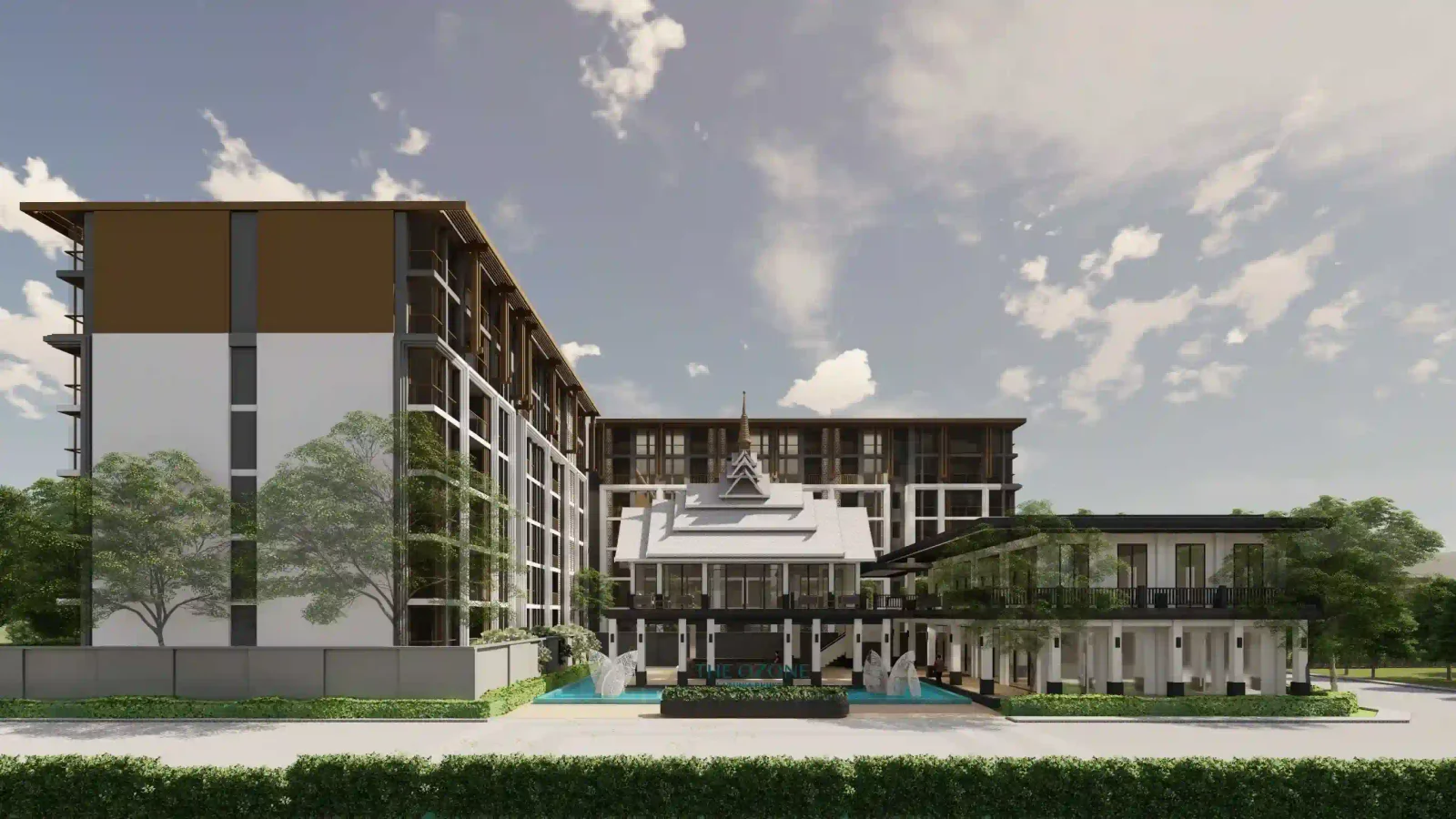
## Why Completed Bang Tao Changes the Investment Equation?
### Immediate rental income from day one
A buyer who completes transfer starts earning straight away, while an off-plan buyer in the same corridor is still waiting for a building.
**A finished building answers the income question with documents.** On our records 871 of 12,054 priced apartments sit in a completed scheme, 446 of them in Bang Tao. Units in this building have been let, and we collect twelve months of month-by-month owner statements with every deduction itemised.
In a zone where a well-managed one-bedroom achieves THB 700,000 to THB 900,000 in gross annual rental revenue, starting from day one matters.
### Physical inspection before purchase
With a completed unit, the actual apartment can be inspected before contracts are exchanged: the windows and walls, the air conditioning against the SPA, every socket and fitting, and the floor area against the stated figure. It is one of the clear advantages of buying a finished building.
### Payment structure and cash exposure
The Ozone Condominium requires 100% payment at Land Department transfer. Compare this to staged off-plan payments, where a typical schedule might require 30% on reservation, 30% at foundation, 20% at structure, and the final 20% at transfer. For the completed purchase, the money moves at the moment of title transfer, in exchange for a finished unit registered in your name, which suits first-time buyers in Thailand particularly well.
### What You See Is What You Buy
The building stands today, with its finishes, its management and its common areas in place, so what you see on the viewing is exactly what you buy.
### Foreign Quota Confirmed Today
In any Thai condominium, foreign freehold ownership is capped at 49% of total floor area. At The Ozone Condominium, the Juristic Person Office confirms today exactly how much foreign quota remains, so you know from the start whether your preferred unit is held freehold.
The Bang Tao short-term rental market also rewards established buildings in a measurable way. Property managers in the zone report that well-finished units in known buildings command a 10 to 15% premium in nightly rates, helped by a longer history of guest reviews. The Ozone Condominium's completed status and any existing review history on platforms like Airbnb or Booking.com represents a genuine commercial advantage that translates directly into higher annual occupancy and revenue.
For the full picture on how Bang Tao yields compare across the island, the [Phuket rental yield guide](/guides/phuket-rental-yield-complete-guide-2026/) covers the data by zone and explains how rental figures are built from actual platform pricing.
## Unit Mix and Pricing
The table shows the priced units on our file; availability in a completed building changes as units sell, and we send the current list.
| Unit type | Size | Price (THB) | Price from (USD approx.) | Payment |
|---|---|---|---|---|
| One-bedroom | 40 to 48 sqm | 6,184,500 - 8,284,500 | From $189,128 | 100% at transfer |
| Two-bedroom | 79 to 83 sqm | 11,119,500 - 15,519,000 | From $340,046 | 100% at transfer |
The developer's current price list is the reference, and we send it with the remaining availability. At the entry price point, The Ozone Condominium sits at the accessible end of the Bang Tao market, which typically sees completed units priced from THB 8 to 12 million in Laguna-adjacent buildings.
The 100% transfer payment structure is standard for completed Thai condominiums. Budget for transfer costs on top of the purchase price: these typically add 6 to 7% of the registered value and cover transfer fee, withholding tax, and either Specific Business Tax or stamp duty depending on how long the seller has owned the unit. The [buying property in Phuket guide](/guides/buying-property-phuket-guide/) covers transfer fees and tax obligations in full detail, including the typical buyer-seller split that appears in standard SPAs.
For buyers who want to understand how The Ozone Condominium's price positioning compares to the broader Bang Tao market and to other Phuket zones, the [Phuket property market prices 2026](/guides/phuket-property-market-prices-2026/) report provides zone-by-zone price benchmarks with three-year trend data.
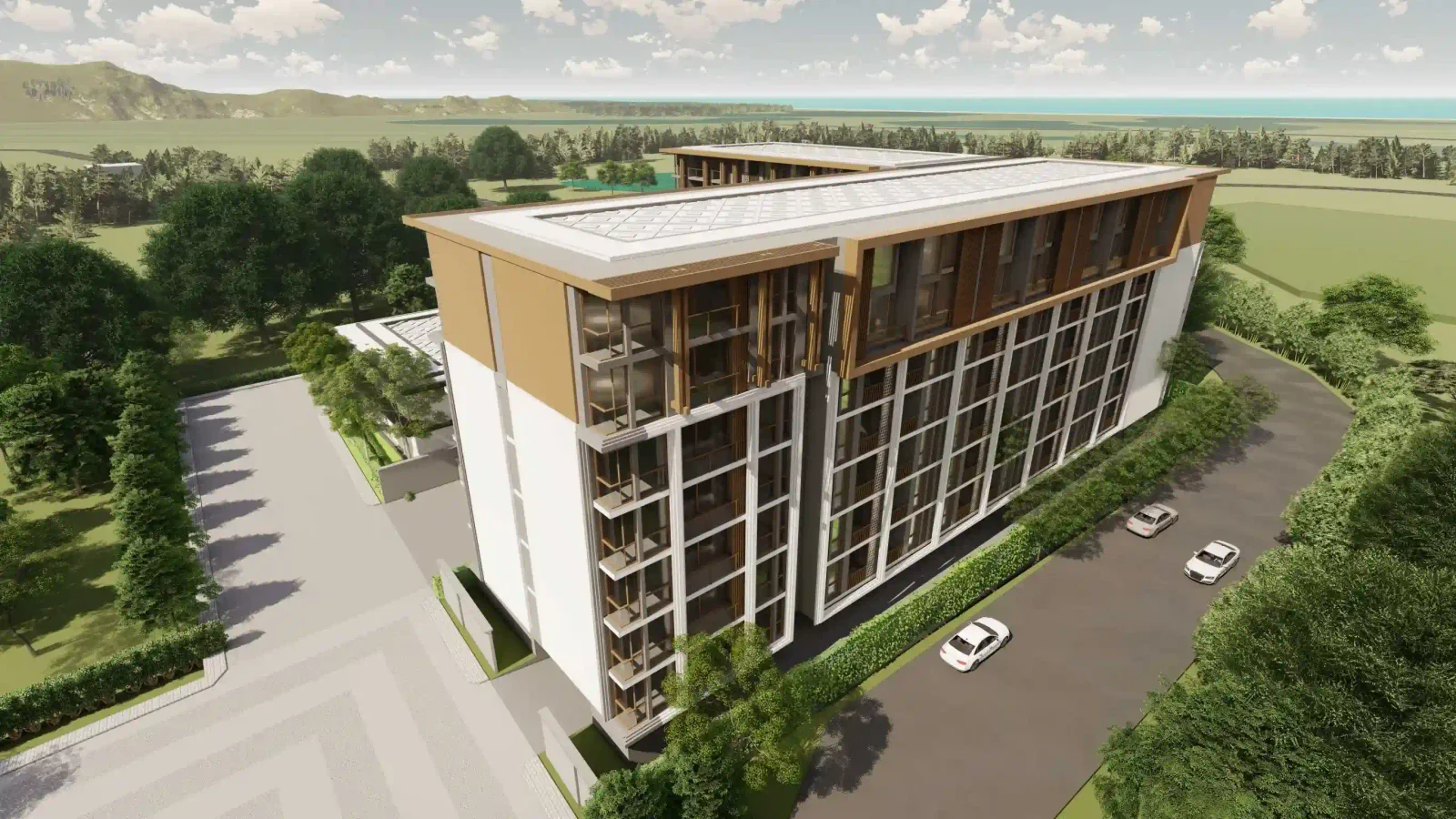
## Bang Tao Location: Why This Zone Consistently Outperforms
Bang Tao's amenity density lifts the whole corridor: beachside units command the highest nightly rates, and inland buildings such as The Ozone Condominium, a short drive from the beach, share the same address, the same guests and the long-stay demand.
Bang Tao benefits from two distinct demand sources that together reduce the seasonal revenue cliff affecting some other Phuket zones. The first is short-term rental guests drawn by the beach and the club scene, concentrated in the high season from November to April. The second is longer-stay residents covering digital nomads, expats on work assignments, and seasonal residents who value the Boat Avenue infrastructure, the international schools at Thalang fifteen minutes away, and the Laguna golf courses. This dual demand profile means that a well-managed unit can target tourist guests through peak season bookings and then shift to monthly rentals during the quieter months, maintaining a higher annual occupancy rate than a purely tourist-focused strategy.
Phuket International Airport sits approximately 20 minutes north of Bang Tao by road. The airport connects the area to Bangkok multiple times daily, and to Singapore, Kuala Lumpur, Hong Kong, and an expanding roster of direct European routes from the United Kingdom, Germany, and Scandinavia. Proximity to the airport is a practical factor for short-term rental turnovers: guests arriving on late flights reach the property quickly, and checkout-to-rebook intervals are shorter than in zones further south like Karon or Kata.
The infrastructure trajectory of Bang Tao has been consistently positive for the past five years. The expansion of Porto de Phuket, the growth of the Boat Avenue dining and retail strip, and the continued upgrade of the Laguna complex have created a reinforcing cycle where amenity density attracts more visitors, which supports rental rates, which justifies more commercial investment. Buyers in 2026 are entering a zone with established infrastructure rather than a zone that is still building its amenity base.
For a zone-specific analysis, the [Bang Tao and Laguna property guide](/bang-tao-properties/) covers the sub-districts, beach access points, and price tier breakdown across the area. For context on how Bang Tao ranks against other Phuket zones for investment returns, see [best areas to buy property in Phuket](/guides/best-areas-phuket-buy-property/).
## Rental Income
Current asking rates for Bang Tao studios and one-bedrooms are visible on the booking platforms, and well-furnished, well-reviewed units with professional photography and active channel management lead the market.
The strongest results come from combining high-season holiday bookings from November to April with monthly or bi-monthly rentals in the quieter months, which needs an operator with both short-stay and long-stay distribution. We ask prospective operators how they fill the low season before you sign a management contract.
**The building on our record**
| | |
|---|---|
| Status | Finished |
| Units | 164; 29 carry prices on our file |
| One-bedrooms | 11 priced, 6,184,500 - 8,284,500 THB, 40-48 sqm, median metre 161,085 THB |
| Two-bedrooms | 18 priced, 11,119,500 - 15,519,000 THB, 79-83 sqm, median metre 183,619 THB |
| Payment | 100% at transfer |
| Bang Tao Beach | A short drive |
At a 161,085 THB metre the one-bedrooms price essentially at the Bang Tao apartment median of 161,000, a fair price for a completed building in the corridor.
**The documents we collect for your income plan**
- **Twelve months of owner statements** on a comparable unit in this building, month by month, deductions itemised.
- **The operator's share of gross**, from the management agreement, customarily 20 to 35% for nightly letting.
- **The common area rate per sqm** from the juristic person, and the sinking fund balance from its accounts.
- **The building's licence position** on stays under 30 days.
Together they give the real income picture for your unit. The management fee has a large impact on the net: an operator charging 18% of gross rather than 25% leaves over THB 50,000 more a year with the owner on a revenue base of THB 700,000 to THB 900,000. The [Phuket rental yield guide](/guides/phuket-rental-yield-complete-guide-2026/) explains how the figures are built.
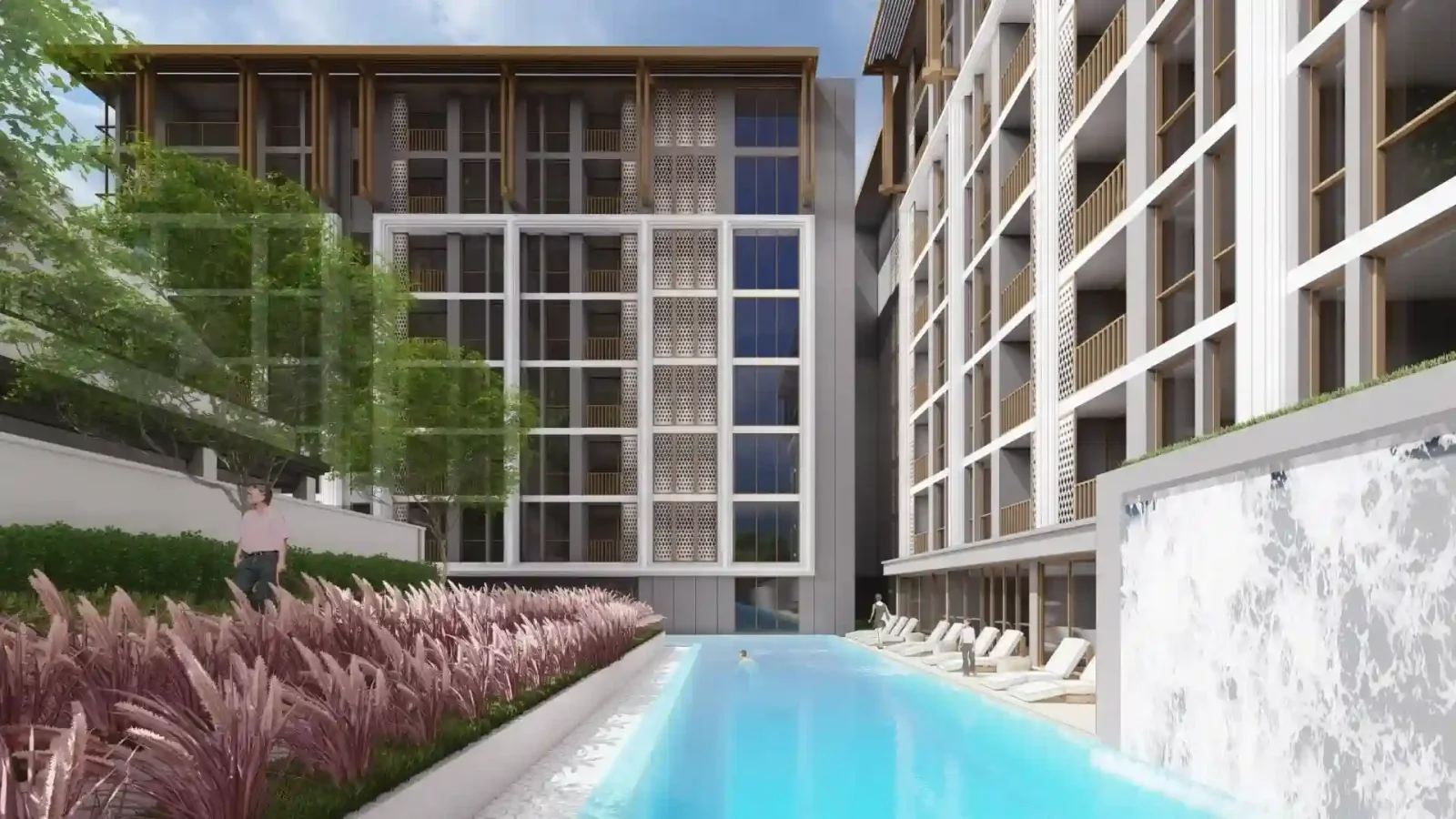
## Ozone Condominium vs Ozone Oasis vs Ozone Signature
**The Ozone Condominium: the completed income asset**
This is the product for buyers who want immediate cash flow and the ability to inspect before buying. The 100% transfer payment structure means your capital starts working from the moment of transfer. The price reflects today's completed market value.
**Ozone Oasis: the under-construction appreciation play**
Ozone Oasis suits buyers who prefer staged payments and a price set before completion; in a market where Bang Tao prices have risen consistently over the past three years, that can bring capital gains by the time of transfer. A visit to The Ozone Condominium shows what Ozone Group delivers. The full [Ozone Oasis review](/projects/the-ozone-oasis/) provides detailed project analysis.
**Ozone Signature: the premium off-plan option**
Ozone Signature represents the premium end of the Ozone Group range with its own positioning in the Bang Tao market. Like Ozone Oasis, it is under construction. For buyers who want the developer's higher-specification product, Ozone Signature is worth a separate look against its off-plan price and the resale market for comparable completions.
**Which project fits which buyer:**
| Buyer objective | Recommended project |
|---|---|
| Income from day one, a finished home | The Ozone Condominium |
| Capital appreciation through the build | Ozone Oasis or Ozone Signature |
| Seeing the developer's work before an off-plan purchase | The Ozone Condominium first, then off-plan |
| Portfolio diversification across entry points | Combination approach |
The practical recommendation for anyone seriously evaluating Ozone Oasis or Ozone Signature is to schedule a visit to The Ozone Condominium before putting down a deposit on either off-plan project. Forty-five minutes in the completed building tells you more about the developer than any brochure, CGI render, or sales presentation.
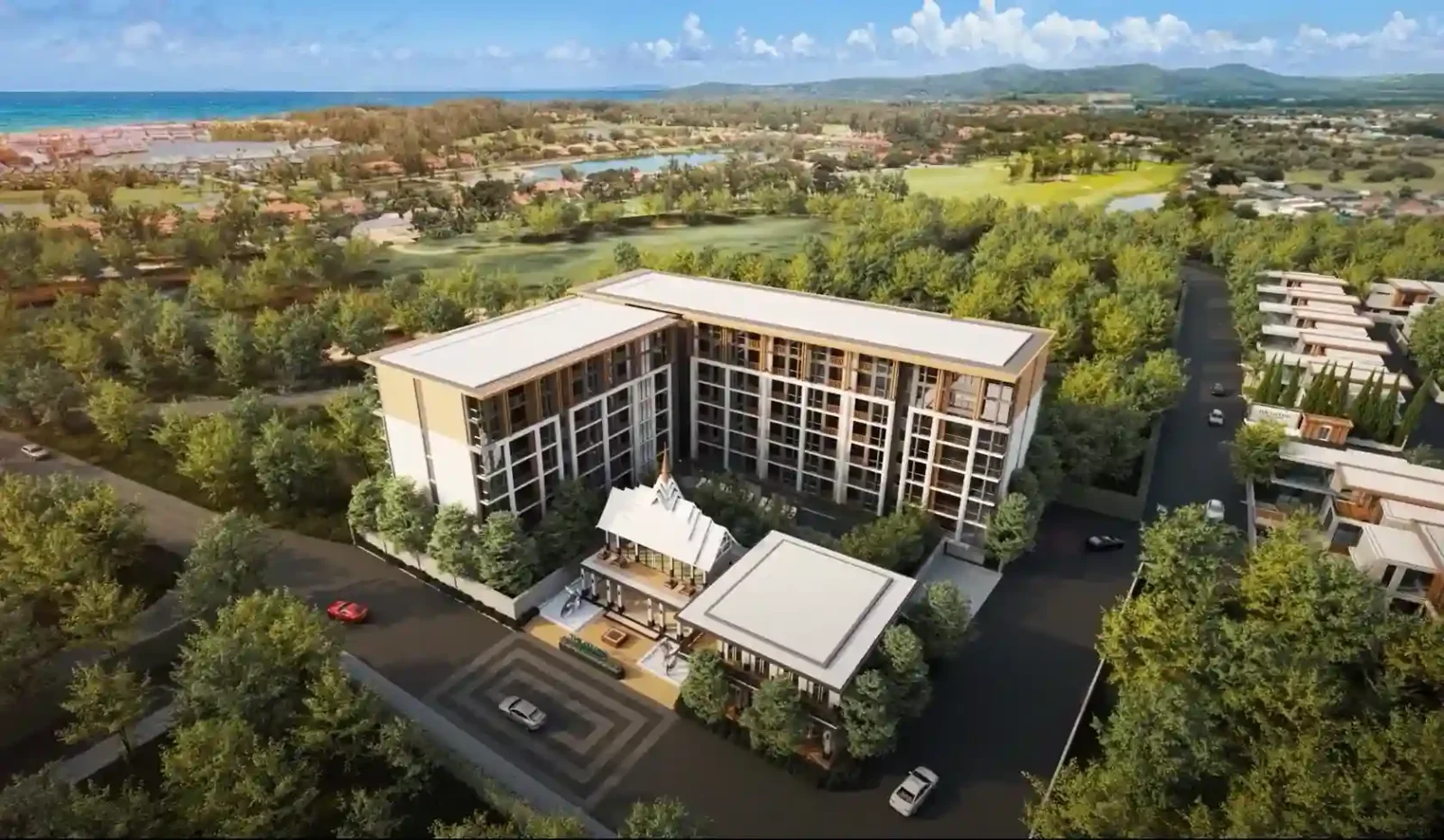
## Immediate Transfer Process for Foreign Buyers
**Title search.**
Our legal support runs a title search at the Phuket Land Office confirming that the unit carries a Chanote (full title deed), that nothing is registered against the title and that the seller is the registered owner. For a completed condominium unit it takes two to five working days, alongside a check of the juristic person registration and the building permit.
**Foreign Exchange Transaction (FET) certificate.**
As a foreign freehold buyer, you must bring the purchase funds into Thailand from overseas in foreign currency. Your Thai bank issues a Foreign Exchange Transaction certificate (also called a TT3 form) confirming the inward remittance. This document is required at the Land Office to complete freehold registration in a foreign national's name. Budget two to five working days for the banking process after funds arrive at the Thai bank, and instruct your bank in advance to issue the certificate in the correct format for Land Office use.
**100% payment at transfer.**
The Ozone Condominium requires full payment at Land Department transfer. With our legal support, a transfer date is agreed with the seller, the funds are confirmed, and both parties attend the Land Office, or arrange power of attorney representation, to complete the ownership change. The Land Department issues a new Chanote in your name either the same day or within a short period thereafter, depending on the Land Office's current processing workload.
**Transfer costs.**
Budget approximately 6 to 7% of the registered property value for transfer-related costs. These include: transfer fee at 2% of appraised value (typically split between buyer and seller unless the SPA states otherwise), withholding tax at 1% of the higher of appraised value or selling price (paid by the seller), and either Specific Business Tax at 3.3% of the selling price if the seller has owned the property for under five years, or stamp duty at 0.5% if the SBT exemption applies. The exact split depends on the negotiated contract. The [buying property in Phuket guide](/guides/buying-property-phuket-guide/) covers this in full detail.
**Typical timeline from reservation to transfer:**
A completed property with a prepared buyer typically transfers within four to eight weeks of reservation, with the FET paperwork and the Land Office attendance, or powers of attorney, arranged in advance. The speed of the completed process is one of its genuine practical advantages for buyers who want to start generating income quickly.
## Foreign Ownership and Legal Structure
**Freehold via Condominium Act.**
A foreign freehold title is registered at the Land Department and appears on the Chanote in your name. You can sell, mortgage, bequeath, or transfer the unit in the same way a Thai national can, with the constraint that the building's overall foreign ownership must not exceed 49% of total floor area. The freehold registration is the same document used for Thai-owned units; there is no separate or inferior class of foreign ownership within the condominium structure.
**Confirming quota availability.**
We obtain written confirmation from the Juristic Person Office (the management body for the condominium) of the current foreign quota for The Ozone Condominium before any reservation deposit, so the ownership route for your unit is clear from the start.
**Leasehold as the alternative.**
Units outside the foreign quota are held on a lease of up to 30 years registered at the Land Department, with renewal terms set in the lease agreement. See [freehold vs leasehold in Thailand](/guides/freehold-vs-leasehold-thailand/) for the detailed comparison including the tax and resale implications of each structure.
**Chanote title.**
The gold standard for Thai property ownership is the Chanote (Nor Sor 4 Jor), which carries GPS-surveyed boundaries and is the only title accepted for mortgage registration at Thai banks. We confirm that your specific unit has its individual Chanote. In most registered condominiums, each unit has its own Chanote issued at the time of initial sale by the developer.
**Resale liquidity.**
Bang Tao's position as a premium Phuket zone supports strong resale demand from both local and international buyers. Completed freehold units in the area have demonstrated consistent liquidity over the past five years, with typical marketing periods of three to six months at asking price and shorter at a modest reduction. The foreign freehold quota attached to your unit transfers to the next buyer, so it does not affect the resale process.
For the complete buying process, the [step-by-step guide for Thailand property purchases](/guides/due-diligence-process-thailand-step-by-step/) covers every step from initial checks through to the Land Office transfer.
## What We Send Before You Reserve
| Document | What it shows |
|---|---|
| Land Office title search | The Chanote is clear and in the seller's name |
| Juristic Person Office quota statement | The foreign quota for your unit |
| Tenancy disclosure | Whether the unit is let, and on what terms |
| Juristic person accounts | The sinking fund balance and the year's budget |
| Year-one cost schedule | CAM, sinking fund and utility connections |
| Operator statements | Two years of occupancy and revenue for managed units |
| Unit inspection report | The condition of the specific apartment |
| Utility metering | Whether the building uses direct PEA metering |
On management fees: established Bang Tao operators charge 18 to 25% of gross rental revenue, plus platform commissions of 3 to 15% depending on the channel mix. On THB 800,000 of gross revenue that is THB 144,000 to THB 200,000 in management before platform fees, CAM and maintenance, and we build the net figure for your unit from a sample year-end statement of a comparable managed unit.
## Buying The Ozone Condominium with MORE Group
The Ozone Condominium is finished, so the purchase runs in five short steps from the unit list to the keys, and we handle each of them with you.
{/* corpus-faq:the-ozone */}
## FAQ
### Is The Ozone Condominium fully completed and ready to transfer?
Yes. The Ozone Condominium is a finished building, distinct from the under-construction Ozone Oasis and Ozone Signature projects by the same developer. Buyers can inspect the actual unit before purchase, and transfer can typically complete within four to eight weeks of reservation, subject to the FET process and Land Department scheduling.
### What is the entry price for The Ozone Condominium?
Prices start from THB 6,184,500, about $189,128 at the site's working rate of 32.7, across 11 priced one-bedrooms of 40 to 48 sqm; the 18 priced two-bedrooms run 11,119,500 to 15,519,000 THB. Payment is 100% at Land Department transfer, with no staged construction payments. Budget an additional 6 to 7% of the registered value for transfer costs including transfer fee, taxes, and legal fees.
### What rental yield can I expect from The Ozone Condominium in Bang Tao?
Rental income here is best planned from the building's own record: units have been let, and we collect twelve months of month-by-month owner statements from a comparable unit, with deductions itemised. Across the island only 871 of 12,054 priced apartments sit in a completed scheme, so this documentary evidence is a real advantage of the building.
### Can foreigners buy The Ozone Condominium as freehold?
Yes, subject to the 49% foreign freehold quota limit under the Thai Condominium Act. We obtain written confirmation from the Juristic Person Office of the foreign quota for your specific unit, and units outside the quota are available on a registered 30-year lease. The funds are brought into Thailand in foreign currency to obtain the FET certificate required for freehold registration at the Land Department.
### How does The Ozone Condominium compare to Ozone Oasis for investment?
The Ozone Condominium is the completed income asset: you inspect before buying and start earning rental income immediately after transfer. Ozone Oasis is under construction, for buyers who prefer staged payments and potential capital appreciation by transfer. The two suit different objectives, and a visit to The Ozone Condominium shows the developer's build quality for both.
# The Petit Tycoon: Premium Surin Condos from 11.3M THB
> The Petit Tycoon review: a boutique low-rise condo near Surin Beach with 77 residences, private elevators and an infinity pool, two-bedrooms from 11.28M THB.
**Source:** https://moregroup.estate/projects/the-petit-tycoon/
**Section:** Project Reviews
**Author:** MORE Group Editorial
**Published:** 2026-04-08
**Updated:** 2026-08-23
---
The Petit Tycoon is a low-rise condominium in the Choeng Thale district, about three minutes by car or a ten-minute walk from Surin Beach. The development spans 77 residences across apartments, private villas and penthouses, with two-bedroom units from 11.28 million THB and four-bedroom penthouses up to 49.98 million THB. For buyers looking at the north-west Phuket luxury segment, the combination of boutique scale, one of the island's most prestigious addresses and a staged payment plan makes a strong case.
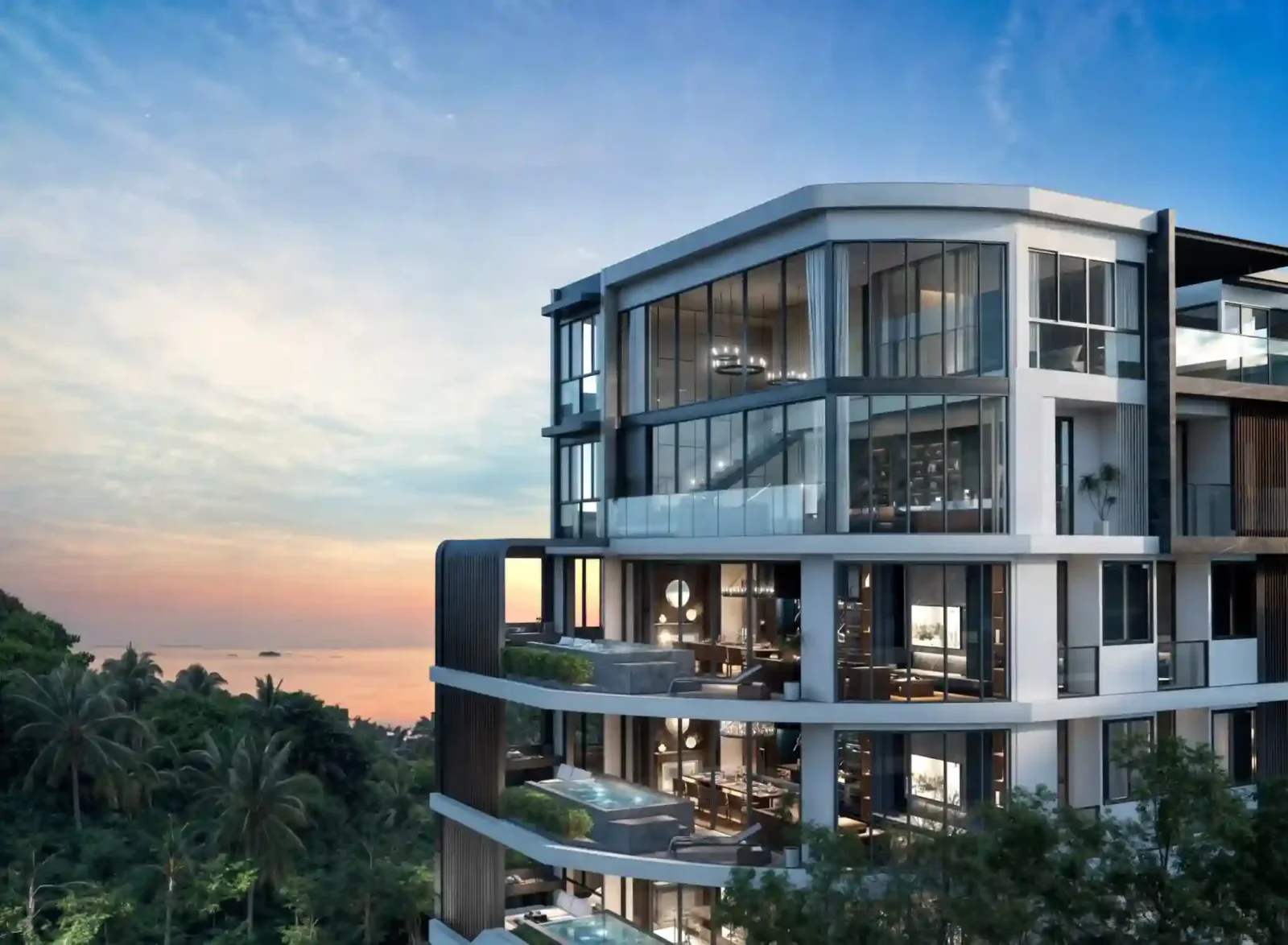
## Why Surin Carries a Premium?
The demand drivers at Surin differ from those at Bang Tao or Kamala. Bang Tao is home to large resort brands such as Anantara, Cassia and Banyan Tree, and its guests are often families drawn by five-star amenities and extended resort grounds. Surin attracts a different crowd: a small, beautiful bay, Catch Beach Club at the Twinpalms end of the beach, and a dining scene that residents return to year after year. Boat Avenue, the lifestyle retail and dining destination just inland, serves the residents of the whole north-west coast.
This matters for real estate because Surin's guests choose the area deliberately. It is a destination in its own right, which supports premium nightly rates and brings visitors back season after season.
Surin has also kept its low-rise, low-density character, which is a large part of its appeal: the streets are green, the buildings are small, and the hillside views stay open. You can read more about how the neighbourhood shapes buyer decisions in the [Surin Beach property guide](/surin-properties/).
New condominiums this close to Surin Beach are few, and The Petit Tycoon is one of them. Comparing Surin with its neighbours makes the premium clear. Kamala to the south offers a quieter, more residential character at lower price points. Layan and Bang Tao to the north offer beach frontage and resort amenities at scale. Surin sits between these poles, which is exactly why the address commands its own pricing tier. For a comparative view of the wider north-west corridor, the [best areas to buy property in Phuket guide](/guides/best-areas-phuket-buy-property/) covers each sub-market in detail.
## Petit Tycoon Concept: Low-Rise, High Privacy
The project delivers 77 residences across three typologies: apartments, private villas and penthouses. That variety within a single address is unusual in Phuket, where most projects commit to one typology and repeat it. Here a buyer choosing a two-bedroom apartment shares an address with penthouse and villa owners, which creates a small, established community.
Privacy is built into the plan. There are no more than 10 units per floor, residences are served by private elevators, and the layouts are designed so that neighbours stay out of sight. The interiors combine modern design with natural stone and wood, and large panoramic windows fill the rooms with light.
Around the buildings, the Whispering Woods landscape creates a peaceful, forest-like setting. Low-rise construction lets the project sit into the green hillside surroundings, so many units look out over the gardens and trees rather than into the next building's balconies.
The total of 77 residences keeps the community small. When it comes time to sell, an owner offers a rare product at a prestigious address rather than one of hundreds of identical units. We send the latest construction update with the price list, and we arrange a site visit on request.
## Unit Mix and Pricing Breakdown
Our price list holds 35 residences:
| Unit type | Area | Units | Price range | Approximate USD |
|---|---|---|---|---|
| Two-bedroom | 65 to 99 sqm | 17 | 11,280,000 to 15,990,000 THB | $345,000 to $489,000 |
| Three-bedroom | 96 to 198 sqm | 13 | 15,580,000 to 31,380,000 THB | $476,000 to $960,000 |
| Four-bedroom | 169 to 310 sqm | 5 | 27,280,000 to 49,980,000 THB | $834,000 to $1,528,000 |
The two-bedroom entry at 11.28 million THB is strong value for the Surin address, and the 65 sqm minimum is generous by Phuket standards, where some entry-level condos elsewhere offer two-bedroom layouts below 50 sqm. Most two-bedrooms on the list are 86 to 99 sqm.
Three-bedroom units cover a wide range, from 96 sqm at the compact end through a group of 140 to 147 sqm apartments to a 198 sqm residence at 31.38 million THB. Buyers choosing the larger layouts enjoy villa-scale living within a condominium, with the upkeep handled by the building.
The four-bedroom residences start with two units of 169 sqm from 27.28 million THB and rise to penthouses of 290 to 310 sqm at 45.58 to 49.98 million THB. At the top of the Surin boutique market, their case rests on location, design, views and the ease of condominium living.
## Payment Plan
The price is paid in six stages: 30% on booking, four stages of 10% as construction progresses, and 30% at transfer. For the entry two-bedroom at 11,280,000 THB that works out as follows:
| Stage | Share | Amount |
|---|---|---|
| Booking | 30% | 3,384,000 THB |
| Stages 2 to 5 | 10% each | 1,128,000 THB each |
| Transfer | 30% | 3,384,000 THB |
The equal middle stages make the build period easy to plan, and 30% is kept for transfer. The [guide to buying property in Phuket](/guides/buying-property-phuket-guide/) walks through the purchase from reservation to registration.
## Amenities: Infinity Pool, Sauna, Home Theatre and More
- **Infinity pool** with views over the surroundings
- **Fitness centre** and **sauna**
- **Yoga zone**
- **Home theatre**
- **Children's room**
- **On-site retail gallery**
- **Whispering Woods landscape** around the buildings
**The fitness centre, sauna and yoga zone** give residents a daily wellness routine without leaving home, which matters to the long-stay residents who make Surin their base for months at a time.
**The children's room** reflects who Surin attracts: families, couples and long-stay guests who book two and three-bedroom apartments for two weeks rather than a studio for three nights.
**The retail gallery** brings everyday convenience into the development, useful for residents and guests alike.
**The home theatre** gives families and groups an evening option at home after a day on the beach.
Taken together, the amenity package makes The Petit Tycoon a full-service residential address rather than a bare condominium, which serves both owners who live here and owners who rent.

## Surin Beach: Location Walkthrough
Surin Beach is about three minutes by car or a ten-minute walk from the project. Catch Beach Club, at the Twinpalms end of the beach, is one of Phuket's best-known beach clubs, and the beach road is lined with restaurants and cafes.
Boat Avenue is about ten minutes' drive inland, connecting Surin to the wider Laguna and Bang Tao commercial zone. It is the daily hub for the north-west corridor's residents: supermarkets, international restaurants, specialist food stores and lifestyle shops.
Phuket International Airport is about 39 minutes by car. Guests who fly in from Bangkok or Singapore reach their apartment well within an hour of landing, a comfortable arrival for owners and renters alike.
The Laguna resort area, the Bang Tao beach clubs and the Kamala coast are all a short drive away, which gives residents the broadest choice of beaches, restaurants and activities on Phuket's west coast.
Dining within two kilometres of the project covers every price point: local som tam restaurants at under 150 THB per person, mid-range Thai and international restaurants at 300 to 800 THB, and the higher-end venues along Surin Beach Road. That variety is a real quality-of-life advantage for anyone who lives here.
## Rental Profile
The two-bedroom segment, from 11.28 to 15.99 million THB, is the most versatile part of the project for renting. Two-bedroom apartments in Surin attract the widest range of guests: couples, small families, friends travelling together and remote workers booking monthly stays.
The three-bedroom segment, from 15.58 to 31.38 million THB, suits buyers who want a home-plus-income model: a family using the apartment for several weeks a year and renting it out for the rest. The larger layouts are exactly what families and groups look for on a Surin holiday.
Phuket's rental market has matured considerably, and professional property managers, including several with Surin portfolios, can run the entire rental operation for an owner who lives abroad. For owners who plan to rent, we collect current asking rents and holiday rates for comparable Surin apartments and send them with the price list. For a view of prices across the island, the [Phuket property prices 2026 guide](/guides/phuket-property-market-prices-2026/) provides context by area.
## Foreign Ownership at The Petit Tycoon
**Freehold** is the most straightforward structure for foreign buyers. A condominium unit can be registered in your own name at the Land Department within the 49% foreign quota of the building, counted by floor area. There are no additional structures and no Thai shareholders, and freehold units resell easily to other foreign buyers. We confirm with the developer that the unit you choose sits inside the quota.
The purchase money for a freehold unit is transferred from abroad in foreign currency, and the receiving bank provides the **Foreign Exchange Transaction (FET) form** that the Land Department needs to register the unit in your name. We help you plan the transfers around the payment schedule.
The [freehold vs leasehold Thailand guide](/guides/freehold-vs-leasehold-thailand/) explains the ownership options in detail, and the [buying property in Phuket guide](/guides/buying-property-phuket-guide/) sets out the transfer costs for foreign buyers.
## Buyer Scenarios
**The two-bedroom buyer** wants a stylish base near Surin Beach at the most accessible ticket in the building, for personal use and letting through the season.
**The three-bedroom hybrid buyer** wants to use the property for several weeks a year and rent it for the rest. At 96 to 198 sqm from 15.58 million THB, the three-bedroom range allows genuine family-scale living while staying attractive to rental guests.
**The penthouse owner-occupier** is buying for lifestyle first. At 45.58 to 49.98 million THB for 290 to 310 sqm, the Surin address, the boutique scale and the premium specification are the reasons to buy. For this buyer, the comparison is with a detached villa in Surin or Layan, and the penthouse offers the ease of condominium living with the space of a house.
## The Petit Tycoon and Other Surin and Kamala Condos
| Project | From | Status |
|---|---|---|
| [Surin Sands Condo](/projects/surin-sands-condo/) | 4,410,000 THB | Completed |
| [Mida Grande Resort](/projects/mida-grande-resort/) | 4,425,400 THB | Completed |
| [Rhea by Sansiri](/projects/rhea-by-sansiri/) | 4,810,000 THB | Off-plan |
| [MGallery Residences MontAzure](/projects/mgallery-residences-montazure/) | 10,535,275 THB | Off-plan |
| The Petit Tycoon | 11,280,000 THB | Off-plan |
| [InterContinental Phuket Residences](/projects/intercontinental-phuket-residences/) | 13,600,000 THB | Off-plan |
The Petit Tycoon sits at the premium end of the Surin condo market, next to the branded residences of Kamala. Its boutique scale, private elevators and generous layouts are what the price buys.
## Buying The Petit Tycoon with MORE Group
A residence at The Petit Tycoon is bought in five steps, from the first price list to the keys, and we are with you through each of them.
## What We Send Before You Reserve
- The current price list with free residences, floors and floor plans
- The payment schedule for your unit
- Confirmation that your unit sits within the 49% foreign quota
- The latest construction update
- Current asking rents and holiday rates for comparable Surin apartments, if you plan to rent
{/* corpus-faq:the-petit-tycoon */}
## FAQ
### What is the starting price for a unit at The Petit Tycoon?
Two-bedroom apartments start at 11,280,000 THB for 65 sqm. Three-bedroom apartments start at 15,580,000 THB, and four-bedroom residences run from 27,280,000 THB up to 49,980,000 THB for a 310 sqm penthouse.
### What stage is The Petit Tycoon at?
Construction is underway. We send the latest construction update together with the price list.
### Can a foreign buyer own a unit at The Petit Tycoon in freehold?
Yes. Thai condominium law allows foreign buyers to hold units freehold in their own name within the 49% foreign quota, counted by floor area. We confirm with the developer that your unit sits inside the quota, and the purchase money is transferred from abroad with an FET form for registration at the Land Department.
### Can I rent out my apartment at The Petit Tycoon?
Yes. Surin draws families, couples and long-stay guests through the season, and professional property managers in the area can run the rental for owners who live abroad. We send current asking rents and holiday rates for comparable Surin apartments with the price list.
### What is the payment structure for off-plan buyers at The Petit Tycoon?
30% on booking, four progress payments of 10% as construction advances, and 30% on transfer. We send the developer's schedule for your unit with the price list.
**Read Also:**
- [Surin Sands Condo: Completed Units Near Surin Beach](/projects/surin-sands-condo/)
- [Mida Grande Resort Condominiums](/projects/mida-grande-resort/)
- [How Foreigners Buy Phuket Property 2026](/guides/buying-property-phuket-guide/)
- [Thai Condo Foreign Quota: 49% Rule Explained](/guides/foreign-quota-thai-condominiums/)
- [The Buying Process in Thailand, Step by Step](/guides/due-diligence-process-thailand-step-by-step/)
# The Proud Rawai: Completed Condos from 3.63M THB
> The Proud Rawai: a completed condominium a short walk from Rawai Beach, with a rooftop infinity pool, bar and yoga room, one and two-bedrooms from 3.63M THB.
**Source:** https://moregroup.estate/projects/the-proud/
**Section:** Project Reviews
**Author:** MORE Group Editorial
**Published:** 2026-04-02
**Updated:** 2026-08-23
---
## What Is The Proud Rawai?
The Proud Rawai is ready to live in, a few minutes' walk from the sea. The building is small, with only 48 residences, and it is finished, so you can see the apartment, the balcony and the view before you buy, and use it or let it from the day of transfer. The apartments have thoughtful layouts with a comfortable living room, a kitchen, balconies and a light, natural palette.
The rooftop is the heart of the building: an infinity-edge pool with views over the sea and a bar and lounge for the evening. Residents also have a yoga room, a steam room, a fitness room, a lobby and reception, underground parking and 24-hour security with CCTV, and a shuttle runs to Nai Harn Beach.
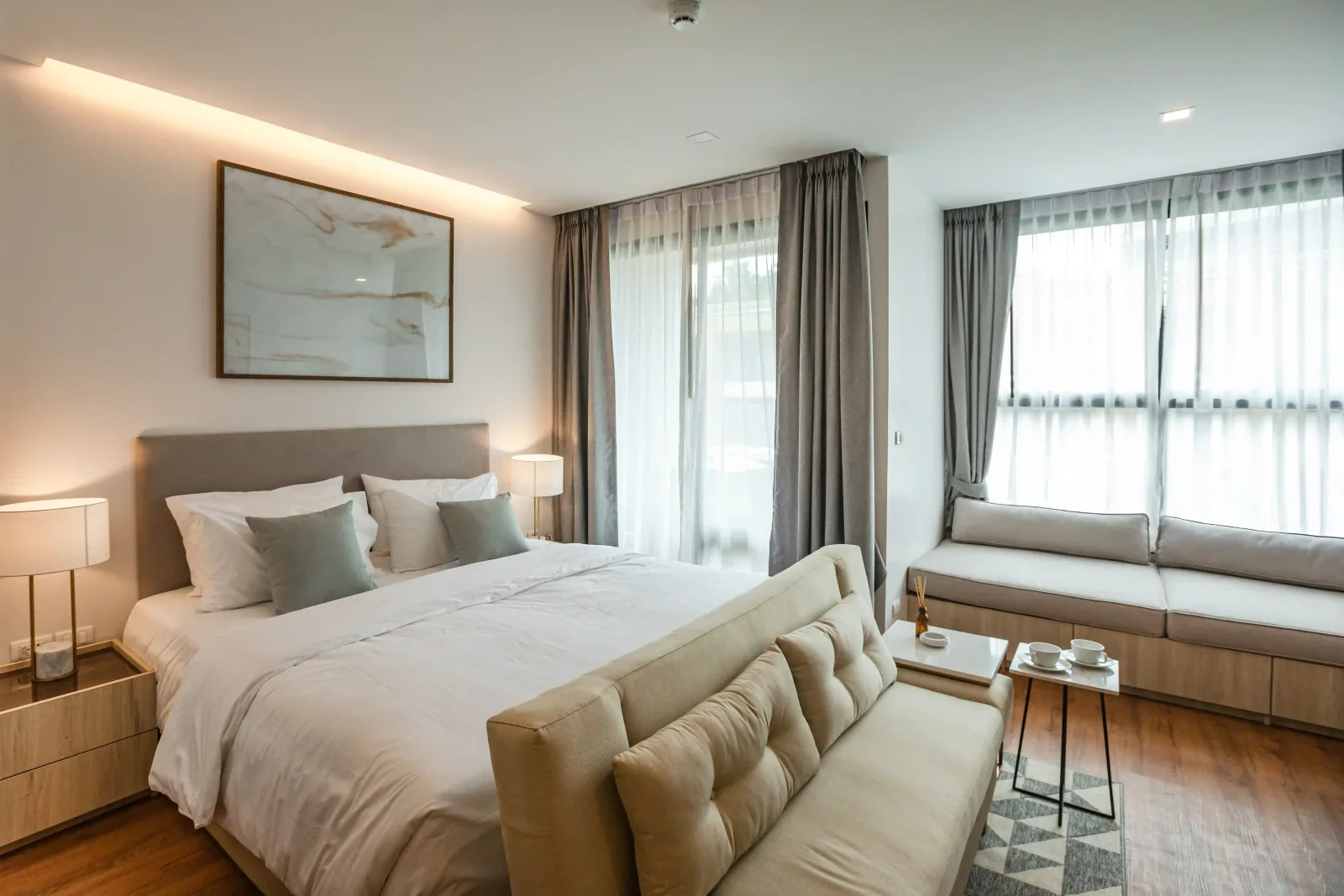
## What Are the Key Facts for The Proud Rawai?
| Factor | Detail |
| --- | --- |
| Location | Rawai, a short walk from Rawai Beach |
| Building | Five storeys, 48 residences |
| On our price list | 12 residences |
| One-bedroom | 31 to 39 sqm, 3,625,000 to 6,875,000 THB |
| Two-bedroom | 70 sqm, 11,875,000 THB |
| Facilities | Rooftop infinity pool, rooftop bar, yoga room, steam room, gym |
| Services | Shuttle to Nai Harn Beach, reception, 24-hour security |
| Stage | Completed |
| Beach | About 7 minutes on foot |
| Shopping | About 2 minutes by car |
## Location: Rawai, a Walk from the Sea
Rawai is the relaxed south of Phuket, where long-stay residents live among cafés, markets, gyms and seafood restaurants, with some of the island's loveliest bays close by.
- **Rawai Beach:** about 7 minutes on foot, with the seafood market and longtail boats to the islands
- **Nai Harn Beach:** a quick drive, or the building's shuttle
- **Promthep Cape:** Phuket's classic sunset viewpoint nearby
- **Shopping:** the nearest mall about 12 minutes on foot or 2 minutes by car
- **Restaurants and cafés:** all around the building
- **Airport:** a little over an hour by car
Days here begin with a walk to the sea or a yoga session, continue with the markets and cafés of Rawai, and end with the sunset from the rooftop pool and a drink at the bar. The [Rawai area page](/rawai-properties/) covers the district in more detail.
## Residences and Prices
Our price list holds 12 residences:
| Format | Size | Residences | Price |
| --- | --- | --- | --- |
| One-bedroom | 31 to 33 sqm | 7 | 3,625,000 to 6,875,000 THB |
| One-bedroom | 39 sqm | 4 | 5,000,000 to 5,640,000 THB |
| Two-bedroom | 70 sqm | 1 | 11,875,000 THB |
The one-bedrooms of 31 to 33 sqm open the building from 3,625,000 THB, and the price moves with the floor and the view, which is why some compact units are priced above the larger ones. The one-bedrooms of 39 sqm give extra room for long stays, and residence 210 is a two-bedroom of 70 sqm for couples and small families. We send the plan, floor and view of each residence with the list.
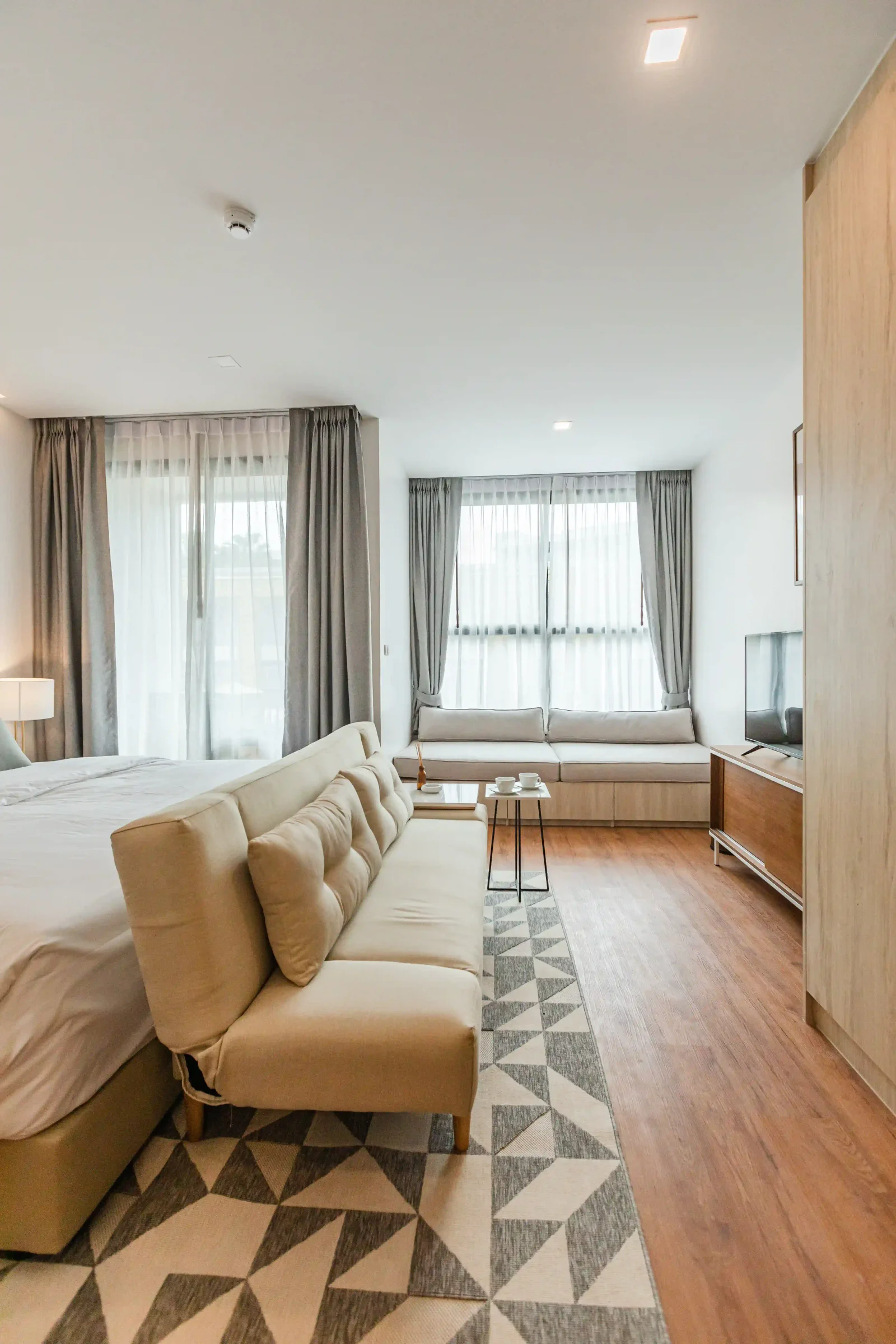
## Facilities
- **Rooftop infinity-edge pool** with sea views
- **Rooftop bar and lounge**
- **Yoga room** and steam room
- **Fitness room**
- **Shuttle to Nai Harn Beach**
- **Lobby and reception**
- **Underground parking** and 24-hour security with CCTV
## Living at The Proud Rawai
The Proud makes the Rawai routine effortless. A morning walk to the beach, yoga before breakfast, a day in the cafés and markets of the south, and an evening on the roof with the pool, the bar and the sunset over the sea. When you want Nai Harn, the shuttle takes you there, and when you travel, a completed building with a reception is easy to lock up and leave.
## Buying a Completed Residence
At The Proud, a completed residence is transferred in one step: once the price is paid, it is registered in your name at the Land Department. We send the terms for the residence you choose, together with the building's common charges, so you know the full cost from the start, and we arrange the viewing and the transfer.
## Why Buyers Choose The Proud Rawai
- **Completed:** see the residence before you buy and use it from the day of transfer
- **Rawai Beach** about 7 minutes on foot
- **A rooftop infinity pool** and bar with sea views
- **Yoga room, steam room and gym** in the building
- **A shuttle** to Nai Harn Beach
- **Freehold ownership** within the 49% foreign quota
## Who The Proud Rawai Suits
**Buyers who want a finished home** a walk from the beach, ready from the day of transfer.
**Long-stay residents and couples** who want yoga, a gym and a rooftop pool in a small building.
**First-time Phuket buyers** entering the south with a completed freehold one-bedroom.
**Rental investors** aiming at the long-stay guests who choose Rawai for months at a time.
## Renting Out a Residence at The Proud
Rawai's residents stay long: remote workers for several months, couples for the winter and families for a school year. A completed residence a walk from the beach, with a rooftop pool and a shuttle to Nai Harn, can be let from the first month after transfer, and monthly lets keep turnover low.
If you plan to let your residence at The Proud, we collect current asking rents for comparable units in Rawai and Nai Harn and send them with the price list. [Our rental guide](/guides/phuket-rental-yield-complete-guide-2026/) explains how to read a rental offer line by line.
## Ownership for Foreign Buyers
The Proud Rawai is a condominium, so a unit can be registered freehold in your own name within the 49% foreign quota of the building, counted by floor area. We confirm that the unit you choose sits inside that quota. For a freehold unit at The Proud Rawai, the purchase money is transferred from abroad in foreign currency, and the receiving bank provides the FET form that the Land Department asks for at registration. [How the foreign quota works](/guides/foreign-quota-thai-condominiums/) explains the rule in detail.
## The Proud and Other Rawai Condos
| Project | From | Status |
| --- | --- | --- |
| [Aura Condominium](/projects/aura-condominium/) | 3,032,320 THB | Off-plan |
| The Proud Rawai | 3,625,000 THB | Completed |
| [Starlight Sunrise Suksan](/projects/starlight-sunrise-suksan/) | 3,630,000 THB | Off-plan |
| [Enigma Residence](/projects/enigma-residence/) | 3,944,850 THB | Off-plan |
| [Next Point Condominium](/projects/next-point-condominium/) | 3,955,000 THB | Off-plan |
| [VIP Space Odyssey](/projects/vip-space-odyssey/) | 4,395,000 THB | Off-plan |
The Proud stands out in this group as a completed building with a rooftop infinity pool a walk from Rawai Beach. We send the price lists of any of these projects on request and arrange viewings.
## Buying The Proud Rawai with MORE Group
A residence at The Proud is bought in a few clear steps, from the first viewing to the transfer, and we are with you through each of them.
## What We Send Before You Reserve
- The current price list with free residences, sizes and plans
- Confirmation that your residence sits within the 49% foreign quota
- The payment and transfer terms for your residence
- The building's common charges and house rules
- Current asking rents for comparable units, if you plan to rent
{/* corpus-faq:the-proud */}
## FAQ
### What does The Proud Rawai cost?
Our price list holds 12 residences: one-bedrooms of 31 to 39 sqm from 3,625,000 to 6,875,000 THB and a two-bedroom of 70 sqm at 11,875,000 THB.
### Is The Proud Rawai completed?
Yes. The five-storey building is completed, so you can view the residence and use it or let it from the day of transfer.
### How far is The Proud from the beach?
Rawai Beach is about 7 minutes on foot, and a shuttle runs to Nai Harn Beach. The nearest mall is about 2 minutes by car.
### What facilities does the building have?
A rooftop infinity-edge pool with sea views, a rooftop bar and lounge, a yoga room, a steam room, a fitness room, a lobby and reception, a beach shuttle, underground parking and 24-hour security with CCTV.
### Can foreigners buy at The Proud freehold?
Yes. Foreign buyers can hold a unit freehold in their own name within the 49% foreign quota of the building, counted by floor area. We confirm that your unit sits inside the quota, and the purchase money is transferred from abroad with an FET form for registration at the Land Department.
**Read Also:**
- [Dominion Rawai](/projects/dominion-rawai/)
- [The Title Cielo](/projects/the-title-cielo/)
- [Nai Harn and Rawai Compared](/guides/nai-harn-vs-rawai-comparison/)
- [How the Foreign Quota Works](/guides/foreign-quota-thai-condominiums/)
- [How Foreigners Buy Phuket Property 2026](/guides/buying-property-phuket-guide/)
- [Phuket Rental Yield Guide](/guides/phuket-rental-yield-complete-guide-2026/)
# The Regent Villas Phase 2 Layan: From 20.79M THB
> The Regent Villas Pasak Phase 2 review: 8 gated 3-4 bedroom pool villas in Cherngtalay at 20.79M THB, 348 sqm, 10 minutes to Bang Tao Beach.
**Source:** https://moregroup.estate/projects/the-regent-villas-phase-2/
**Section:** Project Reviews
**Author:** MORE Group Editorial
**Published:** 2026-04-02
**Updated:** 2026-08-23
---
## Regent Villas Pasak Phase 2 Phuket: Villa Review 2026
The Pasak / Cherngtalay location is one that experienced Phuket buyers will recognize immediately. Cherngtalay is the broader administrative area that includes Bang Tao Beach, Laguna Phuket, Boat Avenue, Porto de Phuket, and some of the island's most prestigious residential pockets. Pasak is a sub-zone within that corridor, quieter than the immediate beachfront strip, but well within the lifestyle radius that makes Cherngtalay attractive to international buyers.
The Regent Villas Pasak Phase 2 is a small gated estate of eight two-storey pool villas, each with three or four bedrooms and about 348 sqm built up, on plots of about 234 to 291 sqm.
## Location: the Pasak corridor explained
From The Regent Villas Pasak Phase 2:
- **Boat Avenue** (Phuket's primary dining and lifestyle street) is 7 minutes by car. This is the closest practical food, coffee, and retail hub.
- **Porto de Phuket** is in the same zone, good restaurants, Friday market, international retail brands.
- **Laguna Phuket** resort complex is adjacent, relevant for golf, beach club access, and the restaurants within the resort circuit.
- **Catch Beach Club** on Bang Tao Beach is a 10-minute drive, the beach club that anchors the area's social scene for the international residential community.
- **Phuket International Airport** is 24 minutes, better than average connectivity for the Cherngtalay zone.
Like most Phuket villa estates, life here runs by car, with the beach clubs, Boat Avenue and the Laguna golf courses all a short drive away. That suits the buyers Cherngtalay attracts: international second-home owners, families relocating from Europe or Asia, and investors in the premium rental segment.
## Villa design and specifications
**Ground floor:**
- Open-plan living and dining area
- Modern Western-style kitchen with island or breakfast bar
- In the 4-bedroom variant: master bedroom on the ground floor with direct pool access, a meaningful specification detail for owners who do not want to navigate stairs to reach the pool
- Private swimming pool with sun deck terrace
- Pool-side sala for outdoor dining or relaxation
- Covered parking for two vehicles
**First floor:**
- Additional bedrooms (2 or 3 depending on configuration)
- Each bedroom with en-suite bathroom
**Community facilities:**
- Gated entry with 24-hour security
- CCTV surveillance throughout the estate
- Landscaped common areas
- A pet-friendly estate
The project specifies a built-up area of approximately 348 sqm across 3 or 4 bedrooms, a ratio that allows for genuine bedroom sizing without the corridor-and-compromise layouts that appear in smaller villa footprints.
**A specification worth noting:** the 4-bedroom ground-floor master with direct pool access is not universal across pool villa projects. For buyers prioritising easy access to the pool, for swimming, for children, for guests who prefer ground-level living, it is a tangible quality-of-life feature.
## Pricing: one price for all units
The current price list carries three villas, one three-bedroom and two four-bedrooms, all at exactly 20,790,000 THB (about $636,000) and all 348 sqm. That works out to 59,741 THB per square metre, 31% under the 86,235 THB metre of non-branded villas in the Bang Tao and Layan corridor, and the strongest point of the scheme.
Because the three-bedroom and the four-bedrooms carry the same price on the same floor area, the fourth bedroom comes at no extra cost. We send both plans, so you choose the layout that suits your family or your letting plan.
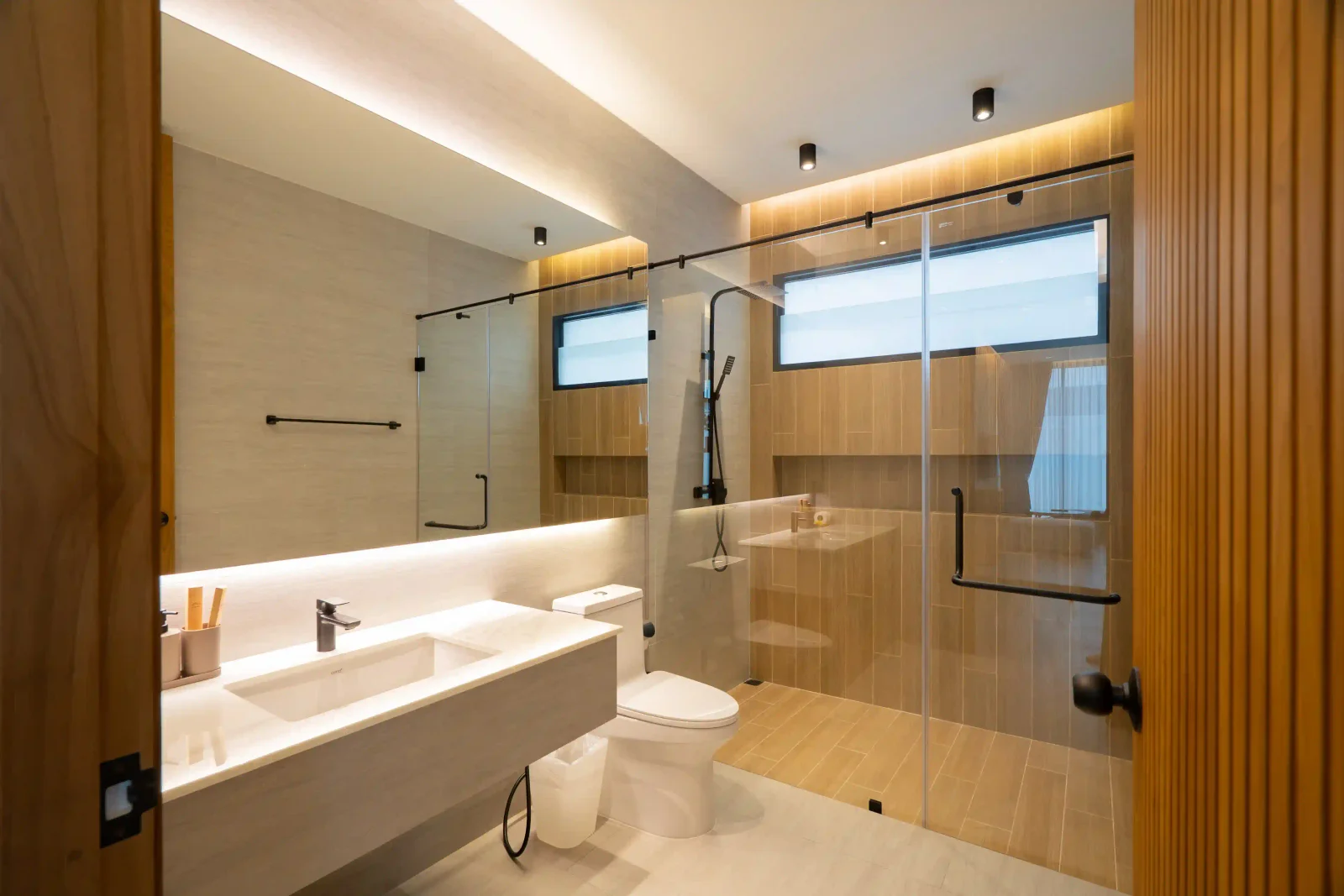
## Payment plan
- **50%** on contract signing
- **50%** at handover / transfer
A straightforward two-step structure, typical for small villa developments close to completion. On a 20,790,000 THB villa that is 10,395,000 THB (about $318,000) at signing and the same at transfer. The estate is close to handover, and we send the latest construction update with the price list.
## Investment case
The case rests on the price per square metre: a 348 sqm pool villa in Cherngtalay at 59,741 THB per square metre, 31% under the corridor's non-branded villa rate, in the zone with the island's best infrastructure.
For owners who plan to let, the three- and four-bedroom format suits families and groups on the holiday platforms, with long-stay tenants in the green season. We collect owner statements from comparable let villas in the corridor and set the costs against them for your villa: the operator's share of gross, customarily 20 to 25% on a villa programme, staff for the pool and garden, utilities including pool and irrigation, and the statutory transfer taxes.
**Tax note:** Thailand does not currently levy capital gains tax on property for individuals. Rental income is subject to Thai personal income tax (for tax residents) or withholding tax arrangements.
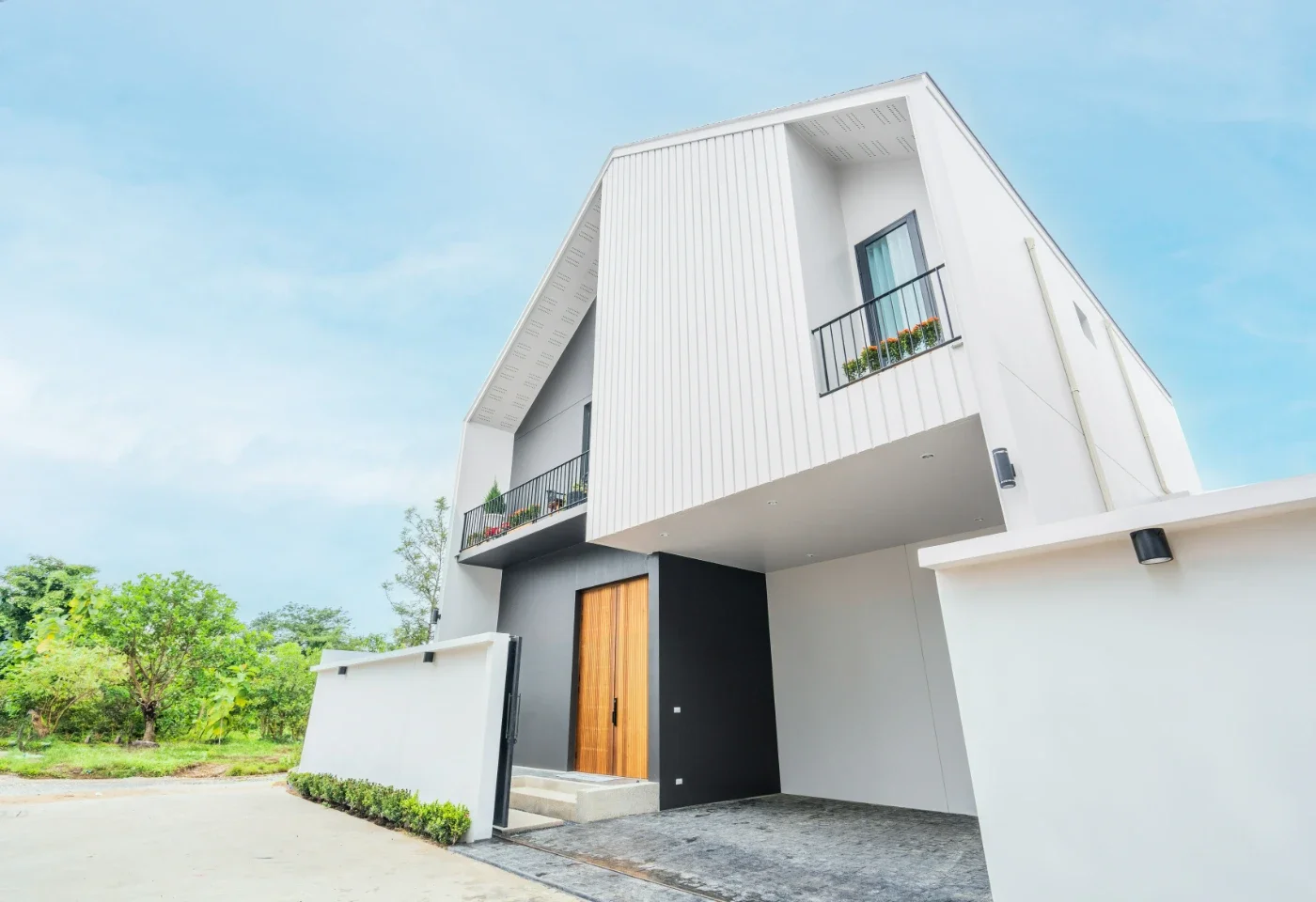
## Who is this for?
- **Buyers entering the Cherngtalay zone** who want a genuine villa (not an apartment complex) at a controlled price point
- **Families** who need 3-4 actual bedrooms with proper en-suite bathrooms for multi-generational stays
- **Short-term rental investors** who want a villa in the most liquid tourism market on Phuket's west coast
- **Second-home buyers** who want a base in Phuket's best-infrastructure zone without stretching into the 30M-70M THB segment
## Living in Pasak
Pasak sits in Si Sunthon, on the inland side of Cherngtalay, where the roads are quieter than on the beach strip and the houses sit among gardens rather than hotels. Daily life is easy: Boat Avenue's cafés and shops are seven minutes by car, Porto de Phuket's Friday market and restaurants are in the same zone, the Laguna golf courses are next door, and Bang Tao and Layan beaches are both about ten minutes away. For families, the estate's gated security, private pools and pet-friendly rules make a villa here a home as much as an investment.
## A Small Gated Estate
Eight villas make an intimate estate, with gated security and a quiet, residential feel. Each villa has its own pool, sun deck and sala, so the outdoor life of the house is private rather than shared, and the common charge covers the gate, the security and the landscaping rather than a clubhouse.
## How a Foreign Buyer Owns a Villa Here
Foreigners do not hold freehold title to Thai land, so the villa is owned through one of two lawful routes. You either register a lease of the land at the Land Department, 30 years per term, and hold the villa building itself in your own name, or put the land into a Thai company with genuine Thai shareholders. We prepare the route that suits you with our legal support.
## Summary
The project fits buyers who want the Cherngtalay zone without reaching into the 30M-70M THB ultra-luxury segment. For that buyer, the location, the specification and the price per square metre are all aligned, and we handle the legal preparation and the management plan with you.
## Buying The Regent Villas with MORE Group
A villa at The Regent Villas Pasak Phase 2 is bought in five steps, from the first price list to the keys, and we are with you at each of them.
{/* corpus-faq:the-regent-villas-phase-2 */}
## FAQ
### What is the price of The Regent Villas Pasak Phase 2?
All villas are priced at 20,790,000 THB (approximately $636,000 USD at current exchange rates). Both 3-bedroom and 4-bedroom configurations are listed at the same price. The built-up area is 348 sqm for all units.
### How far is The Regent Villas Pasak Phase 2 from the beach?
Bang Tao Beach is approximately 10 minutes by car, with Layan Beach at a similar distance. The estate is a residential villa enclave in the Pasak / Cherngtalay interior, with the beaches, Boat Avenue and the Laguna golf courses a short drive away.
### What stage is The Regent Villas Pasak Phase 2 at?
The estate is close to handover. We send the latest construction update together with the price list.
### What is the payment structure?
The payment plan is 50% on contract signing and 50% at handover/transfer: for a 20.79M THB villa, 10.395M THB (~$318K) at each step.
### Can foreigners buy The Regent Villas Pasak Phase 2?
Yes, through a 30-year registered lease of the land at the Land Department, the standard structure for foreign villa buyers in Thailand, with the villa building itself in the buyer's name, or through a Thai company with genuine Thai shareholders. We prepare the route that suits you with our legal support.
### What rental income can this villa achieve?
A 348 sqm three- or four-bedroom pool villa in Cherngtalay suits families and groups on the holiday platforms and long-stay tenants in the green season. We collect owner statements from comparable let villas in the corridor and set the operator's share, customarily 20 to 25%, and the villa's staff, pool and garden costs against them for your villa.
**Related guides:**
- [Best areas in Phuket to buy property](/guides/best-areas-phuket-buy-property/)
- [Phuket condo vs villa: which should you buy?](/comparisons/phuket-condo-vs-villa-comparison/)
- [Freehold vs leasehold in Thailand: complete guide](/guides/freehold-vs-leasehold-thailand/)
- [Buying property in Phuket: the complete guide](/guides/buying-property-phuket-guide/)
- [Bang Tao Beach area guide: living, buying, investing](/guides/bang-tao-beach-area-guide-2026/)
# The Residence Prime Laguna: Villas from 24.89M THB
> The Residence Prime: 62 smart three-bedroom pool villas near Laguna with pools reached from the living room and bedrooms, a gym and co-working, from 24.89M THB.
**Source:** https://moregroup.estate/projects/the-residence-prime/
**Section:** Project Reviews
**Author:** MORE Group Editorial
**Published:** 2026-04-08
**Updated:** 2026-08-23
---
## What Is The Residence Prime?
The Residence Prime brings resort living into everyday life. The pool is the centre of each house, with doors opening onto it from the living room and from the bedrooms, so a swim is never more than a few steps away. The homes are smart and efficient, with eco-energy systems, intelligent lighting, voice-controlled automation and built-in furniture that keeps the rooms clean and calm.
A central green zone of more than 350 sqm gives the community a shared garden, and residents have a gym, a co-working space and leisure facilities. Bang Tao and Layan beaches, Laguna Golf, Boat Avenue and the international schools are all about five to ten minutes away.
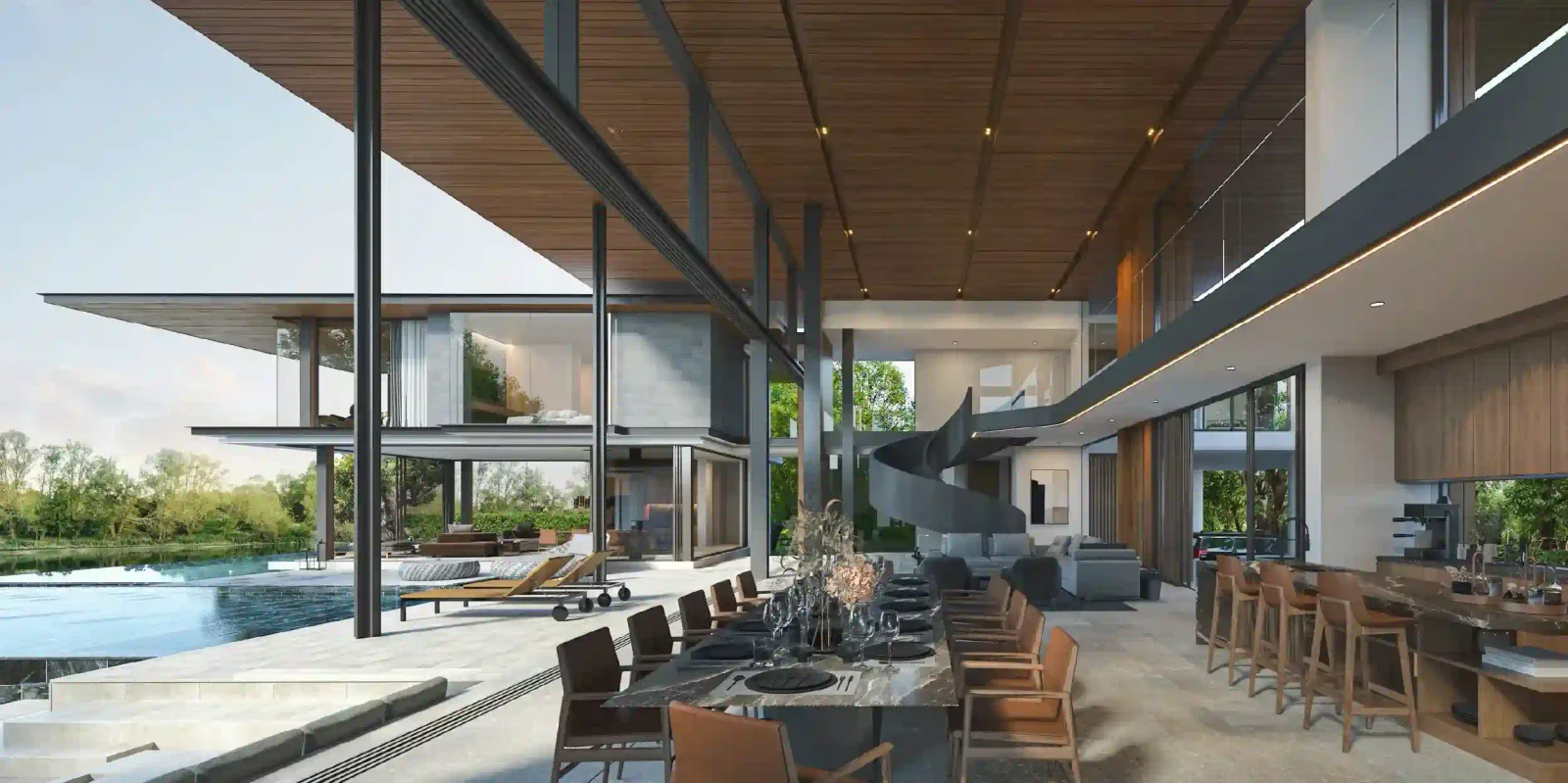
## What Are the Key Facts for The Residence Prime?
| Factor | Detail |
| --- | --- |
| Location | Laguna area, near Bang Tao and Layan |
| Community | 62 three-bedroom pool villas |
| On our price list | 28 villas of about 398 sqm |
| Three-bedroom | 398 sqm, 24,893,230 to 25,666,530 THB |
| Payment | 30% / 15% / 15% / 15% / 15% / 10% |
| Stage | Under construction |
| Beach | About 8 minutes by car |
| Airport | About 19 minutes by car |
| Smart home | Eco-energy systems, intelligent lighting, voice control |
| Facilities | Central green zone, gym, co-working |
## Location: Laguna, Bang Tao and Layan
The Laguna area is the heart of the west coast: the beaches of Bang Tao and Layan, the golf and spas of Laguna, the schools and the restaurants of Boat Avenue, all close together.
- **Bang Tao and Layan beaches:** about 8 minutes by car
- **Laguna Golf Phuket:** a few minutes away
- **Boat Avenue and Porto de Phuket:** dining and shopping, with the nearest mall about 8 minutes by car
- **International schools:** within a short drive
- **Airport:** about 19 minutes by car
From The Residence Prime, the nearest beach about 8 minutes by car, the nearest mall about 8 minutes and the airport about 19 minutes, so everyday errands, school runs and trips home are easy to plan.
Days here have the rhythm of a resort: a swim before breakfast, work in the co-working space, the beach or the golf course in the afternoon. The [Layan area guide](/areas/layan-property-guide/) covers the district in more detail.
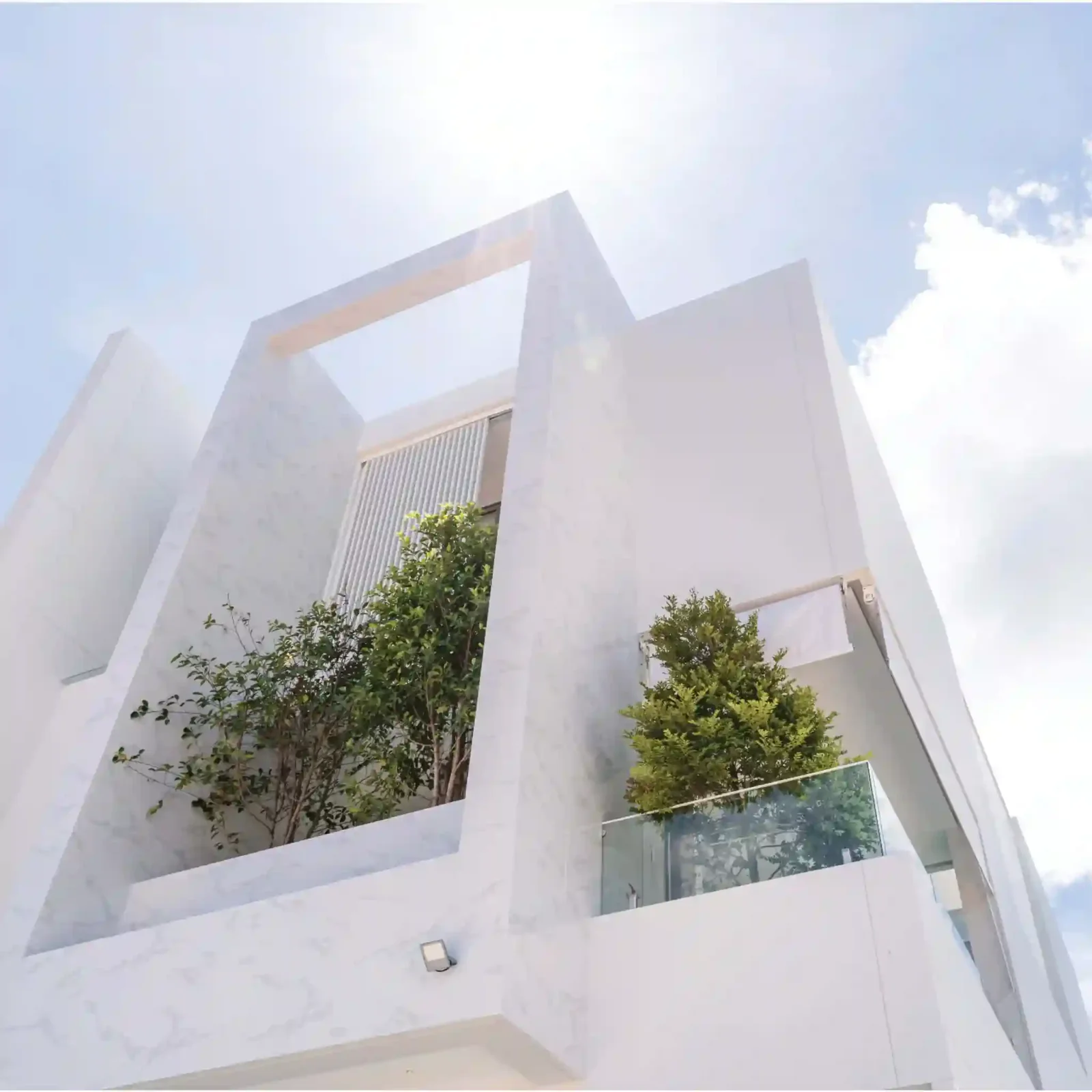
## Villas and Prices
| Villas | Bedrooms | Built area | Price |
| --- | --- | --- | --- |
| 28 villas | Three | 398 sqm | 24,893,230 to 25,666,530 THB |
All 28 villas on our list share the three-bedroom plan of about 398 sqm, from 24,893,230 to 25,666,530 THB, with the price moving by position in the community. Because the villas are alike inside, the choice comes down to the plot and the outlook, and we send the site plan with each villa marked together with the plans and the smart home specification.
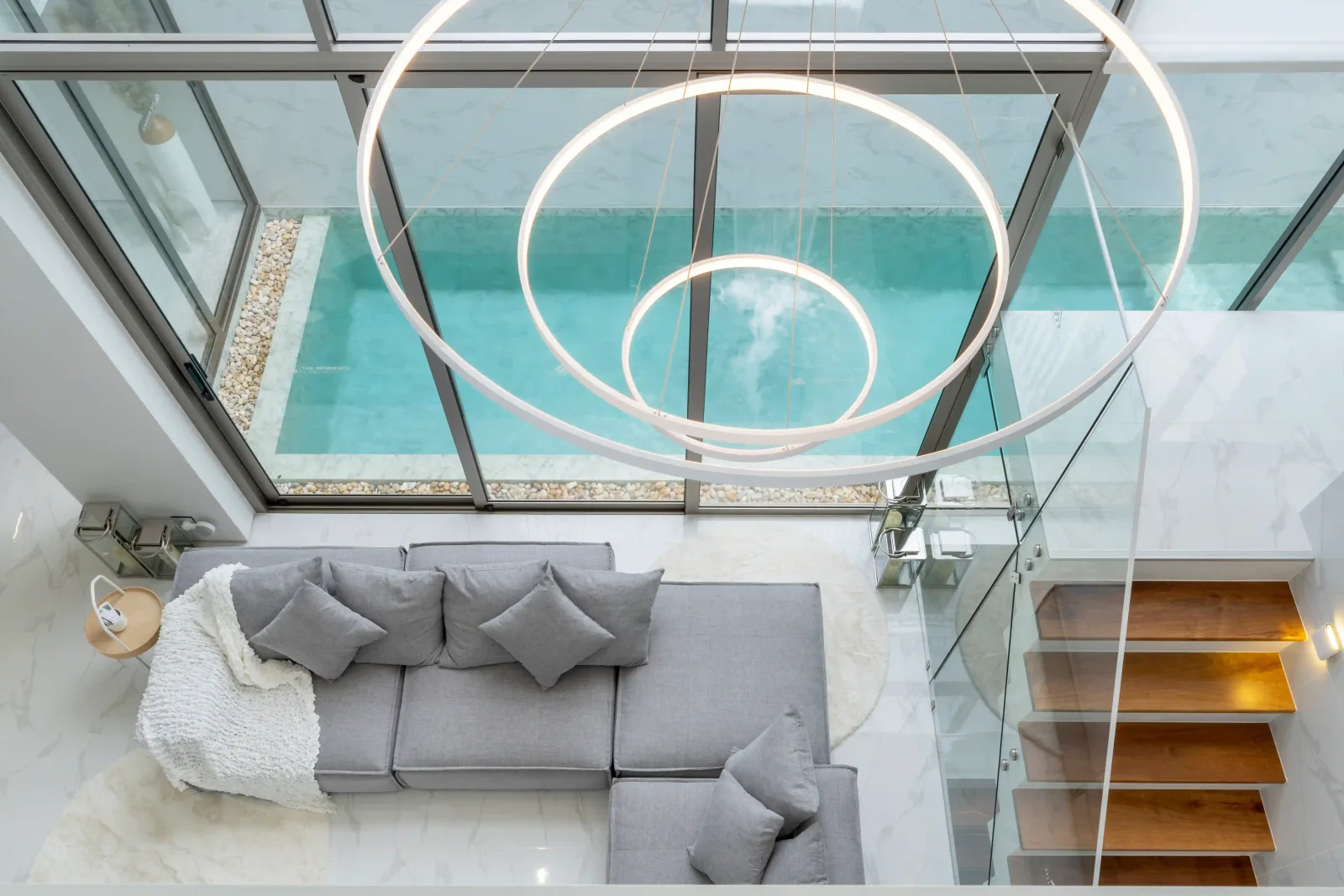
## Design and Facilities
- **"Urban Life Villa" concept**
- **Private pool** reached from the living room and bedrooms
- **Three bedrooms** across about 398 sqm
- **Smart home:** voice control, intelligent lighting
- **Eco-energy systems**
- **Built-in furniture**
- **Central green zone** of more than 350 sqm
- **Gym and co-working**
- **Pet-friendly**
## Living at The Residence Prime
Life at The Residence Prime is simple and modern. The house wakes up with the lights and the air conditioning set by voice, the children dive into the pool straight from their bedrooms, and the co-working space makes working from home easy. The central garden is where neighbours meet, the gym is close, and the beaches and golf of Laguna are minutes away. For owners who travel, the smart systems let you check the house from anywhere, and it is ready the moment you return.
## Six-Stage Payment Plan
The price is paid in six stages: 30%, 15%, 15%, 15%, 15% and 10%. For a villa at 24,893,230 THB that works out as follows:
| Stage | Share | Amount |
| --- | --- | --- |
| 1 | 30% | about 7,468,000 THB |
| 2 to 5 | 15% each | about 3,734,000 THB each |
| 6 | 10% | about 2,489,300 THB |
The schedule follows the build, and we send the developer's schedule for your villa with the price list.
## Why Buyers Choose The Residence Prime
- **A pool reached from every main room**
- **Smart and sustainable** home systems
- **Built-in furniture** included
- **Central green zone**, gym and co-working
- **Beaches, golf and schools** 5 to 10 minutes away
- **Pet-friendly**
## Who The Residence Prime Suits
**Families** who want the pool at the centre of the house.
**Tech-minded owners** who want a smart, energy-efficient home.
**Remote workers** who want co-working and a gym in the community.
**Rental investors** aiming at families who book pool villas near Laguna.
## Renting Out a Villa at The Residence Prime
A smart pool villa near Laguna appeals to families and couples on holiday in the November to April season, and to long-stay guests who want a modern, efficient home near the beaches and schools. The pool at the heart of the house is what guests remember.
If you plan to let your villa at The Residence Prime, we collect current asking rents and holiday rates for comparable villas in Laguna and Layan and send them with the price list. [Our rental guide](/guides/phuket-rental-yield-complete-guide-2026/) explains how to read a rental offer line by line.
## Ownership for Foreign Buyers
At The Residence Prime, as with any villa in Thailand, you buy land plus a building. The villa can be held in your own name over a lease of the plot registered at the Land Office, 30 years per registration with renewal terms in the contract, or the land can be held through a Thai company with genuine Thai shareholders. [Freehold and leasehold in Thailand](/guides/freehold-vs-leasehold-thailand/) explains both routes, and we prepare the one that suits you with our legal support.
## The Residence Prime and Other Villas Near Layan
| Project | From | Status |
| --- | --- | --- |
| [The Regent Villas Phase 2 Layan](/projects/the-regent-villas-phase-2/) | 20,790,000 THB | Off-plan |
| [Trichada Essence](/projects/trichada-essence/) | 21,118,907 THB | Off-plan |
| [Erawana Creek](/projects/erawana-creek/) | 23,900,000 THB | Off-plan |
| The Residence Prime | 24,893,230 THB | Off-plan |
| [Botanica Lakeside 2 Layan](/projects/botanica-lake-side-ii/) | 24,900,000 THB | Off-plan |
| [Walai Layan Phase 2](/projects/walai-layan-phase-2/) | 25,000,000 THB | Off-plan |
| [Autumn Villa by Season Layan](/projects/autumn-villa-by-season-luxury-villas/) | 25,427,300 THB | Off-plan |
The Residence Prime stands out in this group for its pool-centred design and smart home systems. We send the price lists of any of these projects on request and arrange viewings.
## Buying The Residence Prime with MORE Group
A villa at The Residence Prime is bought in five steps, from the first price list to the keys, and we are with you through each of them.
## What We Send Before You Reserve
- The current price list for The Residence Prime with free villas, plot areas and plans
- The six-stage payment schedule for your villa
- The ownership structure for your purchase, leasehold or company, with the documents it needs
- The community's common charges
- The latest construction update
{/* corpus-faq:the-residence-prime */}
## FAQ
### What does The Residence Prime cost?
Our price list holds 28 villas: three-bedrooms of 398 sqm from 24,893,230 to 25,666,530 THB.
### What is special about the design?
The private pool sits at the centre of each villa, with direct access from the living room and the bedrooms, and the homes include smart and eco-energy systems and built-in furniture.
### Where is The Residence Prime?
In the Laguna area, about 5 to 10 minutes from Bang Tao and Layan beaches, Laguna Golf, Boat Avenue and international schools. The airport is about 19 minutes by car.
### What is the payment plan?
Six stages: 30%, 15%, 15%, 15%, 15%, 10%. For a villa at 24,893,230 THB that means about 7,468,000 THB at the first stage.
### How can foreigners own a villa at The Residence Prime?
The villa can be held in your own name over a lease of the plot registered at the Land Office, 30 years per registration with renewal terms in the contract, or the land can be held through a Thai company with genuine Thai shareholders. We prepare the structure with our legal support.
**Read Also:**
- [Layan Area Guide](/areas/layan-property-guide/)
- [Villas for Sale in Bang Tao](/bang-tao-properties/)
- [Freehold vs Leasehold in Thailand](/guides/freehold-vs-leasehold-thailand/)
- [How Foreigners Buy Phuket Property 2026](/guides/buying-property-phuket-guide/)
- [Phuket Rental Yield Guide](/guides/phuket-rental-yield-complete-guide-2026/)
# The Shann Villas Bang Jo: Pool Villas from 39.5M THB
> The Shann Villas: eight architect-designed pool villas with wave-like roofs in Bang Jo near Bang Tao, four and five bedrooms, from 39.5M THB.
**Source:** https://moregroup.estate/projects/the-shann-villas/
**Section:** Project Reviews
**Author:** MORE Group Editorial
**Published:** 2026-04-08
**Updated:** 2026-08-23
---
## What Is The Shann Villas?
The Shann Villas stands out the moment you see it. The wave-like roofs give each house a distinctive silhouette, and beneath them the interiors are bright and open, with high ceilings, large openings to the garden and the pool, and spaces designed for a family to live together comfortably. Four or five bedrooms give room for children, grandparents and guests.
With only eight residences, the community is private and calm, set among greenery in Bang Jo. The shops are about six minutes by car, the beaches of Bang Tao about 16 minutes, and the schools, restaurants and resort life of Cherngtalay and Laguna within an easy drive.
## What Are the Key Facts for The Shann Villas?
| Factor | Detail |
| --- | --- |
| Location | Bang Jo, Si Sunthon, near Bang Tao |
| Collection | 8 private residences |
| On our price list | All 8 villas |
| Four-bedroom | 293 to 340 sqm, 39,500,000 to 45,000,000 THB |
| Five-bedroom | 383 to 452 sqm, 51,000,000 to 65,000,000 THB |
| Payment | 30% / 20% / 15% / 15% / 10% / 10% |
| Stage | Under construction |
| Beach | About 16 minutes by car |
| Airport | About 29 minutes by car |
| Design | Signature wave-like roofs, high ceilings, light-filled interiors |
## Location: Bang Jo, Near Bang Tao
Bang Jo is a green, quiet residential area in Si Sunthon, close to the schools, shops and restaurants of the Bang Tao area and the beaches of the west coast.
- **Shops and supermarkets:** the nearest mall about 6 minutes by car
- **Bang Tao Beach:** about 16 minutes by car
- **International schools:** within a short drive
- **Laguna Phuket and Boat Avenue:** golf, spas, dining and shopping
- **Airport:** about 29 minutes by car
From The Shann, the nearest beach about 16 minutes by car, the nearest mall about 6 minutes and the airport about 29 minutes, so everyday errands, school runs and trips home are easy to plan.
Family life here is easy to organise: school and shops during the week, the beach clubs of Bang Tao and the golf of Laguna at the weekend. The [Bang Tao area page](/bang-tao-properties/) covers the district in more detail.
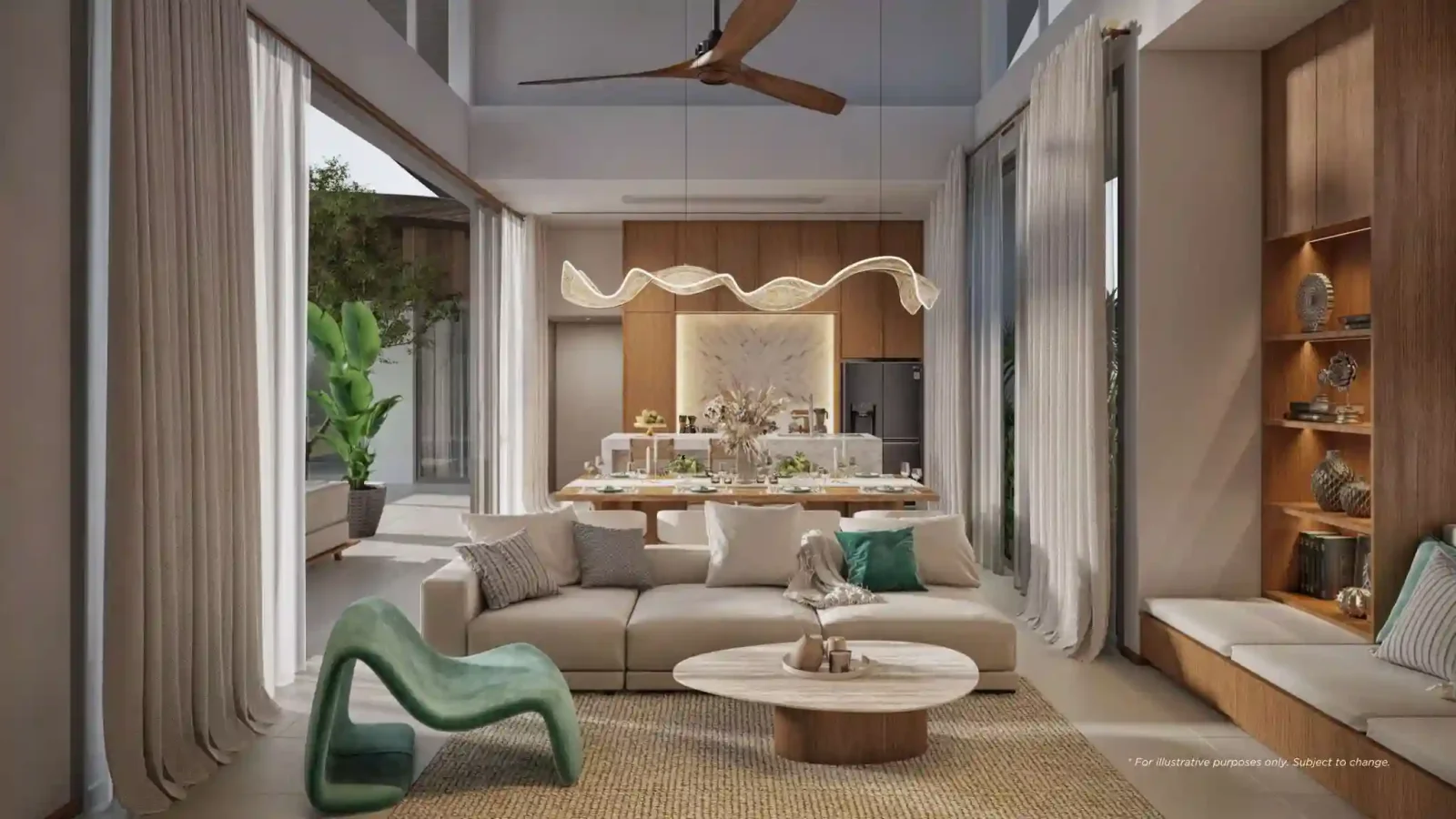
## Villas and Prices
| Villas | Bedrooms | Built area | Price |
| --- | --- | --- | --- |
| 7 | Four | 293 sqm | 39,500,000 THB |
| 1, 2, 3, 4 | Four | 337 and 340 sqm | 42,650,000 and 45,000,000 THB |
| 5, 6 | Five | 383 and 386 sqm | 51,000,000 and 53,000,000 THB |
| 8 | Five | 452 sqm | 65,000,000 THB |
Villa 7, a four-bedroom house of 293 sqm, opens the list at 39,500,000 THB, and the four-bedroom villas of 337 and 340 sqm follow. The five-bedroom villas of 383 and 386 sqm give more room, and villa 8, the largest at 452 sqm, is listed at 65,000,000 THB. With only eight houses, each has its own position and garden, and we send the plan and plot of each villa together with a viewing of the site.
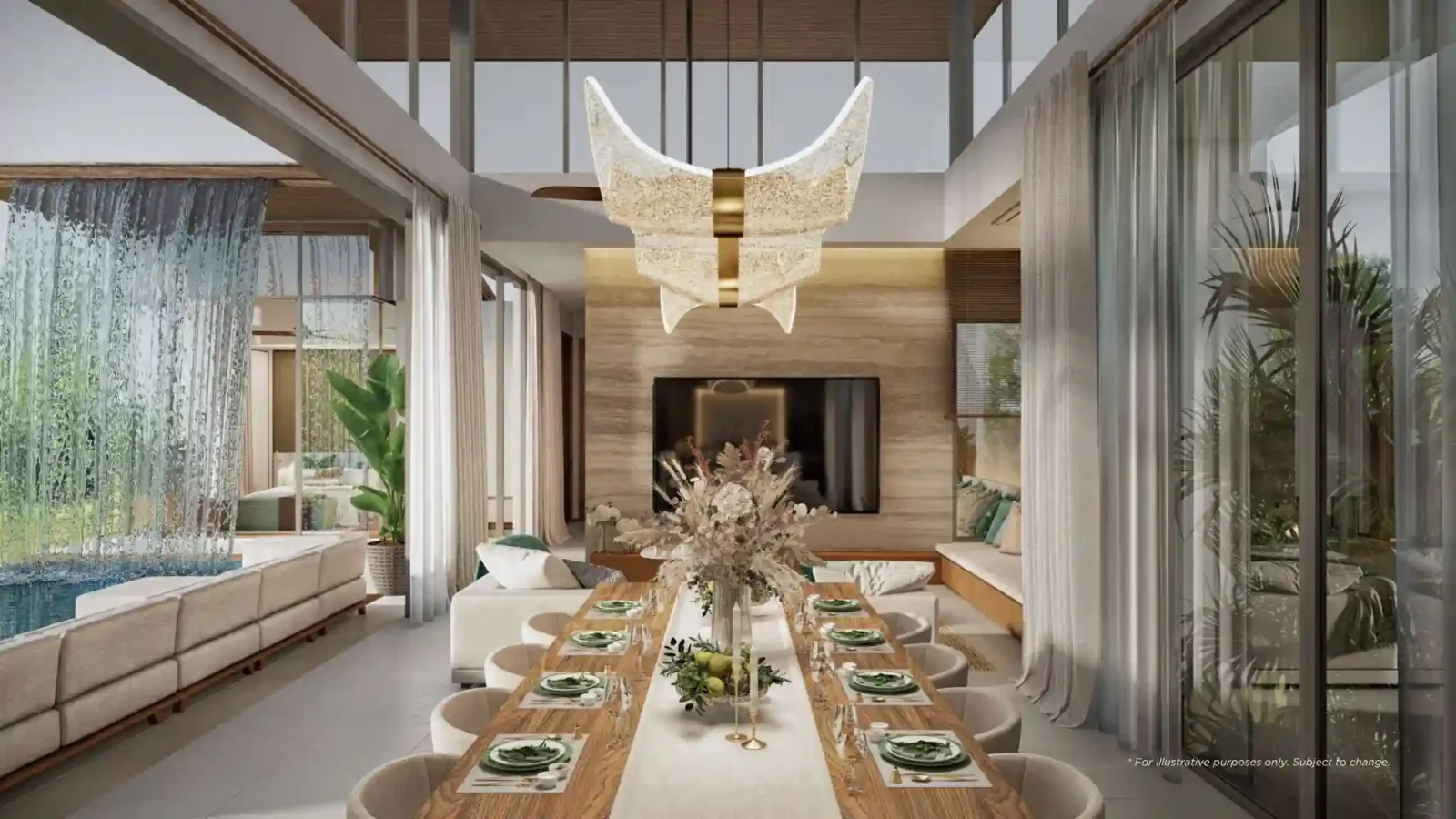
## Design and Facilities
- **Signature wave-like roofs**
- **Light-filled interiors** with high ceilings
- **Four or five bedrooms**
- **Private swimming pool** and garden
- **Seamless indoor-outdoor living**
- **Only eight residences**
- **Pet-friendly**
## Living at The Shann
A house like this makes everyday life feel special. Morning light pours in under the curved roofs, the children have the pool and the garden, and the open living spaces bring the family together for meals and evenings. The shops and schools are a few minutes away, and at weekends the beaches of Bang Tao, the golf of Laguna and the restaurants of Boat Avenue are an easy drive. With only seven neighbours, the setting stays quiet, private and green through every season.
## Six-Stage Payment Plan
The price is paid in six stages: 30%, 20%, 15%, 15%, 10% and 10%. For a villa at 39,500,000 THB that works out as follows:
| Stage | Share | Amount |
| --- | --- | --- |
| 1 | 30% | 11,850,000 THB |
| 2 | 20% | 7,900,000 THB |
| 3 and 4 | 15% each | 5,925,000 THB each |
| 5 and 6 | 10% each | 3,950,000 THB each |
The schedule follows the build, and we send the developer's schedule for your villa with the price list.
## Why Buyers Choose The Shann Villas
- **Distinctive architecture** with wave-like roofs
- **Four and five-bedroom villas**
- **High ceilings** and light-filled interiors
- **Only eight residences**
- **Schools, shops and Bang Tao** within an easy drive
- **Pet-friendly**
## Who The Shann Villas Suits
**Families** who want a design-led house with four or five bedrooms.
**Buyers who love architecture** and want a home that stands out.
**Owners who spend part of the year in Phuket** and want a private, quiet community.
**Villa rental investors** aiming at families who book distinctive pool villas near Bang Tao.
## Renting Out a Villa at The Shann
A design-led pool villa near Bang Tao appeals to families on holiday in the November to April season and to relocating families who rent for a longer stay near the schools. The architecture and the privacy are what guests remember.
If you plan to let your villa at The Shann Villas, we collect current asking rents and holiday rates for comparable villas in Bang Tao and Si Sunthon and send them with the price list. [Our rental guide](/guides/phuket-rental-yield-complete-guide-2026/) explains how to read a rental offer line by line.
## Ownership for Foreign Buyers
At The Shann Villas, as with any villa in Thailand, you buy land plus a building. The villa can be held in your own name over a lease of the plot registered at the Land Office, 30 years per registration with renewal terms in the contract, or the land can be held through a Thai company with genuine Thai shareholders. [Freehold and leasehold in Thailand](/guides/freehold-vs-leasehold-thailand/) explains both routes, and we prepare the one that suits you with our legal support.
## The Shann and Other Luxury Villas Around Bang Tao
| Project | From | Status |
| --- | --- | --- |
| [Redwood Lakeside Phuket](/projects/redwood-lakeside/) | 37,400,000 THB | Off-plan |
| [Botanica Majestia](/projects/botanica-majestia/) | 38,061,000 THB | Off-plan |
| [Above Element Villa](/projects/above-element-villa/) | 38,992,000 THB | Off-plan |
| The Shann Villas | 39,500,000 THB | Off-plan |
| [Nakara Grand Cherngtalay](/projects/nakara-grand/) | 39,800,000 THB | Off-plan |
| [Sri Panwa Lagoon Place](/projects/sri-panwa-lagoon-place/) | 39,800,000 THB | Off-plan |
| [Balco Bangtao Beach](/projects/balco-bangtao-beach/) | 40,300,000 THB | Off-plan |
The Shann stands out in this group for its distinctive architecture. We send the price lists of any of these projects on request and arrange viewings.
## Buying The Shann Villas with MORE Group
A villa at The Shann is bought in five steps, from the first price list to the keys, and we are with you through each of them.
## What We Send Before You Reserve
- The current price list for The Shann Villas with free villas, plot areas and plans
- The six-stage payment schedule for your villa
- The ownership structure for your purchase, leasehold or company, with the documents it needs
- The community's common charges
- The latest construction update
{/* corpus-faq:the-shann-villas */}
## FAQ
### What does The Shann Villas cost?
Our price list holds 8 villas: four-bedrooms of 293 sqm at 39,500,000 THB; four-bedrooms of 337 and 340 sqm from 42,650,000 and 45,000,000 THB; five-bedrooms of 383 and 386 sqm from 51,000,000 and 53,000,000 THB; five-bedrooms of 452 sqm at 65,000,000 THB.
### What makes The Shann Villas different?
Its architecture: signature wave-like roofs, light-filled interiors under high ceilings and a seamless flow to the garden and the pool.
### Where is The Shann Villas?
In Bang Jo, Si Sunthon, near Bang Tao. The nearest mall is about 6 minutes by car, Bang Tao Beach about 16 minutes and the airport about 29 minutes.
### What is the payment plan?
Six stages: 30%, 20%, 15%, 15%, 10%, 10%. For a villa at 39,500,000 THB that means 11,850,000 THB at the first stage.
### How can foreigners own a villa at The Shann Villas?
The villa can be held in your own name over a lease of the plot registered at the Land Office, 30 years per registration with renewal terms in the contract, or the land can be held through a Thai company with genuine Thai shareholders. We prepare the structure with our legal support.
**Read Also:**
- [Sana Vista Villas](/projects/sana-vista-villas/)
- [Villas for Sale in Bang Tao](/bang-tao-properties/)
- [Freehold vs Leasehold in Thailand](/guides/freehold-vs-leasehold-thailand/)
- [How Foreigners Buy Phuket Property 2026](/guides/buying-property-phuket-guide/)
- [Phuket Rental Yield Guide](/guides/phuket-rental-yield-complete-guide-2026/)
# The Standard Residences Phuket: From 21.9M THB
> The Standard Residences Bang Tao: 188 branded homes by The Standard, 2BR from 21.9 million THB, a short walk from Boat Avenue, pet-friendly. Prices and units.
**Source:** https://moregroup.estate/projects/the-standard-residences/
**Section:** Project Reviews
**Author:** MORE Group Editorial
**Published:** 2026-04-02
**Updated:** 2026-10-05
---
## What Is The Standard Residences Phuket?
This is The Standard's first residential project in Thailand. Early buyers enter at launch pricing for the brand's debut in Phuket, in a corridor where branded residences are still few compared with Bangkok or global city markets.
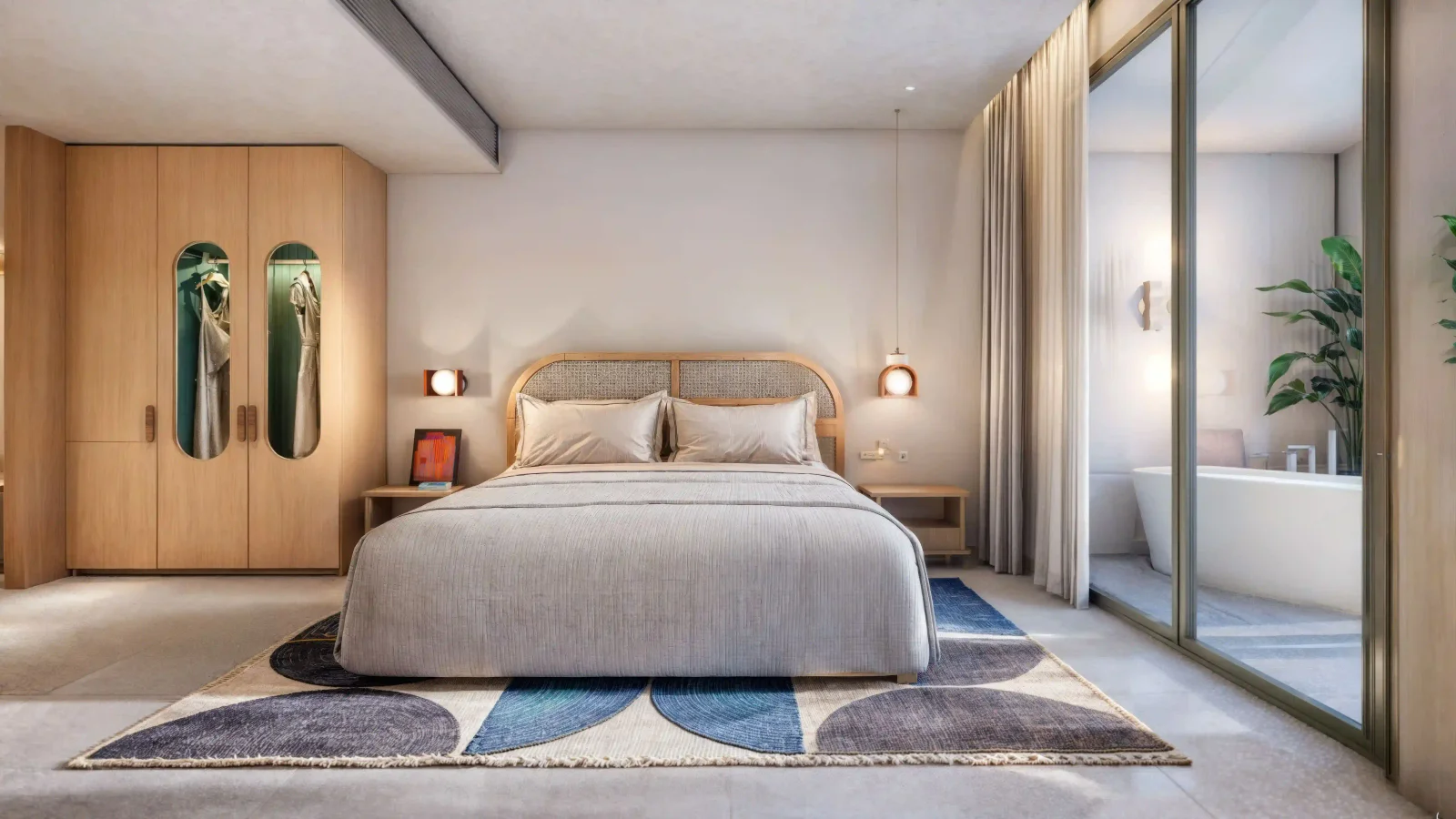
## What Are the Key Facts for The Standard Residences?
| Factor | Detail |
| --- | --- |
| Brand | The Standard Hotels |
| Location | Choeng Thale, Bang Tao |
| Total units | 188 across 6 buildings |
| Unit mix | 2BR, 3BR, duplex penthouse |
| Price from | 21.9 million THB |
| Status | Under construction, completion Q4 2026 (developer) |
| Payment | 20% / 30% / 50% |
| Beach | 5 min by car, 23 min walk |
| Boat Avenue | 10 min walk |
The Standard Residences is built around spacious layouts: the entry ticket is 21.9 million THB for a 100 sqm 2BR, and half of the price is paid at handover under the 20/30/50 plan.
## Location and Area
- **Boat Avenue:** Farmers markets, restaurants, and lifestyle retail walkable daily
- **Bang Tao Beach:** 23 minutes on foot or 5 minutes by car
- **Tenant pool:** Design-conscious travellers who recognise The Standard globally
- **Resale audience:** International buyers beyond local Phuket market
Walkability to Boat Avenue is a daily quality-of-life advantage for owner-occupiers and a rental marketing asset for absentee foreign buyers. Brand name shortens booking decision cycles on OTAs versus generic Bang Tao listings.
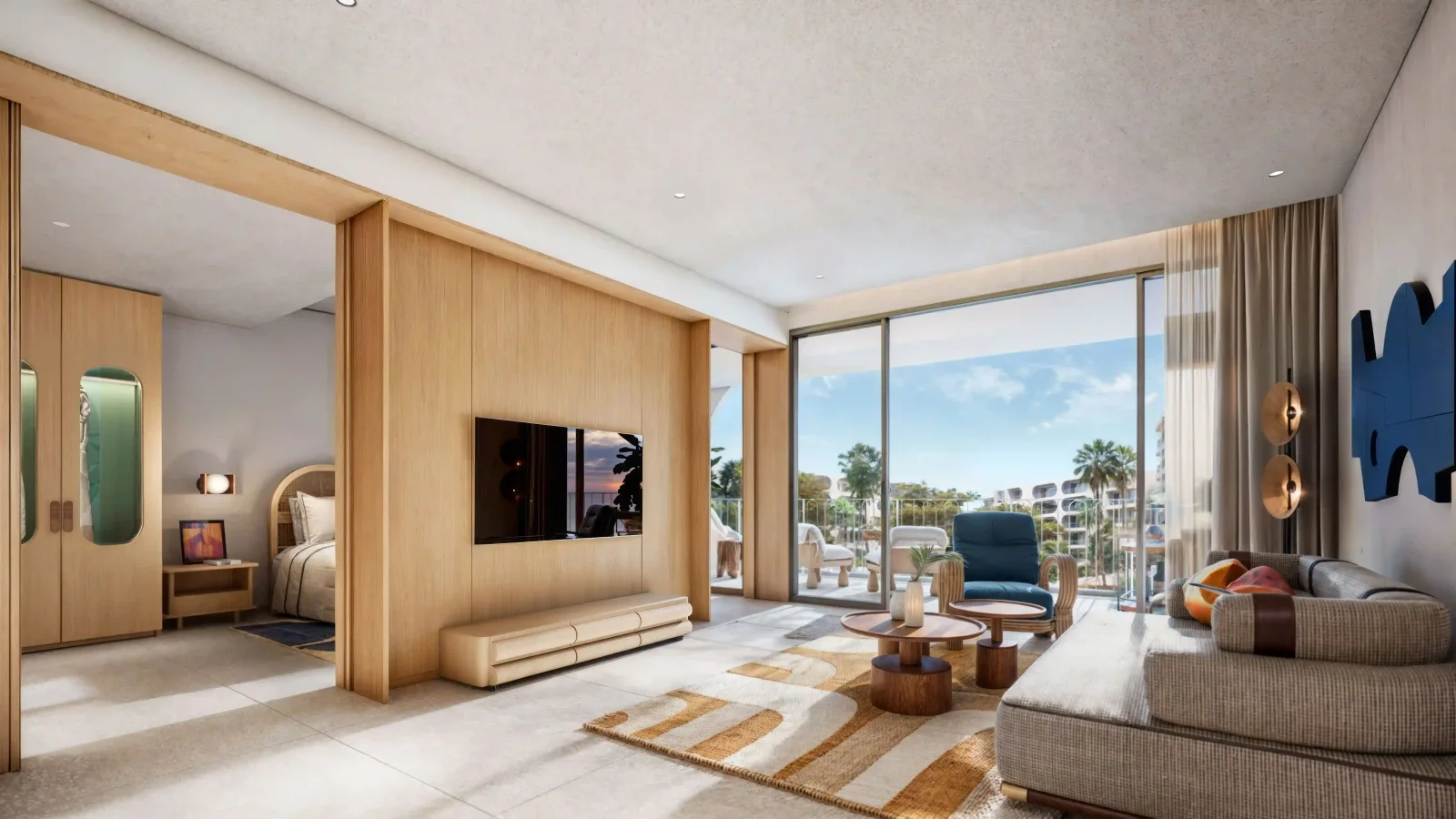
## Design and Units
| Unit type | Size | Price range |
| --- | --- | --- |
| 2BR | 100 to 120 sqm | 21.9 to 24.26 million THB |
| 3BR | 168 to 312 sqm | 33.03 to 68.89 million THB |
| Penthouse duplex | to 312 sqm | to 68.89 million THB |
Price per sqm runs 187,000 to 221,000 THB, a 20 to 40% premium over non-branded Bang Tao stock at 120,000 to 160,000 THB per sqm. A 100 sqm 2BR at 21.9 million THB implies 219,000 THB per sqm versus 187,000 THB on larger 120 sqm layouts. Penthouse duplex to 312 sqm targets owner-occupiers seeking 5 to 10 year capital hold over yield maximisation.
## Investment Case
| Factor | MORE Group benchmark |
| --- | --- |
| Brand rental premium | 20 to 40% vs unbranded Bang Tao |
| Resale premium (global comps) | 30% plus on branded launches |
| Long-stay gross (2BR) | ~3.8% at 70,000 THB monthly rent |
| Gross yield (managed short-stay) | historically 7 to 9% on comparable managed Bang Tao units |
| Net yield (managed short-stay) | historically 5 to 7% after branded programme fees of 20 to 25% and CAM; we send the fee schedule for your unit |
| Peak occupancy | historically 75 to 85% on comparable branded stock |
Primary thesis is capital appreciation and lifestyle positioning, not maximum income day one. The Standard's global reservation system and design cachet support above-average nightly rates when enrolled in professional management. German or US guests who stay at The Standard hotels understand the product before reading bullet points.
At 21.9 million THB, a 70,000 THB monthly long-stay rent gives roughly 3.8% gross. Comparable 2BR units have historically let short-stay at 7,000 to 11,000 THB a night with 75% occupancy, which lifts the gross figure, with the branded programme fees on top. We send the branded service fee schedule together with the price list, so the running costs of your unit are clear from the start: hotel-programme CAM reflects the hotel service level and sits above non-branded Bang Tao buildings.
## Who Is This For?
- **Brand collectors:** First Standard residential project in Thailand
- **Lifestyle owners:** Boat Avenue walkability and pet-friendly policy
- **Capital preservation:** Global buyer pool at resale
- **Owner-occupiers:** spacious 2BR and 3BR layouts and duplex penthouses up to 312 sqm
## Why Buyers Choose The Standard Residences
| Factor | Why it works |
| --- | --- |
| Brand | The Standard's global marketing and design standards |
| Location | 10 min walk to Boat Avenue, 5 min by car to Bang Tao Beach |
| Payment | 20/30/50 plan, with half of the price paid at handover |
| Pets | Formal pet-friendly policy, rare at this price tier |
**In short:**
- The Standard global brand and first Thailand residential launch
- Walkable Boat Avenue daily infrastructure
- Pet-friendly at luxury Bang Tao tier
- Larger 2BR and 3BR formats for owner-occupiers
## What the Brand Adds at The Standard Residences
A branded residence combines two things in one purchase: the property itself, registered in your name on the title deed, and the use of The Standard name through a licence agreement between the developer or the building's management and the hotel group.
The brand side is set out in documents, and we collect them for you together with the price list:
- **The licence agreement:** its term and renewal options
- **The brand fee:** whether it sits inside CAM or is billed to owners separately
- **The brand standards:** what the building maintains and how the refurbishment cycle is funded
At 187,000 to 221,000 THB per sqm against 120,000 to 160,000 for unbranded Bang Tao, a share of the price at The Standard Residences buys the name and the operating standard behind it: the design, the service and the global reservation system that bring guests and future buyers to the building.
The rental programme works the same way. Enrolment in The Standard's hotel-managed pool brings higher nightly rates and the brand's reservation system, and the programme terms set the owner-use weeks, the furnishing standard and the revenue split. We send the programme terms and the owner-use policy with the price list.
## The 20/30/50 Payment Plan
The payment structure at The Standard Residences is 20/30/50, with 50% paid at transfer. On a 21.9 million THB entry that is roughly 11 million THB at handover; on a 3-bedroom it can exceed 30 million.
The purchase itself, step by step, is in the [Phuket buying guide](/guides/buying-property-phuket-guide/).
We plan the final payment with you from the reservation onwards:
**Where the final tranche comes from.** Most buyers at this level fund from existing assets or an offshore facility, since Thai banks lend to foreign buyers only in narrow circumstances, and we set this plan at the start.
**How the money arrives.** A freehold condo transfer to a non-resident needs proof of inward foreign currency remittance, the FET documentation, for registration at the Land Department. We start it four to six weeks ahead. See [proof of funds and FET](/guides/proof-of-funds-thailand-property/).
**Currency.** Buyers funding from euros, dollars or Australian dollars can convert in stages or in one transfer, and we agree the timing with you in advance.
**Foreign quota.** The 49% limit under the Condominium Act is measured against the total floor area of the building, not the number of units. In a 188-unit development across six buildings, we confirm which building your unit sits in and the foreign quota there.
## Buying The Standard Residences with MORE Group
At The Standard Residences the purchase runs in five steps from the first price list to the keys, and we take each one with you.
With the price list we also send the branded service fees, the rental programme terms with the owner-use policy, and a comparison with two premium Bang Tao projects in the 15 to 20 million THB range.
{/* corpus-faq:the-standard-residences */}
## FAQ
### What makes branded residences different from regular condominiums?
Branded residences carry the name, design standards, service philosophy, and global marketing reach of the parent hospitality brand. This typically translates to rental premiums of 20 to 40% over comparable unbranded units and stronger resale demand from an international buyer audience.
### Can foreigners buy units at The Standard Residences?
Yes. Foreign buyers own condominium units freehold within the building's 49% foreign quota, which is counted by floor area. We confirm the quota for your unit, and the money for the purchase comes from abroad with an FET form.
### What is the minimum investment at The Standard Residences?
The entry point is 21.9 million THB for a 2-bedroom unit at 100 sqm. There are no studio or 1-bedroom units.
### How far is The Standard Residences from Bang Tao Beach?
Approximately 5 minutes by car or 23 minutes on foot. Boat Avenue is within 10 minutes walk.
### Is The Standard Residences pet-friendly?
Yes. The Standard Residences operates a pet-friendly policy, relatively uncommon at this Bang Tao price tier.
**Read Also:**
- [Garrya Residences Laguna comparison](/projects/garrya-residences/)
- [Bang Tao Beach Area Guide](/bang-tao-properties/)
- [How guaranteed rental programmes work](/guides/guaranteed-return-programs-reality/)
- [Proof of funds for Thailand property](/guides/proof-of-funds-thailand-property/)
- [Buying process step by step](/guides/due-diligence-process-thailand-step-by-step/)
- [Phuket rental yield benchmarks](/guides/phuket-rental-yield-complete-guide-2026/)
# The Teak Phuket Pasak: Pool Villas from 29.2M THB
> The Teak Phuket: nine two-storey pool villas in a modern oriental style in Pasak, Cherngtalay, three and four bedrooms, from 29.2M THB.
**Source:** https://moregroup.estate/projects/the-teak/
**Section:** Project Reviews
**Author:** MORE Group Editorial
**Published:** 2026-04-02
**Updated:** 2026-08-23
---
## What Is The Teak Phuket?
The Teak brings a modern oriental touch to villa living in Cherngtalay. Warm materials and careful craftsmanship give the houses a calm, elegant character, and the two-storey layouts keep the living spaces and the bedrooms apart, with every bedroom served by its own bathroom. Each villa has its own pool and outdoor space.
With only nine villas, the setting is private and quiet, and everything is close: the shops about three minutes by car, the beaches of Bang Tao about eight minutes, and Laguna, Boat Avenue and the schools of the area within an easy drive.
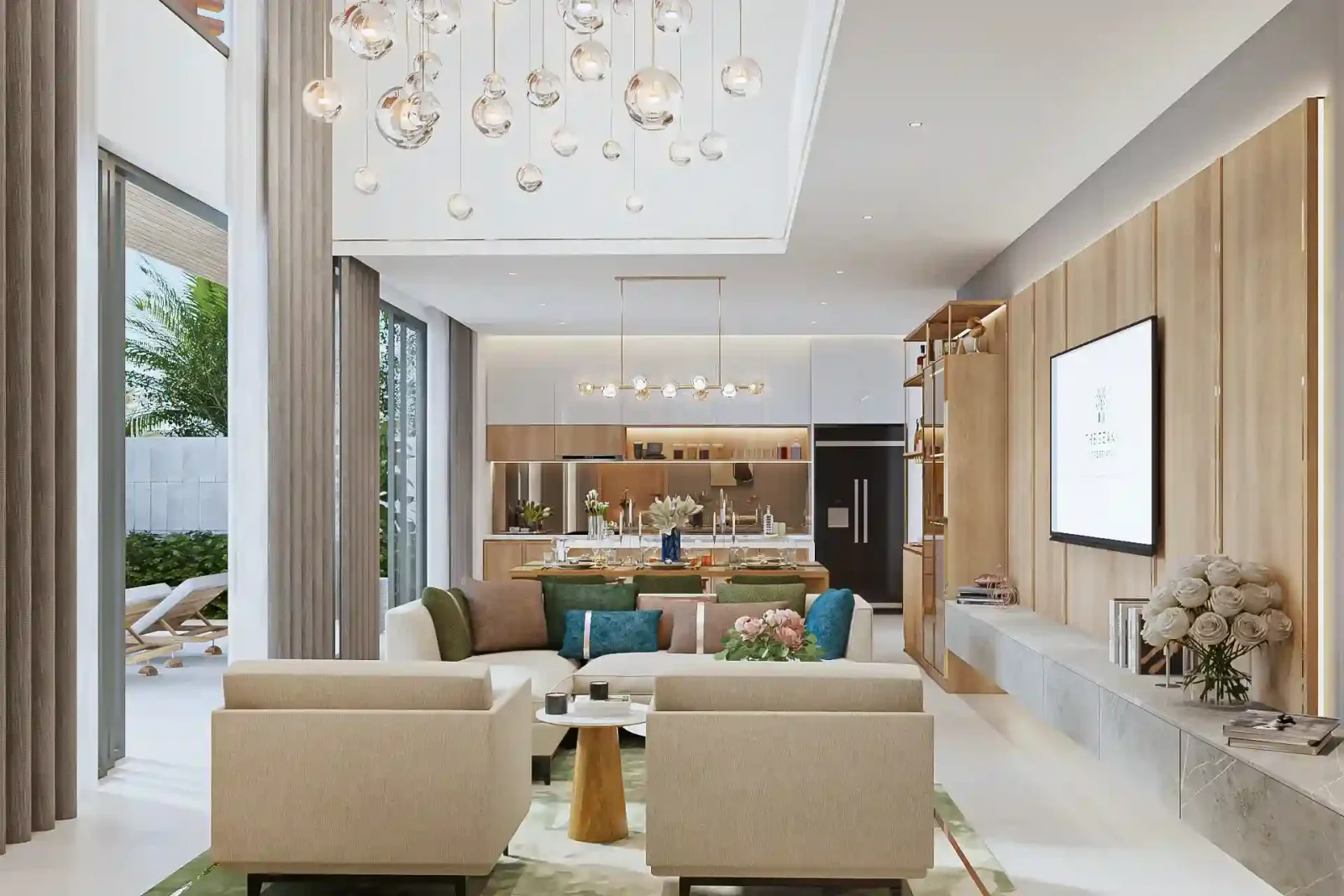
## What Are the Key Facts for The Teak Phuket?
| Factor | Detail |
| --- | --- |
| Location | Pasak, Cherngtalay |
| Collection | 9 two-storey pool villas |
| On our price list | 7 villas |
| Three-bedroom | 294 sqm, 29,200,000 to 29,900,000 THB |
| Four-bedroom | 420 and 470 sqm, 34,900,000 to 39,590,000 THB |
| Payment | 30% / 20% / 25% / 15% / 10% |
| Stage | Under construction |
| Beach | About 8 minutes by car |
| Airport | About 23 minutes by car |
| Design | Modern oriental, quality craftsmanship |
## Location: Pasak, Cherngtalay
Pasak is a green residential part of Cherngtalay, close to the schools, shops and beach clubs of the Bang Tao area.
- **Bang Tao Beach:** about 8 minutes by car
- **Shops and supermarkets:** the nearest mall about 3 minutes by car
- **Laguna Phuket and Boat Avenue:** golf, spas, dining and shopping
- **International schools:** within a short drive
- **Airport:** about 23 minutes by car
From The Teak, the nearest beach about 8 minutes by car, the nearest mall about 3 minutes and the airport about 23 minutes, so everyday errands, school runs and trips home are easy to plan.
Days here combine the calm of a small villa community with the lifestyle of the west coast. The [Bang Tao area page](/bang-tao-properties/) covers the district in more detail.
## Villas and Prices
| Villas | Bedrooms | Built area | Price |
| --- | --- | --- | --- |
| D1, D2, D3 | Three | 294 sqm | 29,200,000 to 29,900,000 THB |
| C2, B3, B5, B6 | Four | 420 and 470 sqm | 34,900,000 to 39,590,000 THB |
The three-bedroom D villas of 294 sqm open the list from 29,200,000 THB, and the four-bedroom villas of 420 and 470 sqm follow up to 39,590,000 THB. The price follows the size and the plot, and we send the plan of both floors and the plot of each villa with the list, together with a viewing of the site so you can see the craftsmanship in person.
## Design and Facilities
- **Modern oriental design**
- **Quality craftsmanship** and warm materials
- **Two storeys**
- **Three or four bedrooms**, each with its own bathroom
- **Private swimming pool**
- **Only nine villas**
- **Pet-friendly**
The oriental touches are subtle and modern, so the villas feel warm and characterful while staying bright and easy to live in.
## Living at The Teak
Life at The Teak is calm and elegant. The warm materials make the house feel welcoming from the first morning, the pool is steps from the living room, and the bedrooms upstairs stay quiet. The shops are a few minutes away, the beaches of Bang Tao about eight, and the golf and spas of Laguna close by. With only eight neighbours, the evenings are peaceful, and the house is easy to leave when you travel and pleasant to come back to. Guests who stay with you have their own bedroom and bathroom, and the terrace by the pool is the natural place for long breakfasts and quiet evenings. Everyday errands take a few minutes, which leaves more of the day for the pool, the beach and the family.
## Five-Stage Payment Plan
The price is paid in five stages: 30%, 20%, 25%, 15% and 10%. For a villa at 29,200,000 THB that works out as follows:
| Stage | Share | Amount |
| --- | --- | --- |
| 1 | 30% | 8,760,000 THB |
| 2 | 20% | 5,840,000 THB |
| 3 | 25% | 7,300,000 THB |
| 4 | 15% | 4,380,000 THB |
| 5 | 10% | 2,920,000 THB |
The schedule follows the build, and we send the developer's schedule for your villa with the price list.
## Why Buyers Choose The Teak Phuket
- **Modern oriental design** and craftsmanship
- **Only nine villas**
- **Three or four ensuite bedrooms**
- **Shops** about 3 minutes away
- **Bang Tao Beach** about 8 minutes by car
- **Pet-friendly**
## Who The Teak Phuket Suits
**Families** who want a pool villa with character near Bang Tao.
**Buyers who love design** and warm, crafted interiors.
**Owners who spend part of the year in Phuket** and want a small, quiet community.
**Villa rental investors** aiming at families and couples who book pool villas near Bang Tao.
## Renting Out a Villa at The Teak
A modern oriental pool villa near Bang Tao appeals to families and couples on holiday in the November to April season and to long-stay guests who want calm close to the coast. The design and the privacy are what guests remember.
If you plan to let your villa at The Teak Phuket, we collect current asking rents and holiday rates for comparable villas in Bang Tao and Cherngtalay and send them with the price list. [Our rental guide](/guides/phuket-rental-yield-complete-guide-2026/) explains how to read a rental offer line by line.
## Ownership for Foreign Buyers
At The Teak Phuket, as with any villa in Thailand, you buy land plus a building. The villa can be held in your own name over a lease of the plot registered at the Land Office, 30 years per registration with renewal terms in the contract, or the land can be held through a Thai company with genuine Thai shareholders. [Freehold and leasehold in Thailand](/guides/freehold-vs-leasehold-thailand/) explains both routes, and we prepare the one that suits you with our legal support.
## The Teak and Other Villas Around Bang Tao
| Project | From | Status |
| --- | --- | --- |
| [AYANA SOLUNA Luxury Villas 2026](/projects/ayana-soluna-luxury-villas/) | 26,922,000 THB | Off-plan |
| [The Trinity Village Cherngtalay](/projects/the-trinity-village/) | 27,076,000 THB | Completed |
| [The Title Villa Kirara Phuket](/projects/the-title-villa-kirara/) | 29,020,000 THB | Off-plan |
| The Teak Phuket | 29,200,000 THB | Off-plan |
| [QAV Residence Cherngtalay](/projects/qav-residence/) | 29,490,000 THB | Off-plan |
| [Amber Chamber Si Sunthon](/projects/amber-chamber/) | 32,500,000 THB | Off-plan |
| [Wintery by Season](/projects/wintery-by-season-luxury-villas/) | 34,000,000 THB | Completed |
The Teak stands out in this group for its modern oriental design. We send the price lists of any of these projects on request and arrange viewings.
## Buying The Teak Phuket with MORE Group
A villa at The Teak is bought in five steps, from the first price list to the keys, and we are with you through each of them.
## What We Send Before You Reserve
- The current price list for The Teak Phuket with free villas, plot areas and plans
- The five-stage payment schedule for your villa
- The ownership structure for your purchase, leasehold or company, with the documents it needs
- The community's common charges
- The latest construction update
{/* corpus-faq:the-teak */}
## FAQ
### What does The Teak Phuket cost?
Our price list holds 7 villas: three-bedrooms of 294 sqm from 29,200,000 to 29,900,000 THB; four-bedrooms of 420 and 470 sqm from 34,900,000 to 39,590,000 THB.
### What sizes are available?
Three-bedroom villas of 294 sqm from 29,200,000 to 29,900,000 THB and four-bedroom villas of 420 and 470 sqm from 34,900,000 to 39,590,000 THB.
### Where is The Teak Phuket?
In Pasak, Cherngtalay. The nearest mall is about 3 minutes by car, Bang Tao Beach about 8 minutes and the airport about 23 minutes.
### What is the payment plan?
Five stages: 30%, 20%, 25%, 15%, 10%. For a villa at 29,200,000 THB that means 8,760,000 THB at the first stage.
### How can foreigners own a villa at The Teak Phuket?
The villa can be held in your own name over a lease of the plot registered at the Land Office, 30 years per registration with renewal terms in the contract, or the land can be held through a Thai company with genuine Thai shareholders. We prepare the structure with our legal support.
**Read Also:**
- [The Trinity Village](/projects/the-trinity-village/)
- [Villas for Sale in Bang Tao](/bang-tao-properties/)
- [Freehold vs Leasehold in Thailand](/guides/freehold-vs-leasehold-thailand/)
- [How Foreigners Buy Phuket Property 2026](/guides/buying-property-phuket-guide/)
- [Phuket Rental Yield Guide](/guides/phuket-rental-yield-complete-guide-2026/)
# The Title Adora Review 2026: Prices, Units and Quota
> The Title Adora in Rawai from $163K, six minutes' walk to the beach: Rawai's expat community, Nai Harn Beach and a steady long-stay rental profile.
**Source:** https://moregroup.estate/projects/the-title-adora/
**Section:** Project Reviews
**Author:** MORE Group Editorial
**Published:** 2026-03-26
**Updated:** 2026-09-23
---
## Title Adora Rawai: Review for Foreign Buyers 2026
The Title Adora is a condominium project by Rhom Bho Property in Rawai, Phuket's southernmost residential zone. Units start from 5,332,000 THB ($163,000) for a 43 sqm one-bedroom. Rawai is an excellent choice for buyers who value an established expat community, Nai Harn Beach and a quieter residential character, and this review shows who Adora suits best.
## What Rawai Offers
**Established expat community:** Rawai hosts one of Phuket's most well-rooted expat communities, Europeans (particularly French, British, and Germans) who have lived there for years, retirees, and long-stay families. This community creates genuine residential demand for quality rental properties throughout the year, not just during tourist season.
**Nai Harn Beach proximity:** Nai Harn is 5-10 minutes from Rawai and consistently rated one of Thailand's most beautiful beaches. Its bay is protected, relatively uncrowded, and backed by the Royal Navy Club that keeps the beachfront from over-commercialising. Tenants who rent in Rawai specifically for Nai Harn access are among the most loyal and longest-staying in Phuket.
**Chalong Bay marina access:** Phuket's yachting and sailing hub is at Chalong Bay, directly adjacent to Rawai. Boat owners, sailing tourists, and diving enthusiasts who base themselves in Rawai specifically for marina access create a distinctive rental segment not found elsewhere in Phuket.
**Cost of living:** Day-to-day living in Rawai is less expensive than Bang Tao or Kamala. Local markets, traditional Thai restaurants, and the Rawai seafood pier make it practical for budget-conscious long-stay tenants who want Phuket lifestyle at sustainable cost.
**Quiet residential character:** Rawai has no large tourist hotels or nightlife strip, which is exactly why many expat tenants choose it.
### The Rental Model in Rawai
Rawai's rental market is built on long stays: residents, retirees and remote workers who rent for months. A long-stay tenancy has an asking rent visible on the portals before you buy, which makes the income plan clear from the start, while nightly holiday letting adds income in the high season. Capital growth in Rawai has been steady, supported by the expat community and limited new supply in the south.
At 5.33M THB, Adora is priced against both Rawai's resale stock and the developer's other launches, and we can arrange viewings of a completed Title building and a Rawai resale at the same money, so you compare the finish and the options side by side.
{/* corpus-faq:the-title-adora */}
## FAQ
### Why Rawai rather than the west coast?
Price and a different tenant. Rawai is the island's strongest long-stay expat market, with genuine year-round residential demand rather than seasonal holiday demand, and entry prices well below the west-coast corridors.
### What is the rental model here?
Monthly tenancies as the base case. Rawai's seafront is a working one, with boats and seafood restaurants rather than a swimming beach, and most residents swim at Nai Harn. That makes long-stay letting the dependable business and nightly letting the upside, not the other way round.
### Is freehold available?
Within the building's 49% foreign floor-area allowance, and we confirm the quota for your unit. Units outside the allowance are available on a registered lease.
### Which unit size works best?
Units above roughly 35 square metres suit Rawai's long-stay market best, and Adora's one-bedrooms start at 35 sqm. We send the price list with the floor area of each unit, including how balconies are counted.
### What do you send before I reserve?
The price list across unit types, a dated quota statement for your unit, the building's licence position and house rules for short stays, and the payment schedule tied to construction stages.
### What stage is The Title Adora at?
The Title Adora is under construction. We send the latest construction update together with the price list and the payment schedule.
## Who Is The Title Adora For?
**Long-stay lifestyle investors:** Buyers who prioritise steady rental income with minimal management hassle over yield maximisation. Long-term tenants (3-12 months) require fewer changeovers, less platform management, and produce steadier cash flow than short-term holiday rentals.
**European nationals buying for community:** French buyers in particular gravitate to Rawai because of its established French community. A French owner renting to French long-stay tenants in a French-community zone is a specific but valid investment thesis, easier self-management, familiar tenant pool.
**Chalong marina buyers:** Boat owners, divers, and sailing enthusiasts who want Chalong Bay access. If you own a yacht or plan to charter regularly in Phuket waters, Rawai-Chalong is the logical base, and a condo at Adora is the most practical ownership vehicle at this price point.
## Rawai Long-Stay Rental Model in Practice
**Typical tenant:** European or Russian, 2-6 months stay, working remotely or retired, willing to pay 18,000-28,000 THB per month for a well-furnished 1BR condo with good internet and proximity to the sea.
**Tenant acquisition:** Primarily through Facebook groups (Rawai Property Rentals, Phuket Expats), local property management companies, word-of-mouth within the expat community, and platforms like DDproperty and Hipflat. Airbnb and Booking.com work for 1-3 month bookings but less effectively than for nightly holiday rentals.
**Management cost:** Long-stay management fees run 10-15% of monthly rental revenue, significantly lower than the 20-25% typical of short-term holiday rental programs. This keeps more of the rent with the owner.
**Few changeovers:** a Rawai unit let to two or three tenants across a year involves two or three changeovers, minimal maintenance and no nightly housekeeping, against fifty or more changeovers on a nightly holiday let, each with cleaning, linen and platform admin.
**Long-stay management runs 10 to 15% of collected rent, nightly programmes 20
to 25% of gross**, a difference that holds on any building.
**The price record for Adora:**
| Units | Layout | Size | Price (THB) | Median | THB per sqm |
|---|---|---|---|---|---|
| 126 | 1-bedroom | 35-60 sqm | 5,332,000 - 10,500,000 | 7,467,000 | 152,000 |
| 10 | 2-bedroom | 67-81 sqm | 9,715,000 - 13,172,000 | 11,745,000 | 149,000 |
136 priced units, median 7,752,000 THB, median metre 151,000,
payment 25/25/25/25, **6 minutes' walk to the beach** and 60 minutes to the
airport by car.
Two numbers stand out. **Six minutes to the sand** is short for anything on our
list and it is the property's strongest single fact. And at **151,000 THB per
square metre the scheme prices just 4% above the Rawai area median of 145,000**,
a modest premium for that beach proximity. The building is 93% one-bedroom,
which makes it a natural home for singles and couples on long stays.
## Payment Structure
| Stage | Typical Payment |
| --- | --- |
| Booking | 3-5% |
| Contract | 25-30% |
| Construction milestone 1 | 10-15% |
| Construction milestone 2 | 10-15% |
| Near-completion | 10-15% |
| Handover | 30-35% |
Payments spread across the construction period give Adora buyers flexibility, and for buyers who manage cash flow carefully the longer build is a practical advantage over the shorter schedule at [The Title Cielo](/projects/the-title-cielo/).
## Adora vs Cielo: Choosing Between The Title's Two Rawai Projects
Both deliver an equivalent Rawai long-stay rental proposition, and we compare unit availability, floor plans and floor levels across the two for you.
## Nai Harn Beach: The Hidden Marketing Tool
Nai Harn is genuinely beautiful and relatively unknown to mass tourism compared to Patong or Bang Tao. Tenants who discover it during a Phuket visit frequently return specifically for Nai Harn access, creating a repeat-tenant dynamic that a well-positioned Rawai condo can exploit.
The beach sits in a sheltered bay with a freshwater lake just behind the sand and Promthep Cape a short drive south, and from Adora it is a six-minute walk, so residents can swim before breakfast and walk to dinner in the evening. That daily rhythm is what long-stay tenants come to Rawai for, and it is what brings them back the following season.
## Why Buyers Choose The Title Adora
- Rawai draws long-stay residents, so annual tenancies are the reliable base rather than the fallback
- From 5.33M THB, below what the west-coast beach corridors ask
- Rhom Bho has delivered repeatedly in Phuket
- The expat infrastructure in Rawai is dense: shops, clinics, restaurants that stay open all year
- A quieter address suits an owner who intends to spend real time in the property
## Buying The Title Adora with MORE Group
The Title Adora is bought in five steps, from the first price list to the keys, and our team is with you at each of them.
**Read Also:**
- [Rawai Property Guide](/rawai-properties/)
- [Phuket Rental Yield Guide](/guides/phuket-rental-yield-complete-guide-2026/)
- [Thailand Property Tax for Foreigners](/guides/thailand-property-tax-foreigners/)
- [Resale Potential of Phuket Condos](/guides/resale-potential-phuket-condos/)
- [Proof of Funds and FET](/guides/proof-of-funds-thailand-property/)
- [Off-Plan Property in Phuket: How It Works](/guides/off-plan-property-phuket-guide/)
- [Foreign Quota in Thai Condominiums](/guides/foreign-quota-thai-condominiums/)
# The Title Artrio Bang Tao: Full Buyer's Review 2026
> The Title Artrio, Bang Tao: 282 priced units from 4,263,000 THB on our list, 268 of them one-bedrooms, with a zero-interest payment plan and The Title letting.
**Source:** https://moregroup.estate/projects/the-title-artrio/
**Section:** Project Reviews
**Author:** MORE Group Editorial
**Published:** 2026-03-26
**Updated:** 2026-10-05
---
The Title Artrio is a 435-unit condominium development by Rhom Bho Property (The Title brand) in Bang Tao, Phuket's premium residential and tourism zone. Units start from 4,263,000 THB ($130,000) for a 29 sqm one-bedroom, with two-bedrooms from 9,108,000 THB ($279,000). Construction is under way. What makes Artrio an entry point is on the list: 282 priced units at 151,000 THB per square metre against the corridor's 161,000. Most of them, 268 of the 282, are one-bedrooms at a **32 sqm median**, a compact format built for nightly letting to Bang Tao's holiday guests.
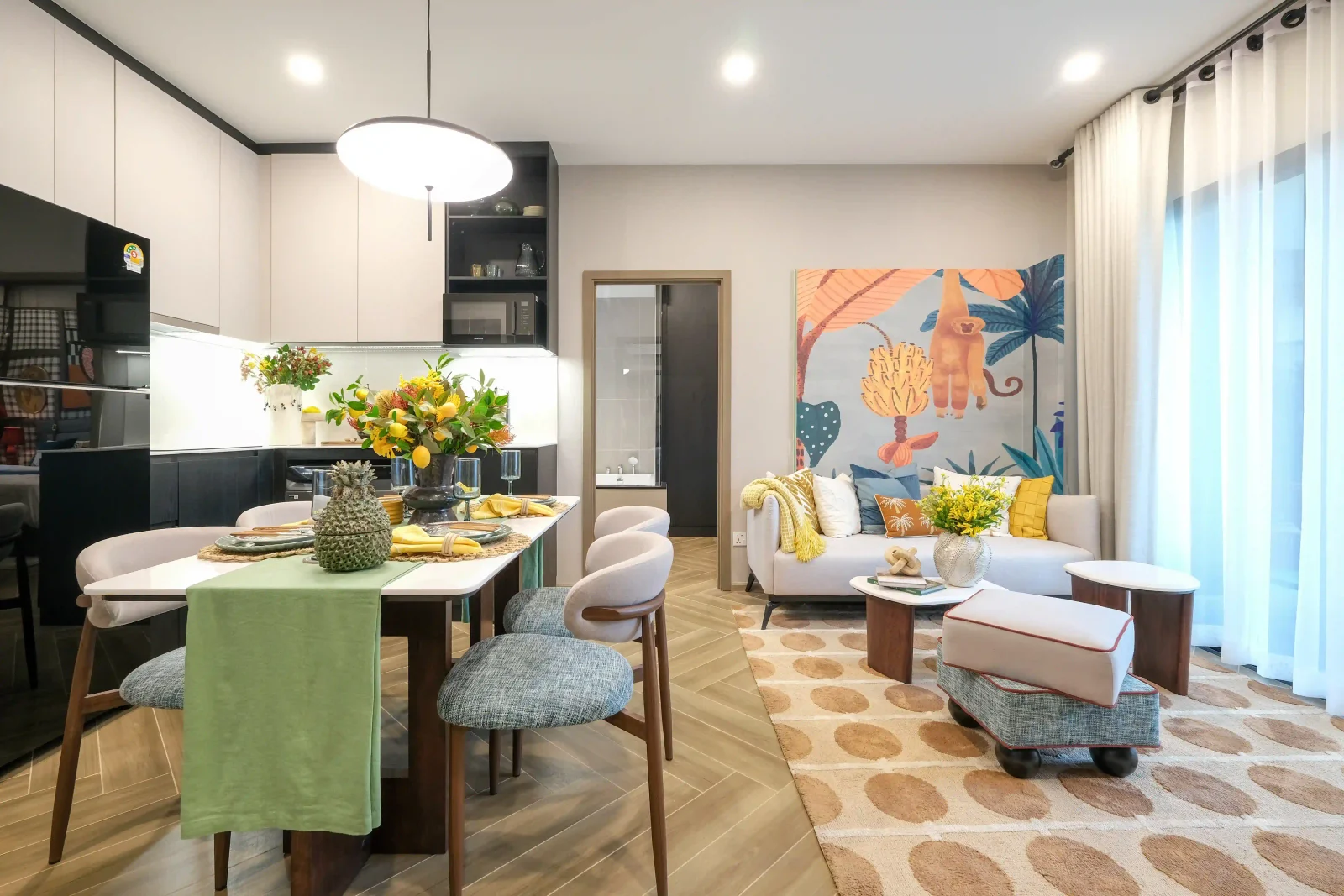
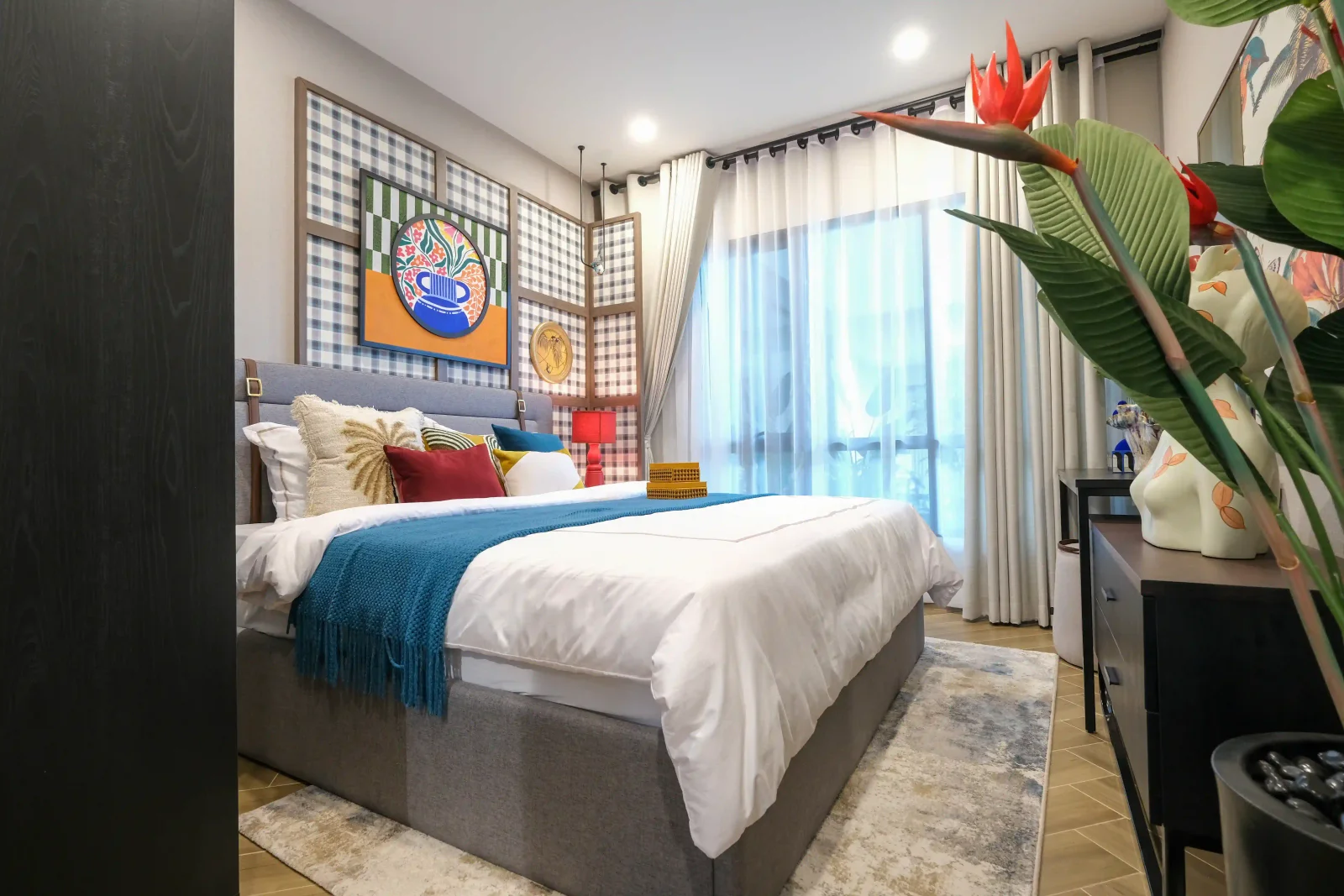
## Unit Layouts and Sizing: What You Actually Get
| Unit Type | Size Range | Price Range |
| --- | --- | --- |
| 1 Bedroom | 29-61 sqm | From 4.26M THB ($130K) |
| 2 Bedroom | 66-67 sqm | From 9.11M THB ($279K) |
The 1BR at 29-61 sqm is a wide range: the smallest units are optimised for single occupancy or couples, while the larger 1BRs at 45-50 sqm function as comfortable full-time residences. The 1BR Plus at 57-58 sqm occupies an interesting middle ground: large enough for a couple with home office setup, but priced below a full 2BR at over double the 1BR entry price.
The 2BR at 66-67 sqm targets families and couples seeking more space, or investors who want to maximise nightly rate on short-term platforms where bedroom count is the primary pricing variable.
Artrio's layouts follow The Title's established design language: practical balcony space, efficient kitchen positioning, and bathroom placement that allows for short-stay use without feeling hotel-generic. The Title brand has refined these layouts across previous projects, which is visible in Artrio's floor plan quality compared to first-generation The Title projects.
## Bang Tao Location: Why It Matters for Yield
From an investor perspective, this creates three distinct demand streams for The Title Artrio:
**Short-term holiday demand:** Bang Tao's proximity to 5-star hotels and beach clubs means short-term rental platforms (Airbnb, Booking.com) consistently generate strong demand at premium nightly rates. Well-managed 1BR units in Bang Tao have historically achieved 2,500-4,500 THB per night during high season (November-April), with softer but still positive low-season occupancy.
**Digital nomad and medium-stay demand:** Bang Tao has become one of Southeast Asia's most popular digital nomad destinations. Monthly rental demand for furnished 1BR units at 25,000-40,000 THB per month is robust year-round from this demographic, providing a fallback from short-term platforms during low season.
**Expat long-stay demand:** The growing Bang Tao expat community (European, Russian, Australian, American) creates stable 12-month rental demand at 20,000-35,000 THB per month for well-located 1BR units.
This multi-stream demand profile is what the income case rests on. We put the operator's statements for comparable units against the 4,263,000 THB entry and build the net figure for your unit. Comparable Bang Tao units have historically earned 7 to 9% gross and 5 to 7% net after 20 to 25% operator fees, and managed 1-bedroom stock in Bang Tao has historically run at 72 to 78% blended occupancy under professional operators.
In a 435-unit building, the owners who do best treat the first year as review-building: they furnish early, list early and keep the operator statements from month one, because the documented rental record is what sets a unit apart at resale. We help you choose the layout line and the operator with that in mind.
## Who this suits
- **An entry-level investor in Bang Tao.** From 4,263,000 THB across 29 to 67 sqm layouts, this is one of the more accessible ways into the corridor.
- **A buyer who values the zero-interest terms.** The payment structure is part of the product, spreading the purchase across the build at no cost.
- **An owner who invests in presentation.** In a large building, furnishing, photography and management are what make a listing stand out.
{/* corpus-faq:the-title-artrio */}
## FAQ
### What does 435 units mean for rental performance?
A large building gives owners a professional letting infrastructure, and presentation is what sets a unit apart. We find out how many units are in short-let programmes and whether a single operator runs a coordinated block, which keeps rates steady across the building.
### What is the advantage of a large Bang Tao scheme?
Shared costs across many owners, so the CAM rate per square metre should be lower than a boutique building with similar facilities, and enough transactions to benchmark price rather than guess. Bang Tao's demand depth is also the argument for occupancy.
### Is freehold available?
Within the building's 49% foreign floor-area allowance. We confirm for each unit whether it is offered freehold within the quota or on a registered lease.
### Which unit size should I target?
Units above roughly 35 square metres with a separated bedroom keep both the nightly and the monthly market open, while the compact one-bedrooms are built for nightly letting at the lowest ticket.
### What does the purchase contract include?
Payments tied to construction milestones, the specification schedule as an annex, and the terms of the final payment at handover. We prepare the contract with you, including the assignment clause for a resale during construction.
## The Zero-Interest Payment Plan: How It Works at Artrio
According to the developer, the schedule runs in four equal instalments of 25%. On the 4,263,000 THB entry 1BR it looks like this:
| Payment Stage | Percentage | Amount (4,263,000 THB unit) |
| --- | --- | --- |
| First instalment | 25% | 1,065,750 THB |
| Second instalment | 25% | 1,065,750 THB |
| Third instalment | 25% | 1,065,750 THB |
| Fourth instalment, at handover | 25% | 1,065,750 THB |
The precise schedule is confirmed at contract stage, but the principle is fixed: zero interest charged across all instalments. For a buyer purchasing from overseas with capital invested elsewhere, this means keeping liquidity through the construction period while the asset appreciates.
Transfer costs (approximately 2-3% of the unit price) are typically split 50/50 between buyer and developer at The Title projects, though this is negotiable and varies by project and purchase timing.
## From Purchase to Rental Income
- **Reservation and contract:** booking deposit and contract tranche
- **During construction:** milestone payments, with no interest charged
- **Handover:** final payment, handover and registration of title
- **After handover:** furnishing and setup, then the unit goes live for rental
We plan each stage with you, from the FET form for the transfers to the furnishing package and the choice of operator.
## Bang Tao vs Other Phuket Zones: Artrio in Context
| Factor | Bang Tao (Artrio) | Nai Yang (Serenity) |
| --- | --- | --- |
| Entry Price | 4,263,000 THB (1BR) | 3,429,657 THB (1BR) |
| Short-term Rental Demand | Very high | Growing |
| 5-star Hotel Proximity | Yes (Laguna, Rosewood) | No |
| Beach Distance | Variable, 10-20 min walk | 400m (walking distance) |
| Buyer Demand / Resale | Very high | Growing |
| National Park Access | No | Yes |
| Airport Distance | 30-40 min | 10-15 min |
| Gross yield, comparable units (historical) | 7-9% | 6-8% |
Bang Tao commands a premium of about 833,000 THB over Nai Yang at the 1BR entry point, in exchange for deeper rental demand and resale liquidity: 4,589 priced apartments against Nai Yang's 530. Whether that premium is justified depends on your investment thesis: depth and exit (Bang Tao) versus affordability and lifestyle (Nai Yang).
## Developer Track Record
Artrio's construction started on schedule in Q1 2025 and is progressing towards handover in Q4 2026, according to the developer, backed by Rhom Bho's record of completed The Title projects across Phuket, including [The Title Legendary](/projects/the-title-legendary/) and [The Title Halo 1](/projects/the-title-halo/). The developer's full history is in [The Title developer review](/guides/the-title-developer/).
## Artrio vs Other The Title Projects
| Project | Price from | Stage | Entry strategy |
| --- | --- | --- | --- |
| The Title Legendary | 6,828,900 THB | Completed | Ready now, immediate rental income |
| [The Title Heritage Bangtao](/projects/the-title-heritage/) | 5,376,000 THB | Off-plan, well advanced | Near-term handover |
| The Title Modeva | 4,750,200 THB | Off-plan | Larger layouts, 500 m to the beach |
| The Title Artrio | 4,263,000 THB | Off-plan | Accessible entry in Bang Tao |
| The Title Sierra | 2,906,700 THB | Off-plan | Lowest entry |
| [The Title Villa Kirara](/projects/the-title-villa-kirara/) | 29,020,000 THB | Off-plan | Premium villas, different category |
Prices are the published entry prices on each project's page on this site. Artrio sits at a compelling intersection: an entry ticket in the highest-demand Phuket zone from a developer with a proven record. It is not the cheapest (Sierra starts lower) nor ready today (Legendary is completed), but it balances price, stage and location effectively.
## Why Buyers Choose The Title Artrio
- Bang Tao is the island's premium tourism zone, with the deepest rental demand outside Patong
- One- and two-bedroom units of 29 to 67 sqm, the most liquid formats in this corridor
- From 4,263,000 THB, an accessible entry to an address that usually costs more
- Rhom Bho has delivered repeatedly in Phuket, so the brand is a track record rather than a promise
- 435 units means a large service charge base and properly maintained common areas
## Buying The Title Artrio with MORE Group
Buying at The Title Artrio runs in five steps from the first price list to the keys, and we cover every step together with you.
**Read Also:**
- [Bang Tao & Laguna Property Guide](/bang-tao-properties/)
- [Off-Plan Property in Phuket: How It Works](/guides/off-plan-property-phuket-guide/)
- [Buying Property in Phuket](/guides/buying-property-phuket-guide/)
- [Best Areas to Buy in Phuket](/guides/best-areas-phuket-buy-property/)
- [Condo Transfer Fees in Thailand](/guides/condo-transfer-fees-thailand/)
- [Documents in a Thai Property Purchase](/guides/what-documents-check-buying-thailand/)
- [Buying Process, Step by Step](/guides/due-diligence-process-thailand-step-by-step/)
# The Title Balcony Nai Yang: From 5.37M THB
> The Title Balcony Nai Yang: branded condos from 5.37M THB beside the Sirinat National Park beach, 5 minutes from the airport, four-stage payment plan.
**Source:** https://moregroup.estate/projects/the-title-balcony/
**Section:** Project Reviews
**Author:** MORE Group Editorial
**Published:** 2026-04-01
**Updated:** 2026-08-23
---
The Title Balcony is Rhom Bho Property's most ambitious northern Phuket project: 542 units across low-rise buildings set beside Nai Yang Beach, the quiet, naturally protected stretch of coastline that sits about 5 minutes by car from Phuket International Airport according to project data. It combines Title brand recognition, sub-$200k entry prices, and proximity to a beach within Sirinath National Park.
1BR units start at 5,370,700 THB ($164k). That buys a branded, pool-equipped condominium with airport proximity that costs more in Bang Tao or Surin, in a quieter, less tourist-saturated location beside a protected beach.
For investors with a 3 to 5 year horizon who want Phuket exposure without paying Bang Tao prices, this is one of the more credible off-plan options in the northern corridor.
The published entry price is 5,370,700 THB. Rental income here runs through the building's operator, and we send the operator's own occupancy and rate figures for comparable Title units on request. The method for turning them into a yield for your unit is in the [Phuket rental yield guide](/guides/phuket-rental-yield-complete-guide-2026/).
Foreign buyers comparing The Title Balcony against Bang Tao Title stock typically pay 2.5M to 4M THB more in Bang Tao for comparable 1-bedroom size bands, which is why we compare Balcony, The Zero Nai Yang and one Bang Tao unit side by side. Current project data lists four 25% instalments.
## What Is The Title Balcony Nai Yang?
| Detail | Info |
|---|---|
| Developer | Rhom Bho Property (Title brand) |
| Location | Nai Yang, north Phuket, about 5 min by car from airport |
| Beach | Nai Yang Beach (Sirinath National Park, protected) |
| Type | Condominium (Apartment) |
| Total Units | 542 (1BR, 2BR, penthouses) |
| Status | Under construction |
| Level | Premium |
| Foreign quota | 49% freehold available |
| CAM estimate | 60-80 THB/sqm/month (developer estimate) |
Nai Yang sits at the northwestern tip of Phuket, hemmed in by the airport perimeter and Sirinath National Park. The park designation prevents commercial beachfront development, which keeps the beach calm and green.
- **Beach:** 3.5 km pine-shaded Nai Yang Beach inside a protected national park
- **Airport:** about 5 minutes by car to Phuket International Airport in project data
- **Supply:** No new commercial beachfront plots adjacent to the project corridor
- **Units:** 542 apartments across low-rise buildings with full resort amenity stack
## Title Brand and Rhom Bho Property's Track Record
The developer's delivery history, completed-project list and award record are on one page: [The Title developer review](/guides/the-title-developer/).
Rhom Bho Property has delivered multiple completed Title projects across the island, including this project in Nai Yang and [The Title Legendary](/projects/the-title-legendary/) in Bang Tao, and is building [The Title Serenity](/projects/the-title-serenity/) about 400 metres from Nai Yang Beach next to Sirinat National Park. The company works in the branded mid-market, above anonymous local developers and below ultra-luxury brands like Anantara or COMO.
What distinguishes the Title brand for investment purposes:
- **Consistent design language.** Title projects use recognisable architectural treatments, low-rise tropical modernism, generous communal pool areas, consistent material quality across buildings. A buyer who has seen one Title project knows what to expect.
- **Rental management infrastructure.** The Title brand typically partners with professional rental management operators, giving absentee investors a ready-made income pathway without having to source an operator independently.
- **Known resale market.** Completed Title projects such as The Title Halo 1 trade actively on Phuket's resale market, with a ready pool of buyers who know the brand.
- **Freehold quota management.** Rhom Bho has consistent experience processing foreign freehold title transfers, which keeps the paperwork smooth for foreign buyers.
Buying a branded project from an experienced developer gives foreign buyers a known build standard, established rental management and a recognisable name at resale.
## What Do Prices and Unit Types Include at The Title Balcony?
The Title Balcony price stack runs from a published entry price of 5,370,700 THB for the smallest 1-bedroom up to the largest 2-bedroom formats on the current developer list. Compare units by price per sqm and by the rental terms of the building's operator.
| Unit Type | Size | Price from (THB) | Price per sqm (THB) |
|---|---|---|---|
| 1 Bedroom | 33-50 sqm | 5,370,700-9,636,700 | 160,000-193,000 |
| 2 Bedroom | 50-139 sqm | 8,067,100-26,709,800 | 130,000-192,000 |
| Penthouse | 100 sqm+ | On request | On request |
**Unit selection notes (MORE Group):**
- **Entry 1BR (33 sqm, 5.37M THB):** lowest branded ticket; best for yield-focused buyers who accept compact layout
- **Core 1BR (40 to 45 sqm, 7M to 8M THB):** best yield-to-capital band for short-stay operators
- **Mid 2BR (55 to 80 sqm, 8M to 13M THB):** family rental demand without penthouse pricing
- **Large 2BR (139 sqm, 26.7M THB+):** the most space in the building, for families and long stays
**Yield.** Income on a Nai Yang 1-bedroom comes through the operator agreement and the building's short-let licensing (stays under 30 days are hotel business and need a licence). We send the operator's figures and the running costs for your exact unit; the method is in the [Phuket rental yield guide](/guides/phuket-rental-yield-complete-guide-2026/) and the [annual ownership costs guide](/guides/annual-ownership-costs-thailand/).
## The Nai Yang Investment Case: Why the North is Underpriced
Nai Yang prices below Bang Tao for comparable specifications, and four structural features of the location support the case.
1. **Airport passenger growth.** Phuket International Airport handled more than 17 million passengers in 2024 on Airports of Thailand figures, against a terminal designed for 12.5 million, and the approved expansion of the international terminal takes capacity to 18 million a year on completion in 2029.
2. **National Park moat.** Sirinath National Park protects Nai Yang Beach from commercial beachfront development, a permanent supply constraint Bang Tao cannot replicate.
3. **Northern corridor infrastructure.** Road links, schools, and medical facilities in Thalang/Nai Yang are closing the lifestyle gap with Bang Tao over a 5 to 10 year horizon.
4. **Digital nomad demand.** Long-stay residents prefer Nai Yang's quiet base and value fast airport access for regular flights.
| Driver | Nai Yang signal | MORE Group read |
| --- | --- | --- |
| Airport | 17M+ passengers in 2024, terminal expansion approved | Rental demand within 15 min |
| Supply | Sirinath National Park moat | No beachfront overbuild |
| Pricing | Below Bang Tao Title for comparable units | Room to grow as the north develops |
For context, a 1BR unit at a Title project in Bang Tao or Layan would cost 8M to 12M THB for comparable specifications.
Read more: [Best areas to buy property in Phuket](/guides/best-areas-phuket-buy-property/) for a full comparison of all major sub-markets.
## Rental Income at The Title Balcony
Rental income runs through the building's operator, and the numbers that matter are specific to this building. For your unit we put four things together:
1. The letting rules of the building. Stays under 30 days are hotel business under the Hotel Act and require a licence, and the registered house rules set what the condominium allows.
2. The operator's occupancy and rate history for comparable Title stock in Nai Yang, with the fee share from the management agreement.
3. The annual running costs for the exact unit: common area maintenance, sinking fund contribution, insurance and the land and building tax, as set out in the [annual ownership costs guide](/guides/annual-ownership-costs-thailand/).
4. The tax on the rent received, explained in the [rental income tax guide](/guides/rental-income-tax-thailand/).
From these we build the net figure for your unit with the method in the [Phuket rental yield guide](/guides/phuket-rental-yield-complete-guide-2026/). Larger 2-bedroom units bring higher absolute income, and 1-bedroom units suit short-term management.
## Payment Plan and Financing Structure
| Instalment | Share of Purchase Price | Approx. Amount (5.37M THB unit) |
|---|---|---|
| Instalment 1 | 25% | 1,342,675 THB |
| Instalment 2 | 25% | 1,342,675 THB |
| Instalment 3 | 25% | 1,342,675 THB |
| Instalment 4 | 25% | 1,342,675 THB |
**For foreign buyers (MORE Group):**
- We line up the FET certificate with your bank ahead of the final transfer
- We confirm the freehold quota for your exact building and floor
- Purchases are usually paid in cash; some international banks lend against Thai property
**Foreign buyer note:** If you are registering freehold title as a foreign national, you must demonstrate that the purchase funds were remitted from overseas in foreign currency. Your bank will issue a Foreign Exchange Transaction (FET) certificate, which is submitted to the Land Department at transfer. More on this process in the [off-plan property Phuket guide](/guides/off-plan-property-phuket-guide/).
**Cash vs mortgage.** Thai banks do not lend to foreign nationals for off-plan condominiums, so most buyers pay in cash. Some international banks (Singapore, Hong Kong, Swiss institutions) lend against Thai property; if you want leverage, talk to them early in the process.
## How The Title Balcony Compares: Nai Yang and Northern Phuket
| Project | Area | Entry Price | Status |
|---|---|---|---|
| The Title Balcony | Nai Yang | 5,370,700 THB | Off-plan |
| The Zero Nai Yang | Nai Yang | 4,393,393 THB | Off-plan |
| The Title Halo 1 | Nai Yang | 5,128,240 THB | Completed |
| The Title Serenity | Nai Yang | 3,429,657 THB | Off-plan |
| The Title Modeva | Bang Tao | 4,480,000 THB | Off-plan |
| Laguna Golf Residences Hibiscus | Bang Tao | 12,880,000 THB | Off-plan |
Prices are the published entry price on each project's own review page on this site.
**The Zero Nai Yang** is the natural direct comparison: same beach and a lower entry price (4,393,393 THB against 5,370,700 THB). The Title Balcony adds the Title brand and a larger amenity set, and buyers who want Nai Yang often look at both side by side.
**The Title brand premium** here buys you the lagoon pool complex, spa, sauna, co-working lounge, kids facilities, and rental management infrastructure that a smaller development cannot support. If you are buying primarily for personal use or want a premium rental product that commands a higher ADR, the extra 1M THB per unit for the Title brand is generally justified.
**Bang Tao comparisons** show the value of Nai Yang: a Bang Tao product with Title-equivalent amenities starts at about 8M THB.
## Why Buyers Choose The Title Balcony
| Factor | Why it works |
| --- | --- |
| Entry price | From 5.37M THB ($164k), among the lowest branded tickets on the island |
| Location | About 5 min by car to the airport, on the Sirinat National Park beach |
| Brand | Title recognition in the northern corridor helps at resale |
| Rental | Professional operator and a full resort amenity set |
**In short:**
- Title brand scarcity in northern Phuket with airport proximity
- Entry from 5.37M THB, among the lowest branded tickets on the island
- Sirinat National Park protection keeps the beachfront free of new competing supply
- Full resort amenity stack from a developer with a record of completed Title projects
To compare, see the [Title developer review](/guides/the-title-developer/), the [Phuket rental yield guide](/guides/phuket-rental-yield-complete-guide-2026/), the Nai Yang neighbour [The Title Serenity](/projects/the-title-serenity/) and the completed [The Title Legendary](/projects/the-title-legendary/).
## Who Should Buy The Title Balcony?
| Buyer Profile | Why The Title Balcony Works |
|---|---|
| Yield-focused investor (1BR 5.37M-9M THB) | Entry price is among the lowest for a branded product on the current Nai Yang lists, with the operator handling the rentals |
| Frequent traveller / lifestyle buyer | About 5 min by car to the airport in project data means lower friction on personal use; national park beach suits buyers who prioritise peace over nightlife |
| Long-stay / digital nomad play | Growing demand from 1 to 6 month stayers who want quiet, green surroundings, fast internet and easy airport access; Title brand gives rental credibility |
| Northern Phuket growth story | Buyers who believe in the airport corridor should consider this alongside The Zero Nai Yang and other projects in the Thalang zone |
## Buying The Title Balcony with MORE Group
From the first price list to the keys, the purchase runs in five steps, and we handle each of them with you.
The full process for foreign buyers is in the [step-by-step buying guide for Thailand](/guides/due-diligence-process-thailand-step-by-step/).
## How Does Nai Yang Compare to Bang Tao for Buyers?
Nai Yang means northern Phuket living, a national park beach and a shorter airport run than the west coast resort strip. The table compares the two areas on live entry prices from the project pages.
| Factor | Nai Yang | Bang Tao |
| --- | --- | --- |
| Entry price on this site | [The Zero Nai Yang](/projects/the-zero-nai-yang/) from 4,393,393 THB | [The Title Modeva](/projects/the-title-modeva/) from 4,480,000 THB |
| Beachfront supply | Sirinat National Park boundary limits new build | No comparable park boundary |
| Airport | On the airport perimeter | Further south along the west coast |
**Why foreign buyers shortlist Nai Yang:**
- Airport proximity supports 10 to 15 minute transfer windows for frequent travellers
- Sirinath National Park limits beachfront overbuild compared with Bang Tao
- Title brand recognition helps at resale in the northern corridor
For a complete sub-market breakdown across all major Phuket zones, see the [Phuket property complete guide](/guides/buying-property-phuket-guide/) and [all project reviews](/projects/).
{/* corpus-faq:the-title-balcony */}
## FAQ
### Is The Title Balcony Nai Yang a good investment?
The Title Balcony suits medium-horizon buyers seeking a branded 1-bedroom condo near Nai Yang Beach. The 5.37M THB entry price, the national park beach, the airport five minutes away and the resort amenities are its strengths.
### How much does The Title Balcony Nai Yang cost?
Current project data lists prices from 5,370,700 THB to 26,709,800 THB. The 1-bedroom range is 5,370,700 to 9,636,700 THB, while 2-bedroom units range from 8,067,100 to 26,709,800 THB. We send the live list of available units on request.
### What is The Title Balcony payment plan?
Current project data lists four 25% instalments linked to construction stages. We send the current developer schedule together with the price list.
### What stage is The Title Balcony at?
The Title Balcony is under construction. We send the latest construction update together with the price list and the payment schedule.
### Can foreigners buy a freehold unit at The Title Balcony?
Yes. Foreign nationals buy condominium freehold within the 49% foreign quota of the building, counted by floor area. We confirm the quota for your unit, and the purchase money is sent from abroad with an FET form for the transfer.
### What rental yield can The Title Balcony produce?
Rental income depends on the operator agreement and the building's letting rules. We send the operator's occupancy and rate figures for comparable Nai Yang units and the running costs for your unit, so the net figure rests on real numbers. Stays under 30 days are hotel business under the Hotel Act and require a licence.
## What Are the Next Steps to Buy at The Title Balcony?
| Step | What happens | Typical timing |
| --- | --- | --- |
| 1 | We send the price list, payment schedule and quota for your unit | Week 1 |
| 2 | Side-by-side comparison with The Zero Nai Yang and Title resale units | Week 1 to 2 |
| 3 | Operator rental figures built into a net figure for your unit, per the [yield guide](/guides/phuket-rental-yield-complete-guide-2026/) | Week 2 |
| 4 | Contract prepared with MORE Group's legal support | Week 2 to 3 |
| 5 | FET and remittance timing agreed with your home bank | Week 3 to 4 |
| 6 | Viewing in person or by video | Week 4 to 8 |
See the full [off-plan property Phuket guide](/guides/off-plan-property-phuket-guide/) for the complete buyer's framework, or browse all [Phuket project reviews](/projects/) to build your shortlist.
# The Title Cielo Rawai: Condos from 4.83M THB
> The Title Cielo Rawai: furnished one and two-bedroom condos 300 metres from Rawai Beach, with a rooftop sky pool, spa and cinema, from 4.83M THB.
**Source:** https://moregroup.estate/projects/the-title-cielo/
**Section:** Project Reviews
**Author:** MORE Group Editorial
**Published:** 2026-03-26
**Updated:** 2026-09-23
---
## What Is The Title Cielo?
The Title Cielo brings a touch of the Mediterranean to Rawai. The buildings are low and light, with elegant façades and landscaped gardens, and the residences are delivered complete, with finishes, built-in furniture and a fitted kitchen, ready to live in or to let. Inside the grounds there are several swimming pools, a rooftop sky pool with views over the south of the island, a gym, a spa and sauna, a cinema room, a co-working space and a kids' area, with parking and 24-hour security.
Rawai Beach, the seafood market and the promenade are about five minutes on foot, and Nai Harn Beach is a few minutes by car. The Title also builds [The Title Serenity](/projects/the-title-serenity/) in Nai Yang and several projects in Bang Tao, and [The Title developer guide](/guides/the-title-developer/) covers the whole series.
## What Are the Key Facts for The Title Cielo?
| Factor | Detail |
| --- | --- |
| Developer | The Title |
| Location | Rawai, about 300 metres from Rawai Beach |
| Residences | 171 in total, 35 on our price list |
| One-bedroom | 35 to 61 sqm, 4,830,000 to 9,821,000 THB |
| Two-bedroom | 72 to 148 sqm, 10,224,000 to 16,724,000 THB |
| Handover | Fully furnished, with built-in furniture and kitchen |
| Facilities | Pools, rooftop sky pool, gym, spa, sauna, cinema, co-working, kids' area |
| Payment | Four stages of 25% |
| Stage | Under construction |
| Beach | About 5 minutes on foot |
## Location: Rawai, by the Sea
Rawai is the relaxed south of Phuket, where long-stay residents and families live among cafés, markets and seafood restaurants, with some of the island's loveliest bays close by.
- **Rawai Beach:** about 300 metres, 5 minutes on foot, with the seafood market and longtail boats to the islands
- **Nai Harn Beach:** one of Phuket's most loved bays, a few minutes by car
- **Promthep Cape:** the island's classic sunset viewpoint nearby
- **Restaurants, cafés and international schools:** close by
- **Shopping:** the nearest mall about 14 minutes by car
- **Airport:** about an hour by car
Days here begin with a swim at Nai Harn or a walk along the promenade, continue with lunch at the seafood market, and end with the sunset at Promthep Cape or from the rooftop sky pool. The [Rawai area page](/rawai-properties/) covers the district in more detail.
## Residences and Prices
Our price list holds 35 residences:
| Format | Size | Residences | Price |
| --- | --- | --- | --- |
| One-bedroom | 35 to 42 sqm | 10 | 4,830,000 to 6,232,000 THB |
| One-bedroom | 51 to 61 sqm | 11 | 7,467,000 to 9,821,000 THB |
| Two-bedroom | 72 to 87 sqm | 13 | 10,224,000 to 14,007,000 THB |
| Two-bedroom | 148 sqm | 1 | 16,724,000 THB |
The one-bedrooms of 35 to 42 sqm open the building from 4,830,000 THB, and the generous one-bedrooms of 51 to 61 sqm include several ground-floor homes. The two-bedrooms of 72 to 87 sqm suit families and couples on long stays, and residence CRB411 is a two-bedroom of 148 sqm on the fourth floor. Every residence is handed over furnished, and we send the plan, floor and view of each one with the list.
## Facilities
- **Several swimming pools** and a rooftop sky pool
- **Fitness centre**
- **Spa and sauna**
- **Cinema room**
- **Co-working space**
- **Kids' area** and landscaped gardens
- **Parking** and 24-hour security
## Living at The Title Cielo
Life at Cielo moves at the easy pace of the south. Mornings start with a swim in one of the pools or a walk to the beach, the working day can be spent in the co-working space, and the evening belongs to the rooftop sky pool, the spa or a film in the cinema room. The seafood restaurants of Rawai are a short walk away, and the markets, cafés and gyms of the district are all around you.
## Four-Stage Payment Plan
The price is paid in four equal stages of 25%. For a one-bedroom at 4,830,000 THB that means 1,207,500 THB at each stage. The equal stages keep the plan simple to follow, and we send the developer's schedule for your residence with the price list. [The Title's payment options](/guides/the-title-zero-interest-payment-plan/) explains how the developer's instalment plans work.
## Why Buyers Choose The Title Cielo
- **About 300 metres from Rawai Beach**
- **Fully furnished**, ready to live in or to let
- **Resort facilities:** pools, a rooftop sky pool, a spa, a cinema and co-working
- **Mediterranean-style** low-rise architecture
- **A wide choice:** 35 residences from one to two bedrooms
- **Freehold ownership** within the 49% foreign quota
## Who The Title Cielo Suits
**Long-stay residents and couples** who want a furnished home a walk from the beach and the seafood market.
**Remote workers** who want co-working, a gym and a spa in the building.
**Families** who want a two-bedroom with pools and a kids' area near the international schools of the south.
**Rental investors** aiming at the long-stay guests who choose Rawai for months at a time.
## Renting Out a Residence at The Title Cielo
Rawai's residents stay long: remote workers for several months, couples for the winter and families for a school year. A furnished residence a walk from the beach, with a rooftop pool and a spa, suits them well, and monthly lets keep turnover low.
If you plan to let your residence at The Title Cielo, we collect current asking rents for comparable units in Rawai and Nai Harn and send them with the price list. [Our rental guide](/guides/phuket-rental-yield-complete-guide-2026/) explains how to read a rental offer line by line.
## Ownership for Foreign Buyers
The Title Cielo is a condominium, so a unit can be registered freehold in your own name within the 49% foreign quota of the building, counted by floor area. We confirm with the developer that the unit you choose sits inside that quota. For a freehold unit at The Title Cielo, each payment is transferred from abroad in foreign currency, and the receiving bank provides the FET form that the Land Department asks for at registration. [How the foreign quota works](/guides/foreign-quota-thai-condominiums/) explains the rule in detail.
## The Title Cielo and Other Rawai Condos
| Project | From | Status |
| --- | --- | --- |
| [Aura Condominium](/projects/aura-condominium/) | 3,032,320 THB | Off-plan |
| [The Proud](/projects/the-proud/) | 3,625,000 THB | Completed |
| [Enigma Residence](/projects/enigma-residence/) | 3,944,850 THB | Off-plan |
| [Next Point Condominium](/projects/next-point-condominium/) | 3,955,000 THB | Off-plan |
| [VIP Space Odyssey](/projects/vip-space-odyssey/) | 4,395,000 THB | Off-plan |
| The Title Cielo | 4,830,000 THB | Off-plan |
The Title Cielo stands out in this group for its position about 300 metres from Rawai Beach and its furnished handover. We send the price lists of any of these projects on request and arrange viewings.
## Buying The Title Cielo with MORE Group
A residence at The Title Cielo is bought in five steps, from the first price list to the keys, and we are with you through each of them.
## What We Send Before You Reserve
- The current price list with free residences, floors, sizes and plans
- Confirmation that your residence sits within the 49% foreign quota
- The four-stage payment schedule for your residence
- The furniture list and the building's common charges
- The latest construction update
{/* corpus-faq:the-title-cielo */}
## FAQ
### What does The Title Cielo cost?
Our price list holds 35 residences: one-bedrooms of 35 to 61 sqm from 4,830,000 to 9,821,000 THB and two-bedrooms of 72 to 148 sqm from 10,224,000 to 16,724,000 THB.
### Are the residences furnished?
Yes. Every residence is handed over with finishes, built-in furniture and a fitted kitchen, ready to live in or to let.
### How far is The Title Cielo from the beach?
About 300 metres, around 5 minutes on foot to Rawai Beach. Nai Harn Beach is a few minutes by car, and the nearest mall is about 14 minutes by car.
### What is the payment plan?
Four equal stages of 25%. For a one-bedroom at 4,830,000 THB that means 1,207,500 THB at each stage.
### Can foreigners buy at The Title Cielo freehold?
Yes. Foreign buyers can hold a unit freehold in their own name within the 49% foreign quota of the building, counted by floor area. We confirm that your unit sits inside the quota, and the purchase money is transferred from abroad with an FET form for registration at the Land Department.
**Read Also:**
- [The Title Developer Guide](/guides/the-title-developer/)
- [VIP Space Odyssey](/projects/vip-space-odyssey/)
- [Nai Harn and Rawai Compared](/guides/nai-harn-vs-rawai-comparison/)
- [How the Foreign Quota Works](/guides/foreign-quota-thai-condominiums/)
- [How Foreigners Buy Phuket Property 2026](/guides/buying-property-phuket-guide/)
- [Phuket Rental Yield Guide](/guides/phuket-rental-yield-complete-guide-2026/)
# The Title Coralina Review 2026: Prices, Units and Quota
> The Title Coralina Kamala review: 1BR from 4.69 million THB, about 400 m from Kamala Beach, eight low-rise buildings, prices, quota and payment plan.
**Source:** https://moregroup.estate/projects/the-title-coralina/
**Section:** Project Reviews
**Author:** MORE Group Editorial
**Published:** 2026-04-01
**Updated:** 2026-08-23
---
## What Is The Title Coralina Kamala?
Kamala retains community character with luxury villas and boutique hotels on surrounding hills. Coralina is The Title's Kamala project: eight seven-storey buildings with about 564 units, a nine-minute walk from the beach, with pools and aquatic zones, a fitness centre, co-working and lounge spaces, pet-friendly areas, EV charging and 24-hour security.
## What Are the Key Facts for The Title Coralina?
| Factor | Detail |
| --- | --- |
| Developer | Rhom Bho Property (The Title brand) |
| Location | Kamala, west Phuket, about 400 m from Kamala Beach |
| Scheme | Eight 7-storey buildings, about 564 units |
| Unit mix | 1BR, 2BR, 3BR |
| Price from | 4.69 million THB |
| Stage | Under construction |
| Payment plan | Four instalments of 25% |
| Foreign quota | 49% freehold available |
| Level | Premium |
## Location and Area
The address is the Kamala village core, about 400 metres from the beach, a nine-minute walk, with Patong a headland away to the south and Surin to the north. The nearest mall is about seven minutes by car and the airport about 47. Café Del Mar's beach club, high-end resorts and international schools are all close.
- **Character:** village shops, local life and hillside luxury intermixed
- **Beach:** Kamala Bay's swimming and dining on foot
- **Neighbours:** Patong to the south, Surin to the north
- **Tenant profile:** visitors who prefer quiet over spectacle
The sea-facing units on the upper floors carry a premium for the aspect. For owners who plan to let, we collect what comparable sea-facing and garden units achieve under management, so the premium can be read against what it earns.
## Design and Units
| Unit type | Size | Price range | On our list |
| --- | --- | --- | --- |
| 1BR | 30 to 49 sqm | 4,693,524 - 8,811,180 THB | 132 units |
| 2BR | 64 to 122 sqm | 9,379,584 - 20,335,752 THB | 103 units |
| 3BR | 128 sqm | 21,217,248 - 21,806,616 THB | 4 units |
The two-bedroom row covers a wide range, from 64 to 122 square metres, so the area, floor and aspect of the specific unit tell you more than the label, and we send them for every available unit with its rate per square metre. Across the list the average rate sits between about 162,000 and 167,000 THB per square metre in every format, so the choice between formats is a choice of size and position.
## Investment Case
At 4,693,524 THB the entry unit is the most accessible way into a recognised developer's building in Kamala, and the brand is a strong part of the case: a name the next buyer already knows supports resale, and Kamala has few branded alternatives. The list runs to 21.8 million THB for a 128 square metre three-bedroom, so the building serves first-time buyers and families alike.
For owners who plan to let, we collect statements for comparable Kamala units from an operator; [how rental income is planned in Phuket](/guides/phuket-rental-yield-complete-guide-2026/) and [what a unit costs to own each year](/guides/annual-ownership-costs-thailand/) explain how the figures are built.
## The Payment Plan
The developer's plan runs in four equal instalments through the build. On the entry one-bedroom it works out as follows:
| Instalment | Share | On 4,693,524 THB |
| --- | --- | --- |
| First | 25% | 1,173,381 THB |
| Second | 25% | 1,173,381 THB |
| Third | 25% | 1,173,381 THB |
| Fourth | 25% | 1,173,381 THB |
We send the schedule for your unit, with the construction stage each instalment is tied to, together with the price list.
## Who Is This For?
- **Brand-led Kamala entry:** The Title's reputation at an accessible 1BR ticket
- **Sea-view investors:** the upper floors carry the sea aspect, and we collect what comparable units earn
- **Lifestyle buyers:** Kamala discretion over Patong density
- **Family 3BR:** 128 sqm, an alternative to running a villa
## Why Buyers Choose The Title Coralina
- The most accessible branded Kamala condo, from 4.69 million THB
- About 400 metres from Kamala Beach, a nine-minute walk
- A recognised developer in a bay with few branded alternatives
- Four 128 square metre three-bedrooms, scarce stock in Kamala
- Pools, aquatic zones, co-working and pet-friendly areas across eight low-rise buildings
- Four equal instalments through the build
## What We Send Before You Reserve
| Document | What it shows |
| --- | --- |
| The construction schedule | The stage each instalment is tied to |
| The view tier | Sea view, partial or garden, for your unit |
| The quota statement | The remaining foreign quota for your unit |
| The unit plan | The area, floor and aspect of your unit |
| Resale records | Completed sales of The Title and Kamala premium units |
1. The quota position as remaining square metres against your unit, and the draft house rules on letting
2. A comparison with other Kamala premium stock
3. Month-by-month figures for comparable Kamala units, if you plan to let
4. The outlook from your unit, on the site plan
5. The FET arrangements with the receiving bank, set up at the reservation
## Kamala's Supply Is Constrained
Kamala sits between Patong and Surin with a short beach, hills on both sides and comparatively little flat land, which is why the stretch north of it acquired a reputation as the island's premium coastal strip.
For a buyer that constraint is the substance of the argument. In much of Phuket new schemes keep arriving nearby; in Kamala there is materially less room for that to happen. Supply that cannot easily expand supports both rates and resale values in a way marketing language cannot.
For owners who plan to let, month-by-month figures from comparable Kamala buildings show the shape of the year, the high season and the green season, better than an island-wide average.
## Choosing Your Unit
The 1BR row spans 30 to 49 square metres, so the area on the price list, and what it includes, matters: we send the plan of each unit with the internal area and the balcony shown separately.
We send the floor, the orientation and the price of every available unit, so the rate per square metre is clear. Where the layouts within a format are similar, the price difference is position: height above the neighbouring rooflines, an aspect that catches the breeze, and the outlook towards the bay. On the site plan we show what lies between each building and the water.
## The Letting Route
Nightly letting runs through a hotel licence and the building's house rules, and we send the licence position and the draft house rules with the price list; [short lets and the Hotel Act](/guides/can-i-rent-out-my-phuket-condo/) explains how the rules work. Monthly and longer lets are the other route, with Kamala's long-stay guests in the green season.
## Ownership and the Paperwork
Foreign freehold is capped at 49% of a building's floor area, and [how that rule works](/guides/legal-guide-buying-property-thailand/) explains the mechanism. The quota is counted at registration, so we obtain a dated statement of the remaining foreign area for your unit at the reservation.
The funds reach Thailand as foreign currency for a freehold registration, and [proof of funds for a Thai purchase](/guides/proof-of-funds-thailand-property/) covers what the receiving bank needs to see. We set that up with the bank at the reservation, well ahead of the transfer.
## Buying The Title Coralina with MORE Group
A unit at The Title Coralina is bought in five steps, from the first price list to the keys, and we handle each of them with you.
{/* corpus-faq:the-title-coralina */}
## FAQ
### What is the entry price for The Title Coralina?
1BR units start from 4,693,524 THB, 2BR from 9,379,584 THB, and 3BR of 128 sqm from 21,217,248 THB. Pricing varies by floor and view, and we send the current list.
### What stage is The Title Coralina at?
Construction is underway. We send the latest construction update together with the price list.
### Is The Title Coralina good for rental investment?
Kamala's holiday market is strong in the season, with long-stay guests in the green months. For owners who plan to let, we collect month-by-month occupancy and achieved rates for comparable Kamala units from an operator and set them against the management share, the common-area charge and the tax, so the net figure is clear.
### How does Coralina compare to InterContinental Kamala?
Coralina enters at 4,693,524 THB and InterContinental sits well above it with hotel-branded services, so they serve different buyers: Coralina is the accessible branded entry into Kamala, InterContinental the hotel-serviced top of the bay.
### Can foreigners buy freehold at The Title Coralina?
Yes, within the 49% foreign quota on condominium freehold title. We confirm the quota position for your specific unit before the reservation.
**Read Also:**
- [What a purchase looks like from reservation to the Land Office](/guides/buying-property-phuket-guide/)
- [Where Kamala sits against the rest of the west coast](/guides/best-areas-phuket-buy-property/)
- [How an off-plan schedule works](/guides/off-plan-property-phuket-guide/)
- [How rental income is planned in Phuket](/guides/phuket-rental-yield-complete-guide-2026/)
- [The buying process step by step](/guides/due-diligence-process-thailand-step-by-step/)
- [The corridor north of Kamala, for comparison](/bang-tao-properties/)
# The Title Fizz Kata: Prices, Plans & Review 2026
> The Title FIZZ in Kata: 135 pet friendly condos with a clubhouse and beach shuttle, 1BR from 5.15M THB or 4.71M THB with the launch promo, due Q1 2029.
**Source:** https://moregroup.estate/projects/the-title-fizz-kata/
**Section:** Project Reviews
**Author:** MORE Group Editorial
**Published:** 2026-10-20
**Updated:** 2026-10-20
---
## Key facts about The Title FIZZ
FIZZ joins The Katabello as The Title's newest address in Kata, and it is the smaller of the two buildings whose prices the developer announced on 17 October 2026. Official booking opened two days later. The figures below are the developer's, as published by agencies, the press and the project's sales site between 15 and 20 October 2026.
| Item | The Title FIZZ |
|---|---|
| Developer | Rhom Bho Property PLC (The Title), SET ticker TITLE |
| District | Kata, Phuket |
| Buildings | One 7-storey residential building and a separate 3-storey clubhouse |
| Apartments | 135, about nine in ten of them one-bedrooms |
| Land | 3,801 sqm (2-1-50 rai), of which 850 sqm green areas |
| Unit sizes | 31.7-110.7 sqm across five types on the price list |
| Entry price | 5,154,707 THB, one-bedroom |
| Beach | Kata Beach within walking distance; the exact distance is being confirmed |
| Beach shuttle | Free for residents |
| Pets | Whole project pet friendly |
| Facilities | 25 |
| Parking | 58 cars plus 13 parallel spaces |
| Tenure | Not yet published by the developer; agencies quote freehold or leasehold, we confirm it per unit in writing |
| Common fee and sinking fund | Not announced yet |
| Project value | 1,100 million THB |
| Status | Booking since 19 October 2026, EIA submitted in September-October 2026 (sources differ) |
| Completion | Q1 2029 on the developer's plan |
Data: buro.co.th project page and booking news (launch price list of 15 October, announced 17 October 2026), the-title-fizz.com, seainsidephuket.com and banmuang.co.th; read 20 October 2026.
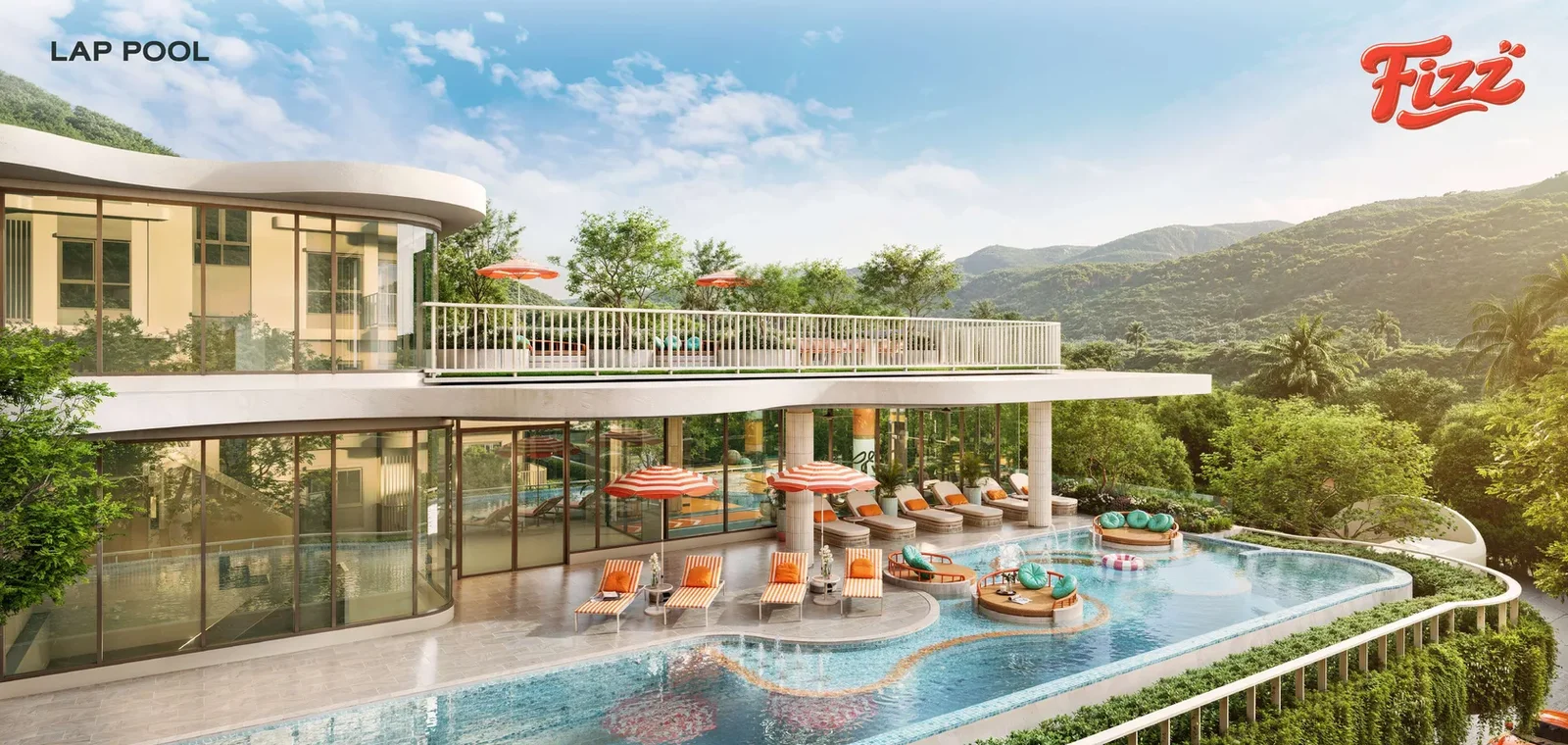
## What each apartment type costs, before and after the promotion
Five layouts, five starting prices on the launch price list. We added two columns the developer list leaves out: the rate per square metre at the smallest size of each type and the price once both launch discounts are applied. Treat the rate as a floor, since a higher floor or a better view raises it.
| Layout | Area, sqm | From, THB | Rate, THB per sqm | Promotion price, THB | Promotion rate, THB per sqm |
|---|---|---|---|---|---|
| One-bedroom | 31.7-33 | 5,154,707 | 162,609 | 4,706,972 | 148,485 |
| 1BR Plus | 44.3-52 | 7,462,331 | 168,450 | 6,804,214 | 153,594 |
| Two-bedroom | 58.2 | 10,358,818 | 177,987 | 9,460,877 | 162,558 |
| Penthouse, 2 bedrooms | 64.5-77.4 | 12,313,848 | 190,912 | 11,223,156 | 174,002 |
| Penthouse, 3 bedrooms | 105.1-110.7 | 20,028,931 | 190,570 | 18,552,484 | 176,522 |
Data: the developer's launch price list (dated 15 October, announced 17 October 2026) as summarised on buro.co.th, with the sizes that list gives for each starting price (its type table rounds the one-bedroom to 5.2M THB); promotion prices calculated by MORE Group. Penthouses also have private roof terraces of 61.6-86.1 sqm, not counted in the rate.
**The promotion rule, worked through.** The booking announcement sets two steps for reservations made by 31 December 2026: first a fixed reduction (200,000 THB for a one-bedroom, 300,000 THB for a 1BR Plus, 400,000 THB for a two-bedroom, 500,000 THB for any penthouse), then 5% off what remains. A furniture package comes on top. For the cheapest one-bedroom the arithmetic on the developer price list is:
5,154,707 THB minus 200,000 THB = 4,954,707 THB; 4,954,707 THB x 0.95 = 4,706,972 THB, according to the promotion rule applied to the developer price list.
The buyer keeps 447,735 THB, and the result is exactly the "from 4,706,972 THB" quoted for a FIZZ one-bedroom with both discounts. On the three-bedroom penthouse the same two steps take off 1,476,447 THB.
**What a higher floor costs.** On 20 October 2026 the sales site the-title-fizz.com listed ten one-bedrooms on floors 5 and 6 at list prices of 5,914,782 to 6,114,077 THB, offered at special prices of 5,266,172 to 5,449,822 THB; two more units on those floors were already sold. Unit A512, 32.4 sqm on floor 5, goes from 5,914,782 THB to 5,266,172 THB, or from about 182,555 to 162,536 THB per sqm. So a fifth-floor one-bedroom lists roughly 15% above the entry price, while its special price is only about 2% above the entry list price on the developer price list.
**Dollar equivalents.** Using 32.7 THB to the dollar, the fixed rate this site uses throughout (the Bank of Thailand reference rate of 21 August 2026, rounded), the entry one-bedroom comes to about $157,636 at list and $143,944 at the promotion price; a two-bedroom is about $316,783 at list and $289,323 with the discounts. Contracts are in baht, so these dollar amounts shift with the exchange rate.
## FIZZ against the Kata price level in our catalogue
To see where FIZZ sits, we took every Kata condominium on our own catalogue cards that shows a price and divided its entry price by the size of the unit it buys. Five projects pass that test. Five is a thin base, so the median is a guide to the level, not a statistic.
| Benchmark | THB per sqm |
|---|---|
| Median entry rate of Kata condos in our catalogue (5 projects) | 137,500 |
| FIZZ one-bedroom, developer list price | 162,609 |
| FIZZ one-bedroom with both discounts | 148,485 |
Data: MORE Group catalogue cards on 20 October 2026 (Ashiyana Heights, So Origin Kata, The Balance By The Beach, The Title Katabello, Wekata 3); FIZZ from the developer launch price list.
Measured on our catalogue, the FIZZ list rate is about 18% above the Kata median and the promotion rate about 8% above it, and with the discounts it sits just below The Title Katabello at 151,000 THB per sqm. For that a FIZZ buyer gets the newest building among the Kata projects in our catalogue, the last of them to complete, a separate clubhouse with its own 25 m lap pool, a roof given over to dining and a viewing deck, and a pet policy that covers every apartment. During the launch window FIZZ costs less per square metre than The Title's own earlier Kata project.
## How FIZZ compares with other Kata condominiums we cover
The table lists the Kata condominiums on our cards today, with each figure copied from the card as it stands.
| Project | Entry price, THB | Entry unit, sqm | THB per sqm | To Kata Beach | Completion | Stage |
|---|---|---|---|---|---|---|
| The Title FIZZ | 5,154,707 | 31.7 | 162,609 | Walking distance, free shuttle | Q1 2029, plan | Booking open |
| [The Title Katabello](/projects/the-title-katabello/) | 4,228,000 | 28 | 151,000 | About 5 minutes by car | Not on our card | Under construction |
| [Wekata 3](/projects/wekata-3/) | 4,400,000 | 32 | 137,500 | About 300 m, 8 minutes on foot | Not on our card | Under construction |
| [So Origin Kata](/projects/so-origin-kata/) | 3,010,000 | 26 | 115,769 | 11 minutes on foot | Q3 2027 | Under construction |
| [The Balance By The Beach](/projects/the-balance-by-the-beach/) | 5,526,128 | 38 | 145,424 | About 8 minutes on foot | Late 2026 to mid-2027, forecast | Under construction |
| [Ashiyana Heights](/projects/ashiyana-heights/) | 2,990,000 | 29 | 103,103 | Hills above Kata Beach | Q2 2028, developer | Off-plan |
Data: MORE Group catalogue cards, read 20 October 2026; FIZZ from the developer launch price list.
Ashiyana Heights and So Origin Kata open with studios of 29 and 26 sqm; FIZZ starts with a one-bedroom of 31.7 sqm. Katabello, the brand's own large Kata project, is a car ride from the beach on our card, while FIZZ adds a free resident shuttle on top of a walkable location.
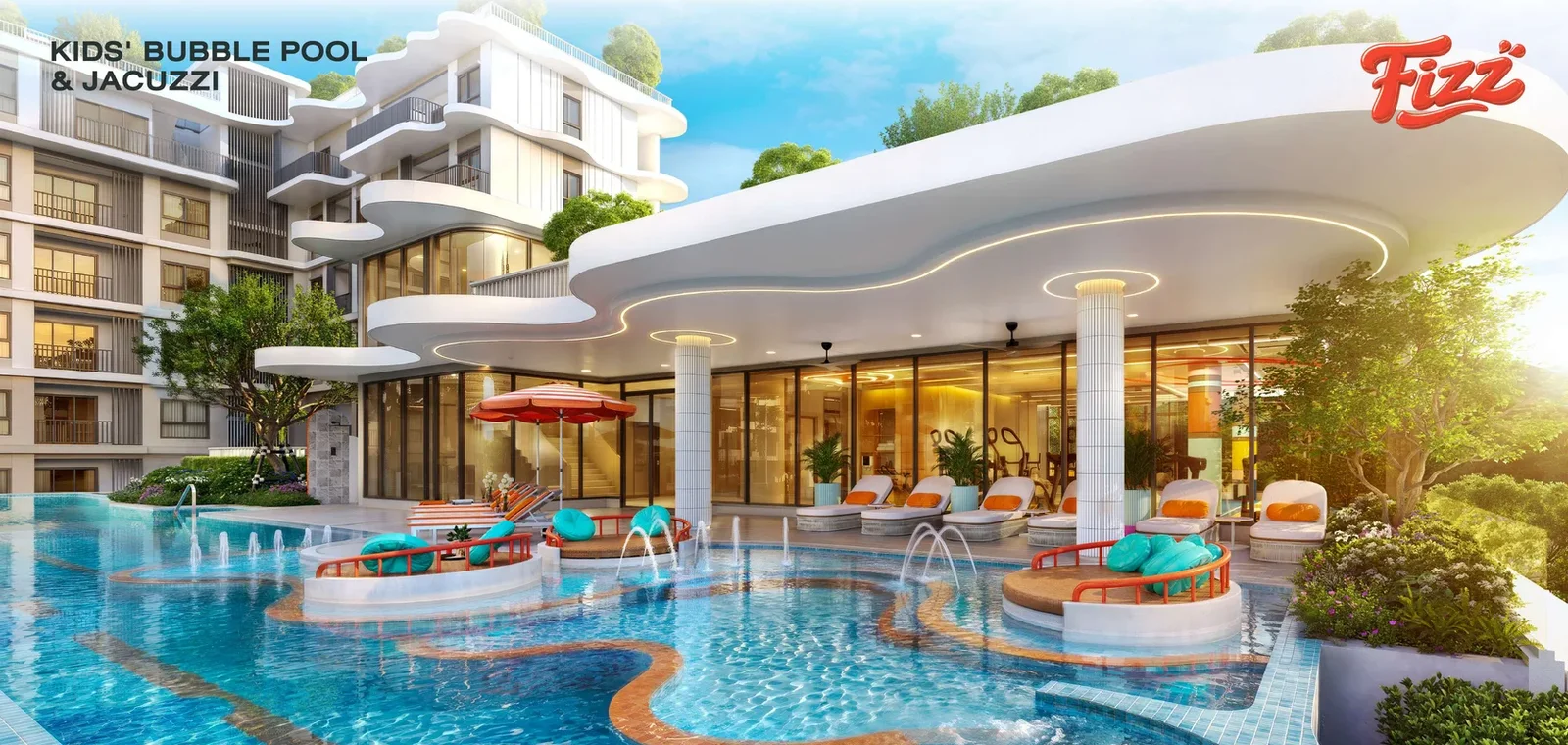
## Karon or Kata: picking between FIZZ and KUARTZ
On the same day The Title opened [The Title KUARTZ in Karon](/projects/the-title-kuartz-karon/), with an identical promotion and the same Q1 2029 target. The two bays are minutes apart, but the buildings answer different briefs.
| | FIZZ, Kata | KUARTZ, Karon |
|---|---|---|
| Size of the scheme | 135 apartments, 1 building and a clubhouse | 189 apartments, 2 buildings |
| Land | 3,801 sqm | 4,412.8 sqm |
| Cheapest one-bedroom | 5,154,707 THB, 31.7 sqm | 5,767,966 THB, 31.7 sqm |
| With both discounts | 4,706,972 THB | 5,289,568 THB |
| Who the layouts are for | Mostly couples and solo owners: about 90% one-bedrooms | Couples and families: five types, more 2BR choice |
| Getting to the beach | Walk or take the free resident shuttle | About 350-400 m on foot |
| Pet policy | Every apartment | One of the two buildings |
| Facilities | 25, including sky dining and a viewing deck | 23, including a rooftop sky pool and jacuzzi |
| Planned completion | Q1 2029 | Q1 2029 |
Data: developer figures on buro.co.th, read 20 October 2026; promotion prices calculated by MORE Group.
FIZZ is the better fit when the budget is tight, the household is one or two people, or Kata's surf, cafés and evening crowd are part of the plan. KUARTZ makes more sense for a family that needs a second bedroom, for a buyer who wants a quieter beach, or for anyone set on a sea view from the roof. The KUARTZ review sets out its prices and layouts in the same way.
## Instalments and a worked example for a FIZZ one-bedroom
According to agency materials, FIZZ comes with an interest-free plan that runs until completion. The developer has not published the schedule itself yet, and agency descriptions differ:
- **Four equal parts:** 4 x 25% tied to construction stages, with a first payment of about 1.29M THB on the entry unit (fizz-kata.com, read 20 October 2026).
- **Booking, then four quarters:** a 100,000 THB booking followed by 4 x 25%, the last at handover, marked preliminary (layanre.com, read 20 October 2026).
Four equal quarters is also how our catalogue shows payments at [The Title Katabello](/projects/the-title-katabello/), the developer's other Kata project. Applied to the entry one-bedroom at its promotion price of 4,706,972 THB:
| Payment | Share | THB | Timing |
|---|---|---|---|
| First instalment, with the contract | 25% | 1,176,743 | On signing |
| Second instalment | 25% | 1,176,743 | During construction |
| Third instalment | 25% | 1,176,743 | During construction |
| Final instalment | 25% | 1,176,743 | At handover, Q1 2029 on plan |
Data: the 4 x 25% structure as described on fizz-kata.com, preliminary; amounts calculated by MORE Group on the promotion price. Whether the 100,000 THB booking is credited to the first 25% (leaving 1,076,743 THB) or paid on top is one of the questions to settle in the reservation agreement.
**Cash to hold back for the keys.** On the equal plan that is the last 1,176,743 THB, plus the transfer costs at the Land Department and the first common fee and sinking fund contributions, which FIZZ has not priced yet. Our [Phuket taxes and fees guide](/guides/phuket-property-taxes-fees-complete-guide/) lists what is due at transfer. A freehold buyer should send each payment from abroad in foreign currency, so the bank issues the FET form the Land Department requires; the steps are in our [proof of funds guide](/guides/proof-of-funds-thailand-property/).
**Questions to settle before you pay a deposit:** the exact share and trigger of every instalment, whether the booking money is part of the first one, whether the extra 5% depends on the plan you pick, what the furniture package includes, and the planned common fee per square metre. We get these answers in writing along with the price list.
## Where FIZZ stands today and what an early booking secures
FIZZ is at the starting line. The developer opened official booking on 19 October 2026; the site was photographed on 28 September 2026 before any works. On the developer's plan, which can still shift, the EIA is submitted in September-October 2026 (fizz-kata.com gives September, seainsidephuket.com October) and expected to be approved in Q4 2026, construction starts in Q2 2027 and the building is completed in Q1 2029. The developer's own site, thetitleresidence.com, already shows Fizz among its new projects.
Booking now secures four things:
1. **The pick of the upper floors.** According to the developer data the building has seven storeys and 135 units, so the best-placed apartments are few, and on 20 October the sales site already marked two one-bedrooms on floors 5 and 6, A511 and A611, as sold.
2. **The launch promotion,** which ends with 2026: the fixed reduction, the extra 5% and the furniture package.
3. **The first official price,** before the increases developers usually apply as a building rises.
4. **A long, interest-free runway,** with payments spread to Q1 2029.
**The booking route:**
1. **Shortlist** units from the current price list and floor plans we send.
2. **Reserve** with a reservation agreement and a booking deposit, which holds the unit and its price; our [guide to the reservation agreement](/guides/reservation-agreement-thailand-explained/) walks through it.
3. **Confirm the tenure.** The developer has not yet published the ownership terms for FIZZ, so we obtain them in writing for your unit; where freehold applies, the 49% foreign quota is counted on floor area.
4. **Sign the sale and purchase agreement,** which fixes the schedule, the completion date and the specification.
5. **Pay each instalment** from abroad and keep every FET form.
6. **Check the unit at handover,** take the keys and register ownership at the Land Department.
## Who builds FIZZ: Rhom Bho Property and the AssetWise group
The developer is Rhom Bho Property PLC, owner of The Title brand and listed on the Stock Exchange of Thailand as TITLE since November 2017. AssetWise PLC has controlled the company since 2023 and holds 68.87% of it, as [Nation Thailand](https://www.nationthailand.com/business/40067649) reported on 20 June 2026, so FIZZ is backed by one of Thailand's larger listed developers while TITLE keeps its own stock listing.
The evidence for the brand's record is public:
- **Buildings in use.** The Title Serenity Naiyang, The Title Legendary Bang-Tao and The Halo 1 in Nai Yang appear as ready to move in on the developer's site (thetitleresidence.com, 20 October 2026).
- **Delivered in 2026.** [Nation Thailand](https://www.nationthailand.com/business/property/40069505) wrote on 7 August 2026 that AssetWise counted [The Title Heritage Bang-Tao](/projects/the-title-heritage/), worth 6 billion THB, and The Title Cielo Rawai, worth 1.2 billion THB, among three newly completed developments behind its third-quarter revenue, and that the group plans to hand over 11 finished projects in 2026 worth 26.76 billion THB in total. Heritage had reached 98.7% on the developer's progress page in August 2026, in line with the June-September 2026 window in our developer review.
- **Financial weight.** Revenue reached 2,994 million THB in 2025, up from 1,297 million THB in 2024, according to TITLE's [SET listed company snapshot](https://lssmedia.setlink.set.or.th/2025/YE/TITLE-YE68-ListedCompanySnapshot-EN.html).
- **Industry awards.** The company won Best Condo Developer (Phuket) at the 19th PropertyGuru Thailand Property Awards in 2024.
- **Already in Kata.** The brand is building The Katabello in the same bay, so FIZZ owners will have a developer that knows the district.
Our [The Title developer review](/guides/the-title-developer/) covers the full list of projects.
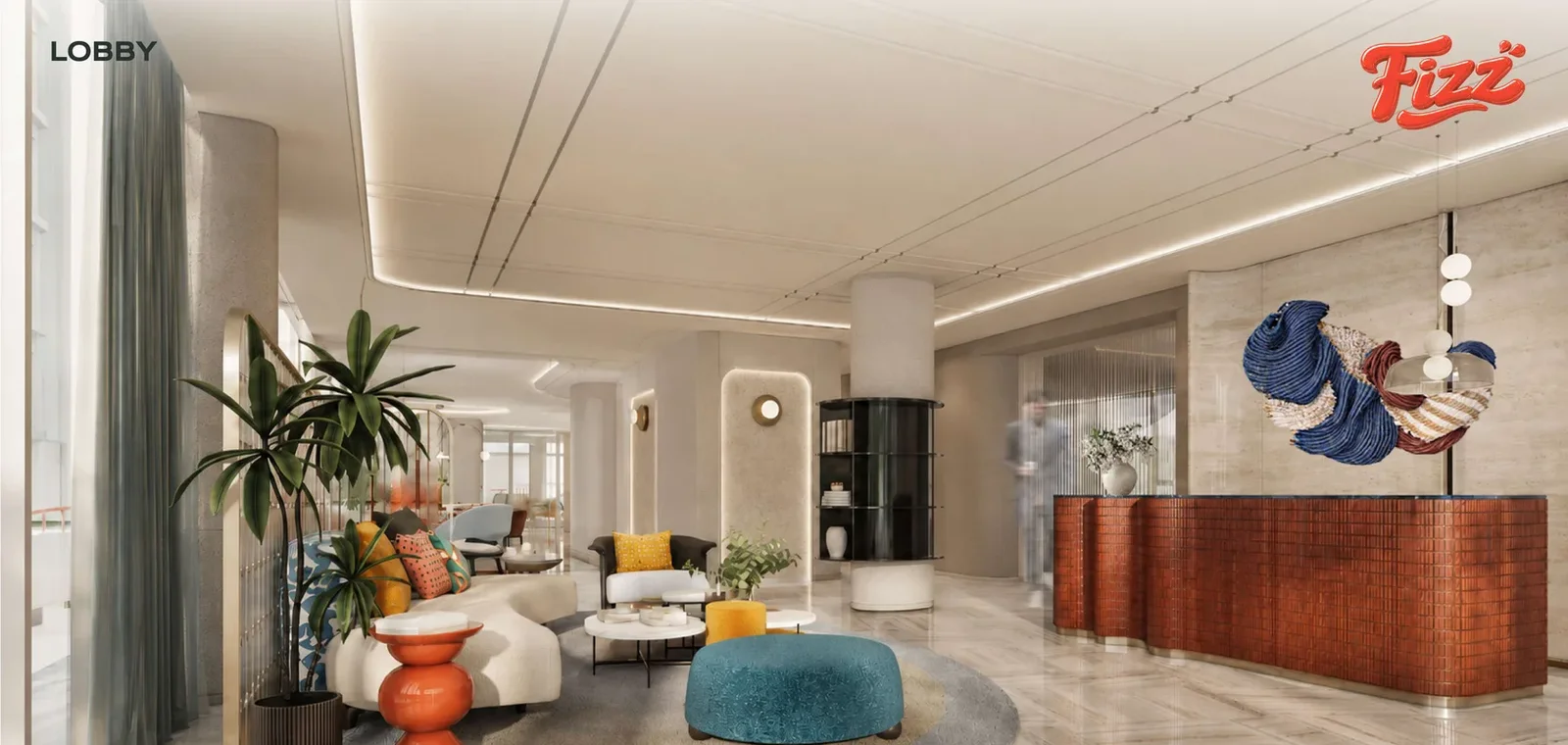
## The clubhouse, the roof and 25 facilities
FIZZ splits its facilities between a dedicated clubhouse, the grounds of the residential building and the roof, so the apartments stay quiet while the shared spaces stay busy.
- **Clubhouse, three storeys:** a 25 x 5 m lap pool, a jacuzzi, a kids' bubble pool, the lobby, the Social Club, The Gym with a private training studio, a sauna, a co-working space, a meeting room, a game room, a laundry room and a café corner.
- **Around the residential building:** a pet park, a playground, the Fizzy Lawn, the Fizz Play Yard, the Fizzlab co-working terrace and outdoor dining.
- **On the roof:** sky dining, a sky garden, a sky social lounge, a sky viewing deck and a sky bathing terrace.
Parking takes 58 cars plus 13 parallel spaces, and the brochure lists two EV charging points, according to the developer data on buro.co.th and the-title-fizz.com, read 20 October 2026. With a free shuttle to the beach, many residents will not need a car for the sand at all.
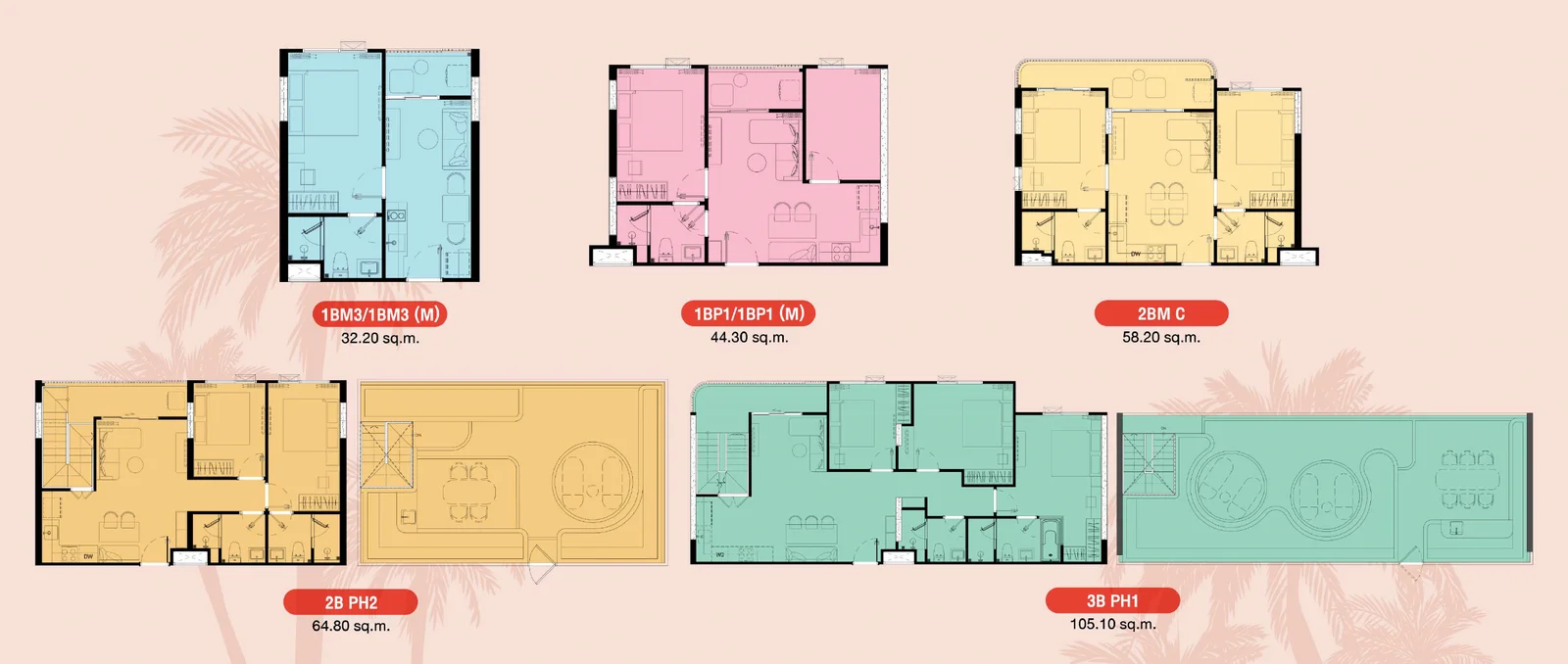
## Who FIZZ is made for
**Couples and solo owners.** About nine in ten apartments are one-bedrooms of 31-52 sqm, the size a couple actually uses for a holiday home or a winter base.
**People who live outdoors.** Kata is a surf beach in the low season and a swimming bay in the high one, and FIZZ adds a 25 m lap pool, a gym with a training studio and a sauna. The free shuttle means a board or a beach bag never needs a car.
**Remote workers.** A co-working space, a separate co-working terrace, a meeting room and a café corner sit inside the project, so a working day can happen downstairs.
**Anyone with a dog or a cat.** Every apartment at FIZZ is pet friendly and there is a pet park by the building, a rarity among Phuket condominiums.
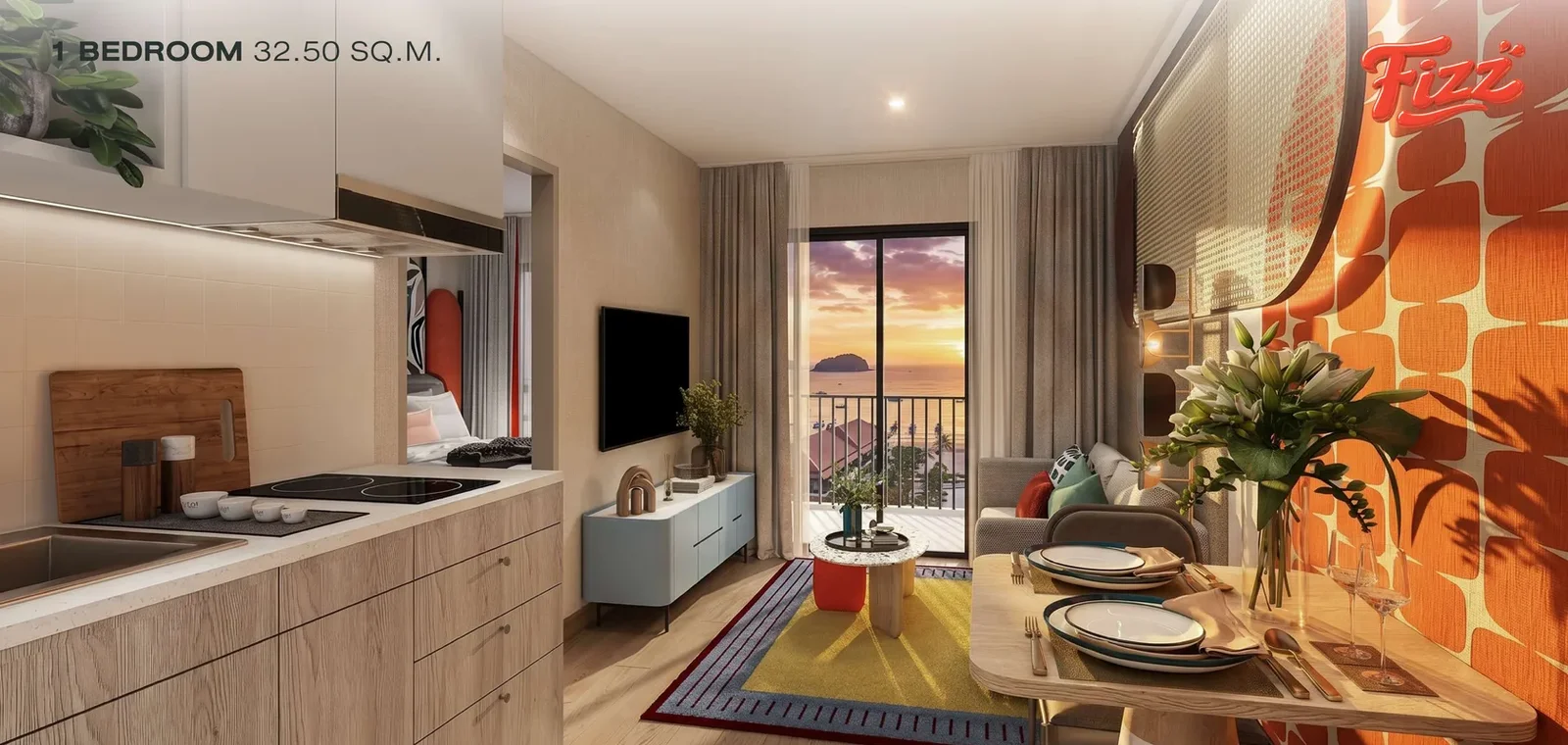
## Renting out a FIZZ apartment
Until the building is complete there is nothing to rent: on the Q1 2029 plan, the first full high season for a FIZZ owner would be the winter of 2029-30. The developer has not announced a rental programme or any guaranteed return, and we do not put yield numbers on a building that is not yet built.
What works in FIZZ's favour is its format. A building made almost entirely of one-bedrooms suits couples and solo travellers, the guests a one-bedroom serves best, and a shuttle, a lap pool and pet friendly rules widen the pool of guests and long-stay tenants. Closer to handover we collect current asking rents for comparable Kata units; our [Phuket rental guide](/guides/phuket-rental-yield-complete-guide-2026/) shows how to judge a letting offer.
## Kata from a buyer's point of view
Kata is a compact bay with a gentle entry into the water, an evening promenade and a lively strip of cafés, shops and hotels, with Kata Noi and the Karon Viewpoint close by and Patong about twenty minutes away by car, according to the agency's area notes. Kata is known for visitors who come back each year, and the wet-season surf keeps the bay busy outside the peak.
The FIZZ plot sits among Kata's hotels and shops, so a morning coffee, a supermarket run and dinner are all on foot, and the shuttle covers the beach. For the wider picture of prices and neighbourhoods on this stretch of coast, see our [Kata property page](/kata-properties/) with every Kata project we cover, the [Kata and Karon area guide](/guides/kata-karon-area-guide-2026/) and the [Karon property guide](/areas/karon-beach-property-guide/) next door.
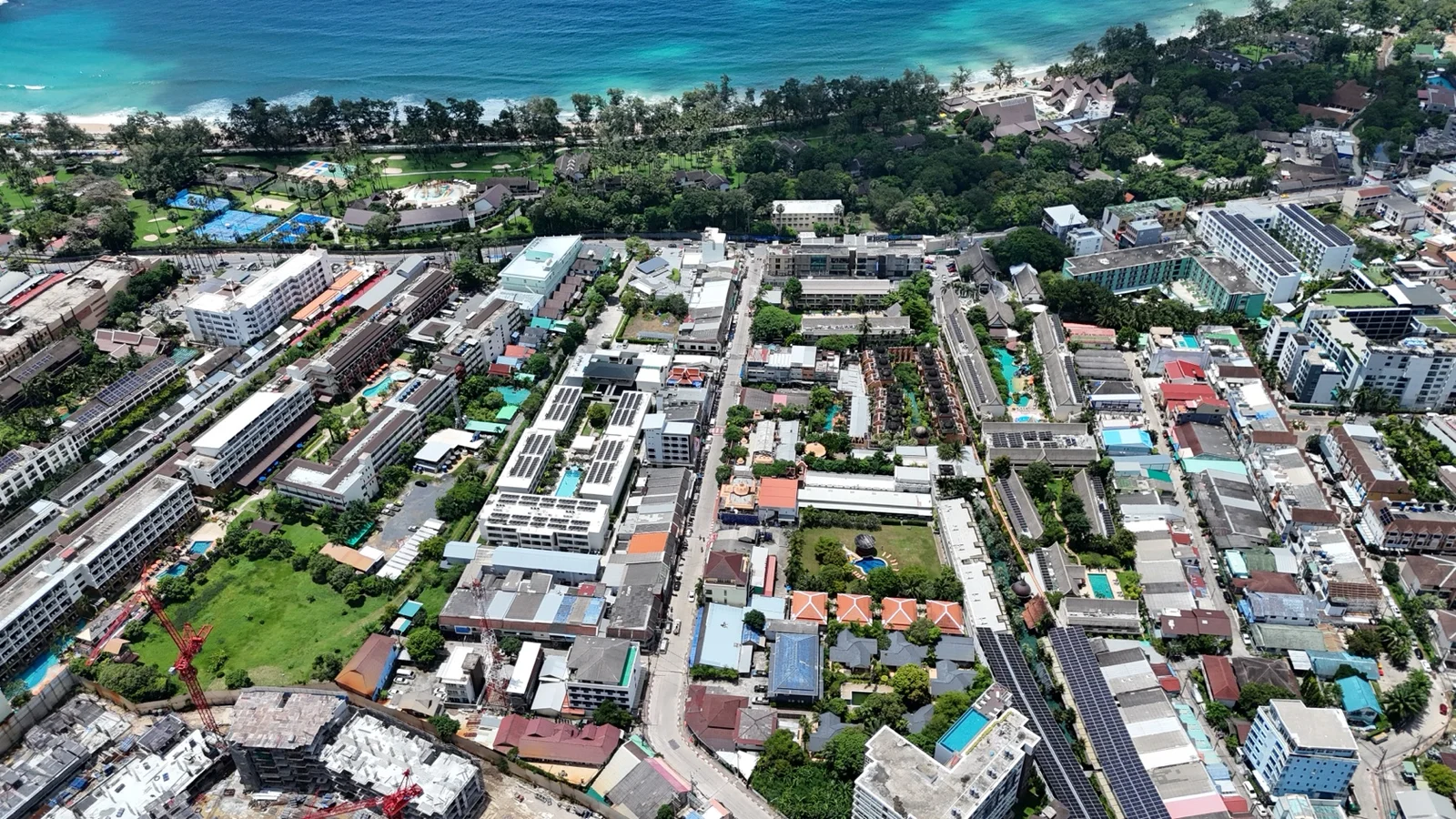
## Buying The Title FIZZ with MORE Group
We buy at the developer's price list, and the route from the first list to the keys has five steps, each handled with you.
{/* corpus-faq:the-title-fizz-kata */}
**Read Also:**
- [The Title KUARTZ Karon: full review with prices and layouts](/projects/the-title-kuartz-karon/)
- [The Title as a developer: projects and record](/guides/the-title-developer/)
- [How The Title's zero-interest plan works](/guides/the-title-zero-interest-payment-plan/)
- [Foreign quota rules for Thai condominiums](/guides/foreign-quota-thai-condominiums/)
- [Off-plan buying in Phuket](/guides/off-plan-property-phuket-guide/)
- [Kata and Karon area guide](/guides/kata-karon-area-guide-2026/)
# The Title Heritage Bang Tao Phuket Review 2026
> Sino-colonial resort condo near Bang Tao Beach, nearly complete. 1-3 bedrooms from 5.38M to 32.9M THB. Onsen, cinema, yoga deck. Full investment analysis.
**Source:** https://moregroup.estate/projects/the-title-heritage/
**Section:** Project Reviews
**Author:** MORE Group Editorial
**Published:** 2026-04-02
**Updated:** 2026-10-20
---
## The Title Heritage Bang Tao Phuket Review 2026: Prices, Yield & Investment Analysis
The Title Heritage is a seven-building low-rise condominium in Thalang, a few minutes inland from Bang Tao Beach and adjacent to the Laguna estate, built in a Sino-colonial architectural style and running from 5.37M THB for a one-bedroom to 32.93M THB at the top of the three-bedroom range. The project is under construction and close to completion, 98.7% built according to the developer's August 2026 progress report, placing it among the nearest-term off-plan options currently available in the Thalang district. For investors who want off-plan pricing without an extended wait, that delivery timeline is a meaningful advantage.
## Why The Title Heritage Bang Tao?
**Architectural distinctiveness.** The Sino-colonial design language, warm tones, ornamental facades, covered walkways, heritage-inspired detailing, creates a look that photographs beautifully and ages gracefully. In the Phuket rental market, visual distinctiveness translates into booking conversion: guests scrolling through rental listings stop when they see something that looks genuinely different.
**Resort-scale amenities in a low-rise format.** Seven low-rise buildings arranged around lagoon-style water features and lush gardens create a resort atmosphere that feels spacious rather than dense. The facility list includes multiple swimming pools, an onsen, fitness center, yoga deck, co-working space, cinema room, kids' club, and rooftop leisure areas, a comprehensive offering for the price range.
**Strategic proximity to Laguna Phuket.** The Laguna complex, home to several five-star hotels, a golf course, beach clubs, and high-end restaurants, is within walking distance. For owners who plan to use the property personally, the lifestyle access this provides is exceptional. For rental marketing, proximity to Laguna is a genuine selling point to upscale guests.
**Near-term delivery.** According to the developer, construction stood at 98.7% in August 2026, with the structure 100% complete. Check the current handover status with us. By the time most buyers complete legal due diligence and transfer, the project will be close to or at delivery. This is a very near-term timeline compared to most currently-marketed Phuket developments.
## Prices & Floor Plans
**1-Bedroom Units (32-64 sq.m)**
- Price range: 5,376,000 - 11,025,000 THB
- Price per sq.m: 142,000 - 186,900 THB
- Average: 7,218,147 THB
**2-Bedroom Units (66-145 sq.m)**
- Price range: 11,138,400 - 27,100,500 THB
- Price per sq.m: 151,000 - 186,900 THB
- Average: 14,125,608 THB
**3-Bedroom Units (122-185 sq.m)**
- Price range: 20,880,300 - 32,930,000 THB
- Price per sq.m: 167,000 - 178,000 THB
- Average: 26,888,990 THB
The 1-bedroom entry at 142,000 THB/sq.m is among the more competitive price points available for a premium brand project in the Bang Tao area in 2026. The upper end of the 3-bedroom range, at 32.9M THB for 185 sq.m, targets buyers looking for a genuine luxury villa alternative at condominium pricing.
The payment plan is 25% at contract, 25% at a construction milestone, and 50% at transfer. The back-loaded structure means the largest payment coincides with delivery, which concentrates financial risk at the point of completion rather than during construction.
## Rental Yield Potential
**Medium-stay and monthly rental profile (2-bedroom):**
Bang Tao's 2-bedroom market attracts a mix of high-spending families on extended holidays and quarterly-stay digital nomads and remote workers.
For 3-bedroom units, the target rental market shifts to high-net-worth villa-alternative seekers. Occupancy rates are typically lower than smaller units.
Comparable managed units around Bang Tao have historically achieved the following (MORE Group benchmark; high season rates and occupancy, gross yield on the purchase price, net after management fees of 20-30% of gross):
| Unit type | High season rate | Gross yield, historically | Net yield, historically |
|---|---|---|---|
| 1-bedroom (40-55 sq.m) | 2,800-4,200 THB a night at 75-85% occupancy | 7-12% | 5-8% |
| 2-bedroom | 80,000-130,000 THB a month in peak periods | 6-9% | 4-6% |
| 3-bedroom | 8,000-15,000 THB a night | 4-6% | 3-4% |
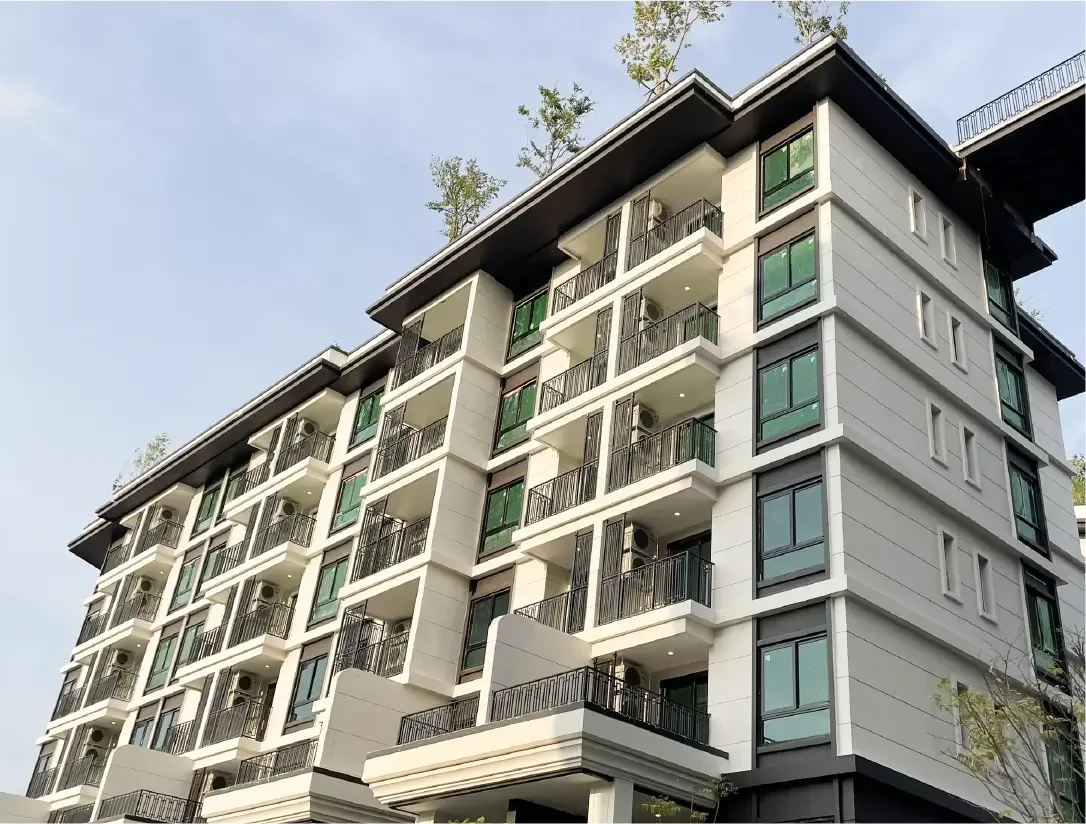
## Who Should Buy?
*Mid-range yield investors* entering at the 1-bedroom and compact 2-bedroom price points. The combination of brand credibility (The Title developer), near-term delivery, and competitive per-sq.m pricing makes these units an attractive risk/reward proposition.
*Lifestyle buyers who value aesthetics and architecture.* If you're going to spend part of the year in Phuket, the heritage-inspired environment is a genuinely pleasant place to live. The resort-feel common areas, lagoon gardens, and Laguna-adjacent location make personal use genuinely desirable rather than a fallback from rental gaps.
*Buyers seeking 3-bedroom alternatives to villas.* At 20-33M THB for 122-185 sq.m, the 3-bedroom units offer villa-adjacent space in a managed condominium environment, without the maintenance overhead that comes with a standalone villa. For buyers who want the space of a villa but the security and facilities of a condo, this fills a real gap.
*Investors planning for the long term.* The Title as a brand has a strong resale market in Phuket, previous Title projects have maintained liquidity better than many independent developments, which matters for investors who need to exit cleanly in the future.
**Less suitable for:**
Pure yield maximizers who prioritize absolute return over brand and lifestyle. The back-loaded payment plan (50% at transfer) requires strong liquidity at completion, and the mid-tier 2-bedroom and 3-bedroom pricing creates yield profiles that are solid but not exceptional compared to studio-dominated projects.
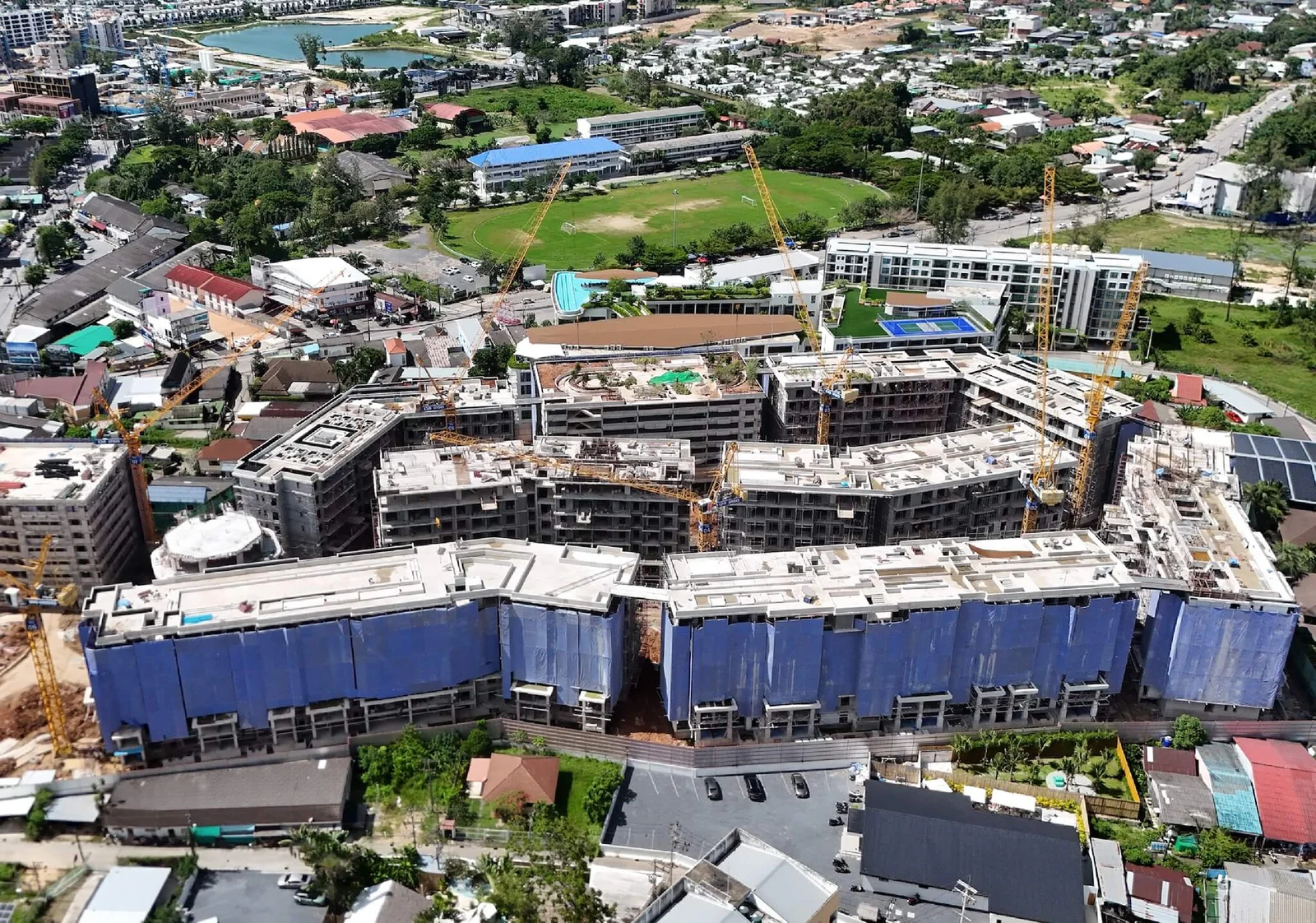
## MORE Group Assessment
Our primary recommendation is the 1-bedroom units in the 5.4M-8M THB range, they offer the best yield profile relative to entry price. For lifestyle-focused buyers, the 2-bedroom units at 11-14M THB provide a practical living size with manageable purchase commitments.
The 50% transfer payment concentration is worth planning for carefully, we advise buyers to have financing arrangements confirmed well before the delivery date.
MORE Group clients receive 0% buyer commission on The Title Heritage Bang Tao, with support through due diligence and purchase, plus introductions to post-delivery rental management partners.
## The 50% at transfer is the real decision here
Most Phuket off-plan payment plans spread the money across the build. This one does not: a quarter at contract, a quarter at a construction milestone, and half the purchase price on the day title changes hands. On a 7M THB one-bedroom that is 3.5M THB due at completion; on a 20M THB three-bedroom it is 10M THB. Whether this project works for you is mostly a question about that number, not about the architecture.
There is a genuine advantage to the structure. Less of your capital sits with the developer during construction, which is exactly when off-plan risk is highest, and the money stays in your own account earning something until the building is finished. A buyer who has the funds available is being paid, in effect, for waiting.
The exposure is the mirror image. Half the purchase price must be liquid at handover, and that date is the developer's to move. If completion slips two quarters, your money has to stay ready for two more quarters. If your funds are in a currency that weakens against the baht in the meantime, the shortfall lands entirely on that one large payment rather than being averaged across several smaller ones. And if you intended to finance part of the purchase, arrangements need to be confirmed well before delivery rather than started when the completion notice arrives; foreign buyers routinely underestimate how long a Thai lending decision takes.
Three practical steps follow from this. Hold the transfer amount somewhere accessible rather than committed. If the funds are held abroad, plan the inward remittance in advance, since freehold registration for a non-resident requires the foreign currency transfer record (FET) at the Land Department, and that paperwork is easier to arrange early than under a completion deadline. And read the SPA for what happens on both sides of a delay: what the developer owes you if the building is late, and what you owe if you are not ready to transfer when it is not.
## Where the price per square metre sits across the range
The building runs from 5,376,000 to 32,930,000 THB, and the rate per square metre is not flat across that span.
| Tier | Rate per sq.m | What the rate is buying |
|---|---|---|
| One-bedroom entry | About 142,000 THB | The competitive end for a branded project in this corridor |
| Mid-range units | Between the two ends | Floor, aspect and outlook, priced individually |
| Three-bedroom top | About 178,000 THB | 185 sq.m, positioned against a villa rather than a flat |
A rate that climbs with unit size means the developer expects the demand to be strongest at the top. Before accepting that, ask for the floor plan and aspect of the specific unit you are quoted, because within a seven-building scheme two units at the same nominal tier are rarely worth the same money.
{/* corpus-faq:the-title-heritage */}
## FAQ
### What is The Title brand and how established is it in Phuket?
The Title is one of Thailand's most recognized condominium brands, with multiple completed projects in Phuket including The Title Rawai, The Title Halo 1 and The Title Legendary. The developer has a consistent track record of on-schedule delivery and strong resale liquidity, which reduces off-plan purchase risk compared to lesser-known developers.
### When is The Title Heritage Bang Tao expected to be completed?
According to the developer, construction stood at 98.7% in August 2026, making it one of the nearest-term off-plan projects available in the Bang Tao area. No handover date had been published as of 20 October 2026, so check the current handover status with us. MORE Group monitors construction progress and can provide current status updates. We recommend allowing 3-6 months buffer in your planning timeline.
### How does the 25/25/50 payment plan work in practice?
You pay 25% at contract signing, 25% at a specified construction milestone (typically structure completion), and 50% at transfer/completion. The large final payment means you need strong liquidity at delivery. If you're financing part of the purchase, arrangements should be in place before that date.
### Is The Title Heritage Bang Tao close enough to the beach for short-term rental marketing?
At 7 minutes by car and 30 minutes on foot, the project is not walking distance from Bang Tao Beach. However, proximity to Laguna Phuket's beach clubs, combined with the overall Bang Tao lifestyle environment, means short-term rental listings can market beach access as a genuine convenience. Most short-term guests in this price range use tuk-tuks or taxis for beach trips rather than walking.
**Read Also:**
- [Phuket Rental Yield 2026: Net Income by Area](/guides/phuket-rental-yield-complete-guide-2026/)
- [Best Areas in Phuket to Buy Property 2026](/guides/best-areas-phuket-buy-property/)
- [Bang Tao & Laguna Guide: Prices & Yield (2026)](/bang-tao-properties/)
- [Foreign Quota in Thai Condominiums](/guides/foreign-quota-thai-condominiums/)
- [The Ozone Oasis Condominium Phuket: Full Review 2026](/projects/the-ozone-oasis/)
- [8 Atelier Residence Review 2026: Prices & Yield](/projects/8-atelier-residence/)
# The Title Katabello Review 2026: Kata Condos from 4.23M
> The Title Katabello review: condos near Kata Beach from 4.23M THB, mostly one-bedrooms of 35 sqm and up, a 4 x 25% plan, foreign quota and availability.
**Source:** https://moregroup.estate/projects/the-title-katabello/
**Section:** Project Reviews
**Author:** MORE Group Editorial
**Published:** 2026-03-26
**Updated:** 2026-09-23
---
## Title Katabello Kata: Condo Near Kata Beach Reviewed 2026
The Title Katabello is Rhom Bho Property's entry into the Kata Beach market, one of Phuket's most persistently popular tourist zones. Units start from 4,228,000 THB. Kata Beach draws a loyal European tourist base (British, French, German, Italian) year after year, and that returning-visitor pattern is the scheme's real argument: it shortens the gap between bookings for an owner who keeps a good manager. At 4,228,000 THB on a four-stage schedule, Katabello is an accessible entry to Kata from an established developer.
## What Are the Key Facts for The Title Katabello Kata?
| Metric | Detail |
| --- | --- |
| Developer | Rhom Bho Property (The Title) |
| Location | Kata, south-west Phuket |
| Price From | 4,228,000 THB |
| Stage | Under construction |
| Nearby Beach | Kata Beach, about 5 minutes by car |
| Payment Plan | Four equal instalments of 25%, no interest |
| Facilities | Gym, co-working, kids' room, entertainment area, pet-friendly |
| Developer Award | PropertyGuru Best Developer Phuket 2025 |
Katabello is a notable addition to The Title portfolio because Kata is the only major Phuket tourist beach where The Title did not already have an established presence. The brand has 7 projects in Bang Tao, 3 in Nai Yang, 2 in Rawai, and Katabello brings it to Kata, giving investors access to Kata's rental market under the trusted The Title umbrella for the first time.
## Kata Beach: Why European Buyers and Tourists Love It
Kata is Phuket's third-most-visited beach after Patong and Bang Tao, and arguably offers the best combination of beach quality, tourist infrastructure, and residential livability. Kata has kept a semi-residential character that makes it appealing to families and returning visitors.
The European connection is significant and worth understanding from an investment perspective:
**British tourists:** Kata has been a British tourist favourite for over 20 years, with British-run bars and restaurants across the area. British visitors tend to book two-week holidays, exactly the stay length that works best for short-term rental income relative to turnover costs.
**French and German visitors:** The French and German tourist communities at Kata are large and growing, attracted by reliable beach quality, water sports (Kata is one of Phuket's best surf spots), and family-friendly facilities.
**Surfing demand:** Kata Beach is one of the few Phuket beaches with reliable surf during the monsoon season (May-October). This extends the short-term rental season at Kata beyond what purely tourist beaches achieve, with surfers visiting in the quieter months.
## Letting at Kata
Katabello is priced at the area: its 260 units run at a median 155,000 THB per square metre against 152,000 across Kata's 1,048 priced apartments. 239 of the 260 are one-bedrooms, and only 13 of those are under 35 square metres, so most of the building suits both nightly guests and monthly tenants, a structural advantage over a studio scheme.
Kata's demand pattern supports that: the surf season extends the shoulder months at both ends of the year, and the beach draws a high share of returning visitors, which shortens the gap between bookings for an owner who keeps the same manager. For owners who plan to let, we collect twelve months of statements from a comparable Kata building, with commission, common charges, the sinking fund, utilities and Thai tax shown as deductions, so the income plan starts from real figures.
## The Price List
| Layout | Units on our list | Size | Price (THB) |
| --- | --- | --- | --- |
| One-bedroom | 239 | 28-61 sqm | 4,228,000 - 10,675,000 |
| Two-bedroom | 15 | 66-129 sqm | 8,910,000 - 18,963,000 |
| Three-bedroom | 6 | 100-168 sqm | 13,300,000 - 24,696,000 |
The larger formats carry a lower rate per square metre, from about 130,000 THB on the three-bedrooms, so families get more space for their money.
## The Instalment Plan
The developer's standard schedule on this scheme is four equal quarters, with no interest charged on the balance, so 75% of the price stays with you through the build. On the entry unit:
| Stage | % | Amount on 4,228,000 THB |
| --- | --- | --- |
| Booking and contract | 25% | 1,057,000 THB |
| Construction milestone | 25% | 1,057,000 THB |
| Construction milestone | 25% | 1,057,000 THB |
| Handover | 25% | 1,057,000 THB |
We send the schedule with the construction milestone each instalment is tied to, together with the reservation form.
## Kata vs Bang Tao: Choosing Your Zone
The same developer runs a Bang Tao scheme at a very similar entry, [The Title Artrio](/projects/the-title-artrio/), so the choice is real and the price lists settle most of it.
| Factor | Kata (Katabello) | Bang Tao (Artrio) |
| --- | --- | --- |
| Priced units on our list | 260 | 282 |
| Entry, THB | 4,228,000 | 4,263,000 |
| Median unit, THB | 8,568,000 | 4,818,000 |
| Rate, THB per sqm | 155,000 | 151,000 |
| One-bedrooms under 35 sqm | 13 of 239 | 184 of 268 |
| Tourist type | European families and surfers | International mixed |
| Nightlife | Moderate | Upscale beach clubs |
| Surf | Yes (seasonal) | No |
| Long-stay demand | Moderate | High |
| Resale liquidity | Good | Very high |
The row that decides most of this is the one-bedroom size. Artrio is largely a studio-sized building and Katabello is not, so a Katabello owner keeps the monthly channel open alongside nightly letting. The median row says the same in money: the two schemes start within 35,000 THB of each other, and Katabello's middle unit is a larger flat.
Kata's edge over Bang Tao is the shape of its demand: a European visitor base that returns, and a surf season that extends the shoulder months at both ends of the year. Bang Tao's edge is depth, 4,589 priced apartments against Kata's 1,048, which shows up at resale. For short-term letting, Kata is competitive or superior; for capital growth and resale liquidity, Bang Tao has the structural advantage.
## Who Should Buy The Title Katabello?
**European investors:** French, British, German, Italian buyers who understand the Kata market from personal experience as tourists. You know the beach, you've rented properties there, and you understand the demand firsthand.
**Surfer-culture investors:** Buyers who see Kata's surf identity as a demand extension into the quieter months, and who may use the property personally during surf season.
**Family-focused rental investors:** Investors targeting the European family holiday segment. Kata's family-friendly character means longer bookings, careful guests, and repeat stays.
**Capital-efficient first-time buyers:** the 4,228,000 THB entry on a four-stage schedule is a manageable commitment for a first Phuket purchase with an established developer.
## The Developer
Rhom Bho Property builds The Title across Phuket, and its completed buildings, such as [The Title Legendary](/projects/the-title-legendary/) in Bang Tao and The Title Halo 1 in Nai Yang, show its finished work. Katabello is the brand's first project in Kata.
## Furnishing and Management Setup for Katabello
| Item | Estimated Cost |
| --- | --- |
| Furniture package (developer or third-party) | 150,000-250,000 THB |
| Photography + videography | 10,000-20,000 THB |
| Platform setup and optimisation | 5,000-15,000 THB |
| Management contract setup | Typically covered by operator |
That is 165,000-285,000 THB on a 4,228,000 THB purchase, a one-off setup that prepares the unit for its first guests.
## Why Buyers Choose The Title Katabello
- 155,000 THB per square metre against 152,000 across Kata's 1,048 priced apartments: priced at the area rather than above it
- Only 13 of the 239 one-bedrooms are under 35 sqm, so most of the building keeps the monthly-letting channel open
- Four equal instalments across the build, with no interest charged on the deferral
- Kata's surf seasonality extends rental demand beyond the standard tourist peak
- European visitor loyalty to Kata brings repeat guests
- The first The Title project in Kata, with a gym, co-working space and a kids' room
## Buying The Title Katabello with MORE Group
A unit at The Title Katabello is bought in five steps, from the first price list to the keys, and we handle each of them with you.
{/* corpus-faq:the-title-katabello */}
## FAQ
### What is the starting price for The Title Katabello?
4,228,000 THB on MORE Group's current list, for a one-bedroom near Kata Beach. The 260 priced units run to 24,696,000 THB for the largest three-bedroom, at a median 155,000 THB per square metre against 152,000 across Kata's 1,048 priced apartments, so the scheme is priced at the area.
### What stage is The Title Katabello at?
Construction is underway. We send the latest construction update together with the price list.
### What makes Kata attractive for rental investment?
Kata has a longer shoulder season than the non-surf beaches and a high share of returning visitors, particularly European families, which gives the letting year a dependable shape. We collect twelve months of owner statements from a comparable Kata building for your income plan.
### How does The Title Katabello compare to The Title Artrio in Bang Tao?
They start within 35,000 THB of each other, 4,228,000 against 4,263,000, and the difference is format rather than price: 184 of Artrio's 268 one-bedrooms are under 35 sqm against 13 of Katabello's 239, so Katabello's median unit is 8,568,000 THB against Artrio's 4,818,000. Kata offers the returning European guest and the surf season; Bang Tao offers depth and resale liquidity.
### Is Kata Beach a good location for first-time Phuket property investors?
Yes. Kata has established, seasonally broad tourist demand, and this scheme is priced at the area median. A good management company, a quality furnishing package and a letting plan built around the high and surf seasons are the keys, and MORE Group can introduce you to proven Kata management operators.
**Read Also:**
- [Phuket Rental Yield Guide](/guides/phuket-rental-yield-complete-guide-2026/)
- [Off-Plan Property in Phuket: How It Works](/guides/off-plan-property-phuket-guide/)
- [Buying Process, Step by Step](/guides/due-diligence-process-thailand-step-by-step/)
- [Best Areas to Buy in Phuket](/guides/best-areas-phuket-buy-property/)
- [The Documents in a Thai Purchase](/guides/due-diligence-process-thailand-step-by-step/)
- [Thailand Property Tax for Foreigners](/guides/thailand-property-tax-foreigners/)
- [Phuket Property Market Outlook](/guides/phuket-property-market-outlook-2026/)
- [The Title FIZZ Kata](/projects/the-title-fizz-kata/) and [The Title KUARTZ Karon](/projects/the-title-kuartz-karon/), the brand's October 2026 launches nearby
# The Title Kuartz Karon: Prices, Plans & Review 2026
> The Title KUARTZ in Karon: 189 condos 350-400 m from the beach, 1BR from 5.77M THB or 5.29M THB with the launch promo, completion planned Q1 2029.
**Source:** https://moregroup.estate/projects/the-title-kuartz-karon/
**Section:** Project Reviews
**Author:** MORE Group Editorial
**Published:** 2026-10-20
**Updated:** 2026-10-20
---
## The Title KUARTZ at a glance
The Title KUARTZ sits on the second line from the sea by Karon's main road, on a plot of 4,412.8 sqm, and it opened for official booking on 19 October 2026, two days after the developer announced prices. Everything below comes from the developer's figures as published by agencies, the press and the developer's own site on 15-20 October 2026, with the source named under each table.
| Fact | The Title KUARTZ |
|---|---|
| Developer | Rhom Bho Property PLC, brand The Title, listed on SET as TITLE |
| Location | Karon, second line by the main road |
| Beach | Karon Beach about 350-400 m (345 m per BURO, 400 m in the developer's press release) |
| Buildings | 2 buildings of 7 storeys |
| Apartments | 189 |
| Plot | 4,412.8 sqm (2-3-3.2 rai), about 1,115 sqm of pools and facilities, 990 sqm of green areas |
| Layouts | 1BR, 1BR Plus, 2BR, 2BR penthouse, 2BR Plus penthouse, 31.7-97.2 sqm |
| Price from | 5,767,966 THB for a one-bedroom |
| Launch promotion | Discount by type, then 5% more, plus a furniture package, until 31 December 2026 |
| Sea view | From the 6th floor up |
| Pets | One building fully pet friendly, pet park in the courtyard |
| Amenities | 23 |
| Parking | 108 cars, some spaces with EV chargers, separate motorbike parking |
| Ownership | Freehold within the 49% foreign quota or leasehold, as stated by agencies; we confirm it per unit in writing |
| Monthly fee and sinking fund | To be confirmed by the developer |
| Project value | 1,400 million THB |
| Stage | Booking open since 19 October 2026, EIA submission in October 2026 on the published timeline |
| Completion | Q1 2029, developer plan |
Source: buro.co.th project page and booking announcement (launch price list of 15 October, announced 17 October 2026), seainsidephuket.com timeline, banmuang.co.th for the project value; all read 20 October 2026.
## Prices by unit type, price per sqm and the launch promotion
The developer's launch price list gives one starting price per layout. The table adds what no price list shows: the rate per square metre at the smallest size of each type, and the price after both launch discounts. The rate is the starting price divided by the smallest area of the type; larger units, higher floors and the sea-facing side cost more.
| Type | Size, sqm | Price from, THB | THB per sqm | After both discounts, THB | THB per sqm after discounts |
|---|---|---|---|---|---|
| 1BR | 31.7-37.9 | 5,767,966 | 181,955 | 5,289,568 | 166,863 |
| 1BR Plus | 44.7-55.4 | 8,233,489 | 184,194 | 7,536,815 | 168,609 |
| 2BR | 56.6-62.9 | 10,697,129 | 188,995 | 9,782,273 | 172,832 |
| Penthouse 2BR | 69.5 | 13,984,978 | 201,223 | 12,810,729 | 184,327 |
| Penthouse 2BR Plus | 89.2-90.4 | 17,948,663 | 201,218 | 16,576,230 | 185,832 |
Source: the developer's launch price list (dated 15 October, announced 17 October 2026) as summarised on buro.co.th, with the sizes that list gives for each starting price; discounts calculated by MORE Group by the promotion rule. The 7th floor of building A has since been priced from 7,699,260 to 21,184,053 THB, and the largest layouts reach 97.2 sqm. Penthouse areas exclude the private rooftop terraces of 65.3-89.9 sqm.
**How the promotion works.** For bookings made by 31 December 2026 the developer takes a fixed amount off by type (200,000 THB on a 1BR, 300,000 THB on a 1BR Plus, 400,000 THB on a 2BR and 500,000 THB on a penthouse), then a further 5% off the reduced price, and adds a furniture package, according to the booking announcement. On the entry one-bedroom:
(5,767,966 THB - 200,000 THB) x 0.95 = 5,289,568 THB, a saving of 478,398 THB on the developer price list.
That is exactly the "from 5,289,568 THB" quoted for a KUARTZ one-bedroom with both discounts. On a 2BR the same rule saves 914,856 THB, and on the 2BR Plus penthouse 1,372,433 THB.
**In US dollars**, at 32.7 THB per USD (the fixed rate used across this site, the Bank of Thailand reference rate of 21 August 2026 rounded), the entry one-bedroom is about $176,390 at list and about $161,760 with both discounts; the entry 2BR is about $327,129 at list and $299,152 after discounts. The developer's price list is in baht, so the dollar figure moves with the exchange rate until each payment is made.
## How KUARTZ compares with the Karon market in our catalogue
We measured the asking rate of every Karon condominium in our catalogue that carries a price: the entry price divided by the size of the entry unit. Five projects qualify today, which is a small sample, so read it as a reference point rather than a market index.
| Measure | THB per sqm |
|---|---|
| Median entry rate, Karon condos in our catalogue (5 projects) | 145,000 |
| KUARTZ entry one-bedroom at list price | 181,955 |
| KUARTZ entry one-bedroom after both discounts | 166,863 |
Source: MORE Group catalogue of project cards, 20 October 2026 (Ever Prime Residences, Hennessy Residence, Utopia Karon, Vibe Residence, VIP Venus); KUARTZ from the developer launch price list.
Against our catalogue median, KUARTZ at list price asks about 26% more per square metre, and after the launch discounts about 15% more. The gap is the price of what the median project does not have: a building that completes in 2029, a rooftop sky pool and jacuzzi facing the Andaman Sea, a 25 m lap pool, 23 facilities for 189 owners and a fully pet friendly building. Within our sample only Hennessy Residence, 100 m from the sand, asks a higher rate. The discount window is therefore where the numbers work best: it narrows the premium by about ten percentage points.
## KUARTZ against its Karon neighbours
These are the Karon condominiums on our own cards today, with the figures exactly as each card states them.
| Project | Price from, THB | Entry size, sqm | THB per sqm | To Karon Beach | Completion | Stage |
|---|---|---|---|---|---|---|
| The Title KUARTZ | 5,767,966 | 31.7 | 181,955 | About 350-400 m | Q1 2029, plan | Booking open |
| [VIP Venus](/projects/vip-venus/) | 4,350,000 | 30 | 145,000 | 600-750 m, free shuttle | Not on our card | Under construction |
| [Vibe Residence](/projects/vibe-residence/) | 5,066,000 | 34 | 149,000 | About 5 minutes on foot | Not on our card | Under construction |
| [Hennessy Residence](/projects/hennessy-residence/) | 8,860,000 | 47 | 188,511 | 100 m | Not on our card | Under construction |
| [Ever Prime Residences](/projects/ever-prime-residences-karon/) | 3,990,000 | 33 | 120,909 | About 12 minutes on foot | Not on our card | Under construction |
| [Utopia Karon](/projects/utopia-karon/) | 4,500,000 | 34 | 132,353 | About 11 minutes on foot | Completed | Ready |
Source: MORE Group catalogue cards, read 20 October 2026; KUARTZ from the developer launch price list.
Two things stand out. KUARTZ is the only one of the six still at the start of sales, so a buyer chooses from the first official price list with every floor on offer, while VIP Venus and Vibe Residence have been selling through construction. And its launch offer is dated and written down: fixed discounts, a further 5% and a furniture package until 31 December 2026.
## Karon or Kata: which of the two new The Title projects suits you
The Title launched KUARTZ together with [The Title FIZZ in Kata](/projects/the-title-fizz-kata/), on the same day, with the same promotion and the same planned completion. They are a few minutes apart by car and aimed at different buyers.
| | The Title KUARTZ, Karon | The Title FIZZ, Kata |
|---|---|---|
| Apartments | 189 in 2 buildings | 135 in 1 building plus a 3-storey clubhouse |
| Plot | 4,412.8 sqm | 3,801 sqm |
| One-bedroom from | 5,767,966 THB, 31.7 sqm | 5,154,707 THB, 31.7 sqm |
| After both discounts | 5,289,568 THB | 4,706,972 THB |
| Unit mix | Five types up to 97.2 sqm, a real choice of 2BR | About 9 in 10 units are one-bedrooms |
| Beach | About 350-400 m, on foot | Walking distance, free resident shuttle; exact distance being confirmed |
| Pets | One building fully pet friendly | Whole project pet friendly |
| Amenities | 23, rooftop sky pool and jacuzzi | 25, sky dining and viewing deck |
| Completion | Q1 2029, plan | Q1 2029, plan |
Source: developer figures as published on buro.co.th, read 20 October 2026; discounts calculated by MORE Group.
Choose KUARTZ if you want a larger apartment or a family layout, if you prefer Karon's long, open beach and quieter evenings, or if the sea from the roof matters to you. Choose FIZZ if your budget starts lower, if a one-bedroom is all you need, or if you want Kata's cafes, surf and evening promenade outside the door. Our FIZZ review covers its prices and layouts in the same detail.
## Payment plan and a worked example for a one-bedroom
According to agency materials, the instalment plan is interest-free until completion. The developer has not published the official schedule yet, and two agency versions circulate:
- **Version A, equal instalments:** "interest-free instalment plan until completion, in equal payments of 25%" (thetitlekuartz.com, read 20 October 2026).
- **Version B, booking first:** a 100,000 THB booking, 25% within a month, a second instalment after six months, a third during construction and the balance at handover, marked preliminary by the agency (layanre.com, read 20 October 2026).
The Title's Kata project [The Title Katabello](/projects/the-title-katabello/) is sold on four equal 25% instalments according to our catalogue, which is the brand's familiar structure. On the entry one-bedroom at the promotion price of 5,289,568 THB, version A looks like this:
| Stage | Share | Amount, THB | When |
|---|---|---|---|
| Booking and contract | 25% | 1,322,392 | At reservation and contract |
| Construction instalment | 25% | 1,322,392 | During construction, from Q2 2027 |
| Construction instalment | 25% | 1,322,392 | During construction |
| Handover | 25% | 1,322,392 | Q1 2029, developer plan |
Source: version A as stated on thetitlekuartz.com, preliminary; amounts calculated by MORE Group on the promotion price. Under version B, if the 100,000 THB booking is credited to the first 25%, 1,222,392 THB follows within a month; if it comes on top, the full 1,322,392 THB does. The handover balance then depends on the two construction instalments, which have not been sized yet.
**Money to keep ready for handover.** Under version A, 1,322,392 THB plus transfer costs at the Land Department, the first common-area charge and the sinking fund, whose rates the developer has not announced yet. Our [guide to Phuket property taxes and fees](/guides/phuket-property-taxes-fees-complete-guide/) explains each item. If you buy freehold, every payment should arrive from abroad in foreign currency so your bank can issue the FET certificate the Land Department asks for; see [proof of funds for Thai property](/guides/proof-of-funds-thailand-property/).
**What to ask before you book:** the share and date of each instalment in the reservation agreement, whether the booking deposit counts towards the first instalment, whether the 5% second discount applies to every plan or only to some, what the furniture package contains, and the projected monthly fee per square metre. We collect these answers in writing with the price list.
## Project stage and what booking at launch gives you
KUARTZ is at the very beginning: booking opened on 19 October 2026 and the site was still clear when photographed on 28 September 2026. The developer's plan, which may move, is one line long: EIA submission in October 2026, approval expected in Q4 2026, construction start in Q2 2027, completion in Q1 2029. The developer's own site, thetitleresidence.com, lists THE KUARTZ among its new projects with a registration form.
What an early buyer gets:
1. **The floors that see the sea.** According to the developer specifications, sea views start on the 6th floor, and the buildings have 7, so the sea-facing apartments are a small share of the 189, and at launch every one of them is still on the list.
2. **The launch promotion.** Up to 500,000 THB off, a further 5% and a furniture package, for bookings made by 31 December 2026 only.
3. **The starting price.** The October list is the first official one; in our experience developers usually raise prices as construction advances.
4. **Time to plan the money.** With completion planned for Q1 2029, payments are spread over more than two years without interest.
**How booking works, step by step:**
1. **Choose the unit.** We send the price list with free units by building, floor and side, and the floor plans.
2. **Reserve.** You sign a reservation agreement and pay the booking deposit; the unit and the price are held for you. Our [reservation agreement guide](/guides/reservation-agreement-thailand-explained/) explains each clause.
3. **Confirm the quota.** For freehold, we ask the developer in writing to confirm that the 49% foreign quota, counted on floor area, covers your unit; otherwise the unit is offered as leasehold.
4. **Sign the sale and purchase agreement** with the schedule, the completion date and the unit specification.
5. **Pay by the schedule** from abroad, with the FET certificate for each transfer.
6. **Inspect and take the keys** at handover, then register the title at the Land Department.
## The developer: Rhom Bho Property, The Title and AssetWise
KUARTZ is built by Rhom Bho Property PLC, the company behind The Title brand, listed on the Stock Exchange of Thailand under the ticker TITLE since November 2017. Since 2023 it has been part of the AssetWise group: AssetWise holds a 68.87% controlling stake, according to [Nation Thailand](https://www.nationthailand.com/business/40067649) on 20 June 2026, which explains the AssetWise logo on the KUARTZ presentation renders. TITLE still files its own reports on SET.
The scale is easy to check in public sources:
- **Delivered projects you can visit.** The developer's site lists The Title Serenity Naiyang, The Title Legendary Bang-Tao and The Halo 1 in Nai Yang as ready to move into (thetitleresidence.com, 20 October 2026).
- **2026 deliveries.** AssetWise named [The Title Heritage Bang-Tao](/projects/the-title-heritage/) (6 billion THB) and The Title Cielo Rawai (1.2 billion THB) among three newly completed developments generating its third-quarter 2026 revenue ([Nation Thailand](https://www.nationthailand.com/business/property/40069505), 7 August 2026). Heritage stood at 98.7% complete in August 2026 on the [developer's progress page](https://thetitleresidence.com/condominium/heritagebang-tao/), and our developer review had listed it for June-September 2026, so it arrived in the window it was sold with.
- **A growing book.** Rhom Bho's revenue was 2,994 million THB in 2025 against 1,297 million THB in 2024, according to its [SET listed company snapshot](https://lssmedia.setlink.set.or.th/2025/YE/TITLE-YE68-ListedCompanySnapshot-EN.html), and the group's Phuket backlog stood at 21,669 million THB on 31 March 2026 (Nation Thailand).
- **Recognition.** Rhom Bho was named Best Condo Developer (Phuket) at the [19th PropertyGuru Thailand Property Awards](https://www.asiapropertyawards.com/en/luxury-and-wellness-leaders-triumph-at-the-19th-propertyguru-thailand-property-awards/) in 2024, where The Title Legendary Bang-Tao also won Best Leisure Facilities Development.
For the full project history, see our [review of The Title as a developer](/guides/the-title-developer/).
## Inside the two buildings: 23 amenities, parking and views
The amenities are spread over three levels, which keeps 189 owners from crowding one pool deck.
- **Courtyard:** a 25 m lap pool, a kids' pool, The Groove Garden, a playground and a pet park.
- **Indoors:** lobbies in both buildings, a co-working space and a meeting room, a theatre room, a Sky Lounge and a Game Lounge, an interactive game room, a kids' room, a gym with a private training studio, a sauna, a laundry and a café corner.
- **Rooftop:** the Sky Pool and Sky Jacuzzi, Sea Breeze cabanas, a Sunset Garden and The Social Club.
Parking covers 108 cars, with EV chargers at some spaces, plus a separate motorbike area. That is more than one space for every two apartments, which matters in Karon, where street parking near the beach fills up in high season. Source: developer specifications as published on buro.co.th, read 20 October 2026.
## Who KUARTZ suits best
**Families.** KUARTZ has a real range of family layouts: 2BR from 56.6 sqm, penthouses of up to 97.2 sqm with rooftop terraces, and for children a kids' pool, a playground, a kids' room and an interactive game room. A beach about 350-400 m away is a walk children can manage with buckets and boards.
**Long stays.** For buyers who spend the winter in Phuket or work from here for months, the useful details are a co-working space and meeting room, a laundry, a gym with a training studio, a sauna and a café corner in the building, with Tops Daily about 230 m away and Karon Park about 600 m.
**Owners with pets.** One of the two buildings is fully pet friendly, with a pet park in the courtyard. Most Phuket condominiums limit pets or ban them, so a whole building for owners with dogs and cats is a strong reason to choose KUARTZ.
**Buyers who want the sea from home.** According to the developer specifications, from the 6th floor up and from the rooftop facilities.
## Letting a KUARTZ apartment after handover
A new building pays no rent until it is finished: with completion planned for Q1 2029, the first full high season for letting would be the winter of 2029-30. The developer has not announced a rental programme or a guaranteed return for KUARTZ, and we do not publish yield figures for a building that does not exist yet.
What we can say about demand: Karon is one of the island's established beach resorts, with hotels such as the Centara Karon Resort about 400 m from the site, and guests book on beach access, a pool and a quiet night, all three of which KUARTZ offers. In our experience, one-bedrooms on the upper floors are usually the easiest units to let in a building like this. When you are ready, we gather current asking rents for comparable Karon apartments and explain how to read a letting offer in our [Phuket rental guide](/guides/phuket-rental-yield-complete-guide-2026/).
## Karon through a buyer's eyes
Karon has one of the longest beaches in southern Phuket, about three kilometres of sand with a quiet promenade, and it sits between busy Patong to the north and Kata to the south, ten minutes away by motorbike. Evenings are calm by Patong standards, which makes Karon popular with families, couples and long-stay visitors.
KUARTZ's spot works for daily life: Karon's main road with shops, a market and restaurants is at the door, Tops Daily is about 230 m away, Let's Relax Spa about 550 m and Karon Park about 600 m (distances from the agency's location map). For prices, schools and the wider district, see our [Karon property guide](/areas/karon-beach-property-guide/) and the [Kata and Karon area guide](/guides/kata-karon-area-guide-2026/).
## Buying The Title KUARTZ with MORE Group
We work with the developer's price list, so the price you pay is the developer's price, and the purchase goes in five steps from the first list to the keys.
{/* corpus-faq:the-title-kuartz-karon */}
**Read Also:**
- [The Title FIZZ Kata: prices, plans and review](/projects/the-title-fizz-kata/)
- [The Title Developer Phuket: project history and track record](/guides/the-title-developer/)
- [The Title zero-interest payment plan explained](/guides/the-title-zero-interest-payment-plan/)
- [Foreign quota in Thai condominiums](/guides/foreign-quota-thai-condominiums/)
- [Buying off-plan in Phuket](/guides/off-plan-property-phuket-guide/)
- [Karon property guide](/areas/karon-beach-property-guide/)
# The Title Legendary Bang Tao Review: Ready from $209K
> The Title Legendary Bang Tao review: completed condos from $209K, rental income from transfer and the full picture of the finished building.
**Source:** https://moregroup.estate/projects/the-title-legendary/
**Section:** Project Reviews
**Author:** MORE Group Editorial
**Published:** 2026-03-26
**Updated:** 2026-08-23
---
## Title Legendary Bang Tao: Phuket's Ready Luxury Project Reviewed
The Title Legendary is the only completed and immediately available property in The Title Bang Tao portfolio. Units start from 6,828,900 THB ($208,835) on our price list, in Bang Tao, the deepest resale market on the island. The building is finished, so a unit can be let or lived in from the moment of transfer. For investors who want letting to start straight away, in the corridor with the deepest resale market on the island, this is the most direct option in The Title range.
## Ready Property vs Off-Plan: The Core Trade-Off
| Factor | Ready (Legendary) | Off-Plan (e.g., Artrio) |
| --- | --- | --- |
| Entry Price | Higher (market price) | Lower (pre-completion discount) |
| Rental Income | Immediate | 12-36 months away |
| Capital Outlay | Lump sum or structured | Spread across construction milestones |
| Capital Appreciation | From purchase date forward | From contract date (incl. construction phase) |
| Inspection Before Buy | Yes, can view actual unit | No, buying from plans |
| Furniture/Finish | Can assess actual quality | Specification schedule in the contract |
| Foreign Quota | Confirmed today by the juristic office | Reserved at launch |
The summary: off-plan buyers pay less and can capture construction-phase price appreciation, with income starting at handover. Ready buyers pay market price, see what they buy, and earn income from day one.
For buyers who want their capital earning from the start, or who want rental income to cover running costs, the ready premium at The Title Legendary is logical.
## Who Buys Ready Property in Phuket?
**Retirees and lifestyle buyers:** Moving to or frequently visiting Phuket who want to use the property personally immediately. The thought of waiting 2 years to move into a Phuket home is unappealing when you could move in next month.
**Investors seeking immediate cashflow:** Buyers who need rental income to offset holding costs, or who have capital available now and want it deployed productively without an idle period. A completed unit (6,828,900 THB at entry here, about $208,835) can be let from month one, so the money works from the day of transfer.
**Buyers who want to see before they buy:** Rhom Bho's finished building lets you walk through the actual unit, see the finish quality, confirm the views and look at the build quality before committing.
**High-net-worth buyers prioritising convenience:** For buyers where $209K is not a stretch, the time cost of managing an off-plan purchase (payments, updates, inspections, handover coordination) argues for ready property. Pay market rate, receive the product immediately, delegate management, and collect returns.
{/* corpus-faq:the-title-legendary */}
## FAQ
### What does completed status change?
The building exists, the common areas can be seen, the juristic person has accounts, and comparable units have twelve months of actual occupancy and achieved rates, which we collect for you with the price list.
### Can I earn rental income immediately?
Yes. We confirm whether the building holds a hotel licence and what the house rules say about stays under 30 days, which together set the nightly letting route, and at a 53 sqm median these one-bedrooms also suit twelve-month tenancies.
### What do the juristic accounts show?
The sinking fund balance, the trend across the last three years and the budget for the year. We send them with the price list, so the running costs of the unit are known before you buy.
### Is freehold available?
Yes, within the building's 49% foreign floor-area quota. In a completed building the juristic office confirms the remaining quota today, and we obtain that confirmation for your unit before the reservation.
### Why buy completed rather than off-plan?
A completed unit lets from transfer, can be seen before you buy, and comes with a documented income record. Off-plan suits buyers who prefer staged payments and construction-period appreciation; for a buyer who wants income now, completed stock is the direct route.
## Luxury Segment: What $209K Buys in Bang Tao
**Versus Bang Tao mid-range condos ($100K-$150K):** The Legendary offers materially higher build quality, premium fittings, superior pool and facility design, larger unit footprints, and a finish level that justifies higher nightly short-term rental rates. Luxury-branded condo management programs also access a higher-paying rental demographic.
**Versus Phuket's ultra-luxury market ($500K-$2M):** The Legendary remains accessible capital, $208,835 at entry is well below the threshold at which buyers consider private pool villas, where the Bang Tao median is 38,992,000 THB. It occupies the upper-mid to luxury condo segment: better than the market average, not competing with villa products.
**For rental purposes:** long-term asking rents for comparable Bang Tao one-bedrooms run roughly 40,000-70,000 THB a month on current listings. At a 53 sqm median these one-bedrooms sit comfortably above the roughly 35 sqm line at which a twelve-month tenancy is available, so both letting channels are open, which is not true of most of the corridor's entry stock.
## The Building in Figures
A completed building offers **records**: the juristic person has accounts, and comparable units in this building have twelve months of statements. We collect both, and put the contractual cost side beside them:
| Line | On this building |
| --- | --- |
| Entry price on our list | 6,828,900 THB ($208,835), on 80 priced one-bedrooms |
| Median | 8,965,530 THB at 53 sqm, 163,630 THB/sqm, almost exactly the Bang Tao area median of 161,000 |
| Management fee | 22% of gross under the programme described here; we send the schedule with the price list |
| CAM | The juristic office's rate per sqm, on 53 sqm |
| Sinking fund | The balance, from the accounts |
| Twelve months of actuals | From a comparable unit in the building |
At 163,630 THB per square metre the building is priced at the corridor median, so the finish and the facilities of The Title's luxury tier come without a premium on the metre rate.
## Legendary and Its Off-Plan Siblings
The Title builds several projects in the same Bang Tao corridor, and buyers often compare the finished Legendary with the developer's current launches:
| Project | Stage | Entry on our list | What the entry buys |
| --- | --- | --- | --- |
| The Title Legendary | Completed | 6,828,900 THB ($208,835) | A one-bedroom, 53 sqm median, ready now |
| [The Title Artrio](/projects/the-title-artrio/) | Under construction | 4,263,000 THB ($130,000) | A 29 sqm one-bedroom |
| [The Title Modeva](/projects/the-title-modeva/) | Under construction | 4,750,200 THB | A one-bedroom, 500 m from the beach |
The comparison is about timing and size rather than quality. Legendary gives the larger one-bedroom and income from transfer; Artrio and Modeva give the lower entry and staged payments through the build. For a family that wants to move in this season, Legendary is the natural choice; for a buyer building a position for later, the launches are worth a look alongside it.
## Bang Tao's Investment Foundation: Why Location Matters
- Laguna Phuket Resort (a 1,000-acre integrated resort with 5-star hotels)
- Anantara, Rosewood, Banyan Tree, and Cassia hotels
- Porto de Phuket and Boat Avenue (Phuket's best shopping and dining strips)
- Bang Tao Beach (5 km of west-coast beach with world-class sunsets)
- A rapidly expanding permanent expat and digital nomad community
This infrastructure took 30+ years to build and continues to attract new investment. The Phuket International Airport is 30-40 minutes north, and the ongoing infrastructure upgrades (road widening, utility improvements) are lifting the zone's long-term livability and investment appeal.
The key question for investors: will Bang Tao's rental demand continue to grow? With Thailand recovering strongly post-COVID and Phuket receiving over 14 million visitors in 2024 (up from 9 million in 2022), the directional trend is clear. Bang Tao specifically is attracting the higher-spending tourist segment that the branded and larger product is priced for.
## What the Ready Premium Buys
1. **Immediate income:** a Legendary unit earns from month one, through the period an off-plan unit is still being built.
2. **A finished building:** you can see it, walk it and move in.
3. **Actual quality:** you see the real finish, the real views and the real unit before you pay.
4. **Higher unit quality:** Legendary is the luxury tier of The Title portfolio, with finishes above the standard range.
The premium suits buyers who value a finished home and immediate income. For buyers who prefer staged payments and pre-completion pricing, The Title Artrio or Modeva are the off-plan alternatives in the same range.
## Resale Liquidity: A Key Advantage of Luxury Ready Property
- The buyer universe for ready properties includes immediate occupancy buyers, the lifestyle and retirement buyers who want to move in straight away
- The next buyer can see and inspect the finished unit, which supports the asking price
- Luxury branding creates a distinct market segment: Legendary buyers and sellers are not competing directly with $80K condo sellers
When the time comes to sell, a luxury-tier ready property in Bang Tao reaches the widest pool of buyers in the corridor.
## Why Buyers Choose The Title Legendary
- Completed, so rental income can start at transfer
- The only immediately available property in the developer's Bang Tao portfolio
- The building, the finish and the common areas can all be seen before you pay
- The juristic accounts and service charge have a history rather than a projection
- One-bedrooms at a 53 sqm median, large enough for both nightly and twelve-month letting
- Priced at the Bang Tao metre median while sitting in The Title's luxury tier
## Buying The Title Legendary with MORE Group
The Title Legendary is finished, so the purchase is a short path from the unit list to the keys, and we are with you at every step.
**Read Also:**
- [Bang Tao & Laguna Property Guide](/bang-tao-properties/)
- [Buying Property in Phuket](/guides/buying-property-phuket-guide/)
- [Condo Transfer Fees in Thailand](/guides/condo-transfer-fees-thailand/)
- [Buying Costs in Thailand](/guides/hidden-costs-buying-property-thailand/)
- [Phuket Property Market Outlook](/guides/phuket-property-market-outlook-2026/)
- [Buying Process, Step by Step](/guides/due-diligence-process-thailand-step-by-step/)
- [Freehold vs Leasehold in Thailand](/guides/freehold-vs-leasehold-thailand/)
# The Title Modeva Bang Tao Review 2026: Investment Case
> The Title Modeva, Bang Tao: 398 priced units from 4,750,200 THB, 29 to 148 sqm, 500 m from the beach and a four-stage developer payment plan.
**Source:** https://moregroup.estate/projects/the-title-modeva/
**Section:** Project Reviews
**Author:** MORE Group Editorial
**Published:** 2026-03-26
**Updated:** 2026-10-05
---
## Title Modeva Bang Tao: Investment Case 2026
The Title Modeva is a condominium development by Rhom Bho Property in Bang Tao, Phuket, positioned 500 metres from Bang Tao Beach. Units start from 4,750,200 THB for a 1-bedroom at 29-58 sqm, with 2-bedrooms at 93-113 sqm and 3-bedrooms at 146-148. At 500 metres from the beach and entering 487,200 THB above The Title Artrio, Modeva is the larger-format option in the developer's Bang Tao range.
## Unit Analysis: 1BR to 3BR, 29 sqm to 148 sqm
| Unit | Priced units | Size | Price, THB | Target buyer |
| --- | --- | --- | --- | --- |
| 1BR small | 125 | 29-37 sqm | 4,750,200-6,512,000 | Yield-focused investor |
| 1BR large | 258 | 41-58 sqm | 6,629,700-10,324,000 | Investor or lifestyle buyer |
| 2BR | 8 | 93-113 sqm | 14,323,860-19,363,680 | Family / long-stay rental |
| 3BR | 7 | 146-148 sqm | 22,192,000-24,568,000 | Luxury lifestyle / villa alternative |
*398 units carrying a price on MORE Group's list.*
The shape of that table is the scheme's argument. Two units in three are one-bedrooms of 41 square metres or more, which is unusual: most Bang Tao stock at this price is studio-sized, and 41 sqm keeps the monthly-letting channel open where 29 sqm does not. The 2BR and 3BR tiers are 15 units between them, so they are a scarcity within the building rather than a product line.
The 3BR at 146-148 sqm in a Bang Tao condo priced at a premium is unusual in the market, most developers do not go above 100 sqm for condominium units. This suggests Modeva is targeting buyers who want the space and lifestyle benefits of a villa with the legal simplicity and management support of a condominium. For buyers who find The Title Villa Kirara ($770K villas) outside their budget, a large 3BR in Modeva provides a partial analog at substantially lower capital.
## The Payment Schedule
The developer's standard schedule on this scheme is four equal stages, and handover is scheduled for Q4 2026.
| Stage | % | Amount on the 4,750,200 THB entry |
| --- | --- | --- |
| Booking and contract | 25% | 1,187,550 THB |
| Construction milestone | 25% | 1,187,550 THB |
| Construction milestone | 25% | 1,187,550 THB |
| Handover | 25% | 1,187,550 THB |
The Title operates its own letting programme, and its management agreement sets the fee base, the owner-use nights and the termination terms. We send the agreement with the price list, so your net income is built on the actual terms.
## 500m from Bang Tao Beach: What This Means Practically
Five hundred metres is a six or seven minute walk, which keeps the beach a default rather than a decision. Beachfront stock in Bang Tao carries a large premium over units at this distance, but the nightly rate a well-run condo achieves does not fall by nearly the same proportion, because a guest booking a Bang Tao holiday is booking the area and the walk, not the sea from the balcony.
This creates an asymmetric relationship: you pay a fraction of the beachfront premium, but capture a large proportion of the rental premium. Modeva's 500-metre position is therefore arguably more capital-efficient than beachfront purchases.
The specific road between Modeva and the beach matters too. Bang Tao's beachside road infrastructure has improved substantially, and walking paths to the beach are well-maintained in the Bang Tao zone. Proximity to Laguna Resort's internal lake and pathway system also gives Modeva residents alternative walking access.
## Modeva Against Artrio
| Factor | Modeva | Artrio |
| --- | --- | --- |
| Priced units on our list | 398 | 282 |
| 1BR entry, THB | 4,750,200 | 4,263,000 |
| 1BR under 41 sqm | 125 of 383 | 211 of 268 |
| 1BR large | 258, 41-58 sqm | 57, 43-61 sqm |
| 2BR | 8, 93-113 sqm | 14, 66-67 sqm |
| 3BR | 7, 146-148 sqm | none |
Artrio is cheaper to enter by 487,200 THB, and the two schemes are otherwise different products rather than different prices. Four Artrio one-bedrooms in five are under 41 square metres; at Modeva two in three are above it. That is the whole comparison for a letting buyer, because it decides whether the monthly channel is open. If you need three bedrooms in a Bang Tao condo from The Title, Modeva is the only option.
For a buyer who wants the cheapest ticket into Bang Tao and will let nightly, Artrio's entry is the lower one. For anyone who wants a unit a monthly tenant would take, or who will use it themselves, Modeva's format is the reason to pay the difference.
## Who Should Buy The Title Modeva?
**The lifestyle investor:** Someone who wants to use the property personally 4-8 weeks per year and rent it for the remainder. Modeva's larger 1BR units (41-58 sqm) and 2BR range (93-113 sqm) are genuinely comfortable for personal use in a way that 28 sqm studio-style units are not.
**The family buyer:** A buyer who wants a 3BR near the beach in Bang Tao with space for children, at a price point below villas ($500K+) but with comparable bedroom count. The 146-148 sqm 3BR at Modeva addresses this gap.
**Other budgets and timelines:** buyers with a smaller budget often compare [The Title Serenity](/projects/the-title-serenity/) in Nai Yang or [The Title Sierra](/projects/the-title-sierra/), and those who want a completed unit look at [The Title Legendary](/projects/the-title-legendary/).
## Title Rental Management Infrastructure
For Modeva specifically, investors should expect:
- Management contracts typically offering 60-70% revenue share to the owner
- Online booking integration with major platforms (Airbnb, Booking.com, Agoda, and direct)
- Maintenance and housekeeping included in the management program
- Furnished unit packages available through the developer for rental-ready setup
The revenue share makes a real difference: on $14,300 of gross revenue, the owner keeps $10,010 at a 70% share and $8,580 at 60%. MORE Group reviews and negotiates the management terms with you as part of the purchase.
Comparable managed one-bedrooms in Bang Tao have historically achieved the following (MORE Group benchmark):
| Metric | Lower end | Middle | Upper end |
| --- | --- | --- | --- |
| Gross yield | 6.5% | 8% | 10% |
| Net yield after a 22% management fee | 5.1% | 6.2% | 7.8% |
Peak occupancy on comparable managed units has historically been 75 to 85%, and Bang Tao property prices rose 5-8% a year in USD terms over 2020-2025.
## Scale, Quota and Running Costs
The Title Modeva is a large scheme, with 398 units priced on our list, and scale shapes the investment in three ways.
**Shared costs are spread widely.** Hundreds of owners share the running costs of the facilities, which keeps the CAM rate per square metre lower than in a boutique building with comparable amenities.
**Letting works best through one operator.** The Title's own programme runs enrolled units on one pricing strategy, which keeps rates steady across the building. We send its terms and the share of the building it covers.
**Quota is allocated by floor area.** The 49% foreign allowance is measured by floor area and assigned to particular stacks as buyers register, and we confirm the remaining quota in square metres for your specific unit.
With the price list we send the total unit count, the number in your building or phase, and the CAM rate per square metre, all taken from the developer's current documents.
## Why Buyers Choose The Title Modeva
- 500 m to Bang Tao Beach, close enough that the walk stays a default rather than a decision
- The only Title option in Bang Tao with a 3BR, and at 146-148 sqm it is genuinely villa-scale
- Larger 1BR layouts up to 58 sqm are comfortable for personal use in a way a 28 sqm studio is not
- Four equal instalments across the build, with no interest charged on the deferral
- An established developer with a rental programme and existing Bang Tao stock to benchmark against
## The 3BR at 146-148 sqm Is the Unusual Thing Here
Almost every other decision on this page has a close comparable elsewhere in Bang Tao. The three-bedroom does not, and it is worth understanding why before treating it as simply a bigger version of the same product.
Developers stop below 100 sqm in Phuket condominiums for a commercial reason: that is where the buyers are. The volume market is investors buying one-bedrooms, and a developer filling a building with large units is choosing a smaller pool of purchasers in exchange for a higher ticket. When one does build at 146-148 sqm, they are aiming at a family or an owner-occupier rather than at the yield market, and the unit behaves accordingly.
For a buyer that has clear consequences. Inside the building there is almost no competition: when a family looking for three bedrooms near Bang Tao Beach searches, there is very little to compare with, and that scarcity supports both rate and price. The unit works best for living in or for long-term lets to families, and at resale it speaks to the same audience of families and long-stay owners.
The comparison with a villa is worth completing. Against a villa you gain what a condominium gives: freehold title in your own name within the 49% foreign quota, a juristic office maintaining the building, and no pool, garden or roof to look after yourself. That makes the 3BR a strong proposition for a family who will live in it.
One technical point specific to large units: the 49% foreign quota is measured by total floor area, not by unit count, so a 148 sqm apartment uses roughly five times the quota of a 29 sqm one. For a foreign buyer at this size, we confirm the quota for the specific unit with the juristic office first.
## Buying The Title Modeva with MORE Group
A unit at The Title Modeva is bought in five steps, from the first price list to the keys, and we look after each of them for you.
The developer's background and its other Phuket projects are covered in [The Title developer review](/guides/the-title-developer/).
{/* corpus-faq:the-title-modeva */}
## FAQ
### Should I choose Modeva or The Title Artrio?
Both are The Title projects in Bang Tao, so it comes down to format. Artrio enters at 4,263,000 THB against Modeva's 4,750,200, and 211 of its 268 one-bedrooms are under 41 sqm, which favours a buyer letting nightly at the lowest ticket. Modeva is the only one of the two with a 3BR, at 146-148 sqm. If you want a large unit or three bedrooms, Modeva is the option; if you want the most affordable rental unit, Artrio is.
### Who is the 146-148 sqm 3BR for?
A family or a long-stay owner-occupier. Most Phuket developers stop below 100 sqm, so a 3BR of this size has very little comparable competition inside the building. It works best to live in or to let long-term to families.
### How does the 60% versus 70% revenue share change the outcome?
Materially. On $14,300 of gross rental revenue, the owner keeps $10,010 at a 70% share and $8,580 at 60%: a $1,430 difference every year on the same building, the same unit and the same guests. We send the management agreement with the share and any charges on top of it, and negotiate the terms with you.
### Can a foreign buyer hold freehold here?
Yes, within the 49% foreign quota, which Thai law measures by the total floor area of the building rather than by unit count. Because it is a floor-area measure, large units use proportionally more quota than small ones. We confirm the quota for your specific unit with the juristic office, and plan the foreign currency remittance and its FET record with you ahead of the transfer.
### What costs come on top of the rental income?
Common area maintenance and the sinking fund are paid every year, furnishing to rental standard is a one-off cost before the first guest, and rental income is taxable in Thailand. A newly handed-over unit also needs a few months for furnishing, photography and its first bookings. We include all of it in the net figure we build for your unit.
**Read Also:**
- [The Title Artrio](/projects/the-title-artrio/), the alternative compared above
- [Bang Tao and Laguna Area Guide](/bang-tao-properties/)
- [Phuket condo vs villa](/comparisons/phuket-condo-vs-villa-comparison/), relevant to the 3BR decision
- [Buying Property in Phuket](/guides/buying-property-phuket-guide/)
- [Freehold vs Leasehold Thailand](/guides/freehold-vs-leasehold-thailand/)
# The Title Serenity Nai Yang: Condos from 3.43M THB
> The Title Serenity Nai Yang: one to three-bedroom condos 400 metres from the beach, next to Sirinat National Park, with pools and an onsen, from 3.43M THB.
**Source:** https://moregroup.estate/projects/the-title-serenity/
**Section:** Project Reviews
**Author:** MORE Group Editorial
**Published:** 2026-03-26
**Updated:** 2026-08-23
---
## What Is The Title Serenity?
The Title Serenity brings the resort lifestyle of The Title to the calmest corner of Phuket's west coast. The six buildings sit among more than 1,000 sqm of shared gardens and leisure areas, with several swimming pools, a rooftop jacuzzi, a fitness centre, a sauna and an onsen, a cinema room, yoga areas, a barbecue area, co-working spaces and a playground for children. The apartments are designed in natural tones with practical layouts, for holidays and long stays alike.
Outside the gate, Nai Yang Beach and the protected coast of Sirinat National Park are a short walk away, and the airport is only a few minutes by car. The developer also builds [The Title Balcony](/projects/the-title-balcony/) and The Title Halo 1 in the same part of the island, and [The Title developer guide](/guides/the-title-developer/) covers the whole series.
## What Are the Key Facts for The Title Serenity?
| Factor | Detail |
| --- | --- |
| Developer | The Title |
| Location | Sakhu, Nai Yang, next to Sirinat National Park |
| Buildings | Six seven-storey buildings |
| Residences | 814 in total, 220 on our price list |
| One-bedroom | 27 to 39 sqm, 3,429,657 to 5,602,144 THB |
| Two-bedroom | 57 to 65 sqm, 7,180,645 to 9,788,415 THB |
| Three-bedroom | 113 to 123 sqm, 13,221,000 to 17,220,000 THB |
| Facilities | Pools, rooftop jacuzzi, gym, sauna, onsen, cinema, co-working |
| Payment | 25% / 25% / 50% |
| Stage | Under construction |
| Beach | About 400 metres, 6 minutes on foot |
| Airport | About 6 minutes by car |
## Location: Nai Yang and Sirinat National Park
Nai Yang is one of the most peaceful beaches in Phuket: a long, shallow bay shaded by casuarina trees, with seafood restaurants on the sand and a relaxed village behind it. It lies within Sirinat National Park, which protects the coastline and keeps the setting green.
- **Nai Yang Beach:** about 400 metres, a 6-minute walk
- **Sirinat National Park:** next to the project
- **Phuket International Airport:** about 6 minutes by car
- **Golf clubs, schools and shopping centres:** within a short drive, with the nearest mall about 17 minutes by car
- **Mai Khao and Nai Thon beaches:** the quiet bays to the north and south
Days here begin with a swim in the calm water of the bay, continue with lunch under the trees and end with the sunset over the Andaman Sea. The [Nai Yang property guide](/guides/nai-yang-property-guide/) covers the district in more detail.
## Units and Prices
Our price list holds 220 units:
| Format | Size | Units | Price |
| --- | --- | --- | --- |
| One-bedroom | 27 and 28 sqm | 12 | 3,429,657 to 4,008,690 THB |
| One-bedroom | 37 to 39 sqm | 132 | 4,865,574 to 5,602,144 THB |
| Two-bedroom | 57 to 65 sqm | 54 | 7,180,645 to 9,788,415 THB |
| Three-bedroom | 113 to 123 sqm | 22 | 13,221,000 to 17,220,000 THB |
The compact one-bedrooms of 27 and 28 sqm open the building from 3,429,657 THB, and the one-bedrooms of 37 to 39 sqm are the largest group on the list, suited to couples and long stays. The two-bedrooms of 57 to 65 sqm give families and remote workers room for a home office, and the three-bedrooms of 113 to 123 sqm are among the largest apartments near Nai Yang Beach. We send the floor plan, floor and view of each unit with the price list.
## Facilities
- **Several swimming pools** and a rooftop jacuzzi
- **Fitness centre**, sauna and onsen
- **Cinema room**
- **Co-working spaces**
- **Yoga areas** and a barbecue area
- **Children's playground**
- **More than 1,000 sqm** of shared gardens and leisure areas
## Living at The Title Serenity
Life at Serenity moves at the pace of Nai Yang. Mornings start with a walk on the beach or a session in the gym, the working day can be spent in the co-working space, and evenings end in the onsen, on the rooftop or at dinner under the casuarinas. For owners who travel, the airport is closer than almost anywhere else on the island.
## Payment Plan: 25%, 25% and 50%
The price is paid in three stages: 25%, 25% and 50%. For a one-bedroom at 3,429,657 THB that means 857,414 THB at each of the first two stages and 1,714,829 THB at the third. We send the developer's schedule for your unit with the price list.
## Why Buyers Choose The Title Serenity
- **About 400 metres from Nai Yang Beach**
- **Next to Sirinat National Park**
- **About 6 minutes from the airport**
- **Resort facilities:** pools, a rooftop jacuzzi, a gym, a sauna and an onsen
- **A wide choice:** 220 units from one to three bedrooms
- **An accessible entry:** one-bedrooms from 3,429,657 THB
- **Freehold ownership** within the 49% foreign quota
## Who The Title Serenity Suits
**Frequent travellers** who want a home a few minutes from the airport and a walk from the beach.
**Nature lovers** who want the national park and a quiet beach on their doorstep.
**Remote workers and long-stay residents** who want co-working, a gym and an onsen in the building.
**Families** who want a two or three-bedroom apartment with pools and a playground.
**Rental investors** aiming at holiday guests and long-stay tenants who choose the calm north of the island.
## Renting Out a Unit at The Title Serenity
A condo a walk from Nai Yang Beach appeals to holiday guests who want a calm beach and an easy airport transfer, and to long-stay tenants who spend months on the island. The resort facilities, the national park and the short airport run are what guests value most.
If you plan to let your unit at The Title Serenity, we collect current asking rents and holiday rates for comparable units in Nai Yang and send them with the price list. [Our rental guide](/guides/phuket-rental-yield-complete-guide-2026/) explains how to read a rental offer line by line.
## Ownership for Foreign Buyers
The Title Serenity is a condominium, so a unit can be registered freehold in your own name within the 49% foreign quota of the building, counted by floor area. We confirm with the developer that the unit you choose sits inside that quota. For a freehold unit at The Title Serenity, each payment is transferred from abroad in foreign currency, and the receiving bank provides the FET form that the Land Department asks for at registration. [How the foreign quota works](/guides/foreign-quota-thai-condominiums/) explains the rule in detail.
## The Title Serenity and Other Nai Yang Condos
| Project | From | Status |
| --- | --- | --- |
| [VIP Great Hill](/projects/vip-great-hill/) | 1,849,000 THB | Completed |
| Royal Lee Phuket | 3,217,133 THB | Completed |
| The Title Serenity | 3,429,657 THB | Off-plan |
| [The Zero Nai Yang](/projects/the-zero-nai-yang/) | 4,393,393 THB | Off-plan |
| The Title Halo 1 | 5,128,240 THB | Completed |
| [The Title Balcony](/projects/the-title-balcony/) | 5,370,700 THB | Off-plan |
| [Beachfront Bliss](/projects/beachfront-bliss/) | 6,288,750 THB | Off-plan |
The Title Serenity stands out in this group for its resort facilities and its position next to the national park. We send the price lists of any of these projects on request and arrange viewings.
## Buying The Title Serenity with MORE Group
A unit at The Title Serenity is bought in five steps, from the first price list to the keys, and we are with you through each of them.
## What We Send Before You Reserve
- The current price list with free units, floors, sizes and plans
- Confirmation that your unit sits within the 49% foreign quota
- The three-stage payment schedule for your unit
- The building's common charges and house rules
- The latest construction update
- Current asking rents and holiday rates for comparable units, if you plan to rent
{/* corpus-faq:the-title-serenity */}
## FAQ
### What does The Title Serenity cost?
Our price list holds 220 units: one-bedrooms of 27 to 39 sqm from 3,429,657 to 5,602,144 THB, two-bedrooms of 57 to 65 sqm from 7,180,645 to 9,788,415 THB, and three-bedrooms of 113 to 123 sqm from 13,221,000 to 17,220,000 THB.
### How far is The Title Serenity from the beach and the airport?
About 400 metres from Nai Yang Beach, a 6-minute walk, and about 6 minutes by car from Phuket International Airport. Sirinat National Park is next to the project.
### What facilities does the project have?
Several swimming pools, a rooftop jacuzzi, a fitness centre, a sauna and an onsen, a cinema room, co-working spaces, yoga and barbecue areas, a children's playground and more than 1,000 sqm of shared gardens.
### What is the payment plan?
Three stages: 25%, 25% and 50%. For a one-bedroom at 3,429,657 THB that means 857,414 THB at each of the first two stages and 1,714,829 THB at the third.
### Can foreigners buy at The Title Serenity freehold?
Yes. Foreign buyers can hold a unit freehold in their own name within the 49% foreign quota of the building, counted by floor area. We confirm that your unit sits inside the quota, and the purchase money is transferred from abroad with an FET form for registration at the Land Department.
**Read Also:**
- [The Title Developer Guide](/guides/the-title-developer/)
- [The Title Balcony](/projects/the-title-balcony/)
- [Nai Yang Property Guide](/guides/nai-yang-property-guide/)
- [How the Foreign Quota Works](/guides/foreign-quota-thai-condominiums/)
- [How Foreigners Buy Phuket Property 2026](/guides/buying-property-phuket-guide/)
- [Phuket Rental Yield Guide](/guides/phuket-rental-yield-complete-guide-2026/)
# The Title Sierra Review 2026: Prices, Units and Quota
> The Title Sierra Bang Tao review: 1BR from 2.91 million THB in three eight-storey buildings with a rooftop pool and coworking, a 4 x 25% plan and quota.
**Source:** https://moregroup.estate/projects/the-title-sierra/
**Section:** Project Reviews
**Author:** MORE Group Editorial
**Published:** 2026-04-01
**Updated:** 2026-08-23
---
## What Is The Title Sierra Bang Tao?
The Title Sierra is a Bang Tao condominium by Rhom Bho Property, the developer behind the Title brand in Phuket, offering 1BR and 2BR units from 2.91 million THB. Sierra puts a Bang Tao address within reach of a compact budget, and the Title brand adds rental recognition and resale appeal versus unbranded peers at similar tickets.
## What Are the Key Facts for The Title Sierra?
| Factor | Detail |
| --- | --- |
| Developer | Rhom Bho Property (Title brand) |
| Location | Bang Tao, northwest Phuket |
| Scheme | Three 8-storey buildings, 452 units |
| Unit mix | 1BR, 2BR condominium |
| Price from | 2.91 million THB |
| Stage | Under construction |
| Payment | 25% / 25% / 25% / 25% |
| Foreign quota | 49% freehold available |
Foreign buyers entering now secure Title brand pricing in Bang Tao at sub-3 million THB tickets, which are rare in the corridor.
## Location and Area
- **Laguna ecosystem:** the golf course, the beach clubs and both international schools sit inside a short drive
- **Beach and shops:** Bang Tao Beach about 8 minutes by car, Boat Avenue and the nearest mall about 3
- **Airport:** Phuket International Airport about 29 minutes by car
- **Demand:** European vacationers and short-stay luxury seekers book early in the corridor
Bang Tao's address carries the rate: a well-presented compact unit here competes on location, the rooftop pool and the short run to Boat Avenue, which is the core Sierra investment logic.
## Design and Units
| Unit type | Priced units | Size | Price range (THB) | Median price | Median THB per sqm |
| --- | --- | --- | --- | --- | --- |
| 1BR | 213 | 28 to 47 sqm | 2,906,700 to 6,551,100 | 3,865,200 | 129,139 |
| 2BR | 23 | 56 to 58 sqm | 6,523,800 to 7,713,800 | 7,000,500 | 123,591 |
The scheme is 452 units across three eight-storey buildings; 236 of them carry prices on our list, on a payment plan of four equal instalments of 25%.
The entry one-bedrooms start at 28 sqm, and the larger one-bedroom formats run up to 47 sqm for buyers who want more space at the same address. The buildings add a rooftop lounge and pool, coworking and co-living spaces, a cinema, kids' playrooms, pet-friendly floors, a fitness centre and 24-hour security.
## Investment Case
The case is a price case, and on the record it is a strong one.
| Factor | What the record shows |
| --- | --- |
| Entry price | 2,906,700 THB, against a Bang Tao 1BR median of 5,930,000 |
| Median metre | 129,139 THB for the one-bedrooms, **20% below** the Bang Tao apartment median metre of 161,000 |
| Depth of the entry band | 213 priced one-bedrooms, so the low ticket is the scheme's main product rather than a handful of units |
| Payment | 25/25/25/25 through the build |
| Distance | 8 minutes by car to the beach, 3 to the mall, 29 to the airport |
| Costs we send before reserving | Operator share of gross in the Title programme agreement, CAM per sqm, sinking fund, statutory transfer taxes |
**The metre is the finding.** A branded scheme pricing a fifth below its own area's apartment median is unusual, and it is what the "lowest branded Bang Tao entry" claim rests on.
The two-bedrooms, 23 units of 56 to 58 sqm, carry the scheme's best-value metre at a 123,591 THB median, a good fit for couples who want a second bedroom for guests or a home office.
## Sierra Among The Title's Bang Tao Projects
The Title builds several projects in the same corridor, and Sierra is the entry point of the range:
| Project | Stage | Entry on our list |
| --- | --- | --- |
| The Title Sierra | Under construction | 2,906,700 THB |
| [The Title Artrio](/projects/the-title-artrio/) | Under construction | 4,263,000 THB, 29 sqm one-bedroom |
| [The Title Modeva](/projects/the-title-modeva/) | Under construction | 4,750,200 THB, one-bedroom |
| [The Title Legendary](/projects/the-title-legendary/) | Completed | 6,828,900 THB, one-bedroom |
The ladder runs from Sierra's compact one-bedrooms to Legendary's finished luxury tier, all under one brand. Sierra suits the buyer who wants the Title name in Bang Tao at the lowest ticket, with a rooftop pool and coworking in the building, and the option of moving up the range later.
## The Payment Plan
| Instalment | Share | On 2,906,700 THB |
| --- | --- | --- |
| First | 25% | 726,675 THB |
| Second | 25% | 726,675 THB |
| Third | 25% | 726,675 THB |
| Fourth | 25% | 726,675 THB |
We send the schedule with the construction stage each instalment is tied to, together with the price list.
## Who Is This For?
- **Low-ticket buyers:** Bang Tao exposure under 3 million THB, at a metre a fifth below the area median
- **Portfolio builders:** Low ticket to add premium postcode without 5 million THB plus entry
- **Brand trust:** Rhom Bho's Title resale track record in Phuket
- **Pet owners:** pet-friendly floors in a branded building
## Why Buyers Choose The Title Sierra
- One of the lowest branded entry tickets in Bang Tao on our list, from 2,906,700 THB
- A 129,139 THB median metre, a fifth below the area's apartment median
- 213 priced one-bedrooms, so the entry band has real depth
- A rooftop pool, coworking and co-living spaces, a cinema and kids' playrooms
- A structured letting programme, with its fee written into an agreement you can read
- Four equal instalments through the build
## What We Send Before You Reserve
| Document | What it shows |
| --- | --- |
| Quota statement | A dated figure in square metres for the specific unit |
| Construction schedule | The stage each instalment is tied to |
| Unit plan | The floor, aspect and size of your unit |
| Programme terms | Title rental management terms and owner use |
| Resale comparables | Title secondary market sales in Bang Tao |
1. The price list, the milestone-linked payment schedule and the remaining quota in square metres, all dated
2. A comparison with two other Bang Tao projects above 4 million THB entry
3. Achieved Bang Tao figures for comparable unit sizes, if you plan to let
4. The specific floor and aspect, and the share of units committed to the letting programme
5. The FET timeline, planned with the payment schedule for a freehold purchase
## The Compact Bang Tao Unit
The entry unit is 28 sqm in a corridor where nightly rates are set by the address rather than by the floor area. A guest paying for a Bang Tao holiday is paying for Bang Tao, the pool and the short run to Boat Avenue, so a well-presented compact unit earns well for its size, and the coworking and co-living spaces in the building make it work for longer stays too.
Keep clean revenue records from the first year; on a unit of this type they support the resale price. Buyers who want more space at the same address can choose the larger one-bedrooms of up to 47 sqm or the two-bedrooms, and [buying off-plan versus resale](/guides/off-plan-property-phuket-guide/) compares the two routes into the corridor.
## Buying The Title Sierra with MORE Group
A unit at The Title Sierra is bought in five steps, from the first price list to the keys, and we are with you at each of them.
{/* corpus-faq:the-title-sierra */}
## FAQ
### Where is The Title Sierra Bangtao located?
The Title Sierra Bangtao is located in Bang Tao on the northwest coast of Phuket. Bang Tao is Phuket's premium lifestyle corridor, home to Laguna Phuket, Boat Avenue, Porto de Phuket, and an 8 km white sand beach. It is approximately 29 minutes from Phuket International Airport.
### What is the price range for The Title Sierra Bangtao?
On our records, 213 priced one-bedrooms from 2,906,700 to 6,551,100 THB at a 3,865,200 median, and 23 two-bedrooms from 6,523,800 to 7,713,800 at a 7,000,500 median. The scheme is 452 units across three eight-storey buildings. At a 129,139 THB median metre for the one-bedrooms it is among the lowest branded entries in Bang Tao on our list, 20% below the area apartment median of 161,000.
### Is The Title Sierra Bangtao good for rental investment?
The compact units suit the couples and solo travellers who fill Bang Tao's calendar, with coworking and co-living spaces for longer stays. The case rests on price: 2,906,700 THB entry at a 129,139 THB median metre, 20% below the Bang Tao apartment median, across 213 priced one-bedrooms. We send the Title programme terms and the building's licence position, and build the income plan for your unit.
### What stage is The Title Sierra Bangtao at?
Construction is underway. We send the latest construction update together with the price list, and the payment plan is four equal instalments of 25%.
### Can foreigners buy units at The Title Sierra Bangtao?
Yes. Foreign buyers can purchase under the 49% foreign ownership quota with freehold title. We confirm the quota for your unit and review the Sale and Purchase Agreement with our legal support.
**Read Also:**
- [Complete Guide to Buying Property in Phuket](/guides/buying-property-phuket-guide/)
- [Bang Tao Beach Area Guide](/bang-tao-properties/)
- [Best Areas to Invest in Phuket](/guides/best-areas-phuket-buy-property/)
- [Off-plan property Phuket guide](/guides/off-plan-property-phuket-guide/)
- [How rental income is planned in Phuket](/guides/phuket-rental-yield-complete-guide-2026/)
- [Buying process step by step](/guides/due-diligence-process-thailand-step-by-step/)
# The Title Villa Kirara Phuket: Villas from 29.02M THB
> The Title Villa Kirara (often searched as Kiara), Si Sunthon: 23 pool villas with three and four bedrooms from 29.02M THB, near Bang Tao and Laguna.
**Source:** https://moregroup.estate/projects/the-title-villa-kirara/
**Section:** Project Reviews
**Author:** MORE Group Editorial
**Published:** 2026-04-02
**Updated:** 2026-08-23
---
## What Is The Title Villa Kirara (Kiara)?
The Title Villa Kirara, often spelled Kiara in searches, brings The Title's modern tropical design to a collection of private pool villas in Cherng Talay. Each villa has an open-plan layout with floor-to-ceiling windows and high ceilings, a private swimming pool with a sun deck, and a landscaped garden, and select villas add further living areas and rooftop terraces. The range runs from single-storey three-bedroom villas to two-storey four-bedroom houses with generous outdoor spaces.
Residents enjoy 24-hour security and concierge support, a gym, a co-working space, a children's room and entertainment facilities, and pets are welcome. The Title is one of Phuket's best-known developer brands, and the [guide to The Title](/guides/the-title-developer/) covers its projects across the island.
## What Are the Key Facts for The Title Villa Kirara?
| Factor | Detail |
| --- | --- |
| Developer | The Title |
| Location | Si Sunthon, Cherng Talay |
| Villas | 23 on our price list |
| Three-bedroom | 305 to 406 sqm, 29,020,000 to 54,570,000 THB |
| Four-bedroom | 496 and 660 sqm, 64,960,000 to 97,400,000 THB |
| Payment | 25% / 15% / 15% / 15% / 15% / 15% |
| Facilities | Gym, co-working, children's room, entertainment, 24-hour security |
| Stage | Under construction |
| Beach | About 11 minutes by car |
| Airport | About 30 minutes by car |
## Location: Cherng Talay, Close to Bang Tao and Laguna
Si Sunthon is the green residential side of Cherng Talay, with the beaches and resort life of the Bang Tao coast a short drive away and everyday shopping close to home.
- **Bang Tao Beach:** about 11 minutes by car
- **Laguna Phuket:** golf, hotels, beach clubs and restaurants along Bang Tao Bay
- **Boat Avenue and Porto de Phuket:** shopping, cafes and dining, with the nearest mall about 6 minutes by car
- **Supermarkets:** Lotus's and Villa Market for everyday shopping
- **International schools:** within a short drive
- **Airport:** about 30 minutes by car
Cherng Talay combines resort life with real daily convenience, which is why families and long-stay owners choose it as a home. The [Bang Tao and Layan area guide](/bang-tao-properties/) covers the district in more detail.
## Villas and Prices
Our price list holds 23 villas in five types:
| Villas | Bedrooms | Built area | Price |
| --- | --- | --- | --- |
| KCA2 to KCA13 (12 villas) | Three | 328 sqm | 29,020,000 to 29,970,000 THB |
| KCS26 | Three | 305 sqm | 36,100,000 THB |
| KCM21, KCM24, KCM25, KCM31, KCM34 | Three | 406 sqm | 47,990,000 to 54,570,000 THB |
| KCL23, KCL30, KCL35 | Four | 496 sqm | 64,960,000 to 65,700,000 THB |
| KCX22, KCX37 | Four | 660 sqm | 96,720,000 and 97,400,000 THB |
The twelve A villas of 328 sqm are the most accessible way into Kirara, and six of them, KCA2, KCA3, KCA4, KCA6, KCA7 and KCA8, share the entry price of 29,020,000 THB. The M villas add space with 406 sqm, the L villas bring a fourth bedroom in 496 sqm, and the two X villas of 660 sqm are the collection's grandest homes. We send the plot area and plan of each villa with the price list.
## Design and Villas
- **Private swimming pool,** sun deck and landscaped garden for every villa
- **Open-plan living** with floor-to-ceiling windows and high ceilings
- **Three or four bedrooms**, from single-storey to two-storey layouts
- **Rooftop terraces and extra living areas** in select villas
- **Gym, co-working space, children's room and entertainment facilities**
- **24-hour security** and concierge support
- **Pet-friendly**
## Six-Stage Payment Plan
The price is paid in six stages: 25%, then five stages of 15%. For an A villa at 29,020,000 THB that works out as follows:
| Stage | Share | Amount |
| --- | --- | --- |
| 1 | 25% | 7,255,000 THB |
| 2 to 6 | 15% each | 4,353,000 THB each |
The schedule spreads most of the price across five equal stages during construction. We send the developer's schedule for your villa with the price list.
## Why Buyers Choose The Title Villa Kirara
- **The Title brand** and its modern tropical design
- **A wide choice:** 23 villas in five types, from 305 to 660 sqm
- **Three or four bedrooms** with private pools and gardens
- **Rooftop terraces** in select villas
- **Resident facilities:** gym, co-working and children's room
- **Cherng Talay location** near Bang Tao Beach and Laguna
- **Pet-friendly**
## Who The Title Villa Kirara Suits
**Families relocating to Phuket** who want a three-bedroom pool villa near the schools and the Bang Tao coast.
**Buyers who want a statement home**, with four-bedroom villas of up to 660 sqm.
**Owners who spend part of the year in Phuket** and want a villa that is easy to leave and easy to come back to.
**Villa rental investors** aiming at families and groups on holiday near Bang Tao and Laguna.
## Renting Out a Villa at Kirara
A pool villa in Cherng Talay appeals to families and groups on holiday in the November to April season, and to relocating families who rent for a school year or longer. The larger four-bedroom houses suit multi-generation holidays and groups travelling together.
If you plan to let your villa at Kirara, we collect current asking rents and holiday rates for comparable villas around Bang Tao and send them with the price list. [Our rental guide](/guides/phuket-rental-yield-complete-guide-2026/) explains how to read a rental offer line by line.
## Ownership for Foreign Buyers
At The Title Villa Kirara, as with any villa in Thailand, you buy land plus a building. The house can be held in your own name over a lease of the plot registered at the Land Office, 30 years per registration with renewal terms in the contract, or the land can be held through a Thai company with genuine Thai shareholders. [Freehold and leasehold in Thailand](/guides/freehold-vs-leasehold-thailand/) explains both routes, and we prepare the one that suits you with our legal support.
## Kirara and Other Villas Around Bang Tao
| Project | From | Status |
| --- | --- | --- |
| [QNITY by Wallaya Villas](/projects/qnity-by-wallaya-villas/) | 25,609,000 THB | Off-plan |
| [Manor Phuket](/projects/manor-phuket/) | 26,300,000 THB | Off-plan |
| [The Trinity Village](/projects/the-trinity-village/) | 27,076,000 THB | Completed |
| The Title Villa Kirara | 29,020,000 THB | Off-plan |
| [The Teak Phuket](/projects/the-teak/) | 29,200,000 THB | Off-plan |
| [QAV Residence](/projects/qav-residence/) | 29,490,000 THB | Off-plan |
| [Amber Chamber](/projects/amber-chamber/) | 32,500,000 THB | Off-plan |
Kirara stands out in this group for the breadth of its range, from three-bedroom family villas to four-bedroom houses of 660 sqm. The Title also builds [The Title Villa Estella](/projects/the-title-villa-estella/) near Nai Yang, and we send the price lists of any of these projects on request and arrange viewings.
## Buying The Title Villa Kirara with MORE Group
A villa at The Title Villa Kirara is bought in five steps, from the first price list to the keys, and we are with you through each of them.
## What We Send Before You Reserve
- The current price list with free villas, built and plot areas, and plans
- The six-stage payment schedule for your villa
- The ownership structure for your purchase, leasehold or company, with the documents it needs
- The estate's common charges
- The latest construction update
- Current asking rents and holiday rates for comparable villas, if you plan to rent
{/* corpus-faq:the-title-villa-kirara */}
## FAQ
### What does The Title Villa Kirara cost?
Our price list holds 23 villas: three-bedroom villas of 305 to 406 sqm from 29,020,000 to 54,570,000 THB, and four-bedroom villas of 496 and 660 sqm from 64,960,000 to 97,400,000 THB.
### Is it The Title Villa Kirara or Kiara?
The project's name is The Title Villa Kirara, and it is often searched as The Title Villa Kiara. Both refer to The Title's villa collection in Si Sunthon, Cherng Talay.
### Where is The Title Villa Kirara?
In Si Sunthon, Cherng Talay. Bang Tao Beach is about 11 minutes by car, the nearest mall about 6 minutes and the airport about 30 minutes.
### What is the payment plan?
Six stages: 25% and then five stages of 15%. For an A villa at 29,020,000 THB that means 7,255,000 THB at the first stage and 4,353,000 THB at each of the others.
### How can foreigners own a villa at The Title Villa Kirara?
The house can be held in your own name over a lease of the plot registered at the Land Office, 30 years per registration with renewal terms in the contract, or the land can be held through a Thai company with genuine Thai shareholders. We prepare the structure with our legal support.
**Read Also:**
- [The Title Developer Guide](/guides/the-title-developer/)
- [The Title Villa Estella](/projects/the-title-villa-estella/)
- [The Title Heritage Bangtao](/projects/the-title-heritage/)
- [Villas for Sale in Bang Tao](/bang-tao-properties/)
- [Freehold vs Leasehold in Thailand](/guides/freehold-vs-leasehold-thailand/)
- [How Foreigners Buy Phuket Property 2026](/guides/buying-property-phuket-guide/)
# The Title Vivana Kamala 2026: New Launch Condo Review
> The Title Vivana Kamala review: 360 apartments with padel courts, a wellness clinic and on-site retail, a 0% interest plan and early-booking discounts.
**Source:** https://moregroup.estate/projects/the-title-vivana-kamala/
**Section:** Project Reviews
**Author:** MORE Group
**Published:** 2026-03-26
**Updated:** 2026-08-23
---
## Title Vivana Kamala: Full Project Review: New Launch 2026
The Title Vivana launched sales on March 25, 2026, making this one of the freshest listings in Kamala, Phuket right now. Developed by Rhom Bho Property, the team behind the established Title brand, the project offers 360 apartments across 4 buildings. Prices come from the developer's current list, which we send with the floor plans. It sits about 1.5 km from Kamala Beach, a few minutes by car, in a location that puts you between Patong and Bang Tao with the calm of neither's crowds.
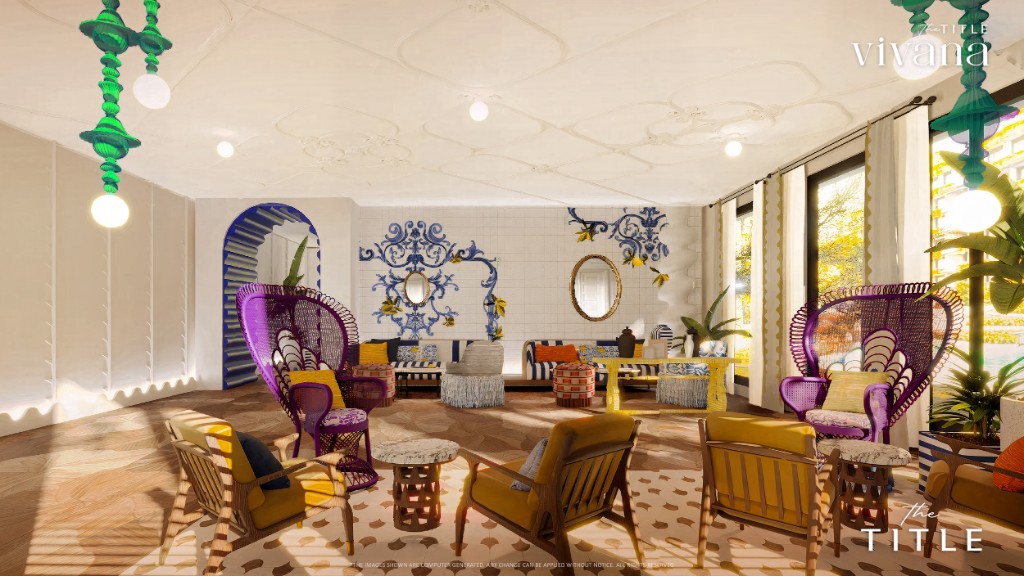
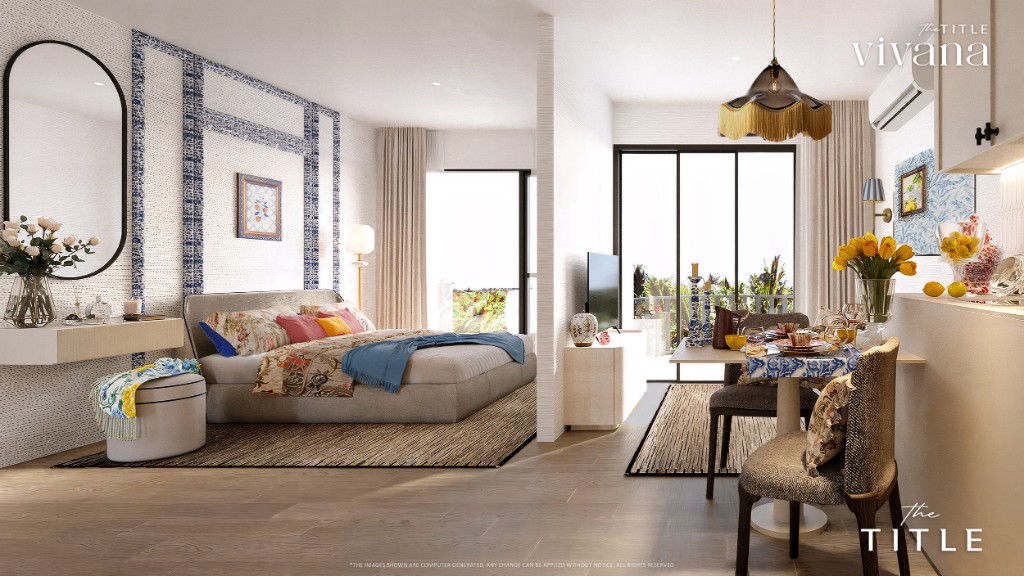
## Location: Why Kamala, and Why This Spot
Patong offers the most activity on the island, and Bang Tao has evolved into Phuket's most popular market for international buyers.
Kamala occupies a middle ground that appeals to a specific type of buyer: someone who wants access to Phuket's best beach clubs and dining in a calmer setting. The immediate neighbourhood around The Title Vivana includes Café Del Mar (Phuket's most prominent beach club), InterContinental Phuket, and MontAzure, a concentration of high-end leisure that drives both short-term rental demand and resident satisfaction. Within a 5-minute drive you have Big C, Tops, and Villa Market supermarkets, plus the new Wattanapat International Hospital.
At about 1.5 km from the sea, what this location offers is calm, greenery, high-quality infrastructure nearby, and a neighbourhood that keeps its residential character, with the beach a short drive away.
## Floor Plans and Pricing
| Unit Type | Size | Starting Price |
|---|---|---|
| Studio | From 30 sqm | On the developer's list; not on ours |
| 1 Bedroom | 32-36 sqm | On the developer's list; not on ours |
| 1 Bedroom Plus | 40-46 sqm | On the developer's list; not on ours |
| 2 Bedroom | 60-66 sqm | On the developer's list; not on ours |
| 2 Bedroom Large | 69-100 sqm | On the developer's list; not on ours |
| Penthouse | 125-128 sqm | On the developer's list; not on ours |
The sizes are the developer's published layouts, and we send the developer's current price list for the layout you want.
The Title brand has a history of price increases between launch and handover as construction progresses across its Phuket launches, which is why launch buyers tend to secure the best pricing.
All units come furnished and fully equipped with appliances. There are no separate furniture packages to negotiate or budget for, which simplifies the purchase and reduces the capital requirement for rental-ready setup.
## What Most Phuket Condos Actually Offer?
The standard amenity package at a mid-range Phuket condo, priced anywhere from $80,000 to $300,000, typically includes: a rooftop or central pool, a fitness room with 8-15 pieces of cardio and weights equipment, possibly a sauna, a co-working area or lobby café, and parking. That is the template. It is not a criticism of those projects, but it represents a certain ceiling on lifestyle quality.
Premium condos and serviced apartment projects in Phuket add concierge services, beach clubs, larger pool decks, and in some cases restaurant or spa facilities within the building. These are typically priced at $4,000 per sqm and above.
The Title Vivana occupies a different position: it delivers premium-tier amenity infrastructure at a mid-range entry price. The mechanism that makes this possible is scale, 360 units across 4 buildings generates enough shared infrastructure cost per unit to fund amenity categories that individual boutique projects cannot support economically.
## Breaking Down the Infrastructure Hub
The timing is deliberate. Health-conscious migration is accelerating globally, and Phuket has become a significant destination for European and American buyers who are not just seeking a holiday home, they are relocating or semi-relocating in search of better quality of life, including access to wellness infrastructure. The traditional retirement or investment buyer is being supplemented by a younger demographic: 35-55, health-focused, often remote-working, choosing Phuket as a base for 4-8 months per year.
For this buyer, a wellness clinic on-site is not a nice-to-have. It is a core part of the value proposition, the difference between keeping a daily wellness routine and having to drive across town to maintain it.
### Sports Studios: Boxing, Pilates, Cycling
Three dedicated studios operating independently from the general fitness area represent a meaningful upgrade over the standard condo gym. These disciplines, boxing for high-intensity conditioning, pilates for functional movement and recovery, cycling (likely spin format) for cardio, are not incidentally chosen. They are the three modalities that have seen the sharpest growth in class-based fitness globally over the past five years and are strongly associated with the 35-50 age group that forms Phuket's core expat buyer demographic.
Having these on-site means residents can maintain structured training without joining external studios in Patong or Cherngtalay, saving travel time and subscription costs. For short-term rental guests, access to scheduled fitness classes is increasingly a booking filter on platforms like Airbnb Luxe and high-end VRBO listings.
### Six Padel Courts
Padel is the fastest-growing racket sport on the planet by active player count. Spain had over 4 million registered players in 2024. Sweden, Italy, Argentina, Mexico, the UAE, the sport has expanded across every market where Phuket draws international buyers. It requires a smaller footprint than tennis, is significantly more social (always played in doubles), and attracts players from their late 20s through their 60s.
Six courts is a serious commitment. Most sports clubs in Phuket with padel have two or three courts. A development with six courts within its own grounds positions itself as a destination for the sport, not just an amenity tick on a brochure. It creates community: regular games, informal leagues, social events organized around the courts. That social infrastructure is one of the hardest things to artificially manufacture in a condo project, and one of the most valuable for long-term resident retention and property value.
Padel has become a draw for residents and guests in the European markets where the sport is established, and Phuket's expat community, younger and more sports-active each year, plays it increasingly.
### Basketball Court, Skate and Roller Zone
These additions speak to a specific intent: genuine family-friendliness, not the performative kind. A basketball court is useful to a broad range of residents, families with teenagers, casual players, serious athletes. A skate and roller zone is a rarer inclusion and signals that the project was designed with younger residents in mind, not just adult investment buyers or retirees.
The family angle is strategically important for Kamala specifically. Unlike Patong, which is heavily oriented toward nightlife tourism, Kamala has an established community of expat families who have chosen the area for its schools, quieter streets, and lower density. Vivana's family-oriented amenities align directly with that existing demographic pull.
### Lakeside Promenade
A designed walking and leisure area around a lake is an amenity category that is almost entirely absent from Phuket condo developments. This is not a landscaped garden, it is a linear leisure space designed for daily use: morning walks, evening strolls, outdoor seating.
The psychological and physical wellbeing value of green-blue corridor spaces is well-documented, and it has started to influence property values in markets where such amenities have been measured. In Phuket's context, it creates a meaningful visual and experiential distinction from projects that are wall-to-wall hard landscaping and pool deck.
### On-Site Retail: Cafes, Restaurants, Supermarket, Shops
This is the element that transforms Vivana from a condo with good amenities into something closer to a walkable neighbourhood. When daily errands, grocery runs, coffee, lunch, dinner, can be completed within the development boundary, the quality-of-life calculus changes significantly.
For full-time residents, it eliminates the dependency on a car for basic needs. For short-stay rental guests, it removes one of the most common friction points in villa and condo stays: the inconvenience of being far from services. Guests who can grab breakfast on-site, pick up supplies from an in-building supermarket, and have dinner without booking a taxi rate their stays higher and re-book more frequently.
## Amenity-Rich Projects vs. Standard Condos: The Investment Math
Amenity-rich projects also give guests reasons to come outside the peak: guests choosing on facilities and lifestyle are less seasonally driven than pure beach-seekers. A wellness center, padel courts, and in-house dining are reasons to come in May or September, not just December or February.
A longer season makes the income stream more predictable, which matters both for personal cashflow planning and for the asset's marketability when you decide to sell.
For context on realistic rental yield expectations across Phuket, see our [complete Phuket rental yield guide](/guides/phuket-rental-yield-complete-guide-2026/).
## Who the Infrastructure Hub Actually Appeals To?
**Health-conscious expats (35-60):** The wellness center and sports studios are the primary draw. This buyer is relocating semi-permanently and wants to maintain a lifestyle they could not sustain in a standard condo.
**Families with children and teens:** The basketball court, skate zone, and walkable on-site retail make day-to-day family life genuinely easier.
**Digital nomads and remote workers (28-45):** The combination of sports access, co-living proximity, and Kamala's quieter pace is increasingly attractive to location-independent professionals who want a productive base rather than a tourist environment.
**European investors familiar with padel:** The 6-court padel facility is a direct signal to the Spanish, Swedish, Italian, and Argentine buyer that this project was designed with them in mind.
**Investors targeting 4-week+ rental stays:** The self-contained infrastructure makes Vivana attractive for month-long and season-long tenants, a category that generates better yield, lower management friction, and less wear on the property than nightly short-term guests.
## Running an Amenity-Rich Building
A development of this scale funds staffed facilities, the wellness clinic, the sports studios and the padel courts, through the common area charge, and we send the projected CAM per square metre with the price list so the running costs are clear from the start. Rhom Bho Property's delivery record across its Phuket projects stands behind the build.
| | The Title Vivana | A standard mid-range Phuket condo |
|---|---|---|
| Amenity range | Padel, wellness clinic, sports studios, retail, F&B | Pool, gym, perhaps a sauna and a co-working corner |
| What funds it | Scale: the cost per unit falls across 360 owners | A smaller base, so a smaller list |
| What sells the booking | The hub and the location | Location and the unit itself |
For how off-plan projects are assessed, see our [off-plan developer guide](/guides/handover-risks-off-plan-projects/).
## Payment Plan: 0% Interest for 3 Years
The headline offer is 0% interest financing for 3 years from signing. This means buyers can spread their payments across the construction period without paying a financing premium. The practical benefit is significant, it lowers the immediate capital requirement and allows buyers to manage cash flow around existing financial commitments.
Early booking discounts currently on offer:
| Unit Type | Early Booking Discount |
|---|---|
| 1 Bedroom | 100,000 THB off list price |
| 1 Bedroom Plus | 150,000 THB off |
| 2 Bedroom | 200,000 THB off |
| Penthouse | 300,000 THB off |
Additionally: an extra 5% discount applies for buyers choosing a 2-year installment plan, and an extra 10% discount for full cash payment at signing.
These are meaningful reductions. A 2BR at list price minus 200,000 THB, with an additional 5% off for a 2-year plan, represents a real saving, and first-phase buyers at Title projects have historically received the best pricing.
## Developer Track Record: Rhom Bho Property
The company won "Best Developer Phuket" from PropertyGuru Thailand in 2025, which adds independent third-party validation to the track record claims. PropertyGuru is the dominant real estate platform in Southeast Asia and their awards carry weight with both industry participants and buyers.
For off-plan buyers, Rhom Bho's completed Title projects across Phuket are the clearest evidence of its work, and they can be visited.
For a deeper evaluation of the developer's history across projects, see our [full The Title developer review](/guides/the-title-developer/).
## Investment Potential in Kamala
The presence of Café Del Mar, InterContinental, and MontAzure creates a gravitational pull for HNW travelers and longer-stay guests who prefer quality over centrality. These tenants book earlier, pay higher nightly rates, and generate fewer management headaches.
Vivana's amenity depth, particularly the wellness center and padel courts, positions it to attract health-conscious, longer-stay renters who are increasingly prevalent among European and American expat visitors to Phuket. This is a demographic that books 2-4 week stays rather than 3-night weekends, which improves occupancy consistency across the calendar year.
For owners who plan to let, we collect statements for comparable Kamala units, and our [Phuket rental yield guide](/guides/phuket-rental-yield-complete-guide-2026/) explains how the figures are built.
## Why Buyers Choose The Title Vivana
- A 0% interest plan across three years, the main financing route open to a foreign buyer here
- Early-booking discounts from 100,000 to 300,000 THB, plus 5% or 10% for shorter plans or cash
- Six padel courts, a wellness clinic, sports studios and a lakeside promenade within the grounds
- On-site cafés, restaurants, a supermarket and shops, a walkable neighbourhood in itself
- A Kamala address, quieter than Patong and a short drive from it
- Rhom Bho's delivery record across The Title projects in Phuket
## Buying The Title Vivana with MORE Group
A unit at The Title Vivana is bought in five steps, from the first price list to the keys, and we handle each of them with you.
{/* corpus-faq:the-title-vivana-kamala */}
## FAQ
### What does the 0% interest three-year payment plan actually save?
It removes the finance cost a developer would otherwise charge on a deferred balance, which on an entry-tier unit spread over three years is a meaningful saving. We send the schedule with the construction stage each payment is tied to.
### How far is The Title Vivana from Kamala Beach?
About 1.5 km, a few minutes by car, with Café Del Mar, the InterContinental and MontAzure close by. The project's own amenities, from the lakeside promenade to the padel courts, make it a destination in its own right.
### Can a foreign buyer take freehold title here?
Yes, within the 49% foreign quota, which Thai law measures by the total floor area of the building rather than by unit count. With 360 apartments across four buildings the quota is allocated per building, and we obtain written confirmation naming your specific unit. Freehold registration for a non-resident also needs the foreign currency inward remittance record, the FET, and we plan the transfer with you.
### What stage is The Title Vivana at?
Sales launched in March 2026 and construction is underway. Buying at launch means launch pricing, early-booking discounts and the widest choice of units, and we send the latest construction update together with the price list.
### How does Vivana compare with Bang Tao at the same price?
The tickets are similar and the districts are not. Kamala is quieter with a shorter beach, less retail and a guest profile weighted to couples and repeat visitors; Bang Tao has more services, more schools, a deeper resale pool and considerably more new supply arriving at once. For short-stay letting, we compare nightly rates and review counts for existing units in both districts with you.
**Read Also:**
- [Buying Property in Phuket: Complete Foreign Buyer Guide](/guides/buying-property-phuket-guide/)
- [Freehold vs Leasehold in Thailand: What Foreigners Need to Know](/guides/freehold-vs-leasehold-thailand/)
- [The Title Developer Phuket: Project History and Track Record](/guides/the-title-developer/)
- [Buying Off-Plan Phuket Guide](/guides/off-plan-property-phuket-guide/)
- [The Buying Process, Step by Step](/guides/due-diligence-process-thailand-step-by-step/)
## What 360 Apartments Bring to Kamala
Kamala is one of Phuket's smaller west-coast bays, and a single project of 360 apartments across four buildings brings it facilities, on-site management and a maintenance standard that a forty-unit building cannot fund. A large development with a recognisable brand is also easier for a guest to find and easier for a future buyer to value, because there are real comparable transactions.
Inside a building of this size, the unit you choose, its floor, aspect, layout and presentation, is what sets it apart, and we send the options with the price list.
## Kamala or Bang Tao at the same ticket
Vivana is pitched against entry stock in Bang Tao, and the two districts behave differently. Kamala is quieter, with a shorter beach, less retail density and a guest profile that skews towards couples and repeat visitors. Bang Tao offers more services, more schools and a deeper resale pool, but more supply arriving at the same time. For short-stay letting, we compare nightly rates and review counts for existing units in both districts with you, since the two have different demand patterns.
# The Trees Residence Bang Tao: Condos from 4M THB
> The Trees Residence by Anocha: one and two-bedroom resort condos in Cherngtalay with pools, a spa, a gym and co-working near Bang Tao, from 4M THB.
**Source:** https://moregroup.estate/projects/the-trees-residence-by-anocha/
**Section:** Project Reviews
**Author:** MORE Group Editorial
**Published:** 2026-04-08
**Updated:** 2026-08-23
---
## What Is The Trees Residence by Anocha?
The Trees Residence is designed like a resort you can live in. The buildings are low-density and set among trees and gardens, and the apartments have contemporary layouts with well-planned interiors, easy to live in for a season or all year and easy to manage when you are away.
Residents share a generous set of facilities: swimming pools, a fitness centre, a spa and sauna, co-working spaces, a children's area and shops on site. The beaches of Bang Tao and Layan, Laguna Phuket, Boat Avenue and Porto de Phuket are all a short drive, and the calm of Cherngtalay is there when you come home.
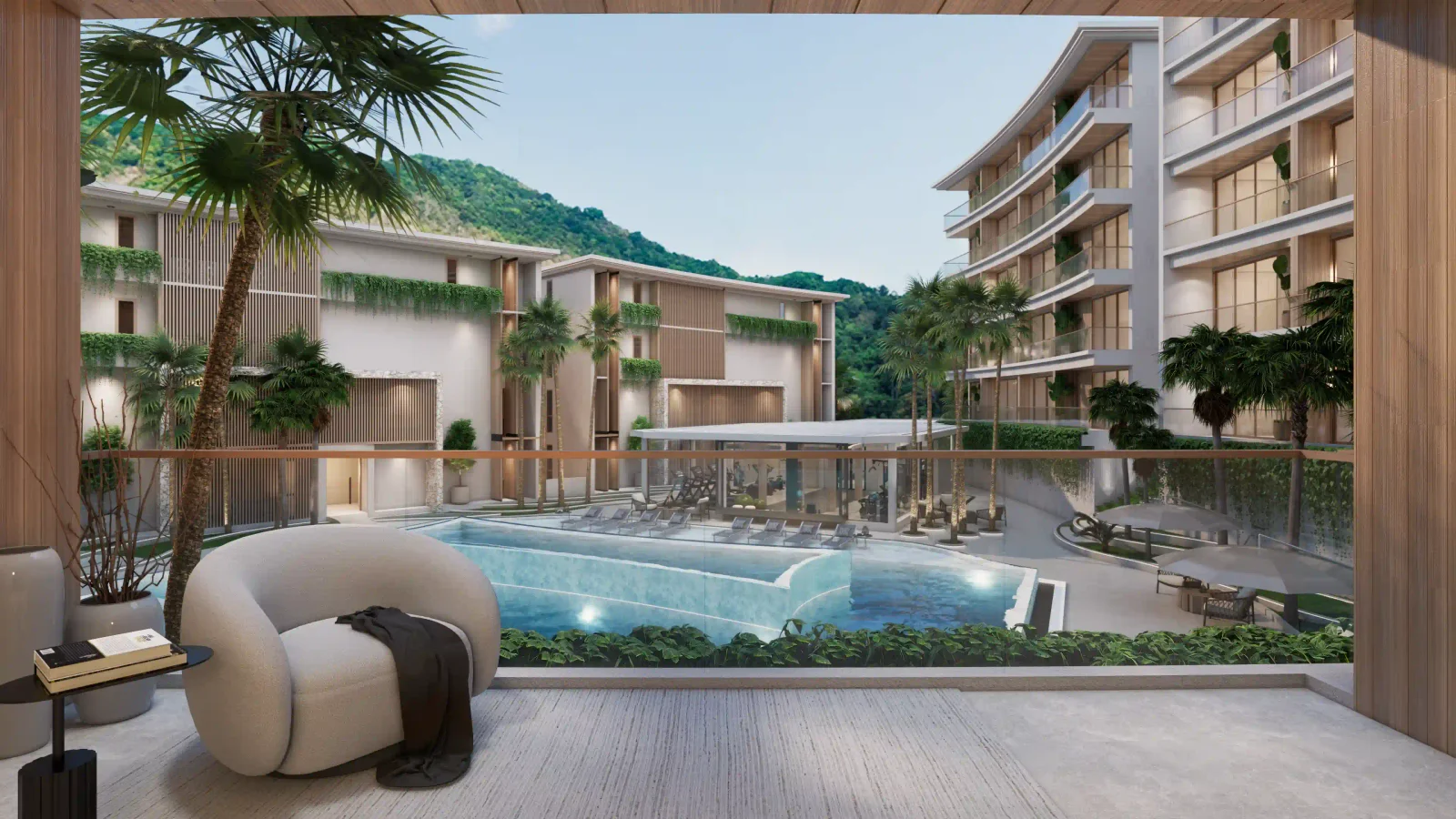
## What Are the Key Facts for The Trees Residence by Anocha?
| Factor | Detail |
| --- | --- |
| Developer | Anocha |
| Location | Bang Tao and Cherngtalay |
| Buildings | Low-density low and mid-rise buildings |
| On our price list | 289 units |
| One-bedroom | 37 sqm, 3,999,995 to 5,144,640 THB |
| Two-bedroom | 55 sqm, 6,163,360 to 7,594,140 THB |
| Payment | 35% / 10% / 10% / 15% / 10% / 20% |
| Stage | Under construction |
| Beach | About 10 minutes by car |
| Airport | About 40 minutes by car |
| Facilities | Pools, gym, spa and sauna, co-working, children's area, shops |
## Location: Cherngtalay, Close to Bang Tao
Cherngtalay is the everyday heart of the Bang Tao area, with schools, shops, gyms and restaurants that serve the whole west coast between Laguna and Layan.
- **Bang Tao and Layan beaches:** about 10 minutes by car
- **Boat Avenue and Porto de Phuket:** restaurants and shopping, with the nearest mall about 15 minutes by car
- **Laguna Phuket:** golf, spas and beach clubs
- **International schools:** within a short drive
- **Airport:** about 40 minutes by car
Days here combine a quiet green setting with the lifestyle of the coast: a morning in the co-working space, an afternoon on the beach and dinner at Boat Avenue. The [Bang Tao area page](/bang-tao-properties/) covers the district in more detail.
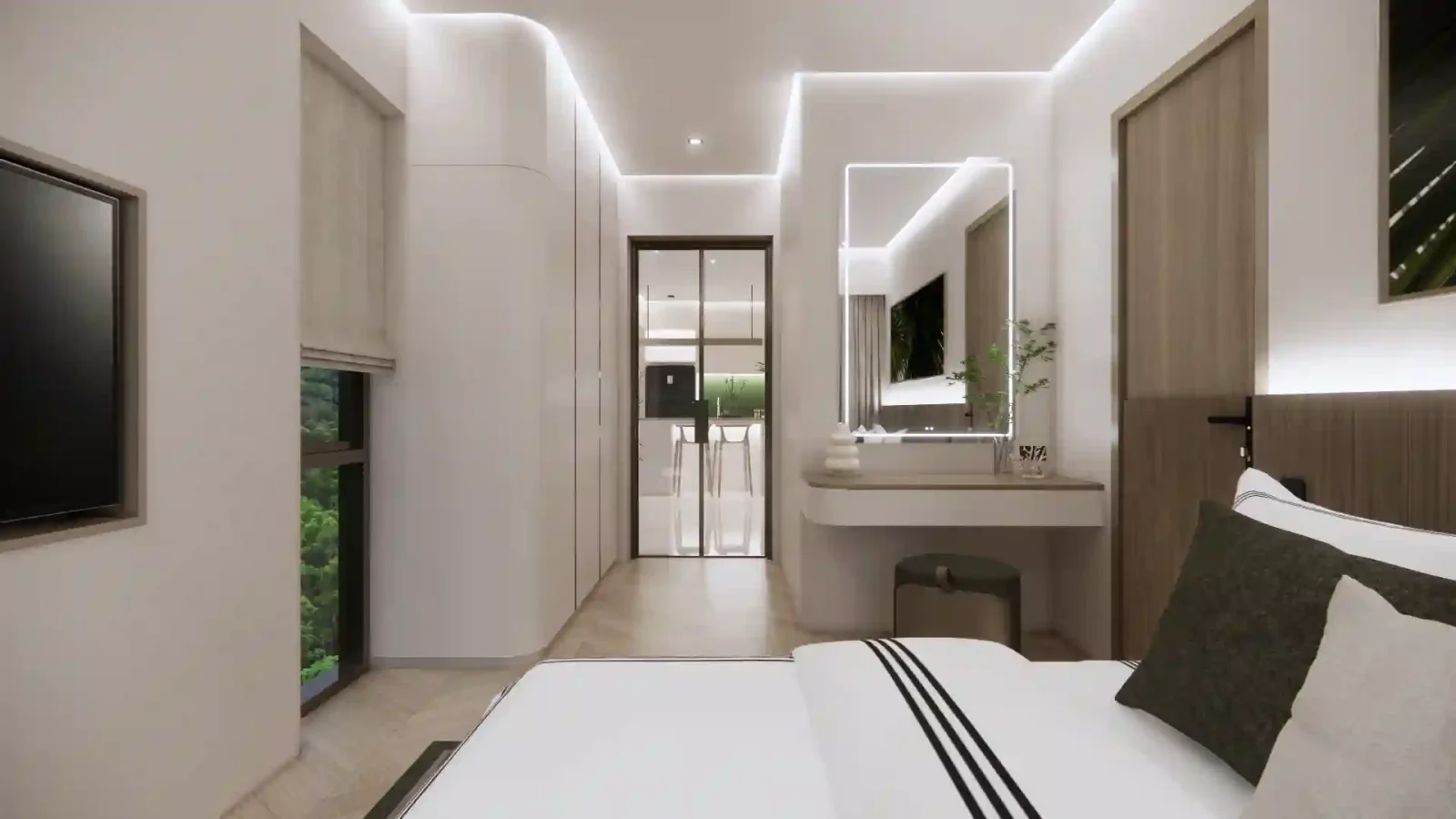
## Units and Prices
| Format | Size | Units | Price |
| --- | --- | --- | --- |
| One-bedroom | 37 sqm | 141 | 3,999,995 to 5,144,640 THB |
| Two-bedroom | 55 sqm | 148 | 6,163,360 to 7,594,140 THB |
The one-bedrooms of 37 sqm are the easiest way into the building, from 3,999,995 THB, and suit couples, solo buyers and holiday owners. The two-bedrooms of 55 sqm give room for a small family or a home office, from 6,163,360 THB. With close to 300 units on our list, there is a wide choice of floors and outlooks, and the price moves with both. We send the plan and floor of each unit with the price list.
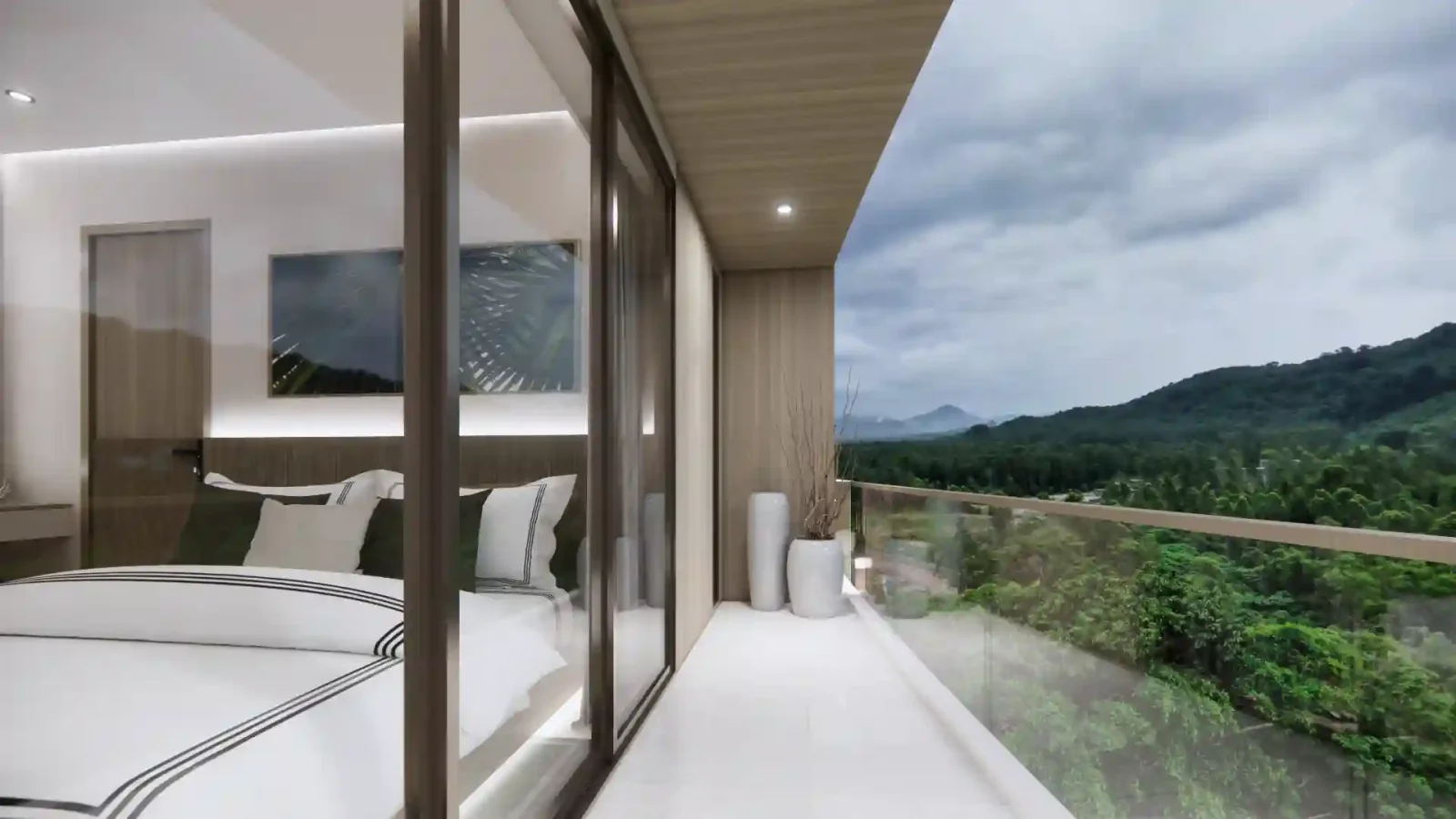
## Design and Facilities
- **Resort-style setting** among tropical greenery
- **Low-density** low and mid-rise buildings
- **Swimming pools**
- **Fitness centre**, spa and sauna
- **Co-working spaces**
- **Children's area**
- **Shops on site**
## Living at The Trees Residence
A day at The Trees Residence can move at any pace. Some mornings start with a workout and a sauna, others with a swim and breakfast on the balcony; the working day fits neatly into the co-working space, and the afternoon is free for the beaches of Bang Tao and Layan. In the evening the restaurants of Boat Avenue and Porto de Phuket are a short drive away, and the green, quiet setting of the residence is waiting when you come back.
## Six-Stage Payment Plan
The price is paid in six stages: 35%, 10%, 10%, 15%, 10% and 20%. For a two-bedroom at 6,163,360 THB that works out as follows:
| Stage | Share | Amount |
| --- | --- | --- |
| 1 | 35% | 2,157,176 THB |
| 2 and 3 | 10% each | 616,336 THB each |
| 4 | 15% | 924,504 THB |
| 5 | 10% | 616,336 THB |
| 6 | 20% | 1,232,672 THB |
The schedule follows the build, and we send the developer's schedule for your unit with the price list.
## Why Buyers Choose The Trees Residence by Anocha
- **A resort-style residence** among tropical greenery
- **Pools, a spa and a sauna**, a gym and co-working
- **A wide choice:** close to 300 one and two-bedroom units
- **An accessible entry:** one-bedrooms from 3,999,995 THB
- **Bang Tao and Layan beaches** about 10 minutes away
- **Freehold ownership** within the 49% foreign quota
## Who The Trees Residence by Anocha Suits
**Remote workers and long-stay residents** who want co-working, a gym and a spa in the building.
**First-time Phuket buyers** entering Bang Tao with a freehold one-bedroom.
**Couples and small families** who want a two-bedroom near the beaches and schools of the west coast.
**Rental investors** aiming at holiday guests and long-stay tenants who choose Bang Tao.
## Renting Out a Unit at The Trees Residence
A resort-style condo near Bang Tao appeals to couples and remote workers who stay for weeks or months, and to holiday guests who want pools, a spa and the beach a short drive away. Long stays keep turnover low, and the facilities make the unit easy to let.
If you plan to let your unit at The Trees Residence by Anocha, we collect current asking rents and holiday rates for comparable units in Bang Tao and Cherngtalay and send them with the price list. [Our rental guide](/guides/phuket-rental-yield-complete-guide-2026/) explains how to read a rental offer line by line.
## Ownership for Foreign Buyers
The Trees Residence by Anocha is a condominium, so a unit can be registered freehold in your own name within the 49% foreign quota of the building, counted by floor area. We confirm with the developer that the unit you choose sits inside that quota. For a freehold unit at The Trees Residence by Anocha, each payment is transferred from abroad in foreign currency, and the receiving bank provides the FET form that the Land Department asks for at registration. [How the foreign quota works](/guides/foreign-quota-thai-condominiums/) explains the rule in detail.
## The Trees Residence and Other Bang Tao Condos
| Project | From | Status |
| --- | --- | --- |
| [ARISE Vibe Si Sunthon](/projects/arise-vibe/) | 2,514,000 THB | Off-plan |
| [The Title Sierra](/projects/the-title-sierra/) | 2,906,700 THB | Off-plan |
| [So Origin Lagoon Bang Tao](/projects/so-origin-lagoon/) | 3,550,000 THB | Off-plan |
| The Trees Residence by Anocha | 3,999,995 THB | Off-plan |
| [The Title Artrio Bang Tao](/projects/the-title-artrio/) | 4,263,000 THB | Off-plan |
| [The Ozone Signature Condominium Phuket](/projects/the-ozone-signature/) | 4,320,000 THB | Off-plan |
| [Origin Residences Bang Tao](/projects/origin-residences-bang-tao/) | 4,650,000 THB | Off-plan |
The Trees Residence stands out in this group for its resort facilities and its green, low-density setting. We send the price lists of any of these projects on request and arrange viewings.
## Buying The Trees Residence by Anocha with MORE Group
A unit at The Trees Residence is bought in five steps, from the first price list to the keys, and we are with you through each of them.
## What We Send Before You Reserve
- The current price list for The Trees Residence by Anocha with free units, sizes and plans
- Confirmation that your unit sits within the 49% foreign quota
- The six-stage payment schedule for your unit
- The building's common charges and house rules
- The latest construction update
{/* corpus-faq:the-trees-residence-by-anocha */}
## FAQ
### What does The Trees Residence by Anocha cost?
Our price list holds 289 units: one-bedrooms of 37 sqm from 3,999,995 to 5,144,640 THB; two-bedrooms of 55 sqm from 6,163,360 to 7,594,140 THB.
### What facilities does the residence have?
Swimming pools, a fitness centre, a spa and sauna, co-working spaces, a children's area and shops on site.
### How far is The Trees Residence from the beach?
Bang Tao and Layan beaches are about 10 minutes by car. The nearest mall is about 15 minutes by car and the airport about 40 minutes.
### What is the payment plan?
Six stages: 35%, 10%, 10%, 15%, 10%, 20%. For a two-bedroom at 6,163,360 THB that means 2,157,176 THB at the first stage.
### Can foreigners buy at The Trees Residence by Anocha freehold?
Yes. Foreign buyers can hold a unit freehold in their own name within the 49% foreign quota of the building, counted by floor area. We confirm that your unit sits inside the quota, and the purchase money is transferred from abroad with an FET form for registration at the Land Department.
**Read Also:**
- [So Origin Lagoon](/projects/so-origin-lagoon/)
- [Bang Tao Properties](/bang-tao-properties/)
- [How the Foreign Quota Works](/guides/foreign-quota-thai-condominiums/)
- [How Foreigners Buy Phuket Property 2026](/guides/buying-property-phuket-guide/)
- [Phuket Rental Yield Guide](/guides/phuket-rental-yield-complete-guide-2026/)
# The Trinity Village Cherngtalay: Villas from 27.08M THB
> The Trinity Village: completed pool villas in Cherngtalay, three to five bedrooms of 412 to 705 sqm, high ceilings and ensuite baths, from 27.08M THB.
**Source:** https://moregroup.estate/projects/the-trinity-village/
**Section:** Project Reviews
**Author:** MORE Group Editorial
**Published:** 2026-04-07
**Updated:** 2026-10-25
---
## What Is The Trinity Village?
The Trinity Village is built in three types: a three-bedroom villa of 412 sqm, a four-bedroom villa of 560 sqm and a five-bedroom villa of 705 sqm, all generous, bright and private. Our price list holds the three- and four-bedrooms. The interiors are open-plan under high ceilings, every bedroom has its own bathroom, and the living spaces open straight onto the terrace and the pool.
The setting is tranquil, among the residential streets of Cherngtalay, with the beaches of Bang Tao about 14 minutes by car and the shops about nine. Laguna Phuket, Boat Avenue and the international schools are all within an easy drive.
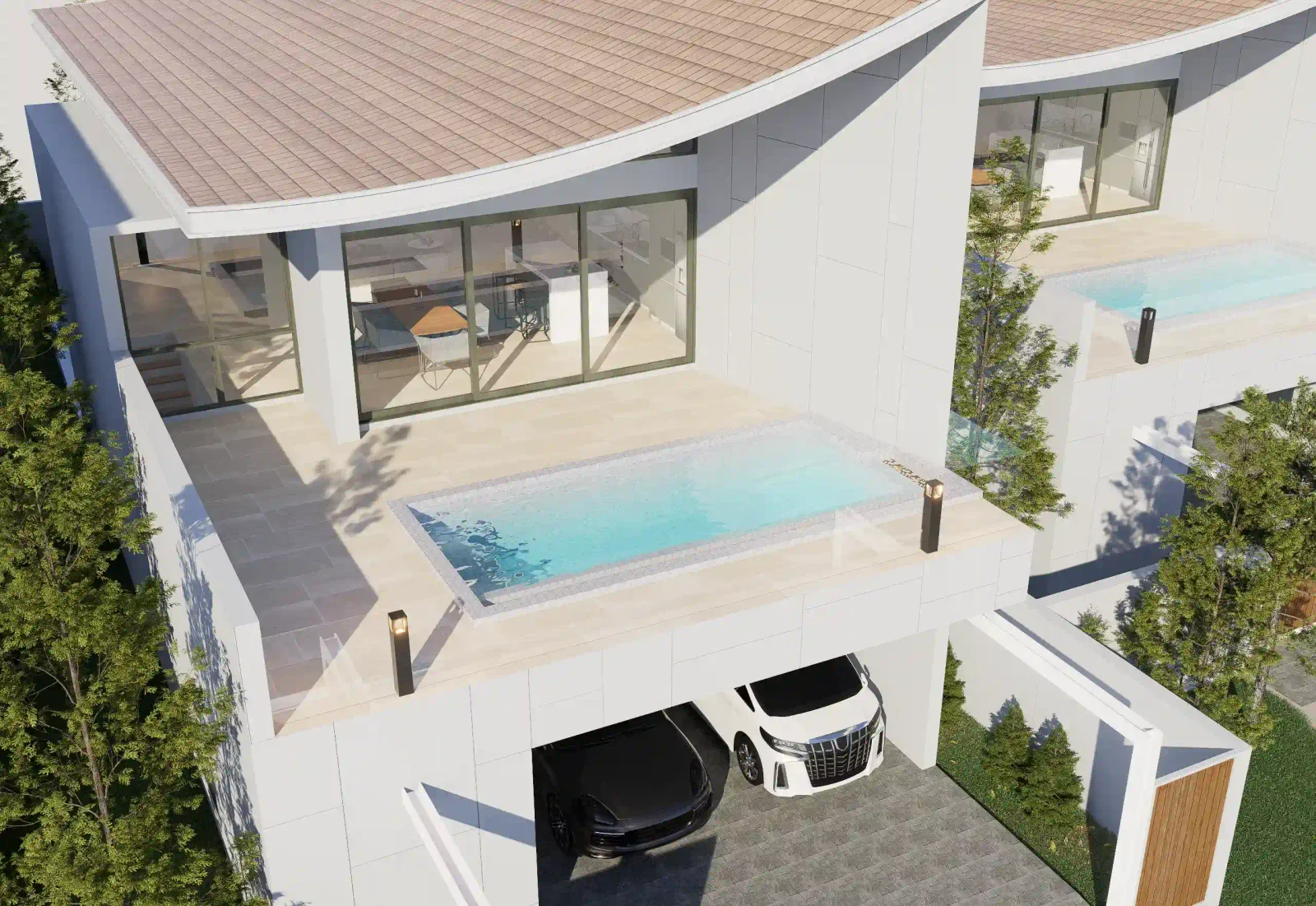
## What Are the Key Facts for The Trinity Village?
| Factor | Detail |
| --- | --- |
| Location | Cherngtalay, Pasak 8 |
| Developer | Andaman Asset Solution |
| Collection | Boutique private pool villas |
| On our price list | 14 villas |
| Three-bedroom | 412 sqm, 27,076,000 to 27,256,000 THB |
| Four-bedroom | 560 sqm, 38,108,000 to 39,200,000 THB |
| Five-bedroom | 705 sqm, not on our price list |
| Payment | 30% / 15% / 15% / 15% / 15% / 10% |
| Stage | Completed, January 2025 (FazWaz) |
| Beach | About 14 minutes by car |
| Airport | About 30 minutes by car |
| Features | High ceilings, ensuite bathrooms, private pool |
## Location: Cherngtalay, Close to Bang Tao
Cherngtalay is the residential heart of the Bang Tao area, where families live close to the schools, the shops and the restaurants, with the beaches and Laguna a short drive away.
- **Bang Tao Beach:** about 14 minutes by car
- **Shops and supermarkets:** the nearest mall about 9 minutes by car
- **Laguna Phuket and Boat Avenue:** golf, spas, dining and shopping
- **International schools:** within a short drive
- **Airport:** about 30 minutes by car
From The Trinity Village, the nearest beach about 14 minutes by car, the nearest mall about 9 minutes and the airport about 30 minutes, so everyday errands, school runs and trips home are easy to plan.
Family life here is easy to organise: school and shops during the week, the beach clubs and restaurants of Bang Tao at the weekend. The [Bang Tao area page](/bang-tao-properties/) covers the district in more detail.
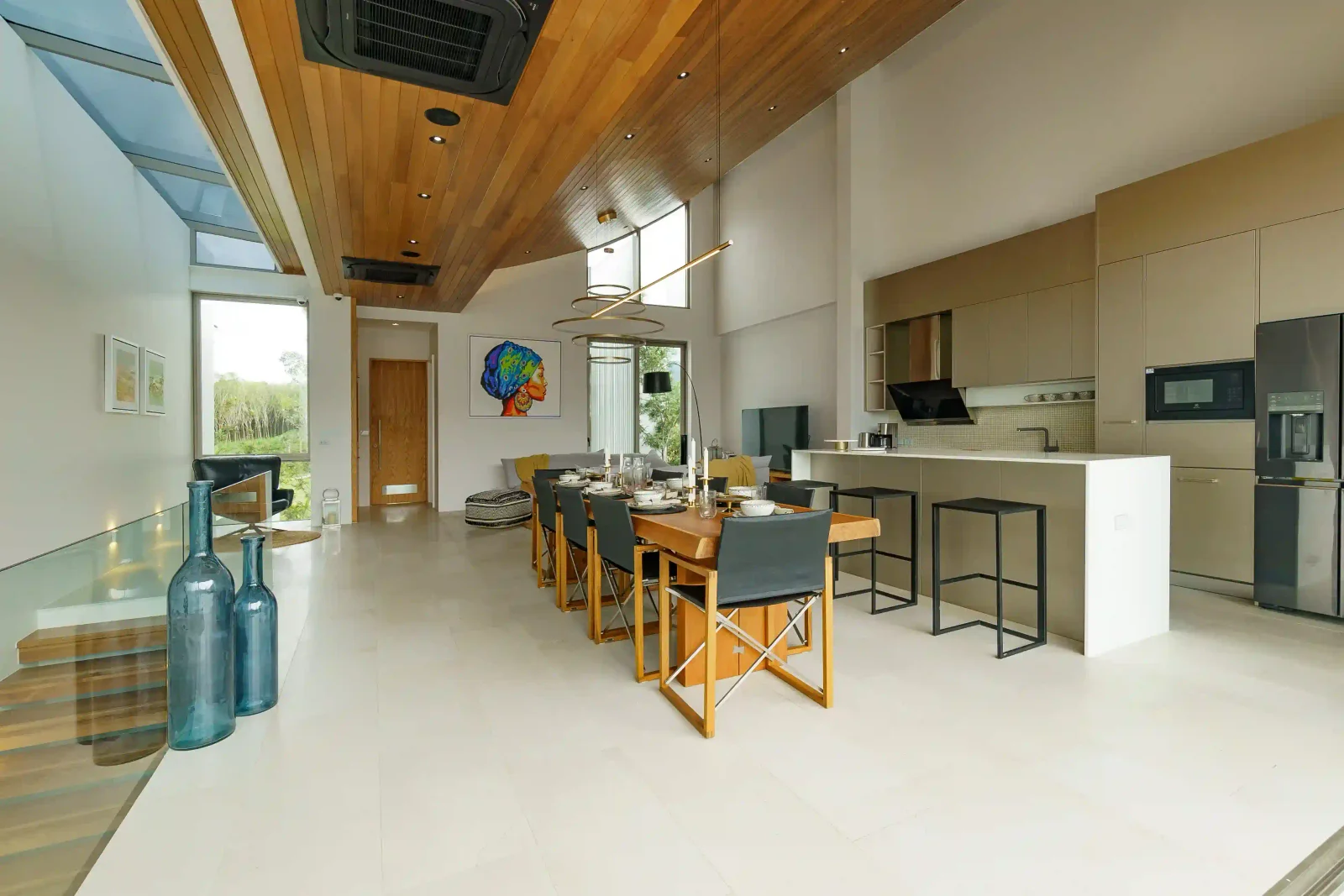
## Villas and Prices
| Villas | Bedrooms | Built area | Price |
| --- | --- | --- | --- |
| A1 to A6 | Three | 412 sqm | 27,076,000 to 27,256,000 THB |
| 8 villas | Four | 560 sqm | 38,108,000 to 39,200,000 THB |
The six three-bedroom A villas of 412 sqm range from 27,076,000 to 27,256,000 THB, and the eight four-bedroom V villas of 560 sqm from 38,108,000 THB up to 39,200,000 THB. Within each type the villas are alike, so the choice comes down to the plot and the position, and we send the site plan with each villa marked, together with the plans.
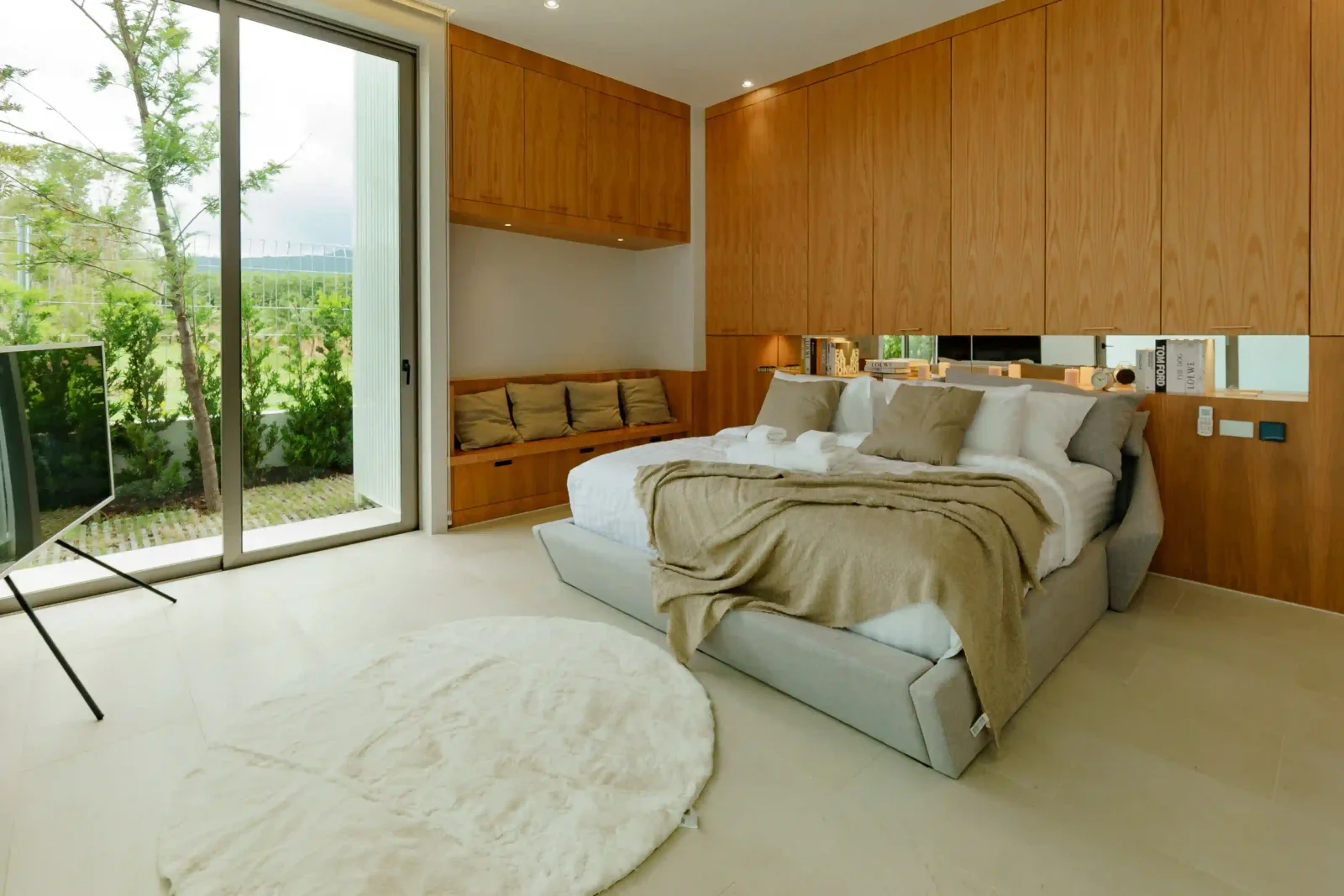
## Design and Facilities
- **Open-plan interiors** with high ceilings
- **Ensuite bathrooms** for every bedroom
- **Private swimming pool** and terrace
- **Seamless indoor-outdoor flow**
- **Three, four and five-bedroom villas**
- **Pet-friendly**
## Living at The Trinity Village
Life at The Trinity Village is calm and comfortable. The children swim after school, the high ceilings keep the house airy through the warmest afternoons, and every guest has a bathroom of their own. The shops and schools of Cherngtalay are minutes away, and at weekends the beaches of Bang Tao, the golf and spas of Laguna and the restaurants of Boat Avenue make the outing. In the evening, dinner on the terrace by the pool ends the day in the quiet of the neighbourhood. Friends and family who come to stay have their own ensuite room, and the generous terrace is made for long lunches in the shade.
## Six-Stage Payment Plan
The price is paid in six stages: 30%, 15%, 15%, 15%, 15% and 10%. For a villa at 27,076,000 THB that works out as follows:
| Stage | Share | Amount |
| --- | --- | --- |
| 1 | 30% | 8,122,800 THB |
| 2 to 5 | 15% each | 4,061,400 THB each |
| 6 | 10% | 2,707,600 THB |
This is the schedule FazWaz lists for the project. For a villa that is already finished the terms can differ, so we confirm the schedule for your villa with the developer and send it with the price list.
## Why Buyers Choose The Trinity Village
- **Three sizes:** 412, 560 or 705 sqm
- **High ceilings** and ensuite bedrooms
- **A private pool** for every villa
- **A tranquil setting** in Cherngtalay
- **Bang Tao and Laguna** within an easy drive
- **Pet-friendly**
## Who The Trinity Village Suits
**Families** who want three to five ensuite bedrooms and a pool near the schools.
**Owners who spend part of the year in Phuket** and want a quiet, private house.
**Owners who host** with a bathroom for every guest.
**Villa rental investors** aiming at families who book pool villas near Bang Tao.
## Renting Out a Villa at The Trinity Village
A three or four-bedroom pool villa in Cherngtalay appeals to families on holiday in the November to April season and to relocating families who rent for a school year or longer. The space and the privacy are what guests value most.
If you plan to let your villa at The Trinity Village, we collect current asking rents and holiday rates for comparable villas in Cherngtalay and Bang Tao and send them with the price list. [Our rental guide](/guides/phuket-rental-yield-complete-guide-2026/) explains how to read a rental offer line by line.
## Ownership for Foreign Buyers
At The Trinity Village, as with any villa in Thailand, you buy land plus a building. The villa can be held in your own name over a lease of the plot registered at the Land Office, 30 years per registration with renewal terms in the contract, or the land can be held through a Thai company with genuine Thai shareholders. [Freehold and leasehold in Thailand](/guides/freehold-vs-leasehold-thailand/) explains both routes, and we prepare the one that suits you with our legal support.
## The Trinity Village and Other Villas Around Bang Tao
| Project | From | Status |
| --- | --- | --- |
| [Manor Phuket Cherngtalay](/projects/manor-phuket/) | 26,300,000 THB | Off-plan |
| [Vinzita Elite Residence](/projects/vinzita-elite-residence/) | 26,900,000 THB | Off-plan |
| [AYANA SOLUNA Luxury Villas 2026](/projects/ayana-soluna-luxury-villas/) | 26,922,000 THB | Off-plan |
| The Trinity Village | 27,076,000 THB | Completed |
| [The Title Villa Kirara Phuket](/projects/the-title-villa-kirara/) | 29,020,000 THB | Off-plan |
| [The Teak](/projects/the-teak/) | 29,200,000 THB | Off-plan |
| [QAV Residence Cherngtalay](/projects/qav-residence/) | 29,490,000 THB | Off-plan |
The Trinity Village stands out in this group for its generous sizes at each price. We send the price lists of any of these projects on request and arrange viewings.
## Buying The Trinity Village with MORE Group
A villa at The Trinity Village is bought in five steps, from the first price list to the keys, and we are with you through each of them.
## What We Send Before You Reserve
- The current price list for The Trinity Village with free villas, plot areas and plans
- The six-stage payment schedule for your villa
- The ownership structure for your purchase, leasehold or company, with the documents it needs
- The community's common charges
- The handover state of the villa you choose, ready for a viewing
{/* corpus-faq:the-trinity-village */}
## FAQ
### What does The Trinity Village cost?
Our price list holds 14 villas: three-bedrooms of 412 sqm from 27,076,000 to 27,256,000 THB; four-bedrooms of 560 sqm from 38,108,000 to 39,200,000 THB.
### What sizes are available?
Three-bedroom villas of 412 sqm from 27,076,000 to 27,256,000 THB and four-bedroom villas of 560 sqm from 38,108,000 to 39,200,000 THB are on our price list. The project also has a five-bedroom type of 705 sqm.
### Where is The Trinity Village?
In Cherngtalay. Bang Tao Beach is about 14 minutes by car, the nearest mall about 9 minutes and the airport about 30 minutes.
### What is the payment plan?
Six stages: 30%, 15%, 15%, 15%, 15%, 10%. For a villa at 27,076,000 THB that means 8,122,800 THB at the first stage.
### How can foreigners own a villa at The Trinity Village?
The villa can be held in your own name over a lease of the plot registered at the Land Office, 30 years per registration with renewal terms in the contract, or the land can be held through a Thai company with genuine Thai shareholders. We prepare the structure with our legal support.
**Read Also:**
- [Manor Phuket](/projects/manor-phuket/)
- [Villas for Sale in Bang Tao](/bang-tao-properties/)
- [Freehold vs Leasehold in Thailand](/guides/freehold-vs-leasehold-thailand/)
- [How Foreigners Buy Phuket Property 2026](/guides/buying-property-phuket-guide/)
- [Phuket Rental Yield Guide](/guides/phuket-rental-yield-complete-guide-2026/)
# The Victory Phuket: Pool Villas from 41.55M THB
> The Victory: 45 modernist pool villas with inner courtyards near Layan and Bang Tao, three to five bedrooms, three-bedroom villas from 41.55M THB.
**Source:** https://moregroup.estate/projects/the-victory/
**Section:** Project Reviews
**Author:** MORE Group Editorial
**Published:** 2026-04-08
**Updated:** 2026-08-23
---
## What Is The Victory?
The Victory takes its cue from modernist architecture: clean lines, strong volumes and rooms organised around serene inner courtyards that bring light, air and greenery into the heart of the house. The living spaces are open and generous, and each villa has its own swimming pool, with larger gardens and pools in selected positions.
The collection offers three layouts, from three-bedroom villas of 388 sqm to five-bedroom houses of up to 982 sqm, so families of every size can find the right home. Residents have a gym, and the beaches of Layan and Bang Tao, Laguna Phuket and the restaurants of Boat Avenue are all within an easy drive.
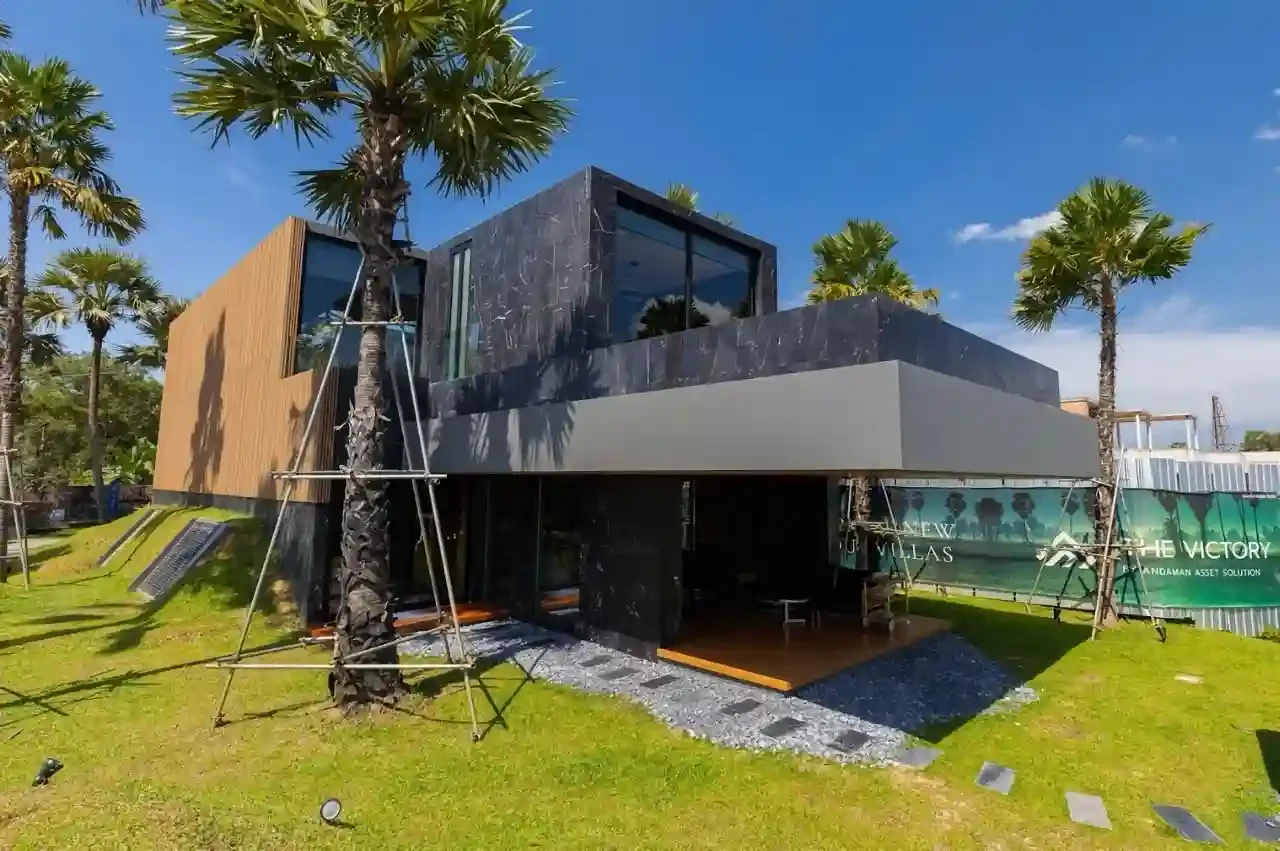
## What Are the Key Facts for The Victory?
| Factor | Detail |
| --- | --- |
| Collection | 45 private pool villas in three layouts |
| Sizes | 388 to 982 sqm, three to five bedrooms |
| On our price list | 31 three-bedroom villas |
| Three-bedroom | 388 and 420 sqm, 41,554,000 to 44,614,000 THB |
| Payment | 30% / 25% / 15% / 15% / 15% |
| Stage | Under construction |
| Beach | About 11 minutes by car |
| Airport | About 26 minutes by car |
| Design | Modernist, with inner courtyards |
| Facilities | Gym for residents |
## Location: Between Layan and Bang Tao
The villas sit inland from the west coast, in the green residential belt behind Layan and Bang Tao, where families live close to the beaches, the schools and the resort life of Laguna.
- **Layan and Bang Tao beaches:** about 11 minutes by car
- **Laguna Phuket:** golf, spas and beach clubs
- **Boat Avenue and Porto de Phuket:** restaurants and shopping, with the nearest mall about 12 minutes by car
- **International schools:** within a short drive
- **Airport:** about 26 minutes by car
Days here combine a calm, private house with the lifestyle of the coast: the courtyard and the pool at home, the beach clubs and restaurants a short drive away. The [Layan area guide](/areas/layan-property-guide/) covers the district in more detail.
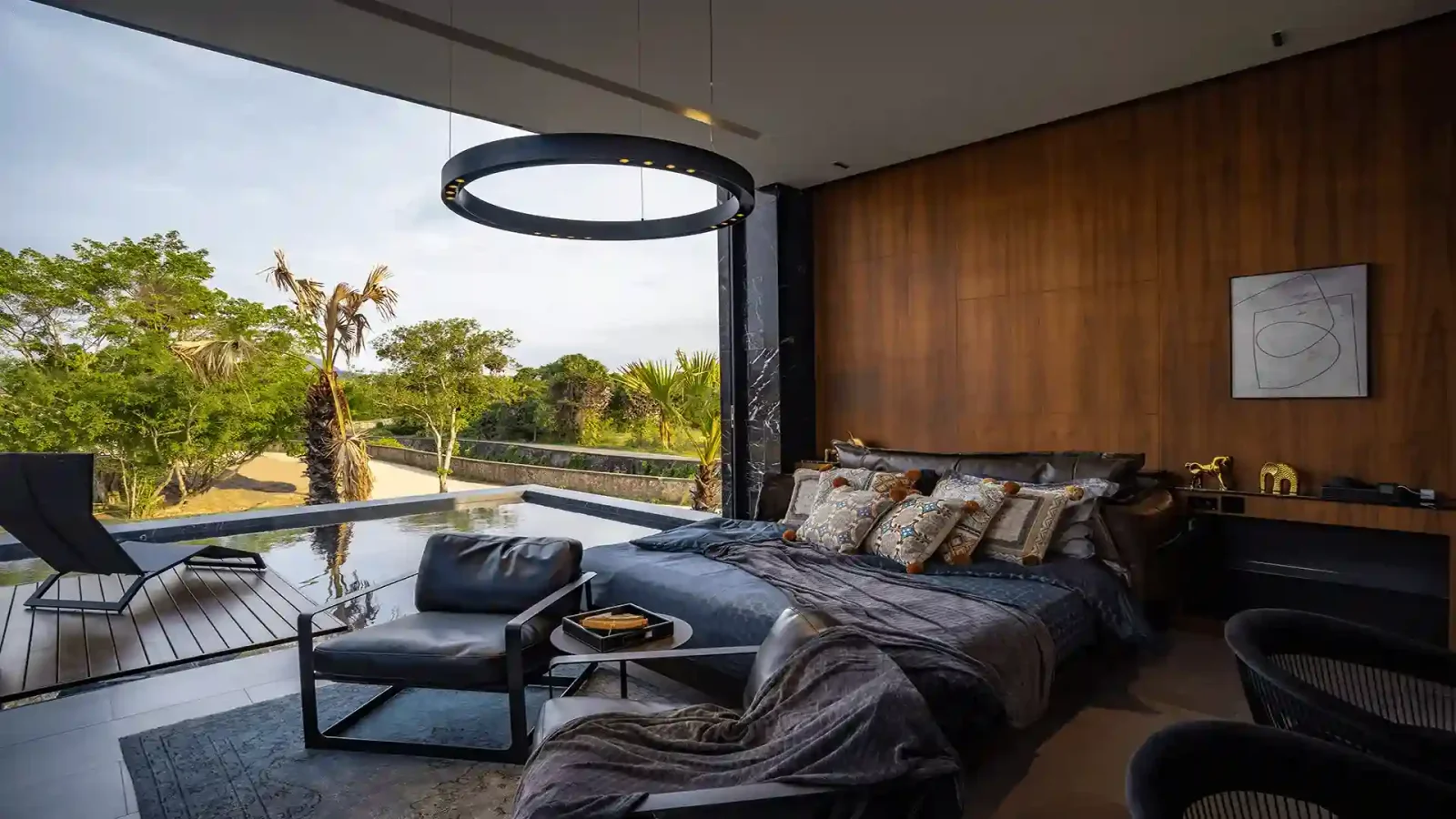
## Villas and Prices
| Villas | Bedrooms | Built area | Price |
| --- | --- | --- | --- |
| 31 villas | Three | 388 and 420 sqm | 41,554,000 to 44,614,000 THB |
The three-bedroom villas of 388 and 420 sqm are the villas on our price list today, from 41,554,000 THB, with the price moving by size and position. The collection also includes larger four and five-bedroom villas of up to 982 sqm, and we request their current availability on your behalf. We send the plan of each villa, its courtyard and its plot with the price list, and arrange a viewing when you are on the island.
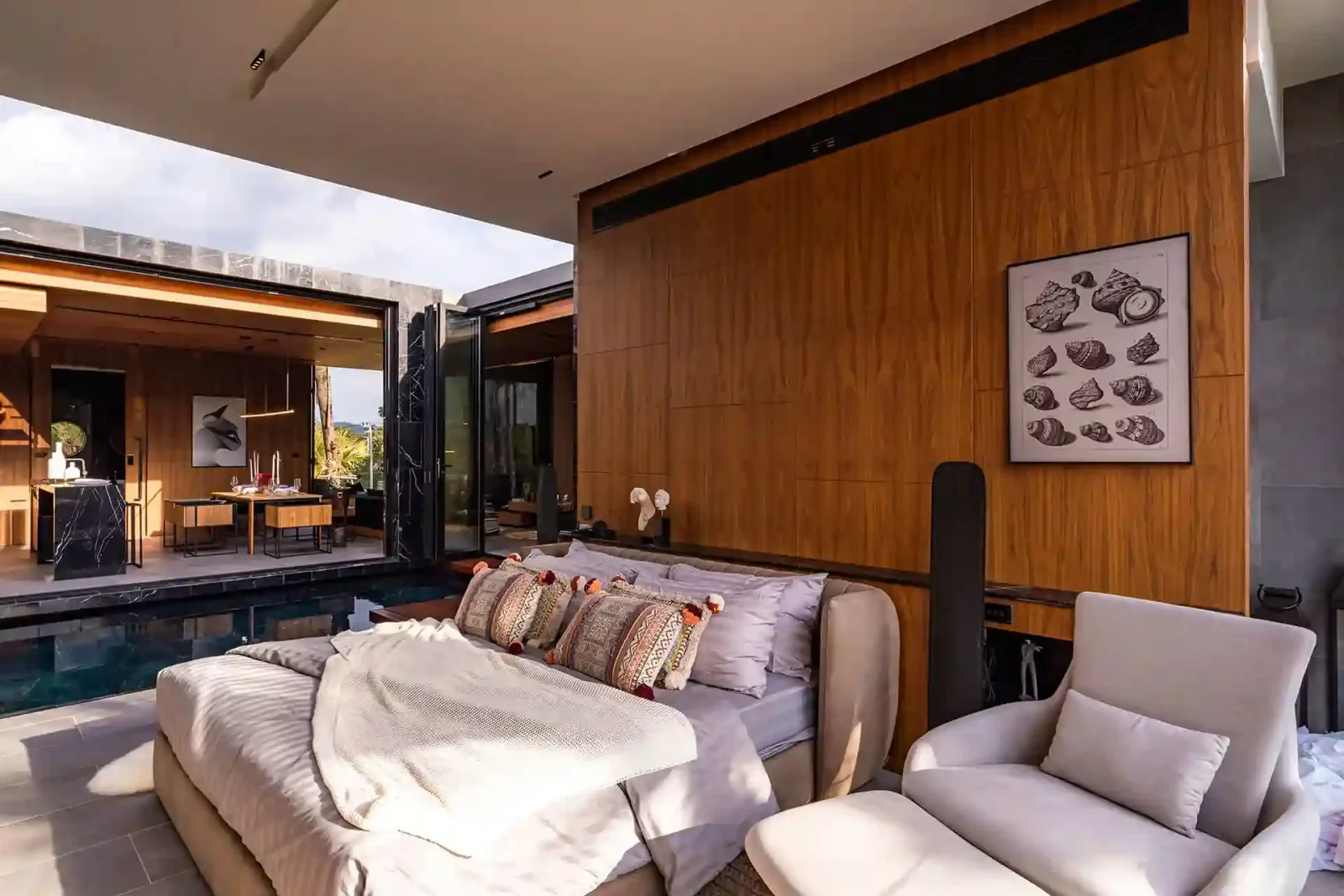
## Design and Facilities
- **Modernist architecture** with clean lines
- **Inner courtyards** that bring light and greenery inside
- **Open-plan living** with generous spaces
- **Private swimming pool** for every villa
- **Larger gardens and pools** in selected villas
- **Three layouts**, three to five bedrooms
- **Gym** for residents
- **Pet-friendly**
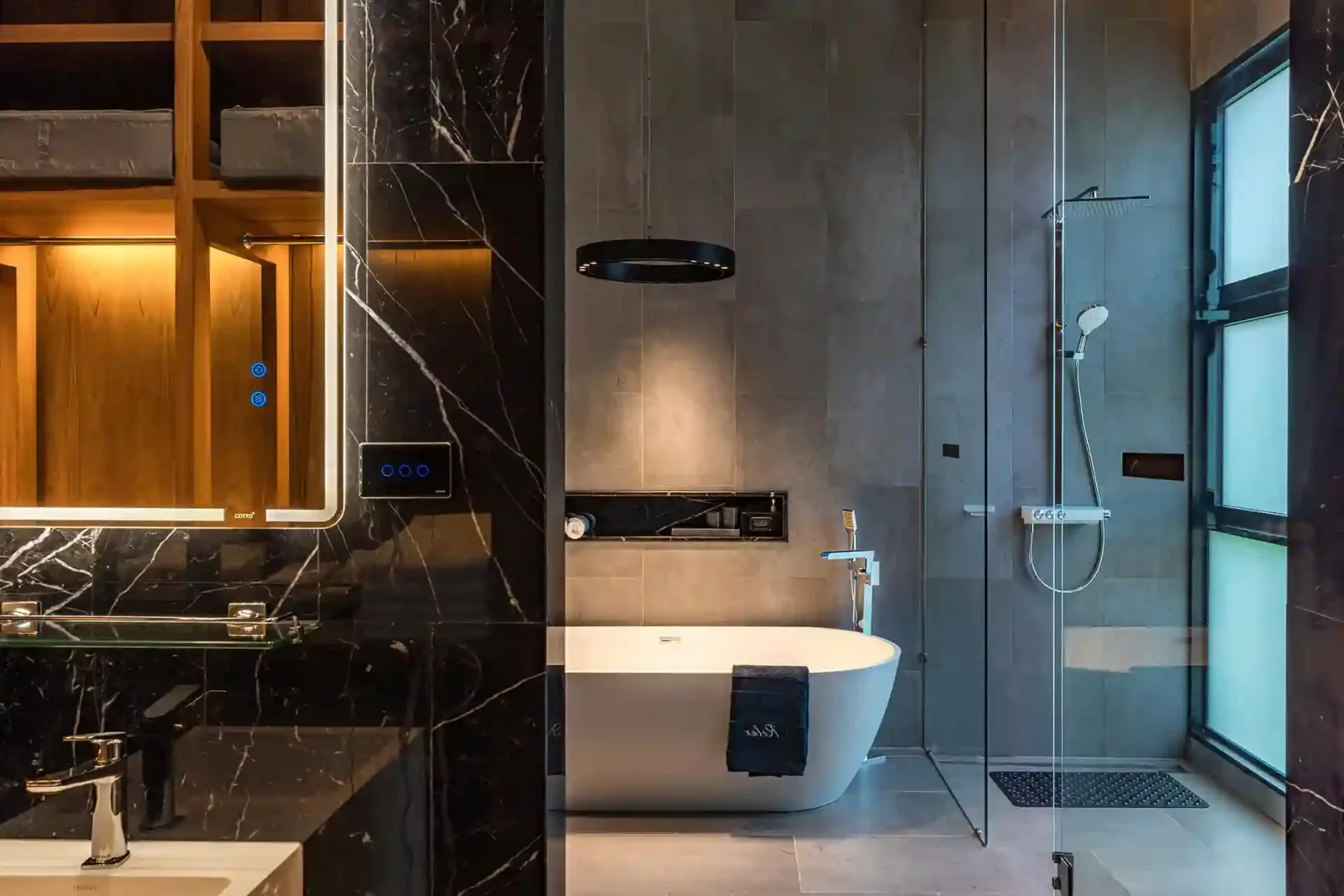
## Living at The Victory
A courtyard house changes the way a family lives. The inner garden becomes the heart of the home, visible from the living room and the bedrooms, and the pool is always a few steps away. Mornings start with coffee in the courtyard, the children have space to play inside and out, and the beaches of Layan and Bang Tao make the afternoon. In the evening the architecture comes into its own, with light and shadow across the clean volumes of the house. For owners who divide the year between Phuket and home, a secure community with a gym and a calm, well-planned house is simple to leave and easy to return to.
## Five-Stage Payment Plan
The price is paid in five stages: 30%, 25%, 15%, 15% and 15%. For a villa at 41,554,000 THB that works out as follows:
| Stage | Share | Amount |
| --- | --- | --- |
| 1 | 30% | 12,466,200 THB |
| 2 | 25% | 10,388,500 THB |
| 3 to 5 | 15% each | 6,233,100 THB each |
The schedule follows the build, and we send the developer's schedule for your villa with the price list.
## Why Buyers Choose The Victory
- **Modernist design** with inner courtyards
- **Three layouts** from 388 to 982 sqm
- **A private pool** for every villa
- **Larger gardens and pools** in selected positions
- **Layan and Bang Tao beaches** about 11 minutes away
- **Pet-friendly**
## Who The Victory Suits
**Families** who want space, a private pool and a courtyard garden in a calm setting.
**Buyers who love architecture** and want a house with a strong, modern design.
**Owners who spend part of the year in Phuket** and want a secure community near the west coast.
**Villa rental investors** aiming at families and groups who book design-led pool villas near Layan.
## Renting Out a Villa at The Victory
A modernist pool villa with a courtyard near Layan and Bang Tao appeals to families and groups on holiday in the November to April season, and to relocating families who rent for a longer stay. The design, the privacy and the pool are what guests book and remember.
If you plan to let your villa at The Victory, we collect current asking rents and holiday rates for comparable villas in Layan and Bang Tao and send them with the price list. [Our rental guide](/guides/phuket-rental-yield-complete-guide-2026/) explains how to read a rental offer line by line.
## Ownership for Foreign Buyers
At The Victory, as with any villa in Thailand, you buy land plus a building. The villa can be held in your own name over a lease of the plot registered at the Land Office, 30 years per registration with renewal terms in the contract, or the land can be held through a Thai company with genuine Thai shareholders. [Freehold and leasehold in Thailand](/guides/freehold-vs-leasehold-thailand/) explains both routes, and we prepare the one that suits you with our legal support.
## The Victory and Other Luxury Villas
| Project | From | Status |
| --- | --- | --- |
| [ISOLA Phuket Layan](/projects/isola-phuket/) | 35,000,000 THB | Completed |
| [Botanica Forestique Layan](/projects/botanica-forestique/) | 36,402,000 THB | Off-plan |
| [Pirak Villa](/projects/pirak-villa/) | 39,990,000 THB | Off-plan |
| The Victory | 41,554,000 THB | Off-plan |
| [Botanica Grand Avenue](/projects/botanica-grand-avenue/) | 44,505,000 THB | Off-plan |
| [Tri Vananda Phuket 2026](/projects/tri-vananda/) | 54,383,017 THB | Off-plan |
The Victory stands out in this group for its modernist architecture and its inner courtyards. We send the price lists of any of these projects on request and arrange viewings.
## Buying The Victory with MORE Group
A villa at The Victory is bought in five steps, from the first price list to the keys, and we are with you through each of them.
## What We Send Before You Reserve
- The current price list for The Victory with free villas, plot areas and plans
- The five-stage payment schedule for your villa
- The ownership structure for your purchase, leasehold or company, with the documents it needs
- The community's common charges
- The latest construction update
{/* corpus-faq:the-victory */}
## FAQ
### What does The Victory cost?
Our price list holds 31 villas: three-bedrooms of 388 and 420 sqm from 41,554,000 to 44,614,000 THB.
### What sizes and layouts are available?
The collection offers three layouts from 388 to 982 sqm with three to five bedrooms. Our price list today holds three-bedroom villas of 388 and 420 sqm.
### What makes the design different?
The villas follow modernist architecture, with clean lines, open-plan living and inner courtyards that bring light and greenery into the house.
### What is the payment plan?
Five stages: 30%, 25%, 15%, 15%, 15%. For a villa at 41,554,000 THB that means 12,466,200 THB at the first stage.
### How can foreigners own a villa at The Victory?
The villa can be held in your own name over a lease of the plot registered at the Land Office, 30 years per registration with renewal terms in the contract, or the land can be held through a Thai company with genuine Thai shareholders. We prepare the structure with our legal support.
**Read Also:**
- [Layan Area Guide](/areas/layan-property-guide/)
- [Poetry Villas](/projects/poetry-villas/)
- [Freehold vs Leasehold in Thailand](/guides/freehold-vs-leasehold-thailand/)
- [How Foreigners Buy Phuket Property 2026](/guides/buying-property-phuket-guide/)
- [Phuket Rental Yield Guide](/guides/phuket-rental-yield-complete-guide-2026/)
# The Zero Bang Tao Phuket Review 2026: Prices and Units
> The Zero Bang Tao review: condominiums from 4.9M THB near Bang Tao Beach, 1-3 bedrooms, coworking, a kids' club and a pet-friendly policy.
**Source:** https://moregroup.estate/projects/the-zero-bang-tao/
**Section:** Project Reviews
**Author:** MORE Group Editorial
**Published:** 2026-04-02
**Updated:** 2026-08-22
---
Premium condominiums in Bang Tao, one of Phuket's highest-demand rental zones. 1-bed from 4.9M THB, 2-bed from 7.2M THB, 3-bed from 12.4M THB, accessible entry across budgets. 7 minutes to Bang Tao Beach, 18 minutes on foot to shopping at Boat Avenue. 55 parking spaces, gym, kids' club, coworking, pool, entertainment areas. Payment plan: 35% / 25% / 15% / 15% / 10%, standard staged structure.
## Bang Tao's Fastest-Growing Condominium Market
Into this market comes The Zero Bang Tao, a premium condominium development offering what the area has historically lacked: a quality product at an accessible price point. The entry at 4.9M THB for a 1-bedroom unit positions this well below the boutique villa segment while offering the same Bang Tao address and rental demand fundamentals.
Bang Tao's rental market is one of Phuket's strongest, and a well-finished building with a full amenity package at this entry is the type of product that warrants serious evaluation.
## Why Buy at The Zero Bang Tao?
Entry at 4.9M THB is among the lowest in the area for a premium product. The Bang Tao market is typically dominated by boutique developments in the 8M-15M THB range per unit. The Zero's 1-bedroom units starting at 4.9M THB, with quality finishes, resort facilities, and the full Bang Tao address, fill a genuine gap between budget condominiums and villa-level pricing.
The amenity package is comprehensive. Swimming pool, fitness center, leisure areas, kids' club, coworking space, and 55 car parking spaces. This is a development designed for full-time residence as much as holiday investment, the coworking space in particular signals an understanding that buyers in this bracket are often remote workers or entrepreneurs spending extended periods in Phuket.
**HeadStart International School proximity.** The developer explicitly cites HeadStart as a nearby attraction, and it genuinely is. For families with school-age children considering Bang Tao as a base, the school location is a practical anchor. This drives long-stay rental demand, parents relocating for the school year create 9-12 month rental contracts, which are far more valuable to investors than the same period covered by short-stay bookings.
**Pet-friendly policy.** Increasingly rare in Phuket's condominium segment, and a genuine differentiator for the significant share of renters who travel with animals.
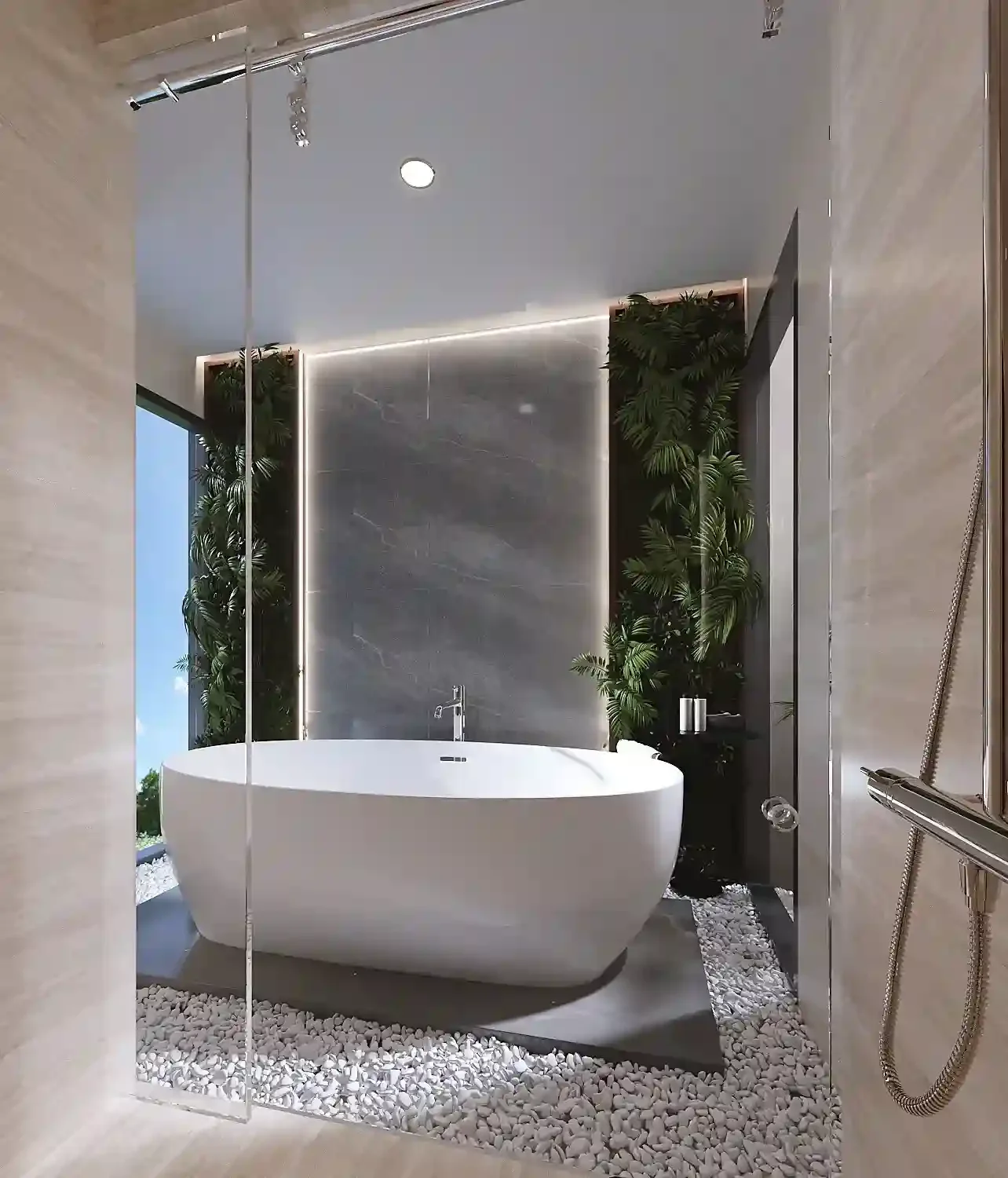
## Prices and Unit Mix
| Unit type | Priced units | Size | Price range (THB) | Median THB per sqm |
|---|---|---|---|---|
| 1-bedroom | 13 | 36-51 sqm | 4,925,167 - 6,983,804 | 142,415 |
| 2-bedroom | 5 | 53-59 sqm | 7,221,753 - 8,285,738 | 140,436 |
| 3-bedroom | 6 | 79-98 sqm | 12,443,436 - 12,914,589 | 157,979 |
Twenty-four priced units in all. At a 142,415 THB metre for the one-bedrooms the scheme prices 12% below the Bang Tao apartment median of 161,000, a strong point for a new building with a full amenity package.
The 1-bedroom units represent the most compelling entry point. At 36 m² for the smallest configuration (4.9M THB), these are compact but well-designed, appropriate for solo travelers or couples. The 51 m² variants at 6.98M THB offer more living comfort while remaining below the 7M THB threshold that represents a psychological boundary for many first-time Phuket investors.
The 2-bedroom units at 53-59 m² and 7.2M-8.3M THB are the sweet spot for yield-focused investors. The size accommodates couples and small families who represent the majority of Bang Tao's rental market, and the price remains accessible.
The 3-bedroom configurations at 79-98 m² and 12.4M-12.9M THB compete directly with the entry level of the villa market, and the condominium's resort amenities, security and shared upkeep are the case for choosing it over a villa at the same budget.
**Payment plan:** 35% at signing, 25% during construction, then three smaller tranches of 15%, 15%, and 10% at handover. We send the schedule with the construction stage each tranche is tied to, together with the price list.
## Planning Rental Income
Bang Tao is the one corridor on the island with deep finished stock, 446 of Phuket's 871 finished apartments on our records, so twelve months of owner statements from comparable units are available, and we collect them for your income plan, month by month with every deduction itemised.
Alongside them we send:
- **The letting position:** the building's licence route and house rules for stays under 30 days, which set how nightly letting works, alongside monthly and longer tenancies.
- **The operator's share of gross,** from the management agreement.
- **The running costs:** the CAM rate per square metre from the juristic person and the sinking fund contribution.
- **The cost per changeover** from the manager, which matters most on the compact one-bedrooms, where good presentation and steady bookings carry the numbers.
The Zero Bang Tao is under construction, about seven minutes by car from Bang Tao Beach and 18 minutes on foot from Boat Avenue, with a 35/25/15/15/10 payment plan through the build.
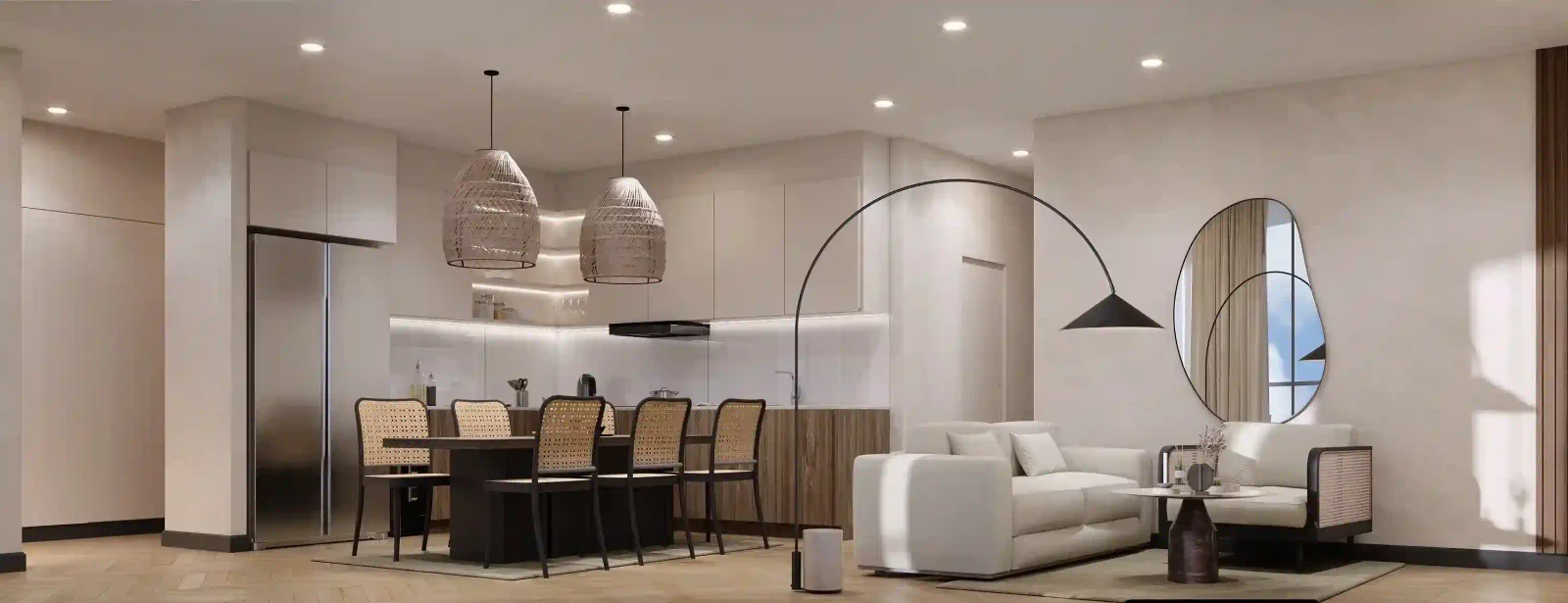
## The Zero Among Bang Tao's Entry Condominiums
Several new Bang Tao buildings open their price lists below 5.5M THB, and buyers usually compare them side by side:
| Project | Entry on our list | Entry unit |
|---|---|---|
| [The Title Artrio](/projects/the-title-artrio/) | 4,263,000 THB | 29 sqm one-bedroom |
| [The Ozone Signature](/projects/the-ozone-signature/) | 4,320,000 THB | 32-37 sqm one-bedroom |
| [The Title Modeva](/projects/the-title-modeva/) | 4,750,200 THB | One-bedroom |
| The Zero Bang Tao | 4,925,167 THB | 36 sqm one-bedroom |
| [The Ozone Oasis](/projects/the-ozone-oasis/) | 5,330,000 THB | 36-48 sqm one-bedroom |
The Zero sits in the middle of this group on price and offers one of its most complete amenity packages: coworking, a kids' club, entertainment areas and a pet-friendly policy, with two- and three-bedrooms for families at the same address.
## Who Should Buy at The Zero Bang Tao?
**First-time Phuket property investors** benefit from the sub-5M THB entry, this is among the lowest thresholds for a quality Bang Tao condominium with a serious amenity package. The payment plan spreads the capital outlay across construction, reducing the initial cash requirement to approximately 1.7M THB (35% of 4.9M THB).
**Remote workers and digital nomads** will find the coworking space, swimming pool, and fitness center make extended stays functional and comfortable. The nearby Boat Avenue area has cafes, co-working spots, and the social infrastructure that remote workers need.
**Families with children** will appreciate HeadStart School proximity, the kids' club, and the pet-friendly policy. The 2- and 3-bedroom units at this development are viable family apartments.
## Our Assessment
The Zero Bang Tao offers a full amenity package, coworking, a kids' club, a pool and a gym, in a pet-friendly building, at a metre rate 12% below the Bang Tao apartment median. The airport is about 39 minutes away, while the beach, Boat Avenue and the Laguna area are all close, which is what most guests and residents come for.
For first-time investors, remote workers and families who want the Bang Tao address at an accessible entry, The Zero Bang Tao deserves serious attention.
## Buying The Zero Bang Tao with MORE Group
A unit at The Zero Bang Tao is bought in five steps, from the first price list to the keys, and we are with you at each of them.
{/* corpus-faq:the-zero-bang-tao */}
## FAQ
### What stage is The Zero Bang Tao at?
The project is under construction. We send the latest construction update together with the price list.
### Can foreigners own units outright at The Zero Bang Tao?
Yes. As a condominium development, foreign buyers can purchase units under their own name (freehold) within the 49% foreign ownership quota. This is the simplest and most secure ownership structure for international buyers in Thailand.
### How does Bang Tao compare to other areas for rental demand?
Bang Tao has the deepest market on the island: 4,589 priced apartments on our records and 446 of the island's 871 finished apartments, so comparable owner statements are available, and we collect twelve months of them for your income plan.
### Is the 1-bedroom at 36 m² too small to rent effectively?
Compact 1-bedroom apartments perform very well in Bang Tao's short-term rental market. Solo travelers and couples who prioritize location and amenities over space consistently book smaller units, particularly when the development has resort-grade facilities including a pool and gym. The key is quality of finish and management, not size.
### What is included in the purchase price, fully furnished?
We send the delivery specification with the price list. Premium Phuket condominiums are typically sold with fitted kitchens and bathrooms, with furniture packages for a rental-ready setup, and MORE Group advises on package options and rental-ready specifications at the time of purchase.
### How close is The Zero to Bang Tao Beach and Boat Avenue?
Bang Tao Beach is 7 minutes by car. Boat Avenue, the area's primary dining, shopping, and café hub, is 18 minutes on foot or 10 minutes by car. This walkability to Boat Avenue is a genuine practical asset; many guests and long-term residents appreciate being able to walk rather than drive for daily needs.
**Read Also:**
- [Bang Tao & Laguna Guide: Prices & Yield (2026)](/bang-tao-properties/)
- [Foreign Quota in Thai Condominiums](/guides/foreign-quota-thai-condominiums/)
- [Cascade Bangtao Beach Review 2026: Prices & Yield](/projects/cascade-bangtao-beach/)
- [So Origin Bangtao Beach Review 2026: Prices & Yield](/projects/so-origin-bang-tao-beach/)
- [How Foreigners Buy Phuket Property 2026](/guides/buying-property-phuket-guide/)
- [The Buying Process in Thailand, Step by Step](/guides/due-diligence-process-thailand-step-by-step/)
# The Zero Nai Yang Review 2026: Prices and Unit List
> The Zero Nai Yang review: 43 units released from 4,393,393 THB, 350 m from Nai Yang Beach and six minutes from the airport, with two payment plans.
**Source:** https://moregroup.estate/projects/the-zero-nai-yang/
**Section:** Project Reviews
**Author:** MORE Group Editorial
**Published:** 2026-04-01
**Updated:** 2026-10-05
---
## What Are the Key Facts for The Zero Nai Yang Review?
| Factor | Detail |
| --- | --- |
| Project size | 150 units in two five-storey buildings |
| Developer's layouts | Studios, one- and two-bedrooms, penthouses, 29.5 to 108 sqm |
| On the current list | 43 units: 14 studios, 15 one-bedrooms, 14 two-bedrooms |
| Price range released | 4,393,393 to 12,636,000 THB |
| To the airport | 6 minutes by car |
| To Nai Yang Beach | Roughly 350 to 380 metres, about 8 minutes on foot |
| Stage | Under construction, completion Q2 2028 (developer) |
| Payment | Developer standard 35 / 55 / 10; 30 / 20 / 20 / 30 on request |
The Zero Nai Yang is a design-led scheme on the north-west coast, and the "Zero" is a sustainability position: low-waste construction, a small footprint, and buildings kept to five storeys rather than pushed up to the skyline. Residents get a pool, a gym, spa and wellness facilities, co-working space, a children's play area, padel courts, EV charging, covered parking and 24-hour security, and every residence has an open-plan interior with large windows or a terrace.
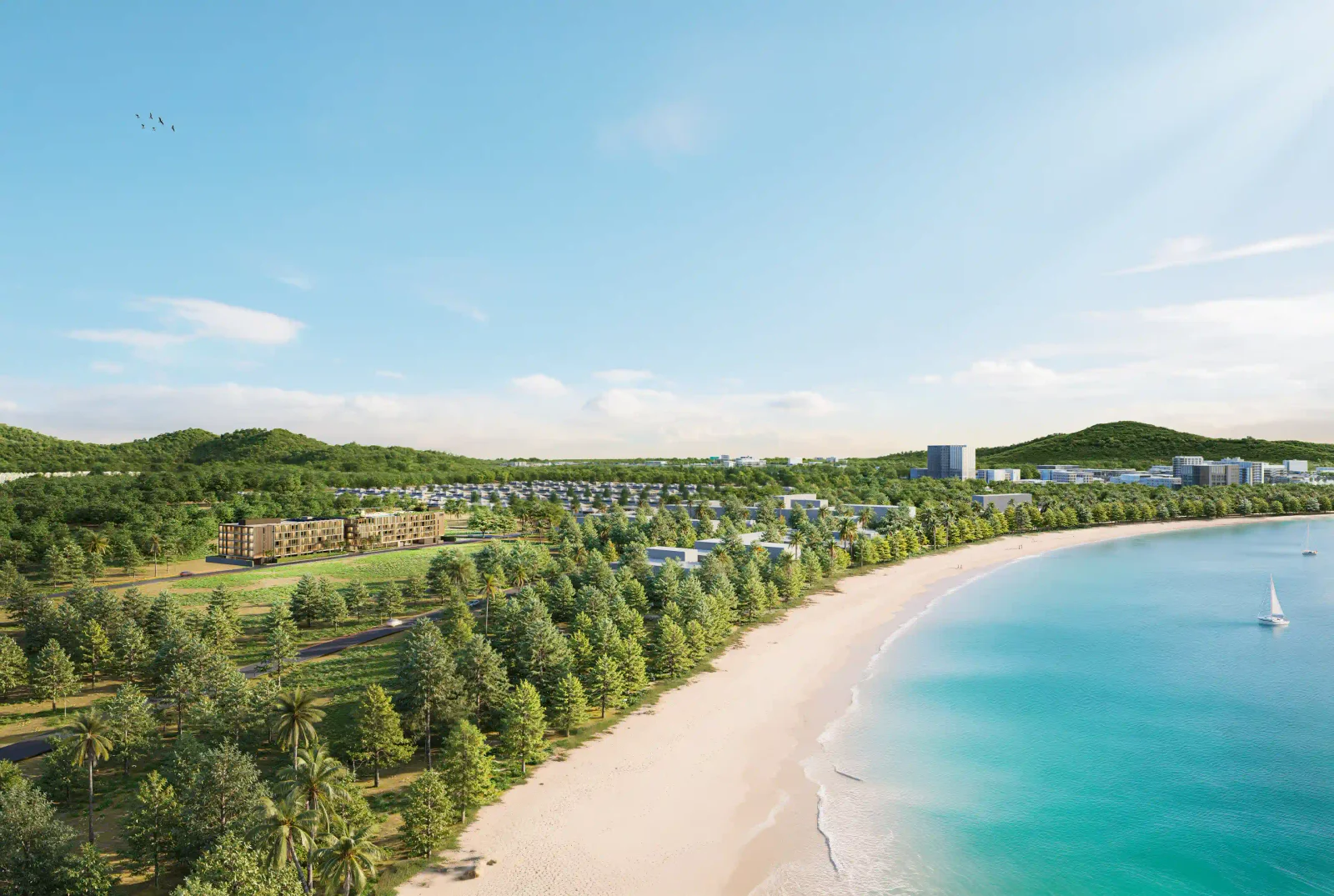
## Project Overview
Two things define this address. The airport is six minutes away by car, the shortest terminal-to-beach run on the island and the reason the corridor exists as a rental market at all. And Nai Yang Beach sits inside Sirinat National Park, which is why the shoreline here has no continuous wall of buildings and keeps its natural character.
Accessibility and protected coastline in the same place is a genuinely unusual combination in Phuket.
## Location and Area
- **Phuket International Airport**, six minutes by car
- **Sirinat National Park**, which the beach falls inside, about 350 to 380 metres from the building
- **Low density**, quiet roads, local restaurants and morning markets rather than a resort strip
- **A working corridor**, with airport, airline and hotel staff living here year-round alongside the holiday trade
For owners who plan to let, we collect achieved monthly figures from comparable buildings in the north, so the income plan follows this corridor's own year rather than west-coast data.
Quality condominium units in Nai Yang have historically let short-term at $70-$120 a night for studios and $90-$160 for one-bedrooms. At an average of $80-$100 a night, comparable studios have historically achieved 7-9% gross through short-term rental, or 6-7% on long-term monthly contracts. Managed one-bedroom stock in Nai Yang has historically run at 72 to 78% blended occupancy under professional operators, and comparable managed units have historically netted 5 to 7% after 20 to 25% operator fees.
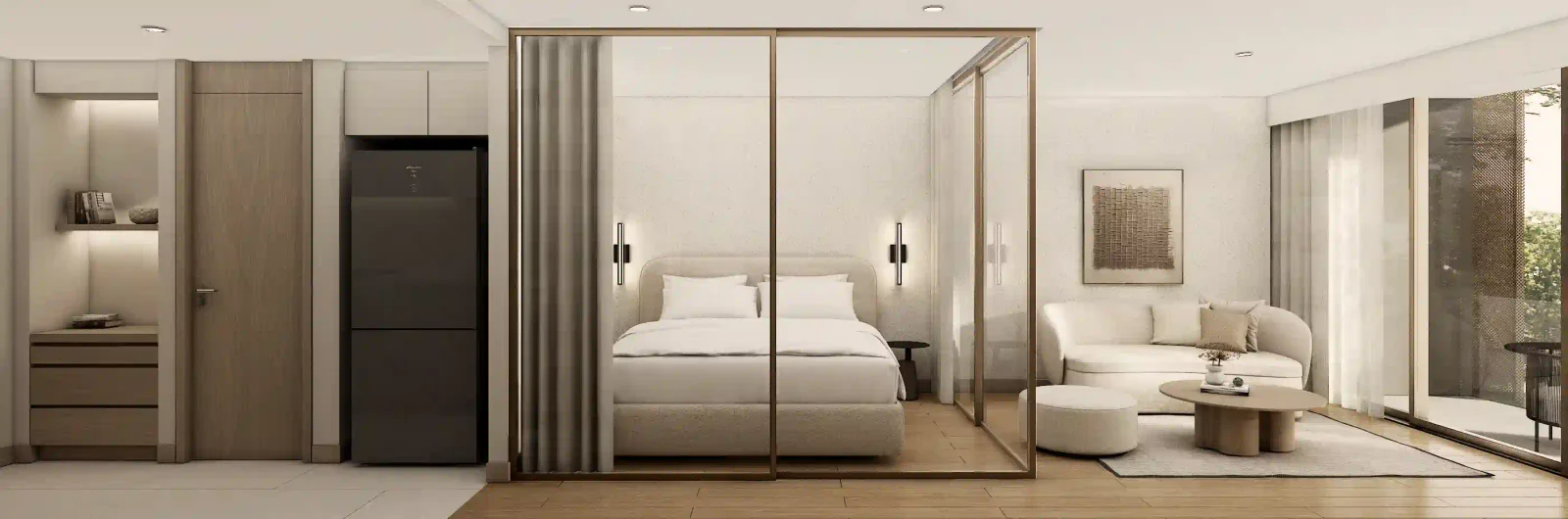
## The Price List, Metre by Metre
| Format | Sizes released | Prices | Per square metre |
|---|---|---|---|
| Studio | 30 to 36 sqm | 4,393,393 - 5,613,964 THB | 140,357 - 161,786 THB |
| One-bedroom | 38 to 47 sqm | 4,972,812 - 7,236,000 THB | 128,496 - 154,286 THB |
| Two-bedroom | 54 to 91 sqm | 7,265,845 - 12,636,000 THB | 126,804 - 154,286 THB |
The list offers two clear routes. The studios give the lowest ticket, from 4,393,393 THB, and suit nightly letting, where income follows the number of stays rather than the size of the room. The two-bedrooms give the most space per baht, from 126,804 THB per square metre, and suit a long hold, personal use and letting to families and longer stays, with thinner supply around them in this corridor.
## Nai Yang: A Different Rental Year
Demand in this corridor leans towards long stays and working residents, airline and airport staff, logistics and hotel management, families on relocation postings, alongside a quieter holiday trade than Patong or Bang Tao. That mix holds up well through the low season, a steadier shape of year than the resort strips, and island-wide averages, dominated by the west coast, describe a different market.
What the corridor gives back is concrete: park protection along much of the shoreline, which limits what can be built between you and the sea, a short run to the terminal, and a rate per square metre well below the beach belt to the south.
## The Zero Among Nai Yang Condominiums
Nai Yang has a small, well-defined condominium market, and buyers usually compare a handful of buildings:
| Project | Stage | Entry on our list |
|---|---|---|
| The Zero Nai Yang | Under construction | 4,393,393 THB |
| [The Title Halo 1](/projects/the-title-halo/) | Completed | 5,128,240 THB |
| [The Title Balcony](/projects/the-title-balcony/) | Under construction | 5,370,700 THB |
| [The Title Serenity](/projects/the-title-serenity/) | Under construction | 3,429,657 THB |
| [Royal Lee Phuket](/projects/royal-lee-phuket/) | Completed | 3,217,133 THB |
The Zero stands out in this group for its size and its design: 150 units in two five-storey buildings, a sustainability-led build and padel courts on site, at an entry that sits in the middle of the corridor's range. The completed buildings let from transfer; The Zero offers new stock with a choice of payment plans.
## Two Payment Plans
The developer's standard schedule is three tranches: 35%, then 55%, then 10%. A four-stage 30/20/20/30 structure can also be agreed, spreading the same money evenly through the build. On a one-bedroom at 7,236,000 THB the two plans compare as follows:
| Plan | First | Second | Third | Fourth |
|---|---|---|---|---|
| 35 / 55 / 10 | 2,532,600 THB | 3,979,800 THB | 723,600 THB | - |
| 30 / 20 / 20 / 30 | 2,170,800 THB | 1,447,200 THB | 1,447,200 THB | 2,170,800 THB |
We send both schedules with the construction stage each tranche is tied to, together with the price list; completion is scheduled for Q2 2028 according to the developer. On a build of this length it is also worth deciding early how to convert your currency: in full, tranche by tranche, or with part of it booked forward.
## Why Buyers Choose The Zero Nai Yang
- Six minutes from the terminal, which no west-coast address can match
- About 350 to 380 metres from Nai Yang Beach, on a coastline protected by the national park
- From 4,393,393 THB, among the lower tickets for new stock in the north
- Five storeys and a sustainability-led design rather than a tower
- Padel courts, a spa, co-working space and a children's play area
- Forty-three units across three formats to choose between, and two payment plans
## Who this suits
- **A buyer who wants the airport corridor deliberately.** The rental year here is shaped by the terminal and the national park rather than by a resort strip, and it is steadier for it.
- **An entry-level investor.** From 4,393,393 THB this is among the lower tickets for new stock in the north, and the studio is the format that ticket buys.
- **A buyer building a position for later,** with the payments spread through the build on the four-stage plan.
- **A family buyer,** with two-bedrooms of up to 91 sqm near a quiet beach and the airport.
## What We Send Before You Reserve
**The floor area and what it includes.** The plan of your unit, with the internal area and the balcony shown separately, so the price per square metre is clear.
**A dated quota statement.** The foreign share of a Thai condominium is capped at 49% of a building's floor area, measured in square metres rather than doors, and we obtain the remaining allowance stated against your specific unit.
**The letting position.** The hotel licence route and the house rules the juristic person will adopt, which together set how nightly letting works in the building; under the Hotel Act the line falls at thirty nights.
## Buying The Zero Nai Yang with MORE Group
A unit at The Zero Nai Yang is bought in five steps, from the first price list to the keys, and we take each of them with you.
{/* corpus-faq:the-zero-nai-yang */}
## FAQ
### Where is The Zero Nai Yang, and how close is the airport?
Nai Yang, on the north-west coast, in Sakhu within Thalang district. Phuket International Airport is six minutes away by car and Nai Yang Beach roughly 350 to 380 metres away, about eight minutes on foot.
### What is on the price list?
Forty-three units: 14 studios of 30 to 36 sqm from 4,393,393 THB, 15 one-bedrooms of 38 to 47 sqm from 4,972,812 THB, and 14 two-bedrooms of 54 to 91 sqm reaching 12,636,000 THB. The developer's specification describes 150 units in two five-storey buildings, from 29.5 to 108 sqm including penthouses, so further units may be released later.
### Which format is the better buy?
It depends on how you will use it. The studios give the lowest ticket and suit nightly letting; the two-bedrooms give the most space per baht, from 126,804 THB per square metre, and suit a long hold, personal use and family letting.
### Can foreigners buy here?
Yes, on freehold title within the 49% of the building's total floor area reserved for foreign ownership. That allowance is measured in square metres, not in units, and it is consumed at registration rather than at reservation. We confirm the quota position for your unit and review the Sale and Purchase Agreement with our legal support, and the purchase money comes in from abroad in foreign currency so the bank can issue the Foreign Exchange Transaction record needed at transfer.
**Read Also:**
- [The Title Halo 1, the nearest comparable in Nai Yang](/projects/the-title-halo/)
- [Nai Yang against Nai Harn, two quiet coasts compared](/guides/nai-yang-vs-nai-harn-property-investment/)
- [How an off-plan payment schedule works](/guides/off-plan-property-phuket-guide/)
- [How rental income is planned in Phuket](/guides/phuket-rental-yield-complete-guide-2026/)
- [The buying process step by step](/guides/due-diligence-process-thailand-step-by-step/)
# TIARA Saku Villa: Three-Bed Pool Villas from 32.9M THB
> TIARA Saku Villa: a gated community of three-bedroom pool villas in Sakhu, near Nai Yang Beach and eight minutes from the airport, from 32.9M THB.
**Source:** https://moregroup.estate/projects/tiara-saku/
**Section:** Project Reviews
**Author:** MORE Group Editorial
**Published:** 2026-04-08
**Updated:** 2026-08-23
---
## What Is TIARA Saku Villa?
TIARA Saku is built for peace, privacy and a close connection to nature. The master plan gives each villa a green setting, and the houses open their living spaces to the terrace, the garden and a private pool, so the outdoors becomes part of everyday life. All the villas on our list have three bedrooms, with generous sizes of 448 sqm and more.
The community is gated and secure, and its location is one of the most convenient on the island: the calm beach of Nai Yang about five minutes away, the airport about eight and the shops about three. Sirinat National Park and the long beaches of the north are right there for walks and swims.
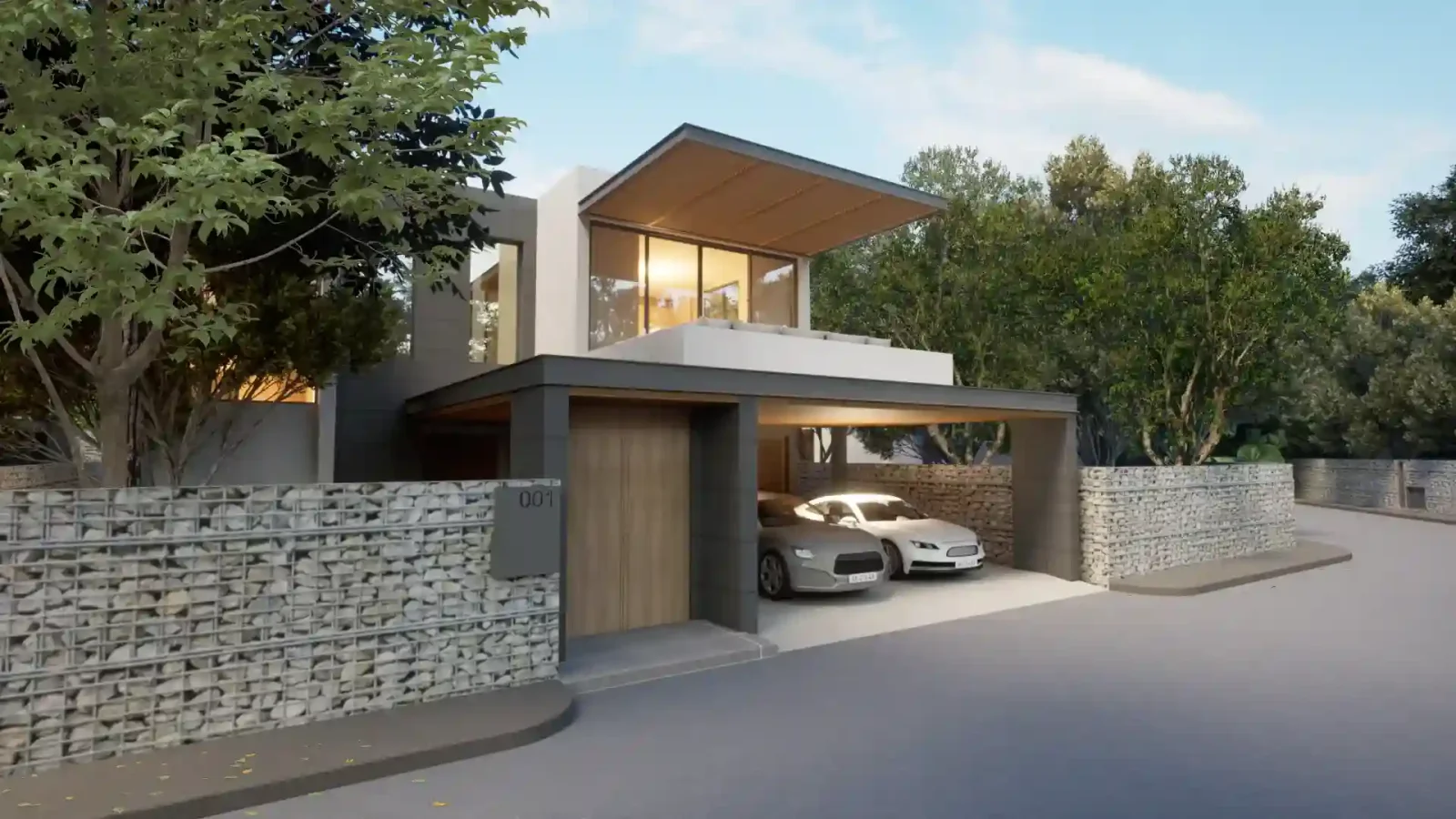
## What Are the Key Facts for TIARA Saku Villa?
| Factor | Detail |
| --- | --- |
| Location | Sakhu, Thalang, near Nai Yang |
| Community | Gated villa community in a natural setting |
| On our price list | 13 three-bedroom villas |
| Three-bedroom | 448 to 585 sqm, 32,900,000 to 42,500,000 THB |
| Payment | 30% / 20% / 20% / 20% / 10% |
| Stage | Under construction |
| Beach | About 5 minutes by car |
| Airport | About 8 minutes by car |
| Security | Gated, with high levels of security |
## Location: Sakhu and Nai Yang
Sakhu is a quiet residential area on Phuket's north-west, between the airport and the calm beaches of Nai Yang and Nai Thon, next to Sirinat National Park.
- **Nai Yang Beach:** about 5 minutes by car
- **Phuket International Airport:** about 8 minutes by car
- **Shops and supermarkets:** the nearest mall about 3 minutes by car
- **Sirinat National Park:** the protected coast of the north
- **Bang Tao and Laguna:** the west coast within a longer drive
From TIARA Saku, the nearest beach about 5 minutes by car, the nearest mall about 3 minutes and the airport about 8 minutes, so everyday errands, school runs and trips home are easy to plan.
Days here are unhurried: a swim in your own pool, lunch under the casuarinas at Nai Yang and a sunset walk on the national park beach. The [Nai Yang area page](/nai-yang-properties/) covers the district in more detail.
## Villas and Prices
| Villas | Bedrooms | Built area | Price |
| --- | --- | --- | --- |
| 11 villas | Three | 448 sqm | 32,900,000 to 34,700,000 THB |
| B, C | Three | 580 and 585 sqm | 41,500,000 and 42,500,000 THB |
The eleven villas of 448 sqm, A1 to A11, open the community from 32,900,000 THB, and villas B and C of 580 and 585 sqm give more room inside and out, up to 42,500,000 THB. All have three bedrooms, and the price follows the size and the position of each house. We send the plan and plot of each villa with the price list, and arrange a viewing of the community when you are on the island.
## Design and Facilities
- **Nature-first master plan**
- **Seamless indoor-outdoor living**
- **Three bedrooms**
- **Private swimming pool** and garden
- **Generous sizes** of 448 sqm and more
- **Gated community** with high security
- **Pet-friendly**
## Living at TIARA Saku
Life at TIARA Saku is calm and close to nature. Mornings begin with a swim and breakfast on the terrace, the shops are a few minutes away, and the afternoon can be spent on the quiet sand of Nai Yang or at a seafood restaurant under the trees. When family and friends fly in, the airport run takes about eight minutes, and when you travel yourself, a gated community with high security makes the house easy to leave. Evenings are peaceful, with the garden and the pool lit up. The villas of 448 sqm and more give each family member room of their own, and the gardens are large enough for children to play outside all day.
## Five-Stage Payment Plan
The price is paid in five stages: 30%, 20%, 20%, 20% and 10%. For a villa at 32,900,000 THB that works out as follows:
| Stage | Share | Amount |
| --- | --- | --- |
| 1 | 30% | 9,870,000 THB |
| 2 to 4 | 20% each | 6,580,000 THB each |
| 5 | 10% | 3,290,000 THB |
The schedule follows the build, and we send the developer's schedule for your villa with the price list.
## Why Buyers Choose TIARA Saku Villa
- **About 8 minutes** from the airport
- **Nai Yang Beach** about 5 minutes away
- **Three-bedroom villas** of 448 sqm and more
- **A private pool** and garden for every villa
- **Gated**, with high security
- **Pet-friendly**
## Who TIARA Saku Villa Suits
**Frequent travellers** who want to be minutes from the airport.
**Families** who want three bedrooms, a pool and a garden near a calm beach.
**Nature lovers** who want the national park on their doorstep.
**Rental investors** aiming at families who book a pool villa near Nai Yang and the airport.
## Renting Out a Villa at TIARA Saku
A three-bedroom pool villa near Nai Yang and the airport appeals to families on holiday who want privacy and an easy arrival, and to long-stay guests who spend the season in the calm north.
If you plan to let your villa at TIARA Saku Villa, we collect current asking rents and holiday rates for comparable villas in Nai Yang and Sakhu and send them with the price list. [Our rental guide](/guides/phuket-rental-yield-complete-guide-2026/) explains how to read a rental offer line by line.
## Ownership for Foreign Buyers
At TIARA Saku Villa, as with any villa in Thailand, you buy land plus a building. The villa can be held in your own name over a lease of the plot registered at the Land Office, 30 years per registration with renewal terms in the contract, or the land can be held through a Thai company with genuine Thai shareholders. [Freehold and leasehold in Thailand](/guides/freehold-vs-leasehold-thailand/) explains both routes, and we prepare the one that suits you with our legal support.
## TIARA Saku and Other Villas in the North
| Project | From | Status |
| --- | --- | --- |
| [Mouana Breeze Maikhao](/projects/mouana-breeze-maikhao/) | 25,900,000 THB | Completed |
| Montana Hills Villa | 28,700,000 THB | Off-plan |
| [Anchan Emerald Thalang](/projects/anchan-emerald/) | 29,000,000 THB | Off-plan |
| TIARA Saku Villa | 32,900,000 THB | Off-plan |
| [Narana Villa Mai Khao](/projects/narana-villa-phuket/) | 36,262,440 THB | Off-plan |
| [Anchan Burgundy](/projects/anchan-burgundy/) | 38,600,000 THB | Off-plan |
TIARA Saku stands out in this group for its closeness to both the airport and Nai Yang Beach. We send the price lists of any of these projects on request and arrange viewings.
## Buying TIARA Saku Villa with MORE Group
A villa at TIARA Saku is bought in five steps, from the first price list to the keys, and we are with you through each of them.
## What We Send Before You Reserve
- The current price list for TIARA Saku Villa with free villas, plot areas and plans
- The five-stage payment schedule for your villa
- The ownership structure for your purchase, leasehold or company, with the documents it needs
- The community's common charges
- The latest construction update
{/* corpus-faq:tiara-saku */}
## FAQ
### What does TIARA Saku Villa cost?
Our price list holds 13 villas: three-bedrooms of 448 sqm from 32,900,000 to 34,700,000 THB; three-bedrooms of 580 and 585 sqm from 41,500,000 and 42,500,000 THB.
### How far is TIARA Saku from the airport and the beach?
The airport is about 8 minutes by car and Nai Yang Beach about 5 minutes. The nearest mall is about 3 minutes by car.
### What does each villa include?
Three bedrooms, a private swimming pool, a garden and living spaces that open to the outdoors, in a gated community with high security.
### What is the payment plan?
Five stages: 30%, 20%, 20%, 20%, 10%. For a villa at 32,900,000 THB that means 9,870,000 THB at the first stage.
### How can foreigners own a villa at TIARA Saku Villa?
The villa can be held in your own name over a lease of the plot registered at the Land Office, 30 years per registration with renewal terms in the contract, or the land can be held through a Thai company with genuine Thai shareholders. We prepare the structure with our legal support.
**Read Also:**
- [The Arthur Foresta](/projects/the-arthur-foresta/)
- [Nai Yang Property Guide](/guides/nai-yang-property-guide/)
- [Freehold vs Leasehold in Thailand](/guides/freehold-vs-leasehold-thailand/)
- [How Foreigners Buy Phuket Property 2026](/guides/buying-property-phuket-guide/)
- [Phuket Rental Yield Guide](/guides/phuket-rental-yield-complete-guide-2026/)
# To'Summer Villa Chalong: Pool Villa from 25.8M THB
> To'Summer Villa: 11 single-storey pool villas in Chalong and Palai, south Phuket, with ensuite bedrooms and a western kitchen, three-bedroom villa at 25.8M THB.
**Source:** https://moregroup.estate/projects/tosummer-villa/
**Section:** Project Reviews
**Author:** MORE Group Editorial
**Published:** 2026-04-08
**Updated:** 2026-10-07
---
## What Is To'Summer Villa?
To'Summer Villa is built around the pool. Every part of the house, the living and dining area, the kitchen and each ensuite bedroom, opens directly onto the private pool and the terrace, so the water and the garden are part of daily life. The single-storey layout keeps everything on one level, easy for children and grandparents alike.
The setting is a quiet part of Chalong and Palai in the south of the island. The shops are about five minutes by car, the beaches of the south coast about 18, and Chalong Bay, Rawai and Phuket Town within an easy drive.
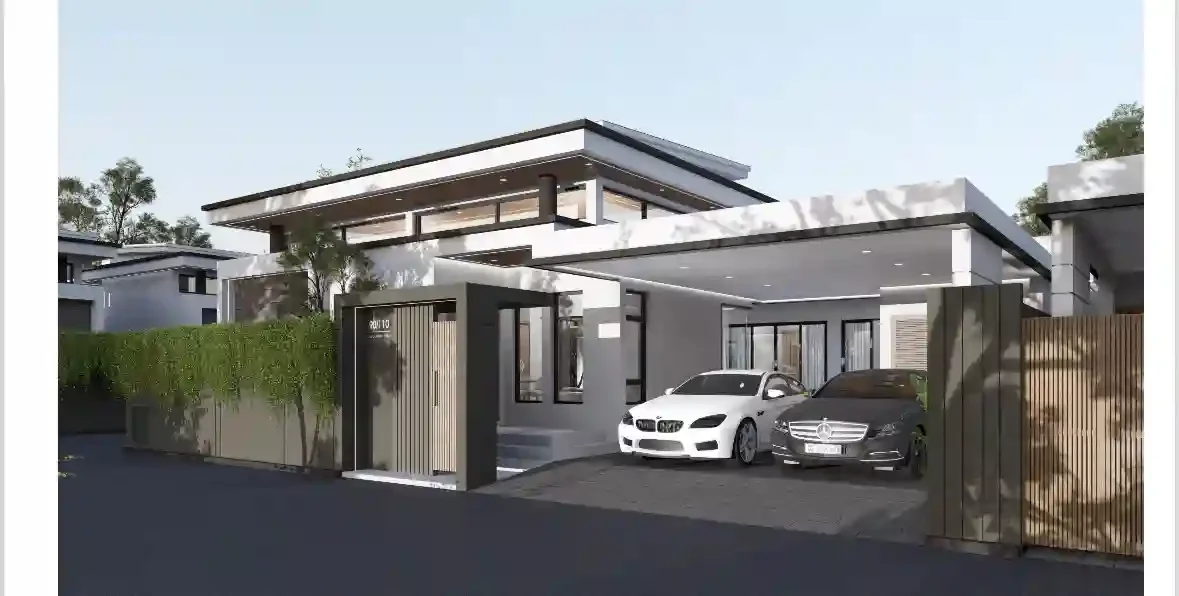
## What Are the Key Facts for To'Summer Villa?
| Factor | Detail |
| --- | --- |
| Location | Chalong and Palai, south Phuket |
| Collection | 11 single-storey pool villas |
| Villa on our list | Three bedrooms, 275 sqm |
| Three-bedroom | 275 sqm, 25,800,000 THB |
| Payment | 35% / 15% / 15% / 15% / 10% / 10% |
| Stage | Under construction |
| Beach | About 18 minutes by car |
| Airport | About an hour by car |
| Inside | Open-plan living, western kitchen and pantry, ensuite bedrooms |
## Location: Chalong and Palai, South Phuket
Chalong is the residential heart of south Phuket, with Chalong Bay and its marina, local markets, restaurants and international schools, and Palai is its quiet coastal corner. Palai is one of the quieter corners of the south, close to the sea and the local life of Chalong.
- **Shops and supermarkets:** the nearest mall about 5 minutes by car
- **Beaches of the south coast:** about 18 minutes by car
- **Chalong Bay:** the marina for boat trips to the islands
- **Phuket Town:** restaurants, markets and services
- **Airport:** about an hour by car
From To'Summer, the nearest beach about 18 minutes by car, the nearest mall about 5 minutes and the airport about 64 minutes, so everyday errands, school runs and trips home are easy to plan.
Life here is local and relaxed: markets and cafes during the week, boat trips from Chalong Bay and the beaches of Rawai, Kata and Nai Harn at the weekend. The [Chalong area guide](/guides/chalong-area-guide-property-2026/) covers the district in more detail.
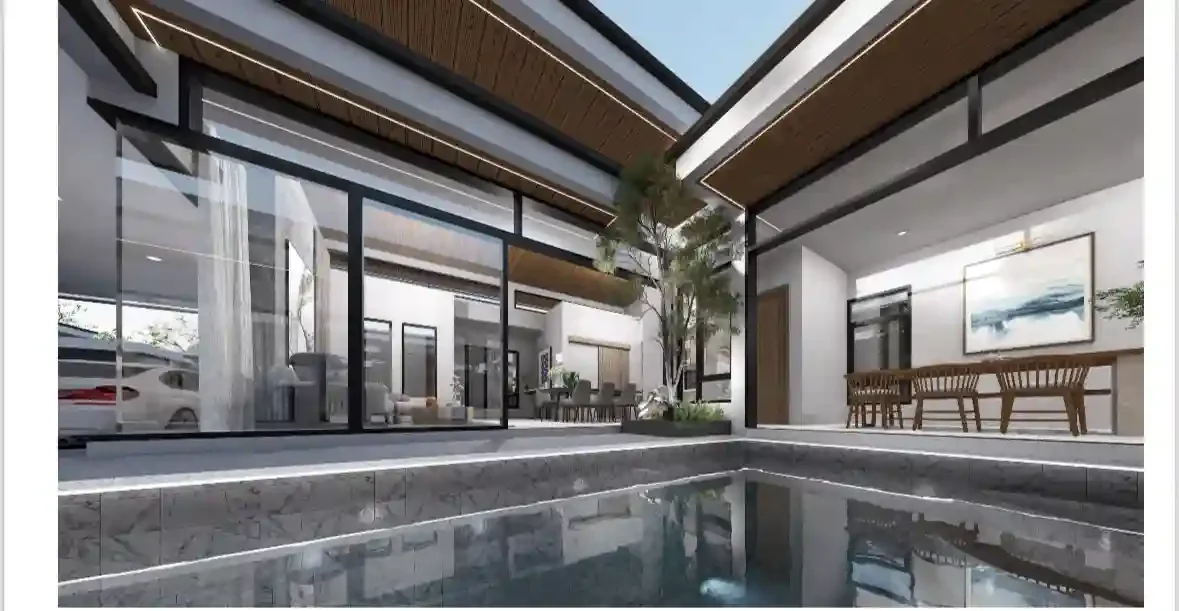
## Villas and Prices
| Villas | Bedrooms | Built area | Price |
| --- | --- | --- | --- |
| F6 | Three | 275 sqm | 25,800,000 THB |
The villa on our price list, F6, has three bedrooms and 275 sqm on one level, and it is listed at 25,800,000 THB. We send its plan and plot with the price, together with the payment schedule, and arrange a visit to the site so you can see the setting for yourself.
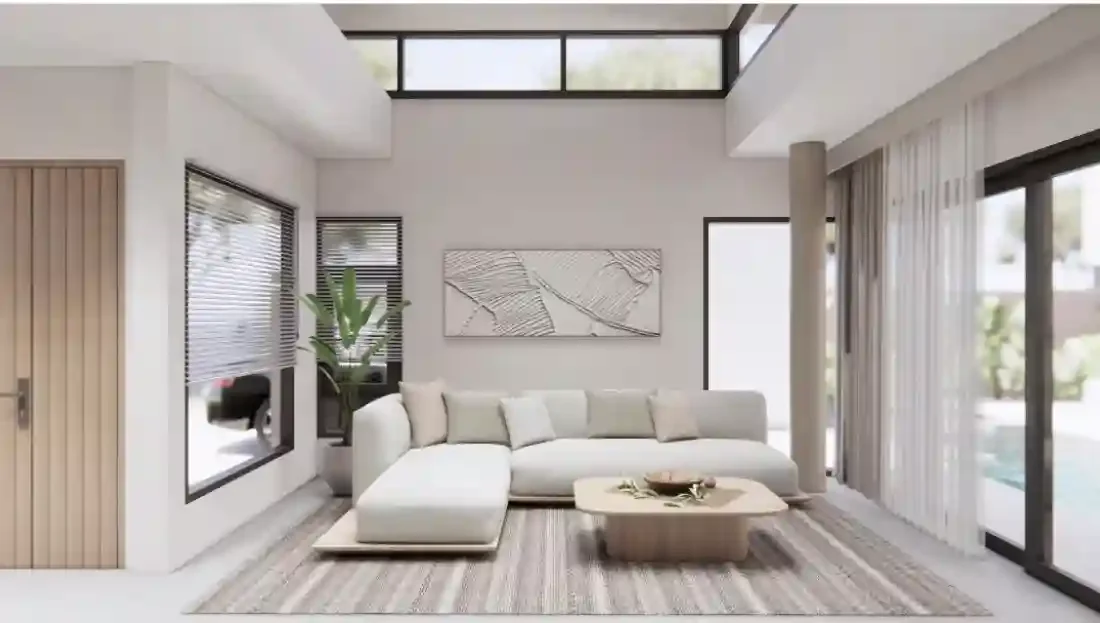
## Design and Facilities
- **Single-storey living**
- **Direct pool access** from every room
- **Ensuite bedrooms**
- **Western kitchen** and pantry
- **Open-plan living and dining**
- **Only 11 villas**
- **Pet-friendly**
The contemporary tropical design uses shade, open spaces and the pool terrace to keep the house cool and bright. Outdoors, each villa has its own pool deck and landscaped garden, and the collection of only eleven villas keeps the setting private.
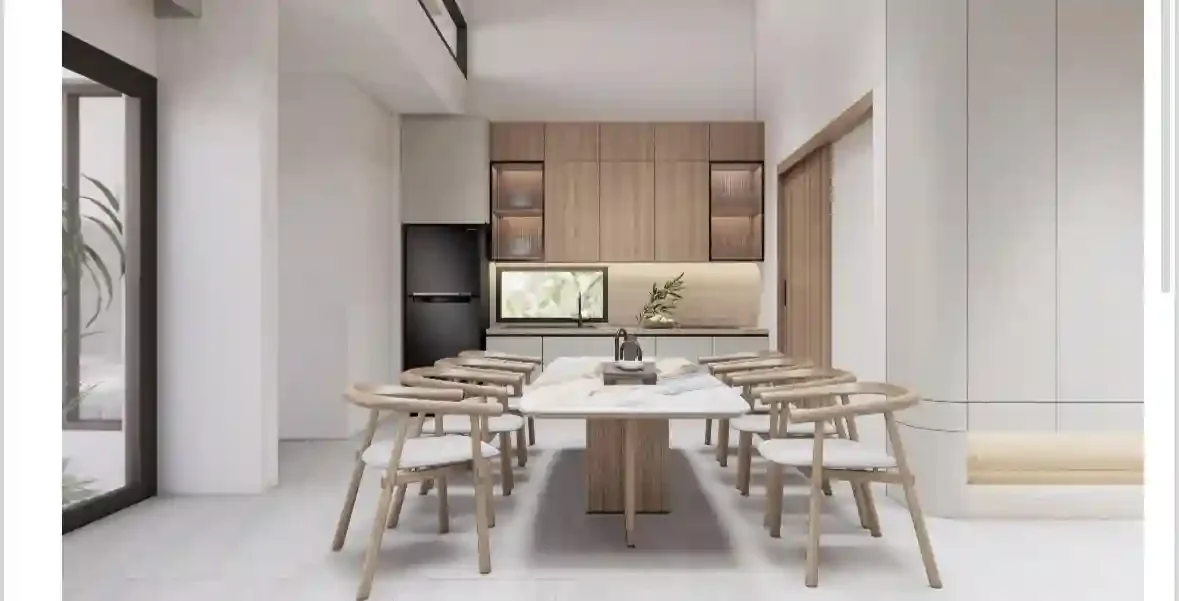
## Living at To'Summer
A single-level villa around a private pool makes days simple. Breakfast on the terrace, a swim before work, the children in the water after school while dinner is prepared in the western kitchen. The shops are a few minutes away, and at weekends there is a boat to the islands from Chalong Bay or an afternoon on the beaches of the south coast. When friends come to stay, each bedroom has its own bathroom, and the pool terrace is where everyone gathers. With only ten neighbours, the evenings stay quiet. The western kitchen and pantry make everyday cooking easy, whether for a family breakfast or for friends in the evening. Because the layouts are single-storey, the house stays easy to clean and to look after.
## Six-Stage Payment Plan
The price is paid in six stages: 35%, 15%, 15%, 15%, 10% and 10%. For a villa at 25,800,000 THB that works out as follows:
| Stage | Share | Amount |
| --- | --- | --- |
| 1 | 35% | 9,030,000 THB |
| 2 to 4 | 15% each | 3,870,000 THB each |
| 5 and 6 | 10% each | 2,580,000 THB each |
The schedule follows the build, and we send the developer's schedule for your villa with the price list.
## Why Buyers Choose To'Summer Villa
- **Every room opens to the pool**
- **All on one level**
- **Ensuite bedrooms**
- **Western kitchen** and pantry
- **Shops** about 5 minutes away
- **Pet-friendly**
## Who To'Summer Villa Suits
**Families** who want a single-storey pool villa in south Phuket.
**Holiday owners** who want a private, easy-to-run house.
**Buyers settling in Chalong** near the marina and the schools.
**Rental investors** aiming at families and couples who book pool villas in the south.
## Renting Out a Villa at To'Summer
A single-storey pool villa in Chalong appeals to families and couples on holiday in the November to April season and to relocating families who rent for longer near the schools of the south.
If you plan to let your villa at To'Summer Villa, we collect current asking rents and holiday rates for comparable villas in Chalong and Rawai and send them with the price list. [Our rental guide](/guides/phuket-rental-yield-complete-guide-2026/) explains how to read a rental offer line by line.
## Ownership for Foreign Buyers
At To'Summer Villa, as with any villa in Thailand, you buy land plus a building. The villa can be held in your own name over a lease of the plot registered at the Land Office, 30 years per registration with renewal terms in the contract, or the land can be held through a Thai company with genuine Thai shareholders. [Freehold and leasehold in Thailand](/guides/freehold-vs-leasehold-thailand/) explains both routes, and we prepare the one that suits you with our legal support.
## To'Summer and Other Villas in South Phuket
| Project | From | Status |
| --- | --- | --- |
| [Mutti Family Villas](/projects/mutti-family-villas/) | 17,900,000 THB | Off-plan |
| To'Summer Villa | 25,800,000 THB | Off-plan |
| [Laurinda Villa Chalong](/projects/laurinda-villa/) | 28,800,000 THB | Off-plan |
| [Oliver Villa Chalong](/projects/oliver-villa/) | 29,800,000 THB | Off-plan |
| [Star Silas Villa Chalong](/projects/star-silas-villa/) | 35,800,000 THB | Completed |
To'Summer stands out in this group for its single-storey layout around the pool. We send the price lists of any of these projects on request and arrange viewings.
## Buying To'Summer Villa with MORE Group
A villa at To'Summer is bought in five steps, from the first price list to the keys, and we are with you through each of them.
## What We Send Before You Reserve
- The current price list for To'Summer Villa with free villas, plot areas and plans
- The six-stage payment schedule for your villa
- The ownership structure for your purchase, leasehold or company, with the documents it needs
- The community's common charges
- The latest construction update
{/* corpus-faq:tosummer-villa */}
## FAQ
### What does To'Summer Villa cost?
Our price list holds 1 villas: three-bedrooms of 275 sqm at 25,800,000 THB.
### What is the villa on the list?
Villa F6, with three bedrooms and 275 sqm on one level, at 25,800,000 THB.
### Where is To'Summer Villa?
In Chalong and Palai, south Phuket. The nearest mall is about 5 minutes by car, the beaches of the south coast about 18 minutes and the airport about an hour.
### What is the payment plan?
Six stages: 35%, 15%, 15%, 15%, 10%, 10%. For a villa at 25,800,000 THB that means 9,030,000 THB at the first stage.
### How can foreigners own a villa at To'Summer Villa?
The villa can be held in your own name over a lease of the plot registered at the Land Office, 30 years per registration with renewal terms in the contract, or the land can be held through a Thai company with genuine Thai shareholders. We prepare the structure with our legal support.
**Read Also:**
- [Oliver Villa](/projects/oliver-villa/)
- [Chalong Area Guide](/guides/chalong-area-guide-property-2026/)
- [Freehold vs Leasehold in Thailand](/guides/freehold-vs-leasehold-thailand/)
- [How Foreigners Buy Phuket Property 2026](/guides/buying-property-phuket-guide/)
- [Phuket Rental Yield Guide](/guides/phuket-rental-yield-complete-guide-2026/)
# Tri Vananda Phuket 2026: Wellness Villas Near Layan
> Tri Vananda Layan, wellness villa community, price range, leasehold notes and who it suits. MORE Group 0% buyer commission.
**Source:** https://moregroup.estate/projects/tri-vananda/
**Section:** Project Reviews
**Author:** MORE Group Editorial
**Published:** 2026-04-02
**Updated:** 2026-10-05
---
Phuket's first dedicated wellness villa community, Clinique La Prairie partnership. 2BR from 54.4M THB, 3BR from 63.5M THB, 4BR up to 147.9M THB, villa sizes 325-780 sqm. Olympic-size pool, spa, organic farm, wetland reserve, mindfulness retreat zones. 16 minutes to Phuket Airport, 14 minutes to Layan Beach by car. Biophilic design across a forest and lake estate.
## Tri Vananda: The Project That Defines a New Category
The answer is a wellness-centric villa community in the Thep Krasattri area of Thalang, built around a partnership with Clinique La Prairie, the Swiss medical longevity institution, and an estate of forest, lakes, and nature reserve that covers a scale few Phuket developments have matched.
This is not a spa hotel. It is a permanent residential community that happens to include world-class medical wellness infrastructure. That distinction matters enormously for understanding what Tri Vananda is, who it is for, and why its pricing commands a premium even within Phuket's luxury segment.
## Location: Thep Krasattri, Thalang
Key distances:
- **Phuket International Airport:** 16 minutes by car, among the shortest airport times of any premium villa project on the island
- **Layan Beach:** 14 minutes by car
- **Laguna Phuket / Bang Tao:** approximately 15 minutes
- **Boat Avenue / Porto de Phuket:** approximately 20 minutes
- **Nearest lifestyle hub:** 11 minutes by car
The airport proximity is particularly relevant for buyers who spend extended time outside Thailand, frequent international travel is significantly less taxing from a 16-minute drive than from a 40-minute one.
Tri Vananda is designed as a destination in itself, a private estate of forest and lakes rather than a base for Phuket's nightlife. Layan Beach and Laguna are a short drive away for owners who split their time between the estate's wellness facilities and the beach.
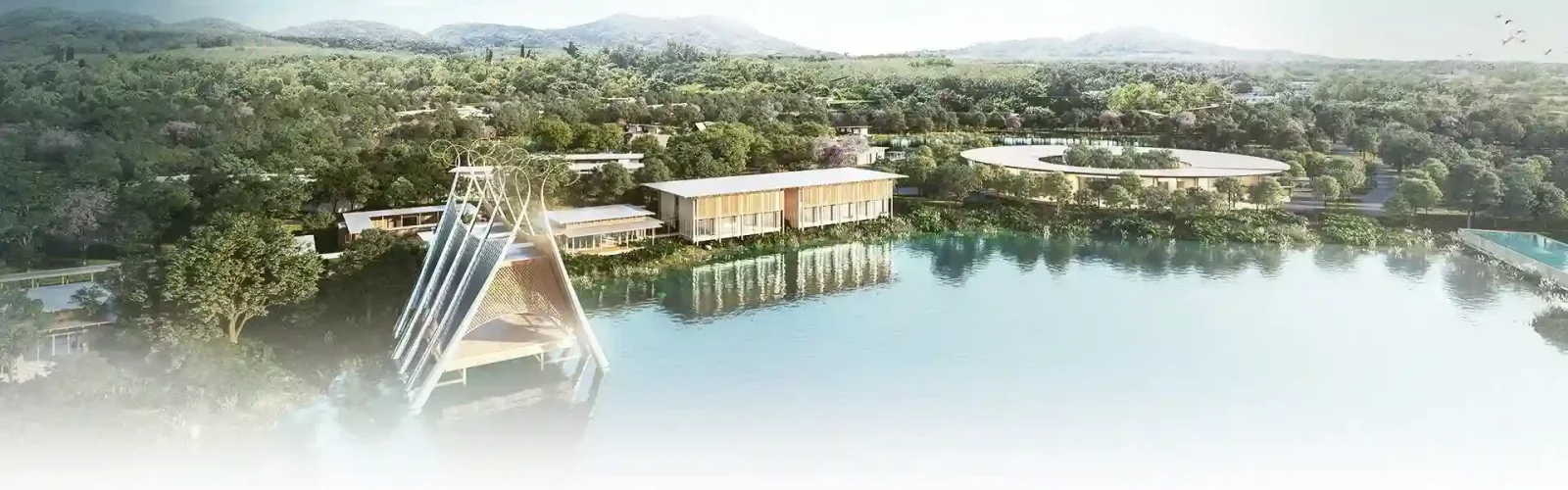
Closer to Layan Beach, [Layan Verde](/projects/layan-verde/) offers Dusit-managed condominiums for buyers who want a smaller ticket in the same part of the island.
## Estate: Wellness Infrastructure at Scale
**Medical and Longevity Centre** (Clinique La Prairie partnership)
- Health assessment and preventive medicine programmes
- Longevity-focused medical protocols
- Clinique La Prairie methodology applied in a residential setting
**Physical Wellness**
- Olympic-size swimming pool
- Fitness centre
- Spa and thermal facilities
**Mental and Spiritual Wellness**
- Mindfulness retreat zones
- Meditation and yoga areas
- Nature integration across the entire estate
**Nature and Community**
- Community organic farm
- Wetland nature reserve
- Botanic garden
- Lake and walking paths
**Community Life**
- Restaurant and dining facilities
- Children's and teenagers' activity zones
- Co-working facilities
- Pet-friendly throughout
The partnership with Clinique La Prairie is not branding decoration, it establishes Tri Vananda within a specific global conversation about wellness real estate. The category, sometimes labelled "longevity living" or "biophilic residential", is growing internationally, with comparable developments operating in Switzerland, Maldives, and Costa Rica. Tri Vananda is Phuket's first serious entry into this category.
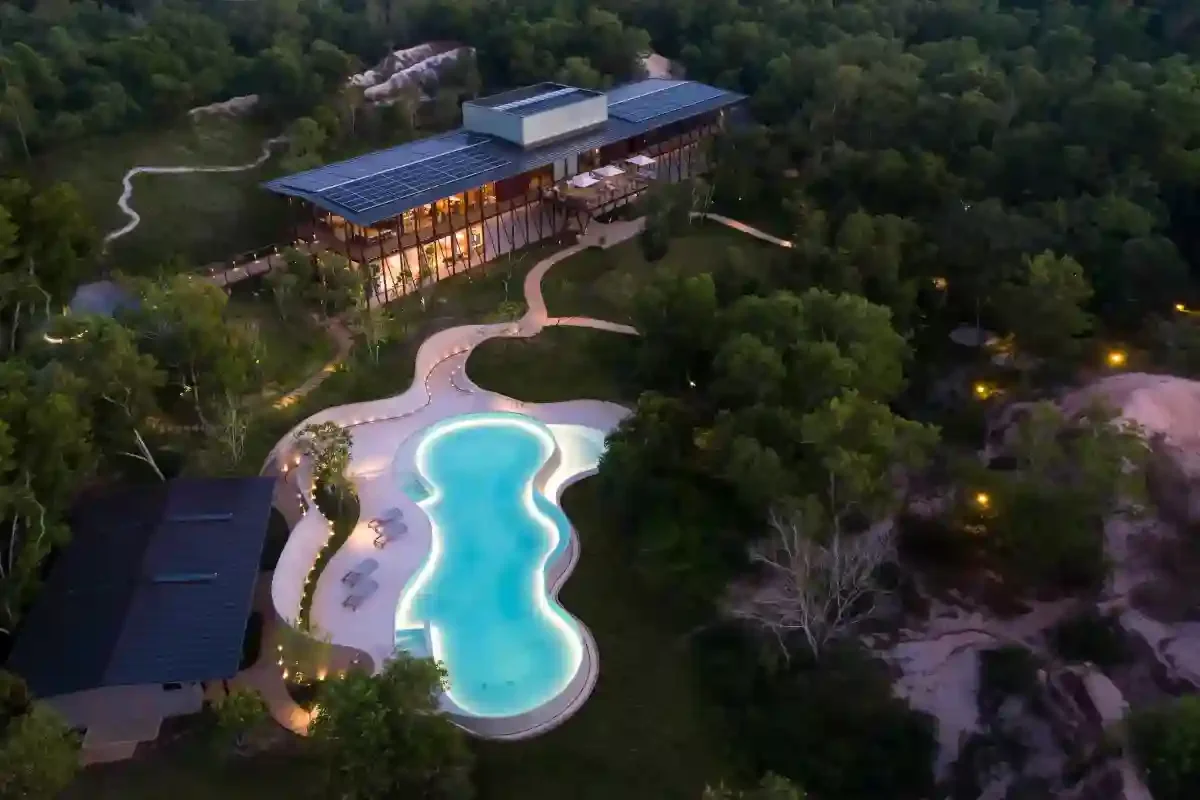
## Villas: Biophilic Design
Available villa types:
| Format | Bedrooms | Area | Price Range |
|--------|----------|------|-------------|
| Garden Villa | 2BR | 325-345 sqm | 54.4M - 75.2M THB |
| Forest Villa | 3BR | 325-525 sqm | 63.5M - 147.9M THB |
| Estate Villa | 4BR | 780 sqm | 120.9M THB |
All villas include private swimming pools, private gardens on generous plots, high ceilings, open-plan interiors with floor-to-ceiling glazing, and direct connection to the estate's nature pathways.
The 2-bedroom Garden Villas at 54.4M THB represent the accessible entry to the community. At 325-345 sqm, these are not small, they match the footprint of many 4-bedroom villas elsewhere in Phuket. The 3-bedroom Forest Villas span a wide price range (63.5M-147.9M THB) depending on position, view, and plot configuration. The 4-bedroom Estate Villa at 780 sqm and 120.9M THB is the flagship format.
Price per sqm across the range runs from approximately 155,000 to 282,000 THB, reflecting both the premium position of specific units within the estate and the capitalised value of the wellness infrastructure.
## Payment Plan
Payment runs across five tranches, 30% / 20% / 20% / 20% / 10%, weighted toward the construction period, with 10% falling due at handover, and handover is scheduled for Q2 2027, according to the developer. For international buyers managing multi-currency liquidity, five defined points are easier to plan around than a two-stage schedule.
We send the developer's schedule with each tranche tied to a construction milestone. At this ticket size the currency plan matters as much as the percentages, so we agree with you when to convert each payment into baht.
## Investment Case: A Different Kind of Asset
**1. Category scarcity.** There is currently no comparable wellness residential community in Phuket. The nearest international comparables are in Switzerland and Maldives, where pricing runs significantly higher. First-mover scarcity in a demonstrably growing global category supports long-term value retention.
**2. Clinique La Prairie brand premium.** Properties associated with globally recognised medical and wellness brands trade at premiums over unbranded equivalents. As the Clinique La Prairie network grows internationally, Tri Vananda's brand association becomes increasingly valuable.
**3. Demographic tailwind.** The high-net-worth buyer cohort globally is ageing, and wellness infrastructure is moving from "nice to have" to a primary purchasing criterion. Tri Vananda is positioned precisely at the intersection of luxury real estate and the longevity wellness sector.
Rental dynamics are different from conventional Phuket villas. Tri Vananda is likely to appeal to extended-stay wellness retreat tenants, corporate executives on health-focused sabbaticals, and international buyers seeking long-term lets in a medically integrated environment. Rental rates for the Garden Villa format could reasonably reach 80,000-120,000 THB per month for appropriate tenants, with demand coming from a wellness-focused audience rather than the mainstream holiday market.
For how rental income is actually measured on Phuket property, see our [Phuket rental yield](/guides/phuket-rental-yield-complete-guide-2026/) guide.
## What the Estate Setting Means for Owners
**An inward-facing estate.** Layan Beach is 14 minutes by car and Boat Avenue 20 minutes. Tri Vananda is built for a lifestyle centred on the estate itself: the medical longevity centre, the spa, the forest and the lakes, with the beaches and restaurants of the west coast within easy reach.
**A new category in Phuket.** Wellness residential is a growing global category, and Tri Vananda brings it to Phuket with Clinique La Prairie as its partner. Owners join a resident community built around health and nature from the start.
**Premium pricing.** At 155,000-282,000 THB per sqm, Tri Vananda sits at the top of the Phuket market, and the price reflects the concept and the wellness infrastructure behind it. Owners buy into an estate with no direct equivalent on the island.
## Buying Tri Vananda with MORE Group
A villa at Tri Vananda is bought in five steps, from the first price list to the keys, and we guide you through every one of them.
How the leasehold route compares with freehold is explained in [freehold vs leasehold in Thailand](/guides/freehold-vs-leasehold-thailand/).
## Our Verdict
The combination of the Clinique La Prairie partnership, the biophilic design philosophy, the Olympic wellness infrastructure, and the natural estate setting creates a project unlike anything else in the Thailand property market.
For buyers whose primary criteria are health, privacy, and meaningful engagement with nature, and who have the capital to participate in the premium pricing, Tri Vananda represents a once-in-a-market opportunity.
## FAQ
### What is the Clinique La Prairie partnership at Tri Vananda?
Tri Vananda operates a medical and longevity centre in partnership with Clinique La Prairie, the Swiss health and longevity institution. This provides residents with access to preventive medicine programmes and longevity-focused medical protocols within the estate.
### What is the minimum price to enter Tri Vananda?
The entry point is approximately 54,383,017 THB for a 2-bedroom Garden Villa of 345 sqm. Three-bedroom Forest Villas start from 63,500,000 THB.
### How far is Tri Vananda from the beach?
Layan Beach is approximately 14 minutes by car. The project is positioned as an inward-facing wellness estate rather than a beach-proximity development.
### How close is Tri Vananda to Phuket Airport?
Phuket International Airport is approximately 16 minutes by car, one of the shortest airport times among luxury villa communities in Phuket.
### What wellness facilities are included at Tri Vananda?
The estate includes a medical longevity centre (Clinique La Prairie), spa and thermal facilities, Olympic-size swimming pool, fitness centre, mindfulness retreat zones, organic community farm, wetland nature reserve, and a botanical garden, among other amenities.
### Are the villas at Tri Vananda suitable for families?
Yes. The estate includes children's and teenagers' activity zones, and the natural environment with lakes and botanical garden is well-suited to family life. The 3 and 4-bedroom villas accommodate larger families comfortably.
## Who Tri Vananda suits
**A good fit** for a buyer whose first criterion is health, privacy and daily contact with nature, who is comfortable at 54M THB and above, and who intends to spend real time on the estate. The Clinique La Prairie partnership and the medical longevity centre are at their most valuable for owners who use them.
**Worth a closer look** if you are buying a Phuket base for extended stays, want land-scale privacy without running a standalone villa, and value the estate's services: the shared infrastructure covers what a private villa owner would otherwise have to staff and maintain alone.
For the ownership mechanics, see [buying property in Phuket](/guides/buying-property-phuket-guide/), the [buying process step by step](/guides/due-diligence-process-thailand-step-by-step/) and the [off-plan guide](/guides/off-plan-property-phuket-guide/).
**Read Also:**
- [Best Areas in Phuket to Buy Property 2026](/guides/best-areas-phuket-buy-property/)
- [Layan Guide: Phuket's Private Pool-Villa Estate](/areas/layan-property-guide/)
- [Freehold vs Leasehold in Thailand](/guides/freehold-vs-leasehold-thailand/)
# Trichada Essence Review 2026: Prices, Units and Quota
> Trichada Essence review: 25 single-storey pool villas in Thep Krasattri near Layan, three-bedrooms from 21.12M THB, plots up to 907 sqm and the plan.
**Source:** https://moregroup.estate/projects/trichada-essence/
**Section:** Project Reviews
**Author:** MORE Group Editorial
**Published:** 2026-04-07
**Updated:** 2026-08-23
---
## What Is Trichada Essence in Layan?
Trichada Essence is the latest estate from Trichada Villas, the developer behind the Trichada Tropical phases in the same Layan and Cherngtalay corridor. Essence continues the formula with extra attention to interior finish: long pitched roofs over the living and dining areas, high ceilings, glass sliding doors onto the pool terrace, private pools, gardens and parking, in a gated estate with 24-hour security, a gym and a pet-friendly policy.
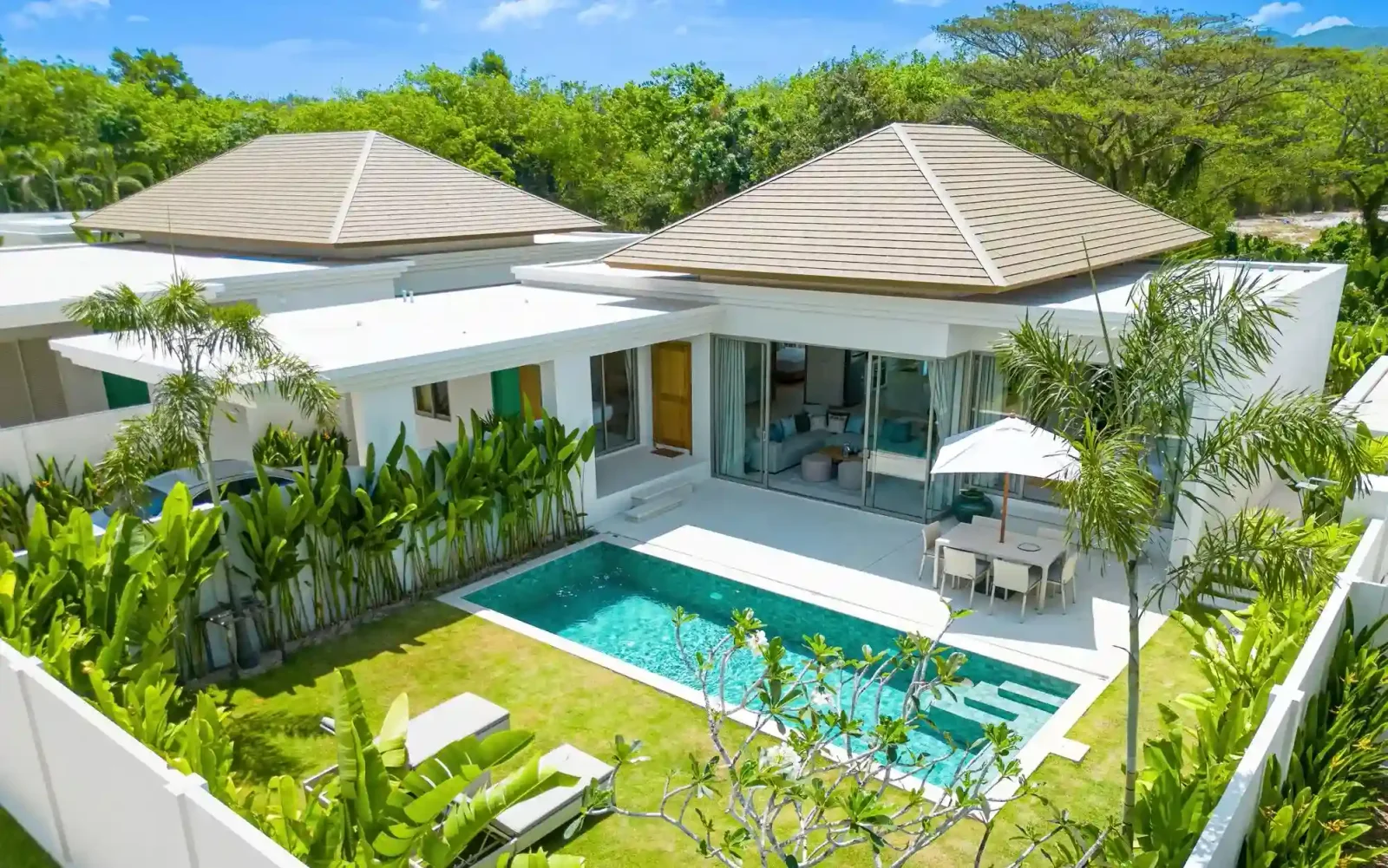
## What Are the Key Facts for Trichada Essence?
| Factor | Detail |
| --- | --- |
| Developer | Trichada Villas |
| Location | Thep Krasattri, Thalang, between Layan and Bang Tao |
| Estate | 25 single-storey pool villas |
| Villa sizes | 221 to 408 sqm built up, plots of 370 to 907 sqm |
| On the current list | 8 three-bedroom villas, 221 to 239 sqm |
| Price range on the list | 21,118,907 to 24,238,958 THB |
| Payment plan | 30 / 20 / 20 / 20 / 10 |
| Status | Under construction |
## Location and Area
- **Beaches:** Layan and Bang Tao beaches about 12 minutes by car
- **Boat Avenue and Porto de Phuket:** about 11 minutes, with Villa Market, restaurants and the international schools of Cherngtalay
- **Airport:** about 22 minutes by car
- **Laguna Phuket:** golf, spas and the resort's dining a short drive away
Layan and Cherngtalay remain among Phuket's strongest villa rental corridors because guests skew toward longer bookings and repeat stays, with European families and long-stay visitors at the core, and villas from earlier Trichada phases appear on the rental platforms with strong review scores.
## Design and Units
- **3BR:** from 21.12 million THB, 221 to 239 sqm on the current list, an efficient layout for couples and families
- **4BR:** the larger plans of the estate, up to 408 sqm, for multi-family stays and group retreats
- **Single-storey living:** every room on one level, with the pool terrace at the centre
- **Timeless tropical design** that ages well in rental photography
Trichada's model is straightforward: build quality tropical villas where rental demand is demonstrable, keep the design timeless, and let the finished product speak for itself.
## Investment Case
The case rests on the shape of the list and on the developer's finished work. The eight villas on the current list are all three-bedrooms, priced between 21,118,907 and 24,238,958 THB at about 95,600 to 101,400 THB per square metre, a spread of about fifteen per cent within one format, so the differences you are paying for are plot, position and finish, the differences that stay visible when you sell. The developer's earlier Trichada phases are finished and standing nearby, so the specification can be seen on site.
For owners who plan to let, we collect month-by-month figures for comparable let villas in the corridor from a villa manager, with the management share, the estate charge and the running costs set out. Compare [Botanica Hythe](/projects/botanica-hythe/) and [Layan Verde](/projects/layan-verde/) for other Layan estates and payment stages.
## The Payment Plan
| Stage | Share | On 21,118,907 THB |
| --- | --- | --- |
| Signing | 30% | 6,335,672 THB |
| Second | 20% | 4,223,781 THB |
| Third | 20% | 4,223,781 THB |
| Fourth | 20% | 4,223,781 THB |
| Handover, balance | 10% | 2,111,892 THB |
We send the schedule with the construction milestone each stage is tied to, together with the price list.
## Who Is This For?
- **Rental investors:** earlier Trichada phases give a benchmark for letting a villa of this kind
- **Developer-conscious buyers:** a builder with finished estates you can walk through
- **Layan lifestyle:** Bang Tao and Layan access below the ultra-luxury price tiers
- **Upgrade segment:** a step from a condo into a single-storey pool villa
## Why Buyers Choose Trichada Essence
- A developer with completed Trichada Tropical phases in the same corridor
- Layan and Cherngtalay, among Phuket's strongest villa rental markets
- Single-storey villas with private pools, on plots of up to 907 sqm
- Timeless design that ages well in listing photography and guest reviews
- Eight villas in one format on the current list, so the choice is plot and finish
- A five-stage payment plan through the build
## Trichada Essence Among Nearby Villa Estates
Buyers looking at Trichada Essence usually compare a handful of villa estates in the same corridor:
| Estate | Entry on our list | Three-bedroom size |
| --- | --- | --- |
| Trichada Essence | 21,118,907 THB | 221-239 sqm |
| [Aileen Villas Layan Phase 5](/projects/aileen-villas-layan-phase-5/) | 17,000,000 THB | 270-403 sqm |
| [Mono Champaca](/projects/mono-champaca/) | 18,490,000 THB | 256-334 sqm |
| [Botanica Modern Loft II](/projects/botanica-modern-loft-ii/) | 25,750,000 THB | 288-339 sqm |
Trichada Essence sits in the middle of this group, with single-storey living, plots of up to 907 sqm across the estate and a builder whose earlier phases stand nearby. The choice between them is a choice of setting, plot and design language, and we send the price lists of the estates you shortlist side by side.
## Life Between Layan and Bang Tao
Thep Krasattri sits inland from the two beaches, on green, quiet streets a short drive from the coast. Mornings on Layan Beach, a round at Laguna Golf, lunch on Boat Avenue and dinner at Porto de Phuket all fit into one day without a long drive, and the airport is about 22 minutes away for owners who fly in often. Families find the international schools of Cherngtalay within reach, and the estate's gym, gated security and pet-friendly policy make it an easy place to live for part or all of the year.
## Running a Villa
A private pool villa in this climate is a small building of your own: pool servicing, a garden that grows year-round, air conditioning, insurance, the estate charge for security and common landscaping, and a reserve for pumps and pool plant. We set out the annual budget for your villa with a manager's quote, and letting the villa when you are not using it covers part of it.
## How a Foreign Buyer Owns a Villa Here
This is a house on a plot of land rather than a condominium unit, so a foreign buyer holds it through a registered lease of the plot, 30 years per registration with renewal terms in the contract, with the house in their own name, or through a Thai company with genuine Thai shareholders and a real role in the company. [What a foreigner may hold](/guides/legal-guide-buying-property-thailand/) explains the routes, and we prepare the one that suits you with our legal support.
## What We Send Before You Reserve
| Document | What it shows |
| --- | --- |
| Price list | All available villas with plot areas and positions |
| Ownership documents | The registered lease term and its renewal wording |
| Construction schedule | The milestone each payment is tied to |
| Annual budget | Pool, garden, staff, insurance and management |
| Rental benchmark | Figures for comparable let villas in the corridor |
1. The price list for the available villas with plot areas
2. A visit to completed Trichada Tropical phases as the finish benchmark
3. Achieved figures for let villas in inland Layan, if you plan to let
4. A comparison with [Botanica Modern Loft II](/projects/botanica-modern-loft-ii/) in the same price band
5. The [Phuket villa buying guide](/guides/phuket-pool-villa-buying-guide-2026/) for the ownership routes
## Buying Trichada Essence with MORE Group
A villa at Trichada Essence is bought in five steps, from the first price list to the keys, and we handle each of them with you.
{/* corpus-faq:trichada-essence */}
## FAQ
### What is Trichada Essence compared to earlier Trichada Tropical phases?
Trichada Essence is the latest estate from Trichada Villas in the same Layan and Cherngtalay corridor: 25 single-storey pool villas with extra focus on interior finish and considered design, building on the formula of the earlier Trichada Tropical phases.
### What rental income can I expect from a Trichada villa in Layan?
Layan and Cherngtalay draw European families and long-stay guests to private pool villas. For owners who plan to let, we collect month-by-month occupancy and achieved rates for comparable let villas, including the finished Trichada phases nearby, and set the management share, the estate charge and the tax against them.
### Can foreign buyers own at Trichada Essence?
Yes. The house is owned in your own name and the plot is held on a lease registered at the Land Office, 30 years per registration with renewal terms in the contract, or through a Thai company with genuine Thai shareholders. We prepare the structure with our legal support.
### What bedroom options does Trichada Essence offer?
The estate has three- and four-bedroom single-storey villas of 221 to 408 sqm. The current list carries eight three-bedroom villas of 221 to 239 sqm from 21,118,907 to 24,238,958 THB.
### How does Trichada Essence compare to Botanica villas in Layan?
Both are Layan villa estates. Trichada has finished phases nearby that you can walk through, and its current list is eight three-bedroom villas from 21,118,907 THB on single-storey plans. Compare the two on the plots, the lease terms and the estate charges you are offered, and we send both sets of documents.
### What stage is Trichada Essence at?
Construction is underway. We send the latest construction update together with the price list.
**Read Also:**
- [Complete Guide to Buying Property in Phuket](/guides/buying-property-phuket-guide/)
- [Botanica Hythe Review](/projects/botanica-hythe/)
- [Botanica Modern Loft II Review](/projects/botanica-modern-loft-ii/)
- [Layan Verde Review](/projects/layan-verde/)
- [The buying process step by step](/guides/due-diligence-process-thailand-step-by-step/)
- [Bang Tao area guide](/bang-tao-properties/)
# Twinpalms Residences MontAzure, Kamala: Resale Guide
> Twinpalms Residences MontAzure on Kamala Beach, Phuket: completed, sold-out freehold condos run by Twinpalms Group. What to check before buying a resale unit.
**Source:** https://moregroup.estate/projects/twinpalms-residences/
**Section:** Project Reviews
**Author:** MORE Group Editorial
**Published:** 2026-03-31
**Updated:** 2026-09-23
---
## Twinpalms Residences MontAzure: Branded Hotel Residence Review
The branded residence model works differently from a standard condominium purchase. You own the unit on condominium title and place it under the hotel's management programme. The hotel handles reservations, housekeeping, maintenance, and guest-facing services. In return, the operator keeps a share of revenue set out in the management agreement and distributes the remainder to owners on an agreed schedule. Here the operator is Twinpalms Group: when its Twinpalms MontAzure hotel opened on the site in 2019, the developer described the suites and penthouses as owned by private buyers and placed in a rental pool, with owners entitled to a set number of days of personal use each year. For buyers who want exposure to Phuket's short-term rental market without managing bookings themselves, this is a meaningful structural advantage.
The location is Kamala Beach on Phuket's west coast, between Patong to the south and Surin to the north, and not Surin Beach, where the flagship Twinpalms resort stands. The developer describes the residences as steps from the sand, and its launch material gave them 100 metres of direct beach frontage. The estate around them, MontAzure, runs from forested hills down to the beach, next to the villa strip known as Millionaire's Mile. By the developer's own travel times, Surin Beach is 5 minutes away, Patong Beach and the Laguna golf course 15 minutes, and Phuket International Airport 35 minutes. Kamala is quieter than Patong, which suits buyers who want a resort setting on the beach rather than a nightlife strip.
This review covers the brand story, the ownership structure, what is known about pricing, how rental income works under the Twinpalms programme, and how a resale purchase at Twinpalms works.
## Twinpalms Hotel: 20 Years of Brand Equity, from Surin Beach to Kamala
Brand equity in hotel real estate translates into pricing power at the property level. Hotels with recognised names and loyal guest databases can command nightly rates that unbranded boutique properties on the same beach cannot match. Twinpalms guests are not primarily price-sensitive; they book on reputation, past experience, and the confidence that service standards will meet expectations. This is precisely the kind of traveller who generates the higher average daily rates that make branded residence yields work.
The Twinpalms identity is positioned around calm, understated service rather than the large-format beach clubs and entertainment programming that define properties in Patong or parts of Bang Tao. That positioning attracts a predominantly European clientele, with strong representation from buyers in the United Kingdom, Germany, Scandinavia, and Switzerland. These markets correlate with higher spend per night, longer average stays, and lower price sensitivity compared to the mass-market segments that fill standard Phuket condominiums.
For investors, the question is always: what does brand affiliation actually deliver to rental returns? The answer at Twinpalms has three components. First, access to the hotel's direct booking channel and established online travel agency presence reduces reliance on price-driven platforms and supports higher average daily rates. Second, hotel-standard housekeeping, maintenance, and concierge services are difficult and expensive for individual owners to replicate independently. Third, the conversion advantage of a known name counts in a market where first-time Phuket visitors often filter by recognisable brands rather than browsing anonymous listings.
Brand management is paid for through the operator's share of revenue, and the owner's statements show how the programme performs through the high and the shoulder seasons, which is why we collect them before an offer.
Twinpalms built its name at its flagship resort by Surin Beach, where the brand started in 2004, among the restaurants and beach clubs of that stretch of coast. That cluster is not what a Twinpalms Residences owner buys into. The residences sit about 5 minutes' drive south, inside MontAzure, and the relevant neighbours are the estate's own: the Twinpalms MontAzure hotel with its Shimmer beachfront restaurant, Café Del Mar Phuket and the InterContinental Phuket Resort, all named by the developer as parts of MontAzure. The group's other venues, such as Catch Beach Club, are a drive away rather than on the doorstep.
The residences were not built by Twinpalms. They were the first residential phase of MontAzure, an estate the developer says was created by The Narai Group of Thailand, Arch Capital of Hong Kong and Philean Capital of Singapore, part of Pontiac Land Group, and Twinpalms Group was engaged to manage and operate them. For a buyer, that split matters: the estate's developer answers for the building and the estate rules, while the operator answers for the rental programme and the service standard. The [MontAzure project review](/projects/montazure/) covers the estate, its second layer of charges and its phasing.
Kamala's appeal for this kind of product rests on the logic that made Surin a boutique address: low-rise building on the beachfront keeps the setting quiet, and a quiet setting is what the Twinpalms guest pays for. MontAzure has kept adding phases around the residences since they were finished, so an owner here is buying into an estate that is still growing, not simply the physical asset.
For comparative context on other strong-performing areas in Phuket, the [guide to best areas to buy property in Phuket](/guides/best-areas-phuket-buy-property/) covers how Surin, Bang Tao, and Kamala differ in buyer profile, price level, and rental characteristics.
## What You Own: Branded Residence vs Standard Condo?
When you buy a standard condominium in Phuket, you typically take possession of the unit, arrange your own rental management if you want income, and handle maintenance either yourself or through a third-party property manager. You choose when to use the unit and when to rent it. The relationship between personal use and rental flexibility is largely in your control.
When you buy a Twinpalms residence from its owner, ask first whether the unit is in the Twinpalms rental pool, and on what terms: the hotel opened in 2019 with 46 suites and penthouses, while the developer's current factsheet lists 73 units in the residences. If it is, the management agreement that governs it will either be assigned to you or signed afresh with the operator. The agreement defines how the hotel manages your unit, what percentage of gross revenue flows to you, when you can use it yourself, and under what conditions the agreement can be modified or terminated. We go through it with you before an offer, since it defines how the investment works.
The key terms of a Twinpalms management agreement are these. The management fee percentage, and critically, what costs are deducted before the owner's share is calculated: some programmes deduct operating expenses before applying the percentage, while others apply it to gross revenue. The personal use allocation: how many nights per year can you occupy the unit, and during which periods? The duration of the management commitment and exit terms: how long are you contractually bound to the programme, and what are the penalties for early termination? How capital improvement costs are handled: who pays for major refurbishments, and on what schedule? What happens to the agreement if the hotel undergoes a brand change or ownership transfer?
The service standards delivered under hotel management at Twinpalms are substantially higher than what an individual owner can arrange for a standalone rental. Daily housekeeping, 24-hour front desk, concierge services, pool and gym access, and in-room dining from the hotel restaurant are bundled into the guest experience. This service quality is what justifies the nightly rate premium and what keeps Twinpalms guests paying above-market prices rather than booking a similarly sized condominium a few streets away for considerably less.
From a capital appreciation standpoint, branded residences at established properties tend to trade at a premium over their original purchase price in the resale market, provided the hotel brand remains strong and the physical product has been well maintained. The buyer pool for a Twinpalms resale unit is narrower than for a generic Phuket condominium, but it includes past Twinpalms hotel guests, brand loyalists, and international buyers seeking a turnkey investment in a recognisable property. Demand is quality-filtered: buyers who know and value the brand.
Buyers interested in the structural differences between freehold and leasehold as they apply to branded residences should consult the [freehold vs leasehold Thailand guide](/guides/freehold-vs-leasehold-thailand/) before reviewing the management agreement terms.
## Unit Types and Pricing
The developer publishes a factsheet for the building rather than a price list, and the figures below are its own.
| Item | What the developer states |
|------|---------------------------|
| Building | Low-rise beachfront condominium in clusters, with 100 metres of Kamala Beach frontage |
| Units | 73 on the current factsheet (earlier releases said 75) |
| Bedrooms | One to four bedrooms, including rooftop residences and penthouses |
| Unit sizes | 101.43 to 824.12 sqm |
| Site | 9.39 rai (15,000 sqm), inside the MontAzure estate |
| Ownership | Foreign freehold available under the Thai Condominium Act |
| Operator | Twinpalms Group hospitality programme |
| Status | Completed, first keys handed over at the start of 2019, now listed as sold out |
The factsheet does not say whether these sizes are internal or total, but the unit plan shown on its page, type F3-2, has 108.14 sqm inside within 369.62 sqm in total, so compare units by the internal area on the title deed. The largest are Grand Units of 450 to almost 800 sqm, which the developer created by combining condominiums. There are no studios; the rooftop residences each have a private rooftop pool and deck, and some ground-floor units have private gardens.
The developer's site marks the project as sold out, though the same page still shows an older offer on its last remaining units, so ask the MontAzure sales office whether any developer stock is left. The entry price it quoted around the first handovers, at the turn of 2019, was THB 15.8 million. That was a launch price, not today's value: a resale price is whatever an owner asks, so compare it with what the seller paid and with any recent transfers in the building.
The prices at branded residences include intangibles: access to the hotel's booking infrastructure, the brand name on future listing platforms, and the expectation of hotel-standard maintenance. These have real value but are not always straightforward to quantify in a standard price-per-sqm comparison.
Because the building is complete, there is no construction payment schedule. A resale runs as a reservation deposit, a sale and purchase agreement fixing the price and transfer date, and the balance paid at the Land Office on transfer day. We set out the deposit terms in writing, check the title with our legal support and obtain the letter from the juristic person, the owners' body, confirming the common charges are paid, which the Land Office requires for the transfer.
Buyer-side costs on a resale are often cited near 3 to 5 percent of the price, depending on how the transfer fee and taxes are split; the [Phuket property taxes and fees guide](/guides/phuket-property-taxes-fees-complete-guide/) sets out each item. We collect last year's common area and sinking fund bills from the seller, so the running costs are clear.
For buyers comparing Twinpalms pricing against other projects in Phuket's upper segment, the [Phuket property market prices 2026 guide](/guides/phuket-property-market-prices-2026/) provides current context on price bands across different beach areas.
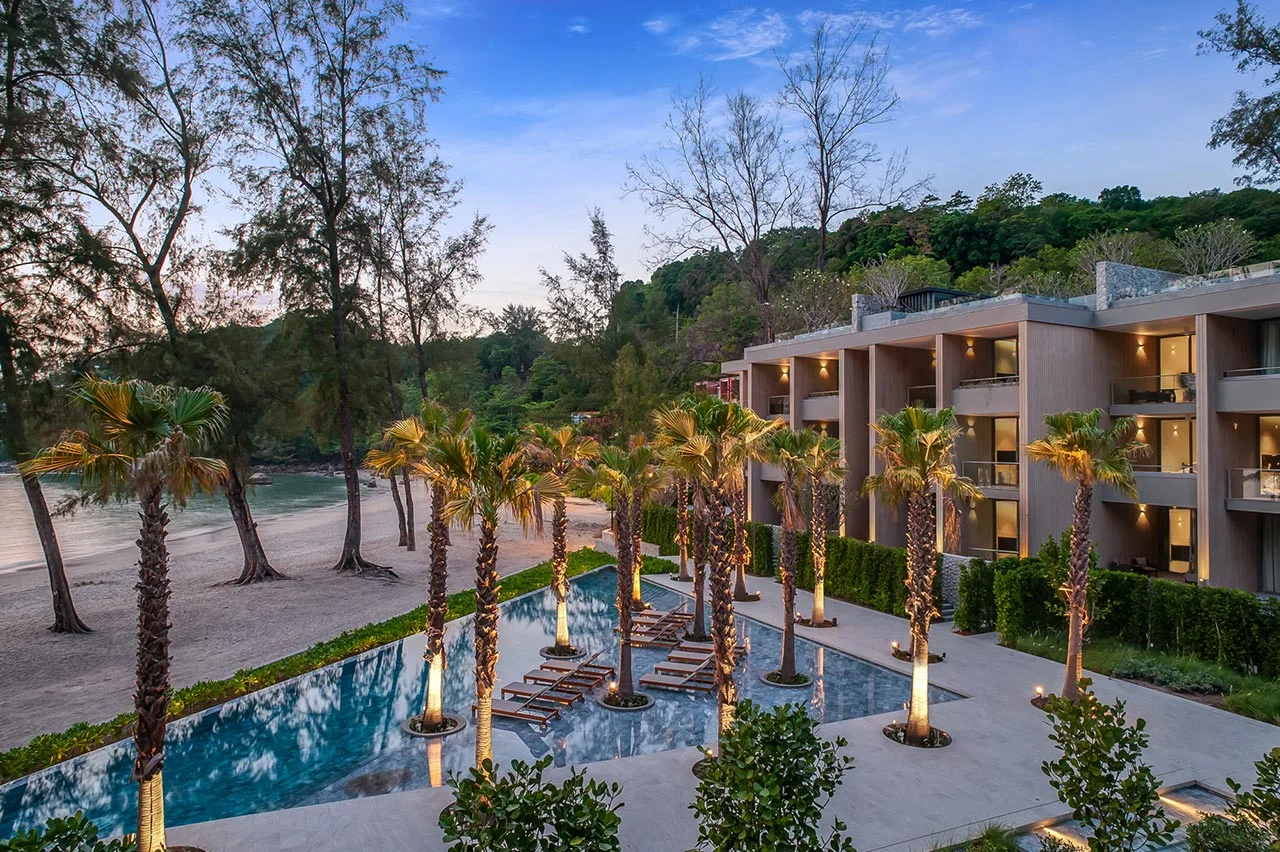
## Kamala Beach: The Investment Case for Boutique Luxury
Kamala Beach sits between Patong to the south and Surin to the north. The developer's travel times from MontAzure put Surin Beach 5 minutes away; Boat Avenue, the Laguna golf course and the Blue Tree and Central malls 15 minutes; Patong Beach 15 minutes; British International School Phuket and Kajonkiet International School 35 minutes; and Phuket Town 40 minutes. Bang Tao, anchored by the Laguna complex, provides a broader range of dining, international schools, and expat infrastructure. Kamala offers a quieter residential profile, which is part of what a Twinpalms guest is paying for.
MontAzure sits beside Millionaire's Mile, the villa strip on the headland between Kamala and Surin, and the developer describes the estate as running from forested hills down to absolute beach frontage. On the beach, the Twinpalms MontAzure hotel, its Shimmer restaurant and Café Del Mar Phuket give the residences a self-contained resort setting rather than a pass-through beach stop. This depth of lifestyle offer matters for rental demand: guests who want beach luxury within walking distance of good restaurants will pay to be on the sand rather than accepting a property two kilometres inland.
The owner's statements are the clearest guide to what a Twinpalms-run unit earns across a year.
Beachfront land in Kamala is limited, and the residences hold 100 metres of it. The MontAzure estate keeps growing around the residences, with MGallery Residences MontAzure among its newer buildings, which deepens the resort setting.
Phuket's high season runs from November to April, when the west coast sea is calm and most long-haul visitors arrive, and it is when demand for beachfront stays peaks. The owner statements show each month on its own, high season and low.
Buyers researching the Kamala investment profile, including supply, pricing and seasonal patterns, should read the [Kamala property investment guide](/guides/kamala-property-investment-2026/) and the [guide to the best areas to buy in Phuket](/guides/best-areas-phuket-buy-property/) before making an offer.
## Rental Income
A resale buyer here has the building's own record to work from: Twinpalms Residences has been in use since 2019, and these are the documents that hold it, which we collect for you:
| Document | What it tells you |
|----------|-------------------|
| Owner statements for the last three years | What this unit actually earned, month by month, after the operator's share |
| Management agreement | The operator's share, what is deducted before it, owner-use days, term and exit |
| Rental pool rules | How pooled income is split between units and which costs the pool carries |
| Juristic person accounts | Common charges, sinking fund balance and planned major works |
**Net income** is built from the income actually distributed to the owner, less common area maintenance charges, sinking fund contributions, insurance and any owner-level administrative costs, divided by the price you would pay.
One structural advantage of the Twinpalms programme is that the hotel's established booking channels and direct client relationships reduce dependency on online travel agency platforms that would otherwise charge 15 to 20 percent platform commissions on top of management fees. If the hotel absorbs these platform commissions within its management fee structure rather than passing them through to owners separately, that is a meaningful benefit compared to standalone rental management.
The owner statements show the difference between high and low season month by month, and we ask the hotel management team for monthly distributions across all 12 months rather than a single annual figure. The [Phuket rental yield guide](/guides/phuket-rental-yield-complete-guide-2026/) explains how the figures are built.
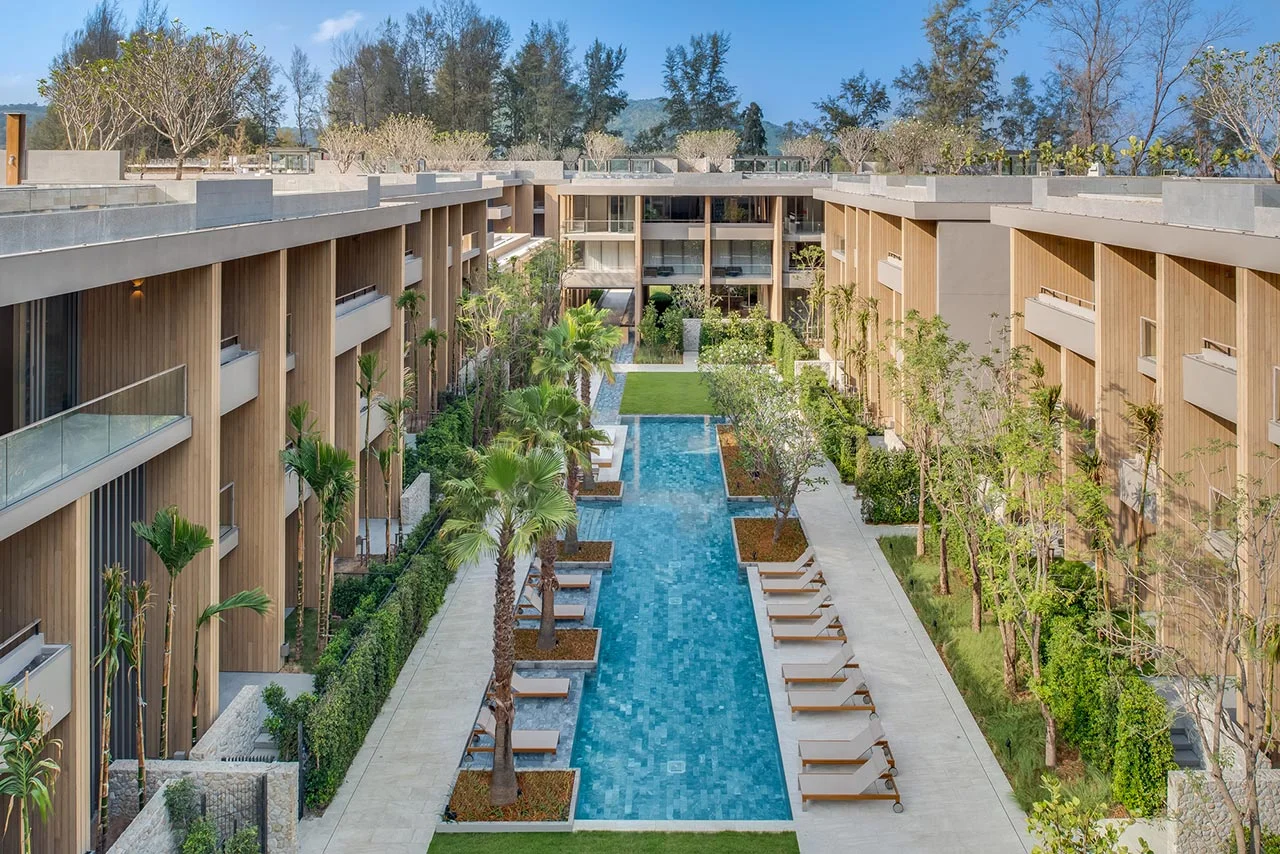
## Buyer Profile and Scenarios
**The yield-focused investor** views the Twinpalms purchase primarily as an income-generating asset. The priority is verified historical occupancy, a transparent management fee structure, and net cash flow after all costs. For this buyer, the brand is valuable precisely because it supports the rate premium that makes the yield calculation work. The smaller one-bedroom units, where capital commitment is lowest, typically suit this profile best. We collect the actual revenue distribution statements from the owner for this buyer.
**The lifestyle-plus-income buyer** wants a Kamala Beach address for personal use and views the rental income as a meaningful offset of ownership costs rather than a primary return target. For this buyer, the personal use allocation in the management agreement is as important as the yield percentage. How many nights can you occupy the unit during high season? Are there restricted periods during peak weeks in December and January? Can you book personal stays with reasonable flexibility, or only through a formal request process weeks in advance? We confirm the personal use terms of the Twinpalms agreement with you before signing.
**The capital preservation buyer** is primarily interested in Phuket property as a store of value in a stable jurisdiction with a well-regulated land title system. Beachfront branded property with a fixed number of units holds a scarce position, because land like this is not being added, and we send the recent transfers in the building. This buyer typically works with a three to seven year horizon and sells to a buyer who values the same combination of brand, location, and managed income.
For all three profiles, a site visit to MontAzure on Kamala Beach and a walkthrough of both the common areas and a representative unit are valuable before committing. The condition of the hotel's public spaces is the best available proxy for how your unit will be maintained over time. A well-maintained lobby, landscaping, and pool signal operational standards that translate directly to the rental experience for guests and to the condition of your asset.
More context on purchasing structures in Phuket, including the resale sequence and the title transfer process, is available in the [buying property in Phuket guide](/guides/buying-property-phuket-guide/), and the resale route is explained in [how a resale purchase works in Phuket](/guides/is-it-safe-to-buy-resale-phuket-property/).
## Foreign Ownership
The developer states that foreign freehold is available here under the Thai Condominium Act. Non-Thai nationals may hold freehold title in a registered condominium only within the 49 percent foreign quota, measured by the total floor area of the building rather than by unit count. On a resale the practical question is whether the unit you want is already held in the foreign quota by its current owner, or whether the building has quota left for you. We obtain a dated letter from the juristic person naming the unit before the deposit. A Thai-held unit outside the quota is available on a registered lease.
Foreign funds requirements add another procedural step for international buyers purchasing freehold in Thailand. The purchase funds must enter Thailand via an international wire transfer and be converted to Thai baht by a Thai bank. The bank will issue a Foreign Exchange Transaction certificate, which is required for freehold title registration. We align the Foreign Exchange Transaction timeline with the transfer date in your purchase agreement.
The management agreement at Twinpalms adds a contractual layer on top of the condominium title. Owning the freehold title and being party to the management agreement are two separate legal relationships. We review both with you, with our legal support: the purchase agreement for title terms and the management agreement for operational and financial terms, as two distinct commitments.
The [buying process step by step](/guides/due-diligence-process-thailand-step-by-step/) covers the full sequence for branded residences, including the purchase agreement, the title search and the transfer.
A lease registers for up to 30 years, with renewals set in the lease agreement, and freehold within the quota is the simpler route for a condominium unit, particularly for a long horizon or a property to pass to family.
## What We Send Before You Make an Offer
| Document | What it shows |
|-----------|----------------|
| Management agreement | The operator's share, what is deducted before it, owner use, term, exit and the brand-change clause |
| Owner statements | Three years of revenue distributions from the hotel operation |
| Foreign quota letter | Whether the unit is held in the foreign quota, dated, from the juristic person |
| Building condition | The juristic person's maintenance plan and reserve balance, and the unit's condition, including any rooftop pool and deck |
| CAM and sinking fund | The per-sqm common area rate and the annual sinking fund contribution |
| Personal use terms | The owner-use nights and the booking process in high season |
| Recent transfers | What comparable units in the building have sold for |
We build the net cash flow for the unit from the owner's statements, the management fee, the common charges and the sinking fund, so the offer is made on real figures.
## Buying Twinpalms Residences with MORE Group
Twinpalms Residences is finished, so a resale runs from the offer to the transfer in a few weeks, and we handle every step of it with you.
Twinpalms Residences is complete, so the milestone and escrow checks in the [off-plan property Phuket guide](/guides/off-plan-property-phuket-guide/) apply only if you are weighing it against a building still under construction. If you are comparing it with the estate's newer buildings, see [MGallery Residences MontAzure](/projects/mgallery-residences-montazure/) and [Botanica MontAzure](/projects/botanica-montazure/).
{/* corpus-faq:twinpalms-residences */}
## FAQ
### What makes Twinpalms Residences different from other Phuket condominiums?
Twinpalms Residences MontAzure is a completed, low-rise beachfront condominium on Kamala Beach whose units can be placed in a hospitality programme run by Twinpalms Group, the operator of the flagship Twinpalms resort by Surin Beach. Owners hold condominium title; under the programme the hotel handles reservations, housekeeping, and guest services in exchange for a share of revenue set in the management agreement. Standard condominiums offer more self-management flexibility but without the hotel brand's booking network or service standards.
### Can foreign buyers purchase Twinpalms Residences on freehold title?
Yes. The developer states that foreign freehold is available under the Thai Condominium Act, within the 49 percent foreign quota, which is measured by floor area. On a resale, we confirm in writing before the deposit whether the unit is already held in the foreign quota or whether quota remains. International purchase funds must enter Thailand via wire transfer and be converted to Thai baht by a Thai bank, which issues the Foreign Exchange Transaction certificate required for freehold registration.
### What is the starting price for a Twinpalms Residences unit?
The developer's site lists the project as sold out, so in practice units are resales priced by their owners. The entry price the developer quoted around the first handovers, at the turn of 2019, was THB 15.8 million for the smallest units. Treat that as history, not a current value, and compare any asking price with what the owner paid and with recent transfers in the building.
### What rental income can Twinpalms Residences owners expect?
What an owner can expect is what the unit's own record shows: we collect three years of owner statements from the Twinpalms programme, the management agreement and the rental pool rules, and work out the net figure with you after the operator's share, common charges and sinking fund.
### What do you send before I buy a Twinpalms Residences unit?
Five things: (1) a dated letter from the juristic person on the unit's foreign quota position; (2) the full management agreement, reviewed with our legal support, covering the operator's share, personal use allocation, and exit terms; (3) the owner's statements from the rental programme for the last three years; (4) the current common area maintenance and sinking fund charges and any planned works; and (5) the condition of the unit, including any rooftop pool and deck.
# Unique Eco Viva Chalong: Eco Pool Villas from 20.3M THB
> Unique Eco Viva: ten eco-minded pool villas in Chalong with solar panels, inverter air conditioning and smart homes, three and four bedrooms, from 20.3M THB.
**Source:** https://moregroup.estate/projects/unique-eco-viva/
**Section:** Project Reviews
**Author:** MORE Group Editorial
**Published:** 2026-04-08
**Updated:** 2026-10-07
---
## What Is Unique Eco Viva?
Unique Eco Viva is a modern tropical home that is light on energy. Each villa comes with 5 kW of solar panels, inverter air conditioning and a smart home system, so the house stays cool and comfortable while using less power, and water-saving features complete the eco design. Inside, open, bright living spaces lead out to the terrace, the garden and a private pool.
With only ten villas, the community is small and calm, and the south of the island is all around: Chalong Pier and the marinas, schools and supermarkets, and the beaches of Rawai, Nai Harn and Kata within a drive.
## What Are the Key Facts for Unique Eco Viva?
| Factor | Detail |
| --- | --- |
| Location | Chalong, south Phuket |
| Community | 10 private pool villas |
| On our price list | 10 villas |
| Three-bedroom | 330 sqm, 20,300,000 THB |
| Four-bedroom | 415 to 449 sqm, 22,900,000 to 28,300,000 THB |
| Payment | 35% / 20% / 15% / 15% / 10% / 5% |
| Stage | Under construction |
| Beach | About 20 minutes by car |
| Airport | About an hour by car |
| Eco features | 5 kW solar panels, inverter air conditioning, smart home |
| Plots | About 281 to 460 sqm |
## Location: Chalong, the Family South
Chalong is where many of Phuket's resident families live, close to the pier, the marinas, the schools and the supermarkets, with the beaches of the south a short drive away.
- **Chalong Pier and the marinas:** boats to the islands
- **Schools and supermarkets:** the nearest mall about 11 minutes by car
- **Rawai, Nai Harn and Kata beaches:** about 20 minutes by car
- **Big Buddha and Phuket Town:** a short drive
- **Airport:** about an hour by car
From Unique Eco Viva, the nearest beach about 20 minutes by car, the nearest mall about 11 minutes and the airport about 65 minutes, so everyday errands, school runs and trips home are easy to plan.
Life here has a family rhythm: school and shops during the week, the islands and the southern beaches at the weekend. The [Rawai area page](/rawai-properties/) covers the wider south.
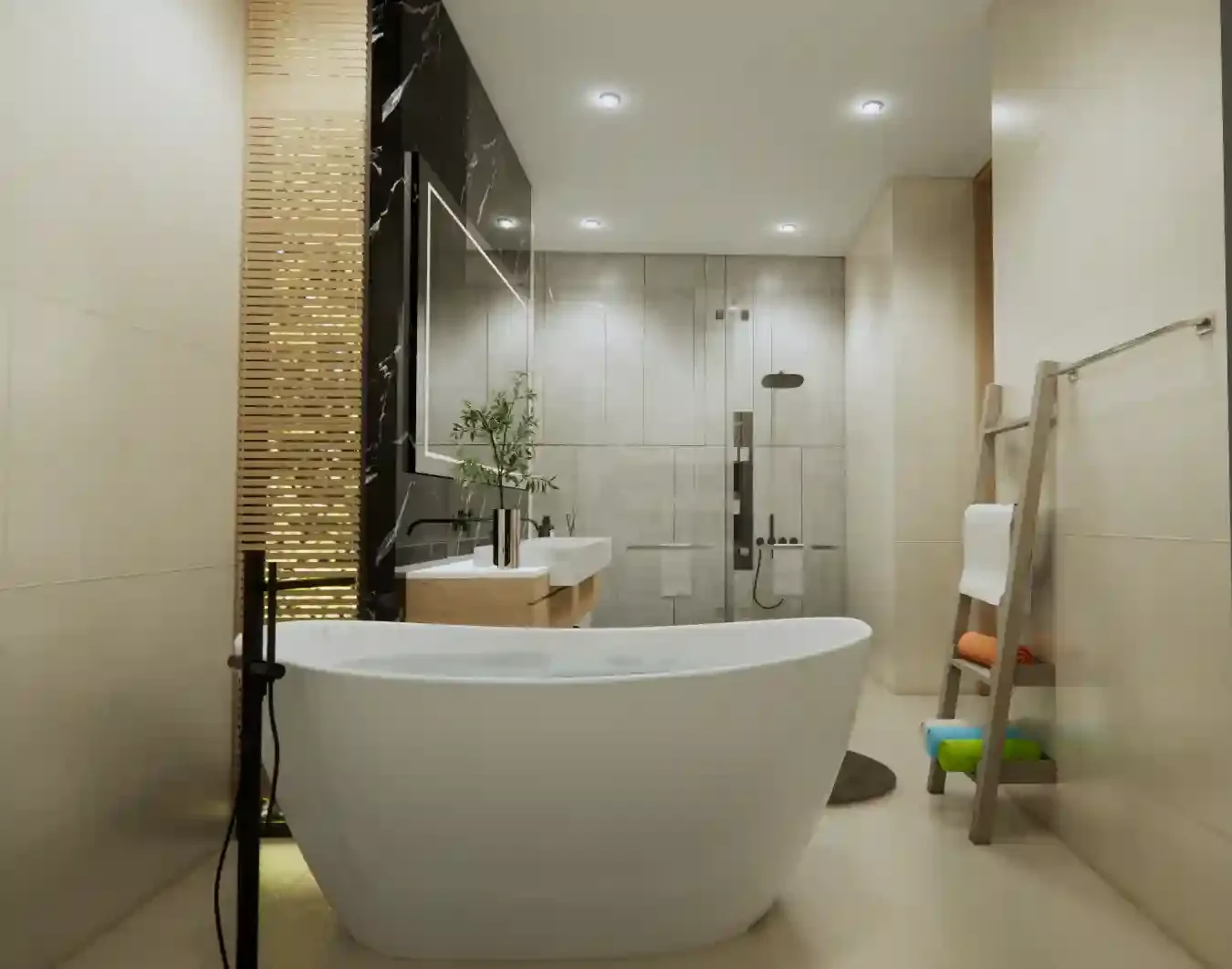
## Villas and Prices
| Villas | Bedrooms | Built area | Price |
| --- | --- | --- | --- |
| 3, 2 | Three | 330 sqm | 20,300,000 THB |
| 7 villas | Four | 415 to 434 sqm | 22,900,000 to 28,300,000 THB |
| 8 | Four | 449 sqm | 24,000,000 THB |
The three-bedroom villas of 330 sqm open the list at 20,300,000 THB, and the four-bedroom villas of 415 to 449 sqm follow from 22,900,000 THB up to 28,300,000 THB. The price follows the size and the plot, and we send the plan, the plot and the eco specification of each villa with the list.
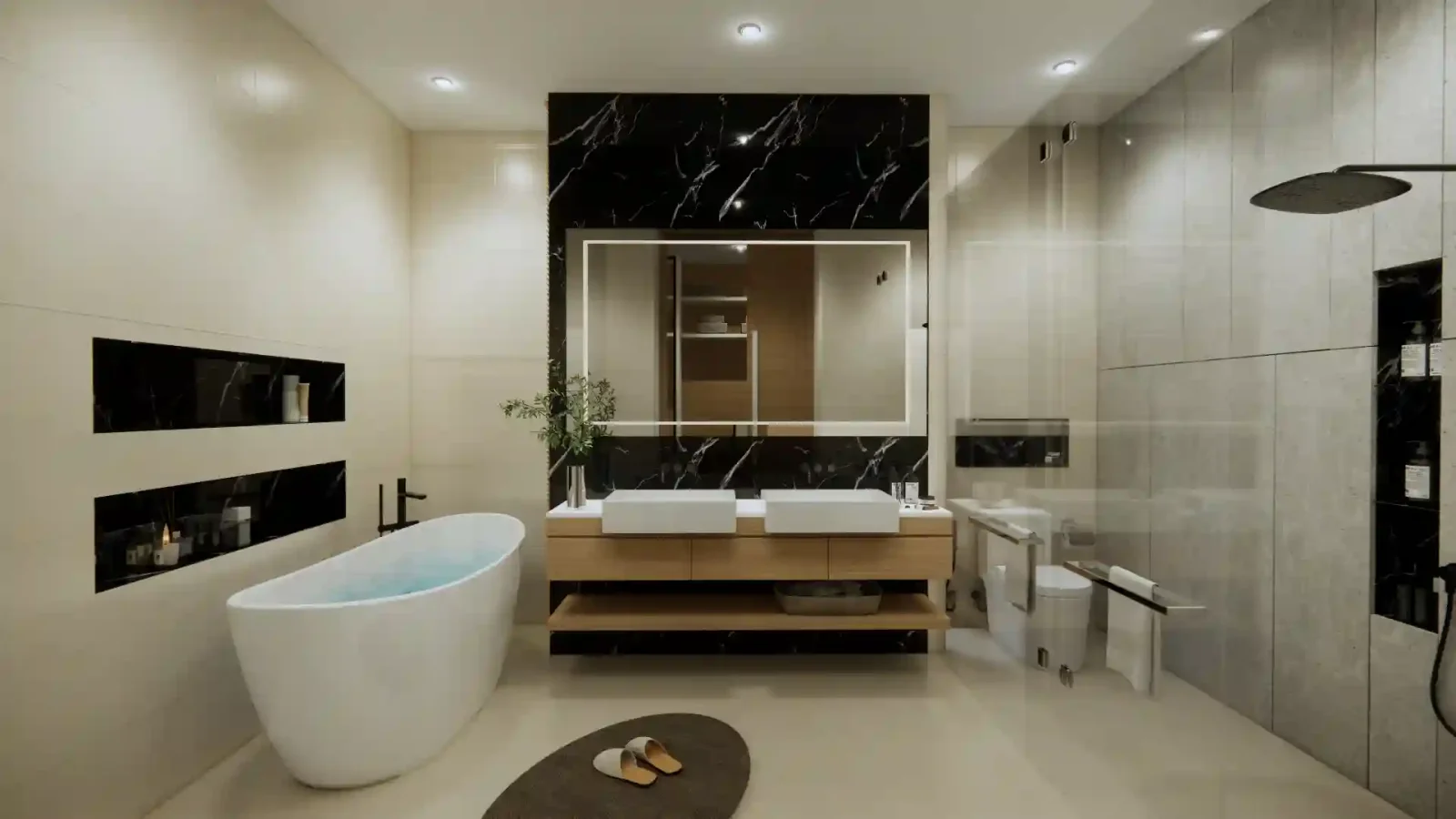
## Design and Facilities
- **5 kW solar panels** on every villa
- **Inverter air conditioning**
- **Smart home system**
- **Water-saving features**
- **Three and four bedrooms**
- **Private swimming pool** and garden
- **Only ten villas**
- **Pet-friendly**
## Living at Unique Eco Viva
Life at Unique Eco Viva feels good in more ways than one. The solar panels quietly cover part of the power, the smart home keeps the rooms cool before you arrive, and the pool and the garden are always a few steps from the living room. School and the supermarket are close, and at weekends Chalong Pier opens the way to the islands. For owners who care about their footprint, the house is a comfortable way to live more lightly in the tropics.
## Six-Stage Payment Plan
The price is paid in six stages: 35%, 20%, 15%, 15%, 10% and 5%. For a villa at 20,300,000 THB that works out as follows:
| Stage | Share | Amount |
| --- | --- | --- |
| 1 | 35% | 7,105,000 THB |
| 2 | 20% | 4,060,000 THB |
| 3 and 4 | 15% each | 3,045,000 THB each |
| 5 | 10% | 2,030,000 THB |
| 6 | 5% | 1,015,000 THB |
The schedule follows the build, and we send the developer's schedule for your villa with the price list.
## Why Buyers Choose Unique Eco Viva
- **Solar power** and inverter air conditioning
- **Smart home** systems
- **Three and four-bedroom villas** with private pools
- **Only ten villas** in the community
- **Chalong piers, schools and shops** close by
- **Pet-friendly**
## Who Unique Eco Viva Suits
**Eco-minded families** who want a comfortable home that uses less energy.
**Long-term residents of the south** who want a quiet community near the schools and the piers.
**Owners who spend part of the year in Phuket** and want smart systems to look after the house.
**Rental investors** aiming at relocating families who rent for a school year or longer.
## Renting Out a Villa at Unique Eco Viva
An eco-minded family pool villa in Chalong appeals to relocating families and long-term residents who rent for six or twelve months, and to families on holiday in the south. Lower running costs are a welcome part of the offer for long-stay tenants.
If you plan to let your villa at Unique Eco Viva, we collect current asking rents and holiday rates for comparable villas in Chalong and Rawai and send them with the price list. [Our rental guide](/guides/phuket-rental-yield-complete-guide-2026/) explains how to read a rental offer line by line.
## Ownership for Foreign Buyers
At Unique Eco Viva, as with any villa in Thailand, you buy land plus a building. The villa can be held in your own name over a lease of the plot registered at the Land Office, 30 years per registration with renewal terms in the contract, or the land can be held through a Thai company with genuine Thai shareholders. [Freehold and leasehold in Thailand](/guides/freehold-vs-leasehold-thailand/) explains both routes, and we prepare the one that suits you with our legal support.
## Unique Eco Viva and Other Villas in the South
| Project | From | Status |
| --- | --- | --- |
| [Nile Residence Chalong](/projects/nile-residence/) | 12,950,000 THB | Off-plan |
| [Monetaria Villas Rawai](/projects/monetaria-villas/) | 18,900,000 THB | Off-plan |
| [WamDom Villas Rawai](/projects/wamdom-villas-rawai/) | 20,000,000 THB | Completed |
| Unique Eco Viva | 20,300,000 THB | Off-plan |
| [VIP Galaxy Villas Rawai](/projects/vip-galaxy-villas/) | 22,300,000 THB | Off-plan |
| [Larimar Vista Chalong](/projects/larimar-vista/) | 24,500,000 THB | Off-plan |
| [Grand Sea Through](/projects/grand-sea-through/) | 28,800,000 THB | Off-plan |
Unique Eco Viva stands out in this group for its solar power and eco features. We send the price lists of any of these projects on request and arrange viewings.
## Buying Unique Eco Viva with MORE Group
A villa at Unique Eco Viva is bought in five steps, from the first price list to the keys, and we are with you through each of them.
## What We Send Before You Reserve
- The current price list for Unique Eco Viva with free villas, plot areas and plans
- The six-stage payment schedule for your villa
- The ownership structure for your purchase, leasehold or company, with the documents it needs
- The community's common charges
- The latest construction update
{/* corpus-faq:unique-eco-viva */}
## FAQ
### What does Unique Eco Viva cost?
Our price list holds 10 villas: three-bedrooms of 330 sqm at 20,300,000 THB; four-bedrooms of 415 to 434 sqm from 22,900,000 to 28,300,000 THB; four-bedrooms of 449 sqm at 24,000,000 THB.
### What eco features do the villas have?
5 kW solar panels, inverter air conditioning, a smart home system and water-saving features.
### Where is Unique Eco Viva?
In Chalong, south Phuket, close to the pier, schools and shops. The nearest mall is about 11 minutes by car and the southern beaches about 20 minutes.
### What is the payment plan?
Six stages: 35%, 20%, 15%, 15%, 10%, 5%. For a villa at 20,300,000 THB that means 7,105,000 THB at the first stage.
### How can foreigners own a villa at Unique Eco Viva?
The villa can be held in your own name over a lease of the plot registered at the Land Office, 30 years per registration with renewal terms in the contract, or the land can be held through a Thai company with genuine Thai shareholders. We prepare the structure with our legal support.
**Read Also:**
- [Laurinda Villa](/projects/laurinda-villa/)
- [Nai Harn and Rawai Compared](/guides/nai-harn-vs-rawai-comparison/)
- [Freehold vs Leasehold in Thailand](/guides/freehold-vs-leasehold-thailand/)
- [How Foreigners Buy Phuket Property 2026](/guides/buying-property-phuket-guide/)
- [Phuket Rental Yield Guide](/guides/phuket-rental-yield-complete-guide-2026/)
# Utopia Central Kathu: Ready Condos from 1.45M THB
> Utopia Central review: completed condo from 1.45M THB in Kathu, the commuter belt between Patong and Phuket Town. Ready to transfer, 405 units.
**Source:** https://moregroup.estate/projects/utopia-central/
**Section:** Project Reviews
**Author:** MORE Group Editorial
**Published:** 2026-03-30
**Updated:** 2026-08-23
---
Utopia Central is a **completed condominium** in Kathu, the inland district between Patong and Phuket Town that houses much of the workforce serving both, priced from **1,450,000 THB**. On MORE Group's records that is the lowest entry price of any finished condominium scheme on the island: of the 25 completed schemes with a price on file, the next cheapest are Apple House at 1,800,000 THB and VIP Great Hill at 1,849,000.
At that money this is a different market from the tourist-corridor condominiums in Bang Tao or Kamala, and it should be read as one rather than as a cheap version of them. This review sets out what the price delivers and who it is actually for.
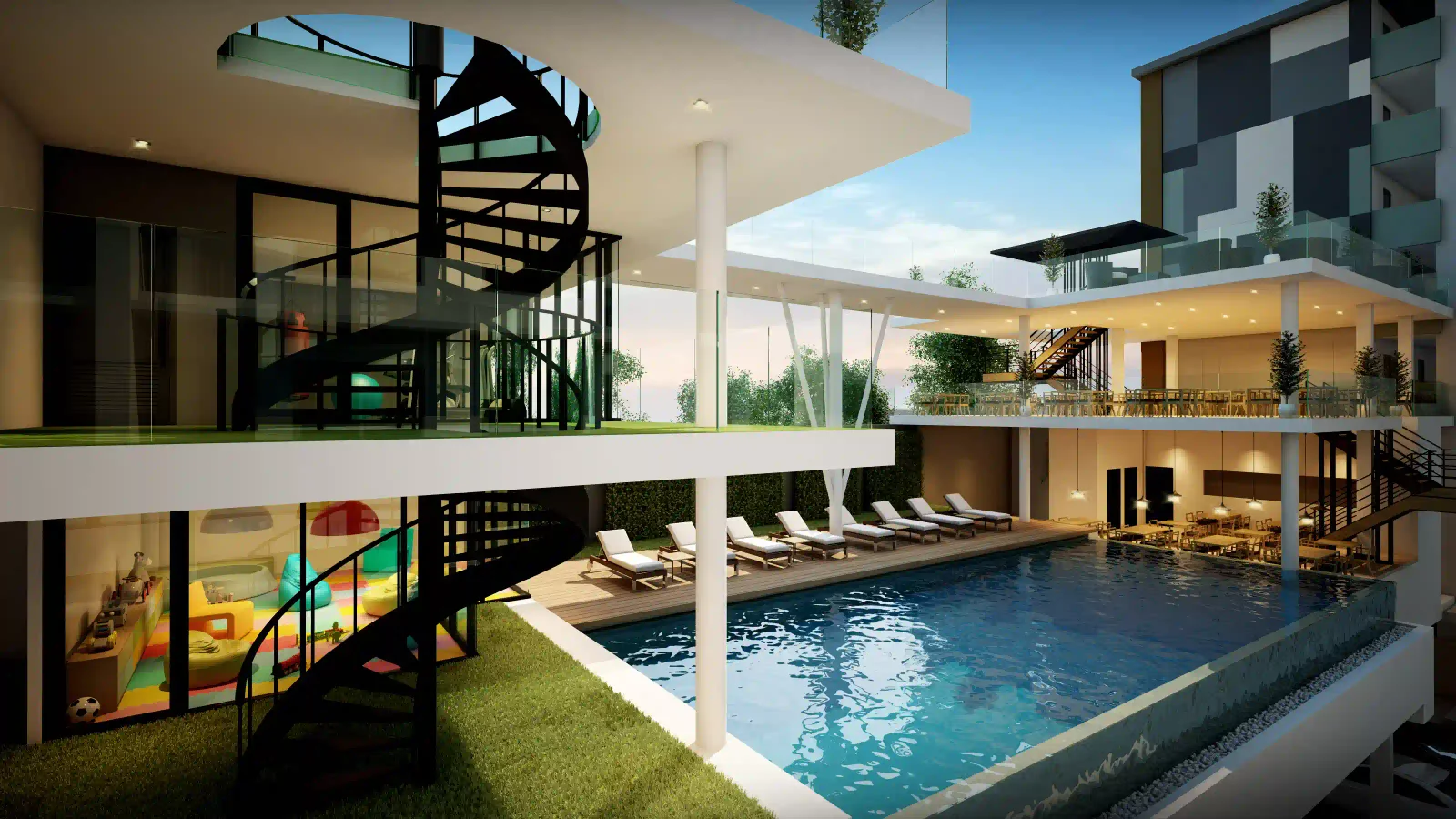
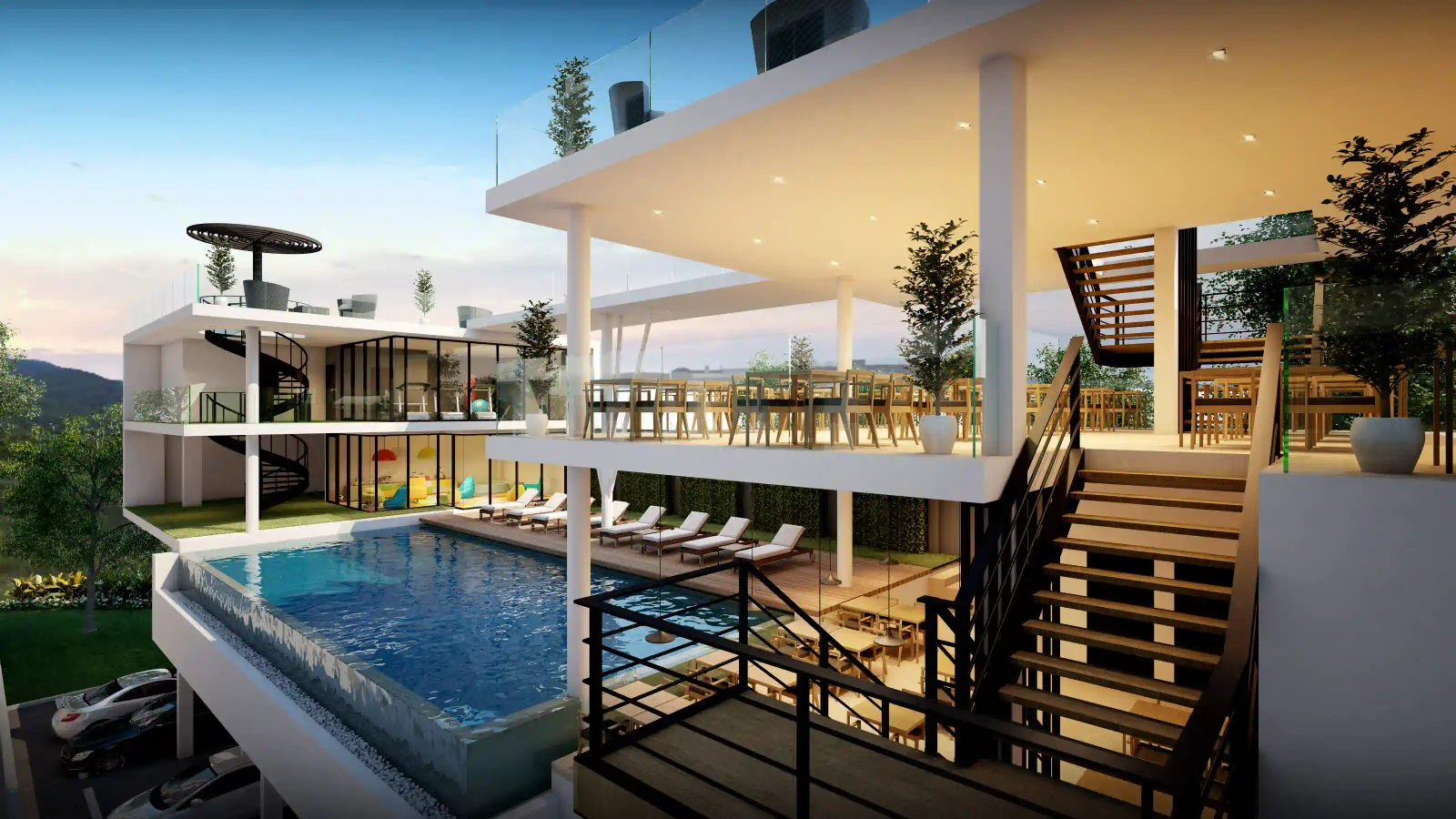
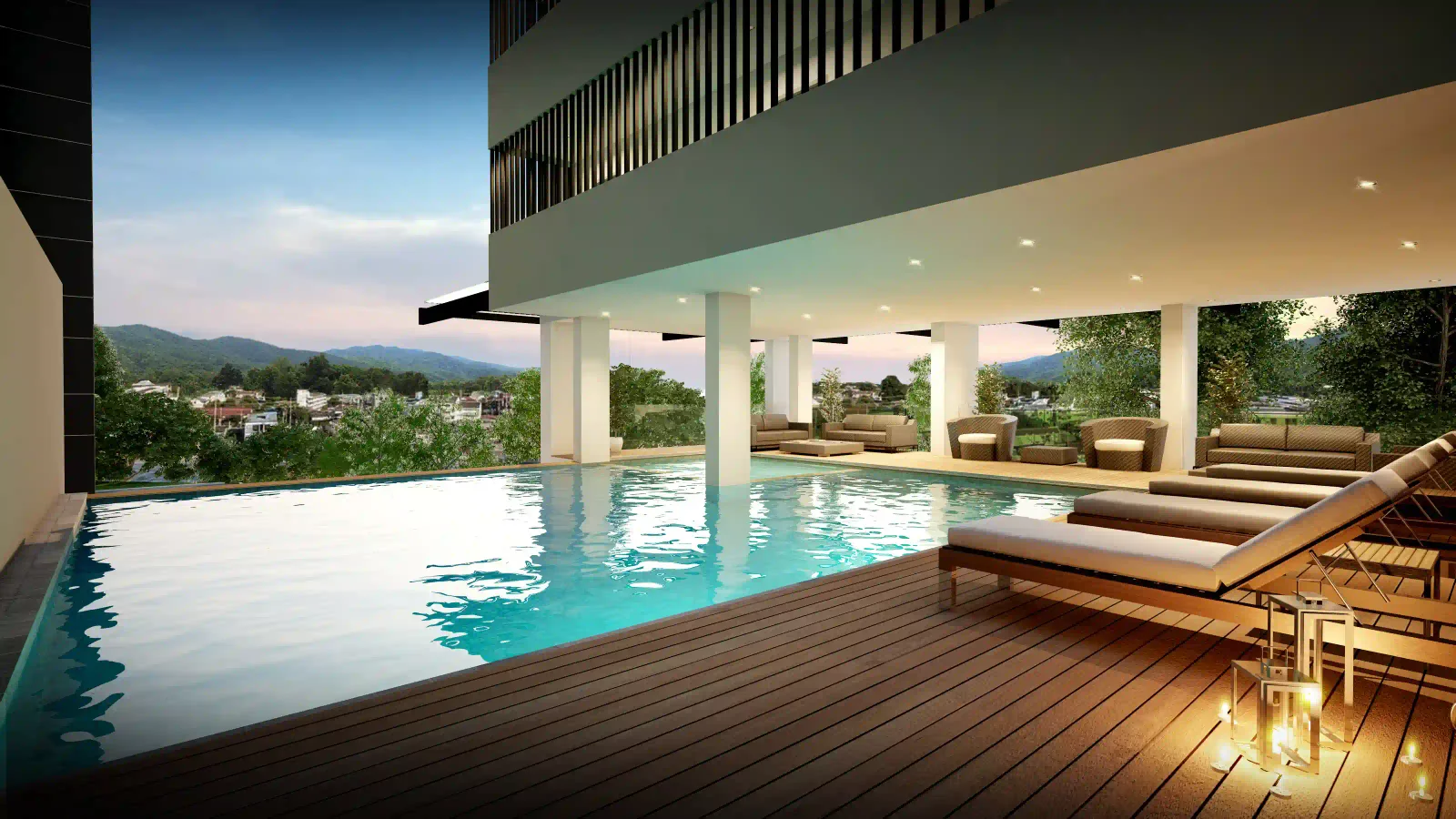
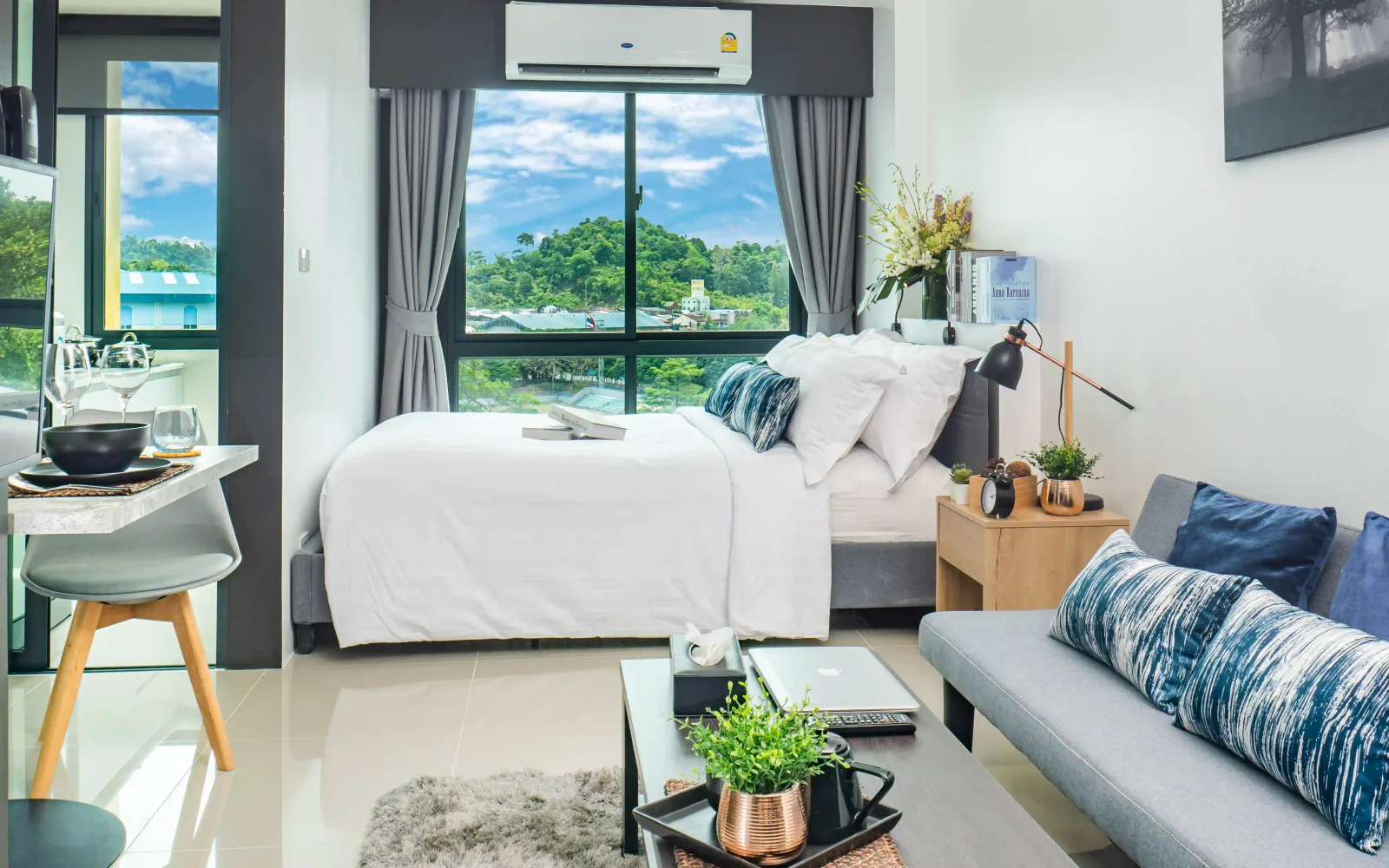
## What does 1,450,000 THB buy in Phuket?
The units on the list are studios of 24 and 33 square metres. The 24 sqm plans run 1,450,000 to 1,700,000 THB, or 60,417 to 70,833 per square metre; the 33 sqm plans are 1,750,000 and 1,900,000, at 53,030 and 57,576. The larger studio is therefore the cheaper metre, by up to 25%, which is the ordinary way round and worth knowing before comparing the two by ticket price alone.
Set that against the island: the median rate for an apartment in Kathu on the same records is 107,774 THB per square metre and the island's cheapest area median is Si Sunthon at 92,515. These studios are priced at roughly half either figure, which is what the bottom of the market looks like when it is real rather than rhetorical.
One listing in the price file, a 24 sqm unit at 13,500,000 THB, is a keying error and is excluded from the figures above; we send the current list in writing.
## Kathu: understanding the location
Kathu is the district in the middle of the island's west side, inland and uphill from Patong and a short run from Phuket Town. It is a residential address rather than a tourist one: it is where a large share of the people who work in Patong's hotels, restaurants and shops actually live, along with Thai professional households and a settled expatriate population.
**What Kathu has:**
- Patong over the hill, roughly 10 to 15 minutes by road outside peak traffic
- Central Floresta and the Phuket Town retail cluster within easy reach
- Loch Palm and Red Mountain golf courses on the doorstep
- Local markets, clinics, schools and everyday services at local prices
- A resident rental market that runs all twelve months rather than six
The beaches of the west coast are a short drive over the hill, and Kathu's tenants are residents rather than holidaymakers.
The distinction matters for the income model. Kathu's tenant is someone who works on the island, and the business is monthly letting on twelve-month terms: steady, cheap to service, and largely unaffected by the tourist season.
## Who Utopia Central Suits
- A buyer who wants a base in Phuket at the lowest workable entry and will use it themselves for part of the year
- An investor planning a twelve-month tenancy to someone who works on the island, rather than nightly letting to visitors
- A first purchase in Thailand, where a finished building lets a remote buyer see exactly what they buy
- Anyone who wants to inspect the actual unit, the actual common areas and the actual accounts before paying, which is only possible on completed stock
## Rental Income in Kathu
Kathu's rental market is local and steady, and knowing which market the unit serves is the key to its income.
Kathu's tenant works on the island. Hotel, restaurant and retail staff serving Patong, Thai professional households, and a settled expatriate population, all of them renting on twelve-month terms because they live here. That business is steady, cheap to service, and largely indifferent to the tourist season.
We get the rent from the ground: a Kathu letting agent's current twelve-month rents for studios of 24 and 33 square metres in this building and around it. From that we take out management, common area maintenance, the sinking fund, utilities between tenancies and Thai tax, and set the net against 1,450,000 THB plus the cost of buying.
## Value Over Time
Kathu is the island's commuter belt: people who work on the west coast live here, and that demand holds year after year.
**What supports the price.** Better roads between Kathu and Patong and employment growth on the west coast, which brings more tenants inland.
**The hold.** Here the rent is the return and any appreciation a bonus: a unit that lets steadily for years has done exactly what it was bought to do.
## Utopia Corporation: the positive factor
The developer matters more at this price than at any other, for a reason that is easy to miss: at 1.45 million baht the alternative is not a better new building, it is a pre-owned apartment of unknown quality from an unknown seller.
What a completed project from an established company gives you here:
- **The building exists.** No milestone schedule and no waiting: you inspect what you are buying.
- **A juristic person is running.** Accounts, a CAM rate with a history, and a sinking fund you can ask about rather than a projection.
- **Registration is immediate.** Transfer at the Land Office happens on a schedule you and the seller set, not on a construction timetable.
- **A track record you can look at.** Other Utopia buildings are standing and lettable, which is a form of evidence a first-time developer cannot offer at any price.
On a completed building the useful documents are about condition and governance, and we collect them for you: the state of the common plant, the sinking fund balance, the building's accounts and the CAM account of your unit.
For the buyer at this level who wants a completed, developer-built condominium, that combination is the argument for the project.
## Summary
The case for Utopia Central is clear: at 1,450,000 THB it is the most affordable finished condominium on our records, from a developer with other buildings standing, in a district whose rental demand runs all twelve months because its tenants live and work here.
For a buyer with more capital, a natural comparison is new stock in the same inland belt: [Arise Vibe](/projects/arise-vibe/) at Si Sunthon opens at 2,514,000 THB and runs to 8,947,000, while Utopia Central is finished and ready now.
## Running a Studio for Rental Income
A studio of 24 to 33 square metres bought at 1.45M to 1.9M THB produces a gross yield percentage well above a villa's, and the running costs are what turn it into the net. Many of those costs are fixed per unit rather than per square metre: cleaning between tenants, platform commission, the management fee and electricity.
We build the plan in baht, month by month: rent, then cleaning per changeover, commission, management, CAM, sinking fund, utilities and an allowance for soft furnishings. The result depends above all on who runs the unit, and we introduce you to Kathu letting managers who specialise in long-term tenancies.
## Documents for a Completed Building
The building is finished, so every document about it exists today, and we collect them for you:
- **The CAM rate per square metre** and its history over the last three years
- **The sinking fund balance** and the planned maintenance of the lifts, pumps, roof and common-area cooling
- **The minutes of the last two annual general meetings** of the juristic person
- **The asking prices of other units** listed in the building, which show the resale market for your unit
## Ownership and Letting
The Condominium Act B.E. 2522 (1979) lets non-Thai owners hold up to 49% of a building's floor area freehold between them, and this is a condominium, so that route is open here. In a finished building the quota has a current state, and we confirm the foreign allowance for your unit number. Units outside the quota are available on a registered lease.
For letting, we send the building's hotel licence position for stays under 30 days, which the Hotel Act B.E. 2547 (2004) requires, and the registered co-owner regulations, both in writing.
## Resale at the Entry Level
The exit is worth thinking about at purchase, because the buyer pool for a compact studio is different from the pool for anything larger.
Two groups buy at this level: investors and end users who want a small base in Phuket at an accessible price. The unit sells on its numbers, its condition and its price against the others listed in the same building. Three things help at resale: an interior kept a step above the neighbours', a documented tenancy record, and a price set against what is listed in your own building.
Legal work, bank charges and the FET paperwork are close to flat in baht, and we include both the purchase and the eventual sale in the holding-period figures for your unit.
## Buying Utopia Central with MORE Group
Utopia Central is finished, so the purchase runs in five short steps from the price list to the keys, and we handle each of them with you.
{/* corpus-faq:utopia-central */}
## FAQ
### What does Utopia Central cost?
From 1,450,000 THB for a 24 square metre studio, up to 1,900,000 for a 33 square metre one on the current list. That is 60,417 to 70,833 THB per square metre on the smaller plan and 53,030 to 57,576 on the larger, so the bigger studio is the cheaper metre. The building is finished, so payment is 100% at transfer with no staged plan.
### Is Utopia Central a good investment?
It suits an affordable base in Phuket, or a long-term letting to a resident tenant who works on the island. We plan it on the rent a local agent says the unit achieves today.
### What rental yield does Utopia Central achieve?
We ask a Kathu letting agent what comparable studios in this building are contracted at now, then deduct management, common area maintenance, the sinking fund, utilities between tenancies and Thai tax to give the net figure. The tenant here works on the island on a twelve-month lease, which keeps the income steady.
### Can foreigners buy Utopia Central freehold?
Yes. Utopia Central is a condominium project and allows freehold ownership within the 49% foreign quota. As a completed project, the foreign quota for your unit is confirmed before any deposit.
### How does Utopia Central compare to Utopia Karon?
They are different businesses from the same developer, not better and worse versions of one. Utopia Karon is finished stock in the Karon tourist zone, one-bedrooms priced 4,500,000 to 6,500,000 THB, underwritten on nightly letting and therefore fully exposed to the season. Utopia Central is studios from 1,450,000 THB in Kathu, underwritten on twelve-month tenancies to people who work on the island. Karon offers the higher potential gross with a seasonal pattern; Central offers steadier occupancy all year.
**Related guides:**
- [Utopia Karon Phuket review 2026](/projects/utopia-karon/)
- [Minimum budget to buy property in Phuket](/guides/best-entry-price-property-phuket-2026/)
- [What does $100K buy in Phuket?](/condos-under-100k/)
- [Arise Vibe Phuket review 2026](/projects/arise-vibe/)
- [Best areas in Phuket to buy property](/guides/best-areas-phuket-buy-property/)
# Utopia Dream Phuket: Nai Harn Condo Review 2026
> Utopia Dream, Nai Harn: 595 completed condos of 29 to 32 sqm from 3,080,000 THB. The developer's record, the leisure complex and how to buy.
**Source:** https://moregroup.estate/projects/utopia-dream/
**Section:** Project Reviews
**Author:** MORE Group Editorial
**Published:** 2026-03-30
**Updated:** 2026-09-23
---
Utopia's completed building in Kathu, [Utopia Central](/projects/utopia-central/), shows the developer's work in another part of the island.
Utopia Dream, project code U2, is Utopia Corporation's condominium complex in the hinterland of Nai Harn Beach and Rawai, at the southern tip of Phuket: 595 units on a 7-rai site, completed and in use. The developer, established in 2015 according to its own site, builds themed buildings rather than plain condominiums. Dream has three condominium buildings, U2 MAX, U2 PRO and U2 MINI, with eight room designs between them and a leisure complex at the centre. This review covers the developer's record as its own site states it, what Nai Harn offers as a place to live and let, the unit sizes and the developer's starting price, and how the purchase works.
In the developer's own words, Dream is the next step in its Nai Harn cluster, which began with Utopia Naiharn and continued with Utopia Loft. Elsewhere on the island Utopia has Utopia Central in Kathu and Utopia Karon on the west coast, and the developer calls Utopia Naiharn its flagship property. For investors, buying at Utopia Dream means joining a brand that runs several rental buildings on the island, in Nai Harn, one of its most settled long-stay areas.
The developer's starting price is 3,080,000 THB for a unit of 29 to 32 sqm, and Nai Harn has a distinct profile, set out below.
---
## Utopia Corporation: Developer Track Record and Brand Identity
What distinguishes Utopia from generic Phuket developers is theming. Its own description of Dream is a multi-themed property: eight room designs across the three buildings, from classical to rustic (the developer renders on this page show two of them), a Japanese-style relaxation and bathing centre, and villa designs that mix Chinese and Thai elements. The developer has offices at Utopia Naiharn and in Beijing.
**Completed and delivered projects in the portfolio:**
Utopia Karon sits on Karon Hill, about 800 metres from Karon Beach according to the developer: 238 units, completed. It is Utopia's west-coast building and the one this page compares with Dream further down.
Utopia Central is in Kathu, about 3 kilometres from Central Festival according to the developer: 405 units, completed. Kathu is an inland residential zone, so Utopia Central attracted a different buyer: longer-stay residents, digital nomad types, and investors looking for lower entry prices.
Utopia Naiharn positioned the brand in south Phuket, a zone popular with expats, divers, and wellness-oriented visitors who find Patong too hectic, and the developer calls it its flagship property: 110 suites between Rawai and Nai Harn beaches, with nine two-bedroom pool villas. Utopia Loft followed nearby with 236 units, and Dream is the third step in the same cluster. Nai Harn Beach is one of the island's most consistent surf spots and the area has a strong community of long-term residents.
**What the track record tells a buyer:**
Utopia has delivered several condominium projects across different Phuket zones. Dream itself is finished, so its common areas can be seen on a visit, and owners in [Utopia Karon](/projects/utopia-karon/), Utopia Central and the Nai Harn buildings know the brand's rental experience first hand.
Utopia also has new launches in the south, such as Utopia Mini 2, a 72-unit building near Nai Harn. For buyers weighing Dream against an off-plan building, the [off-plan property guide for Phuket](/guides/off-plan-property-phuket-guide/) explains how an off-plan purchase works, step by step.
---
## Utopia Dream: Design Concept and Amenity Package
**What sets the design apart from generic Phuket condos:**
Most condominium developments in Phuket at this price point use a formula that has barely changed in fifteen years: tiled corridors, a rectangular pool, a gym with basic equipment, a parking structure, and a lobby. Utopia Dream deliberately breaks from that pattern. Its rooms come in eight themed designs spread over three buildings, and the central building gives three levels to entertainment space, which the developer pitches as a landmark for Nai Harn.
**Key amenities in the Utopia Dream package:**
The developer lists a rooftop infinity pool, a large water-garden pool, a gym and a spa, and a 24-hour relaxation centre designed in Japanese style, with a Japanese garden bathing area, spa rooms, a seafood buffet restaurant and Japanese-style rest areas. The centre is meant to serve tourists and local residents as well as owners, around the clock. Owners also get up to 20 nights a year free at any Utopia hotel and can use the facilities of the others, so a Dream owner can stay at Utopia Karon or use the pool at Utopia Kata.
That leisure offer is commercially relevant for letting, because guests share images of attractive common areas and the building becomes a reference point on booking and travel platforms in its own right. A centre open to the public also keeps the complex lively through the year.
**Design specification within units:**
Every unit the developer lists is 29 to 32 sqm, with a ceiling height of 2.4 to 2.7 metres, and the finish follows the room's theme rather than a single palette: the developer renders on this page show a classical bedroom and a rustic one. Kitchen, bathroom and balcony details vary between the eight designs, and we send the plan and the finish of the unit you choose.
For buyers comparing a unit of this size with what else is on offer in the south of the island, the [guide to studios for sale in Rawai](/rawai-properties/) sets out who rents a small unit here and where Thailand's 30-day rule draws the line between a resident and a holiday guest.
---
## Unit Mix and Pricing
| Item | As the developer states it |
|---|---|
| Units | 595 condominiums in three buildings: U2 MAX, U2 PRO and U2 MINI |
| Unit size | 29 to 32 sqm |
| Starting price | 3,080,000 THB |
| Ceiling height | 2.4 to 2.7 m |
| Site | 7 rai |
| Status | Completed |
At 29 to 32 sqm, every unit the developer lists is a compact, studio-scale room in a building where the common areas add perceived value to a guest's stay. The eight room designs make the space feel like more than its floor area, and the size suits short stays, couples and a medium-term let to one person.
The 3,080,000 THB figure is the developer's starting price as its site shows it. Units bought at launch now also come up as resales, priced by their owners, and we send recent completed sales in the building so that any offer compares like for like, with the floor area taken from the title deed.
---
## Nai Harn Location Analysis
**Who lives and stays in Nai Harn:**
Nai Harn sits at the southern tip of Phuket, in Rawai sub-district, and the developer places Dream in the hinterland of Nai Harn Beach and Rawai, in the same area as its other buildings there. Behind Nai Harn Beach is Nai Harn Lake, a freshwater lake about a kilometre long, and Promthep Cape is a short drive away. The area is residential rather than a resort strip: a long-staying expat community, families, divers and people who find Patong too hectic, with a guest profile that leans towards longer stays rather than nightlife.
For rental investors, the south follows the same calendar as the rest of Phuket, busier from November to April and quieter from May to October. The operator's own record for Dream is the best guide to its letting, and we collect it for you.
**Proximity and access:**
Phuket International Airport is at the northern end of the island. Rawai Beach and Chalong Pier, where boats leave for the islands to the south and east, are a short drive, and Kata and Karon lie over the hill to the north.
**Local amenities:**
Daily shopping, restaurants and services are spread along the Rawai and Nai Harn roads, and the island's main private hospitals are in Phuket Town.
For buyers comparing Nai Harn against Bang Tao, the key differences are: Nai Harn is a residential village between two beaches, Nai Harn and Rawai, with a lake behind it; Bang Tao is a planned resort corridor with large-scale amenity infrastructure but less organic street life. Neither is better in absolute terms; the choice depends on the buyer's preference and the target rental guest profile. The [Nai Harn and Rawai comparison](/guides/nai-harn-vs-rawai-comparison/), the [Nai Harn properties page](/nai-harn-properties/) and the [best areas to buy in Phuket guide](/guides/best-areas-phuket-buy-property/) cover this comparison in full.
---

## Rental Income at Utopia Dream
**The rental programme:** the developer lists a rental programme for Dream of "7% for 2 years" followed by a 70/30 rental pool. We send the rental pool agreement and the management contract, and confirm how the programme applies to the unit you are offered, including on a resale.
**The unit's own record:** twelve months of rental pool statements for units like yours, with gross income, the operator's share and the costs set out month by month, which we collect for your income plan.
**The cost side:** the juristic person's common charge, the sinking fund contribution and the operator's share under the pool agreement are all in documents, so the costs are known before you reserve.
Compared with the Bang Tao resort corridor, Nai Harn is a smaller, quieter market with a longer-staying guest, and the pool statements show how Dream performs in it.
The [Phuket rental yield guide](/guides/phuket-rental-yield-complete-guide-2026/) explains how rental figures are built, zone by zone, and together with the developer's rental programme documents it gives a buyer a clear income plan for a unit here.
---
## Utopia Dream vs Utopia Karon: Key Differences
**Scale and common area development:**
Both are completed, so both can be seen before you buy. The difference is place and scale. Utopia Karon is a 238-unit building on Karon Hill on the west coast, about 800 metres from Karon Beach. Dream is a 595-unit complex of three buildings near Nai Harn Beach at the southern tip of the island, with the larger leisure offer: the Japanese-style relaxation centre and three levels of entertainment space.
**Price point and specification:**
The developer's starting prices are 3,080,000 THB at Dream, for units of 29 to 32 sqm, and 4,400,000 THB at Utopia Karon, where its units run from about 34 to 69 sqm. Karon offers more floor area and a west-coast beach address; Dream offers a lower ticket, themed rooms and the larger leisure complex.
**Who should consider Utopia Karon instead:**
Buyers who want the west coast, a larger unit and Karon Beach within walking distance should look at [Utopia Karon](/projects/utopia-karon/) and the resale market more broadly. Both buildings are finished, so the choice is about place and size.
**Who should consider Utopia Dream:**
Buyers who want the south of the island, a lower ticket, a themed room and a complex with its own leisure centre, in a compact unit for one person or a couple. It suits a holding period of five years or more in one of the island's most settled long-stay areas.
The [Phuket property market prices 2026 guide](/guides/phuket-property-market-prices-2026/) provides context on where Nai Harn and Rawai pricing sits relative to other parts of the island and how mid-market condominium values have moved over recent years.
---
## Buyer Profile and Scenarios
**The design-forward international investor:**
Utopia Dream is designed for this buyer. They follow property content online, they value visual quality in their investments, and they have typically visited Phuket before buying. For this buyer, the themed rooms and the leisure complex are a genuine selling point: the property is something they are proud to show in their portfolio, and they believe the design will support rental demand from guests who choose a building for its look.
**The digital nomad or lifestyle buyer:**
Nai Harn attracts buyers who plan to spend one to three months a year in the property themselves and rent it out for the remainder. The pools, the gym and spa, the relaxation centre and a beach within reach make Utopia Dream usable for personal stays in a way that a bare investment condo is not, and the free nights at other Utopia hotels add to that. A unit of 29 to 32 sqm suits one person or a couple for those months, not a family.
**The rental investor who wants a listing that stands out:**
On the booking platforms, guests choose with their eyes. Utopia Dream's themed rooms photograph well, and the common areas give a listing more to show than a pool and a corridor, while the unit's own booking record shows how that translates into stays.
---
## Foreign Ownership and Payment Plan
Foreign buyers can own condominium units in Thailand on freehold title under the Condominium Act. The limit is 49 percent of a building's total floor area. At Utopia Dream we confirm the quota position for your chosen unit with the juristic person or the developer before the reservation. Units outside the quota are available on a registered lease, and a unit already registered in a foreign name passes to a foreign buyer on freehold. The two routes are compared in the [freehold vs leasehold guide for Thailand](/guides/freehold-vs-leasehold-thailand/).
**Foreign Exchange Transfer certificate:**
To register a condominium under freehold title as a non-Thai national, the buyer must demonstrate that the purchase funds were transferred into Thailand from abroad in foreign currency. The bank that handles the inward transfer issues a Foreign Exchange Transaction certificate. This document is required at the Land Department title registration, and we arrange the transfer route with you in advance.
**How a purchase is paid:**
Dream is finished, so there is no construction schedule to pay against. Whether you buy from the developer or from an owner, the sequence is short:
| Step | What is agreed |
|---|---|
| Reservation | The deposit, the unit, and when the deposit is refundable |
| Sale and purchase agreement | Price, furniture, rental pool status, transfer date and who pays which transfer costs |
| Transfer at the Land Office | Balance paid, FET document ready, title registered in your name |
On a resale, the Land Office registers the transfer against a letter from the juristic person confirming that the seller's common charges are paid.
The [buying property in Phuket guide](/guides/buying-property-phuket-guide/) covers the complete transaction process from reservation through to title transfer.
## Buying Utopia Dream with MORE Group
Utopia Dream is finished, so the purchase runs from the unit list to the keys in a few weeks, and we handle every step of it with you.
---
{/* corpus-faq:utopia-dream */}
## FAQ
### What is Utopia Dream Phuket and where is it located?
Utopia Dream, code U2, is a condominium complex by Utopia Corporation near Nai Harn Beach, in Rawai at the southern tip of Phuket. The developer lists 595 units of 29 to 32 sqm in three buildings, U2 MAX, U2 PRO and U2 MINI, on a 7-rai site, from 3,080,000 THB, completed. Rooms come in eight themed designs, and the complex has a rooftop infinity pool, a water-garden pool, a gym, a spa and a 24-hour Japanese-style relaxation centre.
### What has Utopia Corporation built in Phuket?
Utopia Corporation, established in 2015 according to its own site, has completed several Phuket projects: Utopia Naiharn and Utopia Loft in the south, Utopia Central in Kathu and Utopia Karon on the west coast, and Dream itself is finished. We send the juristic person's accounts, the sinking fund and the rental pool agreement with the price list.
### How does Utopia Dream compare to Utopia Karon?
Both are completed Utopia buildings in different parts of the island: Utopia Karon, 238 units on Karon Hill about 800 metres from Karon Beach, and Dream, 595 units near Nai Harn Beach. The developer's starting prices are 3,080,000 THB at Dream for 29 to 32 sqm and 4,400,000 THB at Karon for units of about 34 to 69 sqm. Karon suits a buyer who wants the west coast and more floor area; Dream suits one who wants the south, a lower ticket and a larger leisure complex.
### What rental yield can buyers expect from Utopia Dream?
The developer lists its rental programme as 7% for two years followed by a 70/30 rental pool. We confirm how the programme applies to the unit you are offered and collect twelve months of the pool's statements, which give the income picture for the building.
### Can a foreign buyer own a unit at Utopia Dream on freehold title?
Yes, foreign nationals can purchase condominium units in Thailand on freehold title under the Thai Condominium Act, up to a limit of 49 percent of the building's total floor area. We confirm the quota position for your chosen unit before the reservation. Funds for the purchase must be transferred from abroad in foreign currency to generate a Foreign Exchange Transaction certificate, which is required at Land Department registration. Units outside the quota are available on a registered lease, and a unit already registered in a foreign name passes to a foreign buyer on freehold.
# Utopia Karon Phuket: Prices, Units and Payment Plan
> Utopia Karon review: a completed Karon condominium with sea views, 34 sqm one-bedrooms from 4.5M THB ($138K), 11 minutes' walk to the beach, ready to rent.
**Source:** https://moregroup.estate/projects/utopia-karon/
**Section:** Project Reviews
**Author:** MORE Group Editorial
**Published:** 2026-03-30
**Updated:** 2026-08-23
---
Utopia Karon is a **completed luxury condominium** in Karon, one of Phuket's mid-coast beach zones, offering panoramic sea views and modern resort-style living. It is a finished product: you can visit, see the building and the unit, and receive the keys soon after purchase.
Priced from THB 4,500,000 (~**$137,615 USD**) with a 100% payment at transfer, Utopia Karon suits buyers who want a completed Karon sea-view condominium, ready to use or to let from the start.
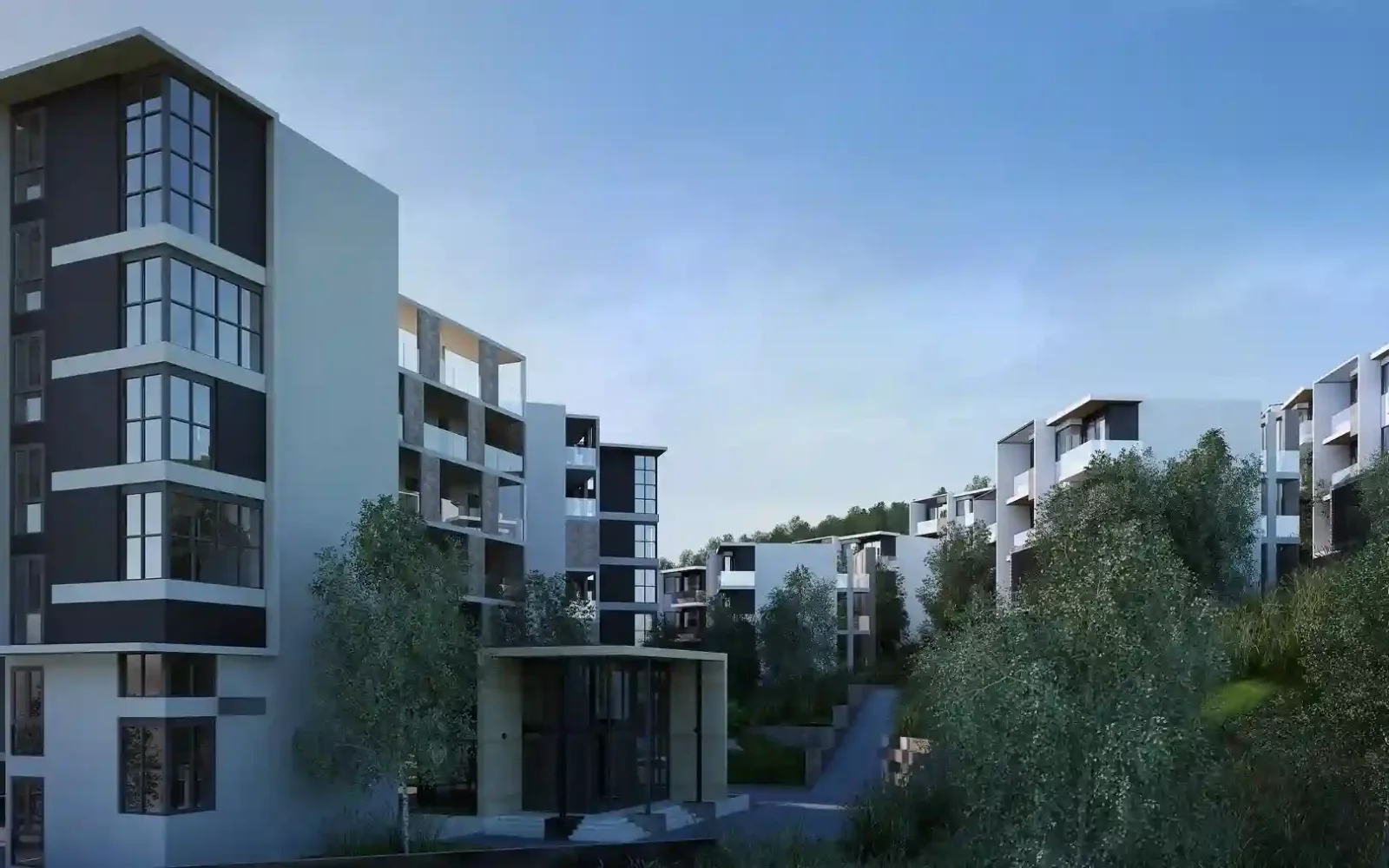
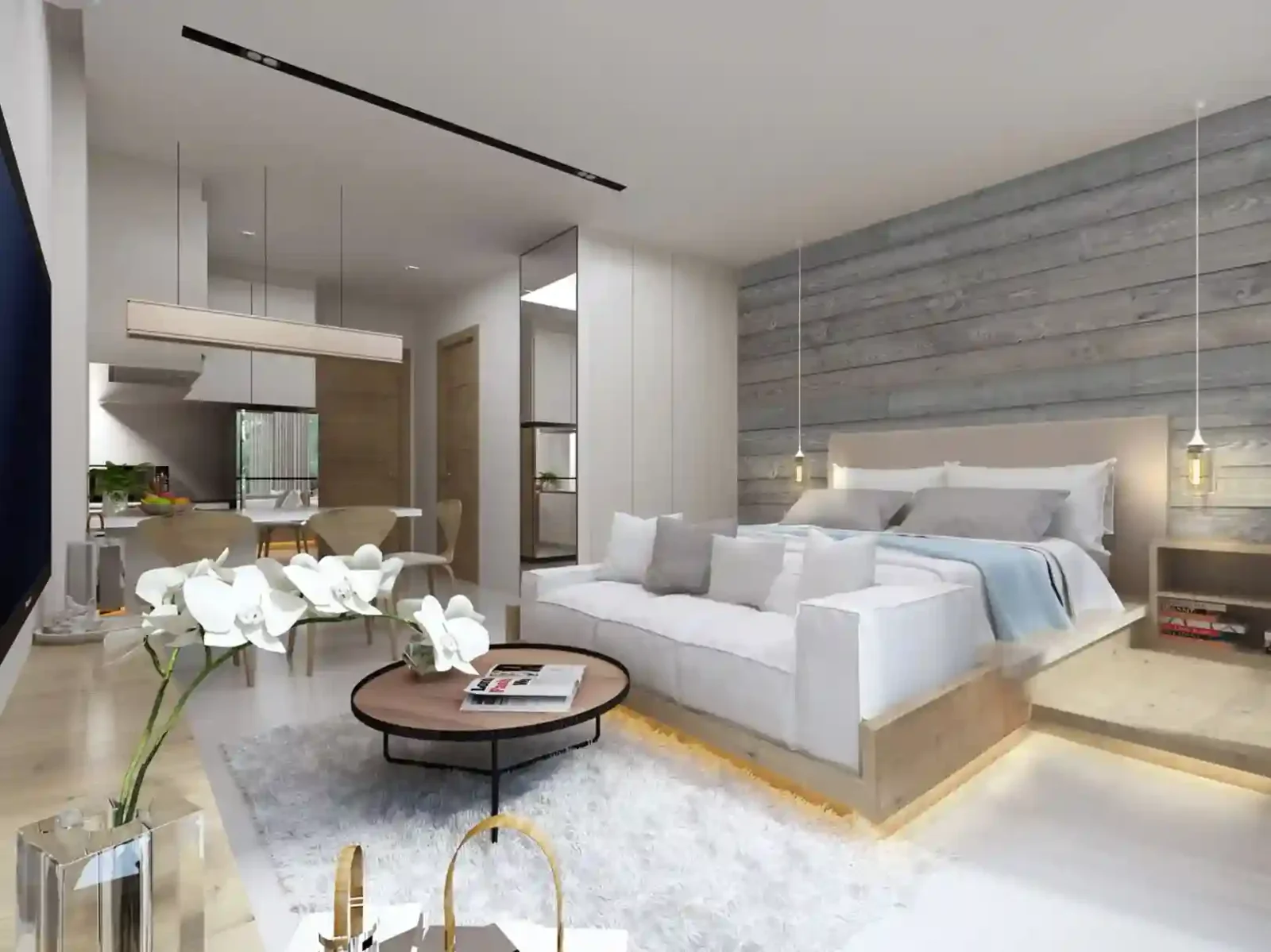
## Karon: The Case for Phuket's Mid-Coast
- European families seeking a quieter alternative to Patong
- Couples wanting beach access in a relaxed bay
- Buyers looking for sea-view properties at lower price points than Kamala or Bang Tao
Karon has seen steady tourist demand growth as travellers look for a relaxed alternative to Patong. The beach is long and less crowded, the water is clean, and the area keeps a relaxed character. From Utopia Karon, the beach is about 11 minutes on foot or four by car, and the nearest shops about six minutes by car, with Kata and Patong a short drive either way.
## The Sea-View Premium in Karon
For an investment buyer the sea view here is a commercial differentiator rather than an aesthetic one, and it shows up in occupancy and nightly rate.
In Karon the meaningful distinction is between an open outlook over the bay and a partial one that catches water between buildings. An open, well-positioned view sells the listing and supports a rate premium through the season. We send the view of each available unit, with its floor and aspect, and the price difference between units with and without the view.
## Utopia Corporation and a Finished Building
The relevant fact here is that this is completed product, which changes what a buyer needs to know. The building exists: you can walk it, read the juristic person's accounts, and see how the common areas are kept.
Utopia Corporation builds in several parts of Phuket, with Utopia Naiharn, Utopia Loft and Utopia Dream in the south and [Utopia Central](/projects/utopia-central/) inland, so the developer's work can be seen across the island. For a buyer who prefers a finished home to an off-plan purchase, completed stock from an established local developer is a natural choice.
## The Price List
Utopia Karon carries **13 priced units, every one of them a one-bedroom of 34 sqm**, from 4,500,000 to 6,500,000 THB, median 5,650,000, at a 166,176 THB metre. The scheme is **finished** and payment is 100% at transfer.
That uniformity is useful: thirteen identical-sized units spanning 2,000,000 THB in price means the spread is position, floor, aspect and view rather than size, so the premium for a sea view is visible directly in the price list. We send which of the thirteen carries which view.
The metre of **166,176 THB is 14% below the Karon area median of 192,766**, so this is a completed building priced below its bay.
**Because the building is finished, its records exist.** We collect the juristic person's accounts for the last two or three years, the sinking fund balance and the CAM rate, and twelve months of owner statements if the unit has been let, so the income plan starts from real figures.
## Foreign Ownership and Legal Process
1. **Checks:** the title deed (Chanote), the foreign quota position, and the condominium juristic person's accounts, which we collect with our legal support
2. **Funds transfer:** foreign buyers bring the purchase funds from overseas in foreign currency to qualify for freehold title transfer (FET certificate)
3. **SPA signing:** Sale and Purchase Agreement between buyer and seller
4. **Land Department transfer:** both parties attend, or appoint a representative through a Power of Attorney, to register the transfer
The entire process for a completed property can close in **4-8 weeks** from offer to transfer.
## Who Should Buy Utopia Karon
- **Buyers who want a finished home,** ready to use or to let from the start
- **Sea-view seekers** at a price below Kamala and Bang Tao
- **Couples and solo owners** who want a compact, easy-to-run holiday base near the beach
- **Investors** building a position in a completed building, priced below its bay per square metre
## Choosing Between Thirteen Units
Every unit on the current list is a one-bedroom of 34 square metres, from 4.5M to 6.5M THB, or roughly 134,000 THB per square metre at the bottom and 193,000 at the top. In a completed building that spread is easy to understand, because you can see it: we arrange a visit to two units on the same day, one from the bottom of the range and one from the top, so you stand on both balconies.
What accounts for the difference here is height and outlook: a unit that clears the neighbouring rooflines, catches the afternoon breeze and holds an open view of the bay. We send what stands between the building and the horizon on the site plan.
## Letting a 34 sqm One-Bedroom
At this size the unit is a couple's holiday let or a single occupant's annual lease. Karon's high season runs from roughly November to April, and the monthly market fills the rest of the year: a 34 sqm one-bedroom in Karon lets on annual and semi-annual tenancies to staff working in the hotels and restaurants along the bay, a steady income that is simple to run.
We collect twelve months of occupancy and achieved rates from comparable units in the building, month by month, and set the costs in baht beside them: cleaning per changeover, platform commission, the management fee, CAM applied to 34 square metres, the sinking fund and utilities.
## Utopia Karon Among Karon and Kata Condominiums
Buyers in this part of the coast usually compare a handful of buildings:
| Project | Stage | Entry on our list |
|---|---|---|
| [SO Origin Kata](/projects/so-origin-kata/) | Under construction | 3,010,000 THB |
| [Ever Prime Residences Karon](/projects/ever-prime-residences-karon/) | Under construction | 3,990,000 THB |
| [The Title Katabello](/projects/the-title-katabello/) | Under construction | 4,228,000 THB |
| Utopia Karon | Completed | 4,500,000 THB |
| [Vibe Residence](/projects/vibe-residence/) | Under construction | 5,066,000 THB |
Utopia Karon is the finished building in this group: the only one where the unit, the view and the common areas can all be seen today and the keys handed over within weeks, which is worth a modest step up in entry price for buyers who want to start using or letting straight away.
## Resale
At resale, a well-kept unit with a documented letting history stands out, and buyers at this price compare within the building before they compare across the island. Keeping the interior fresh and the statements in order from the first month supports the asking price.
## Summary
Utopia Karon offers a finished sea-view condominium in one of Phuket's most relaxed beach zones, at a metre rate below its bay and with the keys available within weeks. For buyers who want a ready home or a ready rental near Karon Beach, it is a straightforward and attractive choice.
## Buying Utopia Karon with MORE Group
Utopia Karon is finished, so the purchase runs from the unit list to the keys in a few weeks, and we take each step of it with you.
{/* corpus-faq:utopia-karon */}
## FAQ
### Is Utopia Karon completed and ready to buy?
Yes, Utopia Karon is a finished condominium. Purchase and transfer can be completed within weeks, and rental operations can begin soon after handover.
### What is the price of Utopia Karon?
Prices start from THB 4,500,000, approximately $137,615, and run to 6,500,000 across thirteen one-bedroom units of 34 sqm. Payment is 100% at transfer, as usual for a completed property.
### Does Utopia Karon have sea views?
Yes, Utopia Karon is positioned for sea views over the Andaman Sea and Karon Beach. The price list shows the value of the view directly: thirteen units of identical 34 sqm floor area spanning 4,500,000 to 6,500,000 THB, and we send which units carry which view.
### Can foreigners buy freehold at Utopia Karon?
Yes. As a condominium, Utopia Karon allows freehold ownership for foreign buyers within the 49% foreign quota limit. Funds are brought from overseas in foreign currency to qualify for the freehold title (FET certificate required at the Land Department), and we confirm the quota position for your unit.
### What rental income can a Karon sea-view unit achieve?
Karon lets strongly from November to April, with long-stay and annual tenants through the rest of the year. Utopia Karon is finished, so real figures exist: we collect twelve months of owner statements with the deductions itemised. On price, the 34 sqm one-bedrooms start at 4,500,000 THB at a 166,176 THB metre, 14% below the Karon area median.
**Related guides:**
- [Best areas in Phuket to buy property](/guides/best-areas-phuket-buy-property/)
- [Karon property investment guide](/guides/kata-karon-area-guide-2026/)
- [Phuket rental yield guide 2026](/guides/phuket-rental-yield-complete-guide-2026/)
- [Off-plan vs ready property in Phuket: what to choose](/guides/off-plan-property-phuket-guide/)
- [How to send money to Thailand to buy property](/guides/bank-transfers-thai-property-deals/)
# Utopia Mini Phuket Review 2026: Prices, Units and Quota
> Utopia Mini review: completed 30 sqm studios between Nai Harn and Rawai from 2.6M THB, four minutes by car from Nai Harn Beach, ready to move in or rent.
**Source:** https://moregroup.estate/projects/utopia-mini/
**Section:** Project Reviews
**Author:** MORE Group Editorial
**Published:** 2026-04-07
**Updated:** 2026-08-23
---
## Utopia Mini: Completed Studios Between Nai Harn and Rawai
Utopia Mini is a finished low-rise building in southern Phuket, between the beaches of Nai Harn and Rawai. Its studios are compact and practical, with a living space, a bathroom and a kitchenette, and they suit singles, couples and buyers looking for an accessible first property on the island.
Five studios carry a price today, all of them 30 sqm: 2,600,000, 2,650,000, 2,800,000, 3,080,000 and 3,410,000 THB. Because the building is complete, every one of them can be seen in person before you choose.

## Location: Between Nai Harn and Rawai
Southern Phuket draws buyers for its pace: a residential community rather than a tourist strip, good local restaurants and markets, and beautiful bays without the density further north.
Utopia Mini sits between the two focal points of the area. Nai Harn Beach lies to the west, with its lagoon and calm atmosphere; Rawai lies to the east, with its pier, seafood restaurants and the bay. The beach is about four minutes by car or a 21-minute walk.
- **Nai Harn Beach:** about 4 minutes by car
- **Shopping:** the nearest mall about 6 minutes by car, with the Nai Harn village market close by
- **Rawai and Chalong:** the Rawai pier and Chalong Pier, the starting point for island trips, diving and boat charters, a short drive away
The neighbourhood is quiet and residential, with Thai families, long-stay residents and international buyers who chose the south for its lifestyle. For owners who rent, that means tenants who tend to stay for longer periods.
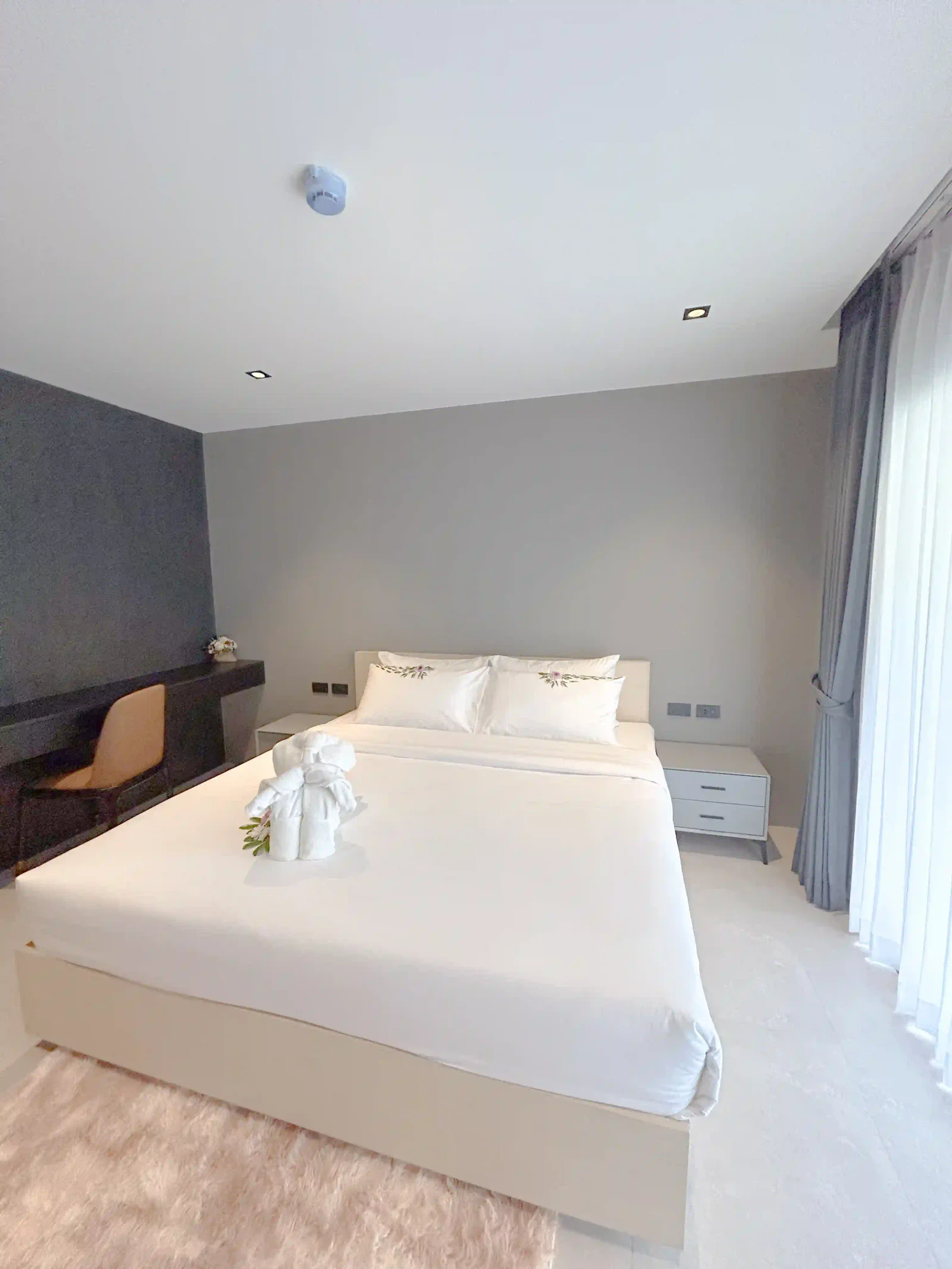
## Studios and Prices
| Studio | Size | Price | Per sqm |
|---|---|---|---|
| 517 | 30 sqm | 2,600,000 THB | 87,631 THB |
| 502 | 30 sqm | 2,650,000 THB | 89,316 THB |
| 308 | 30 sqm | 2,800,000 THB | 94,371 THB |
| 304 | 30 sqm | 3,080,000 THB | 103,809 THB |
| 507 | 30 sqm | 3,410,000 THB | 113,478 THB |
All five share one layout, so the choice comes down to floor, view and position in the building, and the price list lets you pick the balance that suits you: the most accessible studio from 2,600,000 THB or a preferred outlook further up the list. We send the floor and view for each studio with the price list.
A 30 sqm studio at Utopia Mini suits:
- A single professional or a couple using it as a Phuket base
- A rental investment aimed at solo travellers and long-stay tenants
- A first-time Phuket buyer who wants a foothold at an accessible price
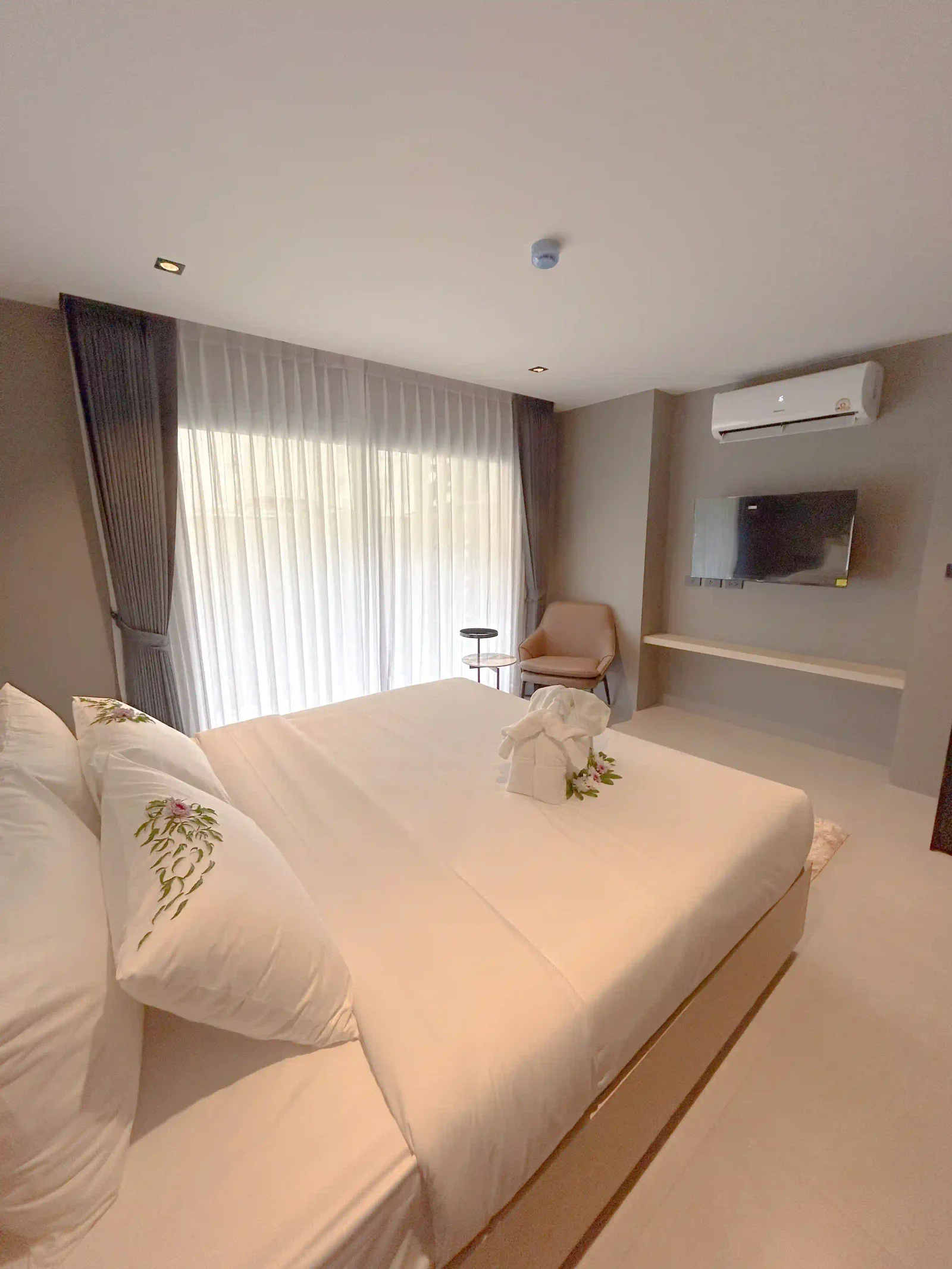
## What "Completed" Means for the Buyer
- **No waiting:** you can move in or start renting right after transfer
- **See before you buy:** the building, the common areas and your studio can all be viewed in person
- **One payment at transfer:** a reservation deposit holds the studio, and the balance is paid at transfer
- **Income from day one:** a furnished studio can welcome its first tenant straight away
## Living in Nai Harn and Rawai
The south of Phuket is made for everyday life outdoors. Mornings start with a run or a walk around Nai Harn Lake, the lagoon behind the beach with a path that residents use all year. Nai Harn Beach itself is one of the island's favourite swimming beaches in the dry season, and Promthep Cape, the headland at the island's southern tip and Phuket's classic sunset viewpoint, is a few minutes away.
In the evening, Rawai's seafood market by the pier lets you choose the catch and have it cooked at the restaurants across the road. The cafes, gyms, yoga studios and co-working spaces along the Nai Harn and Rawai roads serve a community that lives here for months at a time. For a studio owner, this is the lifestyle that makes a compact apartment feel like a home rather than a hotel room, and the reason long-stay guests return season after season.
## Utopia Corporation in Phuket
Utopia builds compact, practical condominiums across the island, and several of its buildings are already completed, including [Utopia Karon](/projects/utopia-karon/) on the west coast and [Utopia Central](/projects/utopia-central/) in Kathu. Utopia Mini is the most accessible entry point to the developer's work: the compact format placed in the Nai Harn and Rawai pocket.
## Who Is This For?
**Rental investors** aiming at solo travellers, couples and remote workers who spend the season in the south.
**Location-independent professionals** who want to own rather than rent their Phuket base.
**First-time buyers and portfolio builders** who want an accessible Phuket property that is finished and ready to use.
## Why Buyers Choose Utopia Mini
- **Completed:** see your studio in person and use it right after transfer
- **Accessible price:** studios from 2,600,000 THB
- **South Phuket:** close to Nai Harn Beach, one of the island's most loved bays
- **A choice of five studios:** pick the floor and view that suit you
- **A gym on site**
- **Freehold ownership:** a condo title in your own name within the 49% foreign quota
## Renting Out a Studio at Utopia Mini
Nai Harn and Rawai attract long-stay guests: remote workers, couples on extended holidays and returning visitors who spend the season in the south. A furnished studio near the beach fits that demand well, and monthly lets keep turnover and running costs low.
Phuket has a well-developed network of rental managers in the Nai Harn and Rawai area who can handle listings, guests and upkeep. For owners who plan to rent, we collect current asking rents for comparable studios and send them with the price list. [Our rental guide](/guides/phuket-rental-yield-complete-guide-2026/) explains how to read a rental offer line by line.
## Utopia Mini and Other South Phuket Condos
| Project | From | Status |
|---|---|---|
| Utopia Mini | 2,600,000 THB | Completed |
| [Aura Condominium](/projects/aura-condominium/) | 3,032,320 THB | Off-plan |
| [The Proud](/projects/the-proud/) | 3,625,000 THB | Completed |
| [Enigma Residence](/projects/enigma-residence/) | 3,944,850 THB | Off-plan |
| [Wallaya Residence](/projects/wallaya-residence/) | 3,960,000 THB | Off-plan |
| [Sunny Moon](/projects/sunny-moon/) | 6,100,659 THB | Off-plan |
Utopia Mini offers the most accessible entry to a completed condominium in this group. We arrange viewings of any of these buildings on request.
## Buying Utopia Mini with MORE Group
A studio at Utopia Mini is bought in five steps, from the first price list to the keys, and we are with you through each of them.
## What We Send Before You Reserve
- The current list of available studios with floor, view and price
- Confirmation that your studio sits within the 49% foreign quota
- The building's common charges
- The transfer costs and how they are shared
- Current asking rents for comparable studios nearby, if you plan to rent
{/* corpus-faq:utopia-mini */}
## FAQ
### What is on the price list at Utopia Mini?
Five studios of 30 sqm at 2,600,000, 2,650,000, 2,800,000, 3,080,000 and 3,410,000 THB. The layout is the same, and the price reflects floor, view and position in the building. We send the floor and view for each studio with the price list.
### Who is the developer of Utopia Mini?
Utopia Corporation, which has several completed condominiums in Phuket, including Utopia Karon and Utopia Central. Utopia Mini itself is completed, so you can see the building and the studios in person.
### Can foreigners buy at Utopia Mini?
Yes. Foreign buyers can hold a studio freehold in their own name within the 49% foreign quota, counted by floor area. We confirm that your studio sits inside the quota, and the purchase money is transferred from abroad with an FET form for registration at the Land Department.
### How do I rent out the studio after purchase?
Owners arrange their own rental management. Rental managers in the Nai Harn and Rawai area handle listings, guests and upkeep for a fee, and we send current asking rents for comparable studios with the price list.
### How large are the studios?
About 30 sqm, with a living space, a bathroom and a kitchenette: a compact, functional layout for one person or a couple.
**Read Also:**
- [Utopia Karon, the same developer on the west coast](/projects/utopia-karon/)
- [Sunny Moon, a Rawai condo at a higher ticket](/projects/sunny-moon/)
- [The Buying Process in Thailand, Step by Step](/guides/due-diligence-process-thailand-step-by-step/)
- [Freehold vs Leasehold in Thailand](/guides/freehold-vs-leasehold-thailand/)
- [Phuket Rental Yield Guide](/guides/phuket-rental-yield-complete-guide-2026/)
# Veranda Villas Phuket 2026: Ao Yon Pool Villas Review
> Veranda Villas & Suites Ao Yon review: 18 residences on a calm bay, pool suites from 32.5M THB and villas at 117.5M THB, with 5-star resort services.
**Source:** https://moregroup.estate/projects/veranda-villas/
**Section:** Project Reviews
**Author:** MORE Group Editorial
**Published:** 2026-04-02
**Updated:** 2026-08-23
---
Only 18 residences, 6 private pool villas and 12 pool suites on Ao Yon bay, three minutes' walk from the beach. Pool suites of 160 sq m from 32,500,000 THB and a 499 sq m four-bedroom villa at 117,500,000 THB, with full access to the adjacent 5-star resort: beachfront pool, restaurant, kids' club and concierge. Close to handover. Best for buyers seeking ultra-exclusive resort living on Phuket's quieter southeast coast.
## Veranda Villas & Suites Phuket: A Closer Look
The southeast coast of Phuket remains one of its best-kept secrets. While tourists fill Patong and Bang Tao, Ao Yon bay stays calm, clear and almost entirely free of crowds. The hills are lush year-round, the breeze comes off the sea, and Phuket Old Town is roughly 20 minutes away by car, giving residents cultural depth alongside the quiet of the bay.
## Why Veranda Stands Out
Resort-integrated living is the proposition. Residents gain full access to the adjacent 5-star resort's amenities, beachfront pool, fitness centre, kids' club, bar, restaurant, and round-the-clock concierge. You live in a private residence but are served like a hotel guest whenever you choose.
The architectural character is the second draw. The design consciously blends the heritage of Phuket Old Town with contemporary tropical architecture. Double-height ceilings, curated natural finishes, and infinity pools facing the sea create spaces that feel genuinely luxurious rather than generic.
Then there is the peninsula itself. Ao Yon sits on the Panwa cape, which means calm water for most of the year, panoramic sea views from multiple elevations, and a sense of being away from the island's tourist circuits even when you are only minutes from them.
## Pricing
Two formats are on the current list:
| Residence | Size | Price | Per sq m |
|---|---|---|---|
| Two-bedroom pool suite | 160 sq m | 32,500,000 THB | about 202,800 THB |
| Four-bedroom pool villa | 499 sq m | 117,500,000 THB | about 235,700 THB |
This positions Veranda firmly in the ultra-luxury tier on Phuket. You are paying for a genuinely scarce product on a genuinely beautiful bay, with five-star services included.
The payment structure is staged across construction milestones: 20% on booking, 15% at structural completion, 15% at interior finishing, and the final 50% on key handover, a luxury developer plan that keeps cash outflow manageable until delivery.
## Rental Potential
With resort management infrastructure already in place, short-term rental through the resort's programme is a natural option, and we send the programme's terms and the figures for comparable residences with the price list, with capital value supported by the scarcity of comparable product.
Long-term, the southeast coast of Phuket is undervalued relative to the west. As infrastructure continues to improve and the Phuket City area develops, Ao Yon benefits from buyers looking beyond Bang Tao and Kamala.
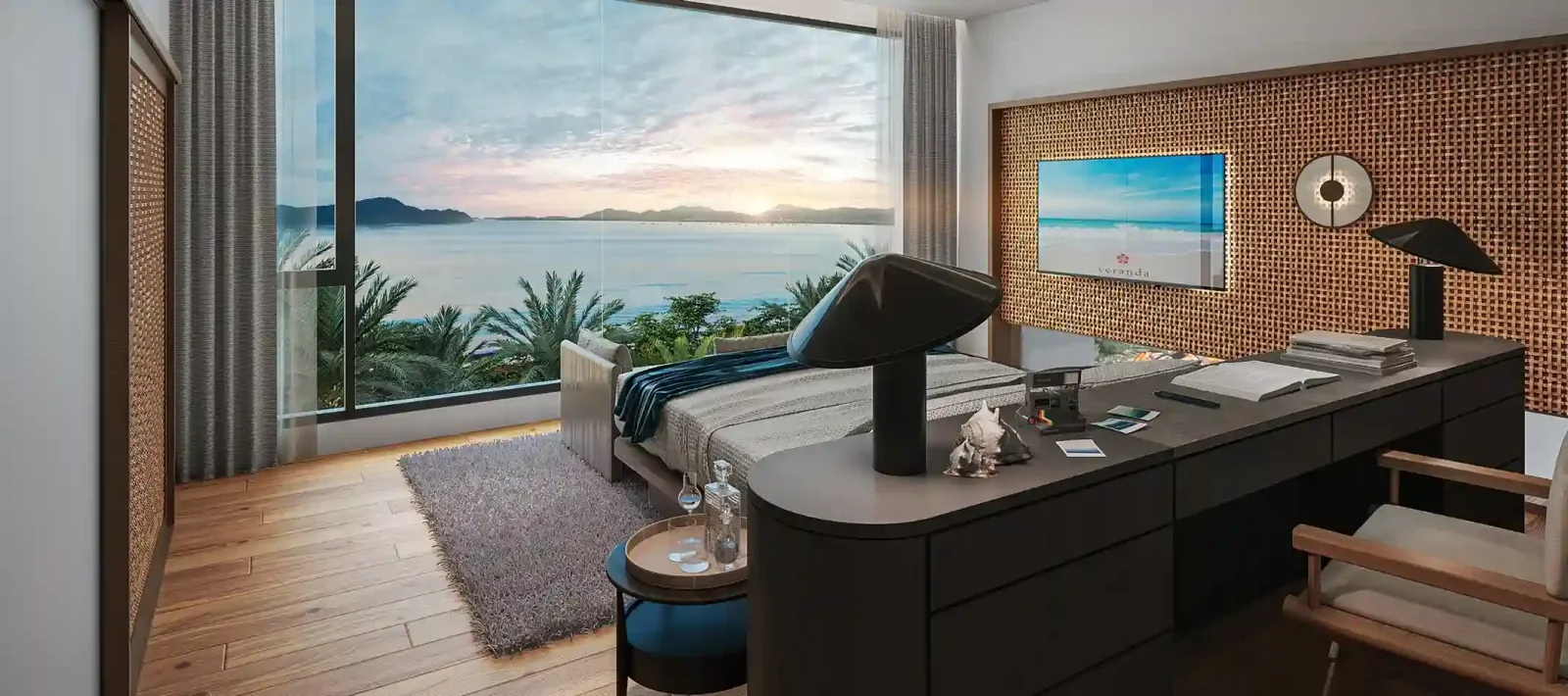
## Who Should Buy at Veranda Villas & Suites
- **Buyers who want resort living with privacy:** a private residence with a five-star resort's services on call
- **Water lovers:** the calm, clear bay is swimmable for most of the year
- **Owners who value the town:** Phuket Old Town's culture, restaurants and civic life twenty minutes away
- **Long-horizon buyers** of a genuinely scarce product: 18 residences on the bay
## Editorial Assessment
Veranda Villas & Suites Phuket is the rare project that does exactly what it promises. Extreme exclusivity, genuine luxury finishes, resort services, and a location that most buyers have not yet discovered: this is the combination that creates long-term value. The southeast coast is increasingly recognised as one of Phuket's finest addresses, and buyers who enter now benefit from that.
With 18 units in total, this is a medium-to-long-term hold of five years or more, and on that horizon the picture is very compelling.
## The 20/15/15/50 Plan
| Stage | Share | Pool suite, 32,500,000 THB | Pool villa, 117,500,000 THB |
|---|---|---|---|
| Booking | 20% | 6,500,000 THB | 23,500,000 THB |
| Structural completion | 15% | 4,875,000 THB | 17,625,000 THB |
| Interior finishing | 15% | 4,875,000 THB | 17,625,000 THB |
| Handover | 50% | 16,250,000 THB | 58,750,000 THB |
Half of the price is paid at handover, when the residence is finished, and we plan the transfer of that final payment and its FET record with you well ahead of the handover date; see [proof of funds and FET](/guides/proof-of-funds-thailand-property/).
## What We Send Before You Reserve
- **The ownership route.** Suites are condominium units held freehold within the foreign quota; villas are held through a registered lease of the land, 30 years per registration with renewals in the contract, or a Thai company with genuine Thai shareholders, and we prepare the route with our legal support.
- **The resort integration terms:** which services are included, the annual charge and how it is set.
- **The rental programme:** the revenue split and its definition, the owner-use nights and whether you may let independently.
- **The construction update and the handover schedule.**
## The East Coast Case at Ultra-Prime Pricing
Almost every ultra-luxury villa in Phuket sits on the west coast, between Kamala and Layan. Veranda is on the Panwa cape, facing east, and that positioning is a deliberate choice. The two coasts are genuinely different products.
**Water and weather.** The Panwa side is sheltered. Ao Yon stays calm and clear through most of the year, including months when the west coast runs surf. If using the water matters to you, the east coast wins outright, and this is the most underrated difference between the two sides of the island.
**Light.** East-facing means sunrise over the bay rather than sunset into the Andaman, a quieter, softer rhythm to the day, and one of the reasons east-coast pricing sits below equivalent west-coast product.
**The town.** Phuket Old Town twenty minutes away is a different amenity set from Boat Avenue: heritage streets, independent restaurants, the Sunday walking market, the island's hospitals and its actual civic life. Buyers who intend to live here rather than holiday here often prefer it.
Buy here because the bay, the calm water and the resort integration are what you want, with the growing recognition of the southeast coast as a welcome bonus. Buyers who want the busier west coast can compare [Patong hillside villas](/projects/paragon-villas-phuket/).
## Living with a Five-Star Resort
A residence attached to a five-star resort is a different ownership experience from a standalone villa, and the details sit in the documents we send.
**Services.** Concierge, beachfront pool, kids' club, fitness centre and 24-hour staffing are shared across residences and hotel, and the annual charge per residence covers them.
**The rental programme.** The resort sets rates and handles distribution for owners in the programme, with an owner-use allowance set in the agreement.
**Refurbishment.** Resort-standard interiors are refreshed on a cycle, which keeps the residences at hotel standard, and the cycle and its funding are part of the programme terms.
## Buying Veranda Villas & Suites with MORE Group
A residence at Veranda Villas & Suites is bought in five steps, from the first price list to the keys, and we are with you at each of them.
## FAQ
### Where exactly is Veranda Villas & Suites Phuket located?
The project sits in the Wichit sub-district of Phuket Town, directly on Ao Yon bay on the Panwa cape. It is approximately 3 minutes' walk to the beach and 58 minutes from Phuket International Airport by car.
### How many units are available and what are the unit types?
The development comprises 18 residences in total: 6 private pool villas and 12 pool suites. The current list carries a two-bedroom pool suite of 160 sq m and a four-bedroom pool villa of 499 sq m.
### What is the price per square metre at Veranda?
About 202,800 THB per square metre for the 160 sq m pool suite at 32,500,000 THB, and about 235,700 THB per square metre for the 499 sq m pool villa at 117,500,000 THB.
### What stage is Veranda Villas & Suites at?
The project is close to handover. We send the current construction stage and the handover schedule together with the price list.
### Can foreigners buy at Veranda Villas & Suites?
Yes. Foreign nationals can purchase through freehold condominium title (for suites) or a registered lease (for villas), which are both well-established legal frameworks in Thailand.
### What amenities are included for residents?
Residents have full access to the adjacent 5-star resort's facilities: beachfront pool, fitness centre, restaurant and bar, kids' club, and 24-hour concierge. Private infinity pools, expansive terraces and high-end interior finishes are standard across all units.
**Read Also:**
- [Freehold vs Leasehold in Thailand](/guides/freehold-vs-leasehold-thailand/)
- [Phirunda Pool Villa Review 2026: Prices & Yield](/projects/phirunda-pool-villa/)
- [Wyndham Fantasea Review 2026: Prices & Yield](/projects/wyndham-fantasea/)
- [How Foreigners Buy Phuket Property 2026](/guides/buying-property-phuket-guide/)
# Verdi Thalang: Boutique Pool Villas from 9.5M THB
> Verdi: three boutique pool villas in Si Sunthon, Thalang, with two and three bedrooms and natural wood and stone finishes, from 9.5M THB.
**Source:** https://moregroup.estate/projects/verdi/
**Section:** Project Reviews
**Author:** MORE Group Editorial
**Published:** 2026-04-08
**Updated:** 2026-08-29
---
## What Is Verdi?
Verdi is a small, calm place to live. With only three houses, the setting is private and personal, and the design blends clean contemporary lines with the warmth of wood and stone. Each villa opens its living and dining space under high ceilings onto the terrace, the garden and a private swimming pool, so the indoors and outdoors feel like one home.
The villas suit families, long-term residents and owners who want a relaxed yet stylish island base. The shops of Thalang are about 11 minutes by car, and the airport is about 30 minutes away.
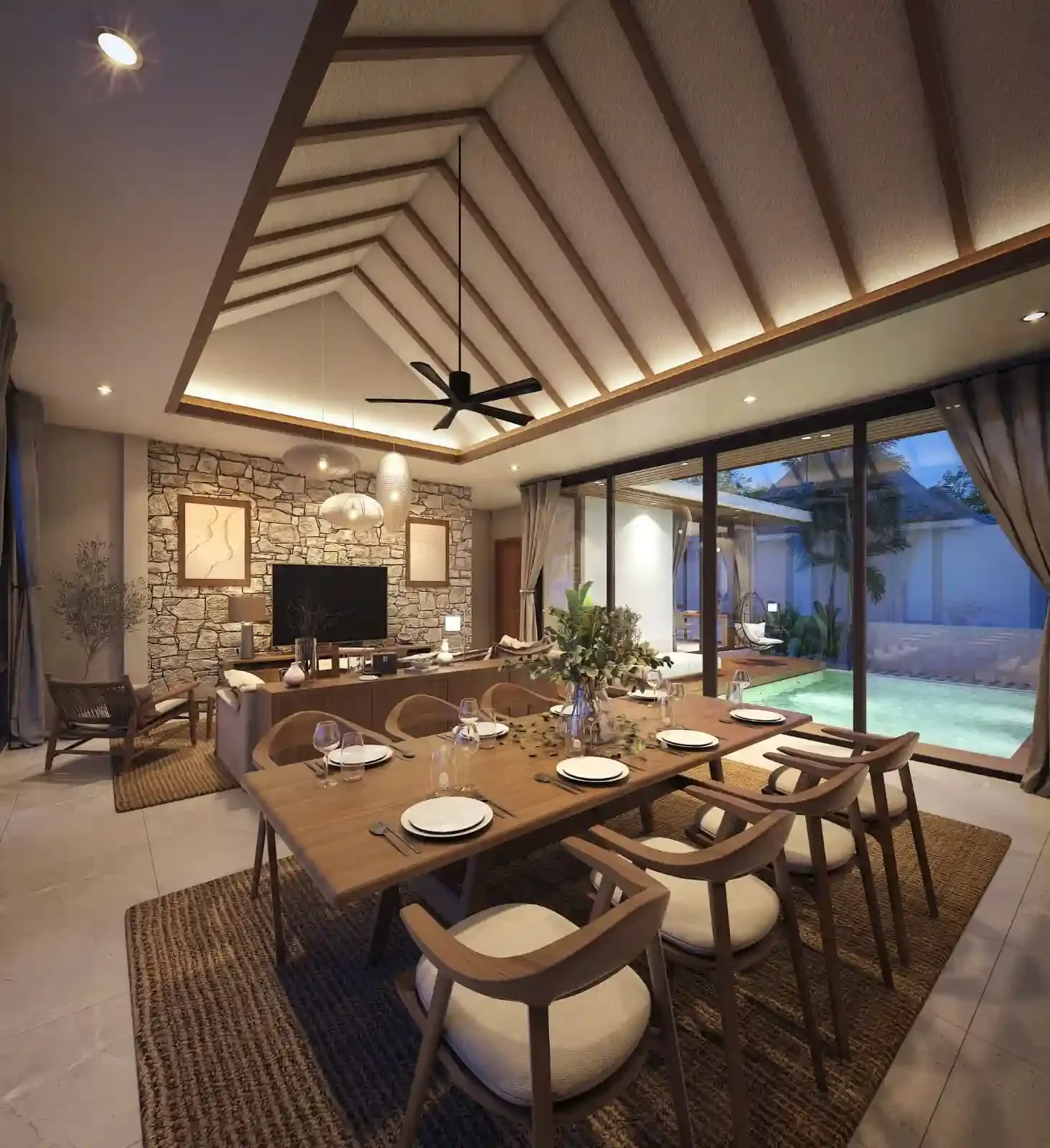
## What Are the Key Facts for Verdi?
| Factor | Detail |
| --- | --- |
| Location | Si Sunthon, Thalang |
| Collection | 3 private pool villas, low density |
| Villas | All 3 on our price list |
| Two-bedroom | 137 and 155 sqm, 9,500,000 and 9,900,000 THB |
| Three-bedroom | 218 sqm, 11,900,000 THB |
| Payment | 25% / 15% / 20% / 15% / 20% / 5% |
| Stage | Under construction |
| Beach | About 28 minutes by car |
| Airport | About 30 minutes by car |
| Materials | Wood and stone with contemporary lines |
## Location: Si Sunthon, Thalang
Si Sunthon is a green residential part of Thalang, where families live close to the schools and shops of the north, with the west-coast beaches and the airport both within a drive.
- **Shops and supermarkets:** the nearest mall about 11 minutes by car
- **International schools:** within a short drive
- **Bang Tao and Layan beaches:** about 28 minutes by car
- **Airport:** about 30 minutes by car
Days here are quiet and practical: the school run and the shops close by during the week, and the beaches and beach clubs of the west coast at the weekend. The [Bang Tao area page](/bang-tao-properties/) covers the wider district. Si Sunthon also sits on the main road north, so the airport, the northern beaches of Nai Yang and the golf courses of the island are all an easy drive.
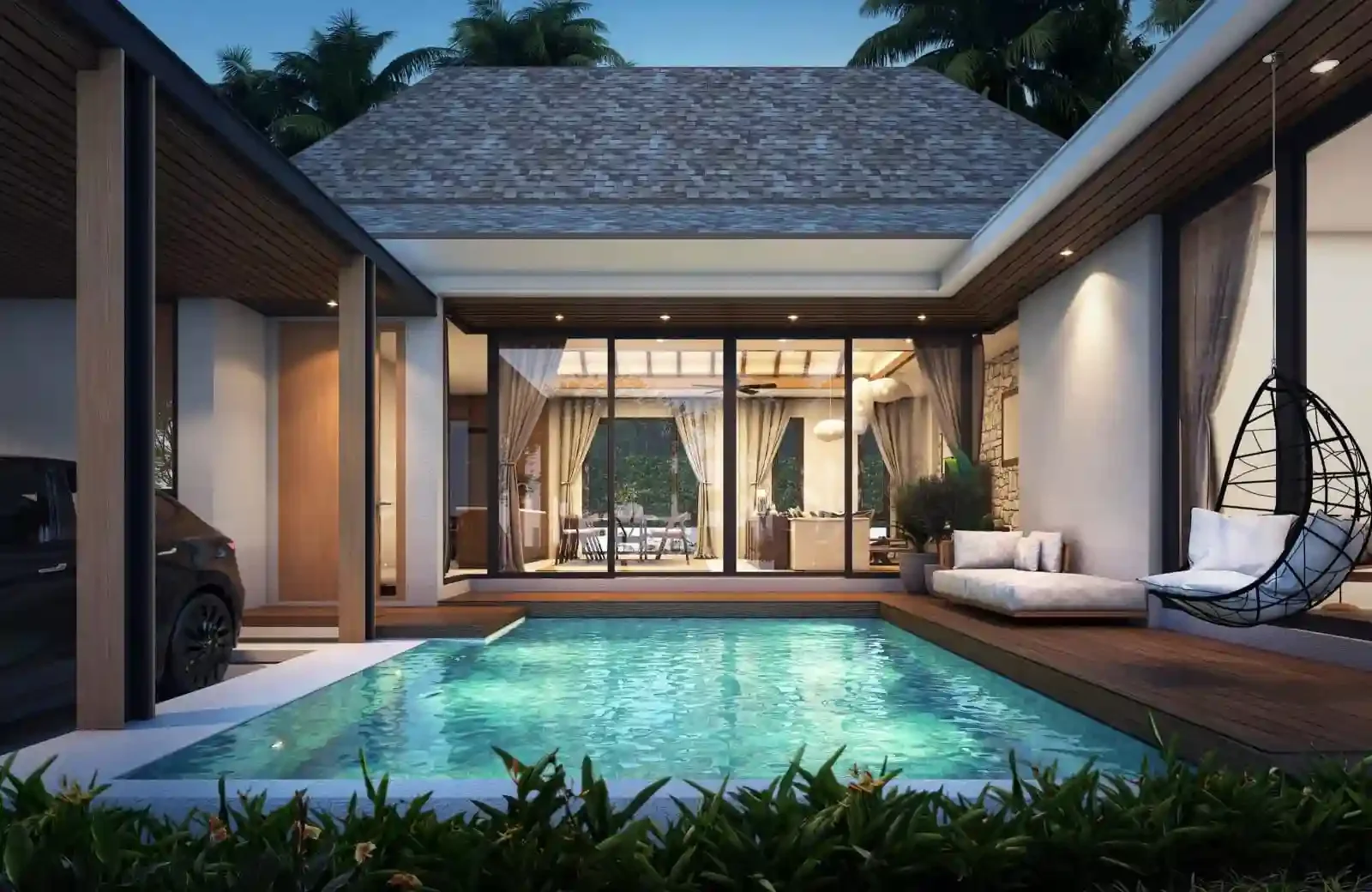
## Villas and Prices
| Villas | Bedrooms | Built area | Price |
| --- | --- | --- | --- |
| 3, 2 | Two | 137 and 155 sqm | 9,500,000 and 9,900,000 THB |
| 1 | Three | 218 sqm | 11,900,000 THB |
Villa 3 of 137 sqm opens the collection at 9,500,000 THB and villa 2 of 155 sqm follows at 9,900,000 THB, both with two bedrooms, a pool and a garden. Villa 1 is the three-bedroom house of 218 sqm at 11,900,000 THB, with room for a family and guests. We send the plan and plot of each villa with the price list, and arrange a viewing of the site. Because there are only three houses, each one has its own position and outlook, so it is worth seeing all three on the same visit before deciding which suits your family best.
## Design and Facilities
- **Contemporary architecture** with natural wood and stone
- **Open-plan living and dining** with high ceilings
- **Seamless indoor-outdoor flow**
- **Private swimming pool** and landscaped garden
- **Covered parking**
- **Only three villas**, low density
- **Pet-friendly**
## Living at Verdi
Life at Verdi is calm and personal. With only two neighbours, the garden and the pool feel entirely your own, and the natural materials give the house a warm, relaxed atmosphere. Mornings start with a swim, errands in Thalang take a few minutes, and at weekends the beaches of Bang Tao and Layan make the outing. For owners who divide the year between Phuket and home, a compact villa in a quiet setting is easy to keep and easy to leave. Wood and stone age well in the tropical climate, and the garden and pool are small enough to look after without effort, which keeps the running of the house simple through the whole year.
## Six-Stage Payment Plan
The price is paid in six stages: 25%, 15%, 20%, 15%, 20% and 5%. For villa 3 at 9,500,000 THB that works out as follows:
| Stage | Share | Amount |
| --- | --- | --- |
| 1 | 25% | 2,375,000 THB |
| 2 | 15% | 1,425,000 THB |
| 3 | 20% | 1,900,000 THB |
| 4 | 15% | 1,425,000 THB |
| 5 | 20% | 1,900,000 THB |
| 6 | 5% | 475,000 THB |
The schedule follows the build, and we send the developer's schedule for your villa with the price list.
## Why Buyers Choose Verdi
- **A private pool villa from 9,500,000 THB**
- **Only three villas**, for privacy
- **Natural wood and stone** with high ceilings
- **Two and three-bedroom** layouts
- **Schools and shops** in Thalang close by
- **Pet-friendly**
## Who Verdi Suits
**Couples and young families** who want a pool villa at an accessible price.
**Long-term residents** who want a quiet home near the schools and shops of the north.
**Owners who spend part of the year in Phuket** and want a house that is easy to keep.
**Rental investors** aiming at long-stay tenants who rent a house with a pool in Thalang.
## Renting Out a Villa at Verdi
A two or three-bedroom pool villa in Si Sunthon appeals to long-term residents and relocating families who rent for six or twelve months, and to couples who want a quiet base with a pool. Long lets suit the neighbourhood well and keep turnover low.
If you plan to let your villa at Verdi, we collect current asking rents for comparable villas in Thalang and Si Sunthon and send them with the price list. [Our rental guide](/guides/phuket-rental-yield-complete-guide-2026/) explains how to read a rental offer line by line.
## Ownership for Foreign Buyers
At Verdi, as with any villa in Thailand, you buy land plus a building. The villa can be held in your own name over a lease of the plot registered at the Land Office, 30 years per registration with renewal terms in the contract, or the land can be held through a Thai company with genuine Thai shareholders. [Freehold and leasehold in Thailand](/guides/freehold-vs-leasehold-thailand/) explains both routes, and we prepare the one that suits you with our legal support.
## Verdi and Other Accessible Villas Near Bang Tao
| Project | From | Status |
| --- | --- | --- |
| [Greenfield Residences](/projects/greenfield-residences/) | 8,990,000 THB | Off-plan |
| Verdi | 9,500,000 THB | Off-plan |
| [Crown Estate Dulwich Road 2026](/projects/crown-estate-dulwich-road/) | 9,550,000 THB | Off-plan |
| [Rise Villas Phuket](/projects/rise-villas/) | 10,500,000 THB | Off-plan |
| [Sana Vista Villas](/projects/sana-vista-villas/) | 12,890,000 THB | Off-plan |
Verdi stands out in this group for its natural materials and its very small size. We send the price lists of any of these projects on request and arrange viewings.
## Buying Verdi with MORE Group
A villa at Verdi is bought in five steps, from the first price list to the keys, and we are with you through each of them.
## What We Send Before You Reserve
- The current price list for Verdi with free villas, plot areas and plans
- The six-stage payment schedule for your villa
- The ownership structure for your purchase, leasehold or company, with the documents it needs
- The community's common charges
- The latest construction update
{/* corpus-faq:verdi */}
## FAQ
### What does Verdi cost?
Our price list holds 3 villas: two-bedrooms of 137 and 155 sqm from 9,500,000 and 9,900,000 THB; three-bedrooms of 218 sqm at 11,900,000 THB.
### What does each villa include?
Open-plan living and dining under high ceilings, a private swimming pool, a landscaped garden and covered parking, with natural wood and stone finishes.
### Where is Verdi?
In Si Sunthon, Thalang, close to the schools and shops of the north. The nearest mall is about 11 minutes by car and the airport about 30 minutes.
### What is the payment plan?
Six stages: 25%, 15%, 20%, 15%, 20%, 5%. For villa 3 at 9,500,000 THB that means 2,375,000 THB at the first stage.
### How can foreigners own a villa at Verdi?
The villa can be held in your own name over a lease of the plot registered at the Land Office, 30 years per registration with renewal terms in the contract, or the land can be held through a Thai company with genuine Thai shareholders. We prepare the structure with our legal support.
**Read Also:**
- [Greenfield Residences](/projects/greenfield-residences/)
- [Villas for Sale in Bang Tao](/bang-tao-properties/)
- [Freehold vs Leasehold in Thailand](/guides/freehold-vs-leasehold-thailand/)
- [How Foreigners Buy Phuket Property 2026](/guides/buying-property-phuket-guide/)
- [Phuket Rental Yield Guide](/guides/phuket-rental-yield-complete-guide-2026/)
# Vibe Residence Karon: From 5.07M THB, Rooftop Pool 2026
> Vibe Residence review: resort-style Karon condos five minutes on foot from the beach, with a rooftop pool, sky garden and co-working, from 5.07M THB.
**Source:** https://moregroup.estate/projects/vibe-residence/
**Section:** Project Reviews
**Author:** MORE Group Editorial
**Published:** 2026-04-01
**Updated:** 2026-08-23
---
A resort-style condominium of three buildings and 309 units in the heart of Karon, about five minutes on foot from Karon Beach. One-bedrooms from 5,066,000 THB (about $154,900) and two-bedrooms from 7,614,000 THB, with a rooftop pool, a sky garden, a fitness centre, a co-working space and a lobby cafe. Paid 35%, then four stages of 15% and 5% at handover.
Vibe Residence is a modern resort-style condominium in Karon: three buildings, 309 units, and an amenity set that stands out in the bay, with a rooftop pool, a sky garden, a co-working space and a lobby cafe. Restaurants, shops and the beach are all within easy walking distance.
Karon is one of Phuket's favourite beach areas: a long stretch of white sand, calmer than Patong, livelier than the small southern bays, and ideal for couples and families. Vibe Residence places a new, fully equipped building right in the middle of it.
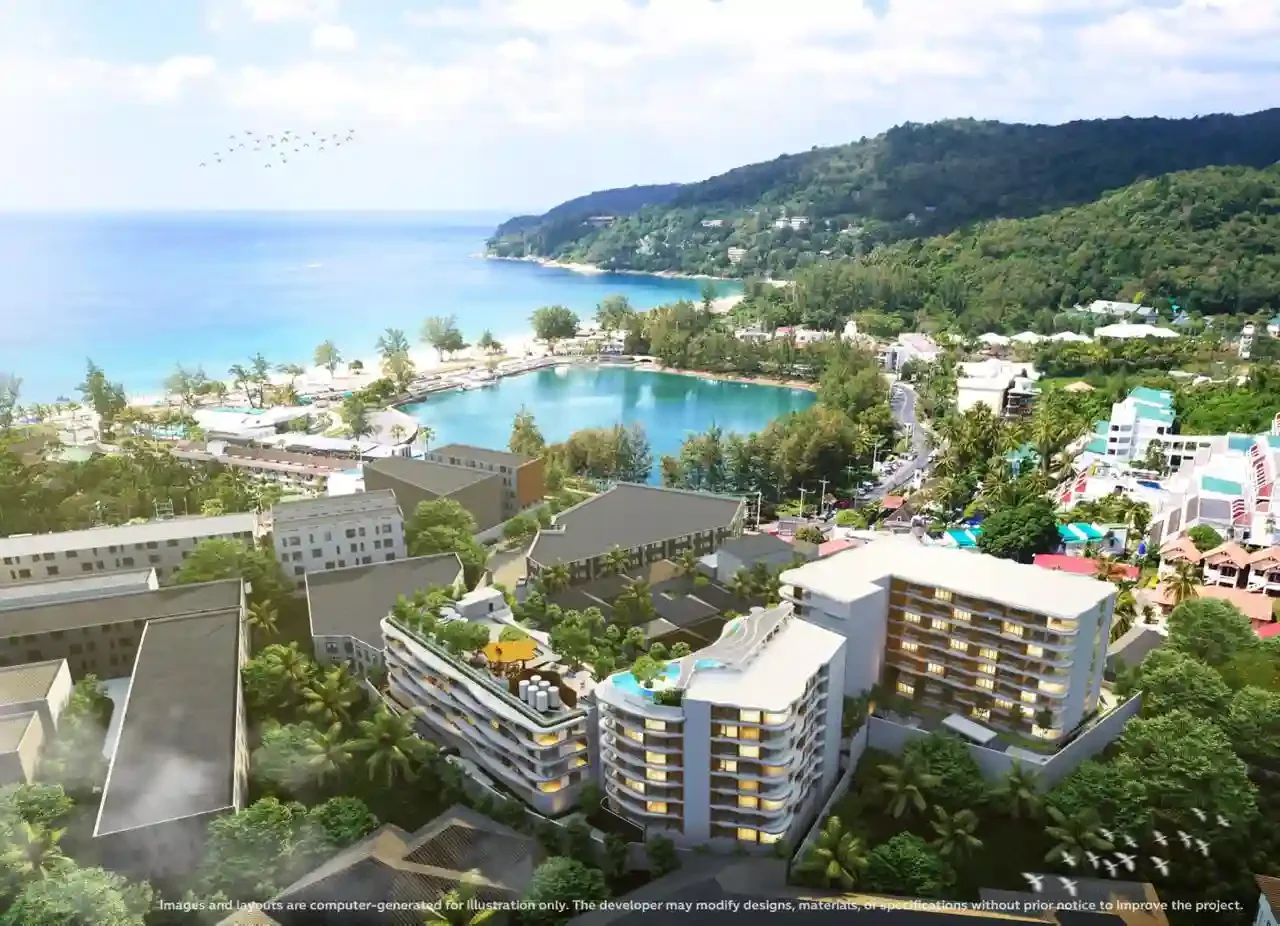
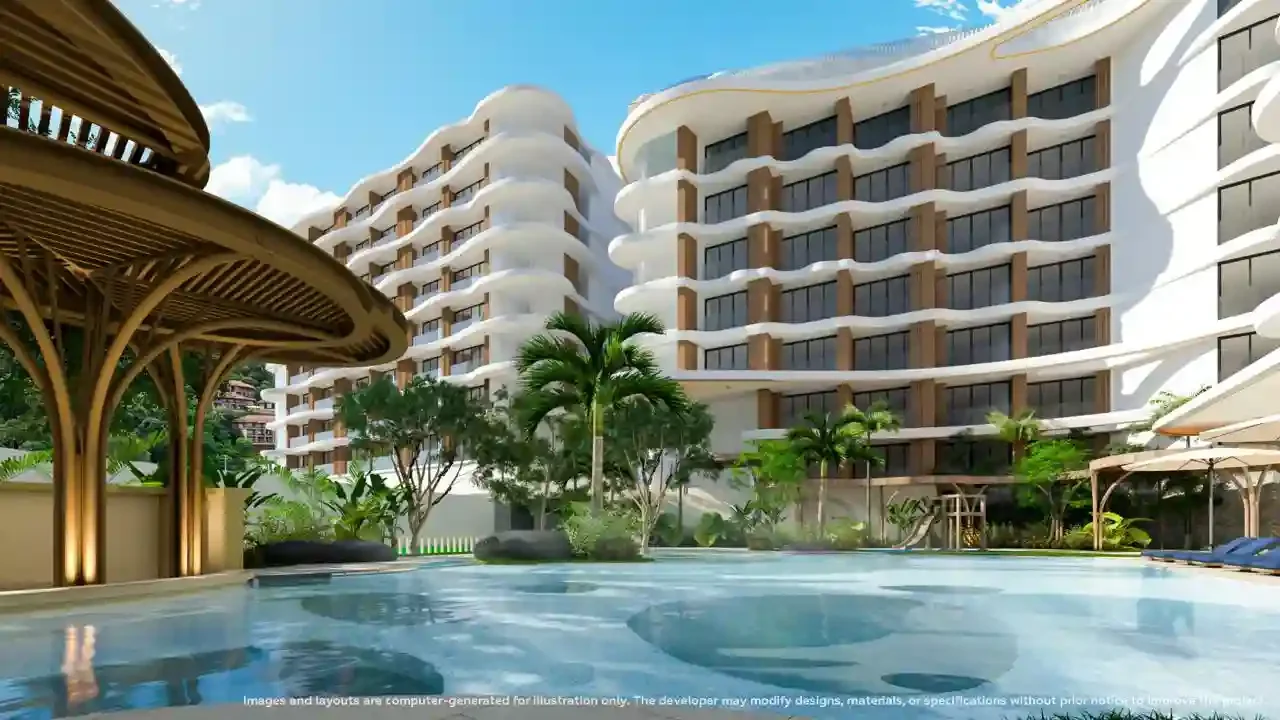
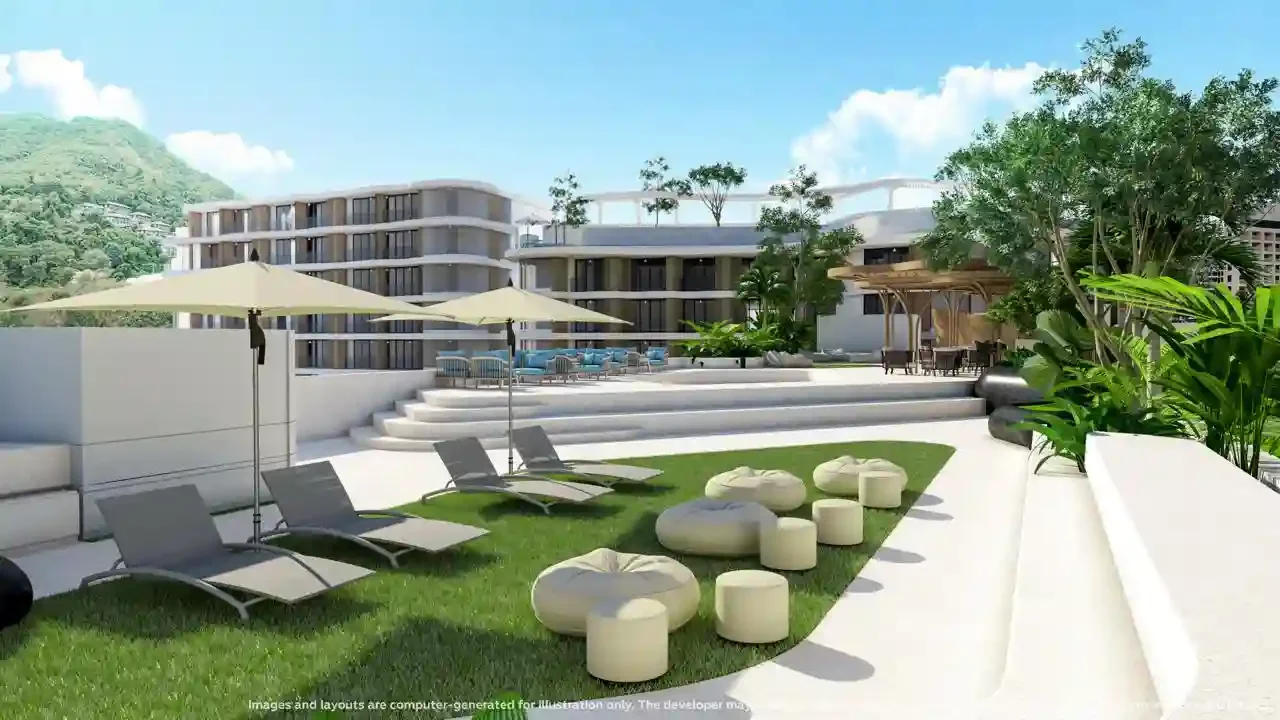
## Project Overview
| Factor | Detail |
| --- | --- |
| Location | Karon, a five-minute walk from Karon Beach |
| Buildings | Three buildings, 309 units |
| Layouts | Studios, one-bedrooms and two-bedrooms |
| On our price list | 69 one-bedrooms of 34-50 sqm, 32 two-bedrooms of 54-72 sqm |
| Price range | 5,066,000 to 12,888,000 THB |
| Payment plan | 35% / 15% / 15% / 15% / 15% / 5% |
| Stage | Under construction |
| Ownership | Condo freehold within the 49% foreign quota |
The three-building layout is large enough to support a professional on-site management team and a full amenity operation, with pools, gardens and a cafe that are run and maintained every day.
## What Makes Vibe Residence Different?
**Rooftop pool.** Views across Karon Bay and the surrounding hills from the top of the building. For owners who rent, a rooftop pool is the photograph that makes a listing stand out.
**Sky garden.** A landscaped green space at height for residents, rare in Karon and loved by long-stay guests and remote workers.
**Co-working space.** A purpose-built work area that makes Vibe a natural choice for freelancers, entrepreneurs and remote workers who stay for months at a time.
**Lobby cafe.** A meeting point for residents and guests, for check-ins, early coffees and casual work sessions. In a 309-unit building it has the footfall to thrive.
Together with a fitness centre, a children's room, landscaped gardens and 24-hour security with CCTV, this is a resort-level package in a central Karon location.
## Prices and Unit Types
| Type | Size | Units | Price |
|---|---|---|---|
| One-bedroom | 34 sqm | 38 | 5,066,000 to 6,562,000 THB |
| One-bedroom | 35 sqm | 27 | 5,390,000 to 6,860,000 THB |
| One-bedroom | 39 sqm | 3 | 6,006,000 to 7,293,000 THB |
| One-bedroom | 50 sqm | 1 | 9,900,000 THB |
| Two-bedroom | 54 to 60 sqm | 11 | 7,614,000 to 9,990,000 THB |
| Two-bedroom | 62 to 68 sqm | 18 | 8,494,000 to 10,985,000 THB |
| Two-bedroom | 72 sqm | 3 | 11,592,000 to 12,888,000 THB |
**One-bedrooms of 34 to 39 sqm, from about 5.1 to 7.3 million THB,** are the heart of the building and the format Karon's holiday market is built around: couples, solo travellers and divers on a week at the beach.
**The 50 sqm one-bedroom** offers more room for owners who combine several weeks a year in Phuket with renting the rest of the time.
**Two-bedrooms of 54 to 72 sqm, from 7.6 to 12.9 million THB,** suit families and owners who want a genuine second home by the beach, with space for guests.
## Choosing Your Floor
Every priced unit carries a floor on our record, and the developer prices height clearly, from about 149,000 THB per square metre on the first floor to 187,000 on the eighth.
| Floor | Priced units | Median price per sqm |
|---|---|---|
| 1 | 13 | 149,000 THB |
| 2 | 12 | 154,000 THB |
| 3 | 15 | 161,000 THB |
| 4 | 19 | 168,000 THB |
| 5 | 11 | 169,000 THB |
| 6 | 11 | 172,000 THB |
| 7 | 9 | 179,000 THB |
| 8 | 11 | 187,000 THB |
That makes the choice transparent. Buyers focused on the entry price take a lower floor; buyers who want the view over the bay take one of the upper floors and know exactly what it costs. We send the floor, view and price of every free unit with the price list.
## Karon: Location and Lifestyle
- **Karon Beach:** about five minutes on foot, a long stretch of white sand
- **Restaurants and shops:** within walking distance, with the nearest mall about nine minutes on foot
- **Kata and Patong:** a short drive south and north
- **Karon viewpoint and Kata Noi:** a short drive south for sunsets and quieter swims
Karon attracts a wide mix of visitors from Europe, Russia and Asia, which keeps the bay busy through much of the year. It suits families, couples and long-stay residents who want a beach town with everything close at hand. The [Karon Beach property guide](/areas/karon-beach-property-guide/) covers the bay in more detail.
## Six-Stage Payment Plan
The price is paid in six stages: 35% at reservation and signing, four construction stages of 15%, and 5% at handover. For the entry one-bedroom at 5,066,000 THB that works out as follows:
| Stage | Share | Amount |
|---|---|---|
| Reservation and SPA | 35% | 1,773,100 THB |
| Four construction stages | 15% each | 759,900 THB each |
| Handover | 5% | 253,300 THB |
For a freehold unit at Vibe Residence, each payment is transferred from abroad in foreign currency, and the receiving bank provides the FET form that the Land Department needs to register the unit in your name. We send the developer's schedule for your unit with the price list.
## Why Buyers Choose Vibe Residence
- **Walk to the beach:** Karon Beach about five minutes on foot
- **Resort amenities:** rooftop pool, sky garden, co-working and a lobby cafe
- **An accessible entry:** one-bedrooms from 5,066,000 THB
- **A clear floor price:** choose between entry price and view with transparent numbers
- **Professional management** in a building of 309 units
- **Freehold ownership:** a condo title in your own name within the 49% foreign quota
## Who Vibe Residence Suits
- **Rental investors** who want a one-bedroom near the beach in a building guests love to photograph
- **Remote workers** who value a co-working space and a sky garden
- **Families** looking for a two-bedroom second home in a lively beach town
- **First-time buyers in Phuket** who want a new building with full amenities at an accessible price
## Renting Out an Apartment at Vibe Residence
Karon's holiday guests look for a short walk to the beach, a pool and a comfortable apartment, and Vibe offers all three plus a rooftop view. Long-stay guests and remote workers are drawn by the co-working space and the sky garden, which lets owners mix holiday lets and monthly stays through the year.
For owners who plan to rent, we collect current asking rents and holiday rates for comparable Karon apartments, including completed buildings such as [Utopia Karon](/projects/utopia-karon/), and send them with the price list. [Our rental guide](/guides/phuket-rental-yield-complete-guide-2026/) explains how to read a rental offer line by line.
## Vibe Residence and Other Karon and Kata Condos
| Project | Area | Status | From |
|---|---|---|---|
| [Ashiyana Heights](/projects/ashiyana-heights/) | Kata | Off-plan | 2,990,000 THB |
| [So Origin Kata](/projects/so-origin-kata/) | Kata | Off-plan | 3,010,000 THB |
| [The Title Katabello](/projects/the-title-katabello/) | Kata | Off-plan | 4,228,000 THB |
| [Utopia Karon](/projects/utopia-karon/) | Karon | Completed | 4,500,000 THB |
| Vibe Residence | Karon | Off-plan | 5,066,000 THB |
| [Hennessy Residence](/projects/hennessy-residence/) | Karon | Off-plan | 8,860,000 THB |
Vibe Residence stands out in this group for its amenity package: a rooftop pool, a sky garden, co-working and a cafe in a central Karon location. We send floor plans for any of these buildings on request.
## Buying Vibe Residence with MORE Group
An apartment at Vibe Residence is bought in five steps, from the first price list to the keys, and we are with you through each of them.
## What We Send Before You Reserve
- The current price list with free units, floors, views and floor plans
- The six-stage payment schedule for your unit
- Confirmation that your unit sits within the 49% foreign quota
- The latest construction update
- Current asking rents and holiday rates for comparable Karon units, if you plan to rent
{/* corpus-faq:vibe-residence */}
## FAQ
### How far is Vibe Residence from Karon Beach?
About five minutes on foot or two minutes by car. Restaurants and shops are within walking distance, and the nearest mall is about nine minutes on foot.
### What does an apartment at Vibe Residence cost?
One-bedrooms of 34 to 50 sqm run from 5,066,000 to 9,900,000 THB, and two-bedrooms of 54 to 72 sqm from 7,614,000 to 12,888,000 THB. Prices rise with the floor, and we send the floor and view for each free unit with the price list.
### Can foreigners buy at Vibe Residence?
Yes. Foreign buyers can hold a unit freehold in their own name within the 49% foreign quota, counted by floor area. We confirm that your unit sits inside the quota, and the purchase money is transferred from abroad with an FET form for registration at the Land Department.
### What stage is Vibe Residence at?
Construction is underway. We send the latest construction update together with the price list.
### What amenities does Vibe Residence have?
A rooftop pool, a sky garden, a fitness centre, a co-working space, a lobby cafe, a children's room, landscaped gardens and 24-hour security with CCTV.
**Read Also:**
- [Best Areas in Phuket to Buy Property 2026](/guides/best-areas-phuket-buy-property/)
- [Phuket Property Complete Guide 2026](/guides/buying-property-phuket-guide/)
- [How Foreigners Buy Phuket Property 2026](/guides/buying-property-phuket-guide/)
- [Karon Beach Property Guide](/areas/karon-beach-property-guide/)
- [Hennessy Residence, Karon](/projects/hennessy-residence/)
# VIP Galaxy Villas Rawai: Pool Villas from 22.3M THB
> VIP Galaxy Villas (VIP Galaxis), Rawai: 114 homes with private pools, four and three-bedroom villas and three-bedroom townhouses near Nai Harn, from 22.3M THB.
**Source:** https://moregroup.estate/projects/vip-galaxy-villas/
**Section:** Project Reviews
**Author:** MORE Group Editorial
**Published:** 2026-03-26
**Updated:** 2026-09-23
---
## VIP Galaxy Villas (VIP Galaxis) in Rawai
VIP Galaxy Villas, also searched as VIP Galaxis, is a development of 114 homes by VIP Property Development on a 30-rai (48,000 sqm) hillside site in Rawai, southern Phuket, 400 metres from Rawai Beach and about 1.8 km from Nai Harn Beach. Every home has a private pool, across three types: four-bedroom villas, three-bedroom villas and three-bedroom townhouses. The developer launched the current scheme in 2025, and construction is under way.
The unit count, house types and plot sizes above come from the developer's brochure and company profile. The developer's 2026 company profile gives a total sellable value of 3,228 million THB at launch pricing for the 114 homes, an average of about 28.3 million THB a home across the three types. We send the current dated price list with unit numbers on request.
The brochure's renderings are illustrations, and the contract for your house carries its exact specification. Rental income here is planned in weeks of occupancy, and the method is set out below.
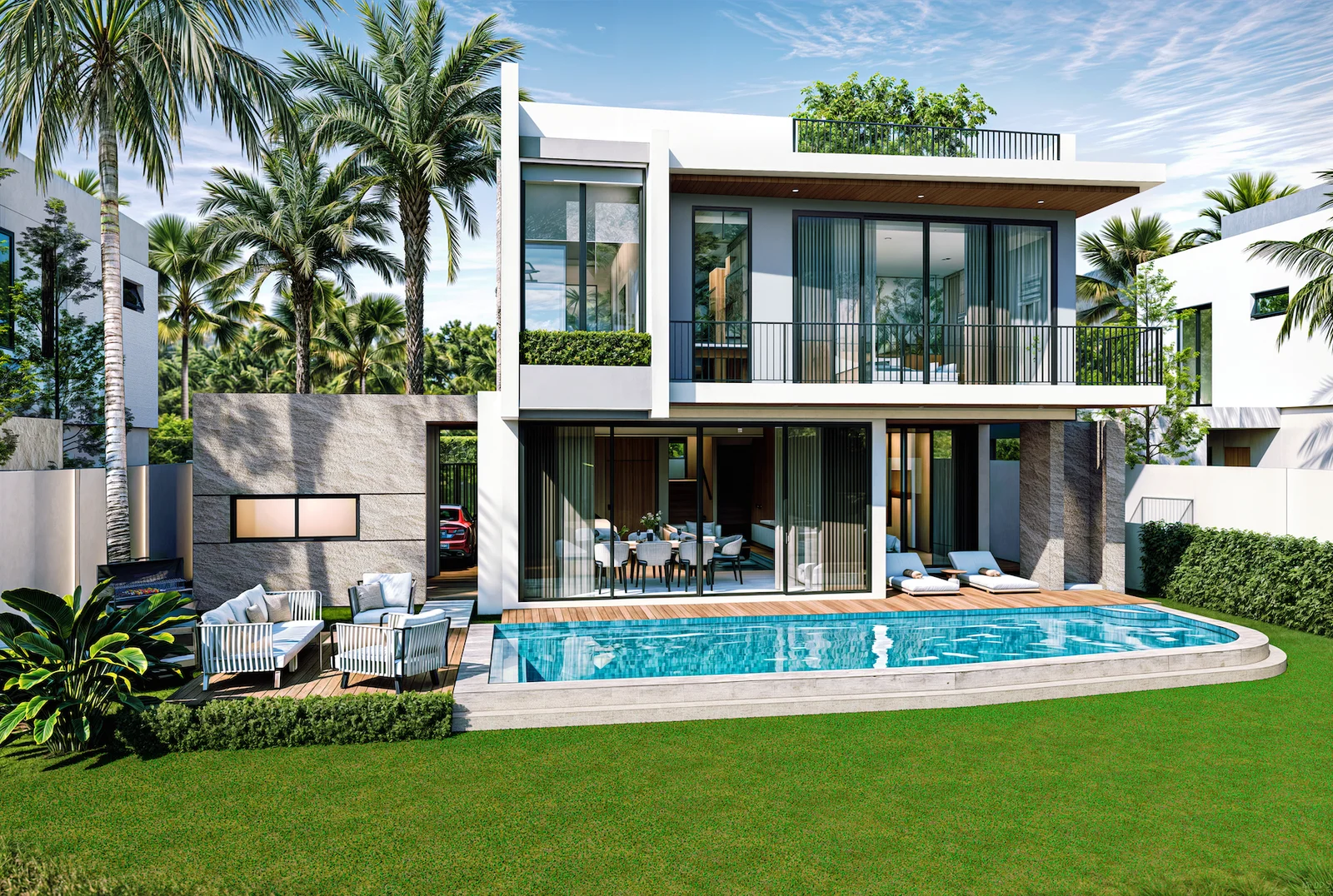
## Rawai and Nai Harn Location Advantage
**Key location factors for Galaxy Villas:**
- **400m from Rawai Beach:** Rawai's seafront is the social centre of Phuket's permanent expat community, lined with restaurants, seafood stalls, and boat departure points to the nearby islands (Coral Island, Bon Island). It is not a swimming beach (too shallow at low tide), but it is a significant lifestyle and dining anchor.
- **5 minutes to Nai Harn Beach:** Nai Harn, about 1.8 km away by the developer's figures, is one of Phuket's most beautiful and consistently swimmable beaches, a 1-kilometre crescent of clear water backed by jungle-covered hills with none of the commercial development of Kata or Karon. It has emerged as Phuket's premier surf beach and a magnet for wellness retreats, yoga teacher trainings, and boutique resort stays.
- **Proximity to Chalong:** Chalong, 10 minutes north, is the island's largest marina hub and the base for Phuket's world-class diving, sailing, and sport fishing scenes. This adds a significant additional rental demographic: diving enthusiasts, sailors, and sports tourists who specifically base themselves in southern Phuket.
- **Distance from Patong:** Rawai is approximately 30 minutes from Patong's nightlife strip. This is an advantage for the target rental demographic, guests who want genuine Phuket quality of life rather than a party resort experience.
## Nai Harn as an Emerging Luxury Rental Market
Nai Harn draws European couples, families and wellness visitors who book villas by the week, and the corridor's winter-resident community fills the long-stay side of the market.
A yield forecast becomes clearest in weeks: multiply the percentage by the price of the specific house to get the annual income, then divide that income by the weekly rate to get the number of paid weeks it assumes. We build that plan for your house with an operator's figures for comparable villas in the corridor.
## What Drives Rental Income, in Weeks
Rental income on a pool villa comes down to paid weeks, and these are the things that fill them:
| What fills the weeks | What it depends on |
|---|---|
| Demand across the year | Winter residents and long-stay tenants outside November to April |
| The upper end of the weekly range | Sea view, pool size and interior spec |
| Consistent OTA presence | Professional photography, reviews, and a manager who answers |
| Continuous availability | Pool plant and aircon serviced on schedule |
| Standing out within the estate | Presentation, reviews and a well-chosen plot |
{/* corpus-faq:vip-galaxy-villas */}
## FAQ
### What does a 114-home estate mean for an owner?
It is a large villa scheme by Phuket standards. Shared infrastructure is funded by many households, so per-home charges are lower than on a boutique estate, and there are enough comparable houses of each type to benchmark the price at resale.
### Can a foreigner own these freehold?
Foreigners do not hold land freehold in Thailand, and villas and townhouses are not condominium units, so the 49% quota does not apply. Each house is held through a registered lease over its plot with the building owned in your name, or through a Thai company holding the land, and we prepare the route that suits you with our legal support.
### What is Rawai's rental profile?
Long-stay rather than nightly. Rawai's seafront is a working one with boats and seafood restaurants rather than a swimming beach, and its dependable demand is the island's most established expat and winter-resident community. A pool villa here lets well on annual agreements with almost no turnover cost.
### How close is the beach and does it matter?
The developer gives 400 metres to Rawai Beach and 1.8 km to Nai Harn Beach, and we send the distance from your own plot. In Rawai it matters less than elsewhere, because the area sells on community, food and value, and most residents swim at Nai Harn a few minutes away.
### How is the estate run?
An owners' association runs the estate after handover, with an annual charge per home. The brochure shows two phases, the first with 20 Type A villas and 12 Type C townhouses, and we send the projected charge, the association rules and the release plan for the remaining homes.
### What stage is VIP Galaxy Villas at?
Construction is under way: the July 2026 update shows the concrete frame of townhouses C7 to C12 going up, and a finished Type A show villa can be viewed at the developer's Rawai headquarters. We send the latest update with the price list.
## Unit Mix and Pricing Breakdown
The scheme is not one house repeated. The developer's 2025 brochure shows three types, each on three levels with a roof terrace on top:
| Type | What it is | Plot area | Private pool |
|---|---|---|---|
| A (A-1 and A-2) | Four-bedroom pool villa | 360 sqm | 10.40 by 3.50 m |
| B | Three-bedroom pool villa with a working room | 306 sqm | 10.05 by 2.60 m |
| C | Three-bedroom townhouse | 138.6 sqm | 6.30 by 2.30 m |
The brochure's master plan puts 20 Type A villas and 12 Type C townhouses in the first phase and does not break the remaining 82 homes down by type. It also prints a usable area for each type, which counts the car park, the pool, the pool deck and the roof terrace; the contract for your house states its enclosed built area as well.
So a price difference across the scheme buys a different house as well as a different plot. Within one type, we compare plots by the rate per square metre and by position, and a site visit shows which plots have the best outlook.
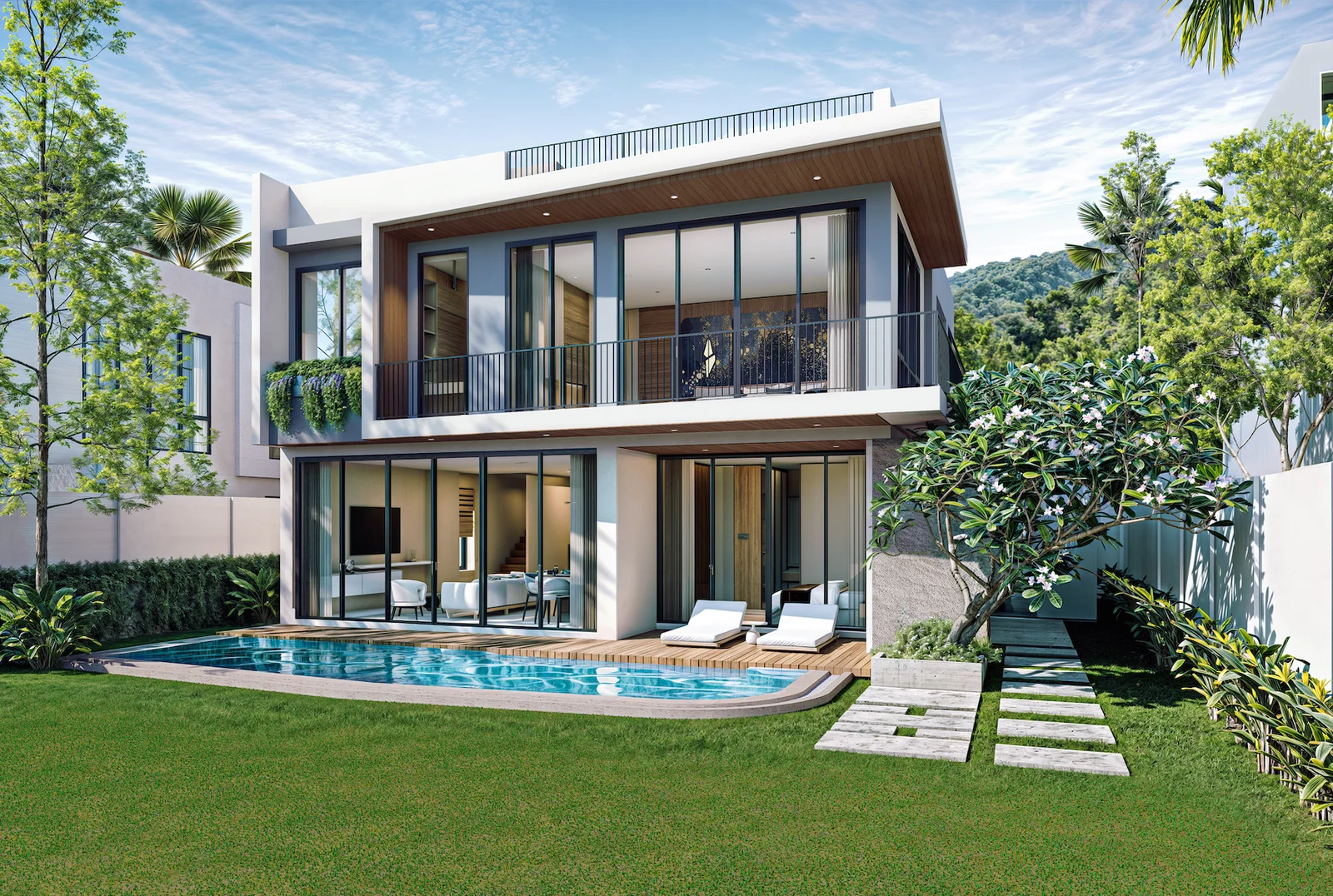
## Amenities and the Villa Community Experience
The developer lists these facilities as shared with a nearby project rather than built inside the estate:
- **Fitness centre**, full gym equipment standard for hotel-quality operations
- **Communal swimming pool**, complement to private villa pools, useful for families with children
- **Restaurant and cafe**, food and drink on hand that adds value for long-stay guests and reduces the isolated-villa feel
- **Spa and wellness area**, significant amenity for the wellness-focused Nai Harn demographic
- **Children's playground**, expands the rental demographic to families with young children
The same list adds 5,000 sqm of landscaped gardens, 24-hour security and property management. For holiday renters, particularly families, a private pool plus resort-style facilities is a real differentiator from standalone villas in Rawai. The facilities belong to a neighbouring project, and we send the terms on which owners and guests use them.
## Luxury Villa Market in Southern Phuket: Context
**Supply:** Luxury villa supply in the Rawai/Nai Harn corridor is genuinely constrained by topography, the area is hilly, with limited flat land suitable for pool villa development at scale. Galaxy Villas' 114-home community is one of the largest new villa developments in this submarket.
**Demand:** the target guest here is a European couple, a small family or a wellness visitor, and the corridor's dependable base is the island's most established winter-resident and long-stay community. That is a steady, year-round business, and it is the base we plan on.
**Capital growth:** constrained hillside supply is the main driver in this corridor, and we send what the developer's previous release of the same villa type sold for, so you can see how pricing has moved.
## Construction Progress
The developer publishes monthly construction updates on its website: the July 2026 update shows the concrete frame of townhouses C7 to C12 going up, and a finished Type A show villa can be viewed at the developer's Rawai headquarters.
- **Phases:** the estate is built in two phases, and we tell you which phase your house is in
- **Pricing:** we compare the current price with the developer's price for a finished house where one is quoted
- **Rental income:** starts after handover and furnishing
The scheme has a longer history than its 2025 launch: the developer's media library holds a 2021 price list for 114 plots of an earlier design. If you are offered a resale of an early contract, we check with you which design it was signed for.
## Leasehold Structure for Foreign Buyers
Key points for foreign buyers:
- **The registered term:** a "30+30+30" structure is one 30-year lease registered at the Land Office, followed by two contractual renewals, and we set out with you who gives the renewal promises and how they pass on
- **Chanote title:** we confirm that the plot carries Chanote, the strongest form of Thai land title
- **Lease registration:** the registration of the lease at the Land Office is part of the purchase process we run with you
- **Building ownership:** Foreign buyers can own the building structure freehold (as a separate asset from the land), which provides additional security
At resale the buyer pool includes Thai buyers, who can hold both land and building freehold, as well as foreign buyers taking over the lease.
## Why Buyers Choose VIP Galaxy Villas
- Pool villas on 306 and 360 sqm plots, so the garden and pool are genuinely usable, plus townhouses for buyers who do not need a full villa
- 400 metres from the seafront, a walk rather than a drive
- Three house types, so there is a real choice of size, plot and position
- 114 homes give a large enough base for the estate infrastructure to be maintained properly
- Rawai's long-stay resident demand supports annual tenancies alongside holiday letting
**Read Also:**
- [What Rawai and Nai Harn cost, and who lives there](/rawai-properties/)
- [VIP Tropika, the same developer with a contractual yield](/projects/vip-tropika/)
- [Lease or company: what a foreigner holds on a villa plot](/guides/freehold-vs-leasehold-thailand/)
- [Getting the purchase money into Thailand correctly](/guides/proof-of-funds-thailand-property/)
- [The villa buying process step by step](/guides/due-diligence-process-thailand-step-by-step/)
## What a Rawai Pool Villa Costs to Run
A private pool needs chemical treatment and servicing all year, the garden needs a gardener, and both run whether or not the villa is occupied. Add electricity for air conditioning across a larger footprint, and villa insurance that covers guest liability if you let short-term. We put the monthly cost line next to the revenue line in the plan for your villa, so the net figure is clear from the start.
## Buying VIP Galaxy Villas with MORE Group
A home at VIP Galaxy Villas is bought in five steps, from the first price list to the keys, and we stay with you through each of them.
# VIP Great Hill Phuket Review 2026: Prices and Unit Mix
> VIP Great Hill review: a completed Nai Yang condominium with 22 sqm studios from 1.85M THB, six minutes from the airport and 14 minutes' walk to the beach.
**Source:** https://moregroup.estate/projects/vip-great-hill/
**Section:** Project Reviews
**Author:** MORE Group Editorial
**Published:** 2026-04-02
**Updated:** 2026-08-23
---
**VIP Great Hill at a glance:** Completed 7-storey condominium in Nai Yang / Sakhu, northern Phuket. 215 studio units of 22 sq m. Prices from 1,849,000 to 2,002,500 THB. 14-minute walk to Nai Yang Beach. 6 minutes by car to Phuket airport. Full payment required (no construction instalments). Pool, gym, children's pool, rooftop garden. The entry-point investment in this review series.
Every review series needs an entry-level option. Among the five projects in this collection, VIP Great Hill is the one that dramatically lowers the barrier to Phuket property ownership. Under 2M THB for a completed unit, not off-plan, not under construction, already built, within walking distance of a beach and six minutes from an international airport. That combination is worth unpacking carefully.
## Project Overview
**Key project facts:**
- Developer level: Premium
- Type: Condominium apartment (studio)
- Building: 7 storeys
- Total units: 215
- Unit size: 22 sq m (studio)
- Status: Completed and ready for transfer
- Payment: 100% (full payment at transfer, no instalment plan)
- Amenities: Swimming pool, children's pool, fitness centre, lobby, landscaped gardens, rooftop relaxation area, covered parking
The 22 sq m studio format is a well-understood investment product in Phuket, compact, functional, and designed primarily for occupancy yield rather than personal use as a primary residence. Each unit includes an open-plan living area with kitchenette, bathroom with shower, and a private balcony. The balcony is often what sells these units in photographs; in practice, it extends the livable space meaningfully for a 22 sq m footprint.
The building's communal facilities are generous relative to the unit price point: a full swimming pool, a dedicated children's pool, fitness centre, rooftop relaxation area, and landscaped garden give residents resort-quality infrastructure at a budget property price.
## Nai Yang: The Airport Beach That Investors Are Finally Discovering
The tourist footprint in Nai Yang has historically been thin, which kept property prices low and rental yields high for a simple reason: the airport. Visitors on short stays, flight crews, and business travellers have always needed accommodation within a very short drive of the terminal. Nai Yang provides that, with the beach as a bonus.
**Distance context:**
- Nai Yang Beach: 14 minutes on foot (6 minutes by car)
- Nearest mall: 4 minutes on foot (1 minute by car)
- Phuket International Airport: 6 minutes by car
The 14-minute walk to the beach is the development's headline location claim, and it holds up: Nai Yang Beach is genuinely accessible on foot, which is unusual for a Phuket property at this price point. The mall reference (4 minutes on foot, 1 minute by car) suggests the nearby Tesco Lotus or airport-area retail cluster, functional, not glamorous, but meeting daily needs without a car.
The airport's 6-minute drive is the real infrastructure story. Digital nomads, frequent business travellers, Airbnb guests with early flights, airline staff, this is a location that sells itself to a specific, consistent renter type regardless of the broader Phuket tourist cycle.
## Pricing: Phuket's Most Accessible Investment Entry Point
| Floor | Representative price | Per sq m |
|-------|---------------------|----------|
| 3rd floor | 1,849,000-1,913,500 THB | 86,000 THB/sq m |
| 4th floor | 1,958,000 THB | 88,000 THB/sq m |
| 5th floor | 1,883,400 THB | 86,000 THB/sq m |
| 6th floor | 1,922,400-1,975,800 THB | 89,000 THB/sq m |
| 7th floor | 1,935,000-2,002,500 THB | 90,000-91,000 THB/sq m |
Higher floors command modest premiums for their views, and the 7th floor carries the highest pricing, closest to the rooftop relaxation area.
Payment is 100% at transfer, as usual for a completed building, so the purchase is quick and simple: the unit is paid for and registered in one step, and for investors using overseas equity release the process is straightforward.
The entry threshold, under 2M THB, means multiple units are mathematically feasible for investors who would spend 10-15M THB on a single villa. Portfolio diversification across floors or building positions is a strategy worth considering.
## Rental Income
Short-term rental rates via Airbnb and booking platforms for equivalent Nai Yang studios (22-25 sq m with pool access, near beach and airport) typically range from 800 to 1,500 THB per night depending on platform, season, and positioning.
The airport location creates a specific rental sub-market: Airbnb guests with early-morning or late-night flights who book specifically for proximity, and airline crew accommodation blocks. Both tenant types tend to book repeatedly and cancel infrequently, supporting steady occupancy.
For owners who plan to let, we collect twelve months of statements from comparable studios, with platform fees, management and running costs itemised, and we confirm the building's licence position for stays under 30 days, so the income plan starts from real figures.
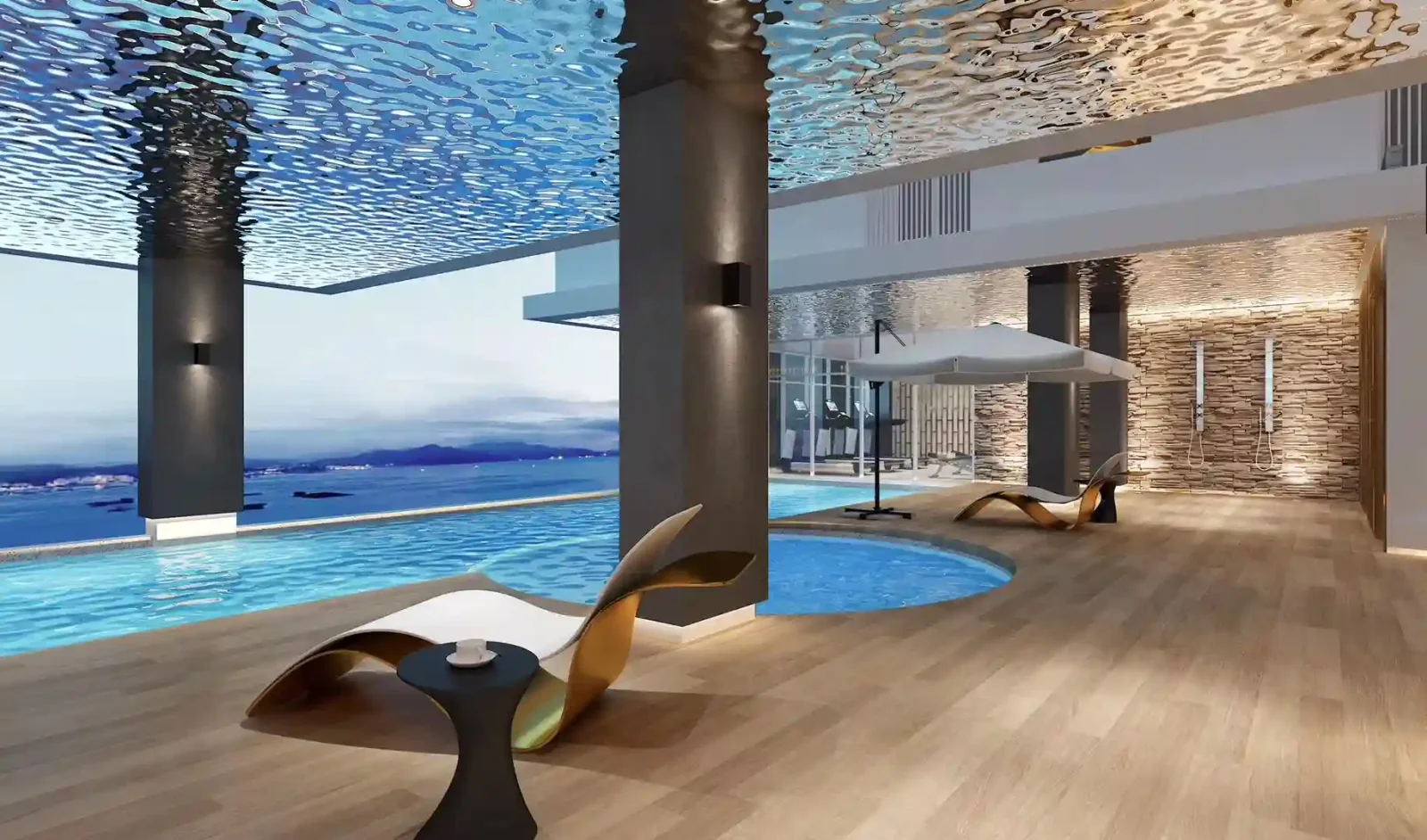
## Who Should Buy at VIP Great Hill?
**Multi-unit portfolio builders** who spread their budget across three or four studios at 2M THB each rather than one larger property, for diversification across floors, guests and seasons.
**Airport-adjacent buyers**, investors specifically targeting the flight crew, business travel, and airport-transit rental market that Nai Yang uniquely serves.
**Digital nomads buying their own base** who want a low-cost, fully maintained Phuket foothold with pool access and beach walking distance, held as an asset between stays.
The 22 sq m studios are compact and purposeful, an investment and pied-à-terre product.
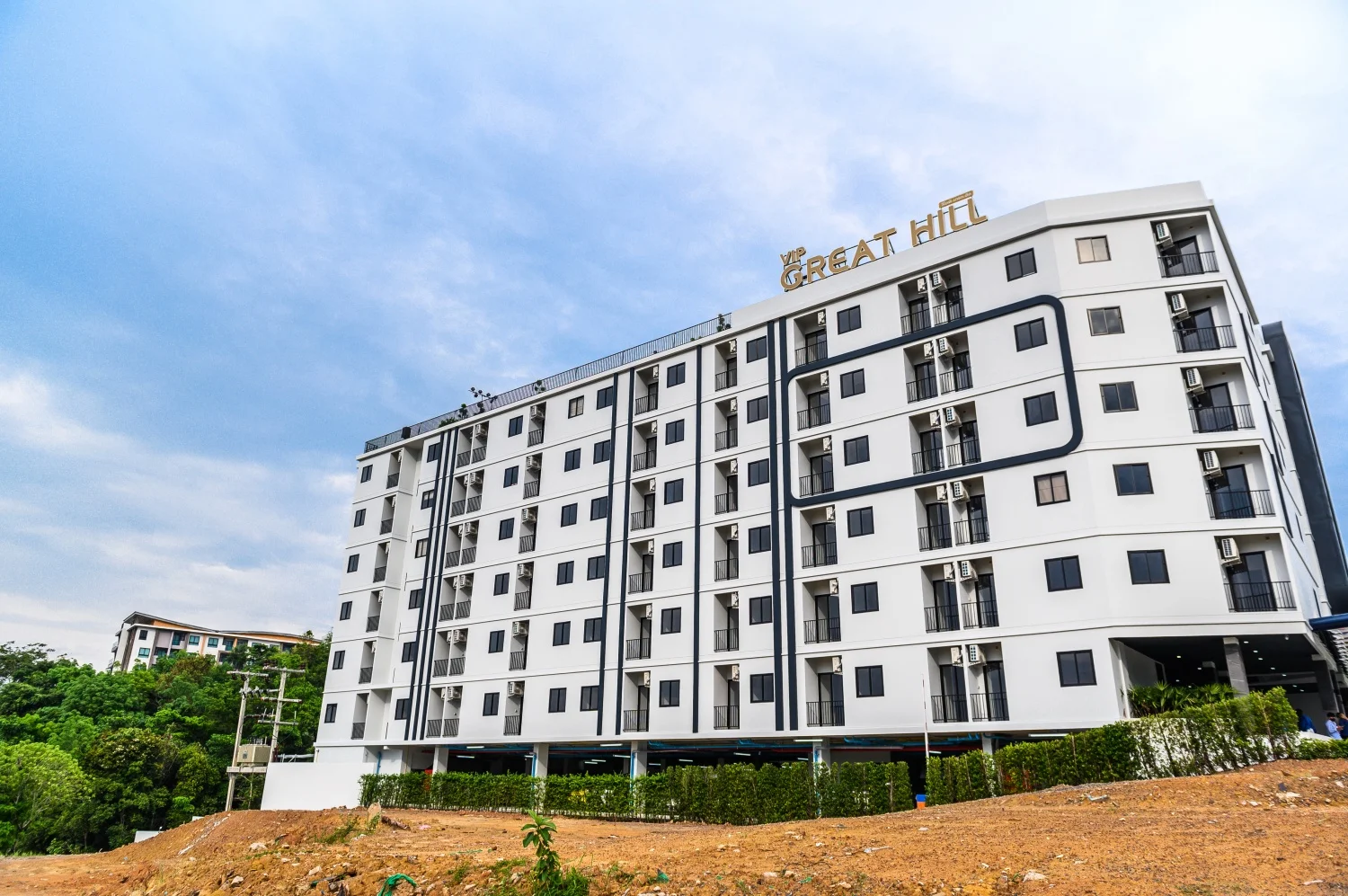
## Our Assessment
A completed building, a low entry, and the airport and the beach within minutes: buy, register the title and list for rental. For first-time Thai property buyers and portfolio builders, VIP Great Hill is exceptional value, and the combination of airport proximity and beach walkability at this price point is genuinely unusual in the Phuket market.
**Our rating: 8/10**, exceptional value for first-time Thai property buyers and airport-side investors.
## Paying for a Completed Unit
Completed stock in Phuket is paid in full at transfer rather than staged.
**What it brings.** A finished unit you have seen before you pay, and income that can begin as soon as it is furnished and listed.
**The currency.** The whole sum converts on one date, so we plan the transfer with you. Send in one transfer where you can: the Land Office record is issued as a matter of course at or above USD 50,000, and below that you receive a credit advice you request specifically. Convert on arrival in Thailand rather than at home, so the Thai bank records the transfer for freehold registration in a foreign name.
**The common charges.** We confirm with the juristic person that the seller's common charges are paid up to transfer, which the Land Office requires.
## Buying VIP Great Hill with MORE Group
VIP Great Hill is finished, so the purchase runs from the unit list to the keys in a few weeks, and we take every step of it with you.
{/* corpus-faq:vip-great-hill */}
## FAQ
### Is VIP Great Hill already completed?
Yes. VIP Great Hill is a finished building with units ready for immediate transfer. Buyers purchase a completed asset with no construction phase to wait through.
### What is the payment structure for VIP Great Hill?
Full payment (100%) is required at transfer. There is no instalment payment plan since the building is already complete. Buyers need liquid capital available at the point of purchase.
### How far is VIP Great Hill from Nai Yang Beach?
Nai Yang Beach is approximately 14 minutes on foot (6 minutes by car) from the development, genuinely walkable by Phuket standards for a property at this price.
### What rental income can I expect from a VIP Great Hill studio?
The airport and the beach support steady short-stay demand from travellers, digital nomads and airline crew, with nightly rates for comparable studios around 800 to 1,500 THB depending on season. We collect statements from comparable studios and build the net figure for your unit.
### Can foreigners own apartments at VIP Great Hill?
Yes. Foreign buyers can hold Thai condominium units under freehold title (Chanote) as long as the foreign ownership quota in the building (49% of total floor area) has not been exceeded. MORE Group can confirm current quota availability.
### What communal facilities are available at VIP Great Hill?
The building includes a swimming pool, children's pool, fitness centre, landscaped garden, rooftop relaxation area, lobby, and covered parking, a strong communal offering for the price point.
**Read Also:**
- [Best Areas in Phuket to Buy Property 2026](/guides/best-areas-phuket-buy-property/)
- [Nai Yang Property Guide: Airport-Side Value](/guides/nai-yang-property-guide/)
- [Foreign Quota in Thai Condominiums](/guides/foreign-quota-thai-condominiums/)
- [Aceller Hotel & Residence Review 2026: Prices & Yield](/projects/aceller-hotel-residence/)
- [Botanica Skyport Review 2026: Prices & Yield](/projects/botanica-skyport/)
- [How Foreigners Buy Phuket Property 2026](/guides/buying-property-phuket-guide/)
# VIP Space Odyssey Rawai: Condos from 4.4M THB
> VIP Space Odyssey Rawai: furnished studios, one and two-bedroom condos from 4.4M THB, with rooftop infinity pools and a restaurant, a walk from Rawai Beach.
**Source:** https://moregroup.estate/projects/vip-space-odyssey/
**Section:** Project Reviews
**Author:** MORE Group Editorial
**Published:** 2026-03-26
**Updated:** 2026-08-23
---
## What Is VIP Space Odyssey?
VIP Space Odyssey brings a resort to the heart of Rawai. Its rooftops hold infinity pools and a restaurant with views over the sea, and the grounds add landscaped gardens, a fully equipped gym, a kids club and shops on site. Every apartment is handed over fully furnished, with panoramic windows and a contemporary finish, ready to live in or to let.
The location is made for everyday life in the south: Rawai Beach and its seafood promenade are a short walk away, Nai Harn Beach and Promthep Cape are a few minutes by car, and the cafes, markets and gyms of Rawai are all around. The developer, VIP Thailand, also builds [VIP Venus](/projects/vip-venus/) in Karon and [VIP Galaxy Villas](/projects/vip-galaxy-villas/) in Rawai.
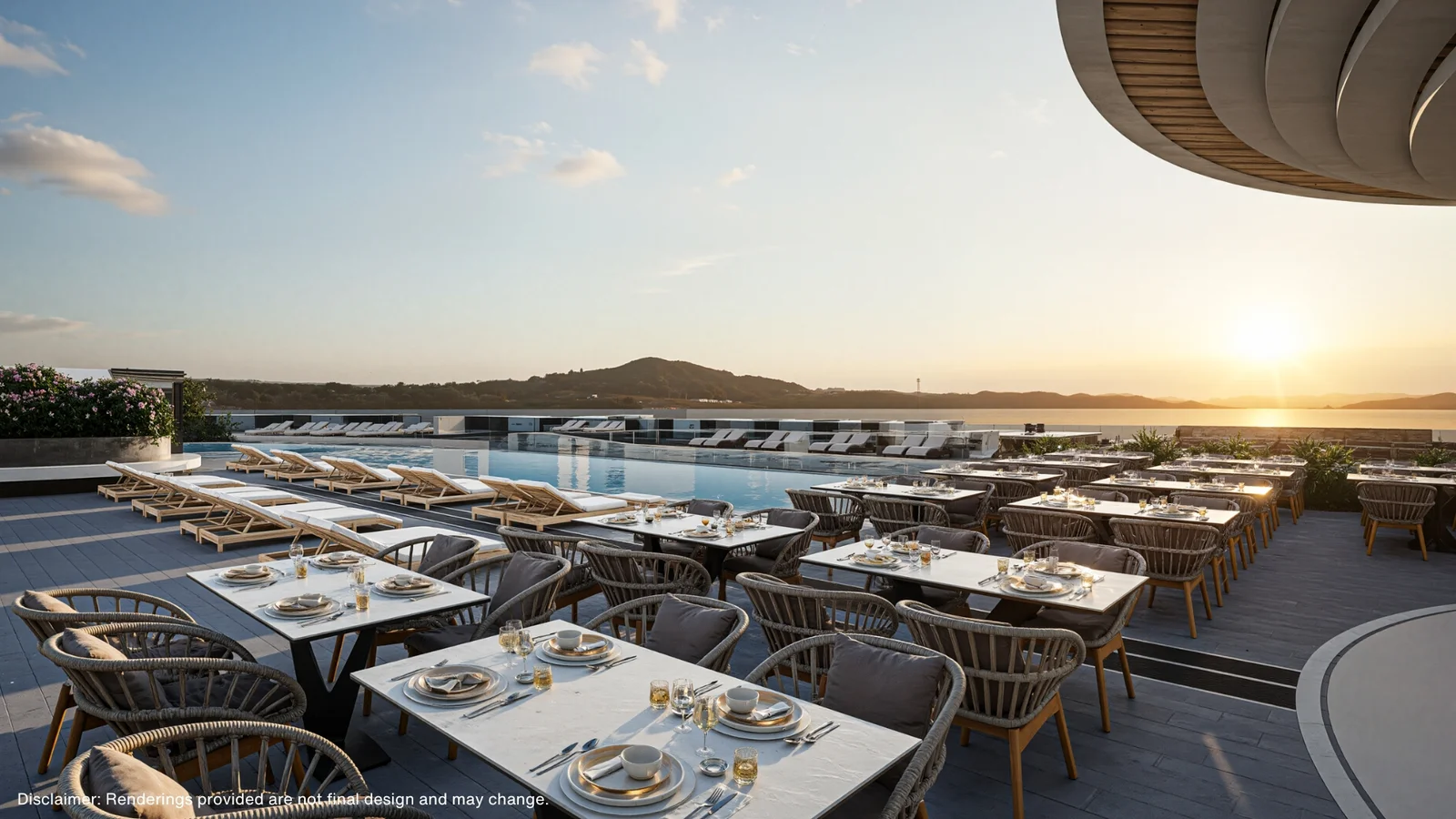
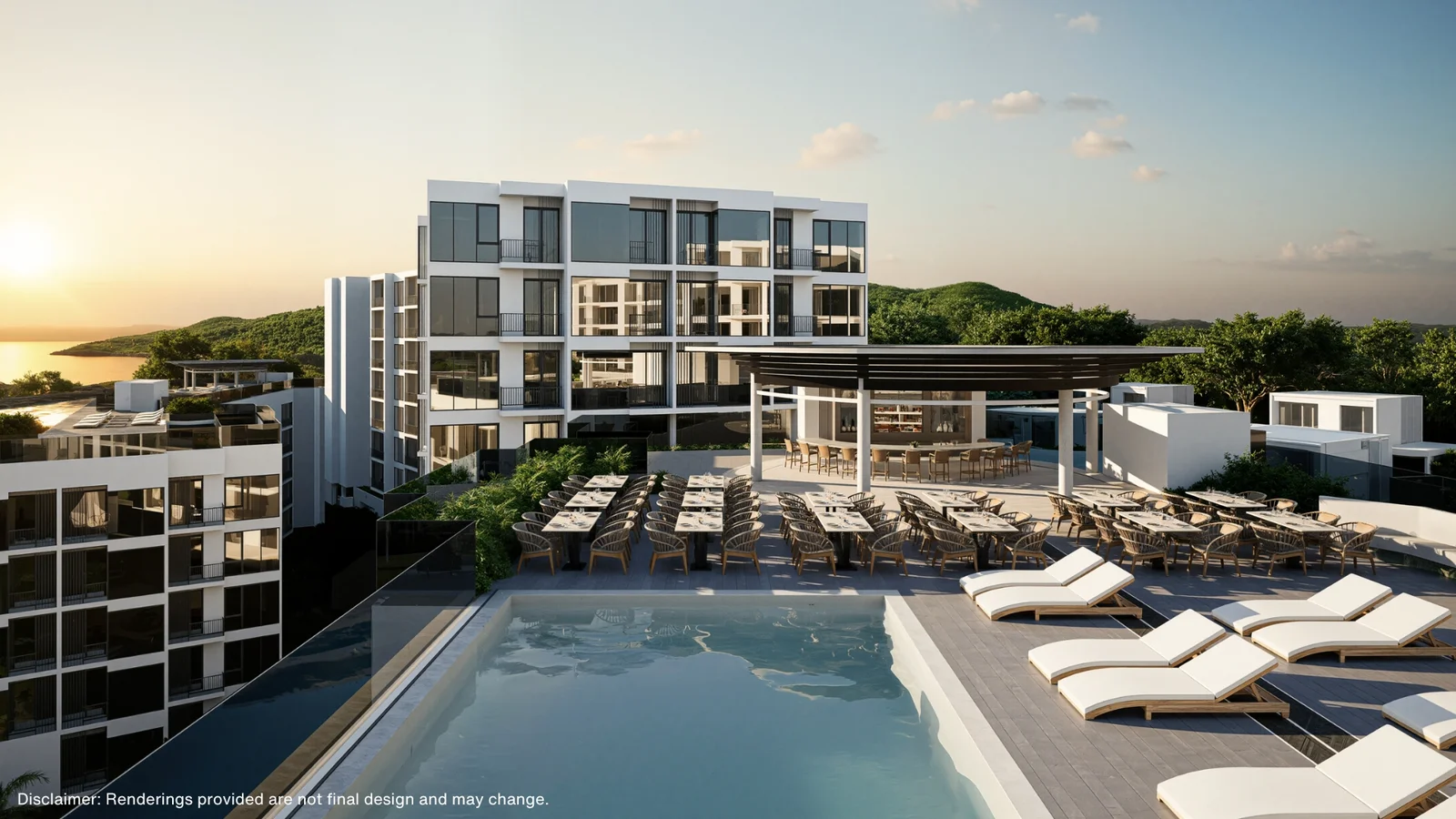
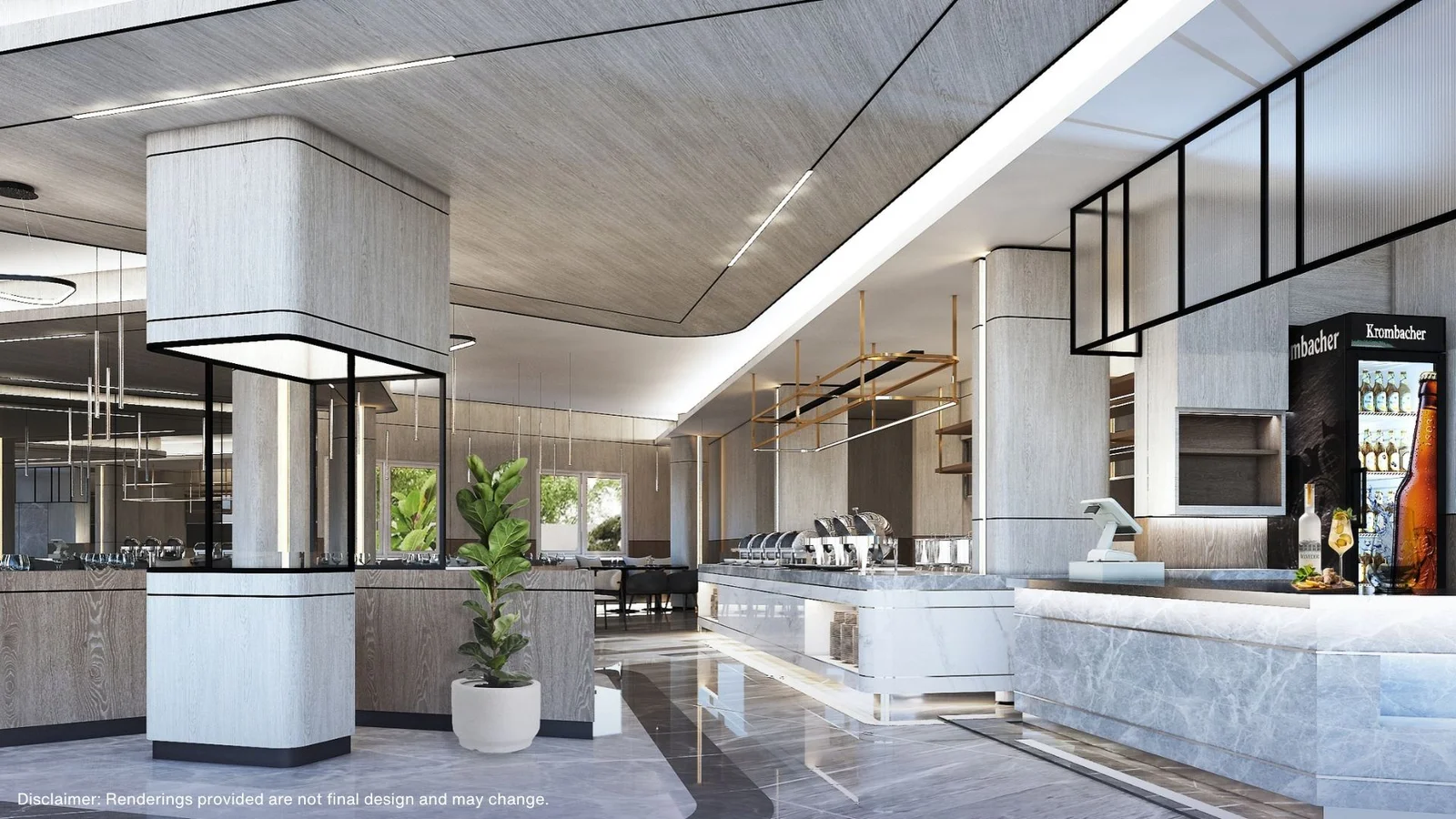
## What Are the Key Facts for VIP Space Odyssey?
| Factor | Detail |
| --- | --- |
| Developer | VIP Thailand |
| Location | Rawai, between Rawai and Nai Harn beaches |
| Buildings | Five eight-storey buildings |
| Residences | About 600 in total, 171 on our price list |
| Studios | 29 and 32 sqm, 4,395,000 to 5,706,000 THB |
| One-bedroom | 32 and 45 sqm, 5,600,000 to 8,100,000 THB |
| Two-bedroom | 60 and 69 sqm, 9,000,000 to 12,474,000 THB |
| Furniture | Every residence fully furnished |
| Payment | 30% / 30% / 30% / 10% |
| Stage | Under construction |
| Beach | About 7 minutes on foot |
## Location: Rawai, Between Two Beaches
Rawai is south Phuket's favourite place to live: a relaxed district of cafes, markets, gyms and seafood restaurants, where long-stay residents spend the season rather than a week.
- **Rawai Beach:** about 7 minutes on foot, with the seafood market and longtail boats to the islands
- **Nai Harn Beach:** one of the island's most loved bays, a few minutes by car
- **Promthep Cape:** Phuket's classic sunset viewpoint nearby
- **Shopping:** the nearest mall about 16 minutes by car, with markets and supermarkets across Rawai
- **Chalong:** the pier, the marina and the island's dive centres a short drive away
Mornings here start with a swim at Nai Harn or a coffee on the rooftop, afternoons belong to the markets and cafes of Rawai, and evenings end with seafood on the promenade or the sunset at Promthep Cape. The district draws remote workers, European couples who spend the winter here and families who want a real neighbourhood by the sea. The [Rawai area page](/rawai-properties/) covers the district in more detail.
## Units and Prices
Our price list holds 171 units:
| Format | Size | Units | Price |
| --- | --- | --- | --- |
| Studio | 29 sqm | 68 | 4,395,000 to 5,292,000 THB |
| Studio | 32 sqm | 33 | 4,596,500 to 5,706,000 THB |
| One-bedroom | 32 sqm | 2 | 5,600,000 and 5,760,000 THB |
| One-bedroom | 45 sqm | 38 | 6,525,000 to 8,100,000 THB |
| Two-bedroom | 60 sqm | 12 | 9,000,000 to 10,800,000 THB |
| Two-bedroom | 69 sqm | 18 | 10,048,500 to 12,474,000 THB |
The furnished studios are the largest group on the list and the most accessible way into the building, from 4,395,000 THB. The one-bedrooms of 45 sqm suit couples on long stays, and the two-bedrooms of 60 and 69 sqm give families and remote workers room for a home office. We send the floor plan, floor and view of each unit with the price list.
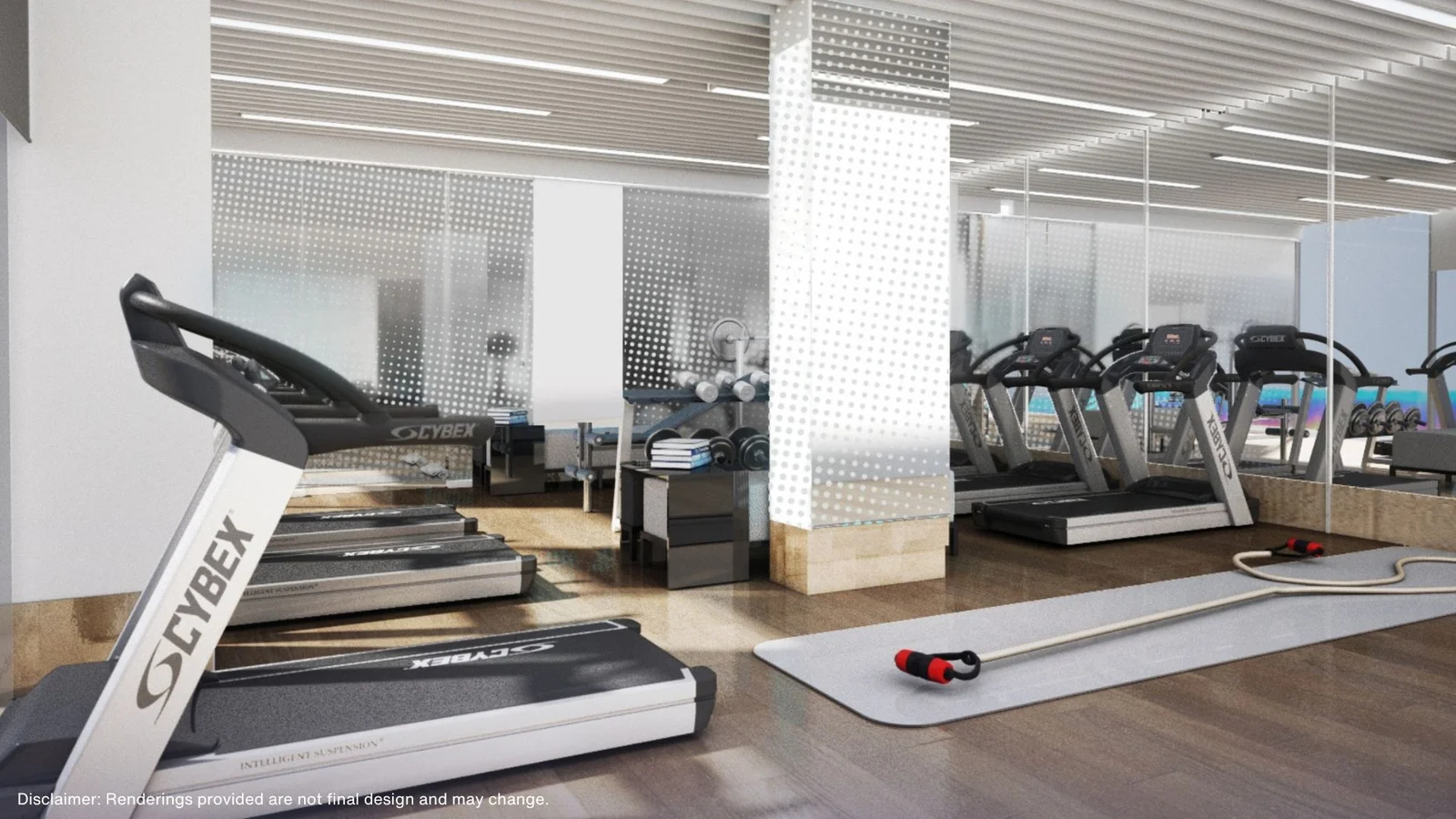
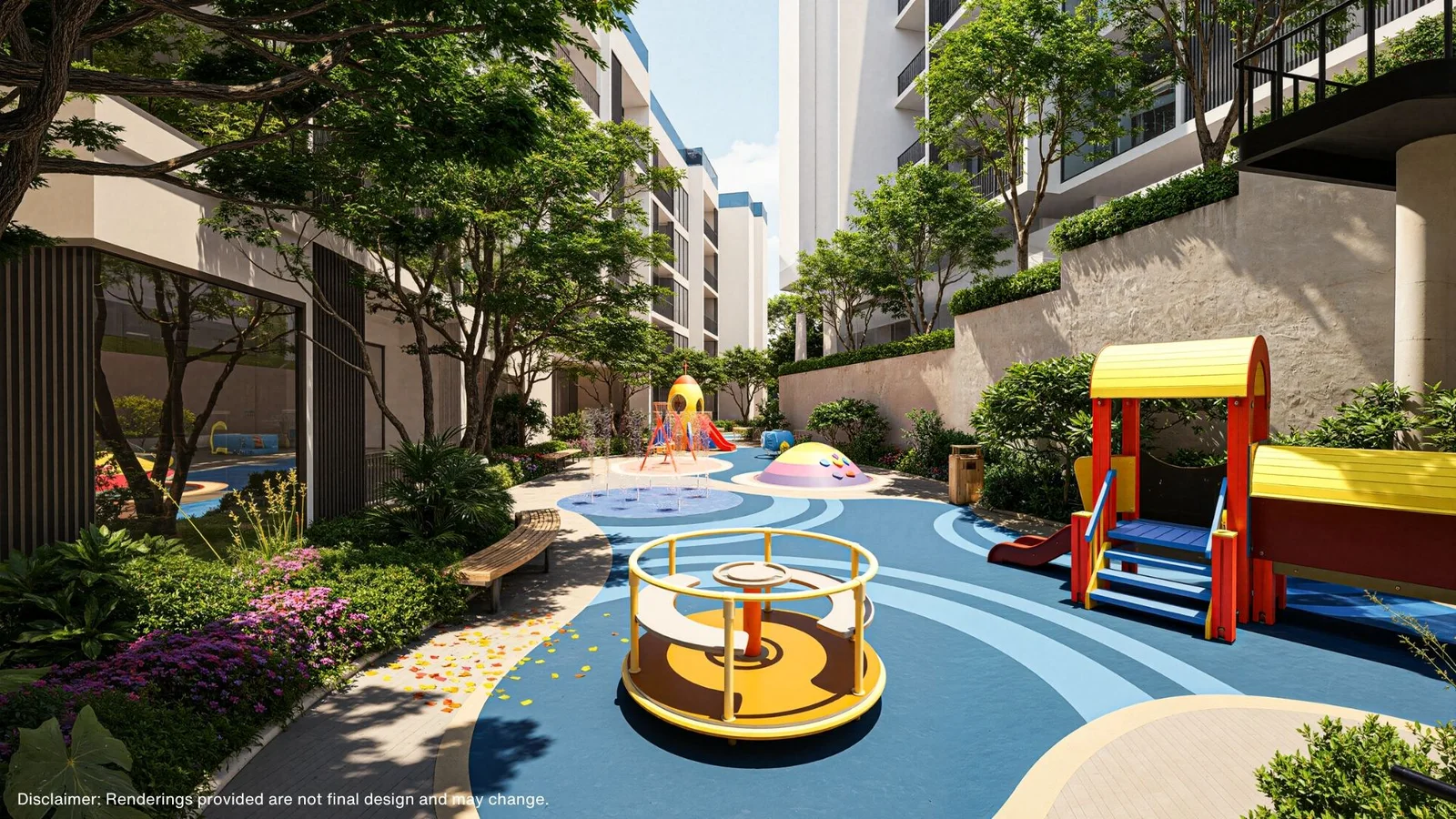
## Facilities
- **Rooftop infinity pools** with sea views
- **Rooftop restaurant**
- **Fitness centre**
- **Kids club** and landscaped gardens
- **Shops on site**
- **Parking** and 24-hour security with CCTV
- **Fully furnished apartments** with panoramic windows
## Four-Stage Payment Plan
The price is paid in four stages: 30%, 30%, 30% and 10%. For a studio at 4,395,000 THB that works out as follows:
| Stage | Share | Amount |
| --- | --- | --- |
| 1 | 30% | 1,318,500 THB |
| 2 | 30% | 1,318,500 THB |
| 3 | 30% | 1,318,500 THB |
| 4 | 10% | 439,500 THB |
Three equal payments during construction and 10% at handover keep the plan simple to follow. We send the developer's schedule for your unit with the price list.
## Why Buyers Choose VIP Space Odyssey
- **Rawai Beach on foot**, Nai Harn a few minutes by car
- **Rooftop infinity pools and a restaurant** with sea views
- **Fully furnished:** ready to use or let from the day of handover
- **A wide choice:** 171 units from studios to two-bedrooms
- **An accessible entry:** studios from 4,395,000 THB
- **VIP Thailand**, with completed buildings on the island
- **Freehold ownership** within the 49% foreign quota
## Who VIP Space Odyssey Suits
**Remote workers and long-stay residents** who want a furnished studio or one-bedroom near the beach, with a gym and a pool upstairs.
**First-time Phuket buyers** entering the market with a freehold studio from 4,395,000 THB.
**Families** who want a two-bedroom with a kids club and pools in the building.
**Rental investors** aiming at the long-stay tenants who choose Rawai for months at a time.
## Renting Out a Unit at VIP Space Odyssey
Rawai's residents stay long: remote workers for one to three months, couples for the winter and families for a school year. A furnished apartment a walk from the beach, with rooftop pools and a restaurant, suits them well, and monthly lets keep turnover low.
If you plan to let your unit at VIP Space Odyssey, we collect current asking rents for comparable units in Rawai and Nai Harn and send them with the price list. [Our rental guide](/guides/phuket-rental-yield-complete-guide-2026/) explains how to read a rental offer line by line.
## Ownership for Foreign Buyers
VIP Space Odyssey is a condominium, so a unit can be registered freehold in your own name within the 49% foreign quota of each building, counted by floor area. We confirm with the developer that the unit you choose sits inside that quota. For a freehold unit at VIP Space Odyssey, each payment is transferred from abroad in foreign currency, and the receiving bank provides the FET form that the Land Department asks for at registration. [How the foreign quota works](/guides/foreign-quota-thai-condominiums/) explains the rule in detail.
## VIP Space Odyssey and Other Rawai Condos
| Project | From | Status |
| --- | --- | --- |
| [Aura Condominium](/projects/aura-condominium/) | 3,032,320 THB | Off-plan |
| [The Proud](/projects/the-proud/) | 3,625,000 THB | Completed |
| [Enigma Residence](/projects/enigma-residence/) | 3,944,850 THB | Off-plan |
| [Next Point Condominium](/projects/next-point-condominium/) | 3,955,000 THB | Off-plan |
| VIP Space Odyssey | 4,395,000 THB | Off-plan |
| [The Title Cielo](/projects/the-title-cielo/) | 4,830,000 THB | Off-plan |
VIP Space Odyssey stands out in this group for its rooftop pools and restaurant and its furnished handover. We send the price lists of any of these projects on request and arrange viewings.
## Buying VIP Space Odyssey with MORE Group
A unit at VIP Space Odyssey is bought in five steps, from the first price list to the keys, and we are with you through each of them.
## What We Send Before You Reserve
- The current price list with free units, floors, sizes and plans
- Confirmation that your unit sits within the 49% foreign quota
- The four-stage payment schedule for your unit
- The furniture list and the building's common charges
- The latest construction update
{/* corpus-faq:vip-space-odyssey */}
## FAQ
### What does VIP Space Odyssey cost?
Our price list holds 171 units: studios of 29 and 32 sqm from 4,395,000 THB, one-bedrooms of 32 and 45 sqm from 5,600,000 THB, and two-bedrooms of 60 and 69 sqm from 9,000,000 to 12,474,000 THB.
### Are the apartments furnished?
Yes. Every apartment is handed over fully furnished, with panoramic windows and a contemporary finish.
### How far is VIP Space Odyssey from the beach?
Rawai Beach is about 7 minutes on foot, and Nai Harn Beach and Promthep Cape are a few minutes by car.
### What is the payment plan?
Four stages: 30%, 30%, 30% and 10%. For a studio at 4,395,000 THB that means 1,318,500 THB at each of the first three stages and 439,500 THB at handover.
### Can foreigners buy at VIP Space Odyssey freehold?
Yes. Foreign buyers can hold a unit freehold in their own name within the 49% foreign quota of the building, counted by floor area. We confirm that your unit sits inside the quota, and the purchase money is transferred from abroad with an FET form for registration at the Land Department.
**Read Also:**
- [How Foreigners Buy Phuket Property 2026](/guides/buying-property-phuket-guide/)
- [VIP Venus Karon](/projects/vip-venus/)
- [VIP Galaxy Villas](/projects/vip-galaxy-villas/)
- [Nai Harn and Rawai Compared](/guides/nai-harn-vs-rawai-comparison/)
- [Best Areas to Buy Property in Phuket](/guides/best-areas-phuket-buy-property/)
- [Phuket Rental Yield Guide](/guides/phuket-rental-yield-complete-guide-2026/)
# VIP Tropika Bang Tao: Prices, Units and Payment Plan
> VIP Tropika, Bang Tao: 165 priced units from 4,707,350 THB, a 6% SPA guarantee for three years, a hotel licence and furniture included.
**Source:** https://moregroup.estate/projects/vip-tropika/
**Section:** Project Reviews
**Author:** MORE Group Editorial
**Published:** 2026-03-26
**Updated:** 2026-08-23
---
VIP Tropika is a 616-unit condominium development in Bang Tao, Phuket, of which MORE Group's price list holds 165 priced units, from 4,707,350 THB (about $143,956) for a studio. It is the only active Phuket project whose SPA carries a contractually guaranteed 6% annual return for three years, backed by a hotel operating licence. Furniture is included in all units, and buyers currently benefit from a 25-30% pre-sale discount versus expected completion-phase pricing.
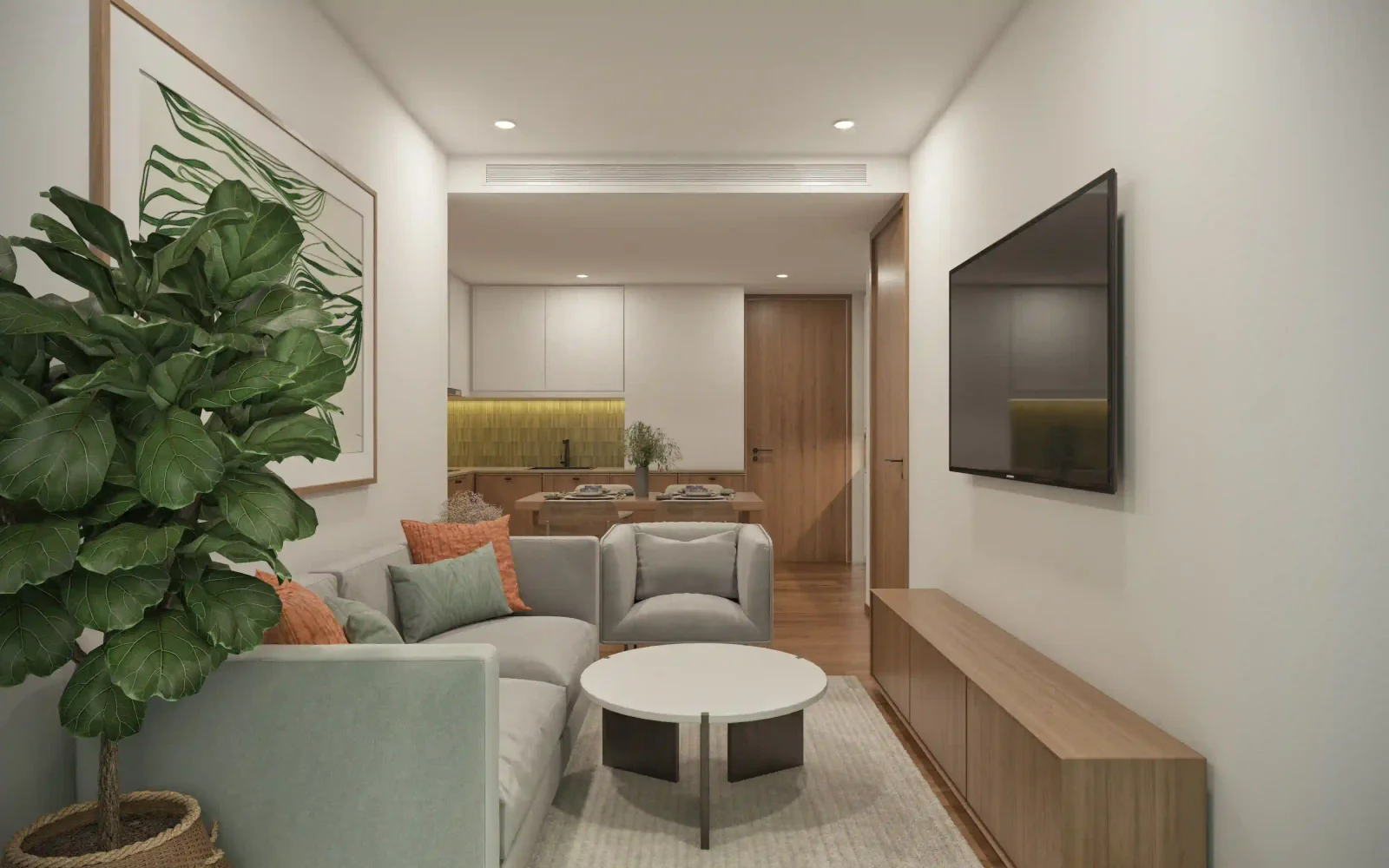
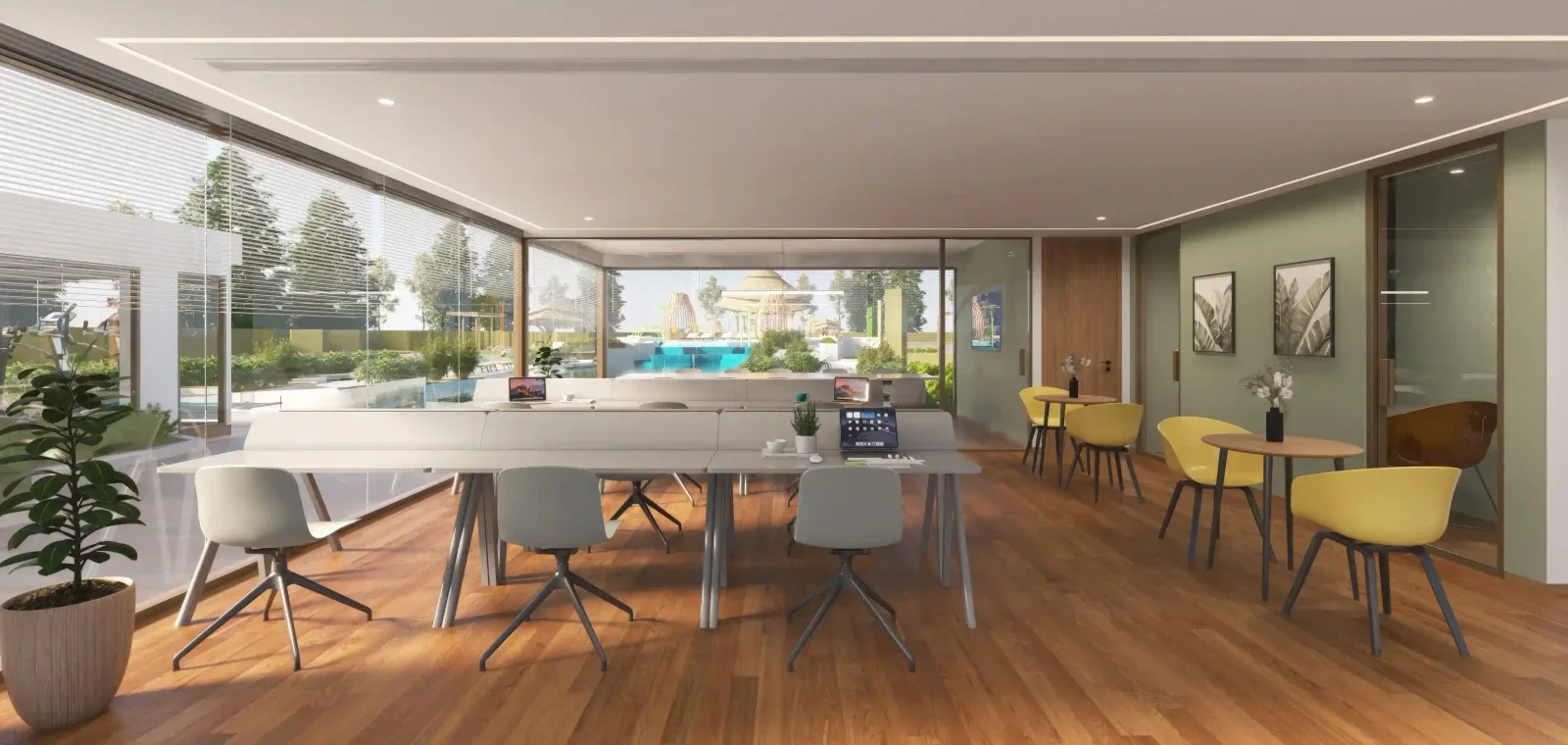
## Bang Tao as an Investment Location
The rental demographic in Bang Tao skews European (particularly Scandinavian, British, and Russian) and tends toward weekly and two-week holiday stays. Average weekly rental rates for a studio or 1-bedroom unit in the area range from 7,000 to 18,000 THB ($196-$504) depending on season, finish quality, and specific location within the Bang Tao corridor. Peak season (November-April) sees occupancy rates across well-managed Bang Tao properties consistently above 70%, with shoulder season (May-October) increasingly active as Phuket's tourism mix has diversified.
Bang Tao Beach is 1.2 km away, and Tropika's hotel licence program works in its favour: the property operates as a hotel, not as individual vacation rentals, which means the management team pools marketing and achieves occupancy through OTA channels (Booking.com, Agoda, Airbnb) at a scale that individual landlords cannot match.
## The 6% SPA Guarantee: How It Works
**Structure:** The development operates under a hotel license, it is not a residential building with a rental program added. The hotel license means the building is legally classified as a hospitality operation and managed accordingly by a professional hotel operator.
**Guarantee mechanism:** The 6% annual yield is contractually guaranteed for 3 years from the delivery date. The guarantee is written into the sale and purchase agreement as a developer obligation, not a projection, forecast, or best-effort commitment.
**Calculation on the SPA terms (cheapest priced studio, 4,707,350 THB):**
- Purchase price: 4,707,350 THB (~$143,956)
- Guaranteed under the SPA at 6% a year: 282,441 THB (~$8,637) per year
- Monthly: ~23,537 THB (~$720)
- Cumulative contractual payments over the three-year term: ~847,323 THB (~$25,912)
That is arithmetic on a contract clause, not a projection of what the unit
earns; the developer owes it whatever the unit does.
**Gross vs net:** the guaranteed figure in the SPA is a gross payment. Deductions typically include a hotel management fee (commonly 30-40% of revenue in hotel-model programs), property tax, and any maintenance sinking fund contributions. We request the net yield calculation from the developer for you, for a like-for-like comparison with non-guaranteed programs.
**After the guarantee period:** from year four the unit continues in the hotel rental pool on a revenue share, where occupancy, average daily rate and management quality set the return. We collect the operator's statements on comparable units for that stage, and Bang Tao's depth, with 4,589 priced apartments and the deepest resale market on the island, supports both the rental and the eventual resale.
## How to Read a Guaranteed Yield
A contractual 6% is the headline here, and we set out the terms behind it for you:
| What we send | Why it matters |
|---|---|
| The guarantor: developer, operator or a separate company | The guarantee rests on that company |
| The term of the guarantee | Three years under the SPA |
| The revenue-share terms from year four | They set the income after the guarantee |
| A price comparison with similar units | It shows the value of the unit itself |
| What the hotel licence covers, and who holds it | The licence is what makes short stays lawful under the Hotel Act |
| The rules for leaving the pool | They set how you can let the unit later |
From 4,707,350 THB, we set the guaranteed years against what comparable units without a guarantee earn in the same corridor, so you see the full picture of the income.
{/* corpus-faq:vip-tropika */}
## FAQ
### How does the 6% guaranteed yield work?
It is a contractual promise from the developer to pay a fixed 6% return for three years, regardless of what the unit earns. We send the details: which entity signs it, how payments are made and how it works with the hotel operator.
### What happens when the guarantee ends?
The unit continues in the hotel rental pool on a revenue share, earning what the hotel achieves. We collect month-by-month figures for comparable units in Bang Tao so you can plan that stage from the start.
### What difference does the hotel licence make?
It is what makes nightly letting lawful. Stays under 30 days are hotel business under the Thai Hotel Act absent a licence, and a building holding one is in a much stronger position. We send the licence details and the house rules in writing.
### Is freehold available in a 616-unit building?
Within the building's 49% foreign-quota floor area. We obtain a dated statement of the remaining quota in square metres for your specific unit.
### What should I check about the furniture package?
What it covers, at what specification, and whether it is mandatory. On a guaranteed-yield unit the package is usually required because the operator needs consistency across the pool, and its cost is part of your entry price rather than an optional extra. We send the schedule of what is included.
### What stage is VIP Tropika at?
VIP Tropika is under construction, from a developer that has delivered three projects since 2015. We send the latest construction update together with the price list.
## Unit Types: Which Is the Best Investment?
Studios in Bang Tao also rent the most readily in the weekly holiday market, they suit solo travellers and couples, who represent the largest segment of Phuket's European tourist arrivals. For buyers whose horizon is the three-year guarantee term, the studio is the lowest ticket on which the SPA obligation is written.
1BR and 2BR units become relevant for buyers who also intend personal use of the property, the larger footprint provides genuine livability during owner-stay periods, and 1-2BR units command higher weekly rental rates for couples and small families post-guarantee period.
## Who Should Buy VIP Tropika?
**Profile 1, The income investor:** A buyer allocating $96K-$150K to a Phuket investment who prioritises documented, contractual income over the first 3 years. The 6% guarantee provides a fixed income basis in the first years after handover, from which to evaluate long-term hold or exit decisions.
**Profile 2, The first-time Phuket buyer:** A buyer who wants to enter the Bang Tao market at the lowest available price point with the lowest operational complexity. The hotel management model means no self-management, no direct OTA listing, no cleaner coordination, the hotel operator handles everything.
**Profile 3, The portfolio builder:** A buyer assembling a Phuket real estate portfolio who wants guaranteed short-term yield while other portfolio assets (e.g., land, longer-term development plays) mature. Tropika's guarantee provides a predictable income floor during the portfolio-building phase.
## Developer and Payment Timing
**Developer track record:** VIP Property has delivered 3 projects since 2015, all completed and operating.
**Currency:** prices are in baht, and so is the rental income, which gives a natural balance for buyers funding from USD, EUR or GBP; we plan the timing of each conversion with you.
**Pre-sale discount:** buyers at this stage pay approximately 70-75% of the expected completion-phase price, a 25-30% pre-sale discount.
## Amenities and Building Specifications
- Infinity swimming pool
- Fitness centre
- Hotel-standard lobby and reception
- Restaurant / F&B facilities (hotel-operated)
- Kids' facilities
- 24/7 security and CCTV
- Covered parking
The two 7-floor buildings are configured to maximise the number of units with meaningful views, upper floors benefit from sea or landscape outlooks depending on orientation. We send the floor and orientation of each shortlisted unit, so the view profile is clear.
## Why Buyers Choose VIP Tropika
- The 6% commitment sits in the contract rather than in a brochure, which makes it enforceable
- The hotel licence is held at building level, so the letting permission is settled rather than left to the owner
- Studios from 4,707,350 THB, a low absolute entry into the Bang Tao corridor
- The operator carries occupancy through the guarantee period, so the owner's income is fixed
- 616 units supports a full hotel operation rather than an improvised rental pool
## Buying VIP Tropika with MORE Group
A unit at VIP Tropika is bought in five steps, from the first price list to the keys, and we go through them one by one with you.
**Read Also:**
- [Bang Tao & Laguna Property Guide](/bang-tao-properties/)
- [Buying Process, Step by Step](/guides/due-diligence-process-thailand-step-by-step/)
- [Costs of Buying in Thailand](/guides/hidden-costs-buying-property-thailand/)
- [Best Areas to Buy in Phuket](/guides/best-areas-phuket-buy-property/)
- [Phuket Rental Yield Guide](/guides/phuket-rental-yield-complete-guide-2026/)
- [Foreign Quota in Thai Condominiums](/guides/foreign-quota-thai-condominiums/)
- [Documents in a Thai Property Purchase](/guides/due-diligence-process-thailand-step-by-step/)
## Where 4.7M THB sits in Bang Tao
4.71M THB, about $144,000, is near the entry of the Bang Tao market rather than its middle, alongside older completed stock in the same corridor and new launches priced a tier above. We price two comparable finished and letting resale units in Bang Tao for you, so you can see the pre-sale discount against completed stock.
# VIP Venus Karon: Furnished Condos from 4.35M THB
> VIP Venus Karon: a 214-unit boutique condo by VIP Thailand 600 metres from Karon Beach, furnished studios and one-bedrooms, free beach shuttle, from 4.35M THB.
**Source:** https://moregroup.estate/projects/vip-venus/
**Section:** Project Reviews
**Author:** MORE Group Editorial
**Published:** 2026-03-15
**Updated:** 2026-08-23
---
## What Is VIP Venus Karon?
VIP Venus Karon is designed for owners who want a Karon home that is ready from the first day. Its single eight-storey building stands on a landscaped plot of 2,460 sqm, with parking on the ground floor and seven residential floors above, and around thirty residences per floor keep the corridors calm. Layouts follow an open kitchen, living and balcony axis, with the bedroom set back for privacy, and full-width balconies with privacy screens.
The developer, VIP Thailand Group, has completed buildings on the island and builds across Phuket, from Rawai to Bang Tao. The environmental impact assessment for VIP Venus has been approved, and a free shuttle bus takes residents and guests to Karon Beach throughout the day.
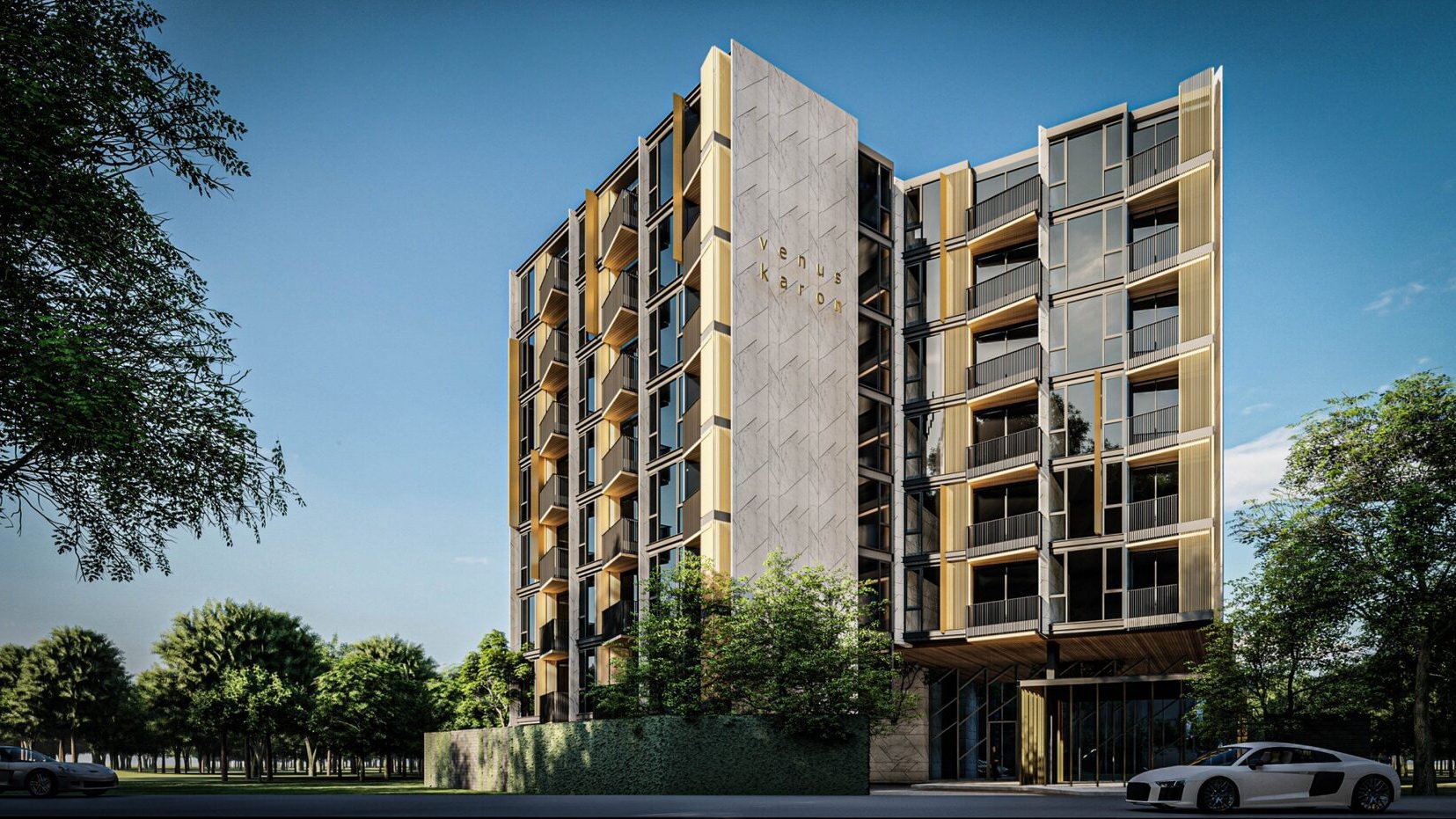
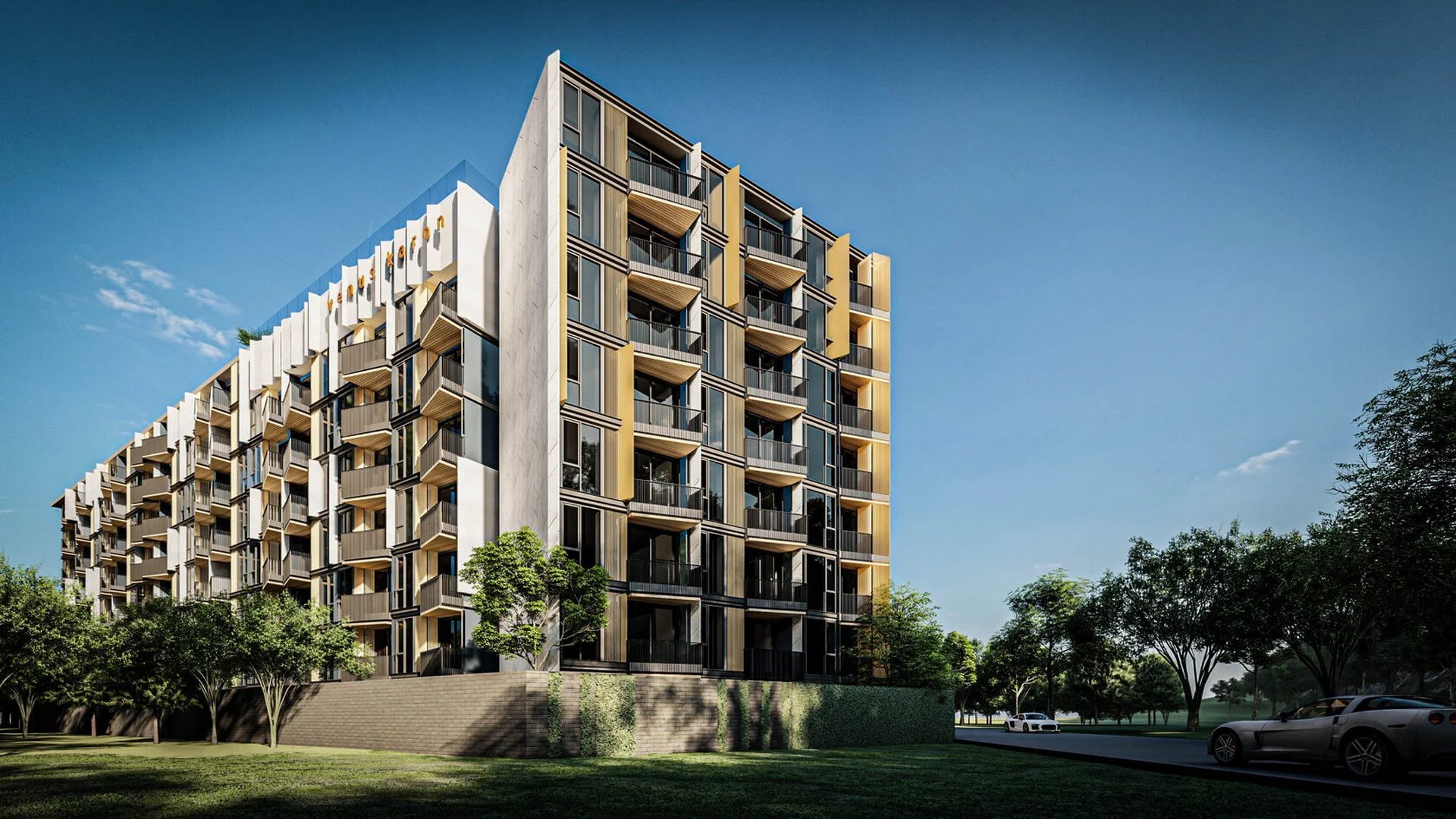
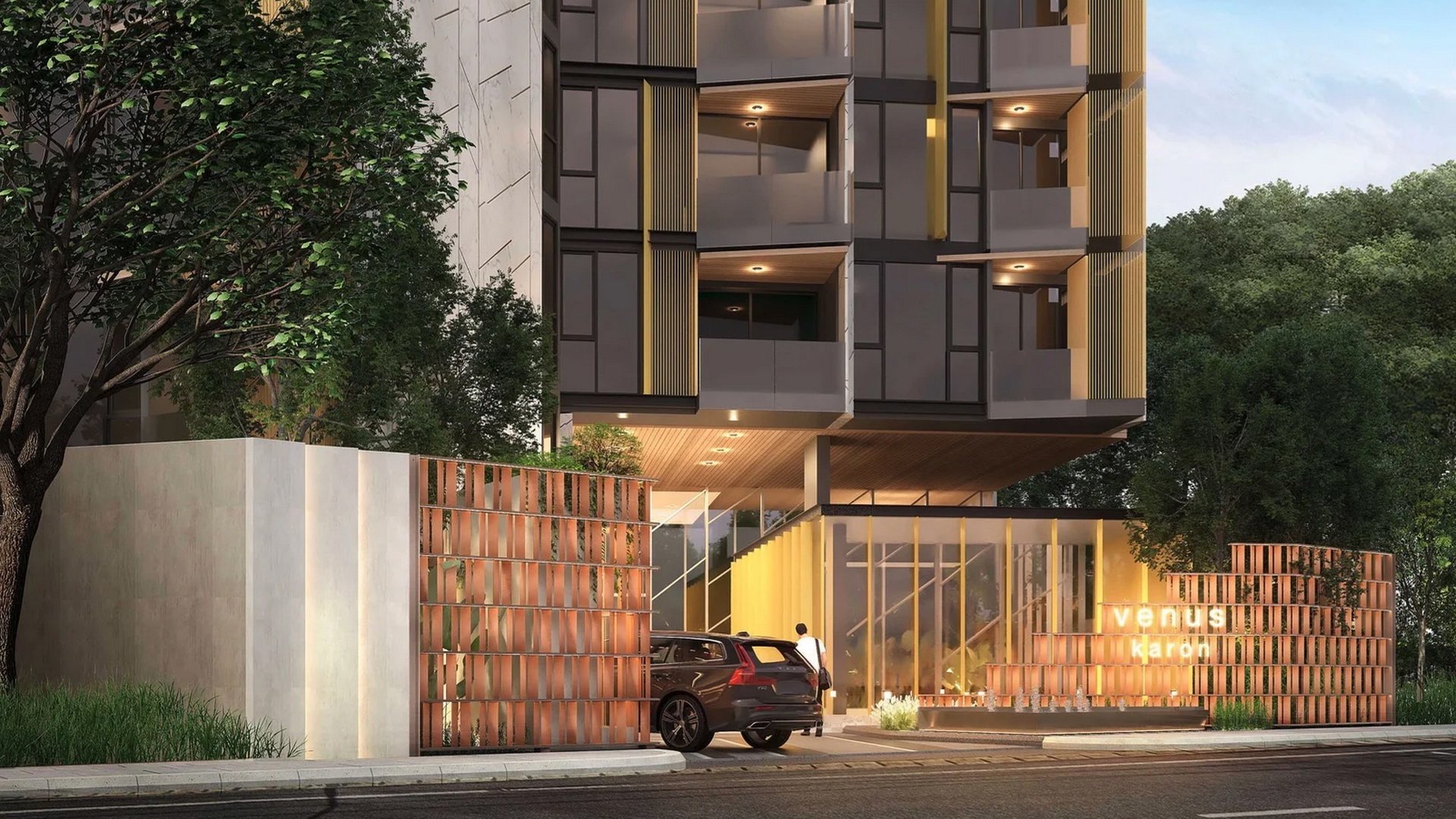
## What Are the Key Facts for VIP Venus Karon?
| Factor | Detail |
| --- | --- |
| Developer | VIP Thailand Group |
| Location | Second-line Karon Road, 600 to 750 metres from Karon Beach |
| Building | Eight storeys: ground-floor parking and seven residential floors |
| Plot | 2,460 sqm |
| Residences | 214 |
| Studios | From 24 sqm |
| One-bedroom | 30 to 35 sqm |
| Price | From 4,350,000 THB |
| Furniture | Included in every unit |
| Beach shuttle | Free, throughout the day |
| Approvals | Environmental impact assessment approved |
| Stage | Under construction |
## Location: Karon, a Short Walk from the Beach
Karon is one of Phuket's favourite beach towns: a long, wide bay of soft sand on the west coast, with Kata to the south and Patong over the hill to the north. Behind the beach, Karon has everything for daily life and holidays alike: supermarkets, restaurants, international clinics, dive shops, weekly markets and night events.
VIP Venus sits on second-line Karon Road with direct access from the main road, 600 to 750 metres from the sand. The walk to the beach takes around ten minutes, and the building's free shuttle bus makes the trip in a couple of minutes, which suits guests, families with children and anyone carrying beach gear.
Karon attracts Scandinavian, German and British visitors, families and couples on longer holidays, and a growing community of long-stay residents, so the area stays lively through the year. The [Karon property guide](/guides/kata-karon-area-guide-2026/) covers the district in more detail.
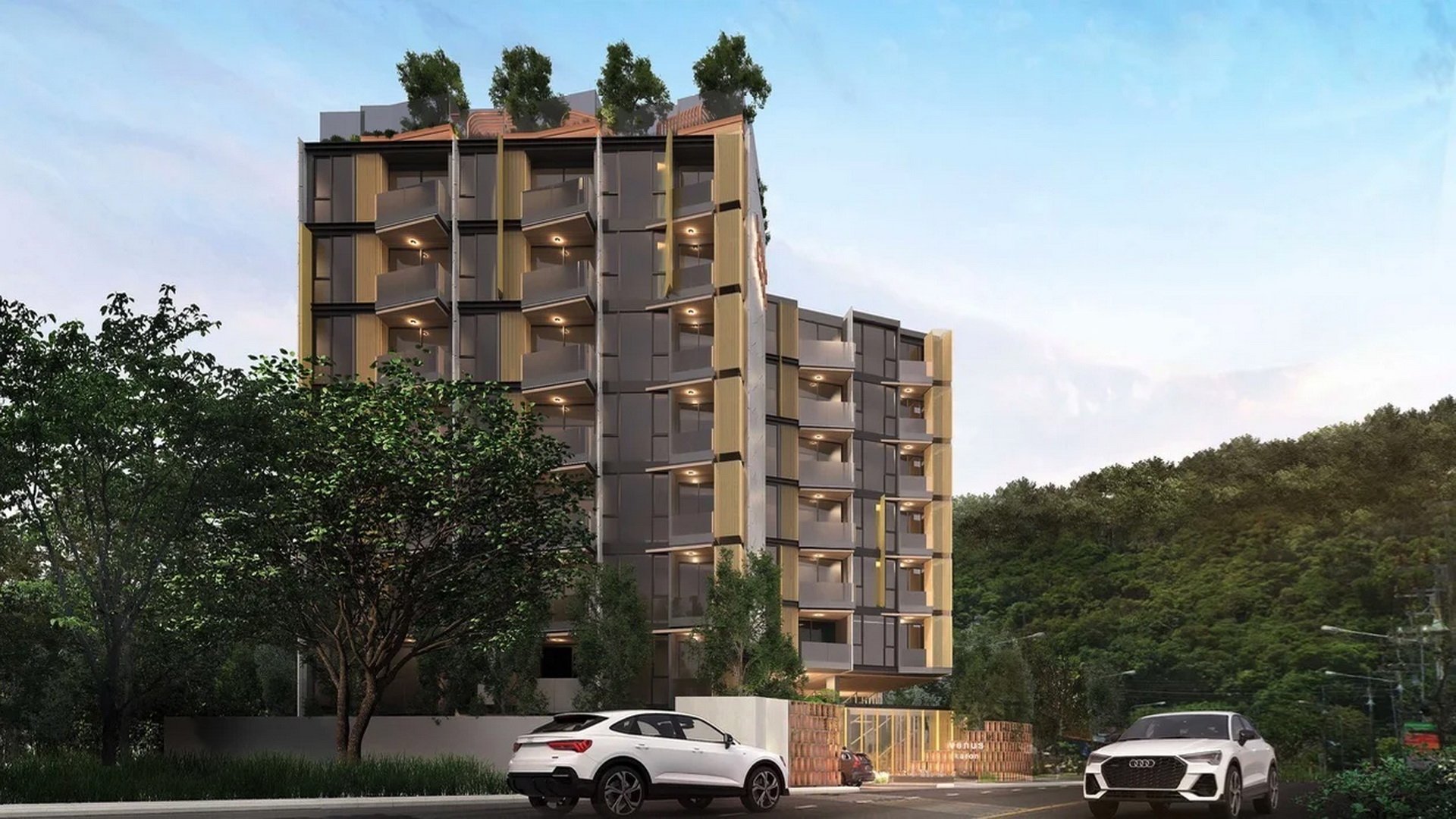
## Residences
VIP Venus offers two compact formats, each designed for comfortable living and easy letting:
| Format | Size | Price |
| --- | --- | --- |
| Studio | From 24 sqm | On the developer's price list |
| One-bedroom (Type A and other types) | 30 to 35 sqm | From 4,350,000 THB |
The one-bedrooms separate the bedroom from the kitchen and living area, with a walk-through wardrobe and full-height balcony glazing. The 4,350,000 THB entry price applies to Type A one-bedrooms, and we send the developer's price list for every layout and floor. A private resale of a Type A one-bedroom is also offered on this page.
## Inside the Apartment
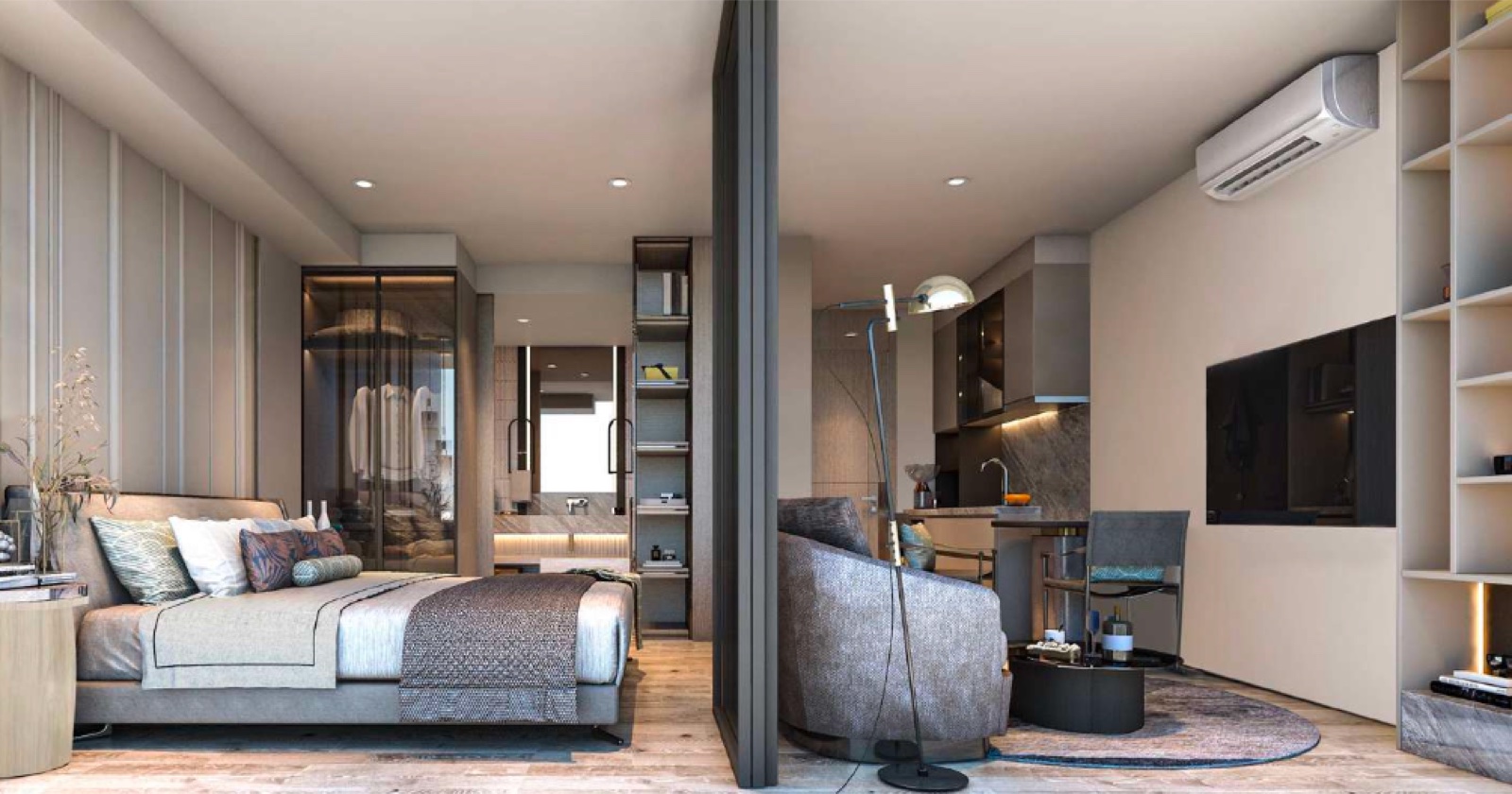
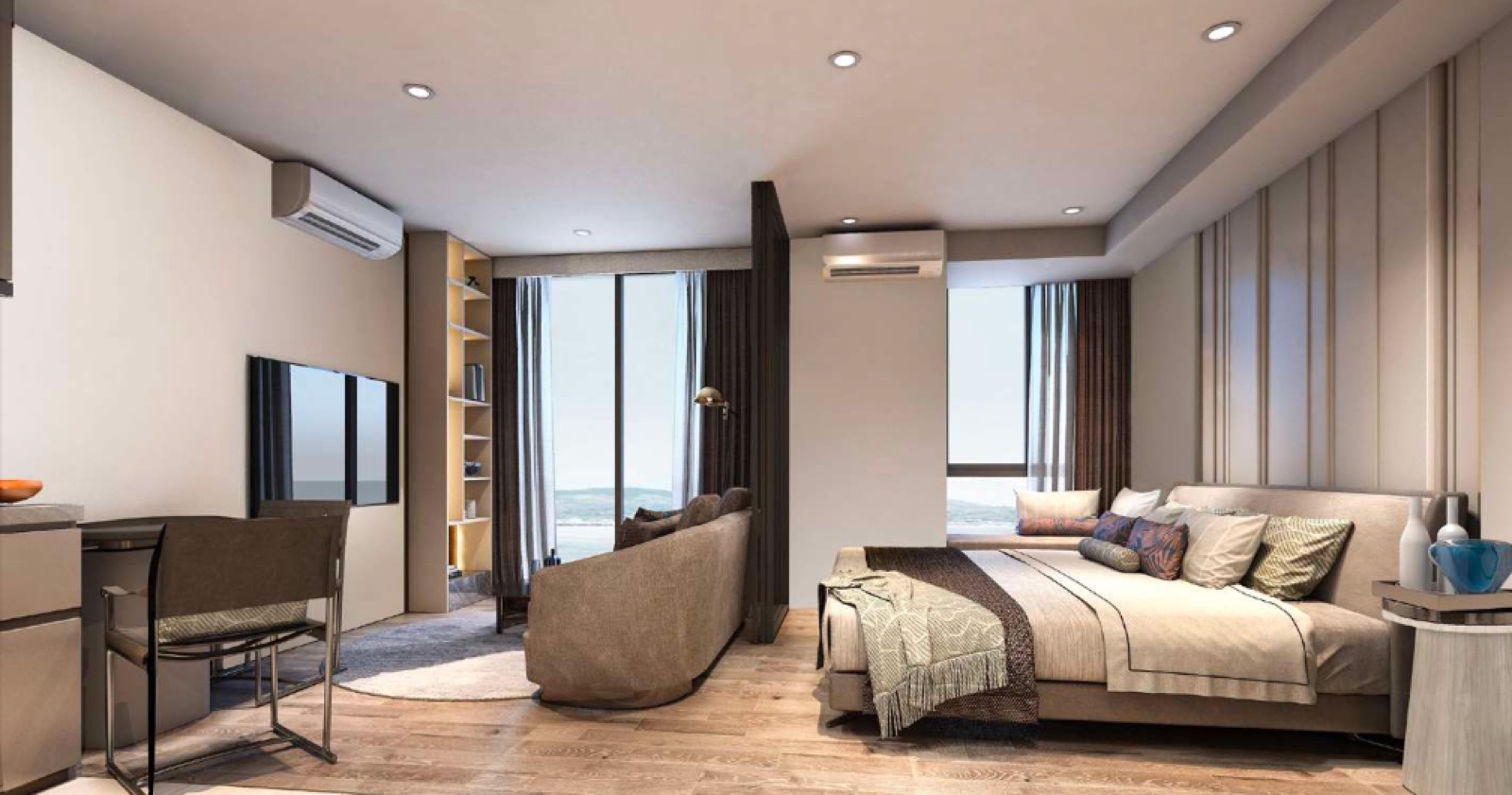
Every unit is handed over ready to use or let:
- **Full furniture package:** bed, sofa, lounge chair, dining table, wardrobe and bedside units
- **White goods:** refrigerator, microwave, washing machine and induction hob
- **Air conditioning** in the bedroom and living area
- **LED lighting** with indirect lighting throughout
- **Engineered timber flooring** in living areas and full tiling in wet areas
- **Curtains and blackout blinds**
- **Smart-lock entry** on the apartment door
## Facilities
- **Swimming pool** with sun loungers and four shaded designer cabanas
- **Pool-deck garden** with planted edges, water features and lighting
- **Landscaped terraced gardens** with walking paths
- **Gym and sauna**
- **Lobby and reception**
- **Garden and co-working corners**
- **Children's play area**
- **24-hour security and CCTV**
- **Covered parking** and an on-site management office
- **Free beach shuttle bus** to Karon Beach
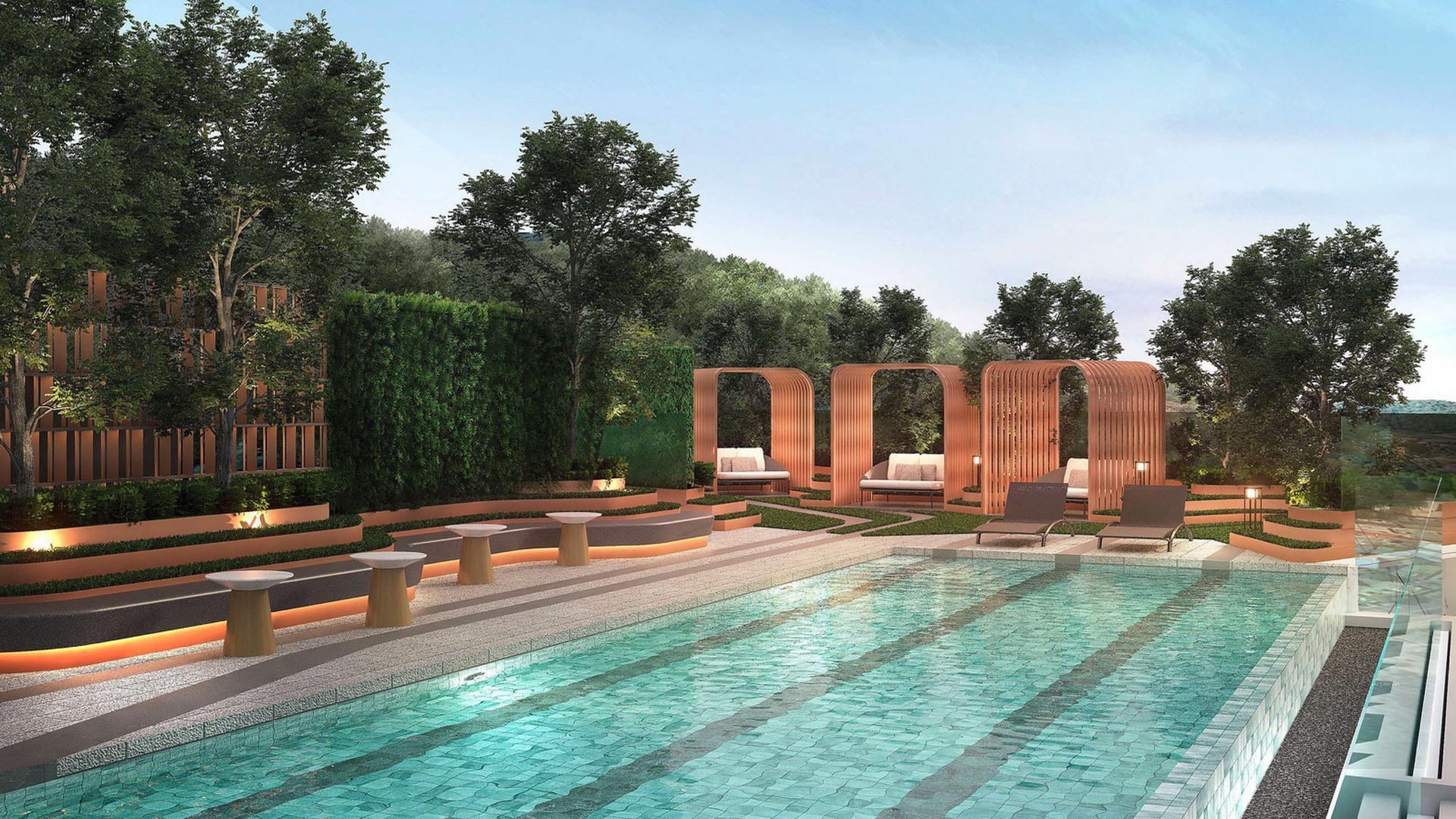
## VIP Thailand Group
VIP Thailand Group builds across Phuket, with completed buildings and a pipeline of new projects:
- **VIP Mercury / Wyndham La Vita:** completed in 2022, 516 units
- **VIP Great Hill Condominium:** completed in 2022, 215 units
- **[VIP Galaxy Villas](/projects/vip-galaxy-villas/):** pool villas and townhouses in Rawai
- **[VIP Tropika](/projects/vip-tropika/):** a condominium in Bang Tao
- **[VIP Space Odyssey](/projects/vip-space-odyssey/):** 619 units in Rawai
- **VIP Grand Kata:** in the south of the island
- **VIP Venus Karon:** this project
For buyers, the completed VIP buildings are a way to see the developer's work in person, and we arrange viewings on request.
## Why Buyers Choose VIP Venus Karon
- **Karon Beach within walking distance**, with a free shuttle bus
- **Fully furnished:** ready to use or let from the day of handover
- **An accessible entry:** one-bedrooms from 4,350,000 THB
- **Pool with cabanas, gym and sauna** in the building
- **A calm building:** around thirty residences per floor
- **VIP Thailand Group**, with completed buildings on the island
- **Freehold ownership** within the 49% foreign quota
## Who VIP Venus Karon Suits
**Rental investors** who want a furnished unit in one of Phuket's most popular beach towns, ready to list from the day of handover.
**Part-time owners** who spend a few weeks a year in Karon and let the unit for the rest of the year.
**First-time Phuket buyers** who want a compact, easy-to-run apartment near the beach.
**Couples and solo travellers** who want their own base in Karon with a pool and a gym downstairs.
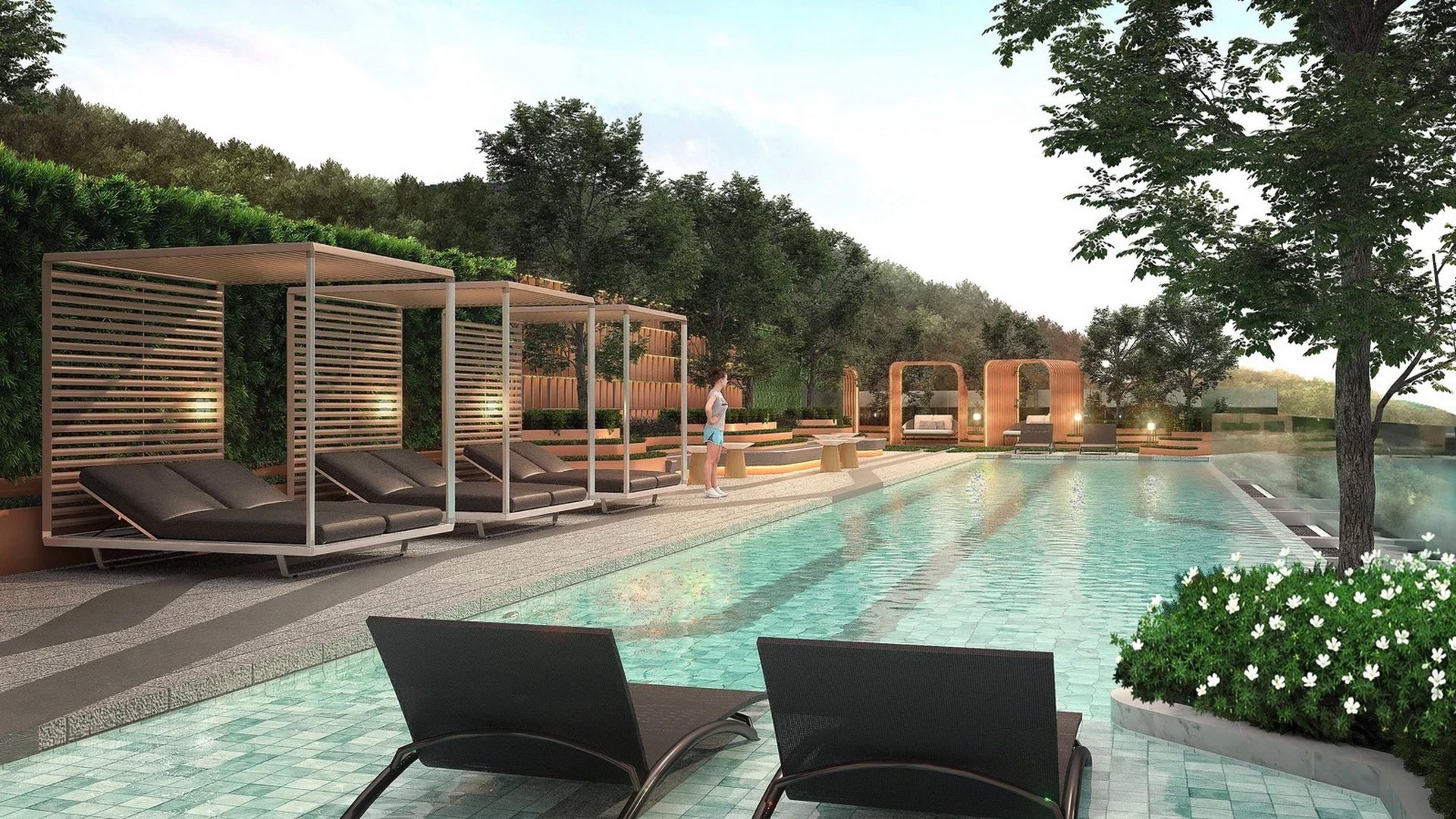
## Renting Out a Unit at VIP Venus
Karon welcomes couples, families and long-stay visitors, with the high season from November to April and a growing flow of guests through the rest of the year. A furnished studio or one-bedroom with a pool, a gym and a free beach shuttle suits them well, and the smart-lock entry makes check-ins simple.
For owners who plan to rent, we collect current asking rents and holiday rates for comparable units in Karon and send them with the price list. [Our rental guide](/guides/phuket-rental-yield-complete-guide-2026/) explains how to read a rental offer line by line.
## Ownership for Foreign Buyers
VIP Venus Karon is a condominium, so a unit can be registered freehold in your own name within the 49% foreign quota of the building, counted by floor area. We confirm with the developer that the unit you choose sits inside that quota. For a freehold unit at VIP Venus, each payment is transferred from abroad in foreign currency, and the receiving bank provides the FET form that the Land Department asks for at registration. [How the foreign quota works](/guides/foreign-quota-thai-condominiums/) explains the rule in detail.
## VIP Venus and Other Condos in Karon and Kata
| Project | From | Status |
| --- | --- | --- |
| [So Origin Kata](/projects/so-origin-kata/) | 3,010,000 THB | Off-plan |
| [Ever Prime Residences Karon](/projects/ever-prime-residences-karon/) | 3,990,000 THB | Off-plan |
| [Katabello](/projects/the-title-katabello/) | 4,228,000 THB | Off-plan |
| VIP Venus Karon | 4,350,000 THB | Off-plan |
| [Wekata 3](/projects/wekata-3/) | 4,400,000 THB | Off-plan |
| [Utopia Karon](/projects/utopia-karon/) | 4,500,000 THB | Completed |
| [Vibe Residence](/projects/vibe-residence/) | 5,066,000 THB | Off-plan |
VIP Venus stands out in this group for its furnished handover and its free beach shuttle. We send the price lists of any of these projects on request and arrange viewings.
## Buying VIP Venus Karon with MORE Group
A unit at VIP Venus is bought in five steps, from the first price list to the keys, and we are with you through each of them.
## What We Send Before You Reserve
- The current price list with free units, layouts and floors
- Confirmation that your unit sits within the 49% foreign quota
- The developer's payment schedule for your unit
- The furniture and equipment list
- The building's common charges and house rules
- The latest construction update
{/* corpus-faq:vip-venus */}
## FAQ
### What does VIP Venus Karon cost?
One-bedrooms of Type A start from 4,350,000 THB on the developer's price list, and studios from 24 sqm are also offered. We send the price list for every layout and floor. A private resale of a Type A one-bedroom is offered on this page.
### How far is VIP Venus from Karon Beach?
600 to 750 metres, a walk of around ten minutes, and a free shuttle bus runs to the beach throughout the day.
### Are the units furnished?
Yes. Every unit is handed over with a full furniture package, white goods, air conditioning, lighting, curtains and a smart lock, ready to use or let.
### Who is the developer?
VIP Thailand Group, which has completed VIP Mercury / Wyndham La Vita and VIP Great Hill Condominium and is building VIP Galaxy Villas, VIP Tropika and VIP Space Odyssey.
### Can foreigners buy at VIP Venus freehold?
Yes. Foreign buyers can hold a unit freehold in their own name within the 49% foreign quota of the building, counted by floor area. We confirm that your unit sits inside the quota, and the purchase money is transferred from abroad with an FET form for registration at the Land Department.
**Read Also:**
- [VIP Tropika](/projects/vip-tropika/)
- [VIP Galaxy Villas](/projects/vip-galaxy-villas/)
- [VIP Space Odyssey](/projects/vip-space-odyssey/)
- [How Foreigners Buy Phuket Property 2026](/guides/buying-property-phuket-guide/)
- [Karon Property Guide](/guides/kata-karon-area-guide-2026/)
# Vista Del Mar Phuket Review 2026: Prices and Unit Mix
> Sea-view pool villas in Naithon from 37.8M THB. Del Mar lifestyle concept with panoramic Andaman views on an elevated hillside near Naithon Beach.
**Source:** https://moregroup.estate/projects/vista-del-mar-phuket/
**Section:** Project Reviews
**Author:** MORE Group Editorial
**Published:** 2026-04-08
**Updated:** 2026-08-23
---
Sea views in Phuket are among the island's most prized real estate attributes, and among the most difficult to access at a reasonable price. In Surin or Kamala, panoramic Andaman views come with price tags that reflect decades of demand. On Naithon's hillside, Vista Del Mar Phuket offers the same view quality in an area that has been overlooked for long enough to still represent genuine value.
Starting from 37,780,000 THB, Vista Del Mar brings the Del Mar lifestyle concept, expansive outdoor living, pools that frame the horizon, architecture designed to maximise the view from every principal space, to a hillside location above one of Phuket's most beautiful and underdeveloped beaches.
## Del Mar Concept
This isn't a concept that works everywhere. It requires the topography, the orientation, and the view to justify the architectural priority. Naithon's hillside has all three, and Vista Del Mar has designed around them deliberately.
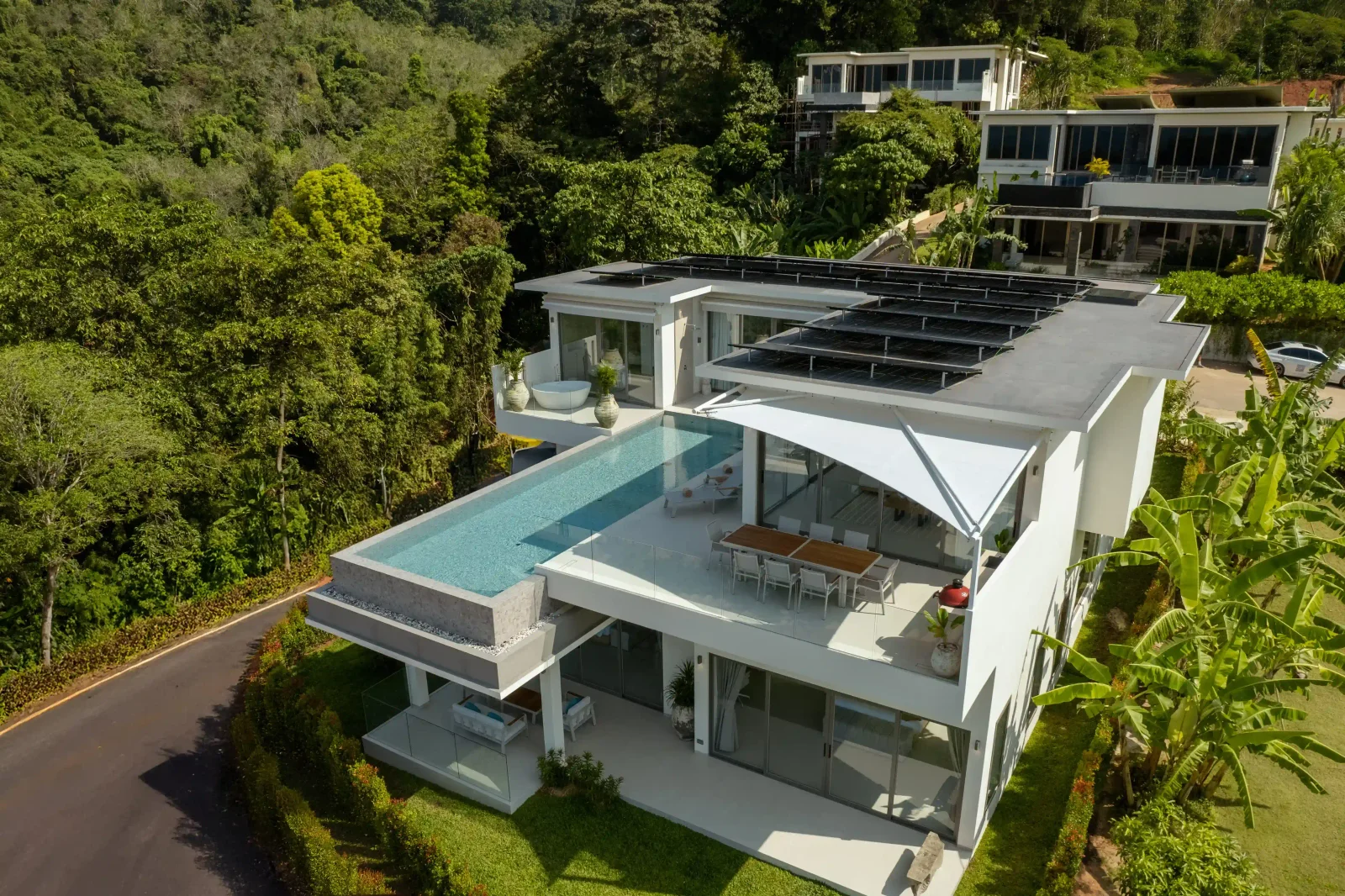
## Villa Architecture and Specification
Outdoor terrace areas are generous, designed for the reality of how buyers and guests use hillside sea-view properties: watching sunsets, dining outdoors in the cooler evening hours, and spending significant portions of each day in the intermediate zone between inside and outside.
The elevated position provides natural ventilation that reduces air conditioning dependency during shoulder seasons, a practical benefit alongside the obvious aesthetic one.
## Naithon Beach: Phuket's Hidden North
For buyers of sea-view hillside property, the beach below is part of the lifestyle proposition. Naithon is walkable (via hillside paths) or a short drive down to the beach road, and the village has the restaurants, markets, and daily infrastructure that makes north Phuket living genuinely practical.
The wider context matters too. Naithon is 15 minutes from Laguna's amenities, international schools, golf, beach clubs, healthcare, and under 15 minutes from Phuket International Airport. The isolation is aesthetic, not logistical.
## Investment Case for Sea-View Hillside Villas
Well-managed sea-view villa rentals in Phuket's north consistently achieve nightly rates 30-50% above comparable non-view properties. At Vista Del Mar's price point, this translates to nightly rates in the 20,000-35,000 THB range during high season, with strong shoulder season demand from guests who prioritise view and serenity over beach proximity.
The capital appreciation story for hillside sea-view properties in Phuket has historically been strong. Land with genuine Andaman views on Phuket's west coast is a finite and diminishing resource, new sea-view hillside land near established beaches is not being created. This scarcity dynamic supports long-term value retention.
## Seven villas on a hillside: what to check from the ground
The sea view is the product at 37,780,000 THB and above, and a view is the one thing a floor plan cannot show you.
| What to establish | Why it matters on this site |
|---|---|
| The view from your specific plot, standing on it | Elevation differences of a few metres change everything |
| The land immediately downhill | Whoever owns it owns the lower half of your view |
| The gradient of the access road | It is a daily fact at this elevation, not a detail |
| Retaining walls and who maintains them | Inspection after every rainy season, and repair when needed |
| Where water leaves the plot | Everything uphill of you drains across it |
| Plot area against each price | Seven villas, and the plots are what separate them |
Visit in the wet season if you can, or ask what the site did last monsoon. A hillside behaves differently in November than it does in the photographs.
## Who this suits
- **A buyer who wants the northern beaches.** Naithon is quiet, and the whole proposition rests on preferring that to Bang Tao's density.
- **An owner-occupier or selective letting owner.** At this level the yield does not carry the capital; the view has to be worth something to you personally.
- **Someone prepared for a hillside's running costs.** Retaining structures, drainage and an access road are annual lines, not one-off ones.
It does not suit a volume-letting investor (the north does not supply that demand) or a buyer who wants to walk to restaurants and shops rather than drive to them.
{/* corpus-faq:vista-del-mar-phuket */}
## FAQ
### What sea views does Vista Del Mar Phuket offer?
Vista Del Mar is positioned on the Naithon hillside with panoramic Andaman Sea views. The villas are oriented and designed to maximise this perspective, pools face the horizon, and principal living spaces have full-height glazing toward the sea.
### How far is Vista Del Mar from Naithon Beach?
Naithon Beach is directly below the hillside development, accessible via hillside paths or a short drive of 3-5 minutes. The beach is one of Phuket's most peaceful and uncrowded, protected by natural headlands.
### What rental rates can sea-view villas at Vista Del Mar achieve?
Sea-view pool villas with panoramic Andaman views typically command nightly rates 30-50% above comparable non-view properties. For Vista Del Mar, high-season rates of 20,000-35,000 THB per night are achievable with professional management and strong platform presence.
## Seven villas, and the four-bedrooms carry the scheme
The release is two three-bedroom villas of 350 and 390 square metres at 37.78M and 38.88M THB, and five four-bedrooms of 600 to 860 square metres from 63.59M to 111.1M.
As rates, the three-bedrooms sit near 100,000 to 108,000 THB per square metre and the four-bedrooms between about 103,000 and 129,000. The premium is therefore modest in rate terms but very large in absolute terms, because the four-bedroom footprint is roughly twice the size. The top of the list is a 860 square metre house, which is a different category of asset from a 350 square metre one: different to build, different to run, and sold to a much smaller pool of buyers.
That is the decision this price list actually poses. A 38M THB three-bedroom sits in the most liquid part of the Phuket villa market, where there are buyers and comparable transactions. A 111M THB four-bedroom sits in the trophy segment, where the rate per square metre is reasonable but the number of people in the world looking for that house in that place in any given year is small.
Neither is wrong. But the holding period should differ: liquid stock can be exited in a normal market in months, and trophy stock is realistically a multi-year hold with a negotiated sale at the end. Decide which you are buying before the plot selection, not after.
## A hillside sea-view plot: what to check on the ground
The product here is elevation and outlook, so the diligence is about the slope and about what stands between the villa and the sea.
Ask what the access road does in the monsoon, when the heaviest rain tests drainage that looked adequate in February, and walk it in the rain if the timing allows. Ask what retains the ground above and below the villa, who engineered those structures, and, critically, who is obliged to maintain them after handover. On a hillside estate that obligation can be individual, shared, or simply undefined, and undefined is the expensive answer.
Ask where surface water goes and whether it crosses your plot on the way. Then establish what sits between the villa and the water: the land is owned by someone, it has a zoning, and the honest question is not whether the view is good today but what could lawfully be built in front of it. A developer who has engineered and checked these can produce documents. One who has not offers reassurance instead.
## Naithon and the northern beaches
The location is the quieter north-west rather than the Bang Tao or Patong corridors, and the trade is deliberate: a smaller, less developed beach, far less passing traffic, and a shorter run to the airport.
For a rental model that means a different guest. The northern beaches attract repeat visitors and longer stays rather than the high-turnover holiday trade, and the villas that do well here tend to be the ones let for weeks rather than nights. That is generally better business (fewer changeovers, lower cleaning costs, fewer gaps), but it needs a manager who markets to that audience rather than listing on the same platforms as everything else.
Ask for achieved weekly rates and stay lengths on comparable north-coast villas rather than island-wide figures, and ask specifically what low-season occupancy has looked like, since a quieter location has less walk-up demand to fall back on.
## Ownership and annual cost
A foreigner cannot hold land freehold in Thailand, so the structure is a registered lease over the plot with the villa owned in your name, or land held through a Thai company. Leases register for 30 years at a time; have counsel you appointed read the renewal wording and establish who is bound.
On costs, a house of 350 to 860 square metres funds alone what a condominium shares. Budget weekly pool service, year-round grounds maintenance on a hillside plot, turnover cleaning proportionate to the size of the house, and 25 to 30% of gross to a manager if you let. Add roof, pool plant and air conditioning as capital items on known replacement cycles, and ask for the estate charge per villa and how many households fund it.
**Read Also:**
- [Due Diligence When Buying Property in Thailand](/guides/due-diligence-process-thailand-step-by-step/)
- [How Foreigners Buy Phuket Property 2026](/guides/buying-property-phuket-guide/)
- [The Zero Nai Yang Review: Prices from THB 4.39M Guide](/projects/the-zero-nai-yang/)
- [Best Areas in Phuket to Buy Property 2026](/guides/best-areas-phuket-buy-property/)
- [Phuket Rental Yield 2026: Net Income by Area](/guides/phuket-rental-yield-complete-guide-2026/)
- [Mai Khao Property Guide: Prices & Yield (2026)](/areas/mai-khao-north-phuket-property-guide/)
# Wallaya Hill Kamala: Pool Villas from 33.1M THB
> Wallaya Hill Kamala: eight two-storey pool villas with four bedrooms and 548 sqm in the Kamala hills, a short drive from the beach, from 33.1M THB.
**Source:** https://moregroup.estate/projects/wallaya-hill/
**Section:** Project Reviews
**Author:** MORE Group Editorial
**Published:** 2026-04-07
**Updated:** 2026-08-23
---
## What Is Wallaya Hill?
Wallaya Hill is a quiet hillside retreat with the west coast at its feet. The villas combine contemporary architecture with tropical elegance: open-plan living under high ceilings, floor-to-ceiling windows that bring the green hills inside, and a seamless flow onto expansive terraces, the garden and a large private pool. Each of the four bedrooms is generous, with walk-in closets in the main suites, and premium finishes run throughout.
With only eight houses behind a gate, with 24-hour security and CCTV, the community is private and calm, while the beach, the restaurants and the international schools of the west coast are a short drive away. Wallaya Villas also builds [The Harmony by Wallaya Villas](/projects/the-harmony-by-wallaya-villas/) in Cherngtalay.
## What Are the Key Facts for Wallaya Hill?
| Factor | Detail |
| --- | --- |
| Developer | Wallaya Villas |
| Location | The hills of Kamala, west coast |
| Community | 8 private pool villas, gated |
| Villas | 6 on our price list |
| Bedrooms | Four, across two storeys |
| Built area | About 548 sqm |
| Plots | About 404 to 423 sqm |
| Price | 33,116,000 to 36,437,000 THB |
| Pool | 8 by 4 metres, private |
| Payment | 30% / 30% / 15% / 15% / 10% |
| Stage | Under construction |
| Beach | About 7 minutes by car |
## Location: The Hills of Kamala
Kamala is one of the most relaxed bays on the west coast, between Surin and Patong, with a wide sandy beach, beach clubs, spas, fine hotels and international schools close by. Wallaya Hill sits in the green hills behind it, where the evenings are quiet and the air is fresh.
- **Kamala Beach:** about 7 minutes by car
- **Beach clubs and restaurants:** along the bay and on the road to Surin
- **Surin and Bang Tao beaches:** a short drive to the north
- **Patong:** over the hill to the south
- **Shopping:** the nearest mall about 20 minutes by car
- **Airport:** about 48 minutes by car
Days here start on the terrace above the garden, move to the beach or a beach club in the afternoon and end with dinner by the sea in Kamala. The [Kamala area page](/kamala-properties/) covers the district in more detail.
## Villas and Prices
All six villas on our list share the four-bedroom plan of about 548 sqm:
| Villas | Bedrooms | Built area | Price |
| --- | --- | --- | --- |
| Villas 1 to 6 | Four | About 548 sqm | 33,116,000 to 36,437,000 THB |
The price moves with the plot and its position on the hillside. We send the plot area, the plan of each floor and the outlook of each villa with the price list. The two storeys keep the living spaces and the bedrooms apart, so a family can spread out, children have room to play and guests have privacy of their own.
## Design and Villas
- **Two storeys** with open-plan living and high ceilings
- **Floor-to-ceiling windows** and expansive terraces
- **Four bedrooms**, with walk-in closets in the main suites
- **Private pool of 8 by 4 metres**
- **Landscaped garden**
- **Covered parking** for two cars
- **Gated community** with 24-hour security and CCTV
- **Pet-friendly**
## Living at Wallaya Hill
Life at Wallaya Hill moves between the pool, the garden and the sea. Mornings begin with a swim in the long pool and breakfast on the terrace, the school run and the shops are a short drive, and the afternoon can be spent at Kamala Beach or at one of the beach clubs along the coast. When evening comes, the hills turn quiet and the terrace becomes the best room in the house.
## Five-Stage Payment Plan
The price is paid in five stages: 30%, 30%, 15%, 15% and 10%. For a villa at 33,116,000 THB that works out as follows:
| Stage | Share | Amount |
| --- | --- | --- |
| 1 and 2 | 30% each | 9,934,800 THB each |
| 3 and 4 | 15% each | 4,967,400 THB each |
| 5 | 10% | 3,311,600 THB |
The schedule follows the build and leaves 10% for handover. We send the developer's schedule for your villa with the price list.
## Why Buyers Choose Wallaya Hill
- **Only eight villas** on a quiet hillside
- **Four bedrooms and about 548 sqm** of living space
- **A large private pool** and expansive terraces
- **Kamala Beach** about 7 minutes away
- **Gated community** with 24-hour security
- **Pet-friendly**
## Who Wallaya Hill Suits
**Families** who want four bedrooms, a pool and a garden near the beach and the schools of the west coast.
**Owners who spend part of the year in Phuket** and want a private house in a small, secure community.
**Buyers who value calm** and a hillside setting over a busy beach road.
**Villa rental investors** aiming at families and groups who book large pool villas on the west coast.
## Renting Out a Villa at Wallaya Hill
A four-bedroom pool villa near Kamala Beach appeals to families and groups on holiday in the November to April season, and to relocating families who rent for a longer stay. The space, the pool and the quiet of the hills are what guests value most.
If you plan to let your villa at Wallaya Hill, we collect current asking rents and holiday rates for comparable villas in Kamala and Surin and send them with the price list. [Our rental guide](/guides/phuket-rental-yield-complete-guide-2026/) explains how to read a rental offer line by line.
## Ownership for Foreign Buyers
At Wallaya Hill, as with any villa in Thailand, you buy land plus a building. The house can be held in your own name over a lease of the plot registered at the Land Office, 30 years per registration with renewal terms in the contract, or the land can be held through a Thai company with genuine Thai shareholders. [Freehold and leasehold in Thailand](/guides/freehold-vs-leasehold-thailand/) explains both routes, and we prepare the one that suits you with our legal support.
## Wallaya Hill and Other Villas on the West Coast
| Project | From | Status |
| --- | --- | --- |
| [The Harmony by Wallaya Villas](/projects/the-harmony-by-wallaya-villas/) | 20,776,000 THB | Off-plan |
| [Laurinda Villa](/projects/laurinda-villa/) | 28,800,000 THB | Off-plan |
| Wallaya Hill | 33,116,000 THB | Off-plan |
| [Hightone Seaview Villas](/projects/hightone-seaview-villas/) | 34,001,000 THB | Off-plan |
| [Botanica MontAzure](/projects/botanica-montazure/) | 38,900,000 THB | Off-plan |
Wallaya Hill stands out in this group for its hillside setting above Kamala and its large four-bedroom houses. We send the price lists of any of these projects on request and arrange viewings.
## Buying Wallaya Hill with MORE Group
A villa at Wallaya Hill is bought in five steps, from the first price list to the keys, and we are with you through each of them.
## What We Send Before You Reserve
- The current price list with free villas, plot areas and plans
- The five-stage payment schedule for your villa
- The ownership structure for your purchase, leasehold or company, with the documents it needs
- The community's common charges
- The latest construction update
{/* corpus-faq:wallaya-hill */}
## FAQ
### What does Wallaya Hill cost?
Our price list holds six four-bedroom villas of about 548 sqm, from 33,116,000 to 36,437,000 THB.
### What does each villa include?
Two storeys with open-plan living under high ceilings, floor-to-ceiling windows, four bedrooms with walk-in closets in the main suites, an 8 by 4 metre private pool, a landscaped garden, expansive terraces and covered parking for two cars.
### Where is Wallaya Hill?
In the hills of Kamala on Phuket's west coast. Kamala Beach is about 7 minutes by car, the nearest mall about 20 minutes and the airport about 48 minutes.
### What is the payment plan?
Five stages: 30%, 30%, 15%, 15% and 10%. For a villa at 33,116,000 THB that means 9,934,800 THB at each of the first two stages and 3,311,600 THB at handover.
### How can foreigners own a villa at Wallaya Hill?
The house can be held in your own name over a lease of the plot registered at the Land Office, 30 years per registration with renewal terms in the contract, or the land can be held through a Thai company with genuine Thai shareholders. We prepare the structure with our legal support.
**Read Also:**
- [The Harmony by Wallaya Villas](/projects/the-harmony-by-wallaya-villas/)
- [Botanica MontAzure](/projects/botanica-montazure/)
- [Kamala Properties](/kamala-properties/)
- [Freehold vs Leasehold in Thailand](/guides/freehold-vs-leasehold-thailand/)
- [How Foreigners Buy Phuket Property 2026](/guides/buying-property-phuket-guide/)
- [Phuket Rental Yield Guide](/guides/phuket-rental-yield-complete-guide-2026/)
# Wallaya Residence Naiharn Review 2026: Prices and Units
> Full review of Wallaya Residence Naiharn: 285 units near Nai Harn beach. Prices from 3.96M THB, yield analysis, payment plan and honest assessment for 2026.
**Source:** https://moregroup.estate/projects/wallaya-residence/
**Section:** Project Reviews
**Author:** MORE Group Editorial
**Published:** 2026-04-02
**Updated:** 2026-08-23
---
285 units across three 7-storey buildings in quiet Nai Harn, southern Phuket. Studios from 3,960,000 THB, one of the most accessible entry points in the area. Staged 30-30-15-15-10 payment plan. Rich amenity package: rooftop cinema, spa, co-working, kids' club, gym. Best for: mid-budget investors targeting the southern rental market near Nai Harn beach.
## Wallaya Residence Naiharn: Our Review
Wallaya Residence Naiharn arrives into this market with serious credentials. Wallaya Villas is a developer with a track record on the island, and this project reflects that experience: a well-planned, amenity-rich condominium development with 285 units spread across three 7-storey buildings, designed for both lifestyle buyers and yield-focused investors who want exposure to one of Phuket's most consistent rental markets.
The scale here is carefully calibrated. Large enough to support premium shared amenities, rooftop cinema, spa, co-working spaces, a dedicated kids' club, but not so large that it feels like an anonymous resort complex. The architecture uses clean contemporary lines with extensive landscaping to create a sense of place.
## Why Wallaya Residence Naiharn Stands Out?
**Proven developer.** Wallaya Villas is known on Phuket for delivering on its commitments. Their track record with boutique villa projects gives buyers confidence that the quality you see in renders will reflect the finished product.
**Accessible pricing with room to grow.** Studios start at 3,960,000 THB, that is under 110,000 USD. For a premium condominium near Nai Harn with this amenity set, that represents good value. The Nai Harn and Rawai area has historically trailed west coast pricing but has shown steady appreciation as the south becomes better understood by international buyers.
**Unit range.** The mix of studio through 3-bedroom layouts (36 to 94 sq m) means the project serves multiple buyer profiles simultaneously, solo investors buying studios for yield, couples buying 1-bedroom units for lifestyle, and families buying 2-3 bedroom units for longer stays.
## How a Foreign Buyer Holds a Unit Here
Ownership comes first, because it decides what you are buying.
As a registered condominium, Wallaya Residence lets a foreign national hold freehold title in their own name within the building's 49% foreign quota, which Thai law measures by total floor area rather than by unit count. That is the most secure form of ownership available to a non-Thai in this country and it is what a future foreign buyer will look for. We confirm the quota for your specific unit with the juristic office at the start.
Freehold registration for a non-resident also requires evidence that the purchase money entered Thailand in foreign currency and was converted onshore. The receiving Thai bank issues that record in your name, and we set up the transfers with you so each one arrives in foreign currency from your own account.
Units outside the foreign quota are available on a registered lease, a lawful and widely used structure that is priced below freehold. [Freehold versus leasehold](/guides/freehold-vs-leasehold-thailand/) explains how the two compare.
## Rental Yield Potential
**Realistic yield estimates:**
- **Studio (36 sq m):** 25,000-35,000 THB/month long-term rental → 6-8% gross yield on entry price
- **1 Bedroom (54 sq m):** 35,000-50,000 THB/month → 6-7% gross yield
- **Short-term rental (Airbnb):** 2,500-4,000 THB/night in high season for studios
The project's amenity stack, especially the rooftop cinema and spa, is a meaningful differentiator on listing platforms. Properties with genuine lifestyle facilities consistently outperform comparable units without them in both occupancy rate and nightly rate achieved.
## Who Should Buy at Wallaya Residence Naiharn
**Wallaya Residence Naiharn suits you if you:**
- Want a freehold condo near Nai Harn beach from under 4 million THB
- Plan long lets to the resident community of the southern bays
- Value a full amenity set: rooftop cinema, spa, co-working and a kids' club
- Look for steady, moderate yields from a quiet, established market
## Nai Harn at 3.96 million THB: what the address buys
Nai Harn is the quietest of the southern bays and, unusually for Phuket, its supply is genuinely constrained: the beach sits in a bowl ringed by hills and a lake, with limited buildable land behind it and no room for the kind of density that reshaped Bang Tao. That scarcity is the structural argument for owning here and it does not depend on anyone's forecast.
What it produces is a specific demand profile rather than volume. Nai Harn draws returning long-stay visitors, retirees, families and remote workers who choose it deliberately over the tourist corridors, and who come back to the same property year after year. Occupancy through the shoulder months holds better than in districts that live on peak-week tourism, and turnover costs are correspondingly low, so we plan the income on steady year-round letting.
At 3.96 million THB the entry sits below what most of the Nai Harn and Rawai corridor asks for new-build stock, which is the reason to look. The price reflects a position a few minutes inland from the beach, which suits the resident tenant pool of the southern bays well.
## Buyer Scenarios at Wallaya Residence
**Scenario A, long-let income.** Furnish for durability, let on twelve-month terms to the resident pool, and enjoy occupancy that holds through the monsoon. The gap between gross and net here is narrower than on a short-stay unit in a tourist corridor, and the annual result is often closer than the percentages suggest.
**Scenario B, hybrid owner.** You take four to eight weeks yourself and let the rest. We plan the owner weeks with you before handover, so the budget reflects which part of the high season you keep for yourself.
**Scenario C, patient capital.** You are buying the supply constraint. Prioritise aspect and floor, hold for the long term, and let the rental income cover the running costs. A documented revenue record supports the price at resale.
For how the southern bays compare with the rest of the island, see [best areas for foreign buyers](/guides/best-areas-phuket-buy-property/).
## Editorial Assessment
Wallaya Residence Naiharn is a well-executed project that understands its market. The developer has not overreached, the pricing, unit mix, and amenity set are in clean alignment with what Nai Harn buyers actually want. The 30% first payment is followed by construction-linked stages for the remaining 70%, a structure that is easy to plan.
For investors wanting honest, predictable exposure to the south Phuket rental market without the price tag of the west coast, this is one of the strongest options in the current pipeline.
## Choosing Your Unit in a 285-Unit Building
The list runs from 3,960,000 to 10,340,000 THB, and in a building this size these details set each unit apart:
| What we send | Why it matters |
|---|---|
| Floor, and the outlook from it | The view is part of the rent and the resale |
| Which way it faces | Morning or afternoon light, and the cooling |
| Floor area in square metres | The rate per square metre compares units fairly |
| Position relative to lifts and service areas | A quiet position shows up in guest reviews |
| Walking route to Nai Harn beach | The address is the asset |
| The number of comparable units | How your unit stands out at letting and at resale |
At 3,960,000 THB the entry is low for this address, and the choice of unit and its presentation are what make it work best.
## Buying Wallaya Residence with MORE Group
At Wallaya Residence the purchase runs in five steps from the first price list to the keys, and we guide you through all of them.
With the price list we also send:
- **The foreign quota for your unit,** as a dated statement naming the unit.
- **The FET route** for a freehold registration, set up with your bank.
- **The letting position in writing:** stays under 30 days are hotel business under the Thai Hotel Act and need a licence, and the registered house rules apply alongside it.
- **The CAM rate per square metre** and the sinking fund contribution at handover.
- **The zoning of the neighbouring land,** so you know what surrounds the view.
## FAQ
### Where is Wallaya Residence Naiharn located?
The project is in the Rawai sub-district of Phuket Town, approximately 18 minutes' walk or 3 minutes by car to Nai Harn beach, and 67 minutes from Phuket International Airport.
### How many units does Wallaya Residence Naiharn have?
285 units across three 7-storey buildings, with a mix of studios, 1-bedroom, 2-bedroom and 3-bedroom apartments ranging from 36 to 94 sq m.
### What is the minimum entry price?
Studios start from 3,960,000 THB (approximately 108,000 USD). One-bedroom units begin at 5,940,000 THB, 2-bedrooms at 9,900,000 THB, and 3-bedrooms at 10,340,000 THB.
### What stage is the project at?
Wallaya Residence Naiharn is under construction. The payment plan is structured across construction milestones: 30% - 30% - 15% - 15% - 10%, and we send the latest construction update with the price list.
### What amenities are available at Wallaya Residence Naiharn?
The project includes a main swimming pool, children's pool, fully equipped gym, spa and wellness centre, co-working spaces, rooftop cinema, kids' club, landscaped gardens, and 24-hour security with CCTV.
### Can foreigners buy freehold at Wallaya Residence Naiharn?
Yes. As a registered condominium, foreign nationals can purchase up to 49% of total building area under freehold title. Units beyond that quota are available on long-term leasehold. Both structures are legally recognised in Thailand.
**Read Also:**
- [Sunny Moon: Nai Harn Condos, Rawai Phuket from 5.1M THB](/projects/sunny-moon/)
- [Utopia Mini Phuket Review 2026: Prices & Yield](/projects/utopia-mini/)
- [How Foreigners Buy Phuket Property 2026](/guides/buying-property-phuket-guide/)
- [Buying Property in Thailand Step by Step](/guides/due-diligence-process-thailand-step-by-step/)
- [Phuket Rental Yield 2026: Net Income by Area](/guides/phuket-rental-yield-complete-guide-2026/)
- [Best Areas in Phuket to Buy Property 2026](/guides/best-areas-phuket-buy-property/)
# Wekata 3 Kata: Furnished Condos from 4.4M THB
> Wekata 3 review: fully furnished studios, one and two-bedroom condos 300 metres from Kata Beach, with two pools and a sky gym, from 4.4M THB.
**Source:** https://moregroup.estate/projects/wekata-3/
**Section:** Project Reviews
**Author:** MORE Group Editorial
**Published:** 2026-04-08
**Updated:** 2026-08-23
---
## What Is Wekata 3?
Wekata 3 brings the Wekata idea to its third building: a boutique condominium a short walk from one of Phuket's favourite family beaches, with every residence handed over fully furnished and ready to live in or let. The architecture takes its inspiration from the sea, with flowing lines, modern interiors, built-in furniture and premium finishes, and select residences have their own private pools.
Life in the building is resort-style: a rooftop pool and a courtyard pool, a sky fitness centre, a restaurant and a cafe, a rooftop bar, a kids club, underground parking and a 24-hour reception. Management and letting are offered by Hotels9, the developer's own hotel company, so owners can hand over the letting of their residence.
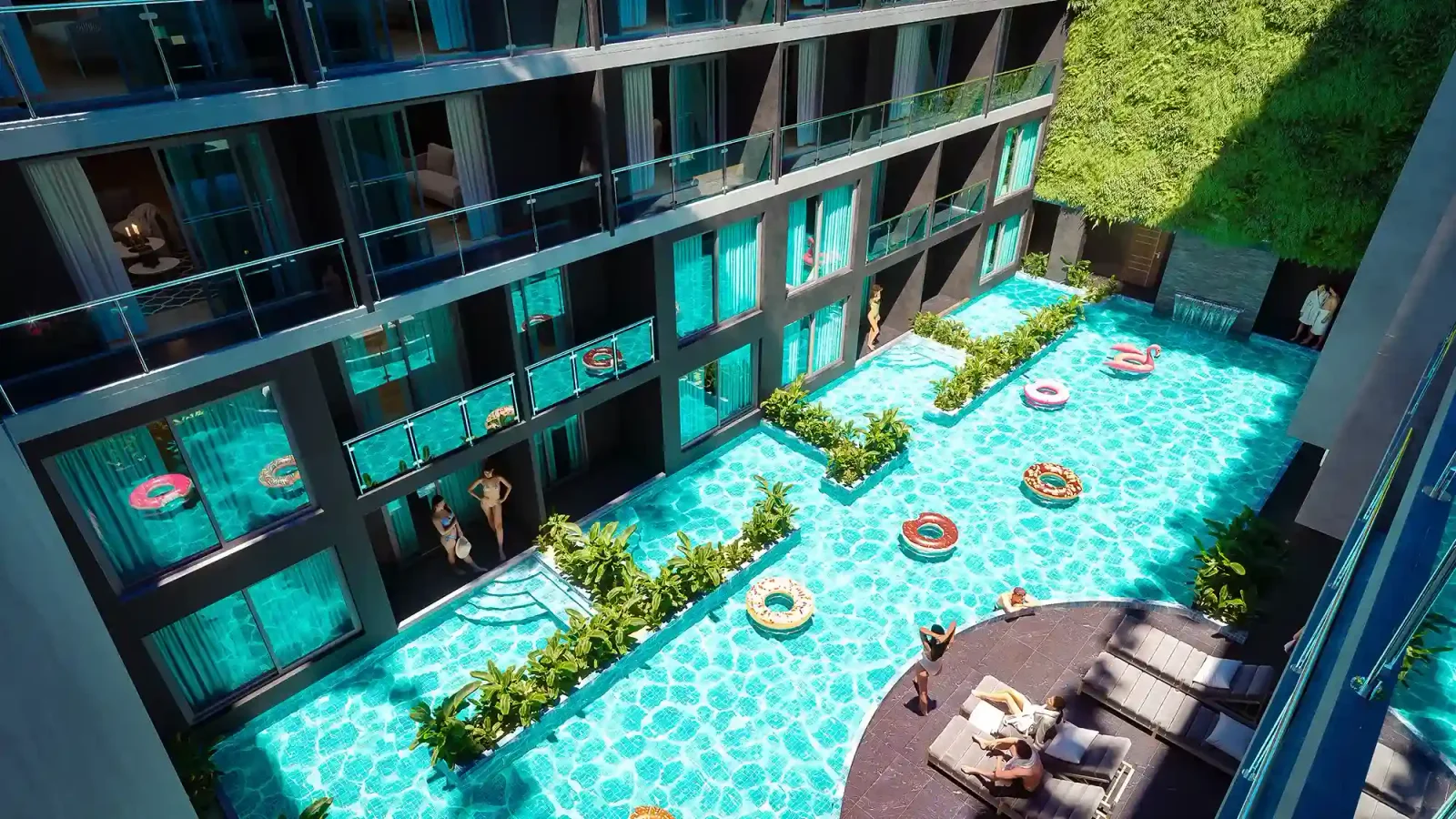
## What Are the Key Facts for Wekata 3?
| Factor | Detail |
| --- | --- |
| Location | Kata, about 300 metres from Kata Beach |
| Buildings | Two low-rise buildings |
| Residences | 130 in total, 35 on our price list |
| Studios | 32 and 36 sqm, 4,400,000 and 5,030,000 THB |
| One-bedroom | 47 to 66 sqm, 7,090,000 to 10,660,000 THB |
| Two-bedroom | 53 to 153 sqm, 7,660,000 to 26,560,000 THB |
| Furniture | Every residence fully furnished |
| Facilities | Rooftop and courtyard pools, sky gym, restaurant, rooftop bar, kids club |
| Management | Hotels9, the developer's hotel company |
| Payment | 35% / 20% / 15% / 10% / 10% / 5% / 5% |
| Stage | Under construction |
## Location: Kata Beach
Kata is the relaxed, family-friendly heart of Phuket's south-west coast. Its beach is a sheltered bay of soft sand framed by green headlands, calm for swimming through the dry season and home to surf schools when the waves arrive from May to October. Behind it, the village offers independent restaurants, good coffee, dive centres and a lively but easy-going evening scene.
- **Kata Beach:** about 300 metres, an 8-minute walk
- **Karon Beach:** the long neighbouring bay just to the north
- **Kata Noi:** the smaller, quieter bay to the south
- **Shopping:** the nearest mall about 9 minutes by car, with shops and supermarkets in the village
- **Big Buddha, Rawai and Nai Harn:** a short drive for sightseeing and the southern beaches
- **Chalong and Phuket Town:** within easy reach for marinas, markets and the old town
Kata attracts couples, families and long-stay visitors who want a beach holiday with character. The [Kata and Karon area guide](/guides/kata-karon-area-guide-2026/) covers the district in more detail.
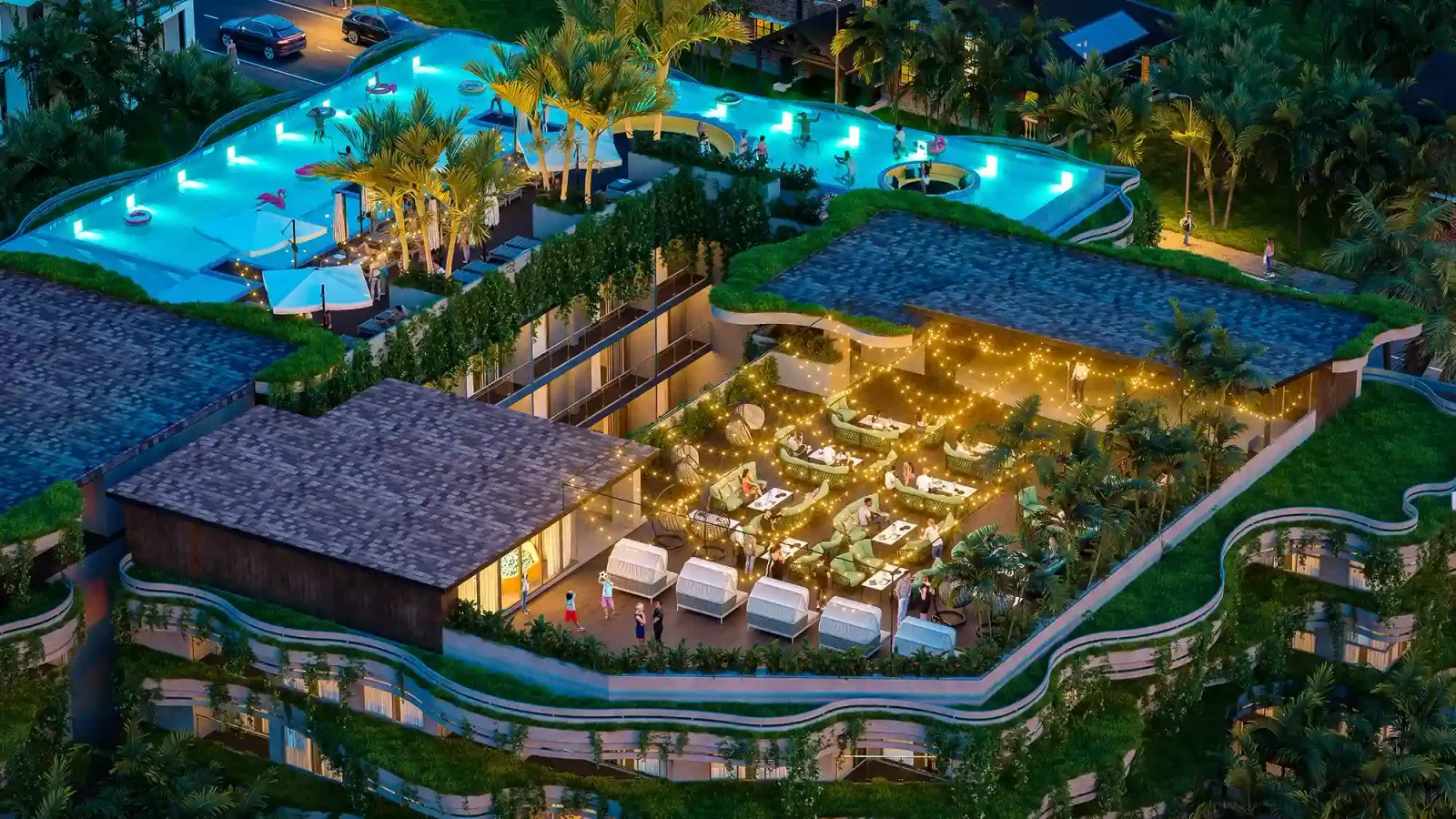
## Residences and Prices
Our price list holds 35 residences:
| Units | Format | Size | Price |
| --- | --- | --- | --- |
| 2204 | Studio | 32 sqm | 4,400,000 THB |
| 2220 | Studio | 36 sqm | 5,030,000 THB |
| 2404, 2403, 2406, 2408 | One-bedroom | 47 to 49 sqm | 7,090,000 to 7,300,000 THB |
| 2504, 2505, 2501, 2502, 2503, 2506, 2507 | One-bedroom | 47 to 48 sqm | 7,360,000 to 7,430,000 THB |
| 1402, 2216 | Two-bedroom | 53 to 55 sqm | 7,660,000 and 7,890,000 THB |
| 2214, 2213, 2215, 2314, 2313, 2315 | One-bedroom | 64 to 66 sqm | 9,300,000 to 9,920,000 THB |
| 2410, 2510, 2509, 2511 | One-bedroom | 64 to 66 sqm | 10,050,000 to 10,660,000 THB |
| 2110, 2111 | Two-bedroom | 53 to 54 sqm | 10,970,000 and 11,160,000 THB |
| 2102, 2103, 2104, 2105, 2106, 2101 | Two-bedroom | 87 to 88 sqm | 15,140,000 to 15,260,000 THB |
| 2107, 2108 | Two-bedroom | 142 and 153 sqm | 24,730,000 and 26,560,000 THB |
The studio 2204, at 4,400,000 THB, is the most accessible way into Wekata 3. The one-bedrooms come in two sizes, around 47 sqm and around 65 sqm, and the larger ones give generous space for long stays. The two-bedrooms range from compact 53 sqm layouts to the two largest residences on the list, 2107 and 2108 on the ground floor, at 142 and 153 sqm. Select residences have their own private pools, and we send the plan of each unit with the price list so you can see its layout and outdoor space.
## Fully Furnished, Ready from Day One
Every residence at Wekata 3 is handed over fully furnished, with built-in furniture, a fitted kitchen, finished bathrooms and air conditioning. For an owner this means the apartment is ready to use or to let from the day of transfer, with no fit-out to organise from abroad and no months spent sourcing furniture.
The interiors follow a clean, calm palette with durable materials chosen for easy upkeep, and they photograph well, which matters for owners who let through the developer's hotel company.
## Seven-Stage Payment Plan
The price is paid in seven stages: 35%, 20%, 15%, 10%, 10%, 5% and 5%. For the studio at 4,400,000 THB that works out as follows:
| Stage | Share | Amount |
| --- | --- | --- |
| 1 | 35% | 1,540,000 THB |
| 2 | 20% | 880,000 THB |
| 3 | 15% | 660,000 THB |
| 4 | 10% | 440,000 THB |
| 5 | 10% | 440,000 THB |
| 6 | 5% | 220,000 THB |
| 7 | 5% | 220,000 THB |
The later stages are small, which keeps the schedule easy to plan. We send the developer's schedule for your residence with the price list.
## Why Buyers Choose Wekata 3
- **About 300 metres from Kata Beach**
- **Fully furnished:** ready to use or let from the day of transfer
- **Two pools** and a sky fitness centre
- **Restaurant, cafe, rooftop bar and kids club** in the building
- **Hotel management** by the developer's own company, Hotels9
- **A choice of formats:** studios, one and two-bedroom residences, some with private pools
- **Freehold ownership** within the 49% foreign quota
## Who Wekata 3 Suits
**Owners who want to let without effort**, handing their furnished residence to the developer's hotel company.
**Couples and families** who want a holiday home a short walk from Kata Beach.
**Long-stay residents** who value a restaurant, a gym and a pool in the building.
**First-time Phuket buyers** who want a furnished freehold studio in the south from 4,400,000 THB.
## Renting Out a Residence at Wekata 3
Kata welcomes couples, families and long-stay guests through the year, with the high season from November to April and surfers and returning visitors in the green season. A furnished residence a short walk from the beach, in a building with two pools and a restaurant, suits them well, and the developer's hotel company, Hotels9, offers management and letting for owners.
For owners who plan to rent, we send the management terms together with current asking rents and holiday rates for comparable residences in Kata and Karon. [Our rental guide](/guides/phuket-rental-yield-complete-guide-2026/) explains how to read a rental offer line by line.
## Ownership for Foreign Buyers
Wekata 3 is a condominium, so a residence can be registered freehold in your own name within the 49% foreign quota of the building, counted by floor area. We confirm with the developer that the residence you choose sits inside that quota. For a freehold unit at Wekata 3, each payment is transferred from abroad in foreign currency, and the receiving bank provides the FET form that the Land Department asks for at registration. [How the foreign quota works](/guides/foreign-quota-thai-condominiums/) explains the rule in detail.
## Wekata 3 and Other Condos in Kata and Karon
| Project | From | Status |
| --- | --- | --- |
| [Ashiyana Heights](/projects/ashiyana-heights/) | 2,990,000 THB | Off-plan |
| [So Origin Kata](/projects/so-origin-kata/) | 3,010,000 THB | Off-plan |
| [Ever Prime Residences Karon](/projects/ever-prime-residences-karon/) | 3,990,000 THB | Off-plan |
| [Katabello](/projects/the-title-katabello/) | 4,228,000 THB | Off-plan |
| Wekata 3 | 4,400,000 THB | Off-plan |
| [Utopia Karon](/projects/utopia-karon/) | 4,500,000 THB | Completed |
| [The Balance By The Beach](/projects/the-balance-by-the-beach/) | 5,526,128 THB | Off-plan |
Wekata 3 stands out in this group for its furnished handover, its two pools and its hotel management. We send the price lists of any of these projects on request and arrange viewings.
## Buying Wekata 3 with MORE Group
A residence at Wekata 3 is bought in five steps, from the first price list to the keys, and we are with you through each of them.
## What We Send Before You Reserve
- The current price list with free residences, floors, sizes and plans
- Confirmation that your residence sits within the 49% foreign quota
- The seven-stage payment schedule for your residence
- The furniture list and the building's common charges
- The terms of the hotel management and letting service
- The latest construction update
{/* corpus-faq:wekata-3 */}
## FAQ
### What does Wekata 3 cost?
Our price list holds 35 residences: studios of 32 and 36 sqm at 4,400,000 and 5,030,000 THB, one-bedrooms of 47 to 66 sqm from 7,090,000 to 10,660,000 THB, and two-bedrooms of 53 to 153 sqm from 7,660,000 to 26,560,000 THB.
### How far is Wekata 3 from Kata Beach?
About 300 metres, an 8-minute walk. Karon Beach is the next bay to the north, and the nearest mall is about 9 minutes by car.
### Are the residences furnished?
Yes. Every residence is handed over fully furnished, with built-in furniture, a fitted kitchen and air conditioning, so it can be used or let from the day of transfer.
### Who manages the rentals?
Management and letting are offered by Hotels9, the developer's own hotel company. We send the terms of the service with the price list.
### Can foreigners buy at Wekata 3 freehold?
Yes. Foreign buyers can hold a residence freehold in their own name within the 49% foreign quota of the building, counted by floor area. We confirm that your residence sits inside the quota, and the purchase money is transferred from abroad with an FET form for registration at the Land Department.
**Read Also:**
- [So Origin Kata](/projects/so-origin-kata/)
- [Utopia Karon](/projects/utopia-karon/)
- [Kata and Karon Area Guide](/guides/kata-karon-area-guide-2026/)
- [Best Areas to Buy Property in Phuket](/guides/best-areas-phuket-buy-property/)
- [How Foreigners Buy Phuket Property 2026](/guides/buying-property-phuket-guide/)
- [Phuket Rental Yield Guide](/guides/phuket-rental-yield-complete-guide-2026/)
# Wyndham Fantasea Condo Chalong: From 2.67M THB
> Wyndham Fantasea Condo Chalong: 398 Wyndham-branded condos from 2.67M THB, hotel management and a five-stage payment plan. Prices, units and rental options.
**Source:** https://moregroup.estate/projects/wyndham-fantasea/
**Section:** Project Reviews
**Author:** MORE Group Editorial
**Published:** 2026-03-30
**Updated:** 2026-08-23
---
## What Is Wyndham Fantasea Condo Chalong?
The project pairs Wyndham Hotels and Resorts affiliation with condominium freehold structure in Chalong, one of Phuket's most affordable branded entry points. Buyers enter Wyndham's rental programme and booking channels rather than managing an independent short-stay unit alone.
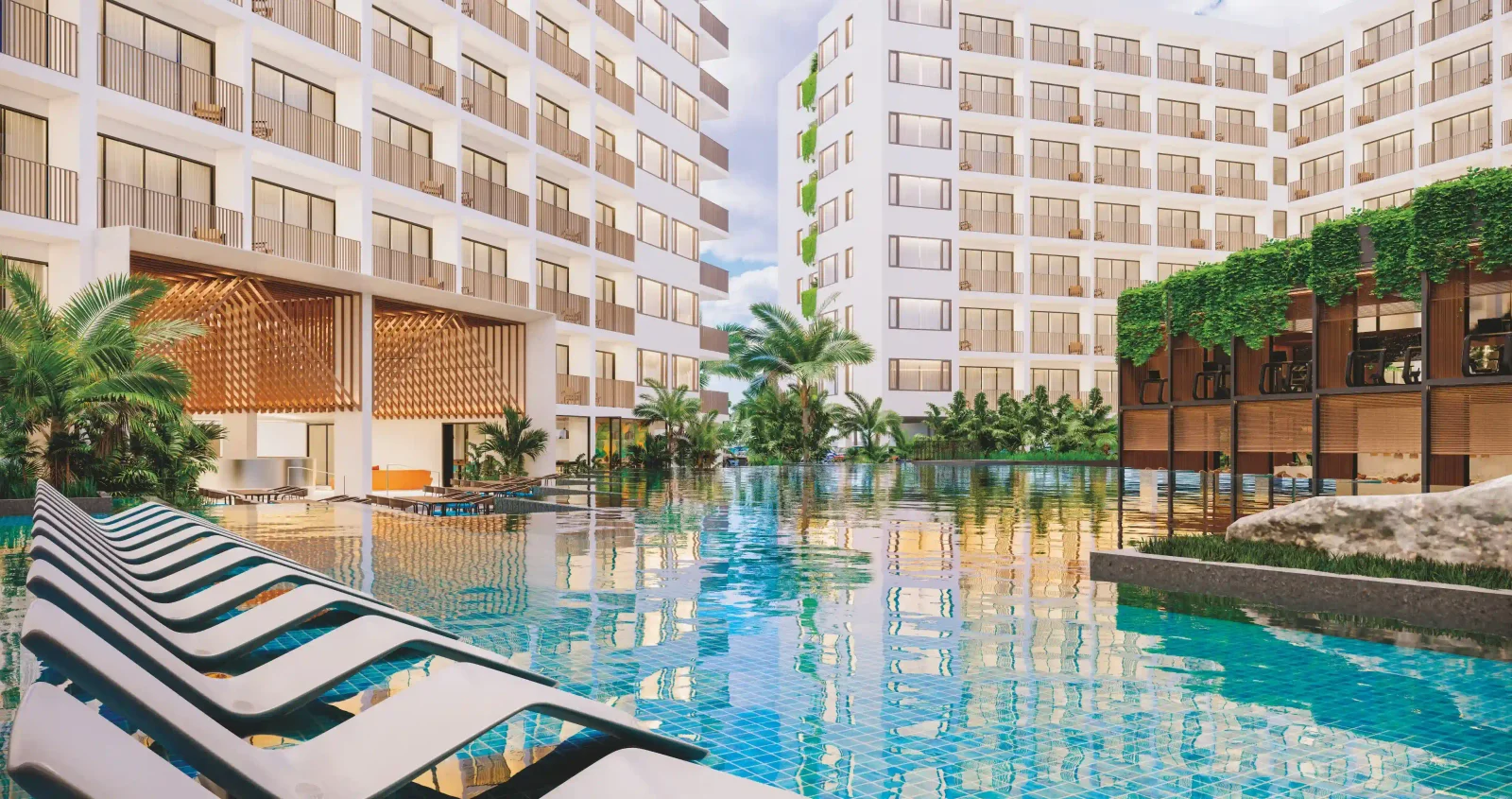
## What Are the Key Facts for Wyndham Fantasea?
| Factor | Detail |
| --- | --- |
| Project | Wyndham Fantasea Condo Chalong |
| Location | Chalong, southern Phuket |
| Brand | Wyndham Hotels and Resorts |
| Total units | 398 across 3 buildings |
| Price from | 2.67 million THB |
| Payment | 35% / 20% / 20% / 15% / 10% |
| Ownership | Freehold (49% foreign quota) |
| Status | Under construction |
At 2.67 million THB entry, Wyndham Fantasea sits at the affordable end of Phuket branded condo stock. Most Wyndham-affiliated products elsewhere on the island start materially higher, which reflects Chalong pricing rather than weaker brand positioning.
## Location and Area
- **Tenant mix:** Sports travellers, triathlon camps, expats, and digital nomads on monthly contracts
- **Beach access:** Chalong Bay and the southern beaches a short drive away
- **Infrastructure:** Local shops, international cafes, and mid-island road links to Phuket Town
- **Price per metre:** 98,550 THB, against Bang Tao's 161,000, the cheapest on the island
Chalong is a monthly-tenancy market as much as a nightly one: the people who live here are residents, and a long let means few changeovers a year, with no cleaning per stay and no platform commission. The Wyndham programme adds nightly guests through the brand's booking channels.
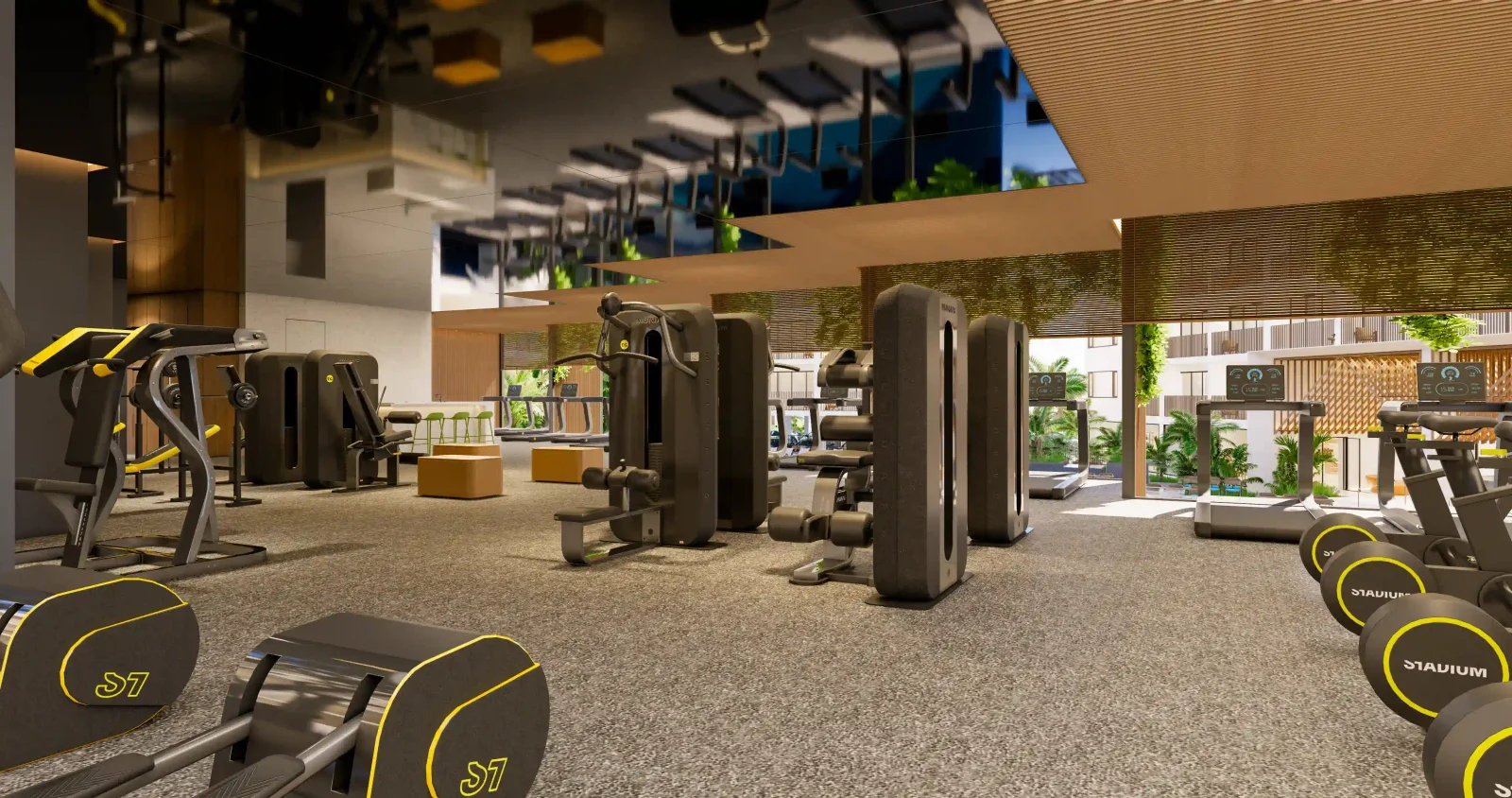
## Design and Units
- **Format:** Branded condo units designed for rental pool enrolment
- **Management:** Central Wyndham pricing, housekeeping, and guest relations
- **Owner use:** Owner-stay weeks set in the rental agreement
- **Finish:** Hotel-grade specification rather than bare shell investor product
Wyndham management typically takes 30 to 40% of gross rental revenue for the full hotel service, distribution and guest relations. We send the written programme terms, so the net figure for your unit rests on the actual fee schedule.
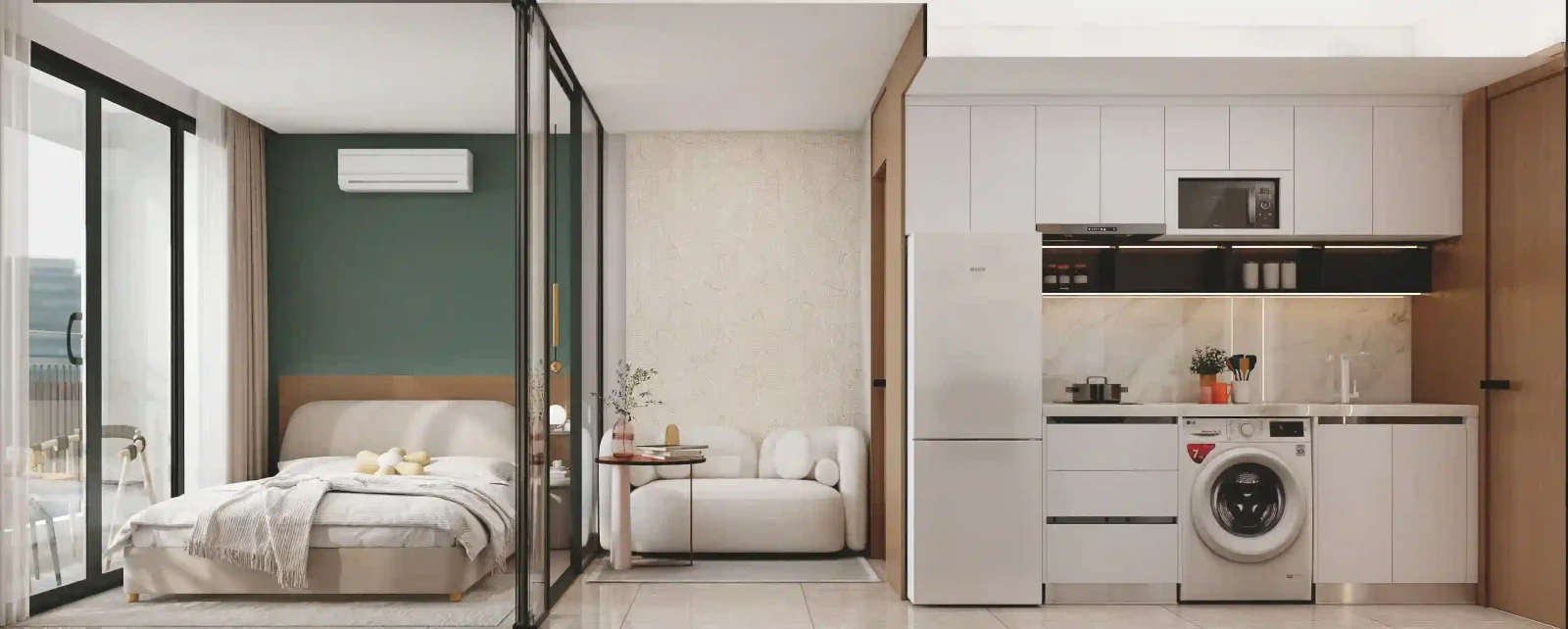
## Investment Case
MORE Group's price records for Wyndham Fantasea are unusually detailed, and they show where the value sits.
| Factor | What MORE Group's records hold |
| --- | --- |
| Priced units on our list | 294, the larger of Chalong's two schemes |
| Entry price | 2,671,200 THB, about $82,000 at 32.7 THB to the dollar |
| Median price | 5,342,400 THB at 56 square metres |
| THB per square metre | 98,550, the most affordable metre on the island |
| Unit mix | 132 one-bedroom from 2,671,200 at a 28 sqm median; 142 two-bedroom from 5,342,400 at 56 sqm; 20 three-bedroom from 8,873,400 at 92 sqm |
| Status | Under construction |
| Management fee | 30 to 40% of gross inside the Wyndham programme |
Three things define the case. The brand brings Wyndham's booking channels and loyalty guests, reaching travellers an independent listing does not. The entry price is 2,671,200 THB, the lowest branded ticket on our Phuket list. And the payment plan runs in five stages across construction, with the last 10% at handover.
Chalong's metre runs at 98,550 THB against Bang Tao's 161,000, so the same money buys substantially more floor area here. The one-bedroom units suit the brand's nightly guests, while the two- and three-bedroom units at 56 and 92 square metres fit the monthly tenants who live in Chalong all year.
## Payment Plan
| Stage | Share | On the 2,671,200 THB entry unit |
| --- | --- | --- |
| Booking | 35% | 934,920 THB |
| During construction | 20% | 534,240 THB |
| During construction | 20% | 534,240 THB |
| During construction | 15% | 400,680 THB |
| Handover | 10% | 267,120 THB |
For a freehold purchase each payment arrives from abroad in foreign currency, and the FET form from your bank is filed at the Land Department at transfer. The same five shares apply to the larger units, so a 5,342,400 THB two-bedroom starts with a booking payment of 1,869,840 THB.
## Who Is This For?
Wyndham Fantasea typically suits foreign buyers prioritising Wyndham brand credibility from 2.67 million THB, hands-off hotel management, long-stay expat rental segments, and first branded condo exposure without Bang Tao ticket size, and the lowest branded entry price on our southern Phuket list.
- **Brand-led buyers:** Wyndham Rewards guests who trust operational standards
- **Budget branded entry:** Lowest Wyndham ticket on Phuket at 2.67 million THB
- **Long-stay investors:** Monthly expat and sports-travel tenant demand in Chalong
- **Ease-of-ownership:** Central management over independent Airbnb operation
## Why Buyers Choose Wyndham Fantasea
| Factor | Why it works |
| --- | --- |
| Brand | Wyndham global distribution and loyalty guests |
| Entry | 2.67 million THB branded ticket |
| Payments | Five stages across construction, 10% at handover |
| Rental | Hotel operating standards and central management |
**In short:**
- Lowest priced Wyndham-affiliated product in Phuket from 2.67 million THB
- Professional hospitality management and OTA distribution
- Freehold condo within the 49% foreign quota
- Strong long-stay tenant segment in Chalong corridor
## What the Wyndham Name Brings
At 2.67 million THB this is one of the most accessible ways to buy into a hotel-branded condominium anywhere on the island.
Wyndham is a franchise and licensing group, and what the licence brings is distribution: a global booking engine, a loyalty programme with tens of millions of members, and a name a guest recognises when comparing listings. On a 398-unit building in Chalong, a district without a tourist beach of its own, that distribution is especially valuable, because the brand brings guests to the building.
The day-to-day running of Wyndham Fantasea is set out in the management agreement, and we collect its key terms for you together with the price list: whether rental revenue is pooled across enrolled units or paid on your own unit's bookings, how many nights a year you may use your own apartment, and how the letting works over the term of the licence. With those terms in hand you choose the unit and the rental route that fit your plans.
## Chalong at 2.67M: Who the Tenants Are
Chalong is the island's functional centre: the main road junction, the pier and its dive and charter economy, the large supermarkets, the trade suppliers and quick access to the hospitals. It is where people live all year round.
That shapes the letting case. Alongside the brand's nightly guests, Chalong has a deep, year-round resident and long-stay pool: dive instructors and boat crew, medical and hospital staff, teachers, business owners running operations in Phuket Town, and long-stay visitors who want somewhere practical to live. Those tenants sign for months, stay through the green season, and cost almost nothing to service between tenancies.
For an owner this means two rental routes. Enrolled in the hotel programme, the unit takes nightly bookings through Wyndham's channels; let on twelve-month terms, it earns a steady monthly rent with a small gap between gross and net. We model both for your unit with the operator's figures, so you can choose the route before handover.
## Buying Wyndham Fantasea with MORE Group
Buying at Wyndham Fantasea takes five steps from the first price list to the keys, and we cover each of them together with you.
With the price list we also send the Wyndham rental programme agreement with its owner-use calendar and fee schedule, and a comparison with two other branded projects in the same price band.
{/* corpus-faq:wyndham-fantasea */}
## FAQ
### Is Wyndham Fantasea Chalong a genuine Wyndham-managed hotel-residence?
The project is branded and managed under a Wyndham Hotels and Resorts affiliation. Units can enter the Wyndham rental program and benefit from Wyndham booking channels and hospitality management. We send the management agreement terms together with the price list.
### What is the entry price for Wyndham Fantasea?
Prices start from 2.67 million THB. This is one of the most affordable branded hotel-residence entry points in Phuket.
### What rental yield can I expect?
Rental income depends on the route you choose. Inside the Wyndham programme the operator takes 30 to 40% of gross for the full hotel service and distribution; on long lets the costs are smaller and the rent comes monthly. We send the programme fee schedule, the common-area charge for your unit and the operator's figures, and build the net figure for your unit from them.
### Can foreigners buy freehold at Wyndham Fantasea?
Yes. As a condominium, Wyndham Fantasea allows freehold ownership for foreign buyers within the 49% foreign quota limit. We confirm the remaining foreign quota for your unit.
### How does Chalong compare to Bang Tao for investment?
Chalong runs at 98,550 THB per square metre across 396 priced apartments in two schemes; Bang Tao at 161,000 across 4,589 in 48 schemes. The same money buys much more floor area in Chalong. The tenants differ too: Bang Tao attracts holiday guests who walk to the beach, Chalong residents and long-stay tenants who live on the island all year.
**Read Also:**
- [Complete Guide to Buying Property in Phuket](/guides/buying-property-phuket-guide/)
- [Best Areas to Invest in Phuket](/guides/best-areas-phuket-buy-property/)
- [Buying process step by step](/guides/due-diligence-process-thailand-step-by-step/)
- [Off-plan property Phuket guide](/guides/off-plan-property-phuket-guide/)
- [Phuket rental yield benchmarks](/guides/phuket-rental-yield-complete-guide-2026/)
- [Guaranteed returns in Phuket: what you need to know](/guides/what-is-a-guaranteed-return-phuket-condo/)
# Zenithy Connext: Seven Pool Villas Near Bang Tao
> Zenithy Connext review: seven gated two-storey pool villas in Pasak near Bang Tao, three ensuite bedrooms, rooftop terraces and 9-metre pools with Jacuzzi.
**Source:** https://moregroup.estate/projects/zenithy-connext/
**Section:** Project Reviews
**Author:** MORE Group Editorial
**Published:** 2026-04-07
**Updated:** 2026-08-23
---
## What Is Zenithy Connext?
Zenithy Connext is a boutique villa community for buyers who value privacy above all. With only seven houses behind a gate, the setting feels like a private estate, and every villa is designed as a complete family home: open-plan living under double-height ceilings, expansive glass facades, a fully equipped kitchen, three ensuite bedrooms and a private rooftop terrace for sunset evenings.
Outside, each villa has a 9-metre swimming pool with a Jacuzzi, a landscaped garden and a barbecue area. The finish combines warm wood tones with gold and silver-grey accents and built-in furniture, and the houses are prepared for modern living with rooftop solar panels, EV-ready carports, video intercoms, automatic gates and CCTV.
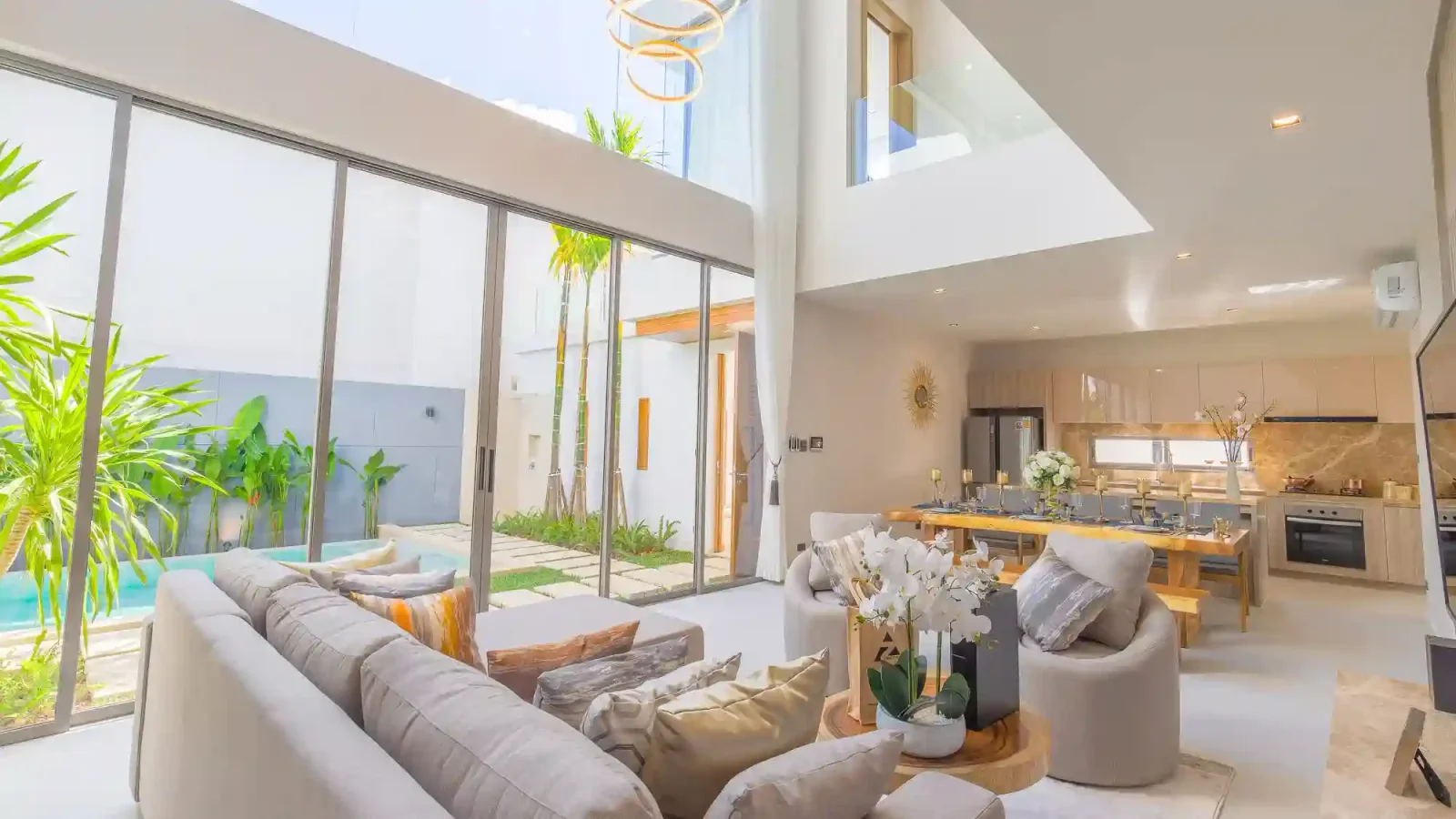
## What Are the Key Facts for Zenithy Connext?
| Factor | Detail |
| --- | --- |
| Developer | Zenithy |
| Location | Pasak, Cherng Talay (Si Sunthon, Thalang) |
| Community | 7 two-storey pool villas, gated |
| Bedrooms | Three, all ensuite |
| Pool | 9-metre private pool with Jacuzzi |
| Features | Double-height ceilings, rooftop terrace, solar panels, EV-ready carport |
| Prices | On request from the developer |
| Stage | Under construction |
| Beach | About 13 minutes by car |
| Airport | About 28 minutes by car |
## Location: Pasak, the Quiet Side of Bang Tao
Pasak is the calm residential pocket of Cherng Talay, a few minutes inland from the Bang Tao coast. Streets are quiet and plots are generous, while the beach, the resort area and the district's shops and restaurants are all a short drive away.
- **Bang Tao Beach:** about 13 minutes by car
- **Laguna Phuket:** hotels, golf and beach clubs along Bang Tao Bay
- **Boat Avenue and Porto de Phuket:** shopping, cafes and restaurants, with the nearest mall about 8 minutes by car
- **Blue Tree Phuket:** the family lifestyle park with its lagoon and activities
- **International schools and golf courses:** within a short drive
- **Airport:** about 28 minutes by car
For owners who spend several months a year in Phuket, Pasak offers the best of both: a quiet home and the Bang Tao lifestyle close at hand. The [Bang Tao and Layan area guide](/bang-tao-properties/) covers the district in more detail.
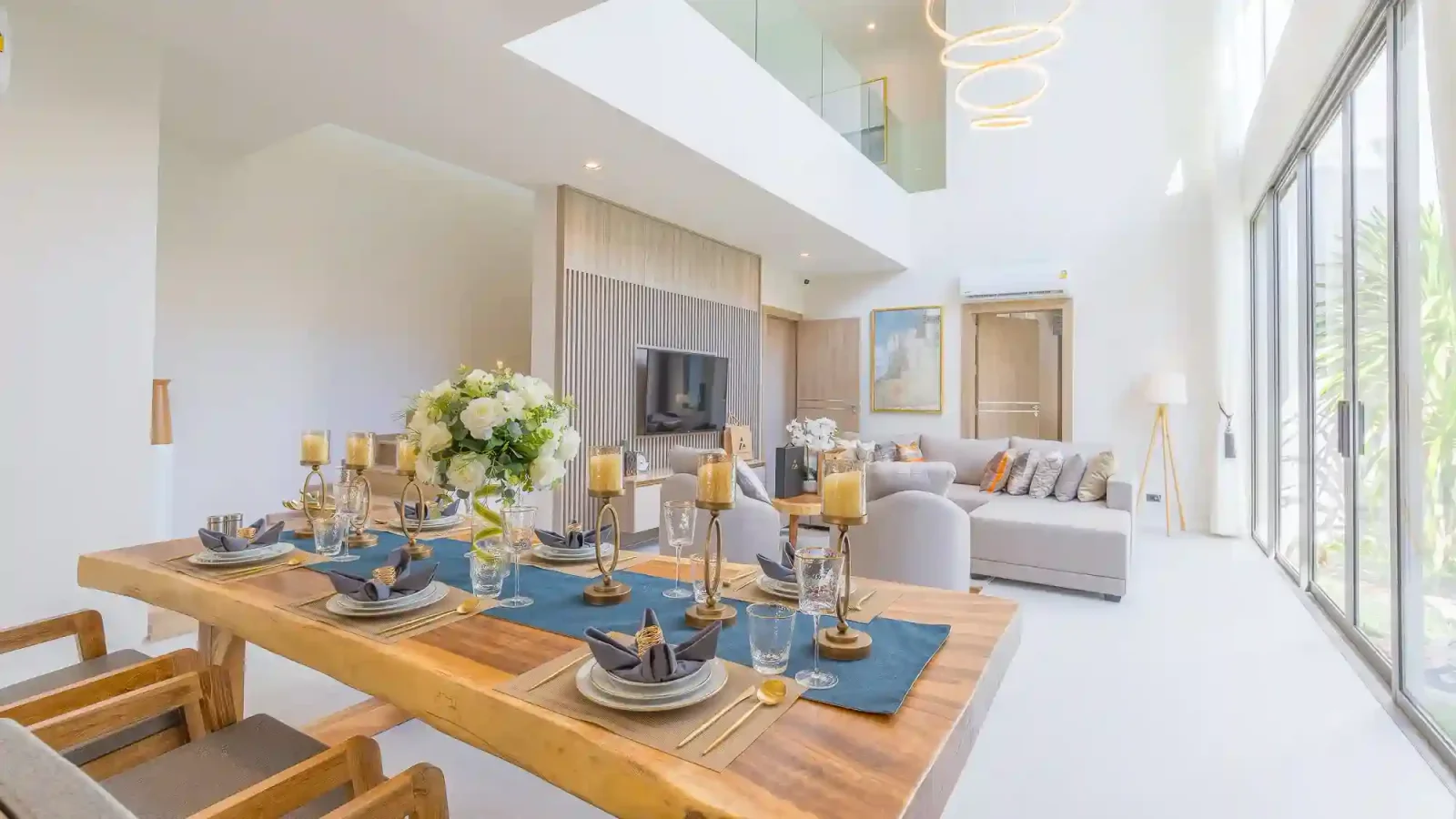
## Design and Villas
- **Two-storey villas** with double-height living spaces
- **Expansive glass facades** that fill the house with light
- **Three ensuite bedrooms** for family and guests
- **Fully equipped kitchen** and built-in furniture
- **Private rooftop terrace** for sunset evenings
- **9-metre pool with a Jacuzzi**, garden and barbecue area
- **Rooftop solar panels** and EV-ready carports
- **Video intercoms, automatic gates and CCTV**
The design brings warm wood tones together with gold and silver-grey accents, a calm and elegant palette that suits both a family home and a holiday villa.
## Living at Zenithy Connext
A day here can start with coffee on the rooftop terrace and a swim before the heat of the day, continue with the school run or a round of golf, and end with a barbecue by the pool as the light fades. Evenings in the Jacuzzi, weekends on Bang Tao Beach or at Blue Tree with the children, and dinners at Boat Avenue or Porto de Phuket make the rhythm of life in Pasak easy to enjoy all year.
## Seven Villas and Their Prices
Zenithy Connext is a small collection, and the developer releases its prices on request rather than on a public list. We request the current price list for all seven villas, with plot and built areas, the payment schedule and the specification, and send it to you so you can compare the houses side by side and choose the one that suits you.
A boutique estate of seven villas also means a close-knit community: few neighbours, a private entrance and shared areas that are easy to look after. The developer's larger villa community, [Zenithy La Ville](/projects/zenithy-la-ville/), offers a wider choice for buyers who prefer a bigger estate.
## Why Buyers Choose Zenithy Connext
- **Only seven villas:** a private, gated setting
- **Pasak, Cherng Talay:** quiet streets near Bang Tao, Laguna and Boat Avenue
- **Three ensuite bedrooms** with double-height living spaces
- **Private rooftop terraces** and 9-metre pools with Jacuzzis
- **Solar panels and EV-ready carports** for modern, economical living
- **A complete family home** with a garden and a barbecue area
## Who Zenithy Connext Suits
**Owners spending extended time in Phuket** who want a real home in a private, quiet setting.
**Families** who want three ensuite bedrooms, a garden and a pool close to the international schools.
**Buyers who value privacy** and prefer a small community to a large estate.
**Villa rental investors** aiming at families and couples who book a private pool villa near Bang Tao.
## Renting Out a Villa at Zenithy Connext
A three-bedroom pool villa near Bang Tao appeals to families and couples on holiday in the November to April season and to relocating families who rent a house for a school year or longer. A rooftop terrace and a pool with a Jacuzzi make the villa stand out in listings, and the quiet Pasak setting is part of its appeal.
If you plan to let a villa at Zenithy Connext, we collect current asking rents and holiday rates for comparable villas around Bang Tao and send them with the price list. [Our rental guide](/guides/phuket-rental-yield-complete-guide-2026/) explains how to read a rental offer line by line.
## Ownership for Foreign Buyers
At Zenithy Connext, as with any villa in Thailand, you buy land plus a building. The house can be held in your own name over a lease of the plot registered at the Land Office, 30 years per registration with renewal terms in the contract, or the land can be held through a Thai company with genuine Thai shareholders. [Freehold and leasehold in Thailand](/guides/freehold-vs-leasehold-thailand/) explains both routes, and we prepare the one that suits you with our legal support.
## Zenithy Connext and Other Villas Around Bang Tao
| Project | From | Status |
| --- | --- | --- |
| [Zenithy La Ville](/projects/zenithy-la-ville/) | 19,425,000 THB | Off-plan |
| [Sierra Vista](/projects/sierra-vista/) | 19,900,000 THB | Off-plan |
| [The Harmony by Wallaya Villas](/projects/the-harmony-by-wallaya-villas/) | 20,776,000 THB | Off-plan |
| [Mono Oxygen Bangtao Phase 2](/projects/mono-oxygen-phase-2/) | 23,950,000 THB | Off-plan |
| [QNITY by Wallaya Villas](/projects/qnity-by-wallaya-villas/) | 25,609,000 THB | Off-plan |
| Zenithy Connext | On request | Off-plan |
Zenithy Connext stands out in this group for its size: seven villas, each with a rooftop terrace and a pool with a Jacuzzi. We send the price lists of any of these projects on request and arrange viewings.
## Buying Zenithy Connext with MORE Group
A villa at Zenithy Connext is bought in five steps, from the first price list to the keys, and we are with you through each of them.
## What We Send Before You Reserve
- The developer's price list for the seven villas, with plot and built areas
- The payment schedule for your villa
- The specification, including the solar panels, the pool and the built-in furniture
- The ownership structure for your purchase, leasehold or company, with the documents it needs
- The estate's common charges
- The latest construction update
{/* corpus-faq:zenithy-connext */}
## FAQ
### How much do villas at Zenithy Connext cost?
The developer releases prices on request. We request the current price list for all seven villas, with plot and built areas and the payment schedule, and send it to you.
### How many villas are there?
Seven two-storey pool villas in a gated community in Pasak, Cherng Talay, each with three ensuite bedrooms.
### What does each villa include?
Double-height living spaces, glass facades, a fully equipped kitchen, three ensuite bedrooms, a private rooftop terrace, a 9-metre pool with a Jacuzzi, a garden and barbecue area, rooftop solar panels and an EV-ready carport.
### Where is Zenithy Connext?
In Pasak, Cherng Talay, about 13 minutes by car from Bang Tao Beach and 8 minutes from the nearest mall, with Laguna Phuket, Boat Avenue and Blue Tree close by.
### How can foreigners own a villa at Zenithy Connext?
The house can be held in your own name over a lease of the plot registered at the Land Office, 30 years per registration with renewal terms in the contract, or the land can be held through a Thai company with genuine Thai shareholders. We prepare the structure with our legal support.
**Read Also:**
- [How Foreigners Buy Phuket Property 2026](/guides/buying-property-phuket-guide/)
- [Zenithy La Ville](/projects/zenithy-la-ville/)
- [QNITY by Wallaya Villas](/projects/qnity-by-wallaya-villas/)
- [Freehold vs Leasehold in Thailand](/guides/freehold-vs-leasehold-thailand/)
- [Phuket Rental Yield Guide](/guides/phuket-rental-yield-complete-guide-2026/)
- [Bang Tao and Layan Area Guide](/bang-tao-properties/)
# Zenithy La Ville Ko Kaeo: Pool Villas from 19.4M THB
> Zenithy La Ville Ko Kaeo: 22 two-storey pool villas with three bedrooms and a jacuzzi, minutes from BIS Phuket and the marinas, from 19.4M THB.
**Source:** https://moregroup.estate/projects/zenithy-la-ville/
**Section:** Project Reviews
**Author:** MORE Group Editorial
**Published:** 2026-04-07
**Updated:** 2026-10-07
---
## What Is Zenithy La Ville?
Zenithy La Ville is designed for family life in the calm of Ko Kaeo. The villas are laid out over two storeys, with a spacious living and dining area under high ceilings, a fully equipped Western kitchen with an island, and large windows that fill the house with light and open it to the pool terrace and the garden. The master bedroom has a walk-in wardrobe and its own bathroom, the two further bedrooms have their own bathrooms too, and the upper level adds a lounge and a terrace for quiet evenings.
Outside, every home has a private swimming pool with a jacuzzi, a pool terrace, a landscaped garden, a covered double carport and storage. The community is gated, with 24-hour security and CCTV. Zenithy also builds [Zenithy Connext](/projects/zenithy-connext/) on the west coast.
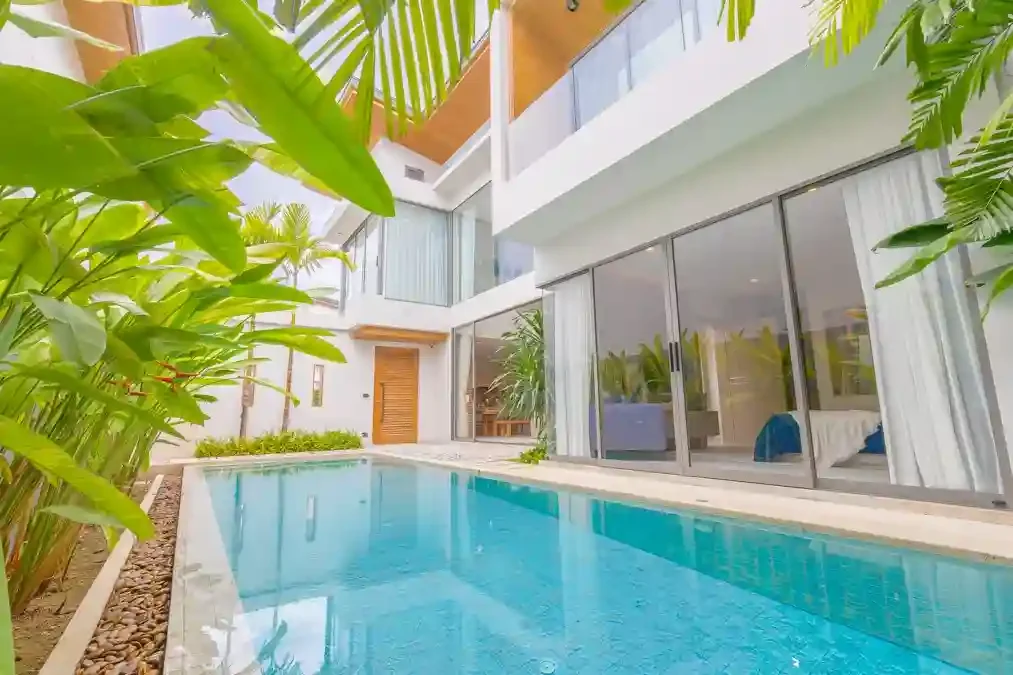
## What Are the Key Facts for Zenithy La Ville?
| Factor | Detail |
| --- | --- |
| Developer | Zenithy |
| Location | Ko Kaeo, central Phuket |
| Community | 22 two-storey pool villas, gated |
| Villas | All 22 on our price list |
| Bedrooms | Three, with four bathrooms |
| Built area | About 342 sqm |
| Plots | About 259 to 472 sqm |
| Price | 19,425,000 to 41,328,000 THB |
| Outdoor | Private pool with jacuzzi, garden, double carport |
| Payment | 30% / 20% / 20% / 20% / 10% |
| Stage | Under construction |
| Airport | About 35 minutes by car |
## Location: Ko Kaeo, Phuket's Family District
Ko Kaeo is where many of Phuket's resident families choose to live: green and quiet, with the island's leading international school, its marinas, golf courses and hospitals all close together.
- **British International School Phuket:** a few minutes away
- **Boat Lagoon and Royal Phuket Marina:** a short drive, for sailing and boat trips
- **Golf courses:** within a short drive
- **Shopping and healthcare:** the nearest mall about 10 minutes by car, with hospitals and supermarkets nearby
- **Phuket Town:** the island's services and old town within easy reach
- **Airport:** about 35 minutes by car
The school run is short, weekends can start at the marina, and the beaches of the east and west coasts are both within a drive. The [Canopy Hills Villas page](/projects/canopy-hills-villas/) shows another family collection in the same district.
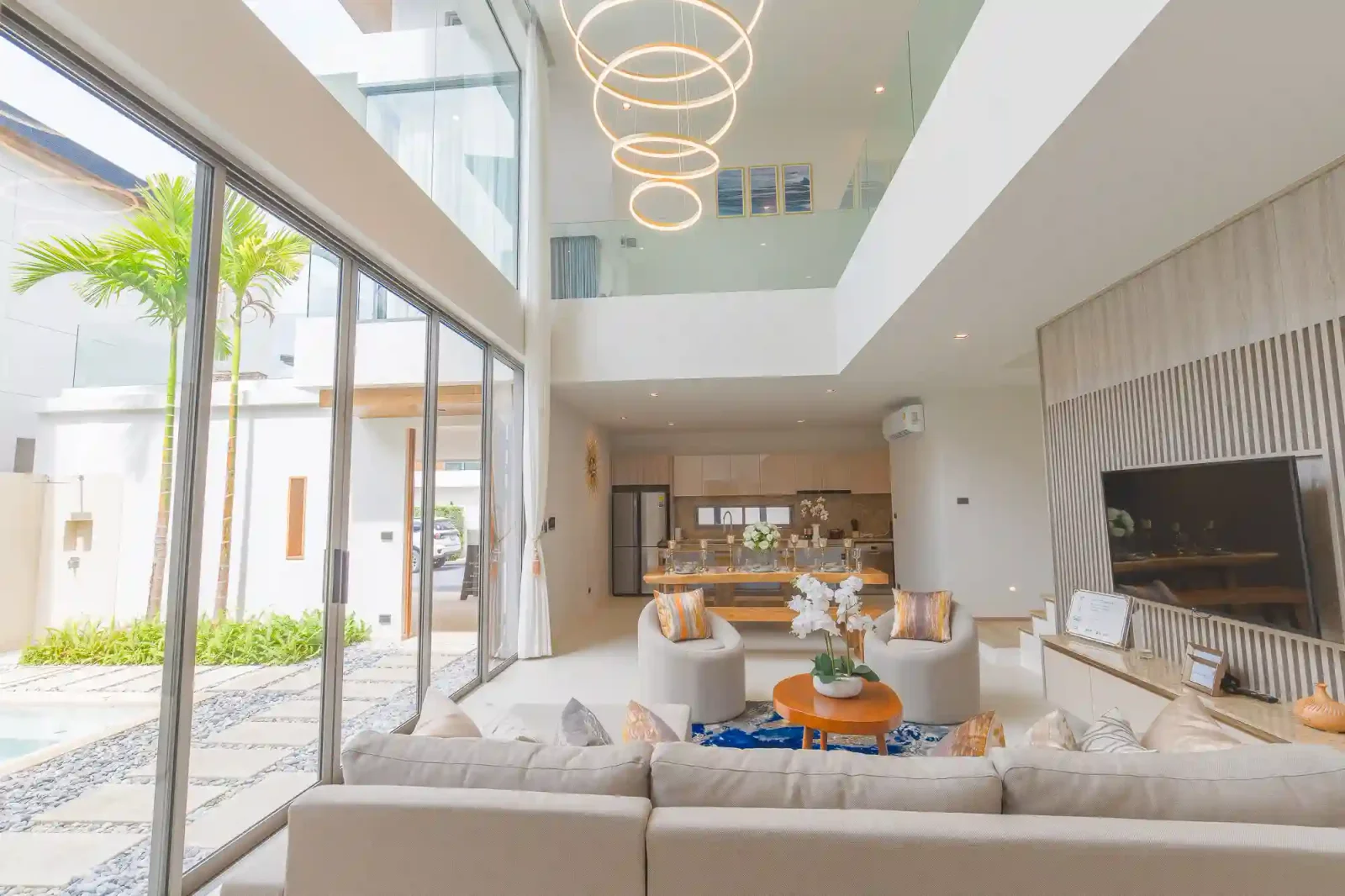
## Villas and Prices
All 22 villas share the three-bedroom plan of about 342 sqm:
| Price | Villas |
| --- | --- |
| 19,425,000 THB | 5: B5, B6, C1, C2 and C3 |
| 21,586,500 to 27,363,000 THB | 10 |
| 29,995,000 to 30,579,500 THB | 3: C6, A1 and B7 |
| 35,094,500 to 41,328,000 THB | 4: C7, A7, C8 and B3 |
Five villas open the community at 19,425,000 THB, and the price of the others follows the plot, which ranges from about 259 to 472 sqm, and its position in the community. We send the plot area and the site plan with the price list, so you can choose the garden you like best.
## Design and Villas
- **Two storeys** with high ceilings and large windows
- **Open-plan living and dining**
- **Western kitchen** with an island
- **Master bedroom** with a walk-in wardrobe and ensuite bathroom
- **Two further bedrooms** with their own bathrooms
- **Upper lounge and terrace**
- **Private pool with jacuzzi**, pool terrace and landscaped garden
- **Covered double carport** and storage
- **Gated community** with 24-hour security and CCTV
- **Pet-friendly**
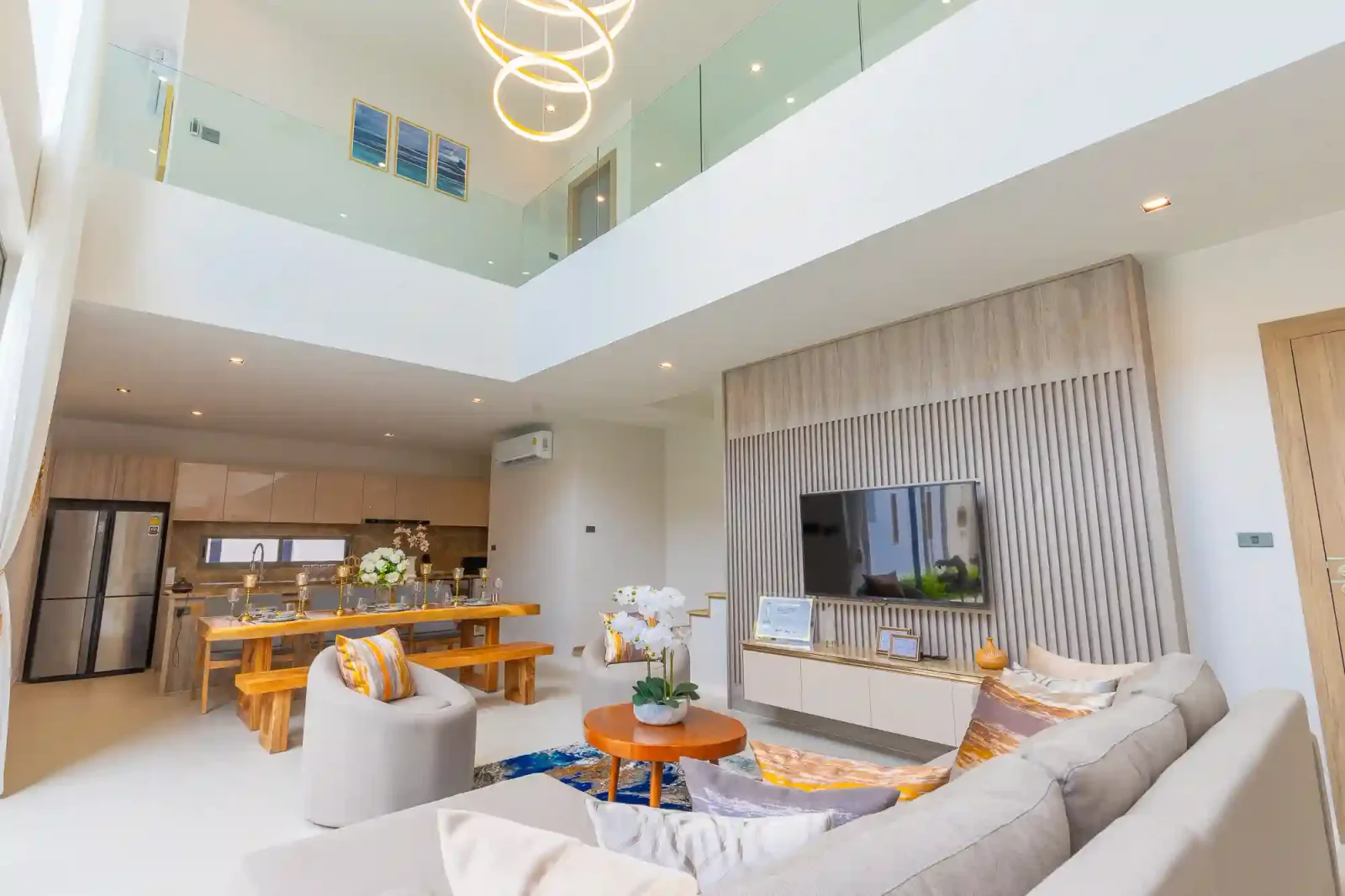
## Living at Zenithy La Ville
Family life here is easy to organise. The school run takes minutes, afternoons belong to the pool and the jacuzzi, and at weekends the marinas, the golf courses and the beaches are all within a drive. In the evening the upper terrace is the quiet place to end the day, with the garden below and the children asleep.
## Five-Stage Payment Plan
The price is paid in five stages: 30%, 20%, 20%, 20% and 10%. For a villa at 19,425,000 THB that works out as follows:
| Stage | Share | Amount |
| --- | --- | --- |
| 1 | 30% | 5,827,500 THB |
| 2 to 4 | 20% each | 3,885,000 THB each |
| 5 | 10% | 1,942,500 THB |
The schedule spreads the price across the build and leaves 10% for handover. We send the developer's schedule for your villa with the price list.
## Why Buyers Choose Zenithy La Ville
- **Minutes from British International School Phuket**
- **Three bedrooms and four bathrooms** across about 342 sqm
- **A private pool with jacuzzi** in every garden
- **Double carport** and storage
- **Marinas, golf and healthcare** close by
- **A gated community** of 22 villas
- **Pet-friendly**
## Who Zenithy La Ville Suits
**Families with children at BIS Phuket** or other schools in central Phuket.
**Boat owners and sailors**, with Boat Lagoon and Royal Phuket Marina close by.
**Long-term residents** who want a quiet, well-connected neighbourhood with hospitals and shops nearby.
**Rental investors** aiming at relocating families who rent a house near the schools for a school year or longer.
## Renting Out a Villa at Zenithy La Ville
A family pool villa near the international school appeals to relocating families who rent for a school year or longer, and to professionals who move to Phuket for work. Long lets suit the neighbourhood well and keep turnover low.
If you plan to let your villa at Zenithy La Ville, we collect current asking rents for comparable family villas in Ko Kaeo and send them with the price list. [Our rental guide](/guides/phuket-rental-yield-complete-guide-2026/) explains how to read a rental offer line by line.
## Ownership for Foreign Buyers
At Zenithy La Ville, as with any villa in Thailand, you buy land plus a building. The house can be held in your own name over a lease of the plot registered at the Land Office, 30 years per registration with renewal terms in the contract, or the land can be held through a Thai company with genuine Thai shareholders. [Freehold and leasehold in Thailand](/guides/freehold-vs-leasehold-thailand/) explains both routes, and we prepare the one that suits you with our legal support.
## Zenithy La Ville and Other Villas in Ko Kaeo
| Project | From | Status |
| --- | --- | --- |
| [Setthasiri Kohkaew Retreat](/projects/setthasiri-kohkaew-retreat/) | 16,800,000 THB | Off-plan |
| Zenithy La Ville | 19,425,000 THB | Off-plan |
| [Mouana Residence Ko Kaeo](/projects/mouana-residence-ko-kaeo/) | 19,900,000 THB | Off-plan |
| [Botanica Majestia](/projects/botanica-majestia/) | 38,061,000 THB | Off-plan |
| [Canopy Hills Villas](/projects/canopy-hills-villas/) | 56,519,000 THB | Off-plan |
Zenithy La Ville stands out in this group for its jacuzzi pools and double carports at an accessible price. We send the price lists of any of these projects on request and arrange viewings.
## Buying Zenithy La Ville with MORE Group
A villa at Zenithy La Ville is bought in five steps, from the first price list to the keys, and we are with you through each of them.
## What We Send Before You Reserve
- The current price list with the site plan, plot areas and plans
- The five-stage payment schedule for your villa
- The ownership structure for your purchase, leasehold or company, with the documents it needs
- The community's common charges
- The latest construction update
{/* corpus-faq:zenithy-la-ville */}
## FAQ
### What does Zenithy La Ville cost?
All 22 villas are on our price list, from 19,425,000 to 41,328,000 THB. Five villas share the entry price of 19,425,000 THB, and the others follow the plot and its position.
### What does each villa include?
Two storeys with three bedrooms and four bathrooms across about 342 sqm, a Western kitchen with an island, a master bedroom with a walk-in wardrobe, an upper lounge and terrace, a private pool with jacuzzi, a garden and a covered double carport.
### Where is Zenithy La Ville?
In Ko Kaeo, central Phuket, minutes from British International School Phuket and close to Boat Lagoon, Royal Phuket Marina, golf courses and hospitals. The nearest mall is about 10 minutes by car.
### What is the payment plan?
Five stages: 30%, 20%, 20%, 20% and 10%. For a villa at 19,425,000 THB that means 5,827,500 THB at the first stage and 1,942,500 THB at handover.
### How can foreigners own a villa at Zenithy La Ville?
The house can be held in your own name over a lease of the plot registered at the Land Office, 30 years per registration with renewal terms in the contract, or the land can be held through a Thai company with genuine Thai shareholders. We prepare the structure with our legal support.
**Read Also:**
- [Zenithy Connext](/projects/zenithy-connext/)
- [Canopy Hills Villas](/projects/canopy-hills-villas/)
- [Mouana Residence Ko Kaeo](/projects/mouana-residence-ko-kaeo/)
- [Freehold vs Leasehold in Thailand](/guides/freehold-vs-leasehold-thailand/)
- [How Foreigners Buy Phuket Property 2026](/guides/buying-property-phuket-guide/)
- [Phuket Rental Yield Guide](/guides/phuket-rental-yield-complete-guide-2026/)
# Area Guides
# Cherng Talay Guide: Prices & Yield (2026)
> Cherng Talay guide: the crossroads, not the beach, sets prices from $120K condos to $1.6M villas - two rental engines, quota pressure, supply pipeline.
**Source:** https://moregroup.estate/areas/cherng-talay-property-guide/
**Section:** Area Guides
**Author:** Olga
**Published:** 2026-03-23
**Updated:** 2026-09-01
---
Cherng Talay is the most misread name in Phuket listings. It is not a beach and not a resort; it is the sub-district that happens to contain the island's strongest concentration of things buyers want, Bang Tao bay, the Laguna estate, Boat Avenue, Porto de Phuket, two international-school runs, connected by one road that everybody uses at the same time. Understand the road and the walk, and every price in the corridor starts making sense.
## What Cherng Talay actually is
Cherng Talay is an administrative sub-district of Thalang covering roughly the middle of Phuket's west coast hinterland, and a property described with that name can be a beachfront condominium or a villa fifteen minutes inland. The difference is the whole of the price, so the first move on any listing is to place it in one of five distinct micro-markets:
| Sub-area | Character | Typical stock |
|---|---|---|
| Bang Tao beachfront | The premium strip; walkable to sand | Condominiums, branded residences |
| Layan | Quieter, less supply, higher entry | Villas and small condominium schemes |
| Boat Avenue and Porto de Phuket | The amenity core; walkable daily life | Condominiums, some townhouses |
| Laguna estate | Gated resort environment with operating infrastructure | All formats, estate charges apply |
| Inland Cherng Talay and Pasak | Residential, quieter, materially cheaper | Villas, family-sized stock |
That breadth is also why the corridor works as a place to live. A resident can do a full week without leaving it: supermarkets, pharmacies, clinics, the Blue Tree lagoon for children, restaurants that stay open through the low season, and a beach at the end of the errand list. Compare that against a pure resort strip, which empties when the tourists do, and against [Phuket Town](/areas/phuket-town-property-guide/), which has the services without the sand.
## The crossroads premium: what actually sets a price here
Position against the road network moves a Cherng Talay price more than the year the building was finished, and more than the brochure's view photography. The corridor's values are set at its intersections, where Srisoonthorn Road meets the beach roads and the route north to Thepkrasattri, because that geometry decides what a resident's day and a guest's transfer actually feel like.
| Driver | Effect on price |
|---|---|
| Distance to the sand, walked | The single largest factor; a genuine walk commands a premium over any drive |
| Inside the Laguna estate or outside | Estate infrastructure and security, with estate charges attached |
| Condominium versus villa | Different legal assets: freehold within quota against a lease or company structure |
| Position relative to Srisoonthorn Road | Close enough for amenities, far enough for sleep |
| Floor area or plot size | Villas price largely on plot; brochures usually quote built area only |
| Age of the building | Newer stock competes on photographs; older stock on price |
The price ranges those drivers produce, from stock we see marketed and toured in the corridor:
| Unit type | Typical size | Indicative price range |
|---|---|---|
| Studio | 28-36 sqm | $120,000-$210,000 |
| 1-bedroom | 38-52 sqm | $160,000-$320,000 |
| 2-bedroom | 65-95 sqm | $260,000-$520,000 |
| Premium new-build | 70-110 sqm | $420,000-$800,000+ |
| Pool villa | 300-500 sqm | $650,000-$1.6M+ |
Two of the drivers interact in a way that decides resale outcomes. A five-year-old building a short walk from Bang Tao sand generally holds its rate better than a new building fifteen minutes inland, because guests filter by distance before they look at anything else. Age is a discount that photography can partly repair; position is not recoverable at any budget.
## Two rental engines, one sub-district
Cherng Talay is unusual in Phuket in supporting both letting models properly, and choosing between them should drive which micro-market you buy in, not the other way round.
Holiday letting runs on distance to sand, because that is the first filter a booking guest applies. It points at the Bang Tao beachfront strip and at [Layan](/areas/layan-property-guide/), at premium entry prices, with pronounced seasonality, nightly-rate upside in the December-to-March window, and the turnover costs that come with weekly changeovers. Owners here are running a small hospitality business, whether they admit it or not.
Annual letting runs on schools and the commute. UWC Thailand sits just east of the Laguna estate, and the British International School run down Thepkrasattri Road is within tolerable range, which is why relocating families concentrate their villa search in Pasak and the inland belt. The annual model pays a lower headline rate and almost never goes vacant: the tenant signs for the school year, renews if the commute works, and keeps paying straight through the monsoon months when holiday demand collapses.
Buying inland and modelling holiday rates is the standard Cherng Talay mistake, and it survives because both models genuinely exist here: a yield number is always true of *some* property in the corridor. Before accepting any quoted figure, ask which engine it assumes, then check that the property you are actually offered can run that engine: furnishing, parking, juristic rules and position all commit a unit to one model long before the listing copy does.
## Srisoonthorn Road is the listing's silent co-author
Srisoonthorn Road carries most of the movement through Cherng Talay, and it is what an owner actually lives with. For most of the year it flows; in high season, and on every morning of school term, the map's estimate stops predicting anything useful. A five-minute drive quoted by an agent is a midday five minutes.
Three practical tests cost nothing and answer more than a brochure can:
1. **Drive your routes at 07:30-09:00 and 16:30-18:30**, at least twice, including the school run if your tenant model depends on one. Renewal of an annual lease tracks the commute more reliably than anything else you can measure before buying.
2. **Walk the route to the beach at the hour a guest would walk it**, and note whether it crosses Srisoonthorn Road. A walkable position is worth more than the metres saved, because it removes you from the road entirely.
3. **Stand at the property at night.** The corridor's construction pipeline and its restaurant strip both make noise, and neither appears in photographs.
Guests arrive jet-lagged, and a confusing last mile costs review scores even when the condominium itself is faultless. If a listing's beach-access story only works by car, the listing should say so, and if it doesn't, assume the guests will, publicly.
## The pipeline: how new supply ages your unit
Cherng Talay carries the densest construction pipeline in Phuket, which cuts both ways. It is evidence of demand, and it means your unit progressively becomes the older option unless the land around it is already built out. Asking what is permitted within a kilometre is not paranoia here; it is pricing.
New launches also serve as live benchmarks for what the market charges at entry. [The Ozone Oasis](/projects/the-ozone-oasis/) opens the corridor's new-build pricing from roughly $116,000 with delivery timing defined by construction milestones, and [Skypark Aurora](/projects/skypark-aurora/) at around $136,500 shows what the Laguna estate's infrastructure adds to an otherwise comparable ticket.
Completed stock sits alongside them: [The Base Cherngtalay](/projects/the-base-cherngtalay/) is a finished Sansiri condominium from about 7.69M THB, while among new launches [So Origin Bangtao Beach](/projects/so-origin-bang-tao-beach/) starts from 4.91M THB, [Gardens of Eden Lake Residences](/projects/gardens-of-eden-lake-residences/) from 12.02M THB the lakeside villas at [Redwood Lakeside](/projects/redwood-lakeside/) from 37.4M THB and the colonial-style pool villas of [Above Element Villa](/projects/above-element-villa/) from 38.99M THB. Touring one of each teaches the corridor's price logic faster than any table: what you pay for the estate, what you pay for the walk, and what a defined handover date is worth against a resale you can rent out this month.
Presale buyers should price delay explicitly rather than hope it away. The corridor has seen excellent delivery and slipped timelines from equally glossy brochures, so compare developer escrow discipline, construction insurance and penalty clauses (the unphotogenic pages of the contract) before comparing pool renders. Our [off-plan guide](/guides/off-plan-property-phuket-guide/) covers the payment-schedule mechanics that make a delay survivable.
## Ownership mechanics: the quota empties fastest exactly here
Foreign freehold in a Thai condominium exists only within the 49% foreign quota of the building's total floor area, measured by area rather than by unit count, under the Condominium Act B.E. 2522. Cherng Talay matters to that rule more than any other sub-district because it carries the island's heaviest foreign demand: in the better buildings the allowance is consumed while the project is still selling. A dated letter from the juristic person stating the remaining foreign-quota square metres for your specific unit is the document that protects a deposit; a salesperson's assurance is not.
Villas are a different legal animal. Land cannot be held freehold by a foreigner, so the corridor's villa stock trades on registered leasehold or on structures that need genuine legal review: the mechanics are in our [freehold versus leasehold guide](/guides/freehold-vs-leasehold-thailand/), and the money trail that registration requires is in the [FET certificate guide](/guides/proof-of-funds-thailand-property/).
Letting legality is the third check, and in a two-engine corridor it decides which engine you may run. Stays under 30 days are hotel business under the Hotel Act B.E. 2547 absent a licence, and a condominium's own house rules can prohibit short lets independently of the licence question. Two buildings on the same street can therefore hold opposite answers, which is why the question is asked per building, in writing, before the deposit, not after the furniture order.
## The sinking fund, because the corridor is old enough now
Cherng Talay's first condominium generation is reaching the age where lifts, facades and pool plant come due, and a building that has under-collected its sinking fund for a decade meets that moment as a special assessment on the current owners. The corridor's newest lobby and its oldest liability can stand three doors apart.
Ask for the last three years of the juristic person's accounts rather than the current fund balance, because the trend is the information: a fund being built is scheduled maintenance, a fund being consumed is an assessment forming. And ask for the accounts themselves rather than a summary: a summary is an opinion, the accounts are a record.
**Insider tip:** on any building over eight years old, divide the sinking fund balance by the number of square metres in the building and compare that figure across your shortlist. It takes ten minutes with two documents, no lawyer required, and it has reordered more of our clients' shortlists than any view photograph.
## Three buyers, three different Cherng Talays
The corridor rewards knowing which of these buyer profiles is yours, because each scenario points at a different micro-market and a different contract.
**A yield buyer with $180,000-$300,000** belongs on the beachfront strip or in the amenity core, in a one-bedroom with parking and a defensible walk-to-sand story, run as a holiday let with professional management. The competition is the corridor's own new supply, so the unit needs one honest advantage a render cannot copy: the walk, the floor, or the quiet side of the building.
**A relocating family** belongs inland, in Pasak or the residential belt, in a villa or large two-bedroom priced well below the strip, chosen by driving the school run at 07:45 rather than by touring at noon. The exit buyer for this property is another family, which keeps its resale story independent of tourism cycles.
**A hybrid owner spending six to eight weeks a year on-island** needs the compromise position: close enough to Boat Avenue for daily life without a car, quiet enough to sleep, with a juristic that permits the letting model covering the empty weeks. Wi-Fi quality and desk space are underwriting items for this buyer, not amenities: the mid-term tenant who fills the calendar is often working remotely too.
## The checklist this corridor actually requires
- Place the listing in its micro-market before reading the price: beachfront strip, Layan, amenity core, Laguna estate, or inland, the same money means different things in each.
- Walk the beach route at guest hours; drive the school and supermarket runs at 07:30-09:00 and 16:30-18:30.
- Foreign quota: a dated juristic letter stating remaining square metres for the unit.
- Letting position: Hotel Act licence status and the building's house rules on stays under 30 days, in writing.
- Pipeline: what is under construction and permitted within a kilometre.
- Sinking fund: three years of accounts, trend over balance.
- For villas: the exact legal structure on offer, reviewed by counsel who acts for you, not for the seller.
## FAQ
### Is Cherng Talay the same as Bang Tao?
No. Bang Tao is a beach and a bay; Cherng Talay is the administrative sub-district that contains Bang Tao, Layan, Boat Avenue, Porto de Phuket, the Laguna estate and a deep inland residential belt. Listings often say Bang Tao for positioning, so verify the exact address before you price anything.
### Which earns more in Cherng Talay, holiday letting or an annual lease?
They win in different sub-areas. Holiday letting needs walkable sand, so it works on the Bang Tao beachfront strip at premium entry prices and with real seasonality. Annual leases to school families win inland around Pasak: a lower rate, but near-zero vacancy that runs straight through the monsoon. Ask which model a quoted yield assumes before believing it.
### Can a foreigner own a Cherng Talay condo freehold?
Yes, within the 49% foreign quota of the building's total floor area under the Condominium Act B.E. 2522, and Cherng Talay is where that quota runs out fastest on the island. Ask the juristic person for a dated letter stating the remaining foreign-quota square metres for your specific unit before paying any deposit.
### How bad is the traffic really?
Srisoonthorn Road is manageable most of the year and congested every school-term morning and high-season evening. Test your exact routes at 07:30-09:00 and 16:30-18:30 before buying; a midday five-minute drive is not the drive you will live with.
### What does inland Cherng Talay cost compared to the beachfront?
The sub-district carries Phuket's widest spread: studios from around $120,000, two-bedroom condos $260,000-$520,000, and pool villas from roughly $650,000 to over $1.6M, with inland Pasak stock materially cheaper than anything walkable to Bang Tao sand. The walk itself is the premium.
**Related Guides:**
{/* corpus-related:cherng-talay-property-guide */}
- [Bang Tao & Laguna Property Guide](/bang-tao-properties/), the estate economics next door
- [Surin Beach Property Guide](/surin-properties/), boutique beach positioning to the south
- [Layan Property Guide](/areas/layan-property-guide/), the quiet villa pocket inside this sub-district
- [Phuket Town Property Guide](/areas/phuket-town-property-guide/), the urban long-lease alternative
- [Buying Property in Phuket: Step-by-Step](/guides/buying-property-phuket-guide/), ownership mechanics end to end
- [Phuket Rental Yield Guide](/guides/phuket-rental-yield-complete-guide-2026/), gross-to-net underwriting by area
# Karon Beach Guide: Prices & Yield (2026)
> Karon Beach property: 3.5 km of sand where position along the shore, not to it, sets the rate. $80K-$600K stock, two product lanes, rules and yield honestly.
**Source:** https://moregroup.estate/areas/karon-beach-property-guide/
**Section:** Area Guides
**Author:** Olga
**Published:** 2026-03-28
**Updated:** 2026-09-01
---
Most beach areas in Phuket are short enough that "near the beach" means one thing. Karon is not. Its bay is long enough that two units the same 200 metres from the water can sit a 25-minute walk apart, facing different restaurants, different noise and different guests. Buyers who treat Karon as one market overpay at one end and miss value at the other; the area only makes sense read lengthwise.
## The 3.5-kilometre premise
Karon's shape, a long beach with a wide road behind it, produces more variation inside the area than between Karon and its neighbours. Four positions behave like four different markets:
**Beachfront and near-beachfront.** Closest to the sand, strongest rates, and occupancy that holds through the shoulder: carless guests can live their whole holiday from this position. Also the noisiest position and the most exposed to salt air, which shows up later as maintenance.
**The second row and behind.** A short walk becomes a fifteen-minute one surprisingly quickly, and the beach road is wide enough that crossing it matters to a family with a stroller. Units marketed as Karon that sit well back behave like a different market at a different rate, and the purchase-price gap to the front row is usually narrower than the rental gap, which is the trap.
**The hillside towards Kata (Karon Hill).** Views, quiet, and a car requirement. Access is the underwriting question: gradient, road surface after rain, and whether a taxi will take a guest up at night.
**The inland stretch.** Cheapest, and furthest from what makes the area work. Some of it is quietly good value; some is priced low for a reason specific to one street. Only a visit tells them apart.
The practical method is to stop reading distances off the map and start walking them - midday in November lies about both heat and crowds, so time your test walk for a February afternoon or accept that the number is optimistic.
## What Karon costs, lane by lane
| Unit type | Typical size | Indicative price range | Notes |
|-----------|--------------|------------------------|-------|
| Studio | 24-32 sqm | $80,000-$145,000 | Verify juristic health in older stock |
| 1-bedroom beach-zone | 35-50 sqm | $97,000-$230,000 | Strong liquidity when walk-to-sand is real |
| 2-bedroom | 60-85 sqm | $180,000-$400,000 | Family demand peaks Q4-Q1 |
| Karon Hill seaview | 45-75 sqm | $160,000-$380,000 | View band dominates; test access after rain |
| Premium penthouse | 90-140 sqm | $420,000-$600,000+ | Thin liquidity; long holds and lifestyle |
Resale inventory can start earning the month it transfers, but deferred maintenance hides in older buildings, budget a professional snag list before you model a nightly rate. New-build defers first revenue until handover; a financed buyer should stress-test debt service against low-season net rather than peak gross. Entry here starts lower than anywhere else on the west coast's swimmable beaches, which is why Karon anchors the value end of the [southern beaches comparison](/kata-properties/).
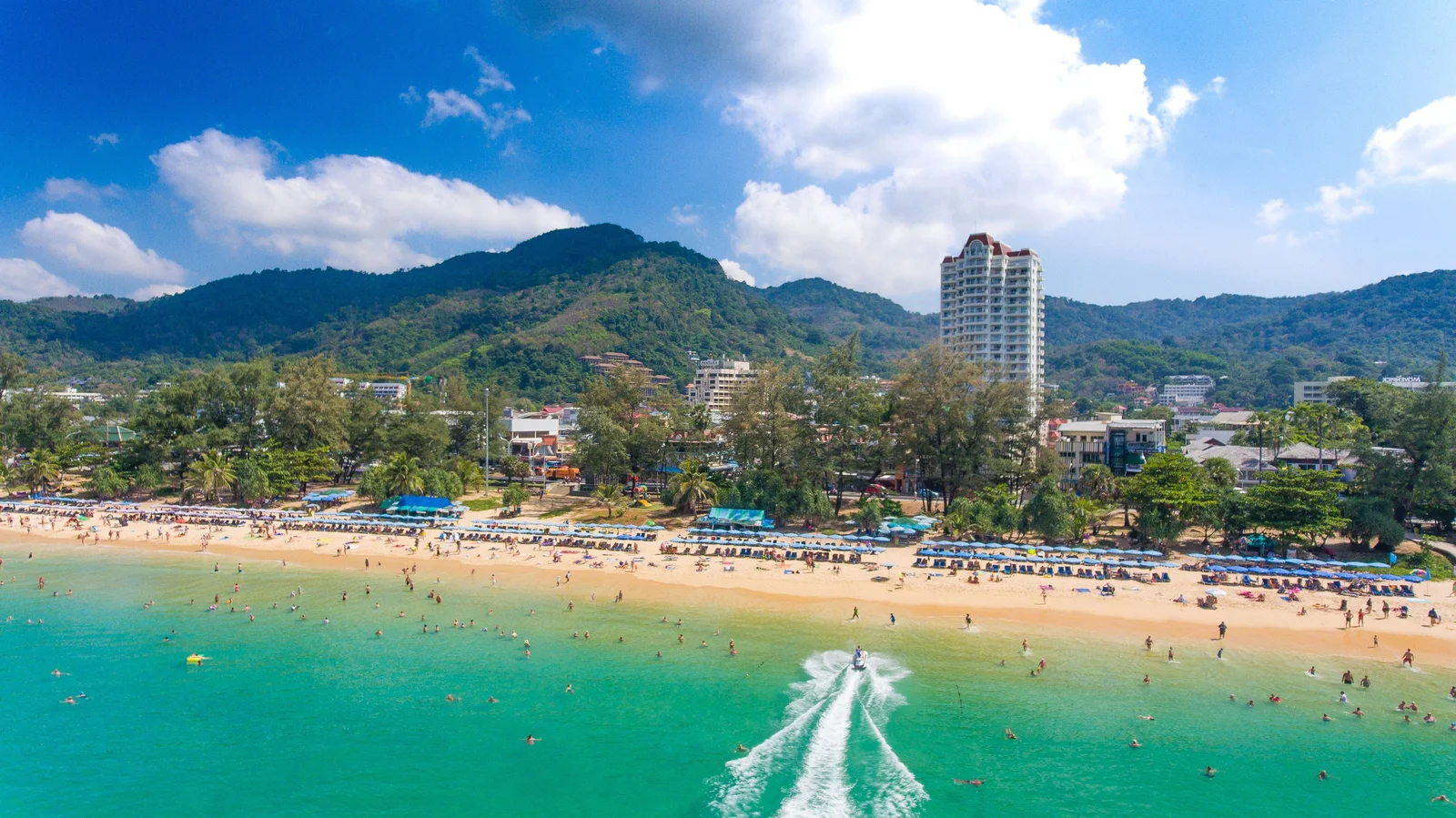
## Two products, one postcode: sand minutes or sunset decks
Karon sells exactly two stories, and a unit committed to the wrong one underperforms for its whole holding period.
The **beach-zone product** is convenience: strollers, flip-flops, minimal driving, repeat family bookings. It wins on sand minutes and it should be marketed on nothing else, the guest who books it never asks about the balcony orientation.
The **Karon Hill product** is the view: sunset decks, quieter nights, and a short drive down to swimmable water. Genuine panoramas earn a nightly premium, and the operative word is genuine, a partial sea glimpse photographed at full zoom collects the booking and then pays for it in the review.
Owners who try to run both stories at once ("beach proximity" marketed from the ridge, or a beach-road unit priced like a view unit) get friction that no seasonal promotion repairs. Pick the lane the property actually occupies, underwrite that lane's rate, and let the other lane go. Blended models that assume beach occupancy at hillside pricing are the most common Karon spreadsheet error we see.
## Karon's rental year, and what to underwrite
The season here has a distinct shape, and it rewards being modelled rather than averaged.
High season fills and rates hold: true across the whole west coast, so it is not where Karon differentiates. The shoulder is where the area does better than its price band implies: the long beach and a mix of European families and returning seasonal visitors keep demand alive either side of the peak, in months when tighter resort corridors have already started discounting. April to November is promo-heavy but not empty: Australian school breaks, Thai weekends and couples hunting quieter sand still fill calendars when pricing flexes.
Low season is genuinely quiet, and it is where the gap between a managed unit and a neglected one is widest: listings without active management simply stop selling nights, and no January performance compensates.
Three consequences. Underwrite the annual number, not the peak, and below the figure you are quoted. Weight walk-time heavily, because it decides shoulder and low-season performance far more than it decides January. And if you plan owner use, take your own weeks in the low season, when the revenue cost is smallest and the beach is at its calmest anyway.
## Ownership and letting rules on this coast
Two national rules bear particularly on Karon stock, and both are checkable before any deposit.
**Foreign quota.** A foreign buyer may hold a condominium unit freehold only within each building's 49% allowance under the Condominium Act B.E. 2522, measured against total floor area rather than by counting units, and consumed at registration rather than at reservation. Karon carries a substantial share of Phuket's older stock, and in older buildings the position moves as units change hands, an allocation returns to the pool whenever a foreign owner sells to a Thai buyer. Ask the juristic office for the remaining allowance in square metres for your unit type, dated and in writing.
**Short-stay letting.** Accommodation for periods shorter than a month is hotel business under the Hotel Act, and the licence attaches to the premises rather than to the owner. Karon's older buildings need this checked with particular care, because much of that stock was built as holiday inventory and let by the night for years before the question was enforced, so a silent set of bylaws here often means nobody ever wrote a rule, not that the practice is permitted. Some Karon buildings are licensed and run programmes; some tolerate nightly letting without a licence; some prohibit it outright. Only the first is safe. Get the licence position and the bylaws in writing, and read the recent general-meeting minutes: the argument always precedes the vote by a year or more.
For villas, foreign freehold land does not exist in Thailand, so a Karon villa is a registered lease or a company structure needing real legal review. On the hillside, add the access road itself to the diligence list: who owns it, who maintains it, and whether that obligation is registered anywhere a court would find it.
## Karon against its neighbours
The southern beaches get compared as a set, and the price differences are small enough that a buyer can genuinely choose.
**Against Kata:** Karon is longer, wider, less concentrated. Kata's strip is walkable end to end; Karon's is not, which is exactly why position within Karon matters more. Kata is livelier after dark, averages a higher price, and the good Karon positions close most of that gap in performance.
**Against Nai Harn:** considerably more infrastructure, considerably less calm. [Nai Harn](/nai-harn-properties/) suits an owner-user; Karon suits an owner who wants the property working while they are away.
**Against Patong:** Karon trades volume for rate. [Patong](/patong-properties/) fills more nights at lower prices with more operational churn; Karon sells fewer nights at better rates to a guest who wanted a beach rather than a strip, and generates fewer noise-refund headaches along the way.
**Against Bang Tao:** the difference is depth rather than quality. [Bang Tao](/bang-tao-properties/) has more management options, a broader buyer pool and a faster exit; Karon costs less and, with a carefully chosen manager, performs closer than the price gap suggests.
## Daily life, and the small frictions that reach reviews
Peak season brings tour buses and parking pressure near the central strip; a beach-zone unit with a dedicated space wins family reviews for that reason alone. Low season slows the crowds but raises the flags, literally: surf conditions make swim-safety flags part of a host's guest notes here. The south's distances are real too: Central Phuket, the major hospitals and the international schools are all a longer drive than northern owners accept, which matters for owner use and rules Karon out for most school-run tenants.
Hillside operations have their own physics. Confirm how a guest actually arrives, ride-hail drivers accept the fare in peak season but unclear last-mile instructions on a dark slope are a refund request forming. And visit in monsoon rain before buying on the Hill: gradient, drainage and road surface tell you in twenty wet minutes what no brochure will.
**Insider tip:** at 21:00, ask a taxi at the beach rank to take you to the exact hillside address you are considering. If the driver hesitates or quotes a premium, your guests will meet the same hesitation, and their version of it gets published.
## Buyer scenarios
**The yield-first buyer under $150,000** buys the beach zone or doesn't buy Karon. A studio or compact one-bedroom with an honest walk-to-sand story earns through the shoulder in a way no discounted inland unit matches, and exits to the same kind of buyer who bought it.
**The view buyer around $200,000-$380,000** belongs on Karon Hill, eyes open: a genuine panorama, a safe wet-season road, and a nightly rate underwritten for a driving guest. This profile often includes owner use, which the Hill rewards, the quiet is the product.
**The hybrid buyer wintering eight weeks** should decide which lane serves the empty weeks before choosing the unit, then check the building's letting position supports it. Foreign-quota clarity and furnishing-package transparency matter most at handover, the mechanics are in the [off-plan guide](/guides/off-plan-property-phuket-guide/) for pre-completion stock and the [buying guide](/guides/buying-property-phuket-guide/) for resale.
## Before you commit: the Karon-specific checks
1. Time the actual walk to the water at 09:00 and again at 18:00 on the busiest day you can find, with a bag on your shoulder.
2. On the Hill, drive the access after heavy rain and run the 21:00 taxi test above.
3. Quota letter from the juristic office: remaining square metres, dated.
4. Letting position in writing: Hotel Act licence status, bylaws, and the last two general-meeting minutes.
5. In older buildings, a professional snag survey before any rate modelling, deferred maintenance is Karon's quietest cost.
6. Map what completes within a fifteen-minute drive, not just within Karon: the units competing for your guests ignore the area's boundary, and the pipeline that matters in three years is already visible from the road.
## FAQ
### Is Karon Beach good for investment?
Yes, with lane discipline: beach-zone units earn 7-9% gross when the walk-to-sand story is real, hillside units earn a view premium when the panorama is genuine. The common failure is marketing one lane from the other's position.
### What is special about Karon Hill?
An elevated ridge towards Kata with sunset seaview condos, typically trading below beach-zone prices per square metre. It suits view-led guests and owner use; access quality after rain and at night is the make-or-break diligence item.
### Can foreigners own freehold condos in Karon?
Yes, within the building's 49% foreign quota under the Condominium Act, measured by floor area. Karon's older buildings are the ones to check carefully: the quota position moves as units change hands, so get the remaining square metres in writing before transferring funds.
### How far is Karon from Phuket airport?
Typically 45-60 minutes by car depending on traffic, with the Chalong circle the common bottleneck heading north. Factor the transfer into guest instructions - it is the longest airport run of the major west-coast beaches.
### Is Karon or Kata better for investment?
Kata is compact, walkable end to end and livelier at night; Karon is longer, quieter and cheaper at entry with a wider internal spread. Buyers wanting the smallest-crowd boutique feel choose Kata; buyers wanting price range and a family guest profile choose Karon.
**Related Guides:**
{/* corpus-related:karon-beach-property-guide */}
- [Kata Beach Property Guide](/kata-properties/), the compact boutique neighbour
- [The Title KUARTZ](/projects/the-title-kuartz-karon/) in Karon and [The Title FIZZ](/projects/the-title-fizz-kata/) in Kata, new The Title launches of October 2026
- [Patong Investment Property Guide](/patong-properties/), volume and nightlife one bay north
- [Nai Harn Property Guide](/nai-harn-properties/), the calm southern alternative
- [Buying Property in Phuket: Step-by-Step](/guides/buying-property-phuket-guide/), from reservation to the Land Office
- [Phuket Rental Yield Guide](/guides/phuket-rental-yield-complete-guide-2026/), gross-to-net maths by area
# Layan Guide: Phuket's Private Pool-Villa Estate
> In Layan you buy what has not been built. Pool villas from $650K to $5M+, and the four things that decide whether the space around you survives.
**Source:** https://moregroup.estate/areas/layan-property-guide/
**Section:** Area Guides
**Author:** Maksim Shchegolev
**Published:** 2026-05-09
**Updated:** 2026-09-01
---
Layan looks finished. Vegetation, space between the roofs, a quiet cove, no towers. It is easy to walk a plot here and conclude that the character of the place is settled, because everything you can see supports that conclusion.
Nothing you can see is the reason. Layan is low-density because of what has not been built, and what has not been built is a fact about the present rather than a promise about the future. The green slope across the road is somebody's land. So the premium you pay here, over Bang Tao, over Cherng Talay, over most of the west coast, is a bet on a restriction, and the entire due-diligence exercise is finding out whether that restriction is real, who it binds, and how long it lasts.
## The four things that actually protect a Layan view
Buyers routinely rely on the wrong one. Only two of the four are durable, and the one everybody trusts most is worth the least.
| What people rely on | What it actually is | How durable |
|---|---|---|
| Vegetation and current emptiness | Evidence that nobody has developed yet, and nothing more | None. It is the default state, not a protection |
| The developer's assurance | A statement about land the developer does not own or control | None once the project sells out and the company moves on |
| Elevation-based building control | Phuket restricts what may be built as land rises, tightening with height and prohibiting construction above the top threshold | Strong where the land is genuinely high, and it is a public rule rather than a favour |
| The comprehensive town-plan zone | The provincial land-use designation governing each plot, which sets density and permitted use | Strong, and checkable in advance at the planning office |
| A registered servitude | A right registered against the neighbouring title restricting what its owner may do, under the Civil and Commercial Code | The only one you control, and the only one that survives every change of ownership |
**Elevation is Layan's quiet ally.** Phuket applies building controls that tighten as land rises above sea level, with construction prohibited above the highest threshold. Where the slope between your villa and the water is genuinely high, that rule is doing more to preserve your outlook than any covenant. Where the intervening land is low and flat, it is doing nothing at all. So the useful question is not "is the hillside protected" in general: it is what elevation each intervening plot actually sits at, measured, and what the regulation in force permits at that elevation.
**The town-plan zone is the document nobody reads.** Every plot on Phuket sits in a designated land-use zone that sets what may be built on it. Two plots that look identical under the same trees can carry different designations and therefore different futures. This is checkable before you offer, by anyone, and it is the single highest-value hour of diligence available on a Layan purchase.
**A servitude is the only protection you own.** Thai law allows a right to be registered against a neighbouring plot's title requiring its owner to refrain from exercising rights of ownership, including building above a stated height. Registered, it binds every subsequent owner of that land, not just the person who agreed to it. It is unusual, it requires the neighbour's agreement and usually money, and on a purchase where the view is a substantial share of the price it is the difference between owning a view and hoping for one. Almost nobody asks. On an ultra-prime plot, it is the question that separates a considered purchase from an expensive assumption.
**Insider tip:** at the Land Office, ask for the title documents of the plots between your villa and the sea, not your own. You want to know who owns them, what title type they hold, and whether anything is registered against them. A neighbouring plot on full Chanote title, held by a company rather than a family, is a plot that can be developed quickly when someone decides to. That is a twenty-minute enquiry, and it prices the view you are about to pay for.
## What Layan costs
| Unit type | Typical size | Indicative price range | Notes |
|-----------|--------------|------------------------|-------|
| 1-bedroom condo | 38-55 sqm | $190,000-$320,000 | Thin inventory; the area is not built around condominium stock |
| 2-bedroom condo | 65-95 sqm | $350,000-$650,000 | Foreign-quota units move when priced honestly rather than aspirationally |
| 3-bedroom pool villa | 250-380 sqm built | $650,000-$1.2M | Typically 400-700 sqm plots; the plot boundary matters more than the build |
| 4-bedroom pool villa | 380-550 sqm built | $1.1M-$2.0M | Family use with selective rental weeks; 800-1,200 sqm plots |
| Luxury seaview villa | 550-900+ sqm built | $2.0M-$5.0M | Hillside panorama, 1,500-3,000 sqm plots; the view is most of the price |
| Ultra-prime estate | 900+ sqm, full frontage | $5M-$15M+ | Thin liquidity and long underwriting cycles in both directions |
On our price lists, [Botanica Lakeside 2](/projects/botanica-lake-side-ii/) offers three and four-bedroom villas on private lake plots from 24.9M THB, and [Botanica Forestique](/projects/botanica-forestique/) brings three and four-bedroom forest villas from 36.4M THB, both a short drive from Layan Beach.
Read the last two rows against the section above. Once a view is most of what you are paying for, the security of that view is most of what you are underwriting, and it is the only component of the price that can be destroyed by a stranger with planning permission.
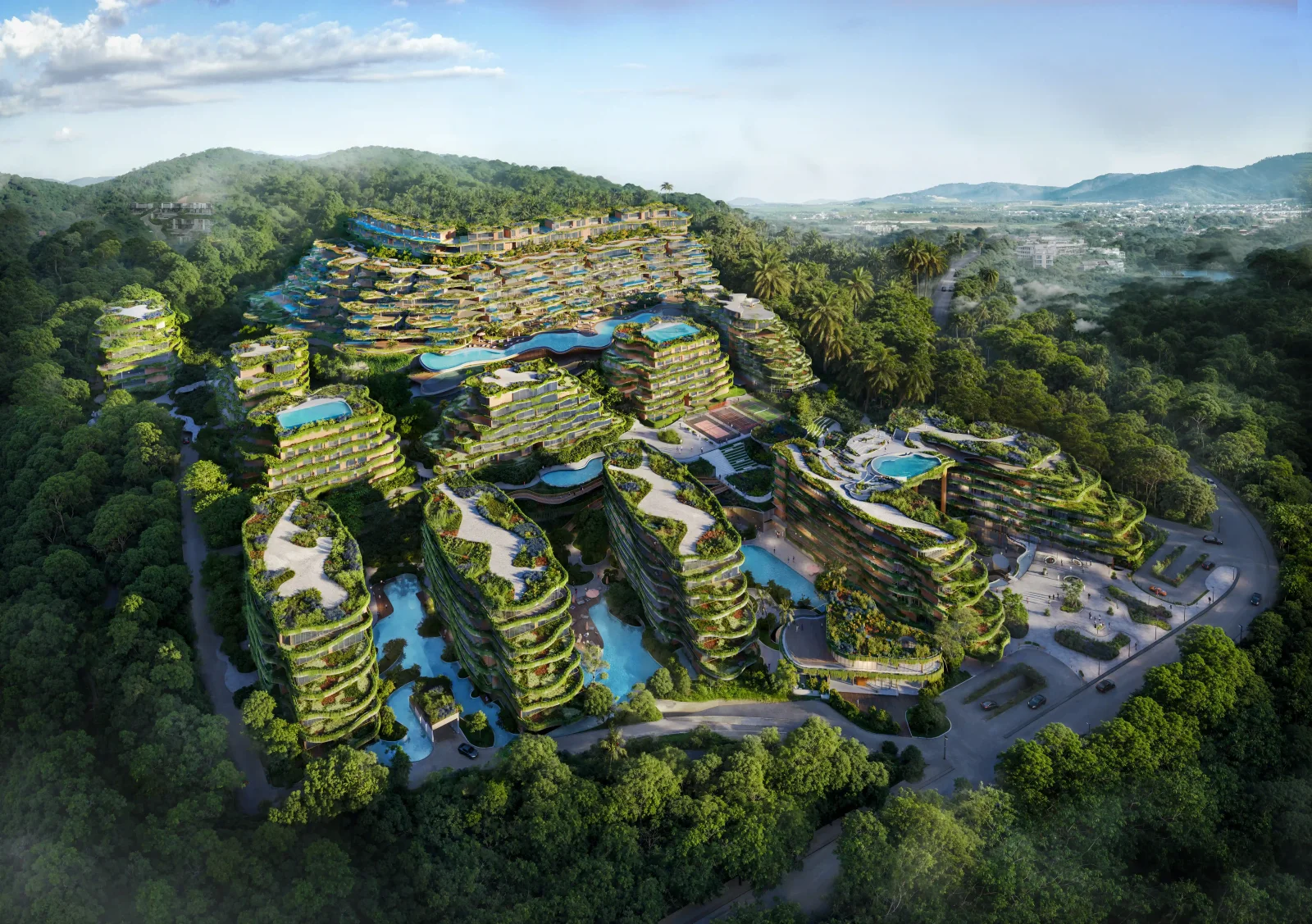
## Ownership, and why the structure question is heavier here
A foreigner cannot hold freehold title to land anywhere in Thailand, which makes almost every Layan purchase a structuring exercise rather than a simple transfer. The routes are a registered lease, limited to a thirty-year term and requiring registration to bind beyond three years, or a Thai company holding the land, which is a genuine corporate obligation rather than a formality and needs independent counsel who is not the developer's.
Condominium units remain the one clean path, held freehold inside each building's 49% foreign allowance measured by floor area, but Layan has comparatively little of that stock, and buying a condominium here to avoid the villa structuring question usually means buying a different area's product in Layan's postcode.
What makes this heavier in Layan than elsewhere is the interaction with everything above. Your protection against future development next door depends on rights that attach to land, and your relationship to land here is indirect. A lessee has weaker standing to enforce than an owner does; a company structure has to actually function to exercise a right years later. Whatever you register against the neighbour's title needs to be enforceable by the entity that will still exist when it matters, which is a question for counsel at the structuring stage rather than a problem to discover in year eight.
## The villa operating reality
The economics here are not a scaled-up condominium, and the gap catches most first-time buyers.
- **Operating cost intensity is materially higher.** Pool service, garden service, security, air conditioning across many units, periodic replacement of soft goods, and a manager who answers at night. Net erodes away from gross far faster than it does in a managed building.
- **Revenue is concentrated into a short window.** Premium villa income arrives disproportionately in the high season and selected event weeks. A weak December is not a slow quarter, it is most of the year.
- **Owner-use is the largest line in the model and never appears in it.** Most owners here block substantial time for themselves. Model the weeks you will genuinely offer, not a twelve-month calendar you have no intention of honouring.
- **Presentation drives rate more than location does.** Cheap photography of a multi-million-dollar villa destroys its rate. Owners who do well here use proper architectural photography and a small number of vetted operators rather than listing everywhere.
If rental income is a real part of your thesis rather than an offset against running costs, read the [Phuket rental yield guide](/guides/phuket-rental-yield-complete-guide-2026/) next, which sets out how net collapses when management is wrong.
## What Layan does well, and what it costs you
**It cannot be densified quickly.** Whatever happens to the corridor south, the constraints on this pocket are structural rather than fashionable. That is the advantage, and it is why the buyer pool is patient.
**It holds an address through a soft market.** When luxury travel compresses, the properties that suffer least are the ones whose appeal was never about footfall. Layan's appeal has never been about footfall.
**It is genuinely quiet.** Lower density, more vegetation, less traffic, and a beach that stays calm when Bang Tao does not. For a family with young children or someone working from the property, that is a daily difference rather than an atmospheric one.
**It costs you walkability, completely.** Nothing here is a short walk from anything. A car is not optional. Buyers discount this during a viewing and feel it every day afterwards, and guests who want to walk to dinner book elsewhere.
**It costs you comparability.** There is no anchor estate setting the benchmark the way Laguna does in Bang Tao, so two villas a few hundred metres apart can differ enormously in plot, aspect, access and build quality with nothing to price them against. Expect to compare three or four projects directly rather than reading one brochure.
**It costs you speed at exit.** Villa sales here are measured in months and often longer, because the buyer who wants this is a specific person who must be found rather than a market standing by. The prime band is more liquid than the ultra-prime band; plan on the slower of the two.
**It costs you developer risk.** You are more likely to be dealing with a smaller company on a single project than an established estate developer on its tenth phase. That raises the weight of the snag list, the warranty, and who is left to honour either.
## Buyer scenarios
| Profile | What fits | The question that decides it |
|---|---|---|
| Long-hold family buyer, $650K-$1.2M | 3-bed pool villa on a defensible plot | What is the town-plan zone of every plot between you and the water? |
| Second-home owner with selective letting, $1.1M-$2.0M | 4-bed villa, professional management | How many weeks will you genuinely release, and does the model use that number? |
| View-led buyer, $2.0M-$5.0M | Hillside seaview villa | Is the outlook protected by elevation, by zoning, or by nothing? |
| Ultra-prime, $5M+ | Full-frontage estate | Have you priced a registered servitude over the land below you? |
| Yield-first buyer | A managed condominium south of here | Do you want a villa, or do you want a return? Layan answers only the first |
Across all of these, the right answer in Layan is rarely the cheapest villa available. It is the one whose plot, structure and surroundings age best across a decade, because a decade is the holding period this area is built for.
Buyers from India will find the remittance staging, FEMA and treaty questions handled separately in the [Phuket property guide for Indian buyers](/guides/phuket-property-for-indians-2026/); the ownership analysis on this page applies unchanged.
## Before you commit in Layan
1. **The intervening plots.** Owner, title type, town-plan zone and measured elevation for every plot between your villa and the view you are buying. Do this before you offer, not during the contract.
2. **Title and structure.** Chanote title confirmed, lease registration or company structure reviewed by counsel who is not the developer's, and clarity on which entity can enforce a neighbouring restriction years from now.
3. **Estate governance.** Monthly fees, sinking-fund balance, recent capital works, and the track record of the juristic person, including road resurfacing and salt-air corrosion, which are real costs here.
4. **Slope and drainage, in monsoon season.** Stormwater behaviour and access-road condition in the rain tell you what dry-season photography cannot.
5. **Access roads.** Much of Layan's stock sits on private or shared roads. Establish who owns them, who maintains them, and whether your right of way is registered.
6. **Build quality and warranty.** An independent snag list at handover for new build; for resale, a professional inspection plus a refurbishment reserve covering air conditioning, soft goods, kitchen wear and repaint cycles.
7. **Letting rules.** Whether short-term letting is permitted in the project, whether the written rules match practice on the ground, and what licence position applies.
8. **The management agreement.** Fee basis, whether it is struck on gross or net of platform commission, owner-use blocking rules, reporting cadence, and termination terms.
## FAQ
### What am I actually paying a premium for in Layan?
Low density - which means you are paying for land that has not been developed rather than for anything on your own plot. That makes the premium a bet on a restriction holding. Establish what protects the space around you before you accept the price: the town-plan zone of the neighbouring plots, their elevation, and whether anything is registered against their titles. Vegetation is not a protection, it is just the current state.
### Can a foreigner buy a villa in Layan freehold?
No. Freehold land ownership is not available to foreigners anywhere in Thailand. Layan villas transact through a registered lease, limited to a thirty-year term and requiring registration to bind beyond three years, or through a Thai company structure that has to be a genuine operating entity rather than a device. The structure decides your effective rights, your exit options and your tax position, so it needs independent counsel rather than a copy of the developer's arrangement.
### Can I stop someone building in front of my villa?
Sometimes, and only in advance. Three mechanisms do real work: Phuket's elevation-based building controls, which tighten as land rises and prohibit construction above the top threshold; the comprehensive town-plan zone governing each plot; and a servitude registered against the neighbouring title, which binds every future owner of that land. The third is the only one you control, it requires the neighbour's agreement, and on a view-led purchase it is worth pricing seriously.
### How is Layan different from Bang Tao?
Bang Tao is a branded, high-density resort corridor anchored by a master development that keeps running the infrastructure after you buy. Layan has no anchor estate, no towers and no single developer, which is why it is quiet and also why it is harder to compare properties within it. Bang Tao generally wins on letting yield for condominiums and on convenience; Layan wins on plot, privacy and long-hold defensibility.
### What rental yield is realistic in Layan?
Lower net than the headline gross suggests, and lower than a managed condominium south of here. Villa operating costs are heavy, revenue concentrates into a short high season, and owner-use removes weeks that models tend to keep in. Ask for audited comparable statements rather than brochure figures, and model only the weeks you will genuinely release for letting.
### What is the biggest risk in a Layan purchase?
Paying a privacy premium that is not legally secured, then watching the neighbouring plot develop. After that: ownership-structure complexity, hillside drainage on some plots, developer risk on small single-project companies, villa operating costs, and slow resale in the ultra-prime band. All of them are diligence problems rather than surprises, and all of them are cheaper to solve before the offer than after.
*Information in this guide reflects general market observations and is not a substitute for independent legal, tax or financial advice. Prices and bands are indicative and should be validated against live pricing and the Thai regulations in force before any commitment.*
**Related Guides:**
{/* corpus-related:layan-property-guide */}
- [Bang Tao & Laguna Property Guide](/bang-tao-properties/), the master-planned corridor immediately north
- [Surin Beach Property Guide](/surin-properties/), scarcity priced a different way
- [Cherng Talay Property Guide](/areas/cherng-talay-property-guide/), the retail and school spine Layan depends on
- [Phuket Rental Yield Guide](/guides/phuket-rental-yield-complete-guide-2026/), where villa net departs from villa gross
- [Phuket Property for Indian Buyers (2026)](/guides/phuket-property-for-indians-2026/), remittance staging and treaty questions
- [India Hub: Buy Property in Phuket](/india/buy-property-phuket/), the corridor pages for Mumbai, Delhi NCR, Bangalore and Hyderabad
## Market signals to watch
- Watch what is being approved rather than what is being marketed. Layan's value rests on low density, and the thing that would erode it appears in planning records long before it appears in a brochure.
- Watch the Bang Tao and Cherng Talay pipeline as well as Layan's own. A large wave of completions two kilometres south competes for the same guests without being in the same area.
- Watch resale times rather than asking prices. Villa asking prices are sticky and say very little; how long well-priced stock actually takes to sell is the real signal, and it is a question for a [Phuket real estate agency](/) that sells on the ground rather than for portals.
- Watch the access roads. Much of the stock here sits on private or shared roads, and their condition and maintenance arrangements move values more than buyers expect.
# Mai Khao & North Phuket Property Guide (2026)
> Mai Khao property: a park boundary and a flight path define the market. Beachfront from $80K, two rental streams, and checks the postcode can't answer.
**Source:** https://moregroup.estate/areas/mai-khao-north-phuket-property-guide/
**Section:** Area Guides
**Author:** Maksim Shchegolev
**Published:** 2026-03-28
**Updated:** 2026-09-01
---
Mai Khao is the only Phuket market defined by two constraints at once, and the same pair explains both its discount and its case. The national park protects the setting forever and starves it of restaurants; the airport delivers guests in twenty minutes and flies over some of them at midnight. Every price along the corridor is some weighting of those four facts, which makes this the one area where the plot decides everything and the postcode almost nothing.
## What the national park does for you, and to you
Much of this coast sits inside Sirinat National Park, and the beach is a recognised sea-turtle nesting ground with its own seasonal rules. For an owner, the boundary works in two directions.
It protects the setting permanently. A beachfront position here cannot have a competitor built in front of it: the risk that quietly erodes value in less regulated corridors simply does not exist. Genuine beachfront supply is structurally capped, and that cap is the strongest part of the long-term case for buying north.
It also caps everything else. Mai Khao does not have, and because of the park is unlikely to develop, the dining and retail density of Bang Tao. Beyond the resorts and the nearest small retail cluster there is little within walking distance, and guests who want a different restaurant every evening notice, in reviews, and in which segments book at all.
Nesting season adds an operational layer rather than a deal-breaker: beach lighting and night access can be restricted, so listings should promise the quiet, not the midnight beach walk. Operators who explain the conservation calendar up front keep the review average; those who let guests discover it do not.
Before any beachfront purchase, have your lawyer place the park boundary and its setback rules on the title documentation itself, not on the sales map. After the ownership structure, it is the most consequential line in the file.
## The airport: an advantage priced in decibels
Terminal proximity is the corridor's practical selling point, the reason its guest mix includes transit and business travellers alongside resort families, and the reason a long-haul arrival can be asleep here forty minutes after the seatbelt sign.
It also means aircraft. Departures follow the roughly north-south runway out over the northern shore, and with no curfew, dawn and midnight movements both happen. Across 17 kilometres the exposure varies enormously:
| | Southern Mai Khao | Northern Mai Khao |
|---|---|---|
| Aircraft | Low overhead on departure | Materially quieter |
| Airport access | Closest | Still short |
| Character | Busier, near the airport road | The quietest stretch of sand |
| Suits | Frequent flyers untroubled by noise | Owners prioritising silence |
Two units at identical prices per square metre can therefore differ completely as places to sleep. Stand at the exact address at 07:00 and again at 22:00 before committing, and a remote buyer should insist on video shot at those hours, because a rendering has no soundtrack. Presale buyers should additionally ask how the developer's disclosures treat future flight-path and expansion scenarios for the specific facing: the corridor's core advantage is proximity, so an acoustic surprise is the one risk that attacks the thesis itself.
## What the north corridor is really selling
North Phuket is the cheapest part of the west coast for a genuine beach position, and the discount has specific causes rather than being a general bargain:
| Driver | Effect on price |
|---|---|
| Distance from the amenity belt | Bang Tao's shops, schools and dining are a real drive away |
| Aircraft exposure | Varies sharply along the beach; the southern end is loudest |
| Amenity density behind the beach | Sparse, and structurally so, because of the park |
| Protected beachfront | Caps new supply, which supports value over time |
| Airport proximity | Genuine convenience for frequent travellers and their guests |
The fourth row is the argument for buying here: a north Phuket position is not merely a cheaper Bang Tao, it is a different asset with a supply ceiling written into law. What that buys, in numbers:
| Unit type | Typical size | Indicative price range | Notes |
|-----------|--------------|------------------------|-------|
| Studio | 28-35 sqm | $80,000-$150,000 | Check the flight path before the price |
| 1-bedroom | 40-55 sqm | $110,000-$240,000 | Resort amenities and pool quality carry the rate |
| 2-bedroom | 70-100 sqm | $200,000-$380,000 | Family demand peaks in holidays; parking matters |
| Premium seaview | 90-140 sqm | $320,000-$500,000+ | View band and resort branding dominate |
## The rental picture, split honestly
The corridor carries two demand streams that behave nothing alike.
**Resort-week and recovery guests.** Families on package-style weeks, and long-haul travellers whose first requirement is immediate sleep. Bookings arrive in predictable blocks aligned to European holidays and flight schedules, and interiors sell the stay: serious mattresses, blackout curtains, silent air-conditioning. First-night sleep quality drives the reviews here more than any amenity photograph. The weakness is midweek and shoulder softness, the corridor lacks the evening variety that fills gaps elsewhere.
**Long-stay and corporate tenants.** The steadier and under-discussed stream: aviation and logistics staff, airport-adjacent workers, families wanting space at north-Phuket prices. Year-round tenancies, near-zero turnover cost, indifferent to restaurant density. Above roughly 35 square metres a unit can serve both streams; below that size it depends on holiday demand alone, in the corridor where that demand is thinnest.
Some Mai Khao inventory sells with a branded rental-pool narrative, and there the document to audit is the fee waterfall, not the brochure. Ask for historical distribution ranges across several years (not one cherry-picked month) and reconcile the management fee, maintenance reserve and occupancy assumptions against what reaches the owner. A pool can genuinely simplify operations; it can also convert a premium purchase into a modest bond. The contract decides which, so read it against the [rental yield guide's](/guides/phuket-rental-yield-complete-guide-2026/) net-of-fees arithmetic before reserving.
## Who Mai Khao fits, and who should skip it
The corridor wins on a specific calendar: flights, resort weeks, horizontal beach time, and a hard cap on how much development will ever surround you.
- **The frequent flyer** who lands monthly and refuses a 90-minute transfer after twelve hours in the air, southern Mai Khao, noise-tolerant, closest to the terminal.
- **The quiet-seeker** buying the west coast's emptiest sand, northern Mai Khao, where the park does the gatekeeping and the aircraft stay distant.
- **The space buyer** priced out of Bang Tao family stock: a 2-bedroom here costs what a 1-bedroom does in the amenity belt, and the corporate long-stay stream gives it a tenant model that never depends on tourists.
Skip Mai Khao if the dream is café-hopping in a walkable old town ([Phuket Town](/areas/phuket-town-property-guide/) does that), daily international-school runs ([Cherng Talay](/areas/cherng-talay-property-guide/) does that), or maximum nightly volume ([Patong](/patong-properties/) does that). The area is the right tool for exactly one job, and the buyers who regret it are the ones who wanted a different job done.
## The weekday rhythm, and the guest it filters for
North Phuket runs on a different clock from the resort corridors. Weekdays outside peak season are genuinely quiet - a gift to owners selling calm, a problem for owners whose guests expected street energy. The listings that thrive here lean into what the corridor actually has: serious pools, kids' facilities where they exist, day-trip curation, and honest copy about what dinner options look like beyond the resort strip. A "first-time Thailand" guest who arrives expecting walkable nightlife writes the review that costs the next ten bookings, and no discount recovers it. The filter works in your favour once the listing does the filtering: guests who chose quiet on purpose renew, return and forgive small things that volume-corridor guests would not.
## New supply, and how to out-list it
The corridor has seen development waves before and will see them again - land behind the park boundary is buildable, and "near the airport" is a claim every launch in the north can print. When global demand softens, that shared headline turns into shared rate pressure. The defence is everything a competing launch cannot copy at handover: interior quality that photographs honestly, a review history built on sleep quality, guest communication that answers the questions the corridor raises (flags, dinner, transfers) before they are asked, and a position - southern convenience or northern silence - owned explicitly rather than averaged. Owners who differentiate on the airport alone discover that everyone else did too. Before a presale reservation, map what is permitted between your building and the sand, and what is permitted between it and the runway; in this corridor those two directions are the whole competitive map.
## Getting around from the north end
Distances from Mai Khao behave differently from the rest of the west coast, and an owner-user should price them before an accountant does. The airport is the shortest hop on the island - genuinely fifteen to twenty minutes from most of the corridor - while everything else is further than the map's kilometre count implies, because a single road carries the traffic south.
| Destination | Realistic drive | What it means for owners |
|---|---|---|
| Phuket International Airport | 15-20 min | The corridor's whole convenience argument |
| Bang Tao amenity belt | 25-35 min | Shopping, dining variety, the school runs |
| Phuket Town | 40-50 min | Government offices, hospitals, city life |
| Patong | 45-60 min | Nightlife, if a guest insists |
Two practical consequences follow. A guest arriving after a long-haul flight gets to bed faster than anywhere else on Phuket, which is a genuine listing advantage worth stating in the first line. And an owner spending several weeks a year here needs a car - the corridor is not walkable in the way a beach strip is, and ride-hail supply thins after dark at the northern end. Test that on your own visit: order a car back from the nearest retail cluster at 21:00 and see what arrives, and how quickly.
## Ownership, and the two checks that are local
The national framework is the same as everywhere on the island, condominium freehold within the 49% floor-area quota of the Condominium Act, no foreign freehold land, villas via registered lease or a structure your own counsel has examined, FET paperwork for a freehold registration. North Phuket's wrinkle is demand composition: entry prices here reach a wide international audience, so buildings can sell heavily foreign early, and the quota question deserves asking on day one rather than at reservation, in square metres, dated, from the juristic office.
The two genuinely local checks:
1. **The park boundary on the title.** Where it runs, what setback applies, what it forbids, including to you. Sales maps flatter; the title documentation answers.
2. **The exact position along 17 kilometres.** Aircraft exposure, distance to the nearest retail cluster and the immediate surroundings vary more along this one beach than across most of the island. Two properties described identically as "Mai Khao beachfront" can be different worlds.
**Insider tip:** before underwriting anything here, ask the manager for occupancy by month, not the annual average. The two halves of the year differ more in this corridor than anywhere else on the west coast, and a blended 65% can hide a low season that pays for nothing.
## FAQ
### Is Mai Khao too close to the airport?
Depends entirely on the address. The southern end sits under the departure track - a plane-spotting attraction, literally - while the northern end is materially quieter. Visit at 07:00 and 22:00, or demand video at those hours before buying remotely.
### What yield should I model in Mai Khao?
5-8% gross for well-run short-stay stock, stress-tested for midweek and shoulder softness; corporate long-stay tenancies earn less per night and more per year. In branded pools, model from the fee waterfall and multi-year distribution history, never from a single strong month.
### Can foreigners own Mai Khao condos freehold?
Yes, within a building's 49% foreign quota by floor area. North Phuket's price points sell strongly to international buyers, so quota can go early - get the remaining square metres in a dated letter from the juristic office before any money moves.
### How long is Mai Khao beach?
Roughly 17 kilometres along the northwest coast - Phuket's longest beach - with swim conditions varying by season and stretches under Sirinat National Park conservation rules, including turtle-nesting protections.
### Is Mai Khao good for families?
Excellent for resort-style holiday weeks and effortless airport logistics; less so for daily international-school commutes, where families usually end up comparing Cherng Talay and Bang Tao instead.
**Related Guides:**
{/* corpus-related:mai-khao-north-phuket-property-guide */}
- [Bang Tao & Laguna Property Guide](/bang-tao-properties/), the amenity belt the north is priced against
- [Cherng Talay Property Guide](/areas/cherng-talay-property-guide/), the school-run alternative
- [Phuket Town Property Guide](/areas/phuket-town-property-guide/), urban walkability instead of sand
- [Buying Property in Phuket: Step-by-Step](/guides/buying-property-phuket-guide/), ownership mechanics end to end
- [Phuket Rental Yield Guide](/guides/phuket-rental-yield-complete-guide-2026/), the net-of-fees arithmetic
- [Patong Investment Property Guide](/patong-properties/), the opposite bet on volume
# Phuket Town Property Guide: Prices & Yield 2026
> Phuket Town property: the island's market with no season, because the tenant commutes to work. Studios from $60K, long-lease economics, heritage risks.
**Source:** https://moregroup.estate/areas/phuket-town-property-guide/
**Section:** Area Guides
**Author:** Olga
**Published:** 2026-03-28
**Updated:** 2026-09-01
---
Every other page on this site eventually has to talk about seasonality: the peak, the shoulder, the green-season hole, the discipline required to price through it. Phuket Town does not need that conversation. Its demand comes from an economy that operates on a Monday in September exactly as it does on a Monday in February: the provincial capital's hospitals, government offices, schools, courts and the businesses attached to them. Occupancy here is not a marketing achievement; it is a function of employment, and it is why the town rewards a completely different kind of owner.
## No season, and what that is worth
The practical consequence of a working-city tenant base is that the annual number is close to twelve times the monthly one. A west-coast unit earning well in January and nothing in September may show the same headline yield as a Phuket Town unit earning steadily all year, but the two are not the same asset: one requires an operator, a pricing strategy and a nerve; the other requires a tenant and a lease.
That said, the risk simply moves rather than disappearing. Vacancy is the hidden line item here, and it is concentrated rather than spread: a unit sits empty between tenancies, not between weekends. Lease-up timing follows school cycles and hiring seasons, so underwrite one month of vacancy per year as a baseline stress test unless a manager can show you documented lease-up times in your specific micro-market. That single assumption moves a Phuket Town model more than any furnishing decision.
Some buyers pair the two economies deliberately: an urban unit on a long lease for stability, a beach condo elsewhere for tourism upside. That is not required, but it illustrates the right frame. Phuket Town should be evaluated as island city housing, not as Phuket tourism, and if the words "digital nomad" appear in a pitch, ask whether the underwriting behind them assumes a resident or a visitor, because the two behave nothing alike.
## What Phuket Town costs
| Unit type | Typical size | Indicative price range | Notes |
|-----------|--------------|------------------------|-------|
| Studio | 22-28 sqm | $60,000-$110,000 | Lowest entry on the island; building age varies enormously within the range |
| 1-bedroom | 32-42 sqm | $85,000-$180,000 | Strong tenant demand near retail and transport |
| 2-bedroom | 55-75 sqm | $140,000-$260,000 | Expat families and long-stay tenants |
| Premium new-build | 70-110 sqm | $220,000-$300,000+ | Facilities, parking and sinking-fund credibility |
The gap between the bottom and top of the studio band is not a bargain-hunting opportunity so much as a warning: a 22-square-metre unit at $60,000 and another at $110,000 usually differ by decades of building age and by whether the juristic person has been collecting properly. Cheapest-on-the-island is a real feature of this market and it deserves the diligence that cheap things always deserve.
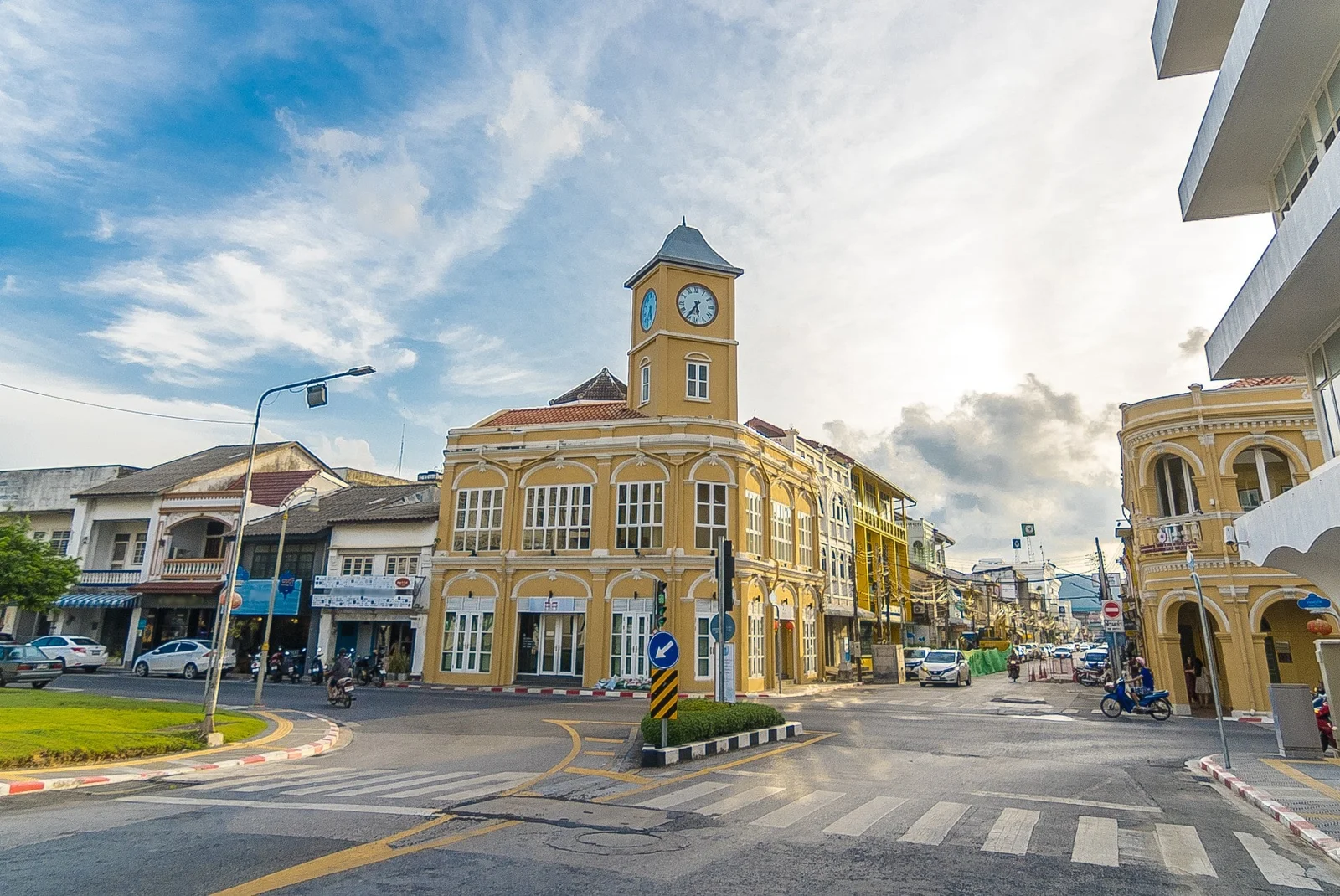
## Three towns inside one name
"Phuket Town" covers areas that behave differently for tenants and at resale, and the label alone settles nothing.
**The Sino-Portuguese Old Town.** Walkable lanes, shophouse architecture, cafés and the weekend market. It carries genuine character premium and genuine maintenance risk: wiring, plumbing, roof ingress and common-area disputes hide behind photogenic facades. Character stock needs a building survey and legal review, not enthusiasm.
**The arterial roads.** Cheaper, better connected, noisier. Motorbike traffic starts early, and a bedroom that cannot stay dark and quiet at sunrise costs you tenant retention rather than a bad review, the resident simply leaves at renewal.
**The tower belt near the malls.** Modern facilities, parking, lifts, predictable maintenance. The least romantic and usually the easiest to let and to sell, because it matches what a working tenant actually shortlists.
Before buying anywhere in the town, walk the block at rush hour and again after dark. Security lighting, motorbike noise and how the street feels at 22:00 are practical details a spreadsheet never contains, and they decide whether the tenant you want will take the lease.
## What the tenant actually inspects
An urban tenant assesses a home, not a holiday. That reorders the entire furnishing budget away from what photographs well and towards what works for the two-hundredth time:
- **A washing machine that works and a kitchen someone can cook in.** Both are assumed by a resident and both are frequently missing in stock furnished for short stays.
- **Internet that survives the working day**, with the building's electrical system able to run air-conditioning plus devices without tripping.
- **A bedroom that stays dark past sunrise**, which on an arterial road is a glazing question rather than a curtain one.
- **Humidity management.** Monsoon-season mould and air-conditioning failures are the two complaints that end tenancies here, and both are prevented by maintenance rather than solved by apology.
The trade is straightforward: long tenants remove nightly churn and introduce landlord work: deposit disputes, maintenance expectations, lease enforcement. Owners who succeed treat this as professional letting with clear contracts, documented inspections and fast repairs. Owners who treat a unit as a furnished closet collect vacancies instead of rent.
## Who lives here, and why that keeps a lease signed
The town's tenant base is unusually legible, which is what makes it underwritable. Vachira Phuket Hospital and Bangkok Hospital Phuket employ hundreds of staff who need to live within a short commute. The provincial government offices, the courts and the land office concentrate white-collar employment in the same few blocks. Thai and international schools serve resident families rather than seasonal ones. Around all of it sits the commercial layer - banks, logistics, the businesses that supply the west-coast resorts from an inland base where rent is a third of the price.
None of those employers close in September. That is the whole thesis, and it is also the thing to verify rather than assume: ask a prospective manager which employers their current tenants work for, and how many of the leases they wrote last year were renewals. A book dominated by one employer is a concentration risk dressed as stability; a spread across hospitals, schools and offices is the real thing.
The second-order effect reaches resale. A unit that lets easily to a working resident sells easily to the next investor who wants that tenant, and the buyer pool for that story includes Thai buyers as well as foreign ones - which is not true of most west-coast stock. Liquidity in this market is quieter and broader than the beach corridors, where a sale often waits for a specific kind of foreign buyer to appear.
## Ownership and letting, in the one place where the quota is not the problem
Condominium freehold for a foreign buyer runs through the same 49% floor-area allowance as everywhere else under the Condominium Act B.E. 2522, but Phuket Town is the corner of the island where it is rarely the binding constraint. Demand in these buildings is largely domestic and residential, so the foreign allocation is generally uncontested compared with the west-coast corridors, where the same rule causes most of the deadline pressure. Confirm the remaining square metres for your unit in writing regardless; "generally uncontested" is a market observation, not a guarantee about your building.
The constraint that does bind here is letting policy. Many town buildings are built and governed for long-term residents, and their bylaws say so; the Hotel Act's 30-day threshold sits on top of that. A short-stay model in the Old Town can be legal and can be lucrative, but it needs the building's written position first, and in a market whose whole advantage is the year-round resident, buying a town unit to run it nightly is often solving the wrong problem.
Heritage shophouses raise a separate file: ownership structure, the condition survey, and what alterations the building's status permits. That is a lawyer-and-surveyor purchase, not a viewing-and-deposit one.
**Insider tip:** ask the juristic office how many units in the building are owner-occupied. A high owner-occupancy share is the single best predictor of common-area condition and of how quickly a real repair gets voted through, and it is a question almost nobody asks in a market where everyone is focused on quota.
## Running costs, and why they read differently here
The town's operating economics are the quiet half of its case. Common-area maintenance charges in a mid-range town building typically run well below what a premium west-coast tower charges for a comparable unit, because the amenity list is shorter - a pool and a lift rather than a beach club, landscaped grounds and a shuttle. On a $100,000 studio that difference compounds into real money over a decade, and it lands entirely in the owner's pocket rather than in a resort experience the annual tenant never uses.
Utilities behave differently too. A resident pays their own electricity, which removes the single most volatile line from a short-stay owner's model - air-conditioning run by guests who are not paying for it. What replaces that volatility is a slower, duller cost: fabric maintenance in a humid inland climate, where mould, corroded fittings and tired air-conditioning arrive on schedule rather than by surprise. Budget for it annually rather than reactively, and inspect between tenancies as a matter of routine rather than when something is reported.
The one line that is genuinely higher here is management, if you use it. Letting to residents is landlord work, and a competent agent charges for tenant screening, contract enforcement, deposit handling and inspections that a nightly manager never performs. That fee is not a leak in the model; it is the model. Owners who try to run an urban tenancy from abroad without it usually discover the cost anyway, in a deposit dispute or an unrepaired leak that ends a lease early.
## Buyer scenarios
| Profile | What fits | What decides it |
|---|---|---|
| Income buyer, $85K-$180K | 1-bedroom near retail and transport | A manager with documented lease-up times; one month vacancy in the model |
| Retiree prioritising healthcare and cost | 2-bedroom in a lift building | Bangkok Hospital Phuket proximity; lift and security non-negotiable in older stock |
| Diversifier already owning a beach unit | Long-lease town unit | Whether you genuinely want landlord work, or just wanted a second yield line |
| Character buyer | Renovated Old Town shophouse | Survey and legal review before offer, not after |
The buyer who should not be here is the one emotionally purchasing a holiday. If the fantasy is a morning swim, the town will disappoint no matter how the numbers read: [Patong](/patong-properties/) or [Kata](/kata-properties/) is the honest answer, and the beach areas are a twenty-five to forty-minute drive away for weekends.
## Red flags in Phuket Town purchases
- A studio priced at the bottom of the band with no juristic accounts offered. The discount is usually the deferred maintenance.
- Heritage stock sold on aesthetics, with no survey and no clarity on what alterations are permitted.
- A short-stay projection on a building whose bylaws favour residents: verify before, not after.
- Arterial-road units viewed only at midday, when the noise profile is at its most flattering.
- Any model without a vacancy assumption. In a market with no season, the gap between tenancies is where the loss lives.
## FAQ
### Is Phuket Town good for Airbnb-style short stays?
Sometimes in the Old Town, rarely elsewhere: many buildings are governed for long-term residents and their bylaws restrict nightly letting, on top of the Hotel Act's 30-day threshold. Verify the building's written position before buying for short-stay - and consider whether nightly letting fits a market whose advantage is the year-round tenant.
### What yield is realistic in Phuket Town?
5-7% gross on annual leases, and the annual figure is close to twelve times the monthly one because there is no season. Stress-test net after management, maintenance and at least one month of vacancy a year unless a manager can document faster lease-up in your micro-market.
### Can foreigners own Phuket Town condos freehold?
Yes, within the building's 49% foreign quota by floor area. This is the part of the island where the quota is least contested, because demand in town buildings is largely domestic and residential - but confirm remaining square metres in writing for your specific unit anyway.
### How far is Phuket Town from the airport and the beaches?
Roughly 35-50 minutes to the airport depending on traffic, and 25-40 minutes to the west-coast beaches. Close enough for weekends, far enough that the town's tenant base is people who work here rather than people visiting.
### Is Phuket Town a good place to retire?
For buyers prioritising healthcare access and running costs, often yes: Bangkok Hospital Phuket is close, CAM charges run below premium west-coast towers, and daily life does not require a car in the way the southern bays do. Insist on a lift and proper security in older stock.
**Related Guides:**
{/* corpus-related:phuket-town-property-guide */}
- [Patong Investment Property Guide](/patong-properties/), the seasonal opposite of this market
- [Cherng Talay Property Guide](/areas/cherng-talay-property-guide/), where the school-run families go instead
- [Bang Tao & Laguna Property Guide](/bang-tao-properties/), resort infrastructure and estate charges
- [Buying Property in Phuket: Step-by-Step](/guides/buying-property-phuket-guide/), ownership mechanics end to end
- [Phuket Rental Yield Guide](/guides/phuket-rental-yield-complete-guide-2026/), long-lease versus nightly arithmetic
# Market Comparisons
# Bang Tao vs Kamala: Which Area Fits You?
> Bang Tao: 4,589 priced apartments, the island's deepest resale pool. Kamala: 699, one finished scheme, a higher one-bedroom median. Prices and buyers compared.
**Source:** https://moregroup.estate/comparisons/bang-tao-vs-kamala-investment-2026/
**Section:** Market Comparisons
**Author:** Maksim Shchegolev
**Published:** 2026-04-02
**Updated:** 2026-08-21
---
- **Bang Tao** suits scale investors: 4,589 priced apartments and 2,914 one-bedrooms, the deepest resale market on the island. No yield is quoted, none is published
- **Kamala** suits boutique investors: quieter, 699 priced apartments with one finished scheme, a one-bedroom median of 7,074,432 THB above Bang Tao's 5,930,000. The yield and rate claims this line used to carry are withdrawn
- Bang Tao entry price: from $120,000-$150,000 for a studio
- Kamala entry price: from $100,000-$130,000, with premium villas above $500,000
- Both areas hold value well; Bang Tao has greater long-term liquidity
**Quick answer:** Bang Tao has the deeper resale market, 4,589 priced apartments against Kamala's 699, and 2,914 one-bedrooms against 385, and institutional developer depth, from 1,800,000 THB at entry rather than the $120,000 this answer used to give. Kamala is the quieter, more owner-occupier product at a higher one-bedroom median, 7,074,432 THB against 5,930,000, with a sharper season and a narrower exit. The occupancy and gross-yield figures this answer used to compare are withdrawn for both: neither is published for privately owned Phuket units. Investors optimising cash-flow predictability usually start in Bang Tao; those accepting seasonality for premium ADR often lean Kamala.
Bang Tao and Kamala sit less than 10 minutes apart on Phuket's west coast, yet they serve very different investors. Bang Tao is the island's most developed resort corridor, branded, high-demand, high-volume. Kamala is smaller, quieter, and increasingly attracts buyers who want a boutique product without Laguna-level price tags. For branded-vs-independent nuance inside Bang Tao, see [Laguna vs Cherng Talay](/comparisons/laguna-vs-cherngtalay-investment-2026/). Anchor yield math with the [Phuket rental yield guide](/guides/phuket-rental-yield-complete-guide-2026/).
## Buyer Scenarios: Who Fits Where?
**Scenario A, First Phuket purchase, single unit, yield-led:** A European buyer with roughly $150,000 wants one unit that lets reliably and can be sold without a long wait. Bang Tao is the default answer. The corridor has more managed inventory, more operators competing for the mandate, and a resale pool that includes both investors and owner-occupiers. The trade is that you are one listing among many: pricing power sits with the market rather than with your unit, and standing out means presentation and reviews rather than scarcity. Underwrite year one below whatever occupancy a manager's statements show for an established comparable unit, because a new listing has no review history and the booking platforms reward history; the band this sentence used to give is withdrawn, none being published.
**Scenario B, Owner-user who lets when away, boutique-led:** A buyer who will spend two or three months a year in the property and wants it earning the rest of the time. Kamala fits this well, whatever the brochures say about yield. Boutique inventory is priced and marketed on its peak nights, and the months an owner most wants to be in Phuket, the cooler end of high season, are exactly the months that cost the most to block out in a high-volume corridor. In Kamala the sharper seasonality works in your favour: the shoulder months you give up earn less anyway. The constraint is the exit, so buy something that a future owner-occupier would want, not something that only makes sense as a rental unit.
**Scenario C, Portfolio scale, multiple units:** A Russian investor acquires two Bang Tao studios for cash-flow volume and one Kamala 1-bedroom for ADR upside. Diversifies micro-location risk within the same west-coast macro thesis. Reviews unit mix via [studio vs 1-bedroom comparison](/comparisons/).
**Scenario D, Family long-stay thesis:** An Australian family targets Bang Tao for BISP proximity and 2-bedroom inventory. Monthly winter lets from European families drive occupancy outside peak nightly-rate wars. Kamala's thinner school infrastructure makes Bang Tao the default for this profile.
## Side by side on the numbers that decide it
| | Bang Tao | Kamala |
|---|---|---|
| Gross yield | Not published | Not published |
| Occupancy pattern | Spread across the year by a resort ecosystem; not measured | Sharper peak, softer shoulder; not measured |
| Studio entry on our list | from 2,425,500 THB ($74,174), 198 priced studios | from 4,900,000 ($149,847), 34 priced studios |
| Villas on our list | 562 priced from 8,990,000 THB, median 38,992,000 | 41 priced in two unbuilt schemes from 33,116,000, about $1,012,722, twice the $500,000 this row used to give |
| Resale pool | Investors and owner-occupiers, deepest on the west coast | Narrower, more owner-occupier weighted |
| Common fees | $100-$200 a month near Laguna, resort-grade facilities included | Often lower, but villa owners carry pool and garden costs directly |
| International schools | BISP and others in the corridor | None nearby |
| Daily infrastructure | Villa Market, Boat Avenue, Blue Tree | Village strip; larger compounds internalise amenities |
Read the yield row carefully. Kamala's 8-10% and Bang Tao's 7-9% are not a straight comparison, because they carry different volatility and different cost structures. A Kamala villa showing a higher gross with pool chemicals, garden and security billed directly to the owner can land below a Bang Tao condo whose common fee already covers the pool it shares. The number that decides between them is net after every operating line, and it is unit-specific rather than area-specific.
## The three questions that actually separate them
**How much does exit speed matter to you?** This is the strongest single differentiator. Bang Tao's resale market is deeper, so the same asset takes less time to sell and the price gap between a quick sale and a patient one is narrower. If there is any chance you need liquidity inside five years, this alone points to Bang Tao regardless of the yield comparison.
**Are you buying a business or a place?** Bang Tao rewards operational discipline: competitive pricing, fast responses, good reviews, an operator who knows the channel mix. Kamala rewards the asset itself: a villa with a view and privacy that a smaller number of guests will pay a lot for. Investors who enjoy running the numbers do better in Bang Tao; investors who want the property to do the work do better in Kamala.
**Do families feature in your tenant mix?** The absence of an international school near Kamala is not a small detail. It removes the long-stay family segment, which is the segment that fills the months when tourists are not there. If your model depends on winter monthly lets to European or Russian families, Bang Tao is the only one of the two that supports it.
## What each area gets wrong for the wrong buyer
Bang Tao's weakness is commoditisation. In a corridor with this much managed inventory, an average unit with average presentation earns average returns, and the marketing that sold you the area does not help your specific listing. Buyers who choose Bang Tao for the name and then under-invest in furnishing and management are the ones who come back disappointed.
Kamala's weakness is thinness in both directions. Fewer guests looking, fewer buyers at resale, fewer operators competing to manage your property. A well-chosen Kamala asset outperforms; a poorly chosen one sits. The margin between the two is narrower than in Bang Tao, and it is decided at purchase rather than in operation.
The honest summary is that these are not competing answers to one question. Bang Tao answers "where do I put capital to work with the least friction". Kamala answers "where do I buy something I would want to own". Deciding which question you are asking settles the choice faster than any yield table.
## Occupancy Drivers and Infrastructure
Bang Tao is fully connected: Villa Market, Boat Avenue dining, BISP, Blue Tree water park. Kamala has a smaller village strip; premium villa compounds often internalise amenities. No international school nearby limits family long-stay demand in Kamala versus Bang Tao.
## Entry costs are closer than the headline prices suggest
The entry figures, from $120,000-$150,000 in Bang Tao and $100,000-$130,000 in Kamala, describe the purchase price and nothing else. Two lines close most of the gap.
**Furnishing.** A Bang Tao studio entering a competitive short-let market needs to present well to earn its occupancy, and that means a real furnishing budget rather than a starter package. A Kamala unit letting to fewer, longer bookings can often be finished more simply. In practice the Bang Tao unit costs more to bring to market than its lower-priced Kamala equivalent saves you.
**Year-one operating float.** Both need a reserve for the months before bookings build, but the shapes differ. Bang Tao ramps up steadily as reviews accumulate. Kamala can be close to zero outside the peak, so the float has to carry longer even though the peak is stronger.
Add transfer costs, sinking fund and the first year of common fees, and buyers routinely find that the true difference between an entry unit in the two areas is a fraction of what the price lists imply. Model the all-in number, not the headline.
## What the next five years of supply does to each
The comparison above is a snapshot. The variable most likely to change the answer over a holding period is how much new stock arrives in each district, and the two are not remotely alike on that.
Bang Tao and the Cherng Talay corridor behind it have been the island's principal construction zone for years, with a large volume of units completing across a narrow window. For an owner that cuts two ways. Deep supply is why the area has the services, the schools, the retail and the guest volume that support its rates, and a market this liquid is the easiest place in Phuket to sell. But every handover season releases several hundred new listings, many of them near-identical to each other, and new stock competes hardest with the units closest to it in size and price. If you own the most-supplied line in a large Bang Tao building, you are re-entering that competition every time another project completes nearby.
Kamala's constraint is the opposite. The bay is small, the buildable land behind it is limited, and new projects arrive in ones rather than in waves. Scarcity supports rate and protects an owner from the handover crush, which is the structural argument for the area. The same scarcity produces a thinner transaction market: fewer comparable sales for a valuer to work from, fewer buyers circulating, and sale periods measured in quarters rather than weeks.
So the supply question reframes the choice. Bang Tao asks you to accept ongoing competition in exchange for liquidity and infrastructure. Kamala asks you to accept a slower exit in exchange for less competition and a better-protected rate. Neither is safer in the abstract; they fail in different circumstances. An owner who may need to sell on short notice is better served by Bang Tao. An owner buying for a decade, who will let the property throughout and cares more about what it earns than how fast it clears, is better served by Kamala.
One practical instruction that applies to both. Before you commit, ask the developer or agent what else is completing within a kilometre and when. They know, and the answer describes your first two seasons more accurately than any yield table on either side of this comparison.
## Which Should You Choose?
Both areas are fundamentally sound. The difference is strategy, not quality. Start with the [Phuket buying guide](/guides/buying-property-phuket-guide/) and underwrite net yield, not brochure gross, before reservation.
## Transaction Costs and Tax Lines Both Buyers Miss
Annual holding costs differ: Bang Tao buildings near Laguna often carry higher common-area fees ($100-$200/month) but include resort-grade pools and security. Kamala boutique projects may show lower fees but push pool chemical and garden costs to villa owners directly.
## Final Decision Framework
Ask operators for low-season occupancy separately from annual averages. A property that does 82% annual with 55% in September behaves differently from one that holds 70% year-round, your mortgage or opportunity-cost model should reflect the weaker quarter, not the blended headline.
Compare against [studio vs one-bedroom](/comparisons/) unit economics once you have narrowed the corridor; unit type moves net yield as much as Bang Tao vs Kamala positioning on many ticket sizes.
If Bang Tao and Kamala both pass your spreadsheet, pick the one where you would happily spend two weeks, personal-use weeks are a real line item in net yield, not a footnote.
## FAQ
### Is Bang Tao or Kamala better for first-time investors?
Bang Tao is typically easier for first-time investors due to established rental management programs and a more liquid resale market: 4,589 priced apartments against Kamala's 699. Whether either area occupies or returns more is unpublished, and Kamala requires more careful project selection because it has fewer schemes to choose between.
### What is the minimum investment in Bang Tao in 2026?
Studio units in Bang Tao start from around $120,000-$150,000 in newer off-plan developments. Established projects with proven rental history typically start from $160,000 for a studio.
### Can foreigners own property in both Bang Tao and Kamala?
Yes. Foreigners can purchase condo units under freehold title (Thai Condo Act) in both areas. Villas are typically held under long-term leasehold or via Thai company structure. Both areas have well-established legal frameworks for foreign buyers.
### Which area has better capital appreciation potential?
Neither has a measurable record: Thailand publishes no transaction index, so appreciation in both areas is anecdote. Bang Tao has the infrastructure investment and the Laguna brand behind its resale market; Kamala has fewer schemes and more variance in project quality, which cuts both ways.
### How do I compare rental management programs in both areas?
Key factors to evaluate: guaranteed vs projected yields, management fee structure (typically 30-40% of gross revenue), lockout periods, and the developer's track record with existing properties. Request audited owner statements, not marketing sheets.
**Related reading:**
- Cross-check steps in the [Phuket buying guide](/guides/buying-property-phuket-guide/) and [rental yield methodology](/guides/phuket-rental-yield-complete-guide-2026/).
- Compare ownership routes in [freehold vs leasehold](/guides/freehold-vs-leasehold-thailand/) before reservation.
- Use the [due diligence checklist](/guides/due-diligence-process-thailand-step-by-step/) with your lawyer.
# Bangkok vs Phuket: Best City for Buyers?
> Bangkok against Phuket for investors: rental yields, price per square metre, capital growth, the legal position, and which market suits which objective.
**Source:** https://moregroup.estate/comparisons/bangkok-vs-phuket-property-investors/
**Section:** Market Comparisons
**Author:** Maksim Shchegolev
**Published:** 2026-03-25
**Updated:** 2026-08-23
---
## Bangkok vs Phuket Property Investment: Which City Wins for Foreign Buyers?
Bangkok and Phuket are Thailand's two dominant property markets for foreign buyers, operating under identical legal frameworks but with very different investment profiles. Bangkok offers a deep urban market with long-term rental demand from expatriates and professionals and capital growth driven by transit expansion. Phuket runs on short-term visitor demand, with a mature operator market and developer-backed rental programmes that Bangkok's residential buildings are not permitted to copy. The right choice depends entirely on which job you need the property to do.
## Two markets doing different jobs
Bangkok and Phuket are both Thai property markets and they have almost nothing else in common. One is a capital city where property houses residents and workers; the other is an island whose property economy is built on people visiting for two weeks at a time.
That difference drives everything below. Bangkok's tenant is a person with a job and a twelve-month lease. Phuket's tenant is a family from Hamburg staying nine nights in February. The first produces steady, modest, low-effort income. The second produces higher, lumpier income that requires an operating business behind it.
It also determines what each market is exposed to. Bangkok's risk is oversupply and domestic economic conditions, since it can build vertically almost without limit. Phuket's risk is tourism, in a market where land near the beaches is genuinely finite. Neither is safer in the abstract; they simply fail in different circumstances, which is part of why some investors hold both.
The comparison below is therefore not about which is better. It is about which job you are trying to get done.
## Price Per Square Metre: Bangkok vs Phuket
The two cities price by different logics, which matters more than any single figure.
Bangkok prices by distance to mass transit. The core Sukhumvit corridor along the BTS line is the most liquid foreign-buyer market in the country, Silom and Sathorn price on corporate tenancy, Phrom Phong and Thonglor on high-end residential demand, and the outer districts price well below all three on local professional demand. A station opening reliably lifts the buildings within walking distance of it.
Phuket prices by distance to the sea and by corridor. The Bang Tao and Laguna estate sits at the top, Kamala and Surin on the beach premium, Rawai and Nai Harn in the residential south, and Patong at the highest throughput and lowest entry. The current figures by area are in the [Phuket property prices guide](/guides/phuket-property-market-prices-2026/).
The comparison that holds across cycles: mid-market Bangkok and mid-market Phuket overlap on entry price, prime Bangkok approaches or exceeds Phuket beachfront, and in both cities the location premium is paid for something specific, a station in one, a beach in the other.
## Rental Yield: The Most Important Difference
### Bangkok: Long-Term Rental Model
Bangkok's rental market is dominated by long-term leases to expatriates, corporate tenants, embassy staff and local professionals: leases of a year, often two or more for corporate tenants, paid monthly, with the tenant living in the unit.
Nightly letting is not an option in a residential Bangkok condominium. Stays of under 30 days are hotel business under the Thai Hotel Act unless the building holds a licence, and residential towers do not, regardless of who owns the unit. The income is therefore the lease and only the lease.
### Phuket: Short-Term Resort Model
Phuket's rental market is built on tourism-driven short stays. Hotel-licensed buildings, online travel platforms and developer-backed programmes drive occupancy, and the season from November to April carries the year.
The gross is higher than a Bangkok lease produces on comparable capital, and so is the cost stack: management takes a share of gross, every changeover is a clean and a set of linen, and vacant nights in the green season still carry the common area charge. Guarantee programmes exist in resort stock, typically fixed for a defined period; verify who is liable and what the building earns once the guarantee ends.
**Verdict:** Phuket's gross is higher and Bangkok's is steadier, and the two are not the same kind of number. One is a long lease with low friction; the other is a business with a season. Compare them net, from operator statements on the Phuket side and from actual tenancy agreements on the Bangkok side.
## Capital Growth: Which Market Appreciates Faster?
### Bangkok Capital Growth Drivers
Bangkok's appreciation is infrastructure-led and highly location-specific:
- Mass transit expansion, where a new BTS or MRT station reliably lifts values within walking distance of it
- Domestic wealth formation, since Thai buyers are the largest part of this market and their purchasing power drives the mid and upper segments
- Central land scarcity in the prime Sukhumvit, Silom and Lumphini corridors
- Corporate and embassy demand anchoring the higher end of the rental market
The constraint is supply. Bangkok can build vertically almost without limit, and large volumes of new condominium stock have completed in recent cycles. That caps appreciation outside the genuinely scarce locations, and it means a unit two stations further out competes with whatever is launched next door.
Bangkok growth is also denominated in baht against a domestic buyer base. For a foreign investor, the return has to survive conversion, and a strong local-currency performance can look ordinary in dollars.
### Phuket Capital Growth Drivers
Phuket's appreciation is driven by a constrained coastline: zoning limits high-density construction near the beaches, so the land that international demand competes for does not expand. Branded residences and the growth in direct flights add to that demand at the top of the market.
The mechanism does not apply evenly. Beach-adjacent and estate stock has moved with scarcity; inland and entry-level stock competes with new supply every season and has not.
**Verdict:** Phuket's premium segments have outperformed Bangkok in recent cycles for a foreign investor measuring in dollars or euros, and rental and growth compound together there because the same scarcity supports both. Bangkok's growth is real, station by station, and denominated in baht.
## Liquidity and exit: the difference nobody prices
Bangkok has the deeper resale market by a wide margin, and it is the argument most often left out of this comparison.
A Sukhumvit condominium sells into a pool that includes Thai buyers, resident expatriates, regional investors and institutional purchasers. Comparable transactions exist in volume, valuation is straightforward, and a well-priced unit moves in weeks to a few months. Thai buyers can also finance locally, which widens the pool considerably.
Phuket sells into an almost entirely foreign pool who must travel here to view. Three to nine months is normal for a well-priced condominium, longer for anything unusual, and the market thins noticeably outside the November-to-April viewing season. Thai buyers largely do not compete for resort condominium stock, so the local financing that supports Bangkok is absent.
That matters in two ways. If there is any chance you need the capital back inside three years, Bangkok is structurally the safer place for it. And in Phuket, presentation and documentation carry more weight at exit: a unit with twelve months of clean operating statements and confirmed quota for the next foreign buyer sells materially faster than an identical one without them.
## Who each market actually suits
**Bangkok suits** an investor who wants steady, seasonality-free income, who values a liquid exit, who may want to live or work in Thailand's capital, and who is comfortable that the return is more modest and more predictable. It also suits anyone whose horizon is uncertain, because the option to leave is worth something.
**Phuket suits** an investor prioritising yield, who will hold five years or more, who wants personal use of the property, and who accepts that the income is seasonal and the exit is slow. The short-stay model also suits owners who genuinely want to be hands-off, because Phuket's operator market is mature in a way Bangkok's short-stay market is not permitted to be.
**Neither suits** an investor comparing the two on gross yield alone. A Bangkok lease and a Phuket season are not the same kind of number: one is a long tenancy with low friction, the other is a business with a heavy cost stack and a calendar.
The pattern among buyers who hold both is usually Bangkok for the stable income and the liquid position, Phuket for the yield and the reason to visit.
## Pros and Cons
| If your priority is… | Lean Bangkok | Lean Phuket |
|---|---|---|
| Year-round tenancy without seasonality | Yes | Secondary |
| Short-stay holiday-rental income | Not permitted in residential towers | Yes, in licensed buildings |
| Transit-led capital-growth bet | Yes | N/A |
| Freehold condominium resale to foreigners | Possible | Deeper pool |
| Developer rental programmes | Rare | Common in resort stock |
| Personal beach use several months a year | Low | High |
## Worked example: five-year hold framing (illustrative)
The same $200,000 committed in each market, held five years, on assumptions chosen to show the shape of the trade rather than to forecast either market.
| Line | Bangkok Sukhumvit 1BR | Phuket resort 1BR |
| --- | ---: | ---: |
| Purchase price | $200,000 | $200,000 |
| Gross yield assumed | 5% | 8% |
| Gross annual income | $10,000 | $16,000 |
| Management and operating costs assumed | -$2,500 | -$6,400 |
| Net annual income | $7,500 | $9,600 |
| Five-year net income | $37,500 | $48,000 |
| Appreciation assumed at 4% / 5% per year | $43,300 | $55,300 |
| Exit costs, 5-9% | -$12,200 | -$16,200 |
| **Indicative five-year gain** | **$68,600** | **$87,100** |
Read the middle rows rather than the total. Phuket's advantage comes from a higher gross that survives a much heavier cost stack: short-stay letting consumes a far larger share of gross than a long-term lease does. That is the trade being made, and it is why the net gap is narrower than the gross gap suggests.
Two things the table cannot hold. Bangkok's income is steady and largely seasonality-free, while Phuket's arrives unevenly and depends on a good high season. And every input is an assumption, not a measurement; swap them and the conclusion swaps with them. Run it with figures from operator statements on a specific building before it decides anything.
- [Bangkok condo guide](/guides/bangkok-condo-investment-guide-2026/)
- [Living Bangkok vs Phuket](/guides/living-bangkok-vs-phuket/)
- [Phuket rental yield guide](/guides/phuket-rental-yield-complete-guide-2026/)
- [Buying property in Phuket](/guides/buying-property-phuket-guide/)
## Ownership and legal position
This is the one area where the two markets are genuinely the same, and it is worth stating plainly because buyers assume otherwise.
The Condominium Act B.E. 2522 (1979) applies identically in both. Foreign buyers may hold a condominium unit freehold in their own name, on Chanote title, provided it falls within 49% of the building's total floor area. That cap is measured in square metres rather than units, and it is consumed at registration rather than at reservation. Land cannot be owned by a foreign individual anywhere in Thailand, Bangkok included.
The FET requirement is also identical: funds must arrive as foreign currency and be converted to baht inside Thailand for the receiving bank to issue the record that registration depends on. The transfer costs are national too, a 2% transfer fee on the government-appraised value, normally split by agreement, plus the seller-side lines set out in the [condo transfer fees guide](/guides/condo-transfer-fees-thailand/).
Where the practical experience differs is quota availability. Bangkok's large towers frequently have quota available because the buyer base is predominantly Thai, so foreign demand rarely fills 49% of the floor area. Popular Phuket resort buildings sell heavily to foreigners and reach the cap far more often, which is why written confirmation before a deposit matters more here than there.
## Buyer scenarios and decision framework
**The buyer who will actually be there:** if you intend to spend real time in Thailand, decide first whether that time is city time or beach time. Nobody enjoys owning a Sukhumvit apartment they visit for the beach, and nobody enjoys commuting to a Bangkok office from Kamala. The property should follow the life, and the rental income is what it does while you are absent.
**The buyer who may need the money back:** Bangkok's resale market is measured in weeks and Phuket's in months. If there is a realistic chance you liquidate inside three years, that difference outweighs the entire yield gap between the two markets.
**The buyer who wants to be hands-off:** Phuket, because its operator market exists for exactly that owner, and Bangkok's short-stay market is not permitted to. A Bangkok lease is low-effort in a different way (one tenant, one contract, one year) and suits an owner who wants nothing to manage at all.
**Insider tip:** the check that changes between the two cities is the quota letter. In Phuket it is routine to ask the juristic person for the remaining foreign allowance in square metres, dated, because resort buildings fill it. In Bangkok buyers skip the question because towers rarely do, and the ones that catch out a foreign buyer are precisely the popular Sukhumvit buildings where they did. Ask in both, in writing, before a deposit.
## FAQ
### Are the legal rules for foreigners buying in Bangkok and Phuket the same?
Yes. Both cities operate under the same Thai law, the Condominium Act. The 49% foreign quota by floor area, the 2% transfer fee on appraised value, the Chanote title process and the tax obligations are identical in Bangkok and Phuket. The difference is in market dynamics, not in the legal framework.
### Why are rental yields higher in Phuket than Bangkok?
Because Phuket's income comes from short stays at nightly rates in a tourism market, while Bangkok's comes from long leases at monthly rents that are low relative to property values. The Phuket gross carries a much heavier cost stack (management, changeovers, seasonal vacancy) so compare the two net rather than gross, and from statements rather than projections.
### Can I do Airbnb in my Bangkok condo?
Not lawfully in a residential building. Stays of under 30 days are hotel business under the Thai Hotel Act unless the building holds a licence, and residential Bangkok condominiums do not, whoever owns the unit. Enforcement varies, but the exposure is real. Phuket resort buildings that hold a hotel licence let nightly under that licence, which is the structural difference.
### Which city has had better capital growth, Bangkok or Phuket?
Phuket's premium and beach-adjacent segments, for a foreign investor measuring in dollars or euros, because land near the beaches is constrained and Bangkok can build almost without limit. Bangkok's growth is real but station-specific and denominated in baht. Compare segment to segment rather than city to city.
### What is the minimum budget to buy in Bangkok vs Phuket?
Bangkok's entry point is lower, in the outer districts along the transit lines; Phuket's freehold entry sits higher, and investment-grade stock with a management programme higher again. The current figures by area are in the Phuket property prices guide; compare them against a Bangkok agent's current list rather than against a number from a comparison page.
### Can I get a guaranteed rental return on a Bangkok condo?
Rarely. Guarantee programmes exist primarily in serviced-apartment and hotel-residence developments, not in residential towers. In Phuket they are common in resort stock; on any of them, establish which company is liable, whether the percentage is of the price or of actual takings, and what the completed buildings earn once the guarantee ends.
**Read Also:**
- [Thailand markets, Bangkok hub](/thailand/bangkok/)
- [Bangkok condo investment guide](/guides/bangkok-condo-investment-guide-2026/)
- [Living in Bangkok vs Phuket](/guides/living-bangkok-vs-phuket/)
- [Buying Property in Phuket: Complete Guide](/guides/buying-property-phuket-guide/)
- [Phuket Rental Yield Guide: What to Expect](/guides/phuket-rental-yield-complete-guide-2026/)
- [Is Phuket a Good Property Investment in 2026?](/guides/is-phuket-good-property-investment/)
- [How Rental Demand Works in Phuket](/guides/which-phuket-areas-strongest-occupancy/)
- [Phuket Property Market Outlook 2026](/guides/phuket-property-market-outlook-2026/)
# Botanica vs Origin: Villas Against Condos
> Botanica villas vs Origin condos in Phuket 2026: price bands, yields, delivery track record, and which developer fits your budget and hold period.
**Source:** https://moregroup.estate/comparisons/botanica-vs-origin-phuket-2026/
**Section:** Market Comparisons
**Author:** Maksim Shchegolev
**Published:** 2026-04-02
**Updated:** 2026-08-23
---
- **Botanica** = villa developer: 19 schemes and 722 priced units on our file, median 30,105,000 THB, from 10,800,000
- **Origin Property** = volume condo developer (SET-listed): 6 schemes and 1,044 priced units, median 4,960,000 THB, from 2,460,000
- Neither has a measured yield. Thailand keeps no letting register, so the bands this block used to compare are withdrawn
- Origin has stronger investor track record; Botanica has stronger lifestyle appeal
- Both operate primarily in Bang Tao / Cherng Talay corridor
**Quick answer:** these are two different asset classes rather than two options at one price point, and our records make the gap explicit. **Botanica** carries 19 schemes and 722 priced units at a **30,105,000 THB median** (about $920,642), from 10,800,000, almost all of it villas, 553 of the 722. **Origin** carries 6 schemes and 1,044 priced units at a **4,960,000 THB median** ($151,682), from 2,460,000, all apartments. The Botanica median ticket is **six times** Origin's.
The yield comparison this answer used to make between them is withdrawn on both sides: Thailand keeps no letting register, so neither developer's stock has a measured rental performance. Origin's SET listing does mean audited accounts behind the build, which is a real difference and not a yield claim. Compare them only after you fix budget, hold period, and whether you will use the property personally.
Botanica and Origin Property are two of the most active developers in Phuket's prime west-coast zone. Both operate in the Bang Tao / [Cherng Talay](/areas/cherng-talay-property-guide/) corridor, but they serve different buyers with different products. See corridor context in [Laguna vs Cherng Talay](/comparisons/laguna-vs-cherngtalay-investment-2026/) and off-plan mechanics in the [off-plan Phuket guide](/guides/off-plan-property-phuket-guide/).
## Price Per Square Metre and Yield
Origin condos run $2,000-$3,500 per square metre depending on floor, view, and project generation. Shared facilities rather than private pools.
| Metric | Botanica | Origin |
|---|---|---|
| Schemes on our file | 19 | 6 |
| Priced units | 722 (553 villas, 169 apartments) | 1,044, all apartments |
| Median price | 30,105,000 THB ($920,642) | 4,960,000 THB ($151,682) |
| Entry | 10,800,000 THB ($330,275) | 2,460,000 THB ($75,229) |
| Median THB per sqm | 100,806 overall; villas 87,350, apartments 202,500 | 134,500 |
| Cheapest scheme entry | Botanica Wisdom, 15,500,000 | The Origin Kathu-Patong, 2,460,000 |
| Gross rental yield | Not published; Thailand keeps no letting register | Not published |
| Occupancy and nightly rate | Not published | Not published |
| Management fee | Contractual, customarily 20-35% of gross | Contractual, same range |
The yield, nightly rate and occupancy rows this table used to carry are withdrawn on both sides. The management fee row survives because it is a contract term.
What the price rows show is a genuine and large difference that needed no yield to make: **Botanica's entry is four and a half times Origin's, and its median ticket six times.** The metre runs the other way, Botanica's villas at 87,350 THB per sqm against Origin's apartments at 134,500, which is the usual land-versus-building arithmetic and the reason a villa buyer gets far more floor area for the money and a condominium buyer gets a far lower ticket.
Absolute income per asset is certainly higher on a villa, since it is a bigger property; what either earns as a percentage is the part nobody measures.
## Track Record and Construction Quality
Both are established names and the useful comparison is not reputation but evidence, which is available to you before committing and which most buyers do not gather.
**Walk something they finished several years ago.** Not the show unit and not last month's handover. A building three years old shows you what the climate does to their specification: the pool plant, the air conditioning, the external finishes, the terrace drainage and the joinery. This single visit tells you more than any brochure comparison.
**Compare announced dates against actual key issuance.** Take the last three completed projects from each, find the handover date originally advertised, and find when owners actually took possession. A pattern of delay is the most predictive signal available and it is public information.
**Ask residents rather than sales staff.** One question at a completed project settles a great deal: was anything still being fixed six months after handover. Long-term residents and security staff answer honestly and have no incentive not to.
**Check the corporate record of the entity signing.** Group structures place projects under subsidiaries and joint ventures, so the reputation you are relying on may belong to a different company from the one on your contract. Paid-up capital, directors, current status.
Run the same four on both, and the comparison stops being about brand preference and becomes about evidence.
Both sit above Phuket average. Botanica leads on villa finishes; Origin leads on standardised condo reliability at volume.
## Ownership: the difference that precedes everything
Because the two developers work in different product categories, the ownership question is settled before any comparison of quality or price, and it is the difference most buyers underweight.
**A condominium unit** can be held freehold by a foreign buyer within each building's 49% allowance, which is measured against total sellable floor area rather than by counting units and is consumed at registration rather than at reservation. That gives indefinite title in your own name, no term to decay, no annual compliance, and the widest resale pool available to a foreign owner, since your buyer can be foreign or Thai.
**A villa** cannot. No foreigner holds freehold land in Thailand at any price, so the routes are a registered lease, capped at thirty years per registration with renewal terms that need reading clause by clause, or a Thai company holding the land with the compliance obligations that carries. Both are lawful and both are used constantly, and both need independent counsel rather than a sales-office explanation, particularly on what happens at the end of the first term and on death.
The practical consequence is that these two purchases behave differently over time even if they perform identically at the start. One holds its character indefinitely; the other has a clock in it that becomes visible somewhere past the halfway point of the term, when your buyer is acquiring materially less than you did.
## Buyer Scenarios: Matching Developer to Strategy
**Scenario C, Dual hold:** An investor owns Origin studio for cash flow and Botanica villa for appreciation plus personal holidays. Common portfolio split, different purposes, same west-coast macro thesis.
**Scenario D, First Phuket purchase under $200K:** Origin is the realistic entry. Botanica is not in budget. Investor compares Origin phase against [studio vs 1-bedroom](/comparisons/) unit economics before reservation.
## Which Should You Choose?
The two are rarely competing for the same buyer, which is why a head-to-head reads oddly until the products are separated.
**Choose the villa developer** if what you want is space, privacy and a plot, and if you accept that a foreign buyer cannot hold freehold land in Thailand, so the ownership route is a registered lease or a company structure with a term and a renewal question attached. This suits a long hold with real personal use, and it suits an owner who will accept a narrower exit in return for a product a condominium cannot replicate.
**Choose the condominium developer** if what you want is indefinite title in your own name within the building's foreign quota, a lower entry ticket, running costs shared through a common area charge rather than carried alone, and the widest resale pool available to a foreign owner. This suits an income focus, a shorter horizon, or a first purchase where simplicity has value.
**The question that settles it** is not which developer is better but which of those two assets you are actually buying. A villa and an apartment at the same price are different propositions with different exits, and buyers who compare them on yield alone are comparing the least informative dimension.
Then, having chosen the product, compare the two developers on delivery evidence: completed projects you can walk, dates achieved against dates announced, and the corporate record of the entity that will sign your contract.
They solve different problems. Run the [due diligence process](/guides/due-diligence-process-thailand-step-by-step/) and model net yield via the [Phuket rental yield guide](/guides/phuket-rental-yield-complete-guide-2026/) before committing.
## Payment Milestones and Construction Risk
Off-plan exposure is a function of the schedule rather than of the developer's reputation, and the schedule is the most negotiable protection available on either side of this comparison.
**How much falls due before the structure is topped out.** This is the money most exposed if a programme slips or stalls, because it has gone into a building that does not yet exist. A schedule taking 30% at contract and spreading the rest across construction leaves materially less at risk than one collecting half in the first six months.
**Whether releases follow inspected progress or calendar dates.** A date-based schedule transfers the delay risk to you: you keep paying while the site stands still. A milestone-based one, with the milestone verified by someone other than the developer, keeps it where it belongs.
**What the delay clause permits.** The stated completion date, the extension the developer may take as of right, and the remedy beyond it. Many contracts allow six to twelve months before anything engages, and buyers commonly discover this at month twenty-five rather than at signing.
**What remains payable at transfer.** A meaningful balance outstanding keeps the developer motivated to finish properly and resolve your defect list. A schedule that has collected almost everything by handover has spent that leverage.
Ask both developers for their standard schedule early, and compare them on these four points rather than on the headline price.
Red flag: any developer (either brand) asking for over 50% cash before visible structural progress deserves heightened scrutiny, listed status reduces but does not eliminate this risk.
## Final Decision Framework
Bring a snagging checklist to villa handover: pool leak test, drainage after simulated rain, AC load at midday, and mobile signal in each bedroom. Condo handover snagging should include elevator wait times at peak guest hours and parking allocation enforcement, both affect reviews within 90 days of launch on OTAs.
Cross-check payment milestones against construction photos monthly during off-plan holds. Listed status on Origin reduces delivery anxiety but does not remove delay risk entirely. Botanica boutique timelines need the same photo discipline even when the product is premium.
If you are comparing developers only to maximise yield per dollar, Origin is the rational default under $400,000. If you are buying a home you will love using, Botanica competes on product emotion as much as spreadsheet logic, price both honestly. Complete lawyer review on quota or lease structure before any reservation fee is paid, especially on villa land titles. Request a MORE Group side-by-side shortlist when both brands remain on your list.
## FAQ
### Is Botanica a reliable developer in Phuket?
Yes. Botanica has a strong 15+ year track record of delivering high-quality villa projects in Bang Tao and Cherng Talay. They are one of the most trusted boutique villa developers on the island with consistent delivery history and premium build quality.
### Is Origin Property safe to buy from in Phuket?
Origin Property is listed on the Stock Exchange of Thailand (SET: ORI), which provides strong buyer protections including audited financials, regulated escrow requirements, and legal obligations around project delivery. This makes them one of the lower-risk developers for off-plan purchases.
### What rental yield can I expect from a Botanica villa?
No figure can be sourced, and the gross yield, net yield and annual income this answer used to give are withdrawn: Thailand keeps no letting register, so no Botanica villa has a measured rental performance. What is on the record is the price, 553 priced villas across the Botanica schemes at an 87,350 THB median metre and a 34,710,000 median ticket, from 15,500,000 at Botanica Wisdom. What is contractual is the deduction: a villa programme customarily takes 20 to 30% of gross, and on a house that size the staff, pool and garden budget usually outweighs it.
### What is the payment structure for Origin off-plan condos?
Origin typically offers phased payment plans for off-plan projects: 20-30% on booking, followed by 2-4 milestone payments during construction, and the remaining balance on handover. Some projects include bank financing options for foreign buyers.
### Can I combine both, buy a Botanica villa and an Origin condo?
Yes, and this is a portfolio approach some investors take, an Origin condo for reliable yield income, and a Botanica villa for lifestyle use plus appreciation. The two assets serve different purposes and complement each other well.
## Comparing a villa developer with a condominium developer
The most useful thing to say about this pairing is that they largely build different products, which means the comparison is really a choice between formats rather than between companies.
Villa stock and condominium stock differ in ownership, running costs, rental model and resale depth, and those differences dwarf anything attributable to a developer's name.
| | Villa | Condominium |
|---|---|---|
| What a foreigner holds | A registered lease over the plot, or land via a Thai company; the building can be owned outright | Freehold within the building's 49% foreign-quota floor area |
| Duration | Lease term runs down; company structures carry compliance obligations | Indefinite |
| Pool and garden | Funded by you alone | Shared through CAM |
| Management fee if let | 25 to 30% of gross, full service | 15 to 20% on a private letting, 20 to 35% inside a pool |
| Capital items | Roof, pool plant and air conditioning are yours to fund and replace | Carried by the building through its reserve, subject to the fund actually being funded |
| Resale pool | Narrower; a marketing exercise measured in months | Deepest at 35-55 sqm; weeks to months |
| Suits | Space, privacy, long holds, personal use | Income, liquidity, shorter holds |
## What actually varies between developers
Three things, and none of them is the brand.
Delivery record, which is verifiable. Ask which completed projects you can walk through and visit one several years old rather than one just handed over, since what ages in a monsoon climate tells you more than any specification sheet.
Contract terms, which vary by project and by how well a particular phase is selling rather than by company. A scheme with strong pre-sales has less need for your money early and less room on terms; one with slower absorption has more.
And the specific building or estate: its letting position, its shared cost base, its quota availability and what is being built within a kilometre. Those decide performance, and they differ more between two projects from the same developer than between the two developers.
## How to run the comparison
Put the two candidate projects side by side rather than the two companies. For each: floor area or plot size in the units that matter, the quota position in writing, the hotel licence and house rules, the annual cost of ownership itemised, the payment schedule's milestone wording, and the nearby pipeline.
If one is a villa and the other a condominium, the table above is your decision. If both are the same format, the building wins over the badge every time.
# Laguna vs Cherng Talay Property 2026 Compared
> Laguna branded ecosystem vs Cherng Talay independent projects: full 2026 comparison of prices, returns, brand premium, and investment strategy for foreign.
**Source:** https://moregroup.estate/comparisons/laguna-vs-cherngtalay-investment-2026/
**Section:** Market Comparisons
**Author:** Maksim Shchegolev
**Published:** 2026-04-02
**Updated:** 2026-08-23
---
**Quick answer:** Inside Laguna you buy into an estate: managed environment, controlled guest experience, brand recognition at resale, and a contractual estate charge you did not negotiate and cannot leave. Outside it, in Cherng Talay, you buy a building: lower entry, one recurring charge, everyday life within reach, and a result that depends on that building's own juristic person. Most buyers letting to holiday guests recover the estate premium; most buyers letting to residents do not need to pay it. Decide who you are letting to and the choice largely makes itself. The wider corridor is in the [Bang Tao and Laguna guide](/bang-tao-properties/) and the [Cherng Talay property guide](/areas/cherng-talay-property-guide/).
## Who maintains the ground under your feet
A condominium unit inside the Laguna estate carries two recurring obligations. The first is the ordinary common-area charge levied by the building's juristic person, set by the co-owners at a general meeting. The second is the estate charge, which funds the shared infrastructure the estate is: private roads, lagoons, landscaping, security, the shuttle. It is set by the master developer or its estate management company rather than by you, it is calculated as a proportion of the unit rather than as a flat fee, it escalates by contract, and it follows the property to whoever buys it from you.
A unit in Cherng Talay carries the building's charge alone. The roads outside are municipal, the security stops at the building's gate, and whether the single charge is a saving depends entirely on the building: a well-run project with a funded reserve delivers most of what matters at a lower recurring cost, while a poorly run one delivers less than the estate at a similar cost once special assessments are counted.
So the comparison worth running is not estate charge against no estate charge, but total annual cost against what each actually maintains. Ask for both figures in writing on any estate property, the current charge, how it is calculated, and what it has done over the last five years, and ask for the juristic accounts and the reserve balance on anything outside.
| | Laguna estate | Cherng Talay |
|---|---|---|
| Recurring bills | Building charge plus estate charge | Building charge only |
| Who sets the estate charge | The master developer or its estate management company | Not applicable |
| How it is calculated | As a proportion of the unit, escalating by contract |, |
| Who maintains the roads and grounds | The estate | The municipality and the building |
| What it buys | A managed environment kept to one standard | Whatever the building's own committee funds |
## What you are actually choosing between
Laguna is a private integrated estate with its own internal roads, security, shuttle, hotels, golf course and beach frontage, and it sells apartments rather than hotel rooms: the units are owned individually and let through several private management companies, each running a block of units in the same complex. Cherng Talay is the sub-district it sits inside: a real place with schools, supermarkets, clinics, a market and everyday traffic.
That distinction produces most of the investment difference. Inside the estate, the environment is managed, the guest experience is controlled and the amenity is bundled. Outside it, the environment is ordinary Phuket, with the advantages and the friction that implies.
For a short-stay investor the estate's case is strong: a guest lands, is transferred in, and can spend a week without leaving the gates. That supports occupancy and it supports rate, and it is why the estate's stock lets more easily than comparable product outside.
For a long-stay or resident tenant the calculation reverses. Someone living here for a year wants a supermarket, a school run that works and a garage nearby, not a golf course and a shuttle. Cherng Talay serves that tenant better and prices accordingly.
The honest framing is that you are choosing a guest, not an area.
## Getting around: the practical difference
The estate is designed to be self-contained and the sub-district is not, which changes daily life for an owner and booking behaviour for a guest.
Inside the estate, an internal shuttle connects the hotels, the beach and the facilities, so a guest without a car has a workable week. Outside it, a car or a scooter is effectively required: the amenity belt is a few minutes away by road and considerably longer on foot in the heat.
That difference shows up in bookings. Listings that can honestly say a guest needs no transport reach a segment that others do not, particularly families and older visitors. It also shows up in long-stay demand, where the calculation reverses: a resident with a car values proximity to a supermarket and a school more than a shuttle to a golf course.
Traffic is the shared constraint. The road through Cherng Talay carries the whole corridor and it slows considerably in high season, which affects airport transfers from both. Time it yourself in February rather than reading a distance.
## Ownership and quota, which differ in practice
The legal framework is identical in both, and the practical experience of it is not.
Foreign freehold in a Thai condominium is capped at 49% of the building measured by total floor area. Inside the estate, foreign demand is heavy and continuous, so that allowance is consumed early in the most sought-after buildings and the large units go first. A buyer arriving late frequently finds the unit available and the freehold not, with a registered lease offered instead.
Outside the estate the pressure is lower and the picture is more mixed. Some Cherng Talay buildings have ample capacity because their buyers are domestic; others, particularly newer projects marketed internationally, behave much like estate stock.
Inside the estate, ask for the quota position in square metres before you fall for a specific unit, because it may decide the shortlist for you. Registering freehold in a foreign name also needs the money trail, the price arriving from abroad as foreign currency and recorded by the receiving Thai bank, which issues that record on wires of roughly $50,000 and above, per the [proof of funds guide](/guides/proof-of-funds-thailand-property/). Outside it, ask anyway, and expect a wider range of answers. The lease alternative is lawful and it is not equivalent to freehold: a registered term of up to 30 years per registration is a diminishing interest, and it should be priced below the freehold equivalent rather than beside it.
## Risk Profile: Which Carries More Operational Risk?
**Inside the estate** the operational risk is concentrated in two contracts you did not draft: the estate charge, whose escalation you cannot vote on, and the management company running your block of units, whose fee structure, struck on gross or on net of platform commission, decides the size of your management bill. Both are readable before purchase, and neither is negotiable after it.
**In both** the letting model has to be lawful: stays under 30 days are hotel business under the Hotel Act, licensed at the premises, so whether nightly letting is the building's business or a tolerance is a purchase-stage question inside the estate and outside it alike.
**In Cherng Talay** the risk is the building. Projects vary enormously in quality; some developers have excellent completed stock you can walk through, others deliver off-plan promises that do not match the finished product. Due diligence on completed phases is essential before committing, follow the [due diligence process for Thailand](/guides/due-diligence-process-thailand-step-by-step/) before transferring any booking deposit.
**Insider tip:** in Laguna, compare net statements from existing owners in the same building rather than programme projections. Establish whether the operator's fee is struck on gross or net of platform commission, and model the estate charge and the building charge as separate lines: a net calculation that carries only one of them is wrong by the size of the other.
## Exit: who buys each of these
Resale is where the two diverge most and where buyers think least.
An estate unit sells to an international buyer who recognises the name, often without visiting, on the strength of the brand and a documented rental record. That is a genuinely useful pool, and it comes with a condition: the buyer is comparing your unit against the newer phases the estate has delivered since you bought, which is a competition you cannot win on age, and the estate charge travels with the unit, so the buyer prices it.
A Cherng Talay unit sells on the building and the numbers rather than on a name. That is a smaller and less automatic pool, and it is also less exposed to being made to look old by the developer's next release. What sells here is evidence: trailing income, a funded reserve, clean minutes.
In both cases the marketing period runs in months. Build a holding period long enough to absorb entry and exit costs, a 2% transfer fee on the government-appraised value at each end, plus specific business tax at 3.3% if you sell within five years of registration or stamp duty at 0.5% after, and withholding, per the [condo transfer fees guide](/guides/condo-transfer-fees-thailand/), and assemble the documentation your buyer will ask for from the first year rather than the last.
## Buyer Scenarios: Who Should Choose Which?
**Letting to holiday guests, hands off.** The estate. The shuttle, the security and the brand reach a guest that outside product does not, and a management company already running the block takes the work. Price the two charges as separate lines first.
**Letting to residents.** Cherng Talay. The tenant wants the supermarket and the school run, not the golf course, and will not pay for an estate they do not use. One charge, and a building you have read the accounts of.
**Lifestyle plus income, villa budget.** A premium independent villa in Cherng Talay can outperform the estate on nightly rate for private-pool inventory, but the operator has to be vetted. An estate villa trades some of that for brand depth at resale and the estate's own environment.
**Portfolio split.** One estate unit for the name and one Cherng Talay unit for the arithmetic is common among holders who stopped treating the corridor as a single bet, and it only works with two separate underwriting models.
## Pros and Cons
| | Laguna | Cherng Talay |
|---|---|---|
| In favour | An integrated estate with security, transport, golf, hotels and beach access, so a guest without a car has everything within the gates; mature management infrastructure; a name recognised at resale by a buyer working from photographs; an environment whose future is largely known | Materially better value per square metre for a comparable specification; the same beaches a short drive away and the amenity belt genuinely closer to most of it; better for long-stay tenants and resident families; a wider range of formats at the same budget |
| Against | You pay twice, in the price and in an escalating estate charge on top of the building's own; supply inside the estate is continuous, so your unit competes with newer phases | No estate services, so security and grounds vary by building; guests generally need a car; building quality is less uniform, which puts the weight on your own due diligence; resale is the building and the numbers, not a name |
## What Are the Full Transaction and Holding Costs?
Read the two positions as lines rather than as one figure.
| Cost line | Laguna estate | Cherng Talay independent |
|---|---|---|
| Building common-area charge | Per square metre, set by the co-owners | Per square metre, set by the co-owners |
| Estate charge | A proportion of the unit, escalating by contract | None |
| Rental management | A share of gross or of net, establish which | A share of gross or of net, establish which |
| Reserve exposure | Estate standards keep the grounds; the building's reserve is still yours to check | Entirely the building's: read the accounts and minutes |
| Transfer | 2% on appraised value, commonly split, plus seller-side lines | The same |
Owners who underwrote net yield from gross marketing sheets without the fee schedules are the ones who revised their projections after the first full operating year. Request net statements, not launch brochures, and get the estate charge's five-year history in writing.
## Seasonality: When Does Each Zone Cash Flow Best?
The estate's calendar is the resort calendar: the dry season from November to April carries the year, with brand-led bookings holding the shoulder better than independent product does. Cherng Talay's calendar is flatter where the tenant is a resident, because a twelve-month tenancy does not have a low season, and resort-shaped where the building lets nightly. Ask each building for last year's occupancy in May, June and September rather than for an annual average, because that is where the two zones separate.
## Which Should You Choose?
The two zones are not mutually exclusive, and experienced investors often hold both: the estate for the name and the managed environment, Cherng Talay for the arithmetic and the resident market. Start with the [Phuket buying guide](/guides/buying-property-phuket-guide/), price the estate charge and the building charge as separate lines, and match budget to the tenant you are actually serving.
## FAQ
### Is buying inside Laguna worth the premium?
For a holiday-let investor who wants a managed environment, a guest who needs no car, and a name a foreign buyer recognises at resale, usually yes, provided the estate charge is priced as its own line. It is set by the master developer as a proportion of the unit, escalates by contract, and follows the unit to your buyer. For an owner letting to residents, the premium buys an estate the tenant does not use.
### What is the estate charge in Laguna and how is it calculated?
A recurring charge, separate from the building's common-area fee, that funds the estate's private roads, lagoons, landscaping, security and shuttle. It is calculated as a proportion of the unit rather than as a flat sum, set by the master developer or its estate management company rather than by the co-owners, and it escalates under the contract you take on with the unit. Ask for the current figure, the calculation and the five-year history in writing before you offer.
### Can foreigners buy property inside Laguna Phuket?
Condominium units, yes, freehold within the 49% foreign quota of the building's total floor area, but inside the estate that allowance is consumed early in the sought-after buildings, and a late buyer is often offered a registered lease on the same unit instead. Ask the juristic person for the position in square metres before you settle on a unit, and price a lease below the freehold rather than beside it.
### Who manages rentals in Laguna?
Private management companies rather than a single hotel operator: the estate sells apartments, and within a complex several managers each run a block of units. That makes the manager's contract, whether the fee is struck on gross or on net of platform commission, what is charged back, which weeks are blacked out, the document to read, and net statements from existing owners in the same building the figures to ask for.
### How far are Cherng Talay independent projects from Bang Tao beach?
A short drive, typically minutes by road and considerably longer on foot in the heat, which is why a guest there generally needs a car and why the estate's shuttle reaches a segment outside product does not. The amenity belt at Boat Avenue and Porto de Phuket is closer to much of Cherng Talay than to parts of the estate. Time the drive yourself in February, when the corridor road slows.
**Related reading:**
- Laguna's estate charge and Cherng Talay's absence of it are the line most models get wrong: see [annual ownership costs](/guides/annual-ownership-costs-thailand/).
- Both corridors sell well to foreign buyers, so confirm quota early using the [due diligence checklist](/guides/due-diligence-process-thailand-step-by-step/).
- If the choice is really about the letting programme rather than the address, start with the [rental yield methodology](/guides/phuket-rental-yield-complete-guide-2026/).
# Pattaya vs Phuket Rental Income Compared
> Pattaya vs Phuket rental demand 2026: tourist spend, yields, occupancy, buyer scenarios, and red flags, which Thai resort city fits income investors.
**Source:** https://moregroup.estate/comparisons/pattaya-vs-phuket-rental-demand/
**Section:** Market Comparisons
**Author:** Olga
**Published:** 2026-03-25
**Updated:** 2026-08-23
---
- The two markets are separated by who is staying in the unit: Phuket's guest flew in from abroad for a week or more, Pattaya's often drove down from Bangkok for a weekend
- That difference sets stay length, rate, seasonality and cleaning cost, and it comes back to the airport: Phuket has direct long-haul flights, Pattaya does not
- Pattaya's headline yields look higher because the entry price is lower; the net converges once changeover costs and vacancy are counted
- Phuket has the deeper operator market for a remote owner and the wider foreign buyer pool at exit
- Pattaya works for an owner already in Thailand with a manager they trust; Phuket is the default for a buyer who will not be present
**Quick answer:** Pattaya and Phuket are Thailand's two largest resort property markets for foreigners, and they serve different guests. Phuket's demand arrives by air from many countries and stays a week or more; Pattaya's arrives largely overland from Bangkok, with a substantial domestic share, and stays for days. For an owner who will not be on the ground, Phuket's operator depth and international resale pool make it the practical default. Pattaya can work at a lower entry price for an owner who already has trusted management there. See the [Phuket rental yield guide](/guides/phuket-rental-yield-complete-guide-2026/) and [how rental demand works](/guides/how-rental-demand-works-phuket/).
Volume alone does not equal rental income. Spend per night and length of stay drive the spreadsheet: Pattaya wins on arrivals count, Phuket on revenue per booking for comparable quality.
## What the tenant is, in each market
The clearest way to separate the two markets is to describe who is actually staying in the unit, because everything else follows from that.
In Phuket the guest is predominantly an international leisure visitor who has flown a long way, booked ahead, and is staying a week or more. That produces higher achieved rates, longer average stays and therefore fewer changeovers per occupied night, and it concentrates the income between November and April. It also means the demand is exposed to airlift and to the weather rather than to the domestic economy.
In Pattaya a large share of visitors arrive overland from Bangkok, and a substantial proportion are domestic. That produces a flatter calendar with real weekend demand year-round, shorter average stays, and lower achieved rates. The unit works harder for less per night, which is why the headline gross yield can look better while the net converges.
The consequence for an owner is operational rather than theoretical. Short stays mean more changeovers, and cleaning and linen cost is close to fixed per stay regardless of the booking value, so it consumes a larger share of gross in the market with the shorter stays. Model that explicitly rather than applying a single management percentage to both.
## Why Do Direct Flights Matter for Rental Demand?
Because they decide who the tenant is. Phuket's public international airport takes direct flights from Europe, the Middle East, Australia and across Asia, so a first-time holidaymaker from Manchester or Melbourne lands on the island without a connection.
**Pattaya** has no long-haul hub of its own. U-Tapao handles charters and regional flights; most international guests connect through Bangkok's Suvarnabhumi and finish with about two hours by road. That extra leg shortens trips and shifts the mix toward visitors who were in Bangkok anyway.
| Airlift lens | Phuket | Pattaya |
|---|---|---|
| Long-haul direct | Yes, seasonal and year-round mix | Effectively no |
| First-time Europe or Australia holiday | Default Phuket | Extra Bangkok leg |
| Domestic weekend traffic | Present | Strong |
## How Do Pattaya and Phuket Compare on Paper?
### Phuket's tourist base
Phuket skews international and stays longer:
- Western European, Australian, Middle Eastern and North American visitors, with growing Indian and Chinese segments in selected corridors
- Bookings made ahead for a week or two rather than for a weekend
- A high season from November to April that carries the year
### Pattaya's tourist base
Pattaya skews domestic and short-haul:
- Weekend and holiday traffic from Bangkok, year-round
- Regional and repeat international visitors, with a narrower spread of source markets
- A flatter calendar, with less of the income concentrated into one season
| Revenue driver | Phuket | Pattaya |
|---|---|---|
| Achieved rate | Higher for comparable quality | Lower ceiling on mass-market stock |
| Stay length | Longer average | Shorter average |
| Domestic share | Lower | Higher |
| Repeat long-stay tenants | Growing in Rawai and Chalong | Smaller premium pool |
## What does the Phuket side of the comparison actually cost?
The Pattaya entry price is the argument for Pattaya, so it is worth being precise about what it is being compared against. On MORE Group's own project records, Phuket holds 14,322 priced units across 297 developments, and the apartment market there divides like this:
| Budget band, THB | Apartments priced | Rate, THB per sqm |
|---|---|---|
| below 5 million | 3,221 | 121,500 |
| 5 to 10 million | 6,026 | 153,669 |
| 10 to 20 million | 2,038 | 175,000 |
| above 20 million | 769 | 219,547 and higher |
Two things in that table bear on the comparison. The first is that Phuket has a genuine budget tier of its own: 3,221 priced apartments under 5,000,000 THB, so "Pattaya is cheaper" is a claim that has to be made against a specific Phuket unit rather than against the island's average. The second is where the rate sits by area, because that is where the price difference actually lives: the same records put an apartment metre at 234,004 THB in Patong, 158,000 in Choeng Thale and 140,208 in Rawai, against 107,774 in Kathu, 98,550 in Chalong and 92,515 in Si Sunthon. Phuket's inland sub-districts are not priced like its beaches.
## How Do Yield Mathematics Differ in Practice?
Start from the fact that a Pattaya unit is cheaper to buy than a comparable Phuket unit. Any gross rent divided by a smaller price produces a larger percentage, which is where Pattaya's headline yield comes from. It is arithmetic on the denominator, not evidence of stronger demand.
Then look at what comes off. Cleaning and linen cost roughly the same per stay whether the guest paid a lot or a little, and Pattaya's shorter stays mean more of them. Common area charges, sinking fund and vacant-night utilities are close to fixed per unit rather than proportional to price. Oversupplied mid-rise stock in Jomtien and Pratumnak sits empty for long stretches outside weekends, which the annual average hides.
In Phuket the gross is lower as a percentage of a higher price, and the cost stack is heavier per night let, since short-stay management takes a share of gross and the season is concentrated. But the stays are longer, so changeovers are fewer per occupied night, and a structured programme produces statements you can read before you buy.
The verdict: compare the two on net baht reaching your account at a stated occupancy month by month, from operator statements on comparable units. Pattaya's percentage advantage often survives that comparison on cheap stock; the absolute income advantage usually does not.
## How Does Management Reality Differ?
This is the difference that decides most non-resident purchases, and it gets less attention than yield.
**Phuket has operator depth.** Established international and local managers compete here for units to run, so an owner abroad can appoint one, be sent statements, and have the property operated without ever standing in it. Competition between them is also what keeps the commission and the terms open to negotiation rather than presented as fixed.
**Pattaya's management market is thinner and more local.** Good operators exist, and the market rewards an owner who already knows one. For a buyer with no contacts and no intention of visiting, the practical risk is not the property but who runs it.
**What this means for the comparison.** A yield figure assumes competent management. Where that assumption is safe, compare yields. Where it is not, the higher figure is theoretical.
For non-resident investors, Phuket's operator depth is the practical default. Pattaya suits buyers already in Thailand, or with a manager they already trust.
## How Does Capital Growth Compare?
Both markets have grown, and they have grown differently enough that the averages mislead.
**Phuket's growth has concentrated in the premium and beach-adjacent segments,** where land is genuinely scarce and international demand competes for it. That scarcity is the mechanism, and it does not apply evenly: inland and entry-level stock has not moved the same way.
**Pattaya's supply is more elastic.** Land behind the city is available and developers build on it, which caps appreciation in a way a constrained coastline does not.
**Which is why the comparison should be made segment to segment,** not city to city. A beachfront Phuket condominium and an inland Pattaya tower are not the same asset class, and the average of each city tells you about the mix rather than about your unit.
**Verdict:** Phuket has outperformed Pattaya on appreciation in the premium segments, and for an island investor rental and growth tend to compound together: the same scarcity that supports the rate supports the resale.
## Buyer Scenarios: Who Should Invest Where?
**The remote owner who will not visit.** Phuket, because the decision is really about who runs the unit, and Phuket is where the operators are. The yield percentage on a cheaper Pattaya unit is not worth much to an owner who cannot see whether it is being achieved.
**The owner already living in Thailand.** Pattaya becomes viable, because the thing that makes it risky for a remote owner, thin management, is the thing you can supply yourself or through someone you already trust. The lower entry price then does real work.
**The buyer who wants premium nightly rates.** Phuket's west coast, where a well-run one-bedroom achieves rates that Pattaya's mass-market positioning does not support for comparable quality.
**The buyer diversifying across both.** Only with two separate underwriting models. Blending a domestic-weekend market and an international-season market into one average produces a number that describes neither.
## Pros and Cons
| | Phuket | Pattaya |
| --- | --- | --- |
| Advantages | Deeper international guest base with no single dominant source market; higher achieved nightly rates; a resale pool replenished by arrivals from many countries; an established professional management market | Lower entry prices; proximity to Bangkok supports year-round weekend and domestic demand; higher headline gross yields at the bottom of the market |
| Disadvantages | Higher entry prices; sharper seasonality on the west coast; management intensity on short-stay | Narrower foreign buyer segments; a large share of visitors are domestic, which caps rates; resales above the entry band sit for long periods |
| Best for | Investors who need an international resale audience and can absorb a seasonal income curve | Investors optimising entry price and yield percentage who accept a thinner and slower exit |
The comparison usually turns on the exit rather than on the income. Both markets can produce a working yield with competent management; they do not both produce a buyer when you want one.
## Risks and red flags in both markets
Three things are worth settling before either market's yield figure means anything.
Letting permission comes first, and the law is national, so it reads the same in both cities. The Hotel Act B.E. 2547 (2004) makes any stay shorter than 30 days hotel business, licensable as such; separately, the co-owner regulations a building adopts under the Condominium Act B.E. 2522 (1979) can rule short lets out even where a licence exists. Two documents, two answers, both in writing before a deposit.
The second is the deductions, and the point is not that they exist but that they are not proportional to the price. The manager's commission and the platform's cut scale with the booking. Almost nothing else does. A changeover clean costs what it costs; the building charges maintenance on your floor area whether the unit is occupied or dark; the reserve call, the vacant-night electricity and the money to replace what guests wear out are all indifferent to what the room sold for. Which is why a percentage that looks better on a cheaper unit can arrive as less money, and why the comparison has to be made in baht.
The third is the exit, where the two cities differ most. Get the completed sale prices for comparable units in the specific building, with the number of days each spent on the market beside them, because an asking price is a hope and a sale is a fact. Then plan a holding period that survives the slower of the two answers.
The red flag common to both cities is a yield quoted with no occupancy behind it. Insist on the occupancy and the achieved rate broken out month by month, then read the quiet months first. An annual average is precisely the shape that conceals the difference between a market with one long season and a market with fifty-two weekends.
| Micro-market example | Typical guest | Income character |
|---|---|---|
| Pattaya Jomtien tower studio | Budget international and domestic weekend | High variance occupancy |
| Pattaya Pratumnak one-bedroom | Regional repeat visitors and some expatriates | Moderate rate uplift |
| Phuket Bang Tao managed unit | European family or couple on a week's booking | Programme income with statements |
| Phuket Rawai long-stay | Remote workers and winter Europeans | Monthly rental mix |
## What Should Remote Investors Document Before Transfer?
A buyer who will not be present needs the paper to do the work the visit would have done.
**The unit, specifically.** Unit number, floor, aspect, and floor area with the balcony shown separately. Photographs and video taken by someone acting for you rather than by the seller.
**The building's finances.** The juristic person's accounts across three years, the reserve fund balance against the building's age, and the current CAM rate per square metre.
**The letting position,** as two separate answers: does the building hold a hotel licence, and what do its registered regulations allow on their own account.
**The foreign quota,** as a dated letter naming your unit.
**The money trail.** Each inbound transfer documented at the time it is made, in your name, with the purpose stated. This is the item that cannot be reconstructed later.
**Someone independent on the ground.** Your own lawyer, and ideally your own inspector at handover. A remote purchase without either is a purchase made on the seller's description.
Tie the area choice to [best areas to buy in Phuket](/guides/best-areas-phuket-buy-property/) once the city comparison resolves: the micro-market matters more than the city label.
## How Does Guest Review Quality Feed Back Into Income?
Directly, and faster in the market with the shorter stays. A unit that turns over twice a week collects reviews twice a week, so a tired mattress, a slow lift or an unkept pool deck shows up in the score within a month and in the booking rate the month after. In a building where the common areas are under-maintained, an owner cannot fix what the reviews are describing, because it is not theirs to fix.
That is why a cheap purchase in a poorly run block becomes an expensive one to operate by the third year: the rate has to drop to keep the calendar full, and the changeover costs do not drop with it. Before buying in either city, read the last fifty reviews of units in the same building rather than the unit's own listing, and read them for the words that describe the building.
## When Might Pattaya Still Beat Phuket on Your Spreadsheet?
When the spreadsheet belongs to someone who is there. An owner living in Thailand, or with a manager they have already worked with, removes the risk that makes Pattaya hard for a remote buyer, and can then take advantage of the lower entry price and the year-round weekend demand that Phuket's seasonal calendar does not offer.
It can also work for a buyer who genuinely wants a flat calendar rather than a big season: Pattaya's domestic weekend traffic keeps a unit busy in months when a west-coast Phuket unit is quiet. What it does not do is beat Phuket on absolute income per unit at comparable quality, or on the speed and breadth of the exit, and a buyer choosing Pattaya should be choosing it for the first two reasons rather than expecting the last two.
## How Do Transfer Costs and Taxes Affect Net Income?
They are the same in both cities, because they are national rather than local, and they matter because they are usually quoted out of the return.
**At purchase:** a transfer fee of 2% of the government-appraised value, normally split by agreement between the parties; then either stamp duty at 0.5% or specific business tax at 3.3%, the latter where the seller has held for under five years; and withholding tax on the seller's side, which shapes what price a seller will actually accept. Our [condo transfer fees guide](/guides/condo-transfer-fees-thailand/) runs the whole stack at three price points.
**Annually:** Land and Buildings Tax, at the residential or the commercial rate depending on how the property is classified, plus common area maintenance, any sinking fund call, and insurance.
**On income:** Thai personal income tax on rental income for tax residents, or withholding arrangements otherwise.
**At sale:** the same transfer costs again, on the other side of the table.
Compare net deposits to your own bank account, not gross rate screenshots from a sales gallery. The gap between the two in either city is routinely a third or more of gross, and it is the only number that pays for anything.
## Airport Arrivals and Visitor Composition: 2025-2026 Data Comparison
City visitor totals are counted differently by different offices in Thailand and this page does not rest on any single one of them. The airport side is firmer, and Airports of Thailand is the source to go to for it: Phuket International has been running well beyond the throughput its terminals were designed for, and AoT has an expansion programme in hand to raise that capacity substantially by the end of the decade. U-Tapao, the field serving Pattaya, is a regional and charter airport; most of Pattaya's visitors arrive by road from Bangkok rather than by air at all.
Composition follows from access, and that is the part that matters to an owner. A visitor who has flown in from another continent has committed to a week or more and prices the accommodation accordingly. A visitor who drove two hours on a Friday prices it as a weekend. The first supports premium and villa-grade short-stay stock; the second supports volume at a lower rate. That difference is the whole of the pricing-power gap between the two cities, and it does not depend on which year's arrival totals you read.
## 2026 Investment Pipeline: What New Supply Means for Each Market
Pattaya can build. Land behind the city is available, and the pipeline of new condominium stock is large relative to what already stands, which is what puts yield compression risk on a commodity building with no branded programme and no management track record.
Phuket's supply pressure is corridor-specific. The same risk exists in secondary zones, on the east coast and in central Phuket, but the west-coast corridors sit on a constrained coastline where new supply is absorbed against a visitor base that arrives by air from many countries. Ask what is completing within a kilometre of the specific building in either city rather than reading a market-wide forecast.
## Resale Market Depth: Which City Has a Larger Exit Pool?
Pattaya's resale pool is narrower. Its foreign buyers come from a smaller set of countries, and Western European and Australian buyers are materially less active there than in Phuket. Resales above the entry band commonly sit on the market for long periods.
Phuket sells into a foreign pool replenished by arrivals from many countries, with more comparable transactions for a valuer to work from and a well-priced west-coast unit moving in months rather than quarters.
The implication: model a Pattaya exit assuming a longer hold or a deeper discount than the Phuket comparable. If you anticipate needing to sell within three or four years of purchase, that liquidity difference should be priced into the entry decision.
## FAQ
### Which has higher rental yields, Pattaya or Phuket?
Pattaya shows the higher percentage because the entry price is lower, and a gross rent divided by a smaller price is a bigger number. Phuket produces more absolute income per unit at comparable quality, and its structured programmes give a remote owner statements to read before buying. Compare net baht reaching your account at a stated monthly occupancy, from operator statements, rather than either city's headline percentage.
### Do Pattaya properties have guaranteed rental return programs?
Rarely, compared with Phuket. Pattaya is dominated by self-managed listings and local agents. Phuket has many developer and hotel-brand programmes; on any of them, establish which company is liable, whether the percentage is of the purchase price or of actual takings, and what the completed buildings earn once the guarantee ends.
### Which is cheaper to buy, Pattaya or Phuket?
Pattaya, at every tier: entry-level condominiums there cost materially less than Phuket freehold stock, and investment-grade Phuket units start higher again. A lower price does not imply equivalent income stability, and it is the reason Pattaya's yield percentage looks better on paper.
### Who visits Pattaya vs Phuket?
Pattaya draws domestic weekend visitors from Bangkok plus regional and repeat international travellers, staying for days. Phuket draws international leisure visitors from Western Europe, Australia, the Middle East and Asia, arriving by direct flight and staying a week or more. The longer stay and higher achieved rate in Phuket are what drive revenue per booking.
### Are there direct international flights to Pattaya?
No long-haul hub serves Pattaya. U-Tapao handles charters and regional flights, so most international guests route through Bangkok and finish with roughly two hours by road. Phuket International takes direct flights from Europe, Australia, the Middle East and across Asia, has been operating above its designed terminal throughput, and is the subject of an Airports of Thailand expansion programme. For an owner, that extra road leg is not a travel detail: it shortens trips and shifts the guest mix toward people who were already in Bangkok.
### Is Pattaya or Phuket better for capital growth?
Phuket's premium and beach-adjacent segments, where land is scarce and international demand competes for it. Pattaya's supply is more elastic because land behind the city is available, which caps appreciation. Compare segment to segment rather than city to city: a beachfront Phuket condominium and an inland Pattaya tower are not the same asset.
**Read Also:**
- [What a foreign buyer actually does, from reservation to transfer](/guides/buying-property-phuket-guide/)
- [The documents to read before the deposit leaves](/guides/due-diligence-process-thailand-step-by-step/)
- [The same comparison run against Bali](/comparisons/phuket-vs-bali-property-investment/)
- [Condo or villa, once you have chosen the island](/comparisons/phuket-condo-vs-villa-comparison/)
# Phuket Condo vs Villa: Yield and Resale 2026
> Phuket condo vs villa investment: freehold quota, leasehold land, rental yield, management costs, resale liquidity and which buyer should choose each.
**Source:** https://moregroup.estate/comparisons/phuket-condo-vs-villa-comparison/
**Section:** Market Comparisons
**Author:** Maksim Shchegolev
**Published:** 2026-03-23
**Updated:** 2026-08-22
---
**Quick answer:** for most foreign investors, a Phuket condo is the safer first purchase because it can be freehold, easier to rent and easier to resell. A villa can make sense for lifestyle, privacy and larger budgets, but land structure, upkeep, staffing and resale depth need more due diligence. The decision is not condo vs villa; it is freehold simplicity vs private-space complexity. This guide covers ownership, net rental yield, five-year ROI, capital growth and resale in one place, so you can compare condo and villa returns without jumping between pages.
Phuket condos and villas sit under different legal boxes. Foreigners can hold chanote freehold on a qualifying condominium unit within the 49% foreign quota. Sellable floor area is counted under Condominium Act rules: typically the enclosed unit area, excluding balcony and common share, defines what you own and what CAM applies to. Villas bundle land (usually leasehold for foreigners) and structure. Get the ownership path right first; yield follows from what you can legally sell later.
## Condo Ownership Deep Dive
- It is calculated per condominium project, a building can hit its foreign quota even if another building nearby still has space
- Freehold ownership is tied to condominium unit ownership registered under the Condominium Act, subject to eligibility and proper registration at the land office
- Sellable floor area (often 24-55 sqm on studios and one-beds) is what quota, CAM, and transfer fees reference; verify the schedule of area on the chanote and ignore the marketing "built-up" figure
- What investors get wrong: assuming "quota is always available" because the sales office said so. Verify quota availability for your specific unit on the path to registration, well after the brochure stage
### Sinking Fund and CAM: Real Numbers You Can Underwrite
Condo carrying costs define net yield over a decade. Common bands:
- CAM (Common Area Management): often around THB 40-90 per sqm per month, depending on facilities, staffing, beach proximity, and amenity tier
- Sinking fund: contributions fund long-life repairs (roof systems, elevators, common-area refurbishments), treat as non-optional; it protects resale value
Example: CAM at THB 55/sqm on a 45 sqm 1-bedroom = THB 2,475/month (~$70-75/month) before utilities, insurance, and guest consumables.
### Condo Rental Programs: Hotel-Managed vs Self-Managed
Hotel-managed / operator programs can deliver turnkey distribution. The tradeoff: management fees and revenue splits often run 15-35% of gross in some setups, while occupancy may be stronger in branded corridors.
Self-managed (direct operator hire or owner-selected manager) can raise net yield if you optimize pricing, reduce OTA dependence, and maintain review scores, but requires systems and local accountability.
### Typical Condo Sizes
- Studio: ~24-35 sqm
- 1-bedroom: ~35-55 sqm
- 2-bedroom: ~55-90 sqm
Phuket's rental market rewards view, micro-location, and building quality as much as raw square meters.
## Villa Ownership Deep Dive
What legal review should clarify:
- Lease term and registration mechanics (and what happens on transfer/sale)
- Renewal language and practical enforceability
- Costs at renewal/transfer milestones (registration fees, stamp duty)
- Operational rights (pool, modifications, subletting rights, must align with rental strategy)
### Land Cost vs Structure Cost
A villa price bundles:
- Land value (location, elevation, view, proximity to beach/golf/marina)
- Build quality (spec, waterproofing, MEP systems, pool engineering)
- Fit-out (kitchen, lighting, smart home, furniture packages)
- Infrastructure (access roads, estate security, common landscaping)
This is why "$/sqm" is less standardized than condos: two villas can look similar on a brochure while carrying very different replacement costs and rental power.
### Pool Villas: Maintenance Reality (Budget Like an Operator)
| Operating cost | Typical monthly band |
|----------------|---------------------|
| Pool cleaning/maintenance | THB 3,000-6,000/month depending on pool size |
| Gardening/estate | THB 5,000-8,000/month depending on plot |
| Repairs reserve (annualized) | Pool pumps, salt systems, exterior wear, budget monthly, not "if ever" |
| Utilities | AC cooling + pool pumps can be significant, verify before buying |
### Villa Rental: Peak-Week ADR Can Be the Whole Story
For quality pool villas in strong micro-locations, peak-week ADR can range from roughly $500-$3,000+ depending on bedroom count, view, and finish. However, calendar strength is uneven, annualize conservatively.
## Five-Year Ownership Cost: $200k Condo vs $500k Villa
This is a conservative underwriting model for carrying cost, net yield and title path, and it makes no yield promise. Use it to compare the realistic five-year ROI of a condo against a villa at the same budget.
Shared assumptions (conservative investor underwriting):
- Gross rental yield: 8.5%/year on both assets
- Secondary-market price growth: 5.5%/year compounded
- Condo carrying costs: 22% of gross rent (CAM/sinking fund + utilities + maintenance)
- Villa carrying costs: 35% of gross rent (pool + garden + utilities + repairs)
### $200,000 Condo (Illustrative)
Entry tickets in our [condos from $100K to $200K](/condos-100k-200k/) catalog often sit in this comparison band.
| Item | Calculation | Result |
|------|-------------|--------|
| Gross rent (Year 1) | $200k × 8.5% | $17,000 |
| Net rent after operating load | $17k × (1 − 0.22) | ~$13,260 |
| Year 5 resale value | $200k × (1.055^5) | ~$261,700 |
| Cumulative 5-year net rent | ~$66k-$70k (with modest growth) | n/a |
| Paper capital gain | ~$61k+ vs purchase (before selling costs) | n/a |
### $500,000 Villa (Illustrative)
For live inventory near this ticket, compare [pool villas from $300K to $500K](/villas-300k-500k/).
| Item | Calculation | Result |
|------|-------------|--------|
| Gross rent (Year 1) | $500k × 8.5% | $42,500 |
| Net rent after operating load | $42.5k × (1 − 0.35) | ~$27,625 |
| Year 5 resale value | $500k × (1.055^5) | ~$654,200 |
| Cumulative 5-year net rent | ~$130k-$145k (with modest growth) | n/a |
| Paper capital gain | ~$154k+ vs purchase (before selling costs) | n/a |
How to interpret fairly: villas can win on gross cash, condos can win on simplicity and fee predictability. Pick the option where your net, risk, and time match your goals.
## Management Reality Check
Management companies typically charge a management fee plus pass-throughs; some price as a percent of gross rent, others as fixed monthly plus performance tiers. For underwriting, compare net after fees and ignore the headline nightly rate.
### Villa Operational Costs (The Real Bill)
Owners should model:
- **Utilities** (electricity, especially for pool pumps + AC cooling loads)
- **Staffing** (part-time vs full-time; villa complexity drives this)
- **Pool + garden** (non-negotiable recurring)
- **Insurance** (structure, contents, liability, especially for short-term rental)
## Resale: Condo vs Villa Exit Strategy
**Villas:** exit depends on product rarity and documentation quality; premium scarcity can reward pricing power, but buyer diligence is heavier, expect longer due diligence timelines unless priced aggressively.
## Real MORE Group Client Outcomes (Illustrative Wealth Creation on Exit)
- **Jonathan (UK):** sea-view apartment **$280k → $350k** (+$70k)
- **Mary (US):** 3-bed villa **$349k → $410k** (+$60k)
- **David (Germany):** villa **$519k → $620k** (+$100k)
- **Sarah (Australia):** penthouse **$649k → $770k** (+$120k)
Past performance shows what happens when **buying quality, **timing construction upside, and **selling with clean documentation**; it does not guarantee future results.
## Who Should Buy a Phuket Condo Instead of a Villa?
- Investors optimising for **rental yield per dollar** and **liquidity**
- Buyers who want **freehold** without corporate layers
- Owners who prefer **predictable fees** and fewer moving parts
- First-time Thailand buyers who want a **clean title path**
## Our Verdict
**Scenario A, Lifestyle family buyer:** a villa can make sense when privacy, bedrooms, pets, garden space and owner use matter more than simple yield. The trade-off is operational: pool, garden, staff, repairs and estate rules all affect net return.
**Yield-first buyer:** compact condos in proven rental corridors usually produce cleaner percentage yield (see the five-year ROI model above). Villas can earn strong nightly rates, but upkeep and marketing can turn attractive gross income into average net income.
**Long-hold capital buyer:** compare the exit audience as well as the purchase price. Condos have a wider foreign buyer pool, while villas need stronger location, land structure and maintenance quality to resell cleanly.
## Risk checklist before choosing
| Risk | What to verify |
| --- | --- |
| Ownership structure | Foreign freehold condo quota vs leasehold land or company structure |
| Operating cost | CAM, sinking fund, pool, garden, staff, repairs and insurance |
| Rental rules | Juristic-person rules, hotel licence exposure and management contract |
| Resale depth | How many similar units sold recently and who bought them |
| Exit timing | Whether the asset can be sold in 6-12 months without deep discount |
Use the [Phuket rental yield guide](/guides/phuket-rental-yield-complete-guide-2026/), [Phuket property prices 2026](/guides/phuket-property-market-prices-2026/) and the [freehold vs leasehold guide](/guides/freehold-vs-leasehold-thailand/) before comparing condo and villa quotes. Product type only matters after the legal structure, location and resale path are clear.
Long-stay buyers comparing visa paths should note Thailand's Destination Thailand Visa (DTV) allows up to 180 days per entry on qualifying remote-work or lifestyle profiles, separate from property ownership, but relevant if you plan extended owner use on a villa leasehold.
## Buying Timeline: How Condo and Villa Purchases Differ in Practice
**Condo purchase timeline (indicative):**
- Reservation deposit: typically 1-3% of purchase price, paid within 24-48 hours of reservation
- Sales and Purchase Agreement (SPA): signed within 14-30 days, with 10-15% balance payment
- Progress payments (off-plan): 10-25% at construction milestones, documented in SPA schedule
- Final payment and transfer: 60-90 days after completion notice, at Land Office in Phuket
Foreign buyers need a Foreign Exchange Transaction (FET) form for each inward wire. Request it from your Thai bank branch within 7 days of each transfer. Without FET documentation, the Land Department cannot register a foreign quota unit in your name.
**Villa purchase timeline (indicative):**
- Reservation and lease heads of terms: typically 2-4 weeks for lawyer review
- Lease registration at Land Office: requires presence or power of attorney; 30-year lease registered within 2-6 weeks of signing
- Off-plan villa build period: 12-24 months for new construction; verify payment schedule against construction milestones
- Key handover: snagging inspection, meter transfer, juristic or estate registration
Condo ownership is registered on the chanote title, while villa leasehold is registered as an encumbrance on the landowner's chanote. This distinction matters for title searches, refinancing (rare for foreigners), and estate planning. Budget $2,000-$5,000 for a Thai property lawyer regardless of asset type.
| Step | Condo | Villa |
|---|---|---|
| Title type | Chanote (foreign-quota unit) | Registered leasehold encumbrance |
| FET requirement | Yes (mandatory) | Yes (for funds transfer) |
| Lawyer cost | $1,000-$2,500 | $2,000-$5,000 |
| Transfer tax and fees | 2-3.5% of assessed value | Lease registration fee (~0.1% of total lease value) |
| Power of attorney option | Yes | Yes (with authenticated PoA) |
## Area-by-Area Returns: Where Each Asset Type Outperforms
Indicative figures for the west coast, to be checked against achieved numbers on the specific building:
| Corridor | Best asset | Why |
|---|---|---|
| Bang Tao / Layan | Both (condos: yield, villas: appreciation) | Laguna ecosystem supports both segments; villa land scarcity drives appreciation |
| Kamala | Pool villas | Family resort demand, hill-view premiums, lower new condo supply |
| Surin | Condos (branded) | Near beach, strong branded inventory, premium resale market |
| Rawai / Nai Harn | Condos under $180K | Long-stay expat demand, digital nomad segment, affordable entry |
| Patong | Condos (hotel programs) | Highest ADR concentration in short-stay, but higher wear and noise risk |
| East coast (Ao Po, Yacht Haven) | Villas (marina-adjacent) | Limited rental demand, appreciation thesis based on marina expansion; not yield play |
Buyers targeting yield above 7% net should prioritise condos in Bang Tao, Surin, or Kamala with established hotel management programs. Buyers targeting 5-year capital appreciation should consider Bang Tao villas where buildable land with direct beach access is structurally constrained.
Start by requesting a list of completed comparable sales in the same building or corridor from the developer's sales team, and cross-check it against Phuket Land Office transfer data (publicly available via licensed Thai lawyers). If a developer or agent cannot provide actual transaction references from the same zone within the past 18 months, their figures are projections unsupported by evidence.
## FAQ
### Is a condo or villa better for rental yield in Phuket in 2026?
Either can hit investor-grade outcomes. Condos often win on operational simplicity and predictable common-area fees; villas can win on premium nightly pricing for quality pool product. For net yield math, see the dedicated ROI comparison. Always underwrite net yield after CAM/sinking fund (condo) or pool/garden/utilities (villa).
### What is the 49% foreign quota in plain English?
It is a per-condominium limit on foreign ownership of condominium freehold interests. Availability must be verified for your specific unit and project, not assumed from marketing materials.
### What CAM and sinking fund range should I budget?
Many investor-grade condos fall around THB 40-90 per sqm per month for common-area management, plus sinking fund contributions for long-life repairs, always request the developer's schedule and historical increases.
### What does 30+30+30 leasehold mean for villas?
It is a commonly discussed lease renewal framing, but enforceability, registration, renewal fees, and transfer mechanics are contract-specific. Legal review is mandatory before treating it as equivalent to freehold land ownership.
### Are villas more expensive to maintain than condos?
Usually yes: pool cleaning commonly runs roughly THB 3,000-6,000/month and gardening roughly THB 5,000-8,000/month depending on plot and standards, before utilities, repairs, and insurance.
### What gross rental yield range is realistic for Phuket investors?
Gross figures vary with product, seasonality and management; always solve for net after fees and maintenance rather than starting from a headline percentage.
### How does MORE Group charge buyers?
MORE Group works directly with developers and charges 0% buyer commission on typical developer-direct acquisitions, with access to 800+ property options.
### Which asset resells faster: condo or villa?
Condos often have broader comparable liquidity in mainstream tourism segments; villas can sell fast when rare view/scarcity aligns, but buyer diligence can take longer. Exit speed is a function of pricing, documentation quality, and demand segment.
**Related Guides:**
- [Phuket property: capital growth vs rental income](/guides/phuket-property-for-capital-growth-vs-income/)
- [Complete guide: buying Phuket property as a foreigner](/guides/buying-property-phuket-guide/)
- [Best areas in Phuket to buy property](/guides/best-areas-phuket-buy-property/)
- [Freehold vs leasehold in Thailand](/guides/freehold-vs-leasehold-thailand/)
- [Phuket rental yield guide](/guides/phuket-rental-yield-complete-guide-2026/)
# Freehold vs Leasehold in Phuket 2026 Compared
> Freehold vs leasehold Phuket 2026: legal rights, resale pools, price premiums, buyer scenarios, and red flags for foreign condo and villa buyers.
**Source:** https://moregroup.estate/comparisons/phuket-freehold-vs-leasehold-2026/
**Section:** Market Comparisons
**Author:** Maksim Shchegolev
**Published:** 2026-04-02
**Updated:** 2026-08-23
---
**Quick answer:** A foreigner may own a condominium unit freehold, registered in their own name at the Land Department, within the 49% of a building's total floor area reserved for foreign owners. A foreigner may not own land under any structure, so a villa is a registered lease of up to 30 years per registration, or a properly constituted Thai company where land is genuinely involved. Freehold suits long holds and estate planning; a well-drafted lease is the correct structure for a villa, for a building that is out of quota, and for a buyer who has priced the decay honestly. Read the [freehold vs leasehold Thailand guide](/guides/freehold-vs-leasehold-thailand/) and the [30-year lease explainer](/guides/30-year-lease-thailand-explained/) before signing anything.
## What decays, and what does not
The comparison that decides most purchases is not the entry price but what the two positions look like in year fifteen.
A freehold condominium unit does not change. It transfers to your heirs under the Condominium Act, it can be sold to any qualified foreign buyer while capacity exists in the building, and its value tracks the building and the area rather than a clock. The costs of holding it are the common charge, the sinking fund and whatever the building's reserve fails to cover.
A registered lease changes every year in one specific way: the remaining term shortens. A 30-year lease bought new and sold after eight years offers the next buyer twenty-two, and they will price it accordingly however well the property has been kept. The decay is gradual, it is real, and it is the single most under-modelled figure in Phuket villa purchases.
| | Freehold condominium | Registered lease |
|---|---|---|
| Duration | Indefinite | Up to 30 years per registration |
| Inheritance | Passes to heirs as an asset | Passes as a term of years, if drafted for it |
| Value over time | Tracks the market | Tracks the market, less the years used |
| Buyer pool at exit | Any qualified foreign buyer, quota permitting | Buyers willing to take the remaining term |
| Applies to | Units in registered condominiums | Villas, land, and quota-full condominium units |
The consequence is a different exit calculation. A freehold owner deciding when to sell is reading the market. A leasehold owner is reading the market and a clock at the same time, and the clock does not stop while they wait for a better price.
## What Does Thai Law Allow Foreigners to Own?
**Path 1, condominium freehold.** A unit in a registered condominium may be held by a non-Thai in their own name, on the building's title, provided foreign ownership across the building stays within 49% of its total floor area. The cap is measured in square metres rather than in units, and it is consumed as transfers register rather than as reservations are taken. Registration in a foreign name also requires the purchase money to have arrived from abroad in foreign currency and been converted on arrival, with the receiving Thai bank issuing the record the Land Office asks for.
**Path 2, registered leasehold.** For houses, villas and land, foreigners hold long-term leases registered against the title, for a maximum of 30 years per registration. The renewals marketed as "30 plus 30 plus 30" are contractual options written into the original agreement rather than registered rights, so their value depends on the counterparty performing decades from now.
**What is not a path.** Holding land through a Thai nominee is prohibited under Land Code Section 96, and a company formed to hold land on a foreigner's behalf with no genuine Thai participation is an exposure rather than a structure. Where a company is lawful and appropriate, it is because land and a real business are involved, not because it gets around the rule.
## How the quota decides which conversation you are having
Most buyers arrive expecting to choose between the two structures. In practice the choice is often made for them, by the building.
Foreign freehold in a Thai condominium is capped at 49% of the total floor area, with the remaining 51% reserved for Thai owners. Because the cap is measured by area, a building where foreign buyers took the larger units can be out of foreign capacity while a majority of units remain unsold. Capacity is consumed at registration, which matters most on an off-plan purchase completing two or three years out: other buyers register ahead of you, and the two-bedroom stock is where the room runs out first.
When that capacity is gone, the developer's answer is a lease on the same unit, and it is usually presented as an equivalent product at a similar price. It is not equivalent, and it should not be at a similar price.
So the first question is not "freehold or leasehold" but "is freehold available here, in writing, for this unit". Ask the juristic person rather than the sales office, ask for the figure in square metres and dated, and ask again shortly before transfer. What you do next depends entirely on that answer.
## How Do Prices Differ Between Freehold and Leasehold?
Start from the fact that a lease is a diminishing asset and freehold is not. A newly registered 30-year term on a unit otherwise identical to a freehold one is worth less, and the gap should widen as the term runs down. A leasehold unit offered at a small discount to freehold is mispriced regardless of how good the building is.
The entry costs differ too, and in the lease's favour: registration of a lease is commonly modelled around 1.1% of the lease value, against a 2% transfer fee on the appraised value for a freehold transfer, often split between the parties, the lines are set out in the [leasehold fees guide](/guides/leasehold-fees-thailand/). That saving at entry is small next to the decay, and it is the reason a lease can look cheap in the first year and expensive in the tenth.
Then look at what the drafting gives back. A lease with pre-paid renewals, an unconditional right to assign, clear succession provisions and remedies if the lessor entity changes hands is worth materially more than one that has none of those, at the same registered term. Those clauses are the difference between an asset you can sell and a position you are stuck in, and they are negotiable at the outset in a way they never are later.
Finally, set the term against your intended hold. A buyer planning fifteen years on a freshly registered lease is using half of it and selling the rest; a buyer planning thirty is planning to hand over an expiring interest, which is a different transaction entirely and should be priced as one from day one.
For villas the comparison is not freehold against leasehold at all, since foreign freehold on land does not exist: it is a well-drafted registered lease against the alternatives a lawyer will review.
## Registration: what actually happens at the Land Office
The two structures produce different paperwork, and the difference is worth seeing before you choose.
A freehold purchase registers the transfer of the unit into your name on the building's title. You leave with the unit registered to you, and where you are a non-resident the registration depends on the foreign-currency remittance record described above.
A lease registers an encumbrance against the title rather than transferring it. The land or unit continues to belong to the lessor, and your interest is recorded on the back of the deed for the registered term. That recording is what makes the lease binding on whoever owns the land next, and it is the whole of your protection: an unregistered lease is a contract with one company, enforceable against that company and nobody else.
Which is why the single most important verification on a leasehold purchase is not the contract you were shown but the annotation on the deed. Ask to see it after registration, and keep the copy.
## What Does Leasehold Risk Actually Mean?
**Developer or lessor insolvency.** Land may transfer to creditors; a registered lease generally survives the transfer, but the renewals are promises made by a company that may no longer exist. Strong counterparties reduce the exposure; drafting that anticipates a change of landowner reduces it further.
**Succession.** A registered lease is a legal right, and whether it passes cleanly to your heirs depends on what the document says. Quality drafting at purchase is the mitigation, not a plan made later.
**Resale narrowing.** The buyer pool shrinks as the remaining term shortens, and the discount a buyer applies grows faster in the second half of the term than in the first, because they are purchasing a shrinking number of years.
## Red flags in a leasehold offer
Freehold offers fail on quota; leasehold offers fail on drafting. These six most often turn a defensible lease into a bad one.
| Red flag | What it usually means | What to check |
|---|---|---|
| "30 plus 30 plus 30" with no further detail | Only the first term is registrable | The years actually recorded at the Land Office |
| A renewal clause expressing intent | Nobody is obliged to do anything | Who must act, by when, and at what cost |
| Consent required to assign the lease | You cannot exit without permission | An unconditional right to transfer the term |
| Silence on the lessor being sold | The scenario that becomes the dispute | What survives a change of landowner |
| Structural repair left unallocated | It lands on you by default | An express allocation in the document |
| A leasehold price close to freehold | You are paying for years you do not get | Comparable freehold stock at the same size |
**Insider tip:** ask what the same unit costs freehold. If the answer is "only a little more", the leasehold is mispriced, because what you are buying decays every year and the freehold does not.
## When leasehold is the right answer anyway
Framed only as a weaker version of freehold, leasehold looks like a compromise nobody should accept. In practice it is the correct structure in three situations.
Where you want a house and a garden. Foreigners cannot hold freehold land in Thailand, so a villa is a lease or a genuine company, and no amount of preference changes that. The question is not whether to accept a lease but whether this particular lease is well drafted.
Where the building you want is out of foreign quota. A leasehold unit in the right building can be a better asset than a freehold unit in the wrong one, and buyers who insist on freehold sometimes end up with a weaker building because it was the one with capacity left.
Where the discount is real. Leasehold stock frequently prices below equivalent freehold, and if the gap is wide enough and the term long enough, the arithmetic can favour the lease over a defined holding period. That calculation needs the remaining term, the intended hold and the discount in front of you.
What does not justify a lease is being told the renewals make it equivalent to freehold. They do not, and a seller who says so is describing a contractual promise as if it were a registered right.
## Buyer Scenarios: Who Should Choose Which Structure?
**The buyer holding for heirs.** Freehold, where quota allows, because it passes under the Condominium Act with a clear path. Where the asset is a villa, a lease drafted for succession and read by your own lawyer before the deposit.
**The buyer with a defined medium hold and a real discount.** A lease can win: on a long remaining term, with a discount wide enough to cover the years you will use, sold on with a term still attractive to the next buyer. Run the arithmetic on the remaining years, not the headline.
**The buyer whose building is full.** A registered lease on the unit you actually want, priced below freehold and drafted with an unconditional right to assign, or a different building with capacity, if the price offered ignores the decay.
**The buyer being offered a company.** Only where land and a genuine business are involved, and only after independent advice. A company formed to hold a condominium unit a foreigner could own directly is overhead without purpose.
## Which Structure Should You Choose?
Start with what you are buying, because it decides most of it. A condominium unit can be freehold in your own name, subject to the quota. Anything involving land cannot be, at any price, for a foreign buyer.
Where both are genuinely available, three questions decide it. How long will you hold, because a lease loses value faster the further into the term you sell. Who buys it from you, because freehold sells to the whole foreign pool and a lease to a narrower one, and the discount you enjoyed on entry is the discount you grant on exit. And what happens to your heirs, because freehold passes cleanly and a lease passes on its own terms.
The mistake to avoid is choosing leasehold for the entry discount without pricing the exit discount. It is the same discount, and you pay it back.
## What Should Your Lawyer Deliver Before You Wire?
On a freehold purchase: the unit's title extract and encumbrance page obtained at the Land Department rather than supplied as a copy; the juristic person's written confirmation of remaining foreign capacity in square metres, dated and naming your unit; confirmation that the receiving entity is the contracting entity; and the remittance route agreed with your bank so the foreign-currency record exists when registration is due.
On a lease: the lessor's own title to the land, checked at the Land Office; the lease document with the registered term, the start date, the renewal mechanism and who must act on it; the assignment and succession clauses; the allocation of structural repair; and after registration, the annotation on the back of the deed, in copy.
On both: the building's or estate's accounts and reserve, the registered regulations and licensing position if letting is intended, and a written report you have actually read rather than filed.
## How Do Resale Discounts Evolve as Lease Terms Shorten?
Slowly at first and then quickly. Early in a term a lease prices close to freehold, because the next buyer is purchasing nearly all of the same years. Past the midpoint the arithmetic changes: the buyer is now purchasing fewer years than have been used, financing is effectively unavailable on a short remaining term, and the pool of people willing to take an expiring interest narrows with every year.
Two things slow the decay. Renewal mechanics written into the original agreement as obligations on the lessor, with the cost, the timing and the party who must act named, are worth more than a clause expressing intent, and a buyer's lawyer will read them. And a lessor with a track record of renewing without drama, because reputation is inventory, makes the promise more credible. Neither turns a lease into freehold, and both belong in the original document rather than in a side letter.
## FAQ
### Can foreigners truly own property in Phuket?
A condominium unit, yes, freehold in your own name, within the 49% of a building's total floor area reserved for foreign owners and registered at the Land Department. Land, no, under any structure: a house or villa means a registered lease of up to 30 years per registration, or a genuine Thai company where land and a real business are involved. Holding land through a nominee is prohibited under Land Code Section 96.
### Is leasehold property in Phuket a safe investment?
A registered lease is a real, recorded right, and thousands of foreign owners hold one without difficulty. What makes it safe or not is the drafting and the counterparty: whether the renewals are obligations or intentions, whether you can assign without consent, what survives a change of landowner, and who allocates structural repair. Its value also declines every year as the term shortens, so it has to be priced for that from the day you buy.
### What happens when a leasehold term expires?
The registered interest ends and the property reverts to the landowner unless a renewal has been registered. The renewals marketed as 30 plus 30 plus 30 are contractual promises rather than registered rights, so what happens at expiry depends on whether the original agreement obliges the lessor to renew, on what terms, and whether that lessor still exists to perform.
### Why is freehold more expensive than leasehold in Phuket?
Because freehold does not decay and a lease does. A newly registered 30-year term on an identical unit is worth less than the freehold, and the gap should widen as the years are used up. Where a leasehold unit is offered at only a small discount to freehold it is mispriced, and the right response is to ask what the same unit costs freehold.
### What is the foreign quota for condo ownership in Phuket?
Forty-nine per cent of a building's total floor area may be held by non-Thai owners. The cap is measured in square metres rather than by counting units, so the larger apartments consume it fastest, and it is taken when transfers register rather than when deposits are paid. Ask the juristic person for the remaining capacity in square metres, dated, before a deposit and again before transfer.
### Does leasehold affect rental income?
Not directly: a guest does not price the ownership structure, and a leasehold unit lets at the same rate as a freehold one in the same building. Where the structure shows up is in what you can sell at the end and to whom, and in whether the lease permits letting at all: some do not, so read the document before you model the income.
**Read Also:**
- [Freehold vs Leasehold in Thailand: Full Explanation](/guides/freehold-vs-leasehold-thailand/)
- [30-Year Lease in Thailand Explained](/guides/30-year-lease-thailand-explained/)
- [Leasehold Fees in Thailand](/guides/leasehold-fees-thailand/)
- [Due Diligence When Buying Property in Thailand](/guides/due-diligence-process-thailand-step-by-step/)
- [Legal Guide to Buying Property in Thailand](/guides/legal-guide-buying-property-thailand/)
# Phuket vs Bali Property Investment Compared
> Phuket vs Bali 2026: ownership law, $200k budget table, rental bands, tax framing, buyer scenarios, and red flags, data-first comparison for foreign investors.
**Source:** https://moregroup.estate/comparisons/phuket-vs-bali-property-investment/
**Section:** Market Comparisons
**Author:** Maksim Shchegolev
**Published:** 2026-03-23
**Updated:** 2026-08-22
---
- Phuket: foreign freehold condos under 49% quota, mainstream legal path
- Bali: foreigners generally cannot freehold land; leasehold and corporate structures dominate
- Gross yields can look similar on paper; net depends on fees, compliance, and title clarity
- Phuket resale liquidity on clean condo titles is usually stronger for foreign exits
- Bali suits lifestyle-led buyers with strong local counsel; Phuket suits title-first investors
**Quick answer:** Phuket offers a standardized foreign freehold condominium route under Thai law, title in your name within quota rules. Bali's default posture blocks straightforward foreign freehold land ownership; most villa deals are leasehold or legally complex structures that demand heavier due diligence. Indicative gross yields can overlap (often 6-10% bands when managed well), but Phuket's exit path on clean condo titles is typically simpler for international resale. Start with [legal guide to buying in Thailand](/guides/legal-guide-buying-property-thailand/) and [Phuket buying guide](/guides/buying-property-phuket-guide/) if title clarity is your priority.
Phuket and Bali both market tropical lifestyle, but the investment architecture differs materially. If you optimise capital safety and resale liquidity, begin with what you can legally own, then underwrite net yield.
## How Do Ownership Rights Compare?
- Long-term leases (Hak Pakai / structured leasehold) with registered agreements, or
- Corporate or nominee arrangements for houses, structures that can be legally fragile and complicate resale
Investor takeaway: If your priority is clean title you can explain to a lawyer, bank, and future buyer, Phuket's condo freehold route is usually simpler than Bali's typical villa packaging.
| Ownership factor | Phuket (condo) | Bali (typical villa/lease) |
|---|---|---|
| Foreign freehold land | No (condo unit only) | Generally no |
| Foreign freehold unit | Yes, condo chanote | Rare; leasehold common |
| Title registry clarity | Land Department chanote | Notary + lease terms critical |
| Resale buyer pool | Thai + foreign (freehold) | Often foreign-only on lease |
| Due diligence burden | Quota + developer licences | Lease length + permits + structure |
## What Does $200,000 Buy in Each Market?
| $200k budget lens | Phuket | Bali |
|---|---|---|
| Typical product | 1BR freehold condo (zone-dependent) | Leasehold villa or small unit |
| Title type | Chanote freehold (if quota open) | Lease / structure-dependent |
| What to verify first | Foreign quota, hotel/STR rules | Lease term, IMB/permit, extension |
| Resale friction | Moderate on clean condos | Often higher on non-standard structures |
## How Do Rental Markets and Yields Compare?
Net yield wins only after platform fees, staffing, tax treatment, and vacancy; see [Phuket rental yield guide](/guides/phuket-rental-yield-complete-guide-2026/) for methodology you can mirror in Bali spreadsheets.
## Buyer Scenarios: Who Should Choose Which Island?
**Scenario C, Yield spreadsheet buyer, 5-year hold:** A UK investor compares net after fees only. Both markets can work on paper, winner is **operator quality and title cost**, not island marketing. Run identical net models.
**Scenario D, Exit in 3 years:** A Singapore buyer needs resale to another foreign investor. Phuket freehold condos typically present a clearer package than Bali leasehold villas with 20 years remaining, **Phuket often wins liquidity**.
## Liquidity: the difference that shows up last
Both markets look comparable while buying and diverge sharply at the exit, which is the point at which the ownership difference stops being theoretical.
A Phuket condominium held freehold sells to a broad pool: foreign buyers of many nationalities and Thai buyers alike, with a title that does not decay and documentation that a lawyer can verify in days. Well-priced stock in the liquid corridors moves in a normal marketing period.
A Bali holding sells to a narrower pool, and the asset itself is different at the point of sale from what you acquired. A lease with years consumed is a shorter asset than the one you bought, and your buyer prices the remaining term rather than the original one. The pool of buyers willing to take a substantially shortened lease is much smaller than the pool that bought at the start, which is why the discount steepens as the term runs down rather than accruing evenly.
The practical implication is about optionality rather than about which island is better. If there is a realistic chance you will need to sell at a time not of your choosing, that possibility weighs heavily and it weighs on one side. If you are confident of holding long and choosing your moment, it weighs much less, and the rest of the comparison can decide the question.
## Our Verdict for 2026
Currency matters: THB and IDR both move versus USD, but IDR has historically shown higher volatility. If you report returns in euros or pounds, model FX at purchase and at exit rather than assuming constant rates.
| Modelling step | Phuket | Bali |
|---|---|---|
| Title cost | Quota check plus chanote | Lease years plus extension price |
| Management fee | 28-40% typical resort | 25-40% plus local staff |
| Permit compliance | Building and STR rules | IMB/zoning critical |
| Exit buyer | Foreign plus Thai on freehold | Often foreign-only on lease |
## What Due-Diligence Documents Should You Demand?
Ask for the same categories in both markets, and note that what satisfies each category differs because the underlying rights differ.
**Proof of what you are acquiring.** In Phuket, the unit title extract and its encumbrance page, obtained by your own lawyer at the Land Department rather than supplied as a copy. In Bali, the lease or use-right document itself, with the term, the commencement date and the renewal mechanism, plus proof of the grantor's own title to the land.
**Proof it can be transferred to you.** In Phuket, written confirmation from the juristic person of the remaining foreign freehold allowance in square metres, naming your unit. In Bali, confirmation that the structure on offer is one a foreign national may lawfully hold, and on what conditions.
**Proof of the counterparty.** The registered company details of whoever signs your contract, in both markets, checked against the corporate registry rather than against the brand on the brochure.
**Proof of what it costs to hold.** Service or estate charges with a recent history, the reserve fund position, and any outstanding arrears attaching to the property.
**Proof of income, if income is the point.** Twelve months of actual month-by-month occupancy and rate from comparable units, with the owner statements behind them. A projection is not a document.
If either side cannot produce the first two, stop there. Everything else is detail about an asset whose fundamental character has not been established.
Anchor Phuket execution with [due diligence step-by-step](/guides/due-diligence-process-thailand-step-by-step/) before you compare island marketing decks side by side.
## The cost of holding, compared
Yield comparisons between these two markets usually stop at the gross figure, and the cost side is where a good deal of the difference actually lives.
**In Phuket**, a condominium owner pays a common area charge levied per square metre, a one-off sinking fund contribution topped up when major works draw it down, and Land and Building Tax on a government-assessed value that is typically well below the purchase price and charged at low residential rates. Rental income is taxed here: withheld at source at 15% for an owner in Thailand fewer than 180 days a year, generally as a final liability, and progressive personal income tax for anyone here 180 days or more. Management for short-stay letting takes a share of gross.
**In Bali**, the shape differs because most foreign holdings are villas rather than apartments. The running costs are the villa costs: staff, pool, garden, security and maintenance in a humid climate, all of which are the owner's directly rather than shared through a building. Where the holding is a lease, there may be rent or ground payments alongside. Indonesian tax on rental income applies, and the structure through which you hold affects how.
Two points follow for a comparison. Compare net to net, after every recurring line, because the gross figures are measuring different products with different cost bases. And amortise the term where one exists: a lease consumed at a rate of one year per year is a real annual cost even though no invoice arrives for it, and leaving it out of the Bali column is the most common distortion in comparisons of these two markets.
## When Does Bali Make Sense Despite Title Complexity?
Compare exit timelines honestly: a Phuket freehold condo priced to comps often clears in 60-120 days; a Bali leasehold with 22 years left may sit six months even at a discount. Price that liquidity gap into your IRR, not just gross ADR.
## FAQ
### Can foreigners buy freehold in Bali?
Generally not in the same straightforward way as a Thai condominium freehold. Structures vary; many setups require careful legal review. Treat marketing language as a red flag until counsel confirms title and exit path.
### Is Phuket safer legally than Bali?
For many foreigners, Thailand's condominium freehold path is simpler and more standardized, provided you verify quota, developer permits, and title. Safety is always deal-specific; both markets require professional due diligence.
### Which island has higher yields?
Gross yields can be high in both; the winner is net yield after fees, vacancy, and operating costs. Do not compare list prices without management reality checks. Indicative Phuket managed condos often underwrite at 7-10% gross before fees.
### What does $200k buy in Phuket vs Bali?
In Phuket, ~$200k often buys a 1-bed rental condo in a strong micro-market depending on age and view. In Bali, ~$200k may buy attractive leasehold villas or smaller units, lease length and permits matter more than square meters.
### Is Bali cheaper than Phuket?
Per-night pricing can look cheaper in some pockets, but legal structure, lease extension, and refurbishment can erase the discount. Compare all-in ownership cost, not sticker price.
### What is the biggest hidden risk in Bali?
Ownership structure risk (nominee/corporate setups) and permit/STR compliance can destroy returns even when gross rents look high on a spreadsheet.
### Which market sells faster on resale?
Phuket condos with clean titles often have a more straightforward resale path, commonly 60-120 days when priced to market. Bali liquidity is more variable depending on lease terms and legal complexity.
**Read Also:**
- [Phuket Condo vs Villa Investment Compared](/comparisons/phuket-condo-vs-villa-comparison/)
- [Best Areas in Phuket to Buy Property 2026](/guides/best-areas-phuket-buy-property/)
## Ownership: the difference that decides most of this comparison
The single largest distinction between these two markets is not yield or price but what a foreign buyer actually ends up holding.
In Thailand a foreigner may own a condominium unit freehold, registered in their own name at the Land Department, within the 49% of a building's total floor area reserved for foreign ownership. That is genuine title, indefinite in duration, and it is the position most Phuket buyers end up in. Land is closed to foreign freehold, so a villa is a registered lease or a Thai company structure.
Indonesia's framework is built differently, with the routes available to foreigners more restrictive and more dependent on structure than on a straightforward quota. A buyer comparing the two should establish precisely what instrument they would hold in each and for how long, because the headline yield figures are meaningless if the underlying rights differ in duration.
| | Phuket | Bali |
|---|---|---|
| Freehold in your own name | Yes, condominium units within the 49% floor-area quota | Not on the same basis; routes are structure-dependent |
| Land | Closed to foreign freehold | Also restricted for foreigners |
| Duration of what you hold | Indefinite on a condominium freehold | Typically time-limited depending on the instrument |
| Verification | Land Department title check plus a dated quota letter | Establish the equivalent with local counsel before committing |
## What to compare, and in what order
Ownership first, for the reason above. Then the exit, because a market where foreign buyers hold weaker or shorter instruments has a correspondingly narrower resale pool.
Then the income, on net rather than gross and at a stated occupancy month by month. Both islands are tourism-led and both have pronounced seasons; Phuket's demand draws on several source markets with different peaks, which flattens the year somewhat. Compare like formats before comparing markets, since in both places a villa funds its own pool, garden and turnover cleaning while a condominium shares those costs.
Then the transaction arithmetic. In Thailand, transfer costs run roughly 3 to 6% of price split by negotiation, and there is no personal capital gains tax on property for individuals, with exit limited to the transfer fee plus either specific business tax or stamp duty. Establish the equivalent figures for Bali before treating a yield difference as decisive, since entry and exit costs frequently outweigh a point or two of annual return.
## The honest disclosure
This site operates in Phuket and not in Bali. Treat the Thailand figures here as ours and the Bali ones as a starting point to verify with a Bali agent and an Indonesian lawyer. A comparison written by someone who works in only one of two markets is worth reading with that in mind, which is why the framework above is about what to ask rather than which answer to reach.
# Phuket vs Dubai Property: 2026 Comparison
> Data-driven Phuket vs Dubai comparison for 2026: price per sqm, yields, tax breakdown, Airbnb economics, currency risk, visa pathways, and honest 2026.
**Source:** https://moregroup.estate/comparisons/phuket-vs-dubai-real-estate/
**Section:** Market Comparisons
**Author:** Maksim Shchegolev
**Published:** 2026-03-23
**Updated:** 2026-08-22
---
Phuket and Dubai both attract global capital with low personal CGT framing and strong tourism/business narratives, but they are not interchangeable. This page compares **lifestyle fit, ownership models, visa pathways, tax headlines, and rental operations**, not appreciation-only charts. For capital-growth and total-return modelling, read [Phuket vs Dubai capital growth](/comparisons/).
Dubai often competes on ultra-modern product and global branding at higher entry tickets per sqm, while Phuket competes on tropical hospitality demand and lower absolute entry prices for freehold condos in select projects.
## Rental Market Comparison: Short-Term Airbnb Economics
Both markets can be let short-term, and the economics behind that sentence are quite different.
### Phuket: seasonal peaks, deeper short-stay culture
Phuket's whole property economy is built on visitors staying a week or two, so the operator market, the platform presence and the guest expectations are all mature. The trade is seasonality: roughly November to April carries the year, and a poor high season cannot be recovered later. Letting is permitted at building level rather than city-wide, which makes the condominium's own regulations and the Hotel Act position a purchase-stage question rather than a detail.
### Dubai: stable demand, tighter net
Dubai's short-term segment exists but is regulated; many buildings restrict nightly rentals. Where STR is permitted, ADRs can be strong in events seasons, but service charges and competitive supply can compress net.
| Metric | Dubai 1-bed investor unit (typical) |
|--------|-------------------------------------|
| ADR | Competitive in events; weaker in summer |
| Gross yield | ~5-7% in many communities |
| Opex | Service charges can be material (AED/sqm/year) |
## Visa Pathways Compared: Thailand LTR/Elite vs Dubai Golden Visa
This is the clearest structural difference between the two markets, and it runs entirely in Dubai's favour.
### Thailand: no property-linked residency
Buying property in Thailand grants no immigration status of any kind, at any price. There is no Thai equivalent of a residence-by-investment scheme, and no purchase threshold unlocks a visa. What Thai-based owners actually use are separate from the property:
- **The Long-Term Resident visa**, a 10-year renewable route with several qualifying categories. The wealthy global citizen category counts Thai property investment toward a broader assets test, so property is one component of a wealth threshold rather than the qualification itself.
- **Thailand Privilege (formerly Elite)**, a paid membership granting multi-year entry, priced by tier. It is a purchased entry package, not a residence permit, and it is unrelated to owning anything.
- **The retirement route**, available from age 50 on evidenced income or a Thai bank deposit, renewed annually with 90-day reporting throughout.
- **The DTV**, introduced in 2024 for remote workers, with stays of up to 180 days per entry.
The practical implication: decide the visa and the property separately in Thailand, and do the visa first. A buyer who purchases expecting residence to follow has bought an investment rather than a base.
### Dubai: Property-Linked Golden Visa
A commonly cited real estate investment threshold is around **AED 2,000,000** of eligible property value for the 10-year renewable route, **verify current ICP/GDRFA rules** at purchase time because thresholds and eligibility categories change.
## Liquidity and exit
Dubai is the more liquid market by a clear margin, and for some buyers that single fact decides the comparison.
The Dubai buyer pool is large, international, present in the city year-round, and supported by a developed mortgage market that lets purchasers borrow. Transactions are recorded and published, so valuation is straightforward and both sides negotiate against visible data. A well-priced apartment moves in weeks to a few months.
Phuket sells into a smaller foreign pool who mostly have to fly here to view, with no local financing available to them, and with a viewing market that thins outside the November-to-April season. Three to nine months is normal for a well-priced condominium. Comparable transacted prices are also harder to obtain, which means more of the negotiation runs on asserted rather than demonstrated numbers.
That has a direct consequence for how long you should plan to hold. In Phuket, a hold under five years struggles to absorb the round-trip cost and the time on market. In Dubai the same hold is workable, though the cycle risk means the timing of your exit matters more.
The practical preparation is the same in both: keep clean records. In Phuket that means the FET documentation and twelve months of operating statements; in Dubai it means service charge history and a clear title position. In both markets a documented asset sells faster and closer to asking than an identical undocumented one.
## 2026 Market Outlook: Which Market Has More Upside
If your thesis is global hub diversification, Dubai wins on scale. If your thesis is resort cashflow plus lifestyle optionality, Phuket wins, provided the building can lawfully let the way you intend.
## Pros and cons by market (2026)
Dubai pros: global city scale, AED stability for USD earners, deep resale infrastructure, explicit visa routes when qualified.
Dubai cons: higher prime $/sqm, service charges, supply surges in some districts, STR restrictions in many buildings.
## Ownership: what you actually hold
The two frameworks look different on paper and land in a similar place for a condominium buyer.
**Dubai** permits foreign freehold in designated freehold areas, which cover most of the districts an investor would consider. You hold the apartment outright, registered with the Dubai Land Department, with no quota on foreign ownership and no distinction based on nationality. Outside the designated areas, foreign ownership is restricted, so the area matters rather than the buyer.
**Thailand** permits foreign condominium freehold on Chanote title anywhere in the country, capped at 49% of a building's total sellable floor area. The measurement is by square metre rather than by unit, and the quota is consumed at registration rather than reservation, which is why written confirmation before a deposit matters.
For an apartment, both give you a registered ownership right you can sell. The genuine divergence is land: Dubai allows foreign freehold on villas and land inside the designated areas, and Thailand does not allow it at all. A buyer who wants a house with land is choosing between Dubai freehold and a Thai 30-year registered lease, and that is not a close comparison.
One administrative difference worth planning for. Thai registration requires the purchase funds to arrive as foreign currency and convert to baht inside Thailand, so the receiving bank can issue the FET record. Dubai has no equivalent requirement, which makes the paperwork lighter and also means there is no built-in record establishing what you brought in.
## Buyer scenarios: Scenario A vs Scenario B
| Criterion | Weight suggestion | Phuket lean | Dubai lean |
| --- | --- | --- | --- |
| Net cash yield | 30% | Tourism STR zones | Value districts only |
| Personal use weeks/year | 25% | Beach lifestyle | Urban amenities |
| Visa clarity | 20% | Secondary | Primary if eligible |
| FX diversification | 15% | THB exposure | Minimal vs USD |
| Resale speed | 10% | Seasonal pricing | Faster infra |
See also [is Phuket good investment](/guides/is-phuket-good-property-investment/) when stress-testing yield assumptions.
## Transfer cost comparison (illustrative $250K unit)
The two markets charge the round trip differently, and the difference is in structure before it is in rate.
In Thailand the Land Department levies a **2% transfer fee on the government-appraised value**, which is often below the price paid and which buyer and seller commonly split by negotiation. On the seller's side sit either specific business tax at 3.3% when the unit is sold within five years of registration, or stamp duty at 0.5% otherwise, plus withholding tax. Worked figures at $100K, $200K and $300K are in the [condo transfer fees guide](/guides/condo-transfer-fees-thailand/).
In Dubai the headline is a single line, the Dubai Land Department transfer fee, commonly quoted at 4% of the purchase price plus administrative charges, with no split written into custom and no seller-side tax on the gain. Treat that figure as one to confirm locally at the time of purchase; it is not ours to certify.
On $250K the arithmetic is simple enough to do on paper, and the point of doing it is to see that a Thai purchase spreads the friction between two parties and two moments, while a Dubai purchase concentrates it on the buyer at entry.
## FAQ
### Is rental yield higher in Phuket or Dubai?
Market-wide, Phuket frequently shows higher gross yields on short-let suitable condos, while many Dubai apartments sit closer to mid-single digits gross before fees. Net yield depends on service charges, management, and occupancy.
### Can foreigners own freehold in Phuket and Dubai?
In Phuket, foreigners can own freehold condominiums within the foreign quota. In Dubai, foreigners can buy freehold in designated areas, typically without the Thai-style quota math inside the unit.
### What are Dubai transfer fees compared to Thailand?
Dubai's DLD transfer fee is commonly quoted at 4% of the purchase price plus administrative fees. Thailand uses a ~2% transfer fee framework on appraised value (often split), plus other taxes depending on the deal.
### Is the Thai baht riskier than AED for a USD investor?
AED is USD-pegged, so FX volatility is minimal vs USD. THB floats, adding FX risk/reward over multi-year holds, some investors diversify across both markets.
### Which market is better for short-term Airbnb-style rentals?
Phuket can be strong seasonally if the project allows short lets and professional management is in place. Dubai can work where STR is legal in the building, many towers prohibit it, so due diligence is non-negotiable.
### Does buying property automatically grant residency in Thailand or Dubai?
Not in Thailand in a simple automatic form tied to every condo purchase. Dubai offers long-term visa routes tied to eligible property investment thresholds, verify current government rules. Thailand offers multiple visa classes (LTR, Elite, retirement, work) depending on individual facts.
### What is the honest downside risk in Phuket vs Dubai?
Phuket risks include seasonality, weather shocks, and FX volatility. Dubai risks include supply surges in specific districts and higher all-in purchase friction in prime areas. Both require professional due diligence.
- [Phuket vs Dubai capital growth](/comparisons/)
- [Buying property in Phuket](/guides/buying-property-phuket-guide/)
- [Legal guide: buying in Thailand](/guides/legal-guide-buying-property-thailand/)
- [Phuket rental yield guide](/guides/phuket-rental-yield-complete-guide-2026/)
- [Best areas in Phuket](/guides/best-areas-phuket-buy-property/)
- [Currency risk buying in Thailand](/guides/currency-risk-buying-property-thailand/)
## What each market is actually exposed to
The risks are not the same and they do not correlate, which is why some investors hold both.
**Phuket's exposure is tourism.** The 2020-2022 closure showed exactly what that looks like: rental income effectively stopped while common area fees, insurance and maintenance continued. The recovery was faster than forecast, partly because the foreign ownership base here is unleveraged and there were no forced sales to drive prices down. But the dependency is real and it is concentrated in one industry.
**Dubai's exposure is supply and cycle.** Dubai can build, and it does. The market has run through pronounced cycles, and periods of heavy delivery have coincided with meaningful price corrections. Service charges are a second exposure that Phuket buyers routinely underestimate when comparing: charged per square foot per year, they can be a material drag on net yield in serviced towers, and they are not something an owner controls.
**Both share a currency point that is often stated backwards.** The dirham is pegged to the dollar, so a dollar-earning buyer carries no exchange exposure in Dubai. Phuket income is earned in baht, and although the baht has been comparatively stable and much resort stock is dollar-quoted at purchase, the income leg does convert. For a euro or sterling buyer, both markets carry an exposure; for a dollar buyer, only one does.
## Red flags in a Phuket versus Dubai comparison
- A yield comparison that puts a Phuket short-let gross against a Dubai long-let net. The two are not comparable, and the deduction stacks differ substantially: nightly letting carries a management fee of 15 to 35%, cleaning per changeover, platform commission and seasonal vacancy that a residential tenancy does not.
- Dubai service charges omitted. They are charged per square foot annually and are material, and they are the line most often left out of a Dubai yield figure quoted to a Phuket buyer.
- A Phuket nightly model with no hotel licence behind it. Stays under 30 days are hotel business under the Thai Hotel Act absent a licence, and the condominium's house rules can prohibit short lets independently. Confirm both in writing before treating any nightly figure as real.
- Freehold treated as equivalent in both markets. In Dubai, freehold in designated areas gives a foreigner title to land and building. In Thailand, a foreigner can hold a condominium unit freehold within a building's 49% floor-area quota, and cannot hold land freehold at any price. That is a structural difference, not a technicality.
- A visa route assumed from the property. Dubai has a property-linked residence route with a value threshold that changes; Thailand has none at all. Verify the current Dubai rules at the point of purchase and do not assume any Thai equivalent exists.
- Supply treated as a market-wide question. Both markets are corridor-by-corridor. Ask what is completing within a kilometre of the specific building rather than reading a national forecast.
Insider tip: run both markets through one spreadsheet with identical columns before looking at either brochure again. Entry cost including all fees, twelve-month gross at a stated occupancy, running costs including service charges or CAM, tax on the income, and the exit charge including any capital gains tax. Do that and the two stop looking similar. What survives the comparison is a defensible reason for whichever way you go, rather than a preference formed from two sets of marketing material with incompatible assumptions behind them.
# Phuket vs Koh Samui Property: 2026 Guide
> Phuket vs Koh Samui property: freehold condos, leasehold villas, flights, rental demand, resale liquidity and which island is safer for ROI.
**Source:** https://moregroup.estate/comparisons/phuket-vs-koh-samui-investment/
**Section:** Market Comparisons
**Author:** Maksim Shchegolev
**Published:** 2026-03-25
**Updated:** 2026-08-23
---
## Access is the difference that compounds
Everything else on this page is a consequence of one fact, and it does not change with the market cycle.
Phuket's airport is public, handled more than 17 million passengers in 2024 against a design capacity of 12.5 million, and is being expanded to 30 million by 2028 under a programme Airports of Thailand has confirmed. Direct flights arrive from Europe, the Middle East, Australia and across Asia, so a guest or a buyer reaches a Phuket property without changing planes.
Koh Samui's airport is privately operated, handles a fraction of that traffic, charges accordingly, and for most European travellers means a connection through Bangkok with the cost and the lost half-day that implies. The ferry alternative adds hours rather than removing them.
| Access factor | Phuket | Koh Samui |
| --- | --- | --- |
| Direct long-haul routes | Many, year-round | Very few |
| Typical European itinerary | Direct or one stop | Connection via Bangkok |
| Airport ownership | Public | Privately operated |
| Ferry alternative | Not needed | Available, adds hours |
| Effect on guest mix | Broad international | Weighted to regional and repeat |
That single difference feeds three things a buyer cares about. It sets the size of the guest pool, which sets occupancy. It sets the size of the buyer pool at resale, which sets how long a sale takes. And it sets how easily you yourself can use the property, which decides whether an owner-use plan survives contact with reality.
## Ownership: the difference that decides the shortlist
Before yields or visitor numbers, the two islands differ on what a foreign buyer can actually hold, and for many buyers that settles the question on its own.
Phuket has a large stock of registered condominiums, which means foreign freehold is genuinely available: title in your own name, inside the building's 49% foreign quota measured by total floor area. That is the most secure form of ownership open to a non-Thai in this country, it is what a future foreign buyer will screen for, and it is what a bank will look at if financing is ever involved.
Koh Samui's stock is weighted differently. Its zoning has historically prevented high-density condominium development in many areas, so registered condominium supply is limited and much of the attractive inventory is villas. Villas mean land, and land means a foreign buyer is looking at a registered lease or a Thai company rather than freehold. Both are lawful and widely used; neither is freehold, and both carry consequences at renewal and at resale that a condominium does not.
| Ownership factor | Phuket | Koh Samui |
| --- | --- | --- |
| Foreign freehold condominium stock | Extensive | Limited |
| Typical villa route | Lease or Thai company | Lease or Thai company |
| Buyer screening at resale | Freehold widely available | More explaining required |
| Structure review cost | Standard | Standard, but more often needed |
A standard 30-year lease on Samui means that a lease which began in 2010 has fourteen years left today, that renewal is at the landlord's discretion unless it was negotiated into the original agreement, that resale value falls as the term shortens, and that financing on a short remaining term is close to impossible. Phuket villas are marketed as 30+30+30, but the Land Code registers 30 years at a time: the first term sits on the title and the two renewals are contractual options whose value depends on the counterparty performing decades from now.
## Phuket vs Koh Samui Property: Freehold, ROI & Resale
Quick verdict: Phuket is usually the stronger investment market because foreign buyers can buy freehold condominiums, flights are direct, tenant demand is broader and resale is easier to underwrite. Koh Samui can be better for privacy and lifestyle villas, but it is hard to treat as a passive income asset unless the lease, the operator and the exit plan are all very clear.
| Buyer goal | Better island | Why |
| --- | --- | --- |
| Passive rental income | Phuket | Larger guest base and more management options |
| Foreign freehold condominium | Phuket | Condominium Act route is available in volume |
| Quiet personal retreat | Koh Samui | Lower density and a more secluded lifestyle |
| Easier resale | Phuket | Broader foreign buyer pool |
## Quick Comparison: Phuket vs Koh Samui Investment
Phuket has an extensive supply of condominium developments built specifically for foreign freehold ownership within the quota, at a range of price points and locations, with rental management run as a branded operation and statements to show for it.
Koh Samui has very few qualifying condominium buildings. The overwhelming majority of foreign-owned property there is leasehold villa stock, let either by the owner or through an independent local operator rather than a structured programme.
The verdict on structure: Phuket's freehold condominium route gives a foreign investor a registered title. Samui's leasehold-weighted market puts the renewal terms and the operator at the centre of the investment, which is where the diligence has to go.
## Tourist Numbers: The Demand Foundation
The two islands do not receive the same kind of visitor, and the difference comes back to the airport. Phuket's arrivals are spread across many source markets with different holiday calendars, which flattens the year somewhat and means no single country's travel policy decides the season. Samui's are weighted to regional and repeat visitors, many of whom have chosen the island precisely because it is not Phuket.
Visitor counts for the two islands are quoted very differently from one source to the next, and this page does not repeat a figure it cannot stand behind. The structural point holds without one: the island with the public airport and the direct routes has the larger and more diversified guest pool, and that shows up in occupancy, in the depth of the resale market, and in how long a well-priced unit takes to sell.
## Rental Yield: Performance Comparison
**Phuket** lets through structured programmes and established operators as well as direct listing, so a remote owner can appoint a manager, receive statements, and expect the unit to be run without being on the island. Income is seasonal, concentrated between November and April, and a poor high season cannot be recovered later.
**Koh Samui** income comes mostly from self-listed villas on the platforms or from a local agent. Guaranteed programmes are rare because the institutional developers who offer them are largely absent. Occupancy is more volatile: the island sees significant drops outside the December to April and July to August peaks, and a villa carries its own pool, garden and staff costs whether or not it is let.
Neither island's yield should be taken from a percentage on a slide. Samui's figures are frequently quoted from villas let at peak rates without the villa's running costs subtracted; Phuket's from units in corridors where a hundred similar apartments compete every handover season. In both cases the honest figure comes from an operator statement on a comparable property.
The verdict: Phuket's structured programmes deliver more predictable income to a remote owner. Samui can earn strongly on a good villa in a good season, and the year-round number depends far more on who runs it.
## Developer Quality and Project Pipeline
The two islands are built by different kinds of company, and that difference shows up most sharply for off-plan buyers.
**Phuket** draws listed and institutionally backed developers alongside local builders, because the volume justifies the overhead. That brings repeat track records you can check, projects financed partly by bank construction lending rather than entirely by buyer milestones, and rental management run as a branded operation with reporting attached.
**Koh Samui** is predominantly a boutique and single-project market. Many of the developers building there are good, and some of the finished product is better than its Phuket equivalent. But the pipeline is thinner, the companies are often formed per project, and the diligence burden shifts almost entirely onto you: there may be no previous handover to inspect and no comparable to price against.
| | Phuket | Koh Samui |
|---|---|---|
| Typical developer | Mix of listed groups, repeat builders, boutiques | Predominantly boutique, often project-specific |
| Track record to check | Usually several previous handovers | Frequently none |
| Construction finance | Bank lending common on larger projects | Buyer milestones carry more of the build |
| Rental management | Branded programmes with statements | Mostly independent or owner-arranged |
| Comparable pricing | Deep, several similar projects per corridor | Thin, sometimes no true comparable |
The verdict: Phuket's developer ecosystem gives an off-plan buyer materially more to verify before committing. On Samui the same purchase is possible and often rewarding, but the developer's own substance rather than the market's structure is what protects you, so the checks in [how to check a Phuket developer's reputation](/guides/phuket-developer-track-record-2018-2025/) matter more there, not less.
## Liquidity: the number nobody advertises
Yield gets quoted on every listing; liquidity gets quoted on none, and on an island market it is the figure that decides whether an investment is one.
Phuket runs a genuinely deep secondary market. There are more transactions, more agents, more comparable sales for a valuer to work from, and a buyer pool spread across many nationalities, so demand does not hinge on one country's economy or travel policy. A well-priced Phuket condominium in a recognised building sells in months.
Koh Samui's market is smaller in every dimension. Fewer transactions means fewer comparables, which means valuation is more argument than arithmetic. The buyer pool is thinner and more specialised, weighted toward people who specifically want Samui rather than people shopping the region. Sale periods are measured in quarters, and a seller under time pressure discovers that quickly.
| Liquidity factor | Phuket | Koh Samui |
| --- | --- | --- |
| Transaction volume | High | Low |
| Comparable sales for valuation | Available | Often absent |
| Typical time to sell, well priced | Months | Quarters |
| Buyer pool | Broad international | Narrower, Samui-specific |
| Freehold condominium supply | Large | Limited, leasehold-heavy |
The practical consequence is not that Samui is a bad market. It is that a Samui purchase should be underwritten with a longer hold and a wider bid-ask spread built into the plan, while a Phuket purchase can be treated as an asset you could exit if circumstances changed.
## Who each island is actually for
The comparison only becomes useful once it stops being "which is better" and becomes "which failure mode can you live with", because both islands fail in a predictable and different way.
Phuket suits the buyer who may need to change their mind. Deep transaction volume, freehold condominium supply, an airport that lets a guest arrive without a connection, and a resale market with enough activity that a well-priced unit finds a buyer. What you pay for that is competition: the corridors are heavily supplied, new stock arrives every season, and your unit is rarely scarce. Yield comes from operating well rather than from owning something nobody else has.
Koh Samui suits the buyer who wants scarcity and will hold. Fewer buildings, less new supply, a smaller and more distinctive market, and an island that a certain kind of visitor prefers precisely because it is not Phuket. What you pay for that is liquidity: fewer comparables, a narrower buyer pool, and a sale measured in quarters. Yield can be strong on a good property; the exit is the part that needs patience.
If the purchase has to work as an investment rather than as a place you love, weight access and liquidity heavily, and Phuket wins on both. If the purchase is primarily somewhere to be, and the horizon is long enough that the exit is a choice rather than a deadline, Samui's case is real and the trade is a conscious one rather than a compromise.
## Pros and Cons
**Phuket, in favour**
- Freehold condominium supply within the foreign quota, in volume, registered in your own name
- Direct international flights, so a guest or a tenant arrives without a connection
- Deep resale market: more comparables to price against and a wider buyer pool at exit
- Branded rental management with reporting, rather than self-listing
- Enough transaction volume that advisers, valuers and lawyers specialise in it
**Phuket, against**
- Heavy supply in the popular corridors; your unit is rarely scarce
- New stock arriving every season competes directly with resale
- Busier, denser, and further from the quiet the buyer often came looking for
- Yield depends on operating well rather than on owning something unusual
**Koh Samui, in favour**
- Genuine scarcity: fewer buildings, less new supply, more distinctive product
- A visitor profile that prefers it precisely for not being Phuket
- Strong peak-season performance on a well-located villa
- Quieter, and closer to what a lifestyle buyer often describes wanting
**Koh Samui, against**
- Villas mean land, and land means leasehold or a company for a foreign buyer, not freehold
- Thin resale market: fewer comparables, narrower buyer pool, an exit measured in quarters
- Sharper seasonal swing outside the December-April and July-August peaks
- Mostly fragmented rental management, with income predictability to match
- Flights usually connect, which costs a guest half a day in each direction
Read the two lists as one question rather than two: what you gain on either island is paid for by the item directly opposite it. For a wider lens across the other candidates, see [best islands in Thailand to buy property](/guides/best-islands-thailand-buy-property-2026/).
## Decision framework: Phuket vs Samui
If you need clean title, repeatable rental operations and a wider exit pool, Phuket is usually safer. If you are buying a home first and an investment second, Samui can still be the better fit, and the trade you are making is liquidity for scarcity.
The comparison also depends on your management tolerance. Phuket has more agents, juristic offices, operators and comparable projects, which makes mistakes easier to spot before purchase. Samui rewards buyers who can spend time on diligence, because each villa is more individual: road access, slope, title history, build quality and the local operator can change the result dramatically.
**Insider tip:** on Samui, ask for the remaining lease years in writing before you compare a villa price to Phuket freehold comparables. A discount that looks large often evaporates when the renewal turns out to be discretionary.
## FAQ
### Can foreigners buy freehold property in Koh Samui?
In practice, rarely. Koh Samui's zoning has historically prevented the development of qualifying condominium buildings where foreigners could hold freehold title, so almost all foreign-owned property there is leasehold, typically for 30 years. Phuket, by contrast, has an extensive supply of freehold condominiums for foreign buyers within the 49% floor-area quota.
### How many tourists visit Phuket vs Koh Samui each year?
The island totals are quoted very differently from one source to the next, so this page does not lean on a single figure. What can be stood behind is the airport: Phuket's public airport handled more than 17 million passengers in 2024 and is being expanded to 30 million capacity, while Samui's is a small, privately operated field that most long-haul guests reach through Bangkok. That difference in access is what drives the difference in demand.
### What rental yields can I achieve in Phuket vs Koh Samui?
Take the number from an operator statement on a comparable property rather than from either island's marketing. Phuket's structured programmes and established operators give a remote owner more predictable income across the November to April season; Samui's villa income depends heavily on who runs it and swings more sharply outside the December-April and July-August peaks, with the villa's own running costs coming off before anything reaches you.
### Is it safe to buy leasehold on Koh Samui?
A 30-year lease registered at the Land Department is a real property right. The risk sits in renewal: unless the original agreement embeds the terms of subsequent periods, renewal is at the landowner's discretion, and the value of the lease falls as the remaining term shortens. Have a Thai property lawyer review the lease, and get the remaining years in writing before comparing the price to anything freehold.
### Which island has better flight connections for rental demand?
Phuket, by a wide margin. Its international airport has direct long-haul flights from Europe, Australia and the Middle East. Koh Samui's airport is privately operated, which limits competition and routes, and nearly all international visitors connect via Bangkok. Direct access supports a larger and more diversified guest pool, which is what supports occupancy.
### Can I buy a guaranteed-return property on Koh Samui?
Rarely. Guaranteed rental programmes come from developers or hotel groups with the balance sheet to stand behind them, and those companies are largely absent from Samui. Phuket has many such programmes; on any of them, establish which company is liable, whether the percentage is of the price or of actual takings, and what the completed buildings earn once the guarantee ends.
**Read Also:**
- [Best islands in Thailand to buy property](/guides/best-islands-thailand-buy-property-2026/)
- [Is Phuket a Good Property Investment in 2026?](/guides/is-phuket-good-property-investment/)
- [Phuket Rental Yield Guide: What to Expect](/guides/phuket-rental-yield-complete-guide-2026/)
- [Freehold vs Leasehold in Thailand: Full Explanation](/guides/freehold-vs-leasehold-thailand/)
- [Buying Property in Phuket: Complete Guide](/guides/buying-property-phuket-guide/)
- [Phuket vs Bali Property Investment Comparison](/comparisons/phuket-vs-bali-property-investment/)
# Rawai vs Nai Harn: Which Suits Your Plan
> Rawai vs Nai Harn: full 2026 investor comparison of price ranges, rental yields, lifestyle factors, and buyer profiles for Phuket's southern hotspot.
**Source:** https://moregroup.estate/comparisons/rawai-vs-nai-harn-investment-2026/
**Section:** Market Comparisons
**Author:** Maksim Shchegolev
**Published:** 2026-04-02
**Updated:** 2026-08-23
---
**Quick answer:** Rawai suits a buyer who wants a unit that lets to residents on monthly terms and to price-driven visitors on short stays, with less seasonality and a low management load. Nai Harn suits a buyer who wants the dry-season nightly market of a constrained, single-beach bay and will accept the variance and the work that comes with it. The two rental models are not interchangeable: a Rawai unit priced for holidaymakers sits empty, a Nai Harn unit sold as a monthly let underperforms. Compare against the west coast in the [Bang Tao vs Kamala guide](/comparisons/bang-tao-vs-kamala-investment-2026/) and anchor yield assumptions with the [Phuket rental yield guide](/guides/phuket-rental-yield-complete-guide-2026/).
## Who is actually there
Everything else on this page follows from the tenant.
**Rawai** is a residential peninsula with a working town behind it: a resident population of long-stay foreigners, remote workers and families, with the supermarkets, gyms and schools that serve them. It also draws visitors, and they are a specific kind, people staying five days to two weeks who chose the south on price rather than on a beach, and who want a well-kept apartment near the cafés more than a view. A Rawai unit therefore earns from two markets: monthly tenancies with almost no turnover, and short stays at rates that do not compete with the west coast and do not try to.
**Nai Harn** is one bay with one beach and a headland at each end. Its guest is a visitor who came for that beach, in the dry months, and who pays for proximity to it. There is a resident market, but it is thin, and a unit beyond a short walk from the sand competes with Rawai on price while carrying Nai Harn's seasonality.
That is why the choice is a choice of model rather than of area. Decide whether you are letting to residents and price-led visitors or to beach-led guests in season, and the answer tells you where to buy. The two places are described in their own right in the [Rawai property guide](/rawai-properties/) and the [Nai Harn property guide](/nai-harn-properties/), and the Rawai formats are compared in [studio condos for sale in Rawai](/rawai-properties/) and [two-bedroom condos for sale in Rawai](/rawai-properties/).
## Rental Strategy: Two Different Models
| | Rawai | Nai Harn |
|---|---|---|
| Primary tenant | Residents on monthly terms; visitors on five-day to two-week stays | Beach-led guests in the dry season |
| What the tenant pays for | A well-kept apartment near the town, at a fair price | Proximity to the bay |
| Seasonality | Low: the resident market runs all year | Pronounced: November to April carries the year |
| Turnover | Low on monthly lets; moderate on short stays | High in season, quiet outside it |
| Management load | Low | Medium to high, and operator-dependent |
| What breaks the model | Pricing the unit for holidaymakers | Buying beyond a short walk from the sand |
Take any yield figure for either bay from twelve months of operating statements on a comparable unit in the same building, month by month. The south's calendar is the reason: a Nai Harn model built on high-season rates carried across the year is wrong by a wide margin, and a Rawai model built on nightly rates the west coast achieves is wrong by a different one.
## Buyer Scenarios: Four Common Profiles
**Income-first, low involvement.** A Rawai condominium let monthly to a resident, with the short-stay market as a fallback rather than the plan. One tenant a year rather than sixty guests, a calendar that is boring in the way an absent owner should want, and a thinner resale pool as the trade. This is the profile Rawai serves best and the one most often talked out of it by someone quoting west-coast nightly rates.
**Yield-first with an operator.** A Nai Harn unit a short walk from the bay, run short-stay through a professional manager, with the acceptance that November to April carries the year and that May needs a plan, usually a monthly tenant. The result depends on the operator more than on the postcode.
**Lifestyle-first, long hold.** A Nai Harn villa used for a few months a year and let the rest, held for a decade or more. Capital appreciation and the constrained bay matter as much as yield; the exit buyer is narrow but specific, and the lease (most villas here are leasehold) is the document that matters most in the file.
**Southern portfolio.** A Rawai unit for the resident market and a Nai Harn unit for the season is a common pairing that reduces single-model risk, provided the two are underwritten separately.
## Which Should You Choose?
**Choose Rawai** if you want predictable income with little operational involvement, if you will not use the property much yourself, if you would rather have a lower number you can rely on than a higher one you cannot, or if the idea of a bad high season worries you more than a modest yield does.
**Choose Nai Harn** if you want the dry-season nightly market and can tolerate the variance, if you will spend real time here yourself, or if you value that the bay is physically constrained and cannot be built around.
**Choose neither** if you are buying southern Phuket because it is cheaper than the west coast without a view on which model you are running. The discount is real and it is not the reason to buy.
## What to establish before comparing prices
| Check | Rawai | Nai Harn |
|---|---|---|
| The letting model the building permits, in writing | Monthly is usually fine; nightly depends on the regulations and the licence | Nightly depends on the licence: stays under 30 days are hotel business under the Hotel Act |
| Foreign quota for a freehold unit | The juristic person's figure in square metres, dated | The same: the buildings are smaller and quota thinner |
| If a villa, the lease | Registered term, renewal mechanism, landowner | Registered term, renewal mechanism, landowner |
| Internet at the building, not the area | Fibre availability varies street by street and the resident tenant will not take a unit without it | Guests expect it; a studio without a desk loses bookings |
| Water supply and flooding history | Parts of the peninsula sit low and the monsoon shows it | Same |
## MORE Group field notes from southern files
Three patterns recur, and all three come from a mismatch between the unit and the model it was bought for.
The first is the Rawai condominium bought on a nightly-rate projection. Rawai's visitors come for value and stay longer than the west coast's; a listing priced for holidaymakers sits empty while a monthly tenant, or a price-led short-stay guest, would have filled it at a rate the owner considers disappointing. The unit is fine; the model was wrong.
The second is the Nai Harn unit sold on the bay without the walk. Nai Harn's premium is proximity, and beyond a short walk it thins out quickly, because guests booking Nai Harn are booking the beach. A unit well back from the sand competes with Rawai on price while carrying Nai Harn's seasonality.
The third is fit-out. Southern stock is frequently furnished to a long-stay standard and then marketed nightly, or the reverse. The two specifications are genuinely different and guests notice within one review cycle.
## Due Diligence Checklist Before Reservation
Southern Phuket carries a few checks the west coast does not.
1. **Walk the distance to the beach yourself, at the time of day guests would.** Listings here quote metres; the hills and the lack of pavement in places make that misleading.
2. **Establish the rental model the building permits**, in writing. Southern buildings are more residential in character and more likely to restrict nightly letting than resort-corridor stock.
3. **If it is a villa, read the lease.** The south skews toward houses, and the registered term, the renewal mechanism and the identity of the landowner matter more than anything else in the file.
4. **Confirm foreign quota** in writing from the juristic person for any freehold condominium, naming your unit: 49% of the building's total floor area, taken at registration.
5. **Check internet provision at the building**, not the area.
6. **Ask about water supply and flooding history.**
7. **Get twelve months of operating statements** for a comparable unit in the same building if the purchase has an income thesis.
8. **Look at the sinking fund and two years of AGM minutes.** Older southern stock is where deferred maintenance most often hides.
Follow the full [due diligence process for Thailand](/guides/due-diligence-process-thailand-step-by-step/) before any deposit leaves your account.
## Comparing Against West-Coast Alternatives
The honest comparison against Bang Tao, Kamala and Kata is that the south trades yield ceiling for yield certainty.
| | Southern peninsula | West coast |
| --- | --- | --- |
| Entry price | Lower for a comparable unit | Higher |
| Nightly rate ceiling | Lower | Higher |
| Low-season occupancy | Steadier, because residents stay | Weaker without a monthly let |
| Resale buyer pool | Thinner | Deeper, more international |
| New supply risk | Lower, terrain and character limit it | Higher in the corridors |
| Everyday liveability | Better | Variable |
The west coast is where the brochure yields live and where the resale market is deepest. The south costs less per square metre, holds up better in the months when the island empties out, and is a considerably nicer place to spend six months.
For a pure income asset that you will never visit, the west coast has the stronger case. For anything with a personal-use component, or for a buyer who would rather have a lower number they can rely on than a higher one they cannot, the south answers well.
## Rawai vs Nai Harn: Southern Peninsula Hold and Exit Notes
Exit is the weakest part of the southern case and it deserves stating plainly.
The buyer pool here is smaller than on the west coast. Fewer foreign buyers search the south, fewer agents specialise in it, and transacted comparables are scarce, so more of the negotiation rests on assertion. Expect the longer end of a three-to-nine-month marketing period for a well-priced condominium, and longer for a villa, particularly a leasehold one with a shortened term.
Two things improve the position materially. A documented income history, because the buyer here is usually underwriting an income rather than choosing a home. And confirmed quota availability for the next foreign purchaser, since a unit that can only register in Thai name loses most of its audience.
On holding period: five years is close to the minimum that works, because the round trip needs accumulated income to absorb it: a 2% transfer fee on the government-appraised value at each end, plus, for the seller, 3.3% specific business tax when the sale comes inside five years of registration, 0.5% stamp duty when it comes later, and withholding, the lines are worked through in the [condo transfer fees guide](/guides/condo-transfer-fees-thailand/). Southern yields are the steadier rather than the larger kind. The offsetting advantage is real: constrained supply in Nai Harn and the residential character of Rawai both limit how much new stock can arrive to compete with you, which is not true of the west-coast corridors.
**Insider tip:** before you compare a southern price with a west-coast one, ask the building for last year's occupancy in May, June and September. That is where the south earns its discount back, and where a west-coast unit without a monthly tenant does not.
## FAQ
### Is Rawai a good area for property investment in Phuket?
For a buyer who wants steady income with little involvement, yes. Rawai's tenant is a resident on a monthly tenancy or a visitor staying five days to two weeks who chose the south on price, so the calendar is flat and the management load is low. What it does not offer is a west-coast nightly rate or a deep resale pool, and a unit priced for holidaymakers sits empty here.
### What makes Nai Harn attractive for real estate investment?
A single, physically constrained bay whose guest came for the beach and pays for proximity to it. That supports dry-season nightly rates the rest of the south does not achieve, and it limits how much new supply can arrive. The trade is a pronounced season, a result that depends on the operator, and a unit beyond a short walk from the sand that competes with Rawai on price while carrying Nai Harn's seasonality.
### What is the typical rental yield in Rawai vs Nai Harn?
Take it from twelve months of operating statements on a comparable unit in the same building rather than from either area's marketing. The shape differs more than the level: Rawai earns evenly across the year from residents and price-led visitors; Nai Harn earns most of its year between November and April and needs a plan for May. Southern yields are the steadier kind, not the larger kind.
### Can foreigners buy property in Rawai and Nai Harn?
A condominium unit freehold within the 49% foreign quota of the building's total floor area, confirmed in writing by the juristic person and taken at registration. The south skews toward houses, and a villa means a registered lease of up to 30 years per registration, so the lease document (term, renewal mechanism, landowner) is the file's most important page.
### Which area is better for personal use and investment combined?
Nai Harn, if the personal use is the point and you accept a seasonal income around it, because the bay is the reason to be there. Rawai, if you want somewhere to live for part of the year and a tenant who lives there for the rest, because the resident market and the town make that easy. Neither works well as a west-coast substitute bought only for the discount.
**Related reading:**
- Both areas skew toward villas, so read [freehold vs leasehold](/guides/freehold-vs-leasehold-thailand/) before you assume a house here works like one at home.
- Southern occupancy behaves differently from the west coast: check the assumptions in the [rental yield methodology](/guides/phuket-rental-yield-complete-guide-2026/).
- Take the [due diligence checklist](/guides/due-diligence-process-thailand-step-by-step/) to your lawyer before any reservation deposit.
# Thailand vs Cyprus for Rental Income Property
> Thailand vs Cyprus property income buyers: rental yields, capital gains tax, ownership rights, non-dom status, seasonal demand, and which market earns more.
**Source:** https://moregroup.estate/comparisons/thailand-vs-cyprus-income-buyers/
**Section:** Market Comparisons
**Author:** Olga
**Published:** 2026-03-25
**Updated:** 2026-08-22
---
## Rental income: what each market can and cannot show you
This section used to open by declaring yield the metric on which the two markets separate most clearly. It is in fact the metric on which they cannot be compared at all, and that is worth saying plainly before anything else.
Thailand keeps no letting register. There is no record of what any privately owned Phuket unit was let for, on how many nights, at what rate, and no occupancy series is published for the island. So the Phuket half of every yield comparison on this page was an estimate presented as a measurement, and it has been withdrawn. The Cyprus half carried no attribution to any body that publishes it either, so it has gone with it.
What does separate the two markets, structurally and checkably, is the shape of the season and the tax treatment at both ends. Both are set out below.
### Cyprus: seasonal by construction
The per-city gross yields this section used to list for Paphos, Limassol and Ayia Napa, and the net figure they stepped down to, are withdrawn as unsourced. What is not in question is the shape of the year: Cyprus is a summer destination, its resort areas run hard from late spring to early autumn and quietly the rest of the time, and in the summer-only towns a property can be close to unlettable from October to April. Anyone quoting a Cyprus yield without saying which months it covers is quoting half a year.
If you want the figure, ask which Cypriot body publishes it. The country has a statistical service and a functioning transaction record, so the question has an answer there, which is more than can be said on the Phuket side. Cyprusrental demand outside the Limassol long-stay market.
### Phuket Yields: Consistent and Institutional
The gross yields, net yields and occupancy figures this section used to state for Phuket are withdrawn in full. None was measured; Thailand publishes nothing that could have measured them.
What survives, because it is contractual rather than statistical:
- **Guaranteed programmes exist and their terms are readable.** Where a scheme's sale and purchase agreement states a guaranteed return and a term, that is a contract clause and it is quotable as one. It is not evidence of what the unit earns, and its value is the balance sheet of whoever owes it. On our own file of 299 Phuket schemes only four mention a rental guarantee in their description, so this is an occasional term rather than a market feature.
- **The deduction side is quotable in advance:** the operator's share of gross from the management agreement, the common-area rate per sqm from the juristic person, the sinking fund, and the withholding on rental income at the statutory rate for non-residents.
- **Arrivals are published.** Phuket International Airport handled over 10.5 million international passengers in 2024 out of more than 17 million total, on Airports of Thailand figures. That is a real number and it says nothing about what any apartment earned.
The claim that Phuket delivers roughly double Cyprus's yields is withdrawn. Nobody has measured the Phuket side, so the multiple could not have been computed.
## Capital Gains Tax: A Key Differentiator
Cyprus levies Capital Gains Tax at 20% on gains from the disposal of immovable property situated in Cyprus. A lifetime exemption of EUR 85,430 is available on a primary residence, subject to conditions.
For investment properties (not primary residence), the 20% CGT applies to the full gain from sale, significantly reducing net return.
Thailand: Zero personal capital gains tax on property. Exit costs are the 2% transfer fee plus 3.3% Specific Business Tax (if sold within 5 years) or 0.5% stamp duty (if held 5+ years). A Phuket property purchased for $200,000 and sold for $350,000 incurs approximately $5,250 in exit costs, and retains the full $150,000 gain. The same transaction in Cyprus would pay $30,000 in CGT.
**Verdict:** Thailand's zero capital gains tax is a significant long-term return enhancer.
## Cyprus Non-Dom Tax Status: The major shift for Tax Planning
Cyprus's non-domiciled regime exempts qualifying tax residents from the Special Defence Contribution on dividends and interest, for up to 17 years. It is a genuinely powerful instrument for someone whose income is largely passive and portfolio-derived, and it is the main reason high-net-worth individuals establish Cyprus residency.
It is also frequently mis-sold to property buyers, because it does not do what they assume.
For pure rental income from Cyprus property: The non-dom benefit is less relevant because Cyprus-source rental income is taxed normally.
Thailand comparison: Thailand taxes foreign-sourced income only if it is remitted in the same year it is earned. The remittance basis means carefully structured foreign income can enter Thailand tax-free. However, since 2024, Thailand has updated its remittance rules, verify current position with a Thai tax advisor.
## Foreign Ownership Rights
The two regimes are not comparable in structure, and the difference is larger than the yield gap.
Cyprus places no restriction on foreign ownership of property. EU and non-EU nationals alike may acquire apartments, houses, land and commercial property with full freehold title in their own name. Non-EU purchasers have historically required Council of Ministers approval for acquisitions, which in practice is a procedural step rather than a barrier. There is no quota and no distinction between land and building.
Thailand restricts land, not buildings. A foreigner may own a condominium unit freehold, but only within the 49% of a building's total floor area reserved for foreign ownership. That quota is measured by floor area rather than by number of units, and it is consumed as foreign buyers register, so availability must be confirmed in writing for the specific building before any deposit. A foreigner cannot hold freehold title to land, which means a villa or house is acquired through a registered long lease over the plot, with the building itself owned outright, or through a Thai company holding the land. Freehold registration by a non-resident additionally requires the purchase funds to be brought in from abroad in foreign currency, evidenced by an FET record from the receiving Thai bank.
| | Cyprus | Thailand |
|---|---|---|
| Foreign ownership of apartments | Unrestricted freehold | Freehold within the building's 49% foreign quota by floor area |
| Foreign ownership of land | Unrestricted freehold | Not available |
| Houses and villas | Freehold, land included | Registered lease over the land, or a Thai company structure |
| Quota to verify before deposit | None | Yes, in writing, in square metres remaining |
| Currency requirement | None | FET record required for freehold registration by a non-resident |
Verdict: Cyprus offers simpler, unrestricted full freehold ownership. Thailand's condo freehold is genuine; villa leasehold requires proper legal documentation but is secure when done correctly.
## VAT on New Builds in Cyprus
Cyprus charges VAT on new-build residential property at the standard rate of 19%. A reduced rate of 5% is available on a first residence, subject to conditions on floor area and on the property being used as the buyer's main home, which by definition excludes a pure income purchase. For an investment buyer, the practical planning assumption is the standard rate.
That single line changes the acquisition arithmetic materially. A EUR 300,000 new-build at 19% VAT costs EUR 357,000 before transfer fees and legal costs, and the VAT is not recoverable by a private individual letting residentially. Buyers comparing headline prices between the two markets routinely omit it.
Thailand: No VAT on residential property. Transfer fee 2% + SBT 3.3% or stamp duty 0.5%.
## Total cost of acquisition, side by side
Yield comparisons are usually run on the purchase price. They should be run on the amount that actually leaves your account, which in Cyprus is a materially larger number.
| Cost at acquisition | Cyprus new build | Cyprus resale | Thailand |
|---|---|---|---|
| VAT | 19% standard, 5% only on a qualifying first residence | Not applicable | None on residential property |
| Transfer fees | Reduced or waived where VAT applies | Roughly 3-8%, on a sliding scale | 2% of registered value |
| Specific Business Tax | n/a | n/a | 3.3% if the seller held under 5 years |
| Stamp duty | Modest, on the contract value | Same | 0.5% where SBT does not apply |
| Legal and registration | Budget separately | Budget separately | Budget separately |
| Realistic all-in | Can exceed 20% of price | Roughly 4-9% | Roughly 2.5-5.3%, often shared with the seller |
On a EUR 300,000 purchase, the difference between an all-in cost above 20% and one near 5% is roughly EUR 45,000. That is not a rounding item; it is several years of the yield differential, working in the opposite direction to everything else on this page. An investor who buys Cyprus new-build and models a five-year hold should carry the VAT in the entry cost rather than treating it as a fee.
The exit side moves the other way, and further. Cyprus taxes the gain at 20% with no investment-property exemption; Thailand levies no personal capital gains tax on property, charging instead the transfer fee and either SBT or stamp duty. On a gain of EUR 150,000, that is EUR 30,000 retained in one jurisdiction and paid in the other.
Together, entry and exit are the largest single financial difference between these two markets, and they sit outside the yield comparison that most buyers run.
## Red flags in both markets
- **A Cyprus yield quoted without stating the season.** A summer-town figure is a half-year number on a property that is close to unlettable from October to April. Ask for the twelve-month figure and for the body that published it.
- **Non-dom status presented as a property tax benefit.** It exempts dividends and interest, not Cyprus rental income. If a sales conversation blurs that line, everything else it says about tax deserves checking.
- **Cyprus title deed delay treated as a formality.** Cyprus has a documented history of separation between purchase and the issue of title, and while the position has improved, it is a specific question to put to your lawyer before contract, not after.
- **A Thai "guaranteed" return with no counterparty analysis.** A guarantee is worth exactly what the guaranteeing entity is worth, for exactly as long as it runs. Ask who pays, from what revenue, and what happens in year six.
- **Thai foreign quota assumed rather than confirmed.** The 49% is by floor area and is consumed as foreigners register. Get a dated letter stating remaining square metres for the specific building.
- **A Thai short-let yield model with no hotel licence.** Stays under 30 days are hotel business under the Thai Hotel Act absent a licence, and house rules can prohibit short lets independently. A nightly-rate model is only valid if nightly letting is lawful in that building.
- **Thailand's remittance rules quoted from a pre-2024 source.** The treatment of foreign income brought into Thailand was revised, and older guidance circulating online is no longer reliable. Confirm the current position with a Thai tax adviser rather than with an agent.
Insider tip: run both markets through the same spreadsheet, with the same columns, before you look at either brochure again. Entry cost including VAT, twelve-month gross at a stated occupancy, management and running costs, tax on income in both the source country and your own, and the exit cost including capital gains. Most of the apparent closeness between these two markets disappears once the same arithmetic is applied to both, and whichever way it then falls, it will be for a reason you can defend.
## Seasonal Demand and Occupancy Reality
Phuket draws several nationality groups with different seasonal patterns, western Europeans in the northern winter, Middle Eastern visitors in the summer, Australians across the year, and the airport handled over 10.5 million international passengers in 2024 out of more than 17 million total, on Airports of Thailand figures. The plausible consequence is that the island has no truly dead months in the way a single-season market does. The annual occupancy figure this paragraph used to give is withdrawn: arrivals are published, occupancy is not, and the step between them is where invented numbers enter.
## Buyer scenarios
**Scenario A, a retiree wanting an EU base:** Cyprus wins and the yield gap is close to irrelevant. What is being bought is legal residence within the EU, healthcare access, proximity to family in Europe, and a legal system whose shape is familiar. A modest, seasonal, EU-taxed income that comes with those is worth more to this buyer than a larger one that does not. Underwrite the purchase as a lifestyle decision with an income offset, not as an income asset.
**Scenario B, an income buyer with no residency requirement:** Thailand has the stronger case, though not on the yield arithmetic this scenario used to run, that comparison is withdrawn on both sides. What is real: a year-round rather than six-month demand pattern, no VAT on the purchase, and no personal capital gains tax on the exit against Cyprus's 20%. The costs are a more complex ownership structure, a quota to verify, and a currency and jurisdiction further from home. If the money simply needs to earn, those are manageable frictions rather than reasons to accept half the yield.
**Scenario C, remote worker testing the 60-day Cyprus rule:** Cyprus tax residency with a part-time Limassol letting may work if an EU base matters; the gross yield this scenario attached to it is withdrawn as unsourced. If employer location is neutral, the decision comes down to the tax treatment at both ends and to which market can actually evidence an income figure for you.
**Decision framework:** (1) If **EU legal framework** dominates, Cyprus wins regardless of yield gap. (2) If **exit tax** on a 10-year hold matters, Thailand zero CGT vs Cyprus **20%** tilts long holds to Phuket. (3) Model **net after tax** in your home country; see [Thailand property tax for foreigners](/guides/thailand-property-tax-foreigners/).
## FAQ
### What is Cyprus's non-dom tax regime and how does it work?
Cyprus non-dom status allows tax residents who spend 60+ days per year in Cyprus (and are not primarily resident elsewhere) to pay zero tax on dividends and interest income globally for up to 17 years. It is extremely powerful for high-net-worth individuals with significant passive income. However, rental income from Cyprus property is still subject to standard Cyprus income tax, the non-dom benefit applies to dividends and interest, not local rental income.
### Is there capital gains tax in Cyprus vs Thailand?
Cyprus imposes a 20% Capital Gains Tax on gains from the sale of Cyprus-located property (with a lifetime primary residence exemption of €85,430). Thailand charges zero personal capital gains tax. On a property that has doubled in value, the tax difference is dramatic, particularly for investment properties where the primary residence exemption doesn't apply.
### Why are rental yields lower in Cyprus than Phuket?
Two main factors: Cyprus receives 4 million tourists annually versus Phuket's 10M+, and Cyprus tourism is intensely concentrated in summer months. Properties in Paphos and Ayia Napa are largely un-rentable October through April in the holiday market. Phuket's year-round diverse tourist base (western Europeans, Middle East, Australia) supports consistent occupancy across all months.
### Can foreigners own property freely in Cyprus?
Yes. EU and non-EU citizens can purchase any property type in Cyprus, apartments, villas, land, commercial, with full freehold title. There are no foreign ownership restrictions. Cyprus has the simplest ownership structure of any market compared here. Note: title deed registration has historically been slow in Cyprus but has improved.
### Are there guaranteed rental return programs available in Cyprus?
Guaranteed income programs backed by hotel operators, where a developer commits to paying minimum returns regardless of occupancy, are essentially unavailable in Cyprus. The market relies on self-managed or locally managed rentals. Phuket has extensive guaranteed programs from international hotel brands offering 6-8% for 5-10 years.
### What are the entry costs for buying property in Cyprus vs Phuket?
Cyprus: 3-8% transfer fees on resale property, plus 19% VAT (or 5% with conditions) on new builds. Total acquisition cost for a new build can exceed 20% of purchase price including VAT. Thailand: 2% transfer fee plus 3.3% Specific Business Tax (within 5 years) or 0.5% stamp duty, total 2.5-5.3%. No VAT on residential property.
**Read Also:**
- [Thailand Property Tax for Foreigners: Complete Guide](/guides/thailand-property-tax-foreigners/)
- [Phuket Rental Yield Guide: What to Expect](/guides/phuket-rental-yield-complete-guide-2026/)
- [Legal Guide Buying Property Thailand (2026)](/guides/legal-guide-buying-property-thailand/)
- [Freehold vs Leasehold in Thailand: Full Explanation](/guides/freehold-vs-leasehold-thailand/)
- [Is Phuket a Good Property Investment in 2026?](/guides/is-phuket-good-property-investment/)
# Thailand vs Greece Property: Which Wins?
> Thailand against Greece for lifestyle buyers: the Golden Visa changes, prices, rental yields, climate, ownership rights, and who each market suits.
**Source:** https://moregroup.estate/comparisons/thailand-vs-greece-lifestyle-buyers/
**Section:** Market Comparisons
**Author:** Maksim Shchegolev
**Published:** 2026-03-25
**Updated:** 2026-08-23
---
## Residency Path: Greece's Decisive Advantage
This is the genuine structural difference between the two markets, and it is the reason to read the rest of the page in one direction rather than the other.
A qualifying Greek purchase brings a renewable residence permit for the investor and immediate family. The thresholds are set by region and property type rather than by one national figure, and they have been revised more than once in recent years, so confirm the current level for the specific area with a Greek lawyer before assuming a number.
What that permit is not is a citizenship shortcut. Naturalisation in Greece requires years of actual residence, language and integration tests, and a permit holder who spends a fortnight a year in the country is not accumulating that. Buy the permit for what it does, which is give you the right to be in the Schengen area, rather than for a passport it does not deliver.
Thailand offers no equivalent at any price. Property ownership and immigration status are separate systems, and the long-stay routes, the retirement extension, the paid membership programme and the Long-Term Resident categories, are unaffected by whether you own anything. For most lifestyle buyers who are already EU citizens, the Greek advantage is irrelevant; for everyone else it is the first thing to decide.
## Quick Comparison: Thailand vs Greece for Lifestyle Buyers
| | Greece | Thailand (Phuket) |
|---|---|---|
| What a foreigner can own | Freehold property and land, as an EU or non-EU buyer | Condominium freehold within the 49% quota; no land |
| Residency via property | Yes, through a residence-by-investment route | No, ownership confers no stay right |
| Usable season | Roughly May to September on the islands | All twelve months |
| Rental demand | Concentrated into the summer | Year-round, weighted to the dry season |
| Currency | Euro | Baht, with the exposure that implies |
| Flight time from Western Europe | 3 to 4 hours | 11 to 13 hours |
## Property Prices: Greek Islands vs Phuket
For comparable quality (a sea-view unit in a managed resort setting) Phuket and the mid-range Greek islands compete on price per square metre rather than sitting in different brackets. Mykonos and Santorini are a different bracket entirely, and comparing either against Phuket tells you about those two islands rather than about Greece.
Within Phuket the spread is by corridor: the Bang Tao and Laguna estate at the top, Kamala and Surin on the beach premium, Rawai and Nai Harn in the residential south, and Patong at the highest throughput and lowest entry. The [Phuket property prices guide](/guides/phuket-property-market-prices-2026/) carries the current figures by area; a Greek island equivalent needs a local agent's current list rather than a number from a comparison page.
## Rental Yield: The Income Story
The Greek island calendar has three parts. July and August carry outstanding occupancy at premium rates. May, June and September are good and declining. From October to April there is almost nothing: local demand, and very few tourists.
Phuket's calendar is the reverse in shape. The dry season from November to April carries the year, but the property earns at some rate in most months, and the guest base draws on several source markets with different holiday timings. The reason Phuket leads on income is season length rather than nightly rate. A Greek island villa can out-earn a Phuket condominium in August and still finish the year behind.
Compare the two on net rather than gross, once management, common charges, vacancy and tax come off, and compare like formats: a villa funds its own pool, garden and turnover cleaning in both countries, and a condominium shares those costs.
**Verdict:** Phuket leads on rental income by a clear margin, and the driver is the number of earning months.
## Tax Treatment: Greece vs Thailand
**Greece:** rental income is taxed in Greece, and ownership brings an annual property tax charged on the property's assessed value, a recurring line that has no Thai counterpart in the same form.
**Thailand:** rental income earned here is Thai-source income and taxable here. For a non-resident owner it is withheld at source; for a Thai tax resident it is charged on the progressive personal scale. Letting nightly rather than residing also moves the property into a higher band of the annual land and building tax, which is otherwise low on residential occupation. There is no personal capital gains tax on the sale; exit costs are the 2% transfer fee on the government-appraised value, normally split by agreement, plus, on the seller's side, 3.3% specific business tax for a sale inside five years of registration and 0.5% stamp duty beyond it, worked through at three price points in the [condo transfer fees guide](/guides/condo-transfer-fees-thailand/).
**Verdict:** neither system is simply cheaper, and the answer depends on your income level, your structure and your own country's treatment. What is true in general terms is that Greek rental income sits inside an EU tax framework your accountant probably already understands, while the Thai position needs an adviser who works across both jurisdictions. Get that advice before completion rather than after the first year.
## Climate and Year-Round Usability
Phuket is warm all year. The wet season from May to October brings afternoon rain that clears rather than continuous rain, a green landscape, considerably cheaper flights and rooms, and a quieter island. It is genuinely liveable in every month, which is why the property is usable by you or rentable to a guest in every month.
A Greek island in January is, for most owners, not somewhere they would choose to spend a month. The season is the summer, and the property's usability follows the season.
## Buyer scenarios: decision framework
**The buyer who wants EU access.** Greece, and the property is secondary to the permit. Confirm the current regional threshold with a Greek lawyer, buy something that will still sell to a non-permit buyer if the rules change, and do not mistake the permit for a passport.
**The buyer who visits often for short stays from Europe.** Greece wins on flight time: three or four hours makes a long weekend realistic. The cost is that your own visits compete with the only weeks the property earns properly.
**The buyer who comes once or twice a year for a long stay.** Phuket. Eleven hours means fewer, longer visits, and the Thai high season coincides with the European winter, so an owner taking February takes valuable nights but the remaining ten months still earn.
**The buyer who wants the property to work as income.** Phuket, because of the calendar. A Greek island earns for a few months; a Phuket unit earns, at varying rates, for most of the year.
## Exit: who buys it from you
The resale question separates these markets more than the purchase does, and it is the one lifestyle buyers think about last.
Greek island property sells to a mixed pool: other Europeans buying a holiday home, Greek buyers, and permit-driven buyers where the price sits above the relevant threshold. That last group is policy-dependent, and thresholds have been revised more than once, so a property bought partly because it qualified can find its buyer pool narrowed by a rule change it had nothing to do with.
Phuket condominium stock sells to an international investor pool that cares about documented income, the building's reserve and whether foreign quota capacity is available for the next foreign buyer. That is a narrower set of criteria and a more predictable one: a well-run unit with statements sells, and an undocumented one takes a discount. Marketing periods are measured in months in both markets rather than weeks.
The practical planning point is the same either way. Entry and exit costs together mean a holding period under five years rarely repays itself in either market, and the buyer who does best is the one who chose the property they would be content to keep if the exit took longer than planned.
## Buying and holding: what the process actually involves
The transactions are not equivalent, and the differences are worth knowing before you choose on lifestyle alone.
In Greece you need a Greek tax number, a local bank account and a notary, and the notary is central to the transaction in a way that has no Thai counterpart. Purchase costs (transfer tax, notary and legal fees, land registry) typically add several percent to the price. Ownership then brings an annual property tax charged on assessed value, which is a recurring line that Thai owners do not face in the same form.
In Thailand the transaction runs through the Land Office rather than a notary, and for a freehold purchase by a non-resident it depends on the purchase money arriving from abroad in foreign currency and being converted on arrival, with the receiving bank issuing the record the registration requires. Buyer-side costs on a resale commonly land near 3 to 5%. There is no annual property tax on residential occupation in the Greek sense, though short-stay letting brings the land and building tax into play.
Two consequences follow. The Greek purchase is more expensive to enter and more predictable to hold, with the annual tax known in advance. The Thai purchase is cheaper to enter and depends more on the specific building, because the common charge and the reserve, rather than a state levy, are what determine your holding cost.
## Living with each: the practical year
A property you visit three or four times a year behaves differently from one you visit once.
Greece suits frequent, shorter trips. Three or four hours from most of Western Europe means a long weekend is realistic, and that changes what the property is: somewhere you drop into rather than somewhere you travel to. The cost is that your visits compete directly with the peak rental weeks, since July and August are both the best time to be there and the only time the property earns properly.
Thailand suits fewer, longer stays. Eleven hours or more means most European owners come once or twice a year for two to six weeks, typically in the northern winter. That fits the rental calendar better than it looks: the Thai high season and the European winter coincide, so an owner taking February is taking valuable nights, but the remaining ten months still earn, which is not true of a Greek island property in November.
## Pros and cons
**Greece, in favour.** A residence permit with real value if you want access to the Schengen area. Freehold ownership of land as well as buildings, with no quota mechanism to check. A short flight from Western Europe, which makes several visits a year practical. A legal and tax framework inside the EU, which most European buyers and their advisers can navigate without specialist help.
**Greece, against.** A season concentrated into a few months, which caps rental income and means the property sits empty for much of the year. Higher entry prices in the islands most people actually want. Yields that struggle to cover holding costs on prime stock. And a permit that is frequently mis-sold as a path to citizenship it does not provide.
**Thailand, in favour.** Registered condominium freehold in your own name, which is rare in the region. A season that runs most of the year, which is what drives the income gap. Low running costs and a property genuinely usable in every month. A deep, established rental management industry, so remote ownership works in practice.
**Thailand, against.** No land ownership for foreigners under any structure, so a villa means a registered lease. No residency attached to ownership at all. Currency exposure in baht against whatever you earn. A long flight, which in practice means fewer, longer visits. And a market where the difference between buildings is wider than the difference between areas, so the due diligence burden sits on you.
## Red flags and insider tips
- **A Greek permit sold as citizenship.** It is a residence permit. Ask the seller to put the naturalisation requirements in writing next to it and watch the pitch change.
- **A Greek threshold quoted as one national number.** It varies by region and has moved more than once. The figure that matters is the one for the specific property on the day you sign.
- **A Thai purchase sold with a visa attached.** Nothing you buy in Thailand carries immigration status. Settle the visa first, through its own route, and buy the property on its own merits.
- **Yield compared gross to gross.** Compare net, after management, common charges and vacancy, and compare a villa with a villa and a flat with a flat.
Insider tip: decide what the purchase has to give you besides the property before you look at a single listing in either country. If the answer is a right to be in Europe, only one of these markets is a candidate. If the answer is a place that earns and that you can use in any month, only the other one is.
{/* corpus-faq:thailand-vs-greece-lifestyle-buyers */}
## FAQ
### Can a foreigner own property outright in Greece and in Thailand?
In Greece, yes, without restriction: EU and non-EU buyers alike acquire full freehold title to apartments, houses and land. In Thailand, only partly. A foreigner may hold a condominium unit freehold within the 49% of a building's total floor area reserved for foreign owners, registered in their own name at the Land Department, but cannot hold land freehold under any structure, so a villa means a registered lease.
### Does buying property give residence in either country?
Greece operates a residence-by-investment route with a property threshold that varies by region, which is one of the main reasons buyers look there; it is a residence permit, not citizenship. Thailand has no property-linked residence programme of any kind: buying here grants no visa and no residence right, and the long-stay routes are assessed entirely separately from ownership.
### Which produces better rental income?
Thailand generally, and the reason is the calendar rather than the nightly rate. Phuket's tourism runs across most of the year from several source markets, while Greek island demand concentrates into a short summer. The gap narrows on net once management, common charges and turnover costs are deducted, and it narrows further if you compare a Greek villa with a Thai villa rather than with a Thai condominium.
### What are the tax differences that actually matter?
Thailand charges no personal capital gains tax on property, with exit costs limited to the transfer fee plus either specific business tax or stamp duty, and taxes rental income earned here. Greece taxes rental income and applies an annual property tax on assessed value that Thai owners do not face in the same form. Take advice in your own country as well, since both positions interact with how your home tax authority treats foreign property.
### Which suits a lifestyle buyer rather than an investor?
Greece if EU access, proximity to Europe and outright ownership of a house with land matter to you. Thailand if year-round climate, a lower entry price for equivalent space and a property you can use or let in any month matter more, and if you are comfortable with a condominium or a registered lease rather than owning land.
**Read Also:**
- [Buying Property in Phuket: Complete Guide](/guides/buying-property-phuket-guide/)
- [Can Foreigners Buy Property in Thailand?](/guides/legal-guide-buying-property-thailand/)
- [Thailand Property Tax for Foreigners: Complete Guide](/guides/thailand-property-tax-foreigners/)
- [Phuket Rental Yield Guide: What to Expect](/guides/phuket-rental-yield-complete-guide-2026/)
- [Is Phuket a Good Property Investment in 2026?](/guides/is-phuket-good-property-investment/)
# Market News
# Bangkok-Phuket High-Speed Rail Feasibility
> SRT confirms Phase 2 of the Bangkok-Phuket high-speed rail feasibility study, April 2026. Route, station shortlist, 2032 target, and the impact on Phuket.
**Source:** https://moregroup.estate/news/bangkok-phuket-high-speed-rail-feasibility-april-2026/
**Section:** Market News
**Author:** Maksim Shchegolev
**Published:** 2026-04-19
**Updated:** 2026-08-18
---
The State Railway of Thailand (SRT) confirmed on 16 April 2026 that the Bangkok-Phuket high-speed rail feasibility study has moved into Phase 2, focused on environmental impact assessment (EIA), station siting on Phuket, and the financing structure for what would be the first inter-regional HSR connection in Thailand. A consortium of Thai and Japanese consultants, JICA, China Railway Design Corporation, and TEAM Consulting, will deliver final recommendations to the Ministry of Transport in November 2026, with construction tenders provisionally scheduled for late 2027 and a target operating date of 2032.
For Phuket property buyers, the practical signal is not the train itself, that arrives in seven years, but the certainty that the project has moved past the political "study forever" phase and into measurable land-value capture along the proposed corridor.
## What the April 2026 Update Confirmed
Three concrete decisions came out of the SRT Phase 2 announcement, all of which materially change the planning horizon for Phuket investors:
| Item | Phase 1 (2024-2025) | Phase 2 (April 2026) |
|---|---|---|
| Route alignment | 8 candidate corridors | 2 finalist corridors (coastal vs inland) |
| Phuket terminus shortlist | 4 sites | 2 sites: Thalang district vs Phuket Town northeast |
| Total length estimate | 850-960 km | 920 km confirmed |
| Travel time target | 4-5 hours | 4 hours 10 minutes (vs 12+ hours by road) |
| Project cost range | THB 950 bn - 1.4 trn | THB 1.18 trn (centralised estimate) |
| Operating date target | 2030-2034 | 2032 (full revenue service) |
The single most consequential decision is the narrowing of the Phuket terminus shortlist to two sites: a station near the Thalang interchange in the northeast of the island (closer to the airport and the Bang Tao / Cherng Talay corridor), or a station northeast of Phuket Town itself. The two sites would generate very different land-value profiles for surrounding property.
## Route Alignment: Coastal vs Inland
The two finalist corridors take materially different paths south of Surat Thani:
- **Coastal corridor:** Passes through Khao Lak in Phang Nga, crosses the Sarasin Bridge into Phuket from the north, terminus at Thalang. Higher tourism potential, but more complex environmental clearance through coastal mangroves.
- **Inland corridor:** Runs parallel to the existing AH112 highway through inland Phang Nga, enters Phuket via a new road-rail combined bridge under study, terminus near Phuket Town northeast. Lower environmental complexity, faster construction, but weaker tourism traffic capture.
The SRT's preliminary cost-benefit analysis favours the coastal corridor by a thin margin (THB 1.18 trn vs 1.21 trn capex; +14% projected ridership), but the EIA review in mid-2026 will be the deciding factor. Bangkok-based transport analysts give the coastal route 60-65% probability of selection.
## What This Means for Phuket Land Values
International HSR experience suggests that property within a 5-km radius of a confirmed station typically appreciates 18-32% above the broader regional baseline in the five years before opening, with the strongest movement in years 1-2 after route certainty and again 12-18 months before service launch. Examples that Thai planners explicitly cite are the Taipei-Kaohsiung HSR (1999-2007 corridor land doubled around Hsinchu and Tainan stations) and the Madrid-Barcelona AVE (Zaragoza land prices +27% in the 36 months following station confirmation).
For Phuket the implication depends on the terminus selection:
- **If Thalang terminus is selected (60% probability):** Bang Tao, Cherng Talay, Layan, and the corridor between the airport and Thalang town would benefit most. These are already among the strongest investment districts on the island; HSR adds a long-term capital growth tailwind to existing rental yield.
- **If Phuket Town northeast terminus is selected (40% probability):** Phuket Town itself, Kathu, and the eastern coastline up to Cape Yamu would see the steepest re-rating. Phuket Town residential property currently trades at a 20-30% discount to beach districts and would compress that gap fastest.
A confirmed station alone is not enough, the broader rule of thumb is that a 1,000 m walking-distance catchment captures roughly 70% of the land-value uplift, with a steep falloff beyond 2 km. Investors planning a 7-10 year hold should treat the terminus decision (expected November 2026) as the primary catalyst.
## Funding Structure: Public-Private Partnership
The SRT confirmed that the project will be tendered as a 30-year design-build-finance-operate-maintain (DBFOM) public-private partnership, with the government contributing land and right-of-way clearance and the private consortium responsible for construction and operations. The financing structure is modelled on the Bangkok-Nong Khai (Northeast) HSR currently under construction, with sovereign guarantees for the foreign-currency tranche of the senior debt.
This structure has two practical implications. First, project cancellation risk is materially lower under DBFOM than under traditional government-funded works, because the private consortium has equity at stake. Second, the timeline has more discipline: the contract will include penalty clauses for delays beyond the 2032 target.
## What to Watch in 2026 and 2027
For investors tracking the project as part of a Phuket buying decision, the key dates between now and the next major milestone are:
- **June 2026:** Public hearing on the EIA (open to foreign-resident submissions through the SRT website)
- **August 2026:** Cost-benefit analysis update reflecting EIA conclusions
- **November 2026:** SRT cabinet recommendation on route and terminus
- **Q1 2027:** Cabinet approval and budget allocation
- **Q3-Q4 2027:** International tender for the DBFOM consortium
- **2028:** Land acquisition and ground-breaking on the Bangkok end
- **2032:** Target full revenue service
For property planning, the November 2026 terminus decision is the trigger event. Investors who want to position ahead of likely capital appreciation around either Thalang or Phuket Town northeast should make their selection in 2026; once the terminus is announced, listing prices in the catchment typically reset within 60-90 days.
The project is ambitious, Thailand has missed HSR target dates before, but the combination of DBFOM financing, JICA technical involvement, and political momentum behind tourism-region connectivity makes this iteration the most likely yet to deliver. For long-hold Phuket investors, the optionality is now worth pricing in.
{/* corpus-faq:bangkok-phuket-high-speed-rail-feasibility-april-2026 */}
## FAQ
### When will the Bangkok-Phuket high-speed rail open?
The State Railway of Thailand's April 2026 Phase 2 update targets 2032 for full revenue service. Construction tenders are scheduled for late 2027 and ground-breaking on the Bangkok end is expected in 2028. The 2032 date assumes DBFOM consortium discipline; historically Thai mega-projects have slipped 1-3 years from initial targets.
### Where will the Phuket high-speed rail terminus be located?
The SRT has shortlisted two sites: a Thalang district station in the island's northeast (closer to the airport and Bang Tao corridor) and a station northeast of Phuket Town. The Thalang option has approximately 60% probability based on early cost-benefit analysis. The final terminus decision is expected in November 2026.
### How will the high-speed rail affect Phuket property prices?
International HSR experience suggests properties within a 5-km radius of a confirmed station appreciate 18-32% above the regional baseline in the five years before service opens, concentrated in the first 24 months after route certainty and the 12-18 months before launch. The Phuket effect will depend on which of the two terminus sites is selected in November 2026.
### Is the Bangkok-Phuket HSR project funded and approved?
The project is in Phase 2 feasibility (April 2026), not yet funded or approved. SRT will recommend the route and terminus to the cabinet in November 2026, with cabinet approval expected Q1 2027 and an international DBFOM tender in late 2027. Funding follows the same public-private model as the Bangkok-Nong Khai HSR currently under construction.
# Bank of Thailand Holds Policy Rate at 1.00%
> The MPC held at 1.00% on 24 June 2026 and raised its 2026 growth forecast to 2.3%. What a low-rate, higher-inflation Thailand means for property buyers.
**Source:** https://moregroup.estate/news/bank-of-thailand-holds-rate-june-2026/
**Section:** Market News
**Author:** Maksim Shchegolev
**Published:** 2026-06-24
**Updated:** 2026-08-24
---
The Monetary Policy Committee of the Bank of Thailand voted unanimously on 24 June 2026 to keep the policy rate at 1.00% per annum, the level it has held since the committee cut by a quarter point in February. The decision was announced by MPC Secretary Don Nakornthab. Alongside the hold, the committee raised its 2026 GDP growth forecast to 2.3% from 1.5%, and trimmed its 2027 projection to 1.8% from 2.0%.
The inflation picture is the more interesting half of the statement. The committee projected headline inflation to average 2.8% in 2026 and to run above the target range for the remainder of the year, driven by energy and production cost pass-through, before easing in 2027. Thailand's target band is 1 to 3%.
## Why a Thai Policy Rate Matters to a Foreign Buyer
Most foreign buyers in Phuket pay cash or use finance raised at home, so the direct effect of a Thai rate decision on their borrowing cost is usually zero. The transmission runs through the currency instead.
A central bank holding at 1.00% while the US Federal Reserve sits far higher creates an interest rate differential that generally weighs on the baht. A weaker baht makes a Phuket property cheaper in dollars, euros or pounds without the seller changing the asking price. The relationship is noisy, because tourism receipts, gold flows and Thailand's current account all pull on the currency too, but the direction of the pressure is consistent.
## What the Growth Upgrade Says
Raising the 2026 forecast from 1.5% to 2.3% is a large revision by the standards of a central bank, and it signals that the economy was running better than the committee assumed in the spring. That matters for property in two indirect ways.
The first is domestic demand. Thai buyers are the other 51% of every condominium building, and their purchasing power sets the floor under resale prices in the Thai quota. The second is construction. Developers finance projects domestically, and a growth picture that is stronger, even if still modest by regional standards, reduces the risk of a half-built project stalling for want of funding.
## The Inflation Detail Buyers Should Read
An inflation forecast above target for the rest of 2026 is a cost-of-ownership story rather than a purchase-price story. Common area maintenance charges, management fees, utilities, insurance and repair costs all track domestic prices, and they are the line items that turn a gross yield into a net one.
Our standing editorial position is that a Phuket condominium underwrites at 4 to 7% net after management, common charges, vacancy and tax, against brochure gross figures of 8 to 12%. A year of above-target inflation squeezes that spread from the cost side while nightly rates adjust with a lag. Buyers modelling a purchase on last year's cost stack should refresh it, and our [annual ownership costs guide](/guides/annual-ownership-costs-thailand/) sets out the items to refresh.
## What to Watch Next
The MPC decides on the policy rate six times a year. The rate has been 1.00% throughout the summer, and market commentary through August pointed to an extended pause rather than a further cut. For a buyer, the practical implication is that the currency, not the rate, is the variable worth tracking between now and a transfer date, and that a purchase decision should not be built on a forecast of either.
{/* corpus-faq:bank-of-thailand-holds-rate-june-2026 */}
## FAQ
### What is Thailand's policy interest rate in 2026?
The Bank of Thailand's policy rate is 1.00% per annum. The Monetary Policy Committee cut it to that level in February 2026 and has held it at every meeting since, including the decision announced on 24 June 2026. Any figure of 1.25%, 1.50% or higher that you see quoted belongs to an earlier meeting, so check the date attached to it.
### Does a lower Thai interest rate make Phuket property cheaper for me?
Indirectly and unreliably. A low Thai policy rate relative to the US and Europe tends to weaken the baht, which lowers the price of a Phuket property in your home currency without the seller moving. Currency also responds to tourism receipts, trade flows and global risk sentiment, so the effect is real but not something to schedule a purchase around.
### Can foreigners get a mortgage in Thailand at this rate?
The policy rate is not the rate a foreign buyer borrows at. Thai bank lending to non-residents is limited, usually offered through the offshore arms of a small number of banks, and priced well above the policy rate with shorter terms and larger deposits than a domestic buyer would face. Most foreign buyers in Phuket either pay cash or borrow against assets at home.
### Why did the Bank of Thailand raise its growth forecast?
The committee said growth had proved stronger than previously assessed, and revised its 2026 GDP projection to 2.3% from 1.5%, while trimming 2027 to 1.8%. It described the recovery as low and uneven, with small businesses and households lagging, which is why the stronger outlook did not translate into a rate increase.
### How does Thai inflation affect my rental returns?
It compresses net yield from the cost side. Common area maintenance, management fees, utilities, insurance and repairs all track domestic prices and adjust faster than nightly rates do. With headline inflation projected to average 2.8% in 2026 and to sit above the 1 to 3% target band for the rest of the year, a cost stack modelled on 2025 figures will understate what the unit actually costs to run.
**Read Also:**
- [Can Foreigners Get a Mortgage in Thailand?](/guides/can-foreigners-get-mortgage-thailand-2026/)
- [Bank Transfers for Thai Property Deals](/guides/bank-transfers-thai-property-deals/)
- [Annual Ownership Costs in Thailand](/guides/annual-ownership-costs-thailand/)
# Branded Residences Pipeline Phuket 2026: 14
> Phuket branded residences pipeline 2026: 14 active projects (Banyan Tree, Mandarin Oriental, JW Marriott, Anantara, Hilton). $2.1 bn GDV, 1,800 units,.
**Source:** https://moregroup.estate/news/branded-residences-pipeline-phuket-2026/
**Section:** Market News
**Author:** Maksim Shchegolev
**Published:** 2026-04-19
**Updated:** 2026-08-18
---
Phuket's branded residences segment has expanded faster than any other category of new build over the last 24 months. As of April 2026, the island has 14 active branded-residence projects in pre-sale or construction, representing approximately 1,800 units and a combined gross development value of USD 2.1 billion, more than double the 2023 pipeline. The hotel brands behind the wave are predominantly luxury and ultra-luxury operators: Banyan Tree, Mandarin Oriental, JW Marriott, Anantara, Hilton, Six Senses, Trisara, and InterContinental.
For foreign buyers focused on the upper end of the market, the practical question is no longer "is there branded inventory" but "which brand, which manager, and which contract terms", because the operating economics, owner-use rights, and resale liquidity vary substantially between projects.
## The 14 Active Projects (April 2026)
The pipeline breaks into four ownership-experience tiers:
| Tier | Brand examples | Typical entry price | Rental pool | Owner-use cap |
|---|---|---|---|---|
| Ultra-luxury (1-of-a-kind) | Aman, Six Senses, Mandarin Oriental | USD 2.5m - 8m | Hotel-operated, terms per scheme | 60-90 nights/yr |
| Luxury (international hotel brand) | Banyan Tree, JW Marriott, Anantara, Hilton, Trisara | USD 600k - 2.5m | Hotel-operated, brand share customarily 25-35% of gross | 30-60 nights/yr |
| Premium (boutique branded) | InterContinental, Hyatt Centric, Andaz | USD 350k - 800k | Hotel-operated, terms per scheme | 30-90 nights/yr |
| Branded lifestyle (non-hotel) | Porsche Design, Versace, Bentley Home | USD 700k - 3m | Often no rental pool | Unrestricted (private use) |
The yield column this table used to carry, tier by tier, is withdrawn. Thailand keeps no letting register, so no branded residence's rental performance has been measured, not at the ultra-luxury end and not at the premium end, and a tiered yield table implied a body of observation that does not exist. The owner-use caps and the brand's share of gross are contract terms, so those stay; read them in the scheme's own rental management agreement rather than off a tier.
The geographic concentration is heavily west coast and north, Bang Tao, Layan, Cherng Talay, Kamala, and the northern Mai Khao stretch dominate the pipeline. The southern districts (Rawai, Nai Harn, Chalong) have only one active branded project as of April 2026.
## Why the Wave Is Happening Now
Three factors converged in 2024-2026 to accelerate the branded segment from a niche to a mainstream category:
1. **Hotel operator brand-residence economics improved.** Brands now earn 4-7% of unit gross sale value upfront as a brand fee and 25-35% of rental pool revenue (vs 18-25% for unbranded condo management). The margin uplift made Phuket commercially attractive to brands that previously focused on Bangkok and Pattaya.
2. **Luxury demand from new geographies.** Indian, Saudi, Vietnamese, and Korean ultra-high-net-worth buyers: categories that barely existed in Phuket in 2019, now collectively account for an estimated 18-22% of luxury transactions. These buyers prioritise brand recognition over location familiarity.
3. **Land scarcity on the west coast.** Surin, Kamala, Cherng Talay, and Layan have effectively no remaining beachfront land for new high-rise development. Surviving freehold parcels trade at THB 80-180 million per rai in 2026, a level that only justifies branded development.
## What "Branded" Actually Buys You
Branded residences command a 25-45% premium over comparable unbranded units, so the real question for an investor is what the premium delivers. In practice three things:
- **Hotel-grade operations.** Front desk, housekeeping, F&B in-room, valet, concierge, security, gym, pool, all operated to brand standard, with brand-trained staff. The owner experience is materially closer to a private apartment in a 5-star hotel than to a serviced condo.
- **Resale liquidity.** The brand acts as a quality stamp that shortens a buyer's due diligence. How much faster branded stock actually resells is not measured (no transaction index covers Phuket resort property) so the speed figure this line used to give is withdrawn.
- **A rental pool with contractual terms.** Most luxury and premium branded projects offer an opt-in pool operated by the brand, and the brand's share of gross, customarily 25 to 35%, is written into the agreement. The gross and net yields this line used to attach to it are withdrawn: nothing measures what the pool produces, so only the deduction half of that sentence was ever real. Some schemes attach a guaranteed return, which is a contract term and quotable as one, read it for the paying entity, the term, and the remedy on non-payment.
What it does **not** buy you is a measured appreciation advantage. The annual growth rate this paragraph used to cite for branded units, and the comparison against the broader luxury market it rested on, are both withdrawn, no such series exists. The premium itself, though, is measurable on the price file, and it is large. Across Bang Tao and Layan our records hold 18 estate-branded schemes with 695 priced apartments at a **238,168 THB median metre**, against 151,041 across 5,795 apartments in the other 145 schemes: **58% on the metre, and 3.5 times on the median ticket** (22,880,000 THB against 6,475,000). That is what the brand costs. Whether it returns anything proportionate is the part nobody measures, and a buyer should treat it as a level shift they are paying for rather than a growth mechanism.
## Three Pipeline Projects Worth Watching
Among the 14 active projects, three have caught the most attention from foreign brokers in Q1-Q2 2026 for distinct reasons:
- **Banyan Tree Residences Phuket (Bang Tao expansion).** Sold-through 60% in the first three months of pre-sale, mostly to repeat Banyan Tree owners. Anchored by access to the existing Banyan Tree resort facilities. Pricing from THB 22m for 1BR.
- **Mandarin Oriental Residences Phuket (Mai Khao).** First Mandarin Oriental Residences in Thailand outside Bangkok. Limited unit count (under 80), targeting ultra-HNW. Pricing from USD 3.2m. Completion 2027.
- **JW Marriott Residences Bang Tao Bay.** Larger 220-unit project, marketed with a five-year guaranteed return programme. A guarantee is a contract term rather than a market figure, so ask the developer for the clause itself: the rate, the paying entity, whether the funding is secured or is an unsecured promise, and what happens at the end of the term. The rate and the "most attractive in the market" ranking this line previously stated are withdrawn, we hold no register of Thai guarantee terms to rank against, and on our own file of 299 Phuket schemes only four mention a guarantee at all, none of them stating a figure. Pricing from THB 9.8m for 1BR.
## What to Verify Before Buying Branded Inventory
The single most important due-diligence step for any branded residence is the **brand licence agreement** between the developer and the hotel brand. Three terms matter most:
- **Term length and renewal rights.** A 25-30 year initial brand term is standard; anything shorter is a red flag, as the brand could exit before your hold period ends.
- **De-flagging triggers.** What standards must the developer maintain to keep the brand attached, and what are the buyer's rights if the brand leaves? Some contracts explicitly entitle owners to a partial refund if de-flagged within the first 10 years.
- **Rental pool participation rules.** Whether participation is mandatory, opt-in, or opt-in with a quality threshold (some brands refuse to enrol units that owner-occupy more than 60 nights/year). The clause materially affects realisable yield.
For buyers planning a closing in Q3-Q4 2026, the strongest current opportunity is in the second wave of pre-sale phases at Bang Tao and Mai Khao projects, where the developer is still calibrating pricing and where a 3-5% buyer discount remains negotiable. By Q1 2027, with the November 2026 high-speed rail terminus decision and the continued tightening of west-coast land supply, that pricing flexibility is expected to disappear.
{/* corpus-faq:branded-residences-pipeline-phuket-2026 */}
## FAQ
### What are branded residences in Phuket and how do they differ from regular condos?
Residential units operated to the brand standards of an international hotel operator (Banyan Tree, Mandarin Oriental, JW Marriott and others) typically with hotel-grade services and an opt-in rental pool run by the brand. The pool yield this answer used to quote is withdrawn: Thailand keeps no letting register, so nothing measures what these units earn. The price premium is measurable and larger than the 25-45% previously stated: across Bang Tao and Layan, estate-branded apartments price at a 238,168 THB median metre against 151,041 elsewhere in the corridor, 58% higher, on a 22,880,000 median ticket against 6,475,000.
### How many branded residence projects are active in Phuket in 2026?
As of April 2026, Phuket has 14 active branded-residence projects in pre-sale or construction, representing approximately 1,800 units and USD 2.1 billion GDV. Brands include Banyan Tree, Mandarin Oriental, JW Marriott, Anantara, Hilton, Six Senses, Trisara, and InterContinental. Most are concentrated on the west coast (Bang Tao, Layan, Kamala) and the north (Mai Khao).
### What rental yield can I expect from a branded residence in Phuket?
No figure can be sourced, and every band this answer used to give by tier is withdrawn: Thailand keeps no letting register, so no branded residence in Phuket has a measured rental performance. What is contractual, and therefore real, is the brand's share of gross, customarily 25 to 35% for a hotel-operated pool, plus the owner-use cap and any guarantee clause. Read all three in the rental management agreement, and ask the operator for month-by-month statements from comparable units they already run.
### Are branded residences a good investment in Phuket?
Branded residences offer better resale liquidity (35-50% faster than unbranded luxury) and a hotel-grade owner experience, but capital appreciation tracks the broader luxury market rather than outperforming it. They suit investors who value the experience and resale liquidity over maximum yield. Always verify the brand licence term length, de-flagging triggers, and rental pool participation rules before signing.
# British tenant accused of trashing Phuket villa
> British tenant accused of trashing Phuket villa, causing 300,000 baht in damage. MORE Group editorial guide for foreign buyers.
**Source:** https://moregroup.estate/news/british-tenant-accused-of-trashing-phuket-villa-causing-2026-06-09/
**Section:** Market News
**Author:** Olga
**Published:** 2026-06-09
**Updated:** 2026-08-21
---
A luxury villa owner in Phuket has filed a police complaint after discovering more than 300,000 baht in damage inside a property rented to a British tenant. The villa belongs to Talaticha Loney and has been rented to British national Farah Hashi since March. According to Nattakan Hankeaw, acting on behalf of the villa owner, the property was inspected on June 4 and was reportedly found to be in normal condition. However, when another inspection was carried out on June 6, numerous items inside the villa were found damaged. CCTV footage recorded at around 8pm on June 4 appeared to show the British tenant causing damage in several areas of the villa. Equipment allegedly used to inhale nitrous oxide, commonly known as laughing gas, was also found inside the villa during the inspection. Officials said the circumstances surrounding the discovery and any connection to the reported damage would be investigated further. The owner has filed a complaint with Chalong Police Station and submitted evidence for investigators to review. Police are now gathering further evidence before deciding on the next legal steps. Under Thai law, intentionally damaging another person's property may constitute the offence of damage to property under Section 358 of the Criminal Code. The offence carries a penalty of up to three years' imprisonment, a fine of up to 60,000 baht, or both. No charges had been announced at the time of reporting. This incident highlights the importance of thorough property inspections and the need for landlords to take necessary precautions to protect their properties from damage. In a separate incident reported in May, a British man allegedly went on a rampage, cutting the seats of several motorcycles and damaging a food shop sign with a knife in Phuket.
## Why it matters for Phuket buyers
Three hundred thousand baht of damage on a single tenancy is the risk that owner-managed letting carries and that almost no yield projection includes.
The specific lessons are procedural rather than dramatic. Take a deposit that reflects the replacement cost of what is in the villa rather than a conventional one or two months. Document condition properly at check-in (dated photographs of every room, the pool plant, the air conditioning units and the furniture, signed by both sides), because without that record a claim becomes one account against another. Hold copies of passport and visa pages. And write into the tenancy who is responsible for what, in terms that a Thai court would read the same way you do.
For an absentee owner the more important point is supervision. A villa let long-term and visited by nobody for six months is where this kind of loss happens. A managing agent who inspects quarterly costs a fraction of a claim like this one, and is the reason full-service management fees are worth modelling into net yield rather than treating as an avoidable expense.
The second-order risk is insurance. Ask specifically whether your policy covers malicious damage by a tenant, since many Thai landlord policies do not.
Source: The Thaiger
# CBRE: Phuket Luxury Sales Up Over 45% in H1
> CBRE Thailand reported Phuket luxury residential sales rising more than 45% in H1 2026, with international buyers at 67%. What sits behind the number.
**Source:** https://moregroup.estate/news/cbre-phuket-luxury-sales-h1-2026/
**Section:** Market News
**Author:** Maksim Shchegolev
**Published:** 2026-08-05
**Updated:** 2026-08-24
---
Phuket's luxury residential market recorded sales growth of more than 45% in the first half of 2026 compared with the first half of 2025, according to CBRE Thailand figures reported by The Phuket News and The Nation in August 2026. International buyers made up 67% of the Phuket residential purchases CBRE recorded over the period, with Thai buyers at 33%.
The buyer nationalities named in the reporting were the United Kingdom, Russia, Canada, India, the United States and several European countries. On CBRE's transaction data, condominiums in Bang Tao and Cherng Talay were the most popular locations. Prakaipeth Meechoosarn, who heads Phuket property sales at CBRE Thailand, was quoted describing a strong buyer response to branded residences.
## What a 45% Increase Does and Does Not Tell You
Percentage growth is a comparison, and its usefulness depends entirely on what it is compared against. A rise of more than 45% is measured from the first half of 2025, and it describes transactions recorded by one consultancy in the luxury segment rather than the whole island.
It is a genuine signal of demand at the top of the market. It is not a statement about entry-level condominium pricing, about villa values outside the luxury tier, or about what any individual unit will resell for. Buyers who read a market-wide inference into a segment-specific number are the ones who overpay.
## The Divergence Worth Understanding
Set this alongside the operating data from the same six months and the picture becomes more useful than either figure alone. Cushman & Wakefield put Phuket hotel occupancy at 80.0% in the first half, down from 84.1%, with average daily rate off 4% and revenue per available room down 8.7%.
Sales up sharply while rental economics soften is a recognisable pattern in resort markets. It means capital is arriving faster than income is growing, usually because buyers are purchasing for lifestyle, currency positioning or capital appreciation rather than underwriting a yield. That is a legitimate reason to buy. It becomes a problem only when a buyer with a yield thesis pays a price set by buyers who do not have one.
## Branded Residences Are Driving the Segment
The strength CBRE describes is concentrated in branded stock, and Phuket's pipeline reflects that. The west coast corridor running from Bang Tao through Cherng Talay and Layan to Kamala is where hotel-brand residences cluster, and it is the same corridor CBRE identifies as leading on transactions.
A brand delivers real things: a management standard, a distribution channel, resale recognition and, usually, a better-built building. It also delivers a price premium and a fee stack, and the fee stack is where yield goes to die if the buyer has not read the operator agreement. Our guidance on this has not changed: compare the total cost of ownership including brand and management fees before comparing headline prices.
## How to Use This Number
If you are selling a luxury Phuket property, this is supportive evidence and you should expect buyers to have read it too. If you are buying, treat it as context rather than urgency. A 45% increase in transactions does not mean prices rose 45%, and it certainly does not mean the next twelve months repeat the last six.
The unchanged discipline applies. Underwrite the specific building on today's operating numbers, budget the full ownership cost, and be clear with yourself about whether you are buying income, lifestyle or a currency position, because the three justify very different prices for the same unit.
{/* corpus-faq:cbre-phuket-luxury-sales-h1-2026 */}
## FAQ
### Did Phuket property prices rise 45% in the first half of 2026?
No. CBRE Thailand reported that luxury residential sales rose more than 45%, which measures transaction activity in the luxury segment rather than price growth, and covers the deals one consultancy recorded rather than the whole island. Transaction volume and price are different measures and should not be substituted for one another.
### Who is buying luxury property in Phuket in 2026?
CBRE put international buyers at 67% of the Phuket residential purchases it recorded in the first half of 2026, against 33% Thai. The nationalities named in the reporting were the United Kingdom, Russia, Canada, India, the United States and several European countries, with condominiums in Bang Tao and Cherng Talay the most popular locations in its transaction data.
### How can sales be up while rental performance is down?
They measure different things. Sales record what buyers paid for an asset; occupancy and daily rate record what guests paid for a night. In the same first half, Cushman & Wakefield reported Phuket hotel occupancy at 80.0% against 84.1% a year earlier with revenue per available room down 8.7%. Capital arriving faster than income is a normal phase in a resort market, and it argues for underwriting conservatively rather than for staying away.
### Are branded residences worth the premium in Phuket?
Sometimes, and the answer is specific to the project rather than to the category. A brand brings a management standard, distribution and resale recognition, and it also brings a price premium and a fee stack that can absorb a large share of gross rental income. Read the operator agreement and compare total ownership cost before comparing headline prices.
### Where in Phuket is the luxury market concentrated?
The west coast corridor from Bang Tao through Cherng Talay and Layan to Kamala, which is where the hotel-brand residences cluster and where CBRE's transaction data showed the most activity. That concentration is also why land prices in those specific sub-markets have been the firmest on the island.
**Read Also:**
- [Best Luxury Condos in Phuket](/guides/best-luxury-condos-phuket-2026/)
- [Phuket Rental Yield Guide 2026](/guides/phuket-rental-yield-complete-guide-2026/)
- [Best Areas in Phuket to Buy Property](/guides/best-areas-phuket-buy-property/)
# Cherng Talay Connectivity Push Lifts Property
> Ring road progress and rising long-term resident visas lift Cherng Talay micro-location demand for families and remote professionals in 2026.
**Source:** https://moregroup.estate/news/cherng-talay-connectivity-property-demand-july-2026/
**Section:** Market News
**Author:** Maksim Shchegolev
**Published:** 2026-07-16
**Updated:** 2026-08-18
---
Cherng Talay has evolved from a Laguna support suburb into one of Phuket's most liquid residential corridors, and road connectivity is now doing more of the work than retail alone. Ring road upgrades and rising long-term resident visa uptake are pulling digital professionals and family relocations into specific micro-locations. MORE Group's mid-2026 buyer traffic shows Cherng Talay competing directly with Rawai for long-stay demand and with Bang Tao beachfront for convenience-led purchases.
## Infrastructure: ring road and traffic relief
Cherng Talay ring road segments and connecting spurs aim to reduce cut-through congestion on Srisoonthorn Road and improve access between Boat Avenue, the British International School Phuket corridor, and Bang Tao beaches. Works proceed in phases, and buyers should verify completion timelines on specific subsections rather than assume island-wide relief has already arrived.
| Project element | Investor impact | Status note |
| --- | --- | --- |
| Ring road segments | Faster school and beach commutes | Phased through 2026 |
| Srisoonthorn upgrades | Less peak-hour friction | Ongoing lane works |
| Porto de Phuket / Boat Avenue | Walkable daily needs | Operational |
| Airport link via Thepkasattri | 30 to 45 minutes off-peak typical | Depends on time of day |
Infrastructure alone does not create yield, but it raises willingness to pay for inland condos that previously sold at a discount to beachfront. Our [Cherng Talay property guide](/areas/cherng-talay-property-guide/) maps the sub-districts most exposed to improved connectivity.
## Boat Avenue corridor: daily-life anchor
Boat Avenue and Porto de Phuket remain the daily-life anchor for thousands of expat households, with grocery, fitness, dining, and medical clinics within a short drive reducing reliance on Patong or Phuket Town runs. For long-term resident visa holders and remote workers, that density matters as much as beach proximity, and it is the connectivity between these nodes, not any single amenity, that now sets the price gradient.
| Micro-location | Buyer profile | Typical 2BR condo range | Walkability score |
| --- | --- | --- | --- |
| Boat Avenue adjacency | Young families, professionals | 7M to 13M THB | High daily errands |
| Lagoon / inland Cherng Talay | Golf, quiet residential | 6M to 11M THB | Car helpful |
| Near BISP corridor | School-led relocations | 8M to 15M THB | School-first |
| Cherng Talay south to Layan | Privacy, newer stock | 9M to 18M THB | Car essential |
Digital professionals on long-term visas increasingly start their search here rather than only at beachfront towers. Our [digital nomad property guide](/guides/thailand-dtv-visa/) compares internet reliability, cafe density, and management options by district.
## LTR and professional demand layer
Thailand's Long-Term Resident program and related elite visa pathways encourage high-skill residents to base in Phuket for multi-year horizons. Cherng Talay benefits because it combines international schools, private hospitals within 20 to 30 minutes, and professional social infrastructure around Boat Avenue.
MORE Group notes three LTR-linked buying patterns in 2026:
1. **Rent-first, buy-second.** Professionals lease for 12 months, then purchase once commute and school routes are tested.
2. **Dual-base households.** One spouse on LTR, property sized for school-age children and guest rooms.
3. **Hybrid work units.** Demand for dedicated office nooks, dual internet lines, and sound-insulated bedrooms.
These buyers favour reputable developers with completed towers, documented foreign quota, and juristic persons that allow short-term lets where legally permitted.
## Micro-location pricing spreads widen
Cherng Talay is not one market. Price per square metre between Boat Avenue walkable zones and southern Layan fringes can differ meaningfully for similar build quality. Liquidity also varies: centrally located two-bedroom units resell faster than distant villa plots with complex access.
| Factor | Premium micro-locations | Discount micro-locations |
| --- | --- | --- |
| Walk to Boat Avenue | Clear price premium vs inland | Farther south or west |
| School commute under 15 minutes | Family premium | Longer bus routes |
| Completed developer | Faster closings | Unfinished ancillary roads |
| Management contract in place | Investor premium | Self-managed only |
Compare specific projects rather than district averages. The [CANVAS Cherng Talay vs Botanica Hythe](/guides/canvas-cherngtalay-vs-botanica-hythe/) comparison shows how brand, payment plan, and handover timing shift value inside the same postcode.
## 2026 outlook for buyers
Expect continued demand from European relocations, LTR professionals, and Middle East families seeking school access with resort proximity. Supply remains patchy under 10M THB for renovated two-bedroom units with desks and reliable internet.
Underwriting checklist:
- Drive the school route at 7:30 AM and 2:30 PM before making an offer.
- Confirm juristic short-let rules if rental income is planned.
- Verify ring-road noise exposure on specific sois.
- Request the last 12 months of manager net statements for comparable units.
**Read also:**
- [Cherng Talay Property Guide](/areas/cherng-talay-property-guide/)
- [Digital Nomad Phuket Property Guide](/guides/thailand-dtv-visa/)
- [CANVAS Cherng Talay vs Botanica Hythe](/guides/canvas-cherngtalay-vs-botanica-hythe/)
- Cherng Talay vs Layan Comparison
## FAQ
### Why is Cherng Talay property demand rising in 2026?
Ring road progress and rising long-term resident visa uptake attract families and remote professionals ahead of pure retail growth. Buyers want school access, daily conveniences, and Bang Tao proximity without pure beachfront pricing.
### Which Cherng Talay micro-locations command the highest prices?
Areas walkable to Boat Avenue and pockets near major international school commutes typically trade at a clear premium over farther inland or southern fringes. Liquidity and noise exposure also shift values block by block.
### How does the ring road affect property values?
Better connectivity raises willingness to pay for inland condos that previously traded at a discount. Verify which road segments are complete near your target soi before paying a connectivity premium.
### Are LTR visa holders buying in Cherng Talay?
Yes. MORE Group sees rent-first then buy-second behaviour, with demand for school proximity, reliable internet, and reputable managed buildings. Foreign quota verification remains essential for freehold condos.
### Is Cherng Talay better for families or investors?
Both. Families prioritise school commutes and Boat Avenue amenities. Investors target managed units with documented short-let rules and net yields after fees. Micro-location choice determines which profile fits a given street or project.
# Choeng Thale Leads Phuket Demand in 2026
> Choeng Thale drew 9,954 enquiries Dec 2025 to May 2026. Condo enquiry benchmark hit THB 126,600 per sqm. Demand signal, not a price forecast.
**Source:** https://moregroup.estate/news/choeng-thale-bang-tao-demand-price-2026/
**Section:** Market News
**Author:** Maksim Shchegolev
**Published:** 2026-07-21
**Updated:** 2026-08-19
---
## Quick answer
Choeng Thale, including Bang Tao, Laguna and Layan, generated 9,954 online property enquiries from December 2025 to May 2026, more than any Phuket location. Rental demand led, while condo enquiry listings carried the island's highest median asking benchmark at THB 126,600 per sqm. That is demand evidence, not a transaction-price forecast.
Choeng Thale is often discussed as one market, but a buyer arriving in Bang Tao quickly sees several different micro-locations, project standards and ownership questions. The latest platform-enquiry data is useful because it shows where people are actively searching. It is less useful if it is treated as proof that every listing will sell at its asking price.
The figures in this article come from the FazWaz platform network, which includes FazWaz, Thailand-Property, Dot Property and Hipflat. C9 Hotelworks reported the same underlying December 2025 to May 2026 dataset in June 2026. It recorded online enquiries, not registered transfers, completed rentals or achieved resale prices.
## Why are Choeng Thale and Bang Tao drawing so much attention?
Choeng Thale recorded 6,628 rental enquiries and 3,326 sale enquiries during the six-month period. Together, that is 9,954 enquiries, or about 18% of all Phuket demand measured by the dataset. It ranked first for both rental and sale interest.
That concentration matters because a property market needs more than attractive brochures. A buyer who plans to resell, rent out, or simply change plans later wants evidence that other people are looking in the same area. Online enquiries are an early signal of that attention. They can point to a deep search audience, but they do not identify how many people visited a unit, made an offer, passed due diligence or completed a contract.
Bang Tao sits inside the broader Choeng Thale area used in the source data, alongside Laguna and Layan. Those names should not be treated as interchangeable in a purchase decision. Beach access, road noise, flooding exposure, construction around the site, management quality and the exact distance to daily services can vary substantially from one project to the next.
| Choeng Thale demand signal | Online enquiries, Dec 2025 to May 2026 | What it can tell a buyer |
| --- | ---: | --- |
| Rental enquiries | 6,628 | There was strong active search interest in renting |
| Sale enquiries | 3,326 | Buyers were researching available homes and condos |
| Total enquiries | 9,954 | Choeng Thale had the largest recorded location demand |
| Share of all Phuket demand | About 18% | Search interest was concentrated in one sub-district |
The rental-led mix is important. Across Phuket, the source dataset counted 39,042 rental enquiries and 15,586 sale enquiries. A large rental audience may support the case for examining a property as a rental candidate, but it cannot turn a projected return into a fact. Occupancy, seasonality, operating costs, owner use, management fees and the number of competing units still determine a specific owner's result.
## What does THB 126,600 per sqm actually measure?
THB 126,600 per sqm is the current FazWaz and C9 benchmark for condominium enquiry listings in Choeng Thale. It is the highest median price per square metre reported among Phuket locations in the underlying data. It should be described accurately: it is the median pricing of condominiums that sale enquirers were looking at, not an island-wide average and not a confirmed average transaction price.
This distinction is more than technical. Asking prices can sit above or below the prices ultimately agreed in a contract. A new off-plan condominium, a completed resale unit, a branded residence and an older leasehold project may all appear in the same broad location search, while offering very different rights, fees and exit options.
The benchmark is still helpful as a positioning tool. It tells a buyer that Choeng Thale sits at the premium end of Phuket's condominium enquiry market. It does not say that a particular unit deserves a premium simply because its marketing address contains Bang Tao or Laguna.
| Location | Condo or apartment enquiry-listing benchmark, THB per sqm | House or villa enquiry-listing benchmark, THB per sqm |
| --- | ---: | ---: |
| Choeng Thale | 126,600 | 85,784 |
| Kamala | 107,142 | 50,904 |
| Karon | 95,238 | 77,586 |
| Rawai | 91,666 | 68,000 |
| Patong | 88,016 | 72,918 |
| Si Sunthon | 32,669 | 49,583 |
The table is a comparison of enquiry-listing benchmarks reported by FazWaz. It is not a valuation table. A serious valuation should compare the target property with recent verifiable transactions where available, current competing listings, the developer's delivery record, unit size, floor, view, furnishings, tenure and annual holding costs.
## Does high enquiry volume mean prices will rise?
No. High enquiry volume shows interest, not guaranteed price growth. The dataset is strong evidence that Choeng Thale is attracting attention, but it cannot establish what future transaction prices will do.
Price outcomes depend on supply as well as demand. If many new units reach the market at the same time, owners may compete for the same tenants or buyers. A project with a large number of investor-owned units can face a different resale market from a low-density development with scarce comparable stock. Financing conditions, tourism patterns, currency movements, infrastructure and foreign-buyer rules also influence the result.
The period itself contains a useful warning against over-reading one month's data. C9 Hotelworks noted that Phuket sales interest rose sharply in March 2026, with sale enquiries making up 45% of monthly demand, compared with 18% in December 2025. By April, the market had returned to its baseline pattern. One spike was not treated as a permanent structural change. Buyers should apply the same discipline to a single project's launch campaign or a busy viewing weekend.
## Is Bang Tao a rental investment or a lifestyle purchase?
It can be either, but the buyer should decide which role comes first before reserving a unit. A home chosen mainly for personal use should be tested against the owner's actual routines: time to the beach, traffic in high season, access to schools and medical care, parking, noise, storage and the practicality of leaving it vacant for long periods.
An investment-led purchase needs a different test. Ask who the expected tenant is, how many directly comparable units are already marketed, what the management agreement permits, and which costs remain with the owner. Do not substitute a headline nightly rate for a rental forecast. The source data shows a median Phuket rental budget of THB 35,000 per month across all online enquiries, with demand concentrated below THB 40,000. That island-wide figure is context, not a rent estimate for a particular Bang Tao property.
The best decision may combine both uses, but it still needs a downside case. Model lower occupancy, time between tenancies, furnishing replacement, repairs, common-area charges, sinking-fund contributions, tax and management fees. A property should remain understandable when the optimistic scenario is removed.
## What should a buyer check before paying a reservation fee?
Start with the legal structure and the exact unit, not the show suite. In Thailand, foreign ownership rules differ by property type and title structure. Condominiums, leasehold arrangements, landholding structures and villa purchases have different constraints. A qualified Thai lawyer should review the documents independently of the developer or sales agent.
Use this checklist before moving from interest to commitment:
- Confirm the land title, project permits and the legal entity selling the unit.
- Ask whether the unit is freehold, leasehold or sold through another structure. Request the relevant contract terms in English and Thai.
- For a condominium, verify the foreign quota position, juristic-person rules, common-area fees and sinking-fund obligations.
- For off-plan property, review the construction timetable, payment milestones, specifications, remedies for delay and the developer's completed projects.
- Compare the stated square metres with the contract definition, balcony treatment, parking allocation and any shared facilities.
- Visit the plot and surrounding roads at different times. Check noise, drainage, traffic, construction activity and access in heavy rain.
- Obtain a written schedule of recurring costs, including management, common-area, utilities, maintenance and rental-management charges.
- Compare the unit with live alternatives in the same project and nearby completed projects. Record asking prices, not just advertised discounts.
- Ask who may rent the unit, whether short stays are permitted, and what licensing or building rules apply.
- Prepare a conservative ownership budget that does not rely on a promised rental yield or resale-price increase.
## How should buyers use the Choeng Thale benchmark in negotiations?
Use THB 126,600 per sqm as one market reference, then narrow the comparison until it resembles the unit being considered. A small new condominium near Bang Tao can price very differently from a larger completed unit inland, even if both are listed within Choeng Thale. The gap may be justified, but it needs evidence.
Ask the seller or agent for the unit's price per square metre, then request comparables with the same tenure, completion status, bedroom count, view and furnishing level. Look separately at available stock and any documented completed deals a lawyer or valuer can verify. If the property is off-plan, ask how many units are unsold and whether future phases may add competing supply.
Negotiation is also about terms. A lower upfront price can be less valuable than clear completion protections, a manageable payment schedule, transparent fees and an exit clause that has been reviewed properly. A buyer who understands the contract can negotiate from a stronger position than one who only knows the headline rate per square metre.
## What are the limits of this dataset?
The FazWaz and C9 figures are unusually useful because they cover a large platform network, 54,628 enquiries, 141 countries and 1,258 tracked projects. Even so, they reflect people who made online enquiries through those channels. They do not capture every broker conversation, direct developer lead, private resale, completed deal or rejected application on Phuket.
An enquiry is also not uniform. One person may contact several listings before deciding that the market is not a fit. Another may enquire once and complete quickly. The data is therefore best used to understand direction, relative location interest and the shape of demand. It should sit beside legal review, physical inspection, independent financial modelling and property-specific comparables.
For Choeng Thale and Bang Tao, the central conclusion is clear but limited. The area was Phuket's most active location in this demand dataset, and its condo enquiry-listing benchmark was the island's highest at THB 126,600 per sqm. Neither fact removes the need to judge the individual asset.
zWaz and C9 median benchmark for condominiums that buyers enquired about in Choeng Thale during the stated period. It is not a confirmed average of completed sales and should not be used as a stand-alone valuation.
### Does the data cover Bang Tao specifically?
Bang Tao is included within the Choeng Thale geography used by the sources, together with Laguna and Layan. The published location total does not isolate Bang Tao from those adjacent areas, so project-level conclusions require local comparable research.
### How many enquiries did Choeng Thale receive?
It received 6,628 rental enquiries and 3,326 sale enquiries from December 2025 to May 2026. The combined total was 9,954, roughly 18% of all Phuket property demand in the dataset.
### Can I use the enquiry data to predict rental income?
No. It indicates that people were searching for rentals, but it does not establish a unit's achieved rent, occupancy, operating costs or net outcome. Use a conservative property-specific model and verify the management terms.
### What is the first due-diligence document to request?
Request the sale contract and the documents showing the unit's title or proposed tenure. Have an independent Thai lawyer explain the ownership structure, payment obligations, completion protections and restrictions before you pay a non-refundable amount.
## FAQ
### Is THB 126,600 per sqm the average sale price for every Choeng Thale condo?
No. It is the FazWaz and C9 median benchmark for condominiums that buyers enquired about in Choeng Thale during the stated period. It is not a confirmed average of completed sales.
### Does the data cover Bang Tao specifically?
Bang Tao is included within the Choeng Thale geography used by the sources, together with Laguna and Layan. The published location total does not isolate Bang Tao from those adjacent areas.
### How many enquiries did Choeng Thale receive?
It received 6,628 rental enquiries and 3,326 sale enquiries from December 2025 to May 2026. The combined total was 9,954, roughly 18% of all Phuket property demand in the dataset.
### Can I use the enquiry data to predict rental income?
No. It indicates that people were searching for rentals, but it does not establish a unit achieved rent, occupancy, operating costs, or net outcome.
### What is the first due-diligence document to request?
Request the sale contract and the documents showing the unit title or proposed tenure. Have an independent Thai lawyer explain the ownership structure before you pay a non-refundable amount.
# New Thai Company Paperwork Starts 1 August
> From 1 August 2026 Thai company registrations with foreign involvement need shareholder bank statements and a funds-flow letter. What buyers should expect.
**Source:** https://moregroup.estate/news/dbd-company-registration-rules-august-2026/
**Section:** Market News
**Author:** Maksim Shchegolev
**Published:** 2026-08-01
**Updated:** 2026-08-24
---
The Order of the Central Partnership and Company Registrar No. 2/2569 came into force on 1 August 2026, adding documentary requirements to Thai company registrations that involve foreign participation. The order has been summarised by several international and Thai law firms, among them DFDL, Nishimura & Asahi, Silk Legal and Dej-Udom & Associates, whose readings agree on the substance.
## What the Order Requires
The requirements bite in two situations: where foreign shareholders hold less than 50% of registered capital, and where a company has no foreign shareholder at all but does have a foreign director with signing authority. In either case the registrar now expects three documents.
| Requirement | What it must show |
|---|---|
| Thai shareholder bank statements | The three months before share subscription, with withdrawals matching each shareholder's capital contribution |
| Receiving account statements | The managing partner or director's account showing funds received from every shareholder |
| Investment Explanation Letter | A written account tracing where the money came from and how it moved |
The stated purpose is to prevent unlawful funds being concealed through nominee arrangements. The practical effect is narrower and sharper: a Thai shareholder who never had the money for their shares can no longer paper over that fact at registration.
## Why This Sits on Top of Two Earlier Steps
The August order is the third stage of a sequence rather than a standalone measure. From 1 January 2026 the Department of Business Development required proof of source of funds for every newly incorporated company. From 1 April 2026 those checks extended to company amendment filings, which closed the route of registering a clean company and changing its shareholders afterwards.
Read together, the three steps make the question "can your Thai shareholders evidence their own money" unavoidable at the point of formation, at the point of amendment, and now in documentary detail. That is the same question behind the land seizures reported through the summer in Phuket, Phang Nga, Krabi and Koh Samui.
## What It Means in Practice for a Buyer
Expect three changes if a company structure is part of your plan.
Formation takes longer, because assembling and reviewing shareholder banking records is real work rather than a signature exercise. Costs rise, since the legal and accounting input is greater than for a shell assembled from templates. And the pool of people willing to act as Thai shareholders shrinks, because the documentary trail now attaches their personal banking records to the arrangement.
That last effect is the most consequential. The economics of casual nominee arrangements depended on the participants having nothing at stake, and this order changes that.
## The Route That Is Unaffected
None of this touches condominium purchases. Under the Condominium Act B.E. 2522 (1979), a foreign buyer can take freehold title to a unit inside the building's 49% foreign quota, which is calculated on total floor area rather than on the number of units, with the remaining 51% held by Thai owners. Title registers in the buyer's own name at the Land Department, so there is no company, no shareholder and no registrar order anywhere in that transaction.
Foreigners cannot hold freehold land in Thailand, so buyers who specifically want a villa on its own plot are choosing between a registered lease, which carries a maximum registered term of thirty years at a time, and a company that genuinely qualifies. Both remain lawful. The company route now demands the documentation that always should have supported it, and buyers should treat any adviser who calls the new requirements a formality as a warning rather than a convenience.
{/* corpus-faq:dbd-company-registration-rules-august-2026 */}
## FAQ
### What exactly changed on 1 August 2026?
Registrar Order No. 2/2569 took effect, requiring that each Thai shareholder produce bank statements for the three months preceding share subscription showing withdrawals matching their capital contribution, that the receiving account of the managing partner or director be evidenced, and that a written Investment Explanation Letter trace the flow of funds. It applies where foreign shareholders hold under 50%, and where a company has a foreign director with signing authority.
### Does this apply to companies that already exist?
The order governs registration filings rather than retrospectively re-documenting every existing company. In practice the exposure for existing structures runs through the earlier step of 1 April 2026, which extended source-of-funds checks to amendment filings, so any change to shareholders or directors brings an existing company into the same documentary regime.
### Does it affect buying a condominium?
No. A foreign buyer purchasing a condominium unit inside the 49% foreign quota registers title in their own name at the Land Department, with no company involved at any stage. The registrar order concerns company formation and amendment, so it has no bearing on a quota condominium purchase.
### Will this make setting up a Thai company more expensive?
Yes, and slower. Collecting and reviewing shareholder banking records and preparing an Investment Explanation Letter is substantive work rather than a signature exercise, so legal and accounting fees rise and formation timelines lengthen. Budget for that from the outset rather than discovering it after you have committed to a purchase.
### Is it still possible to buy a villa in Thailand as a foreigner?
Yes. Foreigners cannot hold freehold land, so villa ownership runs through a registered lease with a maximum registered term of thirty years at a time, or through a Thai company that genuinely qualifies with real Thai shareholders. Both remain available. What the new documentation removes is the version where the Thai shareholders exist only on paper.
**Read Also:**
- [Buying Property in Thailand Through a Company](/guides/safest-ownership-structures-thailand/)
- [Common Legal Structures for Foreign Buyers](/guides/safest-ownership-structures-thailand/)
- [Legal Guide to Buying Property in Thailand](/guides/legal-guide-buying-property-thailand/)
# Indian Buyers Top Phuket Foreign Condo Tickets
> Indian buyers led Q1 2026 Thai condo market with THB 6.9M per unit, nearly double Chinese tickets. What this means for Phuket developer pricing.
**Source:** https://moregroup.estate/news/indian-buyers-top-phuket-foreign-condo-tickets-q1-2026/
**Section:** Market News
**Author:** Maksim Shchegolev
**Published:** 2026-05-09
**Updated:** 2026-08-18
---
**Quick answer:** Indian passport holders recorded the highest average condominium ticket size in Thailand in Q1 2026, **THB 6.9 million per unit**, almost double the Chinese cohort's THB 3.8 million, according to Real Estate Information Center data reported by [Nation Thailand](https://www.nationthailand.com/business/property/40060923) on 24 April 2026. The shift is now flowing into Phuket pricing decisions across Bang Tao, Laguna and Surin.
The Q1 2026 numbers end years of conventional wisdom that Chinese buyers set the top of the market. With overall foreign condominium transfers slumping to **THB 44 billion** in the quarter, Indian buyers were the only major foreign cohort whose total transfer value rose meaningfully. Chinese transfers continued to lead in volume, but the average per-unit value compressed to THB 3.8 million as buyers shifted toward smaller, lower-priced inventory.
## The Q1 2026 Foreign Buyer Numbers
| Cohort | Avg ticket (THB) | Avg unit size (sqm) | Use case |
|---|---|---|---|
| Indian | 6.9M | 73.6 | Family living, multi-generational |
| Chinese | 3.8M | 36-42 | Investment, smaller resale units |
| Russian | 4.4M | 45-55 | Mix: long-stay plus investment |
| Market average | 4.1M | 41.1 | Mixed |
Source: REIC Q1 2026, reported by Nation Thailand (24 April 2026).
The 73.6 sqm Indian average is roughly **80 percent above the overall market mean** of 41.1 sqm. That gap is not a rounding error, it reflects a different product entirely. Most Phuket pre-sale inventory is sized for the investor-first model: 28-45 sqm one-bedroom units with hotel-managed rental programmes. Indian buyers consistently bypass that layer in favour of 2-bedroom and 3-bedroom condominiums positioned for actual residency.
## Why Indian Tickets Are Almost Double Chinese
Three structural drivers, none of them cyclical:
1. **Genuine residential use.** [KAN Homes' 2026 foreign-buyer report](https://www.kanhomes.com/foreign-buyer-trends-thailand-2026/) describes Indian demand as family living, business expansion and long-term wealth protection, not the flip-and-resell pattern that defined Chinese investor activity from 2017 to 2022.
2. **A yield story, and what it is worth.** The same report cites Subata Realty putting Phuket net yields at 8-12 percent against 4-6 in Dubai and 3-5 in Goa. Those are a brokerage's figures rather than a measurement, and 8-12 percent net is well above what Phuket units evidence in owner statements once commission, common area maintenance, vacant-month utilities, furnishing replacement and Thai tax come out. The honest version of this driver is that buyers are acting on a yield comparison of that shape; whether the comparison holds is a question for the statements of specific units, not for a report.
3. **Capital flight from luxury Indian housing.** Magicbricks Luxury Housing 2025 data shows 35 percent of Indian property buyers are now looking at luxury or ultra-luxury, with sales above ₹4 crore up 27 percent in H1 2025. Mumbai medians sit at ₹9.66 cr, Gurugram at ₹5.46 cr, Bengaluru at ₹2.91 cr. Against those, a 6,900,000 THB Phuket apartment is an entry-level second home rather than a stretch, which is the frame that makes the larger floorplan affordable.
Chinese buyers, by contrast, are still operating under domestic capital controls and a softer mainland property market. The volume cohort is intact; the per-unit ticket has compressed.
## Where the Money Goes in Phuket
Indian Q1 2026 transactions on Phuket clustered in three corridors:
- **Bang Tao and Laguna.** International schools, the Laguna integrated resort and walkable beach access. The default destination for family buyers from Mumbai, Bengaluru and Delhi.
- **Surin.** Branded residences, typically a second purchase by a buyer who already holds something in Bang Tao. Our records carry 108 priced apartments there across four schemes, median 9,105,000 THB for 60 sqm, so the corridor is shallow in choice and long on price.
- **Cherng Talay, away from the beach.** Two-bedroom stock aimed squarely at this ticket. Across the Bang Tao and Layan stretch our records hold 1,484 priced two-bedrooms in 56 schemes, from 2,850,000 THB, with a median of 13,794,438 for 81 sqm.
Patong, Karon and Kata, historically the Chinese-investor heartland, saw negligible Indian activity. The product mix in those zones (compact studios, hotel-rental units) does not match Indian search criteria.
## What This Means for Phuket Developer Pricing Strategy
For developers in Bang Tao and Laguna, the Q1 2026 data is a pricing signal, not a marketing footnote. Three implications:
- **Larger 2-3BR units are pricing power, not inventory drag.** Projects that under-allocated 2-3BR floors in 2024-2025 are reissuing pricing on remaining stock. Floors with 65-95 sqm units in Bang Tao moved up 4-7 percent in headline price between January and April 2026.
- **Compact studio inventory is at risk.** With the Chinese investor ticket softening, sub-30 sqm units priced above THB 4M are seeing extended sales cycles. Several launches have repositioned through staircased payment plans and yield guarantees rather than headline discounts.
- **Phase 2 launches need Indian-specific marketing.** Developer collateral that walks a Mumbai family through LRS pooling, NRI tax under the India-Thailand DTAA and the freehold quota mechanic is converting at materially better rates than generic English brochures.
## Risks and Red Flags To Watch
A short checklist for buyers and developers:
- **49 percent freehold quota in Indian-favoured projects.** Family-sized Bang Tao towers can hit the foreign quota faster than investor-stock buildings. Verify quota availability in writing before deposit.
- **Currency volatility.** A meaningful USD/INR weakening would compress Indian buying power even as THB pricing rises. Buyers running INR-denominated affordability should stress-test the cost in INR, not USD.
- **Concentration scenarios.** Projects pricing aggressively to a single nationality typically lose flexibility on resale. Diversified buyer mix is safer for a 5-7 year hold.
For investors building a Phuket portfolio, the implication is that 2026 is a transitional year. Inventory built for the 2018-2022 Chinese investor scenario is repricing toward the Indian family buyer, and the projects that adapt fastest will set the ceiling for the rest of the cycle.
## Outlook for the Rest of 2026
Base case from the MORE Group desk: Indian average ticket holds in the THB 6.5-7.2M band through 2026, with volume rising as Bang Tao Phase 2 and 3 launches absorb genuine family demand. The cohort will not overtake Chinese volume in 2026, but it will continue to set the per-unit ceiling in the Bang Tao corridor.
Related coverage:
- [Phuket property guide for Indian buyers, 2026](/guides/phuket-property-for-indians-2026/)
- [LRS scheme: how Indians legally fund Thailand property](/guides/phuket-property-for-indians-2026/)
- [NRI tax and the India-Thailand DTAA, 2026](/guides/phuket-property-for-indians-2026/)
- [Phuket vs Goa vs Dubai for Indian HNIs, 2026](/guides/phuket-vs-goa-vs-dubai-indian-hni-2026/)
- [Phuket buyer guide by nationality, 2026](/guides/thailand-legal-checklist-by-nationality/)
- [Phuket property market outlook 2026](/guides/phuket-property-market-outlook-2026/)
- Earlier news: Indian families reshape Thailand condo market, April 2026
{/* corpus-faq:indian-buyers-top-phuket-foreign-condo-tickets-q1-2026 */}
# InterContinental Residences Preview in Kamala
> Proud Real Estate previewed its InterContinental residences in Kamala on 11 August 2026. Our list prices them at 255,119 THB per sqm against 155,000 area-wide.
**Source:** https://moregroup.estate/news/intercontinental-residences-kamala-preview-2026/
**Section:** Market News
**Author:** Maksim Shchegolev
**Published:** 2026-08-11
**Updated:** 2026-08-24
---
Proud Real Estate previewed The Residences at InterContinental Phuket Resort at an invitation event on 11 August 2026. The scheme sits beside the existing InterContinental Phuket Resort on the west coast at Kamala, and the developer describes it as Thailand's only InterContinental-branded residences and as its second collaboration with IHG after InterContinental Residences Hua Hin. The stated development value is 2.5 billion baht.
The 2.5 billion THB value and the "only in Thailand" positioning come from the developer's own announcement and from hospitality trade coverage of it, so treat both as vendor-stated rather than independently verified. The event is real and dated; the marketing claims around it are marketing claims.
The prices are a different matter, because we hold them. MORE Group's own list carries 30 priced units in the scheme, and the arithmetic below is computed from that record rather than from anything said at the preview. Unit-level detail sits on the [project page](/projects/intercontinental-phuket-residences/).
## Why Branded Residences Keep Launching Here
The pipeline reflects what the consultancies have been reporting all year. CBRE Thailand put the increase in the island's luxury residential sales over the first half of 2026 above 45%, with international buyers behind 67% of the transactions it recorded, and its Phuket sales head named branded schemes as drawing a particularly strong response. Our [coverage of that release](/news/cbre-phuket-luxury-sales-h1-2026/) sets out what the figure does and does not measure.
Kamala sits on the same west-coast stretch as Bang Tao, Cherng Talay and Layan, where the hotel-brand schemes cluster and where land close to the beach has become genuinely scarce. Our own list holds 699 priced Kamala apartments across seven schemes, and they do not sit in a tight band: the cheapest is 4,248,640 THB and the dearest 54,700,000, with the median unit at 7,723,650. An earlier version of this page described the area as narrowly priced, which was wrong; the figure it quoted as a median was the entry price of one scheme, The Title Coralina, rather than a median of anything.
## What the Price List Says the Brand Costs
The scheme is off-plan to Q3 2027 on a 50/50 payment plan, two seven-storey residential buildings, 111 units in the developer's description of which 30 are priced on our list today.
| Layout | Priced units | Floor area, sqm | Price, THB | Rate, THB per sqm |
|---|---|---|---|---|
| 1 bedroom | 17 | 59-75 | 13,600,000-19,500,000 | 228,571-260,417 |
| 2 bedroom | 13 | 100-188 | 25,900,000-54,700,000 | 232,340-290,834 |
| **All priced units** | **30** | | **median 17,200,000** | **median 255,119** |
The comparison that matters is the last column. The other 669 priced Kamala apartments on the list run at a median 155,000 THB per square metre. This scheme runs at 255,119: roughly 1.65 times the area rate, before a single management fee has been charged. That is the once-off cost of the brand, and unlike the fee stack it is a known number a buyer can put on one side of a decision.
One detail in the table runs against the island's usual pattern. Across Phuket the rate per square metre falls as units get larger. Here it rises: the two-bedroom units reach 290,834 THB per square metre where the one-bedrooms top out at 260,417. Position within the buildings is doing that, and it means the largest unit is also the dearest metre in the scheme, which is the sharpest version of the resale question below.
## What the Brand Actually Buys
A hotel brand on a residence delivers things that are real and worth paying something for. Construction and finish standards are specified by the operator rather than left to the developer. There is a management standard with someone accountable for it. Distribution runs through the hotel's channels rather than through whatever the owner can arrange. Resale recognition is better, because the next buyer has heard of the brand.
It also delivers a fee stack. Brand licence fees, management fees, marketing contributions and higher common area charges all sit between gross rental revenue and what reaches the owner, and they persist for as long as you own the unit. A premium paid once at purchase is a known quantity. A fee structure is an annuity running the other way.
## The Question to Ask Before the Show Unit
Ask for the operator agreement, not the brochure, and read what it says about the split of rental revenue, about owner usage nights, about the term and about what happens if the brand exits. Ask what the projected common area charge per square metre is, and what it was at the developer's last completed project versus what was projected there.
Then run the arithmetic on the unit you are actually being offered, and run it on documents. This page previously carried a 4 to 7% net band as our standing editorial figure; it has been withdrawn, because nobody in Thailand publishes occupancy or achieved nightly rates for privately owned condominium units and a band assembled without them is an estimate with a decimal point on it. What a buyer can actually obtain is the operator's own reporting for a comparable unit in a comparable scheme, over twelve months, with every fee shown as a deduction. Buyers who want the brand for lifestyle and resale reasons should buy it for those reasons with clear eyes, rather than being sold a yield case nobody has underwritten.
## Where It Fits in the Market
Phuket's supply picture at the top end is competitive and becoming more so. Knight Frank Thailand counted 47,195 hotel rooms on the island at the half-year, in figures reported in August, and put roughly 89% of the rooms due to open across 2026 to 2028 in the luxury and upscale tiers.
A branded residence competes in that set, which cuts both ways for an owner. The professional operator is an advantage against private landlords, and a disadvantage against the wave of new luxury hotel rooms arriving in the same corridor over the next three years.
{/* corpus-faq:intercontinental-residences-kamala-preview-2026 */}
## FAQ
### What was announced in Kamala in August 2026?
Proud Real Estate held a VIP preview on 11 August 2026 for The Residences at InterContinental Phuket Resort, next to the existing InterContinental resort on Kamala Beach. The developer describes it as Thailand's only InterContinental-branded residences and its second project with IHG, with a stated development value of 2.5 billion THB; those claims come from its own announcement. Independently of them, MORE Group's list prices 30 units in the scheme, 17 one-bedroom from 13,600,000 THB and 13 two-bedroom to 54,700,000, with handover stated for Q3 2027.
### Are branded residences a better investment than unbranded condos?
Not automatically. A brand brings construction and management standards, hotel distribution and better resale recognition. It also brings licence fees, management fees, marketing contributions and higher common charges that sit between gross revenue and the owner's net. Whether that trade is worth it depends on the specific fee structure, which is why the operator agreement matters more than the brochure.
### What does a condominium cost in Kamala?
MORE Group's own list holds 699 priced apartments in Kamala across seven schemes. They run from 4,248,640 THB to 54,700,000, with the median unit at 7,723,650 and a median rate of 155,000 THB per square metre. That is a wide spread, not a narrow one. The Residences at InterContinental sit at the top of it, at a median 255,119 THB per square metre, so compare a branded unit against other branded stock rather than against the area median.
### What should I read before reserving a branded unit?
The operator agreement, in full. Look at how rental revenue is split, how many owner usage nights you get and in which seasons, the term of the agreement, what happens if the brand exits, and the projected common area charge per square metre. Then ask what the developer projected at its last completed project and what owners there actually pay now.
### Do branded residences achieve higher rental yields?
Higher gross revenue is plausible; higher net is not established, because the fee stack that produces the extra revenue also consumes more of it. This page previously quoted a 4 to 7% net editorial band and that band has been withdrawn: occupancy and achieved rates for privately owned condominium units are not collected by any public body in Thailand, so no honest figure exists at the level of an area or a category. What does exist is the entry cost of the brand, which on our list is a median 255,119 THB per square metre here against 155,000 across Kamala's other priced apartments, and the operator agreement, which sets everything after that.
**Read Also:**
- [Best Luxury Condos in Phuket](/guides/best-luxury-condos-phuket-2026/)
- [Kamala Beach Property Guide](/kamala-properties/)
- [Phuket Rental Yield Guide 2026](/guides/phuket-rental-yield-complete-guide-2026/)
- [The Residences at InterContinental: project page](/projects/intercontinental-phuket-residences/)
# Israeli Arrivals Spike in Phuket: May 2026 Data
> Israeli tourists generated 879,397 accommodation reports in Phuket during the first four months of 2026, while property interest grows with strong shekel.
**Source:** https://moregroup.estate/news/israeli-arrivals-phuket-879k-accommodation-reports-may-2026/
**Section:** Market News
**Author:** Maksim Shchegolev
**Published:** 2026-05-13
**Updated:** 2026-08-19
---
**Israeli visitors generated 879,397 accommodation reports in Phuket during the first four months of 2026, ranking among the top foreign nationalities and driving both tourism revenue and property investment activity.** Official Thai Immigration Bureau statistics reveal this surge places Israeli nationals as a dominant force in Phuket's international visitor economy, with sustained presence creating community infrastructure and real estate demand patterns that extend far beyond traditional holiday tourism.
## Record Israeli Numbers Across Thailand
According to Thai Immigration Bureau statistics, Israeli nationals recorded over 500,000 accommodation reports nationwide in the first four months of 2026, ranking third among all foreign visitors after Russia and India. The data reveals a concentration of Israeli visitors in southern Thailand's resort destinations, with Phuket leading as the primary destination.
As of May 7, 2026, approximately 2,801 Israeli nationals were staying in Phuket specifically, while nationwide the total reached 23,107 Israeli nationals across all visa categories. This represents a substantial increase from previous reporting periods and reflects ongoing trends of Israelis choosing Thailand for extended stays.
## Property Investment Momentum
The surge in Israeli visitors parallels growing investment interest from Israeli buyers in Phuket's property market. Market data indicates that Israeli nationals are increasingly viewing Phuket real estate as an attractive diversification option, particularly given the strength of the Israeli shekel against the Thai baht.
Industry sources report that typical Israeli buyer budgets range from $200,000 to $600,000 (approximately ILS 720,000-2,160,000 at current exchange rates), with strong preference for areas like Bang Tao, Surin, and Rawai where established Israeli communities provide familiar amenities and services.
## Market Impact and Community Development
The sustained Israeli presence has led to tangible infrastructure development to serve this community. Areas like Surin have developed Hebrew signage, kosher dining options, and Israeli-oriented services. This community infrastructure, in turn, supports both tourism and property investment by making extended stays more comfortable for Israeli families.
Real estate professionals note that Israeli buyers often prioritize properties near these community clusters, driving demand in specific micro-markets within Phuket's west coast areas. The result is sustained price appreciation in areas with strong Israeli community presence.
## Strong Shekel Advantage
Current exchange rates favor Israeli buyers, with the shekel's strength providing enhanced purchasing power for overseas investments. Financial advisors note that initial capital amounts like ILS 300,000 can achieve significantly more in Thailand's property market compared to domestic Israeli real estate options.
This currency advantage comes at a time when Thai property prices remain relatively stable compared to many developed markets, creating what many Israeli investors view as a window of opportunity for portfolio diversification.
## Long-Stay Trends
Beyond traditional tourism, the data reveals a trend toward longer-stay patterns among Israeli visitors. Immigration authorities report that many Israelis are utilizing various visa programs to extend their stays, including the recently launched Long-Term Resident (LTR) visa program that allows stays up to 10 years.
This shift from short-term tourism to semi-permanent residency creates different market dynamics, with demand focusing more on larger units, family-friendly locations, and properties suitable for remote work arrangements.
## Regional Competition
While Phuket leads in total Israeli accommodation reports, other southern destinations are also seeing growth. Surat Thani province (including Koh Samui and Koh Phangan) recorded 6,638 Israeli stays, while Krabi attracted 1,158. This spread indicates that Israeli visitors are exploring multiple Thai destinations, though Phuket remains the primary hub.
The competition between destinations may drive continued infrastructure improvements and community development initiatives aimed at attracting and retaining Israeli residents and investors.
## Investment Risk Factors
Despite positive trends, Israeli property buyers should consider several risk factors specific to 2026 market conditions. Currency volatility between the shekel and baht can impact investment returns, particularly for buyers planning short-term exits. Additionally, Thailand's foreign ownership restrictions require careful legal structuring, and ongoing geopolitical tensions in the Middle East could affect long-term travel patterns and community sustainability.
Market professionals recommend Israeli buyers focus on established areas with proven rental histories rather than emerging developments, maintain realistic occupancy projections, and ensure proper legal documentation for both property ownership and extended stay arrangements.
{/* corpus-faq:israeli-arrivals-phuket-879k-accommodation-reports-may-2026 */}
## FAQ
### How many Israeli tourists are currently in Phuket?
As of May 2026, approximately 2,801 Israeli nationals were staying in Phuket, contributing to 879,397 total accommodation reports in the first four months of the year. This makes Israeli visitors one of the top foreign nationalities on the island.
### What areas of Phuket do Israeli visitors prefer?
Israeli visitors and buyers concentrate primarily in west coast areas including Bang Tao, Surin, and Rawai. These areas have developed Israeli community infrastructure including Hebrew signage, kosher restaurants, and Hebrew-speaking services.
### Are Israeli buyers active in Phuket property?
Yes, Israeli property investment has grown alongside tourism numbers. Typical Israeli buyer budgets range from $200,000-$600,000, with strong preference for condominiums in established Israeli community areas and villas for families planning extended stays.
# Knight Frank: Phuket Villas Outperform Condos
> Knight Frank Thailand confirms Phuket villa sales rose 12.9% in 2025 as luxury buyers favour lifestyle and privacy over condo yield alone.
**Source:** https://moregroup.estate/news/knight-frank-phuket-luxury-villas-outperform-condos-july-2026/
**Section:** Market News
**Author:** Maksim Shchegolev
**Published:** 2026-07-13
**Updated:** 2026-08-18
---
Knight Frank Thailand's 2026 residential outlook, covered by Bangkok Post, confirms what MORE Group's own transaction desk has been tracking all year: Phuket villas are outperforming condos, and west coast luxury stock is absorbing most of the island's new foreign demand. Villa sales rose 12.9 percent in 2025, even as broader condo demand softened nationally.
## What Knight Frank actually said
Nattha Kahapana, partner and managing director of Knight Frank Thailand, told Bangkok Post that villas continue to outperform condos as affluent overseas buyers increasingly prioritise lifestyle over investment alone. "While condos remain an important component of Phuket's residential market, villas continue to outperform, reflecting evolving buyer preferences among affluent international purchasers," he said. The firm expects competition to intensify among off-plan condo projects launched over the past three to four years, while luxury and branded residential projects in prime west coast locations keep outperforming the broader market.
MORE Group's enquiry desk sees the same pattern day to day. Families and higher-budget investors ask about villas or large-format beachside product first, then look at entry-level condos only when budget caps apply. Branded schemes tied to hotel operators still command a premium on launch day, especially where rental management is bundled and foreign quota documentation is clean.
## Villas versus condos in the current cycle
Land scarcity explains part of the price gap between villas and condos on the west coast. Villa land component and low density support higher per-unit pricing, and whole-home nightly rates on the west coast tend to outperform studio averages in peak season when licensing and management are compliant. Buyers weighing condos should read our [best luxury condos in Phuket guide](/guides/best-luxury-condos-phuket-2026/) alongside villa due diligence.
Condos offer a simpler freehold path for foreigners inside the 49 percent quota, but juristic body rules can restrict short stays. Villas offer space and privacy, but need sharper legal review on land title, company structures, and rental compliance before reservation.
| Product type | Typical buyer priority | Foreign ownership path | Short-stay complexity |
| --- | --- | --- | --- |
| Branded 1-bed condo | Yield, simplicity | Direct freehold if quota open | High: juristic rules vary |
| 3-bed pool villa | Space, privacy | Usually leasehold or company structure | Medium to high: licence dependent |
| Branded 4-bed villa | Family lifestyle | Mixed, project specific | Often hotel-managed pathway |
## Foreign demand keeps broadening
Knight Frank and Bangkok Post both point to the same nationality mix MORE Group sees on the ground: demand still comes mainly from Russia, China, Europe, India, and the Middle East, rather than any single dominant source market. Indian enquiries have picked up since Thailand's Real Estate Information Center reported an average condo ticket near THB 6.9 million for Indian buyers, nearly double the Chinese cohort's THB 3.8 million. Middle East families continue to favour large-format villas with staff quarters and gated access.
For Indian-led demand specifically, see our [Phuket property guide for Indian buyers in 2026](/guides/phuket-property-for-indians-2026/). For Middle East buyer priorities, the [Thailand legal checklist by nationality](/guides/thailand-legal-checklist-by-nationality/) covers ticket size, payment timing, and school proximity.
## Why the west coast leads
Buildable plots along Bang Tao, Laguna, Layan, and Kamala are limited compared with east coast or inland corridors. Developers respond with lower unit counts, higher common area spend, and branded partnerships that justify launch premiums. Knight Frank also flagged the scarcity of beachfront and sea-view land as the structural driver behind long-term capital appreciation for both luxury condos and villas.
Branded inventory benefits from operational credibility on top of scarcity. Buyers pay for housekeeping standards, reservation systems, and maintenance reserves that generic condos struggle to match.
## Implications for H2 2026 launches
Developers are likely to keep villa and large apartment mix skewed toward bigger footprints where Indian and European family demand concentrates. Launch pricing may inch up on land-heavy schemes even if Bangkok condo markets stay flat nationally. Investors should stress-test off-plan payment plans against completion risk and compare guaranteed yield programs to realistic net figures after management, tax, and licensing costs, covered in our [Phuket rental yield complete guide](/guides/phuket-rental-yield-complete-guide-2026/).
Off-plan buyers should confirm foreign quota status, hotel or rental licensing intent, and exit liquidity before reservation deposits. Outperformance in an agency report does not remove project-level risk.
## MORE Group view
We treat Knight Frank's 2026 outlook as confirmation of a split market: west coast luxury and villas for capital preservation and lifestyle use, selective condos where brand, location, and rental rules align. Buyers should map nationality-specific demand drivers to unit size, then filter projects by title, quota, and compliance before price negotiation.
Source: Knight Frank Thailand residential market commentary, as reported by Bangkok Post, 2026.
## FAQ
### What did Knight Frank say about Phuket villas versus condos?
Knight Frank Thailand managing director Nattha Kahapana told Bangkok Post that villas continue to outperform condos as affluent overseas buyers prioritise lifestyle over investment metrics alone. Villa sales rose 12.9 percent in 2025 despite softer condo demand nationally.
### Which foreign buyer groups are active in Phuket in 2026?
Demand comes mainly from Russia, China, Europe, India, and the Middle East, with no single dominant source market. Indian buyers now average close to THB 6.9 million per unit, nearly double the Chinese average, while Middle East buyers favour larger villas.
### Do villas always beat condos for Phuket investors?
Not automatically. Villas can offer space and stronger peak-season nightly rates, but condos often offer a simpler foreign freehold path and lower entry tickets. Returns depend on licensing, management fees, and exit liquidity, not product type alone.
### Why is land scarcity central to Phuket's west coast premium?
Buildable plots along Bang Tao, Laguna, Layan, and Kamala are limited, so developers build lower density, higher-spec projects that command premium pricing. Knight Frank names this scarcity as the structural driver behind long-term capital appreciation.
### Where should investors read more about west coast fundamentals?
MORE Group publishes area and product guides covering Bang Tao, luxury condo ROI comparisons, and villa buying steps for foreign buyers on moregroup.estate.
# Krabi Seizure Shows the 49% Paper Trap Risk
> Officials seized 126 rai worth over B2.1bn in Krabi in July 2026 from company structures that looked compliant on paper. What made them fail.
**Source:** https://moregroup.estate/news/krabi-land-seizure-49-percent-paper-compliance-2026/
**Section:** Market News
**Author:** Maksim Shchegolev
**Published:** 2026-07-25
**Updated:** 2026-08-24
---
Thai authorities seized 126 rai of land valued at more than 2.1 billion baht in Koh Lanta district, Krabi, in an operation carried out on Friday 24 July 2026 and reported by Bangkok Post and Thai Examiner in the days that followed. The land was held through Thai companies linked to a British national. According to the reporting, the shareholding in those companies was arranged so that the paperwork appeared to comply with the rule limiting foreign shareholders to 49%, while control sat with the foreign party.
Days earlier, the same campaign moved into Krabi with roughly a thousand firms placed on a watch list, following the June operations in Phuket, Phang Nga and Krabi that produced 48 arrests and 1.05 billion baht of land seizures.
## Why "49% on Paper" Is Not the Test
A great many foreign buyers have been told that a Thai company holding land is fine as long as the foreign shareholder stays at or below 49%. That describes the shareholding arithmetic, and the arithmetic was never the test.
The test is whether the Thai shareholders are genuine. A genuine Thai shareholder subscribes for shares with their own money, can evidence where that money came from, carries the economic risk of the investment and exercises the rights of a shareholder. A nominee holds shares on someone else's behalf, contributes nothing, risks nothing and signs what they are asked to sign. A structure can be at exactly 49% foreign and still be unlawful, because the objection is to concealment under the Foreign Business Act rather than to a percentage.
## The Enforcement Machinery Has Changed
Until recently the practical difficulty for the state was proving that a shareholder was a nominee. That difficulty has been reduced administratively rather than through new criminal law.
From 1 January 2026, the Department of Business Development began requiring documentary proof of source of funds for newly incorporated companies, and from 1 April 2026 extended those checks to company amendment filings. A further registrar order took effect on 1 August 2026 requiring bank statements for the three months preceding share subscription for each Thai shareholder, statements of the receiving account, and a written explanation tracing the flow of funds.
A shareholder who never had the money can no longer produce a bank statement showing they did. That is the whole change, and it is why cases that sat dormant for years are now moving.
## What Buyers Should Take From a Seizure Story
The instinct on reading a headline like this is to ask whether Thailand is safe for foreign property buyers. That is the wrong question, because it treats a country as the unit of risk when the unit of risk is a structure.
The useful questions are narrower. Is this purchase registered in my own name, or does it depend on someone else's cooperation? Can the Thai participants in this structure evidence their own capital? Does the seller become uncomfortable when a lawyer I chose starts asking about shareholders? Would I still want this deal if I had to explain the structure to an official?
Which routes survive those questions is set out in our [legal structures guide](/guides/safest-ownership-structures-thailand/). The one that survives them most easily does so by having nothing to ask about: an apartment taken inside a building's [foreign quota](/guides/foreign-quota-thai-condominiums/) puts the deed straight into the buyer's name, with no company, no shareholder and no intermediary anywhere in the chain.
## Where This Leaves Villa Buyers
Foreigners cannot hold freehold land in Thailand, so a villa on its own plot means either a registered lease or a company that genuinely qualifies. Both remain available. What has ended is the version where a company is assembled from cooperative strangers and everybody agrees not to look closely.
Buyers who want land should budget for real legal work, expect the incorporation process to be slower and more document-heavy than it was two years ago, and treat any adviser who describes the new requirements as a formality as a reason to find a different adviser.
{/* corpus-faq:krabi-land-seizure-49-percent-paper-compliance-2026 */}
## FAQ
### What happened in Krabi in July 2026?
Authorities seized 126 rai of land valued at more than 2.1 billion baht in Koh Lanta district in an operation on 24 July 2026, reported by Bangkok Post and Thai Examiner. The land sat inside Thai companies linked to a British national, with shareholding arranged so that the structure appeared on paper to meet the 49% foreign limit while control rested with the foreign party.
### If my company is exactly 49% foreign owned, am I safe?
Not on that basis alone. The 49% figure describes the shareholding split, while the legal test is whether the Thai shareholders are genuine investors who subscribed with their own funds and carry real economic risk. A structure at 49% foreign can still breach the Foreign Business Act if the Thai shareholders are holding on someone else's behalf.
### What changed administratively in 2026?
Three steps in sequence. From 1 January 2026 the Department of Business Development required documentary proof of source of funds for newly incorporated companies. From 1 April 2026 those checks extended to amendment filings. From 1 August 2026 a further registrar order added bank statements for the three months before share subscription, statements of the receiving account and a written explanation of the flow of funds.
### Can foreigners still buy villas in Thailand?
Yes. Foreigners cannot hold freehold land, so villa ownership runs through a registered lease or through a company that genuinely qualifies, and both routes remain lawful and in use. What has become impractical is the arrangement where Thai shareholders exist only on paper, because the new documentary requirements make that arrangement visible at registration.
### Should I sell if I already own through a company structure?
Get the structure reviewed by a Thai lawyer instructed by you before deciding anything. Some structures are sound and simply look unfamiliar; others can be remediated; a minority cannot. Selling in a hurry on the basis of a news headline, without knowing which of the three you are in, is how owners turn a manageable problem into a realised loss.
**Read Also:**
- [Buying Property in Thailand Through a Company](/guides/safest-ownership-structures-thailand/)
- [Common Legal Structures for Foreign Buyers](/guides/safest-ownership-structures-thailand/)
- [The Due Diligence Process, Step by Step](/guides/due-diligence-process-thailand-step-by-step/)
# Laguna Lakelands Phuket: $2 Billion Masterplan
> Banyan Group's $2B Laguna Lakelands masterplan in Phuket has broken ground. Skypark Elara delivers October 2026. Laguna Lake Residences Aster from $338K.
**Source:** https://moregroup.estate/news/laguna-lakelands-construction-update-2026/
**Section:** Market News
**Author:** Maksim Shchegolev
**Published:** 2026-03-26
**Updated:** 2026-08-21
---
Banyan Group's $2 billion Laguna Lakelands masterplan, announced in February 2024 and covering 1 million square metres of Bang Tao's prime real estate, has multiple projects actively under construction or delivering in 2026. The masterplan targets up to 5,000 residential units across a 5-10 year development window, positioning Bang Tao / Cherng Talay as Phuket's most ambitious eco-integrated lifestyle district. Here is the current construction status as of March 2026.
## Construction Status by Project (March 2026)
| Project | Units | Price Range | Status | Delivery |
|---------|-------|-------------|--------|----------|
| Skypark Elara Lakelands | 220 | $265K-$1.52M | Construction complete / final fitout | October 2026 |
| Laguna Lake Residences Aster | 180 | $338K-$1.11M | Construction started January 2026 | December 2027 |
| Residences at Garrya Phuket | 38 | $430K-$1.9M | Construction Q1 2025-Q2 2027 | Q2 2027 |
| Laguna Seaside Residences | 50 | $250K-$1.01M | Delivered / handovers in progress | Q1 2026 |
| Laguna Beach Residences Seashore | 50 | not public | Early construction | 2026 |
| Bellaguna Lake Residences Lotus | n/a | not public | Pre-launch | 2028+ |
| Bellaguna Golf Residences Hibiscus | n/a | not public | Pre-launch | 2028+ |
The Lakelands masterplan is being delivered in phases, with the 2026 phase concentrating on Skypark Elara (imminent delivery) and the 2027 phase anchored by Laguna Lake Residences Aster and Garrya.
## Skypark Elara: October 2026 Delivery
Skypark Elara Lakelands is the most time-sensitive opportunity in the Lakelands portfolio for 2026 buyers. With 220 units across three 7-floor buildings, delivery is confirmed for October 2026, meaning buyers who purchase now are looking at a 6-month construction tail rather than a multi-year wait.
- **Price:** 8.29M-47.45M THB (~$265K-$1.52M)
- **Average price/sqm:** THB 218,000 (~$6,100/sqm)
- **Payment:** 0% interest, 20% across 5 construction stages
- **Views:** Lake views over the Lakelands water feature network
- **Location:** Cherng Talay, within Laguna Phuket resort zone
Foreign quota availability should be confirmed before reserving, Skypark Elara has been selling since 2024 and quota may be tightening in popular unit sizes.
## Laguna Lake Residences Aster: New Launch
Laguna Lake Residences Aster broke ground in January 2026 with a December 2027 target delivery. The project is positioned as a step up from Skypark Elara: 180 units with a 60-metre infinity rooftop pool, full furniture package from Banyan Group, and direct access to Banyan Tree Spa, Laguna Golf Course, Boat Avenue, and Porto de Phuket.
- **1BR from $338K** (55-57 sqm)
- **2BR:** 83-85 sqm
- **3BR up to $1.11M** (112-113 sqm)
- **Delivery:** December 31, 2027
- **Construction phase:** January 2026 - December 2027
The Aster represents a "buy early in the construction cycle" opportunity, buyers purchasing in March 2026 are entering at the earliest point with 21 months of construction appreciation potential before handover.
## Garrya Phuket Residences: Wellness Beachfront on Track
The Residences at Garrya Phuket, 38 units positioned 200 metres from Bang Tao Beach under the Banyan Group's wellness-focused Garrya brand, remains on schedule for Q2 2027 delivery. At $8,300/sqm average, this is the premium-priced Lakelands project, targeting buyers who prioritise the Garrya wellness brand (preventive health programming, mindfulness, curated spa access) over pure yield arithmetic.
The small scale (38 units across 4 buildings) creates scarcity value that larger condo developments cannot replicate. Resale liquidity for branded, beachfront-proximate wellness residences in Phuket has historically been strong among HNW European and Singaporean buyers.
## What the $2B Masterplan Means for Property Values
The Laguna Lakelands masterplan is Phuket's largest single-developer commitment since Laguna Resort itself was built in the 1980s. The long-term implications for existing and incoming buyers:
**Positive factors:**
- Sustained infrastructure investment (lakes, trails, retail, F&B) drives area amenity and desirability
- Banyan Group's SET-listed parent (Laguna Resorts & Hotels PLC) provides balance-sheet credibility
- 5,000 units over 10 years = controlled supply, not a flood
- International marketing machine keeps Bang Tao at the top of global investor awareness
**Risks to monitor:**
- Execution risk over a 10-year horizon, phase timelines may shift
- Premium pricing ($6,100-$8,300/sqm) limits yield appeal vs. lower-priced Rawai alternatives
- THB/USD movement affects USD-denominated returns
{/* corpus-faq:laguna-lakelands-construction-update-2026 */}
What managed units in the existing estate have earned is in our [Laguna Phuket rental yield](/guides/laguna-phuket-rental-yield-analysis/) analysis. Buying a Lakelands unit before completion? Our [Phuket off-plan property](/guides/off-plan-property-phuket-guide/) guide covers milestone payments and how to check a construction timeline.
## FAQ
### When does Skypark Elara Lakelands deliver?
October 2026. Buyers purchasing in Q1-Q2 2026 are looking at a 4-8 month construction tail. This is the most imminent delivery in the Laguna Lakelands masterplan portfolio.
### What is the difference between Skypark Elara and Laguna Lake Residences Aster?
Skypark Elara delivers in October 2026 at $6,100/sqm with lake views. Laguna Aster delivers in December 2027 at similar pricing but with a 60m infinity rooftop pool, full Banyan Group furniture pack, and closer proximity to Banyan Tree Spa and Laguna Golf. Aster is positioned as the step-up product.
### Is the Laguna Lakelands $2 billion masterplan confirmed?
Yes. Banyan Group (the development arm of Laguna Resorts & Hotels PLC, listed on the Stock Exchange of Thailand since 1993) announced the masterplan formally in February 2024. Multiple projects within it are already under construction or delivered. The SET listing provides public financial accountability.
### Can foreigners buy freehold in Laguna Lakelands projects?
Yes, condominiums in the masterplan (Skypark Elara, Laguna Aster, Garrya) are available in the 49% foreign condominium quota under the Thai Condominium Act. Always verify remaining quota before reserving. Laguna Homes villas are typically leasehold for foreigners.
### What is the rental yield potential for Laguna Lakelands condos?
Gross yields in the Laguna zone are estimated at 5.5-8.5%, with net yields averaging around 4.8% after management. Garrya's wellness brand commands premium ADR. Skypark Elara's scale (220 units) benefits from a professional rental management infrastructure already operating in the Laguna resort.
**Read Also:**
- [Laguna Lakelands Masterplan: Full Guide](/guides/laguna-lakelands-masterplan-guide/)
- [Skypark Elara Lakelands: Full Review 2026](/projects/the-element-condo/)
- [Laguna Aster](/projects/laguna-aster/)
- [Banyan Group Phuket: Developer Review](/guides/banyan-group-developer/)
- [Bang Tao & Laguna Property Guide](/bang-tao-properties/)
# Laguna Lakelands masterplan update March 2026
> Laguna Lakelands masterplan update March 2026. Phase 2 announced, +8% price growth in Laguna zone, construction progress on Elements and Aster. What buyers.
**Source:** https://moregroup.estate/news/laguna-lakelands-update-march-2026/
**Section:** Market News
**Author:** Maksim Shchegolev
**Published:** 2026-03-28
**Updated:** 2026-08-23
---
Laguna Lakelands, Phuket's largest integrated masterplan covering 2,300 acres in the Bang Tao / Cherng Talay corridor, entered Q2 2026 with Phase 2 planning formally announced, strong Phase 1 sales across Elements and Aster residences, and a confirmed 8% property price increase year-on-year across the Laguna zone. Buyers who reserved in early 2025 are already sitting on 12-18% paper gains based on current resale price differentials. Here is the full picture as of March 2026.
## Phase 1 Construction Progress
Phase 1 of Laguna Lakelands encompasses 558 residential units across three anchor projects: Laguna Park 2, Elements, and Aster (Laguna Lake Residences Aster). Construction status as of March 2026:
| Project | Units | Price From | Status | Expected Handover |
|---------|-------|------------|--------|-------------------|
| Skypark Elara Lakelands | 220 | $265,000 (1BR) | Final fitout underway | October 2026 |
| Laguna Lake Residences Aster | 180 | $338,000 (1BR) | Construction started Jan 2026 | December 2027 |
| Residences at Garrya Phuket | 38 | $430,000 (1BR) | Active construction | Q2 2027 |
| Laguna Seaside Residences | 50 | $250,000 | Delivered, handovers complete | Q1 2026 |
| Botanica Hythe | 276 | $302,000 (1BR) | Phased delivery | Q4 2025-Q4 2026 |
*Source: MORE Group project tracking, March 2026. USD prices indicative at approximately 32.7 THB/USD.*
**Skypark Elara** is the most time-sensitive project in the portfolio. With final fitout underway, October 2026 delivery is confirmed. Buyers entering now face a 6-month construction tail, not a multi-year wait, making this effectively a near-ready purchase rather than a traditional off-plan bet. Foreign quota availability should be verified directly; the project has been selling since 2024.
**Laguna Lake Residences Aster** broke ground in January 2026 and represents the clearest buy-early opportunity in the masterplan. With 21 months of construction ahead, buyers reserving in March 2026 are entering at the bottom of the appreciation curve for this project. The 60-metre rooftop infinity pool, full Banyan Group furniture package, and direct access to Banyan Tree Spa and Laguna Golf Course position Aster above Skypark Elara on lifestyle credentials, at a higher price point.
**Garrya Phuket Residences** at 38 units is the most exclusive project in Phase 1, priced at approximately $8,300/sqm average. The Banyan Group wellness brand, 200-metre proximity to Bang Tao Beach, and extreme unit scarcity make this a fundamentally different investment proposition from the condo projects.
## Phase 2: What's Coming and When
Laguna Lakelands Phase 2 was formally announced in Q1 2026, covering the western and southern portions of the 2,300-acre masterplan. Key confirmed elements:
- **Scale:** Phase 2 is projected to add an additional 400-600 residential units across 3-4 new projects within the Lakelands zone
- **Infrastructure:** New internal road network connecting the masterplan to the Cherng Talay / Boat Avenue retail corridor; expansion of the Laguna Golf Course to international tournament standard; additional hotel additions within the resort
- **Timeline:** Pre-launch consultation for Phase 2 projects expected Q3-Q4 2026, with formal launches likely in 2027
- **Pricing:** Phase 2 projects are expected to launch above Phase 1 pricing, reflecting the infrastructure investment and the track record established by Phase 1 delivery
The Phase 2 announcement is relevant to Phase 1 buyers for one specific reason: infrastructure completion across a masterplan raises values across the entire area, not just at the new project. Buyers in Skypark Elara or Aster benefit from Phase 2 road and amenity investment without any additional cost.
One structural detail worth noting: Banyan Group's parent company, Laguna Resorts & Hotels PLC, is listed on the Stock Exchange of Thailand (SET). This provides public financial reporting and accountability, a meaningful due diligence signal in a market where developer credibility varies widely.
## Investment Case: Should You Buy Into Laguna Lakelands Now?
The investment case for Laguna Lakelands is fundamentally a masterplan bet. You are not just buying a condo, you are buying into a 10-year commitment of capital and infrastructure from Banyan Group that has already delivered and is continuing to deliver. This is a different risk profile from a standalone developer launching their first or second project.
**The case for buying now:**
The Laguna zone posted 8% YoY price growth in Q1 2026, the strongest of any zone on the island. Phase 1 resale pricing is already running 15-20% above early reservation prices. Phase 2 will add additional infrastructure value. Rental yields in the Laguna zone for managed units are tracking 5.5-8.5% gross, with strong occupancy driven by the Banyan Tree resort ecosystem.
**Honest risks to factor in:**
Premium pricing, at $5,200-$8,300/sqm depending on project, means lower yield-to-entry ratios than Rawai or Nai Yang alternatives. THB/USD exchange rate movement compresses USD-denominated returns when the baht strengthens. And execution over a 10-year masterplan carries inherent timeline risk, Phase 2 delivery could slip.
**Who this is right for:**
Laguna Lakelands suits buyers with a minimum 3-5 year hold horizon, budgets starting at $265,000 for Skypark Elara or $338,000 for Aster, and a preference for brand-credibility-backed rental management over the highest possible gross yield. For buyers targeting maximum yield on minimum capital, Rawai and Nai Yang remain more appropriate.
The Laguna Lakelands window for Phase 1 entry closes with Skypark Elara handover in October 2026. After that, Phase 1 becomes a resale market. The next below-resale entry point will be Phase 2, likely not available until 2027.
{/* corpus-faq:laguna-lakelands-update-march-2026 */}
## FAQ
### When does Skypark Elara Lakelands hand over?
October 2026. Final fitout is underway as of March 2026. Buyers reserving now face approximately a 6-month wait to keys, making this closer to a ready-to-move purchase than a typical off-plan investment.
### What is the price range for Laguna Lakelands projects in 2026?
Phase 1 ranges from $265,000 for a 1-bedroom in Skypark Elara to over $1.5M for larger units in Garrya Phuket Residences. Laguna Lake Residences Aster starts at $338,000 for a 1-bedroom. All prices are for freehold-eligible foreign quota units.
### What is Phase 2 of Laguna Lakelands?
Phase 2 was announced in Q1 2026 and will cover the western and southern portions of the 2,300-acre masterplan with 400-600 additional units. Pre-launch consultation is expected Q3-Q4 2026, with formal project launches likely in 2027 at prices above Phase 1.
### What rental yield can I expect from a Laguna Lakelands condo?
Gross yields in the Laguna zone average 5.5-8.5% for professionally managed units, with net yields (after management fees of 15-20%) typically at 4.5-6%. The Banyan Group managed rental pool benefits from the Laguna Resort's established international guest network, supporting stronger occupancy than standalone condo projects.
### Can foreigners buy freehold in Laguna Lakelands projects?
Yes. Skypark Elara, Laguna Lake Residences Aster, and Garrya Phuket Residences are all registered as condominiums under the Thai Condominium Act, with 49% foreign freehold quota. Verify remaining foreign quota before reserving, popular unit sizes in Skypark Elara may be limited as the project approaches handover.
**Read Also:**
- [Laguna Lakelands Masterplan: Full Guide](/guides/laguna-lakelands-masterplan-guide/)
- [Laguna Phuket Off-Plan Investment 2026](/guides/best-laguna-projects-foreign-buyers/)
- [Laguna Phuket Rental Yield Analysis](/guides/laguna-phuket-rental-yield-analysis/)
# Laguna Phuket Launches New Residential Quarter
> Laguna Phuket unveils its largest residential expansion in 15 years, 1,400 apartments and villas in Bang Tao's master-planned resort community. Prices.
**Source:** https://moregroup.estate/news/laguna-phuket-new-residential-quarter-april-2026/
**Section:** Market News
**Author:** Maksim Shchegolev
**Published:** 2026-04-15
**Updated:** 2026-08-18
---
Laguna Phuket, Thailand's largest integrated resort community, has officially announced its most ambitious residential expansion since the complex opened in the 1990s. The new quarter, branded **Laguna Heights**, will add 1,400 residential units across 12 buildings and 3 villa clusters in the northern Bang Tao area, with a total development value of 28 THB billion (approximately $780 million USD).
The announcement came during the annual Laguna Property Showcase held in mid-April 2026, where the developer unveiled phased sales plans and confirmed that pre-registration had already exceeded 3,200 enquiries from buyers across 38 countries.
## What's Inside Laguna Heights
The expansion will be developed in three phases between 2026 and 2031:
- **Phase 1 (2026-2028):** 480 condominiums across 4 towers, priced from 6.5M to 22M THB. Completion targeted for Q4 2028.
- **Phase 2 (2027-2030):** 640 premium apartments and pool villas, priced 18M-65M THB. Includes Banyan Tree and Angsana branded residences.
- **Phase 3 (2028-2031):** 280 ultra-luxury pool villas of 400-900 sqm, priced from 85M THB, some with private beach access.
All units in the new quarter will have access to Laguna's existing infrastructure: 30 restaurants, 6 hotels, an 18-hole golf course, a lagoon shuttle, and 1.5 km of private beach.
## Why This Matters for the Phuket Market
Laguna Phuket's master-planned model is consistently cited by analysts as one of the key drivers of Bang Tao's premium positioning. According to data from the Phuket Real Estate Association, **average resale prices in Laguna have grown 62% over the past 5 years**, significantly outpacing the island-wide average of 38%.
The launch of Laguna Heights is expected to set a new price benchmark for the Bang Tao corridor, potentially pulling up valuations across the broader Cherng Talay and Layan zones by 8-15% over the next 24 months.
For investors, branded residence units within Laguna projects historically command **rental premiums of 20-35% over comparable non-branded properties**, due to the resort management infrastructure and international guest recognition.
## Foreign Buyer Eligibility
All Phase 1 condominiums will be available under the **Freehold foreign quota (49%)** in Condominium Act format. Phase 2 villas will be offered via 30+30+30-year leasehold with right of renewal, standard for Thai villa ownership by non-residents.
Payment plans include a 10/90 structure (10% reservation, 90% upon transfer) and an instalment plan tied to construction milestones, in line with Thai developer practice.
## Access and Location
Laguna Phuket is located in **Bang Tao**, 18 km north of Phuket Town and approximately 20 minutes from Phuket International Airport. The broader Laguna area benefits from direct access to Surin Beach (5 min), Layan Beach (3 min), and the upcoming Blue Tree entertainment complex (2 min drive).
The Cherng Talay road expansion, completed in late 2025, reduced commute times from Laguna to Patong by 22 minutes.
{/* corpus-faq:laguna-phuket-new-residential-quarter-april-2026 */}
## FAQ
### When will Laguna Heights Phase 1 be completed?
Phase 1 of Laguna Heights, 480 condominiums across 4 towers, is targeted for completion in Q4 2028. Pre-sales launched in April 2026 with prices from 6.5M THB.
### Can foreigners buy property in Laguna Heights?
Yes. Phase 1 condominiums are available as Freehold under the 49% foreign quota of the Thai Condominium Act. Phase 2 villas are offered on a 30+30+30-year leasehold structure.
### What rental yields can investors expect in Laguna Phuket?
Branded residences in Laguna Phuket have historically delivered 7-10% gross rental yield through the resort's managed rental programme. Occupancy in 2025 averaged 74%.
# Middle East Buyers Still Target Phuket Branded
> Despite a 2026 dip in Middle East tourist arrivals, MORE Group's Gulf buyer pipeline for branded residences in Bang Tao and Kamala stays resilient.
**Source:** https://moregroup.estate/news/middle-east-buyers-phuket-branded-residences-july-2026/
**Section:** Market News
**Author:** Maksim Shchegolev
**Published:** 2026-07-15
**Updated:** 2026-08-18
---
Middle East leisure travel to Thailand hit turbulence in 2026 after regional conflict disrupted flights and cut arrivals sharply, according to Tourism Authority of Thailand figures. Yet MORE Group's own Gulf buyer pipeline for branded and hotel-managed residences in Bang Tao and Kamala has stayed resilient, a sign that property decisions from higher-net-worth families move on a longer cycle than short-haul leisure volume.
## Tourism turbulence, property demand decoupled
TAT data shows Middle East arrivals to Thailand were roughly flat to slightly down in 2025, and the region's tourism authority reported a sharp drop in Middle East visitor numbers in the first half of 2026 as regional conflict disrupted flight routes. Airlines have signalled plans to resume Krabi and Phuket routes as conditions ease, but the leisure market clearly took a hit this year.
Property enquiries have not tracked the same curve. MORE Group's Middle East pipeline through mid-2026 shows longer average engagement per lead and a higher share of family-sized unit enquiries than pre-2024 baselines, even in months when regional headlines were negative. Buyers making a multi-year property decision appear to separate it from short-term travel disruption in a way leisure bookings cannot.
| Signal | What changed in 2026 | Property market read |
| --- | --- | --- |
| TAT arrivals | Sharp dip amid regional conflict | Leisure volume down, not a proxy for property demand |
| Airline capacity | Some routes paused, recovery planned | Temporary friction for viewing trips |
| TAT trade missions | Continued luxury and wellness positioning | Long-term brand exposure unaffected |
| MORE Group Gulf pipeline | Enquiry volume held steady | Family-sized branded unit interest persists |
## Why branded residences fit Gulf buyer profiles
Middle East buyers often prioritise operational certainty over DIY rental management. Branded or hotel-managed residences bundle housekeeping, front desk, pooled maintenance, and sometimes guaranteed yield structures tied to hotel licences. That matches buyer expectations shaped by hospitality assets at home, adapted to Phuket's lower entry ticket.
| Feature | Branded / hotel-managed unit | Self-managed condo |
| --- | --- | --- |
| Operations | Central operator | Owner or third-party manager |
| Income structure | Pool or guarantee, if licensed | Market occupancy |
| Entry price (Bang Tao 1BR) | 8M to 18M THB typical | 5.5M to 12M THB |
| Buyer time commitment | Low | Medium to high |
| Resale story | Brand plus operator contract | Location plus fit-out |
Our [Middle East buyers guide](/guides/thailand-legal-checklist-by-nationality/) maps visa options, district preferences, and currency transfer patterns. Legal review of hotel licences and rental pool contracts is non-negotiable; see [branded residences fees and licensing](/guides/branded-residences-phuket-fees-license-2026/) for cost lines buyers often miss in marketing brochures.
## Bang Tao and Kamala: where inventory clusters
Bang Tao remains the primary branded corridor because of Laguna Phuket, international golf, marina access, and mature dining at Boat Avenue and Porto de Phuket. Kamala adds a quieter premium narrative with newer boutique launches and proximity to Surin.
| Area | Buyer appeal | Branded stock focus | Airport drive (off-peak) |
| --- | --- | --- | --- |
| Bang Tao | Resort infrastructure, liquidity | Hotel-linked pools, established ecosystem | 25 to 40 min |
| Kamala | Privacy, family calm | Boutique managed condos | 35 to 50 min |
| Cherng Talay | Schools plus retail | Mixed; some branded adjacent | 30 to 45 min |
Yield comparisons should use net statements, not gross brochures. Our [Laguna rental yield analysis](/guides/laguna-phuket-rental-yield-analysis/) breaks down occupancy bands, operator fees, and owner-use weeks for west coast managed stock.
## Deal patterns MORE Group sees in mid-2026
Three trends define current Middle East transactions:
1. **Family compounds via multiple units.** Buyers purchase adjacent one or two-bedroom units for staff, parents, or children rather than a single large villa plot with land restrictions.
2. **Halal-friendly lifestyle filtering.** Proximity to international schools, private hospitals, and premium grocery matters more than nightlife.
3. **Sharia-conscious financing structures.** Many buyers use cash or non-interest instalment plans arranged developer-side; conventional Thai mortgages for foreigners remain rare.
Gated resorts and low-density towers continue to align with privacy-led buyer preferences. Buyers still verify foreign freehold quota in condominiums and land lease structures in villa-branded schemes before reservation.
## Risks branded buyers should price explicitly
Branded premium is not automatic upside. Annual operating fees, furniture refresh cycles, and pool revenue sharing can compress net yield well below gross marketing figures. Handover delays hit branded projects too; track record beats renderings.
Cross-check before reservation:
- Hotel or hospitality licence status
- Operator fee table, and whether figures quoted are gross or net
- Owner-use week limits during any guarantee period
- Resale restrictions written into rental pool contracts
**Read also:**
- [Phuket Property for Middle East Buyers 2026](/guides/thailand-legal-checklist-by-nationality/)
- [Branded Residences Phuket: Fees and Licensing](/guides/branded-residences-phuket-fees-license-2026/)
- [Laguna Phuket Rental Yield Analysis](/guides/laguna-phuket-rental-yield-analysis/)
- [Bang Tao Beach Area Guide](/guides/bang-tao-beach-area-guide-2026/)
## FAQ
### Did the 2026 Middle East conflict affect Phuket property demand?
It disrupted leisure travel volume from the region, but MORE Group's own Gulf buyer pipeline for branded residences held steady through the disruption. Property decisions from higher-net-worth families appear to move on a longer cycle than short-haul tourism.
### Why are Middle East buyers interested in Phuket branded residences?
They want privacy, turnkey hotel-style operations, and familiarity with branded hospitality assets. Bang Tao and Kamala offer managed pools and resort infrastructure that match buyer expectations shaped by hospitality assets at home.
### Which Phuket areas attract the most Gulf branded-residence demand?
Bang Tao leads for resort depth and liquidity. Kamala follows for quieter premium living. Cherng Talay attracts families who want retail and school access near branded stock.
### Are branded residence yields guaranteed in Phuket?
Some projects offer guaranteed returns tied to hotel licences, not mere developer promises. Guarantees still depend on operator financial health and contract terms. Always review the management agreement with a Thai lawyer.
### Can Middle East buyers own branded condos in freehold?
Yes, if the project has remaining foreign quota under the Condominium Act. Branded villa schemes may use registered leasehold structures instead. Verify title type and quota before paying any non-refundable deposit.
# New Condo Projects Bang Tao and Surin April
> April 2026 sees major condo launches in Bang Tao and Surin: SO Origin 545 units from 3.59M THB, The Zero sustainable development 74% sold, Rhea by Sansiri.
**Source:** https://moregroup.estate/news/new-condo-projects-bang-tao-surin-april-2026/
**Section:** Market News
**Author:** Maksim Shchegolev
**Published:** 2026-04-14
**Updated:** 2026-08-18
---
April 2026 marks a pivotal month for Phuket's west coast development landscape, with three major condominium projects launching sales or nearing completion in the premium Bang Tao and Surin corridors. These developments reflect the market's evolution toward sustainability, lifestyle amenities, and sophisticated buyer profiles seeking permanent or semi-permanent residence rather than pure investment plays.
The most immediate impact comes from SO Origin Bangtao Beach, Origin Property's 545-unit development completing in June 2026. Located 400 meters from Bang Tao Beach, the project comprises three eight-story buildings with compact, investment-focused layouts: 26 sqm studios, 30 sqm one-bedrooms, and 50 sqm two-bedrooms starting from 3.59 million THB. The development targets both end-users and rental investors, with resort-style amenities including 24/7 security, key-card access, and dedicated concierge services.
## Sustainability Takes Center Stage with The Zero Bang Tao
Perhaps the most significant development philosophically is The Zero Bang Tao, a UK-founded developer's Thailand debut bringing proven zero-carbon residential concepts from London to Cherngtalay. The seven-story, 85-unit development starting from 4.6 million THB has achieved remarkable pre-sales success with 74% of units sold before completion, scheduled for Q1 2027.
The Zero positions its Bang Tao project as Phuket's first single-use plastic-free condominium, incorporating solar energy systems, advanced water recycling, and locally-sourced sustainable materials. Beyond environmental credentials, the development includes hotel-managed rental programs designed for owners seeking passive income without hands-on management responsibilities.
Market response to The Zero's sustainability focus indicates growing buyer sophistication and willingness to pay premiums for environmentally responsible development. Early purchaser profiles include European and Australian buyers aged 35-55 who view environmental impact as a key decision factor alongside traditional considerations like location and amenities.
## Surin Premium Segment Expands with Sansiri Entry
Surin Beach's premium condo market receives significant new inventory through Rhea by Sansiri, a 295-unit development targeting Q4 2027 completion. The project spans approximately seven rai across three five-story residential buildings, featuring 29-65 sqm units with starting prices from 4.98 million THB. Sansiri's established brand recognition and development track record, over 350 completed projects since 1984, brings institutional credibility to Surin's evolving skyline.
Rhea's positioning reflects Sansiri's strategy of targeting affluent international buyers seeking branded residence quality in established beach communities. The development sits 850 meters from Surin Beach, balancing proximity to the coastline with the elevated, hillside positioning that provides ocean views while avoiding flood zone complications increasingly important to insurance and financing considerations.
The project offers flexible payment structures including interest-free installment plans directly from the developer, reducing financial barriers for qualified international buyers navigating Thai banking restrictions that have tightened significantly through 2025-2026.
## Market Dynamics Favor Premium, Differentiated Product
These April 2026 launches occur against a backdrop of moderated supply growth, with Colliers Thailand forecasting 6,000-8,000 new condo units island-wide for 2026, substantially below the 25,000 units launched during 2024-2025. This supply discipline enables developers to focus on higher-margin, differentiated products rather than competing solely on price in oversaturated segments.
The emphasis on sustainability (The Zero), compact efficiency (SO Origin), and branded reliability (Rhea by Sansiri) reflects developers' recognition that 2026 buyers prioritize quality and unique value propositions over simple square-meter calculations. Foreign buyers now accounting for over 60% of high-end purchases demonstrate increasing sophistication in evaluating long-term livability, management quality, and resale potential.
Financing dynamics also favor premium developments as Thai banks implement stricter lending criteria with mortgage rejection rates reaching 40-70% for mid-market properties. High-net-worth buyers with substantial down payment capacity or cash purchases face fewer financing obstacles, supporting demand for projects positioned above mass-market price points.
## Infrastructure Timing Supports West Coast Projects
The timing of these launches aligns favorably with major infrastructure developments benefiting Bang Tao and Surin accessibility. Phuket International Airport expansion targeting 18 million annual passengers by 2029 directly benefits north and west coast properties through improved international connectivity. Meanwhile, planned ring roads in Cherng Talay promise to alleviate traffic congestion that has historically constrained some Bang Tao area developments.
The combination of controlled supply, infrastructure improvements, and buyer preference for premium, differentiated products positions these April 2026 launches as potential benchmarks for west coast development standards. Success metrics through the remainder of 2026 will likely influence developer strategies for subsequent projects as Phuket's residential market matures into a genuine lifestyle destination market rather than purely speculative investment arena.
{/* corpus-faq:new-condo-projects-bang-tao-surin-april-2026 */}
# Nominee Crackdown Reaches Phuket Villa Deals
> Police seized B1.05bn in land across Phuket, Phang Nga and Krabi in June 2026. What the nominee enforcement wave means for foreign villa buyers.
**Source:** https://moregroup.estate/news/nominee-crackdown-phuket-villa-market-june-2026/
**Section:** Market News
**Author:** Maksim Shchegolev
**Published:** 2026-06-21
**Updated:** 2026-08-24
---
More than 500 officers carried out simultaneous raids in Phuket, Phang Nga and Krabi on 20 June 2026, executing 55 warrants and arresting 48 people, 27 Thai nationals and 21 foreign nationals, according to Khaosod English and Bangkok Post reports. Land valued at 1.05 billion baht was seized. The operation is the southern phase of a national campaign against nominee shareholding, where a Thai national holds shares on paper so that a company appears to satisfy the majority-Thai ownership requirement while a foreigner controls it in practice.
## What Was Actually Targeted
The target is the structure, not the property. Land in Thailand is reserved for Thai nationals, so a foreign buyer who wants a villa on its own plot has had two routes available: register a lease of the plot, or put the land inside a Thai company. The company route works only when the Thai shareholders are genuine investors with their own money at risk. Where the Thai shareholders are dummies holding shares for a fee, the arrangement breaches the Foreign Business Act, and that is what officers are prosecuting.
The scale of the review is set out in Department of Business Development figures reported by Bangkok Post and syndicated by the South China Morning Post on 21 June 2026. The DBD flagged 11,426 companies on Koh Phangan and Koh Samui with foreign shareholders, close to 68% of every registered firm on those two islands, and identified more than 7,000 businesses nationally as suspected nominee structures, concentrated in real estate, tourism and hospitality.
## The Effect on the Villa Market
The same reporting described prospective buyers postponing luxury villa purchases in Phuket and Koh Samui while the legal position settles. Bangkok Post put roughly three in five Phuket villa transactions as involving a foreign buyer or lessee, an estimate attributed to property market sources rather than to a registry, so treat it as an order of magnitude rather than a precise share.
A pause of this kind is uncomfortable for sellers and useful for buyers who were going to do proper legal work anyway. Deals that were structured correctly are unaffected. Deals that relied on a shareholder who never contributed capital were always exposed, and the enforcement wave has moved that exposure from theoretical to immediate.
## The Lease Route Has Its Own Limits
Buyers stepping away from company structures toward leases should know what they are stepping into. Registration of a land lease runs thirty years at a time and no longer. The familiar 30+30+30 shape is therefore one registered right followed by two promises to grant further terms, and the second and third thirty years are only as good as whoever made those promises.
The June reporting cited Supreme Court Decision No. 4655/2566, which held void the pre-paid automatic renewal clauses written specifically to get around the statutory limit. That ruling does not make leasehold unsafe; it makes the marketing description of it inaccurate. The accurate description of a Phuket leasehold villa is thirty registered years, plus renewal expectations whose value depends on the counterparty still existing and still cooperating three decades from now. Price it as that, not as ninety years.
## What Is Not Affected
Condominium freehold is untouched, and the reason is structural rather than a matter of enforcement priority. Buying an apartment inside the building's [foreign quota](/guides/foreign-quota-thai-condominiums/) puts the deed in your own name at the Land Department. There is no company between you and the title, so there are no Thai shareholders to be genuine or otherwise, and nothing for this campaign to investigate. The structure it is prosecuting simply does not exist in that transaction.
For a foreign buyer whose priority is a title they can hold, resell and pass on without structural risk, the quota condominium remains the cleanest instrument in the Thai market. Buyers who specifically want land under their feet should go in understanding the trade-off rather than being sold around it.
## What to Check Before You Sign
Ask who the Thai shareholders are and whether they can evidence their own capital contribution. Ask to see the lease as it would be registered at the Land Office, not the marketing summary. Confirm the foreign quota position of a condominium in writing from the juristic person before paying anything. Use a Thai lawyer who is instructed by you rather than introduced by the seller, and read our [company ownership guide](/guides/safest-ownership-structures-thailand/) and [freehold versus leasehold comparison](/guides/freehold-vs-leasehold-thailand/) before the first meeting.
{/* corpus-faq:nominee-crackdown-phuket-villa-market-june-2026 */}
## FAQ
### Does the nominee crackdown affect condominium buyers?
No, and not because condominiums are being treated leniently. An apartment bought inside a building's foreign quota puts the deed in the buyer's own name, so no company sits in the transaction and there are no Thai shareholders whose genuineness could be questioned. The campaign is prosecuting companies whose Thai shareholders hold on someone else's behalf; that arrangement is absent from a quota purchase entirely.
### Is it still legal for a foreigner to use a Thai company to hold land?
A Thai company can own land, and foreign minority participation is lawful. What is unlawful is using Thai shareholders who hold shares on a foreigner's behalf without contributing their own capital. The distinction is whether the Thai shareholders are genuine investors. Since 1 January 2026 the Department of Business Development has required documentary proof of source of funds for newly incorporated companies, which makes that distinction much harder to blur.
### What happened on 20 June 2026 specifically?
More than 500 officers conducted simultaneous raids in Phuket, Phang Nga and Krabi, executing 55 warrants and arresting 48 people, of whom 27 were Thai nationals and 21 were foreign nationals, with land valued at 1.05 billion baht seized. The figures were reported by Khaosod English and Bangkok Post.
### Should I delay buying in Phuket because of this?
It depends on what you are buying. A quota condominium purchase involves none of the structures under investigation and there is no structural reason to wait. A villa on land bought through a company structure deserves proper legal review before you commit, and if the seller resists that review, the review has already told you what you needed to know.
### Are leases a safe alternative to company ownership?
A registered thirty-year lease is lawful, recognised, and what most foreign villa buyers in Phuket actually hold. The caution sits on the renewals rather than the term: Supreme Court Decision No. 4655/2566 struck down pre-paid automatic renewal clauses written to circumvent the statutory limit, so anything past year thirty should be treated as an expectation you are relying on somebody to honour, and priced accordingly.
**Read Also:**
- [What a Thai company structure actually requires of its shareholders](/guides/safest-ownership-structures-thailand/)
- [Thirty registered years against a deed in your own name](/guides/freehold-vs-leasehold-thailand/)
- [How the 49% is counted, and when it is spent](/guides/foreign-quota-thai-condominiums/)
- [The documents to read before any money moves](/guides/due-diligence-process-thailand-step-by-step/)
# Phuket Property Demand Is 71% Rental-Led
> FazWaz recorded 54,628 Phuket enquiries Dec 2025 to May 2026. Rentals made up 71% of demand, with a 35,000 baht median monthly budget.
**Source:** https://moregroup.estate/news/phuket-54628-enquiries-rental-led-market-2026/
**Section:** Market News
**Author:** Olga
**Published:** 2026-07-21
**Updated:** 2026-08-19
---
Phuket property demand was led by renters between December 2025 and May 2026. FazWaz platform data recorded 54,628 enquiries across 1,258 Phuket projects. Of those enquiries, 39,042 were for rentals and 15,586 were for purchases. That makes rental demand 71% of the total and purchase demand 29%.
## Quick answer
FazWaz data presented in June 2026 shows Phuket's online property demand was rental-led: 71% of 54,628 enquiries concerned rentals. The median monthly rental budget was 35,000 baht and the median purchase budget was about 7.5 million baht. Treat this as a demand signal, not proof of a rent or return.
## What does the 54,628-enquiry figure actually measure?
The figure measures real enquiries sent by prospective buyers and tenants to live property listings, not website visits, a survey sample, signed leases, or completed transfers. The dataset covered December 2025 through May 2026 and drew from the FazWaz platform network, including FazWaz, Thailand-Property, Dot Property, Hipflat, and Proppit.
That distinction is useful. An enquiry means a person identified a listing and made contact at a stated budget or requirement. It is closer to observable market intent than a broad sentiment survey. It is still an early stage of the property journey. Some people enquire about several homes. Some will not travel to Phuket, qualify for financing, receive a legal answer on ownership, or complete a lease or purchase.
The data was presented by FazWaz Managing Director and Co-Founder Michael Kenner at the Phuket Property Exchange, organised by C9 Hotelworks at SAii Laguna Phuket on 11 June 2026. It tracks 1,258 projects, which gives the figures more reach than a single development's sales report. It does not turn every listed project into an equal opportunity. Location, product type, management, condition, legal structure, and asking price still determine whether a particular unit converts.
| What the dataset can show | What it cannot prove by itself |
| --- | --- |
| The mix of rental and purchase enquiries | Signed lease volume or completed sales |
| Stated tenant and buyer budgets | A guaranteed achievable rent |
| Which property types attract enquiries | Net income after costs and vacancies |
| The period and platform coverage | Legal suitability for short stays |
| Directional demand by location and budget | Future price growth or resale timing |
## How rental-led was Phuket demand in this period?
Rental enquiries outnumbered purchase enquiries by roughly 2.5 to 1. There were 39,042 rental enquiries, equal to 71% of the total, compared with 15,586 purchase enquiries, equal to 29%. This is the central fact in the report and a practical reminder that Phuket is not only a sales market for second homes and off-plan units.
The rental side is broad rather than limited to a narrow luxury segment. The median monthly rental budget was 35,000 baht, and half of all rental demand was at or below that level. Condos and apartments generated 20,882 rental enquiries. Houses and villas followed with 14,946. One-bedroom homes were the most requested size, with 12,562 enquiries, followed by two-bedroom homes at 8,790.
| Monthly rental budget | Enquiries |
| --- | ---: |
| Under 20,000 baht | 11,396 |
| 20,000 to 40,000 baht | 11,328 |
| 40,000 to 75,000 baht | 8,098 |
| 75,000 to 150,000 baht | 4,990 |
| Over 150,000 baht | 2,848 |
More than half of rental enquiries fell in the two lowest budget bands. That matters when reviewing a glossy sales forecast. A project may be marketed as premium, but the largest enquiry pool is not automatically searching for the highest-priced unit. A buyer should ask which tenant profile the unit serves, what competing stock is available at the same budget, and whether the advertised furnishing, layout, location, and management match that tenant's needs.
## Why should a foreign buyer care about enquiry mix?
Foreign buyers should use the enquiry mix as a demand map, not an income forecast. A unit aimed at long-stay tenants may have a wider pool of prospective renters than a unit that depends on a small number of high-spending short-stay guests. Yet an enquiry pool alone cannot resolve title, foreign quota, rental restrictions, operator performance, service charges, or the cost of holding an empty property.
The purchase side was smaller by volume, but it carried substantial stated buying power. The 15,586 purchase enquiries represented approximately 272 billion baht in stated purchase budgets. The median purchase budget was around 7.5 million baht. This does not mean that 272 billion baht of completed capital was ready to transact. It means prospective buyers declared that level of budget while contacting listings.
The practical implication is that a buyer should compare a unit with the demand segment it is designed to reach. A compact condo may appeal to the broad rental market and a defined resale budget. A large villa may receive fewer enquiries but address a different tenant and buyer profile. Neither category is automatically safer. The strength lies in matching the asset to a realistic operating route.
## Which parts of Phuket attracted the most visible demand?
Choeng Thale, including the Laguna, Bang Tao, and Layan corridor, was the largest demand cluster in the presentation. It recorded 6,628 rental enquiries and 3,326 purchase enquiries, or roughly 18% of all Phuket enquiries in the period. The current FazWaz table gives Choeng Thale condominium enquiry listings a median benchmark of 126,600 baht per square metre, rather than a confirmed transaction-price average.
This concentration should not be read as a blanket recommendation to buy any unit in the corridor. A large area can contain very different micro-markets. A finished residence near established amenities, a remote hillside project, and a pre-construction unit marketed under the same district name have different tenant pools, access, competitive supply, and maintenance exposure.
For a buyer, the useful question is not simply whether an address is in a high-demand district. It is whether the home solves the problem that brought the tenant or buyer there. Is it walkable or does it require a car? Is it configured for a couple, family, or group? Is there practical parking, management, storage, and a reliable handover plan? These questions are more decision-useful than an island-wide average.
## Does international demand make the market more resilient?
The dataset recorded enquiries from 141 countries, with 62% originating outside Thailand. Thailand was the largest single country by volume, followed among leading overseas sources by the United States, United Kingdom, and Russia. The breadth of origins supports the view that Phuket attracts an international audience, rather than relying on one foreign market alone.
Diversification can be helpful, but it is not a guarantee. Different nationalities may seek different price points, ownership structures, locations, and property types. A high stated purchase budget in one country group does not mean that every villa or condominium fits that group. Exchange rates, travel routes, banking requirements, visa choices, and local regulations can all change the path from enquiry to transaction.
Buyers should therefore ask a developer or agent for the evidence relevant to the exact property. Aggregate demand may make a location interesting. It cannot replace a review of unit availability, legal documents, foreign freehold quota if applicable, building rules, construction progress, and the assumptions behind any rental estimate.
## How should buyers interpret the 35,000-baht rental median?
The 35,000-baht median monthly rental budget is a useful reference point for the middle of observed enquiry demand. It is not a standard rent for every type of property or every Phuket district. The data shows a wide distribution, from under 20,000 baht to more than 150,000 baht per month. The median sits in the middle of a large and varied market.
Use it to test assumptions. If a one-bedroom project is priced so that its proposed monthly rent sits well above the observed middle budget, the buyer should identify the exact reason: better location, beachfront access, branded management, exceptional condition, larger layout, included services, or a proven tenant segment. If no clear reason exists, an estimate may be ambitious.
It is equally risky to assume that a unit offered below the median will fill quickly. Price is only one part of tenant choice. Photos, furnishing, internet quality, building condition, access, lease flexibility, deposits, and response speed can all influence conversion. A low price can also indicate a weakness that a spreadsheet does not show.
## What is MORE Group's practical buyer checklist for rental-led demand?
MORE Group's checklist for this data point is not based on private client data. It is a practical way to turn a market-wide enquiry signal into questions for an individual purchase.
1. **Name the tenant before choosing the unit.** Write one primary tenant profile in plain terms, such as a long-stay couple, a family needing two bedrooms, or a seasonal villa renter. Avoid a plan that depends on serving everyone.
2. **Compare five active alternatives.** Review at least five live rental listings with a similar size, district, furnishing standard, and monthly rent. Include the advertised features, not only the price.
3. **Separate long-stay and short-stay assumptions.** Standard condominium rules and Thailand's hotel rules can limit rentals under 30 consecutive days. Confirm the lawful operating route in writing before including short stays in any calculation.
4. **Read the management contract.** Check fees, owner-use limits, furniture replacement, marketing responsibility, payment timing, and who controls pricing. A rental programme is not the same as a guaranteed return.
5. **Stress-test the hold period.** Model service charges, utilities, maintenance, taxes, agency fees, furnishing, periods without a tenant, and currency conversion. Do not rely on gross rent alone.
6. **Check exit competition.** Count comparable units due to complete around the same time. A popular district can still have many similar apartments offered for rent or resale together.
## What questions should buyers ask before reserving a unit?
Ask for the current foreign ownership quota if buying a condominium under foreign freehold, the proposed completion schedule, and the legal status of the project. Ask to see the draft sales agreement, management agreement, house rules, common-area fee schedule, and a clear list of what is included in the fit-out. These documents matter more than a headline enquiry count.
Ask how the rental price was derived. A credible answer identifies comparable active or completed units, rental period, furnishing level, and costs excluded from the estimate. An answer that moves immediately to a yield percentage without showing assumptions deserves further scrutiny. Past rental activity, if supplied, should be dated and distinguish gross bookings from net owner receipts.
Finally, ask what happens if the property rents for less than expected or remains vacant longer than expected. The correct answer is not that this cannot happen. It is a plan for the buyer's cash flow, manager communication, price review, and personal-use priorities.
zWaz data?
The median monthly rental budget was 35,000 baht. Half of rental demand was at or below that amount, but budgets varied widely by property type, location, and tenant requirements.
### Does strong rental enquiry demand guarantee rental income?
No. Enquiry demand does not guarantee a tenant, legal permission for a rental strategy, a particular rent, or a net return. Buyers must review direct competition, costs, management terms, and building rules.
### Which Phuket area had the largest demand cluster in the data?
Choeng Thale, including Laguna, Bang Tao, and Layan, was the largest cluster in the presentation. It recorded 6,628 rental enquiries and 3,326 purchase enquiries during the reported period.
## What is the cautious conclusion for buyers in 2026?
The 54,628-enquiry dataset gives Phuket buyers a useful market signal: observed online demand was rental-led, with broad interest around the middle rental budget and a notable concentration in the west-coast corridor. It does not establish that a particular project will rent at a particular price or increase in value.
For buyers considering Phuket, the sensible next step is to compare a chosen unit against real alternatives, review its legal and management route, and test the budget against a conservative holding plan. MORE Group can help structure a property comparison around location, ownership eligibility, operating rules, and documented costs. Any decision should still follow independent legal, tax, and financial advice.
## FAQ
### Is the 54,628 figure a count of completed Phuket property transactions?
No. It is the number of enquiries sent to active listings from December 2025 through May 2026. It measures expressed interest, not signed leases, completed sales, or registered transfers.
### What share of Phuket property enquiries was for rent?
Rental enquiries made up 71% of the dataset: 39,042 out of 54,628 enquiries. Purchase enquiries accounted for the remaining 29%, or 15,586.
### What was the median Phuket rental budget in the FazWaz data?
The median monthly rental budget was 35,000 baht. Half of rental demand was at or below that amount, but budgets varied widely by property type, location, and tenant requirements.
### Does strong rental enquiry demand guarantee rental income?
No. Enquiry demand does not guarantee a tenant, legal permission for a rental strategy, a particular rent, or a net return. Buyers must review direct competition, costs, management terms, and building rules.
### Which Phuket area had the largest demand cluster in the data?
Choeng Thale, including Laguna, Bang Tao, and Layan, was the largest cluster in the presentation. It recorded 6,628 rental enquiries and 3,326 purchase enquiries during the reported period.
# Phuket Airport E-Passport Gates Live in 2026
> Phuket launched 10 ABC lanes for eligible international departures on 13 June 2026. What property inspection travellers should know.
**Source:** https://moregroup.estate/news/phuket-airport-abc-e-passport-arrivals-2026/
**Section:** Market News
**Author:** Maksim Shchegolev
**Published:** 2026-07-21
**Updated:** 2026-08-19
---
## Quick answer
Phuket International Airport began operating Automated Border Control gates for eligible international departures on 13 June 2026. Phase one has 10 automated lanes alongside 24 staffed immigration counters. The airport plans a later phase with 21 automated lanes and 16 staffed counters. Arrival-area works continued into July, but the airport had not announced automated gates for international arrivals when the cited reports were published.
Phuket's new e-passport gates matter for travellers, but the detail matters more than the headline. The Automated Border Control system, usually called ABC, is operating in the international departure immigration area. It is not evidence that every arriving passenger can now use an automated gate.
[The Phuket News reported the official launch on 16 June](https://www.thephuketnews.com/phuket-airport-launches-e-passport-gates-100619.php), stating that the system entered service on Saturday, 13 June 2026 after a readiness inspection. The report says the first phase has 10 automated inspection lanes operating alongside 24 conventional immigration counters. A planned second phase would raise automated lanes to 21 and reduce conventional counters to 16. The airport had not announced a timetable for the additional gates.
For a buyer flying to Phuket to inspect properties, this is useful operational news. It can make the departure side of a trip more efficient if the traveller is eligible. It should not be used to schedule an unrealistic arrival-day viewing plan or to assume that border processing time has disappeared.
## Are automated passport gates available for Phuket arrivals?
Not according to the cited Phuket Airport reports available for this draft. The ABC system launched for international departures. The airport was renovating and improving part of the international arrivals immigration area in preparation for installation and expansion of automated processing, but it had not announced when automated gates would be introduced for arriving international passengers.
This distinction corrects a common shorthand. "Phuket Airport has e-gates" is true in a limited sense. "International arrivals can now clear immigration through e-gates" was not confirmed by the named source at the time of publication.
[The 9 June Phuket News report](https://www.thephuketnews.com/phuket-airport-to-open-e-passport-gates-100439.php) specifically said the gates would open in the international departure immigration area. It also said arrival-area renovation was scheduled to continue until 9 July. A later article confirmed the departure launch and the planned second phase, but did not announce an arrival-gate start date.
| Airport area | Confirmed status in the named reports | What travellers should assume |
|---|---|---|
| International departures | ABC gates entered service on 13 June 2026 | Eligible e-passport holders may be able to use the self-service channels |
| International arrivals | Area upgrades were underway | Do not assume automated arrival clearance is available |
| Conventional counters | 24 counters operate with phase one | Staffed immigration remains part of the process |
| Future phase | 21 ABC lanes and 16 staffed counters are planned | Expansion is planned, but no installation date was announced |
## Who can use Phuket Airport's ABC e-passport gates?
The airport's pre-launch announcement said the system was for travellers holding electronic passports, subject to conditions. Thai nationals could use all available ABC channels. The report also stated that passengers must be at least 120 centimetres tall. Travellers were instructed to remove face masks, glasses and hats before using the gates.
The same announcement described other restrictions. Pregnant passengers would not be permitted to use the ABC system, and luggage taller than 120 centimetres could not be taken through the automated channels. Passport validity was also referenced in the report. Rules can change, and a border officer can direct any passenger to a staffed counter. Treat published eligibility details as travel guidance, not a guarantee of automated clearance.
| Eligibility or operating detail | Reported requirement or condition | Practical action |
|---|---|---|
| Passport type | Electronic passport required | Check that your travel document is an e-passport before travel |
| Height | At least 120 centimetres | Families with children should allow time for staffed processing |
| Face covering and accessories | Remove mask, glasses and hat | Keep these items easy to remove near immigration |
| Pregnancy | Use was not permitted in the pre-launch notice | Plan for a conventional counter |
| Oversized luggage | Luggage taller than 120 centimetres could not go through the gates | Follow airport directions and allow extra time |
The useful message is not that a gate will always save time. It is that eligible travellers have another processing channel on departure. A staffed lane remains necessary for many passengers and may be necessary for an eligible passenger when officers need to complete an additional check.
## Why is the ABC rollout relevant to Phuket property buyers?
International accessibility affects how easily a buyer can make repeat trips. A Phuket property purchase often involves more than one visit: an initial area tour, a focused shortlist inspection, legal document review, a snagging visit or a handover. Airport friction is not a property-market metric, but it does affect the experience of travelling to the island.
The ABC rollout is a practical infrastructure improvement rather than proof that property values will rise. It may help eligible passengers on departure by adding automated capacity alongside existing staffed counters. It does not by itself change land titles, condominium ownership rules, building quality, rental restrictions or the economics of a particular unit.
This is important because property marketing can turn a general infrastructure update into a broad investment claim. The evidence supports a narrower statement: Phuket Airport launched a departure immigration automation system, and further expansion is planned. Buyers should welcome a more efficient travel experience while keeping their property assessment grounded in project documents and site visits.
## How should you plan a short Phuket inspection trip after the rollout?
Plan the first day around uncertainty, especially on arrival. International flight schedules, arrival volumes, baggage collection, transport and weather can all move a viewing timetable. Since automated arrival clearance had not been announced in the cited reports, do not build an itinerary that depends on clearing immigration unusually quickly.
For departure, confirm your airline's recommended airport-arrival time and follow the airport's published instructions. If you are eligible for ABC, the automated channel may be useful. If you are not eligible, a staffed counter remains available. Neither route should be treated as a reason to arrive late.
An effective property inspection trip usually groups viewings by area. Combining Bang Tao and Cherng Talay on one day, or Kata and Karon on another, can reduce time spent crossing the island. Ask each developer or agent to confirm the exact site pin, meeting point and whether the show unit is on site or elsewhere.
## What should a buyer inspect beyond the airport journey?
Airport access can influence convenience, but it is only the start of due diligence. A project near the airport might suit a frequent visitor while being unsuitable for a buyer who needs a quiet long-stay home. A west-coast condominium may be a better lifestyle fit but take longer to reach from the terminal at busy times.
During a site visit, check the route at the time you would actually use it. Travel from the airport in the afternoon can feel different from a morning transfer. Do not rely only on a map estimate or a sales representative's travel-time claim.
For each project, document the exact unit, building stage, nearby construction, ownership route, fees and rental rules. If the property will be purchased off plan, have an independent Thai lawyer review the sale contract before signing. Automated passport gates do not reduce the need for that legal and commercial work.
## What is the buyer and inspection-trip checklist?
- [ ] Check your passport's validity and whether it is an electronic passport before booking travel.
- [ ] Do not schedule a property viewing immediately after landing. Allow time for immigration, baggage, transfer and delays.
- [ ] Confirm the airport transfer driver, vehicle size and meeting point in advance.
- [ ] Group viewings by district to avoid losing a large part of the day in road traffic.
- [ ] Visit the project site, not only an off-site sales gallery or digital model.
- [ ] Record the unit's building, floor, orientation, expected view and distance from roads or construction.
- [ ] Ask for the current availability list and all fees in writing.
- [ ] Read building rules on rental periods and unit use before assuming an income strategy.
- [ ] Request the reservation agreement and sale contract early enough for independent legal review.
- [ ] Leave departure-day time for airport processing even if you expect to use an ABC lane.
## What does the planned expansion tell us about Phuket Airport?
The planned second phase shows that the airport and immigration authorities are pursuing more automated processing capacity. The proposed configuration is 21 automated lanes with 16 staffed counters, compared with phase one's 10 automated lanes and 24 staffed counters.
That is a capacity and workflow project. It does not say when the additional 11 gates will be installed, and it does not confirm an automated-arrivals launch date. Travellers should look for a fresh official airport or immigration announcement before relying on either development.
For property buyers, the sensible conclusion is modest. Phuket is continuing to improve parts of the international travel experience. That supports the island's usability for repeated visits, but it should remain a secondary consideration behind location, legal structure, developer track record, construction quality and the buyer's own use case.
## What should you verify before relying on airport automation?
Verify the details that apply to your trip close to departure. Airline advice, airport notices and immigration requirements can change. The named reports are a record of the June rollout, not a substitute for current travel instructions.
Check whether your nationality and e-passport are eligible, whether you meet the airport's stated conditions, and whether your flight departs from the relevant international area. If you travel with children, large luggage or a passenger who cannot use the automated channel, plan for conventional processing.
The best use of the news is simple: treat ABC as a potential convenience. Build your inspection itinerary so it still works if you use a staffed immigration counter at both ends of the journey.
## Frequently asked questions
### When did Phuket Airport launch its ABC e-passport gates?
Phuket Airport's ABC system entered service on 13 June 2026, according to The Phuket News. The system was launched for international departures after a readiness inspection.
### Are e-passport gates already available for international arrivals at Phuket Airport?
The cited reports did not announce automated gates for international arrivals. They described arrival-area upgrades and future preparation, so travellers should not assume arrival e-gates are available.
### How many automated lanes are in the first phase?
The first phase has 10 automated inspection lanes operating alongside 24 conventional immigration counters.
### What is planned for the second phase?
The airport plans 21 automated lanes and 16 staffed immigration counters. The airport had not announced a timetable for installing the additional automated gates in the cited report.
### Can every international traveller use the automated gates?
No. The system is for eligible e-passport holders and the airport's pre-launch notice listed conditions, including a minimum height of 120 centimetres. Officers can direct travellers to staffed counters when necessary.
## FAQ
### When did Phuket Airport launch its ABC e-passport gates?
Phuket Airport ABC system entered service on 13 June 2026, according to The Phuket News. The system was launched for international departures after a readiness inspection.
### Are e-passport gates already available for international arrivals at Phuket Airport?
The cited reports did not announce automated gates for international arrivals. They described arrival-area upgrades and future preparation.
### How many automated lanes are in the first phase?
The first phase has 10 automated inspection lanes operating alongside 24 conventional immigration counters.
### What is planned for the second phase?
The airport plans 21 automated lanes and 16 staffed immigration counters. The airport had not announced a timetable for installing the additional automated gates in the cited report.
### Can every international traveller use the automated gates?
No. The system is for eligible e-passport holders and the airport pre-launch notice listed conditions, including a minimum height of 120 centimetres.
# Phuket International Airport's $3 (2026)
> Phuket International Airport's $3.2B expansion will increase capacity from 12.5M to 30M passengers by 2028. Impact on Nai Yang, Mai Khao, and north Phuket.
**Source:** https://moregroup.estate/news/phuket-airport-expansion-2026/
**Section:** Market News
**Author:** Maksim Shchegolev
**Published:** 2026-03-27
**Updated:** 2026-08-21
---
Airports of Thailand (AOT) has confirmed a $3.2 billion (approximately 112 billion THB) expansion program for Phuket International Airport, targeting an increase in annual passenger capacity from the current 12.5 million to 30 million by 2028. The project includes a new international terminal, expanded apron capacity, additional gate infrastructure, and improved landside connectivity. For property buyers, the expansion directly affects the north Phuket corridor, Nai Yang and Mai Khao specifically, where airport proximity has historically limited development appeal but is now drawing fresh investor attention ahead of the capacity milestone.
## The Project in Numbers
Phuket International Airport handled more than 17 million passengers in 2024, a figure well beyond its design capacity of 12.5 million. In 2023 and 2024, the airport processed record arrivals, leading to congestion during peak hours in both terminal and ground transport operations.
The approved expansion addresses this directly:
- **New international terminal:** A separate dedicated international arrivals and departures building, reducing pressure on the existing mixed-use terminal
- **Apron expansion:** Additional aircraft parking positions to allow simultaneous handling of more wide-body aircraft (critical for European charter flight capacity)
- **Passenger capacity target:** 30 million per year by 2028, representing a 140% increase from current design limits
- **Investment:** 112 billion THB ($3.2 billion USD at current exchange) committed by AOT
- **Connectivity:** Improved road access to the airport, including upgrades to the Highway 402 corridor
Construction timelines in Thailand frequently extend beyond projections, the project's 2028 target should be treated as aspirational rather than guaranteed. The first phases (terminal foundations, apron expansion) are already underway as of early 2026.
## Why This Matters for Phuket's Property Market
More passengers means more demand for accommodation, both hotels and private rentals. But the impact is not uniform across the island. The expansion has specific implications for the north Phuket corridor that buyers and investors should understand.
**Short-term (2026-2028):** Construction noise and traffic disruption affects areas near the airport perimeter. Buyers planning to purchase in Nai Yang or Mai Khao during the construction period should assess specific project locations relative to the construction zones.
**Medium-term (2028-2032):** As capacity increases, the number of direct flights to Phuket from European, Middle Eastern, and Asian hubs is expected to grow significantly. More direct routes reduce the deterrent of Phuket's relative isolation from major hubs, a Phuket property becomes easier to get to, which supports rental demand and makes the island more competitive as a long-stay destination.
**Long-term (2032+):** If the approved 18-million capacity is joined by the planned Andaman International Airport at 22.5 million a year, the tourism ecosystem of the entire region re-sizes. Hotel occupancy rates have implications for private rental yields; more tourists competing for limited accommodation in peak season drives nightly rates up. The areas that benefit most are those closest to the airport (north Phuket) and those with strong accommodation supply constraints (Laguna, Cherng Talay, Surin).
## Impact on Nai Yang Property
Nai Yang sits 3km from the airport perimeter, the closest beach to the new terminal. The national park land between Nai Yang Beach and the airport acts as a buffer, protecting the beach area from direct construction impact.
The airport expansion thesis for Nai Yang has two components:
**1. Staff and transit demand:** A larger airport generates more employees (airlines, ground handling, catering, retail) who need nearby accommodation. Nai Yang's proximity makes it the natural first choice for airport-adjacent staff housing, monthly rentals of 8,000-18,000 THB for 1-2 bedroom units. This demand is relatively stable regardless of tourist volumes.
**2. Transit traveller appeal:** As Phuket grows as a transit hub (connecting to regional destinations like Koh Samui, Chiang Mai, and cross-border routes), travellers stopping 1-2 nights before onward connections represent a growing segment. Nai Yang, with its national park beach, short transfer distance, and competitive prices, positions well for this market.
Property in Nai Yang currently averages $2,500/sqm with entry from $70,000. Buyers who purchased in 2022-2023 ahead of the expansion announcement have seen the area perform above its historical norms. New project launches in the area in late 2025 and early 2026 are pricing $500-$800/sqm above comparable 2022 units, signalling market recognition of the airport expansion thesis.
## Impact on Mai Khao Property
Mai Khao is the more speculative airport-adjacent market. The airport is 2 minutes north, the beach is 17km long, and prices at $2,200/sqm are the cheapest on the island.
The expansion bull case for Mai Khao is straightforward: if regional capacity roughly doubles by the early 2030s across Phuket and the planned Andaman airport, development will need to move north. Land is plentiful in Mai Khao; the long beach provides room for resort development that has been approved in planning documents but not yet fully built. The five-star hotels already in the area (JW Marriott, Anantara) represent the proof of concept for high-end accommodation in the north corridor.
The bear case is equally clear: this is a long timeline, development in Mai Khao has moved slowly for decades, and the gap between "airport expansion" and "investable rental market in Mai Khao" could be 7-10+ years. Buyers need to be comfortable holding through that period without meaningful yield support.
Properties near the JW Marriott at the far north have held value better than mid-strip Mai Khao properties, suggesting the market is differentiating within the area. Airport adjacency is more valued than pure beach proximity in Mai Khao's current price structure.
## What This Means for Property Buyers
**If you're buying in north Phuket now:** The airport expansion is a genuine medium-to-long-term positive, but it's not a near-term yield catalyst. Nai Yang offers better near-term fundamentals (beach, existing rental demand) alongside the long-term thesis. Mai Khao is a purer long-term speculation.
**If you're buying in central or south Phuket:** The expansion has indirect positive effects, more passengers means more accommodation demand island-wide. Areas like Bang Tao, Kamala, and Cherng Talay will continue to benefit from rising Phuket tourism regardless of where the airport sits.
**If you're assessing Phuket overall:** A 140% increase in airport capacity is a structural tailwind for the island as a property investment destination. Phuket competes with Bali, Samui, and regional alternatives, improved air connectivity strengthens that competitive position meaningfully.
## Construction Timeline Risk
Thailand's infrastructure projects routinely run 2-4 years behind published schedules. The 2028 capacity target should be treated as a directional indicator rather than a hard commitment. Buyers building investment theses around specific 2028 milestones should build in 2-3 years of additional timeline flexibility.
The first phases of construction are visible and underway. The broad direction, a significantly larger Phuket airport by the early 2030s, is well-supported by committed government funding and AOT's strategic plan. The execution timeline is the variable.
{/* corpus-faq:phuket-airport-expansion-2026 */}
## FAQ
### What is Phuket Airport's current passenger capacity?
Phuket International Airport's design capacity is 12.5 million passengers per year. In 2023-2024, actual traffic exceeded this, creating peak congestion. The expansion targets 30 million per year by 2028.
### How much is the Phuket airport expansion costing?
AOT has committed approximately 112 billion THB, or $3.2 billion USD at current exchange rates. This covers the new international terminal, expanded apron, additional gate infrastructure, and improved landside connectivity.
### Which areas of Phuket benefit most from the airport expansion?
North Phuket, Nai Yang and Mai Khao, benefit most directly from airport proximity. Indirectly, the whole island benefits from improved connectivity and increased tourist volume that a larger airport enables. Bang Tao and Cherng Talay are also strong indirect beneficiaries as the primary accommodation hub.
### Should I buy property in Mai Khao because of the airport expansion?
Only if you have a long investment horizon (7-10+ years) and are comfortable with modest near-term yields (5-7%). The airport expansion is a real long-term positive for Mai Khao, but the short-term property fundamentals are weaker than other north Phuket options. Nai Yang offers better near-term fundamentals with the same long-term tailwind.
### When will the new Phuket airport terminal be ready?
AOT has scheduled 2029 for the expanded international terminal and the full 18-million-passenger capacity. The first construction phases are underway as of early 2026. Thailand infrastructure projects frequently run behind schedule, plan for 2029-2031 as a realistic operational timeline.
# Phuket Airport Expansion Delayed to 2031
> The 6 billion baht Phuket airport expansion has slipped to 2031 while capacity needs head toward 25M passengers. What that delays for north Phuket values.
**Source:** https://moregroup.estate/news/phuket-airport-expansion-delays-tourism-impact-april-2026/
**Section:** Market News
**Author:** Maksim Shchegolev
**Published:** 2026-04-17
**Updated:** 2026-08-23
---
Phuket International Airport's critical Phase 2 expansion faces significant delays, with completion now projected for 2031 instead of the original 2028-2029 timeline, raising concerns about the island's ability to handle surging tourist demand and potential impacts on property market growth.
The 6 billion baht expansion project, designed to increase capacity from the current 12.5 million to 18 million passengers annually, has encountered delays in the design and contractor selection phases. Tourism leaders warn that without timely completion, Phuket risks losing valuable flight slots and international competitiveness.
## Capacity Crisis Looming
Phuket handled more than 17 million passengers in 2024 on Airports of Thailand figures, placing significant strain on airport operations and regional infrastructure. The approved works take capacity to 18 million a year, and a separate Andaman International Airport is planned for 22.5 million a year, leaving a gap between demand and infrastructure capability.
From January to October 2025, Phuket Airport managed over 90,000 flights, with total numbers projected to reach 120,000 annually. The single runway can technically handle far more than the terminals can, and those terminals remain congested because they were designed for only 12.5 million travelers.
## Economic Impact on Property Market
Tourism accounted for 92% of Phuket's revenue in 2024, generating over 500 billion baht from more than 14 million visitors. In the first seven months of 2025 alone, over 8 million tourists contributed more than 300 billion baht to the local economy, highlighting the direct correlation between airport capacity and economic performance.
The delay particularly affects northern Phuket areas including Bang Tao, Laguna, Cherng Talay, and Layan, which were positioned to benefit most from improved airport connectivity. Properties in these areas had been priced with "future airport expansion" premiums built into valuations, potentially creating adjustment pressures.
## Infrastructure Development Timeline
Project design is currently more than halfway complete and should be finalized by Q2 2026, according to airport director Monchai Tanode. The budgeting and contractor selection phases will follow, with construction now set to begin in 2027 rather than late 2025 as originally planned.
The expansion includes extensive upgrades to engineering systems, passenger services, the international terminal, plus expanded runways and taxiways. Flight capacity will increase from 20 to 25 per hour, enabling 600 daily flights compared to the current 400.
## Property Market Implications
Historically, airport expansion announcements precede property price increases of 10-25% in surrounding areas within 3-5 years of completion. However, the three-year delay may moderate these appreciation expectations and create opportunities for strategic buyers in northern Phuket areas.
The delay also affects rental market dynamics, as improved connectivity typically drives both tourist arrivals and higher rental yields for short-term accommodation providers. Properties positioned for future airport-related appreciation may experience extended holding periods before realizing projected returns.
{/* corpus-faq:phuket-airport-expansion-delays-tourism-impact-april-2026 */}
## FAQ
### How will airport delays affect property values in northern Phuket?
Properties in Bang Tao, Laguna, and Cherng Talay may see moderated appreciation compared to projections based on original expansion timelines. However, delayed infrastructure often creates buying opportunities for patient investors willing to wait for eventual completion benefits.
### Should investors avoid north Phuket properties due to airport delays?
Not necessarily. North Phuket offers strong fundamentals beyond airport connectivity, including established luxury resort infrastructure and international community amenities. The delay extends investment timelines rather than eliminating eventual benefits.
### Will the delay affect Phuket's competitiveness with other destinations?
Short-term, Phuket may lose some flight capacity to destinations with better infrastructure. However, the island's established tourism brand and ongoing Laguna Lakelands development provide competitive advantages that extend beyond airport constraints.
# Phuket Airport Expansion: Impact on Nai Yang
> Phuket International Airport Phase 2 adds routes from Europe and China, pushing rental yields higher in Nai Yang and Bang Tao through 2026 and beyond.
**Source:** https://moregroup.estate/news/phuket-airport-expansion-property-impact-2026/
**Section:** Market News
**Author:** Maksim Shchegolev
**Published:** 2026-06-17
**Updated:** 2026-08-21
---
Construction on the Phase 2 expansion of Phuket International Airport moved into its final stage in early 2026, with the Thailand Airports Authority targeting a capacity increase from 12.5 million to 18 million passengers per year, with completion scheduled for 2029. The project covers a second passenger terminal, extended apron space, and dedicated cargo handling facilities.
For property investors tracking airport-adjacent zones, the timing is significant. Nai Yang, the district closest to the airport at roughly 3 to 5 km from the terminal, has seen a measurable shift in rental demand over the past 18 months.
## Nai Yang: a new rental premium takes hold
Properties within a short drive of the terminal now attract a specific tenant profile: airline crew, airport operations staff, and frequent short-haul business travelers. Monthly rental rates for 1-bedroom condos in Nai Yang averaged THB 18,000 to THB 22,000 in Q1 2026, up from THB 15,000 in the same period in 2024. That 17% increase reflects both rising demand and limited new supply in the district.
The expansion project has brought approximately 1,200 temporary construction and operations jobs to the area, many of which require local accommodation. Entry prices in Nai Yang remain relatively low. Good-condition condo units still start around THB 3.2 million, delivering yields of 6.5% to 7.5% at current rental rates. The island-wide average sits closer to 5.8%.
## Bang Tao: new routes bring new buyers
Bang Tao sits about 15 km south of the airport and benefits less from proximity and more from route expansion. By June 2026, Phuket had added direct services from Warsaw, Vienna, and three secondary Chinese cities including Chengdu and Kunming. These routes shift the buyer and tenant mix in the island's most active villa market.
Long-term rental bookings in Bang Tao from European tenants rose roughly 19% year-on-year in Q1 2026, according to operators managing the Laguna corridor. Average villa rental prices held firm at THB 90,000 to THB 160,000 per month for a standard 3-bedroom unit, despite modest supply growth from new completions.
The China connection is also moving transaction volume at the condo level. Several Bang Tao developers reported that buyers from Chengdu and Kunming made up 20 to 25% of Q1 2026 reservations. Phuket has become a realistic short-haul second-home destination for this segment.
## The limits of the airport effect
The expansion does not automatically lift values across the entire north of the island. Inland areas between 10 and 20 km from the terminal, including parts of Thalang, have seen limited direct impact so far. The strongest cases remain Nai Yang condos under THB 5 million with professional rental management, and Bang Tao villas positioned for monthly European stays.
Phuket airport handled more than 17 million passengers in 2024, well past the practical ceiling of terminals designed for 12.5 million. The expanded facility is scheduled to carry 18 million a year from 2029. As peak and off-peak capacity gaps narrow, occupancy consistency should improve across both areas, supporting a steadier investment case for the north Phuket corridor.
{/* corpus-faq:phuket-airport-expansion-property-impact-2026 */}
## FAQ
### How far is Nai Yang from Phuket airport?
Most residential areas in Nai Yang are 3 to 5 km from the terminal, making it the closest residential district to the airport on the island.
### What is the average rental yield in Nai Yang in 2026?
Well-managed condo units in Nai Yang are currently delivering 6.5% to 7.5% gross yield, above the Phuket island average of around 5.8%.
### Will the airport expansion push up property prices long term?
Growing capacity toward 18 million passengers by 2029 is expected to support consistent occupancy and rental demand in Nai Yang and Bang Tao beyond the construction period.
# Beach Demolitions Test Phuket Title Deeds
> Structures at Nui Beach faced a 9 July 2026 self-demolition deadline after appeals failed. Why title provenance is the check that matters most.
**Source:** https://moregroup.estate/news/phuket-beachfront-demolitions-title-deed-risk-2026/
**Section:** Market News
**Author:** Maksim Shchegolev
**Published:** 2026-07-09
**Updated:** 2026-08-24
---
Thailand's Minister of Natural Resources and Environment, Suchart Chomklin, said in late June 2026 that appeals by occupants of several Phuket coastal sites had been rejected, clearing the way for demolition from July at Nui Beach, at Freedom Beach and at hotels operating inside Sirinat National Park. Owners were given until 9 July 2026 to remove the structures themselves, failing which the work would be carried out at their expense. The Royal Forest Department subsequently began the Nui Beach clearance under Section 25 of the National Reserved Forest Act after the administrative order became final. Officials also cited the prior revocation of the site's land-use document following a 2014 Supreme Court ruling, as reported by The Nation and Bangkok Post.
Reported counts of how many structures came down differ between outlets, so we are not quoting a figure here. The mechanism matters more than the arithmetic.
## The Detail Buyers Should Not Skip Past
Officials made one procedural point that is worth reading twice: where a structure stands on land that carries a title deed, even a disputed one, demolition has to wait for the Department of Lands to revoke that deed first. The document does real work, right up until the moment the state determines it should never have been issued.
That is the risk a foreign buyer is actually exposed to on Phuket coastal and hillside land. The danger is rarely that a property has no paperwork. It is that the paperwork exists, looks legitimate to a buyer reading it for the first time, and rests on an issuance the state may later unwind because the land was national reserved forest, park land or beyond the boundary the original survey permitted.
## What a Chanote Does and Does Not Prove
A Chanote, the Nor Sor 4 Jor, is Thailand's strongest form of land title, and it is what any buyer should insist on. It records a surveyed and marked boundary and it supports registered transactions at the Land Office.
What holding a Chanote does not tell you is how that title came to exist. Titles upgraded from weaker documents over land that was never lawfully alienable are the ones that surface in cases like these. Checking provenance means going behind the current deed: which document it was upgraded from, when, on what survey, and whether the parcel sits inside a national park, a reserved forest boundary or the coastal setback.
## Why This Risk Is Lower for Condominium Buyers
Most foreign purchases here are apartments taken inside a building's [foreign quota](/guides/foreign-quota-thai-condominiums/), and that route carries a documentary advantage relevant to this story specifically. Before any unit in a registered condominium can transfer, the building has been through licensing, survey and condominium registration. Each of those leaves a record a buyer's lawyer can inspect, which is several layers more than a standalone plot of land offers.
That is not a guarantee of clean title, a good investment, competent management or fair pricing. It does mean the failure mode described in this story is materially less common in registered condominium purchases and concentrated in standalone coastal and hillside land deals. Independent legal review still matters.
## The Practical Rule
Land in Phuket that is unusually cheap for its location is unusually cheap for a reason, and on the coast the reason is often the title. A price that looks like a bargain against neighbouring plots should trigger a provenance check, not a faster decision.
Our [beachfront property guide](/guides/best-sea-view-condos-phuket-2026/) covers what beachfront actually means in Phuket marketing and which coastal rules apply, and the [legal guide to buying property in Thailand](/guides/legal-guide-buying-property-thailand/) sets out the title classes and what each one supports.
{/* corpus-faq:phuket-beachfront-demolitions-title-deed-risk-2026 */}
## FAQ
### What happened at Nui Beach in July 2026?
Occupants of structures at the site had their administrative appeals rejected and were given until 9 July 2026 to demolish at their own expense. The Royal Forest Department later began clearance under Section 25 of the National Reserved Forest Act. Officials also relied on the prior revocation of the site's land-use document following a 2014 Supreme Court ruling. Freedom Beach and hotels inside Sirinat National Park were named as further targets.
### Could this happen to a property I buy in Phuket?
It is primarily a land-title risk, and it concentrates in coastal and hillside parcels whose titles were upgraded from weaker documents over land that may never have been lawfully alienable. A condominium unit bought freehold inside the foreign quota sits in a building that passed licensing, survey and condominium registration before units could be transferred, so this failure mode is materially less common there, but independent title review is still required.
### Is a Chanote title enough on its own?
It is the title class you should insist on, and it is not the end of the enquiry. A Chanote records a surveyed boundary and supports registration at the Land Office, but it does not tell you how the title was originally issued. Provenance work means checking which document it was upgraded from, on what survey, and whether the parcel sits inside a park, a reserved forest boundary or the coastal setback.
### Why do officials have to revoke a title deed before demolishing?
Because the deed carries legal effect until the state removes it. Officials said in this case that structures standing on land with disputed title deeds had to wait for the Department of Lands to revoke those deeds before enforcement could proceed. That procedural step is also why buyers should not treat the existence of a deed as proof that the underlying land was lawfully titled.
### Does this affect beachfront condominium projects?
Registered condominium buildings went through licensing, survey and registration before sale, which tests the land at that stage. The separate coastal rules that constrain how close to the shoreline anything can be built still apply to any project, and they are one reason genuine beachfront stock in Phuket is scarce and priced accordingly.
**Read Also:**
- [Beachfront Property in Phuket](/guides/best-sea-view-condos-phuket-2026/)
- [Due Diligence When Buying Property in Thailand](/guides/due-diligence-process-thailand-step-by-step/)
- [Legal Guide to Buying Property in Thailand](/guides/legal-guide-buying-property-thailand/)
# Phuket Condo Absorption Rate Q1 2026: New
> Phuket condo absorption Q1 2026: new launches sold 62% of inventory in first 90 days vs 18% in 2024. District-by-district sell-through, price implications.
**Source:** https://moregroup.estate/news/phuket-condo-absorption-rate-q1-2026/
**Section:** Market News
**Author:** Maksim Shchegolev
**Published:** 2026-04-19
**Updated:** 2026-08-18
---
The first-quarter 2026 absorption data for Phuket condominium launches, compiled from developer pre-sale registers and Land Department records, shows new projects clearing 62% of available inventory within the first 90 days of pre-sale, a 3.4× acceleration over the same period in 2024 (18%) and a 1.6× lift over Q1 2025 (39%). The sell-through speed is the clearest single signal that demand has outpaced new supply in the under-USD 500,000 segment, with implications for both off-plan pricing and realistic buyer timing.
For investors planning a Q2-Q3 2026 purchase, the data reframes the calculation: the longstanding "no rush, off-plan inventory always available" assumption no longer holds in the strongest districts, and the sell-through curve compresses the window between launch pricing and the first developer price increase from a typical 6-9 months down to 8-14 weeks.
## The Headline Numbers
Across 23 pre-sale launches tracked between January and March 2026 (representing 4,180 units), the aggregate absorption pattern was:
| Metric | Q1 2024 | Q1 2025 | Q1 2026 |
|---|---|---|---|
| Average % sold in first 30 days | 7% | 16% | 31% |
| Average % sold in first 90 days | 18% | 39% | 62% |
| Days to first price increase (median) | 187 | 134 | 78 |
| Median launch-to-first-increase price uplift | +4.2% | +6.1% | +8.7% |
| Projects fully sold within 6 months | 1 of 19 (5%) | 4 of 22 (18%) | 7 of 23 (30%) |
The headline number, 62% sold in 90 days, masks substantial dispersion. Six projects sold above 80% in 90 days, eight in the 50-80% band, and nine below 50%. The dispersion is almost entirely explained by district, price tier, and developer brand: top-quartile west-coast projects with international developers are clearing in weeks, while inland mid-tier projects from local developers continue to sell at the slower 2024 cadence.
## District-Level Sell-Through
The geographic pattern is consistent across the quarter:
- **Bang Tao / Cherng Talay / Layan:** 73% average 90-day absorption. Projects in this corridor have typically sold 60-65% by the end of the soft-launch phase before public marketing even begins.
- **Surin / Kamala:** 68% average. Constrained supply (only 4 launches in the quarter) and ultra-luxury positioning concentrating demand.
- **Patong / Karon / Kata:** 58% average. Strong demand for STR-ready inventory; absorption highest for studios under THB 5m.
- **Rawai / Nai Harn / Chalong:** 49% average. Lower price points (entry from THB 3.2m) attracting first-time foreign buyers; absorption strongest in projects with rental management services attached.
- **Phuket Town / Kathu:** 42% average. Slowest district but the only one where developer discounts of 3-5% off list price remain freely available.
- **Mai Khao / Northern coast:** 64% average. Driven entirely by branded inventory; only 3 projects in the quarter, all hotel-branded.
## Why Absorption Has Accelerated
Three structural factors converged in Q1 2026, each reinforcing the other:
1. **Foreign buyer pool wider than ever.** Russian, Chinese, and Indian buyers, joined in 2025-2026 by meaningful inflows from EU residents reacting to higher domestic property taxes and from Vietnamese and Korean investors, have widened the addressable demand by an estimated 35-45% versus 2024.
2. **Developer launch discipline.** Phuket developers in 2024-2025 internalised that aggressive launch volumes erode pricing power. The number of new units launched in Q1 2026 (4,180) was below Q1 2024 (4,560) and Q1 2023 (4,920), even as demand grew. Tight launch supply meets broader demand.
3. **Off-plan financing terms tightened by buyers, not developers.** Foreign buyers in 2026 are increasingly settling 50-60% of the contract value upfront (vs 30-40% historically), motivated by THB stability and growing comfort with off-plan structures. Developers respond by extending pre-sale "pre-construction" pricing only to early commitments.
## What the 8.7% First-Increase Uplift Means in Practice
The median 78 days from launch to the first developer price increase, with a median 8.7% uplift, is the single most actionable data point in the Q1 2026 report. For a hypothetical 1-bedroom unit launched at THB 7.5 million:
- **Day 0 (launch):** THB 7.50 million entry price
- **Day 78 (median first increase):** THB 8.15 million (+8.7%)
- **Day 180 (typical second increase):** THB 8.55 million (+5%)
- **Construction completion (typically 24-30 months):** THB 9.20 million market price (+22% cumulative)
A buyer entering at launch versus a buyer entering at day 90 captures roughly half of the 24-month appreciation as immediate equity. In 2024 the same effect existed but the curve was much flatter, launching-price buyers captured perhaps 8-10% over 24 months, making the timing decision far less consequential. In 2026 the timing decision is the single largest single-decision driver of off-plan IRR.
## Implications for Buyers in Q2-Q3 2026
Three practical conclusions for buyers planning a purchase in the next two quarters:
- **Soft launches matter more than they used to.** The strongest west-coast projects are now selling 50-65% of inventory in the soft-launch phase, before public marketing. Access to the soft launch, typically through a local broker with developer relationships, is the largest single advantage available to a foreign buyer in 2026.
- **Mid-tier inland inventory is the new buyers' market.** With absorption at 42-49% in Phuket Town, Kathu, and parts of Chalong, developer discounts of 3-5% remain available and price increases are slower. For investors with a longer hold horizon and tolerance for slightly lower yield, these districts offer better entry economics in 2026.
- **Reservation paperwork should be ready before site visits.** With first-increase windows compressing to 8-14 weeks, the buyer who turns up to a soft launch with their FET banking relationship in place, lawyer briefed, and reservation deposit liquid will close 50-70 days ahead of an unprepared buyer. That window has gone from a convenience to a price-difference.
The Q1 2026 absorption data is, in short, the clearest evidence yet that the Phuket off-plan market has crossed from a buyers' market into a seller-disciplined market for top-tier west-coast inventory, while remaining buyer-friendly for inland and southern districts. Both segments offer opportunity, the difference is in tactic, not in whether to act.
{/* corpus-faq:phuket-condo-absorption-rate-q1-2026 */}
## FAQ
### What is the Phuket condo absorption rate in Q1 2026?
The aggregate absorption rate across 23 pre-sale launches in Q1 2026 was 62% of available inventory sold in the first 90 days. This is 3.4× the Q1 2024 rate (18%) and 1.6× the Q1 2025 rate (39%). The acceleration is concentrated in west-coast projects (Bang Tao, Surin, Layan averaging 73% in 90 days), while inland districts (Phuket Town, Kathu) sell at slower 42-49% rates.
### How quickly do Phuket developers raise prices after launch in 2026?
The median time from launch to first developer price increase is 78 days in Q1 2026, down from 187 days in Q1 2024. The median first-increase uplift is 8.7%, meaning a buyer entering at launch captures roughly 8-9% in immediate equity versus a buyer entering at day 90. Top-tier projects often increase prices in 30-50 days.
### Which Phuket districts have the slowest absorption rate in 2026?
Phuket Town and Kathu had the slowest 90-day absorption in Q1 2026 at 42% on average, followed by Rawai/Nai Harn/Chalong at 49%. These districts remain the only ones where developer discounts of 3-5% off list price are freely available. Suitable for buyers with longer hold horizons and lower yield-sensitivity.
### Should I rush to buy off-plan in Phuket in 2026?
For top west-coast projects (Bang Tao, Surin, Layan, branded inventory), yes, the 78-day window from launch to first price increase makes timing the largest single driver of off-plan IRR. For inland and southern districts, there is no urgency; buyer leverage remains available. The right strategy is district-specific, not market-wide.
# Phuket Condo Supply to Moderate to 6,000 Units
> Colliers forecasts 6,000-8,000 new Phuket condo units in 2026 after nearly 25,000 launches in 2024-2025. What buyers should compare.
**Source:** https://moregroup.estate/news/phuket-condo-supply-moderates-6000-units-2026/
**Section:** Market News
**Author:** Maksim Shchegolev
**Published:** 2026-07-21
**Updated:** 2026-08-19
---
## Quick answer
Colliers Thailand forecasts 6,000 to 8,000 new condominium units in Phuket in 2026, after nearly 25,000 units were launched across 2024 and 2025. The slowdown can reduce pressure from brand-new competing stock, but it does not make every project scarce. Buyers still need to compare location, construction progress, unit mix, rental rules and the developer's remaining inventory.
Phuket's condominium market is changing pace while activity continues. For a buyer arriving in 2026, the useful question has narrowed from whether the island has too much supply to whether a specific project will compete against a large group of nearly identical units when it is completed and ready to rent or resell.
[Colliers Thailand data reported by Asia Property Awards](https://www.asiapropertyawards.com/en/phuket-property-prices-set-to-rival-bangkok-and-global-cities-by-2026/) puts the coming year's new condominium supply at 6,000 to 8,000 units. That follows a two-year surge of nearly 25,000 units in 2024 and 2025. The same Colliers dataset records 45,066 newly launched residential units across Phuket between 2021 and 2025, with total investment value of THB 469.72 billion.
Those figures describe new launches only; they exclude the full stock of homes available for sale, completed transfers and rental occupancy. A launch forecast is a forward-looking measure of development activity, so a buyer deciding between two units still needs project-level evidence.
## What does the 6,000-8,000 unit forecast actually measure?
The forecast refers to new condominium supply expected to launch in Phuket during 2026. It is a range and carries no promise that exactly 6,000 or 8,000 homes will be delivered in the same calendar year. Developers can alter launch schedules, phase a project, change unit counts or delay construction in response to sales conditions and permits.
The figure should therefore be used as market context. It suggests a slower flow of new condo launches than the prior surge. It does not show how many completed units are vacant, how much stock is held by investors, or how many owners will list for resale at the same time.
| Market measure | Reported figure | How a buyer should read it |
|---|---:|---|
| Residential units launched, 2021-2025 | 45,066 | A broad measure of development activity across five years |
| Residential investment value, 2021-2025 | THB 469.72 billion | The value attributed to those launches, not a price guide for one unit |
| Condo supply forecast for 2026 | 6,000-8,000 units | Expected new launches, not guaranteed completions or demand |
| Launches across 2024-2025 | Nearly 25,000 units | The reference point that makes the 2026 forecast a moderation |
The [Thaiger's report on Phuket property demand](https://thethaiger.com/thai-life/property/phuket-property-market-2026-what-54628-real-enquiries-reveal) also cites this supply context. It is useful because supply and enquiry data should not be read separately. Demand can be strong at an island level while one bedroom layouts in one district compete heavily with each other.
## Why is the supply pipeline moderating in 2026?
The source material does not assign a single cause. A sensible reading is that developers are moving from an exceptional launch period into a more measured pipeline. Phuket's recent development cycle attracted national and local developers, while high land costs and limited beachfront sites have made site selection more selective.
Moderation is not the same as a market correction. A lower number of launches can occur while prices, construction costs, land prices and demand all move in different directions. It also does not mean developers have stopped building. Projects announced earlier may still be under construction, and their remaining units can be direct competition for a new purchase.
For buyers, fewer new launches may make a well-positioned project easier to distinguish, but a weak project can still struggle. If ten buildings offer the same small furnished unit, a lower island-wide launch count will not automatically solve the rental or resale competition inside that cluster.
## Does a smaller launch pipeline mean Phuket condos are becoming scarce?
No. The 6,000 to 8,000 forecast means new supply is expected to be lower than the preceding surge; scarcity in every district, price range or unit type would need separate proof.
Scarcity is local. A completed two-bedroom near established amenities may face a different supply picture from an off-plan studio several kilometres inland. A condominium with a credible management structure can have a different rental market from a residential building where short stays are restricted by the juristic person's rules.
Before treating a sales claim about "limited supply" as evidence, ask the seller to define the comparison:
1. Limited compared with which district?
2. Limited compared with which unit type and size?
3. Limited among new launches, completed units, or resale listings?
4. Limited for which kind of occupant: owner-occupiers, long-stay tenants, or short-stay guests?
Those questions leave a project's appeal intact and make the claim testable.
## Which Phuket locations are likely to stay competitive?
Colliers identifies Bang Tao, Cherng Talay, Rawai, Kata, Karon and Phuket Town as key locations in the 2026 supply outlook. That list should not be treated as a ranking, because each area serves different buyers, tenants and daily routines.
Bang Tao and Cherng Talay have become major launch areas, so buyers should expect strong choice as well as competition. Rawai offers a different lifestyle and tenant profile. Kata and Karon have their own tourism-oriented markets. Phuket Town serves a more urban setting. A buyer should compare projects within the same micro-market before comparing them across the island.
| Buyer question | Evidence to request | Why it matters |
|---|---|---|
| Who is the likely end user? | Unit mix, nearby services, rental history where available | A holiday buyer, family tenant and remote worker may choose differently |
| What will complete nearby? | Developer site plan and disclosed neighbouring projects | Future buildings can affect views, noise and competing inventory |
| Is the price comparable? | Price per square metre for similar units in the same micro-market | Island-wide averages can hide large location differences |
| How will the unit be operated? | Management agreement, fees and rental-period rules | The operating model affects actual use and legal suitability |
| What remains unsold? | Current developer availability list by unit type | Unsold stock can shape later resale competition |
## How should an off-plan buyer use the 2026 supply data?
Use it as one input to a project comparison sheet and avoid treating it as a shortcut to a purchase decision.
Start with the developer's current availability list and put the original launch brochure aside. It should show which layouts remain, whether the best-facing units are still available and how much similar stock may be released in later phases. Then ask for the construction schedule, building permits and the contract's treatment of delays, changes and handover.
Next, compare price per square metre only with genuinely similar units. A sea-view unit, a ground-floor unit, a unit facing a pool and a unit facing a road are not interchangeable. The same applies to furnished packages, parking, storage, management fees and common-area facilities.
Finally, separate a lifestyle decision from an investment assumption. A buyer may rationally pay for a location they will use personally. That is different from assuming the unit will achieve a specific resale gain or rental return. Neither the Colliers supply forecast nor a developer brochure guarantees either outcome.
## What should buyers inspect before reserving a Phuket condo?
An inspection trip should turn broad market data into project-specific answers. Take the following checklist to each site visit and ask for written documents where possible.
### Buyer and inspection-trip checklist
- [ ] Visit the site at more than one time of day to assess traffic, noise, sun exposure and construction activity.
- [ ] Confirm the exact building, floor, stack, orientation and view corridor for the proposed unit.
- [ ] Request the current availability list in addition to any marketing plan showing sold labels.
- [ ] Ask what projects, roads or commercial uses are planned on adjacent land.
- [ ] Review the developer's construction timetable and the contract clauses for completion and handover.
- [ ] Read the maintenance fee, sinking-fund contribution and all listed furnishing or management charges.
- [ ] Ask whether the building has a rental programme, what it covers and whether participation is optional.
- [ ] Review juristic-person rules for rental periods and unit use before relying on any rental scenario.
- [ ] Check the foreign freehold quota status if that ownership route matters to you.
- [ ] Have an independent Thai lawyer review the reservation and sale documents before signing.
## What is the practical takeaway for 2026 buyers?
The new-supply forecast is directionally helpful. It says Phuket's launch pipeline is expected to be less intense than the 2024-2025 surge. That can improve the backdrop for disciplined projects, particularly where the product, location and operating model are clearly differentiated.
It is not a reason to assume every launch will have limited competition. The more useful approach is to map your unit against its real alternatives: nearby new builds, completed projects, developer-held stock and likely resale units at handover. MORE Group can help foreign buyers organise that comparison during an inspection trip, but the final decision should rest on documents, site observations and independent legal advice.
## Frequently asked questions
### How many new Phuket condos are forecast to launch in 2026?
Colliers Thailand forecasts 6,000 to 8,000 new condominium units in Phuket in 2026. The forecast covers new supply only and does not count all homes for sale or all completed units.
### How does this compare with recent Phuket supply?
The forecast follows nearly 25,000 condominium units launched across 2024 and 2025, according to the Colliers figures reported by Asia Property Awards, and therefore signals moderation after a high-launch period.
### Does lower supply guarantee higher Phuket condo prices?
No. Pricing is affected by location, product quality, land cost, buyer demand, financing, competing stock and project execution, so a lower launch forecast alone cannot guarantee a price outcome.
### Is Bang Tao the only area to consider in 2026?
No. Colliers identifies Bang Tao, Cherng Talay, Rawai, Kata, Karon and Phuket Town as key locations in the supply outlook. The right area depends on how you will use the property and who the likely tenant or future buyer will be.
### What documents should I ask for before reserving an off-plan unit?
Ask for the sale contract, current availability list, construction schedule, fee schedule, rental and building-use rules, and foreign quota information where relevant. Arrange independent legal review before signing.
## FAQ
### How many new Phuket condos are forecast to launch in 2026?
Colliers Thailand forecasts 6,000 to 8,000 new condominium units in Phuket in 2026. This is a forecast of new supply, not a count of all homes for sale or all completed units.
### How does this compare with recent Phuket supply?
The forecast follows nearly 25,000 condominium units launched across 2024 and 2025, according to Colliers figures reported by Asia Property Awards.
### Does lower supply guarantee higher Phuket condo prices?
No. Pricing is affected by location, product quality, land cost, buyer demand, financing, competing stock, and project execution. A lower launch forecast alone cannot guarantee a price outcome.
### Is Bang Tao the only area to consider in 2026?
No. Colliers identifies Bang Tao, Cherng Talay, Rawai, Kata, Karon, and Phuket Town as key locations in the supply outlook. The right area depends on how you will use the property.
### What documents should I ask for before reserving an off-plan unit?
Ask for the sale contract, current availability list, construction schedule, fee schedule, rental and building-use rules, and foreign quota information where relevant. Arrange independent legal review before signing.
# Phuket Cruise Terminal Expansion April 2026
> Patong cruise terminal expansion cleared in April 2026: capacity to 1.8M passengers/year by 2028. Direct read-through for Patong, Kalim, and Kamala condo.
**Source:** https://moregroup.estate/news/phuket-cruise-terminal-expansion-april-2026/
**Section:** Market News
**Author:** Maksim Shchegolev
**Published:** 2026-04-22
**Updated:** 2026-08-21
---
Phuket Provincial Administration confirmed on 22 April 2026 that the long-debated Patong cruise terminal expansion has cleared its final environmental review and will move to procurement in Q3 2026. Designed capacity rises from approximately 480,000 cruise passengers per year today to **1.8 million by 2028**, with simultaneous berthing for two Oasis-class vessels and an upgraded inland transfer hub feeding Bang La Road, Kalim, and the Kamala access road.
For the property market, this is the first time the cruise piece of Phuket's tourism mix has been backed by hard infrastructure capacity rather than itinerary scheduling. The read-through is concentrated and asymmetric: west-coast micro-locations within a 15-minute transfer of the new pier benefit; the rest of the island is largely unaffected.
## What Was Approved on 22 April
The 2026 cruise terminal package combines three previously separate projects:
| Component | Capacity / Spec | Target Completion |
|---|---|---|
| Patong Cruise Pier extension | +220 m berth, dual Oasis-class | Q4 2027 |
| Inland transfer hub (Kalim) | 18 coach bays, 320 vehicle queue | Q1 2028 |
| Sai Nam Yen access road upgrade | 4-lane divided, signalised | Q2 2028 |
Total capital commitment is reported at **6.4 billion THB**, funded jointly by the Marine Department, the Phuket Provincial Administration, and a private operator under a 25-year concession. The first cruise call into the expanded terminal is scheduled for the 2027-2028 high season, with full capacity from October 2028.
## Why This Matters for Property
A cruise pier is not the same demand driver as airport capacity. Cruise visitors stay 6-10 hours, not 6-10 nights, so they do not directly fill long-stay rentals. The mechanism for property impact is indirect but well-documented in comparable markets:
- **Day-spend density** lifts F&B, retail, and excursion gross revenue in walking-distance zones, which raises commercial rents and supports residential prices in mixed-use blocks.
- **Crew rotations** generate genuine short-stay demand. The 1.8 million passenger run-rate implies around 4,200 crew rotations per year through Patong-area serviced apartments and aparthotels.
- **Itinerary marketing**, Phuket as a named cruise port, broadens the awareness funnel for first-time international buyers who later return as land-based tourists. Comparable Caribbean and Croatian piers show a 3-5 year lag between cruise-port upgrade and a measurable lift in second-home enquiries from cruise-source markets.
## Micro-Locations in the Direct Catchment
The 22 April approval map defines a primary catchment of roughly 4 km radius from the upgraded pier. Within that ring, three micro-locations carry meaningfully different investment profiles.
**Kalim (north Patong headland).** Sea-view condominiums on the headland already trade 12-15% above central Patong on a per-square-metre basis. The new transfer hub sits at the base of the headland and is expected to lift Kalim's premium to 18-22% as access improves. Existing inventory is thin, three projects with completed delivery, two in build, so price discovery will happen on the resale curve before new launches absorb it.
**Patong central (Bang La / Soi Bangla West).** The denser core benefits from foot-traffic uplift but loses on noise and traffic during the construction window (2026-2028). Studio and 1-bedroom condos focused on short-stay yield should price in a temporary discount during construction and a structural uplift after completion. Buyers with a 4+ year horizon are best positioned.
**Kamala south.** Kamala's southern access road is part of the 2028 upgrade. Boutique projects in the southern Kamala-Laem Sing belt that were previously constrained by single-lane access gain meaningful liveability. Premium per-square-metre pricing in the area is currently 130,000-180,000 THB; the realistic post-2028 range, holding everything else constant, is 145,000-200,000 THB.
## What Does Not Move
It is worth being explicit about what the cruise terminal expansion does **not** change.
- **Bang Tao, Laguna, Cherng Talay**, north-coast pricing is driven by airport expansion, branded residences, and the Lakelands masterplan. Cruise pier uplift does not flow to these zones.
- **Rawai, Nai Harn, Chalong**, the south is a long-stay residential market with limited tourism overlap. Cruise demand goes the other direction along the coast.
- **Phuket Town, Cape Panwa**, historical and yacht-focused; not on the cruise transfer route.
If a developer is marketing a Bang Tao or Nai Harn project on the back of "cruise terminal demand," that is a marketing artefact, not a market reality. Apply the same scepticism to projections that bundle cruise volume into rental yield models for properties more than 25 minutes from Patong by road.
## Construction Window: The Disruption Trade-Off
The 2026-2028 construction window will create real disruption in the immediate Patong / Kalim corridor: heavy-vehicle traffic, intermittent road closures on Sai Nam Yen, and noise from pier-side piling. For owners considering an exit during this window, the realistic options are:
1. Hold through the disruption and capture the post-completion repricing (best for a 4+ year horizon).
2. Sell in 2026 to buyers who are pricing in the disruption and accept a 3-6% softening on quoted prices.
3. Convert to long-stay rental during construction to insulate income from short-stay volatility.
For new buyers, the disruption window is, paradoxically, the best entry. Sellers who need liquidity in 2026-2027 will discount; the post-2028 market will not.
## Cross-Reference with Airport Expansion
The cruise terminal upgrade lands inside the same five-year window as Phuket International Airport's expansion to 18 million passengers per year. The two projects are not substitutes, they target different demand pools, but the combined effect on west-coast and north-coast values is additive. North-coast property captures the airport benefit; west-coast property captures the cruise benefit; the southern condos and villas continue to be priced primarily on long-stay residential demand.
For investors building a Phuket portfolio rather than a single-unit position, the 22 April announcement is the cue to revisit allocation between Bang Tao (airport-led growth) and Patong / Kalim / Kamala (cruise-led growth). Both should appreciate over the next four years; the entry multiples and risk profiles differ.
## Outlook
Procurement in Q3 2026 is the next gating event. Watch for the operator concession award and the first construction contract, historically, in Thai cruise infrastructure, this is the point at which projects either firm or slip by 12-18 months. Until that contract lands, treat the cruise terminal as a credible base case for west-coast pricing, not a guaranteed input.
For buyers ready to act in the 2026 window before the post-award price re-rating, Patong-area resale, Kalim sea-view condos, and southern Kamala boutique projects are the highest-probability upside positions.
{/* corpus-faq:phuket-cruise-terminal-expansion-april-2026 */}
## FAQ
### When will the Patong cruise terminal expansion be completed?
The 22 April 2026 approval sets a phased completion: the pier extension targets Q4 2027, the inland transfer hub Q1 2028, and the access road upgrade Q2 2028. Full operational capacity at 1.8 million passengers per year is expected from the October 2028 high season. Procurement begins in Q3 2026 and that is the next milestone to verify before treating the timeline as firm.
### Which Phuket areas benefit most from the cruise terminal upgrade?
The primary catchment is roughly 4 km from the pier: Patong central, Kalim (north Patong headland), and southern Kamala along the upgraded access road. North-coast areas like Bang Tao and Laguna do not benefit directly, those are driven by the separate airport expansion. South Phuket (Rawai, Nai Harn, Chalong) is a long-stay residential market and is largely unaffected.
### Will the construction work hurt Patong property values in 2026-2027?
Yes, temporarily. Heavy-vehicle traffic, intermittent road closures, and pier-side piling will create real disruption in the immediate corridor. Sellers needing liquidity in this window typically accept a 3-6% softening on quoted prices. For buyers with a 4+ year horizon, the construction window is the best entry, the post-2028 market is expected to reprice meaningfully higher.
### How does cruise terminal demand translate to rental yield?
Cruise passengers stay 6-10 hours and do not fill long-stay rentals. The mechanism is indirect: crew rotations generate around 4,200 short-stay bookings per year at full capacity, F&B and retail uplift supports commercial-residential mixed blocks, and itinerary marketing broadens the buyer-awareness funnel over a 3-5 year lag. Yield models should not bundle cruise volume directly into nightly rate assumptions for residential condos.
### Should I buy in Bang Tao or Patong given both expansion projects?
Both should appreciate over the next four years but for different reasons. Bang Tao captures the airport-led growth; Patong, Kalim, and southern Kamala capture the cruise-led growth. Bang Tao currently offers more inventory and stronger long-stay rental fundamentals; the west-coast cruise corridor offers higher upside multiples on resale due to thinner supply. Allocation depends on whether you prioritise long-stay yield or capital appreciation on a 2027-2028 catalyst.
# Phuket Airport Hit 393 Flights in One Day
> Phuket Airport set a 393-flight daily record in Feb 2026. What 71,613 passengers in one day means for rentals, yields, and 2026 buying strategy.
**Source:** https://moregroup.estate/news/phuket-daily-flight-record-rental-demand-april-2026/
**Section:** Market News
**Author:** Olga
**Published:** 2026-04-25
**Updated:** 2026-08-21
---
Phuket International Airport recorded **393 flights and 71,613 passengers on 14 February 2026**, according to The Nation Thailand. The airport's previous daily record was set in 2019 at 374 flights and 71,387 passengers. In plain terms: Phuket has moved beyond recovery mode. It is now testing the limits of its own infrastructure again.
For property investors, this is not aviation trivia. Daily flight capacity is one of the cleanest signals for short-term rental demand. More seats into Phuket usually means higher occupancy first, higher nightly rates next, and developer pricing after that.
## What happened at Phuket Airport
The 14 February record is useful because it shows real peak-day demand, not a forecast.
| Metric | 14 Feb 2026 | Previous record |
|---|---:|---:|
| Total flights | 393 | 374 in 2019 |
| Total passengers | 71,613 | 71,387 in 2019 |
| Domestic flights | 146 | n/a |
| International flights | 247 | n/a |
| International passengers | 48,582 | n/a |
The same report said Phuket province is targeting around **14 million tourists a year**. That sits alongside Airports of Thailand data showing Phuket handled more than **17 million airport passengers in 2024**, over 10.5 million of them international, while terminal capacity was originally designed around **12.5 million passengers per year**.
That gap is why passenger experience feels stretched in high season. It is also why rental markets in Patong, Bang Tao, Karon, Kata, and Rawai have stayed firm even as new condo supply arrives.
## Why flight records matter for rentals
A condo does not earn income because a developer promises a yield. It earns income when people arrive, stay, and pay nightly rates.
| Property question | What the flight data suggests |
|---|---|
| Is tourist demand still growing? | Yes. Peak-day passenger volume has exceeded the 2019 record. |
| Is demand only domestic? | No. International flights were 247 out of 393 on the record day. |
| Does this support short-term rental pricing? | Yes, especially in beach areas with legal rental management and strong guest reviews. |
| Is infrastructure risk still present? | Yes. The airport is handling demand above original terminal design capacity. |
The most direct rental beneficiaries are areas where guests choose by convenience: [Patong](/patong-properties/) for nightlife, Kata and Karon for beach holidays, and Bang Tao for family and premium long-stay demand.
For yield modelling, we would not underwrite a deal using one peak-day record. That would be lazy. But the record helps confirm that the Q1 2026 occupancy data we discussed in the [Phuket tourism rental update](/news/phuket-q1-2026-tourism-statistics-rental-impact/) is not an isolated spike.
## The area impact
**Patong** captures the fastest effect. More flights mean more short-stay guests, and Patong remains the default booking zone for first-time visitors. Studios and one-bedroom condos under 40 sqm are the most liquid rental format.
**Kata and Karon** benefit from family travel. These areas do not command Bang Tao prices, but they convert well in high season because beaches are walkable and tour operators understand the market.
**Bang Tao and Laguna** benefit differently. The record confirms the depth of international demand, but Bang Tao is less about one-week party tourism and more about premium family stays, wellness trips, and long-stay residents. That makes it less volatile. See the [Bang Tao area guide](/bang-tao-properties/) for the current price floor.
**Rawai and Nai Harn** are slower to react to airport peaks because they are long-stay markets. The upside is lower vacancy outside high season. They are better for owners who want personal use plus 6 to 8 months of rental income.
## What buyers should do with this information
Do not buy the cheapest unit near the airport because passenger numbers are high. Airport-linked demand does not work like that in Phuket. Guests still choose beaches, restaurants, walkability, and brand trust.
| Budget | Best fit | Why |
|---|---|---|
| USD 80K to 120K | Patong, Karon, Phuket Town select units | Higher yield, weaker resale liquidity |
| USD 120K to 220K | Kata, Kamala, Bang Tao entry projects | Balanced yield and resale |
| USD 220K to 350K | Bang Tao, Laguna, Cherng Talay | Lower yield, stronger liquidity |
| USD 350K and above | Branded residences and villas | Lifestyle plus capital preservation |
The record flight day strengthens the case for tourist-rental assets. It does not remove due diligence. Check building rules, rental management terms, foreign quota, and whether the common areas can handle guest turnover.
## Sources and caveats
Primary aviation figures come from The Nation Thailand's February 2026 report on Phuket Airport's daily record. Airport capacity context comes from Airports of Thailand public strategy data and previous Phuket airport development reports.
Two caveats matter. First, passenger volume is not the same as property demand. Second, gross rental yield is not net income. Management fees, utilities, cleaning, platform fees, repairs, and taxes can cut headline returns materially. For realistic numbers, read our [Phuket rental yield guide](/guides/phuket-rental-yield-complete-guide-2026/).
{/* corpus-faq:phuket-daily-flight-record-rental-demand-april-2026 */}
## FAQ
### Did Phuket Airport set a new record in 2026?
Yes. The Nation Thailand reported that Phuket Airport handled 393 flights and 71,613 passengers on 14 February 2026, slightly above the previous 2019 passenger record and clearly above the previous flight record of 374 flights.
### Does the airport record mean Phuket rental yields will rise?
It supports rental demand, but it does not guarantee higher net yield. The strongest impact is on professionally managed condos in beach areas with proven occupancy, especially Patong, Kata, Karon, Bang Tao, and Kamala.
### Which Phuket areas benefit most from more flights?
Patong reacts fastest because of short-stay tourism. Kata and Karon benefit from family holidays. Bang Tao and Laguna benefit through premium family, wellness, and long-stay demand rather than pure airport traffic.
### Should investors buy near Phuket Airport?
Not automatically. In Phuket, airport growth supports the whole island, but guests still pay for beach access, walkability, management quality, and brand trust.
# Phuket EV Charging Infrastructure April 2026
> Phuket's EV charging network reaches 312 active public stations in April 2026, up from 78 in 2024. EV-ready condominiums now command a 14% premium and shape.
**Source:** https://moregroup.estate/news/phuket-ev-charging-infrastructure-april-2026/
**Section:** Market News
**Author:** Maksim Shchegolev
**Published:** 2026-04-23
**Updated:** 2026-08-21
---
Phuket's electric vehicle charging network reached **312 active public charging stations** as of April 2026, up from 78 in early 2024 and 156 in early 2025. The growth is converting EV charging from "amenity" to baseline infrastructure expectation in the Phuket condominium and villa segments, and the resale market is now pricing the gap meaningfully, with **EV-ready units commanding approximately 14% premium per square metre** over equivalent non-EV-ready stock in the same micro-location.
For developers, the implication is that EV-readiness has moved from differentiator to required-feature in any 2026/27 launch. For buyers, the question is no longer "will the project have charging" but "is the charging infrastructure built into deeded private parking, or treated as a shared amenity that may be rationed at peak times."
## The 312-Station Network
The current Phuket public charging network spans the major operators and key locations:
| Operator | Active stations (Apr 2026) | Charging speed range | Network coverage |
|---|---|---|---|
| EA Anywhere (PTT) | 87 | 7 kW - 150 kW | Island-wide, malls and gas stations |
| MEA / PEA Volta | 64 | 7 kW - 60 kW | Government-backed, popular with Thai nationals |
| Tesla Supercharger | 12 | 250 kW | Phuket Town, Bang Tao, Patong |
| BYD / SAIC | 38 | 7 kW - 80 kW | Branded dealer locations + 6 public |
| Hotel/private operators | 78 | 3.7 kW - 22 kW | Resort and hotel guest charging |
| Condominium amenity (registered public) | 33 | 7 kW - 22 kW | Bang Tao, Surin, Laguna concentration |
| **Total active** | **312** | n/a | n/a |
The geography of the network is uneven. Bang Tao, Surin, and Laguna together account for 38% of public stations. Patong has the highest density per square kilometre. Rawai, Nai Harn, and Cape Yamu remain underserved in proportion to their resident populations, a gap that is closing through developer-funded private installations as EV ownership in those areas increases.
## What "EV-Ready" Actually Means in 2026
The term carries specific technical meaning in current Phuket practice. Three tiers:
**Tier 1, Deeded private charger (premium).** Each unit owner has their own dedicated charging point in their assigned parking, with power supply scaled to support 7-22 kW continuous charging without affecting the building's main supply. Most common in Phase 2 launches in Bang Tao and Surin in 2026. Premium over comparable non-EV stock: 14-18%.
**Tier 2, Shared amenity charging (mid-tier).** A bank of 6-12 charging stations available to all owners on a first-come basis, typically at 7-11 kW. Adequate for a 30-40% EV ownership rate in the building; rationing pressure starts above that. Premium over non-EV stock: 6-10%.
**Tier 3, Retrofit-ready (entry-level).** No charging installed at handover, but conduit, panel capacity, and parking-bay reservation provided to allow individual owners to install their own charger at cost (typically 65,000-95,000 THB per installation). Premium over non-EV stock: 2-4%.
Buyers should explicitly ask which tier the development offers and verify in the deeded documents, verbal sales-floor descriptions of "EV-ready" routinely conflate the three tiers.
## The 14% Premium: Real Data
Independent transaction tracking across H2 2024 to Q1 2026 shows the EV-ready premium materially:
| Comparison | EV-ready (Tier 1) | Non-EV equivalent | Premium |
|---|---|---|---|
| Bang Tao 1BR (38 m²) | 5.85M THB | 5.10M THB | +15% |
| Surin 2BR (62 m²) | 12.8M THB | 11.0M THB | +16% |
| Laguna 2BR (75 m²) | 16.5M THB | 14.5M THB | +14% |
| Rawai 1BR (35 m²) | 4.20M THB | 3.75M THB | +12% |
| Kamala 2BR (68 m²) | 11.4M THB | 10.0M THB | +14% |
The premium is concentrated in Tier 1 (deeded private charger). Tier 2 and Tier 3 premiums are softer and likely to compress as charging infrastructure becomes table-stakes across the 2027 inventory.
## Why This Is Happening Now
Three convergent drivers in 2024-2026 explain the structural step-up:
**Thai EV adoption acceleration.** New EV registrations in Thailand reached 87,000 in Q1 2026, up 41% year-on-year. BYD and Great Wall Motor combined account for 58% of new EV sales. Tourist EV rentals in Phuket, a leading indicator for visiting-buyer interest in EV charging at properties they consider buying, grew 78% year-on-year.
**Government incentive structure.** The Thai government's EV3.5 scheme provides 100,000 THB tax incentive on qualifying EV purchases through 2027, plus reduced excise duty on imported EVs. The Phuket-specific BOI incentive for property developers including EV charging in new builds further reduces the marginal cost of Tier 1 inclusion to roughly 65,000-110,000 THB per parking bay.
**International buyer expectation.** Buyers from Europe (Germany, Netherlands, UK) and increasingly from China and Hong Kong arrive with the implicit expectation that any premium 2026 condominium or villa will support home EV charging. Failure to meet this expectation eliminates the property from consideration before any other criterion is evaluated.
## What This Means for Different Buyer Profiles
**Long-stay resident buyer (180+ days/year on Phuket).** Tier 1 deeded private charger is essential. If the property doesn't offer it, the long-stay buyer will need to budget 65-95K THB per installation (Tier 3) or live with shared rationing (Tier 2). Recommendation: Tier 1 only for this profile.
**Investor buyer for short-term rental.** Guests increasingly request EV charging when booking, typical 8-14% premium on nightly rate for properties offering it. Tier 2 (shared amenity) is acceptable; Tier 3 (retrofit only) is not, because guests cannot self-install.
**Occasional-use owner (4-8 weeks/year).** Tier 2 or Tier 3 is workable. The cost-benefit of paying the full 14-16% premium for Tier 1 weakens at this usage rate.
**Family-office institutional buyer.** Tier 1 is non-negotiable on resale terms, the institution underwrites a 10+ year hold and assumes 100% EV penetration in the resale buyer pool by 2032.
## Outlook
The 312-station public network is expected to expand to **480-530 active stations by Q4 2026** as the EA Anywhere and PEA Volta networks continue scheduled rollout. The 22 active projects building Tier 1 EV charging into 2026/27 launches will increase to 35-45 by year-end as developers respond to clear pricing signals.
The 14% Tier 1 premium is unlikely to compress in the next 18 months given limited Tier 1 inventory against rising EV-owning buyer demand. The Tier 2 premium will likely compress to 4-7% by Q4 2026 as shared-amenity charging becomes widely available. Buyers planning a 2026 transaction with an EV (or planning EV ownership in the next 24 months) should weigh Tier 1 inventory selection more heavily than was reasonable in 2023.
{/* corpus-faq:phuket-ev-charging-infrastructure-april-2026 */}
## FAQ
### How many EV charging stations are available on Phuket in April 2026?
312 active public charging stations as of April 2026, up from 78 in early 2024 and 156 in early 2025. The network is operated by EA Anywhere/PTT (87 stations), MEA/PEA Volta (64), Tesla Supercharger (12), BYD/SAIC (38), hotel/private (78), and condominium amenity (33). Bang Tao, Surin, and Laguna together account for 38% of public stations; Patong has the highest density per square kilometre. The network is projected to reach 480-530 active stations by Q4 2026.
### What does 'EV-ready' mean in Phuket condominiums?
Three tiers. Tier 1 (deeded private charger), each unit owner has dedicated charging in assigned parking with 7-22 kW supply, premium of 14-18% over non-EV stock. Tier 2 (shared amenity), bank of 6-12 stations on first-come basis at 7-11 kW, premium 6-10%. Tier 3 (retrofit-ready), no charging installed but conduit and panel capacity provided for owner-funded installation at 65-95K THB, premium 2-4%. Buyers should verify the tier in deeded documents, sales descriptions routinely conflate them.
### How much premium do EV-ready condos command in Phuket?
Approximately 14% per square metre across districts for Tier 1 (deeded private charger): Bang Tao 1BR +15%, Surin 2BR +16%, Laguna 2BR +14%, Rawai 1BR +12%, Kamala 2BR +14%. Tier 2 (shared amenity) commands 6-10% premium; Tier 3 (retrofit-ready) just 2-4%. The Tier 1 premium is unlikely to compress in the next 18 months given limited inventory against rising EV-owning buyer demand. Tier 2 premium will likely compress as shared-amenity charging becomes widespread.
### Why is EV charging infrastructure growing so fast in Phuket?
Three drivers. Thai EV adoption, new registrations reached 87,000 in Q1 2026, up 41% year-on-year, with BYD and Great Wall Motor at 58% market share. Government EV3.5 scheme providing 100,000 THB tax incentive through 2027 and BOI incentives for developers including EV charging. International buyer expectation from Europe, China, and Hong Kong that any premium 2026 condominium or villa will support home EV charging, failure to meet this eliminates the property from consideration.
### Should I prioritise EV-ready when buying a Phuket condominium?
Depends on buyer profile. Long-stay residents (180+ days/year on Phuket), Tier 1 is essential. Investor-buyers for short-term rental, Tier 2 acceptable, Tier 3 not (guests can't self-install). Occasional-use owners (4-8 weeks/year), Tier 2 or Tier 3 workable, cost-benefit of full premium weakens. Family-office institutional buyers, Tier 1 non-negotiable on resale terms with 100% EV penetration assumed in resale pool by 2032.
# Phuket Floods Put Drainage Back on the List
> Heavy rain flooded Patong and Muang district roads on 1 July 2026 as Bang Yai Canal passed three metres. The drainage questions buyers should ask.
**Source:** https://moregroup.estate/news/phuket-flooding-july-2026-drainage-checks/
**Section:** Market News
**Author:** Maksim Shchegolev
**Published:** 2026-07-01
**Updated:** 2026-08-24
---
Roads in Patong, in Kathu district, and at multiple points across Muang district flooded on the morning of 1 July 2026 after very heavy rain that began around 04:00. Phuket City Municipality warned residents to move belongings to higher ground, deployed pumps and put drainage on twenty-four hour monitoring, with the Bang Yai Canal rising above three metres. The canal runs for more than twenty kilometres from Kathu through Phuket Town and out to Phuket Bay, which is why its level is the number local officials watch. The events were reported by Khaosod English, The Star, The Nation and Bangkok Post.
## This Is Weather, Not a Crisis
Phuket's green season runs roughly from May to October and delivers most of the island's rainfall. Surface flooding on low-lying roads after a heavy overnight downpour is ordinary, it usually drains within hours, and it is not evidence that the island is unsuited to property investment. Treating every monsoon story as a market signal is a mistake in one direction. Ignoring drainage entirely when you buy is a mistake in the other, and it is the more expensive one.
## The Questions Worth Asking Before You Buy
Flood exposure in Phuket is intensely local. Two buildings four hundred metres apart can sit on opposite sides of a drainage divide, and the difference shows up once a year in a way no brochure photograph taken in February will tell you.
Ask the questions that have checkable answers. Where does surface water from the hillside above the site actually go, and is that route a designed channel or an accident of the terrain? Has the ground floor of this building taken water in the last five years, and if the seller says no, will the juristic person confirm it? Is the car park below grade, and what happens to it when the canal is high? For a villa, is the plot at the bottom of a slope that collects runoff from developments built above it after the plot was surveyed?
## Why Hillside Plots Deserve Extra Care
Much of Phuket's premium villa stock sits on slopes, which is where the views are. Slopes concentrate water, and a plot that drains perfectly today can start collecting run-off the moment a project above it clears vegetation and lays hard surfaces. That risk is not visible in a title search and it is not usually disclosed by a seller, because the seller may not know either.
Our [hillside villa due diligence guide](/guides/due-diligence-process-thailand-step-by-step/) sets out what to look for on sloped land, including retaining structures, drainage easements and the buildability questions that come with Phuket's hillside building rules. For any property, the [general due diligence process](/guides/due-diligence-process-thailand-step-by-step/) is the framework the site inspection sits inside.
## What It Means for Rental Owners
For an owner letting a unit, green season flooding is mostly an operational nuisance rather than an income event, because occupancy in these months is already the low point of the year. The exception is a ground floor or basement-level unit that floods, where the cost is remediation, a blocked calendar and a review score that takes a season to recover.
The broader green season question, how to price and fill a Phuket unit between May and October, is a different discipline from high season letting, and we cover it in our [high season and low season rental guide](/guides/phuket-rental-yield-complete-guide-2026/).
{/* corpus-faq:phuket-flooding-july-2026-drainage-checks */}
## FAQ
### Does Phuket flood badly enough to affect property values?
Island-wide, no. Localised surface flooding on low-lying roads is a normal feature of the green season and typically drains within hours. What does affect an individual property is a specific defect: a ground floor below the local flood line, a basement car park with inadequate pumping, or a plot at the foot of a slope that collects run-off. Those are property-level problems, not market-level ones.
### When is Phuket's rainy season?
The green season runs roughly from May to October, with the heaviest rainfall usually falling between June and September. Rain typically comes in intense bursts rather than continuous drizzle, which is why drainage capacity matters more than total rainfall for whether a given street floods.
### How can I check a building's flood history before buying?
Ask the juristic person directly and in writing whether the building has taken water at ground or basement level in the last five years, and ask to see any related repair records or insurance claims. Speak to residents rather than only to the sales office. If you can, visit the site during or immediately after heavy rain, which is the one inspection that cannot be staged.
### Is buying during the green season a bad idea?
It is often the better time to inspect. You see the access road under load, the drainage working or failing, and the building in the conditions that expose its weaknesses, none of which is visible in high season. Sellers are also generally more willing to negotiate in the quieter months.
### Should I avoid hillside villas because of run-off?
No, but they need a different inspection. Slopes concentrate water, and a plot can start collecting run-off after a neighbouring development above it clears vegetation and adds hard surfaces. Check retaining structures, drainage routes and what is approved for the land uphill, not only the plot you are buying.
**Read Also:**
- [Due Diligence When Buying Property in Thailand](/guides/due-diligence-process-thailand-step-by-step/)
- [Hillside Villa Due Diligence in Phuket](/guides/due-diligence-process-thailand-step-by-step/)
- [High Season and Low Season Rentals in Phuket](/guides/phuket-rental-yield-complete-guide-2026/)
# Phuket H1 2026: Villa Capital Outpaces Condos
> H1 2026 data shows THB 32.5B in villa project value versus THB 20.45B for condos. What the split means for buyers choosing format.
**Source:** https://moregroup.estate/news/phuket-h1-villa-capital-outpaces-condos-2026/
**Section:** Market News
**Author:** Maksim Shchegolev
**Published:** 2026-07-21
**Updated:** 2026-08-19
---
## Quick answer
Phuket H1 2026 data shows villas attracting THB 32.505 billion across 51 projects and 700 units. Condominiums recorded THB 20.450 billion across 16 launches and 3,466 units. Capital is concentrating in villas, yet buyers should decide carefully based on location, ownership, management, liquidity, costs, and use plans.
The headline number is not the higher price of a single villa. It is the direction of capital across new projects. [PHUKET.PRO's first-half 2026 market report](https://phuket.pro/en/news/phuket-market-first-half-2026-selective-growth/) records THB 32.505 billion in villa project value against THB 20.450 billion for condominium launches. That is a THB 12.055 billion difference in favour of villas, based on the figures published by the source.
Those figures do not prove that every villa is a better purchase than every condominium. They do show that developers committed more reported value to a much smaller number of villa units. For a buyer, that makes due diligence more important, not less. A scarce villa format can be attractive only when the plot, access, documents, operating plan, and resale audience all make sense.
## What exactly did Phuket's H1 2026 launch data show?
The source reports 16 condominium launches containing 3,466 units with a combined value of THB 20.450 billion. It also reports 51 villa projects containing 700 units with a combined value of THB 32.505 billion. PHUKET.PRO describes this as a more selective market phase, where buyers are looking more closely at quality, land, privacy, and practical holding and rental arrangements.
| Segment | Projects or launches | Units | Reported value |
|---|---:|---:|---:|
| Condominiums | 16 launches | 3,466 | THB 20.450 billion |
| Villas | 51 projects | 700 | THB 32.505 billion |
| Difference, villas less condos | 35 more projects | 2,766 fewer units | THB 12.055 billion more |
Source: [PHUKET.PRO, "Phuket has moved into a selection phase"](https://phuket.pro/en/news/phuket-market-first-half-2026-selective-growth/), published July 2026. The difference row is a calculation from the source figures, not a separate market estimate.
One point deserves care. A project count is not a measure of construction quality, sales pace, completed stock, or future return. The source gives launch and project figures. It does not provide a uniform price per square metre, land title review, sell-through rate, absorption forecast, or comparable resale evidence for every development. A buyer should not read more into the numbers than they contain.
## Why is more capital going into villas than condos?
The data shows where reported development value was allocated, but it does not identify a single cause. PHUKET.PRO's interpretation is that capital continues to favour quality, land, privacy, and formats that can be held and rented without unnecessary complexity. The publication also says the market is rewarding assets with a clear proposition rather than a generic island apartment.
That framing fits the arithmetic. Villas represented only 700 reported units, compared with 3,466 condominium units, yet villa project value was higher by THB 12.055 billion. This indicates a very different capital profile between the two segments. It is not a direct comparison of like-for-like homes, because the source does not state unit specifications, plot sizes, or project stage for each launch.
| Indicative calculation from reported H1 figures | Condominiums | Villas |
|---|---:|---:|
| Reported value per unit, simple division | About THB 5.90 million | About THB 46.44 million |
| Share of the combined reported value | About 38.6% | About 61.4% |
| Share of the combined reported unit count | About 83.2% | About 16.8% |
Source and method: calculations use the reported project values and unit counts in [PHUKET.PRO's H1 2026 report](https://phuket.pro/en/news/phuket-market-first-half-2026-selective-growth/). They are broad portfolio averages, not asking prices, valuations, or forecasts for individual properties.
The simple per-unit calculation is useful because it prevents a misleading conclusion. Villas were not more numerous. They were far fewer, with more value concentrated in each reported unit. This can reflect product mix, land, privacy, specification, and location. It cannot tell a buyer whether a particular off-plan villa is sensibly priced.
## Does this mean a villa is the right purchase for every buyer?
No. The right format follows the buyer's use case and risk tolerance. A villa buyer takes on a more individual property decision: land and access, building quality, maintenance, staffing, management responsibility, insurance, and the practical route to resale. A condominium buyer may instead value a more standardised unit, a professionally managed common area, and a potentially broader pool of comparable units.
PHUKET.PRO specifically identifies clear land, clear access, a sound ownership structure, and a realistic income model as central villa checks. For condominiums, its article highlights location, project management, and a liquid unit size. These are not interchangeable tests. A good villa with weak access is not repaired by a strong market headline. A well-located condominium with poor management is not protected merely because its entry price is lower.
Buyers who expect to spend significant time in Phuket should start with daily life: privacy, driving distance, surrounding development, noise, services, and maintenance tolerance. Buyers focused on an investment allocation should start with the exit buyer. Ask who will buy this specific asset in three to seven years, what alternatives they will compare it with, and why this property will stand out.
## What should a buyer check before choosing a Phuket villa?
Start with the physical site before the brochure. Visit at different times of day, drive the actual approach road, and inspect the neighbouring plots. Confirm whether the road access is documented, whether drainage and utilities are practical, and whether the surroundings match the promised experience. A render cannot answer these questions.
Then move to the legal and operating structure. Ask qualified local legal advisers to review the relevant land title, ownership and lease arrangements where applicable, project approvals, contracts, payment schedule, and responsibilities after handover. This article does not provide legal advice. Its purpose is to identify the questions that should be answered before a buyer commits capital.
Finally, stress-test the ownership experience. Who maintains the pool, garden, structure, and equipment? What annual costs are assumed? Is there a credible management operator? Is a rental programme optional or mandatory? What happens if a buyer does not use the operator? PHUKET.PRO advises buyers to examine management, service, annual expenses, real rental suitability, and local demand. Treat any income projection as an assumption to test, not as a promise.
## When can a condominium still be the more practical choice?
A condominium can be the more practical choice when a buyer wants a smaller operational burden, a location close to beaches, restaurants, or services, and a unit that is easy to use during shorter stays. It can also suit buyers who prefer a known building-management structure and a more familiar comparison set when assessing available units.
The H1 data does not say that condominium demand has disappeared. It records 3,466 condominium units across 16 launches, which is substantial new supply by unit count. That makes selectivity important. PHUKET.PRO's guidance is to focus on a good location, well-managed project, and a liquid unit size. Those checks matter because a large pipeline does not make every floor plan equally easy to rent, use, or resell.
The choice is therefore not villas versus condos in the abstract. It is a choice between two ownership experiences. A buyer who wants a private home and accepts active oversight may find the villa format compelling. A buyer who needs simplicity and an urbanised location may find that a condominium better matches the brief.
## Which decision checklist should buyers use now?
Use this checklist before reserving either a villa or a condominium:
1. Write down the primary purpose: personal use, family base, rental use, resale, or a combination.
2. Visit the micro-location and the actual route to the property. Do not rely only on an area name.
3. Compare at least three realistic alternatives with similar location, age, size, and management standard.
4. Review title, access, ownership or lease structure, approvals, and contract terms with an independent qualified adviser.
5. Ask for a complete annual cost schedule, including management, common-area charges, repairs, utilities, insurance, and rental-service fees where relevant.
6. Check who operates the property after handover, what service level is included, and what happens if management changes.
7. Test rental assumptions against seasonality, operating costs, booking rules, and the specific unit's appeal. Do not accept an income forecast as a guarantee.
8. Define the likely exit buyer and the features that make the asset comparable, or clearly better, than competing listings.
9. Confirm the payment timetable, construction milestones, remedies for delay, and any conditions attached to handover.
10. Keep a contingency reserve for costs that the sales presentation does not include.
## What should buyers watch in the next market phase?
PHUKET.PRO names Bang Tao, Cherng Talay, Layan, Kamala, and Rawai as areas continuing to draw attention. The source's point is not that every project in those areas will perform in the same way. It is that location-specific demand, transparent deal structure, site quality, access, management, and recurring costs deserve more attention in a selective market.
For buyers, the next step is not to chase a segment label. It is to convert the market report into a property-level review. If a villa is under consideration, confirm that the land, access, ownership arrangement, management, and lifestyle fit justify the higher capital commitment. If a condominium is under consideration, confirm that its location, unit type, building management, and competing supply support the intended use.
The first-half figures provide a clear signal: more reported new-project value went into villas than condominiums. The purchase decision remains individual. The buyer who does the unglamorous work on documents, costs, access, and exit options is in a stronger position than the buyer who chooses based on a market headline alone.
zes as key condominium considerations. No return is guaranteed.
## FAQ
### Did Phuket villas receive more development capital than condos in H1 2026?
According to PHUKET.PRO, reported villa project value was THB 32.505 billion, compared with THB 20.450 billion for condominium launches.
### Were more villas launched than condominium units?
There were more villa projects, 51 versus 16 condominium launches, but far fewer villa units: 700 villa units and 3,466 condominium units.
### Does the reported value prove that villas will rise faster in price?
No. The figures describe reported H1 2026 project value. They do not forecast price growth, rental income, resale liquidity, or outcomes for an individual property.
### What is the most important villa due-diligence point?
PHUKET.PRO highlights clean land, clear access, sound ownership structure, and a realistic income model. Buyers should also obtain independent legal and technical advice.
### Can a condominium still suit an investment-minded buyer?
Yes, if the unit, location, project management, costs, and exit audience match the buyer plan. No return is guaranteed.
# Phuket Hotel RevPAR Fell 8.7% in First Half
> Cushman & Wakefield put Phuket H1 2026 occupancy at 80.0% and ADR at B6,820, with RevPAR down 8.7%. A reality check for rental yield models.
**Source:** https://moregroup.estate/news/phuket-hotel-revpar-h1-2026-cushman-wakefield/
**Section:** Market News
**Author:** Maksim Shchegolev
**Published:** 2026-07-28
**Updated:** 2026-08-24
---
Phuket hotels took 6.04 million guests between January and June 2026, a fall of 2.72% year on year, according to Cushman & Wakefield figures reported on 28 July 2026 by The Star and VnExpress International. Average occupancy came in at 80.0%, down from 84.1% in the first half of 2025. Average daily rate fell 4% to 6,820 baht, and revenue per available room, which combines the two, fell 8.7% to 5,456 baht from 5,975 baht.
The consultancy attributed the softening to international arrivals falling away from April onward, travel confidence dented by unrest in the Middle East, and higher airfares weighing on long-haul demand from Europe and the United States.
## Why RevPAR Is the Number That Matters
Occupancy and rate can each be managed at the expense of the other. An operator can fill a hotel by discounting, or protect rate by accepting empty rooms, and either move looks respectable when reported on its own. RevPAR multiplies the two, so it is the figure that cannot be gamed by trading one against the other.
An 8.7% RevPAR decline is materially worse than either input suggests in isolation, and that is exactly the point. A private owner letting a condominium faces the same arithmetic with less pricing sophistication and a smaller inventory to average across.
## What This Means for a Rental Underwrite
Hotel data is not a direct read on condominium income. Hotels have front desks, dynamic pricing teams and corporate distribution that a single owner does not, and they sit in a different competitive set. What hotel data does give you is the demand backdrop, and a backdrop where rate and occupancy both slipped is one in which optimistic private projections deserve scrutiny.
Our standing editorial position on Phuket yields has not moved: underwrite a managed condominium at 4 to 7% net after management fees, common area charges, vacancy and tax, against brochure gross figures of 8 to 12% that should be treated as ceilings rather than forecasts. A half year in which island ADR fell 4% is a reminder of why the gap between the two numbers exists.
## Supply Is the Other Half of the Story
Demand softened into a market that is still adding rooms, and the new rooms are concentrated at the top. Knight Frank Thailand figures reported in August put Phuket at 47,195 hotel rooms at the end of the first half, roughly 58% of them luxury or upscale, with about 89% of rooms scheduled to open between 2026 and 2028 falling into those same categories.
For an investor, that is a competitive-set warning rather than a market verdict. A one-bedroom condominium marketed on resort-style amenity will spend the next three years competing against professionally operated luxury rooms that did not exist when the project was launched. Buildings with a genuine differentiator, whether that is location, layout or a management team that actually performs, will hold rate. Generic stock will discount.
## Reading This Against the Sales Data
The same summer produced a very different headline from the sales side, with CBRE Thailand reporting Phuket luxury residential sales up more than 45% in the first half. Both can be true at once, because they measure different things: one is what tenants and guests paid for a night, the other is what buyers paid for an asset.
When those two diverge, the honest conclusion is that capital is arriving faster than income is growing. That is a normal phase in a resort market and it is not a crisis, but it is a phase in which the discipline that protects a buyer is underwriting on today's operating numbers rather than on the sales momentum.
{/* corpus-faq:phuket-hotel-revpar-h1-2026-cushman-wakefield */}
## FAQ
### What is RevPAR and why does it matter to a condo buyer?
Revenue per available room multiplies occupancy by average daily rate, so it captures the two levers together and cannot be flattered by trading one against the other. For a condominium owner the equivalent figure is annual rental revenue divided by the number of nights the unit was available, and it is the number that should drive a purchase decision rather than a headline occupancy or nightly rate quoted in isolation.
### Does an 80% hotel occupancy figure mean my condo will be 80% occupied?
No. Hotels have front desks, dynamic pricing teams and corporate distribution channels that a single owner does not, and they compete in a different set. A well-managed Phuket condominium on short-stay letting typically underwrites below the island hotel average, which is why our editorial guidance models 4 to 7% net rather than applying hotel occupancy directly to a unit.
### Why did Phuket hotel performance soften in the first half of 2026?
Cushman & Wakefield pointed to international arrivals falling away from April onward, travel confidence affected by unrest in the Middle East, and higher airfares reducing long-haul demand from Europe and the United States. Thailand's national arrivals were also running below the prior year through the period.
### Is Phuket oversupplied with hotel rooms?
Knight Frank Thailand put the island at 47,195 hotel rooms at the end of the first half of 2026, with about 58% of existing stock and roughly 89% of the 2026 to 2028 pipeline in the luxury and upscale categories. That is concentration at the top of the market rather than blanket oversupply, and it means new luxury inventory is competing hardest for exactly the guest that resort-style condominiums target.
### Should softer hotel numbers stop me buying in Phuket?
It should change what you pay and what you assume, not necessarily whether you buy. A half year of falling rate and occupancy is a reason to underwrite conservatively, to discount any projection that assumes last year's performance, and to negotiate on price. Buyers whose model still works on today's numbers are in a stronger position than buyers who needed the market to improve.
**Read Also:**
- [Phuket Rental Yield Guide 2026](/guides/phuket-rental-yield-complete-guide-2026/)
- [Best Phuket Condos for Rental Income](/guides/phuket-rental-yield-complete-guide-2026/)
- [High Season and Low Season Rentals in Phuket](/guides/phuket-rental-yield-complete-guide-2026/)
# Phuket Infrastructure Development 2026 | MORE Group
> Phuket infrastructure development in 2026: airport expansion, Cherng Talay roads and Laguna Lakelands, plus property areas that may benefit.
**Source:** https://moregroup.estate/news/phuket-infrastructure-2026/
**Section:** Market News
**Author:** Maksim Shchegolev
**Published:** 2026-03-27
**Updated:** 2026-08-21
---
**Quick answer:** Phuket infrastructure investment matters most for property buyers in the north and west-coast corridors: Bang Tao, Laguna, Cherng Talay, Layan, Nai Yang and Mai Khao. Airport expansion can widen tourism demand, while new roads can change which micro-locations feel convenient. The best opportunities are not “near any road”; they are projects where access, rental demand and resale liquidity all improve together.
| Infrastructure theme | Property impact | Areas to watch |
| --- | --- | --- |
| Airport expansion | More visitor capacity and stronger north-island demand | Nai Yang, Mai Khao, Bang Tao |
| Cherng Talay roads | Better daily access and reduced bottlenecks | Cherng Talay, Laguna, Layan |
| Laguna Lakelands | Self-contained masterplan value | Laguna, Bang Tao |
Phuket is undergoing its largest infrastructure transformation in decades. The Phuket International Airport expansion is the centerpiece of a broader investment wave that includes new ring roads in Cherng Talay, improved connections between Laguna and the coast, and the ongoing Laguna Lakelands masterplan road network. For buyers, the practical question is which pages of the map convert infrastructure into real demand: start with [Phuket property prices 2026](/guides/phuket-property-market-prices-2026/), the [Phuket market outlook](/guides/phuket-property-market-outlook-2026/), [Nai Yang vs Mai Khao](/guides/nai-yang-vs-mai-khao-comparison/), [verified project reviews](/projects/) and [resale options](/resales/) before shortlisting projects.
## Phuket Airport Expansion: The $3.2 Billion Catalyst
Phuket Airport's 2026 expansion program targets higher passenger capacity through a new terminal, runway and later third terminal, with the strongest property relevance in Nai Yang, Mai Khao and north Phuket. Buyers should separate confirmed construction phases from marketing claims and compare [Nai Yang project pricing](/projects/the-title-balcony/) before assigning an infrastructure premium.
**The expansion plan:**
| Phase | Completion Target | Capacity Added | Investment |
|-------|-----------------|---------------|-----------|
| Terminal 2 expansion | 2027 | +5M passengers/year | Phase 1 of program |
| New parallel runway | 2029 | +8M passengers/year | Largest single investment |
| Third terminal (new) | 2032 | +10M passengers/year | Long-term completion |
| **Total capacity** | **2032+** | **30M passengers/year** | **~$3.2B total** |
**Current capacity:** ~12.5M passengers/year
**Projected capacity (2032):** 30M passengers/year
**Growth factor:** 140% increase
This expansion transforms Phuket from a constrained tourism destination into one of Southeast Asia's major aviation hubs. Direct implications for property:
1. **More flights from new markets:** Expanded capacity enables new direct routes: particularly from the US, Canada, and underserved European cities. More direct-flight connectivity = broader international buyer pool
2. **Increased tourism revenue:** More visitors = higher hotel occupancy = stronger short-term rental market = higher condo rental yields
3. **Business/MICE growth:** Larger airport supports conferences, exhibitions, and business travel: supporting demand for longer-stay serviced residences
4. **Land value uplift around airport zone:** Properties in Nai Yang, Mai Khao, and Bang Tao that offer relative proximity to the expanded airport benefit from improved regional connectivity
For project-level diligence, compare the [Phuket project catalog](/projects/) and pressure-test any "airport upside" claim against current price, beach access and rental operator quality.
**What it means for property values:** Airport expansion announcements historically precede property price increases in the surrounding tourism area. Phuket's airport is in the north of the island, north Phuket (Bang Tao, Laguna, Cherng Talay, Layan) receives the most direct benefit.
## Cherng Talay Ring Road: Solving the Traffic Problem
Anyone who has driven in Cherng Talay during peak season knows the bottleneck: a single primary road serving rapidly growing residential and hotel density. The proposed Cherng Talay ring road addresses this with a loop system creating alternative north-south routes.
**Project details:**
- **Route:** Connecting Surin Beach road through internal Cherng Talay roads to Laguna area and Layan
- **Status (2026):** Detailed engineering design phase; land acquisition ongoing
- **Estimated completion:** 2028-2029
- **Investment:** Approximately 1.2-1.8 billion THB (TAO Cherng Talay + Phuket Provincial Administration)
**Impact on property:**
The traffic bottleneck in Cherng Talay currently suppresses property desirability in certain areas, buyers hesitate to buy in communities that feel congested. The ring road fundamentally changes the accessibility equation:
- Properties on or near the new road gain significant connectivity value
- Developers are already pricing in "future ring road access" in marketing of new projects
- Existing Cherng Talay properties in areas currently perceived as "too far from the beach" gain relative desirability as connectivity improves
**Historical precedent:** When the Boat Avenue area of Bang Tao received improved road connections in 2018-2020, property values in adjacent Cherng Talay developments increased 15-20% over 3 years, partly driven by improved accessibility perception.
## Laguna Lakelands: A Self-Contained Infrastructure Story
The Laguna Lakelands masterplan development, over 250 hectares of mixed-use development in the heart of the Laguna area, represents one of Phuket's most significant self-funded infrastructure investments.
**Laguna Lakelands internal road network:**
- New dual carriageway connecting Laguna Lakelands to Laguna Phuket Boulevard
- Internal circulation roads serving residential zones, retail districts, and hospitality areas
- Pedestrian and cycling infrastructure (3-4 km of protected paths)
- Boat landing access to the Laguna lake system
**Status (2026):**
- Phase 1 road infrastructure: 60% complete
- First residential deliveries planned: Q3-Q4 2027
- Commercial precinct (retail, F&B, workspace): Ground preparation ongoing
- Hospitality zone (new hotels): Design phase
**Why this matters beyond Laguna Lakelands itself:**
The Laguna Lakelands project effectively creates new geography in north Phuket. Previously, the interior land between Laguna Phuket and Cherng Talay was farmland and rubber plantation, undervalued and underdeveloped. As Lakelands transforms this area into a walkable, serviced residential and commercial zone:
- Properties in adjacent Laguna resort (Angsana, Cassia, Banyan Tree residences) benefit from new amenity proximity
- The Lakelands retail and hospitality offering replaces the need to drive to Boat Avenue, improving daily livability
- New residential projects within or adjacent to Lakelands start at land values that reflect the masterplan premium
## Other Infrastructure Projects Supporting North Phuket
**Phuket Light Rail Transit (LRT), Long-term project:**
The Phuket LRT has been in planning and political discussion for over a decade. The proposed line connects Phuket Town (south) through the central corridor to the airport (north) with a possible extension toward Cherng Talay. Official government commitment has been intermittent, but the 2025-2026 budget included preliminary design funding.
Current status: Feasibility review completed; detailed design ongoing; no confirmed construction start date. **Treat this as a long-term aspiration, not imminent infrastructure.** However, when and if it proceeds, it would be transformative for properties along the corridor.
**Phuket Town Inner Ring Road:**
Improving circulation in the historical Phuket Town district, relevant for buyers interested in the Old Town area's gentrification story, but less directly impactful on the primary international investment market in the north.
**Rawai Bypass Road (South Phuket):**
Improving connectivity in south Phuket, particularly the Rawai-Chalong-Nai Harn triangle. Relevant for buyers interested in south Phuket's growing community of long-term European residents.
## Property Value Implications by Area
| Area | Key Infrastructure Benefit | Property Price Impact (est. 3-5 year) | Best Property Types |
|------|--------------------------|--------------------------------------|---------------------|
| Bang Tao / Laguna | Airport expansion, Lakelands adjacency | +10-20% | 1BR and 2BR condos, villas |
| Cherng Talay | Ring road, Lakelands proximity | +15-25% | Mixed: condos and villas |
| Layan | Ring road connectivity, quiet premium | +10-15% | Villas, boutique condos |
| Nai Yang | Airport expansion proximity | +8-15% | Budget to mid-range condos |
| Kamala | Limited direct impact | +5-10% | Boutique luxury condos |
| Patong | Central, less infrastructure-driven | +5-8% | Studios, short-stay condos |
| Rawai/Nai Harn | Bypass road | +8-12% | Community-focused condos, villas |
## How to Factor Infrastructure Into Your Investment Decision
**Due diligence on infrastructure claims:**
Not all infrastructure promises materialize on schedule. The Thai government and local authorities regularly announce projects that face budget delays, land acquisition problems, or political changes. Before basing an investment decision on specific infrastructure:
1. **Verify official government documents**: budget allocation, tender issuance, or construction contract award all indicate real progress
2. **Check construction start vs. announcement**: many projects are announced years before shovels enter ground
3. **Ask the developer specifically**: "What documented infrastructure project benefits this area, and what is the evidence?"
4. **Buy for current value, infrastructure as upside**: the best investment case is a property that already makes sense at today's conditions, with infrastructure as additional appreciation optionality
## Infrastructure Risk Checklist
| Risk | Buyer response |
| --- | --- |
| Announcement without budget | Treat as marketing, not underwriting evidence |
| Road benefit already priced in | Compare $/sqm to nearby projects without the claimed catalyst |
| Construction delays | Model the property as if the benefit arrives 12-24 months late |
| Poor current fundamentals | Do not buy a weak location only because a future road is promised |
| Resale narrative too narrow | Make sure the project appeals beyond infrastructure speculators |
## Buyer Scenarios
**Shortlist buyer:** use infrastructure as a tie-breaker between otherwise strong projects, not as the first filter.
**Long-hold investor:** north and west-coast infrastructure can support 5-8 year appreciation if the entry price remains reasonable.
**Yield-first buyer:** prioritize current rental demand before future road access; tenants pay for convenience they can use now.
**Timing considerations:**
Infrastructure premium is typically priced in over time, not all at once:
- **Announcement phase:** Some price uplift on speculation
- **Design/approval phase:** Additional pricing in as certainty increases
- **Construction phase:** Buyers start seeing tangible progress; prices firm
- **Completion phase:** Full price premium typically realized
Buying before construction starts (announcement to early construction phase) captures the maximum infrastructure-driven appreciation.
{/* corpus-faq:phuket-infrastructure-2026 */}
## FAQ
### When will Phuket Airport expansion be completed?
Phuket International Airport's expansion is a multi-phase project. The first phase (Terminal 2 expansion) targets completion by 2027. The new parallel runway is targeted for 2029. Full capacity of 18 million passengers per year is scheduled for 2029, with the separate Andaman International Airport planned at 22.5 million a year over 2027 to 2032. Like all major infrastructure, timelines may shift due to procurement, funding, or permit processes, treat official target dates as estimates and monitor AOT (Airports of Thailand) announcements for updates.
### Which areas of Phuket benefit most from the 2026 infrastructure investments?
North Phuket, particularly Bang Tao, Laguna, Cherng Talay, and Layan, benefits most from the combination of airport expansion (north of the island) and the Laguna Lakelands masterplan. Cherng Talay specifically gains from the planned ring road that will improve its historically problematic traffic circulation. South Phuket (Rawai, Nai Harn) benefits more modestly from the Rawai bypass road.
### How much has Phuket property appreciated near past infrastructure projects?
Historical data from Phuket's previous infrastructure waves suggests 10-25% appreciation in the 3-5 years surrounding major project completion, though this varies significantly by project type, area, and market conditions. The Boat Avenue commercial development in Bang Tao drove 15-20% price increases in adjacent areas in 2018-2021. The completion of Laguna Golf Club and resort expansion in the 2010s similarly drove significant uplift in Laguna-adjacent condos.
### Is the Phuket LRT (light rail) definitely happening?
Not definitely, no. The Phuket LRT has been in planning discussions for over 10 years without construction starting. The current government has allocated feasibility and design funds, which is more progress than previous iterations. However, land acquisition, budget approval, and political continuity between governments remain significant hurdles. Treat LRT as a long-term possibility with potential for significant property value impact if it proceeds, not a near-term certainty to base investment decisions on.
### Should I buy now before infrastructure is complete, or wait?
Generally, buying before infrastructure completion offers better pricing, the full premium is not yet priced in. However, this means accepting construction period uncertainty and the risk that projects are delayed or modified. The pragmatic approach: buy in an area that has strong current fundamentals (beach access, existing amenities, good developer) and where infrastructure improvement is an additional upside, not the only justification. Don't pay a full infrastructure premium speculatively for a property that doesn't otherwise meet your criteria.
**Related Guides:**
{/* corpus-related:phuket-infrastructure-2026 */}
- [Phuket Property Market Outlook 2026](/guides/phuket-property-market-outlook-2026/)
- [Can Foreigners Buy Property in Thailand?](/guides/legal-guide-buying-property-thailand/)
- [Due Diligence Process in Thailand](/guides/due-diligence-process-thailand-step-by-step/)
- [Freehold vs Leasehold in Thailand](/guides/freehold-vs-leasehold-thailand/)
- [Off-Plan Property Phuket Guide](/guides/off-plan-property-phuket-guide/)
# Phuket Infrastructure Boosts Property Values
> Phuket's 6 billion THB airport expansion to 18M passengers plus new ring roads in Cherng Talay project 10-25% property value increases in north Phuket areas.
**Source:** https://moregroup.estate/news/phuket-infrastructure-developments-property-values-2026/
**Section:** Market News
**Author:** Maksim Shchegolev
**Published:** 2026-04-14
**Updated:** 2026-08-18
---
Phuket's infrastructure transformation in 2026 represents the island's most ambitious development wave in decades, with the 6 billion THB airport expansion and comprehensive road network improvements positioned to drive property value appreciation of 10-25% across targeted areas within the next 3-5 years, according to analysis from MORE Group and regional development authorities.
The centerpiece of this infrastructure revolution involves Phuket International Airport's expansion from 12.5 million to 18 million annual passengers by 2029. This capacity increase transforms Phuket from a constrained tourism destination into one of Southeast Asia's major aviation hubs, with direct implications for property markets throughout the northern corridor of the island.
The airport expansion enables new direct routes particularly from North American markets, the US, Canada, and secondary European cities, previously requiring connections through Bangkok or Singapore. Enhanced connectivity creates sustained demand for extended-stay accommodations and permanent residences, particularly benefiting properties within the north Phuket triangle encompassing Bang Tao, Laguna, and Mai Khao areas.
## Cherng Talay Ring Roads Address Critical Bottlenecks
Perhaps the most immediately impactful infrastructure development involves new ring roads in Cherng Talay, designed to alleviate traffic bottlenecks that have historically suppressed property desirability in certain sub-areas. Current traffic congestion creates hesitation among buyers considering communities that feel isolated or difficult to access during peak periods.
The ring road project fundamentally changes the accessibility equation for Cherng Talay properties, particularly those previously perceived as "too far from the beach" or poorly connected to main arteries. Properties positioned on or near the new road corridors gain significant connectivity value, while existing developments in currently constrained areas benefit from improved relative desirability.
Historical precedent from Phuket's previous infrastructure improvements supports optimistic property value projections. When the Boat Avenue commercial area of Bang Tao received enhanced road connections during 2018-2020, adjacent Cherng Talay properties recorded 15-20% value increases over the subsequent three-year period, primarily attributable to improved accessibility rather than broader market appreciation.
The Department of Highways' new airport access road, scheduled for completion by 2028, represents an additional connectivity enhancement linking Ban Muang Mai to the airport intersection via a 1.95-kilometer four-lane highway with grade-separated interchanges. This 1.3 billion THB project specifically targets traffic flow improvements supporting increased airport capacity while reducing congestion on existing routes.
## Laguna Lakelands Network Creates Development Catalyst
The ongoing Laguna Lakelands masterplan road network development provides additional infrastructure support for north Phuket property values. This comprehensive connectivity system linking Laguna developments with coastal areas creates enhanced accessibility for both existing properties and future development sites within the broader Laguna ecosystem.
Properties positioned within or adjacent to the Lakelands network benefit from improved internal connectivity while gaining enhanced access to Laguna's established amenities including golf courses, international schools, medical facilities, and premium retail. This infrastructure creates synergistic value enhancement beyond simple transportation improvements.
The combination of airport expansion proximity and Lakelands connectivity particularly benefits Bang Tao and northern Laguna properties, with projected value appreciation of 10-20% over the 3-5 year infrastructure completion timeline. These areas offer the optimal balance of beach access, international amenities, and enhanced connectivity supporting both tourism and permanent residence markets.
## Regional Impact Varies by Distance and Development Stage
Infrastructure impact analysis reveals significant variation in projected property value enhancement based on proximity to improvements and existing development density. Nai Yang and Mai Khao areas, closest to airport expansion, show projected appreciation of 8-15% driven primarily by connectivity improvements and increased tourism infrastructure.
Layan benefits from ring road connectivity while maintaining its premium positioning as a quieter alternative to Bang Tao, with projected value increases of 10-15% concentrated in villa developments and boutique condominium projects. The area's relative tranquility combined with improved accessibility creates particularly attractive positioning for lifestyle buyers seeking privacy with connectivity.
Existing Patong properties, while benefiting less directly from north Phuket infrastructure improvements, gain value from overall island connectivity enhancement and tourism capacity increases. However, projected appreciation in central areas ranges more conservatively at 5-8%, reflecting Patong's already mature development status and limited infrastructure bottlenecks requiring resolution.
## Investment Timing and Strategy Considerations
For property investors, infrastructure-driven appreciation creates both opportunities and timing considerations. Properties already offering strong fundamentals benefit most significantly from infrastructure improvements, as buyers can justify premium pricing based on genuine accessibility and connectivity enhancements rather than speculative positioning.
The optimal investment strategy involves acquiring properties that provide solid value at current pricing while positioning for infrastructure-driven upside. Properties requiring infrastructure improvements to justify their pricing face greater risk if projects experience delays or fail to deliver expected connectivity benefits.
Market analysis suggests the 3-5 year infrastructure completion timeline creates a measured appreciation cycle rather than immediate price spikes. This timeline allows strategic investors to identify well-positioned properties before maximum infrastructure benefits materialize while avoiding the speculative premiums that often accompany infrastructure announcements.
Phuket's infrastructure transformation through 2026 and beyond represents genuine value creation through improved connectivity, enhanced tourism capacity, and better internal accessibility. For property owners and investors positioned in areas directly benefiting from these improvements, the combination of infrastructure investment and Phuket's continued evolution as an international lifestyle destination supports sustained value appreciation through the remainder of the decade.
{/* corpus-faq:phuket-infrastructure-developments-property-values-2026 */}
# New Property Launches in Phuket: April 2026
> New property projects launching in Phuket in April 2026: off-plan condos and villas from top developers, launch prices, locations, and early-bird payment terms.
**Source:** https://moregroup.estate/news/phuket-new-launches-april-2026/
**Section:** Market News
**Author:** Maksim Shchegolev
**Published:** 2026-04-05
**Updated:** 2026-08-18
---
Developer activity in Phuket is running at the highest level seen since the post-COVID reopening surge of 2022. April 2026 is shaping up to be one of the busiest months for new project launches in recent memory, with a mix of branded residences, boutique villa developments, and value-positioned condominiums hitting the market across the island's most sought-after zones.
This roundup covers the key launches happening this month, what makes each project interesting, and what buyers need to know to secure early-bird terms before general release pricing is applied.
## Developer Activity in April 2026: The Big Picture
The underlying driver of the launch surge is simple: absorption has outpaced supply. Across the Bang Tao corridor and Kamala, the ratio of active buyers to available units has tightened significantly since mid-2025. Developers who have been holding land through the permitting and design process are now releasing to market at a pace that reflects high confidence in demand.
The Thai government's continued openness to foreign investment in real estate, including the ongoing LTR visa programme and discussions around expanded foreign freehold quota possibilities, has added fuel to developer confidence. International road shows in Q1 2026, particularly in Dubai, London, and Singapore, brought notable pre-registration numbers that are now converting into April reservation deposits.
What this means practically for buyers: early-bird pricing windows at this stage in the cycle are shorter than they were in 2022-2023. Developers are reaching their initial reservation targets faster, and the gap between launch pricing and six-month-later pricing has been widening with each new successful launch.
## Bang Tao and Laguna Cluster: The Premium End
The Laguna corridor remains the address of choice for buyers at the upper end of the market, and April's launches here reflect that position.
**Branded Residence Launch, Laguna Beachside Zone**
One of the quarter's most significant launches is a branded residence project from a major Thai developer with an international hospitality brand attached. Units range from studios of approximately 35 square metres to two-bedroom residences at 90 square metres, priced at 130,000-155,000 THB per square metre for the early-bird tranche.
The rental programme is hotel-managed, with a guaranteed return of 6% gross for the first three years, and a 70/30 revenue share model thereafter. For freehold ownership in the Laguna proximity zone, this represents pricing that is approximately 8-10% below comparable units in already-completed projects in the same corridor.
Payment structure is 30% on reservation, 30% on construction commencement, and 40% on transfer, with transfer projected for Q4 2027. Foreign buyers receive freehold title in their personal name under the standard condominium act quota (foreigners may own up to 49% of total floor area in any condominium building).
**Boutique Mixed-Use Project, Cherngtalay**
A smaller launch in the Cherngtalay subdistrict is offering 48 units across five floors, with a stronger lifestyle component including co-working facilities, a rooftop pool, and a café-retail ground floor. Pricing starts at 4.8 million THB for a studio, positioning this as an accessible entry into the Bang Tao/Cherngtalay ecosystem for buyers who cannot stretch to Laguna-adjacent pricing.
Expected net yield based on comparable short-term rental performance in the area is in the range of 7-9%, though buyers should note that this project does not include a developer-managed rental programme, owners will manage rental operations through a third-party agency of their choice.
## South Phuket New Entries: Value and Yield
While the north gets most of the attention in terms of headline pricing, the south Phuket market is seeing its own wave of new activity, and the numbers here tell a compelling yield story.
**Mid-Market Condominium, Rawai**
A regional developer with a track record of three completed projects in the south has launched its latest scheme in Rawai, within cycling distance of Nai Harn beach and the Rawai seafront promenade. Studios are priced from 3.9 million THB (approximately 88,000 THB per square metre) and one-bedroom units from 6.2 million THB.
This is entry-level pricing for a freehold condominium in a location that sustains strong year-round occupancy. The Rawai area benefits from a mix of short-term tourism-driven rentals and longer-term expat and digital nomad demand, which smooths occupancy curves relative to purely tourist-facing north coast locations.
Early-bird buyers in the first release phase receive a 5% discount and a furniture package valued at approximately 300,000 THB. Construction is underway, with completion scheduled for Q3 2027.
**Villa Development, Nai Harn Hills**
A boutique villa developer is bringing 14 pool villas to a hillside site above Nai Harn, with land sizes ranging from 220 to 480 square wah and built areas between 180 and 320 square metres. Pricing starts at 12.5 million THB for the smallest plot configuration and reaches 28 million THB for the largest.
These are offered on chanote (full title) freehold land with Thai company structure for the land portion, or as leasehold with 30+30+30 year terms. The developer reports that six of the fourteen units were reserved in the pre-launch roadshow before the public announcement.
## Pricing Trends: New Launches vs 2025
Looking at the data across the full active launch pipeline, new condominium pricing in Phuket is running approximately 10-14% higher in April 2026 than the equivalent specification and location would have commanded in April 2025.
The most pronounced increases are in:
- Sea view and beachfront-adjacent condominiums: up 12-18% year-on-year
- Branded residence product: up 15-20% year-on-year (driven partly by the entry of new international brands to the market)
- Entry-level condominiums in south Phuket: up 6-9% year-on-year (more moderate growth reflecting a more price-sensitive buyer pool)
Villa pricing has moved similarly, with freehold pool villas in the 15-35 million THB range seeing price increases of 10-15% versus comparable units transacted in early 2025.
## What to Look for in a New Launch
With multiple projects competing for attention and reservation deposits, buyers need a clear framework for evaluation. The questions that matter most:
**Developer track record.** How many projects has this developer completed and transferred in Phuket? What do buyers of previous projects say about construction quality and delivery timing? A compelling brochure means nothing if the developer cannot execute.
**Title deed type.** For condominiums, ensure the unit is within the 49% foreign freehold quota. For villas and land, understand the structure clearly, chanote with Thai company, leasehold, or usufruct, and ensure your legal adviser has reviewed the documentation before any reservation deposit is paid.
**Rental programme credibility.** Guaranteed rental returns are only as good as the operator behind them. Ask for occupancy data from existing managed properties, not just projections. A guarantee of 6% gross sounds attractive until you realise the underlying occupancy assumption is 80% at a rate the market will not sustain.
**Payment schedule and developer escrow.** Under Thai law, developers are not required to hold reservation and construction payments in escrow. Reputable developers in the current market are offering bank-guaranteed payment protection. Ask about this directly.
## How to Secure Early-Bird Pricing
Early-bird pricing in the current market is typically available for the first 30-40% of units in a project. The window from public announcement to early-bird sell-through has compressed significantly, some projects in Q1 2026 exhausted their initial tranche within three to four weeks of the public launch event.
The practical implication: if a project has been announced and you are interested, the time to act is measured in weeks, not months. Reservation deposits in the Phuket market are typically 100,000-200,000 THB (approximately $3,000-$6,000), which is refundable if due diligence reveals a problem but is forfeited if the buyer simply changes their mind after a grace period.
Working with an experienced local agent who has advance knowledge of upcoming launches, and existing relationships with developer sales teams, is the most reliable way to access pre-launch information and secure position in the early-bird tranche.
# Phuket Firms Probed Over Shareholder Status
> Officials ordered a financial trace on more than 100 Phuket companies in August 2026, part of a national list of 361 firms. What buyers should note.
**Source:** https://moregroup.estate/news/phuket-nominee-probe-naturalised-shareholders-2026/
**Section:** Market News
**Author:** Maksim Shchegolev
**Published:** 2026-08-22
**Updated:** 2026-08-24
---
Thai authorities ordered financial investigations into more than 100 companies registered in Phuket, as part of a wider national list of 361 firms whose combined revenue exceeded 5 billion baht in the previous year, according to reporting carried by Bangkok Post and other outlets on 22 August 2026. Officials said some of the principals held Thai identity documents despite being foreign-born and recently naturalised.
The Phuket action followed a raid on eight locations on 6 August 2026 in which sixteen people were prosecuted, and an inspection of foreign-run businesses in Patong by the Deputy Interior Minister on 25 July 2026. Nationally, the reporting put 159 companies referred to an investigation committee, legal proceedings under way against 39, and 34 ordered to cease operations. The sectors named were car rental, tour services and suspected zero-dollar tour operations.
## The Point Buyers Should Take From This
The detail that matters for property is narrow and important: holding Thai nationality does not on its own establish that a shareholder is genuine.
The nominee test has never been about the passport. It asks whether the shareholder subscribed for their shares with their own money, whether they can evidence where that money came from, whether they carry the economic risk of the investment, and whether they exercise the rights of a shareholder. A Thai national who satisfies all four is a genuine shareholder. A Thai national who satisfies none of them is a nominee, and recent naturalisation does not change the analysis in either direction.
Anyone who has been reassured that a structure is safe because the shareholders hold Thai ID cards has been given an answer to a question nobody was asking.
## Where This Sits in the Summer's Sequence
This is the latest step in a campaign that has run continuously since spring. In June, coordinated raids across three southern provinces produced 48 arrests and land seizures valued at 1.05 billion baht. In July, 126 rai in Krabi worth more than 2.1 billion baht were taken from company structures that looked compliant on paper. August brought three things: a registrar order requiring shareholders' bank statements at registration, a raid on a Hua Hin housing estate, and this trace across Phuket's company register.
Read as a sequence rather than as separate headlines, the direction is consistent: the state has moved from arguing about intent to demanding documents, and documents are much harder to argue with.
## What It Does Not Change
A buyer taking an apartment inside a building's [foreign quota](/guides/foreign-quota-thai-condominiums/) sits outside every part of this. That transaction has no company in it and therefore no shareholders, genuine or otherwise; the deed goes into the buyer's own name at the Land Department. An investigation of the kind described above has nothing to examine, because the thing it examines is not present.
That is not a sales argument for condominiums over villas. It is a statement about which risks attach to which structures, so that a buyer choosing a villa does so understanding what comes with it.
## Practical Steps
If you already own through a Thai company, get the structure reviewed by a lawyer you instruct, and do it before a filing deadline or a transaction forces the issue. If you are buying, ask who the Thai shareholders will be, how their capital contribution will be evidenced, and what the adviser's plan is for the documentation the registrar now requires.
And apply the oldest test in the book. If explaining the structure honestly to an official would be uncomfortable, the structure is the problem, not the official.
{/* corpus-faq:phuket-nominee-probe-naturalised-shareholders-2026 */}
## FAQ
### What did officials announce about Phuket companies in August 2026?
Reporting carried by Bangkok Post on 22 August 2026 said the Interior Ministry had ordered financial investigations into more than 100 Phuket-registered companies, part of a national list of 361 firms with combined revenue above 5 billion baht in the previous year. Nationally, 159 companies were referred to an investigation committee, proceedings began against 39, and 34 were ordered to cease operations.
### Does a Thai shareholder holding a Thai ID card make a structure compliant?
No. The nominee test asks whether the shareholder subscribed with their own funds, can evidence the source of those funds, carries genuine economic risk and exercises shareholder rights. Nationality is not the test, and officials specifically noted that some principals under investigation held Thai identity documents. Anyone relying on ID cards as proof of compliance has misunderstood what is being examined.
### Are condominium buyers affected by this?
No, for a structural reason rather than a discretionary one. Buying inside a building's foreign quota puts the deed in the buyer's own name; no company holds anything, so no shareholder exists whose funding could be questioned. The investigations described here are into who really paid for shares, and a quota purchase has no shares in it.
### What should I do if I own a Phuket villa through a Thai company?
Have the structure reviewed by a Thai lawyer you instruct directly, rather than one introduced by the seller or the company agent who set it up. Do it proactively, before a filing deadline or a sale forces the question. Some structures are sound, some can be remediated, and knowing which you are in is what lets you make a decision rather than react to one.
### Is the crackdown likely to continue?
The pattern through 2026 has been continuous escalation rather than a single operation: source-of-funds checks from January, extended to amendment filings in April, southern raids in June, land seizures in July, and a registrar order plus a Phuket-wide financial trace in August. Nothing in the reporting suggests a wind-down, and the administrative requirements introduced this year are permanent regardless of enforcement intensity.
**Read Also:**
- [What a Thai company holding land has to be able to prove](/guides/safest-ownership-structures-thailand/)
- [The legal beliefs that cost foreign buyers money here](/guides/nominee-ownership-risks-thailand/)
- [How the 49% is counted, and when it is spent](/guides/foreign-quota-thai-condominiums/)
# Phuket Off-Plan Buyers Turn Selective in Second
> More launches than qualified buyers in H2 2026 push demand toward reputable developers, documented foreign quota, and flexible payment plans.
**Source:** https://moregroup.estate/news/phuket-off-plan-buyers-selective-h2-2026/
**Section:** Market News
**Author:** Maksim Shchegolev
**Published:** 2026-07-15
**Updated:** 2026-08-19
---
Phuket's off-plan condo market entered the second half of 2026 with more launches than qualified buyers willing to absorb unknown risk. Between 2024 and mid-2026, the west coast added dozens of new towers across Bang Tao, Cherng Talay, Kamala, and Phuket Town corridors. MORE Group's deal desk reports that enquiry volume remains healthy, but conversion now hinges on developer reputation, documented foreign quota, and payment plans that survive a two to three year construction cycle.
## Launch pipeline versus buyer patience
Industry commentary through mid-2026 points to selective buyers dominating higher-ticket transactions above roughly 7M THB. The pattern is not a demand collapse; it is a quality filter. Buyers who would have reserved almost any pre-sale unit back in 2021 now ask for completed sister projects, milestone-based payment structures, and operator contracts before transferring the second tranche.
| Launch period | New condo supply signal (west coast) | Buyer focus shift |
|---------------|----------------------------------------|-------------------|
| 2024 | High; post-pandemic pipeline restart | Price-led reservations |
| 2025 | Peak marketing; branded and boutique mix | Developer track record |
| H1 2026 | Continued launches; some delays | Foreign quota plus payment flexibility |
| H2 2026 outlook | Selective absorption | Completed inventory competes with off-plan |
MORE Group compares every off-plan brief against our [off-plan property Phuket guide](/guides/off-plan-property-phuket-guide/), which sets baseline checks for SPA clauses, handover penalties, and common-area fee caps.
## What selective buyers demand in 2026
Four criteria now appear on nearly every serious offer sheet:
**1. Reputable developer with island completions.** Buyers want verifiable handovers in Phuket, not only renderings from other cities. Our [comparing Phuket off-plan developers](/guides/phuket-developer-track-record-2018-2025/) guide ranks groups by on-time delivery, after-sales service, and resale liquidity in the same district.
**2. Payment plans tied to construction evidence.** Standard structures include a reservation fee, 20 to 30 percent on SPA signing, then milestone payments at foundation, structure, and finishing stages. Buyers now reject front-loaded schedules that demand over half the price before vertical construction starts.
**3. Foreign quota clarity in writing.** Freehold purchases require space in the 49 percent foreign quota. Selective buyers request quota certificates or developer affidavits before deposit, especially in buildings where Thai corporate bulk purchases have already consumed part of the pool.
**4. Rental management option at handover.** Investors modelling net yield want a named operator, a fee table, and realistic occupancy assumptions. Gross marketing yields of 8 to 10 percent are treated as ceilings, not baselines.
## Competition map: who wins reservations
Bang Tao and Cherng Talay still absorb the largest share of foreign off-plan tickets because of Laguna infrastructure, Boat Avenue retail, and airport access under 45 minutes in normal traffic. Kamala attracts buyers who accept slower construction timelines in exchange for lower price per square metre. Phuket Town appeals to domestic and regional investors but sees thinner foreign freehold depth.
| Corridor | Competitive edge in 2026 | Typical off-plan 1BR from |
|----------|--------------------------|----------------------------|
| Bang Tao / Laguna | Branded operators, rental pools | 6.5M to 12M THB |
| Cherng Talay | Schools, retail, golf | 5.8M to 10.5M THB |
| Kamala | Premium quiet positioning | 5.5M to 9.5M THB |
| Rawai / south | Long-stay rental demand | 4.8M to 8M THB |
Projects linked to hotel licences or guaranteed yield pools still convert faster, but legal review of the operating licence remains mandatory. See our [exit risks for off-plan projects](/guides/how-to-exit-phuket-property-investment/) guide for delay, insolvency, and resale-before-handover scenarios.
## MORE Group underwriting notes
Reservation data through Q2 2026 shows the highest cancellation rates on units where foreign quota was promised verbally but never documented before a significant payment stage. Buyers who completed quota verification upfront closed noticeably faster than peers in the same price band who skipped that step.
Payment plan flexibility also matters. Developers offering long, interest-free schedules win share from European buyers managing EUR transfer timing. Middle East buyers often prefer larger early tranches when currency hedges are favourable, but still demand milestone proof through independent engineer reports.
For investors comparing off-plan with ready stock, the spread has narrowed. Ready two-bedroom units in Cherng Talay with management contracts sometimes sit only modestly above comparable off-plan list prices once furniture and carrying costs are included. That compresses the traditional off-plan discount thesis.
## H2 2026 outlook for off-plan investors
Expect continued launches, but absorption will cluster around:
- Developers with two or more Phuket completions since 2020
- Buildings with transparent foreign quota registers
- Units under 65 square metres for rental liquidity
- Payment plans that keep a meaningful share of the price due after structural completion
Buyers should still budget for transfer fees, sinking fund contributions, and roughly six months of common fees after handover even if rental management starts immediately.
**Read also:**
- [Off-Plan Property Phuket Guide](/guides/off-plan-property-phuket-guide/)
- [Comparing Phuket Off-Plan Developers](/guides/phuket-developer-track-record-2018-2025/)
- [Exit Risks for Off-Plan Projects](/guides/how-to-exit-phuket-property-investment/)
- [Buying Off-Plan vs Resale Phuket](/guides/off-plan-property-phuket-guide/)
## FAQ
### Why are Phuket off-plan buyers more selective in 2026?
A large wave of 2024-2026 launches increased choice, so buyers now prioritise reputable developers, documented foreign quota, and construction-linked payment plans. Unknown developers must compete with ready units and completed towers from established brands.
### What payment plan structure is considered safe for off-plan condos?
A common safe structure includes a small reservation deposit, 20 to 30 percent on SPA signing, then milestone payments at foundation, structure, and finishing, with the balance on handover. Avoid schedules that collect over half the price before vertical build starts.
### How do I verify foreign quota before reserving an off-plan unit?
Request a quota certificate or developer affidavit showing available foreign ownership in the specific building. Confirm the quota has not been absorbed by bulk Thai corporate purchases. A Thai lawyer should review the document before any non-refundable tranche.
### Which Phuket areas see the strongest off-plan competition?
Bang Tao, Cherng Talay, and Kamala have the densest launch pipeline and the most competing resale inventory. Buyers compare net yield, handover date, and operator quality across all three before reserving.
### Is off-plan still cheaper than resale in H2 2026?
Discounts exist but have narrowed in many corridors. Once furniture, carrying costs, and delay risk are priced in, off-plan may only sit modestly below ready stock. Selective buyers now accept smaller discounts in exchange for faster certainty.
# Phuket Hotel Raids After Licensing Deadline
> Phuket authorities inspected three hotels on 11 July 2026 after a consultation window for unlicensed operators closed. What buyers should check.
**Source:** https://moregroup.estate/news/phuket-polapee-hotel-raids-july-2026/
**Section:** Market News
**Author:** Maksim Shchegolev
**Published:** 2026-07-21
**Updated:** 2026-08-19
---
**Quick answer, 50 words:** Phuket authorities inspected three hotels on 11 July 2026, after a consultation window for unlicensed accommodation operators closed. The reports do not change ownership law, but they make rental compliance more important for buyers. Before relying on nightly income, verify the building's licence, rental rules, operating agreement and official rules.
On 11 July 2026, Deputy Interior Minister Polapee Suwunchwee personally led inspections of accommodation businesses in Phuket. According to [The Phuket News](https://www.thephuketnews.com/polapee-raids-follow-day-after-hotel-licensing-deadline-expires-100923.php), the operation resulted in action against three hotels alleged to be operating without hotel licences. It took place less than 24 hours after an extended government consultation programme for operators seeking legalisation had closed.
For a foreign buyer, the immediate lesson is practical. A sales presentation that forecasts nightly bookings is not proof that a unit may lawfully be operated that way. The value of a rental projection depends on the building, its permissions, the operator and the rules in force at the time of operation. This article reports the enforcement news and sets out questions buyers can use in due diligence. It is not legal or tax advice. Verify current official rules with the relevant authorities and independent Thai legal counsel before reserving or transferring a property.
## What happened in Phuket on 11 July 2026?
Authorities inspected three hotels alleged to be operating without hotel licences, and the same report said that investigations were expanded into 361 companies suspected of using Thai nominee shareholders to conceal foreign ownership. The reported timing was central: the inspections followed the closure of the Ministry of Interior's consultation programme on 10 July 2026.
The source identifies a 141-room hotel in Kathu District and a 68-room four-star hotel near Surin Beach among the properties reported as operating without licences. It also reports an inspection of Hilltop Wellness Resort Phuket in Ratsada, described as having 42 rooms and a restaurant, where officials said they were preparing charges under the Hotel Act. Those are allegations and enforcement steps reported at the time, not findings about all Phuket accommodation businesses.
| Reported item | What the source says | Why a buyer should note it |
|---|---|---|
| Date of inspections | 11 July 2026 | Enforcement followed immediately after the consultation deadline. |
| Properties facing action | Three hotels allegedly operating without licences | A visible listing or established operation is not, by itself, evidence of licensing. |
| Larger properties mentioned | 141 rooms in Kathu and 68 rooms near Surin Beach | Scrutiny was not limited to a single small accommodation business. |
| Ownership investigations | 361 companies suspected of nominee ownership | Rental compliance and ownership compliance can be examined separately. |
The reports do not say that every condominium, villa or hotel in Phuket is affected. They do show that the licensing issue was being actively enforced in this operation. A buyer should therefore treat legal operation as a document question, not a marketing question.
## Why did the deadline matter?
The programme described by The Phuket News was called the "Clinic for Giving Advice and Solving Problems." It was presented as a route for unlicensed hospitality businesses to obtain guidance on legalisation. The extended deadline expired on 10 July 2026. The next day, the focus reported by the newspaper was enforcement.
That sequence matters because it separates two ideas often blended in property marketing. First, an operator may want to bring a business into compliance. Second, the property must actually be capable of meeting the applicable requirements. A building cannot become suitable for a particular rental model merely because demand exists or because an agent expects strong occupancy.
For a buyer looking at Phuket rental property, the useful question is not whether the market is busy. It is whether the specific unit has a documented operating route for the income model being shown. If the forecast assumes short stays, ask what licence or approval supports them. If it assumes an outside manager, ask whether the management agreement describes the permitted stay pattern and who is responsible for compliance.
## Does this mean every short stay is illegal?
No. The raid report does not establish a blanket rule for every unit or every rental period. It reports alleged unlicensed hotel operations and related enforcement activity. Thailand's Hotel Act B.E. 2547 is commonly relevant where accommodation is offered as a hotel business, but the classification of a specific property and operation depends on facts, documents and current official interpretation.
The news batch that prompted this draft states that residential property rented for fewer than 30 consecutive days without a hotel licence may be treated as hotel business activity. That is a compliance warning, not a substitute for legal advice. Buyers should verify current official rules, including any exemptions, local procedures and building-specific restrictions, before using a 30-day threshold in a financial model.
Standard residential condominiums can also have their own juristic person regulations. These may set minimum rental periods or restrict guest registrations even when a buyer assumes a platform listing is possible. A hotel licence, where applicable, does not automatically answer every condominium governance question. Conversely, a management company's promise to list a unit does not prove it has authority to do so.
| Rental scenario to investigate | Documents or confirmation to request | Question to ask |
|---|---|---|
| Hotel-managed residence | Current hotel licence and operating agreement | Does the licence cover this building and this unit's programme? |
| Condominium with rental management | Juristic person rules and management contract | What is the minimum permitted stay and how is it enforced? |
| Villa with an operator | Operator licence evidence, land and building documents | Which entity accepts guests and under which approval? |
| Long-stay rental plan | Template lease and building rules | Is the planned lease term compatible with the building's rules? |
## Why are nominee ownership investigations relevant to buyers?
The source reports that authorities expanded investigations into 361 companies suspected of using Thai nominee shareholders to conceal foreign ownership. It also reports that officials examined ownership structures, funding sources and financial transactions in relation to a hotel in Cherng Talay. The reporting does not establish wrongdoing by every company or every foreign buyer.
It does underline a basic distinction. A rental operation and a property holding structure are different legal questions. A buyer should not assume that an informal company arrangement solves either of them. The appropriate ownership route depends on the asset type, purchaser and transaction documents. The appropriate operating route depends on the accommodation activity, licences and building rules.
For foreign purchasers, this is a reason to avoid shorthand such as "Thai company ownership" in a brochure. Ask for a written explanation of the proposed structure from independent counsel. Confirm who will own the asset, who will sign guest contracts, who receives rental income and whether each role has the required approvals. Verify current official rules before any structure is formed or funds are paid.
## What should investors change in a Phuket rental model?
Start by separating lawful operating assumptions from commercial assumptions. Occupancy, nightly rate, cleaning costs and management fees are commercial inputs. The right to accept a particular type of booking is a compliance input. If that compliance input is unverified, a projection that relies on it should be treated as incomplete.
A conservative buyer can model more than one scenario. One scenario may use a documented long-stay rental plan. A second may use a hotel-managed programme only if the operator provides evidence of the relevant licence and contractual authority. Do not treat a short-stay forecast as a base case solely because it produces the highest return.
The July 2026 operation also suggests a due diligence point for resale. A unit marketed with historic booking figures may have earned them under a prior operating arrangement. Ask whether the arrangement remains valid for a new owner, whether the building still permits it and whether guest income is transferable under the contract. Past bookings are not a guarantee of future legal availability or financial performance.
## What is the practical buyer compliance checklist?
Use this checklist before reservation, during document review and again before transfer. It helps organise questions for the seller, developer, juristic person, operator and independent adviser.
1. **Identify the intended use.** State whether the property is for personal use, long stays, hotel-managed stays or another model. Do not start with a yield percentage.
2. **Request the relevant licence evidence.** If short stays are proposed, ask for the current licence number, issuing authority and the precise building or operating entity it covers.
3. **Read the management agreement.** Check who may list the unit, how bookings are accepted, who bears compliance duties and whether participation is optional.
4. **Obtain condominium rules.** Request the current juristic person regulations, meeting resolutions where relevant and any guest or minimum-stay policy.
5. **Check the physical match.** Confirm that the unit, building and facilities described in the sales material match the documents being relied on.
6. **Clarify the ownership structure.** Do not rely on verbal explanations about foreign ownership, leasehold or a Thai company. Use independent legal advice.
7. **Verify fees and taxes separately.** Management fees, service charges, withholding treatment and transfer costs are not proof of operating legality.
8. **Keep a written record.** Save licences, building rules, correspondence and the signed final agreement. Marketing slides can change after reservation.
9. **Recheck before launch.** Rules, licences and management arrangements can change between purchase and handover. Verify current official rules at that point.
## Which questions should a buyer ask the developer or seller?
Ask direct questions that require a document or a clear written answer. "Is Airbnb allowed?" is too vague. It can produce a reassuring answer without identifying the legal basis, length of stay or party responsible for the operation.
| Buyer question | Useful evidence | Red flag |
|---|---|---|
| What rental periods are permitted for this exact unit? | Current building rules and signed management terms | A verbal promise without a document. |
| Does any licence cover the accommodation operation? | Licence number, issuer and scope | A generic licence for another building or entity. |
| Who contracts with guests and receives funds? | Operating agreement and payment flow | An unclear answer about "the platform" handling everything. |
| Can a new buyer join the programme? | Assignment or participation terms | Historic revenue shown without transfer terms. |
| What happens if the rules change? | Contract clause on suspension, termination and costs | A promise that income is guaranteed. |
The most useful response is specific and current. A credible seller or operator should be able to distinguish the legal status of the building from a sales estimate. If documents cannot be supplied, pause the financial model rather than filling the gap with an optimistic assumption.
## What does this enforcement news mean for Phuket's property market?
It means compliance has become more visible in the rental conversation. The operation reported on 11 July 2026 followed a consultation deadline and included both accommodation licensing and nominee ownership investigations. That does not make every Phuket investment unsafe, and it does not prove that all marketed rental programmes are non-compliant.
It does favour buyers who ask sharper questions early. A property with a clear operating structure may be easier to assess than a residential unit sold on vague nightly-income language. A buyer who plans for documented use, realistic costs and independent checks is in a stronger position than one who treats a booking platform as a legal approval.
## Frequently asked questions
### Were three Phuket hotels closed in the 11 July 2026 operation?
The Phuket News reported legal action against three hotels alleged to be operating without licences. Its report described inspections and enforcement steps. For the latest status of a named business, verify current official records and current reporting rather than relying on this news draft.
### Did the 10 July 2026 deadline legalise all accommodation businesses?
No. The source describes a consultation and problem-solving programme for operators seeking legalisation. A consultation window is not evidence that a particular property received a licence or meets all requirements. Verify current official rules and the specific business documents.
### Can a foreign buyer use the 30-day rule as a guaranteed rental solution?
No. The figure is often used in discussions of hotel-business classification, but the appropriate rule for a specific property depends on current law, the building's regulations and the actual operating arrangement. Obtain advice for the exact unit and planned activity.
### Does a hotel licence override condominium rules?
Do not assume so. Building governance and hotel operation can involve separate documents and authorities. Request the relevant licence, current juristic person rules and the management agreement, then verify current official rules with qualified advisers.
### Do nominee investigations mean foreigners cannot buy Phuket property?
No. The reported investigations concerned companies suspected of concealing foreign ownership. Foreign purchase options and restrictions depend on asset type and transaction structure. Use independent Thai legal counsel to review the proposed purchase before signing.
## FAQ
### Were three Phuket hotels closed in the 11 July 2026 operation?
The Phuket News reported legal action against three hotels alleged to be operating without licences. Its report described inspections and enforcement steps. Verify current official records for the latest status of a named business.
### Did the 10 July 2026 deadline legalise all accommodation businesses?
No. The source describes a consultation programme for operators seeking legalisation. A consultation window is not evidence that a particular property received a licence or meets all requirements.
### Can a foreign buyer use the 30-day rule as a guaranteed rental solution?
No. The figure is often used in discussions of hotel-business classification, but the appropriate rule for a specific property depends on current law, building regulations, and the actual operating arrangement.
### Does a hotel licence override condominium rules?
Do not assume so. Building governance and hotel operation can involve separate documents and authorities. Request the relevant licence, current juristic person rules, and the management agreement.
### Do nominee investigations mean foreigners cannot buy Phuket property?
No. The reported investigations concerned companies suspected of concealing foreign ownership. Foreign purchase options depend on asset type and transaction structure. Use independent Thai legal counsel before signing.
# Phuket Tourism Data vs Rental Yield Claims
> The tourism-arrivals case for Phuket rental yields, tested against the price records: the supply claim it rests on is wrong by an order of magnitude.
**Source:** https://moregroup.estate/news/phuket-q1-2026-tourism-statistics-rental-impact/
**Section:** Market News
**Author:** Olga
**Published:** 2026-04-18
**Updated:** 2026-08-21
---
**Quick answer:** the tourism-arrivals argument for Phuket rental yields is made everywhere and is almost never checkable. Arrival totals, occupancy by beach and average daily rates are quoted with a decimal point and without a link to the release they came from. This page does the one thing that can be done from here: it tests the supply claim the argument rests on against MORE Group's own price records, and that claim turns out to be inverted.
## What this page will not tell you
It will not give you an arrivals figure, a beach-by-beach occupancy table or an average daily rate.
The Tourism Authority of Thailand and the Ministry of Tourism and Sports do publish arrival statistics, and they are the place to get them: a number taken from a primary release, with its date and its definition of "arrival" attached, is worth more than the same number repeated by an agency. Occupancy and nightly rates are a harder case still, because no public body collects them for privately owned condominium units. Where a page presents them by beach, they have come either from one operator's book or from an estimate, and the two look identical once they are in a table.
The result is that "8 to 10% gross yields are the new normal" gets asserted rather than shown, on this site as elsewhere, and the buyer who acts on it has bought a number nobody stands behind.
## The one claim that can be tested, and it is wrong
The strongest version of the tourism argument runs like this: small units let best, small units are scarce in the new-build supply, therefore rates on them will rise. The scarcity half of that is a claim about the price lists, and the price lists are on file here.
Across the schemes recorded against Bang Tao, Layan and Surin, MORE Group's records hold 6,598 priced apartment units. Of those, **5,321, or 80.6%, are smaller than 80 square metres**, and 4,578, or 69.4%, are smaller than 60. Units of 80 square metres and above are 1,277 of the 6,598, which is 19.4%.
That is the opposite of scarcity. The claim in circulation, that fewer than 9% of available units in these corridors are under 80 square metres, is wrong by roughly nine times, and the argument built on it does not stand: small units are not the rare part of this market, they are four fifths of it.
Which matters practically rather than academically. If you are buying a compact one-bedroom in the Bang Tao corridor for the nightly market, you are buying into the most competed format in the most competed corridor on the island, not into a shortage. That does not make it a bad purchase. It does mean the case for it has to be made on the specific building, its letting permissions and its manager, rather than on a supply story.
## What the supply actually looks like
| Bang Tao, Layan and Surin | Priced apartment units | Share |
|---|---|---|
| Under 60 sqm | 4,578 | 69.4% |
| 60 to 79 sqm | 743 | 11.3% |
| 80 sqm and above | 1,277 | 19.4% |
| **Total** | **6,598** | **100%** |
The corridor's median priced apartment is 46 square metres at 161,000 THB per square metre. That is the market: compact stock, at the island's second-highest rate per metre after Patong, in the deepest and most competitive corridor Phuket has.
## How to use tourism data properly
Arrivals are a demand signal for the island. They are not a forecast for your unit, and the distance between the two is where money is lost.
Three steps make the data useful rather than decorative. Take the arrivals figure from the primary release rather than from a broker's summary, and note what it counts. Then ignore the island average and ask the operator for twelve months of statements from a comparable unit in the same building, month by month, because the average conceals both the season and the difference between a well-run unit and a badly run one. Then check whether the building may legally take that business at all: the Hotel Act B.E. 2547 (2004) makes any stay under 30 days hotel business unless the building is licensed, and the co-owner regulations can bar short lets whatever the licence position.
A unit that works on both a nightly and a 30-day-plus basis is insulated against the third of those going the wrong way, which is the practical reason to prefer one. See the [short-term rental licensing update](/news/phuket-short-term-rental-licensing-crackdown-april-2026/) before treating any daily-rental yield as bankable, and the [Phuket rental yield guide](/guides/phuket-rental-yield-complete-guide-2026/) for the arithmetic itself.
## Risk Checklist for Using Tourism Data
| Risk | Better underwriting |
| --- | --- |
| A figure with no release behind it | Take arrivals from the TAT or Ministry publication, with its date |
| Peak-quarter bias | Annualise across shoulder and low season, never from one quarter |
| Occupancy quoted by area | Occupancy is a building-level number; the area version is an average of things that are not comparable |
| Gross-yield confusion | Deduct management, platform commission, cleaning, maintenance, the reserve and vacancy |
| Legal channel risk | Hotel licence and co-owner regulations, checked separately and in writing |
| Source-market concentration | Stress-test the model if any one source market slows |
| A supply story | Check it against the actual unit counts, as this page does above |
{/* corpus-faq:phuket-q1-2026-tourism-statistics-rental-impact */}
## FAQ
### Are Phuket rental yields rising in 2026?
Nobody can show you that they are. Occupancy and achieved nightly rates for privately owned condominium units are not collected by any public body in Thailand, so figures quoted by area are either one operator's book or an estimate. What can be established for a specific unit is its own record: ask the manager for twelve months of owner statements on a comparable apartment in the same building, split by month, and build the number from those.
### Which Phuket area has the highest short-term rental occupancy?
There is no published answer, and tables that give one by beach are not measurements. What is on record is the supply, which shapes the competition: the Bang Tao, Layan and Surin corridor holds 6,598 priced apartment units, 80.6% of them under 80 square metres, at a median rate of 161,000 THB per square metre. That is the deepest and most competitive short-stay corridor on the island, which cuts both ways for an owner.
### How long will the tourism boom in Phuket last?
That is a forecast, and this page does not make forecasts. What is structural rather than predicted is that Phuket International takes direct long-haul flights while its regional competitors do not, that Airports of Thailand has an expansion programme in hand, and that arrivals concentrated in a small number of source markets carry a policy risk that is felt in nightly rates within a season. Underwrite a purchase so that it survives one of those markets slowing, rather than on the assumption that none of them will.
# Phuket Airbnb Rules 2026: Fines, 30-Day Law
> Hotel Act crackdown,30-day line, THB 20K fines and what condo owners must check before short-term rent. April 2026 update.
**Source:** https://moregroup.estate/news/phuket-short-term-rental-licensing-crackdown-april-2026/
**Section:** Market News
**Author:** Olga
**Published:** 2026-04-21
**Updated:** 2026-08-18
---
**Quick answer:** Phuket Airbnb-style rentals in 2026 are risky unless the building or operator has the correct hotel/licensing structure. The practical line is simple: stays under 30 days can trigger Hotel Act issues, while 30-day-plus residential leasing is usually safer. Condo owners should check juristic rules, operator licence and enforcement exposure before underwriting daily-rental income.
Phuket Provincial Office began coordinated enforcement of the Hotel Act B.E. 2547 (2004) against unlicensed daily and weekly condominium rentals in the second week of April 2026. Inspections through 18 April covered 1,440 condo units across Bang Tao, Patong, Karon, and Rawai, with 247 units issued formal warnings and 38 referred for prosecution. The campaign is the most concentrated anti-Airbnb enforcement Phuket has run since 2019, and it has immediate consequences for any foreign owner who has been renting condo units on Booking.com, Airbnb, or Agoda for stays under 30 days without a hotel licence.
Two facts set this round apart from past warnings. First, the legal basis is unchanged, Section 4 of the Hotel Act has always defined a "hotel" as any premises offering accommodation for a fee for less than one month, with narrow exemptions. What changed in April 2026 is that provincial authorities are now using OTA-platform listing data (matched against the property registry) to identify non-compliant units before any complaint is filed. Second, the typical penalty path now starts with a THB 20,000 fine and an order to cease operations within 14 days, rather than a verbal warning.
Official reference: the Thai-language [Hotel Act B.E. 2547 text](https://www.bsa.or.th/%E0%B8%81%E0%B8%8E%E0%B8%AB%E0%B8%A1%E0%B8%B2%E0%B8%A2/%E0%B8%9E%E0%B8%A3%E0%B8%B0%E0%B8%A3%E0%B8%B2%E0%B8%8A%E0%B8%9A%E0%B8%B1%E0%B8%8D%E0%B8%8D%E0%B8%B1%E0%B8%95%E0%B8%B4-%E0%B9%82%E0%B8%A3%E0%B8%87%E0%B9%81%E0%B8%A3%E0%B8%A1-%E0%B8%9E%E0%B8%A8-%E0%B9%92%E0%B9%95%E0%B9%94%E0%B9%97.html) defines the hotel/licensing framework; buyers should have a Thai lawyer confirm how the building, juristic-person rules and rental operator apply it to the specific unit.
## What Counts as a "Hotel" Under §4
The legal test is binary and well-established:
- **Stay of fewer than 30 nights, paid, advertised to the public** → covered by the Hotel Act, requires a hotel licence, building must comply with Ministerial Regulation B.E. 2551 (2008).
- **Stay of 30 nights or more, residential lease** → not a hotel, no licence needed, governed by the Civil and Commercial Code.
Two limited statutory carve-outs exist:
1. Premises operated personally by the owner with no more than four rooms and no more than 20 guests, registered as a "non-hotel accommodation" under the 2008 ministerial regulation. Practically not relevant for foreign condo owners because individual condo units rarely qualify and registration must be done by a Thai national in most provinces.
2. Long-stay corporate accommodation registered as serviced apartment under separate licensing, requiring a Thai limited company and BOI promotion in some configurations.
Condominium units in standard pre-sale projects almost never qualify for a hotel licence at the unit level, because the building is not zoned and certified as a hotel under the 2008 regulation. The licence sits with the building, not the unit.
## What the April 2026 Enforcement Actually Looks Like
Inspections in the first 18 days of the campaign followed a consistent pattern, reported by owners and managers across four developments:
| Step | Timing | Outcome |
|---|---|---|
| Listing data pulled from OTAs | Pre-inspection | Province compiles unit-level list |
| Inspector visit to unit | Without prior notice | Photo evidence + tenant interview |
| Formal warning letter (first offence) | Within 7 days | THB 20,000 fine + 14-day cease order |
| Re-inspection | Day 21 | If still operating: court referral |
| Court penalty | Variable | Up to THB 20,000 fine + THB 10,000 per day continued |
Resident managers (juristic persons) of three Bang Tao buildings have separately received formal letters reminding them of their obligation under the Condominium Act to enforce house rules, most of which prohibit short-stay rentals, and warning of co-managerial liability if violations continue.
## Penalty Structure Under the Hotel Act
| Offence | Penalty |
|---|---|
| Operating without hotel licence | Up to THB 20,000 fine + THB 10,000/day continued |
| Re-offence after warning | Imprisonment up to 1 year + fine |
| False statement to inspector | Up to THB 10,000 fine |
| Renting to unregistered foreign guest (Immigration Act §38) | THB 1,600-2,000 fine per unreported guest |
The Immigration Act overlay is often the more painful one. Section 38 requires accommodation providers to file the TM30 within 24 hours of a foreign guest's arrival. Daily-rental owners who never register guests through TM30 are accumulating §38 liability on every booking.
## Compliance Options for Foreign Condo Owners
There are five workable paths, with very different economics:
1. **Switch to monthly leases (30+ nights).** The cleanest legal path. Tenant relationship is residential, no licence needed, no TM30 hotel-side burden (the tenant files their own TM30 if they hold a long-stay visa). The yield comparison between daily and monthly letting that this option used to give is withdrawn on both sides, Thailand keeps no letting register, so neither has been measured. What is certain and is the real argument: operating costs fall sharply (one changeover a year rather than dozens, no platform commission, an agency fee instead of an operator share of gross), the legal exposure goes to zero, and a twelve-month asking rent for a comparable unit is visible on the long-stay portals **before** you commit, which no nightly figure ever is.
2. **Use a building with a hotel licence at the property level.** A small subset of Phuket projects (typically branded residences and condo-hotels) hold a building-level hotel licence and offer pooled rental programmes. The owner contracts into the pool and the operator carries the licence. The net yield this option used to quote is withdrawn (nothing measures pooled programme performance either) but the operator's share of gross is a contract term and should be quoted to you in writing.
3. **Join a licensed third-party rental management programme.** Several Phuket operators run pooled programmes across multiple buildings under a single hotel licence held by a Thai limited company. Owner-side commission is customarily 25 to 35% and is contractual. The net yield this option used to quote is withdrawn: no pooled Phuket programme has a published performance record.
4. **Stop renting and use as second home.** Zero income, zero legal exposure, costs limited to building fees, taxes, and utilities. If personal use becomes the priority, compare the ownership tradeoffs in our [Phuket holiday home guide](/guides/holiday-home-phuket-investment-guide/).
5. **Sell.** For owners whose investment thesis required short-stay yields, the secondary market in 2026 is liquid for west-coast 1-bedroom inventory, with buyer demand strong enough to absorb a measured exit at recent transacted prices.
The path that does not work in 2026 is "continue and hope the inspector doesn't find this unit." The OTA-data matching has eliminated the obscurity that previous owners relied on.
## What Buyers in Q2-Q3 2026 Should Ask Before Closing
Three questions added to the standard pre-purchase checklist:
- **Does the building hold a hotel licence at the property level?** If yes, daily rentals are legal through the building's pooled programme. If no, daily rentals are illegal regardless of who manages them.
- **What does the project's house-rule (regulation) say about short-term rentals?** Some condominium juristic persons explicitly prohibit stays under 30 nights and have begun fining owners THB 5,000-15,000 per detected violation, separately from any provincial penalty.
- **What yield does the unit produce on a 30-day-minimum lease basis?** This is the only yield number a foreign buyer can rely on as the legal floor. Build the investment case on this number, treat any short-stay uplift as upside that may or may not be available depending on the building.
The April 2026 enforcement is the clearest signal yet that Phuket's regulatory framework is moving toward the model already established in Bangkok and Pattaya: short-stay yields are legitimate only inside licensed buildings; everywhere else, the legal floor is the 30-day minimum residential lease. Investors who price acquisitions against the legal floor are protected. Those who priced against unlicensed daily yields are now repricing in real time.
For owner impact, split the decision into three cases:
| Owner situation | Practical 2026 response |
| --- | --- |
| Building has hotel licence / licensed pool | Verify operator contract, reporting, fees and net payout |
| Standard condo, no hotel licence | Underwrite 30-day-plus leases as the legal floor |
| Unit was bought on daily-rental yield claims | Recalculate yield, then decide hold, switch strategy or sell |
If you are still buying, connect this legal check to [Phuket rental yield assumptions](/guides/phuket-rental-yield-complete-guide-2026/) and [verified project reviews](/projects/) before relying on any advertised return: the specific band this line used to name is withdrawn, because the problem is not that a particular number is too high but that no number of that kind is measured at all.
## Decision Framework for Buyers
For buyers, the practical scenario is simple: if the building is licensed, underwrite the licensed operator's net payout; if it is not licensed, underwrite 30-day-plus residential rent as the legal base case. Anything above that should be treated as upside, not guaranteed income.
**Buy for licensed daily rental** only if the building-level licence, operator agreement, TM30 process and owner statements are clear before reservation.
**Buy for 30-day-plus rentals** if the unit still works at lower gross yield but lower operating risk. This is often the cleaner path for standard condominium buildings.
**Do not buy** if the investment case only works through unlicensed nightly rentals, the juristic-person rules prohibit short stays, or the seller refuses to document the building's actual rental permissions.
{/* corpus-faq:phuket-short-term-rental-licensing-crackdown-april-2026 */}
In Kamala, where owner demand splits between nightly and monthly lets, our [Kamala property investment](/guides/kamala-property-investment-2026/) guide shows what that two-tier market means for the unit you buy.
## FAQ
### Is Airbnb legal in Phuket condos in April 2026?
Only in buildings that hold a hotel licence at the property level under the Hotel Act B.E. 2547. Stays under 30 nights in unlicensed buildings are illegal regardless of platform (Airbnb, Booking.com, Agoda). Phuket Provincial Office began active enforcement using OTA-platform data in April 2026. Penalties start at THB 20,000 plus a 14-day cease order, with re-offence punishable by imprisonment up to 1 year.
### What is the 30-day rule for Phuket rentals?
Section 4 of the Hotel Act defines a hotel as any premises offering accommodation for a fee for less than 30 nights. A residential lease of 30 days or more falls outside the Hotel Act and requires no licence. The 30-day minimum is the cleanest legal path for foreign condo owners renting on the open market in 2026.
### How does the Phuket province identify illegal short-term rentals in 2026?
Provincial authorities now match OTA-platform listing data against the property registry to identify non-compliant units before any guest complaint. Inspectors then visit the unit unannounced with photo evidence and conduct tenant interviews. The pre-2026 model relied on neighbour complaints; the 2026 model is data-driven and proactive.
### What is the penalty for unlicensed short-term rental in Phuket?
First-offence penalty under the Hotel Act is up to THB 20,000 plus a 14-day cease order. Continued operation accrues THB 10,000 per day. Re-offence after warning carries up to 1 year imprisonment plus fine. Separate Immigration Act §38 liability of THB 1,600-2,000 per unreported foreign guest also applies for owners who never filed TM30 reports.
### Can I still earn a high rental yield on a Phuket condo in 2026?
The question cannot be answered as asked, and the figures this answer used to give for licensed pools, monthly leases and marketed daily yields are all withdrawn: Thailand keeps no letting register, so no Phuket rental yield has been measured through any channel, licensed or otherwise. What the article is actually about is unchanged and is the part that matters: letting for stays under 30 days is hotel business under the Hotel Act, and doing it outside a licensed building carries the penalties set out above regardless of what the unit earns.
# Phuket Rental Licensing: What Changed Since
> Three months after the April 2026 crackdown, Phuket short-term rental enforcement keeps widening. Three checks buyers should run before reserving.
**Source:** https://moregroup.estate/news/phuket-short-term-rental-licensing-july-2026-update/
**Section:** Market News
**Author:** Olga
**Published:** 2026-07-14
**Updated:** 2026-08-18
---
Three months after April 2026's rental licensing crackdown, enforcement has not eased. Thailand's Department of Provincial Administration continues its nationwide campaign against unlicensed short-term stays, with operations reaching Phuket's tourist hubs. July 2026 investors need to treat licensing as core due diligence, not a side note to headline yield.
## What is still driving enforcement
Thailand's Hotel Act B.E. 2547 (2004) remains the governing law: any accommodation let for fewer than 30 consecutive days is legally classified as a hotel business and requires a hotel licence. Operating without one is a criminal offence, and it is the letting activity that triggers the law, not the booking platform used to advertise it.
The Department of Provincial Administration's nationwide campaign, launched under directives from the Interior Ministry, has sent special operations teams to Phuket, with reported raids on unlicensed accommodation businesses in Karon and Rawai. Officers gathered booking records and reservation evidence before carrying out simultaneous inspections, and the department has said enforcement will continue in major tourism provinces.
The practical message for investors is simple: buying a west coast condo for personal use plus occasional rental is not the same as running a hospitality business. If marketing promises daily bookings, the legal stack must match hospitality rules or explicit condo permissions in writing.
## Three checks every investor should run
**Building and use licence.** Confirm the project's permitted use on the building control permit. Residential-only classifications limit commercial lodging unless a separate hotel licence or approved serviced-apartment pathway exists. Ask a project lawyer to confirm this before reservation.
**Condominium juristic person bylaws.** Most foreign buyers hold condo freehold, and the juristic person can restrict minimum stay lengths, guest registration, and commercial activity. Ask for written bylaws and recent meeting minutes before purchase. Our [foreign quota in Thai condominiums](/guides/foreign-quota-thai-condominiums/) guide explains ownership mechanics; rental rules sit in a separate legal layer entirely.
**Hotel or serviced-apartment licence path.** Branded residences and hotel-managed schemes often hold the licence stack individual owners lack in generic condos. Fees are higher, but compliance is clearer. Read our [branded residences Phuket fees and licence guide](/guides/branded-residences-phuket-fees-license-2026/) before comparing net yields.
| Compliance layer | What to request | Red flag |
| --- | --- | --- |
| Building permit | Approved use category | Residential-only with daily-let advertising |
| Condo bylaws | Minimum stay rule | Blanket ban on stays under 30 days |
| Operator contract | Licence holder name | Informal agent with no licence |
| Penalty exposure | Fine schedule | No mention of the Hotel Act at all |
## Penalties in practical terms
Under the Hotel Act, fines can run up to a statutory ceiling of THB 20,000 plus THB 10,000 per day the offence continues, with imprisonment of up to one year on the table for repeat or commercial-scale violations. Individual owners have borne fines even when a third-party agent handled the listing, because unit title remains in the owner's name. Some condominium juristic persons add their own civil penalties on top, including fobs or facility access being suspended for units caught renting outside the bylaws.
## Condo versus villa: different enforcement surfaces
Condo investors hit juristic person rules first. Even where provincial enforcement slows, neighbours and committees can still block key access or fine owners under the building's own bylaws. Villa investors face land use rules, municipality regulations, and estate-level security policies; gated communities may ban short-term guests regardless of provincial enforcement activity.
MORE Group recommends mapping intended stay length before purchase. Long-stay tenants of 30 days or more often fit residential use comfortably, but always verify bylaws, since some buildings set even longer minimums.
## Hotel licence pathway: when it applies
Projects marketed with rental pools or guaranteed yields usually route through a licensed operator who holds hospitality licences and allocates net income after fees. Individual owners typically do not hold personal hotel licences unless they operate commercially at scale. Buying off-plan, ask whether the rental program starts at handover with a named licence holder, or only as a future promise.
## Impact on July 2026 yield underwriting
Underwrite net yield after management fees, platform fees, tax, and compliance risk. Our [Phuket rental yield complete guide](/guides/phuket-rental-yield-complete-guide-2026/) and [how the short-term rental market works in Phuket](/guides/how-short-term-rental-market-works-phuket/) guides provide baseline occupancy and cost ranges.
Since April 2026, MORE Group advises discounting projected daily-rent scenarios in non-branded condos unless bylaws and licences are confirmed in writing. Use long-stay or branded-operator scenarios as the default stress test rather than the optimistic case.
## Long-stay alternative strategies
Where daily rentals are restricted, 30-day or seasonal leases to digital nomads, corporate assignees, or winter residents often fit bylaws better. Yield per night is lower, but friction and enforcement risk drop sharply. Our [best layouts for rental demand in Phuket](/guides/what-type-unit-performs-best-phuket/) guide covers bedroom counts that match long-stay enquiry patterns.
A hybrid approach remains popular: owner weeks in low season, operator-managed long stays in peak months. Document the split with the juristic office in advance to avoid committee disputes later.
## MORE Group view
The April 2026 crackdown did not end rental investment in Phuket, but it raised the compliance bar, and three months on, enforcement shows no sign of easing. July 2026 buyers should treat licensing and juristic rules as core due diligence, equal to title and foreign quota review. Favour projects with transparent operator licences or a clear long-stay strategy unless you accept the regulatory risk explicitly.
Source: Thailand Hotel Act B.E. 2547 (2004); Department of Provincial Administration enforcement reports, 2026.
## FAQ
### Did Phuket ban Airbnb-style rentals in 2026?
No single ban exists, but enforcement of the existing Hotel Act tightened from April 2026 onward against unlicensed short-term operations, especially where building use or condo bylaws prohibit daily stays. Licensed hotel and approved serviced-apartment pathways remain valid.
### What should condo investors check before buying for rental income?
Review juristic person bylaws for minimum stay rules, confirm building use permits, and verify whether a licensed operator manages stays. Written bylaws matter more than sales brochure claims about rental flexibility.
### How do branded residence rental programs differ from self-managed lets?
Branded schemes usually operate under a hospitality licence held by the operator, with owners receiving net income after fees. Self-managed daily lets in generic condos face higher compliance risk under current enforcement.
### What are the penalties for illegal short-term rental in Thailand?
Fines can reach a statutory ceiling of THB 20,000 plus THB 10,000 per day the offence continues, with up to one year imprisonment possible for repeat or commercial-scale operators under the Hotel Act.
### Where does MORE Group explain net rental yield after compliance costs?
The Phuket rental yield complete guide and short-term rental market guide on moregroup.estate cover occupancy, fees, and licensing considerations for foreign owners.
# Phuket West Coast Land Prices Rise on Tight
> Bang Tao, Laguna, Layan, and Kamala face scarce land in 2026. Per-rai pricing pressure now shapes new villa and condo launch tickets.
**Source:** https://moregroup.estate/news/phuket-west-coast-land-prices-limited-supply-july-2026/
**Section:** Market News
**Author:** Maksim Shchegolev
**Published:** 2026-07-13
**Updated:** 2026-08-18
---
West coast land in Bang Tao, Laguna, Layan, and Kamala remains scarce in mid-2026, and that scarcity feeds directly into new launch pricing for villas and low-density condos. Investors should treat land cost as the anchor behind west coast premiums, not just brand marketing.
## Why land supply is constrained
Phuket's premium west coast is bounded by hills, existing resorts, and protected coastal zones. Large contiguous plots suitable for master-planned communities are largely spoken for. Remaining pockets tend to be infill sites, phased expansions within existing estates, or hillside parcels with higher engineering cost, which limits how many new keys developers can add without moving further inland or east.
MORE Group site visits through H1 2026 found several Bang Tao and Laguna launches marketing fewer than 80 units on plots that would have carried 150 or more units a decade ago. Lower density raises land cost per unit even when headline per-rai prices look stable year on year.
## Indicative land pricing by sub-market
Official Land Office appraisals lag market reality, and published per-rai figures vary between brokers and lawyers. Based on MORE Group's own market monitoring and broker conversations through H1 2026, the following ranges give a directional read, not an appraisal:
| Sub-market | Indicative pricing signal | Typical use | Impact on launches |
| --- | --- | --- | --- |
| Bang Tao beachfront belt | Highest asking tier on the island | Branded villas, low-rise luxury | High ticket, slow release |
| Laguna integrated estate | Premium tied to golf and beach access | Branded condos and villas | Coordinated, managed releases |
| Layan hillside | Strong view premium | Pool villas, boutique low-rise | View-driven pricing gaps |
| Kamala transitional zones | Wide gap versus Bang Tao | Mixed condo and villa | Entry point for west coast buyers |
These are directional signals, not appraised values. Slope, access road, chanote clarity, and hotel proximity can move a plot's price by double-digit percentages within the same sub-market. Always verify current asking prices with a Thai lawyer and independent valuation before relying on any single figure.
## From land cost to launch ticket
Developers translate land into launch pricing through a simple chain: land cost, plus infrastructure and common areas, plus construction and finance, plus brand and sales margin. On west coast villa schemes, land can represent a large share of the buyer-facing price. When per-rai benchmarks rise, launch price tables typically follow within a few percentage points unless unit sizes shrink or specifications soften.
Condo projects on leased or joint-venture land face the same pressure but spread cost across more units. That is one reason mass-market east coast condos can undercut west coast one-bedrooms on price per square metre even when finish quality looks comparable.
Investors comparing the [Bang Tao beach area guide for 2026](/guides/bang-tao-beach-area-guide-2026/) with [Bang Tao versus Surin for luxury buyers](/guides/bang-tao-vs-surin-luxury-buyers/) should note that Surin and Cherng Talay spillover demand keeps Bang Tao land bids competitive even when tourism headlines fluctuate.
## Laguna as a land pricing benchmark
Laguna Phuket operates as a controlled supply environment. Resale liquidity benefits from estate management, but new supply releases are coordinated, which supports per-rai values inside the estate and influences adjacent Bang Tao parcels. See our [Banyan Group versus Laguna comparison](/guides/banyan-group-vs-laguna-comparison/) and [Laguna Phuket rental yield analysis](/guides/laguna-phuket-rental-yield-analysis/) for how estate premiums flow into income assumptions.
Off-plan buyers in Laguna-linked schemes should read hotel-branded fee schedules in our [branded residences Phuket fees and licence guide](/guides/branded-residences-phuket-fees-license-2026/) before assuming gross yield figures from launch brochures.
## Due diligence beyond the headline price
Land scarcity raises the cost of mistakes. MORE Group recommends verifying chanote type, zoning, environmental approvals, and whether the seller has clear authority to develop or assign lease rights. For company-held land structures, review shareholder agreements and renewal terms with Thai counsel.
Investors should also map infrastructure timing. A plot priced against future road completion is not the same as beachfront land ready today. Discounts on distant infrastructure should show up in launch pricing; when they do not, ask why.
## Comparison with east coast and inland plots
East coast and inland corridors still offer lower per-rai asks, which is why some developers can launch entry-level studios there while west coast one-bedrooms start higher. The trade-off is rental seasonality, beach access, and resale liquidity. Investors chasing land appreciation on the west coast accept higher entry tickets because alternative plots with similar beach proximity are scarce.
Infill redevelopment changes the economics too. Older low-rise hotels and villa sites re-enter the market as mixed-use or branded residence schemes. These projects often carry demolition and remediation costs that greenfield plots avoid, yet they still command premiums because location is fixed.
## How MORE Group uses land data in client work
When we shortlist projects for foreign buyers, land cost transparency is a core filter. We compare launch price per square metre to the implied land share, check whether phased releases hide future price steps, and map competing schemes on adjacent plots that could block views or beach access. A discount on launch day means little if the next phase undercuts resale or a taller block rises on a neighbouring rai.
Completed resale benchmarks remain the best sanity check. If a new launch asks well above recent resales on a similar rai band, ask the developer to justify specification, brand, or infrastructure upgrades in writing.
## Investor takeaway
Limited west coast land supply is structural, not cyclical. It supports resale values for well-located completed stock but punishes overpriced off-plan launches if national credit tightens or rental enforcement accelerates. Treat current land benchmarks as the floor behind developer price lists, then filter projects by title quality, foreign quota, and compliant rental path before committing capital.
Source: MORE Group market monitoring and broker land quotes, H1 2026.
## FAQ
### What is west coast Phuket land worth in 2026?
Asking prices vary sharply by sub-market. Bang Tao beachfront belts sit at the top of the island's pricing, while Kamala transitional zones offer a wide discount by comparison. All figures need verification against current deeds and recent sales.
### How does land scarcity affect new condo launch prices?
Higher land cost and lower density push developers to raise per-square-metre launch prices or reduce unit sizes. Branded schemes pass land premiums through faster because buyers accept the estate and operating credentials.
### Is Laguna land priced differently from Bang Tao?
Laguna trades as a managed estate with coordinated releases, which supports stable benchmarks. Adjacent Bang Tao parcels can match or exceed Laguna asking prices when beach access and branding align.
### What should foreign buyers verify before buying off-plan on scarce land?
Confirm chanote type, zoning, environmental approvals, foreign quota for condos, and the legal structure for villas. Compare launch pricing to recent completed resale in the same sub-market, not only to island-wide averages.
### Does land scarcity mean prices only go up?
No. Structural scarcity supports well-located completed stock, but overpriced off-plan launches can still underperform if credit tightens or a nearby phase undercuts resale. Land cost is a floor, not a guarantee.
# Thailand Digital Nomad Visa: Property Impact
> Thailand's Destination Thailand Visa is reshaping Phuket's rental market in 2026, lifting short-term demand and pushing yields higher in Bang Tao and Rawai.
**Source:** https://moregroup.estate/news/thailand-digital-nomad-visa-property-2026/
**Section:** Market News
**Author:** Maksim Shchegolev
**Published:** 2026-04-07
**Updated:** 2026-08-18
---
When Thailand's Destination Thailand Visa (DTV) formally launched in mid-2024, the immediate market response was measured. By early 2026, the downstream effect on Phuket's property and rental market has become hard to ignore, and property investors are taking notice.
## What the DTV Offers
The Destination Thailand Visa is a five-year multiple-entry visa that grants stays of up to 180 days per entry, renewable once within the same visit. The fee is 10,000 THB, modest compared with competing long-stay visas offered by Indonesia, Portugal, and Spain. It is specifically designed for remote workers, digital entrepreneurs, and freelancers who can demonstrate income from abroad.
Unlike the Thailand Elite or LTR visa, the DTV requires no minimum income threshold in the six-figure range. This makes it accessible to a broader pool of location-independent workers, particularly those earlier in their careers or from markets where purchasing power is strong relative to the Baht.
## Who Is Coming, and Where They Land
Data from Phuket immigration offices and anecdotal reports from property managers paint a consistent picture: the largest DTV cohorts in Phuket originate from the European Union, particularly Germany, France, and the Netherlands, alongside the United Kingdom, the United States, and Australia.
Destination preferences cluster around three zones. Bang Tao and Layan attract those seeking a resort lifestyle with coworking infrastructure and beach club access. Rawai and Nai Harn pull in a quieter crowd, often with longer average stays and a preference for furnished 1-bedroom condos or compact villas with dedicated workspaces. Phuket Town has emerged as an unexpected beneficiary, with its lower rents and authentic local culture appealing to budget-conscious nomads on extended stays.
## Impact on Rental Yields
The DTV wave is measurable in rental data. Property managers across Bang Tao report average monthly occupancy rates above 80% for well-furnished 1-bedroom condos in the first quarter of 2026, a level previously associated only with peak tourist season.
Short-term rental platforms including Airbnb and Booking.com show average nightly rates for quality Bang Tao condos at 2,800 to 4,500 THB during peak months, with monthly rates for DTV tenants negotiating in the 35,000 to 55,000 THB range. For investors, this translates to gross annual yields of 7 to 10% on well-located product, a meaningful premium over traditional long-term lease structures.
## What Landlords Should Do Now
Capitalising on DTV-driven demand requires properties configured for extended professional stays. The highest-performing units share several characteristics: reliable high-speed fibre internet, a dedicated desk or home-office area, a full kitchen, quality blackout curtains, and responsive management. Landlords running properties without these basics are losing bookings to better-prepared competitors.
Management fee structures also matter. Most rental management companies charge 20 to 30% of gross revenue. At those rates, landlords should target gross yields above 8% to clear a net return of 5.5 to 6.5% after management, maintenance, and sinking fund contributions.
The DTV is not a temporary spike, it is a structural change in who uses Phuket and for how long. Investors who position their properties accordingly stand to benefit from a demand pool that is educated, high-spending, and planning to return.
{/* corpus-faq:thailand-digital-nomad-visa-property-2026 */}
## FAQ
### What is the Destination Thailand Visa (DTV) and who qualifies?
The DTV is a five-year multiple-entry visa for remote workers, digital entrepreneurs, and freelancers earning income from outside Thailand. It allows 180-day stays per entry at a cost of 10,000 THB, with no high income threshold required, making it accessible to a wide range of location-independent professionals.
### Which Phuket areas are most popular with DTV visa holders?
Bang Tao and Layan are the top choices for nomads seeking lifestyle and beach access. Rawai and Nai Harn attract those wanting quieter, longer stays. Phuket Town is growing as a budget-friendly alternative with a strong local culture.
### How does DTV demand affect rental yields for property investors in Phuket?
DTV tenants tend to book for longer periods, keeping occupancy rates consistently high. Well-furnished 1-bedroom condos in Bang Tao are achieving gross yields of 7-10% annually, driven by strong monthly rates from extended-stay renters, a significant uplift versus traditional long-term lease returns.
# Long Leases Enter the Enforcement Spotlight
> Reports in August 2026 said investigators on Koh Samui and Koh Phangan are examining 30-year leases used to secure control of property. What it means.
**Source:** https://moregroup.estate/news/thailand-enforcement-long-leases-august-2026/
**Section:** Market News
**Author:** Maksim Shchegolev
**Published:** 2026-08-16
**Updated:** 2026-08-24
---
Thai Examiner reported on 16 August 2026 that investigators working the Koh Samui and Koh Phangan enforcement campaign had extended their review from nominee companies to registered long leases, looking at 30-year leases used to secure effective control of property along with land holdings and rental payments made overseas. The same report put around 8,000 companies under scrutiny on Koh Samui, with 138 facing urgent land action, 2,579 flagged as suspected nominee operations and police pursuing 101 warrants. The campaign has been led by the Deputy Interior Minister together with senior police, and regional coverage syndicated to property trade outlets described the crackdown as reshaping foreign demand for Phuket and Koh Samui villas.
## Why We Are Flagging the Sourcing
The company-side enforcement reporting through this summer has been carried by Bangkok Post, Khaosod English and other major outlets, with figures that agree across sources. The specific claim that leases themselves are now under examination has appeared in lighter-weight coverage and regional syndication rather than in the major Thai dailies we could verify.
We are reporting it because leasehold is the structure most foreign villa buyers in Phuket actually use, and because a buyer is better served knowing that a question has been raised than by hearing about it after committing. We are flagging the sourcing because the honest position is that this is one strand of reporting rather than a settled fact, and it should not be read as an announced policy.
## What Is Well Established About Thai Leases
Two things are not in dispute and matter more than any single news report.
The first is the statutory limit. Thai law registers a land lease for a maximum of thirty years at a time. The familiar 30+30+30 structure is one registered term plus contractual promises of two further terms, and those later terms are promises rather than registered rights until they are actually registered when the time comes.
The second is the Supreme Court's position on attempts to engineer around that limit. Decision No. 4655/2566 held that pre-paid automatic renewal clauses designed to bypass the thirty-year statutory limit are void. A lease that promises ninety years and takes ninety years of rent up front is not stronger than one registered honestly for thirty. It is weaker, because the mechanism it relies on has already been tested and failed.
## What This Does Not Mean
It does not mean leasehold is unlawful. Registered leases are a normal, recognised instrument in Thai property, used by Thai and foreign parties alike, and nothing in this reporting suggests that is changing.
The distinction being drawn in the enforcement campaign is the same one running through the company cases: between a structure that does what it says on its face, and a structure built to disguise something else. A registered thirty-year lease at a market rent, with the tenant paying rent and the landlord retaining ownership, is what a lease is. An arrangement where the lease exists only as wrapping around de facto ownership, with the paperwork constructed to hide that, is the pattern the campaign has been targeting on the company side.
## The Practical Position for a Phuket Buyer
Read the lease as the Land Office would see it. Check what is actually registered rather than what the brochure summarises, verify the term, the rent and the renewal mechanism, and understand that renewal depends on the landlord still existing and cooperating decades from now.
Price the asset on the registered term. A deal that only works if years 31 to 90 arrive as promised is a weaker deal than the brochure describes, whatever the promise says. And for a buyer who would rather not depend on a counterparty at all, an apartment held inside the building's [foreign quota](/guides/foreign-quota-thai-condominiums/) is the route with the fewest moving parts, because there is no renewal to be honoured by anybody.
{/* corpus-faq:thailand-enforcement-long-leases-august-2026 */}
## FAQ
### Is leasehold still legal in Thailand?
Yes. Registered leases are a normal instrument in Thai property law and are used by Thai and foreign parties. Nothing in the August 2026 reporting indicates that registered leases are becoming unlawful. What investigators were described as examining is arrangements where a lease is used as wrapping around de facto ownership rather than functioning as a genuine lease.
### How long can a foreigner lease land in Thailand?
Thai law registers a land lease for a maximum of thirty years at a time. Contracts commonly promise 30+30+30, meaning one registered term plus contractual rights to two further terms, but those later terms are contractual promises rather than registered rights until they are registered when due.
### What did the Supreme Court decide about lease renewals?
Decision No. 4655/2566 held that pre-paid automatic renewal clauses designed to circumvent the thirty-year statutory limit are void. In practical terms, a lease structured to deliver ninety years by taking ninety years of rent in advance does not achieve that, and a buyer should price the asset on the registered thirty-year term.
### Should I be worried if I already hold a leasehold villa in Phuket?
A registered lease at a genuine rent, where the landlord retains ownership and the tenant pays rent, is doing what a lease does and there is no indication that structure is under threat. Have a Thai lawyer instructed by you read what is actually registered against what you were told, particularly the renewal mechanism, so you know which parts are enforceable rights.
### How reliable is the reporting that leases are being investigated?
Less reliable than the company-side reporting. The nominee company enforcement has been covered consistently by Bangkok Post, Khaosod English and other major outlets with figures that agree. The claim that leases specifically are now under review appeared in lighter coverage and regional syndication, so we treat it as one strand of reporting rather than an established policy position.
**Read Also:**
- [The 30-Year Lease in Thailand Explained](/guides/30-year-lease-thailand-explained/)
- [Is Leasehold Safe in Thailand?](/guides/is-leasehold-safe-thailand/)
- [Freehold vs Leasehold in Thailand](/guides/freehold-vs-leasehold-thailand/)
# Thailand Foreign Property Inheritance Rules
> April 2026 amendments to Thai inheritance procedures for foreign-owned property tighten documentation requirements and shorten the heir-action window.
**Source:** https://moregroup.estate/news/thailand-foreign-inheritance-property-april-2026/
**Section:** Market News
**Author:** Maksim Shchegolev
**Published:** 2026-04-23
**Updated:** 2026-08-18
---
The Thai Land Department issued procedural amendments effective **15 April 2026** that tighten the documentation and timeline requirements for inheritance transfers of foreign-owned condominium units in Thailand. The changes are not changes to the underlying inheritance law (which remains the Civil and Commercial Code), but procedural updates that meaningfully affect how foreign-named heirs must act after the death of a registered foreign owner.
Three changes matter for Phuket condominium owners and their families:
**1. The inheritance-action window for foreign-named units shortens from 1 year to 6 months.** A foreign heir must initiate the Land Office transfer process within 6 months of the date of death, or face automatic re-classification of the unit's status that requires fresh foreign-quota verification.
**2. Apostille requirement extended.** Foreign-issued death certificates, probate orders, and identity documents must now be apostilled (Hague Convention) or undergo dual-legalisation (consular + Ministry of Foreign Affairs) for jurisdictions outside the Hague Convention. This formalises practice that was inconsistently enforced in 2023-2025.
**3. Trust and corporate-held interests require additional disclosure.** Where a deceased foreign owner held the unit through a trust, foundation, or corporate structure, the trustees or directors must now provide certified accounting of beneficial ownership at the time of death.
For owners who registered their Phuket condominium directly in personal name (the most common structure), the changes are mainly about timeline discipline and document apostille. For owners using trust, foundation, or corporate structures (more common at $1M+ ticket sizes), the disclosure requirements are more substantive and should trigger an estate-plan review.
## Why The Land Department Made These Changes
The procedural amendments are a response to two operational pressures the Land Department has experienced through 2023-2025:
**Foreign-quota tracking accuracy.** Thai condominium law caps foreign ownership in any registered condominium at 49% of total saleable area. When a foreign owner dies and the heir-action window of 1 year was open, the unit was treated as "in transition", neither counted toward the 49% foreign quota nor freed up for new foreign sale. Multiple buildings ended up with significant "ghost foreign quota" tied up in inheritance limbo. The 6-month window forces faster resolution.
**Documentation fraud detection.** Several high-profile cases in 2024 involved fraudulent foreign death certificates and forged probate orders being used to transfer units to non-related buyers. The apostille requirement creates a verifiable chain of authentication that is much harder to forge.
**Beneficial-ownership transparency.** Where a corporate or trust structure held the unit, the Land Department previously had limited visibility into who actually inherited the underlying ownership interest. The new disclosure requirements bring Phuket practice closer to the OECD common-reporting-standard direction.
## Practical Impact: A Walk-Through for the Most Common Owner
Consider the typical Phuket condominium owner: a 55-year-old British or German national who bought a $300,000 unit in personal name in 2022 and currently lives between Phuket and home country. The owner dies in 2027.
**Pre-amendment process (before April 2026):**
1. Death notified to UK consulate and registered.
2. Probate granted in UK (typically 6-14 weeks for an uncomplicated estate).
3. UK probate order translated to Thai and submitted to Phuket Land Office (consular legalisation typically sufficient).
4. Thai Land Office issues new title in heir's name.
5. Heir has up to 12 months from death to complete the process; could be in-or-out of Thailand without time pressure.
**Post-amendment process (after April 2026):**
1. Death notified to UK consulate and registered.
2. Probate granted in UK.
3. UK probate order **apostilled** (UK's Foreign, Commonwealth and Development Office handles this in 1-3 weeks for an additional ~£60).
4. UK death certificate apostilled.
5. Translated, notarised, and submitted to Phuket Land Office.
6. Heir must complete the transfer **within 6 months of date of death**.
7. If heir misses the window: unit is reclassified, fresh foreign-quota verification required (which can fail if the building's foreign quota has filled in the interim, forcing a sale rather than transfer).
The 6-month deadline is the most consequential change. For estates where probate alone takes 6-14 weeks, the residual time for Thai-side processing is just 4-5 months. Heirs in jurisdictions with slower probate procedures (US, Australia, several European countries) may need to begin the Thai transfer process before formal probate is complete, using interim legal authorities.
## The Disclosure Requirement for Corporate-Held Units
Where the unit is held through a Thai limited company (the most common structure for villa ownership and a meaningful minority of condominium ownership above $800K), the new disclosure requirements include:
- Certified beneficial-ownership statement at date of death (signed by company auditor)
- Capital share register at date of death
- Director resolution authorising transfer of share interest to heir
- Apostille on all foreign-jurisdiction documents
- Declaration of any pending disputes regarding beneficial ownership
For owners who set up the company structure in 2018-2022 with informal record-keeping, this requirement can be operationally difficult to meet at short notice. Several Phuket-based legal firms have begun offering "structure audit" services in Q1 2026 specifically to upgrade documentation practices ahead of inheritance events.
## What Owners Should Update Now
Concrete action list for Phuket property owners as of April 2026:
**1. Verify your Thai will is current and Land Office-compatible.** A Thai will is not legally required, but having one significantly accelerates the inheritance process. Many owners have a Thai will from 5-10 years ago that names heirs by description rather than full passport identification, which slows or fails Land Office processing.
**2. Apostille your home-jurisdiction will and confirm your home jurisdiction is in the Hague Apostille Convention.** If you are from a non-Hague jurisdiction (most of Africa, parts of Latin America, several Asian countries), you should now plan dual-legalisation in advance rather than at heir's-request time.
**3. Provide your heirs with a Thai-jurisdiction document pack.** A locked digital copy with: title deed, Foreign Exchange Transaction Form (the FET certificate that evidences foreign-currency origin of the purchase funds), passport copy at time of purchase, juristic-person contact, and Phuket-based legal counsel's contact. Without this, heirs typically lose 4-8 weeks reconstructing the basic file.
**4. If unit is held through a company, conduct a structure audit.** Ensure beneficial-ownership documentation is current, share register is reconciled, and the auditor has signed off on accounts. If the company has not filed annual returns properly, fix this proactively.
**5. Consider a power-of-attorney for an in-Thailand representative.** A standing POA empowering a Thai-based representative to initiate Land Office processes immediately on death (subject to heir verification) materially reduces the 6-month timeline pressure.
## Inheritance Tax Position (Unchanged but Worth Reviewing)
The procedural amendments do not change Thai-side inheritance tax. The position remains:
- Estate value below 100M THB inherited by spouse: 0% Thai inheritance tax.
- Estate value above 100M THB inherited by spouse: 5% on the excess.
- Estate value below 100M THB inherited by direct descendants/ascendants: 0% on the first 100M, then 5%.
- Estate inherited by other parties: 10% above the 100M threshold.
- Foreign inheritance tax (UK, US, EU) treats the Thai property as part of the worldwide estate of the deceased and applies the home-jurisdiction rate (typically 18-40%).
For the typical Phuket condominium owner with a $300,000-$800,000 unit and a multi-property worldwide estate, Thai-side inheritance tax is rarely the binding constraint. Home-jurisdiction inheritance tax (UK IHT, US estate tax, French succession duties) usually dominates.
## Outlook
The April 2026 amendments are the first phase of a multi-stage modernisation of the Land Department's foreign-ownership procedures. Phase 2, expected in late 2026 or early 2027, is rumoured to include digital-first inheritance-transfer applications and integration with international death-registration databases.
For Phuket property owners, the practical message is that estate planning for Thai-held property is no longer something to defer. The 6-month deadline is operationally tight for any cross-border estate, and the apostille and beneficial-ownership requirements reward documented, well-organised structures over informal arrangements.
{/* corpus-faq:thailand-foreign-inheritance-property-april-2026 */}
## FAQ
### What changed in Thai inheritance rules for foreign property owners in April 2026?
Three procedural changes effective 15 April 2026. First, the heir-action window for foreign-named condominium units shortened from 1 year to 6 months from date of death. Second, apostille (or dual-legalisation for non-Hague jurisdictions) is now required for foreign death certificates, probate orders, and identity documents. Third, trust and corporate-held interests require additional certified beneficial-ownership disclosure. The underlying Civil and Commercial Code inheritance law is unchanged.
### What happens if my heirs miss the 6-month deadline?
The unit is automatically reclassified out of the 'in-transition' state and requires fresh foreign-quota verification. If the condominium's 49% foreign-quota cap has filled in the interim from new foreign sales, the unit cannot be transferred in foreign name and must be sold within a court-managed timeline. This is the most consequential change of the April 2026 amendments and is why estate planning for Phuket property is now operationally tight rather than leisurely.
### Do I need to update my Phuket condominium estate plan?
Yes, five action items: verify your Thai will is current and identifies heirs by full passport details; apostille your home-jurisdiction will in advance; provide heirs with a Thai-jurisdiction document pack (title deed, FET certificate, juristic-person contact, legal counsel contact); if the unit is held through a company, conduct a beneficial-ownership structure audit; consider granting a standing power-of-attorney to a Thai-based representative to initiate Land Office processes immediately on death.
### What Thai inheritance tax applies to a foreign-owned Phuket condominium?
Thai inheritance tax remains unchanged by the April 2026 amendments. Estate value below 100M THB inherited by spouse: 0%. Above 100M THB to spouse: 5% on the excess. To direct descendants/ascendants: 0% on first 100M, then 5%. To other parties: 10% above 100M. For typical Phuket condominium owners with $300K-$800K units, Thai-side inheritance tax is rarely the binding constraint, home-jurisdiction inheritance tax (UK IHT at 40%, US estate tax, French succession duties) usually dominates the planning.
### Why did the Thai Land Department tighten these procedures in 2026?
Three operational pressures. First, foreign-quota tracking accuracy, units stuck in 1-year inheritance limbo were creating 'ghost foreign quota' that distorted condominium-level reporting. Second, documentation fraud detection, several 2024 cases involved fraudulent foreign death certificates being used to transfer units to non-related buyers; apostille creates a verifiable chain. Third, beneficial-ownership transparency for corporate and trust structures, bringing Phuket practice closer to the OECD common-reporting-standard direction. Phase 2 amendments (late 2026 / early 2027) are expected to add digital-first applications.
# Thailand Property Law Update 2026: What Changes
> Thailand property law 2026 update: foreign quota stays at 49%, no new restrictions on condo purchases, Condominium Act status, and BOI/Elite Visa changes.
**Source:** https://moregroup.estate/news/thailand-property-law-foreigners-2026/
**Section:** Market News
**Author:** Maksim Shchegolev
**Published:** 2026-03-27
**Updated:** 2026-08-21
---
Thailand's property laws for foreign buyers remain fundamentally unchanged entering 2026. The 49% foreign ownership quota for condominium freehold continues to apply without modification. No new restrictions on condo purchases by foreigners have been enacted or are pending in the current parliamentary session. The Thai government's continued focus on attracting foreign investment, through BOI incentives and the Thailand Elite Visa program, signals a stable and open environment for international property buyers.
## The Core Legal Framework: What Hasn't Changed
The Thai Condominium Act B.E. 2522 (1979) and its subsequent amendments remain the primary legislation governing foreign condo ownership. The key provisions for foreign buyers in 2026:
**Foreign Ownership Quota: 49%, Unchanged**
Foreign nationals can own up to 49% of the total floor area of any condominium project in freehold. This limit applies per project, not per building or per developer. The remaining 51% must be registered to Thai nationals or Thai juristic entities.
This rule has been the cornerstone of Thailand's condominium market since 1979 and shows no signs of changing. Multiple proposals to increase the quota to 70% have been discussed in Thai media over the years, most recently in 2023, but none have progressed to formal legislation as of March 2026.
**Freehold Ownership: Fully Available for Condos**
Foreign nationals can own condo units in freehold under the Chanote (NS4j) title deed, the most secure title in Thailand. This ownership is equivalent to outright property ownership and can be freely sold, mortgaged (subject to lender restrictions), bequeathed, or transferred.
**Land Ownership: Still Restricted**
Foreigners cannot own land freehold in Thailand. Villa and house purchases by foreigners continue to use leasehold (30+30+30 year), company ownership structures, or usufruct arrangements. No changes to land ownership rules are pending.
## Condominium Act Status: Ongoing Amendments
The Thai Department of Land and the Ministry of Interior periodically review and propose amendments to the Condominium Act. As of March 2026:
**Currently Under Review:**
- Stricter condominium juristic person governance rules (HOA management reform)
- Reserve fund requirements for older buildings
- Energy efficiency standards for new construction
**Not Moving Forward:**
- Foreign quota increase proposals (49% → higher percentage), tabled
- Direct land ownership for foreigners, not under active consideration
- Blanket investment visa-to-freehold conversion schemes, not enacted
**What This Means for Buyers:** The transactional legal framework for buying a condo in Thailand remains identical to prior years. No new documentation requirements, no new taxes, no quota changes. Foreign buyers in 2026 operate under the same legal conditions as in 2024 and 2023.
## BOI Incentives: Expanded Benefits for Foreign Investors
The Thai Board of Investment (BOI) has continued its strategy of attracting foreign capital through enhanced incentive programs. Relevant updates for property buyers:
**BOI Smart Visa (2026 status):**
The Smart Visa program offers up to 4-year multi-entry visas for qualified foreign professionals and investors. While primarily a business visa, Smart Visa holders benefit from streamlined bureaucratic processes that can benefit property owners managing investments in Thailand.
Eligibility requirements include:
- Investment in Thai BOI-promoted businesses (including some real estate development ventures)
- Minimum investment thresholds (varies by category: Smart T, Smart I, Smart E, Smart S)
- For Smart I (Investor): Minimum investment of 20M THB in BOI-approved businesses or government bonds
**Relevance for property buyers:** Most retail property buyers (buying a condo as an investment or holiday home) don't qualify for BOI incentives directly. BOI primarily targets business investors and corporate entities. However, the broader BOI-driven foreign investment environment creates infrastructure and development incentives that benefit Phuket's property market indirectly.
## Thailand Elite Visa: Updated for 2026
The Thailand Privilege Card (formerly Thailand Elite Visa) remains one of the most relevant long-stay programs for property buyers. Updated 2026 tiers:
| Package | Duration | One-Time Fee | Key Benefits |
|---------|---------|-------------|-------------|
| Elite Superiority Extension | 20 years | 2,000,000 THB | 20-year renewable visa |
| Elite Ultimate Privilege | 20 years | 1,000,000 THB | 20-year visa, standard package |
| Elite Flexible One | 5 years | 600,000 THB | 5-year visa |
| Elite Flexible Plus | 10 years | 800,000 THB | 10-year visa |
**Recent changes:**
The Thailand Privilege Card Company restructured its packages in 2023-2024, retiring some older programs and introducing the Flexible tiers. As of 2026, all new applications use the current tier structure.
**Link to property purchases:** Many developers now offer Thailand Privilege card membership as a purchase incentive for buyers above a certain price threshold (typically 10M+ THB). This has become a common differentiator in premium project marketing.
**Important:** The Thailand Elite Visa does not grant property ownership rights, it is a residence visa only. Property must still be purchased under standard legal frameworks.
## What About the 2023 Land Tax Reform?
Thailand's Land and Building Tax (LBT), introduced in 2020 and refined in subsequent years, continues to apply to all property owners including foreigners. Current rates for 2026:
| Property Use | Appraised Value | Annual Tax Rate |
|-------------|----------------|----------------|
| Residential (owner-occupied) | Up to 50M THB | 0.02% |
| Residential (owner-occupied) | 50M-75M THB | 0.03% |
| Residential (owner-occupied) | 75M-100M THB | 0.05% |
| Residential (not owner-occupied) | All values | 0.02-0.10% |
| Investment/rental | All values | 0.3-0.7% |
| Commercial | All values | 0.3-1.2% |
| Vacant land | Increases 0.3% every 3 years until 3% max | n/a |
**Annual cost example:** A condo with 5,000,000 THB appraised value used as rental investment: 5,000,000 × 0.3% = 15,000 THB/year (~$430/year). Minimal relative to rental income.
## Transfer Taxes: No Changes in 2026
The standard transfer taxes at the Land Office remain unchanged:
| Tax | Rate | Payer | Basis |
|-----|------|-------|-------|
| Transfer Tax | 2% | Buyer (typically) | Appraised value |
| Specific Business Tax | 3.3% | Seller | Sale price or appraised (higher) |
| Withholding Tax | Graduated 1-35% | Seller | Based on ownership duration |
| Stamp Duty | 0.5% | Seller | Sale price or appraised (higher) |
Note: Specific Business Tax applies when seller has owned property for less than 5 years. Withholding Tax applies otherwise. Only one of these seller taxes applies per transaction, not both.
Many developers in off-plan projects include transfer taxes in the purchase price or split them, always confirm in your SPA.
## Digital Property Transactions: Ongoing Digitization
The Thai Land Department has continued its digitization program, making certain property processes available online:
**Available online (2026):**
- Property appraisal value checks
- Chanote deed verification
- Some preliminary registration steps
**Still requiring in-person:**
- Final title transfer at Land Office
- Power of Attorney notarization for remote transactions
**No change to remote buying fundamentals:** Foreign buyers can still conduct the purchase process mostly remotely (via email, video, digital contracts), with the final Land Office transfer requiring either physical presence or a properly executed Power of Attorney.
## Outlook: Regulatory Stability is a Feature, Not a Bug
Thailand's property legal environment is notable for its stability. Unlike some emerging markets that undergo frequent regulatory shifts, Thailand's core foreign ownership framework has been consistent for decades. This predictability is a genuine investment advantage.
The Thai government's current policy position under Prime Minister Paetongtarn Shinawatra's administration shows continuity with previous governments' foreign investment-friendly stance. No significant property ownership restrictions for foreigners are expected in the 2026-2028 horizon based on current policy signals.
The primary risks remain structural rather than regulatory:
- Developer quality and track record
- Construction delays
- Market pricing cycles
- Currency fluctuations (see our [THB exchange rate 2026 guide](/news/thb-exchange-rate-q2-2026-foreign-buyers-impact/))
For a comprehensive guide to what foreigners can and cannot buy, see [Can Foreigners Buy Property in Thailand?](/guides/legal-guide-buying-property-thailand/).
{/* corpus-faq:thailand-property-law-foreigners-2026 */}
## FAQ
### Has the 49% foreign quota for Thai condos been increased in 2026?
No. The 49% foreign ownership quota for Thai condominium projects remains unchanged as of March 2026. Proposals to increase this limit to 70% were discussed in Thai media and political circles in 2023, but none have progressed to formal legislation. The 49% limit has been the cornerstone of Thai condo law since 1979 and appears stable for the foreseeable future.
### Are there any new taxes on foreign property buyers in Thailand in 2026?
No new taxes specific to foreign buyers have been introduced in 2026. The Land and Building Tax structure introduced in 2020 continues unchanged. Transfer taxes (2% for buyers, 3.3% Business Tax or Withholding Tax for sellers) remain the same. Thailand does not have a capital gains tax for individual property sellers, which continues to be a significant investment advantage.
### Can foreigners own land in Thailand in 2026?
No changes to land ownership rules. Foreigners still cannot own land freehold in Thailand. Common structures for villa ownership remain: 30+30+30 year leasehold (most common and legally transparent), Thai company ownership, or usufruct arrangements. Each structure has different risk profiles, always get legal advice specific to your situation from a licensed Thai property lawyer.
### What is the Thailand Elite Visa and how does it benefit property buyers?
The Thailand Privilege Card (Elite Visa) is a long-stay visa program offering 5-20 year renewable visas for a one-time fee of 600,000-2,000,000 THB depending on the package. It gives holders ease of entry, 90-day stays renewable without border runs, and VIP immigration service. For property buyers, it enables long-term residence in Thailand without requiring work permits or other visa categories. Many luxury developers include Elite Visa membership as a purchase incentive.
### Is it still safe to buy property in Thailand as a foreigner in 2026?
The legal and regulatory environment for foreign condo buyers in Thailand is well-established and stable. The key protection is buying within the foreign quota (under 49%), using a Chanote freehold title deed, and conducting proper due diligence through a licensed Thai lawyer. The primary risks are developer-related (quality, completion, management) rather than legal, which is why developer selection and due diligence matter more than regulatory concerns for most buyers in 2026.
**Related Guides:**
{/* corpus-related:thailand-property-law-foreigners-2026 */}
- [Freehold vs Leasehold in Thailand: Which is Better?](/guides/freehold-vs-leasehold-thailand/)
- [Can Foreigners Buy Property in Thailand?](/guides/legal-guide-buying-property-thailand/)
- [Due Diligence Process in Thailand: Step-by-Step](/guides/due-diligence-process-thailand-step-by-step/)
- [Foreign Quota in Thai Condominiums](/guides/foreign-quota-thai-condominiums/)
- [Hidden Costs of Buying Property in Thailand](/guides/hidden-costs-buying-property-thailand/)
# Thailand Property Market Outlook Q2 2026
> Foreign buyer interest in Thailand property rose 18% YoY in Q1 2026. Phuket leads performance. Key metrics, top nationalities, and what Q2 2026 looks like.
**Source:** https://moregroup.estate/news/thailand-property-market-outlook-q2-2026/
**Section:** Market News
**Author:** Maksim Shchegolev
**Published:** 2026-03-27
**Updated:** 2026-08-21
---
**Foreign buyer demand for Thailand property is at its highest level since 2019.** Q1 2026 data shows foreign buyer transaction volumes up approximately 18% year-on-year, driven primarily by European (particularly German, British, and Scandinavian) and Middle Eastern buyers. Phuket accounts for an estimated 62% of all foreign residential property transactions in Thailand, continuing its structural dominance over Bangkok and Chiang Mai in the international investment market. Average transaction values are rising, with Phuket's median foreign buyer transaction crossing $280,000 for the first time. Q2 2026 outlook remains positive: global interest rate reductions are freeing capital, and Phuket's high-season rental data is providing the income documentation that converts fence-sitters into buyers.
## Q1 2026 Market Data: Key Metrics
### Transaction Volumes
Foreign buyer property transactions in Thailand grew approximately 18% year-on-year in Q1 2026 compared to Q1 2025. This follows a period of compressed demand in 2022-2024 when global interest rate hikes reduced available investment capital across Europe, the Middle East, and North America.
| Market | Foreign Transaction Volume | YoY Change |
|---|---|---|
| Phuket | ~62% of national foreign transactions | +22% |
| Bangkok | ~28% of national foreign transactions | +11% |
| Pattaya | ~7% | +8% |
| Other | ~3% | +5% |
**Phuket's outperformance** relative to Bangkok reflects the structural shift toward lifestyle investment, buyers who want both yield and personal utility from their property. Bangkok apartments generate yield but offer limited personal holiday value; Phuket properties offer both.
### Average Transaction Values
Median foreign buyer transaction values in Phuket continued to rise:
| Period | Median Transaction Value | Change |
|---|---|---|
| Q1 2024 | $235,000 | n/a |
| Q1 2025 | $262,000 | +11.5% |
| Q1 2026 | $281,000 | +7.3% |
The rise in median values reflects both price appreciation in prime areas and a shift in buyer profile, more high-net-worth buyers entering the market in the $400,000-$800,000 segment for premium villas and branded condos.
### Top Nationalities Buying in Phuket (Q1 2026)
| Nationality | Estimated % of Foreign Transactions |
|---|---|
| Russian | 24% |
| European (non-Russian: German, British, Scandinavian, French) | 31% |
| Middle Eastern (UAE, Saudi, Kuwait) | 18% |
| Chinese (mainland + HK + Singapore) | 14% |
| Australian | 6% |
| Other | 7% |
**Key shifts from 2025 to 2026:**
- Middle Eastern buyers grew from ~12% to ~18%, the fastest-growing buyer nationality segment
- Chinese buyers (mainland) are recovering from a near-complete absence in 2022-2023 but remain below pre-COVID levels
- European buyers maintained their position and are increasingly coming from Germany, Netherlands, and Scandinavia (not just UK and Russia)
## Why Demand Is Rising: The Q2 2026 Drivers
### 1. Global Interest Rate Normalisation
The US Federal Reserve's rate reductions in 2024-2025, followed by ECB cuts, have restored access to capital that was frozen by the 2022-2024 rate cycle. Buyers who were previously committed to liquid assets to benefit from 4-5% risk-free rates are now reassessing real estate as rates on savings accounts fall back to 2-3%.
The comparison this paragraph used to draw: a Phuket gross rental yield against falling deposit rates, is withdrawn. A deposit rate is a published, contracted figure; a Phuket rental yield is not published at all, because Thailand keeps no letting register, so the two were never comparable quantities. What the rate cycle does change, and this part stands, is the cost of the capital a buyer is deploying and what else it could be earning. That calculation is worth running against a purchase price, which is knowable, rather than against an income figure, which is not.
### 2. Sustained Tourism Growth
Phuket International Airport handled over 10.5 million international passengers in 2024, out of more than 17 million in total, on Airports of Thailand figures. The unattributed 2025 arrivals figure this paragraph previously gave is withdrawn in favour of the published one.
What arrivals do not do is validate an occupancy assumption. They count people through a terminal; they do not say how many rented a privately owned condominium, at what rate, for how many nights, or what the owner kept. Between the passenger count and a rental yield sit precisely the measurements Thailand does not take, and moving from one to the other in a single sentence is how invented figures enter a market report.
The airport expansion (new international terminal under construction for 2027) signals continued long-term tourism infrastructure investment, a positive signal for property investment underwriting.
### 3. High Season 2025/2026 Performance
The occupancy figures and villa nightly rates this section used to report for the 2025/26 high season are withdrawn. There is no source they could have come from: Thailand keeps no letting register and no occupancy series is published for Phuket, so "high-season data" of this kind does not exist for anyone to report.
The point underneath it is worth keeping in corrected form. Buyers do need income documentation to justify a purchase, and it exists, not as area averages, but as month-by-month owner statements from individual managed units. Those are obtainable where something is finished, and on our records 871 of 12,054 priced apartments sit in a completed scheme, 446 of them in Bang Tao. Ask for statements. Do not accept an area occupancy figure in their place, from us or from anyone.
## Areas Seeing Strongest Buyer Interest in Q1 2026
Based on MORE Group's enquiry data and market intelligence:
| Area | Buyer Interest (relative) | Primary Buyer Nationality |
|---|---|---|
| Bang Tao / Cherng Talay | Very High | European, Middle Eastern |
| Laguna | High | European, Australian |
| Surin / Kamala | High | European HNW |
| Kata | Moderate-High | Mixed European |
| Rawai / Nai Harn | Moderate | Russian, European |
| Patong | Lower | Budget-conscious / Russian |
**Middle Eastern buyers in 2026** are disproportionately targeting higher price bands ($500,000-$2M), pool villas, branded residences, beachfront assets. Their entry into the market at this volume and price point is sustaining premium segment prices that would otherwise face limited buyer pools.
## Price Movements Q1 2026
| Area | New Build Price/sqm | YoY Change | Resale Price/sqm |
|---|---|---|---|
| Bang Tao / Laguna | $4,900-$5,500 | +7-9% | $3,800-$4,700 |
| Surin / Kamala | $4,700-$6,200 | +6-8% | $4,000-$5,400 |
| Kata / Karon | $3,000-$4,000 | +4-6% | $2,400-$3,400 |
| Rawai | $2,700-$3,600 | +3-5% | $2,200-$3,100 |
| Patong | $2,300-$3,200 | +1-3% | $2,000-$2,900 |
Price growth is decelerating slightly from the 8-12% range seen in 2022-2023, settling into a more sustainable 5-8% per year in prime areas. This is consistent with long-run averages and removes some of the frothiness that concerned value-focused buyers.
## Q2 2026 Outlook
**Short-term view (April-June 2026):** Low season begins in May, bringing reduced buyer visits but sustained online enquiry from buyers who visited during high season. Off-plan launch activity typically increases in Q2 as developers target buyers who researched during high-season visits. Expect:
- New project launch announcements in Bang Tao and Cherng Talay corridor
- New launch pricing in the Bang Tao and Cherng Talay corridor, which is where the supply is: 4,687 priced units are still under construction in Bang Tao and 2,378 in Layan. The annualised appreciation figure this line used to give is withdrawn, no transaction index covers Phuket resort property
- Moderate softening in Patong and Karon as seasonal dynamics take hold
- Middle Eastern buyer interest to remain elevated (Ramadan peak buying before/after)
**Medium-term view (2026-2027):** The pipeline of off-plan launches from 2022-2024 completes through 2025-2027. Some areas (particularly Cherng Talay and Karon) may see temporary supply pressure as significant projects deliver simultaneously. Investors should pay close attention to new supply timing in their target area.
**Risk factors:** movement in the baht, which acts on the whole position rather than only on income, the site's working rate is 32.7 THB to the dollar and every dollar figure here converts at it, so recompute at the rate you would actually transfer at. Beyond that: global economic shocks that reduce discretionary investment capital, geopolitical events affecting particular buyer nationalities, and the delivery pipeline above.
## What This Means for Sellers
Rising foreign buyer demand is a genuine tailwind for Phuket resale sellers in 2026. If you've been waiting to list, the buyer pool is deeper now than at any point since 2019. Key actions:
- **List before May:** High-season visitors are still active in the market through April
- **Price at market:** Overpriced units will sit regardless of buyer demand
- **Prepare income documentation:** Buyers are sophisticated and want yield underwriting
- **Use a buyer-focused agent:** In a competitive market, units marketed honestly perform better than those with inflated claims
## What This Means for Buyers
Rising prices mean the opportunity to buy at 2022-2024 price levels is closing. The yield and appreciation figures this sentence used to offer as reassurance are withdrawn: neither is measured in Thailand, so neither could be compared against a developed-market alternative. What can be compared is price, and on our records the island still enters far below most developed markets, 1,450,000 THB ($44,343) for the cheapest priced apartment, and a 6,750,000 THB ($206,422) median across 12,054 of them.
The specific risk for buyers entering in Q2 2026: new supply completing 2025-2027 may create short-term competition in certain areas and unit types. Focus on areas with strong absorption history (Bang Tao, Kata) rather than areas where oversupply risk is emerging (parts of Patong, Karon).
{/* corpus-faq:thailand-property-market-outlook-q2-2026 */}
## FAQ
### Is 2026 a good time to buy property in Phuket?
The yield and appreciation figures this answer used to give are withdrawn: Thailand keeps no letting register and no transaction index covers Phuket resort property, so neither has been measured. What is measurable and worth weighing is the supply arriving, 3,689 priced units due in 2026 and 5,578 in 2027, against 918 finished today, with 4,687 of the pipeline in Bang Tao alone. A buyer who checks the price file, fixes the cost stack in writing, and asks for owner statements rather than an area yield is in a good position. One who buys on a percentage is not.
### Which nationalities are buying the most Phuket property in 2026?
The transaction shares by nationality this answer used to give are withdrawn: Thailand publishes no breakdown of foreign condominium purchases by buyer nationality, so the percentages had no source. What our own enquiry flow shows, as an impression rather than a measurement, is a broad European base, continued Russian activity, and growing Middle Eastern interest. Middle Eastern buyers are particularly active in the $500,000-$2M premium segment, pool villas, branded residences, and beachfront properties.
### Why is Phuket outperforming Bangkok for foreign investment in 2026?
Phuket offers lifestyle utility (holiday home use) combined with rental yield, a combination Bangkok cannot replicate. Buyers want assets they can use personally during holidays and rent the rest of the time. Phuket's established short-term rental infrastructure (management companies, booking platforms, high tourist arrivals) makes income reliable. Bangkok offers yield but limited personal use appeal for most international buyers.
### What is happening to Phuket property prices in Q1 2026?
The year-on-year appreciation rates this answer used to give are withdrawn, no transaction index covers Phuket condominiums, so none of them was measured. What our price file holds is the level, not the change. Bang Tao apartments sit at a 161,000 THB median metre, about $4,924; the estate-branded schemes inside and around Laguna at 238,168, about $7,283. Patong is the dearest metre on the island at 231,864, about $7,090, on a book of just 149 priced one-bedrooms and a 222-unit pipeline, the opposite of the oversupply this answer previously described.
### How long does it take to buy property in Phuket in 2026?
From initial enquiry to completed Land Office transfer typically takes 6-12 weeks. This includes: property selection (1-4 weeks), due diligence and legal review (2-3 weeks), SPA signing and deposit payment, fund remittance and FET certificate issuance (1-2 weeks), and Land Office transfer (1-3 days). Off-plan purchases can move to reservation within 24-48 hours but the full construction period adds 18-36 months to completion.
# Thailand Property Transfer Fees and Taxes
> Thailand's transfer-day charges in 2026: the 2% transfer fee, withholding tax, and specific business tax or stamp duty. Who pays what, and at which rates.
**Source:** https://moregroup.estate/news/thailand-property-transfer-fees-stamp-duty-2026/
**Section:** Market News
**Author:** Maksim Shchegolev
**Published:** 2026-04-10
**Updated:** 2026-08-23
---
One of the most common surprises for first-time buyers in Thailand is the transaction cost layer on top of the purchase price. Unlike some markets where fees are minimal or rolled into the mortgage, Thailand imposes a structured set of transfer fees, taxes, and duties that can add 2-7% to the total acquisition cost. Here is the complete breakdown as of April 2026.
## The Four Costs at Transfer
### 1. Transfer Fee: 2% of Appraised Value
The Land Department's transfer fee is 2% of the government's appraised value of the property. This appraised value is typically lower than the actual transaction price, often 40-70% of market value for condominiums in Phuket. By convention, the transfer fee is split 50/50 between buyer and seller, though this is negotiable and should be specified in the purchase contract.
**Example:** Unit appraised at 4,000,000 THB → Transfer fee = 80,000 THB → Each party pays 40,000 THB.
### 2. Stamp Duty: 0.5% of Transaction Value
Stamp duty applies when the property has been held for over 5 years by the seller, or when the seller is an individual (not a company). It is calculated on the higher of the transaction price or the appraised value.
**Key point:** Stamp duty and Specific Business Tax (SBT) are mutually exclusive, only one applies per transaction.
### 3. Specific Business Tax (SBT): 3.3% of Transaction Value
SBT applies when the seller has owned the property for under 5 years, or when the seller is a company. It is 3% base rate plus a 10% surcharge, totalling 3.3%. This is calculated on the higher of the transaction price or appraised value.
For new developer sales, SBT almost always applies, as developers hold properties for under 5 years by definition. In practice, many developers absorb this cost as part of their sales terms, buyers should confirm whether the quoted price is SBT-inclusive.
### 4. Withholding Tax: Variable (1-35%)
Withholding tax is paid by the seller on the capital gain element of the sale. For individual sellers, it is calculated on a sliding scale of 1-35% applied to the appraised value, factoring in the number of years held. For corporate sellers, it is a flat 1% of transaction value. This is the seller's cost, not the buyer's.
## Summary Table: Who Pays What
| Cost | Rate | Who Pays | Basis |
|---|---|---|---|
| Transfer Fee | 2% | Split 50/50 by convention | Appraised value |
| Stamp Duty | 0.5% | Seller | Higher of appraised / transaction |
| Specific Business Tax | 3.3% | Seller | Higher of appraised / transaction |
| Withholding Tax | 1-35% | Seller | Appraised value (sliding scale) |
## What Buyers Actually Pay in Practice
For a foreign buyer purchasing a new-build condo from a developer in 2026, the typical buyer-side costs at transfer are:
- Transfer fee share: ~1% of appraised value
- Legal fee (lawyer): 30,000-60,000 THB
- Translation / notarisation (if required): 5,000-15,000 THB
- **Total buyer cost at transfer: approximately 1.0-1.5% of purchase price**
If the developer offers to pay all transfer fees (common in promotional campaigns), the buyer's transaction cost can be reduced to legal fees only.
## Developer Promotions: Transfer Fee Coverage
In Q1-Q2 2026, several major developers including Origin Property, Sansiri, and VIP Thailand are running campaigns covering all or part of the transfer fees on selected projects. This is particularly common for units priced above 5 million THB. Always request a written breakdown of which fees are covered before signing.
## Currency Considerations for Foreign Buyers
Funds for property purchase in Thailand must be transferred from overseas in foreign currency to qualify for the Foreign Exchange Transaction Certificate (FETF), a critical document required to repatriate proceeds when selling. Buyers paying in THB sourced from a local account will not receive the FETF and may face restrictions on repatriation.
MORE Group's team can guide buyers through the complete transfer process, including coordinating with Thai lawyers, handling title deed verification, and managing payment timelines.
{/* corpus-faq:thailand-property-transfer-fees-stamp-duty-2026 */}
## FAQ
### What are the transfer fees when buying property in Thailand?
The main costs are: Transfer Fee (2% of appraised value, typically split 50/50), Specific Business Tax (3.3% paid by seller for properties held under 5 years), Stamp Duty (0.5%, alternative to SBT), and Withholding Tax (paid by seller). For buyers, the out-of-pocket cost at transfer is typically 1.0-1.5% of the purchase price plus legal fees.
### Do developers pay transfer fees in Thailand?
Many developers in 2026 are offering promotions where they cover all or part of the transfer fee as a sales incentive. This is negotiable and should be confirmed in writing before signing. Always request a full fee breakdown specifying which party covers each cost item.
### What is the Foreign Exchange Transaction Certificate and why do I need it?
The FETF (also called the Thor Tor 3 form) is issued by a Thai bank when you transfer foreign currency into Thailand to purchase property. It proves the funds came from abroad and is essential for repatriating sale proceeds when you sell. Always remit funds from overseas in foreign currency, never pay from a local Thai bank account if you plan to repatriate funds later.
# Thai Growth Steadies as Bank Lending Returns
> Q2 GDP came in at 1.9% and the 2026 forecast rose to 2.0-2.5%. Bank lending grew 2.0% after six quarters of contraction, with developers still flagged.
**Source:** https://moregroup.estate/news/thailand-q2-gdp-bank-lending-august-2026/
**Section:** Market News
**Author:** Maksim Shchegolev
**Published:** 2026-08-18
**Updated:** 2026-08-24
---
Thailand's National Economic and Social Development Council reported on 17 August 2026 that gross domestic product grew 1.9% year on year in the second quarter, decelerating from 2.8% in the first quarter and contracting 0.2% quarter on quarter on a seasonally adjusted basis. The council raised its full-year 2026 growth forecast to a range of 2.0 to 2.5%, with a midpoint of 2.2%, from a previous range of 1.5 to 2.5%.
Underneath the headline, investment was the strong component. Total investment rose 9.1% and private investment 13.4%, while goods export value rose 17.6% and export volume 13.7%. Public investment fell 1.6%.
## Credit Is Flowing Again, Slowly
The Bank of Thailand's quarterly banking figures, released on 18 August 2026, showed commercial bank lending up 2.0% year on year in the second quarter after a 0.2% rise in the first. That is the second consecutive quarter of growth following six straight quarters of contraction, which is a meaningful turn even at a modest rate.
Non-performing loans stood at 2.82% of outstanding credit at the end of June, down slightly from 2.85% at the end of March. The central bank specifically flagged property developers, construction companies and some hotels as sectors requiring particular attention.
## Why a Foreign Buyer Should Care About Thai Bank Credit
Most foreign buyers in Phuket pay cash or borrow at home, so domestic lending conditions look like someone else's problem. They are not, for one reason: the developer building your off-plan unit borrows in Thailand.
A developer that cannot refinance stops paying contractors, and a project that stops paying contractors stops progressing. Six quarters of contracting bank credit is exactly the environment in which weaker developers run out of options, and the central bank naming developers and construction firms as a watch area confirms that the stress has not cleared just because the aggregate number turned positive.
## What This Means for Off-Plan Buyers
Our catalog data for the third quarter put 245 of 285 verified Phuket projects, roughly 86%, in the off-plan category. In a market that skewed toward pre-completion sales, developer solvency is not a background risk, it is the central one.
The questions that matter are specific. How many projects has this developer completed in Phuket, and were they delivered on time? Is the payment schedule weighted toward construction milestones, or does it front-load cash before work is done? Who holds the deposit, and under what terms is it returned? Is the developer listed, and if so, what do its filings say about debt maturities?
Our reporting on [an off-plan developer track record](/guides/phuket-developer-track-record-2018-2025/) and our guide to [what happens if a developer goes bankrupt](/guides/what-happens-if-developer-goes-bankrupt-thailand/) set out the checks and the recovery position.
## Reading the Macro Picture Honestly
Growth at 1.9% with a forecast range lifted to 2.0 to 2.5% describes an economy that is expanding modestly rather than one that is accelerating. Thailand's second-quarter growth was reported as the lowest among the major ASEAN economies.
For a property buyer that is neither a reason to buy nor a reason not to. It is a reason to prefer developers who can finish without needing the cycle to help them, and to treat a completed building with a working management company as worth a premium over a promise on a hoarding.
{/* corpus-faq:thailand-q2-gdp-bank-lending-august-2026 */}
## FAQ
### How fast is Thailand's economy growing in 2026?
Gross domestic product rose 1.9% year on year in the second quarter of 2026, down from 2.8% in the first quarter, and contracted 0.2% quarter on quarter in seasonally adjusted terms. The NESDC raised its full-year forecast to a range of 2.0 to 2.5% with a midpoint of 2.2%, up from a previous 1.5 to 2.5%.
### Why does Thai bank lending matter if I am paying cash?
Because your developer does not pay cash. Off-plan projects are financed with Thai bank credit, and a developer that cannot refinance stops paying contractors, which stops construction. Bank lending contracted for six straight quarters before returning to growth in the first half of 2026, and the Bank of Thailand named property developers and construction firms as sectors needing particular attention.
### Are Thai banks in trouble?
The aggregate picture is stable rather than distressed. Non-performing loans were 2.82% of outstanding credit at the end of June 2026, slightly down from 2.85% three months earlier, and lending returned to growth at 2.0% year on year in the second quarter after six quarters of contraction. The concern the central bank identified is concentrated in specific sectors, including property development and construction.
### How much of the Phuket market is off-plan?
In our verified catalog at the Q3 2026 data cut, 245 of 285 projects, about 86%, were off-plan and 40 were completed. That concentration is why developer solvency is the central risk for most Phuket buyers rather than a background consideration.
### How do I reduce off-plan risk?
Check the developer's completed projects in Phuket and whether they were delivered on schedule. Insist on a payment schedule tied to construction milestones rather than to dates. Establish who holds your deposit and on what terms it is returned. If the developer is listed, read its filings on debt maturities. And be willing to pay more for a completed building when the alternative is a promise from a developer you cannot verify.
**Read Also:**
- [Off-Plan Developer Track Record in Phuket](/guides/phuket-developer-track-record-2018-2025/)
- [What Happens If a Developer Goes Bankrupt](/guides/what-happens-if-developer-goes-bankrupt-thailand/)
- [Off-Plan Property in Phuket](/guides/off-plan-property-phuket-guide/)
# Thailand Tourism Update at TTM+ 2026 reinforces
> Thailand's tourism sector continues to build momentum amid shifting global conditions and traveller expectations. MORE Group editorial guide for foreign buyers.
**Source:** https://moregroup.estate/news/thailand-tourism-update-at-ttm-2026-reinforces-quality--2026-06-14/
**Section:** Market News
**Author:** Maksim Shchegolev
**Published:** 2026-06-14
**Updated:** 2026-08-21
---
The Tourism Authority of Thailand (TAT) presented the Thailand Tourism Update at Thailand Travel Mart Plus (TTM+) 2026, held from 10 to 12 June 2026 at the NICE Pattaya Convention and Exhibition Center. The update outlines the New Thailand direction towards quality-led growth through wellness, meaningful travel, sustainability, and stronger international partnerships. Thailand's tourism sector continues to build momentum amid shifting global conditions and traveller expectations. As of 2 June 2026, Thailand welcomed more than 14 million international visitors, generating around 679 billion Baht in tourism revenue. Building on this performance, TAT is advancing a quality-led approach to strengthen confidence, build resilience, and support projected tourism revenue of 2.65 trillion Baht from domestic and international tourism, with 33 million international arrivals expected in 2026. Thailand positions itself as a destination where travel supports wellbeing through nature, culture, Thai hospitality, gastronomy, wellness, and local connection. Long-haul travellers are targeted with experiences focused on transformation, escape, and self-investment, while short-haul markets emphasise convenient, uplifting breaks centred on food, entertainment, and relaxation. Thailand's wellness economy reached US$42.7 billion in 2024, with continued growth expected as the global market approaches US$7.9 trillion in 2026. The country's wellness sector combines Thai wisdom, natural healing settings, modern medical excellence, and Thai hospitality across offerings ranging from herbal therapies and mindfulness retreats to advanced medical treatments, IVF, aesthetic services, and preventive care. Gastronomy continues to be a defining strength, reflecting local culture and regional identity. Bangkok continues to earn global recognition as a leading food destination, while Songkhla's inclusion in the UNESCO Creative Cities Network for Gastronomy, expanding Michelin Guide coverage, and emerging provincial food routes further enhance Thailand's culinary appeal. TAT also spotlights Travel with Care as a responsible tourism direction for new-generation travellers seeking experiences that benefit destinations, communities, and the environment. TAT's own initiatives, including the Thailand Tourism Awards, STGs STAR Rating System, CF Hotels platform, and Trusted Thailand, provide the standards framework for sustainability, transparency, safety, and service quality. At TTM+ 2026, this direction is translated into the Thailand product showcase through Nature Care and Self Care experiences. The showcase highlights the Eastern region's beaches, wellness and spa products, local wisdom, TAT Certified tourism services, and product prototypes, including the Pattaya Delight Journey body scrub inspired by local desserts and a sea-glass souvenir workshop. Thailand's sustainable destination development continues to advance as the country now has 19 destinations recognised by the Green Destinations Foundation, while TAT's Krabi Prototype applies regenerative tourism through coastal and marine conservation, community participation, and low-impact visitor experiences. The directions outlined in the Thailand Tourism Update are reflected throughout TTM+ 2026, from business appointments to product showcases.
## Why it matters for Phuket buyers
A stated policy shift towards quality rather than volume matters to a property buyer because the two strategies reward completely different assets.
Volume tourism supports cheap inventory: small units, high turnover, thin margins, and rates set by whoever is most desperate for the weekend. A quality strategy supports the opposite: larger units, longer stays, better fit-out, and guests who choose on specification rather than on price. If national policy leans the second way, then the sensible purchase leans that way too.
In practical terms that argues for three things when you compare units. Size that clears the threshold where a longer stay becomes comfortable, which in condominium terms is roughly 35 square metres and upwards. A layout that works for a stay of weeks rather than nights: somewhere to work, somewhere to cook, storage. And a building or estate where the management standard is verifiable rather than promised.
It also argues for reading arrivals data by source market and by length of stay rather than by headline count. An island receiving fewer but longer-staying visitors can produce higher owner income than one receiving more, and the two look identical in a total-arrivals chart.
Source: TAT News
# Thailand 0.01% Fees for Thai Nationals Only
> Thailand extended 0.01% transfer fees to 30 June 2027 for eligible Thai nationals only. Foreign buyers should budget standard rates.
**Source:** https://moregroup.estate/news/thailand-transfer-fee-001-extended-2027-foreign-buyers/
**Section:** Market News
**Author:** Maksim Shchegolev
**Published:** 2026-07-21
**Updated:** 2026-08-19
---
**Quick answer, 50 words:** Thailand's 0.01% transfer and mortgage registration fee measure applies from 1 July 2026 to 30 June 2027 to eligible Thai nationals only. It does not apply to foreign buyers or companies. A Phuket condominium buyer should budget using standard rates, confirm the taxable basis and verify current official rules before transfer.
Thailand renewed a reduced property registration fee measure on 1 July 2026. The policy is important news for the domestic housing market, but its eligibility limits matter more than its headline rate for international purchasers. According to [Nation Thailand](https://www.nationthailand.com/news/general/40068133), the 0.01% transfer and mortgage registration rates apply to eligible individual Thai nationals, subject to price, official valuation and mortgage limits.
For a non-Thai buyer considering a Phuket condominium, the safe starting position is not "0.01% fees until 2027." It is "confirm the applicable rate for my purchaser type and transaction." The same Nation Thailand reporting says foreign buyers and companies do not qualify for this measure, which is for Thai nationals only. This article is not legal, tax or financial advice. Verify current official rules, the Royal Gazette notices and the Land Department calculation for the exact transaction before reservation or transfer.
## What did Thailand extend until 30 June 2027?
Thailand reduced the property transfer registration fee and the mortgage registration fee to 0.01% for qualifying transactions by eligible Thai nationals. Nation Thailand reports that the Ministry of Interior announcements were published in the Royal Gazette on 1 July 2026, following a Cabinet decision on 30 June 2026. The published measure remains in effect until 30 June 2027.
The headline comparison is substantial. The reported standard transfer rate is 2%, while the reported standard mortgage registration rate is 1%. Under the temporary measure, both are 0.01% for buyers and transactions meeting every stated condition. The measure continues a similar scheme that was due to expire on 30 June 2026.
| Fee named in the reports | Reported standard rate | Reduced rate under the measure | Reported end date |
|---|---:|---:|---|
| Property transfer registration fee | 2% | 0.01% | 30 June 2027 |
| Mortgage registration fee | 1% | 0.01% | 30 June 2027 |
The table is a guide to the published news, not a closing statement. In an actual transaction, the Land Department determines the chargeable basis and the parties must follow the rules applicable on the registration date. Verify current official rules before relying on either percentage.
## Who qualifies for the 0.01% property fee?
The qualifying buyer described in the Nation Thailand reports is an individual Thai national. That condition is not optional, and it is not replaced by a foreign buyer holding a Thai visa, living in Thailand or using a Thai company. The source says the measure is exclusively for individual Thai nationals.
It also imposes financial limits. The sale price and official appraised value must each be no more than 7 million baht. Where a mortgage is registered, the mortgage amount must also be no more than 7 million baht. For the reduced mortgage fee, the registration must occur at the same time as the transfer.
The reports cover eligible purchases of detached houses, semi-detached houses, townhouses, commercial buildings and land with those buildings, as well as condominium units in officially registered condominium buildings. They also say that sales of partial interests are excluded. A property type appearing on that list is still not enough by itself. The buyer, price, valuation, financing and registration timing must all satisfy the conditions.
| Eligibility point reported by Nation Thailand | What it means in practice | What to verify |
|---|---|---|
| Buyer is an individual Thai national | The measure is targeted at Thai individuals | Purchaser status used in the registration documents |
| Sale price is no more than THB 7 million | A higher contracted price may prevent eligibility | Signed sale and purchase agreement |
| Official appraised value is no more than THB 7 million | Marketing price is not the only figure | Current Land Department valuation |
| Mortgage amount is no more than THB 7 million | Financing must stay within the published cap | Bank and mortgage documents |
| Mortgage registers with transfer | Timing is part of the condition | Planned Land Department registration sequence |
## Are foreign buyers eligible for the Thai-national reduced transfer fee?
No, based on the cited reporting. Nation Thailand states that the measure is exclusively for individual Thai nationals. The reporting also identifies foreign buyers and companies as excluded. A foreign buyer of a condominium in foreign freehold quota should therefore not put the reduced rate into a closing budget unless an official authority confirms eligibility under a different current measure.
This distinction can be easy to miss because a property developer may advertise the policy alongside a project that accepts foreign purchasers. The policy can still be relevant to the developer's Thai buyer segment, but that does not make it a foreign-buyer incentive. Ask the sales team to show the legal basis for any fee claim that appears in an offer, and ask who would bear the difference if the reduced rate is unavailable.
Do not solve the issue by assuming that a company purchaser qualifies. The reporting says companies do not qualify. Company structures can involve separate ownership, tax, governance and compliance questions. They should never be adopted solely to chase a registration-fee promotion. Obtain independent Thai legal and tax advice for the proposed holding structure and verify current official rules.
## Which properties can fall within the measure?
The reported property categories include several common housing forms, but the foreign buyer should read the category list only as context. The measure covers eligible detached houses, semi-detached houses, townhouses, commercial buildings and land sold with those buildings. It also covers condominium units in officially registered condominium buildings when the other conditions are met.
For Phuket buyers, the condominium wording matters because foreign buyers commonly investigate registered condominium projects. Yet the property being a condominium does not erase the nationality condition. A foreign individual can be permitted to acquire an eligible condominium unit under the rules governing foreign ownership, while still being ineligible for this Thai-national fee reduction. These are separate questions and should be kept separate in the transaction file.
Similarly, a property marketed as a villa, residence or managed home needs its legal form checked. A marketing name does not establish how it is registered, whether it includes land, whether it is held through leasehold or another structure, or which costs apply at transfer. Verify current official rules and ask the Land Department or independent counsel about the exact registered asset.
## Why should foreign buyers care if they cannot use it?
The measure can affect the market around a foreign buyer even if it does not reduce that buyer's own registration charge. Nation Thailand describes the policy as a measure to lower homebuyer costs and support the property sector. A lower-cost transfer environment for eligible Thai buyers may help domestic demand and may support transactions in projects that sell to both Thai and foreign buyers.
That is an indirect market observation, not a promise about prices, construction completion or resale liquidity. A fee cut does not guarantee that a developer will sell remaining inventory, complete a project on time or maintain a particular asking price. Foreign buyers should evaluate a project through its own documents, construction status, funding, comparable inventory and permitted ownership structure.
The policy is also a reminder that closing costs are not one universal percentage. A buyer may see a transfer fee, mortgage registration fee, withholding treatment, specific business tax considerations, legal fees, common-area charges and developer allocations in different documents. The amounts and payer responsibility can depend on the transaction and contract. Never use a news article as a substitute for a written closing-cost schedule.
## How should a foreign buyer budget transfer costs?
Start with the standard rates reported by Nation Thailand: 2% for the transfer registration fee and 1% for mortgage registration. These are not a complete forecast and may not be the final amount payable by the buyer. They are the baseline rates cited in the news reports when the 0.01% measure does not apply.
Next, request a unit-specific schedule from the seller or developer. It should state the purchase price, official appraisal value if known, each tax or fee category, the contractual allocation between buyer and seller, any mortgage registration and the estimated total. Ask which elements are estimates and which are fixed in the signed contract.
Then ask an independent adviser to review the schedule. The important question is not only "How much?" but "Why is each item charged, and what event triggers it?" A contract can allocate a fee between parties even where the underlying official calculation follows a different basis. If a sales representative says a foreign buyer will receive the reduced rate, request that statement in writing with its official source, then verify it before paying a reservation deposit.
## What changed around 1 July 2026?
The reporting says that the earlier scheme was due to expire on 30 June 2026, and the renewed announcements were published on 1 July 2026. Commentators discussed a short boundary period around publication. That is relevant for a closing scheduled exactly at the end of June or beginning of July.
The practical lesson is broader. Temporary relief measures have start and end dates, and the relevant date can be the date of publication or registration rather than the date when a buyer first saw an advertisement. A buyer with a transfer appointment close to a policy boundary should obtain a current written calculation and verify current official rules before finalising funds.
Do not assume that an extension is automatic after 30 June 2027. This article reports the announced end date, not a future policy commitment. Recheck the official position if your project handover is later than that date.
## What is the practical buyer compliance checklist?
Use this checklist before you accept a cost summary. It is designed to prevent a fee headline from hiding an eligibility or contract issue.
1. **Identify the purchaser.** Confirm whether the registered purchaser will be an individual foreign national, an individual Thai national or a company. Do not rely on a sales label such as "international buyer."
2. **Separate ownership eligibility from fee eligibility.** A right to buy a particular asset does not automatically create access to the Thai-national fee measure.
3. **Request the official valuation.** Ask when the valuation was obtained and whether it is the one the Land Department will use at registration.
4. **Check each THB 7 million condition.** Review the price, official appraised value and, if relevant, mortgage amount separately.
5. **Review registration timing.** For a mortgage, confirm whether it will be registered simultaneously with the transfer and whether that matters to your transaction.
6. **Get the fee allocation in the contract.** Ask who pays each charge if the final official calculation differs from the estimate.
7. **Avoid improvised holding structures.** Do not use a company or nominee arrangement to pursue a fee reduction. Obtain independent advice on any ownership structure.
8. **Keep written evidence.** Save the cost schedule, source notices, seller correspondence and final Land Department receipts.
9. **Verify current official rules before transfer.** Policies can expire, be amended or be interpreted according to the facts of the registration.
## What should a buyer ask before signing?
The following questions are useful because they force a transaction-specific answer. They also make it easier to compare several developer offers on the same basis.
| Question | Document or answer to request | Why it matters |
|---|---|---|
| Which rate do you say applies to my purchaser type? | Written explanation and official source | It tests whether a generic Thai-buyer promotion has been applied to a foreign buyer. |
| What official valuation will be used? | Current valuation evidence or a stated estimate | The valuation can matter alongside the contract price. |
| Who pays each transfer-related item? | Draft sale and purchase agreement | Allocation is contractual and should not be assumed. |
| Is a mortgage being registered with transfer? | Bank and registration timetable | Simultaneous registration was reported as a condition for the reduced mortgage fee. |
| What happens if the official fee differs from the estimate? | Contract clause or written confirmation | It prevents a surprise cost at handover. |
## Does this extension make a Phuket purchase cheaper for foreigners?
Not directly, based on the eligibility reported by Nation Thailand. Foreign buyers and companies should not expect the Thai-national reduced rates under this measure. A foreign buyer may still find that the news supports domestic activity in the wider project or market, but that is not the same as a personal closing-cost saving.
The right response is disciplined budgeting. Use standard rates as a cautious starting point, ask for a written unit-specific calculation and independently verify the legal position. That approach is more useful than choosing a project because an advertisement repeats a reduced-fee headline without identifying who can use it.
## FAQ
### When does Thailand's reduced property fee measure end?
Nation Thailand reports that the Ministry of Interior announcements take effect from publication on 1 July 2026 and remain in force until 30 June 2027. Verify current official rules if your transfer is close to the expiry date.
### Can a foreign individual get the Thai-national reduced transfer fee for a Phuket condominium?
The cited reporting says no. The measure is exclusively for individual Thai nationals. A foreign purchaser should request a unit-specific closing calculation and budget on the applicable standard basis.
### Does a Thai visa or long-term residence make a foreign buyer eligible?
The source describes eligibility by Thai nationality, not residence status. Do not assume a visa, work permit, or length of residence changes the result.
### Does a Thai company qualify for the reduced rate?
The source material says companies do not qualify. A company structure should be reviewed for its own legal and tax consequences, not used as a shortcut for a temporary fee incentive.
### Are transfer fees the only closing costs for a foreign buyer?
No. A transaction can include other taxes, charges, legal costs, and contractual allocations. Ask for a written closing-cost schedule and have it reviewed before you sign.
# Thailand Visa Updates April 2026: New 3 Million
> Thailand's 3 million THB property investment visa becomes operational in April 2026, with renewable one-year extensions through a condo purchase or lease.
**Source:** https://moregroup.estate/news/thailand-visa-updates-property-investors-april-2026/
**Section:** Market News
**Author:** Maksim Shchegolev
**Published:** 2026-04-14
**Updated:** 2026-08-23
---
Thailand's long-awaited 3 million baht property investment pathway officially became operational in April 2026, providing foreign nationals with a new route to secure renewable long-term residence through real estate investment, marking the most significant visa policy development for property investors since the LTR visa launch in 2022.
The program, governed by Immigration Orders 237/2568 and 238/2568 introduced in October 2025, creates a structured framework allowing foreign investors to obtain renewable one-year extensions of stay through qualifying property arrangements. Unlike traditional visa categories, this pathway specifically targets lifestyle investors and long-term residents seeking stable legal status through tangible asset investment.
## Three Qualifying Investment Routes Now Available
The regulations establish three distinct pathways to meet the 3 million THB threshold, each designed for different investor profiles and risk tolerances. The most straightforward route involves freehold condominium purchase, requiring completed Land Office registration in the buyer's name with transfers occurring after October 1, 2020. Off-plan or under-construction units do not qualify, ensuring investors acquire finished, immediately usable properties.
The second pathway accommodates investors preferring lease arrangements through registered long-term leaseholds with terms extending beyond the initial extension period. This option particularly appeals to those interested in villa or landed property access while maintaining lower capital commitments than outright purchase.
The third route addresses premium rental markets through high-value residential contracts meeting the 85,000 THB monthly benchmark. This pathway requires advance payment evidence and Ministry of Tourism certification, targeting affluent nomads and executives seeking flexibility without ownership obligations.
## Strict Compliance Requirements Shape Implementation
April 2026's operational launch revealed strict compliance standards that distinguish this program from more lenient investment schemes in competing jurisdictions. All three pathways share one non-negotiable requirement: sellers, lessors, or landlords must be Thai individuals or Thai-majority companies with foreign shareholding not exceeding 49%. This restriction eliminates many foreign-owned developments from program eligibility while ensuring genuine local economic benefit.
The certification process through Thailand Long Stay (TLS) under Ministry of Tourism oversight adds an additional compliance layer absent from the existing 10 million baht investment route. Early processing reports indicate TLS certification typically requires 15-21 days for complete applications with proper documentation, though regional immigration offices may implement varying interpretation standards as the program matures.
Foreign property ownership limitations remain unchanged under the new framework. Condominium foreign ownership cannot exceed 49% of total building floor area, while landed property access remains limited to leasehold structures typically spanning 30 years with renewal options.
## Tax and Practical Considerations for Investors
The program's operational launch in April 2026 coincided with Thailand's tightened tax residency enforcement, creating important considerations for qualifying investors. Persons spending over 180 days annually in Thailand under any visa category trigger tax resident status, subjecting foreign income brought into Thailand to local taxation without special exemptions available to LTR visa holders.
Unlike retirement or marriage-based extensions, the 3 million baht pathway imposes no age restrictions, making it accessible to younger investors and digital entrepreneurs seeking stable residence without work permit complications. However, the program requires genuine capital commitment, either through property ownership or substantial rental obligations, rather than deposit-based qualification models used in other extension categories.
Processing operates through two-stage mechanics beginning with initial visa status alignment under Order 237/2568, typically resulting in 90-day permission stamps. Subsequent applications under Order 238/2568 provide full 12-month extensions renewable annually provided continued compliance with qualifying criteria.
## Market Impact and Investment Implications
The program's April 2026 launch coincides with favorable market conditions for foreign property investment. Bank of America's revised THB forecasts projecting temporary weakness to 33 per USD through mid-2026 enhances affordability for dollar-based investors, while EUR/THB stability around 37 maintains reasonable pricing for European buyers considering the program.
Early market response indicates particular interest from European and North American investors aged 30-50 who previously faced limited long-term visa options. The program bridges the gap between short-term tourist entries and higher-threshold LTR requirements while providing genuine residence security through tangible asset investment.
Real estate developers have begun adjusting marketing strategies to target program-eligible properties, with several Phuket projects specifically highlighting TLS certification compatibility in sales materials. However, industry analysts caution that program success depends on sustained Ministry of Tourism administrative capacity and consistent implementation across regional immigration offices.
For property investors, the 3 million baht pathway represents a significant policy evolution toward recognizing real estate investment as legitimate grounds for extended residence. Combined with Thailand's infrastructure development and Phuket's growing reputation as a regional lifestyle hub, the program potentially accelerates foreign investment flows into Thai property markets through 2026 and beyond.
{/* corpus-faq:thailand-visa-updates-property-investors-april-2026 */}
# Thai Baht Q2 2026 Forecast: How USD, EUR, GBP
> USD/THB at 32.94 in April 2026 with Q2 forecast 32.25-33.90 from Krungsri and MUFG. USD, GBP, CAD buyers save 5-12% on Phuket property versus Q1 2026 entry.
**Source:** https://moregroup.estate/news/thb-exchange-rate-q2-2026-foreign-buyers-impact/
**Section:** Market News
**Author:** Maksim Shchegolev
**Published:** 2026-04-17
**Updated:** 2026-08-18
---
The Thai baht has weakened sharply at the start of Q2 2026, opening a meaningful currency window for foreign property buyers in Phuket. As of 17 April 2026, USD/THB is trading at 32.94 (Bank of Thailand mid-rate), down from 31.20 in early February, a 5.6% baht depreciation against the dollar in just over two months. For USD, GBP, EUR, CAD and AUD buyers acquiring Phuket condominiums or villas in the next 12 weeks, the forecast picture from Krungsri Research, MUFG, and Bangkok Bank points to continued baht weakness through end-Q2.
This article quantifies exactly how much the currency move is worth on a typical USD 300,000 Phuket apartment for buyers using each major source currency, based on April 2026 spot rates and Q2 2026 institutional forecasts.
## Current Spot Rates and Q2 2026 Forecast Bands
Three key bank research desks have updated their Q2 2026 forecasts in the past three weeks. The consensus picture below draws from Krungsri Research's April 2026 THB Thermometer, MUFG's monthly FX outlook, and the National Bank of Canada FX desk:
| Currency pair | April 17 2026 spot | Q2 2026 forecast band | Implied baht move (Q2 vs Q1) |
|---|---|---|---|
| USD/THB | 32.94 | 32.25 - 33.90 | THB weaker by around 5-8% |
| EUR/THB | 37.91 | 37.10 - 38.40 | EUR slightly stronger |
| GBP/THB | 43.60 | 43.00 - 44.20 | GBP marginally stronger |
| CAD/THB | 23.62 | 23.30 - 24.10 | CAD broadly stable |
| AUD/THB | 22.78 | 22.40 - 23.50 | AUD slightly stronger |
Krungsri Research notes Thailand's softening current account and the 2.5 percentage point gap between US Fed Funds (3.50-3.75%) and Thailand's 1.00% policy rate as the main driver of capital outflows and baht weakness through Q2 2026. MUFG forecasts USD/THB at 33.90 by end-June before the baht recovers in H2 2026.
## What This Means for a USD 300,000 Phuket Condo Purchase
To translate the forecast into real money, MORE Group calculated the baht-equivalent budget for a USD 300,000 unit at three reference rates: the January 2026 average, the 17 April 2026 spot, and the upper end of the Q2 2026 forecast band. For a buyer who can deploy capital before end-June, the savings against the Q1 2026 baseline are material:
| Source currency | Q1 2026 average rate | Apr 17 2026 spot | Q2 2026 forecast (high) | Saving on USD 300K equivalent |
|---|---|---|---|---|
| USD | 31.20 | 32.94 | 33.90 | **8.6%** ≈ THB 810,000 |
| EUR | 35.85 | 37.91 | 38.40 | **7.1%** ≈ EUR 19,500 |
| GBP | 41.20 | 43.60 | 44.20 | **7.3%** ≈ GBP 16,300 |
| CAD | 22.80 | 23.62 | 24.10 | **5.7%** ≈ CAD 23,500 |
| AUD | 21.50 | 22.78 | 23.50 | **9.3%** ≈ AUD 39,000 |
Australian and US dollar buyers are the largest beneficiaries of the current baht weakness. For an Australian investor acquiring a 7.5 million baht apartment at SO Origin Bang Tao Beach, the Q2 2026 currency tailwind is worth approximately AUD 39,000, enough to cover all transfer fees, furniture package, and the first year of common-area charges combined.
## How Buyers Are Using the Window: Three Tactical Plays
MORE Group's investment desk has tracked three patterns among clients deploying capital during the current Q2 2026 window:
- **Lump-sum FET conversion early in Q2.** Buyers transferring the full purchase amount in April rather than waiting for completion in 2027 lock in today's rate via the FET Certificate process. Around 42% of Q2 2026 transactions through MORE Group have used this tactic.
- **Forward FX contracts via Bangkok Bank or Singapore-based brokers.** For buyers committed to off-plan units delivering in 2027, a 12-month forward at 33.50 THB/USD provides certainty without requiring immediate full payment. Cost is typically 0.4-0.6% of the contract value.
- **Phased remittance of 50/50 payment plans.** For projects like Erawana Grand with 50% on signing and 50% on transfer, buyers stage the FX into two windows, one in Q2 2026 at current weakness, one in Q3 or Q4 2026 if the baht weakens further.
## Risk Scenario: What If the Baht Reverses?
The baht's depreciation is not a one-way bet. Krungsri Research warns that easing Middle East tensions or a faster-than-expected US Fed pivot would trigger a baht recovery into the 31.50-32.50 USD/THB range by end-Q3 2026. Buyers waiting beyond June 2026 to lock in could face giving back 3-5% of the current advantage. For most foreign buyers with property purchase decisions already made, executing the FET remittance in May or June 2026 captures the highest probability of locking in the favourable rate.
{/* corpus-faq:thb-exchange-rate-q2-2026-foreign-buyers-impact */}
## FAQ
### How can foreign buyers lock in today's THB rate before transferring funds for property?
Buyers can use a forward FX contract with their home bank or with a Thai bank such as Bangkok Bank, fixing the rate for delivery in 3, 6, or 12 months. Cost is typically 0.4-0.6% of the contract value and provides certainty against baht recovery in H2 2026.
### Does paying earlier than required improve the currency outcome?
If the baht is forecast to strengthen in H2 2026, paying installments earlier locks in today's weaker rate. However, buyers should weigh this against the time value of money and developer payment plan terms. MORE Group's investment desk runs scenario models for each client.
### Which Thai banks offer the best FX rates for foreign property remittances?
Bangkok Bank, Siam Commercial Bank (SCB), and Kasikornbank (KBank) all publish daily FX rates that are typically 0.3-0.5% better than retail money exchanges. Bangkok Bank's foreign-buyer desk in Patong and Phuket Town processes property-related FET remittances within 7-10 working days at the daily mid-rate.
# New UK Direct Flights to Phuket This Winter
> Norse Atlantic adds Gatwick to Phuket for winter 2026/27 and Virgin Atlantic takes Heathrow slots. What extra UK seats mean for rental owners.
**Source:** https://moregroup.estate/news/uk-direct-flights-phuket-winter-2026-27/
**Section:** Market News
**Author:** Maksim Shchegolev
**Published:** 2026-06-19
**Updated:** 2026-08-24
---
Norse Atlantic Airways confirmed on 19 June 2026 that it will fly London Gatwick to Phuket three times a week for the winter 2026/27 season, operating a Boeing 787-9 from 4 December 2026, with its Manchester to Bangkok service increasing to four times weekly. Until now TUI Airways has been the only operator flying Gatwick to Phuket nonstop.
The second piece of UK capacity came out of the IATA slot conference held in Bangkok from 9 to 11 June 2026, where the Civil Aviation Authority of Thailand allocated winter slots to four new carriers. Virgin Atlantic took three weekly London Heathrow to Phuket services, with reporting elsewhere putting the service start at 18 October 2026. The winter schedule as a whole runs from 25 October 2026 to 27 March 2027.
## Why Airlift Matters More Than Arrival Totals
Thailand's headline arrival numbers have been soft through 2026, and it is tempting to read every tourism story through that lens. For an owner letting a Phuket condominium, the number that pays the mortgage is not national arrivals. It is how many seats land at Phuket International Airport from a market whose travellers book your kind of unit, in the months when your rate is highest.
British travellers matter to Phuket rental performance out of proportion to their headcount. They book long stays, they travel in the high season rather than the shoulder, and they are one of the few large European markets where a two-week booking is normal rather than exceptional. The Tourism Authority of Thailand's Phuket office put UK visitors third among source markets in the first half of 2026 with 123,413 arrivals, behind Russia and China.
## What Three Weekly Widebodies Actually Add
A Boeing 787-9 in a typical long-haul configuration carries somewhere in the range of 330 to 340 passengers. Three rotations a week over the roughly nineteen weeks of the Norse season is a meaningful block of additional two-way capacity into the exact window when Phuket rates peak, and the Virgin Heathrow service adds to it from late October.
Extra capacity has two effects that pull in opposite directions for an owner. More seats usually mean softer airfares, which widens the pool of guests who can afford the trip and lengthens the stays they book. More seats also mean more competition for those guests among landlords, because a rising tide lifts the mediocre listing as well as the good one.
## What This Does Not Change
Airlift changes demand. It does not change what you are allowed to do with the unit. Thailand's Hotel Act requires a licence for accommodation let for stays shorter than thirty days, and a building's juristic person regulations decide whether short-stay letting is permitted at all. Enforcement in Phuket has been active through 2026, and a new flight schedule is not a defence.
Before underwriting a purchase on short-stay income, confirm the building's position in writing and read our guide on [letting a Phuket condo legally](/guides/can-i-rent-out-my-phuket-condo/). Owners in buildings that prohibit short stays are not shut out of the market, they are simply in the long-let business instead, with lower gross yield and considerably less operating friction.
## The Practical Read for Buyers
If you are buying to let and your guest thesis is European winter escape, the winter 2026/27 schedule is a modest tailwind rather than a transformation. Underwrite the deal on the same net yield assumptions you would use without it, our standing editorial band being 4 to 7% net after management, common charges, vacancy and tax, and treat extra airlift as protection on the downside rather than upside on the rate.
{/* corpus-faq:uk-direct-flights-phuket-winter-2026-27 */}
## FAQ
### When does the Norse Atlantic Gatwick to Phuket route start?
Norse Atlantic announced the route on 19 June 2026 for the winter 2026/27 season, flying three times weekly on a Boeing 787-9 from 4 December 2026. Its Manchester to Bangkok service rises to four times weekly from December. Frequencies on new long-haul routes do change before the season opens, so confirm against the airline's own schedule before planning around specific days.
### Is Virgin Atlantic really flying Heathrow to Phuket?
The Civil Aviation Authority of Thailand allocated Virgin Atlantic three weekly London Heathrow to Phuket slots at the IATA slot conference held in Bangkok from 9 to 11 June 2026, with reporting putting the service start at 18 October 2026. The winter scheduling season runs from 25 October 2026 to 27 March 2027.
### Do more flights automatically mean higher rental income?
No. Additional airlift widens the pool of potential guests and tends to soften airfares, which supports occupancy and stay length. It does not raise your nightly rate on its own, because the same capacity is available to every competing listing in your building. Rate is won on the specifics: layout, view, photography, review score and pricing discipline.
### Which Phuket areas benefit most from UK arrivals?
British visitors concentrate in the west coast beach areas with established restaurant and beach club infrastructure, particularly Bang Tao, Kamala and Patong, with families skewing toward Bang Tao and Surin. That maps onto the areas where two-bedroom stock is easiest to let for two-week stays, which is the format British travellers book most.
### Can I let my Phuket condo to these guests on Airbnb?
Only if the building permits it. Thailand's Hotel Act requires a licence for stays under thirty days, and each condominium's juristic person sets its own rules on short-stay letting. Phuket authorities inspected unlicensed accommodation businesses through 2026, so verify the building's position in writing before you buy on a short-stay income assumption.
**Read Also:**
- [Buying Property in Phuket as a British Citizen](/guides/can-british-citizens-buy-property-thailand/)
- [Best Phuket Condos for Rental Income](/guides/phuket-rental-yield-complete-guide-2026/)
- [Phuket Rental Yield Guide 2026](/guides/phuket-rental-yield-complete-guide-2026/)
- [How to Rent Out a Phuket Condo Legally](/guides/can-i-rent-out-my-phuket-condo/)
# Resale Listings
# Skypark Celeste Studio Resale, 29 m², Golf View
> A delivered 29 m² studio on floor 4 of building D at Skypark Celeste, inside Laguna Phuket, golf course view, 5,600,000 THB. Photos and video of the unit.
**Source:** https://moregroup.estate/resales/skypark-celeste-d4-studio/
**Section:** Resale Listings
**Author:** Maksim Shchegolev
**Published:** 2026-10-08
**Updated:** 2026-10-08
---
**Short answer:** this is a completed studio of 29 m² on the fourth floor of building D at Skypark Celeste Laguna, inside the Laguna Phuket resort in Cherng Talay, and the owner is asking **5,600,000 THB** for it, or **193,103 THB per m²**. The balcony looks over the garden to the Laguna Phuket Golf Course. The tenure is freehold according to the owner, the developer's built-in furniture and appliances stay, and the building was handed over in September 2025, so everything on this page, the photographs and the three short videos, shows the apartment you would be buying.
## The studio in numbers
| | |
| --- | --- |
| Project | Skypark Celeste Laguna, by Laguna Property, part of Banyan Group |
| Location | Laguna Phuket, Cherng Talay, Bang Tao |
| Building and floor | Building D, floor 4 |
| Layout and size | Studio, 29 m² |
| View | Laguna Phuket Golf Course and the garden |
| Tenure | Freehold, according to the owner |
| Furniture | Developer's built-in furniture and appliances stay; sofa and dining table leave with the owner |
| Building status | Delivered in September 2025 |
| Asking price | 5,600,000 THB |
| Price per m² | 193,103 THB |
| Common charges and utilities | 3,000 to 4,000 THB a month, according to the owner |
| Bang Tao Beach | About 900 m per the developer; 15 minutes on foot through the park, according to the owner |
Source: the owner for the price, the unit, the tenure and the monthly charges; the developer's published material for the building and the distance to the beach. Anything attributed to the owner is confirmed at the viewing and in the documents.
## What Skypark Celeste is
According to Banyan Group and the project's own site, Skypark Celeste is three seven-storey buildings with 384 apartments: studios of around 29 m², one-bedroom units of 29 to 39 m² and two-bedroom units of 40 to 60 m². The roof is the part people remember. It carries an infinity pool and a running track, and the three buildings are joined by bridges at roof level. Apartments are delivered with built-in furniture and appliances, security runs 24 hours a day and the property is managed by Laguna. Sources: [Banyan Group Residences](https://www.banyangroupresidences.com/thailand/phuket/skypark-celeste-laguna-phuket) and [skypark-celeste.com](https://skypark-celeste.com/). Photos and renderings of the development: [Banyan Group Residences](https://www.banyangroupresidences.com/thailand/phuket/skypark-celeste-laguna-phuket).
What that means for a buyer of this unit is simple: a studio here is the standard format of the building, and the thing that separates one studio from another is the floor and what the balcony faces. This one is on the fourth floor of building D and faces the garden and the fairways rather than another block.
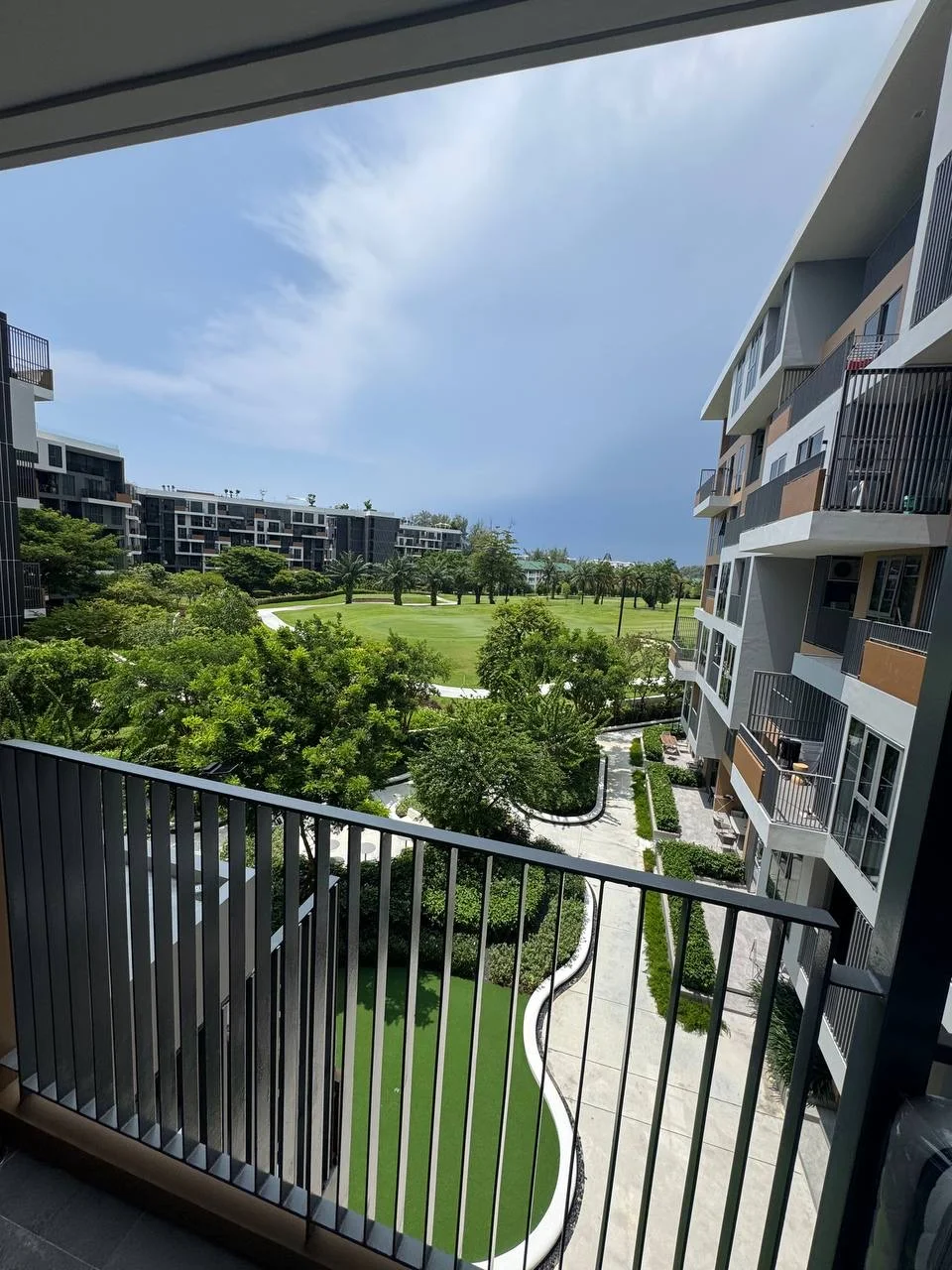
*From the balcony: the courtyard garden in front, the golf course behind it.*
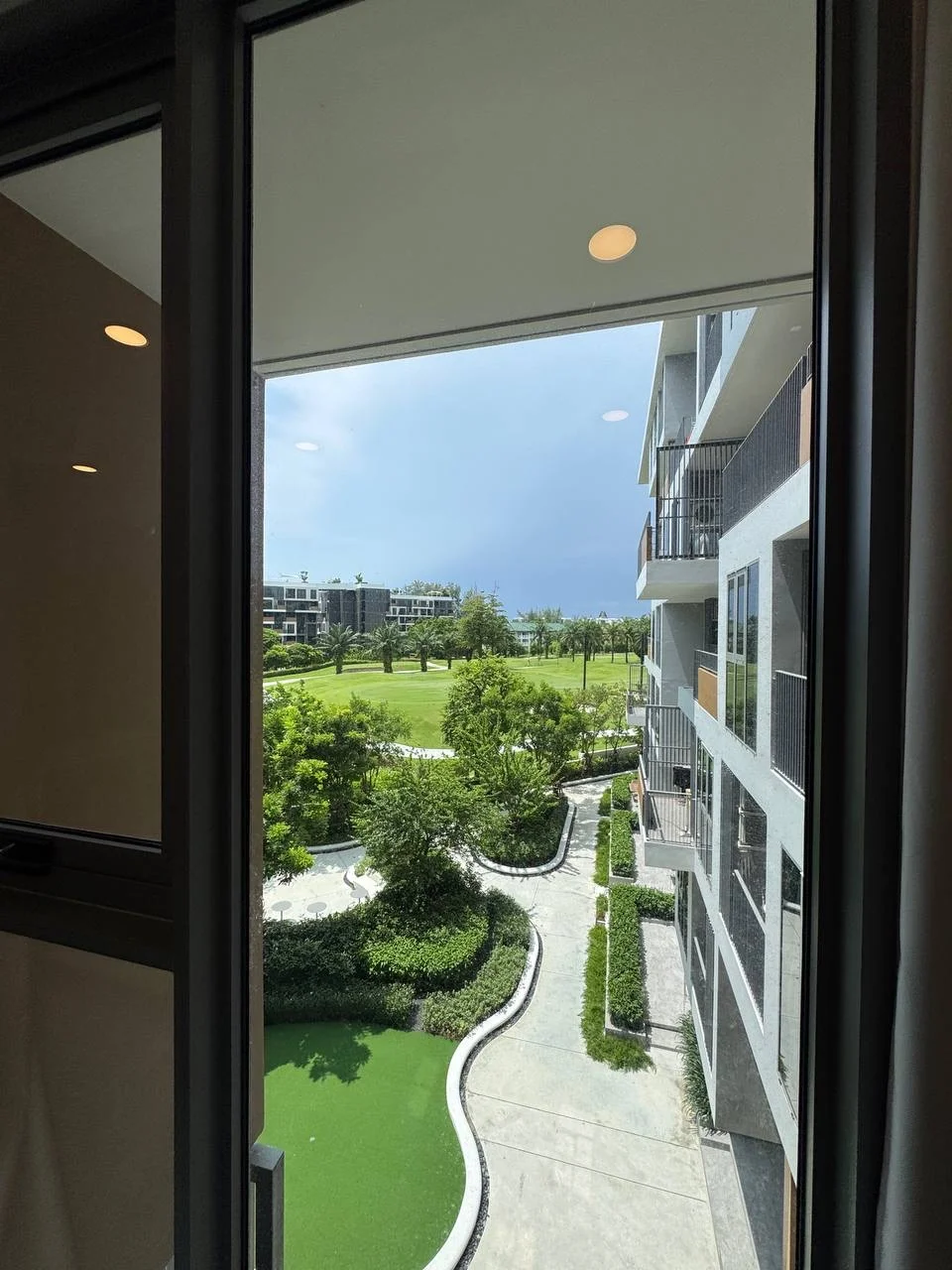
*The same outlook through the open balcony door, as you see it from inside the room.*
## Inside the apartment
The room is a single space with a kitchen line by the entrance, a living and dining area, and full height glazing onto the balcony. The kitchen, wardrobes and appliances are the developer's built-in package and are part of the sale. The grey corner sofa and the wooden dining table with its chairs belong to the owner and go with them, so the photographs show slightly more furniture than you would get: plan for a sofa and a table of your own.
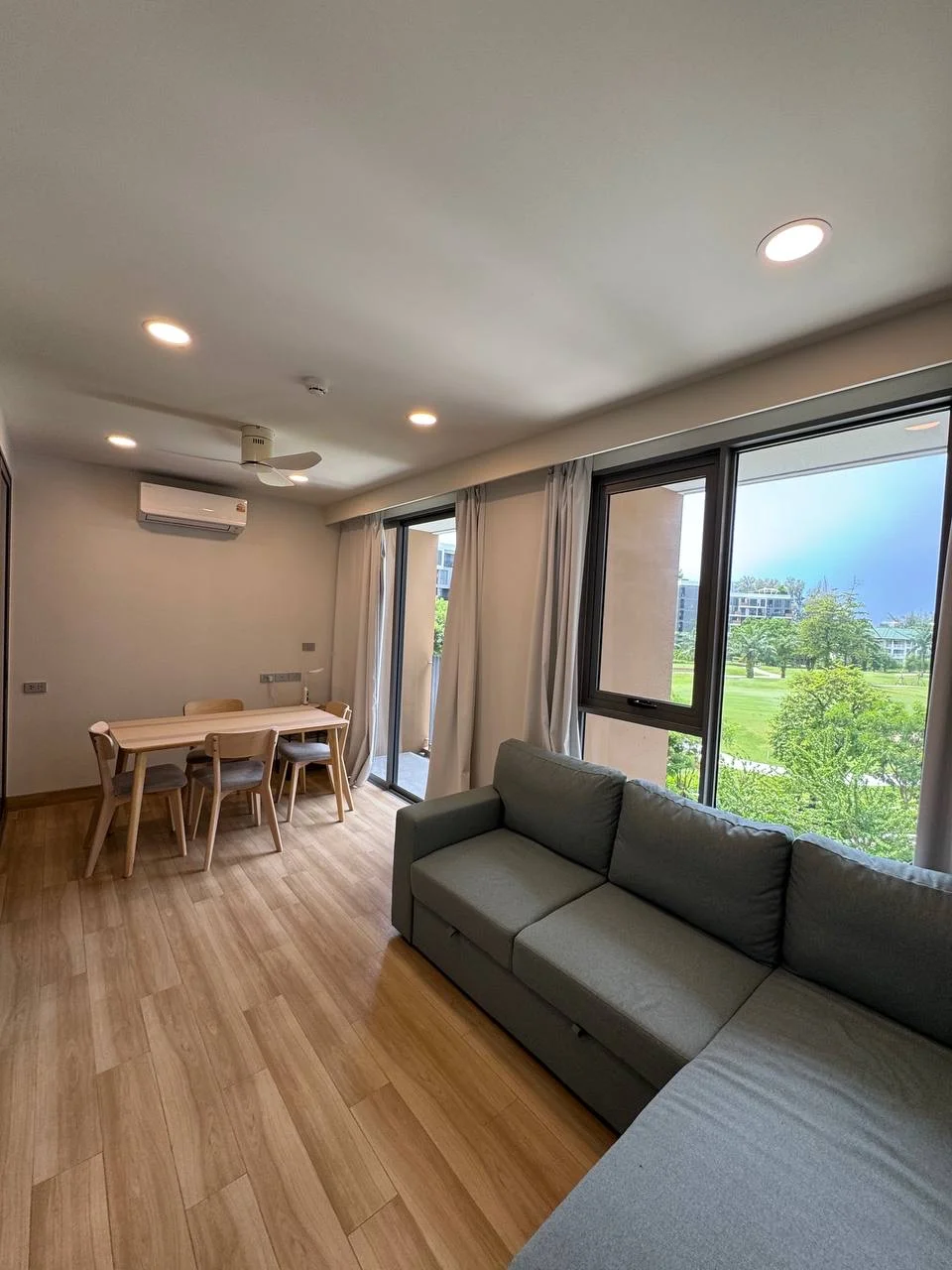
*The room by the window. The sofa and table seen here leave with the owner.*
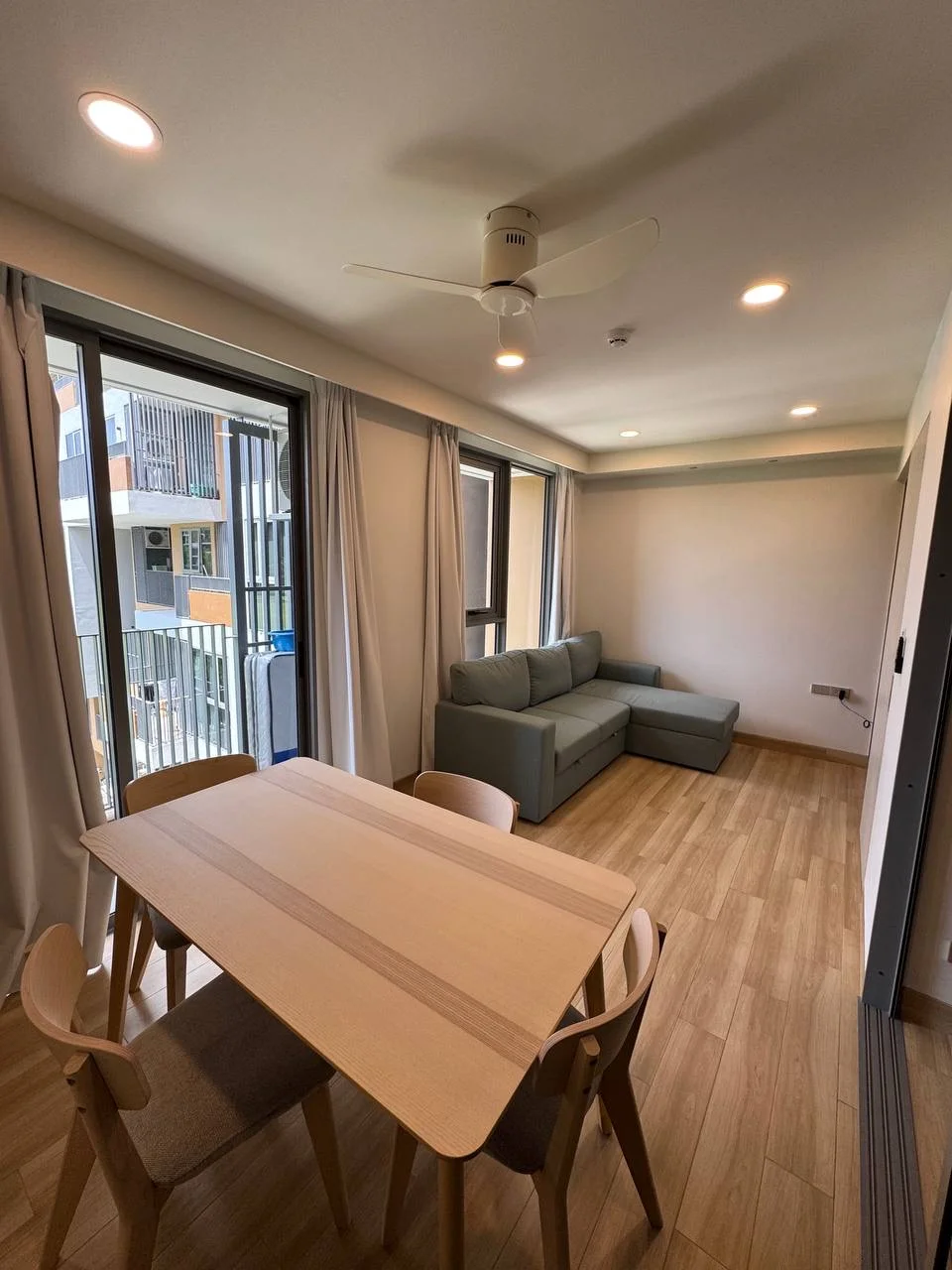
*The dining corner and the length of the room, with the balcony door on the left.*
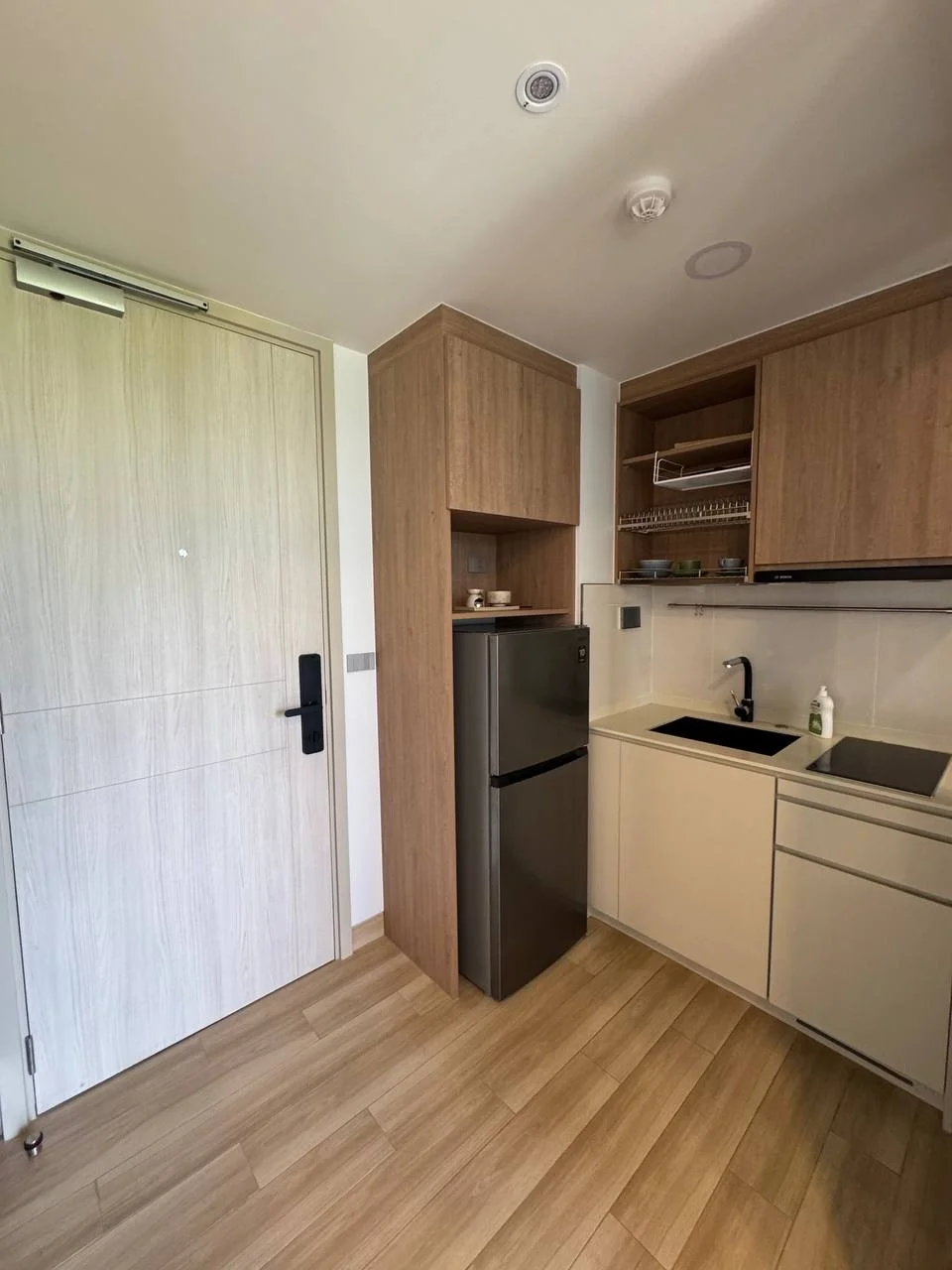
*The entrance and the built-in kitchen: refrigerator, sink, hob and extractor stay with the apartment.*
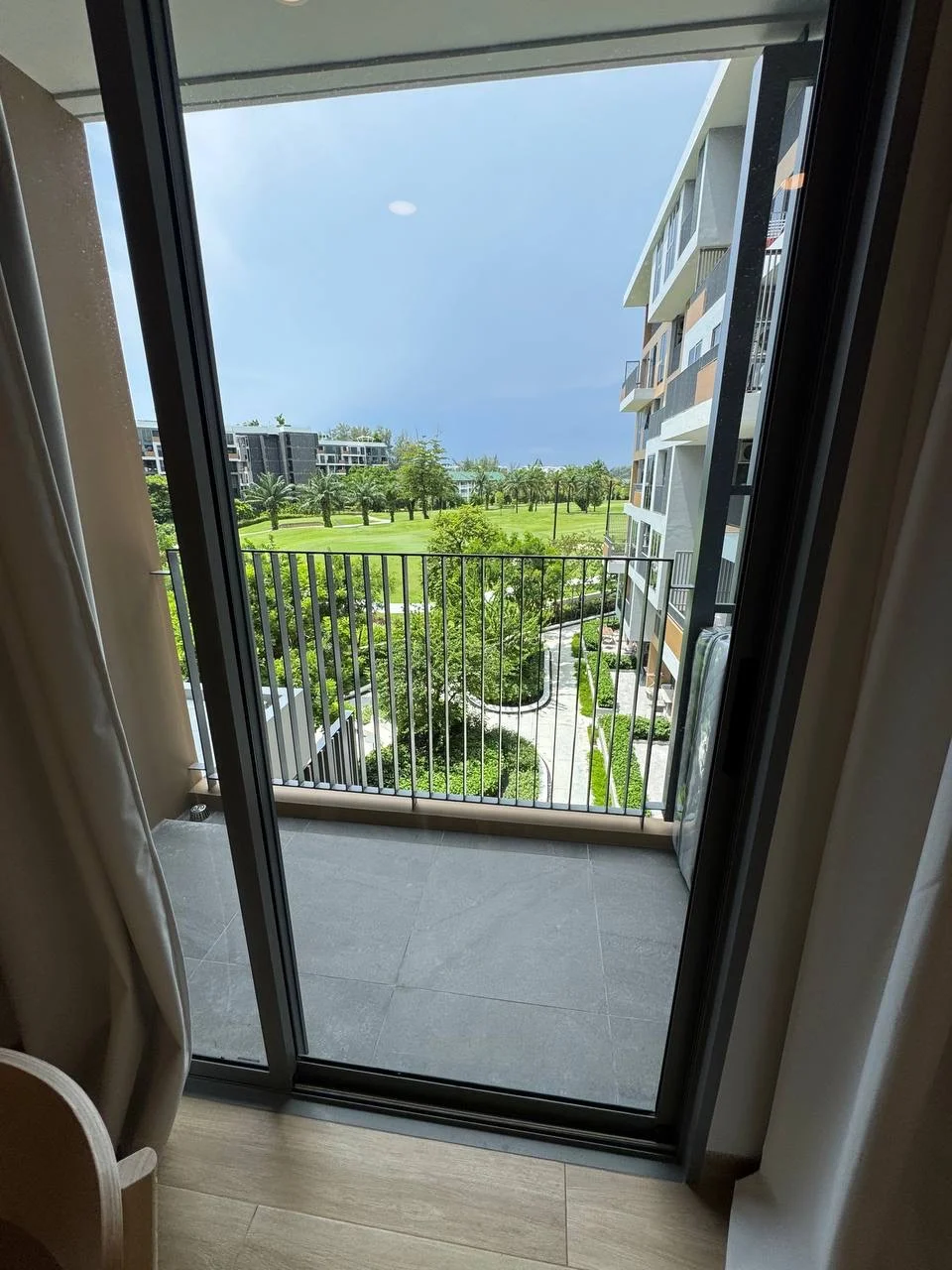
*The way out onto the balcony, which is the reason to choose this unit over a studio facing another block.*
## Living in Laguna, in the owner's words
The points below come from the owner. We pass them on as they were given to us, and each one is confirmed at the viewing:
- The sea is about 15 minutes on foot through the landscaped Laguna park, and opposite the building there is a park used for running and sport.
- Residents can use the pools of the neighbouring Angsana hotels, the boat shuttle across the lagoons and a free shuttle bus to the beach and to the market; according to the owner the shuttle also runs to the new beach hotel with its pools.
- Common charges and utilities come to 3,000 to 4,000 THB a month, according to the owner.
Ask which of the resort services come with the apartment as a right of residents and which are a courtesy that could change, and ask the juristic person for the common area fee per square metre in writing rather than relying on a monthly estimate.
## What to check at the viewing
- A copy of the title deed for the unit in the owner's name, and the juristic person's dated statement of foreign-owned floor area if you intend to buy in your own name as a foreigner.
- The list of built-in furniture and appliances that stay, attached to the contract, with the sofa and the dining table recorded as excluded.
- A letter from the juristic person confirming that common charges are paid up to the transfer date.
- The bathroom, the air conditioning and the kitchen appliances in working order: switch everything on.
- The balcony view at the time of day you would actually use it, and the walk to the beach through the park.
- Which Laguna services residents can use today, and on what terms.
*The bathroom, taken from a frame of the video, so the quality is low. Look at it properly at the viewing.*
For how this part of the coast works as a place to own, see [property in Bang Tao](/bang-tao-properties/). Other completed units and contract assignments are on the [Phuket resales](/resales/) page. Before you pay a deposit on any completed apartment, read [whether it is safe to buy a resale in Phuket](/guides/is-it-safe-to-buy-resale-phuket-property/) and the [condo handover checklist](/guides/phuket-condo-handover-checklist/), which covers what to test in a delivered unit.