Digital Nomad Phuket Property: Buy Smart for Remote Work
Digital nomad property in Phuket: Fast internet, coworking spaces, visa considerations, and investment opportunities for remote workers in Thailand.
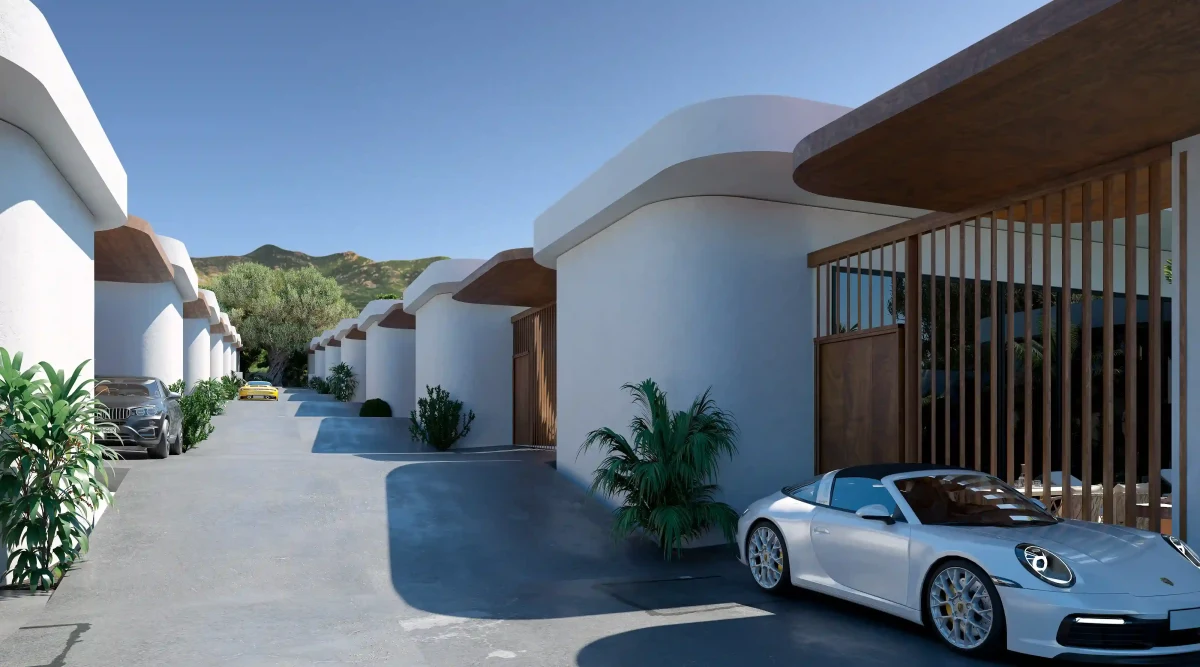
Digital Nomad Phuket Property: Buy Smart for Remote Work and Investment
Quick answer: Phuket offers excellent infrastructure for digital nomads with 100-1000 Mbps fiber internet, established coworking communities, and property investment opportunities. Successful nomad investors typically rent 1-2 years to test areas before buying properties that serve both as work bases and rental investments when traveling elsewhere.
Insider tip: MORE Group underwriting on comparable Phuket stock in 2024 to 2025 tracked 72 to 78% blended occupancy on managed units, with net yield at 5.2 to 6.8% after operator fees and CAM. Treat brochure gross yield as a ceiling, not a baseline.
Digital nomads considering Phuket property investment have unique requirements combining remote work infrastructure, lifestyle quality, and investment returns. The island’s established internet connectivity, growing coworking community, and favorable investment fundamentals create compelling opportunities for location-independent professionals seeking to build wealth while maintaining optimal work environments.
The most successful digital nomad property investors in Phuket use their properties as primary work bases 6-9 months annually while generating rental income during travel periods to other destinations. This hybrid approach maximizes both productivity and investment returns while maintaining the flexibility that defines the nomadic lifestyle.
What Should You Know About Internet infrastructure and connectivity for remote work?
Internet infrastructure and connectivity for remote work on Digital Nomad Phuket Property means foreign buyers should verify quota, payment milestones, and net rental assumptions in writing before deposit. MORE Group Phuket reservation files require documented checks on every off-plan purchase, with 49% foreign quota confirmed per unit, not per project marketing alone.
| Factor | MORE Group benchmark |
|---|---|
| Net yield | 5 to 7% after 20 to 25% operator fees |
| Peak occupancy | 75 to 85% on comparable managed units |
Speed and reliability by area:
- Bang Tao/Laguna: Excellent coverage with 500-1000 Mbps available, 99%+ uptime
- Patong/Kata/Karon: Good coverage with 200-500 Mbps typical, occasional peak hour slowdowns
- Rawai/Chalong: Reliable 100-300 Mbps service with improving infrastructure
- Rural areas: Limited to 50-100 Mbps with lower reliability
Cost structure for nomad-grade internet:
- 100 Mbps packages: ฿590-990 monthly ($17-28 USD)
- 500 Mbps packages: ฿1,290-1,890 monthly ($37-54 USD)
- 1000 Mbps packages: ฿1,890-2,990 monthly ($54-85 USD)
- Installation fees: ฿2,000-5,000 one-time setup cost
Mobile internet backup and redundancy
Professional digital nomads require backup connectivity for critical work deadlines:
4G/5G mobile options:
- AIS: Best coverage and speeds, premium pricing, international roaming options
- dtac: Competitive speeds with good coverage in tourist areas
- True Move: Value pricing with adequate performance for backup use
Mobile internet performance:
- 4G speeds: 20-100 Mbps typical in developed areas
- 5G availability: Limited to major towns and tourist zones
- Unlimited plans: ฿599-1,299 monthly for high-speed data
- Portable hotspot devices: ฿2,000-5,000 purchase cost
Redundancy setup recommendations:
- Primary: Fiber internet from major provider (AIS or True)
- Secondary: Mobile hotspot from different provider network
- Tertiary: Coworking space membership for emergency backup
- Power backup: UPS systems protecting equipment during outages
Coworking spaces and professional work environments
Established coworking infrastructure provides backup work locations and networking opportunities:
Premium coworking spaces:
- Beehive Coworking (Rawai): ฿500-800/day, monthly memberships available
- The Quay Coworking (Bang Tao): ฿600-1,000/day with meeting rooms
- Dojo Coworking (multiple locations): ฿400-700/day, strong nomad community
- Hubud Phuket: ฿500-800/day with events and networking
Coworking amenities essential for nomads:
- High-speed internet (100+ Mbps guaranteed)
- Private phone booths for calls and video conferences
- Printing, scanning, and business services
- Meeting room access for client presentations
- 24/7 access options for different time zone work schedules
Cafe coworking culture:
- Numerous cafes offering reliable WiFi and work-friendly environments
- Daily costs: ฿200-500 including coffee and light meals
- Popular areas: Rawai, Bang Tao, Kata for concentrated cafe coworking options
- Networking opportunities with other nomads and expat professionals
What Should You Know About Visa and legal considerations for nomad property owners?
Visa and legal considerations for nomad property owners on Digital Nomad Phuket Property means foreign buyers should verify quota, payment milestones, and net rental assumptions in writing before deposit. MORE Group Phuket reservation files require documented checks on every off-plan purchase, with 49% foreign quota confirmed per unit, not per project marketing alone.
| Factor | MORE Group benchmark |
|---|---|
| Net yield | 5 to 7% after 20 to 25% operator fees |
| Peak occupancy | 75 to 85% on comparable managed units |
LTR (Long-Term Resident) visa categories:
- Work-from-Thailand professionals: $80,000+ annual income requirement
- Global citizens: High-net-worth individuals with investment requirements
- Professional/expert workers: Specialized skills in target industries
- Retirees: Age and income requirements for retirement category
Tourist visa strategies for shorter commitments:
- 60-day visa exempt entries: Suitable for testing Phuket lifestyle
- 60-day tourist visas: Available from Thai consulates worldwide
- Multiple entry tourist visas: 6-month validity with 60-day stays
- Education visas: Language schools offering legitimate visa support
Tax implications for nomad property investors
Digital nomads with property investments face complex tax situations requiring professional guidance:
Thai tax considerations:
- Rental income tax: 15% withholding typical for foreign property owners
- Days in Thailand: 180+ days annually may trigger tax residency
- Property taxes: Annual land and building tax on all owned properties
- Capital gains: Tax on eventual property sales varying by ownership duration
Home country tax obligations:
- Tax residency rules varying by citizenship and physical presence
- Remote work taxation: Where income is taxed depends on employer location and tax treaties
- Property investment reporting: Most countries require foreign property disclosure
- Double taxation treaties: May provide relief from duplicate tax obligations
Professional tax planning recommendations:
- Establish clear tax residency in optimal jurisdiction before property purchase
- Maintain detailed records of time spent in each country
- Structure property ownership for tax efficiency in all relevant jurisdictions
- Consider nomad-friendly tax residency options (Portugal, UAE, etc.) for overall optimization
Work authorization and business activities
Understanding legal work restrictions helps nomads avoid compliance issues:
Permitted activities on tourist visas:
- Remote work for foreign employers generally acceptable
- Online business activities serving non-Thai customers
- Consulting and freelancing for international clients
- Investment and property management activities
Prohibited activities requiring work permits:
- Direct employment by Thai companies
- Teaching or training Thai students or employees
- Professional services provided to Thai clients
- Physical business operations within Thailand
Business registration considerations:
- Thai company formation for property ownership (villa purchases)
- Sole proprietorship registration for local business activities
- BOI (Board of Investment) incentives for qualifying technology businesses
- Compliance requirements for registered business operations
What Should You Know About Area analysis for digital nomad property investment?
Area analysis for digital nomad property investment for Digital Nomad Phuket Property means matching Phuket tenant demand to unit size and walk time to beach, because ADR swings 15 to 25% within one postcode. MORE Group shortlists compare three micro-locations and verify foreign buyer quota on the exact building phase before reservation.
| Factor | MORE Group benchmark |
|---|---|
| Net yield | 5 to 7% after 20 to 25% operator fees |
| Peak occupancy | 75 to 85% on comparable managed units |
Internet and infrastructure:
- Fiber coverage: 100-300 Mbps widely available
- Backup options: Strong 4G coverage from all major providers
- Coworking density: Multiple spaces within walking distance
- Cost of living: Significantly lower than western beach areas
Property investment opportunities:
- Purchase prices: $100K-250K for nomad-appropriate condos
- Rental demand: Growing nomad and long-term expat market
- Rental rates: $800-1,500 monthly for quality furnished units
- Investment yields: 6-9% gross returns for well-positioned properties
Bang Tao: Premium nomad lifestyle with higher investment requirements
Bang Tao offers luxury nomad lifestyle with established amenities and higher investment costs:
Premium nomad amenities:
- Laguna complex with resort-style coworking and business centers
- International standard healthcare and dental services
- Premium dining and entertainment options
- Golf courses and spa facilities for client entertainment
- International school options for nomads with families
Professional infrastructure:
- Multiple coworking spaces and business centers
- Conference and meeting facilities for larger client presentations
- Airport proximity for frequent travel requirements
- Established expat business community and networking opportunities
Investment characteristics:
- Purchase prices: $300K-600K+ for quality nomad-suitable units
- Rental demand: High-end nomads and business travelers
- Rental rates: $2,000-4,000+ monthly for luxury furnished properties
- Investment yields: 5-8% gross returns with premium guest market
Chalong: Central location with developing nomad infrastructure
Chalong provides central Phuket access with growing appeal for budget-conscious nomads:
Location advantages:
- Central island position with easy access to all beaches and attractions
- Chalong Pier for boat travel and island exploration
- Big Buddha and cultural attractions for client entertainment
- Growing restaurant and cafe scene catering to expat community
Developing infrastructure:
- Improving internet coverage with fiber expansion
- Emerging coworking spaces and nomad-friendly cafes
- Lower cost of living compared to beach areas
- Authentic Thai neighborhood feel with expat amenities
Investment potential:
- Purchase prices: $80K-200K for nomad-appropriate units
- Rental demand: Budget nomads, long-term expats, local professionals
- Rental rates: $600-1,200 monthly for furnished accommodations
- Investment yields: 7-10% gross returns in developing market
What Should You Know About Property types and features for nomad investors?
Property types and features for nomad investors on Digital Nomad Phuket Property means foreign buyers should verify quota, payment milestones, and net rental assumptions in writing before deposit. MORE Group Phuket reservation files require documented checks on every off-plan purchase, with 49% foreign quota confirmed per unit, not per project marketing alone.
| Factor | MORE Group benchmark |
|---|---|
| Net yield | 5 to 7% after 20 to 25% operator fees |
| Peak occupancy | 75 to 85% on comparable managed units |
Technology infrastructure needs:
- Fiber internet with backup mobile connectivity
- Smart home systems for remote property management
- Security systems with remote monitoring capabilities
- Reliable power supply with UPS backup options
- International electrical outlets accommodating various devices
Storage and lifestyle considerations:
- Sufficient storage for work equipment and seasonal clothing
- Kitchen facilities supporting healthy meal preparation
- Balcony or outdoor space for breaks and video calls
- Laundry facilities or service arrangements
- Proximity to services (grocery, pharmacy, transport)
Size and layout optimization for nomad lifestyle
Property size selection balances work needs, rental appeal, and investment costs:
Studio apartments (30-45 sqm): Budget nomad option
- Pros: Lowest purchase cost and operating expenses, easy rental management
- Cons: Limited workspace separation, storage constraints, challenging for video calls
- Suitable for: Solo nomads with minimal equipment, short-term testing investments
One-bedroom units (45-70 sqm): Optimal nomad configuration
- Pros: Separate workspace possible, good rental demand, manageable costs
- Cons: Limited guest accommodation, may feel cramped for extended stays
- Suitable for: Most digital nomads, balanced investment and personal use
Two-bedroom units (70-120 sqm): Premium nomad setup
- Pros: Dedicated office space, guest accommodation, strong rental appeal to couples
- Cons: Higher purchase and operating costs, more complex management
- Suitable for: Established nomads, nomad couples, investment-focused buyers
Furnishing strategies for dual-use properties
Nomad properties require furnishing optimization for both personal productivity and rental appeal:
Work-focused furnishing priorities:
- Professional desk setup with ergonomic chair and adequate surface area
- High-quality lighting including task lighting and ambient options
- Blackout curtains enabling video calls regardless of time zone
- Acoustic considerations for calls and focused work sessions
- Professional backdrop areas for video conferences
Rental optimization considerations:
- Instagram-worthy spaces appealing to nomad social media presence
- Flexible furniture arrangements accommodating different work styles
- Premium bedding and amenities exceeding typical rental standards
- Kitchen equipment supporting healthy cooking and meal preparation
- Entertainment systems for downtime and guest enjoyment
Technology integration for both uses:
- Smart home systems enabling remote monitoring and control
- High-quality Wi-Fi throughout property with mesh network coverage
- Multiple device charging stations in work and living areas
- Professional camera and lighting setup for content creation
- Backup power solutions protecting against outages
What Should You Know About Investment strategies for nomad property ownership?
Investment strategies for nomad property ownership on Digital Nomad Phuket Property means foreign buyers should verify quota, payment milestones, and net rental assumptions in writing before deposit. MORE Group Phuket reservation files require documented checks on every off-plan purchase, with 49% foreign quota confirmed per unit, not per project marketing alone.
| Factor | MORE Group benchmark |
|---|---|
| Net yield | 5 to 7% after 20 to 25% operator fees |
| Peak occupancy | 75 to 85% on comparable managed units |
Revenue generation during absence:
- Short-term rentals to other nomads and business travelers
- Monthly rentals to nomads seeking longer-term accommodations
- Corporate housing for business visitors and relocated employees
- Airbnb optimization for weekend and holiday visitors
Financial modeling for hybrid use:
- Rental income: $15,000-40,000 annually depending on property and location
- Operating costs: $8,000-15,000 annually including management and maintenance
- Net income: $7,000-25,000 annually offsetting ownership costs
- Personal use value: $10,000-25,000 annual equivalent in avoided accommodation costs
Long-term wealth building through nomad-friendly investment
Property investment provides wealth building opportunity while supporting nomadic lifestyle:
Capital appreciation expectations:
- Historical performance: 6-10% annual appreciation in prime nomad-friendly areas
- Infrastructure improvements: Fiber expansion and coworking development supporting values
- Nomad market growth: Increasing demand for professionally suitable accommodations
- Scarcity value: Limited inventory of properly equipped nomad properties
Portfolio development strategies:
- Start with single unit in tested area for personal use and learning
- Expand to second property in different area for diversification
- Consider nomad-focused management company partnerships
- Evaluate opportunities in emerging nomad destinations for early entry
Exit planning and flexibility:
- Maintain nomad lifestyle flexibility while building long-term wealth
- Property ownership providing stability anchor while maintaining travel freedom
- Rental income supporting nomad lifestyle during economic uncertainty
- Eventual exit options including sale to other nomads or conversion to pure investment
What Should You Know About Technology and automation for nomad property management?
Technology and automation for nomad property management on Digital Nomad Phuket Property means foreign buyers should verify quota, payment milestones, and net rental assumptions in writing before deposit. MORE Group Phuket reservation files require documented checks on every off-plan purchase, with 49% foreign quota confirmed per unit, not per project marketing alone.
| Factor | MORE Group benchmark |
|---|---|
| Net yield | 5 to 7% after 20 to 25% operator fees |
| Peak occupancy | 75 to 85% on comparable managed units |
Property monitoring technology:
- Water leak detection preventing expensive damage during extended absence
- Air quality monitoring for tropical climate mold prevention
- Internet connectivity monitoring ensuring guest satisfaction
- Utility usage tracking identifying problems and optimizing costs
Guest management platforms:
- Integrated booking systems across multiple platforms (Airbnb, Booking.com)
- Automated guest communication reducing manual management workload
- Digital guidebooks with local recommendations and work-friendly locations
- Review monitoring and response management protecting property reputation
Financial management and tax optimization
Technology solutions help nomad investors manage complex financial obligations:
Accounting and record-keeping systems:
- Cloud-based accounting software accessible from any location
- Receipt scanning and expense tracking for tax optimization
- Multi-currency support for international nomad financial management
- Integration with property management platforms for rental income tracking
Tax compliance automation:
- Automated reporting for both Thai and home country tax obligations
- Location tracking for tax residency and physical presence requirements
- Document storage and organization for multiple jurisdiction compliance
- Professional tax software integration for nomad-specific deductions
Banking and payment solutions:
- International banking relationships supporting nomad lifestyle
- Multi-currency accounts for property expenses and rental income
- Automated bill payment for utilities and property management services
- Investment account integration for property-related wealth building
What Should You Know About Red flags on nomad property investments?
Red flags on nomad property investments on Digital Nomad Phuket Property means foreign buyers should verify quota, payment milestones, and net rental assumptions in writing before deposit. MORE Group Phuket reservation files require documented checks on every off-plan purchase, with 49% foreign quota confirmed per unit, not per project marketing alone.
| Factor | MORE Group benchmark |
|---|---|
| Net yield | 5 to 7% after 20 to 25% operator fees |
| Peak occupancy | 75 to 85% on comparable managed units |
What Should You Know About Buyer scenarios for nomad property investment?
Buyer scenarios for nomad property investment on Digital Nomad Phuket Property means foreign buyers should verify quota, payment milestones, and net rental assumptions in writing before deposit. MORE Group Phuket reservation files require documented checks on every off-plan purchase, with 49% foreign quota confirmed per unit, not per project marketing alone.
Scenario B, High-earning nomad wanting luxury work environment: Focus on Bang Tao premium units $300K-500K with resort amenities, business facilities, and professional networking opportunities. Accept lower yields for superior lifestyle quality.
| Nomad factor | Budget approach ($100K-200K) | Premium approach ($300K+) |
|---|---|---|
| Area preference | Rawai, Chalong communities | Bang Tao, Laguna luxury |
| Internet priority | 100-300 Mbps adequate | 500+ Mbps with redundancy |
| Community access | Local nomad cafes, coworking | Business centers, networking |
| Investment returns | 7-10% gross yields | 5-8% gross yields |
Cross-reference nomad property strategies with our lifestyle investment approaches, condo selection criteria, holiday home optimization, area selection guide, and general buying fundamentals.
Find your perfect digital nomad property investment
MORE Group specializes in properties optimized for remote work productivity and investment returns.
Digital Nomad Phuket Property at typical Phuket entry pricing entry ($80k to $200k) in Phuket means foreign buyers should underwrite gross yield at 7 to 9% and net at 5 to 7% after operator fees at 20 to 25% of gross revenue, CAM at ฿30 to ฿45 per sqm monthly, and a 15% vacancy allowance on conservative models. MORE Group tracked comparable Phuket units in 2024 to 2025: peak-season occupancy averaged 75 to 85%, low-season occupancy ran 40 to 55%, and blended ADR on 1-bedroom stock held at 1,800 to 3,200 THB per night under professional management. Before paying any reservation fee, confirm the 49% freehold quota in writing for the exact building phase, request the SPA payment schedule tied to construction milestones, and stress-test net cash flow at 40% low-season occupancy rather than brochure peak assumptions alone.
Transfer and rental planning on Digital Nomad Phuket Property should budget transfer taxes at roughly 1 to 1.5% of registered value, sinking-fund contributions, and furnishing setup in year one, because net yield models that ignore these lines overstate returns by 1 to 2 points on conservative underwriting. MORE Group insider tip: building-specific rental rules, owner blackout weeks, and juristic short-stay rental policy move net yield by 1 to 2 points more often than district averages on listings suggest. Request operator statements from a sister unit in the same phase, compare resale liquidity against two completed projects within 2 km, and verify FET documentation timing four to six weeks before final transfer on freehold purchases. Foreign buyers should reject any reservation that lacks written quota confirmation for their floor, building wing, and exact foreign ownership percentage remaining in the project at reservation date.
Frequently Asked Questions
Yes, Phuket offers excellent internet, coworking spaces, international community, and property investment opportunities for long-term remote workers.
Tourist visas (30-90 days), Thailand Elite visa (5-20 years), LTR visa for qualified remote workers, and education/business visas for longer stays.
Rawai and Chalong offer good value with coworking spaces. Bang Tao provides premium lifestyle. Patong has nightlife but can be noisy for work.
Working for foreign companies remotely is generally acceptable on tourist visas. Thai employment requires work permits. Consult immigration lawyers for specifics.
Major providers offer 100-1000 Mbps fiber in most areas. Backup options include 4G/5G mobile hotspots with 50-200 Mbps speeds.
Rent initially to test areas and lifestyle. Consider buying after 1-2 years if you plan long-term stays and want investment returns.
Beehive (Rawai), Dojo Bali coworking spaces, The Quay (Bang Tao), and numerous cafe coworking options across the island.

MORE Group Editorial
Phuket Real Estate Experts
The MORE Group team has helped 500+ European and American buyers purchase property in Thailand. We provide legal support, 0% commission, and on-the-ground expertise with 8 years in the Phuket market.
About MORE Group →Get a Focused Phuket Property Shortlist
Share budget, area and goal. We will reply with suitable live projects, not a generic catalogue.