Internet, Schools and Healthcare in Phuket: 2026 Guide for Foreign Buyer
For buyers considering Phuket as a home, second residence, or family base, three infrastructure questions arise more often than any other: How is the internet? Are the schools good enough? What happens if I get sick? The honest answer is that Phuket compares favourably with most European cities on all three, with qualifications this guide addresses. Ownership itself follows national rules: foreigners register condos in freehold within each building’s 49% sellable floor area allocation; see foreign quota guide before you shortlist projects.

Internet in Phuket: The Real Picture
Home Broadband by Provider
AIS Fibre, generally regarded as the most reliable provider on the island. Plans from 200 Mbps at THB 599/month ($17) up to 1 Gbps at THB 1,299/month ($37). AIS also has the strongest 5G rollout on the island.
True Move H, competitive speeds and good coverage, particularly in Bang Tao and tourist areas. Packages similar to AIS. True also bundles mobile and home internet.
3BB, historically lower-cost option, speeds slightly less consistent than AIS and True in some areas. Better for areas underserved by other providers.
Internet Speed by Area
| Area | Typical speed | Notes |
|---|---|---|
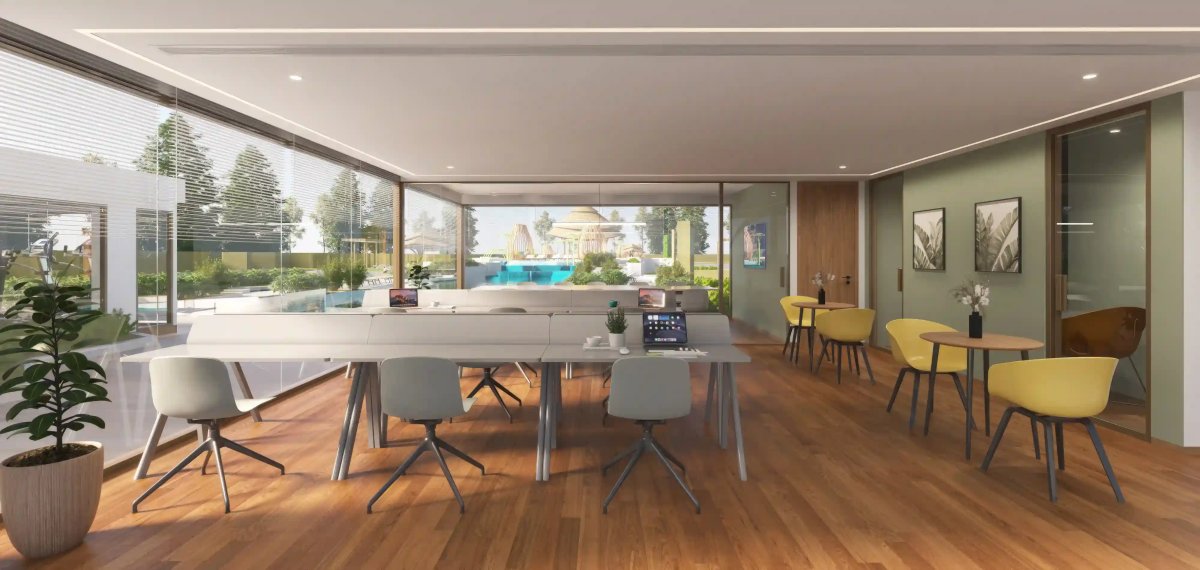
| Bang Tao / Cherng Talay | 300-500 Mbps | Fibre standard in new builds; co-working spaces reliable |
| Kamala | 200-400 Mbps | Modern projects strong; older stock may use cable |
| Rawai / Nai Harn | 100-300 Mbps | Main roads good; hillside villas need on-site test |
| Patong / Karon | 300-500 Mbps | Dense tourism infrastructure |
| Remote north / hillside | 50-150 Mbps | Test before purchase; LTE backup recommended |
Mobile Data
Both AIS and DTAC (now merged with True) provide excellent 4G coverage island-wide and expanding 5G in Bang Tao and Patong. A local SIM with unlimited 4G data costs THB 400-599/month (~$11-17). This is a practical backup and increasingly a primary connection for many remote workers.
For remote workers and investors managing properties remotely: The internet infrastructure in Phuket’s main residential areas is fully adequate for video calls, cloud-based work, financial management, and property oversight. This is not a developing-country problem.
International Schools in Phuket
UWC Thailand (United World College)
Location: Phuket town area (Mueang district) Curriculum: IB (International Baccalaureate), Primary Years, Middle Years, and Diploma programmes Ages: 2-18 Annual fees: Approximately THB 550,000-850,000 ($15,000-24,000) Notes: UWC Thailand is consistently rated the strongest international school on the island. The IB Diploma programme is fully recognised by universities in the UK, Europe, North America, and Australia. The campus is large, well-resourced, and multicultural. Waiting lists exist for some year groups, apply well in advance.
HeadStart International School
Location: Main campus in Koh Kaew (near the bridge connecting Phuket island to the mainland), with a secondary campus Curriculum: British (IGCSE, A-Levels) and IB Ages: 3-18 Annual fees: Approximately THB 300,000-650,000 ($8,500-18,000) Notes: HeadStart is the largest international school on the island by enrolment and is particularly popular with British, Australian, and South African expat families. IGCSE results are strong. More affordable than UWC at the lower school levels, with fees increasing at secondary level.
British International School (BIS) Phuket
Location: Kohkaew (near HeadStart) Curriculum: British National Curriculum, IGCSE, A-Level Ages: 2-18 Annual fees: THB 280,000-600,000 ($8,563-17,000) Notes: BIS Phuket has been operating for over 20 years and has a well-established track record for UK university placements. Smaller school than HeadStart, some families prefer this. Excellent extracurricular programme including sailing, diving, and field trips.
QSI International School
Location: Patong area Curriculum: American curriculum Ages: Pre-K through Grade 12 Annual fees: THB 250,000-450,000 ($7,000-13,000) Notes: QSI is the most affordable of the main international schools and follows a US curriculum with quality standards aligned to their global network. Good choice for American families or those planning to return to the US system.
What This Means for Property Buyers
The school cluster in Kohkaew and the areas near the Sarasin Bridge means that family buyers with school-age children tend to gravitate toward Bang Tao, Cherng Talay, and the northern areas of the island, these offer the shortest commute to HeadStart and BIS while also having the island’s strongest property fundamentals.
UWC Thailand requires a slightly longer commute from Bang Tao (~25-35 minutes) but many families consider it worth it for the curriculum quality.
Healthcare in Phuket: Private and Public
English-speaking doctors and a dedicated International Patient Centre make this the first choice for most expats. Consultation fees run $40-80 for a specialist; emergency room visits from $50 for initial consultation. Inpatient stays are significantly cheaper than equivalent Western care, a straightforward surgery that costs $30,000 in the US might run $5,000-8,000 here.
Phuket International Hospital
Located in Phuket town, the second major private hospital. International accreditation, English-speaking staff, and slightly lower costs than Bangkok Hospital. Particularly noted for its emergency department and 24-hour service.
Vachira Phuket Hospital
The largest public hospital on the island. Used primarily by Thai residents but serves foreigners as well. Quality is lower than the private hospitals but costs are dramatically lower. For expats with Thai health insurance or in non-emergency situations, some use this for straightforward care.
Mission Hospital
A Catholic charity-affiliated private hospital in Phuket town. Midway between public and premium private in terms of cost and standard. English-speaking staff. Good for routine medical care.
GP and Outpatient Services
All four hospitals above have outpatient clinics serving as GP services. Additionally, several independent clinics operate across the island:
Sandbox Clinic (Bang Tao): Popular with expats for routine check-ups, vaccinations, blood tests, and GP consultations. Reasonable prices, English-speaking staff.
New Life International Clinic (various locations): Specialist in expat-facing care, including immigration health checks for visa applications.
Chemist/Pharmacy chains: Boots Thailand operates several branches across Phuket with English-speaking pharmacists and good Western medication availability. Many prescription medicines available over the counter in Thailand, which is both convenient and requires some care.
Dental Services
Phuket has a strong dental infrastructure, and dental tourism is a genuine draw for expats and long-stay visitors.
Bangkok Hospital Phuket Dental Centre: Full-service, internationally trained dentists, English-speaking. Costs approximately 30-40% of European equivalents.
Perfect Smile Dental Clinic (multiple locations): Widely used by expats for routine work, implants, and cosmetic dentistry. Single dental implant: THB 30,000-40,000 ($850-1,150 vs $2,000-4,000 in Europe).
Phuket International Dental Centre: Specialist in complex cases, orthodontics, and implants. Popular with medical tourists.
Private Health Insurance
Strongly recommended for all foreign residents and second-home owners. International health insurance covering Thailand (and ideally globally) typically costs:
- Age 30-40: $1,200-1,800/year
- Age 40-50: $1,800-2,800/year
- Age 50-60: $2,800-4,500/year
Providers popular among Phuket expats include Cigna Global, AXA International, Allianz Care, and AIA Thailand. Many plans also include dental and vision at additional cost.
Why This Matters for Property Buyers?
For investors focused on rental income, it is worth understanding that a significant portion of high-spending long-stay guests (2+ weeks) are families. A property within 15 minutes of HeadStart, with confirmed fiber at 300+ Mbps and Bangkok Hospital 20 minutes away, has a meaningfully larger addressable market than a remote villa with slow internet and a 45-minute hospital drive.
This is one of the reasons Bang Tao continues to outperform other areas for rental yield, lifestyle amenities plus solid schools, hospitals, and fiber coverage.
Match the infrastructure to the actual routine
The three subjects on this page are usually researched separately and they interact, which is why buyers who score each one well can still end up in the wrong place.
Schools fix your location more firmly than any other factor. A daily school run in high-season traffic is the constraint that governs every other choice, and families who choose a home first and a school second generally end up moving. If school-age children are part of the plan, choose the school, then draw a realistic commute around it, and treat everything outside that circle as unavailable regardless of how good the property is.
Healthcare works differently: it matters rarely and matters absolutely when it does. The number to establish is not the distance to a hospital but the journey time in the worst conditions you can expect, which on this island means high-season traffic on the west coast or heavy rain on a hillside road. That is a different figure from the one a map produces.
Connectivity is the most flexible of the three and the easiest to test badly. Speeds quoted by a provider describe the service into the building rather than what reaches your unit, and older buildings vary considerably. If your income depends on it, test it in the actual unit at the hour you would be working, and ask what the backup is when the primary connection fails, because it will.
The combination that works for most families is a compromise on one of the three rather than a good score on all of them. Decide in advance which one you are willing to compromise, because you will be asked to.
Pros and Cons
Pros
- Fibre broadband across the developed west coast and the town, which makes remote work practical
- Several international schools running recognised curricula, with real capacity
- Private hospitals with international accreditation and English-speaking staff
- Costs across all three that are a fraction of the European or Australian equivalent
- The combination is what makes a long stay workable rather than a long holiday
Cons:
- International school fees are equivalent to premium European private schools ($12,000-25,000/year)
- Complex specialist care for rare conditions requires transfer to Bangkok
- Internet quality in remote hillside and far-south locations can be significantly weaker
- Public health system quality is not comparable to good private facilities, private insurance is essential
Bang Tao continues to outperform secondary corridors partly because schools, hospitals, and fibre coverage sit within a 30-minute radius, family tenants filter listings without verified connectivity immediately. Compare area fundamentals in best areas to buy in Phuket and buying property in Phuket guide.
Testing all three before you commit
Every claim on this page can be verified in a single trip, and the verification is worth more than any amount of research from abroad.
Connectivity. Test in the actual unit rather than the sales office or the lobby, at the hour you would be working, and on the connection you would actually use rather than the building’s guest network. Run it long enough to see whether it holds, not just whether it starts. Ask what happens when the primary line fails and whether mobile coverage in that specific building is a workable fallback, because in some concrete towers it is not.
Schools. Visit during term time, not in the holidays, and drive the commute at the actual hour rather than at midday. Ask about waiting lists for the year group you need, since availability is the constraint that most often forces a family to a different part of the island. Ask current parents rather than the admissions office about the things that do not appear in a prospectus.
Healthcare. Drive the route to the hospital you would use, in traffic, and again in rain if you are anywhere on a hillside. Establish what happens out of hours and whether your insurance is accepted directly or requires you to pay and reclaim, because that distinction matters at three in the morning.
Do all three in the same visit and the answers interact, which is the point. A property that scores well on each in isolation can still sit at the wrong end of every journey you will actually make.
Buyer Scenarios: Infrastructure-Led Decisions
Scenario A, Snowbird couple (no school-age children): Prioritises Rawai healthcare access, reliable AIS Fibre, and walkable cafés over school proximity. Buys 1-bedroom for $130,000-$180,000, self-occupies November-March, lets April-October through a managed program. Infrastructure checklist focuses on hospital and internet only.
Scenario B, Pure investor (no personal use): Targets family-ready 2-bed stock near Kohkaew school cluster because family tenants pay 20-30% premium ADR on 3-week stays. Verifies juristic short-stay rules and building fibre before handover, families filter listings without high-speed internet immediately.
Closing Note for Family and Remote Buyers
Phuket passes the infrastructure test for most foreign buyers when you buy in the right corridor, Bang Tao, Cherng Talay, Kohkaew-adjacent zones, and main Rawai roads. Failures happen when buyers fall in love with a view-first villa without testing fibre, school run, or emergency hospital access. Confirm 49% sellable floor area quota in writing, visit on 60-day visa exempt entry if your passport qualifies, and treat connectivity letters as mandatory due diligence, not optional extras after SPA signing.
Frequently Asked Questions
Yes, in all major residential areas. AIS Fibre delivers 200-500 Mbps to most modern developments in Bang Tao, Kamala, and Rawai. Video calls, cloud work, and remote management work reliably. Only remote hillside properties and far-south locations may have weaker connections, test before committing.
HeadStart International School and British International School (BIS) Phuket both offer the British curriculum (IGCSE, A-Levels). HeadStart is larger and slightly more affordable at lower school levels; BIS has a strong track record for UK university placements. Both are located near the Kohkaew area, convenient for Bang Tao buyers.
For most conditions, cardiac, orthopaedic, oncology, general surgery, women's health, yes. It holds international accreditation and has English-speaking specialists. For very rare or highly complex conditions, Bangkok's Bumrungrad or Samitivej hospitals (1.5-hour flight) are the regional standard.
Yes. Travel insurance with medical coverage is minimum for shorter stays. If you are spending more than 6 weeks per year in Thailand, international health insurance ($1,200-2,800/year depending on age) is strongly recommended. Private hospital costs, while low by Western standards, can still be significant without insurance in an emergency.
AIS and True Move tourist SIMs are available at Phuket airport arrivals on landing. Unlimited data plans for 30 days cost THB 399-599 (~$11-17). For frequent visitors, a non-tourist SIM with a long-term package is better value. Many buyers maintain a Thai SIM year-round for occasional property management calls.
Read Also:

Maksim Shchegolev
Founder, MORE Group
Founder of MORE Group. Four years in investment banking before moving to Phuket, where he has worked in the local property market since 2018. Oversees developer relationships and every engagement above $300K.
About MORE Group →Get a Focused Phuket Property Shortlist
Share budget, area and goal. We will reply with suitable live projects, not a generic catalogue.
