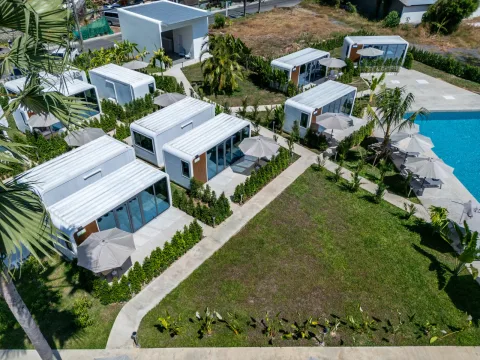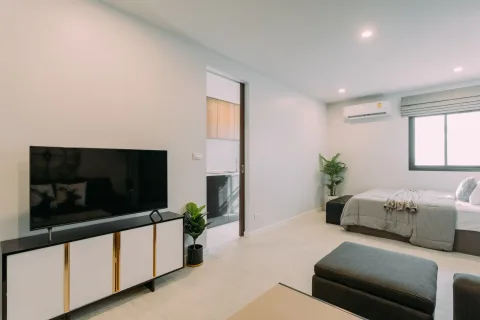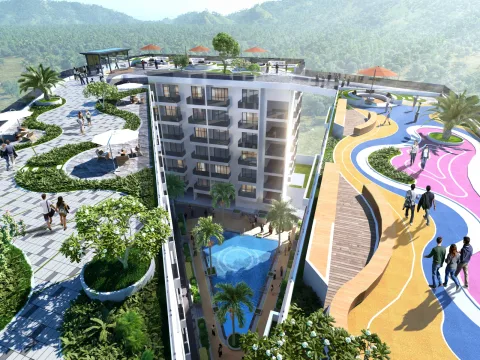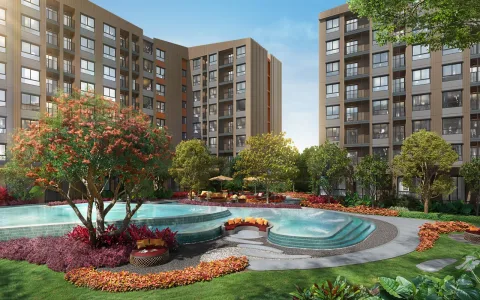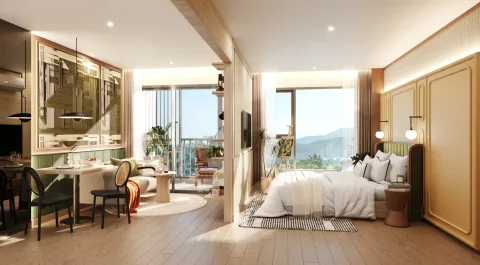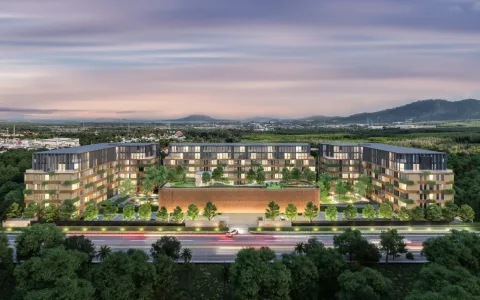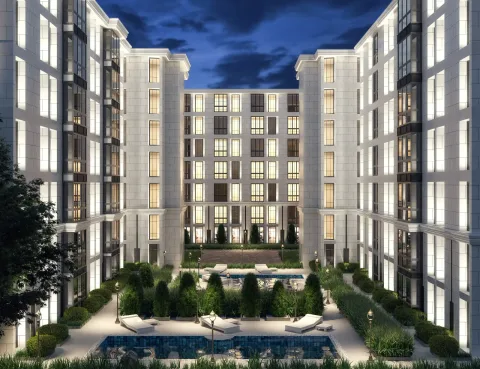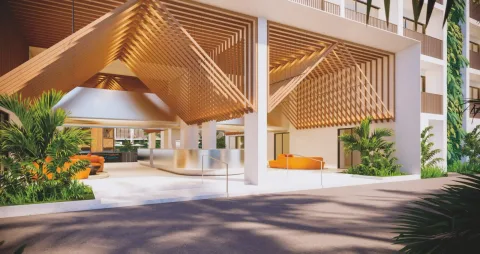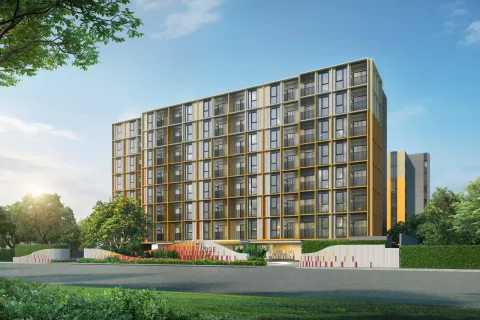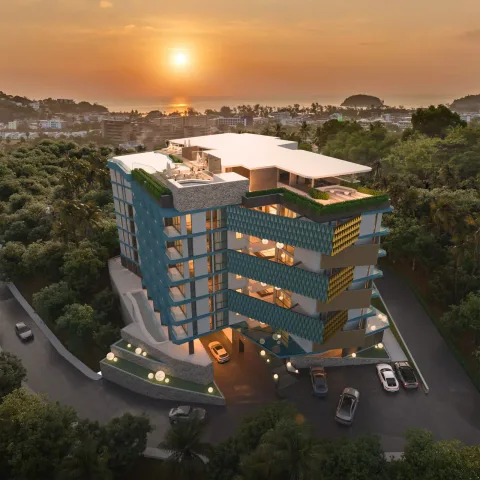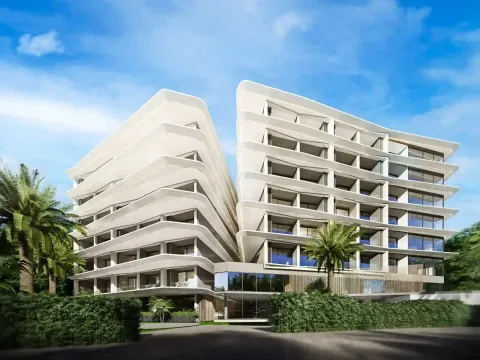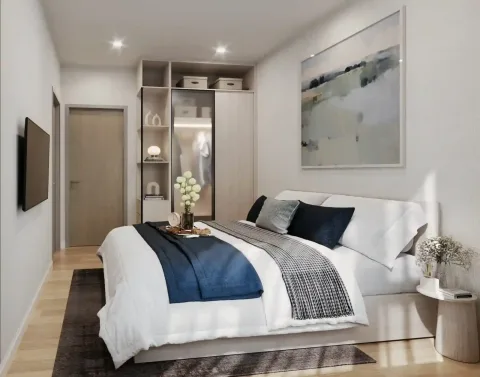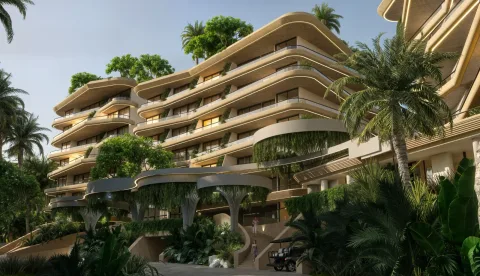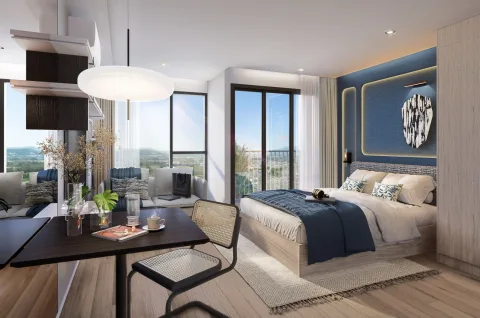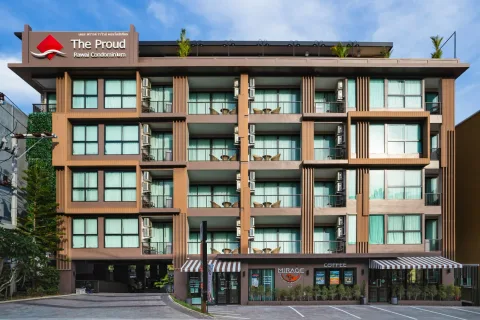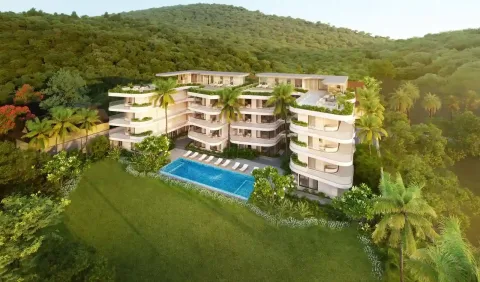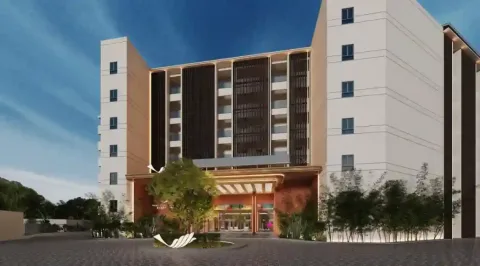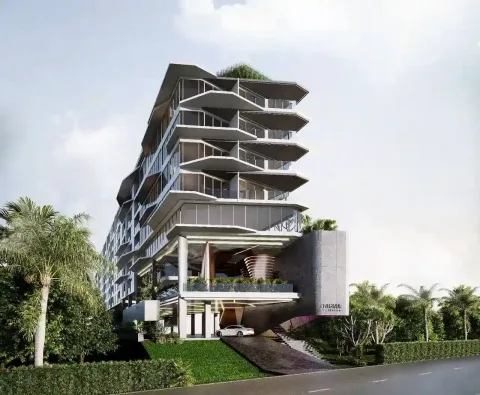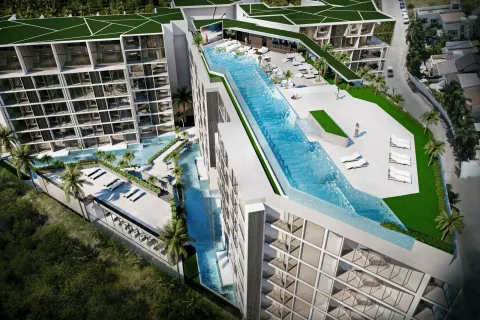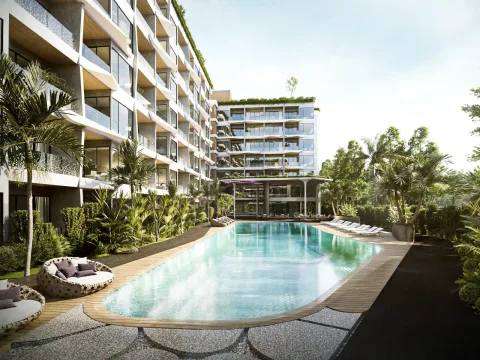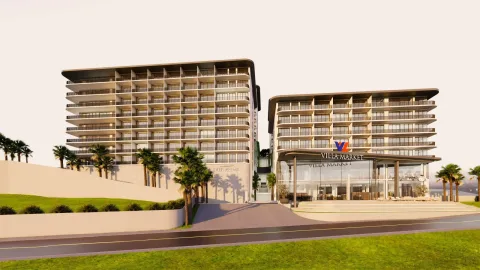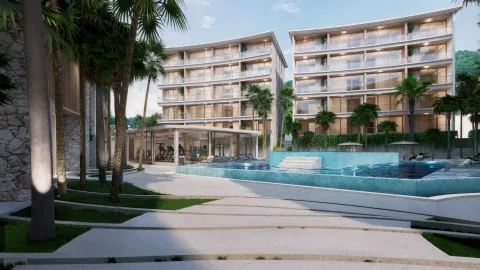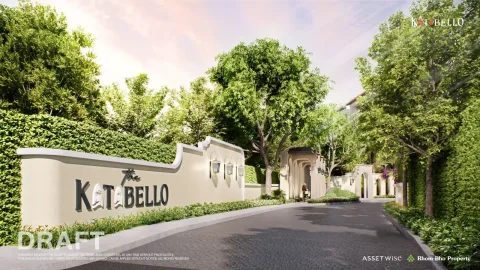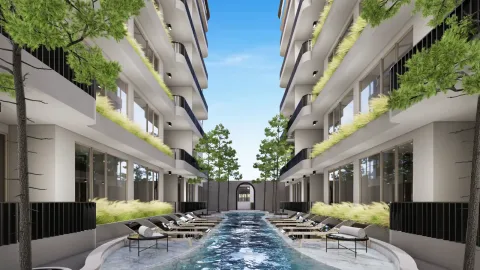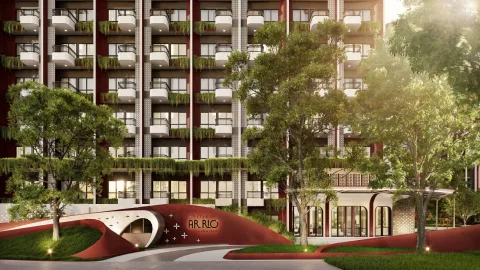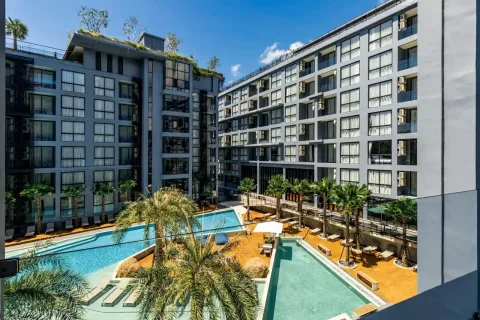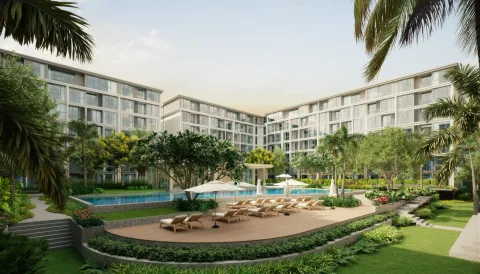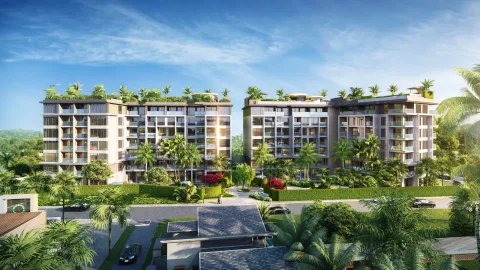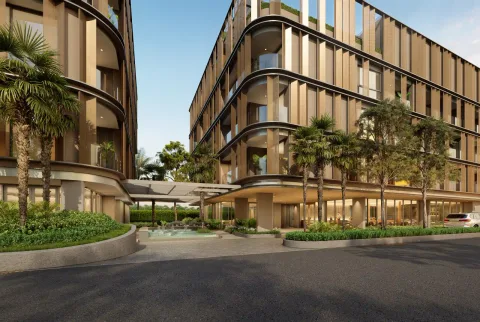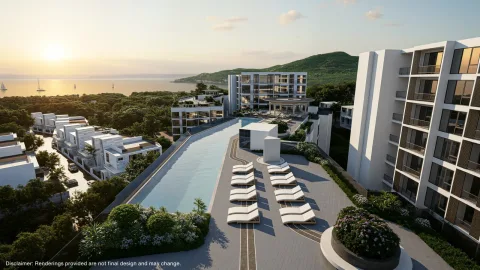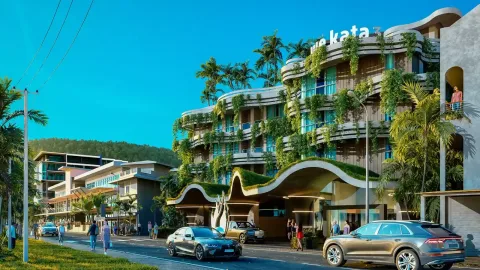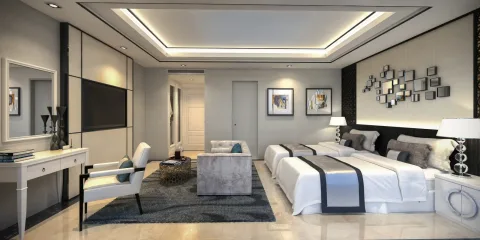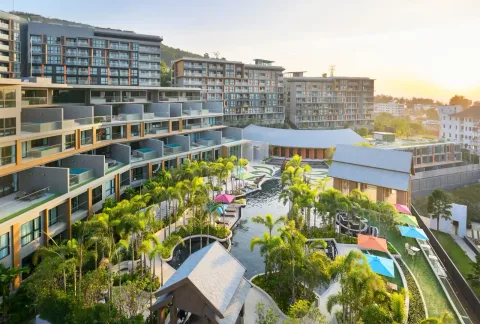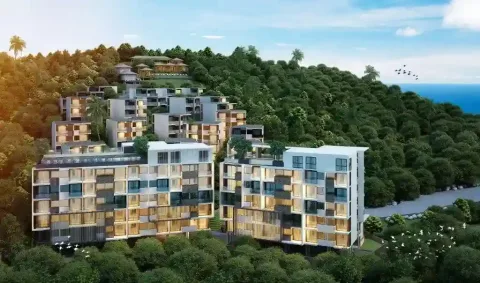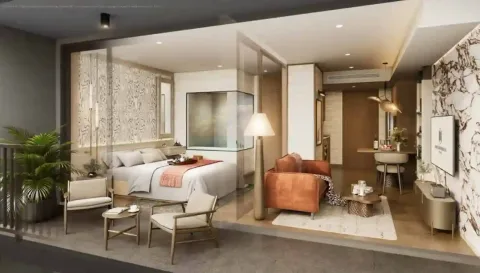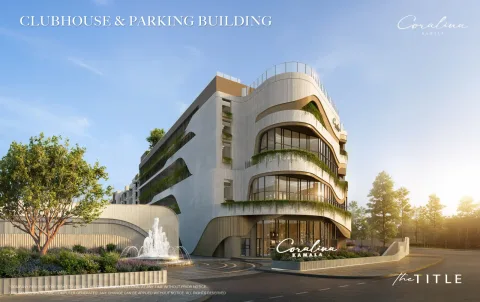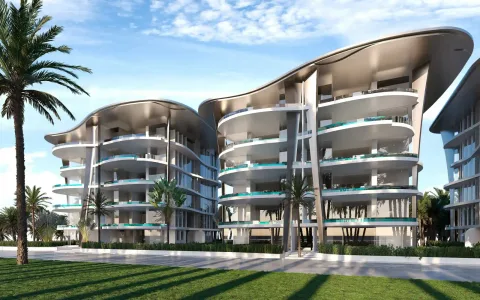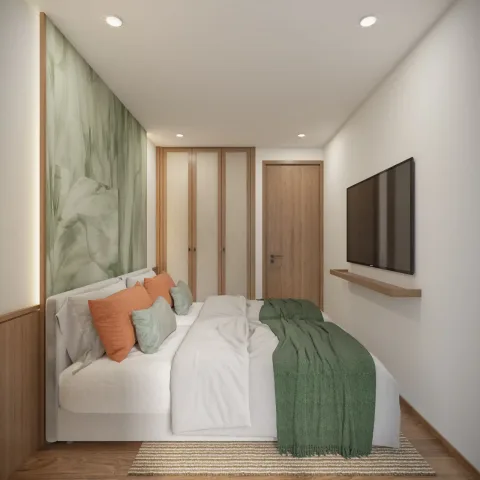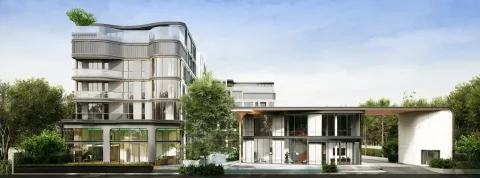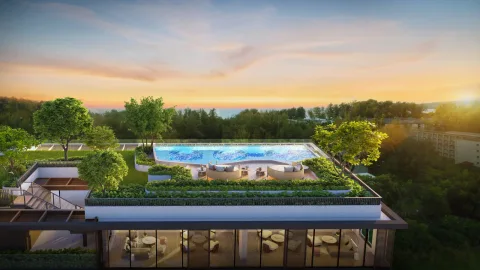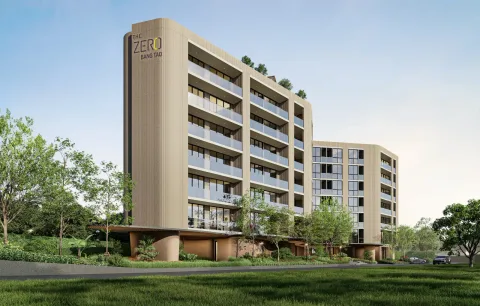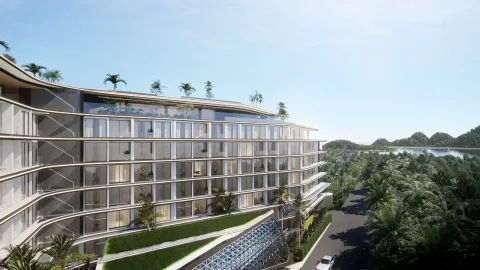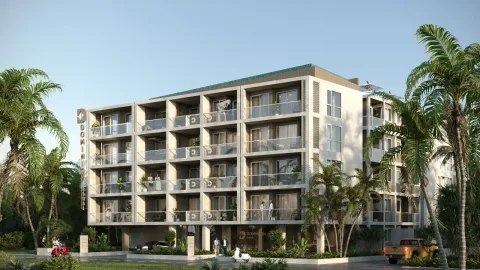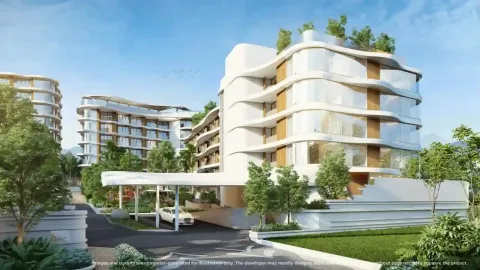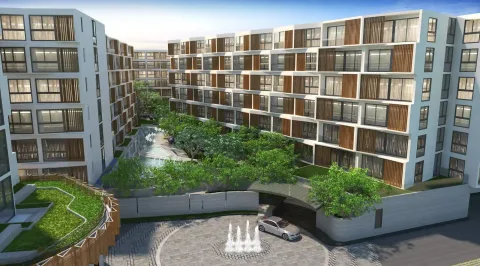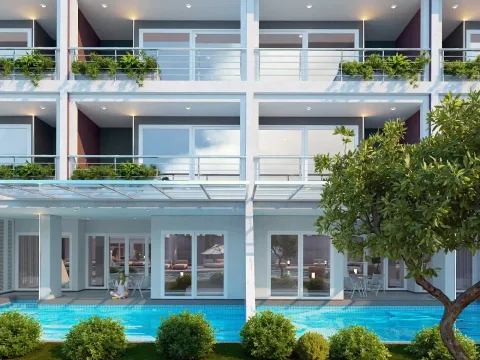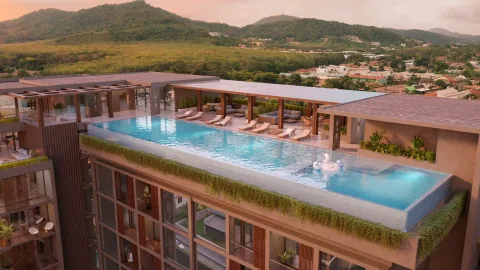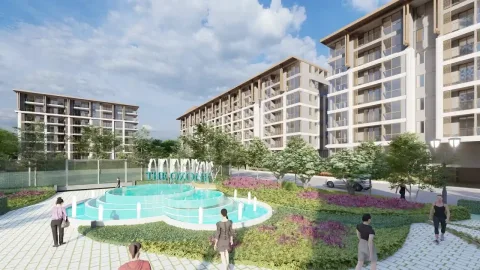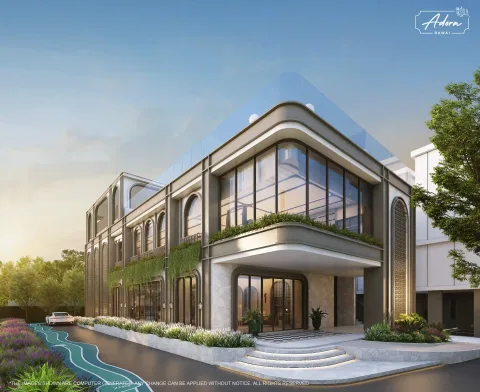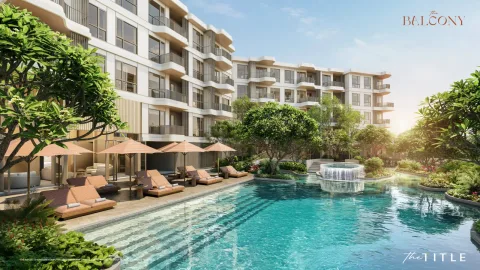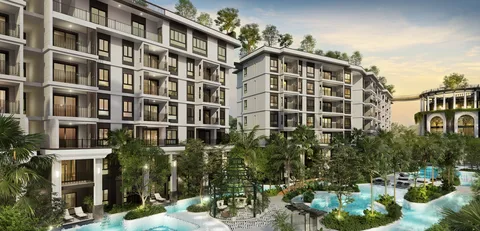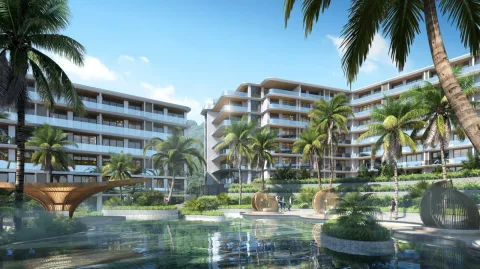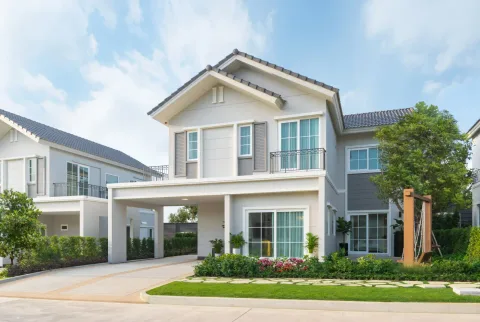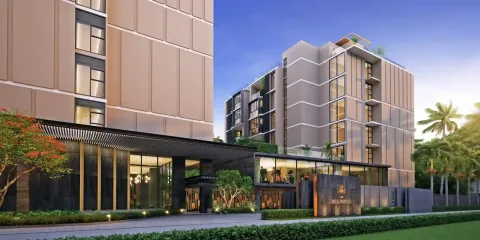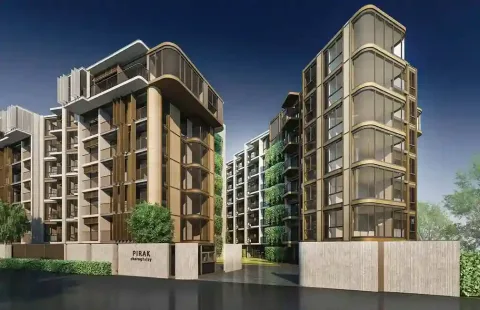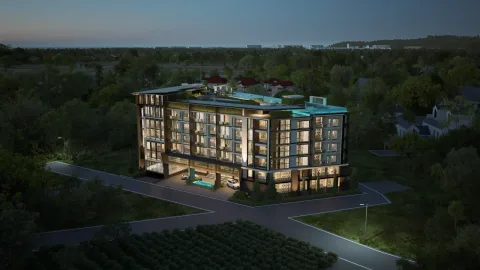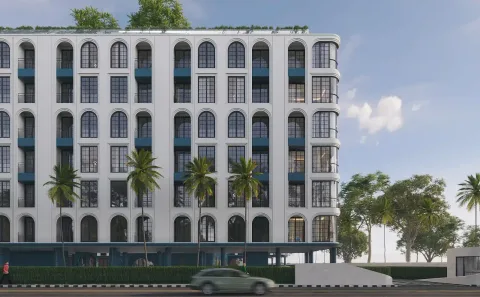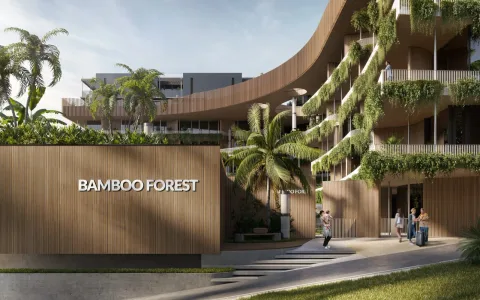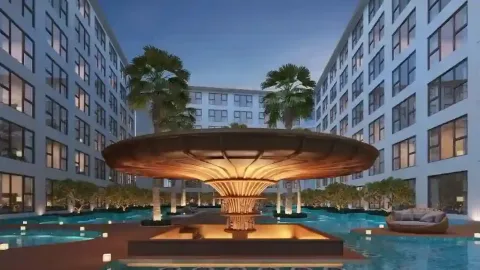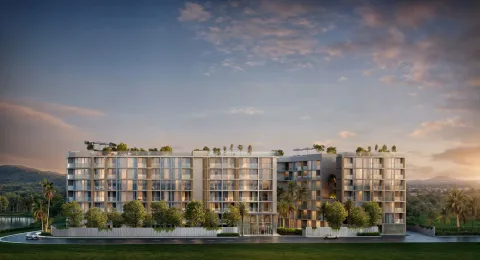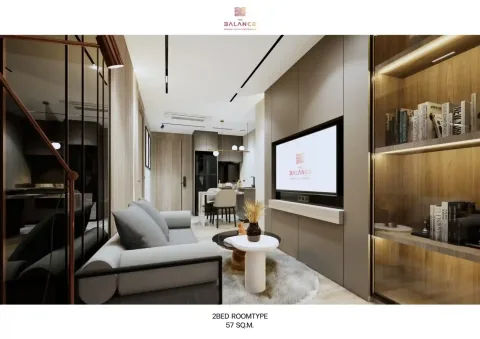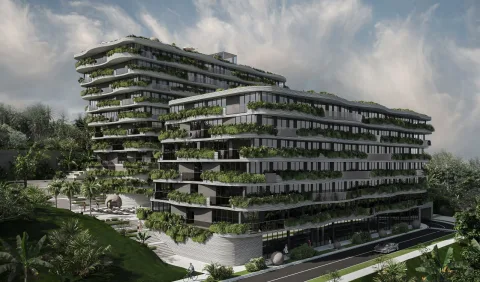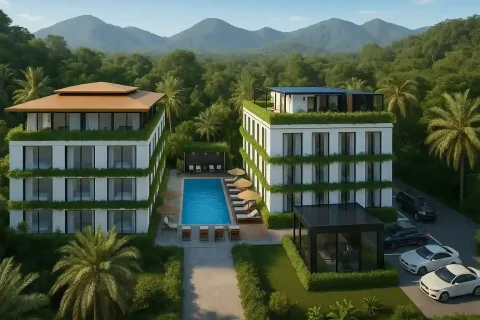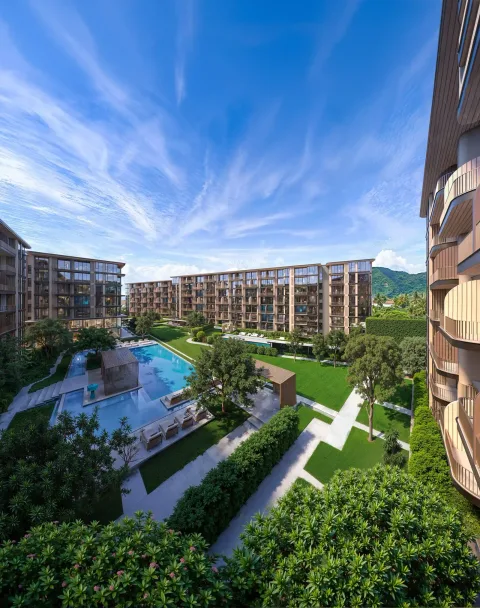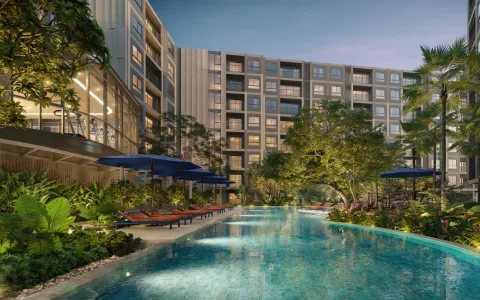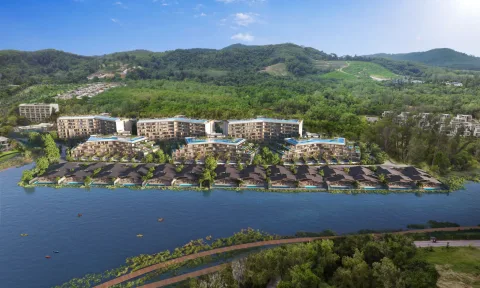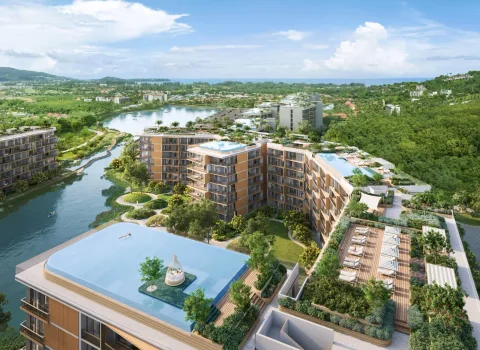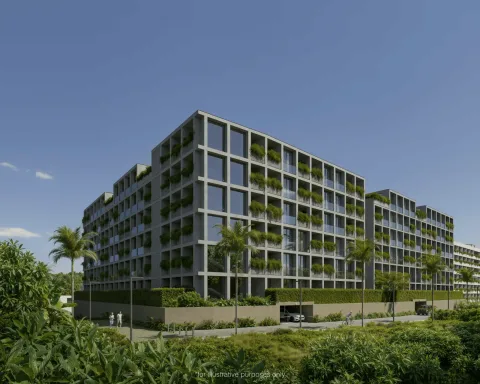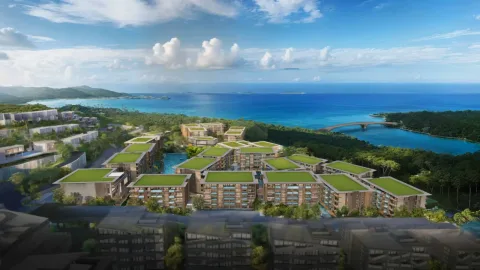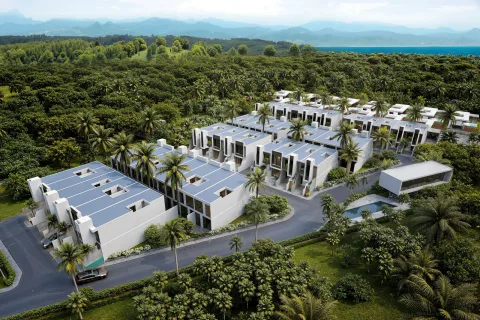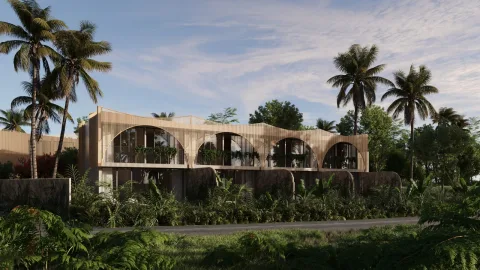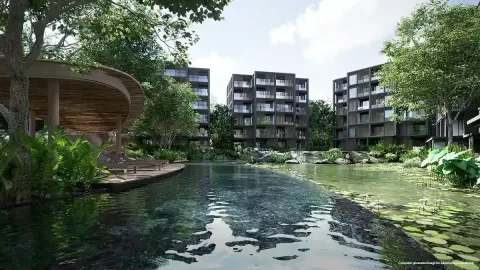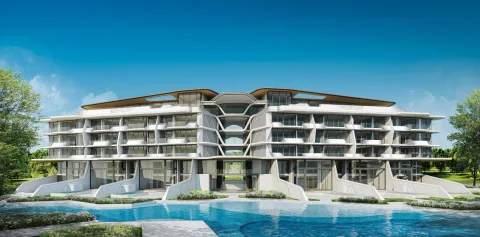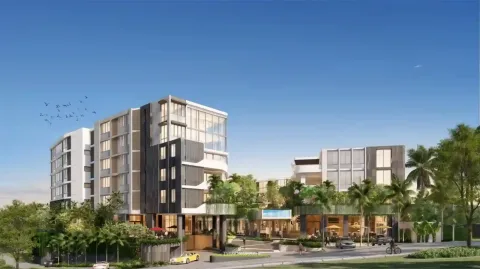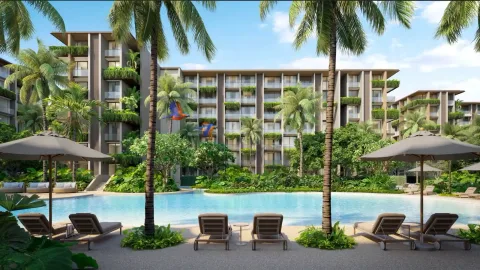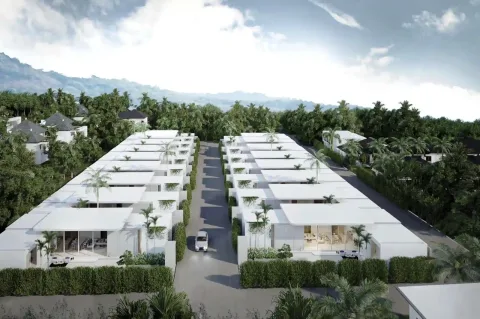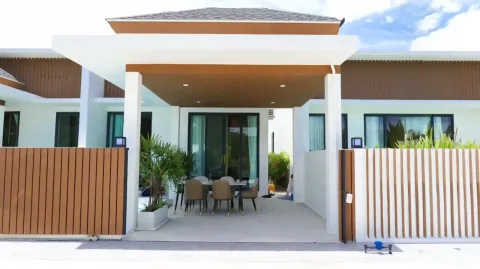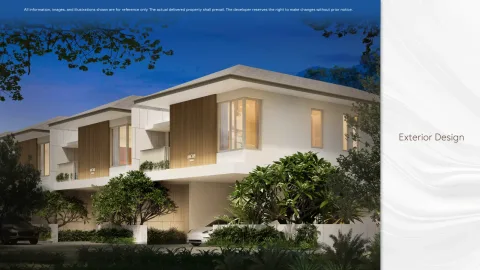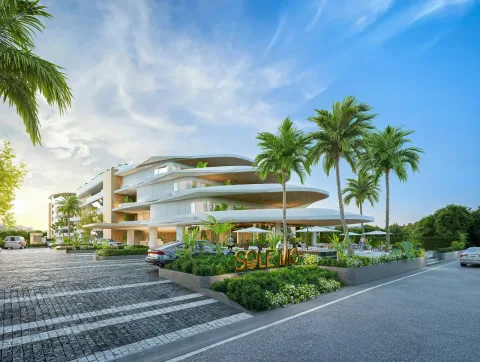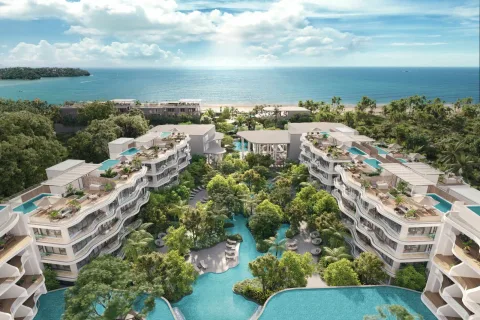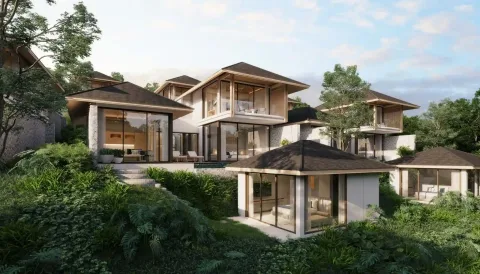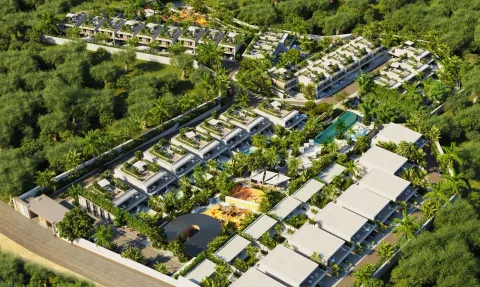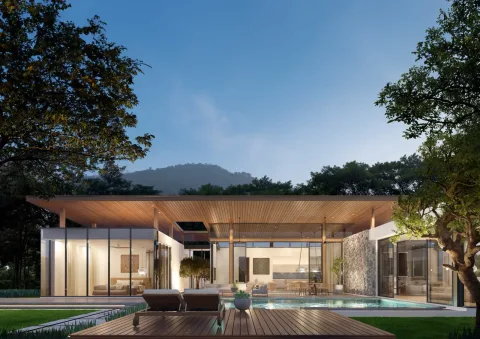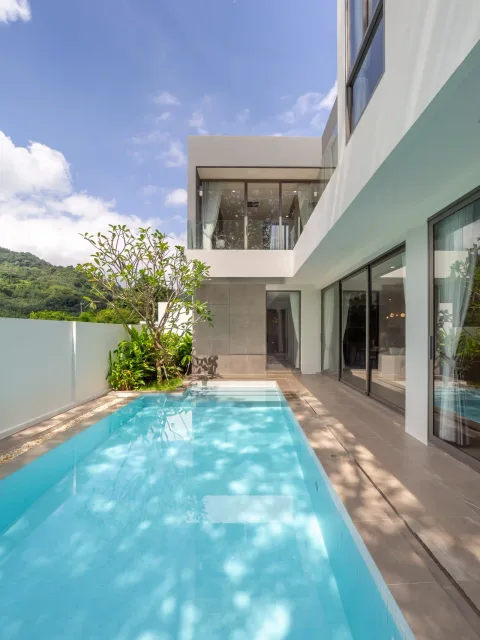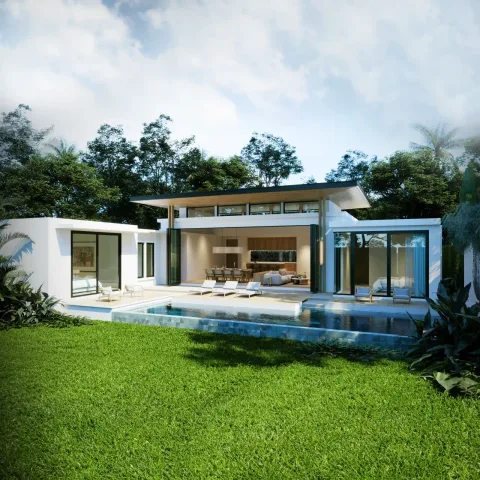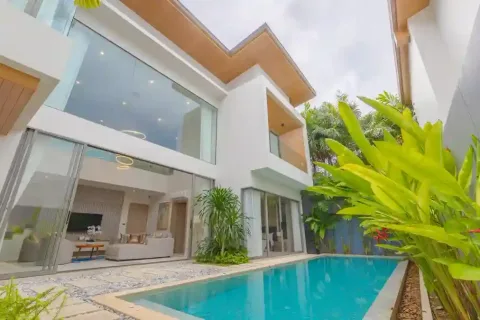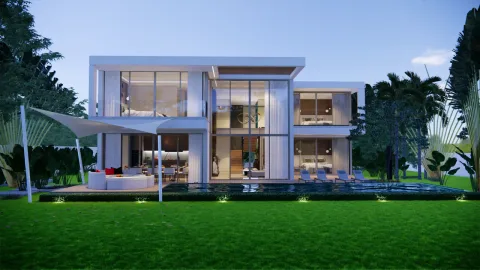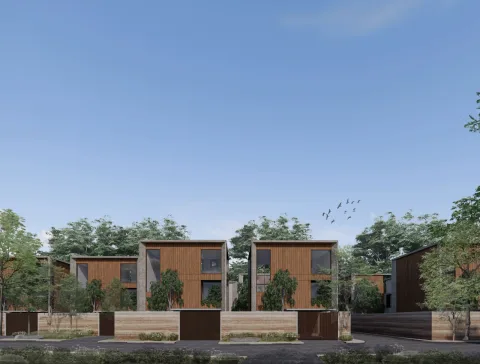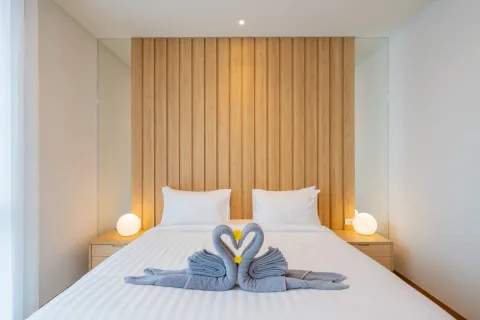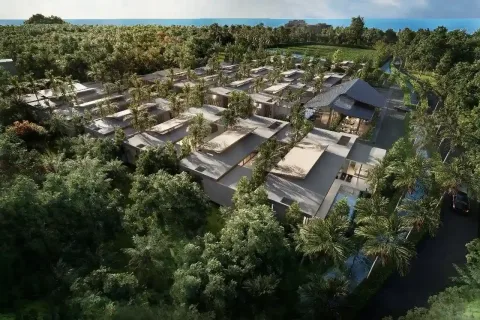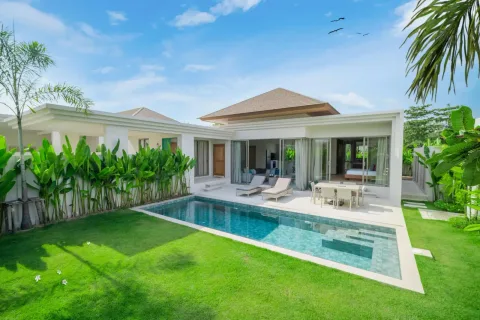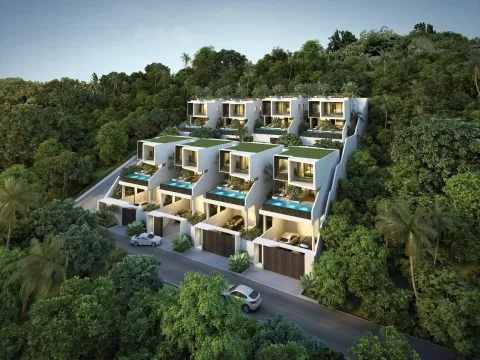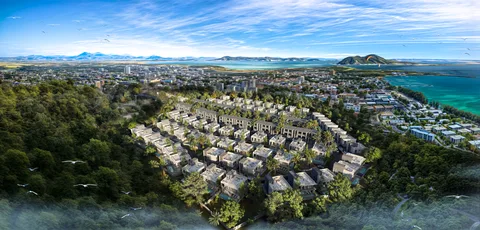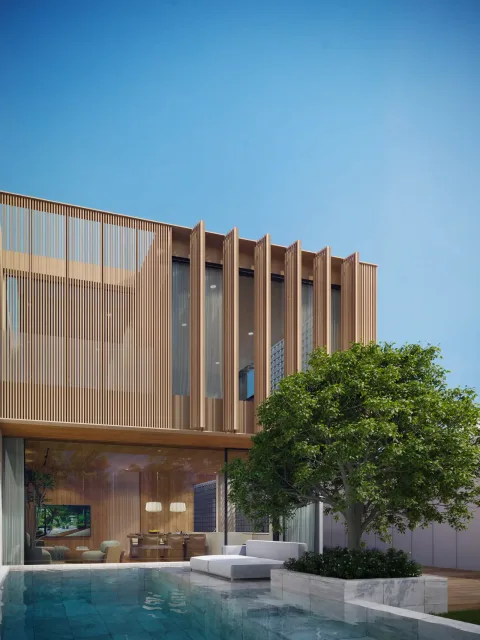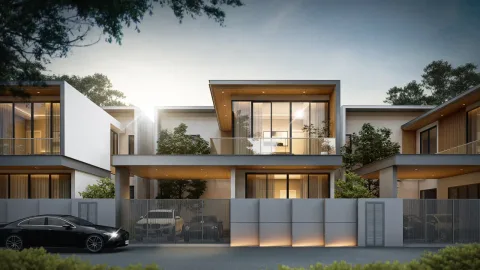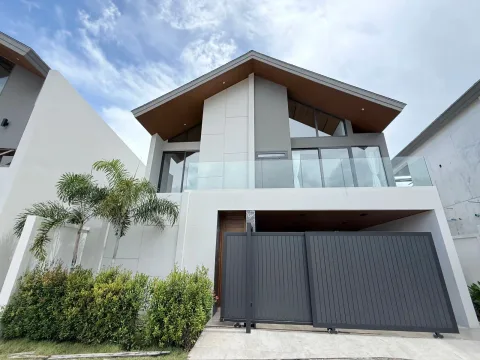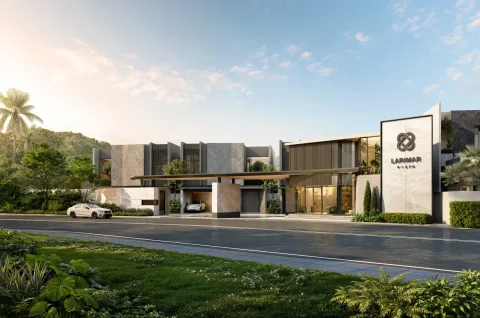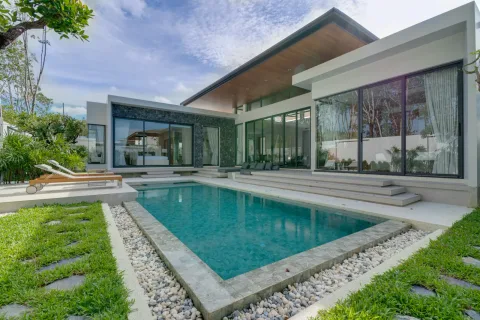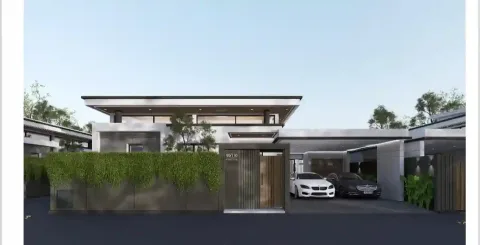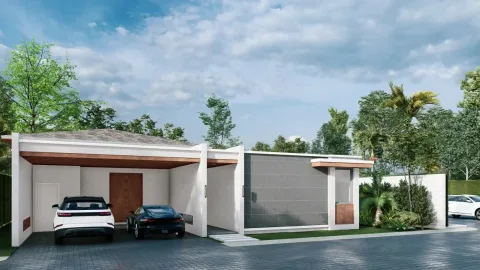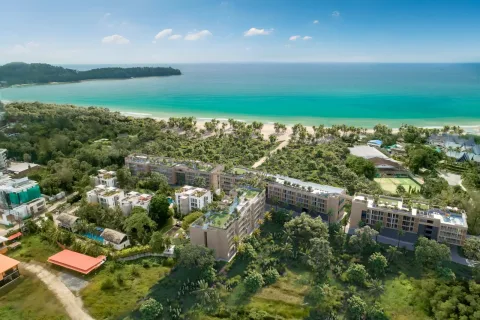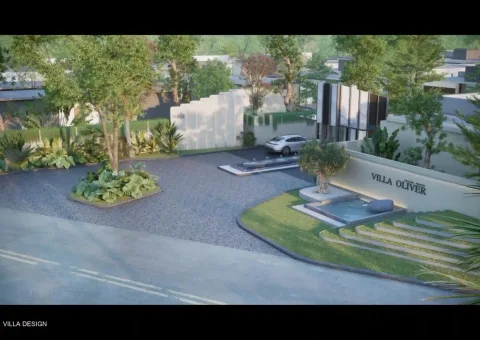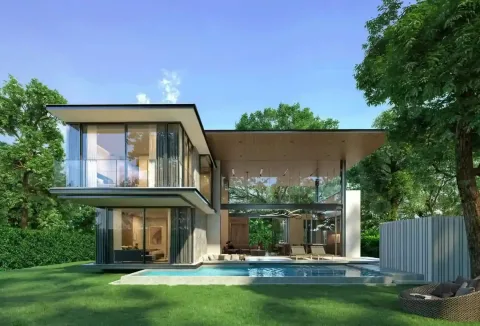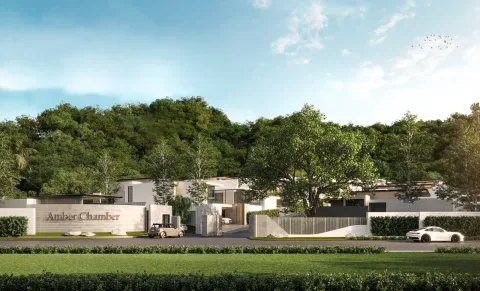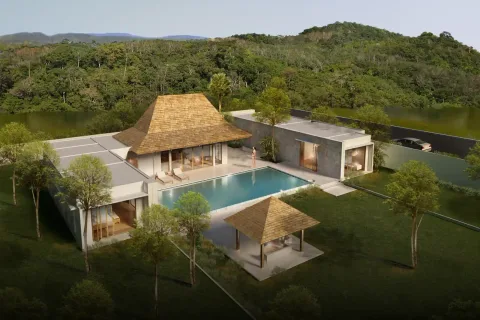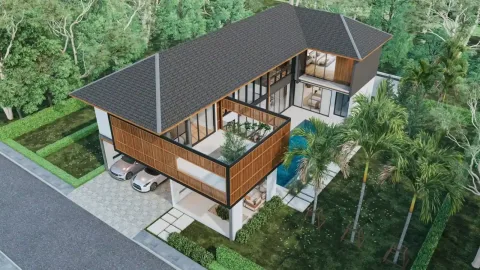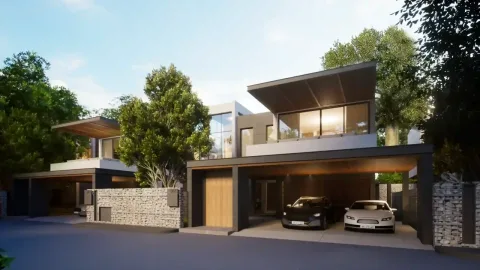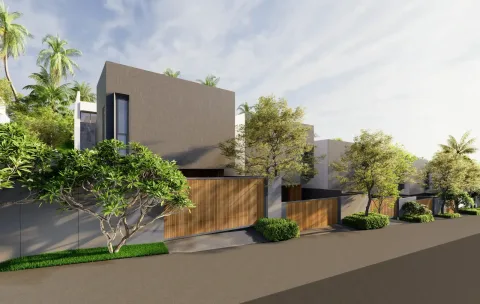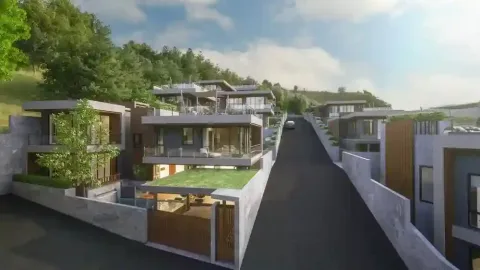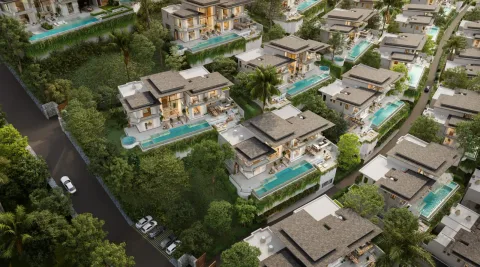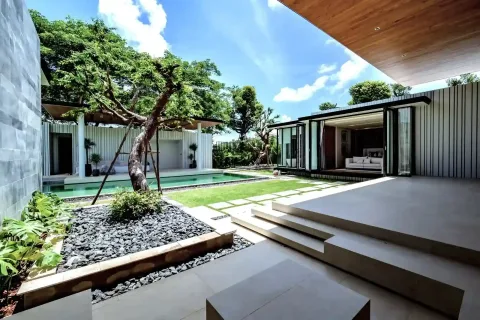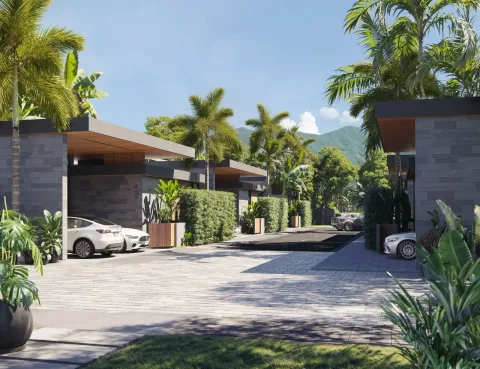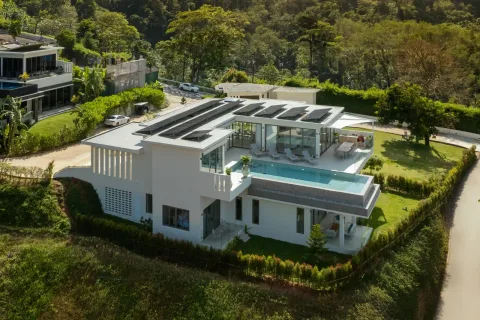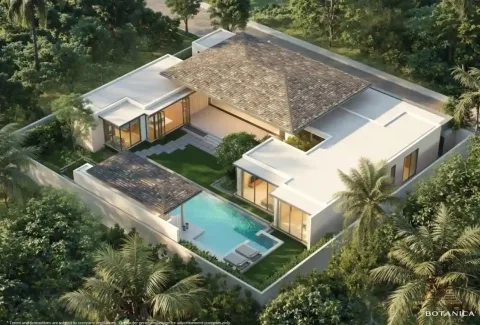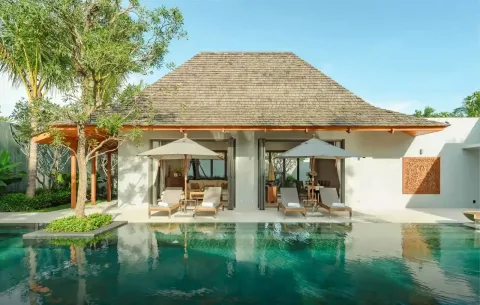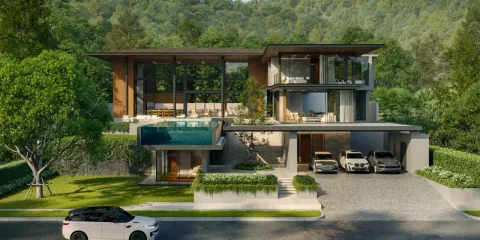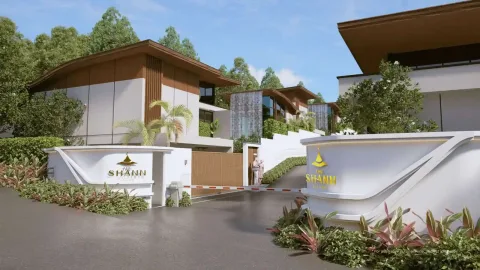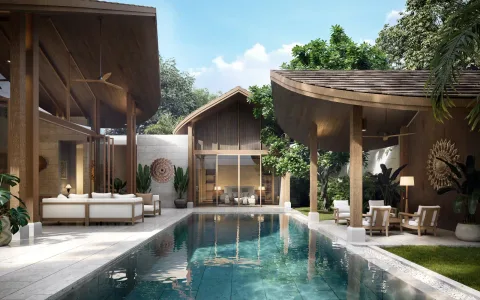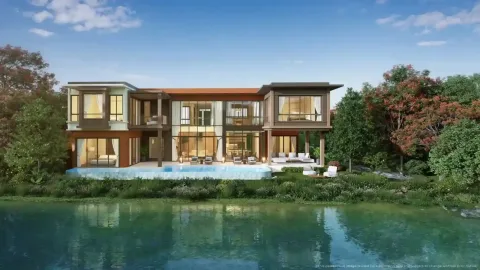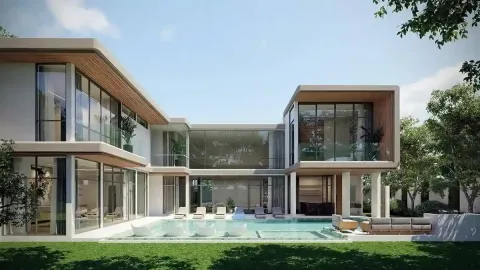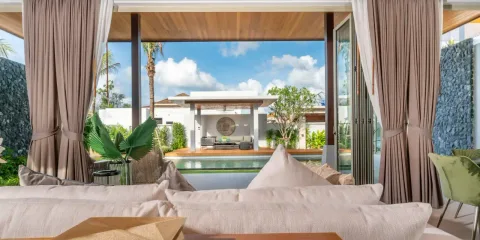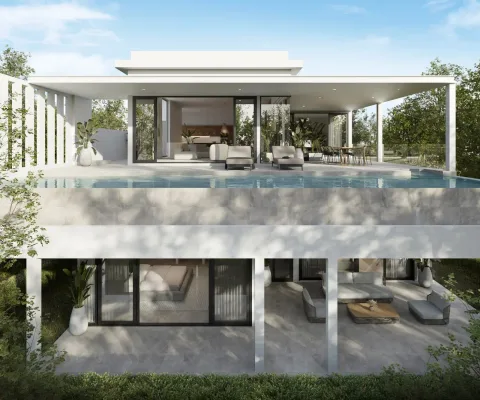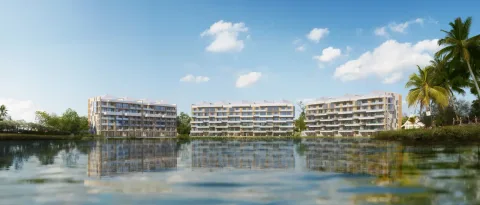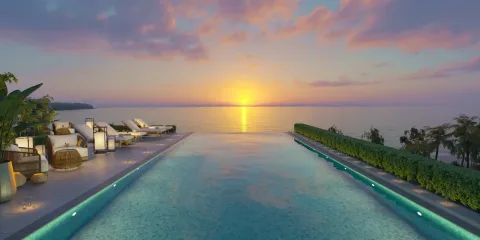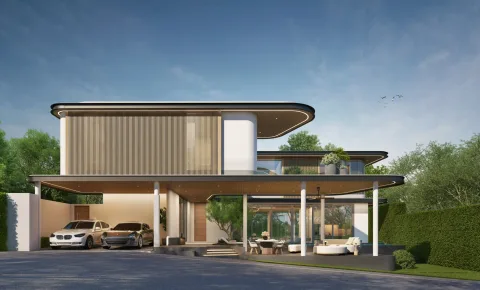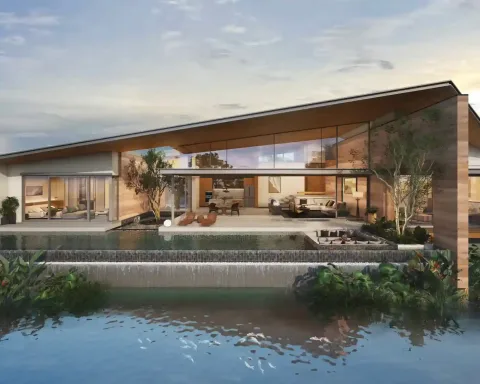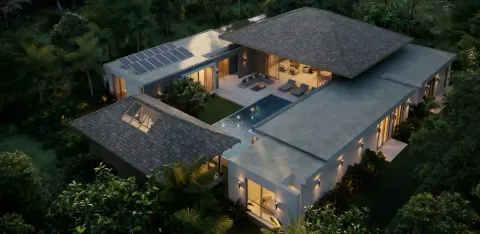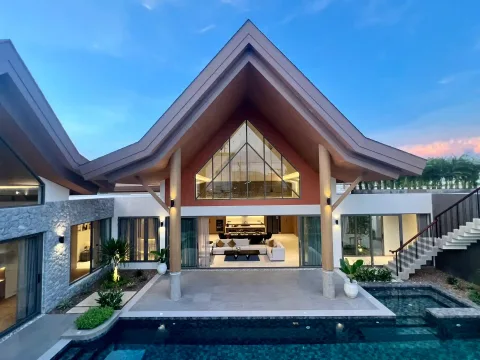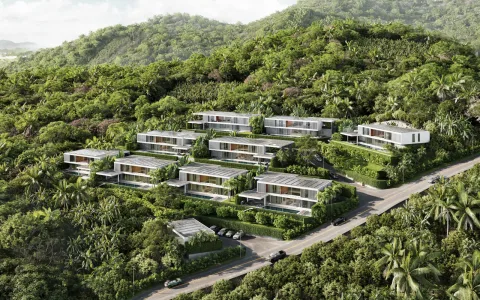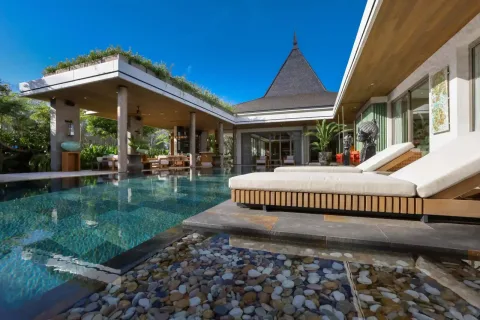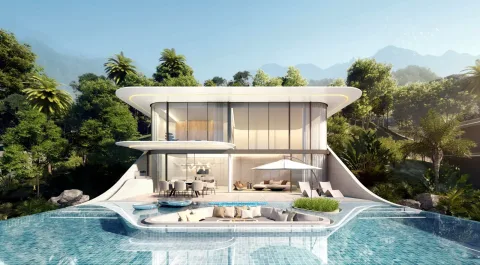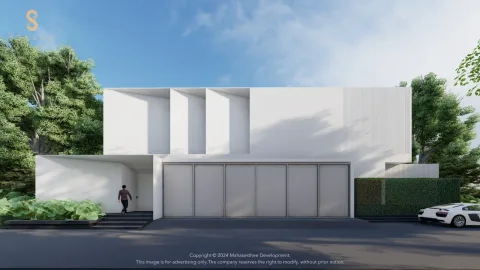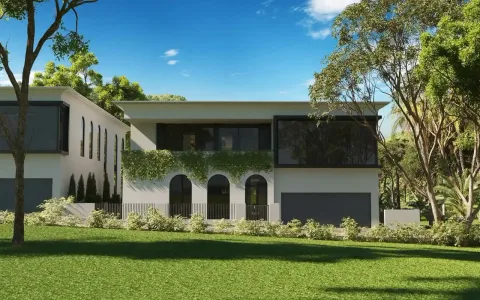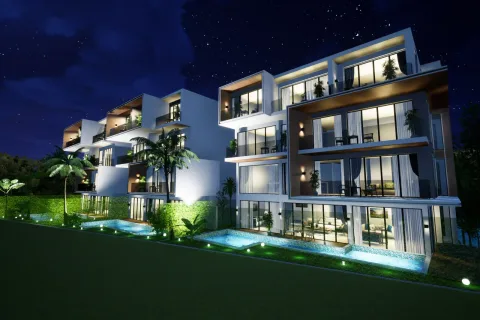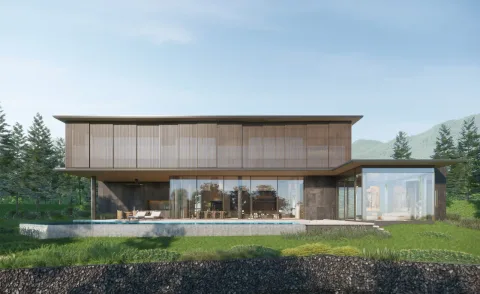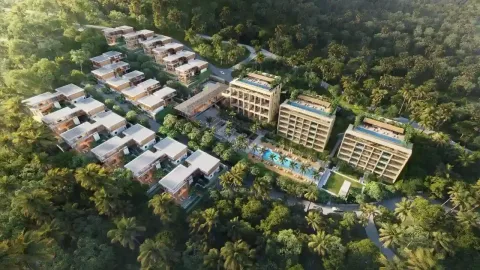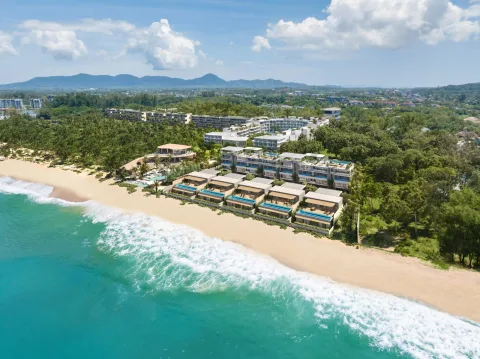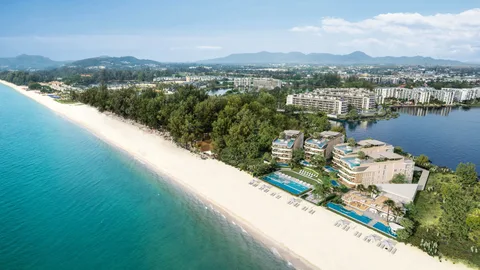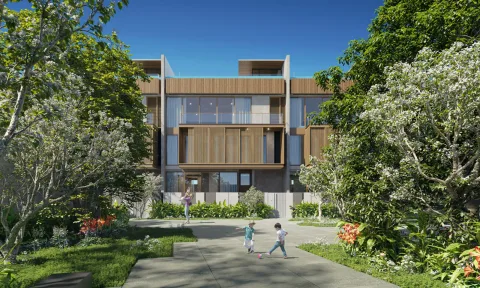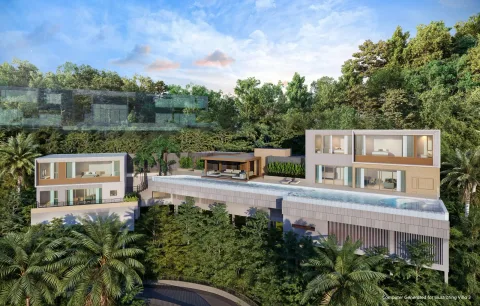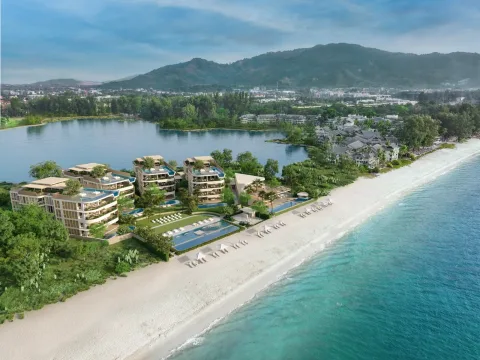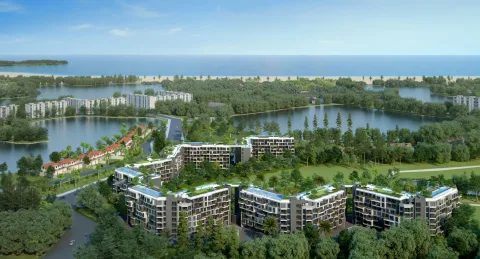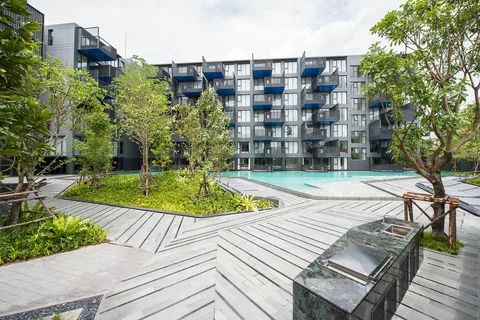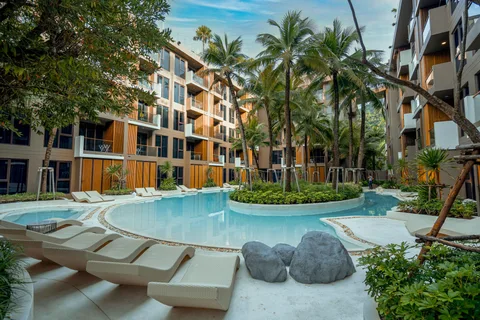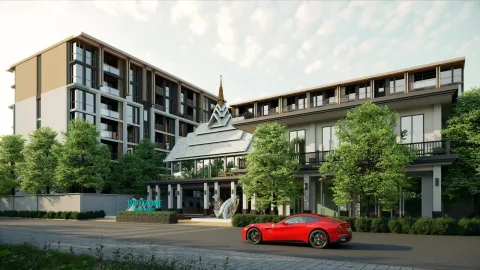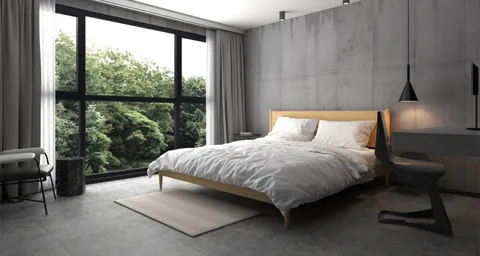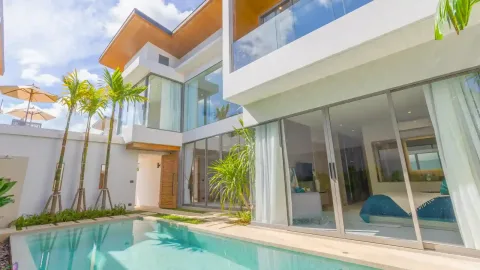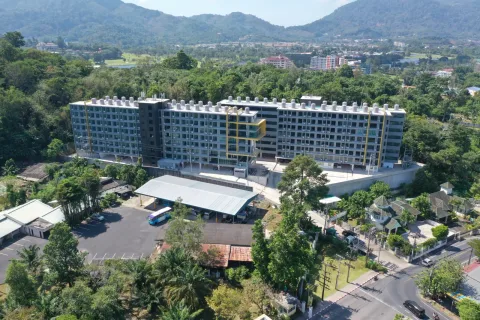
Utopia Central Kathu: Ready Condos from 1.45M THB
Kathu
- Price from
- 1,450,000 THB
- In dollars
- about $44,300
- Type
- Condo
- Status
- completed
Phuket · Condominiums and pool villas · Updated
Quick answer: Phuket sells two products to foreign buyers: condominiums, which a foreigner owns freehold within the 49 percent quota of the building, and pool villas, where the buyer owns the house and holds the land on a registered 30-year lease. On 5 September 2026 this site holds 284 Phuket developer projects: 135 condominium buildings from 1,450,000 THB with a median starting price of 5,066,250 THB, and 149 villa estates from 5,490,000 THB with a median of 26,911,000 THB. Bang Tao alone carries 112 of the 284. Two hundred and forty-three projects are sold off-plan and 41 are completed. Prices are the developers' own starting figures, dated on each card.
250 projects on the island, from 1,450,000 THB (about $44,343 at 32.7 THB per dollar), median entry 13,990,000 THB (about $427,829); 35 completed, 215 under construction or off-plan. Condominiums 118 from 1,450,000 THB · Pool villas 132 from 5,490,000 THB.
Entry prices are the developer's starting price on the MORE Group price list, converted at 32.7 THB per dollar.
Kathu
Bang Tao
Nai Yang
Bang Tao
Greater Patong
Greater Patong
Bang Tao
Nai Harn
Chalong
Greater Patong
Chalong
Greater Patong
Bang Tao
Kata
Kata
Rawai
Layan
Layan
Nai Yang
Layan
Bang Tao
Rawai
Rawai
Layan
Rawai
Rawai
Nai Harn
Karon
Bang Tao
Kata
Kamala
Bang Tao
Kamala
Bang Tao
Karon
Naithon
Nai Yang
Rawai
Kata
Surin
Surin
Karon
Bang Tao
Kamala
Bang Tao
Bang Tao
Bang Tao
Surin
Rawai
Rawai
Bang Tao
Bang Tao
Bang Tao
Nai Harn
Rawai
Karon
Layan
Rawai
Rawai
Bang Tao
Rawai
Nai Yang
Bang Tao
Layan
Pa Khlok
Kata
Layan
Bang Tao
Bang Tao
Layan
Bang Tao
Layan
Greater Patong
Bang Tao
Nai Harn
Kamala
Layan
Nai Yang
Nai Yang
Layan
Bang Tao
Bang Tao
Bang Tao
Bang Tao
Bang Tao
Layan
Bang Tao
Bang Tao
Bang Tao
Layan
Karon
Bang Tao
Nai Yang
Mai Khao
Layan
Bang Tao
Ko Kaeo
Bang Tao
Greater Patong
Layan
Bang Tao
Kamala
Layan
Surin
Bang Tao
Rawai
Nai Yang
Rawai
Bang Tao
Bang Tao
Layan
Chalong
Nai Yang
Nai Yang
Naithon
Bang Tao
Kamala
Bang Tao
Chalong
Bang Tao
Nai Yang
Nai Yang
Nai Yang
Mai Khao
Bang Tao
Layan
Bang Tao
Bang Tao
Bang Tao
Bang Tao
Ko Kaeo
Layan
Bang Tao
Nai Yang
Chalong
Naithon
Kathu
Rawai
Ko Kaeo
Nai Yang
Ko Kaeo
Bang Tao
Chalong
Bang Tao
Layan
Nai Yang
Layan
Mai Khao
Bang Tao
Rawai
Nai Yang
Bang Tao
Bang Tao
Layan
Bang Tao
Cape Yamu
Bang Tao
Chalong
Layan
Layan
Layan
Bang Tao
Layan
Chalong
Mai Khao
Bang Tao
Layan
Layan
Bang Tao
Bang Tao
Bang Tao
Bang Tao
Rawai
Chalong
Nai Yang
Bang Tao
Layan
Bang Tao
Layan
Bang Tao
Chalong
Nai Harn
Chalong
Layan
Bang Tao
Naithon
Chalong
Mai Khao
Kamala
Karon
Bang Tao
Layan
Chalong
Bang Tao
Mai Khao
Layan
Bang Tao
Bang Tao
Naithon
Ko Kaeo
Nai Yang
Kamala
Bang Tao
Bang Tao
Bang Tao
Bang Tao
Layan
Bang Tao
Layan
Bang Tao
Bang Tao
Layan
Bang Tao
Bang Tao
Bang Tao
Bang Tao
Bang Tao
Bang Tao
Bang Tao
Layan
Bang Tao
Bang Tao
Layan
Ko Kaeo
Bang Tao
Kata
Layan
Greater Patong
Layan
Layan
Layan
Kata
Bang Tao
Layan
Bang Tao
Bang Tao
Bang Tao
Ao Yon
Bang Tao
Surin
Bang Tao
Kamala
Bang Tao
Greater Patong · Sansiri
Kamala
Bang Tao
Kamala
Kamala
Nai Harn · Utopia Corporation
Bang Tao
The figures in the guide below are dated to the catalogue of 5 September 2026; the counts at the top of the page, the figures block and the grid are recalculated from the project cards at every build.
Phuket is one island and a dozen markets. The west coast from Mai Khao down to Nai Harn is where foreigners buy, and each beach has its own price, its own product and its own kind of buyer. The table gives every district with a project on this site on 5 September 2026, with the count of condominium buildings and villa estates, the cheapest developer starting price, the median starting price across both products, and the number of completed projects. All of it is computed from the cards, and the source and date of each figure sit on the card itself.
| District | Projects | Condos | Villas | Starting price from | Median starting price | Completed | What it is |
|---|---|---|---|---|---|---|---|
| Bang Tao | 112 | 56 | 56 | 1,800,000 THB | 16,800,000 THB | 17 | Laguna, Cherng Talay and the beach road; the island’s deepest market for both products and its branded residences |
| Layan | 48 | 16 | 32 | 3,240,000 THB | 24,896,615 THB | 3 | Hill country behind Bang Tao: big villa plots, low-rise buildings, the island’s price ceiling |
| Nai Yang | 26 | 7 | 19 | 1,849,000 THB | 14,126,120 THB | 3 | Ten minutes from the runway; where the west coast’s villa prices start |
| Rawai | 23 | 13 | 10 | 3,032,320 THB | 5,193,200 THB | 3 | The south; owner-occupiers, long-stay residents, the marinas at Chalong |
| Kata | 13 | 6 | 7 | 2,990,000 THB | 17,900,000 THB | 2 | Hillside sea views above the beach town |
| Patong | 12 | 9 | 3 | 1,450,000 THB | 3,140,000 THB | 4 | The resort town and Kathu behind the hill; Phuket’s lowest condominium prices |
| Kamala | 11 | 9 | 2 | 4,248,640 THB | 6,210,000 THB | 1 | A valley beach south of Surin with hotel-branded buildings on its headlands |
| Surin | 7 | 5 | 2 | 4,410,000 THB | 4,810,000 THB | 3 | The short expensive beach north of Kamala |
| Karon | 7 | 6 | 1 | 4,350,000 THB | 5,066,000 THB | 1 | Three kilometres of sand one headland south of Patong |
| Chalong, Nai Harn, Naithon, Mai Khao | 20 | 7 | 13 | 2,600,000 THB (Nai Harn) | 6,100,659 THB to 25,900,000 THB | 3 | The south coast bays, the quiet beach between Layan and Nai Yang, and the northern beach by the airport |
| Pa Khlok, Kathu, Cape Yamu, Ao Yon | 4 | 0 | 4 | 5,490,000 THB (Pa Khlok) | 5,490,000 THB to 117,500,000 THB | 1 | The east coast and the interior; single villa projects, including the island’s cheapest villa and one of its dearest |
The price bands say more than the medians for a buyer with a number in mind. Of the 264 priced projects, 15 open below 3,000,000 THB, 44 in the 3,000,000 to 5,000,000 THB band, 46 from 5,000,000 to 10,000,000 THB, 51 from 10,000,000 to 20,000,000 THB, 74 from 20,000,000 to 40,000,000 THB, and 34 from 40,000,000 THB upward. Ten million THB, which is $305,810 at the site rate of 32.7, therefore reaches 105 projects, 98 of them condominiums and 7 villa estates; a budget of 5,000,000 THB reaches 59.
The grids above are the same 284 projects with filters for type, status and price band. The Phuket condos page and the Phuket villas page narrow to one product each, and the projects index lists every review on the site.
Everything a foreigner buys in Phuket is one of two things, and the difference is in the title, not the brochure.
A condominium is the freehold product. A foreign buyer owns the unit in their own name with a title deed from the Phuket Land Office, inside the 49 percent foreign quota measured by floor area across all the units in the building, and pays for it with money transferred from abroad in foreign currency and recorded by the receiving bank on a Foreign Exchange Transaction form. The foreign quota guide explains how the 49 percent is counted; the phrase “foreign freehold” on a Phuket listing means a unit inside it. The 135 condominium projects on this site start at 1,450,000 THB in Kathu and reach 54,800,000 THB in Laguna; the median condominium sits at 5,066,250 THB, and 27 are completed buildings.
A villa is the leasehold product. A foreign buyer owns the house, which can be registered in their name, and takes the plot on a lease of at most 30 years, written onto the land title by the Land Office. The lease is real for its term, binds any later owner of the land, and can be inherited if the contract says so; the second and third 30-year terms promised in 30+30+30 contracts are promises, not registered rights, and the 99-year lease proposed in parliament since 2024 is still a proposal in September 2026. The alternative, a Thai company holding the land, is lawful only when the Thai shareholders are real, and the checks on nominee companies that tightened in 2025 and 2026 have made resale the moment those structures fail. The 149 villa estates on this site start at 5,490,000 THB in Pa Khlok and reach 160,000,000 THB on the Bang Tao beachfront; the median villa estate begins at 26,911,000 THB, and 14 are completed.
Insider tip: on a Phuket villa estate, ask whether the estate’s land has been subdivided into individual plots with their own deeds. Until it has, your lease cannot be registered against your villa’s plot, and the period between signing and subdivision is the period in which you hold a contract rather than a right. The 30-year lease guide explains what to look for on the deed.
Phuket’s prices follow the coast. The airport is at the northern tip; the further south along the west coast a beach sits, the older its development, and the price peaks in the middle, at Bang Tao and Surin, where the Laguna resort complex has anchored foreign demand for thirty years.
The Laguna orbit: Bang Tao, Layan, Surin, Kamala. The island’s most expensive and most liquid market. Bang Tao’s 112 projects range from a 1,800,000 THB studio in a Cherng Talay building to Banyan Tree’s beachfront residences at 160,000,000 THB; the district median of 16,800,000 THB across both products masks a condominium median of 6,836,950 THB and a villa median of 32,500,000 THB. Layan behind it is the villa market at 24,896,615 THB median, with Anantara-branded estates and hillside plots. Surin and Kamala carry smaller counts and resort-branded buildings at the top. The area guides for Bang Tao and Laguna, Cherng Talay, Layan, Surin and Kamala go street by street.
The towns: Patong, Karon, Kata. Patong is the island’s cheapest condominium market, 9 buildings with a median starting price of 2,785,000 THB and the Kathu valley behind it at 1,450,000 THB, and its buyers are letting to the tourist trade the town exists for. Karon is a longer, quieter beach at 4,350,000 THB and up; Kata is a hillside market with 7 villa projects and 6 buildings, and two villa estates above 60,000,000 THB. Guides: Patong, Karon, Kata.
The south: Rawai, Nai Harn, Chalong. The island’s owner-occupier market, where long-stay residents buy the 3,000,000 THB condominium or the 12,000,000 THB villa they will live in. Rawai’s 23 projects have the lowest median of any district with both products in depth, 5,193,200 THB, and Nai Harn’s beach is the reason people move there. Guides: Rawai, Nai Harn.
The airport corridor: Nai Yang, Naithon, Mai Khao. The same pool villa that costs 30,000,000 THB in Cherng Talay costs 17,800,000 THB at the Nai Yang median because the beach is quieter and the restaurants are fewer. Nai Yang’s 19 villa estates and 7 buildings are all recent, and the airport expansion guide explains why the corridor has filled. Guide: Mai Khao and north Phuket.
The east and the interior: Cape Yamu, Ao Yon, Pa Khlok, Kathu, Phuket Town. Single projects rather than markets on this site, from the island’s cheapest villa estate at 5,490,000 THB in Pa Khlok to Veranda’s villas and suites at Ao Yon from 117,500,000 THB. Phuket Town itself, the island’s administrative and cultural centre, is a Thai market with few developer projects aimed at foreigners, and the Phuket Town guide says why that is changing slowly.
The cheapest-district question has a better answer than a district name, because the same budget buys a different thing in each place. Ten million THB reaches 105 of the 264 priced projects on this site.
In Patong and Kathu it buys a one-bedroom or a two-bedroom in a completed building, or two studios in the valley for letting. In Rawai and Nai Harn it buys a two-bedroom condominium in a low-rise building with a pool, or the entry price on a villa estate, since Rawai’s villas start at 12,280,000 THB and its cheapest completed estate is just above the budget. In Kata and Karon it buys a one-bedroom with a sea view. In Kamala and Surin it buys a one-bedroom in a building a short walk from the beach, and no villa. In Bang Tao it stretches to a studio, or a compact one-bedroom, in a Cherng Talay building priced under the district’s condominium median of 6,836,950 THB and a long way below its villa median. In Layan it buys the entry condominium at 3,240,000 THB and nothing on the villa side. In Nai Yang it buys a two-bedroom condominium or the cheapest villa on the west coast, from 6,500,000 THB. In Pa Khlok it buys the island’s only villa under 6,000,000 THB.
The under-budget guide, the cheapest areas guide and the first-time budget guide work through the entry prices district by district.
Phuket builds faster than it completes. Two hundred and forty-three of the 284 projects on this site are sold from plans or during construction, and only 41 are finished buildings or estates a buyer can walk through. The ratio is the most important fact on this page, because it means that most Phuket purchases are construction contracts with payment schedules rather than transfers of finished property, and the diligence moves from the unit to the developer.
Four documents decide whether an off-plan Phuket project is safe to reserve. The environmental impact assessment, required once a residential building reaches 80 units or 4,000 square metres of floor area, is the single most common cause of delay on the island, and a project marketed before its assessment is approved is a project whose completion date is a guess. The construction permit for the specific building or the specific villa plot, issued by the local municipality, which should match the plans in the brochure and the zoning of the land: Phuket’s coastal and hillside rules restrict height near the shore and building on slopes above a stated gradient and elevation, and the hillside villa guide and the beachfront title risk report explain what happened to buildings that ignored them. The land title under the project, pulled at the Land Office in the developer’s name without an undisclosed mortgage. And the developer’s record, projects delivered against the dates advertised, which the developer reputation guide and the track record guide show how to check.
The contract itself should carry a delay clause with a penalty and a refund right, instalments tied to construction milestones rather than dates, a built-area tolerance with a price adjustment, and a defects period after handover. Thailand’s escrow law of 2008 is optional and few Phuket developers use it; the escrow guide sets out what to ask for instead, and the off-plan guide works through the clauses one by one.
Send us three projects from the grid and we send back the permits and the record
We pull the land title, the environmental approval, the construction permit and the developer's delivery history, and write back in plain English before any reservation fee is paid.
A unit is only as good as the building around it, and in Phuket the building tells its story in four documents that a sales office rarely volunteers. The juristic person’s accounts show whether owners pay their fees, whether the sinking fund has been spent on the roof or the pool pumps, and whether a special assessment is coming. The minutes of the last annual general meeting show the disputes: a management company under notice, a rental operator in conflict with resident owners, a developer that still controls the committee years after handover. The building regulations show whether nightly letting is permitted, banned or licensed, and since many Phuket buildings sell to two incompatible buyers, the investor who wants Airbnb income and the resident who wants a quiet corridor, the regulations decide which of the two will be unhappy. And the foreign-ownership register at the Land Office shows how much of the 49 percent quota is left, which decides whether the next buyer of your unit can be a foreigner at all.
Hotel-managed buildings deserve their own reading. Several Phuket developments in Bang Tao, Kamala and Patong are sold as condominiums but run as hotels, with the units in a rental pool, an operator taking a share of gross revenue, and owner use limited to a set number of nights a year. They are lawful and sometimes well run, but they are a different asset from a residential condominium: the owner buys an interest in a hotel’s trading, the resale market is other investors rather than residents, and the management agreement, not the title deed, is the document that governs the owner’s life. The guaranteed return guide explains how to read the rental programme that usually accompanies them, and the absentee owner guide covers what a management company should do for an owner who lives abroad.
The projects on this page are developer sales. Behind them sits the resale market, where owners sell completed units and villas, and it matters to a first buyer twice: as the market that sets the real price of a building once the sales office closes, and as the market the buyer will one day sell into. Phuket’s resale market is deepest in Bang Tao and Laguna, where thirty years of foreign ownership have created a stock of completed units with a history, and thinnest in the new corridor districts where nothing has yet been resold.
A resale purchase registers the same way as a new one, with two documents a developer sale does not need: the Foreign Exchange Transaction record from the seller’s own purchase, proving the unit entered the quota lawfully and letting the seller repatriate the proceeds, and the juristic person’s letter confirming no fees are owed, which the Land Office demands before it will register the transfer. A seller who cannot produce the first is a seller whose unit may not be in the quota at all. The resale listings on this site are owner sales this office handles, and the selling guide describes the exit from the seller’s chair, which is worth reading before the entrance. The resale safety checklist sets out the eight checks on a completed unit, from the title deed to the juristic person’s clearance.
Most Phuket purchases are made by buyers who live elsewhere, and the island’s process accommodates that better than most markets. A first video call fixes the brief: district, product, budget in the buyer’s currency, intended use, and how the title will be held. A shortlist follows with the cards from this site, each with its source and date, and video walk-throughs of completed units or construction sites. The buyer appoints a Phuket lawyer, who pulls the title, the quota or subdivision, the permits and the developer’s record, and reports in writing. A reservation is paid only after that report, and the contract is reviewed before the deposit. The purchase funds travel by international transfer from the buyer’s own account in foreign currency, so that the receiving bank issues the Foreign Exchange Transaction record. For the Land Office day the buyer either flies in for one day or grants a power of attorney on the Land Office’s printed form, notarised at home and legalised for Thailand; the remote purchase guide walks through the wording and the timing. Handover of a completed unit is a snagging visit with a written list, and the handover checklist is the list to bring.
The whole sequence takes six to ten weeks for a completed unit and the construction period plus that for an off-plan one. The two steps that remote buyers most often reverse are the reservation and the title check; the fee should follow the lawyer’s report, not precede it.
Phuket is one of the three provinces that take most of Thailand’s foreign condominium transfers, behind Chonburi and alongside Bangkok in the Real Estate Information Center’s data, and it is the province where the buyer mix has shifted most. When The Nation reported REIC’s first-quarter 2026 figures, Russian purchases had grown by roughly a third in unit terms and by 75.9 percent in value, to 3.6 billion THB, and Phuket and Chonburi were where the growth landed; Chinese buyers remained the largest group nationally by value in REIC’s half-year 2025 report, which counted 6,533 foreign condominium transfers worth 28.267 billion THB. On the supply side, C9 Hotelworks’ 2026 review of Asia’s residential market found more branded residences in Phuket than in any other resort destination in the region, 3,465 units, most of them in the Laguna orbit.
Two limits on that data matter to a buyer. It counts condominiums only, because a villa lease registers in the landowner’s name; the size of Phuket’s foreign villa market is not measured by anyone. And it says nothing about what any unit earns or what it will be worth, because Thailand keeps no letting register and no resale index at the level of a building. The market outlook and the price report set out what can be said, and this page carries no yield, occupancy or appreciation figure for the same reason.
Insider tip: the price per square metre inside a single Phuket estate can vary by a factor of three between schemes, and this site’s own price lists show a range from about 126,000 to 452,000 THB per square metre across fifteen schemes in Laguna alone. A district median is a place to start a conversation, not a price to pay; ask for the metre rate of the specific unit, the built area net of terraces, and the floor.
The process is the country’s process with Phuket’s particulars. A buyer writes a brief, chooses a district from the map above, settles the structure with a lawyer, and shortlists three to six projects. The lawyer pulls the title at the Phuket Land Office, confirms the foreign quota remaining in a building or the subdivision of an estate, reads the permits, and checks the developer’s company record. A reservation fee then takes the unit off the market for a few weeks, and it should be refundable if the lawyer’s report fails it. The contract is signed with the deposit, and for an off-plan project the instalment schedule begins. The money comes from abroad in foreign currency, in the buyer’s name, so that the Thai bank issues the Foreign Exchange Transaction record the Land Office will ask for. Registration is the last day: the condominium transfer or the lease endorsement and building transfer, the fees paid, the deed in the buyer’s hand. The buying guide walks each step with the documents, and the remote purchase guide explains the power of attorney for buyers who cannot be present.
The rates are national; the fees are what Phuket contracts show in 2026. As a budgeting rule, purchase costs and the first year’s charges come to roughly 3 to 5 percent on top of the price, and a villa with a pool and an estate fee sits at the top of that range.
| Cost | Condominium | Villa | Notes |
|---|---|---|---|
| Transfer fee | 2 percent of the appraised value | 2 percent on the house where it is transferred rather than built | Who pays is a contract term, and developers often carry it on off-plan sales; the 0.01 percent rate advertised until June 2027 is a Thai-buyer relief on homes up to 7,000,000 THB |
| Lease registration | not applicable | 1.1 percent of the price (1 percent fee, 0.1 percent stamp duty on the term’s rent) | At the Land Office when the lease is endorsed |
| Seller’s taxes | Specific business tax 3.3 percent under five years, else stamp duty 0.5 percent; withholding tax | same | Seller’s cost by law; read the contract |
| Legal fees | Quotes start near 40,000 THB | Quotes start near 60,000 THB | Appointed by the buyer, never supplied by the developer |
| Sinking fund and common-area fee | Set per square metre by the developer; stated on the card where published | Estate fee stated per project | Read two years of juristic or estate accounts on a completed project |
| Land and Building Tax | 0.02 percent of assessed value a year for a residence | same | Due by the end of April |
| Pool, garden, insurance | not applicable | Weekly service contracts and building cover | The reason a villa’s running costs outrun a condominium’s at the same price |
The tax guide and the transfer fees guide carry the worked examples.
Buyers who intend to live in what they buy choose the district by the school run and the hospital, not the beach. The international schools cluster around Cherng Talay, Koh Kaew and Kathu, which is why families buy in Bang Tao, Layan and the Rawai and Chalong estates within a reasonable drive; the international schools guide lists them with fees and locations. The private hospitals sit in Phuket Town and on the bypass road, and the schools, internet and healthcare guide covers the practical side. The airport at the northern tip is 20 to 30 minutes from Bang Tao and Layan and an hour from Rawai in traffic, which is one reason the corridor market in Nai Yang and Naithon has grown, and the airport expansion guide explains the terminal and road works under way in 2026. Visas are a separate question from ownership: the retirement visa guide, the DTV guide and the LTR guide set out the routes most Phuket owners use.
A rental unit near the tourist trade. Patong, Kata or Karon, a one-bedroom in a building whose juristic person permits short lets, from 1,450,000 THB; read the regulations before the reservation.
A family home with a school run. Cherng Talay and Layan for the schools and the resort orbit, or Rawai and Chalong for the quieter estates and a longer drive; villas from 12,280,000 THB in Rawai and 8,990,000 THB in Bang Tao.
A managed asset with a brand. Bang Tao, Layan and Kamala, in a branded building or estate with a management contract to read as carefully as the title.
A retirement home. Rawai and Nai Harn, a completed building or estate with accounts, near the Chalong hospital road; the retirement guide covers the visa.
The lowest entry price. Kathu and Patong for a condominium from 1,450,000 THB, Nai Yang for a villa from 6,500,000 THB, Pa Khlok for the island’s one villa under 6,000,000 THB.
Buyers still choosing between Phuket and the rest of the country can compare it with Koh Samui, Pattaya and Bangkok on the Thailand property page, or go straight to the country-wide condominium, villa and houses catalogues.
MORE Group is a licensed agency based on the island. Its team has reviewed every Phuket project on this site: each figure on a card carries its source and date, and a field stays blank where the developer has not confirmed a fact. On a developer sale the developer pays the fee, so the buyer pays the list price. The work is the brief, the district, the structure, the shortlist, the title and permit checks run by the buyer’s own lawyer, the contract, the money, and the Land Office day, with a plain answer when a project does not stand up.
Tell us the district, the budget and whether the property is for you or for letting
Within 2 hours we send matching projects from this page, the ownership structure each developer offers a foreign buyer, and the questions we would put to the developer before a deposit.
Developer starting prices on the 264 priced projects here, counted on 5 September 2026, range from 1,450,000 THB for a Kathu condominium to 160,000,000 THB for a Banyan Tree beachfront residence in Laguna. The median project starts at 15,150,000 THB, about $463,303 at 32.7 THB per dollar. The condominium median is 5,066,250 THB and the villa-estate median 26,911,000 THB. Fifteen projects start under 3,000,000 THB, and 105 start at or under 10,000,000 THB.
Yes. A condominium unit can be registered freehold to a foreign buyer personally, provided foreign-owned units stay within the building's 49 percent quota of floor area and the purchase price arrives from abroad in foreign currency. A villa or house can be owned as a building, with the land held on a 30-year lease registered at the Phuket Land Office, or through a Thai company with genuine Thai shareholders. Land itself cannot be owned by a foreign individual.
Patong and the Kathu valley behind it, where 12 projects on this site start at a median of 3,140,000 THB and the island's cheapest condominium starts at 1,450,000 THB. Nai Yang on the airport corridor has the cheapest villa estates from 6,500,000 THB. Rawai in the south is the cheapest district with both products in depth, 23 projects with a median starting price of 5,193,200 THB. Bang Tao and Layan are the dearest, with medians of 16,800,000 THB and 24,896,615 THB.
A 2 percent transfer fee on the appraised value, usually shared with the seller; for a villa, 1.1 percent to register the land lease; the seller's specific business tax of 3.3 percent or stamp duty of 0.5 percent; withholding tax on the seller; legal fees from about 40,000 THB for a condominium and 60,000 THB for a villa; and, for a condominium, a sinking fund contribution and the first common-area fee. Land and Building Tax of 0.02 percent of assessed value follows every year.
Long lets of 30 days or more, yes, subject to the building's or estate's regulations. Nightly letting needs a hotel licence, unless the property is registered with the district office as a small establishment with no more than four rooms and twenty guests, and many Phuket condominium juristic persons ban it outright. Guests must be reported on a TM30 form. A non-resident owner's rent is taxed at 15 percent, withheld at source. No income figure appears on this page because Thailand keeps no letting register.
MORE Group is a licensed agency based in Phuket. On a developer sale the developer pays the fee, so the buyer pays the list price. The agency builds a shortlist against a written brief, runs the title, quota and permit checks through a lawyer the buyer appoints, reads the contract, and attends the Land Office on transfer day. Every project on this site carries the source and date of each figure, and the ones that have not passed the registry check are left with blank fields rather than guesses.
Tell us the district, the budget and whether the property is for you or for letting; we reply within 2 hours with matching projects and the honest caveats.