Prices and availability
Today's price list for this off-plan project
We send the current unit list, the payment schedule and the ownership terms, so you can choose a unit with today's numbers.
Current availability
Free units and developer prices, developer price list on request.
Foreign quota
We confirm that your unit sits within the 49% foreign freehold quota.
Payment schedule
Deposit, instalments and transfer timing for your unit.
Updated
Page updated August 2026. The price list we send is today's.
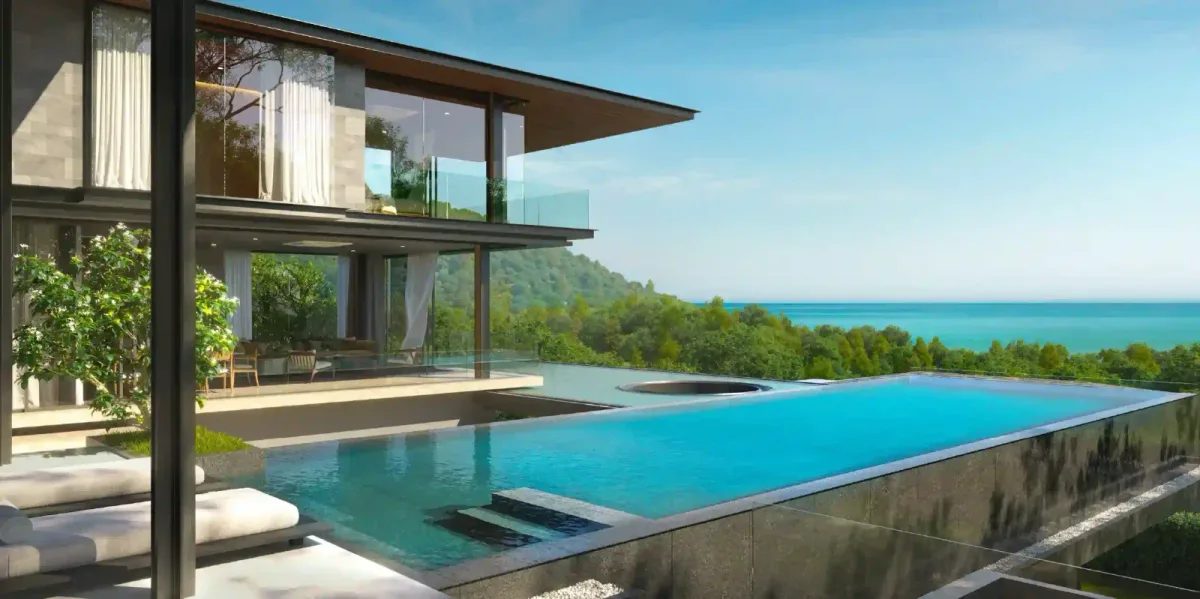
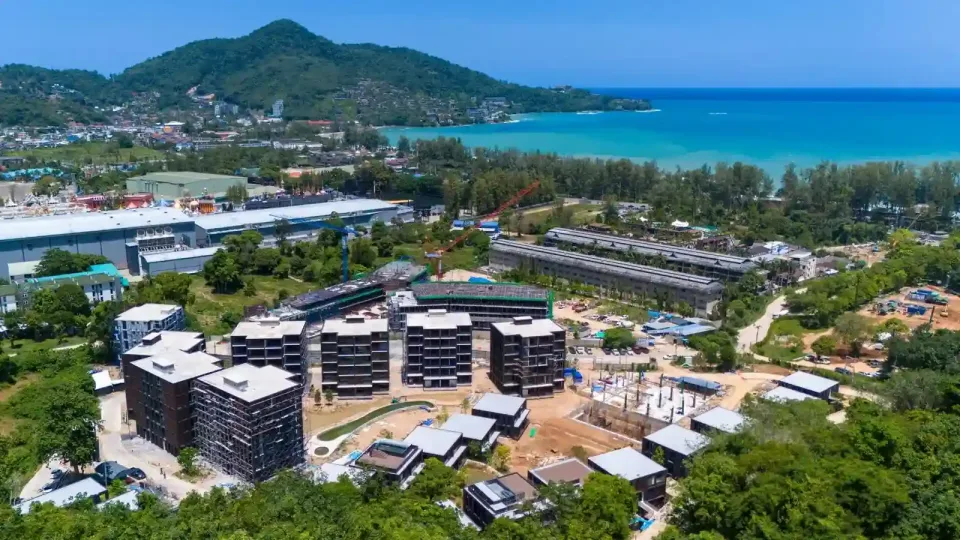
MontAzure is Kamala’s master-planned integrated resort on Phuket’s west coast: one estate that brings together hospitality, beach club culture and high-end residences under a single masterplan. Owners live alongside Cafe del Mar Phuket, the Twinpalms MontAzure hotel and a collection of branded residences, with resort service and dining a short walk from home.
This page covers the estate as a whole and helps you choose between the buildings inside it. Each building carries its own price list on its own page: MGallery Residences MontAzure, InterContinental Phuket Residences and Botanica MontAzure.
MontAzure: find the right residence for your goals
MORE Group advises luxury buyers on lifestyle, family and portfolio fit. No commission is charged to buyers.
What MontAzure Is: An Integrated Resort Masterplan
- Several hospitality and residential components sharing one resort identity
- Beachfront and near-beach positioning on one of the island’s most prestigious coastlines
- A resident experience built around fine dining, a beach club and resort service
Buyers are not only acquiring square metres; they are joining a curated resort community.
The Components of the Estate
| Component | Role in the estate |
|---|---|
| Cafe del Mar Phuket | The beach club and lifestyle anchor, known internationally |
| Twinpalms MontAzure | A boutique hotel with its own dining and service culture |
| MGallery Residences MontAzure | Branded, serviced condominiums |
| InterContinental Phuket Residences | Branded residences with InterContinental service standards |
| Botanica MontAzure | Private pool villas on the Kamala hillside |
We send the current availability in each component, with the price lists and the rental programme terms, on request.
Kamala’s Millionaire’s Mile
Kamala sits between Surin and Patong on the stretch of west coast known as Millionaire’s Mile, with hillside villas, sea views and a calm beach. MontAzure places a full resort estate in this setting:
- A strong international profile in travel media and among luxury buyers
- A buyer community that associates Kamala with privacy and prestige
- An integrated scale with few equivalents on the island
Patong’s restaurants and nightlife are a short drive south, and Surin and Bang Tao a short drive north, so residents enjoy calm at home with the island’s best-known beaches close by.
Branded Residences: What You Buy
- Service standards set by international hospitality operators
- Rental programmes, where offered, with the letting handled by the operator
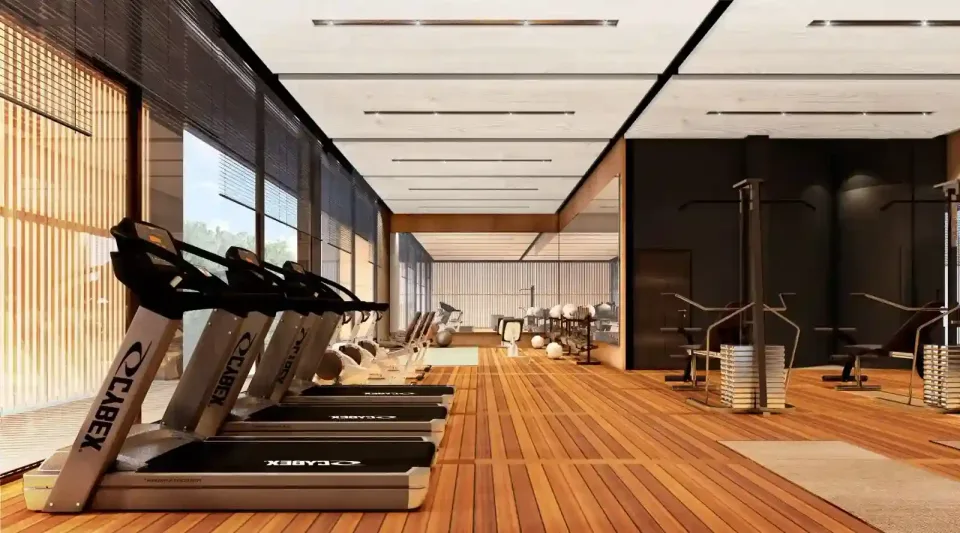
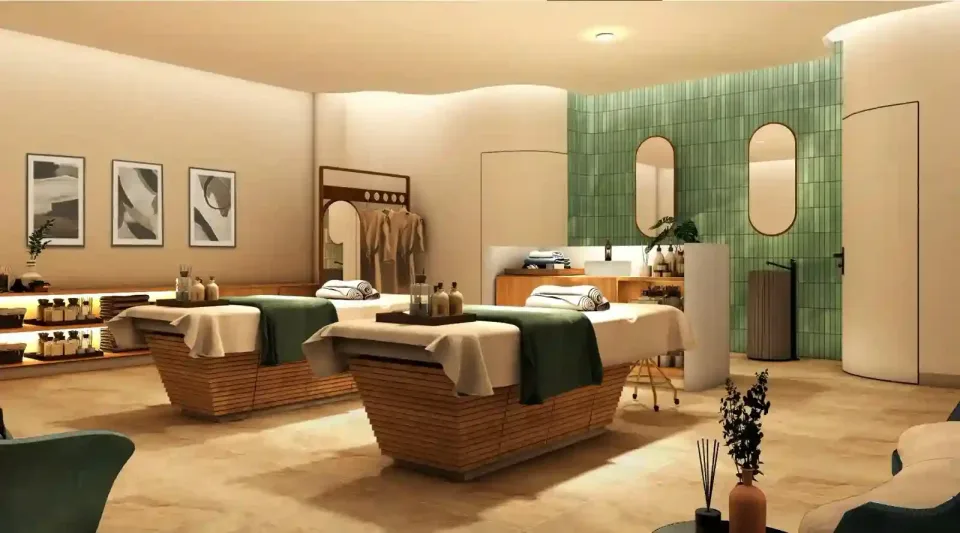
- Access to resort facilities, from dining to the beach club
- House rules that keep the estate’s standard consistent for every owner
For owners who live abroad, this is the appeal of a branded residence: the apartment is looked after to a hotel standard, and letting it is a service rather than a project.
Choosing a Building Inside MontAzure
| Building | Type | From | Status |
|---|---|---|---|
| MGallery Residences MontAzure | Condominium | 10,535,275 THB | Off-plan |
| InterContinental Phuket Residences | Condominium | 13,600,000 THB | Off-plan |
| Botanica MontAzure | Pool villas | 38,900,000 THB | Off-plan |
| Twinpalms Residences MontAzure | Condominium | On request | Completed |
MGallery Residences offer the most accessible entry to the estate, with serviced apartments under the Accor MGallery brand. InterContinental Phuket Residences add the service culture of one of the world’s best-known hotel brands. Botanica MontAzure brings private pool villas with hillside and sea views for buyers who want a house. Twinpalms Residences are complete, so they can be seen and used straight away.
Lifestyle: Cafe del Mar and Resort Living
- Resort-grade dining and entertaining without leaving the estate
- Beach club life at Cafe del Mar Phuket, with events and sunset sessions
- A social setting that suits owners who host friends and family
For owners, the estate’s restaurants, beach club and services mean that everyday luxury is a short walk away, and for guests who rent the residence, the same features are the reason to book.
A Day at MontAzure
A morning swim at Kamala Beach, breakfast at one of the estate’s restaurants, and an afternoon by the pool or on a boat trip from the west coast. In the evening, sunset sessions at Cafe del Mar, or dinner on Kamala’s beach road a few minutes away. Laem Singh viewpoint and Surin Beach are a short drive north, and Patong’s restaurants and shopping a short drive south. It is resort life with a home at its centre, and it is what draws buyers to MontAzure.
Renting Out a Residence at MontAzure
Buyers at this level often purchase for lifestyle first, and use the rental programme to keep the residence occupied and looked after while they are away. Branded residences at MontAzure appeal to international guests who want resort service with the space of an apartment or a villa.
For owners who plan to rent, we collect the terms of each building’s rental programme, including the fee structure and owner usage rights, and current holiday rates for comparable Kamala residences, and send them with the price list. Our rental guide explains how to read a rental offer line by line.
Ownership for Foreign Buyers
The ownership route depends on the component you choose. A condominium unit, at MGallery Residences, InterContinental Phuket Residences or Twinpalms Residences, can be held freehold in your own name within the 49% foreign quota of the building, counted by floor area; the foreign quota guide explains how it is counted. A villa at Botanica MontAzure is land plus a building: the house can be held in your own name over a lease of the plot registered at the Land Office, 30 years per registration with renewal terms in the contract, or the land can be held through a Thai company with genuine Thai shareholders (the 30-year lease explained).
For a freehold condominium, the purchase money is transferred from abroad in foreign currency, and the receiving bank provides the FET form the Land Department needs to register the unit in your name. We prepare either structure with our legal support.
Why Buyers Choose MontAzure
- An integrated resort: hotels, a beach club and residences under one masterplan
- International brands: MGallery, InterContinental and Cafe del Mar
- A choice of formats: serviced condominiums or private pool villas
- Kamala’s Millionaire’s Mile: a prestigious west-coast address
- Rental programmes: letting handled by the operators where offered
Who MontAzure Suits
- Lifestyle buyers who want resort living with dining and a beach club at the door
- Owners who live abroad and want their residence managed to a hotel standard
- Families choosing between a serviced apartment and a private villa in one estate
- Buyers who host, for whom the estate’s restaurants and beach club are part of the home
Buying at MontAzure with MORE Group
A residence at MontAzure is bought in five steps, from the first price list to the keys, and we are with you through each of them.
-
Current price list and free units
We ask the developer for today's price list for MontAzure and send you the units that match your budget, with floor plans.
-
Foreign quota on your unit
Foreign buyers hold condo freehold within the 49% foreign quota of the building, counted by floor area. We confirm with the developer that the unit you choose sits inside that quota. How the foreign quota works
-
Reservation and payment schedule
A reservation deposit holds the unit, and the balance follows the developer's payment schedule, which we send with the price list.
-
Transfer and registration
The purchase money arrives from abroad in foreign currency with an FET form, and the unit is registered in your name at the Land Department. The FET form explained
-
After the keys
We stay in touch after handover and help with rental options and a future resale when you want them.
0% buyer commission. Ask for the current price list
What We Send Before You Reserve
- The current price lists of the buildings you are considering, with free units and floor plans
- The payment schedule for your unit or villa
- For a condominium, confirmation that your unit sits within the 49% foreign quota
- For a villa, the ownership structure with the documents it needs
- The terms of the rental programme and the owner privileges
- The building and estate service charges
Compare the MontAzure residences side by side
We send price lists, floor plans and rental programme terms for each building. 0% commission from buyers.
Frequently Asked Questions
Each building inside the estate has its own price list. On our records, MGallery Residences MontAzure starts from 10,535,275 THB, InterContinental Phuket Residences from 13,600,000 THB and Botanica MontAzure villas from 38,900,000 THB. We send current price lists for any of them on request.
Yes. Branded residences at MontAzure offer rental programmes run by the operators, where offered, and the estate's resort facilities are a strong draw for guests. We send the programme terms, the fee structure and the owner usage rights with the price list.
Cafe del Mar Phuket is the estate's beach club and lifestyle anchor, with events, dining and international recognition. For owners it adds a social and dining venue within the estate.
MontAzure stands out for its integrated scale and its international brands under one masterplan. Other Kamala options include standalone villas and boutique residences, and the best choice depends on how much resort service you want.
Yes. A condominium unit can be held freehold within the 49% foreign quota of the building, and a villa is held through a registered lease of the land or a Thai company with genuine Thai shareholders. We prepare the structure with our legal support.
Read Also:
Live developer data · Phuket specialist reply
Check Availability, Quota and Floor Plans
Send your contact and budget. We will reply with current stock, payment plan and foreign buyer notes.

MORE Group Editorial
Phuket Real Estate Experts
The MORE Group team has helped 500+ European and American buyers purchase property in Thailand. We provide legal support, 0% commission, and on-the-ground expertise with 8 years in the Phuket market.
About MORE Group →Check Availability, Quota and Floor Plans
Send your contact and budget. We will reply with current stock, payment plan and foreign buyer notes.
