Prices and availability
Today's price list for this off-plan project
We send the current unit list, the payment schedule and the ownership terms, so you can choose a unit with today's numbers.
Current availability
Free units and developer prices, from 20.3M THB.
Ownership route
We prepare the lease or company structure for your purchase.
Payment schedule
Deposit, instalments and transfer timing for your unit.
Updated
Page updated October 2026. The price list we send is today's.
What Is Unique Eco Viva?
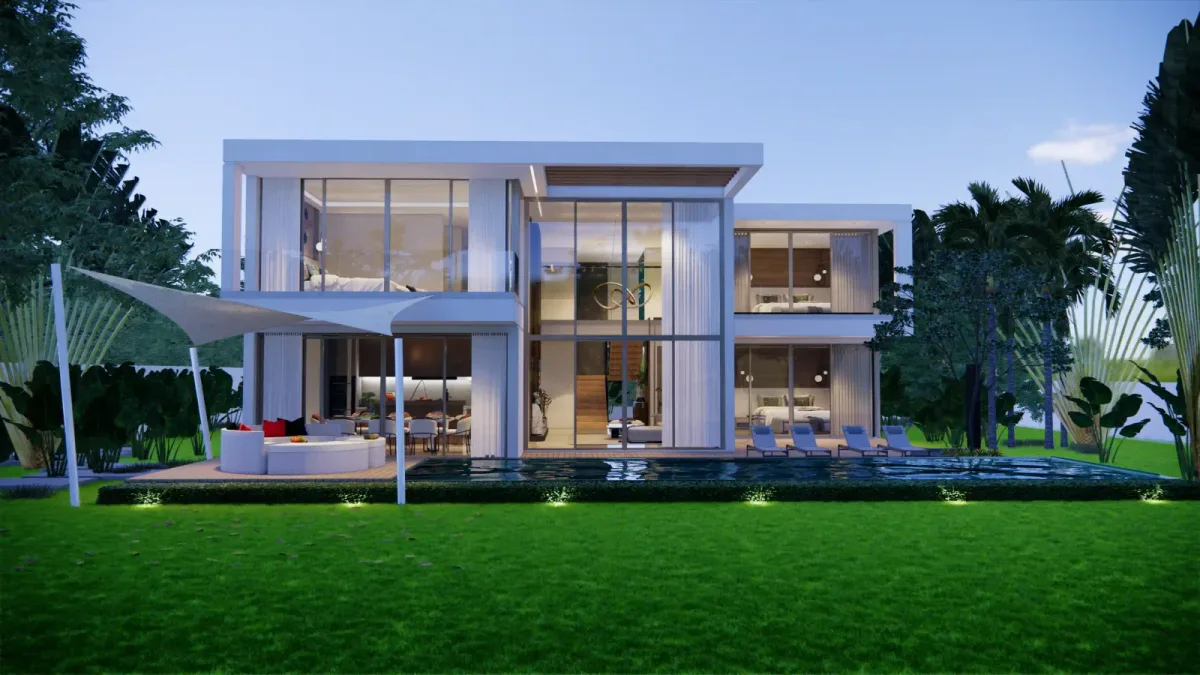
Unique Eco Viva is a modern tropical home that is light on energy. Each villa comes with 5 kW of solar panels, inverter air conditioning and a smart home system, so the house stays cool and comfortable while using less power, and water-saving features complete the eco design. Inside, open, bright living spaces lead out to the terrace, the garden and a private pool.
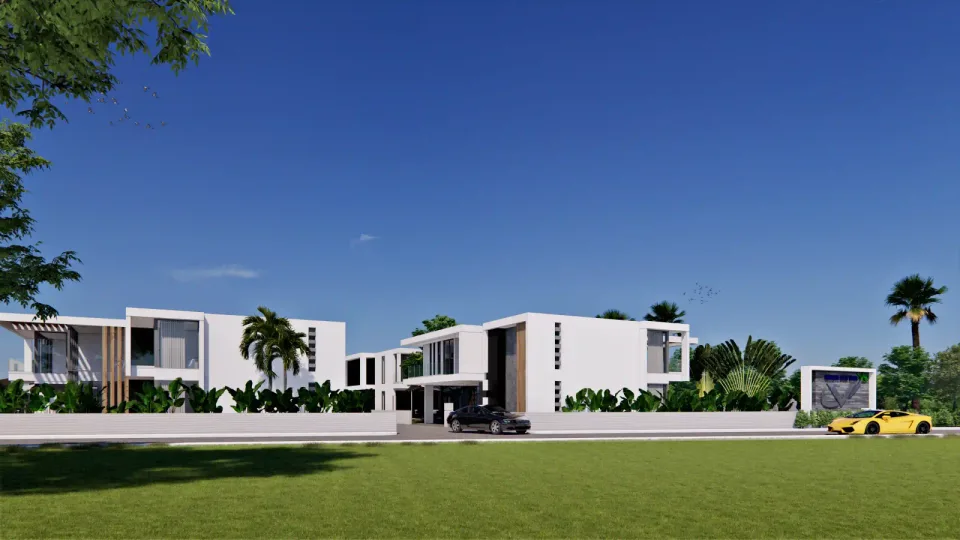
With only ten villas, the community is small and calm, and the south of the island is all around: Chalong Pier and the marinas, schools and supermarkets, and the beaches of Rawai, Nai Harn and Kata within a drive.
Interested in Unique Eco Viva?
10 villas carry a price today, from 20,300,000 THB. We send the list with villa numbers, plots and plans.
What Are the Key Facts for Unique Eco Viva?
| Factor | Detail |
|---|---|
| Location | Chalong, south Phuket |
| Community | 10 private pool villas |
| On our price list | 10 villas |
| Three-bedroom | 330 sqm, 20,300,000 THB |
| Four-bedroom | 415 to 449 sqm, 22,900,000 to 28,300,000 THB |
| Payment | 35% / 20% / 15% / 15% / 10% / 5% |
| Stage | Under construction |
| Beach | About 20 minutes by car |
| Airport | About an hour by car |
| Eco features | 5 kW solar panels, inverter air conditioning, smart home |
| Plots | About 281 to 460 sqm |
Location: Chalong, the Family South
Chalong is where many of Phuket’s resident families live, close to the pier, the marinas, the schools and the supermarkets, with the beaches of the south a short drive away.
- Chalong Pier and the marinas: boats to the islands
- Schools and supermarkets: the nearest mall about 11 minutes by car
- Rawai, Nai Harn and Kata beaches: about 20 minutes by car
- Big Buddha and Phuket Town: a short drive
- Airport: about an hour by car
From Unique Eco Viva, the nearest beach about 20 minutes by car, the nearest mall about 11 minutes and the airport about 65 minutes, so everyday errands, school runs and trips home are easy to plan.
Life here has a family rhythm: school and shops during the week, the islands and the southern beaches at the weekend. The Rawai area page covers the wider south.
Comparing villas in the south?
We send the Unique Eco Viva list together with other pool villas in Chalong and Rawai, so you can compare them side by side.
Villas and Prices
| Villas | Bedrooms | Built area | Price |
|---|---|---|---|
| 3, 2 | Three | 330 sqm | 20,300,000 THB |
| 7 villas | Four | 415 to 434 sqm | 22,900,000 to 28,300,000 THB |
| 8 | Four | 449 sqm | 24,000,000 THB |
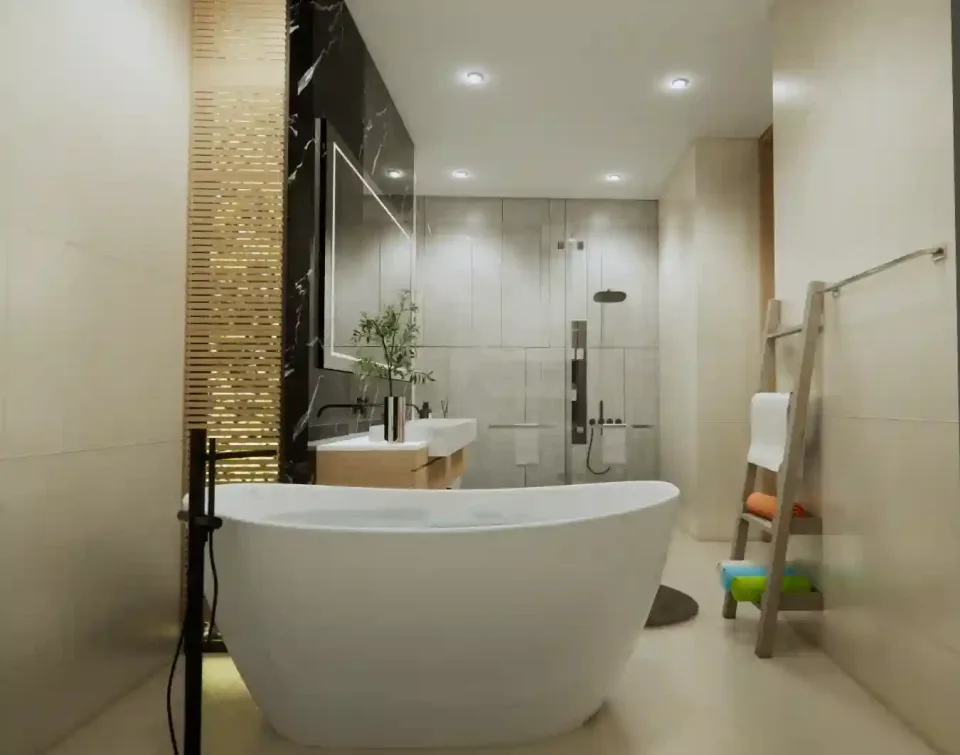
The three-bedroom villas of 330 sqm open the list at 20,300,000 THB, and the four-bedroom villas of 415 to 449 sqm follow from 22,900,000 THB up to 28,300,000 THB. The price follows the size and the plot, and we send the plan, the plot and the eco specification of each villa with the list.
Design and Facilities
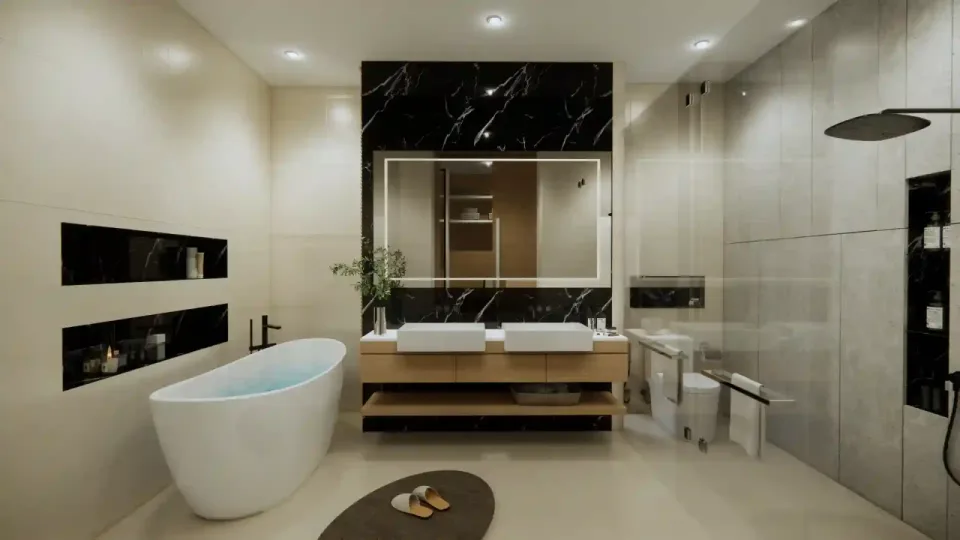
- 5 kW solar panels on every villa
- Inverter air conditioning
- Smart home system
- Water-saving features
- Three and four bedrooms
- Private swimming pool and garden
- Only ten villas
- Pet-friendly
Living at Unique Eco Viva
Life at Unique Eco Viva feels good in more ways than one. The solar panels quietly cover part of the power, the smart home keeps the rooms cool before you arrive, and the pool and the garden are always a few steps from the living room. School and the supermarket are close, and at weekends Chalong Pier opens the way to the islands. For owners who care about their footprint, the house is a comfortable way to live more lightly in the tropics.
Six-Stage Payment Plan
The price is paid in six stages: 35%, 20%, 15%, 15%, 10% and 5%. For a villa at 20,300,000 THB that works out as follows:
| Stage | Share | Amount |
|---|---|---|
| 1 | 35% | 7,105,000 THB |
| 2 | 20% | 4,060,000 THB |
| 3 and 4 | 15% each | 3,045,000 THB each |
| 5 | 10% | 2,030,000 THB |
| 6 | 5% | 1,015,000 THB |
The schedule follows the build, and we send the developer’s schedule for your villa with the price list.
Why Buyers Choose Unique Eco Viva
- Solar power and inverter air conditioning
- Smart home systems
- Three and four-bedroom villas with private pools
- Only ten villas in the community
- Chalong piers, schools and shops close by
- Pet-friendly
Who Unique Eco Viva Suits
Eco-minded families who want a comfortable home that uses less energy.
Long-term residents of the south who want a quiet community near the schools and the piers.
Owners who spend part of the year in Phuket and want smart systems to look after the house.
Rental investors aiming at relocating families who rent for a school year or longer.
Renting Out a Villa at Unique Eco Viva
An eco-minded family pool villa in Chalong appeals to relocating families and long-term residents who rent for six or twelve months, and to families on holiday in the south. Lower running costs are a welcome part of the offer for long-stay tenants.
If you plan to let your villa at Unique Eco Viva, we collect current asking rents and holiday rates for comparable villas in Chalong and Rawai and send them with the price list. Our rental guide explains how to read a rental offer line by line.
Ownership for Foreign Buyers
At Unique Eco Viva, as with any villa in Thailand, you buy land plus a building. The villa can be held in your own name over a lease of the plot registered at the Land Office, 30 years per registration with renewal terms in the contract, or the land can be held through a Thai company with genuine Thai shareholders. Freehold and leasehold in Thailand explains both routes, and we prepare the one that suits you with our legal support.
Unique Eco Viva and Other Villas in the South
| Project | From | Status |
|---|---|---|
| Nile Residence Chalong | 12,950,000 THB | Off-plan |
| Monetaria Villas Rawai | 18,900,000 THB | Off-plan |
| WamDom Villas Rawai | 20,000,000 THB | Completed |
| Unique Eco Viva | 20,300,000 THB | Off-plan |
| VIP Galaxy Villas Rawai | 22,300,000 THB | Off-plan |
| Larimar Vista Chalong | 24,500,000 THB | Off-plan |
| Grand Sea Through | 28,800,000 THB | Off-plan |
Unique Eco Viva stands out in this group for its solar power and eco features. We send the price lists of any of these projects on request and arrange viewings.
Buying Unique Eco Viva with MORE Group
A villa at Unique Eco Viva is bought in five steps, from the first price list to the keys, and we are with you through each of them.
-
Current price list and free units
We ask the developer for today's price list for Unique Eco Viva and send you the units that match your budget, with floor plans.
-
Ownership route for your home
Land in Thailand is not held freehold by foreigners, so a villa or house is bought through a registered leasehold or a company structure. We walk you through both options for your situation and prepare the documents. Leasehold in Thailand
-
Reservation and payment schedule
A reservation deposit holds the unit, and the balance follows the developer's payment schedule, which we send with the price list.
-
Transfer and registration
The lease or the company purchase is registered at the Land Department, with the payments made from abroad.
-
After the keys
We stay in touch after handover and help with rental options and a future resale when you want them.
0% buyer commission. Ask for the current price list
What We Send Before You Reserve
- The current price list for Unique Eco Viva with free villas, plot areas and plans
- The six-stage payment schedule for your villa
- The ownership structure for your purchase, leasehold or company, with the documents it needs
- The community’s common charges
- The latest construction update
Frequently Asked Questions
Our price list holds 10 villas: three-bedrooms of 330 sqm at 20,300,000 THB; four-bedrooms of 415 to 434 sqm from 22,900,000 to 28,300,000 THB; four-bedrooms of 449 sqm at 24,000,000 THB.
5 kW solar panels, inverter air conditioning, a smart home system and water-saving features.
In Chalong, south Phuket, close to the pier, schools and shops. The nearest mall is about 11 minutes by car and the southern beaches about 20 minutes.
Six stages: 35%, 20%, 15%, 15%, 10%, 5%. For a villa at 20,300,000 THB that means 7,105,000 THB at the first stage.
The villa can be held in your own name over a lease of the plot registered at the Land Office, 30 years per registration with renewal terms in the contract, or the land can be held through a Thai company with genuine Thai shareholders. We prepare the structure with our legal support.
Read Also:
Live developer data · Phuket specialist reply
Check Availability, Quota and Floor Plans
Send your contact and budget. We will reply with current stock, payment plan and foreign buyer notes.

MORE Group Editorial
Phuket Real Estate Experts
The MORE Group team has helped 500+ European and American buyers purchase property in Thailand. We provide legal support, 0% commission, and on-the-ground expertise with 8 years in the Phuket market.
About MORE Group →Check Availability, Quota and Floor Plans
Send your contact and budget. We will reply with current stock, payment plan and foreign buyer notes.
