Prices and availability
Today's price list for this completed project
We send the current unit list, the payment schedule and the ownership terms, so you can choose a unit with today's numbers.
Current availability
Free units and developer prices, from 6.9M THB.
Foreign quota
We confirm that your unit sits within the 49% foreign freehold quota.
Payment schedule
Deposit, instalments and transfer timing for your unit.
Updated
Page updated August 2026. The price list we send is today's.
What Is Canvas Cherngtalay?
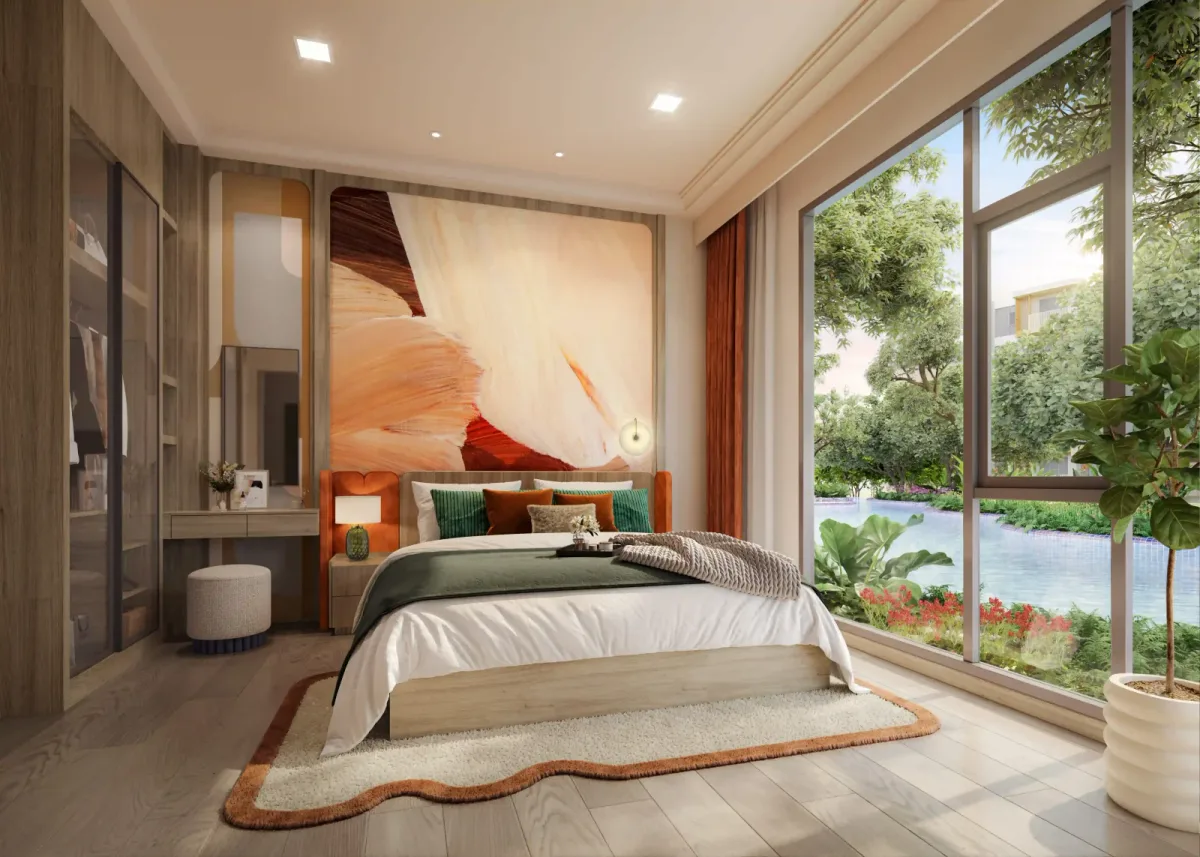
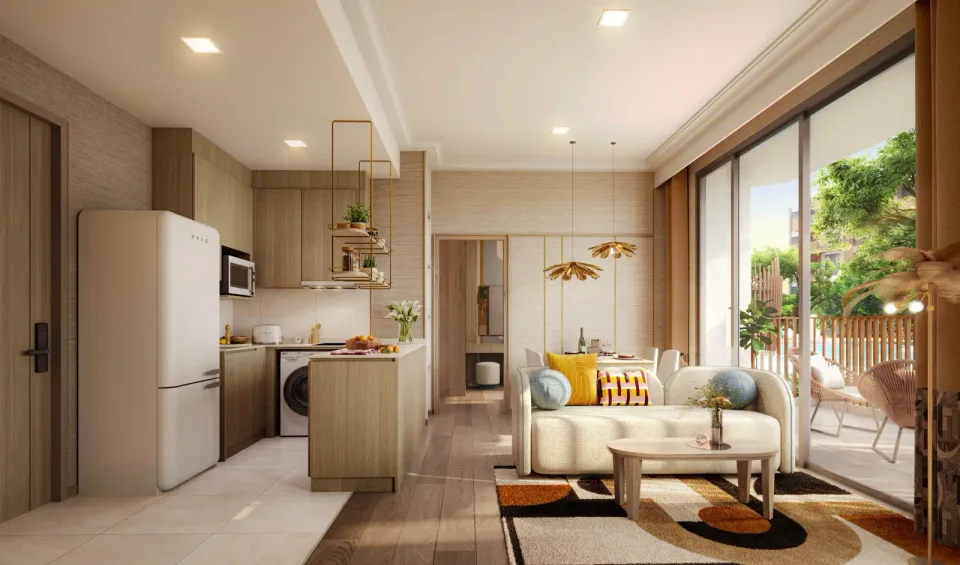
Canvas Cherngtalay is a finished home in the busiest, most convenient part of Bang Tao. Boat Avenue, with its restaurants, cafés and supermarket, is about ten minutes on foot, Porto de Phuket is next to it, and the beach is a short ride away. Because the buildings are completed, you can see the apartment, the view and the facilities before you buy, and move in or let the unit from the day of transfer.
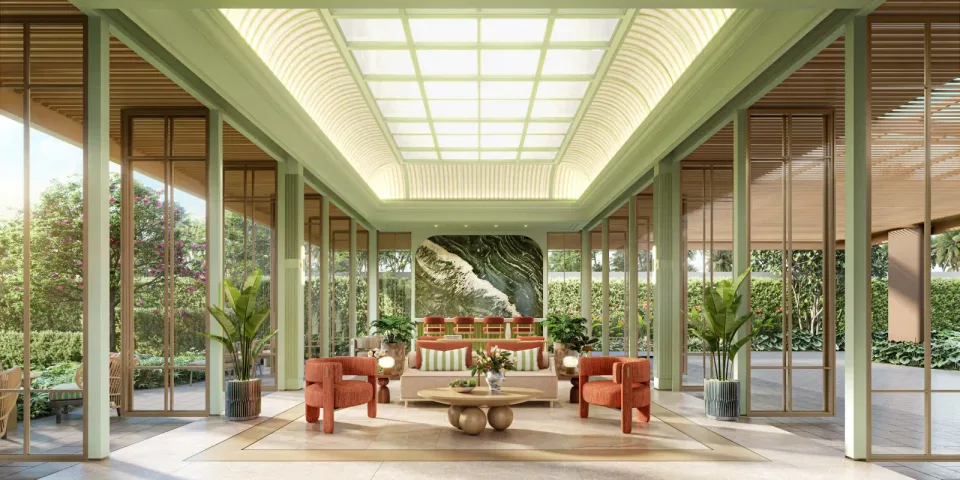
The architecture takes its inspiration from coral reefs and ocean life, with a calm, elegant atmosphere across low-rise buildings. Residents share a fitness centre, a co-working space and leisure areas, which suits both holiday owners and people who live and work in Phuket.
Viewing Canvas Cherngtalay?
65 units carry a price today, from 6,927,000 THB. We send the list with unit numbers, sizes and plans, and arrange a viewing.
What Are the Key Facts for Canvas Cherngtalay?
| Factor | Detail |
|---|---|
| Location | Cherngtalay, near Boat Avenue |
| Buildings | Four five-storey buildings and one seven-storey building |
| Residences | 175 in total, 65 on our price list |
| One-bedroom | 40 to 50 sqm, 6,927,000 to 9,232,000 THB |
| Two-bedroom | 59 to 104 sqm, 9,790,000 to 21,043,000 THB |
| Stage | Completed |
| Beach | About 5 minutes by car |
| Airport | About 29 minutes by car |
| Facilities | Gym, co-working, leisure areas |
Location: Cherngtalay and Boat Avenue
Cherngtalay is the everyday heart of the Bang Tao area: the restaurants, shops, gyms and services of Boat Avenue and Porto de Phuket, with the beach and Laguna a short ride away.
- Boat Avenue and Porto de Phuket: about 11 minutes on foot or 2 minutes by car
- Bang Tao Beach: about 5 minutes by car
- Laguna Phuket: golf, spas and beach clubs
- International schools: within a short drive
- Airport: about 29 minutes by car
From Canvas, the nearest beach about 5 minutes by car, the nearest mall about 2 minutes and the airport about 29 minutes, so everyday errands, school runs and trips home are easy to plan.
Life here is easy without a car: breakfast on Boat Avenue, a morning in the co-working space, an afternoon at the beach and dinner a short walk from home. The Bang Tao area page covers the district in more detail.
Comparing condos in Bang Tao?
We send the Canvas list together with other completed condos in Bang Tao, so you can compare them side by side.
Units and Prices
| Format | Size | Units | Price |
|---|---|---|---|
| One-bedroom | 40 sqm | 1 | 6,927,000 THB |
| One-bedroom | 49 and 50 sqm | 6 | 8,527,000 to 9,232,000 THB |
| Two-bedroom | 59 to 61 sqm | 38 | 9,790,000 to 12,032,000 THB |
| Two-bedroom | 78 to 104 sqm | 20 | 14,495,000 to 21,043,000 THB |
Unit 20110, a one-bedroom of 40 sqm, opens the list at 6,927,000 THB, and the one-bedrooms of 49 and 50 sqm follow. The two-bedrooms of 59 to 61 sqm are the largest group, suited to couples and small families, and the larger two-bedrooms of 78 to 104 sqm reach 21,043,000 THB. We send the plan, floor and view of each unit, and arrange a viewing of the ones you like.
Design and Facilities
- Design inspired by coral reefs and ocean life
- Low-rise buildings of five and seven storeys
- Fitness centre
- Co-working space
- Leisure areas for residents
- Completed, ready to use
Living at Canvas
Canvas makes daily life in Bang Tao effortless. A workout downstairs, a working day in the co-working space, lunch on Boat Avenue and an afternoon on the sand fit easily into one day, and the restaurants of Porto de Phuket are a short walk for dinner. For owners who spend part of the year elsewhere, a completed unit in a managed building is easy to lock up and leave, and it is ready the day you return. The mix of residents, from families to remote workers, keeps the buildings lively but calm, and the leisure areas give everyone a place to unwind after the day.
Buying a Completed Unit
At Canvas Cherngtalay, a completed unit is transferred in one step: once the price is paid, it is registered in your name at the Land Department. We send the terms for the unit you choose, together with the common charges, so you know the full cost from the start, and we arrange the viewing and the transfer.
Why Buyers Choose Canvas Cherngtalay
- Completed: see the unit before you buy and use it from the day of transfer
- Boat Avenue and Porto de Phuket on foot
- Bang Tao Beach about 5 minutes by car
- A gym and co-working in the building
- A wide choice: one and two-bedrooms
- Freehold ownership within the 49% foreign quota
Who Canvas Cherngtalay Suits
Buyers who want a finished home in the heart of Bang Tao.
Remote workers and long-stay residents who want co-working and a gym downstairs and restaurants on foot.
Couples and small families who want a two-bedroom close to everything.
Rental investors aiming at holiday guests and long-stay tenants who want Boat Avenue on foot.
Renting Out a Unit at Canvas
A completed condo a walk from Boat Avenue appeals to holiday guests and long-stay tenants alike: couples and remote workers who want everything on foot, and families who want the beach and the schools close by. Because the building is finished, the unit can be let from the first month after transfer.
If you plan to let your unit at Canvas Cherngtalay, we collect current asking rents and holiday rates for comparable units in Cherngtalay and Bang Tao and send them with the price list. Our rental guide explains how to read a rental offer line by line.
Ownership for Foreign Buyers
Canvas Cherngtalay is a condominium, so a unit can be registered freehold in your own name within the 49% foreign quota of the building, counted by floor area. We confirm that the unit you choose sits inside that quota. For a freehold unit at Canvas Cherngtalay, the purchase money is transferred from abroad in foreign currency, and the receiving bank provides the FET form that the Land Department asks for at registration. How the foreign quota works explains the rule in detail.
Canvas and Other Bang Tao Condos
| Project | From | Status |
|---|---|---|
| Andaman Riviera Bang Tao | 6,815,650 THB | Completed |
| The Title Legendary Bang Tao | 6,828,900 THB | Completed |
| Modeko Luxury | 6,845,000 THB | Off-plan |
| Canvas Cherngtalay | 6,927,000 THB | Completed |
| Peylaa Phuket Bang Tao | 7,212,180 THB | Off-plan |
| The Base Cherngtalay | 7,690,000 THB | Completed |
| Laguna Lakelands Phase 2 | 8,000,000 THB | Off-plan |
Canvas stands out in this group as a completed building a walk from Boat Avenue. We send the price lists of any of these projects on request and arrange viewings.
Buying Canvas Cherngtalay with MORE Group
A unit at Canvas is bought in a few clear steps, from the first viewing to the transfer, and we are with you through each of them.
-
Current price list and free units
We ask the developer for today's price list for Canvas Cherngtalay and send you the units that match your budget, with floor plans.
-
Foreign quota on your unit
Foreign buyers hold condo freehold within the 49% foreign quota of the building, counted by floor area. We confirm with the developer that the unit you choose sits inside that quota. How the foreign quota works
-
Reservation and payment schedule
A reservation deposit holds the unit while the documents are prepared, and the balance is paid at transfer.
-
Transfer and registration
The purchase money arrives from abroad in foreign currency with an FET form, and the unit is registered in your name at the Land Department. The FET form explained
-
After the keys
We stay in touch after handover and help with rental options and a future resale when you want them.
0% buyer commission. Ask for the current price list
What We Send Before You Reserve
- The current price list for Canvas Cherngtalay with free units, sizes and plans
- Confirmation that your unit sits within the 49% foreign quota
- The payment and transfer terms for your unit
- The building’s common charges and house rules
Frequently Asked Questions
Our price list holds 65 units: one-bedrooms of 40 sqm at 6,927,000 THB; one-bedrooms of 49 and 50 sqm from 8,527,000 to 9,232,000 THB; two-bedrooms of 59 to 61 sqm from 9,790,000 to 12,032,000 THB; two-bedrooms of 78 to 104 sqm from 14,495,000 to 21,043,000 THB.
Yes. The five buildings are completed, so you can view the unit and use it or let it from the day of transfer.
In the heart of Cherngtalay, about 11 minutes on foot from Boat Avenue and Porto de Phuket and about 5 minutes by car from Bang Tao Beach.
Yes. Foreign buyers can hold a unit freehold in their own name within the 49% foreign quota of the building, counted by floor area. We confirm that your unit sits inside the quota, and the purchase money is transferred from abroad with an FET form for registration at the Land Department.
Read Also:
Live developer data · Phuket specialist reply
Check Availability, Quota and Floor Plans
Send your contact and budget. We will reply with current stock, payment plan and foreign buyer notes.

MORE Group Editorial
Phuket Real Estate Experts
The MORE Group team has helped 500+ European and American buyers purchase property in Thailand. We provide legal support, 0% commission, and on-the-ground expertise with 8 years in the Phuket market.
About MORE Group →Check Availability, Quota and Floor Plans
Send your contact and budget. We will reply with current stock, payment plan and foreign buyer notes.
