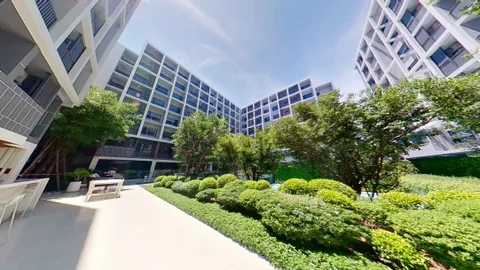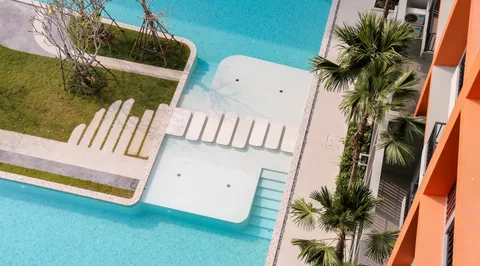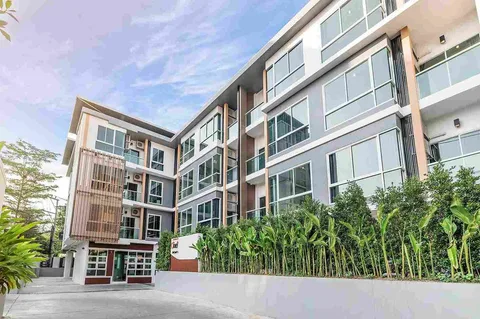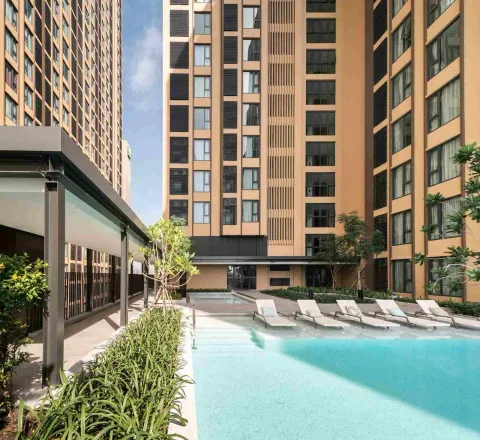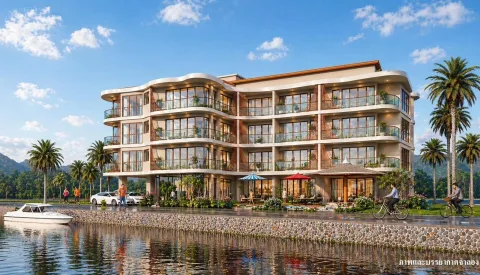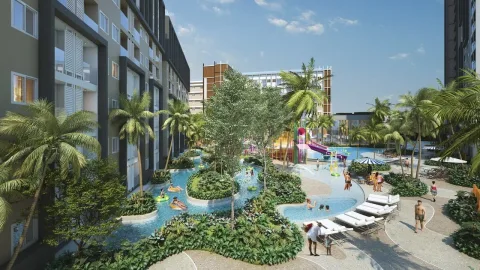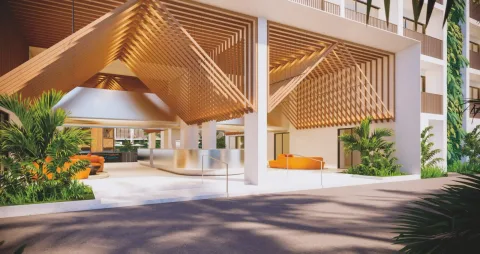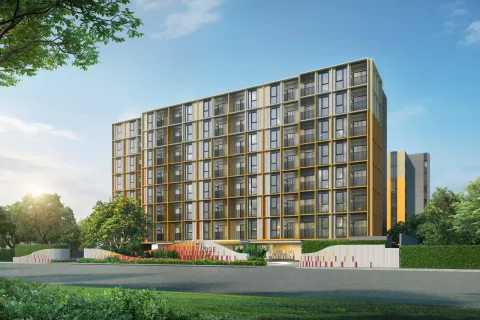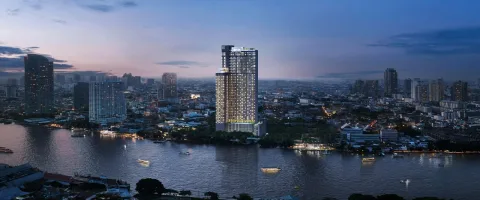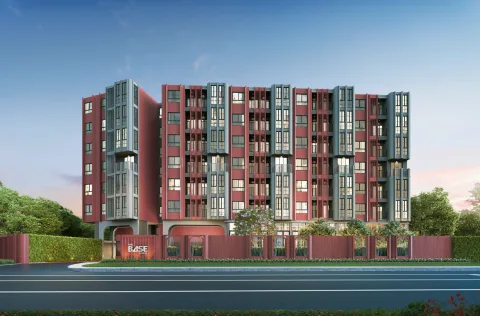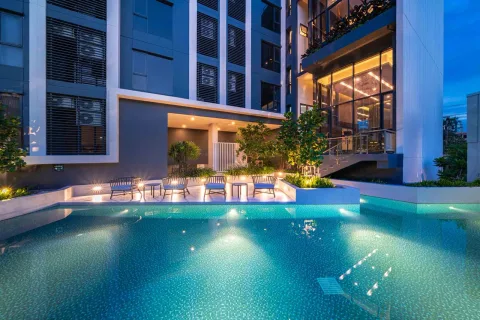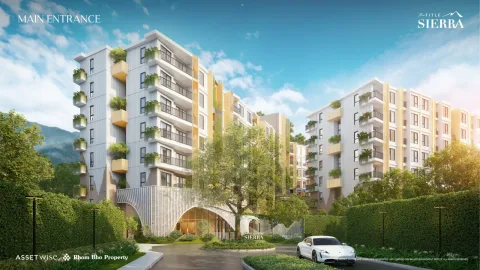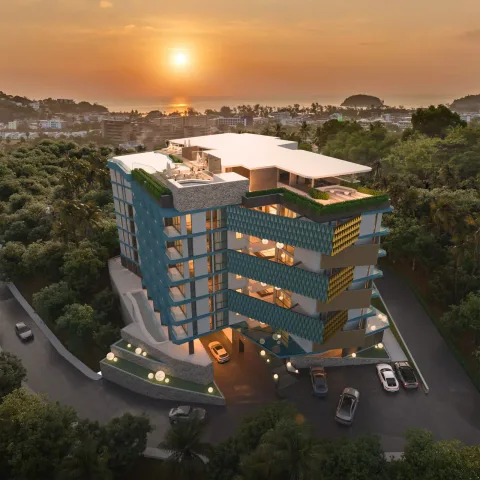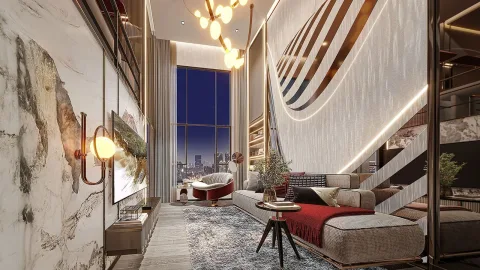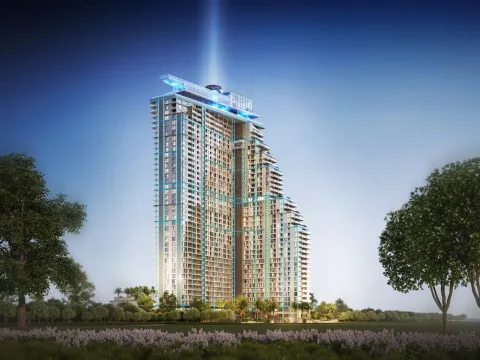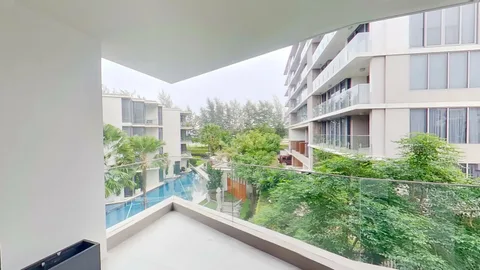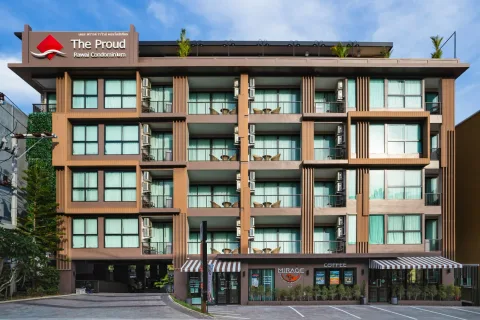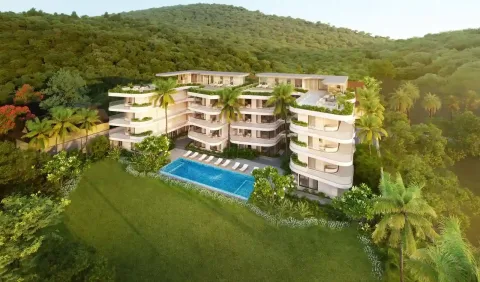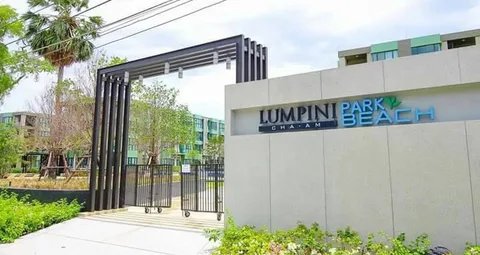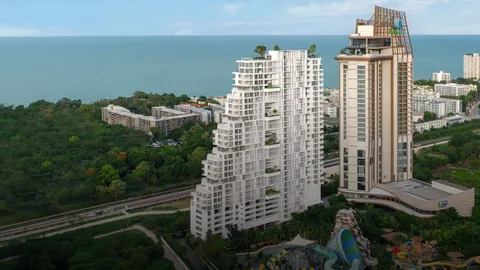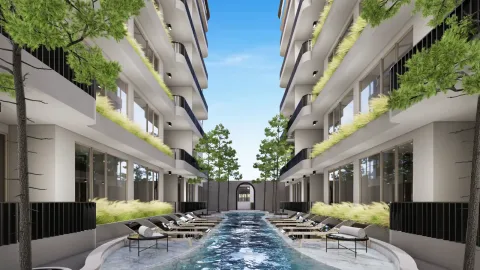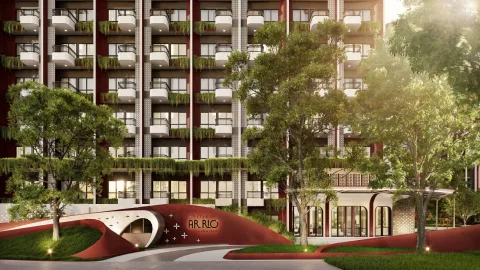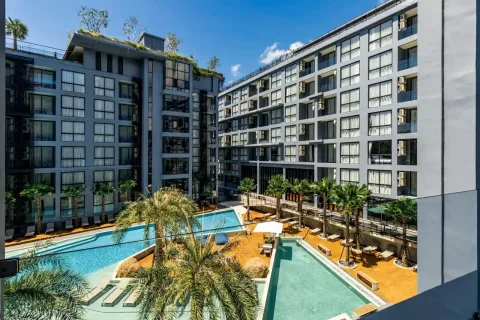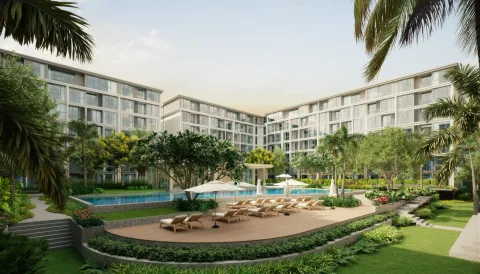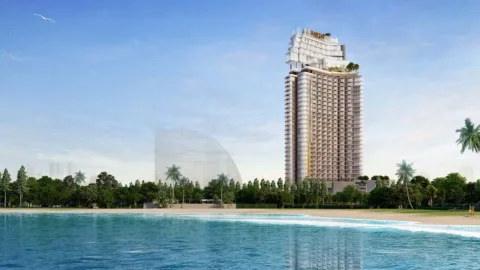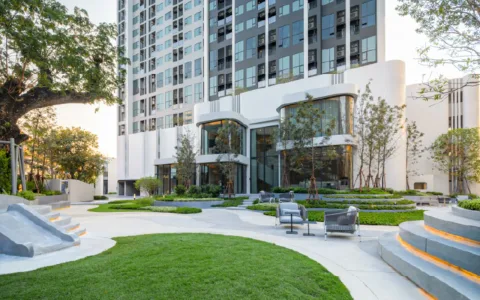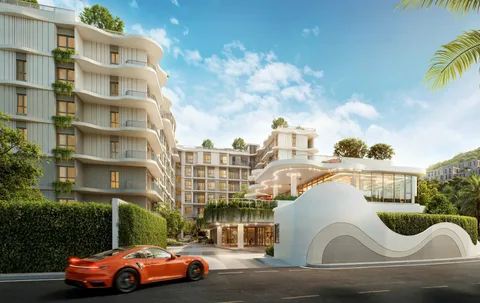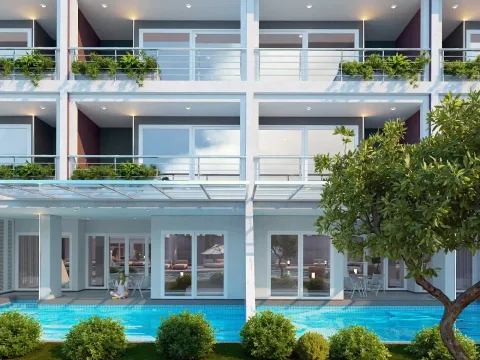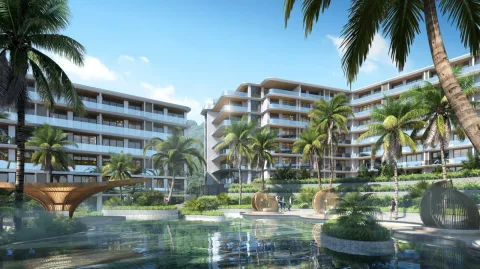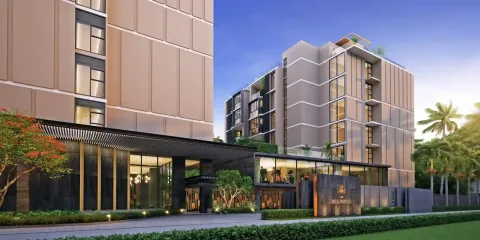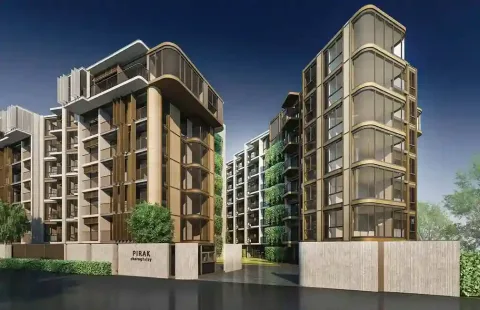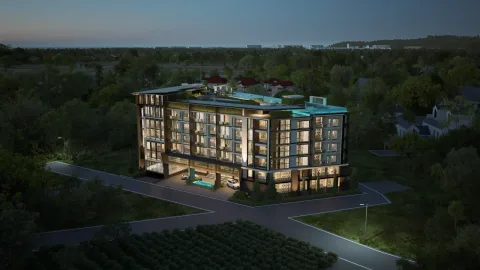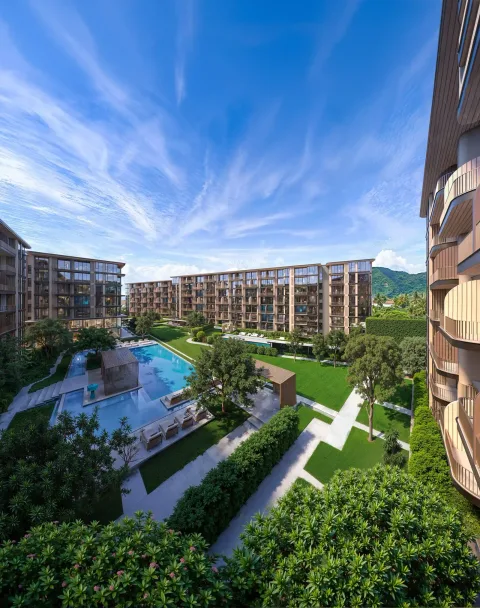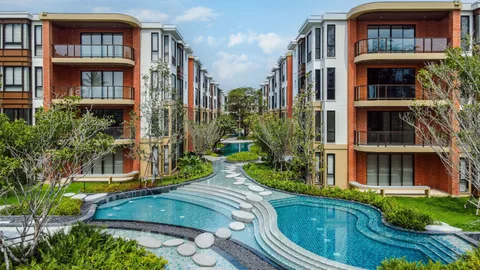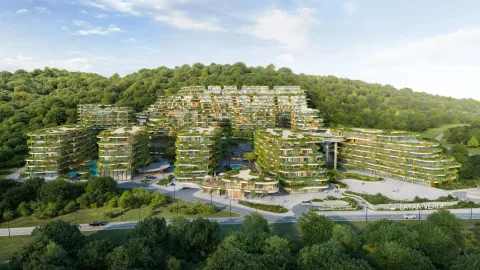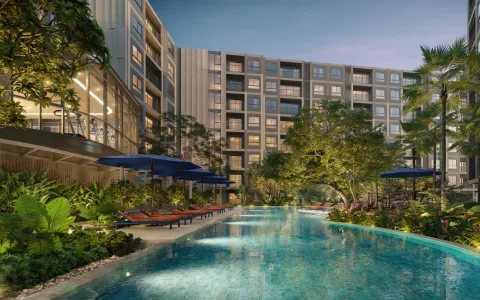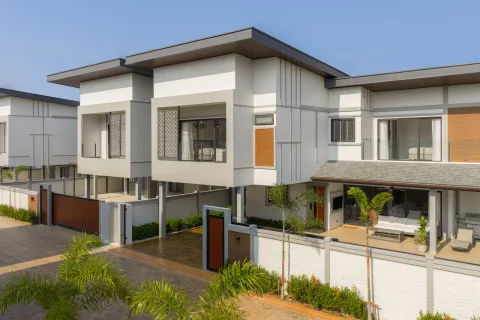
HUB Hua Hin
Hua Hin · Nong Kae (Khao Takiab) · Sansiri
- Price from
- 1,190,000 THB
- In dollars
- about $36,400
- Type
- Condo, 211 units
- Status
- completed
Thailand · Condominiums · Updated 2026-09-06
Quick answer: A condominium is the one property a foreigner can own freehold in Thailand in their own name, inside the 49 percent foreign quota of each building. On 6 September 2026 this catalogue holds 237 condominium projects from developers: 135 in Phuket from 1,450,000 THB with a median starting price of 5,066,250 THB, 29 in Bangkok from 1,800,000 THB with a median of 3,930,000 THB, 27 in Pattaya from 1,431,000 THB with a median of 3,390,000 THB, 8 in Chiang Mai from 1,772,760 THB with a median of 2,697,943 THB, 3 on Koh Samui from 2,630,000 THB, and 2 in Hua Hin from 1,190,000 THB. Prices are the developers' own starting figures, dated on each card.
219 projects in 6 markets, from 1,190,000 THB (about $36,391 at 32.7 THB per dollar); 89 completed, 130 under construction or off-plan. Phuket 120 from 1,450,000 THB · Bangkok 29 from 1,800,000 THB · Pattaya 27 from 1,431,000 THB · Hua Hin 20 from 1,190,000 THB · Koh Samui 15 from 2,630,000 THB · Chiang Mai 8 from 1,772,760 THB
Hua Hin · Nong Kae (Khao Takiab) · Sansiri
Hua Hin · Cha-Am · LPN Development
Pattaya · Nong Prue (Central Pattaya, Jomtien, Pratumnak) · Siam Oriental
Phuket · Kathu
Hua Hin · Nong Kae (Khao Takiab) · Sansiri
Pattaya · Nong Prue (Central Pattaya, Jomtien, Pratumnak)
Chiang Mai · Chiang Mai city · Dingthai Group Company Limited
Phuket · Bang Tao
Bangkok · Bang Na · Sansiri
Phuket · Nai Yang
Pattaya · Sansiri
Pattaya · Nong Prue (Central Pattaya, Jomtien, Pratumnak)
Hua Hin · Nong Kae (Khao Takiab) · ENRICH
Hua Hin · Nong Kae (Khao Takiab)
Chiang Mai · Chiang Mai city · Karnkanok Property
Bangkok · Chatuchak · Grand Unity Development
Hua Hin · Hua Hin town
Hua Hin · Hua Hin town
Bangkok · Khlong San · Sena Development
Pattaya · Origin Property
Bangkok · Bang Kapi · Ananda Development
Pattaya
Pattaya · Na Kluea (Wongamat, North Pattaya) · Global Top Group
Phuket · Bang Tao
Phuket · Greater Patong
Pattaya · Nong Prue (Central Pattaya, Jomtien, Pratumnak) · SLR Development Co., Ltd.
Phuket · Greater Patong
Phuket · Bang Tao
Chiang Mai · Chiang Mai city · LC Land
Bangkok · Phra Khanong · LPN Development
Chiang Mai · San Sai · Charn Issara Development
Bangkok · AP Thailand
Phuket · Nai Harn
Koh Samui · Bo Phut
Pattaya · Universal Group
Phuket · Chalong
Phuket · Greater Patong
Hua Hin · Nong Kae (Khao Takiab) · Sansiri
Pattaya
Chiang Mai · Chiang Mai city · Sansiri
Phuket · Chalong
Bangkok · Khlong San · Sansiri
Phuket · Greater Patong
Bangkok · Khlong San · Grand Unity Development
Phuket · Bang Tao
Koh Samui · Bo Phut · Wing Samui Condo Co., Ltd.
Koh Samui · Bo Phut · Wing Samui Condo Co., Ltd.
Phuket · Kata
Bangkok · Huai Khwang · AP Thailand
Pattaya · S.L.R Development Co., Ltd.
Hua Hin · Nong Kae (Khao Takiab) · Daika Estate Co.,Ltd
Phuket · Kata
Phuket · Rawai
Bangkok · JRY Property Company Limited
Pattaya · Richly Field International Co.,Ltd
Koh Samui · Bo Phut
Pattaya · Nong Prue (Central Pattaya, Jomtien, Pratumnak) · The Riviera Group
Pattaya · Na Kluea (Wongamat, North Pattaya) · Honour Group
Bangkok · Eastern Star
Koh Samui · Bo Phut
Koh Samui · Bo Phut · Zhongfa Property (HK) Limited
Phuket · Layan
Phuket · Layan
Pattaya · Nong Prue (Central Pattaya, Jomtien, Pratumnak) · The Embassy Development Co., Ltd.
Hua Hin · Sam Roi Yot · Grand Marina
Phuket · Nai Yang
Phuket · Layan
Koh Samui · Bo Phut · Euro Thai Property Co., Ltd.,
Bangkok · Huai Khwang · Real Asset
Phuket · Bang Tao
Bangkok · Bang Na · Noble Development
Pattaya · Heights Holdings
Phuket · Rawai
Phuket · Rawai
Hua Hin · Cha-Am · LPN Development
Hua Hin · Nong Kae (Khao Takiab) · Proud Real Estate
Koh Samui · Maenam
Phuket · Layan
Pattaya · Na Kluea (Wongamat, North Pattaya) · Shuen Jit Co.,Ltd.
Bangkok · Huai Khwang · AP Thailand
Koh Samui · Maret (Lamai) · Pahili
Pattaya · Na Kluea (Wongamat, North Pattaya) · Habitat Group
Bangkok · Sansiri
Phuket · Rawai
Phuket · Rawai
Phuket · Nai Harn
Phuket · Karon
Phuket · Bang Tao
Pattaya · Nong Prue (Central Pattaya, Jomtien, Pratumnak) · Dusit Group
Chiang Mai · Chiang Mai city · Ornsirin Group
Hua Hin · Nong Kae (Khao Takiab) · Best Western Plus
Bangkok · Siamese Asset
Bangkok · Khlong Toei · Origin Property
Phuket · Kata
Phuket · Kamala
Phuket · Bang Tao
Phuket · Kamala
Phuket · Bang Tao
Phuket · Karon
Pattaya · Nong Prue (Central Pattaya, Jomtien, Pratumnak) · Siam Inter World Asset Co., Ltd.
Phuket · Naithon
Bangkok · Huai Khwang · TC Development
Phuket · Nai Yang
Phuket · Rawai
Koh Samui · Maret (Lamai) · Premium Construction Co., Ltd.
Phuket · Kata
Phuket · Surin
Phuket · Surin
Chiang Mai · Hang Dong · Hylife Development
Koh Samui · Bo Phut · Horizon Home
Phuket · Karon
Pattaya · Nong Prue (Central Pattaya, Jomtien, Pratumnak) · Lunique Real Estate
Phuket · Bang Tao
Phuket · Kamala
Phuket · Bang Tao
Phuket · Bang Tao
Phuket · Bang Tao
Koh Samui · Maret (Lamai) · Premium Construction Co., Ltd.
Phuket · Surin
Phuket · Rawai
Phuket · Rawai
Chiang Mai · Chiang Mai city · Home & Pakkasem Co., Ltd.
Phuket · Bang Tao
Hua Hin · Nong Kae (Khao Takiab) · Issara United Co.,Ltd.
Phuket · Bang Tao
Phuket · Bang Tao
Phuket · Nai Harn
Phuket · Rawai
Koh Samui · Maenam · Code Samui
Hua Hin · Nong Kae (Khao Takiab) · Veranda Resort Public Company Limited
Phuket · Karon
Phuket · Layan
Pattaya · Na Kluea (Wongamat, North Pattaya) · Habitat Group
Bangkok · Chatuchak · SC Asset
Phuket · Kata · Rhom Bho Property PLC (The Title)
Phuket · Rawai
Phuket · Rawai
Pattaya · Nong Prue (Central Pattaya, Jomtien, Pratumnak) · Asset Wise Public Company Limited
Phuket · Bang Tao
Phuket · Rawai
Phuket · Nai Yang
Phuket · Bang Tao
Bangkok · Bang Kho Laem · Altitude Development Co., Ltd.
Bangkok · Wattana · Risland (Thailand) Co.,Ltd.
Phuket · Layan
Phuket · Kata
Phuket · Layan
Phuket · Bang Tao
Phuket · Bang Tao
Phuket · Layan
Phuket · Karon · Rhom Bho Property PLC (The Title)
Phuket · Bang Tao
Phuket · Layan
Phuket · Greater Patong
Phuket · Bang Tao
Phuket · Nai Harn
Phuket · Kamala
Phuket · Layan
Phuket · Nai Yang
Pattaya · Na Kluea (Wongamat, North Pattaya)
Bangkok · Dusit · Supalai
Bangkok · Dusit · Land and Houses
Phuket · Layan
Phuket · Bang Tao
Phuket · Bang Tao
Phuket · Bang Tao
Phuket · Bang Tao
Pattaya · Raimon Land PCL
Pattaya · Na Kluea (Wongamat, North Pattaya) · The Riviera Group
Phuket · Bang Tao
Hua Hin · Nong Kae (Khao Takiab) · Issara United Co.,Ltd.
Phuket · Layan
Phuket · Bang Tao
Bangkok · Khlong Toei · Noble Development
Phuket · Bang Tao
Phuket · Bang Tao
Phuket · Layan
Pattaya · Nong Prue (Central Pattaya, Jomtien, Pratumnak) · ESS Developments
Hua Hin · Hua Hin town · Proud Real Estate
Phuket · Karon
Koh Samui · Bo Phut
Hua Hin · Thap Tai · The Pyne Plus
Phuket · Mai Khao
Bangkok · Bang Rak (Silom, Sathon)
Koh Samui · Maenam · North Coast Developments
Phuket · Bang Tao
Phuket · Greater Patong
Phuket · Kamala
Phuket · Layan
Hua Hin · Nong Kae (Khao Takiab) · Sansiri
Phuket · Surin
Phuket · Bang Tao
Phuket · Bang Tao
Bangkok · Sansiri
Phuket · Kamala
Hua Hin · Cha-Am
Phuket · Layan
Phuket · Bang Tao
Phuket · Bang Tao
Phuket · Bang Tao
Phuket · Bang Tao
Phuket · Bang Tao
Phuket · Bang Tao
Phuket · Bang Tao
Phuket · Bang Tao
Bangkok · Wattana · Pannaphat Development
Bangkok · Khlong Toei · CG Capital
Phuket · Bang Tao
Phuket · Bang Tao
Bangkok · Khlong Toei · SC Asset
Phuket · Bang Tao
Phuket · Kamala
Phuket · Bang Tao
Phuket · Greater Patong · Sansiri
Phuket · Kamala
Phuket · Bang Tao
Phuket · Kamala
Phuket · Kamala
Phuket · Nai Harn · Utopia Corporation
Thailand gives foreigners one clean form of property ownership, and it is the condominium. The Land Code bars a foreign individual from owning land. The Condominium Act of 1979, amended most recently in 2008, creates the exception: a condominium unit is a separately titled piece of a building, the land under the building is owned collectively through the condominium juristic person, and a foreign individual may hold a unit freehold in their own name, with a title deed issued by the Land Office, as long as foreign owners together do not exceed 49 percent of the total floor area of all the units in the building.
That single provision explains the shape of the whole foreign market. It is why the Real Estate Information Center can count foreign buyers at all, since a condominium changes hands in the foreign owner’s name while a villa lease never does; its half-year tally for 2025 was 6,533 units and 28.267 billion THB, and about one transfer in three was in Chonburi, Pattaya’s province. It is why developers in Phuket and Pattaya design buildings with the 49 percent in mind and sell the foreign quota first. And it is why the price of the same unit can differ depending on whether it sits inside the quota or outside it, on a 30-year lease from a Thai owner.
The condominium is also the product that Thai banks will occasionally finance for foreigners, that can be sold to another foreigner without a change of structure, that can be inherited by a foreign heir who then has a year to qualify or sell, and that a foreign buyer can hold without a Thai company, a Thai spouse or a lease renewal in 2056. Buyers who come to Thailand wanting a villa often leave with a condominium for these reasons, and the houses catalogue and the villa catalogue explain the other side of the choice.
Every number below was calculated from the project cards on the date given. Starting price means the lowest figure the developer has published for the project; median means the project in the middle of that market’s list, so half start cheaper and half dearer. Neither is a price per square metre, and the size of the cheapest unit in a building varies from 22 square metres in Pattaya to 35 or more in Bangkok’s mid-market.
| Market | Projects | Starting price from | Median starting price | Upper quartile | Completed | Projects under 5,000,000 THB |
|---|---|---|---|---|---|---|
| Phuket | 137, 122 priced | 1,450,000 THB (about $44,343 at 32.7 THB per dollar), Kathu | 5,066,250 THB (about $154,931) | 7,440,000 THB | 27 | 59 |
| Bangkok | 29 | 1,800,000 THB (about $55,046), Bang Na | 3,930,000 THB (about $120,183) | 6,540,000 THB | 18 | 18 |
| Pattaya | 28 | 1,431,000 THB (about $43,762), Pratumnak | 3,265,000 THB (about $99,847) | 4,967,500 THB | 7 | 21 |
| Koh Samui | 15 | 2,630,000 THB (about $80,428), Bo Phut | 3,700,000 THB (about $113,150) | 4,800,000 THB | 13 | 15 |
| Hua Hin | 20 | 1,190,000 THB (about $36,391), Nong Kae | 3,545,000 THB (about $108,410) | 6,792,500 THB | 19 | 20 |
| Chiang Mai | 8 | 1,772,760 THB (about $54,213), Pa Daet | 2,697,943 THB (about $82,506) | 4,000,000 THB | 8 | 8 |
| All six | 237, 220 priced | 1,190,000 THB | 4,417,700 THB (about $135,097) | 6,507,500 THB | 92 | 133 |
The catalogue is Phuket-heavy because MORE Group has reviewed the island’s projects for years and has begun on the other markets in 2026; the Bangkok and Pattaya sections will grow as projects pass the registry check. The counts are honest rather than complete, and a market with three projects on it, like Samui, is described here as a market with three projects on it.
Phuket’s condominium market runs the length of the west coast and thins to the east. Bang Tao, with 56 projects on the catalogue, is a market on its own, and it is the most expensive: a median starting price of 6,836,950 THB, the island’s most expensive condominium project at 54,800,000 THB, and twelve completed buildings to compare with the off-plan ones. The rest of the island is closer to Pattaya’s price level than to Bang Tao’s.
| District | Projects | Starting price from | Median starting price | Completed | Character |
|---|---|---|---|---|---|
| Bang Tao | 56, 48 priced | 1,800,000 THB | 6,836,950 THB | 12 | Laguna, Cherng Talay and Bang Tao beach road; branded residences, lagoon-front buildings and the island’s deepest resale market |
| Layan | 16 | 3,240,000 THB | 5,638,750 THB | 0 | Low-rise buildings in the hills north of Bang Tao, all still under construction |
| Rawai | 13 | 3,032,320 THB | 4,828,000 THB | 2 | The south; owner-occupier and long-stay buildings near Nai Harn and Chalong |
| Patong | 9, 8 priced | 1,450,000 THB | 2,785,000 THB | 4 | The town and the Kathu valley behind it; the island’s cheapest entry prices |
| Kamala | 9, 7 priced | 4,248,640 THB | 4,900,000 THB | 1 | The beach valley between Patong and Surin; a few resort-branded buildings at the top |
| Nai Yang | 7 | 1,849,000 THB | 4,393,393 THB | 3 | The airport corridor; small buildings, some completed |
| Kata | 6 | 2,990,000 THB | 4,109,000 THB | 1 | Hillside buildings above the beach town |
| Karon | 6, 4 priced | 4,350,000 THB | 4,783,000 THB | 1 | The long beach south of Patong |
| Surin | 5, 4 priced | 4,410,000 THB | 4,617,700 THB | 2 | The short, expensive beach north of Kamala |
| Nai Harn, Chalong, Mai Khao, Naithon | 6 | 2,600,000 THB | varies | 1 | Single projects and pairs |
Fifteen Phuket projects start under 3,000,000 THB, fifty-nine under 5,000,000 THB, and twenty-two at 10,000,000 THB or more. The island’s condominium buyer therefore has a wider price range than Bangkok’s, from a Kathu studio at 1,450,000 THB to a Laguna beachfront residence at 54,800,000 THB, and the district decides most of it. The Phuket condos page narrows the island to its own grid, and the area guides for Bang Tao and Rawai set out the streets.
Insider tip: in Phuket, the words “rental programme” on a condominium brochure are a signal to read the management agreement before the sales contract. A guaranteed return for a fixed period is a price discount paid back over time from your own money, and the return that follows the guarantee is whatever the operator earns. This page and the cards carry no yield figure for that reason; the rental guarantee guide explains how to read one.
Bangkok’s condominium market is the largest in the country and the most transit-driven, and the catalogue’s 29 projects follow the rail lines. The cheapest entries sit at the outer ends of the BTS and MRT, in Bang Na and Chatuchak; the middle of the market sits along Ratchadaphisek and Rama 9 on the MRT Blue Line and along the river at Charoen Nakhon; the top of the market is Sukhumvit between Asok and Phrom Phong, where three projects start above 40,000,000 THB.
| District | Projects | Starting price from | Median starting price | Completed | Where and what |
|---|---|---|---|---|---|
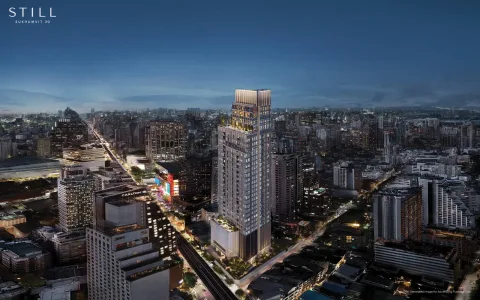
| Khlong Toei (Sukhumvit, Asok to Phrom Phong) | 4 | 4,200,000 THB | 26,350,000 THB | 2 | Park Origin Phrom Phong at the entry, STILL Sukhumvit 20 and the InterContinental Residences at the top |
| Huai Khwang (Ratchada, Rama 9) | 4 | 2,990,000 THB | 3,700,000 THB | 2 | The MRT Blue Line corridor; large mid-market buildings by AP, Real Asset and TC Development |
| Khlong San (Charoen Nakhon, riverside) | 3 | 2,260,000 THB | 2,880,000 THB | 2 | The Thonburi bank near ICONSIAM and the Gold Line |
| Wattana (Sukhumvit 23) | 2 | 5,390,000 THB | 23,195,000 THB | 2 | A mid-market building and a ten-unit boutique residence at 41,000,000 THB |
| Chatuchak | 2 | 2,190,000 THB | 3,655,000 THB | 2 | The park, the weekend market and the Mo Chit interchange |
| Bang Na | 2 | 1,800,000 THB | 2,695,000 THB | 1 | The south-eastern BTS extension; the city’s cheapest entry on the catalogue |
| Dusit | 2 | 6,540,000 THB | 6,570,000 THB | 2 | Riverside and old-town buildings by Supalai and Land and Houses |
| Ekkamai, Rama 3, Rama 9, Sukhumvit 103 and Sukhumvit 34 | 6 | 2,590,000 THB | 3,535,000 THB | 3 | Single projects on their own corridors, including Sansiri’s Via 34 at 13,300,000 THB |
Eighteen of Bangkok’s 29 projects are completed, the highest completed share of the coastal markets, and the developers on the cards are the listed groups that dominate the city: Sansiri with four projects, AP Thailand with three, and Grand Unity, SC Asset and Noble with two each, alongside Origin, Ananda, LPN, Sena, Supalai and Land and Houses. That roster matters for a foreign buyer because the delivery risk on a listed developer’s building is of a different order from a resort developer’s, and because the juristic persons of completed Bangkok buildings publish accounts a lawyer can read. The Bangkok market page sets the districts beside each other.
Insider tip: Bangkok’s foreign quota is rarely the constraint that it is in Phuket. Most mid-market buildings sell mainly to Thai buyers and have quota to spare; the buildings where the 49 percent runs out are the Sukhumvit towers marketed abroad. Ask anyway, and ask for the juristic person’s foreign-ownership register rather than the sales office’s word.
Pattaya is the high-rise coast. Its 27 projects on the catalogue hold 16,140 units between them, more than Bangkok’s 29 hold, and four of them are towers of more than a thousand units: Grand Solaire Noble with 1,750 units on 50 floors, Seven Seas Le Carnival with 1,500, The Coral with 1,447 and Grand Bay View with 1,114 due in 2030. The entry price is the lowest in the country, and the developers are a mix of Bangkok’s listed groups, Sansiri, Origin, Raimon Land, Dusit and Asset Wise, and the city’s own builders.
| District | Projects | Starting price from | Median starting price | Completed | Where and what |
|---|---|---|---|---|---|
| Jomtien, Pratumnak and central Pattaya (Nong Prue) | 7 | 1,431,000 THB | 3,100,000 THB | 1 | Pratumnak hill and the Jomtien beach road; Siam Oriental Dream at the entry, Regent Pratumnak completed |
| Wongamat and Na Kluea | 5 | 2,410,000 THB | 3,930,000 THB | 0 | The northern beach; Once Wongamat at 6,410,000 THB and the Riviera Palm Beach at the top |
| Jomtien coast and inland towers not yet assigned to a sub-district | 15 | 1,890,000 THB | 3,600,000 THB | 5 | DCondo Vite and SO Origin at the entry, Zensiri Residence Jomtien at 8,550,000 THB |
Ten Pattaya projects start under 3,000,000 THB and twenty under 5,000,000 THB, and the consequence shows in the national statistics: no province records more foreign condominium transfers than Chonburi in the Real Estate Information Center’s data, and when The Nation reported the first-quarter 2026 surge in Russian purchases, 3.6 billion THB and a 75.9 percent rise in value, Chonburi and Phuket were where it landed. The city’s product is the studio and one-bedroom unit in a tower with a pool deck, sold to a buyer who will use it for winters and let it between. The Pattaya market page and the Pattaya condos catalogue go street by street.
Samui is a villa island with three condominiums on the catalogue, and the three are worth naming because they are the island’s whole low-rise condominium product for a foreign buyer. The Ville Condo at Phru Chaweng, completed, forty units from 2,630,000 THB. The BOON in Bo Phut, sixty units from 3,080,000 THB, due in 2027 and sold as freehold. Palm by the Sea in Maenam, eleven units from 3,700,000 THB, completed and sold leasehold. The island’s zoning limits building height and coastal density, which is why the product is small, and why buyers who want a Samui apartment near the beach are choosing among a handful of buildings rather than a market. The Koh Samui page covers the villa side, which is where the island’s supply is.
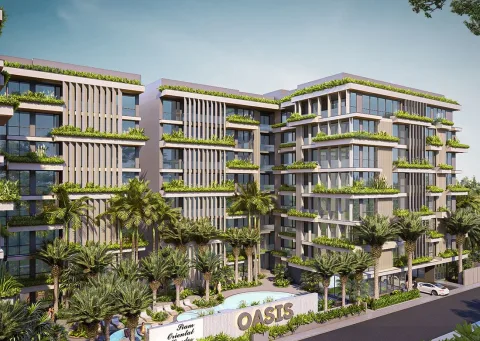
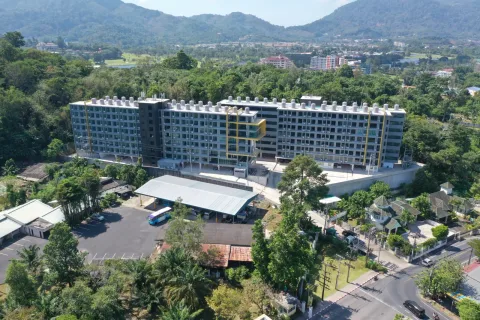
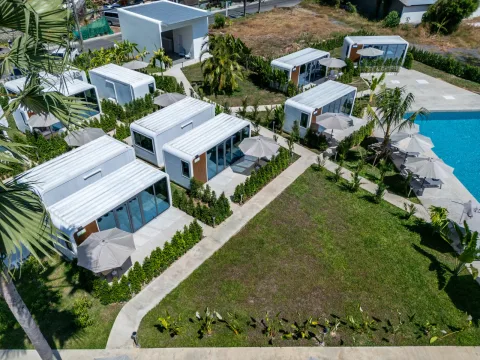
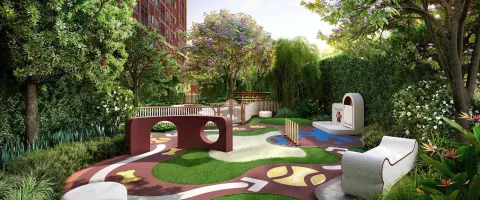
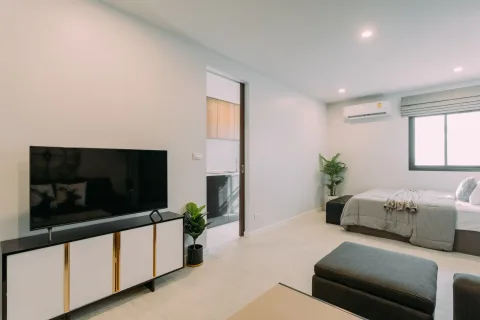
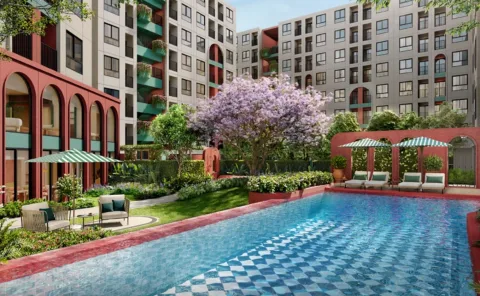
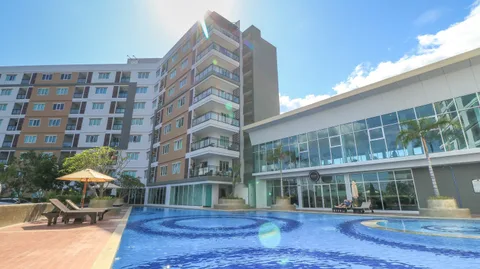
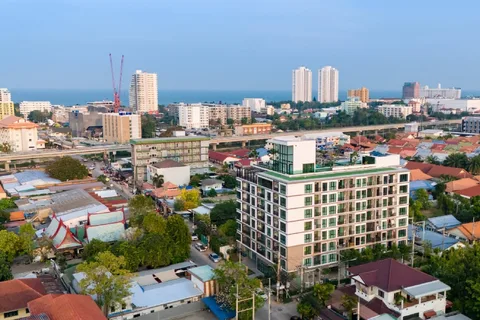
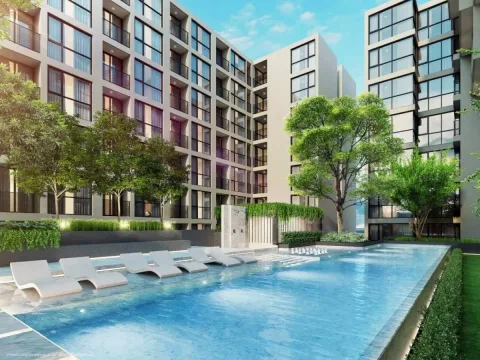
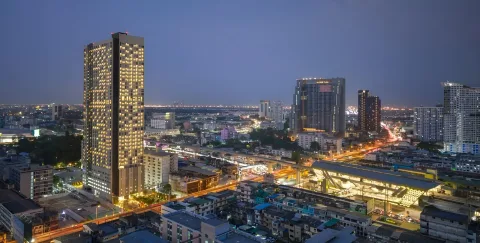
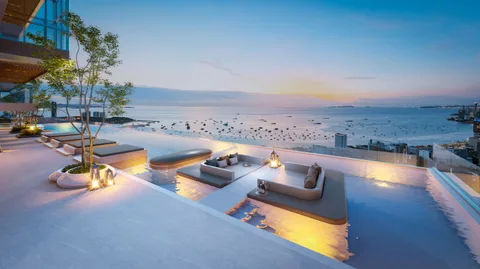
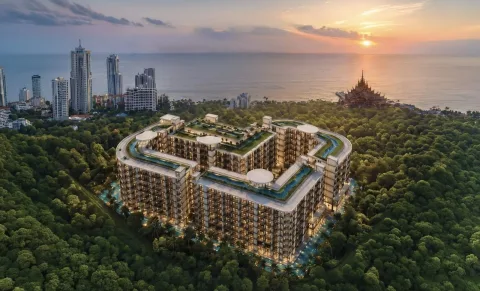
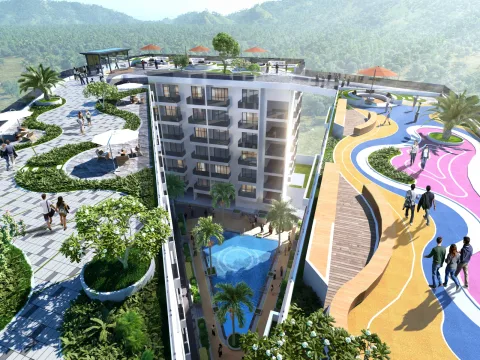
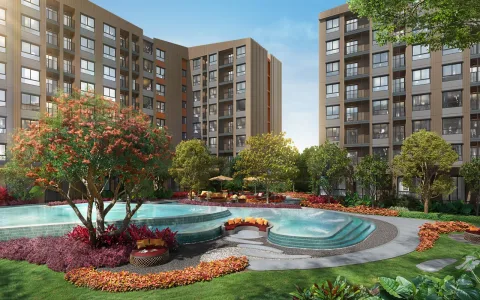
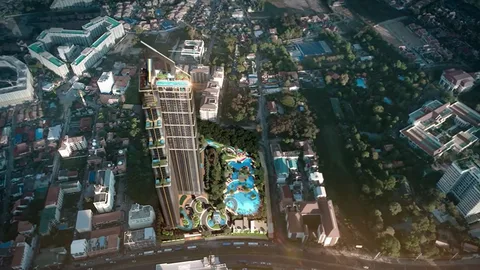
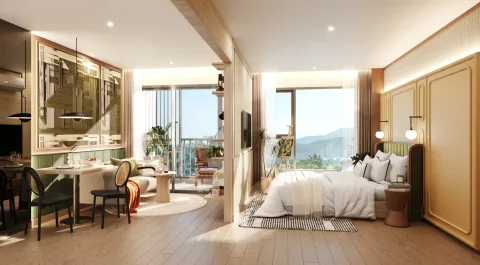
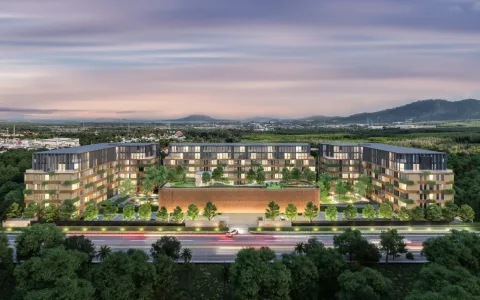
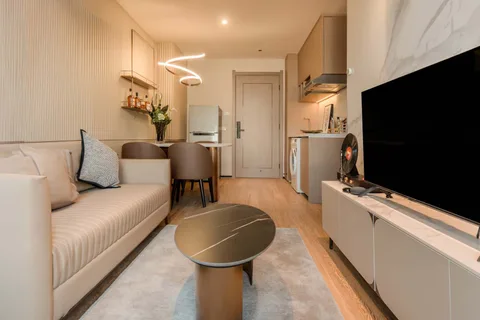
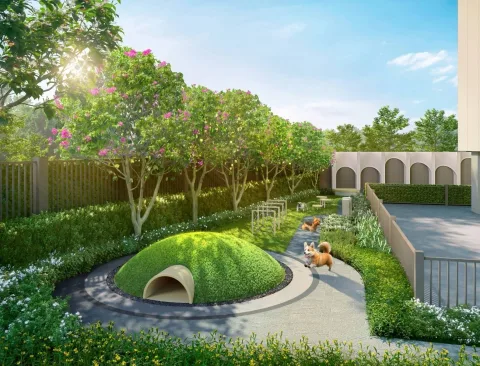
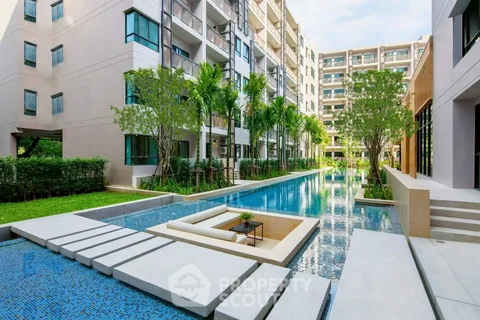
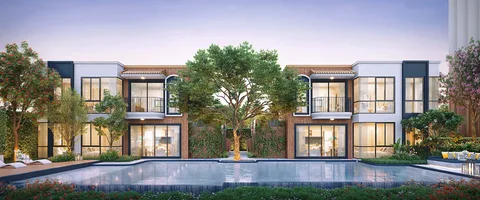
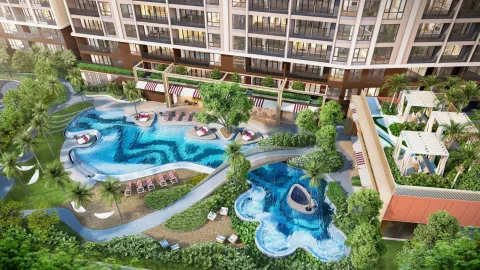
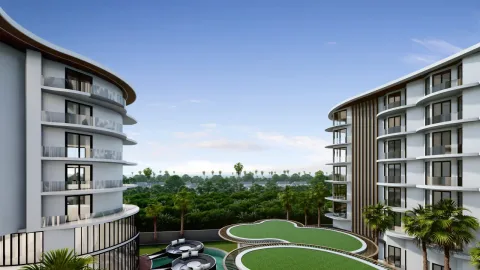
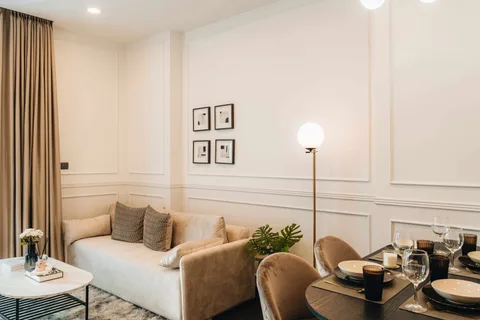
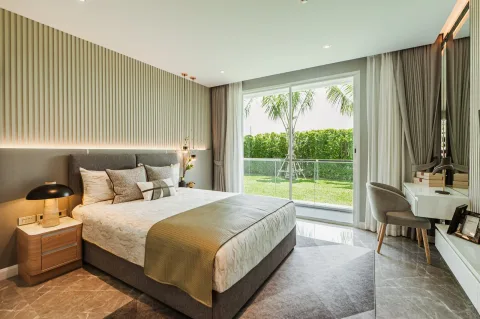
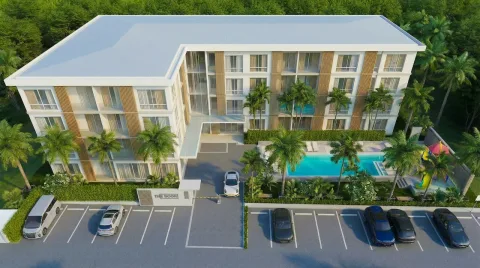
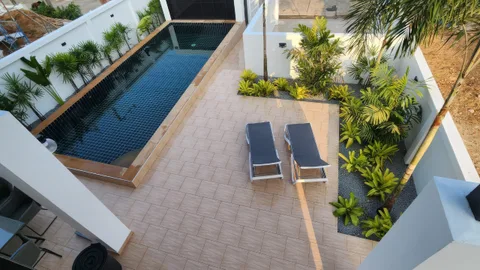
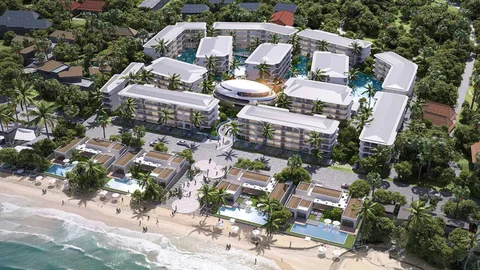
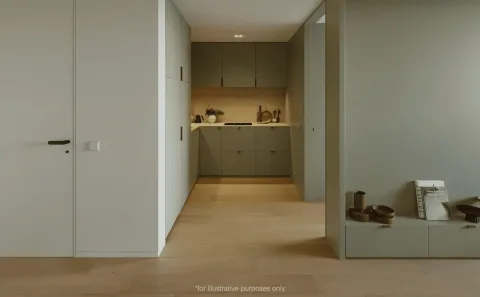
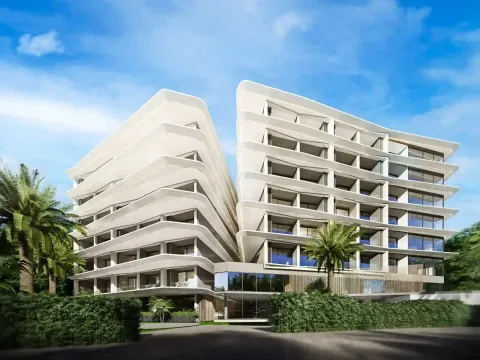
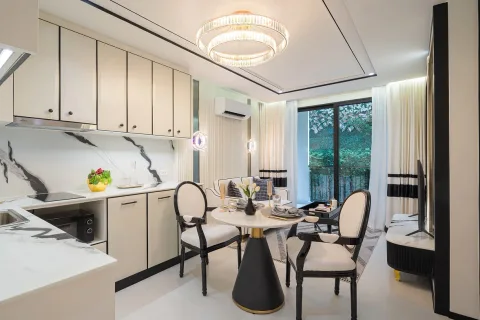
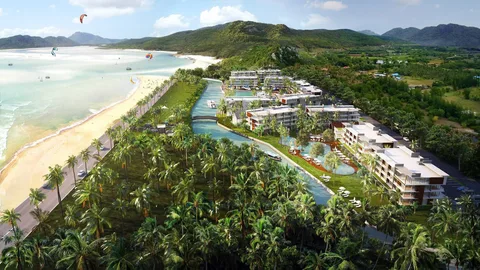
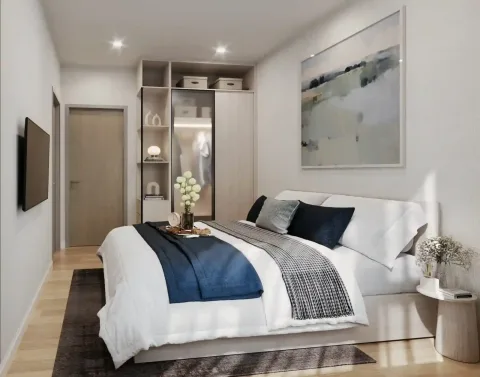
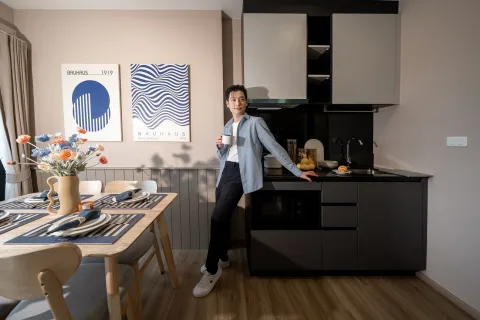
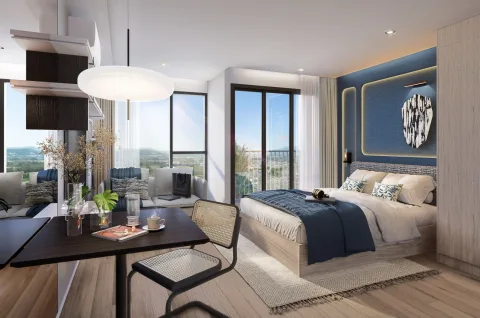
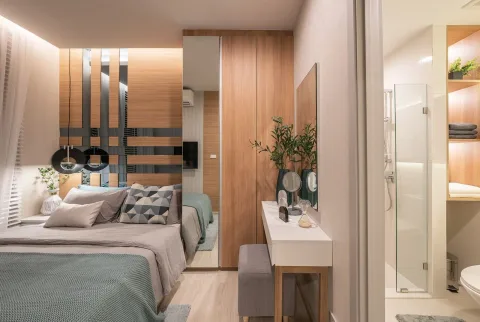
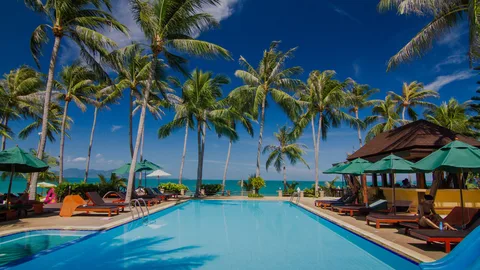
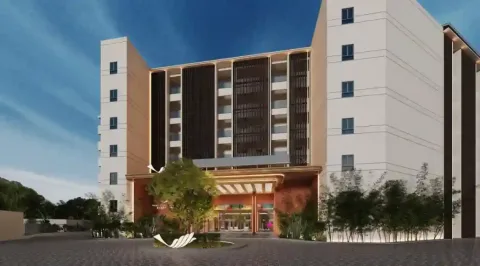
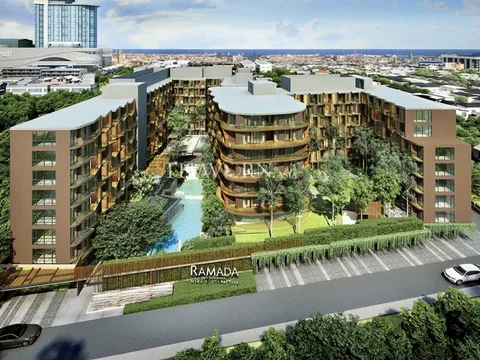
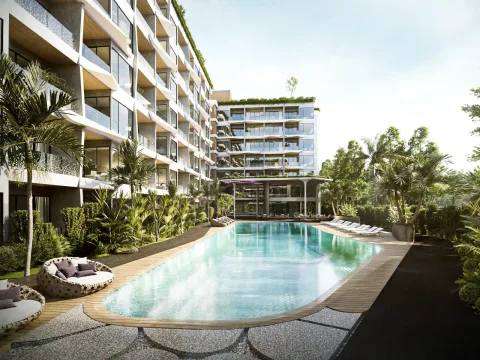
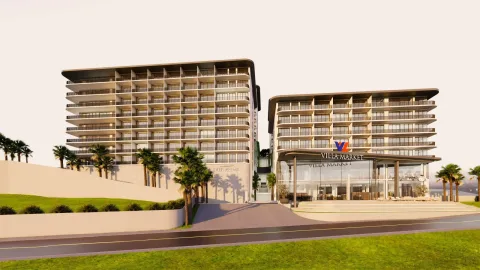
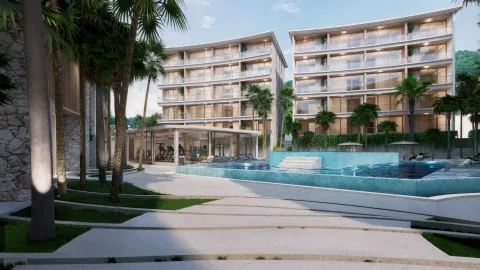
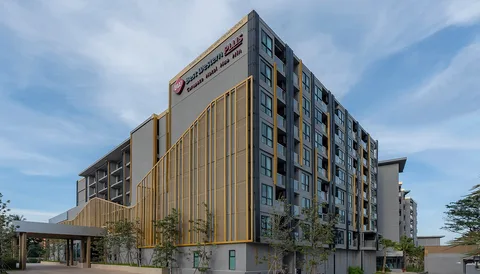
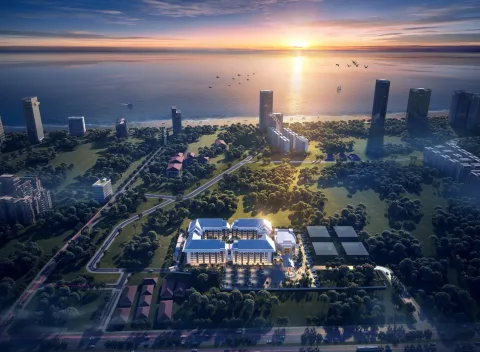
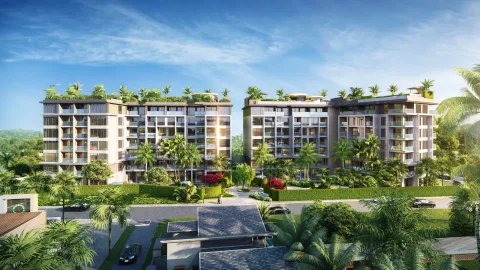
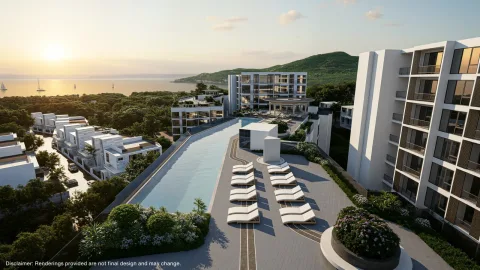
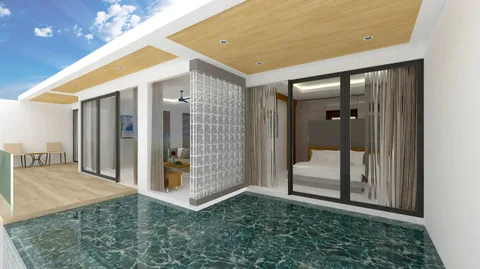
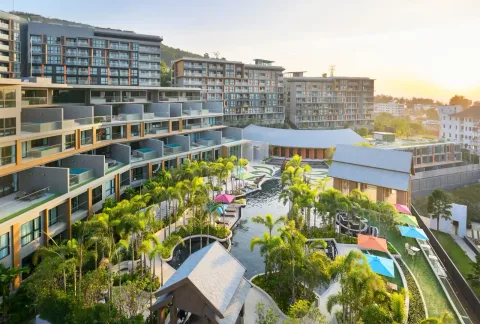
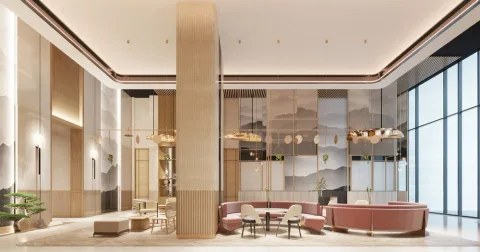
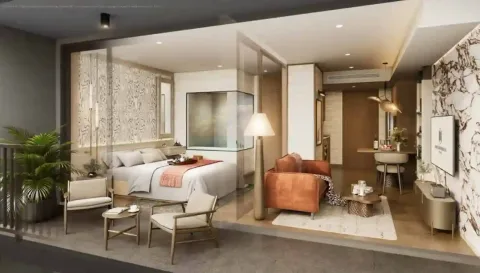
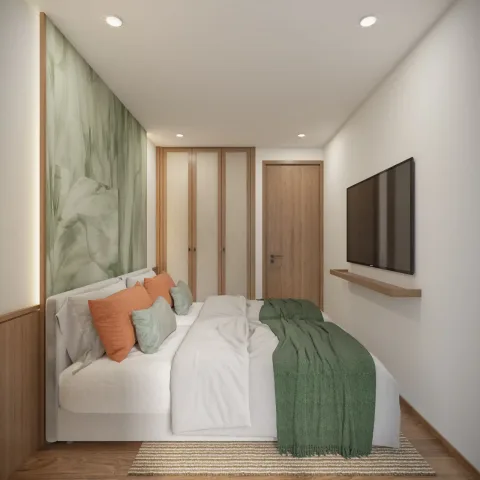
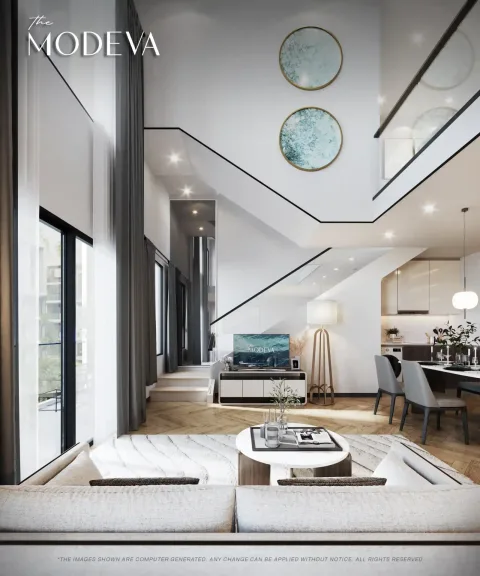
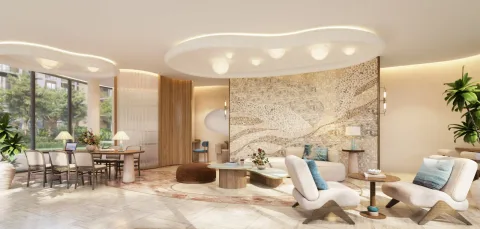
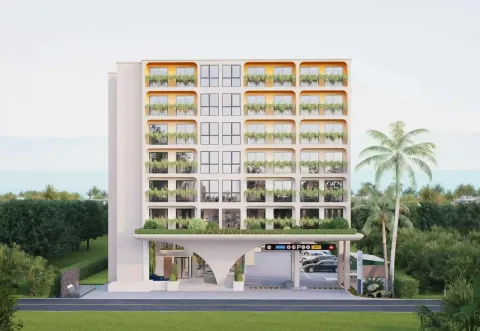
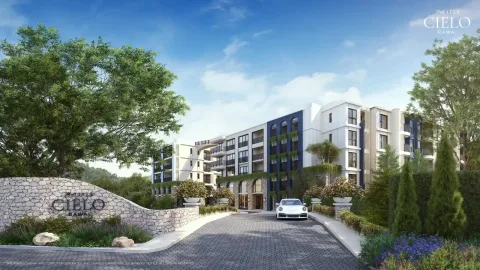
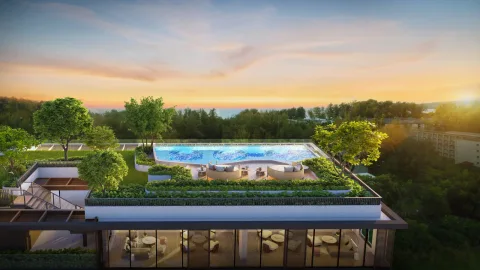
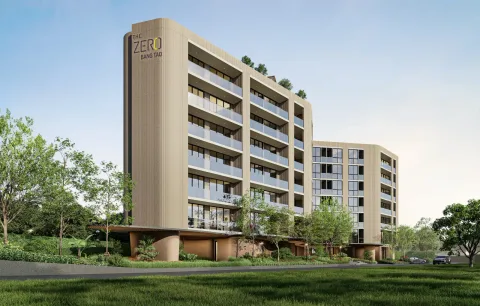
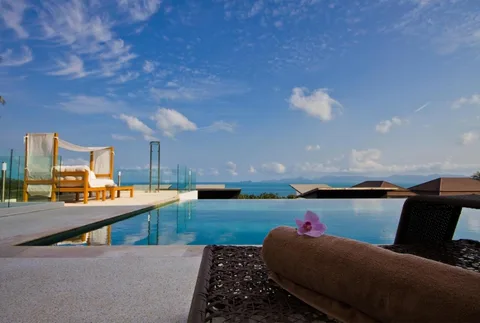
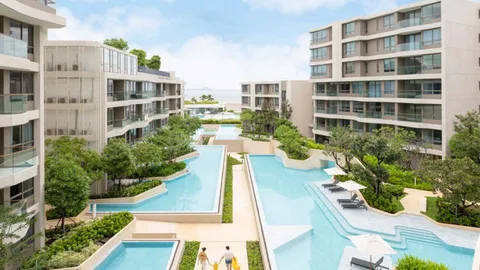
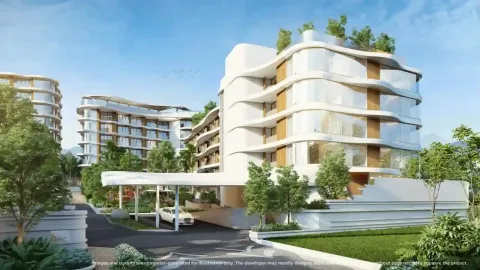
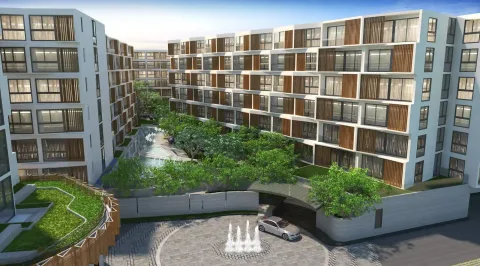
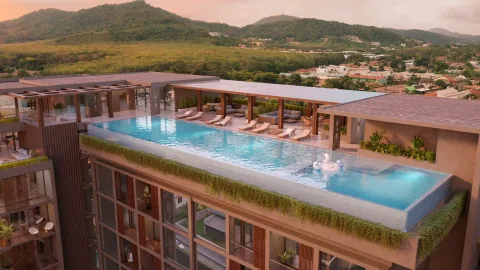
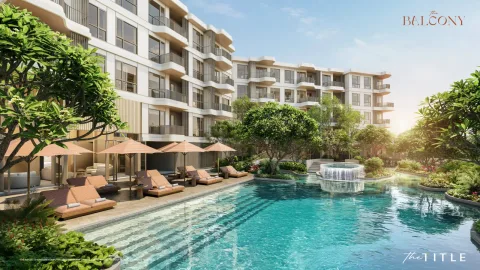
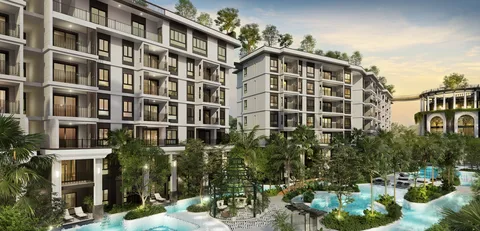
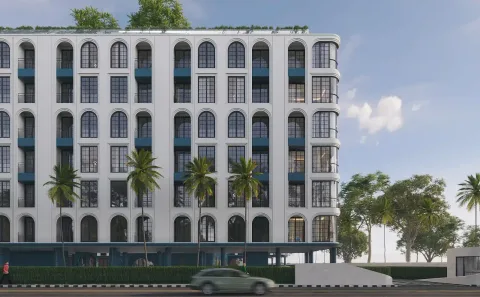
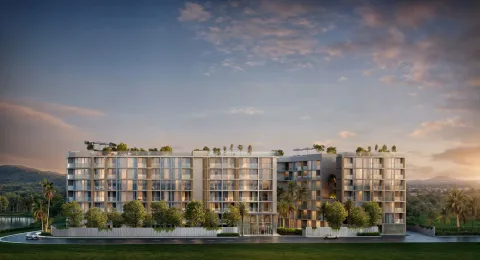
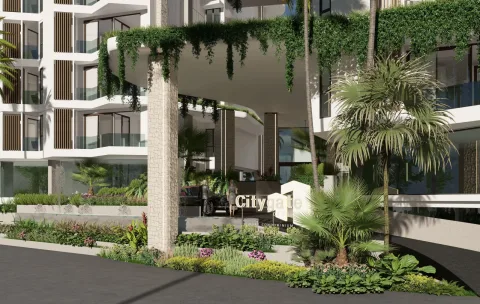
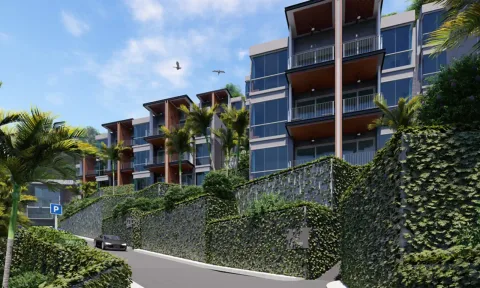
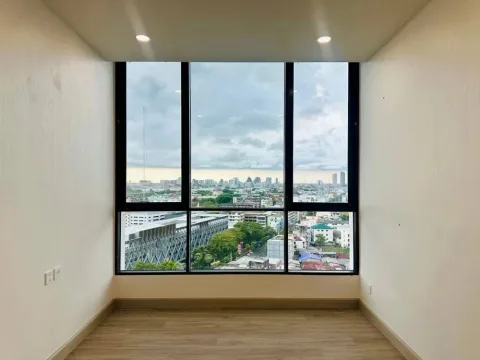
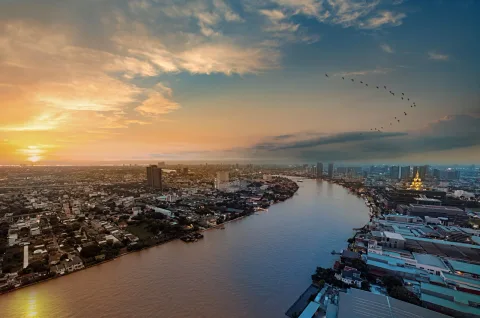
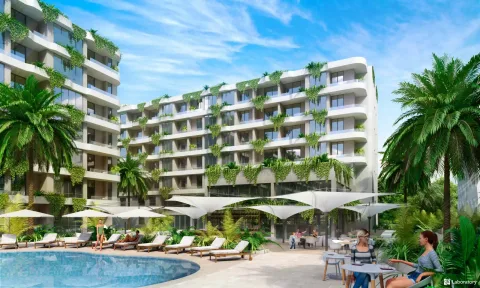
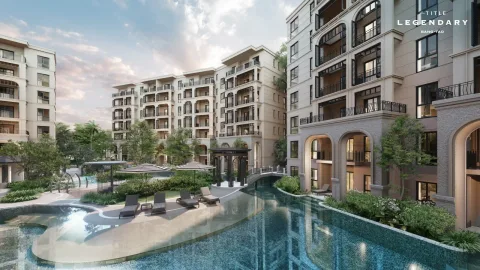
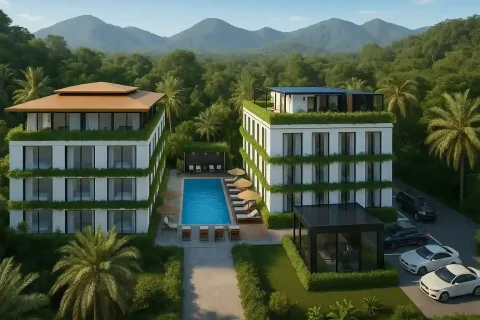
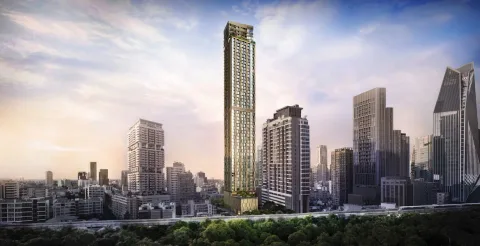
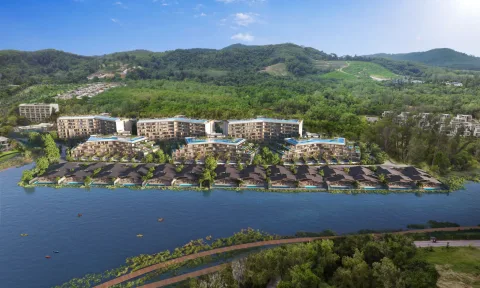
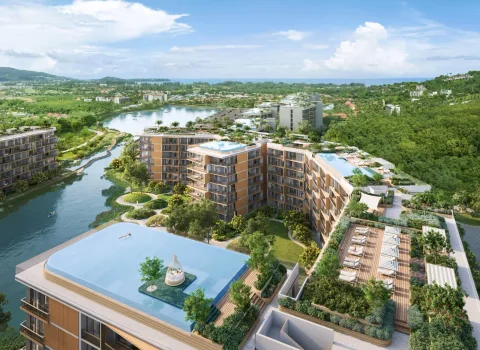
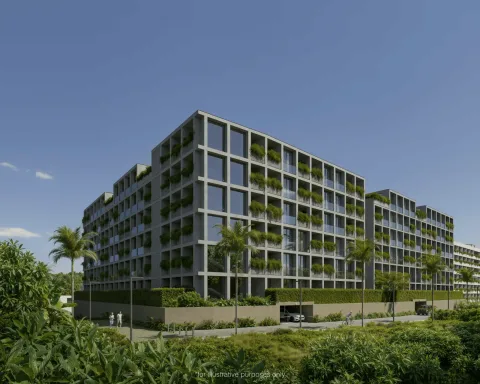
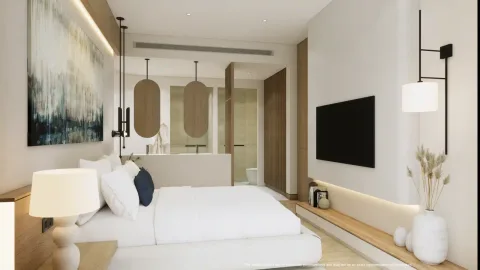
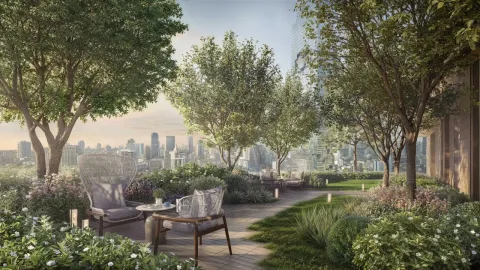
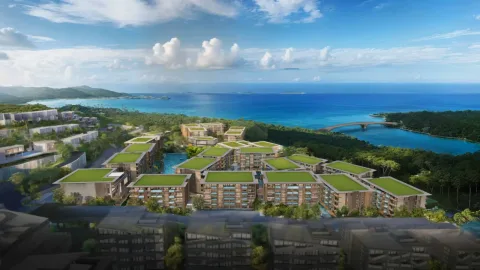
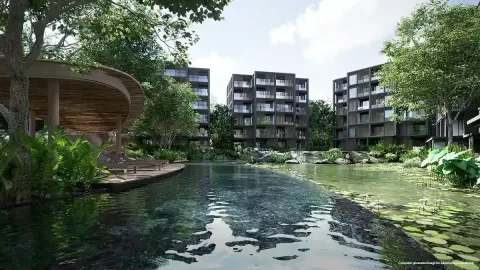
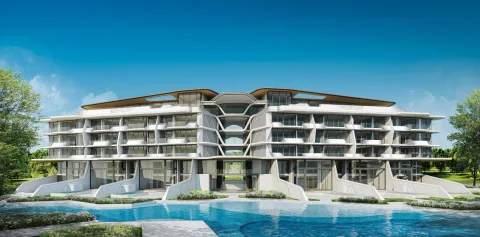
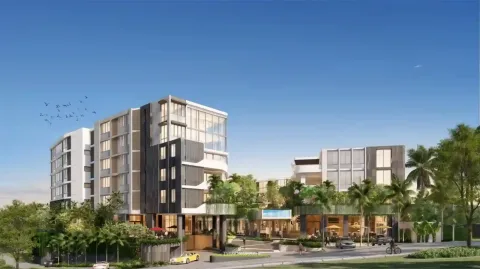
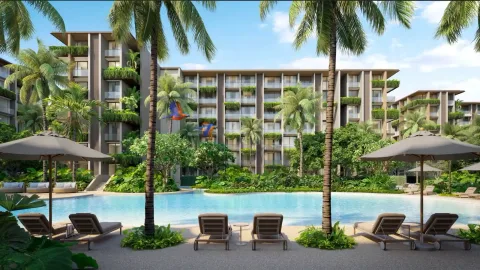
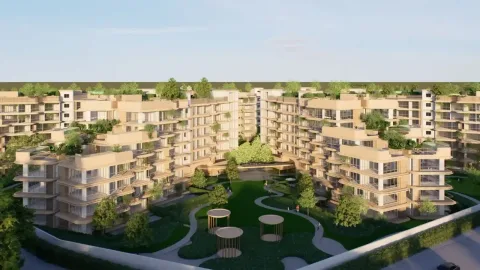
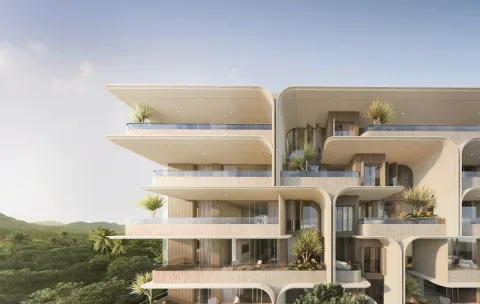
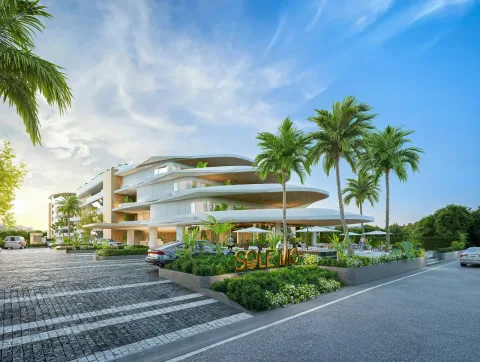
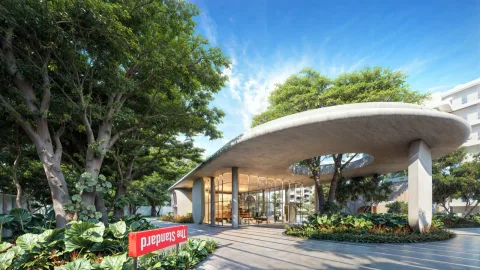
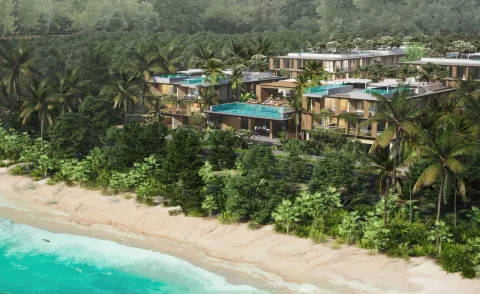
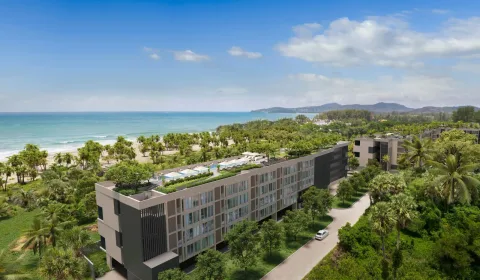
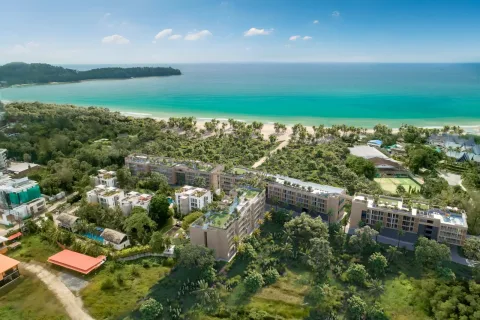
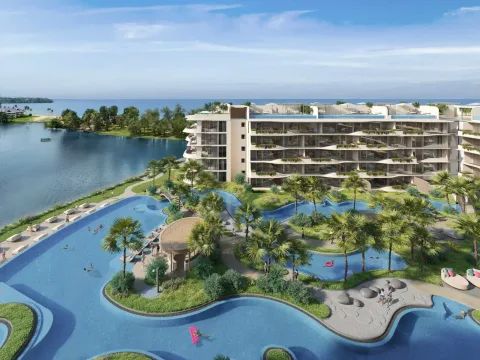
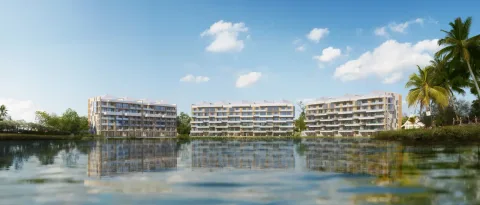
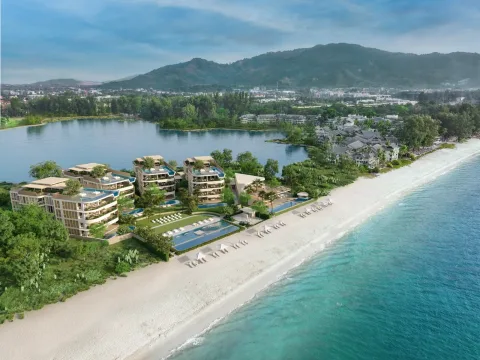
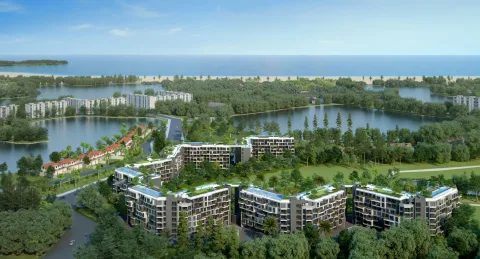
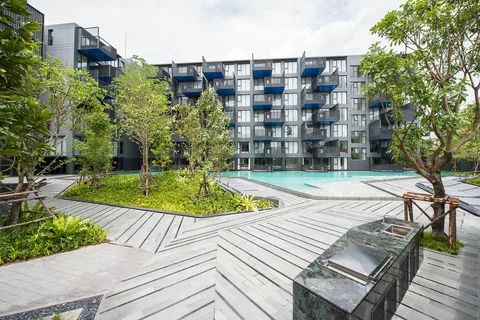
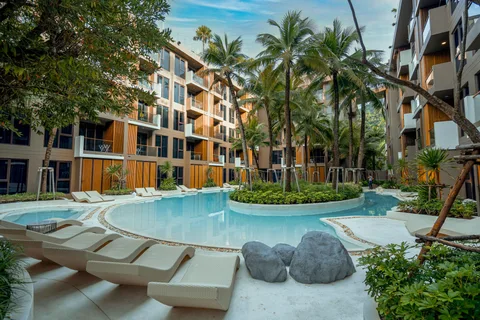
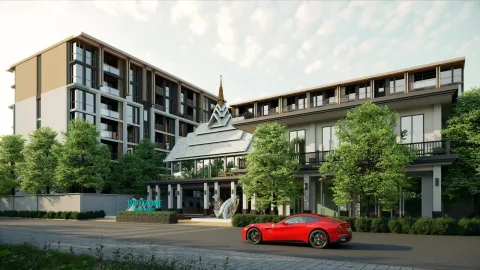
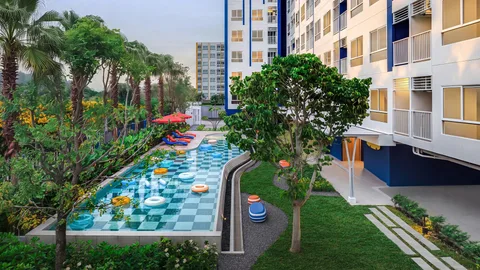
Hua Hin is a house market, and its two condominiums on this page are the exceptions that show the rule. HUB Hua Hin, a low-rise building of 211 units by Sansiri in Nong Kae, completed in 2026 and priced from 1,190,000 THB, is the cheapest condominium on the whole catalogue and the entry to a Thai royal resort three hours from Bangkok. Dusit Ajara, 96 branded residences on a twenty-rai site beside the Dusit Thani hotel in Cha-Am, from 13,700,000 THB and due in 2028, is the resort’s branded top. Between them there is nothing, because the town builds villas and estate homes on the flat land west of the highway, which the Hua Hin page describes.
Chiang Mai’s eight buildings are the cheapest condominium market on this site at the median, 2,697,943 THB, and the most Thai: low-rise buildings and two towers in the city district, Hang Dong and San Sai, from Mahidol Condo at 1,772,760 THB and One Plus Jedyod 3 at 2,161,000 THB to Sansiri’s 630-unit Base Height at 2,830,000 THB, Ornsirin’s Astra Sky River by the river at 4,000,000 THB and The Erawan at 4,849,131 THB, all completed between 2015 and 2025 and read from an agency list dated 2024 and 2025, so the developer’s current price is confirmed before any figure is repeated. The quota is rarely a constraint in a city whose buildings sell to students and professionals first, and the Chiang Mai page and the Chiang Mai condos listing go building by building.
Three mechanisms make a foreign condominium purchase work, and each can fail if it is left to the last day.
The quota. The 49 percent is measured by floor area across all units in the building, not by the number of units, and it is recorded at the Land Office and in the juristic person’s register. A developer selling off-plan sells against the planned quota; a seller of a completed unit sells the unit’s place in the actual one. Before reserving, ask for a written statement of the foreign floor area sold and remaining. In Phuket’s foreign-marketed buildings the quota sells first and the remainder is offered on 30-year leases, which is a different right at a different price.
The money. The price has to cross the border as foreign currency, sent by the buyer personally and labelled as payment for the unit. On arrival the Thai bank writes up a Foreign Exchange Transaction record for amounts at or above the threshold the Bank of Thailand sets, and a confirmation letter below it, and the Land Office will not register a unit in a foreign name without one. The same record is the buyer’s proof, on a later sale, that the proceeds can leave the country. Paying from a Thai account, in cash, or through a third party breaks the chain and is expensive to repair.
The title. A condominium unit has its own title deed, the Or Chor 2, showing the unit’s area, its share of the common property and the owner’s name. On transfer day the Land Office cancels the seller’s name and enters the buyer’s, and the deed leaves the office in the buyer’s hand. Keep the original; a lost condominium title is replaceable, but not quickly.
The condominium title guide and the Condominium Act guide go through each in the order a lawyer checks them.
Ask for the quota, the juristic accounts and the developer's record before you reserve
Send us the projects you like from the grid above. We confirm the foreign floor area remaining, pull the juristic person's accounts or the developer's permits, and send a plain summary before any deposit.
Condominium costs are lower and more predictable than a villa’s, because the juristic person spreads the building’s expenses across every owner and because there is no land lease to register. The figures below are statutory rates and the ranges seen in 2026 contracts; the transfer fees guide has the worked examples.
| Cost | Rate or range | When | Notes |
|---|---|---|---|
| Transfer fee | 2 percent of the appraised value | Land Office, transfer day | Shared as the contract says, most often half each; the 0.01 percent rate you may see advertised is the Thai-buyer relief for homes up to 7,000,000 THB, running to June 2027 |
| Specific business tax or stamp duty | 3.3 percent when the seller has owned for less than five years, 0.5 percent stamp duty after that | On transfer | The seller’s cost by law; developers price it in |
| Withholding tax | Sliding scale on the appraised value less an allowance for years owned; a flat 1 percent of the higher of price and appraisal for a corporate seller | On transfer | Seller’s cost; check the contract does not shift it |
| Sinking fund | One payment, fixed by the developer per square metre and written into the sale contract | At transfer | Funds the building’s long-term repairs; ask how much has been spent on a completed building |
| Common-area fee | Per square metre per month, set by the juristic person and stated on the card where published | Monthly, quarterly or yearly in advance | Covers security, pool, lifts, gardens, insurance of the common property |
| Land and Building Tax | 0.02 percent a year on the assessed value of a home worth up to 50,000,000 THB | Yearly, due by the end of April | A few thousand THB a year on a mid-market unit |
| Legal fees | From about 40,000 THB for a straightforward foreign-quota purchase | Through transfer | Appoint your own lawyer |
| Utilities and insurance | Electricity at the building’s rate, water, internet; contents insurance optional | Ongoing | Buildings selling to foreigners sometimes charge electricity above the national tariff; ask |
A completed building shows its true running cost in the juristic person’s accounts and the minutes of its last general meeting: arrears, special assessments, a sinking fund that has been spent, and a management company under notice all appear there. An off-plan building shows none of it, and the developer’s estimate of the common-area fee is the number that is most often wrong.
One hundred and forty-one of the 204 projects on the catalogue are sold before completion, in Phuket especially, where 108 of 135 are. Buying off-plan is the normal way to buy a new condominium in Thailand, and it is the buyer’s job to make it a safe one, because the law does little of that work. Escrow under the Escrow Act of 2008 is voluntary and rarely used; the escrow guide explains what to ask for instead.
The checks are the developer’s record, with the projects delivered and the dates they were promised; the environmental impact assessment, required for a building of 80 units or more or 4,000 square metres of floor area and the single most common cause of delay in Phuket; the construction permit for the specific building; the land title under the building, held by the developer without an undisclosed mortgage; the sale contract’s delay clause, penalty and refund right; the built-area tolerance and the price adjustment if a unit comes in smaller; and the defects period after handover. The off-plan guide and the developer reputation guide work through each, and the handover checklist covers the day the keys arrive.
Instalments are the other side of off-plan. A reservation fee, a contract deposit of 10 to 30 percent, construction-stage payments over 12 to 36 months and the balance at transfer are the normal schedule, and the schedule is the closest thing to financing that most foreign buyers will find. It costs no interest and offers no lender’s protection; a developer that fails mid-way leaves the buyer with a contract claim. Shorter schedules and later balances are better, and a developer that will accept the balance at the Land Office rather than before it has answered the most important question.
Numbers by district are abstract until they are turned into a unit, so here is what one budget buys on the catalogue in September 2026. Four million THB is about $122,324 at 32.7 THB per dollar, a little below the national median starting price.
In Bangkok it reaches 18 of the 29 projects. On the Ratchada and Rama 9 corridor it buys a one-bedroom unit in a completed tower by a listed developer, with the MRT a few minutes’ walk away and a juristic person whose accounts go back years. On the river at Charoen Nakhon it buys a similar unit with a view across to the old city. On Sukhumvit between Asok and Phrom Phong it buys nothing new; the entry there is 4,200,000 THB at Park Origin Phrom Phong, completed in 2018, and the studios in the new towers start higher.
In Pattaya it reaches 20 of 27 projects. On Pratumnak hill and the Jomtien beach road it buys a one-bedroom unit in a tower with a sea view from the upper floors, or a larger unit lower down; in Wongamat it buys a one-bedroom in a newer building a few hundred metres from the beach. The tower will have several hundred to seventeen hundred units, and the building’s letting rules will decide whether it can be let by the night.
In Phuket it reaches 59 of the 135 projects, but not the same 59 in every district. In Patong, Kata, Nai Yang and Rawai it buys a one-bedroom, sometimes a larger one, in a low-rise building near the beach or in the hills behind it. In Bang Tao it buys a studio or a small one-bedroom below the district median of 6,836,950 THB, in a building that is more likely to be off-plan than complete. In Layan it reaches the entry price of 3,240,000 THB with little room above it.
The exercise shows why the median tells only half the story: the same money buys the most space in Pattaya, the most infrastructure in Bangkok, and the most resort in Phuket, and the buyer’s choice is between those three things rather than between three prices.
Every unit on this catalogue is sold by a developer, and the resale market, where an owner sells a completed unit, is where the same buildings trade a few years later. Resale matters to a first buyer for two reasons. It is where the true price of a building is set once the developer’s marketing ends, and it is the market a foreign buyer will sell into, either to a foreigner, inside the quota, or to a Thai buyer, outside it.
A resale purchase follows the same registration as a developer sale, with the seller’s specific business tax or stamp duty and withholding tax paid at the Land Office, and with two additional checks: the seller’s own Foreign Exchange Transaction record, which shows the unit was bought lawfully into the quota, and a debt-free certificate from the juristic person, without which the Land Office will not transfer. The resale catalogue lists units offered by owners through this office, and the selling guide sets out the seller’s side, which a buyer should also read.
A condominium unit let for 30 days or more is a plain tenancy that any owner may grant, subject to the building’s regulations. A unit let by the night is a hotel under the Hotel Act unless the building itself is licensed or the small-establishment exemption applies, and most juristic persons in Bangkok and many in Phuket now prohibit nightly letting in their regulations; a buyer who intends to let short-term should read the regulations before reserving, not after. Guests must be reported on a TM30 form. Withholding of 15 percent applies to rent paid to an owner who is not tax resident; once an owner passes 180 days in the country they file a Thai return instead, taking the flat 30 percent expense deduction against the rent.
There is no rental income, occupancy or nightly-rate number anywhere on this page, and the cards carry none either; without a letting register in Thailand, any such figure is a seller’s forecast. The building’s management company can show its actual letting record, and that record is the input for a model you build yourself. The rental income tax guide sets out the filing.
A city base with rail at the door. Bangkok, on the MRT Blue Line at Ratchada and Rama 9 from about 3,000,000 THB, on the river at Charoen Nakhon from 2,260,000 THB, or on Sukhumvit for the international neighbourhood at 4,200,000 THB and far upward. Completed buildings by listed developers, accounts to read, quota to spare.
A beach apartment for winters and letting between. Pattaya, in a Jomtien or Wongamat tower from 1,431,000 THB, or Phuket’s Patong, Kata and Nai Yang from 1,450,000 to 2,990,000 THB. Read the building’s short-let rules first.
A resort address in Phuket. Bang Tao and Layan, at medians of 5,600,000 to 6,900,000 THB, in a branded or lagoon-front building; the Bang Tao area guide and the Phuket condos page narrow it down.
A home to live in on an island. Rawai and Nai Harn in Phuket from 2,600,000 THB, or one of Samui’s three low-rise buildings from 2,630,000 THB, with the visa question settled first through the retirement guide, the DTV guide or the LTR guide.
Buyers who have not yet chosen between a condominium and a house can compare the products on the Thailand property for sale page.
Condominiums are the one segment of Thailand’s foreign property market that is measured, and the measurements are worth reading with their limits. In the first half of 2025, by the Real Estate Information Center’s count, foreigners took transfer of 6,533 condominium units worth 28.267 billion THB, 8.8 percent fewer units and 1.5 percent less value than a year before; Chinese buyers led by value, and Chonburi led the provinces, ahead of Bangkok and Phuket. The same body’s first-quarter 2026 figures, as The Nation reported them, had Russian buyers a third higher in units and 75.9 percent higher in value, at 3.6 billion THB. C9 Hotelworks’ 2026 review counted 3,465 branded residence units in Phuket, most of them condominiums in the Bang Tao and Kamala resort zones.
What the data cannot tell a buyer is the resale price of any unit, the time a unit takes to sell, or what a unit earns, since nothing in Thailand records them. Prices on this page are therefore the developers’ own, dated, and every forecast is named as one.
MORE Group is licensed in Phuket and staffs Bangkok, Pattaya, Koh Samui, Hua Hin and Chiang Mai purchases itself. New-build developers pay the agency’s fee, which means the buyer pays the developer’s published price and nothing on top. In return the buyer gets a shortlist matched to a written brief, the quota and title checks, the juristic accounts or the developer’s permits, a read of the contract, the transfer of funds with the right paperwork, and the Land Office day. When a building does not stand up, we say so.
Tell us the city, the budget and whether the unit is for you or for letting
We reply within 2 hours with matching buildings from the catalogue, the foreign quota remaining in each, and the questions we would ask before a deposit.
Yes. The Condominium Act allows foreign individuals to own condominium units freehold in their own name, provided foreign owners together hold no more than 49 percent of the total floor area of all units in the building. The purchase price must arrive from abroad in foreign currency, the receiving Thai bank issues a Foreign Exchange Transaction record, and the Land Office registers the unit in the foreign buyer's name with a title deed. No lease, company or Thai partner is needed.
On this catalogue on 5 September 2026 the cheapest developer starting price is 1,190,000 THB for Sansiri's HUB Hua Hin in Nong Kae, then 1,431,000 THB for a studio-led project on Pratumnak hill in Pattaya. Bangkok starts at 1,800,000 THB in Bang Na, Phuket at 1,450,000 THB in Kathu, Chiang Mai at 1,772,760 THB in Pa Daet, and Koh Samui at 2,630,000 THB near Chaweng. The median project across all 189 priced condominium projects starts at 4,417,700 THB, about $142,202 at 32.7 THB per dollar. Phuket's median is 5,066,250 THB, Bangkok's 3,930,000 THB, Pattaya's 3,390,000 THB.
The remaining units can be sold to foreigners only on a registered 30-year lease from a Thai owner, or bought through a Thai company. The unit is the same; the right is not. A leasehold condominium should be cheaper than the same unit in the foreign quota, and the discount on many Phuket projects is the clearest evidence of what the freehold right is worth. Ask the developer in writing how much of the 49 percent remains before you reserve.
A Foreign Exchange Transaction record issued by the Thai bank that receives your purchase funds from abroad, stating the amount, the currency and the purpose. The Land Office requires it, or the bank's equivalent confirmation for smaller amounts, before it will register a condominium in a foreign name, and you will need it again to remit the proceeds abroad when you sell. Transfer the money in foreign currency, in your own name, with the purpose stated as the purchase of the specific unit.
A 2 percent transfer fee on the appraised value, usually split with the seller by contract; the seller's 3.3 percent specific business tax if held under five years or 0.5 percent stamp duty otherwise; withholding tax computed on the appraised value; a one-off sinking fund contribution and the first year's common-area fee to the juristic person; and legal fees. The 0.01 percent relief in force until 30 June 2027 is for Thai individual buyers of homes up to 7,000,000 THB and does not apply to foreign purchases.
Chiang Mai at the median, with eight buildings starting at a median of 2,697,943 THB, then Pattaya at 3,390,000 THB against 3,930,000 THB in Bangkok and 5,066,250 THB in Phuket. Twenty of Pattaya's 27 projects start under 5,000,000 THB, against 18 of Bangkok's 29 and 59 of Phuket's 135. Phuket's higher median reflects Bang Tao, where 56 projects have a median starting price of 6,836,950 THB; Patong, Kata and Nai Yang are close to Pattaya's level.
Some foreign nationalities can, through a small number of Thai bank programmes that lend against condominiums held in the foreign quota, with loan-to-value ratios well below what buyers know at home and rates set for the risk. Most foreign buyers pay cash or use developer instalment plans on off-plan units. The mortgage guide lists the programmes that were open in 2026.
A completed unit can be inspected, its juristic person's accounts read, and its foreign quota checked at the Land Office on the day. An off-plan unit is cheaper at reservation, paid in instalments over construction, and carries the developer's delivery risk. On this catalogue 141 of 204 projects are off-plan and 62 are completed; the developer's record, the environmental approval and the contract's delay clause are the diligence for the 140.
Tell us the city, the budget and whether the unit is for you or for letting; we reply within 2 hours with matching buildings and the foreign quota remaining in each.