Prices and availability
Today's price list for this off-plan project
We send the current unit list, the payment schedule and the ownership terms, so you can choose a unit with today's numbers.
Current availability
Free units and developer prices, from 2.5M THB.
Foreign quota
We confirm that your unit sits within the 49% foreign freehold quota.
Payment schedule
Deposit, instalments and transfer timing for your unit.
Updated
Page updated August 2026. The price list we send is today's.
Origin Place Centre Phuket: Best Entry-Level Condo in 2026?
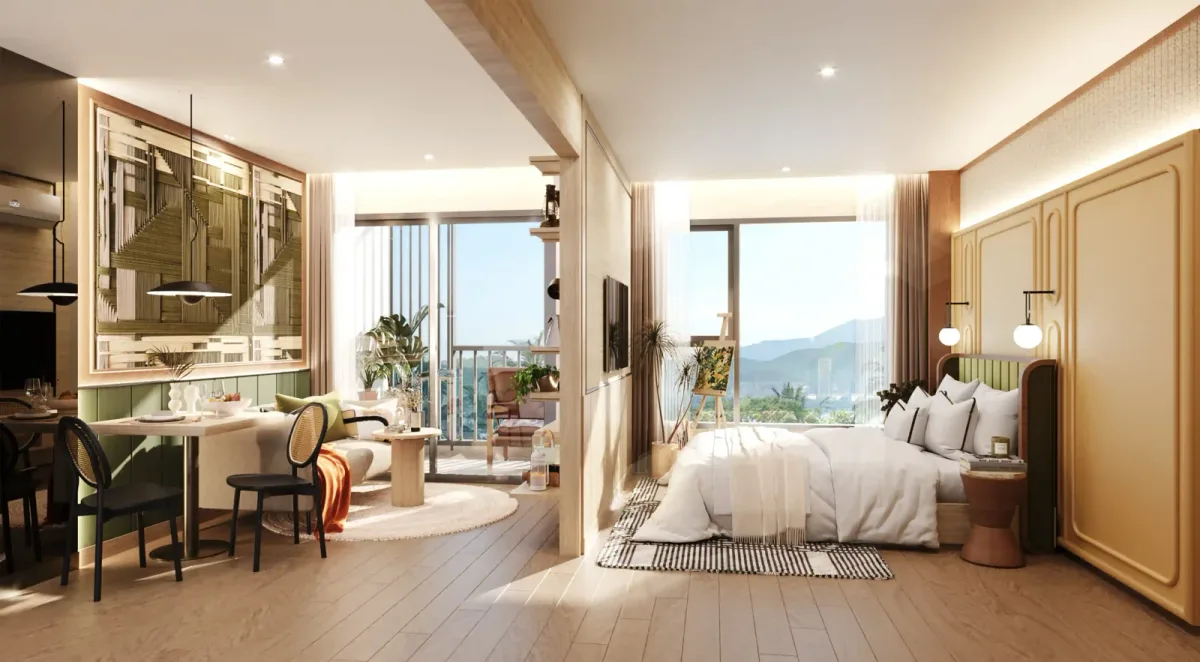
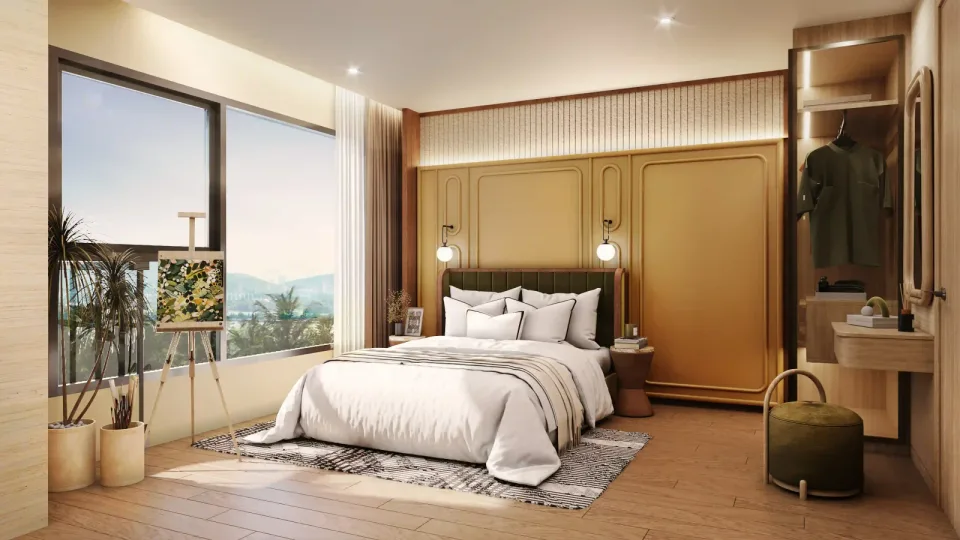
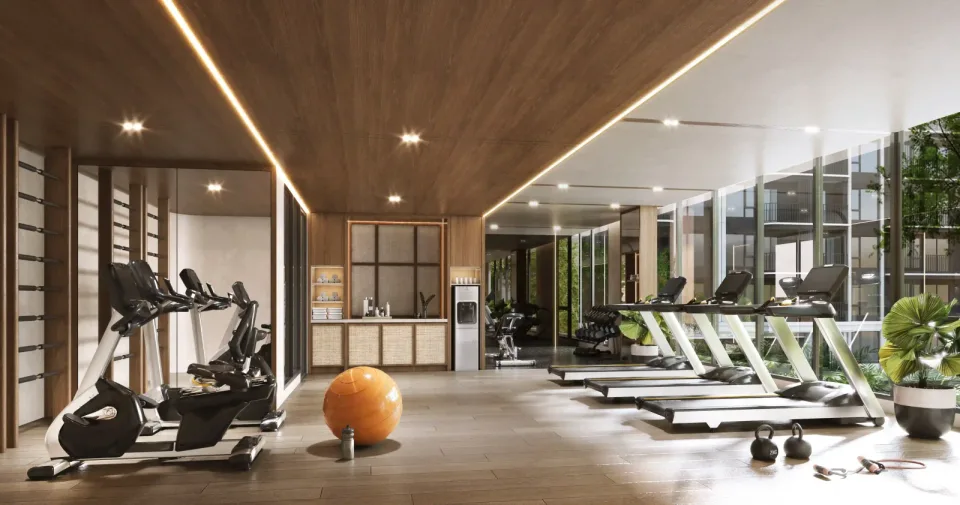
Origin Place Centre Phuket is one of the most accessible ways into a branded Phuket condominium: one-bedrooms from 2,490,000 THB (about $76,000) in the Wichit area of Phuket Town, with two-bedrooms up to 6,180,000 THB. The development has three eight-storey buildings with 585 units and a clubhouse, with a communal pool, a fitness centre, sauna and steam rooms, co-working space, landscaped gardens, automated parking and 24-hour security. For budget-conscious investors, digital nomads, or buyers who want a foothold in Phuket at city prices, here is how the location and the price point work.
Ask about Origin Place Centre availability
MORE Group tracks Phuket Town units from the developer and from original buyers. 0% commission, legal support included.
Phuket Town: What It Offers
- Old Town district with preserved Sino-Portuguese architecture
- Best restaurant scene in Phuket, Michelin Guide entries, local markets, coffee culture
- Central Hospital, Bangkok Hospital Phuket, the island’s best medical facilities
- Government offices, courts, schools, draws the expat professional and domestic Thai population
- Central Phuket Floresta about four minutes by car, with the airport about 39 minutes and the west-coast beaches about 24
- Lower cost of living than beach areas, groceries, restaurants, and services cost 20-35% less
A condo in Phuket Town serves a different rental market from a beach condo: expats, domestic Thai professionals, students and, increasingly, digital nomads, who live here year-round rather than visit for a week.
Who Buys Property in Phuket Town?
Remote workers and long-stay visitors are the first segment. Phuket Town has developed a meaningful remote worker community. Co-working spaces, excellent internet infrastructure, and the Old Town’s cafe culture make it a legitimate work-from-Phuket base. Owners often use their unit personally for months at a time and lease it during absence.
Thai domestic investors are the second. Origin Place Centre Phuket was not exclusively marketed to foreign buyers. Domestic Thai buyers, particularly professionals working in Phuket’s government or private sectors, are a significant buyer cohort. This creates a more balanced resale and rental market than purely foreign-investor-facing beach condos.
Long-term landlords are the third. The rental market in Phuket Town is predominantly long-term: 6-month and 12-month leases to working expats, teachers, medical professionals, and Thai professionals relocating from Bangkok. Monthly rents for a unit of about 27 sqm run THB 10,000-16,000, and for one of about 48 sqm, THB 15,000-22,000.
The Price List
| Layout | Units on our list | Size | Price (THB) | Per sqm (THB) |
|---|---|---|---|---|
| One-bedroom | 206 | 27-32 sqm | 2,490,000 - 3,780,000 | 91,209 - 120,000 |
| Two-bedroom | 28 | 49-50 sqm | 5,030,000 - 6,180,000 | 101,613 - 124,597 |
At an average of about 109,500 THB per square metre for the one-bedrooms, Origin Place Centre is priced at city levels, well below the beach corridors, for a branded building with a full facility package.
Payment plan: 30% at contract and 70% at transfer. On the entry one-bedroom that is 747,000 THB at contract and 1,743,000 THB at transfer, and we send the schedule with the price list.
Rental Income: Phuket Town vs Beach Areas
The comparison against a beach location is about the shape of the income rather than only its size.
| Phuket Town | Beach areas | |
|---|---|---|
| Dominant tenancy | 6 to 12 month leases | Nightly and weekly, with a long-stay layer |
| Seasonality | Minimal, tenants live here | Strong peaks in the high season |
| Operating cost | Low, one changeover a year | Higher, with turnovers, linen, cleaning and platform fees |
| Management need | Light | Active, or an operator taking 20 to 25% |
| Entry ticket | From about $76,000 | Materially higher for equivalent size |
Long tenancies keep the running costs low and the income steady through the year, which is what a Phuket Town owner is buying, and the two-bedrooms suit the families of teachers and medical staff who rent for a full school year. For owners who plan to let, we collect current rents for comparable units in the area and build the net figure for your unit.
Compare Phuket Town and beach areas
Our team compares rental markets across Phuket. Free comparison for serious investors.
Digital Nomad Angle
- Co-working spaces at THB 3,000-6,000 per month (significantly cheaper than Bangkok), and a co-working space in the building
- Fiber internet at 1Gbps available in most modern buildings
- Flight connections from Phuket International Airport to 30+ destinations without Bangkok stopover
- Healthcare at Bangkok Hospital Phuket accessible within 15 minutes
- Old Town restaurants and cafes comparable in quality to urban Bangkok neighbourhoods
The Thailand LTR (Long-Term Resident) visa program, introduced in 2022, explicitly targets high-income remote workers with a 10-year visa option. This demographic, earning in USD or EUR, spending in THB, is increasingly choosing Phuket over Bangkok for quality-of-life reasons. They are a core long-term rental tenant for Phuket Town properties, typically at THB 15,000-18,000 per month for a well-furnished unit.
Who It Suits
If you want steady long-let income with light management: Phuket Town’s tenants live here year-round, tenancies run six to twelve months, and one changeover a year keeps the costs low.
If you want the lowest entry with Phuket exposure: from 2,490,000 THB for a freehold condominium unit in a SET-listed developer’s project, in Thailand’s most liquid foreign-buyer market, with long-let tenants and upside as the island’s prices rise.
If you want to use the property personally and rent during absence: Phuket Town is a liveable urban base. Less beach, more city. The Old Town area specifically is a genuinely pleasant environment, walkable, culturally interesting, excellent food. Owners who plan extended personal stays alongside rental periods find Phuket Town more liveable than resort areas for anything beyond a holiday.
Why Buyers Choose Origin Place Centre
- One of the lowest entries into a branded, SET-listed developer’s project on the island, from about $76,000
- Long-term tenancies from working expats and Thai professionals, so income runs steadily through the year
- A Thai domestic buyer cohort alongside the foreign one, which gives the resale market depth on both sides
- Hospitals, government offices, the Old Town restaurant scene and the island’s best day-to-day infrastructure on the doorstep
- A clubhouse, pool, fitness centre, sauna and co-working space in the building
- Cost of living 20 to 35% below the beach areas, which matters if you intend to spend time here yourself
Buying Before or After Handover
Units can be bought from the current list or as resales from original buyers. A purchase before handover follows the payment plan, or, on a resale, the original buyer’s contract is assigned to you: you take over the remaining payment and receive title at handover. After handover, a purchase is an ordinary transfer at the Land Department with the title deed.
We handle both routes: the developer’s consent and fee where a contract is assigned, the seller’s payment position, the foreign quota for the unit, and the FET record for a freehold purchase, timed to the route you take. For recent resales, we send what comparable units in the building have changed hands at.
Buying Origin Place Centre with MORE Group
A unit at Origin Place Centre is bought in five steps, from the first price list to the keys, and we take each of them with you.
-
Current price list and free units
We ask the developer for today's price list for Origin Place Centre and send you the units that match your budget, with floor plans.
-
Foreign quota on your unit
Foreign buyers hold condo freehold within the 49% foreign quota of the building, counted by floor area. We confirm with the developer that the unit you choose sits inside that quota. How the foreign quota works
-
Reservation and payment schedule
A reservation deposit holds the unit, and the balance follows the developer's payment schedule, which we send with the price list.
-
Transfer and registration
The purchase money arrives from abroad in foreign currency with an FET form, and the unit is registered in your name at the Land Department. The FET form explained
-
After the keys
We stay in touch after handover and help with rental options and a future resale when you want them.
0% buyer commission. Ask for the current price list
Frequently Asked Questions
Yes. The current list carries 234 units: one-bedrooms of 27 to 32 sqm from 2,490,000 THB and two-bedrooms of 49 to 50 sqm from 5,030,000 THB. Units also come up as resales from original buyers, and we handle both routes.
You step into the original buyer's sale and purchase agreement, take on the remaining payment and receive title at handover as if you had bought from the developer. We confirm the developer's consent and fee, the seller's payment position and the foreign quota for the unit with the developer, in writing.
For long-term letting, yes. The tenant base is resident: teachers, medical staff, government and private-sector professionals, Thai relocations from Bangkok and a growing remote-worker population, on six- to twelve-month tenancies that run through the year.
A unit of about 27 sqm lets at roughly THB 10,000 to 16,000 a month and one of about 48 sqm at THB 15,000 to 22,000, on long-term leases. Because the tenancies are long, running costs stay low and the income is steady through the year.
Your buyer is someone who wants Phuket Town specifically: a Thai professional, a resident foreigner or a long-let investor. The building's mix of Thai and foreign owners gives the resale market depth on both sides, and a unit with a tenancy record in place is attractive to investors.
Read Also:
- Phuket Town area guide, the market this unit sits in
- Origin Property developer review
- Buying off-plan versus resale, relevant to the resale route
- Buying Property in Phuket
- Freehold vs Leasehold Thailand
Live developer data · Phuket specialist reply
Check Availability, Quota and Floor Plans
Send your contact and budget. We will reply with current stock, payment plan and foreign buyer notes.

MORE Group Editorial
Phuket Real Estate Experts
The MORE Group team has helped 500+ European and American buyers purchase property in Thailand. We provide legal support, 0% commission, and on-the-ground expertise with 8 years in the Phuket market.
About MORE Group →Check Availability, Quota and Floor Plans
Send your contact and budget. We will reply with current stock, payment plan and foreign buyer notes.
