Palm Oasis Phuket Review 2026: Prices & Yield
Palm Oasis Phuket full review 2026. Location, unit types, pricing, payment plan, resort facilities, and honest investment analysis for this Phuket condo.
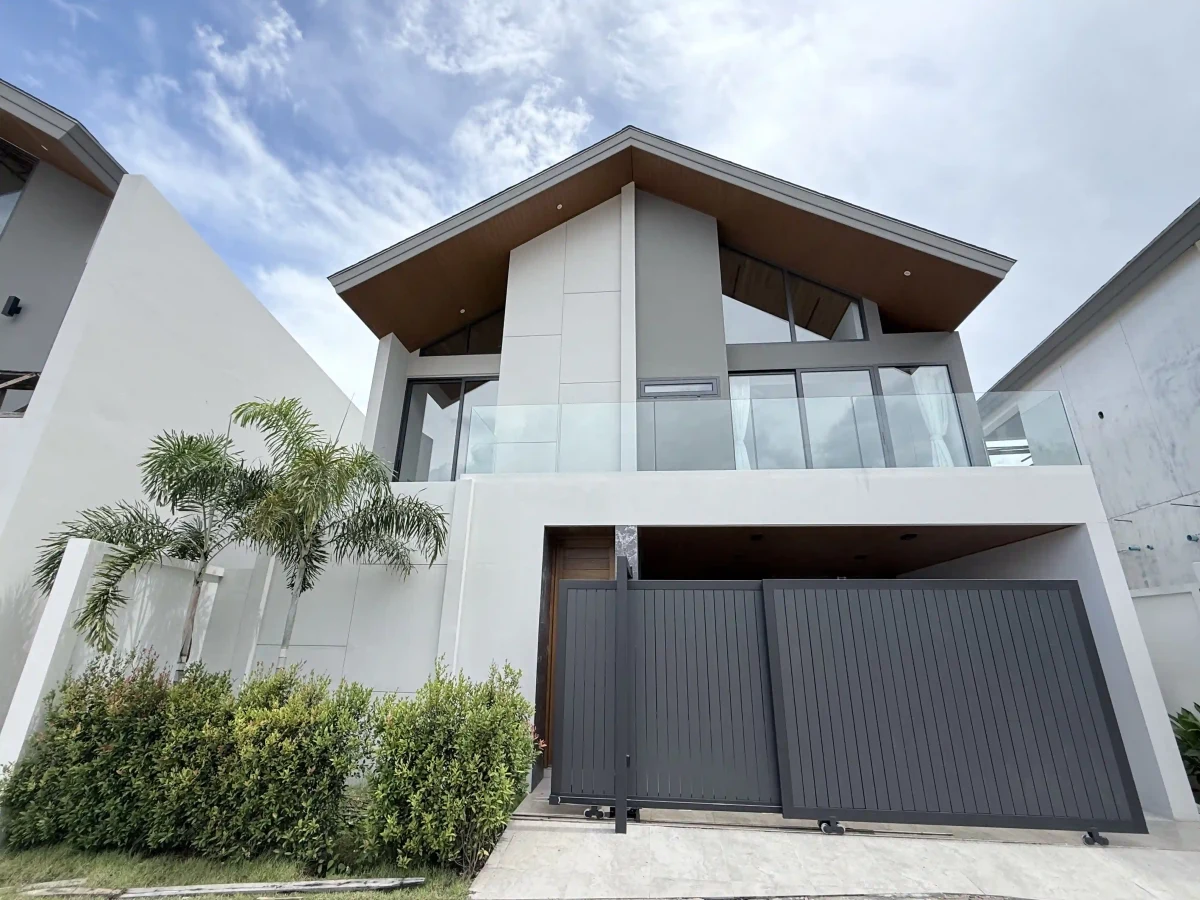
Verify before you reserve
Check availability before you reserve
Project pages can go out of date quickly. Request the latest unit list, payment schedule and foreign buyer notes for this off-plan project.
Current availability
Get live stock, reserved units and developer prices, developer price list on request.
Foreign quota check
Ask us to confirm remaining foreign freehold quota before reservation.
Payment schedule
Compare deposit, construction milestones, transfer timing and cash flow.
Last checked
Content updated August 2026. Ask for current availability before paying a deposit.
Palm Oasis Phuket Review 2026: Prices, Location, Investment Analysis
Palm Oasis is marketed as a resort-style condominium development aimed at buyers who want tropical landscaping, strong pool presence, and a product that feels closer to a holiday resort than a city apartment. In Phuket’s crowded mid-market condo segment, that positioning can work, if location, pricing per sqm, and management execution align.
This review covers Palm Oasis in investor terms: where it sits in the island’s zoning map, what unit mix typically makes sense for rentals, how $100K-$220K USD pricing behaves against comps, and what yield assumptions are realistic after fees.
See Palm Oasis next to similar resort-style condos
MORE Group helps buyers compare net yields and payment structures, 0% buyer commission.


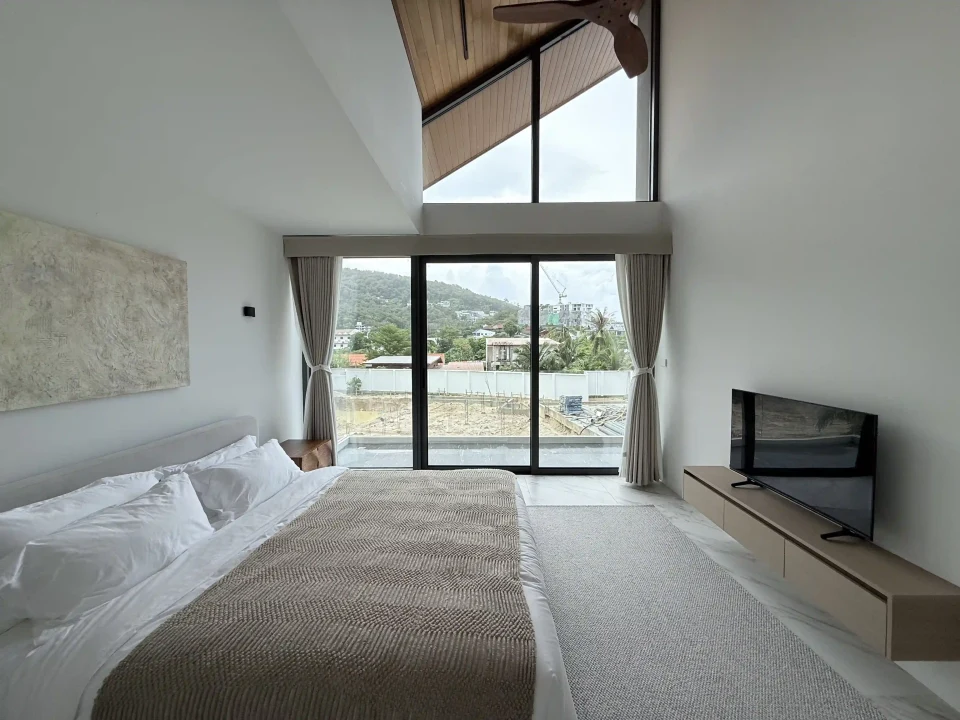
Project overview: resort condo product basics
Buyers should separate marketing language from transfer mechanics:
- Confirm condominium registration and foreign quota availability for freehold purchases
- Review sinking fund and common area fee projections
- Inspect actual walking distances to retail and beach demand drivers (not straight-line map distance)
Location analysis: demand drivers and tradeoffs
- Drive time to the nearest major beach and tourist walking zones
- Proximity to convenience retail (7-Eleven, laundry, cheap eats) for guest satisfaction
- Competition density: many similar resort condos can pressure nightly rates
Practical tip: open booking platforms and compare nightly rates for the same week against neighboring buildings, that is often more informative than developer brochures.
Pricing: $100K-$220K and how to benchmark it
| Segment | Typical meaning |
|---|---|
| $100K-$140K | Compact studio or small 1BR; entry investor segment |
| $140K-$180K | Standard 1BR; core short-term rental market |
| $180K-$220K | Larger 1BR or 2BR; higher acquisition, higher gross revenue potential |
Benchmark against other resort condos in the same micro-area using price per sqm and historical occupancy assumptions, not island-wide averages.
Payment plan and off-plan considerations
- Milestone-based payments tied to construction progress
- Clear handover standards and defect remediation timelines
- Developer track record on prior completions
Off-plan can improve capital growth potential, but it adds timeline risk. Resale or ready-to-transfer inventory reduces uncertainty, often at a higher entry price.
Developer track record: questions to ask
- Completed projects (visit them unannounced if possible)
- Building management quality in completed phases (pool cleanliness, security presence)
- Owner forums and review patterns for guest complaints
Pool and amenities: what actually moves bookings
- Pool maintenance and water clarity (reviews mention pools quickly when quality slips)
- Gym air-conditioning and equipment basics
- Lobby and corridor cleanliness, first impressions drive review scores
Yield expectations: gross vs net
- OTA commissions and promotions
- Monthly common fees and sinking fund
- Utilities during vacant nights
- Periodic furnishing replacement
Comparison to similar projects in the zone
- Similar nightly rate class
- Similar distance to beach demand
- Similar pool and facility quality
If Palm Oasis pricing per sqm is materially higher without a visible premium, negotiate or widen your search.
Who should buy Palm Oasis
- Buyers seeking resort aesthetics at mid-market pricing
- Investors comfortable operating in competitive short-term segments
- Owners planning periodic personal use with rental coverage
Think twice if:
- You need premium liquidity, condos compete broadly on resale
- You dislike active management oversight, yields decay quietly through poor reviews
Investment pros and cons
Pros:
- Resort-style facilities can photograph well for listings
- Mid-market pricing can keep bookings accessible during shoulder season
- Strong tourism baseline in Phuket supports short-term demand
Cons:
- Competition from similar resort condos can cap nightly rates
- Operating costs and OTA fees erode net yield quickly if occupancy slips
Payment triggers and handover: protecting your cash flow
Practical milestones buyers should recognize
- Foundation completion and structural frame completion are early confidence signals.
- Roof and weather sealing reduce the risk of interior damage delays.
- Interior finishes and common area readiness are where many projects slip, keep a punch-list mindset.
Ask for a realistic handover window and whether furnishing packages are sourced in-house or third-party, furnishing delays are a common reason owners miss high-season revenue.
What can go wrong (and how owners prevent it)
Mitigations that work in Phuket:
- Standardize turnover checklists (linen, toiletries, remote batteries, Wi‑Fi speed test)
- Use a channel manager with dynamic pricing discipline, static pricing dies in competitive zones
- Refresh photography after soft furnishings fade, listing photos must match reality
Long-term ownership: sinking funds and building aging
Ask the developer or juristic office for:
- Historical common fee adjustments over the last three to five years (if available)
- Planned major maintenance items (roof, elevators, waterproofing)
- Guest capacity management rules, overcrowded facilities accelerate wear
A beautiful year-one pool can become a year-six liability if reserves are under-funded.
Who competes with Palm Oasis on booking platforms (and why it matters)
A practical weekly habit for serious investors:
- Track three competitor listings’ nightly rates for the next 60 days
- Note whether competitors bundle cleaning fees differently, guests compare totals, not headlines
- Watch review keywords: “pool,” “noise,” and “check-in” show up first when something breaks
Want a net-yield model for Palm Oasis and comps?
MORE Group: buyer-side underwriting, developer-agnostic advice, 0% commission from buyers.
Frequently Asked Questions
Most inventory is commonly marketed around $100,000 to $220,000 USD depending on unit size, floor, furnishing, and whether the sale is off-plan or completed. Entry studios sit lower, while larger two-bedroom units and premium packages trend toward the upper band. Compare price per square meter against nearby resort condominiums.
It can be, if nightly rates, occupancy, and management fees produce acceptable net income after all costs. Resort-style condos compete heavily on photos and reviews, success is operational as much as architectural. Build a conservative model and stress-test low-season occupancy.
Key risks include construction delays, changes in market rates before handover, and the need to fund installments before rental income begins. Mitigate with legal review, milestone-based payments where possible, and a clear handover defect process.
Studios can achieve strong yields with lower acquisition cost but may compete on price during low season. One-bedroom units often balance occupancy and nightly rate. The best choice depends on local comps, not universal rules.
Evaluate their local housekeeping network, review generation process, and fee transparency. Ask for references from similar buildings. Poor housekeeping destroys listing performance faster than a slightly worse view category.
Facilities have a running cost, and it lands per square metre
A resort-style scheme sells on its pools, gym and landscaping, and those are the same items that set the monthly charge once the developer’s initial period ends. Ask for the CAM rate per square metre and the sinking-fund contribution as two separate figures, then multiply by your own floor area rather than accepting a monthly total quoted for an unnamed unit.
Then ask how many units fund them. A large pool deck and a full gym spread across three hundred apartments is an ordinary charge; the same facilities across ninety is an expensive one, and the difference does not appear until the first year of ownership. Where a scheme is phased, establish whether later phases share the facilities and from what date their owners begin contributing to them.
Read Also:
- Phuket Property Complete Guide 2026 (2026)
- Phuket Off-Plan Property: Risks and Checks
- Foreign Quota in Thai Condominiums
- How Foreigners Buy Phuket Property 2026
- Due Diligence When Buying Property in Thailand
- Phuket Rental Yield 2026: Net Income by Area
What to establish before reserving
Three figures decide most of what follows, and all three are obtainable in writing before you commit.
The floor area in square metres, and whether the quoted number is saleable space or includes balcony and a share of common area. Thai price lists vary on this and the difference can be 15 to 20%, which is enough to move a unit across the roughly 35 square metre threshold where the long-stay market opens.
The foreign quota position, as a dated letter from the juristic person stating remaining floor area in square metres for your specific unit. The 49% is measured by area rather than unit count and is consumed as foreign buyers register, so general availability is not an allocation.
The letting position, if any part of the model assumes nightly income. Stays under 30 days are hotel business under the Thai Hotel Act unless the building holds a hotel licence, and the house rules can prohibit short lets independently of it.
Underwriting the income honestly
Ask for twelve months of actual occupancy and achieved rates from comparable units rather than a projection, month by month rather than as an annual average. Phuket’s year has two distinct halves and a blended figure conceals the one that decides whether the year works.
Then ask for the deduction stack: the management fee and what sits inside it, cleaning per changeover, the platform commission basis, the CAM rate per square metre, the sinking fund contribution, and a vacancy allowance. Turnover costs do not scale with booking value, so on smaller units they consume a disproportionate share of gross.
A projection that cannot name its occupancy assumption is a marketing figure rather than a forecast, and the appropriate response is to build your own at a number you would defend.
Live developer data · Phuket specialist reply
Check Availability, Quota and Floor Plans
Send your contact and budget. We will reply with current stock, payment plan and foreign buyer notes.

MORE Group Editorial
Phuket Real Estate Experts
The MORE Group team has helped 500+ European and American buyers purchase property in Thailand. We provide legal support, 0% commission, and on-the-ground expertise with 8 years in the Phuket market.
About MORE Group →Check Availability, Quota and Floor Plans
Send your contact and budget. We will reply with current stock, payment plan and foreign buyer notes.