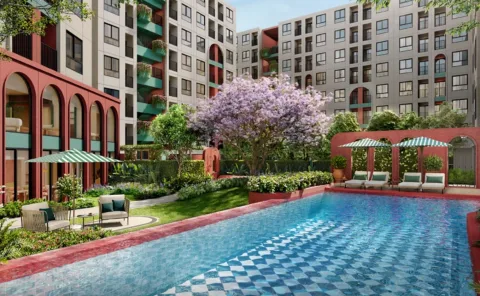
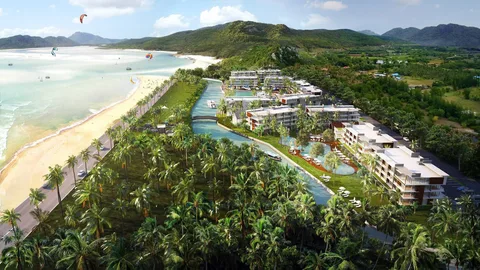
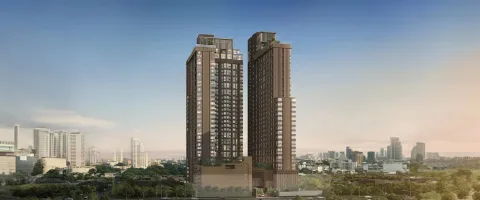
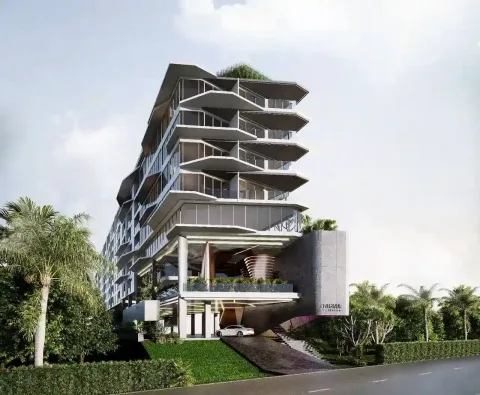
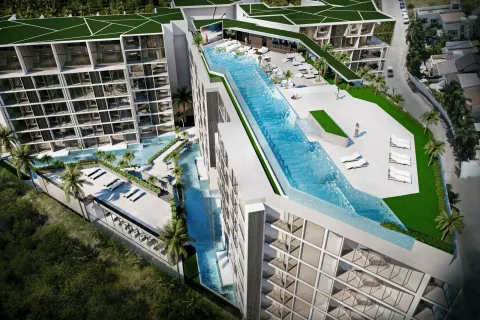
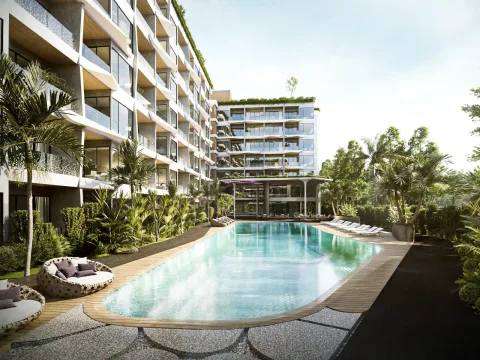
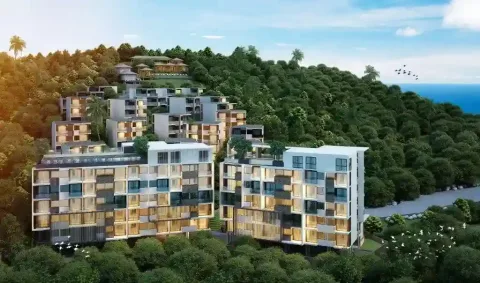
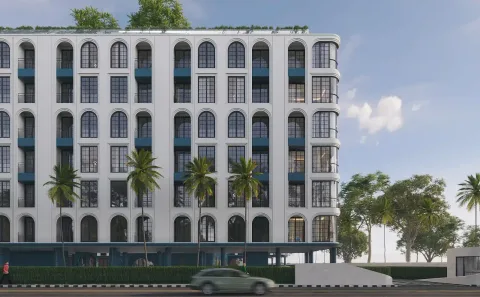
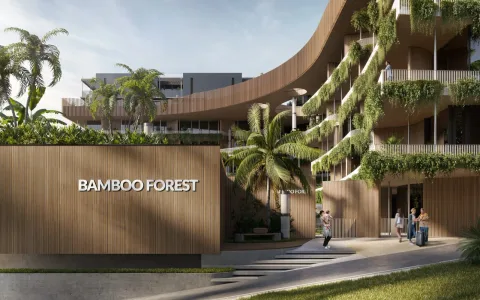
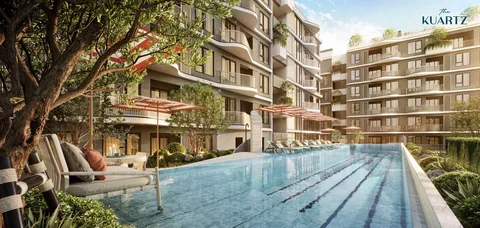
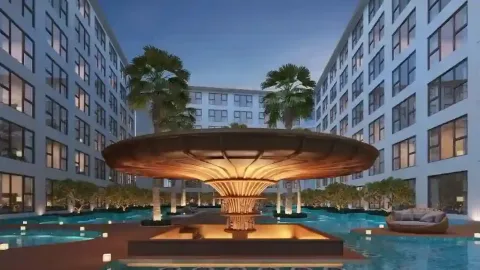
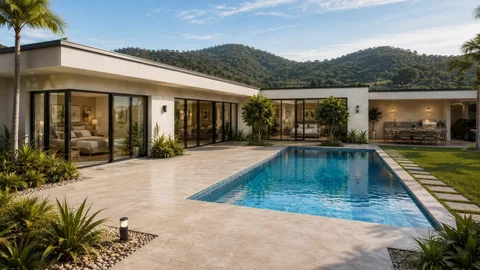
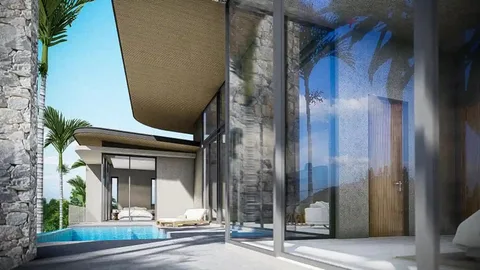
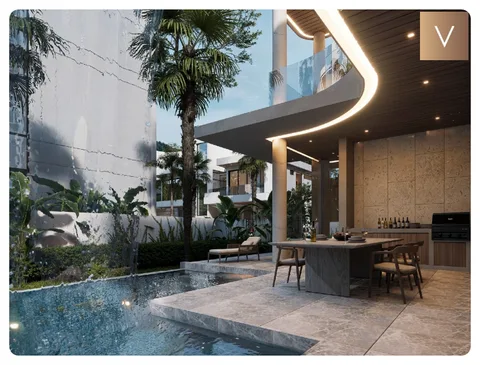
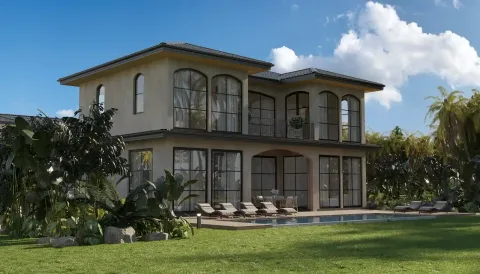
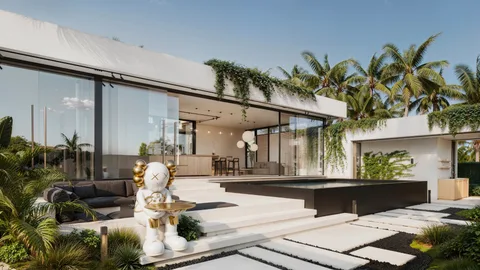
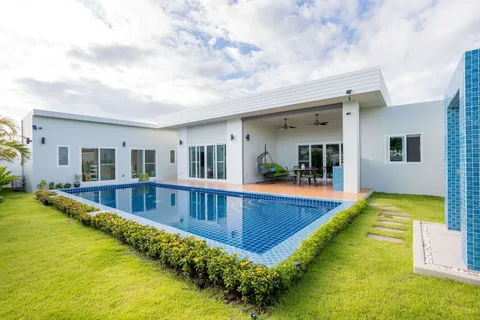
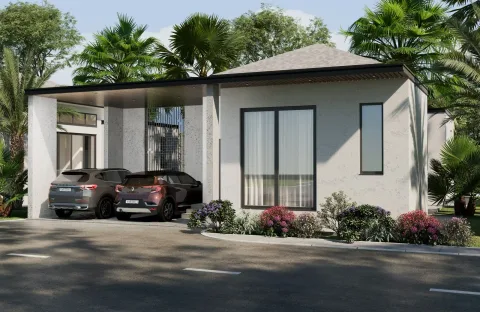
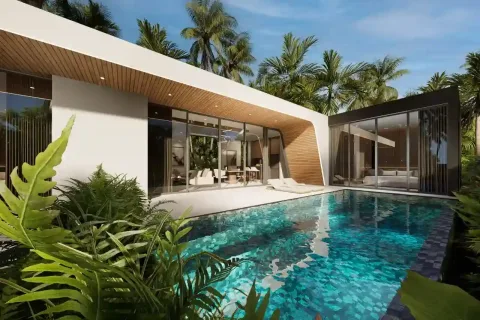
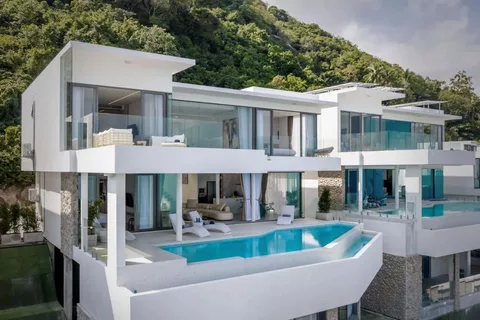
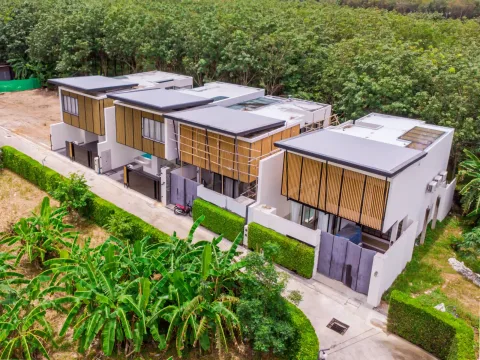
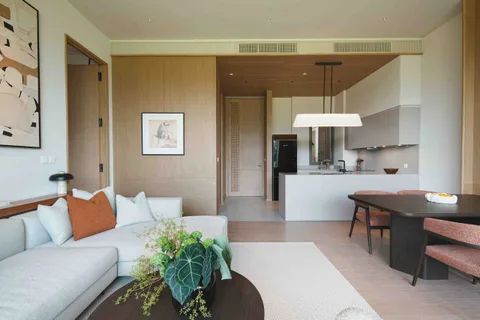
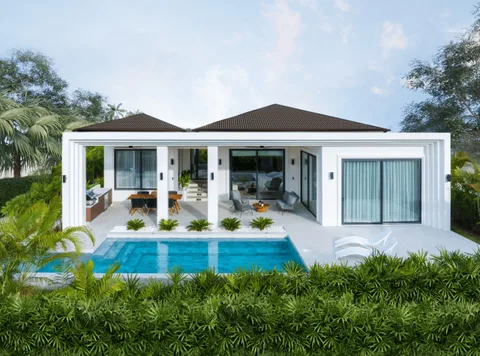
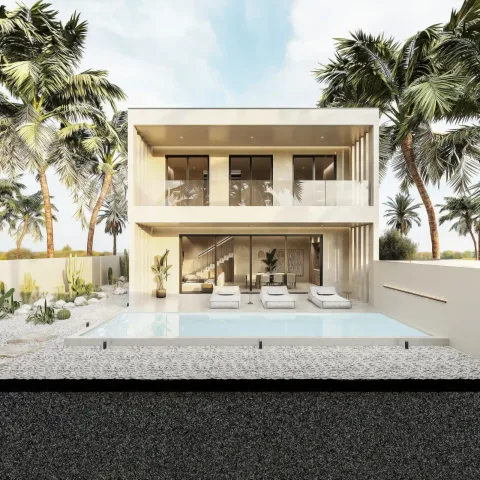
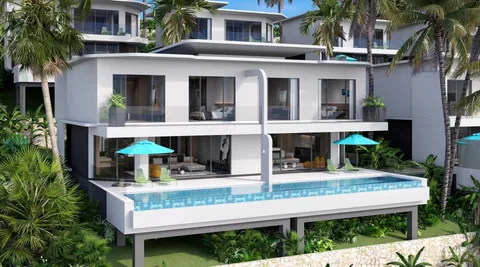
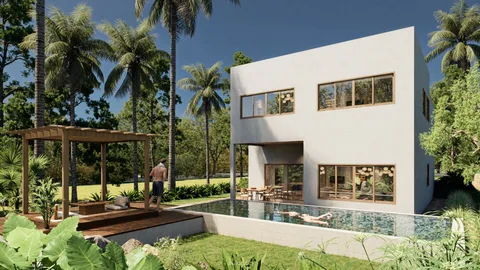
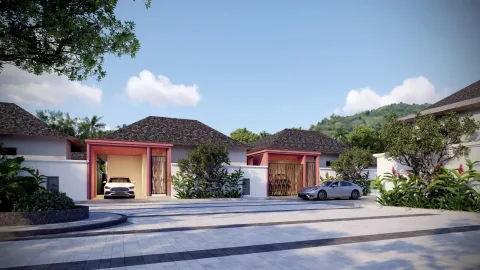
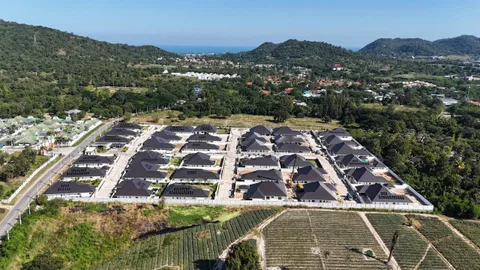
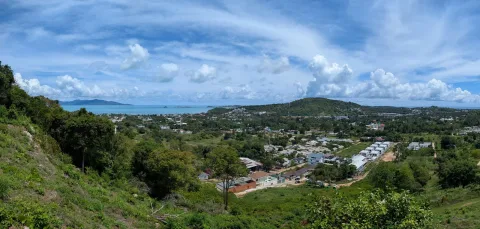
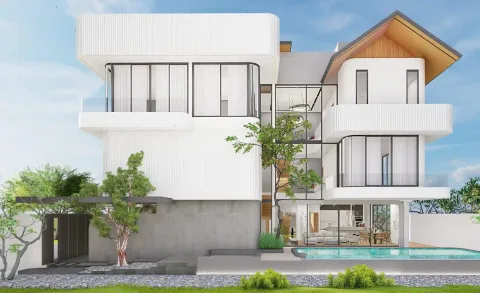
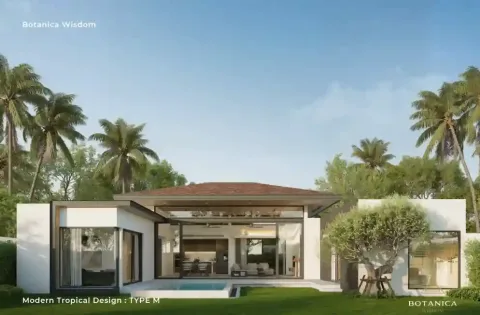
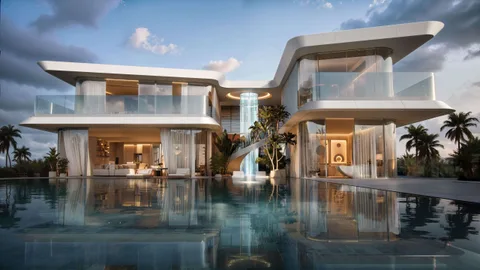
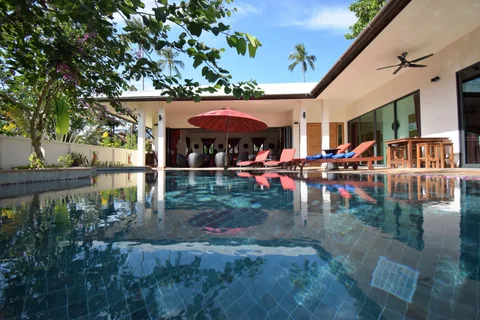
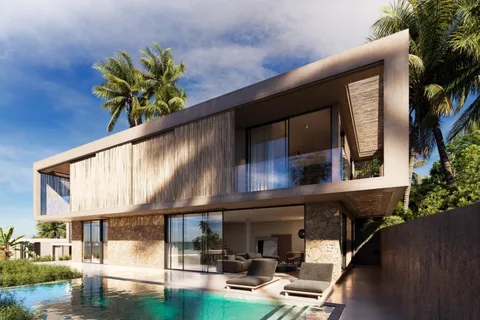
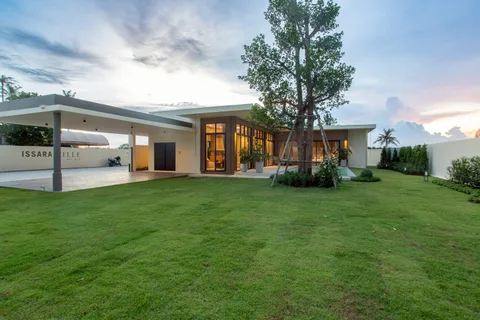
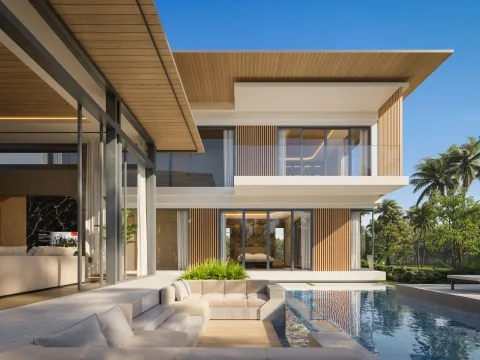
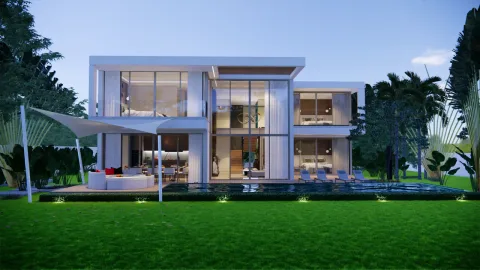
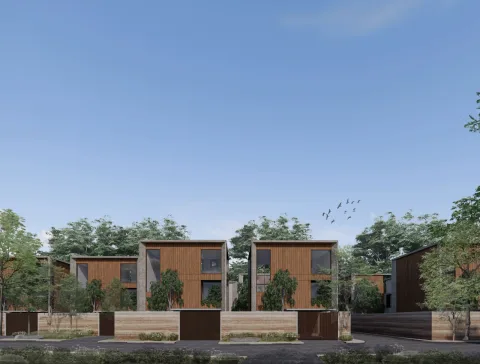
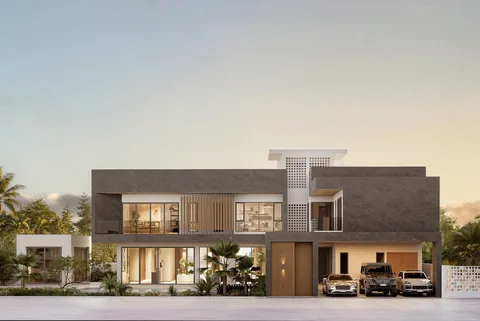
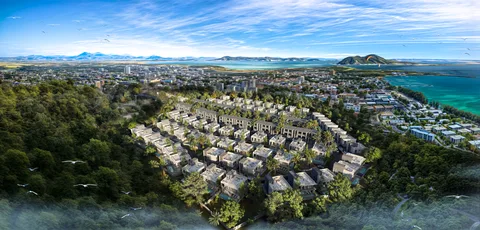
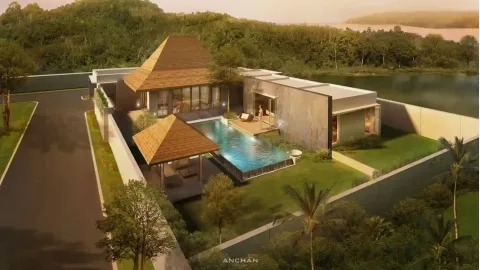
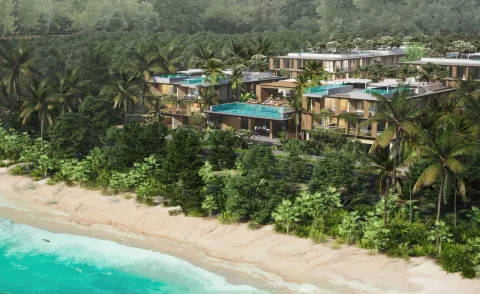
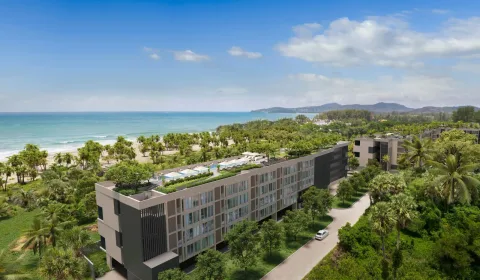
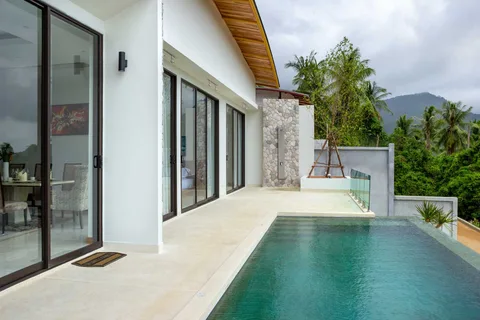
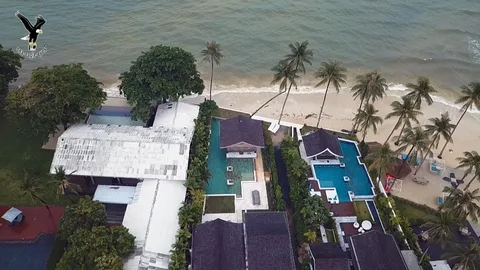
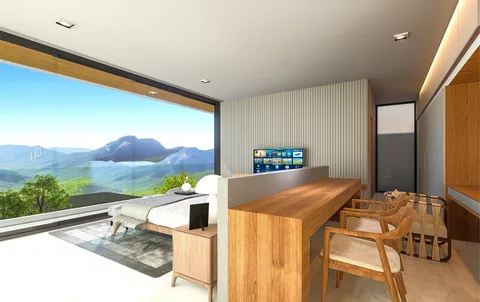
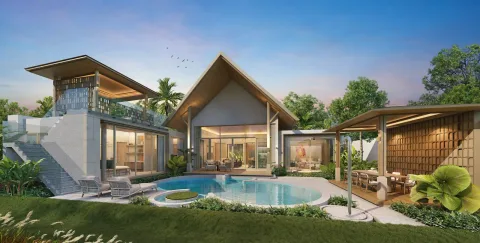
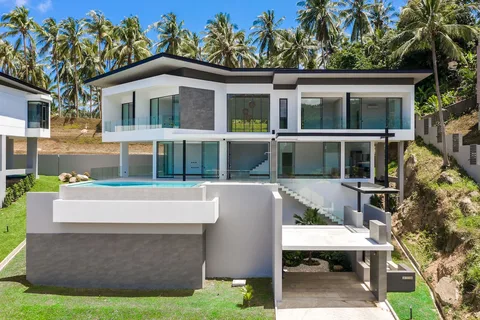
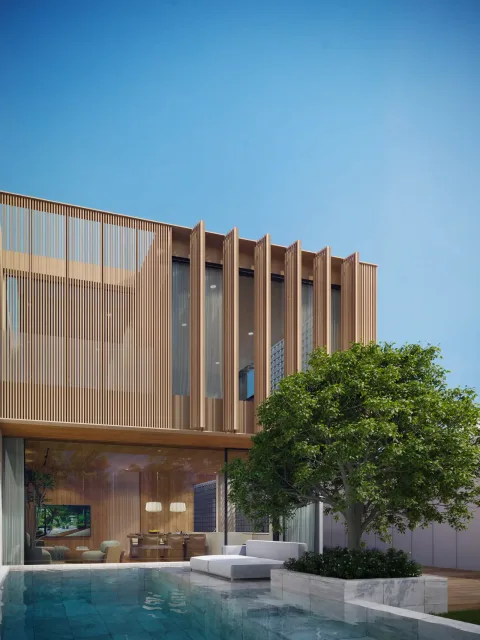
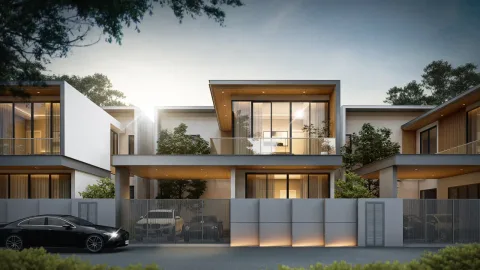
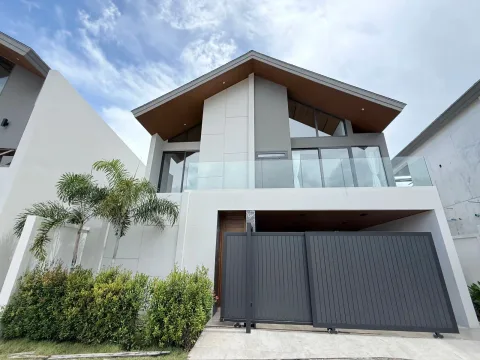
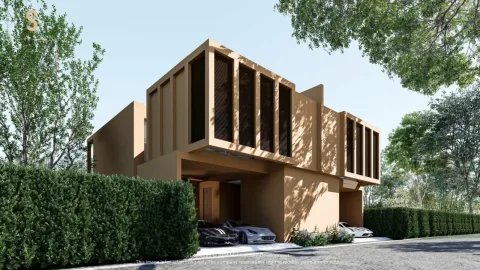
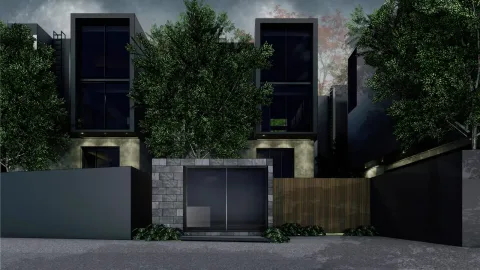
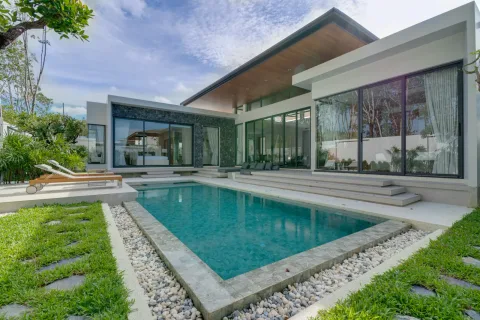
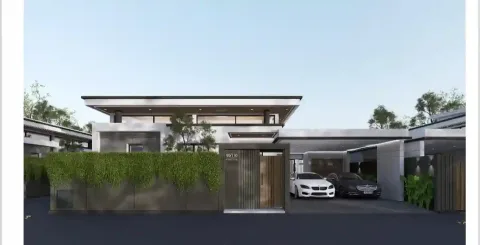
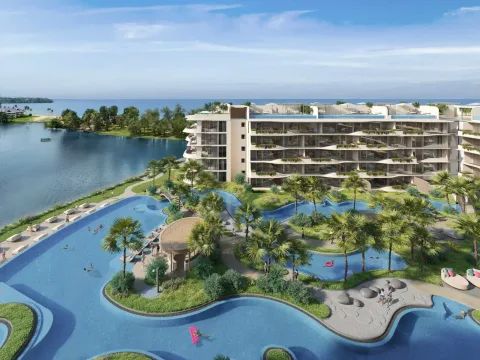
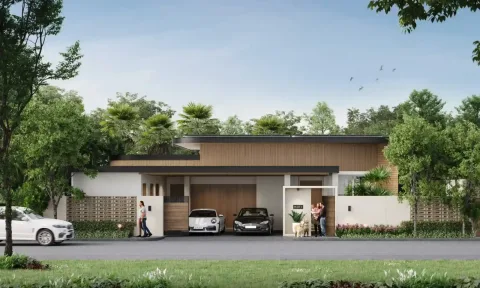
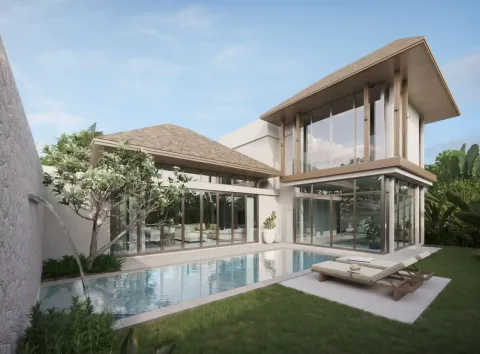
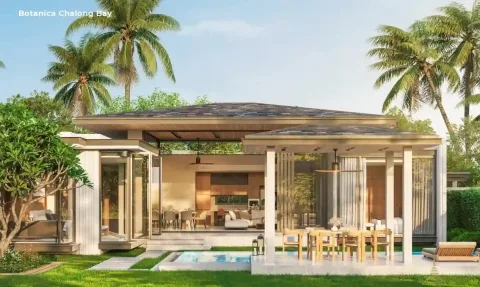
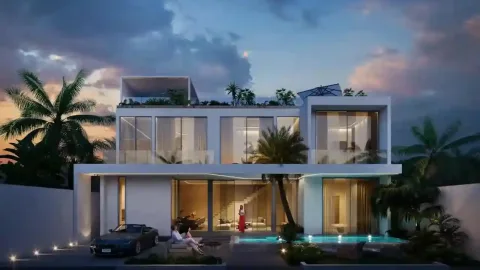
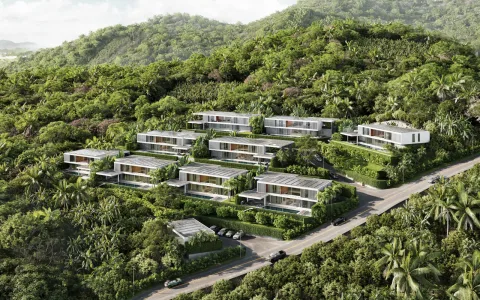
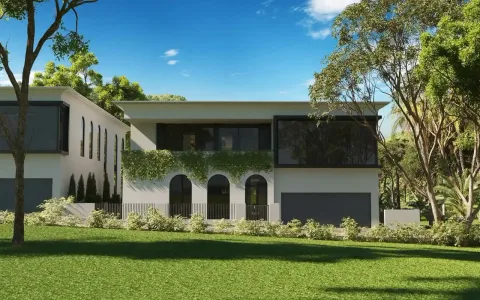
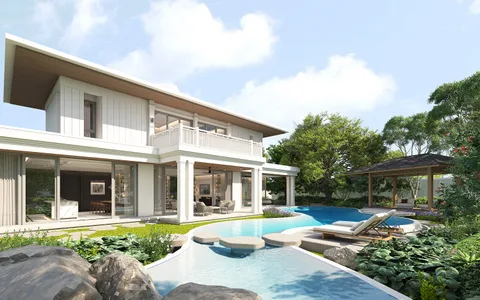
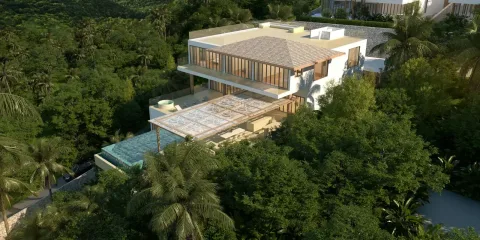
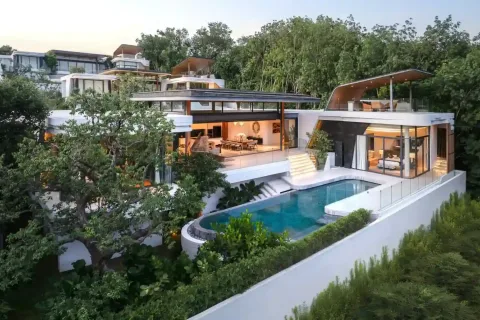
Phuket
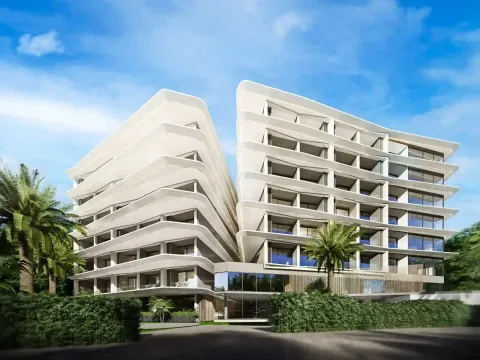
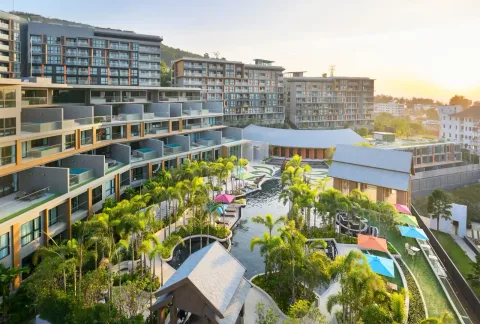
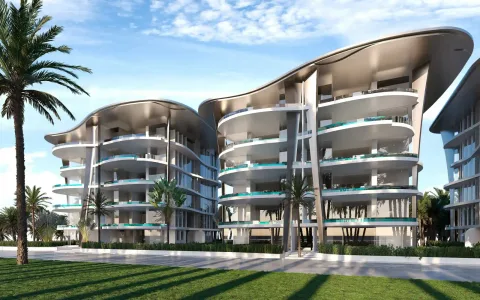
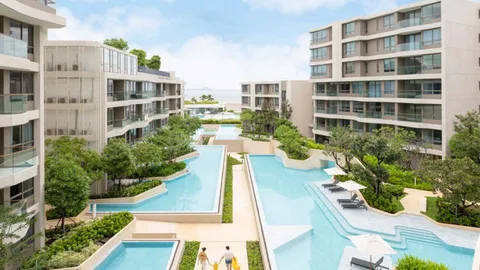
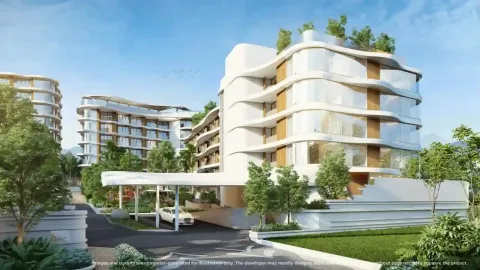
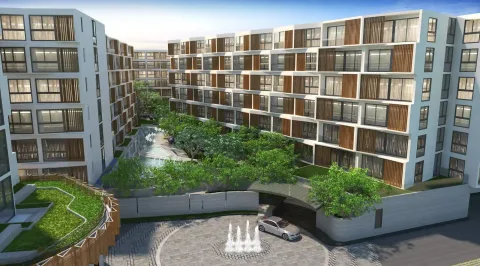
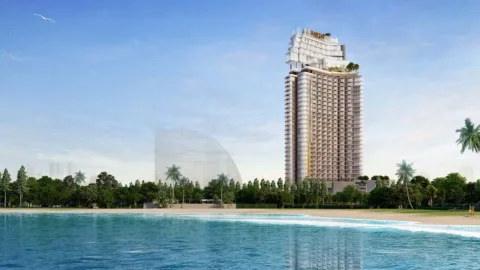
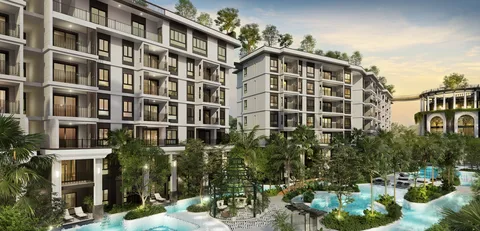
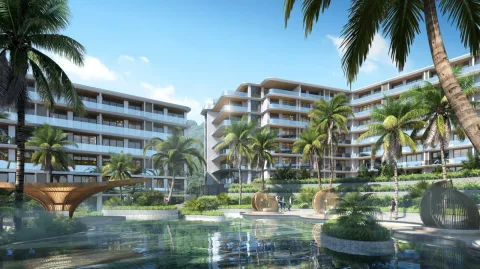
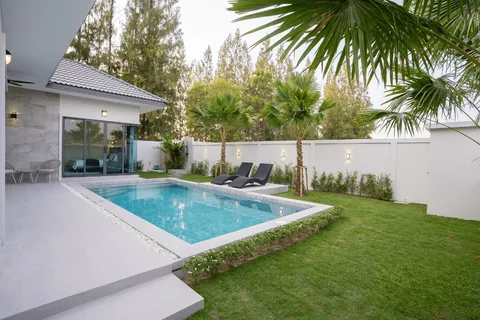
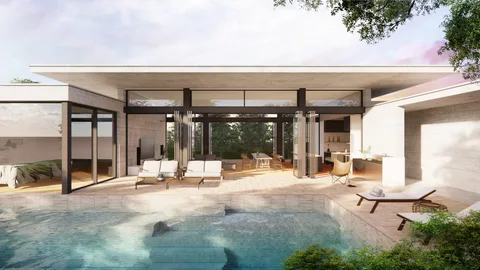
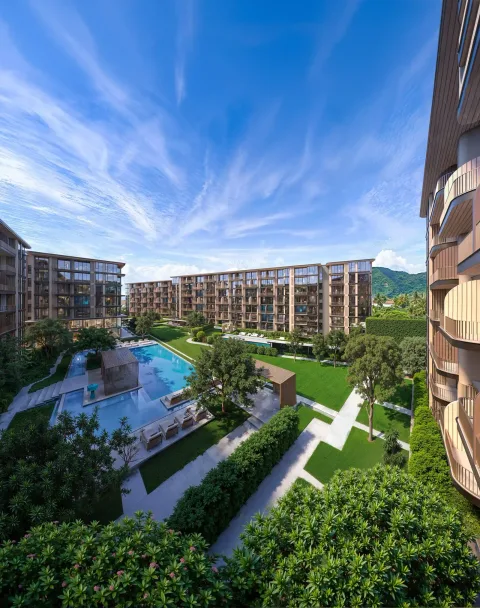
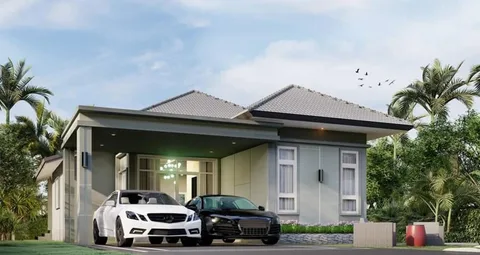
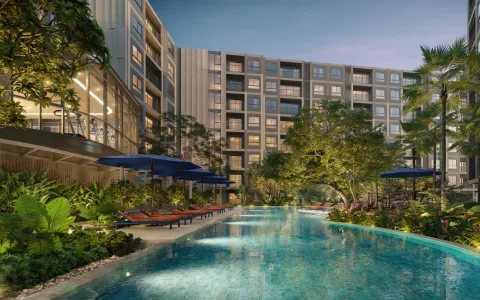
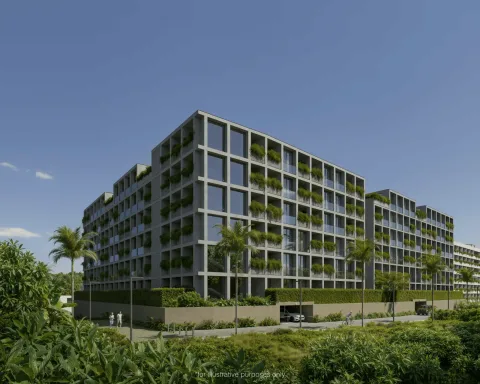
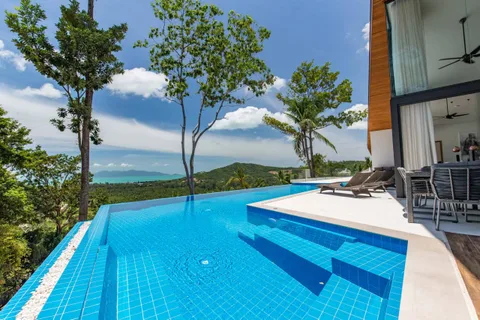
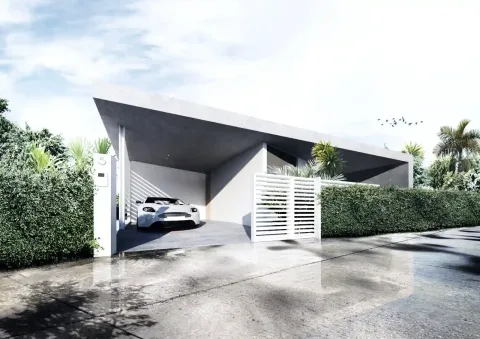
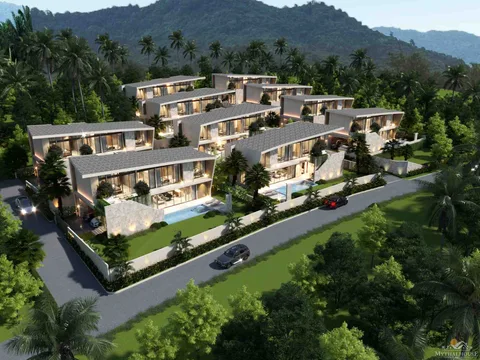
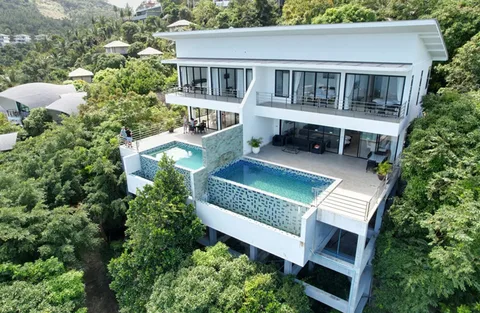
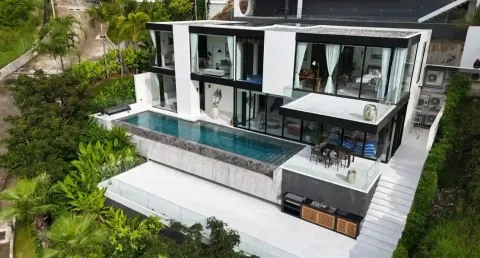
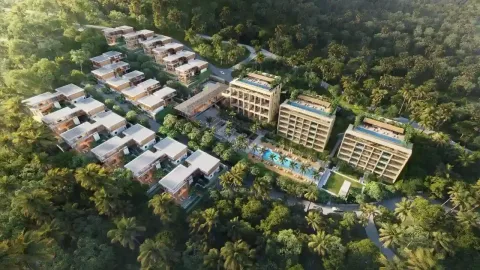
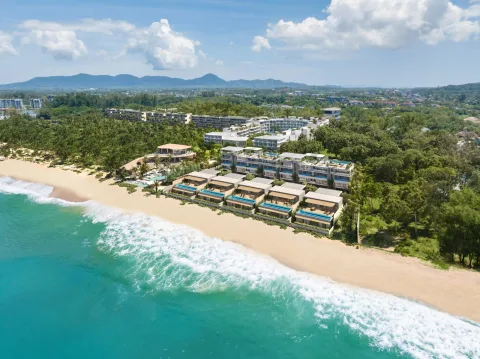
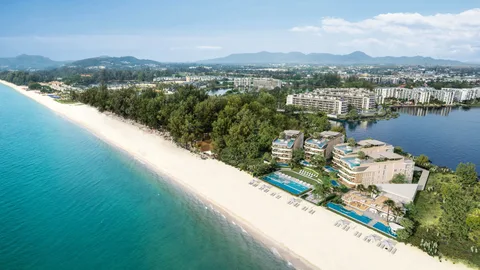
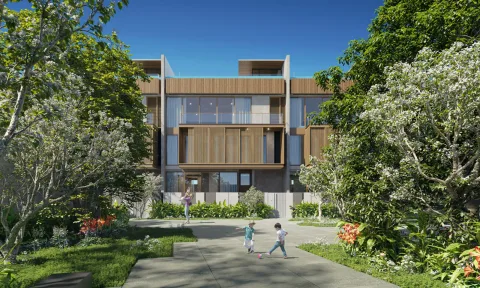
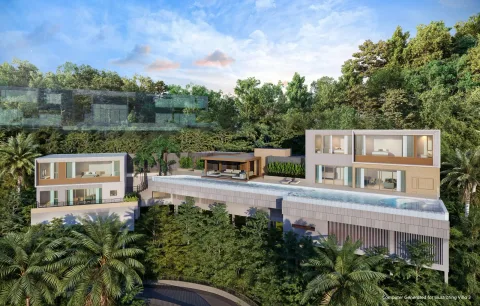
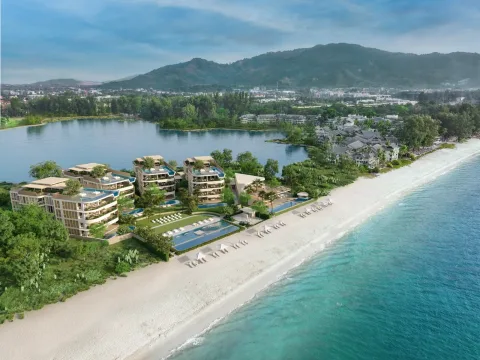
Low-rise condominiums and pool villa estates on the west coast; the deepest foreign-buyer market in Thailand.
252 projects, 36 completed, from 1,450,000 THB (about $44,343)
Thailand · Four markets, one catalogue · Updated 2026-09-05
Quick answer: This page is the whole catalogue: 395 developer projects on 5 September 2026, 375 of them priced, from 1,431,000 THB for a Pattaya condominium to 160,000,000 THB for a Laguna beachfront residence, with a median starting price of 10,500,000 THB. Phuket holds 284 projects, Koh Samui 41, Pattaya 40 and Bangkok 30; 194 are condominium buildings, 195 pool villa estates and 6 house or townhouse estates; 108 are completed and 286 are sold off-plan or under construction. Every card states what the developer or its listing agent published, with the source and the date it was read, and leaves a field blank rather than guessing. A foreigner owns a condominium freehold within the 49 percent quota and a house on a registered 30-year land lease.
691 developer projects from 1,190,000 THB (about $36,391 at 32.7 THB per dollar): 219 condominium buildings, 434 pool villa estates, 37 house and townhouse estates; 390 completed, 301 under construction or off-plan.
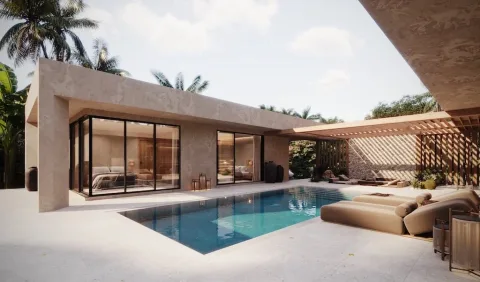
Low-rise condominiums and pool villa estates on the west coast; the deepest foreign-buyer market in Thailand.
252 projects, 36 completed, from 1,450,000 THB (about $44,343)
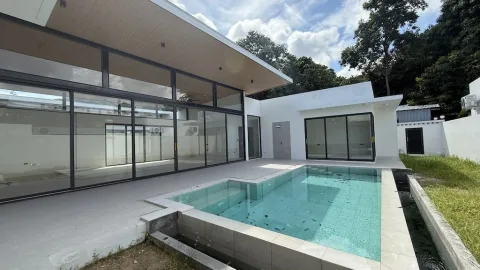
Small completed pool-villa estates and three low-rise condominiums in Bo Phut, Maenam and Lamai.
160 projects, 150 completed, from 2,630,000 THB (about $80,428)
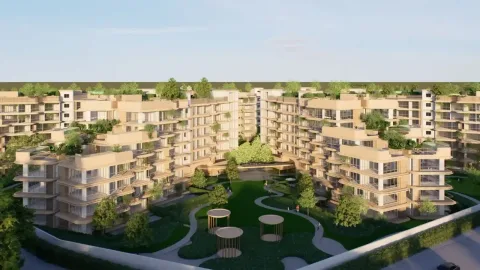
Condominium towers in Jomtien, Pratumnak and Wongamat; houses and pool villas inland.
43 projects, 19 completed, from 1,431,000 THB (about $43,761)
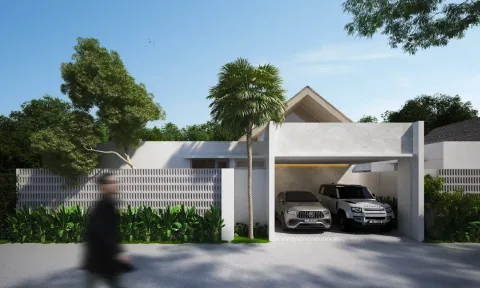
Developer condominiums on the BTS and MRT corridors by listed developers, most of them completed.
30 projects, 19 completed, from 1,800,000 THB (about $55,046)
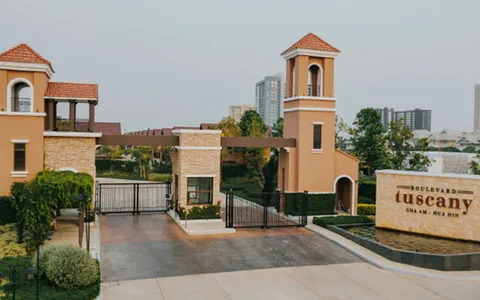
Hua Hin · Nong Kae (Khao Takiab) · Sansiri
Hua Hin · Hin Lek Fai · LHM Property Group
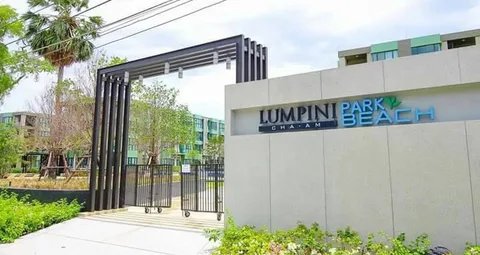
Hua Hin · Cha-Am · LPN Development
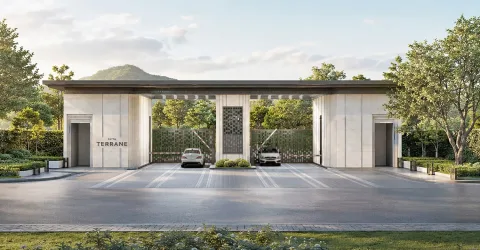
Pattaya · Nong Prue (Central Pattaya, Jomtien, Pratumnak) · Siam Oriental
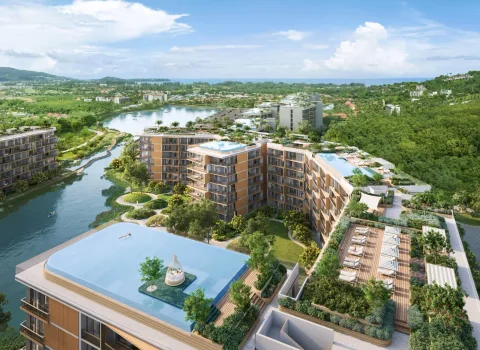
Phuket · Kathu
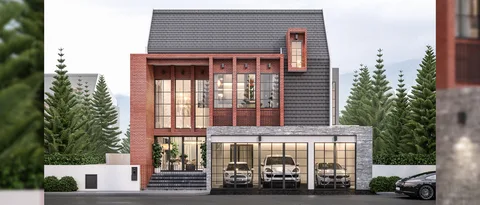
Hua Hin · Hin Lek Fai
Hua Hin · Nong Kae (Khao Takiab) · Sansiri
Pattaya · Nong Prue (Central Pattaya, Jomtien, Pratumnak)
Hua Hin · Thap Tai · The Bibury Property
Chiang Mai · Chiang Mai city · Dingthai Group Company Limited
Phuket · Bang Tao
Bangkok · Bang Na · Sansiri
Phuket · Nai Yang
Pattaya · Sansiri
Hua Hin · Nong Kae (Khao Takiab) · MP House Asset
Pattaya · Nong Prue (Central Pattaya, Jomtien, Pratumnak)
Hua Hin · Nong Kae (Khao Takiab) · ENRICH
Hua Hin · Nong Kae (Khao Takiab)
Chiang Mai · Chiang Mai city · Karnkanok Property
Bangkok · Chatuchak · Grand Unity Development
Hua Hin · Pran Buri · The 9 Khao Tao
Hua Hin · Hua Hin town
Hua Hin · Hua Hin town
Bangkok · Khlong San · Sena Development
Pattaya · Origin Property
Bangkok · Bang Kapi · Ananda Development
Hua Hin · Cha-Am · FullRich Asset
Pattaya
Pattaya · Na Kluea (Wongamat, North Pattaya) · Global Top Group
Phuket · Bang Tao
Phuket · Greater Patong
Hua Hin · Cha-Am · AD House
Pattaya · Nong Prue (Central Pattaya, Jomtien, Pratumnak) · SLR Development Co., Ltd.
Phuket · Greater Patong
Hua Hin · Hin Lek Fai
Hua Hin · Thap Tai
Phuket · Bang Tao
Chiang Mai · Chiang Mai city · LC Land
Bangkok · Phra Khanong · LPN Development
Chiang Mai · San Sai · Charn Issara Development
Bangkok · AP Thailand
Phuket · Nai Harn
Koh Samui · Bo Phut
Pattaya · Universal Group
Phuket · Chalong
Phuket · Greater Patong
Hua Hin · Thap Tai
Hua Hin · Nong Kae (Khao Takiab) · Sansiri
Pattaya
Hua Hin · Hin Lek Fai · Splp Land&Property Group
Hua Hin · Cha-Am · Estate GuRu
Chiang Mai · Chiang Mai city · Sansiri
Phuket · Chalong
Bangkok · Khlong San · Sansiri
Phuket · Greater Patong
Bangkok · Khlong San · Grand Unity Development
Phuket · Bang Tao
Koh Samui · Bo Phut · Wing Samui Condo Co., Ltd.
Koh Samui · Bo Phut · Wing Samui Condo Co., Ltd.
Phuket · Kata
Bangkok · Huai Khwang · AP Thailand
Pattaya · S.L.R Development Co., Ltd.
Hua Hin · Nong Kae (Khao Takiab) · Daika Estate Co.,Ltd
Phuket · Kata
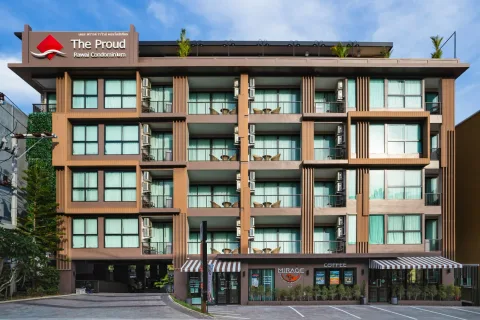
Phuket · Rawai
Bangkok · JRY Property Company Limited
Pattaya · Richly Field International Co.,Ltd
Koh Samui · Bo Phut
Pattaya · Nong Prue (Central Pattaya, Jomtien, Pratumnak) · The Riviera Group
Pattaya · Na Kluea (Wongamat, North Pattaya) · Honour Group
Bangkok · Eastern Star
Koh Samui · Bo Phut
Koh Samui · Bo Phut · Zhongfa Property (HK) Limited
Koh Samui · Maenam
Phuket · Layan
Phuket · Layan
Pattaya · Nong Prue (Central Pattaya, Jomtien, Pratumnak) · The Embassy Development Co., Ltd.
Hua Hin · Cha-Am · FullRich Asset
Hua Hin · Cha-Am
Hua Hin · Sam Roi Yot · Grand Marina
Phuket · Nai Yang
Phuket · Layan
Hua Hin · Hin Lek Fai
Koh Samui · Bo Phut · Euro Thai Property Co., Ltd.,
Bangkok · Huai Khwang · Real Asset
Phuket · Bang Tao
Hua Hin · Hin Lek Fai · Avatar Manor
Bangkok · Bang Na · Noble Development
Hua Hin · Pran Buri · Baan Rak Phase 4
Pattaya · Heights Holdings
Phuket · Rawai
Phuket · Rawai
Koh Samui · Maenam
Hua Hin · Cha-Am · LPN Development
Hua Hin · Nong Kae (Khao Takiab) · Proud Real Estate
Hua Hin · CCM Group Project
Koh Samui · Maenam
Hua Hin · Thap Tai
Phuket · Layan
Hua Hin · Hin Lek Fai · LHM Property Group
Hua Hin · Hin Lek Fai
Pattaya · Na Kluea (Wongamat, North Pattaya) · Shuen Jit Co.,Ltd.
Hua Hin · Thap Tai
Bangkok · Huai Khwang · AP Thailand
Koh Samui · Maret (Lamai) · Pahili
Pattaya · Na Kluea (Wongamat, North Pattaya) · Habitat Group
Bangkok · Sansiri
Phuket · Rawai
Phuket · Rawai
Phuket · Nai Harn
Phuket · Karon
Hua Hin · Cha-Am · FullRich Asset
Hua Hin · Cha-Am
Phuket · Bang Tao
Pattaya · Nong Prue (Central Pattaya, Jomtien, Pratumnak) · Dusit Group
Chiang Mai · Chiang Mai city · Ornsirin Group
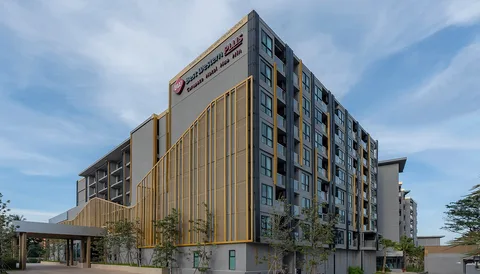
Hua Hin · Nong Kae (Khao Takiab) · Best Western Plus
Bangkok · Siamese Asset
Bangkok · Khlong Toei · Origin Property
Phuket · Kata
Hua Hin · Hin Lek Fai · Supalai
Phuket · Kamala
Phuket · Bang Tao
Phuket · Kamala
Phuket · Bang Tao
Phuket · Karon
Pattaya · Nong Prue (Central Pattaya, Jomtien, Pratumnak) · Siam Inter World Asset Co., Ltd.
Phuket · Naithon
Bangkok · Huai Khwang · TC Development
Hua Hin · Thap Tai · Rawiya Land & House Co.,Ltd
Phuket · Nai Yang
Phuket · Rawai
Koh Samui · Maret (Lamai) · Premium Construction Co., Ltd.
Hua Hin · Nong Kae (Khao Takiab) · Khemanatra Villa
Phuket · Kata
Phuket · Surin
Phuket · Surin
Chiang Mai · Hang Dong · Hylife Development
Koh Samui · Bo Phut · Horizon Home
Hua Hin · Hin Lek Fai · Khar Luek
Hua Hin · Hin Lek Fai
Koh Samui · Maenam
Phuket · Karon
Pattaya · Nong Prue (Central Pattaya, Jomtien, Pratumnak) · Lunique Real Estate
Hua Hin · Pran Buri
Phuket · Bang Tao
Phuket · Kamala
Phuket · Bang Tao
Hua Hin · Cha-Am · Huguh Home Pool Villa
Hua Hin · Hin Lek Fai
Phuket · Bang Tao
Koh Samui · Ang Thong · 24/7 Real Estate Co.,Ltd.
Phuket · Bang Tao
Koh Samui · Maret (Lamai) · Premium Construction Co., Ltd.
Phuket · Surin
Phuket · Rawai
Phuket · Rawai
Chiang Mai · Chiang Mai city · Home & Pakkasem Co., Ltd.
Phuket · Bang Tao
Hua Hin · Pran Buri · Baan Yu Yen
Koh Samui · Na Mueang · Baansuay Land and House
Hua Hin · Nong Kae (Khao Takiab) · Issara United Co.,Ltd.
Phuket · Bang Tao
Phuket · Bang Tao
Phuket · Nai Harn
Phuket · Rawai
Hua Hin · Cha-Am
Hua Hin · Nong Kae (Khao Takiab) · BelVida Estates
Koh Samui · Maenam · Code Samui
Hua Hin · Nong Kae (Khao Takiab) · Veranda Resort Public Company Limited
Phuket · Karon
Phuket · Layan
Pattaya · Na Kluea (Wongamat, North Pattaya) · Habitat Group
Bangkok · Chatuchak · SC Asset
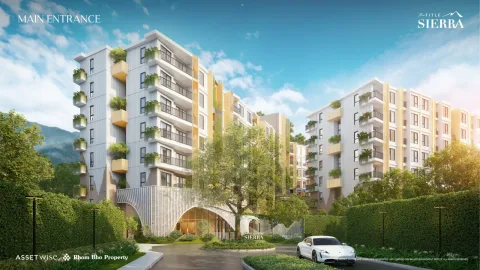
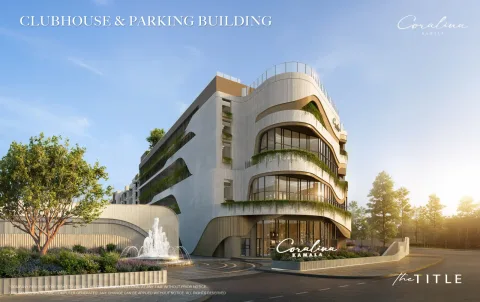
Phuket · Kata · Rhom Bho Property PLC (The Title)
Phuket · Rawai
Phuket · Rawai
Pattaya · Nong Prue (Central Pattaya, Jomtien, Pratumnak) · Asset Wise Public Company Limited
Phuket · Bang Tao
Phuket · Rawai
Phuket · Nai Yang
Phuket · Bang Tao
Bangkok · Bang Kho Laem · Altitude Development Co., Ltd.
Bangkok · Wattana · Risland (Thailand) Co.,Ltd.
Hua Hin · Thap Tai
Phuket · Layan
Hua Hin · Hin Lek Fai
Phuket · Pa Khlok
Koh Samui · Maenam
Phuket · Kata
Phuket · Layan
Hua Hin · Cha-Am
Hua Hin · Thap Tai · Loft Property Hua Hin Co., Ltd.
Hua Hin · Thap Tai · Emerald Valley Hua Hin 3
Phuket · Bang Tao
Koh Samui · Bo Phut · Cabina
Hua Hin · Hin Lek Fai · Supalai
Hua Hin · Hin Lek Fai · Arty Perfect Home
Koh Samui · Na Mueang
Phuket · Bang Tao
Phuket · Layan
Phuket · Karon · Rhom Bho Property PLC (The Title)
Phuket · Bang Tao
Phuket · Layan
Koh Samui · Maret (Lamai)
Hua Hin · Hin Lek Fai
Hua Hin · Pran Buri
Hua Hin · Hin Lek Fai · Mura Pool Villa Hua Hin
Hua Hin · Thap Tai
Phuket · Greater Patong
Phuket · Bang Tao
Phuket · Nai Harn
Koh Samui · Na Mueang
Phuket · Kamala
Phuket · Layan
Phuket · Nai Yang
Koh Samui · Taling Ngam · Nemo Vitosti Samui
Hua Hin · Hin Lek Fai · Supalai
Pattaya · Na Kluea (Wongamat, North Pattaya)
Hua Hin · Sam Roi Yot
Phuket · Nai Yang
Bangkok · Dusit · Supalai
Koh Samui · Bo Phut
Bangkok · Dusit · Land and Houses
Phuket · Layan
Hua Hin · Thap Tai
Hua Hin · Hin Lek Fai
Phuket · Bang Tao
Phuket · Bang Tao
Phuket · Bang Tao
Hua Hin · Hin Lek Fai
Hua Hin · Cha-Am
Hua Hin · Pran Buri · Cabana Pool Villa
Hua Hin · Sam Roi Yot
Koh Samui · Bo Phut
Koh Samui · Maenam
Hua Hin · Thap Tai
Hua Hin · Thap Tai
Hua Hin · Thap Tai
Phuket · Bang Tao
Pattaya · Raimon Land PCL
Pattaya · Na Kluea (Wongamat, North Pattaya) · The Riviera Group
Hua Hin · Hin Lek Fai · Estate 28 - Property & Development
Hua Hin · Cha-Am
Hua Hin · Hin Lek Fai
Hua Hin · Cha-Am · FullRich Asset
Hua Hin · Hin Lek Fai
Koh Samui · Maenam
Hua Hin · Thap Tai
Phuket · Bang Tao
Hua Hin · Hin Lek Fai
Koh Samui · Maenam
Koh Samui · Maenam
Hua Hin · Nong Kae (Khao Takiab) · Issara United Co.,Ltd.
Phuket · Layan
Koh Samui · Bo Phut
Hua Hin · Nong Kae (Khao Takiab)
Koh Samui · Bo Phut · Longevity Property Group
Phuket · Bang Tao
Koh Samui · Lipa Noi · Nemo Vitosti Samui
Hua Hin · Hin Lek Fai · Estate 28 - Property & Development
Koh Samui · Maenam
Hua Hin · Pran Buri · Nova Real Estate
Hua Hin · Cha-Am · Plumeria Villa Hua
Hua Hin · Nong Kae (Khao Takiab) · Tnergy Elegance
Hua Hin · Pran Buri · Talaycation HuaHin - Pranburi
Hua Hin · Hua Hin town
Koh Samui · Bo Phut
Koh Samui · Bo Phut · Galex Samui
Koh Samui · Maret (Lamai)
Bangkok · Khlong Toei · Noble Development
Koh Samui · Bo Phut · Three Seasons Properties
Hua Hin · Cha-Am · Reeva
Hua Hin · Thap Tai · MeeDee Homes
Hua Hin · Thap Tai · Rawiya Land & House Co.,Ltd
Hua Hin · Nong Kae (Khao Takiab) · Baan Thai Pool Villa
Hua Hin · Nong Kae (Khao Takiab) · CLC Development Co., Ltd.,
Hua Hin · Pran Buri · Moda Residences
Phuket · Bang Tao
Koh Samui · Bo Phut
Koh Samui · Maret (Lamai) · Nemo Vitosti Samui
Hua Hin · Cha-Am · SC Asset
Pattaya · Huai Yai · PATTA
Phuket · Bang Tao
Chiang Mai · San Sai
Phuket · Layan
Hua Hin · Cha-Am · Blue Sky Pool Villa Cha Am
Pattaya · Nong Prue (Central Pattaya, Jomtien, Pratumnak) · Sirisa
Hua Hin · Thap Tai · Hua Hin Counrty Home
Koh Samui · Bo Phut
Koh Samui · Maenam
Koh Samui · Bo Phut
Koh Samui · Bo Phut
Hua Hin · Thap Tai
Pattaya · Nong Prue (Central Pattaya, Jomtien, Pratumnak) · ESS Developments
Hua Hin · Thap Tai · Chada Homes
Hua Hin · Thap Tai · Prime Realty Management Thailand Co.,Ltd.
Hua Hin · Hua Hin town · Proud Real Estate
Koh Samui · Maenam · Probuild Samui Development Co., Ltd.
Hua Hin · Sam Roi Yot · White Beach Villa
Phuket · Karon
Hua Hin · Hin Lek Fai
Koh Samui · Maenam · Azur Samui
Koh Samui · Bo Phut
Hua Hin · Thap Tai
Hua Hin · Hin Lek Fai
Hua Hin · Sam Roi Yot · CCM Group Project
Bangkok · Suan Luang · Peace and Living
Koh Samui · Maret (Lamai) · Samui Happiness
Koh Samui · Maret (Lamai) · Samui Sway
Hua Hin · Thap Tai
Koh Samui · Maret (Lamai) · Verdant Developments LDA
Hua Hin · Thap Tai
Phuket · Bang Tao
Koh Samui · Maenam · Samui Grand Park Group
Phuket · Nai Yang
Koh Samui · Bo Phut
Hua Hin · Thap Tai · Sanctuario
Hua Hin · Thap Tai · Aria 4 Hua Hin
Koh Samui · Maenam · Sawasdee Pool Villa
Hua Hin · Thap Tai · The Pyne Plus
Hua Hin · Nong Kae (Khao Takiab)
Phuket · Mai Khao
Hua Hin · Thap Tai
Koh Samui · Maret (Lamai) · Baansuay Land and House
Phuket · Layan
Koh Samui · Maenam
Hua Hin · Thap Tai · The Bibury Property
Koh Samui · Maenam
Koh Samui · Maenam
Koh Samui · Maenam · Samui Happiness
Phuket · Bang Tao
Hua Hin · Nong Kae (Khao Takiab)
Phuket · Ko Kaeo
Bangkok · Bang Rak (Silom, Sathon)
Hua Hin · Thap Tai · Nantra Villa
Hua Hin · Hin Lek Fai
Hua Hin · Thap Tai
Hua Hin · Cha-Am · Plumeria Villa Hua
Hua Hin · Thap Tai · SBS SOMBUN SAB REAL ESTATE
Hua Hin · Hin Lek Fai · The Smart Hamlet
Hua Hin · Hin Lek Fai
Koh Samui · Bo Phut · ROONGRUEANGCIVILIZE CONSTRUCTION CO., LTD.
Chiang Mai · Hang Dong · 999 Developments
Hua Hin · Thap Tai
Koh Samui · Bo Phut
Koh Samui · Taling Ngam · Samui Paradise Villa
Koh Samui · Maret (Lamai)
Hua Hin · Pran Buri
Koh Samui · Maenam
Hua Hin · Pran Buri
Koh Samui · Maenam · North Coast Developments
Koh Samui · Maenam · Verdant Developments LDA
Pattaya · Huai Yai
Hua Hin · Cha-Am
Hua Hin · Hin Lek Fai · Highland Villa 4
Koh Samui · Bo Phut
Koh Samui · Bo Phut
Hua Hin · Thap Tai
Koh Samui · Bo Phut
Hua Hin · Thap Tai
Phuket · Bang Tao
Phuket · Greater Patong
Phuket · Layan
Hua Hin · Pran Buri · Mountainside Company Limited
Koh Samui · Bo Phut
Koh Samui · Maret (Lamai) · Eden Development
Hua Hin · Thap Tai · Vana Varin
Phuket · Bang Tao
Koh Samui · Maenam
Koh Samui · Bo Phut · Vova
Phuket · Kamala
Koh Samui · Maret (Lamai) · The Olive Village
Phuket · Layan
Hua Hin · Sam Roi Yot · White Beach Villa
Hua Hin · Nong Kae (Khao Takiab) · Sansiri
Hua Hin · Thap Tai
Koh Samui · Maenam · Three Seasons Properties
Pattaya · Nong Prue (Central Pattaya, Jomtien, Pratumnak) · Apus Development Group
Koh Samui · Bo Phut
Hua Hin · Hin Lek Fai · ROSSE REAL ESTATE CO.,LTD.
Koh Samui · Maenam · Samui Paradise Villa
Hua Hin · Pran Buri
Hua Hin · Hin Lek Fai · Thai Country Homes
Phuket · Surin
Hua Hin · Hin Lek Fai
Hua Hin · Pran Buri
Koh Samui · Bo Phut
Koh Samui · Bo Phut · Tri-P Asset Group
Koh Samui · Bo Phut · Horizon Home
Koh Samui · Maret (Lamai)
Hua Hin · Hin Lek Fai · Panorama
Hua Hin · Nong Kae (Khao Takiab) · Falcon Hill
Hua Hin · Thap Tai · Aria Hua Hin
Hua Hin · Hua Hin town
Koh Samui · Bo Phut
Hua Hin · Pran Buri
Phuket · Bang Tao
Koh Samui · Maret (Lamai) · CAVIAR DEVELOPMENT
Phuket · Rawai
Koh Samui · Maret (Lamai)
Koh Samui · Maenam
Koh Samui · Bo Phut
Koh Samui · Maenam · Cera Properties
Hua Hin · Thap Tai · MeeDee Homes
Phuket · Nai Yang
Hua Hin · Nong Kae (Khao Takiab) · Bangkok Living Development
Hua Hin · Hin Lek Fai · Hua Hin Grand Hills
Phuket · Rawai
Koh Samui · Bo Phut · Sawasdee Pool Villas
Phuket · Bang Tao
Phuket · Bang Tao
Koh Samui · Bo Phut
Koh Samui · Maret (Lamai) · Samui Paradise Villa
Hua Hin · Thap Tai · La Felice Hua Hin
Hua Hin · Thap Tai · MeeDee Homes
Phuket · Layan
Koh Samui · Maenam · Samui Grand Park Hill
Hua Hin · Nong Kae (Khao Takiab)
Hua Hin · Nong Kae (Khao Takiab)
Phuket · Chalong
Hua Hin · Thap Tai · Orchid Palm Homes
Koh Samui · Bo Phut
Pattaya · Pong (East Pattaya) · PATTA
Hua Hin · Pran Buri
Hua Hin · Hin Lek Fai · Highland Villas
Phuket · Nai Yang
Bangkok · Sansiri
Hua Hin · Cha-Am
Hua Hin · Thap Tai · Moda Residences
Hua Hin · Pran Buri
Phuket · Nai Yang
Phuket · Naithon
Koh Samui · Maenam · The Wave Real Estate Group
Koh Samui · Maenam · Cera Properties
Koh Samui · Bo Phut · IO Construction
Phuket · Bang Tao
Phuket · Kamala
Phuket · Bang Tao
Hua Hin · Cha-Am
Hua Hin · Nong Kae (Khao Takiab) · BelVida Estates
Hua Hin · Thap Tai
Koh Samui · Maenam · Samui Grand Park Group
Koh Samui · Bo Phut · ATARA Development
Hua Hin · Nong Kae (Khao Takiab) · Phu Montra K-Haad
Koh Samui · Bo Phut · Samui Sway
Hua Hin · Sam Roi Yot
Koh Samui · Bo Phut · Baansuay Land and House
Hua Hin · Nong Kae (Khao Takiab) · Zermatt Hua Hin
Phuket · Chalong
Phuket · Bang Tao
Koh Samui · Bo Phut
Chiang Mai · Hang Dong · 999 Developments
Koh Samui · Maret (Lamai)
Hua Hin · Nong Kae (Khao Takiab) · Botanica Luxury Phuket
Hua Hin · Hin Lek Fai
Phuket · Nai Yang
Hua Hin · Hua Hin town · Universe Villas
Koh Samui · Bo Phut · Autumn Life Properties
Koh Samui · Bo Phut
Hua Hin · Nong Kae (Khao Takiab)
Hua Hin · Hua Hin town · Berlayar
Koh Samui · Bo Phut · Hillside Village
Koh Samui · Maenam · Samui Happiness
Hua Hin · Cha-Am
Koh Samui · Maret (Lamai) · Samui Sway
Hua Hin · Hin Lek Fai
Koh Samui · Bo Phut
Koh Samui · Bo Phut
Hua Hin · Hin Lek Fai · The Cloud Hua Hin
Koh Samui · Bo Phut
Phuket · Nai Yang
Phuket · Nai Yang
Koh Samui · Ang Thong
Koh Samui · Maenam
Koh Samui · Maret (Lamai) · Samui Paradise Villa
Phuket · Mai Khao
Koh Samui · Bo Phut
Koh Samui · Bo Phut
Koh Samui · Bo Phut · Baansuay Land and House
Hua Hin · Pran Buri
Hua Hin · Thap Tai · Rosewood Hill
Hua Hin · Hin Lek Fai
Phuket · Bang Tao
Phuket · Layan
Pattaya · Pong (East Pattaya) · Honour Group
Pattaya · Nong Prue (Central Pattaya, Jomtien, Pratumnak) · Apus Development Group
Koh Samui · Bo Phut · Baansuay Land and House
Phuket · Bang Tao
Phuket · Bang Tao
Phuket · Bang Tao
Pattaya · Na Kluea (Wongamat, North Pattaya)
Koh Samui · Maenam · Samui Grand Park Group
Koh Samui · Maret (Lamai)
Hua Hin · Thap Tai
Phuket · Bang Tao
Phuket · Ko Kaeo
Koh Samui · Maenam · The Wave Real Estate Group
Pattaya · Pong (East Pattaya)
Koh Samui · Maenam
Koh Samui · Bo Phut · Baansuay Land and House
Hua Hin · Thap Tai
Pattaya · Nong Prue (Central Pattaya, Jomtien, Pratumnak)
Koh Samui · Bo Phut
Koh Samui · Maenam
Koh Samui · Maenam · The Rice
Phuket · Layan
Hua Hin · Nong Kae (Khao Takiab)
Phuket · Bang Tao
Koh Samui · Maenam
Pattaya · Nong Prue (Central Pattaya, Jomtien, Pratumnak) · Infinite Real Estate
Phuket · Nai Yang
Hua Hin · Hin Lek Fai
Phuket · Chalong
Koh Samui · Lipa Noi · Supalai
Koh Samui · Na Mueang · Sisaran Group Co., Ltd.
Koh Samui · Bo Phut
Phuket · Naithon
Koh Samui · Bo Phut · Almafi Koh Samui Co.,Ltd.
Hua Hin · Hin Lek Fai
Chiang Mai · Hang Dong · 999 Developments
Phuket · Kathu
Phuket · Rawai
Koh Samui · Maenam · Pacific Palisade
Hua Hin · Hua Hin town · Thipurai Group Hua Hin Co.,Ltd
Koh Samui · Maenam
Koh Samui · Na Mueang
Phuket · Ko Kaeo
Koh Samui · Bo Phut · Vastu Villa Studio
Koh Samui · Bo Phut
Phuket · Nai Yang
Hua Hin · Nong Kae (Khao Takiab)
Hua Hin · Thap Tai
Phuket · Ko Kaeo
Phuket · Bang Tao
Hua Hin · Nong Kae (Khao Takiab) · CLC Development Co., Ltd.,
Koh Samui · Maenam · AB CAPITAL ASIA
Koh Samui · Bo Phut
Phuket · Chalong
Phuket · Bang Tao
Phuket · Layan
Pattaya · Siam Tree Villa Co., Ltd.
Phuket · Nai Yang
Hua Hin · Thap Tai
Phuket · Layan
Phuket · Mai Khao
Phuket · Bang Tao
Hua Hin · Cha-Am · Veranda Resort Public Company Limited
Pattaya · Nong Prue (Central Pattaya, Jomtien, Pratumnak)
Koh Samui · Maenam · Darika
Phuket · Rawai
Phuket · Nai Yang
Phuket · Bang Tao
Koh Samui · Maenam
Phuket · Bang Tao
Koh Samui · Maenam · Infinity Riches Property and Hospitality Management Co., Ltd.
Koh Samui · Bo Phut
Koh Samui · Maret (Lamai)
Koh Samui · Bo Phut · Almafi Koh Samui Co.,Ltd.
Hua Hin · Pran Buri
Phuket · Layan
Koh Samui · Bo Phut
Koh Samui · Bo Phut
Phuket · Bang Tao
Hua Hin · Thap Tai · Banthi Hua Hin
Phuket · Cape Yamu
Phuket · Bang Tao
Phuket · Chalong
Phuket · Layan
Phuket · Layan
Koh Samui · Maenam
Koh Samui · Maenam
Phuket · Layan
Phuket · Bang Tao
Phuket · Layan
Phuket · Chalong
Phuket · Mai Khao
Koh Samui · Bo Phut · Samui Sway
Phuket · Bang Tao
Chiang Mai · Mae Rim · Hylife Development
Phuket · Layan
Phuket · Layan
Phuket · Bang Tao
Phuket · Bang Tao
Phuket · Bang Tao
Koh Samui · Bo Phut
Phuket · Bang Tao
Koh Samui · Maenam
Koh Samui · Bo Phut
Phuket · Rawai
Phuket · Chalong
Chiang Mai · Hang Dong · 3Doordevelopment Co., Ltd
Phuket · Nai Yang
Koh Samui · Bo Phut · Sense Eight Samui Villa Co.,Ltd
Phuket · Bang Tao
Phuket · Layan
Phuket · Bang Tao
Phuket · Layan
Phuket · Bang Tao
Phuket · Chalong
Phuket · Nai Harn
Phuket · Chalong
Phuket · Layan
Hua Hin · Nong Kae (Khao Takiab)
Pattaya · Nong Prue (Central Pattaya, Jomtien, Pratumnak)
Koh Samui · Bo Phut · Triwalan Estates
Pattaya · Pong (East Pattaya)
Phuket · Bang Tao
Phuket · Naithon
Phuket · Chalong
Phuket · Mai Khao
Phuket · Kamala
Phuket · Karon
Hua Hin · Cha-Am
Phuket · Bang Tao
Koh Samui · Bo Phut
Phuket · Layan
Phuket · Chalong
Phuket · Bang Tao
Phuket · Mai Khao
Phuket · Layan
Phuket · Bang Tao
Phuket · Bang Tao
Phuket · Naithon
Phuket · Ko Kaeo
Phuket · Nai Yang
Phuket · Kamala
Phuket · Bang Tao
Koh Samui · Bo Phut
Phuket · Bang Tao
Phuket · Bang Tao
Phuket · Bang Tao
Hua Hin · Cha-Am · Privaco Pool Villa
Hua Hin · Pran Buri
Phuket · Layan
Phuket · Bang Tao
Bangkok · Wattana · Pannaphat Development
Phuket · Layan
Koh Samui · Bo Phut
Phuket · Bang Tao
Phuket · Bang Tao
Phuket · Layan
Bangkok · Khlong Toei · CG Capital
Phuket · Bang Tao
Pattaya · Nong Prue (Central Pattaya, Jomtien, Pratumnak) · Silk road development Co., Ltd
Phuket · Bang Tao
Phuket · Bang Tao
Koh Samui · Bo Phut
Phuket · Bang Tao
Phuket · Bang Tao
Phuket · Bang Tao
Koh Samui · Bo Phut · The Heights
Phuket · Bang Tao
Bangkok · Khlong Toei · SC Asset
Phuket · Layan
Phuket · Bang Tao
Phuket · Bang Tao
Phuket · Layan
Phuket · Ko Kaeo
Phuket · Bang Tao
Phuket · Kata
Hua Hin · Cha-Am
Koh Samui · Bo Phut
Phuket · Layan
Phuket · Greater Patong
Hua Hin · Thap Tai
Phuket · Layan
Phuket · Layan
Koh Samui · Bo Phut
Phuket · Layan
Phuket · Kata
Koh Samui · Ang Thong · Domo Development
Phuket · Bang Tao
Phuket · Layan
Koh Samui · Bo Phut
Phuket · Bang Tao
Phuket · Bang Tao
Phuket · Bang Tao
Phuket · Ao Yon
Phuket · Bang Tao
Phuket · Surin
Phuket · Bang Tao
Phuket · Kamala
Phuket · Bang Tao
Phuket · Greater Patong · Sansiri
Phuket · Kamala
Phuket · Bang Tao
Phuket · Kamala
Phuket · Kamala
Phuket · Nai Harn · Utopia Corporation
Phuket · Bang Tao
The pages that rank for property for sale in Thailand are listing portals: tens of thousands of entries uploaded by agents, priced by whoever typed them, refreshed when someone remembers, and indifferent to whether the searcher may lawfully buy what is shown. This page is a different object. It holds 395 developer projects, each reviewed or registered one at a time by MORE Group’s team, each stating what the developer or its listing agent published with the source named and the date it was read, and each leaving a field blank when the developer has not confirmed the fact. It is smaller than a portal by two orders of magnitude and it is honest in a way a portal cannot be, because someone is answerable for every card.
The catalogue covers the four Thai markets in which foreigners buy most: Phuket, where the agency has its office and has written full reviews of 284 projects; and Koh Samui, Pattaya and Bangkok, where 111 projects are recorded as passports built from a registry of sources in 2026. It holds developer projects only, new buildings and estates sold at the developer’s price, and no resale units and no bare land. It is also, deliberately, a catalogue of what a foreigner may own: 194 condominium buildings, where a unit is freehold within the 49 percent quota, and 201 house and villa estates, where the plot is sold with the house and the lease is registered at handover. Every figure on this page is computed from the cards on 5 September 2026; the Thailand property guide explains the law, the process and the costs behind them.
| Market | Projects | Condos | Villa estates | Houses | Starting price from | Median project start | Under 5,000,000 THB | Under 10,000,000 THB | Completed |
|---|---|---|---|---|---|---|---|---|---|
| Phuket | 284 | 135 | 149 | 0 | 1,450,000 THB, which is $44,343 at the site rate of 32.7 | 15,150,000 THB | 59 | 105 | 41 |
| Koh Samui | 41 | 3 | 38 | 0 | 2,630,000 THB (about $80,428) | 9,950,000 THB | 4 | 21 | 32 |
| Pattaya | 40 | 27 | 8 | 5 | 1,431,000 THB (about $43,762) | 4,835,000 THB | 20 | 29 | 16 |
| Bangkok | 30 | 29 | 0 | 1 | 1,800,000 THB (about $55,046) | 4,065,000 THB | 18 | 26 | 19 |
| All four | 395, 375 priced | 194 | 195 | 6 | 1,431,000 THB | 10,500,000 THB, or $321,101 | 101 | 181 | 108 |
The table says three things at once. Phuket is the depth of the catalogue and the most expensive market by median, because half of it is villa estates and a third of those sit in Bang Tao and Layan. Pattaya and Bangkok are condominium markets with Thai buyers at their base, and their medians sit where a one-bedroom on a rail line or a beach road sits. Samui is a villa island where most of the estates are finished, which is why 32 of its 41 projects are completed against 41 of Phuket’s 284. A buyer with 5,000,000 THB has 101 projects to choose from across the country; a buyer with 10,000,000 THB has 181. The market pages for Phuket, Koh Samui, Pattaya and Bangkok go district by district; the product catalogues for condominiums, villas and houses cross the markets by product.
| Starting price band | Projects | Share of the 375 priced | What sits in it |
|---|---|---|---|
| Under 3,000,000 THB (under about $91,743) | 35 | 9 percent | Studios and small one-bedrooms in Pattaya, Kathu, Patong, Nai Yang, Bang Na and the Ratchada corridor; Samui’s cheapest condominium |
| 3,000,000 to 5,000,000 THB | 66 | 18 percent | One-bedrooms in Bangkok’s mid-market buildings, Rawai, Kata, Kamala, Surin and Jomtien; Samui’s Maenam entry villas |
| 5,000,000 to 10,000,000 THB | 80 | 21 percent | Bang Tao and Layan condominiums, Bangkok’s Dusit and Sukhumvit entry, Samui’s small villa estates, Pattaya’s inland houses |
| 10,000,000 to 20,000,000 THB | 77 | 21 percent | Phuket’s family villa estates in Thalang, Nai Yang and the Cherng Talay plain; Samui’s Bo Phut and Lamai villas; Pattaya’s pool villas |
| 20,000,000 to 40,000,000 THB | 78 | 21 percent | The middle of Phuket’s villa market in Bang Tao, Layan, Kata and Mai Khao; Laguna’s condominium residences; Samui’s Chaweng hills |
| 40,000,000 THB and above | 39 | 10 percent | Phuket’s branded and beachfront villas, Bangkok’s Sukhumvit residences, Laguna’s lakefront and beachfront condominiums |
The shape is a plateau rather than a pyramid: the three bands from 5,000,000 to 40,000,000 THB hold 235 of the 375 priced projects in almost equal thirds, and the two ends hold 74. That is the shape of a catalogue built around what foreigners buy in Thailand, the one-bedroom condominium and the three-bedroom pool villa, rather than around what Thailand builds, which is mostly houses for Thai families at prices below this table’s first row. Twenty projects carry no price because the developer has not published one; they appear in the grid marked on request.
Every card on this site follows one structure, and reading it in order saves a buyer from the two commonest mistakes, comparing a starting price with an average and treating a blank as a zero.
The name, market and district sit at the top, with the developer where it is known. The starting price is the developer’s lowest published figure for the project as of the card’s date, in THB with the dollar figure at the site’s rate of 32.7; it is not an average unit price and not a valuation, and the metre rate, where the review holds it, is the figure to compare between projects. The type and unit count say whether the card is a condominium building or a villa estate and how many homes it holds; a building of 800 units and an estate of six homes are both one card. The status and completion year say whether the project is completed, under construction or sold from plans, and when the developer promised delivery; the passports carry the year where the developer publishes it, and the calendar below shows how the promises are distributed. The title field, where present, states which right the developer offers a foreign buyer; where it is absent, the developer has not confirmed it, and the buyer should ask before reserving. The sources list on a passport names each website read and the date; a review names the price file and the visit.
Two kinds of card share the grid. The 284 reviews are full articles written by the Phuket team from the developer’s price file, plans and a visit, with the unit mix, the metre rate by unit, the payment schedule, the letting rules and an opinion on the price. The 111 passports are facts cards built in 2026 for the Koh Samui, Pattaya and Bangkok projects the team has registered and not yet inspected; they carry the facts, the sources and the neighbours, and they say plainly which fields are unconfirmed. Fourteen cards across the catalogue state the title structure; 336 carry a developer render; 59 carry a placeholder until the developer’s material arrives.
Insider tip: read the date on the card before the price. A price read in September 2026 on a project that launched its second phase in October is a phase-one price, and a project whose card was built from a listing agent’s page rather than the developer’s site is a project where the agent’s markup may be in the number. The agency checks the current list before any figure is repeated to a buyer, and a buyer comparing two cards should ask for the same.
Most new property in Thailand is bought before it is built, and the promised completion year is the most important number on an off-plan card. The Phuket reviews describe delivery in their text; the passports carry the year in a field, and across the Koh Samui, Pattaya and Bangkok cards the promises fall as follows.
| Promised completion | Projects among the 111 passports | What it means for a buyer |
|---|---|---|
| Already completed, 2017 to 2025 | 23 | Inspect the unit, read the juristic person’s or estate’s accounts, confirm the quota or the subdivision, transfer in weeks |
| 2026 | 14 | Handover this year or next; the snagging list and the retention are the diligence |
| 2027 | 18 | Instalments over about a year; the developer’s record and the permit are the diligence |
| 2028 | 8 | Two years of instalments; the delay clause and the refund right matter |
| 2029 and 2030 | 7 | The far end of the market; a price advantage bought with three or four years of developer risk |
| Not published | 41 | Ask; a developer that will not name a year has not fixed one |
Across the whole catalogue, 286 of 395 projects are sold off-plan or during construction and 108 are completed. The off-plan share is highest in Phuket, where 243 of 284 projects are unfinished, and lowest on Samui, where 32 of 41 are done. The clauses that protect an instalment buyer are in the off-plan guide, and the developer reputation guide explains how to read a builder’s record before the first payment.
Send us the cards you have shortlisted and we send back the current prices and the checks
We confirm the developer's current list, the foreign quota or the subdivision, the permits and the delivery record for each, and reply with a plain summary before you commit a reservation fee.
The filters above answer the questions that arrive in the agency’s inbox, and the counts below are what they returned on 5 September 2026.
Completed condominiums under 5,000,000 THB, any market: 33 buildings, 16 of them in Phuket, 11 in Bangkok, 4 in Pattaya and 2 on Samui. This is the search of the buyer who wants a first Thai property with the least risk, and the answer is that Phuket’s Patong, Kathu and Rawai buildings and Bangkok’s rail-corridor towers hold most of it.
Completed villas under 15,000,000 THB: 27 estates, and 15 of them are on Koh Samui under 10,000,000 THB. The search of the family or the retiree who will not wait for construction, and the reason Samui appears on so many shortlists that began with Phuket.
Off-plan condominiums from 3,000,000 to 5,000,000 THB: 46 buildings. The search of the investor buying a one-bedroom at a phase-one price, and the band where the developer’s record matters most.
Off-plan villas from 10,000,000 to 20,000,000 THB: 39 estates, almost all in Phuket’s Thalang, Nai Yang and Cherng Talay plain. The search of the family that will rent for a school year and take the keys in 2027 or 2028.
Anything at 20,000,000 THB and above: 117 projects, of which only 18 are completed. The search of the branded-residence and beachfront buyer, and the clearest illustration that Thailand’s top end is sold from plans.
Anything under 3,000,000 THB: 35 projects, 15 in Phuket, 10 in Pattaya, 9 in Bangkok and 1 on Samui. The search of the remote worker or the first-time buyer, and a reminder that the cheapest unit in a building is a studio of 22 to 35 square metres.
A starting price compares the cheapest unit in one project with the cheapest unit in another, and the two units are rarely alike. The figure that compares like with like is the price per square metre of the specific unit, and the Phuket reviews carry it wherever the developer’s price list allows. It is a humbling number. Inside the single Laguna estate in Bang Tao, the site’s own price lists across fifteen schemes and more than four hundred priced units run from about 126,600 to 452,500 THB per square metre, a spread of three and a half times for addresses a few hundred metres apart, and only one of those schemes is a finished building. At Fantasea Condo in Rawai every unit prices at exactly the district’s median metre rate, which tells a buyer that the list was built from the outside in; at Aura Condominium the studio and the three-bedroom carry nearly the same rate, which tells a buyer that the small unit is dear or the large one is cheap. None of this shows in a starting price, and a buyer who asks every developer for the full price list with unit areas, and divides, will see the catalogue differently from one who reads the headline. The metre-rate guide explains how the agency reads a price list.
Until 2026 this site’s inventory was Phuket, where the agency has its office, its price files and its visits. The other three markets were added in September 2026 through a registry rather than a sales feed. The team listed 129 developer projects from developers’ own sites and from the listing pages of agents active in each market, recorded for each the name, developer, district, type, unit count, floors, promised completion, starting price and title structure where published, and the source and date of every field, and published 111 of them as passports, holding back the rest until a price or a location could be confirmed. Renders came first from developers’ own sites, then from agency pages without watermarks; 83 of the 111 passports carry a developer image and 28 carry a placeholder until the developer’s material arrives. Fourteen passports state the title structure the developer offers a foreigner; the rest say it is unconfirmed, and the gaps are listed in a file the team works through with the developers. A passport is therefore a reliable record of what a developer says about a project and not yet an opinion of it; the opinion comes when the team visits, and the card becomes a review.
Several kinds of property that a searcher for Thailand may want are absent by design. Resale units offered by private owners are on the resale listings page, because they follow a different process and price. Bare land is not sold to foreigners on this site at all, for the reasons on the land page. Hua Hin, Chiang Mai, Krabi and Koh Phangan have no projects here yet, because no developer project from those provinces has passed the registry check; the Hua Hin and Koh Phangan pages hold research rather than cards. Hotel rooms sold as investments, fractional ownership schemes and timeshares are excluded because they are not property in the sense a Land Office registers. And any project whose developer would not name a price, a location to the district, and a source is excluded until it does. The result is a smaller catalogue than the portals and a cleaner one, and a buyer who does not find a project here should ask why before assuming the omission is the site’s.
Two cards from the grid show how the fields work together. The first is a Bangkok passport: a condominium building in Huai Khwang by a listed developer, 851 units on eight floors, off-plan, starting price 3,890,000 THB, sources the developer’s site and a listing page read on 5 September 2026, title structure not stated. The second is a Phuket review: a low-rise building in Rawai, 48 units, completed, starting price 3,625,000 THB, unit sizes 31 to 70 square metres, price file held by the agency, letting rules read from the juristic person’s regulations.
The starting prices are a few hundred thousand THB apart and the purchases are different in almost every other way. The Bangkok unit is a payment schedule for a building that will finish in a year or two, bought at a phase price from a developer whose record is public and long, in a building whose foreign quota is unlikely to be the constraint; the diligence is the contract and the developer’s file, and the title check happens at handover. The Rawai unit is a transfer of a finished flat in a building whose accounts and regulations can be read this week, whose quota can be confirmed at the Land Office on the day, and whose rate per square metre is known for every unit; the diligence is the building and the seller, and the whole thing can close in six weeks. A buyer who reads both cards to the end sees two answers to two different questions, and the grid’s purpose is to put them side by side.
Every price on the cards is in THB, because that is the currency in which developers price and the Land Office registers, and the dollar figure beside it is computed at the site’s fixed working rate of 32.7 THB per dollar rather than the day’s market rate; a buyer paying in euros, pounds or dollars should run the THB figure through their bank’s rate on the day. Counts and medians in the header and the tables are computed when the site is built and reflect the cards as they stood on the date at the top of the page; a card added or withdrawn after that date changes the header before it changes the prose, and where the two disagree the header is the later reading. Numbers are shown as the developer published them, without rounding, which is why a starting price can read 4,393,393 THB rather than a round figure; the odd digits are a sign that the number was copied, not invented.
Everything on this page is bought on one of two rights, and the card’s type tells you which. A condominium unit, in any of the 194 buildings, belongs to the foreign buyer outright, title deed and all, so long as foreigners together hold less than half of the building’s floor area, 49 percent to be exact, and the money reached Thailand as a foreign-currency transfer recorded by the bank on a Foreign Exchange Transaction form. A villa, house or townhouse, in any of the 201 estates, is owned as a building, with the plot held on a lease of up to 30 years registered on the land title, or through a Thai company whose Thai shareholders are real. The condominium catalogue explains the quota and the record in the order a lawyer checks them; the villa catalogue and the land page explain the lease, the superficies and why “freehold villa” means freehold for a Thai buyer. The rules are identical in all four markets; what changes is the product each market sells and the buyer it will be resold to.
The grid is the start of a purchase, not the end, and the steps between are the same in every market. A buyer filters by market, type, status and price band and shortlists three to six cards. The agency confirms the current price list for each, because the card’s date may be weeks old, and puts two questions to the developer: how much foreign quota a building has left, or whether an estate’s plots have their own deeds yet. The buyer’s own lawyer then reads the title at the Land Office, the permits, the environmental approval if the project is large enough to need one, and the developer’s corporate file. A refundable reservation holds the unit for a few weeks while the contract is read for its schedule, its delay penalty, its built-area tolerance and its defects period; the money is wired from the buyer’s own account abroad in foreign currency; and the transfer or the lease registration happens on one day at the Land Office with the lawyer present. A completed project runs from shortlist to keys in six to ten weeks; an off-plan one takes the construction period plus that. The Thailand property guide walks the ten steps in full, and the due diligence guide is the checklist.
Phuket sells the resort: 135 low-rise condominium buildings from 1,450,000 THB and 149 pool villa estates from 5,490,000 THB, clustered in Bang Tao and Layan with the entry prices in Patong, Kathu, Nai Yang and Rawai, 243 of 284 projects off-plan. The Phuket catalogue, the Phuket condos, Phuket villas and Phuket houses pages take it apart.
Koh Samui sells the finished villa: 38 estates from 3,650,000 THB, 30 of them completed, most with ten homes or fewer, on the north and east coasts, and three condominiums. The Koh Samui page and the Samui villas listing cover it.
Pattaya sells the tower and the inland house: 27 condominium buildings from 1,431,000 THB, four of them above a thousand units, 8 pool villa estates from 16,030,000 THB and 5 housing estates from 8,290,000 THB. The Pattaya page, the Pattaya condos listing and the Pattaya houses listing cover it.
Bangkok sells the city: 29 condominium buildings from 1,800,000 THB on the BTS and MRT corridors by listed developers, 19 of them completed, and one townhouse estate. The Bangkok page and the Bangkok condos listing cover it.
Thailand’s official statistics measure the condominium side of this catalogue and not the villa side, because a condominium transfer registers in the foreign buyer’s name and a villa lease registers in the landowner’s. In the Real Estate Information Center’s count for the first half of 2025, foreigners took 6,533 condominium units for 28.267 billion THB, Chonburi led the provinces with Bangkok and Phuket behind it, and Chinese buyers spent the most; The Nation’s coverage of the centre’s first-quarter 2026 data showed Russian purchases up by about a third in units and 75.9 percent in value. C9 Hotelworks’ 2026 review found 3,465 branded residence units in Phuket, the most of any Asian resort market, and picked Samui as the next island for branded villas. Those figures explain why the catalogue is shaped as it is. What they do not do, and what this page does not attempt, is say what any unit earns or will be worth: no Thai body records lettings or resale prices building by building, and a brochure’s figure of that kind is a forecast dressed as a fact.
Cards are added when a project passes the registry check: a named developer, a published price or a stated absence of one, a location to the district, a type, a status, and at least one source with a date. Phuket reviews are refreshed against the internal price file; passports are refreshed when the developer publishes a new phase or a new price, and their sources list grows with each reading. Placeholders are replaced with developer renders as material arrives, never with agency images carrying watermarks. Cards are withdrawn from the grid when a project is sold out or a developer stops answering, and the counts in the header change with them. Buyers who find a fact on a card that a developer disputes are asked to say so; the card is corrected and the date updated. The resale listings are kept separately, for units offered by private owners, and follow their own rules.
This catalogue is MORE Group’s working inventory, kept by a licensed Phuket agency that runs Koh Samui, Pattaya and Bangkok with its own people. New-build developers pay the fee, so a buyer pays the published price. For that the buyer gets a shortlist drawn from the grid to a written brief, the prices re-confirmed on the day, quota and title checks by a lawyer of the buyer’s choosing, the contract read, the money routed correctly, the Land Office day and the handover, with a plain answer when a card does not stand up to its own facts.
Tell us the markets, the product and the budget
We reply within 2 hours with matching cards from the 395 on this site, the current price for each, the right a foreign buyer gets, and the questions we would ask before a deposit.
Three hundred and ninety-five developer projects on 5 September 2026: 284 in Phuket, 41 on Koh Samui, 40 in Pattaya and 30 in Bangkok, made up of 194 condominium buildings, 195 pool villa estates and 6 house or townhouse estates. Each project is one card, not one unit, so a building of 800 units and a villa estate of six homes each count once. The count and every price on this page are computed from the cards when the site is built, so the header figures move as cards are added or withdrawn.
From the developer's own price list where MORE Group holds it, which is the case for the Phuket reviews, or from the developer's website and its listing agents' pages for the passports of Koh Samui, Pattaya and Bangkok, each with the source named and the date it was read. A starting price is the lowest price the developer published for the project on that date, not an average and not a valuation. Prices move between sales phases, so a card's price opens the conversation and the current list closes it.
A review is a full article written by the Phuket team from the developer's price file, plans and a visit, with the unit mix, the metre rate, the schedule and an opinion; 284 of the 395 cards are reviews. A passport is a facts card built from a registry of sources for the Koh Samui, Pattaya and Bangkok projects the team has not yet inspected: name, developer, units, floors, completion, starting price, title structure where published, and the sources with dates; 111 cards are passports, and each says which fields the developer has not confirmed.
Any of it, on one of two rights. A condominium unit is owned freehold in the foreigner's own name within the 49 percent foreign quota of the building, paid for with funds sent from abroad; that covers the 194 buildings. A villa, house or townhouse is owned as a building while the plot is held on a 30-year lease registered at the Land Office, or through a genuine Thai company; that covers the 201 estates. Land alone is not sold on this site to foreigners at all.
Pattaya at the entry and the median: its cheapest project starts at 1,431,000 THB and its median project at 4,835,000 THB, with 20 of its 40 projects starting under 5,000,000 THB. Bangkok is close, from 1,800,000 THB with a median of 4,065,000 THB. Phuket starts at 1,450,000 THB for a condominium but its median is 15,150,000 THB because half its catalogue is villa estates. Koh Samui starts at 2,630,000 THB with a median of 9,950,000 THB, almost all villas.
One hundred and eight of 395: 41 in Phuket, 32 on Koh Samui, 16 in Pattaya and 19 in Bangkok. The other 286 are sold from plans or during construction, and the passports state the promised completion year where the developer publishes it: 14 projects due in 2026, 18 in 2027, 8 in 2028, 4 in 2029 and 3 in 2030 among the Samui, Pattaya and Bangkok cards. Off-plan is the normal way to buy new property in Thailand, and the diligence for it is the developer's record and the contract.
Because the developer has not published the fact and the team has not confirmed it, and the site's rule is to leave a field empty rather than fill it. Fourteen cards state the title structure the developer offers; the rest say it has not been confirmed. Fifty-nine cards carry a placeholder instead of a developer render because no marketing image without an agency watermark was available on the day the card was built; the team asks developers for their material and replaces placeholders as it arrives.
Not on this page. The 395 cards are developer projects, new or under construction, sold at the developer's price. Units offered by private owners are listed separately on the resales page and follow a different process, with the seller's own Foreign Exchange Transaction record and a debt-free letter from the building's juristic person required at transfer. Buyers who want a completed unit in an older building should look there.
Tell us the markets you are weighing, the product, the budget and the timeline; we reply within 2 hours with matching cards, the current price for each and the honest caveats.