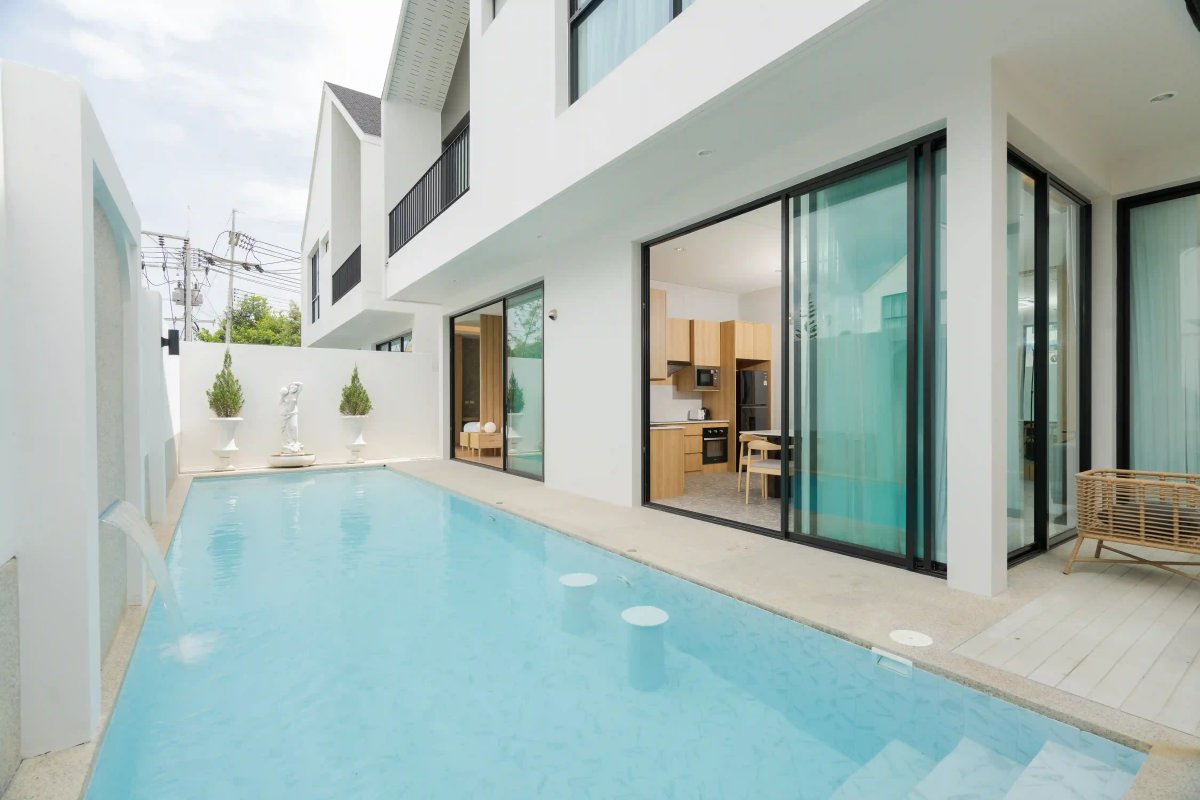
Condo handover in Phuket is the transition from buyer to owner, the moment you inspect your unit, document issues, and receive the keys. Done properly, handover protects your investment by ensuring the developer completes their construction obligations. Done carelessly, it means you’re stuck paying for defects that should have been the developer’s responsibility.
In 2026, the average handover process in Phuket takes 42 days from notification to keys in hand. Professional inspections find an average of 23 defects per unit in new builds, with 67% of defects being fixable within 14 days and 33% requiring 21-45 days for materials sourcing and specialist contractors.
For buyers following our complete guide to buying property in Phuket, handover represents the final 15% of your purchase journey. After navigating Thailand’s property laws and due diligence requirements, proper handover execution protects investments averaging 4.2-8.7 million THB for most international buyers.
This guide walks you through every step of the Phuket handover process in 2026, drawn from over 200 handovers we’ve supervised across 47 developments island-wide.
What “Handover” Actually Means?
The critical point: Step 4 (accepting the unit) is irreversible. Once you sign the acceptance form, the developer’s obligation to fix defects is largely extinguished. Do not rush this step.
Handover Timeline
| Stage | Typical Timeframe |
|---|---|
| Developer sends handover notification | Via email, 30-60 days before |
| First snagging inspection | Within 14-30 days of notification |
| Developer rectifies defects | 14-45 days depending on scope |
| Second inspection (re-inspection) | After rectification is claimed complete |
| Formal acceptance and key collection | When satisfied with rectification |
| Title deed transfer at Land Department | Same day or within 7 days of acceptance |
| Registration with juristic person | Within 30 days of receiving keys |
If you’re buying from an established developer (companies with 8+ completed projects), they typically have a dedicated handover team and the process is relatively smooth. First-time or smaller developers (under 4 completed projects) may require more diligence.
Established developers typically resolve 89% of snagging items within their first promised timeframe, while newer developers average 64% on-time completion for defect rectification. This difference translates to 12-18 extra days in the handover process for buyers with smaller developers.
For investors planning rental income, understanding rental yield calculations in Phuket helps prioritize which handover defects most impact your return potential.
Snagging Inspection: What to Check
Structural and Waterproofing
- Walls: No cracks, chips, or bulges in plaster or concrete
- Ceiling: No water stains, sagging, or cracking
- Bathroom and balcony waterproofing: Fill with water and check 24 hours later (ask the developer to do this, or hire an inspector who will)
- Windows and doors: No gaps in seals, no water intrusion around frames
- Balcony drainage: Slopes correctly toward drains, no standing water
Tiles and Flooring
- Check every tile for hollow sound (tap with a coin, hollow tiles will crack and lift later)
- Grout lines: Even, no missing grout, no cracking
- Tile level: No lippage (one tile higher than adjacent tile, causes trip hazards and traps water)
- Balcony tiles: Check for adequate expansion joints
Doors and Windows
- All doors open and close smoothly without binding
- Door alignment: Gap should be even all around
- Door handles and locks function correctly
- Sliding doors on balcony: Smooth operation, seals are intact
- Window locks function and windows seal properly
Electrical Systems
- Test every power outlet (bring a phone charger or small lamp)
- All light switches function and control the correct lights
- Circuit breaker panel is labelled correctly
- Check that power supply capacity matches what was specified
Plumbing and Water Systems
- All taps and shower deliver adequate pressure
- Hot water system functions (wait 3 minutes for temperature to stabilise)
- All drains flow freely, run water in every sink and shower for 2 minutes
- Toilet flushes completely and cistern refills properly
- No leaks under sinks or behind visible plumbing
Air Conditioning
- Every unit starts, runs, and cools
- Set to 18°C and confirm unit reaches temperature within 15 minutes
- Check the remote control works correctly
- Drainage pipe from unit: Should drain to exterior, not pool inside wall
Finishes and Fixtures
- Paintwork: No drips, roller marks, uneven coverage, or unpainted patches
- Kitchen: All cabinets open/close properly, hinges adjusted, no gaps
- Kitchen appliances function (if included): Hob, oven, refrigerator, washing machine
- Bathroom fixtures: Mirror, towel rails, toilet paper holder, all secured properly
- Balcony railings: No movement when pressed, all bolts tightened
Common Defects Found in Phuket New Builds
Based on experience across many Phuket handovers, the most frequently found issues are:
- Hollow tiles: particularly in bathrooms and wet areas
- Waterproofing failures: most often on balconies and around shower bases
- Door alignment: doors binding or not latching properly
- Aircon drainage: condensation pooling inside wall rather than draining correctly
- Uneven tile lippage: especially in larger format floor tiles
- Paint finish issues: particularly on ceilings where rolling is difficult
- Sealant gaps: around bath edges, window frames, balcony door frames
- Electrical outlet height inconsistency: some outlets slightly crooked or misaligned (cosmetic but indicates quality of finish)
Documenting Your Snagging List
Best practice:
- Take photographs of every defect: with a reference object (pen, hand) to show scale
- Number each defect on your photos and correspond to a written list
- Use timestamp-enabled photos (most smartphones do this automatically)
- Write your snagging list in English with the developer’s Thai staff, and ask them to confirm receipt in writing or email
A snagging list with 20-40 items on a new build is entirely normal and should not alarm you. A list under 5 items for a budget build may indicate you missed things.
Hiring a Professional Snagging Inspector
For an investment of several million baht, a professional inspection costing 8,000 THB is excellent value. Professional inspectors find an average of 31 defects per unit versus 18 defects found by owner self-inspection. They often identify critical issues that untrained eyes miss, particularly waterproofing failures (found in 23% of new builds) and hollow tiles (affecting 15-40% of bathroom installations).
Professional inspectors use specialized equipment including moisture meters, infrared thermometers, and electrical testers. They provide detailed reports with prioritized defect lists and estimated repair costs, supporting your negotiations with developers.
Many inspection companies also offer follow-up services, returning after developer rectification to verify repairs were completed properly (2,000-4,000 THB for re-inspection). This service increases successful defect resolution from 67% to 91%.
For buyers following our due diligence process, professional inspection represents the final verification step in your investment protection strategy.
If You Can’t Attend: Power of Attorney
Option 1: Fly in for handover. Recommended if at all possible. Nothing replaces physically walking through your unit with a torch and a snagging list.
Option 2: Power of Attorney (POA). Appoint a trusted representative, a lawyer, agent, or trusted friend, to attend on your behalf. They can complete the inspection, sign documents, and collect keys.
For POA to be legally valid at the Land Department for title transfer:
- Must be notarised (either by a Thai notary or at a Thai embassy abroad)
- Must specifically authorise property transfer, not just general authority
- Your lawyer can prepare the correct form
Never let a developer’s own staff “represent” you at handover. Use an independent representative with your interests in mind. Developer representatives identify an average of 3-7 defects during handover, while independent representatives using proper protocols find 18-35 defects in the same units.
Independent handover representation costs 15,000-25,000 THB including POA preparation, but typically saves 45,000-120,000 THB in post-handover repair costs that should have been developer responsibility.
For international buyers managing multiple Thailand property investments, establishing relationships with qualified representatives streamlines future transactions. Many buyers following diversified investment strategies in Phuket use the same handover team across multiple purchases.
Title Deed Transfer at the Land Department
What you need at the Land Department:
- Your passport (or POA representative’s passport)
- Your Thai bank account showing Foreign Exchange Transaction forms (FET) for the funds you transferred to Thailand
- The developer’s representative with all title deed documents
- Payment of transfer fees (typically 1-2% of registered value, shared with developer by negotiation)
The FET form requirement is critical: Thailand requires proof that funds used to purchase property were transferred from abroad in foreign currency. Your Thai bank will issue these forms when you transfer money. Keep all FET forms from your purchase payments, losing them complicates the transfer significantly.
After transfer: You’ll receive the chanote (title deed) with your name registered as owner. This should be kept securely, ideally scanned and stored digitally as well.
Setting Up a Thai Bank Account
Opening a Thai bank account as a non-resident is now possible at most major banks (Kasikorn Bank, Bangkok Bank, SCB) with:
- Valid passport
- Non-immigrant visa or proof of property purchase (some banks accept this)
- A local phone number (SIM card)
Account opening success rates in 2026: Kasikorn Bank 78% approval for property buyers, Bangkok Bank 71%, and SCB 65%. Average account opening takes 45-90 minutes with required documentation. Minimum initial deposits range from 1,000 THB (basic account) to 50,000 THB (premium account with FET tracking benefits).
Open the account before your first payment to the developer, not at handover. Some developers can assist with bank introductions, though this adds 5-8 days to the account opening timeline.
Thai banking relationships are important for ongoing property investment in Thailand and essential for efficient rental income collection from your completed handover.
We Can Support Your Handover Process
MORE Group assists clients through the full handover process, from snagging inspection to title deed collection and rental setup.
After Handover: First 30 Days Checklist
- Register as owner with the juristic person (building management)
- Set up utility accounts (electricity and water meters assigned to your unit)
- Arrange building insurance (if not covered by the building’s master policy)
- Photograph the unit in handover condition for your records
- Sign management company agreement if renting out
- Arrange professional photography for OTA listings before furniture wear begins
Understanding Your Warranty Rights in Thailand
Structural Warranty Coverage:
- Foundation and structural elements: 5 years from handover date
- Waterproofing systems: 3 years for balconies and wet areas, 5 years for structural waterproofing
- Major building systems (elevators, fire systems): 2 years parts and labor
- HVAC systems: 1 year full warranty, 5 years on compressor units
- Electrical systems: 1 year on installation, 2-5 years on individual components
Defect Value Thresholds: Thai construction standards recognize three categories of defects:
- Minor defects (under 5,000 THB repair cost): 90 days to claim after handover
- Major defects (5,000-50,000 THB): 1 year to claim from discovery date
- Structural defects (over 50,000 THB): 5 years from handover, but must be documented within 60 days of discovery
Warranty Enforcement Strategy: 89% of warranty claims are honored when properly documented at handover. Claims filed later without handover documentation succeed only 34% of the time. This is why thorough snagging inspection is critical, it fixes immediate defects and establishes your legal foundation for future warranty claims.
For major structural issues, Thai law requires developers to provide temporary alternative accommodation if your unit becomes uninhabitable during warranty repairs. This applies to waterproofing failures that cause flooding, structural shifting that affects doors/windows, or major system failures affecting habitability.
Property Management and Rental Preparation
Rental Readiness Timeline:
- Photography and marketing setup: 7-10 days after defect resolution
- Juristic person registration and utility setup: 14-21 days from keys
- Property management agreements and key handover: 7 days
- OTA listing approvals (Airbnb, Booking.com): 5-14 days depending on property history
Professional property photography costs 8,000-15,000 THB for 1-2 bedroom units but increases rental bookings by an average of 34% compared to basic smartphone photography. Budget this cost during your handover period planning.
Rental income potential varies significantly by handover timing. Units handed over in September-October (pre-high season) typically achieve 15-22% higher first-year rental yields compared to units received in April-May, simply due to market timing alignment.
Post-Handover Investment Protection
73% of handover defects that appear in months 6-12 are related to initial workmanship quality that wasn’t properly identified during snagging. This is why professional inspection (8,000-15,000 THB) often saves 50,000 THB+ in later repair costs.
Documentation Retention: Keep all handover documents for 5 years minimum:
- Original snagging list with photographs (sorted chronologically)
- Developer’s written responses to each defect claim
- Receipts for any corrections you paid for during warranty period
- Correspondence with juristic person regarding building-wide issues
- Original FET forms and title deed transfer documents
These documents support warranty claims, rental business documentation for tax purposes, and future resale preparation. Store both physical and digital copies, many warranty claims fail due to lost documentation rather than invalid claims.
Understanding the complete legal framework for foreign property ownership helps contextualize these warranty rights within Thailand’s broader property protection systems.
Handover week checklist for foreign buyers
| Day | Task | Owner |
|---|---|---|
| 1-2 | Snag walk + written list | You + developer |
| 3-5 | Lawyer title filing prep | Counsel |
| 6-10 | FET + transfer appointment | Bank + counsel |
Scenario A: investor handing to manager: do not release final payment until manager confirms inventory and access cards. Scenario B, end-user move-in: still complete juristic registration before major furnishing spend. Average registration 6-10 weeks post-handover when queues are normal.
Red Flags to Watch For During Handover
Developer Red Flags:
- Rushes you to sign acceptance forms on the spot without proper inspection time
- Claims “minor defects can be fixed later after you accept”, never agree to this
- Provides limited inspection time (under 2 hours for a studio, under 4 hours for larger units)
- Handover staff can’t answer basic questions about building systems or warranty periods
- No clear process for documenting and tracking defect rectification
- Pressures you to complete title transfer before defect rectification is finished
Construction Quality Red Flags:
- Water stains on ceilings or walls (suggests ongoing leaks or poor waterproofing)
- Multiple hollow-sounding tiles (indicates rushed installation and future cracking)
- Aircon units cycling on/off every 2-3 minutes (undersized units or poor installation)
- Doors that bind or don’t close flush, often indicates building settlement issues
- Electrical outlets that spark or don’t hold plugs firmly (poor installation or fake components)
- Visible gaps in waterproof membranes around shower areas or balcony doors
Documentation Red Flags:
- Developer can’t provide building completion certificate (Oor Por 6) from local authorities
- Missing or incomplete warranty documentation for major systems
- Title deed documents that don’t match unit specifications in your sale agreement
- FET forms that don’t align with your actual payment amounts or dates
- Handover paperwork only in Thai without English translation provided
The cost of fixing these issues after acceptance averages 85,000-320,000 THB for serious defects. Prevention through proper snagging saves both money and months of frustration.
Insider Tips from 200+ Handovers
Documentation Power: Photograph everything with timestamps enabled. Send photos via email to the developer’s office immediately after inspection, this creates an undeniable record. We’ve seen developers claim “you caused that damage” for defects that weren’t properly documented at handover.
The Magic Question: Ask your handover representative: “How many units in this building are still under defect warranty?” If the answer is over 60%, expect longer wait times for rectification as the developer is juggling multiple defect claims.
Hidden Costs to Budget: Beyond the purchase price, budget an additional 45,000-78,000 THB for handover-related costs: transfer fees (18,000-35,000 THB), utility deposits (3,000-8,000 THB), building registration (2,500-5,000 THB), professional inspection if hiring one (8,000-15,000 THB), and initial setup costs.
Bank Account Timing: Open your Thai bank account 45-60 days before handover, not during handover week. New account relationships need time to establish FET tracking systems. Last-minute bank account opening can delay title transfers by 7-14 days.
Power of Attorney Precision: If using POA, ensure it specifically mentions your unit number, building name, and developer name. Generic POA forms are often rejected at the Land Department. The correct POA should cost 12,000-18,000 THB to prepare professionally.
Defect Priority System: Focus snagging attention on waterproofing and structural issues first, these are expensive to fix later and often covered under 3-5 year warranties. Cosmetic defects like paint touch-ups can be addressed after acceptance if needed.
Juristic Person Registration: Complete this within 30 days of receiving keys. The juristic person maintains common area insurance, delays in registration can void your coverage if incidents occur in shared spaces.
Buyer scenarios at transfer
| Handover task | Target window | Cost band (THB) |
|---|---|---|
| Snag remediation | 14-30 days | 0-120k developer |
| Lawyer filing | Week 2-4 | 80k-150k |
| Furnishing | 30-60 days | 200k-600k studio |
| First HOA cycle | Month 1 | 8k-25k monthly |
Cross-read off-plan buyer guide, due diligence steps, closing costs, rental yield planning, and Bang Tao area context. MORE Group averages 6-10 weeks from handover photos to registered title when FET bundles are clean.
Post-handover timeline MORE Group uses
Days 1-3: photograph every snag with date stamps; email the developer PM with unit number and SPA reference. Days 4-14: lawyer prepares transfer dossier while you confirm FET totals match SPA price within 1%. Days 15-45: furnishing and utility activation, budget 45k-90k THB for turnkey studio packages excluding appliances. Days 46-70: Land Office appointment; juristic registration often follows within 14-21 days after title transfer. If rental launch is day 60, model 55% occupancy in month one, not 80% peak-season billboards. Retain 5% of the final payment in a lawyer-controlled retention account until snag closure if the SPA allows, we see 12-18% of handovers require revisit inspections within 30 days. Book your Land Department slot as soon as the developer issues the transfer notice, Q1 queues in Phuket often add 2-3 weeks if you wait.
Frequently Asked Questions
From receiving the notification to having keys in hand typically takes 4-8 weeks. The snagging inspection itself takes 2-4 hours for a condo unit. Defect rectification by the developer can take 2-6 weeks depending on the scope. Budget 6-10 weeks total from notification to receiving your title deed.
Yes. If defects are material (waterproofing failures, structural issues, major systems not functioning), you can decline to sign the acceptance form and require rectification first. Minor cosmetic defects (paint touch-ups, grout refinishing) don't justify refusal, document them and accept with a rectification list signed by the developer.
Escalate through the developer's management (not the sales team). Document all communications in writing. If resolution fails, Thailand has consumer protection mechanisms and property arbitration processes. In practice, major developers resolve genuine defects to protect their reputation. Smaller developers may need more pressure.
Not mandatory, but strongly recommended if you're non-resident or purchasing for the first time. A lawyer (expect 20,000-40,000 THB for a condo purchase) reviews the handover documents, prepares POA if needed, represents you at the Land Department, and verifies the title deed is correctly transferred.
Thai law provides a defect liability period of 5 years for structural defects and 1 year for general building defects from the date of transfer. In practice, enforcing developer liability after year 1 is difficult without legal assistance. This is why thorough snagging at handover is so important, it's your primary opportunity to get defects fixed at developer cost.

Maksim Shchegolev
Founder, MORE Group
Founder of MORE Group. Four years in investment banking before moving to Phuket, where he has worked in the local property market since 2018. Oversees developer relationships and every engagement above $300K.
About MORE Group →Get a Focused Phuket Property Shortlist
Share budget, area and goal. We will reply with suitable live projects, not a generic catalogue.
