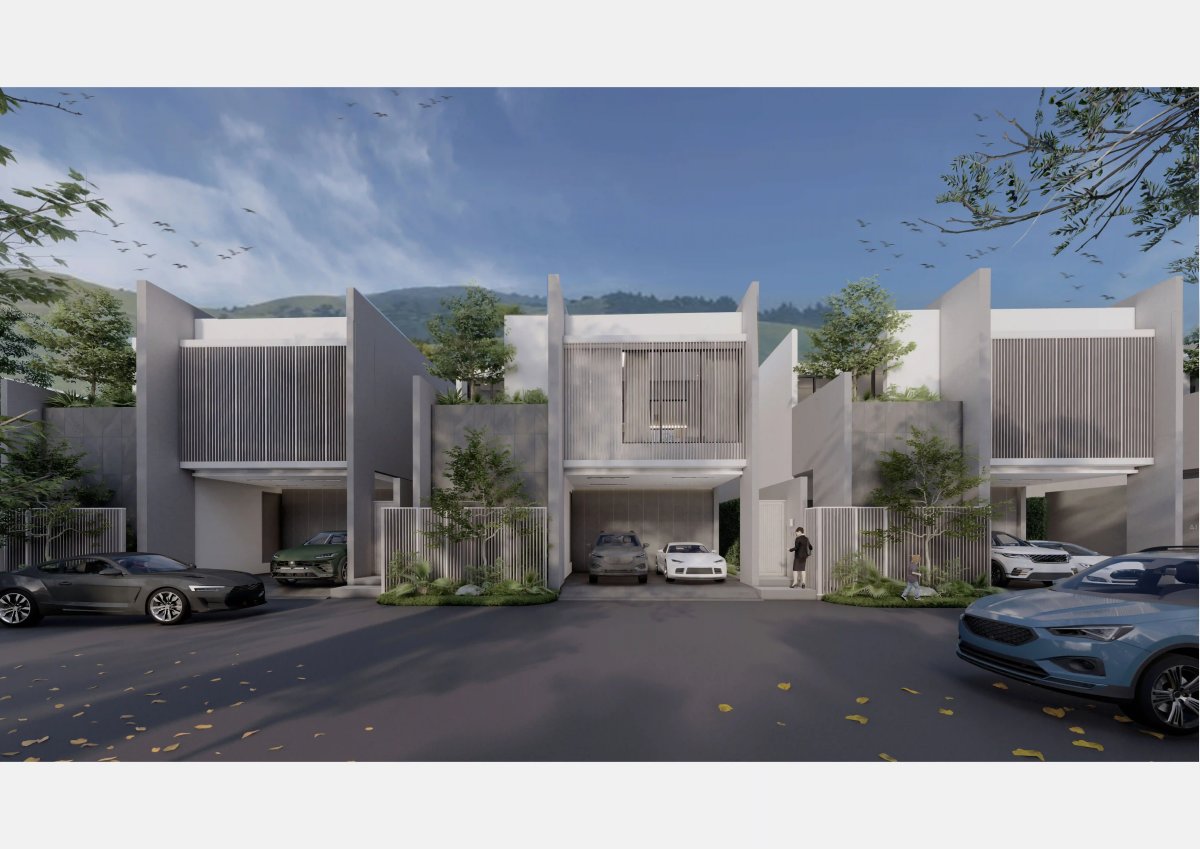
What to Expect: Buying Property Timeline in Phuket from First Visit to Transfer?
Buying Phuket property is a sequence of legal and financial gates, not a single emotional decision. For a ready condo, serious buyers can sometimes move from reservation to transfer in 4-8 weeks when documents, foreign exchange, and legal review align. Off-plan purchases can stretch 2-3 years as construction milestones trigger payments.
Ready Unit Timeline: Week-by-Week Breakdown
Week 1: Discovery and Initial Selection
Days 1-3: Site Visits and Comparison
- Visit 3-5 properties to establish market context
- Assess building condition, management quality, and location factors
- Meet sales teams and request detailed unit specifications
- Document all units viewed with notes on pricing, availability, and key features
Days 4-7: Initial Due Diligence
- Research developer background and completed project history
- Check building juristic person status and financial health
- Review foreign quota availability for your target units
- Request sample SPA and rental pool agreements for review
Week 2: Reservation and Legal Setup
Days 8-10: Reservation Decision and Payment
- Select preferred unit and negotiate final terms
- Pay reservation fee (typically $3,000-$5,000 or 2-3% of purchase price)
- Receive reservation agreement specifying terms and cooling-off period
- Engage independent Thai lawyer for document review
Days 11-14: Document Assembly
- Developer prepares Sales & Purchase Agreement (SPA)
- Lawyer reviews SPA terms, title documentation, and quota status
- Arrange foreign exchange planning for major payments
- Schedule SPA signing appointment
Week 3: Contract Execution
Days 15-17: SPA Review and Negotiation
- Final SPA review with lawyer, addressing any concerns
- Negotiate specific terms: payment schedule, handover conditions, defect liability
- Confirm all supporting documents: title deed, building permits, quota certificates
- Finalize payment timing and wire transfer arrangements
Days 18-21: Contract Signing
- Sign SPA with all parties present (or via power of attorney)
- Make initial payment (typically 20-30% of purchase price)
- Receive signed copies of all agreements and supporting documents
- Initiate foreign exchange transfer documentation
Week 4-6: Payment and Preparation
Days 22-35: Fund Transfer and FET Processing
- Execute international wire transfers for remaining amounts
- Obtain Foreign Exchange Transaction (FET) forms from receiving bank
- Complete any remaining due diligence items
- Schedule transfer appointment with Land Department
Days 36-42: Transfer Preparation
- Arrange final unit inspection and snagging report
- Confirm all utilities are connected and operational
- Prepare all documentation for Land Department transfer
- Arrange attendance (personal or via power of attorney)
Week 6-8: Completion
Days 43-56: Land Department Transfer
- Attend Land Department appointment for title transfer
- Present all required documentation including FET forms
- Pay stamp duty and transfer fees (approximately 2% of property value)
- Receive new title deed in your name and unit keys
Off-Plan Timeline: Construction-Driven Process
Pre-Construction Phase (Months 1-6)
Month 1: Reservation and Initial Payment
- Reserve specific unit with 2-3% deposit
- Review all project documentation and permits
- Complete comprehensive developer due diligence
- Engage legal counsel for SPA review
Months 2-3: Contract Negotiation and Signing
- Finalize SPA terms including payment schedule and completion timeline
- Make contract signing payment (typically 20-25% of purchase price)
- Ensure all permits are in place before major payments
- Set up milestone verification procedures with developer
Months 4-6: Construction Commencement
- Monitor permit approvals and construction start
- Establish regular progress reporting with developer
- Plan upcoming milestone payments and FX strategy
- Set up local representation for construction monitoring if needed
Construction Phase Milestones (Months 6-24)
Foundation Milestone (Month 6-9)
- Verify foundation completion via photos and independent inspection
- Make foundation payment (typically 10-15% of purchase price)
- Review construction timeline for potential delays
- Assess overall project progress versus original schedule
Structural Completion (Month 12-15)
- Confirm structural frame and floor completion
- Make structural milestone payment (typically 10-15%)
- Visit project if possible to assess progress firsthand
- Review any design changes or specification modifications
Roofing and Exterior (Month 15-20)
- Verify building envelope completion
- Make roofing milestone payment (typically 10%)
- Begin planning for interior customization decisions
- Assess surrounding development and infrastructure progress
Interior Fit-Out (Month 18-24)
- Monitor interior finishing progress
- Finalize any customization options available
- Prepare for pre-handover inspections
- Plan final payment and transfer arrangements
Completion and Handover (Months 24-30)
Pre-Handover Phase
- Conduct comprehensive snagging inspection
- Document all defects and required rectification work
- Negotiate defect resolution timeline and escrow arrangements
- Prepare final payment and transfer documentation
Final Transfer
- Complete final walkthrough and defect sign-off
- Make final payment (typically 30-40% of purchase price)
- Execute Land Department transfer process
- Receive completed unit and begin operational setup
Remote Buying: Managing the Process from Overseas
What Can Be Done Remotely
Research and Selection Phase:
- Virtual property tours via video calls with agents
- Document review and legal consultation via secure digital platforms
- Market research and comparative analysis using online resources
- Initial financial planning and foreign exchange setup
Legal and Administrative Processes:
- SPA review and negotiation via lawyer consultation
- Power of Attorney preparation for specific transactions
- Banking arrangements and wire transfer setup
- Insurance and tax planning consultation
What Requires Physical Presence
Critical Inspection Points:
- Initial property viewing for investment decisions (strongly recommended)
- Pre-completion snagging inspection for off-plan purchases
- Final transfer appointment at Land Department (or valid power of attorney)
- Key handover and initial property setup
Legal Requirements:
- Certain power of attorney signings may require embassy authentication
- Land Department transfer typically requires personal attendance or properly executed POA
- Banking relationships may benefit from in-person establishment
Power of Attorney Considerations
When POA is Appropriate:
- Buyer has previously visited and inspected the property
- Established relationship with reputable local legal counsel
- Clear and specific scope of authority for attorney
- Proper legal safeguards and oversight mechanisms
POA Execution Requirements:
- Must be notarized and authenticated by Thai embassy/consulate
- Should specify exact transactions and limitations
- Requires careful vetting of attorney credentials
- Should include specific revocation procedures
Common Delays and How to Avoid Them
Foreign Exchange Transaction (FET) Documentation
Common Issues:
- Bank processing delays during busy periods
- Incomplete or incorrect wire transfer documentation
- Currency conversion timing and rate locks
- Thai banking system processing timeframes
Prevention Strategies:
- Establish banking relationships before urgent need
- Understand your home bank’s international transfer procedures
- Plan transfers outside Thai banking holidays
- Confirm FET form generation process with receiving bank
Typical Processing Times:
- Standard international wire transfers: 2-5 business days
- FET form generation: Same day to 2 business days
- Holiday delays: Plan extra time around Thai and international holidays
- Large transfer verification: May require additional documentation time
Legal Review and Documentation
Common Delays:
- Thorough SPA review by qualified Thai lawyer
- Foreign quota verification and certification
- Title deed history and encumbrance checking
- Building permit and juristic person document review
Best Practices:
- Engage lawyer immediately upon serious interest
- Allow minimum 7 days for proper legal review
- Request document package in advance when possible
- Plan for potential SPA negotiation rounds
Developer and Administrative Processing
Typical Bottlenecks:
- Developer internal approval processes for reservations
- Land Department appointment availability
- Juristic person meeting requirements for certain approvals
- Third-party vendor coordination (management companies, utilities)
Timeline Management:
- Confirm developer processing requirements upfront
- Schedule Land Department appointments well in advance
- Plan around monthly juristic person meeting schedules
- Coordinate all parties for simultaneous availability
Market Context During the Buying Process
A purchase takes weeks or years depending on what you are buying, and the market does not pause while it runs. Three things move underneath a transaction and it is worth knowing which ones matter.
The exchange rate moves continuously, and on a staged off-plan schedule you will convert at several different ones. That is an averaging effect rather than a risk to time, and buyers who try to time it usually do worse than buyers who convert on schedule.
Foreign quota capacity in a specific building moves as other buyers register, which matters on any purchase completing months or years from now. It is the one market variable that can stop your transaction rather than merely reprice it, and it is checkable.
Asking prices in the area move slowly and rarely enough to matter inside a normal transaction window. A resale bought this month and one bought in three months are, in almost every case, the same purchase at the same price.
The practical instruction is to watch the second of those three and ignore the other two while a purchase is in progress. Timing decisions belong before you start, not during.
What you can do to compress it
Most of the elapsed time in a Thai purchase is waiting rather than working, and three decisions remove weeks from it.
Open the bank account before you shortlist. It is the longest lead item that has nothing to do with any specific property, it can be done on a scouting trip, and having it in place turns a 3-week sequence into a 1-week one.
Instruct your lawyer before you choose rather than after. A firm already engaged can start the search the day you identify a unit, and can tell you in an afternoon whether a contract is standard or unusual.
Send the funds early rather than on schedule. The exchange record takes 5 to 14 business days after the money lands, and nothing else can happen at the Land Office until it exists. Money sitting in a Thai account waiting for a transfer date costs you nothing; a transfer date waiting for a certificate costs you a rebooking.
Everything else, the seller’s paperwork, the juristic person’s certificate and the appointment slot, moves at its own pace. Those three are yours.
Off-plan runs on a different clock
Everything above describes a ready property. An off-plan purchase replaces a transaction timeline with a construction one, and the differences are worth stating.
The sequence starts the same way, with reservation, legal review and contract. It then pauses: the next event of consequence is a construction milestone, and those arrive over 24 to 36 months on a typical Phuket schedule. Your obligations during that period are the payment tranches, and each tranche funded from abroad needs its own exchange record.
Registration happens at the end rather than the beginning, which has one consequence buyers routinely miss: the foreign quota is checked then, not now. Capacity you were shown at reservation can be consumed by other buyers registering ahead of you, so the contract should say what happens if it is.
Handover adds a stage that a resale does not have. Snagging, defect rectification and the practical business of connecting utilities and furnishing sit between completion and the first tenant, and a month or two there is normal rather than a delay.
Plan the whole thing as a schedule with milestones rather than a date. Buyers who booked flights around a promised completion month are the ones who feel the slippage; buyers who treated the date as an estimate rarely do.
The sequence, stage by stage
| Stage | Typical duration | What has to be true to move on |
|---|---|---|
| Shortlisting and viewing | Days to weeks | You know which building, not just which area |
| Reservation | Same day | A refund clause that states the conditions and the deadline |
| Legal review | 7 to 14 days | Title searched, quota confirmed, contract read |
| Contract signing | Same day | The review is complete, not underway |
| Inbound transfer | 3 to 7 days | Account open, funds sent in foreign currency |
| Exchange record issued | 5 to 14 business days | Funds landed and converted on arrival |
| Debt-free certificate | Days, on request | Charges settled or deducted at closing |
| Land Office transfer | One appointment | Every document above in hand |
Two things about that table matter more than the individual durations. The stages overlap: legal review, the bank account and the transfer can run in parallel rather than in series, and a purchase run that way completes in half the time of one run sequentially. And the last row cannot start until every row above it is finished, which is why a single missing document moves a transfer date rather than delaying one step.
Where the schedule usually slips
Timelines fail at the same four points, and each is manageable if you know it is coming.
The bank account. Opening one takes an afternoon at a branch used to foreign clients and a fortnight at one that is not, and a second visit is common. Start it a month before you need it, not in transfer week.
The exchange record. Certificate issuance typically runs 5 to 14 business days after the funds land, and that clock starts when the money arrives rather than when you send it. Add the wire itself and you are two to three weeks from instruction to document.
The legal review. A proper review needs a week or more, and sellers frequently want a decision faster. That tension is resolved at reservation, by making the deposit refundable on a failed review with a named period, not by rushing the lawyer.
The debt-free certificate. The juristic person issues it and cannot be hurried on the day. Request it well ahead of the transfer appointment, because without it the registration does not proceed.
What a realistic sequence looks like
For a ready resale bought by a foreign purchaser paying from abroad, the honest sequence is: reservation with a refund condition, a week or two of legal review, the inbound transfer, a week or two waiting for the certificate, then the Land Office appointment once the seller’s paperwork is also in order.
Four to eight weeks is achievable when each step is prepared in parallel rather than in series. It stretches when the bank account did not exist at the start, when the transfer was sent as baht, or when nobody asked the juristic person for the certificate until the week of transfer.
How MORE Group supports serious buyers?
Operational checklist: what to verify before you transfer
Confirm the foreign quota position in writing, the payment schedule in the contract, the sinking fund balance, the building’s house rules on short stays, and management evidence from comparable units in the same project. Each of those is a document rather than an opinion, and each is obtainable before the deposit rather than after it.
Buyer Scenarios
| Checkpoint | Pass | Fail |
|---|---|---|
| FET | Issued for each inbound wire | “One wire is enough” |
| SPA review | 7+ days with lawyer | Same-day signing |
| Quota | Floor-area letter | Verbal only |
Related Guides:
- How payment plans work
- How transfer day works
- Buying property remotely
- Due diligence step-by-step
- Red flags off-plan
Frequently Asked Questions
Often 4-8 weeks from reservation to transfer when legal review, foreign exchange documentation, and scheduling align, sometimes faster or slower depending on banks and developer processes.
Construction may take 2-3 years with milestone payments. The exact schedule depends on the developer, project stage, and contract.
A booking payment to hold a unit, commonly discussed around $3,000-$5,000 depending on project. Confirm refund rules and timelines.
A bank document related to foreign currency inward transfer for property purchases. It is important for registration and future repatriation documentation, confirm with your bank and lawyer.
Many steps can be done remotely, but a site visit is strongly recommended for first purchases. Power of attorney may be possible for transfer, verify legally.
Read Also:

Maksim Shchegolev
Founder, MORE Group
Founder of MORE Group. Four years in investment banking before moving to Phuket, where he has worked in the local property market since 2018. Oversees developer relationships and every engagement above $300K.
About MORE Group →Get a Focused Phuket Property Shortlist
Share budget, area and goal. We will reply with suitable live projects, not a generic catalogue.
