
What Makes a Property Easy to Rent in Phuket? 12 Factors That Matter
The most rentable properties in Phuket share 12 key characteristics: proximity to a beach or the Laguna resort complex, a managed rental pool with a hotel licence, furnishing and equipment to Western standard, a location guests search for, and an established local operator. How much each factor is worth in income is not a figure anyone can source, because Thailand keeps no letting register and no Phuket occupancy series exists; what follows ranks them by how often they decide a booking, and says where the price list can help and where only an operator’s twelve-month record can.

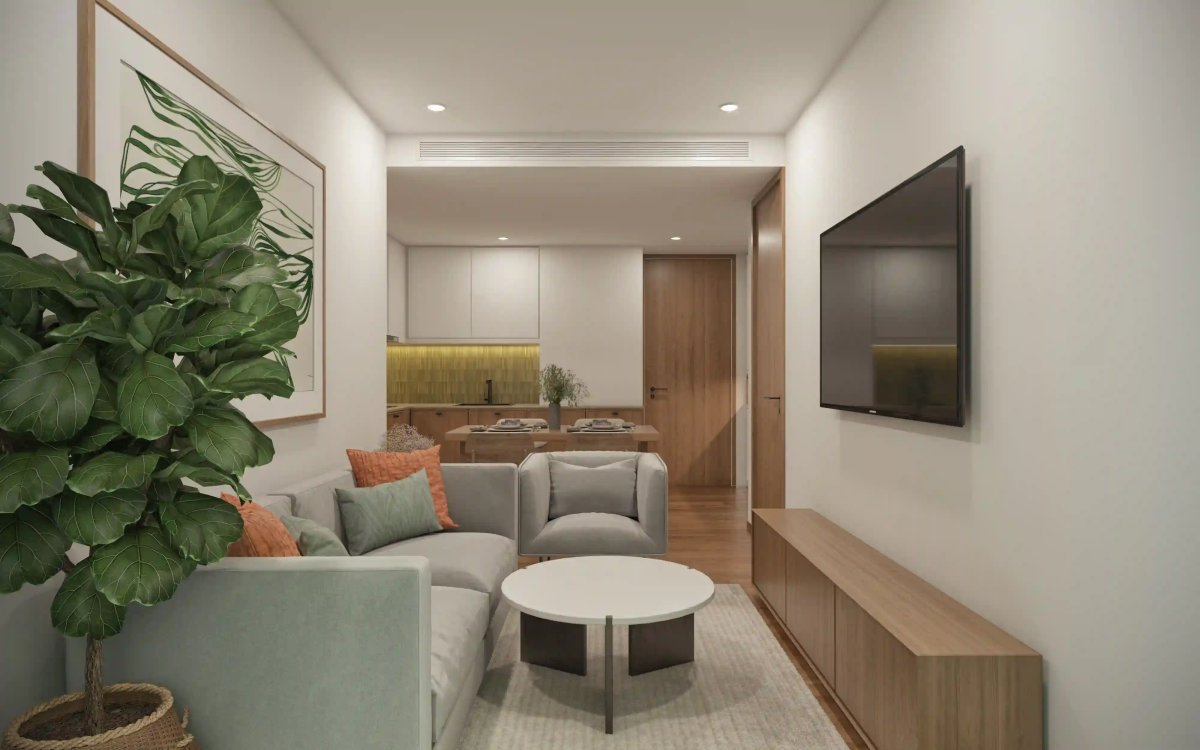
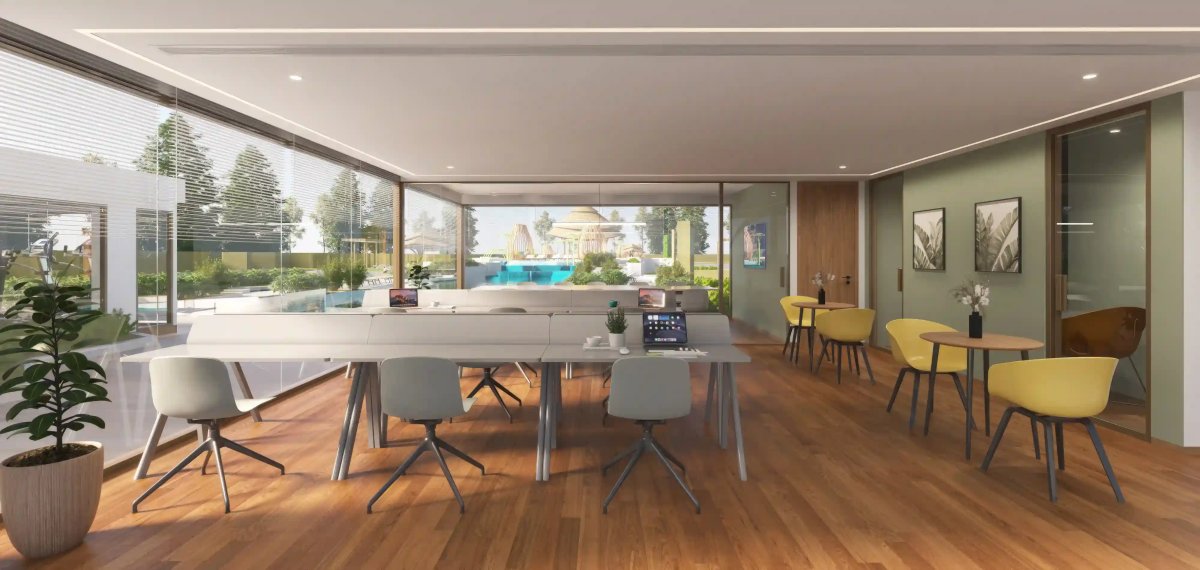
12 Factors
| Factor | Weight in Performance | Minimum Standard |
|---|---|---|
| 1. Beach proximity | Very high | Under 1.5km walk to beach |
| 2. Management quality | Very high | Top-10 management company on island |
| 3. Hotel licence (rental pool) | High | Licensed short-term rental permission |
| 4. Furnishing standard | High | Western quality, less than 5 years old |
| 5. Project amenities | Medium-high | Pool, gym, 24h reception minimum |
| 6. OTA visibility | Medium-high | 4.5+ stars, 100+ reviews minimum |
| 7. Floor/view quality | Medium | Partial view or pool access minimum |
| 8. Internet speed | Medium | 100 Mbps+ fibre minimum |
| 9. Air conditioning | Essential | Split AC in every bedroom, not portable |
| 10. Kitchen equipment | Medium | Full kitchen (not kitchenette for 1BR+) |
| 11. Developer brand | Lower-medium | Established developer with other successful projects |
| 12. Price positioning | Medium | 10-15% below market ceiling for unit type |
Lettability is a shortlist filter, not an afterthought
Layout, size and building management decide occupancy more than the postcode. We screen for all three.
Factor 1: Beach Proximity
- Under 500m to beach: optimal; the walk is a default rather than a decision, and the listing appears in beach-proximity searches
- 500m-1.5km: acceptable if other factors are strong; the walk becomes a decision in April heat
- 1.5-3km: a car or shuttle between the guest and the sand, and the listing drops out of the searches most guests run
- Over 3km: harder to fill in low season, when the beach is the only reason to be here
What each band is worth in rate or occupancy is not published anywhere; the operator’s figures for two units in the same building at different distances are the only comparison that exists.
Bang Tao and Kamala benefit from calm, swimmable beaches year-round. Rawai’s beach is not swimmable but Nai Harn Beach is nearby, which sustains its rentability. Patong’s beach is the most well-known but the environment (noise, nightlife) polarises guest preferences.
Factor 2: Management Quality
What great management delivers:
- Dynamic pricing (adjusting rates daily based on demand signals)
- OTA volume agreements that prioritise the project in search results
- Consistent 5-star guest communication that builds review reputation
- Revenue managers who monitor competitor pricing weekly
- Corporate client relationships for shoulder-season bookings
How to evaluate management before buying:
- Search the project name on Booking.com and Airbnb
- Check average review score (4.5+ is good, below 4.3 is problematic)
- Count total reviews (more reviews = more bookings, indicates higher occupancy)
- Ask current owners what their actual occupancy has been for the past 2 years
- Visit the front desk and reception: service quality here reflects rental operations
Factor 3: Hotel Licence (Rental Pool)
Beyond legal compliance, hotel-licensed projects typically have:
- Dedicated reception and check-in/check-out management
- Guest services (concierge, housekeeping, maintenance)
- Professional management accountability
- Better insurance coverage for guest incidents
Always confirm hotel licence status before purchase. Ask to see the licence document and verify it covers the units you are considering.
Factor 4: Furnishing Standard
- Bed: King or queen, quality mattress (Sealy, Slumberland, or equivalent Thai brand)
- Bedding: 300+ thread count cotton, not synthetic
- Kitchen: Full-size refrigerator, induction hob, microwave, kettle, coffee maker (Nespresso or equivalent), proper crockery and cutlery
- Bathroom: Hot water (instant heater minimum), quality towels, basic toiletries
- Living: Flat-screen TV (40+ inches), streaming access, comfortable sofa
- Workspace: Dedicated desk with proper chair and multiple power outlets with USB
- Air conditioning: Inverter type for efficiency and silence during sleep
Units that arrive with developer-standard furnishing (budget quality, no upgrade packages) will consistently score lower on OTA reviews for “value” and “facilities”, which compounds into lower search ranking and lower occupancy over time. Whether a furnishing upgrade pays back in one season or three depends on figures only the operator’s statement holds; budget it as a cost, not as a return.
Factor 5: Project Amenities
- Swimming pool: Essential. Guests who cannot see a pool image in the listing will often not book. Ideally a large pool visible from the main listing photos.
- Gym: Expected in anything marketed above the budget tier. Need not be elaborate, but functional.
- 24-hour reception: Significantly increases OTA review scores for “check-in” and “communication”, two of the most reviewed categories.
- Restaurant or bar on-site: Not essential, but a meaningful premium factor that improves occupancy in low season when guests want convenience.
- Shuttle to beach: In projects more than 1km from the beach, a regular shuttle service partially compensates for distance and can be prominently featured in the listing.
- Children’s facilities: Pool toys, playground, kids club, adds significant family booking premium.
Factor 6: OTA Visibility and Review Score
For new properties or new units in existing projects, the fastest ways to build OTA score:
- Start with competitive pricing (below market) for first 20 bookings to generate reviews quickly
- Ensure impeccable communication and issue resolution in early months
- Ask every satisfied guest for a review (management should do this as standard)
- Respond to every review, positive and negative, professionally
A project-level score lift from 4.3 to 4.7 stars changes where a listing appears on the search page, which is why review management is an income line and not a courtesy; how much it changes conversion for a given building is the operator’s data.
Factors 8-12: Supporting Elements
Factor 9, Air conditioning quality: Split-system inverter AC is the standard. Portable AC units are unacceptable, they are noisy, inefficient, and a consistent source of negative reviews. Every bedroom must have its own split AC. The living area must have separate AC from the bedroom.
Factor 10, Kitchen equipment: Full kitchen versus kitchenette is a meaningful distinction above the studio level. A 1BR with a full kitchen (4-ring hob, oven, full fridge) will attract longer-stay bookings from self-catering guests who account for a growing share of Phuket visitors.
Factor 11, Developer brand: Projects by Laguna Group, Banyan Tree, Angsana, or similar brands carry implicit quality assurance that lifts booking confidence. For a foreign guest choosing between a similar unit in a known resort brand and an independent project, the brand wins, particularly for first-time Phuket visitors.
Factor 12, Price positioning: Properties priced at the top of their category lose bookings to slightly cheaper competitors when perceived value is equal. Positioning at 10-15% below the maximum achievable rate for your unit type consistently maximises total revenue through higher occupancy.
What Kills Rentability
- Construction noise nearby, immediately drives down review scores and occupancy
- Mould or water intrusion issues, common in poorly constructed Phuket buildings, fatal to reviews
- Elevator issues in high-rise, a broken elevator in a project creates a wave of negative reviews
- Poor waste management, smell and pests are the #1 review complaint in Phuket
- Shared wall noise, thin walls between units are a persistent issue in budget developments
- Weak internet, increasingly a booking dealbreaker for the digital-nomad segment
Guest Profile Analysis: Who Rents What and When
No share-of-bookings or nightly-budget figure appears for these profiles, because none is published for Phuket: the platforms hold the data and the Tourism Authority publishes arrivals by nationality, not what each guest pays. What is stable is who comes when, how long they stay and what they look for, which is what a layout and a listing can be built around.
High Season Guests (November - April)
European families:
- Stay duration: 7-14 days
- Preferences: 2BR units, family pools, beach proximity under 500m
- Booking lead time: 2-6 months advance
- Key decision factors: Safety, cleanliness, family amenities
Russian tourists:
- Stay duration: 10-21 days
- Preferences: 1-2BR units, hotel-style service, Bang Tao/Rawai
- Booking lead time: 1-3 months advance
- Key decision factors: Value for money, Russian-speaking support
Chinese tour groups and FIT:
- Stay duration: 3-7 days
- Preferences: Hotel-managed units, branded projects, airport proximity
- Booking lead time: 2-8 weeks advance
- Key decision factors: Brand recognition, group booking capability
Shoulder Season Guests (May - June, September - October)
Digital nomads and remote workers:
- Stay duration: 1-3 months, with monthly discounts expected
- Preferences: Reliable internet, workspace, long-stay amenities
- Booking lead time: 2-6 weeks advance
- Key decision factors: Internet speed, workspace setup, monthly rates
Australian/NZ visitors:
- Stay duration: 7-21 days
- Preferences: Quality furnishing, self-catering facilities
- Booking lead time: 1-4 months advance
- Key decision factors: Quality-to-price ratio, management reputation
Low Season Guests (July - August)
Budget travellers and backpackers:
- Stay duration: 3-10 days
- Preferences: Basic clean accommodation, pool access
- Booking lead time: 1-4 weeks advance
- Key decision factors: Price, location, basic amenities
Long-stay expats and retirees:
- Stay duration: 1-6 months, at significant monthly discounts
- Preferences: Quiet location, local community, practical amenities
- Booking lead time: 2-8 weeks advance
- Key decision factors: Monthly rates, community feel, practical location
Revenue Optimisation Strategies by Property Type
Revenue optimisation:
- Dynamic pricing with aggressive low-season discounts (up to 50% off peak rates)
- Weekly and monthly discounts to attract longer stays
- Last-minute deals to fill gaps
- Multiple OTA presence to maximize visibility
1-Bedroom Units (35-55 sqm) - Balanced Strategy
Target guest: Couples, business travelers, short-stay families Optimal pricing strategy: Premium positioning, with the occupancy target set from the operator’s record for the building rather than a round number Key amenities: Quality furnishing, full kitchen, balcony/view Management approach: Professional service, moderate personalisation, quality focus
Revenue optimisation:
- Seasonal rate adjustments, with the high-season premium set against the building’s own past calendar
- Value-added packages (airport transfer, tours, spa credits)
- Repeat guest discounts to build loyalty
- Corporate rates for business travelers
2-Bedroom Units (60-80 sqm) - Premium Strategy
Target guest: Families, groups, longer-stay visitors Optimal pricing strategy: Premium pricing, fewer and longer bookings, occupancy target from the operator’s record Key amenities: Family facilities, multiple bathrooms, living space Management approach: Personalized service, concierge support, relationship building
Revenue optimisation:
- Group booking incentives
- Extended stay packages (7+ nights)
- Peak season minimum stays (3-7 nights)
- Premium add-ons (private transfers, chef services, childcare)
Technology Factor in Modern Rental Success
Internet and Connectivity Requirements
Fiber internet minimum standards:
- Download speed: 100+ Mbps (200+ Mbps preferred)
- Upload speed: 20+ Mbps (50+ Mbps for content creators)
- Latency: Under 50ms for video calls
- Reliability: 99%+ uptime with backup connection
WiFi coverage requirements:
- Strong signal in all rooms including balcony
- Separate network for guests vs management systems
- Password-free connection (QR codes increasingly expected)
- Guest network with reasonable data limits
Smart Property Features That Increase Bookings
Entry and security:
- Smart locks with temporary codes (eliminates key exchange issues)
- Security cameras in common areas (guest safety confidence)
- 24/7 contact system for emergencies
Guest experience technology:
- Smart TV with streaming services (Netflix, YouTube)
- USB charging stations throughout unit
- Bluetooth speaker system
- Air conditioning controllable via app or clear interface
Property management technology:
- IoT sensors for occupancy detection
- Automated check-in/check-out systems
- Digital guest communications (arrival instructions, local recommendations)
- Energy management systems (cost control)
The Digital Nomad Premium
Properties optimised for remote work are the ones that keep letting in shoulder and low season, when the remote worker is the guest who is still arriving; what that is worth per night is a figure the operator’s shoulder-month statements hold and nothing else does.
Essential remote work setup:
- Dedicated workspace with ergonomic chair
- Multiple monitor setup capability (HDMI/USB-C connections)
- Reliable power backup systems
- Quiet environment away from common areas
Communication infrastructure:
- Video conferencing setup with good lighting
- Noise-canceling environment (soundproofing consideration)
- Backup internet connection (mobile hotspot capability)
- International calling capability (VoIP services)
Maintenance and Upkeep: The Hidden Rental Success Factor
Climate-Specific Maintenance Issues
Humidity and mould prevention:
- Air conditioning maintenance every 3 months minimum
- Dehumidifiers in wardrobes and storage areas
- Anti-mould treatments for bathrooms and wet areas
- Proper ventilation in all rooms
Tropical weather protection:
- Waterproofing inspection after each monsoon season
- Balcony drainage maintenance
- Window and door sealing checks
- Exterior building maintenance coordination
High-Usage Maintenance Requirements
Furniture and fixture lifecycle:
- Mattresses: Replace every 2-3 years (heavy tourist usage)
- Air conditioning: Service every 3 months, replace every 5-7 years
- Appliances: Commercial-grade preferred, replace every 4-5 years
- Soft furnishings: Replace annually (towels, bedding) or bi-annually (curtains, cushions)
Proactive maintenance schedule:
- Monthly: Deep cleaning, appliance check, mould prevention
- Quarterly: Air conditioning service, plumbing inspection, electrical safety check
- Annually: Full renovation assessment, furniture replacement planning
- Bi-annually: Exterior maintenance, waterproofing check
Maintenance Cost Budgeting
Budget 8-12% of gross rental income annually for maintenance and replacement, as an assumed reserve to be adjusted against the building’s actual cost history. Properties that skip maintenance to save costs lose review score first and bookings second, on a lag of a season or two.
| Maintenance Category | Annual Budget (% of gross income) |
|---|---|
| Routine cleaning and upkeep | 3-4% |
| Appliance service and repair | 2-3% |
| Furniture and soft furnishing replacement | 2-3% |
| Emergency repairs and upgrades | 1-2% |
| Total recommended budget | 8-12% |
Area-Specific Rental Performance Factors
Bang Tao / Cherng Talay Specific Factors
Advantages for rental properties:
- Highest international guest recognition (Laguna brand effect)
- Priced as the premium corridor: 4,589 priced apartments in 48 schemes, a one-bedroom median of 5,930,000 THB at 155,400 THB per sqm
- Year-round demand from diverse nationalities
- Repeat visitors, at a rate only an operator’s guest history shows
Challenges specific to Bang Tao:
- High competition from resort properties
- Seasonal staff shortages affecting service quality
- Traffic congestion during peak season
- Higher operating costs, on the juristic person’s fee schedule rather than an island average
Optimal property profile for Bang Tao:
- 1-2BR condos in managed developments
- Entry at the Bang Tao one-bedroom median of 5,930,000 THB (about $181,000), with 866 priced one-bedrooms below 4,650,000 THB for buyers who need a lower ticket
- Professional management essential
- Premium furnishing and amenities required
Kata / Karon Specific Factors
Advantages for rental properties:
- Strong European market loyalty
- More affordable than Bang Tao (broader guest market)
- Excellent beach quality year-round
- Growing food and entertainment scene
Challenges specific to Kata/Karon:
- Monsoon season impact more severe than Bang Tao
- Limited luxury amenities compared to northern beaches
- Transport connections less convenient
- Fewer repeat visitors compared to Bang Tao
Optimal property profile for Kata/Karon:
- 1BR condos with strong value proposition
- Entry at the Kata one-bedroom median of 5,587,000 THB (about $171,000); Karon is the pricier neighbour at 8,930,000
- Self-management more viable than other areas
- European market focus essential
Rawai / Nai Harn Specific Factors
Advantages for rental properties:
- Strong long-stay and expat market
- Lower competition from resort properties
- More affordable entry points
- Authentic local atmosphere appeals to certain segments
Challenges specific to Rawai:
- Less international brand recognition
- Lower peak season premiums
- Limited luxury guest market
- Beach not suitable for swimming (though Nai Harn nearby)
Optimal property profile for Rawai:
- Studios and 1BR condos for budget-conscious guests
- Entry at the Rawai one-bedroom median of 6,652,800 THB (about $203,000), Nai Harn at 7,020,000
- Long-stay optimization important
- Local community integration beneficial
What the Price List Can Tell You About Rentability
Four of the twelve factors leave a trace on the price list, and it is worth reading before the operator’s pitch.
Format, and the competition inside it. Of the 12,054 priced apartments on our list across the island, 7,103 are one-bedrooms. The format that lets most easily is also the format every neighbour is letting; a one-bedroom in Bang Tao competes with 2,914 priced one-bedrooms in the same postcode before a single resale listing is counted. A two-bedroom competes with far fewer and books a different guest.
Finished or not. Only 570 of the island’s priced one-bedrooms are in finished buildings. Everything else is a rental in two or three years’ time, and a rentability factor that cannot be tested until then. A buyer who needs income in the next twelve months is choosing from the 570, and the operator’s record for those buildings exists; for the rest, it does not.
Height, priced by the developer. In the seven schemes on our list large enough to compare low and high floors, floor 8 and above prices a median 9% more per sqm than floors 1 to 3, in a range from 2% below to 21% above. That is what developers believe the view is worth to a buyer; whether a guest pays the same premium is the operator’s figure, and in most buildings the two are not the same number.
Size for the format. The Bang Tao one-bedroom median is 39 sqm; the Kata median is 38. A 30 sqm one-bedroom in either area is competing with units a third larger for the same guest, and the desk, the storage and the kitchen that factors 4 and 10 call for have to fit somewhere.
What the list cannot tell you is the fifth thing, and the one that decides the rest: what the unit earned. No register in Thailand holds it. The building’s operator does, month by month, and that document is the one every factor above is checked against.
Buyer scenarios
| Checkpoint | Pass | Fail |
|---|---|---|
| Letting permission | Hotel licence scope plus the building’s own rules | A sales-office assurance |
| Trailing performance | Twelve months from a sister unit in the same building | A launch projection |
| Layout | A workable desk, storage and a usable kitchen | Photogenic and impractical |
| Operator | An audited owner statement, with fees shown before distribution | A percentage quoted verbally |
Optimize your rental property selection using our property management guide, rental yield analysis, area comparison tool, off-plan property guide, and legal requirements. Confirm management licensing and occupancy records with current property owners; a projection is not a record.
Frequently Asked Questions
It is the factor that most often separates two identical units in the same building, and the size of the gap is a figure only those two owners' statements hold; no Phuket series exists to average it. A strong operator reprices daily, manages the review history and answers within the hour, and choosing a poor one in a great location is a common, expensive mistake. Ask for twelve months of month-by-month figures on a comparable unit before signing.
Yes, legally speaking. Short-term rentals (under 30 days) in Thailand require a hotel licence. Managed rental pools in proper projects have this licence. Private owners renting independently without the project's hotel licence are in a grey zone and risk OTA delisting or fines. Always confirm hotel licence status before purchasing for rental purposes.
Significantly, through the review score: furnishing is what guests photograph and what they mark down. How many stars a properly furnished unit gains over a budget-furnished one, and what that is worth in bookings, is not published for Phuket; treat the furnishing budget as a cost to be recovered over the holding period, and ask the operator which items in their buildings draw the complaints.
Aim for projects with 4.5+ stars on Booking.com and 4.7+ on Airbnb, with at least 100 reviews. This indicates a proven track record of guest satisfaction and algorithmic priority in search rankings. A project below 4.3 stars is a red flag regardless of how attractive the price or location appears.
It is the single factor that most often decides whether a listing is seen at all, because beach distance is the first filter guests apply. It is not the whole answer: a slightly less-beach-proximate property with exceptional management, a strong review history and excellent furnishing will consistently outperform a beachfront property with poor management and dated specification. How the two trade off in income is the operator's figure, not a published one.

Maksim Shchegolev
Founder, MORE Group
Founder of MORE Group. Four years in investment banking before moving to Phuket, where he has worked in the local property market since 2018. Oversees developer relationships and every engagement above $300K.
About MORE Group →Get a Focused Phuket Property Shortlist
Share budget, area and goal. We will reply with suitable live projects, not a generic catalogue.
