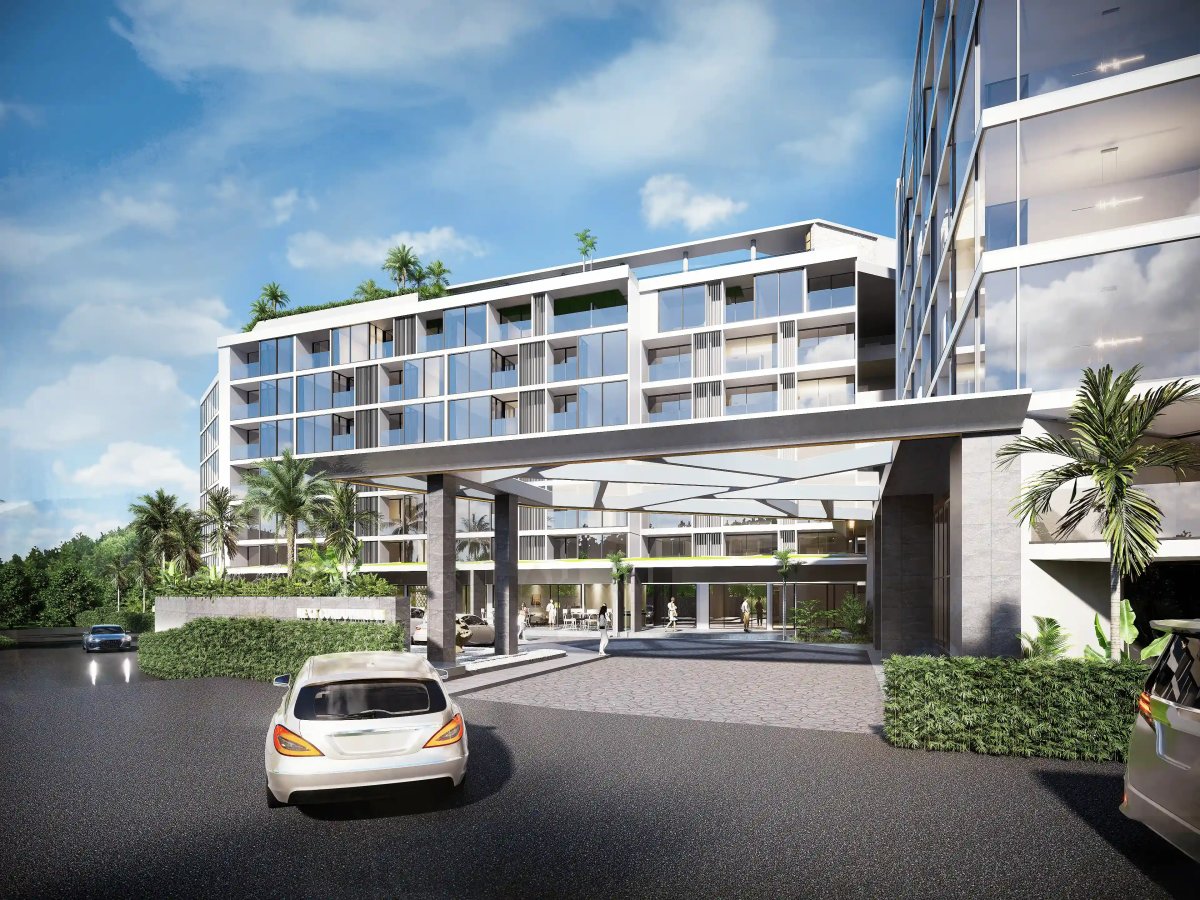
Mai Khao Nai Yang Phuket Area Guide 2026: Airport Coast Investment Analy
Mai Khao and Nai Yang represent Phuket’s quieter northern coastline, characterized by long stretches of undeveloped beach, Sirinat National Park conservation boundaries, and strategic airport proximity that creates distinct lifestyle and investment positioning. These areas attract buyers seeking space, nature access, and operational convenience rather than walking-distance beach club culture or nightlife density.
The investment thesis centers on differentiated positioning: Mai Khao’s luxury resort anchors like JW Marriott create premium hospitality credibility, while Nai Yang’s village-like atmosphere supports authentic long-stay demand from residents valuing calm over commercialization. Property pricing often reflects this peripheral status through meaningful discounts versus central west-coast alternatives, though branded luxury segments maintain premium valuations.
For investors, north Phuket requires clear strategy alignment, these areas excel for specific use cases including airport-adjacent convenience, premium long-stay positioning, and nature-focused lifestyle appeal, while potentially underperforming for mass tourism rental strategies dependent on high footfall and entertainment infrastructure. Consider broader Phuket property investment strategies when evaluating area fit.
Geographic context and airport proximity advantages
Airport proximity creates tangible operational advantages for specific property strategies. Phuket International Airport sits within 10-15 minutes of most north Phuket properties, enabling efficient guest transfers for short-stay rentals, convenient owner access for frequent travelers, and streamlined logistics for hospitality operations requiring supply chain reliability.
Key geographic positioning benefits:
- Immediate airport access reducing transfer costs and complexity
- National park adjacency ensuring permanent open space and development limits
- Long beach stretches providing space and privacy versus crowded southern bays
- Lower density development creating residential rather than commercial atmosphere
- Strategic position for accessing both west coast beaches and east-side business districts
However, geographic isolation from central entertainment districts requires realistic expectations about tenant profiles and rental positioning, north Phuket appeals to guests seeking nature, space, and calm rather than walking-distance restaurant scenes or beach club accessibility.
Mai Khao luxury positioning and resort ecosystem
The luxury resort ecosystem generates specific investment opportunities and constraints. Premium-branded residences and villa communities benefit from proximity to established hospitality infrastructure, creating lifestyle appeal for buyers seeking resort-adjacent living without direct hotel integration complexity. However, this positioning typically requires higher initial investment and operational sophistication to justify premium pricing versus value-oriented alternatives elsewhere.
Mai Khao property characteristics:
| Segment | Typical positioning | Investment considerations |
|---|---|---|
| Branded residences | $800K+ luxury market | Resort integration benefits, management complexity |
| Independent villas | $400K-800K range | Privacy focus, self-management requirements |
| Condo developments | $200K-400K entry | Airport convenience, limited tourism density |
| Land parcels | Variable by location | Development potential, regulatory constraints |
Success factors for Mai Khao investment include alignment with luxury positioning rather than value-driven rental strategies, acceptance of seasonal demand patterns typical for premium hospitality markets, and operational capabilities matching sophisticated guest expectations when targeting short-stay segments.
Nai Yang village character and long-stay appeal
This community character generates distinct rental demand patterns favoring monthly and long-stay tenants over nightly tourism. Families, remote workers, and repeat Thailand visitors often gravitate toward Nai Yang’s quieter pace and local integration opportunities, creating stable occupancy potential for properties positioned appropriately for residential rather than hospitality use.
Nai Yang tenant demographics typically include:
- Remote professionals seeking calm work environments with reliable internet
- Expat families utilizing international school bus routes and community networks
- Repeat Thailand visitors preferring authentic local experiences over resort environments
- Aviation industry personnel leveraging airport proximity for schedule flexibility
Monthly rental ranges in Nai Yang generally fall below comparable properties in central tourist zones, reflecting lower tourism density while potentially offering superior net yields through reduced operational complexity and improved tenant retention. Properties succeeding in Nai Yang typically emphasize residential functionality, community integration, and practical amenities over luxury hospitality features.
Pricing analysis and value proposition assessment
North Phuket pricing segments 2026:
| Property category | Price range (THB) | Price range (USD) | Comparison to west-coast |
|---|---|---|---|
| Value condos | 2M - 4M | $55K - $110K | 20-30% below similar quality |
| Modern condos | 4M - 8M | $110K - $220K | 15-25% below central areas |
| Independent villas | 6M - 15M | $165K - $415K | 10-20% below beach proximity |
| Luxury branded | 15M+ | $415K+ | Comparable to premium positioning |
Value proposition analysis must consider total investment returns including rental yield potential, operational costs, and liquidity expectations rather than focusing solely on acquisition pricing. North Phuket properties often compensate for location discounts through lower operational intensity, reduced seasonal volatility, and specific demand niches supporting stable occupancy.
Foreign ownership follows standard Thai condominium regulations with freehold availability within building quotas. Villa investments typically require leasehold structures with appropriate legal documentation, consistent across Phuket regardless of district location and requiring qualified legal counsel for proper structuring, as outlined in due diligence processes for Thailand.
Rental market dynamics and yield expectations
Primary rental demand drivers:
Airport convenience factor: Properties leveraging airport proximity often attract business travelers, crew accommodations, and frequent flyers seeking convenience over entertainment access. This segment typically values reliable service, proper maintenance, and efficient logistics over resort-style amenities.
Nature and space appeal: Larger properties with outdoor space, privacy, and national park proximity attract families and long-stay residents seeking residential rather than tourism experiences. These tenants often accept peripheral location in exchange for space, quiet, and authentic local community integration.
Seasonal luxury demand: Premium properties may capture seasonal luxury tourism during peak periods, particularly when positioned through established hospitality channels or professional marketing reaching appropriate guest segments seeking exclusive rather than crowded experiences.
Rental yield considerations:
- Gross yields typically range 6-9% for well-positioned properties
- Net yields often improve through lower operational costs and reduced turnover
- Seasonal variation may be pronounced, requiring cash flow planning
- Long-stay tenants reduce cleaning and marketing costs while increasing maintenance needs
- Professional management availability may be limited compared to central tourism zones
- Consider Phuket rental yield strategies for yield optimization approaches
Successful rental strategies often focus on specific niches rather than competing broadly against central location advantages, airport convenience, space and privacy, or authentic local experiences rather than attempting to substitute for beach proximity or entertainment access.
Infrastructure and daily life considerations
Transportation and connectivity represent primary infrastructure considerations. While airport proximity provides excellent connectivity for air travel, local transportation options may be more limited than central areas. Most residents and guests require private transportation or arranged transfers for shopping, dining, and entertainment access beyond immediate area offerings.
Essential infrastructure elements:
Healthcare access: International-standard medical facilities require travel to central Phuket areas, though basic healthcare and emergency services exist locally. This factor particularly impacts family tenants and longer-stay residents requiring routine medical access.
Shopping and services: Local markets and basic services support daily needs, but major shopping and specialized services typically require travel to central commercial areas. This characteristic appeals to tenants seeking quiet residential environments while potentially limiting convenience for high-maintenance lifestyles.
Internet and utilities: Modern developments generally provide adequate internet infrastructure supporting remote work, though backup connectivity options may be more limited than urban areas. Utility reliability typically meets residential standards with occasional weather-related disruptions common across the island.
Education access: International school bus routes serve major developments, supporting family rental segments seeking educational continuity. However, commute times may be longer than central locations, affecting daily routine considerations for school-age families.
Conservation context and development restrictions
Development restrictions include:
- Height limitations preserving low-density character and view corridors
- Beachfront development constraints maintaining natural shoreline character
- Environmental impact requirements for new construction and renovations
- Turtle nesting protection affecting seasonal beach access and lighting regulations
These restrictions create permanent scarcity supporting long-term value preservation for existing approved developments while limiting new supply competition. However, they also constrain renovation flexibility and operational modifications that might otherwise optimize rental performance or property functionality.
Conservation regulations particularly affect beachfront properties through lighting restrictions, noise limitations, and seasonal access constraints during turtle nesting periods. Property buyers must understand these operational realities and factor compliance costs into investment planning and guest expectation management.
MORE Group field notes: North Phuket market insights
Client transaction patterns:
- Average purchase prices typically 20-30% below equivalent central properties
- Buyer profiles often include repeat Thailand investors expanding portfolios geographically
- Holding periods frequently extend 5-10 years due to appreciation timelines and personal use integration
- Exit strategies commonly involve reinvestment locally or portfolio rebalancing rather than quick flips
Rental management observations:
Successful north Phuket rentals require targeted marketing emphasizing location-specific advantages rather than competing directly with central area convenience. Properties performing well typically highlight airport access, space and privacy, nature proximity, and authentic local community integration as primary selling points.
Seasonal demand patterns show pronounced variations with high-season peaks and low-season valleys more extreme than central areas due to reduced year-round entertainment infrastructure. Cash flow planning must accommodate these variations through appropriate reserve funds or diversified tenant strategies.
Operational insights:
Property management complexity often increases due to distance from central service providers and fewer local management companies with international standards. However, operational costs may decrease through lower staff costs, reduced security requirements, and less intensive cleaning schedules for appropriate tenant types.
Guest and tenant expectations typically favor reliability, maintenance quality, and peaceful environment over luxury amenities or entertainment access. Properties investing in solid basics, internet, air conditioning, cleanliness, and responsive service, often outperform those emphasizing high-end finishes without operational substance.
Investment strategy considerations and buyer scenarios
Premium hospitality strategy: Targets seasonal luxury demand through high-quality properties marketed via established channels reaching guests seeking exclusive, nature-adjacent experiences. Requires significant initial investment, professional management, and seasonal cash flow planning but can generate premium rates during peak periods.
Long-stay residential strategy: Focuses on monthly and annual tenants seeking space, quiet, and airport convenience. Emphasizes practical amenities, reliable service, and competitive monthly pricing rather than hospitality features. Often generates steadier cash flows with lower seasonal variation and operational complexity.
Personal use with selective rental: Combines owner usage during preferred periods with rental income during absence periods. Particularly suitable for frequent travelers leveraging airport proximity and families seeking nature-adjacent retreat properties with income generation potential.
Buyer scenario examples:
Scenario A - Airport-frequent professional: Purchases 4.5M THB modern condo for personal use 6 months annually while traveling extensively for business. Rents remaining 6 months at 30,000 THB monthly covering 80% of ownership costs while maintaining convenient home base for Thailand operations.
Scenario B - Family retreat investor: Acquires 12M THB villa for family holidays 8 weeks annually, renting remaining period as premium holiday rental targeting families and groups seeking space and privacy. Generates 450,000 THB annual rental income covering operational costs while building long-term family asset.
Scenario C - Portfolio diversification buyer: Adds north Phuket property to existing central Phuket holdings, using airport proximity and lower maintenance requirements to balance portfolio risk while generating steady rental income from aviation-adjacent professionals and repeat visitors.
Due diligence priorities for north Phuket investment
Essential verification areas:
Airport noise impact assessment: Test noise levels at various times including early morning and late evening flight operations, different weather conditions affecting sound transmission, and seasonal variations in flight patterns. Noise sensitivity varies significantly by exact location even within the same development.
Conservation compliance review: Verify current environmental permits, understand future development restrictions affecting property modifications, and assess compliance costs for ongoing operations including lighting, landscaping, and guest activity limitations during sensitive periods.
Infrastructure capacity evaluation: Assess internet reliability for remote work requirements, utility stability during weather events, transportation access for daily needs, and emergency services accessibility considering distance from central facilities.
Legal documentation priorities:
- Property title verification including any environmental restrictions or easements
- Building permits and occupancy certificates confirming regulatory compliance
- Management agreements addressing conservation requirements and operational limitations
- Insurance coverage evaluation including environmental liability and weather-related risks
- Rental permission confirmation for intended usage patterns and guest types
Market analysis requirements:
Comparable property performance data focusing on similar location and positioning rather than broad market averages that may not reflect north Phuket-specific demand patterns and seasonal variations affecting realistic yield expectations and occupancy projections.
Evaluate north Phuket opportunities with expert local knowledge
MORE Group provides comprehensive area-specific analysis and transparent investment support with 0% buyer commission.
Comparative analysis: Mai Khao vs Nai Yang positioning
Mai Khao vs Nai Yang comparison:
| Factor | Mai Khao | Nai Yang |
|---|---|---|
| Market positioning | Luxury hospitality anchor | Village community character |
| Property pricing | Premium segments command highest prices | Generally value-oriented with exceptions |
| Rental demand | Seasonal luxury + airport convenience | Long-stay residential + authentic experience |
| Infrastructure | Resort-supported services | Local community integration |
| Investment complexity | Higher operational sophistication | Simpler residential management |
| Appreciation potential | Brand-supported premium markets | Steady value growth, community-driven |
Strategic selection considerations:
Mai Khao properties often suit buyers comfortable with luxury market positioning, seasonal demand management, and higher operational complexity in exchange for premium pricing potential and resort ecosystem benefits. Success requires alignment with hospitality standards and sophisticated guest expectations.
Nai Yang properties typically appeal to investors prioritizing cash flow stability, lower operational complexity, and authentic community integration over luxury positioning. This approach often generates more predictable returns with reduced seasonal volatility and management intensity.
Neither area typically competes effectively with central tourist zones for mass-market rental demand, requiring specialized positioning and target market clarity for investment success.
Market outlook and development trends
Infrastructure development priorities:
- Road network improvements reducing travel time to central areas
- Airport expansion potentially increasing flight frequency and international connectivity
- Utility infrastructure upgrades supporting residential quality expectations
- Healthcare facility development serving growing residential populations
Environmental protection evolution:
Conservation regulations likely to remain stable or strengthen rather than relax, supporting existing property scarcity while potentially increasing compliance costs. Properties already meeting environmental standards benefit from regulatory grandfathering while new development faces increasingly strict requirements.
Market specialization trends:
North Phuket increasingly positions as Phuket’s nature-adjacent residential alternative rather than attempting to compete with central tourism infrastructure. This specialization supports properties appropriately positioned for space-seeking residents, airport-convenience users, and authentic-experience visitors while challenging properties dependent on mass tourism density.
Investment timing considerations:
Current market conditions often favor buyers due to limited competition for peripheral properties, creating negotiation advantages and inventory selection opportunities. Early positioning benefits from infrastructure improvements and market recognition development without paying fully-developed area premiums, following principles from buying property Phuket guide.
Long-term outlook supports steady appreciation through scarcity, infrastructure improvement, and growing recognition of north Phuket’s unique positioning advantages among specific market segments seeking alternatives to central area density and commercialization.
Red flags and investment risks for north Phuket
- Airport noise variability: Flight patterns change seasonally and weather conditions significantly affect sound transmission, properties seemingly quiet during viewing may experience substantial noise during peak operations or wind direction changes
- Conservation regulation expansion: Environmental protection requirements tend to strengthen over time, potentially increasing compliance costs, operational restrictions, or property modification limitations beyond current expectations
- Infrastructure dependency: Limited local services mean dependence on central Phuket for healthcare, shopping, and specialized services, any transportation disruption or cost increases significantly impact daily operations
- Seasonal cash flow extremes: Tourism demand variations more pronounced than central areas due to reduced year-round entertainment infrastructure, budget 3-4 months minimal income annually
- Resale liquidity constraints: Buyer pool significantly narrower than beach proximity properties, potentially extending sale timelines and requiring price flexibility during exit
- Management service scarcity: Fewer professional property management options with international standards may compromise service quality or increase operational complexity for absentee owners
Access emerging north Phuket opportunities before wider market recognition
MORE Group identifies value opportunities with comprehensive analysis and transparent buyer support.
Property management and operational strategies
Management service considerations:
Property management availability may be more limited than central areas, requiring careful selection of providers with north Phuket experience and conservation regulation familiarity. Management fees often reflect travel costs and specialized knowledge requirements while operational complexity may be lower for appropriate property types.
Tenant screening priorities:
Successful north Phuket rentals benefit from careful tenant screening emphasizing compatibility with area character, self-sufficiency for daily needs, and realistic expectations about entertainment and shopping access. Tenants seeking space, quiet, and nature proximity typically generate better satisfaction and retention than those expecting central area convenience.
Operational optimization:
- Emphasize reliable basics over luxury amenities for most segments
- Develop local service provider relationships for maintenance and supplies
- Create clear guest information addressing transportation, shopping, and area characteristics
- Plan seasonal variations in service requirements and tenant profiles
- Maintain emergency contact systems addressing distance from central facilities
Marketing positioning:
Effective marketing emphasizes location-specific advantages rather than attempting broad appeal, airport convenience, space and privacy, nature access, and authentic local community integration as primary selling points rather than competing on central location substitute criteria.
Frequently Asked Questions
North Phuket offers airport proximity, undeveloped beach character, lower density development, and nature access through national park boundaries, appealing to specific segments seeking space and calm over entertainment density and central location convenience.
North Phuket works well for personal use, especially for frequent travelers leveraging airport proximity, families seeking space and nature access, and owners comfortable with peripheral location requiring transportation for shopping and entertainment.
Focus on location-specific advantages like airport access and space rather than competing with central area convenience. Verify infrastructure quality, test noise levels personally, and assess comparable performance for similar positioning and tenant targeting.
Sirinat National Park boundaries create development height limits, beachfront restrictions, environmental compliance requirements, and seasonal access limitations during turtle nesting periods that affect operations and future modifications.
MORE Group provides specialized north Phuket market analysis, conservation regulation guidance, airport noise assessment support, and transparent 0% buyer commission structure with ongoing investment management resources.
Read Also:

Maksim Shchegolev
Founder, MORE Group
Founder of MORE Group. Four years in investment banking before moving to Phuket, where he has worked in the local property market since 2018. Oversees developer relationships and every engagement above $300K.
About MORE Group →Compare Phuket Projects for Your Area and Budget
Send your preferred area, budget and timeline. We will shortlist live developer projects.
