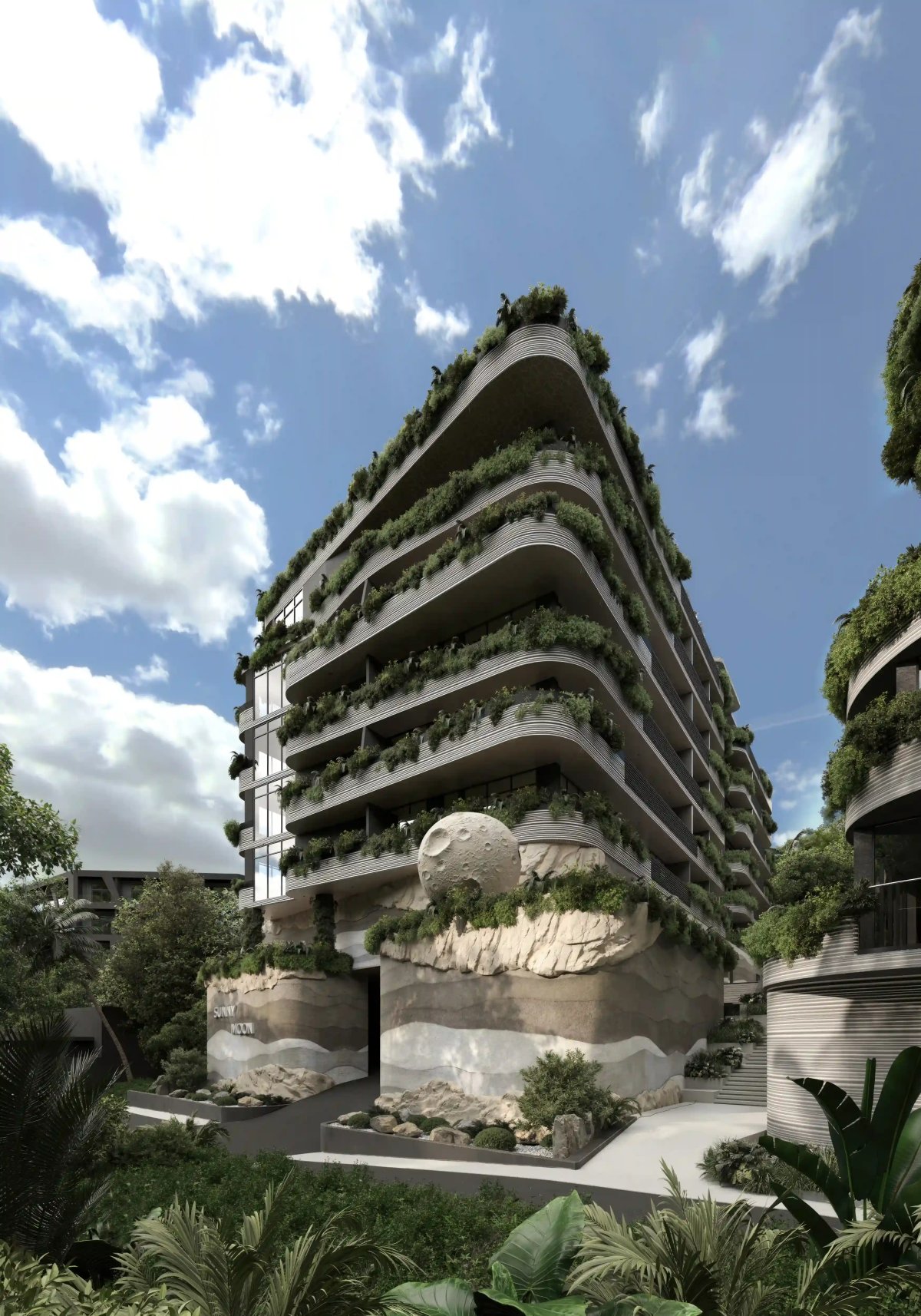
Pet-Friendly Condos in Phuket: What You Need to Know Before Buying
One of the most common questions we get on qualification calls, and one of the least addressed topics in buyer guides, is whether you can have a pet in your Phuket condo.
Shawn, a buyer from the US, asked it directly mid-call: “Is it pet friendly?” Raymond from France followed up with: “And I can have a dog too.” These aren’t edge-case questions. For expats relocating to Phuket, pet policy is often a make-or-break factor in choosing a project.
Here’s the honest answer, and everything you need to know before you buy.
Have a pet? Tell us and we’ll filter only pet-friendly projects for you. Get your shortlist →
Short Answer: Most Phuket Condos Are Not Pet-Friendly
The majority of condominium projects in Phuket, especially those with hotel-style management programs, do not allow residents or owners to keep pets on the premises. This is not a policy set by the developer. Once a project is handed over, building rules are controlled by the juristic person (the building’s management body, similar to an HOA), and their rules often reflect the preferences of the majority of owners or the management company running the property.
Restrictions exist for practical reasons: noise complaints, allergies, shared lifts, common areas. But for buyers who own pets, this creates a real problem that no amount of enthusiasm about rental yields or sea views can fix.
The good news is that some projects do allow pets, you just have to know which ones, and what questions to ask.
Why Pet Policies Matter for Investors (Not Just Residents)?
First, it limits your buyer pool when you resell. A no-pets building immediately rules out a segment of prospective buyers, expats with dogs, remote workers with cats, families relocating from countries where pets are considered family. In a market where resale liquidity is already a consideration, narrowing the buyer pool is a real cost.
Second, it affects your rental strategy. If you enroll your unit in a management rental program, your unit is treated as a hotel room. Hotel rooms do not accept pets. Full stop. If you want to rent your unit to a tenant who has a dog, you’re almost certainly doing it outside the management program, which means handling the rental yourself, signing a lease directly with the tenant, and being responsible for the unit between stays.
Neither option is wrong, but buyers need to understand the implication before they sign.
What “Pet-Friendly” Actually Means in Phuket
- Weight or breed restrictions, some projects allow small dogs under a certain weight (typically under 10 kg), but not larger breeds
- Common area access, pets may be permitted in the unit but not in the pool area, lobby, or lifts
- Owner-occupied only, the project allows pets for residents but not for rental guests
- No formal policy, the juristic person hasn’t addressed pets explicitly, meaning it’s a grey zone that can change with a new vote
When a broker says “usually in Phuket, there aren’t a lot of pet-friendly projects, if I’m being honest”, that’s not pessimism. That’s an accurate read of the market.
Before assuming a project allows pets, get the policy in writing from the juristic person, not from the developer’s sales team, and not from a secondary agent.
Projects Known to Allow Pets
| Project | Area | Allows Pets | Notes |
|---|---|---|---|
| The Base Cherngtalay | Cherngtalay | Yes | Confirmed pet-friendly policy |
| Most new builds | Various | Policy varies | Confirm with juristic person before buying |
| Villa projects | Various | Generally yes | Villas have far more flexibility on pet rules |
Villa projects, whether standalone or within a gated community, are typically the most flexible. There is no shared lobby, no shared lift, no noise bleed between floors. If having a pet is non-negotiable, a villa or townhouse may be a better fit than a condo.
For condo buyers committed to pet ownership, the due diligence step on pet policy should happen before the property search, not after you’ve already fallen in love with a unit.
Not sure about a specific project? Our team can verify the pet policy before you reserve. Ask an advisor →
What pet policies look like in practice
“Pet-friendly” is not a single standard in Phuket, and the differences decide whether a building actually works for you or for a tenant with an animal.
| Policy level | What it usually means | Practical effect |
|---|---|---|
| No pets | Registered house rules prohibit animals | No exceptions worth relying on |
| Small pets only | Weight cap, commonly around 10-15 kg | Excludes most medium and large dogs |
| Pets by unit | Permitted in some stacks or floors only | Verify your exact unit, not the building |
| Fully pet-welcome | Written into the rules, with common-area terms | The rare case, and the one that carries a premium |
| Silent rules | Nothing written either way | The most dangerous, since a future AGM can settle it |
The last row is where buyers get caught. A building with no written pet rule is not permissive; it is undecided, and the decision can be taken against you at any annual general meeting by a vote you may not attend. Ask for the registered rules and the minutes of the last two AGMs, and treat the absence of a written permission as a no until proven otherwise.
| What to check | Where it comes from |
|---|---|
| Weight or breed limits | Registered house rules |
| Common-area restrictions, lifts and pool decks | House rules and management practice |
| Deposit or surcharge for pet owners | Juristic office schedule |
| History of complaints or rule changes | AGM minutes, last 2 years |
| Whether short-let guests may bring pets | Rental programme terms, separate from house rules |
The commercial case, with numbers attached
For an investor the pet question is not sentiment, it is supply and demand in a segment where supply is unusually short.
The great majority of Phuket condominium buildings restrict animals in some way, so a foreign resident relocating with a dog has a short list to choose from. That scarcity shows up in two places. Vacancy falls, because a tenant who has found one of the few buildings that accepts their animal does not move for a small saving elsewhere; long-let tenancies in pet-welcome buildings routinely run beyond the typical 12-month cycle. And rent holds, because the tenant is not comparing against the whole market, only against the handful of buildings open to them.
The offset is wear. Animals are harder on flooring, soft furnishings and doors than guests are, and the turnover clean is more involved. Budget a higher deposit, specify durable finishes rather than photogenic ones, and expect a shorter replacement cycle on soft furnishings, in the region of 18 to 24 months rather than three years.
One important limit: the premium is a long-let premium. Holiday guests very rarely travel with pets, so a pet-welcome policy adds little to nightly demand while adding the same wear. If the plan is nightly letting, the policy is close to neutral commercially. If the plan is a resident tenant, it is one of the strongest yield defences available in this market.
What to Ask Before You Buy?
1. What does the juristic person’s regulations say about pets? Ask for the actual building rules document, not a verbal answer from sales. The juristic person’s bylaws are the binding document.
2. Are there size or breed restrictions? “Pets allowed” is often shorthand for “small pets allowed.” Get the specifics in writing.
3. Are pets permitted in common areas? Allowed in the unit but banned from the pool, gym, and lobby is a meaningful restriction, especially if you have a dog that needs outdoor access.
4. Does the policy apply to rental guests as well as owners? Most projects that allow pets do so for residents only. If you plan to rent out the unit, ask whether pet-owning tenants are permitted.
5. Has there been any recent vote or change to the pet policy? Juristic person policies can change with an owners’ meeting vote. A project that was pet-friendly two years ago may not be today.
Pet Rules and Rental Income: What Buyers Miss
If you buy a condo in Phuket and enroll it in the developer’s or management company’s rental program, your unit is marketed and operated as a hotel room. Hotel programs almost universally prohibit pets. That means:
- You cannot rent to pet-owning tenants through the program
- If you want to host tenants with pets, you need to manage the rental yourself
- Self-managed rentals require you to handle your own contracts, check-ins, cleaning, and guest screening
This is not necessarily a problem. Many buyers in Phuket prefer to manage their own rentals for exactly this kind of flexibility. But it is a trade-off: you give up the passive income convenience of a hotel program in exchange for control over who you rent to.
For buyers whose primary goal is hands-off rental income through a management program, a pet-friendly building may actually be irrelevant, because no rental guest will be bringing their dog regardless. The pet policy only matters for the owner’s personal use during stays.
Understanding which scenario applies to you shapes which type of project you should be looking at.
How to Find Pet-Friendly Projects Through MORE Group
We can:
- Identify which projects have confirmed pet-friendly policies
- Contact the juristic person directly to verify current rules on a specific project
- Present villa and townhouse options if the condo market doesn’t meet your needs
Our service is free for buyers, we charge 0% commission. The developer pays our fee.
If you have a pet and are looking to buy in Phuket, mention it upfront. It genuinely changes the shortlist.
Costs, deposits and the year-one budget
Owning with an animal, or letting to someone who has one, carries a small set of predictable costs that are worth putting on paper before reservation rather than discovering in year two.
| Item | Typical figure | Notes |
|---|---|---|
| Pet deposit from a tenant | 1-2 months’ rent | On top of the standard security deposit |
| Building pet surcharge, where levied | 500-2,000 THB per month | Set by the juristic office, not the landlord |
| Durable flooring upgrade at fit-out | 40,000-120,000 THB | Tile or quality vinyl rather than laminate |
| Soft furnishing replacement cycle | 18-24 months | Against roughly 36 months without pets |
| Deep clean between tenancies | 4,000-8,000 THB | Higher than a standard changeover |
| Vet and boarding proximity | n/a | Rawai, Chalong and Phuket Town are best served |
Set against that, the arithmetic usually favours the pet-welcome unit for a long-let owner. A tenancy that runs 24 months instead of 12 saves an entire void period, a re-letting cost and a changeover, and in a market where a comparable unit sits empty for four to six weeks between tenants, one avoided void covers several years of the surcharge and the extra wear combined.
The judgement call is at fit-out rather than at purchase. Specify for durability, take the larger deposit, put the pet terms in the tenancy agreement in writing rather than relying on the building’s rules, and the segment rewards you. Furnish it for photographs and the same tenant who was your best asset becomes your repair bill.
Buyer scenarios
Investor with occasional owner visits + cat: Pet policy matters for your weeks only, rental pool may still be optimal.
Landlord wanting pet tenants: Skip hotel program; self-manage with explicit pet addendum and higher deposit (often 2-3 months vs 1 month standard).
A closing note on enforcement. A written permission is only as good as the juristic office that applies it, and rules can be revisited at any annual general meeting. Before committing, ask whether any motion on pets has been tabled in the last two years and how the vote went. A building that has already debated the question and settled it in writing is safer than one that has simply never had the argument.
Quick pet-policy checklist before reservation
Missing two items means your shortlist is not yet pet-safe, filter again before deposit.
Frequently Asked Questions
It depends on the specific project. The majority of Phuket condos do not allow pets. A smaller number, including some in the Cherngtalay and Bang Tao areas, do permit pets, sometimes with size or breed restrictions. Always request the juristic person's written policy before buying.
The juristic person, the building's management body, elected by unit owners, sets and enforces building rules including pet policies. The original developer does not control these rules after handover. Policies can change over time through owner votes.
Almost never, if you're using a hotel-style management rental program. These programs operate your unit as a hotel room and universally prohibit pets. If you manage your rental independently, you can set your own house rules with tenants.
Generally yes. Villas are standalone structures without shared lobbies, lifts, or immediate neighbors above or below. Pet restrictions are far less common in villa and townhouse projects. If having pets is a priority, villas are worth considering seriously.
You risk fines, notices from the juristic person, and in persistent cases, formal complaints from neighbors. In practice, enforcement varies widely between buildings, but it creates legal and social risk. It's not a situation worth putting yourself in when the policy can be verified before purchase.
Related Guides:

Maksim Shchegolev
Founder, MORE Group
Founder of MORE Group. Four years in investment banking before moving to Phuket, where he has worked in the local property market since 2018. Oversees developer relationships and every engagement above $300K.
About MORE Group →Get a Focused Phuket Property Shortlist
Share budget, area and goal. We will reply with suitable live projects, not a generic catalogue.
