Taiwanese buyers are an active segment in Phuket’s condominium and villa market, a few hours’ flight away and used to a domestic market that has its own restrictions on speculation. The earlier version of this page opened by saying Taiwan does not tax gains on foreign property; the site cannot stand behind that, and the tax section below states the position as open.
A Taiwanese passport gets the foreigner’s rules and nothing else: a condominium unit can be yours outright while the building’s non-Thai owners together stay under 49% of its sellable area; land cannot, so a villa comes as a lease that registers for 30 years per term and renews only by private promise; and the title issues against the Thai bank’s record of foreign currency credited to you.
Taiwan and Thailand have a tax agreement concluded through their representative offices. What it does for a Taiwanese resident’s Thai rent, and how Taiwan’s income basic tax treats overseas income and gains, are for a Taiwanese adviser to answer; the site lists them as unverified claims with a review date.
Why Taiwanese Buyers Choose Phuket?
The worked example the earlier version gave here, a gain taxed only in Thailand, is withdrawn with the claim it rested on. What holds: Taiwan’s house and land transactions income tax is a domestic regime, and whether a gain on a Phuket unit is reached instead by the income basic tax on overseas income depends on the thresholds in force, which is the adviser’s question.
A short flight, with a connection through Bangkok, positions Phuket as an accessible vacation and investment destination, and many Taiwanese buyers combine their own visits with letting the unit in between.
Ownership Rights for Taiwanese Citizens
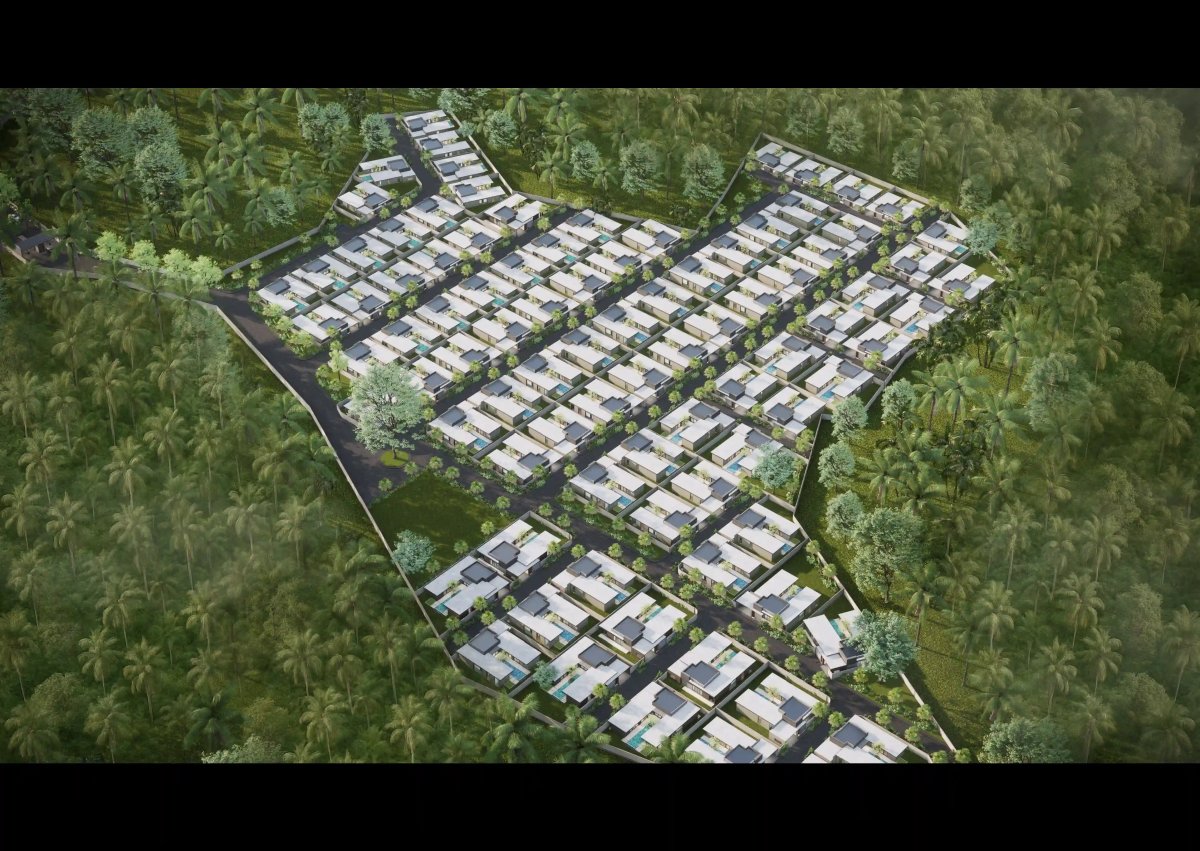
Leasehold (villas): a lease registered for up to 30 years, commonly sold with renewal options that are contractual promises rather than registered rights. Some Taiwanese buyers prefer villas for the privacy and space they offer during family visits; the lease is the instrument, and only the first term is registered.
Thai limited company: Available but adds compliance complexity without meaningful benefit for straightforward purchases.
Tax Implications for Taiwanese Nationals
In Taiwan: overseas income of a Taiwanese resident, rent and gains included, is brought into the income basic tax once it passes an annual threshold and the taxpayer’s basic income exceeds the exemption, at the basic tax rate; the figures move by amendment and are not stated here. The earlier version of this page called the position an exemption; the page now hands it to a Taiwanese adviser as a question, listed on the site as an unverified claim with a review date.
In Thailand: the rent is taxed where the unit is; an owner in the country under 180 days a year has it deducted at source by the managing agent, at the rate the rental income tax page keeps current; the net-yield arithmetic the earlier version worked here is withdrawn with the rate it assumed.
Currency & Transfer Guide
Standard transfer route:
- Exchange Taiwan dollars into US dollars at your bank or a specialist provider; no bank is named here
- SWIFT the dollars to your own Thai account, naming the unit and project in the transfer purpose
- The Thai bank exchanges the dollars into baht and, on any single transfer of $50,000 or more, issues the full FET form the Land Office wants; below that it issues a credit advice
Outbound transfers from Taiwan carry declaration requirements at certain sizes under the central bank’s rules; the threshold the earlier version quoted had no source and is not stated here. Ask your bank before committing to a payment schedule.
Some Taiwanese buyers prefer to wire from USD accounts held in Singapore or Hong Kong, which are common among Taiwan’s professional class. This avoids the TWD conversion step and simplifies the FET certificate documentation.
Buying from Taiwan? Settle the tax question first
We can send a managed building's sample annual statement showing the Thai tax separately, so your adviser can work the basic income tax question before you reserve.
Best Areas for Taiwanese Buyers
Kata / Karon: Mid-market with consistent Asian and European tourist demand. A practical yield-focused choice for Taiwanese buyers who want proven rental performance at a reasonable entry price.
Kamala: Growing area with a quieter atmosphere and improving rental fundamentals. Increasingly popular with Taiwanese buyers who want space and privacy during family visits.
Nai Yang (North): Near the airport, growing demand, lower entry prices. Practical for Taiwanese buyers who fly in regularly, immediate proximity to the airport reduces transit time.
Where to Start
Each area used to carry a dollar price band and a yield here; none had a source, so both are gone. The one scale figure the site stands behind is the Q3 2026 report’s median condominium entry of 4,934,800 THB; from there, best areas to buy in Phuket and a particular building’s statements are the guide.
Common Mistakes Taiwanese Buyers Make
1. Overlooking the FET certificate: Taiwan’s own property transaction processes don’t require an equivalent document. The Thai FET certificate requirement is specific to Thailand and must be requested at the bank at time of transfer, not retroactively.
2. Underestimating Phuket’s secondary market depth: Taiwanese buyers who are accustomed to Taipei’s liquid property market may find Phuket’s secondary market requires months rather than weeks to exit. Plan accordingly if you have a defined investment horizon.
3. Not verifying foreign quota in writing: The 49% foreign quota is building-specific and changes as units sell. A verbal confirmation from a developer’s sales agent is not sufficient, request written documentation of available foreign quota before paying a reservation deposit.
Frequently Asked Questions
Yes. Taiwanese citizens can own freehold condominium units in Thailand under the Condominium Act's 49% foreign quota rule. Title is registered at the Thai Land Department in the buyer's name. Villas require a leasehold structure as foreigners cannot own land outright.
This page no longer says no. Taiwan's house and land transactions income tax is a domestic regime, but overseas income including a gain on a Phuket unit can fall within the income basic tax above its thresholds. The earlier answer stated an exemption; the position is registered on the site as open, and a Taiwanese adviser answers it for your facts.
Taiwan and Thailand have a tax agreement concluded through their representative offices. How it treats a Taiwanese resident's Thai rent, alongside the income basic tax on overseas income, is a question for a Taiwanese adviser; the earlier answer asserted an exemption the site cannot source.
Exchange Taiwan dollars into US dollars at home, wire the dollars to a Thai account in your own name, and let the Thai bank convert them: from $50,000 on a single transfer it issues the full FET form the Land Office registers against. Some buyers send from dollar accounts they already hold in Singapore or Hong Kong, which skips the Taiwan dollar leg.
This page no longer quotes a range; the figures the earlier version carried, and the exemption it built on them, had no source. Underwrite from a specific building's statements, net of management and the Thai tax withheld at source.

Maksim Shchegolev
Founder, MORE Group
Founder of MORE Group. Four years in investment banking before moving to Phuket, where he has worked in the local property market since 2018. Oversees developer relationships and every engagement above $300K.
About MORE Group →Get a Focused Phuket Property Shortlist
Share budget, area and goal. We will reply with suitable live projects, not a generic catalogue.
