Phuket Property Prices 2026: Condo & Villa Costs by Area
Phuket property prices 2026 by area: condo $/sqm, villa budgets, hidden fees, foreign quota, yield risk and where $80K-$900K buys best.
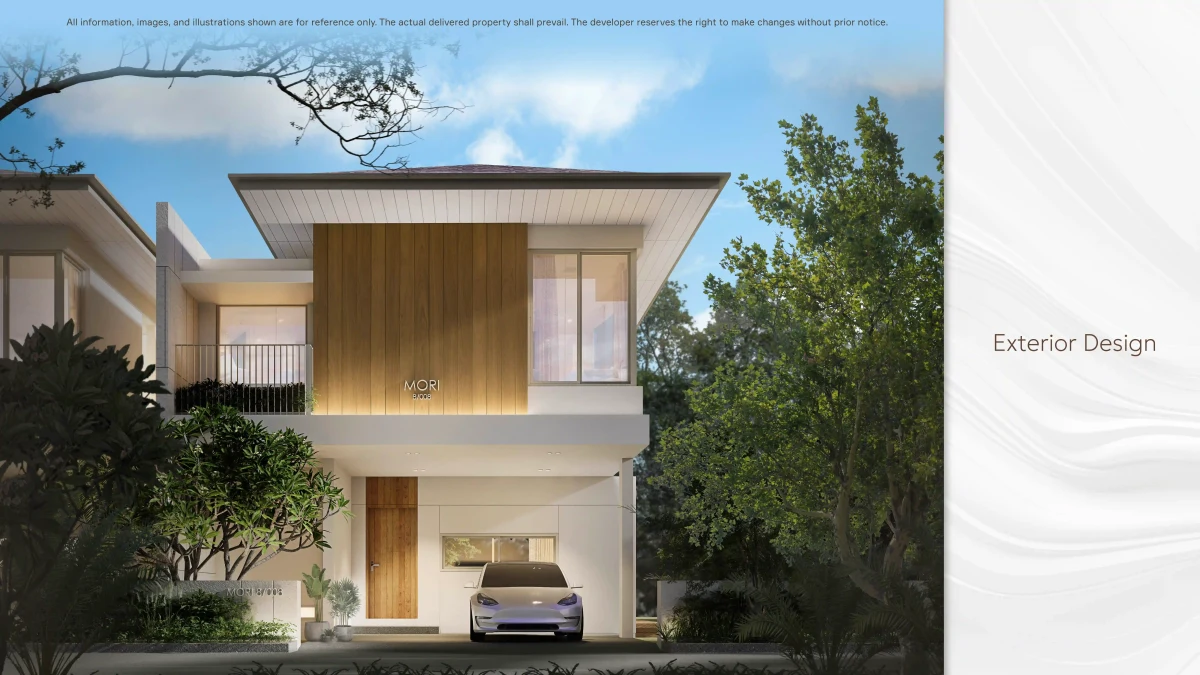
Phuket Property Prices 2026: Condo and Villa Costs by Area
Quick answer: Phuket property prices in 2026 start around $80,000 for select entry-level condos, move into $120,000–320,000 for many 1-bedroom resort condos, and can exceed $900,000 for private pool villas in prime corridors. The best-value zones depend on budget: Bang Tao/Laguna for liquidity, Kata/Karon for rental efficiency, Rawai/Nai Harn for lifestyle depth, and Nai Yang/Mai Khao for lower entry with higher resale risk.
| Budget band | What it usually buys | Best-fit buyer |
|---|---|---|
| $80K–150K | Studio or compact 1-bed condo | Entry investor, rental testing |
| $150K–320K | Stronger 1-bed or selected 2-bed condo | Yield + personal use |
| $320K–900K | Premium condo or entry villa | Lifestyle buyer, family use |
| $900K+ | Private pool villa or luxury residence | Long-hold lifestyle + resale focus |
Best answer for buyers in a hurry: do not compare Phuket by headline price alone. Compare $/sqm, foreign quota, payment schedule, transfer fees, expected net yield and resale buyer pool. A $110K condo in a thin rental pocket can be weaker than a $170K unit with better beach access, operator depth and exit liquidity. For real numbers, compare verified projects, resale stock, the market outlook and a human shortlist.
Phuket property prices in 2026 are best understood as three stacked layers: list price, total ownership setup (taxes, transfer, legal), and ongoing carrying costs (sinking fund, CAM, management). In prime west-coast corridors, quality condos can range from $80,000 entry-level freehold tickets in select developments up to seven-figure+ ultra-luxury penthouses, with $2,800–6,500/sqm common depending on view, brand, and frontage.
Get a price sheet matched to your budget
MORE Group compares apples-to-apples comps—0% buyer commission, legal support, and a free property tour.
Before comparing prices, get the full Phuket buyer guide
Buy Phuket Right explains district benchmarks, ownership routes, yields and red flags in one free 130-page guide.


Price ranges by area and unit type (USD, indicative 2026)
These bands are market guidance for underwriting and shortlisting—not a quote for a specific unit. Always confirm current developer pricing, promotions, and foreign quota availability.
Condos (studio / 1-bed / 2-bed)
| Area | Studio | 1-bedroom | 2-bedroom | Notes |
|---|---|---|---|---|
| Bang Tao | 80k–180k | 120k–320k | 180k–480k+ | Wide spread: hillside vs beachfront |
| Surin | 110k–240k | 180k–420k | 260k–650k+ | Premium scarcity + lower density |
| Kamala | 85k–200k | 130k–300k | 190k–420k | View + elevation drive delta |
| Patong | 75k–190k | 110k–280k | 160k–360k | Older stock vs new build varies |
| Karon | 80k–190k | 120k–270k | 170k–360k | Tourism corridor liquidity |
| Kata | 85k–200k | 130k–280k | 180k–380k | Walkability + surf seasonality |
| Rawai | 75k–170k | 110k–240k | 180k–420k | Marina + lifestyle segment |
| Nai Harn | 80k–210k | 140k–280k | 200k–450k | Residential + expat demand |
Villas (private pool, indicative)
| Segment | Typical range (USD) | What moves the price |
|---|---|---|
| Entry gated / smaller land | 350k–900k | Location, road quality, plot |
| Mid luxury | 900k–2.2m | View, privacy, build quality |
| Ultra-luxury | 2.2m–6m+ | Frontage, architecture, brand |
Villas add complexity: land title structure, maintenance, staffing, and security. If you’re villa-curious, start with ownership mechanics (see freehold vs leasehold) before falling in love with a render.
Price per sqm: how to compare projects fairly
| Tier | Typical condo $/sqm (indicative) | What you’re usually buying |
|---|---|---|
| Entry / value | 2,200–3,200 | Good location, less frontage, simpler finishes |
| Core premium | 3,200–4,500 | Strong views, reputable developer, solid facilities |
| Ultra prime | 4,500–6,500+ | Branded/flagship, rare frontage, scarcity |
Rule of thumb: if the $/sqm looks “too cheap,” verify foreign quota, fees, payment schedule, and actual usable area (some marketing materials mix gross vs net).
Off-plan vs ready-to-move: price vs risk tradeoff
| Factor | Off-plan | Ready-to-move |
|---|---|---|
| Entry pricing | Often staged; early discounts possible | Market-clearing price |
| Payment schedule | 20/30/40 splits (varies) | Lump / mortgage / negotiated |
| Appreciation path | Can capture construction-phase upside | Upside from immediate rental + comp growth |
| Risk | Developer delivery, timeline | Condition, defects, older systems |
Off-plan note: Phuket markets often cite 35–50% price appreciation during construction for strong projects in strong locations—this is not a guarantee; it’s a historical pattern that depends on entry basis, phase timing, and demand.
Price growth history (how to interpret 5–6%)
Many Phuket segments have averaged roughly 5–6% annual growth across multi-year windows, but growth is not uniform. New supply waves, global travel demand, and interest-rate conditions can compress or expand pricing.
What investors do wrong: they extrapolate a brochure headline into a straight line. A smarter approach is scenario-based modeling—base case, downside (slower tourism), upside (strong demand + limited supply in your micro-location).
Currency and pricing: THB list vs USD mental accounting
Most developer pricing is ultimately tied to THB, while international buyers often think in USD/EUR/GBP. Exchange rate moves can change your effective entry—even if the local list price is stable.
Practical approach: decide your budget band in your home currency, then track equivalent THB ranges as quotes update. If you’re comparing two projects, compare them on the same day with the same FX reference—small timing differences can distort “which is cheaper.”
Financing reality check: cash vs staged vs mortgage
Phuket’s market includes a mix of cash buyers, developer installments, and—where eligible—bank financing. Availability depends on nationality, income documentation, and project eligibility.
Why this matters for “price”: a slightly higher headline price with a longer staged schedule can be cheaper in present-value terms for a buyer who would otherwise keep capital invested elsewhere—provided the developer risk is acceptable.
If you’re evaluating financing, align it with ownership type (freehold vs leasehold) and your repatriation plans—tax and banking paperwork can differ materially.
Phuket vs other Thai markets (why prices feel “premium”)
Phuket is not Bangkok: land scarcity along the west coast, international tourism depth, and a mature hospitality ecosystem create a different supply/demand balance. Buyers sometimes compare Phuket $/sqm to other regions—often unfairly—without adjusting for tenant pool depth, seasonality strength, and foreign-buyer familiarity.
That doesn’t mean Phuket is always “worth it” for every strategy; it means price must be judged against liquidity, net yield, and your use-case fit.
Current project anchors (USD list context)
MORE Group currently tracks multiple developer-led entry points (pricing subject to change and availability):
| Project | Indicative from (USD) |
|---|---|
| Skypark Aurora Laguna | 136,500 |
| VIPKaron | 97,731 |
| Wyndham La Vita 5 | 114,000 |
| Utopia Dream | 117,960 |
| The Marin | 160,080 |
| Ozone Oasis | 116,147 |
Use these as orientation anchors for what “entry ticket sizes” look like in 2026—not as a substitute for a live quote.
What changes the price beyond “bedrooms and sqm”
View permanence: protected panoramas vs view corridors that could change.
Operator strength: hospitality-managed inventory can command different rates—but also different fees.
Foreign quota: freehold quota can be competitive in strong projects; leasehold may be available if quota is full (see freehold vs leasehold).
Inventory type: high-floor corner units often trade at a premium in resale markets.
“Sticker price” vs “investable price”: a European buyer framework
European and American buyers often anchor on list price, then get surprised by furnishing, setup, and fee loads. In Phuket, the investable price is the number that still works after:
- Furnishing & FF&E: rental-grade furnishing packages vary widely by quality tier.
- Utility setup & minor works: meters, curtains, small fixes—often underestimated.
- Rental program onboarding: photography, channel setup, and initial marketing—sometimes bundled, sometimes not.
If you’re buying for yield, ask for a net rental model tied to a specific management approach—not a brochure gross.
Worked example: comparing two condos with different $/sqm
Imagine two 1-bedroom condos both marketed at $240,000:
- Unit A: 42 sqm at $5,714/sqm, premium view, strong operator, higher CAM.
- Unit B: 58 sqm at $4,138/sqm, good view, smaller brand, moderate CAM.
Unit B looks cheaper per sqm, but Unit A might command higher nightly rates if the operator and micro-location justify it. The decision should be made on net cash flow after fees, resale liquidity, and your personal use plans—not $/sqm alone.
Price seasonality: when developers adjust terms (not always “price”)
Developers sometimes move payment terms (longer installments), furniture packages, or fee holidays rather than cutting the headline number. That can be excellent value—if you translate incentives into an effective discount.
Ask for: the full payment schedule, any promotional expiry, and whether the incentive applies to specific units or floors.
Resale vs developer stock: pricing psychology
Resale markets can be efficient—or emotional. Some listings are “aspirational,” while developer stock may be more standardized. If you’re comparing resale vs new, align:
- Age and condition (common area quality, pool systems, elevators)
- Sinking fund health (where applicable)
- Rental history (if available)
How foreign buyers accidentally overpay (behavioral traps)
Paying for “future infrastructure” that isn’t contracted. If a view or amenity depends on a future phase, verify it’s real and timed.
Ignoring the exit. Phuket can be liquid in good projects—but liquidity is not automatic. Price today should include a realistic resale story.
Using the wrong comps. A Patong studio and a Bang Tao 1-bedroom are not substitutes—tenant mix differs.
Where MORE Group adds clarity
We don’t just send listings—we build a comparison matrix: area, $/sqm, fee load, title type, developer risk tier, and rental realism. With 0% buyer commission, you keep more capital working for you in the asset itself, and our legal support helps you avoid expensive mistakes at contract stage.
Buyer scenarios: how price bands translate into real choices
Entry investor under $150,000: you are usually comparing compact condos in Patong, Rawai, Kamala fringes, Chalong, Nai Yang or older inventory. The goal should be a clean, rentable unit with manageable CAM and a clear tenant story. Do not chase the lowest $/sqm if the building has weak management or poor access.
Yield buyer at $150,000–$320,000: this is the most competitive band. Strong 1-bedroom condos in Bang Tao, Kamala, Kata, Karon and Rawai can work if the fee stack is realistic. Compare each option against Phuket rental yield guide and force every broker to show net assumptions.
Lifestyle buyer at $320,000–$900,000: here the choice expands into premium condos, larger 2-bedroom units, townhouses and entry villas. The best asset is not always the highest yield asset. Personal use, road access, beach proximity and resale fit matter more.
Villa buyer above $900,000: price per sqm becomes less useful. Land plot, privacy, villa management, access road, drainage, build quality and legal structure drive value. Use freehold vs leasehold in Thailand and due diligence process in Thailand before comparing “cheap” villa offers.
Risk checklist before accepting a Phuket price
| Price risk | What to verify |
|---|---|
| Cheap per sqm | Is the layout usable and the location liquid? |
| View premium | Is the view protected by title, slope, park or legal restriction? |
| Low advertised fee | What happens to CAM after handover? |
| Early-bird discount | Is the developer proven enough to deserve trust? |
| Foreign quota premium | Is freehold quota actually available for your unit? |
Ask for the full all-in price: base price, transfer fees, legal fees, sinking fund, utility meters, furniture package, management onboarding and any rental setup costs. A unit listed at $220,000 may behave like a $240,000 purchase after setup. That difference changes ROI materially.
Decision framework: price, liquidity, and downside
Score every shortlisted property across five questions:
- Can I explain why this price is fair using at least three comparable units?
- Who is the next buyer if I need to resell in three years?
- What is my realistic net yield after costs?
- What could go wrong with the building, operator or area?
- Would I still buy this if the developer incentive disappeared tomorrow?
If a unit fails two of those questions, the price is probably not the real problem: the asset is. If it passes all five, then negotiation becomes a tactical exercise. You can negotiate payment terms, furniture, fee holidays, or small discounts, but the foundation is already sound.
Pros and cons: paying “full retail” vs “early phase” pricing
Pros of early-phase / off-plan buying
Pros: staged payments improve cash flow timing; early discounts can unlock better $/sqm; you may capture construction-phase appreciation.
Cons: delivery risk; longer time to rental income; you must vet developer execution.
Pros of ready-to-move buying
Pros: immediate use; easier to validate condition; faster rental start.
Cons: less “early bird” pricing; competitive bidding in prime inventory; older projects may carry hidden capex.
Stop guessing—model the real all-in number
We’ll align list price with taxes, fees, and realistic rental comps—buyer-side commission stays at 0%.
Related guides
- Best areas in Phuket to buy
- Off-plan Phuket: risks, benefits, process
- Thailand property tax for foreigners
Final takeaway for 2026 buyers
Price is only half the equation—title quality, developer execution, and rental economics decide whether you bought well. If you want a disciplined, numbers-first purchase, start with a shortlist of 3–5 comparable units, then pressure-test each line item the way an institutional buyer would: what is fixed, what is variable, and what is your downside if tourism slows for 6–12 months. MORE Group can help you build that shortlist with transparent assumptions and on-the-ground verification.
Frequently Asked Questions
Many foreign buyers target the $80k–$350k band depending on area and quality. Ultra-luxury can exceed $1m. The most honest answer is always a range tied to a specific project and unit type—because price per sqm and view premiums dominate outcomes.
Surin and premium Bang Tao frontage often lead on price per sqm. Patong can be expensive in absolute terms for smaller units due to high tourism demand, but premium beachfront scarcity varies by building.
Sometimes. Negotiability depends on inventory stage, payment method, and whether the unit is developer stock or resale. MORE Group helps buyers negotiate from a position of clarity—knowing comps and realistic net costs.
Budget for transfer taxes/fees, legal due diligence, sinking fund, and initial furnishing if you plan to rent. Exact percentages depend on title type and sale structure—see our tax guide for worked examples.
Often off-plan can offer better staged pricing early in a phase, but not always. Compare $/sqm on equivalent view bands, and stress-test developer risk before deciding.
No serious advisor can promise perpetual growth. Long-term tailwinds have supported multi-year appreciation in many segments, but you should buy on fundamentals and risk tolerance—not hype.

MORE Group Editorial
Phuket Real Estate Experts
The MORE Group team has helped 500+ European and American buyers purchase property in Thailand. We provide legal support, 0% commission, and on-the-ground expertise with 8 years in the Phuket market.
Get Your Phuket Property Shortlist
Tell us your budget and goals — our expert sends a shortlist within 2 hours.