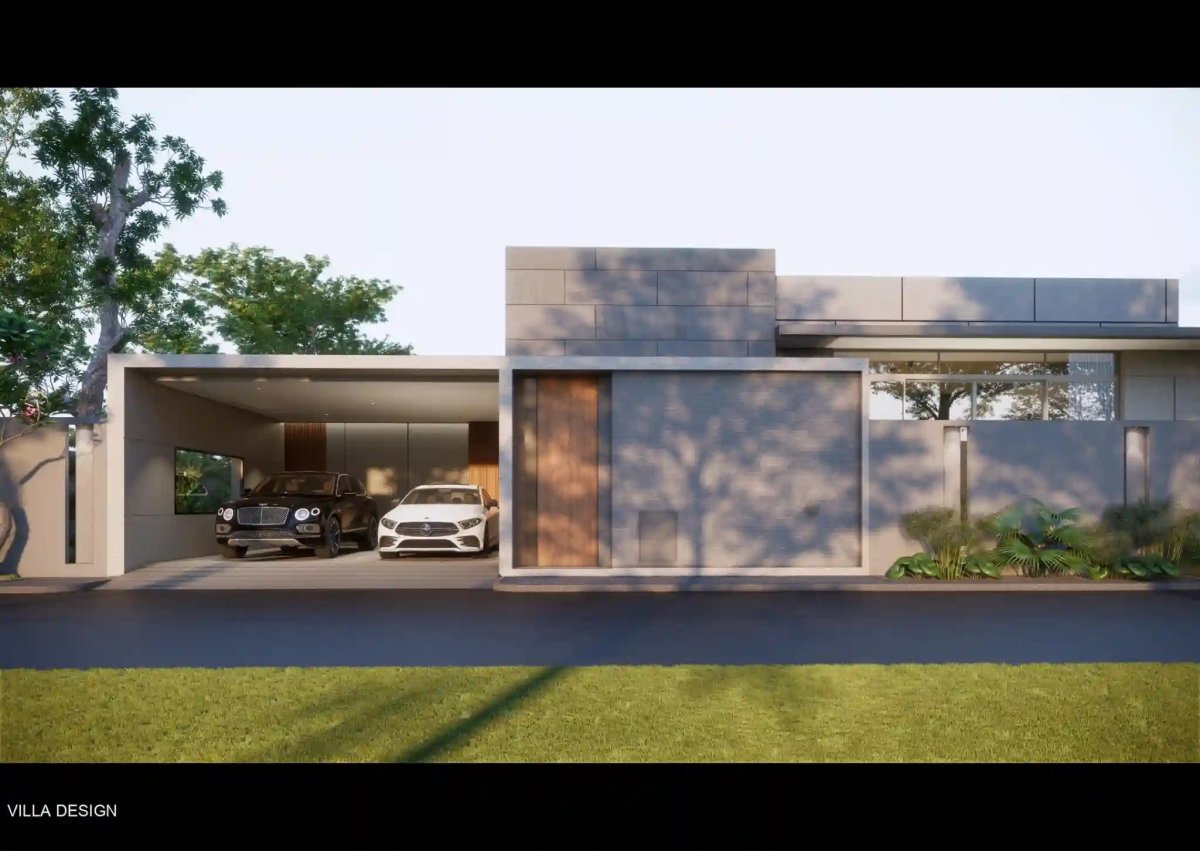
Phuket Property Under $400K in 2026: Premium Condo and Villa Options
Under $400,000 buys either a substantial condominium in a premium corridor or a first step into villa ownership. Those are different asset classes with different running costs, and the choice deserves more thought than it usually gets.
Condominium or villa at $400K
This is the budget at which the villa question first becomes realistic, and it is where a lot of buyers make an expensive assumption: that a villa is simply a bigger version of a condominium. It is not. It is a different ownership structure, a different cost base and a different rental business.
| Condominium at $400K | Villa at $400K | |
|---|---|---|
| What you own | The unit freehold, within the 49% quota | The building; the land is leased or company-held |
| Typical size | 2BR, 70-100 sqm, premium corridor | 2-3BR pool villa, secondary corridor |
| Pool and garden | Shared, funded through CAM | Yours alone, funded by you |
| Management fee | 15-20% private, 20-35% pooled | 25-30% for a full-service villa programme |
| Turnover cost | Moderate | High, more rooms and a pool per changeover |
| Gap between gross and net | Moderate | Wide |
| Resale | Straightforward, international pool | Structure-dependent, narrower pool |
The running-cost row is the one that surprises people. A condominium owner shares one pool and one garden across dozens of units through CAM. A villa owner funds all of it alone, year-round, in a tropical climate. A villa quoting the same gross yield as a condominium will deliver a materially lower net.
Where $400K sits in each market
In condominiums, this is comfortable territory in Bang Tao, Cherng Talay, Surin and Kamala: a genuine two-bedroom in a well-specified building, large enough for families and for long-stay letting, with the international resale pool that premium corridors carry.
In villas, $400,000 is entry level and it buys in the secondary corridors rather than the west-coast villa belt. Real inventory at and around this level exists in the Nai Yang corridor and south Phuket; the Kata and Nai Harn villa markets start around 17.7-17.9M THB, roughly $505,000 at 35 to the dollar, which is above this band. Anyone quoting a west-coast beach villa inside $400,000 is either describing a very small plot or something that is not a villa.
The structure question, which cannot be skipped
If you go the villa route at this budget, the ownership structure is the purchase. A registered lease over the plot with the building in your name is one route; a Thai company holding the land is the other. The “30+30+30” phrasing means one registered 30-year term plus contractual promises to grant two more, binding whoever signed them. Your lawyer’s job is to establish who that party is, what happens if they sell or dissolve, and whether the renewal terms are enforceable.
Have that conversation before the first tranche, when walking away is still cheap. A villa bought on a structure that does not survive scrutiny is difficult to sell and difficult to fix.
Two different legal positions, depending which route you take
If you buy the condominium, the position is straightforward: freehold within the building’s 49% foreign quota, measured by total floor area, confirmed in writing before deposit, with an FET record required for registration because the funds must arrive from abroad in foreign currency. Title in your name, resale to anyone.
If you buy the villa, you are not buying land. Freehold land is closed to foreign individuals in Thailand, whatever the budget. You are buying a registered lease over the plot with the building owned in your name, or shares in a Thai company that holds the land. The building ownership is real and separate from the land right, and getting that registration correct at the outset is what makes the villa resellable later.
That asymmetry is the strongest argument for the condominium at this budget, and it is rarely put plainly. The condominium route gives a foreigner something closer to outright ownership than the villa route does, for less money and with lower running costs. The villa gives space, privacy and a pool. Both are reasonable purchases; only one of them is freehold.
Villa or condo at $400K, costed properly
We run both with the real annual cost of ownership attached, including what a private pool and garden actually cost to keep.
Frequently Asked Questions
Both are reachable, and they are different asset classes rather than different sizes. A condominium gives freehold within the quota, far lower running costs and a deeper resale pool; a villa gives space, privacy and a pool that you fund entirely yourself.
The running costs. A condominium owner shares one pool and one garden across dozens of units through CAM. A villa owner funds all of it alone, year-round, with management at 25 to 30% of gross against 15 to 20% on an apartment.
Above this band. Kata and Nai Harn villa markets begin around 17.7 to 17.9 million baht, roughly $505,000. What exists in villas near $400,000 sits in the airport corridor and parts of south Phuket.
Ownership. The condominium route gives a foreign buyer title in their own name, freehold within the building's 49% quota. No villa in Thailand is freehold for a foreigner at any price. That asymmetry is rarely put plainly.
The structure. A registered lease with the building owned in your name, or a Thai company holding the land. Establish who grants any renewals, whether a successor to the land is bound, and what happens if that party sells or dissolves, before the first tranche.

Maksim Shchegolev
Founder, MORE Group
Founder of MORE Group. Four years in investment banking before moving to Phuket, where he has worked in the local property market since 2018. Oversees developer relationships and every engagement above $300K.
About MORE Group →Get a Focused Phuket Property Shortlist
Share budget, area and goal. We will reply with suitable live projects, not a generic catalogue.
