Phuket Town Property Guide 2026: Old Town Gems & Yields
Phuket Town condos from $50K at ~$2,000/sqm, 5-7% gross yields, shophouse renovation math, PSU tenant demand, and honest pros/cons vs beach districts.
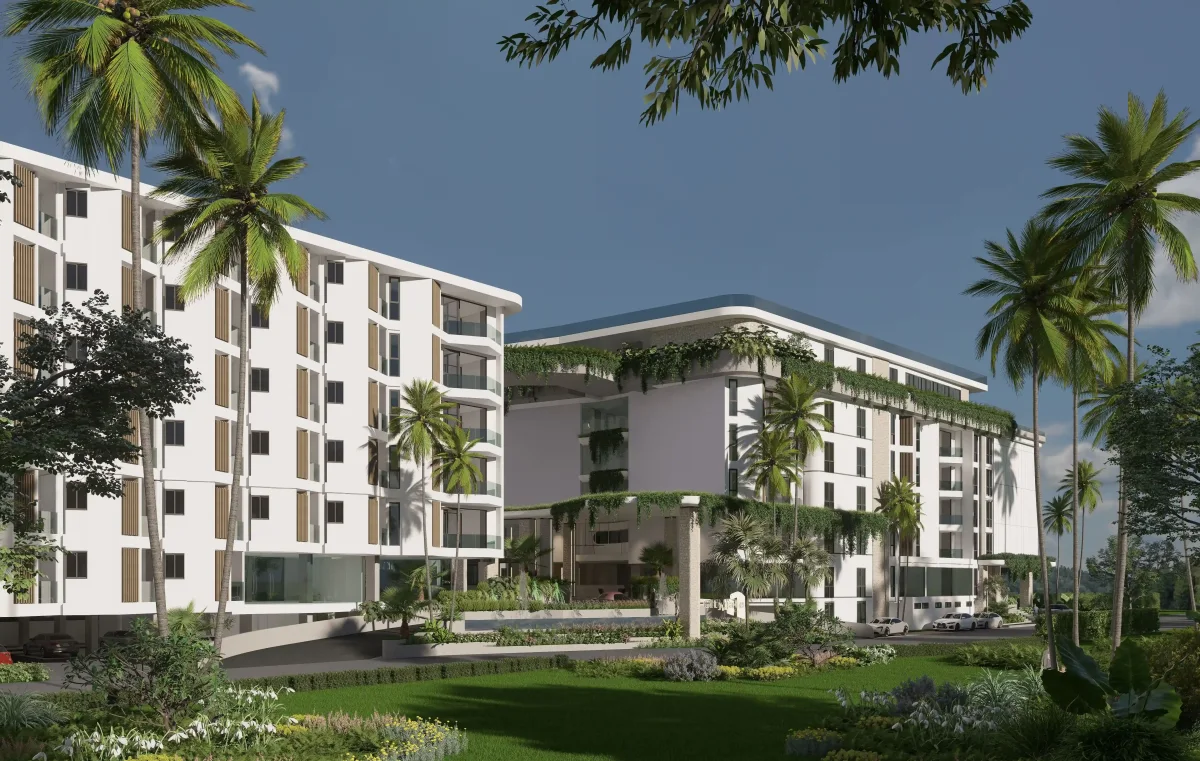
Phuket Town Property Guide 2026
Phuket Town is the island’s capital, a dense, historic urban center with Sino-Portuguese shophouse architecture, genuine local culture, and the cheapest property prices in Phuket at an average $2,000 per sqm, with entry from $50,000. Rental yields are 5-7% gross, driven by a mix of local residents, university students, and a growing number of long-stay travelers attracted to the Old Town’s food scene and character. It is the only area of Phuket where authentic urban renovation potential exists.
What Should You Know About Quick Overview?
What Should You Know About Quick Overview for Phuket Town Property Guide 2026 means matching Phuket tenant demand to unit size and walk time to beach, because ADR swings 15 to 25% within one postcode. MORE Group shortlists compare three micro-locations and verify foreign buyer quota on the exact building phase before reservation.
| Factor | MORE Group benchmark |
|---|---|
| Net yield | 5 to 7% after 20 to 25% operator fees |
| Peak occupancy | 75 to 85% on comparable managed units |
Who This Area Is For?
Who This Area Is For for Phuket Town Property Guide 2026 means matching Phuket tenant demand to unit size and walk time to beach, because ADR swings 15 to 25% within one postcode. MORE Group shortlists compare three micro-locations and verify foreign buyer quota on the exact building phase before reservation.
| Factor | MORE Group benchmark |
|---|---|
| Net yield | 5 to 7% after 20 to 25% operator fees |
| Peak occupancy | 75 to 85% on comparable managed units |
The second is the budget-conscious full-time resident who wants urban convenience, proximity to government offices, the largest local markets, Prince of Songkla University (Phuket campus), and city-scale infrastructure, without paying coastal prices.
Phuket Town is not a tourist rental destination in the Bang Tao or Kata sense. It does not have beach access. Airbnb in the Old Town works as a niche product for culturally curious travelers, not as a volume rental machine.
What Should You Know About Buyer scenarios, who Phuket Town fits?
Buyer scenarios, who Phuket Town fits for Phuket Town Property Guide 2026 means matching Phuket tenant demand to unit size and walk time to beach, because ADR swings 15 to 25% within one postcode. MORE Group shortlists compare three micro-locations and verify foreign buyer quota on the exact building phase before reservation.
| Factor | MORE Group benchmark |
|---|---|
| Net yield | 5 to 7% after 20 to 25% operator fees |
| Peak occupancy | 75 to 85% on comparable managed units |
Scenario B: Budget landlord ($50K-$120K studio): Prince of Songkla University and hospital staff create 12-month lease demand, gross 5-6.5% with lower turnover than Patong.
Scenario C: Urban resident ($80K-$180K 1BR): Full-time expat wanting markets, malls, and hospitals without coastal premiums, compare Chalong guide.
Scenario D: Capital growth seeker: If appreciation is primary, coastal Bang Tao or Kamala often outperform, Town tracks Thai domestic economics more than tourism surges.
Insider tip: Run title search on any pre-1980 shophouse, chanote clarity and heir signatures matter more than facade Instagram shots.
What Should You Know About Pros and cons of Phuket Town property?
Pros and cons of Phuket Town property on Phuket Town Property Guide 2026 means foreign buyers should verify quota, payment milestones, and net rental assumptions in writing before deposit. MORE Group Phuket reservation files require documented checks on every off-plan purchase, with 49% foreign quota confirmed per unit, not per project marketing alone.
What Do Price Range Mean for Foreign Buyers?
What Do Price Range Mean for Foreign Buyers on Phuket Town Property Guide 2026 means underwriting 7 to 9% gross yield and 5 to 7% net after operator fees on typical Phuket entry pricing entry ($80k to $200k), with CAM near ฿30 to ฿45 per sqm monthly in net models. MORE Group Phuket case study data from 2024 shows managed 1-bedroom stock at 72 to 78% blended occupancy under professional operators.
| Factor | MORE Group benchmark |
|---|---|
| Net yield | 5 to 7% after 20 to 25% operator fees |
| Peak occupancy | 75 to 85% on comparable managed units |
What Should You Know About Rental Demand?
Rental Demand on Phuket Town Property Guide 2026 means underwriting 7 to 9% gross yield and 5 to 7% net after operator fees on typical Phuket entry pricing entry ($80k to $200k), with CAM near ฿30 to ฿45 per sqm monthly in net models. MORE Group Phuket case study data from 2024 shows managed 1-bedroom stock at 72 to 78% blended occupancy under professional operators.
| Factor | MORE Group benchmark |
|---|---|
| Net yield | 5 to 7% after 20 to 25% operator fees |
| Peak occupancy | 75 to 85% on comparable managed units |
The boutique accommodation niche is growing. A renovated shophouse converted into a guesthouse or boutique hotel in the Old Town can achieve THB 1,500-3,500/night per room in high season, with occupancy that tracks cultural tourism patterns. This is a specialist operation, not a passive investment.
Short-term Airbnb for standard condos performs modestly, occupancy in the 60-70% range at lower daily rates than beach areas. Do not expect Bang Tao yields.
Looking for the right property in Phuket?
Our experts send a shortlist within 2 hours. 0% buyer commission.
What Should You Know About Strengths?
Strengths on Phuket Town Property Guide 2026 means foreign buyers should verify quota, payment milestones, and net rental assumptions in writing before deposit. MORE Group Phuket reservation files require documented checks on every off-plan purchase, with 49% foreign quota confirmed per unit, not per project marketing alone.
| Factor | MORE Group benchmark |
|---|---|
| Net yield | 5 to 7% after 20 to 25% operator fees |
| Peak occupancy | 75 to 85% on comparable managed units |
What Risks and Limitations Should Foreign Buyers Track?
Risks and Limitations for foreign buyers on Phuket Town Property Guide 2026 means confirming 49% quota in writing, SPA milestones tied to construction, and net yield after 20 to 25% operator fees before any reservation fee. MORE Group Phuket files stress-test at 70 to 80% peak occupancy using 2024 to 2025 sister-unit data, not brochure ADR alone.
| Factor | MORE Group benchmark |
|---|---|
| Net yield | 5 to 7% after 20 to 25% operator fees |
| Peak occupancy | 75 to 85% on comparable managed units |
What Should You Know About Infrastructure & Lifestyle?
Infrastructure & Lifestyle on Phuket Town Property Guide 2026 means foreign buyers should verify quota, payment milestones, and net rental assumptions in writing before deposit. MORE Group Phuket reservation files require documented checks on every off-plan purchase, with 49% foreign quota confirmed per unit, not per project marketing alone.
| Factor | MORE Group benchmark |
|---|---|
| Net yield | 5 to 7% after 20 to 25% operator fees |
| Peak occupancy | 75 to 85% on comparable managed units |
The Old Town itself is a compact grid of Sino-Portuguese shophouses, temples (Chinese shrines and Buddhist wats), and colonial-era buildings. The annual Vegetarian Festival (October-November) is one of Thailand’s most intense cultural events, bringing massive crowds and, notably, significant disruption to the area for two weeks.
Healthcare: Mission Hospital and Vachira Phuket Hospital are both in Phuket Town, providing the densest healthcare access of any Phuket district. Bangkok Hospital Phuket is 20 minutes north.
What Should You Know About Renovation Investment: What to Know?
Renovation Investment: What to Know on Phuket Town Property Guide 2026 means foreign buyers should verify quota, payment milestones, and net rental assumptions in writing before deposit. MORE Group Phuket reservation files require documented checks on every off-plan purchase, with 49% foreign quota confirmed per unit, not per project marketing alone.
| Factor | MORE Group benchmark |
|---|---|
| Net yield | 5 to 7% after 20 to 25% operator fees |
| Peak occupancy | 75 to 85% on comparable managed units |
Title clarity is essential. Old buildings in Phuket Town sometimes have complex ownership histories. Chanote (full title) is the standard to insist on. MORE Group’s legal partners can run a full title check before purchase.
Structure assessment before purchase. Foundation condition, roof status, and electrical systems in 80-100-year-old shophouses vary dramatically. Budget $30,000-$80,000 for a full renovation, potentially $150,000+ for a premium boutique conversion.
Heritage rules. Buildings in the Old Town designated as heritage structures have restrictions on facade changes. Internal modifications are generally unrestricted, but confirm with the local authority before purchasing with renovation plans.
What Should You Know About Old Town renovation case study: indicative math?
Old Town renovation case study: indicative math on Phuket Town Property Guide 2026 means foreign buyers should verify quota, payment milestones, and net rental assumptions in writing before deposit. MORE Group Phuket reservation files require documented checks on every off-plan purchase, with 49% foreign quota confirmed per unit, not per project marketing alone.
| Factor | MORE Group benchmark |
|---|---|
| Net yield | 5 to 7% after 20 to 25% operator fees |
| Peak occupancy | 75 to 85% on comparable managed units |
Operating costs include staff for housekeeping and reception ($18,000), utilities ($6,400), insurance ($2,200), marketing ($3,500), and lease payment amortized ($7,800). Net before tax near $18,100 on $315,000 total capital, 5.7% cash-on-cash if execution matches plan. Slippage on renovation timeline by six months or occupancy stuck at 55% drops net below 4%, renovation investors must model downside before SPA.
Condo landlords face simpler math: a $88,000 studio leased to hospital staff at ฿13,500/month yields stable 5.8% gross with one tenant turnover per 24 months. The tradeoff is lower upside but fewer moving parts than boutique hospitality.
What Should You Know About Long-stay tenant profile, who signs 12-month leases?
Long-stay tenant profile, who signs 12-month leases for Phuket Town Property Guide 2026 means matching Phuket tenant demand to unit size and walk time to beach, because ADR swings 15 to 25% within one postcode. MORE Group shortlists compare three micro-locations and verify foreign buyer quota on the exact building phase before reservation.
| Factor | MORE Group benchmark |
|---|---|
| Net yield | 5 to 7% after 20 to 25% operator fees |
| Peak occupancy | 75 to 85% on comparable managed units |
What Should You Know About Connectivity and commute patterns?
Connectivity and commute patterns on Phuket Town Property Guide 2026 means foreign buyers should verify quota, payment milestones, and net rental assumptions in writing before deposit. MORE Group Phuket reservation files require documented checks on every off-plan purchase, with 49% foreign quota confirmed per unit, not per project marketing alone.
| Factor | MORE Group benchmark |
|---|---|
| Net yield | 5 to 7% after 20 to 25% operator fees |
| Peak occupancy | 75 to 85% on comparable managed units |
What Should You Know About Foreign quota condos, where to search?
Foreign quota condos, where to search on Phuket Town Property Guide 2026 means foreign buyers should verify quota, payment milestones, and net rental assumptions in writing before deposit. MORE Group Phuket reservation files require documented checks on every off-plan purchase, with 49% foreign quota confirmed per unit, not per project marketing alone.
| Factor | MORE Group benchmark |
|---|---|
| Net yield | 5 to 7% after 20 to 25% operator fees |
| Peak occupancy | 75 to 85% on comparable managed units |
What Red flags checklist for Phuket Town buyers Should Foreign Buyers Track?
Red flags checklist for Phuket Town buyers for foreign buyers on Phuket Town Property Guide 2026 means confirming 49% quota in writing, SPA milestones tied to construction, and net yield after 20 to 25% operator fees before any reservation fee. MORE Group Phuket files stress-test at 70 to 80% peak occupancy using 2024 to 2025 sister-unit data, not brochure ADR alone.
| Factor | MORE Group benchmark |
|---|---|
| Net yield | 5 to 7% after 20 to 25% operator fees |
| Peak occupancy | 75 to 85% on comparable managed units |
What Should You Know About Worked example: $72K studio landlord?
Worked example: $72K studio landlord on Phuket Town Property Guide 2026 means foreign buyers should verify quota, payment milestones, and net rental assumptions in writing before deposit. MORE Group Phuket reservation files require documented checks on every off-plan purchase, with 49% foreign quota confirmed per unit, not per project marketing alone.
| Factor | MORE Group benchmark |
|---|---|
| Net yield | 5 to 7% after 20 to 25% operator fees |
| Peak occupancy | 75 to 85% on comparable managed units |
What Should You Know About Comparison with coastal Phuket?
Comparison with coastal Phuket on Phuket Town Property Guide 2026 means foreign buyers should verify quota, payment milestones, and net rental assumptions in writing before deposit. MORE Group Phuket reservation files require documented checks on every off-plan purchase, with 49% foreign quota confirmed per unit, not per project marketing alone.
What Should You Know About Micro-neighborhoods inside Phuket Town?
Micro-neighborhoods inside Phuket Town on Phuket Town Property Guide 2026 means foreign buyers should verify quota, payment milestones, and net rental assumptions in writing before deposit. MORE Group Phuket reservation files require documented checks on every off-plan purchase, with 49% foreign quota confirmed per unit, not per project marketing alone.
What Should You Know About Infrastructure depth?
Infrastructure depth on Phuket Town Property Guide 2026 means foreign buyers should verify quota, payment milestones, and net rental assumptions in writing before deposit. MORE Group Phuket reservation files require documented checks on every off-plan purchase, with 49% foreign quota confirmed per unit, not per project marketing alone.
| Factor | MORE Group benchmark |
|---|---|
| Net yield | 5 to 7% after 20 to 25% operator fees |
| Peak occupancy | 75 to 85% on comparable managed units |
What Should You Know About Decision framework before offer?
Decision framework before offer on Phuket Town Property Guide 2026 means foreign buyers should verify quota, payment milestones, and net rental assumptions in writing before deposit. MORE Group Phuket reservation files require documented checks on every off-plan purchase, with 49% foreign quota confirmed per unit, not per project marketing alone.
| Factor | MORE Group benchmark |
|---|---|
| Net yield | 5 to 7% after 20 to 25% operator fees |
| Peak occupancy | 75 to 85% on comparable managed units |
Compare zones: best areas Phuket. Hidden costs: hidden costs buying Thailand.
What Should You Know About Holding period and exit?
Holding period and exit on Phuket Town Property Guide 2026 means foreign buyers should verify quota, payment milestones, and net rental assumptions in writing before deposit. MORE Group Phuket reservation files require documented checks on every off-plan purchase, with 49% foreign quota confirmed per unit, not per project marketing alone.
| Factor | MORE Group benchmark |
|---|---|
| Net yield | 5 to 7% after 20 to 25% operator fees |
| Peak occupancy | 75 to 85% on comparable managed units |
MORE Group shortlists Town inventory with lawyer coordination, 0% buyer commission.
What Should You Know About Vegetarian Festival and seasonal disruption?
Vegetarian Festival and seasonal disruption on Phuket Town Property Guide 2026 means foreign buyers should verify quota, payment milestones, and net rental assumptions in writing before deposit. MORE Group Phuket reservation files require documented checks on every off-plan purchase, with 49% foreign quota confirmed per unit, not per project marketing alone.
| Factor | MORE Group benchmark |
|---|---|
| Net yield | 5 to 7% after 20 to 25% operator fees |
| Peak occupancy | 75 to 85% on comparable managed units |
What Should You Know About Comparison with Si Sunthon and airport corridor?
Comparison with Si Sunthon and airport corridor on Phuket Town Property Guide 2026 means foreign buyers should verify quota, payment milestones, and net rental assumptions in writing before deposit. MORE Group Phuket reservation files require documented checks on every off-plan purchase, with 49% foreign quota confirmed per unit, not per project marketing alone.
| Factor | MORE Group benchmark |
|---|---|
| Net yield | 5 to 7% after 20 to 25% operator fees |
| Peak occupancy | 75 to 85% on comparable managed units |
What Final decision checklist Should Foreign Buyers Track?
Final decision checklist for foreign buyers on Phuket Town Property Guide 2026 means confirming 49% quota in writing, SPA milestones tied to construction, and net yield after 20 to 25% operator fees before any reservation fee. MORE Group Phuket files stress-test at 70 to 80% peak occupancy using 2024 to 2025 sister-unit data, not brochure ADR alone.
| Factor | MORE Group benchmark |
|---|---|
| Net yield | 5 to 7% after 20 to 25% operator fees |
| Peak occupancy | 75 to 85% on comparable managed units |
FAQ
Phuket Town Property Guide 2026 at typical Phuket entry pricing entry ($80k to $200k) in Phuket means foreign buyers should underwrite gross yield at 7 to 9% and net at 5 to 7% after operator fees at 20 to 25% of gross revenue, CAM at ฿30 to ฿45 per sqm monthly, and a 15% vacancy allowance on conservative models. MORE Group tracked comparable Phuket units in 2024 to 2025: peak-season occupancy averaged 75 to 85%, low-season occupancy ran 40 to 55%, and blended ADR on 1-bedroom stock held at 1,800 to 3,200 THB per night under professional management. Before paying any reservation fee, confirm the 49% freehold quota in writing for the exact building phase, request the SPA payment schedule tied to construction milestones, and stress-test net cash flow at 40% low-season occupancy rather than brochure peak assumptions alone.
Transfer and rental planning on Phuket Town Property Guide 2026 should budget transfer taxes at roughly 1 to 1.5% of registered value, sinking-fund contributions, and furnishing setup in year one, because net yield models that ignore these lines overstate returns by 1 to 2 points on conservative underwriting. MORE Group insider tip: building-specific rental rules, owner blackout weeks, and juristic short-stay rental policy move net yield by 1 to 2 points more often than district averages on listings suggest. Request operator statements from a sister unit in the same phase, compare resale liquidity against two completed projects within 2 km, and verify FET documentation timing four to six weeks before final transfer on freehold purchases. Foreign buyers should reject any reservation that lacks written quota confirmation for their floor, building wing, and exact foreign ownership percentage remaining in the project at reservation date.
Frequently Asked Questions
Foreigners cannot own land in Thailand, so shophouse ownership is typically structured as leasehold (30-year renewable lease) or through a Thai company. The building itself can be owned, but the land underneath requires a legal structure. This is standard practice in Thailand and does not disqualify the investment, it simply requires proper legal documentation, which MORE Group's legal partners handle as part of the purchase process.
For a boutique guesthouse or renovated shophouse, yes, niche cultural tourism is growing and the Old Town has genuine character that attracts a segment of sophisticated travelers willing to pay for authenticity. For a standard condo used as an Airbnb, returns are modest compared to beach areas. The Old Town works as a specialist product, not a mass rental machine.
Central Festival Phuket is approximately 10 minutes by car from the Phuket Town center, on the road toward Patong and Karon. It is the island's largest shopping mall with a full supermarket, cinema, international brands, and food court. This proximity is a genuine lifestyle advantage for Phuket Town residents who want retail access without coastal pricing.
Modest. Phuket Town has appreciated 10-15% over the 2021-2026 period, significantly below coastal areas. The lack of tourism demand and limited foreign buyer activity means appreciation tracks general Thai economic conditions rather than the tourism-driven surges seen in Bang Tao or Kamala. If capital growth is your primary objective, coastal Phuket delivers better outcomes.
Yes. Key risks include: unclear title history (common in old buildings, run a full due diligence check), structural issues in aging buildings (foundation, roof, plumbing), hidden renovation costs that exceed budget, and heritage building restrictions on modifications. The due diligence process for a shophouse is more complex than a standard condo purchase. Budget additional time and legal costs accordingly.
Related Guides:

MORE Group Editorial
Phuket Real Estate Experts
The MORE Group team has helped 500+ European and American buyers purchase property in Thailand. We provide legal support, 0% commission, and on-the-ground expertise with 8 years in the Phuket market.
About MORE Group →Get a Net Yield Calculation for Phuket Projects
Share your budget and preferred area. We will compare live projects using rent, fees and occupancy assumptions.