Sale and Purchase Agreement in Thailand: Complete Guide for Foreign Buyers
Thailand SPA explained: key clauses, legal requirements, bilingual versions, and what to check before signing. Essential guide for foreign property buyers in 2026.
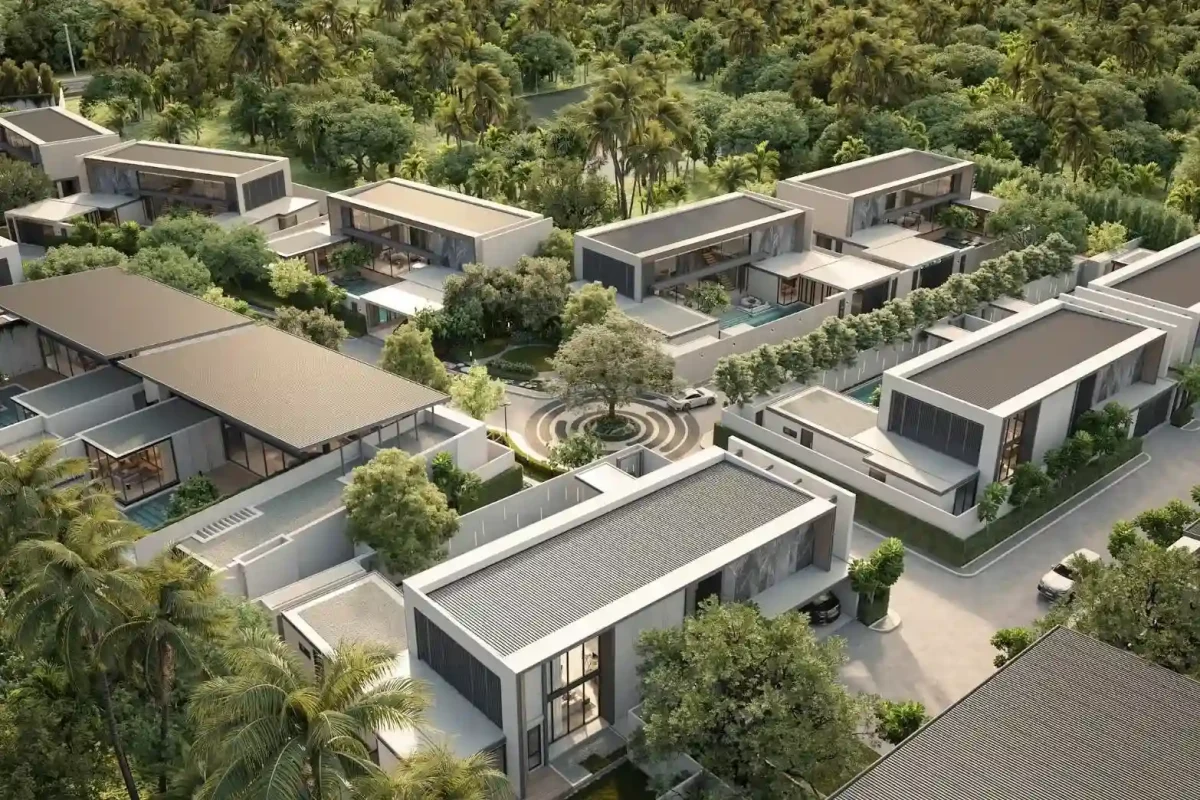
Sale and Purchase Agreement in Thailand: Complete Guide for Foreign Buyers
The Sale and Purchase Agreement (SPA) is the primary legally binding contract for property transactions in Thailand. Signed within 30–60 days of the reservation, it commits both buyer and developer to the full transaction. The SPA deposit is typically 25–35% of the purchase price and triggers the full payment schedule. Foreign buyers should have a licensed Thai lawyer review the SPA before signing — review costs 20,000–50,000 THB and can prevent far more expensive problems later.
Looking for the right property in Phuket?
Our experts send a shortlist within 2 hours. 0% buyer commission.



What Is the SPA in Thai Property Law?
In Thailand, the Sale and Purchase Agreement (known variously as SPA, S&P Agreement, or the Purchase Contract) is the document that supersedes the reservation agreement and establishes the full legal framework for your property purchase.
Under Thai law — specifically the Civil and Commercial Code and the Condominium Act B.E. 2522 (and subsequent amendments) — the SPA is the primary document that:
- Defines the exact property being sold (unit number, size, floor, view)
- Sets out the complete payment schedule
- Establishes both parties’ obligations and rights
- Specifies completion dates and grace periods
- Governs dispute resolution
- Determines what happens at handover
The SPA is not a simple document. For off-plan condominiums, you may encounter 20–50 page contracts that require careful review. Do not sign without reading everything — and ideally, do not sign without professional legal review.
The SPA Signing Process
Step 1: Developer presents draft SPA Usually 1–3 weeks after reservation, the developer’s legal team presents the draft SPA. This is often in Thai only at first — you can and should request a bilingual Thai/English version.
Step 2: Lawyer review Your Thai property lawyer reviews the SPA and provides comments. This typically takes 3–7 days. Revisions may be negotiated.
Step 3: SPA negotiation (if needed) Standard terms can often be adjusted: payment deadlines, force majeure definitions, snag rectification periods. Developers are more flexible on smaller points than on payment percentages.
Step 4: Signing SPA can be signed in person in Phuket or — for international buyers — via notarized Power of Attorney. Both developer representative and buyer (or authorized representative) sign. Both parties retain original copies.
Step 5: SPA payment The deposit amount (25–35%) is transferred, typically within 7–30 days of signing. This payment should come from your overseas account to obtain the FET certificate required for freehold registration.
Critical Clauses to Review in Every Thai Property SPA
1. Payment Schedule and Milestones
The SPA must clearly define:
- Exact payment amounts (in THB and/or USD)
- Milestone triggers (not just calendar dates — what construction event triggers payment?)
- Grace period after milestone notification (typically 30 days to make payment)
- Penalty for late payment (often 1.5% per month)
Watch for: Vague milestone descriptions like “when developer decides foundation is complete.” Milestones should be tied to objective, verifiable construction stages.
2. Completion Date and Grace Period
This is one of the most negotiated clauses. The SPA should state:
- Target completion date (estimated handover)
- Long-stop date (latest acceptable completion — often 18–24 months after target)
- Buyer’s rights if long-stop date is breached (termination? compensation?)
Thai developers routinely request 12–24 month grace periods beyond projected completion. This is broadly accepted market practice — Phuket construction faces real challenges including monsoon season, supply chains, and permit processing. However, if the long-stop date offers no remedy for the buyer, this is a red flag.
3. Unit Specifications
Every specification you were shown in the sales presentation should be documented in or attached to the SPA:
- Exact size: gross versus net usable area (the difference can be 15–25%)
- Fixtures and finishes: brand names or specification level for kitchens, bathrooms, flooring
- Furniture package: if included, list every item with specification
- Views: “pool view” or “sea view” should be defined — how much sea visible? What happens if a new building obstructs the view?
- Appliances: brands, models or minimum specifications
Watch for: Phrases like “developer reserves the right to substitute materials of similar quality.” This language allows developers to downgrade finishes without recourse. Push to limit substitution rights or define minimum standards.
4. Common Areas and Facilities
The SPA should describe or reference the confirmed common areas:
- Swimming pool (size, type — infinity, children’s, etc.)
- Gym, reception, lobby
- Parking (ratio per unit, covered vs. uncovered)
- Garden areas, rooftop facilities if applicable
Common areas described in a developer brochure are not legally binding unless referenced in the SPA. If the developer promises a rooftop bar and infinity pool in the sales pitch, ensure those commitments appear in the contract.
5. Buyer Default Clauses
What happens if you can’t make a payment? Standard provisions:
- Grace period: 30–60 days before default is triggered
- Notice requirement: developer must send written notice before terminating
- Developer’s remedy: usually retention of all payments made to date up to a defined cap
- Deposit forfeiture cap: some SPAs limit forfeiture to 30% of purchase price even if more was paid
Negotiate for a clear termination and refund mechanism rather than open-ended forfeiture.
6. Developer Default Clauses
If the developer can’t complete the project:
- What triggers developer default? (insolvency, failure to obtain permits, long-stop date breach)
- What are your remedies? (full refund, compensation for interest, lost opportunity)
- Is there a surety bond or escrow protecting your payments?
Critical: In Thailand, buyer deposits are not automatically held in protected escrow unless the developer has voluntarily established one or if mandated by project financing. Ask whether deposits are held separately or commingled with developer operating funds.
7. Force Majeure
Post-pandemic SPAs should contain modern force majeure language. Check:
- What events qualify as force majeure (pandemic, natural disaster, government action)
- How long force majeure suspends obligations
- Whether force majeure permits permanent termination or only delay
- Who bears the cost of delays caused by force majeure
8. Transfer Tax Allocation
Standard in Thailand: buyer pays 2% transfer tax on the appraised value, seller pays Business Tax (3.3% if project held under 5 years) or Withholding Tax. However, many developers pass transfer taxes to buyers — confirm in the SPA exactly which party pays what, and factor this into your total cost. See hidden costs of buying property in Thailand.
Looking for the right property in Phuket?
Our experts send a shortlist within 2 hours. 0% buyer commission.
Bilingual SPAs: Thai vs. English Version
Thai property contracts are officially valid only in the Thai language version. However, responsible developers and lawyers will provide bilingual Thai/English versions. If there is a conflict between the Thai and English text, the Thai version prevails.
What this means for you:
- Have your Thai lawyer review the Thai version specifically
- Don’t rely solely on your reading of the English translation
- Ask your lawyer to flag any material differences between versions
- Key numbers (prices, percentages, dates) should be identical in both versions — discrepancies are a serious concern
What to Negotiate in a Thai Property SPA
Most buyers accept the developer’s standard form without negotiation — but modifications are possible, especially on:
| Clause | Typical Default | What to Request |
|---|---|---|
| SPA payment deadline | 30 days after signing | 45–60 days (more time for international transfers) |
| Long-stop date grace | 24 months | 12–18 months with buyback/compensation option |
| Furniture substitution | Broad discretion | Specific brand/specification minimums |
| Snag rectification period | 30 days | 60–90 days with retention right |
| Force majeure duration | Open-ended | Maximum 12 months then buyer termination right |
| Payment penalty interest | 2% per month | Request reduction to 1% per month |
SPA Review Costs and Timeline
Professional SPA review in Thailand:
| Service | Provider | Typical Cost | Timeline |
|---|---|---|---|
| Basic review (English) | Junior lawyer | 15,000–25,000 THB | 3–5 days |
| Full bilingual review | Senior lawyer | 30,000–60,000 THB | 5–10 days |
| Review + negotiation | Law firm | 50,000–100,000 THB | 7–14 days |
| Review + full deal management | Specialist firm | 80,000–150,000+ THB | Ongoing |
MORE Group works with established property law firms in Phuket and can refer buyers at no additional cost.
FAQ
Frequently Asked Questions
Yes. Many developers allow remote SPA signing via notarized Power of Attorney (POA). You sign the POA in your home country (notarized and potentially apostilled depending on the developer's requirements), and your representative in Thailand signs the SPA on your behalf. Some developers also accept digital signatures for certain stages, though the Land Office transfer still requires physical presence or POA.
The SPA is the private contract between buyer and developer. The Land Office transfer is the government registration that legally changes ownership and is recorded on the title deed. Both are required. The SPA happens first (at contract signing), and the Land Office transfer happens at handover when the property is completed. Your FET certificates must be presented at the Land Office to register foreign freehold.
Yes — in Thai property transactions, the SPA (Sale and Purchase Agreement) is functionally equivalent to what other jurisdictions call a contract of sale, purchase agreement, or conveyance agreement. It is the primary binding document between buyer and developer. In Thailand, the SPA is a private contract that creates obligations for both parties, but ownership only legally transfers at Land Office registration.
If a developer enters bankruptcy or insolvency proceedings, your position as an SPA holder depends on whether your deposits were held in escrow (protected) or in the developer's general operating account (at risk). You become an unsecured creditor in the insolvency proceedings, meaning recovery may be partial or take years. This underscores the importance of buying from established developers with completed project track records, and verifying payment escrow arrangements.
From reservation to signed SPA typically takes 30–60 days. The timeline: developer presents draft SPA (1–3 weeks after reservation), your lawyer reviews and raises questions (1–2 weeks), negotiation of any revisions (1–2 weeks), final SPA agreed and signed, SPA payment made. International wire transfers add 2–5 business days. Budget 45 days as a comfortable working timeline to avoid rushing any stage.
Related Guides
- Reservation Agreement in Thailand: What You’re Signing
- Off-Plan Payment Milestones in Thailand
- Due Diligence Process in Thailand: Step-by-Step
- Hidden Costs of Buying Property in Thailand
- Power of Attorney for Thai Property
Get Your Phuket Property Shortlist
Tell us your budget and goals — our expert sends a shortlist within 2 hours.

MORE Group
Phuket Real Estate Experts
The MORE Group team has helped 500+ European and American buyers purchase property in Thailand. We provide legal support, 0% commission, and on-the-ground expertise with 8 years in the Phuket market.
Get Your Phuket Property Shortlist
Tell us your budget and goals — our expert sends a shortlist within 2 hours.