Rawai Property: Lifestyle & Yields (2026)
Rawai real estate for foreigners: $80K-$400K condos, villa bands, 6-8% yields, seafood promenade life, and proximity to Nai Harn and marinas.
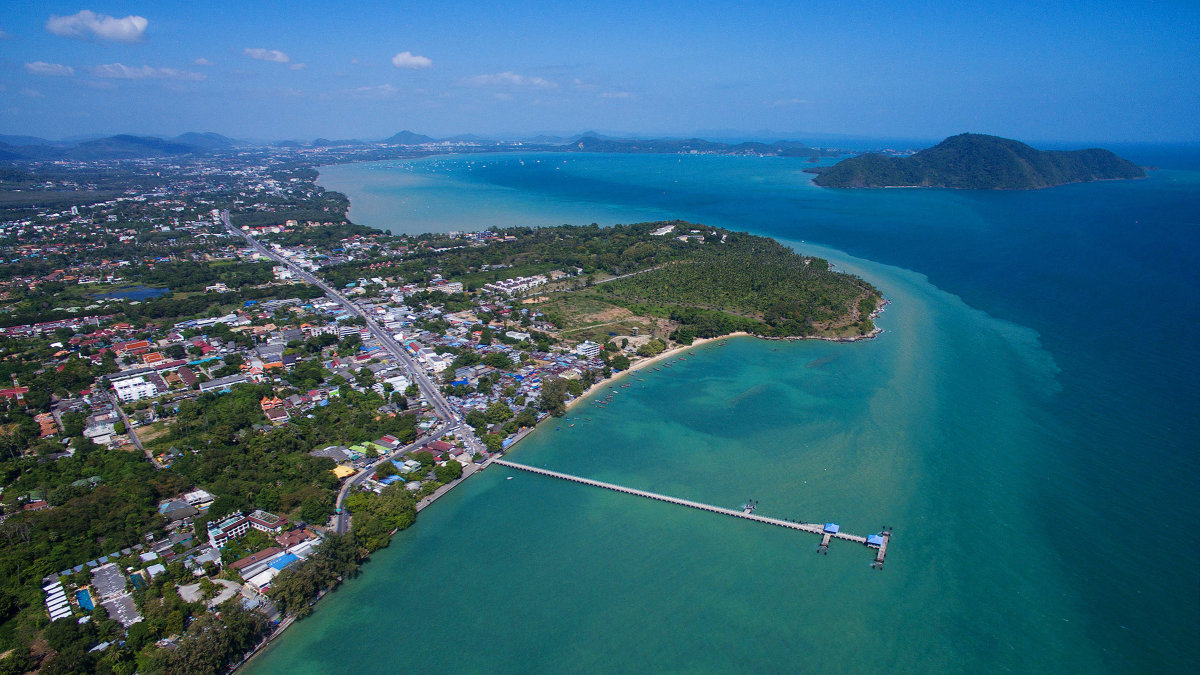
Property Prices in Rawai
| Unit type | Typical size | Indicative price range | Notes |
|---|---|---|---|
| Studio | 24-32 sqm | $80,000-$160,000 | Long-stay demand supports the floor; check common-area fees against the rent achievable |
| 1-bedroom | 35-48 sqm | $110,000-$240,000 | Strong if parking + pool + reviews support short stays |
| 2-bedroom | 55-80 sqm | $180,000-$360,000 | Family rentals possible; verify short-term rules realistically enforced |
| Pool villa | 250-400 sqm | $200,000-$650,000 | Wide quality spread; geotech and drainage matter in hillside pockets |
| Premium villa | 450+ sqm, seaview | $700,000-$1M+ | Marina/sunset views can lift pricing; liquidity can be slower |
Freehold condos remain the simplest foreign path within quota; landed villas frequently involve leasehold or corporate structures, never copy your neighbor’s “setup” without independent counsel. If you are comparing Rawai to Bang Tao, remember you are partly trading airport convenience and school proximity for southern lifestyle and sometimes lower entry tickets, there is no universal winner, only fit.
Also inspect micro-location noise: Rawai’s promenade energy is charming until you realize late-night bike traffic and occasional event noise can reach hillside pockets differently than marketing renders suggest. Visit weekday and weekend evenings, and ask security about recurring noise complaints before you commit.
Rental Income Potential
Longer stays can reduce turnover costs (cleaning churn, key handovers) but also cap ADR if you lock discounted monthly rates. The winning operators in Rawai usually own a niche: triathlon training, freediving certifications, boutique yoga weeks, or “slow travel” remote-work stays with verified desk setups. If your unit is generic, you compete on price; if your unit solves a specific itinerary, you compete on reviews. Either path can work, just do not mix strategies mid-year and wonder why your P&L wobbles.
Seasonality still matters: Songkran, peak winter, and major European holiday windows can spike occupancy, while September-October may force promos. Underwrite a conservative monthly occupancy (for example, 65-75% off-peak for a first-year operator) before you assume Phuket’s tourism graphs will match your specific bedroom count and review score. Peak season follows broader Phuket patterns (December-March), with Chinese New Year and European Easter creating spikes. Summer is softer, price accordingly and avoid modeling peak ADR year-round.
Villas can outperform on gross if bedrooms are optimized and your operator nails review velocity, but villas also carry staffing friction, pool pumps fail, AC leaks in monsoon season, and guests expect hotel-level response times. If yield is your only KPI, scrutinize Patong or central serviced condos; if lifestyle + acceptable yield is your KPI, Rawai’s profile improves sharply.
Ownership and the two rental models
Rawai supports two quite different letting businesses, and the ownership rules bear on them differently.
Long-stay residential letting is the area’s quiet strength. A substantial resident population of expatriates, remote workers and returning seasonal residents supports year-round demand at rates below tourist levels but with far less operational burden: one tenant, one contract, no platform commissions, minimal turnover, and furnishings that last years rather than seasons. For an absent owner this frequently produces a better net than nightly letting does.
Short-stay tourist letting is available and thinner. The guest pool is smaller than the west-coast corridors, the season is sharper, and it requires the same active management and pricing discipline as anywhere else while earning less per night. It also requires the building to permit it, since stays under 30 days are hotel business under the Hotel Act, licensed at premises level.
The ownership route is the national one. Condominium freehold within each building’s 49% allowance, measured against total sellable floor area and consumed at registration, confirmed in writing naming your unit. For a villa, no foreign freehold of land exists in Thailand, so it is a registered lease or a Thai company structure, and here the practical points are the access road and, on some plots, the water supply.
Decide which of the two models you are underwriting before comparing any yield figure, because the area’s blended averages describe neither.
Nearby Infrastructure
For owners who split time between Thailand and Europe/US, consider how you will manage keys, humidity, and periodic inspections, southern humidity can mold soft furnishings in weeks if units are left closed without AC scheduling.
Lifestyle and daily reality
Rawai also suits buyers building a multi-year southern portfolio: a condo base for long-stay months plus occasional villa viewings toward Nai Harn headlands. MORE Group maps that path explicitly, yield math, commute pain, and resale liquidity differ street by street even within the same postcode. Ask for a southern day tour that includes marina logistics, school-run timing, and realistic net-yield notes before you transfer any deposit.
Best Projects in Rawai Right Now
For buyers wanting branded hospitality exposure closer to Patong’s rental intensity, Wyndham La Vita 5 from $114,000 (Patong-area positioning) is a useful contrast tour, different guest, different night rhythm, different yield math. The Marin Phuket at $160,080 can serve as a premium marina-adjacent benchmark for buyers comparing southern “yacht lifestyle” narratives, ask MORE Group which phase and ownership structure apply to current inventory.
Tour Rawai + Nai Harn in one southern day
Free property tour (3+ projects typical), developer-direct pricing, 0% buyer commission, full legal support.
2026 Rental Performance: What Rawai Owners Are Actually Achieving
Long-stay rentals of 3 to 12 months, common in Rawai because of the expat-resident base, deliver lower gross income per night but reduce turnover costs substantially. A 1-bedroom generating THB 22,000 per month on a 6-month lease avoids approximately 18 to 24 individual turnovers, saving THB 15,000 to THB 25,000 in cleaning costs annually. Investors who blend one peak-season short-stay quarter with long-stay the rest of the year often report net results that match or beat pure short-stay operators after costs.
The management choice matters more in Rawai than in high-turnover markets like Patong. Ask any prospective operator for the name of 3 current clients with comparable units, call them, and ask specifically about maintenance response times and cleaning standards. These variables are harder to verify from afar than occupancy rates.
What Infrastructure Changes Are Planned Near Rawai Through 2028?
Healthcare access remains the most cited practical concern among long-term Rawai residents. The nearest hospital-level facility requires a drive to Phuket Town. Clinics in Nai Harn and Rawai handle routine care. Buyers with medical needs or families with young children should map the specific route to Bangkok Hospital Phuket before committing and test the timing on a normal weekday morning, not on a quiet weekend.
Living here versus letting here
Rawai is one of the few parts of Phuket where the resident case and the investment case point in genuinely different directions, and buyers benefit from separating them.
As a place to live, it is among the strongest options on the island for a certain buyer. A real community rather than a resort corridor, lower cost of living, practical daily services, and a mix of long-term residents that makes arriving alone considerably easier than it is in a seasonal area. The waterfront is a working one and the swimming beaches are a short drive, which suits residents and disappoints holidaymakers.
As a rental asset, it is a long-stay market with a tourist market attached rather than the reverse. That is not a criticism: long-stay letting preserves far more of the gross for an absent owner and produces a steadier year. It does mean that a buyer arriving with west-coast short-stay assumptions has modelled the wrong business.
Where the two meet is the buyer who will spend part of the year here and let long the rest. That works well, because a long tenancy is easier to plan owner-use around than a nightly calendar, and because the unit does not have to be furnished to short-let standards.
Decide which of the three you are before comparing anything, because the same property produces three different answers depending on the question.
Buyer scenarios and decision framework
Scenario A, the buyer who wants a base rather than a let: Rawai rewards this profile more than almost anywhere on the island. Flat streets, a real market, clinics, and a community that lives here year-round. Weigh the walk to everyday things over the walk to a beach, because that is what daily life here actually turns on.
Scenario B, the yield-focused buyer: be honest that Rawai is the south. Nightly rates and high-season intensity sit below the west coast, and the compensation is longer stays and steadier shoulder months. Ask for twelve months of statements from the same building before you apply a west-coast occupancy assumption to a southern unit.
Frequently Asked Questions
Rawai’s shoreline is more boat-launch and bay activity than long swimmable sand. Most owners swim at Nai Harn or explore west-coast beaches depending on season and flags.
Many investors underwrite 6-8% gross for well-run short-stay inventory, then stress-test net after fees, utilities, and periodic refit, avoid brochure gross as net.
Typical driving times run 45-60 minutes depending on traffic, with Chalong circle as a common chokepoint.
Many families live in Rawai long-term, but roads, scooters, and hillside access require sensible precautions, choose projects with security, lighting, and practical school logistics.
Yes, within the 49% foreign quota of a condominium. Always confirm the specific unit’s eligibility and title pathway with counsel before transferring funds.
Related Guides:
- Nai Harn Property Guide, beach-first comparison minutes away
- Kata & Karon Property Guide, family beach belt without Patong noise
- Phuket Town Property Guide; if you want urban convenience and longer-lease strategies
- Buying Property in Phuket: Step-by-Step, foreign ownership, taxes, and closing checklist
- Phuket Rental Yield Guide, southern vs central yield bands
- Kata Beach Property Guide, family beach belt comparison north of Rawai
MORE Group refreshes project pricing, payment plans and foreign-quota status on active Phuket stock every month. Numbers on this page reflect our June 2026 pipeline; request a current shortlist and lawyer-ready DD pack before you reserve a unit.
The Rawai trade, stated plainly
Rawai’s argument is value, and the way it is usually presented conceals the part a buyer needs to test.
The entry price here is materially below the west-coast resort corridors, and the rent does not fall as far as the price does. That gap is the whole yield case for the area and it is genuine. What it does not mean is that the rent holds up like the northern corridors: the short-stay guest pool is thinner, the season is sharper, and the units competing with yours are more interchangeable.
So the test is specific rather than general. Get twelve months of month-by-month occupancy and average rate from two comparable units in the same building, with the owner statements behind them. The area’s average tells you nothing useful, because it blends long-stay residential letting with short-stay tourist letting and those are different businesses producing different numbers.
Two further points on this coast. Long-stay demand from residents is real and underrated, and for an absent owner it is often the better model, since one tenant and one contract preserve far more of the gross than nightly letting with a manager taking a share. And the beach itself is not the draw: Rawai’s waterfront is a working one, and buyers expecting a swimming beach are surprised. The nearby bays are, which is fine if you have a car and matters if you do not.
What to check before committing in Rawai
Five things, and the first two carry most of the weight.
Which rental model the building actually supports. Long-stay letting is permitted almost anywhere; short-stay is not, and stays under 30 days are hotel business licensed at premises level. Get the position in writing before underwriting tourist rates.
Twelve months of real numbers from a comparable unit. Month by month, with the owner statements behind them, and specifically whether the income came from long tenancies or nightly letting. The area’s blended figures mix two businesses and describe neither.
The juristic person’s accounts, rate and sinking fund. A meaningful share of Rawai’s stock is older, which means capital works are ahead of it rather than behind. The fund’s balance and the planned works over the next five years are what stand between you and a levy.
Access and water on villa plots. Who owns the road, who maintains it, whether that is registered, and where the water comes from in a dry season.
Foreign quota in square metres, naming your unit, before any deposit.
Market signals to watch in 2026
- Rawai demand is increasingly driven by long-stay families, school commutes and owner-use buyers rather than only short-term holiday rentals.
- Rawai villa returns depend less on advertised gross rent and more on maintenance, staffing, pool care and realistic downtime.

MORE Group Editorial
Phuket Real Estate Experts
The MORE Group team has helped 500+ European and American buyers purchase property in Thailand. We provide legal support, 0% commission, and on-the-ground expertise with 8 years in the Phuket market.
About MORE Group →Get a Net Yield Calculation for Phuket Projects
Share your budget and preferred area. We will compare live projects using rent, fees and occupancy assumptions.
