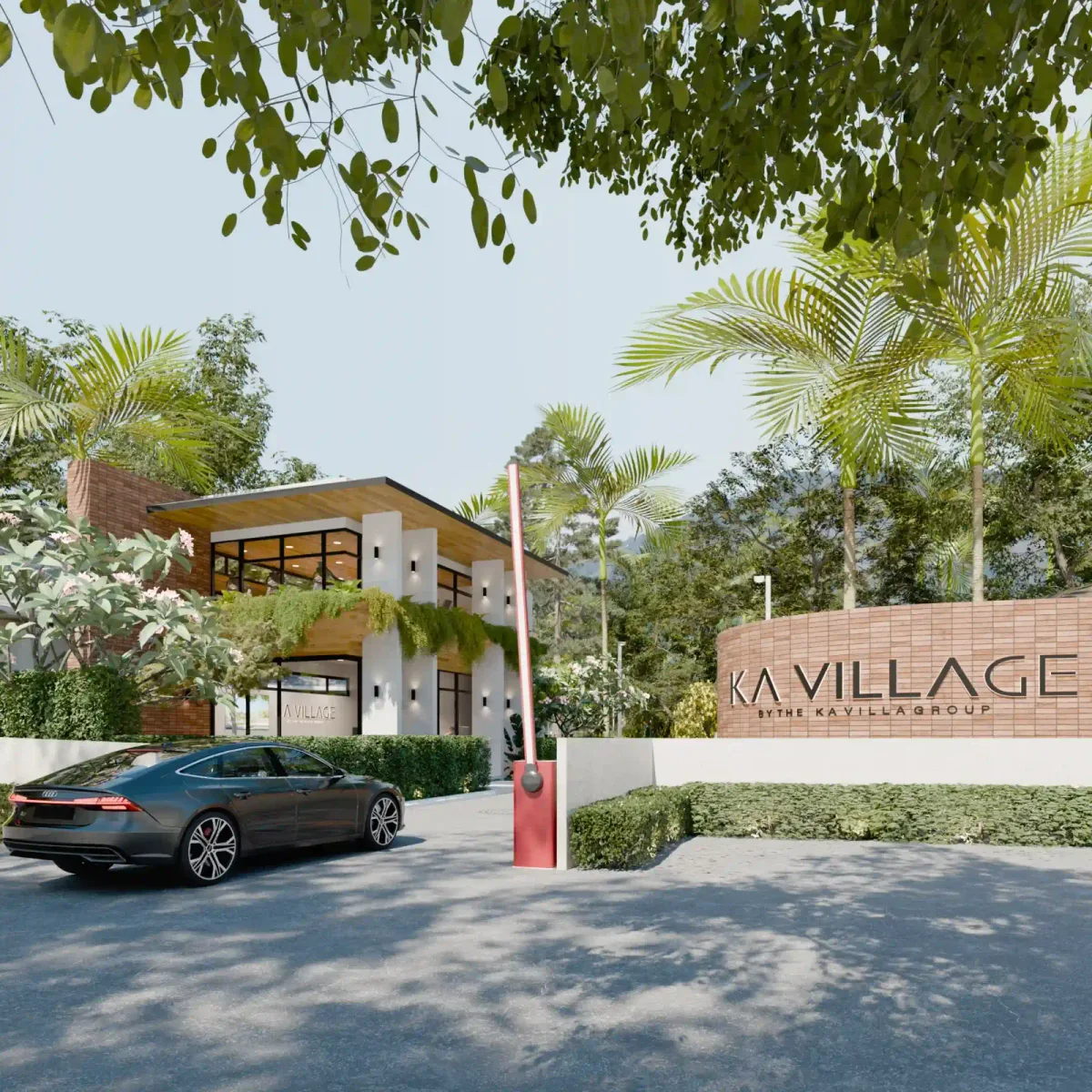
KA Village Rawai: Boutique Pool Villas South Phuket
Full review of KA Village Rawai Phuket 2026. South Phuket location, unit types, pricing, rental yields, and investment analysis for buyers considering this.
Verify before you reserve
Check availability before you reserve
Project pages can go out of date quickly. Request the latest unit list, payment schedule and foreign buyer notes for this project.
Current availability
Get live stock, reserved units and developer prices, developer price list on request.
Foreign buyer route
Ask us to confirm land structure, lease or company route before reservation.
Payment schedule
Compare deposit, construction milestones, transfer timing and cash flow.
Last checked
Content updated June 2026. Ask for current availability before paying a deposit.
KA Village Rawai is a boutique pool villa community in south Phuket, positioned in the Rawai district where the island’s expat population has built a settled, year-round residential culture. The project addresses a specific gap in the Phuket villa market: private pool villa ownership in a well-connected south Phuket location, priced below the villa developments of Bang Tao and the Laguna corridor on the northwest coast.
South Phuket villa prices run roughly 20 to 35 percent below comparable villa products in Bang Tao, reflecting both land costs and the distinct character of the two zones. Rawai and Nai Harn are not resort corridors in the Bang Tao sense. They are functioning residential communities where the majority of residents are long-stay expats, retirees, and families who have chosen Phuket as a permanent or semi-permanent base. For buyers who want villa ownership with genuine neighbourhood character rather than a gated resort estate, south Phuket offers the more natural setting.
KA Village fits this profile. It is a smaller development, a boutique community rather than a large villa park, which affects everything from community atmosphere to rental potential. This review covers the Rawai villa market in detail, what KA Village offers as a boutique project, villa pricing structures, realistic rental yield analysis, the lifestyle environment, ownership pathways for foreign buyers, and the due diligence process specific to Phuket villas.
What Should You Know About Rawai and Nai Harn Villa Market: Why South Phuket Delivers Value?
The Rawai and Nai Harn Villa Market: Why South Phuket Delivers Value for KA Village Rawai means matching Phuket tenant demand to unit size and walk time to beach, because ADR swings 15 to 25% within one postcode. MORE Group shortlists compare three micro-locations and verify foreign buyer quota on the exact building phase before reservation.
| Factor | MORE Group benchmark |
|---|---|
| Net yield | 5 to 7% after 20 to 25% operator fees |
| Peak occupancy | 75 to 85% on comparable managed units |
Nai Harn Beach is five minutes from most parts of Rawai by motorbike or car. The beach is protected by Nai Harn lake on its northern approach, which limits development and keeps the area quieter than Patong or Bang Tao. On weekday mornings, the beach is used almost entirely by local residents and expats: walkers, swimmers, outrigger canoe clubs, and free divers who train in the bay. This is not a tourist beach in the high-season sense. It is a neighbourhood beach that happens to be excellent.
Kata Beach adds another ten minutes west along the coast road. Rawai’s own seafront, the pier area, hosts a nightly seafood market and a Saturday morning market that serves as an informal social gathering point for the area’s expat community. The prawns sold directly off fishing boats at Rawai pier have been mentioned in most Phuket food guides for twenty years, and the row of inexpensive Thai restaurants along the waterfront has a following among residents who have lived in the area for a decade or more.
From a property pricing perspective, the south Phuket villa market sits in a distinct band. In Bang Tao and the Laguna corridor, 3-bedroom pool villas typically trade between 20 million and 40 million THB, with luxury products reaching 60 to 80 million THB at the Laguna end. In Rawai and Nai Harn, 3-bedroom pool villas in new boutique communities start from approximately 15 to 20 million THB, with upper-range spec products reaching 25 to 30 million THB. This 30 to 40 percent price difference is structural, not temporary. Land costs, tourist infrastructure density, and buyer profile all differ between the two zones, and that differential has held across the past decade.
For buyers working with a budget of 8 to 15 million THB for a 2-bedroom product or 15 to 25 million THB for a 3-bedroom villa, south Phuket is the part of the island where that budget delivers a complete private pool villa in a settled residential community rather than a small apartment in a resort complex.
The area has also developed strong support infrastructure for villa owners and renters. Property management companies operating in Rawai and Nai Harn have refined their villa rental operations over years of serving the long-stay expat market. The availability of reliable property management, combined with the area’s year-round residential character, means villa rental is less dependent on high-season tourism peaks than it would be in a purely tourist-facing location.
See the Rawai area property guide for neighbourhood infrastructure detail, school access, healthcare, and market transaction data across the south Phuket zone.
What Should You Know About KA Village: Design and Scale?
KA Village: Design and Scale on KA Village Rawai means foreign buyers should verify quota, payment milestones, and net rental assumptions in writing before deposit. MORE Group Phuket reservation files require documented checks on every off-plan purchase, with 49% foreign quota confirmed per unit, not per project marketing alone.
| Factor | MORE Group benchmark |
|---|---|
| Net yield | 5 to 7% after 20 to 25% operator fees |
| Peak occupancy | 75 to 85% on comparable managed units |
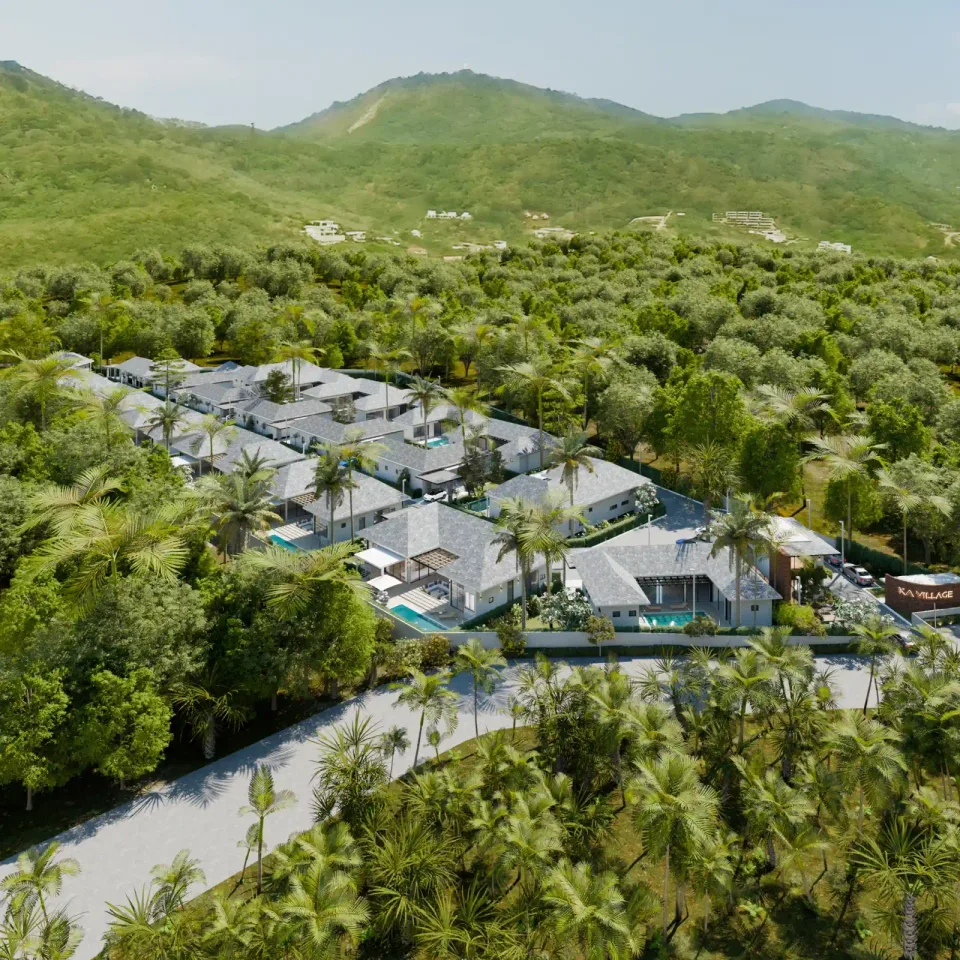
In a boutique villa community, the pool and garden areas are private to each villa. Common infrastructure typically includes perimeter security, shared access road maintenance, and communal gardens between villas rather than a full resort amenity set. The trade-off is clear: buyers pay less in common area maintenance fees, the community has a residential rather than hotel character, and villa owners have more control over their property and rental decisions.
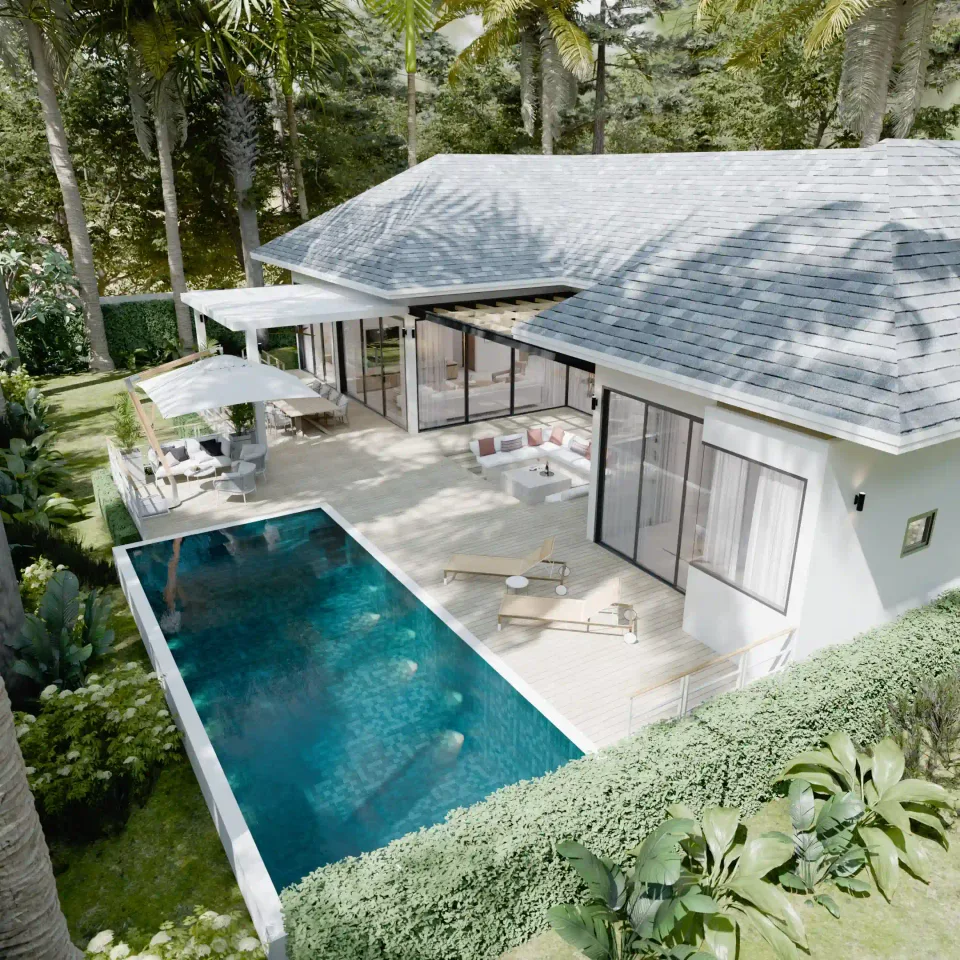
KA Village villas are pool villas in the current south Phuket design language. Each villa includes a private plunge or lap pool, outdoor terrace and garden areas, living and dining on the ground floor, bedrooms configured across one or two levels, and a full kitchen specification suited to long-stay occupancy. Construction uses concrete frame with tropical finishes: natural stone, wood-effect cladding, and covered terrace designs that manage light and ventilation in Phuket’s climate.
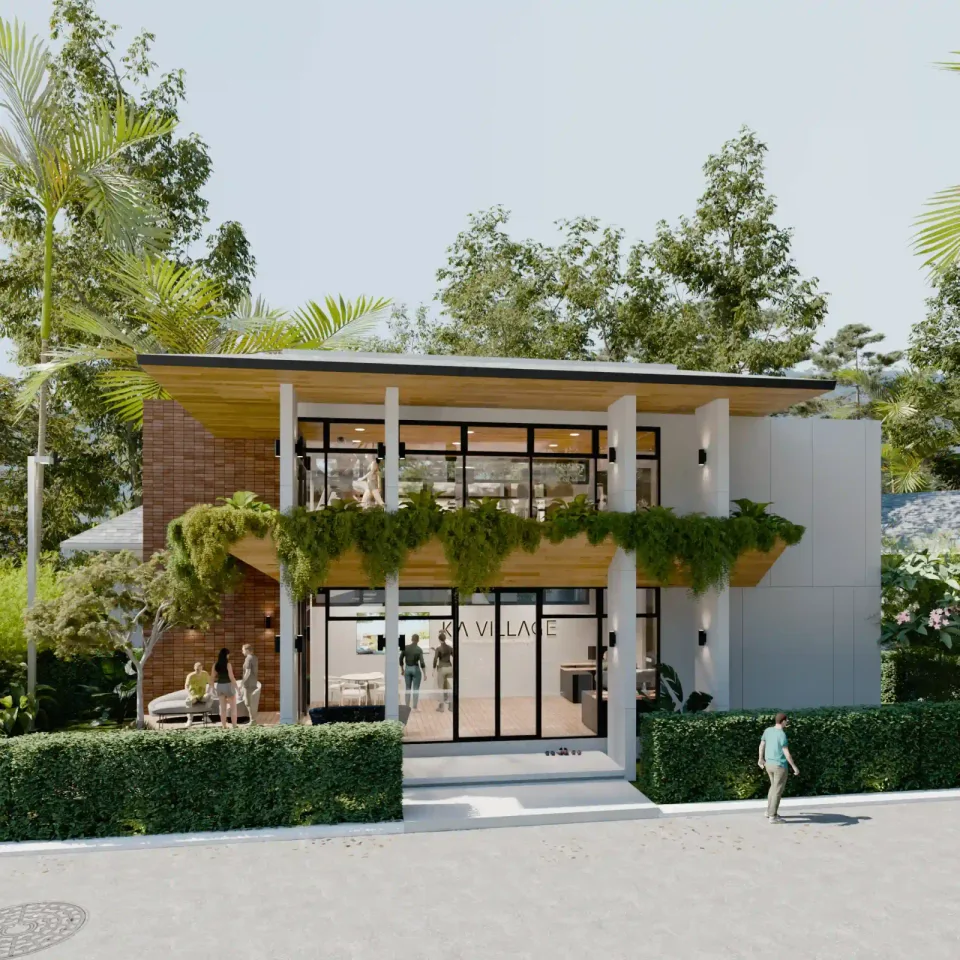
The smaller scale of the development means the villa community feels like a residential street rather than a resort. For buyers who specifically do not want a hotel-managed rental programme, gated resort common areas, or the impersonal atmosphere of a 200-villa estate, this distinction matters. KA Village’s boutique format appeals to buyers who intend to use the villa personally, rent it independently via short-stay platforms or a local management company, or hold it as a south Phuket residential base.
Design details at this price point typically include: covered parking for two vehicles, a staff quarter or utility room, split-level pools or lap pool configuration on narrower plots, and landscaping designed to give each villa privacy from its neighbours despite the community setting. Villas in KA Village are positioned so that pool terraces are not directly overlooked, which is a design requirement in the rental market where privacy directly affects booking rates.
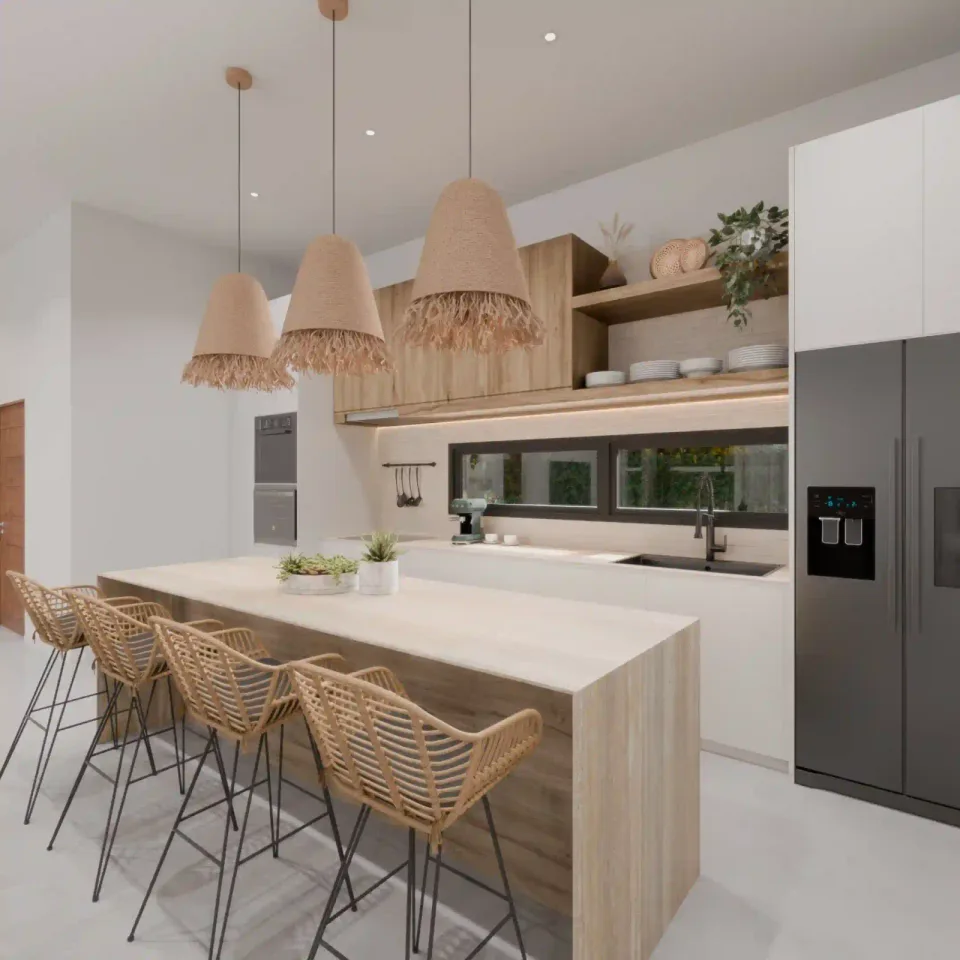
Internal finishes at the 15 to 25 million THB south Phuket villa price range are generally full-spec: fitted kitchens with appliances, master bedroom with en-suite, secondary bedrooms with shared bathroom, and outdoor shower arrangements at the pool. Furniture packages are often available as a separate purchase, which matters for buyers planning immediate rental. A furnished pool villa in Rawai commands meaningfully higher nightly rates than an unfurnished one, and the payback period on a quality furniture pack is typically under 18 months at occupancy rates achievable in this market.
What Should You Know About Villa Types and Pricing?
Villa Types and Pricing on KA Village Rawai means foreign buyers should verify quota, payment milestones, and net rental assumptions in writing before deposit. MORE Group Phuket reservation files require documented checks on every off-plan purchase, with 49% foreign quota confirmed per unit, not per project marketing alone.
| Villa Type | Bedrooms | Plot (sqm approx.) | Built Area (sqm approx.) | Price Range (THB) | Price Range (USD approx.) |
|---|---|---|---|---|---|
| Compact pool villa | 2 BR | 200 to 280 | 120 to 160 | 8M to 12M | $220K to $335K |
| Standard pool villa | 3 BR | 280 to 400 | 180 to 240 | 14M to 20M | $390K to $560K |
| Larger pool villa | 3 to 4 BR | 400 to 550 | 240 to 320 | 18M to 28M | $500K to $780K |
USD conversion based on approximately 36 THB per USD. Actual exchange rates and price lists should be confirmed with the developer at time of enquiry. Transfer fees, government charges, and legal costs are in addition to the purchase price.
South Phuket pool villas in boutique projects have shown consistent price appreciation of roughly 5 to 8 percent annually over the past five years in completed or near-completion projects. Off-plan pricing typically offers a discount of 10 to 20 percent versus expected completed value, which is the primary investment rationale for early-stage buyers. That discount comes with construction risk, which is addressed in the due diligence section below.
For context on how villa pricing compares across Phuket zones, the Phuket property market prices 2026 guide covers transaction data across Rawai, Bang Tao, Patong, and Kata with year-on-year comparison.
What Do Rental Yield Analysis for South Phuket Villas Mean for Foreign Buyers?
Rental Yield Analysis for South Phuket Villas on KA Village Rawai means underwriting 7 to 9% gross yield and 5 to 7% net after operator fees on typical Phuket entry pricing entry ($80k to $200k), with CAM near ฿30 to ฿45 per sqm monthly in net models. MORE Group Phuket case study data from 2024 shows managed 1-bedroom stock at 72 to 78% blended occupancy under professional operators.
| Factor | MORE Group benchmark |
|---|---|
| Net yield | 5 to 7% after 20 to 25% operator fees |
| Peak occupancy | 75 to 85% on comparable managed units |
Short-term rental rates for Rawai pool villas have settled at the following approximate bands in 2025 to 2026:
- 2-bedroom pool villa: USD 150 to 250 per night in high season (November to April), USD 90 to 160 per night in shoulder and green season
- 3-bedroom pool villa: USD 200 to 350 per night in high season, USD 120 to 220 per night in shoulder and green season
- 4-bedroom pool villa: USD 280 to 500 per night in high season, USD 160 to 300 per night in shoulder and green season
Rawai achieves annual occupancy rates of approximately 60 to 70 percent across well-managed villa listings. High-season months (December to March) often reach 80 to 90 percent occupancy for quality listings with professional management. Green season (May to October) runs at 45 to 55 percent in Rawai, somewhat lower than Bang Tao because Rawai’s long-stay expat market, while valuable, fills a different occupancy profile from the tourist-driven north.
On these parameters, a well-managed 3-bedroom pool villa in Rawai achieves gross rental income of approximately 1.6 to 2.2 million THB annually. Gross yield against a 15 to 20 million THB purchase price works out to roughly 8 to 12 percent gross. After management fee (typically 20 to 25 percent of gross for short-stay villa management), platform commissions, utilities, maintenance, and property tax, net yield lands in a range of 5 to 8 percent. This is the realistic net range for a well-run short-stay villa in south Phuket, assuming active management and a competitive listing.
Long-term lease rates for 3-bedroom pool villas in Rawai run from approximately 65,000 to 100,000 THB per month. A villa achieving 85,000 THB per month on a long-term lease generates about 1 million THB annually, or roughly 5 to 7 percent gross yield. Management overhead is lower for long-term leases (typically 10 to 15 percent) versus short-stay (typically 20 to 25 percent), so net yields are often comparable despite the lower gross figure.
The private pool is a significant booking driver. Rawai villa listings with private pools consistently command premiums of 40 to 70 percent over equivalent non-pool villas in short-stay rental searches. This premium more than offsets the additional cost of pool maintenance (typically 1,500 to 3,000 THB per month) and is the primary reason pool villas have outperformed non-pool products in this market over the past several years.
For full methodology, market data sources, and comparable yield data from other Phuket zones, see the Phuket rental yield guide.
What Should You Know About Rawai Lifestyle: What Owners Actually Experience?
Rawai Lifestyle: What Owners Actually Experience on KA Village Rawai means foreign buyers should verify quota, payment milestones, and net rental assumptions in writing before deposit. MORE Group Phuket reservation files require documented checks on every off-plan purchase, with 49% foreign quota confirmed per unit, not per project marketing alone.
| Factor | MORE Group benchmark |
|---|---|
| Net yield | 5 to 7% after 20 to 25% operator fees |
| Peak occupancy | 75 to 85% on comparable managed units |
A typical weekday morning for a Rawai owner: Nai Harn Beach is a five-minute drive or a 20-minute walk. The beach car park fills by 8am with Phuket residents rather than tourist buses. Coffee shops along the lake road near Nai Harn open early and serve a mix of Thai residents, expat regulars, and villa renters. The Saturday morning market at Rawai pier is a genuine community market, selling fresh produce, local seafood, Thai street food, and handmade goods. It is attended by long-stay residents and expats as much as by tourists.
Healthcare access from Rawai is better than its reputation suggests. Chalong hospital is ten minutes north. Bangkok Hospital Phuket, the island’s main international hospital, is 20 to 25 minutes via the Chaofa East road. Dental clinics, GP practices serving expats, and traditional Thai medical options are all available within the Rawai and Chalong area without a long drive.
International school access is a practical consideration for family buyers. HeadStart International School in Rawai, Phuket International Academy in Chalong, and several other international curriculum schools operate within a 15-minute radius of most Rawai villa locations. This has contributed to a growing segment of family buyers choosing Rawai over Bang Tao, attracted by school proximity and a lower overall cost of living.
The expat social infrastructure in Rawai includes running clubs, triathlon training groups, yoga studios, and a well-established network of independent restaurants, wine bars, and co-working spaces. Phuket Town is 15 minutes to the north, offering full commercial infrastructure, Old Town cultural access, and the island’s best independent coffee shops and restaurants. The old Sino-Portuguese architecture district of Phuket Town has developed a strong food and creative scene that draws Rawai residents on a regular basis.
The road infrastructure connecting Rawai to central and north Phuket has improved substantially with Phuket’s ongoing road widening programme. The Chaofa West and East roads connect Rawai to Chalong circle, and from there to the island’s central routes. While traffic is Phuket-standard and manageable by scooter or car outside morning and evening peaks, the southern location means that travel to Bang Tao or Cherng Talay for specific restaurants or beach clubs requires 45 to 55 minutes in normal conditions.
For buyers evaluating south Phuket against other island zones, the best areas to buy property in Phuket guide provides a structured comparison of Rawai, Bang Tao, Patong, and Kata by lifestyle profile and investment characteristics.
What Should You Know About Buyer Scenarios?
What Should You Know About Buyer Scenarios on KA Village Rawai means foreign buyers should verify quota, payment milestones, and net rental assumptions in writing before deposit. MORE Group Phuket reservation files require documented checks on every off-plan purchase, with 49% foreign quota confirmed per unit, not per project marketing alone.
| Factor | MORE Group benchmark |
|---|---|
| Net yield | 5 to 7% after 20 to 25% operator fees |
| Peak occupancy | 75 to 85% on comparable managed units |
The lifestyle buyer who rents when absent. This buyer spends four to ten weeks per year in Phuket, primarily in Rawai because they value the neighbourhood character over resort amenities. When not in residence, the villa is managed for short-term rental through a local property manager. The rental income offsets holding costs (management, maintenance, property tax) and ideally covers a portion of the purchase instalment. For this buyer, the key variables are rental management quality, the villa’s setup for rental (furnishings, pool condition, smart lock access), and the ability to block personal-use weeks with sufficient lead time. Rawai’s year-round occupancy profile is favourable for this model because the long-stay expat market provides fill during months when tourist traffic is lower.
The yield investor focused on south Phuket. This buyer is not primarily a lifestyle user. They are purchasing a pool villa at KA Village as an income-generating asset, motivated by the combination of south Phuket’s lower entry price and the rental yield potential described above. The yield investor’s priority is management reliability, realistic net yield modelling, and exit strategy. For this buyer, due diligence should include: independent review of comparable rental transactions in Rawai (not developer-provided occupancy projections), management company references and track record, and analysis of the villa’s position within competitive rental supply of similar products in the area.
The second-home buyer wanting community without resort. This buyer has typically looked at larger resort-estate villa products in Bang Tao or Kamala and found them unsuitable because of the hotel character, high CAM fees, or the impersonal atmosphere of a large managed estate. KA Village’s boutique scale offers an alternative: private pool villa ownership in a small community where owners know their neighbours and the property has a residential rather than hotel character. For this buyer, the key considerations are the HOA structure, community rules around rentals and pets, and the development’s management approach to shared infrastructure.
Each of these buyers benefits from reading the Phuket pool villa buying guide before committing to any south Phuket villa project. The guide covers villa-specific due diligence steps that differ from condominium purchases, including land title verification, lease registration, and developer track record assessment.
What Should You Know About Ownership Structure for Villas?
Ownership Structure for Villas on KA Village Rawai means foreign buyers should verify quota, payment milestones, and net rental assumptions in writing before deposit. MORE Group Phuket reservation files require documented checks on every off-plan purchase, with 49% foreign quota confirmed per unit, not per project marketing alone.
There are two primary structures used by foreign buyers of Phuket villas:
Long-term leasehold. The foreign buyer holds a registered lease on the land for an initial term of 30 years, typically with contractual options to renew for a further 30 years. The villa structure itself (the building) can be owned outright by the foreigner under a separate building title. Leasehold is the more straightforward structure from a compliance perspective and is the form used by the majority of foreign villa buyers in Thailand. The key considerations are: the quality of the leasehold agreement, the renewal mechanisms and whether they are registered on the land title (nor sor sam gor or chanote), and the position of the landowner or lessor in the event of death or company restructure. A properly drafted and registered lease provides a strong practical position for the buyer over the full 30-year term.
Thai company ownership. A Thai limited company in which the foreign buyer holds minority shares and Thai nationals hold the majority is used by some foreign buyers to achieve indirect control over the freehold title. This structure is legal when the company has genuine business purpose and the share structure reflects actual ownership intent. The risks are higher than leasehold: the structure requires ongoing legal compliance, proper accounting and tax filing, and the Thai shareholder nominees must be genuine and properly documented. Poorly structured Thai company ownership creates both legal risk and resale complications. If you are considering this route, independent legal advice from a Phuket-based property lawyer is required before proceeding. Do not use any company structure supplied by the developer without independent review.
For a full comparison of the two structures, including costs, resale implications, and the scenarios where each is appropriate, see the freehold vs leasehold Thailand guide.
Transfer and associated costs for villa purchases in Thailand:
| Cost item | Typical range |
|---|---|
| Transfer fee | 2 percent of registered value |
| Specific business tax (if applicable) | 3.3 percent of registered value |
| Stamp duty (if SBT not applicable) | 0.5 percent |
| Withholding tax (paid by seller) | Calculated on registered value and ownership duration |
| Legal and due diligence fees | 30,000 to 80,000 THB typically |
Registered value is often lower than actual transaction value in Thailand. Confirm with your lawyer how the figures will be structured before signing.
What Do Off-Plan Process and Payment Milestones Mean for Foreign Buyers?
Off-Plan Process and Payment Milestones on KA Village Rawai means underwriting 7 to 9% gross yield and 5 to 7% net after operator fees on typical Phuket entry pricing entry ($80k to $200k), with CAM near ฿30 to ฿45 per sqm monthly in net models. MORE Group Phuket case study data from 2024 shows managed 1-bedroom stock at 72 to 78% blended occupancy under professional operators.
Typical off-plan villa payment milestones:
| Milestone | Payment (percent of purchase price) |
|---|---|
| Reservation deposit | 2 to 5 percent |
| Contract signing (SPA) | 20 to 30 percent |
| Foundation completion | 10 to 15 percent |
| Structure and frame completion | 10 to 15 percent |
| Building enclosed | 10 percent |
| Completion and handover | 25 to 35 percent |
Total instalments should add up to 100 percent. Any structure that front-loads more than 50 percent before construction is substantially complete should be reviewed carefully with your lawyer. Escrow arrangements, where payments are held by a third party until construction milestones are verified, are increasingly available on well-managed Phuket villa developments and provide meaningful protection against developer financial difficulty.
Snagging inspection is a critical step at handover. This is an independent inspection of the completed villa before transfer, conducted by a qualified surveyor or property inspection company. Snagging reports routinely identify 40 to 80 items requiring rectification on new-build villas in Thailand, ranging from finishing issues to more significant structural or mechanical items. The buyer has contractual rights to require rectification before transfer. This use disappears once transfer is complete.
Construction timeline management is another area requiring contractual protection. Off-plan villa developments in Thailand have a mixed track record on delivery timelines. Request a contractual delivery date with a penalty clause, typically 0.01 to 0.05 percent of purchase price per day of delay beyond the contractual completion date. Without a penalty clause, there is no practical financial incentive for the developer to prioritise delivery.
For the full off-plan buying process step by step, see the off-plan property Phuket guide and the due diligence process Thailand guide.
What Risks and What to Verify Should Foreign Buyers Track?
Risks and What to Verify for foreign buyers on KA Village Rawai means confirming 49% quota in writing, SPA milestones tied to construction, and net yield after 20 to 25% operator fees before any reservation fee. MORE Group Phuket files stress-test at 70 to 80% peak occupancy using 2024 to 2025 sister-unit data, not brochure ADR alone.
| Risk | What to verify |
|---|---|
| Land title quality | Confirm chanote (nor sor sam gor) title on the specific villa plots, not only the master land title. Chanote is the only title that can be developed and transferred without restriction. |
| Encumbrances on title | Request a land department search on each plot to confirm no mortgages, liens, or registered claims. Developer financing secured against land creates buyer risk at transfer. |
| Thai company structure compliance | If purchasing via a company structure, require independent legal review of the company documents, shareholder agreement, and articles. Never use a nominee structure provided by the developer without independent legal advice. |
| Lease registration (if leasehold) | Confirm the lease will be registered at the land department on the chanote title, not only as a private contract. Registered leases are protected against third-party claims. Unregistered private leases are not. |
| Developer track record | Request evidence of completed projects, inspect a finished development if possible, confirm developer licence and EIA approval where applicable, and review escrow arrangements. |
| Construction defect liability | The SPA should include a defect liability period of at minimum 2 to 5 years for structural defects and 1 year for finishes. Confirm in writing before signing. |
| HOA and CAM structure | Review the homeowners association articles and maintenance fee structure before purchase. Ask for historical CAM fee levels and the current sinking fund balance. |
| Rental restriction clauses | Some Phuket villa developments include leasehold or community agreements that restrict short-term rental. Confirm that your intended rental use is permitted under the villa’s community rules and leasehold agreement. |
| Resale liquidity | Identify the next-buyer profile before purchasing. South Phuket boutique villas sell to the same buyer profile as you: assess how that market is trending at the time of purchase, not only at the time you plan to sell. |
For a complete walkthrough of how to commission a title search, what a qualified Phuket property lawyer should provide, and the standard due diligence timeline for a villa purchase, see the buying property in Phuket guide.
Get KA Village Rawai pricing and availability
MORE Group: 0% buyer commission, independent south Phuket villa advice.
Frequently Asked Questions
KA Village Rawai is in the Rawai district of south Phuket, approximately 18 kilometres from Phuket International Airport. The project is close to Nai Harn Beach (5 minutes), the Rawai seafront pier, and Kata Beach (roughly 10 minutes). Chalong circle and Phuket Town are 15 to 20 minutes north.
KA Village Rawai is a boutique community of private pool villas in south Phuket. It is a smaller-scale residential development rather than a large resort-style estate, which gives owners more privacy, lower CAM fees, and a genuine neighbourhood atmosphere compared with larger managed villa parks in Rawai or Bang Tao.
2-bedroom pool villas in south Phuket boutique developments such as KA Village typically start from approximately 8 to 12 million THB (USD 220,000 to 335,000). 3-bedroom villas range from 14 to 20 million THB. Verify current KA Village pricing and availability with MORE Group or directly with the developer, as prices vary by villa specification and construction stage.
Foreign buyers cannot directly own land in Thailand, so villa ownership is structured either as a registered long-term leasehold (30 years with renewal options) or through a Thai limited company. Leasehold is the most commonly used structure for foreign villa buyers in Phuket and provides strong practical protection when the lease is properly drafted and registered on the land title. Independent legal advice from a Phuket-based property lawyer is required for either structure.
A well-managed 3-bedroom pool villa in Rawai achieves gross rental income of approximately 1.6 to 2.2 million THB annually, based on nightly rates of USD 200 to 350 in high season and annual occupancy of roughly 60 to 70 percent. After management fee (20 to 25 percent of gross), platform commissions, maintenance, and property tax, net yield typically falls in a range of 5 to 8 percent. Long-term leases at 65,000 to 100,000 THB per month deliver a lower gross figure but with reduced management overhead.
Key steps include: confirming chanote land title on each villa plot via a land department search; reviewing the sale and purchase agreement for penalty clauses, construction milestones, and defect liability terms; verifying the developer's track record with completed projects; confirming the leasehold or company structure with an independent Phuket property lawyer; and commissioning a snagging inspection before transfer. Do not use legal documents or company structures supplied by the developer without independent review.
Live developer data · Phuket specialist reply
Check Availability, Quota and Floor Plans
Send your contact and budget. We will reply with current stock, payment plan and foreign buyer notes.
MORE Group Editorial
Phuket Real Estate Experts
The MORE Group team has helped 500+ European and American buyers purchase property in Thailand. We provide legal support, 0% commission, and on-the-ground expertise with 8 years in the Phuket market.
About MORE Group →Check Availability, Quota and Floor Plans
Send your contact and budget. We will reply with current stock, payment plan and foreign buyer notes.