Buying in Phuket for Retirement + Rental: How to Structure It
A 1-2BR in a managed rental pool in Bang Tao or Rawai works as retirement base and income asset. Rent 8-10 months, live there in retirement. Full 2026 structure guide.

Buying in Phuket for Retirement + Rental: How to Structure It
Buying a property in Phuket as both a future retirement base and a rental income asset is the most common strategy among European and Australian buyers aged 45-60. The optimal approach: buy a 1-2BR in a managed rental pool in Bang Tao or Rawai, rent it out for 8-10 months/year during the work phase, then transition to full-time use in retirement — ideally timed around the Thailand Elite Visa or LTR Visa threshold. Done right, the income phase funds carrying costs and builds equity for the lifestyle phase.
Get Expert Rental Analysis for Your Budget
MORE Group tracks rental performance across 100+ Phuket projects. Free consultation, 0% commission.
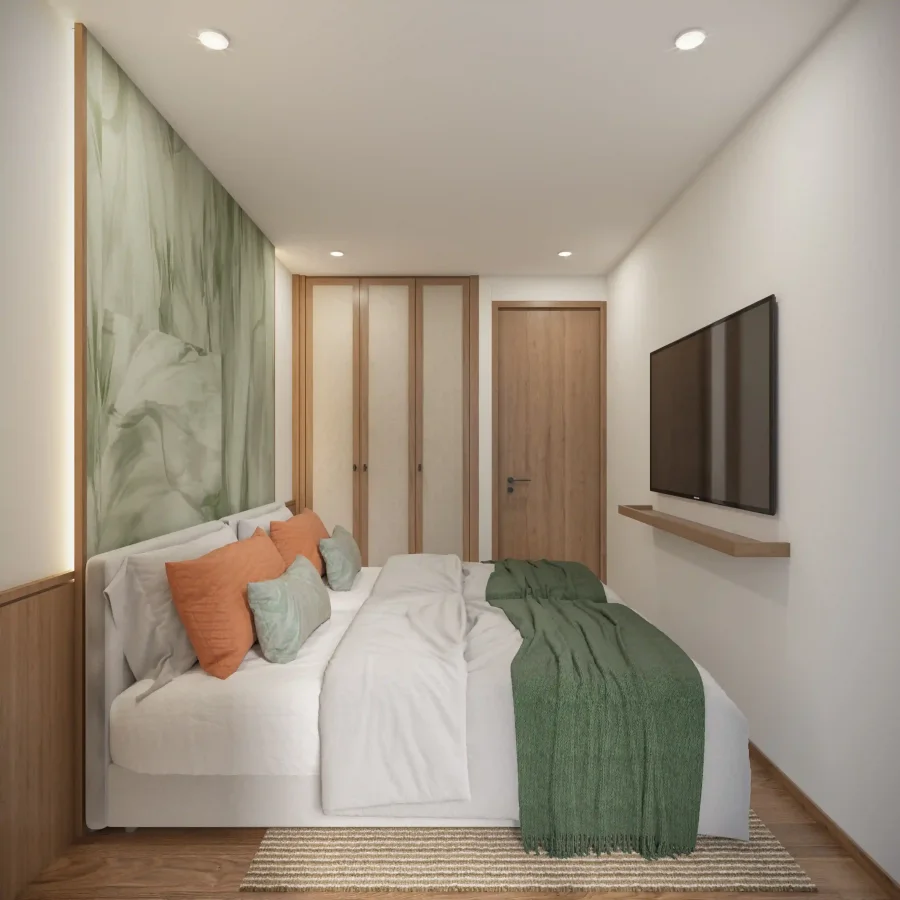


The Retirement-Rental Hybrid Model Explained
This strategy works in two distinct phases:
Phase 1 — The Accumulation Phase (years 1-10): You are still working in your home country. The property sits in a managed rental pool for 10-11 months per year. You visit for 2-4 weeks annually (typically Christmas or shoulder season). The rental income covers management fees, maintenance, and ideally contributes to a capital reserve. The goal is to reach retirement with a paid-off asset generating income.
Phase 2 — The Retirement Phase: You retire (or semi-retire) and transition to Phuket as a primary or secondary residence. You withdraw from the rental pool or reduce rental availability to 4-6 months/year (the months you are not in Phuket). Rental income partially offsets your cost of living in Phuket, reducing the pension or savings drawdown required.
The combined financial picture:
| Phase | Rental Months | Annual Rental Income (1BR Bang Tao) | Personal Use | Ownership Costs | Net Cash |
|---|---|---|---|---|---|
| Accumulation | 10-11 | $32,000-$38,000 | 1-4 weeks | $8,000 | $24,000-$30,000/yr |
| Early retirement | 6-8 | $19,000-$28,000 | 3-5 months | $8,000 | $11,000-$20,000/yr |
| Full retirement | 3-5 | $10,000-$18,000 | 7-9 months | $8,000 | $2,000-$10,000/yr |
Find the right unit for your goals
Our team matches you to the best rental performer in your budget. No pressure.
Visa Path for Retirement in Thailand
The visa structure is critical for the retirement phase. Several options are available to foreign nationals:
Thailand Elite Visa (now Elite Flexible One):
- Cost: 500,000 THB (approx $14,000) for 5 years or 1,000,000 THB for 10 years
- Multiple-entry, 1-year renewable stays
- No income, investment, or property ownership requirement
- Best for: Buyers who want maximum flexibility without committing to a specific visa category
- Increasingly popular with European and Australian retirees
Long-Term Resident (LTR) Visa:
- For retirees: Requires proof of passive income of at least $40,000/year (from pension, investments, or rental income)
- OR assets of at least $250,000 and income of $40,000/year
- Grants 10-year multiple-entry visa, work permit for remote work
- Tax incentives (no Thai tax on overseas income remitted to Thailand)
- Best for: Retirees with substantial pension or investment income
Retirement Visa (Non-Immigrant OA):
- Minimum age: 50
- Requires: 800,000 THB in a Thai bank account OR monthly income proof of 65,000 THB/month
- Annual renewal required, some restrictions on work
- Lower cost than Elite Visa but more administrative renewal burden
- Best for: Budget-conscious retirees who meet the financial requirements
Note on property ownership and visa: In Thailand, property ownership does not automatically grant visa rights. Visa and ownership are separate legal matters. Always consult a licensed Thai immigration lawyer for visa strategy.
Optimal Unit for the Retirement-Rental Strategy
The unit type that works best for both phases:
| Unit Type | Rental Phase (yield) | Retirement Phase (livability) | Overall Rating |
|---|---|---|---|
| Studio (24-35 sqm) | Excellent (9-12%) | Poor (too small for retirement) | Not recommended |
| 1BR (40-55 sqm) | Very good (8-10%) | Good (adequate for solo/couple) | Strong choice |
| 1BR + study/den (50-60 sqm) | Good (8-9%) | Very good (home office, guest space) | Best single person |
| 2BR (60-90 sqm) | Good (7-9%) | Excellent (couple, guest room) | Best for couples |
| 2BR villa | Moderate (7-8%) | Excellent (private, garden, pool) | Premium option |
The 2BR condo is the ideal retirement-rental unit for couples. During the accumulation phase it achieves 7-9% yield (broadly comparable to a 1BR after cost normalization). During the retirement phase it provides a genuine second bedroom for guests, a workspace, or a hobby room — dramatically improving livability compared to a studio or small 1BR.
Income During the Accumulation Phase
For a realistic view of the financial contribution the property makes before retirement, using a 2BR condo in Bang Tao at $220,000 as a base case:
Annual income calculation (accumulation phase, 10 months in rental pool):
- Annual gross revenue: approximately $22,000-$28,000
- Management fee (22%): -$4,840-$6,160
- Utilities and maintenance: -$4,500
- Annual insurance: -$880
- Net income: $11,780-$16,460 per year
- Net yield: 5.4-7.5% on $220,000 purchase price
Over 10 years, this generates $117,800-$164,600 net income while the property appreciates (conservatively, 30-40% capital gain in Bang Tao over 10 years on a $220,000 property = $66,000-$88,000 capital appreciation). Total wealth creation from the property over 10 years before retirement: $183,800-$252,600.
Transitioning to Personal Use
The transition from rental mode to primary or part-time retirement residence requires coordination:
Managed pool withdrawal options:
- Most rental pools require 30-90 days notice to withdraw a unit
- Some pools allow “personal use periods” of 30-90 days per year without full withdrawal
- Premium managed pools (Laguna, Angsana) have more flexible personal use structures
Recommended transition plan:
- Year 8 (2 years before planned retirement): Start reducing rental availability, test living in Phuket for 6-8 weeks
- Year 9: Establish Thai bank account, arrange Elite or LTR Visa, open local medical relationships
- Year 10 (retirement year): Formally transition from pool or reduce to 4-6 months rental, establish Phuket as primary base
Tax transition: When a property shifts from investment to primary residence, the Thai tax treatment of rental income changes. Consult a Thai accountant in advance of the transition to ensure compliance.
Legal Structure Considerations
Foreign nationals have two main property ownership structures in Thailand:
Condo freehold (condominium title): Foreign buyers can own up to 49% of units in a condominium building outright. This is the simplest, most legally secure structure. Ideal for 1BR and 2BR condo purchases. The retirement-rental strategy works extremely well in this structure.
Leasehold (land + villa): Foreign nationals cannot own land in Thailand. Villas are typically purchased on 30-year leasehold with 30-year renewal options. This structure is functionally secure for most practical purposes but is less legally absolute than freehold. For retirement purposes, ensure the leasehold term extends well beyond your intended retirement horizon.
Thai company structure: Some buyers purchase land-holding companies, but recent regulatory changes have increased scrutiny of this structure. For the retirement-rental buyer, freehold condo or leasehold villa are the preferred paths.
Who This Strategy Suits Best
The retirement-rental hybrid works best for:
- European, Australian, and North American buyers aged 45-60, planning retirement in the next 10-15 years
- Those with pensions or other retirement income that will cover basic living costs (the Phuket property income supplements lifestyle, not replaces all income)
- Buyers who want to test Phuket lifestyle before committing fully — the accumulation phase provides annual visits that confirm the long-term vision
- Those comfortable with Thai leasehold or freehold condo ownership structures
It works less well for:
- Buyers who need the property to generate full retirement income (Phuket property income should be a supplement, not the only source)
- Those who cannot tolerate any year-to-year income variability (use long-term rental instead)
- Very short investment horizons (under 5 years before retirement)
Frequently Asked Questions
The optimal purchase window is 10-15 years before planned retirement, typically age 45-55. This gives the property time to generate substantial accumulation-phase income, allows capital appreciation to build, and provides enough time to test and refine the retirement lifestyle before committing fully. Buying at 40 is excellent if the finances work.
Partially, yes. A 2BR condo in Bang Tao generating $15,000-$20,000 net annually can meaningfully supplement a pension or savings drawdown. However, most financial advisors recommend against relying on a single rental property as the primary retirement income source due to seasonal variability and management dependency. It works best as a supplement that reduces drawdown by 30-50%.
The Thailand Elite Visa (500,000-1,000,000 THB) is the most popular choice for retirees who want flexibility without strict income requirements. The LTR Visa is better for retirees with $40,000+ in annual passive income, as it offers a 10-year visa and significant tax advantages on overseas income remitted to Thailand.
Yes, typically with 30-90 days notice. Most managed rental pool agreements allow withdrawal with proper notice. Some premium pools (Laguna, Angsana) have flexible personal use structures that allow extended personal stays without full withdrawal — useful if you want to continue partial rental income during semi-retirement.
A 2BR condo in a managed pool is the most practical retirement-rental vehicle: strong yield during the accumulation phase, manageable ownership costs, freehold ownership structure, and adequate livability for a couple in retirement. A villa delivers better lifestyle in retirement but lower yield in the accumulation phase and higher ongoing costs. Budget under $350,000 = condo; budget above $500,000 and lifestyle is priority = villa.
Read Also
- Phuket Property for Retirement Buyers
- Thailand Retirement Property Guide
- Thailand Elite Visa and Property
- Best Second Home Areas in Phuket
- Part-Time Living in Phuket Explained
Get Your Phuket Property Shortlist
Tell us your budget and goals — our expert sends a shortlist within 2 hours.

MORE Group Editorial
Phuket Real Estate Experts
The MORE Group team has helped 500+ European and American buyers purchase property in Thailand. We provide legal support, 0% commission, and on-the-ground expertise with 8 years in the Phuket market.
Get Your Phuket Property Shortlist
Tell us your budget and goals — our expert sends a shortlist within 2 hours.