Thailand Retirement Property Guide: Everything Foreign Retirees Need to Know
Complete 2026 guide to retiring in Thailand and buying property. OA retirement visa requirements, best areas, healthcare, lifestyle costs, property ownership rules and practical steps.

Thailand Retirement Property Guide: Everything Foreign Retirees Need to Know
Thailand is one of the world’s top retirement destinations for a compelling reason: a retiree can live comfortably on $2,000–$3,500/month (including rent, food, healthcare, and transport), enjoy a year-round warm climate, access excellent private hospitals, and own property in one of Asia’s most beautiful environments. Foreign retirees aged 50 and above qualify for a Non-Immigrant OA Visa (Retirement Visa) — renewable annually with no income cap or wealth test beyond a manageable financial threshold: either ฿800,000 ($23,500) in a Thai bank account or monthly income of at least ฿65,000 ($1,900). Phuket is the leading retirement destination for Western retirees, offering international-standard private healthcare, English-speaking service industries, and a developed expat community of over 30,000 foreign residents.
Looking for the right property in Phuket?
Our experts send a shortlist within 2 hours. 0% buyer commission.
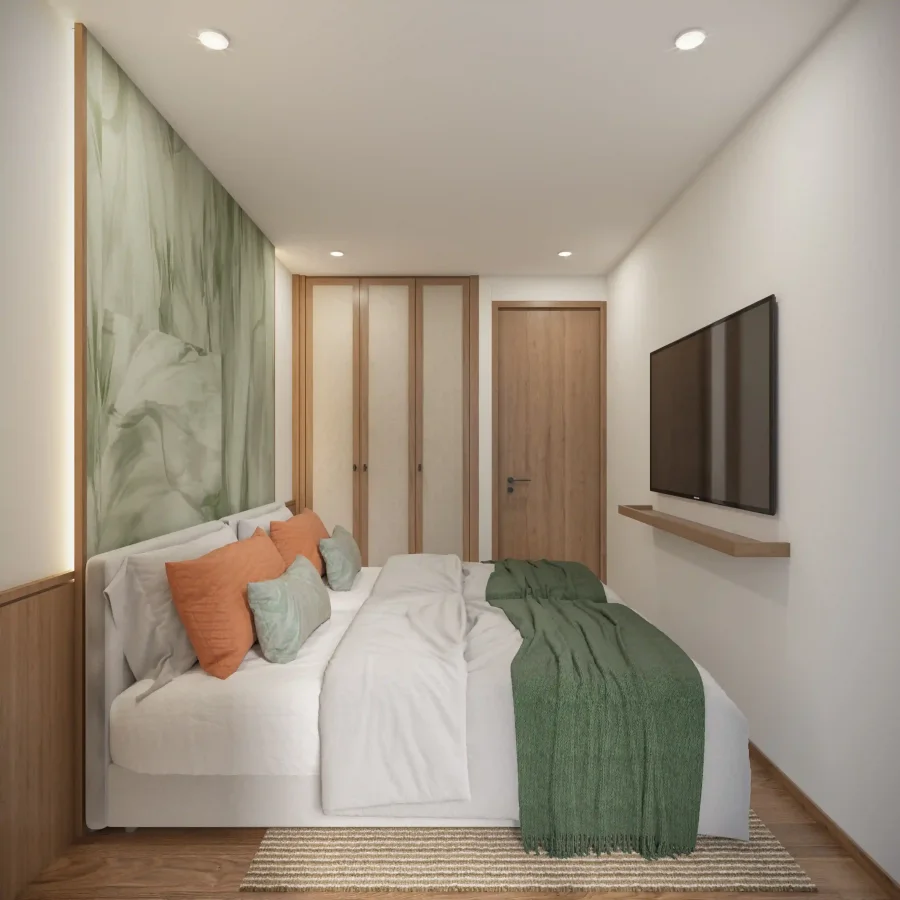


Why Retirees Choose Thailand — and Phuket in Particular
Thailand has competed for the top spot in global retirement destination rankings for over a decade. The combination of factors is hard to match:
Climate: Phuket averages 32°C (90°F) year-round with a tropical seasonal pattern. Even the “rainy season” (May–October) typically brings sunshine in the mornings and brief afternoon showers. No heating bills, no winter gloom.
Cost of living: Consistently 40–60% lower than Northern Europe, the US, and Australia for equivalent lifestyle. Your retirement income stretches significantly further.
Healthcare: Phuket has two internationally accredited private hospitals — Bangkok Hospital Phuket and Mission Hospital Phuket — plus numerous private clinics. Medical costs are 50–80% lower than US or UK private rates. Many retirees find they can afford private healthcare in Thailand that would be financially out of reach at home.
Community: An established international community of retirees from the UK, Germany, Scandinavia, Australia, the US, and beyond. English is widely spoken in commercial and medical settings throughout Phuket.
Property value: Entry prices for quality Phuket property (freehold condo with pool, sea view, security) start at ฿3,000,000–฿6,000,000 ($88,000–$176,000) — fractions of comparable European or Australian coastal property.
The Thailand OA Retirement Visa: Complete Requirements
The Non-Immigrant OA Visa is Thailand’s official retirement visa for foreigners aged 50 and above.
Eligibility Requirements
| Requirement | Details |
|---|---|
| Age | 50 years or older |
| Nationality | All nationalities eligible |
| Criminal record | No serious criminal record in Thailand or home country |
| Health | Medical certificate (standard format) |
| Health insurance | Required since 2019 — minimum ฿40,000 outpatient, ฿400,000 inpatient coverage |
Financial Requirements (Either/Or)
| Option | Requirement |
|---|---|
| Bank deposit | ฿800,000 (~$23,500 / ~€22,000) in a Thai bank account |
| Monthly income | ฿65,000/month (~$1,900/month) proven by pension or income statements |
| Combination | Bank deposit + monthly income totalling ฿800,000 annually |
Important: The ฿800,000 must be deposited at least 2–3 months before applying (requirements vary by consulate), and must remain in the account throughout the visa period.
Visa Duration and Renewal
- Initial visa: Issued by Thai consulate/embassy in your home country — 90 days single entry
- On arrival extension: Extended to 1 year at Thai Immigration
- Annual renewal: Renewable indefinitely in Thailand, subject to continued financial proof
- Re-entry permit: Purchase a re-entry permit (฿1,000–฿3,800) to leave and return without voiding the visa
Applying for the OA Visa
Step 1: Apply at a Thai consulate or embassy in your home country. Required documents:
- Passport (valid minimum 18 months)
- Passport-sized photos
- Medical certificate (from licensed physician)
- Criminal background check (apostilled if required)
- Financial evidence (bank statements or pension income proof)
- Health insurance policy
Step 2: On arrival in Thailand, report to immigration within 90 days of your entry stamp and apply for the 1-year extension.
Step 3: Register your address with immigration (TM30 report — done by your landlord or by yourself if you own property).
Step 4: Perform the 90-day check-in — notify Thai immigration of your address every 90 days (can be done online, by post, or in person).
Looking for the right property in Phuket?
Our experts send a shortlist within 2 hours. 0% buyer commission.
Best Areas in Phuket for Foreign Retirees
Phuket’s different areas suit different retirement lifestyles. Here is an overview:
Bang Tao / Layan — Best for Active Lifestyle and Amenities
- Best for: Retirees who want access to the Laguna complex (5 hotels, 30 restaurants, spa, golf), Bang Tao beach, and a bustling expatriate social scene
- Property range: ฿4,000,000–฿15,000,000+ for condos; villas from ฿15,000,000
- International community: Large, well-established. Several international social clubs
- Healthcare access: Bangkok Hospital Phuket ~25 minutes
Kamala — Best for Quiet, Upscale Living
- Best for: Retirees preferring a calmer environment than Bang Tao, with a beautiful bay, good local restaurants, and easy access to Patong (10 minutes) without the noise
- Property range: ฿3,500,000–฿12,000,000 for condos; villas ฿12,000,000+
- Character: Upscale, established expat village feel
Rawai / Nai Harn — Best for Long-Stay Expat Culture
- Best for: Retirees who prefer an authentic local atmosphere, lower costs, and integration with Phuket’s established long-stay expat community
- Property range: ฿2,500,000–฿8,000,000 condos; villas from ฿8,000,000
- Character: Most ‘local’ feel of the main areas. Popular with Australian, European, and Russian retirees
Kata / Karon — Best for Traditional Beach Town Feel
- Best for: Retirees who want a traditional beach community with affordable restaurants, easy beach access, and a mix of tourists and long-term residents
- Property range: ฿2,000,000–฿7,000,000 for condos
- Healthcare: Closer to Phuket Town hospitals — Phuket International Hospital (15 minutes)
Surin — Best for Luxury Lifestyle
- Best for: Retirees with a larger budget seeking upscale restaurants, boutique hotels, and proximity to Phuket’s most prestigious beach area
- Property range: ฿6,000,000–฿25,000,000+
Healthcare in Phuket: What Retirees Need to Know
Bangkok Hospital Phuket:
- JCI-accredited international hospital
- Full range of specialist departments including cardiology, oncology, orthopaedics
- International Patient Centre with multiple language support
- Emergency services 24/7
- Costs: significant savings vs US/EU private rates, but not as cheap as mainland Thai public hospitals
Mission Hospital Phuket:
- Long-established, good general services
- Lower cost than Bangkok Hospital for many procedures
- Popular with long-term expat residents
Health Insurance Requirements: The OA Visa requires health insurance covering:
- Outpatient: minimum ฿40,000 per policy year
- Inpatient: minimum ฿400,000 per policy year
Recommended insurers for expats in Thailand: Cigna, AXA, BUPA International, Pacific Cross, and LMG Insurance (local Thai policy). Annual premiums for a 60-year-old: approximately $2,000–$5,000/year depending on coverage level.
Cost of Living: A Realistic Budget for Retirees in Phuket
| Expense Category | Budget Level ($/month) | Mid-Level ($/month) | Luxury ($/month) |
|---|---|---|---|
| Accommodation (condo rent if not owned) | $700 | $1,200 | $2,500+ |
| Food (local + occasional restaurants) | $400 | $700 | $1,500 |
| Transportation (motorbike/taxi) | $100 | $200 | $500 |
| Health insurance | $150 | $300 | $600 |
| Utilities (electric, internet, water) | $120 | $200 | $400 |
| Entertainment/lifestyle | $200 | $500 | $1,500 |
| Monthly total | $1,670 | $3,100 | $7,000+ |
Retirees who own their property eliminate the accommodation line entirely, or receive rental income when they travel. Owners of a ฿5,000,000 condo generating 6% yield receive approximately $1,000–$1,200/month in net rental income — covering a significant portion of living expenses.
Property Ownership for Retirees: Legal Framework
Retirees from any country — the US, UK, Germany, France, Australia — have the same property ownership rights in Thailand:
Freehold Condo (most popular for retirees):
- Full ownership of the unit on Chanote (land title deed)
- Foreign quota: building must be ≤49% foreign-owned by floor area
- No ongoing visa requirement to maintain ownership (property is owned regardless of visa status)
- Can rent the property, sell it, bequeath it
Leasehold Villa or House:
- 30-year lease term registered at the Land Department
- Often includes an option to renew for additional 30-year periods (though renewal is not guaranteed under Thai law)
- Enables retirees to live in a house or villa with a private garden
- Common in residential projects specifically designed for expat retirees
Purchase process: Identical to any other foreign buyer — FET certificate, Land Department registration, Chanote title transfer.
Thailand vs Other Retirement Destinations: How It Compares
| Factor | Thailand (Phuket) | Portugal (Algarve) | Spain (Costa del Sol) | Malaysia (Penang) |
|---|---|---|---|---|
| Monthly cost of living | $2,000–$3,500 | $2,500–$4,500 | $2,500–$4,000 | $1,500–$2,500 |
| Property entry price | From $90,000 | From $200,000 | From $150,000 | From $80,000 |
| Retirement visa ease | Moderate | Easy (EU D7 visa) | Easy (non-lucrative visa) | Easy (MM2H) |
| Climate | Tropical (year-round) | Mediterranean (seasonal) | Mediterranean (seasonal) | Tropical |
| Healthcare quality | Excellent private | Good EU standard | Good EU standard | Good private |
| English spoken | Widely (tourist areas) | Widely | Moderately | Widely |
| Flight from Europe | 10–12 hours | 2–3 hours | 2–3 hours | 12–13 hours |
Portugal and Spain win on travel convenience; Thailand wins on climate, cost, and healthcare value.
Inheritance and Estate Planning for Retirees
Retirees with significant Thai property holdings should plan carefully:
- Thai will: A will executed in English (or Thai) in Thailand, with two witnesses, is legally valid. Strongly recommended
- Thai inheritance tax: Only applies above ฿100 million (~$3M) — irrelevant for most retirees’ property values
- Home country inheritance tax: Your property in Thailand is included in your worldwide estate for home-country inheritance tax purposes
- Power of Attorney: Consider granting a trusted local representative power of attorney to manage your property if you become incapacitated
Checklist: Planning Your Thailand Retirement Move
- Verify you meet the OA Visa financial requirements (฿800K in bank or ฿65K/month income)
- Get a medical certificate from your doctor (standard format)
- Obtain criminal background check (apostilled)
- Purchase OA Visa-compliant health insurance (minimum ฿40K outpatient / ฿400K inpatient)
- Apply at Thai consulate in your home country
- Shortlist Phuket properties (consider location, community, healthcare access)
- Engage independent Thai law firm for purchase due diligence
- Open Thai bank account (for OA Visa deposit + FET certificate)
- Transfer purchase funds via Wise or OFX (not bank wire)
- Complete the 90-day check-in registration
- Execute a Thai will for property succession
Disclaimer: Visa rules, financial requirements, and property laws in Thailand are subject to change. This guide reflects the best available information as of March 2026. Always consult an immigration lawyer and qualified property legal adviser before making decisions.
FAQ
Frequently Asked Questions
50 years old. The Non-Immigrant OA (Retirement) Visa is available to all foreigners aged 50 and above. There is no maximum age limit. The financial requirement is ฿800,000 (~$23,500) in a Thai bank account OR ฿65,000/month (~$1,900/month) in provable income from pensions or investments.
Not freehold. Foreign nationals cannot own land freehold in Thailand. Retirees can own a condominium unit freehold (Chanote title). For houses and villas, the typical structure is a 30-year leasehold on the land (registered at the Land Department) with freehold ownership of the building structure.
Yes, for most conditions. Bangkok Hospital Phuket is JCI-accredited with specialist services including cardiology, oncology, and orthopaedics. Costs are 50–80% lower than equivalent US or UK private care. For very complex procedures, Bangkok's world-class hospitals (Bumrungrad, BNH) are a 90-minute flight away. Mandatory OA Visa health insurance provides a safety net.
A comfortable lifestyle costs approximately $2,500–$3,500/month including accommodation, food, healthcare, transport, and entertainment. Budget-conscious retirees manage on $1,500–$2,000/month. If you own your property (eliminating rent), costs reduce significantly — and rental income from the property when you travel can offset living expenses further.
No. Property ownership is separate from visa status. The OA Visa is based on your age, health, insurance, and financial requirements — not whether you own or rent. However, having a Thai bank account (required for the ฿800,000 deposit requirement) also enables you to receive the FET certificate needed for property title registration, making the bank account useful for both visa and property purposes.
Related Guides
- Phuket Property Visa Options for Foreigners
- Best Areas to Invest in Phuket 2026
- Annual Ownership Costs in Thailand
- Can Foreigners Buy Property in Thailand?
- Freehold vs Leasehold in Thailand
Get Your Phuket Property Shortlist
Tell us your budget and goals — our expert sends a shortlist within 2 hours.

MORE Group
Phuket Real Estate Experts
The MORE Group team has helped 500+ European and American buyers purchase property in Thailand. We provide legal support, 0% commission, and on-the-ground expertise with 8 years in the Phuket market.
Get Your Phuket Property Shortlist
Tell us your budget and goals — our expert sends a shortlist within 2 hours.