Guide for Swedish Buyers: Buying Property in Thailand 2026
A Swedish passport gives no special status in Thailand and needs none. The Condominium Act lets any foreigner hold a condominium unit freehold, registered in their own name on the building’s title, as long as foreign-held units stay within 49% of the building’s floor area; land is closed to foreigners whatever their nationality, so villas are held on registered leases. Swedes are one of the longest-established northern European groups on the island, drawn by the winter contrast and by a community that already exists on the ground, and Sweden and Thailand have an income tax treaty that covers the rent a Swedish owner earns here.

Can Swedish Citizens Buy Property in Thailand?
Yes, for a condominium unit: in your own name, with the title deed registered at the Land Department. For a villa or anything else that comes with land, the answer is a 30-year registered lease. The Land Department registers no longer term, and any further term is a contractual promise from the lessor rather than a registered right, so price a villa as thirty years of use and read the renewal wording as a promise whose value depends on who gives it. The freehold vs leasehold guide sets out both structures before you compare villa and condo prices.
Tax Implications for Swedish Buyers
Rental income: Swedish residents must declare rental income from overseas property in Sweden. For a privately used residence abroad the income falls under Swedish capital income at 30%. Under the Sweden-Thailand double tax treaty the Thai tax already withheld is set against the Swedish bill, so the same krona is not taxed twice. If your property is managed under a developer rental program (common in Phuket), the program typically handles Thai tax obligations and provides documentation for your Swedish return.
Capital gains: a gain on the sale is taxed in Sweden as capital income. How much of the gain is brought into charge depends on how Skatteverket classifies the unit, and Sweden has no holding-period exemption, so a sale after fifteen years is taxed like a sale after two. On the Thai side the seller pays withholding at the transfer and, inside five years of ownership, specific business tax; the transfer fees guide has the schedule. The treaty decides how the Thai payment is credited, and a Swedish adviser should see the numbers before you sign the sale contract, not after.
After leaving Sweden: emigration does not end Swedish tax liability on its own. For five years after moving out, a Swedish citizen is presumed to keep essential ties to Sweden (väsentlig anknytning) unless they show otherwise, and while that presumption holds the worldwide-income rules above still apply. If you have recently left, settle your status with Skatteverket before buying.
The sale record: the sale of a foreign residence is reported to Skatteverket on the schedule it prescribes for property sales, with the acquisition cost, improvement costs and selling costs stated in kronor. Keep the purchase contract, every transfer receipt and the bank’s foreign exchange transaction record from day one. The gain is computed from documents, and reconstructing them ten years later is expensive.
What Sweden taxes, and the part that catches people out
Sweden’s treatment of a Thai property is straightforward in outline and has one feature that surprises buyers from most other countries.
A Swedish tax resident is taxed on worldwide income, so Phuket rent goes into the Swedish return even though Thailand has already taxed it; the treaty relief removes the double charge, not the declaration. That is still a more comfortable footing than an American buyer has. The US treaty carries a saving clause that lets the United States tax its own citizens regardless of it, whereas Sweden taxes by residence rather than by passport, so once you are genuinely non-resident nothing of the kind applies.
The feature worth knowing about is the gain on a property abroad. Sweden has none of the tapering or long-hold exemptions that buyers from Germany or southern Europe expect, and the deferral a Swede can claim when one home replaces another is not available when the replacement home is in Thailand. The gain is also measured in kronor: the purchase is converted at the rates of the days you paid, the sale at the rate of the day you are paid, and the difference is what Skatteverket sees. A unit sold for exactly the baht price you paid can therefore show a Swedish gain if the krona weakened while you owned it, and a Swedish loss if it strengthened.
Two habits follow. File the Thai withholding certificate and the operator’s annual statement every year, because the credit for Thai tax exists only if you can evidence it. And note the date and rate of each instalment on an off-plan purchase: the Swedish acquisition cost is the sum of several conversions, not the price-list figure.
Rates, thresholds and reporting requirements change, and the treatment depends on your residency status and how the property is held. Use this to know which questions to put to a Swedish adviser experienced with foreign property, not as a substitute for asking them.
Why the Swedish community concentrates where it does
Swedes are one of the most established northern European groups in Phuket, and they are not spread evenly across the island. Understanding where they cluster, and why, is useful whether you intend to live among them or to let to them.
The concentration is in the south, around Rawai, Nai Harn and Chalong, and it is a winter phenomenon in origin. The pattern that built it is the long stay: three to six months from November, escaping a Scandinavian winter, in an area with genuine year-round infrastructure rather than a resort strip that empties in May. Rawai’s supermarkets, clinics, restaurants and the practical density of Chalong support that kind of stay in a way the west coast tourist corridors do not.
For an owner this has a direct commercial consequence. The Swedish long-stay tenant is one of the most reliable in the Phuket market: they book for months rather than nights, they return to the same property year after year, they pay in advance, and they cost almost nothing to service between stays. Against that, they occupy exactly the months a short-let owner would otherwise charge peak rates for, so the two strategies compete for the same weeks rather than complementing each other. Decide which one the property is for before furnishing it, because a unit set up for nightly turnover and a unit set up for a five-month resident are not the same product.
If letting to this group is part of the plan, the practical levers are unglamorous: a proper kitchen, real storage, a workspace, reliable internet, and a building that tolerates long stays without treating them as an exception. None of that shows up in a nightly rate comparison, and all of it decides whether the same tenant comes back next November.
Currency and Payment
Payment mechanics:
- Wire from your Swedish bank account, in your own name, to the developer’s Thai bank: the Thai bank converts to baht on arrival and issues the foreign exchange transaction (FET) record
- Ask the receiving Thai bank which currencies it accepts for inbound conversion before sending; if the money travels as euros or dollars rather than kronor it is still foreign currency arriving in Thailand, and the FET record is issued at the onshore conversion
- The Foreign Exchange Transaction (FET) certificate from the Thai bank is mandatory for freehold registration
- Swedish banks have increased AML documentation requirements for overseas property purchases: prepare property details, SPA, and source of funds documentation
Popular Projects for Swedish Buyers
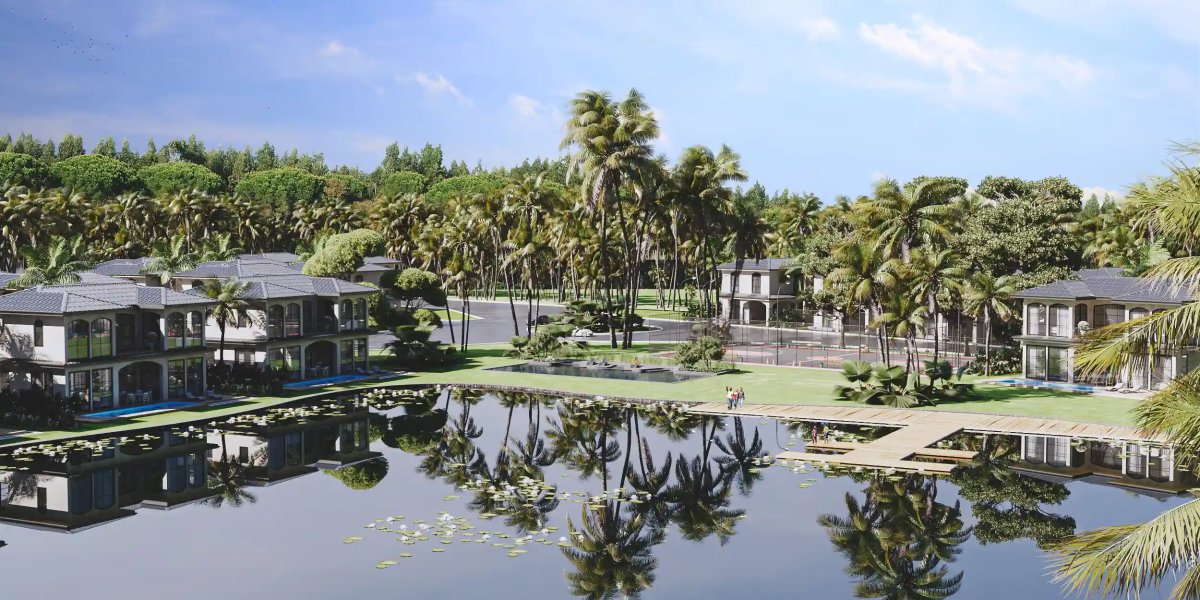
Rawai, where the Swedish community is concentrated, is where the long-stay condominium projects are being built, among them VIP Space Odyssey: 619 units, studios to two-bedrooms from 3.52 million THB, December 2028 delivery, about 1.5 km from the beach. It is a condominium rather than a villa project, and it is priced for annual tenancies rather than nightly rates, which is the Swedish winter-stay market described above. Bang Tao and the Laguna estate carry the managed resort condos that suit an owner who wants no involvement at all; the best areas guide compares the two.
Looking for the right property in Phuket?
See what your SEK budget gets you in Phuket. Free shortlist from MORE Group.
The krona is the risk nobody negotiates over
Swedish buyers spend real effort negotiating a discount on the price list and almost none on the exposure that will move the cost of the purchase far more than any discount could.
The price list is in baht, or in dollars that the developer converts to baht; your savings are in kronor. From reservation to completion, and later from ownership to sale, SEK/THB moves for reasons that have nothing to do with the unit. An off-plan schedule stretches that exposure across the whole build, one instalment at a time, and the krona has moved enough against the baht in past build periods for the currency to cost more than any discount won on the price list.
Three responses, in the order most Swedish buyers should take them. Send the money in tranches, so the rate you get is an average of several days rather than one. Price forward cover with your bank for the instalment dates in the contract, even if you end up declining it. And keep the purchase small enough that a bad move in the krona is an irritation rather than a problem, which is the only hedge that works in every scenario.
At the exit the exposure reverses: the buyer pays you in baht and your life is priced in kronor, so run the sale in both currencies before deciding whether it was a good one. The inbound transfer also has a Thai rule of its own. Freehold registration of a condominium in a foreign name rests on the purchase money having come from abroad as foreign currency, changed into baht by the Thai bank, with the FET record showing your name as sender. Money that was already baht before it arrived, or that came from a relative’s account, leaves the Land Department with nothing to register against.
Risks and Red Flags for Swedish Buyers
| Red flag | What to verify |
|---|---|
| Foreign quota full or nearly full | Request juristic person letter confirming exact foreign quota percentage remaining, do not rely on developer verbal claims |
| No FET certificate issued | Confirm that your Swedish bank wire arrives at a Thai bank account in foreign currency and triggers an FET certificate; without it, freehold title registration is not possible |
| Villa lease sold as 90 years | The Land Department registers 30 years; further terms are a promise from the lessor, so ask who gives it and whether a buyer of the land would be bound by it |
| Off-plan developer without completed projects | Verify the developer’s handover record on completed projects before reserving; marketing renders are not delivery evidence |
| Tax residency after leaving Sweden | A Swedish citizen who has emigrated is presumed to keep essential ties for five years; confirm with Skatteverket or a Swedish adviser whether the worldwide-income rules still apply to you |
| Sale-record gaps | Keep the purchase contract, FET record and every transfer receipt from the first payment; Skatteverket computes the gain from documents, and gaps at the sale mean expensive reconstruction |
| Undisclosed CAM fees | Request 24-month juristic person maintenance fee history before signing, CAM escalation in poorly governed buildings erodes net yield |
MORE Group insider tip: Swedes typically arrive in Phuket in November-February when the contrast with Swedish winter is sharpest. This is psychologically the worst time to make a measured investment decision, everything looks and feels magnificent. The buyers who consistently get the best deals are those who shortlist in November, do the legal and financial due diligence in December-January (from Sweden, remotely), and reserve only after an independent lawyer confirms the title and quota. Emotional urgency and good investment decisions are rarely the same thing.
Buyer Scenarios: Which Swedish Buyer Are You?
Scenario A: The Winter Escape Investor (Budget SEK 1.5M-3.5M / $135K-$320K)
You want a Phuket base for 4-8 weeks each winter and rental income to cover costs the rest of the year. A 1BR managed condo in Rawai, Nai Harn, or Bang Tao with a professional operator fits perfectly. Target buildings where other Scandinavian owners are already active, they form an informal reference network for management quality. Verify net yield after management fees with audited operator statements, not brochure projections.
Scenario B: The Pure Yield Investor (Budget SEK 2M-4.5M / $180K-$410K)
You have minimal interest in personal use. You want rental income and capital appreciation, managed entirely by a professional operator with minimal involvement from you. Target Bang Tao and Cherng Talay 1-2BR condos with hotel-licensed management (Anantara, Accor, Best Western, Centara). Your annual review is a financial check, not a holiday. Verify occupancy data from operator statements, Swedish investors who rely on brochure yield figures are frequently disappointed by actual net performance.
Scenario C: The Lifestyle Relocator (Budget SEK 3.5M-8M+ / $320K-$730K+)
You are reducing Sweden ties, whether through relocation, semi-retirement, or digital nomad living, and want Phuket as a serious long-term base. Prioritise larger condos or leasehold villas in Rawai, Nai Harn, or Bang Tao with established Swedish-speaking communities nearby. Confirm your Swedish tax residency exit timeline with Skatteverket and review long-term Thai visa options (Thailand LTR Visa or Non-O-A Retirement Visa) before committing to a large purchase.
Scenario D: The Family Holiday Home Buyer (Budget SEK 3M-7M / $270K-$640K)
You are buying a family holiday property with investment returns as a secondary goal. Space, school proximity, and resort-style amenities matter more than maximum yield percentage. Bang Tao and the Laguna estate offer the best combination of family amenities, international school access, and resort infrastructure. A 2BR+ condo or smaller leasehold villa in this zone suits this profile.
Step-by-Step Buying Process for Swedish Buyers
- Reserve. A reservation agreement and a fee take the unit off the market while the checks run; read what happens to the fee if the checks fail.
- Check before you sign. Title search, the juristic person’s written confirmation of the foreign quota still available, the developer’s record on completed buildings and, for a villa, the exact lease wording. The due diligence guide lists the documents.
- Sign the sale and purchase agreement. If you sign from Sweden, a power of attorney lets your lawyer act at the Land Department; it has to be notarised and legalised for use in Thailand, which takes weeks rather than days (see the power of attorney guide).
- Pay from abroad, in your own name. Each instalment travels as foreign currency and is converted by the Thai bank, which issues the FET record that freehold registration depends on. The proof of funds guide covers the paperwork your Swedish bank will ask for.
- Transfer at the Land Department. The 2% transfer fee on the appraised value is commonly split by agreement; the seller’s withholding and, inside five years, specific business tax are the seller’s. The transfer fees guide sets out who pays what.
- After the keys. Register with the juristic person, put the operator’s Thai withholding in place, and open the file for Skatteverket described above.
Swedish buyer tip: Many Swedish buyers visit Phuket in November-February (peak season for Swedes escaping winter) and complete the reservation and viewing process during that trip, with remaining steps managed remotely.
Why Swedish Buyers Return to Phuket Repeatedly?
Swedish buyers also benefit from strong established infrastructure on the ground: Swedish-speaking staff at several major hospitals, Swedish-owned businesses in Rawai, active Scandinavian expat associations, and a well-networked Facebook group community that provides ground-level property management references. This existing community significantly reduces the information asymmetry that first-time foreign property buyers typically face, making Phuket a more confident purchase for Swedes than for buyers from markets with smaller Phuket footprints.
Frequently Asked Questions
Yes. Swedish citizens can own freehold condominium units in Thailand under the 49% foreign quota rule. There are no nationality-based restrictions, the same rules apply to Swedish nationals as to any other foreign buyer. Swedish citizens cannot own land outright in Thailand, but 30-year leasehold structures are commonly used for villas. The Swedish expat community in Phuket is one of the island's largest, particularly in Rawai and Nai Harn.
Yes. Sweden taxes residents on worldwide income including rental income from overseas property. Rental income from Thailand must be declared to Skatteverket on your annual income tax return. The Sweden-Thailand double tax treaty prevents double taxation, any Thai withholding tax paid is credited against your Swedish tax. Keep documentation from your property management company showing Thai taxes deducted.
By international wire from an account in your own name to the developer's Thai bank, in a foreign currency the Thai bank accepts for conversion. The Thai bank changes the money into baht on arrival and issues the foreign exchange transaction (FET) record that the Land Department requires for freehold registration. Your Swedish bank will ask for the sale contract and a source-of-funds explanation before releasing a transfer of this size.
Yes. Sweden and Thailand have a double tax agreement in force covering income taxes. Rental income from Thai property is covered, Swedish residents receive a credit for Thai taxes paid. Capital gains on Thai property may also be covered by the treaty, determining whether Thailand or Sweden has primary taxing rights. Capital income in Sweden is generally taxed at 30%.
Possibly. Skatteverket measures the gain in kronor: the purchase at the rates of the days you paid each instalment, the sale at the rate of the day the proceeds arrive. If the krona weakened between the two, a flat baht price is a Swedish gain; if it strengthened, it is a loss. The Thai tax withheld at the transfer is set against the Swedish tax under the treaty, so keep the Land Department receipts with the rest of the file.
Related Guides:

Maksim Shchegolev
Founder, MORE Group
Founder of MORE Group. Four years in investment banking before moving to Phuket, where he has worked in the local property market since 2018. Oversees developer relationships and every engagement above $300K.
About MORE Group →Get a Focused Phuket Property Shortlist
Share budget, area and goal. We will reply with suitable live projects, not a generic catalogue.
