Koh Samui for Premium Property Buyers: Honest Investment Guide 2026
Koh Samui property investment guide for premium buyers. Villa yields reach 8-12%, but leasehold dominates. Honest comparison with Phuket.

Koh Samui for Premium Property Buyers: Honest Investment Guide 2026
Koh Samui attracts premium buyers seeking a boutique island lifestyle with strong short-term rental potential — villa gross yields reach 8-12% in prime zones. However, foreign buyers face a leasehold-dominant market with limited freehold options, and infrastructure is less developed than Phuket. Samui suits buyers prioritising exclusivity and high nightly rates over legal simplicity — and who understand the leasehold structure they’re entering.
Get Expert Guidance on Thailand Property
MORE Group specialises in Phuket property for foreign buyers. Free consultation, 0% buyer commission.
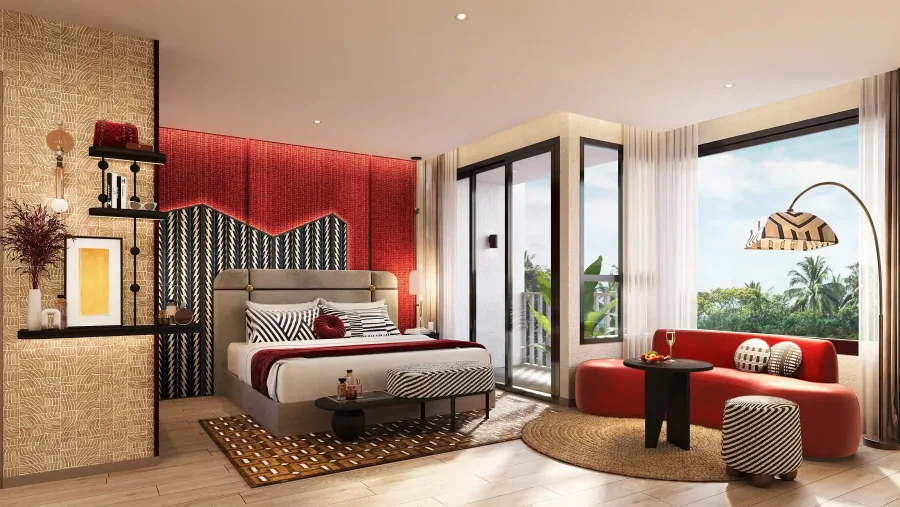
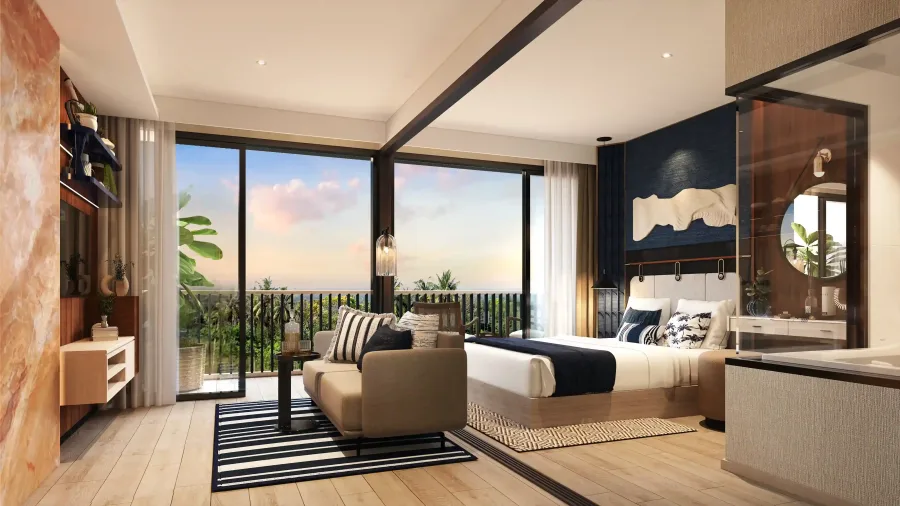

Koh Samui Market Overview
Koh Samui is Thailand’s third-largest island, located in the Gulf of Thailand approximately 35 kilometres off the coast of Surat Thani province. Unlike Phuket — which has developed into a mainstream mass-market destination with 12.5 million annual visitors — Samui maintains a more boutique character, attracting approximately 2-3 million visitors annually across a higher-spending profile.
The island’s property market is almost exclusively villa and luxury resort-style — condominiums are rare, and the primary investment vehicle for foreign buyers is private pool villas on leasehold land. This fundamentally shapes the investment case compared to Phuket’s condo-dominant market.
| Metric | Koh Samui | Phuket | Pattaya |
|---|---|---|---|
| Avg villa price | $300k-$2M+ | $400k-$3M+ | $200k-$800k |
| Avg condo price | $150k-$350k | $72k-$500k+ | $35k-$250k |
| Gross yield (villa, prime) | 8-12% | 7-10% | 7-12% |
| Foreign ownership | Leasehold dominant | Freehold condo, leasehold villa | Freehold condo |
| Annual visitor volume | 2-3 million | 12.5 million | 11 million |
| International airport | Yes (Bangkok Airways hub) | Yes (major international) | 1.5h to Suvarnabhumi |
| Infrastructure level | Moderate | High | Moderate |
| Market maturity | Boutique/niche | Mainstream | Mainstream |
Comparing Koh Samui with Phuket for your goals?
Our experts give honest analysis across both markets. Free consultation, no commission pressure.
Ownership Structure on Koh Samui Explained
This is the critical issue for foreign buyers, and it requires clear understanding before any other decision.
Leasehold — The Primary Route
The vast majority of Koh Samui villas and land are owned by Thai nationals or Thai companies. Foreign buyers typically access property through a 30-year leasehold agreement, often with options to renew for additional 30-year terms. The structure looks like this:
- Initial lease term: 30 years
- Renewal options: Often 2 additional terms of 30 years (total potential 90 years)
- Land ownership: Remains with Thai national or company
- Building ownership: Leasehold gives right of occupation and use
- Registration: Must be registered at the Land Department to be enforceable
The critical legal point: in Thailand, lease renewals beyond 30 years are not automatically enforceable. The renewal option exists in the lease contract, but Thai law does not guarantee enforcement of renewal terms beyond the initial period. Buyers must understand this — and ensure their lease is registered and their legal documentation is as robust as possible.
Freehold Condominiums (Limited)
A small number of condominium projects on Koh Samui offer freehold units under the standard Thai Condominium Act (49% foreign quota). These are rare and concentrated in a few specific developments. When available, freehold condo units are the safest ownership structure for foreign buyers.
Chanote Freehold Land (Very Rare)
In exceptional cases, villas with genuine Chanote (freehold) title land are available — often through Thai company purchase structures. These require specialist legal advice and typically carry significant complexity and cost.
Best Areas in Koh Samui
| Area | Character | Price Range | Best For |
|---|---|---|---|
| Choeng Mon (northeast) | Boutique beach, quieter | $400k-$1.5M | Premium lifestyle, families |
| Chaweng (east) | Main tourist strip | $250k-$800k | Short-stay rental yield |
| Bophut / Fisherman’s Village | Upscale, restaurants | $350k-$1.2M | Lifestyle buyers, retirees |
| Maenam (north) | Quiet, scenic | $250k-$700k | Long-stay, retirees |
| Lamai (southeast) | Active beach scene | $200k-$600k | Short-stay, younger market |
| Taling Ngam (west) | Exclusive, sunset views | $500k-$2M+ | Ultra-premium lifestyle |
Choeng Mon is widely considered Samui’s premium enclave — quiet, family-friendly, with some of the island’s finest boutique hotels (Six Senses, Anantara) and strong appeal to European and Australian high-net-worth buyers. Villa prices of $400,000-$1.5 million are justified by the micro-market quality.
Bophut and Fisherman’s Village attract a sophisticated buyer who wants Samui’s lifestyle without the Chaweng tourist volume — restaurant access, architecture quality, and proximity to the night market make it Samui’s most liveable zone.
Villa vs Condo at Koh Samui
For investment purposes, the data clearly favours villas:
| Villa (3-bed, Choeng Mon) | Condo (1-bed, Chaweng) | |
|---|---|---|
| Purchase price | $600,000 | $180,000 |
| Monthly rental income | $5,000-$12,000 (peak) | $1,200-$2,500 |
| Annual gross income | $40,000-$65,000 | $12,000-$22,000 |
| Gross yield | 7-11% | 7-12% |
| Ownership structure | Leasehold (risk) | Freehold (lower risk) |
| Management complexity | High | Lower |
| Buyer profile | Premium international | Broader |
| Resale market | Narrow | Narrow |
Villas generate higher absolute income and comparable yields, but require more capital, more management, and carry the leasehold structure risk. Condos offer freehold security but limited supply — when quality freehold units come to market, they move quickly.
Yield Analysis
Samui’s villa yield of 8-12% is achievable — but it depends heavily on nightly rates and occupancy patterns. According to property management data from Koh Samui operators, premium villas in Choeng Mon and Taling Ngam achieve nightly rates of $400-$1,500+ during high season (December-April, July-August) with peak occupancy of 70-85%.
The calculation for a $600,000 villa:
- High season (5 months): 70% occupancy × $700/night × 150 nights = $73,500
- Shoulder season (4 months): 50% occupancy × $500/night × 120 nights = $30,000
- Low season (3 months): 30% occupancy × $350/night × 90 nights = $9,450
- Gross annual income: approximately $113,000
- Gross yield: approximately 18.8% — but this is the optimistic scenario
More realistic (accounting for management fees 20-25%, maintenance 3-5%, vacant periods, damage): net yield 7-11%. These are genuine numbers for well-managed, well-located properties. They are not guaranteed.
Koh Samui vs Phuket: Honest Comparison
| Factor | Koh Samui | Phuket |
|---|---|---|
| Freehold condo ownership | Limited | Readily available |
| Villa leasehold security | Lower (Thai law constraints) | Similar leasehold structure |
| Visitor volume | 2-3M/year | 12.5M/year |
| Rental management quality | Developing | Established |
| International buyer pool | Narrow | Deep |
| Capital appreciation | 2-5%/year | 5-8%/year (prime) |
| Infrastructure | Moderate | High |
| Resale liquidity | Low | Moderate-High |
| Lifestyle exclusivity | Higher | More mainstream |
| Total return (realistic) | 9-15% | 10-18% |
Samui wins on exclusivity and boutique lifestyle. Phuket wins on legal security, tourist volume, management infrastructure, resale liquidity, and capital appreciation. For purely financial return, Phuket’s risk-adjusted total returns are superior in most scenarios.
Samui makes most sense for buyers where lifestyle is the primary driver — who want a genuinely boutique island, fewer tourists, and a more intimate community — and for whom the investment return is secondary to the ownership experience.
Risks
Leasehold legal uncertainty: As noted above, renewal terms beyond 30 years are not automatically guaranteed under Thai law. This is a real risk. Engage a Thai property lawyer with specific Koh Samui experience before committing.
Infrastructure limitations: Koh Samui’s water and electricity infrastructure is weaker than Phuket’s. Power outages during storm seasons are more frequent. Road infrastructure outside main zones is poor by comparison. These are quality-of-life issues that also affect villa maintenance costs.
Airport monopoly: Bangkok Airways operates the island’s only airport and historically prices accordingly. Flight connectivity is less flexible than Phuket, which is served by multiple international carriers. This caps the addressable tenant market compared to Phuket.
Smaller developer market: The number of reputable developers is smaller. Due diligence on developer track record is critical — project defaults have occurred on the island.
Frequently Asked Questions
Freehold condo ownership under the Thai Condominium Act (49% foreign quota) is possible but limited due to the small number of qualifying projects. The dominant ownership structure for foreign villa buyers is a 30-year leasehold, often with renewal options. Genuine freehold land ownership is not directly available to non-Thai nationals without a company structure. Legal advice specific to Koh Samui is essential before any purchase.
In prime zones (Choeng Mon, Taling Ngam, Bophut), well-managed villas achieve gross yields of 8-12% annually. After management fees (20-25%), maintenance (3-5%), and tax, net yields of 5-9% are the realistic range. Performance depends heavily on nightly rate positioning, booking platform management, and the quality and location of the villa. Not all properties achieve the upper range.
Phuket outperforms Koh Samui on most investment metrics: higher visitor volume (12.5M vs 2-3M annually), stronger freehold legal structure for condos, better management infrastructure, deeper international buyer pool for resale, and stronger capital appreciation in prime zones. Koh Samui offers a boutique lifestyle premium and comparable gross yields in prime areas, but the risk-adjusted case favours Phuket for most investment-focused buyers.
Leasehold is the primary ownership structure and is widely used — but it carries specific risks. Thai law limits the enforceability of initial lease terms to 30 years; renewal options (for additional 30-year terms) are contractual but not automatically guaranteed under Thai property law. A well-drafted, Land Department-registered lease provides the best available protection. Always use a lawyer with specific Koh Samui leasehold experience.
Choeng Mon is the strongest zone for premium investment — boutique character, high nightly rates, established reputation with European and Australian buyers. Bophut/Fisherman's Village suits lifestyle buyers who want restaurant and social access. Chaweng delivers the highest tourist volume but with more competition and a broader tenant profile. Taling Ngam is the emerging ultra-premium zone with sunset sea views.
Villa purchases start from approximately $250,000-$300,000 for a 2-bedroom property in less premium zones. Quality investment-grade villas in prime areas (Choeng Mon, Bophut) start from $400,000-$600,000. Condo units in the limited freehold projects start from $150,000-$180,000. The market is not structured for budget buyers — Pattaya or Chiang Mai serve that profile better.
Read Also
- Best City in Thailand for Foreign Property Buyers 2026
- Thailand Property Hotspots 2026: Where Smart Money Is Moving
- Thailand vs Bali Ownership Structures: What Foreign Buyers Need to Know
- Which Thai Property Market Has the Best Liquidity?
- Resort Market vs City Market in Thailand: Which Strategy Wins?
Get Your Phuket Property Shortlist
Tell us your budget and goals — our expert sends a shortlist within 2 hours.

MORE Group Editorial
Phuket Real Estate Experts
The MORE Group team has helped 500+ European and American buyers purchase property in Thailand. We provide legal support, 0% commission, and on-the-ground expertise with 8 years in the Phuket market.
Get Your Phuket Property Shortlist
Tell us your budget and goals — our expert sends a shortlist within 2 hours.