
Where to Buy in Phuket If You Visit Two Months a Year
If you visit Phuket for two months per year, your property spends ten months generating (or failing to generate) income. The area you choose determines rental yield, occupancy, management quality, and future liquidity. This guide targets buyers who want maximum passive income during absence, personal enjoyment matters, but income performance and remote management come first. Start with best areas to buy property in Phuket before you fixate on one development brochure.

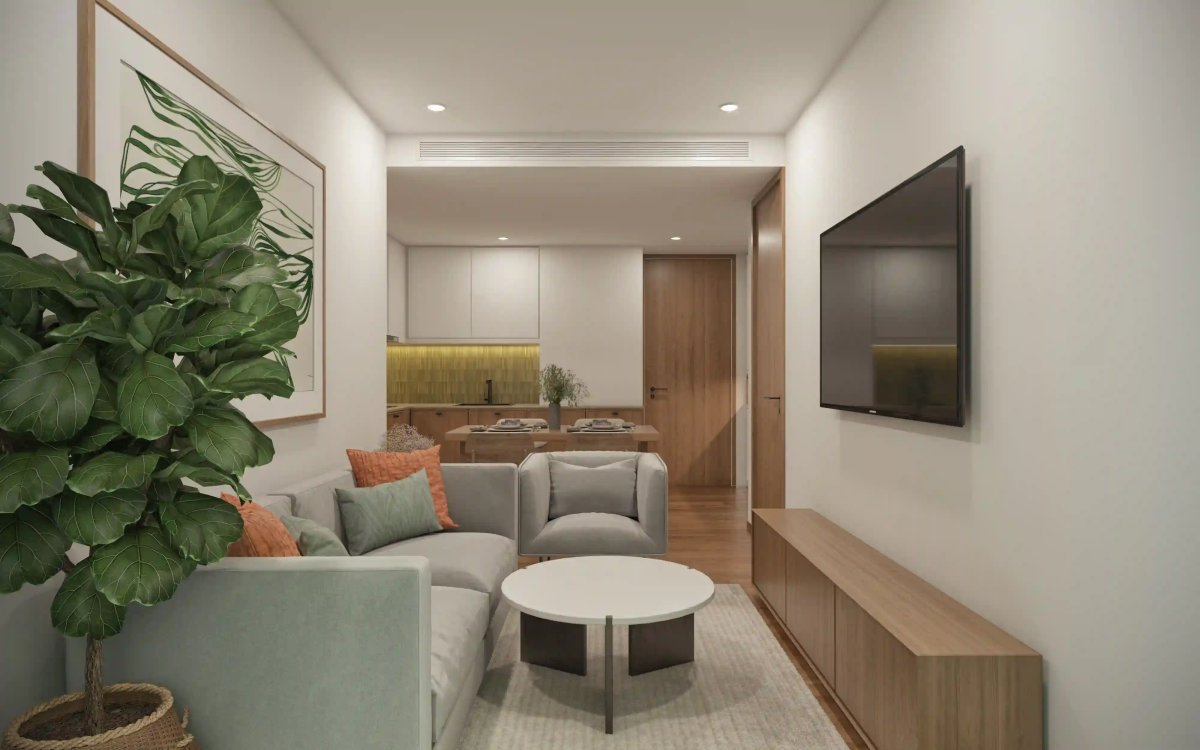
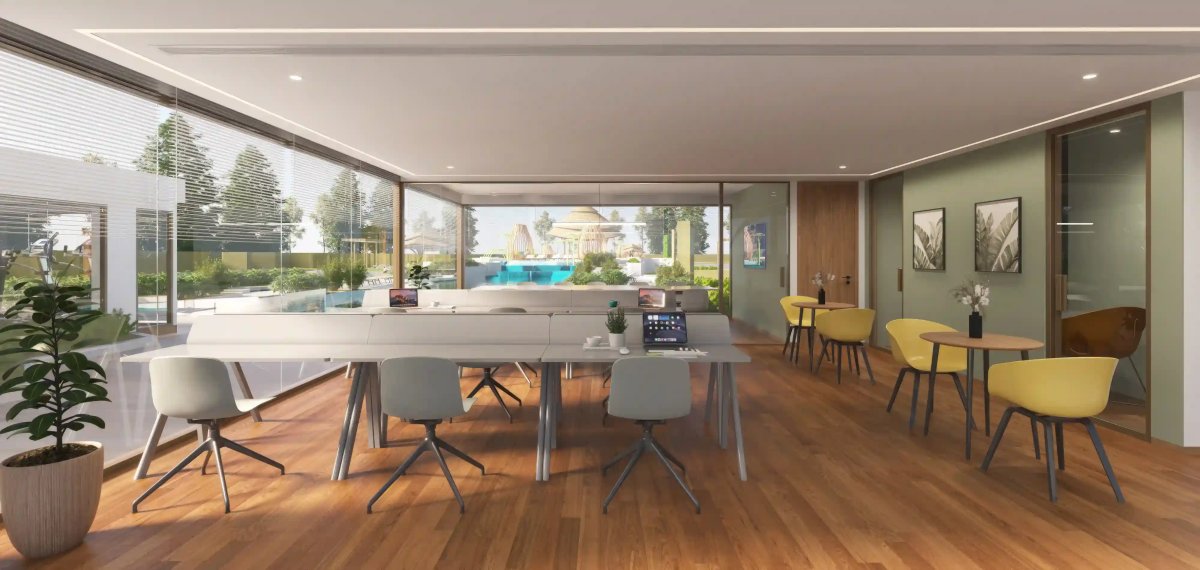
Profile: What “2 Months Per Year” Buyer Needs
Primary goal: Maximum net rental income during 10 months when you are not using it.
Secondary goal: A property you genuinely enjoy during your 2-month annual stay.
Management requirement: A management company that handles everything without your involvement from abroad, bookings, guests, cleaning, maintenance, reporting.
Exit consideration: When you eventually sell, you want a property that sells quickly at or above purchase price.
With these priorities established, the recommendations become clear. Model net cash using how to estimate rental performance in Thailand and the Phuket rental yield guide before comparing listings.
Bang Tao: the deepest market, and what that is worth
Why Bang Tao wins for this profile:
The yield band this section used to open with is withdrawn, along with the income it was multiplied into. Thailand keeps no letting register, so no area on this island has a measured gross yield, and “among the highest consistently achievable” was a ranking of guesses.
What the price list does say about Bang Tao, and it is a lot:
| Bang Tao | Island | |
|---|---|---|
| Priced apartments | 4,589 | 12,054 |
| Entry | 1,800,000 THB | 1,450,000 THB |
| Median | 7,017,150 THB | 6,750,000 THB |
| THB per sqm | 161,000 | , |
| Finished, priced apartments | 446 | 871 |
Bang Tao holds 38% of every priced apartment on the island and 51% of every finished one. That is the case for buying here, stated without a percentage that nobody measured: it is the deepest market on Phuket by a wide margin, both for choosing and for selling. The metre of 161,000 THB is above the island’s mid-range and you are paying for that depth.
Management infrastructure: Bang Tao has the most developed professional rental management ecosystem on the island. Multiple established companies operate here with portfolios of 50-200+ units. This means better systems, more reliable reporting, and more competitive management fees.
Low-season resilience: the occupancy figures this paragraph used to give are withdrawn, no occupancy series is published for any Phuket area, so no area’s low season can be ranked against another’s. What is not in dispute is the infrastructure behind the claim: beach clubs, golf and the corridor’s year-round expatriate population exist whether or not anyone measures the nights they fill.
Liquidity: Bang Tao is the most liquid market on the island. When you want to sell, in 5, 10, or 15 years, there is always buyer demand. Foreign buyers specifically seek Bang Tao for its established reputation, which supports resale values.
Your 2 months: Bang Tao is genuinely enjoyable for your personal stay. Beach clubs, international restaurants, golf, beach, the lifestyle package is complete. It is not the quietest area on the island, but for 2 months, the full resort experience is appealing rather than exhausting.
What to buy in Bang Tao: 1BR managed condo, 50-65 sqm, in an established development with rental track record. Budget: $170,000-280,000. Priority: pool quality, management reputation, location within walking/cycling distance of beach or beach club. Area context: Bang Tao beach area guide.
Kamala: The Close Second: Better Personal Experience
For buyers who find Bang Tao slightly too commercial, Kamala is the right compromise. The yield sacrifice this paragraph used to quantify is withdrawn: no yield exists for either area, so the trade cannot be priced that way.
It can be priced on the records, though, and the direction may surprise you. Kamala’s metre is 156,200 THB against Bang Tao’s 161,000, marginally cheaper, but its median ticket is 7,723,650 against 7,017,150, so the typical Kamala unit costs more in absolute terms while costing slightly less per square metre. In plain language: Kamala sells bigger units at a similar rate. The entry is materially higher at 4,248,640 THB against Bang Tao’s 1,800,000, and the market is a seventh of the size, 699 priced apartments against 4,589, with 7 finished ones against 446.
Kamala-specific advantages for this profile:
Longer guest stays: Kamala attracts couples and families who book 7-14 nights rather than 2-4 nights. That means fewer changeovers and lower cleaning costs per let night, which is an operating difference rather than an income claim: what a longer average stay does to the annual total depends on how the calendar fills, and nobody measures that here.
Growing infrastructure: Kamala’s restaurant scene, café culture, and boutique development pipeline have all accelerated since 2022. The area is in the sweet spot of being established enough to have strong management infrastructure but not yet oversaturated with supply.
Sea view opportunities: Kamala’s hillside geography means sea view units are more abundant than in the flat Bang Tao area. If a sea view matters to you personally (for your 2-month annual stay), Kamala offers more options at reasonable prices.
What to buy in Kamala: 1BR managed condo, 48-68 sqm, ideally with sea or pool view, in a development with active rental program. Budget: $160,000-260,000. Compare against holiday home plus income model if you might increase personal use later.
Patong: the dearest metre, and the thinnest major market
Year-round demand: Patong’s nightlife and shopping keep tourists arriving through the monsoon months, which is a genuine structural difference from the quieter bays. The occupancy comparison this paragraph used to make against Kamala is withdrawn: neither area’s occupancy is measured, so one cannot be put above the other by a number.
The nightly-rate claim is withdrawn for the same reason, and the price record points the other way in any case: Patong has the dearest square metre on the island at 234,561 THB, 46% above Bang Tao’s 161,000, on the highest median ticket anywhere at 11,070,000. It is also the thinnest of the major markets, 202 priced apartments, none of them in a finished building. Whatever Patong is, it is not the cheap high-volume option this section implied.
The honest problem for 2-month-per-year buyers: Spending your 2 months per year in Patong is not most Western buyers’ idea of a lifestyle experience. If you genuinely do not care where you personally stay and only want income, Patong could work. But very few buyers are that indifferent.
Rawai and Nai Harn: Wrong Choice for This Profile
Why:
- The yield and occupancy figures this list used to open with are withdrawn: neither is measured anywhere in Thailand, so the south cannot be ranked below the west coast on either
- What the price list does show is a real difference in depth. Rawai carries 1,291 priced apartments and Nai Harn 277, against Bang Tao’s 4,589; finished stock is 47 units in Rawai and 5 in Nai Harn, against 446 in Bang Tao
- On price the south is not cheap in the way its reputation suggests: Rawai’s metre is 145,000 THB and Nai Harn’s 125,000, against Bang Tao’s 161,000, but the median tickets (6,818,000 and 6,480,000) sit close to Bang Tao’s 7,017,150. You save on the rate, not on the cheque
- Management infrastructure is less developed and fewer professional companies operate in the south, which is an observation about the supplier market rather than about returns
- The lifestyle advantages of these areas (community, authentic expat culture, the local market) take more than two months a year to appreciate fully
If you are considering Rawai or Nai Harn for this profile, you are likely letting lifestyle aspiration override financial logic. The areas are wonderful, but for a different buyer profile. See Bang Tao vs Rawai comparison for a side-by-side read.
When you take your two months decides more than where you buy
Before comparing areas, settle the calendar, because it changes the arithmetic more than any area choice on this page. Two months taken in December and January removes the two highest-rate months of the year from your letting calendar. The same two months taken in May and June removes weeks that often go unsold anyway.
| When you take your two months | Effect on annual revenue | What it means in practice |
|---|---|---|
| December to January | Largest | You are giving up the peak, and no area choice compensates for it |
| February to March | Large | Still high season, still expensive weeks to occupy |
| April to June | Moderate | Shoulder season, hot, but the revenue cost drops sharply |
| July to October | Smallest | Low season, and often weeks the manager struggles to fill anyway |
If your calendar is genuinely flexible, moving your stay out of the peak is worth more to the return than choosing the better area. If it is fixed by school holidays, accept that you are removing the two weeks of the year every operator prices highest, and pick the area on market depth and management instead.
The four areas against this specific brief
| Bang Tao | Kamala | Patong | Rawai and Nai Harn | |
|---|---|---|---|---|
| Priced apartments on our list | 4,589 | 699 | 202 | 1,291 Rawai / 277 Nai Harn |
| Depth of management infrastructure | Deepest on the island | Good and improving | Deep, but skewed to volume operators | Thin, mostly small operators |
| Your own two months | Busy, resort-like, plenty to do | The best balance for most buyers | Poor for most owner profiles | Excellent to live in, poor to let |
| Finished, priced apartments | 446 | 7 | 0 | 47 Rawai / 5 Nai Harn |
| THB per sqm | 161,000 | 156,200 | 234,561 | 145,000 / 125,000 |
| Verdict for this profile | First choice on income | First choice on balance | Only if income is the sole criterion | Wrong fit, buy here to live |
Management: The Variable That Determines Everything
Two properties identical on paper can produce very different income under different managers, and the mechanism is not mysterious: pricing discipline through the shoulder months, response time to enquiries, photography, review scores, and how aggressively the calendar is filled at the margin. The percentages this sentence used to attach to that difference are withdrawn, nothing in Thailand measures either occupancy or achieved rates, so the size of the gap cannot be stated, only its existence. The management company choice matters more than the specific development in some cases.
What to look for in a management company (for remote owners):
- Minimum 4.5-star Airbnb average across their portfolio
- Dynamic pricing software in use (not fixed seasonal rates)
- Monthly statements within 5 working days of month-end
- 24/7 guest communication (not just 9-5)
- Dedicated in-house maintenance team (not subcontracted)
- Transparent about actual performance data, share occupancy and rate history on request
Ask any prospective management company for their actual last-12-months occupancy and average nightly rate data across their portfolio. Any reputable company will provide this. If they only show you a projections spreadsheet, be cautious.
Liquidity: Thinking About the Exit
Bang Tao attracts the widest range of buyer profiles (investors, second-home buyers, families, expatriates) and holds 38% of every priced apartment on the island. Days-on-market is not published for Phuket, so the speed of a sale cannot be stated; the size of the buyer pool can. A well-priced, well-maintained 1BR in Bang Tao typically sells in 2-4 months when listed correctly.
Kamala’s liquidity has improved significantly as the area’s reputation has grown. Expect 3-6 months to find the right buyer at market value.
Rawai and Nai Harn draw a narrower pool, expatriate residents and lifestyle buyers rather than the full international spread, and hold 52 finished priced apartments between them against Bang Tao’s 446. Good properties sell in 6-12 months in normal market conditions.
For a two-month-a-year buyer that matters at the exit: a deeper buyer pool is the closest thing to liquidity anyone can offer you in a market with no published days-on-market.
Buyer scenarios: who thrives on a 2-month schedule?
Scenario A: Lifestyle-balanced couple, Kamala: You want quieter evenings and sea views during owner weeks but still need professional management ten months per year. Budget $160K-240K. You accept a smaller and much thinner market than Bang Tao, 699 priced apartments against 4,589, and 7 finished against 446, for a more pleasant personal environment and longer average guest stays. The yield gap this sentence used to quote is withdrawn; neither area has one.
Scenario B: Income-first buyer, Bang Tao. Your two months are flexible and you will take them outside the peak. Everything else is subordinate to net income and to being able to sell without waiting. Bang Tao’s management depth means you are choosing between several credible operators rather than accepting the only one available, which is worth more over ten years than a percentage point of headline yield.
Scenario C: Family with fixed school holidays. Your two months are December and January or July and August, and you cannot move them. If it is the winter pair, accept the revenue hit openly and underwrite the purchase on the remaining ten months, or reconsider whether buying beats booking. If it is the summer pair, you are in the best position of any buyer on this page: you occupy low-season weeks and keep almost all of the revenue.
Scenario D: Buyer who wants to use it more later. Your two months now may become four or six within a decade. Buy for a layout you could live in rather than one optimised purely for nightly lettings, because converting a unit that works as a rental into one that works as a home is harder than the reverse.
Match scenario before you compare unrelated listings, the same budget buys different economics in Patong, Kamala, and Bang Tao.
Red flags for 2-month-per-year buyers
- Management company refuses last-12-months occupancy and ADR data, projections only
- Building foreign quota unclear, no freehold path under the 49% sellable floor area rule
- Owner-week bylaws vague, you may lose peak-season income to unclear rules
- No rainy-season visit, drainage and low-season demand unverified
- Gross yield quoted as spendable net, fees, tax, and CAM ignored
- Refurbishment reserve missing, furnishings degrade every 4-5 years on short-stay stock
- Visa plan assumes endless 60-day entries, handover and fit-out trips need compliant longer stays
Two or more mean re-underwrite management quality and ownership structure before deposit. Purchase mechanics: buying property in Phuket guide and freehold vs leasehold.
Foreign freehold, 49% quota, and visa context
For a condominium, foreign freehold is available within the building’s 49% quota, measured against total sellable floor area rather than by counting units and consumed at registration rather than at reservation. Get the position confirmed in writing by the juristic person, naming your unit, before any deposit clears. A building can be well inside its allowance overall and have nothing left in the stack or layout you want, because larger units consume the area allowance fastest.
For a villa, freehold is not available to a foreign buyer at all, since no foreigner holds freehold land in Thailand. That leaves a registered lease, structured in successive terms because a single registration cannot exceed thirty years, or a Thai company holding the land. For a remote owner letting the property, the lease route also raises a practical question worth settling early: what the lease permits you to do commercially, and whether subletting for short stays is expressly allowed rather than merely not prohibited.
One more point specific to this buyer profile. Stays under 30 days are hotel business under the Hotel Act and are licensed at premises level, so the building’s own position matters as much as your unit’s. A juristic person that tolerates nightly letting is not the same as a building licensed for it, and tolerance can end with one committee vote. Ask for the building’s rules and its licence position in writing, not for an assurance about what everyone does.
Scouting trips often align with the 60-day visa-free entry window; owner-week renovations, snagging, and juristic meetings may require longer compliant visas. Plan both scouting and operational visits before you commit, immigration surprises are a common hidden cost for remote owners.
Pros and Cons for 2-Month-Per-Year Buyers
Pros:
- Ten months of the year the property is working, which is the highest ratio of letting time to owner time of any lifestyle-buyer profile
- Two months is long enough to justify furnishing and equipping the unit to a standard you actually want, rather than to a rental-minimum spec
- A short annual stay makes professional management an easy decision rather than a reluctant one, and a good manager outperforms a self-managing owner comfortably
- If your two months are flexible, you can take low-season weeks and keep almost all of the revenue, which very few owner-users manage
- Owning a stable base removes the annual scramble for accommodation in a market where good stock is booked far ahead
Cons:
- Management fee (20-30%) is a significant deduction, unavoidable for remote owners
- You will occupy the property through the weeks every operator prices highest, December and January, which is the most expensive time to use it yourself
- Short-term rental market in any area can be affected by competition growth or regulation changes
- Property requires periodic refurbishment investment (every 4-5 years typically)
- Less connection to your area, 2 months is not enough to build community
Looking for the right property in Phuket?
Our experts send a shortlist within 2 hours. 0% buyer commission.
Frequently Asked Questions
Bang Tao on market depth: 4,589 priced apartments and 446 finished ones, against 699 and 7 in Kamala, plus the most developed professional management sector on the island. The yield, occupancy and liquidity rankings this answer used to give are withdrawn, none of the three is measured in Thailand. Kamala is the right choice if you will trade market depth for a more pleasant personal experience during your two-month stay. What you give up is measurable and it is not a yield: choice when buying, and buyers when selling. Both are significantly better than Rawai or Nai Harn for this buyer profile.
Yes, with the right management company. Professional management in Bang Tao and Kamala handles listings across Airbnb/Booking.com/Agoda, guest communication, cleaning, check-in/out, and minor maintenance. You receive monthly financial statements and payments. Many owners go 12+ months without visiting and receive consistent income.
May and October, the shoulder months either side of the monsoon. That is where asking rates are lowest across the island, which is visible on the portals, so it is the cheapest time to occupy the property yourself. Using December-January (the peak of high season) for personal use costs you the most in lost income. However, most buyers want December-January precisely because the climate and atmosphere are at their best. Plan your personal months 3-4 months in advance during peak season.
Compare three things: the management company (look at Airbnb reviews for the specific building), the actual last-12-months occupancy and average nightly rate (ask management companies directly), and the building's maintenance history and condition of common areas. A 5-year-old building with great management will outperform a brand-new building with weak management.
At under $130,000, the options in strong-yielding areas are limited and management quality more variable. The sweet spot for 2-month-per-year buyers is $150,000-220,000 for a quality 1BR in Bang Tao or Kamala. Below $130,000, you are accepting either lower-quality area or studio-only format, both acceptable, but with trade-offs.

Maksim Shchegolev
Founder, MORE Group
Founder of MORE Group. Four years in investment banking before moving to Phuket, where he has worked in the local property market since 2018. Oversees developer relationships and every engagement above $300K.
About MORE Group →Get a Focused Phuket Property Shortlist
Share budget, area and goal. We will reply with suitable live projects, not a generic catalogue.
