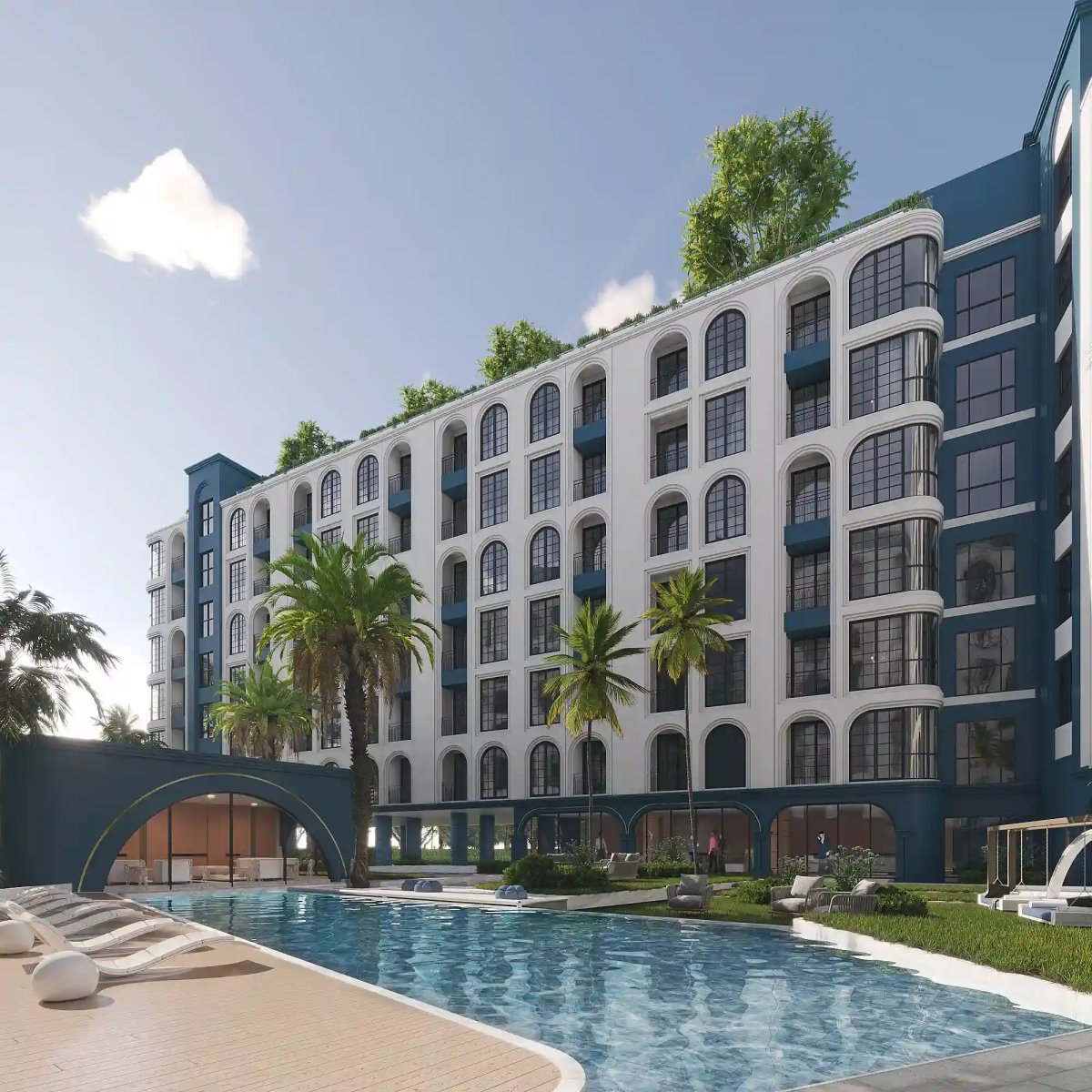
Who is Anantara, and who actually develops the units?
The parent group is materially relevant. Minor International is a public Thai hospitality company with hotel operations across multiple countries and brands including Anantara, Avani, Oaks and Tivoli. That does not remove project-level due diligence, but it gives buyers more corporate transparency than a small private developer with no delivery history.
| Entity | Role in Phuket property |
|---|---|
| Minor International (MINT) | Listed parent; balance sheet and governance |
| Minor Hotels / Anantara | Brand, operations, rental program standards |
| Local development partner | Land, construction, sales, varies by project |
| Hotel operator | Day-to-day rental pool, OPEX, guest experience |
For foreign buyers, Anantara’s value is the combination of brand, operations and legal structure. You are not only buying walls; you are buying into a hospitality system. Compare the full fee stack in our Branded Residences Phuket 2026 guide before you model yield.
Where does Anantara sit on the Phuket map?
| Location | Product type | Buyer angle |
|---|---|---|
| Layan | Ultra-luxury villas and residences linked to Anantara Layan resort | Privacy, hillside views, resort ecosystem |
| Mai Khao | Resort-style residences and vacation club products | Long beach, airport proximity, branded pool |
| Naka Yai / island | Wellness and resort-led concepts | Ultra-HNW lifestyle, limited liquidity |
This is a very different profile from Origin, The Title or VIP Thailand. Anantara is not an entry-level rental-yield play; it is a branded hospitality product for buyers who value service, prestige and hands-off ownership. For wider developer context, see Banyan Group Developer Review, the closest comparable in north Phuket luxury.

How do Anantara rental programs actually work?
Hotel rental pool mechanics (industry-typical):
| Stage | What happens | Investor impact |
|---|---|---|
| Gross room revenue | Guest pays nightly rate | Starting point |
| Hotel OPEX | Linen, F&B share, OTA, marketing, labour | Often 35-55% of gross |
| Operator cut | Management fee on net | Often 30-50% of remainder |
| Owner distribution | Split among pool participants | What hits your account |
Buyers should model conservative scenarios:
- owner usage caps and blackout dates (often 30-60 nights, peak blocked);
- hotel operating expenses before owner distribution;
- operator commissions and reserve funds;
- leasehold or freehold structure and resale buyer pool;
- mandatory furniture packs (often 200,000-450,000 THB per bedroom).
The strongest Anantara cases are lifestyle-led purchases where rental income offsets holding costs. Pure yield buyers with a lower budget may find better economics in Origin, The Title or selected Laguna products; see Phuket Rental Yield Guide for unbranded benchmarks.
What does Anantara cost compared to unbranded Phuket product?
| Cost line | Anantara-branded (typical) | Unbranded mid-luxury condo |
|---|---|---|
| Brand premium in price | 15-30% over comparable unbranded | None |
| HOA / CAM | 80-120 THB/sqm/month | 50-70 THB/sqm/month |
| Furniture pack | Mandatory, hotel-grade | Owner choice |
| Operator cut | 30-50% of net after OPEX | 15-20% if private manager |
| Net yield (indicative) | 4-6% | 5-7% in strong locations |
Insider tip: Ask for a worked 12-month P&L from the operator using actual occupancy bands, not a single “projected ADR.” Anantara Layan and Mai Khao products can perform well in peak weeks; low-season occupancy and OPEX splits are what compress net yield.
How to verify that “Anantara-branded” actually means anything
The word “branded” is doing heavy lifting in Phuket marketing, and it covers at least four arrangements that a buyer experiences very differently. Before paying a 15-30% premium over comparable unbranded stock, establish which of these you are being sold.
- Operated residence. The hotel operator runs the building or the rental pool under a long-term management agreement. Standards, staffing and the rental programme are contractual. This is the version the premium is genuinely for.
- Branded but independently operated. The name is licensed for marketing; day-to-day operation sits with a local manager. Service levels are whatever the local manager delivers, and they can change without the brand leaving.
- Resort-adjacent. The project sits near an Anantara resort and borrows the association in its brochures without any contractual relationship at all. Buyers pay a location premium and sometimes a brand premium for a relationship that does not exist on paper. This is the most common version in Layan and Mai Khao, because both areas host genuine Anantara resorts that neighbouring developments like to mention.
- Licence with a sunset. A brand agreement exists but runs for a fixed term, often ten to twenty years, with renewal at the operator’s discretion. Your resale in year twelve may be into a market that knows the name is about to come off the building.
The verification is not complicated. Ask for the hotel management agreement or the brand licence agreement, in writing, naming the licensor entity and the term. A genuine operated residence has one and the developer can show it under NDA. Categories three and four cannot produce it, or produce something that names a different entity than you expected. If a salesperson answers this question with a rendering rather than a document, you have your answer.
Check the licensor entity name carefully against Minor International’s disclosed subsidiaries. Minor is a listed company, so its structure is public and its annual report names the operating entities. A brand agreement signed with a lookalike company name is a well-worn trick in this market, and a listed parent is only a governance advantage if the contract is actually with the group.
Red flags and due diligence checklist
Red flags:
- rental guarantees that do not survive legal review or expire after year one;
- “30+30+30” lease language without registered extension mechanics;
- operator contract stating management cut “of gross” rather than “of net after OPEX”;
- no disclosed historical occupancy for comparable units in the same pool;
- developer partner with no prior branded delivery in Thailand.
Due diligence checklist:
- Full rental-management agreement and owner-usage rules.
- Historical occupancy or comparable hotel performance (last 24 months).
- All annual fees, sinking fund obligations and special-assessment history.
- Exact legal title structure: freehold condo quota vs leasehold villa.
- Furniture pack scope, warranty and replacement cycle.
- Exit path: assignment fees, resale restrictions, pool membership transfer.
- Independent lawyer review: not the developer’s in-house counsel alone.
Walk through the wider process in Due Diligence Thailand Step by Step before you wire any deposit.
What should you do before you reserve?
Six things, in this order, and all of them before any money moves.
- Establish who the contracting party is. A hospitality brand on the building is not necessarily the company on your SPA. Find out which entity you are contracting with, what it owns, and what the relationship is between it and the brand.
- Read the rental programme agreement, not the summary. How revenue is shared, what is deducted before your share, how many owner-use weeks you get and whether they can fall in high season, the term, and what happens at renewal.
- Get the full fee stack in baht. Estate charges, management, any brand-mandated refurbishment contribution, and the sinking fund. Add them up as an annual figure and set it against a realistic net rather than a projected gross.
- Ask what the brand standard obliges you to do. Furniture specification and refresh cycles are frequently mandatory in branded residences, funded by the owner. Ask what the current standard is and who pays when it changes.
- Ask for an operator statement from a comparable unit. Not a projection, an actual statement showing what a similar unit earned and what reached the owner. A programme confident in its performance can produce one.
- Take independent legal advice on the structure, from counsel you instructed rather than counsel introduced at the sales office.
The pattern worth noticing: five of the six are questions about what happens after handover. Branded residences are bought on the strength of the brand and lived with on the strength of the agreement, and the agreement is the part almost nobody reads before reserving.
For alternatives at this tier, see best luxury condos in Phuket and the Phuket property complete guide.
What is Minor International’s corporate role behind Anantara?
| Minor brand | Phuket property relevance |
|---|---|
| Anantara | Flagship luxury residences and resorts |
| Avani | Mid-luxury hotel-linked products (select projects) |
| Anantara Vacation Club | Points-based vacation ownership, different economics from freehold condo |
| Oaks / Tivoli | Limited Phuket residential exposure |
Vacation club vs branded residence: Vacation club products are not the same asset class as a freehold or leasehold condo with a chanote-style registration path. Club memberships involve points, exchange networks and program rules that can change. Branded residences with registered title and a rental-pool contract are closer to conventional property investment, but still hotel-contract dependent. Never assume the label “Anantara” means the same legal and cash-flow structure across products.
How do you model a worked net-yield example for an Anantara pool unit?
| Line item | Annual amount (USD) | Notes |
|---|---|---|
| Gross room revenue | $28,000 | Strong seasonality |
| Hotel OPEX (45% of gross) | −$12,600 | Linen, OTA, labour, marketing |
| Net before operator cut | $15,400 | Pool share may be pro-rata |
| Operator cut (40% of net) | −$6,160 | Contract-dependent |
| Owner distribution | $9,240 | Before HOA and tax |
| HOA / CAM (80 sqm @ 90 THB) | −$2,600 | Premium branded tier |
| Contents insurance + minor capex | −$800 | Owner responsibility |
| Cash to owner (pre-tax) | ~$5,840 | On $800K purchase ≈ 0.7%, why lifestyle buyers accept lower cash |
This example shows why headline gross figures mislead: the fee stack consumes most room revenue before HOA. Lifestyle buyers offset low cash yield with personal use, brand enjoyment and long-hold scarcity narrative. Yield-first buyers should compare against unbranded stock in Phuket Rental Yield Guide at the same price band.
What questions should your lawyer ask on the rental-management agreement?
Insider tip from MORE Group deal reviews: The difference between a 35% and 50% operator cut on net, on the same gross revenue, can swing annual owner cash by $3,000-$8,000 on luxury units. That single clause often matters more than a 1% registration fee debate between leasehold and freehold.
Vacation club is not the same product as a branded residence
Anantara appears in Phuket under two legal structures that a sales conversation can blur together, and they give you very different things. Confusing them is the most expensive mistake available on this developer.
A branded residence is real property. You acquire a specific unit, under a specific title or lease, at a specific address, and you may enter it into the hotel’s rental pool. You can sell that unit to whoever will buy it, subject to whatever contract restrictions you agreed.
Anantara Vacation Club is a shared-usage product. You acquire points or a fractional entitlement that gives you nights across a portfolio of properties, not ownership of a numbered unit in Phuket. It can be excellent value as a holiday instrument for a family who genuinely travels the network every year. It is not a property investment, it does not produce rental income to you, and the resale market for points is thin and priced well below issue.
| Question to ask | Branded residence | Vacation club |
|---|---|---|
| What do you own? | A specific unit, freehold or leasehold | Points or a fractional right to nights |
| Is there a title deed in your name? | Yes | No |
| Can it generate rental income for you? | Yes, via the pool contract | No |
| Who buys it from you later? | Property buyers, at market | Mainly the issuer or a thin secondary market |
| Annual obligations | CAM, sinking fund, operator terms | Annual membership and maintenance dues |
Neither is wrong. Buying one while believing you bought the other is. The test is simple: ask which land office document will carry your name at the end of the transaction, and ask for it in writing. If the answer is a membership certificate rather than a title or registered lease, you are looking at the club product, whatever the brochure calls it.
Owner usage: the clause that decides whether you enjoy it
Buyers underwrite yield carefully and then discover the calendar. In a hotel rental pool, the nights you can personally occupy your own unit are contractually limited, and the limits are usually written to protect the operator’s peak revenue rather than your holiday plans.
Typical terms in this segment allow thirty to sixty owner nights per year, with peak periods blacked out entirely. Peak in Phuket means roughly late December through February, plus Chinese New Year and Songkran. Those are precisely the weeks a European or North American owner most wants to be here, and precisely the weeks the operator earns the year’s margin. Some contracts allow peak usage at a charge; some allow it only against forfeited distribution; some do not allow it at all.
Read the clause for four specifics before you sign. How many nights, counted how, in what booking windows. Which dates are blacked out, and whether the operator can redefine them later. What notice you must give, which is frequently sixty to ninety days and effectively rules out spontaneous visits. And whether unused nights carry forward, which they usually do not.
None of this makes the product bad. It makes it a hospitality contract with a residential component, which is the honest description. A buyer who wants six flexible weeks a year in their own home should price an unbranded unit with a private manager instead, and accept the lower service level as the cost of controlling their own calendar.
What resale liquidity should you expect on Anantara-branded stock?
| Factor | Resale help | Resale hurt |
|---|---|---|
| Operating hotel performance | Strong ADR history | Weak post-COVID recovery |
| Remaining lease term (if leasehold) | 25+ years | under 15 years |
| Furniture condition | Hotel-standard refresh | Owner-neglected fit-out |
| Pool contract transferability | Clean assignment | Restrictive change-of-owner fee |
Price on the way in with exit friction in mind. If you need liquidity within five years, unbranded stock in Best Luxury Condos Phuket 2026 may offer a wider buyer pool even if the lifestyle story is less glamorous.
Bottom line: Anantara is a brand and operations bet under a listed Thai hospitality parent, not a shortcut to Phuket yield. Treat every sales conversation as a hotel contract review first and a property purchase second. Underwrite the rental-management contract, owner-usage calendar and exit buyer before you underwrite the render. When in doubt, compare against Branded Residences Phuket Fees and unbranded yield stock before you pay the Anantara premium. If those three pass, Anantara can be an excellent lifestyle-aligned holding; if any fail, compare unbranded alternatives in the same budget without paying the invisible brand premium twice. That discipline alone saves more than most registration-fee debates.
Looking for the right property in Phuket?
Our experts send a shortlist within 2 hours. 0% buyer commission.
Frequently Asked Questions
Anantara is primarily a luxury hotel brand under Minor Hotels. In Phuket property, it appears through branded residences, resort-linked residences and vacation-club structures rather than as a standard condo developer.
For properly hotel-managed products, Anantara-linked residences usually sit around 4-6% net in the investment conversation, but the real number depends on the rental-pool contract, owner usage, operating expenses and seasonality.
Anantara fits lifestyle and high-net-worth buyers who want a branded second home with hotel service and professional rental management. It is usually not the best fit for entry-level investors chasing maximum yield.
Both are ultra-luxury branded operators in north Phuket. Banyan has deeper Laguna history and wider price tiers including entry Cassia stock. Anantara leverages Minor International's global hotel platform with flagship positioning in Layan and Mai Khao.
Budget for mandatory furniture packs, premium HOA (often 80-120 THB/sqm/month), sinking fund at handover, operator OPEX deductions and management cuts. The brand premium is already embedded in the unit price, typically 15-30% over comparable unbranded product.

Maksim Shchegolev
Founder, MORE Group
Founder of MORE Group. Four years in investment banking before moving to Phuket, where he has worked in the local property market since 2018. Oversees developer relationships and every engagement above $300K.
About MORE Group →Get a Focused Phuket Property Shortlist
Share budget, area and goal. We will reply with suitable live projects, not a generic catalogue.
