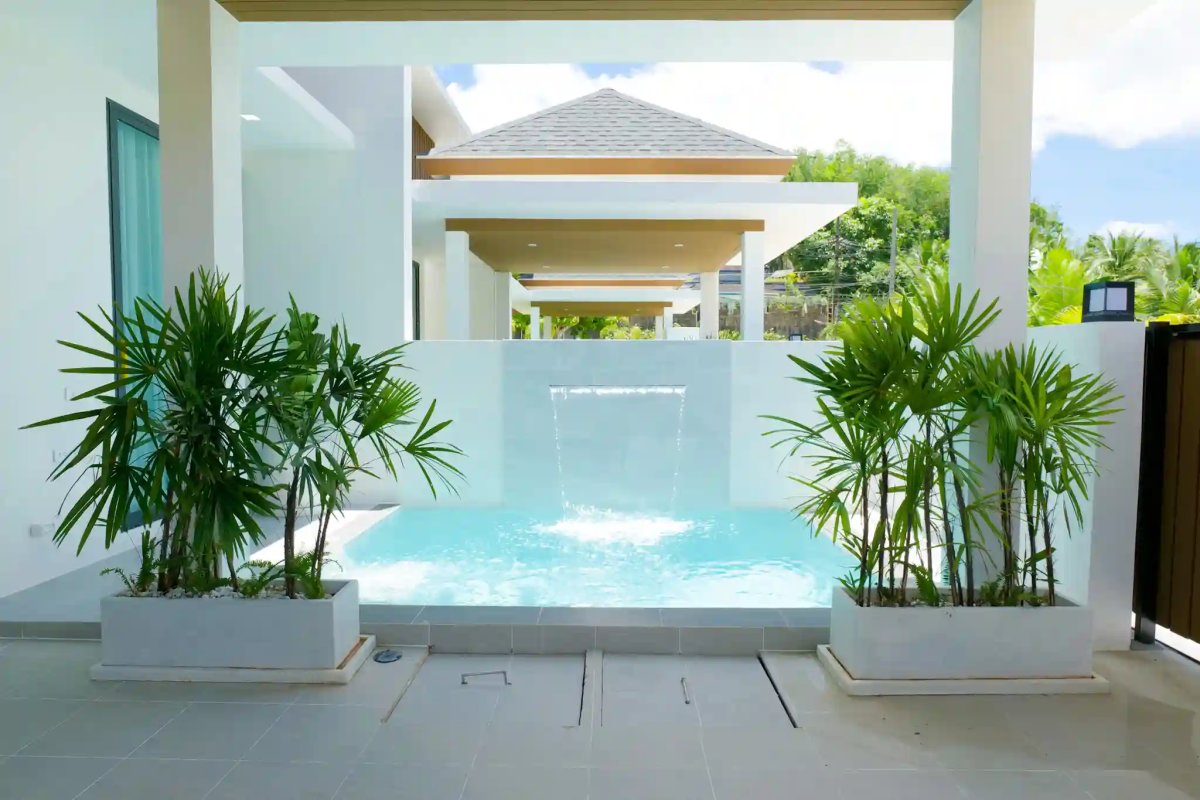
Phuket is one of the world’s most practical tropical bases for digital nomads with accumulated capital, not because of any single feature, but because of how everything lines up: excellent internet, a large international community, a functional visa for remote workers, and property prices that allow rental income to subsidise your lifestyle. If you are earning $80,000+ remotely and spending time in Southeast Asia anyway, owning in Phuket deserves serious analysis.
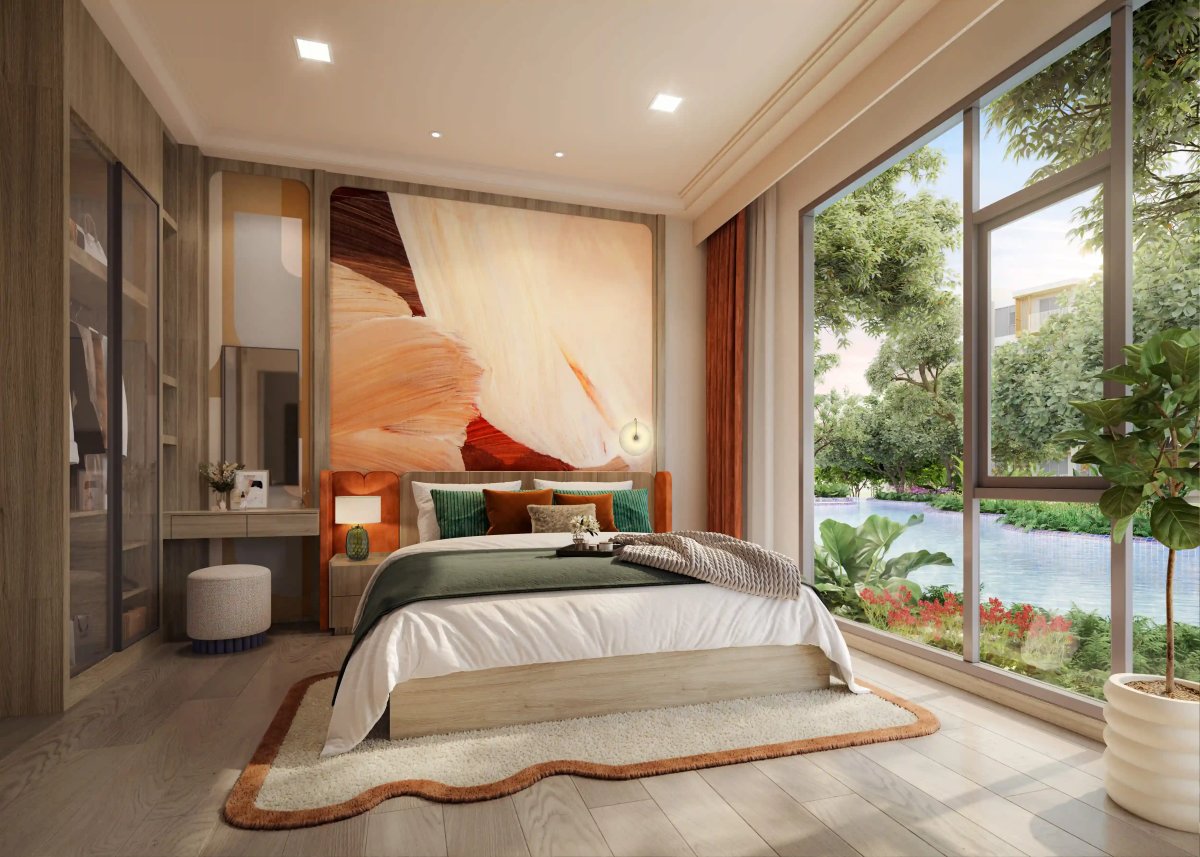
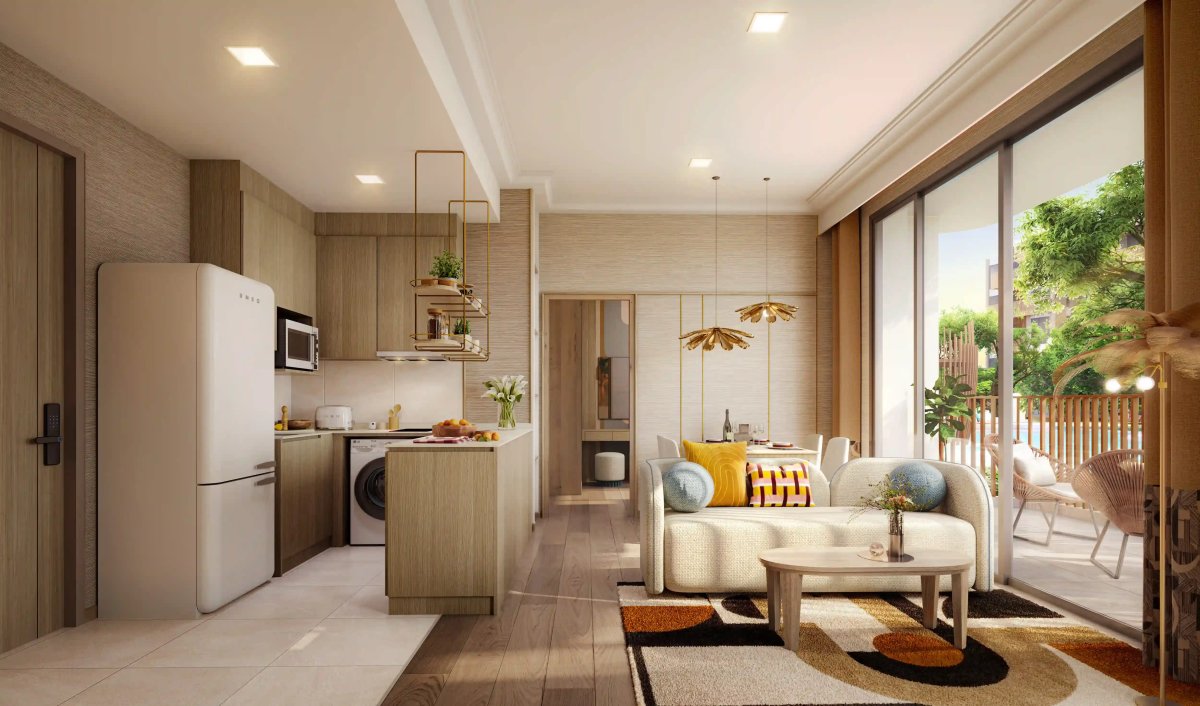
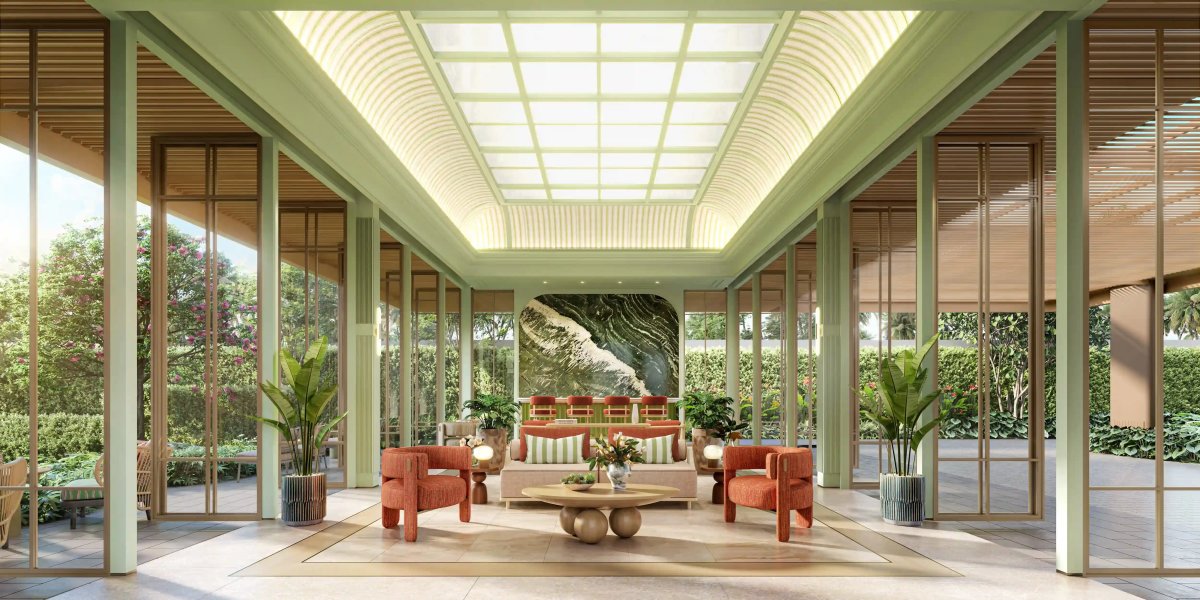
Why Phuket Actually Works for Nomads with Capital?
The key difference between a typical nomad and a nomad-investor is capital. If you have $150,000-300,000 available, the calculus changes dramatically: instead of paying $1,000-1,400/month in rent (which disappears forever), you can buy a property, live in it when you are here, and earn rental income when you are not. Over 5 years, the difference in financial position is significant.
LTR Visa: Thailand’s Remote Worker Visa
Work-from-Thailand (WFT) category requirements:
- Annual income: $80,000+ for the past 2 years
- Employed by a company outside Thailand, or self-employed with verifiable international income
- Health insurance covering $50,000+ in Thailand
What it provides:
- 10-year, multiple-entry visa
- Work permit-free remote work in Thailand
- Fast-track airport immigration lanes
- Exemption from 90-day reporting (reduced to annual reporting)
- Permission to open Thai bank accounts
Cost: Application fee THB 50,000 (~$1,400) plus preparation costs for documentation. Significantly cheaper than the Elite Visa and specifically designed for people with employment/income rather than passive wealth.
Honest limitations: The $80,000 income threshold excludes many nomads at earlier stages. Freelancers need to demonstrate consistent income, which can require careful documentation. The visa is processed through the Board of Investment (BOI), processing times have improved but allow 4-8 weeks.
If you do not meet LTR requirements, the Thailand Elite Privilege Card (~$17,000 for 5 years) provides unlimited stays without income requirements and is the most popular alternative among property investors.
Internet and Co-Working: The Working Reality
Monthly cost: THB 599-899 (~$17-25) for 200-500 Mbps plans. A small, predictable cost that property owners typically include in their monthly budget alongside utilities.
Co-Working Spaces
CAMP (Multiple locations, including Maya Mall Phuket Town): Part of the Thai coffee chain. Not traditional co-working, more café-style, with free Wi-Fi (100-200 Mbps typically), power outlets, and a good working atmosphere. Extremely popular with laptop workers. Cost: price of a coffee.
Yellow (Rawai): A dedicated co-working space and café in the Rawai expat hub. Community of digital workers, good atmosphere, regular networking events. Day pass: THB 200-300 (~$6-8). Monthly: THB 3,000-4,500.
Mango (Rawai): Another community co-working space popular in the south. Monthly memberships start THB 2,500. Known for its garden workspace, genuinely pleasant environment.
AIS Smart Office / True Co-working (Bang Tao area): Larger co-working hubs attached to telecom providers. Professional hot-desk environments. Monthly memberships from THB 2,500-4,500.
Punspace (Phuket Town): The most established co-working brand in Thailand now operates in Phuket. Professional environment, consistent internet, printing, meeting rooms. Monthly desk: THB 3,500-5,000.
The co-working scene is significantly smaller than Chiang Mai (Thailand’s nomad capital) but is functional for those who prefer not to work from home every day. The more important infrastructure for Phuket nomad-owners is the home internet, which is stronger here than in Chiang Mai’s more remote districts.
Areas That Work Best for Nomad-Owners
For nomad-owners, Rawai makes sense if you prioritise community, lifestyle, and affordability over maximum rental yield. Rental yields of 6-7% are lower than the north, but property prices are also lower, a quality studio can be purchased from $95,000-130,000, reducing the absolute capital required.
Best property type here: Studio or 1BR in a pool development, $100,000-180,000.
Kamala: Lifestyle + Yield Balance
Kamala is increasingly the preferred area for nomad-owners who want both yield and lifestyle. It has the quietness and character that Rawai has, but stronger tourist rental demand (8-9% gross yield), a beautiful beach, and growing infrastructure including quality cafés, co-working-friendly restaurants, and a fast-expanding expat residential community.
If you can stretch to $150,000-200,000 for a one-bedroom unit in a managed development, Kamala delivers a genuinely excellent combination for the nomad-owner model.
Best property type here: 1BR managed condo with pool and beach access, $150,000-250,000.
Cherng Talay / Bang Tao: Maximum Yield but More Expensive
If maximising rental yield during the months you are not in Phuket is the priority, Bang Tao delivers. But entry prices are higher ($150,000+ for a basic studio, $200,000+ for a quality 1BR), and the area has a more commercial feel than Rawai or Kamala.
For nomads who are frequently travelling and treating Phuket as a base they return to 2-3 months per year, Bang Tao’s yield strength may justify the premium. For those spending 4-6 months per year here, lifestyle factors tip the balance toward Kamala or Rawai.
Buy vs Rent Analysis for Nomads
Scenario: You Spend 4 Months/Year in Phuket
Renting option:
- 4 months × $1,100/month (1BR condo) = $4,400/year
- 8 months not in Phuket: $0
- 5-year cost: $22,000 (gone, no asset)
Buying option:
- Purchase: $180,000 (1BR condo in Kamala)
- Annual ownership costs (maintenance fee, insurance): $3,500
- Rental income while away (8 months, 75% occupancy, $80/night avg): ~$14,400 gross
- Management fee (25%): -$3,600
- Net rental income: $10,800
- Net cost after rental income and ownership costs: $10,800 - $3,500 = +$7,300 surplus
Over 5 years: You have earned approximately $36,500 in net rental income, paid $17,500 in ownership costs, had 20 months of personal accommodation, and still own the asset. Conservative capital appreciation in a well-chosen Kamala property: 20-35% over 5 years, adding $36,000-63,000 in equity.
Compared to renting: The renting scenario costs $22,000 over 5 years with nothing to show for it. The buying scenario generates positive cash flow and builds equity.
The break-even point sits at roughly 18 to 24 months in a well-chosen, well-managed property in a strong-yielding area.
When Renting Still Makes Sense
Buying is not right for every nomad:
- If you are not sure you will return to Phuket consistently (visa uncertainty, lifestyle changes)
- If you cannot access $150,000+ in capital without straining other financial goals
- If you want to remain completely mobile with no fixed-location obligations
- If you prefer the flexibility to upgrade or change location as the market evolves
The nomad who has been returning to Phuket every year for 3+ years, loves the place, and has capital sitting in low-return savings or bonds is the clear candidate for buying.
Property as Base vs Income: Getting the Balance Right
Primarily a base (personal use 4-6 months/year, some rental): Prioritise lifestyle, area you love, layout that works for how you work (good light, quiet, reliable internet). Yield is secondary. Rawai or Nai Harn for lifestyle-first buyers.
Primarily income (personal use 1-3 months/year): Prioritise yield and management quality. Choose Bang Tao or Kamala, select a development with an established rental program, and optimise for highest possible occupancy in the months you are away. Lifestyle is secondary.
Hybrid (3-4 months personal, 8-9 months rental): Kamala hits this balance best in 2026. Good yield + personal lifestyle quality.
Pros and Cons
Cons:
- LTR Visa requires $80,000+ annual income, excludes many younger nomads
- Capital of $100,000-200,000 required to buy (cannot be borrowed without Thai residency)
- Low season (May-October) significantly changes the lifestyle experience
- Management company quality varies widely, finding and keeping a good one requires research
- Thai banking and financial admin is more complex for foreigners
- Being anchored to one property reduces full nomad freedom, though management companies mean you do not need to be present
Frequently Asked Questions
The LTR Work-from-Thailand Visa (10 years, multiple entry) is the best option for remote workers earning $80,000+/year from foreign sources. For those below this threshold or self-employed, the Thailand Elite Privilege Card (~$17,000 for 5 years) provides unlimited legal stays without income requirements.
Yes. Modern condos in Bang Tao, Kamala, and Rawai have 200-400 Mbps fiber as standard. AIS Fibre offers up to 1 Gbps. Co-working spaces (Yellow, Mango in Rawai, Punspace Phuket Town) provide professional alternatives. The infrastructure is comparable to mid-tier European cities.
Quality studio condos in managed developments with pools start at $95,000-130,000 in Rawai and Nai Harn. One-bedroom condos in Kamala or Bang Tao suitable for hybrid living and rental start at $140,000-180,000. Budget for additional legal, transfer, and setup costs of approximately 5-7% of purchase price.
Thai properties cannot typically be financed by foreign buyers with mortgages (Thai banks require residency), so most nomad-buyers purchase with cash or by leveraging property equity elsewhere. If you do purchase outright, rental income in Bang Tao or Kamala can cover all annual ownership costs and generate a surplus, roughly 5-7% net yield per year.
Rawai is the top choice for community and co-working lifestyle, with Yellow and Mango co-working spaces, a strong expat nomad community, and excellent café infrastructure. For a balance of community plus rental yield, Kamala is increasingly the preferred choice in 2026.
Read Also:

Maksim Shchegolev
Founder, MORE Group
Founder of MORE Group. Four years in investment banking before moving to Phuket, where he has worked in the local property market since 2018. Oversees developer relationships and every engagement above $300K.
About MORE Group →Get a Focused Phuket Property Shortlist
Share budget, area and goal. We will reply with suitable live projects, not a generic catalogue.
