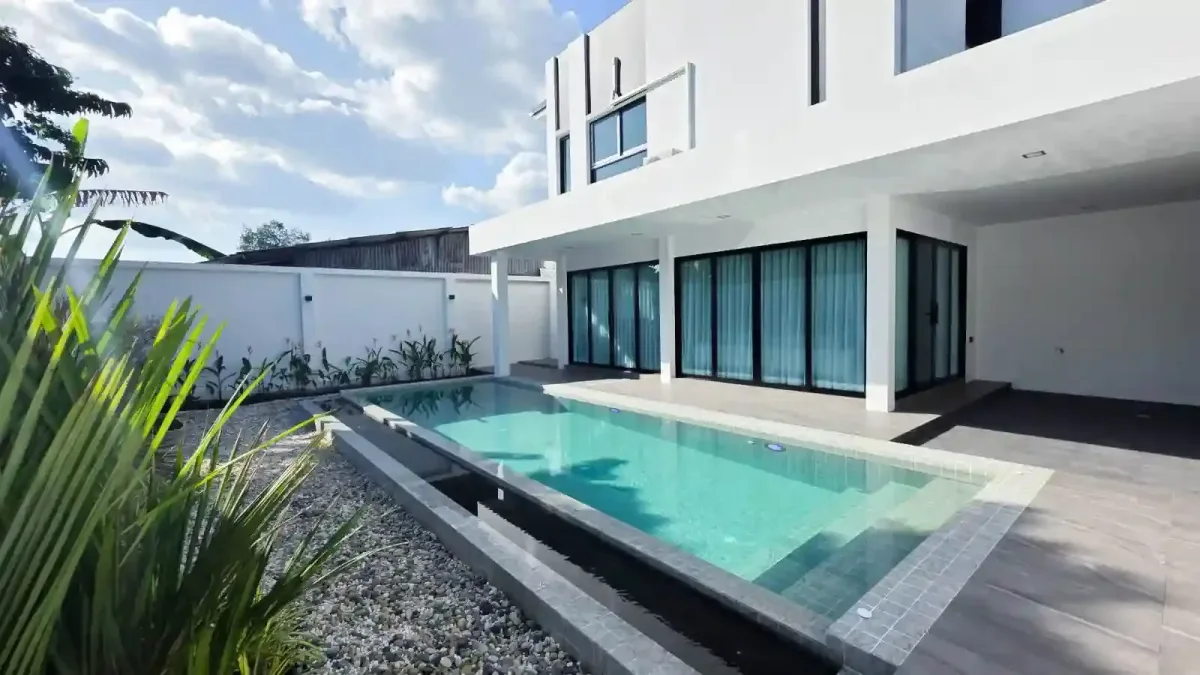
Quick answer: decide first whether this property is primarily for your family or primarily for cash flow, because that answer changes the area, the format and the building. Foreign buyers usually choose condominium freehold within the 49% quota, since it is the cleanest path to registered ownership. Then be honest about how many weeks a year you will really be here, and price the lost rental income for those weeks rather than assuming the property covers itself around them.
A second home in Phuket is rarely “pure investment” or “pure lifestyle”, most successful owners decide what is primary (family time vs cash flow) and then buy a product that matches. Foreign buyers typically choose condominium freehold (subject to the 49% foreign quota) because it is the cleanest path for many nationalities; structure details are in Buying property in Phuket and Freehold vs leasehold in Thailand. If you also want income, pair lifestyle goals with realistic net rental expectations using Phuket rental yield guide.
Best areas for second homes (quieter, quality-first)
| Area | Second-home appeal | Tradeoff to validate |
|---|---|---|
| Nai Harn | Relaxed south-island lifestyle; strong expat community | Distance to some north corridors; micro-market comps |
| Surin | Premium beach tone; luxury ecosystem | Higher price tiers; premium fees |
| Kamala | Balanced resort + hillside views | Hillside access roads; parking realities |
Read deeper: Nai Harn, Surin, Kamala.
Owning from abroad: management while you are away
| Management model | What you get | What you pay (planning) |
|---|---|---|
| On-site rental program / operator | Marketing + housekeeping + guest ops | Higher fee; less flexibility on owner stays |
| Independent management company | Custom rules; hybrid calendars | Variable quality, vet references |
| Long-term tenant | Simplicity | Lower yield; less personal use flexibility |
If you want short-stay income, confirm condo rules early. Some buildings restrict nightly rentals or require a hotel-license pathway. If you want long-term, underwriting often lands around ~5-7% gross in many mid-market condos, convert to net after fees.
Visa reality: how long can you stay?
| Pathway | What people use it for | Planning note |
|---|---|---|
| Thai Elite (Elite Visa) | Long convenience stays for qualifying applicants | Fee-based; rules evolve, verify |
| Retirement (where eligible) | Older buyers with qualifying income/bank proof | Medical insurance requirements |
| Education / business visas | Case-specific | Not a “real estate purchase visa” |
Buying property does not automatically grant immigration rights. Treat visas as a separate professional workstream from your purchase.
Cost of living: what second-home owners actually feel monthly
| Category | Typical planning range (non-luxury baseline) |
|---|---|
| Groceries + dining | Wide variance by neighborhood and habits |
| Transport | Scooter vs car; Grab usage |
| Healthcare (out-of-pocket + insurance) | Depends on age and coverage |
| Utilities | AC-heavy months matter |
Phuket can be very affordable compared to London or Sydney, or expensive if you live premium resort-tier daily. The property is only one line item.
Healthcare: what foreign families usually do
Most foreign second-home owners use Phuket’s private hospitals rather than the public system, and the standard at the main private facilities is genuinely good, with English-speaking staff and international patient departments that are used to visitors.
The usual arrangement runs on two layers. Travel insurance covers short trips, and it is adequate for a two-week visit provided you read what it excludes, since scooter accidents are the single most common claim here and many policies exclude them without a motorcycle licence. Owners spending longer or coming repeatedly generally move to an international health policy with outpatient and inpatient cover in Thailand, which is more expensive and considerably more useful.
Two things to establish before you need them. Whether your insurer settles directly with the hospital or expects you to pay and claim back, because private hospitals here ask for payment or a guarantee at admission and the difference matters when a bill runs into six figures of baht. And how far you are from emergency care at night from the specific property, not from the area, since traffic on the west coast in high season changes the answer substantially.
Bangkok Hospital Phuket and Phuket International are the two most commonly used by foreign residents, both in or near Phuket Town, which is worth weighing if you are considering the far south or the far north of the island.
Healthcare planning checklist (second-home buyers)
| Question | Why it matters |
|---|---|
| Do you need pediatrics/orthopedics/cardiology access? | Determines hospital choice and travel time |
| Is insurance accepted cashless? | Cash flow during stays |
| How far is emergency care at night? | Traffic differs by season and area |
International schools: relevant for fewer buyers, decisive for those
| School topic | Practical note |
|---|---|
| Enrollment windows | Popular year groups can waitlist, plan early |
| Bus routes | Living “10 minutes away” can still be daily logistics |
| Curriculum fit | Visit (or delegate a trusted visit) before you buy |
If schools matter, read Bang Tao & Laguna alongside school calendars, not only Google Maps distances.
Renting it out while unused: can it cover costs?
Usually it covers a meaningful share and not the whole thing, and the answer depends far more on when you visit than on how much you paid.
Every week you occupy is a week that earns nothing, and the weeks a second-home owner most wants are exactly the weeks worth most. Four weeks taken in February and at Christmas can remove a fifth of the annual income; the same four weeks in June and September cost you very little. If you have flexibility on timing, that is worth more to the arithmetic than almost any other decision.
Work it through on a $300,000 unit:
- Purchase: $300,000
- Gross yield planning: 7% → $21,000/year gross
- Management at 20% of gross: -$4,200
- Common area fees, insurance and utilities: -$3,500
- Furnishing reserve on a five-year cycle: -$2,500
- Six weeks of owner use, mostly in season: -$4,000 of foregone revenue
- Net before tax: roughly $6,800
- Less 15% Thai withholding for a non-resident owner: roughly $5,800 reaching your account
Against annual carrying costs of around $3,500 in fees and utilities, the property covers its running costs comfortably and does not cover the capital tied up in it. That is the realistic outcome for a genuine second home, and it is a good one. Owners who expected the property to pay for itself entirely, including the opportunity cost of $300,000, are measuring it against a standard almost no second home anywhere meets.
Two levers move that figure materially. Taking your weeks outside the peak, which can add several thousand dollars; and the quality of the operator, which routinely explains a wider spread between two identical units than the location does.
For tax withholding and reporting, read Thailand property tax for foreigners.
Pros and cons of a Phuket second home
Pros: a place that is yours, furnished as you want it, available without booking anything; a genuine cost saving against a decade of hotel stays if you come regularly; rental income that offsets a real share of the carrying cost while you are away; entry prices low enough that the same capital buys a whole asset here rather than a deposit at home; freehold condominium title in your own name; and a season that runs precisely when the northern winter does.
Cons: seasonality; operational complexity if renting; currency risk; immigration is separate from ownership; HOA issues can erode enjoyment and value.
Setting Up the Property for Long Absences
A second home stands empty for most of the year, and this climate is unkind to empty buildings. Everything below is cheaper to arrange before you leave than to repair when you return.
Store personal items in sealed bins; Thai humidity destroys leather and electronics in unventilated units. Forward mail through a local agent if you maintain a Thai bank account. Set auto-pay on CAM and utilities where the juristic office allows, missed HOA payments can block guest check-ins if you later activate short-term rental.
Buyer scenarios: which second home fits you?
Scenario A, the family taking school holidays. Three visits a year, four to six weeks in total, all of it in peak periods. You need two or three bedrooms, a pool a child can actually use, and proximity to the things that make a fortnight with children work. Accept that you are removing the most valuable weeks from the rental calendar and that the income will be modest. Bang Tao, Laguna and Kamala suit this; buy for the stay and treat the letting as an offset.
Scenario B, the couple wintering here. Two to three months from January, the same weeks every year. This is the profile where a second home genuinely beats hotels on cost, and where a long-term tenant from May to October often nets more than a short-stay programme once you account for the turnover work. Nai Harn, Rawai and Kata suit it, and walkability matters more than a view.
Scenario C, the owner who visits twice a year. Two weeks in February, one in November. Realistically this is an investment with a lifestyle attachment, and it should be priced as one. Buy where occupancy is strongest rather than where you would most like to be, put it with a competent operator, and take your weeks in the shoulder season where they cost you least.
Scenario D, the buyer planning to relocate later. The property is a base you will grow into, three to seven years out. Weigh everyday infrastructure over resort amenity: hospitals, schools if relevant, a market you can walk to. Let it in the meantime, but do not let the rental model dictate a building you would not want to live in.
If you cannot place yourself in one of these, the honest answer is usually that the visit pattern has not been decided yet. Rent for a season first. It is the cheapest diligence available.
Pre-purchase checkpoints
| Checkpoint | Pass | Fail |
|---|---|---|
| HOA minutes | 24 months reviewed | None provided |
| Owner weeks | Blocked in rental contract | Verbal promise |
| Quota | Floor-area letter | “Plenty of quota left” |
Want a second-home shortlist with HOA + rental rules verified?
MORE Group helps you buy with eyes open. 0% buyer commission.
Related Guides:
- Freehold vs leasehold
- What happens after buying in Phuket
- Phuket rental yield guide
- Best areas to buy
- Buying property in Phuket
Furnishing and Turnkey Budget (Often Forgotten)
If you will rent when away, photograph the unit after furnishing, insurance and dispute resolution depend on baseline condition. Block owner weeks in writing with management before high season; verbal promises fail when occupancy pressure rises in November.
| One-time setup | Planning band (THB) |
|---|---|
| Furniture + appliances | 250,000-500,000 |
| Linens + kitchen | 40,000-80,000 |
| Smart lock + Wi-Fi boost | 15,000-35,000 |
| Initial stocking + clean | 25,000-50,000 |
Healthcare access matters for second-home owners over 50. Phuket has strong private hospitals in Phuket Town and Cherng Talay corridors, Bangkok Hospital Phuket and Siriroj among them, but travel time from remote villas can exceed 45 minutes. Pick a micro-location with ambulance-grade road access if health is part of the lifestyle decision.
Schooling applies to families: British International School Phuket and UWC Thailand sit in the north and east corridors. Buying far from your chosen school turns a lifestyle purchase into a daily commute you did not plan. Visit during school-term traffic, not holiday quiet.
Seasonal rhythm defines second-home satisfaction. Owners who block Christmas, Easter, and four summer weeks first, then rent the remainder, report fewer conflicts with managers than owners who reverse the priority. Write owner weeks into the management agreement before handover; retroactive calendar fights are common in November when occupancy pressure peaks.
Utility and maid retainers run 12k-25k THB monthly even when you are away, budget them before you compare second-home costs to hotel stays. A condo with keyless entry and on-call maintenance beats a villa that needs weekly pool checks when you are in Europe eight months per year.
For mixed lifestyle and rental use, pick a building where the juristic person publishes house rules in writing and enforces them evenly. Neighbour complaints about guest noise are the fastest path to forced long-term-only rules that kill your yield model. Ask for the last 12 months of juristic minutes before you reserve, not after handover.
Second-home decision check
Frequently Asked Questions
Yes, most commonly via condominium freehold within the foreign quota. Villas can involve leasehold structures; verify legally. Start with buying property in Phuket.
Many buyers shortlist Nai Harn, Surin, and Kamala for a quieter lifestyle than Patong, still validate noise, access, and HOA quality for the exact building.
Often yes, if the condominium allows your rental model (short-stay vs long-term). Confirm rules before purchase, then model net yield after management and vacancy.
It depends on nationality, age, and circumstances. Options people discuss include Elite-type long-stay programs and retirement routes where eligible. Buying property does not automatically grant residency, verify current immigration rules with a professional.
HOA varies by tier and facilities. Many condos fall roughly around ~$50-150+/month as a broad planning band, some premium projects are higher. Always request the exact schedule for your unit.
It can be, if you buy quality inventory and align rental strategy with rules. Many investors use ~6-8% gross planning bands for rental offset, but lifestyle value is often the primary return for second-home buyers.
Questions about this guide? Ask us on WhatsApp. The guide's title is already in the message, so you only need to write your question.
Ask on WhatsApp
Maksim Shchegolev
Founder, MORE Group
Founder of MORE Group. Four years in investment banking before moving to Phuket, where he has worked in the local property market since 2018. Oversees developer relationships and every engagement above $300K.
About MORE Group →Get a Focused Phuket Property Shortlist
Share budget, area and goal. We will reply with suitable live projects, not a generic catalogue.
